window.__IS_SSR__=true
window.__INITIAL_STATE__={
"attachmentsReducer": {
"audio_0": {
"type": "attachments",
"id": "audio_0",
"imgSizes": {
"kqedFullSize": {
"file": "https://ww2.kqed.org/news/wp-content/themes/KQED-unified/img/audio_bgs/background0.jpg"
}
}
},
"audio_1": {
"type": "attachments",
"id": "audio_1",
"imgSizes": {
"kqedFullSize": {
"file": "https://ww2.kqed.org/news/wp-content/themes/KQED-unified/img/audio_bgs/background1.jpg"
}
}
},
"audio_2": {
"type": "attachments",
"id": "audio_2",
"imgSizes": {
"kqedFullSize": {
"file": "https://ww2.kqed.org/news/wp-content/themes/KQED-unified/img/audio_bgs/background2.jpg"
}
}
},
"audio_3": {
"type": "attachments",
"id": "audio_3",
"imgSizes": {
"kqedFullSize": {
"file": "https://ww2.kqed.org/news/wp-content/themes/KQED-unified/img/audio_bgs/background3.jpg"
}
}
},
"audio_4": {
"type": "attachments",
"id": "audio_4",
"imgSizes": {
"kqedFullSize": {
"file": "https://ww2.kqed.org/news/wp-content/themes/KQED-unified/img/audio_bgs/background4.jpg"
}
}
},
"placeholder": {
"type": "attachments",
"id": "placeholder",
"imgSizes": {
"thumbnail": {
"file": "https://cdn.kqed.org/wp-content/uploads/2024/12/KQED-Default-Image-816638274-2000x1333-1-160x107.jpg",
"width": 160,
"height": 107,
"mimeType": "image/jpeg"
},
"medium": {
"file": "https://cdn.kqed.org/wp-content/uploads/2024/12/KQED-Default-Image-816638274-2000x1333-1-800x533.jpg",
"width": 800,
"height": 533,
"mimeType": "image/jpeg"
},
"medium_large": {
"file": "https://cdn.kqed.org/wp-content/uploads/2024/12/KQED-Default-Image-816638274-2000x1333-1-768x512.jpg",
"width": 768,
"height": 512,
"mimeType": "image/jpeg"
},
"large": {
"file": "https://cdn.kqed.org/wp-content/uploads/2024/12/KQED-Default-Image-816638274-2000x1333-1-1020x680.jpg",
"width": 1020,
"height": 680,
"mimeType": "image/jpeg"
},
"1536x1536": {
"file": "https://cdn.kqed.org/wp-content/uploads/2024/12/KQED-Default-Image-816638274-2000x1333-1-1536x1024.jpg",
"width": 1536,
"height": 1024,
"mimeType": "image/jpeg"
},
"fd-lrg": {
"file": "https://cdn.kqed.org/wp-content/uploads/2024/12/KQED-Default-Image-816638274-2000x1333-1-1536x1024.jpg",
"width": 1536,
"height": 1024,
"mimeType": "image/jpeg"
},
"fd-med": {
"file": "https://cdn.kqed.org/wp-content/uploads/2024/12/KQED-Default-Image-816638274-2000x1333-1-1020x680.jpg",
"width": 1020,
"height": 680,
"mimeType": "image/jpeg"
},
"fd-sm": {
"file": "https://cdn.kqed.org/wp-content/uploads/2024/12/KQED-Default-Image-816638274-2000x1333-1-800x533.jpg",
"width": 800,
"height": 533,
"mimeType": "image/jpeg"
},
"post-thumbnail": {
"file": "https://cdn.kqed.org/wp-content/uploads/2024/12/KQED-Default-Image-816638274-2000x1333-1-672x372.jpg",
"width": 672,
"height": 372,
"mimeType": "image/jpeg"
},
"twentyfourteen-full-width": {
"file": "https://cdn.kqed.org/wp-content/uploads/2024/12/KQED-Default-Image-816638274-2000x1333-1-1038x576.jpg",
"width": 1038,
"height": 576,
"mimeType": "image/jpeg"
},
"xxsmall": {
"file": "https://cdn.kqed.org/wp-content/uploads/2024/12/KQED-Default-Image-816638274-2000x1333-1-160x107.jpg",
"width": 160,
"height": 107,
"mimeType": "image/jpeg"
},
"xsmall": {
"file": "https://cdn.kqed.org/wp-content/uploads/2024/12/KQED-Default-Image-816638274-2000x1333-1-672x372.jpg",
"width": 672,
"height": 372,
"mimeType": "image/jpeg"
},
"small": {
"file": "https://cdn.kqed.org/wp-content/uploads/2024/12/KQED-Default-Image-816638274-2000x1333-1-672x372.jpg",
"width": 672,
"height": 372,
"mimeType": "image/jpeg"
},
"xlarge": {
"file": "https://cdn.kqed.org/wp-content/uploads/2024/12/KQED-Default-Image-816638274-2000x1333-1-1020x680.jpg",
"width": 1020,
"height": 680,
"mimeType": "image/jpeg"
},
"full-width": {
"file": "https://cdn.kqed.org/wp-content/uploads/2024/12/KQED-Default-Image-816638274-2000x1333-1-1920x1280.jpg",
"width": 1920,
"height": 1280,
"mimeType": "image/jpeg"
},
"guest-author-32": {
"file": "https://cdn.kqed.org/wp-content/uploads/2025/01/KQED-Default-Image-816638274-1333x1333-1-160x160.jpg",
"width": 32,
"height": 32,
"mimeType": "image/jpeg"
},
"guest-author-50": {
"file": "https://cdn.kqed.org/wp-content/uploads/2025/01/KQED-Default-Image-816638274-1333x1333-1-160x160.jpg",
"width": 50,
"height": 50,
"mimeType": "image/jpeg"
},
"guest-author-64": {
"file": "https://cdn.kqed.org/wp-content/uploads/2025/01/KQED-Default-Image-816638274-1333x1333-1-160x160.jpg",
"width": 64,
"height": 64,
"mimeType": "image/jpeg"
},
"guest-author-96": {
"file": "https://cdn.kqed.org/wp-content/uploads/2025/01/KQED-Default-Image-816638274-1333x1333-1-160x160.jpg",
"width": 96,
"height": 96,
"mimeType": "image/jpeg"
},
"guest-author-128": {
"file": "https://cdn.kqed.org/wp-content/uploads/2025/01/KQED-Default-Image-816638274-1333x1333-1-160x160.jpg",
"width": 128,
"height": 128,
"mimeType": "image/jpeg"
},
"detail": {
"file": "https://cdn.kqed.org/wp-content/uploads/2025/01/KQED-Default-Image-816638274-1333x1333-1-160x160.jpg",
"width": 160,
"height": 160,
"mimeType": "image/jpeg"
},
"kqedFullSize": {
"file": "https://cdn.kqed.org/wp-content/uploads/2024/12/KQED-Default-Image-816638274-2000x1333-1.jpg",
"width": 2000,
"height": 1333
}
}
},
"news_11686288": {
"type": "attachments",
"id": "news_11686288",
"meta": {
"index": "attachments_1716263798",
"site": "news",
"id": "11686288",
"found": true
},
"parent": 11686280,
"imgSizes": {
"small": {
"file": "https://ww2.kqed.org/app/uploads/sites/10/2018/08/WILDFIRE-LOBBYING-Web-photo-520x347.jpg",
"width": 520,
"mimeType": "image/jpeg",
"height": 347
},
"twentyfourteen-full-width": {
"file": "https://ww2.kqed.org/app/uploads/sites/10/2018/08/WILDFIRE-LOBBYING-Web-photo-1038x576.jpg",
"width": 1038,
"mimeType": "image/jpeg",
"height": 576
},
"thumbnail": {
"file": "https://ww2.kqed.org/app/uploads/sites/10/2018/08/WILDFIRE-LOBBYING-Web-photo-160x107.jpg",
"width": 160,
"mimeType": "image/jpeg",
"height": 107
},
"fd-sm": {
"file": "https://ww2.kqed.org/app/uploads/sites/10/2018/08/WILDFIRE-LOBBYING-Web-photo-960x640.jpg",
"width": 960,
"mimeType": "image/jpeg",
"height": 640
},
"post-thumbnail": {
"file": "https://ww2.kqed.org/app/uploads/sites/10/2018/08/WILDFIRE-LOBBYING-Web-photo-672x372.jpg",
"width": 672,
"mimeType": "image/jpeg",
"height": 372
},
"xsmall": {
"file": "https://ww2.kqed.org/app/uploads/sites/10/2018/08/WILDFIRE-LOBBYING-Web-photo-375x250.jpg",
"width": 375,
"mimeType": "image/jpeg",
"height": 250
},
"kqedFullSize": {
"file": "https://ww2.kqed.org/app/uploads/sites/10/2018/08/WILDFIRE-LOBBYING-Web-photo.jpg",
"width": 1280,
"height": 853
},
"large": {
"file": "https://ww2.kqed.org/app/uploads/sites/10/2018/08/WILDFIRE-LOBBYING-Web-photo-1020x680.jpg",
"width": 1020,
"mimeType": "image/jpeg",
"height": 680
},
"xlarge": {
"file": "https://ww2.kqed.org/app/uploads/sites/10/2018/08/WILDFIRE-LOBBYING-Web-photo-1180x786.jpg",
"width": 1180,
"mimeType": "image/jpeg",
"height": 786
},
"complete_open_graph": {
"file": "https://ww2.kqed.org/app/uploads/sites/10/2018/08/WILDFIRE-LOBBYING-Web-photo-1200x800.jpg",
"width": 1200,
"mimeType": "image/jpeg",
"height": 800
},
"guest-author-50": {
"file": "https://ww2.kqed.org/app/uploads/sites/10/2018/08/WILDFIRE-LOBBYING-Web-photo-50x50.jpg",
"width": 50,
"mimeType": "image/jpeg",
"height": 50
},
"guest-author-96": {
"file": "https://ww2.kqed.org/app/uploads/sites/10/2018/08/WILDFIRE-LOBBYING-Web-photo-96x96.jpg",
"width": 96,
"mimeType": "image/jpeg",
"height": 96
},
"medium": {
"file": "https://ww2.kqed.org/app/uploads/sites/10/2018/08/WILDFIRE-LOBBYING-Web-photo-800x533.jpg",
"width": 800,
"mimeType": "image/jpeg",
"height": 533
},
"guest-author-64": {
"file": "https://ww2.kqed.org/app/uploads/sites/10/2018/08/WILDFIRE-LOBBYING-Web-photo-64x64.jpg",
"width": 64,
"mimeType": "image/jpeg",
"height": 64
},
"guest-author-32": {
"file": "https://ww2.kqed.org/app/uploads/sites/10/2018/08/WILDFIRE-LOBBYING-Web-photo-32x32.jpg",
"width": 32,
"mimeType": "image/jpeg",
"height": 32
},
"fd-med": {
"file": "https://ww2.kqed.org/app/uploads/sites/10/2018/08/WILDFIRE-LOBBYING-Web-photo-1180x786.jpg",
"width": 1180,
"mimeType": "image/jpeg",
"height": 786
},
"detail": {
"file": "https://ww2.kqed.org/app/uploads/sites/10/2018/08/WILDFIRE-LOBBYING-Web-photo-150x150.jpg",
"width": 150,
"mimeType": "image/jpeg",
"height": 150
},
"guest-author-128": {
"file": "https://ww2.kqed.org/app/uploads/sites/10/2018/08/WILDFIRE-LOBBYING-Web-photo-128x128.jpg",
"width": 128,
"mimeType": "image/jpeg",
"height": 128
},
"xxsmall": {
"file": "https://ww2.kqed.org/app/uploads/sites/10/2018/08/WILDFIRE-LOBBYING-Web-photo-240x160.jpg",
"width": 240,
"mimeType": "image/jpeg",
"height": 160
}
},
"publishDate": 1533939755,
"modified": 1588355355,
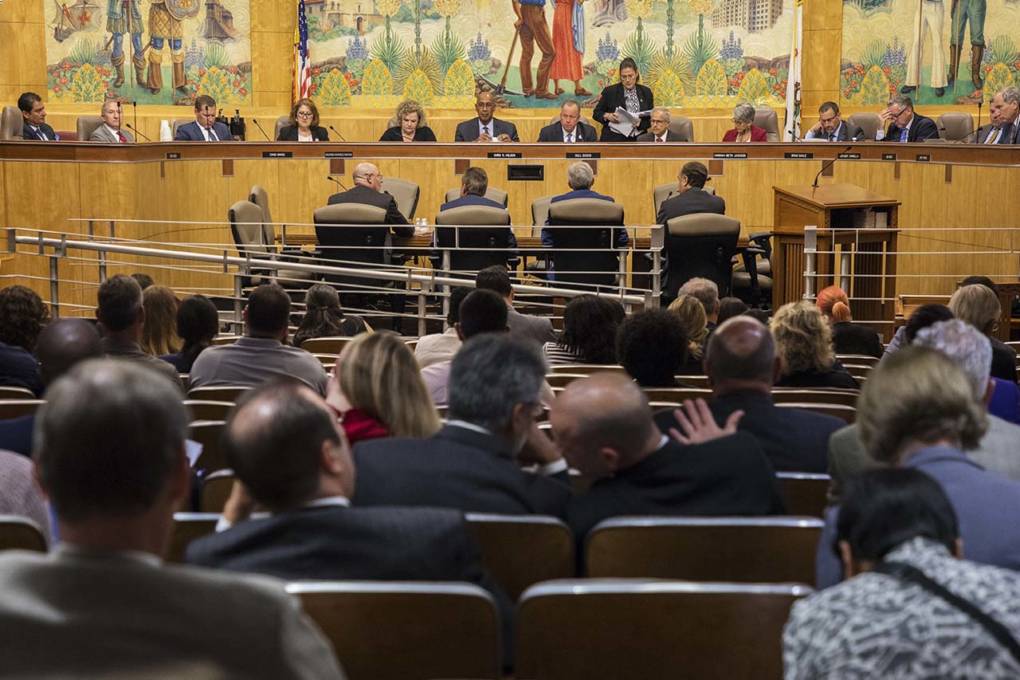
"caption": "The California Legislature's special meeting on wildfires meets Aug. 7, 2018, in a hearing room crowded with lobbyists.",
"description": "The California legislator's special meeting on wildfires meets Aug. 7, 2018, in a hearing room crowded with lobbyists.",
"title": "WILDFIRE LOBBYING Web photo",
"credit": "Robbie Short/CalMatters",
"status": "inherit",
"isLoading": false,
"fetchFailed": false
},
"news_11685199": {
"type": "attachments",
"id": "news_11685199",
"meta": {
"index": "attachments_1716263798",
"site": "news",
"id": "11685199",
"found": true
},
"parent": 11685088,
"imgSizes": {
"small": {
"file": "https://ww2.kqed.org/app/uploads/sites/10/2018/08/Dr.-Alexander-Reyzelman-treats-diabetes-patient-Michael-Rubenstein.-Photo-by-David-Gorn_CALmatters-e1533589905318-520x390.jpg",
"width": 520,
"mimeType": "image/jpeg",
"height": 390
},
"twentyfourteen-full-width": {
"file": "https://ww2.kqed.org/app/uploads/sites/10/2018/08/Dr.-Alexander-Reyzelman-treats-diabetes-patient-Michael-Rubenstein.-Photo-by-David-Gorn_CALmatters-e1533589905318-1038x576.jpg",
"width": 1038,
"mimeType": "image/jpeg",
"height": 576
},
"thumbnail": {
"file": "https://ww2.kqed.org/app/uploads/sites/10/2018/08/Dr.-Alexander-Reyzelman-treats-diabetes-patient-Michael-Rubenstein.-Photo-by-David-Gorn_CALmatters-e1533589905318-160x120.jpg",
"width": 160,
"mimeType": "image/jpeg",
"height": 120
},
"fd-sm": {
"file": "https://ww2.kqed.org/app/uploads/sites/10/2018/08/Dr.-Alexander-Reyzelman-treats-diabetes-patient-Michael-Rubenstein.-Photo-by-David-Gorn_CALmatters-e1533589905318-960x720.jpg",
"width": 960,
"mimeType": "image/jpeg",
"height": 720
},
"post-thumbnail": {
"file": "https://ww2.kqed.org/app/uploads/sites/10/2018/08/Dr.-Alexander-Reyzelman-treats-diabetes-patient-Michael-Rubenstein.-Photo-by-David-Gorn_CALmatters-e1533589905318-672x372.jpg",
"width": 672,
"mimeType": "image/jpeg",
"height": 372
},
"xsmall": {
"file": "https://ww2.kqed.org/app/uploads/sites/10/2018/08/Dr.-Alexander-Reyzelman-treats-diabetes-patient-Michael-Rubenstein.-Photo-by-David-Gorn_CALmatters-e1533589905318-375x281.jpg",
"width": 375,
"mimeType": "image/jpeg",
"height": 281
},
"kqedFullSize": {
"file": "https://ww2.kqed.org/app/uploads/sites/10/2018/08/Dr.-Alexander-Reyzelman-treats-diabetes-patient-Michael-Rubenstein.-Photo-by-David-Gorn_CALmatters-e1533589928930.jpg",
"width": 1920,
"height": 1440
},
"large": {
"file": "https://ww2.kqed.org/app/uploads/sites/10/2018/08/Dr.-Alexander-Reyzelman-treats-diabetes-patient-Michael-Rubenstein.-Photo-by-David-Gorn_CALmatters-e1533589905318-1020x765.jpg",
"width": 1020,
"mimeType": "image/jpeg",
"height": 765
},
"xlarge": {
"file": "https://ww2.kqed.org/app/uploads/sites/10/2018/08/Dr.-Alexander-Reyzelman-treats-diabetes-patient-Michael-Rubenstein.-Photo-by-David-Gorn_CALmatters-e1533589905318-1180x885.jpg",
"width": 1180,
"mimeType": "image/jpeg",
"height": 885
},
"complete_open_graph": {
"file": "https://ww2.kqed.org/app/uploads/sites/10/2018/08/Dr.-Alexander-Reyzelman-treats-diabetes-patient-Michael-Rubenstein.-Photo-by-David-Gorn_CALmatters-e1533589905318-1200x900.jpg",
"width": 1200,
"mimeType": "image/jpeg",
"height": 900
},
"guest-author-50": {
"file": "https://ww2.kqed.org/app/uploads/sites/10/2018/08/Dr.-Alexander-Reyzelman-treats-diabetes-patient-Michael-Rubenstein.-Photo-by-David-Gorn_CALmatters-e1533589905318-50x50.jpg",
"width": 50,
"mimeType": "image/jpeg",
"height": 50
},
"guest-author-96": {
"file": "https://ww2.kqed.org/app/uploads/sites/10/2018/08/Dr.-Alexander-Reyzelman-treats-diabetes-patient-Michael-Rubenstein.-Photo-by-David-Gorn_CALmatters-e1533589905318-96x96.jpg",
"width": 96,
"mimeType": "image/jpeg",
"height": 96
},
"medium": {
"file": "https://ww2.kqed.org/app/uploads/sites/10/2018/08/Dr.-Alexander-Reyzelman-treats-diabetes-patient-Michael-Rubenstein.-Photo-by-David-Gorn_CALmatters-e1533589905318-800x600.jpg",
"width": 800,
"mimeType": "image/jpeg",
"height": 600
},
"guest-author-64": {
"file": "https://ww2.kqed.org/app/uploads/sites/10/2018/08/Dr.-Alexander-Reyzelman-treats-diabetes-patient-Michael-Rubenstein.-Photo-by-David-Gorn_CALmatters-e1533589905318-64x64.jpg",
"width": 64,
"mimeType": "image/jpeg",
"height": 64
},
"guest-author-32": {
"file": "https://ww2.kqed.org/app/uploads/sites/10/2018/08/Dr.-Alexander-Reyzelman-treats-diabetes-patient-Michael-Rubenstein.-Photo-by-David-Gorn_CALmatters-e1533589905318-32x32.jpg",
"width": 32,
"mimeType": "image/jpeg",
"height": 32
},
"fd-lrg": {
"file": "https://ww2.kqed.org/app/uploads/sites/10/2018/08/Dr.-Alexander-Reyzelman-treats-diabetes-patient-Michael-Rubenstein.-Photo-by-David-Gorn_CALmatters-e1533589905318-1920x1440.jpg",
"width": 1920,
"mimeType": "image/jpeg",
"height": 1440
},
"fd-med": {
"file": "https://ww2.kqed.org/app/uploads/sites/10/2018/08/Dr.-Alexander-Reyzelman-treats-diabetes-patient-Michael-Rubenstein.-Photo-by-David-Gorn_CALmatters-e1533589905318-1180x885.jpg",
"width": 1180,
"mimeType": "image/jpeg",
"height": 885
},
"full-width": {
"file": "https://ww2.kqed.org/app/uploads/sites/10/2018/08/Dr.-Alexander-Reyzelman-treats-diabetes-patient-Michael-Rubenstein.-Photo-by-David-Gorn_CALmatters-e1533589905318-1920x1440.jpg",
"width": 1920,
"mimeType": "image/jpeg",
"height": 1440
},
"detail": {
"file": "https://ww2.kqed.org/app/uploads/sites/10/2018/08/Dr.-Alexander-Reyzelman-treats-diabetes-patient-Michael-Rubenstein.-Photo-by-David-Gorn_CALmatters-e1533589905318-150x150.jpg",
"width": 150,
"mimeType": "image/jpeg",
"height": 150
},
"guest-author-128": {
"file": "https://ww2.kqed.org/app/uploads/sites/10/2018/08/Dr.-Alexander-Reyzelman-treats-diabetes-patient-Michael-Rubenstein.-Photo-by-David-Gorn_CALmatters-e1533589905318-128x128.jpg",
"width": 128,
"mimeType": "image/jpeg",
"height": 128
},
"xxsmall": {
"file": "https://ww2.kqed.org/app/uploads/sites/10/2018/08/Dr.-Alexander-Reyzelman-treats-diabetes-patient-Michael-Rubenstein.-Photo-by-David-Gorn_CALmatters-e1533589905318-240x180.jpg",
"width": 240,
"mimeType": "image/jpeg",
"height": 180
}
},
"publishDate": 1533589886,
"modified": 1533589951,
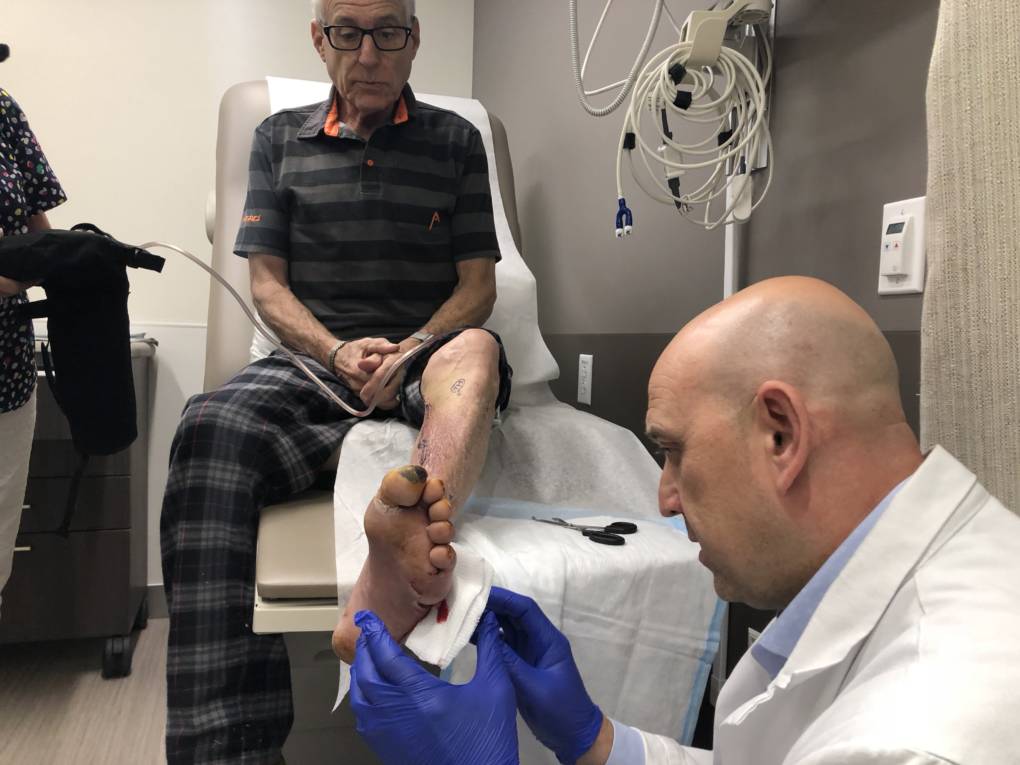
"caption": "Dr. Alexander Reyzelman treats diabetes patient Michael Rubenstein.",
"description": "Dr. Alexander Reyzelman treats diabetes patient Michael Rubenstein.",
"title": "Dr. Alexander Reyzelman treats diabetes patient Michael Rubenstein. Photo by David Gorn_CALmatters",
"credit": "David Gorn/CALmatters",
"status": "inherit",
"isLoading": false,
"fetchFailed": false
},
"news_11684460": {
"type": "attachments",
"id": "news_11684460",
"meta": {
"index": "attachments_1716263798",
"site": "news",
"id": "11684460",
"found": true
},
"parent": 11684428,
"imgSizes": {
"small": {
"file": "https://ww2.kqed.org/app/uploads/sites/10/2018/08/Payday-lenders_Robbie-Short_002-520x347.jpg",
"width": 520,
"mimeType": "image/jpeg",
"height": 347
},
"twentyfourteen-full-width": {
"file": "https://ww2.kqed.org/app/uploads/sites/10/2018/08/Payday-lenders_Robbie-Short_002-1038x576.jpg",
"width": 1038,
"mimeType": "image/jpeg",
"height": 576
},
"thumbnail": {
"file": "https://ww2.kqed.org/app/uploads/sites/10/2018/08/Payday-lenders_Robbie-Short_002-160x107.jpg",
"width": 160,
"mimeType": "image/jpeg",
"height": 107
},
"fd-sm": {
"file": "https://ww2.kqed.org/app/uploads/sites/10/2018/08/Payday-lenders_Robbie-Short_002-960x640.jpg",
"width": 960,
"mimeType": "image/jpeg",
"height": 640
},
"post-thumbnail": {
"file": "https://ww2.kqed.org/app/uploads/sites/10/2018/08/Payday-lenders_Robbie-Short_002-672x372.jpg",
"width": 672,
"mimeType": "image/jpeg",
"height": 372
},
"xsmall": {
"file": "https://ww2.kqed.org/app/uploads/sites/10/2018/08/Payday-lenders_Robbie-Short_002-375x250.jpg",
"width": 375,
"mimeType": "image/jpeg",
"height": 250
},
"kqedFullSize": {
"file": "https://ww2.kqed.org/app/uploads/sites/10/2018/08/Payday-lenders_Robbie-Short_002-e1533247734416.jpg",
"width": 1920,
"height": 1280
},
"large": {
"file": "https://ww2.kqed.org/app/uploads/sites/10/2018/08/Payday-lenders_Robbie-Short_002-1020x680.jpg",
"width": 1020,
"mimeType": "image/jpeg",
"height": 680
},
"xlarge": {
"file": "https://ww2.kqed.org/app/uploads/sites/10/2018/08/Payday-lenders_Robbie-Short_002-1180x787.jpg",
"width": 1180,
"mimeType": "image/jpeg",
"height": 787
},
"complete_open_graph": {
"file": "https://ww2.kqed.org/app/uploads/sites/10/2018/08/Payday-lenders_Robbie-Short_002-1200x800.jpg",
"width": 1200,
"mimeType": "image/jpeg",
"height": 800
},
"guest-author-50": {
"file": "https://ww2.kqed.org/app/uploads/sites/10/2018/08/Payday-lenders_Robbie-Short_002-50x50.jpg",
"width": 50,
"mimeType": "image/jpeg",
"height": 50
},
"guest-author-96": {
"file": "https://ww2.kqed.org/app/uploads/sites/10/2018/08/Payday-lenders_Robbie-Short_002-96x96.jpg",
"width": 96,
"mimeType": "image/jpeg",
"height": 96
},
"medium": {
"file": "https://ww2.kqed.org/app/uploads/sites/10/2018/08/Payday-lenders_Robbie-Short_002-800x533.jpg",
"width": 800,
"mimeType": "image/jpeg",
"height": 533
},
"guest-author-64": {
"file": "https://ww2.kqed.org/app/uploads/sites/10/2018/08/Payday-lenders_Robbie-Short_002-64x64.jpg",
"width": 64,
"mimeType": "image/jpeg",
"height": 64
},
"guest-author-32": {
"file": "https://ww2.kqed.org/app/uploads/sites/10/2018/08/Payday-lenders_Robbie-Short_002-32x32.jpg",
"width": 32,
"mimeType": "image/jpeg",
"height": 32
},
"fd-lrg": {
"file": "https://ww2.kqed.org/app/uploads/sites/10/2018/08/Payday-lenders_Robbie-Short_002-1920x1280.jpg",
"width": 1920,
"mimeType": "image/jpeg",
"height": 1280
},
"fd-med": {
"file": "https://ww2.kqed.org/app/uploads/sites/10/2018/08/Payday-lenders_Robbie-Short_002-1180x787.jpg",
"width": 1180,
"mimeType": "image/jpeg",
"height": 787
},
"full-width": {
"file": "https://ww2.kqed.org/app/uploads/sites/10/2018/08/Payday-lenders_Robbie-Short_002-1920x1280.jpg",
"width": 1920,
"mimeType": "image/jpeg",
"height": 1280
},
"detail": {
"file": "https://ww2.kqed.org/app/uploads/sites/10/2018/08/Payday-lenders_Robbie-Short_002-150x150.jpg",
"width": 150,
"mimeType": "image/jpeg",
"height": 150
},
"guest-author-128": {
"file": "https://ww2.kqed.org/app/uploads/sites/10/2018/08/Payday-lenders_Robbie-Short_002-128x128.jpg",
"width": 128,
"mimeType": "image/jpeg",
"height": 128
},
"xxsmall": {
"file": "https://ww2.kqed.org/app/uploads/sites/10/2018/08/Payday-lenders_Robbie-Short_002-240x160.jpg",
"width": 240,
"mimeType": "image/jpeg",
"height": 160
}
},
"publishDate": 1533247420,
"modified": 1533247724,
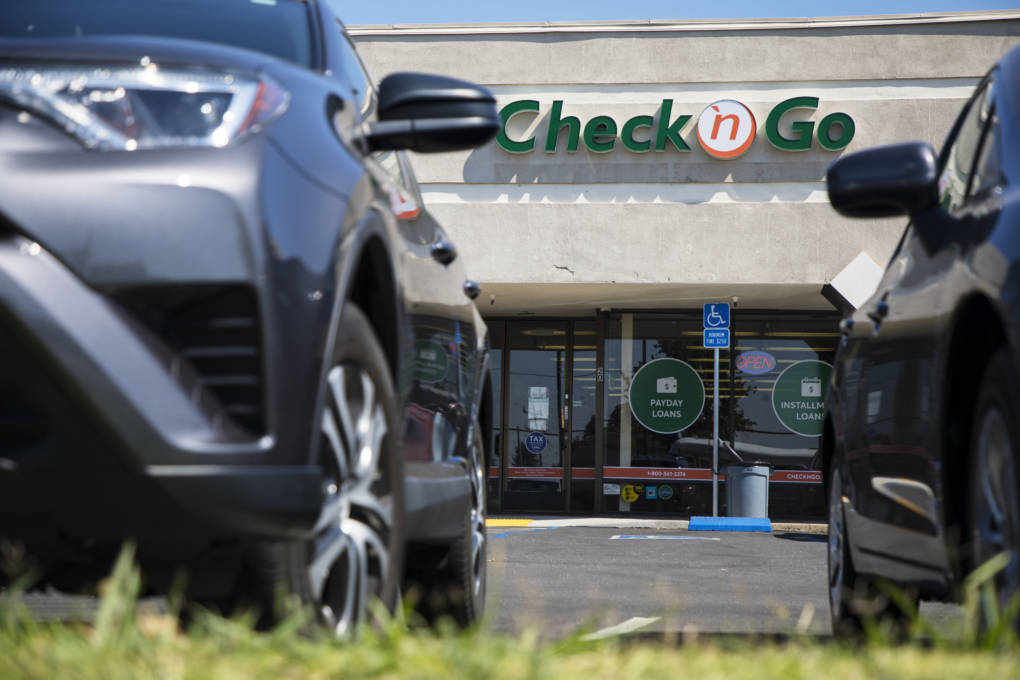
"caption": "A payday lender storefront in Sacramento. ",
"description": "A payday lender storefront in Sacramento. ",
"title": "Payday lenders_Robbie Short_002",
"credit": "Robbie Short/CALmatters",
"status": "inherit",
"isLoading": false,
"fetchFailed": false
},
"news_11682886": {
"type": "attachments",
"id": "news_11682886",
"meta": {
"index": "attachments_1716263798",
"site": "news",
"id": "11682886",
"found": true
},
"parent": 11682795,
"imgSizes": {
"small": {
"file": "https://ww2.kqed.org/app/uploads/sites/10/2018/07/GettyImages-80028702-520x334.jpg",
"width": 520,
"mimeType": "image/jpeg",
"height": 334
},
"twentyfourteen-full-width": {
"file": "https://ww2.kqed.org/app/uploads/sites/10/2018/07/GettyImages-80028702-1038x576.jpg",
"width": 1038,
"mimeType": "image/jpeg",
"height": 576
},
"thumbnail": {
"file": "https://ww2.kqed.org/app/uploads/sites/10/2018/07/GettyImages-80028702-160x103.jpg",
"width": 160,
"mimeType": "image/jpeg",
"height": 103
},
"fd-sm": {
"file": "https://ww2.kqed.org/app/uploads/sites/10/2018/07/GettyImages-80028702-960x616.jpg",
"width": 960,
"mimeType": "image/jpeg",
"height": 616
},
"post-thumbnail": {
"file": "https://ww2.kqed.org/app/uploads/sites/10/2018/07/GettyImages-80028702-672x372.jpg",
"width": 672,
"mimeType": "image/jpeg",
"height": 372
},
"xsmall": {
"file": "https://ww2.kqed.org/app/uploads/sites/10/2018/07/GettyImages-80028702-375x241.jpg",
"width": 375,
"mimeType": "image/jpeg",
"height": 241
},
"kqedFullSize": {
"file": "https://ww2.kqed.org/app/uploads/sites/10/2018/07/GettyImages-80028702-e1532635740228.jpg",
"width": 1920,
"height": 1232
},
"large": {
"file": "https://ww2.kqed.org/app/uploads/sites/10/2018/07/GettyImages-80028702-1020x654.jpg",
"width": 1020,
"mimeType": "image/jpeg",
"height": 654
},
"xlarge": {
"file": "https://ww2.kqed.org/app/uploads/sites/10/2018/07/GettyImages-80028702-1180x757.jpg",
"width": 1180,
"mimeType": "image/jpeg",
"height": 757
},
"complete_open_graph": {
"file": "https://ww2.kqed.org/app/uploads/sites/10/2018/07/GettyImages-80028702-1200x770.jpg",
"width": 1200,
"mimeType": "image/jpeg",
"height": 770
},
"guest-author-50": {
"file": "https://ww2.kqed.org/app/uploads/sites/10/2018/07/GettyImages-80028702-50x50.jpg",
"width": 50,
"mimeType": "image/jpeg",
"height": 50
},
"guest-author-96": {
"file": "https://ww2.kqed.org/app/uploads/sites/10/2018/07/GettyImages-80028702-96x96.jpg",
"width": 96,
"mimeType": "image/jpeg",
"height": 96
},
"medium": {
"file": "https://ww2.kqed.org/app/uploads/sites/10/2018/07/GettyImages-80028702-800x513.jpg",
"width": 800,
"mimeType": "image/jpeg",
"height": 513
},
"guest-author-64": {
"file": "https://ww2.kqed.org/app/uploads/sites/10/2018/07/GettyImages-80028702-64x64.jpg",
"width": 64,
"mimeType": "image/jpeg",
"height": 64
},
"guest-author-32": {
"file": "https://ww2.kqed.org/app/uploads/sites/10/2018/07/GettyImages-80028702-32x32.jpg",
"width": 32,
"mimeType": "image/jpeg",
"height": 32
},
"fd-lrg": {
"file": "https://ww2.kqed.org/app/uploads/sites/10/2018/07/GettyImages-80028702-1920x1232.jpg",
"width": 1920,
"mimeType": "image/jpeg",
"height": 1232
},
"fd-med": {
"file": "https://ww2.kqed.org/app/uploads/sites/10/2018/07/GettyImages-80028702-1180x757.jpg",
"width": 1180,
"mimeType": "image/jpeg",
"height": 757
},
"full-width": {
"file": "https://ww2.kqed.org/app/uploads/sites/10/2018/07/GettyImages-80028702-1920x1232.jpg",
"width": 1920,
"mimeType": "image/jpeg",
"height": 1232
},
"detail": {
"file": "https://ww2.kqed.org/app/uploads/sites/10/2018/07/GettyImages-80028702-150x150.jpg",
"width": 150,
"mimeType": "image/jpeg",
"height": 150
},
"guest-author-128": {
"file": "https://ww2.kqed.org/app/uploads/sites/10/2018/07/GettyImages-80028702-128x128.jpg",
"width": 128,
"mimeType": "image/jpeg",
"height": 128
},
"xxsmall": {
"file": "https://ww2.kqed.org/app/uploads/sites/10/2018/07/GettyImages-80028702-240x154.jpg",
"width": 240,
"mimeType": "image/jpeg",
"height": 154
}
},
"publishDate": 1532635403,
"modified": 1532635806,
"caption": "A nurse holds a box of the RU486 abortion pill. A bill advancing in the Legislature would make California the first in the nation to require that these abortion pills be available at on-campus health centers.",
"description": "A nurse holds a box of the RU486 abortion pill. A bill advancing in the Legislature would make California the first in the nation to require that these abortion pills be available at on-campus health centers.",
"title": "(FILES) - Picture taken on October 25, 2",
"credit": "Manoocher Deghati/AFP/Getty Images",
"status": "inherit",
"isLoading": false,
"fetchFailed": false
},
"news_11682568": {
"type": "attachments",
"id": "news_11682568",
"meta": {
"index": "attachments_1716263798",
"site": "news",
"id": "11682568",
"found": true
},
"parent": 11682562,
"imgSizes": {
"small": {
"file": "https://ww2.kqed.org/app/uploads/sites/10/2018/07/RefugeeFamilyMain-520x347.jpg",
"width": 520,
"mimeType": "image/jpeg",
"height": 347
},
"twentyfourteen-full-width": {
"file": "https://ww2.kqed.org/app/uploads/sites/10/2018/07/RefugeeFamilyMain-1038x576.jpg",
"width": 1038,
"mimeType": "image/jpeg",
"height": 576
},
"thumbnail": {
"file": "https://ww2.kqed.org/app/uploads/sites/10/2018/07/RefugeeFamilyMain-160x107.jpg",
"width": 160,
"mimeType": "image/jpeg",
"height": 107
},
"fd-sm": {
"file": "https://ww2.kqed.org/app/uploads/sites/10/2018/07/RefugeeFamilyMain-960x640.jpg",
"width": 960,
"mimeType": "image/jpeg",
"height": 640
},
"post-thumbnail": {
"file": "https://ww2.kqed.org/app/uploads/sites/10/2018/07/RefugeeFamilyMain-672x372.jpg",
"width": 672,
"mimeType": "image/jpeg",
"height": 372
},
"xsmall": {
"file": "https://ww2.kqed.org/app/uploads/sites/10/2018/07/RefugeeFamilyMain-375x250.jpg",
"width": 375,
"mimeType": "image/jpeg",
"height": 250
},
"kqedFullSize": {
"file": "https://ww2.kqed.org/app/uploads/sites/10/2018/07/RefugeeFamilyMain.jpg",
"width": 1920,
"height": 1280
},
"large": {
"file": "https://ww2.kqed.org/app/uploads/sites/10/2018/07/RefugeeFamilyMain-1020x680.jpg",
"width": 1020,
"mimeType": "image/jpeg",
"height": 680
},
"xlarge": {
"file": "https://ww2.kqed.org/app/uploads/sites/10/2018/07/RefugeeFamilyMain-1180x787.jpg",
"width": 1180,
"mimeType": "image/jpeg",
"height": 787
},
"complete_open_graph": {
"file": "https://ww2.kqed.org/app/uploads/sites/10/2018/07/RefugeeFamilyMain-1200x800.jpg",
"width": 1200,
"mimeType": "image/jpeg",
"height": 800
},
"guest-author-50": {
"file": "https://ww2.kqed.org/app/uploads/sites/10/2018/07/RefugeeFamilyMain-50x50.jpg",
"width": 50,
"mimeType": "image/jpeg",
"height": 50
},
"guest-author-96": {
"file": "https://ww2.kqed.org/app/uploads/sites/10/2018/07/RefugeeFamilyMain-96x96.jpg",
"width": 96,
"mimeType": "image/jpeg",
"height": 96
},
"medium": {
"file": "https://ww2.kqed.org/app/uploads/sites/10/2018/07/RefugeeFamilyMain-800x533.jpg",
"width": 800,
"mimeType": "image/jpeg",
"height": 533
},
"guest-author-64": {
"file": "https://ww2.kqed.org/app/uploads/sites/10/2018/07/RefugeeFamilyMain-64x64.jpg",
"width": 64,
"mimeType": "image/jpeg",
"height": 64
},
"guest-author-32": {
"file": "https://ww2.kqed.org/app/uploads/sites/10/2018/07/RefugeeFamilyMain-32x32.jpg",
"width": 32,
"mimeType": "image/jpeg",
"height": 32
},
"fd-lrg": {
"file": "https://ww2.kqed.org/app/uploads/sites/10/2018/07/RefugeeFamilyMain-1920x1280.jpg",
"width": 1920,
"mimeType": "image/jpeg",
"height": 1280
},
"fd-med": {
"file": "https://ww2.kqed.org/app/uploads/sites/10/2018/07/RefugeeFamilyMain-1180x787.jpg",
"width": 1180,
"mimeType": "image/jpeg",
"height": 787
},
"full-width": {
"file": "https://ww2.kqed.org/app/uploads/sites/10/2018/07/RefugeeFamilyMain-1920x1280.jpg",
"width": 1920,
"mimeType": "image/jpeg",
"height": 1280
},
"detail": {
"file": "https://ww2.kqed.org/app/uploads/sites/10/2018/07/RefugeeFamilyMain-150x150.jpg",
"width": 150,
"mimeType": "image/jpeg",
"height": 150
},
"guest-author-128": {
"file": "https://ww2.kqed.org/app/uploads/sites/10/2018/07/RefugeeFamilyMain-128x128.jpg",
"width": 128,
"mimeType": "image/jpeg",
"height": 128
},
"xxsmall": {
"file": "https://ww2.kqed.org/app/uploads/sites/10/2018/07/RefugeeFamilyMain-240x160.jpg",
"width": 240,
"mimeType": "image/jpeg",
"height": 160
}
},
"publishDate": 1532548636,
"modified": 1532548679,
"caption": "Khisrow Jan plays with children Wais, Shukula and Mirwais (left to right). Refugees from Afghanistan, the six-member family lives in a cramped apartment in Antioch.",
"description": "Khisrow Jan plays with children Wais, Shukula and Mirwais (left to right). Refugees from Afghanistan, the six-member family lives in a cramped apartment in Antioch.",
"title": "RefugeeFamilyMain",
"credit": "Robbie Short/CALmatters",
"status": "inherit",
"isLoading": false,
"fetchFailed": false
},
"news_11681899": {
"type": "attachments",
"id": "news_11681899",
"meta": {
"index": "attachments_1716263798",
"site": "news",
"id": "11681899",
"found": true
},
"parent": 11681898,
"imgSizes": {
"small": {
"file": "https://ww2.kqed.org/app/uploads/sites/10/2018/07/Teachers-Pension_003-1280x800-520x325.jpg",
"width": 520,
"mimeType": "image/jpeg",
"height": 325
},
"twentyfourteen-full-width": {
"file": "https://ww2.kqed.org/app/uploads/sites/10/2018/07/Teachers-Pension_003-1280x800-1038x576.jpg",
"width": 1038,
"mimeType": "image/jpeg",
"height": 576
},
"thumbnail": {
"file": "https://ww2.kqed.org/app/uploads/sites/10/2018/07/Teachers-Pension_003-1280x800-160x100.jpg",
"width": 160,
"mimeType": "image/jpeg",
"height": 100
},
"fd-sm": {
"file": "https://ww2.kqed.org/app/uploads/sites/10/2018/07/Teachers-Pension_003-1280x800-960x600.jpg",
"width": 960,
"mimeType": "image/jpeg",
"height": 600
},
"post-thumbnail": {
"file": "https://ww2.kqed.org/app/uploads/sites/10/2018/07/Teachers-Pension_003-1280x800-672x372.jpg",
"width": 672,
"mimeType": "image/jpeg",
"height": 372
},
"xsmall": {
"file": "https://ww2.kqed.org/app/uploads/sites/10/2018/07/Teachers-Pension_003-1280x800-375x234.jpg",
"width": 375,
"mimeType": "image/jpeg",
"height": 234
},
"kqedFullSize": {
"file": "https://ww2.kqed.org/app/uploads/sites/10/2018/07/Teachers-Pension_003-1280x800.jpg",
"width": 1280,
"height": 800
},
"large": {
"file": "https://ww2.kqed.org/app/uploads/sites/10/2018/07/Teachers-Pension_003-1280x800-1020x638.jpg",
"width": 1020,
"mimeType": "image/jpeg",
"height": 638
},
"xlarge": {
"file": "https://ww2.kqed.org/app/uploads/sites/10/2018/07/Teachers-Pension_003-1280x800-1180x738.jpg",
"width": 1180,
"mimeType": "image/jpeg",
"height": 738
},
"complete_open_graph": {
"file": "https://ww2.kqed.org/app/uploads/sites/10/2018/07/Teachers-Pension_003-1280x800-1200x750.jpg",
"width": 1200,
"mimeType": "image/jpeg",
"height": 750
},
"guest-author-50": {
"file": "https://ww2.kqed.org/app/uploads/sites/10/2018/07/Teachers-Pension_003-1280x800-50x50.jpg",
"width": 50,
"mimeType": "image/jpeg",
"height": 50
},
"guest-author-96": {
"file": "https://ww2.kqed.org/app/uploads/sites/10/2018/07/Teachers-Pension_003-1280x800-96x96.jpg",
"width": 96,
"mimeType": "image/jpeg",
"height": 96
},
"medium": {
"file": "https://ww2.kqed.org/app/uploads/sites/10/2018/07/Teachers-Pension_003-1280x800-800x500.jpg",
"width": 800,
"mimeType": "image/jpeg",
"height": 500
},
"guest-author-64": {
"file": "https://ww2.kqed.org/app/uploads/sites/10/2018/07/Teachers-Pension_003-1280x800-64x64.jpg",
"width": 64,
"mimeType": "image/jpeg",
"height": 64
},
"guest-author-32": {
"file": "https://ww2.kqed.org/app/uploads/sites/10/2018/07/Teachers-Pension_003-1280x800-32x32.jpg",
"width": 32,
"mimeType": "image/jpeg",
"height": 32
},
"fd-med": {
"file": "https://ww2.kqed.org/app/uploads/sites/10/2018/07/Teachers-Pension_003-1280x800-1180x738.jpg",
"width": 1180,
"mimeType": "image/jpeg",
"height": 738
},
"detail": {
"file": "https://ww2.kqed.org/app/uploads/sites/10/2018/07/Teachers-Pension_003-1280x800-150x150.jpg",
"width": 150,
"mimeType": "image/jpeg",
"height": 150
},
"guest-author-128": {
"file": "https://ww2.kqed.org/app/uploads/sites/10/2018/07/Teachers-Pension_003-1280x800-128x128.jpg",
"width": 128,
"mimeType": "image/jpeg",
"height": 128
},
"xxsmall": {
"file": "https://ww2.kqed.org/app/uploads/sites/10/2018/07/Teachers-Pension_003-1280x800-240x150.jpg",
"width": 240,
"mimeType": "image/jpeg",
"height": 150
}
},
"publishDate": 1532268354,
"modified": 1532268384,
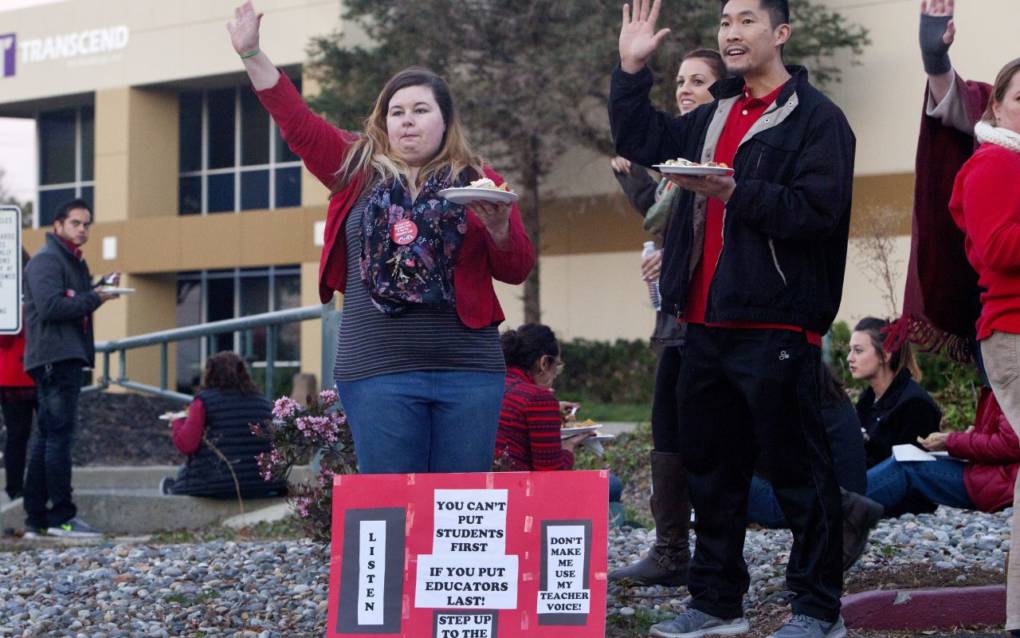
"caption": "Tiffany Stelle and Donald Hui, teachers at Mission San Jose High School in Fremont, joined a tailgating action over stalled contract talks. An agreement has since been reached.",
"description": null,
"title": "Teachers-Pension_003-1280x800",
"credit": "Penni Gladstone/CALmatters",
"status": "inherit",
"isLoading": false,
"fetchFailed": false
},
"news_11681514": {
"type": "attachments",
"id": "news_11681514",
"meta": {
"index": "attachments_1716263798",
"site": "news",
"id": "11681514",
"found": true
},
"parent": 11681511,
"imgSizes": {
"small": {
"file": "https://ww2.kqed.org/app/uploads/sites/10/2018/07/20180718_154941-1280x800-520x325.jpg",
"width": 520,
"mimeType": "image/jpeg",
"height": 325
},
"twentyfourteen-full-width": {
"file": "https://ww2.kqed.org/app/uploads/sites/10/2018/07/20180718_154941-1280x800-1038x576.jpg",
"width": 1038,
"mimeType": "image/jpeg",
"height": 576
},
"thumbnail": {
"file": "https://ww2.kqed.org/app/uploads/sites/10/2018/07/20180718_154941-1280x800-160x100.jpg",
"width": 160,
"mimeType": "image/jpeg",
"height": 100
},
"fd-sm": {
"file": "https://ww2.kqed.org/app/uploads/sites/10/2018/07/20180718_154941-1280x800-960x600.jpg",
"width": 960,
"mimeType": "image/jpeg",
"height": 600
},
"post-thumbnail": {
"file": "https://ww2.kqed.org/app/uploads/sites/10/2018/07/20180718_154941-1280x800-672x372.jpg",
"width": 672,
"mimeType": "image/jpeg",
"height": 372
},
"xsmall": {
"file": "https://ww2.kqed.org/app/uploads/sites/10/2018/07/20180718_154941-1280x800-375x234.jpg",
"width": 375,
"mimeType": "image/jpeg",
"height": 234
},
"kqedFullSize": {
"file": "https://ww2.kqed.org/app/uploads/sites/10/2018/07/20180718_154941-1280x800.jpg",
"width": 1280,
"height": 800
},
"large": {
"file": "https://ww2.kqed.org/app/uploads/sites/10/2018/07/20180718_154941-1280x800-1020x638.jpg",
"width": 1020,
"mimeType": "image/jpeg",
"height": 638
},
"xlarge": {
"file": "https://ww2.kqed.org/app/uploads/sites/10/2018/07/20180718_154941-1280x800-1180x738.jpg",
"width": 1180,
"mimeType": "image/jpeg",
"height": 738
},
"complete_open_graph": {
"file": "https://ww2.kqed.org/app/uploads/sites/10/2018/07/20180718_154941-1280x800-1200x750.jpg",
"width": 1200,
"mimeType": "image/jpeg",
"height": 750
},
"guest-author-50": {
"file": "https://ww2.kqed.org/app/uploads/sites/10/2018/07/20180718_154941-1280x800-50x50.jpg",
"width": 50,
"mimeType": "image/jpeg",
"height": 50
},
"guest-author-96": {
"file": "https://ww2.kqed.org/app/uploads/sites/10/2018/07/20180718_154941-1280x800-96x96.jpg",
"width": 96,
"mimeType": "image/jpeg",
"height": 96
},
"medium": {
"file": "https://ww2.kqed.org/app/uploads/sites/10/2018/07/20180718_154941-1280x800-800x500.jpg",
"width": 800,
"mimeType": "image/jpeg",
"height": 500
},
"guest-author-64": {
"file": "https://ww2.kqed.org/app/uploads/sites/10/2018/07/20180718_154941-1280x800-64x64.jpg",
"width": 64,
"mimeType": "image/jpeg",
"height": 64
},
"guest-author-32": {
"file": "https://ww2.kqed.org/app/uploads/sites/10/2018/07/20180718_154941-1280x800-32x32.jpg",
"width": 32,
"mimeType": "image/jpeg",
"height": 32
},
"fd-med": {
"file": "https://ww2.kqed.org/app/uploads/sites/10/2018/07/20180718_154941-1280x800-1180x738.jpg",
"width": 1180,
"mimeType": "image/jpeg",
"height": 738
},
"detail": {
"file": "https://ww2.kqed.org/app/uploads/sites/10/2018/07/20180718_154941-1280x800-150x150.jpg",
"width": 150,
"mimeType": "image/jpeg",
"height": 150
},
"guest-author-128": {
"file": "https://ww2.kqed.org/app/uploads/sites/10/2018/07/20180718_154941-1280x800-128x128.jpg",
"width": 128,
"mimeType": "image/jpeg",
"height": 128
},
"xxsmall": {
"file": "https://ww2.kqed.org/app/uploads/sites/10/2018/07/20180718_154941-1280x800-240x150.jpg",
"width": 240,
"mimeType": "image/jpeg",
"height": 150
}
},
"publishDate": 1532038916,
"modified": 1532038943,
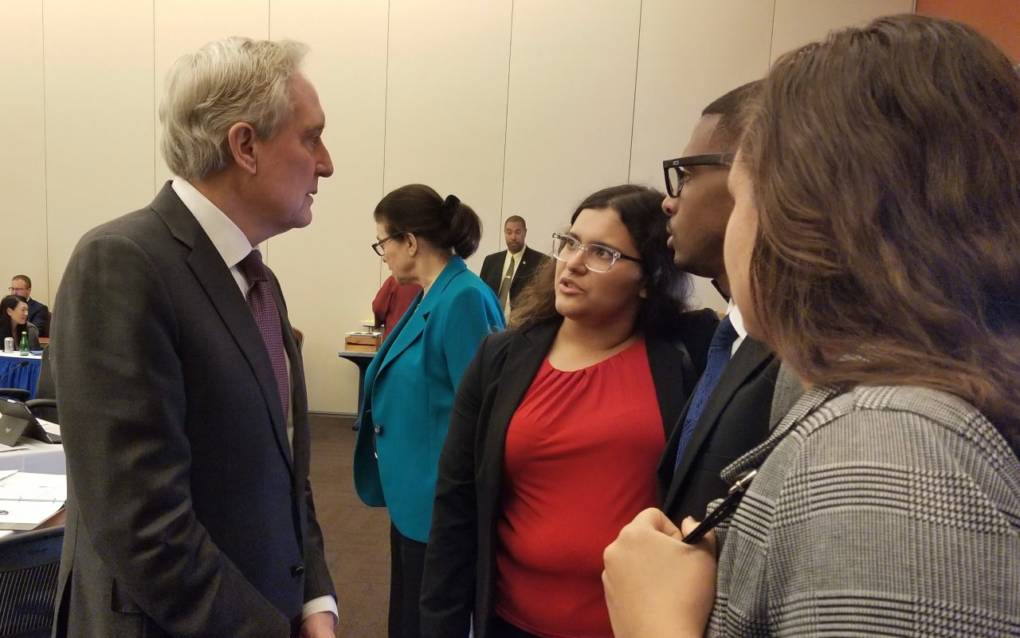
"caption": "UC regent George Kieffer talks with UC San Diego student Caroline Siegel Singh and other student leaders at the July 18 regents' meeting.",
"description": null,
"title": "20180718_154941-1280x800",
"credit": "Felicia Mello/CALmatters",
"status": "inherit",
"isLoading": false,
"fetchFailed": false
},
"news_11680964": {
"type": "attachments",
"id": "news_11680964",
"meta": {
"index": "attachments_1716263798",
"site": "news",
"id": "11680964",
"found": true
},
"parent": 11680950,
"imgSizes": {
"small": {
"file": "https://ww2.kqed.org/app/uploads/sites/10/2018/07/RedwoodValleyCouple-520x351.jpg",
"width": 520,
"mimeType": "image/jpeg",
"height": 351
},
"twentyfourteen-full-width": {
"file": "https://ww2.kqed.org/app/uploads/sites/10/2018/07/RedwoodValleyCouple-1038x576.jpg",
"width": 1038,
"mimeType": "image/jpeg",
"height": 576
},
"thumbnail": {
"file": "https://ww2.kqed.org/app/uploads/sites/10/2018/07/RedwoodValleyCouple-160x108.jpg",
"width": 160,
"mimeType": "image/jpeg",
"height": 108
},
"fd-sm": {
"file": "https://ww2.kqed.org/app/uploads/sites/10/2018/07/RedwoodValleyCouple-960x648.jpg",
"width": 960,
"mimeType": "image/jpeg",
"height": 648
},
"post-thumbnail": {
"file": "https://ww2.kqed.org/app/uploads/sites/10/2018/07/RedwoodValleyCouple-672x372.jpg",
"width": 672,
"mimeType": "image/jpeg",
"height": 372
},
"xsmall": {
"file": "https://ww2.kqed.org/app/uploads/sites/10/2018/07/RedwoodValleyCouple-375x253.jpg",
"width": 375,
"mimeType": "image/jpeg",
"height": 253
},
"kqedFullSize": {
"file": "https://ww2.kqed.org/app/uploads/sites/10/2018/07/RedwoodValleyCouple.jpg",
"width": 1920,
"height": 1295
},
"large": {
"file": "https://ww2.kqed.org/app/uploads/sites/10/2018/07/RedwoodValleyCouple-1020x688.jpg",
"width": 1020,
"mimeType": "image/jpeg",
"height": 688
},
"xlarge": {
"file": "https://ww2.kqed.org/app/uploads/sites/10/2018/07/RedwoodValleyCouple-1180x796.jpg",
"width": 1180,
"mimeType": "image/jpeg",
"height": 796
},
"complete_open_graph": {
"file": "https://ww2.kqed.org/app/uploads/sites/10/2018/07/RedwoodValleyCouple-1200x809.jpg",
"width": 1200,
"mimeType": "image/jpeg",
"height": 809
},
"guest-author-50": {
"file": "https://ww2.kqed.org/app/uploads/sites/10/2018/07/RedwoodValleyCouple-50x50.jpg",
"width": 50,
"mimeType": "image/jpeg",
"height": 50
},
"guest-author-96": {
"file": "https://ww2.kqed.org/app/uploads/sites/10/2018/07/RedwoodValleyCouple-96x96.jpg",
"width": 96,
"mimeType": "image/jpeg",
"height": 96
},
"medium": {
"file": "https://ww2.kqed.org/app/uploads/sites/10/2018/07/RedwoodValleyCouple-800x540.jpg",
"width": 800,
"mimeType": "image/jpeg",
"height": 540
},
"guest-author-64": {
"file": "https://ww2.kqed.org/app/uploads/sites/10/2018/07/RedwoodValleyCouple-64x64.jpg",
"width": 64,
"mimeType": "image/jpeg",
"height": 64
},
"guest-author-32": {
"file": "https://ww2.kqed.org/app/uploads/sites/10/2018/07/RedwoodValleyCouple-32x32.jpg",
"width": 32,
"mimeType": "image/jpeg",
"height": 32
},
"fd-lrg": {
"file": "https://ww2.kqed.org/app/uploads/sites/10/2018/07/RedwoodValleyCouple-1920x1295.jpg",
"width": 1920,
"mimeType": "image/jpeg",
"height": 1295
},
"fd-med": {
"file": "https://ww2.kqed.org/app/uploads/sites/10/2018/07/RedwoodValleyCouple-1180x796.jpg",
"width": 1180,
"mimeType": "image/jpeg",
"height": 796
},
"full-width": {
"file": "https://ww2.kqed.org/app/uploads/sites/10/2018/07/RedwoodValleyCouple-1920x1295.jpg",
"width": 1920,
"mimeType": "image/jpeg",
"height": 1295
},
"detail": {
"file": "https://ww2.kqed.org/app/uploads/sites/10/2018/07/RedwoodValleyCouple-150x150.jpg",
"width": 150,
"mimeType": "image/jpeg",
"height": 150
},
"guest-author-128": {
"file": "https://ww2.kqed.org/app/uploads/sites/10/2018/07/RedwoodValleyCouple-128x128.jpg",
"width": 128,
"mimeType": "image/jpeg",
"height": 128
},
"xxsmall": {
"file": "https://ww2.kqed.org/app/uploads/sites/10/2018/07/RedwoodValleyCouple-240x162.jpg",
"width": 240,
"mimeType": "image/jpeg",
"height": 162
}
},
"publishDate": 1531854993,
"modified": 1548870642,
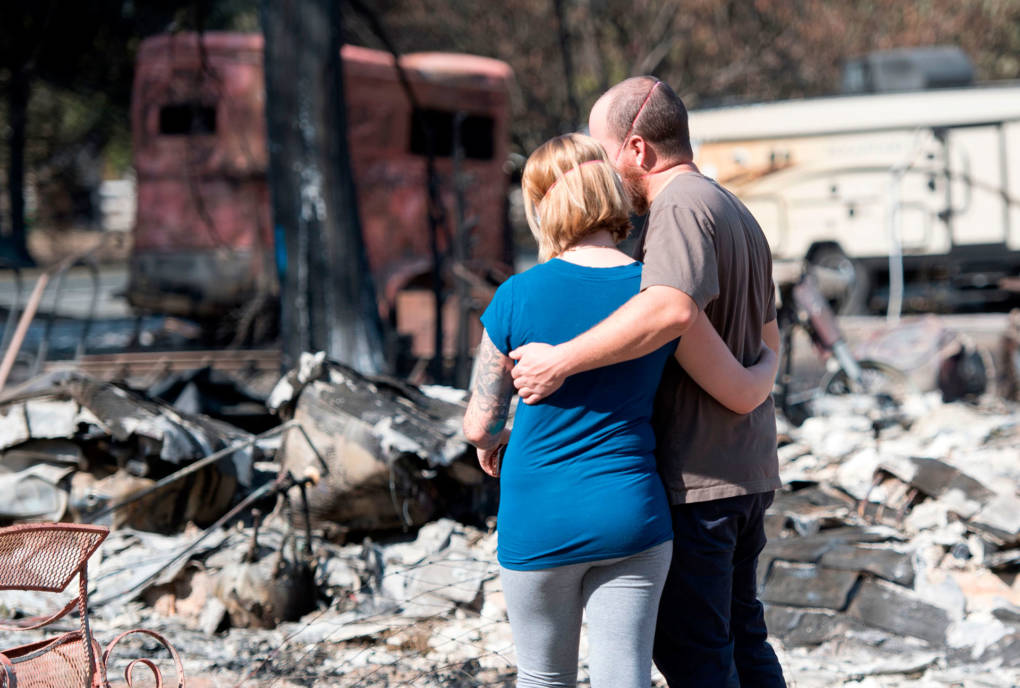
"caption": "Mandi and Lane Summit embrace in front of their fire-destroyed home in the Mendocino County community of Redwood Valley on Oct. 15, 2017. Cal Fire determined the Redwood Fire started in two locations and was caused by trees or parts of trees falling onto PG&E power lines.",
"description": "Mandi and Lane Summit embrace in front of their fire-destroyed home in the Mendocino County community of Redwood Valley on October 15, 2017. Cal Fire determined the Redwood Fire started in two locations and was caused by trees or parts of trees falling onto PG&E power lines.",
"title": "RedwoodValleyCouple",
"credit": "JOSH EDELSON/AFP/Getty Images",
"status": "inherit",
"isLoading": false,
"fetchFailed": false
},
"news_11680085": {
"type": "attachments",
"id": "news_11680085",
"meta": {
"index": "attachments_1716263798",
"site": "news",
"id": "11680085",
"found": true
},
"parent": 11680078,
"imgSizes": {
"small": {
"file": "https://ww2.kqed.org/app/uploads/sites/10/2018/07/NativeAmericansVUCMain-520x347.jpg",
"width": 520,
"mimeType": "image/jpeg",
"height": 347
},
"twentyfourteen-full-width": {
"file": "https://ww2.kqed.org/app/uploads/sites/10/2018/07/NativeAmericansVUCMain-1038x576.jpg",
"width": 1038,
"mimeType": "image/jpeg",
"height": 576
},
"thumbnail": {
"file": "https://ww2.kqed.org/app/uploads/sites/10/2018/07/NativeAmericansVUCMain-160x107.jpg",
"width": 160,
"mimeType": "image/jpeg",
"height": 107
},
"fd-sm": {
"file": "https://ww2.kqed.org/app/uploads/sites/10/2018/07/NativeAmericansVUCMain-960x640.jpg",
"width": 960,
"mimeType": "image/jpeg",
"height": 640
},
"post-thumbnail": {
"file": "https://ww2.kqed.org/app/uploads/sites/10/2018/07/NativeAmericansVUCMain-672x372.jpg",
"width": 672,
"mimeType": "image/jpeg",
"height": 372
},
"xsmall": {
"file": "https://ww2.kqed.org/app/uploads/sites/10/2018/07/NativeAmericansVUCMain-375x250.jpg",
"width": 375,
"mimeType": "image/jpeg",
"height": 250
},
"kqedFullSize": {
"file": "https://ww2.kqed.org/app/uploads/sites/10/2018/07/NativeAmericansVUCMain.jpg",
"width": 1920,
"height": 1280
},
"large": {
"file": "https://ww2.kqed.org/app/uploads/sites/10/2018/07/NativeAmericansVUCMain-1020x680.jpg",
"width": 1020,
"mimeType": "image/jpeg",
"height": 680
},
"xlarge": {
"file": "https://ww2.kqed.org/app/uploads/sites/10/2018/07/NativeAmericansVUCMain-1180x787.jpg",
"width": 1180,
"mimeType": "image/jpeg",
"height": 787
},
"complete_open_graph": {
"file": "https://ww2.kqed.org/app/uploads/sites/10/2018/07/NativeAmericansVUCMain-1200x800.jpg",
"width": 1200,
"mimeType": "image/jpeg",
"height": 800
},
"guest-author-50": {
"file": "https://ww2.kqed.org/app/uploads/sites/10/2018/07/NativeAmericansVUCMain-50x50.jpg",
"width": 50,
"mimeType": "image/jpeg",
"height": 50
},
"guest-author-96": {
"file": "https://ww2.kqed.org/app/uploads/sites/10/2018/07/NativeAmericansVUCMain-96x96.jpg",
"width": 96,
"mimeType": "image/jpeg",
"height": 96
},
"medium": {
"file": "https://ww2.kqed.org/app/uploads/sites/10/2018/07/NativeAmericansVUCMain-800x533.jpg",
"width": 800,
"mimeType": "image/jpeg",
"height": 533
},
"guest-author-64": {
"file": "https://ww2.kqed.org/app/uploads/sites/10/2018/07/NativeAmericansVUCMain-64x64.jpg",
"width": 64,
"mimeType": "image/jpeg",
"height": 64
},
"guest-author-32": {
"file": "https://ww2.kqed.org/app/uploads/sites/10/2018/07/NativeAmericansVUCMain-32x32.jpg",
"width": 32,
"mimeType": "image/jpeg",
"height": 32
},
"fd-lrg": {
"file": "https://ww2.kqed.org/app/uploads/sites/10/2018/07/NativeAmericansVUCMain-1920x1280.jpg",
"width": 1920,
"mimeType": "image/jpeg",
"height": 1280
},
"fd-med": {
"file": "https://ww2.kqed.org/app/uploads/sites/10/2018/07/NativeAmericansVUCMain-1180x787.jpg",
"width": 1180,
"mimeType": "image/jpeg",
"height": 787
},
"full-width": {
"file": "https://ww2.kqed.org/app/uploads/sites/10/2018/07/NativeAmericansVUCMain-1920x1280.jpg",
"width": 1920,
"mimeType": "image/jpeg",
"height": 1280
},
"detail": {
"file": "https://ww2.kqed.org/app/uploads/sites/10/2018/07/NativeAmericansVUCMain-150x150.jpg",
"width": 150,
"mimeType": "image/jpeg",
"height": 150
},
"guest-author-128": {
"file": "https://ww2.kqed.org/app/uploads/sites/10/2018/07/NativeAmericansVUCMain-128x128.jpg",
"width": 128,
"mimeType": "image/jpeg",
"height": 128
},
"xxsmall": {
"file": "https://ww2.kqed.org/app/uploads/sites/10/2018/07/NativeAmericansVUCMain-240x160.jpg",
"width": 240,
"mimeType": "image/jpeg",
"height": 160
}
},
"publishDate": 1531343922,
"modified": 1531343958,
"caption": "Tribal archaeologist Myra Masiel of the Pechanga Tribe of Luiseño Indians.",
"description": "Tribal archaeologist Myra Masiel of the Pechanga Tribe of Luiseño Indians.",
"title": "NativeAmericansVUCMain",
"credit": "Robbie Short/CALmatters",
"status": "inherit",
"isLoading": false,
"fetchFailed": false
},
"news_11679861": {
"type": "attachments",
"id": "news_11679861",
"meta": {
"index": "attachments_1716263798",
"site": "news",
"id": "11679861",
"found": true
},
"parent": 11679849,
"imgSizes": {
"small": {
"file": "https://ww2.kqed.org/app/uploads/sites/10/2018/07/June-2018-primary_Robbie-Short_073-520x347.jpg",
"width": 520,
"mimeType": "image/jpeg",
"height": 347
},
"twentyfourteen-full-width": {
"file": "https://ww2.kqed.org/app/uploads/sites/10/2018/07/June-2018-primary_Robbie-Short_073-1038x576.jpg",
"width": 1038,
"mimeType": "image/jpeg",
"height": 576
},
"thumbnail": {
"file": "https://ww2.kqed.org/app/uploads/sites/10/2018/07/June-2018-primary_Robbie-Short_073-160x107.jpg",
"width": 160,
"mimeType": "image/jpeg",
"height": 107
},
"fd-sm": {
"file": "https://ww2.kqed.org/app/uploads/sites/10/2018/07/June-2018-primary_Robbie-Short_073-960x640.jpg",
"width": 960,
"mimeType": "image/jpeg",
"height": 640
},
"post-thumbnail": {
"file": "https://ww2.kqed.org/app/uploads/sites/10/2018/07/June-2018-primary_Robbie-Short_073-672x372.jpg",
"width": 672,
"mimeType": "image/jpeg",
"height": 372
},
"xsmall": {
"file": "https://ww2.kqed.org/app/uploads/sites/10/2018/07/June-2018-primary_Robbie-Short_073-375x250.jpg",
"width": 375,
"mimeType": "image/jpeg",
"height": 250
},
"kqedFullSize": {
"file": "https://ww2.kqed.org/app/uploads/sites/10/2018/07/June-2018-primary_Robbie-Short_073.jpg",
"width": 1280,
"height": 853
},
"large": {
"file": "https://ww2.kqed.org/app/uploads/sites/10/2018/07/June-2018-primary_Robbie-Short_073-1020x680.jpg",
"width": 1020,
"mimeType": "image/jpeg",
"height": 680
},
"xlarge": {
"file": "https://ww2.kqed.org/app/uploads/sites/10/2018/07/June-2018-primary_Robbie-Short_073-1180x786.jpg",
"width": 1180,
"mimeType": "image/jpeg",
"height": 786
},
"complete_open_graph": {
"file": "https://ww2.kqed.org/app/uploads/sites/10/2018/07/June-2018-primary_Robbie-Short_073-1200x800.jpg",
"width": 1200,
"mimeType": "image/jpeg",
"height": 800
},
"guest-author-50": {
"file": "https://ww2.kqed.org/app/uploads/sites/10/2018/07/June-2018-primary_Robbie-Short_073-50x50.jpg",
"width": 50,
"mimeType": "image/jpeg",
"height": 50
},
"guest-author-96": {
"file": "https://ww2.kqed.org/app/uploads/sites/10/2018/07/June-2018-primary_Robbie-Short_073-96x96.jpg",
"width": 96,
"mimeType": "image/jpeg",
"height": 96
},
"medium": {
"file": "https://ww2.kqed.org/app/uploads/sites/10/2018/07/June-2018-primary_Robbie-Short_073-800x533.jpg",
"width": 800,
"mimeType": "image/jpeg",
"height": 533
},
"guest-author-64": {
"file": "https://ww2.kqed.org/app/uploads/sites/10/2018/07/June-2018-primary_Robbie-Short_073-64x64.jpg",
"width": 64,
"mimeType": "image/jpeg",
"height": 64
},
"guest-author-32": {
"file": "https://ww2.kqed.org/app/uploads/sites/10/2018/07/June-2018-primary_Robbie-Short_073-32x32.jpg",
"width": 32,
"mimeType": "image/jpeg",
"height": 32
},
"fd-med": {
"file": "https://ww2.kqed.org/app/uploads/sites/10/2018/07/June-2018-primary_Robbie-Short_073-1180x786.jpg",
"width": 1180,
"mimeType": "image/jpeg",
"height": 786
},
"detail": {
"file": "https://ww2.kqed.org/app/uploads/sites/10/2018/07/June-2018-primary_Robbie-Short_073-150x150.jpg",
"width": 150,
"mimeType": "image/jpeg",
"height": 150
},
"guest-author-128": {
"file": "https://ww2.kqed.org/app/uploads/sites/10/2018/07/June-2018-primary_Robbie-Short_073-128x128.jpg",
"width": 128,
"mimeType": "image/jpeg",
"height": 128
},
"xxsmall": {
"file": "https://ww2.kqed.org/app/uploads/sites/10/2018/07/June-2018-primary_Robbie-Short_073-240x160.jpg",
"width": 240,
"mimeType": "image/jpeg",
"height": 160
}
},
"publishDate": 1531256534,
"modified": 1531256565,
"caption": null,
"description": null,
"title": "June-2018-primary_Robbie-Short_073",
"credit": "Robbie Short/CALmatters ",
"status": "inherit",
"isLoading": false,
"fetchFailed": false
},
"news_11679795": {
"type": "attachments",
"id": "news_11679795",
"meta": {
"index": "attachments_1716263798",
"site": "news",
"id": "11679795",
"found": true
},
"parent": 11679792,
"imgSizes": {
"small": {
"file": "https://ww2.kqed.org/app/uploads/sites/10/2018/07/6291479824_197fdd1283_b-520x347.jpg",
"width": 520,
"mimeType": "image/jpeg",
"height": 347
},
"twentyfourteen-full-width": {
"file": "https://ww2.kqed.org/app/uploads/sites/10/2018/07/6291479824_197fdd1283_b-1024x576.jpg",
"width": 1024,
"mimeType": "image/jpeg",
"height": 576
},
"thumbnail": {
"file": "https://ww2.kqed.org/app/uploads/sites/10/2018/07/6291479824_197fdd1283_b-160x107.jpg",
"width": 160,
"mimeType": "image/jpeg",
"height": 107
},
"fd-sm": {
"file": "https://ww2.kqed.org/app/uploads/sites/10/2018/07/6291479824_197fdd1283_b-960x640.jpg",
"width": 960,
"mimeType": "image/jpeg",
"height": 640
},
"post-thumbnail": {
"file": "https://ww2.kqed.org/app/uploads/sites/10/2018/07/6291479824_197fdd1283_b-672x372.jpg",
"width": 672,
"mimeType": "image/jpeg",
"height": 372
},
"xsmall": {
"file": "https://ww2.kqed.org/app/uploads/sites/10/2018/07/6291479824_197fdd1283_b-375x250.jpg",
"width": 375,
"mimeType": "image/jpeg",
"height": 250
},
"kqedFullSize": {
"file": "https://ww2.kqed.org/app/uploads/sites/10/2018/07/6291479824_197fdd1283_b.jpg",
"width": 1024,
"height": 683
},
"large": {
"file": "https://ww2.kqed.org/app/uploads/sites/10/2018/07/6291479824_197fdd1283_b-1020x680.jpg",
"width": 1020,
"mimeType": "image/jpeg",
"height": 680
},
"guest-author-50": {
"file": "https://ww2.kqed.org/app/uploads/sites/10/2018/07/6291479824_197fdd1283_b-50x50.jpg",
"width": 50,
"mimeType": "image/jpeg",
"height": 50
},
"guest-author-96": {
"file": "https://ww2.kqed.org/app/uploads/sites/10/2018/07/6291479824_197fdd1283_b-96x96.jpg",
"width": 96,
"mimeType": "image/jpeg",
"height": 96
},
"medium": {
"file": "https://ww2.kqed.org/app/uploads/sites/10/2018/07/6291479824_197fdd1283_b-800x534.jpg",
"width": 800,
"mimeType": "image/jpeg",
"height": 534
},
"guest-author-64": {
"file": "https://ww2.kqed.org/app/uploads/sites/10/2018/07/6291479824_197fdd1283_b-64x64.jpg",
"width": 64,
"mimeType": "image/jpeg",
"height": 64
},
"guest-author-32": {
"file": "https://ww2.kqed.org/app/uploads/sites/10/2018/07/6291479824_197fdd1283_b-32x32.jpg",
"width": 32,
"mimeType": "image/jpeg",
"height": 32
},
"detail": {
"file": "https://ww2.kqed.org/app/uploads/sites/10/2018/07/6291479824_197fdd1283_b-150x150.jpg",
"width": 150,
"mimeType": "image/jpeg",
"height": 150
},
"guest-author-128": {
"file": "https://ww2.kqed.org/app/uploads/sites/10/2018/07/6291479824_197fdd1283_b-128x128.jpg",
"width": 128,
"mimeType": "image/jpeg",
"height": 128
},
"xxsmall": {
"file": "https://ww2.kqed.org/app/uploads/sites/10/2018/07/6291479824_197fdd1283_b-240x160.jpg",
"width": 240,
"mimeType": "image/jpeg",
"height": 160
}
},
"publishDate": 1531243922,
"modified": 1531243960,
"caption": " Royce Hall on the UCLA campus. ",
"description": null,
"title": "6291479824_197fdd1283_b",
"credit": "Prayitno Photography/Flickr",
"status": "inherit",
"isLoading": false,
"fetchFailed": false
},
"news_11679490": {
"type": "attachments",
"id": "news_11679490",
"meta": {
"index": "attachments_1716263798",
"site": "news",
"id": "11679490",
"found": true
},
"parent": 11679438,
"imgSizes": {
"small": {
"file": "https://ww2.kqed.org/app/uploads/sites/10/2018/07/RS5067_NurseChecksBloodPressure-520x347.jpg",
"width": 520,
"mimeType": "image/jpeg",
"height": 347
},
"twentyfourteen-full-width": {
"file": "https://ww2.kqed.org/app/uploads/sites/10/2018/07/RS5067_NurseChecksBloodPressure-1038x576.jpg",
"width": 1038,
"mimeType": "image/jpeg",
"height": 576
},
"thumbnail": {
"file": "https://ww2.kqed.org/app/uploads/sites/10/2018/07/RS5067_NurseChecksBloodPressure-160x107.jpg",
"width": 160,
"mimeType": "image/jpeg",
"height": 107
},
"fd-sm": {
"file": "https://ww2.kqed.org/app/uploads/sites/10/2018/07/RS5067_NurseChecksBloodPressure-960x640.jpg",
"width": 960,
"mimeType": "image/jpeg",
"height": 640
},
"post-thumbnail": {
"file": "https://ww2.kqed.org/app/uploads/sites/10/2018/07/RS5067_NurseChecksBloodPressure-672x372.jpg",
"width": 672,
"mimeType": "image/jpeg",
"height": 372
},
"xsmall": {
"file": "https://ww2.kqed.org/app/uploads/sites/10/2018/07/RS5067_NurseChecksBloodPressure-375x250.jpg",
"width": 375,
"mimeType": "image/jpeg",
"height": 250
},
"kqedFullSize": {
"file": "https://ww2.kqed.org/app/uploads/sites/10/2018/07/RS5067_NurseChecksBloodPressure-e1531071037965.jpg",
"width": 1920,
"height": 1280
},
"large": {
"file": "https://ww2.kqed.org/app/uploads/sites/10/2018/07/RS5067_NurseChecksBloodPressure-1020x680.jpg",
"width": 1020,
"mimeType": "image/jpeg",
"height": 680
},
"xlarge": {
"file": "https://ww2.kqed.org/app/uploads/sites/10/2018/07/RS5067_NurseChecksBloodPressure-1180x787.jpg",
"width": 1180,
"mimeType": "image/jpeg",
"height": 787
},
"complete_open_graph": {
"file": "https://ww2.kqed.org/app/uploads/sites/10/2018/07/RS5067_NurseChecksBloodPressure-1200x800.jpg",
"width": 1200,
"mimeType": "image/jpeg",
"height": 800
},
"guest-author-50": {
"file": "https://ww2.kqed.org/app/uploads/sites/10/2018/07/RS5067_NurseChecksBloodPressure-50x50.jpg",
"width": 50,
"mimeType": "image/jpeg",
"height": 50
},
"guest-author-96": {
"file": "https://ww2.kqed.org/app/uploads/sites/10/2018/07/RS5067_NurseChecksBloodPressure-96x96.jpg",
"width": 96,
"mimeType": "image/jpeg",
"height": 96
},
"medium": {
"file": "https://ww2.kqed.org/app/uploads/sites/10/2018/07/RS5067_NurseChecksBloodPressure-800x533.jpg",
"width": 800,
"mimeType": "image/jpeg",
"height": 533
},
"guest-author-64": {
"file": "https://ww2.kqed.org/app/uploads/sites/10/2018/07/RS5067_NurseChecksBloodPressure-64x64.jpg",
"width": 64,
"mimeType": "image/jpeg",
"height": 64
},
"guest-author-32": {
"file": "https://ww2.kqed.org/app/uploads/sites/10/2018/07/RS5067_NurseChecksBloodPressure-32x32.jpg",
"width": 32,
"mimeType": "image/jpeg",
"height": 32
},
"fd-lrg": {
"file": "https://ww2.kqed.org/app/uploads/sites/10/2018/07/RS5067_NurseChecksBloodPressure-1920x1280.jpg",
"width": 1920,
"mimeType": "image/jpeg",
"height": 1280
},
"fd-med": {
"file": "https://ww2.kqed.org/app/uploads/sites/10/2018/07/RS5067_NurseChecksBloodPressure-1180x787.jpg",
"width": 1180,
"mimeType": "image/jpeg",
"height": 787
},
"full-width": {
"file": "https://ww2.kqed.org/app/uploads/sites/10/2018/07/RS5067_NurseChecksBloodPressure-1920x1280.jpg",
"width": 1920,
"mimeType": "image/jpeg",
"height": 1280
},
"detail": {
"file": "https://ww2.kqed.org/app/uploads/sites/10/2018/07/RS5067_NurseChecksBloodPressure-150x150.jpg",
"width": 150,
"mimeType": "image/jpeg",
"height": 150
},
"guest-author-128": {
"file": "https://ww2.kqed.org/app/uploads/sites/10/2018/07/RS5067_NurseChecksBloodPressure-128x128.jpg",
"width": 128,
"mimeType": "image/jpeg",
"height": 128
},
"xxsmall": {
"file": "https://ww2.kqed.org/app/uploads/sites/10/2018/07/RS5067_NurseChecksBloodPressure-240x160.jpg",
"width": 240,
"mimeType": "image/jpeg",
"height": 160
}
},
"publishDate": 1531008962,
"modified": 1531071050,
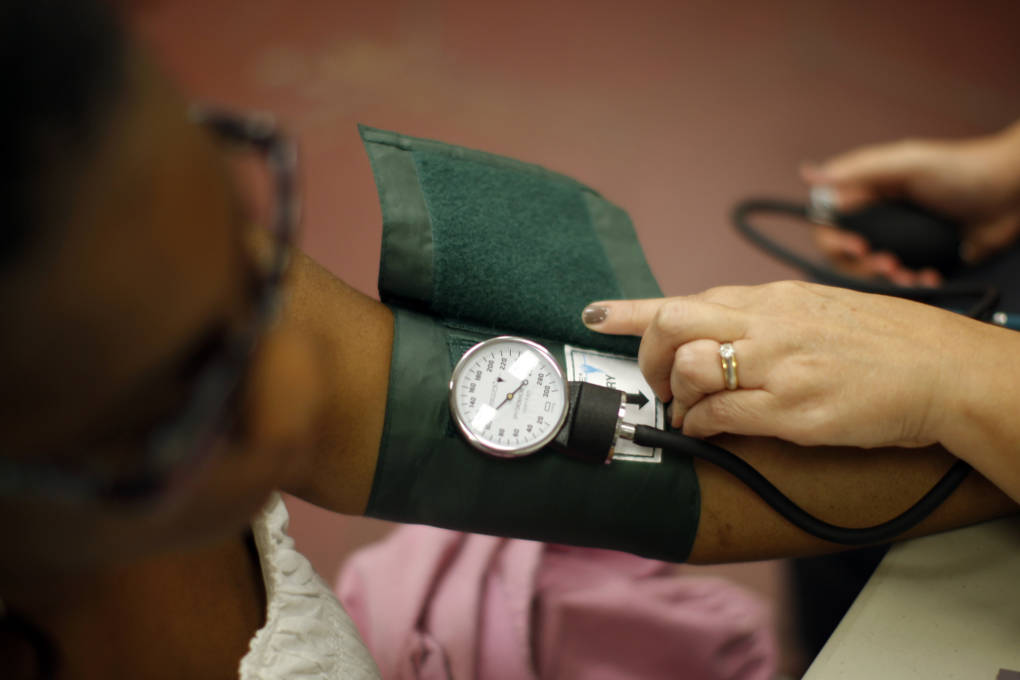
"caption": "Nurse takes blood pressure as part of a health care screening. ",
"description": "Nurse takes blood pressure as part of a health care screening. ",
"title": "Blood Pressure Test",
"credit": "David McNew/Getty Images",
"status": "inherit",
"isLoading": false,
"fetchFailed": false
}
},
"audioPlayerReducer": {
"postId": "stream_live",
"isPaused": true,
"isPlaying": false,
"pfsActive": false,
"pledgeModalIsOpen": true,
"playerDrawerIsOpen": false,
"liveAudioPlayStartedAt": 0,
"liveAudioPlayContext": ""
},
"authorsReducer": {
"byline_news_11686280": {
"type": "authors",
"id": "byline_news_11686280",
"meta": {
"override": true
},
"slug": "byline_news_11686280",
"name": "\u003cstrong>\u003ca href=\"https://calmatters.org/articles/author/laurel-rosenhall/\">Laurel Rosenhall\u003c/a>\u003cbr />\u003ca href=\"https://calmatters.org/\">CALmatters\u003c/a>\u003c/strong>",
"isLoading": false
},
"byline_news_11685088": {
"type": "authors",
"id": "byline_news_11685088",
"meta": {
"override": true
},
"slug": "byline_news_11685088",
"name": "David Gorn\u003cbr>\u003cstrong>\u003ca href=\"https://calmatters.org/articles/california-diabetes-amputation-health/\">CALmatters\u003c/a>\u003c/strong>",
"isLoading": false
},
"byline_news_11684428": {
"type": "authors",
"id": "byline_news_11684428",
"meta": {
"override": true
},
"slug": "byline_news_11684428",
"name": "\u003cstrong>\u003ca href=\"https://calmatters.org/articles/author/antoinette-siu/\">Antoinette Siu\u003c/a>\u003c/strong>\u003cbr/>CALmatters\u003c/br>",
"isLoading": false
},
"byline_news_11682795": {
"type": "authors",
"id": "byline_news_11682795",
"meta": {
"override": true
},
"slug": "byline_news_11682795",
"name": "\u003cstrong>\u003ca href=\"https://calmatters.org/articles/author/elizabeth-castillo/\">Elizabeth Castillo\u003c/a>\u003c/strong>\u003cbr/>CALmatters\u003c/br>",
"isLoading": false
},
"byline_news_11682562": {
"type": "authors",
"id": "byline_news_11682562",
"meta": {
"override": true
},
"slug": "byline_news_11682562",
"name": "\u003cstrong>\u003ca href=\"https://calmatters.org/articles/author/matt-levin/\">Matt Levin\u003c/a>\u003c/strong>",
"isLoading": false
},
"byline_news_11681898": {
"type": "authors",
"id": "byline_news_11681898",
"meta": {
"override": true
},
"slug": "byline_news_11681898",
"name": "\u003cstrong>\u003ca href=\"https://calmatters.org/articles/author/jessica-calefati-wp/\">Jessica Calefati\u003c/a>\u003cbr />\u003ca href=\"https://calmatters.org/\">CALmatters\u003c/a>\u003c/strong>",
"isLoading": false
},
"byline_news_11681511": {
"type": "authors",
"id": "byline_news_11681511",
"meta": {
"override": true
},
"slug": "byline_news_11681511",
"name": "\u003cstrong>\u003ca href=\"https://calmatters.org/articles/author/feliciacalmatters-org/\">Felicia Mello\u003c/a>\u003cbr />\u003ca href=\"https://calmatters.org/\">CALmatters\u003c/a>\u003c/strong>",
"isLoading": false
},
"byline_news_11680950": {
"type": "authors",
"id": "byline_news_11680950",
"meta": {
"override": true
},
"slug": "byline_news_11680950",
"name": "\u003cstrong>\u003ca href=\"https://calmatters.org/articles/author/laurel-rosenhall/\">Laurel Rosenhall\u003c/a>\u003c/strong>",
"isLoading": false
},
"byline_news_11680078": {
"type": "authors",
"id": "byline_news_11680078",
"meta": {
"override": true
},
"slug": "byline_news_11680078",
"name": "\u003cstrong>\u003ca href=\"https://calmatters.org/articles/author/feliciacalmatters-org/\">Felicia Mello\u003c/a>\u003c/strong>",
"isLoading": false
},
"byline_news_11679849": {
"type": "authors",
"id": "byline_news_11679849",
"meta": {
"override": true
},
"slug": "byline_news_11679849",
"name": "\u003cstrong>\u003ca href=\"https://calmatters.org/articles/author/ben-christopher/\">Ben Christopher\u003c/a>\u003cbr />\u003ca href=\"https://calmatters.org/\">CALmatters\u003c/a>\u003c/strong>",
"isLoading": false
},
"byline_news_11679792": {
"type": "authors",
"id": "byline_news_11679792",
"meta": {
"override": true
},
"slug": "byline_news_11679792",
"name": "\u003cstrong>\u003ca href=\"https://calmatters.org/articles/author/feliciacalmatters-org/\">Felicia Mello\u003c/a>\u003cbr />\u003ca href=\"https://calmatters.org/\">CALmatters\u003c/a>\u003c/strong>",
"isLoading": false
},
"dgorn": {
"type": "authors",
"id": "8656",
"meta": {
"index": "authors_1716337520",
"id": "8656",
"found": true
},
"name": "David Gorn",
"firstName": "David",
"lastName": "Gorn",
"slug": "dgorn",
"email": "dgorn+donotmail@sbcglobal.net",
"display_author_email": false,
"staff_mastheads": [],
"title": "KQED Contributor",
"bio": "David Gorn is the former Deputy News Director of KQED Radio. His public radio pieces have appeared on NPR, the World, Marketplace and the California Report.",
"avatar": "https://secure.gravatar.com/avatar/a6ad3e1eec1712e19b986b9395614010?s=600&d=blank&r=g",
"twitter": null,
"facebook": null,
"instagram": null,
"linkedin": null,
"sites": [
{
"site": "news",
"roles": [
"subscriber"
]
},
{
"site": "futureofyou",
"roles": [
"author"
]
},
{
"site": "science",
"roles": [
"author"
]
},
{
"site": "quest",
"roles": [
"editor"
]
}
],
"headData": {
"title": "David Gorn | KQED",
"description": "KQED Contributor",
"ogImgSrc": "https://secure.gravatar.com/avatar/a6ad3e1eec1712e19b986b9395614010?s=600&d=blank&r=g",
"twImgSrc": "https://secure.gravatar.com/avatar/a6ad3e1eec1712e19b986b9395614010?s=600&d=blank&r=g"
},
"isLoading": false,
"link": "/author/dgorn"
}
},
"pagesReducer": {
"news_affiliate_calmatters": {
"type": "terms",
"id": "news_18481",
"meta": {
"index": "terms_1716263798",
"site": "news",
"id": "18481",
"score": 15.355862
},
"featImg": null,
"name": "CALmatters",
"description": null,
"taxonomy": "affiliate",
"headData": {
"twImgId": null,
"twTitle": null,
"ogTitle": null,
"ogImgId": null,
"twDescription": null,
"description": null,
"title": "CALmatters Archives | KQED Arts",
"ogDescription": null
},
"ttid": 18515,
"slug": "calmatters",
"isLoading": false,
"title": "CALmatters",
"pageMeta": {
"site": "news",
"WpPageTemplate": "page-topic-editorial",
"currentPage": 72
},
"blocks": [
{
"blockName": "kqed/post-list",
"attrs": {
"layout": "cardArticle2",
"query": "posts/news?affiliate=calmatters",
"seeMore": false,
"paginated": true,
"page": 72
}
},
{
"blockName": "kqed/ad"
}
]
}
},
"pfsSessionReducer": {},
"postsReducer": {
"stream_live": {
"type": "live",
"id": "stream_live",
"audioUrl": "https://streams.kqed.org/kqedradio",
"title": "Live Stream",
"excerpt": "Live Stream information currently unavailable.",
"link": "/radio",
"featImg": "",
"label": {
"name": "KQED Live",
"link": "/"
}
},
"stream_kqedNewscast": {
"type": "posts",
"id": "stream_kqedNewscast",
"audioUrl": "https://www.kqed.org/.stream/anon/radio/RDnews/newscast.mp3?_=1",
"title": "KQED Newscast",
"featImg": "",
"label": {
"name": "88.5 FM",
"link": "/"
}
},
"news_11686280": {
"type": "posts",
"id": "news_11686280",
"meta": {
"index": "posts_1716263798",
"site": "news",
"id": "11686280",
"score": null,
"sort": [
1533941909000
]
},
"guestAuthors": [],
"slug": "as-wildfire-debate-rages-at-capitol-utilities-have-doubled-dollars-on-lobbying",
"title": "As Wildfire Debate Rages at Capitol, Utilities Have Doubled Dollars on Lobbying",
"publishDate": 1533941909,
"format": "standard",
"headTitle": "As Wildfire Debate Rages at Capitol, Utilities Have Doubled Dollars on Lobbying | KQED",
"labelTerm": {},
"content": "\u003cp>Between last year’s deadly wildfires and this summer’s fatal blazes, utilities and insurers with a huge stake in the aftermath have poured more than $3.2 million into California campaign donations and another $5.2 million into lobbying at the state Capitol—a big spike.\u003c/p>\n\u003cp>Also fiercely lobbying on wildfire bills: plaintiffs attorneys, local governments and electrical worker unions.\u003c/p>\n\u003cp>Now, in the final weeks of the Legislature’s session, lawmakers on a special wildfire committee are considering proposals to beef up safety of the electrical system and \u003ca href=\"https://calmatters.org/articles/a-political-firestorm-about-to-hit-the-capitol-who-will-pay-for-wildfire-damages/\" target=\"_blank\" rel=\"noopener\">change liability laws\u003c/a>. CALmatters reviewed new lobbying and campaign finance reports covering the first six months of the year. Here are the takeaways:\u003c/p>\n\u003ch3>Lobbying is up—by a lot\u003c/h3>\n\u003cp>The state’s three big electric utilities together more than doubled their spending on lobbying during the first half of this year, compared with the same period last year. The increase was driven largely by Pacific Gas & Electric, which spent \u003ca href=\"http://cal-access.sos.ca.gov/Lobbying/Employers/Detail.aspx?id=1146888&session=2017&view=activity\" target=\"_blank\" rel=\"noopener\">$2.2 million\u003c/a> on lobbying this year—triple what it spent in the first half of 2017.\u003c/p>\n\u003cp>Between April and June this year, PG&E reported spending $1.1 million specifically lobbying on wildfire legislation.\u003c/p>\n\u003cp>[ad fullwidth]\u003c/p>\n\u003cp>“This is really the biggest issue facing our company today,” said PG&E spokeswoman Lynsey Paulo, adding that PG&E pays for lobbying expenses with shareholder funds, not money from customers.\u003c/p>\n\u003caside class=\"alignright\">\n\u003cul>\n\u003cli>\u003ca href=\"https://www.kqed.org/news/11686087/lawmakers-weigh-governors-controversial-proposal-to-limit-utility-liability-in-wildfires\" target=\"_blank\" rel=\"noopener\">Lawmakers Weigh Governor’s Controversial Proposal to Limit Utility Liability in Wildfires\u003c/a>\u003c/li>\n\u003c/ul>\n\u003c/aside>\n\u003cp>At issue: Who should be responsible to pay for fire damages? Under existing law, utilities are liable if fires are traced to their equipment—even if there’s no negligence. Gov. Jerry Brown has \u003ca href=\"https://calmatters.org/articles/newsletters/browns-fire-plan-to-help-utilities/\" target=\"_blank\" rel=\"noopener\">proposed\u003c/a> changing the law to relieve utilities of some liability—protection they desperately want.\u003c/p>\n\u003cp>Edison, which provides power to much of Southern California, \u003ca href=\"http://cal-access.sos.ca.gov/Lobbying/Employers/Detail.aspx?id=1146844&session=2017&view=activity\" target=\"_blank\" rel=\"noopener\">spent $1.3 million\u003c/a> lobbying in the first half of this year—double what it spent last year.\u003c/p>\n\u003cp>Insurance companies are the utilities’ main adversary in this. If utilities become less liable, insurers will have to bear more of the costs from disasters. Insurance trade associations increased their spending on lobbying in the state Capitol by 51 percent this year over last.\u003c/p>\n\u003ch3>There’s a whole lotta wining and dining going on\u003c/h3>\n\u003cp>Most of the money utilities and insurance companies spent on lobbying went to lobbyists, lawyers and publicity campaigns. But the total also includes every cocktail and steak the companies bought for government officials they are trying to influence—nearly $69,000 worth of goodies for the first half of this year.\u003c/p>\n\u003cp>PG&E treated GOP Sen. Anthony Cannella of Ceres — and six of his staff members — to a San Francisco Giants game in May. In July, Cannella was appointed to the committee crafting wildfire legislation. He declined to comment for this story.\u003c/p>\n\u003cp>Overall, PG&E spent more than $3,000 entertaining government officials, including a breakfast in February for Sen. Bill Dodd, a Napa Democrat who is co-chair of the wildfire committee, and a lunch in June for Todd Derum, chief of the Sonoma division of Cal Fire, the agency investigating last year’s fires. Cal Fire has said PG&E’s equipment was involved in 16 fires, and that in 11 of those the company violated state safety codes. Cal Fire has not yet completed its investigation of the deadliest blaze, known as the Tubbs Fire.\u003c/p>\n\u003cp>Edison spent more than $45,000 entertaining officials. That included a $12,000 reception in January attended by more than 100 legislators and staff members, and a dinner in March at a Los Angeles steakhouse for Lt. Gov. Gavin Newsom, who is running for governor.\u003c/p>\n\u003cp>The Personal Insurance Federation of California \u003ca href=\"http://cal-access.sos.ca.gov/Lobbying/Employers/Detail.aspx?id=1146918&session=2017&view=activity\" target=\"_blank\" rel=\"noopener\">spent $14,300 \u003c/a>entertaining lawmakers and their staff, including an $8,500 reception in March and a $4,000 soiree at a Sacramento nightclub in April. In addition, the trade association treated officials to microbrews, sushi dinners and other goodies, such as a $53 cake for an assemblywoman’s chief of staff.\u003c/p>\n\u003cp>Rex Frazier, the Personal Insurance Federation lobbyist, said government decisions have a huge impact on the insurance business because it is so highly regulated. “With that,” he said, “comes relationship-building with legislators.”\u003c/p>\n\u003ch3>The victims advocacy group is funded entirely by lawyers\u003c/h3>\n\u003cp>Fire victims are lobbying to preserve liability laws and pass new rules that could help prevent future wildfires. Their advocacy group \u003ca href=\"http://holdpgeaccountable.com/index.html\" target=\"_blank\" rel=\"noopener\">Up From the Ashes\u003c/a> is represented by a lobbyist who lost his Santa Rosa home in the fires. The group blames PG&E and Edison for not doing enough to prevent last year’s disasters, some of which were sparked by power lines too close to branches and brush.\u003c/p>\n\u003cp>Up From the Ashes \u003ca href=\"http://cal-access.sos.ca.gov/Lobbying/Employers/Detail.aspx?id=1405008&session=2017&view=activity\" target=\"_blank\" rel=\"noopener\">spent about $564,000\u003c/a> lobbying between April and June, with about $55,000 going to a lobbying firm and the rest to a publicity campaign. Where did the money come from? Essentially, law firms involved in lawsuits against utilities.\u003c/p>\n\u003cp>“We appreciate their funding so we can have a voice,” said Patrick McCallum, the lobbyist for Up From the Ashes, which represents about 600 homeowners, businesses and local governments that lost property in last year’s fires.\u003c/p>\n\u003ch3>It’s a bipartisan love affair\u003c/h3>\n\u003cp>The industries involved in the fight over wildfire legislation aren’t playing favorites: they’ve showered dozens of Republican and Democratic legislators with large campaign contributions and pour huge sums into committees to elect politicians from both parties.\u003c/p>\n\u003cp>Edison\u003ca href=\"http://cal-access.sos.ca.gov/PDFGen/pdfgen.prg?filingid=2275466&amendid=0\" target=\"_blank\" rel=\"noopener\"> gave $1.1 million\u003c/a> to California political campaigns this year, including $250,000 each to the California Democratic Party and the California Republican Party. It also gave $25,000 each to a GOP group called California Trailblazers and the Democratic campaign fighting a senator’s recall. In advance of the June primary, Edison gave $29,200 each to Gavin Newsom and Antonio Villaraigosa, Democratic rivals in the gubernatorial race.\u003c/p>\n\u003cp>PG&E has given \u003ca href=\"http://cal-access.sos.ca.gov/PDFGen/pdfgen.prg?filingid=2276929&amendid=0\" target=\"_blank\" rel=\"noopener\">more than $900,000\u003c/a> in political donations this year, including $175,000 to the California Democratic Party and $110,000 to the California Republican Party. It’s also given $25,000 to a committee that supports moderate Republicans and $40,000 to one that supports moderate Democrats.\u003c/p>\n\u003cp>In addition, PG&E gave $150,000 to a campaign supporting Newsom for governor, and paid nearly $400,000 to a political consulting firm that ran Brown’s campaign for governor and is helping with Newsom’s.\u003c/p>\n\u003cp>And the Farmers insurance company \u003ca href=\"http://cal-access.sos.ca.gov/PDFGen/pdfgen.prg?filingid=2277181&amendid=0\" target=\"_blank\" rel=\"noopener\">gave $96,500\u003c/a> to the state GOP and $10,000 each to the California Democratic Party and the Newsom campaign.\u003c/p>\n\u003ch3>One lawmaker doesn’t want PG&E’s money\u003c/h3>\n\u003cp>On June 4, PG&E sent $1,000 to the re-election campaign for Democratic Assemblyman Jim Wood. On June 30, he returned the money.\u003c/p>\n\u003cp>Wood declined to comment on why he sent back the PG&E money, instead saying through a spokeswoman that he did not solicit the donation.\u003c/p>\n\u003cp>But here’s a clue: he represents parts of Santa Rosa devastated by last year’s fires. Now he sits on the wildfire committee, where he’s questioning whether the Legislature should change liability laws before Cal Fire completes its investigations.\u003c/p>\n\u003cp>[ad floatright]\u003c/p>\n\u003cp>\u003cem>\u003ca href=\"https://calmatters.org/\" target=\"_blank\" rel=\"noopener\">CALmatters.org\u003c/a> is a nonprofit, nonpartisan media venture explaining California’s policies and politics.\u003c/em>\u003c/p>\n\n",
"blocks": [],
"excerpt": "Utilities and insurers with a huge stake in the aftermath of California's wildfires have poured more than $3.2 million into state campaign donations and another $5.2 million into lobbying at the state Capitol.",
"status": "publish",
"parent": 0,
"modified": 1722635864,
"stats": {
"hasAudio": false,
"hasVideo": false,
"hasChartOrMap": false,
"iframeSrcs": [],
"hasGoogleForm": false,
"hasGallery": false,
"hasHearkenModule": false,
"hasPolis": false,
"paragraphCount": 29,
"wordCount": 1249
},
"headData": {
"title": "As Wildfire Debate Rages at Capitol, Utilities Have Doubled Dollars on Lobbying | KQED",
"description": "Utilities and insurers with a huge stake in the aftermath of California's wildfires have poured more than $3.2 million into state campaign donations and another $5.2 million into lobbying at the state Capitol.",
"ogTitle": "",
"ogDescription": "",
"ogImgId": "",
"twTitle": "",
"twDescription": "",
"twImgId": "",
"schema": {
"@context": "https://schema.org",
"@type": "NewsArticle",
"headline": "As Wildfire Debate Rages at Capitol, Utilities Have Doubled Dollars on Lobbying",
"datePublished": "2018-08-10T15:58:29-07:00",
"dateModified": "2024-08-02T14:57:44-07:00",
"image": "https://cdn.kqed.org/wp-content/uploads/2020/02/KQED-OG-Image@1x.png",
"isAccessibleForFree": "True",
"publisher": {
"@type": "NewsMediaOrganization",
"@id": "https://www.kqed.org/#organization",
"name": "KQED",
"logo": "https://cdn.kqed.org/wp-content/uploads/2020/02/KQED-OG-Image@1x.png",
"url": "https://www.kqed.org",
"sameAs": [
"https://www.facebook.com/KQED",
"https://twitter.com/KQED",
"https://www.instagram.com/kqed/",
"https://www.tiktok.com/@kqedofficial",
"https://www.linkedin.com/company/kqed",
"https://www.youtube.com/channel/UCeC0IOo7i1P_61zVUWbJ4nw"
]
}
}
},
"source": "CALmatters",
"sourceUrl": "https://calmatters.org/",
"sticky": false,
"nprByline": "\u003cstrong>\u003ca href=\"https://calmatters.org/articles/author/laurel-rosenhall/\">Laurel Rosenhall\u003c/a>\u003cbr />\u003ca href=\"https://calmatters.org/\">CALmatters\u003c/a>\u003c/strong>",
"path": "/news/11686280/as-wildfire-debate-rages-at-capitol-utilities-have-doubled-dollars-on-lobbying",
"audioTrackLength": null,
"parsedContent": [
{
"type": "contentString",
"content": "\u003cdiv class=\"post-body\">\u003cp>\u003cp>Between last year’s deadly wildfires and this summer’s fatal blazes, utilities and insurers with a huge stake in the aftermath have poured more than $3.2 million into California campaign donations and another $5.2 million into lobbying at the state Capitol—a big spike.\u003c/p>\n\u003cp>Also fiercely lobbying on wildfire bills: plaintiffs attorneys, local governments and electrical worker unions.\u003c/p>\n\u003cp>Now, in the final weeks of the Legislature’s session, lawmakers on a special wildfire committee are considering proposals to beef up safety of the electrical system and \u003ca href=\"https://calmatters.org/articles/a-political-firestorm-about-to-hit-the-capitol-who-will-pay-for-wildfire-damages/\" target=\"_blank\" rel=\"noopener\">change liability laws\u003c/a>. CALmatters reviewed new lobbying and campaign finance reports covering the first six months of the year. Here are the takeaways:\u003c/p>\n\u003ch3>Lobbying is up—by a lot\u003c/h3>\n\u003cp>The state’s three big electric utilities together more than doubled their spending on lobbying during the first half of this year, compared with the same period last year. The increase was driven largely by Pacific Gas & Electric, which spent \u003ca href=\"http://cal-access.sos.ca.gov/Lobbying/Employers/Detail.aspx?id=1146888&session=2017&view=activity\" target=\"_blank\" rel=\"noopener\">$2.2 million\u003c/a> on lobbying this year—triple what it spent in the first half of 2017.\u003c/p>\n\u003cp>Between April and June this year, PG&E reported spending $1.1 million specifically lobbying on wildfire legislation.\u003c/p>\n\u003cp>\u003c/p>\u003c/div>",
"attributes": {
"named": {},
"numeric": []
}
},
{
"type": "component",
"content": "",
"name": "ad",
"attributes": {
"named": {
"label": "fullwidth"
},
"numeric": [
"fullwidth"
]
}
},
{
"type": "contentString",
"content": "\u003cdiv class=\"post-body\">\u003cp>\u003c/p>\n\u003cp>“This is really the biggest issue facing our company today,” said PG&E spokeswoman Lynsey Paulo, adding that PG&E pays for lobbying expenses with shareholder funds, not money from customers.\u003c/p>\n\u003caside class=\"alignright\">\n\u003cul>\n\u003cli>\u003ca href=\"https://www.kqed.org/news/11686087/lawmakers-weigh-governors-controversial-proposal-to-limit-utility-liability-in-wildfires\" target=\"_blank\" rel=\"noopener\">Lawmakers Weigh Governor’s Controversial Proposal to Limit Utility Liability in Wildfires\u003c/a>\u003c/li>\n\u003c/ul>\n\u003c/aside>\n\u003cp>At issue: Who should be responsible to pay for fire damages? Under existing law, utilities are liable if fires are traced to their equipment—even if there’s no negligence. Gov. Jerry Brown has \u003ca href=\"https://calmatters.org/articles/newsletters/browns-fire-plan-to-help-utilities/\" target=\"_blank\" rel=\"noopener\">proposed\u003c/a> changing the law to relieve utilities of some liability—protection they desperately want.\u003c/p>\n\u003cp>Edison, which provides power to much of Southern California, \u003ca href=\"http://cal-access.sos.ca.gov/Lobbying/Employers/Detail.aspx?id=1146844&session=2017&view=activity\" target=\"_blank\" rel=\"noopener\">spent $1.3 million\u003c/a> lobbying in the first half of this year—double what it spent last year.\u003c/p>\n\u003cp>Insurance companies are the utilities’ main adversary in this. If utilities become less liable, insurers will have to bear more of the costs from disasters. Insurance trade associations increased their spending on lobbying in the state Capitol by 51 percent this year over last.\u003c/p>\n\u003ch3>There’s a whole lotta wining and dining going on\u003c/h3>\n\u003cp>Most of the money utilities and insurance companies spent on lobbying went to lobbyists, lawyers and publicity campaigns. But the total also includes every cocktail and steak the companies bought for government officials they are trying to influence—nearly $69,000 worth of goodies for the first half of this year.\u003c/p>\n\u003cp>PG&E treated GOP Sen. Anthony Cannella of Ceres — and six of his staff members — to a San Francisco Giants game in May. In July, Cannella was appointed to the committee crafting wildfire legislation. He declined to comment for this story.\u003c/p>\n\u003cp>Overall, PG&E spent more than $3,000 entertaining government officials, including a breakfast in February for Sen. Bill Dodd, a Napa Democrat who is co-chair of the wildfire committee, and a lunch in June for Todd Derum, chief of the Sonoma division of Cal Fire, the agency investigating last year’s fires. Cal Fire has said PG&E’s equipment was involved in 16 fires, and that in 11 of those the company violated state safety codes. Cal Fire has not yet completed its investigation of the deadliest blaze, known as the Tubbs Fire.\u003c/p>\n\u003cp>Edison spent more than $45,000 entertaining officials. That included a $12,000 reception in January attended by more than 100 legislators and staff members, and a dinner in March at a Los Angeles steakhouse for Lt. Gov. Gavin Newsom, who is running for governor.\u003c/p>\n\u003cp>The Personal Insurance Federation of California \u003ca href=\"http://cal-access.sos.ca.gov/Lobbying/Employers/Detail.aspx?id=1146918&session=2017&view=activity\" target=\"_blank\" rel=\"noopener\">spent $14,300 \u003c/a>entertaining lawmakers and their staff, including an $8,500 reception in March and a $4,000 soiree at a Sacramento nightclub in April. In addition, the trade association treated officials to microbrews, sushi dinners and other goodies, such as a $53 cake for an assemblywoman’s chief of staff.\u003c/p>\n\u003cp>Rex Frazier, the Personal Insurance Federation lobbyist, said government decisions have a huge impact on the insurance business because it is so highly regulated. “With that,” he said, “comes relationship-building with legislators.”\u003c/p>\n\u003ch3>The victims advocacy group is funded entirely by lawyers\u003c/h3>\n\u003cp>Fire victims are lobbying to preserve liability laws and pass new rules that could help prevent future wildfires. Their advocacy group \u003ca href=\"http://holdpgeaccountable.com/index.html\" target=\"_blank\" rel=\"noopener\">Up From the Ashes\u003c/a> is represented by a lobbyist who lost his Santa Rosa home in the fires. The group blames PG&E and Edison for not doing enough to prevent last year’s disasters, some of which were sparked by power lines too close to branches and brush.\u003c/p>\n\u003cp>Up From the Ashes \u003ca href=\"http://cal-access.sos.ca.gov/Lobbying/Employers/Detail.aspx?id=1405008&session=2017&view=activity\" target=\"_blank\" rel=\"noopener\">spent about $564,000\u003c/a> lobbying between April and June, with about $55,000 going to a lobbying firm and the rest to a publicity campaign. Where did the money come from? Essentially, law firms involved in lawsuits against utilities.\u003c/p>\n\u003cp>“We appreciate their funding so we can have a voice,” said Patrick McCallum, the lobbyist for Up From the Ashes, which represents about 600 homeowners, businesses and local governments that lost property in last year’s fires.\u003c/p>\n\u003ch3>It’s a bipartisan love affair\u003c/h3>\n\u003cp>The industries involved in the fight over wildfire legislation aren’t playing favorites: they’ve showered dozens of Republican and Democratic legislators with large campaign contributions and pour huge sums into committees to elect politicians from both parties.\u003c/p>\n\u003cp>Edison\u003ca href=\"http://cal-access.sos.ca.gov/PDFGen/pdfgen.prg?filingid=2275466&amendid=0\" target=\"_blank\" rel=\"noopener\"> gave $1.1 million\u003c/a> to California political campaigns this year, including $250,000 each to the California Democratic Party and the California Republican Party. It also gave $25,000 each to a GOP group called California Trailblazers and the Democratic campaign fighting a senator’s recall. In advance of the June primary, Edison gave $29,200 each to Gavin Newsom and Antonio Villaraigosa, Democratic rivals in the gubernatorial race.\u003c/p>\n\u003cp>PG&E has given \u003ca href=\"http://cal-access.sos.ca.gov/PDFGen/pdfgen.prg?filingid=2276929&amendid=0\" target=\"_blank\" rel=\"noopener\">more than $900,000\u003c/a> in political donations this year, including $175,000 to the California Democratic Party and $110,000 to the California Republican Party. It’s also given $25,000 to a committee that supports moderate Republicans and $40,000 to one that supports moderate Democrats.\u003c/p>\n\u003cp>In addition, PG&E gave $150,000 to a campaign supporting Newsom for governor, and paid nearly $400,000 to a political consulting firm that ran Brown’s campaign for governor and is helping with Newsom’s.\u003c/p>\n\u003cp>And the Farmers insurance company \u003ca href=\"http://cal-access.sos.ca.gov/PDFGen/pdfgen.prg?filingid=2277181&amendid=0\" target=\"_blank\" rel=\"noopener\">gave $96,500\u003c/a> to the state GOP and $10,000 each to the California Democratic Party and the Newsom campaign.\u003c/p>\n\u003ch3>One lawmaker doesn’t want PG&E’s money\u003c/h3>\n\u003cp>On June 4, PG&E sent $1,000 to the re-election campaign for Democratic Assemblyman Jim Wood. On June 30, he returned the money.\u003c/p>\n\u003cp>Wood declined to comment on why he sent back the PG&E money, instead saying through a spokeswoman that he did not solicit the donation.\u003c/p>\n\u003cp>But here’s a clue: he represents parts of Santa Rosa devastated by last year’s fires. Now he sits on the wildfire committee, where he’s questioning whether the Legislature should change liability laws before Cal Fire completes its investigations.\u003c/p>\n\u003cp>\u003c/p>\u003c/div>",
"attributes": {
"named": {},
"numeric": []
}
},
{
"type": "component",
"content": "",
"name": "ad",
"attributes": {
"named": {
"label": "floatright"
},
"numeric": [
"floatright"
]
}
},
{
"type": "contentString",
"content": "\u003cdiv class=\"post-body\">\u003cp>\u003c/p>\n\u003cp>\u003cem>\u003ca href=\"https://calmatters.org/\" target=\"_blank\" rel=\"noopener\">CALmatters.org\u003c/a> is a nonprofit, nonpartisan media venture explaining California’s policies and politics.\u003c/em>\u003c/p>\n\n\u003c/div>\u003c/p>",
"attributes": {
"named": {},
"numeric": []
}
}
],
"link": "/news/11686280/as-wildfire-debate-rages-at-capitol-utilities-have-doubled-dollars-on-lobbying",
"authors": [
"byline_news_11686280"
],
"programs": [
"news_72"
],
"categories": [
"news_19906",
"news_8",
"news_13"
],
"tags": [
"news_140",
"news_23900",
"news_4463"
],
"affiliates": [
"news_18481"
],
"featImg": "news_11686288",
"label": "source_news_11686280"
},
"news_11685088": {
"type": "posts",
"id": "news_11685088",
"meta": {
"index": "posts_1716263798",
"site": "news",
"id": "11685088",
"score": null,
"sort": [
1533590141000
]
},
"guestAuthors": [],
"slug": "hoping-to-save-limbs-and-toes-california-moves-to-curtail-diabetes",
"title": "Hoping to Save Limbs and Toes, California Moves to Curtail Diabetes",
"publishDate": 1533590141,
"format": "standard",
"headTitle": "Hoping to Save Limbs and Toes, California Moves to Curtail Diabetes | KQED",
"labelTerm": {
"term": 72,
"site": "news"
},
"content": "\u003cp>The word “amputation” threw a chill down Michael Rubenstein’s spine.\u003c/p>\n\u003cp>The 67-year-old diabetic from San Mateo still winces at the thought. “They told me I’d need to cut it off right about here,” he said, sawing his hand across his left shin.\u003c/p>\n\u003cp>Two months after that diagnosis, he’s on an exam table at the Center for Limb Preservation at UCSF, his leg still whole, the threat of gangrene and amputation gone and his mood a lot less bleak and fearful. “Yeah, it turns out I didn’t need that,” he said.\u003c/p>\n\u003cp>Many others are not so lucky. More than 12,000 Californians lost limbs or toes to diabetes in 2016, state \u003ca href=\"https://data.inewsource.org/interactives/diabetes-related-amputations-2010-2016/\">data\u003c/a> show. More than \u003ca href=\"http://newsroom.ucla.edu/releases/majority-of-california-adults-have-prediabetes-or-diabetes\">2.5 million\u003c/a> people in the state have been diagnosed with adult diabetes, or Type 2, and risk a similar fate if it goes unchecked. That’s especially true for low-income patients, who may lack regular preventive medical services. They’re 10 times as likely as their wealthier counterparts to lose a toe, foot or leg, according to one \u003ca href=\"https://www.healthaffairs.org/doi/10.1377/hlthaff.2014.0148\">study\u003c/a>.\u003c/p>\n\u003cp>That disparity is part of the impetus for a new diabetes prevention program for patients in Medi-Cal, the state’s version of the federal Medicaid health program for low-income residents. The rate of diabetes in California grew from 8.7% of the population in 2010 to 10.2% in 2016, while amputations increased by almost a third.\u003c/p>\n\u003cp>[ad fullwidth]\u003c/p>\n\u003cp>“Most of those amputations are unnecessary,” said Alexander Reyzelman, co-director of the UCSF clinic that saved Rubenstein’s left leg with procedures to increase blood flow.\u003c/p>\n\u003cp>The state has \u003ca href=\"https://leginfo.legislature.ca.gov/faces/billNavClient.xhtml?bill_id=201720180SB97\">set aside\u003c/a> $5 million annually for five years to help Medi-Cal patients at risk for \u003ca href=\"https://calmatters.org/articles/diabetes-hits-hard-california-spends-billions-treatment-little-prevention/\">diabetes,\u003c/a> a chronic condition that can lead to blindness, heart disease and stroke, among other ills. The money will fund a program, beginning in January, intended to improve their diets, lower their blood sugar and make them aware of such potentially dire consequences as amputation.\u003c/p>\n\u003cp>Preventing or curtailing the progress of the disease could save taxpayers an estimated \u003ca href=\"https://phadvocates.org/wp-content/uploads/2017/07/Medi-Cal-Coverage-of-DPP-2017.pdf\">$45 million\u003c/a> a year in treatment costs, according to the Davis-based nonprofit Public Health Advocates, which urged lawmakers to create the program.\u003c/p>\n\u003cp>Participants will have a year’s access to trained peer coaches, who’ll teach them to eat less sugar and fewer other carbohydrates and increase fiber with more fruit and vegetables. The coaches will also help foster other lifestyle changes, such as giving up smoking and exercising more. The regimen is based on a federal \u003ca href=\"https://www.cdc.gov/diabetes/prevention/prediabetes-type2/preventing.html\">program\u003c/a> that the Center for Disease Prevention and Control says can cut the risk of diabetes by more than half.\u003c/p>\n\u003cp>The effort is part of an overall state \u003ca href=\"https://calmatters.org/articles/californias-push-to-make-people-healthy-and-save-taxpayers-money/\">approach\u003c/a> that goes \u003ca href=\"https://calmatters.org/articles/food-for-the-heart-in-a-new-california-health-program/\">beyond medication\u003c/a>, aimed at producing a healthier population that requires less expensive public care. About a third of Californians receive their care through Medi-Cal.\u003c/p>\n\u003cp>About 25,000 people a year are expected to join the program.\u003c/p>\n\u003cp>\u003c!-- iframe plugin v.4.3 wordpress.org/plugins/iframe/ -->\u003cbr>\n\u003ciframe loading=\"lazy\" src=\"https://e.infogram.com/3da13a7e-46d7-4fbd-8239-6ce16bac1762?src=embed\" title=\"Diabetes-Related Amputation\" width=\"550\" height=\"700\" scrolling=\"yes\" align=\"alignright\" frameborder=\"0\" style=\"border:none;\" allowfullscreen=\"allowfullscreen\" class=\"iframe-class\">\u003c/iframe>\u003c/p>\n\u003cp>“This gives us the opportunity to intervene before they become really sick,” said Flojaune Cofer, director of state policy and research at Public Health Advocates.\u003c/p>\n\u003cp>“Once they have the disease, that’s when it gets expensive,” with added medications and significantly more tests, she said. “We think this model can be duplicated in many ways. It could be useful for asthma, it could be useful for hypertension.”\u003c/p>\n\u003cp>People with diabetes can develop poor blood flow to their extremities and suffer nerve damage and lack of feeling, most often in their legs and feet. In some cases, the result is gangrene. In some of those instances, amputation may be the only way to save a life.\u003c/p>\n\u003cp>The increase in diabetes and the threat of amputation are “a silent, sinister crisis,” said David Armstrong, a podiatric surgeon teaching at the University of Southern California’s Keck School of Medicine. “The problem is getting bigger and bigger, and you can’t fight it by just chopping off a leg.”\u003c/p>\n\u003cp>Amputation can cause as many health problems as it solves, according to Reyzelman: “When you lose a leg to amputation, 50 to 70% of patients will die within five years. You don’t want to lose a leg.”\u003c/p>\n\u003cp>Experts say a multidisciplinary approach can bring patients back from the brink of amputation. Vascular surgeons, podiatrists and reconstructive microsurgeons have joined forces to treat diabetes at medical centers across the state, including those at UCSF, UCLA, UC San Diego, UC Davis and USC.\u003c/p>\n\u003cp>The hope is that more patients can walk away like Rubenstein: intact.\u003c/p>\n\u003cp>“If I needed to get an amputation, I was willing to do that,” Rubenstein said. “But I certainly didn’t want that. Who would want that? Absolutely no one, that’s who.”\u003c/p>\n\u003cp>\u003c/p>\n\u003cp>\u003cem>CALmatters.org\u003c/em>\u003cem> is a nonprofit, nonpartisan media venture explaining California policies and politics.\u003c/em> \u003cem>This is the third article in a series on state efforts to foster healthy living as a way to reduce chronic illness.\u003c/em>\u003c/p>\n\n",
"blocks": [],
"excerpt": "Preventing or curtailing the progress of the disease could save taxpayers an estimated $45 million a year in treatment costs.",
"status": "publish",
"parent": 0,
"modified": 1721108641,
"stats": {
"hasAudio": false,
"hasVideo": false,
"hasChartOrMap": true,
"iframeSrcs": [
"https://e.infogram.com/3da13a7e-46d7-4fbd-8239-6ce16bac1762"
],
"hasGoogleForm": false,
"hasGallery": false,
"hasHearkenModule": false,
"hasPolis": false,
"paragraphCount": 23,
"wordCount": 863
},
"headData": {
"title": "Hoping to Save Limbs and Toes, California Moves to Curtail Diabetes | KQED",
"description": "Preventing or curtailing the progress of the disease could save taxpayers an estimated $45 million a year in treatment costs.",
"ogTitle": "",
"ogDescription": "",
"ogImgId": "",
"twTitle": "",
"twDescription": "",
"twImgId": "",
"schema": {
"@context": "https://schema.org",
"@type": "NewsArticle",
"headline": "Hoping to Save Limbs and Toes, California Moves to Curtail Diabetes",
"datePublished": "2018-08-06T14:15:41-07:00",
"dateModified": "2024-07-15T22:44:01-07:00",
"image": "https://cdn.kqed.org/wp-content/uploads/2020/02/KQED-OG-Image@1x.png",
"isAccessibleForFree": "True",
"publisher": {
"@type": "NewsMediaOrganization",
"@id": "https://www.kqed.org/#organization",
"name": "KQED",
"logo": "https://cdn.kqed.org/wp-content/uploads/2020/02/KQED-OG-Image@1x.png",
"url": "https://www.kqed.org",
"sameAs": [
"https://www.facebook.com/KQED",
"https://twitter.com/KQED",
"https://www.instagram.com/kqed/",
"https://www.tiktok.com/@kqedofficial",
"https://www.linkedin.com/company/kqed",
"https://www.youtube.com/channel/UCeC0IOo7i1P_61zVUWbJ4nw"
]
}
}
},
"sticky": false,
"nprByline": "David Gorn\u003cbr>\u003cstrong>\u003ca href=\"https://calmatters.org/articles/california-diabetes-amputation-health/\">CALmatters\u003c/a>\u003c/strong>",
"path": "/news/11685088/hoping-to-save-limbs-and-toes-california-moves-to-curtail-diabetes",
"audioTrackLength": null,
"parsedContent": [
{
"type": "contentString",
"content": "\u003cdiv class=\"post-body\">\u003cp>\u003cp>The word “amputation” threw a chill down Michael Rubenstein’s spine.\u003c/p>\n\u003cp>The 67-year-old diabetic from San Mateo still winces at the thought. “They told me I’d need to cut it off right about here,” he said, sawing his hand across his left shin.\u003c/p>\n\u003cp>Two months after that diagnosis, he’s on an exam table at the Center for Limb Preservation at UCSF, his leg still whole, the threat of gangrene and amputation gone and his mood a lot less bleak and fearful. “Yeah, it turns out I didn’t need that,” he said.\u003c/p>\n\u003cp>Many others are not so lucky. More than 12,000 Californians lost limbs or toes to diabetes in 2016, state \u003ca href=\"https://data.inewsource.org/interactives/diabetes-related-amputations-2010-2016/\">data\u003c/a> show. More than \u003ca href=\"http://newsroom.ucla.edu/releases/majority-of-california-adults-have-prediabetes-or-diabetes\">2.5 million\u003c/a> people in the state have been diagnosed with adult diabetes, or Type 2, and risk a similar fate if it goes unchecked. That’s especially true for low-income patients, who may lack regular preventive medical services. They’re 10 times as likely as their wealthier counterparts to lose a toe, foot or leg, according to one \u003ca href=\"https://www.healthaffairs.org/doi/10.1377/hlthaff.2014.0148\">study\u003c/a>.\u003c/p>\n\u003cp>That disparity is part of the impetus for a new diabetes prevention program for patients in Medi-Cal, the state’s version of the federal Medicaid health program for low-income residents. The rate of diabetes in California grew from 8.7% of the population in 2010 to 10.2% in 2016, while amputations increased by almost a third.\u003c/p>\n\u003cp>\u003c/p>\u003c/div>",
"attributes": {
"named": {},
"numeric": []
}
},
{
"type": "component",
"content": "",
"name": "ad",
"attributes": {
"named": {
"label": "fullwidth"
},
"numeric": [
"fullwidth"
]
}
},
{
"type": "contentString",
"content": "\u003cdiv class=\"post-body\">\u003cp>\u003c/p>\n\u003cp>“Most of those amputations are unnecessary,” said Alexander Reyzelman, co-director of the UCSF clinic that saved Rubenstein’s left leg with procedures to increase blood flow.\u003c/p>\n\u003cp>The state has \u003ca href=\"https://leginfo.legislature.ca.gov/faces/billNavClient.xhtml?bill_id=201720180SB97\">set aside\u003c/a> $5 million annually for five years to help Medi-Cal patients at risk for \u003ca href=\"https://calmatters.org/articles/diabetes-hits-hard-california-spends-billions-treatment-little-prevention/\">diabetes,\u003c/a> a chronic condition that can lead to blindness, heart disease and stroke, among other ills. The money will fund a program, beginning in January, intended to improve their diets, lower their blood sugar and make them aware of such potentially dire consequences as amputation.\u003c/p>\n\u003cp>Preventing or curtailing the progress of the disease could save taxpayers an estimated \u003ca href=\"https://phadvocates.org/wp-content/uploads/2017/07/Medi-Cal-Coverage-of-DPP-2017.pdf\">$45 million\u003c/a> a year in treatment costs, according to the Davis-based nonprofit Public Health Advocates, which urged lawmakers to create the program.\u003c/p>\n\u003cp>Participants will have a year’s access to trained peer coaches, who’ll teach them to eat less sugar and fewer other carbohydrates and increase fiber with more fruit and vegetables. The coaches will also help foster other lifestyle changes, such as giving up smoking and exercising more. The regimen is based on a federal \u003ca href=\"https://www.cdc.gov/diabetes/prevention/prediabetes-type2/preventing.html\">program\u003c/a> that the Center for Disease Prevention and Control says can cut the risk of diabetes by more than half.\u003c/p>\n\u003cp>The effort is part of an overall state \u003ca href=\"https://calmatters.org/articles/californias-push-to-make-people-healthy-and-save-taxpayers-money/\">approach\u003c/a> that goes \u003ca href=\"https://calmatters.org/articles/food-for-the-heart-in-a-new-california-health-program/\">beyond medication\u003c/a>, aimed at producing a healthier population that requires less expensive public care. About a third of Californians receive their care through Medi-Cal.\u003c/p>\n\u003cp>About 25,000 people a year are expected to join the program.\u003c/p>\n\u003cp>\u003c!-- iframe plugin v.4.3 wordpress.org/plugins/iframe/ -->\u003cbr>\n\u003ciframe loading=\"lazy\" src=\"https://e.infogram.com/3da13a7e-46d7-4fbd-8239-6ce16bac1762?src=embed\" title=\"Diabetes-Related Amputation\" width=\"550\" height=\"700\" scrolling=\"yes\" align=\"alignright\" frameborder=\"0\" style=\"border:none;\" allowfullscreen=\"allowfullscreen\" class=\"iframe-class\">\u003c/iframe>\u003c/p>\n\u003cp>“This gives us the opportunity to intervene before they become really sick,” said Flojaune Cofer, director of state policy and research at Public Health Advocates.\u003c/p>\n\u003cp>“Once they have the disease, that’s when it gets expensive,” with added medications and significantly more tests, she said. “We think this model can be duplicated in many ways. It could be useful for asthma, it could be useful for hypertension.”\u003c/p>\n\u003cp>People with diabetes can develop poor blood flow to their extremities and suffer nerve damage and lack of feeling, most often in their legs and feet. In some cases, the result is gangrene. In some of those instances, amputation may be the only way to save a life.\u003c/p>\n\u003cp>The increase in diabetes and the threat of amputation are “a silent, sinister crisis,” said David Armstrong, a podiatric surgeon teaching at the University of Southern California’s Keck School of Medicine. “The problem is getting bigger and bigger, and you can’t fight it by just chopping off a leg.”\u003c/p>\n\u003cp>Amputation can cause as many health problems as it solves, according to Reyzelman: “When you lose a leg to amputation, 50 to 70% of patients will die within five years. You don’t want to lose a leg.”\u003c/p>\n\u003cp>Experts say a multidisciplinary approach can bring patients back from the brink of amputation. Vascular surgeons, podiatrists and reconstructive microsurgeons have joined forces to treat diabetes at medical centers across the state, including those at UCSF, UCLA, UC San Diego, UC Davis and USC.\u003c/p>\n\u003cp>The hope is that more patients can walk away like Rubenstein: intact.\u003c/p>\n\u003cp>“If I needed to get an amputation, I was willing to do that,” Rubenstein said. “But I certainly didn’t want that. Who would want that? Absolutely no one, that’s who.”\u003c/p>\n\u003cp>\u003c/p>\n\u003cp>\u003cem>CALmatters.org\u003c/em>\u003cem> is a nonprofit, nonpartisan media venture explaining California policies and politics.\u003c/em> \u003cem>This is the third article in a series on state efforts to foster healthy living as a way to reduce chronic illness.\u003c/em>\u003c/p>\n\n\u003c/div>\u003c/p>",
"attributes": {
"named": {},
"numeric": []
}
}
],
"link": "/news/11685088/hoping-to-save-limbs-and-toes-california-moves-to-curtail-diabetes",
"authors": [
"byline_news_11685088"
],
"programs": [
"news_72"
],
"categories": [
"news_457",
"news_8"
],
"tags": [
"news_18543",
"news_2605"
],
"affiliates": [
"news_18481"
],
"featImg": "news_11685199",
"label": "news_72"
},
"news_11684428": {
"type": "posts",
"id": "news_11684428",
"meta": {
"index": "posts_1716263798",
"site": "news",
"id": "11684428",
"score": null,
"sort": [
1533253723000
]
},
"guestAuthors": [],
"slug": "once-again-california-lawmakers-wont-crack-down-on-payday-lenders",
"title": "Once Again, California Lawmakers Won't Crack Down on Payday Lenders",
"publishDate": 1533253723,
"format": "standard",
"headTitle": "Once Again, California Lawmakers Won’t Crack Down on Payday Lenders | KQED",
"labelTerm": {},
"content": "\u003cp>When phone bank worker Melissa Mendez, age 26, felt financially squeezed a few months ago, she walked into a Cash 1 storefront in Sacramento and took out a payday loan. The annual interest rate: 460 percent.\u003c/p>\n\u003cp>“I was short on cash and needed to pay rent,” Mendez said.\u003c/p>\n\u003cp>That rate would shock a lot of people. Not Mendez, who once worked behind the counter at an outpost of the lending giant Advance America. She had fielded applications for short-term loans from all sorts of people: seniors needing more money because their Social Security check wasn’t cutting it, people in between jobs and waiting for a first paycheck, and people like herself, lacking enough savings to get to the end of the month.\u003c/p>\n\u003cp>Unlike Mendez, many desperate people don’t know what they’re signing on to — often agreeing to aggressive collection practices, inflexible repayment options and exorbitant interest. “They just point at stuff and walk through it really fast,” she said. “A lot of people just see the money and they don’t see the interest rates.”\u003c/p>\n\u003cp>In California, \u003ca href=\"http://www.pewtrusts.org/en/research-and-analysis/data-visualizations/2014/state-payday-loan-regulation-and-usage-rates\" target=\"_blank\" rel=\"noopener\">1 in 20 people\u003c/a> a year take out a payday loan, amounting to $2.9 billion annually. Payday lending has grown into a multi-billion-dollar industry, fueled by triple-digit interest rates, steep transaction fees and the pervasiveness of its hundreds of stores across the state.\u003c/p>\n\u003cp>[ad fullwidth]\u003c/p>\n\u003cp>One Cal State study found California now has \u003ca href=\"http://www.csun.edu/~sg4002/research/mcdonalds_by_state.htm\" target=\"_blank\" rel=\"noopener\">more payday lenders than it does McDonald’s.\u003c/a>\u003c/p>\n\u003cp>Yet while some states ban payday loan storefronts completely or significantly restrict their operations, California is one of 26 states allowing loans with annual percentage rates higher than 391 percent on loans that must be fully repaid within two weeks. Otherwise, borrowers face collection calls, overdrafting their accounts or even a court order when they default.\u003c/p>\n\u003cp>Given the opportunity to crack down on predatory lending, the California Legislature has buried at least five bills intended to curb the practice. These would have capped interest rates on loans, extended repayment time or offered installment plans to borrowers. Among them:\u003c/p>\n\u003cp>• \u003ca href=\"https://leginfo.legislature.ca.gov/faces/billStatusClient.xhtml?bill_id=201720180AB3010\" target=\"_blank\" rel=\"noopener\">AB 3010:\u003c/a> Authored in 2018 by Assemblywoman Monique Limón, D-Goleta, it sought to restrict people from taking out more than one payday loan at a time, and proposed creating a database requiring licensed lenders to record their loan transactions. Without the votes, Limón pulled the bill.\u003cbr>\n• \u003ca href=\"https://leginfo.legislature.ca.gov/faces/billStatusClient.xhtml?bill_id=201720180AB2953\" target=\"_blank\" rel=\"noopener\">AB 2953:\u003c/a> Also authored by Limón in 2018, it aimed to stop lenders from charging more than 36 percent on auto-title loans, also known as pink-slip loans, but failed to secure enough votes to advance in the Senate.\u003cbr>\n• \u003ca href=\"https://leginfo.legislature.ca.gov/faces/billNavClient.xhtml?bill_id=201720180AB2500\" target=\"_blank\" rel=\"noopener\">AB 2500:\u003c/a> Authored in 2018 by Assemblyman Ash Kalra, D-San Jose, the bill aimed to cap interest rates at 36 percent for installment loans between $2,500 and $5,000. It died on the Assembly floor.\u003cbr>\n• \u003ca href=\"http://leginfo.legislature.ca.gov/faces/billNavClient.xhtml?bill_id=201120120SB365\" target=\"_blank\" rel=\"noopener\">SB 365:\u003c/a> Authored by Sen. Alan Lowenthal, D-Long Beach, in 2011, the bill proposed creating a payday loan database, but it also languished.\u003cbr>\n• \u003ca href=\"https://leginfo.legislature.ca.gov/faces/billTextClient.xhtml?bill_id=201320140SB515\" target=\"_blank\" rel=\"noopener\">SB 515:\u003c/a> This 2014 bill by Sen. Hannah-Beth Jackson, D-Santa Barbara, aimed to extend the minimum length of a payday loan and require lenders to offer installment plans, as well as develop a database and cap loans at four per year per borrower. It died in committee.\u003c/p>\n\u003cp>Limón said this year, as in previous years, the billion-dollar lending industry has gotten its way. Both of her bills faced heavy opposition early on, and she refused to make changes that would have mollified the industry.\u003c/p>\n\u003cp>But this year’s effort was “historic” in that it was the first time bills of this sort passed out of their originating houses, she told CALmatters.\u003c/p>\n\u003cp>“We knew this was something that was going to push the envelope, but we felt it was important to introduce this,” Limón said. “So long as there is a problem, I think California will be having a discussion about it.”\u003c/p>\n\u003cp>Among those voting against Limón’s AB 3010 was Assemblyman Kevin Kiley, a Roseville Republican. After questioning the notion of limiting each person to one payday loan, he said creation of a database “seems like quite an undertaking. There’s privacy concerns, apparently issues of reliability, potential liability for the state.”\u003c/p>\n\u003cp>Other states have taken firmer steps in recent years to cut down on predatory lending. New York prohibits payday lending through criminal usury statutes, which outlaw loan interest of 25 percent or more. Arkansas’s state constitution caps rates at 17 percent. Most other states that have a ceiling limit lenders to 36 percent.\u003c/p>\n\u003cp>“[California] needs to innovate in order to bring in lower prices for consumers,” said Nick Bourke, director of consumer finance at Pew Charitable Trusts, which has studied predatory lending nationwide.\u003c/p>\n\u003cp>“Conventional payday loans are not helping them when the problem comes back two weeks later. If credit is going to be part of the solution, the only way is if it’s structured to be installments with affordable rates.”\u003c/p>\n\u003cp>But payday and pink-slip lending companies argue that what might look predatory is in reality just operators in a risky business protecting themselves from customers happy to take their money but sometimes negligent about paying it back.\u003c/p>\n\u003cp>The California Financial Service Providers Association, the industry group that opposed Kalra’s bill, argued that lowering rates would hurt their profit margins and cause them to throttle back on issuing loans — driving consumers into the hands of unregulated lenders and services. The association represents some of the largest payday lenders in the country, including Advance America.\u003c/p>\n\u003cp>\u003cimg loading=\"lazy\" decoding=\"async\" class=\"aligncenter wp-image-11684459 size-medium\" src=\"https://ww2.kqed.org/news/wp-content/uploads/sites/10/2018/08/borrowing-in-california-800x1868.jpg\" alt=\"\" width=\"800\" height=\"1868\" srcset=\"https://cdn.kqed.org/wp-content/uploads/sites/10/2018/08/borrowing-in-california-800x1868.jpg 800w, https://cdn.kqed.org/wp-content/uploads/sites/10/2018/08/borrowing-in-california-160x374.jpg 160w, https://cdn.kqed.org/wp-content/uploads/sites/10/2018/08/borrowing-in-california-1020x2382.jpg 1020w, https://cdn.kqed.org/wp-content/uploads/sites/10/2018/08/borrowing-in-california-514x1200.jpg 514w, https://cdn.kqed.org/wp-content/uploads/sites/10/2018/08/borrowing-in-california-1920x4484.jpg 1920w, https://cdn.kqed.org/wp-content/uploads/sites/10/2018/08/borrowing-in-california-1180x2756.jpg 1180w, https://cdn.kqed.org/wp-content/uploads/sites/10/2018/08/borrowing-in-california-960x2242.jpg 960w, https://cdn.kqed.org/wp-content/uploads/sites/10/2018/08/borrowing-in-california-240x560.jpg 240w, https://cdn.kqed.org/wp-content/uploads/sites/10/2018/08/borrowing-in-california-375x876.jpg 375w, https://cdn.kqed.org/wp-content/uploads/sites/10/2018/08/borrowing-in-california-520x1214.jpg 520w\" sizes=\"(max-width: 800px) 100vw, 800px\">\u003c/p>\n\u003cp>Advance America operates more than 2,000 stores in the U.S. and since 2004 has spent more than $1 million lobbying in California alone. The company did not respond to requests for comment.\u003c/p>\n\u003cp>“Investors consider the type of lending our member businesses conduct to be high-risk, resulting in a substantial cost for our members to borrow money that they ultimately lend to consumers,” the trade association wrote.\u003c/p>\n\u003cp>“Additionally, our member businesses are in the communities they service and have significant premise and operating costs. Additionally, labor costs, the cost of underwriting and compliance, the cost of credit reporting and the cost of defaults, all drive up the price of delivering the product to the consumer.”\u003c/p>\n\u003cp>In California, consumers can take out a payday loan of up to $300 — actually only worth $255 when you factor in a $45 fee — that in most cases must be repaid in full in two weeks. But a borrower who can’t make the full payment frequently takes out another loan to keep covering other ongoing costs — and the cycle escalates. In 2016, 83 percent of the 11.5 million payday loans were taken out by a repeat borrower, a practice known as loan stacking.\u003c/p>\n\u003cp>The annual percentage rate, a way of measuring of how much the loan will cost in interest over a year, gives an idea of how much a borrower will end up paying if the loan remains unpaid for one year. So at an annual percentage rate of 460 percent, someone taking out $300 can end up paying back $1,380 in that year, not to mention fees that multiply on each additional loan.\u003c/p>\n\u003cp>So who uses payday loans?\u003c/p>\n\u003cp>Because they don’t require a credit score as prerequisite, they appeal to cash-strapped borrowers who can’t go to a regular bank. Payday lenders require only income and a checking account to hand out these loans.\u003c/p>\n\u003cp>State analysis also\u003ca href=\"http://www.dbo.ca.gov/Licensees/payday_Lenders/pdfs/The%20Demographics%20of%20CA%20Payday%20Lending%20A%20Zip%20Code%20Analysis%20of%20Storefront%20Locations.pdf\" target=\"_blank\" rel=\"noopener\"> found\u003c/a> payday lender storefronts are concentrated in places with high family poverty.\u003c/p>\n\u003cp>“A lot of families in California are suffering from income volatility and lack of emergency savings. California has a very real problem because conventional payday loans are really harming people more than helping people,” Bourke said.\u003c/p>\n\u003cp>More than 60 percent of payday storefronts are located in zip codes with \u003ca href=\"http://www.dbo.ca.gov/Licensees/payday_Lenders/pdfs/The%20Demographics%20of%20CA%20Payday%20Lending%20A%20Zip%20Code%20Analysis%20of%20Storefront%20Locations.pdf\" target=\"_blank\" rel=\"noopener\">higher family poverty rates\u003c/a> than the rest of the state, according to California’s Department of Business Oversight. And nearly half are located where the poverty rate for African-Americans and Latinos is higher than the statewide poverty rate for those groups. Most borrowers make an average annual income between $10,000 to $40,000.\u003c/p>\n\u003cp>The state says the \u003ca href=\"http://www.dbo.ca.gov/Licensees/Payday_Lenders/pdfs/Annual%20Report%20CDDTL%202017%20Final.pdf\" target=\"_blank\" rel=\"noopener\">average\u003c/a> interest rate for payday loan transactions was 377 percent last year — a slight increase over what it was the previous year. Licensed lenders reported collecting $436.4 million in fees — 70 percent of that from borrowers who took out seven or more loans that year.\u003c/p>\n\u003cp>On average, Californians take out a loan of $250, but the often-unaffordable interest rates sometimes corner them into paying a fee to roll into another loan and extend the terms.\u003c/p>\n\u003cp>There are other options if borrowers need quick cash beyond the payday loan amount of $300 — but they come with different risks.\u003c/p>\n\u003cp>In 2013, the state \u003ca href=\"http://www.dbo.ca.gov/Licensees/Finance_Lenders/Responsible_Small_Dollar_Loans/default.asp\" target=\"_blank\" rel=\"noopener\">created\u003c/a> a small-dollar loan program to regulate loans between $300 and $2,500. The state caps interest on those loans between 20 and 30 percent, but any loan above $2,500 is the “real Wild, Wild West,” said Graciela Aponte-Diaz, California policy director at the Center for Responsible Lending, a nonprofit focused on consumer lending.\u003c/p>\n\u003cp>“Loans between $2,500 to $5,000 have a 100 percent (annual interest rate). It’s detrimental for families who can’t pay it back, and 40 percent default,” she said.\u003c/p>\n\u003cp>The Center for Responsible Lending this year sponsored the Kalra bill, which unsuccessfully aimed to cap interest rates at 36 percent for installment loans between $2,500 and $5,000. It recently died on the Assembly floor.\u003c/p>\n\u003cp>[ad floatright]\u003c/p>\n\u003cp>“It has a lot to do with the industry and how much money they’re putting into efforts to killing it,” Aponte-Diaz added. “They hire all the top lobby firms to kill our bills.”\u003c/p>\n\n",
"blocks": [],
"excerpt": "A study found California has more payday lenders than it does McDonald’s, yet the state is one of 26 allowing loans with annual percentage rates higher than 391 percent.",
"status": "publish",
"parent": 0,
"modified": 1721152481,
"stats": {
"hasAudio": false,
"hasVideo": false,
"hasChartOrMap": false,
"iframeSrcs": [],
"hasGoogleForm": false,
"hasGallery": false,
"hasHearkenModule": false,
"hasPolis": false,
"paragraphCount": 38,
"wordCount": 1696
},
"headData": {
"title": "Once Again, California Lawmakers Won't Crack Down on Payday Lenders | KQED",
"description": "A study found California has more payday lenders than it does McDonald’s, yet the state is one of 26 allowing loans with annual percentage rates higher than 391 percent.",
"ogTitle": "",
"ogDescription": "",
"ogImgId": "",
"twTitle": "",
"twDescription": "",
"twImgId": "",
"schema": {
"@context": "https://schema.org",
"@type": "NewsArticle",
"headline": "Once Again, California Lawmakers Won't Crack Down on Payday Lenders",
"datePublished": "2018-08-02T16:48:43-07:00",
"dateModified": "2024-07-16T10:54:41-07:00",
"image": "https://cdn.kqed.org/wp-content/uploads/2020/02/KQED-OG-Image@1x.png",
"isAccessibleForFree": "True",
"publisher": {
"@type": "NewsMediaOrganization",
"@id": "https://www.kqed.org/#organization",
"name": "KQED",
"logo": "https://cdn.kqed.org/wp-content/uploads/2020/02/KQED-OG-Image@1x.png",
"url": "https://www.kqed.org",
"sameAs": [
"https://www.facebook.com/KQED",
"https://twitter.com/KQED",
"https://www.instagram.com/kqed/",
"https://www.tiktok.com/@kqedofficial",
"https://www.linkedin.com/company/kqed",
"https://www.youtube.com/channel/UCeC0IOo7i1P_61zVUWbJ4nw"
]
}
}
},
"source": "CALmatters",
"sourceUrl": "https://calmatters.org/",
"sticky": false,
"nprByline": "\u003cstrong>\u003ca href=\"https://calmatters.org/articles/author/antoinette-siu/\">Antoinette Siu\u003c/a>\u003c/strong>\u003cbr/>CALmatters\u003c/br>",
"path": "/news/11684428/once-again-california-lawmakers-wont-crack-down-on-payday-lenders",
"audioTrackLength": null,
"parsedContent": [
{
"type": "contentString",
"content": "\u003cdiv class=\"post-body\">\u003cp>\u003cp>When phone bank worker Melissa Mendez, age 26, felt financially squeezed a few months ago, she walked into a Cash 1 storefront in Sacramento and took out a payday loan. The annual interest rate: 460 percent.\u003c/p>\n\u003cp>“I was short on cash and needed to pay rent,” Mendez said.\u003c/p>\n\u003cp>That rate would shock a lot of people. Not Mendez, who once worked behind the counter at an outpost of the lending giant Advance America. She had fielded applications for short-term loans from all sorts of people: seniors needing more money because their Social Security check wasn’t cutting it, people in between jobs and waiting for a first paycheck, and people like herself, lacking enough savings to get to the end of the month.\u003c/p>\n\u003cp>Unlike Mendez, many desperate people don’t know what they’re signing on to — often agreeing to aggressive collection practices, inflexible repayment options and exorbitant interest. “They just point at stuff and walk through it really fast,” she said. “A lot of people just see the money and they don’t see the interest rates.”\u003c/p>\n\u003cp>In California, \u003ca href=\"http://www.pewtrusts.org/en/research-and-analysis/data-visualizations/2014/state-payday-loan-regulation-and-usage-rates\" target=\"_blank\" rel=\"noopener\">1 in 20 people\u003c/a> a year take out a payday loan, amounting to $2.9 billion annually. Payday lending has grown into a multi-billion-dollar industry, fueled by triple-digit interest rates, steep transaction fees and the pervasiveness of its hundreds of stores across the state.\u003c/p>\n\u003cp>\u003c/p>\u003c/div>",
"attributes": {
"named": {},
"numeric": []
}
},
{
"type": "component",
"content": "",
"name": "ad",
"attributes": {
"named": {
"label": "fullwidth"
},
"numeric": [
"fullwidth"
]
}
},
{
"type": "contentString",
"content": "\u003cdiv class=\"post-body\">\u003cp>\u003c/p>\n\u003cp>One Cal State study found California now has \u003ca href=\"http://www.csun.edu/~sg4002/research/mcdonalds_by_state.htm\" target=\"_blank\" rel=\"noopener\">more payday lenders than it does McDonald’s.\u003c/a>\u003c/p>\n\u003cp>Yet while some states ban payday loan storefronts completely or significantly restrict their operations, California is one of 26 states allowing loans with annual percentage rates higher than 391 percent on loans that must be fully repaid within two weeks. Otherwise, borrowers face collection calls, overdrafting their accounts or even a court order when they default.\u003c/p>\n\u003cp>Given the opportunity to crack down on predatory lending, the California Legislature has buried at least five bills intended to curb the practice. These would have capped interest rates on loans, extended repayment time or offered installment plans to borrowers. Among them:\u003c/p>\n\u003cp>• \u003ca href=\"https://leginfo.legislature.ca.gov/faces/billStatusClient.xhtml?bill_id=201720180AB3010\" target=\"_blank\" rel=\"noopener\">AB 3010:\u003c/a> Authored in 2018 by Assemblywoman Monique Limón, D-Goleta, it sought to restrict people from taking out more than one payday loan at a time, and proposed creating a database requiring licensed lenders to record their loan transactions. Without the votes, Limón pulled the bill.\u003cbr>\n• \u003ca href=\"https://leginfo.legislature.ca.gov/faces/billStatusClient.xhtml?bill_id=201720180AB2953\" target=\"_blank\" rel=\"noopener\">AB 2953:\u003c/a> Also authored by Limón in 2018, it aimed to stop lenders from charging more than 36 percent on auto-title loans, also known as pink-slip loans, but failed to secure enough votes to advance in the Senate.\u003cbr>\n• \u003ca href=\"https://leginfo.legislature.ca.gov/faces/billNavClient.xhtml?bill_id=201720180AB2500\" target=\"_blank\" rel=\"noopener\">AB 2500:\u003c/a> Authored in 2018 by Assemblyman Ash Kalra, D-San Jose, the bill aimed to cap interest rates at 36 percent for installment loans between $2,500 and $5,000. It died on the Assembly floor.\u003cbr>\n• \u003ca href=\"http://leginfo.legislature.ca.gov/faces/billNavClient.xhtml?bill_id=201120120SB365\" target=\"_blank\" rel=\"noopener\">SB 365:\u003c/a> Authored by Sen. Alan Lowenthal, D-Long Beach, in 2011, the bill proposed creating a payday loan database, but it also languished.\u003cbr>\n• \u003ca href=\"https://leginfo.legislature.ca.gov/faces/billTextClient.xhtml?bill_id=201320140SB515\" target=\"_blank\" rel=\"noopener\">SB 515:\u003c/a> This 2014 bill by Sen. Hannah-Beth Jackson, D-Santa Barbara, aimed to extend the minimum length of a payday loan and require lenders to offer installment plans, as well as develop a database and cap loans at four per year per borrower. It died in committee.\u003c/p>\n\u003cp>Limón said this year, as in previous years, the billion-dollar lending industry has gotten its way. Both of her bills faced heavy opposition early on, and she refused to make changes that would have mollified the industry.\u003c/p>\n\u003cp>But this year’s effort was “historic” in that it was the first time bills of this sort passed out of their originating houses, she told CALmatters.\u003c/p>\n\u003cp>“We knew this was something that was going to push the envelope, but we felt it was important to introduce this,” Limón said. “So long as there is a problem, I think California will be having a discussion about it.”\u003c/p>\n\u003cp>Among those voting against Limón’s AB 3010 was Assemblyman Kevin Kiley, a Roseville Republican. After questioning the notion of limiting each person to one payday loan, he said creation of a database “seems like quite an undertaking. There’s privacy concerns, apparently issues of reliability, potential liability for the state.”\u003c/p>\n\u003cp>Other states have taken firmer steps in recent years to cut down on predatory lending. New York prohibits payday lending through criminal usury statutes, which outlaw loan interest of 25 percent or more. Arkansas’s state constitution caps rates at 17 percent. Most other states that have a ceiling limit lenders to 36 percent.\u003c/p>\n\u003cp>“[California] needs to innovate in order to bring in lower prices for consumers,” said Nick Bourke, director of consumer finance at Pew Charitable Trusts, which has studied predatory lending nationwide.\u003c/p>\n\u003cp>“Conventional payday loans are not helping them when the problem comes back two weeks later. If credit is going to be part of the solution, the only way is if it’s structured to be installments with affordable rates.”\u003c/p>\n\u003cp>But payday and pink-slip lending companies argue that what might look predatory is in reality just operators in a risky business protecting themselves from customers happy to take their money but sometimes negligent about paying it back.\u003c/p>\n\u003cp>The California Financial Service Providers Association, the industry group that opposed Kalra’s bill, argued that lowering rates would hurt their profit margins and cause them to throttle back on issuing loans — driving consumers into the hands of unregulated lenders and services. The association represents some of the largest payday lenders in the country, including Advance America.\u003c/p>\n\u003cp>\u003cimg loading=\"lazy\" decoding=\"async\" class=\"aligncenter wp-image-11684459 size-medium\" src=\"https://ww2.kqed.org/news/wp-content/uploads/sites/10/2018/08/borrowing-in-california-800x1868.jpg\" alt=\"\" width=\"800\" height=\"1868\" srcset=\"https://cdn.kqed.org/wp-content/uploads/sites/10/2018/08/borrowing-in-california-800x1868.jpg 800w, https://cdn.kqed.org/wp-content/uploads/sites/10/2018/08/borrowing-in-california-160x374.jpg 160w, https://cdn.kqed.org/wp-content/uploads/sites/10/2018/08/borrowing-in-california-1020x2382.jpg 1020w, https://cdn.kqed.org/wp-content/uploads/sites/10/2018/08/borrowing-in-california-514x1200.jpg 514w, https://cdn.kqed.org/wp-content/uploads/sites/10/2018/08/borrowing-in-california-1920x4484.jpg 1920w, https://cdn.kqed.org/wp-content/uploads/sites/10/2018/08/borrowing-in-california-1180x2756.jpg 1180w, https://cdn.kqed.org/wp-content/uploads/sites/10/2018/08/borrowing-in-california-960x2242.jpg 960w, https://cdn.kqed.org/wp-content/uploads/sites/10/2018/08/borrowing-in-california-240x560.jpg 240w, https://cdn.kqed.org/wp-content/uploads/sites/10/2018/08/borrowing-in-california-375x876.jpg 375w, https://cdn.kqed.org/wp-content/uploads/sites/10/2018/08/borrowing-in-california-520x1214.jpg 520w\" sizes=\"(max-width: 800px) 100vw, 800px\">\u003c/p>\n\u003cp>Advance America operates more than 2,000 stores in the U.S. and since 2004 has spent more than $1 million lobbying in California alone. The company did not respond to requests for comment.\u003c/p>\n\u003cp>“Investors consider the type of lending our member businesses conduct to be high-risk, resulting in a substantial cost for our members to borrow money that they ultimately lend to consumers,” the trade association wrote.\u003c/p>\n\u003cp>“Additionally, our member businesses are in the communities they service and have significant premise and operating costs. Additionally, labor costs, the cost of underwriting and compliance, the cost of credit reporting and the cost of defaults, all drive up the price of delivering the product to the consumer.”\u003c/p>\n\u003cp>In California, consumers can take out a payday loan of up to $300 — actually only worth $255 when you factor in a $45 fee — that in most cases must be repaid in full in two weeks. But a borrower who can’t make the full payment frequently takes out another loan to keep covering other ongoing costs — and the cycle escalates. In 2016, 83 percent of the 11.5 million payday loans were taken out by a repeat borrower, a practice known as loan stacking.\u003c/p>\n\u003cp>The annual percentage rate, a way of measuring of how much the loan will cost in interest over a year, gives an idea of how much a borrower will end up paying if the loan remains unpaid for one year. So at an annual percentage rate of 460 percent, someone taking out $300 can end up paying back $1,380 in that year, not to mention fees that multiply on each additional loan.\u003c/p>\n\u003cp>So who uses payday loans?\u003c/p>\n\u003cp>Because they don’t require a credit score as prerequisite, they appeal to cash-strapped borrowers who can’t go to a regular bank. Payday lenders require only income and a checking account to hand out these loans.\u003c/p>\n\u003cp>State analysis also\u003ca href=\"http://www.dbo.ca.gov/Licensees/payday_Lenders/pdfs/The%20Demographics%20of%20CA%20Payday%20Lending%20A%20Zip%20Code%20Analysis%20of%20Storefront%20Locations.pdf\" target=\"_blank\" rel=\"noopener\"> found\u003c/a> payday lender storefronts are concentrated in places with high family poverty.\u003c/p>\n\u003cp>“A lot of families in California are suffering from income volatility and lack of emergency savings. California has a very real problem because conventional payday loans are really harming people more than helping people,” Bourke said.\u003c/p>\n\u003cp>More than 60 percent of payday storefronts are located in zip codes with \u003ca href=\"http://www.dbo.ca.gov/Licensees/payday_Lenders/pdfs/The%20Demographics%20of%20CA%20Payday%20Lending%20A%20Zip%20Code%20Analysis%20of%20Storefront%20Locations.pdf\" target=\"_blank\" rel=\"noopener\">higher family poverty rates\u003c/a> than the rest of the state, according to California’s Department of Business Oversight. And nearly half are located where the poverty rate for African-Americans and Latinos is higher than the statewide poverty rate for those groups. Most borrowers make an average annual income between $10,000 to $40,000.\u003c/p>\n\u003cp>The state says the \u003ca href=\"http://www.dbo.ca.gov/Licensees/Payday_Lenders/pdfs/Annual%20Report%20CDDTL%202017%20Final.pdf\" target=\"_blank\" rel=\"noopener\">average\u003c/a> interest rate for payday loan transactions was 377 percent last year — a slight increase over what it was the previous year. Licensed lenders reported collecting $436.4 million in fees — 70 percent of that from borrowers who took out seven or more loans that year.\u003c/p>\n\u003cp>On average, Californians take out a loan of $250, but the often-unaffordable interest rates sometimes corner them into paying a fee to roll into another loan and extend the terms.\u003c/p>\n\u003cp>There are other options if borrowers need quick cash beyond the payday loan amount of $300 — but they come with different risks.\u003c/p>\n\u003cp>In 2013, the state \u003ca href=\"http://www.dbo.ca.gov/Licensees/Finance_Lenders/Responsible_Small_Dollar_Loans/default.asp\" target=\"_blank\" rel=\"noopener\">created\u003c/a> a small-dollar loan program to regulate loans between $300 and $2,500. The state caps interest on those loans between 20 and 30 percent, but any loan above $2,500 is the “real Wild, Wild West,” said Graciela Aponte-Diaz, California policy director at the Center for Responsible Lending, a nonprofit focused on consumer lending.\u003c/p>\n\u003cp>“Loans between $2,500 to $5,000 have a 100 percent (annual interest rate). It’s detrimental for families who can’t pay it back, and 40 percent default,” she said.\u003c/p>\n\u003cp>The Center for Responsible Lending this year sponsored the Kalra bill, which unsuccessfully aimed to cap interest rates at 36 percent for installment loans between $2,500 and $5,000. It recently died on the Assembly floor.\u003c/p>\n\u003cp>\u003c/p>\u003c/div>",
"attributes": {
"named": {},
"numeric": []
}
},
{
"type": "component",
"content": "",
"name": "ad",
"attributes": {
"named": {
"label": "floatright"
},
"numeric": [
"floatright"
]
}
},
{
"type": "contentString",
"content": "\u003cdiv class=\"post-body\">\u003cp>\u003c/p>\n\u003cp>“It has a lot to do with the industry and how much money they’re putting into efforts to killing it,” Aponte-Diaz added. “They hire all the top lobby firms to kill our bills.”\u003c/p>\n\n\u003c/div>\u003c/p>",
"attributes": {
"named": {},
"numeric": []
}
}
],
"link": "/news/11684428/once-again-california-lawmakers-wont-crack-down-on-payday-lenders",
"authors": [
"byline_news_11684428"
],
"categories": [
"news_1758",
"news_6188",
"news_8",
"news_13"
],
"tags": [
"news_21405",
"news_20704"
],
"affiliates": [
"news_18481"
],
"featImg": "news_11684460",
"label": "source_news_11684428"
},
"news_11682795": {
"type": "posts",
"id": "news_11682795",
"meta": {
"index": "posts_1716263798",
"site": "news",
"id": "11682795",
"score": null,
"sort": [
1532637426000
]
},
"parent": 0,
"labelTerm": {},
"blocks": [],
"publishDate": 1532637426,
"format": "standard",
"disqusTitle": "California May Soon be First State to Require Public Universities to Offer Abortion Pills",
"title": "California May Soon be First State to Require Public Universities to Offer Abortion Pills",
"headTitle": "CALmatters | KQED News",
"content": "\u003cp>Jessica Rosales recalls plunging into a downward spiral after discovering that her birth control had failed and she was pregnant. A financially unstable third-year student at UC Riverside, she immediately sought an abortion — something the campus student health clinic did not provide.\u003c/p>\n\u003cp>Instead she was referred to private medical facilities off campus. One wouldn’t accept her insurance; the other didn’t provide abortions. Her grades slipped, she said, and she frequently slept the days away to escape her circumstances. Eventually she traveled six miles to a Planned Parenthood clinic that performed the procedure. Ten weeks had passed.\u003c/p>\n\u003cp>“My situation could have been avoided if the student health center was there and provided medication abortion for students on campus,” Rosales said.\u003c/p>\n\u003cp>A \u003ca href=\"https://leginfo.legislature.ca.gov/faces/billTextClient.xhtml?bill_id=201720180SB320\" target=\"_blank\" rel=\"noopener\">bill \u003c/a>advancing in the Legislature would make California the first in the nation to require that abortion pills be available at on-campus health centers. The legislation, which has passed the Senate and is advancing in the Assembly, would mandate that all California State University and University of California campuses make the prescription abortion drug RU 486 available at their on-campus student health centers by Jan. 1, 2022.\u003c/p>\n\u003cp>Funding, at least for the first year, would be provided not by taxpayers but by donations from a private foundation.\u003c/p>\n\u003cp>[ad fullwidth]\u003c/p>\n\u003cp>Advocates say making the drug available on campus is an essential part of guaranteeing access and ensuring that college women are able to terminate a pregnancy, if and when they choose.\u003c/p>\n\u003cp>“It’s necessary because it’s a constitutionally protected right, but just because it’s a constitutionally protected right does not mean you have access,” said state Sen. Connie Leyva, the Chino Democrat who authored the bill.\u003c/p>\n\u003cp>But opponents say the proposed law is a solution in search of a problem, and that it could endanger women’s health and potentially saddle public universities with additional ongoing costs. They note that campus health centers currently refer students to off-campus abortion providers, and that UC and CSU campuses are located an average of less than 6 miles from such facilities.\u003c/p>\n\u003cp>“The abortion industry strategically places their facilities close to young women, that demographic, and of course close to universities,” said Anna Arend, Northern California regional coordinator of Students for Life of America, which opposes the bill. “There really is no issue of access. It’s a made-up problem.”\u003c/p>\n\u003cp>Still, some campuses have more access than others. While UC Santa Cruz is located 2 miles away from a Planned Parenthood clinic providing abortion services, UC Davis is over 11 miles away from such a clinic. San Diego State is located just 1 mile away from a clinic, but CSU Stanislaus is located over 14 miles away from one. For students without a car, like Rosales, that can add up to hours on public transit.\u003c/p>\n\u003caside class=\"alignright\">\n\u003ch3>Read More of KQED's Coverage on Abortion\u003c/h3>\n\u003cp>\u003c/p>\n\u003cul>\n\u003cli>\n\u003ca href=\"https://www.kqed.org/news/11643759/california-bill-would-mandate-on-campus-access-to-abortion-pills\" target=\"_blank\">California Bill Would Mandate On-Campus Access to Abortion Pills\u003c/a>\n\u003c/li>\n\u003cli>\n\u003ca href=\"https://www.kqed.org/news/11677308/supreme-court-sides-with-california-anti-abortion-pregnancy-centers\" target=\"_blank\">Supreme Court Sides with California Anti-Abortion Pregnancy Centers\u003c/a>\n\u003c/li>\n\u003cli>\n\u003ca href=\"https://www.kqed.org/futureofyou/440262/landmark-report-concludes-abortion-in-u-s-is-safe\" target=\"_blank\">Landmark Report Concludes Abortion in U.S. is Safe\u003c/a>\n\u003c/li>\n\u003c/ul>\n\u003c/aside>\n\u003cp>Campus health centers provide students a wide range of services: immunizations, contraception, mental health services, x-rays, dental and optical services among them. Exact services offered vary by campus—some offer IUD insertions, for example, while others do not. They do not, for example, offer childbirthing services.\u003c/p>\n\u003cp>Adiba Khan, a campus organizer with the foundation, said she helped launch the effort to pass the bill after several of her classmates at UC Berkeley experienced difficulty obtaining abortion pills during the first 10 weeks of pregnancy.\u003c/p>\n\u003cp>After that, a pill is no longer an option—abortion would require a more medically invasive procedure, such as a suction method. The bill would require campuses to make abortion pills, but not more involved procedures, available.\u003c/p>\n\u003cp>“Most people don’t find out that they’re pregnant until five, six weeks in, so that’s a really short time crunch,” said Khan, adding that it’s not unusual for students to have to wait a week or more for a health center appointment\u003c/p>\n\u003cp>“Students at UCLA and Berkeley still experience a bad time so just imagine students who are in more secluded areas,” she said. “They have to go through an insane battle to be able to get an abortion.”\u003c/p>\n\u003cp>The CSU and UC system haven’t taken a position on the bill, but both systems want to ensure that adding abortion pill services wouldn’t ultimately raise student fees, which provide the primary funding for campus health centers.\u003c/p>\n\u003cp>The Women’s Foundation of California has secured up to $20 million in private start-up money for the first year from prominent health advocacy groups and anonymous donors. The foundation, which says it focuses on gender, racial, and economic justice, maintains that one year of funding at $200,000 per campus, along with an additional $200,000 each to the UC and CSU systems, will be more than enough to cover costs.\u003c/p>\n\u003cp>Some lawmakers question what happens once the initial funding runs out.\u003c/p>\n\u003cp>During a hearing of the Assembly Health Committee, Madera Republican Assemblyman Frank Bigelow said he wanted to guarantee that schools wouldn’t be forced to use money from campus general funds or other student fees to pay for abortions.\u003c/p>\n\u003cp>“I would hope that you would look at further refining so that we limit that complete ability for them to use the public-sector funds,” Bigelow told Leyva.\u003c/p>\n\u003cp>\u003c/p>\n\u003cp>Leyva explained that some of the startup money would be used to teach campus health centers prescribing the pills how to bill health insurers—including private health plans, campus student health insurance programs and Medi-Cal, for the poorest students. By the second year, she contends, campuses will be able to use such reimbursements to fully cover their costs to provide abortion pills.\u003c/p>\n\n",
"disqusIdentifier": "11682795 https://ww2.kqed.org/news/?p=11682795",
"disqusUrl": "https://ww2.kqed.org/news/2018/07/26/california-may-soon-be-first-state-to-require-public-universities-to-offer-abortion-pills/",
"stats": {
"hasVideo": false,
"hasChartOrMap": false,
"hasAudio": false,
"hasPolis": false,
"wordCount": 999,
"hasGoogleForm": false,
"hasGallery": false,
"hasHearkenModule": false,
"iframeSrcs": [],
"paragraphCount": 24
},
"modified": 1532637426,
"excerpt": "A bill advancing in the Legislature would make California the first in the nation to require that abortion pills be available at on-campus health centers.",
"headData": {
"twImgId": "",
"twTitle": "",
"ogTitle": "",
"ogImgId": "",
"twDescription": "",
"description": "A bill advancing in the Legislature would make California the first in the nation to require that abortion pills be available at on-campus health centers.",
"title": "California May Soon be First State to Require Public Universities to Offer Abortion Pills | KQED",
"ogDescription": "",
"schema": {
"@context": "https://schema.org",
"@type": "NewsArticle",
"headline": "California May Soon be First State to Require Public Universities to Offer Abortion Pills",
"datePublished": "2018-07-26T13:37:06-07:00",
"dateModified": "2018-07-26T13:37:06-07:00",
"image": "https://cdn.kqed.org/wp-content/uploads/2020/02/KQED-OG-Image@1x.png",
"isAccessibleForFree": "True",
"publisher": {
"@type": "NewsMediaOrganization",
"@id": "https://www.kqed.org/#organization",
"name": "KQED",
"logo": "https://cdn.kqed.org/wp-content/uploads/2020/02/KQED-OG-Image@1x.png",
"url": "https://www.kqed.org",
"sameAs": [
"https://www.facebook.com/KQED",
"https://twitter.com/KQED",
"https://www.instagram.com/kqed/",
"https://www.tiktok.com/@kqedofficial",
"https://www.linkedin.com/company/kqed",
"https://www.youtube.com/channel/UCeC0IOo7i1P_61zVUWbJ4nw"
]
}
}
},
"guestAuthors": [],
"slug": "california-may-soon-be-first-state-to-require-public-universities-to-offer-abortion-pills",
"status": "publish",
"sourceUrl": "https://calmatters.org/",
"nprByline": "\u003cstrong>\u003ca href=\"https://calmatters.org/articles/author/elizabeth-castillo/\">Elizabeth Castillo\u003c/a>\u003c/strong>\u003cbr/>CALmatters\u003c/br>",
"source": "CALmatters",
"path": "/news/11682795/california-may-soon-be-first-state-to-require-public-universities-to-offer-abortion-pills",
"audioTrackLength": null,
"parsedContent": [
{
"type": "contentString",
"content": "\u003cdiv class=\"post-body\">\u003cp>\u003cp>Jessica Rosales recalls plunging into a downward spiral after discovering that her birth control had failed and she was pregnant. A financially unstable third-year student at UC Riverside, she immediately sought an abortion — something the campus student health clinic did not provide.\u003c/p>\n\u003cp>Instead she was referred to private medical facilities off campus. One wouldn’t accept her insurance; the other didn’t provide abortions. Her grades slipped, she said, and she frequently slept the days away to escape her circumstances. Eventually she traveled six miles to a Planned Parenthood clinic that performed the procedure. Ten weeks had passed.\u003c/p>\n\u003cp>“My situation could have been avoided if the student health center was there and provided medication abortion for students on campus,” Rosales said.\u003c/p>\n\u003cp>A \u003ca href=\"https://leginfo.legislature.ca.gov/faces/billTextClient.xhtml?bill_id=201720180SB320\" target=\"_blank\" rel=\"noopener\">bill \u003c/a>advancing in the Legislature would make California the first in the nation to require that abortion pills be available at on-campus health centers. The legislation, which has passed the Senate and is advancing in the Assembly, would mandate that all California State University and University of California campuses make the prescription abortion drug RU 486 available at their on-campus student health centers by Jan. 1, 2022.\u003c/p>\n\u003cp>Funding, at least for the first year, would be provided not by taxpayers but by donations from a private foundation.\u003c/p>\n\u003cp>\u003c/p>\u003c/div>",
"attributes": {
"named": {},
"numeric": []
}
},
{
"type": "component",
"content": "",
"name": "ad",
"attributes": {
"named": {
"label": "fullwidth"
},
"numeric": [
"fullwidth"
]
}
},
{
"type": "contentString",
"content": "\u003cdiv class=\"post-body\">\u003cp>\u003c/p>\n\u003cp>Advocates say making the drug available on campus is an essential part of guaranteeing access and ensuring that college women are able to terminate a pregnancy, if and when they choose.\u003c/p>\n\u003cp>“It’s necessary because it’s a constitutionally protected right, but just because it’s a constitutionally protected right does not mean you have access,” said state Sen. Connie Leyva, the Chino Democrat who authored the bill.\u003c/p>\n\u003cp>But opponents say the proposed law is a solution in search of a problem, and that it could endanger women’s health and potentially saddle public universities with additional ongoing costs. They note that campus health centers currently refer students to off-campus abortion providers, and that UC and CSU campuses are located an average of less than 6 miles from such facilities.\u003c/p>\n\u003cp>“The abortion industry strategically places their facilities close to young women, that demographic, and of course close to universities,” said Anna Arend, Northern California regional coordinator of Students for Life of America, which opposes the bill. “There really is no issue of access. It’s a made-up problem.”\u003c/p>\n\u003cp>Still, some campuses have more access than others. While UC Santa Cruz is located 2 miles away from a Planned Parenthood clinic providing abortion services, UC Davis is over 11 miles away from such a clinic. San Diego State is located just 1 mile away from a clinic, but CSU Stanislaus is located over 14 miles away from one. For students without a car, like Rosales, that can add up to hours on public transit.\u003c/p>\n\u003caside class=\"alignright\">\n\u003ch3>Read More of KQED's Coverage on Abortion\u003c/h3>\n\u003cp>\u003c/p>\n\u003cul>\n\u003cli>\n\u003ca href=\"https://www.kqed.org/news/11643759/california-bill-would-mandate-on-campus-access-to-abortion-pills\" target=\"_blank\">California Bill Would Mandate On-Campus Access to Abortion Pills\u003c/a>\n\u003c/li>\n\u003cli>\n\u003ca href=\"https://www.kqed.org/news/11677308/supreme-court-sides-with-california-anti-abortion-pregnancy-centers\" target=\"_blank\">Supreme Court Sides with California Anti-Abortion Pregnancy Centers\u003c/a>\n\u003c/li>\n\u003cli>\n\u003ca href=\"https://www.kqed.org/futureofyou/440262/landmark-report-concludes-abortion-in-u-s-is-safe\" target=\"_blank\">Landmark Report Concludes Abortion in U.S. is Safe\u003c/a>\n\u003c/li>\n\u003c/ul>\n\u003c/aside>\n\u003cp>Campus health centers provide students a wide range of services: immunizations, contraception, mental health services, x-rays, dental and optical services among them. Exact services offered vary by campus—some offer IUD insertions, for example, while others do not. They do not, for example, offer childbirthing services.\u003c/p>\n\u003cp>Adiba Khan, a campus organizer with the foundation, said she helped launch the effort to pass the bill after several of her classmates at UC Berkeley experienced difficulty obtaining abortion pills during the first 10 weeks of pregnancy.\u003c/p>\n\u003cp>After that, a pill is no longer an option—abortion would require a more medically invasive procedure, such as a suction method. The bill would require campuses to make abortion pills, but not more involved procedures, available.\u003c/p>\n\u003cp>“Most people don’t find out that they’re pregnant until five, six weeks in, so that’s a really short time crunch,” said Khan, adding that it’s not unusual for students to have to wait a week or more for a health center appointment\u003c/p>\n\u003cp>“Students at UCLA and Berkeley still experience a bad time so just imagine students who are in more secluded areas,” she said. “They have to go through an insane battle to be able to get an abortion.”\u003c/p>\n\u003cp>The CSU and UC system haven’t taken a position on the bill, but both systems want to ensure that adding abortion pill services wouldn’t ultimately raise student fees, which provide the primary funding for campus health centers.\u003c/p>\n\u003cp>The Women’s Foundation of California has secured up to $20 million in private start-up money for the first year from prominent health advocacy groups and anonymous donors. The foundation, which says it focuses on gender, racial, and economic justice, maintains that one year of funding at $200,000 per campus, along with an additional $200,000 each to the UC and CSU systems, will be more than enough to cover costs.\u003c/p>\n\u003cp>Some lawmakers question what happens once the initial funding runs out.\u003c/p>\n\u003cp>During a hearing of the Assembly Health Committee, Madera Republican Assemblyman Frank Bigelow said he wanted to guarantee that schools wouldn’t be forced to use money from campus general funds or other student fees to pay for abortions.\u003c/p>\n\u003cp>“I would hope that you would look at further refining so that we limit that complete ability for them to use the public-sector funds,” Bigelow told Leyva.\u003c/p>\n\u003cp>\u003c/p>\n\u003cp>Leyva explained that some of the startup money would be used to teach campus health centers prescribing the pills how to bill health insurers—including private health plans, campus student health insurance programs and Medi-Cal, for the poorest students. By the second year, she contends, campuses will be able to use such reimbursements to fully cover their costs to provide abortion pills.\u003c/p>\n\n\u003c/div>\u003c/p>",
"attributes": {
"named": {},
"numeric": []
}
}
],
"link": "/news/11682795/california-may-soon-be-first-state-to-require-public-universities-to-offer-abortion-pills",
"authors": [
"byline_news_11682795"
],
"categories": [
"news_457",
"news_8",
"news_13"
],
"tags": [
"news_23790",
"news_19985",
"news_4606"
],
"affiliates": [
"news_18481"
],
"featImg": "news_11682886",
"label": "source_news_11682795"
},
"news_11682562": {
"type": "posts",
"id": "news_11682562",
"meta": {
"index": "posts_1716263798",
"site": "news",
"id": "11682562",
"score": null,
"sort": [
1532610015000
]
},
"parent": 0,
"labelTerm": {},
"blocks": [],
"publishDate": 1532610015,
"format": "image",
"disqusTitle": "Fleeing War-Torn Homes for Crippling Rents — California's Housing Costs Create a Harsh Reality for Refugees",
"title": "Fleeing War-Torn Homes for Crippling Rents — California's Housing Costs Create a Harsh Reality for Refugees",
"headTitle": "The California Dream | The California Report | KQED News",
"content": "\u003cp>[dropcap]K[/dropcap]hisrow Jan has $800 in the bank. Rent is $1,850, and was due four days ago. He’s late with his payment, again.\u003c/p>\n\u003cp>While Jan gets ready for work — driving an Uber in San Francisco for the next 12 hours — his 4-year-old daughter, Shukula, barricades the front door of their two-bedroom apartment in Antioch, a far-flung Bay Area suburb east of Oakland.\u003c/p>\n\u003cp>“I need to work. Need to make some money,” Jan, 34, playfully tells his daughter. “No, you cannot,” replies Shukula, an impish smile spreading across her face.\u003c/p>\n\u003cp>“Look buddy,” says Jan. “I got to go, get some money, and buy you a dress.”\u003c/p>\n\u003cp>That satisfies Shukula. She and the rest of Jan’s family — 9-year-old Sameera, 5-year old Mirwais and 9-month-old Wais, carried by his mother — follow Jan out to his car. He’ll be back at 2 or 3 a.m., long after his kids have fallen asleep.\u003c/p>\n\u003cp>[ad fullwidth]\u003c/p>\n\u003cp>When Jan and his family fled Afghanistan in 2015, he knew adjusting to a new life in California wasn’t going to be easy. His wife speaks very little English, and even after working as an interpreter with U.S. troops, his job prospects were limited.\u003c/p>\n\u003cp>But he never dreamed California was going to be this expensive.\u003c/p>\n\u003cp>The state’s skyrocketing housing costs have created a harsh new reality for refugees on the ground, many of which are going to extraordinary lengths just to afford rent. The cost of living has increased so much in recent years that refugee resettlement agencies working in California are rethinking their strategies for relocating clients — and whether the state is a good fit for some refugees in the first place.\u003c/p>\n\u003cp>“I heard a lot about California out there in Afghanistan,” says Jan, who embedded with American soldiers from the Bay Area and other parts of the state. “They were saying California is nice. But trust me, I didn’t know anything about the rent and all these bills.\"\u003c/p>\n\u003cfigure id=\"attachment_11682648\" class=\"wp-caption aligncenter\" style=\"max-width: 800px\">\u003cimg class=\"size-medium wp-image-11682648\" src=\"https://ww2.kqed.org/news/wp-content/uploads/sites/10/2018/07/FamilyDinner-800x571.jpg\" alt=\"Khisrow Jan, a refugee from Afghanistan, lives in a cramped apartment in Antioch with his wife and their four children. He drives an Uber more than 70 hours a week to make ends meet.\" width=\"800\" height=\"571\" srcset=\"https://ww2.kqed.org/app/uploads/sites/10/2018/07/FamilyDinner-800x571.jpg 800w, https://ww2.kqed.org/app/uploads/sites/10/2018/07/FamilyDinner-160x114.jpg 160w, https://ww2.kqed.org/app/uploads/sites/10/2018/07/FamilyDinner-1020x728.jpg 1020w, https://ww2.kqed.org/app/uploads/sites/10/2018/07/FamilyDinner-1200x856.jpg 1200w, https://ww2.kqed.org/app/uploads/sites/10/2018/07/FamilyDinner.jpg 1920w, https://ww2.kqed.org/app/uploads/sites/10/2018/07/FamilyDinner-1180x842.jpg 1180w, https://ww2.kqed.org/app/uploads/sites/10/2018/07/FamilyDinner-960x685.jpg 960w, https://ww2.kqed.org/app/uploads/sites/10/2018/07/FamilyDinner-240x171.jpg 240w, https://ww2.kqed.org/app/uploads/sites/10/2018/07/FamilyDinner-375x268.jpg 375w, https://ww2.kqed.org/app/uploads/sites/10/2018/07/FamilyDinner-520x371.jpg 520w\" sizes=\"(max-width: 800px) 100vw, 800px\">\u003cfigcaption class=\"wp-caption-text\">Khisrow Jan, a refugee from Afghanistan, lives in a cramped apartment in Antioch with his wife and their four children. He drives an Uber more than 70 hours a week to make ends meet. \u003ccite>(Robbie Short/CALmatters)\u003c/cite>\u003c/figcaption>\u003c/figure>\n\u003cp>California has long been a landing spot for refugees like Jan. Waves of Vietnamese, Iranian, Central American and other immigrants have resettled here over the past few decades, escaping persecution and turmoil in their home countries. More than \u003ca href=\"http://www.cdss.ca.gov/Portals/9/Refugee/Arrivals/arrivals_by_county_and_year_since_1975.pdf?ver=2018-05-23-154958-877\">700,000 refugees\u003c/a> have come to California since the mid-1970s, including more than 30,000 in the last five years, according to state statistics.\u003c/p>\n\u003cp>That history is partly why so many Californians pride themselves on their welcoming attitude toward newcomers displaced from their native countries. While refugee arrivals dipped dramatically last year under new Trump administration policies, the state’s progressive political leadership has \u003ca href=\"http://www.latimes.com/politics/essential/la-pol-ca-essential-politics-updates-california-state-senate-passes-1485824122-htmlstory.html\">repeatedly branded\u003c/a> California as the refugee-friendly antidote to Trump, challenging the president’s actions to reduce refugee admissions and passing a “California Welcomes Refugees” legislative package last year.\u003c/p>\n\u003cp>But Californians’ welcoming attitude only goes so far.\u003c/p>\n\u003cp>\"This is a really hard place to come, just because of the cost of living, especially the cost of housing,\" says Avi Rose, executive director of Jewish Family and Community Services East Bay, the nonprofit that assisted Jan.\u003c/p>\n\u003caside class=\"pullquote alignright\">'If I [had to ] do it over, I wouldn’t come to California.'\u003ccite>Khisrow Jan\u003c/cite>\u003c/aside>\n\u003cp>Most refugee resettlement agencies no longer place families in San Francisco because of the city’s high housing costs. In San Diego, long a \u003ca href=\"https://calmatters.org/articles/san-diego-welcomes-refugees-california-county/\">leading destination for refugees\u003c/a>, one resettlement agency was \u003ca href=\"http://www.kpbs.org/news/2018/feb/23/federal-monitors-warned-san-diego-refugee-nonprofi/\">accused\u003c/a> of placing families in apartments that did not have enough sleeping space and advising refugees to lie to landlords about the number of people in their family.\u003c/p>\n\u003cp>Last year, Jewish Family and Community Services East Bay resettled 183 refugees in the Bay Area, the vast majority coming from Afghanistan. Rose says his agency is moving more and more of those clients inland, away from pricier coastal cities.\u003c/p>\n\u003cp>That may mean cheaper rents, but it also means refugees may be farther from communities that share their language and culture.\u003c/p>\n\u003cp>“It’s particularly a problem with women, because the women are home usually with the kids,” says Rose. “They’re more likely to be isolated, less likely to be picking up English. It’s hard anyway, but it’s harder if you’re isolated geographically.”\u003c/p>\n\u003cp>That’s part of the reason Jan stays in the Bay Area, despite the high price tag. His brother lives close by, and there are other Afghani families in his apartment complex. That makes things easier on his wife, who doesn’t speak English very well and does not have a driver’s license.\u003c/p>\n\u003cp>“If I [had to ] do it over, I wouldn’t come to California,” says Jan. “Over here, it’s too much rent. But I’m used to it now, I can’t move.”\u003c/p>\n\u003ch2>Urinating in a Bottle to Save Money\u003c/h2>\n\u003cp>It’s the Fourth of July, and Jan is dressed for the occasion. He has a polo shirt with a small American flag embroidered on the chest.\u003c/p>\n\u003cp>The patriotism of the vehicle he drives for Uber is less subtle. It has a bald eagle decal on the top of the windshield. Another decal with the motto of one of the military units Jan worked with in Afghanistan is tacked on the back.\u003c/p>\n\u003caside class=\"alignright\">\n\u003ch3>\u003ca href=\"https://www.kqed.org/news/11670533/is-californias-expensive-housing-scaring-away-job-seekers\">Is California's Expensive Housing Scaring Away Job Seekers?\u003c/a>\u003c/h3>\n\u003cfigure>\u003ca href=\"https://www.kqed.org/news/11670533/is-californias-expensive-housing-scaring-away-job-seekers\">\u003cimg src=\"https://ww2.kqed.org/news/wp-content/uploads/sites/10/2018/05/RecruiteratDesk-1180x835.jpg\" alt=\"\">\u003c/a>\u003c/figure>\n\u003c/aside>\n\u003cp>Beneath his car seat is a large plastic bottle. Jan doesn’t have much time for bathroom breaks during his Uber rides. It’s especially difficult to find a free restroom in San Francisco, where restaurants and gas stations typically allow access only to paying customers because of the city’s large homeless population.\u003c/p>\n\u003cp>So Jan will often pee in the bottle, typically in the back seat of his car, which has tinted windows.\u003c/p>\n\u003cp>Even though he worked with American troops and says he saw live combat, Jan is not eligible for veterans’ benefits. Neither are any of the other roughly 10,000 holders of “special immigrant visas” in California, a program designed for Iraqis and Afghanis who worked with the U.S. military.\u003c/p>\n\u003cp>It is frequently not safe for natives who worked with American forces to remain in their home country.\u003c/p>\n\u003ch2>Little Support From Government, and Nothing Coming Anytime Soon\u003c/h2>\n\u003cp>Special immigrant visa-holders and other refugees don’t get much in the way of government support. The federal government provides a little more than $1,000 in one-time cash assistance for each refugee family member, regardless of where that family is resettling.\u003c/p>\n\u003cp>So an Afghani family resettling in California gets the same amount per person as another family that relocates in Idaho or Texas, which have significantly cheaper costs of living. That cash assistance is supposed to pay for a security deposit and three months of rent.\u003c/p>\n\u003cp>Refugees are also eligible for safety net programs like food stamps, welfare and free health insurance for the poor. Jan’s family is on Medi-Cal, the state’s low-income health insurance program. He says the family used to be on food stamps, but in the month his eligibility was recertified his income exceeded the program’s limit.\u003c/p>\n\u003cfigure id=\"attachment_11682663\" class=\"wp-caption aligncenter\" style=\"max-width: 800px\">\u003cimg class=\"size-medium wp-image-11682663\" src=\"https://ww2.kqed.org/news/wp-content/uploads/sites/10/2018/07/RefugeeAndBaby-800x561.jpg\" alt=\"Khisrow Jan’s youngest child, Wais, crawls on his parents’ bed.\" width=\"800\" height=\"561\" srcset=\"https://ww2.kqed.org/app/uploads/sites/10/2018/07/RefugeeAndBaby-800x561.jpg 800w, https://ww2.kqed.org/app/uploads/sites/10/2018/07/RefugeeAndBaby-160x112.jpg 160w, https://ww2.kqed.org/app/uploads/sites/10/2018/07/RefugeeAndBaby-1020x716.jpg 1020w, https://ww2.kqed.org/app/uploads/sites/10/2018/07/RefugeeAndBaby-1200x842.jpg 1200w, https://ww2.kqed.org/app/uploads/sites/10/2018/07/RefugeeAndBaby.jpg 1920w, https://ww2.kqed.org/app/uploads/sites/10/2018/07/RefugeeAndBaby-1180x828.jpg 1180w, https://ww2.kqed.org/app/uploads/sites/10/2018/07/RefugeeAndBaby-960x674.jpg 960w, https://ww2.kqed.org/app/uploads/sites/10/2018/07/RefugeeAndBaby-240x168.jpg 240w, https://ww2.kqed.org/app/uploads/sites/10/2018/07/RefugeeAndBaby-375x263.jpg 375w, https://ww2.kqed.org/app/uploads/sites/10/2018/07/RefugeeAndBaby-520x365.jpg 520w\" sizes=\"(max-width: 800px) 100vw, 800px\">\u003cfigcaption class=\"wp-caption-text\">Khisrow Jan’s youngest child, Wais, crawls on his parents’ bed. \u003ccite>(Robbie Short/CALmatters)\u003c/cite>\u003c/figcaption>\u003c/figure>\n\u003cp>Nonprofit resettlement agencies provide important support in the way of English classes, locating refugee-friendly landlords and helping navigate school and government bureaucracies. But they typically don’t provide much in the way of direct cash assistance.\u003c/p>\n\u003cp>“Housing is a crisis for everyone in California frankly — seniors, veterans, folks who are disabled,” says Kevin McCarty, a Democratic state legislator from Sacramento who says the federal refugee benefits are probably insufficient. “But it’s especially hard when these refugee families are trying to make a go of it in their first few months here.”\u003c/p>\n\u003cp>McCarty has led the charge in the state Legislature to provide more state government support for refugees.\u003c/p>\n\u003cp>Last year, his “California Welcomes Refugees” legislative package included additional funding for school districts with high refugee populations and automatic in-state tuition at state community colleges.\u003c/p>\n\u003cp>But the package contained no help for housing. A housing resource guide produced by the state’s Refugee Programs Bureau \u003ca href=\"http://www.cdss.ca.gov/refugeeprogram/res/pdf/Housing/Housing_Resources_Guide.pdf\">suggests new arrivals\u003c/a> explore single-room occupancy and shelter housing.\u003c/p>\n\u003caside class=\"alignright\">\n\u003ch3>\u003ca href=\"https://www.kqed.org/news/11682453/worst-poverty-in-california-not-where-you-might-expect-it\">Worst Poverty in California? Not Where You Might Think\u003c/a>\u003c/h3>\n\u003cfigure>\u003ca href=\"https://www.kqed.org/news/11682453/worst-poverty-in-california-not-where-you-might-expect-it\">\u003cimg src=\"https://ww2.kqed.org/news/wp-content/uploads/sites/10/2018/07/SantaCruzBeach-1038x576.jpg\" alt=\"\">\u003c/a>\u003c/figure>\n\u003c/aside>\n\u003cp>“There are so many people in California hurting for housing, I think we need to work on housing for everybody,” says McCarty. “I don’t see in the immediate future additional dollars for housing allotment for refugees.”\u003c/p>\n\u003ch2>Happy to Be Out of Danger, but a Tough Road Ahead\u003c/h2>\n\u003cp>Jan admits that every now and then, he wonders whether he made the right decision to leave Afghanistan.\u003c/p>\n\u003cp>It was never safe for him and his family. But after working with American troops for five years, he landed a pretty good job with a private security company in his homeland, where he could work from home a good amount. He had a large house, much larger than the two-bedroom, one-bathroom place in Antioch.\u003c/p>\n\u003cp>But then he thinks about the real reason he says he decided to leave Afghanistan — what happened to his newborn daughter.\u003c/p>\n\u003cp>When Jan’s 1-month-old daughter started having trouble breathing, Jan and his wife took her to a public hospital in Kabul. Jan soon became convinced his daughter was receiving poor treatment because the hospital staff knew he had worked with American forces.\u003c/p>\n\u003cp>\"I would say to the doctor, ‘Can you please tell me what’s going on with her?” says Jan. “And he was like, ‘Oh, she will be good, no problem.’ And then he would just walk away from me.\"\u003c/p>\n\u003cp>Jan said he had to bribe nurses to give his daughter medical care. After 20 days in the hospital, he got a call from his wife. His daughter had passed away.\u003c/p>\n\u003cp>\"As soon as I saw that I was like, 'I’m not staying in this country anymore.' \"\u003c/p>\n\u003cfigure id=\"attachment_11682671\" class=\"wp-caption aligncenter\" style=\"max-width: 800px\">\u003cimg class=\"size-medium wp-image-11682671\" src=\"https://ww2.kqed.org/news/wp-content/uploads/sites/10/2018/07/JanKids-800x549.jpg\" alt=\"Shukula, Sameera and Mirwais Jan (left to right) in the bedroom they share. \" width=\"800\" height=\"549\" srcset=\"https://ww2.kqed.org/app/uploads/sites/10/2018/07/JanKids-800x549.jpg 800w, https://ww2.kqed.org/app/uploads/sites/10/2018/07/JanKids-160x110.jpg 160w, https://ww2.kqed.org/app/uploads/sites/10/2018/07/JanKids-1020x700.jpg 1020w, https://ww2.kqed.org/app/uploads/sites/10/2018/07/JanKids-1200x823.jpg 1200w, https://ww2.kqed.org/app/uploads/sites/10/2018/07/JanKids.jpg 1920w, https://ww2.kqed.org/app/uploads/sites/10/2018/07/JanKids-1180x809.jpg 1180w, https://ww2.kqed.org/app/uploads/sites/10/2018/07/JanKids-960x659.jpg 960w, https://ww2.kqed.org/app/uploads/sites/10/2018/07/JanKids-240x165.jpg 240w, https://ww2.kqed.org/app/uploads/sites/10/2018/07/JanKids-375x257.jpg 375w, https://ww2.kqed.org/app/uploads/sites/10/2018/07/JanKids-520x357.jpg 520w\" sizes=\"(max-width: 800px) 100vw, 800px\">\u003cfigcaption class=\"wp-caption-text\">Shukula, Sameera and Mirwais Jan (left to right) in the bedroom they share. \u003ccite>(Robbie Short/CALmatters)\u003c/cite>\u003c/figcaption>\u003c/figure>\n\u003cp>As he drives his Uber around San Francisco on July 4, he picks up two passengers by the ferry terminal. They’re Iranian refugees who recently moved to Texas, fleeing religious persecution.\u003c/p>\n\u003cp>They’re here on vacation, and start chatting in Farsi with Jan, one of the four languages he speaks.\u003c/p>\n\u003cp>In English, they answer questions about how cheap the cost of living is in San Antonio. Jan says it’s not the first time he’s picked up fellow refugees vacationing from out of state.\u003c/p>\n\u003cp>Later that weekend, he decides not to take another day off the rest of the month. He can’t afford another penalty for paying his rent late.\u003c/p>\n\u003cp>\u003cem>\u003ca href=\"https://www.kqed.org/news/series/californiadream/\" target=\"_blank\" rel=\"noopener\">The California Dream series\u003c/a> is a statewide media collaboration of CALmatters, KPBS, KPCC, KQED and Capital Public Radio with support from the Corporation for Public Broadcasting, the James Irvine Foundation and the College Futures Foundation.\u003c/em>\u003c/p>\n\u003cp>[ad floatright]\u003c/p>\n\u003cp>\u003cimg class=\"aligncenter size-full wp-image-11660142\" src=\"https://ww2.kqed.org/news/wp-content/uploads/sites/10/2018/04/CADreamBanner.jpg\" alt=\"\" width=\"1867\" height=\"512\" srcset=\"https://ww2.kqed.org/app/uploads/sites/10/2018/04/CADreamBanner.jpg 1867w, https://ww2.kqed.org/app/uploads/sites/10/2018/04/CADreamBanner-160x44.jpg 160w, https://ww2.kqed.org/app/uploads/sites/10/2018/04/CADreamBanner-800x219.jpg 800w, https://ww2.kqed.org/app/uploads/sites/10/2018/04/CADreamBanner-1020x280.jpg 1020w, https://ww2.kqed.org/app/uploads/sites/10/2018/04/CADreamBanner-1180x324.jpg 1180w, https://ww2.kqed.org/app/uploads/sites/10/2018/04/CADreamBanner-960x263.jpg 960w, https://ww2.kqed.org/app/uploads/sites/10/2018/04/CADreamBanner-240x66.jpg 240w, https://ww2.kqed.org/app/uploads/sites/10/2018/04/CADreamBanner-375x103.jpg 375w, https://ww2.kqed.org/app/uploads/sites/10/2018/04/CADreamBanner-520x143.jpg 520w\" sizes=\"(max-width: 1867px) 100vw, 1867px\">\u003c/p>\n\n",
"disqusIdentifier": "11682562 https://ww2.kqed.org/news/?p=11682562",
"disqusUrl": "https://ww2.kqed.org/news/2018/07/26/fleeing-war-torn-homes-for-crippling-rents-californias-housing-costs-create-a-harsh-reality-for-refugees/",
"stats": {
"hasVideo": false,
"hasChartOrMap": false,
"hasAudio": false,
"hasPolis": false,
"wordCount": 1932,
"hasGoogleForm": false,
"hasGallery": false,
"hasHearkenModule": false,
"iframeSrcs": [],
"paragraphCount": 49
},
"modified": 1532652684,
"excerpt": "Seventy hours a week driving Uber, peeing in a bottle, and still late with the rent; refugee agencies are rethinking strategies in the \"resistance state.\"",
"headData": {
"twImgId": "",
"twTitle": "",
"ogTitle": "",
"ogImgId": "",
"twDescription": "",
"description": "Seventy hours a week driving Uber, peeing in a bottle, and still late with the rent; refugee agencies are rethinking strategies in the "resistance state."",
"title": "Fleeing War-Torn Homes for Crippling Rents — California's Housing Costs Create a Harsh Reality for Refugees | KQED",
"ogDescription": "",
"schema": {
"@context": "https://schema.org",
"@type": "NewsArticle",
"headline": "Fleeing War-Torn Homes for Crippling Rents — California's Housing Costs Create a Harsh Reality for Refugees",
"datePublished": "2018-07-26T06:00:15-07:00",
"dateModified": "2018-07-26T17:51:24-07:00",
"image": "https://cdn.kqed.org/wp-content/uploads/2020/02/KQED-OG-Image@1x.png",
"isAccessibleForFree": "True",
"publisher": {
"@type": "NewsMediaOrganization",
"@id": "https://www.kqed.org/#organization",
"name": "KQED",
"logo": "https://cdn.kqed.org/wp-content/uploads/2020/02/KQED-OG-Image@1x.png",
"url": "https://www.kqed.org",
"sameAs": [
"https://www.facebook.com/KQED",
"https://twitter.com/KQED",
"https://www.instagram.com/kqed/",
"https://www.tiktok.com/@kqedofficial",
"https://www.linkedin.com/company/kqed",
"https://www.youtube.com/channel/UCeC0IOo7i1P_61zVUWbJ4nw"
]
}
}
},
"guestAuthors": [],
"slug": "fleeing-war-torn-homes-for-crippling-rents-californias-housing-costs-create-a-harsh-reality-for-refugees",
"status": "publish",
"sourceUrl": "https://calmatters.org/",
"nprByline": "\u003cstrong>\u003ca href=\"https://calmatters.org/articles/author/matt-levin/\">Matt Levin\u003c/a>\u003c/strong>",
"source": "CALmatters",
"path": "/news/11682562/fleeing-war-torn-homes-for-crippling-rents-californias-housing-costs-create-a-harsh-reality-for-refugees",
"audioTrackLength": null,
"parsedContent": [
{
"type": "contentString",
"content": "\u003cdiv class=\"post-body\">\u003cp>\u003cp>\u003c/p>\u003cp>\u003cspan class=\"utils-parseShortcode-shortcodes-__dropcapShortcode__dropcap\">K\u003c/span>\u003c/p>\u003cp>hisrow Jan has $800 in the bank. Rent is $1,850, and was due four days ago. He’s late with his payment, again.\u003c/p>\n\u003cp>While Jan gets ready for work — driving an Uber in San Francisco for the next 12 hours — his 4-year-old daughter, Shukula, barricades the front door of their two-bedroom apartment in Antioch, a far-flung Bay Area suburb east of Oakland.\u003c/p>\n\u003cp>“I need to work. Need to make some money,” Jan, 34, playfully tells his daughter. “No, you cannot,” replies Shukula, an impish smile spreading across her face.\u003c/p>\n\u003cp>“Look buddy,” says Jan. “I got to go, get some money, and buy you a dress.”\u003c/p>\n\u003cp>That satisfies Shukula. She and the rest of Jan’s family — 9-year-old Sameera, 5-year old Mirwais and 9-month-old Wais, carried by his mother — follow Jan out to his car. He’ll be back at 2 or 3 a.m., long after his kids have fallen asleep.\u003c/p>\n\u003cp>\u003c/p>\u003c/div>",
"attributes": {
"named": {},
"numeric": []
}
},
{
"type": "component",
"content": "",
"name": "ad",
"attributes": {
"named": {
"label": "fullwidth"
},
"numeric": [
"fullwidth"
]
}
},
{
"type": "contentString",
"content": "\u003cdiv class=\"post-body\">\u003cp>\u003c/p>\n\u003cp>When Jan and his family fled Afghanistan in 2015, he knew adjusting to a new life in California wasn’t going to be easy. His wife speaks very little English, and even after working as an interpreter with U.S. troops, his job prospects were limited.\u003c/p>\n\u003cp>But he never dreamed California was going to be this expensive.\u003c/p>\n\u003cp>The state’s skyrocketing housing costs have created a harsh new reality for refugees on the ground, many of which are going to extraordinary lengths just to afford rent. The cost of living has increased so much in recent years that refugee resettlement agencies working in California are rethinking their strategies for relocating clients — and whether the state is a good fit for some refugees in the first place.\u003c/p>\n\u003cp>“I heard a lot about California out there in Afghanistan,” says Jan, who embedded with American soldiers from the Bay Area and other parts of the state. “They were saying California is nice. But trust me, I didn’t know anything about the rent and all these bills.\"\u003c/p>\n\u003cfigure id=\"attachment_11682648\" class=\"wp-caption aligncenter\" style=\"max-width: 800px\">\u003cimg class=\"size-medium wp-image-11682648\" src=\"https://ww2.kqed.org/news/wp-content/uploads/sites/10/2018/07/FamilyDinner-800x571.jpg\" alt=\"Khisrow Jan, a refugee from Afghanistan, lives in a cramped apartment in Antioch with his wife and their four children. He drives an Uber more than 70 hours a week to make ends meet.\" width=\"800\" height=\"571\" srcset=\"https://ww2.kqed.org/app/uploads/sites/10/2018/07/FamilyDinner-800x571.jpg 800w, https://ww2.kqed.org/app/uploads/sites/10/2018/07/FamilyDinner-160x114.jpg 160w, https://ww2.kqed.org/app/uploads/sites/10/2018/07/FamilyDinner-1020x728.jpg 1020w, https://ww2.kqed.org/app/uploads/sites/10/2018/07/FamilyDinner-1200x856.jpg 1200w, https://ww2.kqed.org/app/uploads/sites/10/2018/07/FamilyDinner.jpg 1920w, https://ww2.kqed.org/app/uploads/sites/10/2018/07/FamilyDinner-1180x842.jpg 1180w, https://ww2.kqed.org/app/uploads/sites/10/2018/07/FamilyDinner-960x685.jpg 960w, https://ww2.kqed.org/app/uploads/sites/10/2018/07/FamilyDinner-240x171.jpg 240w, https://ww2.kqed.org/app/uploads/sites/10/2018/07/FamilyDinner-375x268.jpg 375w, https://ww2.kqed.org/app/uploads/sites/10/2018/07/FamilyDinner-520x371.jpg 520w\" sizes=\"(max-width: 800px) 100vw, 800px\">\u003cfigcaption class=\"wp-caption-text\">Khisrow Jan, a refugee from Afghanistan, lives in a cramped apartment in Antioch with his wife and their four children. He drives an Uber more than 70 hours a week to make ends meet. \u003ccite>(Robbie Short/CALmatters)\u003c/cite>\u003c/figcaption>\u003c/figure>\n\u003cp>California has long been a landing spot for refugees like Jan. Waves of Vietnamese, Iranian, Central American and other immigrants have resettled here over the past few decades, escaping persecution and turmoil in their home countries. More than \u003ca href=\"http://www.cdss.ca.gov/Portals/9/Refugee/Arrivals/arrivals_by_county_and_year_since_1975.pdf?ver=2018-05-23-154958-877\">700,000 refugees\u003c/a> have come to California since the mid-1970s, including more than 30,000 in the last five years, according to state statistics.\u003c/p>\n\u003cp>That history is partly why so many Californians pride themselves on their welcoming attitude toward newcomers displaced from their native countries. While refugee arrivals dipped dramatically last year under new Trump administration policies, the state’s progressive political leadership has \u003ca href=\"http://www.latimes.com/politics/essential/la-pol-ca-essential-politics-updates-california-state-senate-passes-1485824122-htmlstory.html\">repeatedly branded\u003c/a> California as the refugee-friendly antidote to Trump, challenging the president’s actions to reduce refugee admissions and passing a “California Welcomes Refugees” legislative package last year.\u003c/p>\n\u003cp>But Californians’ welcoming attitude only goes so far.\u003c/p>\n\u003cp>\"This is a really hard place to come, just because of the cost of living, especially the cost of housing,\" says Avi Rose, executive director of Jewish Family and Community Services East Bay, the nonprofit that assisted Jan.\u003c/p>\n\u003caside class=\"pullquote alignright\">'If I [had to ] do it over, I wouldn’t come to California.'\u003ccite>Khisrow Jan\u003c/cite>\u003c/aside>\n\u003cp>Most refugee resettlement agencies no longer place families in San Francisco because of the city’s high housing costs. In San Diego, long a \u003ca href=\"https://calmatters.org/articles/san-diego-welcomes-refugees-california-county/\">leading destination for refugees\u003c/a>, one resettlement agency was \u003ca href=\"http://www.kpbs.org/news/2018/feb/23/federal-monitors-warned-san-diego-refugee-nonprofi/\">accused\u003c/a> of placing families in apartments that did not have enough sleeping space and advising refugees to lie to landlords about the number of people in their family.\u003c/p>\n\u003cp>Last year, Jewish Family and Community Services East Bay resettled 183 refugees in the Bay Area, the vast majority coming from Afghanistan. Rose says his agency is moving more and more of those clients inland, away from pricier coastal cities.\u003c/p>\n\u003cp>That may mean cheaper rents, but it also means refugees may be farther from communities that share their language and culture.\u003c/p>\n\u003cp>“It’s particularly a problem with women, because the women are home usually with the kids,” says Rose. “They’re more likely to be isolated, less likely to be picking up English. It’s hard anyway, but it’s harder if you’re isolated geographically.”\u003c/p>\n\u003cp>That’s part of the reason Jan stays in the Bay Area, despite the high price tag. His brother lives close by, and there are other Afghani families in his apartment complex. That makes things easier on his wife, who doesn’t speak English very well and does not have a driver’s license.\u003c/p>\n\u003cp>“If I [had to ] do it over, I wouldn’t come to California,” says Jan. “Over here, it’s too much rent. But I’m used to it now, I can’t move.”\u003c/p>\n\u003ch2>Urinating in a Bottle to Save Money\u003c/h2>\n\u003cp>It’s the Fourth of July, and Jan is dressed for the occasion. He has a polo shirt with a small American flag embroidered on the chest.\u003c/p>\n\u003cp>The patriotism of the vehicle he drives for Uber is less subtle. It has a bald eagle decal on the top of the windshield. Another decal with the motto of one of the military units Jan worked with in Afghanistan is tacked on the back.\u003c/p>\n\u003caside class=\"alignright\">\n\u003ch3>\u003ca href=\"https://www.kqed.org/news/11670533/is-californias-expensive-housing-scaring-away-job-seekers\">Is California's Expensive Housing Scaring Away Job Seekers?\u003c/a>\u003c/h3>\n\u003cfigure>\u003ca href=\"https://www.kqed.org/news/11670533/is-californias-expensive-housing-scaring-away-job-seekers\">\u003cimg src=\"https://ww2.kqed.org/news/wp-content/uploads/sites/10/2018/05/RecruiteratDesk-1180x835.jpg\" alt=\"\">\u003c/a>\u003c/figure>\n\u003c/aside>\n\u003cp>Beneath his car seat is a large plastic bottle. Jan doesn’t have much time for bathroom breaks during his Uber rides. It’s especially difficult to find a free restroom in San Francisco, where restaurants and gas stations typically allow access only to paying customers because of the city’s large homeless population.\u003c/p>\n\u003cp>So Jan will often pee in the bottle, typically in the back seat of his car, which has tinted windows.\u003c/p>\n\u003cp>Even though he worked with American troops and says he saw live combat, Jan is not eligible for veterans’ benefits. Neither are any of the other roughly 10,000 holders of “special immigrant visas” in California, a program designed for Iraqis and Afghanis who worked with the U.S. military.\u003c/p>\n\u003cp>It is frequently not safe for natives who worked with American forces to remain in their home country.\u003c/p>\n\u003ch2>Little Support From Government, and Nothing Coming Anytime Soon\u003c/h2>\n\u003cp>Special immigrant visa-holders and other refugees don’t get much in the way of government support. The federal government provides a little more than $1,000 in one-time cash assistance for each refugee family member, regardless of where that family is resettling.\u003c/p>\n\u003cp>So an Afghani family resettling in California gets the same amount per person as another family that relocates in Idaho or Texas, which have significantly cheaper costs of living. That cash assistance is supposed to pay for a security deposit and three months of rent.\u003c/p>\n\u003cp>Refugees are also eligible for safety net programs like food stamps, welfare and free health insurance for the poor. Jan’s family is on Medi-Cal, the state’s low-income health insurance program. He says the family used to be on food stamps, but in the month his eligibility was recertified his income exceeded the program’s limit.\u003c/p>\n\u003cfigure id=\"attachment_11682663\" class=\"wp-caption aligncenter\" style=\"max-width: 800px\">\u003cimg class=\"size-medium wp-image-11682663\" src=\"https://ww2.kqed.org/news/wp-content/uploads/sites/10/2018/07/RefugeeAndBaby-800x561.jpg\" alt=\"Khisrow Jan’s youngest child, Wais, crawls on his parents’ bed.\" width=\"800\" height=\"561\" srcset=\"https://ww2.kqed.org/app/uploads/sites/10/2018/07/RefugeeAndBaby-800x561.jpg 800w, https://ww2.kqed.org/app/uploads/sites/10/2018/07/RefugeeAndBaby-160x112.jpg 160w, https://ww2.kqed.org/app/uploads/sites/10/2018/07/RefugeeAndBaby-1020x716.jpg 1020w, https://ww2.kqed.org/app/uploads/sites/10/2018/07/RefugeeAndBaby-1200x842.jpg 1200w, https://ww2.kqed.org/app/uploads/sites/10/2018/07/RefugeeAndBaby.jpg 1920w, https://ww2.kqed.org/app/uploads/sites/10/2018/07/RefugeeAndBaby-1180x828.jpg 1180w, https://ww2.kqed.org/app/uploads/sites/10/2018/07/RefugeeAndBaby-960x674.jpg 960w, https://ww2.kqed.org/app/uploads/sites/10/2018/07/RefugeeAndBaby-240x168.jpg 240w, https://ww2.kqed.org/app/uploads/sites/10/2018/07/RefugeeAndBaby-375x263.jpg 375w, https://ww2.kqed.org/app/uploads/sites/10/2018/07/RefugeeAndBaby-520x365.jpg 520w\" sizes=\"(max-width: 800px) 100vw, 800px\">\u003cfigcaption class=\"wp-caption-text\">Khisrow Jan’s youngest child, Wais, crawls on his parents’ bed. \u003ccite>(Robbie Short/CALmatters)\u003c/cite>\u003c/figcaption>\u003c/figure>\n\u003cp>Nonprofit resettlement agencies provide important support in the way of English classes, locating refugee-friendly landlords and helping navigate school and government bureaucracies. But they typically don’t provide much in the way of direct cash assistance.\u003c/p>\n\u003cp>“Housing is a crisis for everyone in California frankly — seniors, veterans, folks who are disabled,” says Kevin McCarty, a Democratic state legislator from Sacramento who says the federal refugee benefits are probably insufficient. “But it’s especially hard when these refugee families are trying to make a go of it in their first few months here.”\u003c/p>\n\u003cp>McCarty has led the charge in the state Legislature to provide more state government support for refugees.\u003c/p>\n\u003cp>Last year, his “California Welcomes Refugees” legislative package included additional funding for school districts with high refugee populations and automatic in-state tuition at state community colleges.\u003c/p>\n\u003cp>But the package contained no help for housing. A housing resource guide produced by the state’s Refugee Programs Bureau \u003ca href=\"http://www.cdss.ca.gov/refugeeprogram/res/pdf/Housing/Housing_Resources_Guide.pdf\">suggests new arrivals\u003c/a> explore single-room occupancy and shelter housing.\u003c/p>\n\u003caside class=\"alignright\">\n\u003ch3>\u003ca href=\"https://www.kqed.org/news/11682453/worst-poverty-in-california-not-where-you-might-expect-it\">Worst Poverty in California? Not Where You Might Think\u003c/a>\u003c/h3>\n\u003cfigure>\u003ca href=\"https://www.kqed.org/news/11682453/worst-poverty-in-california-not-where-you-might-expect-it\">\u003cimg src=\"https://ww2.kqed.org/news/wp-content/uploads/sites/10/2018/07/SantaCruzBeach-1038x576.jpg\" alt=\"\">\u003c/a>\u003c/figure>\n\u003c/aside>\n\u003cp>“There are so many people in California hurting for housing, I think we need to work on housing for everybody,” says McCarty. “I don’t see in the immediate future additional dollars for housing allotment for refugees.”\u003c/p>\n\u003ch2>Happy to Be Out of Danger, but a Tough Road Ahead\u003c/h2>\n\u003cp>Jan admits that every now and then, he wonders whether he made the right decision to leave Afghanistan.\u003c/p>\n\u003cp>It was never safe for him and his family. But after working with American troops for five years, he landed a pretty good job with a private security company in his homeland, where he could work from home a good amount. He had a large house, much larger than the two-bedroom, one-bathroom place in Antioch.\u003c/p>\n\u003cp>But then he thinks about the real reason he says he decided to leave Afghanistan — what happened to his newborn daughter.\u003c/p>\n\u003cp>When Jan’s 1-month-old daughter started having trouble breathing, Jan and his wife took her to a public hospital in Kabul. Jan soon became convinced his daughter was receiving poor treatment because the hospital staff knew he had worked with American forces.\u003c/p>\n\u003cp>\"I would say to the doctor, ‘Can you please tell me what’s going on with her?” says Jan. “And he was like, ‘Oh, she will be good, no problem.’ And then he would just walk away from me.\"\u003c/p>\n\u003cp>Jan said he had to bribe nurses to give his daughter medical care. After 20 days in the hospital, he got a call from his wife. His daughter had passed away.\u003c/p>\n\u003cp>\"As soon as I saw that I was like, 'I’m not staying in this country anymore.' \"\u003c/p>\n\u003cfigure id=\"attachment_11682671\" class=\"wp-caption aligncenter\" style=\"max-width: 800px\">\u003cimg class=\"size-medium wp-image-11682671\" src=\"https://ww2.kqed.org/news/wp-content/uploads/sites/10/2018/07/JanKids-800x549.jpg\" alt=\"Shukula, Sameera and Mirwais Jan (left to right) in the bedroom they share. \" width=\"800\" height=\"549\" srcset=\"https://ww2.kqed.org/app/uploads/sites/10/2018/07/JanKids-800x549.jpg 800w, https://ww2.kqed.org/app/uploads/sites/10/2018/07/JanKids-160x110.jpg 160w, https://ww2.kqed.org/app/uploads/sites/10/2018/07/JanKids-1020x700.jpg 1020w, https://ww2.kqed.org/app/uploads/sites/10/2018/07/JanKids-1200x823.jpg 1200w, https://ww2.kqed.org/app/uploads/sites/10/2018/07/JanKids.jpg 1920w, https://ww2.kqed.org/app/uploads/sites/10/2018/07/JanKids-1180x809.jpg 1180w, https://ww2.kqed.org/app/uploads/sites/10/2018/07/JanKids-960x659.jpg 960w, https://ww2.kqed.org/app/uploads/sites/10/2018/07/JanKids-240x165.jpg 240w, https://ww2.kqed.org/app/uploads/sites/10/2018/07/JanKids-375x257.jpg 375w, https://ww2.kqed.org/app/uploads/sites/10/2018/07/JanKids-520x357.jpg 520w\" sizes=\"(max-width: 800px) 100vw, 800px\">\u003cfigcaption class=\"wp-caption-text\">Shukula, Sameera and Mirwais Jan (left to right) in the bedroom they share. \u003ccite>(Robbie Short/CALmatters)\u003c/cite>\u003c/figcaption>\u003c/figure>\n\u003cp>As he drives his Uber around San Francisco on July 4, he picks up two passengers by the ferry terminal. They’re Iranian refugees who recently moved to Texas, fleeing religious persecution.\u003c/p>\n\u003cp>They’re here on vacation, and start chatting in Farsi with Jan, one of the four languages he speaks.\u003c/p>\n\u003cp>In English, they answer questions about how cheap the cost of living is in San Antonio. Jan says it’s not the first time he’s picked up fellow refugees vacationing from out of state.\u003c/p>\n\u003cp>Later that weekend, he decides not to take another day off the rest of the month. He can’t afford another penalty for paying his rent late.\u003c/p>\n\u003cp>\u003cem>\u003ca href=\"https://www.kqed.org/news/series/californiadream/\" target=\"_blank\" rel=\"noopener\">The California Dream series\u003c/a> is a statewide media collaboration of CALmatters, KPBS, KPCC, KQED and Capital Public Radio with support from the Corporation for Public Broadcasting, the James Irvine Foundation and the College Futures Foundation.\u003c/em>\u003c/p>\n\u003cp>\u003c/p>\u003c/div>",
"attributes": {
"named": {},
"numeric": []
}
},
{
"type": "component",
"content": "",
"name": "ad",
"attributes": {
"named": {
"label": "floatright"
},
"numeric": [
"floatright"
]
}
},
{
"type": "contentString",
"content": "\u003cdiv class=\"post-body\">\u003cp>\u003c/p>\n\u003cp>\u003cimg class=\"aligncenter size-full wp-image-11660142\" src=\"https://ww2.kqed.org/news/wp-content/uploads/sites/10/2018/04/CADreamBanner.jpg\" alt=\"\" width=\"1867\" height=\"512\" srcset=\"https://ww2.kqed.org/app/uploads/sites/10/2018/04/CADreamBanner.jpg 1867w, https://ww2.kqed.org/app/uploads/sites/10/2018/04/CADreamBanner-160x44.jpg 160w, https://ww2.kqed.org/app/uploads/sites/10/2018/04/CADreamBanner-800x219.jpg 800w, https://ww2.kqed.org/app/uploads/sites/10/2018/04/CADreamBanner-1020x280.jpg 1020w, https://ww2.kqed.org/app/uploads/sites/10/2018/04/CADreamBanner-1180x324.jpg 1180w, https://ww2.kqed.org/app/uploads/sites/10/2018/04/CADreamBanner-960x263.jpg 960w, https://ww2.kqed.org/app/uploads/sites/10/2018/04/CADreamBanner-240x66.jpg 240w, https://ww2.kqed.org/app/uploads/sites/10/2018/04/CADreamBanner-375x103.jpg 375w, https://ww2.kqed.org/app/uploads/sites/10/2018/04/CADreamBanner-520x143.jpg 520w\" sizes=\"(max-width: 1867px) 100vw, 1867px\">\u003c/p>\n\n\u003c/div>\u003c/p>",
"attributes": {
"named": {},
"numeric": []
}
}
],
"link": "/news/11682562/fleeing-war-torn-homes-for-crippling-rents-californias-housing-costs-create-a-harsh-reality-for-refugees",
"authors": [
"byline_news_11682562"
],
"programs": [
"news_72"
],
"series": [
"news_21879"
],
"categories": [
"news_1758",
"news_6266",
"news_1169",
"news_8"
],
"tags": [
"news_3921",
"news_19537",
"news_19122",
"news_17994",
"news_19904",
"news_1585",
"news_19006",
"news_17041",
"news_4569"
],
"affiliates": [
"news_18481"
],
"featImg": "news_11682568",
"label": "source_news_11682562"
},
"news_11681898": {
"type": "posts",
"id": "news_11681898",
"meta": {
"index": "posts_1716263798",
"site": "news",
"id": "11681898",
"score": null,
"sort": [
1532281920000
]
},
"guestAuthors": [],
"slug": "california-teacher-pension-debt-swamps-school-budgets",
"title": "California Teacher Pension Debt Swamps School Budgets",
"publishDate": 1532281920,
"format": "standard",
"headTitle": "California Teacher Pension Debt Swamps School Budgets | KQED",
"labelTerm": {},
"content": "\u003cp>[dropcap]C[/dropcap]alifornia’s public schools have enjoyed a remarkable restoration of funding since the bone-deep cuts they endured during the recession, but many are now facing a grave financial threat as they struggle to protect pensions crucial for teachers’ retirement.\u003c/p>\n\u003cp>Over the next three years, schools may need to use well over half of all the new money they’re projected to receive to cover their growing pension obligations, leaving little extra for classrooms, state Department of Finance and Legislative Analyst’s Office estimates show. This is true even though the California State Teachers’ Retirement System just beat its investment goals for the second straight year.\u003c/p>\n\u003cp>Some districts are predicting deficits and many districts are bracing for what’s to come by cutting programs, reducing staff or drawing down their reserves — even though per-pupil funding is at its highest level in three decades and voters recently extended a tax hike on the rich to help pay for schools.\u003c/p>\n\u003cp>At the same time, some districts are grappling with how to simultaneously afford raises for teachers who have threatened to strike.\u003c/p>\n\u003cp>The situation could become even more bleak if California’s economy doesn’t keep growing.\u003c/p>\n\u003cp>[ad fullwidth]\u003c/p>\n\u003cp>If there’s another recession – which economists say is increasingly likely given the record length of the expansion underway now – the higher pension payments scheduled could push some districts deeper into the red, Legislative Analyst’s Office data indicates.\u003c/p>\n\u003cp>“Many districts’ budgets would be upside down with expenses growing faster than revenues,” said Michael Fine, CEO of the Fiscal Crisis and Management Assistance Team, the state agency responsible for overseeing schools with financial problems.\u003c/p>\n\u003cp>School systems that saved money over the last few years will be able to use it to buy time, Fine said, but those reserves “won’t eliminate the impact or make that problem go away.” Tackling it will likely require new sources of revenue or an array of cuts.\u003c/p>\n\u003cp>“Building maintenance could suffer, grounds care could suffer, class size could suffer, instructional coaches could suffer, athletic programs could suffer, technology could suffer, intervention programs could suffer,” Fine said.\u003c/p>\n\u003cp>The problems stem from the state Legislature’s reticence to mandate steeper payments into the California State Teachers’ Retirement System. The system was badly underfunded and careening toward collapse four years ago when school districts, teachers and the state all agreed to pay more to reduce its unfunded liability, which now stands at $107 billion.\u003c/p>\n\u003cp>Districts took on the greatest share of those new costs, agreeing to increase payments from 8 percent of their payroll in 2013 to 19 percent by 2020.\u003c/p>\n\u003caside class=\"alignleft\">\n\u003c!-- iframe plugin v.4.3 wordpress.org/plugins/iframe/ -->\u003cbr>\n\u003ciframe loading=\"lazy\" src=\"https://e.infogram.com/f998ace5-4597-45ca-a73a-d7e8b24c4e93?src=embed\" title=\"Pension Cost Growth Two \" height=\"1050\" scrolling=\"no\" frameborder=\"0\" style=\"border:none;\" allowfullscreen=\"allowfullscreen\" width=\"100%\" class=\"iframe-class\">\u003c/iframe>\u003cbr>\n\u003c/aside>\n\u003cp>No matter how burdensome the larger and larger pension payments may be, actuaries say they’re necessary to protect teachers’ hard-earned retirement and prevent the system from running out of money. Teachers don’t get social security, and unlike firefighters or police officers, most retirees earn modest pensions of about $55,000 a year.\u003c/p>\n\u003cp>The Brown administration has directed an additional $20 billion to the state’s public schools since 2013 and says districts have had plenty of time to plan for the pension payments ahead. But many school leaders and advocates want the state to invest even more, especially since California still ranks \u003ca href=\"https://edsource.org/2017/how-does-california-rank-in-per-pupil-spending-it-all-depends/577405\" rel=\"noopener\" target=\"_blank\">near the bottom in per-pupil spending\u003c/a> compared to other states.\u003c/p>\n\u003cp>“Knowing that these liabilities were growing, we provided districts with the resources they needed to plan accordingly,” said H.D. Palmer, a spokesman for the state Department of Finance.\u003c/p>\n\u003cp>Meanwhile, the state’s largest teachers union is downplaying the problem and encouraging its members to bargain for raises. California’s teachers may be among the nation’s most generously paid, but they say the money doesn’t go very far because the state’s cost of living is so high.\u003c/p>\n\u003cp>School officials are left with a Gordian knot of politically charged problems, forced to make escalating payments into the pension fund while trying to elevate disadvantaged students’ sagging classroom performance, which remains among the country’s worst despite the state’s big investment in their learning through a \u003ca href=\"https://calmatters.org/articles/california-big-investment-needy-students-few-signs-achievement-gap-closing/\" rel=\"noopener\" target=\"_blank\">policy\u003c/a> championed by Brown.\u003c/p>\n\u003cp>“We need to graduate more kids and close academic achievement gaps, but we can’t move the needle when costs are rising like this,” said Dennis Meyers, executive director of the California School Boards Association, who stressed that his group is not seeking to reduce teachers’ retirement benefits.\u003c/p>\n\u003cp>“We simply need more revenue, and we’re out here waving the white flag, looking for relief,” he said.\u003c/p>\n\u003cp>Each of California’s school districts is bound to tackle these challenges differently, so CALmatters visited three of them whose circumstances are emblematic of what others across the state are experiencing. During those visits, we spoke with the people working to solve the problem.\u003c/p>\n\u003cp>Fremont Unified devotes a greater share of its budget to salary than any other district in the state (discover the percentage devoted to salaries at each of California’s school districts \u003ca href=\"https://calmatters.org/wp-content/uploads/California-School-Districts-Percentage-Budget-Salary.xlsx\" rel=\"noopener\" target=\"_blank\">here\u003c/a>). So when the largest pension payments are phased in, Fremont will be hit especially hard. That means the district’s budget could face cuts even as enrollment in the Bay Area school system grows.\u003c/p>\n\u003cp>Sacramento City Unified knew that larger pension payments were coming and saved money to prepare for them. Then the local teachers union criticized the district for hoarding cash and threatened to strike. Now, the contested funds are being used to finance a raise that teachers say is long overdue and that the county superintendent believes the district can’t afford.\u003c/p>\n\u003cp>And in Los Angeles, growing demand for charter schools and a dwindling birth rate has led to declining enrollment in the district’s own schools, which means pension payments will rise even as the district’s state funding shrinks. School officials recently predicted that a quarter billion dollar budget deficit was just two years away.\u003c/p>\n\u003cp>[dropcap]R[/dropcap]aul Parungao’s distinctive grin and his cheery demeanor belie his concern about Fremont Unified’s finances.\u003c/p>\n\u003cp>Situated between Oakland and San Jose in the pricey Bay Area, the school system pays its employees more than most. That makes it a desirable place to work but also means it will be hit especially hard when the largest payments required under Brown’s pension plan are phased in.\u003c/p>\n\u003cp>“There’s this sense in the community that we’re flush with cash, but I try to remind people about the other half of the story,” said Parungao, the district’s chief business officer.\u003c/p>\n\u003cfigure id=\"attachment_11681903\" class=\"wp-caption alignright\" style=\"max-width: 600px\">\u003cimg loading=\"lazy\" decoding=\"async\" src=\"https://ww2.kqed.org/news/wp-content/uploads/sites/10/2018/07/Teachers-Pension-Fremont_007-600x407.jpg\" alt=\"\" width=\"600\" height=\"407\" class=\"size-full wp-image-11681903\" srcset=\"https://cdn.kqed.org/wp-content/uploads/sites/10/2018/07/Teachers-Pension-Fremont_007-600x407.jpg 600w, https://cdn.kqed.org/wp-content/uploads/sites/10/2018/07/Teachers-Pension-Fremont_007-600x407-160x109.jpg 160w, https://cdn.kqed.org/wp-content/uploads/sites/10/2018/07/Teachers-Pension-Fremont_007-600x407-240x163.jpg 240w, https://cdn.kqed.org/wp-content/uploads/sites/10/2018/07/Teachers-Pension-Fremont_007-600x407-375x254.jpg 375w, https://cdn.kqed.org/wp-content/uploads/sites/10/2018/07/Teachers-Pension-Fremont_007-600x407-520x353.jpg 520w\" sizes=\"(max-width: 600px) 100vw, 600px\">\u003cfigcaption class=\"wp-caption-text\">Raul Parungao, Fremont Unified’s chief business officer, with trustee Michele Berke. \u003ccite>(Penni Gladstone/CALmatters)\u003c/cite>\u003c/figcaption>\u003c/figure>\n\u003cp>Even though revenue is rising because enrollment is growing, the district must hire and pay more employees to serve them. And over the next three years, while Fremont predicts its revenue will grow by $26 million, a 7 percent bump, it also expects its employee pension and health care costs to climb by $14 million, a 23 percent surge.\u003c/p>\n\u003cp>“Here’s the bottom line: The extra revenue we expect to get from the state won’t be enough to keep pace with our pension contributions,” Parungao said. “The problem hasn’t exploded big yet, but it will. It’s only a matter of time. I haven’t met another chief business official who isn’t concerned about this.”\u003c/p>\n\u003cp>Meanwhile, Fremont’s teachers just won a \u003ca href=\"https://www.fremont.k12.ca.us/fusd\" rel=\"noopener\" target=\"_blank\">small raise\u003c/a> after months of protracted negotiations.\u003c/p>\n\u003cp>The current pay scale is competitive, with veterans making $114,000 a year, but leaders of the local union say about half of teachers still don’t make enough to live in the district and must commute from up to an hour away.\u003c/p>\n\u003cp>But no matter how tough it may be for the district to afford this 1 percent pay hike, teachers deserve one, said Victoria Birbeck, the union’s president.\u003c/p>\n\u003caside class=\"alignleft\">\n\u003c!-- iframe plugin v.4.3 wordpress.org/plugins/iframe/ -->\u003cbr>\n\u003ciframe loading=\"lazy\" src=\"https://e.infogram.com/19d30e2b-8791-436d-94de-bd2353e8ac69?src=embed\" title=\"Fremont\" height=\"800\" scrolling=\"no\" frameborder=\"0\" style=\"border:none;\" allowfullscreen=\"allowfullscreen\" width=\"100%\" class=\"iframe-class\">\u003c/iframe>\u003cbr>\n\u003c/aside>\n\u003cp>“The series of small raises we’ve received haven’t covered cost of living,” she said. “Besides, the district has known about the governor’s plan for a few years now. There should have been better planning.”\u003c/p>\n\u003cp>Parungao said planning isn’t the problem.\u003c/p>\n\u003cp>The district stretched to offer teachers a raise last year and even had to shift its budget by millions of dollars to accommodate that 2 percent increase, which came after a 13 percent bump over the prior three years. Plans to upgrade students’ textbooks and computers were postponed and class size for kindergarten, first and second grade students increased slightly.\u003c/p>\n\u003cp>Given the district’s rising pension and other fixed costs, the new agreement’s $7 million price tag will be tough to accommodate. Still, Michele Burke, one of the district’s board members, acknowledged that for many teachers, $1 spent on pensions isn’t as good as $1 spent on salary.\u003c/p>\n\u003cp>“As we negotiate with the union, STRS is the elephant in the room,” she said in an interview before the deal was finalized, referring to the acronym for the California State Teachers’ Retirement System. “We’re paying toward your future, but those payments don’t help put food on the dinner table.”\u003c/p>\n\u003cp>https://youtu.be/KOn_d1ibZeA\u003c/p>\n\u003cp>[dropcap]S[/dropcap]acramento Mayor Darrell Steinberg only worked with a few key players one weekend last fall when he helped broker a deal to avert a citywide teacher strike, and former school board president Jay Hansen was one of them.\u003c/p>\n\u003cp>Hansen had tried for months to negotiate the terms of a pay increase for the city’s 3,000 teachers, but the district and leaders of the local teachers union were far apart and neither side would budge. An acrimonious relationship between the two camps was partly to blame for the impasse.\u003c/p>\n\u003cp>“It’s like the Hatfields and the McCoys,” Hansen said. “No one remembers why they can’t get along.”\u003c/p>\n\u003cp>At issue during the talks was the $81 million sitting in Sacramento City Unified’s savings account, a sum the district had built up over several years with spoils from California’s booming economy.\u003c/p>\n\u003cp>The union said the money should go toward class size reduction and raises for teachers that would make the district a more attractive place to work. Sacramento educators are paid less than their peers in nearby districts, but they also receive more generous lifetime health benefits, records show. The district said that it had saved the money to help cover rising pension and employee health care costs in the lean budget years ahead.\u003c/p>\n\u003caside class=\"alignright\">\n\u003c!-- iframe plugin v.4.3 wordpress.org/plugins/iframe/ -->\u003cbr>\n\u003ciframe loading=\"lazy\" src=\"https://e.infogram.com/36fabd5e-1e48-40df-baff-4d7add5c5696?src=embed\" title=\"Sacramento\" height=\"1000\" scrolling=\"no\" frameborder=\"0\" style=\"border:none;\" allowfullscreen=\"allowfullscreen\" width=\"100%\" class=\"iframe-class\">\u003c/iframe>\u003cbr>\n\u003c/aside>\n\u003cp>In the end, Steinberg helped craft an agreement that gives Sacramento teachers an 11 percent raise over three years. But just a few weeks after Steinberg announced the deal during a celebratory news conference on the steps of City Hall, Sacramento County Superintendent Dave Gordon delivered some bad news: The district can’t afford it.\u003c/p>\n\u003cp>“Based on the review of the public disclosure and the multi-year projections provided by the district, our office has concerns over the district’s ability to afford this compensation package and maintain ongoing fiscal solvency,” Gordon wrote in a December letter to the district.\u003c/p>\n\u003cp>The district’s own budget offers proof of Gordon’s concerns.\u003c/p>\n\u003cp>Over the next three years, the school system anticipates its revenue will grow by $6 million, a 1 percent increase, while its pension and health care costs grow by more than $18 million, an 11 percent increase. A popular summer program for struggling students has already been eliminated to save money.\u003c/p>\n\u003cp>A second letter Gordon sent in January further underscores his concerns. He called the district’s plan to use one-time money to help cover the cost of the new contract a “poor business practice” that “only perpetuates the district’s ongoing structural deficit.”\u003c/p>\n\u003cp>“The pension contributions are putting a strain on everyone’s budgets,” Gordon said in an interview.\u003c/p>\n\u003cp>Even though Hansen had been the union’s adversary during months of stalled contract talks, he defended the district’s decision to offer teachers a raise, calling it “the right thing to do” despite the school system’s escalating pension and health care costs. “We did it anyway,” he added.\u003c/p>\n\u003cp>Steinberg echoed Hansen’s perspective.\u003c/p>\n\u003cp>“A strike would have been calamitous for everybody,” he said. And Sacramento isn’t the only place in California where teachers are thinking about a show of force. At least half a dozen other local unions fighting for higher wages have held labor actions in recent months.\u003c/p>\n\u003cp>In an interview with CALmatters that union leaders cut short after refusing to answer some questions, Sacramento Teachers Association Executive Director John Borsos rejected any suggestion that the district won’t be able to afford the contract it recently signed or that it ever claimed to have needed the money stockpiled in its savings account to cover rising pension costs.\u003c/p>\n\u003cp>“They have more than enough to cover the pension increases,” Borsos said. “And they didn’t make that argument at the bargaining table.”\u003c/p>\n\u003cp>[dropcap]G[/dropcap]ov. Jerry Brown promised his 2014 funding plan would shore-up California’s teacher pension system, but at least one young Los Angeles teacher, Josh Brown, says he’s not counting on it. The Oliver Wendell Holmes Middle School special educator is so worried about the system’s solvency that he has an alternative retirement plan: using a portion of his salary to invest in the stock market.\u003c/p>\n\u003cp>“I’m a fifth-year teacher, I’m 30 years old, and I’m paying into a pension system that may or may not be around when I retire,” he said. “If I were 65-years-old and retiring soon, I would feel differently. Right now, I feel frustrated and worried.”\u003c/p>\n\u003cp>The largest payments required under the plan will be tough for many districts to manage, but they’re going to be especially vexing for large urban districts like Los Angeles Unified, which lost 100,000 students in the last decade and expects to shed more (\u003ca href=\"https://calmatters.org/wp-content/uploads/Los-Angeles-Unified-Underenrolled-Schools-.xlsx\" rel=\"noopener\" target=\"_blank\">here’s the toll\u003c/a> of that under-enrollment, school by school). That’s a problem because California’s schools are funded on a per-pupil basis and fewer students means less money.\u003c/p>\n\u003cp>In Los Angeles, the swift enrollment decline is due to a dwindling birthrate and growing demand for charter schools, which are publicly funded but independently run, meaning their budgets are separate from the district’s.\u003c/p>\n\u003cp>Over the next three years, the district anticipates its employee pension and health care costs will climb $90 million, a 5 percent increase, while its revenue dips about $270 million, a 4 percent decline. The result is a $258 million budget deficit in 2020 that the district can no longer paper over, push off or ignore.\u003c/p>\n\u003cp>“We’re going to have to tighten our belts to save our schools,” said Nick Melvoin, a board member whose stark views on district finances have been criticized by skeptical local union leaders and fellow board members. “We’re in a death spiral.”\u003c/p>\n\u003cp>The district plans to tackle the deficit with a one-time $105 million bailout from the state and central office staff reductions. But observers says officials will soon need to consider some painful measures it has so far been able to avoid, like boosting high school class sizes or closing schools with dwindling numbers of students.\u003c/p>\n\u003cp>At least 55 schools across the district are under-enrolled by a quarter, and 10 of those are half empty, a CALmatters analysis of building capacity and enrollment data shows.\u003c/p>\n\u003cp>“Our costs are rising, and as a result, there are hard choices and trade-offs to make each time we look at the budget,” said Scott Price, the district’s chief financial officer.\u003c/p>\n\u003cfigure id=\"attachment_11681902\" class=\"wp-caption aligncenter\" style=\"max-width: 800px\">\u003cimg loading=\"lazy\" decoding=\"async\" src=\"https://ww2.kqed.org/news/wp-content/uploads/sites/10/2018/07/Austin-Beutner-800x450.jpg\" alt=\"\" width=\"800\" height=\"450\" class=\"size-medium wp-image-11681902\" srcset=\"https://cdn.kqed.org/wp-content/uploads/sites/10/2018/07/Austin-Beutner-800x450.jpg 800w, https://cdn.kqed.org/wp-content/uploads/sites/10/2018/07/Austin-Beutner-160x90.jpg 160w, https://cdn.kqed.org/wp-content/uploads/sites/10/2018/07/Austin-Beutner-1020x574.jpg 1020w, https://cdn.kqed.org/wp-content/uploads/sites/10/2018/07/Austin-Beutner-1200x675.jpg 1200w, https://cdn.kqed.org/wp-content/uploads/sites/10/2018/07/Austin-Beutner-1180x664.jpg 1180w, https://cdn.kqed.org/wp-content/uploads/sites/10/2018/07/Austin-Beutner-960x540.jpg 960w, https://cdn.kqed.org/wp-content/uploads/sites/10/2018/07/Austin-Beutner-240x135.jpg 240w, https://cdn.kqed.org/wp-content/uploads/sites/10/2018/07/Austin-Beutner-375x211.jpg 375w, https://cdn.kqed.org/wp-content/uploads/sites/10/2018/07/Austin-Beutner-520x293.jpg 520w, https://cdn.kqed.org/wp-content/uploads/sites/10/2018/07/Austin-Beutner.jpg 1280w\" sizes=\"(max-width: 800px) 100vw, 800px\">\u003cfigcaption class=\"wp-caption-text\">New L.A. schools Supt. Austin Beutner chats with children at Cleveland Early Education Center/Cleveland Infant Center in Los Angeles. \u003ccite>(Brian van der Brug/Los Angeles Times)\u003c/cite>\u003c/figcaption>\u003c/figure>\n\u003cp>Parent Paul Robak fears that if the district doesn’t tackle its budget problems soon, it could be taken over by the state. At a recent board meeting, he urged the members to reject a healthcare spending plan that would further squeeze the budget. The members listened and thanked him for testifying before approving the agreement.\u003c/p>\n\u003cp>“It’s as if the board members are prancing down the lane and covering their ears, pretending nothing’s wrong,” said Robak, who has been active on the district’s parent councils for a decade. “Everyone will lose if we fail to act.”\u003c/p>\n\u003cp>Board member Kelly Gonez also acknowledged the district’s budget woes and the pressure of rising pension and health care costs but said officials should be trying to ease the pain by finding new sources of revenue, not by making cuts. All but one other board member declined to comment.\u003c/p>\n\u003cp>Even as a fiscal crisis looms, Los Angeles teachers are negotiating for a raise.\u003c/p>\n\u003cp>“Everyone who works in the district comes to work with an expectation they’re going to be treated fairly. They need to be treated fairly,” Austin Beutner, a former investment banker and the district’s new superintendent, told the Los Angeles Times. “How we strike that balance remains to be seen.”\u003c/p>\n\u003cp>United Teachers Los Angeles President Alex Caputo-Pearl declined CALmatters’ request for an interview. However, at a Pepperdine University \u003ca href=\"http://laschoolreport.com/now-is-the-time-pepperdine-gathers-education-policy-voices-to-foster-collaboration/\" rel=\"noopener\" target=\"_blank\">event\u003c/a> held before the state bailout was announced, he pledged to keep pushing for more money and predicted that the state would come through.\u003c/p>\n\u003cp>“If we take it off the table,” Caputo-Pearl said, “then we are acknowledging that the public district system is going to go off a fiscal cliff, which (is something) I’m not willing to acknowledge.”\u003c/p>\n\u003cp>[dropcap]F[/dropcap]looded with calls from anxious school officials, Sen. Anthony Portantino of La Cañada Flintridge and several other Democrats pushed earlier this year for a fix that would boost districts’ funding by $1 billion a year. In the end, Portantino convinced Brown to include about half as much in the state budget he signed a few weeks ago.\u003c/p>\n\u003cp>He insisted that the money be “flexible,” meaning districts may use it to cover rising pension costs or for anything else. But California’s schools are still underfunded compared to other states, and to better fulfill their responsibility to students and taxpayers, that must change, he said.\u003c/p>\n\u003cp>“In a few months, we’ll have a new governor with a new set of priorities,” Portantino said. “Is there more to do? Absolutely.”\u003c/p>\n\u003cp>CalSTRS’ first official report on the impact of districts’ growing pension obligations is due to the Legislature mid next year, when school budgets will likely be squeezed the most.\u003c/p>\n\u003cp>In the meantime, Fine hopes a recession doesn’t strike soon and that districts can manage their budgets without needing to make cuts or send out pink slips. He was a deputy superintendent in Riverside during the Great Recession and remembers how painful it was to carry out round after round of layoffs.\u003c/p>\n\u003cp>“We lost one of the best counselors and some very bright teachers. I had to layoff someone who years earlier had taught my young children how to swim,” Fine said. “I remember their faces.”\u003c/p>\n\u003cp>[ad floatright]\u003c/p>\n\u003cp>\u003cem>\u003ca href=\"https://calmatters.org/\" rel=\"noopener\" target=\"_blank\">CALmatters.org\u003c/a> is a nonprofit, nonpartisan media venture explaining California’s policies and politics.\u003c/em>\u003c/p>\n\n",
"blocks": [],
"excerpt": "Over the next three years, schools may need to use well over half of all the new money they’re projected to receive to cover their growing pension obligations, leaving little extra for classrooms, state Department of Finance and Legislative Analyst’s Office estimates show.",
"status": "publish",
"parent": 0,
"modified": 1721151775,
"stats": {
"hasAudio": false,
"hasVideo": false,
"hasChartOrMap": true,
"iframeSrcs": [
"https://e.infogram.com/f998ace5-4597-45ca-a73a-d7e8b24c4e93",
"https://e.infogram.com/19d30e2b-8791-436d-94de-bd2353e8ac69",
"https://e.infogram.com/36fabd5e-1e48-40df-baff-4d7add5c5696"
],
"hasGoogleForm": false,
"hasGallery": false,
"hasHearkenModule": false,
"hasPolis": false,
"paragraphCount": 76,
"wordCount": 3366
},
"headData": {
"title": "California Teacher Pension Debt Swamps School Budgets | KQED",
"description": "Over the next three years, schools may need to use well over half of all the new money they’re projected to receive to cover their growing pension obligations, leaving little extra for classrooms, state Department of Finance and Legislative Analyst’s Office estimates show.",
"ogTitle": "",
"ogDescription": "",
"ogImgId": "",
"twTitle": "",
"twDescription": "",
"twImgId": "",
"schema": {
"@context": "https://schema.org",
"@type": "NewsArticle",
"headline": "California Teacher Pension Debt Swamps School Budgets",
"datePublished": "2018-07-22T10:52:00-07:00",
"dateModified": "2024-07-16T10:42:55-07:00",
"image": "https://cdn.kqed.org/wp-content/uploads/2020/02/KQED-OG-Image@1x.png",
"isAccessibleForFree": "True",
"publisher": {
"@type": "NewsMediaOrganization",
"@id": "https://www.kqed.org/#organization",
"name": "KQED",
"logo": "https://cdn.kqed.org/wp-content/uploads/2020/02/KQED-OG-Image@1x.png",
"url": "https://www.kqed.org",
"sameAs": [
"https://www.facebook.com/KQED",
"https://twitter.com/KQED",
"https://www.instagram.com/kqed/",
"https://www.tiktok.com/@kqedofficial",
"https://www.linkedin.com/company/kqed",
"https://www.youtube.com/channel/UCeC0IOo7i1P_61zVUWbJ4nw"
]
}
}
},
"source": "CALmatters",
"sourceUrl": "https://calmatters.org/",
"sticky": false,
"nprByline": "\u003cstrong>\u003ca href=\"https://calmatters.org/articles/author/jessica-calefati-wp/\">Jessica Calefati\u003c/a>\u003cbr />\u003ca href=\"https://calmatters.org/\">CALmatters\u003c/a>\u003c/strong>",
"path": "/news/11681898/california-teacher-pension-debt-swamps-school-budgets",
"audioTrackLength": null,
"parsedContent": [
{
"type": "contentString",
"content": "\u003cdiv class=\"post-body\">\u003cp>\u003cp>\u003c/p>\u003cp>\u003cspan class=\"utils-parseShortcode-shortcodes-__dropcapShortcode__dropcap\">C\u003c/span>\u003c/p>\u003cp>alifornia’s public schools have enjoyed a remarkable restoration of funding since the bone-deep cuts they endured during the recession, but many are now facing a grave financial threat as they struggle to protect pensions crucial for teachers’ retirement.\u003c/p>\n\u003cp>Over the next three years, schools may need to use well over half of all the new money they’re projected to receive to cover their growing pension obligations, leaving little extra for classrooms, state Department of Finance and Legislative Analyst’s Office estimates show. This is true even though the California State Teachers’ Retirement System just beat its investment goals for the second straight year.\u003c/p>\n\u003cp>Some districts are predicting deficits and many districts are bracing for what’s to come by cutting programs, reducing staff or drawing down their reserves — even though per-pupil funding is at its highest level in three decades and voters recently extended a tax hike on the rich to help pay for schools.\u003c/p>\n\u003cp>At the same time, some districts are grappling with how to simultaneously afford raises for teachers who have threatened to strike.\u003c/p>\n\u003cp>The situation could become even more bleak if California’s economy doesn’t keep growing.\u003c/p>\n\u003cp>\u003c/p>\u003c/div>",
"attributes": {
"named": {},
"numeric": []
}
},
{
"type": "component",
"content": "",
"name": "ad",
"attributes": {
"named": {
"label": "fullwidth"
},
"numeric": [
"fullwidth"
]
}
},
{
"type": "contentString",
"content": "\u003cdiv class=\"post-body\">\u003cp>\u003c/p>\n\u003cp>If there’s another recession – which economists say is increasingly likely given the record length of the expansion underway now – the higher pension payments scheduled could push some districts deeper into the red, Legislative Analyst’s Office data indicates.\u003c/p>\n\u003cp>“Many districts’ budgets would be upside down with expenses growing faster than revenues,” said Michael Fine, CEO of the Fiscal Crisis and Management Assistance Team, the state agency responsible for overseeing schools with financial problems.\u003c/p>\n\u003cp>School systems that saved money over the last few years will be able to use it to buy time, Fine said, but those reserves “won’t eliminate the impact or make that problem go away.” Tackling it will likely require new sources of revenue or an array of cuts.\u003c/p>\n\u003cp>“Building maintenance could suffer, grounds care could suffer, class size could suffer, instructional coaches could suffer, athletic programs could suffer, technology could suffer, intervention programs could suffer,” Fine said.\u003c/p>\n\u003cp>The problems stem from the state Legislature’s reticence to mandate steeper payments into the California State Teachers’ Retirement System. The system was badly underfunded and careening toward collapse four years ago when school districts, teachers and the state all agreed to pay more to reduce its unfunded liability, which now stands at $107 billion.\u003c/p>\n\u003cp>Districts took on the greatest share of those new costs, agreeing to increase payments from 8 percent of their payroll in 2013 to 19 percent by 2020.\u003c/p>\n\u003caside class=\"alignleft\">\n\u003c!-- iframe plugin v.4.3 wordpress.org/plugins/iframe/ -->\u003cbr>\n\u003ciframe loading=\"lazy\" src=\"https://e.infogram.com/f998ace5-4597-45ca-a73a-d7e8b24c4e93?src=embed\" title=\"Pension Cost Growth Two \" height=\"1050\" scrolling=\"no\" frameborder=\"0\" style=\"border:none;\" allowfullscreen=\"allowfullscreen\" width=\"100%\" class=\"iframe-class\">\u003c/iframe>\u003cbr>\n\u003c/aside>\n\u003cp>No matter how burdensome the larger and larger pension payments may be, actuaries say they’re necessary to protect teachers’ hard-earned retirement and prevent the system from running out of money. Teachers don’t get social security, and unlike firefighters or police officers, most retirees earn modest pensions of about $55,000 a year.\u003c/p>\n\u003cp>The Brown administration has directed an additional $20 billion to the state’s public schools since 2013 and says districts have had plenty of time to plan for the pension payments ahead. But many school leaders and advocates want the state to invest even more, especially since California still ranks \u003ca href=\"https://edsource.org/2017/how-does-california-rank-in-per-pupil-spending-it-all-depends/577405\" rel=\"noopener\" target=\"_blank\">near the bottom in per-pupil spending\u003c/a> compared to other states.\u003c/p>\n\u003cp>“Knowing that these liabilities were growing, we provided districts with the resources they needed to plan accordingly,” said H.D. Palmer, a spokesman for the state Department of Finance.\u003c/p>\n\u003cp>Meanwhile, the state’s largest teachers union is downplaying the problem and encouraging its members to bargain for raises. California’s teachers may be among the nation’s most generously paid, but they say the money doesn’t go very far because the state’s cost of living is so high.\u003c/p>\n\u003cp>School officials are left with a Gordian knot of politically charged problems, forced to make escalating payments into the pension fund while trying to elevate disadvantaged students’ sagging classroom performance, which remains among the country’s worst despite the state’s big investment in their learning through a \u003ca href=\"https://calmatters.org/articles/california-big-investment-needy-students-few-signs-achievement-gap-closing/\" rel=\"noopener\" target=\"_blank\">policy\u003c/a> championed by Brown.\u003c/p>\n\u003cp>“We need to graduate more kids and close academic achievement gaps, but we can’t move the needle when costs are rising like this,” said Dennis Meyers, executive director of the California School Boards Association, who stressed that his group is not seeking to reduce teachers’ retirement benefits.\u003c/p>\n\u003cp>“We simply need more revenue, and we’re out here waving the white flag, looking for relief,” he said.\u003c/p>\n\u003cp>Each of California’s school districts is bound to tackle these challenges differently, so CALmatters visited three of them whose circumstances are emblematic of what others across the state are experiencing. During those visits, we spoke with the people working to solve the problem.\u003c/p>\n\u003cp>Fremont Unified devotes a greater share of its budget to salary than any other district in the state (discover the percentage devoted to salaries at each of California’s school districts \u003ca href=\"https://calmatters.org/wp-content/uploads/California-School-Districts-Percentage-Budget-Salary.xlsx\" rel=\"noopener\" target=\"_blank\">here\u003c/a>). So when the largest pension payments are phased in, Fremont will be hit especially hard. That means the district’s budget could face cuts even as enrollment in the Bay Area school system grows.\u003c/p>\n\u003cp>Sacramento City Unified knew that larger pension payments were coming and saved money to prepare for them. Then the local teachers union criticized the district for hoarding cash and threatened to strike. Now, the contested funds are being used to finance a raise that teachers say is long overdue and that the county superintendent believes the district can’t afford.\u003c/p>\n\u003cp>And in Los Angeles, growing demand for charter schools and a dwindling birth rate has led to declining enrollment in the district’s own schools, which means pension payments will rise even as the district’s state funding shrinks. School officials recently predicted that a quarter billion dollar budget deficit was just two years away.\u003c/p>\n\u003cp>\u003c/p>\u003cp>\u003cspan class=\"utils-parseShortcode-shortcodes-__dropcapShortcode__dropcap\">R\u003c/span>\u003c/p>\u003cp>aul Parungao’s distinctive grin and his cheery demeanor belie his concern about Fremont Unified’s finances.\u003c/p>\n\u003cp>Situated between Oakland and San Jose in the pricey Bay Area, the school system pays its employees more than most. That makes it a desirable place to work but also means it will be hit especially hard when the largest payments required under Brown’s pension plan are phased in.\u003c/p>\n\u003cp>“There’s this sense in the community that we’re flush with cash, but I try to remind people about the other half of the story,” said Parungao, the district’s chief business officer.\u003c/p>\n\u003cfigure id=\"attachment_11681903\" class=\"wp-caption alignright\" style=\"max-width: 600px\">\u003cimg loading=\"lazy\" decoding=\"async\" src=\"https://ww2.kqed.org/news/wp-content/uploads/sites/10/2018/07/Teachers-Pension-Fremont_007-600x407.jpg\" alt=\"\" width=\"600\" height=\"407\" class=\"size-full wp-image-11681903\" srcset=\"https://cdn.kqed.org/wp-content/uploads/sites/10/2018/07/Teachers-Pension-Fremont_007-600x407.jpg 600w, https://cdn.kqed.org/wp-content/uploads/sites/10/2018/07/Teachers-Pension-Fremont_007-600x407-160x109.jpg 160w, https://cdn.kqed.org/wp-content/uploads/sites/10/2018/07/Teachers-Pension-Fremont_007-600x407-240x163.jpg 240w, https://cdn.kqed.org/wp-content/uploads/sites/10/2018/07/Teachers-Pension-Fremont_007-600x407-375x254.jpg 375w, https://cdn.kqed.org/wp-content/uploads/sites/10/2018/07/Teachers-Pension-Fremont_007-600x407-520x353.jpg 520w\" sizes=\"(max-width: 600px) 100vw, 600px\">\u003cfigcaption class=\"wp-caption-text\">Raul Parungao, Fremont Unified’s chief business officer, with trustee Michele Berke. \u003ccite>(Penni Gladstone/CALmatters)\u003c/cite>\u003c/figcaption>\u003c/figure>\n\u003cp>Even though revenue is rising because enrollment is growing, the district must hire and pay more employees to serve them. And over the next three years, while Fremont predicts its revenue will grow by $26 million, a 7 percent bump, it also expects its employee pension and health care costs to climb by $14 million, a 23 percent surge.\u003c/p>\n\u003cp>“Here’s the bottom line: The extra revenue we expect to get from the state won’t be enough to keep pace with our pension contributions,” Parungao said. “The problem hasn’t exploded big yet, but it will. It’s only a matter of time. I haven’t met another chief business official who isn’t concerned about this.”\u003c/p>\n\u003cp>Meanwhile, Fremont’s teachers just won a \u003ca href=\"https://www.fremont.k12.ca.us/fusd\" rel=\"noopener\" target=\"_blank\">small raise\u003c/a> after months of protracted negotiations.\u003c/p>\n\u003cp>The current pay scale is competitive, with veterans making $114,000 a year, but leaders of the local union say about half of teachers still don’t make enough to live in the district and must commute from up to an hour away.\u003c/p>\n\u003cp>But no matter how tough it may be for the district to afford this 1 percent pay hike, teachers deserve one, said Victoria Birbeck, the union’s president.\u003c/p>\n\u003caside class=\"alignleft\">\n\u003c!-- iframe plugin v.4.3 wordpress.org/plugins/iframe/ -->\u003cbr>\n\u003ciframe loading=\"lazy\" src=\"https://e.infogram.com/19d30e2b-8791-436d-94de-bd2353e8ac69?src=embed\" title=\"Fremont\" height=\"800\" scrolling=\"no\" frameborder=\"0\" style=\"border:none;\" allowfullscreen=\"allowfullscreen\" width=\"100%\" class=\"iframe-class\">\u003c/iframe>\u003cbr>\n\u003c/aside>\n\u003cp>“The series of small raises we’ve received haven’t covered cost of living,” she said. “Besides, the district has known about the governor’s plan for a few years now. There should have been better planning.”\u003c/p>\n\u003cp>Parungao said planning isn’t the problem.\u003c/p>\n\u003cp>The district stretched to offer teachers a raise last year and even had to shift its budget by millions of dollars to accommodate that 2 percent increase, which came after a 13 percent bump over the prior three years. Plans to upgrade students’ textbooks and computers were postponed and class size for kindergarten, first and second grade students increased slightly.\u003c/p>\n\u003cp>Given the district’s rising pension and other fixed costs, the new agreement’s $7 million price tag will be tough to accommodate. Still, Michele Burke, one of the district’s board members, acknowledged that for many teachers, $1 spent on pensions isn’t as good as $1 spent on salary.\u003c/p>\n\u003cp>“As we negotiate with the union, STRS is the elephant in the room,” she said in an interview before the deal was finalized, referring to the acronym for the California State Teachers’ Retirement System. “We’re paying toward your future, but those payments don’t help put food on the dinner table.”\u003c/p>\u003c/p>\u003cp>\u003cspan class='utils-parseShortcode-shortcodes-__youtubeShortcode__embedYoutube'>\n \u003cspan class='utils-parseShortcode-shortcodes-__youtubeShortcode__embedYoutubeInside'>\n \u003ciframe\n loading='lazy'\n class='utils-parseShortcode-shortcodes-__youtubeShortcode__youtubePlayer'\n type='text/html'\n src='//www.youtube.com/embed/KOn_d1ibZeA'\n title='//www.youtube.com/embed/KOn_d1ibZeA'\n allowfullscreen='true'\n style='border:0;'>\u003c/iframe>\n \u003c/span>\n \u003c/span>\u003c/p>\u003cp>\u003cp>\u003c/p>\u003cp>\u003cspan class=\"utils-parseShortcode-shortcodes-__dropcapShortcode__dropcap\">S\u003c/span>\u003c/p>\u003cp>acramento Mayor Darrell Steinberg only worked with a few key players one weekend last fall when he helped broker a deal to avert a citywide teacher strike, and former school board president Jay Hansen was one of them.\u003c/p>\n\u003cp>Hansen had tried for months to negotiate the terms of a pay increase for the city’s 3,000 teachers, but the district and leaders of the local teachers union were far apart and neither side would budge. An acrimonious relationship between the two camps was partly to blame for the impasse.\u003c/p>\n\u003cp>“It’s like the Hatfields and the McCoys,” Hansen said. “No one remembers why they can’t get along.”\u003c/p>\n\u003cp>At issue during the talks was the $81 million sitting in Sacramento City Unified’s savings account, a sum the district had built up over several years with spoils from California’s booming economy.\u003c/p>\n\u003cp>The union said the money should go toward class size reduction and raises for teachers that would make the district a more attractive place to work. Sacramento educators are paid less than their peers in nearby districts, but they also receive more generous lifetime health benefits, records show. The district said that it had saved the money to help cover rising pension and employee health care costs in the lean budget years ahead.\u003c/p>\n\u003caside class=\"alignright\">\n\u003c!-- iframe plugin v.4.3 wordpress.org/plugins/iframe/ -->\u003cbr>\n\u003ciframe loading=\"lazy\" src=\"https://e.infogram.com/36fabd5e-1e48-40df-baff-4d7add5c5696?src=embed\" title=\"Sacramento\" height=\"1000\" scrolling=\"no\" frameborder=\"0\" style=\"border:none;\" allowfullscreen=\"allowfullscreen\" width=\"100%\" class=\"iframe-class\">\u003c/iframe>\u003cbr>\n\u003c/aside>\n\u003cp>In the end, Steinberg helped craft an agreement that gives Sacramento teachers an 11 percent raise over three years. But just a few weeks after Steinberg announced the deal during a celebratory news conference on the steps of City Hall, Sacramento County Superintendent Dave Gordon delivered some bad news: The district can’t afford it.\u003c/p>\n\u003cp>“Based on the review of the public disclosure and the multi-year projections provided by the district, our office has concerns over the district’s ability to afford this compensation package and maintain ongoing fiscal solvency,” Gordon wrote in a December letter to the district.\u003c/p>\n\u003cp>The district’s own budget offers proof of Gordon’s concerns.\u003c/p>\n\u003cp>Over the next three years, the school system anticipates its revenue will grow by $6 million, a 1 percent increase, while its pension and health care costs grow by more than $18 million, an 11 percent increase. A popular summer program for struggling students has already been eliminated to save money.\u003c/p>\n\u003cp>A second letter Gordon sent in January further underscores his concerns. He called the district’s plan to use one-time money to help cover the cost of the new contract a “poor business practice” that “only perpetuates the district’s ongoing structural deficit.”\u003c/p>\n\u003cp>“The pension contributions are putting a strain on everyone’s budgets,” Gordon said in an interview.\u003c/p>\n\u003cp>Even though Hansen had been the union’s adversary during months of stalled contract talks, he defended the district’s decision to offer teachers a raise, calling it “the right thing to do” despite the school system’s escalating pension and health care costs. “We did it anyway,” he added.\u003c/p>\n\u003cp>Steinberg echoed Hansen’s perspective.\u003c/p>\n\u003cp>“A strike would have been calamitous for everybody,” he said. And Sacramento isn’t the only place in California where teachers are thinking about a show of force. At least half a dozen other local unions fighting for higher wages have held labor actions in recent months.\u003c/p>\n\u003cp>In an interview with CALmatters that union leaders cut short after refusing to answer some questions, Sacramento Teachers Association Executive Director John Borsos rejected any suggestion that the district won’t be able to afford the contract it recently signed or that it ever claimed to have needed the money stockpiled in its savings account to cover rising pension costs.\u003c/p>\n\u003cp>“They have more than enough to cover the pension increases,” Borsos said. “And they didn’t make that argument at the bargaining table.”\u003c/p>\n\u003cp>\u003c/p>\u003cp>\u003cspan class=\"utils-parseShortcode-shortcodes-__dropcapShortcode__dropcap\">G\u003c/span>\u003c/p>\u003cp>ov. Jerry Brown promised his 2014 funding plan would shore-up California’s teacher pension system, but at least one young Los Angeles teacher, Josh Brown, says he’s not counting on it. The Oliver Wendell Holmes Middle School special educator is so worried about the system’s solvency that he has an alternative retirement plan: using a portion of his salary to invest in the stock market.\u003c/p>\n\u003cp>“I’m a fifth-year teacher, I’m 30 years old, and I’m paying into a pension system that may or may not be around when I retire,” he said. “If I were 65-years-old and retiring soon, I would feel differently. Right now, I feel frustrated and worried.”\u003c/p>\n\u003cp>The largest payments required under the plan will be tough for many districts to manage, but they’re going to be especially vexing for large urban districts like Los Angeles Unified, which lost 100,000 students in the last decade and expects to shed more (\u003ca href=\"https://calmatters.org/wp-content/uploads/Los-Angeles-Unified-Underenrolled-Schools-.xlsx\" rel=\"noopener\" target=\"_blank\">here’s the toll\u003c/a> of that under-enrollment, school by school). That’s a problem because California’s schools are funded on a per-pupil basis and fewer students means less money.\u003c/p>\n\u003cp>In Los Angeles, the swift enrollment decline is due to a dwindling birthrate and growing demand for charter schools, which are publicly funded but independently run, meaning their budgets are separate from the district’s.\u003c/p>\n\u003cp>Over the next three years, the district anticipates its employee pension and health care costs will climb $90 million, a 5 percent increase, while its revenue dips about $270 million, a 4 percent decline. The result is a $258 million budget deficit in 2020 that the district can no longer paper over, push off or ignore.\u003c/p>\n\u003cp>“We’re going to have to tighten our belts to save our schools,” said Nick Melvoin, a board member whose stark views on district finances have been criticized by skeptical local union leaders and fellow board members. “We’re in a death spiral.”\u003c/p>\n\u003cp>The district plans to tackle the deficit with a one-time $105 million bailout from the state and central office staff reductions. But observers says officials will soon need to consider some painful measures it has so far been able to avoid, like boosting high school class sizes or closing schools with dwindling numbers of students.\u003c/p>\n\u003cp>At least 55 schools across the district are under-enrolled by a quarter, and 10 of those are half empty, a CALmatters analysis of building capacity and enrollment data shows.\u003c/p>\n\u003cp>“Our costs are rising, and as a result, there are hard choices and trade-offs to make each time we look at the budget,” said Scott Price, the district’s chief financial officer.\u003c/p>\n\u003cfigure id=\"attachment_11681902\" class=\"wp-caption aligncenter\" style=\"max-width: 800px\">\u003cimg loading=\"lazy\" decoding=\"async\" src=\"https://ww2.kqed.org/news/wp-content/uploads/sites/10/2018/07/Austin-Beutner-800x450.jpg\" alt=\"\" width=\"800\" height=\"450\" class=\"size-medium wp-image-11681902\" srcset=\"https://cdn.kqed.org/wp-content/uploads/sites/10/2018/07/Austin-Beutner-800x450.jpg 800w, https://cdn.kqed.org/wp-content/uploads/sites/10/2018/07/Austin-Beutner-160x90.jpg 160w, https://cdn.kqed.org/wp-content/uploads/sites/10/2018/07/Austin-Beutner-1020x574.jpg 1020w, https://cdn.kqed.org/wp-content/uploads/sites/10/2018/07/Austin-Beutner-1200x675.jpg 1200w, https://cdn.kqed.org/wp-content/uploads/sites/10/2018/07/Austin-Beutner-1180x664.jpg 1180w, https://cdn.kqed.org/wp-content/uploads/sites/10/2018/07/Austin-Beutner-960x540.jpg 960w, https://cdn.kqed.org/wp-content/uploads/sites/10/2018/07/Austin-Beutner-240x135.jpg 240w, https://cdn.kqed.org/wp-content/uploads/sites/10/2018/07/Austin-Beutner-375x211.jpg 375w, https://cdn.kqed.org/wp-content/uploads/sites/10/2018/07/Austin-Beutner-520x293.jpg 520w, https://cdn.kqed.org/wp-content/uploads/sites/10/2018/07/Austin-Beutner.jpg 1280w\" sizes=\"(max-width: 800px) 100vw, 800px\">\u003cfigcaption class=\"wp-caption-text\">New L.A. schools Supt. Austin Beutner chats with children at Cleveland Early Education Center/Cleveland Infant Center in Los Angeles. \u003ccite>(Brian van der Brug/Los Angeles Times)\u003c/cite>\u003c/figcaption>\u003c/figure>\n\u003cp>Parent Paul Robak fears that if the district doesn’t tackle its budget problems soon, it could be taken over by the state. At a recent board meeting, he urged the members to reject a healthcare spending plan that would further squeeze the budget. The members listened and thanked him for testifying before approving the agreement.\u003c/p>\n\u003cp>“It’s as if the board members are prancing down the lane and covering their ears, pretending nothing’s wrong,” said Robak, who has been active on the district’s parent councils for a decade. “Everyone will lose if we fail to act.”\u003c/p>\n\u003cp>Board member Kelly Gonez also acknowledged the district’s budget woes and the pressure of rising pension and health care costs but said officials should be trying to ease the pain by finding new sources of revenue, not by making cuts. All but one other board member declined to comment.\u003c/p>\n\u003cp>Even as a fiscal crisis looms, Los Angeles teachers are negotiating for a raise.\u003c/p>\n\u003cp>“Everyone who works in the district comes to work with an expectation they’re going to be treated fairly. They need to be treated fairly,” Austin Beutner, a former investment banker and the district’s new superintendent, told the Los Angeles Times. “How we strike that balance remains to be seen.”\u003c/p>\n\u003cp>United Teachers Los Angeles President Alex Caputo-Pearl declined CALmatters’ request for an interview. However, at a Pepperdine University \u003ca href=\"http://laschoolreport.com/now-is-the-time-pepperdine-gathers-education-policy-voices-to-foster-collaboration/\" rel=\"noopener\" target=\"_blank\">event\u003c/a> held before the state bailout was announced, he pledged to keep pushing for more money and predicted that the state would come through.\u003c/p>\n\u003cp>“If we take it off the table,” Caputo-Pearl said, “then we are acknowledging that the public district system is going to go off a fiscal cliff, which (is something) I’m not willing to acknowledge.”\u003c/p>\n\u003cp>\u003c/p>\u003cp>\u003cspan class=\"utils-parseShortcode-shortcodes-__dropcapShortcode__dropcap\">F\u003c/span>\u003c/p>\u003cp>looded with calls from anxious school officials, Sen. Anthony Portantino of La Cañada Flintridge and several other Democrats pushed earlier this year for a fix that would boost districts’ funding by $1 billion a year. In the end, Portantino convinced Brown to include about half as much in the state budget he signed a few weeks ago.\u003c/p>\n\u003cp>He insisted that the money be “flexible,” meaning districts may use it to cover rising pension costs or for anything else. But California’s schools are still underfunded compared to other states, and to better fulfill their responsibility to students and taxpayers, that must change, he said.\u003c/p>\n\u003cp>“In a few months, we’ll have a new governor with a new set of priorities,” Portantino said. “Is there more to do? Absolutely.”\u003c/p>\n\u003cp>CalSTRS’ first official report on the impact of districts’ growing pension obligations is due to the Legislature mid next year, when school budgets will likely be squeezed the most.\u003c/p>\n\u003cp>In the meantime, Fine hopes a recession doesn’t strike soon and that districts can manage their budgets without needing to make cuts or send out pink slips. He was a deputy superintendent in Riverside during the Great Recession and remembers how painful it was to carry out round after round of layoffs.\u003c/p>\n\u003cp>“We lost one of the best counselors and some very bright teachers. I had to layoff someone who years earlier had taught my young children how to swim,” Fine said. “I remember their faces.”\u003c/p>\n\u003cp>\u003c/p>\u003c/div>",
"attributes": {
"named": {},
"numeric": []
}
},
{
"type": "component",
"content": "",
"name": "ad",
"attributes": {
"named": {
"label": "floatright"
},
"numeric": [
"floatright"
]
}
},
{
"type": "contentString",
"content": "\u003cdiv class=\"post-body\">\u003cp>\u003c/p>\n\u003cp>\u003cem>\u003ca href=\"https://calmatters.org/\" rel=\"noopener\" target=\"_blank\">CALmatters.org\u003c/a> is a nonprofit, nonpartisan media venture explaining California’s policies and politics.\u003c/em>\u003c/p>\n\n\u003c/div>\u003c/p>",
"attributes": {
"named": {},
"numeric": []
}
}
],
"link": "/news/11681898/california-teacher-pension-debt-swamps-school-budgets",
"authors": [
"byline_news_11681898"
],
"programs": [
"news_72"
],
"categories": [
"news_18540",
"news_8"
],
"tags": [
"news_2044"
],
"affiliates": [
"news_18481"
],
"featImg": "news_11681899",
"label": "source_news_11681898"
},
"news_11681511": {
"type": "posts",
"id": "news_11681511",
"meta": {
"index": "posts_1716263798",
"site": "news",
"id": "11681511",
"score": null,
"sort": [
1532042899000
]
},
"parent": 0,
"labelTerm": {},
"blocks": [],
"publishDate": 1532042899,
"format": "standard",
"disqusTitle": "After Years of Tuition Battles, UC and Student Leaders Find Common Ground",
"title": "After Years of Tuition Battles, UC and Student Leaders Find Common Ground",
"headTitle": "The California Report | KQED News",
"content": "\u003cp>The \u003ca href=\"https://www.universityofcalifornia.edu/press-room/uc-board-regents-approve-2018-19-budget-plan-reduced-tuition\" target=\"_blank\" rel=\"noopener\">tuition decrease\u003c/a> that University of California regents approved Thursday amounts to only $60 per year — about the cost of a single used textbook.\u003c/p>\n\u003cp>But what may be more significant about the cost rollback at California’s top public university is the way student leaders found out: on a conference call with university budget staff.\u003c/p>\n\u003cp>“They got on the line and were like, ‘We think we can roll back tuition and here’s why,’ ” said Caroline Siegel Singh, vice president of external affairs for UC San Diego’s student association.\u003c/p>\n\u003cp>The call was part of an increasingly collaborative relationship between UC officials and elected student leadership since the two groups lobbied arm in arm this spring for more funding for cash-strapped campuses.\u003c/p>\n\u003cp>UC signed a \u003ca href=\"https://calmatters.org/wp-content/uploads/UCSA-UCSA-MOU-06-05-2018-FINAL-Signed-by-NB-JG-1.pdf\" target=\"_blank\" rel=\"noopener\">memorandum of understanding\u003c/a> with the University of California Student Association in June that it will consult with them monthly on university budget issues and give the student group at least 30 days’ notice before proposing any tuition increases.\u003c/p>\n\u003cp>[ad fullwidth]\u003c/p>\n\u003cp>At UC regents’ bimonthly meeting today, student association leaders gave a presentation on how they had mobilized dozens of students to testify at state budget hearings, flooded legislators with phone calls and leveraged social media with the hashtag \u003ca href=\"https://twitter.com/search?q=%23FundTheUC&src=tyah\" target=\"_blank\" rel=\"noopener\">#FundTheUC\u003c/a>.\u003c/p>\n\u003cp>The strategy paid off. Gov. Jerry Brown signed a budget for the 2018-2019 year that boosts support for UC by nearly $350 million — though much of that is in one-time funds.\u003c/p>\n\u003cp>“I think your advocacy was extraordinary. I think the way you organize and the message you delivered is the reason why we’re sitting here today so much better than we were a year ago,” regent Sherry Lansing told students.\u003c/p>\n\u003cp>The love fest was a far cry from the often-adversarial relationship between student activists and regents in the past. One reason: UC has needed student voices to make a compelling case to legislators jaded by university \u003ca href=\"https://www.sfchronicle.com/bayarea/article/Auditor-rips-UC-for-keeping-millions-in-secret-11097470.php\" target=\"_blank\" rel=\"noopener\">financial scandals\u003c/a>.\u003c/p>\n\u003cp>The partnership with students came about because of “some of the attitudes in the Legislature about the university and the sense that we needed to address those,” said Board of Regents chair George Kieffer. He said he is making a point to attend student association meetings so the discussion can continue.\u003c/p>\n\u003cp>“UC’s adapting because they’re realizing that what’s been done in the past wasn’t working,” said Siegel Singh.\u003c/p>\n\u003cp>Despite the new collaboration, regents’ meetings can still be a forbidding environment for some students. Police barricades surrounded the conference center on UCSF’s Mission Bay campus, where Wednesday’s meeting took place. Public comment began at the decidedly non-student-friendly hour of 8:30 a.m. and wrapped up in less than two hours.\u003c/p>\n\u003cp>UC Berkeley undergraduate Stephanie Luna, there to ask regents to divest from companies involved in the Trump administration’s immigration crackdown, said the $60 tuition reprieve wouldn’t affect her much.\u003c/p>\n\u003cp>“When the cost of attendance is about $30,000 a year — even more for out-of-state students — $60 is pocket change,” she said.\u003c/p>\n\u003cp>But the slight decrease after years of tuition hikes was a symbolic victory, said Max Lubin, a Berkeley graduate student and former Obama administration staffer who founded the student lobbying group \u003ca href=\"https://carise.org/\" target=\"_blank\" rel=\"noopener\">Rise Inc.\u003c/a> to fight for tuition-free college. The group has brought a sheen of professionalism to students’ grass-roots organizing, incorporating as a 501(c)4 and offering paid fellowships for students to do advocacy work.\u003c/p>\n\u003cp>“If we continue to do what we did this year,” Lubin said, “we can roll tuition back, and we can roll it back to zero.”\u003c/p>\n\u003cp>\u003cem>This story and other higher education coverage are supported by the College Futures Foundation.\u003c/em>\u003c/p>\n\u003cp>\u003c/p>\n\u003cp>\u003cem>\u003ca href=\"https://calmatters.org/\" target=\"_blank\" rel=\"noopener\">CALmatters.org\u003c/a> is a nonprofit, nonpartisan media venture explaining California’s policies and politics.\u003c/em>\u003c/p>\n\n",
"disqusIdentifier": "11681511 https://ww2.kqed.org/news/?p=11681511",
"disqusUrl": "https://ww2.kqed.org/news/2018/07/19/after-years-of-tuition-battles-uc-and-student-leaders-find-common-ground/",
"stats": {
"hasVideo": false,
"hasChartOrMap": false,
"hasAudio": false,
"hasPolis": false,
"wordCount": 660,
"hasGoogleForm": false,
"hasGallery": false,
"hasHearkenModule": false,
"iframeSrcs": [],
"paragraphCount": 20
},
"modified": 1532274339,
"excerpt": "The tuition decrease approved by UC regents amounts to only $60 per year, but reflects an increasingly collaborative relationship between UC officials and elected student leadership.",
"headData": {
"twImgId": "",
"twTitle": "",
"ogTitle": "",
"ogImgId": "",
"twDescription": "",
"description": "The tuition decrease approved by UC regents amounts to only $60 per year, but reflects an increasingly collaborative relationship between UC officials and elected student leadership.",
"title": "After Years of Tuition Battles, UC and Student Leaders Find Common Ground | KQED",
"ogDescription": "",
"schema": {
"@context": "https://schema.org",
"@type": "NewsArticle",
"headline": "After Years of Tuition Battles, UC and Student Leaders Find Common Ground",
"datePublished": "2018-07-19T16:28:19-07:00",
"dateModified": "2018-07-22T08:45:39-07:00",
"image": "https://cdn.kqed.org/wp-content/uploads/2020/02/KQED-OG-Image@1x.png",
"isAccessibleForFree": "True",
"publisher": {
"@type": "NewsMediaOrganization",
"@id": "https://www.kqed.org/#organization",
"name": "KQED",
"logo": "https://cdn.kqed.org/wp-content/uploads/2020/02/KQED-OG-Image@1x.png",
"url": "https://www.kqed.org",
"sameAs": [
"https://www.facebook.com/KQED",
"https://twitter.com/KQED",
"https://www.instagram.com/kqed/",
"https://www.tiktok.com/@kqedofficial",
"https://www.linkedin.com/company/kqed",
"https://www.youtube.com/channel/UCeC0IOo7i1P_61zVUWbJ4nw"
]
}
}
},
"guestAuthors": [],
"slug": "after-years-of-tuition-battles-uc-and-student-leaders-find-common-ground",
"status": "publish",
"sourceUrl": "https://calmatters.org/",
"nprByline": "\u003cstrong>\u003ca href=\"https://calmatters.org/articles/author/feliciacalmatters-org/\">Felicia Mello\u003c/a>\u003cbr />\u003ca href=\"https://calmatters.org/\">CALmatters\u003c/a>\u003c/strong>",
"source": "CALmatters",
"path": "/news/11681511/after-years-of-tuition-battles-uc-and-student-leaders-find-common-ground",
"audioTrackLength": null,
"parsedContent": [
{
"type": "contentString",
"content": "\u003cdiv class=\"post-body\">\u003cp>\u003cp>The \u003ca href=\"https://www.universityofcalifornia.edu/press-room/uc-board-regents-approve-2018-19-budget-plan-reduced-tuition\" target=\"_blank\" rel=\"noopener\">tuition decrease\u003c/a> that University of California regents approved Thursday amounts to only $60 per year — about the cost of a single used textbook.\u003c/p>\n\u003cp>But what may be more significant about the cost rollback at California’s top public university is the way student leaders found out: on a conference call with university budget staff.\u003c/p>\n\u003cp>“They got on the line and were like, ‘We think we can roll back tuition and here’s why,’ ” said Caroline Siegel Singh, vice president of external affairs for UC San Diego’s student association.\u003c/p>\n\u003cp>The call was part of an increasingly collaborative relationship between UC officials and elected student leadership since the two groups lobbied arm in arm this spring for more funding for cash-strapped campuses.\u003c/p>\n\u003cp>UC signed a \u003ca href=\"https://calmatters.org/wp-content/uploads/UCSA-UCSA-MOU-06-05-2018-FINAL-Signed-by-NB-JG-1.pdf\" target=\"_blank\" rel=\"noopener\">memorandum of understanding\u003c/a> with the University of California Student Association in June that it will consult with them monthly on university budget issues and give the student group at least 30 days’ notice before proposing any tuition increases.\u003c/p>\n\u003cp>\u003c/p>\u003c/div>",
"attributes": {
"named": {},
"numeric": []
}
},
{
"type": "component",
"content": "",
"name": "ad",
"attributes": {
"named": {
"label": "fullwidth"
},
"numeric": [
"fullwidth"
]
}
},
{
"type": "contentString",
"content": "\u003cdiv class=\"post-body\">\u003cp>\u003c/p>\n\u003cp>At UC regents’ bimonthly meeting today, student association leaders gave a presentation on how they had mobilized dozens of students to testify at state budget hearings, flooded legislators with phone calls and leveraged social media with the hashtag \u003ca href=\"https://twitter.com/search?q=%23FundTheUC&src=tyah\" target=\"_blank\" rel=\"noopener\">#FundTheUC\u003c/a>.\u003c/p>\n\u003cp>The strategy paid off. Gov. Jerry Brown signed a budget for the 2018-2019 year that boosts support for UC by nearly $350 million — though much of that is in one-time funds.\u003c/p>\n\u003cp>“I think your advocacy was extraordinary. I think the way you organize and the message you delivered is the reason why we’re sitting here today so much better than we were a year ago,” regent Sherry Lansing told students.\u003c/p>\n\u003cp>The love fest was a far cry from the often-adversarial relationship between student activists and regents in the past. One reason: UC has needed student voices to make a compelling case to legislators jaded by university \u003ca href=\"https://www.sfchronicle.com/bayarea/article/Auditor-rips-UC-for-keeping-millions-in-secret-11097470.php\" target=\"_blank\" rel=\"noopener\">financial scandals\u003c/a>.\u003c/p>\n\u003cp>The partnership with students came about because of “some of the attitudes in the Legislature about the university and the sense that we needed to address those,” said Board of Regents chair George Kieffer. He said he is making a point to attend student association meetings so the discussion can continue.\u003c/p>\n\u003cp>“UC’s adapting because they’re realizing that what’s been done in the past wasn’t working,” said Siegel Singh.\u003c/p>\n\u003cp>Despite the new collaboration, regents’ meetings can still be a forbidding environment for some students. Police barricades surrounded the conference center on UCSF’s Mission Bay campus, where Wednesday’s meeting took place. Public comment began at the decidedly non-student-friendly hour of 8:30 a.m. and wrapped up in less than two hours.\u003c/p>\n\u003cp>UC Berkeley undergraduate Stephanie Luna, there to ask regents to divest from companies involved in the Trump administration’s immigration crackdown, said the $60 tuition reprieve wouldn’t affect her much.\u003c/p>\n\u003cp>“When the cost of attendance is about $30,000 a year — even more for out-of-state students — $60 is pocket change,” she said.\u003c/p>\n\u003cp>But the slight decrease after years of tuition hikes was a symbolic victory, said Max Lubin, a Berkeley graduate student and former Obama administration staffer who founded the student lobbying group \u003ca href=\"https://carise.org/\" target=\"_blank\" rel=\"noopener\">Rise Inc.\u003c/a> to fight for tuition-free college. The group has brought a sheen of professionalism to students’ grass-roots organizing, incorporating as a 501(c)4 and offering paid fellowships for students to do advocacy work.\u003c/p>\n\u003cp>“If we continue to do what we did this year,” Lubin said, “we can roll tuition back, and we can roll it back to zero.”\u003c/p>\n\u003cp>\u003cem>This story and other higher education coverage are supported by the College Futures Foundation.\u003c/em>\u003c/p>\n\u003cp>\u003c/p>\n\u003cp>\u003cem>\u003ca href=\"https://calmatters.org/\" target=\"_blank\" rel=\"noopener\">CALmatters.org\u003c/a> is a nonprofit, nonpartisan media venture explaining California’s policies and politics.\u003c/em>\u003c/p>\n\n\u003c/div>\u003c/p>",
"attributes": {
"named": {},
"numeric": []
}
}
],
"link": "/news/11681511/after-years-of-tuition-battles-uc-and-student-leaders-find-common-ground",
"authors": [
"byline_news_11681511"
],
"programs": [
"news_72"
],
"categories": [
"news_18540",
"news_8"
],
"tags": [
"news_797",
"news_206"
],
"affiliates": [
"news_18481"
],
"featImg": "news_11681514",
"label": "source_news_11681511"
},
"news_11680950": {
"type": "posts",
"id": "news_11680950",
"meta": {
"index": "posts_1716263798",
"site": "news",
"id": "11680950",
"score": null,
"sort": [
1531857046000
]
},
"guestAuthors": [],
"slug": "a-political-firestorm-is-about-to-hit-the-capitol-who-will-pay-for-wildfire-damages",
"title": "A Political Firestorm Is About to Hit the Capitol: Who Will Pay for Wildfire Damages?",
"publishDate": 1531857046,
"format": "image",
"headTitle": "A Political Firestorm Is About to Hit the Capitol: Who Will Pay for Wildfire Damages? | KQED",
"labelTerm": {},
"content": "\u003cp>Asked this spring to identify the most important issue facing California lawmakers, the leader of the state Senate didn’t hesitate: wildfires.\u003c/p>\n\u003cp>Two months later — with fires blazing from the Oregon border to San Diego — legislators are poised to wade into a political firestorm sparked by last year’s historic fires and mudslides, which destroyed about 10,000 buildings and killed at least 66 people.\u003c/p>\n\u003cp>The biggest fight will be over liability — who pays for billions of dollars of damages from the loss of so many homes, businesses and lives? Expect another battle over how much utilities like Pacific Gas & Electric can pass liability costs onto their customers — and whether the state should step in to help. The backdrop for the drama: The \u003ca href=\"https://climatefeedback.org/discussion-experts-california-wildfire-links-climate-change/\">scientific expectation\u003c/a> that hotter, drier conditions brought on by climate change make it likely that California will suffer more large, intense fires.\u003c/p>\n\u003cp>All of this will play out in the Capitol in a special committee \u003ca href=\"https://www.gov.ca.gov/2018/07/02/governor-brown-and-legislative-leaders-issue-statement-on-formation-of-wildfire-preparedness-and-response-conference-committee/\">formed\u003c/a> to create new laws aimed at preventing wildfires and improving the response to them. The committee has just a few weeks to figure it out because lawmakers are on summer recess for the rest of July and the legislative session ends on Aug. 31.\u003c/p>\n\u003cp>Interest groups with huge clout are gearing up. \u003c/p>\n\u003cp>[ad fullwidth]\u003c/p>\n\u003cp>On one side are power companies that supply electricity to Californians and campaign cash to politicians. Their allies include an influential union representing electrical workers, and some environmentalists who see utilities as key players in California’s fight against climate change. On the other side stand different moneyed interests and political juice: insurance companies, plaintiffs’ lawyers and a coalition of fire victims that includes local governments and well-to-do homeowners.\u003c/p>\n\u003cp>“Even if it wasn’t contentious, it’s just complicated,” said Sen. Bill Dodd, a Napa Democrat who represents thousands of victims of last year’s Wine Country fires and is a co-chair of the new committee. “There are so many potential winners and losers depending on what decisions are made.”\u003c/p>\n\u003caside class=\"alignright\">\n\u003ch3>\u003ca href=\"https://www.kqed.org/science/1927059/pge-customers-to-foot-the-bill-for-wine-country-fire-costs-under-revised-bill\">PG&E Customers to Foot the Bill for Wine Country Fire Costs, Under Revised Bill\u003c/a>\u003c/h3>\n\u003cfigure>\u003ca href=\"https://www.kqed.org/science/1927059/pge-customers-to-foot-the-bill-for-wine-country-fire-costs-under-revised-bill\">\u003cimg decoding=\"async\" src=\"https://ww2.kqed.org/science/wp-content/uploads/sites/35/2018/07/GettyImages-873788996-1-1180x758.jpg\" alt=\"\">\u003c/a>\u003c/figure>\n\u003c/aside>\n\u003cp>Gov. Jerry Brown and legislative leaders have vowed they won’t retroactively change liability laws for the 2017 fires, which caused damages that will likely top $10 billion. But lawmakers will discuss changing liability laws to limit the financial burden on utilities in the future, when the next wildfires ignite.\u003c/p>\n\u003cp>The key issue is a legal doctrine called “\u003ca href=\"https://www.sfgate.com/bayarea/article/PG-E-could-pay-dearly-if-its-wires-caused-fires-12315908.php?t=91a5c0f053\">inverse condemnation\u003c/a>,” a fancy way of saying “with great power comes great responsibility.” \u003c/p>\n\u003cp>Courts have ruled that the state Constitution gives utilities eminent domain rights — the \u003cem>power \u003c/em>to take private land for public use. Subsequent \u003ca href=\"https://caselaw.findlaw.com/ca-court-of-appeal/1223894.html\">rulings\u003c/a> determined that utilities bear the associated \u003cem>responsibility\u003c/em> in the form of strict liability. Under inverse condemnation, utilities are liable for any wildfire damage traced to their equipment — even if they were not negligent in maintaining it.\u003c/p>\n\u003cp>PG&E and other utilities are \u003ca href=\"https://calmatters.org/articles/california-utilities-want-customers-to-help-pay-wildfire-damages-will-politicians-oblige/\">pushing to change\u003c/a> inverse condemnation, arguing that it — combined with regulators’ decision barring San Diego Gas & Electric from passing liability costs on to customers following a 2007 wildfire — could cripple them.\u003c/p>\n\u003cp>“Without reform, the application of inverse condemnation directly threatens our shared energy future and the financial viability of California’s utilities that could unjustly face billions of dollars in liability without any ability to spread these costs across customers — irrespective of whether they are at fault for these wildfires,” said a statement from PG&E spokesman James Noonan.\u003c/p>\n\u003cp>Cal Fire \u003ca href=\"http://www.pressdemocrat.com/news/8413929-181/cal-fire-pge-equipment-caused?sba=AAS\">investigations allege\u003c/a> that PG&E’s equipment was involved in 16 of last year’s fires, and that in 11 of those the company violated state codes that require keeping trees and shrubs away from power lines. The company says it met the state’s standards. Investigators have not yet determined the cause of the Tubbs Fire, the deadliest of last year’s blazes.\u003c/p>\n\u003caside class=\"alignright\">\n\u003ch3>\u003ca href=\"https://www.kqed.org/news/11673398/cal-fire-release-cause-of-a-dozen-more-october-fires-nearly-all-connected-to-pge\">Cal Fire Releases Cause of a Dozen More October Fires: Nearly All Tied to PG&E\u003c/a>\u003c/h3>\n\u003cfigure>\u003ca href=\"https://www.kqed.org/news/11673398/cal-fire-release-cause-of-a-dozen-more-october-fires-nearly-all-connected-to-pge\">\u003cimg decoding=\"async\" src=\"https://ww2.kqed.org/news/wp-content/uploads/sites/10/2018/06/GettyImages-861017202-1038x576.jpg\" alt=\"\">\u003c/a>\u003c/figure>\n\u003c/aside>\n\u003cp>The utilities argue that climate change contributes to wildfires, and that liability rules should reflect a “new normal” that involves greater risk.\u003c/p>\n\u003cp>“If we are operating the system and we’ve done everything we can and yet the environment around us causes a problem that leads to a large disastrous fire, the (legal) structure needs to be modernized to reflect today’s new challenges,” said Eugene Mitchell, vice president of San Diego Gas & Electric, which is widely praised for making its power system safer after the 2007 fire by replacing wood poles with steel and creating a high-tech weather center that tracks conditions before fires erupt.\u003c/p>\n\u003cp>Insurance companies and fire victims want to keep the inverse condemnation law — seeing the enormous liability it creates as an incentive for utilities to do everything possible to make the electrical system safe.\u003c/p>\n\u003cp>“You have to maintain some type of liability so that you continue to have responsible parties,” said Mark Sektnan, vice president of the Property Casualty Insurers Association of America.\u003c/p>\n\u003cp>Currently insurers pay their policy-holders after a disaster, then turn to utilities for reimbursement. Without that, insurers would likely charge homeowners more.\u003c/p>\n\u003cp>Other issues lawmakers will likely debate include how to strengthen the electrical system to prevent future fires and how much utilities can spread liability costs onto customers. A \u003ca href=\"http://leginfo.legislature.ca.gov/faces/billNavClient.xhtml?bill_id=201720180AB33\">new bill\u003c/a> proposed by Democratic Assemblyman Bill Quirk of Hayward would allow PG&E to access state-authorized bonds to pay off damages from last year’s fires. PG&E customers would pay off the debt, though at a lower rate than if PG&E had to borrow from another source, the bill says.\u003c/p>\n\u003cp>“One way or another, ratepayers are going to be part of the solution and it’s just a matter of what’s the venue: bankruptcy court or the state Legislature?” said Scott Wetch, a lobbyist for the electrical workers union.\u003c/p>\n\u003cp>Though raising rates for customers is politically unpopular, Wetch says it’s no different than how other businesses handle disaster — whether it’s an unexpected freeze that causes vegetable prices to rise, or an explosion at an oil refinery that triggers a jump in prices at the pump.\u003c/p>\n\u003cfigure id=\"attachment_11680973\" class=\"wp-caption aligncenter\" style=\"max-width: 800px\">\u003cimg loading=\"lazy\" decoding=\"async\" src=\"https://ww2.kqed.org/news/wp-content/uploads/sites/10/2018/07/PGEWorkers-800x533.jpg\" alt=\"PG&E workers work to repair power lines in the Coffey Park neighborhood following the devastation caused by the Tubbs Fire on October 13, 2017 in Santa Rosa.\" width=\"800\" height=\"533\" class=\"size-medium wp-image-11680973\" srcset=\"https://cdn.kqed.org/wp-content/uploads/sites/10/2018/07/PGEWorkers-800x533.jpg 800w, https://cdn.kqed.org/wp-content/uploads/sites/10/2018/07/PGEWorkers-160x107.jpg 160w, https://cdn.kqed.org/wp-content/uploads/sites/10/2018/07/PGEWorkers-1020x680.jpg 1020w, https://cdn.kqed.org/wp-content/uploads/sites/10/2018/07/PGEWorkers-1200x800.jpg 1200w, https://cdn.kqed.org/wp-content/uploads/sites/10/2018/07/PGEWorkers.jpg 1920w, https://cdn.kqed.org/wp-content/uploads/sites/10/2018/07/PGEWorkers-1180x787.jpg 1180w, https://cdn.kqed.org/wp-content/uploads/sites/10/2018/07/PGEWorkers-960x640.jpg 960w, https://cdn.kqed.org/wp-content/uploads/sites/10/2018/07/PGEWorkers-240x160.jpg 240w, https://cdn.kqed.org/wp-content/uploads/sites/10/2018/07/PGEWorkers-375x250.jpg 375w, https://cdn.kqed.org/wp-content/uploads/sites/10/2018/07/PGEWorkers-520x347.jpg 520w\" sizes=\"(max-width: 800px) 100vw, 800px\">\u003cfigcaption class=\"wp-caption-text\">PG&E workers work to repair power lines in the Coffey Park neighborhood following the devastation caused by the Tubbs Fire on October 13, 2017 in Santa Rosa. \u003ccite>(Elijah Nouvelage/Getty Images)\u003c/cite>\u003c/figcaption>\u003c/figure>\n\u003cp>Issuing bonds to PG&E would amount to a bailout, said Patrick McCallum, a lobbyist whose Santa Rosa home burned down in October. He has since become a leading voice advocating in the Capitol on behalf of fire victims. But he said his group would not oppose the legislation if lawmakers prioritize a new fire prevention strategy and maintain inverse condemnation.\u003c/p>\n\u003cp>Doubts about whether California will change the liability law caused Standard & Poors to downgrade its rating outlook for two of the state’s utilities this week: “Time is of the essence because the 2018 legislative session ends in just under eight weeks and wildfires continue to rapidly and actively spread throughout California,” said the July 9 report by S&P Global Ratings.\u003c/p>\n\u003cp>Lower credit ratings make it more expensive for utilities to borrow money that allows them to build clean-energy projects such as charging stations for electric cars and battery storage for solar power — items lawmakers and Brown have prioritized in California’s fight against global warming.\u003c/p>\n\u003cp>“The utilities have financed a big part of the climate change agenda we’ve accomplished,” said environmental lobbyist V. John White. “We can’t have paralysis on building the infrastructure we need to meet our greenhouse gas reduction targets.”\u003c/p>\n\u003cp>It adds up to a monumental heap of fallout from recent wildfires. And it explains why Senate leader Toni Atkins, a San Diego Democrat, was so quick to \u003ca href=\"http://www.ppic.org/event/women-californias-legislature/\">say in May\u003c/a> that the mop-up is the biggest issue facing the Legislature:\u003c/p>\n\u003cp>“This new coined phrase, ‘new normal,’ is really something we’re going to have to grapple with in terms of climate change and what it means for us, and the cost to California.”\u003c/p>\n\u003cp>[ad floatright]\u003c/p>\n\u003cp>\u003ca href=\"https://calmatters.org/\">\u003cem>CALmatters.org\u003c/em>\u003c/a>\u003cem> is a nonprofit, nonpartisan media venture explaining California’s policies and politics.\u003c/em>\u003c/p>\n\n",
"blocks": [],
"excerpt": "You can expect another battle over how much utilities like PG&E can pass liability costs onto customers -- and whether the state should step in to help.",
"status": "publish",
"parent": 0,
"modified": 1722634546,
"stats": {
"hasAudio": false,
"hasVideo": false,
"hasChartOrMap": false,
"iframeSrcs": [],
"hasGoogleForm": false,
"hasGallery": false,
"hasHearkenModule": false,
"hasPolis": false,
"paragraphCount": 30,
"wordCount": 1433
},
"headData": {
"title": "A Political Firestorm Is About to Hit the Capitol: Who Will Pay for Wildfire Damages? | KQED",
"description": "You can expect another battle over how much utilities like PG&E can pass liability costs onto customers -- and whether the state should step in to help.",
"ogTitle": "",
"ogDescription": "",
"ogImgId": "",
"twTitle": "",
"twDescription": "",
"twImgId": "",
"schema": {
"@context": "https://schema.org",
"@type": "NewsArticle",
"headline": "A Political Firestorm Is About to Hit the Capitol: Who Will Pay for Wildfire Damages?",
"datePublished": "2018-07-17T12:50:46-07:00",
"dateModified": "2024-08-02T14:35:46-07:00",
"image": "https://cdn.kqed.org/wp-content/uploads/2020/02/KQED-OG-Image@1x.png",
"isAccessibleForFree": "True",
"publisher": {
"@type": "NewsMediaOrganization",
"@id": "https://www.kqed.org/#organization",
"name": "KQED",
"logo": "https://cdn.kqed.org/wp-content/uploads/2020/02/KQED-OG-Image@1x.png",
"url": "https://www.kqed.org",
"sameAs": [
"https://www.facebook.com/KQED",
"https://twitter.com/KQED",
"https://www.instagram.com/kqed/",
"https://www.tiktok.com/@kqedofficial",
"https://www.linkedin.com/company/kqed",
"https://www.youtube.com/channel/UCeC0IOo7i1P_61zVUWbJ4nw"
]
}
}
},
"source": "CALmatters",
"sourceUrl": "https://calmatters.org/",
"sticky": false,
"nprByline": "\u003cstrong>\u003ca href=\"https://calmatters.org/articles/author/laurel-rosenhall/\">Laurel Rosenhall\u003c/a>\u003c/strong>",
"path": "/news/11680950/a-political-firestorm-is-about-to-hit-the-capitol-who-will-pay-for-wildfire-damages",
"audioTrackLength": null,
"parsedContent": [
{
"type": "contentString",
"content": "\u003cdiv class=\"post-body\">\u003cp>\u003cp>Asked this spring to identify the most important issue facing California lawmakers, the leader of the state Senate didn’t hesitate: wildfires.\u003c/p>\n\u003cp>Two months later — with fires blazing from the Oregon border to San Diego — legislators are poised to wade into a political firestorm sparked by last year’s historic fires and mudslides, which destroyed about 10,000 buildings and killed at least 66 people.\u003c/p>\n\u003cp>The biggest fight will be over liability — who pays for billions of dollars of damages from the loss of so many homes, businesses and lives? Expect another battle over how much utilities like Pacific Gas & Electric can pass liability costs onto their customers — and whether the state should step in to help. The backdrop for the drama: The \u003ca href=\"https://climatefeedback.org/discussion-experts-california-wildfire-links-climate-change/\">scientific expectation\u003c/a> that hotter, drier conditions brought on by climate change make it likely that California will suffer more large, intense fires.\u003c/p>\n\u003cp>All of this will play out in the Capitol in a special committee \u003ca href=\"https://www.gov.ca.gov/2018/07/02/governor-brown-and-legislative-leaders-issue-statement-on-formation-of-wildfire-preparedness-and-response-conference-committee/\">formed\u003c/a> to create new laws aimed at preventing wildfires and improving the response to them. The committee has just a few weeks to figure it out because lawmakers are on summer recess for the rest of July and the legislative session ends on Aug. 31.\u003c/p>\n\u003cp>Interest groups with huge clout are gearing up. \u003c/p>\n\u003cp>\u003c/p>\u003c/div>",
"attributes": {
"named": {},
"numeric": []
}
},
{
"type": "component",
"content": "",
"name": "ad",
"attributes": {
"named": {
"label": "fullwidth"
},
"numeric": [
"fullwidth"
]
}
},
{
"type": "contentString",
"content": "\u003cdiv class=\"post-body\">\u003cp>\u003c/p>\n\u003cp>On one side are power companies that supply electricity to Californians and campaign cash to politicians. Their allies include an influential union representing electrical workers, and some environmentalists who see utilities as key players in California’s fight against climate change. On the other side stand different moneyed interests and political juice: insurance companies, plaintiffs’ lawyers and a coalition of fire victims that includes local governments and well-to-do homeowners.\u003c/p>\n\u003cp>“Even if it wasn’t contentious, it’s just complicated,” said Sen. Bill Dodd, a Napa Democrat who represents thousands of victims of last year’s Wine Country fires and is a co-chair of the new committee. “There are so many potential winners and losers depending on what decisions are made.”\u003c/p>\n\u003caside class=\"alignright\">\n\u003ch3>\u003ca href=\"https://www.kqed.org/science/1927059/pge-customers-to-foot-the-bill-for-wine-country-fire-costs-under-revised-bill\">PG&E Customers to Foot the Bill for Wine Country Fire Costs, Under Revised Bill\u003c/a>\u003c/h3>\n\u003cfigure>\u003ca href=\"https://www.kqed.org/science/1927059/pge-customers-to-foot-the-bill-for-wine-country-fire-costs-under-revised-bill\">\u003cimg decoding=\"async\" src=\"https://ww2.kqed.org/science/wp-content/uploads/sites/35/2018/07/GettyImages-873788996-1-1180x758.jpg\" alt=\"\">\u003c/a>\u003c/figure>\n\u003c/aside>\n\u003cp>Gov. Jerry Brown and legislative leaders have vowed they won’t retroactively change liability laws for the 2017 fires, which caused damages that will likely top $10 billion. But lawmakers will discuss changing liability laws to limit the financial burden on utilities in the future, when the next wildfires ignite.\u003c/p>\n\u003cp>The key issue is a legal doctrine called “\u003ca href=\"https://www.sfgate.com/bayarea/article/PG-E-could-pay-dearly-if-its-wires-caused-fires-12315908.php?t=91a5c0f053\">inverse condemnation\u003c/a>,” a fancy way of saying “with great power comes great responsibility.” \u003c/p>\n\u003cp>Courts have ruled that the state Constitution gives utilities eminent domain rights — the \u003cem>power \u003c/em>to take private land for public use. Subsequent \u003ca href=\"https://caselaw.findlaw.com/ca-court-of-appeal/1223894.html\">rulings\u003c/a> determined that utilities bear the associated \u003cem>responsibility\u003c/em> in the form of strict liability. Under inverse condemnation, utilities are liable for any wildfire damage traced to their equipment — even if they were not negligent in maintaining it.\u003c/p>\n\u003cp>PG&E and other utilities are \u003ca href=\"https://calmatters.org/articles/california-utilities-want-customers-to-help-pay-wildfire-damages-will-politicians-oblige/\">pushing to change\u003c/a> inverse condemnation, arguing that it — combined with regulators’ decision barring San Diego Gas & Electric from passing liability costs on to customers following a 2007 wildfire — could cripple them.\u003c/p>\n\u003cp>“Without reform, the application of inverse condemnation directly threatens our shared energy future and the financial viability of California’s utilities that could unjustly face billions of dollars in liability without any ability to spread these costs across customers — irrespective of whether they are at fault for these wildfires,” said a statement from PG&E spokesman James Noonan.\u003c/p>\n\u003cp>Cal Fire \u003ca href=\"http://www.pressdemocrat.com/news/8413929-181/cal-fire-pge-equipment-caused?sba=AAS\">investigations allege\u003c/a> that PG&E’s equipment was involved in 16 of last year’s fires, and that in 11 of those the company violated state codes that require keeping trees and shrubs away from power lines. The company says it met the state’s standards. Investigators have not yet determined the cause of the Tubbs Fire, the deadliest of last year’s blazes.\u003c/p>\n\u003caside class=\"alignright\">\n\u003ch3>\u003ca href=\"https://www.kqed.org/news/11673398/cal-fire-release-cause-of-a-dozen-more-october-fires-nearly-all-connected-to-pge\">Cal Fire Releases Cause of a Dozen More October Fires: Nearly All Tied to PG&E\u003c/a>\u003c/h3>\n\u003cfigure>\u003ca href=\"https://www.kqed.org/news/11673398/cal-fire-release-cause-of-a-dozen-more-october-fires-nearly-all-connected-to-pge\">\u003cimg decoding=\"async\" src=\"https://ww2.kqed.org/news/wp-content/uploads/sites/10/2018/06/GettyImages-861017202-1038x576.jpg\" alt=\"\">\u003c/a>\u003c/figure>\n\u003c/aside>\n\u003cp>The utilities argue that climate change contributes to wildfires, and that liability rules should reflect a “new normal” that involves greater risk.\u003c/p>\n\u003cp>“If we are operating the system and we’ve done everything we can and yet the environment around us causes a problem that leads to a large disastrous fire, the (legal) structure needs to be modernized to reflect today’s new challenges,” said Eugene Mitchell, vice president of San Diego Gas & Electric, which is widely praised for making its power system safer after the 2007 fire by replacing wood poles with steel and creating a high-tech weather center that tracks conditions before fires erupt.\u003c/p>\n\u003cp>Insurance companies and fire victims want to keep the inverse condemnation law — seeing the enormous liability it creates as an incentive for utilities to do everything possible to make the electrical system safe.\u003c/p>\n\u003cp>“You have to maintain some type of liability so that you continue to have responsible parties,” said Mark Sektnan, vice president of the Property Casualty Insurers Association of America.\u003c/p>\n\u003cp>Currently insurers pay their policy-holders after a disaster, then turn to utilities for reimbursement. Without that, insurers would likely charge homeowners more.\u003c/p>\n\u003cp>Other issues lawmakers will likely debate include how to strengthen the electrical system to prevent future fires and how much utilities can spread liability costs onto customers. A \u003ca href=\"http://leginfo.legislature.ca.gov/faces/billNavClient.xhtml?bill_id=201720180AB33\">new bill\u003c/a> proposed by Democratic Assemblyman Bill Quirk of Hayward would allow PG&E to access state-authorized bonds to pay off damages from last year’s fires. PG&E customers would pay off the debt, though at a lower rate than if PG&E had to borrow from another source, the bill says.\u003c/p>\n\u003cp>“One way or another, ratepayers are going to be part of the solution and it’s just a matter of what’s the venue: bankruptcy court or the state Legislature?” said Scott Wetch, a lobbyist for the electrical workers union.\u003c/p>\n\u003cp>Though raising rates for customers is politically unpopular, Wetch says it’s no different than how other businesses handle disaster — whether it’s an unexpected freeze that causes vegetable prices to rise, or an explosion at an oil refinery that triggers a jump in prices at the pump.\u003c/p>\n\u003cfigure id=\"attachment_11680973\" class=\"wp-caption aligncenter\" style=\"max-width: 800px\">\u003cimg loading=\"lazy\" decoding=\"async\" src=\"https://ww2.kqed.org/news/wp-content/uploads/sites/10/2018/07/PGEWorkers-800x533.jpg\" alt=\"PG&E workers work to repair power lines in the Coffey Park neighborhood following the devastation caused by the Tubbs Fire on October 13, 2017 in Santa Rosa.\" width=\"800\" height=\"533\" class=\"size-medium wp-image-11680973\" srcset=\"https://cdn.kqed.org/wp-content/uploads/sites/10/2018/07/PGEWorkers-800x533.jpg 800w, https://cdn.kqed.org/wp-content/uploads/sites/10/2018/07/PGEWorkers-160x107.jpg 160w, https://cdn.kqed.org/wp-content/uploads/sites/10/2018/07/PGEWorkers-1020x680.jpg 1020w, https://cdn.kqed.org/wp-content/uploads/sites/10/2018/07/PGEWorkers-1200x800.jpg 1200w, https://cdn.kqed.org/wp-content/uploads/sites/10/2018/07/PGEWorkers.jpg 1920w, https://cdn.kqed.org/wp-content/uploads/sites/10/2018/07/PGEWorkers-1180x787.jpg 1180w, https://cdn.kqed.org/wp-content/uploads/sites/10/2018/07/PGEWorkers-960x640.jpg 960w, https://cdn.kqed.org/wp-content/uploads/sites/10/2018/07/PGEWorkers-240x160.jpg 240w, https://cdn.kqed.org/wp-content/uploads/sites/10/2018/07/PGEWorkers-375x250.jpg 375w, https://cdn.kqed.org/wp-content/uploads/sites/10/2018/07/PGEWorkers-520x347.jpg 520w\" sizes=\"(max-width: 800px) 100vw, 800px\">\u003cfigcaption class=\"wp-caption-text\">PG&E workers work to repair power lines in the Coffey Park neighborhood following the devastation caused by the Tubbs Fire on October 13, 2017 in Santa Rosa. \u003ccite>(Elijah Nouvelage/Getty Images)\u003c/cite>\u003c/figcaption>\u003c/figure>\n\u003cp>Issuing bonds to PG&E would amount to a bailout, said Patrick McCallum, a lobbyist whose Santa Rosa home burned down in October. He has since become a leading voice advocating in the Capitol on behalf of fire victims. But he said his group would not oppose the legislation if lawmakers prioritize a new fire prevention strategy and maintain inverse condemnation.\u003c/p>\n\u003cp>Doubts about whether California will change the liability law caused Standard & Poors to downgrade its rating outlook for two of the state’s utilities this week: “Time is of the essence because the 2018 legislative session ends in just under eight weeks and wildfires continue to rapidly and actively spread throughout California,” said the July 9 report by S&P Global Ratings.\u003c/p>\n\u003cp>Lower credit ratings make it more expensive for utilities to borrow money that allows them to build clean-energy projects such as charging stations for electric cars and battery storage for solar power — items lawmakers and Brown have prioritized in California’s fight against global warming.\u003c/p>\n\u003cp>“The utilities have financed a big part of the climate change agenda we’ve accomplished,” said environmental lobbyist V. John White. “We can’t have paralysis on building the infrastructure we need to meet our greenhouse gas reduction targets.”\u003c/p>\n\u003cp>It adds up to a monumental heap of fallout from recent wildfires. And it explains why Senate leader Toni Atkins, a San Diego Democrat, was so quick to \u003ca href=\"http://www.ppic.org/event/women-californias-legislature/\">say in May\u003c/a> that the mop-up is the biggest issue facing the Legislature:\u003c/p>\n\u003cp>“This new coined phrase, ‘new normal,’ is really something we’re going to have to grapple with in terms of climate change and what it means for us, and the cost to California.”\u003c/p>\n\u003cp>\u003c/p>\u003c/div>",
"attributes": {
"named": {},
"numeric": []
}
},
{
"type": "component",
"content": "",
"name": "ad",
"attributes": {
"named": {
"label": "floatright"
},
"numeric": [
"floatright"
]
}
},
{
"type": "contentString",
"content": "\u003cdiv class=\"post-body\">\u003cp>\u003c/p>\n\u003cp>\u003ca href=\"https://calmatters.org/\">\u003cem>CALmatters.org\u003c/em>\u003c/a>\u003cem> is a nonprofit, nonpartisan media venture explaining California’s policies and politics.\u003c/em>\u003c/p>\n\n\u003c/div>\u003c/p>",
"attributes": {
"named": {},
"numeric": []
}
}
],
"link": "/news/11680950/a-political-firestorm-is-about-to-hit-the-capitol-who-will-pay-for-wildfire-damages",
"authors": [
"byline_news_11680950"
],
"programs": [
"news_72"
],
"categories": [
"news_19906",
"news_8",
"news_13",
"news_356"
],
"tags": [
"news_2704",
"news_19542",
"news_22673",
"news_21774",
"news_140",
"news_17041",
"news_4463"
],
"affiliates": [
"news_18481"
],
"featImg": "news_11680964",
"label": "source_news_11680950"
},
"news_11680078": {
"type": "posts",
"id": "news_11680078",
"meta": {
"index": "posts_1716263798",
"site": "news",
"id": "11680078",
"score": null,
"sort": [
1531350791000
]
},
"parent": 0,
"labelTerm": {},
"blocks": [],
"publishDate": 1531350791,
"format": "image",
"disqusTitle": "Native American Tribes Clash With UC Over Bones of Their Ancestors",
"title": "Native American Tribes Clash With UC Over Bones of Their Ancestors",
"headTitle": "The California Report | KQED News",
"content": "\u003cp>As tribal archaeologist for the Pechanga Band of Luiseño Indians, Myra Masiel uses her UC Berkeley anthropology training daily. Her mission: track down skeletons of Native Californians extracted from gravesites over the last two centuries and shipped off to museums around the world, and return them to the tribe’s ancestral land near Temecula so they can be reburied with dignity.\u003c/p>\n\u003cp>But lately that quest has put Masiel at odds with her alma mater.\u003c/p>\n\u003cp>The remains of thousands of Native Americans, along with possessions such as beads and fishhooks buried with them, now sit in drawers and boxes at University of California museums. Federal and state laws require their return to tribes able to prove a connection to them. Some tribes accuse university officials of delaying so professors can continue to study the bones, and are pushing state \u003ca href=\"https://leginfo.legislature.ca.gov/faces/billTextClient.xhtml?bill_id=201720180AB2836\">legislation\u003c/a> to force UC to speed its efforts.\u003c/p>\n\u003cp>“As an anthropologist, you don’t own what you’re taking care of. They’re in your care,” said Masiel. “But I think the research community does feel that they own them.”\u003c/p>\n\u003cp>Over decades, archaeologists and common looters excavated Native American cemeteries—some even motivated by the racist eugenics movement, which compared skull shapes to attempt to prove white superiority.\u003c/p>\n\u003cp>[ad fullwidth]\u003c/p>\n\u003cp>In 1990, U.S. \u003ca href=\"https://www.nps.gov/nagpra/mandates/25usc3001etseq.htm\">law\u003c/a> began requiring federally funded museums to list remains in their collections, along with any “associated funerary objects” or other sacred items, and share the list with tribes, who could then make repatriation claims. \u003c/p>\n\u003cp>California \u003ca href=\"https://leginfo.legislature.ca.gov/faces/codes_displayText.xhtml?lawCode=HSC&division=7.&title=&part=2.&chapter=5.&article=1.\">law\u003c/a> extended that approach to state-funded museums. But UC campus responses varied widely. \u003c/p>\n\u003cp>UCLA’s Fowler Museum has transferred nearly all of the 2,300 remains in its collection to tribes, according to its archaeology curator, Wendy Teeter. But at UC Berkeley’s Phoebe Hearst Museum, which holds one of the largest collections of human remains in the country, fewer than 300 bodies have been returned out of more than 9,000.\u003c/p>\n\u003cp>“It’s a huge black eye on the institution,” said Phenocia Bauerle, Berkeley’s director of Native American Student Development. She said the slow pace of repatriation has hurt her ability to build trust with Native American students and tribes.\u003c/p>\n\u003caside class=\"pullquote alignright\">The dispute reflects a longstanding clash of worldviews, with UC academics weighing concerns of descendants against potential research benefits.\u003c/aside>\n\u003cp>Randy Katz, Berkeley’s vice chancellor for research, said the university “works diligently to care for (remains) in a respectful and legal manner.” He noted that he recently appointed more Native Americans to the campus committee reviewing repatriation requests, once dominated by anthropologists and with only one Native American member.\u003c/p>\n\u003cp>Pechanga’s dispute with the Hearst Museum began on San Nicolas Island, a sandy, scrub-covered outpost about 60 miles offshore of Southern California, owned by the Navy. Archaeologists with the Navy and Cal State Los Angeles were digging there, seeking to unravel the mystery of the \u003ca href=\"http://www.latimes.com/local/great-reads/la-me-c1-cave-artifacts-20150305-story.html\">Lone Woman\u003c/a>, a Native American whose story inspired the novel \u003cem>Island of the Blue Dolphins\u003c/em>.\u003c/p>\n\u003cp>That didn’t sit well with the Pechanga tribal council, which said traditional songs and stories prove the tribe’s connection to the island. It filed a petition with the Navy, which agreed the tribe had a cultural affiliation with the area. That meant digging had to stop—and by law, the nearly 500 remains uncovered on the island over the decades could go to the tribe.\u003c/p>\n\u003cp>In what tribal representatives describe as a six-year saga, other museums—including UCLA’s Fowler—have said they will return bodies they have from San Nicolas. The Navy has given permission for island reburial to Pechanga and three other Luiseño and Chumash tribes. But UC Berkeley insists it must conduct its own investigation before returning some of the remains.\u003c/p>\n\u003cp>The dispute reflects a longstanding clash of worldviews, with UC academics weighing concerns of descendants against potential research benefits.\u003c/p>\n\u003cfigure id=\"attachment_11680092\" class=\"wp-caption aligncenter\" style=\"max-width: 800px\">\u003cimg src=\"https://ww2.kqed.org/news/wp-content/uploads/sites/10/2018/07/NativeAmericansMacarro-800x533.jpg\" alt=\"Chairman Mark Macarro of the Pechanga Tribe of Luiseño Indians.\" width=\"800\" height=\"533\" class=\"size-medium wp-image-11680092\" srcset=\"https://ww2.kqed.org/app/uploads/sites/10/2018/07/NativeAmericansMacarro-800x533.jpg 800w, https://ww2.kqed.org/app/uploads/sites/10/2018/07/NativeAmericansMacarro-160x107.jpg 160w, https://ww2.kqed.org/app/uploads/sites/10/2018/07/NativeAmericansMacarro-1020x680.jpg 1020w, https://ww2.kqed.org/app/uploads/sites/10/2018/07/NativeAmericansMacarro-1200x800.jpg 1200w, https://ww2.kqed.org/app/uploads/sites/10/2018/07/NativeAmericansMacarro.jpg 1920w, https://ww2.kqed.org/app/uploads/sites/10/2018/07/NativeAmericansMacarro-1180x787.jpg 1180w, https://ww2.kqed.org/app/uploads/sites/10/2018/07/NativeAmericansMacarro-960x640.jpg 960w, https://ww2.kqed.org/app/uploads/sites/10/2018/07/NativeAmericansMacarro-240x160.jpg 240w, https://ww2.kqed.org/app/uploads/sites/10/2018/07/NativeAmericansMacarro-375x250.jpg 375w, https://ww2.kqed.org/app/uploads/sites/10/2018/07/NativeAmericansMacarro-520x347.jpg 520w\" sizes=\"(max-width: 800px) 100vw, 800px\">\u003cfigcaption class=\"wp-caption-text\">Chairman Mark Macarro of the Pechanga Tribe of Luiseño Indians. \u003ccite>(Robbie Short/CALmatters)\u003c/cite>\u003c/figcaption>\u003c/figure>\n\u003cp>“There’s a wealth of data in the human body,” said Robert Bettinger, professor emeritus of anthropology at UC Davis. “We can trace a whole series of isotopes that will tell us about your diet, about the water you drank and probably the region you came from.”\u003c/p>\n\u003cp>Bettinger worries that if tribes rebury remains without allowing anthropologists to examine them, society will lose the opportunity to gain detailed knowledge about life in western North America before Europeans’ arrival. “Maybe this is patronizing from an archaeologist’s point of view, but I think someday, somebody in the Native American community is going to ask, ‘Why don’t we know this?’ ” he said. “And the answer will be because some of your forebears decided it was more important not to know that.”\u003c/p>\n\u003cp>But for many tribes, the very idea that their ancestors would become research objects is, in Pechanga chairman Mark Macarro’s word, “abhorrent.”\u003c/p>\n\u003cp>“As long as these remains are out there and our people are in pieces in different institutions,” he said, “the tribes have this sense that things are really out of balance.”\u003c/p>\n\u003cp>Macarro subscribes to the Luiseño view that the world was created in the Temecula Valley, and is skeptical of academics who he sees as guessing at history, constantly changing their ideas as new evidence discredits the old ones.\u003c/p>\n\u003cp>“Look, if you want to know the past,” he said, “talk to us.”\u003c/p>\n\u003cp>California’s Assembly has passed legislation by San Diego \u003ca href=\"https://a78.asmdc.org/\">Assemblyman Todd Gloria\u003c/a>, a member of Alaska’s Tlingit Haida tribe, to create a uniform UC repatriation process, overseen by the state’s \u003ca href=\"http://nahc.ca.gov/\">Native American Heritage Commission\u003c/a>. Tribes would have equal representation on campus committees, and the state auditor would review UC’s legal compliance.\u003c/p>\n\u003cp>“If (research) was done in a cooperative fashion with the descendants, maybe something could happen here,” Gloria said. “Sadly, right now the relationship is very adversarial.”\u003c/p>\n\u003cp>Matching centuries-old skeletons with contemporary Native American groups can be challenging. Poor record-keeping abounds. Even when likely descendants are identified, they\u003ca href=\"https://www.gao.gov/assets/310/307856.pdf\"> sometimes lack\u003c/a> the money or land to take on repatriation.\u003c/p>\n\u003cp>UCLA’s Teeter said her team reaches out to tribes to help identify the origin of remains.\u003c/p>\n\u003cp>“We’re not talking about Neanderthals; we’re not talking about Homo erectus. We’re talking about people that are sometimes just a generation or two separated from us,” Teeter said. “There’s more value in making sure our relationships are true and ethical than in trying to hold onto (someone’s) ancestors.”\u003c/p>\n\u003cfigure id=\"attachment_11680095\" class=\"wp-caption alignright\" style=\"max-width: 800px\">\u003cimg src=\"https://ww2.kqed.org/news/wp-content/uploads/sites/10/2018/07/NativeAmericanRemains-800x1067.jpg\" alt=\"Michael Walters, a UC Davis osteologist, shows how he sorts through animal bones from archaeological digs to find any human bones that have been misclassified.\" width=\"800\" height=\"1067\" class=\"size-medium wp-image-11680095\" srcset=\"https://ww2.kqed.org/app/uploads/sites/10/2018/07/NativeAmericanRemains-800x1067.jpg 800w, https://ww2.kqed.org/app/uploads/sites/10/2018/07/NativeAmericanRemains-160x213.jpg 160w, https://ww2.kqed.org/app/uploads/sites/10/2018/07/NativeAmericanRemains-1020x1360.jpg 1020w, https://ww2.kqed.org/app/uploads/sites/10/2018/07/NativeAmericanRemains-900x1200.jpg 900w, https://ww2.kqed.org/app/uploads/sites/10/2018/07/NativeAmericanRemains.jpg 1920w, https://ww2.kqed.org/app/uploads/sites/10/2018/07/NativeAmericanRemains-1180x1573.jpg 1180w, https://ww2.kqed.org/app/uploads/sites/10/2018/07/NativeAmericanRemains-960x1280.jpg 960w, https://ww2.kqed.org/app/uploads/sites/10/2018/07/NativeAmericanRemains-240x320.jpg 240w, https://ww2.kqed.org/app/uploads/sites/10/2018/07/NativeAmericanRemains-375x500.jpg 375w, https://ww2.kqed.org/app/uploads/sites/10/2018/07/NativeAmericanRemains-520x693.jpg 520w\" sizes=\"(max-width: 800px) 100vw, 800px\">\u003cfigcaption class=\"wp-caption-text\">Michael Walters, a UC Davis osteologist, shows how he sorts through animal bones from archaeological digs to find any human bones that have been misclassified. \u003ccite>(Felicia Mello/CALmatters)\u003c/cite>\u003c/figcaption>\u003c/figure>\n\u003cp>Teeter said the collaboration with tribes is one reason for UCLA’s high repatriation rate. At UC Berkeley, by contrast, campus officials have designated more than 80 percent of the remains in its North American collection as “culturally unidentifiable”—a legal limbo that means researchers can study the bones without seeking permission from any tribe. Katz says that’s because they come from a broader range of places and time periods.\u003c/p>\n\u003cp>In a basement room filled with white file boxes, UC Davis osteologist Michael Walters sorts through plastic bags full of bone fragments so small they look like wood chips. He’s searching for human bones that were mislabeled as animal, and sometimes he finds them—a body part from a child, for example, that was so small that an undergraduate in the 1960s decided it must have come from a bird.\u003c/p>\n\u003cp>Walters is part of a three-person team hired by UC Davis to update its inventory of about 300 sets of Native American remains—finding additional bones that researchers in the past missed, and returning those that can be repatriated to tribes.\u003c/p>\n\u003cp>Human bones go to a separate room closed to the public and the press. There, black curtains cover the shelves that house the bodies, the lighting is dim, and there’s an area for tribal representatives to make religious offerings, according to staff.\u003c/p>\n\u003cp>Walters wears gloves, and speaks to the bones while he works. “I do say hello and good morning to them, I apologize for colonialism,” he said. “My goal is to get that person home.”\u003c/p>\n\u003cp>But even this process is controversial. The United Auburn Indian Community says its own claim for repatriation of remains and sacred items from UC Davis has dragged on for years, and objects to scientists handling the bones as disrespectful.\u003c/p>\n\u003cp>The scientists contend they must ensure there’s sufficient evidence to repatriate the bones—or they could be sued by anthropologists who want to study them. In 2012, Bettinger and two other UC scientists seeking DNA to study ancient migrations sued but failed to stop the university from transferring \u003ca href=\"https://www.nytimes.com/2016/02/02/science/tribes-win-in-fight-for-la-jolla-bones-clouds-hopes-for-dna-studies.html\">two 9,000-year-old skeletons\u003c/a> to the Kumeyaay tribes.\u003c/p>\n\u003cp>UC has not taken a position on Gloria’s bill, though Berkeley’s Katz said he’s “concerned that as written it will increase layers of bureaucracy and hobble our ability to act swiftly on the advice of the new (committee) we’ve established that is more representative and inclusive of Native American perspectives.”\u003c/p>\n\u003cp>While the tribes await Senate action, Masiel continues her work. Last month, she flew to Europe to consult with a museum about remains that she says have ties to her people.\u003c/p>\n\u003cp>“The tribe, we’re very patient,” she said. “We don’t forget. I will continue to fight for these people until they get returned back to where they came from.”\u003c/p>\n\u003cp>[ad floatright]\u003c/p>\n\u003cp>\u003ca href=\"http://www.calmatters.org/\">\u003cem>CALmatters.org\u003c/em>\u003c/a>\u003cem> is a nonprofit, nonpartisan media venture explaining California policies and politics. This story and other higher education coverage are supported by the College Futures Foundation.\u003c/em>\u003c/p>\n\n",
"disqusIdentifier": "11680078 https://ww2.kqed.org/news/?p=11680078",
"disqusUrl": "https://ww2.kqed.org/news/2018/07/11/native-american-tribes-clash-with-uc-over-bones-of-their-ancestors/",
"stats": {
"hasVideo": false,
"hasChartOrMap": false,
"hasAudio": false,
"hasPolis": false,
"wordCount": 1719,
"hasGoogleForm": false,
"hasGallery": false,
"hasHearkenModule": false,
"iframeSrcs": [],
"paragraphCount": 38
},
"modified": 1531361441,
"excerpt": "The remains of thousands of Native Americans sit in drawers and boxes at University of California museums. Laws require their return to tribes able to prove a connection to them. But some tribes accuse the university of delaying.",
"headData": {
"twImgId": "",
"twTitle": "",
"ogTitle": "",
"ogImgId": "",
"twDescription": "",
"description": "The remains of thousands of Native Americans sit in drawers and boxes at University of California museums. Laws require their return to tribes able to prove a connection to them. But some tribes accuse the university of delaying.",
"title": "Native American Tribes Clash With UC Over Bones of Their Ancestors | KQED",
"ogDescription": "",
"schema": {
"@context": "https://schema.org",
"@type": "NewsArticle",
"headline": "Native American Tribes Clash With UC Over Bones of Their Ancestors",
"datePublished": "2018-07-11T16:13:11-07:00",
"dateModified": "2018-07-11T19:10:41-07:00",
"image": "https://cdn.kqed.org/wp-content/uploads/2020/02/KQED-OG-Image@1x.png",
"isAccessibleForFree": "True",
"publisher": {
"@type": "NewsMediaOrganization",
"@id": "https://www.kqed.org/#organization",
"name": "KQED",
"logo": "https://cdn.kqed.org/wp-content/uploads/2020/02/KQED-OG-Image@1x.png",
"url": "https://www.kqed.org",
"sameAs": [
"https://www.facebook.com/KQED",
"https://twitter.com/KQED",
"https://www.instagram.com/kqed/",
"https://www.tiktok.com/@kqedofficial",
"https://www.linkedin.com/company/kqed",
"https://www.youtube.com/channel/UCeC0IOo7i1P_61zVUWbJ4nw"
]
}
}
},
"guestAuthors": [],
"slug": "native-american-tribes-clash-with-uc-over-bones-of-their-ancestors",
"status": "publish",
"sourceUrl": "https://calmatters.org/",
"nprByline": "\u003cstrong>\u003ca href=\"https://calmatters.org/articles/author/feliciacalmatters-org/\">Felicia Mello\u003c/a>\u003c/strong>",
"source": "CALmatters",
"path": "/news/11680078/native-american-tribes-clash-with-uc-over-bones-of-their-ancestors",
"audioTrackLength": null,
"parsedContent": [
{
"type": "contentString",
"content": "\u003cdiv class=\"post-body\">\u003cp>\u003cp>As tribal archaeologist for the Pechanga Band of Luiseño Indians, Myra Masiel uses her UC Berkeley anthropology training daily. Her mission: track down skeletons of Native Californians extracted from gravesites over the last two centuries and shipped off to museums around the world, and return them to the tribe’s ancestral land near Temecula so they can be reburied with dignity.\u003c/p>\n\u003cp>But lately that quest has put Masiel at odds with her alma mater.\u003c/p>\n\u003cp>The remains of thousands of Native Americans, along with possessions such as beads and fishhooks buried with them, now sit in drawers and boxes at University of California museums. Federal and state laws require their return to tribes able to prove a connection to them. Some tribes accuse university officials of delaying so professors can continue to study the bones, and are pushing state \u003ca href=\"https://leginfo.legislature.ca.gov/faces/billTextClient.xhtml?bill_id=201720180AB2836\">legislation\u003c/a> to force UC to speed its efforts.\u003c/p>\n\u003cp>“As an anthropologist, you don’t own what you’re taking care of. They’re in your care,” said Masiel. “But I think the research community does feel that they own them.”\u003c/p>\n\u003cp>Over decades, archaeologists and common looters excavated Native American cemeteries—some even motivated by the racist eugenics movement, which compared skull shapes to attempt to prove white superiority.\u003c/p>\n\u003cp>\u003c/p>\u003c/div>",
"attributes": {
"named": {},
"numeric": []
}
},
{
"type": "component",
"content": "",
"name": "ad",
"attributes": {
"named": {
"label": "fullwidth"
},
"numeric": [
"fullwidth"
]
}
},
{
"type": "contentString",
"content": "\u003cdiv class=\"post-body\">\u003cp>\u003c/p>\n\u003cp>In 1990, U.S. \u003ca href=\"https://www.nps.gov/nagpra/mandates/25usc3001etseq.htm\">law\u003c/a> began requiring federally funded museums to list remains in their collections, along with any “associated funerary objects” or other sacred items, and share the list with tribes, who could then make repatriation claims. \u003c/p>\n\u003cp>California \u003ca href=\"https://leginfo.legislature.ca.gov/faces/codes_displayText.xhtml?lawCode=HSC&division=7.&title=&part=2.&chapter=5.&article=1.\">law\u003c/a> extended that approach to state-funded museums. But UC campus responses varied widely. \u003c/p>\n\u003cp>UCLA’s Fowler Museum has transferred nearly all of the 2,300 remains in its collection to tribes, according to its archaeology curator, Wendy Teeter. But at UC Berkeley’s Phoebe Hearst Museum, which holds one of the largest collections of human remains in the country, fewer than 300 bodies have been returned out of more than 9,000.\u003c/p>\n\u003cp>“It’s a huge black eye on the institution,” said Phenocia Bauerle, Berkeley’s director of Native American Student Development. She said the slow pace of repatriation has hurt her ability to build trust with Native American students and tribes.\u003c/p>\n\u003caside class=\"pullquote alignright\">The dispute reflects a longstanding clash of worldviews, with UC academics weighing concerns of descendants against potential research benefits.\u003c/aside>\n\u003cp>Randy Katz, Berkeley’s vice chancellor for research, said the university “works diligently to care for (remains) in a respectful and legal manner.” He noted that he recently appointed more Native Americans to the campus committee reviewing repatriation requests, once dominated by anthropologists and with only one Native American member.\u003c/p>\n\u003cp>Pechanga’s dispute with the Hearst Museum began on San Nicolas Island, a sandy, scrub-covered outpost about 60 miles offshore of Southern California, owned by the Navy. Archaeologists with the Navy and Cal State Los Angeles were digging there, seeking to unravel the mystery of the \u003ca href=\"http://www.latimes.com/local/great-reads/la-me-c1-cave-artifacts-20150305-story.html\">Lone Woman\u003c/a>, a Native American whose story inspired the novel \u003cem>Island of the Blue Dolphins\u003c/em>.\u003c/p>\n\u003cp>That didn’t sit well with the Pechanga tribal council, which said traditional songs and stories prove the tribe’s connection to the island. It filed a petition with the Navy, which agreed the tribe had a cultural affiliation with the area. That meant digging had to stop—and by law, the nearly 500 remains uncovered on the island over the decades could go to the tribe.\u003c/p>\n\u003cp>In what tribal representatives describe as a six-year saga, other museums—including UCLA’s Fowler—have said they will return bodies they have from San Nicolas. The Navy has given permission for island reburial to Pechanga and three other Luiseño and Chumash tribes. But UC Berkeley insists it must conduct its own investigation before returning some of the remains.\u003c/p>\n\u003cp>The dispute reflects a longstanding clash of worldviews, with UC academics weighing concerns of descendants against potential research benefits.\u003c/p>\n\u003cfigure id=\"attachment_11680092\" class=\"wp-caption aligncenter\" style=\"max-width: 800px\">\u003cimg src=\"https://ww2.kqed.org/news/wp-content/uploads/sites/10/2018/07/NativeAmericansMacarro-800x533.jpg\" alt=\"Chairman Mark Macarro of the Pechanga Tribe of Luiseño Indians.\" width=\"800\" height=\"533\" class=\"size-medium wp-image-11680092\" srcset=\"https://ww2.kqed.org/app/uploads/sites/10/2018/07/NativeAmericansMacarro-800x533.jpg 800w, https://ww2.kqed.org/app/uploads/sites/10/2018/07/NativeAmericansMacarro-160x107.jpg 160w, https://ww2.kqed.org/app/uploads/sites/10/2018/07/NativeAmericansMacarro-1020x680.jpg 1020w, https://ww2.kqed.org/app/uploads/sites/10/2018/07/NativeAmericansMacarro-1200x800.jpg 1200w, https://ww2.kqed.org/app/uploads/sites/10/2018/07/NativeAmericansMacarro.jpg 1920w, https://ww2.kqed.org/app/uploads/sites/10/2018/07/NativeAmericansMacarro-1180x787.jpg 1180w, https://ww2.kqed.org/app/uploads/sites/10/2018/07/NativeAmericansMacarro-960x640.jpg 960w, https://ww2.kqed.org/app/uploads/sites/10/2018/07/NativeAmericansMacarro-240x160.jpg 240w, https://ww2.kqed.org/app/uploads/sites/10/2018/07/NativeAmericansMacarro-375x250.jpg 375w, https://ww2.kqed.org/app/uploads/sites/10/2018/07/NativeAmericansMacarro-520x347.jpg 520w\" sizes=\"(max-width: 800px) 100vw, 800px\">\u003cfigcaption class=\"wp-caption-text\">Chairman Mark Macarro of the Pechanga Tribe of Luiseño Indians. \u003ccite>(Robbie Short/CALmatters)\u003c/cite>\u003c/figcaption>\u003c/figure>\n\u003cp>“There’s a wealth of data in the human body,” said Robert Bettinger, professor emeritus of anthropology at UC Davis. “We can trace a whole series of isotopes that will tell us about your diet, about the water you drank and probably the region you came from.”\u003c/p>\n\u003cp>Bettinger worries that if tribes rebury remains without allowing anthropologists to examine them, society will lose the opportunity to gain detailed knowledge about life in western North America before Europeans’ arrival. “Maybe this is patronizing from an archaeologist’s point of view, but I think someday, somebody in the Native American community is going to ask, ‘Why don’t we know this?’ ” he said. “And the answer will be because some of your forebears decided it was more important not to know that.”\u003c/p>\n\u003cp>But for many tribes, the very idea that their ancestors would become research objects is, in Pechanga chairman Mark Macarro’s word, “abhorrent.”\u003c/p>\n\u003cp>“As long as these remains are out there and our people are in pieces in different institutions,” he said, “the tribes have this sense that things are really out of balance.”\u003c/p>\n\u003cp>Macarro subscribes to the Luiseño view that the world was created in the Temecula Valley, and is skeptical of academics who he sees as guessing at history, constantly changing their ideas as new evidence discredits the old ones.\u003c/p>\n\u003cp>“Look, if you want to know the past,” he said, “talk to us.”\u003c/p>\n\u003cp>California’s Assembly has passed legislation by San Diego \u003ca href=\"https://a78.asmdc.org/\">Assemblyman Todd Gloria\u003c/a>, a member of Alaska’s Tlingit Haida tribe, to create a uniform UC repatriation process, overseen by the state’s \u003ca href=\"http://nahc.ca.gov/\">Native American Heritage Commission\u003c/a>. Tribes would have equal representation on campus committees, and the state auditor would review UC’s legal compliance.\u003c/p>\n\u003cp>“If (research) was done in a cooperative fashion with the descendants, maybe something could happen here,” Gloria said. “Sadly, right now the relationship is very adversarial.”\u003c/p>\n\u003cp>Matching centuries-old skeletons with contemporary Native American groups can be challenging. Poor record-keeping abounds. Even when likely descendants are identified, they\u003ca href=\"https://www.gao.gov/assets/310/307856.pdf\"> sometimes lack\u003c/a> the money or land to take on repatriation.\u003c/p>\n\u003cp>UCLA’s Teeter said her team reaches out to tribes to help identify the origin of remains.\u003c/p>\n\u003cp>“We’re not talking about Neanderthals; we’re not talking about Homo erectus. We’re talking about people that are sometimes just a generation or two separated from us,” Teeter said. “There’s more value in making sure our relationships are true and ethical than in trying to hold onto (someone’s) ancestors.”\u003c/p>\n\u003cfigure id=\"attachment_11680095\" class=\"wp-caption alignright\" style=\"max-width: 800px\">\u003cimg src=\"https://ww2.kqed.org/news/wp-content/uploads/sites/10/2018/07/NativeAmericanRemains-800x1067.jpg\" alt=\"Michael Walters, a UC Davis osteologist, shows how he sorts through animal bones from archaeological digs to find any human bones that have been misclassified.\" width=\"800\" height=\"1067\" class=\"size-medium wp-image-11680095\" srcset=\"https://ww2.kqed.org/app/uploads/sites/10/2018/07/NativeAmericanRemains-800x1067.jpg 800w, https://ww2.kqed.org/app/uploads/sites/10/2018/07/NativeAmericanRemains-160x213.jpg 160w, https://ww2.kqed.org/app/uploads/sites/10/2018/07/NativeAmericanRemains-1020x1360.jpg 1020w, https://ww2.kqed.org/app/uploads/sites/10/2018/07/NativeAmericanRemains-900x1200.jpg 900w, https://ww2.kqed.org/app/uploads/sites/10/2018/07/NativeAmericanRemains.jpg 1920w, https://ww2.kqed.org/app/uploads/sites/10/2018/07/NativeAmericanRemains-1180x1573.jpg 1180w, https://ww2.kqed.org/app/uploads/sites/10/2018/07/NativeAmericanRemains-960x1280.jpg 960w, https://ww2.kqed.org/app/uploads/sites/10/2018/07/NativeAmericanRemains-240x320.jpg 240w, https://ww2.kqed.org/app/uploads/sites/10/2018/07/NativeAmericanRemains-375x500.jpg 375w, https://ww2.kqed.org/app/uploads/sites/10/2018/07/NativeAmericanRemains-520x693.jpg 520w\" sizes=\"(max-width: 800px) 100vw, 800px\">\u003cfigcaption class=\"wp-caption-text\">Michael Walters, a UC Davis osteologist, shows how he sorts through animal bones from archaeological digs to find any human bones that have been misclassified. \u003ccite>(Felicia Mello/CALmatters)\u003c/cite>\u003c/figcaption>\u003c/figure>\n\u003cp>Teeter said the collaboration with tribes is one reason for UCLA’s high repatriation rate. At UC Berkeley, by contrast, campus officials have designated more than 80 percent of the remains in its North American collection as “culturally unidentifiable”—a legal limbo that means researchers can study the bones without seeking permission from any tribe. Katz says that’s because they come from a broader range of places and time periods.\u003c/p>\n\u003cp>In a basement room filled with white file boxes, UC Davis osteologist Michael Walters sorts through plastic bags full of bone fragments so small they look like wood chips. He’s searching for human bones that were mislabeled as animal, and sometimes he finds them—a body part from a child, for example, that was so small that an undergraduate in the 1960s decided it must have come from a bird.\u003c/p>\n\u003cp>Walters is part of a three-person team hired by UC Davis to update its inventory of about 300 sets of Native American remains—finding additional bones that researchers in the past missed, and returning those that can be repatriated to tribes.\u003c/p>\n\u003cp>Human bones go to a separate room closed to the public and the press. There, black curtains cover the shelves that house the bodies, the lighting is dim, and there’s an area for tribal representatives to make religious offerings, according to staff.\u003c/p>\n\u003cp>Walters wears gloves, and speaks to the bones while he works. “I do say hello and good morning to them, I apologize for colonialism,” he said. “My goal is to get that person home.”\u003c/p>\n\u003cp>But even this process is controversial. The United Auburn Indian Community says its own claim for repatriation of remains and sacred items from UC Davis has dragged on for years, and objects to scientists handling the bones as disrespectful.\u003c/p>\n\u003cp>The scientists contend they must ensure there’s sufficient evidence to repatriate the bones—or they could be sued by anthropologists who want to study them. In 2012, Bettinger and two other UC scientists seeking DNA to study ancient migrations sued but failed to stop the university from transferring \u003ca href=\"https://www.nytimes.com/2016/02/02/science/tribes-win-in-fight-for-la-jolla-bones-clouds-hopes-for-dna-studies.html\">two 9,000-year-old skeletons\u003c/a> to the Kumeyaay tribes.\u003c/p>\n\u003cp>UC has not taken a position on Gloria’s bill, though Berkeley’s Katz said he’s “concerned that as written it will increase layers of bureaucracy and hobble our ability to act swiftly on the advice of the new (committee) we’ve established that is more representative and inclusive of Native American perspectives.”\u003c/p>\n\u003cp>While the tribes await Senate action, Masiel continues her work. Last month, she flew to Europe to consult with a museum about remains that she says have ties to her people.\u003c/p>\n\u003cp>“The tribe, we’re very patient,” she said. “We don’t forget. I will continue to fight for these people until they get returned back to where they came from.”\u003c/p>\n\u003cp>\u003c/p>\u003c/div>",
"attributes": {
"named": {},
"numeric": []
}
},
{
"type": "component",
"content": "",
"name": "ad",
"attributes": {
"named": {
"label": "floatright"
},
"numeric": [
"floatright"
]
}
},
{
"type": "contentString",
"content": "\u003cdiv class=\"post-body\">\u003cp>\u003c/p>\n\u003cp>\u003ca href=\"http://www.calmatters.org/\">\u003cem>CALmatters.org\u003c/em>\u003c/a>\u003cem> is a nonprofit, nonpartisan media venture explaining California policies and politics. This story and other higher education coverage are supported by the College Futures Foundation.\u003c/em>\u003c/p>\n\n\u003c/div>\u003c/p>",
"attributes": {
"named": {},
"numeric": []
}
}
],
"link": "/news/11680078/native-american-tribes-clash-with-uc-over-bones-of-their-ancestors",
"authors": [
"byline_news_11680078"
],
"programs": [
"news_72"
],
"categories": [
"news_223",
"news_18540",
"news_8"
],
"tags": [
"news_1262",
"news_17041",
"news_206"
],
"affiliates": [
"news_18481"
],
"featImg": "news_11680085",
"label": "source_news_11680078"
},
"news_11679849": {
"type": "posts",
"id": "news_11679849",
"meta": {
"index": "posts_1716263798",
"site": "news",
"id": "11679849",
"score": null,
"sort": [
1531321547000
]
},
"parent": 0,
"labelTerm": {},
"blocks": [],
"publishDate": 1531321547,
"format": "standard",
"disqusTitle": "Turnout Climbed to 37 Percent in California’s Primary — Here’s the Who, Where and Why",
"title": "Turnout Climbed to 37 Percent in California’s Primary — Here’s the Who, Where and Why",
"headTitle": "The California Report | KQED News",
"content": "\u003cp>Give yourself a round of applause, California. For a decade, voter participation during midterm primary elections has been slipping down and down. Last time around, in 2014, the state hit an all-time low for voter apathy: Only one in four registered voters bothered to participate.\u003c/p>\n\u003cp>But this June, we broke the trend. With all ballots counted (finally), a little over 37 percent of those registered to do so got out to vote. (The Secretary of State’s Office has a few more days to finalize the numbers.)\u003c/p>\n\u003cp>\u003cscript id=\"infogram_0__/Js2MVrKCDojDYv3772fp\" title=\"Turnout Map\" src=\"https://e.infogram.com/js/dist/embed.js?mzL\" type=\"text/javascript\">\u003c/script>\u003c/p>\n\u003cp>Granted, 37 percent might not seem like a triumph of civic participation. But it’s all relative. Getting voters to turn out during off-year elections, when a presidential candidate isn’t on the ballot, has always been a tough sell. Doubly so during primaries — which many voters evidently consider a skippable dry run before the main event in November. This year’s participation rate marks a 10-year high for midterm primaries.\u003c/p>\n\u003cp>\u003cscript id=\"infogram_0_3f2ab42a-e5fe-48a6-b117-dfc7e4744df6\" title=\"Primary Turnout\" src=\"https://e.infogram.com/js/dist/embed.js?u4e\" type=\"text/javascript\">\u003c/script>\u003c/p>\n\u003cp>[ad fullwidth]\u003c/p>\n\u003cp>Why the increase? Was it enthusiasm about the gubernatorial standoff between Lt. Gov. Gavin Newsom and Republican John Cox? Excitement about the first viable political independent running for statewide office, in Steve Poizner? Were water conservationists inspired to turn out en masse to support Proposition 72, which changed the way that rainwater collection systems are taxed?\u003c/p>\n\u003cp>Probably not, said David McCuan, a political scientist at Sonoma State University.\u003c/p>\n\u003cp>Instead, the Trump factor loomed large.\u003c/p>\n\u003cp>“This particular ballot was not all that sexy,” he said. “The reason for the higher turnout is because of what’s going on in Washington, D.C., not what’s happening in California.”\u003c/p>\n\u003cp>That’s largely borne out by the numbers. Some of the biggest increases in turnout relative to the 2014 midterm primary were in areas with the most competitive congressional races. Orange County as a whole saw a 19 percentage point increase in turnout\u003c/p>\n\u003cp>Zoom in to the level of Assembly district, and the two areas that saw that biggest bump hug the coast between Dana Point and northern San Diego County. That’s home to two congressional seats that Democrats hope to flip this November. Prior to election day, it was ground zero of millions of dollars in advertising and get-out-the-vote efforts. Both districts saw turnout spikes of over 20 points.\u003c/p>\n\u003cp>That surge in voter enthusiasm “was a little bit of a surprise, but not unexpected,” said Orange County Registrar of Voters Neal Kelley.\u003c/p>\n\u003cp>Local factors did play a role in some cases. San Francisco, for example, also saw a significant turnout increase. There weren’t any competitive congressional races there. But there was a nail-biter mayoral election that drew national headlines.\u003c/p>\n\u003cp>Despite the higher-than-expected turnout, the composition of the electorate may not have changed much. In California, voters tend to skew older, whiter and more affluent — especially in midterm elections — and there isn’t much evidence thus far that changed this year.\u003c/p>\n\u003cp>\u003cscript id=\"infogram_0_223efbc4-f2fd-4836-b16e-6de48fa52af3\" title=\"Turnout\" src=\"https://e.infogram.com/js/dist/embed.js?H1d\" type=\"text/javascript\">\u003c/script>\u003c/p>\n\u003cp>\u003c/p>\n\u003cp>What the data show: Districts with higher rates of poverty or with a higher population of people who do not speak English very well tended to vote less. Districts where more residents identified as white and non-Latino tended to vote more. Those stats describe districts, not individuals — there are, of course, exceptions.\u003c/p>\n\n",
"disqusIdentifier": "11679849 https://ww2.kqed.org/news/?p=11679849",
"disqusUrl": "https://ww2.kqed.org/news/2018/07/11/turnout-climbed-to-37-percent-in-californias-primary-heres-the-who-where-and-why/",
"stats": {
"hasVideo": false,
"hasChartOrMap": false,
"hasAudio": false,
"hasPolis": false,
"wordCount": 562,
"hasGoogleForm": false,
"hasGallery": false,
"hasHearkenModule": false,
"iframeSrcs": [],
"paragraphCount": 18
},
"modified": 1531355332,
"excerpt": "“This particular ballot was not all that sexy,” political scientist David McCuan said. “The reason for the higher turnout is because of what’s going on in Washington, D.C., not what’s happening in California.”",
"headData": {
"twImgId": "",
"twTitle": "",
"ogTitle": "",
"ogImgId": "",
"twDescription": "",
"description": "“This particular ballot was not all that sexy,” political scientist David McCuan said. “The reason for the higher turnout is because of what’s going on in Washington, D.C., not what’s happening in California.”",
"title": "Turnout Climbed to 37 Percent in California’s Primary — Here’s the Who, Where and Why | KQED",
"ogDescription": "",
"schema": {
"@context": "https://schema.org",
"@type": "NewsArticle",
"headline": "Turnout Climbed to 37 Percent in California’s Primary — Here’s the Who, Where and Why",
"datePublished": "2018-07-11T08:05:47-07:00",
"dateModified": "2018-07-11T17:28:52-07:00",
"image": "https://cdn.kqed.org/wp-content/uploads/2020/02/KQED-OG-Image@1x.png",
"isAccessibleForFree": "True",
"publisher": {
"@type": "NewsMediaOrganization",
"@id": "https://www.kqed.org/#organization",
"name": "KQED",
"logo": "https://cdn.kqed.org/wp-content/uploads/2020/02/KQED-OG-Image@1x.png",
"url": "https://www.kqed.org",
"sameAs": [
"https://www.facebook.com/KQED",
"https://twitter.com/KQED",
"https://www.instagram.com/kqed/",
"https://www.tiktok.com/@kqedofficial",
"https://www.linkedin.com/company/kqed",
"https://www.youtube.com/channel/UCeC0IOo7i1P_61zVUWbJ4nw"
]
}
}
},
"guestAuthors": [],
"slug": "turnout-climbed-to-37-percent-in-californias-primary-heres-the-who-where-and-why",
"status": "publish",
"sourceUrl": "https://calmatters.org/",
"nprByline": "\u003cstrong>\u003ca href=\"https://calmatters.org/articles/author/ben-christopher/\">Ben Christopher\u003c/a>\u003cbr />\u003ca href=\"https://calmatters.org/\">CALmatters\u003c/a>\u003c/strong>",
"source": "CALmatters",
"path": "/news/11679849/turnout-climbed-to-37-percent-in-californias-primary-heres-the-who-where-and-why",
"audioTrackLength": null,
"parsedContent": [
{
"type": "contentString",
"content": "\u003cdiv class=\"post-body\">\u003cp>\u003cp>Give yourself a round of applause, California. For a decade, voter participation during midterm primary elections has been slipping down and down. Last time around, in 2014, the state hit an all-time low for voter apathy: Only one in four registered voters bothered to participate.\u003c/p>\n\u003cp>But this June, we broke the trend. With all ballots counted (finally), a little over 37 percent of those registered to do so got out to vote. (The Secretary of State’s Office has a few more days to finalize the numbers.)\u003c/p>\n\u003cp>\u003cscript id=\"infogram_0__/Js2MVrKCDojDYv3772fp\" title=\"Turnout Map\" src=\"https://e.infogram.com/js/dist/embed.js?mzL\" type=\"text/javascript\">\u003c/script>\u003c/p>\n\u003cp>Granted, 37 percent might not seem like a triumph of civic participation. But it’s all relative. Getting voters to turn out during off-year elections, when a presidential candidate isn’t on the ballot, has always been a tough sell. Doubly so during primaries — which many voters evidently consider a skippable dry run before the main event in November. This year’s participation rate marks a 10-year high for midterm primaries.\u003c/p>\n\u003cp>\u003cscript id=\"infogram_0_3f2ab42a-e5fe-48a6-b117-dfc7e4744df6\" title=\"Primary Turnout\" src=\"https://e.infogram.com/js/dist/embed.js?u4e\" type=\"text/javascript\">\u003c/script>\u003c/p>\n\u003cp>\u003c/p>\u003c/div>",
"attributes": {
"named": {},
"numeric": []
}
},
{
"type": "component",
"content": "",
"name": "ad",
"attributes": {
"named": {
"label": "fullwidth"
},
"numeric": [
"fullwidth"
]
}
},
{
"type": "contentString",
"content": "\u003cdiv class=\"post-body\">\u003cp>\u003c/p>\n\u003cp>Why the increase? Was it enthusiasm about the gubernatorial standoff between Lt. Gov. Gavin Newsom and Republican John Cox? Excitement about the first viable political independent running for statewide office, in Steve Poizner? Were water conservationists inspired to turn out en masse to support Proposition 72, which changed the way that rainwater collection systems are taxed?\u003c/p>\n\u003cp>Probably not, said David McCuan, a political scientist at Sonoma State University.\u003c/p>\n\u003cp>Instead, the Trump factor loomed large.\u003c/p>\n\u003cp>“This particular ballot was not all that sexy,” he said. “The reason for the higher turnout is because of what’s going on in Washington, D.C., not what’s happening in California.”\u003c/p>\n\u003cp>That’s largely borne out by the numbers. Some of the biggest increases in turnout relative to the 2014 midterm primary were in areas with the most competitive congressional races. Orange County as a whole saw a 19 percentage point increase in turnout\u003c/p>\n\u003cp>Zoom in to the level of Assembly district, and the two areas that saw that biggest bump hug the coast between Dana Point and northern San Diego County. That’s home to two congressional seats that Democrats hope to flip this November. Prior to election day, it was ground zero of millions of dollars in advertising and get-out-the-vote efforts. Both districts saw turnout spikes of over 20 points.\u003c/p>\n\u003cp>That surge in voter enthusiasm “was a little bit of a surprise, but not unexpected,” said Orange County Registrar of Voters Neal Kelley.\u003c/p>\n\u003cp>Local factors did play a role in some cases. San Francisco, for example, also saw a significant turnout increase. There weren’t any competitive congressional races there. But there was a nail-biter mayoral election that drew national headlines.\u003c/p>\n\u003cp>Despite the higher-than-expected turnout, the composition of the electorate may not have changed much. In California, voters tend to skew older, whiter and more affluent — especially in midterm elections — and there isn’t much evidence thus far that changed this year.\u003c/p>\n\u003cp>\u003cscript id=\"infogram_0_223efbc4-f2fd-4836-b16e-6de48fa52af3\" title=\"Turnout\" src=\"https://e.infogram.com/js/dist/embed.js?H1d\" type=\"text/javascript\">\u003c/script>\u003c/p>\n\u003cp>\u003c/p>\n\u003cp>What the data show: Districts with higher rates of poverty or with a higher population of people who do not speak English very well tended to vote less. Districts where more residents identified as white and non-Latino tended to vote more. Those stats describe districts, not individuals — there are, of course, exceptions.\u003c/p>\n\n\u003c/div>\u003c/p>",
"attributes": {
"named": {},
"numeric": []
}
}
],
"link": "/news/11679849/turnout-climbed-to-37-percent-in-californias-primary-heres-the-who-where-and-why",
"authors": [
"byline_news_11679849"
],
"programs": [
"news_72"
],
"categories": [
"news_8",
"news_13"
],
"tags": [
"news_20191",
"news_17648"
],
"affiliates": [
"news_18481"
],
"featImg": "news_11679861",
"label": "source_news_11679849"
},
"news_11679792": {
"type": "posts",
"id": "news_11679792",
"meta": {
"index": "posts_1716263798",
"site": "news",
"id": "11679792",
"score": null,
"sort": [
1531247648000
]
},
"parent": 0,
"labelTerm": {},
"blocks": [],
"publishDate": 1531247648,
"format": "standard",
"disqusTitle": "California’s Gone Without Higher Ed Affirmative Action Since 1996. Black Enrollment at Top UCs Never Recovered",
"title": "California’s Gone Without Higher Ed Affirmative Action Since 1996. Black Enrollment at Top UCs Never Recovered",
"headTitle": "The California Report | KQED News",
"content": "\u003cp>While the Trump administration caused a stir last week when it \u003ca href=\"https://www.reuters.com/article/us-usa-education-race/trump-administration-rolls-back-racial-diversity-guidelines-for-colleges-idUSKBN1JT1HO\" target=\"_blank\" rel=\"noopener\">reversed Obama-era policies encouraging universities to consider racial diversity in admissions\u003c/a>, reaction in California was muted. That’s because California’s public universities have been banned from using race in admissions decisions since voters passed Proposition 209 in 1996.\u003c/p>\n\u003cp>The percentage of African-American, Latino and Native American freshmen enrolling at the University of California plummeted after the proposition went into effect, especially at UC’s most selective campuses, Berkeley and UCLA.\u003c/p>\n\u003cp>Just as striking was the impact on applications — fewer students in those groups were bothering to even apply, a university report \u003ca href=\"https://www.ucop.edu/student-affairs/_files/aa_final2.pdf\" target=\"_blank\" rel=\"noopener\">found\u003c/a>.\u003c/p>\n\u003cp>“I offer California as a cautionary tale to the rest of the nation,” then-UC President Richard Atkinson wrote in a 2003 Washington Post \u003ca href=\"http://www1.ucsc.edu/currents/02-03/04-21/opinion.html\" target=\"_blank\" rel=\"noopener\">op-ed\u003c/a>. “Our experience to date shows that if race cannot be factored into admissions decisions at all, the ethnic diversity of an elite public institution such as the University of California may fall well behind that of the state it serves.”\u003c/p>\n\u003cp>\u003c!-- iframe plugin v.4.3 wordpress.org/plugins/iframe/ -->\u003cbr>\n\u003ciframe src=\"https://e.infogram.com/ed20745b-ddd7-4765-bcf3-e9666fb68976?src=embed\" title=\"UC Freshmen Enrollment Diversity\" height=\"800\" allowfullscreen=\"allowfullscreen\" width=\"100%\" scrolling=\"yes\" class=\"iframe-class\" frameborder=\"0\">\u003c/iframe>\u003c/p>\n\u003cp>[ad fullwidth]\u003c/p>\n\u003cp>Latino enrollment has since rebounded at UC Berkeley and UCLA, due in part to demographic changes in the state. (More than half of California’s public high school graduates are Latino.) But it’s still not proportional to that group’s share of the state population.\u003c/p>\n\u003cp>Meanwhile, black student enrollment at those campuses never recovered. More than 6 percent of incoming UC Berkeley freshmen were African-American in 1995. In 2017, less than 3 percent were.\u003c/p>\n\u003cp>Four years ago, the Legislature considered asking voters to overturn just part of Proposition 209, but \u003ca href=\"https://www.sacbee.com/news/local/education/article2593314.html\" target=\"_blank\" rel=\"noopener\">abandoned\u003c/a> the idea after several Asian-American groups joined Republicans in opposing it, and waged vigorous protests against it. They argued that in California, reinstating affirmative action provisions in state university admissions would disadvantage Asian-Americans, who make up a plurality of the student body at some UC campuses.\u003c/p>\n\u003cp>\u003c/p>\n\u003cp>\u003cem>\u003ca href=\"https://calmatters.org/\" target=\"_blank\" rel=\"noopener\">CALmatters.org\u003c/a> is a nonprofit, nonpartisan media venture explaining California policies and politics. This story and other higher education coverage are supported by the College Futures Foundation.\u003c/em>\u003c/p>\n\n",
"disqusIdentifier": "11679792 https://ww2.kqed.org/news/?p=11679792",
"disqusUrl": "https://ww2.kqed.org/news/2018/07/10/californias-gone-without-higher-ed-affirmative-action-since-1996-black-enrollment-at-top-ucs-never-recovered/",
"stats": {
"hasVideo": false,
"hasChartOrMap": false,
"hasAudio": false,
"hasPolis": false,
"wordCount": 353,
"hasGoogleForm": false,
"hasGallery": false,
"hasHearkenModule": false,
"iframeSrcs": [],
"paragraphCount": 11
},
"modified": 1531266076,
"excerpt": "More than 6 percent of incoming UC Berkeley freshmen were African-American in 1995. In 2017, less than 3 percent were.",
"headData": {
"twImgId": "",
"twTitle": "",
"ogTitle": "",
"ogImgId": "",
"twDescription": "",
"description": "More than 6 percent of incoming UC Berkeley freshmen were African-American in 1995. In 2017, less than 3 percent were.",
"title": "California’s Gone Without Higher Ed Affirmative Action Since 1996. Black Enrollment at Top UCs Never Recovered | KQED",
"ogDescription": "",
"schema": {
"@context": "https://schema.org",
"@type": "NewsArticle",
"headline": "California’s Gone Without Higher Ed Affirmative Action Since 1996. Black Enrollment at Top UCs Never Recovered",
"datePublished": "2018-07-10T11:34:08-07:00",
"dateModified": "2018-07-10T16:41:16-07:00",
"image": "https://cdn.kqed.org/wp-content/uploads/2020/02/KQED-OG-Image@1x.png",
"isAccessibleForFree": "True",
"publisher": {
"@type": "NewsMediaOrganization",
"@id": "https://www.kqed.org/#organization",
"name": "KQED",
"logo": "https://cdn.kqed.org/wp-content/uploads/2020/02/KQED-OG-Image@1x.png",
"url": "https://www.kqed.org",
"sameAs": [
"https://www.facebook.com/KQED",
"https://twitter.com/KQED",
"https://www.instagram.com/kqed/",
"https://www.tiktok.com/@kqedofficial",
"https://www.linkedin.com/company/kqed",
"https://www.youtube.com/channel/UCeC0IOo7i1P_61zVUWbJ4nw"
]
}
}
},
"guestAuthors": [],
"slug": "californias-gone-without-higher-ed-affirmative-action-since-1996-black-enrollment-at-top-ucs-never-recovered",
"status": "publish",
"sourceUrl": "https://calmatters.org/",
"nprByline": "\u003cstrong>\u003ca href=\"https://calmatters.org/articles/author/feliciacalmatters-org/\">Felicia Mello\u003c/a>\u003cbr />\u003ca href=\"https://calmatters.org/\">CALmatters\u003c/a>\u003c/strong>",
"source": "CALmatters",
"path": "/news/11679792/californias-gone-without-higher-ed-affirmative-action-since-1996-black-enrollment-at-top-ucs-never-recovered",
"audioTrackLength": null,
"parsedContent": [
{
"type": "contentString",
"content": "\u003cdiv class=\"post-body\">\u003cp>\u003cp>While the Trump administration caused a stir last week when it \u003ca href=\"https://www.reuters.com/article/us-usa-education-race/trump-administration-rolls-back-racial-diversity-guidelines-for-colleges-idUSKBN1JT1HO\" target=\"_blank\" rel=\"noopener\">reversed Obama-era policies encouraging universities to consider racial diversity in admissions\u003c/a>, reaction in California was muted. That’s because California’s public universities have been banned from using race in admissions decisions since voters passed Proposition 209 in 1996.\u003c/p>\n\u003cp>The percentage of African-American, Latino and Native American freshmen enrolling at the University of California plummeted after the proposition went into effect, especially at UC’s most selective campuses, Berkeley and UCLA.\u003c/p>\n\u003cp>Just as striking was the impact on applications — fewer students in those groups were bothering to even apply, a university report \u003ca href=\"https://www.ucop.edu/student-affairs/_files/aa_final2.pdf\" target=\"_blank\" rel=\"noopener\">found\u003c/a>.\u003c/p>\n\u003cp>“I offer California as a cautionary tale to the rest of the nation,” then-UC President Richard Atkinson wrote in a 2003 Washington Post \u003ca href=\"http://www1.ucsc.edu/currents/02-03/04-21/opinion.html\" target=\"_blank\" rel=\"noopener\">op-ed\u003c/a>. “Our experience to date shows that if race cannot be factored into admissions decisions at all, the ethnic diversity of an elite public institution such as the University of California may fall well behind that of the state it serves.”\u003c/p>\n\u003cp>\u003c!-- iframe plugin v.4.3 wordpress.org/plugins/iframe/ -->\u003cbr>\n\u003ciframe src=\"https://e.infogram.com/ed20745b-ddd7-4765-bcf3-e9666fb68976?src=embed\" title=\"UC Freshmen Enrollment Diversity\" height=\"800\" allowfullscreen=\"allowfullscreen\" width=\"100%\" scrolling=\"yes\" class=\"iframe-class\" frameborder=\"0\">\u003c/iframe>\u003c/p>\n\u003cp>\u003c/p>\u003c/div>",
"attributes": {
"named": {},
"numeric": []
}
},
{
"type": "component",
"content": "",
"name": "ad",
"attributes": {
"named": {
"label": "fullwidth"
},
"numeric": [
"fullwidth"
]
}
},
{
"type": "contentString",
"content": "\u003cdiv class=\"post-body\">\u003cp>\u003c/p>\n\u003cp>Latino enrollment has since rebounded at UC Berkeley and UCLA, due in part to demographic changes in the state. (More than half of California’s public high school graduates are Latino.) But it’s still not proportional to that group’s share of the state population.\u003c/p>\n\u003cp>Meanwhile, black student enrollment at those campuses never recovered. More than 6 percent of incoming UC Berkeley freshmen were African-American in 1995. In 2017, less than 3 percent were.\u003c/p>\n\u003cp>Four years ago, the Legislature considered asking voters to overturn just part of Proposition 209, but \u003ca href=\"https://www.sacbee.com/news/local/education/article2593314.html\" target=\"_blank\" rel=\"noopener\">abandoned\u003c/a> the idea after several Asian-American groups joined Republicans in opposing it, and waged vigorous protests against it. They argued that in California, reinstating affirmative action provisions in state university admissions would disadvantage Asian-Americans, who make up a plurality of the student body at some UC campuses.\u003c/p>\n\u003cp>\u003c/p>\n\u003cp>\u003cem>\u003ca href=\"https://calmatters.org/\" target=\"_blank\" rel=\"noopener\">CALmatters.org\u003c/a> is a nonprofit, nonpartisan media venture explaining California policies and politics. This story and other higher education coverage are supported by the College Futures Foundation.\u003c/em>\u003c/p>\n\n\u003c/div>\u003c/p>",
"attributes": {
"named": {},
"numeric": []
}
}
],
"link": "/news/11679792/californias-gone-without-higher-ed-affirmative-action-since-1996-black-enrollment-at-top-ucs-never-recovered",
"authors": [
"byline_news_11679792"
],
"programs": [
"news_72"
],
"categories": [
"news_18540",
"news_8"
],
"tags": [
"news_206"
],
"affiliates": [
"news_18481"
],
"featImg": "news_11679795",
"label": "source_news_11679792"
},
"news_11679438": {
"type": "posts",
"id": "news_11679438",
"meta": {
"index": "posts_1716263798",
"site": "news",
"id": "11679438",
"score": null,
"sort": [
1531090831000
]
},
"parent": 0,
"labelTerm": {},
"blocks": [],
"publishDate": 1531090831,
"format": "standard",
"disqusTitle": "California’s Push to Make People Healthy—and Save Taxpayers Money",
"title": "California’s Push to Make People Healthy—and Save Taxpayers Money",
"headTitle": "The California Report | KQED News",
"content": "\u003cp>Diana Dooley may have led the \u003ca href=\"https://www.usgovernmentspending.com/california_state_spending_pie_chart\" target=\"_blank\" rel=\"noopener\">largest agency\u003c/a> in California’s government as secretary of health and human services for the past eight years, a job that led to her current post as Gov. Jerry Brown’s chief of staff—but she’s also a country gal from Hanford, in the Central Valley.\u003c/p>\n\u003cp>So despite the complexity of running an agency with an annual budget of \u003ca href=\"http://www.ebudget.ca.gov/2015-16/StateAgencyBudgets/4000/agency.html\" target=\"_blank\" rel=\"noopener\">$144 billion\u003c/a>, horse sense told her what was basically wrong with the American health care system:\u003c/p>\n\u003cp>“One of the biggest problems in health care,” Dooley said in an interview last week, “is we pay for treatment of illness but we don’t pay for the advancement of health.”\u003c/p>\n\u003cp>That idea is at the heart of the state’s effort over the past two decades to revamp its system for delivering health care to the neediest. The strategy has included a shift to managed care, meshing mental health services with physical care, and creating \u003ca href=\"http://www.dhcs.ca.gov/services/Pages/Community-BasedAdultServices(CBAS)AdultDayHealthCare(ADHC)Transition.aspx\" target=\"_blank\" rel=\"noopener\">programs\u003c/a> specifically to coordinate an array of services so patients don’t have to hunt them down one at a time.\u003c/p>\n\u003cp>More recently, the state has launched several pilot projects designed to make people healthier overall rather than just treat the pain or discomfort of chronic illness. Taxpayers foot the bill for the care of about a third of all Californians through Medi-Cal, the state’s version of the federal Medicaid program for the poor, spending tens of billions of dollars annually on treatment of chronic conditions.\u003c/p>\n\u003cp>[ad fullwidth]\u003c/p>\n\u003cp>A five-year, $1.5 billion \u003ca href=\"http://www.dhcs.ca.gov/services/Pages/WholePersonCarePilots.aspx\" target=\"_blank\" rel=\"noopener\">Whole Person Care\u003c/a> initiative, begun in 2016, aims to heal heavy users of medical services and save the state money by keeping them out of expensive emergency rooms and hospitals.\u003c/p>\n\u003cp>And a pilot program was created \u003ca href=\"https://leginfo.legislature.ca.gov/faces/billTextClient.xhtml?bill_id=201720180SB97\" target=\"_blank\" rel=\"noopener\">last year\u003c/a> to use food as medicine—to try to reverse chronic illnesses such as congestive heart failure—in projects across seven counties. Officially launched last month, it’s modeled on a \u003ca href=\"http://journals.sagepub.com/doi/abs/10.1177/2150131913490737\" target=\"_blank\" rel=\"noopener\">project\u003c/a> in Philadelphia that showed a roughly one-third reduction in patient costs.\u003c/p>\n\u003cp>These two state efforts include:\u003c/p>\n\u003cul>\n\u003cli>A pilot project in Sonoma County, where meals are supplied to Medi-Cal patients with congestive heart failure, cancer, diabetes or renal disease in hopes that patients will be healthier, emergency-room use and hospital readmissions can be reduced and long-term savings can result;\u003c/li>\n\u003cli>A Los Angeles County program to provide more nutritious meals for patients with congestive heart failure and monitor their health after six months. Dietary changes have been \u003ca href=\"https://www.ncbi.nlm.nih.gov/pmc/articles/PMC4666750/\" target=\"_blank\" rel=\"noopener\">shown\u003c/a> to ease the symptoms and progression of congestive heart failure.\u003c/li>\n\u003cli>Identification of Contra Costa County’s most frequent users of emergency, lab and hospital services, to give them individualized attention and help them better manage their health so they need those services less often.\u003c/li>\n\u003cli>In San Mateo County, use of a care coordinator in emergency departments to help identify frequent utilizers and work with them to get the services they need, so they won’t keep returning.\u003c/li>\n\u003c/ul>\n\u003cp>Nationally and in California, chronic conditions account for roughly 80 percent of all health care spending. California actually has lower obesity, diabetes and hypertension rates than most other states, but a 25 percent statewide obesity rate is still high—and expensive.\u003c/p>\n\u003cp>\u003cimg class=\"alignnone size-medium wp-image-11679492\" src=\"https://ww2.kqed.org/news/wp-content/uploads/sites/10/2018/07/Graphic_-Obesity-and-diabetes-on-the-rise-800x1105.jpg\" alt=\"\" width=\"800\" height=\"1105\" srcset=\"https://ww2.kqed.org/app/uploads/sites/10/2018/07/Graphic_-Obesity-and-diabetes-on-the-rise-800x1105.jpg 800w, https://ww2.kqed.org/app/uploads/sites/10/2018/07/Graphic_-Obesity-and-diabetes-on-the-rise-160x221.jpg 160w, https://ww2.kqed.org/app/uploads/sites/10/2018/07/Graphic_-Obesity-and-diabetes-on-the-rise-1020x1409.jpg 1020w, https://ww2.kqed.org/app/uploads/sites/10/2018/07/Graphic_-Obesity-and-diabetes-on-the-rise-868x1200.jpg 868w, https://ww2.kqed.org/app/uploads/sites/10/2018/07/Graphic_-Obesity-and-diabetes-on-the-rise-1920x2653.jpg 1920w, https://ww2.kqed.org/app/uploads/sites/10/2018/07/Graphic_-Obesity-and-diabetes-on-the-rise-1180x1631.jpg 1180w, https://ww2.kqed.org/app/uploads/sites/10/2018/07/Graphic_-Obesity-and-diabetes-on-the-rise-960x1327.jpg 960w, https://ww2.kqed.org/app/uploads/sites/10/2018/07/Graphic_-Obesity-and-diabetes-on-the-rise-240x332.jpg 240w, https://ww2.kqed.org/app/uploads/sites/10/2018/07/Graphic_-Obesity-and-diabetes-on-the-rise-375x518.jpg 375w, https://ww2.kqed.org/app/uploads/sites/10/2018/07/Graphic_-Obesity-and-diabetes-on-the-rise-520x719.jpg 520w\" sizes=\"(max-width: 800px) 100vw, 800px\">\u003c/p>\n\u003cp>\u003ca href=\"http://cbcd.ucmerced.edu/Health/faq\" target=\"_blank\" rel=\"noopener\">Researchers\u003c/a> at the University of California’s Merced campus estimate that diabetes alone costs California employers, families and the government $13 billion a year, including lost productivity. Tack on $30 billion more for heart disease, congestive heart failure and hypertension. \u003ca href=\"http://healthpolicy.ucla.edu/publications/Documents/PDF/2015/obesityreport-jun2015.pdf\" target=\"_blank\" rel=\"noopener\">UCLA researchers\u003c/a> say the state spends an additional $21 billion on health conditions related to obesity.\u003c/p>\n\u003cp>“We just can’t keep doing things as we’ve done them in the past,” Dooley said.\u003c/p>\n\u003cp>Health organizations, from insurers to hospitals, have been pursuing food as medicine for years. Many medical centers have food kitchens, for example, to teach patients how to eat and cook in a more healthful way.\u003c/p>\n\u003cp>San Francisco General Hospital recently launched a one-year pilot program in which a doctor’s prescription to the \u003ca href=\"https://www.sfhealthnetwork.org/sfghfoodpantry/\" target=\"_blank\" rel=\"noopener\">Therapeutic Food Pantry\u003c/a> can get you 25 pounds of food and intensive training in how to cook it. Loma Linda University’s School of Medicine in Southern California offers sub-specialty training in using food as medicine.\u003c/p>\n\u003cp>“We can reverse the effects and progress of chronic disease” through changes in diet, said Brenda Rea, a physician who helps run the school’s family and preventive medicine residency program. She said eating better can slow inflammation, open arteries, make the body inhospitable to cancer cells and lower blood pressure.\u003c/p>\n\u003cp>“Patients sometimes don’t realize that what they eat can really impact their health,” she said. “But the tide is shifting.”\u003c/p>\n\u003cp>Californians have come to expect a high level of innovation in the state’s private sector. But now we’re also seeing some in state government, said Nadereh Pourat, director of research at the UCLA Center for Health Policy Research.\u003c/p>\n\u003cp>“This scope is unprecedented,” Pourat said, and especially striking in a state the size of California, with the largest Medicaid population in the country.\u003c/p>\n\u003cp>“I haven’t seen examples of this anywhere else,” she said. Across the country, Pourat said, “I don’t see anyone else taking on such a big task.”\u003c/p>\n\u003cp>\u003c/p>\n\u003cp>\u003cem>This article is the first in a series on state efforts to foster healthy living as a way to reduce chronic illness. \u003ca href=\"https://calmatters.org/\" target=\"_blank\" rel=\"noopener\">CALmatters.org\u003c/a> is a nonprofit, nonpartisan media venture explaining California policies and politics\u003c/em>.\u003c/p>\n\n",
"disqusIdentifier": "11679438 https://ww2.kqed.org/news/?p=11679438",
"disqusUrl": "https://ww2.kqed.org/news/2018/07/08/californias-push-to-make-people-healthy-and-save-taxpayers-money/",
"stats": {
"hasVideo": false,
"hasChartOrMap": false,
"hasAudio": false,
"hasPolis": false,
"wordCount": 938,
"hasGoogleForm": false,
"hasGallery": false,
"hasHearkenModule": false,
"iframeSrcs": [],
"paragraphCount": 22
},
"modified": 1531174785,
"excerpt": "California is testing programs to promote healthy living, prevent disease and lower the cost of care for people in Medi-Cal.",
"headData": {
"twImgId": "",
"twTitle": "",
"ogTitle": "",
"ogImgId": "",
"twDescription": "",
"description": "California is testing programs to promote healthy living, prevent disease and lower the cost of care for people in Medi-Cal.",
"title": "California’s Push to Make People Healthy—and Save Taxpayers Money | KQED",
"ogDescription": "",
"schema": {
"@context": "https://schema.org",
"@type": "NewsArticle",
"headline": "California’s Push to Make People Healthy—and Save Taxpayers Money",
"datePublished": "2018-07-08T16:00:31-07:00",
"dateModified": "2018-07-09T15:19:45-07:00",
"image": "https://cdn.kqed.org/wp-content/uploads/2020/02/KQED-OG-Image@1x.png",
"isAccessibleForFree": "True",
"publisher": {
"@type": "NewsMediaOrganization",
"@id": "https://www.kqed.org/#organization",
"name": "KQED",
"logo": "https://cdn.kqed.org/wp-content/uploads/2020/02/KQED-OG-Image@1x.png",
"url": "https://www.kqed.org",
"sameAs": [
"https://www.facebook.com/KQED",
"https://twitter.com/KQED",
"https://www.instagram.com/kqed/",
"https://www.tiktok.com/@kqedofficial",
"https://www.linkedin.com/company/kqed",
"https://www.youtube.com/channel/UCeC0IOo7i1P_61zVUWbJ4nw"
]
}
}
},
"guestAuthors": [],
"slug": "californias-push-to-make-people-healthy-and-save-taxpayers-money",
"status": "publish",
"sourceUrl": "https://calmatters.org/",
"source": "CALmatters",
"path": "/news/11679438/californias-push-to-make-people-healthy-and-save-taxpayers-money",
"audioTrackLength": null,
"parsedContent": [
{
"type": "contentString",
"content": "\u003cdiv class=\"post-body\">\u003cp>\u003cp>Diana Dooley may have led the \u003ca href=\"https://www.usgovernmentspending.com/california_state_spending_pie_chart\" target=\"_blank\" rel=\"noopener\">largest agency\u003c/a> in California’s government as secretary of health and human services for the past eight years, a job that led to her current post as Gov. Jerry Brown’s chief of staff—but she’s also a country gal from Hanford, in the Central Valley.\u003c/p>\n\u003cp>So despite the complexity of running an agency with an annual budget of \u003ca href=\"http://www.ebudget.ca.gov/2015-16/StateAgencyBudgets/4000/agency.html\" target=\"_blank\" rel=\"noopener\">$144 billion\u003c/a>, horse sense told her what was basically wrong with the American health care system:\u003c/p>\n\u003cp>“One of the biggest problems in health care,” Dooley said in an interview last week, “is we pay for treatment of illness but we don’t pay for the advancement of health.”\u003c/p>\n\u003cp>That idea is at the heart of the state’s effort over the past two decades to revamp its system for delivering health care to the neediest. The strategy has included a shift to managed care, meshing mental health services with physical care, and creating \u003ca href=\"http://www.dhcs.ca.gov/services/Pages/Community-BasedAdultServices(CBAS)AdultDayHealthCare(ADHC)Transition.aspx\" target=\"_blank\" rel=\"noopener\">programs\u003c/a> specifically to coordinate an array of services so patients don’t have to hunt them down one at a time.\u003c/p>\n\u003cp>More recently, the state has launched several pilot projects designed to make people healthier overall rather than just treat the pain or discomfort of chronic illness. Taxpayers foot the bill for the care of about a third of all Californians through Medi-Cal, the state’s version of the federal Medicaid program for the poor, spending tens of billions of dollars annually on treatment of chronic conditions.\u003c/p>\n\u003cp>\u003c/p>\u003c/div>",
"attributes": {
"named": {},
"numeric": []
}
},
{
"type": "component",
"content": "",
"name": "ad",
"attributes": {
"named": {
"label": "fullwidth"
},
"numeric": [
"fullwidth"
]
}
},
{
"type": "contentString",
"content": "\u003cdiv class=\"post-body\">\u003cp>\u003c/p>\n\u003cp>A five-year, $1.5 billion \u003ca href=\"http://www.dhcs.ca.gov/services/Pages/WholePersonCarePilots.aspx\" target=\"_blank\" rel=\"noopener\">Whole Person Care\u003c/a> initiative, begun in 2016, aims to heal heavy users of medical services and save the state money by keeping them out of expensive emergency rooms and hospitals.\u003c/p>\n\u003cp>And a pilot program was created \u003ca href=\"https://leginfo.legislature.ca.gov/faces/billTextClient.xhtml?bill_id=201720180SB97\" target=\"_blank\" rel=\"noopener\">last year\u003c/a> to use food as medicine—to try to reverse chronic illnesses such as congestive heart failure—in projects across seven counties. Officially launched last month, it’s modeled on a \u003ca href=\"http://journals.sagepub.com/doi/abs/10.1177/2150131913490737\" target=\"_blank\" rel=\"noopener\">project\u003c/a> in Philadelphia that showed a roughly one-third reduction in patient costs.\u003c/p>\n\u003cp>These two state efforts include:\u003c/p>\n\u003cul>\n\u003cli>A pilot project in Sonoma County, where meals are supplied to Medi-Cal patients with congestive heart failure, cancer, diabetes or renal disease in hopes that patients will be healthier, emergency-room use and hospital readmissions can be reduced and long-term savings can result;\u003c/li>\n\u003cli>A Los Angeles County program to provide more nutritious meals for patients with congestive heart failure and monitor their health after six months. Dietary changes have been \u003ca href=\"https://www.ncbi.nlm.nih.gov/pmc/articles/PMC4666750/\" target=\"_blank\" rel=\"noopener\">shown\u003c/a> to ease the symptoms and progression of congestive heart failure.\u003c/li>\n\u003cli>Identification of Contra Costa County’s most frequent users of emergency, lab and hospital services, to give them individualized attention and help them better manage their health so they need those services less often.\u003c/li>\n\u003cli>In San Mateo County, use of a care coordinator in emergency departments to help identify frequent utilizers and work with them to get the services they need, so they won’t keep returning.\u003c/li>\n\u003c/ul>\n\u003cp>Nationally and in California, chronic conditions account for roughly 80 percent of all health care spending. California actually has lower obesity, diabetes and hypertension rates than most other states, but a 25 percent statewide obesity rate is still high—and expensive.\u003c/p>\n\u003cp>\u003cimg class=\"alignnone size-medium wp-image-11679492\" src=\"https://ww2.kqed.org/news/wp-content/uploads/sites/10/2018/07/Graphic_-Obesity-and-diabetes-on-the-rise-800x1105.jpg\" alt=\"\" width=\"800\" height=\"1105\" srcset=\"https://ww2.kqed.org/app/uploads/sites/10/2018/07/Graphic_-Obesity-and-diabetes-on-the-rise-800x1105.jpg 800w, https://ww2.kqed.org/app/uploads/sites/10/2018/07/Graphic_-Obesity-and-diabetes-on-the-rise-160x221.jpg 160w, https://ww2.kqed.org/app/uploads/sites/10/2018/07/Graphic_-Obesity-and-diabetes-on-the-rise-1020x1409.jpg 1020w, https://ww2.kqed.org/app/uploads/sites/10/2018/07/Graphic_-Obesity-and-diabetes-on-the-rise-868x1200.jpg 868w, https://ww2.kqed.org/app/uploads/sites/10/2018/07/Graphic_-Obesity-and-diabetes-on-the-rise-1920x2653.jpg 1920w, https://ww2.kqed.org/app/uploads/sites/10/2018/07/Graphic_-Obesity-and-diabetes-on-the-rise-1180x1631.jpg 1180w, https://ww2.kqed.org/app/uploads/sites/10/2018/07/Graphic_-Obesity-and-diabetes-on-the-rise-960x1327.jpg 960w, https://ww2.kqed.org/app/uploads/sites/10/2018/07/Graphic_-Obesity-and-diabetes-on-the-rise-240x332.jpg 240w, https://ww2.kqed.org/app/uploads/sites/10/2018/07/Graphic_-Obesity-and-diabetes-on-the-rise-375x518.jpg 375w, https://ww2.kqed.org/app/uploads/sites/10/2018/07/Graphic_-Obesity-and-diabetes-on-the-rise-520x719.jpg 520w\" sizes=\"(max-width: 800px) 100vw, 800px\">\u003c/p>\n\u003cp>\u003ca href=\"http://cbcd.ucmerced.edu/Health/faq\" target=\"_blank\" rel=\"noopener\">Researchers\u003c/a> at the University of California’s Merced campus estimate that diabetes alone costs California employers, families and the government $13 billion a year, including lost productivity. Tack on $30 billion more for heart disease, congestive heart failure and hypertension. \u003ca href=\"http://healthpolicy.ucla.edu/publications/Documents/PDF/2015/obesityreport-jun2015.pdf\" target=\"_blank\" rel=\"noopener\">UCLA researchers\u003c/a> say the state spends an additional $21 billion on health conditions related to obesity.\u003c/p>\n\u003cp>“We just can’t keep doing things as we’ve done them in the past,” Dooley said.\u003c/p>\n\u003cp>Health organizations, from insurers to hospitals, have been pursuing food as medicine for years. Many medical centers have food kitchens, for example, to teach patients how to eat and cook in a more healthful way.\u003c/p>\n\u003cp>San Francisco General Hospital recently launched a one-year pilot program in which a doctor’s prescription to the \u003ca href=\"https://www.sfhealthnetwork.org/sfghfoodpantry/\" target=\"_blank\" rel=\"noopener\">Therapeutic Food Pantry\u003c/a> can get you 25 pounds of food and intensive training in how to cook it. Loma Linda University’s School of Medicine in Southern California offers sub-specialty training in using food as medicine.\u003c/p>\n\u003cp>“We can reverse the effects and progress of chronic disease” through changes in diet, said Brenda Rea, a physician who helps run the school’s family and preventive medicine residency program. She said eating better can slow inflammation, open arteries, make the body inhospitable to cancer cells and lower blood pressure.\u003c/p>\n\u003cp>“Patients sometimes don’t realize that what they eat can really impact their health,” she said. “But the tide is shifting.”\u003c/p>\n\u003cp>Californians have come to expect a high level of innovation in the state’s private sector. But now we’re also seeing some in state government, said Nadereh Pourat, director of research at the UCLA Center for Health Policy Research.\u003c/p>\n\u003cp>“This scope is unprecedented,” Pourat said, and especially striking in a state the size of California, with the largest Medicaid population in the country.\u003c/p>\n\u003cp>“I haven’t seen examples of this anywhere else,” she said. Across the country, Pourat said, “I don’t see anyone else taking on such a big task.”\u003c/p>\n\u003cp>\u003c/p>\n\u003cp>\u003cem>This article is the first in a series on state efforts to foster healthy living as a way to reduce chronic illness. \u003ca href=\"https://calmatters.org/\" target=\"_blank\" rel=\"noopener\">CALmatters.org\u003c/a> is a nonprofit, nonpartisan media venture explaining California policies and politics\u003c/em>.\u003c/p>\n\n\u003c/div>\u003c/p>",
"attributes": {
"named": {},
"numeric": []
}
}
],
"link": "/news/11679438/californias-push-to-make-people-healthy-and-save-taxpayers-money",
"authors": [
"8656"
],
"programs": [
"news_72"
],
"categories": [
"news_457",
"news_8"
],
"tags": [
"news_22772",
"news_1930",
"news_1054",
"news_5738"
],
"affiliates": [
"news_18481"
],
"featImg": "news_11679490",
"label": "source_news_11679438"
}
},
"podcastsReducer": {
"isFetching": false,
"fetchFailed": false,
"hasFetched": false,
"podcasts": {}
},
"radioProgramsReducer": {
"isFetching": false,
"fetchFailed": false,
"hasFetched": false,
"radioPrograms": {}
},
"radioSearchSegmentsReducer": {},
"programsReducer": {
"all-things-considered": {
"id": "all-things-considered",
"title": "All Things Considered",
"info": "Every weekday, \u003cem>All Things Considered\u003c/em> hosts Robert Siegel, Audie Cornish, Ari Shapiro, and Kelly McEvers present the program's trademark mix of news, interviews, commentaries, reviews, and offbeat features. Michel Martin hosts on the weekends.",
"airtime": "MON-FRI 1pm-2pm, 4:30pm-6:30pm\u003cbr />SAT-SUN 5pm-6pm",
"imageSrc": "https://cdn.kqed.org/wp-content/uploads/2024/04/All-Things-Considered-Podcast-Tile-360x360-1.jpg",
"officialWebsiteLink": "https://www.npr.org/programs/all-things-considered/",
"meta": {
"site": "news",
"source": "npr"
},
"link": "/radio/program/all-things-considered"
},
"american-suburb-podcast": {
"id": "american-suburb-podcast",
"title": "American Suburb: The Podcast",
"tagline": "The flip side of gentrification, told through one town",
"info": "Gentrification is changing cities across America, forcing people from neighborhoods they have long called home. Call them the displaced. Now those priced out of the Bay Area are looking for a better life in an unlikely place. American Suburb follows this migration to one California town along the Delta, 45 miles from San Francisco. But is this once sleepy suburb ready for them?",
"imageSrc": "https://cdn.kqed.org/wp-content/uploads/2024/04/American-Suburb-Podcast-Tile-703x703-1.jpg",
"officialWebsiteLink": "/news/series/american-suburb-podcast",
"meta": {
"site": "news",
"source": "kqed",
"order": 19
},
"link": "/news/series/american-suburb-podcast/",
"subscribe": {
"npr": "https://rpb3r.app.goo.gl/RBrW",
"apple": "https://itunes.apple.com/WebObjects/MZStore.woa/wa/viewPodcast?mt=2&id=1287748328",
"tuneIn": "https://tunein.com/radio/American-Suburb-p1086805/",
"rss": "https://ww2.kqed.org/news/series/american-suburb-podcast/feed/podcast",
"google": "https://podcasts.google.com/feed/aHR0cHM6Ly9mZWVkcy5tZWdhcGhvbmUuZm0vS1FJTkMzMDExODgxNjA5"
}
},
"baycurious": {
"id": "baycurious",
"title": "Bay Curious",
"tagline": "Exploring the Bay Area, one question at a time",
"info": "KQED’s new podcast, Bay Curious, gets to the bottom of the mysteries — both profound and peculiar — that give the Bay Area its unique identity. And we’ll do it with your help! You ask the questions. You decide what Bay Curious investigates. And you join us on the journey to find the answers.",
"imageSrc": "https://cdn.kqed.org/wp-content/uploads/2024/04/Bay-Curious-Podcast-Tile-703x703-1.jpg",
"imageAlt": "KQED Bay Curious",
"officialWebsiteLink": "/news/series/baycurious",
"meta": {
"site": "news",
"source": "kqed",
"order": 3
},
"link": "/podcasts/baycurious",
"subscribe": {
"apple": "https://podcasts.apple.com/us/podcast/bay-curious/id1172473406",
"npr": "https://www.npr.org/podcasts/500557090/bay-curious",
"rss": "https://ww2.kqed.org/news/category/bay-curious-podcast/feed/podcast",
"amazon": "https://music.amazon.com/podcasts/9a90d476-aa04-455d-9a4c-0871ed6216d4/bay-curious",
"stitcher": "https://www.stitcher.com/podcast/kqed/bay-curious",
"spotify": "https://open.spotify.com/show/6O76IdmhixfijmhTZLIJ8k"
}
},
"bbc-world-service": {
"id": "bbc-world-service",
"title": "BBC World Service",
"info": "The day's top stories from BBC News compiled twice daily in the week, once at weekends.",
"airtime": "MON-FRI 9pm-10pm, TUE-FRI 1am-2am",
"imageSrc": "https://cdn.kqed.org/wp-content/uploads/2024/04/BBC-World-Service-Podcast-Tile-360x360-1.jpg",
"officialWebsiteLink": "https://www.bbc.co.uk/sounds/play/live:bbc_world_service",
"meta": {
"site": "news",
"source": "BBC World Service"
},
"link": "/radio/program/bbc-world-service",
"subscribe": {
"apple": "https://itunes.apple.com/us/podcast/global-news-podcast/id135067274?mt=2",
"tuneIn": "https://tunein.com/radio/BBC-World-Service-p455581/",
"rss": "https://podcasts.files.bbci.co.uk/p02nq0gn.rss"
}
},
"californiareport": {
"id": "californiareport",
"title": "The California Report",
"tagline": "California, day by day",
"info": "KQED’s statewide radio news program providing daily coverage of issues, trends and public policy decisions.",
"imageSrc": "https://cdn.kqed.org/wp-content/uploads/2024/04/The-California-Report-Podcast-Tile-703x703-1.jpg",
"imageAlt": "KQED The California Report",
"officialWebsiteLink": "/californiareport",
"meta": {
"site": "news",
"source": "kqed",
"order": 8
},
"link": "/californiareport",
"subscribe": {
"apple": "https://podcasts.apple.com/us/podcast/kqeds-the-california-report/id79681292",
"amazon": "https://music.amazon.com/podcasts/26099305-72af-4542-9dde-ac1807fe36d5/kqed-s-the-california-report",
"npr": "https://www.npr.org/podcasts/432285393/the-california-report",
"stitcher": "https://www.stitcher.com/podcast/kqedfm-kqeds-the-california-report-podcast-8838",
"rss": "https://ww2.kqed.org/news/tag/tcram/feed/podcast"
}
},
"californiareportmagazine": {
"id": "californiareportmagazine",
"title": "The California Report Magazine",
"tagline": "Your state, your stories",
"info": "Every week, The California Report Magazine takes you on a road trip for the ears: to visit the places and meet the people who make California unique. The in-depth storytelling podcast from the California Report.",
"airtime": "FRI 4:30pm-5pm, 6:30pm-7pm, 11pm-11:30pm",
"imageSrc": "https://cdn.kqed.org/wp-content/uploads/2024/04/The-California-Report-Magazine-Podcast-Tile-703x703-1.jpg",
"imageAlt": "KQED The California Report Magazine",
"officialWebsiteLink": "/californiareportmagazine",
"meta": {
"site": "news",
"source": "kqed",
"order": 10
},
"link": "/californiareportmagazine",
"subscribe": {
"apple": "https://podcasts.apple.com/us/podcast/the-california-report-magazine/id1314750545",
"google": "https://podcasts.google.com/feed/aHR0cHM6Ly9mZWVkcy5tZWdhcGhvbmUuZm0vS1FJTkM3NjkwNjk1OTAz",
"npr": "https://www.npr.org/podcasts/564733126/the-california-report-magazine",
"stitcher": "https://www.stitcher.com/podcast/kqed/the-california-report-magazine",
"rss": "https://ww2.kqed.org/news/tag/tcrmag/feed/podcast"
}
},
"city-arts": {
"id": "city-arts",
"title": "City Arts & Lectures",
"info": "A one-hour radio program to hear celebrated writers, artists and thinkers address contemporary ideas and values, often discussing the creative process. Please note: tapes or transcripts are not available",
"imageSrc": "https://ww2.kqed.org/radio/wp-content/uploads/sites/50/2018/05/cityartsandlecture-300x300.jpg",
"officialWebsiteLink": "https://www.cityarts.net/",
"airtime": "SUN 1pm-2pm, TUE 10pm, WED 1am",
"meta": {
"site": "news",
"source": "City Arts & Lectures"
},
"link": "https://www.cityarts.net",
"subscribe": {
"tuneIn": "https://tunein.com/radio/City-Arts-and-Lectures-p692/",
"rss": "https://www.cityarts.net/feed/"
}
},
"closealltabs": {
"id": "closealltabs",
"title": "Close All Tabs",
"tagline": "Your irreverent guide to the trends redefining our world",
"info": "Close All Tabs breaks down how digital culture shapes our world through thoughtful insights and irreverent humor.",
"imageSrc": "https://cdn.kqed.org/wp-content/uploads/2025/02/CAT_2_Tile-scaled.jpg",
"imageAlt": "KQED Close All Tabs",
"officialWebsiteLink": "/podcasts/closealltabs",
"meta": {
"site": "news",
"source": "kqed",
"order": 1
},
"link": "/podcasts/closealltabs",
"subscribe": {
"apple": "https://podcasts.apple.com/us/podcast/close-all-tabs/id214663465",
"rss": "https://feeds.megaphone.fm/KQINC6993880386",
"amazon": "https://music.amazon.com/podcasts/92d9d4ac-67a3-4eed-b10a-fb45d45b1ef2/close-all-tabs",
"spotify": "https://open.spotify.com/show/6LAJFHnGK1pYXYzv6SIol6?si=deb0cae19813417c"
}
},
"code-switch-life-kit": {
"id": "code-switch-life-kit",
"title": "Code Switch / Life Kit",
"info": "\u003cem>Code Switch\u003c/em>, which listeners will hear in the first part of the hour, has fearless and much-needed conversations about race. Hosted by journalists of color, the show tackles the subject of race head-on, exploring how it impacts every part of society — from politics and pop culture to history, sports and more.\u003cbr />\u003cbr />\u003cem>Life Kit\u003c/em>, which will be in the second part of the hour, guides you through spaces and feelings no one prepares you for — from finances to mental health, from workplace microaggressions to imposter syndrome, from relationships to parenting. The show features experts with real world experience and shares their knowledge. Because everyone needs a little help being human.\u003cbr />\u003cbr />\u003ca href=\"https://www.npr.org/podcasts/510312/codeswitch\">\u003cem>Code Switch\u003c/em> offical site and podcast\u003c/a>\u003cbr />\u003ca href=\"https://www.npr.org/lifekit\">\u003cem>Life Kit\u003c/em> offical site and podcast\u003c/a>\u003cbr />",
"airtime": "SUN 9pm-10pm",
"imageSrc": "https://cdn.kqed.org/wp-content/uploads/2024/04/Code-Switch-Life-Kit-Podcast-Tile-360x360-1.jpg",
"meta": {
"site": "radio",
"source": "npr"
},
"link": "/radio/program/code-switch-life-kit",
"subscribe": {
"apple": "https://podcasts.apple.com/podcast/1112190608?mt=2&at=11l79Y&ct=nprdirectory",
"google": "https://podcasts.google.com/feed/aHR0cHM6Ly93d3cubnByLm9yZy9yc3MvcG9kY2FzdC5waHA_aWQ9NTEwMzEy",
"spotify": "https://open.spotify.com/show/3bExJ9JQpkwNhoHvaIIuyV",
"rss": "https://feeds.npr.org/510312/podcast.xml"
}
},
"commonwealth-club": {
"id": "commonwealth-club",
"title": "Commonwealth Club of California Podcast",
"info": "The Commonwealth Club of California is the nation's oldest and largest public affairs forum. As a non-partisan forum, The Club brings to the public airwaves diverse viewpoints on important topics. The Club's weekly radio broadcast - the oldest in the U.S., dating back to 1924 - is carried across the nation on public radio stations and is now podcasting. Our website archive features audio of our recent programs, as well as selected speeches from our long and distinguished history. This podcast feed is usually updated twice a week and is always un-edited.",
"airtime": "THU 10pm, FRI 1am",
"imageSrc": "https://cdn.kqed.org/wp-content/uploads/2024/04/Commonwealth-Club-Podcast-Tile-360x360-1.jpg",
"officialWebsiteLink": "https://www.commonwealthclub.org/podcasts",
"meta": {
"site": "news",
"source": "Commonwealth Club of California"
},
"link": "/radio/program/commonwealth-club",
"subscribe": {
"apple": "https://itunes.apple.com/us/podcast/commonwealth-club-of-california-podcast/id976334034?mt=2",
"google": "https://podcasts.google.com/feed/aHR0cDovL3d3dy5jb21tb253ZWFsdGhjbHViLm9yZy9hdWRpby9wb2RjYXN0L3dlZWtseS54bWw",
"tuneIn": "https://tunein.com/radio/Commonwealth-Club-of-California-p1060/"
}
},
"forum": {
"id": "forum",
"title": "Forum",
"tagline": "The conversation starts here",
"info": "KQED’s live call-in program discussing local, state, national and international issues, as well as in-depth interviews.",
"airtime": "MON-FRI 9am-11am, 10pm-11pm",
"imageSrc": "https://cdn.kqed.org/wp-content/uploads/2024/04/Forum-Podcast-Tile-703x703-1.jpg",
"imageAlt": "KQED Forum with Mina Kim and Alexis Madrigal",
"officialWebsiteLink": "/forum",
"meta": {
"site": "news",
"source": "kqed",
"order": 9
},
"link": "/forum",
"subscribe": {
"apple": "https://podcasts.apple.com/us/podcast/kqeds-forum/id73329719",
"google": "https://podcasts.google.com/feed/aHR0cHM6Ly9mZWVkcy5tZWdhcGhvbmUuZm0vS1FJTkM5NTU3MzgxNjMz",
"npr": "https://www.npr.org/podcasts/432307980/forum",
"stitcher": "https://www.stitcher.com/podcast/kqedfm-kqeds-forum-podcast",
"rss": "https://feeds.megaphone.fm/KQINC9557381633"
}
},
"freakonomics-radio": {
"id": "freakonomics-radio",
"title": "Freakonomics Radio",
"info": "Freakonomics Radio is a one-hour award-winning podcast and public-radio project hosted by Stephen Dubner, with co-author Steve Levitt as a regular guest. It is produced in partnership with WNYC.",
"imageSrc": "https://ww2.kqed.org/news/wp-content/uploads/sites/10/2018/05/freakonomicsRadio.png",
"officialWebsiteLink": "http://freakonomics.com/",
"airtime": "SUN 1am-2am, SAT 3pm-4pm",
"meta": {
"site": "radio",
"source": "WNYC"
},
"link": "/radio/program/freakonomics-radio",
"subscribe": {
"npr": "https://rpb3r.app.goo.gl/4s8b",
"apple": "https://itunes.apple.com/us/podcast/freakonomics-radio/id354668519",
"tuneIn": "https://tunein.com/podcasts/WNYC-Podcasts/Freakonomics-Radio-p272293/",
"rss": "https://feeds.feedburner.com/freakonomicsradio"
}
},
"fresh-air": {
"id": "fresh-air",
"title": "Fresh Air",
"info": "Hosted by Terry Gross, \u003cem>Fresh Air from WHYY\u003c/em> is the Peabody Award-winning weekday magazine of contemporary arts and issues. One of public radio's most popular programs, Fresh Air features intimate conversations with today's biggest luminaries.",
"airtime": "MON-FRI 7pm-8pm",
"imageSrc": "https://cdn.kqed.org/wp-content/uploads/2024/04/Fresh-Air-Podcast-Tile-360x360-1.jpg",
"officialWebsiteLink": "https://www.npr.org/programs/fresh-air/",
"meta": {
"site": "radio",
"source": "npr"
},
"link": "/radio/program/fresh-air",
"subscribe": {
"npr": "https://rpb3r.app.goo.gl/4s8b",
"apple": "https://itunes.apple.com/WebObjects/MZStore.woa/wa/viewPodcast?s=143441&mt=2&id=214089682&at=11l79Y&ct=nprdirectory",
"tuneIn": "https://tunein.com/radio/Fresh-Air-p17/",
"rss": "https://feeds.npr.org/381444908/podcast.xml"
}
},
"here-and-now": {
"id": "here-and-now",
"title": "Here & Now",
"info": "A live production of NPR and WBUR Boston, in collaboration with stations across the country, Here & Now reflects the fluid world of news as it's happening in the middle of the day, with timely, in-depth news, interviews and conversation. Hosted by Robin Young, Jeremy Hobson and Tonya Mosley.",
"airtime": "MON-THU 11am-12pm",
"imageSrc": "https://cdn.kqed.org/wp-content/uploads/2024/04/Here-And-Now-Podcast-Tile-360x360-1.jpg",
"officialWebsiteLink": "http://www.wbur.org/hereandnow",
"meta": {
"site": "news",
"source": "npr"
},
"link": "/radio/program/here-and-now",
"subsdcribe": {
"apple": "https://itunes.apple.com/WebObjects/MZStore.woa/wa/viewPodcast?mt=2&id=426698661",
"tuneIn": "https://tunein.com/radio/Here--Now-p211/",
"rss": "https://feeds.npr.org/510051/podcast.xml"
}
},
"hidden-brain": {
"id": "hidden-brain",
"title": "Hidden Brain",
"info": "Shankar Vedantam uses science and storytelling to reveal the unconscious patterns that drive human behavior, shape our choices and direct our relationships.",
"imageSrc": "https://ww2.kqed.org/radio/wp-content/uploads/sites/50/2018/05/hiddenbrain.jpg",
"officialWebsiteLink": "https://www.npr.org/series/423302056/hidden-brain",
"airtime": "SUN 7pm-8pm",
"meta": {
"site": "news",
"source": "NPR"
},
"link": "/radio/program/hidden-brain",
"subscribe": {
"apple": "https://itunes.apple.com/us/podcast/hidden-brain/id1028908750?mt=2",
"tuneIn": "https://tunein.com/podcasts/Science-Podcasts/Hidden-Brain-p787503/",
"rss": "https://feeds.npr.org/510308/podcast.xml"
}
},
"how-i-built-this": {
"id": "how-i-built-this",
"title": "How I Built This with Guy Raz",
"info": "Guy Raz dives into the stories behind some of the world's best known companies. How I Built This weaves a narrative journey about innovators, entrepreneurs and idealists—and the movements they built.",
"imageSrc": "https://ww2.kqed.org/news/wp-content/uploads/sites/10/2018/05/howIBuiltThis.png",
"officialWebsiteLink": "https://www.npr.org/podcasts/510313/how-i-built-this",
"airtime": "SUN 7:30pm-8pm",
"meta": {
"site": "news",
"source": "npr"
},
"link": "/radio/program/how-i-built-this",
"subscribe": {
"npr": "https://rpb3r.app.goo.gl/3zxy",
"apple": "https://itunes.apple.com/us/podcast/how-i-built-this-with-guy-raz/id1150510297?mt=2",
"tuneIn": "https://tunein.com/podcasts/Arts--Culture-Podcasts/How-I-Built-This-p910896/",
"rss": "https://feeds.npr.org/510313/podcast.xml"
}
},
"hyphenacion": {
"id": "hyphenacion",
"title": "Hyphenación",
"tagline": "Where conversation and cultura meet",
"info": "What kind of no sabo word is Hyphenación? For us, it’s about living within a hyphenation. Like being a third-gen Mexican-American from the Texas border now living that Bay Area Chicano life. Like Xorje! Each week we bring together a couple of hyphenated Latinos to talk all about personal life choices: family, careers, relationships, belonging … everything is on the table. ",
"imageSrc": "https://cdn.kqed.org/wp-content/uploads/2025/03/Hyphenacion_FinalAssets_PodcastTile.png",
"imageAlt": "KQED Hyphenación",
"officialWebsiteLink": "/podcasts/hyphenacion",
"meta": {
"site": "news",
"source": "kqed",
"order": 15
},
"link": "/podcasts/hyphenacion",
"subscribe": {
"apple": "https://podcasts.apple.com/us/podcast/hyphenaci%C3%B3n/id1191591838",
"spotify": "https://open.spotify.com/show/2p3Fifq96nw9BPcmFdIq0o?si=39209f7b25774f38",
"youtube": "https://www.youtube.com/c/kqedarts",
"amazon": "https://music.amazon.com/podcasts/6c3dd23c-93fb-4aab-97ba-1725fa6315f1/hyphenaci%C3%B3n",
"rss": "https://feeds.megaphone.fm/KQINC2275451163"
}
},
"jerrybrown": {
"id": "jerrybrown",
"title": "The Political Mind of Jerry Brown",
"tagline": "Lessons from a lifetime in politics",
"info": "The Political Mind of Jerry Brown brings listeners the wisdom of the former Governor, Mayor, and presidential candidate. Scott Shafer interviewed Brown for more than 40 hours, covering the former governor's life and half-century in the political game – and Brown has some lessons he'd like to share. ",
"imageSrc": "https://cdn.kqed.org/wp-content/uploads/2024/04/The-Political-Mind-of-Jerry-Brown-Podcast-Tile-703x703-1.jpg",
"imageAlt": "KQED The Political Mind of Jerry Brown",
"officialWebsiteLink": "/podcasts/jerrybrown",
"meta": {
"site": "news",
"source": "kqed",
"order": 18
},
"link": "/podcasts/jerrybrown",
"subscribe": {
"npr": "https://www.npr.org/podcasts/790253322/the-political-mind-of-jerry-brown",
"apple": "https://itunes.apple.com/us/podcast/id1492194549",
"rss": "https://ww2.kqed.org/news/series/jerrybrown/feed/podcast/",
"tuneIn": "http://tun.in/pjGcK",
"stitcher": "https://www.stitcher.com/podcast/kqed/the-political-mind-of-jerry-brown",
"spotify": "https://open.spotify.com/show/54C1dmuyFyKMFttY6X2j6r?si=K8SgRCoISNK6ZbjpXrX5-w",
"amazon": "https://music.amazon.com/podcasts/44420f75-3b0e-4301-ab3b-16da6b09e543/the-political-mind-of-jerry-brown"
}
},
"latino-usa": {
"id": "latino-usa",
"title": "Latino USA",
"airtime": "MON 1am-2am, SUN 6pm-7pm",
"info": "Latino USA, the radio journal of news and culture, is the only national, English-language radio program produced from a Latino perspective.",
"imageSrc": "https://ww2.kqed.org/radio/wp-content/uploads/sites/50/2018/04/latinoUsa.jpg",
"officialWebsiteLink": "http://latinousa.org/",
"meta": {
"site": "news",
"source": "npr"
},
"link": "/radio/program/latino-usa",
"subscribe": {
"npr": "https://rpb3r.app.goo.gl/xtTd",
"apple": "https://itunes.apple.com/WebObjects/MZStore.woa/wa/viewPodcast?s=143441&mt=2&id=79681317&at=11l79Y&ct=nprdirectory",
"tuneIn": "https://tunein.com/radio/Latino-USA-p621/",
"rss": "https://feeds.npr.org/510016/podcast.xml"
}
},
"marketplace": {
"id": "marketplace",
"title": "Marketplace",
"info": "Our flagship program, helmed by Kai Ryssdal, examines what the day in money delivered, through stories, conversations, newsworthy numbers and more. Updated Monday through Friday at about 3:30 p.m. PT.",
"airtime": "MON-FRI 4pm-4:30pm, MON-WED 6:30pm-7pm",
"imageSrc": "https://cdn.kqed.org/wp-content/uploads/2024/04/Marketplace-Podcast-Tile-360x360-1.jpg",
"officialWebsiteLink": "https://www.marketplace.org/",
"meta": {
"site": "news",
"source": "American Public Media"
},
"link": "/radio/program/marketplace",
"subscribe": {
"apple": "https://itunes.apple.com/WebObjects/MZStore.woa/wa/viewPodcast?s=143441&mt=2&id=201853034&at=11l79Y&ct=nprdirectory",
"tuneIn": "https://tunein.com/radio/APM-Marketplace-p88/",
"rss": "https://feeds.publicradio.org/public_feeds/marketplace-pm/rss/rss"
}
},
"masters-of-scale": {
"id": "masters-of-scale",
"title": "Masters of Scale",
"info": "Masters of Scale is an original podcast in which LinkedIn co-founder and Greylock Partner Reid Hoffman sets out to describe and prove theories that explain how great entrepreneurs take their companies from zero to a gazillion in ingenious fashion.",
"airtime": "Every other Wednesday June 12 through October 16 at 8pm (repeats Thursdays at 2am)",
"imageSrc": "https://cdn.kqed.org/wp-content/uploads/2024/04/Masters-of-Scale-Podcast-Tile-360x360-1.jpg",
"officialWebsiteLink": "https://mastersofscale.com/",
"meta": {
"site": "radio",
"source": "WaitWhat"
},
"link": "/radio/program/masters-of-scale",
"subscribe": {
"apple": "http://mastersofscale.app.link/",
"rss": "https://rss.art19.com/masters-of-scale"
}
},
"mindshift": {
"id": "mindshift",
"title": "MindShift",
"tagline": "A podcast about the future of learning and how we raise our kids",
"info": "The MindShift podcast explores the innovations in education that are shaping how kids learn. Hosts Ki Sung and Katrina Schwartz introduce listeners to educators, researchers, parents and students who are developing effective ways to improve how kids learn. We cover topics like how fed-up administrators are developing surprising tactics to deal with classroom disruptions; how listening to podcasts are helping kids develop reading skills; the consequences of overparenting; and why interdisciplinary learning can engage students on all ends of the traditional achievement spectrum. This podcast is part of the MindShift education site, a division of KQED News. KQED is an NPR/PBS member station based in San Francisco. You can also visit the MindShift website for episodes and supplemental blog posts or tweet us \u003ca href=\"https://twitter.com/MindShiftKQED\">@MindShiftKQED\u003c/a> or visit us at \u003ca href=\"/mindshift\">MindShift.KQED.org\u003c/a>",
"imageSrc": "https://cdn.kqed.org/wp-content/uploads/2024/04/Mindshift-Podcast-Tile-703x703-1.jpg",
"imageAlt": "KQED MindShift: How We Will Learn",
"officialWebsiteLink": "/mindshift/",
"meta": {
"site": "news",
"source": "kqed",
"order": 12
},
"link": "/podcasts/mindshift",
"subscribe": {
"apple": "https://podcasts.apple.com/us/podcast/mindshift-podcast/id1078765985",
"google": "https://podcasts.google.com/feed/aHR0cHM6Ly9mZWVkcy5tZWdhcGhvbmUuZm0vS1FJTkM1NzY0NjAwNDI5",
"npr": "https://www.npr.org/podcasts/464615685/mind-shift-podcast",
"stitcher": "https://www.stitcher.com/podcast/kqed/stories-teachers-share",
"spotify": "https://open.spotify.com/show/0MxSpNYZKNprFLCl7eEtyx"
}
},
"morning-edition": {
"id": "morning-edition",
"title": "Morning Edition",
"info": "\u003cem>Morning Edition\u003c/em> takes listeners around the country and the world with multi-faceted stories and commentaries every weekday. Hosts Steve Inskeep, David Greene and Rachel Martin bring you the latest breaking news and features to prepare you for the day.",
"airtime": "MON-FRI 3am-9am",
"imageSrc": "https://cdn.kqed.org/wp-content/uploads/2024/04/Morning-Edition-Podcast-Tile-360x360-1.jpg",
"officialWebsiteLink": "https://www.npr.org/programs/morning-edition/",
"meta": {
"site": "news",
"source": "npr"
},
"link": "/radio/program/morning-edition"
},
"onourwatch": {
"id": "onourwatch",
"title": "On Our Watch",
"tagline": "Deeply-reported investigative journalism",
"info": "For decades, the process for how police police themselves has been inconsistent – if not opaque. In some states, like California, these proceedings were completely hidden. After a new police transparency law unsealed scores of internal affairs files, our reporters set out to examine these cases and the shadow world of police discipline. On Our Watch brings listeners into the rooms where officers are questioned and witnesses are interrogated to find out who this system is really protecting. Is it the officers, or the public they've sworn to serve?",
"imageSrc": "https://cdn.kqed.org/wp-content/uploads/2024/04/On-Our-Watch-Podcast-Tile-703x703-1.jpg",
"imageAlt": "On Our Watch from NPR and KQED",
"officialWebsiteLink": "/podcasts/onourwatch",
"meta": {
"site": "news",
"source": "kqed",
"order": 11
},
"link": "/podcasts/onourwatch",
"subscribe": {
"apple": "https://podcasts.apple.com/podcast/id1567098962",
"google": "https://podcasts.google.com/feed/aHR0cHM6Ly9mZWVkcy5ucHIub3JnLzUxMDM2MC9wb2RjYXN0LnhtbD9zYz1nb29nbGVwb2RjYXN0cw",
"npr": "https://rpb3r.app.goo.gl/onourwatch",
"spotify": "https://open.spotify.com/show/0OLWoyizopu6tY1XiuX70x",
"tuneIn": "https://tunein.com/radio/On-Our-Watch-p1436229/",
"stitcher": "https://www.stitcher.com/show/on-our-watch",
"rss": "https://feeds.npr.org/510360/podcast.xml"
}
},
"on-the-media": {
"id": "on-the-media",
"title": "On The Media",
"info": "Our weekly podcast explores how the media 'sausage' is made, casts an incisive eye on fluctuations in the marketplace of ideas, and examines threats to the freedom of information and expression in America and abroad. For one hour a week, the show tries to lift the veil from the process of \"making media,\" especially news media, because it's through that lens that we see the world and the world sees us",
"airtime": "SUN 2pm-3pm, MON 12am-1am",
"imageSrc": "https://ww2.kqed.org/radio/wp-content/uploads/sites/50/2018/04/onTheMedia.png",
"officialWebsiteLink": "https://www.wnycstudios.org/shows/otm",
"meta": {
"site": "news",
"source": "wnyc"
},
"link": "/radio/program/on-the-media",
"subscribe": {
"apple": "https://itunes.apple.com/us/podcast/on-the-media/id73330715?mt=2",
"tuneIn": "https://tunein.com/radio/On-the-Media-p69/",
"rss": "http://feeds.wnyc.org/onthemedia"
}
},
"pbs-newshour": {
"id": "pbs-newshour",
"title": "PBS NewsHour",
"info": "Analysis, background reports and updates from the PBS NewsHour putting today's news in context.",
"airtime": "MON-FRI 3pm-4pm",
"imageSrc": "https://cdn.kqed.org/wp-content/uploads/2024/04/PBS-News-Hour-Podcast-Tile-360x360-1.jpg",
"officialWebsiteLink": "https://www.pbs.org/newshour/",
"meta": {
"site": "news",
"source": "pbs"
},
"link": "/radio/program/pbs-newshour",
"subscribe": {
"apple": "https://itunes.apple.com/us/podcast/pbs-newshour-full-show/id394432287?mt=2",
"tuneIn": "https://tunein.com/radio/PBS-NewsHour---Full-Show-p425698/",
"rss": "https://www.pbs.org/newshour/feeds/rss/podcasts/show"
}
},
"perspectives": {
"id": "perspectives",
"title": "Perspectives",
"tagline": "KQED's series of daily listener commentaries since 1991",
"info": "KQED's series of daily listener commentaries since 1991.",
"imageSrc": "https://cdn.kqed.org/wp-content/uploads/2025/01/Perspectives_Tile_Final.jpg",
"imageAlt": "KQED Perspectives",
"officialWebsiteLink": "/perspectives/",
"meta": {
"site": "radio",
"source": "kqed",
"order": 14
},
"link": "/perspectives",
"subscribe": {
"apple": "https://podcasts.apple.com/us/podcast/id73801135",
"npr": "https://www.npr.org/podcasts/432309616/perspectives",
"rss": "https://ww2.kqed.org/perspectives/category/perspectives/feed/",
"google": "https://podcasts.google.com/feed/aHR0cHM6Ly93dzIua3FlZC5vcmcvcGVyc3BlY3RpdmVzL2NhdGVnb3J5L3BlcnNwZWN0aXZlcy9mZWVkLw"
}
},
"planet-money": {
"id": "planet-money",
"title": "Planet Money",
"info": "The economy explained. Imagine you could call up a friend and say, Meet me at the bar and tell me what's going on with the economy. Now imagine that's actually a fun evening.",
"airtime": "SUN 3pm-4pm",
"imageSrc": "https://ww2.kqed.org/radio/wp-content/uploads/sites/50/2018/04/planetmoney.jpg",
"officialWebsiteLink": "https://www.npr.org/sections/money/",
"meta": {
"site": "news",
"source": "npr"
},
"link": "/radio/program/planet-money",
"subscribe": {
"npr": "https://rpb3r.app.goo.gl/M4f5",
"apple": "https://itunes.apple.com/us/podcast/planet-money/id290783428?mt=2",
"tuneIn": "https://tunein.com/podcasts/Business--Economics-Podcasts/Planet-Money-p164680/",
"rss": "https://feeds.npr.org/510289/podcast.xml"
}
},
"politicalbreakdown": {
"id": "politicalbreakdown",
"title": "Political Breakdown",
"tagline": "Politics from a personal perspective",
"info": "Political Breakdown is a new series that explores the political intersection of California and the nation. Each week hosts Scott Shafer and Marisa Lagos are joined with a new special guest to unpack politics -- with personality — and offer an insider’s glimpse at how politics happens.",
"airtime": "THU 6:30pm-7pm",
"imageSrc": "https://cdn.kqed.org/wp-content/uploads/2024/04/Political-Breakdown-2024-Podcast-Tile-703x703-1.jpg",
"imageAlt": "KQED Political Breakdown",
"officialWebsiteLink": "/podcasts/politicalbreakdown",
"meta": {
"site": "radio",
"source": "kqed",
"order": 5
},
"link": "/podcasts/politicalbreakdown",
"subscribe": {
"apple": "https://podcasts.apple.com/us/podcast/political-breakdown/id1327641087",
"amazon": "https://music.amazon.com/podcasts/e0c2d153-ad36-4c8d-901d-f1da6a724824/political-breakdown",
"npr": "https://www.npr.org/podcasts/572155894/political-breakdown",
"stitcher": "https://www.stitcher.com/podcast/kqed/political-breakdown",
"spotify": "https://open.spotify.com/show/07RVyIjIdk2WDuVehvBMoN",
"rss": "https://ww2.kqed.org/news/tag/political-breakdown/feed/podcast"
}
},
"possible": {
"id": "possible",
"title": "Possible",
"info": "Possible is hosted by entrepreneur Reid Hoffman and writer Aria Finger. Together in Possible, Hoffman and Finger lead enlightening discussions about building a brighter collective future. The show features interviews with visionary guests like Trevor Noah, Sam Altman and Janette Sadik-Khan. Possible paints an optimistic portrait of the world we can create through science, policy, business, art and our shared humanity. It asks: What if everything goes right for once? How can we get there? Each episode also includes a short fiction story generated by advanced AI GPT-4, serving as a thought-provoking springboard to speculate how humanity could leverage technology for good.",
"airtime": "SUN 2pm",
"imageSrc": "https://cdn.kqed.org/wp-content/uploads/2024/04/Possible-Podcast-Tile-360x360-1.jpg",
"officialWebsiteLink": "https://www.possible.fm/",
"meta": {
"site": "news",
"source": "Possible"
},
"link": "/radio/program/possible",
"subscribe": {
"apple": "https://podcasts.apple.com/us/podcast/possible/id1677184070",
"spotify": "https://open.spotify.com/show/730YpdUSNlMyPQwNnyjp4k"
}
},
"pri-the-world": {
"id": "pri-the-world",
"title": "PRI's The World: Latest Edition",
"info": "Each weekday, host Marco Werman and his team of producers bring you the world's most interesting stories in an hour of radio that reminds us just how small our planet really is.",
"airtime": "MON-FRI 2pm-3pm",
"imageSrc": "https://cdn.kqed.org/wp-content/uploads/2024/04/The-World-Podcast-Tile-360x360-1.jpg",
"officialWebsiteLink": "https://www.pri.org/programs/the-world",
"meta": {
"site": "news",
"source": "PRI"
},
"link": "/radio/program/pri-the-world",
"subscribe": {
"apple": "https://itunes.apple.com/us/podcast/pris-the-world-latest-edition/id278196007?mt=2",
"tuneIn": "https://tunein.com/podcasts/News--Politics-Podcasts/PRIs-The-World-p24/",
"rss": "http://feeds.feedburner.com/pri/theworld"
}
},
"radiolab": {
"id": "radiolab",
"title": "Radiolab",
"info": "A two-time Peabody Award-winner, Radiolab is an investigation told through sounds and stories, and centered around one big idea. In the Radiolab world, information sounds like music and science and culture collide. Hosted by Jad Abumrad and Robert Krulwich, the show is designed for listeners who demand skepticism, but appreciate wonder. WNYC Studios is the producer of other leading podcasts including Freakonomics Radio, Death, Sex & Money, On the Media and many more.",
"airtime": "SUN 12am-1am, SAT 2pm-3pm",
"imageSrc": "https://ww2.kqed.org/radio/wp-content/uploads/sites/50/2018/04/radiolab1400.png",
"officialWebsiteLink": "https://www.wnycstudios.org/shows/radiolab/",
"meta": {
"site": "science",
"source": "WNYC"
},
"link": "/radio/program/radiolab",
"subscribe": {
"apple": "https://itunes.apple.com/us/podcast/radiolab/id152249110?mt=2",
"tuneIn": "https://tunein.com/radio/RadioLab-p68032/",
"rss": "https://feeds.wnyc.org/radiolab"
}
},
"reveal": {
"id": "reveal",
"title": "Reveal",
"info": "Created by The Center for Investigative Reporting and PRX, Reveal is public radios first one-hour weekly radio show and podcast dedicated to investigative reporting. Credible, fact based and without a partisan agenda, Reveal combines the power and artistry of driveway moment storytelling with data-rich reporting on critically important issues. The result is stories that inform and inspire, arming our listeners with information to right injustices, hold the powerful accountable and improve lives.Reveal is hosted by Al Letson and showcases the award-winning work of CIR and newsrooms large and small across the nation. In a radio and podcast market crowded with choices, Reveal focuses on important and often surprising stories that illuminate the world for our listeners.",
"airtime": "SAT 4pm-5pm",
"imageSrc": "https://ww2.kqed.org/radio/wp-content/uploads/sites/50/2018/04/reveal300px.png",
"officialWebsiteLink": "https://www.revealnews.org/episodes/",
"meta": {
"site": "news",
"source": "npr"
},
"link": "/radio/program/reveal",
"subscribe": {
"apple": "https://itunes.apple.com/us/podcast/reveal/id886009669",
"tuneIn": "https://tunein.com/radio/Reveal-p679597/",
"rss": "http://feeds.revealradio.org/revealpodcast"
}
},
"rightnowish": {
"id": "rightnowish",
"title": "Rightnowish",
"tagline": "Art is where you find it",
"info": "Rightnowish digs into life in the Bay Area right now… ish. Journalist Pendarvis Harshaw takes us to galleries painted on the sides of liquor stores in West Oakland. We'll dance in warehouses in the Bayview, make smoothies with kids in South Berkeley, and listen to classical music in a 1984 Cutlass Supreme in Richmond. Every week, Pen talks to movers and shakers about how the Bay Area shapes what they create, and how they shape the place we call home.",
"imageSrc": "https://cdn.kqed.org/wp-content/uploads/2024/04/Rightnowish-Podcast-Tile-500x500-1.jpg",
"imageAlt": "KQED Rightnowish with Pendarvis Harshaw",
"officialWebsiteLink": "/podcasts/rightnowish",
"meta": {
"site": "arts",
"source": "kqed",
"order": 16
},
"link": "/podcasts/rightnowish",
"subscribe": {
"npr": "https://www.npr.org/podcasts/721590300/rightnowish",
"rss": "https://ww2.kqed.org/arts/programs/rightnowish/feed/podcast",
"apple": "https://podcasts.apple.com/us/podcast/rightnowish/id1482187648",
"stitcher": "https://www.stitcher.com/podcast/kqed/rightnowish",
"google": "https://podcasts.google.com/feed/aHR0cHM6Ly9mZWVkcy5tZWdhcGhvbmUuZm0vS1FJTkMxMjU5MTY3NDc4",
"spotify": "https://open.spotify.com/show/7kEJuafTzTVan7B78ttz1I"
}
},
"science-friday": {
"id": "science-friday",
"title": "Science Friday",
"info": "Science Friday is a weekly science talk show, broadcast live over public radio stations nationwide. Each week, the show focuses on science topics that are in the news and tries to bring an educated, balanced discussion to bear on the scientific issues at hand. Panels of expert guests join host Ira Flatow, a veteran science journalist, to discuss science and to take questions from listeners during the call-in portion of the program.",
"airtime": "FRI 11am-1pm",
"imageSrc": "https://cdn.kqed.org/wp-content/uploads/2024/04/Science-Friday-Podcast-Tile-360x360-1.jpg",
"officialWebsiteLink": "https://www.wnycstudios.org/shows/science-friday",
"meta": {
"site": "news",
"source": "npr"
},
"link": "/radio/program/science-friday",
"subscribe": {
"apple": "https://itunes.apple.com/WebObjects/MZStore.woa/wa/viewPodcast?s=143441&mt=2&id=73329284&at=11l79Y&ct=nprdirectory",
"tuneIn": "https://tunein.com/radio/Science-Friday-p394/",
"rss": "http://feeds.wnyc.org/science-friday"
}
},
"snap-judgment": {
"id": "snap-judgment",
"title": "Snap Judgment",
"tagline": "Real stories with killer beats",
"info": "The Snap Judgment radio show and podcast mixes real stories with killer beats to produce cinematic, dramatic radio. Snap's musical brand of storytelling dares listeners to see the world through the eyes of another. This is storytelling... with a BEAT!! Snap first aired on public radio stations nationwide in July 2010. Today, Snap Judgment airs on over 450 public radio stations and is brought to the airwaves by KQED & PRX.",
"airtime": "SAT 1pm-2pm, 9pm-10pm",
"imageSrc": "https://cdn.kqed.org/wp-content/uploads/2024/05/Snap-Judgment-Podcast-Tile-703x703-1.jpg",
"imageAlt": "KQED Snap Judgment",
"officialWebsiteLink": "https://snapjudgment.org",
"meta": {
"site": "arts",
"source": "kqed",
"order": 4
},
"link": "https://snapjudgment.org",
"subscribe": {
"apple": "https://podcasts.apple.com/us/podcast/snap-judgment/id283657561",
"npr": "https://www.npr.org/podcasts/449018144/snap-judgment",
"stitcher": "https://www.pandora.com/podcast/snap-judgment/PC:241?source=stitcher-sunset",
"spotify": "https://open.spotify.com/show/3Cct7ZWmxHNAtLgBTqjC5v",
"rss": "https://snap.feed.snapjudgment.org/"
}
},
"soldout": {
"id": "soldout",
"title": "SOLD OUT: Rethinking Housing in America",
"tagline": "A new future for housing",
"info": "Sold Out: Rethinking Housing in America",
"imageSrc": "https://cdn.kqed.org/wp-content/uploads/2024/04/Sold-Out-Podcast-Tile-703x703-1.jpg",
"imageAlt": "KQED Sold Out: Rethinking Housing in America",
"officialWebsiteLink": "/podcasts/soldout",
"meta": {
"site": "news",
"source": "kqed",
"order": 13
},
"link": "/podcasts/soldout",
"subscribe": {
"npr": "https://www.npr.org/podcasts/911586047/s-o-l-d-o-u-t-a-new-future-for-housing",
"apple": "https://podcasts.apple.com/us/podcast/introducing-sold-out-rethinking-housing-in-america/id1531354937",
"rss": "https://feeds.megaphone.fm/soldout",
"spotify": "https://open.spotify.com/show/38dTBSk2ISFoPiyYNoKn1X",
"stitcher": "https://www.stitcher.com/podcast/kqed/sold-out-rethinking-housing-in-america",
"tunein": "https://tunein.com/radio/SOLD-OUT-Rethinking-Housing-in-America-p1365871/"
}
},
"spooked": {
"id": "spooked",
"title": "Spooked",
"tagline": "True-life supernatural stories",
"info": "",
"imageSrc": "https://cdn.kqed.org/wp-content/uploads/2024/10/Spooked-Podcast-Tile-703x703-1.jpg",
"imageAlt": "KQED Spooked",
"officialWebsiteLink": "https://spookedpodcast.org/",
"meta": {
"site": "news",
"source": "kqed",
"order": 7
},
"link": "https://spookedpodcast.org/",
"subscribe": {
"apple": "https://podcasts.apple.com/us/podcast/spooked/id1279361017",
"npr": "https://www.npr.org/podcasts/549547848/snap-judgment-presents-spooked",
"spotify": "https://open.spotify.com/show/76571Rfl3m7PLJQZKQIGCT",
"rss": "https://feeds.simplecast.com/TBotaapn"
}
},
"tech-nation": {
"id": "tech-nation",
"title": "Tech Nation Radio Podcast",
"info": "Tech Nation is a weekly public radio program, hosted by Dr. Moira Gunn. Founded in 1993, it has grown from a simple interview show to a multi-faceted production, featuring conversations with noted technology and science leaders, and a weekly science and technology-related commentary.",
"airtime": "FRI 10pm",
"imageSrc": "https://cdn.kqed.org/wp-content/uploads/2024/04/Tech-Nation-Radio-Podcast-Tile-360x360-1.jpg",
"officialWebsiteLink": "http://technation.podomatic.com/",
"meta": {
"site": "science",
"source": "Tech Nation Media"
},
"link": "/radio/program/tech-nation",
"subscribe": {
"rss": "https://technation.podomatic.com/rss2.xml"
}
},
"ted-radio-hour": {
"id": "ted-radio-hour",
"title": "TED Radio Hour",
"info": "The TED Radio Hour is a journey through fascinating ideas, astonishing inventions, fresh approaches to old problems, and new ways to think and create.",
"airtime": "SUN 3pm-4pm, SAT 10pm-11pm",
"imageSrc": "https://ww2.kqed.org/radio/wp-content/uploads/sites/50/2018/04/tedRadioHour.jpg",
"officialWebsiteLink": "https://www.npr.org/programs/ted-radio-hour/?showDate=2018-06-22",
"meta": {
"site": "news",
"source": "npr"
},
"link": "/radio/program/ted-radio-hour",
"subscribe": {
"npr": "https://rpb3r.app.goo.gl/8vsS",
"apple": "https://itunes.apple.com/WebObjects/MZStore.woa/wa/viewPodcast?s=143441&mt=2&id=523121474&at=11l79Y&ct=nprdirectory",
"tuneIn": "https://tunein.com/radio/TED-Radio-Hour-p418021/",
"rss": "https://feeds.npr.org/510298/podcast.xml"
}
},
"thebay": {
"id": "thebay",
"title": "The Bay",
"tagline": "Local news to keep you rooted",
"info": "Host Devin Katayama walks you through the biggest story of the day with reporters and newsmakers.",
"imageSrc": "https://cdn.kqed.org/wp-content/uploads/2024/04/The-Bay-Podcast-Tile-703x703-1.jpg",
"imageAlt": "KQED The Bay",
"officialWebsiteLink": "/podcasts/thebay",
"meta": {
"site": "radio",
"source": "kqed",
"order": 2
},
"link": "/podcasts/thebay",
"subscribe": {
"apple": "https://podcasts.apple.com/us/podcast/the-bay/id1350043452",
"amazon": "https://music.amazon.com/podcasts/d800ea4c-7a2c-42f2-b861-edaf78a5db0b/the-bay",
"npr": "https://www.npr.org/podcasts/586725995/the-bay",
"stitcher": "https://www.stitcher.com/podcast/kqed/the-bay",
"spotify": "https://open.spotify.com/show/4BIKBKIujizLHlIlBNaAqQ",
"rss": "https://feeds.megaphone.fm/KQINC8259786327"
}
},
"thelatest": {
"id": "thelatest",
"title": "The Latest",
"tagline": "Trusted local news in real time",
"info": "",
"imageSrc": "https://cdn.kqed.org/wp-content/uploads/2025/05/The-Latest-2025-Podcast-Tile-703x703-1.jpg",
"imageAlt": "KQED The Latest",
"officialWebsiteLink": "/thelatest",
"meta": {
"site": "news",
"source": "kqed",
"order": 6
},
"link": "/thelatest",
"subscribe": {
"apple": "https://podcasts.apple.com/us/podcast/the-latest-from-kqed/id1197721799",
"npr": "https://www.npr.org/podcasts/1257949365/the-latest-from-k-q-e-d",
"spotify": "https://open.spotify.com/show/5KIIXMgM9GTi5AepwOYvIZ?si=bd3053fec7244dba",
"rss": "https://feeds.megaphone.fm/KQINC9137121918"
}
},
"theleap": {
"id": "theleap",
"title": "The Leap",
"tagline": "What if you closed your eyes, and jumped?",
"info": "Stories about people making dramatic, risky changes, told by award-winning public radio reporter Judy Campbell.",
"imageSrc": "https://cdn.kqed.org/wp-content/uploads/2024/04/The-Leap-Podcast-Tile-703x703-1.jpg",
"imageAlt": "KQED The Leap",
"officialWebsiteLink": "/podcasts/theleap",
"meta": {
"site": "news",
"source": "kqed",
"order": 17
},
"link": "/podcasts/theleap",
"subscribe": {
"apple": "https://podcasts.apple.com/us/podcast/the-leap/id1046668171",
"npr": "https://www.npr.org/podcasts/447248267/the-leap",
"stitcher": "https://www.stitcher.com/podcast/kqed/the-leap",
"spotify": "https://open.spotify.com/show/3sSlVHHzU0ytLwuGs1SD1U",
"rss": "https://ww2.kqed.org/news/programs/the-leap/feed/podcast"
}
},
"the-moth-radio-hour": {
"id": "the-moth-radio-hour",
"title": "The Moth Radio Hour",
"info": "Since its launch in 1997, The Moth has presented thousands of true stories, told live and without notes, to standing-room-only crowds worldwide. Moth storytellers stand alone, under a spotlight, with only a microphone and a roomful of strangers. The storyteller and the audience embark on a high-wire act of shared experience which is both terrifying and exhilarating. Since 2008, The Moth podcast has featured many of our favorite stories told live on Moth stages around the country. For information on all of our programs and live events, visit themoth.org.",
"airtime": "SAT 8pm-9pm and SUN 11am-12pm",
"imageSrc": "https://ww2.kqed.org/radio/wp-content/uploads/sites/50/2018/04/theMoth.jpg",
"officialWebsiteLink": "https://themoth.org/",
"meta": {
"site": "arts",
"source": "prx"
},
"link": "/radio/program/the-moth-radio-hour",
"subscribe": {
"apple": "https://itunes.apple.com/us/podcast/the-moth-podcast/id275699983?mt=2",
"tuneIn": "https://tunein.com/radio/The-Moth-p273888/",
"rss": "http://feeds.themoth.org/themothpodcast"
}
},
"the-new-yorker-radio-hour": {
"id": "the-new-yorker-radio-hour",
"title": "The New Yorker Radio Hour",
"info": "The New Yorker Radio Hour is a weekly program presented by the magazine's editor, David Remnick, and produced by WNYC Studios and The New Yorker. Each episode features a diverse mix of interviews, profiles, storytelling, and an occasional burst of humor inspired by the magazine, and shaped by its writers, artists, and editors. This isn't a radio version of a magazine, but something all its own, reflecting the rich possibilities of audio storytelling and conversation. Theme music for the show was composed and performed by Merrill Garbus of tUnE-YArDs.",
"airtime": "SAT 10am-11am",
"imageSrc": "https://cdn.kqed.org/wp-content/uploads/2024/04/The-New-Yorker-Podcast-Tile-360x360-1.jpg",
"officialWebsiteLink": "https://www.wnycstudios.org/shows/tnyradiohour",
"meta": {
"site": "arts",
"source": "WNYC"
},
"link": "/radio/program/the-new-yorker-radio-hour",
"subscribe": {
"apple": "https://itunes.apple.com/us/podcast/id1050430296",
"tuneIn": "https://tunein.com/podcasts/WNYC-Podcasts/New-Yorker-Radio-Hour-p803804/",
"rss": "https://feeds.feedburner.com/newyorkerradiohour"
}
},
"the-sam-sanders-show": {
"id": "the-sam-sanders-show",
"title": "The Sam Sanders Show",
"info": "One of public radio's most dynamic voices, Sam Sanders helped launch The NPR Politics Podcast and hosted NPR's hit show It's Been A Minute. Now, the award-winning host returns with something brand new, The Sam Sanders Show. Every week, Sam Sanders and friends dig into the culture that shapes our lives: what's driving the biggest trends, how artists really think, and even the memes you can't stop scrolling past. Sam is beloved for his way of unpacking the world and bringing you up close to fresh currents and engaging conversations. The Sam Sanders Show is smart, funny and always a good time.",
"airtime": "FRI 12-1pm AND SAT 11am-12pm",
"imageSrc": "https://cdn.kqed.org/wp-content/uploads/2025/11/The-Sam-Sanders-Show-Podcast-Tile-400x400-1.jpg",
"officialWebsiteLink": "https://www.kcrw.com/shows/the-sam-sanders-show/latest",
"meta": {
"site": "arts",
"source": "KCRW"
},
"link": "https://www.kcrw.com/shows/the-sam-sanders-show/latest",
"subscribe": {
"rss": "https://feed.cdnstream1.com/zjb/feed/download/ac/28/59/ac28594c-e1d0-4231-8728-61865cdc80e8.xml"
}
},
"the-splendid-table": {
"id": "the-splendid-table",
"title": "The Splendid Table",
"info": "\u003cem>The Splendid Table\u003c/em> hosts our nation's conversations about cooking, sustainability and food culture.",
"imageSrc": "https://cdn.kqed.org/wp-content/uploads/2024/04/The-Splendid-Table-Podcast-Tile-360x360-1.jpg",
"officialWebsiteLink": "https://www.splendidtable.org/",
"airtime": "SUN 10-11 pm",
"meta": {
"site": "radio",
"source": "npr"
},
"link": "/radio/program/the-splendid-table"
},
"this-american-life": {
"id": "this-american-life",
"title": "This American Life",
"info": "This American Life is a weekly public radio show, heard by 2.2 million people on more than 500 stations. Another 2.5 million people download the weekly podcast. It is hosted by Ira Glass, produced in collaboration with Chicago Public Media, delivered to stations by PRX The Public Radio Exchange, and has won all of the major broadcasting awards.",
"airtime": "SAT 12pm-1pm, 7pm-8pm",
"imageSrc": "https://ww2.kqed.org/radio/wp-content/uploads/sites/50/2018/04/thisAmericanLife.png",
"officialWebsiteLink": "https://www.thisamericanlife.org/",
"meta": {
"site": "news",
"source": "wbez"
},
"link": "/radio/program/this-american-life",
"subscribe": {
"apple": "https://itunes.apple.com/WebObjects/MZStore.woa/wa/viewPodcast?s=143441&mt=2&id=201671138&at=11l79Y&ct=nprdirectory",
"rss": "https://www.thisamericanlife.org/podcast/rss.xml"
}
},
"tinydeskradio": {
"id": "tinydeskradio",
"title": "Tiny Desk Radio",
"info": "We're bringing the best of Tiny Desk to the airwaves, only on public radio.",
"airtime": "SUN 8pm and SAT 9pm",
"imageSrc": "https://cdn.kqed.org/wp-content/uploads/2025/04/300x300-For-Member-Station-Logo-Tiny-Desk-Radio-@2x.png",
"officialWebsiteLink": "https://www.npr.org/series/g-s1-52030/tiny-desk-radio",
"meta": {
"site": "news",
"source": "npr"
},
"link": "/radio/program/tinydeskradio",
"subscribe": {
"rss": "https://feeds.npr.org/g-s1-52030/rss.xml"
}
},
"wait-wait-dont-tell-me": {
"id": "wait-wait-dont-tell-me",
"title": "Wait Wait... Don't Tell Me!",
"info": "Peter Sagal and Bill Kurtis host the weekly NPR News quiz show alongside some of the best and brightest news and entertainment personalities.",
"airtime": "SUN 10am-11am, SAT 11am-12pm, SAT 6pm-7pm",
"imageSrc": "https://cdn.kqed.org/wp-content/uploads/2024/04/Wait-Wait-Podcast-Tile-300x300-1.jpg",
"officialWebsiteLink": "https://www.npr.org/programs/wait-wait-dont-tell-me/",
"meta": {
"site": "news",
"source": "npr"
},
"link": "/radio/program/wait-wait-dont-tell-me",
"subscribe": {
"npr": "https://rpb3r.app.goo.gl/Xogv",
"apple": "https://itunes.apple.com/WebObjects/MZStore.woa/wa/viewPodcast?s=143441&mt=2&id=121493804&at=11l79Y&ct=nprdirectory",
"tuneIn": "https://tunein.com/radio/Wait-Wait-Dont-Tell-Me-p46/",
"rss": "https://feeds.npr.org/344098539/podcast.xml"
}
},
"weekend-edition-saturday": {
"id": "weekend-edition-saturday",
"title": "Weekend Edition Saturday",
"info": "Weekend Edition Saturday wraps up the week's news and offers a mix of analysis and features on a wide range of topics, including arts, sports, entertainment, and human interest stories. The two-hour program is hosted by NPR's Peabody Award-winning Scott Simon.",
"airtime": "SAT 5am-10am",
"imageSrc": "https://cdn.kqed.org/wp-content/uploads/2024/04/Weekend-Edition-Podcast-Tile-360x360-1.jpg",
"officialWebsiteLink": "https://www.npr.org/programs/weekend-edition-saturday/",
"meta": {
"site": "news",
"source": "npr"
},
"link": "/radio/program/weekend-edition-saturday"
},
"weekend-edition-sunday": {
"id": "weekend-edition-sunday",
"title": "Weekend Edition Sunday",
"info": "Weekend Edition Sunday features interviews with newsmakers, artists, scientists, politicians, musicians, writers, theologians and historians. The program has covered news events from Nelson Mandela's 1990 release from a South African prison to the capture of Saddam Hussein.",
"airtime": "SUN 5am-10am",
"imageSrc": "https://cdn.kqed.org/wp-content/uploads/2024/04/Weekend-Edition-Podcast-Tile-360x360-1.jpg",
"officialWebsiteLink": "https://www.npr.org/programs/weekend-edition-sunday/",
"meta": {
"site": "news",
"source": "npr"
},
"link": "/radio/program/weekend-edition-sunday"
}
},
"racesReducer": {},
"racesGenElectionReducer": {},
"racesGenElection2026Reducer": {},
"racesGenElection2026PresidentialReducer": {},
"radioSchedulesReducer": {},
"listsReducer": {
"posts/news?affiliate=calmatters": {
"isFetching": false,
"latestQuery": {
"from": 852,
"size": 12
},
"vitalsOnly": false,
"totalRequested": 12,
"isLoading": false,
"isLoadingMore": true,
"total": {
"value": 1004,
"relation": "eq"
},
"items": [
"news_11686280",
"news_11685088",
"news_11684428",
"news_11682795",
"news_11682562",
"news_11681898",
"news_11681511",
"news_11680950",
"news_11680078",
"news_11679849",
"news_11679792",
"news_11679438"
],
"complete": true
}
},
"recallGuideReducer": {
"intros": {},
"policy": {},
"candidates": {}
},
"savedArticleReducer": {
"articles": [],
"status": {}
},
"newslettersReducer": {
"isFetching": false,
"fetchFailed": false,
"hasFetched": false,
"newsletters": {},
"isSubscribing": false,
"isUnsubscribing": false,
"subscribedNewsletters": {}
},
"termsReducer": {
"about": {
"name": "About",
"type": "terms",
"id": "about",
"slug": "about",
"link": "/about",
"taxonomy": "site"
},
"arts": {
"name": "Arts & Culture",
"grouping": [
"arts",
"pop",
"trulyca"
],
"description": "KQED Arts provides daily in-depth coverage of the Bay Area's music, art, film, performing arts, literature and arts news, as well as cultural commentary and criticism.",
"type": "terms",
"id": "arts",
"slug": "arts",
"link": "/arts",
"taxonomy": "site"
},
"artschool": {
"name": "Art School",
"parent": "arts",
"type": "terms",
"id": "artschool",
"slug": "artschool",
"link": "/artschool",
"taxonomy": "site"
},
"bayareabites": {
"name": "KQED food",
"grouping": [
"food",
"bayareabites",
"checkplease"
],
"parent": "food",
"type": "terms",
"id": "bayareabites",
"slug": "bayareabites",
"link": "/food",
"taxonomy": "site"
},
"bayareahiphop": {
"name": "Bay Area Hiphop",
"type": "terms",
"id": "bayareahiphop",
"slug": "bayareahiphop",
"link": "/bayareahiphop",
"taxonomy": "site"
},
"campaign21": {
"name": "Campaign 21",
"type": "terms",
"id": "campaign21",
"slug": "campaign21",
"link": "/campaign21",
"taxonomy": "site"
},
"careers": {
"name": "Careers",
"type": "terms",
"id": "careers",
"slug": "careers",
"link": "/careers",
"taxonomy": "site"
},
"checkplease": {
"name": "KQED food",
"grouping": [
"food",
"bayareabites",
"checkplease"
],
"parent": "food",
"type": "terms",
"id": "checkplease",
"slug": "checkplease",
"link": "/food",
"taxonomy": "site"
},
"education": {
"name": "Education",
"grouping": [
"education"
],
"type": "terms",
"id": "education",
"slug": "education",
"link": "/education",
"taxonomy": "site"
},
"elections": {
"name": "Elections",
"type": "terms",
"id": "elections",
"slug": "elections",
"link": "/elections",
"taxonomy": "site"
},
"events": {
"name": "Events",
"type": "terms",
"id": "events",
"slug": "events",
"link": "/events",
"taxonomy": "site"
},
"event": {
"name": "Event",
"alias": "events",
"type": "terms",
"id": "event",
"slug": "event",
"link": "/event",
"taxonomy": "site"
},
"filmschoolshorts": {
"name": "Film School Shorts",
"type": "terms",
"id": "filmschoolshorts",
"slug": "filmschoolshorts",
"link": "/filmschoolshorts",
"taxonomy": "site"
},
"food": {
"name": "KQED food",
"grouping": [
"food",
"bayareabites",
"checkplease"
],
"type": "terms",
"id": "food",
"slug": "food",
"link": "/food",
"taxonomy": "site"
},
"forum": {
"name": "Forum",
"relatedContentQuery": "posts/forum?",
"parent": "news",
"type": "terms",
"id": "forum",
"slug": "forum",
"link": "/forum",
"taxonomy": "site"
},
"futureofyou": {
"name": "Future of You",
"grouping": [
"science",
"futureofyou"
],
"parent": "science",
"type": "terms",
"id": "futureofyou",
"slug": "futureofyou",
"link": "/futureofyou",
"taxonomy": "site"
},
"jpepinheart": {
"name": "KQED food",
"relatedContentQuery": "posts/food,bayareabites,checkplease",
"parent": "food",
"type": "terms",
"id": "jpepinheart",
"slug": "jpepinheart",
"link": "/food",
"taxonomy": "site"
},
"liveblog": {
"name": "Live Blog",
"type": "terms",
"id": "liveblog",
"slug": "liveblog",
"link": "/liveblog",
"taxonomy": "site"
},
"livetv": {
"name": "Live TV",
"parent": "tv",
"type": "terms",
"id": "livetv",
"slug": "livetv",
"link": "/livetv",
"taxonomy": "site"
},
"lowdown": {
"name": "The Lowdown",
"relatedContentQuery": "posts/lowdown?",
"parent": "news",
"type": "terms",
"id": "lowdown",
"slug": "lowdown",
"link": "/lowdown",
"taxonomy": "site"
},
"mindshift": {
"name": "Mindshift",
"parent": "news",
"description": "MindShift explores the future of education by highlighting the innovative – and sometimes counterintuitive – ways educators and parents are helping all children succeed.",
"type": "terms",
"id": "mindshift",
"slug": "mindshift",
"link": "/mindshift",
"taxonomy": "site"
},
"news": {
"name": "News",
"grouping": [
"news",
"forum"
],
"type": "terms",
"id": "news",
"slug": "news",
"link": "/news",
"taxonomy": "site"
},
"newsletters": {
"name": "newsletters",
"type": "terms",
"id": "newsletters",
"slug": "newsletters",
"link": "/newsletters",
"taxonomy": "site"
},
"perspectives": {
"name": "Perspectives",
"parent": "radio",
"type": "terms",
"id": "perspectives",
"slug": "perspectives",
"link": "/perspectives",
"taxonomy": "site"
},
"podcasts": {
"name": "Podcasts",
"type": "terms",
"id": "podcasts",
"slug": "podcasts",
"link": "/podcasts",
"taxonomy": "site"
},
"pop": {
"name": "Pop",
"parent": "arts",
"type": "terms",
"id": "pop",
"slug": "pop",
"link": "/pop",
"taxonomy": "site"
},
"pressroom": {
"name": "Pressroom",
"type": "terms",
"id": "pressroom",
"slug": "pressroom",
"link": "/pressroom",
"taxonomy": "site"
},
"quest": {
"name": "Quest",
"parent": "science",
"type": "terms",
"id": "quest",
"slug": "quest",
"link": "/quest",
"taxonomy": "site"
},
"radio": {
"name": "Radio",
"grouping": [
"forum",
"perspectives"
],
"description": "Listen to KQED Public Radio – home of Forum and The California Report – on 88.5 FM in San Francisco, 89.3 FM in Sacramento, 88.3 FM in Santa Rosa and 88.1 FM in Martinez.",
"type": "terms",
"id": "radio",
"slug": "radio",
"link": "/radio",
"taxonomy": "site"
},
"root": {
"name": "KQED",
"image": "https://ww2.kqed.org/app/uploads/2020/02/KQED-OG-Image@1x.png",
"imageWidth": 1200,
"imageHeight": 630,
"headData": {
"title": "KQED | News, Radio, Podcasts, TV | Public Media for Northern California",
"description": "KQED provides public radio, television, and independent reporting on issues that matter to the Bay Area. We’re the NPR and PBS member station for Northern California."
},
"type": "terms",
"id": "root",
"slug": "root",
"link": "/root",
"taxonomy": "site"
},
"science": {
"name": "Science",
"grouping": [
"science",
"futureofyou"
],
"description": "KQED Science brings you award-winning science and environment coverage from the Bay Area and beyond.",
"type": "terms",
"id": "science",
"slug": "science",
"link": "/science",
"taxonomy": "site"
},
"stateofhealth": {
"name": "State of Health",
"parent": "science",
"type": "terms",
"id": "stateofhealth",
"slug": "stateofhealth",
"link": "/stateofhealth",
"taxonomy": "site"
},
"support": {
"name": "Support",
"type": "terms",
"id": "support",
"slug": "support",
"link": "/support",
"taxonomy": "site"
},
"thedolist": {
"name": "The Do List",
"parent": "arts",
"type": "terms",
"id": "thedolist",
"slug": "thedolist",
"link": "/thedolist",
"taxonomy": "site"
},
"trulyca": {
"name": "Truly CA",
"grouping": [
"arts",
"pop",
"trulyca"
],
"parent": "arts",
"type": "terms",
"id": "trulyca",
"slug": "trulyca",
"link": "/trulyca",
"taxonomy": "site"
},
"tv": {
"name": "TV",
"type": "terms",
"id": "tv",
"slug": "tv",
"link": "/tv",
"taxonomy": "site"
},
"voterguide": {
"name": "Voter Guide",
"parent": "elections",
"alias": "elections",
"type": "terms",
"id": "voterguide",
"slug": "voterguide",
"link": "/voterguide",
"taxonomy": "site"
},
"guiaelectoral": {
"name": "Guia Electoral",
"parent": "elections",
"alias": "elections",
"type": "terms",
"id": "guiaelectoral",
"slug": "guiaelectoral",
"link": "/guiaelectoral",
"taxonomy": "site"
},
"news_affiliate_calmatters": {
"isLoading": true
},
"news_18481": {
"type": "terms",
"id": "news_18481",
"meta": {
"index": "terms_1716263798",
"site": "news",
"id": "18481",
"found": true
},
"relationships": {},
"featImg": null,
"name": "CALmatters",
"description": null,
"taxonomy": "affiliate",
"headData": {
"twImgId": null,
"twTitle": null,
"ogTitle": null,
"ogImgId": null,
"twDescription": null,
"description": null,
"title": "CALmatters Archives | KQED Arts",
"ogDescription": null
},
"ttid": 18515,
"slug": "calmatters",
"isLoading": false,
"link": "/news/affiliate/calmatters"
},
"source_news_11686280": {
"type": "terms",
"id": "source_news_11686280",
"meta": {
"override": true
},
"name": "CALmatters",
"link": "https://calmatters.org/",
"isLoading": false
},
"source_news_11684428": {
"type": "terms",
"id": "source_news_11684428",
"meta": {
"override": true
},
"name": "CALmatters",
"link": "https://calmatters.org/",
"isLoading": false
},
"source_news_11682795": {
"type": "terms",
"id": "source_news_11682795",
"meta": {
"override": true
},
"name": "CALmatters",
"link": "https://calmatters.org/",
"isLoading": false
},
"source_news_11682562": {
"type": "terms",
"id": "source_news_11682562",
"meta": {
"override": true
},
"name": "CALmatters",
"link": "https://calmatters.org/",
"isLoading": false
},
"source_news_11681898": {
"type": "terms",
"id": "source_news_11681898",
"meta": {
"override": true
},
"name": "CALmatters",
"link": "https://calmatters.org/",
"isLoading": false
},
"source_news_11681511": {
"type": "terms",
"id": "source_news_11681511",
"meta": {
"override": true
},
"name": "CALmatters",
"link": "https://calmatters.org/",
"isLoading": false
},
"source_news_11680950": {
"type": "terms",
"id": "source_news_11680950",
"meta": {
"override": true
},
"name": "CALmatters",
"link": "https://calmatters.org/",
"isLoading": false
},
"source_news_11680078": {
"type": "terms",
"id": "source_news_11680078",
"meta": {
"override": true
},
"name": "CALmatters",
"link": "https://calmatters.org/",
"isLoading": false
},
"source_news_11679849": {
"type": "terms",
"id": "source_news_11679849",
"meta": {
"override": true
},
"name": "CALmatters",
"link": "https://calmatters.org/",
"isLoading": false
},
"source_news_11679792": {
"type": "terms",
"id": "source_news_11679792",
"meta": {
"override": true
},
"name": "CALmatters",
"link": "https://calmatters.org/",
"isLoading": false
},
"source_news_11679438": {
"type": "terms",
"id": "source_news_11679438",
"meta": {
"override": true
},
"name": "CALmatters",
"link": "https://calmatters.org/",
"isLoading": false
},
"news_72": {
"type": "terms",
"id": "news_72",
"meta": {
"index": "terms_1716263798",
"site": "news",
"id": "72",
"found": true
},
"relationships": {},
"featImg": "https://ww2.kqed.org/app/uploads/sites/10/2014/10/TCR-2-Logo-Web-Banners-03.png",
"name": "The California Report",
"description": null,
"taxonomy": "program",
"headData": {
"twImgId": null,
"twTitle": null,
"ogTitle": null,
"ogImgId": null,
"twDescription": null,
"description": null,
"title": "The California Report Archives | KQED News",
"ogDescription": null
},
"ttid": 6969,
"slug": "the-california-report",
"isLoading": false,
"link": "/news/program/the-california-report"
},
"news_19906": {
"type": "terms",
"id": "news_19906",
"meta": {
"index": "terms_1716263798",
"site": "news",
"id": "19906",
"found": true
},
"relationships": {},
"featImg": null,
"name": "Environment",
"description": null,
"taxonomy": "category",
"headData": {
"twImgId": null,
"twTitle": null,
"ogTitle": null,
"ogImgId": null,
"twDescription": null,
"description": null,
"title": "Environment Archives | KQED News",
"ogDescription": null
},
"ttid": 19923,
"slug": "environment",
"isLoading": false,
"link": "/news/category/environment"
},
"news_8": {
"type": "terms",
"id": "news_8",
"meta": {
"index": "terms_1716263798",
"site": "news",
"id": "8",
"found": true
},
"relationships": {},
"featImg": null,
"name": "News",
"description": null,
"taxonomy": "category",
"headData": {
"twImgId": null,
"twTitle": null,
"ogTitle": null,
"ogImgId": null,
"twDescription": null,
"description": null,
"title": "News Archives | KQED News",
"ogDescription": null
},
"ttid": 8,
"slug": "news",
"isLoading": false,
"link": "/news/category/news"
},
"news_13": {
"type": "terms",
"id": "news_13",
"meta": {
"index": "terms_1716263798",
"site": "news",
"id": "13",
"found": true
},
"relationships": {},
"name": "Politics",
"slug": "politics",
"taxonomy": "category",
"description": null,
"featImg": null,
"headData": {
"title": "Politics | KQED News",
"description": null,
"ogTitle": null,
"ogDescription": null,
"ogImgId": null,
"twTitle": null,
"twDescription": null,
"twImgId": null
},
"ttid": 13,
"isLoading": false,
"link": "/news/category/politics"
},
"news_140": {
"type": "terms",
"id": "news_140",
"meta": {
"index": "terms_1716263798",
"site": "news",
"id": "140",
"found": true
},
"relationships": {},
"featImg": null,
"name": "PG&E",
"description": null,
"taxonomy": "tag",
"headData": {
"twImgId": null,
"twTitle": null,
"ogTitle": null,
"ogImgId": null,
"twDescription": null,
"description": null,
"title": "PG&E Archives | KQED News",
"ogDescription": null
},
"ttid": 144,
"slug": "pge",
"isLoading": false,
"link": "/news/tag/pge"
},
"news_23900": {
"type": "terms",
"id": "news_23900",
"meta": {
"index": "terms_1716263798",
"site": "news",
"id": "23900",
"found": true
},
"relationships": {},
"featImg": null,
"name": "utilities",
"description": null,
"taxonomy": "tag",
"headData": {
"twImgId": null,
"twTitle": null,
"ogTitle": null,
"ogImgId": null,
"twDescription": null,
"description": null,
"title": "utilities Archives | KQED News",
"ogDescription": null
},
"ttid": 23917,
"slug": "utilities",
"isLoading": false,
"link": "/news/tag/utilities"
},
"news_4463": {
"type": "terms",
"id": "news_4463",
"meta": {
"index": "terms_1716263798",
"site": "news",
"id": "4463",
"found": true
},
"relationships": {},
"featImg": null,
"name": "wildfires",
"description": null,
"taxonomy": "tag",
"headData": {
"twImgId": null,
"twTitle": null,
"ogTitle": null,
"ogImgId": null,
"twDescription": null,
"description": null,
"title": "wildfires Archives | KQED News",
"ogDescription": null
},
"ttid": 4482,
"slug": "wildfires",
"isLoading": false,
"link": "/news/tag/wildfires"
},
"news_457": {
"type": "terms",
"id": "news_457",
"meta": {
"index": "terms_1716263798",
"site": "news",
"id": "457",
"found": true
},
"relationships": {},
"featImg": null,
"name": "Health",
"description": null,
"taxonomy": "category",
"headData": {
"twImgId": null,
"twTitle": null,
"ogTitle": null,
"ogImgId": null,
"twDescription": null,
"description": null,
"title": "Health Archives | KQED News",
"ogDescription": null
},
"ttid": 16998,
"slug": "health",
"isLoading": false,
"link": "/news/category/health"
},
"news_18543": {
"type": "terms",
"id": "news_18543",
"meta": {
"index": "terms_1716263798",
"site": "news",
"id": "18543",
"found": true
},
"relationships": {},
"featImg": null,
"name": "Health",
"description": null,
"taxonomy": "tag",
"headData": {
"twImgId": null,
"twTitle": null,
"ogTitle": null,
"ogImgId": null,
"twDescription": null,
"description": null,
"title": "Health Archives | KQED News",
"ogDescription": null
},
"ttid": 466,
"slug": "health",
"isLoading": false,
"link": "/news/tag/health"
},
"news_2605": {
"type": "terms",
"id": "news_2605",
"meta": {
"index": "terms_1716263798",
"site": "news",
"id": "2605",
"found": true
},
"relationships": {},
"featImg": null,
"name": "Medi-Cal",
"description": null,
"taxonomy": "tag",
"headData": {
"twImgId": null,
"twTitle": null,
"ogTitle": null,
"ogImgId": null,
"twDescription": null,
"description": null,
"title": "Medi-Cal Archives | KQED News",
"ogDescription": null
},
"ttid": 2621,
"slug": "medi-cal",
"isLoading": false,
"link": "/news/tag/medi-cal"
},
"news_1758": {
"type": "terms",
"id": "news_1758",
"meta": {
"index": "terms_1716263798",
"site": "news",
"id": "1758",
"found": true
},
"relationships": {},
"featImg": null,
"name": "Economy",
"description": null,
"taxonomy": "category",
"headData": {
"twImgId": null,
"twTitle": null,
"ogTitle": null,
"ogImgId": null,
"twDescription": null,
"description": "Full coverage of the economy",
"title": "Economy Archives | KQED News",
"ogDescription": null
},
"ttid": 2648,
"slug": "economy",
"isLoading": false,
"link": "/news/category/economy"
},
"news_6188": {
"type": "terms",
"id": "news_6188",
"meta": {
"index": "terms_1716263798",
"site": "news",
"id": "6188",
"found": true
},
"relationships": {},
"featImg": null,
"name": "Law and Justice",
"description": null,
"taxonomy": "category",
"headData": {
"twImgId": null,
"twTitle": null,
"ogTitle": null,
"ogImgId": null,
"twDescription": null,
"description": null,
"title": "Law and Justice Archives | KQED News",
"ogDescription": null
},
"ttid": 6212,
"slug": "law-and-justice",
"isLoading": false,
"link": "/news/category/law-and-justice"
},
"news_21405": {
"type": "terms",
"id": "news_21405",
"meta": {
"index": "terms_1716263798",
"site": "news",
"id": "21405",
"found": true
},
"relationships": {},
"featImg": null,
"name": "equity",
"description": null,
"taxonomy": "tag",
"headData": {
"twImgId": null,
"twTitle": null,
"ogTitle": null,
"ogImgId": null,
"twDescription": null,
"description": null,
"title": "equity Archives | KQED News",
"ogDescription": null
},
"ttid": 21422,
"slug": "equity",
"isLoading": false,
"link": "/news/tag/equity"
},
"news_20704": {
"type": "terms",
"id": "news_20704",
"meta": {
"index": "terms_1716263798",
"site": "news",
"id": "20704",
"found": true
},
"relationships": {},
"featImg": null,
"name": "predatory lending",
"description": null,
"taxonomy": "tag",
"headData": {
"twImgId": null,
"twTitle": null,
"ogTitle": null,
"ogImgId": null,
"twDescription": null,
"description": null,
"title": "predatory lending Archives | KQED News",
"ogDescription": null
},
"ttid": 20721,
"slug": "predatory-lending",
"isLoading": false,
"link": "/news/tag/predatory-lending"
},
"news_23790": {
"type": "terms",
"id": "news_23790",
"meta": {
"index": "terms_1716263798",
"site": "news",
"id": "23790",
"found": true
},
"relationships": {},
"name": "abortion pill",
"slug": "abortion-pill",
"taxonomy": "tag",
"description": null,
"featImg": null,
"headData": {
"title": "abortion pill | KQED News",
"description": null,
"ogTitle": null,
"ogDescription": null,
"ogImgId": null,
"twTitle": null,
"twDescription": null,
"twImgId": null,
"metaRobotsNoIndex": "noindex"
},
"ttid": 23807,
"isLoading": false,
"link": "/news/tag/abortion-pill"
},
"news_19985": {
"type": "terms",
"id": "news_19985",
"meta": {
"index": "terms_1716263798",
"site": "news",
"id": "19985",
"found": true
},
"relationships": {},
"featImg": null,
"name": "birth control",
"description": null,
"taxonomy": "tag",
"headData": {
"twImgId": null,
"twTitle": null,
"ogTitle": null,
"ogImgId": null,
"twDescription": null,
"description": null,
"title": "birth control Archives | KQED News",
"ogDescription": null
},
"ttid": 20002,
"slug": "birth-control",
"isLoading": false,
"link": "/news/tag/birth-control"
},
"news_4606": {
"type": "terms",
"id": "news_4606",
"meta": {
"index": "terms_1716263798",
"site": "news",
"id": "4606",
"found": true
},
"relationships": {},
"featImg": null,
"name": "UC system",
"description": null,
"taxonomy": "tag",
"headData": {
"twImgId": null,
"twTitle": null,
"ogTitle": null,
"ogImgId": null,
"twDescription": null,
"description": null,
"title": "UC system Archives | KQED News",
"ogDescription": null
},
"ttid": 4625,
"slug": "uc-system",
"isLoading": false,
"link": "/news/tag/uc-system"
},
"news_21879": {
"type": "terms",
"id": "news_21879",
"meta": {
"index": "terms_1716263798",
"site": "news",
"id": "21879",
"found": true
},
"relationships": {},
"featImg": "https://ww2.kqed.org/app/uploads/sites/10/2017/10/interstate-1920x1080-tight-crop.jpg",
"name": "The California Dream",
"description": "\u003ch1>The California Dream\u003c/h1>\r\nYou became a Californian because someone in your family believed in a dream. A strong public education. The promise of a job. The weather. (Ahhh, the weather.) In its long history, the California Dream has meant different things to different people. Today, the state’s identity is in marked contrast to the rest of the country. The dream may still be alive, but it’s challenged at every corner.\r\n\r\nWhat does it mean today?\r\n\r\nKQED and mission-driven media organizations around the state will explore the California Dream starting this year. Reporters and producers will tell the personal stories and discuss the ideas that make up the history, future and current state of the California Dream.\r\n\r\nIs the dream still attainable for most people who live here? \u003ca href=\"https://www.kqed.org/news/11671006/what-was-your-familys-california-dream\">\u003cstrong>Tell us your California Dream story\u003c/strong>\u003c/a>.\r\n\r\n\u003ca href=\"https://www.kqed.org/news/11671006/what-was-your-familys-california-dream\">\u003cimg class=\"aligncenter size-medium wp-image-11660152\" src=\"https://ww2.kqed.org/news/wp-content/uploads/sites/10/2018/04/CADreamBanner-1-800x219.jpg\" alt=\"\" width=\"800\" height=\"219\" />\u003c/a>",
"taxonomy": "series",
"headData": {
"twImgId": null,
"twTitle": null,
"ogTitle": null,
"ogImgId": null,
"twDescription": null,
"description": "The California Dream You became a Californian because someone in your family believed in a dream. A strong public education. The promise of a job. The weather. (Ahhh, the weather.) In its long history, the California Dream has meant different things to different people. Today, the state’s identity is in marked contrast to the rest of the country. The dream may still be alive, but it’s challenged at every corner. What does it mean today? KQED and mission-driven media organizations around the state will explore the California Dream starting this year. Reporters and producers will tell the personal stories and discuss the ideas that make up the history, future and current state of the California Dream. Is the dream still attainable for most people who live here? Tell us your California Dream story.",
"title": "The California Dream Archives | KQED News",
"ogDescription": null
},
"ttid": 21896,
"slug": "californiadream",
"isLoading": false,
"link": "/news/series/californiadream"
},
"news_6266": {
"type": "terms",
"id": "news_6266",
"meta": {
"index": "terms_1716263798",
"site": "news",
"id": "6266",
"found": true
},
"relationships": {},
"featImg": null,
"name": "Housing",
"description": null,
"taxonomy": "category",
"headData": {
"twImgId": null,
"twTitle": null,
"ogTitle": null,
"ogImgId": null,
"twDescription": null,
"description": null,
"title": "Housing Archives | KQED News",
"ogDescription": null
},
"ttid": 6290,
"slug": "housing",
"isLoading": false,
"link": "/news/category/housing"
},
"news_1169": {
"type": "terms",
"id": "news_1169",
"meta": {
"index": "terms_1716263798",
"site": "news",
"id": "1169",
"found": true
},
"relationships": {},
"featImg": null,
"name": "Immigration",
"description": null,
"taxonomy": "category",
"headData": {
"twImgId": null,
"twTitle": null,
"ogTitle": null,
"ogImgId": null,
"twDescription": null,
"description": null,
"title": "Immigration Archives | KQED News",
"ogDescription": null
},
"ttid": 1180,
"slug": "immigration",
"isLoading": false,
"link": "/news/category/immigration"
},
"news_3921": {
"type": "terms",
"id": "news_3921",
"meta": {
"index": "terms_1716263798",
"site": "news",
"id": "3921",
"found": true
},
"relationships": {},
"featImg": null,
"name": "affordable housing",
"description": null,
"taxonomy": "tag",
"headData": {
"twImgId": null,
"twTitle": null,
"ogTitle": null,
"ogImgId": null,
"twDescription": null,
"description": null,
"title": "affordable housing Archives | KQED News",
"ogDescription": null
},
"ttid": 3940,
"slug": "affordable-housing",
"isLoading": false,
"link": "/news/tag/affordable-housing"
},
"news_19537": {
"type": "terms",
"id": "news_19537",
"meta": {
"index": "terms_1716263798",
"site": "news",
"id": "19537",
"found": true
},
"relationships": {},
"featImg": null,
"name": "Afghanistan",
"description": null,
"taxonomy": "tag",
"headData": {
"twImgId": null,
"twTitle": null,
"ogTitle": null,
"ogImgId": null,
"twDescription": null,
"description": null,
"title": "Afghanistan Archives | KQED News",
"ogDescription": null
},
"ttid": 19554,
"slug": "afghanistan",
"isLoading": false,
"link": "/news/tag/afghanistan"
},
"news_19122": {
"type": "terms",
"id": "news_19122",
"meta": {
"index": "terms_1716263798",
"site": "news",
"id": "19122",
"found": true
},
"relationships": {},
"featImg": null,
"name": "Antioch",
"description": null,
"taxonomy": "tag",
"headData": {
"twImgId": null,
"twTitle": null,
"ogTitle": null,
"ogImgId": null,
"twDescription": null,
"description": null,
"title": "Antioch Archives | KQED News",
"ogDescription": null
},
"ttid": 19139,
"slug": "antioch",
"isLoading": false,
"link": "/news/tag/antioch"
},
"news_17994": {
"type": "terms",
"id": "news_17994",
"meta": {
"index": "terms_1716263798",
"site": "news",
"id": "17994",
"found": true
},
"relationships": {},
"featImg": null,
"name": "gig economy",
"description": null,
"taxonomy": "tag",
"headData": {
"twImgId": null,
"twTitle": null,
"ogTitle": null,
"ogImgId": null,
"twDescription": null,
"description": null,
"title": "gig economy Archives | KQED News",
"ogDescription": null
},
"ttid": 18028,
"slug": "gig-economy",
"isLoading": false,
"link": "/news/tag/gig-economy"
},
"news_19904": {
"type": "terms",
"id": "news_19904",
"meta": {
"index": "terms_1716263798",
"site": "news",
"id": "19904",
"found": true
},
"relationships": {},
"name": "Labor",
"slug": "labor",
"taxonomy": "tag",
"description": null,
"featImg": null,
"headData": {
"title": "Labor | KQED News",
"description": null,
"ogTitle": null,
"ogDescription": null,
"ogImgId": null,
"twTitle": null,
"twDescription": null,
"twImgId": null
},
"ttid": 19921,
"isLoading": false,
"link": "/news/tag/labor"
},
"news_1585": {
"type": "terms",
"id": "news_1585",
"meta": {
"index": "terms_1716263798",
"site": "news",
"id": "1585",
"found": true
},
"relationships": {},
"featImg": null,
"name": "poverty",
"description": null,
"taxonomy": "tag",
"headData": {
"twImgId": null,
"twTitle": null,
"ogTitle": null,
"ogImgId": null,
"twDescription": null,
"description": null,
"title": "poverty Archives | KQED News",
"ogDescription": null
},
"ttid": 1597,
"slug": "poverty",
"isLoading": false,
"link": "/news/tag/poverty"
},
"news_19006": {
"type": "terms",
"id": "news_19006",
"meta": {
"index": "terms_1716263798",
"site": "news",
"id": "19006",
"found": true
},
"relationships": {},
"featImg": null,
"name": "refugees",
"description": null,
"taxonomy": "tag",
"headData": {
"twImgId": null,
"twTitle": null,
"ogTitle": null,
"ogImgId": null,
"twDescription": null,
"description": null,
"title": "refugees Archives | KQED News",
"ogDescription": null
},
"ttid": 19023,
"slug": "refugees",
"isLoading": false,
"link": "/news/tag/refugees"
},
"news_17041": {
"type": "terms",
"id": "news_17041",
"meta": {
"index": "terms_1716263798",
"site": "news",
"id": "17041",
"found": true
},
"relationships": {},
"featImg": null,
"name": "the-california-report-featured",
"description": null,
"taxonomy": "tag",
"headData": {
"twImgId": null,
"twTitle": null,
"ogTitle": null,
"ogImgId": null,
"twDescription": null,
"description": null,
"title": "the-california-report-featured Archives | KQED News",
"ogDescription": null
},
"ttid": 17067,
"slug": "the-california-report-featured",
"isLoading": false,
"link": "/news/tag/the-california-report-featured"
},
"news_4569": {
"type": "terms",
"id": "news_4569",
"meta": {
"index": "terms_1716263798",
"site": "news",
"id": "4569",
"found": true
},
"relationships": {},
"featImg": null,
"name": "Workers",
"description": null,
"taxonomy": "tag",
"headData": {
"twImgId": null,
"twTitle": null,
"ogTitle": null,
"ogImgId": null,
"twDescription": null,
"description": null,
"title": "Workers Archives | KQED News",
"ogDescription": null
},
"ttid": 4588,
"slug": "workers",
"isLoading": false,
"link": "/news/tag/workers"
},
"news_18540": {
"type": "terms",
"id": "news_18540",
"meta": {
"index": "terms_1716263798",
"site": "news",
"id": "18540",
"found": true
},
"relationships": {},
"featImg": null,
"name": "Education",
"description": null,
"taxonomy": "category",
"headData": {
"twImgId": null,
"twTitle": null,
"ogTitle": null,
"ogImgId": null,
"twDescription": null,
"description": null,
"title": "Education Archives | KQED News",
"ogDescription": null
},
"ttid": 2595,
"slug": "education",
"isLoading": false,
"link": "/news/category/education"
},
"news_2044": {
"type": "terms",
"id": "news_2044",
"meta": {
"index": "terms_1716263798",
"site": "news",
"id": "2044",
"found": true
},
"relationships": {},
"featImg": null,
"name": "teachers",
"description": null,
"taxonomy": "tag",
"headData": {
"twImgId": null,
"twTitle": null,
"ogTitle": null,
"ogImgId": null,
"twDescription": null,
"description": null,
"title": "teachers Archives | KQED News",
"ogDescription": null
},
"ttid": 2059,
"slug": "teachers",
"isLoading": false,
"link": "/news/tag/teachers"
},
"news_797": {
"type": "terms",
"id": "news_797",
"meta": {
"index": "terms_1716263798",
"site": "news",
"id": "797",
"found": true
},
"relationships": {},
"featImg": null,
"name": "tuition",
"description": null,
"taxonomy": "tag",
"headData": {
"twImgId": null,
"twTitle": null,
"ogTitle": null,
"ogImgId": null,
"twDescription": null,
"description": null,
"title": "tuition Archives | KQED News",
"ogDescription": null
},
"ttid": 807,
"slug": "tuition",
"isLoading": false,
"link": "/news/tag/tuition"
},
"news_206": {
"type": "terms",
"id": "news_206",
"meta": {
"index": "terms_1716263798",
"site": "news",
"id": "206",
"found": true
},
"relationships": {},
"featImg": null,
"name": "University of California",
"description": null,
"taxonomy": "tag",
"headData": {
"twImgId": null,
"twTitle": null,
"ogTitle": null,
"ogImgId": null,
"twDescription": null,
"description": null,
"title": "University of California Archives | KQED News",
"ogDescription": null
},
"ttid": 214,
"slug": "university-of-california",
"isLoading": false,
"link": "/news/tag/university-of-california"
},
"news_356": {
"type": "terms",
"id": "news_356",
"meta": {
"index": "terms_1716263798",
"site": "news",
"id": "356",
"found": true
},
"relationships": {},
"featImg": null,
"name": "Science",
"description": null,
"taxonomy": "category",
"headData": {
"twImgId": null,
"twTitle": null,
"ogTitle": null,
"ogImgId": null,
"twDescription": null,
"description": null,
"title": "Science Archives | KQED News",
"ogDescription": null
},
"ttid": 364,
"slug": "science",
"isLoading": false,
"link": "/news/category/science"
},
"news_2704": {
"type": "terms",
"id": "news_2704",
"meta": {
"index": "terms_1716263798",
"site": "news",
"id": "2704",
"found": true
},
"relationships": {},
"featImg": null,
"name": "California Legislature",
"description": null,
"taxonomy": "tag",
"headData": {
"twImgId": null,
"twTitle": null,
"ogTitle": null,
"ogImgId": null,
"twDescription": null,
"description": null,
"title": "California Legislature Archives | KQED News",
"ogDescription": null
},
"ttid": 2722,
"slug": "california-legislature",
"isLoading": false,
"link": "/news/tag/california-legislature"
},
"news_19542": {
"type": "terms",
"id": "news_19542",
"meta": {
"index": "terms_1716263798",
"site": "news",
"id": "19542",
"found": true
},
"relationships": {},
"featImg": null,
"name": "featured",
"description": null,
"taxonomy": "tag",
"headData": {
"twImgId": null,
"twTitle": null,
"ogTitle": null,
"ogImgId": null,
"twDescription": null,
"description": null,
"title": "featured Archives | KQED News",
"ogDescription": null
},
"ttid": 19559,
"slug": "featured",
"isLoading": false,
"link": "/news/tag/featured"
},
"news_22673": {
"type": "terms",
"id": "news_22673",
"meta": {
"index": "terms_1716263798",
"site": "news",
"id": "22673",
"found": true
},
"relationships": {},
"featImg": null,
"name": "North Bay Fire Investigation",
"description": "A five-month KQED investigation into what happened that first night of the fires in October reveals communication failures, system breakdowns and delays in evacuation orders.",
"taxonomy": "tag",
"headData": {
"twImgId": null,
"twTitle": null,
"ogTitle": null,
"ogImgId": null,
"twDescription": null,
"description": "A five-month KQED investigation into what happened that first night of the fires in October reveals communication failures, system breakdowns and delays in evacuation orders.",
"title": "North Bay Fire Investigation Archives | KQED News",
"ogDescription": null
},
"ttid": 22690,
"slug": "fire-investigation",
"isLoading": false,
"link": "/news/tag/fire-investigation"
},
"news_21774": {
"type": "terms",
"id": "news_21774",
"meta": {
"index": "terms_1716263798",
"site": "news",
"id": "21774",
"found": true
},
"relationships": {},
"featImg": null,
"name": "North Bay Fires Information",
"description": "Follow the below articles to find shelters, track the fires, official updates, how to protect your health and how to donate.",
"taxonomy": "tag",
"headData": {
"twImgId": null,
"twTitle": null,
"ogTitle": null,
"ogImgId": null,
"twDescription": null,
"description": "Follow the below articles to find shelters, track the fires, official updates, how to protect your health and how to donate.",
"title": "North Bay Fires Information Archives | KQED News",
"ogDescription": null
},
"ttid": 21791,
"slug": "north-bay-fires-information",
"isLoading": false,
"link": "/news/tag/north-bay-fires-information"
},
"news_223": {
"type": "terms",
"id": "news_223",
"meta": {
"index": "terms_1716263798",
"site": "news",
"id": "223",
"found": true
},
"relationships": {},
"featImg": null,
"name": "Arts and Culture",
"description": null,
"taxonomy": "category",
"headData": {
"twImgId": null,
"twTitle": null,
"ogTitle": null,
"ogImgId": null,
"twDescription": null,
"description": null,
"title": "Arts and Culture Archives | KQED News",
"ogDescription": null
},
"ttid": 231,
"slug": "arts-and-culture",
"isLoading": false,
"link": "/news/category/arts-and-culture"
},
"news_1262": {
"type": "terms",
"id": "news_1262",
"meta": {
"index": "terms_1716263798",
"site": "news",
"id": "1262",
"found": true
},
"relationships": {},
"featImg": null,
"name": "native americans",
"description": null,
"taxonomy": "tag",
"headData": {
"twImgId": null,
"twTitle": null,
"ogTitle": null,
"ogImgId": null,
"twDescription": null,
"description": null,
"title": "native americans Archives | KQED News",
"ogDescription": null
},
"ttid": 1274,
"slug": "native-americans",
"isLoading": false,
"link": "/news/tag/native-americans"
},
"news_20191": {
"type": "terms",
"id": "news_20191",
"meta": {
"index": "terms_1716263798",
"site": "news",
"id": "20191",
"found": true
},
"relationships": {},
"featImg": null,
"name": "election 2018",
"description": null,
"taxonomy": "tag",
"headData": {
"twImgId": null,
"twTitle": null,
"ogTitle": null,
"ogImgId": null,
"twDescription": null,
"description": null,
"title": "election 2018 Archives | KQED News",
"ogDescription": null
},
"ttid": 20208,
"slug": "election-2018",
"isLoading": false,
"link": "/news/tag/election-2018"
},
"news_17648": {
"type": "terms",
"id": "news_17648",
"meta": {
"index": "terms_1716263798",
"site": "news",
"id": "17648",
"found": true
},
"relationships": {},
"featImg": null,
"name": "voter turnout",
"description": null,
"taxonomy": "tag",
"headData": {
"twImgId": null,
"twTitle": null,
"ogTitle": null,
"ogImgId": null,
"twDescription": null,
"description": null,
"title": "voter turnout Archives | KQED News",
"ogDescription": null
},
"ttid": 17682,
"slug": "voter-turnout",
"isLoading": false,
"link": "/news/tag/voter-turnout"
},
"news_22772": {
"type": "terms",
"id": "news_22772",
"meta": {
"index": "terms_1716263798",
"site": "news",
"id": "22772",
"found": true
},
"relationships": {},
"featImg": null,
"name": "CALmatters",
"description": null,
"taxonomy": "tag",
"headData": {
"twImgId": null,
"twTitle": null,
"ogTitle": null,
"ogImgId": null,
"twDescription": null,
"description": null,
"title": "CALmatters Archives | KQED News",
"ogDescription": null
},
"ttid": 22789,
"slug": "calmatters",
"isLoading": false,
"link": "/news/tag/calmatters"
},
"news_1054": {
"type": "terms",
"id": "news_1054",
"meta": {
"index": "terms_1716263798",
"site": "news",
"id": "1054",
"found": true
},
"relationships": {},
"featImg": null,
"name": "health insurance",
"description": null,
"taxonomy": "tag",
"headData": {
"twImgId": null,
"twTitle": null,
"ogTitle": null,
"ogImgId": null,
"twDescription": null,
"description": null,
"title": "health insurance Archives | KQED News",
"ogDescription": null
},
"ttid": 1065,
"slug": "health-insurance",
"isLoading": false,
"link": "/news/tag/health-insurance"
},
"news_5738": {
"type": "terms",
"id": "news_5738",
"meta": {
"index": "terms_1716263798",
"site": "news",
"id": "5738",
"found": true
},
"relationships": {},
"featImg": null,
"name": "obesity",
"description": null,
"taxonomy": "tag",
"headData": {
"twImgId": null,
"twTitle": null,
"ogTitle": null,
"ogImgId": null,
"twDescription": null,
"description": null,
"title": "obesity Archives | KQED News",
"ogDescription": null
},
"ttid": 5762,
"slug": "obesity",
"isLoading": false,
"link": "/news/tag/obesity"
}
},
"userPermissionsReducer": {
"wpLoggedIn": false
},
"eventsReducer": {},
"fssReducer": {},
"tvDailyScheduleReducer": {},
"tvWeeklyScheduleReducer": {},
"tvPrimetimeScheduleReducer": {},
"tvMonthlyScheduleReducer": {},
"userAccountReducer": {
"user": {
"email": null,
"emailStatus": "EMAIL_UNVALIDATED",
"loggedStatus": "LOGGED_OUT",
"loggingChecked": false,
"articles": [],
"firstName": null,
"lastName": null,
"phoneNumber": null,
"fetchingMembership": false,
"membershipError": false,
"memberships": [
{
"id": null,
"startDate": null,
"firstName": null,
"lastName": null,
"familyNumber": null,
"memberNumber": null,
"memberSince": null,
"expirationDate": null,
"pfsEligible": false,
"isSustaining": false,
"membershipLevel": "Prospect",
"membershipStatus": "Non Member",
"lastGiftDate": null,
"renewalDate": null,
"lastDonationAmount": null
}
]
},
"authModal": {
"isOpen": false,
"view": "LANDING_VIEW"
},
"error": null
},
"youthMediaReducer": {},
"checkPleaseReducer": {
"filterData": {
"region": {
"key": "Restaurant Region",
"filters": [
"Any Region"
]
},
"cuisine": {
"key": "Restaurant Cuisine",
"filters": [
"Any Cuisine"
]
}
},
"restaurantDataById": {},
"restaurantIdsSorted": [],
"error": null
},
"userAgentReducer": {
"userAgent": "Mozilla/5.0 AppleWebKit/537.36 (KHTML, like Gecko; compatible; ClaudeBot/1.0; +claudebot@anthropic.com)",
"isBot": true
},
"requestOutcomesReducer": {
"notFound": []
}
}