window.__IS_SSR__=true
window.__INITIAL_STATE__={
"attachmentsReducer": {
"audio_0": {
"type": "attachments",
"id": "audio_0",
"imgSizes": {
"kqedFullSize": {
"file": "https://ww2.kqed.org/news/wp-content/themes/KQED-unified/img/audio_bgs/background0.jpg"
}
}
},
"audio_1": {
"type": "attachments",
"id": "audio_1",
"imgSizes": {
"kqedFullSize": {
"file": "https://ww2.kqed.org/news/wp-content/themes/KQED-unified/img/audio_bgs/background1.jpg"
}
}
},
"audio_2": {
"type": "attachments",
"id": "audio_2",
"imgSizes": {
"kqedFullSize": {
"file": "https://ww2.kqed.org/news/wp-content/themes/KQED-unified/img/audio_bgs/background2.jpg"
}
}
},
"audio_3": {
"type": "attachments",
"id": "audio_3",
"imgSizes": {
"kqedFullSize": {
"file": "https://ww2.kqed.org/news/wp-content/themes/KQED-unified/img/audio_bgs/background3.jpg"
}
}
},
"audio_4": {
"type": "attachments",
"id": "audio_4",
"imgSizes": {
"kqedFullSize": {
"file": "https://ww2.kqed.org/news/wp-content/themes/KQED-unified/img/audio_bgs/background4.jpg"
}
}
},
"placeholder": {
"type": "attachments",
"id": "placeholder",
"imgSizes": {
"thumbnail": {
"file": "https://cdn.kqed.org/wp-content/uploads/2024/12/KQED-Default-Image-816638274-2000x1333-1-160x107.jpg",
"width": 160,
"height": 107,
"mimeType": "image/jpeg"
},
"medium": {
"file": "https://cdn.kqed.org/wp-content/uploads/2024/12/KQED-Default-Image-816638274-2000x1333-1-800x533.jpg",
"width": 800,
"height": 533,
"mimeType": "image/jpeg"
},
"medium_large": {
"file": "https://cdn.kqed.org/wp-content/uploads/2024/12/KQED-Default-Image-816638274-2000x1333-1-768x512.jpg",
"width": 768,
"height": 512,
"mimeType": "image/jpeg"
},
"large": {
"file": "https://cdn.kqed.org/wp-content/uploads/2024/12/KQED-Default-Image-816638274-2000x1333-1-1020x680.jpg",
"width": 1020,
"height": 680,
"mimeType": "image/jpeg"
},
"1536x1536": {
"file": "https://cdn.kqed.org/wp-content/uploads/2024/12/KQED-Default-Image-816638274-2000x1333-1-1536x1024.jpg",
"width": 1536,
"height": 1024,
"mimeType": "image/jpeg"
},
"fd-lrg": {
"file": "https://cdn.kqed.org/wp-content/uploads/2024/12/KQED-Default-Image-816638274-2000x1333-1-1536x1024.jpg",
"width": 1536,
"height": 1024,
"mimeType": "image/jpeg"
},
"fd-med": {
"file": "https://cdn.kqed.org/wp-content/uploads/2024/12/KQED-Default-Image-816638274-2000x1333-1-1020x680.jpg",
"width": 1020,
"height": 680,
"mimeType": "image/jpeg"
},
"fd-sm": {
"file": "https://cdn.kqed.org/wp-content/uploads/2024/12/KQED-Default-Image-816638274-2000x1333-1-800x533.jpg",
"width": 800,
"height": 533,
"mimeType": "image/jpeg"
},
"post-thumbnail": {
"file": "https://cdn.kqed.org/wp-content/uploads/2024/12/KQED-Default-Image-816638274-2000x1333-1-672x372.jpg",
"width": 672,
"height": 372,
"mimeType": "image/jpeg"
},
"twentyfourteen-full-width": {
"file": "https://cdn.kqed.org/wp-content/uploads/2024/12/KQED-Default-Image-816638274-2000x1333-1-1038x576.jpg",
"width": 1038,
"height": 576,
"mimeType": "image/jpeg"
},
"xxsmall": {
"file": "https://cdn.kqed.org/wp-content/uploads/2024/12/KQED-Default-Image-816638274-2000x1333-1-160x107.jpg",
"width": 160,
"height": 107,
"mimeType": "image/jpeg"
},
"xsmall": {
"file": "https://cdn.kqed.org/wp-content/uploads/2024/12/KQED-Default-Image-816638274-2000x1333-1-672x372.jpg",
"width": 672,
"height": 372,
"mimeType": "image/jpeg"
},
"small": {
"file": "https://cdn.kqed.org/wp-content/uploads/2024/12/KQED-Default-Image-816638274-2000x1333-1-672x372.jpg",
"width": 672,
"height": 372,
"mimeType": "image/jpeg"
},
"xlarge": {
"file": "https://cdn.kqed.org/wp-content/uploads/2024/12/KQED-Default-Image-816638274-2000x1333-1-1020x680.jpg",
"width": 1020,
"height": 680,
"mimeType": "image/jpeg"
},
"full-width": {
"file": "https://cdn.kqed.org/wp-content/uploads/2024/12/KQED-Default-Image-816638274-2000x1333-1-1920x1280.jpg",
"width": 1920,
"height": 1280,
"mimeType": "image/jpeg"
},
"guest-author-32": {
"file": "https://cdn.kqed.org/wp-content/uploads/2025/01/KQED-Default-Image-816638274-1333x1333-1-160x160.jpg",
"width": 32,
"height": 32,
"mimeType": "image/jpeg"
},
"guest-author-50": {
"file": "https://cdn.kqed.org/wp-content/uploads/2025/01/KQED-Default-Image-816638274-1333x1333-1-160x160.jpg",
"width": 50,
"height": 50,
"mimeType": "image/jpeg"
},
"guest-author-64": {
"file": "https://cdn.kqed.org/wp-content/uploads/2025/01/KQED-Default-Image-816638274-1333x1333-1-160x160.jpg",
"width": 64,
"height": 64,
"mimeType": "image/jpeg"
},
"guest-author-96": {
"file": "https://cdn.kqed.org/wp-content/uploads/2025/01/KQED-Default-Image-816638274-1333x1333-1-160x160.jpg",
"width": 96,
"height": 96,
"mimeType": "image/jpeg"
},
"guest-author-128": {
"file": "https://cdn.kqed.org/wp-content/uploads/2025/01/KQED-Default-Image-816638274-1333x1333-1-160x160.jpg",
"width": 128,
"height": 128,
"mimeType": "image/jpeg"
},
"detail": {
"file": "https://cdn.kqed.org/wp-content/uploads/2025/01/KQED-Default-Image-816638274-1333x1333-1-160x160.jpg",
"width": 160,
"height": 160,
"mimeType": "image/jpeg"
},
"kqedFullSize": {
"file": "https://cdn.kqed.org/wp-content/uploads/2024/12/KQED-Default-Image-816638274-2000x1333-1.jpg",
"width": 2000,
"height": 1333
}
}
},
"news_12092569": {
"type": "attachments",
"id": "news_12092569",
"meta": {
"index": "attachments_1716263798",
"site": "news",
"id": "12092569",
"found": true
},
"title": "071526_Reforestation_AHK_CM_75",
"publishDate": 1784921759,
"status": "inherit",
"parent": 12092562,
"modified": 1784921776,
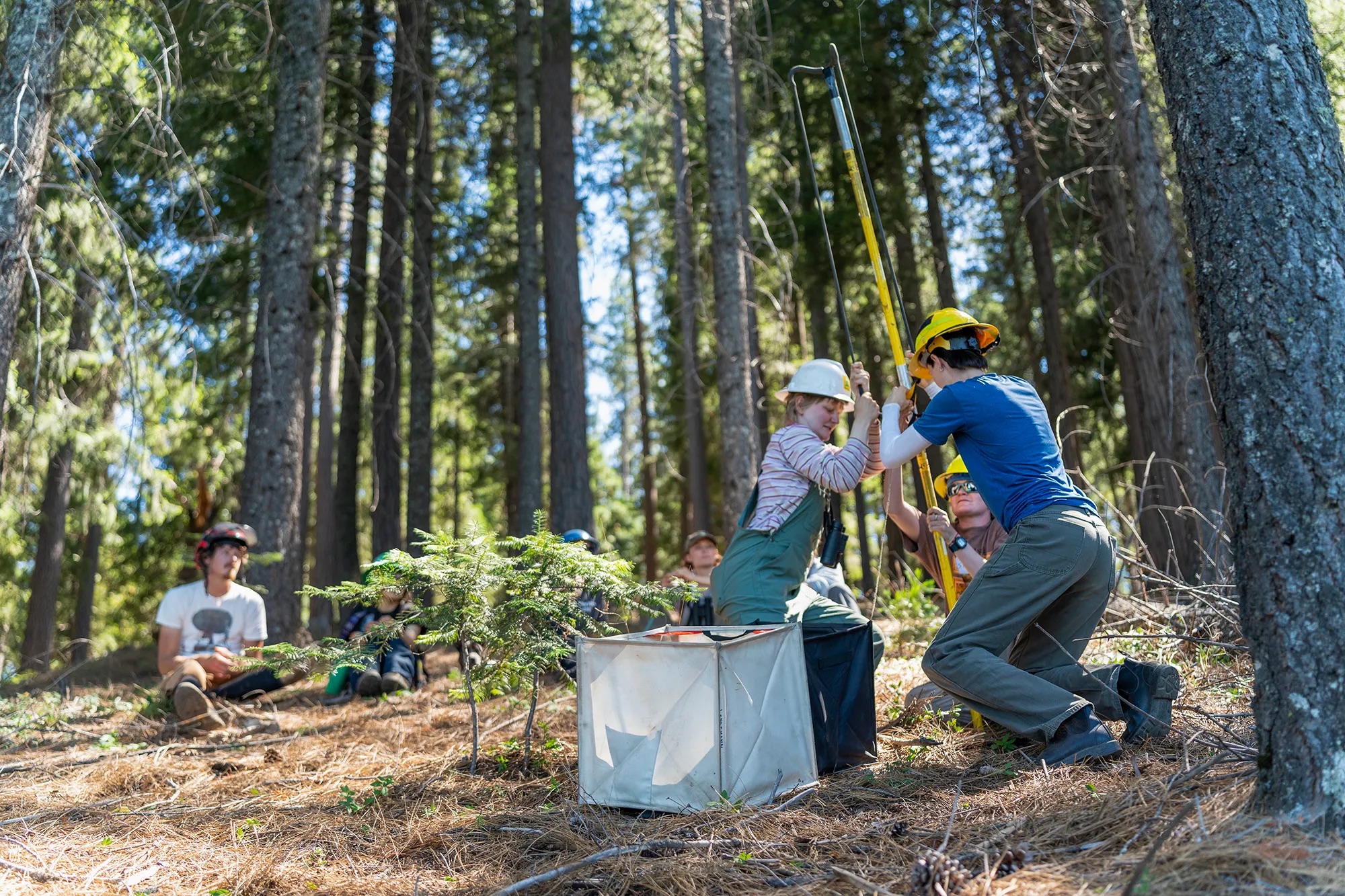
"caption": "Cone Camp participants prepare to launch a weighted line into a sugar pine tree in Pollock Pines on July 15, 2026. Over the past quarter century, high-severity wildfires have burned 2.3 million acres of California’s forestland so completely that the trees are unlikely to return on their own.",
"credit": "Anna Hoch-Kenney/CalMatters",
"altTag": null,
"description": null,
"imgSizes": {
"thumbnail": {
"file": "https://cdn.kqed.org/wp-content/uploads/sites/10/2026/07/071526_Reforestation_AHK_CM_75-160x107.jpeg",
"width": 160,
"height": 107,
"mimeType": "image/jpeg"
},
"1536x1536": {
"file": "https://cdn.kqed.org/wp-content/uploads/sites/10/2026/07/071526_Reforestation_AHK_CM_75-1536x1024.jpeg",
"width": 1536,
"height": 1024,
"mimeType": "image/jpeg"
},
"post-thumbnail": {
"file": "https://cdn.kqed.org/wp-content/uploads/sites/10/2026/07/071526_Reforestation_AHK_CM_75-672x372.jpeg",
"width": 672,
"height": 372,
"mimeType": "image/jpeg"
},
"twentyfourteen-full-width": {
"file": "https://cdn.kqed.org/wp-content/uploads/sites/10/2026/07/071526_Reforestation_AHK_CM_75-1038x576.jpeg",
"width": 1038,
"height": 576,
"mimeType": "image/jpeg"
},
"npr-cds-wide": {
"file": "https://cdn.kqed.org/wp-content/uploads/sites/10/2026/07/071526_Reforestation_AHK_CM_75-1200x675.jpeg",
"width": 1200,
"height": 675,
"mimeType": "image/jpeg"
},
"npr-cds-square": {
"file": "https://cdn.kqed.org/wp-content/uploads/sites/10/2026/07/071526_Reforestation_AHK_CM_75-600x600.jpeg",
"width": 600,
"height": 600,
"mimeType": "image/jpeg"
},
"kqedFullSize": {
"file": "https://cdn.kqed.org/wp-content/uploads/sites/10/2026/07/071526_Reforestation_AHK_CM_75.jpeg",
"width": 2000,
"height": 1333
}
},
"isLoading": false,
"fetchFailed": false
},
"news_12092554": {
"type": "attachments",
"id": "news_12092554",
"meta": {
"index": "attachments_1716263798",
"site": "news",
"id": "12092554",
"found": true
},
"title": "010820-US-Ninth-Circuit-Court-AP-CM",
"publishDate": 1784920764,
"status": "inherit",
"parent": 12092551,
"modified": 1784920785,
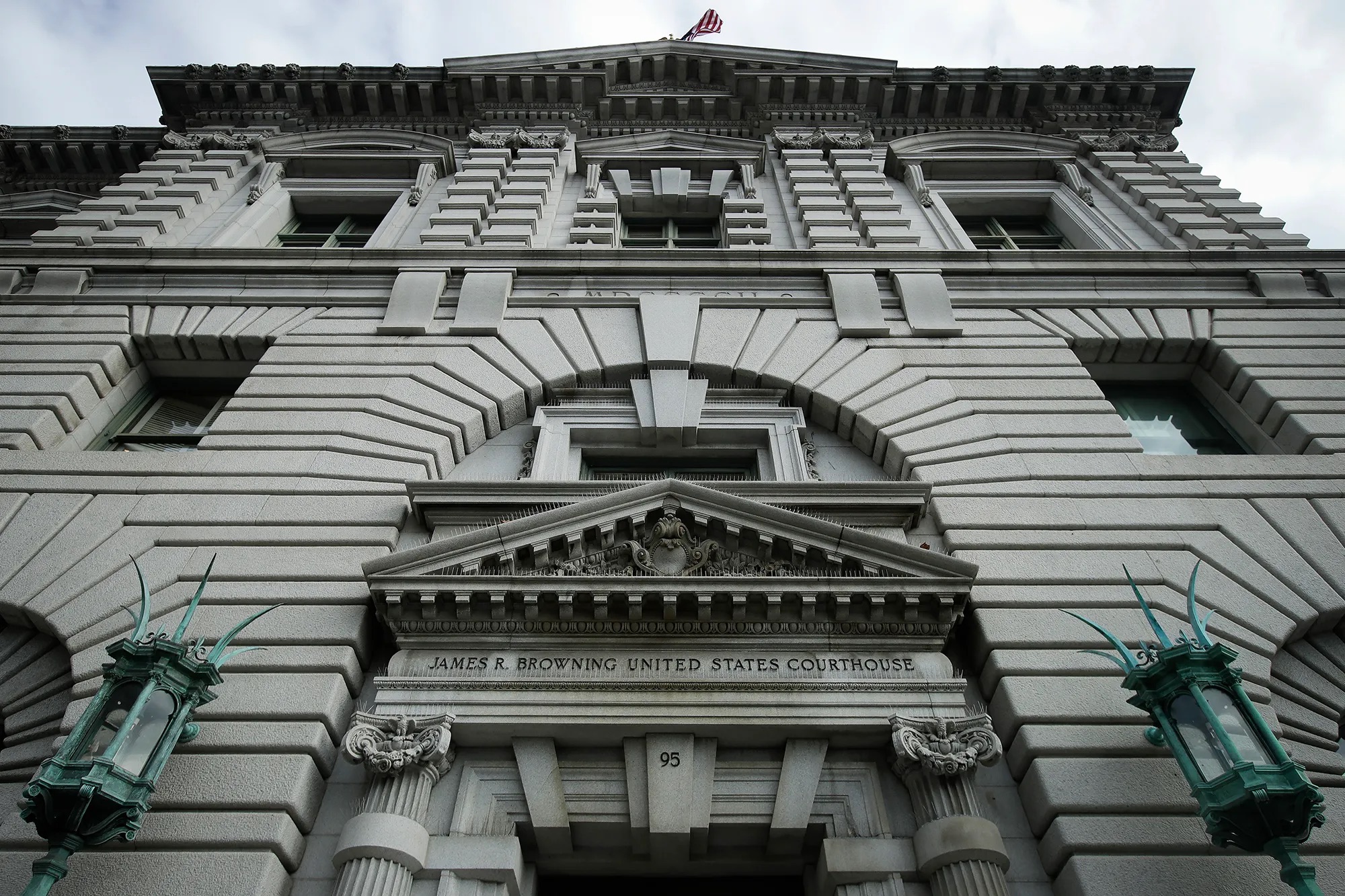
"caption": "The James R. Browning United States Courthouse building, a courthouse for the 9th U.S. Circuit Court of Appeals, in San Francisco on Jan. 8, 2020. ",
"credit": "Jeff Chiu/AP Photo",
"altTag": null,
"description": null,
"imgSizes": {
"thumbnail": {
"file": "https://cdn.kqed.org/wp-content/uploads/sites/10/2026/07/010820-US-Ninth-Circuit-Court-AP-CM-160x107.jpeg",
"width": 160,
"height": 107,
"mimeType": "image/jpeg"
},
"1536x1536": {
"file": "https://cdn.kqed.org/wp-content/uploads/sites/10/2026/07/010820-US-Ninth-Circuit-Court-AP-CM-1536x1024.jpeg",
"width": 1536,
"height": 1024,
"mimeType": "image/jpeg"
},
"post-thumbnail": {
"file": "https://cdn.kqed.org/wp-content/uploads/sites/10/2026/07/010820-US-Ninth-Circuit-Court-AP-CM-672x372.jpeg",
"width": 672,
"height": 372,
"mimeType": "image/jpeg"
},
"twentyfourteen-full-width": {
"file": "https://cdn.kqed.org/wp-content/uploads/sites/10/2026/07/010820-US-Ninth-Circuit-Court-AP-CM-1038x576.jpeg",
"width": 1038,
"height": 576,
"mimeType": "image/jpeg"
},
"npr-cds-wide": {
"file": "https://cdn.kqed.org/wp-content/uploads/sites/10/2026/07/010820-US-Ninth-Circuit-Court-AP-CM-1200x675.jpeg",
"width": 1200,
"height": 675,
"mimeType": "image/jpeg"
},
"npr-cds-square": {
"file": "https://cdn.kqed.org/wp-content/uploads/sites/10/2026/07/010820-US-Ninth-Circuit-Court-AP-CM-600x600.jpeg",
"width": 600,
"height": 600,
"mimeType": "image/jpeg"
},
"kqedFullSize": {
"file": "https://cdn.kqed.org/wp-content/uploads/sites/10/2026/07/010820-US-Ninth-Circuit-Court-AP-CM.jpeg",
"width": 2000,
"height": 1333
}
},
"isLoading": false,
"fetchFailed": false
},
"news_12092339": {
"type": "attachments",
"id": "news_12092339",
"meta": {
"index": "attachments_1716263798",
"site": "news",
"id": "12092339",
"found": true
},
"title": "050625_CSU-San-Marcos_AH_CM_54",
"publishDate": 1784826956,
"status": "inherit",
"parent": 12092329,
"modified": 1784826977,
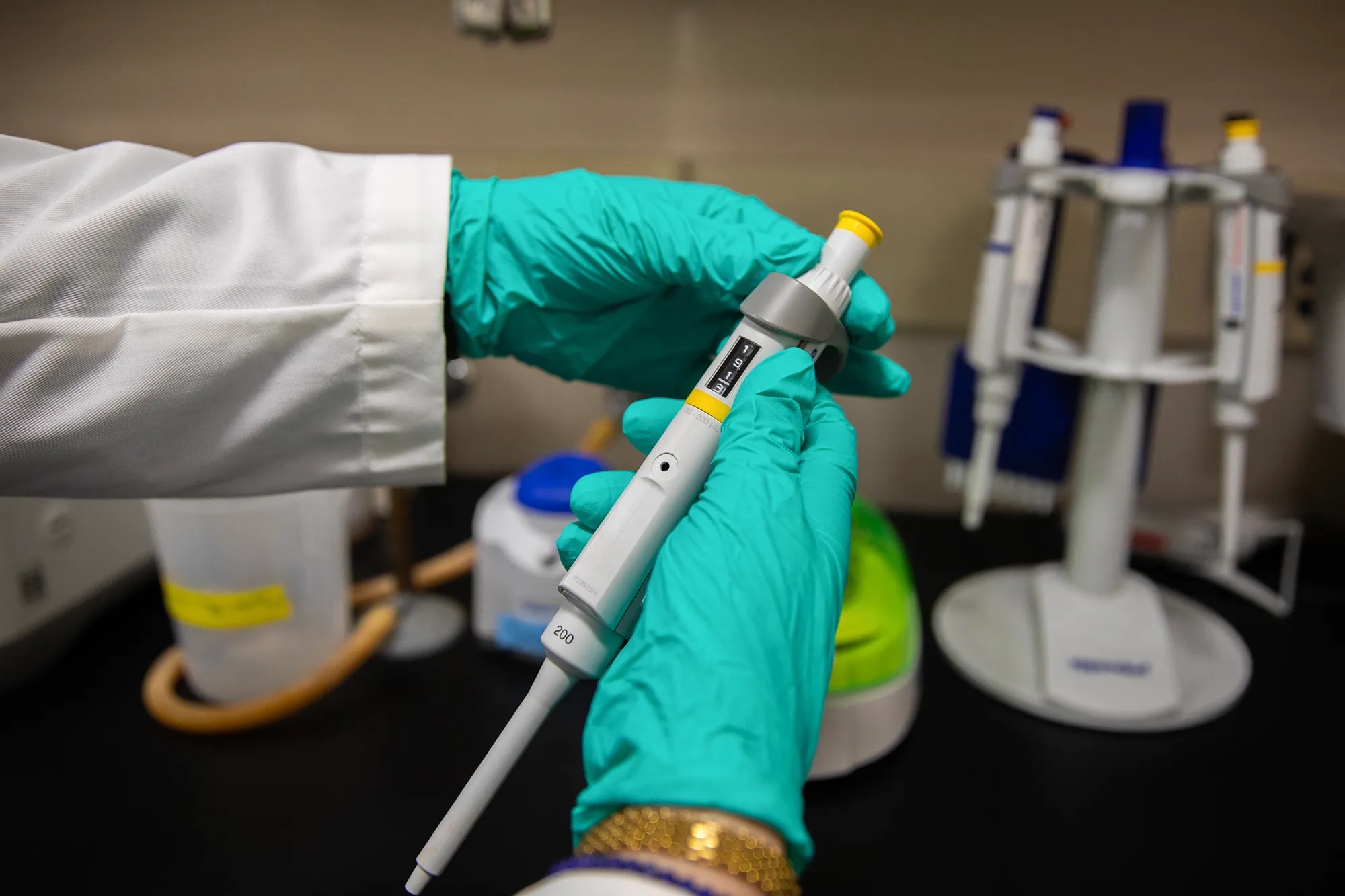
"caption": "University of California research professors allege federal agencies illegally cancelled nearly $2 billion in research grants. A student holds a pipette in a lab in California on May 6, 2025. ",
"credit": "Adriana Heldiz/CalMatters",
"altTag": null,
"description": null,
"imgSizes": {
"thumbnail": {
"file": "https://cdn.kqed.org/wp-content/uploads/sites/10/2026/07/050625_CSU-San-Marcos_AH_CM_54-160x107.jpeg",
"width": 160,
"height": 107,
"mimeType": "image/jpeg"
},
"1536x1536": {
"file": "https://cdn.kqed.org/wp-content/uploads/sites/10/2026/07/050625_CSU-San-Marcos_AH_CM_54-1536x1024.jpeg",
"width": 1536,
"height": 1024,
"mimeType": "image/jpeg"
},
"post-thumbnail": {
"file": "https://cdn.kqed.org/wp-content/uploads/sites/10/2026/07/050625_CSU-San-Marcos_AH_CM_54-672x372.jpeg",
"width": 672,
"height": 372,
"mimeType": "image/jpeg"
},
"twentyfourteen-full-width": {
"file": "https://cdn.kqed.org/wp-content/uploads/sites/10/2026/07/050625_CSU-San-Marcos_AH_CM_54-1038x576.jpeg",
"width": 1038,
"height": 576,
"mimeType": "image/jpeg"
},
"npr-cds-wide": {
"file": "https://cdn.kqed.org/wp-content/uploads/sites/10/2026/07/050625_CSU-San-Marcos_AH_CM_54-1200x675.jpeg",
"width": 1200,
"height": 675,
"mimeType": "image/jpeg"
},
"npr-cds-square": {
"file": "https://cdn.kqed.org/wp-content/uploads/sites/10/2026/07/050625_CSU-San-Marcos_AH_CM_54-600x600.jpeg",
"width": 600,
"height": 600,
"mimeType": "image/jpeg"
},
"kqedFullSize": {
"file": "https://cdn.kqed.org/wp-content/uploads/sites/10/2026/07/050625_CSU-San-Marcos_AH_CM_54.jpeg",
"width": 2000,
"height": 1333
}
},
"isLoading": false,
"fetchFailed": false
},
"news_12091579": {
"type": "attachments",
"id": "news_12091579",
"meta": {
"index": "attachments_1716263798",
"site": "news",
"id": "12091579",
"found": true
},
"title": "Living-Schoolyard_LA_CM_31",
"publishDate": 1784305566,
"status": "inherit",
"parent": 12091576,
"modified": 1784305596,
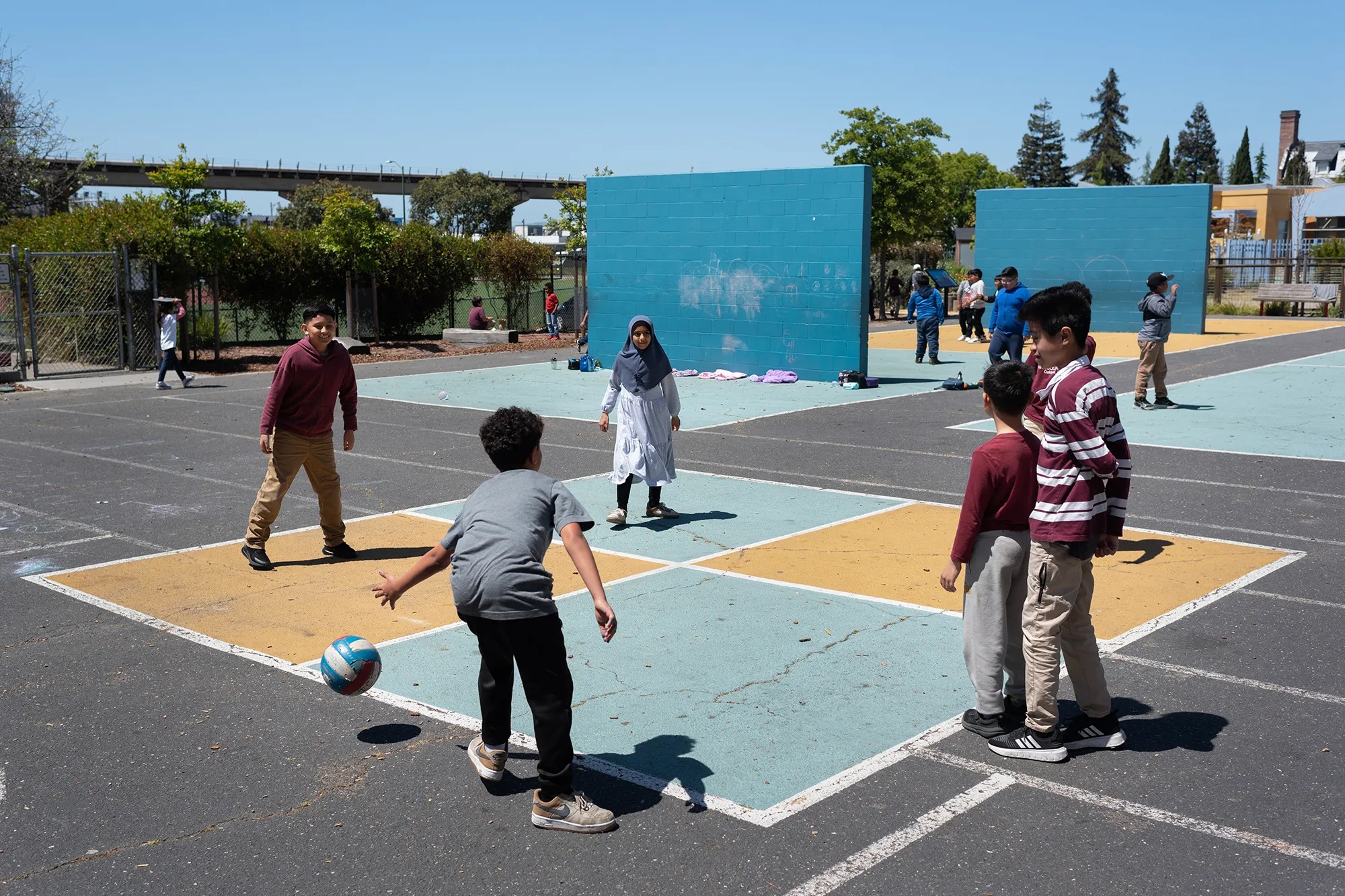
"caption": "Students from International Community Elementary School and Think College Now Elementary School play near the Cesar Chavez Living Schoolyard during recess in Oakland on April 29, 2024. ",
"credit": "Laure Andrillon for CalMatters",
"altTag": null,
"description": null,
"imgSizes": {
"thumbnail": {
"file": "https://cdn.kqed.org/wp-content/uploads/sites/10/2026/07/Living-Schoolyard_LA_CM_31-160x107.jpg",
"width": 160,
"height": 107,
"mimeType": "image/jpeg"
},
"1536x1536": {
"file": "https://cdn.kqed.org/wp-content/uploads/sites/10/2026/07/Living-Schoolyard_LA_CM_31-1536x1024.jpg",
"width": 1536,
"height": 1024,
"mimeType": "image/jpeg"
},
"post-thumbnail": {
"file": "https://cdn.kqed.org/wp-content/uploads/sites/10/2026/07/Living-Schoolyard_LA_CM_31-672x372.jpg",
"width": 672,
"height": 372,
"mimeType": "image/jpeg"
},
"twentyfourteen-full-width": {
"file": "https://cdn.kqed.org/wp-content/uploads/sites/10/2026/07/Living-Schoolyard_LA_CM_31-1038x576.jpg",
"width": 1038,
"height": 576,
"mimeType": "image/jpeg"
},
"npr-cds-wide": {
"file": "https://cdn.kqed.org/wp-content/uploads/sites/10/2026/07/Living-Schoolyard_LA_CM_31-1200x675.jpg",
"width": 1200,
"height": 675,
"mimeType": "image/jpeg"
},
"npr-cds-square": {
"file": "https://cdn.kqed.org/wp-content/uploads/sites/10/2026/07/Living-Schoolyard_LA_CM_31-600x600.jpg",
"width": 600,
"height": 600,
"mimeType": "image/jpeg"
},
"kqedFullSize": {
"file": "https://cdn.kqed.org/wp-content/uploads/sites/10/2026/07/Living-Schoolyard_LA_CM_31.jpg",
"width": 2000,
"height": 1333
}
},
"isLoading": false,
"fetchFailed": false
},
"news_12089593": {
"type": "attachments",
"id": "news_12089593",
"meta": {
"index": "attachments_1716263798",
"site": "news",
"id": "12089593",
"found": true
},
"title": "20230822-SFSU-37-JY_qed",
"publishDate": 1782934569,
"status": "inherit",
"parent": 12087790,
"modified": 1782934643,
"caption": "Students walk up to the top of San Francisco State University's campus in San Francisco, California, on Tuesday, Aug. 22, 2023.",
"credit": "Juliana Yamada for KQED",
"altTag": null,
"description": null,
"imgSizes": {
"thumbnail": {
"file": "https://cdn.kqed.org/wp-content/uploads/sites/10/2026/07/20230822-SFSU-37-JY_qed-160x107.jpg",
"width": 160,
"height": 107,
"mimeType": "image/jpeg"
},
"1536x1536": {
"file": "https://cdn.kqed.org/wp-content/uploads/sites/10/2026/07/20230822-SFSU-37-JY_qed-1536x1024.jpg",
"width": 1536,
"height": 1024,
"mimeType": "image/jpeg"
},
"post-thumbnail": {
"file": "https://cdn.kqed.org/wp-content/uploads/sites/10/2026/07/20230822-SFSU-37-JY_qed-672x372.jpg",
"width": 672,
"height": 372,
"mimeType": "image/jpeg"
},
"twentyfourteen-full-width": {
"file": "https://cdn.kqed.org/wp-content/uploads/sites/10/2026/07/20230822-SFSU-37-JY_qed-1038x576.jpg",
"width": 1038,
"height": 576,
"mimeType": "image/jpeg"
},
"npr-cds-wide": {
"file": "https://cdn.kqed.org/wp-content/uploads/sites/10/2026/07/20230822-SFSU-37-JY_qed-1200x675.jpg",
"width": 1200,
"height": 675,
"mimeType": "image/jpeg"
},
"npr-cds-square": {
"file": "https://cdn.kqed.org/wp-content/uploads/sites/10/2026/07/20230822-SFSU-37-JY_qed-600x600.jpg",
"width": 600,
"height": 600,
"mimeType": "image/jpeg"
},
"kqedFullSize": {
"file": "https://cdn.kqed.org/wp-content/uploads/sites/10/2026/07/20230822-SFSU-37-JY_qed.jpg",
"width": 2000,
"height": 1333
}
},
"isLoading": false,
"fetchFailed": false
},
"news_11775583": {
"type": "attachments",
"id": "news_11775583",
"meta": {
"index": "attachments_1716263798",
"site": "news",
"id": "11775583",
"found": true
},
"parent": 11775558,
"imgSizes": {
"apple_news_ca_landscape_5_5": {
"file": "https://ww2.kqed.org/app/uploads/sites/10/2019/09/traffic-los-angeles-1920-1044x783.jpg",
"width": 1044,
"mimeType": "image/jpeg",
"height": 783
},
"apple_news_ca_square_4_0": {
"file": "https://ww2.kqed.org/app/uploads/sites/10/2019/09/traffic-los-angeles-1920-470x470.jpg",
"width": 470,
"mimeType": "image/jpeg",
"height": 470
},
"twentyfourteen-full-width": {
"file": "https://ww2.kqed.org/app/uploads/sites/10/2019/09/traffic-los-angeles-1920-1038x576.jpg",
"width": 1038,
"mimeType": "image/jpeg",
"height": 576
},
"thumbnail": {
"file": "https://ww2.kqed.org/app/uploads/sites/10/2019/09/traffic-los-angeles-1920-160x96.jpg",
"width": 160,
"mimeType": "image/jpeg",
"height": 96
},
"post-thumbnail": {
"file": "https://ww2.kqed.org/app/uploads/sites/10/2019/09/traffic-los-angeles-1920-672x372.jpg",
"width": 672,
"mimeType": "image/jpeg",
"height": 372
},
"kqedFullSize": {
"file": "https://ww2.kqed.org/app/uploads/sites/10/2019/09/traffic-los-angeles-1920.jpg",
"width": 1920,
"height": 1149
},
"apple_news_ca_landscape_4_7": {
"file": "https://ww2.kqed.org/app/uploads/sites/10/2019/09/traffic-los-angeles-1920-632x474.jpg",
"width": 632,
"mimeType": "image/jpeg",
"height": 474
},
"large": {
"file": "https://ww2.kqed.org/app/uploads/sites/10/2019/09/traffic-los-angeles-1920-1020x610.jpg",
"width": 1020,
"mimeType": "image/jpeg",
"height": 610
},
"complete_open_graph": {
"file": "https://ww2.kqed.org/app/uploads/sites/10/2019/09/traffic-los-angeles-1920-1200x718.jpg",
"width": 1200,
"mimeType": "image/jpeg",
"height": 718
},
"apple_news_ca_landscape_4_0": {
"file": "https://ww2.kqed.org/app/uploads/sites/10/2019/09/traffic-los-angeles-1920-536x402.jpg",
"width": 536,
"mimeType": "image/jpeg",
"height": 402
},
"apple_news_ca_portrait_12_9": {
"file": "https://ww2.kqed.org/app/uploads/sites/10/2019/09/traffic-los-angeles-1920-1122x1149.jpg",
"width": 1122,
"mimeType": "image/jpeg",
"height": 1149
},
"medium": {
"file": "https://ww2.kqed.org/app/uploads/sites/10/2019/09/traffic-los-angeles-1920-800x479.jpg",
"width": 800,
"mimeType": "image/jpeg",
"height": 479
},
"apple_news_ca_portrait_4_0": {
"file": "https://ww2.kqed.org/app/uploads/sites/10/2019/09/traffic-los-angeles-1920-354x472.jpg",
"width": 354,
"mimeType": "image/jpeg",
"height": 472
},
"apple_news_ca_portrait_9_7": {
"file": "https://ww2.kqed.org/app/uploads/sites/10/2019/09/traffic-los-angeles-1920-840x1120.jpg",
"width": 840,
"mimeType": "image/jpeg",
"height": 1120
},
"apple_news_ca_landscape_12_9": {
"file": "https://ww2.kqed.org/app/uploads/sites/10/2019/09/traffic-los-angeles-1920-1832x1149.jpg",
"width": 1832,
"mimeType": "image/jpeg",
"height": 1149
},
"apple_news_ca_square_9_7": {
"file": "https://ww2.kqed.org/app/uploads/sites/10/2019/09/traffic-los-angeles-1920-1104x1104.jpg",
"width": 1104,
"mimeType": "image/jpeg",
"height": 1104
},
"apple_news_ca_portrait_4_7": {
"file": "https://ww2.kqed.org/app/uploads/sites/10/2019/09/traffic-los-angeles-1920-414x552.jpg",
"width": 414,
"mimeType": "image/jpeg",
"height": 552
},
"apple_news_ca_square_12_9": {
"file": "https://ww2.kqed.org/app/uploads/sites/10/2019/09/traffic-los-angeles-1920-1472x1149.jpg",
"width": 1472,
"mimeType": "image/jpeg",
"height": 1149
},
"apple_news_ca_portrait_5_5": {
"file": "https://ww2.kqed.org/app/uploads/sites/10/2019/09/traffic-los-angeles-1920-687x916.jpg",
"width": 687,
"mimeType": "image/jpeg",
"height": 916
},
"full-width": {
"file": "https://ww2.kqed.org/app/uploads/sites/10/2019/09/traffic-los-angeles-1920-1920x1149.jpg",
"width": 1920,
"mimeType": "image/jpeg",
"height": 1149
},
"apple_news_ca_square_4_7": {
"file": "https://ww2.kqed.org/app/uploads/sites/10/2019/09/traffic-los-angeles-1920-550x550.jpg",
"width": 550,
"mimeType": "image/jpeg",
"height": 550
},
"apple_news_ca_landscape_9_7": {
"file": "https://ww2.kqed.org/app/uploads/sites/10/2019/09/traffic-los-angeles-1920-1376x1032.jpg",
"width": 1376,
"mimeType": "image/jpeg",
"height": 1032
},
"apple_news_ca_square_5_5": {
"file": "https://ww2.kqed.org/app/uploads/sites/10/2019/09/traffic-los-angeles-1920-912x912.jpg",
"width": 912,
"mimeType": "image/jpeg",
"height": 912
}
},
"publishDate": 1569007839,
"modified": 1569020060,
"caption": "Drivers make their way on the U.S. 101 freeway on Aug. 30, 2019, in Los Angeles.",
"description": "Drivers make their way on the US 101 freeway on Aug. 30, 2019 in Los Angeles.",
"title": "traffic-los-angeles-1920",
"credit": "Mario Tama/Getty Images",
"status": "inherit",
"isLoading": false,
"fetchFailed": false
},
"news_12090083": {
"type": "attachments",
"id": "news_12090083",
"meta": {
"index": "attachments_1716263798",
"site": "news",
"id": "12090083",
"found": true
},
"title": "052126-Cardroom-Protest-MG-CM-02",
"publishDate": 1783450001,
"status": "inherit",
"parent": 12090081,
"modified": 1783450017,
"caption": "Protesters gather outside the Sheraton Grand Sacramento Hotel in Sacramento on May 21, 2026 to oppose regulations that would end black jack-style games at cardrooms across the state. The state’s cardroom industry recently sued Attorney General Rob Bonta to block the regulations. Bonta was speaking at a CalMatters-sponsored event at the hotel. ",
"credit": "Miguel Gutierrez Jr., CalMatters",
"altTag": null,
"description": null,
"imgSizes": {
"thumbnail": {
"file": "https://cdn.kqed.org/wp-content/uploads/sites/10/2026/07/052126-Cardroom-Protest-MG-CM-02-160x107.jpeg",
"width": 160,
"height": 107,
"mimeType": "image/jpeg"
},
"1536x1536": {
"file": "https://cdn.kqed.org/wp-content/uploads/sites/10/2026/07/052126-Cardroom-Protest-MG-CM-02-1536x1024.jpeg",
"width": 1536,
"height": 1024,
"mimeType": "image/jpeg"
},
"post-thumbnail": {
"file": "https://cdn.kqed.org/wp-content/uploads/sites/10/2026/07/052126-Cardroom-Protest-MG-CM-02-672x372.jpeg",
"width": 672,
"height": 372,
"mimeType": "image/jpeg"
},
"twentyfourteen-full-width": {
"file": "https://cdn.kqed.org/wp-content/uploads/sites/10/2026/07/052126-Cardroom-Protest-MG-CM-02-1038x576.jpeg",
"width": 1038,
"height": 576,
"mimeType": "image/jpeg"
},
"npr-cds-wide": {
"file": "https://cdn.kqed.org/wp-content/uploads/sites/10/2026/07/052126-Cardroom-Protest-MG-CM-02-1200x675.jpeg",
"width": 1200,
"height": 675,
"mimeType": "image/jpeg"
},
"npr-cds-square": {
"file": "https://cdn.kqed.org/wp-content/uploads/sites/10/2026/07/052126-Cardroom-Protest-MG-CM-02-600x600.jpeg",
"width": 600,
"height": 600,
"mimeType": "image/jpeg"
},
"kqedFullSize": {
"file": "https://cdn.kqed.org/wp-content/uploads/sites/10/2026/07/052126-Cardroom-Protest-MG-CM-02.jpeg",
"width": 2000,
"height": 1333
}
},
"isLoading": false,
"fetchFailed": false
},
"news_12089978": {
"type": "attachments",
"id": "news_12089978",
"meta": {
"index": "attachments_1716263798",
"site": "news",
"id": "12089978",
"found": true
},
"title": "092225-CalCity-Detention-MV-CM-13",
"publishDate": 1783370587,
"status": "inherit",
"parent": 12089974,
"modified": 1785279016,
"caption": "The CoreCivic California City Immigration Processing Center in California City on Sep. 22, 2025. ",
"credit": "Miguel Vasconcellos for CalMatters",
"altTag": null,
"description": null,
"imgSizes": {
"thumbnail": {
"file": "https://cdn.kqed.org/wp-content/uploads/sites/10/2026/07/092225-CalCity-Detention-MV-CM-13-160x107.jpeg",
"width": 160,
"height": 107,
"mimeType": "image/jpeg"
},
"1536x1536": {
"file": "https://cdn.kqed.org/wp-content/uploads/sites/10/2026/07/092225-CalCity-Detention-MV-CM-13-1536x1024.jpeg",
"width": 1536,
"height": 1024,
"mimeType": "image/jpeg"
},
"post-thumbnail": {
"file": "https://cdn.kqed.org/wp-content/uploads/sites/10/2026/07/092225-CalCity-Detention-MV-CM-13-672x372.jpeg",
"width": 672,
"height": 372,
"mimeType": "image/jpeg"
},
"twentyfourteen-full-width": {
"file": "https://cdn.kqed.org/wp-content/uploads/sites/10/2026/07/092225-CalCity-Detention-MV-CM-13-1038x576.jpeg",
"width": 1038,
"height": 576,
"mimeType": "image/jpeg"
},
"npr-cds-wide": {
"file": "https://cdn.kqed.org/wp-content/uploads/sites/10/2026/07/092225-CalCity-Detention-MV-CM-13-1200x675.jpeg",
"width": 1200,
"height": 675,
"mimeType": "image/jpeg"
},
"npr-cds-square": {
"file": "https://cdn.kqed.org/wp-content/uploads/sites/10/2026/07/092225-CalCity-Detention-MV-CM-13-600x600.jpeg",
"width": 600,
"height": 600,
"mimeType": "image/jpeg"
},
"kqedFullSize": {
"file": "https://cdn.kqed.org/wp-content/uploads/sites/10/2026/07/092225-CalCity-Detention-MV-CM-13.jpeg",
"width": 2000,
"height": 1333
}
},
"isLoading": false,
"fetchFailed": false
},
"news_11699281": {
"type": "attachments",
"id": "news_11699281",
"meta": {
"index": "attachments_1716263798",
"site": "news",
"id": "11699281",
"found": true
},
"parent": 11699275,
"imgSizes": {
"small": {
"file": "https://ww2.kqed.org/app/uploads/sites/10/2018/10/DMVEntrance-520x367.jpg",
"width": 520,
"mimeType": "image/jpeg",
"height": 367
},
"twentyfourteen-full-width": {
"file": "https://ww2.kqed.org/app/uploads/sites/10/2018/10/DMVEntrance-1038x576.jpg",
"width": 1038,
"mimeType": "image/jpeg",
"height": 576
},
"thumbnail": {
"file": "https://ww2.kqed.org/app/uploads/sites/10/2018/10/DMVEntrance-160x113.jpg",
"width": 160,
"mimeType": "image/jpeg",
"height": 113
},
"fd-sm": {
"file": "https://ww2.kqed.org/app/uploads/sites/10/2018/10/DMVEntrance-960x678.jpg",
"width": 960,
"mimeType": "image/jpeg",
"height": 678
},
"post-thumbnail": {
"file": "https://ww2.kqed.org/app/uploads/sites/10/2018/10/DMVEntrance-672x372.jpg",
"width": 672,
"mimeType": "image/jpeg",
"height": 372
},
"xsmall": {
"file": "https://ww2.kqed.org/app/uploads/sites/10/2018/10/DMVEntrance-375x265.jpg",
"width": 375,
"mimeType": "image/jpeg",
"height": 265
},
"kqedFullSize": {
"file": "https://ww2.kqed.org/app/uploads/sites/10/2018/10/DMVEntrance.jpg",
"width": 1920,
"height": 1356
},
"large": {
"file": "https://ww2.kqed.org/app/uploads/sites/10/2018/10/DMVEntrance-1020x720.jpg",
"width": 1020,
"mimeType": "image/jpeg",
"height": 720
},
"xlarge": {
"file": "https://ww2.kqed.org/app/uploads/sites/10/2018/10/DMVEntrance-1180x833.jpg",
"width": 1180,
"mimeType": "image/jpeg",
"height": 833
},
"complete_open_graph": {
"file": "https://ww2.kqed.org/app/uploads/sites/10/2018/10/DMVEntrance-1200x848.jpg",
"width": 1200,
"mimeType": "image/jpeg",
"height": 848
},
"guest-author-50": {
"file": "https://ww2.kqed.org/app/uploads/sites/10/2018/10/DMVEntrance-50x50.jpg",
"width": 50,
"mimeType": "image/jpeg",
"height": 50
},
"guest-author-96": {
"file": "https://ww2.kqed.org/app/uploads/sites/10/2018/10/DMVEntrance-96x96.jpg",
"width": 96,
"mimeType": "image/jpeg",
"height": 96
},
"medium": {
"file": "https://ww2.kqed.org/app/uploads/sites/10/2018/10/DMVEntrance-800x565.jpg",
"width": 800,
"mimeType": "image/jpeg",
"height": 565
},
"guest-author-64": {
"file": "https://ww2.kqed.org/app/uploads/sites/10/2018/10/DMVEntrance-64x64.jpg",
"width": 64,
"mimeType": "image/jpeg",
"height": 64
},
"guest-author-32": {
"file": "https://ww2.kqed.org/app/uploads/sites/10/2018/10/DMVEntrance-32x32.jpg",
"width": 32,
"mimeType": "image/jpeg",
"height": 32
},
"fd-lrg": {
"file": "https://ww2.kqed.org/app/uploads/sites/10/2018/10/DMVEntrance-1920x1356.jpg",
"width": 1920,
"mimeType": "image/jpeg",
"height": 1356
},
"fd-med": {
"file": "https://ww2.kqed.org/app/uploads/sites/10/2018/10/DMVEntrance-1180x833.jpg",
"width": 1180,
"mimeType": "image/jpeg",
"height": 833
},
"full-width": {
"file": "https://ww2.kqed.org/app/uploads/sites/10/2018/10/DMVEntrance-1920x1356.jpg",
"width": 1920,
"mimeType": "image/jpeg",
"height": 1356
},
"detail": {
"file": "https://ww2.kqed.org/app/uploads/sites/10/2018/10/DMVEntrance-150x150.jpg",
"width": 150,
"mimeType": "image/jpeg",
"height": 150
},
"guest-author-128": {
"file": "https://ww2.kqed.org/app/uploads/sites/10/2018/10/DMVEntrance-128x128.jpg",
"width": 128,
"mimeType": "image/jpeg",
"height": 128
},
"xxsmall": {
"file": "https://ww2.kqed.org/app/uploads/sites/10/2018/10/DMVEntrance-240x170.jpg",
"width": 240,
"mimeType": "image/jpeg",
"height": 170
}
},
"publishDate": 1539716581,
"modified": 1539716619,
"caption": "The entrance to a California Department of Motor Vehicles (DMV) office in Corte Madera.",
"description": "The entrance to a California Department of Motor Vehicles (DMV) office in Corte Madera.",
"title": "DMVEntrance",
"credit": "Justin Sullivan/Getty Images",
"status": "inherit",
"isLoading": false,
"fetchFailed": false
},
"news_12046175": {
"type": "attachments",
"id": "news_12046175",
"meta": {
"index": "attachments_1716263798",
"site": "news",
"id": "12046175",
"found": true
},
"title": "Homeless people struggle during heavy rain in San Francisco, California",
"publishDate": 1750970923,
"status": "inherit",
"parent": 12087973,
"modified": 1781737864,
"caption": "A homeless encampment near Polk Street in San Francisco on Feb. 6, 2025.",
"credit": "Tayfun Coskun/Anadolu via Getty Images",
"altTag": null,
"description": null,
"imgSizes": {
"thumbnail": {
"file": "https://cdn.kqed.org/wp-content/uploads/sites/10/2025/06/GETTYIMAGES-2197492442-KQED-160x101.jpg",
"width": 160,
"height": 101,
"mimeType": "image/jpeg"
},
"1536x1536": {
"file": "https://cdn.kqed.org/wp-content/uploads/sites/10/2025/06/GETTYIMAGES-2197492442-KQED-1536x969.jpg",
"width": 1536,
"height": 969,
"mimeType": "image/jpeg"
},
"post-thumbnail": {
"file": "https://cdn.kqed.org/wp-content/uploads/sites/10/2025/06/GETTYIMAGES-2197492442-KQED-672x372.jpg",
"width": 672,
"height": 372,
"mimeType": "image/jpeg"
},
"twentyfourteen-full-width": {
"file": "https://cdn.kqed.org/wp-content/uploads/sites/10/2025/06/GETTYIMAGES-2197492442-KQED-1038x576.jpg",
"width": 1038,
"height": 576,
"mimeType": "image/jpeg"
},
"kqedFullSize": {
"file": "https://cdn.kqed.org/wp-content/uploads/sites/10/2025/06/GETTYIMAGES-2197492442-KQED.jpg",
"width": 2000,
"height": 1262
}
},
"isLoading": false,
"fetchFailed": false
},
"news_12052353": {
"type": "attachments",
"id": "news_12052353",
"meta": {
"index": "attachments_1716263798",
"site": "news",
"id": "12052353",
"found": true
},
"title": "250804-CALIFORNIAFOREVERSUISUNCITY-44-KQED",
"publishDate": 1755277841,
"status": "inherit",
"parent": 12052340,
"modified": 1755291080,
"caption": "An aerial view of the Suisun Slough in Suisun City, Solano County, on Aug. 4, 2025.",
"credit": "Beth LaBerge/KQED",
"altTag": null,
"description": null,
"imgSizes": {
"thumbnail": {
"file": "https://cdn.kqed.org/wp-content/uploads/sites/10/2025/08/250804-CALIFORNIAFOREVERSUISUNCITY-44-KQED-160x107.jpg",
"width": 160,
"height": 107,
"mimeType": "image/jpeg"
},
"1536x1536": {
"file": "https://cdn.kqed.org/wp-content/uploads/sites/10/2025/08/250804-CALIFORNIAFOREVERSUISUNCITY-44-KQED-1536x1025.jpg",
"width": 1536,
"height": 1025,
"mimeType": "image/jpeg"
},
"post-thumbnail": {
"file": "https://cdn.kqed.org/wp-content/uploads/sites/10/2025/08/250804-CALIFORNIAFOREVERSUISUNCITY-44-KQED-672x372.jpg",
"width": 672,
"height": 372,
"mimeType": "image/jpeg"
},
"twentyfourteen-full-width": {
"file": "https://cdn.kqed.org/wp-content/uploads/sites/10/2025/08/250804-CALIFORNIAFOREVERSUISUNCITY-44-KQED-1038x576.jpg",
"width": 1038,
"height": 576,
"mimeType": "image/jpeg"
},
"kqedFullSize": {
"file": "https://cdn.kqed.org/wp-content/uploads/sites/10/2025/08/250804-CALIFORNIAFOREVERSUISUNCITY-44-KQED.jpg",
"width": 2000,
"height": 1334
}
},
"isLoading": false,
"fetchFailed": false
},
"news_12088389": {
"type": "attachments",
"id": "news_12088389",
"meta": {
"index": "attachments_1716263798",
"site": "news",
"id": "12088389",
"found": true
},
"title": "052626_Project-Rebound_JAH_03_CM",
"publishDate": 1782161120,
"status": "inherit",
"parent": 12088386,
"modified": 1782161136,
"caption": "Garret Eiferman, a graduate student, inside the Project Rebound study room at Cal State Northridge on May 26, 2026. ",
"credit": "Jules Hotz for CalMatters",
"altTag": null,
"description": null,
"imgSizes": {
"thumbnail": {
"file": "https://cdn.kqed.org/wp-content/uploads/sites/10/2026/06/052626_Project-Rebound_JAH_03_CM-160x107.jpeg",
"width": 160,
"height": 107,
"mimeType": "image/jpeg"
},
"1536x1536": {
"file": "https://cdn.kqed.org/wp-content/uploads/sites/10/2026/06/052626_Project-Rebound_JAH_03_CM-1536x1024.jpeg",
"width": 1536,
"height": 1024,
"mimeType": "image/jpeg"
},
"post-thumbnail": {
"file": "https://cdn.kqed.org/wp-content/uploads/sites/10/2026/06/052626_Project-Rebound_JAH_03_CM-672x372.jpeg",
"width": 672,
"height": 372,
"mimeType": "image/jpeg"
},
"twentyfourteen-full-width": {
"file": "https://cdn.kqed.org/wp-content/uploads/sites/10/2026/06/052626_Project-Rebound_JAH_03_CM-1038x576.jpeg",
"width": 1038,
"height": 576,
"mimeType": "image/jpeg"
},
"npr-cds-wide": {
"file": "https://cdn.kqed.org/wp-content/uploads/sites/10/2026/06/052626_Project-Rebound_JAH_03_CM-1200x675.jpeg",
"width": 1200,
"height": 675,
"mimeType": "image/jpeg"
},
"npr-cds-square": {
"file": "https://cdn.kqed.org/wp-content/uploads/sites/10/2026/06/052626_Project-Rebound_JAH_03_CM-600x600.jpeg",
"width": 600,
"height": 600,
"mimeType": "image/jpeg"
},
"kqedFullSize": {
"file": "https://cdn.kqed.org/wp-content/uploads/sites/10/2026/06/052626_Project-Rebound_JAH_03_CM.jpeg",
"width": 2000,
"height": 1333
}
},
"isLoading": false,
"fetchFailed": false
}
},
"audioPlayerReducer": {
"postId": "stream_live",
"isPaused": true,
"isPlaying": false,
"pfsActive": false,
"pledgeModalIsOpen": true,
"playerDrawerIsOpen": false,
"liveAudioPlayStartedAt": 0,
"liveAudioPlayContext": ""
},
"authorsReducer": {
"byline_news_12092562": {
"type": "authors",
"id": "byline_news_12092562",
"meta": {
"override": true
},
"slug": "byline_news_12092562",
"name": "Rachel Becker, CalMatters",
"isLoading": false
},
"byline_news_12092551": {
"type": "authors",
"id": "byline_news_12092551",
"meta": {
"override": true
},
"slug": "byline_news_12092551",
"name": "Adam Ashton, CalMatters",
"isLoading": false
},
"byline_news_12092329": {
"type": "authors",
"id": "byline_news_12092329",
"meta": {
"override": true
},
"slug": "byline_news_12092329",
"name": "Mikhail Zinshteyn, CalMatters",
"isLoading": false
},
"byline_news_12091576": {
"type": "authors",
"id": "byline_news_12091576",
"meta": {
"override": true
},
"slug": "byline_news_12091576",
"name": "Alejandra Reyes-Velarde and Ana B. Ibarra, CalMatters",
"isLoading": false
},
"byline_news_12090647": {
"type": "authors",
"id": "byline_news_12090647",
"meta": {
"override": true
},
"slug": "byline_news_12090647",
"name": "Mikhail Zinshteyn, CalMatters",
"isLoading": false
},
"byline_news_12090503": {
"type": "authors",
"id": "byline_news_12090503",
"meta": {
"override": true
},
"slug": "byline_news_12090503",
"name": "Levi Sumagaysay, CalMatters",
"isLoading": false
},
"byline_news_12090081": {
"type": "authors",
"id": "byline_news_12090081",
"meta": {
"override": true
},
"slug": "byline_news_12090081",
"name": "Ryan Sabalow, CalMatters",
"isLoading": false
},
"byline_news_12089974": {
"type": "authors",
"id": "byline_news_12089974",
"meta": {
"override": true
},
"slug": "byline_news_12089974",
"name": "Wendy Fry, CalMatters",
"isLoading": false
},
"byline_news_12089350": {
"type": "authors",
"id": "byline_news_12089350",
"meta": {
"override": true
},
"slug": "byline_news_12089350",
"name": "By Khari Johnson, Wendy Fry and Yue Stella Yu, CalMatters",
"isLoading": false
},
"byline_news_12089118": {
"type": "authors",
"id": "byline_news_12089118",
"meta": {
"override": true
},
"slug": "byline_news_12089118",
"name": "Marisa Kendall, CalMatters",
"isLoading": false
},
"byline_news_12089111": {
"type": "authors",
"id": "byline_news_12089111",
"meta": {
"override": true
},
"slug": "byline_news_12089111",
"name": "Kate Wolffe and Yue Stella Yu, CalMatters",
"isLoading": false
},
"byline_news_12088386": {
"type": "authors",
"id": "byline_news_12088386",
"meta": {
"override": true
},
"slug": "byline_news_12088386",
"name": "Ella Carter-Klauschie, CalMatters",
"isLoading": false
}
},
"pagesReducer": {
"news_affiliate_calmatters": {
"type": "terms",
"id": "news_18481",
"meta": {
"index": "terms_1716263798",
"site": "news",
"id": "18481",
"score": 15.355904
},
"featImg": null,
"name": "CALmatters",
"description": null,
"taxonomy": "affiliate",
"headData": {
"twImgId": null,
"twTitle": null,
"ogTitle": null,
"ogImgId": null,
"twDescription": null,
"description": null,
"title": "CALmatters Archives | KQED Arts",
"ogDescription": null
},
"ttid": 18515,
"slug": "calmatters",
"isLoading": false,
"title": "CALmatters",
"pageMeta": {
"site": "news",
"WpPageTemplate": "page-topic-editorial",
"currentPage": 4
},
"blocks": [
{
"blockName": "kqed/post-list",
"attrs": {
"layout": "cardArticle2",
"query": "posts/news?affiliate=calmatters",
"seeMore": false,
"paginated": true,
"page": 4
}
},
{
"blockName": "kqed/ad"
}
]
}
},
"pfsSessionReducer": {},
"postsReducer": {
"stream_live": {
"type": "live",
"id": "stream_live",
"audioUrl": "https://streams.kqed.org/kqedradio",
"title": "Live Stream",
"excerpt": "Live Stream information currently unavailable.",
"link": "/radio",
"featImg": "",
"label": {
"name": "KQED Live",
"link": "/"
}
},
"stream_kqedNewscast": {
"type": "posts",
"id": "stream_kqedNewscast",
"audioUrl": "https://www.kqed.org/.stream/anon/radio/RDnews/newscast.mp3?_=1",
"title": "KQED Newscast",
"featImg": "",
"label": {
"name": "88.5 FM",
"link": "/"
}
},
"news_12092562": {
"type": "posts",
"id": "news_12092562",
"meta": {
"index": "posts_1716263798",
"site": "news",
"id": "12092562",
"score": null,
"sort": [
1785088834000
]
},
"guestAuthors": [],
"slug": "california-cant-replant-its-forests-fast-enough-to-keep-up-with-wildfires",
"title": "California Can’t Replant Its Forests Fast Enough to Keep Up With Wildfires",
"publishDate": 1785088834,
"format": "standard",
"headTitle": "California Can’t Replant Its Forests Fast Enough to Keep Up With Wildfires | KQED",
"labelTerm": {},
"content": "\u003cp>\u003c!-- Creative Commons Attribution-NonCommercial-NoDerivatives https://creativecommons.org/licenses/by-nc-nd/4.0/ -->\u003c/p>\n\u003cp>\u003cem>This story was originally published by \u003ca href=\"https://calmatters.org/\">CalMatters\u003c/a>. \u003ca href=\"https://calmatters.org/subscribe-to-calmatters/\">Sign up\u003c/a> for their newsletters.\u003c/em>\u003c/p>\n\u003cp>A windowless warehouse on the outskirts of Davis shelters pieces of \u003ca href=\"https://www.kqed.org/news/tag/california\">California’s\u003c/a> forests.\u003c/p>\n\u003cp>Icy air swirls and fogs around 42,000 pounds of seeds — the past and the future of these trees, frozen in cardboard boxes. It smells like the woods on a snowy day.\u003c/p>\n\u003cp>“This is like the mothership of forestry in California right here,” said Stewart McMorrow, staff chief for wildfire resilience at Cal Fire, standing outside the heavy metal door of the state seed bank at Cal Fire’s Lewis A. Moran Reforestation Center in Davis.\u003c/p>\n\u003cp>[ad fullwidth]\u003c/p>\n\u003cp>Private landowners especially rely on these seeds — some now more than a half-century old — to reforest property destroyed by wildfire.\u003c/p>\n\u003cp>At the pace California is burning, it’s \u003ca href=\"https://sbud.senate.ca.gov/system/files/2026-04/04.16.2026-agenda-apr16-cnra-ii-wildfire-4.14.pdf\">nowhere near enough\u003c/a>.\u003c/p>\n\u003cp>Climate change and more than a century of overzealous fire suppression are now fueling wildfires so severe that they’re \u003ca href=\"https://www.pnas.org/doi/10.1073/pnas.2532829123\">wiping out the very forests\u003c/a> that need fire to thrive — leaving iconic landscapes at risk of turning into brush and scrub, permanently.\u003c/p>\n\u003cp>Over the past quarter century, high-severity wildfires have burned 2.3 million acres of California’s forestland so completely that the trees are unlikely to return on their own — according to a working draft of the state’s new reforestation strategy obtained by CalMatters.\u003c/p>\n\u003cfigure id=\"attachment_12092570\" class=\"wp-caption aligncenter\" style=\"max-width: 2000px\">\u003cimg loading=\"lazy\" decoding=\"async\" class=\"size-full wp-image-12092570\" src=\"https://cdn.kqed.org/wp-content/uploads/sites/10/2026/07/071526_Reforestation_AHK_CM_01.jpeg\" alt=\"\" width=\"2000\" height=\"1333\" srcset=\"https://cdn.kqed.org/wp-content/uploads/sites/10/2026/07/071526_Reforestation_AHK_CM_01.jpeg 2000w, https://cdn.kqed.org/wp-content/uploads/sites/10/2026/07/071526_Reforestation_AHK_CM_01-160x107.jpeg 160w, https://cdn.kqed.org/wp-content/uploads/sites/10/2026/07/071526_Reforestation_AHK_CM_01-1536x1024.jpeg 1536w\" sizes=\"auto, (max-width: 2000px) 100vw, 2000px\">\u003cfigcaption class=\"wp-caption-text\">A sheet of Douglas fir seeds are scanned by x-ray for insect larvae by Lily Hessl, a Cal Fire forestry aide, at the Lewis A. Moran Reforestation Center in Davis on July 15, 2026. \u003ccite>(Anna Hoch-Kenney/CalMatters)\u003c/cite>\u003c/figcaption>\u003c/figure>\n\u003cp>California is counting on these forests to store carbon, \u003ca href=\"https://www.ppic.org/publication/tracking-headwaters-management-for-wildfire-resilience-in-california/\">protect water supplies\u003c/a>, clean the air, and shelter wildlife. By 2071, \u003ca href=\"https://datastories.americanforests.org/california-forests/\">one recent analysis reports\u003c/a>, half of California’s forest area could be gone.\u003c/p>\n\u003cp>“Reforestation,” said Malcolm North, a scientist with the U.S. Forest Service Pacific Southwest Research Station, “is pretty damn important.”\u003c/p>\n\u003cp>Yet to replant even a quarter of the privately owned forestlands in the state, California would need to increase seed bank capacity by roughly 300%, \u003ca href=\"https://34c031f8-c9fd-4018-8c5a-4159cdff6b0d-cdn-endpoint.azureedge.net/-/media/calfire-website/what-we-do/natural-resource-management/wildfire-resilience/reforestation-services/2025_rsp_at_a_glance.pdf?rev=d9519c34d3164306bf9feafb3e6ed81f&hash=0785BB05DE064440D7DA93D1E74FD147\">according to Cal Fire\u003c/a> — which means more seeds, more people, more space. And that wouldn’t solve the problem on federal land, which accounts for more than half the forests in the state and most of the lands that need replanting.\u003c/p>\n\u003cp>But both Sacramento and Washington have spent decades letting the money and staff needed to grow back California’s forests wither.\u003c/p>\n\u003cp>“We need to focus on reforestation as an emergency, as a state,” McMorrow said. “We are slowly losing our forestland, and we’re not catching up.”\u003c/p>\n\u003ch2>Bleeding the federal workforce\u003c/h2>\n\u003cp>Timber harvests once paid for much of the U.S. Forest Service’s efforts to replant trees.\u003c/p>\n\u003cp>But as new laws tightened \u003ca href=\"https://research.fs.usda.gov/download/treesearch/57828.pdf\">endangered species and other public lands protections\u003c/a>, logging in national forests declined. Severe wildfires also increased.\u003c/p>\n\u003cp>The combination devoured the \u003ca href=\"https://research.fs.usda.gov/download/treesearch/64690.pdf\">Forest Service’s resources, and people\u003c/a>: from 1998 to 2015, non-fire staff tasked with managing National Forest System lands decreased by 39%, \u003ca href=\"https://www.fs.usda.gov/sites/default/files/2015-Fire-Budget-Report.pdf\">according to a 2015 report\u003c/a>.\u003c/p>\n\u003cfigure id=\"attachment_12092571\" class=\"wp-caption aligncenter\" style=\"max-width: 2000px\">\u003cimg loading=\"lazy\" decoding=\"async\" class=\"size-full wp-image-12092571\" src=\"https://cdn.kqed.org/wp-content/uploads/sites/10/2026/07/071526_Reforestation_AHK_CM_08.jpeg\" alt=\"\" width=\"2000\" height=\"1333\" srcset=\"https://cdn.kqed.org/wp-content/uploads/sites/10/2026/07/071526_Reforestation_AHK_CM_08.jpeg 2000w, https://cdn.kqed.org/wp-content/uploads/sites/10/2026/07/071526_Reforestation_AHK_CM_08-160x107.jpeg 160w, https://cdn.kqed.org/wp-content/uploads/sites/10/2026/07/071526_Reforestation_AHK_CM_08-1536x1024.jpeg 1536w\" sizes=\"auto, (max-width: 2000px) 100vw, 2000px\">\u003cfigcaption class=\"wp-caption-text\">Assistant Nursery Manager Maya Hotz examines white fir seedlings in a greenhouse at the Lewis A. Moran Reforestation Center in Davis on July 15, 2026. \u003ccite>(Anna Hoch-Kenney/CalMatters)\u003c/cite>\u003c/figcaption>\u003c/figure>\n\u003cp>With ever-increasing demands, a \u003ca href=\"https://research.fs.usda.gov/download/treesearch/64690.pdf\">2022 Forest Service document warned\u003c/a>, there is a “critical need” to increase the number of staff “substantially dedicated” to reforestation.\u003c/p>\n\u003cp>Congress and the Biden Administration \u003ca href=\"https://www.agriculture.senate.gov/imo/media/doc/REPLANT%20Factsheet.pdf\">unstoppered additional money\u003c/a> for a reforestation trust fund in 2021, a move championed by the conservation non-profit American Forests. Just a few years later, the Forest Service reported that it had replanted roughly 285,000 acres nationwide — \u003ca href=\"https://www.fs.usda.gov/sites/default/files/fs-fy27-congressional-budget-justification.pdf\">the highest yearly total\u003c/a> in more than a quarter century.\u003c/p>\n\u003cp>But the need still dwarfs action, and federally-directed work is lengthy and intense. Crews must clear dead and dying trees quickly to reduce the danger to people and the chance of reburns, a Forest Service spokesperson said.[aside postID=news_12092116 hero='https://cdn.kqed.org/wp-content/uploads/sites/10/2026/07/LittleFireGetty3.jpg']Finding seeds and growing seedlings can take a year or two, even before planting.\u003c/p>\n\u003cp>The federal government’s capacity to replant forests eroded away over time, and it will take time to rebuild it, said Solomon Dobrowski, a professor of landscape ecology at the University of Montana. Dobrowski’s research found that the reforestation gap spans \u003ca href=\"https://northlab.faculty.ucdavis.edu/wp-content/uploads/sites/195/2024/05/Mind-the-gap-reforestation-needs-vs-capacity-Dobrowski-Front-For-Clim-Change-2024.pdf\">millions of acres\u003c/a> across the West and is likely to double or even triple in the coming decades.\u003c/p>\n\u003cp>“You don’t turn that ship around on a dime,” Dobrowski said.\u003c/p>\n\u003cp>Instead, the Trump administration cut the Forest Service significantly. The agency lost \u003ca href=\"https://files.gao.gov/reports/GAO-26-107993/index.html?_gl=1*sas2py*_ga*MTQyODQzNDg2MC4xNzgxODg1NzIy*_ga_V393SNS3SR*czE3ODM0NDMxODckbzMkZzEkdDE3ODM0NDMzMTEkajkkbDAkaDA\">20% of its staff last year\u003c/a>.\u003c/p>\n\u003cp>“It just makes me cry at night … it’s basically a child swinging a wrecking ball,” said Hugh Safford, a forest and fire ecologist with the UC Davis Environmental Science and Policy Department and a former regional ecologist for the Forest Service. “Morale is down, capacity already was really minimal.”\u003c/p>\n\u003cp>And California keeps burning.\u003c/p>\n\u003ch2>A widening gap\u003c/h2>\n\u003cp>The loss of forests “is one of the least-known impacts of climate change and megafires,” said wildfire task force director Patrick Wright.\u003c/p>\n\u003cp>The draft strategy for California obtained by CalMatters comes with no dedicated funding. The goal, Wright said, is to put every agency and organization trying to replant California’s scorched forests on the same page.\u003c/p>\n\u003cp>The strategy calls for streamlining planning, prioritizing projects tackling critical human safety concerns and ecosystem issues like water supply, and increasing the supply of seeds, seedlings and workers.\u003c/p>\n\u003cfigure id=\"attachment_12092572\" class=\"wp-caption aligncenter\" style=\"max-width: 2000px\">\u003cimg loading=\"lazy\" decoding=\"async\" class=\"size-full wp-image-12092572\" src=\"https://cdn.kqed.org/wp-content/uploads/sites/10/2026/07/071526_Reforestation_AHK_CM_11.jpeg\" alt=\"\" width=\"2000\" height=\"1333\" srcset=\"https://cdn.kqed.org/wp-content/uploads/sites/10/2026/07/071526_Reforestation_AHK_CM_11.jpeg 2000w, https://cdn.kqed.org/wp-content/uploads/sites/10/2026/07/071526_Reforestation_AHK_CM_11-160x107.jpeg 160w, https://cdn.kqed.org/wp-content/uploads/sites/10/2026/07/071526_Reforestation_AHK_CM_11-1536x1024.jpeg 1536w\" sizes=\"auto, (max-width: 2000px) 100vw, 2000px\">\u003cfigcaption class=\"wp-caption-text\">Burned and fallen trees leave a section of hillside bare near Pollock Pines on July 15, 2026. \u003ccite>(Anna Hoch-Kenney/CalMatters)\u003c/cite>\u003c/figcaption>\u003c/figure>\n\u003cp>It urges land managers to avoid adding more fuel to the fires, and recommends replanting at lower densities and with more natural spacing instead of the classic, closely-packed “pines in lines” grid. Scientists have linked \u003ca href=\"https://onlinelibrary.wiley.com/doi/10.1111/gcb.70400\">high-density plantings\u003c/a> to high-severity fires.\u003c/p>\n\u003cp>The most startling pieces, though, come from the draft strategy’s look at the current landscape. California would need to scale up reforestation by 35% annually to meet the state’s existing \u003ca href=\"https://resources.ca.gov/-/media/CNRA-Website/Files/Initiatives/Expanding-Nature-Based-Solutions/NBS-Climate-Targets-Appendix-1---Methodology.pdf\">post-fire replanting goals\u003c/a>, which start at 280,000 acres per year in 2030. The increase would take “significant funds,” the report said, because reforestation can cost up to $6,400 an acre.\u003c/p>\n\u003cp>But the current pace is lagging. Statewide, land managers have replanted roughly 254,000 acres of severely burned forest since 2020 — or around 16% of the area stripped of forest cover by high severity fires between 2020 and 2024 alone. The number is just 8% on federal lands, outside of wilderness areas.\u003c/p>\n\u003cp>Safford said the numbers are actually even more dire: Factoring in both wilderness areas and excluding forests likely to regrow on their own, \u003ca href=\"https://www.frontiersin.org/journals/forests-and-global-change/articles/10.3389/ffgc.2026.1764379/full\">his recent study reports\u003c/a> that the U.S. Forest Service replanted just 1.2% of the agency’s California lands that wildfire denuded between 2016 and 2023.\u003c/p>\n\u003cp>It wasn’t always like this, said Safford. The Forest Service’s replanting efforts mostly kept pace with wildfires until around 2006.\u003c/p>\n\u003cp>“And then,” Safford said, “it just falls to shit.”\u003c/p>\n\u003ch2>‘Nowhere near prepared’\u003c/h2>\n\u003cp>For all the vitriol between Gov. Gavin Newsom and President Donald Trump over \u003ca href=\"https://www.gov.ca.gov/2025/07/01/governor-newsom-challenges-president-trump-to-adopt-model-executive-order-to-help-make-america-rake-again/\">the care and raking of California’s forests\u003c/a>, state and federal money — and people — often intersect on the landscape.\u003c/p>\n\u003cp>On California’s end, Cal Fire \u003ca href=\"https://reforestationtools.org/climate-adapted-seed-tool/\">funds\u003c/a> and conducts research, and provides \u003ca href=\"https://www.fire.ca.gov/what-we-do/grants/forest-health\">grants\u003c/a> for forest restoration on \u003ca href=\"https://www.grants.ca.gov/grants/2026-wildfire-resilience-block-grants/\">private\u003c/a>, state and even federal land. Cal Fire also runs the reforestation center in Davis, where flats of glossy young conifers are gently misted with water in the summer heat.\u003c/p>\n\u003cp>McMorrow — tall and crisp in his navy Cal Fire uniform — can’t help but dig his hands into the dirt to pull out weeds tangling with the seedlings.\u003c/p>\n\u003cfigure id=\"attachment_12092575\" class=\"wp-caption aligncenter\" style=\"max-width: 2000px\">\u003cimg loading=\"lazy\" decoding=\"async\" class=\"size-full wp-image-12092575\" src=\"https://cdn.kqed.org/wp-content/uploads/sites/10/2026/07/071526_Reforestation_AHK_CM_05.jpeg\" alt=\"\" width=\"2000\" height=\"1333\" srcset=\"https://cdn.kqed.org/wp-content/uploads/sites/10/2026/07/071526_Reforestation_AHK_CM_05.jpeg 2000w, https://cdn.kqed.org/wp-content/uploads/sites/10/2026/07/071526_Reforestation_AHK_CM_05-160x107.jpeg 160w, https://cdn.kqed.org/wp-content/uploads/sites/10/2026/07/071526_Reforestation_AHK_CM_05-1536x1024.jpeg 1536w\" sizes=\"auto, (max-width: 2000px) 100vw, 2000px\">\u003cfigcaption class=\"wp-caption-text\">Assistant Nursery Manager Maya Hotz checks on a batch of Douglas fir seedlings in a nursery at the Lewis A. Moran Reforestation Center in Davis on July 15, 2026. \u003ccite>(Anna Hoch-Kenney/CalMatters)\u003c/cite>\u003c/figcaption>\u003c/figure>\n\u003cfigure>\u003c/figure>\n\u003cp>One of the most challenging chokepoints, McMorrow said, is finding the right seeds to grow these seedlings — getting climbers to the right spot, at the right time, to pluck ripe cones from the treetops.\u003c/p>\n\u003cp>“Believe me, I do it,” said McMorrow, who created a tree-climbing program at Cal Fire. “We are trying to meet the demand that’s in front of us, and it’s crushing.”\u003c/p>\n\u003cp>Yet the money for Cal Fire’s efforts — cobbled together from the state budget, federal grants and other one-time funds — represents a relatively \u003ca href=\"https://lao.ca.gov/handouts/resources/2026/State-Wildfire-Resilience-Funding-051326.pdf\">small and ever-changing fraction\u003c/a> of Cal Fire’s \u003ca href=\"https://lao.ca.gov/Publications/Report/4952#How_has_state_spending_on_wildfire_resilience_changed_over_time.3F\">multibillion-dollar budget\u003c/a>.\u003c/p>\n\u003cp>The nursery in Davis shut down \u003ca href=\"https://34c031f8-c9fd-4018-8c5a-4159cdff6b0d-cdn-endpoint.azureedge.net/-/media/calfire-website/what-we-do/natural-resource-management/wildfire-resilience/reforestation-services/cal_fire_seed_bank_aon_2025_v5_20_signed.pdf?rev=8965d92777cb4ffab11b3387e4987b5e&hash=558CF1247F1837FA3E954E453DD2CE20\">in the early 2000s\u003c/a>, a casualty of across-the-board state budget cuts. Though the seed bank freezer stayed on, the reforestation center didn’t fully reopen until after the Legislature in 2017 tapped a 2012 fee \u003ca href=\"https://resources.ca.gov/Initiatives/Forest-Stewardship/Timber-Regulation-and-Forest-Restoration-Program\">on wood products\u003c/a> to bring it back online.\u003c/p>\n\u003cp>Scaling up and upgrading the facility now carries an estimated\u003ca href=\"https://bcp.dof.ca.gov/2627/FY2627_ORG3540_BCP8896.pdf\"> $26.2 million\u003c/a> price tag; this year’s state budget included about\u003ca href=\"https://abgt.assembly.ca.gov/system/files/2026-06/floor-report-of-the-2026-27-budget-june-27-2026_5.pdf\"> $1.2 million\u003c/a> to fund preliminary planning.\u003c/p>\n\u003cp>Meanwhile, other funding is on the line. California’s climate regulators — chaired by \u003ca href=\"https://calmatters.org/environment/climate-change/2025/09/air-resources-board-chair-transition/\">Newsom appointee Lauren Sanchez\u003c/a> — voted in May to \u003ca href=\"https://calmatters.org/environment/water/2026/05/newsom-california-safe-drinking-water/\">overhaul a key climate program \u003c/a> \u003ca href=\"https://senv.senate.ca.gov/system/files/2026-05/lao-handout.pdf\">in ways that\u003c/a> could substantially reduce, or even eliminate, up to $200 million a year for wildfire resilience. Grants for reforestation are among the many competing priorities for this funding.\u003c/p>\n\u003cfigure id=\"attachment_12092576\" class=\"wp-caption aligncenter\" style=\"max-width: 2000px\">\u003cimg loading=\"lazy\" decoding=\"async\" class=\"size-full wp-image-12092576\" src=\"https://cdn.kqed.org/wp-content/uploads/sites/10/2026/07/071526_Reforestation_AHK_CM_09.jpeg\" alt=\"\" width=\"2000\" height=\"1500\" srcset=\"https://cdn.kqed.org/wp-content/uploads/sites/10/2026/07/071526_Reforestation_AHK_CM_09.jpeg 2000w, https://cdn.kqed.org/wp-content/uploads/sites/10/2026/07/071526_Reforestation_AHK_CM_09-160x120.jpeg 160w, https://cdn.kqed.org/wp-content/uploads/sites/10/2026/07/071526_Reforestation_AHK_CM_09-1536x1152.jpeg 1536w\" sizes=\"auto, (max-width: 2000px) 100vw, 2000px\">\u003cfigcaption class=\"wp-caption-text\">Leilani Villeda prepares to fire a weighted line into the high branches of a pine tree using an air-powered launcher during Cone Camp, an annual training session where participants learn how to survey and collect pine cones, in Pollock Pines on July 15, 2026. \u003ccite>(Anna Hoch-Kenney/CalMatters)\u003c/cite>\u003c/figcaption>\u003c/figure>\n\u003cp>While \u003ca href=\"https://wildfiretaskforce.org/california-passes-proposition-4-providing-1-5-billion-for-wildfire-resilience/\">the Proposition 4\u003c/a> climate bond includes \u003ca href=\"https://lao.ca.gov/Publications/Report/5115\">$1.5 billion\u003c/a> for wildfire and forest resilience, \u003ca href=\"https://calmatters.org/politics/2025/11/california-budget-earmarks-2025/\">state leaders\u003c/a> are \u003ca href=\"https://lao.ca.gov/handouts/resources/2026/State-Wildfire-Resilience-Funding-051326.pdf\">spending down the bond quickly\u003c/a>.\u003c/p>\n\u003cp>“The truth of the matter is that California is probably, infrastructurally speaking, in a better place than any other western state,” Safford said.\u003c/p>\n\u003cp>“What that tells you is how piss-poor the capacity is in general in the Western U.S., because California is nowhere near prepared for the scale of this.”\u003c/p>\n\u003ch2>Cone hunting\u003c/h2>\n\u003cp>On the banks of \u003ca href=\"https://www.jenkinsonlake.com/\">Jenkinson Lake\u003c/a> in the Sierra Nevada foothills, Stella Krone and Elyse Wohlenberg wrestled with a slingshot that towered over the two of them. It took their combined strength to slot the bungee into position, then Wohlenberg stepped back.\u003c/p>\n\u003cp>“All clear?” Krone asked, kneeling in a clearing and pointing the slingshot at a Douglas fir 50 yards away. “Firing!”\u003c/p>\n\u003cp>Krone, Wohlenberg, and dozens of other hard-hatted people were there, crunching over conifer needles, \u003ca href=\"https://www.americanforests.org/article/the-camp-thats-training-a-new-generation-of-cone-collectors/\">for Cone Camp\u003c/a> — a training program led by American Forests with support from Cal Fire and the Forest Service.\u003c/p>\n\u003cfigure id=\"attachment_12092578\" class=\"wp-caption aligncenter\" style=\"max-width: 2000px\">\u003cimg loading=\"lazy\" decoding=\"async\" class=\"size-full wp-image-12092578\" src=\"https://cdn.kqed.org/wp-content/uploads/sites/10/2026/07/071526_Reforestation_AHK_CM_10.jpeg\" alt=\"\" width=\"2000\" height=\"1333\" srcset=\"https://cdn.kqed.org/wp-content/uploads/sites/10/2026/07/071526_Reforestation_AHK_CM_10.jpeg 2000w, https://cdn.kqed.org/wp-content/uploads/sites/10/2026/07/071526_Reforestation_AHK_CM_10-160x107.jpeg 160w, https://cdn.kqed.org/wp-content/uploads/sites/10/2026/07/071526_Reforestation_AHK_CM_10-1536x1024.jpeg 1536w\" sizes=\"auto, (max-width: 2000px) 100vw, 2000px\">\u003cfigcaption class=\"wp-caption-text\">Cone Camp participants search for the right pine tree to collect cones from on the shores of Jenkinson Lake in Pollock Pines on July 15, 2026. Cone collection helps contribute to Cal Fire’s seed bank and reforestation program. \u003ccite>(Anna Hoch-Kenney/CalMatters)\u003c/cite>\u003c/figcaption>\u003c/figure>\n\u003cp>The campers — some forestry professionals, some interested laypeople — peeled off with oversized slingshots and souped-up potato guns to learn how to knock cones loose from tree branches. That’s how they check the cones for ripeness and viability, before sending someone up the tree to collect them for a seed bank.\u003c/p>\n\u003cp>The problem was, there were hardly any. Last year’s dry cones rattled to the forest floor as Krone and another camper jiggled the rope they’d shot into the canopy.\u003c/p>\n\u003cp>“So far, not a great cone year,” said Leana Weissberg, American Forests’ California director.\u003c/p>\n\u003cp>In the clearing, the instructor asked whether the group was ready to try again.\u003c/p>\n\u003cp>“Let’s go,” Krone said. “We’re cone hunters for a reason.”\u003c/p>\n\u003cp>\u003cem>This article was \u003ca href=\"https://calmatters.org/environment/wildfires/2026/07/wildfires-california-forest-reforestation-seed/\">originally published on CalMatters\u003c/a> and was republished under the \u003ca href=\"https://creativecommons.org/licenses/by-nc-nd/4.0/\">Creative Commons Attribution-NonCommercial-NoDerivatives\u003c/a> license.\u003c/em>\u003c/p>\n\u003cp>[ad floatright]\u003c/p>\n",
"blocks": [],
"excerpt": "California’s wildfires are destroying forests faster than the state can replant them, and federal cuts are making the gap worse.",
"status": "publish",
"parent": 0,
"modified": 1785090650,
"stats": {
"hasAudio": false,
"hasVideo": false,
"hasChartOrMap": false,
"iframeSrcs": [],
"hasGoogleForm": false,
"hasGallery": false,
"hasHearkenModule": false,
"hasPolis": false,
"paragraphCount": 57,
"wordCount": 2075
},
"headData": {
"title": "California Can’t Replant Its Forests Fast Enough to Keep Up With Wildfires | KQED",
"description": "California’s wildfires are destroying forests faster than the state can replant them, and federal cuts are making the gap worse.",
"ogTitle": "",
"ogDescription": "",
"ogImgId": "",
"twTitle": "",
"twDescription": "",
"twImgId": "",
"schema": {
"@context": "https://schema.org",
"@type": "NewsArticle",
"headline": "California Can’t Replant Its Forests Fast Enough to Keep Up With Wildfires",
"datePublished": "2026-07-26T11:00:34-07:00",
"dateModified": "2026-07-26T11:30:50-07:00",
"image": "https://cdn.kqed.org/wp-content/uploads/2020/02/KQED-OG-Image@1x.png",
"isAccessibleForFree": "True",
"publisher": {
"@type": "NewsMediaOrganization",
"@id": "https://www.kqed.org/#organization",
"name": "KQED",
"logo": "https://cdn.kqed.org/wp-content/uploads/2020/02/KQED-OG-Image@1x.png",
"url": "https://www.kqed.org",
"sameAs": [
"https://www.facebook.com/KQED",
"https://twitter.com/KQED",
"https://www.instagram.com/kqed/",
"https://www.tiktok.com/@kqedofficial",
"https://www.linkedin.com/company/kqed",
"https://www.youtube.com/channel/UCeC0IOo7i1P_61zVUWbJ4nw"
]
}
}
},
"primaryCategory": {
"termId": 31795,
"slug": "california",
"name": "California"
},
"source": "CalMatters",
"sourceUrl": "https://calmatters.org/",
"sticky": false,
"nprByline": "Rachel Becker, CalMatters",
"nprStoryId": "kqed-12092562",
"templateType": "standard",
"featuredImageType": "standard",
"excludeFromSiteSearch": "Include",
"showOnAuthorArchivePages": "No",
"articleAge": "0",
"path": "/news/12092562/california-cant-replant-its-forests-fast-enough-to-keep-up-with-wildfires",
"audioTrackLength": null,
"parsedContent": [
{
"type": "contentString",
"content": "\u003cdiv class=\"post-body\">\u003cp>\u003cp>\u003c!-- Creative Commons Attribution-NonCommercial-NoDerivatives https://creativecommons.org/licenses/by-nc-nd/4.0/ -->\u003c/p>\n\u003cp>\u003cem>This story was originally published by \u003ca href=\"https://calmatters.org/\">CalMatters\u003c/a>. \u003ca href=\"https://calmatters.org/subscribe-to-calmatters/\">Sign up\u003c/a> for their newsletters.\u003c/em>\u003c/p>\n\u003cp>A windowless warehouse on the outskirts of Davis shelters pieces of \u003ca href=\"https://www.kqed.org/news/tag/california\">California’s\u003c/a> forests.\u003c/p>\n\u003cp>Icy air swirls and fogs around 42,000 pounds of seeds — the past and the future of these trees, frozen in cardboard boxes. It smells like the woods on a snowy day.\u003c/p>\n\u003cp>“This is like the mothership of forestry in California right here,” said Stewart McMorrow, staff chief for wildfire resilience at Cal Fire, standing outside the heavy metal door of the state seed bank at Cal Fire’s Lewis A. Moran Reforestation Center in Davis.\u003c/p>\n\u003cp>\u003c/p>\u003c/div>",
"attributes": {
"named": {},
"numeric": []
}
},
{
"type": "component",
"content": "",
"name": "ad",
"attributes": {
"named": {
"label": "fullwidth"
},
"numeric": [
"fullwidth"
]
}
},
{
"type": "contentString",
"content": "\u003cdiv class=\"post-body\">\u003cp>\u003c/p>\n\u003cp>Private landowners especially rely on these seeds — some now more than a half-century old — to reforest property destroyed by wildfire.\u003c/p>\n\u003cp>At the pace California is burning, it’s \u003ca href=\"https://sbud.senate.ca.gov/system/files/2026-04/04.16.2026-agenda-apr16-cnra-ii-wildfire-4.14.pdf\">nowhere near enough\u003c/a>.\u003c/p>\n\u003cp>Climate change and more than a century of overzealous fire suppression are now fueling wildfires so severe that they’re \u003ca href=\"https://www.pnas.org/doi/10.1073/pnas.2532829123\">wiping out the very forests\u003c/a> that need fire to thrive — leaving iconic landscapes at risk of turning into brush and scrub, permanently.\u003c/p>\n\u003cp>Over the past quarter century, high-severity wildfires have burned 2.3 million acres of California’s forestland so completely that the trees are unlikely to return on their own — according to a working draft of the state’s new reforestation strategy obtained by CalMatters.\u003c/p>\n\u003cfigure id=\"attachment_12092570\" class=\"wp-caption aligncenter\" style=\"max-width: 2000px\">\u003cimg loading=\"lazy\" decoding=\"async\" class=\"size-full wp-image-12092570\" src=\"https://cdn.kqed.org/wp-content/uploads/sites/10/2026/07/071526_Reforestation_AHK_CM_01.jpeg\" alt=\"\" width=\"2000\" height=\"1333\" srcset=\"https://cdn.kqed.org/wp-content/uploads/sites/10/2026/07/071526_Reforestation_AHK_CM_01.jpeg 2000w, https://cdn.kqed.org/wp-content/uploads/sites/10/2026/07/071526_Reforestation_AHK_CM_01-160x107.jpeg 160w, https://cdn.kqed.org/wp-content/uploads/sites/10/2026/07/071526_Reforestation_AHK_CM_01-1536x1024.jpeg 1536w\" sizes=\"auto, (max-width: 2000px) 100vw, 2000px\">\u003cfigcaption class=\"wp-caption-text\">A sheet of Douglas fir seeds are scanned by x-ray for insect larvae by Lily Hessl, a Cal Fire forestry aide, at the Lewis A. Moran Reforestation Center in Davis on July 15, 2026. \u003ccite>(Anna Hoch-Kenney/CalMatters)\u003c/cite>\u003c/figcaption>\u003c/figure>\n\u003cp>California is counting on these forests to store carbon, \u003ca href=\"https://www.ppic.org/publication/tracking-headwaters-management-for-wildfire-resilience-in-california/\">protect water supplies\u003c/a>, clean the air, and shelter wildlife. By 2071, \u003ca href=\"https://datastories.americanforests.org/california-forests/\">one recent analysis reports\u003c/a>, half of California’s forest area could be gone.\u003c/p>\n\u003cp>“Reforestation,” said Malcolm North, a scientist with the U.S. Forest Service Pacific Southwest Research Station, “is pretty damn important.”\u003c/p>\n\u003cp>Yet to replant even a quarter of the privately owned forestlands in the state, California would need to increase seed bank capacity by roughly 300%, \u003ca href=\"https://34c031f8-c9fd-4018-8c5a-4159cdff6b0d-cdn-endpoint.azureedge.net/-/media/calfire-website/what-we-do/natural-resource-management/wildfire-resilience/reforestation-services/2025_rsp_at_a_glance.pdf?rev=d9519c34d3164306bf9feafb3e6ed81f&hash=0785BB05DE064440D7DA93D1E74FD147\">according to Cal Fire\u003c/a> — which means more seeds, more people, more space. And that wouldn’t solve the problem on federal land, which accounts for more than half the forests in the state and most of the lands that need replanting.\u003c/p>\n\u003cp>But both Sacramento and Washington have spent decades letting the money and staff needed to grow back California’s forests wither.\u003c/p>\n\u003cp>“We need to focus on reforestation as an emergency, as a state,” McMorrow said. “We are slowly losing our forestland, and we’re not catching up.”\u003c/p>\n\u003ch2>Bleeding the federal workforce\u003c/h2>\n\u003cp>Timber harvests once paid for much of the U.S. Forest Service’s efforts to replant trees.\u003c/p>\n\u003cp>But as new laws tightened \u003ca href=\"https://research.fs.usda.gov/download/treesearch/57828.pdf\">endangered species and other public lands protections\u003c/a>, logging in national forests declined. Severe wildfires also increased.\u003c/p>\n\u003cp>The combination devoured the \u003ca href=\"https://research.fs.usda.gov/download/treesearch/64690.pdf\">Forest Service’s resources, and people\u003c/a>: from 1998 to 2015, non-fire staff tasked with managing National Forest System lands decreased by 39%, \u003ca href=\"https://www.fs.usda.gov/sites/default/files/2015-Fire-Budget-Report.pdf\">according to a 2015 report\u003c/a>.\u003c/p>\n\u003cfigure id=\"attachment_12092571\" class=\"wp-caption aligncenter\" style=\"max-width: 2000px\">\u003cimg loading=\"lazy\" decoding=\"async\" class=\"size-full wp-image-12092571\" src=\"https://cdn.kqed.org/wp-content/uploads/sites/10/2026/07/071526_Reforestation_AHK_CM_08.jpeg\" alt=\"\" width=\"2000\" height=\"1333\" srcset=\"https://cdn.kqed.org/wp-content/uploads/sites/10/2026/07/071526_Reforestation_AHK_CM_08.jpeg 2000w, https://cdn.kqed.org/wp-content/uploads/sites/10/2026/07/071526_Reforestation_AHK_CM_08-160x107.jpeg 160w, https://cdn.kqed.org/wp-content/uploads/sites/10/2026/07/071526_Reforestation_AHK_CM_08-1536x1024.jpeg 1536w\" sizes=\"auto, (max-width: 2000px) 100vw, 2000px\">\u003cfigcaption class=\"wp-caption-text\">Assistant Nursery Manager Maya Hotz examines white fir seedlings in a greenhouse at the Lewis A. Moran Reforestation Center in Davis on July 15, 2026. \u003ccite>(Anna Hoch-Kenney/CalMatters)\u003c/cite>\u003c/figcaption>\u003c/figure>\n\u003cp>With ever-increasing demands, a \u003ca href=\"https://research.fs.usda.gov/download/treesearch/64690.pdf\">2022 Forest Service document warned\u003c/a>, there is a “critical need” to increase the number of staff “substantially dedicated” to reforestation.\u003c/p>\n\u003cp>Congress and the Biden Administration \u003ca href=\"https://www.agriculture.senate.gov/imo/media/doc/REPLANT%20Factsheet.pdf\">unstoppered additional money\u003c/a> for a reforestation trust fund in 2021, a move championed by the conservation non-profit American Forests. Just a few years later, the Forest Service reported that it had replanted roughly 285,000 acres nationwide — \u003ca href=\"https://www.fs.usda.gov/sites/default/files/fs-fy27-congressional-budget-justification.pdf\">the highest yearly total\u003c/a> in more than a quarter century.\u003c/p>\n\u003cp>But the need still dwarfs action, and federally-directed work is lengthy and intense. Crews must clear dead and dying trees quickly to reduce the danger to people and the chance of reburns, a Forest Service spokesperson said.\u003c/p>\u003c/div>",
"attributes": {
"named": {},
"numeric": []
}
},
{
"type": "component",
"content": "",
"name": "aside",
"attributes": {
"named": {
"postid": "news_12092116",
"hero": "https://cdn.kqed.org/wp-content/uploads/sites/10/2026/07/LittleFireGetty3.jpg",
"label": ""
},
"numeric": []
}
},
{
"type": "contentString",
"content": "\u003cdiv class=\"post-body\">\u003cp>Finding seeds and growing seedlings can take a year or two, even before planting.\u003c/p>\n\u003cp>The federal government’s capacity to replant forests eroded away over time, and it will take time to rebuild it, said Solomon Dobrowski, a professor of landscape ecology at the University of Montana. Dobrowski’s research found that the reforestation gap spans \u003ca href=\"https://northlab.faculty.ucdavis.edu/wp-content/uploads/sites/195/2024/05/Mind-the-gap-reforestation-needs-vs-capacity-Dobrowski-Front-For-Clim-Change-2024.pdf\">millions of acres\u003c/a> across the West and is likely to double or even triple in the coming decades.\u003c/p>\n\u003cp>“You don’t turn that ship around on a dime,” Dobrowski said.\u003c/p>\n\u003cp>Instead, the Trump administration cut the Forest Service significantly. The agency lost \u003ca href=\"https://files.gao.gov/reports/GAO-26-107993/index.html?_gl=1*sas2py*_ga*MTQyODQzNDg2MC4xNzgxODg1NzIy*_ga_V393SNS3SR*czE3ODM0NDMxODckbzMkZzEkdDE3ODM0NDMzMTEkajkkbDAkaDA\">20% of its staff last year\u003c/a>.\u003c/p>\n\u003cp>“It just makes me cry at night … it’s basically a child swinging a wrecking ball,” said Hugh Safford, a forest and fire ecologist with the UC Davis Environmental Science and Policy Department and a former regional ecologist for the Forest Service. “Morale is down, capacity already was really minimal.”\u003c/p>\n\u003cp>And California keeps burning.\u003c/p>\n\u003ch2>A widening gap\u003c/h2>\n\u003cp>The loss of forests “is one of the least-known impacts of climate change and megafires,” said wildfire task force director Patrick Wright.\u003c/p>\n\u003cp>The draft strategy for California obtained by CalMatters comes with no dedicated funding. The goal, Wright said, is to put every agency and organization trying to replant California’s scorched forests on the same page.\u003c/p>\n\u003cp>The strategy calls for streamlining planning, prioritizing projects tackling critical human safety concerns and ecosystem issues like water supply, and increasing the supply of seeds, seedlings and workers.\u003c/p>\n\u003cfigure id=\"attachment_12092572\" class=\"wp-caption aligncenter\" style=\"max-width: 2000px\">\u003cimg loading=\"lazy\" decoding=\"async\" class=\"size-full wp-image-12092572\" src=\"https://cdn.kqed.org/wp-content/uploads/sites/10/2026/07/071526_Reforestation_AHK_CM_11.jpeg\" alt=\"\" width=\"2000\" height=\"1333\" srcset=\"https://cdn.kqed.org/wp-content/uploads/sites/10/2026/07/071526_Reforestation_AHK_CM_11.jpeg 2000w, https://cdn.kqed.org/wp-content/uploads/sites/10/2026/07/071526_Reforestation_AHK_CM_11-160x107.jpeg 160w, https://cdn.kqed.org/wp-content/uploads/sites/10/2026/07/071526_Reforestation_AHK_CM_11-1536x1024.jpeg 1536w\" sizes=\"auto, (max-width: 2000px) 100vw, 2000px\">\u003cfigcaption class=\"wp-caption-text\">Burned and fallen trees leave a section of hillside bare near Pollock Pines on July 15, 2026. \u003ccite>(Anna Hoch-Kenney/CalMatters)\u003c/cite>\u003c/figcaption>\u003c/figure>\n\u003cp>It urges land managers to avoid adding more fuel to the fires, and recommends replanting at lower densities and with more natural spacing instead of the classic, closely-packed “pines in lines” grid. Scientists have linked \u003ca href=\"https://onlinelibrary.wiley.com/doi/10.1111/gcb.70400\">high-density plantings\u003c/a> to high-severity fires.\u003c/p>\n\u003cp>The most startling pieces, though, come from the draft strategy’s look at the current landscape. California would need to scale up reforestation by 35% annually to meet the state’s existing \u003ca href=\"https://resources.ca.gov/-/media/CNRA-Website/Files/Initiatives/Expanding-Nature-Based-Solutions/NBS-Climate-Targets-Appendix-1---Methodology.pdf\">post-fire replanting goals\u003c/a>, which start at 280,000 acres per year in 2030. The increase would take “significant funds,” the report said, because reforestation can cost up to $6,400 an acre.\u003c/p>\n\u003cp>But the current pace is lagging. Statewide, land managers have replanted roughly 254,000 acres of severely burned forest since 2020 — or around 16% of the area stripped of forest cover by high severity fires between 2020 and 2024 alone. The number is just 8% on federal lands, outside of wilderness areas.\u003c/p>\n\u003cp>Safford said the numbers are actually even more dire: Factoring in both wilderness areas and excluding forests likely to regrow on their own, \u003ca href=\"https://www.frontiersin.org/journals/forests-and-global-change/articles/10.3389/ffgc.2026.1764379/full\">his recent study reports\u003c/a> that the U.S. Forest Service replanted just 1.2% of the agency’s California lands that wildfire denuded between 2016 and 2023.\u003c/p>\n\u003cp>It wasn’t always like this, said Safford. The Forest Service’s replanting efforts mostly kept pace with wildfires until around 2006.\u003c/p>\n\u003cp>“And then,” Safford said, “it just falls to shit.”\u003c/p>\n\u003ch2>‘Nowhere near prepared’\u003c/h2>\n\u003cp>For all the vitriol between Gov. Gavin Newsom and President Donald Trump over \u003ca href=\"https://www.gov.ca.gov/2025/07/01/governor-newsom-challenges-president-trump-to-adopt-model-executive-order-to-help-make-america-rake-again/\">the care and raking of California’s forests\u003c/a>, state and federal money — and people — often intersect on the landscape.\u003c/p>\n\u003cp>On California’s end, Cal Fire \u003ca href=\"https://reforestationtools.org/climate-adapted-seed-tool/\">funds\u003c/a> and conducts research, and provides \u003ca href=\"https://www.fire.ca.gov/what-we-do/grants/forest-health\">grants\u003c/a> for forest restoration on \u003ca href=\"https://www.grants.ca.gov/grants/2026-wildfire-resilience-block-grants/\">private\u003c/a>, state and even federal land. Cal Fire also runs the reforestation center in Davis, where flats of glossy young conifers are gently misted with water in the summer heat.\u003c/p>\n\u003cp>McMorrow — tall and crisp in his navy Cal Fire uniform — can’t help but dig his hands into the dirt to pull out weeds tangling with the seedlings.\u003c/p>\n\u003cfigure id=\"attachment_12092575\" class=\"wp-caption aligncenter\" style=\"max-width: 2000px\">\u003cimg loading=\"lazy\" decoding=\"async\" class=\"size-full wp-image-12092575\" src=\"https://cdn.kqed.org/wp-content/uploads/sites/10/2026/07/071526_Reforestation_AHK_CM_05.jpeg\" alt=\"\" width=\"2000\" height=\"1333\" srcset=\"https://cdn.kqed.org/wp-content/uploads/sites/10/2026/07/071526_Reforestation_AHK_CM_05.jpeg 2000w, https://cdn.kqed.org/wp-content/uploads/sites/10/2026/07/071526_Reforestation_AHK_CM_05-160x107.jpeg 160w, https://cdn.kqed.org/wp-content/uploads/sites/10/2026/07/071526_Reforestation_AHK_CM_05-1536x1024.jpeg 1536w\" sizes=\"auto, (max-width: 2000px) 100vw, 2000px\">\u003cfigcaption class=\"wp-caption-text\">Assistant Nursery Manager Maya Hotz checks on a batch of Douglas fir seedlings in a nursery at the Lewis A. Moran Reforestation Center in Davis on July 15, 2026. \u003ccite>(Anna Hoch-Kenney/CalMatters)\u003c/cite>\u003c/figcaption>\u003c/figure>\n\u003cfigure>\u003c/figure>\n\u003cp>One of the most challenging chokepoints, McMorrow said, is finding the right seeds to grow these seedlings — getting climbers to the right spot, at the right time, to pluck ripe cones from the treetops.\u003c/p>\n\u003cp>“Believe me, I do it,” said McMorrow, who created a tree-climbing program at Cal Fire. “We are trying to meet the demand that’s in front of us, and it’s crushing.”\u003c/p>\n\u003cp>Yet the money for Cal Fire’s efforts — cobbled together from the state budget, federal grants and other one-time funds — represents a relatively \u003ca href=\"https://lao.ca.gov/handouts/resources/2026/State-Wildfire-Resilience-Funding-051326.pdf\">small and ever-changing fraction\u003c/a> of Cal Fire’s \u003ca href=\"https://lao.ca.gov/Publications/Report/4952#How_has_state_spending_on_wildfire_resilience_changed_over_time.3F\">multibillion-dollar budget\u003c/a>.\u003c/p>\n\u003cp>The nursery in Davis shut down \u003ca href=\"https://34c031f8-c9fd-4018-8c5a-4159cdff6b0d-cdn-endpoint.azureedge.net/-/media/calfire-website/what-we-do/natural-resource-management/wildfire-resilience/reforestation-services/cal_fire_seed_bank_aon_2025_v5_20_signed.pdf?rev=8965d92777cb4ffab11b3387e4987b5e&hash=558CF1247F1837FA3E954E453DD2CE20\">in the early 2000s\u003c/a>, a casualty of across-the-board state budget cuts. Though the seed bank freezer stayed on, the reforestation center didn’t fully reopen until after the Legislature in 2017 tapped a 2012 fee \u003ca href=\"https://resources.ca.gov/Initiatives/Forest-Stewardship/Timber-Regulation-and-Forest-Restoration-Program\">on wood products\u003c/a> to bring it back online.\u003c/p>\n\u003cp>Scaling up and upgrading the facility now carries an estimated\u003ca href=\"https://bcp.dof.ca.gov/2627/FY2627_ORG3540_BCP8896.pdf\"> $26.2 million\u003c/a> price tag; this year’s state budget included about\u003ca href=\"https://abgt.assembly.ca.gov/system/files/2026-06/floor-report-of-the-2026-27-budget-june-27-2026_5.pdf\"> $1.2 million\u003c/a> to fund preliminary planning.\u003c/p>\n\u003cp>Meanwhile, other funding is on the line. California’s climate regulators — chaired by \u003ca href=\"https://calmatters.org/environment/climate-change/2025/09/air-resources-board-chair-transition/\">Newsom appointee Lauren Sanchez\u003c/a> — voted in May to \u003ca href=\"https://calmatters.org/environment/water/2026/05/newsom-california-safe-drinking-water/\">overhaul a key climate program \u003c/a> \u003ca href=\"https://senv.senate.ca.gov/system/files/2026-05/lao-handout.pdf\">in ways that\u003c/a> could substantially reduce, or even eliminate, up to $200 million a year for wildfire resilience. Grants for reforestation are among the many competing priorities for this funding.\u003c/p>\n\u003cfigure id=\"attachment_12092576\" class=\"wp-caption aligncenter\" style=\"max-width: 2000px\">\u003cimg loading=\"lazy\" decoding=\"async\" class=\"size-full wp-image-12092576\" src=\"https://cdn.kqed.org/wp-content/uploads/sites/10/2026/07/071526_Reforestation_AHK_CM_09.jpeg\" alt=\"\" width=\"2000\" height=\"1500\" srcset=\"https://cdn.kqed.org/wp-content/uploads/sites/10/2026/07/071526_Reforestation_AHK_CM_09.jpeg 2000w, https://cdn.kqed.org/wp-content/uploads/sites/10/2026/07/071526_Reforestation_AHK_CM_09-160x120.jpeg 160w, https://cdn.kqed.org/wp-content/uploads/sites/10/2026/07/071526_Reforestation_AHK_CM_09-1536x1152.jpeg 1536w\" sizes=\"auto, (max-width: 2000px) 100vw, 2000px\">\u003cfigcaption class=\"wp-caption-text\">Leilani Villeda prepares to fire a weighted line into the high branches of a pine tree using an air-powered launcher during Cone Camp, an annual training session where participants learn how to survey and collect pine cones, in Pollock Pines on July 15, 2026. \u003ccite>(Anna Hoch-Kenney/CalMatters)\u003c/cite>\u003c/figcaption>\u003c/figure>\n\u003cp>While \u003ca href=\"https://wildfiretaskforce.org/california-passes-proposition-4-providing-1-5-billion-for-wildfire-resilience/\">the Proposition 4\u003c/a> climate bond includes \u003ca href=\"https://lao.ca.gov/Publications/Report/5115\">$1.5 billion\u003c/a> for wildfire and forest resilience, \u003ca href=\"https://calmatters.org/politics/2025/11/california-budget-earmarks-2025/\">state leaders\u003c/a> are \u003ca href=\"https://lao.ca.gov/handouts/resources/2026/State-Wildfire-Resilience-Funding-051326.pdf\">spending down the bond quickly\u003c/a>.\u003c/p>\n\u003cp>“The truth of the matter is that California is probably, infrastructurally speaking, in a better place than any other western state,” Safford said.\u003c/p>\n\u003cp>“What that tells you is how piss-poor the capacity is in general in the Western U.S., because California is nowhere near prepared for the scale of this.”\u003c/p>\n\u003ch2>Cone hunting\u003c/h2>\n\u003cp>On the banks of \u003ca href=\"https://www.jenkinsonlake.com/\">Jenkinson Lake\u003c/a> in the Sierra Nevada foothills, Stella Krone and Elyse Wohlenberg wrestled with a slingshot that towered over the two of them. It took their combined strength to slot the bungee into position, then Wohlenberg stepped back.\u003c/p>\n\u003cp>“All clear?” Krone asked, kneeling in a clearing and pointing the slingshot at a Douglas fir 50 yards away. “Firing!”\u003c/p>\n\u003cp>Krone, Wohlenberg, and dozens of other hard-hatted people were there, crunching over conifer needles, \u003ca href=\"https://www.americanforests.org/article/the-camp-thats-training-a-new-generation-of-cone-collectors/\">for Cone Camp\u003c/a> — a training program led by American Forests with support from Cal Fire and the Forest Service.\u003c/p>\n\u003cfigure id=\"attachment_12092578\" class=\"wp-caption aligncenter\" style=\"max-width: 2000px\">\u003cimg loading=\"lazy\" decoding=\"async\" class=\"size-full wp-image-12092578\" src=\"https://cdn.kqed.org/wp-content/uploads/sites/10/2026/07/071526_Reforestation_AHK_CM_10.jpeg\" alt=\"\" width=\"2000\" height=\"1333\" srcset=\"https://cdn.kqed.org/wp-content/uploads/sites/10/2026/07/071526_Reforestation_AHK_CM_10.jpeg 2000w, https://cdn.kqed.org/wp-content/uploads/sites/10/2026/07/071526_Reforestation_AHK_CM_10-160x107.jpeg 160w, https://cdn.kqed.org/wp-content/uploads/sites/10/2026/07/071526_Reforestation_AHK_CM_10-1536x1024.jpeg 1536w\" sizes=\"auto, (max-width: 2000px) 100vw, 2000px\">\u003cfigcaption class=\"wp-caption-text\">Cone Camp participants search for the right pine tree to collect cones from on the shores of Jenkinson Lake in Pollock Pines on July 15, 2026. Cone collection helps contribute to Cal Fire’s seed bank and reforestation program. \u003ccite>(Anna Hoch-Kenney/CalMatters)\u003c/cite>\u003c/figcaption>\u003c/figure>\n\u003cp>The campers — some forestry professionals, some interested laypeople — peeled off with oversized slingshots and souped-up potato guns to learn how to knock cones loose from tree branches. That’s how they check the cones for ripeness and viability, before sending someone up the tree to collect them for a seed bank.\u003c/p>\n\u003cp>The problem was, there were hardly any. Last year’s dry cones rattled to the forest floor as Krone and another camper jiggled the rope they’d shot into the canopy.\u003c/p>\n\u003cp>“So far, not a great cone year,” said Leana Weissberg, American Forests’ California director.\u003c/p>\n\u003cp>In the clearing, the instructor asked whether the group was ready to try again.\u003c/p>\n\u003cp>“Let’s go,” Krone said. “We’re cone hunters for a reason.”\u003c/p>\n\u003cp>\u003cem>This article was \u003ca href=\"https://calmatters.org/environment/wildfires/2026/07/wildfires-california-forest-reforestation-seed/\">originally published on CalMatters\u003c/a> and was republished under the \u003ca href=\"https://creativecommons.org/licenses/by-nc-nd/4.0/\">Creative Commons Attribution-NonCommercial-NoDerivatives\u003c/a> license.\u003c/em>\u003c/p>\n\u003cp>\u003c/p>\u003c/div>",
"attributes": {
"named": {},
"numeric": []
}
},
{
"type": "component",
"content": "",
"name": "ad",
"attributes": {
"named": {
"label": "floatright"
},
"numeric": [
"floatright"
]
}
},
{
"type": "contentString",
"content": "\u003cdiv class=\"post-body\">\u003cp>\u003c/p>\n\u003c/div>\u003c/p>",
"attributes": {
"named": {},
"numeric": []
}
}
],
"link": "/news/12092562/california-cant-replant-its-forests-fast-enough-to-keep-up-with-wildfires",
"authors": [
"byline_news_12092562"
],
"categories": [
"news_31795",
"news_34165",
"news_19906",
"news_8"
],
"tags": [
"news_1323",
"news_27626",
"news_16",
"news_717",
"news_2595",
"news_697",
"news_4463"
],
"affiliates": [
"news_18481"
],
"featImg": "news_12092569",
"label": "source_news_12092562"
},
"news_12092551": {
"type": "posts",
"id": "news_12092551",
"meta": {
"index": "posts_1716263798",
"site": "news",
"id": "12092551",
"score": null,
"sort": [
1785002426000
]
},
"guestAuthors": [],
"slug": "conviction-tossed-in-1-million-bay-area-covid-fraud-case-over-juror-bias",
"title": "Conviction Tossed in $1 Million Bay Area COVID Fraud Case Over Juror Bias",
"publishDate": 1785002426,
"format": "standard",
"headTitle": "Conviction Tossed in $1 Million Bay Area COVID Fraud Case Over Juror Bias | KQED",
"labelTerm": {},
"content": "\u003cp>\u003c!-- Creative Commons Attribution-NonCommercial-NoDerivatives https://creativecommons.org/licenses/by-nc-nd/4.0/ -->\u003c/p>\n\u003cp>\u003cem>This story was originally published by \u003ca href=\"https://calmatters.org/\">CalMatters\u003c/a>. \u003ca href=\"https://calmatters.org/subscribe-to-calmatters/\">Sign up\u003c/a> for their newsletters.\u003c/em>\u003c/p>\n\u003cp>Three years ago a federal jury threw the book at a man who allegedly carried out a $1 million \u003ca href=\"https://www.kqed.org/news/tag/covid\">COVID\u003c/a> fraud scheme while running a rehab home for parolees under a state program.\u003c/p>\n\u003cp>He was sentenced to 17 years in prison.\u003c/p>\n\u003cp>Attila Colar’s conviction fell apart this week when the 9th Circuit Court of Appeals found the judge in the case allowed \u003ca href=\"https://cdn.ca9.uscourts.gov/datastore/opinions/2026/07/21/24-396.pdf\">a juror with a disqualifying bias\u003c/a> to participate in the trial.\u003c/p>\n\u003cp>[ad fullwidth]\u003c/p>\n\u003cp>CalMatters \u003ca href=\"https://calmatters.org/justice/2023/09/california-rehab-covid-fraud-conviction/\">exposed Colar’s Bay Area operation\u003c/a>, called All Hands on Deck, in a 2023 investigation into parolee rehabilitation programs. The investigation showed California had spent \u003ca href=\"https://calmatters.org/justice/2023/07/california-prisoner-rehabilitation-centers/\">hundreds of millions of dollars\u003c/a> on the programs, but couldn’t say whether they helped anyone find a job or stay away from crime.\u003c/p>\n\u003cp>Colar was \u003ca href=\"https://www.justice.gov/usao-ndca/pr/ceo-company-providing-homes-parolees-and-probationers-sentenced-17-years-prison-bank\">convicted on 44 felony counts\u003c/a> of defrauding the Paycheck Protection Program and attempting to obstruct a federal investigation.\u003c/p>\n\u003cp>Colar, who is Black and Muslim, represented himself during parts of his trial. He asked jurors if they believed “law enforcement has a history of persecuting Black religious organizations,” according to the 9th Circuit. Colar also made statements to prospective jurors suggesting he believed he was unfairly targeted by law enforcement.\u003c/p>\n\u003cfigure id=\"attachment_12092556\" class=\"wp-caption aligncenter\" style=\"max-width: 2000px\">\u003cimg loading=\"lazy\" decoding=\"async\" class=\"size-full wp-image-12092556\" src=\"https://cdn.kqed.org/wp-content/uploads/sites/10/2026/07/081623-Colar-AHOD-AH-CM-01.jpeg\" alt=\"\" width=\"2000\" height=\"1333\" srcset=\"https://cdn.kqed.org/wp-content/uploads/sites/10/2026/07/081623-Colar-AHOD-AH-CM-01.jpeg 2000w, https://cdn.kqed.org/wp-content/uploads/sites/10/2026/07/081623-Colar-AHOD-AH-CM-01-160x107.jpeg 160w, https://cdn.kqed.org/wp-content/uploads/sites/10/2026/07/081623-Colar-AHOD-AH-CM-01-1536x1024.jpeg 1536w\" sizes=\"auto, (max-width: 2000px) 100vw, 2000px\">\u003cfigcaption class=\"wp-caption-text\">The California Department of Corrections and Rehabilitation paid Attila Colar, 51, to house and rehabilitate parolees through his Bay Area nonprofit, All Hands on Deck. A federal jury later found that Colar submitted fraudulent documents to win the contract, and that he used the identities of his tenants in a COVID benefits scheme that netted $1 million. \u003ccite>(Adriana Heldiz/CalMatters via iStock)\u003c/cite>\u003c/figcaption>\u003c/figure>\n\u003cp>One juror reacted negatively to those statements, saying when Colar spoke, “all that came out was discrimination, conspiracy theories, and police corruption.” The juror told the judge he could be impartial and had his own personal experiences with discrimination, but expressed strong skepticism to Colar’s claims of police bias and corruption.\u003c/p>\n\u003cp>Colar contested the juror’s participation, but the judge allowed him to stay. Three weeks later, the jury handed up its guilty verdict.\u003c/p>\n\u003cp>The 9th Circuit found the juror who reacted to Colar’s discrimination claim should have been removed. The appeals court noted the man’s views “were rooted in his personal experience and emotion, and he told the court in plain terms that he would not be able to set them aside.”\u003c/p>\n\u003cp>The 9th Circuit order allows for prosecutors to put Colar on trial again. The U.S. Attorney’s Office for Northern California has not yet responded to a request for comment about the decision.\u003c/p>\n\u003cp>\u003cem>This article was \u003ca href=\"https://calmatters.org/justice/2026/07/covid-fraud-conviction-overturned/\">originally published on CalMatters\u003c/a> and was republished under the \u003ca href=\"https://creativecommons.org/licenses/by-nc-nd/4.0/\">Creative Commons Attribution-NonCommercial-NoDerivatives\u003c/a> license.\u003c/em>\u003c/p>\n\u003cp>\u003c/p>\n",
"blocks": [],
"excerpt": "Atilla Colar in 2023 was convicted on 44 felony charges related to an alleged COVID benefit fraud scheme at a Bay Area parolee rehabilitation program.",
"status": "publish",
"parent": 0,
"modified": 1785003289,
"stats": {
"hasAudio": false,
"hasVideo": false,
"hasChartOrMap": false,
"iframeSrcs": [],
"hasGoogleForm": false,
"hasGallery": false,
"hasHearkenModule": false,
"hasPolis": false,
"paragraphCount": 15,
"wordCount": 463
},
"headData": {
"title": "Conviction Tossed in $1 Million Bay Area COVID Fraud Case Over Juror Bias | KQED",
"description": "Atilla Colar in 2023 was convicted on 44 felony charges related to an alleged COVID benefit fraud scheme at a Bay Area parolee rehabilitation program.",
"ogTitle": "",
"ogDescription": "",
"ogImgId": "",
"twTitle": "",
"twDescription": "",
"twImgId": "",
"schema": {
"@context": "https://schema.org",
"@type": "NewsArticle",
"headline": "Conviction Tossed in $1 Million Bay Area COVID Fraud Case Over Juror Bias",
"datePublished": "2026-07-25T11:00:26-07:00",
"dateModified": "2026-07-25T11:14:49-07:00",
"image": "https://cdn.kqed.org/wp-content/uploads/2020/02/KQED-OG-Image@1x.png",
"isAccessibleForFree": "True",
"publisher": {
"@type": "NewsMediaOrganization",
"@id": "https://www.kqed.org/#organization",
"name": "KQED",
"logo": "https://cdn.kqed.org/wp-content/uploads/2020/02/KQED-OG-Image@1x.png",
"url": "https://www.kqed.org",
"sameAs": [
"https://www.facebook.com/KQED",
"https://twitter.com/KQED",
"https://www.instagram.com/kqed/",
"https://www.tiktok.com/@kqedofficial",
"https://www.linkedin.com/company/kqed",
"https://www.youtube.com/channel/UCeC0IOo7i1P_61zVUWbJ4nw"
]
}
}
},
"primaryCategory": {
"termId": 6188,
"slug": "law-and-justice",
"name": "Law and Justice"
},
"source": "CalMatters",
"sourceUrl": "https://calmatters.org/",
"sticky": false,
"nprByline": "Adam Ashton, CalMatters",
"nprStoryId": "kqed-12092551",
"templateType": "standard",
"featuredImageType": "standard",
"excludeFromSiteSearch": "Include",
"showOnAuthorArchivePages": "No",
"articleAge": "0",
"path": "/news/12092551/conviction-tossed-in-1-million-bay-area-covid-fraud-case-over-juror-bias",
"audioTrackLength": null,
"parsedContent": [
{
"type": "contentString",
"content": "\u003cdiv class=\"post-body\">\u003cp>\u003cp>\u003c!-- Creative Commons Attribution-NonCommercial-NoDerivatives https://creativecommons.org/licenses/by-nc-nd/4.0/ -->\u003c/p>\n\u003cp>\u003cem>This story was originally published by \u003ca href=\"https://calmatters.org/\">CalMatters\u003c/a>. \u003ca href=\"https://calmatters.org/subscribe-to-calmatters/\">Sign up\u003c/a> for their newsletters.\u003c/em>\u003c/p>\n\u003cp>Three years ago a federal jury threw the book at a man who allegedly carried out a $1 million \u003ca href=\"https://www.kqed.org/news/tag/covid\">COVID\u003c/a> fraud scheme while running a rehab home for parolees under a state program.\u003c/p>\n\u003cp>He was sentenced to 17 years in prison.\u003c/p>\n\u003cp>Attila Colar’s conviction fell apart this week when the 9th Circuit Court of Appeals found the judge in the case allowed \u003ca href=\"https://cdn.ca9.uscourts.gov/datastore/opinions/2026/07/21/24-396.pdf\">a juror with a disqualifying bias\u003c/a> to participate in the trial.\u003c/p>\n\u003cp>\u003c/p>\u003c/div>",
"attributes": {
"named": {},
"numeric": []
}
},
{
"type": "component",
"content": "",
"name": "ad",
"attributes": {
"named": {
"label": "fullwidth"
},
"numeric": [
"fullwidth"
]
}
},
{
"type": "contentString",
"content": "\u003cdiv class=\"post-body\">\u003cp>\u003c/p>\n\u003cp>CalMatters \u003ca href=\"https://calmatters.org/justice/2023/09/california-rehab-covid-fraud-conviction/\">exposed Colar’s Bay Area operation\u003c/a>, called All Hands on Deck, in a 2023 investigation into parolee rehabilitation programs. The investigation showed California had spent \u003ca href=\"https://calmatters.org/justice/2023/07/california-prisoner-rehabilitation-centers/\">hundreds of millions of dollars\u003c/a> on the programs, but couldn’t say whether they helped anyone find a job or stay away from crime.\u003c/p>\n\u003cp>Colar was \u003ca href=\"https://www.justice.gov/usao-ndca/pr/ceo-company-providing-homes-parolees-and-probationers-sentenced-17-years-prison-bank\">convicted on 44 felony counts\u003c/a> of defrauding the Paycheck Protection Program and attempting to obstruct a federal investigation.\u003c/p>\n\u003cp>Colar, who is Black and Muslim, represented himself during parts of his trial. He asked jurors if they believed “law enforcement has a history of persecuting Black religious organizations,” according to the 9th Circuit. Colar also made statements to prospective jurors suggesting he believed he was unfairly targeted by law enforcement.\u003c/p>\n\u003cfigure id=\"attachment_12092556\" class=\"wp-caption aligncenter\" style=\"max-width: 2000px\">\u003cimg loading=\"lazy\" decoding=\"async\" class=\"size-full wp-image-12092556\" src=\"https://cdn.kqed.org/wp-content/uploads/sites/10/2026/07/081623-Colar-AHOD-AH-CM-01.jpeg\" alt=\"\" width=\"2000\" height=\"1333\" srcset=\"https://cdn.kqed.org/wp-content/uploads/sites/10/2026/07/081623-Colar-AHOD-AH-CM-01.jpeg 2000w, https://cdn.kqed.org/wp-content/uploads/sites/10/2026/07/081623-Colar-AHOD-AH-CM-01-160x107.jpeg 160w, https://cdn.kqed.org/wp-content/uploads/sites/10/2026/07/081623-Colar-AHOD-AH-CM-01-1536x1024.jpeg 1536w\" sizes=\"auto, (max-width: 2000px) 100vw, 2000px\">\u003cfigcaption class=\"wp-caption-text\">The California Department of Corrections and Rehabilitation paid Attila Colar, 51, to house and rehabilitate parolees through his Bay Area nonprofit, All Hands on Deck. A federal jury later found that Colar submitted fraudulent documents to win the contract, and that he used the identities of his tenants in a COVID benefits scheme that netted $1 million. \u003ccite>(Adriana Heldiz/CalMatters via iStock)\u003c/cite>\u003c/figcaption>\u003c/figure>\n\u003cp>One juror reacted negatively to those statements, saying when Colar spoke, “all that came out was discrimination, conspiracy theories, and police corruption.” The juror told the judge he could be impartial and had his own personal experiences with discrimination, but expressed strong skepticism to Colar’s claims of police bias and corruption.\u003c/p>\n\u003cp>Colar contested the juror’s participation, but the judge allowed him to stay. Three weeks later, the jury handed up its guilty verdict.\u003c/p>\n\u003cp>The 9th Circuit found the juror who reacted to Colar’s discrimination claim should have been removed. The appeals court noted the man’s views “were rooted in his personal experience and emotion, and he told the court in plain terms that he would not be able to set them aside.”\u003c/p>\n\u003cp>The 9th Circuit order allows for prosecutors to put Colar on trial again. The U.S. Attorney’s Office for Northern California has not yet responded to a request for comment about the decision.\u003c/p>\n\u003cp>\u003cem>This article was \u003ca href=\"https://calmatters.org/justice/2026/07/covid-fraud-conviction-overturned/\">originally published on CalMatters\u003c/a> and was republished under the \u003ca href=\"https://creativecommons.org/licenses/by-nc-nd/4.0/\">Creative Commons Attribution-NonCommercial-NoDerivatives\u003c/a> license.\u003c/em>\u003c/p>\n\u003cp>\u003c/p>\n\u003c/div>\u003c/p>",
"attributes": {
"named": {},
"numeric": []
}
}
],
"link": "/news/12092551/conviction-tossed-in-1-million-bay-area-covid-fraud-case-over-juror-bias",
"authors": [
"byline_news_12092551"
],
"categories": [
"news_31795",
"news_6188",
"news_8"
],
"tags": [
"news_1386",
"news_27989",
"news_23052",
"news_17835"
],
"affiliates": [
"news_18481"
],
"featImg": "news_12092554",
"label": "source_news_12092551"
},
"news_12092329": {
"type": "posts",
"id": "news_12092329",
"meta": {
"index": "posts_1716263798",
"site": "news",
"id": "12092329",
"score": null,
"sort": [
1784831429000
]
},
"guestAuthors": [],
"slug": "white-house-used-keyword-screening-to-kill-billions-in-california-research-grants",
"title": "White House Used Keyword Screening to Kill Billions in California Research Grants",
"publishDate": 1784831429,
"format": "standard",
"headTitle": "White House Used Keyword Screening to Kill Billions in California Research Grants | KQED",
"labelTerm": {},
"content": "\u003cp>\u003c!-- Creative Commons Attribution-NonCommercial-NoDerivatives https://creativecommons.org/licenses/by-nc-nd/4.0/ -->\u003c/p>\n\u003cp>\u003cem>This story was originally published by \u003ca href=\"https://calmatters.org/\">CalMatters\u003c/a>. \u003ca href=\"https://calmatters.org/subscribe-to-calmatters/\">Sign up\u003c/a> for their newsletters.\u003c/em>\u003c/p>\n\u003cp>Federal agencies that terminated more than a thousand research grants at the \u003ca href=\"https://www.kqed.org/news/tag/university-of-california\">University of California\u003c/a> last year admitted that they used keywords related to diversity, gender, vaccine hesitancy and COVID-19 to screen for projects that ran afoul of the Trump administration’s priorities.\u003c/p>\n\u003cp>It’s an admission that lawyers for the research professors say \u003ca href=\"https://storage.courtlistener.com/recap/gov.uscourts.cand.450653/gov.uscourts.cand.450653.210.0_2.pdf\">is proof\u003c/a> that the agencies illegally cancelled nearly $2 billion in grants. And that’s a major development in a lawsuit filed by UC researchers against the Trump administration to permanently get their grants back.\u003c/p>\n\u003cp>[ad fullwidth]\u003c/p>\n\u003cp>The researchers’ legal team is now asking the judge in the case to skip a trial and formally declare that the White House repeatedly violated the constitution, including the First Amendment. A court hearing on whether that’ll happen is scheduled for Oct. 20.\u003c/p>\n\u003cp>The federal agencies made the admission about the keywords in signed stipulations filed in federal court last week in a case called Thakur v. Trump that’s been ongoing \u003ca href=\"https://calmatters.org/education/higher-education/2025/06/health-research-california/#:~:text=UC%20researchers%20may%20get%20science%2C%20environmental%20grants%20back\">since last spring\u003c/a>.\u003c/p>\n\u003cp>The stipulations in the court filing show the agencies “did not terminate any grants based on alleged noncompliance with the terms of the grant” and instead used “general criteria, rather than grant-specific assessment of each award’s compliance, or performance,” the lawyers for the plaintiffs wrote.\u003c/p>\n\u003cfigure id=\"attachment_12091600\" class=\"wp-caption aligncenter\" style=\"max-width: 2560px\">\u003cimg loading=\"lazy\" decoding=\"async\" class=\"size-full wp-image-12091600\" src=\"https://cdn.kqed.org/wp-content/uploads/sites/10/2026/07/GettyImages-2285787606-scaled.jpg\" alt=\"\" width=\"2560\" height=\"1707\" srcset=\"https://cdn.kqed.org/wp-content/uploads/sites/10/2026/07/GettyImages-2285787606-scaled.jpg 2560w, https://cdn.kqed.org/wp-content/uploads/sites/10/2026/07/GettyImages-2285787606-2000x1333.jpg 2000w, https://cdn.kqed.org/wp-content/uploads/sites/10/2026/07/GettyImages-2285787606-160x107.jpg 160w, https://cdn.kqed.org/wp-content/uploads/sites/10/2026/07/GettyImages-2285787606-1536x1024.jpg 1536w, https://cdn.kqed.org/wp-content/uploads/sites/10/2026/07/GettyImages-2285787606-2048x1365.jpg 2048w\" sizes=\"auto, (max-width: 2560px) 100vw, 2560px\">\u003cfigcaption class=\"wp-caption-text\">U.S. President Donald Trump addresses the nation from the East Room of the White House on July 16, 2026 in Washington, DC. \u003ccite>(Saul Loeb/Pool - Getty Images)\u003c/cite>\u003c/figcaption>\u003c/figure>\n\u003cp>Lawyers for the UC professors now contend that the admission proves three wide-ranging constitutional violations:\u003c/p>\n\u003cul>\n\u003cli>By using keyword searches to review hundreds of grants and terminate them en masse rather than reviewing them individually on their merits, the Trump administration targeted research it found politically disfavorable, which is a First Amendment violation.\u003c/li>\n\u003cli>In terminating 283 Department of Energy grants from states where a majority voted for Kamala Harris in the 2024 election, and leaving untouched hundreds of grants that went to “red” states, the Trump administration wrongly punished researchers for merely living in states the White House politically opposed.\u003c/li>\n\u003cli>And by terminating billions of dollars in grants, and never rerouting that money to other grant opportunities, the Trump administration violated the constitution by not spending money in ways Congress specifically required through laws it passed on how research funds should be used.\u003c/li>\n\u003c/ul>\n\u003cp>CalMatters emailed the U.S. Department of Justice, which acts as the legal defense for the federal agencies, on July 16 to ask whether it agrees that the federal grant-making agency stipulations mean the Trump administration violated the constitutional rights of researchers. A spokesperson for the Justice Department didn’t respond by publication time.\u003c/p>\n\u003ch2>History of lawsuit\u003c/h2>\n\u003cp>The judge in this case, Rita F. Lin, has repeatedly sided with the UC professors and issued several preliminary injunctions forcing the federal agencies to restore the grants while she reviews the full merits of the case.\u003c/p>\n\u003cp>This includes the restoration of hundreds of grants at UCLA that the Trump administration sought to suspend \u003ca href=\"https://calmatters.org/education/2025/09/ucla-research-grants/#:~:text=What%20the%20Trump%20administration%20has%20argued\">over its allegations\u003c/a> that the university tolerated antisemitism and permitted transgender women to compete on women’s sports teams.\u003c/p>\n\u003cp>Those allegations \u003ca href=\"https://calmatters.org/education/higher-education/2025/11/uc/\">were also the subject\u003c/a> of a demand from the White House for UCLA to pay $1.2 billion or experience an additional cascade of research freezes. However, months before Trump sought that settlement UCLA took steps to address antisemitism on campus, including commissioning a task force to recommend ways to create a more welcoming environment for Jewish students.\u003c/p>\n\u003cfigure id=\"attachment_12051319\" class=\"wp-caption aligncenter\" style=\"max-width: 2560px\">\u003cimg loading=\"lazy\" decoding=\"async\" class=\"size-full wp-image-12051319\" src=\"https://cdn.kqed.org/wp-content/uploads/sites/10/2025/08/GettyImages-2227778784-scaled.jpg\" alt=\"\" width=\"2560\" height=\"1688\" srcset=\"https://cdn.kqed.org/wp-content/uploads/sites/10/2025/08/GettyImages-2227778784-scaled.jpg 2560w, https://cdn.kqed.org/wp-content/uploads/sites/10/2025/08/GettyImages-2227778784-2000x1319.jpg 2000w, https://cdn.kqed.org/wp-content/uploads/sites/10/2025/08/GettyImages-2227778784-160x106.jpg 160w, https://cdn.kqed.org/wp-content/uploads/sites/10/2025/08/GettyImages-2227778784-1536x1013.jpg 1536w, https://cdn.kqed.org/wp-content/uploads/sites/10/2025/08/GettyImages-2227778784-2048x1351.jpg 2048w\" sizes=\"auto, (max-width: 2560px) 100vw, 2560px\">\u003cfigcaption class=\"wp-caption-text\">People walk on the plaza outside Royce Hall, the site of 2024 pro-Palestinian protests, on the UCLA campus on July 30, 2025, in Los Angeles, California. \u003ccite>(Mario Tama/Getty Images)\u003c/cite>\u003c/figcaption>\u003c/figure>\n\u003cp>Lin, a Biden appointee, faulted the administration for disregarding those efforts by UCLA in a preliminary injunction for a different but related lawsuit. The Trump administration’s justification for terminating the grants did not “mention the remedial steps UCLA had already taken to address the issues described,” Lin wrote.\u003c/p>\n\u003cp>Lawyers for professors in the Thakur case now want Lin to make a final ruling ordering the grants to be restored, rather than a preliminary one. Even if that were to happen, the federal agencies could decide to appeal Lin’s ruling to a higher court.\u003c/p>\n\u003cp>The stakes “are huge,” lawyers for the professors in the Thakur case wrote. If the White House is “allowed to terminate this funding, the researchers, graduate students, and program staff that relied on the grants to pursue their lives’ work will all suffer significant damage to their reputations and careers.”\u003c/p>\n\u003cp>The lawyers warn of lifesaving cures that will never be developed, new understandings of diseases that will go unexplored, and the decline in the country’s global standing as an international juggernaut in publicly funded research.\u003c/p>\n\u003ch2>Using keywords to target disfavored grants\u003c/h2>\n\u003cp>The agencies admitted to using keywords in various ways, according to a CalMatters review of the new court filings.\u003c/p>\n\u003cp>The Department of Transportation \u003ca href=\"https://storage.courtlistener.com/recap/gov.uscourts.cand.450653/gov.uscourts.cand.450653.211.2_1.pdf\">identified\u003c/a> six grants for projects worth about $42 million to terminate because they sought “transportation equity,” prioritized “disadvantaged communities,” or focused on “diversifying the transportation workforce” and “equity.”\u003c/p>\n\u003cp>The termination of three of those grants led by a UC Davis professor resulted in 77 researchers abandoning 79 in-progress projects. Lawyers for the plaintiffs wrote that the project leaders were also forced to lay off or scramble to replace funding for more than 40 graduate and undergraduate research assistants.\u003c/p>\n\u003cfigure id=\"attachment_12014743\" class=\"wp-caption aligncenter\" style=\"max-width: 2000px\">\u003cimg loading=\"lazy\" decoding=\"async\" class=\"size-full wp-image-12014743\" src=\"https://cdn.kqed.org/wp-content/uploads/sites/10/2024/11/241115-BerkeleyAntiTrumpWalkout-19-BL.jpg\" alt=\"\" width=\"2000\" height=\"1333\" srcset=\"https://cdn.kqed.org/wp-content/uploads/sites/10/2024/11/241115-BerkeleyAntiTrumpWalkout-19-BL.jpg 2000w, https://cdn.kqed.org/wp-content/uploads/sites/10/2024/11/241115-BerkeleyAntiTrumpWalkout-19-BL-800x533.jpg 800w, https://cdn.kqed.org/wp-content/uploads/sites/10/2024/11/241115-BerkeleyAntiTrumpWalkout-19-BL-1020x680.jpg 1020w, https://cdn.kqed.org/wp-content/uploads/sites/10/2024/11/241115-BerkeleyAntiTrumpWalkout-19-BL-160x107.jpg 160w, https://cdn.kqed.org/wp-content/uploads/sites/10/2024/11/241115-BerkeleyAntiTrumpWalkout-19-BL-1536x1024.jpg 1536w, https://cdn.kqed.org/wp-content/uploads/sites/10/2024/11/241115-BerkeleyAntiTrumpWalkout-19-BL-1920x1280.jpg 1920w\" sizes=\"auto, (max-width: 2000px) 100vw, 2000px\">\u003cfigcaption class=\"wp-caption-text\">Students rally in front of Sproul Hall at the University of California, Berkeley on Nov. 15, 2024, to demand a livable future during president-elect Donald Trump’s next term. \u003ccite>(Beth LaBerge/KQED)\u003c/cite>\u003c/figcaption>\u003c/figure>\n\u003cp>The National Institutes of Health admitted to using an internal search tool to flag UC grants that mentioned “health equity,” “work force diversity,” “structural racism,” and “sexual orientation.”\u003c/p>\n\u003cp>The NIH alone suspended or cancelled more than 1,000 UC grants, including nearly 700 at UCLA, related to vaccines, cancer research and disparities in health outcomes. That figure is newly disclosed in a court filing — last year, UCLA indicated that closer to 500 NIH grants were terminated.\u003c/p>\n\u003cp>The health research agency also declared that it’s possible that DOGE, the \u003ca href=\"https://www.usatoday.com/story/news/politics/2026/07/07/doge-shuts-down-elon-musk/90836161007/\">short-lived\u003c/a> federal office that billionaire Elon Musk led in 2025, used AI to target grants for termination.[aside postID=news_12089920 hero='https://cdn.kqed.org/wp-content/uploads/sites/10/2026/07/260717-RUSSIANJOURNALISTSEXILE-05-BL-KQED.jpg']Lawyers for the plaintiffs wrote to the judge that these admissions show the agencies “identified the viewpoints they wanted to suppress, searched the grants they funded for those that expressed those viewpoints, and terminated those grants on that basis.” That violates the researchers’ First Amendment rights, the lawyers wrote.\u003c/p>\n\u003cp>The Environmental Protection Agency, one of the named agencies in the suit, is \u003ca href=\"https://storage.courtlistener.com/recap/gov.uscourts.cand.450653/gov.uscourts.cand.450653.209.0.pdf\">in the process of settling\u003c/a> with lawyers for the UC professors to avoid further litigation.\u003c/p>\n\u003cp>A separate federal district judge in Massachusetts last week \u003ca href=\"https://storage.courtlistener.com/recap/gov.uscourts.mad.286247/gov.uscourts.mad.286247.122.0_2.pdf\">dealt the Trump administration a blow\u003c/a> in its ability to terminate grants and withhold federal funding. The White House relied on a legal phrase in many of its funding cancellations — “no longer effectuates . . . agency priorities.”\u003c/p>\n\u003cp>California and 22 other states sued, arguing that there’s no law or right for the federal government to cancel funding based on new program goals and White House desires after the grants were already awarded. The judge agreed.\u003c/p>\n\u003cp>\u003cem>This article was \u003ca href=\"https://calmatters.org/education/higher-education/2026/07/research-grants-california-2/\">originally published on CalMatters\u003c/a> and was republished under the \u003ca href=\"https://creativecommons.org/licenses/by-nc-nd/4.0/\">Creative Commons Attribution-NonCommercial-NoDerivatives\u003c/a> license.\u003c/em>\u003c/p>\n\u003cp>[ad floatright]\u003c/p>\n",
"blocks": [],
"excerpt": "The Trump administration cancelled $2 billion of research grants to University of California professors. Their legal team says it has proof that those terminations were unconstitutional.",
"status": "publish",
"parent": 0,
"modified": 1784844633,
"stats": {
"hasAudio": false,
"hasVideo": false,
"hasChartOrMap": false,
"iframeSrcs": [],
"hasGoogleForm": false,
"hasGallery": false,
"hasHearkenModule": false,
"hasPolis": false,
"paragraphCount": 28,
"wordCount": 1301
},
"headData": {
"title": "White House Used Keyword Screening to Kill Billions in California Research Grants | KQED",
"description": "The Trump administration cancelled $2 billion of research grants to University of California professors. Their legal team says it has proof that those terminations were unconstitutional.",
"ogTitle": "",
"ogDescription": "",
"ogImgId": "",
"twTitle": "",
"twDescription": "",
"twImgId": "",
"schema": {
"@context": "https://schema.org",
"@type": "NewsArticle",
"headline": "White House Used Keyword Screening to Kill Billions in California Research Grants",
"datePublished": "2026-07-23T11:30:29-07:00",
"dateModified": "2026-07-23T15:10:33-07:00",
"image": "https://cdn.kqed.org/wp-content/uploads/2020/02/KQED-OG-Image@1x.png",
"isAccessibleForFree": "True",
"publisher": {
"@type": "NewsMediaOrganization",
"@id": "https://www.kqed.org/#organization",
"name": "KQED",
"logo": "https://cdn.kqed.org/wp-content/uploads/2020/02/KQED-OG-Image@1x.png",
"url": "https://www.kqed.org",
"sameAs": [
"https://www.facebook.com/KQED",
"https://twitter.com/KQED",
"https://www.instagram.com/kqed/",
"https://www.tiktok.com/@kqedofficial",
"https://www.linkedin.com/company/kqed",
"https://www.youtube.com/channel/UCeC0IOo7i1P_61zVUWbJ4nw"
]
}
}
},
"primaryCategory": {
"termId": 31795,
"slug": "california",
"name": "California"
},
"source": "CalMatters",
"sourceUrl": "https://calmatters.org/",
"sticky": false,
"nprByline": "Mikhail Zinshteyn, CalMatters",
"nprStoryId": "kqed-12092329",
"templateType": "standard",
"featuredImageType": "standard",
"excludeFromSiteSearch": "Include",
"showOnAuthorArchivePages": "No",
"articleAge": "0",
"path": "/news/12092329/white-house-used-keyword-screening-to-kill-billions-in-california-research-grants",
"audioTrackLength": null,
"parsedContent": [
{
"type": "contentString",
"content": "\u003cdiv class=\"post-body\">\u003cp>\u003cp>\u003c!-- Creative Commons Attribution-NonCommercial-NoDerivatives https://creativecommons.org/licenses/by-nc-nd/4.0/ -->\u003c/p>\n\u003cp>\u003cem>This story was originally published by \u003ca href=\"https://calmatters.org/\">CalMatters\u003c/a>. \u003ca href=\"https://calmatters.org/subscribe-to-calmatters/\">Sign up\u003c/a> for their newsletters.\u003c/em>\u003c/p>\n\u003cp>Federal agencies that terminated more than a thousand research grants at the \u003ca href=\"https://www.kqed.org/news/tag/university-of-california\">University of California\u003c/a> last year admitted that they used keywords related to diversity, gender, vaccine hesitancy and COVID-19 to screen for projects that ran afoul of the Trump administration’s priorities.\u003c/p>\n\u003cp>It’s an admission that lawyers for the research professors say \u003ca href=\"https://storage.courtlistener.com/recap/gov.uscourts.cand.450653/gov.uscourts.cand.450653.210.0_2.pdf\">is proof\u003c/a> that the agencies illegally cancelled nearly $2 billion in grants. And that’s a major development in a lawsuit filed by UC researchers against the Trump administration to permanently get their grants back.\u003c/p>\n\u003cp>\u003c/p>\u003c/div>",
"attributes": {
"named": {},
"numeric": []
}
},
{
"type": "component",
"content": "",
"name": "ad",
"attributes": {
"named": {
"label": "fullwidth"
},
"numeric": [
"fullwidth"
]
}
},
{
"type": "contentString",
"content": "\u003cdiv class=\"post-body\">\u003cp>\u003c/p>\n\u003cp>The researchers’ legal team is now asking the judge in the case to skip a trial and formally declare that the White House repeatedly violated the constitution, including the First Amendment. A court hearing on whether that’ll happen is scheduled for Oct. 20.\u003c/p>\n\u003cp>The federal agencies made the admission about the keywords in signed stipulations filed in federal court last week in a case called Thakur v. Trump that’s been ongoing \u003ca href=\"https://calmatters.org/education/higher-education/2025/06/health-research-california/#:~:text=UC%20researchers%20may%20get%20science%2C%20environmental%20grants%20back\">since last spring\u003c/a>.\u003c/p>\n\u003cp>The stipulations in the court filing show the agencies “did not terminate any grants based on alleged noncompliance with the terms of the grant” and instead used “general criteria, rather than grant-specific assessment of each award’s compliance, or performance,” the lawyers for the plaintiffs wrote.\u003c/p>\n\u003cfigure id=\"attachment_12091600\" class=\"wp-caption aligncenter\" style=\"max-width: 2560px\">\u003cimg loading=\"lazy\" decoding=\"async\" class=\"size-full wp-image-12091600\" src=\"https://cdn.kqed.org/wp-content/uploads/sites/10/2026/07/GettyImages-2285787606-scaled.jpg\" alt=\"\" width=\"2560\" height=\"1707\" srcset=\"https://cdn.kqed.org/wp-content/uploads/sites/10/2026/07/GettyImages-2285787606-scaled.jpg 2560w, https://cdn.kqed.org/wp-content/uploads/sites/10/2026/07/GettyImages-2285787606-2000x1333.jpg 2000w, https://cdn.kqed.org/wp-content/uploads/sites/10/2026/07/GettyImages-2285787606-160x107.jpg 160w, https://cdn.kqed.org/wp-content/uploads/sites/10/2026/07/GettyImages-2285787606-1536x1024.jpg 1536w, https://cdn.kqed.org/wp-content/uploads/sites/10/2026/07/GettyImages-2285787606-2048x1365.jpg 2048w\" sizes=\"auto, (max-width: 2560px) 100vw, 2560px\">\u003cfigcaption class=\"wp-caption-text\">U.S. President Donald Trump addresses the nation from the East Room of the White House on July 16, 2026 in Washington, DC. \u003ccite>(Saul Loeb/Pool - Getty Images)\u003c/cite>\u003c/figcaption>\u003c/figure>\n\u003cp>Lawyers for the UC professors now contend that the admission proves three wide-ranging constitutional violations:\u003c/p>\n\u003cul>\n\u003cli>By using keyword searches to review hundreds of grants and terminate them en masse rather than reviewing them individually on their merits, the Trump administration targeted research it found politically disfavorable, which is a First Amendment violation.\u003c/li>\n\u003cli>In terminating 283 Department of Energy grants from states where a majority voted for Kamala Harris in the 2024 election, and leaving untouched hundreds of grants that went to “red” states, the Trump administration wrongly punished researchers for merely living in states the White House politically opposed.\u003c/li>\n\u003cli>And by terminating billions of dollars in grants, and never rerouting that money to other grant opportunities, the Trump administration violated the constitution by not spending money in ways Congress specifically required through laws it passed on how research funds should be used.\u003c/li>\n\u003c/ul>\n\u003cp>CalMatters emailed the U.S. Department of Justice, which acts as the legal defense for the federal agencies, on July 16 to ask whether it agrees that the federal grant-making agency stipulations mean the Trump administration violated the constitutional rights of researchers. A spokesperson for the Justice Department didn’t respond by publication time.\u003c/p>\n\u003ch2>History of lawsuit\u003c/h2>\n\u003cp>The judge in this case, Rita F. Lin, has repeatedly sided with the UC professors and issued several preliminary injunctions forcing the federal agencies to restore the grants while she reviews the full merits of the case.\u003c/p>\n\u003cp>This includes the restoration of hundreds of grants at UCLA that the Trump administration sought to suspend \u003ca href=\"https://calmatters.org/education/2025/09/ucla-research-grants/#:~:text=What%20the%20Trump%20administration%20has%20argued\">over its allegations\u003c/a> that the university tolerated antisemitism and permitted transgender women to compete on women’s sports teams.\u003c/p>\n\u003cp>Those allegations \u003ca href=\"https://calmatters.org/education/higher-education/2025/11/uc/\">were also the subject\u003c/a> of a demand from the White House for UCLA to pay $1.2 billion or experience an additional cascade of research freezes. However, months before Trump sought that settlement UCLA took steps to address antisemitism on campus, including commissioning a task force to recommend ways to create a more welcoming environment for Jewish students.\u003c/p>\n\u003cfigure id=\"attachment_12051319\" class=\"wp-caption aligncenter\" style=\"max-width: 2560px\">\u003cimg loading=\"lazy\" decoding=\"async\" class=\"size-full wp-image-12051319\" src=\"https://cdn.kqed.org/wp-content/uploads/sites/10/2025/08/GettyImages-2227778784-scaled.jpg\" alt=\"\" width=\"2560\" height=\"1688\" srcset=\"https://cdn.kqed.org/wp-content/uploads/sites/10/2025/08/GettyImages-2227778784-scaled.jpg 2560w, https://cdn.kqed.org/wp-content/uploads/sites/10/2025/08/GettyImages-2227778784-2000x1319.jpg 2000w, https://cdn.kqed.org/wp-content/uploads/sites/10/2025/08/GettyImages-2227778784-160x106.jpg 160w, https://cdn.kqed.org/wp-content/uploads/sites/10/2025/08/GettyImages-2227778784-1536x1013.jpg 1536w, https://cdn.kqed.org/wp-content/uploads/sites/10/2025/08/GettyImages-2227778784-2048x1351.jpg 2048w\" sizes=\"auto, (max-width: 2560px) 100vw, 2560px\">\u003cfigcaption class=\"wp-caption-text\">People walk on the plaza outside Royce Hall, the site of 2024 pro-Palestinian protests, on the UCLA campus on July 30, 2025, in Los Angeles, California. \u003ccite>(Mario Tama/Getty Images)\u003c/cite>\u003c/figcaption>\u003c/figure>\n\u003cp>Lin, a Biden appointee, faulted the administration for disregarding those efforts by UCLA in a preliminary injunction for a different but related lawsuit. The Trump administration’s justification for terminating the grants did not “mention the remedial steps UCLA had already taken to address the issues described,” Lin wrote.\u003c/p>\n\u003cp>Lawyers for professors in the Thakur case now want Lin to make a final ruling ordering the grants to be restored, rather than a preliminary one. Even if that were to happen, the federal agencies could decide to appeal Lin’s ruling to a higher court.\u003c/p>\n\u003cp>The stakes “are huge,” lawyers for the professors in the Thakur case wrote. If the White House is “allowed to terminate this funding, the researchers, graduate students, and program staff that relied on the grants to pursue their lives’ work will all suffer significant damage to their reputations and careers.”\u003c/p>\n\u003cp>The lawyers warn of lifesaving cures that will never be developed, new understandings of diseases that will go unexplored, and the decline in the country’s global standing as an international juggernaut in publicly funded research.\u003c/p>\n\u003ch2>Using keywords to target disfavored grants\u003c/h2>\n\u003cp>The agencies admitted to using keywords in various ways, according to a CalMatters review of the new court filings.\u003c/p>\n\u003cp>The Department of Transportation \u003ca href=\"https://storage.courtlistener.com/recap/gov.uscourts.cand.450653/gov.uscourts.cand.450653.211.2_1.pdf\">identified\u003c/a> six grants for projects worth about $42 million to terminate because they sought “transportation equity,” prioritized “disadvantaged communities,” or focused on “diversifying the transportation workforce” and “equity.”\u003c/p>\n\u003cp>The termination of three of those grants led by a UC Davis professor resulted in 77 researchers abandoning 79 in-progress projects. Lawyers for the plaintiffs wrote that the project leaders were also forced to lay off or scramble to replace funding for more than 40 graduate and undergraduate research assistants.\u003c/p>\n\u003cfigure id=\"attachment_12014743\" class=\"wp-caption aligncenter\" style=\"max-width: 2000px\">\u003cimg loading=\"lazy\" decoding=\"async\" class=\"size-full wp-image-12014743\" src=\"https://cdn.kqed.org/wp-content/uploads/sites/10/2024/11/241115-BerkeleyAntiTrumpWalkout-19-BL.jpg\" alt=\"\" width=\"2000\" height=\"1333\" srcset=\"https://cdn.kqed.org/wp-content/uploads/sites/10/2024/11/241115-BerkeleyAntiTrumpWalkout-19-BL.jpg 2000w, https://cdn.kqed.org/wp-content/uploads/sites/10/2024/11/241115-BerkeleyAntiTrumpWalkout-19-BL-800x533.jpg 800w, https://cdn.kqed.org/wp-content/uploads/sites/10/2024/11/241115-BerkeleyAntiTrumpWalkout-19-BL-1020x680.jpg 1020w, https://cdn.kqed.org/wp-content/uploads/sites/10/2024/11/241115-BerkeleyAntiTrumpWalkout-19-BL-160x107.jpg 160w, https://cdn.kqed.org/wp-content/uploads/sites/10/2024/11/241115-BerkeleyAntiTrumpWalkout-19-BL-1536x1024.jpg 1536w, https://cdn.kqed.org/wp-content/uploads/sites/10/2024/11/241115-BerkeleyAntiTrumpWalkout-19-BL-1920x1280.jpg 1920w\" sizes=\"auto, (max-width: 2000px) 100vw, 2000px\">\u003cfigcaption class=\"wp-caption-text\">Students rally in front of Sproul Hall at the University of California, Berkeley on Nov. 15, 2024, to demand a livable future during president-elect Donald Trump’s next term. \u003ccite>(Beth LaBerge/KQED)\u003c/cite>\u003c/figcaption>\u003c/figure>\n\u003cp>The National Institutes of Health admitted to using an internal search tool to flag UC grants that mentioned “health equity,” “work force diversity,” “structural racism,” and “sexual orientation.”\u003c/p>\n\u003cp>The NIH alone suspended or cancelled more than 1,000 UC grants, including nearly 700 at UCLA, related to vaccines, cancer research and disparities in health outcomes. That figure is newly disclosed in a court filing — last year, UCLA indicated that closer to 500 NIH grants were terminated.\u003c/p>\n\u003cp>The health research agency also declared that it’s possible that DOGE, the \u003ca href=\"https://www.usatoday.com/story/news/politics/2026/07/07/doge-shuts-down-elon-musk/90836161007/\">short-lived\u003c/a> federal office that billionaire Elon Musk led in 2025, used AI to target grants for termination.\u003c/p>\u003c/div>",
"attributes": {
"named": {},
"numeric": []
}
},
{
"type": "component",
"content": "",
"name": "aside",
"attributes": {
"named": {
"postid": "news_12089920",
"hero": "https://cdn.kqed.org/wp-content/uploads/sites/10/2026/07/260717-RUSSIANJOURNALISTSEXILE-05-BL-KQED.jpg",
"label": ""
},
"numeric": []
}
},
{
"type": "contentString",
"content": "\u003cdiv class=\"post-body\">\u003cp>Lawyers for the plaintiffs wrote to the judge that these admissions show the agencies “identified the viewpoints they wanted to suppress, searched the grants they funded for those that expressed those viewpoints, and terminated those grants on that basis.” That violates the researchers’ First Amendment rights, the lawyers wrote.\u003c/p>\n\u003cp>The Environmental Protection Agency, one of the named agencies in the suit, is \u003ca href=\"https://storage.courtlistener.com/recap/gov.uscourts.cand.450653/gov.uscourts.cand.450653.209.0.pdf\">in the process of settling\u003c/a> with lawyers for the UC professors to avoid further litigation.\u003c/p>\n\u003cp>A separate federal district judge in Massachusetts last week \u003ca href=\"https://storage.courtlistener.com/recap/gov.uscourts.mad.286247/gov.uscourts.mad.286247.122.0_2.pdf\">dealt the Trump administration a blow\u003c/a> in its ability to terminate grants and withhold federal funding. The White House relied on a legal phrase in many of its funding cancellations — “no longer effectuates . . . agency priorities.”\u003c/p>\n\u003cp>California and 22 other states sued, arguing that there’s no law or right for the federal government to cancel funding based on new program goals and White House desires after the grants were already awarded. The judge agreed.\u003c/p>\n\u003cp>\u003cem>This article was \u003ca href=\"https://calmatters.org/education/higher-education/2026/07/research-grants-california-2/\">originally published on CalMatters\u003c/a> and was republished under the \u003ca href=\"https://creativecommons.org/licenses/by-nc-nd/4.0/\">Creative Commons Attribution-NonCommercial-NoDerivatives\u003c/a> license.\u003c/em>\u003c/p>\n\u003cp>\u003c/p>\u003c/div>",
"attributes": {
"named": {},
"numeric": []
}
},
{
"type": "component",
"content": "",
"name": "ad",
"attributes": {
"named": {
"label": "floatright"
},
"numeric": [
"floatright"
]
}
},
{
"type": "contentString",
"content": "\u003cdiv class=\"post-body\">\u003cp>\u003c/p>\n\u003c/div>\u003c/p>",
"attributes": {
"named": {},
"numeric": []
}
}
],
"link": "/news/12092329/white-house-used-keyword-screening-to-kill-billions-in-california-research-grants",
"authors": [
"byline_news_12092329"
],
"categories": [
"news_31795",
"news_18540"
],
"tags": [
"news_32894",
"news_1323",
"news_35064",
"news_35553",
"news_206",
"news_20449"
],
"affiliates": [
"news_18481"
],
"featImg": "news_12092339",
"label": "source_news_12092329"
},
"news_12091576": {
"type": "posts",
"id": "news_12091576",
"meta": {
"index": "posts_1716263798",
"site": "news",
"id": "12091576",
"score": null,
"sort": [
1784397601000
]
},
"guestAuthors": [],
"slug": "as-kids-grapple-with-a-mid-summer-heat-wave-new-state-laws-try-to-help",
"title": "As Kids Grapple With a Mid-Summer Heat Wave, New State Laws Try to Help",
"publishDate": 1784397601,
"format": "standard",
"headTitle": "As Kids Grapple With a Mid-Summer Heat Wave, New State Laws Try to Help | KQED",
"labelTerm": {},
"content": "\u003cp>\u003c!-- Creative Commons Attribution-NonCommercial-NoDerivatives https://creativecommons.org/licenses/by-nc-nd/4.0/ -->\u003c/p>\n\u003cp>\u003cem>This story was originally published by \u003ca href=\"https://calmatters.org/\">CalMatters\u003c/a>. \u003ca href=\"https://calmatters.org/subscribe-to-calmatters/\">Sign up\u003c/a> for their newsletters.\u003c/em>\u003c/p>\n\u003cp>As triple-digit temperatures bake some parts of \u003ca href=\"https://www.kqed.org/news/tag/california\">California\u003c/a>, two new laws aim to help educate students about heat illness and protect them from it.\u003c/p>\n\u003cp>This week, Gov. Gavin Newsom signed a law that will require the state Board of Education to consider teaching students about the symptoms of heat illness in schools.\u003c/p>\n\u003cp>Another law, which the governor signed in 2024 with a key deadline this month, requires schools to \u003ca href=\"https://www.cde.ca.gov/ls/he/hn/extremeweather.asp\">come up with rules\u003c/a> for outdoor activities when there are extreme weather events like heat waves.\u003c/p>\n\u003cp>[ad fullwidth]\u003c/p>\n\u003cp>Both are promising, low-cost measures. But neither requires the state to spend money on the things that experts say would actually make schools safer: updated HVAC, shade structures, a funded health curriculum.\u003c/p>\n\u003cp>The governor’s office says, as of now, it has no plans to propose funding for an updated health framework.\u003c/p>\n\u003cp>The laws “demonstrate that children in California are already being harmed by extreme heat,” said Sarah Matsumoto, director of policy and government affairs for Green Schoolyards America. “It’s not a future problem anymore. There definitely needs to be a comprehensive plan to protect children from extreme heat.”\u003c/p>\n\u003ch2>\u003cstrong>A student’s experience becomes law\u003c/strong>\u003c/h2>\n\u003cp>In 2022, during a \u003ca href=\"https://tenstrands.org/a-youth-advocate-for-heat-safety-in-schools-interview-with-natalie/\">record-breaking\u003c/a>, triple-digit heat wave in Sacramento, the air conditioning in Natalie Rubio’s school cafeteria gave out. She was in the fourth grade; she and her classmates had to eat lunch outside.\u003c/p>\n\u003cp>Now 13, Natalie recalls some of her peers feeling sick – flushed with red cheeks and headaches, symptoms of heat illness. She brought her experience and her idea for a bill promoting heat education to the legislature: Assemblymember Tom Lackey, a Palmdale Republican, wrote \u003ca href=\"https://calmatters.digitaldemocracy.org/bills/ca_202520260ab1653\">Assembly Bill 1653\u003c/a>.\u003c/p>\n\u003cp>Adding guidance on how to teach heat illness in schools is a “simple, common-sense step,” Lackey said in a legislative hearing about the bill.\u003c/p>\n\u003cfigure id=\"attachment_12080868\" class=\"wp-caption aligncenter\" style=\"max-width: 2000px\">\u003cimg loading=\"lazy\" decoding=\"async\" class=\"size-full wp-image-12080868\" src=\"https://cdn.kqed.org/wp-content/uploads/sites/10/2026/04/027_KQED_GrassValleyElementarySchoolOakland_04282022_qed.jpg\" alt=\"\" width=\"2000\" height=\"1333\" srcset=\"https://cdn.kqed.org/wp-content/uploads/sites/10/2026/04/027_KQED_GrassValleyElementarySchoolOakland_04282022_qed.jpg 2000w, https://cdn.kqed.org/wp-content/uploads/sites/10/2026/04/027_KQED_GrassValleyElementarySchoolOakland_04282022_qed-160x107.jpg 160w, https://cdn.kqed.org/wp-content/uploads/sites/10/2026/04/027_KQED_GrassValleyElementarySchoolOakland_04282022_qed-1536x1024.jpg 1536w\" sizes=\"auto, (max-width: 2000px) 100vw, 2000px\">\u003cfigcaption class=\"wp-caption-text\">Students play a game during recess at Grass Valley Elementary School in Oakland on April 28, 2022. \u003ccite>(Beth LaBerge/KQED)\u003c/cite>\u003c/figcaption>\u003c/figure>\n\u003cp>“This bill creates no mandates,” Lackey said. “It simply promotes awareness and prevention. Because sometimes the most powerful way to protect our students is by giving them the knowledge to protect themselves.”\u003c/p>\n\u003cp>Heat illness is a growing concern for students, parents and educators as heat waves become stronger and longer. In California, 618 children ages 5 to 17 \u003ca href=\"https://trackingcalifornia.org/topics/heat-related-illness#gsc.tab=0\">went to the emergency room\u003c/a> in 2024 because of heat illness, according to Tracking California, a health surveillance tool by the Public Health Institute. That’s about a 30% jump from the previous year.\u003c/p>\n\u003cp>California students lost more than \u003ca href=\"https://www.undauntedk12.org/california-closures-25-26\">40,000 hours \u003c/a>of instructional time in the 2025-26 school year due to closures and disruptions from extreme heat, according to data collected by UndauntedK12. Extreme heat accounted for 73% of weather-related school closures in the fall semester.\u003c/p>\n\u003cp>Natalie envisions short, interactive lessons tailored to each grade level and reminders during heat waves. “I want schools to teach every student the signs and symptoms of heat illness and how to respond in a memorable way,” the middle school student said.[aside postID=news_12090872 hero='https://cdn.kqed.org/wp-content/uploads/sites/10/2026/07/CA-Trump-Teacher-Follow-PD2-1.jpg']Lackey’s law doesn’t guarantee new lessons — that depends on when the state next updates its health education framework, \u003ca href=\"https://www.cde.ca.gov/ci/he/cf/documents/healthedframework2019.pdf\">which last happened in 2019\u003c/a>.\u003c/p>\n\u003cp>The Board of Education could incorporate heat illness lessons into its health education framework — a voluntary guide for teaching about subjects including nutrition, physical activity, drugs and alcohol and mental health — the next time it considers updates.\u003c/p>\n\u003cp>But there’s no further update scheduled, and doing so again “must be initiated and funded by the legislature.” Marissa Saldivar, a spokesperson for the governor, referred questions about whether the administration would fund a new framework to the education board. The board did not respond to CalMatters’ questions by the deadline.\u003c/p>\n\u003cp>Stephanie Seidmon, a project manager for UndauntedK12, said the nonprofit educational advocacy group supported the law “because this is a potentially low-cost solution in a time when our state budget is (limited).”\u003c/p>\n\u003cp>If an eventual update does include heat illness education, it could make a real difference in the number of kids that end up in the nurse’s office with serious symptoms, said Rosemarie Dowell, government relations committee chair for the California School Nurses Organization.\u003c/p>\n\u003cp>Students “might not realize that this headache or this dizziness might not just be feeling tired but could be a sign of heat illness,” Dowell said. “That can empower them to react for themselves, react for somebody else, to encourage them to get water, to find that shade or to tell an adult.”\u003c/p>\n\u003ch2>\u003cstrong>A push for more protections\u003c/strong>\u003c/h2>\n\u003cp>The state Department of Education offers no official guidance on how hot is too hot for students to be outside, or how teachers should respond to unusually high temperatures. The department refers schools to a \u003ca href=\"https://www.cde.ca.gov/ls/ep/extremeheat.asp\">list of resources\u003c/a>, including the state health department’s \u003ca href=\"https://www.cdph.ca.gov/Programs/EPO/Pages/Extreme%20Heat%20Pages/BI_Natural-Disasters_Extreme-Heat.aspx\">guidance\u003c/a> on extreme heat, defined as longer than two days and nights.\u003c/p>\n\u003cp>Nationally, \u003ca href=\"https://www.ajpmonline.org/article/s0749-3797(12)00742-8/fulltext#:~:text=Exertional%20heat%20illness%20occurred%20at,at%20the%20time%20of%20onset.\">an estimated 9,000 high school athletes\u003c/a> suffer from and receive treatment for exertional heat illness every year, with most incidents occurring in August. The California Interscholastic Federation, which governs high school sports, sets and can enforce heat-related policies, including rules about practice times and hydration breaks for student athletes.\u003c/p>\n\u003cp> \u003c/p>\n\u003cfigure id=\"attachment_12044135\" class=\"wp-caption aligncenter\" style=\"max-width: 2000px\">\u003cimg loading=\"lazy\" decoding=\"async\" class=\"size-full wp-image-12044135\" src=\"https://cdn.kqed.org/wp-content/uploads/sites/10/2025/06/250610-HEADSTARTPROGRAMS-01-BL-KQED.jpg\" alt=\"\" width=\"2000\" height=\"1333\" srcset=\"https://cdn.kqed.org/wp-content/uploads/sites/10/2025/06/250610-HEADSTARTPROGRAMS-01-BL-KQED.jpg 2000w, https://cdn.kqed.org/wp-content/uploads/sites/10/2025/06/250610-HEADSTARTPROGRAMS-01-BL-KQED-160x107.jpg 160w, https://cdn.kqed.org/wp-content/uploads/sites/10/2025/06/250610-HEADSTARTPROGRAMS-01-BL-KQED-1536x1024.jpg 1536w\" sizes=\"auto, (max-width: 2000px) 100vw, 2000px\">\u003cfigcaption class=\"wp-caption-text\">Students play on the playground outside a Head Start in Hollister, California, on June 10, 2025. \u003ccite>(Beth LaBerge/KQED)\u003c/cite>\u003c/figcaption>\u003c/figure>\n\u003cp>\u003ca href=\"https://calmatters.digitaldemocracy.org/bills/ca_202320240sb1248\">Senate Bill 1248\u003c/a>, authored by Sen. Melissa Hurtado, a Bakersfield Democrat, requires schools to \u003ca href=\"https://www.cde.ca.gov/ls/he/hn/extremeweather.asp\">adopt protocols for outdoor activities\u003c/a>, such as sports practice and recess, during extreme weather. This includes setting criteria for when schools should cancel outdoor activities. The death of \u003ca href=\"https://ktla.com/news/local-news/lake-elsinore-boy-who-died-while-exercising-in-the-heat-at-school-had-a-heart-defect-report/\">12-year-old Yahshua Robinson\u003c/a>, who in August 2023 collapsed and died during P.E. class in Lake Elsinore, prompted that law.\u003c/p>\n\u003cp>The law requires schools to develop heat-safety plans that include monitoring weather forecasts, designating safe indoor alternatives to outdoor activities, and training staff to recognize heat stress, among other measures. The law required schools to have those plans ready by July 1 of this year.\u003c/p>\n\u003cp>In a legislative hearing in 2024, Yahshua’s mother said her son died following dangerous school rules.\u003c/p>\n\u003cp>“It was in the nineties outside that day, and even the best and highly trained athletes wouldn’t run in it,” she said. “Yet Yahshua’s class of middle schoolers were made to run in that heat. Physical education should happen only in environments conducive for physical activity.”\u003c/p>\n\u003ch2>\u003cstrong>The funding gap that laws don’t touch\u003c/strong>\u003c/h2>\n\u003cp>School and environmental advocates want state leaders to go further by investing in better cooling systems and more shady areas for children to play. But limited state and school funding stands in the way.\u003c/p>\n\u003cp>“Many of our school buildings were built before the era of extreme heat fueled by climate change,” Seidmon said. “Our kids are playing on playgrounds, in schoolyards and on fields that don’t have shade … So it’s critical that our school buildings and grounds protect our children from extreme heat.”\u003c/p>\n\u003cfigure id=\"attachment_11988059\" class=\"wp-caption aligncenter\" style=\"max-width: 1920px\">\u003cimg loading=\"lazy\" decoding=\"async\" class=\"size-full wp-image-11988059\" src=\"https://cdn.kqed.org/wp-content/uploads/sites/10/2024/05/240517-TKBilingualLearners-64-BL_qut.jpg\" alt=\"A young girl is seen through a circular opening in an outdoor play gym structure\" width=\"1920\" height=\"1280\" srcset=\"https://cdn.kqed.org/wp-content/uploads/sites/10/2024/05/240517-TKBilingualLearners-64-BL_qut.jpg 1920w, https://cdn.kqed.org/wp-content/uploads/sites/10/2024/05/240517-TKBilingualLearners-64-BL_qut-800x533.jpg 800w, https://cdn.kqed.org/wp-content/uploads/sites/10/2024/05/240517-TKBilingualLearners-64-BL_qut-1020x680.jpg 1020w, https://cdn.kqed.org/wp-content/uploads/sites/10/2024/05/240517-TKBilingualLearners-64-BL_qut-160x107.jpg 160w, https://cdn.kqed.org/wp-content/uploads/sites/10/2024/05/240517-TKBilingualLearners-64-BL_qut-1536x1024.jpg 1536w\" sizes=\"auto, (max-width: 1920px) 100vw, 1920px\">\u003cfigcaption class=\"wp-caption-text\">Transitional kindergarten students play outside during recess at the International Community School in Oakland. \u003ccite>(Beth LaBerge/KQED)\u003c/cite>\u003c/figcaption>\u003c/figure>\n\u003cp>Emily Penner, an associate professor of education at UC Irvine, is \u003ca href=\"https://www.socsci.uci.edu/newsevents/news/2025/2025-05-20-penners-heat-exposure-in-california-schools\">researching the effects of heat exposure\u003c/a> on school children and how schools are adapting to warmer days. Response, she’s learning, varies widely by region — schools that have long struggled with extreme heat are more likely to try new approaches, such as using more heat-resilient materials for playgrounds and prioritizing air conditioning in school buses.\u003c/p>\n\u003cp>Adaptation efforts like shading infrastructure and HVAC in most schools can make a significant difference, Penner says. At the same time, these projects require funding that many schools may not have.\u003c/p>\n\u003cp>“This is a case where we have some pretty concrete things we know we need to do, like put HVAC at most schools across the state, and now we have to kind of figure out how to marshal political support for something like that,” Penner said.\u003c/p>\n\u003ch2>\u003cstrong>Money on the table, but not enough\u003c/strong>\u003c/h2>\n\u003cp>Even where funding exists, schools are finding it hard to secure or insufficient to meet the need. In 2020, the legislature created a state program, known as CalShape, funded by utility ratepayers, which has helped schools pay for assessments and upgrades to their air conditioning systems.\u003c/p>\n\u003cp>But the program administrator, the California Energy Commission, abruptly paused applications in 2024, citing budget constraints. The state will return the leftover $200 million to investor-owned utilities if the Legislature doesn’t act by the end of the year.\u003c/p>\n\u003cp>In 2024, Californians voted to approve Proposition 2, a bond measure that earmarks $10 billion for school facilities. But school modernization projects already \u003ca href=\"https://www.lacoe.edu/content/dam/lacoeedu/documents/businessservices/bas/facilities-network/OPSC%20May%202025%20Update.pdf\">demand\u003c/a> more than \u003ca href=\"https://laist.com/news/education/california-school-bond-funding-proposition-2-measure-us\">the funding \u003c/a>provides.\u003c/p>\n\u003cfigure id=\"attachment_11988060\" class=\"wp-caption aligncenter\" style=\"max-width: 1920px\">\u003cimg loading=\"lazy\" decoding=\"async\" class=\"size-full wp-image-11988060\" src=\"https://cdn.kqed.org/wp-content/uploads/sites/10/2024/05/240517-TKBilingualLearners-80-BL_qut.jpg\" alt=\"Three young students hold hands outside as they walk away from the camera towards a play gym structure during recess\" width=\"1920\" height=\"1280\" srcset=\"https://cdn.kqed.org/wp-content/uploads/sites/10/2024/05/240517-TKBilingualLearners-80-BL_qut.jpg 1920w, https://cdn.kqed.org/wp-content/uploads/sites/10/2024/05/240517-TKBilingualLearners-80-BL_qut-800x533.jpg 800w, https://cdn.kqed.org/wp-content/uploads/sites/10/2024/05/240517-TKBilingualLearners-80-BL_qut-1020x680.jpg 1020w, https://cdn.kqed.org/wp-content/uploads/sites/10/2024/05/240517-TKBilingualLearners-80-BL_qut-160x107.jpg 160w, https://cdn.kqed.org/wp-content/uploads/sites/10/2024/05/240517-TKBilingualLearners-80-BL_qut-1536x1024.jpg 1536w\" sizes=\"auto, (max-width: 1920px) 100vw, 1920px\">\u003cfigcaption class=\"wp-caption-text\">Transitional kindergarten students play outside during recess at the International Community School in Oakland on May 17, 2024. \u003ccite>(Beth LaBerge/KQED)\u003c/cite>\u003c/figcaption>\u003c/figure>\n\u003cp>Voters also approved Proposition 4, which sends another \u003ca href=\"https://calmatters.org/politics/elections/2024/11/california-election-news-proposition-4-environment/\">$10 billion\u003c/a> to climate projects statewide. That includes $50 million for the state’s Urban Forestry Program, which funnels money to local projects that add green space, including in schools.\u003c/p>\n\u003cp>“Compared to the federal government and many states, California is one of the leaders in this issue,” Matsumoto said. “And we are still not collectively meeting the moment.”\u003c/p>\n\u003cp>\u003cem>Supported by the California Health Care Foundation (CHCF), which works to ensure that people have access to the care they need, when they need it, at a price they can afford. Visit www.chcf.org to learn more.\u003c/em>\u003c/p>\n\u003cp>\u003cem>This article was \u003ca href=\"https://calmatters.org/environment/climate-change/2026/07/california-school-heat-illness-laws/\">originally published on CalMatters\u003c/a> and was republished under the \u003ca href=\"https://creativecommons.org/licenses/by-nc-nd/4.0/\">Creative Commons Attribution-NonCommercial-NoDerivatives\u003c/a> license.\u003c/em>\u003c/p>\n\u003cp>[ad floatright]\u003c/p>\n",
"blocks": [],
"excerpt": "One new California law promotes heat illness education in schools; another, rolling out this month, requires rules for outdoor activity during extreme heat.",
"status": "publish",
"parent": 0,
"modified": 1784398084,
"stats": {
"hasAudio": false,
"hasVideo": false,
"hasChartOrMap": false,
"iframeSrcs": [],
"hasGoogleForm": false,
"hasGallery": false,
"hasHearkenModule": false,
"hasPolis": false,
"paragraphCount": 40,
"wordCount": 1671
},
"headData": {
"title": "As Kids Grapple With a Mid-Summer Heat Wave, New State Laws Try to Help | KQED",
"description": "One new California law promotes heat illness education in schools; another, rolling out this month, requires rules for outdoor activity during extreme heat.",
"ogTitle": "",
"ogDescription": "",
"ogImgId": "",
"twTitle": "",
"twDescription": "",
"twImgId": "",
"schema": {
"@context": "https://schema.org",
"@type": "NewsArticle",
"headline": "As Kids Grapple With a Mid-Summer Heat Wave, New State Laws Try to Help",
"datePublished": "2026-07-18T11:00:01-07:00",
"dateModified": "2026-07-18T11:08:04-07:00",
"image": "https://cdn.kqed.org/wp-content/uploads/2020/02/KQED-OG-Image@1x.png",
"isAccessibleForFree": "True",
"publisher": {
"@type": "NewsMediaOrganization",
"@id": "https://www.kqed.org/#organization",
"name": "KQED",
"logo": "https://cdn.kqed.org/wp-content/uploads/2020/02/KQED-OG-Image@1x.png",
"url": "https://www.kqed.org",
"sameAs": [
"https://www.facebook.com/KQED",
"https://twitter.com/KQED",
"https://www.instagram.com/kqed/",
"https://www.tiktok.com/@kqedofficial",
"https://www.linkedin.com/company/kqed",
"https://www.youtube.com/channel/UCeC0IOo7i1P_61zVUWbJ4nw"
]
}
}
},
"primaryCategory": {
"termId": 31795,
"slug": "california",
"name": "California"
},
"source": "CalMatters",
"sourceUrl": "https://calmatters.org/",
"sticky": false,
"nprByline": "Alejandra Reyes-Velarde and Ana B. Ibarra, CalMatters",
"nprStoryId": "kqed-12091576",
"templateType": "standard",
"featuredImageType": "standard",
"excludeFromSiteSearch": "Include",
"showOnAuthorArchivePages": "No",
"articleAge": "0",
"path": "/news/12091576/as-kids-grapple-with-a-mid-summer-heat-wave-new-state-laws-try-to-help",
"audioTrackLength": null,
"parsedContent": [
{
"type": "contentString",
"content": "\u003cdiv class=\"post-body\">\u003cp>\u003cp>\u003c!-- Creative Commons Attribution-NonCommercial-NoDerivatives https://creativecommons.org/licenses/by-nc-nd/4.0/ -->\u003c/p>\n\u003cp>\u003cem>This story was originally published by \u003ca href=\"https://calmatters.org/\">CalMatters\u003c/a>. \u003ca href=\"https://calmatters.org/subscribe-to-calmatters/\">Sign up\u003c/a> for their newsletters.\u003c/em>\u003c/p>\n\u003cp>As triple-digit temperatures bake some parts of \u003ca href=\"https://www.kqed.org/news/tag/california\">California\u003c/a>, two new laws aim to help educate students about heat illness and protect them from it.\u003c/p>\n\u003cp>This week, Gov. Gavin Newsom signed a law that will require the state Board of Education to consider teaching students about the symptoms of heat illness in schools.\u003c/p>\n\u003cp>Another law, which the governor signed in 2024 with a key deadline this month, requires schools to \u003ca href=\"https://www.cde.ca.gov/ls/he/hn/extremeweather.asp\">come up with rules\u003c/a> for outdoor activities when there are extreme weather events like heat waves.\u003c/p>\n\u003cp>\u003c/p>\u003c/div>",
"attributes": {
"named": {},
"numeric": []
}
},
{
"type": "component",
"content": "",
"name": "ad",
"attributes": {
"named": {
"label": "fullwidth"
},
"numeric": [
"fullwidth"
]
}
},
{
"type": "contentString",
"content": "\u003cdiv class=\"post-body\">\u003cp>\u003c/p>\n\u003cp>Both are promising, low-cost measures. But neither requires the state to spend money on the things that experts say would actually make schools safer: updated HVAC, shade structures, a funded health curriculum.\u003c/p>\n\u003cp>The governor’s office says, as of now, it has no plans to propose funding for an updated health framework.\u003c/p>\n\u003cp>The laws “demonstrate that children in California are already being harmed by extreme heat,” said Sarah Matsumoto, director of policy and government affairs for Green Schoolyards America. “It’s not a future problem anymore. There definitely needs to be a comprehensive plan to protect children from extreme heat.”\u003c/p>\n\u003ch2>\u003cstrong>A student’s experience becomes law\u003c/strong>\u003c/h2>\n\u003cp>In 2022, during a \u003ca href=\"https://tenstrands.org/a-youth-advocate-for-heat-safety-in-schools-interview-with-natalie/\">record-breaking\u003c/a>, triple-digit heat wave in Sacramento, the air conditioning in Natalie Rubio’s school cafeteria gave out. She was in the fourth grade; she and her classmates had to eat lunch outside.\u003c/p>\n\u003cp>Now 13, Natalie recalls some of her peers feeling sick – flushed with red cheeks and headaches, symptoms of heat illness. She brought her experience and her idea for a bill promoting heat education to the legislature: Assemblymember Tom Lackey, a Palmdale Republican, wrote \u003ca href=\"https://calmatters.digitaldemocracy.org/bills/ca_202520260ab1653\">Assembly Bill 1653\u003c/a>.\u003c/p>\n\u003cp>Adding guidance on how to teach heat illness in schools is a “simple, common-sense step,” Lackey said in a legislative hearing about the bill.\u003c/p>\n\u003cfigure id=\"attachment_12080868\" class=\"wp-caption aligncenter\" style=\"max-width: 2000px\">\u003cimg loading=\"lazy\" decoding=\"async\" class=\"size-full wp-image-12080868\" src=\"https://cdn.kqed.org/wp-content/uploads/sites/10/2026/04/027_KQED_GrassValleyElementarySchoolOakland_04282022_qed.jpg\" alt=\"\" width=\"2000\" height=\"1333\" srcset=\"https://cdn.kqed.org/wp-content/uploads/sites/10/2026/04/027_KQED_GrassValleyElementarySchoolOakland_04282022_qed.jpg 2000w, https://cdn.kqed.org/wp-content/uploads/sites/10/2026/04/027_KQED_GrassValleyElementarySchoolOakland_04282022_qed-160x107.jpg 160w, https://cdn.kqed.org/wp-content/uploads/sites/10/2026/04/027_KQED_GrassValleyElementarySchoolOakland_04282022_qed-1536x1024.jpg 1536w\" sizes=\"auto, (max-width: 2000px) 100vw, 2000px\">\u003cfigcaption class=\"wp-caption-text\">Students play a game during recess at Grass Valley Elementary School in Oakland on April 28, 2022. \u003ccite>(Beth LaBerge/KQED)\u003c/cite>\u003c/figcaption>\u003c/figure>\n\u003cp>“This bill creates no mandates,” Lackey said. “It simply promotes awareness and prevention. Because sometimes the most powerful way to protect our students is by giving them the knowledge to protect themselves.”\u003c/p>\n\u003cp>Heat illness is a growing concern for students, parents and educators as heat waves become stronger and longer. In California, 618 children ages 5 to 17 \u003ca href=\"https://trackingcalifornia.org/topics/heat-related-illness#gsc.tab=0\">went to the emergency room\u003c/a> in 2024 because of heat illness, according to Tracking California, a health surveillance tool by the Public Health Institute. That’s about a 30% jump from the previous year.\u003c/p>\n\u003cp>California students lost more than \u003ca href=\"https://www.undauntedk12.org/california-closures-25-26\">40,000 hours \u003c/a>of instructional time in the 2025-26 school year due to closures and disruptions from extreme heat, according to data collected by UndauntedK12. Extreme heat accounted for 73% of weather-related school closures in the fall semester.\u003c/p>\n\u003cp>Natalie envisions short, interactive lessons tailored to each grade level and reminders during heat waves. “I want schools to teach every student the signs and symptoms of heat illness and how to respond in a memorable way,” the middle school student said.\u003c/p>\u003c/div>",
"attributes": {
"named": {},
"numeric": []
}
},
{
"type": "component",
"content": "",
"name": "aside",
"attributes": {
"named": {
"postid": "news_12090872",
"hero": "https://cdn.kqed.org/wp-content/uploads/sites/10/2026/07/CA-Trump-Teacher-Follow-PD2-1.jpg",
"label": ""
},
"numeric": []
}
},
{
"type": "contentString",
"content": "\u003cdiv class=\"post-body\">\u003cp>Lackey’s law doesn’t guarantee new lessons — that depends on when the state next updates its health education framework, \u003ca href=\"https://www.cde.ca.gov/ci/he/cf/documents/healthedframework2019.pdf\">which last happened in 2019\u003c/a>.\u003c/p>\n\u003cp>The Board of Education could incorporate heat illness lessons into its health education framework — a voluntary guide for teaching about subjects including nutrition, physical activity, drugs and alcohol and mental health — the next time it considers updates.\u003c/p>\n\u003cp>But there’s no further update scheduled, and doing so again “must be initiated and funded by the legislature.” Marissa Saldivar, a spokesperson for the governor, referred questions about whether the administration would fund a new framework to the education board. The board did not respond to CalMatters’ questions by the deadline.\u003c/p>\n\u003cp>Stephanie Seidmon, a project manager for UndauntedK12, said the nonprofit educational advocacy group supported the law “because this is a potentially low-cost solution in a time when our state budget is (limited).”\u003c/p>\n\u003cp>If an eventual update does include heat illness education, it could make a real difference in the number of kids that end up in the nurse’s office with serious symptoms, said Rosemarie Dowell, government relations committee chair for the California School Nurses Organization.\u003c/p>\n\u003cp>Students “might not realize that this headache or this dizziness might not just be feeling tired but could be a sign of heat illness,” Dowell said. “That can empower them to react for themselves, react for somebody else, to encourage them to get water, to find that shade or to tell an adult.”\u003c/p>\n\u003ch2>\u003cstrong>A push for more protections\u003c/strong>\u003c/h2>\n\u003cp>The state Department of Education offers no official guidance on how hot is too hot for students to be outside, or how teachers should respond to unusually high temperatures. The department refers schools to a \u003ca href=\"https://www.cde.ca.gov/ls/ep/extremeheat.asp\">list of resources\u003c/a>, including the state health department’s \u003ca href=\"https://www.cdph.ca.gov/Programs/EPO/Pages/Extreme%20Heat%20Pages/BI_Natural-Disasters_Extreme-Heat.aspx\">guidance\u003c/a> on extreme heat, defined as longer than two days and nights.\u003c/p>\n\u003cp>Nationally, \u003ca href=\"https://www.ajpmonline.org/article/s0749-3797(12)00742-8/fulltext#:~:text=Exertional%20heat%20illness%20occurred%20at,at%20the%20time%20of%20onset.\">an estimated 9,000 high school athletes\u003c/a> suffer from and receive treatment for exertional heat illness every year, with most incidents occurring in August. The California Interscholastic Federation, which governs high school sports, sets and can enforce heat-related policies, including rules about practice times and hydration breaks for student athletes.\u003c/p>\n\u003cp> \u003c/p>\n\u003cfigure id=\"attachment_12044135\" class=\"wp-caption aligncenter\" style=\"max-width: 2000px\">\u003cimg loading=\"lazy\" decoding=\"async\" class=\"size-full wp-image-12044135\" src=\"https://cdn.kqed.org/wp-content/uploads/sites/10/2025/06/250610-HEADSTARTPROGRAMS-01-BL-KQED.jpg\" alt=\"\" width=\"2000\" height=\"1333\" srcset=\"https://cdn.kqed.org/wp-content/uploads/sites/10/2025/06/250610-HEADSTARTPROGRAMS-01-BL-KQED.jpg 2000w, https://cdn.kqed.org/wp-content/uploads/sites/10/2025/06/250610-HEADSTARTPROGRAMS-01-BL-KQED-160x107.jpg 160w, https://cdn.kqed.org/wp-content/uploads/sites/10/2025/06/250610-HEADSTARTPROGRAMS-01-BL-KQED-1536x1024.jpg 1536w\" sizes=\"auto, (max-width: 2000px) 100vw, 2000px\">\u003cfigcaption class=\"wp-caption-text\">Students play on the playground outside a Head Start in Hollister, California, on June 10, 2025. \u003ccite>(Beth LaBerge/KQED)\u003c/cite>\u003c/figcaption>\u003c/figure>\n\u003cp>\u003ca href=\"https://calmatters.digitaldemocracy.org/bills/ca_202320240sb1248\">Senate Bill 1248\u003c/a>, authored by Sen. Melissa Hurtado, a Bakersfield Democrat, requires schools to \u003ca href=\"https://www.cde.ca.gov/ls/he/hn/extremeweather.asp\">adopt protocols for outdoor activities\u003c/a>, such as sports practice and recess, during extreme weather. This includes setting criteria for when schools should cancel outdoor activities. The death of \u003ca href=\"https://ktla.com/news/local-news/lake-elsinore-boy-who-died-while-exercising-in-the-heat-at-school-had-a-heart-defect-report/\">12-year-old Yahshua Robinson\u003c/a>, who in August 2023 collapsed and died during P.E. class in Lake Elsinore, prompted that law.\u003c/p>\n\u003cp>The law requires schools to develop heat-safety plans that include monitoring weather forecasts, designating safe indoor alternatives to outdoor activities, and training staff to recognize heat stress, among other measures. The law required schools to have those plans ready by July 1 of this year.\u003c/p>\n\u003cp>In a legislative hearing in 2024, Yahshua’s mother said her son died following dangerous school rules.\u003c/p>\n\u003cp>“It was in the nineties outside that day, and even the best and highly trained athletes wouldn’t run in it,” she said. “Yet Yahshua’s class of middle schoolers were made to run in that heat. Physical education should happen only in environments conducive for physical activity.”\u003c/p>\n\u003ch2>\u003cstrong>The funding gap that laws don’t touch\u003c/strong>\u003c/h2>\n\u003cp>School and environmental advocates want state leaders to go further by investing in better cooling systems and more shady areas for children to play. But limited state and school funding stands in the way.\u003c/p>\n\u003cp>“Many of our school buildings were built before the era of extreme heat fueled by climate change,” Seidmon said. “Our kids are playing on playgrounds, in schoolyards and on fields that don’t have shade … So it’s critical that our school buildings and grounds protect our children from extreme heat.”\u003c/p>\n\u003cfigure id=\"attachment_11988059\" class=\"wp-caption aligncenter\" style=\"max-width: 1920px\">\u003cimg loading=\"lazy\" decoding=\"async\" class=\"size-full wp-image-11988059\" src=\"https://cdn.kqed.org/wp-content/uploads/sites/10/2024/05/240517-TKBilingualLearners-64-BL_qut.jpg\" alt=\"A young girl is seen through a circular opening in an outdoor play gym structure\" width=\"1920\" height=\"1280\" srcset=\"https://cdn.kqed.org/wp-content/uploads/sites/10/2024/05/240517-TKBilingualLearners-64-BL_qut.jpg 1920w, https://cdn.kqed.org/wp-content/uploads/sites/10/2024/05/240517-TKBilingualLearners-64-BL_qut-800x533.jpg 800w, https://cdn.kqed.org/wp-content/uploads/sites/10/2024/05/240517-TKBilingualLearners-64-BL_qut-1020x680.jpg 1020w, https://cdn.kqed.org/wp-content/uploads/sites/10/2024/05/240517-TKBilingualLearners-64-BL_qut-160x107.jpg 160w, https://cdn.kqed.org/wp-content/uploads/sites/10/2024/05/240517-TKBilingualLearners-64-BL_qut-1536x1024.jpg 1536w\" sizes=\"auto, (max-width: 1920px) 100vw, 1920px\">\u003cfigcaption class=\"wp-caption-text\">Transitional kindergarten students play outside during recess at the International Community School in Oakland. \u003ccite>(Beth LaBerge/KQED)\u003c/cite>\u003c/figcaption>\u003c/figure>\n\u003cp>Emily Penner, an associate professor of education at UC Irvine, is \u003ca href=\"https://www.socsci.uci.edu/newsevents/news/2025/2025-05-20-penners-heat-exposure-in-california-schools\">researching the effects of heat exposure\u003c/a> on school children and how schools are adapting to warmer days. Response, she’s learning, varies widely by region — schools that have long struggled with extreme heat are more likely to try new approaches, such as using more heat-resilient materials for playgrounds and prioritizing air conditioning in school buses.\u003c/p>\n\u003cp>Adaptation efforts like shading infrastructure and HVAC in most schools can make a significant difference, Penner says. At the same time, these projects require funding that many schools may not have.\u003c/p>\n\u003cp>“This is a case where we have some pretty concrete things we know we need to do, like put HVAC at most schools across the state, and now we have to kind of figure out how to marshal political support for something like that,” Penner said.\u003c/p>\n\u003ch2>\u003cstrong>Money on the table, but not enough\u003c/strong>\u003c/h2>\n\u003cp>Even where funding exists, schools are finding it hard to secure or insufficient to meet the need. In 2020, the legislature created a state program, known as CalShape, funded by utility ratepayers, which has helped schools pay for assessments and upgrades to their air conditioning systems.\u003c/p>\n\u003cp>But the program administrator, the California Energy Commission, abruptly paused applications in 2024, citing budget constraints. The state will return the leftover $200 million to investor-owned utilities if the Legislature doesn’t act by the end of the year.\u003c/p>\n\u003cp>In 2024, Californians voted to approve Proposition 2, a bond measure that earmarks $10 billion for school facilities. But school modernization projects already \u003ca href=\"https://www.lacoe.edu/content/dam/lacoeedu/documents/businessservices/bas/facilities-network/OPSC%20May%202025%20Update.pdf\">demand\u003c/a> more than \u003ca href=\"https://laist.com/news/education/california-school-bond-funding-proposition-2-measure-us\">the funding \u003c/a>provides.\u003c/p>\n\u003cfigure id=\"attachment_11988060\" class=\"wp-caption aligncenter\" style=\"max-width: 1920px\">\u003cimg loading=\"lazy\" decoding=\"async\" class=\"size-full wp-image-11988060\" src=\"https://cdn.kqed.org/wp-content/uploads/sites/10/2024/05/240517-TKBilingualLearners-80-BL_qut.jpg\" alt=\"Three young students hold hands outside as they walk away from the camera towards a play gym structure during recess\" width=\"1920\" height=\"1280\" srcset=\"https://cdn.kqed.org/wp-content/uploads/sites/10/2024/05/240517-TKBilingualLearners-80-BL_qut.jpg 1920w, https://cdn.kqed.org/wp-content/uploads/sites/10/2024/05/240517-TKBilingualLearners-80-BL_qut-800x533.jpg 800w, https://cdn.kqed.org/wp-content/uploads/sites/10/2024/05/240517-TKBilingualLearners-80-BL_qut-1020x680.jpg 1020w, https://cdn.kqed.org/wp-content/uploads/sites/10/2024/05/240517-TKBilingualLearners-80-BL_qut-160x107.jpg 160w, https://cdn.kqed.org/wp-content/uploads/sites/10/2024/05/240517-TKBilingualLearners-80-BL_qut-1536x1024.jpg 1536w\" sizes=\"auto, (max-width: 1920px) 100vw, 1920px\">\u003cfigcaption class=\"wp-caption-text\">Transitional kindergarten students play outside during recess at the International Community School in Oakland on May 17, 2024. \u003ccite>(Beth LaBerge/KQED)\u003c/cite>\u003c/figcaption>\u003c/figure>\n\u003cp>Voters also approved Proposition 4, which sends another \u003ca href=\"https://calmatters.org/politics/elections/2024/11/california-election-news-proposition-4-environment/\">$10 billion\u003c/a> to climate projects statewide. That includes $50 million for the state’s Urban Forestry Program, which funnels money to local projects that add green space, including in schools.\u003c/p>\n\u003cp>“Compared to the federal government and many states, California is one of the leaders in this issue,” Matsumoto said. “And we are still not collectively meeting the moment.”\u003c/p>\n\u003cp>\u003cem>Supported by the California Health Care Foundation (CHCF), which works to ensure that people have access to the care they need, when they need it, at a price they can afford. Visit www.chcf.org to learn more.\u003c/em>\u003c/p>\n\u003cp>\u003cem>This article was \u003ca href=\"https://calmatters.org/environment/climate-change/2026/07/california-school-heat-illness-laws/\">originally published on CalMatters\u003c/a> and was republished under the \u003ca href=\"https://creativecommons.org/licenses/by-nc-nd/4.0/\">Creative Commons Attribution-NonCommercial-NoDerivatives\u003c/a> license.\u003c/em>\u003c/p>\n\u003cp>\u003c/p>\u003c/div>",
"attributes": {
"named": {},
"numeric": []
}
},
{
"type": "component",
"content": "",
"name": "ad",
"attributes": {
"named": {
"label": "floatright"
},
"numeric": [
"floatright"
]
}
},
{
"type": "contentString",
"content": "\u003cdiv class=\"post-body\">\u003cp>\u003c/p>\n\u003c/div>\u003c/p>",
"attributes": {
"named": {},
"numeric": []
}
}
],
"link": "/news/12091576/as-kids-grapple-with-a-mid-summer-heat-wave-new-state-laws-try-to-help",
"authors": [
"byline_news_12091576"
],
"categories": [
"news_31795",
"news_34165",
"news_18540",
"news_8",
"news_13"
],
"tags": [
"news_18538",
"news_22307",
"news_29886",
"news_20013",
"news_27626",
"news_18543",
"news_31551",
"news_18578",
"news_17968",
"news_19960",
"news_22456"
],
"affiliates": [
"news_18481"
],
"featImg": "news_12091579",
"label": "source_news_12091576"
},
"news_12090647": {
"type": "posts",
"id": "news_12090647",
"meta": {
"index": "posts_1716263798",
"site": "news",
"id": "12090647",
"score": null,
"sort": [
1783882805000
]
},
"guestAuthors": [],
"slug": "newsoms-final-budget-sends-more-than-a-billion-dollars-to-university-of-california-cal-state",
"title": "Newsom’s Final Budget Sends More Than a Billion Dollars to University of California, Cal State",
"publishDate": 1783882805,
"format": "standard",
"headTitle": "Newsom’s Final Budget Sends More Than a Billion Dollars to University of California, Cal State | KQED",
"labelTerm": {},
"content": "\u003cp>\u003c!-- Creative Commons Attribution-NonCommercial-NoDerivatives https://creativecommons.org/licenses/by-nc-nd/4.0/ -->\u003c/p>\n\u003cp>\u003cem>This story was originally published by \u003ca href=\"https://calmatters.org/\">CalMatters\u003c/a>. \u003ca href=\"https://calmatters.org/subscribe-to-calmatters/\">Sign up\u003c/a> for their newsletters.\u003c/em>\u003c/p>\n\u003cp>\u003ca href=\"https://www.kqed.org/news/tag/california\">California’s\u003c/a> public colleges and universities emerged as winners in the latest state budget after lawmakers sent them hundreds of millions of dollars in new public spending. However, that largesse was tempered by decisions by Democrats in Sacramento to reject bond measures that could have awarded campuses billions more.\u003c/p>\n\u003cp>The changes were enshrined in the state budget for 2026-27 that the Legislature and Gov. Gavin Newsom \u003ca href=\"https://calmatters.org/politics/2026/06/california-gavin-newsom-final-budget-deal/\">approved last month\u003c/a>.\u003c/p>\n\u003cp>Students were also major beneficiaries, as lawmakers continued to support one of the nation’s most generous state financial aid programs. The Cal Grant, which generally covers tuition at the University of California and California State University and partial tuition at private colleges, remains fully funded as part of an ongoing commitment by lawmakers and Newsom to keep student costs down.\u003c/p>\n\u003cp>[ad fullwidth]\u003c/p>\n\u003cp>UC and Cal State students receiving the Cal Grants will have their tuition charges waived, even as schools continue to raise tuition. And more affordable student housing may be built soon if voters approve a bond that lawmakers and Newsom put on the ballot for November.\u003c/p>\n\u003cp>Prioritizing higher education spending will be “a strong part of Gov. Newsom’s legacy,” said Jessica L. Thompson, a senior vice president at The Institute for College Access & Success. The organization is a think tank that advocates for increased financial aid for low-income students.\u003c/p>\n\u003cfigure id=\"attachment_12038976\" class=\"wp-caption aligncenter\" style=\"max-width: 1999px\">\u003cimg loading=\"lazy\" decoding=\"async\" class=\"size-full wp-image-12038976\" src=\"https://cdn.kqed.org/wp-content/uploads/sites/10/2025/05/250219-CSU-East-Bay-File-MD-12_qed.jpg\" alt=\"\" width=\"1999\" height=\"1333\" srcset=\"https://cdn.kqed.org/wp-content/uploads/sites/10/2025/05/250219-CSU-East-Bay-File-MD-12_qed.jpg 1999w, https://cdn.kqed.org/wp-content/uploads/sites/10/2025/05/250219-CSU-East-Bay-File-MD-12_qed-800x533.jpg 800w, https://cdn.kqed.org/wp-content/uploads/sites/10/2025/05/250219-CSU-East-Bay-File-MD-12_qed-1020x680.jpg 1020w, https://cdn.kqed.org/wp-content/uploads/sites/10/2025/05/250219-CSU-East-Bay-File-MD-12_qed-160x107.jpg 160w, https://cdn.kqed.org/wp-content/uploads/sites/10/2025/05/250219-CSU-East-Bay-File-MD-12_qed-1536x1024.jpg 1536w, https://cdn.kqed.org/wp-content/uploads/sites/10/2025/05/250219-CSU-East-Bay-File-MD-12_qed-1920x1280.jpg 1920w\" sizes=\"auto, (max-width: 1999px) 100vw, 1999px\">\u003cfigcaption class=\"wp-caption-text\">Students make their way on campus at CSU East Bay on Feb. 19, 2025. \u003ccite>(Martin do Nascimento/KQED)\u003c/cite>\u003c/figcaption>\u003c/figure>\n\u003cp>“We’ve never had to work to convince the executive branch that public higher education was incredibly important and central to a lot of the ambitions for the state and for the future, and that’s not something to take for granted,” she told CalMatters.\u003c/p>\n\u003cp>Still, the smaller Middle Class Scholarship, which last year awarded recipients an average of $3,000 in aid to cover school expenses, will decrease to an average of $2,000 this year.\u003c/p>\n\u003cp>Here’s a breakdown of higher education’s wins and losses in California.\u003c/p>\n\u003ch2>More money for UC, Cal State\u003c/h2>\n\u003cp>The UC and Cal State systems each received more than $500 million in ongoing taxpayer support that can be used to hire faculty as they enroll more students and keep up with other expenses, such as rising energy, insurance and staff health costs.\u003c/p>\n\u003cp>That public generosity isn’t guaranteed. Public K-12 schools and community colleges are constitutionally guaranteed around 40% of the state’s general fund. But public universities have no such ironclad dibs on state money.\u003c/p>\n\u003cp>The Legislature’s top budget and policy adviser, the Legislative Analyst’s Office, \u003ca href=\"https://lao.ca.gov/Publications/Report/5112#:~:text=Recommend%20Reducing%20or%20Eliminating%20Base%20Increases,4.2%C2%A0percent%20and%203.5%C2%A0percent%2C%20respectively.\">recommended smaller increases for the universities in February\u003c/a>. The office cited projected multibillion-dollar state deficits. And it argued that both systems can still rely on new revenue from their \u003ca href=\"https://calmatters.org/education/higher-education/2025/11/uc-tuition/\">annual\u003c/a> tuition \u003ca href=\"https://calmatters.org/education/higher-education/2023/09/cal-state-tuition-2/\">hikes\u003c/a>.\u003c/p>\n\u003cfigure id=\"attachment_12084670\" class=\"wp-caption aligncenter\" style=\"max-width: 2000px\">\u003cimg loading=\"lazy\" decoding=\"async\" class=\"wp-image-12084670 size-full\" src=\"https://cdn.kqed.org/wp-content/uploads/sites/10/2026/05/GavinNewsomAP.jpg\" alt=\"\" width=\"2000\" height=\"1333\" srcset=\"https://cdn.kqed.org/wp-content/uploads/sites/10/2026/05/GavinNewsomAP.jpg 2000w, https://cdn.kqed.org/wp-content/uploads/sites/10/2026/05/GavinNewsomAP-160x107.jpg 160w, https://cdn.kqed.org/wp-content/uploads/sites/10/2026/05/GavinNewsomAP-1536x1024.jpg 1536w\" sizes=\"auto, (max-width: 2000px) 100vw, 2000px\">\u003cfigcaption class=\"wp-caption-text\">California Gov. Gavin Newsom speaks about his state budget proposal on May 14, 2026, in Sacramento, California. \u003ccite>(Jeff Chiu/AP )\u003c/cite>\u003c/figcaption>\u003c/figure>\n\u003cp>Newsom’s eight-year tenure coincided with dramatic spikes in state spending for each system. The year before he took office, the UC and Cal State each received \u003ca href=\"https://ebudget.ca.gov/publication/e/2018-19/Agency/6013\">about $3.7\u003c/a> billion in state support. The latest budget act sends more than $5 billion to each system from the state’s general fund.\u003c/p>\n\u003cp>That’s a growth of 50% — but less than the 80% in \u003ca href=\"https://ebudget.ca.gov/2018-19/pdf/Enacted/BudgetSummary/SummaryCharts.pdf#page=2\">overall\u003c/a> state \u003ca href=\"https://abgt.assembly.ca.gov/system/files/2026-06/floor-report-of-the-2026-27-budget-june-27-2026_5.pdf#page=9\">spending\u003c/a> increase Sacramento approved from the general fund during that span.\u003c/p>\n\u003cp>The latest university increases are a combination of new ongoing money for the two university systems and the restoration of more than $100 million in funding cuts that lawmakers applied to both the UC and Cal State in last year’s budget.\u003c/p>\n\u003cp>That drop in money prompted an ongoing impasse between Cal State and unionized workers. Cal State argued the funding cut prevented the system from honoring full raises for thousands of its staff; some unions disagreed by pointing to the loan the state offered Cal State to make up for last year’s cut. Cal State said that doesn’t count since it has to repay that loan.\u003c/p>\n\u003cfigure id=\"attachment_12087829\" class=\"wp-caption aligncenter\" style=\"max-width: 2000px\">\u003cimg loading=\"lazy\" decoding=\"async\" class=\"size-full wp-image-12087829\" src=\"https://cdn.kqed.org/wp-content/uploads/sites/10/2026/06/061626CSU-Labor_GH_003-KQED.jpg\" alt=\"\" width=\"2000\" height=\"1333\" srcset=\"https://cdn.kqed.org/wp-content/uploads/sites/10/2026/06/061626CSU-Labor_GH_003-KQED.jpg 2000w, https://cdn.kqed.org/wp-content/uploads/sites/10/2026/06/061626CSU-Labor_GH_003-KQED-160x107.jpg 160w, https://cdn.kqed.org/wp-content/uploads/sites/10/2026/06/061626CSU-Labor_GH_003-KQED-1536x1024.jpg 1536w\" sizes=\"auto, (max-width: 2000px) 100vw, 2000px\">\u003cfigcaption class=\"wp-caption-text\">Members of the California State University Employees Union march across the San Francisco State University campus during a rally on June 16, 2026. \u003ccite>(Gustavo Hernandez/KQED)\u003c/cite>\u003c/figcaption>\u003c/figure>\n\u003cp>One large union of 36,000 administrative and groundskeeping workers, CSUEU, filed an unfair labor practice charge against Cal State \u003ca href=\"https://calmatters.org/wp-content/uploads/2026/07/lace1450h-1.pdf\">last July\u003c/a>. The union contends that last year’s budget triggered a union contract clause to put workers on higher experience levels. Each “step” increase comes with a 2% raise. Cal State advanced workers one step, but the union says some were supposed to climb five or more steps.\u003c/p>\n\u003cp>CSUEU expects to come to a deal with Cal State on the grievance in the next month — before the state California Public Employment Relations Board is set to issue a decision in August.\u003c/p>\n\u003cp>The union also seeks 11% raises annually for the next three years. It hasn’t sought approval from its members to strike, but the union has \u003ca href=\"https://csueu.org/news?details=staff-bargaining-recap-june-1-2026\">threatened work stoppages.\u003c/a>\u003c/p>\n\u003ch2>Students mostly benefit\u003c/h2>\n\u003cp>The budget deal continues to fully fund the Cal Grant, a politically popular program that has no guaranteed stream of funding like public K-12 schools and community colleges do.\u003c/p>\n\u003cp>Since 2015, the number of Cal Grant recipients has grown from around 330,000 to more than 450,000. State spending also leaped from about $1.9 billion to $2.5 billion, according to the Legislative Analyst’s Office.\u003c/p>\n\u003cp>A major reason for the expansion of students receiving the grant is a \u003ca href=\"https://calmatters.org/education/2021/06/california-college-budget/#:~:text=Cal%20Grants%20coming%20to%20twice%20as%20many%20community%20college%20students\">set of relaxed rules lawmakers approved in 2021\u003c/a>. Those permitted more than 100,000 community college students older than 28 to qualify for the Cal Grant each year. The Legislative Analyst’s Office estimates that Cal Grant’s costs grew by $167 million last year just from those rule changes alone.\u003c/p>\n\u003cfigure id=\"attachment_12058099\" class=\"wp-caption aligncenter\" style=\"max-width: 2000px\">\u003cimg loading=\"lazy\" decoding=\"async\" class=\"size-full wp-image-12058099\" src=\"https://cdn.kqed.org/wp-content/uploads/sites/10/2025/09/20250929_UCBERKELEY_GC-1-KQED.jpg\" alt=\"\" width=\"2000\" height=\"1333\" srcset=\"https://cdn.kqed.org/wp-content/uploads/sites/10/2025/09/20250929_UCBERKELEY_GC-1-KQED.jpg 2000w, https://cdn.kqed.org/wp-content/uploads/sites/10/2025/09/20250929_UCBERKELEY_GC-1-KQED-160x107.jpg 160w, https://cdn.kqed.org/wp-content/uploads/sites/10/2025/09/20250929_UCBERKELEY_GC-1-KQED-1536x1024.jpg 1536w\" sizes=\"auto, (max-width: 2000px) 100vw, 2000px\">\u003cfigcaption class=\"wp-caption-text\">Students walk on campus at UC Berkeley in Berkeley on Sept. 29, 2025. \u003ccite>(Gina Castro/KQED)\u003c/cite>\u003c/figcaption>\u003c/figure>\n\u003cp>The annual tuition hikes at UC, starting in 2022, and Cal State, beginning in 2024, have also pushed the price tag on the Cal Grant higher. About a quarter of the increased costs of Cal Grants for UC and CSU in the last decade is due to tuition increases, the \u003ca href=\"https://lao.ca.gov/Publications/Report/5127#:~:text=We%20estimate%20that%20larger%20Cal%20Grant%20awards%20from%20UC%20and%20CSU%20tuition%20increases%20account%20for%20roughly%20one%E2%80%91quarter%20of%20the%20growth%20in%20Cal%20Grant%20costs%20between%202015%E2%80%9116%20and%202024%E2%80%9125.\">analyst’s office wrote in February\u003c/a>.\u003c/p>\n\u003cp>A smaller financial aid program is dropping in value, however. The Middle Class Scholarship will receive $680 million, enough for an average of about $2,000 for its roughly 350,000 UC and Cal State student recipients. Last year Sacramento funded the program at nearly $1 billion, and the average award was $3,000. The drop in spending was a way to balance the state budget, which cannot run deficits.\u003cbr>\n\u003cstrong>\u003cbr>\n\u003c/strong>The decrease may mean students work more hours or take out loans, though most \u003ca href=\"https://www.universityofcalifornia.edu/press-room/new-data-shows-uc-degrees-deliver-strong-earnings-and-economic-mobility#:~:text=AT%20A%20GLANCE%3A-,Affordability,-%3A%20Over%2060\">UC\u003c/a> and \u003ca href=\"https://www.calstate.edu/impact-of-the-csu/government/Advocacy-and-State-Relations/legislativereports1/Institutional-Financial-Aid-Report-signed-2026.pdf#page=2\">Cal State\u003c/a> undergraduates complete their degrees with no debt.\u003c/p>\n\u003ch2>Bond money is a mixed record\u003c/h2>\n\u003cp>Still, higher education fell short in legislator-backed bonds.\u003c/p>\n\u003cp>One measure that appears to be dead for now is a $12 billion bond that would award science grants to universities and other research organizations. The UC and the union of graduate student workers, whose wages often rely on grant research money, advocated fiercely for it.\u003c/p>\n\u003cp>Proposed by Sen. \u003ca href=\"https://calmatters.digitaldemocracy.org/legislators/scott-wiener-100936\">Scott Wiener\u003c/a>, a Democrat from San Francisco, \u003ca href=\"https://calmatters.digitaldemocracy.org/bills/ca_202520260sb895\">the measure\u003c/a> was viewed as a backstop against the Trump administration’s aggressive attempts to terminate existing and new research funding for the University of California and other campuses.\u003c/p>\n\u003cfigure id=\"attachment_12085953\" class=\"wp-caption aligncenter\" style=\"max-width: 2000px\">\u003cimg loading=\"lazy\" decoding=\"async\" class=\"size-full wp-image-12085953\" src=\"https://cdn.kqed.org/wp-content/uploads/sites/10/2026/06/260602-DISTRICT11SCOTTWIENER-12-BL-KQED.jpg\" alt=\"\" width=\"2000\" height=\"1333\" srcset=\"https://cdn.kqed.org/wp-content/uploads/sites/10/2026/06/260602-DISTRICT11SCOTTWIENER-12-BL-KQED.jpg 2000w, https://cdn.kqed.org/wp-content/uploads/sites/10/2026/06/260602-DISTRICT11SCOTTWIENER-12-BL-KQED-160x107.jpg 160w, https://cdn.kqed.org/wp-content/uploads/sites/10/2026/06/260602-DISTRICT11SCOTTWIENER-12-BL-KQED-1536x1024.jpg 1536w\" sizes=\"auto, (max-width: 2000px) 100vw, 2000px\">\u003cfigcaption class=\"wp-caption-text\">Sen. Scott Wiener speaks during an election night event at his campaign headquarters in San Francisco on June 2, 2026. \u003ccite>(Beth LaBerge/KQED)\u003c/cite>\u003c/figcaption>\u003c/figure>\n\u003cp>Trump alleged the affected grants violated his prohibitions on research into diversity issues and climate change; many of the grants sought to better understand diseases, new pharmaceuticals, cancer and dementia. The UC system alone collected $3 billion in federal research grant money in 2024-25 — \u003ca href=\"https://www.ucop.edu/operating-budget/_files/rbudget/2026-27-budget-detail.pdf#page=21\">nearly half\u003c/a> of its research funding.\u003c/p>\n\u003cp>At one point last year the Trump administration froze or terminated more than 1,000 California science grants from the National Institutes of Health and National Science Foundation. Public tracking site \u003ca href=\"https://grant-witness.us/nih-data.html\">Grant Witness indicates\u003c/a> that most of those have been \u003ca href=\"https://calmatters.org/education/2025/09/ucla-research-grants/\">restored\u003c/a> through various court orders \u003ca href=\"https://calmatters.org/education/higher-education/2025/11/uc/\">after professors\u003c/a> sued last year. But tens of millions of dollars in grants remain on pause in California from those research agencies, while nearly $900 million is\u003ca href=\"https://calmatters.digitaldemocracy.org/bills/ca_202520260sb895#:~:text=U.S.%20Environmental%20Protection%20Agency\"> frozen\u003c/a> from the U.S. Environmental Protection Agency, according to a legislative analysis for Wiener’s measure.\u003c/p>\n\u003cp>Wiener \u003ca href=\"https://calmatters.org/newsletter/altadena-small-business-recovery/#:~:text=Wiener%2C%20to%20CalMatters%20during%20a%20press%20call%20Friday%3A%20%E2%80%9CIt%E2%80%99s%20important%20for%20California%20just%20to%20be%20like%20a%20rock%20in%20the%20storm%2C%20so%20that%20we%E2%80%99re%20just%20doing%20science%20here%20and%20investing%20in%20science%20%E2%80%A6%20regardless%20of%20what%E2%80%99s%20happening%20with%20the%20federal%20government%20at%20that%20moment%20in%20time.%E2%80%9D\">told CalMatters in January\u003c/a> that the bond funding would protect California from an unpredictable Washington, D.C. While Trump sought major cuts to science research agencies in his proposed budget, Congress rebuffed him. Still, experts believe fewer grants \u003ca href=\"https://www.science.org/content/article/nih-likely-award-fewer-grants-it-races-spend-2026-budget\">will be awarded to researchers\u003c/a> under new Trump administration funding rules.\u003c/p>\n\u003cp>Wiener’s bond measure sailed through the Senate but stalled in the Assembly, never getting out of a key committee in time to beat the deadline to appear on the November ballot.[aside postID=news_12086267 hero='https://cdn.kqed.org/wp-content/uploads/sites/10/2026/02/YosemiteGetty.jpg']Nick Miller, a spokesperson for Assembly Speaker \u003ca href=\"https://calmatters.digitaldemocracy.org/legislators/robert-rivas-165041\">Robert Rivas\u003c/a>, a Democrat from Salinas, said in an email that “Trump’s full-scale assault on California touches nearly every public service and program.\u003c/p>\n\u003cp>“Legislators face real, painful choices,” he added.\u003c/p>\n\u003cp>Several legislative and political insiders told CalMatters that another reason the science research bond didn’t advance was because some lawmakers worried it would lower the chances that voters in November approve an $11 billion affordable housing bond. That housing measure was a priority for the Assembly.\u003c/p>\n\u003cp>Another proposed bond would have allowed the UC and Cal State to reduce their backlog of aging structures and build new ones. An effort by Assemblymember \u003ca href=\"https://calmatters.digitaldemocracy.org/legislators/david-alvarez-112993\">David Alvarez\u003c/a>, a Democrat from Chula Vista, to put a measure on the November ballot fizzled by late June. It had no price tag. His office said that Newsom’s Department of Finance determined that the state lacked the money in future budgets to repay the debt owed on such a bond.\u003c/p>\n\u003cp>Cal State reports that more than half of its academic buildings \u003ca href=\"https://www.calstate.edu/csu-system/news/Pages/Investing-in-the-CSUs-Facilities-Needs-is-Investing-in-Californias-Future.aspx#:~:text=More%20than%20half%20of%20the%20CSU%E2%80%99s%20academic%20buildings%20are%20more%20than%2050%20years%20old\">are at least 50 years old\u003c/a>. The system’s five-year construction plan includes $24 billion in projects. UC’s campuses and hospitals say they’re short $46 billion in funding for infrastructure projects.\u003c/p>\n\u003cp>Students and faculty \u003ca href=\"https://calmatters.org/education/2025/04/deferred-maintenance-cal-state-uc/\">in recent years\u003c/a> complained of broken air conditioners during heat waves and downed heaters when the mercury drops. The temperature swings affect expensive laboratory equipment and campuses have also \u003ca href=\"https://lao.ca.gov/Publications/Report/4657#:~:text=as%20well%20as%20frequent%20flooding\">endured floods\u003c/a>.\u003c/p>\n\u003cp>The last time voters approved a facilities bond for the public universities was 2006. Both systems can issue bonds for construction, but their borrowing ability is limited because those debt payments come out of their annual budgets. Voters rejected a $15 billion facilities bond for schools in 2020 that would have provided the two systems $2 billion each. A subsequent bond that voters approved excluded UC and Cal State entirely.\u003c/p>\n\u003cfigure id=\"attachment_12063635\" class=\"wp-caption aligncenter\" style=\"max-width: 2000px\">\u003cimg loading=\"lazy\" decoding=\"async\" class=\"size-full wp-image-12063635\" src=\"https://cdn.kqed.org/wp-content/uploads/sites/10/2025/11/UCBerkeleyZellerbachHallGetty1.jpg\" alt=\"\" width=\"2000\" height=\"1333\" srcset=\"https://cdn.kqed.org/wp-content/uploads/sites/10/2025/11/UCBerkeleyZellerbachHallGetty1.jpg 2000w, https://cdn.kqed.org/wp-content/uploads/sites/10/2025/11/UCBerkeleyZellerbachHallGetty1-160x107.jpg 160w, https://cdn.kqed.org/wp-content/uploads/sites/10/2025/11/UCBerkeleyZellerbachHallGetty1-1536x1024.jpg 1536w\" sizes=\"auto, (max-width: 2000px) 100vw, 2000px\">\u003cfigcaption class=\"wp-caption-text\">Zellerbach Hall on the UC Berkeley campus in Berkeley, California, on Oct. 9, 2018. \u003ccite>(Smith Collection/Gado via Getty Images)\u003c/cite>\u003c/figcaption>\u003c/figure>\n\u003cp>“It’s too soon to plan for 2028 ballot measures but a facilities bond will remain within Alvarez’s priorities for sure,” spokesperson Chris Jonsmyr wrote in an email.\u003c/p>\n\u003cp>A silver construction lining is student dormitory money included in the $11 billion affordable housing bond measure on the ballot this November. If voters approve, Cal State and UC would each get $175 million to continue a state program to build housing that campuses would rent to low-income students at below market rates.\u003c/p>\n\u003cp>For UC, $175 million may be enough to construct around 1,700 beds for low-income students. Housing plans approved by the UC Board of Regents in the past four years that CalMatters reviewed range from $200,000 to $300,000 per bed — high costs fueled by ever-rising construction expenses and stratospheric land prices where the mostly coastal campuses are located.\u003c/p>\n\u003cp>Last fall 9,900 UC students were on waitlists for campus housing, according to data CalMatters requested from the UC Office of the President. The potential addition of affordable beds would complement UC’s ongoing housing construction blitz. It intends to add some 15,000 additional student housing slots by 2030.\u003c/p>\n\u003cp>The system needs it: The average occupancy rate is 104% across the system’s student housing network, UC data show. That means rooms designed as doubles become triples to absorb the inflow.\u003c/p>\n\u003cp>\u003cem>This article was \u003ca href=\"https://calmatters.org/education/higher-education/2026/07/newsom-uc-cal-state-billion-dollars-more/\">originally published on CalMatters\u003c/a> and was republished under the \u003ca href=\"https://creativecommons.org/licenses/by-nc-nd/4.0/\">Creative Commons Attribution-NonCommercial-NoDerivatives\u003c/a> license.\u003c/em>\u003c/p>\n\u003cp>[ad floatright]\u003c/p>\n",
"blocks": [],
"excerpt": "Since Gavin Newsom became governor, state support for California’s public universities has grown by 50%.",
"status": "publish",
"parent": 0,
"modified": 1783878594,
"stats": {
"hasAudio": false,
"hasVideo": false,
"hasChartOrMap": false,
"iframeSrcs": [],
"hasGoogleForm": false,
"hasGallery": false,
"hasHearkenModule": false,
"hasPolis": false,
"paragraphCount": 46,
"wordCount": 2137
},
"headData": {
"title": "Newsom’s Final Budget Sends More Than a Billion Dollars to University of California, Cal State | KQED",
"description": "Since Gavin Newsom became governor, state support for California’s public universities has grown by 50%.",
"ogTitle": "",
"ogDescription": "",
"ogImgId": "",
"twTitle": "",
"twDescription": "",
"twImgId": "",
"schema": {
"@context": "https://schema.org",
"@type": "NewsArticle",
"headline": "Newsom’s Final Budget Sends More Than a Billion Dollars to University of California, Cal State",
"datePublished": "2026-07-12T12:00:05-07:00",
"dateModified": "2026-07-12T10:49:54-07:00",
"image": "https://cdn.kqed.org/wp-content/uploads/2020/02/KQED-OG-Image@1x.png",
"isAccessibleForFree": "True",
"publisher": {
"@type": "NewsMediaOrganization",
"@id": "https://www.kqed.org/#organization",
"name": "KQED",
"logo": "https://cdn.kqed.org/wp-content/uploads/2020/02/KQED-OG-Image@1x.png",
"url": "https://www.kqed.org",
"sameAs": [
"https://www.facebook.com/KQED",
"https://twitter.com/KQED",
"https://www.instagram.com/kqed/",
"https://www.tiktok.com/@kqedofficial",
"https://www.linkedin.com/company/kqed",
"https://www.youtube.com/channel/UCeC0IOo7i1P_61zVUWbJ4nw"
]
}
}
},
"primaryCategory": {
"termId": 18540,
"slug": "education",
"name": "Education"
},
"source": "CalMatters",
"sourceUrl": "https://calmatters.org/",
"sticky": false,
"nprByline": "Mikhail Zinshteyn, CalMatters",
"templateType": "standard",
"featuredImageType": "standard",
"excludeFromSiteSearch": "Include",
"showOnAuthorArchivePages": "No",
"articleAge": "0",
"path": "/news/12090647/newsoms-final-budget-sends-more-than-a-billion-dollars-to-university-of-california-cal-state",
"audioTrackLength": null,
"parsedContent": [
{
"type": "contentString",
"content": "\u003cdiv class=\"post-body\">\u003cp>\u003cp>\u003c!-- Creative Commons Attribution-NonCommercial-NoDerivatives https://creativecommons.org/licenses/by-nc-nd/4.0/ -->\u003c/p>\n\u003cp>\u003cem>This story was originally published by \u003ca href=\"https://calmatters.org/\">CalMatters\u003c/a>. \u003ca href=\"https://calmatters.org/subscribe-to-calmatters/\">Sign up\u003c/a> for their newsletters.\u003c/em>\u003c/p>\n\u003cp>\u003ca href=\"https://www.kqed.org/news/tag/california\">California’s\u003c/a> public colleges and universities emerged as winners in the latest state budget after lawmakers sent them hundreds of millions of dollars in new public spending. However, that largesse was tempered by decisions by Democrats in Sacramento to reject bond measures that could have awarded campuses billions more.\u003c/p>\n\u003cp>The changes were enshrined in the state budget for 2026-27 that the Legislature and Gov. Gavin Newsom \u003ca href=\"https://calmatters.org/politics/2026/06/california-gavin-newsom-final-budget-deal/\">approved last month\u003c/a>.\u003c/p>\n\u003cp>Students were also major beneficiaries, as lawmakers continued to support one of the nation’s most generous state financial aid programs. The Cal Grant, which generally covers tuition at the University of California and California State University and partial tuition at private colleges, remains fully funded as part of an ongoing commitment by lawmakers and Newsom to keep student costs down.\u003c/p>\n\u003cp>\u003c/p>\u003c/div>",
"attributes": {
"named": {},
"numeric": []
}
},
{
"type": "component",
"content": "",
"name": "ad",
"attributes": {
"named": {
"label": "fullwidth"
},
"numeric": [
"fullwidth"
]
}
},
{
"type": "contentString",
"content": "\u003cdiv class=\"post-body\">\u003cp>\u003c/p>\n\u003cp>UC and Cal State students receiving the Cal Grants will have their tuition charges waived, even as schools continue to raise tuition. And more affordable student housing may be built soon if voters approve a bond that lawmakers and Newsom put on the ballot for November.\u003c/p>\n\u003cp>Prioritizing higher education spending will be “a strong part of Gov. Newsom’s legacy,” said Jessica L. Thompson, a senior vice president at The Institute for College Access & Success. The organization is a think tank that advocates for increased financial aid for low-income students.\u003c/p>\n\u003cfigure id=\"attachment_12038976\" class=\"wp-caption aligncenter\" style=\"max-width: 1999px\">\u003cimg loading=\"lazy\" decoding=\"async\" class=\"size-full wp-image-12038976\" src=\"https://cdn.kqed.org/wp-content/uploads/sites/10/2025/05/250219-CSU-East-Bay-File-MD-12_qed.jpg\" alt=\"\" width=\"1999\" height=\"1333\" srcset=\"https://cdn.kqed.org/wp-content/uploads/sites/10/2025/05/250219-CSU-East-Bay-File-MD-12_qed.jpg 1999w, https://cdn.kqed.org/wp-content/uploads/sites/10/2025/05/250219-CSU-East-Bay-File-MD-12_qed-800x533.jpg 800w, https://cdn.kqed.org/wp-content/uploads/sites/10/2025/05/250219-CSU-East-Bay-File-MD-12_qed-1020x680.jpg 1020w, https://cdn.kqed.org/wp-content/uploads/sites/10/2025/05/250219-CSU-East-Bay-File-MD-12_qed-160x107.jpg 160w, https://cdn.kqed.org/wp-content/uploads/sites/10/2025/05/250219-CSU-East-Bay-File-MD-12_qed-1536x1024.jpg 1536w, https://cdn.kqed.org/wp-content/uploads/sites/10/2025/05/250219-CSU-East-Bay-File-MD-12_qed-1920x1280.jpg 1920w\" sizes=\"auto, (max-width: 1999px) 100vw, 1999px\">\u003cfigcaption class=\"wp-caption-text\">Students make their way on campus at CSU East Bay on Feb. 19, 2025. \u003ccite>(Martin do Nascimento/KQED)\u003c/cite>\u003c/figcaption>\u003c/figure>\n\u003cp>“We’ve never had to work to convince the executive branch that public higher education was incredibly important and central to a lot of the ambitions for the state and for the future, and that’s not something to take for granted,” she told CalMatters.\u003c/p>\n\u003cp>Still, the smaller Middle Class Scholarship, which last year awarded recipients an average of $3,000 in aid to cover school expenses, will decrease to an average of $2,000 this year.\u003c/p>\n\u003cp>Here’s a breakdown of higher education’s wins and losses in California.\u003c/p>\n\u003ch2>More money for UC, Cal State\u003c/h2>\n\u003cp>The UC and Cal State systems each received more than $500 million in ongoing taxpayer support that can be used to hire faculty as they enroll more students and keep up with other expenses, such as rising energy, insurance and staff health costs.\u003c/p>\n\u003cp>That public generosity isn’t guaranteed. Public K-12 schools and community colleges are constitutionally guaranteed around 40% of the state’s general fund. But public universities have no such ironclad dibs on state money.\u003c/p>\n\u003cp>The Legislature’s top budget and policy adviser, the Legislative Analyst’s Office, \u003ca href=\"https://lao.ca.gov/Publications/Report/5112#:~:text=Recommend%20Reducing%20or%20Eliminating%20Base%20Increases,4.2%C2%A0percent%20and%203.5%C2%A0percent%2C%20respectively.\">recommended smaller increases for the universities in February\u003c/a>. The office cited projected multibillion-dollar state deficits. And it argued that both systems can still rely on new revenue from their \u003ca href=\"https://calmatters.org/education/higher-education/2025/11/uc-tuition/\">annual\u003c/a> tuition \u003ca href=\"https://calmatters.org/education/higher-education/2023/09/cal-state-tuition-2/\">hikes\u003c/a>.\u003c/p>\n\u003cfigure id=\"attachment_12084670\" class=\"wp-caption aligncenter\" style=\"max-width: 2000px\">\u003cimg loading=\"lazy\" decoding=\"async\" class=\"wp-image-12084670 size-full\" src=\"https://cdn.kqed.org/wp-content/uploads/sites/10/2026/05/GavinNewsomAP.jpg\" alt=\"\" width=\"2000\" height=\"1333\" srcset=\"https://cdn.kqed.org/wp-content/uploads/sites/10/2026/05/GavinNewsomAP.jpg 2000w, https://cdn.kqed.org/wp-content/uploads/sites/10/2026/05/GavinNewsomAP-160x107.jpg 160w, https://cdn.kqed.org/wp-content/uploads/sites/10/2026/05/GavinNewsomAP-1536x1024.jpg 1536w\" sizes=\"auto, (max-width: 2000px) 100vw, 2000px\">\u003cfigcaption class=\"wp-caption-text\">California Gov. Gavin Newsom speaks about his state budget proposal on May 14, 2026, in Sacramento, California. \u003ccite>(Jeff Chiu/AP )\u003c/cite>\u003c/figcaption>\u003c/figure>\n\u003cp>Newsom’s eight-year tenure coincided with dramatic spikes in state spending for each system. The year before he took office, the UC and Cal State each received \u003ca href=\"https://ebudget.ca.gov/publication/e/2018-19/Agency/6013\">about $3.7\u003c/a> billion in state support. The latest budget act sends more than $5 billion to each system from the state’s general fund.\u003c/p>\n\u003cp>That’s a growth of 50% — but less than the 80% in \u003ca href=\"https://ebudget.ca.gov/2018-19/pdf/Enacted/BudgetSummary/SummaryCharts.pdf#page=2\">overall\u003c/a> state \u003ca href=\"https://abgt.assembly.ca.gov/system/files/2026-06/floor-report-of-the-2026-27-budget-june-27-2026_5.pdf#page=9\">spending\u003c/a> increase Sacramento approved from the general fund during that span.\u003c/p>\n\u003cp>The latest university increases are a combination of new ongoing money for the two university systems and the restoration of more than $100 million in funding cuts that lawmakers applied to both the UC and Cal State in last year’s budget.\u003c/p>\n\u003cp>That drop in money prompted an ongoing impasse between Cal State and unionized workers. Cal State argued the funding cut prevented the system from honoring full raises for thousands of its staff; some unions disagreed by pointing to the loan the state offered Cal State to make up for last year’s cut. Cal State said that doesn’t count since it has to repay that loan.\u003c/p>\n\u003cfigure id=\"attachment_12087829\" class=\"wp-caption aligncenter\" style=\"max-width: 2000px\">\u003cimg loading=\"lazy\" decoding=\"async\" class=\"size-full wp-image-12087829\" src=\"https://cdn.kqed.org/wp-content/uploads/sites/10/2026/06/061626CSU-Labor_GH_003-KQED.jpg\" alt=\"\" width=\"2000\" height=\"1333\" srcset=\"https://cdn.kqed.org/wp-content/uploads/sites/10/2026/06/061626CSU-Labor_GH_003-KQED.jpg 2000w, https://cdn.kqed.org/wp-content/uploads/sites/10/2026/06/061626CSU-Labor_GH_003-KQED-160x107.jpg 160w, https://cdn.kqed.org/wp-content/uploads/sites/10/2026/06/061626CSU-Labor_GH_003-KQED-1536x1024.jpg 1536w\" sizes=\"auto, (max-width: 2000px) 100vw, 2000px\">\u003cfigcaption class=\"wp-caption-text\">Members of the California State University Employees Union march across the San Francisco State University campus during a rally on June 16, 2026. \u003ccite>(Gustavo Hernandez/KQED)\u003c/cite>\u003c/figcaption>\u003c/figure>\n\u003cp>One large union of 36,000 administrative and groundskeeping workers, CSUEU, filed an unfair labor practice charge against Cal State \u003ca href=\"https://calmatters.org/wp-content/uploads/2026/07/lace1450h-1.pdf\">last July\u003c/a>. The union contends that last year’s budget triggered a union contract clause to put workers on higher experience levels. Each “step” increase comes with a 2% raise. Cal State advanced workers one step, but the union says some were supposed to climb five or more steps.\u003c/p>\n\u003cp>CSUEU expects to come to a deal with Cal State on the grievance in the next month — before the state California Public Employment Relations Board is set to issue a decision in August.\u003c/p>\n\u003cp>The union also seeks 11% raises annually for the next three years. It hasn’t sought approval from its members to strike, but the union has \u003ca href=\"https://csueu.org/news?details=staff-bargaining-recap-june-1-2026\">threatened work stoppages.\u003c/a>\u003c/p>\n\u003ch2>Students mostly benefit\u003c/h2>\n\u003cp>The budget deal continues to fully fund the Cal Grant, a politically popular program that has no guaranteed stream of funding like public K-12 schools and community colleges do.\u003c/p>\n\u003cp>Since 2015, the number of Cal Grant recipients has grown from around 330,000 to more than 450,000. State spending also leaped from about $1.9 billion to $2.5 billion, according to the Legislative Analyst’s Office.\u003c/p>\n\u003cp>A major reason for the expansion of students receiving the grant is a \u003ca href=\"https://calmatters.org/education/2021/06/california-college-budget/#:~:text=Cal%20Grants%20coming%20to%20twice%20as%20many%20community%20college%20students\">set of relaxed rules lawmakers approved in 2021\u003c/a>. Those permitted more than 100,000 community college students older than 28 to qualify for the Cal Grant each year. The Legislative Analyst’s Office estimates that Cal Grant’s costs grew by $167 million last year just from those rule changes alone.\u003c/p>\n\u003cfigure id=\"attachment_12058099\" class=\"wp-caption aligncenter\" style=\"max-width: 2000px\">\u003cimg loading=\"lazy\" decoding=\"async\" class=\"size-full wp-image-12058099\" src=\"https://cdn.kqed.org/wp-content/uploads/sites/10/2025/09/20250929_UCBERKELEY_GC-1-KQED.jpg\" alt=\"\" width=\"2000\" height=\"1333\" srcset=\"https://cdn.kqed.org/wp-content/uploads/sites/10/2025/09/20250929_UCBERKELEY_GC-1-KQED.jpg 2000w, https://cdn.kqed.org/wp-content/uploads/sites/10/2025/09/20250929_UCBERKELEY_GC-1-KQED-160x107.jpg 160w, https://cdn.kqed.org/wp-content/uploads/sites/10/2025/09/20250929_UCBERKELEY_GC-1-KQED-1536x1024.jpg 1536w\" sizes=\"auto, (max-width: 2000px) 100vw, 2000px\">\u003cfigcaption class=\"wp-caption-text\">Students walk on campus at UC Berkeley in Berkeley on Sept. 29, 2025. \u003ccite>(Gina Castro/KQED)\u003c/cite>\u003c/figcaption>\u003c/figure>\n\u003cp>The annual tuition hikes at UC, starting in 2022, and Cal State, beginning in 2024, have also pushed the price tag on the Cal Grant higher. About a quarter of the increased costs of Cal Grants for UC and CSU in the last decade is due to tuition increases, the \u003ca href=\"https://lao.ca.gov/Publications/Report/5127#:~:text=We%20estimate%20that%20larger%20Cal%20Grant%20awards%20from%20UC%20and%20CSU%20tuition%20increases%20account%20for%20roughly%20one%E2%80%91quarter%20of%20the%20growth%20in%20Cal%20Grant%20costs%20between%202015%E2%80%9116%20and%202024%E2%80%9125.\">analyst’s office wrote in February\u003c/a>.\u003c/p>\n\u003cp>A smaller financial aid program is dropping in value, however. The Middle Class Scholarship will receive $680 million, enough for an average of about $2,000 for its roughly 350,000 UC and Cal State student recipients. Last year Sacramento funded the program at nearly $1 billion, and the average award was $3,000. The drop in spending was a way to balance the state budget, which cannot run deficits.\u003cbr>\n\u003cstrong>\u003cbr>\n\u003c/strong>The decrease may mean students work more hours or take out loans, though most \u003ca href=\"https://www.universityofcalifornia.edu/press-room/new-data-shows-uc-degrees-deliver-strong-earnings-and-economic-mobility#:~:text=AT%20A%20GLANCE%3A-,Affordability,-%3A%20Over%2060\">UC\u003c/a> and \u003ca href=\"https://www.calstate.edu/impact-of-the-csu/government/Advocacy-and-State-Relations/legislativereports1/Institutional-Financial-Aid-Report-signed-2026.pdf#page=2\">Cal State\u003c/a> undergraduates complete their degrees with no debt.\u003c/p>\n\u003ch2>Bond money is a mixed record\u003c/h2>\n\u003cp>Still, higher education fell short in legislator-backed bonds.\u003c/p>\n\u003cp>One measure that appears to be dead for now is a $12 billion bond that would award science grants to universities and other research organizations. The UC and the union of graduate student workers, whose wages often rely on grant research money, advocated fiercely for it.\u003c/p>\n\u003cp>Proposed by Sen. \u003ca href=\"https://calmatters.digitaldemocracy.org/legislators/scott-wiener-100936\">Scott Wiener\u003c/a>, a Democrat from San Francisco, \u003ca href=\"https://calmatters.digitaldemocracy.org/bills/ca_202520260sb895\">the measure\u003c/a> was viewed as a backstop against the Trump administration’s aggressive attempts to terminate existing and new research funding for the University of California and other campuses.\u003c/p>\n\u003cfigure id=\"attachment_12085953\" class=\"wp-caption aligncenter\" style=\"max-width: 2000px\">\u003cimg loading=\"lazy\" decoding=\"async\" class=\"size-full wp-image-12085953\" src=\"https://cdn.kqed.org/wp-content/uploads/sites/10/2026/06/260602-DISTRICT11SCOTTWIENER-12-BL-KQED.jpg\" alt=\"\" width=\"2000\" height=\"1333\" srcset=\"https://cdn.kqed.org/wp-content/uploads/sites/10/2026/06/260602-DISTRICT11SCOTTWIENER-12-BL-KQED.jpg 2000w, https://cdn.kqed.org/wp-content/uploads/sites/10/2026/06/260602-DISTRICT11SCOTTWIENER-12-BL-KQED-160x107.jpg 160w, https://cdn.kqed.org/wp-content/uploads/sites/10/2026/06/260602-DISTRICT11SCOTTWIENER-12-BL-KQED-1536x1024.jpg 1536w\" sizes=\"auto, (max-width: 2000px) 100vw, 2000px\">\u003cfigcaption class=\"wp-caption-text\">Sen. Scott Wiener speaks during an election night event at his campaign headquarters in San Francisco on June 2, 2026. \u003ccite>(Beth LaBerge/KQED)\u003c/cite>\u003c/figcaption>\u003c/figure>\n\u003cp>Trump alleged the affected grants violated his prohibitions on research into diversity issues and climate change; many of the grants sought to better understand diseases, new pharmaceuticals, cancer and dementia. The UC system alone collected $3 billion in federal research grant money in 2024-25 — \u003ca href=\"https://www.ucop.edu/operating-budget/_files/rbudget/2026-27-budget-detail.pdf#page=21\">nearly half\u003c/a> of its research funding.\u003c/p>\n\u003cp>At one point last year the Trump administration froze or terminated more than 1,000 California science grants from the National Institutes of Health and National Science Foundation. Public tracking site \u003ca href=\"https://grant-witness.us/nih-data.html\">Grant Witness indicates\u003c/a> that most of those have been \u003ca href=\"https://calmatters.org/education/2025/09/ucla-research-grants/\">restored\u003c/a> through various court orders \u003ca href=\"https://calmatters.org/education/higher-education/2025/11/uc/\">after professors\u003c/a> sued last year. But tens of millions of dollars in grants remain on pause in California from those research agencies, while nearly $900 million is\u003ca href=\"https://calmatters.digitaldemocracy.org/bills/ca_202520260sb895#:~:text=U.S.%20Environmental%20Protection%20Agency\"> frozen\u003c/a> from the U.S. Environmental Protection Agency, according to a legislative analysis for Wiener’s measure.\u003c/p>\n\u003cp>Wiener \u003ca href=\"https://calmatters.org/newsletter/altadena-small-business-recovery/#:~:text=Wiener%2C%20to%20CalMatters%20during%20a%20press%20call%20Friday%3A%20%E2%80%9CIt%E2%80%99s%20important%20for%20California%20just%20to%20be%20like%20a%20rock%20in%20the%20storm%2C%20so%20that%20we%E2%80%99re%20just%20doing%20science%20here%20and%20investing%20in%20science%20%E2%80%A6%20regardless%20of%20what%E2%80%99s%20happening%20with%20the%20federal%20government%20at%20that%20moment%20in%20time.%E2%80%9D\">told CalMatters in January\u003c/a> that the bond funding would protect California from an unpredictable Washington, D.C. While Trump sought major cuts to science research agencies in his proposed budget, Congress rebuffed him. Still, experts believe fewer grants \u003ca href=\"https://www.science.org/content/article/nih-likely-award-fewer-grants-it-races-spend-2026-budget\">will be awarded to researchers\u003c/a> under new Trump administration funding rules.\u003c/p>\n\u003cp>Wiener’s bond measure sailed through the Senate but stalled in the Assembly, never getting out of a key committee in time to beat the deadline to appear on the November ballot.\u003c/p>\u003c/div>",
"attributes": {
"named": {},
"numeric": []
}
},
{
"type": "component",
"content": "",
"name": "aside",
"attributes": {
"named": {
"postid": "news_12086267",
"hero": "https://cdn.kqed.org/wp-content/uploads/sites/10/2026/02/YosemiteGetty.jpg",
"label": ""
},
"numeric": []
}
},
{
"type": "contentString",
"content": "\u003cdiv class=\"post-body\">\u003cp>Nick Miller, a spokesperson for Assembly Speaker \u003ca href=\"https://calmatters.digitaldemocracy.org/legislators/robert-rivas-165041\">Robert Rivas\u003c/a>, a Democrat from Salinas, said in an email that “Trump’s full-scale assault on California touches nearly every public service and program.\u003c/p>\n\u003cp>“Legislators face real, painful choices,” he added.\u003c/p>\n\u003cp>Several legislative and political insiders told CalMatters that another reason the science research bond didn’t advance was because some lawmakers worried it would lower the chances that voters in November approve an $11 billion affordable housing bond. That housing measure was a priority for the Assembly.\u003c/p>\n\u003cp>Another proposed bond would have allowed the UC and Cal State to reduce their backlog of aging structures and build new ones. An effort by Assemblymember \u003ca href=\"https://calmatters.digitaldemocracy.org/legislators/david-alvarez-112993\">David Alvarez\u003c/a>, a Democrat from Chula Vista, to put a measure on the November ballot fizzled by late June. It had no price tag. His office said that Newsom’s Department of Finance determined that the state lacked the money in future budgets to repay the debt owed on such a bond.\u003c/p>\n\u003cp>Cal State reports that more than half of its academic buildings \u003ca href=\"https://www.calstate.edu/csu-system/news/Pages/Investing-in-the-CSUs-Facilities-Needs-is-Investing-in-Californias-Future.aspx#:~:text=More%20than%20half%20of%20the%20CSU%E2%80%99s%20academic%20buildings%20are%20more%20than%2050%20years%20old\">are at least 50 years old\u003c/a>. The system’s five-year construction plan includes $24 billion in projects. UC’s campuses and hospitals say they’re short $46 billion in funding for infrastructure projects.\u003c/p>\n\u003cp>Students and faculty \u003ca href=\"https://calmatters.org/education/2025/04/deferred-maintenance-cal-state-uc/\">in recent years\u003c/a> complained of broken air conditioners during heat waves and downed heaters when the mercury drops. The temperature swings affect expensive laboratory equipment and campuses have also \u003ca href=\"https://lao.ca.gov/Publications/Report/4657#:~:text=as%20well%20as%20frequent%20flooding\">endured floods\u003c/a>.\u003c/p>\n\u003cp>The last time voters approved a facilities bond for the public universities was 2006. Both systems can issue bonds for construction, but their borrowing ability is limited because those debt payments come out of their annual budgets. Voters rejected a $15 billion facilities bond for schools in 2020 that would have provided the two systems $2 billion each. A subsequent bond that voters approved excluded UC and Cal State entirely.\u003c/p>\n\u003cfigure id=\"attachment_12063635\" class=\"wp-caption aligncenter\" style=\"max-width: 2000px\">\u003cimg loading=\"lazy\" decoding=\"async\" class=\"size-full wp-image-12063635\" src=\"https://cdn.kqed.org/wp-content/uploads/sites/10/2025/11/UCBerkeleyZellerbachHallGetty1.jpg\" alt=\"\" width=\"2000\" height=\"1333\" srcset=\"https://cdn.kqed.org/wp-content/uploads/sites/10/2025/11/UCBerkeleyZellerbachHallGetty1.jpg 2000w, https://cdn.kqed.org/wp-content/uploads/sites/10/2025/11/UCBerkeleyZellerbachHallGetty1-160x107.jpg 160w, https://cdn.kqed.org/wp-content/uploads/sites/10/2025/11/UCBerkeleyZellerbachHallGetty1-1536x1024.jpg 1536w\" sizes=\"auto, (max-width: 2000px) 100vw, 2000px\">\u003cfigcaption class=\"wp-caption-text\">Zellerbach Hall on the UC Berkeley campus in Berkeley, California, on Oct. 9, 2018. \u003ccite>(Smith Collection/Gado via Getty Images)\u003c/cite>\u003c/figcaption>\u003c/figure>\n\u003cp>“It’s too soon to plan for 2028 ballot measures but a facilities bond will remain within Alvarez’s priorities for sure,” spokesperson Chris Jonsmyr wrote in an email.\u003c/p>\n\u003cp>A silver construction lining is student dormitory money included in the $11 billion affordable housing bond measure on the ballot this November. If voters approve, Cal State and UC would each get $175 million to continue a state program to build housing that campuses would rent to low-income students at below market rates.\u003c/p>\n\u003cp>For UC, $175 million may be enough to construct around 1,700 beds for low-income students. Housing plans approved by the UC Board of Regents in the past four years that CalMatters reviewed range from $200,000 to $300,000 per bed — high costs fueled by ever-rising construction expenses and stratospheric land prices where the mostly coastal campuses are located.\u003c/p>\n\u003cp>Last fall 9,900 UC students were on waitlists for campus housing, according to data CalMatters requested from the UC Office of the President. The potential addition of affordable beds would complement UC’s ongoing housing construction blitz. It intends to add some 15,000 additional student housing slots by 2030.\u003c/p>\n\u003cp>The system needs it: The average occupancy rate is 104% across the system’s student housing network, UC data show. That means rooms designed as doubles become triples to absorb the inflow.\u003c/p>\n\u003cp>\u003cem>This article was \u003ca href=\"https://calmatters.org/education/higher-education/2026/07/newsom-uc-cal-state-billion-dollars-more/\">originally published on CalMatters\u003c/a> and was republished under the \u003ca href=\"https://creativecommons.org/licenses/by-nc-nd/4.0/\">Creative Commons Attribution-NonCommercial-NoDerivatives\u003c/a> license.\u003c/em>\u003c/p>\n\u003cp>\u003c/p>\u003c/div>",
"attributes": {
"named": {},
"numeric": []
}
},
{
"type": "component",
"content": "",
"name": "ad",
"attributes": {
"named": {
"label": "floatright"
},
"numeric": [
"floatright"
]
}
},
{
"type": "contentString",
"content": "\u003cdiv class=\"post-body\">\u003cp>\u003c/p>\n\u003c/div>\u003c/p>",
"attributes": {
"named": {},
"numeric": []
}
}
],
"link": "/news/12090647/newsoms-final-budget-sends-more-than-a-billion-dollars-to-university-of-california-cal-state",
"authors": [
"byline_news_12090647"
],
"categories": [
"news_31795",
"news_18540",
"news_8"
],
"tags": [
"news_402",
"news_22772",
"news_18738",
"news_20013",
"news_16",
"news_4843",
"news_206"
],
"affiliates": [
"news_18481"
],
"featImg": "news_12089593",
"label": "source_news_12090647"
},
"news_12090503": {
"type": "posts",
"id": "news_12090503",
"meta": {
"index": "posts_1716263798",
"site": "news",
"id": "12090503",
"score": null,
"sort": [
1783796446000
]
},
"guestAuthors": [],
"slug": "under-new-california-insurance-bill-drivers-could-swap-data-for-discounts",
"title": "Under New California Insurance Bill, Drivers Could Swap Data for Discounts",
"publishDate": 1783796446,
"format": "standard",
"headTitle": "Under New California Insurance Bill, Drivers Could Swap Data for Discounts | KQED",
"labelTerm": {},
"content": "\u003cp>\u003c!-- Creative Commons Attribution-NonCommercial-NoDerivatives https://creativecommons.org/licenses/by-nc-nd/4.0/ -->\u003c/p>\n\u003cp>\u003cem>This story was originally published by \u003ca href=\"https://calmatters.org/\">CalMatters\u003c/a>. \u003ca href=\"https://calmatters.org/subscribe-to-calmatters/\">Sign up\u003c/a> for their newsletters.\u003c/em>\u003c/p>\n\u003cp>A bill to allow insurance companies to monitor \u003ca href=\"https://www.kqed.org/news/tag/drivers\">California drivers’\u003c/a> behavior in exchange for potential discounts on their premiums would change the state’s longstanding insurance law, drawing opposition from the Insurance Department as well as consumer and privacy advocates.\u003c/p>\n\u003cp>\u003ca href=\"https://calmatters.digitaldemocracy.org/bills/ca_202520260ab311\">Assembly Bill 311\u003c/a> would let insurance companies use telematics — technology installed in vehicles that allows them to transmit information such as location, speed, braking force, swerving and more — when setting rates for drivers who choose to allow themselves to be tracked.\u003c/p>\n\u003cp>California is the only state in the nation that does not allow insurers to use telematics in setting rates.\u003c/p>\n\u003cp>[ad fullwidth]\u003c/p>\n\u003cp>State law requires insurers to prioritize safety record, miles driven and driving experience as the main factors when they set drivers’ premiums.\u003c/p>\n\u003cp>The bill would let drivers choose to use telematics data to establish their driving records in addition to what their Department of Motor Vehicles records show. Telematics data is collected by smartphone app, systems embedded in vehicles or other connected technology.\u003c/p>\n\u003cp>Supporters say the legislation would make streets and highways safer by encouraging better driving, while opponents worry about privacy, lack of transparency and possible bias in insurance pricing.\u003c/p>\n\u003cfigure id=\"attachment_11699281\" class=\"wp-caption aligncenter\" style=\"max-width: 1920px\">\u003cimg loading=\"lazy\" decoding=\"async\" class=\"size-full wp-image-11699281\" src=\"https://cdn.kqed.org/wp-content/uploads/sites/10/2018/10/DMVEntrance.jpg\" alt=\"The entrance to a California Department of Motor Vehicles (DMV) office in Corte Madera.\" width=\"1920\" height=\"1356\" srcset=\"https://cdn.kqed.org/wp-content/uploads/sites/10/2018/10/DMVEntrance.jpg 1920w, https://cdn.kqed.org/wp-content/uploads/sites/10/2018/10/DMVEntrance-160x113.jpg 160w, https://cdn.kqed.org/wp-content/uploads/sites/10/2018/10/DMVEntrance-800x565.jpg 800w, https://cdn.kqed.org/wp-content/uploads/sites/10/2018/10/DMVEntrance-1020x720.jpg 1020w, https://cdn.kqed.org/wp-content/uploads/sites/10/2018/10/DMVEntrance-1200x848.jpg 1200w, https://cdn.kqed.org/wp-content/uploads/sites/10/2018/10/DMVEntrance-1180x833.jpg 1180w, https://cdn.kqed.org/wp-content/uploads/sites/10/2018/10/DMVEntrance-960x678.jpg 960w, https://cdn.kqed.org/wp-content/uploads/sites/10/2018/10/DMVEntrance-240x170.jpg 240w, https://cdn.kqed.org/wp-content/uploads/sites/10/2018/10/DMVEntrance-375x265.jpg 375w, https://cdn.kqed.org/wp-content/uploads/sites/10/2018/10/DMVEntrance-520x367.jpg 520w\" sizes=\"auto, (max-width: 1920px) 100vw, 1920px\">\u003cfigcaption class=\"wp-caption-text\">The entrance to a California Department of Motor Vehicles (DMV) office in Corte Madera. \u003ccite>(Justin Sullivan/Getty Images)\u003c/cite>\u003c/figcaption>\u003c/figure>\n\u003cp>Kellie Montalvo, a parent whose son died after a distracted driver hit him, \u003ca href=\"https://calmatters.digitaldemocracy.org/hearings/279768#t=1740&f=41a5de742ae9b5da1a12b7c015d72373\">testified before the Senate Standing Committee on Insurance\u003c/a> on June 24.\u003c/p>\n\u003cp>She said her son Benjamin, 21, was riding his bike in 2020 when he was \u003ca href=\"https://www.pressenterprise.com/2024/04/17/corona-couple-channel-their-grief-to-urge-motorists-not-to-text-and-drive/\">hit by a driver who had been texting while driving\u003c/a>. She said the driver had a record of “speeding tickets, prior crashes and this was her fourth hit-and-run.”\u003c/p>\n\u003cp>“I spend many sleepless nights wondering if she had been stopped at any point prior to that horrific night, would my beautiful son be here today,” Montalvo said, her voice breaking. She urged lawmakers to pass the bill, saying it will save lives.[aside postID=news_12090223 hero='https://ww2.kqed.org/app/uploads/sites/10/2017/04/gettyimages-84674999-272e4d9602509b640a3288b5aa8fd95454c9a110-e1491337540814.jpg']Other witnesses, also clearly emotional, expressed support for the bill as they carried enlarged photos of the loved ones they’ve lost because of crashes.\u003c/p>\n\u003cp>The bill’s author, Assemblymember \u003ca href=\"https://calmatters.digitaldemocracy.org/legislators/tina-mckinnor-35053\">Tina McKinnor\u003c/a>, a Democrat from Inglewood, said at the committee hearing that she has lost three friends in vehicle crashes in the past several years. She called telematics a tool to help make streets safer, saying her bill would “incentivize safer, good driving behavior.”\u003c/p>\n\u003cp>Safer Streets for Everyone, a nonprofit organization advocating for road safety, co-sponsored the legislation. The group’s founder and executive director, Damian Kevitt, is a cyclist who was hit by a car and lost his leg. He testified before the committee, citing a couple of \u003ca href=\"https://aaafoundation.org/research/a-randomized-field-trial-of-smartphone-based-feedback-designed-to-encourage-safe-driving-comparing-focused-and-self-chosen-goals-to-standard-usage-based-insurance-messaging/\">studies\u003c/a> that show drivers improved their behavior — including \u003ca href=\"https://jamanetwork.com/journals/jamanetworkopen/fullarticle/2820970\">reducing their use of mobile phones\u003c/a> — while behind the wheel when financial rewards were involved.\u003c/p>\n\u003cp>Both studies were backed by the insurance industry. None of the proponents who testified recently before two Senate committees advanced the bill mentioned any independent studies around whether telematics has helped improve safety.\u003c/p>\n\u003cp>Other supporters of the bill include several road-safety coalitions and bicycle associations from around the state.\u003c/p>\n\u003ch2>Insurance department’s concerns\u003c/h2>\n\u003cp>The state’s insurance department is opposed to the bill, saying the legislation is not compatible with California insurance law, Proposition 103.\u003c/p>\n\u003cp>The law came out of a ballot proposition written by Harvey Rosenfield, the founder of consumer advocacy group Consumer Watchdog, in response to rising car and home insurance premiums almost four decades ago.\u003c/p>\n\u003cp>It was approved by 51% of the state’s voters in 1988 and includes a mandate for insurance companies to give “good drivers” 20% discounts. (Some drivers also receive discounts for low mileage — it’s a form of monitoring that’s OK under Prop. 103 because miles driven is an allowed factor in rate-setting.)\u003c/p>\n\u003cfigure id=\"attachment_11957604\" class=\"wp-caption aligncenter\" style=\"max-width: 2000px\">\u003cimg loading=\"lazy\" decoding=\"async\" class=\"size-full wp-image-11957604\" src=\"https://cdn.kqed.org/wp-content/uploads/sites/10/2023/08/RS51744_RichmondSanRafaelBridge-12-KQED.jpg\" alt=\"Cars drive over a large bridge.\" width=\"2000\" height=\"1333\" srcset=\"https://cdn.kqed.org/wp-content/uploads/sites/10/2023/08/RS51744_RichmondSanRafaelBridge-12-KQED.jpg 2000w, https://cdn.kqed.org/wp-content/uploads/sites/10/2023/08/RS51744_RichmondSanRafaelBridge-12-KQED-800x533.jpg 800w, https://cdn.kqed.org/wp-content/uploads/sites/10/2023/08/RS51744_RichmondSanRafaelBridge-12-KQED-1020x680.jpg 1020w, https://cdn.kqed.org/wp-content/uploads/sites/10/2023/08/RS51744_RichmondSanRafaelBridge-12-KQED-160x107.jpg 160w, https://cdn.kqed.org/wp-content/uploads/sites/10/2023/08/RS51744_RichmondSanRafaelBridge-12-KQED-1536x1024.jpg 1536w, https://cdn.kqed.org/wp-content/uploads/sites/10/2023/08/RS51744_RichmondSanRafaelBridge-12-KQED-1920x1280.jpg 1920w\" sizes=\"auto, (max-width: 2000px) 100vw, 2000px\">\u003cfigcaption class=\"wp-caption-text\">Cars on the Richmond-San Rafael Bridge driving across the San Francisco Bay, as seen from northern Point San Quentin in San Quentin on Sept. 23, 2021. \u003ccite>(Joyce Tsai/KQED)\u003c/cite>\u003c/figcaption>\u003c/figure>\n\u003cp>“The bill creates broad liability loopholes, dilutes regulator oversight, and allows insurance companies to shift core regulatory responsibilities to unregulated third-party telematics vendors, among other concerns,” wrote Josephine Figueroa, deputy insurance commissioner and legislative director for the department, to Sen. \u003ca href=\"https://calmatters.digitaldemocracy.org/legislators/steve-padilla-165435\">Steve Padilla\u003c/a>, chairperson of the Senate insurance committee, on June 20.\u003c/p>\n\u003cp>Figueroa wrote that the bill contains vague language about how insurance companies are supposed to do “due diligence” around third-party telematics providers, and using telematics data as part of drivers’ records. She said the insurance department has documented cases “where facially neutral criteria produce disparate impacts, such as the use of census-tract voter registration rates as a proxy for race or citizenship.”\u003c/p>\n\u003cp>In addition, she said “consumer savings also remain generally unproven and varied.” She cited \u003ca href=\"https://insurance.maryland.gov/Consumer/Appeals%20and%20Grievances%20Reports/Telematics-Survey-Report-2025.pdf\">data\u003c/a> from the Maryland Insurance Administration, which showed that in 2023, 31% of that state’s drivers enrolled in their insurers’ telematics program saw their rates drop; 24% actually experienced an increase; and 45% saw no change in their premiums.\u003c/p>\n\u003cp>Maryland’s research also showed that the telematics systems collected a lot of data that included trip route, days driven, G-force, unsafe following, aggressive turning and many more driver behaviors. Most insurers outsourced the collection of that data to third parties.\u003c/p>\n\u003cp>California’s Senate insurance committee passed the bill four days after Figueroa’s letter.\u003c/p>\n\u003cp>The insurance department is meeting with McKinnor’s staff about its concerns, according to Michael Soller, spokesperson for the department. McKinnor and her staff would not answer CalMatters’ questions about the bill.\u003c/p>\n\u003cfigure id=\"attachment_11685396\" class=\"wp-caption aligncenter\" style=\"max-width: 1920px\">\u003cimg loading=\"lazy\" decoding=\"async\" class=\"size-full wp-image-11685396\" src=\"https://cdn.kqed.org/wp-content/uploads/sites/10/2018/08/GettyImages-84776357-e1533663544615.jpg\" alt=\"\" width=\"1920\" height=\"1278\">\u003cfigcaption class=\"wp-caption-text\">People wait in line outside of the DMV in Los Angeles. \u003ccite>(Robyn Beck/AFP via Getty Images)\u003c/cite>\u003c/figcaption>\u003c/figure>\n\u003cp>Some of the insurance department’s concerns about the legislation align with those of Consumer Watchdog.\u003c/p>\n\u003cp>“In California, auto insurance has to be rated in a driver’s actual driving history, not the product of an unverified algorithm or (artificial intelligence) system predicting future driving,” said Carmen Balber, executive director of Consumer Watchdog, in testimony before the Senate insurance committee.\u003c/p>\n\u003cp>In an interview with CalMatters, Balber wondered why the legislation — a “gut-and-amend,” a bill that has been substantially reworked or rewritten, has missed the introduction deadline and is meant to be fast-tracked, often because it’s controversial — is bypassing the typical hearing process. The new language was submitted to the Senate June 10; Balber said her group had less than a week’s notice that it was coming up for discussion.\u003c/p>\n\u003cp>That worry, too, is in line with that of the insurance department. Figueroa wrote in her letter to Padilla that she was concerned that the bill, as gutted and amended, contains language the department had reviewed and expressed reservations about several months ago.\u003c/p>\n\u003cp>The list of the bill’s supporters includes insurance industry groups that have long pushed for telematics use in California. One group in particular, the Personal Insurance Federation of California, has given about $1,000 worth of dinner and travel to McKinnor several times over the past few years, according to \u003ca href=\"https://calmatters.digitaldemocracy.org/legislators/tina-mckinnor-35053\">CalMatters’ Digital Democracy database\u003c/a>. She has also received campaign contributions from the group, as well as other insurance industry groups and employees, totaling $38,000 since 2022, state campaign finance records show.\u003c/p>\n\u003cp>Padilla, a Democrat from the San Diego area who chairs the Senate insurance committee, was unavailable to respond to CalMatters’ questions about the concerns the insurance department raised in the letter it sent him, spokesperson Cameron Sutherland said.\u003c/p>\n\u003cfigure id=\"attachment_12056587\" class=\"wp-caption aligncenter\" style=\"max-width: 2000px\">\u003cimg loading=\"lazy\" decoding=\"async\" class=\"size-full wp-image-12056587\" src=\"https://cdn.kqed.org/wp-content/uploads/sites/10/2025/09/EV-Carpool_GettyImages-2234597020.jpg\" alt=\"\" width=\"2000\" height=\"1333\" srcset=\"https://cdn.kqed.org/wp-content/uploads/sites/10/2025/09/EV-Carpool_GettyImages-2234597020.jpg 2000w, https://cdn.kqed.org/wp-content/uploads/sites/10/2025/09/EV-Carpool_GettyImages-2234597020-160x107.jpg 160w, https://cdn.kqed.org/wp-content/uploads/sites/10/2025/09/EV-Carpool_GettyImages-2234597020-1536x1024.jpg 1536w\" sizes=\"auto, (max-width: 2000px) 100vw, 2000px\">\u003cfigcaption class=\"wp-caption-text\">A driver rides the carpool lane in a Tesla on the 405 Freeway in Los Angeles on Tuesday, Sept. 9, 2025. \u003ccite>(Sarah Reingewirtz/MediaNews Group/Los Angeles Daily News via Getty Images)\u003c/cite>\u003c/figcaption>\u003c/figure>\n\u003cp>Padilla also is on the Senate Standing Committee on Privacy, Digital Technologies and Consumer Protection, which passed the bill a few days after the insurance committee did and referred it to the appropriations committee.\u003c/p>\n\u003cp>Padilla has received about the same amount of campaign contributions from the insurance industry since 2022, according to campaign finance records.\u003c/p>\n\u003cp>The insurance department sent the chairperson of the privacy committee, Sen. \u003ca href=\"https://calmatters.digitaldemocracy.org/legislators/christopher-cabaldon-5699\">Christopher Cabaldon\u003c/a>, a Democrat from Napa, a similar letter with its concerns about the bill, according to Soller. Cabaldon’s office did not immediately respond to CalMatters’ request to talk about the letter.\u003c/p>\n\u003cp>Cabaldon showed strong support for the bill, saying during his committee \u003ca href=\"https://calmatters.digitaldemocracy.org/hearings/279739#t=202&f=e9b9ce561078fd2e175df81755ec9abf\">hearing\u003c/a> that consumers should have the choice to use their driving data how they want and that he believed in the technology’s potential. He has also received campaign contributions from the insurance industry — about $27,000 going back to when he ran for the state Assembly in 2008, campaign finance records show.\u003c/p>\n\u003ch2>The numbers, or lack thereof\u003c/h2>\n\u003cp>California has some of the highest rates for full auto insurance coverage in the nation, according to at least one \u003ca href=\"https://www.marketwatch.com/insurance-services/auto-insurance/car-insurance-rates-by-state/\">analysis\u003c/a>, by MarketWatch, a news publication with an arm that publishes commerce guides. Another \u003ca href=\"https://insurify.com/car-insurance/report/\">analysis\u003c/a>, by insurance-comparison site Insurify, says California’s car insurance rates have been rising for the past couple of years and are projected to increase 1% this year.\u003c/p>\n\u003cp>Maryland’s research on the effects of telematics is the first by a state insurance regulator, according to Consumer Federation of America, a national association of consumer nonprofit organizations. The group is urging other state regulators to follow suit.\u003c/p>\n\u003cp>“You can’t trust companies to do this without oversight,” Michael DeLong, research and advocacy associate for the group, told CalMatters. He said companies can collect a lot of information about drivers and use it to make money; an example of that is \u003ca href=\"https://calmatters.org/economy/technology/2026/05/gm-record-california-penalty-onstar-data/\">a recent settlement\u003c/a> between the California Justice Department and General Motors, penalizing the automaker for selling driver data associated with its OnStar emergency roadside and navigation service.\u003c/p>\n\u003cfigure id=\"attachment_12067538\" class=\"wp-caption aligncenter\" style=\"max-width: 2000px\">\u003cimg loading=\"lazy\" decoding=\"async\" class=\"size-full wp-image-12067538\" src=\"https://cdn.kqed.org/wp-content/uploads/sites/10/2025/12/20251216_REVOKE-OF-COMMERCIAL-DRIVERS-LICENSES_DECEMBER_GH-9-KQED.jpg\" alt=\"\" width=\"2000\" height=\"1333\" srcset=\"https://cdn.kqed.org/wp-content/uploads/sites/10/2025/12/20251216_REVOKE-OF-COMMERCIAL-DRIVERS-LICENSES_DECEMBER_GH-9-KQED.jpg 2000w, https://cdn.kqed.org/wp-content/uploads/sites/10/2025/12/20251216_REVOKE-OF-COMMERCIAL-DRIVERS-LICENSES_DECEMBER_GH-9-KQED-160x107.jpg 160w, https://cdn.kqed.org/wp-content/uploads/sites/10/2025/12/20251216_REVOKE-OF-COMMERCIAL-DRIVERS-LICENSES_DECEMBER_GH-9-KQED-1536x1024.jpg 1536w\" sizes=\"auto, (max-width: 2000px) 100vw, 2000px\">\u003cfigcaption class=\"wp-caption-text\">The view from inside Amarjit Singh’s truck in Livermore, on Dec. 16, 2025. \u003ccite>(Gustavo Hernandez/KQED)\u003c/cite>\u003c/figcaption>\u003c/figure>\n\u003cp>DeLong said the group plans to write a letter criticizing AB 311.\u003c/p>\n\u003cp>At least one other independent survey, by \u003ca href=\"https://www.consumerreports.org/money/car-insurance/car-insurance-telematics-pros-and-cons-a5869096072/\">Consumer Reports\u003c/a> in 2024, has shown that telematics can help reduce drivers’ premiums. The survey found a median annual savings of $120 — including higher savings for Black and Latino drivers than for white and Asian drivers — but also found that some drivers’ insurance costs rose.\u003c/p>\n\u003cp>Consumer and privacy advocates, including ACLU California Action, Consumer Federation of California and TechEquity Action, worry that some drivers will feel like they have no choice but to give up their privacy in exchange for possibly saving money. In doing so, they could also open themselves up to bias depending on where they live, work and drive.\u003c/p>\n\u003cp>The bill “would authorize an opaque surveillance pricing infrastructure for a product Californians are legally required to purchase,” Becca Cramer, speaking for Privacy Rights Clearinghouse, told both the Senate insurance committee and privacy committee. “Californians have a constitutional right to privacy and not have to choose between exercising that right and affording a mandatory product.”\u003c/p>\n\u003cp>Cramer also cited the Consumer Reports survey and said telematics companies score drivers based on “factors that correlate strongly with race and income.”\u003c/p>\n\u003cp>\u003cem>This article was \u003ca href=\"https://calmatters.org/economy/2026/07/telematics-car-insurance-bill/\">originally published on CalMatters\u003c/a> and was republished under the \u003ca href=\"https://creativecommons.org/licenses/by-nc-nd/4.0/\">Creative Commons Attribution-NonCommercial-NoDerivatives\u003c/a> license.\u003c/em>\u003c/p>\n\u003cp>[ad floatright]\u003c/p>\n",
"blocks": [],
"excerpt": "AB 311 would change California insurance law by allowing drivers to opt in to being tracked through telematics, which transmits data to insurance companies.",
"status": "publish",
"parent": 0,
"modified": 1783709194,
"stats": {
"hasAudio": false,
"hasVideo": false,
"hasChartOrMap": false,
"iframeSrcs": [],
"hasGoogleForm": false,
"hasGallery": false,
"hasHearkenModule": false,
"hasPolis": false,
"paragraphCount": 45,
"wordCount": 1946
},
"headData": {
"title": "Under New California Insurance Bill, Drivers Could Swap Data for Discounts | KQED",
"description": "AB 311 would change California insurance law by allowing drivers to opt in to being tracked through telematics, which transmits data to insurance companies.",
"ogTitle": "",
"ogDescription": "",
"ogImgId": "",
"twTitle": "",
"twDescription": "",
"twImgId": "",
"schema": {
"@context": "https://schema.org",
"@type": "NewsArticle",
"headline": "Under New California Insurance Bill, Drivers Could Swap Data for Discounts",
"datePublished": "2026-07-11T12:00:46-07:00",
"dateModified": "2026-07-10T11:46:34-07:00",
"image": "https://cdn.kqed.org/wp-content/uploads/2020/02/KQED-OG-Image@1x.png",
"isAccessibleForFree": "True",
"publisher": {
"@type": "NewsMediaOrganization",
"@id": "https://www.kqed.org/#organization",
"name": "KQED",
"logo": "https://cdn.kqed.org/wp-content/uploads/2020/02/KQED-OG-Image@1x.png",
"url": "https://www.kqed.org",
"sameAs": [
"https://www.facebook.com/KQED",
"https://twitter.com/KQED",
"https://www.instagram.com/kqed/",
"https://www.tiktok.com/@kqedofficial",
"https://www.linkedin.com/company/kqed",
"https://www.youtube.com/channel/UCeC0IOo7i1P_61zVUWbJ4nw"
]
}
}
},
"primaryCategory": {
"termId": 1397,
"slug": "transportation",
"name": "Transportation"
},
"source": "CalMatters",
"sourceUrl": "https://calmatters.org/",
"sticky": false,
"nprByline": "Levi Sumagaysay, CalMatters",
"templateType": "standard",
"featuredImageType": "standard",
"excludeFromSiteSearch": "Include",
"showOnAuthorArchivePages": "No",
"articleAge": "0",
"path": "/news/12090503/under-new-california-insurance-bill-drivers-could-swap-data-for-discounts",
"audioTrackLength": null,
"parsedContent": [
{
"type": "contentString",
"content": "\u003cdiv class=\"post-body\">\u003cp>\u003cp>\u003c!-- Creative Commons Attribution-NonCommercial-NoDerivatives https://creativecommons.org/licenses/by-nc-nd/4.0/ -->\u003c/p>\n\u003cp>\u003cem>This story was originally published by \u003ca href=\"https://calmatters.org/\">CalMatters\u003c/a>. \u003ca href=\"https://calmatters.org/subscribe-to-calmatters/\">Sign up\u003c/a> for their newsletters.\u003c/em>\u003c/p>\n\u003cp>A bill to allow insurance companies to monitor \u003ca href=\"https://www.kqed.org/news/tag/drivers\">California drivers’\u003c/a> behavior in exchange for potential discounts on their premiums would change the state’s longstanding insurance law, drawing opposition from the Insurance Department as well as consumer and privacy advocates.\u003c/p>\n\u003cp>\u003ca href=\"https://calmatters.digitaldemocracy.org/bills/ca_202520260ab311\">Assembly Bill 311\u003c/a> would let insurance companies use telematics — technology installed in vehicles that allows them to transmit information such as location, speed, braking force, swerving and more — when setting rates for drivers who choose to allow themselves to be tracked.\u003c/p>\n\u003cp>California is the only state in the nation that does not allow insurers to use telematics in setting rates.\u003c/p>\n\u003cp>\u003c/p>\u003c/div>",
"attributes": {
"named": {},
"numeric": []
}
},
{
"type": "component",
"content": "",
"name": "ad",
"attributes": {
"named": {
"label": "fullwidth"
},
"numeric": [
"fullwidth"
]
}
},
{
"type": "contentString",
"content": "\u003cdiv class=\"post-body\">\u003cp>\u003c/p>\n\u003cp>State law requires insurers to prioritize safety record, miles driven and driving experience as the main factors when they set drivers’ premiums.\u003c/p>\n\u003cp>The bill would let drivers choose to use telematics data to establish their driving records in addition to what their Department of Motor Vehicles records show. Telematics data is collected by smartphone app, systems embedded in vehicles or other connected technology.\u003c/p>\n\u003cp>Supporters say the legislation would make streets and highways safer by encouraging better driving, while opponents worry about privacy, lack of transparency and possible bias in insurance pricing.\u003c/p>\n\u003cfigure id=\"attachment_11699281\" class=\"wp-caption aligncenter\" style=\"max-width: 1920px\">\u003cimg loading=\"lazy\" decoding=\"async\" class=\"size-full wp-image-11699281\" src=\"https://cdn.kqed.org/wp-content/uploads/sites/10/2018/10/DMVEntrance.jpg\" alt=\"The entrance to a California Department of Motor Vehicles (DMV) office in Corte Madera.\" width=\"1920\" height=\"1356\" srcset=\"https://cdn.kqed.org/wp-content/uploads/sites/10/2018/10/DMVEntrance.jpg 1920w, https://cdn.kqed.org/wp-content/uploads/sites/10/2018/10/DMVEntrance-160x113.jpg 160w, https://cdn.kqed.org/wp-content/uploads/sites/10/2018/10/DMVEntrance-800x565.jpg 800w, https://cdn.kqed.org/wp-content/uploads/sites/10/2018/10/DMVEntrance-1020x720.jpg 1020w, https://cdn.kqed.org/wp-content/uploads/sites/10/2018/10/DMVEntrance-1200x848.jpg 1200w, https://cdn.kqed.org/wp-content/uploads/sites/10/2018/10/DMVEntrance-1180x833.jpg 1180w, https://cdn.kqed.org/wp-content/uploads/sites/10/2018/10/DMVEntrance-960x678.jpg 960w, https://cdn.kqed.org/wp-content/uploads/sites/10/2018/10/DMVEntrance-240x170.jpg 240w, https://cdn.kqed.org/wp-content/uploads/sites/10/2018/10/DMVEntrance-375x265.jpg 375w, https://cdn.kqed.org/wp-content/uploads/sites/10/2018/10/DMVEntrance-520x367.jpg 520w\" sizes=\"auto, (max-width: 1920px) 100vw, 1920px\">\u003cfigcaption class=\"wp-caption-text\">The entrance to a California Department of Motor Vehicles (DMV) office in Corte Madera. \u003ccite>(Justin Sullivan/Getty Images)\u003c/cite>\u003c/figcaption>\u003c/figure>\n\u003cp>Kellie Montalvo, a parent whose son died after a distracted driver hit him, \u003ca href=\"https://calmatters.digitaldemocracy.org/hearings/279768#t=1740&f=41a5de742ae9b5da1a12b7c015d72373\">testified before the Senate Standing Committee on Insurance\u003c/a> on June 24.\u003c/p>\n\u003cp>She said her son Benjamin, 21, was riding his bike in 2020 when he was \u003ca href=\"https://www.pressenterprise.com/2024/04/17/corona-couple-channel-their-grief-to-urge-motorists-not-to-text-and-drive/\">hit by a driver who had been texting while driving\u003c/a>. She said the driver had a record of “speeding tickets, prior crashes and this was her fourth hit-and-run.”\u003c/p>\n\u003cp>“I spend many sleepless nights wondering if she had been stopped at any point prior to that horrific night, would my beautiful son be here today,” Montalvo said, her voice breaking. She urged lawmakers to pass the bill, saying it will save lives.\u003c/p>\u003c/div>",
"attributes": {
"named": {},
"numeric": []
}
},
{
"type": "component",
"content": "",
"name": "aside",
"attributes": {
"named": {
"postid": "news_12090223",
"hero": "https://ww2.kqed.org/app/uploads/sites/10/2017/04/gettyimages-84674999-272e4d9602509b640a3288b5aa8fd95454c9a110-e1491337540814.jpg",
"label": ""
},
"numeric": []
}
},
{
"type": "contentString",
"content": "\u003cdiv class=\"post-body\">\u003cp>Other witnesses, also clearly emotional, expressed support for the bill as they carried enlarged photos of the loved ones they’ve lost because of crashes.\u003c/p>\n\u003cp>The bill’s author, Assemblymember \u003ca href=\"https://calmatters.digitaldemocracy.org/legislators/tina-mckinnor-35053\">Tina McKinnor\u003c/a>, a Democrat from Inglewood, said at the committee hearing that she has lost three friends in vehicle crashes in the past several years. She called telematics a tool to help make streets safer, saying her bill would “incentivize safer, good driving behavior.”\u003c/p>\n\u003cp>Safer Streets for Everyone, a nonprofit organization advocating for road safety, co-sponsored the legislation. The group’s founder and executive director, Damian Kevitt, is a cyclist who was hit by a car and lost his leg. He testified before the committee, citing a couple of \u003ca href=\"https://aaafoundation.org/research/a-randomized-field-trial-of-smartphone-based-feedback-designed-to-encourage-safe-driving-comparing-focused-and-self-chosen-goals-to-standard-usage-based-insurance-messaging/\">studies\u003c/a> that show drivers improved their behavior — including \u003ca href=\"https://jamanetwork.com/journals/jamanetworkopen/fullarticle/2820970\">reducing their use of mobile phones\u003c/a> — while behind the wheel when financial rewards were involved.\u003c/p>\n\u003cp>Both studies were backed by the insurance industry. None of the proponents who testified recently before two Senate committees advanced the bill mentioned any independent studies around whether telematics has helped improve safety.\u003c/p>\n\u003cp>Other supporters of the bill include several road-safety coalitions and bicycle associations from around the state.\u003c/p>\n\u003ch2>Insurance department’s concerns\u003c/h2>\n\u003cp>The state’s insurance department is opposed to the bill, saying the legislation is not compatible with California insurance law, Proposition 103.\u003c/p>\n\u003cp>The law came out of a ballot proposition written by Harvey Rosenfield, the founder of consumer advocacy group Consumer Watchdog, in response to rising car and home insurance premiums almost four decades ago.\u003c/p>\n\u003cp>It was approved by 51% of the state’s voters in 1988 and includes a mandate for insurance companies to give “good drivers” 20% discounts. (Some drivers also receive discounts for low mileage — it’s a form of monitoring that’s OK under Prop. 103 because miles driven is an allowed factor in rate-setting.)\u003c/p>\n\u003cfigure id=\"attachment_11957604\" class=\"wp-caption aligncenter\" style=\"max-width: 2000px\">\u003cimg loading=\"lazy\" decoding=\"async\" class=\"size-full wp-image-11957604\" src=\"https://cdn.kqed.org/wp-content/uploads/sites/10/2023/08/RS51744_RichmondSanRafaelBridge-12-KQED.jpg\" alt=\"Cars drive over a large bridge.\" width=\"2000\" height=\"1333\" srcset=\"https://cdn.kqed.org/wp-content/uploads/sites/10/2023/08/RS51744_RichmondSanRafaelBridge-12-KQED.jpg 2000w, https://cdn.kqed.org/wp-content/uploads/sites/10/2023/08/RS51744_RichmondSanRafaelBridge-12-KQED-800x533.jpg 800w, https://cdn.kqed.org/wp-content/uploads/sites/10/2023/08/RS51744_RichmondSanRafaelBridge-12-KQED-1020x680.jpg 1020w, https://cdn.kqed.org/wp-content/uploads/sites/10/2023/08/RS51744_RichmondSanRafaelBridge-12-KQED-160x107.jpg 160w, https://cdn.kqed.org/wp-content/uploads/sites/10/2023/08/RS51744_RichmondSanRafaelBridge-12-KQED-1536x1024.jpg 1536w, https://cdn.kqed.org/wp-content/uploads/sites/10/2023/08/RS51744_RichmondSanRafaelBridge-12-KQED-1920x1280.jpg 1920w\" sizes=\"auto, (max-width: 2000px) 100vw, 2000px\">\u003cfigcaption class=\"wp-caption-text\">Cars on the Richmond-San Rafael Bridge driving across the San Francisco Bay, as seen from northern Point San Quentin in San Quentin on Sept. 23, 2021. \u003ccite>(Joyce Tsai/KQED)\u003c/cite>\u003c/figcaption>\u003c/figure>\n\u003cp>“The bill creates broad liability loopholes, dilutes regulator oversight, and allows insurance companies to shift core regulatory responsibilities to unregulated third-party telematics vendors, among other concerns,” wrote Josephine Figueroa, deputy insurance commissioner and legislative director for the department, to Sen. \u003ca href=\"https://calmatters.digitaldemocracy.org/legislators/steve-padilla-165435\">Steve Padilla\u003c/a>, chairperson of the Senate insurance committee, on June 20.\u003c/p>\n\u003cp>Figueroa wrote that the bill contains vague language about how insurance companies are supposed to do “due diligence” around third-party telematics providers, and using telematics data as part of drivers’ records. She said the insurance department has documented cases “where facially neutral criteria produce disparate impacts, such as the use of census-tract voter registration rates as a proxy for race or citizenship.”\u003c/p>\n\u003cp>In addition, she said “consumer savings also remain generally unproven and varied.” She cited \u003ca href=\"https://insurance.maryland.gov/Consumer/Appeals%20and%20Grievances%20Reports/Telematics-Survey-Report-2025.pdf\">data\u003c/a> from the Maryland Insurance Administration, which showed that in 2023, 31% of that state’s drivers enrolled in their insurers’ telematics program saw their rates drop; 24% actually experienced an increase; and 45% saw no change in their premiums.\u003c/p>\n\u003cp>Maryland’s research also showed that the telematics systems collected a lot of data that included trip route, days driven, G-force, unsafe following, aggressive turning and many more driver behaviors. Most insurers outsourced the collection of that data to third parties.\u003c/p>\n\u003cp>California’s Senate insurance committee passed the bill four days after Figueroa’s letter.\u003c/p>\n\u003cp>The insurance department is meeting with McKinnor’s staff about its concerns, according to Michael Soller, spokesperson for the department. McKinnor and her staff would not answer CalMatters’ questions about the bill.\u003c/p>\n\u003cfigure id=\"attachment_11685396\" class=\"wp-caption aligncenter\" style=\"max-width: 1920px\">\u003cimg loading=\"lazy\" decoding=\"async\" class=\"size-full wp-image-11685396\" src=\"https://cdn.kqed.org/wp-content/uploads/sites/10/2018/08/GettyImages-84776357-e1533663544615.jpg\" alt=\"\" width=\"1920\" height=\"1278\">\u003cfigcaption class=\"wp-caption-text\">People wait in line outside of the DMV in Los Angeles. \u003ccite>(Robyn Beck/AFP via Getty Images)\u003c/cite>\u003c/figcaption>\u003c/figure>\n\u003cp>Some of the insurance department’s concerns about the legislation align with those of Consumer Watchdog.\u003c/p>\n\u003cp>“In California, auto insurance has to be rated in a driver’s actual driving history, not the product of an unverified algorithm or (artificial intelligence) system predicting future driving,” said Carmen Balber, executive director of Consumer Watchdog, in testimony before the Senate insurance committee.\u003c/p>\n\u003cp>In an interview with CalMatters, Balber wondered why the legislation — a “gut-and-amend,” a bill that has been substantially reworked or rewritten, has missed the introduction deadline and is meant to be fast-tracked, often because it’s controversial — is bypassing the typical hearing process. The new language was submitted to the Senate June 10; Balber said her group had less than a week’s notice that it was coming up for discussion.\u003c/p>\n\u003cp>That worry, too, is in line with that of the insurance department. Figueroa wrote in her letter to Padilla that she was concerned that the bill, as gutted and amended, contains language the department had reviewed and expressed reservations about several months ago.\u003c/p>\n\u003cp>The list of the bill’s supporters includes insurance industry groups that have long pushed for telematics use in California. One group in particular, the Personal Insurance Federation of California, has given about $1,000 worth of dinner and travel to McKinnor several times over the past few years, according to \u003ca href=\"https://calmatters.digitaldemocracy.org/legislators/tina-mckinnor-35053\">CalMatters’ Digital Democracy database\u003c/a>. She has also received campaign contributions from the group, as well as other insurance industry groups and employees, totaling $38,000 since 2022, state campaign finance records show.\u003c/p>\n\u003cp>Padilla, a Democrat from the San Diego area who chairs the Senate insurance committee, was unavailable to respond to CalMatters’ questions about the concerns the insurance department raised in the letter it sent him, spokesperson Cameron Sutherland said.\u003c/p>\n\u003cfigure id=\"attachment_12056587\" class=\"wp-caption aligncenter\" style=\"max-width: 2000px\">\u003cimg loading=\"lazy\" decoding=\"async\" class=\"size-full wp-image-12056587\" src=\"https://cdn.kqed.org/wp-content/uploads/sites/10/2025/09/EV-Carpool_GettyImages-2234597020.jpg\" alt=\"\" width=\"2000\" height=\"1333\" srcset=\"https://cdn.kqed.org/wp-content/uploads/sites/10/2025/09/EV-Carpool_GettyImages-2234597020.jpg 2000w, https://cdn.kqed.org/wp-content/uploads/sites/10/2025/09/EV-Carpool_GettyImages-2234597020-160x107.jpg 160w, https://cdn.kqed.org/wp-content/uploads/sites/10/2025/09/EV-Carpool_GettyImages-2234597020-1536x1024.jpg 1536w\" sizes=\"auto, (max-width: 2000px) 100vw, 2000px\">\u003cfigcaption class=\"wp-caption-text\">A driver rides the carpool lane in a Tesla on the 405 Freeway in Los Angeles on Tuesday, Sept. 9, 2025. \u003ccite>(Sarah Reingewirtz/MediaNews Group/Los Angeles Daily News via Getty Images)\u003c/cite>\u003c/figcaption>\u003c/figure>\n\u003cp>Padilla also is on the Senate Standing Committee on Privacy, Digital Technologies and Consumer Protection, which passed the bill a few days after the insurance committee did and referred it to the appropriations committee.\u003c/p>\n\u003cp>Padilla has received about the same amount of campaign contributions from the insurance industry since 2022, according to campaign finance records.\u003c/p>\n\u003cp>The insurance department sent the chairperson of the privacy committee, Sen. \u003ca href=\"https://calmatters.digitaldemocracy.org/legislators/christopher-cabaldon-5699\">Christopher Cabaldon\u003c/a>, a Democrat from Napa, a similar letter with its concerns about the bill, according to Soller. Cabaldon’s office did not immediately respond to CalMatters’ request to talk about the letter.\u003c/p>\n\u003cp>Cabaldon showed strong support for the bill, saying during his committee \u003ca href=\"https://calmatters.digitaldemocracy.org/hearings/279739#t=202&f=e9b9ce561078fd2e175df81755ec9abf\">hearing\u003c/a> that consumers should have the choice to use their driving data how they want and that he believed in the technology’s potential. He has also received campaign contributions from the insurance industry — about $27,000 going back to when he ran for the state Assembly in 2008, campaign finance records show.\u003c/p>\n\u003ch2>The numbers, or lack thereof\u003c/h2>\n\u003cp>California has some of the highest rates for full auto insurance coverage in the nation, according to at least one \u003ca href=\"https://www.marketwatch.com/insurance-services/auto-insurance/car-insurance-rates-by-state/\">analysis\u003c/a>, by MarketWatch, a news publication with an arm that publishes commerce guides. Another \u003ca href=\"https://insurify.com/car-insurance/report/\">analysis\u003c/a>, by insurance-comparison site Insurify, says California’s car insurance rates have been rising for the past couple of years and are projected to increase 1% this year.\u003c/p>\n\u003cp>Maryland’s research on the effects of telematics is the first by a state insurance regulator, according to Consumer Federation of America, a national association of consumer nonprofit organizations. The group is urging other state regulators to follow suit.\u003c/p>\n\u003cp>“You can’t trust companies to do this without oversight,” Michael DeLong, research and advocacy associate for the group, told CalMatters. He said companies can collect a lot of information about drivers and use it to make money; an example of that is \u003ca href=\"https://calmatters.org/economy/technology/2026/05/gm-record-california-penalty-onstar-data/\">a recent settlement\u003c/a> between the California Justice Department and General Motors, penalizing the automaker for selling driver data associated with its OnStar emergency roadside and navigation service.\u003c/p>\n\u003cfigure id=\"attachment_12067538\" class=\"wp-caption aligncenter\" style=\"max-width: 2000px\">\u003cimg loading=\"lazy\" decoding=\"async\" class=\"size-full wp-image-12067538\" src=\"https://cdn.kqed.org/wp-content/uploads/sites/10/2025/12/20251216_REVOKE-OF-COMMERCIAL-DRIVERS-LICENSES_DECEMBER_GH-9-KQED.jpg\" alt=\"\" width=\"2000\" height=\"1333\" srcset=\"https://cdn.kqed.org/wp-content/uploads/sites/10/2025/12/20251216_REVOKE-OF-COMMERCIAL-DRIVERS-LICENSES_DECEMBER_GH-9-KQED.jpg 2000w, https://cdn.kqed.org/wp-content/uploads/sites/10/2025/12/20251216_REVOKE-OF-COMMERCIAL-DRIVERS-LICENSES_DECEMBER_GH-9-KQED-160x107.jpg 160w, https://cdn.kqed.org/wp-content/uploads/sites/10/2025/12/20251216_REVOKE-OF-COMMERCIAL-DRIVERS-LICENSES_DECEMBER_GH-9-KQED-1536x1024.jpg 1536w\" sizes=\"auto, (max-width: 2000px) 100vw, 2000px\">\u003cfigcaption class=\"wp-caption-text\">The view from inside Amarjit Singh’s truck in Livermore, on Dec. 16, 2025. \u003ccite>(Gustavo Hernandez/KQED)\u003c/cite>\u003c/figcaption>\u003c/figure>\n\u003cp>DeLong said the group plans to write a letter criticizing AB 311.\u003c/p>\n\u003cp>At least one other independent survey, by \u003ca href=\"https://www.consumerreports.org/money/car-insurance/car-insurance-telematics-pros-and-cons-a5869096072/\">Consumer Reports\u003c/a> in 2024, has shown that telematics can help reduce drivers’ premiums. The survey found a median annual savings of $120 — including higher savings for Black and Latino drivers than for white and Asian drivers — but also found that some drivers’ insurance costs rose.\u003c/p>\n\u003cp>Consumer and privacy advocates, including ACLU California Action, Consumer Federation of California and TechEquity Action, worry that some drivers will feel like they have no choice but to give up their privacy in exchange for possibly saving money. In doing so, they could also open themselves up to bias depending on where they live, work and drive.\u003c/p>\n\u003cp>The bill “would authorize an opaque surveillance pricing infrastructure for a product Californians are legally required to purchase,” Becca Cramer, speaking for Privacy Rights Clearinghouse, told both the Senate insurance committee and privacy committee. “Californians have a constitutional right to privacy and not have to choose between exercising that right and affording a mandatory product.”\u003c/p>\n\u003cp>Cramer also cited the Consumer Reports survey and said telematics companies score drivers based on “factors that correlate strongly with race and income.”\u003c/p>\n\u003cp>\u003cem>This article was \u003ca href=\"https://calmatters.org/economy/2026/07/telematics-car-insurance-bill/\">originally published on CalMatters\u003c/a> and was republished under the \u003ca href=\"https://creativecommons.org/licenses/by-nc-nd/4.0/\">Creative Commons Attribution-NonCommercial-NoDerivatives\u003c/a> license.\u003c/em>\u003c/p>\n\u003cp>\u003c/p>\u003c/div>",
"attributes": {
"named": {},
"numeric": []
}
},
{
"type": "component",
"content": "",
"name": "ad",
"attributes": {
"named": {
"label": "floatright"
},
"numeric": [
"floatright"
]
}
},
{
"type": "contentString",
"content": "\u003cdiv class=\"post-body\">\u003cp>\u003c/p>\n\u003c/div>\u003c/p>",
"attributes": {
"named": {},
"numeric": []
}
}
],
"link": "/news/12090503/under-new-california-insurance-bill-drivers-could-swap-data-for-discounts",
"authors": [
"byline_news_12090503"
],
"categories": [
"news_8",
"news_13",
"news_1397"
],
"tags": [
"news_18538",
"news_17636",
"news_36371",
"news_18159"
],
"affiliates": [
"news_18481"
],
"featImg": "news_11775583",
"label": "source_news_12090503"
},
"news_12090081": {
"type": "posts",
"id": "news_12090081",
"meta": {
"index": "posts_1716263798",
"site": "news",
"id": "12090081",
"score": null,
"sort": [
1783450160000
]
},
"guestAuthors": [],
"slug": "judge-rejects-california-tribes-latest-attempt-to-kill-blackjack-at-cardrooms",
"title": "Judge Rejects California Tribes’ Latest Attempt to Kill Blackjack at Cardrooms",
"publishDate": 1783450160,
"format": "standard",
"headTitle": "Judge Rejects California Tribes’ Latest Attempt to Kill Blackjack at Cardrooms | KQED",
"labelTerm": {},
"content": "\u003cp>\u003c!-- Creative Commons Attribution-NonCommercial-NoDerivatives https://creativecommons.org/licenses/by-nc-nd/4.0/ -->\u003c/p>\n\u003cp>\u003cem>This story was originally published by \u003ca href=\"https://calmatters.org/\">CalMatters\u003c/a>. \u003ca href=\"https://calmatters.org/subscribe-to-calmatters/\">Sign up\u003c/a> for their newsletters.\u003c/em>\u003c/p>\n\u003cp>\u003ca href=\"https://www.kqed.org/news/tag/california\">California’s\u003c/a> dozens of private gambling halls can continue offering blackjack and other table games after a San Francisco judge ruled last week that Attorney General \u003ca href=\"https://www.kqed.org/news/tag/rob-bonta\">Rob Bonta\u003c/a> overstepped when he tried to ban them.\u003c/p>\n\u003cp>San Francisco Superior Court Judge Richard Darwin ruled that Bonta’s Bureau of Gambling Control \u003ca href=\"https://www.courthousenews.com/california-busts-on-new-blackjack-regulations-for-cardrooms/\">didn’t have the legal authority\u003c/a> to issue statewide rules severely restricting the games at cardrooms.\u003c/p>\n\u003cp>[ad fullwidth]\u003c/p>\n\u003cp>The ruling, which followed \u003ca href=\"https://calmatters.org/politics/2026/06/rob-bonta-blackjack-regulations-gambling/\">Darwin’s temporary order in May\u003c/a>, is the latest defeat for the state’s casino-owning Native American tribes.\u003c/p>\n\u003cp>They have spent years and tens of millions of dollars unsuccessfully appealing to \u003ca href=\"https://calmatters.org/digital-democracy/2025/10/california-gambling-casinos-cardrooms/\">courts\u003c/a>, \u003ca href=\"https://www.latimes.com/projects/2022-california-election-proposition-26-27-sports-betting-gambling-money-tracker/\">voters\u003c/a>, \u003ca href=\"https://calmatters.org/digital-democracy/2024/03/gambling-california-cardrooms-tribes/\">the Legislature\u003c/a> and California regulators to put their only in-state competitors out of the blackjack business.\u003c/p>\n\u003cp>The tribes contend cardrooms have unscrupulously violated state laws prohibiting anyone but tribal casinos from offering “house-banked,” Las Vegas-style table games including blackjack, the most lucrative.[aside postID=news_12089597 hero='https://cdn.kqed.org/wp-content/uploads/sites/10/2025/10/RobBontaTrumpGetty.jpg']Cardroom operators say the ruling once again proves their business model is legal. It also ensures taxes that cities receive from blackjack revenues will continue to support local government services and cardroom jobs.\u003c/p>\n\u003cp>“For more than a year, we have said this case is about far more than gaming — it is about whether the attorney general and his regulators can bypass the Legislature and unilaterally rewrite decades of established law,” Kyle Kirkland, a Fresno cardroom owner and president of the California Gaming Association, said in a statement. “The court delivered a clear answer: they cannot.”\u003c/p>\n\u003cp>James May, a spokesperson for California Nations Indian Gaming Association, didn’t return an interview request.\u003c/p>\n\u003cp>Bonta’s office said in an email that officials were disappointed in the ruling and are reviewing their options.\u003c/p>\n\u003cp>\u003cem>This article was \u003ca href=\"https://calmatters.org/politics/2026/07/judge-blocks-bonta-california-blackjack-ban/\">originally published on CalMatters\u003c/a> and was republished under the \u003ca href=\"https://creativecommons.org/licenses/by-nc-nd/4.0/\">Creative Commons Attribution-NonCommercial-NoDerivatives\u003c/a> license.\u003c/em>\u003c/p>\n\u003cp>\u003c/p>\n",
"blocks": [],
"excerpt": "California’s tribal casinos found an ally in Attorney General Rob Bonta who sought to ban blackjack at private cardrooms, but a judge ruled Bonta overstepped his authority.",
"status": "publish",
"parent": 0,
"modified": 1783450160,
"stats": {
"hasAudio": false,
"hasVideo": false,
"hasChartOrMap": false,
"iframeSrcs": [],
"hasGoogleForm": false,
"hasGallery": false,
"hasHearkenModule": false,
"hasPolis": false,
"paragraphCount": 13,
"wordCount": 342
},
"headData": {
"title": "Judge Rejects California Tribes’ Latest Attempt to Kill Blackjack at Cardrooms | KQED",
"description": "California’s tribal casinos found an ally in Attorney General Rob Bonta who sought to ban blackjack at private cardrooms, but a judge ruled Bonta overstepped his authority.",
"ogTitle": "",
"ogDescription": "",
"ogImgId": "",
"twTitle": "",
"twDescription": "",
"twImgId": "",
"schema": {
"@context": "https://schema.org",
"@type": "NewsArticle",
"headline": "Judge Rejects California Tribes’ Latest Attempt to Kill Blackjack at Cardrooms",
"datePublished": "2026-07-07T11:49:20-07:00",
"dateModified": "2026-07-07T11:49:20-07:00",
"image": "https://cdn.kqed.org/wp-content/uploads/2020/02/KQED-OG-Image@1x.png",
"isAccessibleForFree": "True",
"publisher": {
"@type": "NewsMediaOrganization",
"@id": "https://www.kqed.org/#organization",
"name": "KQED",
"logo": "https://cdn.kqed.org/wp-content/uploads/2020/02/KQED-OG-Image@1x.png",
"url": "https://www.kqed.org",
"sameAs": [
"https://www.facebook.com/KQED",
"https://twitter.com/KQED",
"https://www.instagram.com/kqed/",
"https://www.tiktok.com/@kqedofficial",
"https://www.linkedin.com/company/kqed",
"https://www.youtube.com/channel/UCeC0IOo7i1P_61zVUWbJ4nw"
]
}
}
},
"primaryCategory": {
"termId": 31795,
"slug": "california",
"name": "California"
},
"source": "CalMatters",
"sourceUrl": "https://calmatters.org/",
"sticky": false,
"nprByline": "Ryan Sabalow, CalMatters",
"nprStoryId": "kqed-12090081",
"templateType": "standard",
"featuredImageType": "standard",
"excludeFromSiteSearch": "Include",
"showOnAuthorArchivePages": "No",
"articleAge": "0",
"path": "/news/12090081/judge-rejects-california-tribes-latest-attempt-to-kill-blackjack-at-cardrooms",
"audioTrackLength": null,
"parsedContent": [
{
"type": "contentString",
"content": "\u003cdiv class=\"post-body\">\u003cp>\u003cp>\u003c!-- Creative Commons Attribution-NonCommercial-NoDerivatives https://creativecommons.org/licenses/by-nc-nd/4.0/ -->\u003c/p>\n\u003cp>\u003cem>This story was originally published by \u003ca href=\"https://calmatters.org/\">CalMatters\u003c/a>. \u003ca href=\"https://calmatters.org/subscribe-to-calmatters/\">Sign up\u003c/a> for their newsletters.\u003c/em>\u003c/p>\n\u003cp>\u003ca href=\"https://www.kqed.org/news/tag/california\">California’s\u003c/a> dozens of private gambling halls can continue offering blackjack and other table games after a San Francisco judge ruled last week that Attorney General \u003ca href=\"https://www.kqed.org/news/tag/rob-bonta\">Rob Bonta\u003c/a> overstepped when he tried to ban them.\u003c/p>\n\u003cp>San Francisco Superior Court Judge Richard Darwin ruled that Bonta’s Bureau of Gambling Control \u003ca href=\"https://www.courthousenews.com/california-busts-on-new-blackjack-regulations-for-cardrooms/\">didn’t have the legal authority\u003c/a> to issue statewide rules severely restricting the games at cardrooms.\u003c/p>\n\u003cp>\u003c/p>\u003c/div>",
"attributes": {
"named": {},
"numeric": []
}
},
{
"type": "component",
"content": "",
"name": "ad",
"attributes": {
"named": {
"label": "fullwidth"
},
"numeric": [
"fullwidth"
]
}
},
{
"type": "contentString",
"content": "\u003cdiv class=\"post-body\">\u003cp>\u003c/p>\n\u003cp>The ruling, which followed \u003ca href=\"https://calmatters.org/politics/2026/06/rob-bonta-blackjack-regulations-gambling/\">Darwin’s temporary order in May\u003c/a>, is the latest defeat for the state’s casino-owning Native American tribes.\u003c/p>\n\u003cp>They have spent years and tens of millions of dollars unsuccessfully appealing to \u003ca href=\"https://calmatters.org/digital-democracy/2025/10/california-gambling-casinos-cardrooms/\">courts\u003c/a>, \u003ca href=\"https://www.latimes.com/projects/2022-california-election-proposition-26-27-sports-betting-gambling-money-tracker/\">voters\u003c/a>, \u003ca href=\"https://calmatters.org/digital-democracy/2024/03/gambling-california-cardrooms-tribes/\">the Legislature\u003c/a> and California regulators to put their only in-state competitors out of the blackjack business.\u003c/p>\n\u003cp>The tribes contend cardrooms have unscrupulously violated state laws prohibiting anyone but tribal casinos from offering “house-banked,” Las Vegas-style table games including blackjack, the most lucrative.\u003c/p>\u003c/div>",
"attributes": {
"named": {},
"numeric": []
}
},
{
"type": "component",
"content": "",
"name": "aside",
"attributes": {
"named": {
"postid": "news_12089597",
"hero": "https://cdn.kqed.org/wp-content/uploads/sites/10/2025/10/RobBontaTrumpGetty.jpg",
"label": ""
},
"numeric": []
}
},
{
"type": "contentString",
"content": "\u003cdiv class=\"post-body\">\u003cp>Cardroom operators say the ruling once again proves their business model is legal. It also ensures taxes that cities receive from blackjack revenues will continue to support local government services and cardroom jobs.\u003c/p>\n\u003cp>“For more than a year, we have said this case is about far more than gaming — it is about whether the attorney general and his regulators can bypass the Legislature and unilaterally rewrite decades of established law,” Kyle Kirkland, a Fresno cardroom owner and president of the California Gaming Association, said in a statement. “The court delivered a clear answer: they cannot.”\u003c/p>\n\u003cp>James May, a spokesperson for California Nations Indian Gaming Association, didn’t return an interview request.\u003c/p>\n\u003cp>Bonta’s office said in an email that officials were disappointed in the ruling and are reviewing their options.\u003c/p>\n\u003cp>\u003cem>This article was \u003ca href=\"https://calmatters.org/politics/2026/07/judge-blocks-bonta-california-blackjack-ban/\">originally published on CalMatters\u003c/a> and was republished under the \u003ca href=\"https://creativecommons.org/licenses/by-nc-nd/4.0/\">Creative Commons Attribution-NonCommercial-NoDerivatives\u003c/a> license.\u003c/em>\u003c/p>\n\u003cp>\u003c/p>\n\u003c/div>\u003c/p>",
"attributes": {
"named": {},
"numeric": []
}
}
],
"link": "/news/12090081/judge-rejects-california-tribes-latest-attempt-to-kill-blackjack-at-cardrooms",
"authors": [
"byline_news_12090081"
],
"categories": [
"news_31795",
"news_6188",
"news_8"
],
"tags": [
"news_31791",
"news_18745",
"news_21512",
"news_36650",
"news_3674"
],
"affiliates": [
"news_18481"
],
"featImg": "news_12090083",
"label": "source_news_12090081"
},
"news_12089974": {
"type": "posts",
"id": "news_12089974",
"meta": {
"index": "posts_1716263798",
"site": "news",
"id": "12089974",
"score": null,
"sort": [
1783370805000
]
},
"guestAuthors": [],
"slug": "private-prison-company-sells-two-of-californias-immigrant-detention-centers-to-the-federal-government",
"title": "Private Prison Company Sells Two of California’s Immigrant Detention Centers to the Federal Government",
"publishDate": 1783370805,
"format": "standard",
"headTitle": "Private Prison Company Sells Two of California’s Immigrant Detention Centers to the Federal Government | KQED",
"labelTerm": {},
"content": "\u003cp>\u003c!-- Creative Commons Attribution-NonCommercial-NoDerivatives https://creativecommons.org/licenses/by-nc-nd/4.0/ -->\u003c/p>\n\u003cp>\u003cem>This story was originally published by \u003ca href=\"https://calmatters.org/\">CalMatters\u003c/a>. \u003ca href=\"https://calmatters.org/subscribe-to-calmatters/\">Sign up\u003c/a> for their newsletters.\u003c/em>\u003c/p>\n\u003cp>The private prison company CoreCivic has sold two of the largest \u003ca href=\"https://www.kqed.org/news/tag/detention-centers\">immigration detention facilities\u003c/a> in California to the U.S. Department of Homeland Security in a deal worth $1.5 billion, the company announced Monday.\u003c/p>\n\u003cp>CoreCivic said it anticipates that the sale of the Otay Mesa Detention Center in San Diego County and the California City Detention Facility in Kern County will bring the company an estimated net proceeds of approximately $1.1 billion.\u003c/p>\n\u003cp>The sale closed on July 2, \u003ca href=\"https://www.sec.gov/Archives/edgar/data/1070985/000119312526295590/d110529d8k.htm\">according to a recent filing with the U.S. Securities and Exchange Commission\u003c/a>, with the federal government paying $739.2 million for the 1994-bed Otay Mesa facility and $732.6 million for the newly-opened 2,560-bed California City facility.\u003c/p>\n\u003cp>[ad fullwidth]\u003c/p>\n\u003cp>The two properties were sold under separate purchase agreements, signed and completed on the same day.\u003c/p>\n\u003cp>CoreCivic said \u003ca href=\"https://ir.corecivic.com/news-releases/news-release-details/corecivic-sells-two-detention-facilities\">in a news release\u003c/a> that it expects to continue running the day-to-day operations of both facilities under existing management contracts with the U.S. Immigration and Customs Enforcement. The company acknowledged in its filing that the terms of those contracts could be renegotiated now that the federal government owns both properties outright.\u003c/p>\n\u003cp>There’s no guarantee CoreCivic will keep its operating contracts, the company said in the SEC filing. The California City contract runs through August 2027, and the Otay Mesa contract runs through December 2029, with an option to extend for five more years.\u003c/p>\n\u003cfigure id=\"attachment_12078016\" class=\"wp-caption aligncenter\" style=\"max-width: 1200px\">\u003cimg loading=\"lazy\" decoding=\"async\" class=\"size-full wp-image-12078016\" src=\"https://cdn.kqed.org/wp-content/uploads/sites/10/2026/03/022026_Padilla-Otay-Mesa_AH_08_CM_scr.jpg\" alt=\"\" width=\"1200\" height=\"800\" srcset=\"https://cdn.kqed.org/wp-content/uploads/sites/10/2026/03/022026_Padilla-Otay-Mesa_AH_08_CM_scr.jpg 1200w, https://cdn.kqed.org/wp-content/uploads/sites/10/2026/03/022026_Padilla-Otay-Mesa_AH_08_CM_scr-160x107.jpg 160w\" sizes=\"auto, (max-width: 1200px) 100vw, 1200px\">\u003cfigcaption class=\"wp-caption-text\">People walk out the main entrance of the Otay Mesa Detention Center in San Diego on Feb. 20, 2026. \u003ccite>(Adriana Heldiz/CalMatters)\u003c/cite>\u003c/figcaption>\u003c/figure>\n\u003cp>California law allows state and local officials to \u003ca href=\"https://calmatters.org/justice/2025/10/ice-detention-center-inspections/\">inspect immigrant detention centers\u003c/a>, and Democratic leaders have drawn attention to conditions at both sites since President Donald Trump began his second term. \u003ca href=\"https://calmatters.org/justice/2026/04/new-ice-detention-center-mcfarland/\">Eight ICE detention centers\u003c/a> are operating within the state, up from six since former President Joe Biden left office.\u003c/p>\n\u003cp>The Otay Mesa facility has been at the center of an ongoing legal fight over local health inspections. San Diego County officials sued the federal government and CoreCivic in March after claiming health inspectors were blocked from a full inspection under a 2024 state law.\u003c/p>\n\u003cp>A federal judge later granted county health officials \u003ca href=\"https://calmatters.org/justice/2026/06/otay-mesa-san-diego-inspection-2/\">access to the detention center\u003c/a>.[aside postID=news_12089337 hero='https://cdn.kqed.org/wp-content/uploads/sites/10/2026/06/260219-SunnyvaleDeported-09-BL_qed.jpg']California City opened last year in eastern Kern County about 100 miles north of Los Angeles in a site the company previously operated as a state prison.\u003c/p>\n\u003cp>The company also disclosed that it is having ongoing talks with ICE about selling the federal government additional detention facilities, though it said those discussions are in the early stages of a deal and may not close.\u003c/p>\n\u003cp>Maryland-based CoreCivic said the proceeds from the sale, which would be about $1.1 billion after taxes and transaction costs, could go toward paying down its bank credit and retiring $238.5 billion in senior notes coming due in 2027. Any remaining funds are earmarked for further debt reduction or possibly stock buybacks.\u003c/p>\n\u003cp>Patrick Swindle, the president of CoreCivic, said in the news release, “We are pleased with the sales of these two mission-critical facilities for the Company’s government partner, while reflecting our role as a long-term, flexible solutions provider to government.”\u003c/p>\n\u003cp>\u003cem>This article was \u003ca href=\"https://calmatters.org/justice/2026/07/corecivic-sells-ice-detention-centers/\">originally published on CalMatters\u003c/a> and was republished under the \u003ca href=\"https://creativecommons.org/licenses/by-nc-nd/4.0/\">Creative Commons Attribution-NonCommercial-NoDerivatives\u003c/a> license.\u003c/em>\u003c/p>\n\u003cp>\u003c/p>\n",
"blocks": [],
"excerpt": "Private prison company CoreCivic will continue operating two large ICE detention centers in California after selling the properties to the Department of Homeland Security.",
"status": "publish",
"parent": 0,
"modified": 1783370805,
"stats": {
"hasAudio": false,
"hasVideo": false,
"hasChartOrMap": false,
"iframeSrcs": [],
"hasGoogleForm": false,
"hasGallery": false,
"hasHearkenModule": false,
"hasPolis": false,
"paragraphCount": 17,
"wordCount": 583
},
"headData": {
"title": "Private Prison Company Sells Two of California’s Immigrant Detention Centers to the Federal Government | KQED",
"description": "Private prison company CoreCivic will continue operating two large ICE detention centers in California after selling the properties to the Department of Homeland Security.",
"ogTitle": "",
"ogDescription": "",
"ogImgId": "",
"twTitle": "",
"twDescription": "",
"twImgId": "",
"schema": {
"@context": "https://schema.org",
"@type": "NewsArticle",
"headline": "Private Prison Company Sells Two of California’s Immigrant Detention Centers to the Federal Government",
"datePublished": "2026-07-06T13:46:45-07:00",
"dateModified": "2026-07-06T13:46:45-07:00",
"image": "https://cdn.kqed.org/wp-content/uploads/2020/02/KQED-OG-Image@1x.png",
"isAccessibleForFree": "True",
"publisher": {
"@type": "NewsMediaOrganization",
"@id": "https://www.kqed.org/#organization",
"name": "KQED",
"logo": "https://cdn.kqed.org/wp-content/uploads/2020/02/KQED-OG-Image@1x.png",
"url": "https://www.kqed.org",
"sameAs": [
"https://www.facebook.com/KQED",
"https://twitter.com/KQED",
"https://www.instagram.com/kqed/",
"https://www.tiktok.com/@kqedofficial",
"https://www.linkedin.com/company/kqed",
"https://www.youtube.com/channel/UCeC0IOo7i1P_61zVUWbJ4nw"
]
}
}
},
"primaryCategory": {
"termId": 1169,
"slug": "immigration",
"name": "Immigration"
},
"source": "CalMatters",
"sourceUrl": "https://calmatters.org/",
"sticky": false,
"nprByline": "Wendy Fry, CalMatters",
"nprStoryId": "kqed-12089974",
"templateType": "standard",
"featuredImageType": "standard",
"excludeFromSiteSearch": "Include",
"showOnAuthorArchivePages": "No",
"articleAge": "0",
"path": "/news/12089974/private-prison-company-sells-two-of-californias-immigrant-detention-centers-to-the-federal-government",
"audioTrackLength": null,
"parsedContent": [
{
"type": "contentString",
"content": "\u003cdiv class=\"post-body\">\u003cp>\u003cp>\u003c!-- Creative Commons Attribution-NonCommercial-NoDerivatives https://creativecommons.org/licenses/by-nc-nd/4.0/ -->\u003c/p>\n\u003cp>\u003cem>This story was originally published by \u003ca href=\"https://calmatters.org/\">CalMatters\u003c/a>. \u003ca href=\"https://calmatters.org/subscribe-to-calmatters/\">Sign up\u003c/a> for their newsletters.\u003c/em>\u003c/p>\n\u003cp>The private prison company CoreCivic has sold two of the largest \u003ca href=\"https://www.kqed.org/news/tag/detention-centers\">immigration detention facilities\u003c/a> in California to the U.S. Department of Homeland Security in a deal worth $1.5 billion, the company announced Monday.\u003c/p>\n\u003cp>CoreCivic said it anticipates that the sale of the Otay Mesa Detention Center in San Diego County and the California City Detention Facility in Kern County will bring the company an estimated net proceeds of approximately $1.1 billion.\u003c/p>\n\u003cp>The sale closed on July 2, \u003ca href=\"https://www.sec.gov/Archives/edgar/data/1070985/000119312526295590/d110529d8k.htm\">according to a recent filing with the U.S. Securities and Exchange Commission\u003c/a>, with the federal government paying $739.2 million for the 1994-bed Otay Mesa facility and $732.6 million for the newly-opened 2,560-bed California City facility.\u003c/p>\n\u003cp>\u003c/p>\u003c/div>",
"attributes": {
"named": {},
"numeric": []
}
},
{
"type": "component",
"content": "",
"name": "ad",
"attributes": {
"named": {
"label": "fullwidth"
},
"numeric": [
"fullwidth"
]
}
},
{
"type": "contentString",
"content": "\u003cdiv class=\"post-body\">\u003cp>\u003c/p>\n\u003cp>The two properties were sold under separate purchase agreements, signed and completed on the same day.\u003c/p>\n\u003cp>CoreCivic said \u003ca href=\"https://ir.corecivic.com/news-releases/news-release-details/corecivic-sells-two-detention-facilities\">in a news release\u003c/a> that it expects to continue running the day-to-day operations of both facilities under existing management contracts with the U.S. Immigration and Customs Enforcement. The company acknowledged in its filing that the terms of those contracts could be renegotiated now that the federal government owns both properties outright.\u003c/p>\n\u003cp>There’s no guarantee CoreCivic will keep its operating contracts, the company said in the SEC filing. The California City contract runs through August 2027, and the Otay Mesa contract runs through December 2029, with an option to extend for five more years.\u003c/p>\n\u003cfigure id=\"attachment_12078016\" class=\"wp-caption aligncenter\" style=\"max-width: 1200px\">\u003cimg loading=\"lazy\" decoding=\"async\" class=\"size-full wp-image-12078016\" src=\"https://cdn.kqed.org/wp-content/uploads/sites/10/2026/03/022026_Padilla-Otay-Mesa_AH_08_CM_scr.jpg\" alt=\"\" width=\"1200\" height=\"800\" srcset=\"https://cdn.kqed.org/wp-content/uploads/sites/10/2026/03/022026_Padilla-Otay-Mesa_AH_08_CM_scr.jpg 1200w, https://cdn.kqed.org/wp-content/uploads/sites/10/2026/03/022026_Padilla-Otay-Mesa_AH_08_CM_scr-160x107.jpg 160w\" sizes=\"auto, (max-width: 1200px) 100vw, 1200px\">\u003cfigcaption class=\"wp-caption-text\">People walk out the main entrance of the Otay Mesa Detention Center in San Diego on Feb. 20, 2026. \u003ccite>(Adriana Heldiz/CalMatters)\u003c/cite>\u003c/figcaption>\u003c/figure>\n\u003cp>California law allows state and local officials to \u003ca href=\"https://calmatters.org/justice/2025/10/ice-detention-center-inspections/\">inspect immigrant detention centers\u003c/a>, and Democratic leaders have drawn attention to conditions at both sites since President Donald Trump began his second term. \u003ca href=\"https://calmatters.org/justice/2026/04/new-ice-detention-center-mcfarland/\">Eight ICE detention centers\u003c/a> are operating within the state, up from six since former President Joe Biden left office.\u003c/p>\n\u003cp>The Otay Mesa facility has been at the center of an ongoing legal fight over local health inspections. San Diego County officials sued the federal government and CoreCivic in March after claiming health inspectors were blocked from a full inspection under a 2024 state law.\u003c/p>\n\u003cp>A federal judge later granted county health officials \u003ca href=\"https://calmatters.org/justice/2026/06/otay-mesa-san-diego-inspection-2/\">access to the detention center\u003c/a>.\u003c/p>\u003c/div>",
"attributes": {
"named": {},
"numeric": []
}
},
{
"type": "component",
"content": "",
"name": "aside",
"attributes": {
"named": {
"postid": "news_12089337",
"hero": "https://cdn.kqed.org/wp-content/uploads/sites/10/2026/06/260219-SunnyvaleDeported-09-BL_qed.jpg",
"label": ""
},
"numeric": []
}
},
{
"type": "contentString",
"content": "\u003cdiv class=\"post-body\">\u003cp>California City opened last year in eastern Kern County about 100 miles north of Los Angeles in a site the company previously operated as a state prison.\u003c/p>\n\u003cp>The company also disclosed that it is having ongoing talks with ICE about selling the federal government additional detention facilities, though it said those discussions are in the early stages of a deal and may not close.\u003c/p>\n\u003cp>Maryland-based CoreCivic said the proceeds from the sale, which would be about $1.1 billion after taxes and transaction costs, could go toward paying down its bank credit and retiring $238.5 billion in senior notes coming due in 2027. Any remaining funds are earmarked for further debt reduction or possibly stock buybacks.\u003c/p>\n\u003cp>Patrick Swindle, the president of CoreCivic, said in the news release, “We are pleased with the sales of these two mission-critical facilities for the Company’s government partner, while reflecting our role as a long-term, flexible solutions provider to government.”\u003c/p>\n\u003cp>\u003cem>This article was \u003ca href=\"https://calmatters.org/justice/2026/07/corecivic-sells-ice-detention-centers/\">originally published on CalMatters\u003c/a> and was republished under the \u003ca href=\"https://creativecommons.org/licenses/by-nc-nd/4.0/\">Creative Commons Attribution-NonCommercial-NoDerivatives\u003c/a> license.\u003c/em>\u003c/p>\n\u003cp>\u003c/p>\n\u003c/div>\u003c/p>",
"attributes": {
"named": {},
"numeric": []
}
}
],
"link": "/news/12089974/private-prison-company-sells-two-of-californias-immigrant-detention-centers-to-the-federal-government",
"authors": [
"byline_news_12089974"
],
"categories": [
"news_31795",
"news_1169",
"news_8"
],
"tags": [
"news_35598",
"news_24239",
"news_22215",
"news_20202",
"news_20857",
"news_36601"
],
"affiliates": [
"news_18481"
],
"featImg": "news_12089978",
"label": "source_news_12089974"
},
"news_12089350": {
"type": "posts",
"id": "news_12089350",
"meta": {
"index": "posts_1716263798",
"site": "news",
"id": "12089350",
"score": null,
"sort": [
1782842612000
]
},
"guestAuthors": [],
"slug": "california-to-share-driver-license-data-despite-fears-it-could-expose-unauthorized-immigrants",
"title": "California to Share Driver License Data Despite Fears It Could Expose Unauthorized Immigrants",
"publishDate": 1782842612,
"format": "standard",
"headTitle": "California to Share Driver License Data Despite Fears It Could Expose Unauthorized Immigrants | KQED",
"labelTerm": {},
"content": "\u003cp>\u003c!-- Creative Commons Attribution-NonCommercial-NoDerivatives https://creativecommons.org/licenses/by-nc-nd/4.0/ -->\u003c/p>\n\u003cp>\u003cem>This story was originally published by \u003ca href=\"https://calmatters.org/\">CalMatters\u003c/a>. \u003ca href=\"https://calmatters.org/subscribe-to-calmatters/\">Sign up\u003c/a> for their newsletters.\u003c/em>\u003c/p>\n\u003cp>\u003ca href=\"https://www.kqed.org/news/tag/california-dmv\">The Department of Motor Vehicles\u003c/a> is on track to share driver’s license and identification data with an outside network despite concerns from immigrant advocates that the information could expose people to deportation.\u003c/p>\n\u003cp>The California Legislature authorized that sharing in the \u003ca href=\"https://calmatters.org/politics/2026/06/california-gavin-newsom-final-budget-deal/\">state budget it passed on Monday\u003c/a>, along with a separate transportation measure that laid out some special oversight procedures to protect the data.\u003c/p>\n\u003cp>Gov. Gavin Newsom signed the budget and is expected to approve the companion measure, which his administration negotiated with lawmakers.\u003c/p>\n\u003cp>[ad fullwidth]\u003c/p>\n\u003cp>Lawmakers earlier had \u003ca href=\"https://calmatters.org/economy/technology/2026/06/dmv-data-sharing-california-budget/\">refused to approve the data sharing plan\u003c/a> until protections were \u003ca href=\"https://sbud.senate.ca.gov/system/files/2026-06/june-29-2026-hearing-agenda-senate-budget.pdf#page=44\">put in place\u003c/a> late last week.\u003c/p>\n\u003cp>The stakes are high for the more than 1 million immigrants who have driver’s licenses. The system records the last five digits of a driver’s Social Security number and uses the placeholder “99999” for people without one. Advocates fear that feeding that information into a national database could expose undocumented Californians to federal immigration enforcement and told CalMatters in April that such a plan amounts to “\u003ca href=\"https://calmatters.org/economy/technology/2026/04/california-dmv-shares-immigrant-driver-data/\">a betrayal\u003c/a>.”\u003c/p>\n\u003cp>Earlier this year, the governor’s office told CalMatters that reporting on the dispute amounted to “manufacturing fear and panic with lies.”\u003c/p>\n\u003cfigure id=\"attachment_11685396\" class=\"wp-caption aligncenter\" style=\"max-width: 1920px\">\u003cimg loading=\"lazy\" decoding=\"async\" class=\"size-full wp-image-11685396\" src=\"https://cdn.kqed.org/wp-content/uploads/sites/10/2018/08/GettyImages-84776357-e1533663544615.jpg\" alt=\"\" width=\"1920\" height=\"1278\">\u003cfigcaption class=\"wp-caption-text\">People wait in line outside of the DMV in Los Angeles. \u003ccite>(Robyn Beck/AFP via Getty Images)\u003c/cite>\u003c/figcaption>\u003c/figure>\n\u003cp>The new state budget includes $55 million, which the DMV will use to enable the sharing of California records with the State-to-State Verification Service and SPEX database run by the nonprofit American Association of Motor Vehicle Administrators (AAMVA).\u003c/p>\n\u003cp>State officials have argued that the data sharing is needed to comply with the federal REAL ID Act, warning that if California does not participate, the U.S. Department of Homeland Security could refuse to accept state IDs at airports.\u003c/p>\n\u003cp>They say the system can only be queried for one record at a time using information supplied by an applicant and that bulk searches are not possible.\u003c/p>\n\u003cp>The new legislation includes additional measures to protect immigrants from the database being misused for federal immigration enforcement.[aside postID=news_12086891 hero='https://cdn.kqed.org/wp-content/uploads/sites/10/2026/06/BirthrightCitizenshipAP.jpg']They include asking the attorney general to sue the nonprofit that runs the national database or participating states if they do not stick to the terms of the data sharing; requiring annual public reporting on data requests and any unusual patterns in usage; and directing the DMV to write a monitoring plan, due in draft by February 2027 and in final form by July 2027. It also directs the state auditor to assess compliance with data sharing guardrails starting in 2030.\u003c/p>\n\u003cp>“The established safeguards limit the information shared to the minimum necessary,” said H.D. Palmer, spokesperson for Newsom’s Department of Finance.\u003c/p>\n\u003cp>But some advocates say the oversight protections do not go far enough.\u003c/p>\n\u003cp>“The guardrails will not prevent federal or other state law enforcement from obtaining an order requiring (the state-to-state system) to retrieve and disclose data, including in bulk, and requiring (the system) not to disclose that fact,” said Ed Hasbrouck with the civil liberties group the Identity Project.\u003c/p>\n\u003cp>Ronald Coleman Baeza, on behalf of the Coalition for Humane Immigrant Rights, thanked state lawmakers Monday for “ensuring there are guardrails” around the data sharing program but also urged lawmakers to require an audit before 2030.\u003c/p>\n\u003cfigure id=\"attachment_12081739\" class=\"wp-caption aligncenter\" style=\"max-width: 2000px\">\u003cimg loading=\"lazy\" decoding=\"async\" class=\"size-full wp-image-12081739\" src=\"https://cdn.kqed.org/wp-content/uploads/sites/10/2026/04/DMVCM1.jpg\" alt=\"\" width=\"2000\" height=\"1333\" srcset=\"https://cdn.kqed.org/wp-content/uploads/sites/10/2026/04/DMVCM1.jpg 2000w, https://cdn.kqed.org/wp-content/uploads/sites/10/2026/04/DMVCM1-160x107.jpg 160w, https://cdn.kqed.org/wp-content/uploads/sites/10/2026/04/DMVCM1-1536x1024.jpg 1536w\" sizes=\"auto, (max-width: 2000px) 100vw, 2000px\">\u003cfigcaption class=\"wp-caption-text\">The DMV has asked for $55 million to share its driver license data to a national organization. Advocates say the move could endanger unauthorized immigrants. Department of Motor Vehicles parking lot in central Fresno on Dec. 13, 2022. \u003ccite>(Larry Valenzuela for CalMatters)\u003c/cite>\u003c/figcaption>\u003c/figure>\n\u003cp>“We are disappointed that Social Security numbers will continue to be shared, but we appreciate that there will be a monitoring plan, a stakeholder process in place, and also enforcement and an audit,” he said. “There’s definitely going to be more work to do to make sure that we do protect the information from Californians in the driver’s license database system.”\u003c/p>\n\u003cp>Representatives of the ACLU Cal Action and California Immigrant Policy Center similarly thanked lawmakers for adopting additional protections but expressed concern about the potential impact on the lives of undocumented immigrants of sharing sensitive data with an out-of-state entity.\u003c/p>\n\u003cp>Sen. Laura Richardson is a Democrat from Inglewood who questioned the data sharing plan earlier this year. In a Senate budget hearing Monday she voiced support for the data protections in the transportation bill. She also urged the state auditor to evaluate data sharing activity before 2030 “given our vulnerability of having that data out there.”\u003c/p>\n\u003cp>\u003cem>This article was \u003ca href=\"https://calmatters.org/politics/2026/06/driver-license-sharing/\">originally published on CalMatters\u003c/a> and was republished under the \u003ca href=\"https://creativecommons.org/licenses/by-nc-nd/4.0/\">Creative Commons Attribution-NonCommercial-NoDerivatives\u003c/a> license.\u003c/em>\u003c/p>\n\u003cp>\u003c/p>\n",
"blocks": [],
"excerpt": "The new state budget that Gov. Gavin Newsom signed includes $55 million for the DMV to build a data-sharing system, a program meant to bring the state in compliance with the federal REAL ID law.",
"status": "publish",
"parent": 0,
"modified": 1782842612,
"stats": {
"hasAudio": false,
"hasVideo": false,
"hasChartOrMap": false,
"iframeSrcs": [],
"hasGoogleForm": false,
"hasGallery": false,
"hasHearkenModule": false,
"hasPolis": false,
"paragraphCount": 22,
"wordCount": 813
},
"headData": {
"title": "California to Share Driver License Data Despite Fears It Could Expose Unauthorized Immigrants | KQED",
"description": "The new state budget that Gov. Gavin Newsom signed includes $55 million for the DMV to build a data-sharing system, a program meant to bring the state in compliance with the federal REAL ID law.",
"ogTitle": "",
"ogDescription": "",
"ogImgId": "",
"twTitle": "",
"twDescription": "",
"twImgId": "",
"schema": {
"@context": "https://schema.org",
"@type": "NewsArticle",
"headline": "California to Share Driver License Data Despite Fears It Could Expose Unauthorized Immigrants",
"datePublished": "2026-06-30T11:03:32-07:00",
"dateModified": "2026-06-30T11:03:32-07:00",
"image": "https://cdn.kqed.org/wp-content/uploads/2020/02/KQED-OG-Image@1x.png",
"isAccessibleForFree": "True",
"publisher": {
"@type": "NewsMediaOrganization",
"@id": "https://www.kqed.org/#organization",
"name": "KQED",
"logo": "https://cdn.kqed.org/wp-content/uploads/2020/02/KQED-OG-Image@1x.png",
"url": "https://www.kqed.org",
"sameAs": [
"https://www.facebook.com/KQED",
"https://twitter.com/KQED",
"https://www.instagram.com/kqed/",
"https://www.tiktok.com/@kqedofficial",
"https://www.linkedin.com/company/kqed",
"https://www.youtube.com/channel/UCeC0IOo7i1P_61zVUWbJ4nw"
]
}
}
},
"primaryCategory": {
"termId": 1169,
"slug": "immigration",
"name": "Immigration"
},
"source": "CalMatters",
"sourceUrl": "https://calmatters.org/",
"sticky": false,
"nprByline": "By Khari Johnson, Wendy Fry and Yue Stella Yu, CalMatters",
"nprStoryId": "kqed-12089350",
"templateType": "standard",
"featuredImageType": "standard",
"excludeFromSiteSearch": "Include",
"showOnAuthorArchivePages": "No",
"articleAge": "0",
"path": "/news/12089350/california-to-share-driver-license-data-despite-fears-it-could-expose-unauthorized-immigrants",
"audioTrackLength": null,
"parsedContent": [
{
"type": "contentString",
"content": "\u003cdiv class=\"post-body\">\u003cp>\u003cp>\u003c!-- Creative Commons Attribution-NonCommercial-NoDerivatives https://creativecommons.org/licenses/by-nc-nd/4.0/ -->\u003c/p>\n\u003cp>\u003cem>This story was originally published by \u003ca href=\"https://calmatters.org/\">CalMatters\u003c/a>. \u003ca href=\"https://calmatters.org/subscribe-to-calmatters/\">Sign up\u003c/a> for their newsletters.\u003c/em>\u003c/p>\n\u003cp>\u003ca href=\"https://www.kqed.org/news/tag/california-dmv\">The Department of Motor Vehicles\u003c/a> is on track to share driver’s license and identification data with an outside network despite concerns from immigrant advocates that the information could expose people to deportation.\u003c/p>\n\u003cp>The California Legislature authorized that sharing in the \u003ca href=\"https://calmatters.org/politics/2026/06/california-gavin-newsom-final-budget-deal/\">state budget it passed on Monday\u003c/a>, along with a separate transportation measure that laid out some special oversight procedures to protect the data.\u003c/p>\n\u003cp>Gov. Gavin Newsom signed the budget and is expected to approve the companion measure, which his administration negotiated with lawmakers.\u003c/p>\n\u003cp>\u003c/p>\u003c/div>",
"attributes": {
"named": {},
"numeric": []
}
},
{
"type": "component",
"content": "",
"name": "ad",
"attributes": {
"named": {
"label": "fullwidth"
},
"numeric": [
"fullwidth"
]
}
},
{
"type": "contentString",
"content": "\u003cdiv class=\"post-body\">\u003cp>\u003c/p>\n\u003cp>Lawmakers earlier had \u003ca href=\"https://calmatters.org/economy/technology/2026/06/dmv-data-sharing-california-budget/\">refused to approve the data sharing plan\u003c/a> until protections were \u003ca href=\"https://sbud.senate.ca.gov/system/files/2026-06/june-29-2026-hearing-agenda-senate-budget.pdf#page=44\">put in place\u003c/a> late last week.\u003c/p>\n\u003cp>The stakes are high for the more than 1 million immigrants who have driver’s licenses. The system records the last five digits of a driver’s Social Security number and uses the placeholder “99999” for people without one. Advocates fear that feeding that information into a national database could expose undocumented Californians to federal immigration enforcement and told CalMatters in April that such a plan amounts to “\u003ca href=\"https://calmatters.org/economy/technology/2026/04/california-dmv-shares-immigrant-driver-data/\">a betrayal\u003c/a>.”\u003c/p>\n\u003cp>Earlier this year, the governor’s office told CalMatters that reporting on the dispute amounted to “manufacturing fear and panic with lies.”\u003c/p>\n\u003cfigure id=\"attachment_11685396\" class=\"wp-caption aligncenter\" style=\"max-width: 1920px\">\u003cimg loading=\"lazy\" decoding=\"async\" class=\"size-full wp-image-11685396\" src=\"https://cdn.kqed.org/wp-content/uploads/sites/10/2018/08/GettyImages-84776357-e1533663544615.jpg\" alt=\"\" width=\"1920\" height=\"1278\">\u003cfigcaption class=\"wp-caption-text\">People wait in line outside of the DMV in Los Angeles. \u003ccite>(Robyn Beck/AFP via Getty Images)\u003c/cite>\u003c/figcaption>\u003c/figure>\n\u003cp>The new state budget includes $55 million, which the DMV will use to enable the sharing of California records with the State-to-State Verification Service and SPEX database run by the nonprofit American Association of Motor Vehicle Administrators (AAMVA).\u003c/p>\n\u003cp>State officials have argued that the data sharing is needed to comply with the federal REAL ID Act, warning that if California does not participate, the U.S. Department of Homeland Security could refuse to accept state IDs at airports.\u003c/p>\n\u003cp>They say the system can only be queried for one record at a time using information supplied by an applicant and that bulk searches are not possible.\u003c/p>\n\u003cp>The new legislation includes additional measures to protect immigrants from the database being misused for federal immigration enforcement.\u003c/p>\u003c/div>",
"attributes": {
"named": {},
"numeric": []
}
},
{
"type": "component",
"content": "",
"name": "aside",
"attributes": {
"named": {
"postid": "news_12086891",
"hero": "https://cdn.kqed.org/wp-content/uploads/sites/10/2026/06/BirthrightCitizenshipAP.jpg",
"label": ""
},
"numeric": []
}
},
{
"type": "contentString",
"content": "\u003cdiv class=\"post-body\">\u003cp>They include asking the attorney general to sue the nonprofit that runs the national database or participating states if they do not stick to the terms of the data sharing; requiring annual public reporting on data requests and any unusual patterns in usage; and directing the DMV to write a monitoring plan, due in draft by February 2027 and in final form by July 2027. It also directs the state auditor to assess compliance with data sharing guardrails starting in 2030.\u003c/p>\n\u003cp>“The established safeguards limit the information shared to the minimum necessary,” said H.D. Palmer, spokesperson for Newsom’s Department of Finance.\u003c/p>\n\u003cp>But some advocates say the oversight protections do not go far enough.\u003c/p>\n\u003cp>“The guardrails will not prevent federal or other state law enforcement from obtaining an order requiring (the state-to-state system) to retrieve and disclose data, including in bulk, and requiring (the system) not to disclose that fact,” said Ed Hasbrouck with the civil liberties group the Identity Project.\u003c/p>\n\u003cp>Ronald Coleman Baeza, on behalf of the Coalition for Humane Immigrant Rights, thanked state lawmakers Monday for “ensuring there are guardrails” around the data sharing program but also urged lawmakers to require an audit before 2030.\u003c/p>\n\u003cfigure id=\"attachment_12081739\" class=\"wp-caption aligncenter\" style=\"max-width: 2000px\">\u003cimg loading=\"lazy\" decoding=\"async\" class=\"size-full wp-image-12081739\" src=\"https://cdn.kqed.org/wp-content/uploads/sites/10/2026/04/DMVCM1.jpg\" alt=\"\" width=\"2000\" height=\"1333\" srcset=\"https://cdn.kqed.org/wp-content/uploads/sites/10/2026/04/DMVCM1.jpg 2000w, https://cdn.kqed.org/wp-content/uploads/sites/10/2026/04/DMVCM1-160x107.jpg 160w, https://cdn.kqed.org/wp-content/uploads/sites/10/2026/04/DMVCM1-1536x1024.jpg 1536w\" sizes=\"auto, (max-width: 2000px) 100vw, 2000px\">\u003cfigcaption class=\"wp-caption-text\">The DMV has asked for $55 million to share its driver license data to a national organization. Advocates say the move could endanger unauthorized immigrants. Department of Motor Vehicles parking lot in central Fresno on Dec. 13, 2022. \u003ccite>(Larry Valenzuela for CalMatters)\u003c/cite>\u003c/figcaption>\u003c/figure>\n\u003cp>“We are disappointed that Social Security numbers will continue to be shared, but we appreciate that there will be a monitoring plan, a stakeholder process in place, and also enforcement and an audit,” he said. “There’s definitely going to be more work to do to make sure that we do protect the information from Californians in the driver’s license database system.”\u003c/p>\n\u003cp>Representatives of the ACLU Cal Action and California Immigrant Policy Center similarly thanked lawmakers for adopting additional protections but expressed concern about the potential impact on the lives of undocumented immigrants of sharing sensitive data with an out-of-state entity.\u003c/p>\n\u003cp>Sen. Laura Richardson is a Democrat from Inglewood who questioned the data sharing plan earlier this year. In a Senate budget hearing Monday she voiced support for the data protections in the transportation bill. She also urged the state auditor to evaluate data sharing activity before 2030 “given our vulnerability of having that data out there.”\u003c/p>\n\u003cp>\u003cem>This article was \u003ca href=\"https://calmatters.org/politics/2026/06/driver-license-sharing/\">originally published on CalMatters\u003c/a> and was republished under the \u003ca href=\"https://creativecommons.org/licenses/by-nc-nd/4.0/\">Creative Commons Attribution-NonCommercial-NoDerivatives\u003c/a> license.\u003c/em>\u003c/p>\n\u003cp>\u003c/p>\n\u003c/div>\u003c/p>",
"attributes": {
"named": {},
"numeric": []
}
}
],
"link": "/news/12089350/california-to-share-driver-license-data-despite-fears-it-could-expose-unauthorized-immigrants",
"authors": [
"byline_news_12089350"
],
"categories": [
"news_31795",
"news_1169",
"news_8",
"news_1397"
],
"tags": [
"news_35344",
"news_16",
"news_20202",
"news_36368",
"news_35256",
"news_244"
],
"affiliates": [
"news_18481"
],
"featImg": "news_11699281",
"label": "source_news_12089350"
},
"news_12089118": {
"type": "posts",
"id": "news_12089118",
"meta": {
"index": "posts_1716263798",
"site": "news",
"id": "12089118",
"score": null,
"sort": [
1782666006000
]
},
"guestAuthors": [],
"slug": "what-is-the-california-legislature-doing-about-homelessness-this-year-here-are-the-bills-to-watch",
"title": "What Is the California Legislature Doing About Homelessness This Year? Here Are the Bills to Watch",
"publishDate": 1782666006,
"format": "standard",
"headTitle": "What Is the California Legislature Doing About Homelessness This Year? Here Are the Bills to Watch | KQED",
"labelTerm": {},
"content": "\u003cp>\u003c!-- Creative Commons Attribution-NonCommercial-NoDerivatives https://creativecommons.org/licenses/by-nc-nd/4.0/ -->\u003c/p>\n\u003cp>\u003cem>This story was originally published by \u003ca href=\"https://calmatters.org/\">CalMatters\u003c/a>. \u003ca href=\"https://calmatters.org/subscribe-to-calmatters/\">Sign up\u003c/a> for their newsletters.\u003c/em>\u003c/p>\n\u003cp>As this year’s legislative session speeds to a close, a handful of bills focused on the state’s \u003ca href=\"https://www.kqed.org/news/tag/homelessness\">homelessness\u003c/a> crisis have made the cut so far.\u003c/p>\n\u003cp>Though homelessness improved slightly last year, there are still an \u003ca href=\"https://calmatters.org/housing/homelessness/2026/05/point-in-time-homelessness-report/\">estimated 182,000\u003c/a> Californians with nowhere to call home.\u003c/p>\n\u003cp>[ad fullwidth]\u003c/p>\n\u003cp>The issue is top of mind for many lawmakers in Sacramento, who are pushing a range of laws that would do everything from free up state funds for sober housing, dispose of RVs on city streets and create a plan for homelessness prevention.\u003c/p>\n\u003cp>Here are a few of the bills to watch as they approach their final votes and await a potential signature from the governor:\u003c/p>\n\u003ch2>State-funded sober homeless housing\u003c/h2>\n\u003cp>Gov. Gavin Newsom hit \u003ca href=\"https://calmatters.digitaldemocracy.org/legislators/matt-haney-165453\">Assemblymember Matt Haney\u003c/a> with a surprise veto last year, \u003ca href=\"https://calmatters.org/housing/homelessness/2025/10/newsom-ab-255-veto/\">blocking his bill\u003c/a> that would have allowed state funding to pay for sober homeless housing.\u003c/p>\n\u003cp>Haney is back with a similar bill, which he says will give people recovering from drug and alcohol addiction the choice to live in an environment free from dangerous temptations.\u003c/p>\n\u003cp>“A lot of people who are on the street right now or exiting shelter programs would prefer drug-free housing options,” the San Francisco Democrat said. “And right now there are few options, if any, for them.”\u003c/p>\n\u003cfigure id=\"attachment_12027566\" class=\"wp-caption aligncenter\" style=\"max-width: 2000px\">\u003cimg loading=\"lazy\" decoding=\"async\" class=\"size-full wp-image-12027566\" src=\"https://cdn.kqed.org/wp-content/uploads/sites/10/2025/02/250218-SFDowntown-14-BL.jpg\" alt=\"\" width=\"2000\" height=\"1333\" srcset=\"https://cdn.kqed.org/wp-content/uploads/sites/10/2025/02/250218-SFDowntown-14-BL.jpg 2000w, https://cdn.kqed.org/wp-content/uploads/sites/10/2025/02/250218-SFDowntown-14-BL-800x533.jpg 800w, https://cdn.kqed.org/wp-content/uploads/sites/10/2025/02/250218-SFDowntown-14-BL-1020x680.jpg 1020w, https://cdn.kqed.org/wp-content/uploads/sites/10/2025/02/250218-SFDowntown-14-BL-160x107.jpg 160w, https://cdn.kqed.org/wp-content/uploads/sites/10/2025/02/250218-SFDowntown-14-BL-1536x1024.jpg 1536w, https://cdn.kqed.org/wp-content/uploads/sites/10/2025/02/250218-SFDowntown-14-BL-1920x1280.jpg 1920w\" sizes=\"auto, (max-width: 2000px) 100vw, 2000px\">\u003cfigcaption class=\"wp-caption-text\">Assemblymember Matt Haney speaks during a press conference announcing legislation to increase nightlife in Downtown San Francisco to help the recovery of the neighborhood, in Union Square, San Francisco, on Feb. 18, 2025. \u003ccite>(Beth LaBerge/KQED)\u003c/cite>\u003c/figcaption>\u003c/figure>\n\u003cp>Last year, Assembly Bill 255 would have allowed cities and counties to spend up to 10% of their state funding on “recovery housing” where people are required to stay sober. That was a tweak to California’s “housing first” strategy, which emphasizes a no-strings-attached approach to housing and generally frowns on barriers that require people to stay clean or participate in treatment.\u003c/p>\n\u003cp>In his veto message, Newsom said the state already allows the state to fund sober housing. His office pointed to a \u003ca href=\"https://calmatters.org/housing/homelessness/2025/11/sober-housing-ca-texas/\">new set of guidelines\u003c/a> on the subject, published online the day after Newsom’s veto.\u003c/p>\n\u003cp>But Haney says that guidance is unclear, and housing providers still believe state funds are off-limits for sober housing. The proof: Haney said that as far as he knows, no one has used state funds to pay for sober housing since the governor’s veto last year.[aside postID=news_12088488 hero='https://cdn.kqed.org/wp-content/uploads/sites/10/2024/08/240801-ENCAMPMENT-SWEEPS-MD-02-KQED.jpg?ver=1722631109']His new bill, \u003ca href=\"https://calmatters.digitaldemocracy.org/bills/ca_202520260ab1556\">Assembly bill 1556\u003c/a>, lays out the rules a sober housing provider must follow to be eligible for state funding. Each provider must have a policy to handle relapses, which is supposed to help the resident get sober again, but also can include evicting them if they continue to use alcohol or drugs and do not follow the policy. That worries critics, including Sharon Rapport, director of California state policy for the Corporation for Supportive Housing, who fears it could put people back on the streets.\u003c/p>\n\u003cp>Unlike last year’s bill, AB 1556 doesn’t limit the amount of state money that could go to sober housing. The bill comes with no additional funding, meaning the more money that goes to sober housing, the less will be left for the low-barrier housing needed for people who aren’t ready to overcome their addiction, Rapport said. That’s even more worrying because the Trump administration also is prioritizing sober housing for federal funds – creating an even bigger gap in low-barrier housing, she said.\u003c/p>\n\u003cp>“We don’t really want to see Trump policy implemented in California at the state level,” she said.\u003c/p>\n\u003cp>This year, Haney is expecting a more positive reaction from Newsom. “The governor’s office has been very collaborative and responsive from the beginning this time around,” he said.\u003c/p>\n\u003ch2>Solutions to homelessness\u003c/h2>\n\u003cp>Most people in California \u003ca href=\"https://www.ppic.org/blog/californians-concern-about-homelessness-has-softened/\">agree that homelessness\u003c/a> is a problem. But exactly how much would it cost to solve it? And how could California get there?\u003c/p>\n\u003cp>It turns out, the state has never actually done that math publicly. \u003ca href=\"https://calmatters.digitaldemocracy.org/bills/ca_202520260ab1165\">Assembly Bill 1165\u003c/a> would force the state to do just that. The bill by \u003ca href=\"https://calmatters.digitaldemocracy.org/legislators/mike-gipson-28\">Assemblymember Mike Gipson\u003c/a>, a Gardena Democrat, would require the California Department of Housing and Community Development to create a financial plan to solve homelessness, as well as performance metrics for success, by January 2028.\u003c/p>\n\u003cp>That would include determining how much money the state would need to meet the housing needs of everyone who is homeless now or expected to become homeless in the future, and how the state could achieve that goal.\u003c/p>\n\u003cfigure id=\"attachment_12072189\" class=\"wp-caption aligncenter\" style=\"max-width: 2000px\">\u003cimg loading=\"lazy\" decoding=\"async\" class=\"size-full wp-image-12072189\" src=\"https://cdn.kqed.org/wp-content/uploads/sites/10/2026/02/260127-SUPERBOWLHOMELESSNESS-08-BL-KQED.jpg\" alt=\"\" width=\"2000\" height=\"1333\" srcset=\"https://cdn.kqed.org/wp-content/uploads/sites/10/2026/02/260127-SUPERBOWLHOMELESSNESS-08-BL-KQED.jpg 2000w, https://cdn.kqed.org/wp-content/uploads/sites/10/2026/02/260127-SUPERBOWLHOMELESSNESS-08-BL-KQED-160x107.jpg 160w, https://cdn.kqed.org/wp-content/uploads/sites/10/2026/02/260127-SUPERBOWLHOMELESSNESS-08-BL-KQED-1536x1024.jpg 1536w\" sizes=\"auto, (max-width: 2000px) 100vw, 2000px\">\u003cfigcaption class=\"wp-caption-text\">Department of Public Works employees clean up debris after a sweep of an encampment on Merlin Street in San Francisco’s South of Market neighborhood on Jan. 27, 2026. \u003ccite>(Beth LaBerge/KQED)\u003c/cite>\u003c/figcaption>\u003c/figure>\n\u003cp>The state has estimated California must plan for 2.5 million homes over the next eight years to meet demand and ease the state’s affordable housing shortage. AB 1165 would require the state to go into more detail about what resources are needed, and lay out a plan to meet that goal.\u003c/p>\n\u003cp>The Corporation for Supportive Housing \u003ca href=\"https://calneeds.csh.org/\">estimates\u003c/a> it would take $8.1 billion a year for 12 years to solve homelessness. The \u003ca href=\"https://calmatters.org/politics/2026/06/california-budget-legislature-deal/\">budget\u003c/a> the legislature proposed this month includes $900 million for Homeless Housing, Assistance and Prevention funds – the state’s main source of homeless funding.\u003c/p>\n\u003cp>If it passes, AB 1165 could help hold legislators and the next governor accountable and push the state to spend its homelessness funds more wisely, Rapport said. A \u003ca href=\"https://calmatters.org/housing/homelessness/2024/04/california-homelessness-spending/\">2024 audit\u003c/a> found the state failed to track its homelessness spending or measure results.\u003c/p>\n\u003cp>The bill doesn’t come with new resources to fight homelessness, meaning implementing a plan to end homelessness could be tough in the current tight budget environment.\u003c/p>\n\u003cp>Another measure, \u003ca href=\"https://calmatters.digitaldemocracy.org/bills/ca_202520260ab1924\">Assembly Bill 1924\u003c/a>, would require the California Interagency Council on Homelessness to establish a statewide strategy to prevent homelessness before it happens. If passed, the plan would need to be in place by July 2027.\u003c/p>\n\u003cp>Prevention has become an increasingly \u003ca href=\"https://calmatters.org/housing/homelessness/2026/03/homelessness-prevention-pilot/\">popular way to tackle homelessness\u003c/a>, as it’s much easier and cheaper to help someone hold onto their housing than it is to re-house them once they wind up on the streets. Organizations already using this strategy have found that giving someone several thousand dollars can allow them to avoid homelessness.\u003c/p>\n\u003cp>Like AB 1165, the prevention bill also comes with no new funding.\u003c/p>\n\u003ch2>Forcing cities to report homelessness and housing data\u003c/h2>\n\u003cp>How much data on homelessness should California cities that aren’t getting state funds be required to report to the state? That’s the question behind a bill by \u003ca href=\"https://calmatters.digitaldemocracy.org/bills/ca_202520260sb866\">Senator Catherine Blakespear\u003c/a>, which has received pushback from some of her colleagues.\u003c/p>\n\u003cp>Counties, continuums of care (regional groups that coordinate homelessness services) and the 14 largest cities \u003ca href=\"https://www.gov.ca.gov/2026/05/13/governor-newsom-delivers-760-million-in-hhap-funding-to-support-communities-efforts-in-reducing-homelessness/\">are eligible\u003c/a> for money from the state’s Homeless Housing Assistance and Prevention program. In exchange for the funds, those entities must report certain data about their homeless populations, the services they offer, and the progress they’ve made getting people off the streets.\u003c/p>\n\u003cp>Blakespear, a Democrat from Encinitas, wants the rest of California’s cities, even if they get no funding, to report that data, too.\u003c/p>\n\u003cfigure id=\"attachment_12072191\" class=\"wp-caption aligncenter\" style=\"max-width: 2000px\">\u003cimg loading=\"lazy\" decoding=\"async\" class=\"size-full wp-image-12072191\" src=\"https://cdn.kqed.org/wp-content/uploads/sites/10/2026/02/260127-SUPERBOWLHOMELESSNESS-13-BL-KQED.jpg\" alt=\"\" width=\"2000\" height=\"1333\" srcset=\"https://cdn.kqed.org/wp-content/uploads/sites/10/2026/02/260127-SUPERBOWLHOMELESSNESS-13-BL-KQED.jpg 2000w, https://cdn.kqed.org/wp-content/uploads/sites/10/2026/02/260127-SUPERBOWLHOMELESSNESS-13-BL-KQED-160x107.jpg 160w, https://cdn.kqed.org/wp-content/uploads/sites/10/2026/02/260127-SUPERBOWLHOMELESSNESS-13-BL-KQED-1536x1024.jpg 1536w\" sizes=\"auto, (max-width: 2000px) 100vw, 2000px\">\u003cfigcaption class=\"wp-caption-text\">Teesha Baldree (left) and Jacob Miles go through their belongings after moving from Merlin Street to nearby Fifth Street in San Francisco on Jan. 27, 2026, following a scheduled encampment sweep. \u003ccite>(Beth LaBerge/KQED)\u003c/cite>\u003c/figcaption>\u003c/figure>\n\u003cp>“Homelessness is a regional problem that does not stop at city or county boundaries,” she said during a recent Senate floor hearing.\u003c/p>\n\u003cp>\u003ca href=\"https://calmatters.digitaldemocracy.org/bills/ca_202520260sb866\">Senate Bill 866\u003c/a> alarmed some city leaders, who complained they don’t have the staff or money to compile that extensive amount of data. Dozens of cities oppose the bill, as does the League of California Cities.\u003c/p>\n\u003cp>As a concession, Blakespear agreed to exempt all cities with 50,000 or fewer people – eliminating about half of California’s cities.\u003c/p>\n\u003cp>But that wasn’t enough to appease some of her colleagues, including \u003ca href=\"https://calmatters.digitaldemocracy.org/legislators/marie-alvarado-gil-165433\">Republican Senator Marie Alvarado-Gil\u003c/a> from Modesto, who called the bill an un-funded mandate for cities.\u003c/p>\n\u003cp>“I have to ask,” she said, “if we have this level of opposition, not just from rural communities, not just from Republican-represented communities, but from cities across the state, why do we have a half-cooked bill on this Legislature’s floor?”\u003c/p>\n\u003ch2>No arrest warrants for people who miss court dates\u003c/h2>\n\u003cp>\u003ca href=\"https://calmatters.digitaldemocracy.org/bills/ca_202520260ab2122\">Assembly Bill 2122\u003c/a> doesn’t specifically mention unhoused Californians, but advocates say it would have big implications for people who sleep outside.\u003c/p>\n\u003cp>Cities around California are \u003ca href=\"https://calmatters.org/housing/homelessness/2025/06/homelessness-enforcement-data/\">cracking down\u003c/a> on street homelessness, leading to increasing numbers of arrests and citations in some places.\u003c/p>\n\u003cp>People are ticketed for unauthorized camping, but they can also be cited for other offenses such as loitering, trespassing, public urination, violating park rules, and more. Typically, the police hand them a paper citation that says when they are supposed to show up in court.\u003c/p>\n\u003cfigure id=\"attachment_12072181\" class=\"wp-caption aligncenter\" style=\"max-width: 2000px\">\u003cimg loading=\"lazy\" decoding=\"async\" class=\"size-full wp-image-12072181\" src=\"https://cdn.kqed.org/wp-content/uploads/sites/10/2026/02/020226SUPER-BOWL-HOMELESSNESS-_GH_004-KQED.jpg\" alt=\"\" width=\"2000\" height=\"1333\" srcset=\"https://cdn.kqed.org/wp-content/uploads/sites/10/2026/02/020226SUPER-BOWL-HOMELESSNESS-_GH_004-KQED.jpg 2000w, https://cdn.kqed.org/wp-content/uploads/sites/10/2026/02/020226SUPER-BOWL-HOMELESSNESS-_GH_004-KQED-160x107.jpg 160w, https://cdn.kqed.org/wp-content/uploads/sites/10/2026/02/020226SUPER-BOWL-HOMELESSNESS-_GH_004-KQED-1536x1024.jpg 1536w\" sizes=\"auto, (max-width: 2000px) 100vw, 2000px\">\u003cfigcaption class=\"wp-caption-text\">Felony, a Chihuahua-poodle mix, stands on a leash beside owner Kali Donlin outside the Gubbio Project at St. John’s the Evangelist Episcopal Church on Feb. 2, 2026, in San Francisco. \u003ccite>(Gustavo Hernandez/KQED)\u003c/cite>\u003c/figcaption>\u003c/figure>\n\u003cp>It’s common for unhoused people to miss those court dates – they may lack transportation, be unable to leave their belongings or pets unattended, or simply lose track of the date amid the unpredictability of life on the street. When that happens, the court issues a bench warrant for their arrest. The next time they encounter the police, they could go to jail.\u003c/p>\n\u003cp>Not only does that cost the city money, but it also could make it harder for the person to get housing, Rapport said.\u003c/p>\n\u003cp>Assembly Bill 2122, by Assemblymembers \u003ca href=\"https://calmatters.digitaldemocracy.org/legislators/ash-kalra-100938\">Ash Kalra\u003c/a> and \u003ca href=\"https://calmatters.digitaldemocracy.org/legislators/josh-lowenthal-164206\">Josh Lowenthal\u003c/a>, would change that. If someone is cited for an infraction (which could include loitering or other minor offenses) and then misses their court date, they could not be jailed as a result. It would also prohibit courts from issuing arrest warrants for people who fail to pay traffic tickets.\u003c/p>\n\u003cp>The bill applies only to infractions. Different cities classify crimes differently – in some places, an offense such as loitering might be an infraction, while in other places it could be a misdemeanor.\u003c/p>\n\u003cp>The California State Sheriffs’ Association is \u003ca href=\"https://calmatters.digitaldemocracy.org/bills/ca_202520260ab2122\">opposed to the bill\u003c/a>, and says it sends the message that it’s acceptable to fail to appear in court.\u003c/p>\n\u003ch2>RVs on city streets\u003c/h2>\n\u003cp>As unhoused Californians increasingly turn to vehicles for shelter, multiple legislators have \u003ca href=\"https://calmatters.org/housing/homelessness/2025/09/homeless-enforcement-cars-rvs/\">turned their attention to addressing\u003c/a> the resulting rows of RVs, trailers and lived-in cars lining streets up and down the state.\u003c/p>\n\u003cp>Last year, \u003ca href=\"https://calmatters.digitaldemocracy.org/legislators/mark-gonzalez-187427\">Assemblymember Mark Gonzalez\u003c/a>, a Los Angeles Democrat, pushed through \u003ca href=\"https://calmatters.digitaldemocracy.org/bills/ca_202520260ab630\">a bill\u003c/a> intended to make it easier for local governments to dispose of inoperable RVs parked on their streets. The goal was to address vehicles that create blight in neighborhoods and are breeding grounds for bad behavior, he said.\u003c/p>\n\u003cp>He ended up amending the bill to apply only in Los Angeles and Alameda counties. But by making that change, Gonzalez inadvertently made the law basically unusable.\u003c/p>\n\u003cfigure id=\"attachment_12077867\" class=\"wp-caption aligncenter\" style=\"max-width: 1980px\">\u003cimg loading=\"lazy\" decoding=\"async\" class=\"size-full wp-image-12077867\" src=\"https://cdn.kqed.org/wp-content/uploads/sites/10/2026/03/01212026-BOBRVTOW-ET-PU-29.jpg\" alt=\"\" width=\"1980\" height=\"1317\" srcset=\"https://cdn.kqed.org/wp-content/uploads/sites/10/2026/03/01212026-BOBRVTOW-ET-PU-29.jpg 1980w, https://cdn.kqed.org/wp-content/uploads/sites/10/2026/03/01212026-BOBRVTOW-ET-PU-29-160x106.jpg 160w, https://cdn.kqed.org/wp-content/uploads/sites/10/2026/03/01212026-BOBRVTOW-ET-PU-29-1536x1022.jpg 1536w\" sizes=\"auto, (max-width: 1980px) 100vw, 1980px\">\u003cfigcaption class=\"wp-caption-text\">Bob Kauffman, 70, closes the blinds to his RV in San Francisco, Calif., on Jan. 21, 2026. Kauffman has been towed three times since the city’s Large Vehicle Refuge Permit Program, and has been navigating new parking restrictions that aim to eliminate RVs in the city. Since his RV is inoperable, he’s had to pay $700 to tow it out of the city’s tow-yard, and paying $107 in San Francisco Municipal Transportation Authority fees. \u003ccite>(Pablo Unzueta for El Tecolote/CatchLight Local)\u003c/cite>\u003c/figcaption>\u003c/figure>\n\u003cp>While the counties of Alameda and Los Angeles themselves could use the law to dispose of RVs, the cities within them could not. The Los Angeles City Council found that out the hard way, when it voted to establish an RV disposal program, only to have it \u003ca href=\"https://www.latimes.com/california/story/2026-02-22/la-wanted-to-dismantle-homeless-rvs-judge-just-shut-that-down\">shot down\u003c/a> in court.\u003c/p>\n\u003cp>\u003ca href=\"https://calmatters.digitaldemocracy.org/bills/ca_202520260ab647\">Assembly Bill 647\u003c/a> fixes that oversight by allowing cities within those two counties to destroy RVs valued at $4,000 or less. Opponents worry the bill will lead local governments to seize more lived-in RVs, forcing people out of the relative safety of a vehicle and onto the street.\u003c/p>\n\u003cp>\u003cem>This article was \u003ca href=\"https://calmatters.org/housing/homelessness/2026/06/legislature-homelessness-bills-2026/\">originally published on CalMatters\u003c/a> and was republished under the \u003ca href=\"https://creativecommons.org/licenses/by-nc-nd/4.0/\">Creative Commons Attribution-NonCommercial-NoDerivatives\u003c/a> license.\u003c/em>\u003c/p>\n\u003cp>[ad floatright]\u003c/p>\n",
"blocks": [],
"excerpt": "Bills moving through the Legislature this year address state-funded sober housing, RVs parked on city streets and homelessness prevention.",
"status": "publish",
"parent": 0,
"modified": 1782751727,
"stats": {
"hasAudio": false,
"hasVideo": false,
"hasChartOrMap": false,
"iframeSrcs": [],
"hasGoogleForm": false,
"hasGallery": false,
"hasHearkenModule": false,
"hasPolis": false,
"paragraphCount": 49,
"wordCount": 2118
},
"headData": {
"title": "What Is the California Legislature Doing About Homelessness This Year? Here Are the Bills to Watch | KQED",
"description": "Bills moving through the Legislature this year address state-funded sober housing, RVs parked on city streets and homelessness prevention.",
"ogTitle": "",
"ogDescription": "",
"ogImgId": "",
"twTitle": "",
"twDescription": "",
"twImgId": "",
"schema": {
"@context": "https://schema.org",
"@type": "NewsArticle",
"headline": "What Is the California Legislature Doing About Homelessness This Year? Here Are the Bills to Watch",
"datePublished": "2026-06-28T10:00:06-07:00",
"dateModified": "2026-06-29T09:48:47-07:00",
"image": "https://cdn.kqed.org/wp-content/uploads/2020/02/KQED-OG-Image@1x.png",
"isAccessibleForFree": "True",
"publisher": {
"@type": "NewsMediaOrganization",
"@id": "https://www.kqed.org/#organization",
"name": "KQED",
"logo": "https://cdn.kqed.org/wp-content/uploads/2020/02/KQED-OG-Image@1x.png",
"url": "https://www.kqed.org",
"sameAs": [
"https://www.facebook.com/KQED",
"https://twitter.com/KQED",
"https://www.instagram.com/kqed/",
"https://www.tiktok.com/@kqedofficial",
"https://www.linkedin.com/company/kqed",
"https://www.youtube.com/channel/UCeC0IOo7i1P_61zVUWbJ4nw"
]
}
}
},
"primaryCategory": {
"termId": 6266,
"slug": "housing",
"name": "Housing"
},
"source": "CalMatters",
"sourceUrl": "https://calmatters.org/",
"sticky": false,
"nprByline": "Marisa Kendall, CalMatters",
"nprStoryId": "kqed-12089118",
"templateType": "standard",
"featuredImageType": "standard",
"excludeFromSiteSearch": "Include",
"showOnAuthorArchivePages": "No",
"articleAge": "0",
"path": "/news/12089118/what-is-the-california-legislature-doing-about-homelessness-this-year-here-are-the-bills-to-watch",
"audioTrackLength": null,
"parsedContent": [
{
"type": "contentString",
"content": "\u003cdiv class=\"post-body\">\u003cp>\u003cp>\u003c!-- Creative Commons Attribution-NonCommercial-NoDerivatives https://creativecommons.org/licenses/by-nc-nd/4.0/ -->\u003c/p>\n\u003cp>\u003cem>This story was originally published by \u003ca href=\"https://calmatters.org/\">CalMatters\u003c/a>. \u003ca href=\"https://calmatters.org/subscribe-to-calmatters/\">Sign up\u003c/a> for their newsletters.\u003c/em>\u003c/p>\n\u003cp>As this year’s legislative session speeds to a close, a handful of bills focused on the state’s \u003ca href=\"https://www.kqed.org/news/tag/homelessness\">homelessness\u003c/a> crisis have made the cut so far.\u003c/p>\n\u003cp>Though homelessness improved slightly last year, there are still an \u003ca href=\"https://calmatters.org/housing/homelessness/2026/05/point-in-time-homelessness-report/\">estimated 182,000\u003c/a> Californians with nowhere to call home.\u003c/p>\n\u003cp>\u003c/p>\u003c/div>",
"attributes": {
"named": {},
"numeric": []
}
},
{
"type": "component",
"content": "",
"name": "ad",
"attributes": {
"named": {
"label": "fullwidth"
},
"numeric": [
"fullwidth"
]
}
},
{
"type": "contentString",
"content": "\u003cdiv class=\"post-body\">\u003cp>\u003c/p>\n\u003cp>The issue is top of mind for many lawmakers in Sacramento, who are pushing a range of laws that would do everything from free up state funds for sober housing, dispose of RVs on city streets and create a plan for homelessness prevention.\u003c/p>\n\u003cp>Here are a few of the bills to watch as they approach their final votes and await a potential signature from the governor:\u003c/p>\n\u003ch2>State-funded sober homeless housing\u003c/h2>\n\u003cp>Gov. Gavin Newsom hit \u003ca href=\"https://calmatters.digitaldemocracy.org/legislators/matt-haney-165453\">Assemblymember Matt Haney\u003c/a> with a surprise veto last year, \u003ca href=\"https://calmatters.org/housing/homelessness/2025/10/newsom-ab-255-veto/\">blocking his bill\u003c/a> that would have allowed state funding to pay for sober homeless housing.\u003c/p>\n\u003cp>Haney is back with a similar bill, which he says will give people recovering from drug and alcohol addiction the choice to live in an environment free from dangerous temptations.\u003c/p>\n\u003cp>“A lot of people who are on the street right now or exiting shelter programs would prefer drug-free housing options,” the San Francisco Democrat said. “And right now there are few options, if any, for them.”\u003c/p>\n\u003cfigure id=\"attachment_12027566\" class=\"wp-caption aligncenter\" style=\"max-width: 2000px\">\u003cimg loading=\"lazy\" decoding=\"async\" class=\"size-full wp-image-12027566\" src=\"https://cdn.kqed.org/wp-content/uploads/sites/10/2025/02/250218-SFDowntown-14-BL.jpg\" alt=\"\" width=\"2000\" height=\"1333\" srcset=\"https://cdn.kqed.org/wp-content/uploads/sites/10/2025/02/250218-SFDowntown-14-BL.jpg 2000w, https://cdn.kqed.org/wp-content/uploads/sites/10/2025/02/250218-SFDowntown-14-BL-800x533.jpg 800w, https://cdn.kqed.org/wp-content/uploads/sites/10/2025/02/250218-SFDowntown-14-BL-1020x680.jpg 1020w, https://cdn.kqed.org/wp-content/uploads/sites/10/2025/02/250218-SFDowntown-14-BL-160x107.jpg 160w, https://cdn.kqed.org/wp-content/uploads/sites/10/2025/02/250218-SFDowntown-14-BL-1536x1024.jpg 1536w, https://cdn.kqed.org/wp-content/uploads/sites/10/2025/02/250218-SFDowntown-14-BL-1920x1280.jpg 1920w\" sizes=\"auto, (max-width: 2000px) 100vw, 2000px\">\u003cfigcaption class=\"wp-caption-text\">Assemblymember Matt Haney speaks during a press conference announcing legislation to increase nightlife in Downtown San Francisco to help the recovery of the neighborhood, in Union Square, San Francisco, on Feb. 18, 2025. \u003ccite>(Beth LaBerge/KQED)\u003c/cite>\u003c/figcaption>\u003c/figure>\n\u003cp>Last year, Assembly Bill 255 would have allowed cities and counties to spend up to 10% of their state funding on “recovery housing” where people are required to stay sober. That was a tweak to California’s “housing first” strategy, which emphasizes a no-strings-attached approach to housing and generally frowns on barriers that require people to stay clean or participate in treatment.\u003c/p>\n\u003cp>In his veto message, Newsom said the state already allows the state to fund sober housing. His office pointed to a \u003ca href=\"https://calmatters.org/housing/homelessness/2025/11/sober-housing-ca-texas/\">new set of guidelines\u003c/a> on the subject, published online the day after Newsom’s veto.\u003c/p>\n\u003cp>But Haney says that guidance is unclear, and housing providers still believe state funds are off-limits for sober housing. The proof: Haney said that as far as he knows, no one has used state funds to pay for sober housing since the governor’s veto last year.\u003c/p>\u003c/div>",
"attributes": {
"named": {},
"numeric": []
}
},
{
"type": "component",
"content": "",
"name": "aside",
"attributes": {
"named": {
"postid": "news_12088488",
"hero": "https://cdn.kqed.org/wp-content/uploads/sites/10/2024/08/240801-ENCAMPMENT-SWEEPS-MD-02-KQED.jpg?ver=1722631109",
"label": ""
},
"numeric": []
}
},
{
"type": "contentString",
"content": "\u003cdiv class=\"post-body\">\u003cp>His new bill, \u003ca href=\"https://calmatters.digitaldemocracy.org/bills/ca_202520260ab1556\">Assembly bill 1556\u003c/a>, lays out the rules a sober housing provider must follow to be eligible for state funding. Each provider must have a policy to handle relapses, which is supposed to help the resident get sober again, but also can include evicting them if they continue to use alcohol or drugs and do not follow the policy. That worries critics, including Sharon Rapport, director of California state policy for the Corporation for Supportive Housing, who fears it could put people back on the streets.\u003c/p>\n\u003cp>Unlike last year’s bill, AB 1556 doesn’t limit the amount of state money that could go to sober housing. The bill comes with no additional funding, meaning the more money that goes to sober housing, the less will be left for the low-barrier housing needed for people who aren’t ready to overcome their addiction, Rapport said. That’s even more worrying because the Trump administration also is prioritizing sober housing for federal funds – creating an even bigger gap in low-barrier housing, she said.\u003c/p>\n\u003cp>“We don’t really want to see Trump policy implemented in California at the state level,” she said.\u003c/p>\n\u003cp>This year, Haney is expecting a more positive reaction from Newsom. “The governor’s office has been very collaborative and responsive from the beginning this time around,” he said.\u003c/p>\n\u003ch2>Solutions to homelessness\u003c/h2>\n\u003cp>Most people in California \u003ca href=\"https://www.ppic.org/blog/californians-concern-about-homelessness-has-softened/\">agree that homelessness\u003c/a> is a problem. But exactly how much would it cost to solve it? And how could California get there?\u003c/p>\n\u003cp>It turns out, the state has never actually done that math publicly. \u003ca href=\"https://calmatters.digitaldemocracy.org/bills/ca_202520260ab1165\">Assembly Bill 1165\u003c/a> would force the state to do just that. The bill by \u003ca href=\"https://calmatters.digitaldemocracy.org/legislators/mike-gipson-28\">Assemblymember Mike Gipson\u003c/a>, a Gardena Democrat, would require the California Department of Housing and Community Development to create a financial plan to solve homelessness, as well as performance metrics for success, by January 2028.\u003c/p>\n\u003cp>That would include determining how much money the state would need to meet the housing needs of everyone who is homeless now or expected to become homeless in the future, and how the state could achieve that goal.\u003c/p>\n\u003cfigure id=\"attachment_12072189\" class=\"wp-caption aligncenter\" style=\"max-width: 2000px\">\u003cimg loading=\"lazy\" decoding=\"async\" class=\"size-full wp-image-12072189\" src=\"https://cdn.kqed.org/wp-content/uploads/sites/10/2026/02/260127-SUPERBOWLHOMELESSNESS-08-BL-KQED.jpg\" alt=\"\" width=\"2000\" height=\"1333\" srcset=\"https://cdn.kqed.org/wp-content/uploads/sites/10/2026/02/260127-SUPERBOWLHOMELESSNESS-08-BL-KQED.jpg 2000w, https://cdn.kqed.org/wp-content/uploads/sites/10/2026/02/260127-SUPERBOWLHOMELESSNESS-08-BL-KQED-160x107.jpg 160w, https://cdn.kqed.org/wp-content/uploads/sites/10/2026/02/260127-SUPERBOWLHOMELESSNESS-08-BL-KQED-1536x1024.jpg 1536w\" sizes=\"auto, (max-width: 2000px) 100vw, 2000px\">\u003cfigcaption class=\"wp-caption-text\">Department of Public Works employees clean up debris after a sweep of an encampment on Merlin Street in San Francisco’s South of Market neighborhood on Jan. 27, 2026. \u003ccite>(Beth LaBerge/KQED)\u003c/cite>\u003c/figcaption>\u003c/figure>\n\u003cp>The state has estimated California must plan for 2.5 million homes over the next eight years to meet demand and ease the state’s affordable housing shortage. AB 1165 would require the state to go into more detail about what resources are needed, and lay out a plan to meet that goal.\u003c/p>\n\u003cp>The Corporation for Supportive Housing \u003ca href=\"https://calneeds.csh.org/\">estimates\u003c/a> it would take $8.1 billion a year for 12 years to solve homelessness. The \u003ca href=\"https://calmatters.org/politics/2026/06/california-budget-legislature-deal/\">budget\u003c/a> the legislature proposed this month includes $900 million for Homeless Housing, Assistance and Prevention funds – the state’s main source of homeless funding.\u003c/p>\n\u003cp>If it passes, AB 1165 could help hold legislators and the next governor accountable and push the state to spend its homelessness funds more wisely, Rapport said. A \u003ca href=\"https://calmatters.org/housing/homelessness/2024/04/california-homelessness-spending/\">2024 audit\u003c/a> found the state failed to track its homelessness spending or measure results.\u003c/p>\n\u003cp>The bill doesn’t come with new resources to fight homelessness, meaning implementing a plan to end homelessness could be tough in the current tight budget environment.\u003c/p>\n\u003cp>Another measure, \u003ca href=\"https://calmatters.digitaldemocracy.org/bills/ca_202520260ab1924\">Assembly Bill 1924\u003c/a>, would require the California Interagency Council on Homelessness to establish a statewide strategy to prevent homelessness before it happens. If passed, the plan would need to be in place by July 2027.\u003c/p>\n\u003cp>Prevention has become an increasingly \u003ca href=\"https://calmatters.org/housing/homelessness/2026/03/homelessness-prevention-pilot/\">popular way to tackle homelessness\u003c/a>, as it’s much easier and cheaper to help someone hold onto their housing than it is to re-house them once they wind up on the streets. Organizations already using this strategy have found that giving someone several thousand dollars can allow them to avoid homelessness.\u003c/p>\n\u003cp>Like AB 1165, the prevention bill also comes with no new funding.\u003c/p>\n\u003ch2>Forcing cities to report homelessness and housing data\u003c/h2>\n\u003cp>How much data on homelessness should California cities that aren’t getting state funds be required to report to the state? That’s the question behind a bill by \u003ca href=\"https://calmatters.digitaldemocracy.org/bills/ca_202520260sb866\">Senator Catherine Blakespear\u003c/a>, which has received pushback from some of her colleagues.\u003c/p>\n\u003cp>Counties, continuums of care (regional groups that coordinate homelessness services) and the 14 largest cities \u003ca href=\"https://www.gov.ca.gov/2026/05/13/governor-newsom-delivers-760-million-in-hhap-funding-to-support-communities-efforts-in-reducing-homelessness/\">are eligible\u003c/a> for money from the state’s Homeless Housing Assistance and Prevention program. In exchange for the funds, those entities must report certain data about their homeless populations, the services they offer, and the progress they’ve made getting people off the streets.\u003c/p>\n\u003cp>Blakespear, a Democrat from Encinitas, wants the rest of California’s cities, even if they get no funding, to report that data, too.\u003c/p>\n\u003cfigure id=\"attachment_12072191\" class=\"wp-caption aligncenter\" style=\"max-width: 2000px\">\u003cimg loading=\"lazy\" decoding=\"async\" class=\"size-full wp-image-12072191\" src=\"https://cdn.kqed.org/wp-content/uploads/sites/10/2026/02/260127-SUPERBOWLHOMELESSNESS-13-BL-KQED.jpg\" alt=\"\" width=\"2000\" height=\"1333\" srcset=\"https://cdn.kqed.org/wp-content/uploads/sites/10/2026/02/260127-SUPERBOWLHOMELESSNESS-13-BL-KQED.jpg 2000w, https://cdn.kqed.org/wp-content/uploads/sites/10/2026/02/260127-SUPERBOWLHOMELESSNESS-13-BL-KQED-160x107.jpg 160w, https://cdn.kqed.org/wp-content/uploads/sites/10/2026/02/260127-SUPERBOWLHOMELESSNESS-13-BL-KQED-1536x1024.jpg 1536w\" sizes=\"auto, (max-width: 2000px) 100vw, 2000px\">\u003cfigcaption class=\"wp-caption-text\">Teesha Baldree (left) and Jacob Miles go through their belongings after moving from Merlin Street to nearby Fifth Street in San Francisco on Jan. 27, 2026, following a scheduled encampment sweep. \u003ccite>(Beth LaBerge/KQED)\u003c/cite>\u003c/figcaption>\u003c/figure>\n\u003cp>“Homelessness is a regional problem that does not stop at city or county boundaries,” she said during a recent Senate floor hearing.\u003c/p>\n\u003cp>\u003ca href=\"https://calmatters.digitaldemocracy.org/bills/ca_202520260sb866\">Senate Bill 866\u003c/a> alarmed some city leaders, who complained they don’t have the staff or money to compile that extensive amount of data. Dozens of cities oppose the bill, as does the League of California Cities.\u003c/p>\n\u003cp>As a concession, Blakespear agreed to exempt all cities with 50,000 or fewer people – eliminating about half of California’s cities.\u003c/p>\n\u003cp>But that wasn’t enough to appease some of her colleagues, including \u003ca href=\"https://calmatters.digitaldemocracy.org/legislators/marie-alvarado-gil-165433\">Republican Senator Marie Alvarado-Gil\u003c/a> from Modesto, who called the bill an un-funded mandate for cities.\u003c/p>\n\u003cp>“I have to ask,” she said, “if we have this level of opposition, not just from rural communities, not just from Republican-represented communities, but from cities across the state, why do we have a half-cooked bill on this Legislature’s floor?”\u003c/p>\n\u003ch2>No arrest warrants for people who miss court dates\u003c/h2>\n\u003cp>\u003ca href=\"https://calmatters.digitaldemocracy.org/bills/ca_202520260ab2122\">Assembly Bill 2122\u003c/a> doesn’t specifically mention unhoused Californians, but advocates say it would have big implications for people who sleep outside.\u003c/p>\n\u003cp>Cities around California are \u003ca href=\"https://calmatters.org/housing/homelessness/2025/06/homelessness-enforcement-data/\">cracking down\u003c/a> on street homelessness, leading to increasing numbers of arrests and citations in some places.\u003c/p>\n\u003cp>People are ticketed for unauthorized camping, but they can also be cited for other offenses such as loitering, trespassing, public urination, violating park rules, and more. Typically, the police hand them a paper citation that says when they are supposed to show up in court.\u003c/p>\n\u003cfigure id=\"attachment_12072181\" class=\"wp-caption aligncenter\" style=\"max-width: 2000px\">\u003cimg loading=\"lazy\" decoding=\"async\" class=\"size-full wp-image-12072181\" src=\"https://cdn.kqed.org/wp-content/uploads/sites/10/2026/02/020226SUPER-BOWL-HOMELESSNESS-_GH_004-KQED.jpg\" alt=\"\" width=\"2000\" height=\"1333\" srcset=\"https://cdn.kqed.org/wp-content/uploads/sites/10/2026/02/020226SUPER-BOWL-HOMELESSNESS-_GH_004-KQED.jpg 2000w, https://cdn.kqed.org/wp-content/uploads/sites/10/2026/02/020226SUPER-BOWL-HOMELESSNESS-_GH_004-KQED-160x107.jpg 160w, https://cdn.kqed.org/wp-content/uploads/sites/10/2026/02/020226SUPER-BOWL-HOMELESSNESS-_GH_004-KQED-1536x1024.jpg 1536w\" sizes=\"auto, (max-width: 2000px) 100vw, 2000px\">\u003cfigcaption class=\"wp-caption-text\">Felony, a Chihuahua-poodle mix, stands on a leash beside owner Kali Donlin outside the Gubbio Project at St. John’s the Evangelist Episcopal Church on Feb. 2, 2026, in San Francisco. \u003ccite>(Gustavo Hernandez/KQED)\u003c/cite>\u003c/figcaption>\u003c/figure>\n\u003cp>It’s common for unhoused people to miss those court dates – they may lack transportation, be unable to leave their belongings or pets unattended, or simply lose track of the date amid the unpredictability of life on the street. When that happens, the court issues a bench warrant for their arrest. The next time they encounter the police, they could go to jail.\u003c/p>\n\u003cp>Not only does that cost the city money, but it also could make it harder for the person to get housing, Rapport said.\u003c/p>\n\u003cp>Assembly Bill 2122, by Assemblymembers \u003ca href=\"https://calmatters.digitaldemocracy.org/legislators/ash-kalra-100938\">Ash Kalra\u003c/a> and \u003ca href=\"https://calmatters.digitaldemocracy.org/legislators/josh-lowenthal-164206\">Josh Lowenthal\u003c/a>, would change that. If someone is cited for an infraction (which could include loitering or other minor offenses) and then misses their court date, they could not be jailed as a result. It would also prohibit courts from issuing arrest warrants for people who fail to pay traffic tickets.\u003c/p>\n\u003cp>The bill applies only to infractions. Different cities classify crimes differently – in some places, an offense such as loitering might be an infraction, while in other places it could be a misdemeanor.\u003c/p>\n\u003cp>The California State Sheriffs’ Association is \u003ca href=\"https://calmatters.digitaldemocracy.org/bills/ca_202520260ab2122\">opposed to the bill\u003c/a>, and says it sends the message that it’s acceptable to fail to appear in court.\u003c/p>\n\u003ch2>RVs on city streets\u003c/h2>\n\u003cp>As unhoused Californians increasingly turn to vehicles for shelter, multiple legislators have \u003ca href=\"https://calmatters.org/housing/homelessness/2025/09/homeless-enforcement-cars-rvs/\">turned their attention to addressing\u003c/a> the resulting rows of RVs, trailers and lived-in cars lining streets up and down the state.\u003c/p>\n\u003cp>Last year, \u003ca href=\"https://calmatters.digitaldemocracy.org/legislators/mark-gonzalez-187427\">Assemblymember Mark Gonzalez\u003c/a>, a Los Angeles Democrat, pushed through \u003ca href=\"https://calmatters.digitaldemocracy.org/bills/ca_202520260ab630\">a bill\u003c/a> intended to make it easier for local governments to dispose of inoperable RVs parked on their streets. The goal was to address vehicles that create blight in neighborhoods and are breeding grounds for bad behavior, he said.\u003c/p>\n\u003cp>He ended up amending the bill to apply only in Los Angeles and Alameda counties. But by making that change, Gonzalez inadvertently made the law basically unusable.\u003c/p>\n\u003cfigure id=\"attachment_12077867\" class=\"wp-caption aligncenter\" style=\"max-width: 1980px\">\u003cimg loading=\"lazy\" decoding=\"async\" class=\"size-full wp-image-12077867\" src=\"https://cdn.kqed.org/wp-content/uploads/sites/10/2026/03/01212026-BOBRVTOW-ET-PU-29.jpg\" alt=\"\" width=\"1980\" height=\"1317\" srcset=\"https://cdn.kqed.org/wp-content/uploads/sites/10/2026/03/01212026-BOBRVTOW-ET-PU-29.jpg 1980w, https://cdn.kqed.org/wp-content/uploads/sites/10/2026/03/01212026-BOBRVTOW-ET-PU-29-160x106.jpg 160w, https://cdn.kqed.org/wp-content/uploads/sites/10/2026/03/01212026-BOBRVTOW-ET-PU-29-1536x1022.jpg 1536w\" sizes=\"auto, (max-width: 1980px) 100vw, 1980px\">\u003cfigcaption class=\"wp-caption-text\">Bob Kauffman, 70, closes the blinds to his RV in San Francisco, Calif., on Jan. 21, 2026. Kauffman has been towed three times since the city’s Large Vehicle Refuge Permit Program, and has been navigating new parking restrictions that aim to eliminate RVs in the city. Since his RV is inoperable, he’s had to pay $700 to tow it out of the city’s tow-yard, and paying $107 in San Francisco Municipal Transportation Authority fees. \u003ccite>(Pablo Unzueta for El Tecolote/CatchLight Local)\u003c/cite>\u003c/figcaption>\u003c/figure>\n\u003cp>While the counties of Alameda and Los Angeles themselves could use the law to dispose of RVs, the cities within them could not. The Los Angeles City Council found that out the hard way, when it voted to establish an RV disposal program, only to have it \u003ca href=\"https://www.latimes.com/california/story/2026-02-22/la-wanted-to-dismantle-homeless-rvs-judge-just-shut-that-down\">shot down\u003c/a> in court.\u003c/p>\n\u003cp>\u003ca href=\"https://calmatters.digitaldemocracy.org/bills/ca_202520260ab647\">Assembly Bill 647\u003c/a> fixes that oversight by allowing cities within those two counties to destroy RVs valued at $4,000 or less. Opponents worry the bill will lead local governments to seize more lived-in RVs, forcing people out of the relative safety of a vehicle and onto the street.\u003c/p>\n\u003cp>\u003cem>This article was \u003ca href=\"https://calmatters.org/housing/homelessness/2026/06/legislature-homelessness-bills-2026/\">originally published on CalMatters\u003c/a> and was republished under the \u003ca href=\"https://creativecommons.org/licenses/by-nc-nd/4.0/\">Creative Commons Attribution-NonCommercial-NoDerivatives\u003c/a> license.\u003c/em>\u003c/p>\n\u003cp>\u003c/p>\u003c/div>",
"attributes": {
"named": {},
"numeric": []
}
},
{
"type": "component",
"content": "",
"name": "ad",
"attributes": {
"named": {
"label": "floatright"
},
"numeric": [
"floatright"
]
}
},
{
"type": "contentString",
"content": "\u003cdiv class=\"post-body\">\u003cp>\u003c/p>\n\u003c/div>\u003c/p>",
"attributes": {
"named": {},
"numeric": []
}
}
],
"link": "/news/12089118/what-is-the-california-legislature-doing-about-homelessness-this-year-here-are-the-bills-to-watch",
"authors": [
"byline_news_12089118"
],
"categories": [
"news_31795",
"news_6266",
"news_8",
"news_13"
],
"tags": [
"news_27626",
"news_16",
"news_21214",
"news_4020",
"news_1775",
"news_25468"
],
"affiliates": [
"news_18481"
],
"featImg": "news_12046175",
"label": "source_news_12089118"
},
"news_12089111": {
"type": "posts",
"id": "news_12089111",
"meta": {
"index": "posts_1716263798",
"site": "news",
"id": "12089111",
"score": null,
"sort": [
1782583234000
]
},
"guestAuthors": [],
"slug": "tech-billionaires-hire-democratic-dealmakers-in-renewed-push-to-build-a-bay-area-city",
"title": "Tech Billionaires Hire Democratic Dealmakers in Renewed Push to Build a Bay Area City",
"publishDate": 1782583234,
"format": "standard",
"headTitle": "Tech Billionaires Hire Democratic Dealmakers in Renewed Push to Build a Bay Area City | KQED",
"labelTerm": {},
"content": "\u003cp>\u003c!-- Creative Commons Attribution-NonCommercial-NoDerivatives https://creativecommons.org/licenses/by-nc-nd/4.0/ -->\u003c/p>\n\u003cp>\u003cem>This story was originally published by \u003ca href=\"https://calmatters.org/\">CalMatters\u003c/a>. \u003ca href=\"https://calmatters.org/subscribe-to-calmatters/\">Sign up\u003c/a> for their newsletters.\u003c/em>\u003c/p>\n\u003cp>\u003ca href=\"https://www.kqed.org/news/tag/california-forever\">California Forever,\u003c/a> the tech billionaire-backed group that hopes to build a city from scratch on farmland in the outer San Francisco Bay Area, is lobbying state leaders to fast-track a massive shipbuilding deal that would kick-start its development after years of local opposition.\u003c/p>\n\u003cp>The billionaires behind the project are seeking a deal to expedite environmental reviews of the development and, if necessary, bypass county restrictions on building by being absorbed into Suisun City boundaries.\u003c/p>\n\u003cp>They’ve hired former Senate President Pro Tem Darrell Steinberg and former Senate Majority Leader Bob Hertzberg — Democratic architects of landmark environmental laws — to make their case, and are using the prospect of luring a major shipbuilder to California to accelerate the dealmaking.\u003c/p>\n\u003cp>[ad fullwidth]\u003c/p>\n\u003cp>California Forever has pursued its project for nearly a decade, though the vision has shifted: At first pitched as a \u003ca href=\"https://calmatters.org/economy/2024/02/california-forever-promises/\">walkable city\u003c/a> with cottages, bike lanes and even a \u003ca href=\"https://www.kron4.com/news/bay-area/heres-what-a-proposed-california-forever-lagoon-would-look-like/\">water park\u003c/a>, the plan then added a major shipbuilding operation and, last summer, a significant \u003ca href=\"https://www.dailyrepublic.com/business/solano-business/california-forever-marries-new-manufacturing-park-to-travis-shipbuilding-east-solano/article_bfd6f346-0ee7-4492-a08a-b4339439b76b.html\">manufacturing hub\u003c/a>.\u003c/p>\n\u003cp>California Forever’s proponents, led by the state’s powerful building trades union along with realtors, peace officers and pro-housing groups, argue the latest proposal would boost the state’s economy and bring \u003ca href=\"https://www.bayareaeconomy.org/report/suisun-expansion-plan-and-solano-shipyard/\">an estimated\u003c/a> half a million jobs to California. And now, a prospective tenant has emerged: Defense company \u003ca href=\"https://www.bizjournals.com/sanfrancisco/news/2026/04/09/saronic-technologies-california-forever-solano.html\">Saronic Technologies, Inc\u003c/a>., which builds autonomous vessels for use in national security, is deciding between California and Texas for its next factory. The state must fast-track the development or lose the deal, supporters argue.\u003c/p>\n\u003cp>The developers are seeking the state’s permission to use an 18-year-old environmental impact report for the shipyard development, limit any legal challenges to the project to 270 days, and allow Suisun City to annex their land if needed, according to Steinberg and Hertzberg.\u003c/p>\n\u003cfigure id=\"attachment_12067288\" class=\"wp-caption aligncenter\" style=\"max-width: 2000px\">\u003cimg loading=\"lazy\" decoding=\"async\" class=\"size-full wp-image-12067288\" src=\"https://cdn.kqed.org/wp-content/uploads/sites/10/2025/12/250513-CALIFORNIAFOREVERANNEXEXPLAINER-17-BL-KQED.jpg\" alt=\"\" width=\"2000\" height=\"1333\" srcset=\"https://cdn.kqed.org/wp-content/uploads/sites/10/2025/12/250513-CALIFORNIAFOREVERANNEXEXPLAINER-17-BL-KQED.jpg 2000w, https://cdn.kqed.org/wp-content/uploads/sites/10/2025/12/250513-CALIFORNIAFOREVERANNEXEXPLAINER-17-BL-KQED-160x107.jpg 160w, https://cdn.kqed.org/wp-content/uploads/sites/10/2025/12/250513-CALIFORNIAFOREVERANNEXEXPLAINER-17-BL-KQED-1536x1024.jpg 1536w\" sizes=\"auto, (max-width: 2000px) 100vw, 2000px\">\u003cfigcaption class=\"wp-caption-text\">The intersection of Highway 12 and Highway 113 in Solano County outside of Suisun City on May 13, 2025. \u003ccite>(Beth LaBerge/KQED)\u003c/cite>\u003c/figcaption>\u003c/figure>\n\u003cp>“In short, if legislation is not approved, California will lose billions of dollars in investments and tens of thousands of jobs this summer to Texas and other states,” proponents \u003ca href=\"https://www.dailyrepublic.com/news/trades-labor-coalition-ask-state-leaders-to-pony-up-for-california-forever-projects/article_08128859-63cc-4861-b06c-2d3565dd27d3.html\">wrote in a joint letter\u003c/a> to Gov. Gavin Newsom and legislative leaders this week.\u003c/p>\n\u003cp>But some locals and lawmakers are skeptical, arguing that details about the project remain scarce. The proposed development would convert vast farmlands into factories and risk harming the surrounding ecosystem, they said, which deserves rigorous environmental review under the landmark California Environmental Quality Act that proponents are seeking to expedite.\u003c/p>\n\u003cp>“For a project this scale in this location, it is what the (law) was designed for,” said Sen. \u003ca href=\"https://calmatters.digitaldemocracy.org/legislators/christopher-cabaldon-5699\">Christopher Cabaldon\u003c/a>, a Napa Democrat who represents the area. “A central question for the people of Solano County is: Is this going to be for the community or is this a conversion project that leaves them behind?”\u003c/p>\n\u003cp>Opponents also slammed California Forever for pursuing relief behind closed doors with state leaders and circumventing local opposition. Since 2018, the group has secretly bought up agricultural land, \u003ca href=\"https://www.hcn.org/articles/the-california-forever-debate-moves-underground/\">shelled out hundreds of millions of dollars\u003c/a> to court local residents and spent at least $330,000 lobbying the governor and legislative leaders for favorable legislation.\u003c/p>\n\u003cp>“I think they know that the only way this actually happens is under cover of darkness, by trying to essentially get the governor to work this plan for them,” said Jordan Grimes, legislative director at Greenbelt Alliance, which has advocated for streamlined environmental reviews for housing projects.\u003c/p>\n\u003ch2>Secretive beginnings foment distrust\u003c/h2>\n\u003cp>For residents of Solano County, an agricultural community on the outskirts of the Bay Area that includes coastal areas next to a deep-water shipping lane, the suspicion around California Forever has been hard to shake.\u003c/p>\n\u003cp>The group’s subsidiary, Flannery Associates, started buying up farmland in 2018, eventually acquiring 62,000 acres while routinely refusing to answer questions about its backers. Some farmers later alleged the company used strong-arm tactics to get them to sell.\u003c/p>\n\u003cp>In 2023, \u003ca href=\"https://www.nytimes.com/2023/08/25/business/land-purchases-solano-county.html\">Flannery’s backers were unmasked\u003c/a> as a group of wealthy venture capitalists including the founders of LinkedIn and Netscape, all led by former Goldman Sachs trader and real estate developer Jan Sramek.\u003c/p>\n\u003cfigure id=\"attachment_12048452\" class=\"wp-caption aligncenter\" style=\"max-width: 2000px\">\u003cimg loading=\"lazy\" decoding=\"async\" class=\"size-full wp-image-12048452\" src=\"https://cdn.kqed.org/wp-content/uploads/sites/10/2025/07/CAForever.jpg\" alt=\"\" width=\"2000\" height=\"1125\" srcset=\"https://cdn.kqed.org/wp-content/uploads/sites/10/2025/07/CAForever.jpg 2000w, https://cdn.kqed.org/wp-content/uploads/sites/10/2025/07/CAForever-160x90.jpg 160w, https://cdn.kqed.org/wp-content/uploads/sites/10/2025/07/CAForever-1536x864.jpg 1536w\" sizes=\"auto, (max-width: 2000px) 100vw, 2000px\">\u003cfigcaption class=\"wp-caption-text\">The Solano Foundry would be built next to homes within California Forever’s proposed mega-development and would provide space for defense tech, transportation, energy and other advanced manufacturing companies. The company’s announcement comes just a year after it pulled a ballot initiative to build a city from scratch in southeast Solano County. \u003ccite>(Courtesy of California Forever)\u003c/cite>\u003c/figcaption>\u003c/figure>\n\u003cp>Marc Andreessen, co-founder of venture capital firm Andreessen Horowitz, holds investments in both California Forever and Saronic, the defense company eyeing California. Andreessen’s firm did not immediately return a CalMatters inquiry for comment. Despite rocky beginnings, California Forever needed the majority of Solano County voters on its side due to a 1984 “orderly growth” law that requires voters to approve development on unincorporated land.\u003c/p>\n\u003cp>In 2024, the company debuted the East Solano Plan to rezone 17,500 acres of agricultural land for a dense, 400,000-person city. The proposal was set to go before voters that year, but its backers pulled it following powerful grassroots opposition, \u003ca href=\"https://www.pressdemocrat.com/2024/04/08/opposition-groups-poll-shows-majority-reject-new-solano-county-city/?clearUserState=true\">poor polling\u003c/a> and a county assessment that found holes in the plan. Sramek \u003ca href=\"https://www.politico.com/newsletters/california-playbook-pm/2024/07/29/how-california-forevers-ballot-initiative-failed-00171735\">acknowledged\u003c/a> the group likely moved too fast and said the initiative would go back before voters in 2026.\u003c/p>\n\u003cp>Instead, the group has pivoted. The East Solano Plan has become the Suisun Expansion Plan and the Solano Shipyard. In January 2025, Suisun City’s city council directed its manager to explore expanding the city’s limits through annexation, which is now underway, although it could take years.\u003c/p>\n\u003cp>“The annexation and the ship building have been a clear way to work around the need for voter support in Solano County,” said Nate Huntington, a member of the grassroots group Solano Together, which formed in response to the secretive land purchases. Huntington pointed out that California Forever hasn’t even submitted a proposal for a shipbuilding facility to the county.\u003c/p>\n\u003cp>“All of this has been happening in backrooms of Sacramento, and it’s not been publicly available.”\u003c/p>\n\u003ch2>Seeking state environmental relief\u003c/h2>\n\u003cp>California Forever is now selling the development to the state as a major incentive to lure manufacturers and shipbuilders to California — and the subsequent need for housing to accommodate the promised jobs.\u003c/p>\n\u003cp>The company wants the governor and state lawmakers to cut red tape for the development and require enough housing for the new jobs. Steinberg and Hertzberg told CalMatters they are contemplating legislation to that end, but only after California Forever signs a lease with a manufacturer or shipbuilder.\u003c/p>\n\u003cp>Their plan would allow the governor to designate construction on company land as “environmental leadership development projects,” which would effectively require any litigation to be resolved within 270 days. Steinberg authored the state law streamlining that process in 2013.\u003c/p>\n\u003cfigure id=\"attachment_12036285\" class=\"wp-caption aligncenter\" style=\"max-width: 2000px\">\u003cimg loading=\"lazy\" decoding=\"async\" class=\"size-full wp-image-12036285\" src=\"https://cdn.kqed.org/wp-content/uploads/sites/10/2025/04/231205-SolanoCountyFarmers-39-BL_qed.jpg\" alt=\"\" width=\"2000\" height=\"1333\" srcset=\"https://cdn.kqed.org/wp-content/uploads/sites/10/2025/04/231205-SolanoCountyFarmers-39-BL_qed.jpg 2000w, https://cdn.kqed.org/wp-content/uploads/sites/10/2025/04/231205-SolanoCountyFarmers-39-BL_qed-800x533.jpg 800w, https://cdn.kqed.org/wp-content/uploads/sites/10/2025/04/231205-SolanoCountyFarmers-39-BL_qed-1020x680.jpg 1020w, https://cdn.kqed.org/wp-content/uploads/sites/10/2025/04/231205-SolanoCountyFarmers-39-BL_qed-160x107.jpg 160w, https://cdn.kqed.org/wp-content/uploads/sites/10/2025/04/231205-SolanoCountyFarmers-39-BL_qed-1536x1024.jpg 1536w, https://cdn.kqed.org/wp-content/uploads/sites/10/2025/04/231205-SolanoCountyFarmers-39-BL_qed-1920x1280.jpg 1920w\" sizes=\"auto, (max-width: 2000px) 100vw, 2000px\">\u003cfigcaption class=\"wp-caption-text\">Jan Sramek, CEO of California Forever, speaks during a town hall meeting in Rio Vista on Dec. 5, 2023, for the proposed California city backed by Silicon Valley investors on farmland in eastern Solano County. \u003ccite>(Beth LaBerge/KQED)\u003c/cite>\u003c/figcaption>\u003c/figure>\n\u003cp>\u003ca href=\"https://dot.ca.gov/programs/environmental-analysis/standard-environmental-reference-ser/volume-1-guidance-for-compliance/ch-36-environmental-impact-report\">State law\u003c/a> requires government agencies to prepare a report for any project that might have a significant impact on the environment. Instead of assessing the impact of the proposed shipyard, Steinberg and Hertzberg’s proposal would use a \u003ca href=\"https://content.solanocounty.gov/sites/default/files/2025-05/Solano%20County%20DEIR%20-%204-18-08.pdf\">2008 report\u003c/a>, which designated the area where the shipyard would go as “\u003ca href=\"https://baynature.org/2026/06/16/science-nature/bay/how-would-california-forevers-proposed-solano-shipyard-affect-the-environment-details-are-scant/\">water-dependent industrial usage\u003c/a>.” Most of California Forever’s \u003ca href=\"https://californiaforever.com/shipyard/\">7,500-acre\u003c/a> planned footprint does not have that designation.\u003c/p>\n\u003cp>Steinberg told CalMatters the report is sufficient since the site has changed little.\u003c/p>\n\u003cp>“The state and county need the ability to say yes now to these numerous opportunities,” he said in a text. A new report, he said, “would require years of additional delay and lost opportunities.”\u003c/p>\n\u003cp>But the report is outdated, Cabaldon argues.[aside postID=news_12069959 hero='https://cdn.kqed.org/wp-content/uploads/sites/10/2026/01/20250114_Mare-Island_DMB_00333_qed.jpg']“This is completely different,” he said. “Just the notion that you would just say, ‘We are not going to do any assessments at all and we’ll just rely on this old one’ — that is not consistent with what the public interest is.”\u003c/p>\n\u003cp>Steinberg and Hertzberg also want the state to require enough housing in the area, but to allow surrounding cities and Solano County to permit local housing developers to build first.\u003c/p>\n\u003cp>But if local governments aren’t willing to or cannot build enough housing within the timeline the manufacturer or the shipbuilder wants, Steinberg and Hertzberg’s proposal would allow Suisun City to annex adjacent California Forever-owned county land into its city boundaries — a controversial idea that has \u003ca href=\"https://www.vallejosun.com/activists-call-for-vote-on-california-forevers-suisun-city-expansion-plan/\">drawn fierce local opposition\u003c/a>. The move would be a “last resort,” Steinberg and Hertzberg stressed repeatedly.\u003c/p>\n\u003cp>The annexation would effectively bypass the county’s orderly growth initiative, which requires voters to have a say in development.\u003c/p>\n\u003cp>“The shipbuilders and manufacturers need certainty on a much faster timeline,” Steinberg said.\u003c/p>\n\u003cp>Cabaldon said the pitch to build new housing to accommodate theoretical jobs is “fantastical,” noting that Saronic, the proposed ship-builder, is a leader in automation.\u003c/p>\n\u003cp>“There’s no indication that this is going to generate on an ongoing basis that many jobs, and certainly not more jobs than we have housing for even today without building a single additional unit,” he said.\u003c/p>\n\u003ch2>Historic union agreement prompts support\u003c/h2>\n\u003cp>In January, California Forever announced it had signed a 40-year deal with the Napa/Solano Building Trades Council and Northern California Carpenters Union to use union labor to build its development. The agreement was an important political alliance for CEO Sramek, bringing more influential advocates to the table.\u003c/p>\n\u003cp>According to Digital Democracy, both the Building Trades Council and the Carpenters Union have given roughly $10 million in direct donations to legislative candidates since 2000.\u003c/p>\n\u003cp>Those advocates made themselves heard over the past few weeks, following a Texas county court \u003ca href=\"https://www.bizjournals.com/austin/news/2026/06/17/saronic-brownsville-port-alpha-california.html\">approving significant tax incentives\u003c/a> to lure Saronic to Brownsville. In a statement, Saronic said its nationwide search is still “active and ongoing.”\u003c/p>\n\u003cfigure id=\"attachment_12052354\" class=\"wp-caption aligncenter\" style=\"max-width: 2000px\">\u003cimg loading=\"lazy\" decoding=\"async\" class=\"size-full wp-image-12052354\" src=\"https://cdn.kqed.org/wp-content/uploads/sites/10/2025/08/250804-CALIFORNIAFOREVERSUISUNCITY-53-KQED.jpg\" alt=\"\" width=\"2000\" height=\"1334\" srcset=\"https://cdn.kqed.org/wp-content/uploads/sites/10/2025/08/250804-CALIFORNIAFOREVERSUISUNCITY-53-KQED.jpg 2000w, https://cdn.kqed.org/wp-content/uploads/sites/10/2025/08/250804-CALIFORNIAFOREVERSUISUNCITY-53-KQED-160x107.jpg 160w, https://cdn.kqed.org/wp-content/uploads/sites/10/2025/08/250804-CALIFORNIAFOREVERSUISUNCITY-53-KQED-1536x1025.jpg 1536w\" sizes=\"auto, (max-width: 2000px) 100vw, 2000px\">\u003cfigcaption class=\"wp-caption-text\">An aerial view of the Suisun Slough in Suisun City, Solano County, on Aug. 4, 2025. \u003ccite>(Beth LaBerge/KQED)\u003c/cite>\u003c/figcaption>\u003c/figure>\n\u003cp>The California Alliance For Jobs, an alliance of influential construction companies and workers, drafted two letters in quick succession calling for legislative leaders to streamline the California Forever expansion and shipyard.\u003c/p>\n\u003cp>“We champed at the bit to go all in to get this project moving, and to get legislation through Sacramento this session,” said Joshua Arce, executive director of the alliance.\u003c/p>\n\u003cp>Suisun City Councilmember Princess Washington, who has consistently been the sole vote on the council against the annexation plan, said she feels organized labor is being used as “political pressure” to win approval.\u003c/p>\n\u003cp>“Processes are slow, but they’re done that way through government to ensure that it’s being done correctly, that all parties of interest are being treated fairly, and there’s checks and balances,” Washington said.\u003c/p>\n\u003cp>“It’s unheard of for a project to be done as quickly as they want it to be done.”\u003c/p>\n\u003cp>In a statement, California Forever spokesperson Jim Wunderman said any shipyard project will comply with all California environmental and land use laws. He said county supervisors already approved using the 2008 impact report, and that legislation would allow the group to “meet prospective employers’ timelines.”\u003c/p>\n\u003cp>He said by pursuing expansion within Suisun City, California Forever is following the community’s preferences by channeling new growth into existing cities.\u003c/p>\n\u003ch2>An ongoing presence in the Capitol\u003c/h2>\n\u003cp>Since 2024, California Forever has spent at least $330,000 lobbying the Legislature and governor’s office on bills and other actions, according to campaign finance records.\u003c/p>\n\u003cp>Steinberg and Hertzberg told CalMatters they were hired in April as “special counsel,” not lobbyists, meaning they are spending less than a third of their time talking with public officials.\u003c/p>\n\u003cp>Grimes, who said he respects Steinberg for leading landmark environmental land use reforms in the Legislature, said he’s disappointed in his advocacy for California Forever, “a project that is antithetical to all of this.”\u003c/p>\n\u003cfigure id=\"attachment_12011201\" class=\"wp-caption aligncenter\" style=\"max-width: 1999px\">\u003cimg loading=\"lazy\" decoding=\"async\" class=\"size-full wp-image-12011201\" src=\"https://cdn.kqed.org/wp-content/uploads/sites/10/2024/10/240502-CaliforniaForever-10-BL_qed.jpg\" alt=\"\" width=\"1999\" height=\"1333\" srcset=\"https://cdn.kqed.org/wp-content/uploads/sites/10/2024/10/240502-CaliforniaForever-10-BL_qed.jpg 1999w, https://cdn.kqed.org/wp-content/uploads/sites/10/2024/10/240502-CaliforniaForever-10-BL_qed-800x533.jpg 800w, https://cdn.kqed.org/wp-content/uploads/sites/10/2024/10/240502-CaliforniaForever-10-BL_qed-1020x680.jpg 1020w, https://cdn.kqed.org/wp-content/uploads/sites/10/2024/10/240502-CaliforniaForever-10-BL_qed-160x107.jpg 160w, https://cdn.kqed.org/wp-content/uploads/sites/10/2024/10/240502-CaliforniaForever-10-BL_qed-1536x1024.jpg 1536w, https://cdn.kqed.org/wp-content/uploads/sites/10/2024/10/240502-CaliforniaForever-10-BL_qed-1920x1280.jpg 1920w\" sizes=\"auto, (max-width: 1999px) 100vw, 1999px\">\u003cfigcaption class=\"wp-caption-text\">A California Forever office in the Solano Town Center mall in Fairfield on April 2, 2024. \u003ccite>(Beth LaBerge/KQED)\u003c/cite>\u003c/figcaption>\u003c/figure>\n\u003cp>California Forever reported spending $90,000 lobbying the governor’s office and the Governor’s Office of Business and Economic Development, GO-Biz, last year on “federal shipbuilding activities and California business attraction and retention activities.”\u003c/p>\n\u003cp>“GO-Biz has discussed relevant state incentive programs with Saronic and explained how they operate,” said GO-Biz spokesperson Willie Rudman. He said the agency does not offer incentive packages to specific companies.\u003c/p>\n\u003cp>Last fall though, GO-Biz helped organize a bid for Saronic to settle in Solano County. County staff reported during a board meeting that GO-Biz supported a \u003ca href=\"http://www.thereporter.com/2025/09/03/solano-state-reps-decline-shipyard-legislation-requests/?clearUserState=true\">legislative effort\u003c/a> to override the county’s “orderly growth” law.\u003c/p>\n\u003cp>County supervisors rushed through a proposal to change the boundaries of the Solano Shipyard to comply, but with just days remaining before the end of the legislative session, Assemblymember \u003ca href=\"https://calmatters.digitaldemocracy.org/legislators/lori-wilson-165454\">Lori Wilson\u003c/a>, a Democrat from Suisun City, said there wasn’t time to introduce legislation.\u003c/p>\n\u003cp>Since then, Wilson said, the proposal has been on the table, but “nothing’s been requested” of her office by California Forever.\u003c/p>\n\u003cp>The company also urged lawmakers to act fast or risk losing the shipbuilder to Texas last year — a negotiating tactic common in economic development, Cabaldon said.\u003c/p>\n\u003cfigure id=\"attachment_12048457\" class=\"wp-caption aligncenter\" style=\"max-width: 2000px\">\u003cimg loading=\"lazy\" decoding=\"async\" class=\"size-full wp-image-12048457\" src=\"https://cdn.kqed.org/wp-content/uploads/sites/10/2025/07/CAForever2.jpg\" alt=\"\" width=\"2000\" height=\"1048\" srcset=\"https://cdn.kqed.org/wp-content/uploads/sites/10/2025/07/CAForever2.jpg 2000w, https://cdn.kqed.org/wp-content/uploads/sites/10/2025/07/CAForever2-160x84.jpg 160w, https://cdn.kqed.org/wp-content/uploads/sites/10/2025/07/CAForever2-1536x805.jpg 1536w\" sizes=\"auto, (max-width: 2000px) 100vw, 2000px\">\u003cfigcaption class=\"wp-caption-text\">The Solano Foundry would be located in an area previously designated for “industry and technology” within the new city. It would also be close to Collinsville, where the company wants to build a shipyard. \u003ccite>(Courtesy of California Forever)\u003c/cite>\u003c/figcaption>\u003c/figure>\n\u003cp>But Cabaldon argued that Saronic will decide where to place its shipyard based on “defense needs of the United States of America” instead of state incentives.\u003c/p>\n\u003cp>“We have to negotiate with our eyes open.”\u003c/p>\n\u003cp>\u003cem>For the record: This story was corrected to reflect that Joshua Arce is executive director of the California Alliance for Jobs. It was also updated to add that GO-Biz says it does not offer incentive packages to specific companies.\u003c/em>\u003c/p>\n\u003cp>\u003cem>This article was \u003ca href=\"https://calmatters.org/politics/2026/06/california-forever-solano-shipyard-deal/\">originally published on CalMatters\u003c/a> and was republished under the \u003ca href=\"https://creativecommons.org/licenses/by-nc-nd/4.0/\">Creative Commons Attribution-NonCommercial-NoDerivatives\u003c/a> license.\u003c/em>\u003c/p>\n\u003cp>[ad floatright]\u003c/p>\n",
"blocks": [],
"excerpt": "Following years of local resistance, tech billionaires are turning to the state to fast track their plan to build a new city in the Bay Area. ",
"status": "publish",
"parent": 0,
"modified": 1782511194,
"stats": {
"hasAudio": false,
"hasVideo": false,
"hasChartOrMap": false,
"iframeSrcs": [],
"hasGoogleForm": false,
"hasGallery": false,
"hasHearkenModule": false,
"hasPolis": false,
"paragraphCount": 59,
"wordCount": 2464
},
"headData": {
"title": "Tech Billionaires Hire Democratic Dealmakers in Renewed Push to Build a Bay Area City | KQED",
"description": "Following years of local resistance, tech billionaires are turning to the state to fast track their plan to build a new city in the Bay Area. ",
"ogTitle": "",
"ogDescription": "",
"ogImgId": "",
"twTitle": "",
"twDescription": "",
"twImgId": "",
"schema": {
"@context": "https://schema.org",
"@type": "NewsArticle",
"headline": "Tech Billionaires Hire Democratic Dealmakers in Renewed Push to Build a Bay Area City",
"datePublished": "2026-06-27T11:00:34-07:00",
"dateModified": "2026-06-26T14:59:54-07:00",
"image": "https://cdn.kqed.org/wp-content/uploads/2020/02/KQED-OG-Image@1x.png",
"isAccessibleForFree": "True",
"publisher": {
"@type": "NewsMediaOrganization",
"@id": "https://www.kqed.org/#organization",
"name": "KQED",
"logo": "https://cdn.kqed.org/wp-content/uploads/2020/02/KQED-OG-Image@1x.png",
"url": "https://www.kqed.org",
"sameAs": [
"https://www.facebook.com/KQED",
"https://twitter.com/KQED",
"https://www.instagram.com/kqed/",
"https://www.tiktok.com/@kqedofficial",
"https://www.linkedin.com/company/kqed",
"https://www.youtube.com/channel/UCeC0IOo7i1P_61zVUWbJ4nw"
]
}
}
},
"primaryCategory": {
"termId": 19906,
"slug": "environment",
"name": "Environment"
},
"source": "CalMatters",
"sourceUrl": "https://calmatters.org/",
"sticky": false,
"nprByline": "Kate Wolffe and Yue Stella Yu, CalMatters",
"templateType": "standard",
"featuredImageType": "standard",
"excludeFromSiteSearch": "Include",
"showOnAuthorArchivePages": "No",
"articleAge": "0",
"path": "/news/12089111/tech-billionaires-hire-democratic-dealmakers-in-renewed-push-to-build-a-bay-area-city",
"audioTrackLength": null,
"parsedContent": [
{
"type": "contentString",
"content": "\u003cdiv class=\"post-body\">\u003cp>\u003cp>\u003c!-- Creative Commons Attribution-NonCommercial-NoDerivatives https://creativecommons.org/licenses/by-nc-nd/4.0/ -->\u003c/p>\n\u003cp>\u003cem>This story was originally published by \u003ca href=\"https://calmatters.org/\">CalMatters\u003c/a>. \u003ca href=\"https://calmatters.org/subscribe-to-calmatters/\">Sign up\u003c/a> for their newsletters.\u003c/em>\u003c/p>\n\u003cp>\u003ca href=\"https://www.kqed.org/news/tag/california-forever\">California Forever,\u003c/a> the tech billionaire-backed group that hopes to build a city from scratch on farmland in the outer San Francisco Bay Area, is lobbying state leaders to fast-track a massive shipbuilding deal that would kick-start its development after years of local opposition.\u003c/p>\n\u003cp>The billionaires behind the project are seeking a deal to expedite environmental reviews of the development and, if necessary, bypass county restrictions on building by being absorbed into Suisun City boundaries.\u003c/p>\n\u003cp>They’ve hired former Senate President Pro Tem Darrell Steinberg and former Senate Majority Leader Bob Hertzberg — Democratic architects of landmark environmental laws — to make their case, and are using the prospect of luring a major shipbuilder to California to accelerate the dealmaking.\u003c/p>\n\u003cp>\u003c/p>\u003c/div>",
"attributes": {
"named": {},
"numeric": []
}
},
{
"type": "component",
"content": "",
"name": "ad",
"attributes": {
"named": {
"label": "fullwidth"
},
"numeric": [
"fullwidth"
]
}
},
{
"type": "contentString",
"content": "\u003cdiv class=\"post-body\">\u003cp>\u003c/p>\n\u003cp>California Forever has pursued its project for nearly a decade, though the vision has shifted: At first pitched as a \u003ca href=\"https://calmatters.org/economy/2024/02/california-forever-promises/\">walkable city\u003c/a> with cottages, bike lanes and even a \u003ca href=\"https://www.kron4.com/news/bay-area/heres-what-a-proposed-california-forever-lagoon-would-look-like/\">water park\u003c/a>, the plan then added a major shipbuilding operation and, last summer, a significant \u003ca href=\"https://www.dailyrepublic.com/business/solano-business/california-forever-marries-new-manufacturing-park-to-travis-shipbuilding-east-solano/article_bfd6f346-0ee7-4492-a08a-b4339439b76b.html\">manufacturing hub\u003c/a>.\u003c/p>\n\u003cp>California Forever’s proponents, led by the state’s powerful building trades union along with realtors, peace officers and pro-housing groups, argue the latest proposal would boost the state’s economy and bring \u003ca href=\"https://www.bayareaeconomy.org/report/suisun-expansion-plan-and-solano-shipyard/\">an estimated\u003c/a> half a million jobs to California. And now, a prospective tenant has emerged: Defense company \u003ca href=\"https://www.bizjournals.com/sanfrancisco/news/2026/04/09/saronic-technologies-california-forever-solano.html\">Saronic Technologies, Inc\u003c/a>., which builds autonomous vessels for use in national security, is deciding between California and Texas for its next factory. The state must fast-track the development or lose the deal, supporters argue.\u003c/p>\n\u003cp>The developers are seeking the state’s permission to use an 18-year-old environmental impact report for the shipyard development, limit any legal challenges to the project to 270 days, and allow Suisun City to annex their land if needed, according to Steinberg and Hertzberg.\u003c/p>\n\u003cfigure id=\"attachment_12067288\" class=\"wp-caption aligncenter\" style=\"max-width: 2000px\">\u003cimg loading=\"lazy\" decoding=\"async\" class=\"size-full wp-image-12067288\" src=\"https://cdn.kqed.org/wp-content/uploads/sites/10/2025/12/250513-CALIFORNIAFOREVERANNEXEXPLAINER-17-BL-KQED.jpg\" alt=\"\" width=\"2000\" height=\"1333\" srcset=\"https://cdn.kqed.org/wp-content/uploads/sites/10/2025/12/250513-CALIFORNIAFOREVERANNEXEXPLAINER-17-BL-KQED.jpg 2000w, https://cdn.kqed.org/wp-content/uploads/sites/10/2025/12/250513-CALIFORNIAFOREVERANNEXEXPLAINER-17-BL-KQED-160x107.jpg 160w, https://cdn.kqed.org/wp-content/uploads/sites/10/2025/12/250513-CALIFORNIAFOREVERANNEXEXPLAINER-17-BL-KQED-1536x1024.jpg 1536w\" sizes=\"auto, (max-width: 2000px) 100vw, 2000px\">\u003cfigcaption class=\"wp-caption-text\">The intersection of Highway 12 and Highway 113 in Solano County outside of Suisun City on May 13, 2025. \u003ccite>(Beth LaBerge/KQED)\u003c/cite>\u003c/figcaption>\u003c/figure>\n\u003cp>“In short, if legislation is not approved, California will lose billions of dollars in investments and tens of thousands of jobs this summer to Texas and other states,” proponents \u003ca href=\"https://www.dailyrepublic.com/news/trades-labor-coalition-ask-state-leaders-to-pony-up-for-california-forever-projects/article_08128859-63cc-4861-b06c-2d3565dd27d3.html\">wrote in a joint letter\u003c/a> to Gov. Gavin Newsom and legislative leaders this week.\u003c/p>\n\u003cp>But some locals and lawmakers are skeptical, arguing that details about the project remain scarce. The proposed development would convert vast farmlands into factories and risk harming the surrounding ecosystem, they said, which deserves rigorous environmental review under the landmark California Environmental Quality Act that proponents are seeking to expedite.\u003c/p>\n\u003cp>“For a project this scale in this location, it is what the (law) was designed for,” said Sen. \u003ca href=\"https://calmatters.digitaldemocracy.org/legislators/christopher-cabaldon-5699\">Christopher Cabaldon\u003c/a>, a Napa Democrat who represents the area. “A central question for the people of Solano County is: Is this going to be for the community or is this a conversion project that leaves them behind?”\u003c/p>\n\u003cp>Opponents also slammed California Forever for pursuing relief behind closed doors with state leaders and circumventing local opposition. Since 2018, the group has secretly bought up agricultural land, \u003ca href=\"https://www.hcn.org/articles/the-california-forever-debate-moves-underground/\">shelled out hundreds of millions of dollars\u003c/a> to court local residents and spent at least $330,000 lobbying the governor and legislative leaders for favorable legislation.\u003c/p>\n\u003cp>“I think they know that the only way this actually happens is under cover of darkness, by trying to essentially get the governor to work this plan for them,” said Jordan Grimes, legislative director at Greenbelt Alliance, which has advocated for streamlined environmental reviews for housing projects.\u003c/p>\n\u003ch2>Secretive beginnings foment distrust\u003c/h2>\n\u003cp>For residents of Solano County, an agricultural community on the outskirts of the Bay Area that includes coastal areas next to a deep-water shipping lane, the suspicion around California Forever has been hard to shake.\u003c/p>\n\u003cp>The group’s subsidiary, Flannery Associates, started buying up farmland in 2018, eventually acquiring 62,000 acres while routinely refusing to answer questions about its backers. Some farmers later alleged the company used strong-arm tactics to get them to sell.\u003c/p>\n\u003cp>In 2023, \u003ca href=\"https://www.nytimes.com/2023/08/25/business/land-purchases-solano-county.html\">Flannery’s backers were unmasked\u003c/a> as a group of wealthy venture capitalists including the founders of LinkedIn and Netscape, all led by former Goldman Sachs trader and real estate developer Jan Sramek.\u003c/p>\n\u003cfigure id=\"attachment_12048452\" class=\"wp-caption aligncenter\" style=\"max-width: 2000px\">\u003cimg loading=\"lazy\" decoding=\"async\" class=\"size-full wp-image-12048452\" src=\"https://cdn.kqed.org/wp-content/uploads/sites/10/2025/07/CAForever.jpg\" alt=\"\" width=\"2000\" height=\"1125\" srcset=\"https://cdn.kqed.org/wp-content/uploads/sites/10/2025/07/CAForever.jpg 2000w, https://cdn.kqed.org/wp-content/uploads/sites/10/2025/07/CAForever-160x90.jpg 160w, https://cdn.kqed.org/wp-content/uploads/sites/10/2025/07/CAForever-1536x864.jpg 1536w\" sizes=\"auto, (max-width: 2000px) 100vw, 2000px\">\u003cfigcaption class=\"wp-caption-text\">The Solano Foundry would be built next to homes within California Forever’s proposed mega-development and would provide space for defense tech, transportation, energy and other advanced manufacturing companies. The company’s announcement comes just a year after it pulled a ballot initiative to build a city from scratch in southeast Solano County. \u003ccite>(Courtesy of California Forever)\u003c/cite>\u003c/figcaption>\u003c/figure>\n\u003cp>Marc Andreessen, co-founder of venture capital firm Andreessen Horowitz, holds investments in both California Forever and Saronic, the defense company eyeing California. Andreessen’s firm did not immediately return a CalMatters inquiry for comment. Despite rocky beginnings, California Forever needed the majority of Solano County voters on its side due to a 1984 “orderly growth” law that requires voters to approve development on unincorporated land.\u003c/p>\n\u003cp>In 2024, the company debuted the East Solano Plan to rezone 17,500 acres of agricultural land for a dense, 400,000-person city. The proposal was set to go before voters that year, but its backers pulled it following powerful grassroots opposition, \u003ca href=\"https://www.pressdemocrat.com/2024/04/08/opposition-groups-poll-shows-majority-reject-new-solano-county-city/?clearUserState=true\">poor polling\u003c/a> and a county assessment that found holes in the plan. Sramek \u003ca href=\"https://www.politico.com/newsletters/california-playbook-pm/2024/07/29/how-california-forevers-ballot-initiative-failed-00171735\">acknowledged\u003c/a> the group likely moved too fast and said the initiative would go back before voters in 2026.\u003c/p>\n\u003cp>Instead, the group has pivoted. The East Solano Plan has become the Suisun Expansion Plan and the Solano Shipyard. In January 2025, Suisun City’s city council directed its manager to explore expanding the city’s limits through annexation, which is now underway, although it could take years.\u003c/p>\n\u003cp>“The annexation and the ship building have been a clear way to work around the need for voter support in Solano County,” said Nate Huntington, a member of the grassroots group Solano Together, which formed in response to the secretive land purchases. Huntington pointed out that California Forever hasn’t even submitted a proposal for a shipbuilding facility to the county.\u003c/p>\n\u003cp>“All of this has been happening in backrooms of Sacramento, and it’s not been publicly available.”\u003c/p>\n\u003ch2>Seeking state environmental relief\u003c/h2>\n\u003cp>California Forever is now selling the development to the state as a major incentive to lure manufacturers and shipbuilders to California — and the subsequent need for housing to accommodate the promised jobs.\u003c/p>\n\u003cp>The company wants the governor and state lawmakers to cut red tape for the development and require enough housing for the new jobs. Steinberg and Hertzberg told CalMatters they are contemplating legislation to that end, but only after California Forever signs a lease with a manufacturer or shipbuilder.\u003c/p>\n\u003cp>Their plan would allow the governor to designate construction on company land as “environmental leadership development projects,” which would effectively require any litigation to be resolved within 270 days. Steinberg authored the state law streamlining that process in 2013.\u003c/p>\n\u003cfigure id=\"attachment_12036285\" class=\"wp-caption aligncenter\" style=\"max-width: 2000px\">\u003cimg loading=\"lazy\" decoding=\"async\" class=\"size-full wp-image-12036285\" src=\"https://cdn.kqed.org/wp-content/uploads/sites/10/2025/04/231205-SolanoCountyFarmers-39-BL_qed.jpg\" alt=\"\" width=\"2000\" height=\"1333\" srcset=\"https://cdn.kqed.org/wp-content/uploads/sites/10/2025/04/231205-SolanoCountyFarmers-39-BL_qed.jpg 2000w, https://cdn.kqed.org/wp-content/uploads/sites/10/2025/04/231205-SolanoCountyFarmers-39-BL_qed-800x533.jpg 800w, https://cdn.kqed.org/wp-content/uploads/sites/10/2025/04/231205-SolanoCountyFarmers-39-BL_qed-1020x680.jpg 1020w, https://cdn.kqed.org/wp-content/uploads/sites/10/2025/04/231205-SolanoCountyFarmers-39-BL_qed-160x107.jpg 160w, https://cdn.kqed.org/wp-content/uploads/sites/10/2025/04/231205-SolanoCountyFarmers-39-BL_qed-1536x1024.jpg 1536w, https://cdn.kqed.org/wp-content/uploads/sites/10/2025/04/231205-SolanoCountyFarmers-39-BL_qed-1920x1280.jpg 1920w\" sizes=\"auto, (max-width: 2000px) 100vw, 2000px\">\u003cfigcaption class=\"wp-caption-text\">Jan Sramek, CEO of California Forever, speaks during a town hall meeting in Rio Vista on Dec. 5, 2023, for the proposed California city backed by Silicon Valley investors on farmland in eastern Solano County. \u003ccite>(Beth LaBerge/KQED)\u003c/cite>\u003c/figcaption>\u003c/figure>\n\u003cp>\u003ca href=\"https://dot.ca.gov/programs/environmental-analysis/standard-environmental-reference-ser/volume-1-guidance-for-compliance/ch-36-environmental-impact-report\">State law\u003c/a> requires government agencies to prepare a report for any project that might have a significant impact on the environment. Instead of assessing the impact of the proposed shipyard, Steinberg and Hertzberg’s proposal would use a \u003ca href=\"https://content.solanocounty.gov/sites/default/files/2025-05/Solano%20County%20DEIR%20-%204-18-08.pdf\">2008 report\u003c/a>, which designated the area where the shipyard would go as “\u003ca href=\"https://baynature.org/2026/06/16/science-nature/bay/how-would-california-forevers-proposed-solano-shipyard-affect-the-environment-details-are-scant/\">water-dependent industrial usage\u003c/a>.” Most of California Forever’s \u003ca href=\"https://californiaforever.com/shipyard/\">7,500-acre\u003c/a> planned footprint does not have that designation.\u003c/p>\n\u003cp>Steinberg told CalMatters the report is sufficient since the site has changed little.\u003c/p>\n\u003cp>“The state and county need the ability to say yes now to these numerous opportunities,” he said in a text. A new report, he said, “would require years of additional delay and lost opportunities.”\u003c/p>\n\u003cp>But the report is outdated, Cabaldon argues.\u003c/p>\u003c/div>",
"attributes": {
"named": {},
"numeric": []
}
},
{
"type": "component",
"content": "",
"name": "aside",
"attributes": {
"named": {
"postid": "news_12069959",
"hero": "https://cdn.kqed.org/wp-content/uploads/sites/10/2026/01/20250114_Mare-Island_DMB_00333_qed.jpg",
"label": ""
},
"numeric": []
}
},
{
"type": "contentString",
"content": "\u003cdiv class=\"post-body\">\u003cp>“This is completely different,” he said. “Just the notion that you would just say, ‘We are not going to do any assessments at all and we’ll just rely on this old one’ — that is not consistent with what the public interest is.”\u003c/p>\n\u003cp>Steinberg and Hertzberg also want the state to require enough housing in the area, but to allow surrounding cities and Solano County to permit local housing developers to build first.\u003c/p>\n\u003cp>But if local governments aren’t willing to or cannot build enough housing within the timeline the manufacturer or the shipbuilder wants, Steinberg and Hertzberg’s proposal would allow Suisun City to annex adjacent California Forever-owned county land into its city boundaries — a controversial idea that has \u003ca href=\"https://www.vallejosun.com/activists-call-for-vote-on-california-forevers-suisun-city-expansion-plan/\">drawn fierce local opposition\u003c/a>. The move would be a “last resort,” Steinberg and Hertzberg stressed repeatedly.\u003c/p>\n\u003cp>The annexation would effectively bypass the county’s orderly growth initiative, which requires voters to have a say in development.\u003c/p>\n\u003cp>“The shipbuilders and manufacturers need certainty on a much faster timeline,” Steinberg said.\u003c/p>\n\u003cp>Cabaldon said the pitch to build new housing to accommodate theoretical jobs is “fantastical,” noting that Saronic, the proposed ship-builder, is a leader in automation.\u003c/p>\n\u003cp>“There’s no indication that this is going to generate on an ongoing basis that many jobs, and certainly not more jobs than we have housing for even today without building a single additional unit,” he said.\u003c/p>\n\u003ch2>Historic union agreement prompts support\u003c/h2>\n\u003cp>In January, California Forever announced it had signed a 40-year deal with the Napa/Solano Building Trades Council and Northern California Carpenters Union to use union labor to build its development. The agreement was an important political alliance for CEO Sramek, bringing more influential advocates to the table.\u003c/p>\n\u003cp>According to Digital Democracy, both the Building Trades Council and the Carpenters Union have given roughly $10 million in direct donations to legislative candidates since 2000.\u003c/p>\n\u003cp>Those advocates made themselves heard over the past few weeks, following a Texas county court \u003ca href=\"https://www.bizjournals.com/austin/news/2026/06/17/saronic-brownsville-port-alpha-california.html\">approving significant tax incentives\u003c/a> to lure Saronic to Brownsville. In a statement, Saronic said its nationwide search is still “active and ongoing.”\u003c/p>\n\u003cfigure id=\"attachment_12052354\" class=\"wp-caption aligncenter\" style=\"max-width: 2000px\">\u003cimg loading=\"lazy\" decoding=\"async\" class=\"size-full wp-image-12052354\" src=\"https://cdn.kqed.org/wp-content/uploads/sites/10/2025/08/250804-CALIFORNIAFOREVERSUISUNCITY-53-KQED.jpg\" alt=\"\" width=\"2000\" height=\"1334\" srcset=\"https://cdn.kqed.org/wp-content/uploads/sites/10/2025/08/250804-CALIFORNIAFOREVERSUISUNCITY-53-KQED.jpg 2000w, https://cdn.kqed.org/wp-content/uploads/sites/10/2025/08/250804-CALIFORNIAFOREVERSUISUNCITY-53-KQED-160x107.jpg 160w, https://cdn.kqed.org/wp-content/uploads/sites/10/2025/08/250804-CALIFORNIAFOREVERSUISUNCITY-53-KQED-1536x1025.jpg 1536w\" sizes=\"auto, (max-width: 2000px) 100vw, 2000px\">\u003cfigcaption class=\"wp-caption-text\">An aerial view of the Suisun Slough in Suisun City, Solano County, on Aug. 4, 2025. \u003ccite>(Beth LaBerge/KQED)\u003c/cite>\u003c/figcaption>\u003c/figure>\n\u003cp>The California Alliance For Jobs, an alliance of influential construction companies and workers, drafted two letters in quick succession calling for legislative leaders to streamline the California Forever expansion and shipyard.\u003c/p>\n\u003cp>“We champed at the bit to go all in to get this project moving, and to get legislation through Sacramento this session,” said Joshua Arce, executive director of the alliance.\u003c/p>\n\u003cp>Suisun City Councilmember Princess Washington, who has consistently been the sole vote on the council against the annexation plan, said she feels organized labor is being used as “political pressure” to win approval.\u003c/p>\n\u003cp>“Processes are slow, but they’re done that way through government to ensure that it’s being done correctly, that all parties of interest are being treated fairly, and there’s checks and balances,” Washington said.\u003c/p>\n\u003cp>“It’s unheard of for a project to be done as quickly as they want it to be done.”\u003c/p>\n\u003cp>In a statement, California Forever spokesperson Jim Wunderman said any shipyard project will comply with all California environmental and land use laws. He said county supervisors already approved using the 2008 impact report, and that legislation would allow the group to “meet prospective employers’ timelines.”\u003c/p>\n\u003cp>He said by pursuing expansion within Suisun City, California Forever is following the community’s preferences by channeling new growth into existing cities.\u003c/p>\n\u003ch2>An ongoing presence in the Capitol\u003c/h2>\n\u003cp>Since 2024, California Forever has spent at least $330,000 lobbying the Legislature and governor’s office on bills and other actions, according to campaign finance records.\u003c/p>\n\u003cp>Steinberg and Hertzberg told CalMatters they were hired in April as “special counsel,” not lobbyists, meaning they are spending less than a third of their time talking with public officials.\u003c/p>\n\u003cp>Grimes, who said he respects Steinberg for leading landmark environmental land use reforms in the Legislature, said he’s disappointed in his advocacy for California Forever, “a project that is antithetical to all of this.”\u003c/p>\n\u003cfigure id=\"attachment_12011201\" class=\"wp-caption aligncenter\" style=\"max-width: 1999px\">\u003cimg loading=\"lazy\" decoding=\"async\" class=\"size-full wp-image-12011201\" src=\"https://cdn.kqed.org/wp-content/uploads/sites/10/2024/10/240502-CaliforniaForever-10-BL_qed.jpg\" alt=\"\" width=\"1999\" height=\"1333\" srcset=\"https://cdn.kqed.org/wp-content/uploads/sites/10/2024/10/240502-CaliforniaForever-10-BL_qed.jpg 1999w, https://cdn.kqed.org/wp-content/uploads/sites/10/2024/10/240502-CaliforniaForever-10-BL_qed-800x533.jpg 800w, https://cdn.kqed.org/wp-content/uploads/sites/10/2024/10/240502-CaliforniaForever-10-BL_qed-1020x680.jpg 1020w, https://cdn.kqed.org/wp-content/uploads/sites/10/2024/10/240502-CaliforniaForever-10-BL_qed-160x107.jpg 160w, https://cdn.kqed.org/wp-content/uploads/sites/10/2024/10/240502-CaliforniaForever-10-BL_qed-1536x1024.jpg 1536w, https://cdn.kqed.org/wp-content/uploads/sites/10/2024/10/240502-CaliforniaForever-10-BL_qed-1920x1280.jpg 1920w\" sizes=\"auto, (max-width: 1999px) 100vw, 1999px\">\u003cfigcaption class=\"wp-caption-text\">A California Forever office in the Solano Town Center mall in Fairfield on April 2, 2024. \u003ccite>(Beth LaBerge/KQED)\u003c/cite>\u003c/figcaption>\u003c/figure>\n\u003cp>California Forever reported spending $90,000 lobbying the governor’s office and the Governor’s Office of Business and Economic Development, GO-Biz, last year on “federal shipbuilding activities and California business attraction and retention activities.”\u003c/p>\n\u003cp>“GO-Biz has discussed relevant state incentive programs with Saronic and explained how they operate,” said GO-Biz spokesperson Willie Rudman. He said the agency does not offer incentive packages to specific companies.\u003c/p>\n\u003cp>Last fall though, GO-Biz helped organize a bid for Saronic to settle in Solano County. County staff reported during a board meeting that GO-Biz supported a \u003ca href=\"http://www.thereporter.com/2025/09/03/solano-state-reps-decline-shipyard-legislation-requests/?clearUserState=true\">legislative effort\u003c/a> to override the county’s “orderly growth” law.\u003c/p>\n\u003cp>County supervisors rushed through a proposal to change the boundaries of the Solano Shipyard to comply, but with just days remaining before the end of the legislative session, Assemblymember \u003ca href=\"https://calmatters.digitaldemocracy.org/legislators/lori-wilson-165454\">Lori Wilson\u003c/a>, a Democrat from Suisun City, said there wasn’t time to introduce legislation.\u003c/p>\n\u003cp>Since then, Wilson said, the proposal has been on the table, but “nothing’s been requested” of her office by California Forever.\u003c/p>\n\u003cp>The company also urged lawmakers to act fast or risk losing the shipbuilder to Texas last year — a negotiating tactic common in economic development, Cabaldon said.\u003c/p>\n\u003cfigure id=\"attachment_12048457\" class=\"wp-caption aligncenter\" style=\"max-width: 2000px\">\u003cimg loading=\"lazy\" decoding=\"async\" class=\"size-full wp-image-12048457\" src=\"https://cdn.kqed.org/wp-content/uploads/sites/10/2025/07/CAForever2.jpg\" alt=\"\" width=\"2000\" height=\"1048\" srcset=\"https://cdn.kqed.org/wp-content/uploads/sites/10/2025/07/CAForever2.jpg 2000w, https://cdn.kqed.org/wp-content/uploads/sites/10/2025/07/CAForever2-160x84.jpg 160w, https://cdn.kqed.org/wp-content/uploads/sites/10/2025/07/CAForever2-1536x805.jpg 1536w\" sizes=\"auto, (max-width: 2000px) 100vw, 2000px\">\u003cfigcaption class=\"wp-caption-text\">The Solano Foundry would be located in an area previously designated for “industry and technology” within the new city. It would also be close to Collinsville, where the company wants to build a shipyard. \u003ccite>(Courtesy of California Forever)\u003c/cite>\u003c/figcaption>\u003c/figure>\n\u003cp>But Cabaldon argued that Saronic will decide where to place its shipyard based on “defense needs of the United States of America” instead of state incentives.\u003c/p>\n\u003cp>“We have to negotiate with our eyes open.”\u003c/p>\n\u003cp>\u003cem>For the record: This story was corrected to reflect that Joshua Arce is executive director of the California Alliance for Jobs. It was also updated to add that GO-Biz says it does not offer incentive packages to specific companies.\u003c/em>\u003c/p>\n\u003cp>\u003cem>This article was \u003ca href=\"https://calmatters.org/politics/2026/06/california-forever-solano-shipyard-deal/\">originally published on CalMatters\u003c/a> and was republished under the \u003ca href=\"https://creativecommons.org/licenses/by-nc-nd/4.0/\">Creative Commons Attribution-NonCommercial-NoDerivatives\u003c/a> license.\u003c/em>\u003c/p>\n\u003cp>\u003c/p>\u003c/div>",
"attributes": {
"named": {},
"numeric": []
}
},
{
"type": "component",
"content": "",
"name": "ad",
"attributes": {
"named": {
"label": "floatright"
},
"numeric": [
"floatright"
]
}
},
{
"type": "contentString",
"content": "\u003cdiv class=\"post-body\">\u003cp>\u003c/p>\n\u003c/div>\u003c/p>",
"attributes": {
"named": {},
"numeric": []
}
}
],
"link": "/news/12089111/tech-billionaires-hire-democratic-dealmakers-in-renewed-push-to-build-a-bay-area-city",
"authors": [
"byline_news_12089111"
],
"categories": [
"news_19906",
"news_6266",
"news_28250",
"news_8"
],
"tags": [
"news_4092",
"news_33689",
"news_27626",
"news_16",
"news_23938"
],
"affiliates": [
"news_18481"
],
"featImg": "news_12052353",
"label": "source_news_12089111"
},
"news_12088386": {
"type": "posts",
"id": "news_12088386",
"meta": {
"index": "posts_1716263798",
"site": "news",
"id": "12088386",
"score": null,
"sort": [
1782163851000
]
},
"guestAuthors": [],
"slug": "california-gave-every-student-in-prison-a-laptop-how-community-colleges-are-using-them",
"title": "California Gave Every Student in Prison a Laptop. How Community Colleges Are Using Them",
"publishDate": 1782163851,
"format": "standard",
"headTitle": "California Gave Every Student in Prison a Laptop. How Community Colleges Are Using Them | KQED",
"labelTerm": {},
"content": "\u003cp>\u003c!-- Creative Commons Attribution-NonCommercial-NoDerivatives https://creativecommons.org/licenses/by-nc-nd/4.0/ -->\u003c/p>\n\u003cfigure>\u003c/figure>\n\u003cp>\u003cem>This story was originally published by \u003ca href=\"https://calmatters.org/\">CalMatters\u003c/a>. \u003ca href=\"https://calmatters.org/subscribe-to-calmatters/\">Sign up\u003c/a> for their newsletters.\u003c/em>\u003c/p>\n\u003cp>Across \u003ca href=\"https://www.kqed.org/news/tag/california\">California\u003c/a>, every incarcerated individual taking a college course now has a tool those of us on the outside take for granted: a laptop.\u003c/p>\n\u003cp>In the past three years, the prison system spent $23.2 million to distribute 30,000 laptops to all incarcerated students.\u003c/p>\n\u003cp>Almost half of those went to the 13,000 inmates enrolled in community college, who are increasingly doing their coursework online.\u003c/p>\n\u003cp>[ad fullwidth]\u003c/p>\n\u003cp>The growth of online learning marks a shift away from correspondence courses, where inmates receive assignments in physical packets, fill them out, and mail them back to colleges, with limited feedback.\u003c/p>\n\u003cp>While some community colleges still offer those types of courses, the laptops are starting to replace the packets.\u003c/p>\n\u003cp>Meanwhile, students and faculty alike debate whether online courses are as effective as in-person courses. Some teachers say online options reduce disruptions when students have to miss class due to court hearings or prison lockdowns.\u003c/p>\n\u003cfigure id=\"attachment_12088391\" class=\"wp-caption aligncenter\" style=\"max-width: 2000px\">\u003cimg loading=\"lazy\" decoding=\"async\" class=\"size-full wp-image-12088391\" src=\"https://cdn.kqed.org/wp-content/uploads/sites/10/2026/06/052626_Project-Rebound_JAH_13_CM.jpeg\" alt=\"\" width=\"2000\" height=\"1333\" srcset=\"https://cdn.kqed.org/wp-content/uploads/sites/10/2026/06/052626_Project-Rebound_JAH_13_CM.jpeg 2000w, https://cdn.kqed.org/wp-content/uploads/sites/10/2026/06/052626_Project-Rebound_JAH_13_CM-160x107.jpeg 160w, https://cdn.kqed.org/wp-content/uploads/sites/10/2026/06/052626_Project-Rebound_JAH_13_CM-1536x1024.jpeg 1536w\" sizes=\"auto, (max-width: 2000px) 100vw, 2000px\">\u003cfigcaption class=\"wp-caption-text\">The Project Rebound study room at Cal State Northridge on May 26, 2026. \u003ccite>(Jules Hotz for CalMatters)\u003c/cite>\u003c/figcaption>\u003c/figure>\n\u003cp>Some students say they prefer in-person courses because they can build invaluable connections. In either mode of learning, inmates say using laptops helps them prepare for life on the outside.\u003c/p>\n\u003cp>“The more we understand about today’s world, the better we’ll be equipped to get out into the workforce as things continue to change,” incarcerated student Richard Moye said in an interview. “We don’t want to get left behind. … Tech literacy is of the utmost importance behind prison walls.”\u003c/p>\n\u003ch2>Online courses could increase enrollment\u003c/h2>\n\u003cp>In 2024, the state Legislative Analyst’s Office \u003ca href=\"https://lao.ca.gov/reports/2024/4913/CC-Programs-State-Prisons-070124.pdf\">recommended\u003c/a> improving the California Community Colleges’ prison education program, called Rising Scholars.\u003c/p>\n\u003cp>The Legislature’s spending and policy adviser recommended addressing limited classroom space by offering more online courses. The office also suggested Rising Scholars prioritize enrollment for students still pursuing their first degrees, to allow for greater student access.\u003c/p>\n\u003cp>Today, 104 of the 116 community colleges in the state partner with prisons to provide courses and degree programs. According to data tracked by the community colleges, over 21,000 courses took place in prisons during fall 2025.\u003c/p>\n\u003cfigure id=\"attachment_12088394\" class=\"wp-caption aligncenter\" style=\"max-width: 2000px\">\u003cimg loading=\"lazy\" decoding=\"async\" class=\"size-full wp-image-12088394\" src=\"https://cdn.kqed.org/wp-content/uploads/sites/10/2026/06/052626_Project-Rebound_JAH_18_CM.jpeg\" alt=\"\" width=\"2000\" height=\"1333\" srcset=\"https://cdn.kqed.org/wp-content/uploads/sites/10/2026/06/052626_Project-Rebound_JAH_18_CM.jpeg 2000w, https://cdn.kqed.org/wp-content/uploads/sites/10/2026/06/052626_Project-Rebound_JAH_18_CM-160x107.jpeg 160w, https://cdn.kqed.org/wp-content/uploads/sites/10/2026/06/052626_Project-Rebound_JAH_18_CM-1536x1024.jpeg 1536w\" sizes=\"auto, (max-width: 2000px) 100vw, 2000px\">\u003cfigcaption class=\"wp-caption-text\">Garret Eiferman, a graduate student, uses one of the computers inside the Project Rebound study room at Cal State Northridge on May 26, 2026. \u003ccite>(Jules Hotz for CalMatters)\u003c/cite>\u003c/figcaption>\u003c/figure>\n\u003cp>Twenty colleges offer courses in person, with a faculty member commuting to the prison to teach the course. The rest teach courses either online or, with diminishing frequency, via mail correspondence, according to the California Community Colleges Chancellor’s Office.\u003c/p>\n\u003cp>The true number of online versus mail correspondence courses taken by incarcerated community college students is unknown. While community colleges have the option to track courses using the data labels “correspondence” or “text one-way,” there is no consistency as far as which ones they use, according to the Chancellor’s Office.\u003c/p>\n\u003cp>In-person classes can be difficult to get into because of enrollment caps and limited classroom space. The average in-person course generally ranges from 18 to 40 students.[aside postID=news_12087201 hero='https://cdn.kqed.org/wp-content/uploads/sites/10/2026/06/CollegeGraduationGetty.jpg']Many colleges enroll students on a first-come, first-served basis, enabling people on their second or third degree to “crowd out” those on their first degree, according to Orlando Sanchez Zavala, a policy analyst for the Legislative Analyst’s Office.\u003c/p>\n\u003cp>Sanchez Zavala said prioritizing enrollment for people pursuing their first degree would have the most impact on lowering recidivism rates.\u003c/p>\n\u003cp>Leaving prison with a degree can make parolees eligible for a wider range of jobs, and more prepared to enter the workforce, reducing their likelihood of reoffending.\u003c/p>\n\u003cp>According to the prison system’s recidivism report, during the 2018-2019 fiscal year, those who earned an associate’s degree while incarcerated had a 8.5% conviction rate in the three years after getting out, compared to a 41.9% conviction rate for all individuals released that same year.\u003c/p>\n\u003cp>Sanchez Zavala also suggested utilizing correspondence and online classes to open more courses with lower enrollment caps, allowing more incarcerated people to access community college.\u003c/p>\n\u003ch2>Incarcerated students face multiple barriers\u003c/h2>\n\u003cp>For in-person courses, a major challenge is finding classroom space in prisons. Though prisons have classrooms, they are also used for other programming and group meetings. Sometimes, classes take place in gyms or dining areas.\u003c/p>\n\u003cp>Joseph Bruno Martinez, 40, said he struggled to get into classes when he was incarcerated at high-security facilities, where institution-wide lockdowns sometimes interrupted learning.\u003c/p>\n\u003cp>Formerly incarcerated student Garret Eiferman, 56, said he found that prison correctional officers were not always amenable to helping incarcerated students complete degrees.\u003c/p>\n\u003cfigure id=\"attachment_12054782\" class=\"wp-caption aligncenter\" style=\"max-width: 2000px\">\u003cimg loading=\"lazy\" decoding=\"async\" class=\"size-full wp-image-12054782\" src=\"https://cdn.kqed.org/wp-content/uploads/sites/10/2025/09/PrisonHeatCM1.jpg\" alt=\"\" width=\"2000\" height=\"1333\" srcset=\"https://cdn.kqed.org/wp-content/uploads/sites/10/2025/09/PrisonHeatCM1.jpg 2000w, https://cdn.kqed.org/wp-content/uploads/sites/10/2025/09/PrisonHeatCM1-160x107.jpg 160w, https://cdn.kqed.org/wp-content/uploads/sites/10/2025/09/PrisonHeatCM1-1536x1024.jpg 1536w\" sizes=\"auto, (max-width: 2000px) 100vw, 2000px\">\u003cfigcaption class=\"wp-caption-text\">Guard towers outside Kern Valley State Prison on Nov. 15, 2022. \u003ccite>(Larry Valenzuela/CalMatters via CatchLight Local)\u003c/cite>\u003c/figcaption>\u003c/figure>\n\u003cp>He had to build relationships with officers so he could use the classrooms past 7 p.m., and, at times, even convince officers to allow his classmates to leave their buildings to attend class.\u003c/p>\n\u003cp>He cited other obstacles to his instruction as well, including out-of-date textbooks with the hard covers ripped off for safety reasons, little to no feedback on his correspondence coursework, and challenges balancing work and other prison programs with classes.\u003c/p>\n\u003cp>Though he didn’t take any online-only courses when he was in prison, Eiferman said he can see the benefits for students as they grapple with the obstacles he went through trying to take in-person courses.\u003c/p>\n\u003ch2>Online courses improve tech literacy\u003c/h2>\n\u003cp>The new laptops offer much to the inmates: education, enrichment, and — for those who will go free one day — future employment.\u003c/p>\n\u003cp>For Moye, online education is important for technology literacy. Moye, 44, has been incarcerated for 16 years and takes courses online and in-person through Solano Community College at California Medical Facility in Vacaville.\u003c/p>\n\u003cp>Moye said a lack of emphasis on tech literacy in prisons is a “disservice to this community” as jobs on the outside require applicants to be skilled at using computers and other tech. Online learning is closing this gap for incarcerated people.\u003c/p>\n\u003cfigure id=\"attachment_12088395\" class=\"wp-caption aligncenter\" style=\"max-width: 2000px\">\u003cimg loading=\"lazy\" decoding=\"async\" class=\"size-full wp-image-12088395\" src=\"https://cdn.kqed.org/wp-content/uploads/sites/10/2026/06/052626_Project-Rebound_JAH_23_CM.jpeg\" alt=\"\" width=\"2000\" height=\"1333\" srcset=\"https://cdn.kqed.org/wp-content/uploads/sites/10/2026/06/052626_Project-Rebound_JAH_23_CM.jpeg 2000w, https://cdn.kqed.org/wp-content/uploads/sites/10/2026/06/052626_Project-Rebound_JAH_23_CM-160x107.jpeg 160w, https://cdn.kqed.org/wp-content/uploads/sites/10/2026/06/052626_Project-Rebound_JAH_23_CM-1536x1024.jpeg 1536w\" sizes=\"auto, (max-width: 2000px) 100vw, 2000px\">\u003cfigcaption class=\"wp-caption-text\">Graduate student Garret Eiferman at Cal State Northridge campus on May 26, 2026. \u003ccite>(Jules Hotz for CalMatters)\u003c/cite>\u003c/figcaption>\u003c/figure>\n\u003cp>Students and teachers told CalMatters they now complete much of their coursework and grading through the online learning site Canvas, which is used across the state’s higher education systems for assigning and submitting work, as well as messaging between students and instructors.\u003c/p>\n\u003cp>Isela Ocegueda is the vice president of instruction at Coastline College and teaches an online English course to incarcerated students. She says using Canvas streamlines an incarcerated student’s transition from school on the inside to school on the outside. At her college, 80% of instruction is online.\u003c/p>\n\u003cp>Until 2023, Coastline College provided courses in prisons through mail-in correspondence. The college calls its new online format “Canvas-supported correspondence.” Ocegueda says the online format allows instructors to offer more creative assignments and thorough feedback. Her first assignment to her English class last semester was a journal entry, in which she asked students to introduce themselves and tell her how she can help them throughout the class.\u003c/p>\n\u003cp>The class final is a research paper, on which Ocegueda can give instant feedback and edits to students who can turn in multiple drafts, which was nearly impossible through snail-mail correspondence.\u003c/p>\n\u003cp>“Imagine just trying to receive essays in the mail and then make your corrections and then send them back,” Ocegueda said. “That was really hard to do in the mail version of correspondence. … Canvas-supported correspondence allows more for that writing process to actually happen.”\u003c/p>\n\u003ch2>Obstacles to online instruction\u003c/h2>\n\u003cp>While major improvements to Wi-Fi connectivity and research materials for inmate coursework have been made, there are still obstacles.\u003c/p>\n\u003cp>Wi-Fi access varies from prison to prison, and it can often take up to a week for students to get reading materials approved by prison librarians for them to access.\u003c/p>\n\u003cp>Students at Pelican Bay State Prison in Del Norte County and California Institution for Women in San Bernardino County say they can’t access Canvas in their cells due to a lack of Wi-Fi, while students at Folsom State Prison and San Quentin Rehabilitation Center say they are able to complete coursework from their cells, where the Wi-Fi is strong.\u003c/p>\n\u003cfigure id=\"attachment_11992341\" class=\"wp-caption aligncenter\" style=\"max-width: 2000px\">\u003cimg loading=\"lazy\" decoding=\"async\" class=\"size-full wp-image-11992341\" src=\"https://cdn.kqed.org/wp-content/uploads/sites/10/2024/06/006_KQED_NEWFOLSOMPRISONSACRAMENTO_04132023-KQED.jpg\" alt=\"A watchtower at a prison, with prison walls and barbed wire in the foreground.\" width=\"2000\" height=\"1333\" srcset=\"https://cdn.kqed.org/wp-content/uploads/sites/10/2024/06/006_KQED_NEWFOLSOMPRISONSACRAMENTO_04132023-KQED.jpg 2000w, https://cdn.kqed.org/wp-content/uploads/sites/10/2024/06/006_KQED_NEWFOLSOMPRISONSACRAMENTO_04132023-KQED-800x533.jpg 800w, https://cdn.kqed.org/wp-content/uploads/sites/10/2024/06/006_KQED_NEWFOLSOMPRISONSACRAMENTO_04132023-KQED-1020x680.jpg 1020w, https://cdn.kqed.org/wp-content/uploads/sites/10/2024/06/006_KQED_NEWFOLSOMPRISONSACRAMENTO_04132023-KQED-160x107.jpg 160w, https://cdn.kqed.org/wp-content/uploads/sites/10/2024/06/006_KQED_NEWFOLSOMPRISONSACRAMENTO_04132023-KQED-1536x1024.jpg 1536w, https://cdn.kqed.org/wp-content/uploads/sites/10/2024/06/006_KQED_NEWFOLSOMPRISONSACRAMENTO_04132023-KQED-1920x1280.jpg 1920w\" sizes=\"auto, (max-width: 2000px) 100vw, 2000px\">\u003cfigcaption class=\"wp-caption-text\">A watch tower at California State Prison, Sacramento, on April 13, 2023. \u003ccite>(Beth LaBerge/KQED)\u003c/cite>\u003c/figcaption>\u003c/figure>\n\u003cp>According to a state prison system spokesperson, inmates have Wi-Fi access in the housing units at all but four state prisons. All prisons have Wi-Fi in education areas and classrooms, though signal strength may vary, according to the spokesperson.\u003c/p>\n\u003cp>Some students pursuing bachelor’s degrees in prisons \u003ca href=\"https://calmatters.org/education/higher-education/2025/08/prison-education/\">reported\u003c/a> to CalMatters last year ongoing challenges with Wi-Fi and limited access to research materials, with some wishing they could do a simple Google search for information.\u003c/p>\n\u003cp>Solano College English professor Ben Brookeshire’s main teaching challenge is delay in students accessing what he calls the “information space.” Some documents his students might need to explore on digital research libraries require approval from prison librarians.\u003c/p>\n\u003ch2>In-person courses boost engagement\u003c/h2>\n\u003cp>Eiferman, now a Cal State Northridge graduate student, did most of his in-prison coursework via correspondence courses from Palo Verde and Coastline colleges from 2009 to 2019.\u003c/p>\n\u003cp>Eiferman holds an associate in arts, an associate in science and a business certificate from his time incarcerated. He was also pursuing a U.S. history degree when he paroled in 2020.\u003c/p>\n\u003cp>“The bulk of my interaction with professors during the degree completion was very minimal. It’s distance learning, so that means it’s all done with an envelope and a stamp, and feedback was never a thing,” Eiferman said. “It was extremely challenging to transfer out here to the university, thinking that I knew stuff that I didn’t or stuff that I knew that needed to be retaught and relearned correctly.”\u003c/p>\n\u003cfigure id=\"attachment_12088396\" class=\"wp-caption aligncenter\" style=\"max-width: 1980px\">\u003cimg loading=\"lazy\" decoding=\"async\" class=\"size-full wp-image-12088396\" src=\"https://cdn.kqed.org/wp-content/uploads/sites/10/2026/06/GettyImages-2230923952.jpg\" alt=\"\" width=\"1980\" height=\"1320\" srcset=\"https://cdn.kqed.org/wp-content/uploads/sites/10/2026/06/GettyImages-2230923952.jpg 1980w, https://cdn.kqed.org/wp-content/uploads/sites/10/2026/06/GettyImages-2230923952-160x107.jpg 160w, https://cdn.kqed.org/wp-content/uploads/sites/10/2026/06/GettyImages-2230923952-1536x1024.jpg 1536w\" sizes=\"auto, (max-width: 1980px) 100vw, 1980px\">\u003cfigcaption class=\"wp-caption-text\">California State University, Northridge on Friday, Aug. 22, 2025. \u003ccite>(Myung J. Chun/Los Angeles Times via Getty Images)\u003c/cite>\u003c/figcaption>\u003c/figure>\n\u003cp>Eiferman took his first in-person course through Bakersfield College at Golden State Community Correctional Facility, a medium-security prison in the southern San Joaquin Valley.\u003c/p>\n\u003cp>It was a math class, a subject he had always struggled with, but Eiferman said he had “aha moments” and was even able to help teach his fellow students. He said he took people “under his wings” to conduct “spirit building” and encourage them to stay in class.\u003c/p>\n\u003cp>Moye said in-person classes allow students to more clearly understand teachers’ expectations. They also offer group interaction, peer support, tutoring and collaboration on class assignments.\u003c/p>\n\u003cp>Data tracked by the community college system indicates a 77% success rate for internet-based and correspondence instruction, and an 85% success rate for in-person instruction, for incarcerated students in spring 2025.[aside postID=news_12086323 hero='https://cdn.kqed.org/wp-content/uploads/sites/10/2025/09/250923-ASPIRE-SAFETY-CONDITIONS-MD-02-KQED-1.jpg']“Success” means the student earned a C or higher, or a “pass” in non-letter graded courses. Incarcerated students have a success rate 10% higher than community college students overall in in-person courses.\u003c/p>\n\u003cp>“I’m a fan of in-person learning,” Moye said. “That’s my favorite style of learning, because to me, it resembles most what’s going on in society. If we’re trying to prepare incarcerated men and women for society, we have to have it look as much like society as possible.”\u003c/p>\n\u003cp>Brookeshire said he has seen his peers debate the merits of online versus in-person courses in the prisons. He said he knows online courses are inevitable, but he strictly teaches in person because it’s the best way for him to connect with students.\u003c/p>\n\u003cp>“I’m very passionate,” Brookshire said. “I really believe there’s magic in a classroom, and I really believe that face-to-face instruction is irreplaceable.”\u003c/p>\n\u003cp>\u003cem>Joe Garcia contributed to this story.\u003c/em>\u003c/p>\n\u003cp>\u003cem>Ella Carter-Klauschie is a contributor with the College Journalism Network, a collaboration between CalMatters and student journalists from across California. CalMatters higher education coverage is supported by a grant from the College Futures Foundation.\u003c/em>\u003c/p>\n\u003cp>\u003cem>This article was \u003ca href=\"https://calmatters.org/education/2026/06/california-community-college-prisons-laptops-online-classes/\">originally published on CalMatters\u003c/a> and was republished under the \u003ca href=\"https://creativecommons.org/licenses/by-nc-nd/4.0/\">Creative Commons Attribution-NonCommercial-NoDerivatives\u003c/a> license.\u003c/em>\u003c/p>\n\u003cp>[ad floatright]\u003c/p>\n",
"blocks": [],
"excerpt": "California prisons have given 30,000 laptops to incarcerated students. Inmates say using technology prepares them to enter the workforce.",
"status": "publish",
"parent": 0,
"modified": 1782164208,
"stats": {
"hasAudio": false,
"hasVideo": false,
"hasChartOrMap": false,
"iframeSrcs": [],
"hasGoogleForm": false,
"hasGallery": false,
"hasHearkenModule": false,
"hasPolis": false,
"paragraphCount": 55,
"wordCount": 2124
},
"headData": {
"title": "California Gave Every Student in Prison a Laptop. How Community Colleges Are Using Them | KQED",
"description": "California prisons have given 30,000 laptops to incarcerated students. Inmates say using technology prepares them to enter the workforce.",
"ogTitle": "",
"ogDescription": "",
"ogImgId": "",
"twTitle": "",
"twDescription": "",
"twImgId": "",
"schema": {
"@context": "https://schema.org",
"@type": "NewsArticle",
"headline": "California Gave Every Student in Prison a Laptop. How Community Colleges Are Using Them",
"datePublished": "2026-06-22T14:30:51-07:00",
"dateModified": "2026-06-22T14:36:48-07:00",
"image": "https://cdn.kqed.org/wp-content/uploads/2020/02/KQED-OG-Image@1x.png",
"isAccessibleForFree": "True",
"publisher": {
"@type": "NewsMediaOrganization",
"@id": "https://www.kqed.org/#organization",
"name": "KQED",
"logo": "https://cdn.kqed.org/wp-content/uploads/2020/02/KQED-OG-Image@1x.png",
"url": "https://www.kqed.org",
"sameAs": [
"https://www.facebook.com/KQED",
"https://twitter.com/KQED",
"https://www.instagram.com/kqed/",
"https://www.tiktok.com/@kqedofficial",
"https://www.linkedin.com/company/kqed",
"https://www.youtube.com/channel/UCeC0IOo7i1P_61zVUWbJ4nw"
]
}
}
},
"primaryCategory": {
"termId": 18540,
"slug": "education",
"name": "Education"
},
"source": "CalMatters",
"sourceUrl": "https://calmatters.org/",
"sticky": false,
"nprByline": "Ella Carter-Klauschie, CalMatters",
"nprStoryId": "kqed-12088386",
"templateType": "standard",
"featuredImageType": "standard",
"excludeFromSiteSearch": "Include",
"showOnAuthorArchivePages": "No",
"articleAge": "0",
"path": "/news/12088386/california-gave-every-student-in-prison-a-laptop-how-community-colleges-are-using-them",
"audioTrackLength": null,
"parsedContent": [
{
"type": "contentString",
"content": "\u003cdiv class=\"post-body\">\u003cp>\u003cp>\u003c!-- Creative Commons Attribution-NonCommercial-NoDerivatives https://creativecommons.org/licenses/by-nc-nd/4.0/ -->\u003c/p>\n\u003cfigure>\u003c/figure>\n\u003cp>\u003cem>This story was originally published by \u003ca href=\"https://calmatters.org/\">CalMatters\u003c/a>. \u003ca href=\"https://calmatters.org/subscribe-to-calmatters/\">Sign up\u003c/a> for their newsletters.\u003c/em>\u003c/p>\n\u003cp>Across \u003ca href=\"https://www.kqed.org/news/tag/california\">California\u003c/a>, every incarcerated individual taking a college course now has a tool those of us on the outside take for granted: a laptop.\u003c/p>\n\u003cp>In the past three years, the prison system spent $23.2 million to distribute 30,000 laptops to all incarcerated students.\u003c/p>\n\u003cp>Almost half of those went to the 13,000 inmates enrolled in community college, who are increasingly doing their coursework online.\u003c/p>\n\u003cp>\u003c/p>\u003c/div>",
"attributes": {
"named": {},
"numeric": []
}
},
{
"type": "component",
"content": "",
"name": "ad",
"attributes": {
"named": {
"label": "fullwidth"
},
"numeric": [
"fullwidth"
]
}
},
{
"type": "contentString",
"content": "\u003cdiv class=\"post-body\">\u003cp>\u003c/p>\n\u003cp>The growth of online learning marks a shift away from correspondence courses, where inmates receive assignments in physical packets, fill them out, and mail them back to colleges, with limited feedback.\u003c/p>\n\u003cp>While some community colleges still offer those types of courses, the laptops are starting to replace the packets.\u003c/p>\n\u003cp>Meanwhile, students and faculty alike debate whether online courses are as effective as in-person courses. Some teachers say online options reduce disruptions when students have to miss class due to court hearings or prison lockdowns.\u003c/p>\n\u003cfigure id=\"attachment_12088391\" class=\"wp-caption aligncenter\" style=\"max-width: 2000px\">\u003cimg loading=\"lazy\" decoding=\"async\" class=\"size-full wp-image-12088391\" src=\"https://cdn.kqed.org/wp-content/uploads/sites/10/2026/06/052626_Project-Rebound_JAH_13_CM.jpeg\" alt=\"\" width=\"2000\" height=\"1333\" srcset=\"https://cdn.kqed.org/wp-content/uploads/sites/10/2026/06/052626_Project-Rebound_JAH_13_CM.jpeg 2000w, https://cdn.kqed.org/wp-content/uploads/sites/10/2026/06/052626_Project-Rebound_JAH_13_CM-160x107.jpeg 160w, https://cdn.kqed.org/wp-content/uploads/sites/10/2026/06/052626_Project-Rebound_JAH_13_CM-1536x1024.jpeg 1536w\" sizes=\"auto, (max-width: 2000px) 100vw, 2000px\">\u003cfigcaption class=\"wp-caption-text\">The Project Rebound study room at Cal State Northridge on May 26, 2026. \u003ccite>(Jules Hotz for CalMatters)\u003c/cite>\u003c/figcaption>\u003c/figure>\n\u003cp>Some students say they prefer in-person courses because they can build invaluable connections. In either mode of learning, inmates say using laptops helps them prepare for life on the outside.\u003c/p>\n\u003cp>“The more we understand about today’s world, the better we’ll be equipped to get out into the workforce as things continue to change,” incarcerated student Richard Moye said in an interview. “We don’t want to get left behind. … Tech literacy is of the utmost importance behind prison walls.”\u003c/p>\n\u003ch2>Online courses could increase enrollment\u003c/h2>\n\u003cp>In 2024, the state Legislative Analyst’s Office \u003ca href=\"https://lao.ca.gov/reports/2024/4913/CC-Programs-State-Prisons-070124.pdf\">recommended\u003c/a> improving the California Community Colleges’ prison education program, called Rising Scholars.\u003c/p>\n\u003cp>The Legislature’s spending and policy adviser recommended addressing limited classroom space by offering more online courses. The office also suggested Rising Scholars prioritize enrollment for students still pursuing their first degrees, to allow for greater student access.\u003c/p>\n\u003cp>Today, 104 of the 116 community colleges in the state partner with prisons to provide courses and degree programs. According to data tracked by the community colleges, over 21,000 courses took place in prisons during fall 2025.\u003c/p>\n\u003cfigure id=\"attachment_12088394\" class=\"wp-caption aligncenter\" style=\"max-width: 2000px\">\u003cimg loading=\"lazy\" decoding=\"async\" class=\"size-full wp-image-12088394\" src=\"https://cdn.kqed.org/wp-content/uploads/sites/10/2026/06/052626_Project-Rebound_JAH_18_CM.jpeg\" alt=\"\" width=\"2000\" height=\"1333\" srcset=\"https://cdn.kqed.org/wp-content/uploads/sites/10/2026/06/052626_Project-Rebound_JAH_18_CM.jpeg 2000w, https://cdn.kqed.org/wp-content/uploads/sites/10/2026/06/052626_Project-Rebound_JAH_18_CM-160x107.jpeg 160w, https://cdn.kqed.org/wp-content/uploads/sites/10/2026/06/052626_Project-Rebound_JAH_18_CM-1536x1024.jpeg 1536w\" sizes=\"auto, (max-width: 2000px) 100vw, 2000px\">\u003cfigcaption class=\"wp-caption-text\">Garret Eiferman, a graduate student, uses one of the computers inside the Project Rebound study room at Cal State Northridge on May 26, 2026. \u003ccite>(Jules Hotz for CalMatters)\u003c/cite>\u003c/figcaption>\u003c/figure>\n\u003cp>Twenty colleges offer courses in person, with a faculty member commuting to the prison to teach the course. The rest teach courses either online or, with diminishing frequency, via mail correspondence, according to the California Community Colleges Chancellor’s Office.\u003c/p>\n\u003cp>The true number of online versus mail correspondence courses taken by incarcerated community college students is unknown. While community colleges have the option to track courses using the data labels “correspondence” or “text one-way,” there is no consistency as far as which ones they use, according to the Chancellor’s Office.\u003c/p>\n\u003cp>In-person classes can be difficult to get into because of enrollment caps and limited classroom space. The average in-person course generally ranges from 18 to 40 students.\u003c/p>\u003c/div>",
"attributes": {
"named": {},
"numeric": []
}
},
{
"type": "component",
"content": "",
"name": "aside",
"attributes": {
"named": {
"postid": "news_12087201",
"hero": "https://cdn.kqed.org/wp-content/uploads/sites/10/2026/06/CollegeGraduationGetty.jpg",
"label": ""
},
"numeric": []
}
},
{
"type": "contentString",
"content": "\u003cdiv class=\"post-body\">\u003cp>Many colleges enroll students on a first-come, first-served basis, enabling people on their second or third degree to “crowd out” those on their first degree, according to Orlando Sanchez Zavala, a policy analyst for the Legislative Analyst’s Office.\u003c/p>\n\u003cp>Sanchez Zavala said prioritizing enrollment for people pursuing their first degree would have the most impact on lowering recidivism rates.\u003c/p>\n\u003cp>Leaving prison with a degree can make parolees eligible for a wider range of jobs, and more prepared to enter the workforce, reducing their likelihood of reoffending.\u003c/p>\n\u003cp>According to the prison system’s recidivism report, during the 2018-2019 fiscal year, those who earned an associate’s degree while incarcerated had a 8.5% conviction rate in the three years after getting out, compared to a 41.9% conviction rate for all individuals released that same year.\u003c/p>\n\u003cp>Sanchez Zavala also suggested utilizing correspondence and online classes to open more courses with lower enrollment caps, allowing more incarcerated people to access community college.\u003c/p>\n\u003ch2>Incarcerated students face multiple barriers\u003c/h2>\n\u003cp>For in-person courses, a major challenge is finding classroom space in prisons. Though prisons have classrooms, they are also used for other programming and group meetings. Sometimes, classes take place in gyms or dining areas.\u003c/p>\n\u003cp>Joseph Bruno Martinez, 40, said he struggled to get into classes when he was incarcerated at high-security facilities, where institution-wide lockdowns sometimes interrupted learning.\u003c/p>\n\u003cp>Formerly incarcerated student Garret Eiferman, 56, said he found that prison correctional officers were not always amenable to helping incarcerated students complete degrees.\u003c/p>\n\u003cfigure id=\"attachment_12054782\" class=\"wp-caption aligncenter\" style=\"max-width: 2000px\">\u003cimg loading=\"lazy\" decoding=\"async\" class=\"size-full wp-image-12054782\" src=\"https://cdn.kqed.org/wp-content/uploads/sites/10/2025/09/PrisonHeatCM1.jpg\" alt=\"\" width=\"2000\" height=\"1333\" srcset=\"https://cdn.kqed.org/wp-content/uploads/sites/10/2025/09/PrisonHeatCM1.jpg 2000w, https://cdn.kqed.org/wp-content/uploads/sites/10/2025/09/PrisonHeatCM1-160x107.jpg 160w, https://cdn.kqed.org/wp-content/uploads/sites/10/2025/09/PrisonHeatCM1-1536x1024.jpg 1536w\" sizes=\"auto, (max-width: 2000px) 100vw, 2000px\">\u003cfigcaption class=\"wp-caption-text\">Guard towers outside Kern Valley State Prison on Nov. 15, 2022. \u003ccite>(Larry Valenzuela/CalMatters via CatchLight Local)\u003c/cite>\u003c/figcaption>\u003c/figure>\n\u003cp>He had to build relationships with officers so he could use the classrooms past 7 p.m., and, at times, even convince officers to allow his classmates to leave their buildings to attend class.\u003c/p>\n\u003cp>He cited other obstacles to his instruction as well, including out-of-date textbooks with the hard covers ripped off for safety reasons, little to no feedback on his correspondence coursework, and challenges balancing work and other prison programs with classes.\u003c/p>\n\u003cp>Though he didn’t take any online-only courses when he was in prison, Eiferman said he can see the benefits for students as they grapple with the obstacles he went through trying to take in-person courses.\u003c/p>\n\u003ch2>Online courses improve tech literacy\u003c/h2>\n\u003cp>The new laptops offer much to the inmates: education, enrichment, and — for those who will go free one day — future employment.\u003c/p>\n\u003cp>For Moye, online education is important for technology literacy. Moye, 44, has been incarcerated for 16 years and takes courses online and in-person through Solano Community College at California Medical Facility in Vacaville.\u003c/p>\n\u003cp>Moye said a lack of emphasis on tech literacy in prisons is a “disservice to this community” as jobs on the outside require applicants to be skilled at using computers and other tech. Online learning is closing this gap for incarcerated people.\u003c/p>\n\u003cfigure id=\"attachment_12088395\" class=\"wp-caption aligncenter\" style=\"max-width: 2000px\">\u003cimg loading=\"lazy\" decoding=\"async\" class=\"size-full wp-image-12088395\" src=\"https://cdn.kqed.org/wp-content/uploads/sites/10/2026/06/052626_Project-Rebound_JAH_23_CM.jpeg\" alt=\"\" width=\"2000\" height=\"1333\" srcset=\"https://cdn.kqed.org/wp-content/uploads/sites/10/2026/06/052626_Project-Rebound_JAH_23_CM.jpeg 2000w, https://cdn.kqed.org/wp-content/uploads/sites/10/2026/06/052626_Project-Rebound_JAH_23_CM-160x107.jpeg 160w, https://cdn.kqed.org/wp-content/uploads/sites/10/2026/06/052626_Project-Rebound_JAH_23_CM-1536x1024.jpeg 1536w\" sizes=\"auto, (max-width: 2000px) 100vw, 2000px\">\u003cfigcaption class=\"wp-caption-text\">Graduate student Garret Eiferman at Cal State Northridge campus on May 26, 2026. \u003ccite>(Jules Hotz for CalMatters)\u003c/cite>\u003c/figcaption>\u003c/figure>\n\u003cp>Students and teachers told CalMatters they now complete much of their coursework and grading through the online learning site Canvas, which is used across the state’s higher education systems for assigning and submitting work, as well as messaging between students and instructors.\u003c/p>\n\u003cp>Isela Ocegueda is the vice president of instruction at Coastline College and teaches an online English course to incarcerated students. She says using Canvas streamlines an incarcerated student’s transition from school on the inside to school on the outside. At her college, 80% of instruction is online.\u003c/p>\n\u003cp>Until 2023, Coastline College provided courses in prisons through mail-in correspondence. The college calls its new online format “Canvas-supported correspondence.” Ocegueda says the online format allows instructors to offer more creative assignments and thorough feedback. Her first assignment to her English class last semester was a journal entry, in which she asked students to introduce themselves and tell her how she can help them throughout the class.\u003c/p>\n\u003cp>The class final is a research paper, on which Ocegueda can give instant feedback and edits to students who can turn in multiple drafts, which was nearly impossible through snail-mail correspondence.\u003c/p>\n\u003cp>“Imagine just trying to receive essays in the mail and then make your corrections and then send them back,” Ocegueda said. “That was really hard to do in the mail version of correspondence. … Canvas-supported correspondence allows more for that writing process to actually happen.”\u003c/p>\n\u003ch2>Obstacles to online instruction\u003c/h2>\n\u003cp>While major improvements to Wi-Fi connectivity and research materials for inmate coursework have been made, there are still obstacles.\u003c/p>\n\u003cp>Wi-Fi access varies from prison to prison, and it can often take up to a week for students to get reading materials approved by prison librarians for them to access.\u003c/p>\n\u003cp>Students at Pelican Bay State Prison in Del Norte County and California Institution for Women in San Bernardino County say they can’t access Canvas in their cells due to a lack of Wi-Fi, while students at Folsom State Prison and San Quentin Rehabilitation Center say they are able to complete coursework from their cells, where the Wi-Fi is strong.\u003c/p>\n\u003cfigure id=\"attachment_11992341\" class=\"wp-caption aligncenter\" style=\"max-width: 2000px\">\u003cimg loading=\"lazy\" decoding=\"async\" class=\"size-full wp-image-11992341\" src=\"https://cdn.kqed.org/wp-content/uploads/sites/10/2024/06/006_KQED_NEWFOLSOMPRISONSACRAMENTO_04132023-KQED.jpg\" alt=\"A watchtower at a prison, with prison walls and barbed wire in the foreground.\" width=\"2000\" height=\"1333\" srcset=\"https://cdn.kqed.org/wp-content/uploads/sites/10/2024/06/006_KQED_NEWFOLSOMPRISONSACRAMENTO_04132023-KQED.jpg 2000w, https://cdn.kqed.org/wp-content/uploads/sites/10/2024/06/006_KQED_NEWFOLSOMPRISONSACRAMENTO_04132023-KQED-800x533.jpg 800w, https://cdn.kqed.org/wp-content/uploads/sites/10/2024/06/006_KQED_NEWFOLSOMPRISONSACRAMENTO_04132023-KQED-1020x680.jpg 1020w, https://cdn.kqed.org/wp-content/uploads/sites/10/2024/06/006_KQED_NEWFOLSOMPRISONSACRAMENTO_04132023-KQED-160x107.jpg 160w, https://cdn.kqed.org/wp-content/uploads/sites/10/2024/06/006_KQED_NEWFOLSOMPRISONSACRAMENTO_04132023-KQED-1536x1024.jpg 1536w, https://cdn.kqed.org/wp-content/uploads/sites/10/2024/06/006_KQED_NEWFOLSOMPRISONSACRAMENTO_04132023-KQED-1920x1280.jpg 1920w\" sizes=\"auto, (max-width: 2000px) 100vw, 2000px\">\u003cfigcaption class=\"wp-caption-text\">A watch tower at California State Prison, Sacramento, on April 13, 2023. \u003ccite>(Beth LaBerge/KQED)\u003c/cite>\u003c/figcaption>\u003c/figure>\n\u003cp>According to a state prison system spokesperson, inmates have Wi-Fi access in the housing units at all but four state prisons. All prisons have Wi-Fi in education areas and classrooms, though signal strength may vary, according to the spokesperson.\u003c/p>\n\u003cp>Some students pursuing bachelor’s degrees in prisons \u003ca href=\"https://calmatters.org/education/higher-education/2025/08/prison-education/\">reported\u003c/a> to CalMatters last year ongoing challenges with Wi-Fi and limited access to research materials, with some wishing they could do a simple Google search for information.\u003c/p>\n\u003cp>Solano College English professor Ben Brookeshire’s main teaching challenge is delay in students accessing what he calls the “information space.” Some documents his students might need to explore on digital research libraries require approval from prison librarians.\u003c/p>\n\u003ch2>In-person courses boost engagement\u003c/h2>\n\u003cp>Eiferman, now a Cal State Northridge graduate student, did most of his in-prison coursework via correspondence courses from Palo Verde and Coastline colleges from 2009 to 2019.\u003c/p>\n\u003cp>Eiferman holds an associate in arts, an associate in science and a business certificate from his time incarcerated. He was also pursuing a U.S. history degree when he paroled in 2020.\u003c/p>\n\u003cp>“The bulk of my interaction with professors during the degree completion was very minimal. It’s distance learning, so that means it’s all done with an envelope and a stamp, and feedback was never a thing,” Eiferman said. “It was extremely challenging to transfer out here to the university, thinking that I knew stuff that I didn’t or stuff that I knew that needed to be retaught and relearned correctly.”\u003c/p>\n\u003cfigure id=\"attachment_12088396\" class=\"wp-caption aligncenter\" style=\"max-width: 1980px\">\u003cimg loading=\"lazy\" decoding=\"async\" class=\"size-full wp-image-12088396\" src=\"https://cdn.kqed.org/wp-content/uploads/sites/10/2026/06/GettyImages-2230923952.jpg\" alt=\"\" width=\"1980\" height=\"1320\" srcset=\"https://cdn.kqed.org/wp-content/uploads/sites/10/2026/06/GettyImages-2230923952.jpg 1980w, https://cdn.kqed.org/wp-content/uploads/sites/10/2026/06/GettyImages-2230923952-160x107.jpg 160w, https://cdn.kqed.org/wp-content/uploads/sites/10/2026/06/GettyImages-2230923952-1536x1024.jpg 1536w\" sizes=\"auto, (max-width: 1980px) 100vw, 1980px\">\u003cfigcaption class=\"wp-caption-text\">California State University, Northridge on Friday, Aug. 22, 2025. \u003ccite>(Myung J. Chun/Los Angeles Times via Getty Images)\u003c/cite>\u003c/figcaption>\u003c/figure>\n\u003cp>Eiferman took his first in-person course through Bakersfield College at Golden State Community Correctional Facility, a medium-security prison in the southern San Joaquin Valley.\u003c/p>\n\u003cp>It was a math class, a subject he had always struggled with, but Eiferman said he had “aha moments” and was even able to help teach his fellow students. He said he took people “under his wings” to conduct “spirit building” and encourage them to stay in class.\u003c/p>\n\u003cp>Moye said in-person classes allow students to more clearly understand teachers’ expectations. They also offer group interaction, peer support, tutoring and collaboration on class assignments.\u003c/p>\n\u003cp>Data tracked by the community college system indicates a 77% success rate for internet-based and correspondence instruction, and an 85% success rate for in-person instruction, for incarcerated students in spring 2025.\u003c/p>\u003c/div>",
"attributes": {
"named": {},
"numeric": []
}
},
{
"type": "component",
"content": "",
"name": "aside",
"attributes": {
"named": {
"postid": "news_12086323",
"hero": "https://cdn.kqed.org/wp-content/uploads/sites/10/2025/09/250923-ASPIRE-SAFETY-CONDITIONS-MD-02-KQED-1.jpg",
"label": ""
},
"numeric": []
}
},
{
"type": "contentString",
"content": "\u003cdiv class=\"post-body\">\u003cp>“Success” means the student earned a C or higher, or a “pass” in non-letter graded courses. Incarcerated students have a success rate 10% higher than community college students overall in in-person courses.\u003c/p>\n\u003cp>“I’m a fan of in-person learning,” Moye said. “That’s my favorite style of learning, because to me, it resembles most what’s going on in society. If we’re trying to prepare incarcerated men and women for society, we have to have it look as much like society as possible.”\u003c/p>\n\u003cp>Brookeshire said he has seen his peers debate the merits of online versus in-person courses in the prisons. He said he knows online courses are inevitable, but he strictly teaches in person because it’s the best way for him to connect with students.\u003c/p>\n\u003cp>“I’m very passionate,” Brookshire said. “I really believe there’s magic in a classroom, and I really believe that face-to-face instruction is irreplaceable.”\u003c/p>\n\u003cp>\u003cem>Joe Garcia contributed to this story.\u003c/em>\u003c/p>\n\u003cp>\u003cem>Ella Carter-Klauschie is a contributor with the College Journalism Network, a collaboration between CalMatters and student journalists from across California. CalMatters higher education coverage is supported by a grant from the College Futures Foundation.\u003c/em>\u003c/p>\n\u003cp>\u003cem>This article was \u003ca href=\"https://calmatters.org/education/2026/06/california-community-college-prisons-laptops-online-classes/\">originally published on CalMatters\u003c/a> and was republished under the \u003ca href=\"https://creativecommons.org/licenses/by-nc-nd/4.0/\">Creative Commons Attribution-NonCommercial-NoDerivatives\u003c/a> license.\u003c/em>\u003c/p>\n\u003cp>\u003c/p>\u003c/div>",
"attributes": {
"named": {},
"numeric": []
}
},
{
"type": "component",
"content": "",
"name": "ad",
"attributes": {
"named": {
"label": "floatright"
},
"numeric": [
"floatright"
]
}
},
{
"type": "contentString",
"content": "\u003cdiv class=\"post-body\">\u003cp>\u003c/p>\n\u003c/div>\u003c/p>",
"attributes": {
"named": {},
"numeric": []
}
}
],
"link": "/news/12088386/california-gave-every-student-in-prison-a-laptop-how-community-colleges-are-using-them",
"authors": [
"byline_news_12088386"
],
"categories": [
"news_34167",
"news_18540",
"news_8"
],
"tags": [
"news_616",
"news_221",
"news_20013",
"news_30805",
"news_24020"
],
"affiliates": [
"news_18481"
],
"featImg": "news_12088389",
"label": "source_news_12088386"
}
},
"podcastsReducer": {
"isFetching": false,
"fetchFailed": false,
"hasFetched": false,
"podcasts": {}
},
"radioProgramsReducer": {
"isFetching": false,
"fetchFailed": false,
"hasFetched": false,
"radioPrograms": {}
},
"radioSearchSegmentsReducer": {},
"programsReducer": {
"all-things-considered": {
"id": "all-things-considered",
"title": "All Things Considered",
"info": "Every weekday, \u003cem>All Things Considered\u003c/em> hosts Robert Siegel, Audie Cornish, Ari Shapiro, and Kelly McEvers present the program's trademark mix of news, interviews, commentaries, reviews, and offbeat features. Michel Martin hosts on the weekends.",
"airtime": "MON-FRI 1pm-2pm, 4:30pm-6:30pm\u003cbr />SAT-SUN 5pm-6pm",
"imageSrc": "https://cdn.kqed.org/wp-content/uploads/2024/04/All-Things-Considered-Podcast-Tile-360x360-1.jpg",
"officialWebsiteLink": "https://www.npr.org/programs/all-things-considered/",
"meta": {
"site": "news",
"source": "npr"
},
"link": "/radio/program/all-things-considered"
},
"american-suburb-podcast": {
"id": "american-suburb-podcast",
"title": "American Suburb: The Podcast",
"tagline": "The flip side of gentrification, told through one town",
"info": "Gentrification is changing cities across America, forcing people from neighborhoods they have long called home. Call them the displaced. Now those priced out of the Bay Area are looking for a better life in an unlikely place. American Suburb follows this migration to one California town along the Delta, 45 miles from San Francisco. But is this once sleepy suburb ready for them?",
"imageSrc": "https://cdn.kqed.org/wp-content/uploads/2024/04/American-Suburb-Podcast-Tile-703x703-1.jpg",
"officialWebsiteLink": "/news/series/american-suburb-podcast",
"meta": {
"site": "news",
"source": "kqed",
"order": 19
},
"link": "/news/series/american-suburb-podcast/",
"subscribe": {
"npr": "https://rpb3r.app.goo.gl/RBrW",
"apple": "https://itunes.apple.com/WebObjects/MZStore.woa/wa/viewPodcast?mt=2&id=1287748328",
"tuneIn": "https://tunein.com/radio/American-Suburb-p1086805/",
"rss": "https://ww2.kqed.org/news/series/american-suburb-podcast/feed/podcast",
"google": "https://podcasts.google.com/feed/aHR0cHM6Ly9mZWVkcy5tZWdhcGhvbmUuZm0vS1FJTkMzMDExODgxNjA5"
}
},
"baycurious": {
"id": "baycurious",
"title": "Bay Curious",
"tagline": "Exploring the Bay Area, one question at a time",
"info": "KQED’s new podcast, Bay Curious, gets to the bottom of the mysteries — both profound and peculiar — that give the Bay Area its unique identity. And we’ll do it with your help! You ask the questions. You decide what Bay Curious investigates. And you join us on the journey to find the answers.",
"imageSrc": "https://cdn.kqed.org/wp-content/uploads/2024/04/Bay-Curious-Podcast-Tile-703x703-1.jpg",
"imageAlt": "KQED Bay Curious",
"officialWebsiteLink": "/news/series/baycurious",
"meta": {
"site": "news",
"source": "kqed",
"order": 3
},
"link": "/podcasts/baycurious",
"subscribe": {
"apple": "https://podcasts.apple.com/us/podcast/bay-curious/id1172473406",
"npr": "https://www.npr.org/podcasts/500557090/bay-curious",
"rss": "https://ww2.kqed.org/news/category/bay-curious-podcast/feed/podcast",
"amazon": "https://music.amazon.com/podcasts/9a90d476-aa04-455d-9a4c-0871ed6216d4/bay-curious",
"stitcher": "https://www.stitcher.com/podcast/kqed/bay-curious",
"spotify": "https://open.spotify.com/show/6O76IdmhixfijmhTZLIJ8k"
}
},
"bbc-world-service": {
"id": "bbc-world-service",
"title": "BBC World Service",
"info": "The day's top stories from BBC News compiled twice daily in the week, once at weekends.",
"airtime": "MON-FRI 9pm-10pm, TUE-FRI 1am-2am",
"imageSrc": "https://cdn.kqed.org/wp-content/uploads/2024/04/BBC-World-Service-Podcast-Tile-360x360-1.jpg",
"officialWebsiteLink": "https://www.bbc.co.uk/sounds/play/live:bbc_world_service",
"meta": {
"site": "news",
"source": "BBC World Service"
},
"link": "/radio/program/bbc-world-service",
"subscribe": {
"apple": "https://itunes.apple.com/us/podcast/global-news-podcast/id135067274?mt=2",
"tuneIn": "https://tunein.com/radio/BBC-World-Service-p455581/",
"rss": "https://podcasts.files.bbci.co.uk/p02nq0gn.rss"
}
},
"californiareport": {
"id": "californiareport",
"title": "The California Report",
"tagline": "California, day by day",
"info": "KQED’s statewide radio news program providing daily coverage of issues, trends and public policy decisions.",
"imageSrc": "https://cdn.kqed.org/wp-content/uploads/2024/04/The-California-Report-Podcast-Tile-703x703-1.jpg",
"imageAlt": "KQED The California Report",
"officialWebsiteLink": "/californiareport",
"meta": {
"site": "news",
"source": "kqed",
"order": 8
},
"link": "/californiareport",
"subscribe": {
"apple": "https://podcasts.apple.com/us/podcast/kqeds-the-california-report/id79681292",
"amazon": "https://music.amazon.com/podcasts/26099305-72af-4542-9dde-ac1807fe36d5/kqed-s-the-california-report",
"npr": "https://www.npr.org/podcasts/432285393/the-california-report",
"stitcher": "https://www.stitcher.com/podcast/kqedfm-kqeds-the-california-report-podcast-8838",
"rss": "https://ww2.kqed.org/news/tag/tcram/feed/podcast"
}
},
"californiareportmagazine": {
"id": "californiareportmagazine",
"title": "The California Report Magazine",
"tagline": "Your state, your stories",
"info": "Every week, The California Report Magazine takes you on a road trip for the ears: to visit the places and meet the people who make California unique. The in-depth storytelling podcast from the California Report.",
"airtime": "FRI 4:30pm-5pm, 6:30pm-7pm, 11pm-11:30pm",
"imageSrc": "https://cdn.kqed.org/wp-content/uploads/2024/04/The-California-Report-Magazine-Podcast-Tile-703x703-1.jpg",
"imageAlt": "KQED The California Report Magazine",
"officialWebsiteLink": "/californiareportmagazine",
"meta": {
"site": "news",
"source": "kqed",
"order": 10
},
"link": "/californiareportmagazine",
"subscribe": {
"apple": "https://podcasts.apple.com/us/podcast/the-california-report-magazine/id1314750545",
"google": "https://podcasts.google.com/feed/aHR0cHM6Ly9mZWVkcy5tZWdhcGhvbmUuZm0vS1FJTkM3NjkwNjk1OTAz",
"npr": "https://www.npr.org/podcasts/564733126/the-california-report-magazine",
"stitcher": "https://www.stitcher.com/podcast/kqed/the-california-report-magazine",
"rss": "https://ww2.kqed.org/news/tag/tcrmag/feed/podcast"
}
},
"city-arts": {
"id": "city-arts",
"title": "City Arts & Lectures",
"info": "A one-hour radio program to hear celebrated writers, artists and thinkers address contemporary ideas and values, often discussing the creative process. Please note: tapes or transcripts are not available",
"imageSrc": "https://ww2.kqed.org/radio/wp-content/uploads/sites/50/2018/05/cityartsandlecture-300x300.jpg",
"officialWebsiteLink": "https://www.cityarts.net/",
"airtime": "SUN 1pm-2pm, TUE 10pm, WED 1am",
"meta": {
"site": "news",
"source": "City Arts & Lectures"
},
"link": "https://www.cityarts.net",
"subscribe": {
"tuneIn": "https://tunein.com/radio/City-Arts-and-Lectures-p692/",
"rss": "https://www.cityarts.net/feed/"
}
},
"closealltabs": {
"id": "closealltabs",
"title": "Close All Tabs",
"tagline": "Your irreverent guide to the trends redefining our world",
"info": "Close All Tabs breaks down how digital culture shapes our world through thoughtful insights and irreverent humor.",
"imageSrc": "https://cdn.kqed.org/wp-content/uploads/2025/02/CAT_2_Tile-scaled.jpg",
"imageAlt": "KQED Close All Tabs",
"officialWebsiteLink": "/podcasts/closealltabs",
"meta": {
"site": "news",
"source": "kqed",
"order": 1
},
"link": "/podcasts/closealltabs",
"subscribe": {
"apple": "https://podcasts.apple.com/us/podcast/close-all-tabs/id214663465",
"rss": "https://feeds.megaphone.fm/KQINC6993880386",
"amazon": "https://music.amazon.com/podcasts/92d9d4ac-67a3-4eed-b10a-fb45d45b1ef2/close-all-tabs",
"spotify": "https://open.spotify.com/show/6LAJFHnGK1pYXYzv6SIol6?si=deb0cae19813417c"
}
},
"code-switch-life-kit": {
"id": "code-switch-life-kit",
"title": "Code Switch / Life Kit",
"info": "\u003cem>Code Switch\u003c/em>, which listeners will hear in the first part of the hour, has fearless and much-needed conversations about race. Hosted by journalists of color, the show tackles the subject of race head-on, exploring how it impacts every part of society — from politics and pop culture to history, sports and more.\u003cbr />\u003cbr />\u003cem>Life Kit\u003c/em>, which will be in the second part of the hour, guides you through spaces and feelings no one prepares you for — from finances to mental health, from workplace microaggressions to imposter syndrome, from relationships to parenting. The show features experts with real world experience and shares their knowledge. Because everyone needs a little help being human.\u003cbr />\u003cbr />\u003ca href=\"https://www.npr.org/podcasts/510312/codeswitch\">\u003cem>Code Switch\u003c/em> offical site and podcast\u003c/a>\u003cbr />\u003ca href=\"https://www.npr.org/lifekit\">\u003cem>Life Kit\u003c/em> offical site and podcast\u003c/a>\u003cbr />",
"airtime": "SUN 9pm-10pm",
"imageSrc": "https://cdn.kqed.org/wp-content/uploads/2024/04/Code-Switch-Life-Kit-Podcast-Tile-360x360-1.jpg",
"meta": {
"site": "radio",
"source": "npr"
},
"link": "/radio/program/code-switch-life-kit",
"subscribe": {
"apple": "https://podcasts.apple.com/podcast/1112190608?mt=2&at=11l79Y&ct=nprdirectory",
"google": "https://podcasts.google.com/feed/aHR0cHM6Ly93d3cubnByLm9yZy9yc3MvcG9kY2FzdC5waHA_aWQ9NTEwMzEy",
"spotify": "https://open.spotify.com/show/3bExJ9JQpkwNhoHvaIIuyV",
"rss": "https://feeds.npr.org/510312/podcast.xml"
}
},
"commonwealth-club": {
"id": "commonwealth-club",
"title": "Commonwealth Club of California Podcast",
"info": "The Commonwealth Club of California is the nation's oldest and largest public affairs forum. As a non-partisan forum, The Club brings to the public airwaves diverse viewpoints on important topics. The Club's weekly radio broadcast - the oldest in the U.S., dating back to 1924 - is carried across the nation on public radio stations and is now podcasting. Our website archive features audio of our recent programs, as well as selected speeches from our long and distinguished history. This podcast feed is usually updated twice a week and is always un-edited.",
"airtime": "THU 10pm, FRI 1am",
"imageSrc": "https://cdn.kqed.org/wp-content/uploads/2024/04/Commonwealth-Club-Podcast-Tile-360x360-1.jpg",
"officialWebsiteLink": "https://www.commonwealthclub.org/podcasts",
"meta": {
"site": "news",
"source": "Commonwealth Club of California"
},
"link": "/radio/program/commonwealth-club",
"subscribe": {
"apple": "https://itunes.apple.com/us/podcast/commonwealth-club-of-california-podcast/id976334034?mt=2",
"google": "https://podcasts.google.com/feed/aHR0cDovL3d3dy5jb21tb253ZWFsdGhjbHViLm9yZy9hdWRpby9wb2RjYXN0L3dlZWtseS54bWw",
"tuneIn": "https://tunein.com/radio/Commonwealth-Club-of-California-p1060/"
}
},
"forum": {
"id": "forum",
"title": "Forum",
"tagline": "The conversation starts here",
"info": "KQED’s live call-in program discussing local, state, national and international issues, as well as in-depth interviews.",
"airtime": "MON-FRI 9am-11am, 10pm-11pm",
"imageSrc": "https://cdn.kqed.org/wp-content/uploads/2024/04/Forum-Podcast-Tile-703x703-1.jpg",
"imageAlt": "KQED Forum with Mina Kim and Alexis Madrigal",
"officialWebsiteLink": "/forum",
"meta": {
"site": "news",
"source": "kqed",
"order": 9
},
"link": "/forum",
"subscribe": {
"apple": "https://podcasts.apple.com/us/podcast/kqeds-forum/id73329719",
"google": "https://podcasts.google.com/feed/aHR0cHM6Ly9mZWVkcy5tZWdhcGhvbmUuZm0vS1FJTkM5NTU3MzgxNjMz",
"npr": "https://www.npr.org/podcasts/432307980/forum",
"stitcher": "https://www.stitcher.com/podcast/kqedfm-kqeds-forum-podcast",
"rss": "https://feeds.megaphone.fm/KQINC9557381633"
}
},
"freakonomics-radio": {
"id": "freakonomics-radio",
"title": "Freakonomics Radio",
"info": "Freakonomics Radio is a one-hour award-winning podcast and public-radio project hosted by Stephen Dubner, with co-author Steve Levitt as a regular guest. It is produced in partnership with WNYC.",
"imageSrc": "https://ww2.kqed.org/news/wp-content/uploads/sites/10/2018/05/freakonomicsRadio.png",
"officialWebsiteLink": "http://freakonomics.com/",
"airtime": "SUN 1am-2am, SAT 3pm-4pm",
"meta": {
"site": "radio",
"source": "WNYC"
},
"link": "/radio/program/freakonomics-radio",
"subscribe": {
"npr": "https://rpb3r.app.goo.gl/4s8b",
"apple": "https://itunes.apple.com/us/podcast/freakonomics-radio/id354668519",
"tuneIn": "https://tunein.com/podcasts/WNYC-Podcasts/Freakonomics-Radio-p272293/",
"rss": "https://feeds.feedburner.com/freakonomicsradio"
}
},
"fresh-air": {
"id": "fresh-air",
"title": "Fresh Air",
"info": "Hosted by Terry Gross, \u003cem>Fresh Air from WHYY\u003c/em> is the Peabody Award-winning weekday magazine of contemporary arts and issues. One of public radio's most popular programs, Fresh Air features intimate conversations with today's biggest luminaries.",
"airtime": "MON-FRI 7pm-8pm",
"imageSrc": "https://cdn.kqed.org/wp-content/uploads/2024/04/Fresh-Air-Podcast-Tile-360x360-1.jpg",
"officialWebsiteLink": "https://www.npr.org/programs/fresh-air/",
"meta": {
"site": "radio",
"source": "npr"
},
"link": "/radio/program/fresh-air",
"subscribe": {
"npr": "https://rpb3r.app.goo.gl/4s8b",
"apple": "https://itunes.apple.com/WebObjects/MZStore.woa/wa/viewPodcast?s=143441&mt=2&id=214089682&at=11l79Y&ct=nprdirectory",
"tuneIn": "https://tunein.com/radio/Fresh-Air-p17/",
"rss": "https://feeds.npr.org/381444908/podcast.xml"
}
},
"here-and-now": {
"id": "here-and-now",
"title": "Here & Now",
"info": "A live production of NPR and WBUR Boston, in collaboration with stations across the country, Here & Now reflects the fluid world of news as it's happening in the middle of the day, with timely, in-depth news, interviews and conversation. Hosted by Robin Young, Jeremy Hobson and Tonya Mosley.",
"airtime": "MON-THU 11am-12pm",
"imageSrc": "https://cdn.kqed.org/wp-content/uploads/2024/04/Here-And-Now-Podcast-Tile-360x360-1.jpg",
"officialWebsiteLink": "http://www.wbur.org/hereandnow",
"meta": {
"site": "news",
"source": "npr"
},
"link": "/radio/program/here-and-now",
"subsdcribe": {
"apple": "https://itunes.apple.com/WebObjects/MZStore.woa/wa/viewPodcast?mt=2&id=426698661",
"tuneIn": "https://tunein.com/radio/Here--Now-p211/",
"rss": "https://feeds.npr.org/510051/podcast.xml"
}
},
"hidden-brain": {
"id": "hidden-brain",
"title": "Hidden Brain",
"info": "Shankar Vedantam uses science and storytelling to reveal the unconscious patterns that drive human behavior, shape our choices and direct our relationships.",
"imageSrc": "https://ww2.kqed.org/radio/wp-content/uploads/sites/50/2018/05/hiddenbrain.jpg",
"officialWebsiteLink": "https://www.npr.org/series/423302056/hidden-brain",
"airtime": "SUN 7pm-8pm",
"meta": {
"site": "news",
"source": "NPR"
},
"link": "/radio/program/hidden-brain",
"subscribe": {
"apple": "https://itunes.apple.com/us/podcast/hidden-brain/id1028908750?mt=2",
"tuneIn": "https://tunein.com/podcasts/Science-Podcasts/Hidden-Brain-p787503/",
"rss": "https://feeds.npr.org/510308/podcast.xml"
}
},
"how-i-built-this": {
"id": "how-i-built-this",
"title": "How I Built This with Guy Raz",
"info": "Guy Raz dives into the stories behind some of the world's best known companies. How I Built This weaves a narrative journey about innovators, entrepreneurs and idealists—and the movements they built.",
"imageSrc": "https://ww2.kqed.org/news/wp-content/uploads/sites/10/2018/05/howIBuiltThis.png",
"officialWebsiteLink": "https://www.npr.org/podcasts/510313/how-i-built-this",
"airtime": "SUN 7:30pm-8pm",
"meta": {
"site": "news",
"source": "npr"
},
"link": "/radio/program/how-i-built-this",
"subscribe": {
"npr": "https://rpb3r.app.goo.gl/3zxy",
"apple": "https://itunes.apple.com/us/podcast/how-i-built-this-with-guy-raz/id1150510297?mt=2",
"tuneIn": "https://tunein.com/podcasts/Arts--Culture-Podcasts/How-I-Built-This-p910896/",
"rss": "https://feeds.npr.org/510313/podcast.xml"
}
},
"hyphenacion": {
"id": "hyphenacion",
"title": "Hyphenación",
"tagline": "Where conversation and cultura meet",
"info": "What kind of no sabo word is Hyphenación? For us, it’s about living within a hyphenation. Like being a third-gen Mexican-American from the Texas border now living that Bay Area Chicano life. Like Xorje! Each week we bring together a couple of hyphenated Latinos to talk all about personal life choices: family, careers, relationships, belonging … everything is on the table. ",
"imageSrc": "https://cdn.kqed.org/wp-content/uploads/2025/03/Hyphenacion_FinalAssets_PodcastTile.png",
"imageAlt": "KQED Hyphenación",
"officialWebsiteLink": "/podcasts/hyphenacion",
"meta": {
"site": "news",
"source": "kqed",
"order": 15
},
"link": "/podcasts/hyphenacion",
"subscribe": {
"apple": "https://podcasts.apple.com/us/podcast/hyphenaci%C3%B3n/id1191591838",
"spotify": "https://open.spotify.com/show/2p3Fifq96nw9BPcmFdIq0o?si=39209f7b25774f38",
"youtube": "https://www.youtube.com/c/kqedarts",
"amazon": "https://music.amazon.com/podcasts/6c3dd23c-93fb-4aab-97ba-1725fa6315f1/hyphenaci%C3%B3n",
"rss": "https://feeds.megaphone.fm/KQINC2275451163"
}
},
"jerrybrown": {
"id": "jerrybrown",
"title": "The Political Mind of Jerry Brown",
"tagline": "Lessons from a lifetime in politics",
"info": "The Political Mind of Jerry Brown brings listeners the wisdom of the former Governor, Mayor, and presidential candidate. Scott Shafer interviewed Brown for more than 40 hours, covering the former governor's life and half-century in the political game – and Brown has some lessons he'd like to share. ",
"imageSrc": "https://cdn.kqed.org/wp-content/uploads/2024/04/The-Political-Mind-of-Jerry-Brown-Podcast-Tile-703x703-1.jpg",
"imageAlt": "KQED The Political Mind of Jerry Brown",
"officialWebsiteLink": "/podcasts/jerrybrown",
"meta": {
"site": "news",
"source": "kqed",
"order": 18
},
"link": "/podcasts/jerrybrown",
"subscribe": {
"npr": "https://www.npr.org/podcasts/790253322/the-political-mind-of-jerry-brown",
"apple": "https://itunes.apple.com/us/podcast/id1492194549",
"rss": "https://ww2.kqed.org/news/series/jerrybrown/feed/podcast/",
"tuneIn": "http://tun.in/pjGcK",
"stitcher": "https://www.stitcher.com/podcast/kqed/the-political-mind-of-jerry-brown",
"spotify": "https://open.spotify.com/show/54C1dmuyFyKMFttY6X2j6r?si=K8SgRCoISNK6ZbjpXrX5-w",
"amazon": "https://music.amazon.com/podcasts/44420f75-3b0e-4301-ab3b-16da6b09e543/the-political-mind-of-jerry-brown"
}
},
"latino-usa": {
"id": "latino-usa",
"title": "Latino USA",
"airtime": "MON 1am-2am, SUN 6pm-7pm",
"info": "Latino USA, the radio journal of news and culture, is the only national, English-language radio program produced from a Latino perspective.",
"imageSrc": "https://ww2.kqed.org/radio/wp-content/uploads/sites/50/2018/04/latinoUsa.jpg",
"officialWebsiteLink": "http://latinousa.org/",
"meta": {
"site": "news",
"source": "npr"
},
"link": "/radio/program/latino-usa",
"subscribe": {
"npr": "https://rpb3r.app.goo.gl/xtTd",
"apple": "https://itunes.apple.com/WebObjects/MZStore.woa/wa/viewPodcast?s=143441&mt=2&id=79681317&at=11l79Y&ct=nprdirectory",
"tuneIn": "https://tunein.com/radio/Latino-USA-p621/",
"rss": "https://feeds.npr.org/510016/podcast.xml"
}
},
"marketplace": {
"id": "marketplace",
"title": "Marketplace",
"info": "Our flagship program, helmed by Kai Ryssdal, examines what the day in money delivered, through stories, conversations, newsworthy numbers and more. Updated Monday through Friday at about 3:30 p.m. PT.",
"airtime": "MON-FRI 4pm-4:30pm, MON-WED 6:30pm-7pm",
"imageSrc": "https://cdn.kqed.org/wp-content/uploads/2024/04/Marketplace-Podcast-Tile-360x360-1.jpg",
"officialWebsiteLink": "https://www.marketplace.org/",
"meta": {
"site": "news",
"source": "American Public Media"
},
"link": "/radio/program/marketplace",
"subscribe": {
"apple": "https://itunes.apple.com/WebObjects/MZStore.woa/wa/viewPodcast?s=143441&mt=2&id=201853034&at=11l79Y&ct=nprdirectory",
"tuneIn": "https://tunein.com/radio/APM-Marketplace-p88/",
"rss": "https://feeds.publicradio.org/public_feeds/marketplace-pm/rss/rss"
}
},
"masters-of-scale": {
"id": "masters-of-scale",
"title": "Masters of Scale",
"info": "Masters of Scale is an original podcast in which LinkedIn co-founder and Greylock Partner Reid Hoffman sets out to describe and prove theories that explain how great entrepreneurs take their companies from zero to a gazillion in ingenious fashion.",
"airtime": "Every other Wednesday June 12 through October 16 at 8pm (repeats Thursdays at 2am)",
"imageSrc": "https://cdn.kqed.org/wp-content/uploads/2024/04/Masters-of-Scale-Podcast-Tile-360x360-1.jpg",
"officialWebsiteLink": "https://mastersofscale.com/",
"meta": {
"site": "radio",
"source": "WaitWhat"
},
"link": "/radio/program/masters-of-scale",
"subscribe": {
"apple": "http://mastersofscale.app.link/",
"rss": "https://rss.art19.com/masters-of-scale"
}
},
"mindshift": {
"id": "mindshift",
"title": "MindShift",
"tagline": "A podcast about the future of learning and how we raise our kids",
"info": "The MindShift podcast explores the innovations in education that are shaping how kids learn. Hosts Ki Sung and Katrina Schwartz introduce listeners to educators, researchers, parents and students who are developing effective ways to improve how kids learn. We cover topics like how fed-up administrators are developing surprising tactics to deal with classroom disruptions; how listening to podcasts are helping kids develop reading skills; the consequences of overparenting; and why interdisciplinary learning can engage students on all ends of the traditional achievement spectrum. This podcast is part of the MindShift education site, a division of KQED News. KQED is an NPR/PBS member station based in San Francisco. You can also visit the MindShift website for episodes and supplemental blog posts or tweet us \u003ca href=\"https://twitter.com/MindShiftKQED\">@MindShiftKQED\u003c/a> or visit us at \u003ca href=\"/mindshift\">MindShift.KQED.org\u003c/a>",
"imageSrc": "https://cdn.kqed.org/wp-content/uploads/2024/04/Mindshift-Podcast-Tile-703x703-1.jpg",
"imageAlt": "KQED MindShift: How We Will Learn",
"officialWebsiteLink": "/mindshift/",
"meta": {
"site": "news",
"source": "kqed",
"order": 12
},
"link": "/podcasts/mindshift",
"subscribe": {
"apple": "https://podcasts.apple.com/us/podcast/mindshift-podcast/id1078765985",
"google": "https://podcasts.google.com/feed/aHR0cHM6Ly9mZWVkcy5tZWdhcGhvbmUuZm0vS1FJTkM1NzY0NjAwNDI5",
"npr": "https://www.npr.org/podcasts/464615685/mind-shift-podcast",
"stitcher": "https://www.stitcher.com/podcast/kqed/stories-teachers-share",
"spotify": "https://open.spotify.com/show/0MxSpNYZKNprFLCl7eEtyx"
}
},
"morning-edition": {
"id": "morning-edition",
"title": "Morning Edition",
"info": "\u003cem>Morning Edition\u003c/em> takes listeners around the country and the world with multi-faceted stories and commentaries every weekday. Hosts Steve Inskeep, David Greene and Rachel Martin bring you the latest breaking news and features to prepare you for the day.",
"airtime": "MON-FRI 3am-9am",
"imageSrc": "https://cdn.kqed.org/wp-content/uploads/2024/04/Morning-Edition-Podcast-Tile-360x360-1.jpg",
"officialWebsiteLink": "https://www.npr.org/programs/morning-edition/",
"meta": {
"site": "news",
"source": "npr"
},
"link": "/radio/program/morning-edition"
},
"onourwatch": {
"id": "onourwatch",
"title": "On Our Watch",
"tagline": "Deeply-reported investigative journalism",
"info": "For decades, the process for how police police themselves has been inconsistent – if not opaque. In some states, like California, these proceedings were completely hidden. After a new police transparency law unsealed scores of internal affairs files, our reporters set out to examine these cases and the shadow world of police discipline. On Our Watch brings listeners into the rooms where officers are questioned and witnesses are interrogated to find out who this system is really protecting. Is it the officers, or the public they've sworn to serve?",
"imageSrc": "https://cdn.kqed.org/wp-content/uploads/2024/04/On-Our-Watch-Podcast-Tile-703x703-1.jpg",
"imageAlt": "On Our Watch from NPR and KQED",
"officialWebsiteLink": "/podcasts/onourwatch",
"meta": {
"site": "news",
"source": "kqed",
"order": 11
},
"link": "/podcasts/onourwatch",
"subscribe": {
"apple": "https://podcasts.apple.com/podcast/id1567098962",
"google": "https://podcasts.google.com/feed/aHR0cHM6Ly9mZWVkcy5ucHIub3JnLzUxMDM2MC9wb2RjYXN0LnhtbD9zYz1nb29nbGVwb2RjYXN0cw",
"npr": "https://rpb3r.app.goo.gl/onourwatch",
"spotify": "https://open.spotify.com/show/0OLWoyizopu6tY1XiuX70x",
"tuneIn": "https://tunein.com/radio/On-Our-Watch-p1436229/",
"stitcher": "https://www.stitcher.com/show/on-our-watch",
"rss": "https://feeds.npr.org/510360/podcast.xml"
}
},
"on-the-media": {
"id": "on-the-media",
"title": "On The Media",
"info": "Our weekly podcast explores how the media 'sausage' is made, casts an incisive eye on fluctuations in the marketplace of ideas, and examines threats to the freedom of information and expression in America and abroad. For one hour a week, the show tries to lift the veil from the process of \"making media,\" especially news media, because it's through that lens that we see the world and the world sees us",
"airtime": "SUN 2pm-3pm, MON 12am-1am",
"imageSrc": "https://ww2.kqed.org/radio/wp-content/uploads/sites/50/2018/04/onTheMedia.png",
"officialWebsiteLink": "https://www.wnycstudios.org/shows/otm",
"meta": {
"site": "news",
"source": "wnyc"
},
"link": "/radio/program/on-the-media",
"subscribe": {
"apple": "https://itunes.apple.com/us/podcast/on-the-media/id73330715?mt=2",
"tuneIn": "https://tunein.com/radio/On-the-Media-p69/",
"rss": "http://feeds.wnyc.org/onthemedia"
}
},
"pbs-newshour": {
"id": "pbs-newshour",
"title": "PBS NewsHour",
"info": "Analysis, background reports and updates from the PBS NewsHour putting today's news in context.",
"airtime": "MON-FRI 3pm-4pm",
"imageSrc": "https://cdn.kqed.org/wp-content/uploads/2024/04/PBS-News-Hour-Podcast-Tile-360x360-1.jpg",
"officialWebsiteLink": "https://www.pbs.org/newshour/",
"meta": {
"site": "news",
"source": "pbs"
},
"link": "/radio/program/pbs-newshour",
"subscribe": {
"apple": "https://itunes.apple.com/us/podcast/pbs-newshour-full-show/id394432287?mt=2",
"tuneIn": "https://tunein.com/radio/PBS-NewsHour---Full-Show-p425698/",
"rss": "https://www.pbs.org/newshour/feeds/rss/podcasts/show"
}
},
"perspectives": {
"id": "perspectives",
"title": "Perspectives",
"tagline": "KQED's series of daily listener commentaries since 1991",
"info": "KQED's series of daily listener commentaries since 1991.",
"imageSrc": "https://cdn.kqed.org/wp-content/uploads/2025/01/Perspectives_Tile_Final.jpg",
"imageAlt": "KQED Perspectives",
"officialWebsiteLink": "/perspectives/",
"meta": {
"site": "radio",
"source": "kqed",
"order": 14
},
"link": "/perspectives",
"subscribe": {
"apple": "https://podcasts.apple.com/us/podcast/id73801135",
"npr": "https://www.npr.org/podcasts/432309616/perspectives",
"rss": "https://ww2.kqed.org/perspectives/category/perspectives/feed/",
"google": "https://podcasts.google.com/feed/aHR0cHM6Ly93dzIua3FlZC5vcmcvcGVyc3BlY3RpdmVzL2NhdGVnb3J5L3BlcnNwZWN0aXZlcy9mZWVkLw"
}
},
"planet-money": {
"id": "planet-money",
"title": "Planet Money",
"info": "The economy explained. Imagine you could call up a friend and say, Meet me at the bar and tell me what's going on with the economy. Now imagine that's actually a fun evening.",
"airtime": "SUN 3pm-4pm",
"imageSrc": "https://ww2.kqed.org/radio/wp-content/uploads/sites/50/2018/04/planetmoney.jpg",
"officialWebsiteLink": "https://www.npr.org/sections/money/",
"meta": {
"site": "news",
"source": "npr"
},
"link": "/radio/program/planet-money",
"subscribe": {
"npr": "https://rpb3r.app.goo.gl/M4f5",
"apple": "https://itunes.apple.com/us/podcast/planet-money/id290783428?mt=2",
"tuneIn": "https://tunein.com/podcasts/Business--Economics-Podcasts/Planet-Money-p164680/",
"rss": "https://feeds.npr.org/510289/podcast.xml"
}
},
"politicalbreakdown": {
"id": "politicalbreakdown",
"title": "Political Breakdown",
"tagline": "Politics from a personal perspective",
"info": "Political Breakdown is a new series that explores the political intersection of California and the nation. Each week hosts Scott Shafer and Marisa Lagos are joined with a new special guest to unpack politics -- with personality — and offer an insider’s glimpse at how politics happens.",
"airtime": "THU 6:30pm-7pm",
"imageSrc": "https://cdn.kqed.org/wp-content/uploads/2024/04/Political-Breakdown-2024-Podcast-Tile-703x703-1.jpg",
"imageAlt": "KQED Political Breakdown",
"officialWebsiteLink": "/podcasts/politicalbreakdown",
"meta": {
"site": "radio",
"source": "kqed",
"order": 5
},
"link": "/podcasts/politicalbreakdown",
"subscribe": {
"apple": "https://podcasts.apple.com/us/podcast/political-breakdown/id1327641087",
"amazon": "https://music.amazon.com/podcasts/e0c2d153-ad36-4c8d-901d-f1da6a724824/political-breakdown",
"npr": "https://www.npr.org/podcasts/572155894/political-breakdown",
"stitcher": "https://www.stitcher.com/podcast/kqed/political-breakdown",
"spotify": "https://open.spotify.com/show/07RVyIjIdk2WDuVehvBMoN",
"rss": "https://ww2.kqed.org/news/tag/political-breakdown/feed/podcast"
}
},
"possible": {
"id": "possible",
"title": "Possible",
"info": "Possible is hosted by entrepreneur Reid Hoffman and writer Aria Finger. Together in Possible, Hoffman and Finger lead enlightening discussions about building a brighter collective future. The show features interviews with visionary guests like Trevor Noah, Sam Altman and Janette Sadik-Khan. Possible paints an optimistic portrait of the world we can create through science, policy, business, art and our shared humanity. It asks: What if everything goes right for once? How can we get there? Each episode also includes a short fiction story generated by advanced AI GPT-4, serving as a thought-provoking springboard to speculate how humanity could leverage technology for good.",
"airtime": "SUN 2pm",
"imageSrc": "https://cdn.kqed.org/wp-content/uploads/2024/04/Possible-Podcast-Tile-360x360-1.jpg",
"officialWebsiteLink": "https://www.possible.fm/",
"meta": {
"site": "news",
"source": "Possible"
},
"link": "/radio/program/possible",
"subscribe": {
"apple": "https://podcasts.apple.com/us/podcast/possible/id1677184070",
"spotify": "https://open.spotify.com/show/730YpdUSNlMyPQwNnyjp4k"
}
},
"pri-the-world": {
"id": "pri-the-world",
"title": "PRI's The World: Latest Edition",
"info": "Each weekday, host Marco Werman and his team of producers bring you the world's most interesting stories in an hour of radio that reminds us just how small our planet really is.",
"airtime": "MON-FRI 2pm-3pm",
"imageSrc": "https://cdn.kqed.org/wp-content/uploads/2024/04/The-World-Podcast-Tile-360x360-1.jpg",
"officialWebsiteLink": "https://www.pri.org/programs/the-world",
"meta": {
"site": "news",
"source": "PRI"
},
"link": "/radio/program/pri-the-world",
"subscribe": {
"apple": "https://itunes.apple.com/us/podcast/pris-the-world-latest-edition/id278196007?mt=2",
"tuneIn": "https://tunein.com/podcasts/News--Politics-Podcasts/PRIs-The-World-p24/",
"rss": "http://feeds.feedburner.com/pri/theworld"
}
},
"radiolab": {
"id": "radiolab",
"title": "Radiolab",
"info": "A two-time Peabody Award-winner, Radiolab is an investigation told through sounds and stories, and centered around one big idea. In the Radiolab world, information sounds like music and science and culture collide. Hosted by Jad Abumrad and Robert Krulwich, the show is designed for listeners who demand skepticism, but appreciate wonder. WNYC Studios is the producer of other leading podcasts including Freakonomics Radio, Death, Sex & Money, On the Media and many more.",
"airtime": "SUN 12am-1am, SAT 2pm-3pm",
"imageSrc": "https://ww2.kqed.org/radio/wp-content/uploads/sites/50/2018/04/radiolab1400.png",
"officialWebsiteLink": "https://www.wnycstudios.org/shows/radiolab/",
"meta": {
"site": "science",
"source": "WNYC"
},
"link": "/radio/program/radiolab",
"subscribe": {
"apple": "https://itunes.apple.com/us/podcast/radiolab/id152249110?mt=2",
"tuneIn": "https://tunein.com/radio/RadioLab-p68032/",
"rss": "https://feeds.wnyc.org/radiolab"
}
},
"reveal": {
"id": "reveal",
"title": "Reveal",
"info": "Created by The Center for Investigative Reporting and PRX, Reveal is public radios first one-hour weekly radio show and podcast dedicated to investigative reporting. Credible, fact based and without a partisan agenda, Reveal combines the power and artistry of driveway moment storytelling with data-rich reporting on critically important issues. The result is stories that inform and inspire, arming our listeners with information to right injustices, hold the powerful accountable and improve lives.Reveal is hosted by Al Letson and showcases the award-winning work of CIR and newsrooms large and small across the nation. In a radio and podcast market crowded with choices, Reveal focuses on important and often surprising stories that illuminate the world for our listeners.",
"airtime": "SAT 4pm-5pm",
"imageSrc": "https://ww2.kqed.org/radio/wp-content/uploads/sites/50/2018/04/reveal300px.png",
"officialWebsiteLink": "https://www.revealnews.org/episodes/",
"meta": {
"site": "news",
"source": "npr"
},
"link": "/radio/program/reveal",
"subscribe": {
"apple": "https://itunes.apple.com/us/podcast/reveal/id886009669",
"tuneIn": "https://tunein.com/radio/Reveal-p679597/",
"rss": "http://feeds.revealradio.org/revealpodcast"
}
},
"rightnowish": {
"id": "rightnowish",
"title": "Rightnowish",
"tagline": "Art is where you find it",
"info": "Rightnowish digs into life in the Bay Area right now… ish. Journalist Pendarvis Harshaw takes us to galleries painted on the sides of liquor stores in West Oakland. We'll dance in warehouses in the Bayview, make smoothies with kids in South Berkeley, and listen to classical music in a 1984 Cutlass Supreme in Richmond. Every week, Pen talks to movers and shakers about how the Bay Area shapes what they create, and how they shape the place we call home.",
"imageSrc": "https://cdn.kqed.org/wp-content/uploads/2024/04/Rightnowish-Podcast-Tile-500x500-1.jpg",
"imageAlt": "KQED Rightnowish with Pendarvis Harshaw",
"officialWebsiteLink": "/podcasts/rightnowish",
"meta": {
"site": "arts",
"source": "kqed",
"order": 16
},
"link": "/podcasts/rightnowish",
"subscribe": {
"npr": "https://www.npr.org/podcasts/721590300/rightnowish",
"rss": "https://ww2.kqed.org/arts/programs/rightnowish/feed/podcast",
"apple": "https://podcasts.apple.com/us/podcast/rightnowish/id1482187648",
"stitcher": "https://www.stitcher.com/podcast/kqed/rightnowish",
"google": "https://podcasts.google.com/feed/aHR0cHM6Ly9mZWVkcy5tZWdhcGhvbmUuZm0vS1FJTkMxMjU5MTY3NDc4",
"spotify": "https://open.spotify.com/show/7kEJuafTzTVan7B78ttz1I"
}
},
"science-friday": {
"id": "science-friday",
"title": "Science Friday",
"info": "Science Friday is a weekly science talk show, broadcast live over public radio stations nationwide. Each week, the show focuses on science topics that are in the news and tries to bring an educated, balanced discussion to bear on the scientific issues at hand. Panels of expert guests join host Ira Flatow, a veteran science journalist, to discuss science and to take questions from listeners during the call-in portion of the program.",
"airtime": "FRI 11am-1pm",
"imageSrc": "https://cdn.kqed.org/wp-content/uploads/2024/04/Science-Friday-Podcast-Tile-360x360-1.jpg",
"officialWebsiteLink": "https://www.wnycstudios.org/shows/science-friday",
"meta": {
"site": "news",
"source": "npr"
},
"link": "/radio/program/science-friday",
"subscribe": {
"apple": "https://itunes.apple.com/WebObjects/MZStore.woa/wa/viewPodcast?s=143441&mt=2&id=73329284&at=11l79Y&ct=nprdirectory",
"tuneIn": "https://tunein.com/radio/Science-Friday-p394/",
"rss": "http://feeds.wnyc.org/science-friday"
}
},
"snap-judgment": {
"id": "snap-judgment",
"title": "Snap Judgment",
"tagline": "Real stories with killer beats",
"info": "The Snap Judgment radio show and podcast mixes real stories with killer beats to produce cinematic, dramatic radio. Snap's musical brand of storytelling dares listeners to see the world through the eyes of another. This is storytelling... with a BEAT!! Snap first aired on public radio stations nationwide in July 2010. Today, Snap Judgment airs on over 450 public radio stations and is brought to the airwaves by KQED & PRX.",
"airtime": "SAT 1pm-2pm, 9pm-10pm",
"imageSrc": "https://cdn.kqed.org/wp-content/uploads/2024/05/Snap-Judgment-Podcast-Tile-703x703-1.jpg",
"imageAlt": "KQED Snap Judgment",
"officialWebsiteLink": "https://snapjudgment.org",
"meta": {
"site": "arts",
"source": "kqed",
"order": 4
},
"link": "https://snapjudgment.org",
"subscribe": {
"apple": "https://podcasts.apple.com/us/podcast/snap-judgment/id283657561",
"npr": "https://www.npr.org/podcasts/449018144/snap-judgment",
"stitcher": "https://www.pandora.com/podcast/snap-judgment/PC:241?source=stitcher-sunset",
"spotify": "https://open.spotify.com/show/3Cct7ZWmxHNAtLgBTqjC5v",
"rss": "https://snap.feed.snapjudgment.org/"
}
},
"soldout": {
"id": "soldout",
"title": "SOLD OUT: Rethinking Housing in America",
"tagline": "A new future for housing",
"info": "Sold Out: Rethinking Housing in America",
"imageSrc": "https://cdn.kqed.org/wp-content/uploads/2024/04/Sold-Out-Podcast-Tile-703x703-1.jpg",
"imageAlt": "KQED Sold Out: Rethinking Housing in America",
"officialWebsiteLink": "/podcasts/soldout",
"meta": {
"site": "news",
"source": "kqed",
"order": 13
},
"link": "/podcasts/soldout",
"subscribe": {
"npr": "https://www.npr.org/podcasts/911586047/s-o-l-d-o-u-t-a-new-future-for-housing",
"apple": "https://podcasts.apple.com/us/podcast/introducing-sold-out-rethinking-housing-in-america/id1531354937",
"rss": "https://feeds.megaphone.fm/soldout",
"spotify": "https://open.spotify.com/show/38dTBSk2ISFoPiyYNoKn1X",
"stitcher": "https://www.stitcher.com/podcast/kqed/sold-out-rethinking-housing-in-america",
"tunein": "https://tunein.com/radio/SOLD-OUT-Rethinking-Housing-in-America-p1365871/"
}
},
"spooked": {
"id": "spooked",
"title": "Spooked",
"tagline": "True-life supernatural stories",
"info": "",
"imageSrc": "https://cdn.kqed.org/wp-content/uploads/2024/10/Spooked-Podcast-Tile-703x703-1.jpg",
"imageAlt": "KQED Spooked",
"officialWebsiteLink": "https://spookedpodcast.org/",
"meta": {
"site": "news",
"source": "kqed",
"order": 7
},
"link": "https://spookedpodcast.org/",
"subscribe": {
"apple": "https://podcasts.apple.com/us/podcast/spooked/id1279361017",
"npr": "https://www.npr.org/podcasts/549547848/snap-judgment-presents-spooked",
"spotify": "https://open.spotify.com/show/76571Rfl3m7PLJQZKQIGCT",
"rss": "https://feeds.simplecast.com/TBotaapn"
}
},
"tech-nation": {
"id": "tech-nation",
"title": "Tech Nation Radio Podcast",
"info": "Tech Nation is a weekly public radio program, hosted by Dr. Moira Gunn. Founded in 1993, it has grown from a simple interview show to a multi-faceted production, featuring conversations with noted technology and science leaders, and a weekly science and technology-related commentary.",
"airtime": "FRI 10pm",
"imageSrc": "https://cdn.kqed.org/wp-content/uploads/2024/04/Tech-Nation-Radio-Podcast-Tile-360x360-1.jpg",
"officialWebsiteLink": "http://technation.podomatic.com/",
"meta": {
"site": "science",
"source": "Tech Nation Media"
},
"link": "/radio/program/tech-nation",
"subscribe": {
"rss": "https://technation.podomatic.com/rss2.xml"
}
},
"ted-radio-hour": {
"id": "ted-radio-hour",
"title": "TED Radio Hour",
"info": "The TED Radio Hour is a journey through fascinating ideas, astonishing inventions, fresh approaches to old problems, and new ways to think and create.",
"airtime": "SUN 3pm-4pm, SAT 10pm-11pm",
"imageSrc": "https://ww2.kqed.org/radio/wp-content/uploads/sites/50/2018/04/tedRadioHour.jpg",
"officialWebsiteLink": "https://www.npr.org/programs/ted-radio-hour/?showDate=2018-06-22",
"meta": {
"site": "news",
"source": "npr"
},
"link": "/radio/program/ted-radio-hour",
"subscribe": {
"npr": "https://rpb3r.app.goo.gl/8vsS",
"apple": "https://itunes.apple.com/WebObjects/MZStore.woa/wa/viewPodcast?s=143441&mt=2&id=523121474&at=11l79Y&ct=nprdirectory",
"tuneIn": "https://tunein.com/radio/TED-Radio-Hour-p418021/",
"rss": "https://feeds.npr.org/510298/podcast.xml"
}
},
"thebay": {
"id": "thebay",
"title": "The Bay",
"tagline": "Local news to keep you rooted",
"info": "Host Devin Katayama walks you through the biggest story of the day with reporters and newsmakers.",
"imageSrc": "https://cdn.kqed.org/wp-content/uploads/2024/04/The-Bay-Podcast-Tile-703x703-1.jpg",
"imageAlt": "KQED The Bay",
"officialWebsiteLink": "/podcasts/thebay",
"meta": {
"site": "radio",
"source": "kqed",
"order": 2
},
"link": "/podcasts/thebay",
"subscribe": {
"apple": "https://podcasts.apple.com/us/podcast/the-bay/id1350043452",
"amazon": "https://music.amazon.com/podcasts/d800ea4c-7a2c-42f2-b861-edaf78a5db0b/the-bay",
"npr": "https://www.npr.org/podcasts/586725995/the-bay",
"stitcher": "https://www.stitcher.com/podcast/kqed/the-bay",
"spotify": "https://open.spotify.com/show/4BIKBKIujizLHlIlBNaAqQ",
"rss": "https://feeds.megaphone.fm/KQINC8259786327"
}
},
"thelatest": {
"id": "thelatest",
"title": "The Latest",
"tagline": "Trusted local news in real time",
"info": "",
"imageSrc": "https://cdn.kqed.org/wp-content/uploads/2025/05/The-Latest-2025-Podcast-Tile-703x703-1.jpg",
"imageAlt": "KQED The Latest",
"officialWebsiteLink": "/thelatest",
"meta": {
"site": "news",
"source": "kqed",
"order": 6
},
"link": "/thelatest",
"subscribe": {
"apple": "https://podcasts.apple.com/us/podcast/the-latest-from-kqed/id1197721799",
"npr": "https://www.npr.org/podcasts/1257949365/the-latest-from-k-q-e-d",
"spotify": "https://open.spotify.com/show/5KIIXMgM9GTi5AepwOYvIZ?si=bd3053fec7244dba",
"rss": "https://feeds.megaphone.fm/KQINC9137121918"
}
},
"theleap": {
"id": "theleap",
"title": "The Leap",
"tagline": "What if you closed your eyes, and jumped?",
"info": "Stories about people making dramatic, risky changes, told by award-winning public radio reporter Judy Campbell.",
"imageSrc": "https://cdn.kqed.org/wp-content/uploads/2024/04/The-Leap-Podcast-Tile-703x703-1.jpg",
"imageAlt": "KQED The Leap",
"officialWebsiteLink": "/podcasts/theleap",
"meta": {
"site": "news",
"source": "kqed",
"order": 17
},
"link": "/podcasts/theleap",
"subscribe": {
"apple": "https://podcasts.apple.com/us/podcast/the-leap/id1046668171",
"npr": "https://www.npr.org/podcasts/447248267/the-leap",
"stitcher": "https://www.stitcher.com/podcast/kqed/the-leap",
"spotify": "https://open.spotify.com/show/3sSlVHHzU0ytLwuGs1SD1U",
"rss": "https://ww2.kqed.org/news/programs/the-leap/feed/podcast"
}
},
"the-moth-radio-hour": {
"id": "the-moth-radio-hour",
"title": "The Moth Radio Hour",
"info": "Since its launch in 1997, The Moth has presented thousands of true stories, told live and without notes, to standing-room-only crowds worldwide. Moth storytellers stand alone, under a spotlight, with only a microphone and a roomful of strangers. The storyteller and the audience embark on a high-wire act of shared experience which is both terrifying and exhilarating. Since 2008, The Moth podcast has featured many of our favorite stories told live on Moth stages around the country. For information on all of our programs and live events, visit themoth.org.",
"airtime": "SAT 8pm-9pm and SUN 11am-12pm",
"imageSrc": "https://ww2.kqed.org/radio/wp-content/uploads/sites/50/2018/04/theMoth.jpg",
"officialWebsiteLink": "https://themoth.org/",
"meta": {
"site": "arts",
"source": "prx"
},
"link": "/radio/program/the-moth-radio-hour",
"subscribe": {
"apple": "https://itunes.apple.com/us/podcast/the-moth-podcast/id275699983?mt=2",
"tuneIn": "https://tunein.com/radio/The-Moth-p273888/",
"rss": "http://feeds.themoth.org/themothpodcast"
}
},
"the-new-yorker-radio-hour": {
"id": "the-new-yorker-radio-hour",
"title": "The New Yorker Radio Hour",
"info": "The New Yorker Radio Hour is a weekly program presented by the magazine's editor, David Remnick, and produced by WNYC Studios and The New Yorker. Each episode features a diverse mix of interviews, profiles, storytelling, and an occasional burst of humor inspired by the magazine, and shaped by its writers, artists, and editors. This isn't a radio version of a magazine, but something all its own, reflecting the rich possibilities of audio storytelling and conversation. Theme music for the show was composed and performed by Merrill Garbus of tUnE-YArDs.",
"airtime": "SAT 10am-11am",
"imageSrc": "https://cdn.kqed.org/wp-content/uploads/2024/04/The-New-Yorker-Podcast-Tile-360x360-1.jpg",
"officialWebsiteLink": "https://www.wnycstudios.org/shows/tnyradiohour",
"meta": {
"site": "arts",
"source": "WNYC"
},
"link": "/radio/program/the-new-yorker-radio-hour",
"subscribe": {
"apple": "https://itunes.apple.com/us/podcast/id1050430296",
"tuneIn": "https://tunein.com/podcasts/WNYC-Podcasts/New-Yorker-Radio-Hour-p803804/",
"rss": "https://feeds.feedburner.com/newyorkerradiohour"
}
},
"the-sam-sanders-show": {
"id": "the-sam-sanders-show",
"title": "The Sam Sanders Show",
"info": "One of public radio's most dynamic voices, Sam Sanders helped launch The NPR Politics Podcast and hosted NPR's hit show It's Been A Minute. Now, the award-winning host returns with something brand new, The Sam Sanders Show. Every week, Sam Sanders and friends dig into the culture that shapes our lives: what's driving the biggest trends, how artists really think, and even the memes you can't stop scrolling past. Sam is beloved for his way of unpacking the world and bringing you up close to fresh currents and engaging conversations. The Sam Sanders Show is smart, funny and always a good time.",
"airtime": "FRI 12-1pm AND SAT 11am-12pm",
"imageSrc": "https://cdn.kqed.org/wp-content/uploads/2025/11/The-Sam-Sanders-Show-Podcast-Tile-400x400-1.jpg",
"officialWebsiteLink": "https://www.kcrw.com/shows/the-sam-sanders-show/latest",
"meta": {
"site": "arts",
"source": "KCRW"
},
"link": "https://www.kcrw.com/shows/the-sam-sanders-show/latest",
"subscribe": {
"rss": "https://feed.cdnstream1.com/zjb/feed/download/ac/28/59/ac28594c-e1d0-4231-8728-61865cdc80e8.xml"
}
},
"the-splendid-table": {
"id": "the-splendid-table",
"title": "The Splendid Table",
"info": "\u003cem>The Splendid Table\u003c/em> hosts our nation's conversations about cooking, sustainability and food culture.",
"imageSrc": "https://cdn.kqed.org/wp-content/uploads/2024/04/The-Splendid-Table-Podcast-Tile-360x360-1.jpg",
"officialWebsiteLink": "https://www.splendidtable.org/",
"airtime": "SUN 10-11 pm",
"meta": {
"site": "radio",
"source": "npr"
},
"link": "/radio/program/the-splendid-table"
},
"this-american-life": {
"id": "this-american-life",
"title": "This American Life",
"info": "This American Life is a weekly public radio show, heard by 2.2 million people on more than 500 stations. Another 2.5 million people download the weekly podcast. It is hosted by Ira Glass, produced in collaboration with Chicago Public Media, delivered to stations by PRX The Public Radio Exchange, and has won all of the major broadcasting awards.",
"airtime": "SAT 12pm-1pm, 7pm-8pm",
"imageSrc": "https://ww2.kqed.org/radio/wp-content/uploads/sites/50/2018/04/thisAmericanLife.png",
"officialWebsiteLink": "https://www.thisamericanlife.org/",
"meta": {
"site": "news",
"source": "wbez"
},
"link": "/radio/program/this-american-life",
"subscribe": {
"apple": "https://itunes.apple.com/WebObjects/MZStore.woa/wa/viewPodcast?s=143441&mt=2&id=201671138&at=11l79Y&ct=nprdirectory",
"rss": "https://www.thisamericanlife.org/podcast/rss.xml"
}
},
"tinydeskradio": {
"id": "tinydeskradio",
"title": "Tiny Desk Radio",
"info": "We're bringing the best of Tiny Desk to the airwaves, only on public radio.",
"airtime": "SUN 8pm and SAT 9pm",
"imageSrc": "https://cdn.kqed.org/wp-content/uploads/2025/04/300x300-For-Member-Station-Logo-Tiny-Desk-Radio-@2x.png",
"officialWebsiteLink": "https://www.npr.org/series/g-s1-52030/tiny-desk-radio",
"meta": {
"site": "news",
"source": "npr"
},
"link": "/radio/program/tinydeskradio",
"subscribe": {
"rss": "https://feeds.npr.org/g-s1-52030/rss.xml"
}
},
"wait-wait-dont-tell-me": {
"id": "wait-wait-dont-tell-me",
"title": "Wait Wait... Don't Tell Me!",
"info": "Peter Sagal and Bill Kurtis host the weekly NPR News quiz show alongside some of the best and brightest news and entertainment personalities.",
"airtime": "SUN 10am-11am, SAT 11am-12pm, SAT 6pm-7pm",
"imageSrc": "https://cdn.kqed.org/wp-content/uploads/2024/04/Wait-Wait-Podcast-Tile-300x300-1.jpg",
"officialWebsiteLink": "https://www.npr.org/programs/wait-wait-dont-tell-me/",
"meta": {
"site": "news",
"source": "npr"
},
"link": "/radio/program/wait-wait-dont-tell-me",
"subscribe": {
"npr": "https://rpb3r.app.goo.gl/Xogv",
"apple": "https://itunes.apple.com/WebObjects/MZStore.woa/wa/viewPodcast?s=143441&mt=2&id=121493804&at=11l79Y&ct=nprdirectory",
"tuneIn": "https://tunein.com/radio/Wait-Wait-Dont-Tell-Me-p46/",
"rss": "https://feeds.npr.org/344098539/podcast.xml"
}
},
"weekend-edition-saturday": {
"id": "weekend-edition-saturday",
"title": "Weekend Edition Saturday",
"info": "Weekend Edition Saturday wraps up the week's news and offers a mix of analysis and features on a wide range of topics, including arts, sports, entertainment, and human interest stories. The two-hour program is hosted by NPR's Peabody Award-winning Scott Simon.",
"airtime": "SAT 5am-10am",
"imageSrc": "https://cdn.kqed.org/wp-content/uploads/2024/04/Weekend-Edition-Podcast-Tile-360x360-1.jpg",
"officialWebsiteLink": "https://www.npr.org/programs/weekend-edition-saturday/",
"meta": {
"site": "news",
"source": "npr"
},
"link": "/radio/program/weekend-edition-saturday"
},
"weekend-edition-sunday": {
"id": "weekend-edition-sunday",
"title": "Weekend Edition Sunday",
"info": "Weekend Edition Sunday features interviews with newsmakers, artists, scientists, politicians, musicians, writers, theologians and historians. The program has covered news events from Nelson Mandela's 1990 release from a South African prison to the capture of Saddam Hussein.",
"airtime": "SUN 5am-10am",
"imageSrc": "https://cdn.kqed.org/wp-content/uploads/2024/04/Weekend-Edition-Podcast-Tile-360x360-1.jpg",
"officialWebsiteLink": "https://www.npr.org/programs/weekend-edition-sunday/",
"meta": {
"site": "news",
"source": "npr"
},
"link": "/radio/program/weekend-edition-sunday"
}
},
"racesReducer": {},
"racesGenElectionReducer": {},
"racesGenElection2026Reducer": {},
"racesGenElection2026PresidentialReducer": {},
"radioSchedulesReducer": {},
"listsReducer": {
"posts/news?affiliate=calmatters": {
"isFetching": false,
"latestQuery": {
"from": 36,
"size": 12
},
"vitalsOnly": false,
"totalRequested": 12,
"isLoading": false,
"isLoadingMore": true,
"total": {
"value": 1004,
"relation": "eq"
},
"items": [
"news_12092562",
"news_12092551",
"news_12092329",
"news_12091576",
"news_12090647",
"news_12090503",
"news_12090081",
"news_12089974",
"news_12089350",
"news_12089118",
"news_12089111",
"news_12088386"
],
"complete": true
}
},
"recallGuideReducer": {
"intros": {},
"policy": {},
"candidates": {}
},
"savedArticleReducer": {
"articles": [],
"status": {}
},
"newslettersReducer": {
"isFetching": false,
"fetchFailed": false,
"hasFetched": false,
"newsletters": {},
"isSubscribing": false,
"isUnsubscribing": false,
"subscribedNewsletters": {}
},
"termsReducer": {
"about": {
"name": "About",
"type": "terms",
"id": "about",
"slug": "about",
"link": "/about",
"taxonomy": "site"
},
"arts": {
"name": "Arts & Culture",
"grouping": [
"arts",
"pop",
"trulyca"
],
"description": "KQED Arts provides daily in-depth coverage of the Bay Area's music, art, film, performing arts, literature and arts news, as well as cultural commentary and criticism.",
"type": "terms",
"id": "arts",
"slug": "arts",
"link": "/arts",
"taxonomy": "site"
},
"artschool": {
"name": "Art School",
"parent": "arts",
"type": "terms",
"id": "artschool",
"slug": "artschool",
"link": "/artschool",
"taxonomy": "site"
},
"bayareabites": {
"name": "KQED food",
"grouping": [
"food",
"bayareabites",
"checkplease"
],
"parent": "food",
"type": "terms",
"id": "bayareabites",
"slug": "bayareabites",
"link": "/food",
"taxonomy": "site"
},
"bayareahiphop": {
"name": "Bay Area Hiphop",
"type": "terms",
"id": "bayareahiphop",
"slug": "bayareahiphop",
"link": "/bayareahiphop",
"taxonomy": "site"
},
"campaign21": {
"name": "Campaign 21",
"type": "terms",
"id": "campaign21",
"slug": "campaign21",
"link": "/campaign21",
"taxonomy": "site"
},
"careers": {
"name": "Careers",
"type": "terms",
"id": "careers",
"slug": "careers",
"link": "/careers",
"taxonomy": "site"
},
"checkplease": {
"name": "KQED food",
"grouping": [
"food",
"bayareabites",
"checkplease"
],
"parent": "food",
"type": "terms",
"id": "checkplease",
"slug": "checkplease",
"link": "/food",
"taxonomy": "site"
},
"education": {
"name": "Education",
"grouping": [
"education"
],
"type": "terms",
"id": "education",
"slug": "education",
"link": "/education",
"taxonomy": "site"
},
"elections": {
"name": "Elections",
"type": "terms",
"id": "elections",
"slug": "elections",
"link": "/elections",
"taxonomy": "site"
},
"events": {
"name": "Events",
"type": "terms",
"id": "events",
"slug": "events",
"link": "/events",
"taxonomy": "site"
},
"event": {
"name": "Event",
"alias": "events",
"type": "terms",
"id": "event",
"slug": "event",
"link": "/event",
"taxonomy": "site"
},
"filmschoolshorts": {
"name": "Film School Shorts",
"type": "terms",
"id": "filmschoolshorts",
"slug": "filmschoolshorts",
"link": "/filmschoolshorts",
"taxonomy": "site"
},
"food": {
"name": "KQED food",
"grouping": [
"food",
"bayareabites",
"checkplease"
],
"type": "terms",
"id": "food",
"slug": "food",
"link": "/food",
"taxonomy": "site"
},
"forum": {
"name": "Forum",
"relatedContentQuery": "posts/forum?",
"parent": "news",
"type": "terms",
"id": "forum",
"slug": "forum",
"link": "/forum",
"taxonomy": "site"
},
"futureofyou": {
"name": "Future of You",
"grouping": [
"science",
"futureofyou"
],
"parent": "science",
"type": "terms",
"id": "futureofyou",
"slug": "futureofyou",
"link": "/futureofyou",
"taxonomy": "site"
},
"jpepinheart": {
"name": "KQED food",
"relatedContentQuery": "posts/food,bayareabites,checkplease",
"parent": "food",
"type": "terms",
"id": "jpepinheart",
"slug": "jpepinheart",
"link": "/food",
"taxonomy": "site"
},
"liveblog": {
"name": "Live Blog",
"type": "terms",
"id": "liveblog",
"slug": "liveblog",
"link": "/liveblog",
"taxonomy": "site"
},
"livetv": {
"name": "Live TV",
"parent": "tv",
"type": "terms",
"id": "livetv",
"slug": "livetv",
"link": "/livetv",
"taxonomy": "site"
},
"lowdown": {
"name": "The Lowdown",
"relatedContentQuery": "posts/lowdown?",
"parent": "news",
"type": "terms",
"id": "lowdown",
"slug": "lowdown",
"link": "/lowdown",
"taxonomy": "site"
},
"mindshift": {
"name": "Mindshift",
"parent": "news",
"description": "MindShift explores the future of education by highlighting the innovative – and sometimes counterintuitive – ways educators and parents are helping all children succeed.",
"type": "terms",
"id": "mindshift",
"slug": "mindshift",
"link": "/mindshift",
"taxonomy": "site"
},
"news": {
"name": "News",
"grouping": [
"news",
"forum"
],
"type": "terms",
"id": "news",
"slug": "news",
"link": "/news",
"taxonomy": "site"
},
"newsletters": {
"name": "newsletters",
"type": "terms",
"id": "newsletters",
"slug": "newsletters",
"link": "/newsletters",
"taxonomy": "site"
},
"perspectives": {
"name": "Perspectives",
"parent": "radio",
"type": "terms",
"id": "perspectives",
"slug": "perspectives",
"link": "/perspectives",
"taxonomy": "site"
},
"podcasts": {
"name": "Podcasts",
"type": "terms",
"id": "podcasts",
"slug": "podcasts",
"link": "/podcasts",
"taxonomy": "site"
},
"pop": {
"name": "Pop",
"parent": "arts",
"type": "terms",
"id": "pop",
"slug": "pop",
"link": "/pop",
"taxonomy": "site"
},
"pressroom": {
"name": "Pressroom",
"type": "terms",
"id": "pressroom",
"slug": "pressroom",
"link": "/pressroom",
"taxonomy": "site"
},
"quest": {
"name": "Quest",
"parent": "science",
"type": "terms",
"id": "quest",
"slug": "quest",
"link": "/quest",
"taxonomy": "site"
},
"radio": {
"name": "Radio",
"grouping": [
"forum",
"perspectives"
],
"description": "Listen to KQED Public Radio – home of Forum and The California Report – on 88.5 FM in San Francisco, 89.3 FM in Sacramento, 88.3 FM in Santa Rosa and 88.1 FM in Martinez.",
"type": "terms",
"id": "radio",
"slug": "radio",
"link": "/radio",
"taxonomy": "site"
},
"root": {
"name": "KQED",
"image": "https://ww2.kqed.org/app/uploads/2020/02/KQED-OG-Image@1x.png",
"imageWidth": 1200,
"imageHeight": 630,
"headData": {
"title": "KQED | News, Radio, Podcasts, TV | Public Media for Northern California",
"description": "KQED provides public radio, television, and independent reporting on issues that matter to the Bay Area. We’re the NPR and PBS member station for Northern California."
},
"type": "terms",
"id": "root",
"slug": "root",
"link": "/root",
"taxonomy": "site"
},
"science": {
"name": "Science",
"grouping": [
"science",
"futureofyou"
],
"description": "KQED Science brings you award-winning science and environment coverage from the Bay Area and beyond.",
"type": "terms",
"id": "science",
"slug": "science",
"link": "/science",
"taxonomy": "site"
},
"stateofhealth": {
"name": "State of Health",
"parent": "science",
"type": "terms",
"id": "stateofhealth",
"slug": "stateofhealth",
"link": "/stateofhealth",
"taxonomy": "site"
},
"support": {
"name": "Support",
"type": "terms",
"id": "support",
"slug": "support",
"link": "/support",
"taxonomy": "site"
},
"thedolist": {
"name": "The Do List",
"parent": "arts",
"type": "terms",
"id": "thedolist",
"slug": "thedolist",
"link": "/thedolist",
"taxonomy": "site"
},
"trulyca": {
"name": "Truly CA",
"grouping": [
"arts",
"pop",
"trulyca"
],
"parent": "arts",
"type": "terms",
"id": "trulyca",
"slug": "trulyca",
"link": "/trulyca",
"taxonomy": "site"
},
"tv": {
"name": "TV",
"type": "terms",
"id": "tv",
"slug": "tv",
"link": "/tv",
"taxonomy": "site"
},
"voterguide": {
"name": "Voter Guide",
"parent": "elections",
"alias": "elections",
"type": "terms",
"id": "voterguide",
"slug": "voterguide",
"link": "/voterguide",
"taxonomy": "site"
},
"guiaelectoral": {
"name": "Guia Electoral",
"parent": "elections",
"alias": "elections",
"type": "terms",
"id": "guiaelectoral",
"slug": "guiaelectoral",
"link": "/guiaelectoral",
"taxonomy": "site"
},
"news_affiliate_calmatters": {
"isLoading": true
},
"news_18481": {
"type": "terms",
"id": "news_18481",
"meta": {
"index": "terms_1716263798",
"site": "news",
"id": "18481",
"found": true
},
"relationships": {},
"featImg": null,
"name": "CALmatters",
"description": null,
"taxonomy": "affiliate",
"headData": {
"twImgId": null,
"twTitle": null,
"ogTitle": null,
"ogImgId": null,
"twDescription": null,
"description": null,
"title": "CALmatters Archives | KQED Arts",
"ogDescription": null
},
"ttid": 18515,
"slug": "calmatters",
"isLoading": false,
"link": "/news/affiliate/calmatters"
},
"source_news_12092562": {
"type": "terms",
"id": "source_news_12092562",
"meta": {
"override": true
},
"name": "CalMatters",
"link": "https://calmatters.org/",
"isLoading": false
},
"source_news_12092551": {
"type": "terms",
"id": "source_news_12092551",
"meta": {
"override": true
},
"name": "CalMatters",
"link": "https://calmatters.org/",
"isLoading": false
},
"source_news_12092329": {
"type": "terms",
"id": "source_news_12092329",
"meta": {
"override": true
},
"name": "CalMatters",
"link": "https://calmatters.org/",
"isLoading": false
},
"source_news_12091576": {
"type": "terms",
"id": "source_news_12091576",
"meta": {
"override": true
},
"name": "CalMatters",
"link": "https://calmatters.org/",
"isLoading": false
},
"source_news_12090647": {
"type": "terms",
"id": "source_news_12090647",
"meta": {
"override": true
},
"name": "CalMatters",
"link": "https://calmatters.org/",
"isLoading": false
},
"source_news_12090503": {
"type": "terms",
"id": "source_news_12090503",
"meta": {
"override": true
},
"name": "CalMatters",
"link": "https://calmatters.org/",
"isLoading": false
},
"source_news_12090081": {
"type": "terms",
"id": "source_news_12090081",
"meta": {
"override": true
},
"name": "CalMatters",
"link": "https://calmatters.org/",
"isLoading": false
},
"source_news_12089974": {
"type": "terms",
"id": "source_news_12089974",
"meta": {
"override": true
},
"name": "CalMatters",
"link": "https://calmatters.org/",
"isLoading": false
},
"source_news_12089350": {
"type": "terms",
"id": "source_news_12089350",
"meta": {
"override": true
},
"name": "CalMatters",
"link": "https://calmatters.org/",
"isLoading": false
},
"source_news_12089118": {
"type": "terms",
"id": "source_news_12089118",
"meta": {
"override": true
},
"name": "CalMatters",
"link": "https://calmatters.org/",
"isLoading": false
},
"source_news_12089111": {
"type": "terms",
"id": "source_news_12089111",
"meta": {
"override": true
},
"name": "CalMatters",
"link": "https://calmatters.org/",
"isLoading": false
},
"source_news_12088386": {
"type": "terms",
"id": "source_news_12088386",
"meta": {
"override": true
},
"name": "CalMatters",
"link": "https://calmatters.org/",
"isLoading": false
},
"news_31795": {
"type": "terms",
"id": "news_31795",
"meta": {
"index": "terms_1716263798",
"site": "news",
"id": "31795",
"found": true
},
"relationships": {},
"featImg": null,
"name": "California",
"description": null,
"taxonomy": "category",
"headData": {
"twImgId": null,
"twTitle": null,
"ogTitle": null,
"ogImgId": null,
"twDescription": null,
"description": null,
"title": "California Archives | KQED News",
"ogDescription": null
},
"ttid": 31812,
"slug": "california",
"isLoading": false,
"link": "/news/category/california"
},
"news_34165": {
"type": "terms",
"id": "news_34165",
"meta": {
"index": "terms_1716263798",
"site": "news",
"id": "34165",
"found": true
},
"relationships": {},
"name": "Climate",
"slug": "climate",
"taxonomy": "category",
"description": null,
"featImg": null,
"headData": {
"title": "Climate Archives | KQED News",
"description": null,
"ogTitle": null,
"ogDescription": null,
"ogImgId": null,
"twTitle": null,
"twDescription": null,
"twImgId": null
},
"ttid": 34182,
"isLoading": false,
"link": "/news/category/climate"
},
"news_19906": {
"type": "terms",
"id": "news_19906",
"meta": {
"index": "terms_1716263798",
"site": "news",
"id": "19906",
"found": true
},
"relationships": {},
"featImg": null,
"name": "Environment",
"description": null,
"taxonomy": "category",
"headData": {
"twImgId": null,
"twTitle": null,
"ogTitle": null,
"ogImgId": null,
"twDescription": null,
"description": null,
"title": "Environment Archives | KQED News",
"ogDescription": null
},
"ttid": 19923,
"slug": "environment",
"isLoading": false,
"link": "/news/category/environment"
},
"news_8": {
"type": "terms",
"id": "news_8",
"meta": {
"index": "terms_1716263798",
"site": "news",
"id": "8",
"found": true
},
"relationships": {},
"featImg": null,
"name": "News",
"description": null,
"taxonomy": "category",
"headData": {
"twImgId": null,
"twTitle": null,
"ogTitle": null,
"ogImgId": null,
"twDescription": null,
"description": null,
"title": "News Archives | KQED News",
"ogDescription": null
},
"ttid": 8,
"slug": "news",
"isLoading": false,
"link": "/news/category/news"
},
"news_1323": {
"type": "terms",
"id": "news_1323",
"meta": {
"index": "terms_1716263798",
"site": "news",
"id": "1323",
"found": true
},
"relationships": {},
"featImg": null,
"name": "Donald Trump",
"description": null,
"taxonomy": "tag",
"headData": {
"twImgId": null,
"twTitle": null,
"ogTitle": null,
"ogImgId": null,
"twDescription": null,
"description": null,
"title": "Donald Trump Archives | KQED News",
"ogDescription": null
},
"ttid": 1335,
"slug": "donald-trump",
"isLoading": false,
"link": "/news/tag/donald-trump"
},
"news_27626": {
"type": "terms",
"id": "news_27626",
"meta": {
"index": "terms_1716263798",
"site": "news",
"id": "27626",
"found": true
},
"relationships": {},
"featImg": null,
"name": "featured-news",
"description": null,
"taxonomy": "tag",
"headData": {
"twImgId": null,
"twTitle": null,
"ogTitle": null,
"ogImgId": null,
"twDescription": null,
"description": null,
"title": "featured-news Archives | KQED News",
"ogDescription": null
},
"ttid": 27643,
"slug": "featured-news",
"isLoading": false,
"link": "/news/tag/featured-news"
},
"news_16": {
"type": "terms",
"id": "news_16",
"meta": {
"index": "terms_1716263798",
"site": "news",
"id": "16",
"found": true
},
"relationships": {},
"featImg": null,
"name": "Gavin Newsom",
"description": null,
"taxonomy": "tag",
"headData": {
"twImgId": null,
"twTitle": null,
"ogTitle": null,
"ogImgId": null,
"twDescription": null,
"description": null,
"title": "Gavin Newsom Archives | KQED News",
"ogDescription": null
},
"ttid": 16,
"slug": "gavin-newsom",
"isLoading": false,
"link": "/news/tag/gavin-newsom"
},
"news_717": {
"type": "terms",
"id": "news_717",
"meta": {
"index": "terms_1716263798",
"site": "news",
"id": "717",
"found": true
},
"relationships": {},
"featImg": null,
"name": "Joe Biden",
"description": null,
"taxonomy": "tag",
"headData": {
"twImgId": null,
"twTitle": null,
"ogTitle": null,
"ogImgId": null,
"twDescription": null,
"description": null,
"title": "Joe Biden Archives | KQED News",
"ogDescription": null
},
"ttid": 726,
"slug": "joe-biden",
"isLoading": false,
"link": "/news/tag/joe-biden"
},
"news_2595": {
"type": "terms",
"id": "news_2595",
"meta": {
"index": "terms_1716263798",
"site": "news",
"id": "2595",
"found": true
},
"relationships": {},
"featImg": null,
"name": "trees",
"description": null,
"taxonomy": "tag",
"headData": {
"twImgId": null,
"twTitle": null,
"ogTitle": null,
"ogImgId": null,
"twDescription": null,
"description": null,
"title": "trees Archives | KQED News",
"ogDescription": null
},
"ttid": 2611,
"slug": "trees",
"isLoading": false,
"link": "/news/tag/trees"
},
"news_697": {
"type": "terms",
"id": "news_697",
"meta": {
"index": "terms_1716263798",
"site": "news",
"id": "697",
"found": true
},
"relationships": {},
"featImg": null,
"name": "UC Davis",
"description": null,
"taxonomy": "tag",
"headData": {
"twImgId": null,
"twTitle": null,
"ogTitle": null,
"ogImgId": null,
"twDescription": null,
"description": null,
"title": "UC Davis Archives | KQED News",
"ogDescription": null
},
"ttid": 706,
"slug": "uc-davis",
"isLoading": false,
"link": "/news/tag/uc-davis"
},
"news_4463": {
"type": "terms",
"id": "news_4463",
"meta": {
"index": "terms_1716263798",
"site": "news",
"id": "4463",
"found": true
},
"relationships": {},
"featImg": null,
"name": "wildfires",
"description": null,
"taxonomy": "tag",
"headData": {
"twImgId": null,
"twTitle": null,
"ogTitle": null,
"ogImgId": null,
"twDescription": null,
"description": null,
"title": "wildfires Archives | KQED News",
"ogDescription": null
},
"ttid": 4482,
"slug": "wildfires",
"isLoading": false,
"link": "/news/tag/wildfires"
},
"news_33738": {
"type": "terms",
"id": "news_33738",
"meta": {
"index": "terms_1716263798",
"site": "news",
"id": "33738",
"found": true
},
"relationships": {},
"featImg": null,
"name": "California",
"description": null,
"taxonomy": "interest",
"headData": {
"twImgId": null,
"twTitle": null,
"ogTitle": null,
"ogImgId": null,
"twDescription": null,
"description": null,
"title": "California Archives | KQED News",
"ogDescription": null
},
"ttid": 33755,
"slug": "california",
"isLoading": false,
"link": "/news/interest/california"
},
"news_33750": {
"type": "terms",
"id": "news_33750",
"meta": {
"index": "terms_1716263798",
"site": "news",
"id": "33750",
"found": true
},
"relationships": {},
"featImg": null,
"name": "Climate",
"description": null,
"taxonomy": "interest",
"headData": {
"twImgId": null,
"twTitle": null,
"ogTitle": null,
"ogImgId": null,
"twDescription": null,
"description": null,
"title": "Climate Archives | KQED News",
"ogDescription": null
},
"ttid": 33767,
"slug": "climate",
"isLoading": false,
"link": "/news/interest/climate"
},
"news_33733": {
"type": "terms",
"id": "news_33733",
"meta": {
"index": "terms_1716263798",
"site": "news",
"id": "33733",
"found": true
},
"relationships": {},
"featImg": null,
"name": "News",
"description": null,
"taxonomy": "interest",
"headData": {
"twImgId": null,
"twTitle": null,
"ogTitle": null,
"ogImgId": null,
"twDescription": null,
"description": null,
"title": "News Archives | KQED News",
"ogDescription": null
},
"ttid": 33750,
"slug": "news",
"isLoading": false,
"link": "/news/interest/news"
},
"news_6188": {
"type": "terms",
"id": "news_6188",
"meta": {
"index": "terms_1716263798",
"site": "news",
"id": "6188",
"found": true
},
"relationships": {},
"featImg": null,
"name": "Law and Justice",
"description": null,
"taxonomy": "category",
"headData": {
"twImgId": null,
"twTitle": null,
"ogTitle": null,
"ogImgId": null,
"twDescription": null,
"description": null,
"title": "Law and Justice Archives | KQED News",
"ogDescription": null
},
"ttid": 6212,
"slug": "law-and-justice",
"isLoading": false,
"link": "/news/category/law-and-justice"
},
"news_1386": {
"type": "terms",
"id": "news_1386",
"meta": {
"index": "terms_1716263798",
"site": "news",
"id": "1386",
"found": true
},
"relationships": {},
"featImg": null,
"name": "Bay Area",
"description": null,
"taxonomy": "tag",
"headData": {
"twImgId": null,
"twTitle": null,
"ogTitle": null,
"ogImgId": null,
"twDescription": null,
"description": null,
"title": "Bay Area Archives | KQED News",
"ogDescription": null
},
"ttid": 1398,
"slug": "bay-area",
"isLoading": false,
"link": "/news/tag/bay-area"
},
"news_27989": {
"type": "terms",
"id": "news_27989",
"meta": {
"index": "terms_1716263798",
"site": "news",
"id": "27989",
"found": true
},
"relationships": {},
"featImg": null,
"name": "covid",
"description": null,
"taxonomy": "tag",
"headData": {
"twImgId": null,
"twTitle": null,
"ogTitle": null,
"ogImgId": null,
"twDescription": null,
"description": null,
"title": "covid Archives | KQED News",
"ogDescription": null
},
"ttid": 28006,
"slug": "covid",
"isLoading": false,
"link": "/news/tag/covid"
},
"news_23052": {
"type": "terms",
"id": "news_23052",
"meta": {
"index": "terms_1716263798",
"site": "news",
"id": "23052",
"found": true
},
"relationships": {},
"featImg": null,
"name": "fraud",
"description": null,
"taxonomy": "tag",
"headData": {
"twImgId": null,
"twTitle": null,
"ogTitle": null,
"ogImgId": null,
"twDescription": null,
"description": null,
"title": "fraud Archives | KQED News",
"ogDescription": null
},
"ttid": 23069,
"slug": "fraud",
"isLoading": false,
"link": "/news/tag/fraud"
},
"news_17835": {
"type": "terms",
"id": "news_17835",
"meta": {
"index": "terms_1716263798",
"site": "news",
"id": "17835",
"found": true
},
"relationships": {},
"featImg": null,
"name": "parole",
"description": null,
"taxonomy": "tag",
"headData": {
"twImgId": null,
"twTitle": null,
"ogTitle": null,
"ogImgId": null,
"twDescription": null,
"description": null,
"title": "parole Archives | KQED News",
"ogDescription": null
},
"ttid": 17869,
"slug": "parole",
"isLoading": false,
"link": "/news/tag/parole"
},
"news_33745": {
"type": "terms",
"id": "news_33745",
"meta": {
"index": "terms_1716263798",
"site": "news",
"id": "33745",
"found": true
},
"relationships": {},
"featImg": null,
"name": "Criminal Justice",
"description": null,
"taxonomy": "interest",
"headData": {
"twImgId": null,
"twTitle": null,
"ogTitle": null,
"ogImgId": null,
"twDescription": null,
"description": null,
"title": "Criminal Justice Archives | KQED News",
"ogDescription": null
},
"ttid": 33762,
"slug": "criminal-justice",
"isLoading": false,
"link": "/news/interest/criminal-justice"
},
"news_18540": {
"type": "terms",
"id": "news_18540",
"meta": {
"index": "terms_1716263798",
"site": "news",
"id": "18540",
"found": true
},
"relationships": {},
"featImg": null,
"name": "Education",
"description": null,
"taxonomy": "category",
"headData": {
"twImgId": null,
"twTitle": null,
"ogTitle": null,
"ogImgId": null,
"twDescription": null,
"description": null,
"title": "Education Archives | KQED News",
"ogDescription": null
},
"ttid": 2595,
"slug": "education",
"isLoading": false,
"link": "/news/category/education"
},
"news_32894": {
"type": "terms",
"id": "news_32894",
"meta": {
"index": "terms_1716263798",
"site": "news",
"id": "32894",
"found": true
},
"relationships": {},
"name": "DOJ",
"slug": "doj",
"taxonomy": "tag",
"description": null,
"featImg": null,
"headData": {
"title": "DOJ | KQED News",
"description": null,
"ogTitle": null,
"ogDescription": null,
"ogImgId": null,
"twTitle": null,
"twDescription": null,
"twImgId": null,
"metaRobotsNoIndex": "noindex"
},
"ttid": 32911,
"isLoading": false,
"link": "/news/tag/doj"
},
"news_35064": {
"type": "terms",
"id": "news_35064",
"meta": {
"index": "terms_1716263798",
"site": "news",
"id": "35064",
"found": true
},
"relationships": {},
"name": "nih",
"slug": "nih",
"taxonomy": "tag",
"description": null,
"featImg": null,
"headData": {
"title": "nih | KQED News",
"description": null,
"ogTitle": null,
"ogDescription": null,
"ogImgId": null,
"twTitle": null,
"twDescription": null,
"twImgId": null
},
"ttid": 35081,
"isLoading": false,
"link": "/news/tag/nih"
},
"news_35553": {
"type": "terms",
"id": "news_35553",
"meta": {
"index": "terms_1716263798",
"site": "news",
"id": "35553",
"found": true
},
"relationships": {},
"name": "research grants",
"slug": "research-grants",
"taxonomy": "tag",
"description": null,
"featImg": null,
"headData": {
"title": "research grants | KQED News",
"description": null,
"ogTitle": null,
"ogDescription": null,
"ogImgId": null,
"twTitle": null,
"twDescription": null,
"twImgId": null
},
"ttid": 35570,
"isLoading": false,
"link": "/news/tag/research-grants"
},
"news_206": {
"type": "terms",
"id": "news_206",
"meta": {
"index": "terms_1716263798",
"site": "news",
"id": "206",
"found": true
},
"relationships": {},
"featImg": null,
"name": "University of California",
"description": null,
"taxonomy": "tag",
"headData": {
"twImgId": null,
"twTitle": null,
"ogTitle": null,
"ogImgId": null,
"twDescription": null,
"description": null,
"title": "University of California Archives | KQED News",
"ogDescription": null
},
"ttid": 214,
"slug": "university-of-california",
"isLoading": false,
"link": "/news/tag/university-of-california"
},
"news_20449": {
"type": "terms",
"id": "news_20449",
"meta": {
"index": "terms_1716263798",
"site": "news",
"id": "20449",
"found": true
},
"relationships": {},
"featImg": null,
"name": "White House",
"description": null,
"taxonomy": "tag",
"headData": {
"twImgId": null,
"twTitle": null,
"ogTitle": null,
"ogImgId": null,
"twDescription": null,
"description": null,
"title": "White House Archives | KQED News",
"ogDescription": null
},
"ttid": 20466,
"slug": "white-house",
"isLoading": false,
"link": "/news/tag/white-house"
},
"news_33742": {
"type": "terms",
"id": "news_33742",
"meta": {
"index": "terms_1716263798",
"site": "news",
"id": "33742",
"found": true
},
"relationships": {},
"featImg": null,
"name": "Berkeley",
"description": null,
"taxonomy": "interest",
"headData": {
"twImgId": null,
"twTitle": null,
"ogTitle": null,
"ogImgId": null,
"twDescription": null,
"description": null,
"title": "Berkeley Archives | KQED News",
"ogDescription": null
},
"ttid": 33759,
"slug": "berkeley",
"isLoading": false,
"link": "/news/interest/berkeley"
},
"news_13": {
"type": "terms",
"id": "news_13",
"meta": {
"index": "terms_1716263798",
"site": "news",
"id": "13",
"found": true
},
"relationships": {},
"name": "Politics",
"slug": "politics",
"taxonomy": "category",
"description": null,
"featImg": null,
"headData": {
"title": "Politics | KQED News",
"description": null,
"ogTitle": null,
"ogDescription": null,
"ogImgId": null,
"twTitle": null,
"twDescription": null,
"twImgId": null
},
"ttid": 13,
"isLoading": false,
"link": "/news/category/politics"
},
"news_18538": {
"type": "terms",
"id": "news_18538",
"meta": {
"index": "terms_1716263798",
"site": "news",
"id": "18538",
"found": true
},
"relationships": {},
"featImg": null,
"name": "California",
"description": null,
"taxonomy": "tag",
"headData": {
"twImgId": null,
"twTitle": null,
"ogTitle": null,
"ogImgId": null,
"twDescription": null,
"description": null,
"title": "California Archives | KQED News",
"ogDescription": null
},
"ttid": 31,
"slug": "california",
"isLoading": false,
"link": "/news/tag/california"
},
"news_22307": {
"type": "terms",
"id": "news_22307",
"meta": {
"index": "terms_1716263798",
"site": "news",
"id": "22307",
"found": true
},
"relationships": {},
"featImg": null,
"name": "california laws",
"description": null,
"taxonomy": "tag",
"headData": {
"twImgId": null,
"twTitle": null,
"ogTitle": null,
"ogImgId": null,
"twDescription": null,
"description": null,
"title": "california laws Archives | KQED News",
"ogDescription": null
},
"ttid": 22324,
"slug": "california-laws",
"isLoading": false,
"link": "/news/tag/california-laws"
},
"news_29886": {
"type": "terms",
"id": "news_29886",
"meta": {
"index": "terms_1716263798",
"site": "news",
"id": "29886",
"found": true
},
"relationships": {},
"featImg": null,
"name": "children's health",
"description": null,
"taxonomy": "tag",
"headData": {
"twImgId": null,
"twTitle": null,
"ogTitle": null,
"ogImgId": null,
"twDescription": null,
"description": null,
"title": "children's health Archives | KQED News",
"ogDescription": null
},
"ttid": 29903,
"slug": "childrens-health",
"isLoading": false,
"link": "/news/tag/childrens-health"
},
"news_20013": {
"type": "terms",
"id": "news_20013",
"meta": {
"index": "terms_1716263798",
"site": "news",
"id": "20013",
"found": true
},
"relationships": {},
"featImg": null,
"name": "education",
"description": null,
"taxonomy": "tag",
"headData": {
"twImgId": null,
"twTitle": null,
"ogTitle": null,
"ogImgId": null,
"twDescription": null,
"description": null,
"title": "education Archives | KQED News",
"ogDescription": null
},
"ttid": 20030,
"slug": "education",
"isLoading": false,
"link": "/news/tag/education"
},
"news_18543": {
"type": "terms",
"id": "news_18543",
"meta": {
"index": "terms_1716263798",
"site": "news",
"id": "18543",
"found": true
},
"relationships": {},
"featImg": null,
"name": "Health",
"description": null,
"taxonomy": "tag",
"headData": {
"twImgId": null,
"twTitle": null,
"ogTitle": null,
"ogImgId": null,
"twDescription": null,
"description": null,
"title": "Health Archives | KQED News",
"ogDescription": null
},
"ttid": 466,
"slug": "health",
"isLoading": false,
"link": "/news/tag/health"
},
"news_31551": {
"type": "terms",
"id": "news_31551",
"meta": {
"index": "terms_1716263798",
"site": "news",
"id": "31551",
"found": true
},
"relationships": {},
"featImg": null,
"name": "heat illness",
"description": null,
"taxonomy": "tag",
"headData": {
"twImgId": null,
"twTitle": null,
"ogTitle": null,
"ogImgId": null,
"twDescription": null,
"description": null,
"title": "heat illness Archives | KQED News",
"ogDescription": null
},
"ttid": 31568,
"slug": "heat-illness",
"isLoading": false,
"link": "/news/tag/heat-illness"
},
"news_18578": {
"type": "terms",
"id": "news_18578",
"meta": {
"index": "terms_1716263798",
"site": "news",
"id": "18578",
"found": true
},
"relationships": {},
"featImg": null,
"name": "heat wave",
"description": null,
"taxonomy": "tag",
"headData": {
"twImgId": null,
"twTitle": null,
"ogTitle": null,
"ogImgId": null,
"twDescription": null,
"description": null,
"title": "heat wave Archives | KQED News",
"ogDescription": null
},
"ttid": 18595,
"slug": "heat-wave",
"isLoading": false,
"link": "/news/tag/heat-wave"
},
"news_17968": {
"type": "terms",
"id": "news_17968",
"meta": {
"index": "terms_1716263798",
"site": "news",
"id": "17968",
"found": true
},
"relationships": {},
"name": "Politics",
"slug": "politics",
"taxonomy": "tag",
"description": null,
"featImg": null,
"headData": {
"title": "Politics | KQED News",
"description": null,
"ogTitle": null,
"ogDescription": null,
"ogImgId": null,
"twTitle": null,
"twDescription": null,
"twImgId": null
},
"ttid": 18002,
"isLoading": false,
"link": "/news/tag/politics"
},
"news_19960": {
"type": "terms",
"id": "news_19960",
"meta": {
"index": "terms_1716263798",
"site": "news",
"id": "19960",
"found": true
},
"relationships": {},
"featImg": null,
"name": "public health",
"description": null,
"taxonomy": "tag",
"headData": {
"twImgId": null,
"twTitle": null,
"ogTitle": null,
"ogImgId": null,
"twDescription": null,
"description": null,
"title": "public health Archives | KQED News",
"ogDescription": null
},
"ttid": 19977,
"slug": "public-health",
"isLoading": false,
"link": "/news/tag/public-health"
},
"news_22456": {
"type": "terms",
"id": "news_22456",
"meta": {
"index": "terms_1716263798",
"site": "news",
"id": "22456",
"found": true
},
"relationships": {},
"featImg": null,
"name": "public safety",
"description": null,
"taxonomy": "tag",
"headData": {
"twImgId": null,
"twTitle": null,
"ogTitle": null,
"ogImgId": null,
"twDescription": null,
"description": null,
"title": "public safety Archives | KQED News",
"ogDescription": null
},
"ttid": 22473,
"slug": "public-safety",
"isLoading": false,
"link": "/news/tag/public-safety"
},
"news_33747": {
"type": "terms",
"id": "news_33747",
"meta": {
"index": "terms_1716263798",
"site": "news",
"id": "33747",
"found": true
},
"relationships": {},
"featImg": null,
"name": "Health",
"description": null,
"taxonomy": "interest",
"headData": {
"twImgId": null,
"twTitle": null,
"ogTitle": null,
"ogImgId": null,
"twDescription": null,
"description": null,
"title": "Health Archives | KQED News",
"ogDescription": null
},
"ttid": 33764,
"slug": "health",
"isLoading": false,
"link": "/news/interest/health"
},
"news_402": {
"type": "terms",
"id": "news_402",
"meta": {
"index": "terms_1716263798",
"site": "news",
"id": "402",
"found": true
},
"relationships": {},
"featImg": null,
"name": "California budget",
"description": null,
"taxonomy": "tag",
"headData": {
"twImgId": null,
"twTitle": null,
"ogTitle": null,
"ogImgId": null,
"twDescription": null,
"description": null,
"title": "California budget Archives | KQED News",
"ogDescription": null
},
"ttid": 410,
"slug": "california-budget",
"isLoading": false,
"link": "/news/tag/california-budget"
},
"news_22772": {
"type": "terms",
"id": "news_22772",
"meta": {
"index": "terms_1716263798",
"site": "news",
"id": "22772",
"found": true
},
"relationships": {},
"featImg": null,
"name": "CALmatters",
"description": null,
"taxonomy": "tag",
"headData": {
"twImgId": null,
"twTitle": null,
"ogTitle": null,
"ogImgId": null,
"twDescription": null,
"description": null,
"title": "CALmatters Archives | KQED News",
"ogDescription": null
},
"ttid": 22789,
"slug": "calmatters",
"isLoading": false,
"link": "/news/tag/calmatters"
},
"news_18738": {
"type": "terms",
"id": "news_18738",
"meta": {
"index": "terms_1716263798",
"site": "news",
"id": "18738",
"found": true
},
"relationships": {},
"featImg": null,
"name": "CSU",
"description": null,
"taxonomy": "tag",
"headData": {
"twImgId": null,
"twTitle": null,
"ogTitle": null,
"ogImgId": null,
"twDescription": null,
"description": null,
"title": "CSU Archives | KQED News",
"ogDescription": null
},
"ttid": 18755,
"slug": "csu",
"isLoading": false,
"link": "/news/tag/csu"
},
"news_4843": {
"type": "terms",
"id": "news_4843",
"meta": {
"index": "terms_1716263798",
"site": "news",
"id": "4843",
"found": true
},
"relationships": {},
"featImg": null,
"name": "higher education",
"description": null,
"taxonomy": "tag",
"headData": {
"twImgId": null,
"twTitle": null,
"ogTitle": null,
"ogImgId": null,
"twDescription": null,
"description": null,
"title": "higher education Archives | KQED News",
"ogDescription": null
},
"ttid": 4862,
"slug": "higher-education",
"isLoading": false,
"link": "/news/tag/higher-education"
},
"news_33746": {
"type": "terms",
"id": "news_33746",
"meta": {
"index": "terms_1716263798",
"site": "news",
"id": "33746",
"found": true
},
"relationships": {},
"featImg": null,
"name": "Education",
"description": null,
"taxonomy": "interest",
"headData": {
"twImgId": null,
"twTitle": null,
"ogTitle": null,
"ogImgId": null,
"twDescription": null,
"description": null,
"title": "Education Archives | KQED News",
"ogDescription": null
},
"ttid": 33763,
"slug": "education",
"isLoading": false,
"link": "/news/interest/education"
},
"news_1397": {
"type": "terms",
"id": "news_1397",
"meta": {
"index": "terms_1716263798",
"site": "news",
"id": "1397",
"found": true
},
"relationships": {},
"featImg": null,
"name": "Transportation",
"description": null,
"taxonomy": "category",
"headData": {
"twImgId": null,
"twTitle": null,
"ogTitle": null,
"ogImgId": null,
"twDescription": null,
"description": null,
"title": "Transportation Archives | KQED News",
"ogDescription": null
},
"ttid": 1409,
"slug": "transportation",
"isLoading": false,
"link": "/news/category/transportation"
},
"news_17636": {
"type": "terms",
"id": "news_17636",
"meta": {
"index": "terms_1716263798",
"site": "news",
"id": "17636",
"found": true
},
"relationships": {},
"featImg": null,
"name": "DMV",
"description": null,
"taxonomy": "tag",
"headData": {
"twImgId": null,
"twTitle": null,
"ogTitle": null,
"ogImgId": null,
"twDescription": null,
"description": null,
"title": "DMV Archives | KQED News",
"ogDescription": null
},
"ttid": 17670,
"slug": "dmv",
"isLoading": false,
"link": "/news/tag/dmv"
},
"news_36371": {
"type": "terms",
"id": "news_36371",
"meta": {
"index": "terms_1716263798",
"site": "news",
"id": "36371",
"found": true
},
"relationships": {},
"name": "drivers",
"slug": "drivers",
"taxonomy": "tag",
"description": null,
"featImg": null,
"headData": {
"title": "drivers | KQED News",
"description": null,
"ogTitle": null,
"ogDescription": null,
"ogImgId": null,
"twTitle": null,
"twDescription": null,
"twImgId": null
},
"ttid": 36388,
"isLoading": false,
"link": "/news/tag/drivers"
},
"news_18159": {
"type": "terms",
"id": "news_18159",
"meta": {
"index": "terms_1716263798",
"site": "news",
"id": "18159",
"found": true
},
"relationships": {},
"featImg": null,
"name": "insurance",
"description": null,
"taxonomy": "tag",
"headData": {
"twImgId": null,
"twTitle": null,
"ogTitle": null,
"ogImgId": null,
"twDescription": null,
"description": null,
"title": "insurance Archives | KQED News",
"ogDescription": null
},
"ttid": 18193,
"slug": "insurance",
"isLoading": false,
"link": "/news/tag/insurance"
},
"news_33734": {
"type": "terms",
"id": "news_33734",
"meta": {
"index": "terms_1716263798",
"site": "news",
"id": "33734",
"found": true
},
"relationships": {},
"featImg": null,
"name": "Local Politics",
"description": null,
"taxonomy": "interest",
"headData": {
"twImgId": null,
"twTitle": null,
"ogTitle": null,
"ogImgId": null,
"twDescription": null,
"description": null,
"title": "Local Politics Archives | KQED News",
"ogDescription": null
},
"ttid": 33751,
"slug": "local-politics",
"isLoading": false,
"link": "/news/interest/local-politics"
},
"news_31791": {
"type": "terms",
"id": "news_31791",
"meta": {
"index": "terms_1716263798",
"site": "news",
"id": "31791",
"found": true
},
"relationships": {},
"featImg": null,
"name": "California tribes",
"description": null,
"taxonomy": "tag",
"headData": {
"twImgId": null,
"twTitle": null,
"ogTitle": null,
"ogImgId": null,
"twDescription": null,
"description": null,
"title": "California tribes Archives | KQED News",
"ogDescription": null
},
"ttid": 31808,
"slug": "california-tribes",
"isLoading": false,
"link": "/news/tag/california-tribes"
},
"news_18745": {
"type": "terms",
"id": "news_18745",
"meta": {
"index": "terms_1716263798",
"site": "news",
"id": "18745",
"found": true
},
"relationships": {},
"featImg": null,
"name": "gambling",
"description": null,
"taxonomy": "tag",
"headData": {
"twImgId": null,
"twTitle": null,
"ogTitle": null,
"ogImgId": null,
"twDescription": null,
"description": null,
"title": "gambling Archives | KQED News",
"ogDescription": null
},
"ttid": 18762,
"slug": "gambling",
"isLoading": false,
"link": "/news/tag/gambling"
},
"news_21512": {
"type": "terms",
"id": "news_21512",
"meta": {
"index": "terms_1716263798",
"site": "news",
"id": "21512",
"found": true
},
"relationships": {},
"featImg": null,
"name": "Native American",
"description": null,
"taxonomy": "tag",
"headData": {
"twImgId": null,
"twTitle": null,
"ogTitle": null,
"ogImgId": null,
"twDescription": null,
"description": null,
"title": "Native American Archives | KQED News",
"ogDescription": null
},
"ttid": 21529,
"slug": "native-american",
"isLoading": false,
"link": "/news/tag/native-american"
},
"news_36650": {
"type": "terms",
"id": "news_36650",
"meta": {
"index": "terms_1716263798",
"site": "news",
"id": "36650",
"found": true
},
"relationships": {},
"name": "native tribes",
"slug": "native-tribes",
"taxonomy": "tag",
"description": null,
"featImg": null,
"headData": {
"title": "native tribes | KQED News",
"description": null,
"ogTitle": null,
"ogDescription": null,
"ogImgId": null,
"twTitle": null,
"twDescription": null,
"twImgId": null
},
"ttid": 36667,
"isLoading": false,
"link": "/news/tag/native-tribes"
},
"news_3674": {
"type": "terms",
"id": "news_3674",
"meta": {
"index": "terms_1716263798",
"site": "news",
"id": "3674",
"found": true
},
"relationships": {},
"featImg": null,
"name": "Rob Bonta",
"description": null,
"taxonomy": "tag",
"headData": {
"twImgId": null,
"twTitle": null,
"ogTitle": null,
"ogImgId": null,
"twDescription": null,
"description": null,
"title": "Rob Bonta Archives | KQED News",
"ogDescription": null
},
"ttid": 3692,
"slug": "rob-bonta",
"isLoading": false,
"link": "/news/tag/rob-bonta"
},
"news_1169": {
"type": "terms",
"id": "news_1169",
"meta": {
"index": "terms_1716263798",
"site": "news",
"id": "1169",
"found": true
},
"relationships": {},
"featImg": null,
"name": "Immigration",
"description": null,
"taxonomy": "category",
"headData": {
"twImgId": null,
"twTitle": null,
"ogTitle": null,
"ogImgId": null,
"twDescription": null,
"description": null,
"title": "Immigration Archives | KQED News",
"ogDescription": null
},
"ttid": 1180,
"slug": "immigration",
"isLoading": false,
"link": "/news/category/immigration"
},
"news_35598": {
"type": "terms",
"id": "news_35598",
"meta": {
"index": "terms_1716263798",
"site": "news",
"id": "35598",
"found": true
},
"relationships": {},
"name": "CoreCivic",
"slug": "corecivic",
"taxonomy": "tag",
"description": null,
"featImg": null,
"headData": {
"title": "CoreCivic | KQED News",
"description": null,
"ogTitle": null,
"ogDescription": null,
"ogImgId": null,
"twTitle": null,
"twDescription": null,
"twImgId": null
},
"ttid": 35615,
"isLoading": false,
"link": "/news/tag/corecivic"
},
"news_24239": {
"type": "terms",
"id": "news_24239",
"meta": {
"index": "terms_1716263798",
"site": "news",
"id": "24239",
"found": true
},
"relationships": {},
"featImg": null,
"name": "DHS",
"description": null,
"taxonomy": "tag",
"headData": {
"twImgId": null,
"twTitle": null,
"ogTitle": null,
"ogImgId": null,
"twDescription": null,
"description": null,
"title": "DHS Archives | KQED News",
"ogDescription": null
},
"ttid": 24256,
"slug": "dhs",
"isLoading": false,
"link": "/news/tag/dhs"
},
"news_22215": {
"type": "terms",
"id": "news_22215",
"meta": {
"index": "terms_1716263798",
"site": "news",
"id": "22215",
"found": true
},
"relationships": {},
"featImg": null,
"name": "immigrant detention centers",
"description": null,
"taxonomy": "tag",
"headData": {
"twImgId": null,
"twTitle": null,
"ogTitle": null,
"ogImgId": null,
"twDescription": null,
"description": null,
"title": "immigrant detention centers Archives | KQED News",
"ogDescription": null
},
"ttid": 22232,
"slug": "immigrant-detention-centers",
"isLoading": false,
"link": "/news/tag/immigrant-detention-centers"
},
"news_20202": {
"type": "terms",
"id": "news_20202",
"meta": {
"index": "terms_1716263798",
"site": "news",
"id": "20202",
"found": true
},
"relationships": {},
"featImg": null,
"name": "immigration",
"description": null,
"taxonomy": "tag",
"headData": {
"twImgId": null,
"twTitle": null,
"ogTitle": null,
"ogImgId": null,
"twDescription": null,
"description": null,
"title": "immigration Archives | KQED News",
"ogDescription": null
},
"ttid": 20219,
"slug": "immigration",
"isLoading": false,
"link": "/news/tag/immigration"
},
"news_20857": {
"type": "terms",
"id": "news_20857",
"meta": {
"index": "terms_1716263798",
"site": "news",
"id": "20857",
"found": true
},
"relationships": {},
"featImg": null,
"name": "Immigration Customs and Enforcement",
"description": null,
"taxonomy": "tag",
"headData": {
"twImgId": null,
"twTitle": null,
"ogTitle": null,
"ogImgId": null,
"twDescription": null,
"description": null,
"title": "Immigration Customs and Enforcement Archives | KQED News",
"ogDescription": null
},
"ttid": 20874,
"slug": "immigration-customs-and-enforcement",
"isLoading": false,
"link": "/news/tag/immigration-customs-and-enforcement"
},
"news_36601": {
"type": "terms",
"id": "news_36601",
"meta": {
"index": "terms_1716263798",
"site": "news",
"id": "36601",
"found": true
},
"relationships": {},
"name": "Otay Mesa detention center",
"slug": "otay-mesa-detention-center",
"taxonomy": "tag",
"description": null,
"featImg": null,
"headData": {
"title": "Otay Mesa detention center | KQED News",
"description": null,
"ogTitle": null,
"ogDescription": null,
"ogImgId": null,
"twTitle": null,
"twDescription": null,
"twImgId": null
},
"ttid": 36618,
"isLoading": false,
"link": "/news/tag/otay-mesa-detention-center"
},
"news_33748": {
"type": "terms",
"id": "news_33748",
"meta": {
"index": "terms_1716263798",
"site": "news",
"id": "33748",
"found": true
},
"relationships": {},
"featImg": null,
"name": "Immigration",
"description": null,
"taxonomy": "interest",
"headData": {
"twImgId": null,
"twTitle": null,
"ogTitle": null,
"ogImgId": null,
"twDescription": null,
"description": null,
"title": "Immigration Archives | KQED News",
"ogDescription": null
},
"ttid": 33765,
"slug": "immigration",
"isLoading": false,
"link": "/news/interest/immigration"
},
"news_35344": {
"type": "terms",
"id": "news_35344",
"meta": {
"index": "terms_1716263798",
"site": "news",
"id": "35344",
"found": true
},
"relationships": {},
"name": "California DMV",
"slug": "california-dmv",
"taxonomy": "tag",
"description": null,
"featImg": null,
"headData": {
"title": "California DMV | KQED News",
"description": null,
"ogTitle": null,
"ogDescription": null,
"ogImgId": null,
"twTitle": null,
"twDescription": null,
"twImgId": null
},
"ttid": 35361,
"isLoading": false,
"link": "/news/tag/california-dmv"
},
"news_36368": {
"type": "terms",
"id": "news_36368",
"meta": {
"index": "terms_1716263798",
"site": "news",
"id": "36368",
"found": true
},
"relationships": {},
"name": "Real ID",
"slug": "real-id",
"taxonomy": "tag",
"description": null,
"featImg": null,
"headData": {
"title": "Real ID | KQED News",
"description": null,
"ogTitle": null,
"ogDescription": null,
"ogImgId": null,
"twTitle": null,
"twDescription": null,
"twImgId": null
},
"ttid": 36385,
"isLoading": false,
"link": "/news/tag/real-id"
},
"news_35256": {
"type": "terms",
"id": "news_35256",
"meta": {
"index": "terms_1716263798",
"site": "news",
"id": "35256",
"found": true
},
"relationships": {},
"name": "Trump Administration",
"slug": "trump-administration",
"taxonomy": "tag",
"description": null,
"featImg": null,
"headData": {
"title": "Trump Administration | KQED News",
"description": null,
"ogTitle": null,
"ogDescription": null,
"ogImgId": null,
"twTitle": null,
"twDescription": null,
"twImgId": null
},
"ttid": 35273,
"isLoading": false,
"link": "/news/tag/trump-administration"
},
"news_244": {
"type": "terms",
"id": "news_244",
"meta": {
"index": "terms_1716263798",
"site": "news",
"id": "244",
"found": true
},
"relationships": {},
"featImg": null,
"name": "undocumented immigrants",
"description": null,
"taxonomy": "tag",
"headData": {
"twImgId": null,
"twTitle": null,
"ogTitle": null,
"ogImgId": null,
"twDescription": null,
"description": null,
"title": "undocumented immigrants Archives | KQED News",
"ogDescription": null
},
"ttid": 252,
"slug": "undocumented-immigrants",
"isLoading": false,
"link": "/news/tag/undocumented-immigrants"
},
"news_6266": {
"type": "terms",
"id": "news_6266",
"meta": {
"index": "terms_1716263798",
"site": "news",
"id": "6266",
"found": true
},
"relationships": {},
"featImg": null,
"name": "Housing",
"description": null,
"taxonomy": "category",
"headData": {
"twImgId": null,
"twTitle": null,
"ogTitle": null,
"ogImgId": null,
"twDescription": null,
"description": null,
"title": "Housing Archives | KQED News",
"ogDescription": null
},
"ttid": 6290,
"slug": "housing",
"isLoading": false,
"link": "/news/category/housing"
},
"news_21214": {
"type": "terms",
"id": "news_21214",
"meta": {
"index": "terms_1716263798",
"site": "news",
"id": "21214",
"found": true
},
"relationships": {},
"featImg": null,
"name": "homeless encampments",
"description": null,
"taxonomy": "tag",
"headData": {
"twImgId": null,
"twTitle": null,
"ogTitle": null,
"ogImgId": null,
"twDescription": null,
"description": null,
"title": "homeless encampments Archives | KQED News",
"ogDescription": null
},
"ttid": 21231,
"slug": "homeless-encampments",
"isLoading": false,
"link": "/news/tag/homeless-encampments"
},
"news_4020": {
"type": "terms",
"id": "news_4020",
"meta": {
"index": "terms_1716263798",
"site": "news",
"id": "4020",
"found": true
},
"relationships": {},
"name": "Homelessness",
"slug": "homelessness",
"taxonomy": "tag",
"description": null,
"featImg": null,
"headData": {
"title": "Homelessness | KQED News",
"description": null,
"ogTitle": null,
"ogDescription": null,
"ogImgId": null,
"twTitle": null,
"twDescription": null,
"twImgId": null,
"metaRobotsNoIndex": "index"
},
"ttid": 4039,
"isLoading": false,
"link": "/news/tag/homelessness"
},
"news_1775": {
"type": "terms",
"id": "news_1775",
"meta": {
"index": "terms_1716263798",
"site": "news",
"id": "1775",
"found": true
},
"relationships": {},
"featImg": null,
"name": "housing",
"description": null,
"taxonomy": "tag",
"headData": {
"twImgId": null,
"twTitle": null,
"ogTitle": null,
"ogImgId": null,
"twDescription": null,
"description": null,
"title": "housing Archives | KQED News",
"ogDescription": null
},
"ttid": 1790,
"slug": "housing",
"isLoading": false,
"link": "/news/tag/housing"
},
"news_25468": {
"type": "terms",
"id": "news_25468",
"meta": {
"index": "terms_1716263798",
"site": "news",
"id": "25468",
"found": true
},
"relationships": {},
"featImg": null,
"name": "Matt Haney",
"description": null,
"taxonomy": "tag",
"headData": {
"twImgId": null,
"twTitle": null,
"ogTitle": null,
"ogImgId": null,
"twDescription": null,
"description": null,
"title": "Matt Haney Archives | KQED News",
"ogDescription": null
},
"ttid": 25485,
"slug": "matt-haney",
"isLoading": false,
"link": "/news/tag/matt-haney"
},
"news_33739": {
"type": "terms",
"id": "news_33739",
"meta": {
"index": "terms_1716263798",
"site": "news",
"id": "33739",
"found": true
},
"relationships": {},
"featImg": null,
"name": "Housing",
"description": null,
"taxonomy": "interest",
"headData": {
"twImgId": null,
"twTitle": null,
"ogTitle": null,
"ogImgId": null,
"twDescription": null,
"description": null,
"title": "Housing Archives | KQED News",
"ogDescription": null
},
"ttid": 33756,
"slug": "housing",
"isLoading": false,
"link": "/news/interest/housing"
},
"news_28250": {
"type": "terms",
"id": "news_28250",
"meta": {
"index": "terms_1716263798",
"site": "news",
"id": "28250",
"found": true
},
"relationships": {},
"featImg": null,
"name": "Local",
"description": null,
"taxonomy": "category",
"headData": {
"twImgId": null,
"twTitle": null,
"ogTitle": null,
"ogImgId": null,
"twDescription": null,
"description": null,
"title": "Local Archives | KQED News",
"ogDescription": null
},
"ttid": 28267,
"slug": "local",
"isLoading": false,
"link": "/news/category/local"
},
"news_4092": {
"type": "terms",
"id": "news_4092",
"meta": {
"index": "terms_1716263798",
"site": "news",
"id": "4092",
"found": true
},
"relationships": {},
"featImg": null,
"name": "agriculture",
"description": null,
"taxonomy": "tag",
"headData": {
"twImgId": null,
"twTitle": null,
"ogTitle": null,
"ogImgId": null,
"twDescription": null,
"description": null,
"title": "agriculture Archives | KQED News",
"ogDescription": null
},
"ttid": 4111,
"slug": "agriculture-2",
"isLoading": false,
"link": "/news/tag/agriculture-2"
},
"news_33689": {
"type": "terms",
"id": "news_33689",
"meta": {
"index": "terms_1716263798",
"site": "news",
"id": "33689",
"found": true
},
"relationships": {},
"featImg": null,
"name": "california forever",
"description": null,
"taxonomy": "tag",
"headData": {
"twImgId": null,
"twTitle": null,
"ogTitle": null,
"ogImgId": null,
"twDescription": null,
"description": null,
"title": "california forever Archives | KQED News",
"ogDescription": null
},
"ttid": 33706,
"slug": "california-forever",
"isLoading": false,
"link": "/news/tag/california-forever"
},
"news_23938": {
"type": "terms",
"id": "news_23938",
"meta": {
"index": "terms_1716263798",
"site": "news",
"id": "23938",
"found": true
},
"relationships": {},
"featImg": null,
"name": "Solano County",
"description": null,
"taxonomy": "tag",
"headData": {
"twImgId": null,
"twTitle": null,
"ogTitle": null,
"ogImgId": null,
"twDescription": null,
"description": null,
"title": "Solano County Archives | KQED News",
"ogDescription": null
},
"ttid": 23955,
"slug": "solano-county",
"isLoading": false,
"link": "/news/tag/solano-county"
},
"news_33743": {
"type": "terms",
"id": "news_33743",
"meta": {
"index": "terms_1716263798",
"site": "news",
"id": "33743",
"found": true
},
"relationships": {},
"featImg": null,
"name": "North Bay",
"description": null,
"taxonomy": "interest",
"headData": {
"twImgId": null,
"twTitle": null,
"ogTitle": null,
"ogImgId": null,
"twDescription": null,
"description": null,
"title": "North Bay Archives | KQED News",
"ogDescription": null
},
"ttid": 33760,
"slug": "north-bay",
"isLoading": false,
"link": "/news/interest/north-bay"
},
"news_34167": {
"type": "terms",
"id": "news_34167",
"meta": {
"index": "terms_1716263798",
"site": "news",
"id": "34167",
"found": true
},
"relationships": {},
"name": "Criminal Justice",
"slug": "criminal-justice",
"taxonomy": "category",
"description": null,
"featImg": null,
"headData": {
"title": "Criminal Justice Archives | KQED News",
"description": null,
"ogTitle": null,
"ogDescription": null,
"ogImgId": null,
"twTitle": null,
"twDescription": null,
"twImgId": null
},
"ttid": 34184,
"isLoading": false,
"link": "/news/category/criminal-justice"
},
"news_616": {
"type": "terms",
"id": "news_616",
"meta": {
"index": "terms_1716263798",
"site": "news",
"id": "616",
"found": true
},
"relationships": {},
"featImg": null,
"name": "California prisons",
"description": null,
"taxonomy": "tag",
"headData": {
"twImgId": null,
"twTitle": null,
"ogTitle": null,
"ogImgId": null,
"twDescription": null,
"description": null,
"title": "California prisons Archives | KQED News",
"ogDescription": null
},
"ttid": 625,
"slug": "california-prisons",
"isLoading": false,
"link": "/news/tag/california-prisons"
},
"news_221": {
"type": "terms",
"id": "news_221",
"meta": {
"index": "terms_1716263798",
"site": "news",
"id": "221",
"found": true
},
"relationships": {},
"featImg": null,
"name": "California State University",
"description": null,
"taxonomy": "tag",
"headData": {
"twImgId": null,
"twTitle": null,
"ogTitle": null,
"ogImgId": null,
"twDescription": null,
"description": null,
"title": "California State University Archives | KQED News",
"ogDescription": null
},
"ttid": 229,
"slug": "california-state-university",
"isLoading": false,
"link": "/news/tag/california-state-university"
},
"news_30805": {
"type": "terms",
"id": "news_30805",
"meta": {
"index": "terms_1716263798",
"site": "news",
"id": "30805",
"found": true
},
"relationships": {},
"name": "Folsom State Prison",
"slug": "folsom-state-prison",
"taxonomy": "tag",
"description": null,
"featImg": null,
"headData": {
"title": "Folsom State Prison | KQED News",
"description": null,
"ogTitle": null,
"ogDescription": null,
"ogImgId": null,
"twTitle": null,
"twDescription": null,
"twImgId": null,
"metaRobotsNoIndex": "noindex"
},
"ttid": 30822,
"isLoading": false,
"link": "/news/tag/folsom-state-prison"
},
"news_24020": {
"type": "terms",
"id": "news_24020",
"meta": {
"index": "terms_1716263798",
"site": "news",
"id": "24020",
"found": true
},
"relationships": {},
"featImg": null,
"name": "prison reform",
"description": null,
"taxonomy": "tag",
"headData": {
"twImgId": null,
"twTitle": null,
"ogTitle": null,
"ogImgId": null,
"twDescription": null,
"description": null,
"title": "prison reform Archives | KQED News",
"ogDescription": null
},
"ttid": 24037,
"slug": "prison-reform",
"isLoading": false,
"link": "/news/tag/prison-reform"
}
},
"userPermissionsReducer": {
"wpLoggedIn": false
},
"eventsReducer": {},
"fssReducer": {},
"tvDailyScheduleReducer": {},
"tvWeeklyScheduleReducer": {},
"tvPrimetimeScheduleReducer": {},
"tvMonthlyScheduleReducer": {},
"userAccountReducer": {
"user": {
"email": null,
"emailStatus": "EMAIL_UNVALIDATED",
"loggedStatus": "LOGGED_OUT",
"loggingChecked": false,
"articles": [],
"firstName": null,
"lastName": null,
"phoneNumber": null,
"fetchingMembership": false,
"membershipError": false,
"memberships": [
{
"id": null,
"startDate": null,
"firstName": null,
"lastName": null,
"familyNumber": null,
"memberNumber": null,
"memberSince": null,
"expirationDate": null,
"pfsEligible": false,
"isSustaining": false,
"membershipLevel": "Prospect",
"membershipStatus": "Non Member",
"lastGiftDate": null,
"renewalDate": null,
"lastDonationAmount": null
}
]
},
"authModal": {
"isOpen": false,
"view": "LANDING_VIEW"
},
"error": null
},
"youthMediaReducer": {},
"checkPleaseReducer": {
"filterData": {
"region": {
"key": "Restaurant Region",
"filters": [
"Any Region"
]
},
"cuisine": {
"key": "Restaurant Cuisine",
"filters": [
"Any Cuisine"
]
}
},
"restaurantDataById": {},
"restaurantIdsSorted": [],
"error": null
},
"userAgentReducer": {
"userAgent": "Mozilla/5.0 AppleWebKit/537.36 (KHTML, like Gecko; compatible; ClaudeBot/1.0; +claudebot@anthropic.com)",
"isBot": true
},
"requestOutcomesReducer": {
"notFound": []
}
}