window.__IS_SSR__=true
window.__INITIAL_STATE__={
"attachmentsReducer": {
"audio_0": {
"type": "attachments",
"id": "audio_0",
"imgSizes": {
"kqedFullSize": {
"file": "https://ww2.kqed.org/news/wp-content/themes/KQED-unified/img/audio_bgs/background0.jpg"
}
}
},
"audio_1": {
"type": "attachments",
"id": "audio_1",
"imgSizes": {
"kqedFullSize": {
"file": "https://ww2.kqed.org/news/wp-content/themes/KQED-unified/img/audio_bgs/background1.jpg"
}
}
},
"audio_2": {
"type": "attachments",
"id": "audio_2",
"imgSizes": {
"kqedFullSize": {
"file": "https://ww2.kqed.org/news/wp-content/themes/KQED-unified/img/audio_bgs/background2.jpg"
}
}
},
"audio_3": {
"type": "attachments",
"id": "audio_3",
"imgSizes": {
"kqedFullSize": {
"file": "https://ww2.kqed.org/news/wp-content/themes/KQED-unified/img/audio_bgs/background3.jpg"
}
}
},
"audio_4": {
"type": "attachments",
"id": "audio_4",
"imgSizes": {
"kqedFullSize": {
"file": "https://ww2.kqed.org/news/wp-content/themes/KQED-unified/img/audio_bgs/background4.jpg"
}
}
},
"placeholder": {
"type": "attachments",
"id": "placeholder",
"imgSizes": {
"thumbnail": {
"file": "https://cdn.kqed.org/wp-content/uploads/2024/12/KQED-Default-Image-816638274-2000x1333-1-160x107.jpg",
"width": 160,
"height": 107,
"mimeType": "image/jpeg"
},
"medium": {
"file": "https://cdn.kqed.org/wp-content/uploads/2024/12/KQED-Default-Image-816638274-2000x1333-1-800x533.jpg",
"width": 800,
"height": 533,
"mimeType": "image/jpeg"
},
"medium_large": {
"file": "https://cdn.kqed.org/wp-content/uploads/2024/12/KQED-Default-Image-816638274-2000x1333-1-768x512.jpg",
"width": 768,
"height": 512,
"mimeType": "image/jpeg"
},
"large": {
"file": "https://cdn.kqed.org/wp-content/uploads/2024/12/KQED-Default-Image-816638274-2000x1333-1-1020x680.jpg",
"width": 1020,
"height": 680,
"mimeType": "image/jpeg"
},
"1536x1536": {
"file": "https://cdn.kqed.org/wp-content/uploads/2024/12/KQED-Default-Image-816638274-2000x1333-1-1536x1024.jpg",
"width": 1536,
"height": 1024,
"mimeType": "image/jpeg"
},
"fd-lrg": {
"file": "https://cdn.kqed.org/wp-content/uploads/2024/12/KQED-Default-Image-816638274-2000x1333-1-1536x1024.jpg",
"width": 1536,
"height": 1024,
"mimeType": "image/jpeg"
},
"fd-med": {
"file": "https://cdn.kqed.org/wp-content/uploads/2024/12/KQED-Default-Image-816638274-2000x1333-1-1020x680.jpg",
"width": 1020,
"height": 680,
"mimeType": "image/jpeg"
},
"fd-sm": {
"file": "https://cdn.kqed.org/wp-content/uploads/2024/12/KQED-Default-Image-816638274-2000x1333-1-800x533.jpg",
"width": 800,
"height": 533,
"mimeType": "image/jpeg"
},
"post-thumbnail": {
"file": "https://cdn.kqed.org/wp-content/uploads/2024/12/KQED-Default-Image-816638274-2000x1333-1-672x372.jpg",
"width": 672,
"height": 372,
"mimeType": "image/jpeg"
},
"twentyfourteen-full-width": {
"file": "https://cdn.kqed.org/wp-content/uploads/2024/12/KQED-Default-Image-816638274-2000x1333-1-1038x576.jpg",
"width": 1038,
"height": 576,
"mimeType": "image/jpeg"
},
"xxsmall": {
"file": "https://cdn.kqed.org/wp-content/uploads/2024/12/KQED-Default-Image-816638274-2000x1333-1-160x107.jpg",
"width": 160,
"height": 107,
"mimeType": "image/jpeg"
},
"xsmall": {
"file": "https://cdn.kqed.org/wp-content/uploads/2024/12/KQED-Default-Image-816638274-2000x1333-1-672x372.jpg",
"width": 672,
"height": 372,
"mimeType": "image/jpeg"
},
"small": {
"file": "https://cdn.kqed.org/wp-content/uploads/2024/12/KQED-Default-Image-816638274-2000x1333-1-672x372.jpg",
"width": 672,
"height": 372,
"mimeType": "image/jpeg"
},
"xlarge": {
"file": "https://cdn.kqed.org/wp-content/uploads/2024/12/KQED-Default-Image-816638274-2000x1333-1-1020x680.jpg",
"width": 1020,
"height": 680,
"mimeType": "image/jpeg"
},
"full-width": {
"file": "https://cdn.kqed.org/wp-content/uploads/2024/12/KQED-Default-Image-816638274-2000x1333-1-1920x1280.jpg",
"width": 1920,
"height": 1280,
"mimeType": "image/jpeg"
},
"guest-author-32": {
"file": "https://cdn.kqed.org/wp-content/uploads/2025/01/KQED-Default-Image-816638274-1333x1333-1-160x160.jpg",
"width": 32,
"height": 32,
"mimeType": "image/jpeg"
},
"guest-author-50": {
"file": "https://cdn.kqed.org/wp-content/uploads/2025/01/KQED-Default-Image-816638274-1333x1333-1-160x160.jpg",
"width": 50,
"height": 50,
"mimeType": "image/jpeg"
},
"guest-author-64": {
"file": "https://cdn.kqed.org/wp-content/uploads/2025/01/KQED-Default-Image-816638274-1333x1333-1-160x160.jpg",
"width": 64,
"height": 64,
"mimeType": "image/jpeg"
},
"guest-author-96": {
"file": "https://cdn.kqed.org/wp-content/uploads/2025/01/KQED-Default-Image-816638274-1333x1333-1-160x160.jpg",
"width": 96,
"height": 96,
"mimeType": "image/jpeg"
},
"guest-author-128": {
"file": "https://cdn.kqed.org/wp-content/uploads/2025/01/KQED-Default-Image-816638274-1333x1333-1-160x160.jpg",
"width": 128,
"height": 128,
"mimeType": "image/jpeg"
},
"detail": {
"file": "https://cdn.kqed.org/wp-content/uploads/2025/01/KQED-Default-Image-816638274-1333x1333-1-160x160.jpg",
"width": 160,
"height": 160,
"mimeType": "image/jpeg"
},
"kqedFullSize": {
"file": "https://cdn.kqed.org/wp-content/uploads/2024/12/KQED-Default-Image-816638274-2000x1333-1.jpg",
"width": 2000,
"height": 1333
}
}
},
"news_12012284": {
"type": "attachments",
"id": "news_12012284",
"meta": {
"index": "attachments_1716263798",
"site": "news",
"id": "12012284",
"found": true
},
"title": "GoldenMussel1",
"publishDate": 1730505100,
"status": "inherit",
"parent": 12012112,
"modified": 1730505227,
"caption": "Golden mussel (Limnoperna fortunei), an invasive, non-native freshwater bivalve, was recently discovered in the Port of Stockton by California Department of Water Resources staff while conducting routine operations.",
"credit": "Courtesy of California Department of Fish and Wildlife",
"altTag": null,
"description": null,
"imgSizes": {
"thumbnail": {
"file": "https://cdn.kqed.org/wp-content/uploads/sites/10/2024/11/GoldenMussel1-160x120.jpg",
"width": 160,
"height": 120,
"mimeType": "image/jpeg"
},
"post-thumbnail": {
"file": "https://cdn.kqed.org/wp-content/uploads/sites/10/2024/11/GoldenMussel1-672x372.jpg",
"width": 672,
"height": 372,
"mimeType": "image/jpeg"
},
"twentyfourteen-full-width": {
"file": "https://cdn.kqed.org/wp-content/uploads/sites/10/2024/11/GoldenMussel1-800x576.jpg",
"width": 800,
"height": 576,
"mimeType": "image/jpeg"
},
"kqedFullSize": {
"file": "https://cdn.kqed.org/wp-content/uploads/sites/10/2024/11/GoldenMussel1.jpg",
"width": 800,
"height": 600
}
},
"isLoading": false,
"fetchFailed": false
},
"news_12012301": {
"type": "attachments",
"id": "news_12012301",
"meta": {
"index": "attachments_1716263798",
"site": "news",
"id": "12012301",
"found": true
},
"title": "103024-Shasta-County-Election-Ballots-MG-CM-14 copy",
"publishDate": 1730507189,
"status": "inherit",
"parent": 12012295,
"modified": 1730507222,
"caption": "An election observer watches as workers process ballots at the Shasta County Clerk Registrar of Voters office in Redding on Oct. 30, 2024.",
"credit": "Miguel Gutierrez Jr./CalMatters",
"altTag": null,
"description": null,
"imgSizes": {
"medium": {
"file": "https://cdn.kqed.org/wp-content/uploads/sites/10/2024/11/103024-Shasta-County-Election-Ballots-MG-CM-14-copy-800x533.jpg",
"width": 800,
"height": 533,
"mimeType": "image/jpeg"
},
"large": {
"file": "https://cdn.kqed.org/wp-content/uploads/sites/10/2024/11/103024-Shasta-County-Election-Ballots-MG-CM-14-copy-1020x680.jpg",
"width": 1020,
"height": 680,
"mimeType": "image/jpeg"
},
"thumbnail": {
"file": "https://cdn.kqed.org/wp-content/uploads/sites/10/2024/11/103024-Shasta-County-Election-Ballots-MG-CM-14-copy-160x107.jpg",
"width": 160,
"height": 107,
"mimeType": "image/jpeg"
},
"1536x1536": {
"file": "https://cdn.kqed.org/wp-content/uploads/sites/10/2024/11/103024-Shasta-County-Election-Ballots-MG-CM-14-copy-1536x1024.jpg",
"width": 1536,
"height": 1024,
"mimeType": "image/jpeg"
},
"post-thumbnail": {
"file": "https://cdn.kqed.org/wp-content/uploads/sites/10/2024/11/103024-Shasta-County-Election-Ballots-MG-CM-14-copy-672x372.jpg",
"width": 672,
"height": 372,
"mimeType": "image/jpeg"
},
"twentyfourteen-full-width": {
"file": "https://cdn.kqed.org/wp-content/uploads/sites/10/2024/11/103024-Shasta-County-Election-Ballots-MG-CM-14-copy-1038x576.jpg",
"width": 1038,
"height": 576,
"mimeType": "image/jpeg"
},
"full-width": {
"file": "https://cdn.kqed.org/wp-content/uploads/sites/10/2024/11/103024-Shasta-County-Election-Ballots-MG-CM-14-copy-1920x1280.jpg",
"width": 1920,
"height": 1280,
"mimeType": "image/jpeg"
},
"kqedFullSize": {
"file": "https://cdn.kqed.org/wp-content/uploads/sites/10/2024/11/103024-Shasta-County-Election-Ballots-MG-CM-14-copy.jpg",
"width": 2000,
"height": 1333
}
},
"isLoading": false,
"fetchFailed": false
},
"news_12012123": {
"type": "attachments",
"id": "news_12012123",
"meta": {
"index": "attachments_1716263798",
"site": "news",
"id": "12012123",
"found": true
},
"title": "041620_Dairy-Worker_GETTY_CM_01 copy",
"publishDate": 1730486935,
"status": "inherit",
"parent": 12012121,
"modified": 1730488948,
"caption": "A strain of bird flu has infected cattle at California dairies and jumped to farmworkers over the past month. The state has distributed protective gear but has not tested widely for the virus among people.",
"credit": "Ariana Drehsler/AFP via Getty Images",
"altTag": null,
"description": null,
"imgSizes": {
"medium": {
"file": "https://cdn.kqed.org/wp-content/uploads/sites/10/2024/11/041620_Dairy-Worker_GETTY_CM_01-copy-800x533.jpg",
"width": 800,
"height": 533,
"mimeType": "image/jpeg"
},
"large": {
"file": "https://cdn.kqed.org/wp-content/uploads/sites/10/2024/11/041620_Dairy-Worker_GETTY_CM_01-copy-1020x680.jpg",
"width": 1020,
"height": 680,
"mimeType": "image/jpeg"
},
"thumbnail": {
"file": "https://cdn.kqed.org/wp-content/uploads/sites/10/2024/11/041620_Dairy-Worker_GETTY_CM_01-copy-160x107.jpg",
"width": 160,
"height": 107,
"mimeType": "image/jpeg"
},
"1536x1536": {
"file": "https://cdn.kqed.org/wp-content/uploads/sites/10/2024/11/041620_Dairy-Worker_GETTY_CM_01-copy-1536x1024.jpg",
"width": 1536,
"height": 1024,
"mimeType": "image/jpeg"
},
"post-thumbnail": {
"file": "https://cdn.kqed.org/wp-content/uploads/sites/10/2024/11/041620_Dairy-Worker_GETTY_CM_01-copy-672x372.jpg",
"width": 672,
"height": 372,
"mimeType": "image/jpeg"
},
"twentyfourteen-full-width": {
"file": "https://cdn.kqed.org/wp-content/uploads/sites/10/2024/11/041620_Dairy-Worker_GETTY_CM_01-copy-1038x576.jpg",
"width": 1038,
"height": 576,
"mimeType": "image/jpeg"
},
"full-width": {
"file": "https://cdn.kqed.org/wp-content/uploads/sites/10/2024/11/041620_Dairy-Worker_GETTY_CM_01-copy-1920x1280.jpg",
"width": 1920,
"height": 1280,
"mimeType": "image/jpeg"
},
"kqedFullSize": {
"file": "https://cdn.kqed.org/wp-content/uploads/sites/10/2024/11/041620_Dairy-Worker_GETTY_CM_01-copy.jpg",
"width": 2000,
"height": 1333
}
},
"isLoading": false,
"fetchFailed": false
},
"news_12011509": {
"type": "attachments",
"id": "news_12011509",
"meta": {
"index": "attachments_1716263798",
"site": "news",
"id": "12011509",
"found": true
},
"title": "Los Angeles City Council Press Conference - Yes on Prop 33",
"publishDate": 1730225428,
"status": "inherit",
"parent": 12011500,
"modified": 1730225538,
"caption": "Rent control advocates and supporters of Proposition 33, a November ballot initiative that would allow for the expansion of rent control in California, held a press conference before testifying at the Los Angeles City Council meeting on Tuesday, October 15, 2024, in Los Angeles, California. (Jenna Schoenefeld/AP Content Services for AIDS Healthcare Foundation)",
"credit": null,
"altTag": null,
"description": null,
"imgSizes": {
"medium": {
"file": "https://cdn.kqed.org/wp-content/uploads/sites/10/2024/10/AP24297000332580-800x533.jpg",
"width": 800,
"height": 533,
"mimeType": "image/jpeg"
},
"large": {
"file": "https://cdn.kqed.org/wp-content/uploads/sites/10/2024/10/AP24297000332580-1020x680.jpg",
"width": 1020,
"height": 680,
"mimeType": "image/jpeg"
},
"thumbnail": {
"file": "https://cdn.kqed.org/wp-content/uploads/sites/10/2024/10/AP24297000332580-160x107.jpg",
"width": 160,
"height": 107,
"mimeType": "image/jpeg"
},
"1536x1536": {
"file": "https://cdn.kqed.org/wp-content/uploads/sites/10/2024/10/AP24297000332580-1536x1024.jpg",
"width": 1536,
"height": 1024,
"mimeType": "image/jpeg"
},
"post-thumbnail": {
"file": "https://cdn.kqed.org/wp-content/uploads/sites/10/2024/10/AP24297000332580-672x372.jpg",
"width": 672,
"height": 372,
"mimeType": "image/jpeg"
},
"twentyfourteen-full-width": {
"file": "https://cdn.kqed.org/wp-content/uploads/sites/10/2024/10/AP24297000332580-1038x576.jpg",
"width": 1038,
"height": 576,
"mimeType": "image/jpeg"
},
"full-width": {
"file": "https://cdn.kqed.org/wp-content/uploads/sites/10/2024/10/AP24297000332580-1920x1280.jpg",
"width": 1920,
"height": 1280,
"mimeType": "image/jpeg"
},
"kqedFullSize": {
"file": "https://cdn.kqed.org/wp-content/uploads/sites/10/2024/10/AP24297000332580.jpg",
"width": 2000,
"height": 1333
}
},
"isLoading": false,
"fetchFailed": false
},
"news_12010957": {
"type": "attachments",
"id": "news_12010957",
"meta": {
"index": "attachments_1716263798",
"site": "news",
"id": "12010957",
"found": true
},
"title": "House Lawmakers Work Towards Electing New Speaker On Capitol Hill",
"publishDate": 1729799405,
"status": "inherit",
"parent": 12010914,
"modified": 1767722892,
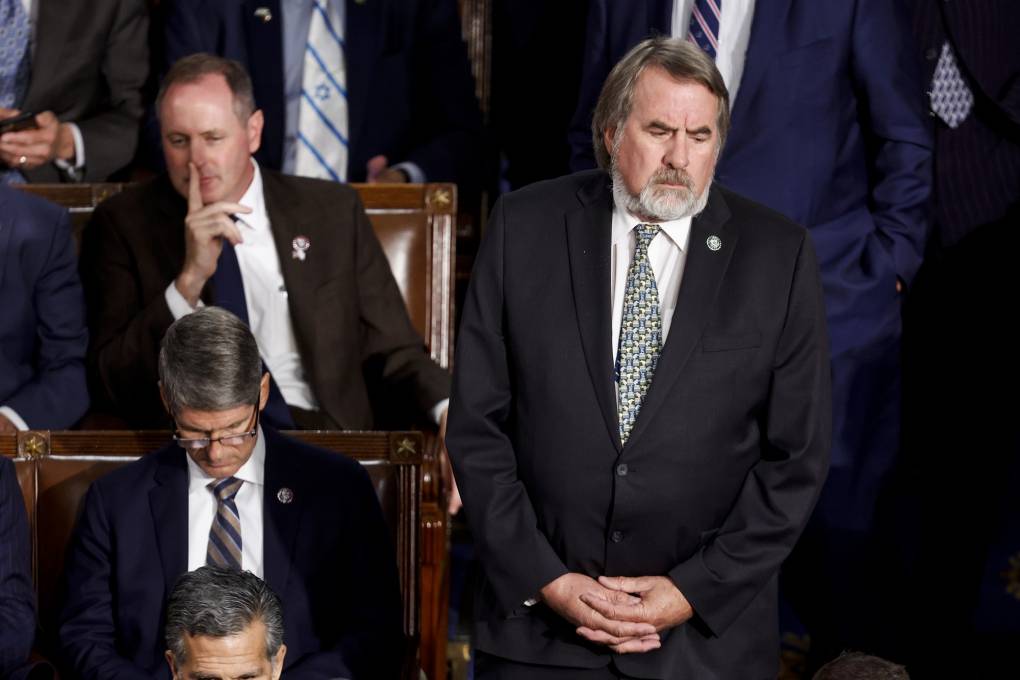
"caption": "U.S. Rep. Doug LaMalfa (R-California) looks on as the House of Representatives meets to elect a new Speaker of the House at the U.S. Capitol Building on Oct. 17, 2023, in Washington, D.C. ",
"credit": "Anna Moneymaker/Getty Images",
"altTag": null,
"description": null,
"imgSizes": {
"medium": {
"file": "https://cdn.kqed.org/wp-content/uploads/sites/10/2024/10/GettyImages-1741319840-resize-800x533.jpg",
"width": 800,
"height": 533,
"mimeType": "image/jpeg"
},
"large": {
"file": "https://cdn.kqed.org/wp-content/uploads/sites/10/2024/10/GettyImages-1741319840-resize-1020x680.jpg",
"width": 1020,
"height": 680,
"mimeType": "image/jpeg"
},
"thumbnail": {
"file": "https://cdn.kqed.org/wp-content/uploads/sites/10/2024/10/GettyImages-1741319840-resize-160x107.jpg",
"width": 160,
"height": 107,
"mimeType": "image/jpeg"
},
"1536x1536": {
"file": "https://cdn.kqed.org/wp-content/uploads/sites/10/2024/10/GettyImages-1741319840-resize-1536x1024.jpg",
"width": 1536,
"height": 1024,
"mimeType": "image/jpeg"
},
"post-thumbnail": {
"file": "https://cdn.kqed.org/wp-content/uploads/sites/10/2024/10/GettyImages-1741319840-resize-672x372.jpg",
"width": 672,
"height": 372,
"mimeType": "image/jpeg"
},
"twentyfourteen-full-width": {
"file": "https://cdn.kqed.org/wp-content/uploads/sites/10/2024/10/GettyImages-1741319840-resize-1038x576.jpg",
"width": 1038,
"height": 576,
"mimeType": "image/jpeg"
},
"full-width": {
"file": "https://cdn.kqed.org/wp-content/uploads/sites/10/2024/10/GettyImages-1741319840-resize-1920x1280.jpg",
"width": 1920,
"height": 1280,
"mimeType": "image/jpeg"
},
"kqedFullSize": {
"file": "https://cdn.kqed.org/wp-content/uploads/sites/10/2024/10/GettyImages-1741319840-resize.jpg",
"width": 2000,
"height": 1333
}
},
"isLoading": false,
"fetchFailed": false
},
"news_12010362": {
"type": "attachments",
"id": "news_12010362",
"meta": {
"index": "attachments_1716263798",
"site": "news",
"id": "12010362",
"found": true
},
"title": "100722_Kaiser-Mental-Health-Strike_MHN_CM_09",
"publishDate": 1729529027,
"status": "inherit",
"parent": 12010346,
"modified": 1729529150,
"caption": "Striking Kaiser Permanente mental health workers stage a die-in at the Kaiser Headquarters in Oakland on Oct. 7, 2022. ",
"credit": "Martin do Nascimento/CalMatters",
"altTag": "Several women wearing red shirts and holding signs that read \"Kaiser Don't Deny.org\" stand outside a building.",
"description": null,
"imgSizes": {
"medium": {
"file": "https://cdn.kqed.org/wp-content/uploads/sites/10/2024/10/100722_Kaiser-Mental-Health-Strike_MHN_CM_09-800x533.jpg",
"width": 800,
"height": 533,
"mimeType": "image/jpeg"
},
"large": {
"file": "https://cdn.kqed.org/wp-content/uploads/sites/10/2024/10/100722_Kaiser-Mental-Health-Strike_MHN_CM_09-1020x680.jpg",
"width": 1020,
"height": 680,
"mimeType": "image/jpeg"
},
"thumbnail": {
"file": "https://cdn.kqed.org/wp-content/uploads/sites/10/2024/10/100722_Kaiser-Mental-Health-Strike_MHN_CM_09-160x107.jpg",
"width": 160,
"height": 107,
"mimeType": "image/jpeg"
},
"1536x1536": {
"file": "https://cdn.kqed.org/wp-content/uploads/sites/10/2024/10/100722_Kaiser-Mental-Health-Strike_MHN_CM_09-1536x1024.jpg",
"width": 1536,
"height": 1024,
"mimeType": "image/jpeg"
},
"post-thumbnail": {
"file": "https://cdn.kqed.org/wp-content/uploads/sites/10/2024/10/100722_Kaiser-Mental-Health-Strike_MHN_CM_09-672x372.jpg",
"width": 672,
"height": 372,
"mimeType": "image/jpeg"
},
"twentyfourteen-full-width": {
"file": "https://cdn.kqed.org/wp-content/uploads/sites/10/2024/10/100722_Kaiser-Mental-Health-Strike_MHN_CM_09-1038x576.jpg",
"width": 1038,
"height": 576,
"mimeType": "image/jpeg"
},
"full-width": {
"file": "https://cdn.kqed.org/wp-content/uploads/sites/10/2024/10/100722_Kaiser-Mental-Health-Strike_MHN_CM_09-1920x1280.jpg",
"width": 1920,
"height": 1280,
"mimeType": "image/jpeg"
},
"kqedFullSize": {
"file": "https://cdn.kqed.org/wp-content/uploads/sites/10/2024/10/100722_Kaiser-Mental-Health-Strike_MHN_CM_09.jpg",
"width": 2000,
"height": 1333
}
},
"isLoading": false,
"fetchFailed": false
},
"news_12009636": {
"type": "attachments",
"id": "news_12009636",
"meta": {
"index": "attachments_1716263798",
"site": "news",
"id": "12009636",
"found": true
},
"title": "091124_FPPC_Event_JK_CM-35",
"publishDate": 1729106492,
"status": "inherit",
"parent": 12009602,
"modified": 1729106658,
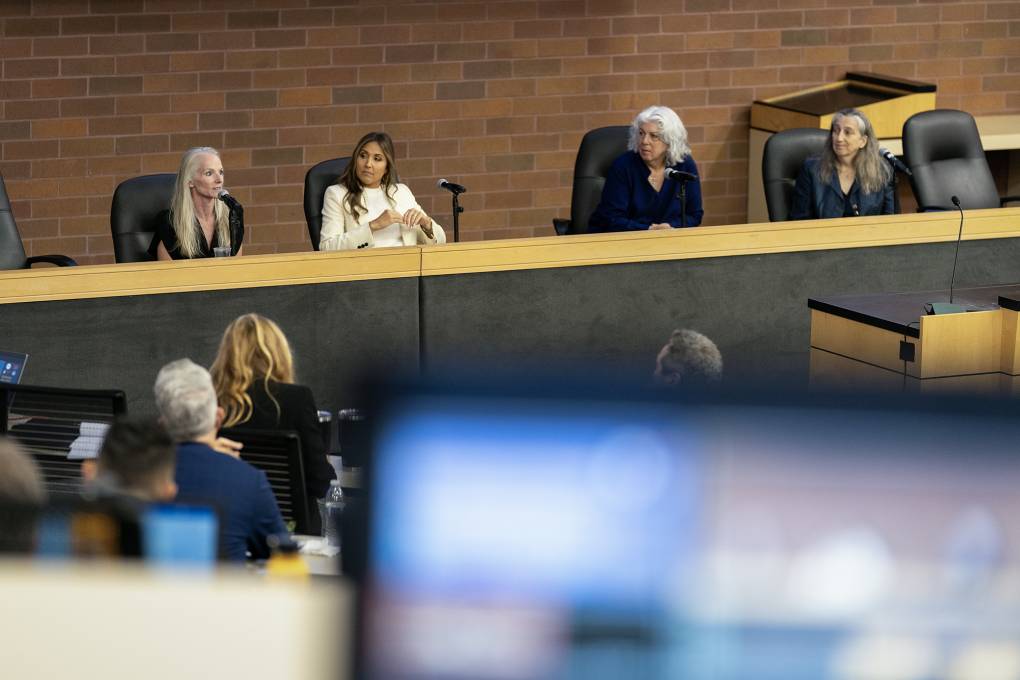
"caption": "Jennie Skelton, partner and co-founder at Politicom Law LLP, far left, talks as Nikki Laurenzo, center, Karen Getman, second from right, and Mary-Beth Moylan, far right, listen during a panel titled “Navigating the Present” at an event marking the 50th anniversary of the Political Reform Act at McGeorge School of Law in Sacramento on Sept. 11, 2024.",
"credit": "Jungho Ki/CalMatters",
"altTag": "An image of several people seated on a panel with a desktop screen in the foreground.",
"description": null,
"imgSizes": {
"medium": {
"file": "https://cdn.kqed.org/wp-content/uploads/sites/10/2024/10/091124_FPPC_Event_JK_CM-35-800x533.jpg",
"width": 800,
"height": 533,
"mimeType": "image/jpeg"
},
"large": {
"file": "https://cdn.kqed.org/wp-content/uploads/sites/10/2024/10/091124_FPPC_Event_JK_CM-35-1020x680.jpg",
"width": 1020,
"height": 680,
"mimeType": "image/jpeg"
},
"thumbnail": {
"file": "https://cdn.kqed.org/wp-content/uploads/sites/10/2024/10/091124_FPPC_Event_JK_CM-35-160x107.jpg",
"width": 160,
"height": 107,
"mimeType": "image/jpeg"
},
"1536x1536": {
"file": "https://cdn.kqed.org/wp-content/uploads/sites/10/2024/10/091124_FPPC_Event_JK_CM-35-1536x1024.jpg",
"width": 1536,
"height": 1024,
"mimeType": "image/jpeg"
},
"post-thumbnail": {
"file": "https://cdn.kqed.org/wp-content/uploads/sites/10/2024/10/091124_FPPC_Event_JK_CM-35-672x372.jpg",
"width": 672,
"height": 372,
"mimeType": "image/jpeg"
},
"twentyfourteen-full-width": {
"file": "https://cdn.kqed.org/wp-content/uploads/sites/10/2024/10/091124_FPPC_Event_JK_CM-35-1038x576.jpg",
"width": 1038,
"height": 576,
"mimeType": "image/jpeg"
},
"full-width": {
"file": "https://cdn.kqed.org/wp-content/uploads/sites/10/2024/10/091124_FPPC_Event_JK_CM-35-1920x1280.jpg",
"width": 1920,
"height": 1280,
"mimeType": "image/jpeg"
},
"kqedFullSize": {
"file": "https://cdn.kqed.org/wp-content/uploads/sites/10/2024/10/091124_FPPC_Event_JK_CM-35.jpg",
"width": 2000,
"height": 1333
}
},
"isLoading": false,
"fetchFailed": false
},
"news_12009433": {
"type": "attachments",
"id": "news_12009433",
"meta": {
"index": "attachments_1716263798",
"site": "news",
"id": "12009433",
"found": true
},
"title": "092223-Native-American-Day-MG-CM-11",
"publishDate": 1728943359,
"status": "inherit",
"parent": 12009426,
"modified": 1728945751,
"caption": "Ms. UCR Powwow Princess 2023–24, Tishmal Herrera, dances at a performance during Native American Celebration Day at the state Capitol in Sacramento on Sept. 22, 2023.",
"credit": "Miguel Gutierrez Jr./CalMatters",
"altTag": "A closeup of three indigenous women standing by each other, with the woman in the middle wearing an elaborately decorated crown.",
"description": null,
"imgSizes": {
"medium": {
"file": "https://cdn.kqed.org/wp-content/uploads/sites/10/2024/10/092223-Native-American-Day-MG-CM-11-800x533.jpg",
"width": 800,
"height": 533,
"mimeType": "image/jpeg"
},
"large": {
"file": "https://cdn.kqed.org/wp-content/uploads/sites/10/2024/10/092223-Native-American-Day-MG-CM-11-1020x680.jpg",
"width": 1020,
"height": 680,
"mimeType": "image/jpeg"
},
"thumbnail": {
"file": "https://cdn.kqed.org/wp-content/uploads/sites/10/2024/10/092223-Native-American-Day-MG-CM-11-160x107.jpg",
"width": 160,
"height": 107,
"mimeType": "image/jpeg"
},
"1536x1536": {
"file": "https://cdn.kqed.org/wp-content/uploads/sites/10/2024/10/092223-Native-American-Day-MG-CM-11-1536x1024.jpg",
"width": 1536,
"height": 1024,
"mimeType": "image/jpeg"
},
"post-thumbnail": {
"file": "https://cdn.kqed.org/wp-content/uploads/sites/10/2024/10/092223-Native-American-Day-MG-CM-11-672x372.jpg",
"width": 672,
"height": 372,
"mimeType": "image/jpeg"
},
"twentyfourteen-full-width": {
"file": "https://cdn.kqed.org/wp-content/uploads/sites/10/2024/10/092223-Native-American-Day-MG-CM-11-1038x576.jpg",
"width": 1038,
"height": 576,
"mimeType": "image/jpeg"
},
"full-width": {
"file": "https://cdn.kqed.org/wp-content/uploads/sites/10/2024/10/092223-Native-American-Day-MG-CM-11-1920x1280.jpg",
"width": 1920,
"height": 1280,
"mimeType": "image/jpeg"
},
"kqedFullSize": {
"file": "https://cdn.kqed.org/wp-content/uploads/sites/10/2024/10/092223-Native-American-Day-MG-CM-11.jpg",
"width": 2000,
"height": 1333
}
},
"isLoading": false,
"fetchFailed": false
},
"news_12009136": {
"type": "attachments",
"id": "news_12009136",
"meta": {
"index": "attachments_1716263798",
"site": "news",
"id": "12009136",
"found": true
},
"title": "121223-SanPasqualDistrict-Winterhaven-KC-CM-6 copy",
"publishDate": 1728674215,
"status": "inherit",
"parent": 12009129,
"modified": 1728674288,
"caption": "Students in 3rd grade participate in an art class at San Pasqual Valley Unified School District at Winterhaven in Imperial County on Dec. 12, 2023. ",
"credit": "Kristian Carreon for CalMatters",
"altTag": null,
"description": null,
"imgSizes": {
"medium": {
"file": "https://cdn.kqed.org/wp-content/uploads/sites/10/2024/10/121223-SanPasqualDistrict-Winterhaven-KC-CM-6-copy-800x533.jpg",
"width": 800,
"height": 533,
"mimeType": "image/jpeg"
},
"large": {
"file": "https://cdn.kqed.org/wp-content/uploads/sites/10/2024/10/121223-SanPasqualDistrict-Winterhaven-KC-CM-6-copy-1020x680.jpg",
"width": 1020,
"height": 680,
"mimeType": "image/jpeg"
},
"thumbnail": {
"file": "https://cdn.kqed.org/wp-content/uploads/sites/10/2024/10/121223-SanPasqualDistrict-Winterhaven-KC-CM-6-copy-160x107.jpg",
"width": 160,
"height": 107,
"mimeType": "image/jpeg"
},
"1536x1536": {
"file": "https://cdn.kqed.org/wp-content/uploads/sites/10/2024/10/121223-SanPasqualDistrict-Winterhaven-KC-CM-6-copy-1536x1024.jpg",
"width": 1536,
"height": 1024,
"mimeType": "image/jpeg"
},
"post-thumbnail": {
"file": "https://cdn.kqed.org/wp-content/uploads/sites/10/2024/10/121223-SanPasqualDistrict-Winterhaven-KC-CM-6-copy-672x372.jpg",
"width": 672,
"height": 372,
"mimeType": "image/jpeg"
},
"twentyfourteen-full-width": {
"file": "https://cdn.kqed.org/wp-content/uploads/sites/10/2024/10/121223-SanPasqualDistrict-Winterhaven-KC-CM-6-copy-1038x576.jpg",
"width": 1038,
"height": 576,
"mimeType": "image/jpeg"
},
"full-width": {
"file": "https://cdn.kqed.org/wp-content/uploads/sites/10/2024/10/121223-SanPasqualDistrict-Winterhaven-KC-CM-6-copy-1920x1280.jpg",
"width": 1920,
"height": 1280,
"mimeType": "image/jpeg"
},
"kqedFullSize": {
"file": "https://cdn.kqed.org/wp-content/uploads/sites/10/2024/10/121223-SanPasqualDistrict-Winterhaven-KC-CM-6-copy.jpg",
"width": 2000,
"height": 1333
}
},
"isLoading": false,
"fetchFailed": false
},
"news_12008726": {
"type": "attachments",
"id": "news_12008726",
"meta": {
"index": "attachments_1716263798",
"site": "news",
"id": "12008726",
"found": true
},
"title": "010622-JP-SINGLE-PAYER-CM-01",
"publishDate": 1728494197,
"status": "inherit",
"parent": 12008703,
"modified": 1728494271,
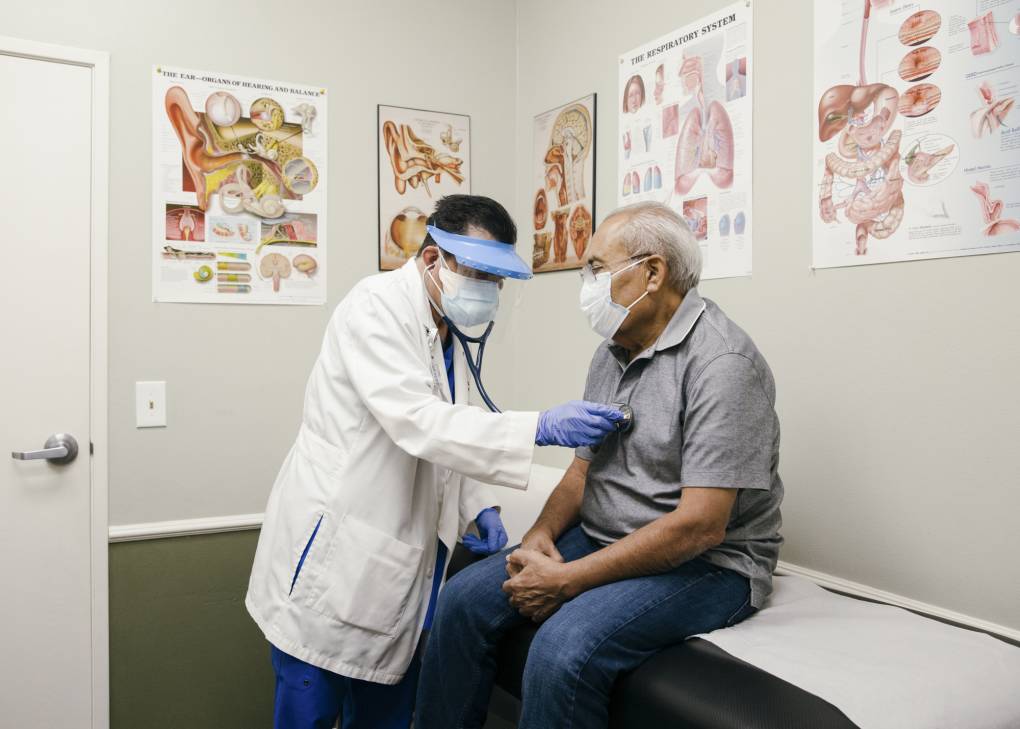
"caption": "Dr. Shura Alexis Moreno sees a patient on Sept. 14, 2021. ",
"credit": "Jessica Pons/CalMatters",
"altTag": "A man wearing a doctor's uniform holds an instrument to another man's chest who is sitting on a table.",
"description": null,
"imgSizes": {
"medium": {
"file": "https://cdn.kqed.org/wp-content/uploads/sites/10/2024/10/010622-JP-SINGLE-PAYER-CM-01-800x572.jpg",
"width": 800,
"height": 572,
"mimeType": "image/jpeg"
},
"large": {
"file": "https://cdn.kqed.org/wp-content/uploads/sites/10/2024/10/010622-JP-SINGLE-PAYER-CM-01-1020x729.jpg",
"width": 1020,
"height": 729,
"mimeType": "image/jpeg"
},
"thumbnail": {
"file": "https://cdn.kqed.org/wp-content/uploads/sites/10/2024/10/010622-JP-SINGLE-PAYER-CM-01-160x114.jpg",
"width": 160,
"height": 114,
"mimeType": "image/jpeg"
},
"1536x1536": {
"file": "https://cdn.kqed.org/wp-content/uploads/sites/10/2024/10/010622-JP-SINGLE-PAYER-CM-01-1536x1097.jpg",
"width": 1536,
"height": 1097,
"mimeType": "image/jpeg"
},
"post-thumbnail": {
"file": "https://cdn.kqed.org/wp-content/uploads/sites/10/2024/10/010622-JP-SINGLE-PAYER-CM-01-672x372.jpg",
"width": 672,
"height": 372,
"mimeType": "image/jpeg"
},
"twentyfourteen-full-width": {
"file": "https://cdn.kqed.org/wp-content/uploads/sites/10/2024/10/010622-JP-SINGLE-PAYER-CM-01-1038x576.jpg",
"width": 1038,
"height": 576,
"mimeType": "image/jpeg"
},
"full-width": {
"file": "https://cdn.kqed.org/wp-content/uploads/sites/10/2024/10/010622-JP-SINGLE-PAYER-CM-01-1920x1372.jpg",
"width": 1920,
"height": 1372,
"mimeType": "image/jpeg"
},
"kqedFullSize": {
"file": "https://cdn.kqed.org/wp-content/uploads/sites/10/2024/10/010622-JP-SINGLE-PAYER-CM-01.jpg",
"width": 2000,
"height": 1429
}
},
"isLoading": false,
"fetchFailed": false
},
"news_12008485": {
"type": "attachments",
"id": "news_12008485",
"meta": {
"index": "attachments_1716263798",
"site": "news",
"id": "12008485",
"found": true
},
"title": "062124-Pier-7-Fishing-LE-CM-15",
"publishDate": 1728412873,
"status": "inherit",
"parent": 12008422,
"modified": 1728418591,
"caption": "A fisherman lands a striped bass out of the bay from Pier 7 in San Francisco on June 21, 2024. The catch was one of numerous striped bass that was kept for consumption from the pier. ",
"credit": "Loren Elliott/CalMatters",
"altTag": "Two men hold a fishing line with a fish attached at the end of the hook with other men around with fishing poles on a pier.",
"description": null,
"imgSizes": {
"medium": {
"file": "https://cdn.kqed.org/wp-content/uploads/sites/10/2024/10/062124-Pier-7-Fishing-LE-CM-15-800x533.jpg",
"width": 800,
"height": 533,
"mimeType": "image/jpeg"
},
"large": {
"file": "https://cdn.kqed.org/wp-content/uploads/sites/10/2024/10/062124-Pier-7-Fishing-LE-CM-15-1020x680.jpg",
"width": 1020,
"height": 680,
"mimeType": "image/jpeg"
},
"thumbnail": {
"file": "https://cdn.kqed.org/wp-content/uploads/sites/10/2024/10/062124-Pier-7-Fishing-LE-CM-15-160x107.jpg",
"width": 160,
"height": 107,
"mimeType": "image/jpeg"
},
"1536x1536": {
"file": "https://cdn.kqed.org/wp-content/uploads/sites/10/2024/10/062124-Pier-7-Fishing-LE-CM-15-1536x1024.jpg",
"width": 1536,
"height": 1024,
"mimeType": "image/jpeg"
},
"post-thumbnail": {
"file": "https://cdn.kqed.org/wp-content/uploads/sites/10/2024/10/062124-Pier-7-Fishing-LE-CM-15-672x372.jpg",
"width": 672,
"height": 372,
"mimeType": "image/jpeg"
},
"twentyfourteen-full-width": {
"file": "https://cdn.kqed.org/wp-content/uploads/sites/10/2024/10/062124-Pier-7-Fishing-LE-CM-15-1038x576.jpg",
"width": 1038,
"height": 576,
"mimeType": "image/jpeg"
},
"full-width": {
"file": "https://cdn.kqed.org/wp-content/uploads/sites/10/2024/10/062124-Pier-7-Fishing-LE-CM-15-1920x1280.jpg",
"width": 1920,
"height": 1280,
"mimeType": "image/jpeg"
},
"kqedFullSize": {
"file": "https://cdn.kqed.org/wp-content/uploads/sites/10/2024/10/062124-Pier-7-Fishing-LE-CM-15.jpg",
"width": 2000,
"height": 1333
}
},
"isLoading": false,
"fetchFailed": false
},
"news_12008249": {
"type": "attachments",
"id": "news_12008249",
"meta": {
"index": "attachments_1716263798",
"site": "news",
"id": "12008249",
"found": true
},
"title": "071724-Geynna-Buffington-ZS-CM-102",
"publishDate": 1728319274,
"status": "inherit",
"parent": 12008246,
"modified": 1728325259,
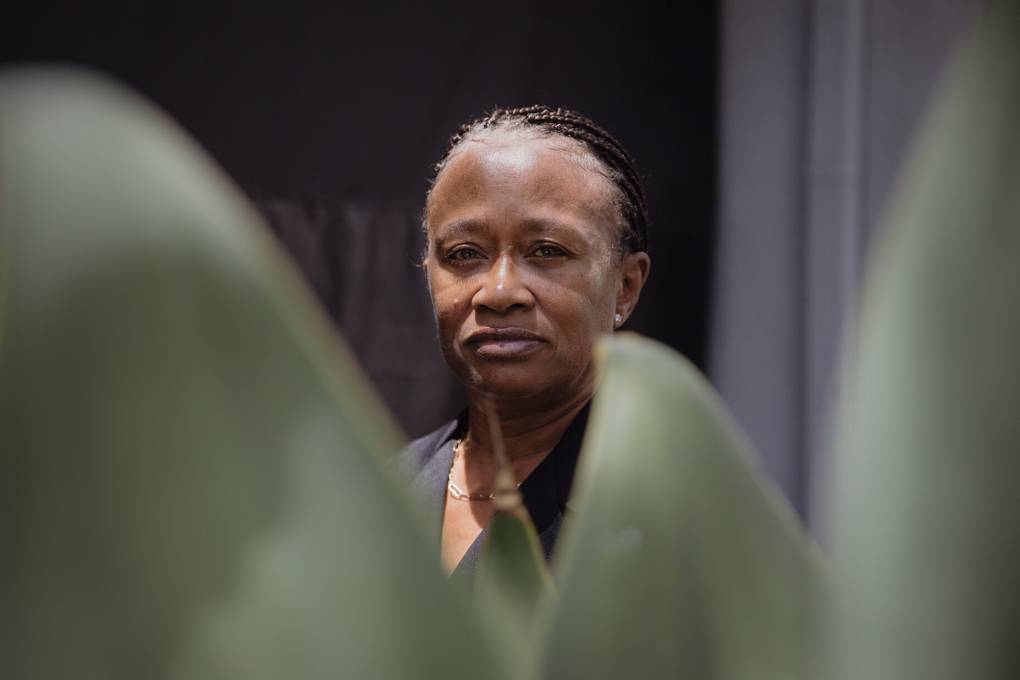
"caption": "Geynna Buffington in Long Beach on July 17, 2024. ",
"credit": "Zaydee Sanchez/KQED",
"altTag": "A closeup of a Black woman with plants in the foreground.",
"description": null,
"imgSizes": {
"medium": {
"file": "https://cdn.kqed.org/wp-content/uploads/sites/10/2024/10/071724-Geynna-Buffington-ZS-CM-102-800x533.jpg",
"width": 800,
"height": 533,
"mimeType": "image/jpeg"
},
"large": {
"file": "https://cdn.kqed.org/wp-content/uploads/sites/10/2024/10/071724-Geynna-Buffington-ZS-CM-102-1020x680.jpg",
"width": 1020,
"height": 680,
"mimeType": "image/jpeg"
},
"thumbnail": {
"file": "https://cdn.kqed.org/wp-content/uploads/sites/10/2024/10/071724-Geynna-Buffington-ZS-CM-102-160x107.jpg",
"width": 160,
"height": 107,
"mimeType": "image/jpeg"
},
"1536x1536": {
"file": "https://cdn.kqed.org/wp-content/uploads/sites/10/2024/10/071724-Geynna-Buffington-ZS-CM-102-1536x1024.jpg",
"width": 1536,
"height": 1024,
"mimeType": "image/jpeg"
},
"post-thumbnail": {
"file": "https://cdn.kqed.org/wp-content/uploads/sites/10/2024/10/071724-Geynna-Buffington-ZS-CM-102-672x372.jpg",
"width": 672,
"height": 372,
"mimeType": "image/jpeg"
},
"twentyfourteen-full-width": {
"file": "https://cdn.kqed.org/wp-content/uploads/sites/10/2024/10/071724-Geynna-Buffington-ZS-CM-102-1038x576.jpg",
"width": 1038,
"height": 576,
"mimeType": "image/jpeg"
},
"full-width": {
"file": "https://cdn.kqed.org/wp-content/uploads/sites/10/2024/10/071724-Geynna-Buffington-ZS-CM-102-1920x1280.jpg",
"width": 1920,
"height": 1280,
"mimeType": "image/jpeg"
},
"kqedFullSize": {
"file": "https://cdn.kqed.org/wp-content/uploads/sites/10/2024/10/071724-Geynna-Buffington-ZS-CM-102.jpg",
"width": 2000,
"height": 1333
}
},
"isLoading": false,
"fetchFailed": false
}
},
"audioPlayerReducer": {
"postId": "stream_live",
"isPaused": true,
"isPlaying": false,
"pfsActive": false,
"pledgeModalIsOpen": true,
"playerDrawerIsOpen": false,
"liveAudioPlayStartedAt": 0,
"liveAudioPlayContext": ""
},
"authorsReducer": {
"byline_news_12012112": {
"type": "authors",
"id": "byline_news_12012112",
"meta": {
"override": true
},
"slug": "byline_news_12012112",
"name": "\u003ca href=\"https://calmatters.org/author/alastair-bland/\">Alastair Bland\u003c/a>",
"isLoading": false
},
"byline_news_12012295": {
"type": "authors",
"id": "byline_news_12012295",
"meta": {
"override": true
},
"slug": "byline_news_12012295",
"name": "\u003ca href=\"https://calmatters.org/author/sergio-olmos/\">Sergio Olmos\u003c/a>",
"isLoading": false
},
"byline_news_12012121": {
"type": "authors",
"id": "byline_news_12012121",
"meta": {
"override": true
},
"slug": "byline_news_12012121",
"name": "\u003ca href=\"https://calmatters.org/author/kristen-hwang/\">Kristen Hwang\u003c/a>",
"isLoading": false
},
"byline_news_12011500": {
"type": "authors",
"id": "byline_news_12011500",
"meta": {
"override": true
},
"slug": "byline_news_12011500",
"name": "Felicia Mello, CalMatters",
"isLoading": false
},
"byline_news_12010914": {
"type": "authors",
"id": "byline_news_12010914",
"meta": {
"override": true
},
"slug": "byline_news_12010914",
"name": "Yue Stella Yu and Jenna Peterson, CalMatters",
"isLoading": false
},
"byline_news_12010346": {
"type": "authors",
"id": "byline_news_12010346",
"meta": {
"override": true
},
"slug": "byline_news_12010346",
"name": "\u003ca href=\"https://calmatters.org/author/joe-garcia\">Joe Garcia, \u003c/a>CalMatters",
"isLoading": false
},
"byline_news_12009602": {
"type": "authors",
"id": "byline_news_12009602",
"meta": {
"override": true
},
"slug": "byline_news_12009602",
"name": "\u003ca href=\"https://calmatters.org/author/yue-yu\">Yue Stella Yu\u003c/a> and \u003ca href=\"https://calmatters.org/author/jeremia-kimelman\">Jeremia Kimelman, \u003c/a>CalMatters",
"isLoading": false
},
"byline_news_12009426": {
"type": "authors",
"id": "byline_news_12009426",
"meta": {
"override": true
},
"slug": "byline_news_12009426",
"name": "\u003ca href=\"https://calmatters.org/author/carolyn-jones\">Carolyn Jones, \u003c/a>CalMatters",
"isLoading": false
},
"byline_news_12009129": {
"type": "authors",
"id": "byline_news_12009129",
"meta": {
"override": true
},
"slug": "byline_news_12009129",
"name": "\u003ca href=\"https://calmatters.org/author/carolyn-jones/\">Carolyn Jones\u003c/a>, CalMatters",
"isLoading": false
},
"byline_news_12008703": {
"type": "authors",
"id": "byline_news_12008703",
"meta": {
"override": true
},
"slug": "byline_news_12008703",
"name": "\u003ca href=\"https://calmatters.org/author/kristen-hwang\">Kristen Hwang, \u003c/a>CalMatters",
"isLoading": false
},
"byline_news_12008422": {
"type": "authors",
"id": "byline_news_12008422",
"meta": {
"override": true
},
"slug": "byline_news_12008422",
"name": "\u003ca href=\"https://calmatters.org/author/rachel-becker\">Rachel Becker, \u003c/a>CalMatters",
"isLoading": false
},
"byline_news_12008246": {
"type": "authors",
"id": "byline_news_12008246",
"meta": {
"override": true
},
"slug": "byline_news_12008246",
"name": "\u003ca href=\"https://calmatters.org/author/cayla-mihalovich\">Cayla Mihalovich,\u003c/a> CalMatters",
"isLoading": false
}
},
"pagesReducer": {
"news_affiliate_calmatters": {
"type": "terms",
"id": "news_18481",
"meta": {
"index": "terms_1716263798",
"site": "news",
"id": "18481",
"score": 15.355904
},
"featImg": null,
"name": "CALmatters",
"description": null,
"taxonomy": "affiliate",
"headData": {
"twImgId": null,
"twTitle": null,
"ogTitle": null,
"ogImgId": null,
"twDescription": null,
"description": null,
"title": "CALmatters Archives | KQED Arts",
"ogDescription": null
},
"ttid": 18515,
"slug": "calmatters",
"isLoading": false,
"title": "CALmatters",
"pageMeta": {
"site": "news",
"WpPageTemplate": "page-topic-editorial",
"currentPage": 23
},
"blocks": [
{
"blockName": "kqed/post-list",
"attrs": {
"layout": "cardArticle2",
"query": "posts/news?affiliate=calmatters",
"seeMore": false,
"paginated": true,
"page": 23
}
},
{
"blockName": "kqed/ad"
}
]
}
},
"pfsSessionReducer": {},
"postsReducer": {
"stream_live": {
"type": "live",
"id": "stream_live",
"audioUrl": "https://streams.kqed.org/kqedradio",
"title": "Live Stream",
"excerpt": "Live Stream information currently unavailable.",
"link": "/radio",
"featImg": "",
"label": {
"name": "KQED Live",
"link": "/"
}
},
"stream_kqedNewscast": {
"type": "posts",
"id": "stream_kqedNewscast",
"audioUrl": "https://www.kqed.org/.stream/anon/radio/RDnews/newscast.mp3?_=1",
"title": "KQED Newscast",
"featImg": "",
"label": {
"name": "88.5 FM",
"link": "/"
}
},
"news_12012112": {
"type": "posts",
"id": "news_12012112",
"meta": {
"index": "posts_1716263798",
"site": "news",
"id": "12012112",
"score": null,
"sort": [
1730671216000
]
},
"guestAuthors": [],
"slug": "immediate-threat-mussel-invades-californias-delta-first-time-in-north-america",
"title": "'Immediate Threat': Mussel Invades California's Delta, First Time in North America",
"publishDate": 1730671216,
"format": "standard",
"headTitle": "‘Immediate Threat’: Mussel Invades California’s Delta, First Time in North America | KQED",
"labelTerm": {
"term": 18481,
"site": "news"
},
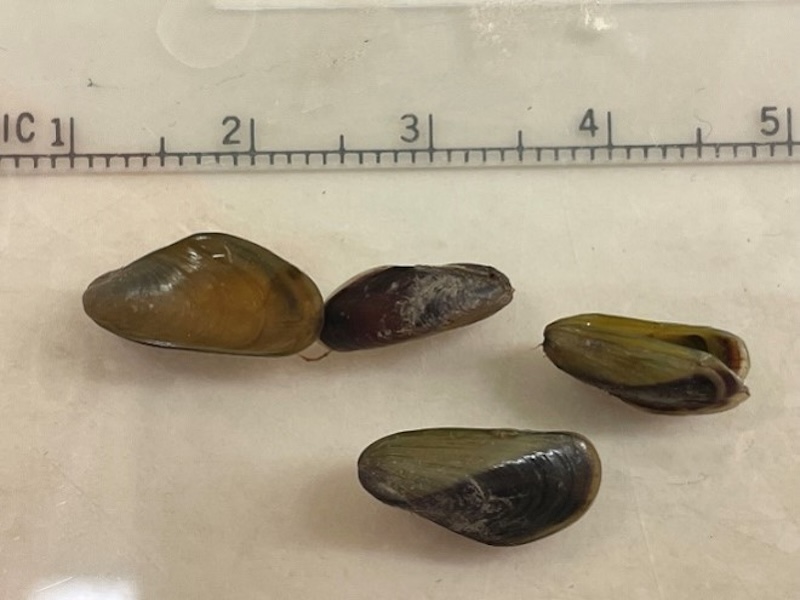
"content": "\u003cp>From the glittery bling of its name, the golden mussel sounds like it could be California’s state bivalve.\u003c/p>\n\u003cp>Unfortunately, the creature’s only connection to the Golden State is the fact that it is California’s most recently identified invasive species — and it’s a bad one, with the capacity to clog major water supply pipes.\u003c/p>\n\u003cp>On Oct. 17, the tiny freshwater mollusks, which have already laid siege to waterways of southern South America, were found at Rough and Ready Island, near Stockton. Since then, state officials said, it has been in at least one other location, O’Neill Forebay, in Merced County.\u003c/p>\n\u003cp>[ad fullwidth]\u003c/p>\n\u003cp>Its appearance in the Sacramento-San Joaquin Delta is the mussel’s first confirmed detection in North America, according to a news release from the California Department of Fish and Wildlife.\u003c/p>\n\u003cp>It’s also very possibly just the beginning of a long battle ahead to slow its spread. The top concerns at the moment include potential impacts to the environment and to the Delta pumping stations that send water to 30 million people and millions of acres of farmland.\u003c/p>\n\u003cp>Unless it is contained and eliminated immediately, said UC Davis biologist Peter Moyle, there might be no getting rid of it.\u003c/p>\n\u003cp>“If we’re lucky, and we stage a real eradication effort in the area where it’s presently found, it might not be too costly and would be worth it,” he said.\u003c/p>\n\u003cp>But if such efforts fail, it could become a major problem for native species that the mussels outcompete for food.\u003c/p>\n\u003cp>https://www.youtube.com/watch?v=4vWtkzwFnS0\u003c/p>\n\u003cp>The Department of Fish and Wildlife is already considering these worst-case outcomes.\u003c/p>\n\u003cp>“The species poses a significant immediate threat to the ecological health of the Delta and all waters of the state, water conveyance systems, infrastructure and water quality,” staff officials wrote.\u003c/p>\n\u003cp>The Department of Water Resources is already conducting vessel inspections in the hopes of preventing spread of the mussels. In the San Luis State Recreation Area, officials have been inspecting watercraft exiting O’Neill Forebay, San Luis Reservoir, and Los Banos Creek Reservoir, said Tanya Veldhuizen, the department’s special projects section manager. The inspections are to “ensure all water is drained from live wells and bilges to prevent spread of invasive species to other water bodies.”\u003c/p>\n\u003cp>The department, she said, is also taking heightened measures to protect the State Water Project — the system of pumps, pipes, and canals that exports water south from the Delta. This enhanced vigilance to mitigate “mussel biofouling,” she said, requires more frequent inspections, as well as cleaning and flushing. The mussels, she said, are likely to build up in screens, strainers, and trash racks.\u003c/p>\n\u003cp>https://www.youtube.com/watch?v=m7p_w4zE3s4\u003c/p>\n\u003cp>A native of China and Southeast Asia, \u003ca href=\"https://www.science.org/content/article/golden-mussels-devastating-south-american-rivers-amazon-may-be-next\">the golden mussel\u003c/a> — taxonomically \u003cem>Limnoperna fortunei \u003c/em>— fixes itself to underwater surfaces, forming thick “reefs” built of millions of the animals. They feed by filtering nutrients and plankton from the water and, by this passive action, can have devastating impacts. Essentially, they filter the nutrition out of the native food web. In Argentina and southern Brazil, where golden mussels appeared in the 1990s, they have pushed out other species and smothered river beaches and native vegetation. Scientists have watched them spread north as rapidly as 150 miles per year, and they fear the invaders will find their way into the world’s largest river system and the hottest hotspot of biodiversity on Earth, the Amazon basin.\u003c/p>\n\u003cp>They’ve also wreaked mayhem with underwater infrastructure, from hydroelectric plants to water supply systems. The mussels, for example, reportedly clogged the intake pipes of an urban water supply system in Brazil’s Lake Guaíba.\u003c/p>\n\u003cp>No one can be certain how the mussels got to California, but sources suspect they arrived the same way they are believed to have traveled to South America — in the bowels of commercial ships, where ballast water used to stabilize vessels at sea is often drained in the port of arrival.\u003c/p>\n\u003cp>Not everyone is particularly surprised, either. Moyle, for one, said he’s been expecting the golden mussel to arrive in the state for years. The California Delta, he noted, has been described as one of the most invaded estuaries in the world. It has been colonized by \u003ca href=\"https://deltaconservancy.ca.gov/about-the-diisc/\">at least 185\u003c/a> foreign species, from Himalayan blackberries and fig trees to black bass, striped bass, and water hyacinth. According to one estimate, invasive species account for an astounding \u003ca href=\"https://www.watereducation.org/western-water/its-not-just-nutria-sacramento-san-joaquin-delta-has-185-invasive-species-tracking#:~:text=Estimates%20are%20that%20at%20least%20185%20invasive%20plants,least%2095%20percent%20of%20the%20region%E2%80%99s%20total%20biomass.\">95% or more of the estuary’s total biomass\u003c/a>. The nutria — a large water-loving rodent from South America — has spread through the estuary in recent years amid concerns that it could, among other things, damage levees with its burrows.[aside label=\"Related Stories\" postID=\"news_11786254,news_12008422,news_11918450\"]There are even some Asian bivalves already living in the Bay and Delta. The \u003ca href=\"https://www.pbssocal.org/redefine/the-tiny-clams-that-ate-the-bay-delta#:~:text=The%20Amur%20River%20clam%20%28Corbula%20amurensis%29%20and%20Asian,the%20Bay%20Delta%27s%20aquatic%20ecosystem%20at%20its%20base\">Eurasian overbite clam\u003c/a>, for one, spread through the waterway \u003ca href=\"https://californiawaterblog.com/2022/05/29/the-failed-recovery-plan-for-the-delta-and-delta-smelt/\">in the 1980s\u003c/a>. Biologists say the species has likely played a role in the downfall of native fishes by absorbing the tiny food particles that they depend on. The failed recovery of the Delta smelt, for example, has been linked to the spread of these clams.\u003c/p>\n\u003cp>Now, scientists fear the golden mussel could add to these pressures.\u003c/p>\n\u003cp>But not necessarily. Moyle said the Delta is so heavily impacted already, and its food resources already claimed, by other species — notably the filter-feeding clams — that there may be no room for the golden mussel to move in.\u003c/p>\n\u003cp>“The invasive clams take up a lot of niche space,” he said.\u003c/p>\n\u003cp>On the other hand, Moyle said, “it could be a super-invader” — an invasive species so adaptable and persistent that it replaces other invaders that came before it. The Delta’s average range of water temperatures and salinity, he said, are just right for the golden mussel.\u003c/p>\n\u003cp>But in such an \u003ca href=\"https://calmatters.org/environment/2021/04/california-battle-invasive-species/\">ecologically ransacked\u003c/a> place as the Delta, not everyone is concerned about another bump in the road. Brett Baker, a water attorney with the Central Delta Water Agency and a sixth-generation resident on Sutter Island — and a former biology student of Moyle — isn’t fazed by the golden mussel’s appearance.\u003c/p>\n\u003cp>“I’ve heard alarms all my life about quagga mussels, zebra mussels, mitten crabs, and nutria,” he said. “I just don’t think there’s enough slack in the system, or enough niche space, particularly for a species that isn’t evolved to live here. … I’m pretty sure we won’t be talking about the golden mussel in 20 years, but I could be wrong.”\u003c/p>\n\u003cp>[ad floatright]\u003c/p>\n",
"blocks": [],
"excerpt": "The golden mussel’s appearance in the Sacramento-San Joaquin Delta is its first confirmed detection in North America — and it has the potential to clog major water supply pumps.",
"status": "publish",
"parent": 0,
"modified": 1730749479,
"stats": {
"hasAudio": false,
"hasVideo": true,
"hasChartOrMap": false,
"iframeSrcs": [],
"hasGoogleForm": false,
"hasGallery": false,
"hasHearkenModule": false,
"hasPolis": false,
"paragraphCount": 24,
"wordCount": 1156
},
"headData": {
"title": "'Immediate Threat': Mussel Invades California's Delta, First Time in North America | KQED",
"description": "The golden mussel’s appearance in the Sacramento-San Joaquin Delta is its first confirmed detection in North America — and it has the potential to clog major water supply pumps.",
"ogTitle": "",
"ogDescription": "",
"ogImgId": "",
"twTitle": "",
"twDescription": "",
"twImgId": "",
"schema": {
"@context": "https://schema.org",
"@type": "NewsArticle",
"headline": "'Immediate Threat': Mussel Invades California's Delta, First Time in North America",
"datePublished": "2024-11-03T14:00:16-08:00",
"dateModified": "2024-11-04T11:44:39-08:00",
"image": "https://cdn.kqed.org/wp-content/uploads/2020/02/KQED-OG-Image@1x.png",
"isAccessibleForFree": "True",
"publisher": {
"@type": "NewsMediaOrganization",
"@id": "https://www.kqed.org/#organization",
"name": "KQED",
"logo": "https://cdn.kqed.org/wp-content/uploads/2020/02/KQED-OG-Image@1x.png",
"url": "https://www.kqed.org",
"sameAs": [
"https://www.facebook.com/KQED",
"https://twitter.com/KQED",
"https://www.instagram.com/kqed/",
"https://www.tiktok.com/@kqedofficial",
"https://www.linkedin.com/company/kqed",
"https://www.youtube.com/channel/UCeC0IOo7i1P_61zVUWbJ4nw"
]
}
}
},
"sticky": false,
"nprByline": "\u003ca href=\"https://calmatters.org/author/alastair-bland/\">Alastair Bland\u003c/a>",
"nprStoryId": "kqed-12012112",
"excludeFromSiteSearch": "Include",
"showOnAuthorArchivePages": "No",
"articleAge": "0",
"path": "/news/12012112/immediate-threat-mussel-invades-californias-delta-first-time-in-north-america",
"audioTrackLength": null,
"parsedContent": [
{
"type": "contentString",
"content": "\u003cdiv class=\"post-body\">\u003cp>\u003cp>From the glittery bling of its name, the golden mussel sounds like it could be California’s state bivalve.\u003c/p>\n\u003cp>Unfortunately, the creature’s only connection to the Golden State is the fact that it is California’s most recently identified invasive species — and it’s a bad one, with the capacity to clog major water supply pipes.\u003c/p>\n\u003cp>On Oct. 17, the tiny freshwater mollusks, which have already laid siege to waterways of southern South America, were found at Rough and Ready Island, near Stockton. Since then, state officials said, it has been in at least one other location, O’Neill Forebay, in Merced County.\u003c/p>\n\u003cp>\u003c/p>\u003c/div>",
"attributes": {
"named": {},
"numeric": []
}
},
{
"type": "component",
"content": "",
"name": "ad",
"attributes": {
"named": {
"label": "fullwidth"
},
"numeric": [
"fullwidth"
]
}
},
{
"type": "contentString",
"content": "\u003cdiv class=\"post-body\">\u003cp>\u003c/p>\n\u003cp>Its appearance in the Sacramento-San Joaquin Delta is the mussel’s first confirmed detection in North America, according to a news release from the California Department of Fish and Wildlife.\u003c/p>\n\u003cp>It’s also very possibly just the beginning of a long battle ahead to slow its spread. The top concerns at the moment include potential impacts to the environment and to the Delta pumping stations that send water to 30 million people and millions of acres of farmland.\u003c/p>\n\u003cp>Unless it is contained and eliminated immediately, said UC Davis biologist Peter Moyle, there might be no getting rid of it.\u003c/p>\n\u003cp>“If we’re lucky, and we stage a real eradication effort in the area where it’s presently found, it might not be too costly and would be worth it,” he said.\u003c/p>\n\u003cp>But if such efforts fail, it could become a major problem for native species that the mussels outcompete for food.\u003c/p>\u003c/p>\u003cp>\u003cspan class='utils-parseShortcode-shortcodes-__youtubeShortcode__embedYoutube'>\n \u003cspan class='utils-parseShortcode-shortcodes-__youtubeShortcode__embedYoutubeInside'>\n \u003ciframe\n loading='lazy'\n class='utils-parseShortcode-shortcodes-__youtubeShortcode__youtubePlayer'\n type='text/html'\n src='//www.youtube.com/embed/4vWtkzwFnS0'\n title='//www.youtube.com/embed/4vWtkzwFnS0'\n allowfullscreen='true'\n style='border:0;'>\u003c/iframe>\n \u003c/span>\n \u003c/span>\u003c/p>\u003cp>\u003cp>The Department of Fish and Wildlife is already considering these worst-case outcomes.\u003c/p>\n\u003cp>“The species poses a significant immediate threat to the ecological health of the Delta and all waters of the state, water conveyance systems, infrastructure and water quality,” staff officials wrote.\u003c/p>\n\u003cp>The Department of Water Resources is already conducting vessel inspections in the hopes of preventing spread of the mussels. In the San Luis State Recreation Area, officials have been inspecting watercraft exiting O’Neill Forebay, San Luis Reservoir, and Los Banos Creek Reservoir, said Tanya Veldhuizen, the department’s special projects section manager. The inspections are to “ensure all water is drained from live wells and bilges to prevent spread of invasive species to other water bodies.”\u003c/p>\n\u003cp>The department, she said, is also taking heightened measures to protect the State Water Project — the system of pumps, pipes, and canals that exports water south from the Delta. This enhanced vigilance to mitigate “mussel biofouling,” she said, requires more frequent inspections, as well as cleaning and flushing. The mussels, she said, are likely to build up in screens, strainers, and trash racks.\u003c/p>\u003c/p>\u003cp>\u003cspan class='utils-parseShortcode-shortcodes-__youtubeShortcode__embedYoutube'>\n \u003cspan class='utils-parseShortcode-shortcodes-__youtubeShortcode__embedYoutubeInside'>\n \u003ciframe\n loading='lazy'\n class='utils-parseShortcode-shortcodes-__youtubeShortcode__youtubePlayer'\n type='text/html'\n src='//www.youtube.com/embed/m7p_w4zE3s4'\n title='//www.youtube.com/embed/m7p_w4zE3s4'\n allowfullscreen='true'\n style='border:0;'>\u003c/iframe>\n \u003c/span>\n \u003c/span>\u003c/p>\u003cp>\u003cp>A native of China and Southeast Asia, \u003ca href=\"https://www.science.org/content/article/golden-mussels-devastating-south-american-rivers-amazon-may-be-next\">the golden mussel\u003c/a> — taxonomically \u003cem>Limnoperna fortunei \u003c/em>— fixes itself to underwater surfaces, forming thick “reefs” built of millions of the animals. They feed by filtering nutrients and plankton from the water and, by this passive action, can have devastating impacts. Essentially, they filter the nutrition out of the native food web. In Argentina and southern Brazil, where golden mussels appeared in the 1990s, they have pushed out other species and smothered river beaches and native vegetation. Scientists have watched them spread north as rapidly as 150 miles per year, and they fear the invaders will find their way into the world’s largest river system and the hottest hotspot of biodiversity on Earth, the Amazon basin.\u003c/p>\n\u003cp>They’ve also wreaked mayhem with underwater infrastructure, from hydroelectric plants to water supply systems. The mussels, for example, reportedly clogged the intake pipes of an urban water supply system in Brazil’s Lake Guaíba.\u003c/p>\n\u003cp>No one can be certain how the mussels got to California, but sources suspect they arrived the same way they are believed to have traveled to South America — in the bowels of commercial ships, where ballast water used to stabilize vessels at sea is often drained in the port of arrival.\u003c/p>\n\u003cp>Not everyone is particularly surprised, either. Moyle, for one, said he’s been expecting the golden mussel to arrive in the state for years. The California Delta, he noted, has been described as one of the most invaded estuaries in the world. It has been colonized by \u003ca href=\"https://deltaconservancy.ca.gov/about-the-diisc/\">at least 185\u003c/a> foreign species, from Himalayan blackberries and fig trees to black bass, striped bass, and water hyacinth. According to one estimate, invasive species account for an astounding \u003ca href=\"https://www.watereducation.org/western-water/its-not-just-nutria-sacramento-san-joaquin-delta-has-185-invasive-species-tracking#:~:text=Estimates%20are%20that%20at%20least%20185%20invasive%20plants,least%2095%20percent%20of%20the%20region%E2%80%99s%20total%20biomass.\">95% or more of the estuary’s total biomass\u003c/a>. The nutria — a large water-loving rodent from South America — has spread through the estuary in recent years amid concerns that it could, among other things, damage levees with its burrows.\u003c/p>\u003c/div>",
"attributes": {
"named": {},
"numeric": []
}
},
{
"type": "component",
"content": "",
"name": "aside",
"attributes": {
"named": {
"label": "Related Stories ",
"postid": "news_11786254,news_12008422,news_11918450"
},
"numeric": []
}
},
{
"type": "contentString",
"content": "\u003cdiv class=\"post-body\">\u003cp>There are even some Asian bivalves already living in the Bay and Delta. The \u003ca href=\"https://www.pbssocal.org/redefine/the-tiny-clams-that-ate-the-bay-delta#:~:text=The%20Amur%20River%20clam%20%28Corbula%20amurensis%29%20and%20Asian,the%20Bay%20Delta%27s%20aquatic%20ecosystem%20at%20its%20base\">Eurasian overbite clam\u003c/a>, for one, spread through the waterway \u003ca href=\"https://californiawaterblog.com/2022/05/29/the-failed-recovery-plan-for-the-delta-and-delta-smelt/\">in the 1980s\u003c/a>. Biologists say the species has likely played a role in the downfall of native fishes by absorbing the tiny food particles that they depend on. The failed recovery of the Delta smelt, for example, has been linked to the spread of these clams.\u003c/p>\n\u003cp>Now, scientists fear the golden mussel could add to these pressures.\u003c/p>\n\u003cp>But not necessarily. Moyle said the Delta is so heavily impacted already, and its food resources already claimed, by other species — notably the filter-feeding clams — that there may be no room for the golden mussel to move in.\u003c/p>\n\u003cp>“The invasive clams take up a lot of niche space,” he said.\u003c/p>\n\u003cp>On the other hand, Moyle said, “it could be a super-invader” — an invasive species so adaptable and persistent that it replaces other invaders that came before it. The Delta’s average range of water temperatures and salinity, he said, are just right for the golden mussel.\u003c/p>\n\u003cp>But in such an \u003ca href=\"https://calmatters.org/environment/2021/04/california-battle-invasive-species/\">ecologically ransacked\u003c/a> place as the Delta, not everyone is concerned about another bump in the road. Brett Baker, a water attorney with the Central Delta Water Agency and a sixth-generation resident on Sutter Island — and a former biology student of Moyle — isn’t fazed by the golden mussel’s appearance.\u003c/p>\n\u003cp>“I’ve heard alarms all my life about quagga mussels, zebra mussels, mitten crabs, and nutria,” he said. “I just don’t think there’s enough slack in the system, or enough niche space, particularly for a species that isn’t evolved to live here. … I’m pretty sure we won’t be talking about the golden mussel in 20 years, but I could be wrong.”\u003c/p>\n\u003cp>\u003c/p>\u003c/div>",
"attributes": {
"named": {},
"numeric": []
}
},
{
"type": "component",
"content": "",
"name": "ad",
"attributes": {
"named": {
"label": "floatright"
},
"numeric": [
"floatright"
]
}
},
{
"type": "contentString",
"content": "\u003cdiv class=\"post-body\">\u003cp>\u003c/p>\n\u003c/div>\u003c/p>",
"attributes": {
"named": {},
"numeric": []
}
}
],
"link": "/news/12012112/immediate-threat-mussel-invades-californias-delta-first-time-in-north-america",
"authors": [
"byline_news_12012112"
],
"categories": [
"news_31795",
"news_34165",
"news_19906",
"news_8",
"news_356"
],
"tags": [
"news_34076",
"news_6179",
"news_20767",
"news_22531",
"news_2513",
"news_1421"
],
"affiliates": [
"news_18481"
],
"featImg": "news_12012284",
"label": "news_18481"
},
"news_12012295": {
"type": "posts",
"id": "news_12012295",
"meta": {
"index": "posts_1716263798",
"site": "news",
"id": "12012295",
"score": null,
"sort": [
1730563207000
]
},
"guestAuthors": [],
"slug": "election-workers-quit-in-shasta-as-self-appointed-observers-roam-office",
"title": "Election Workers Quit in Shasta as Self-Appointed Observers Roam Office",
"publishDate": 1730563207,
"format": "standard",
"headTitle": "Election Workers Quit in Shasta as Self-Appointed Observers Roam Office | KQED",
"labelTerm": {
"term": 18481,
"site": "news"
},
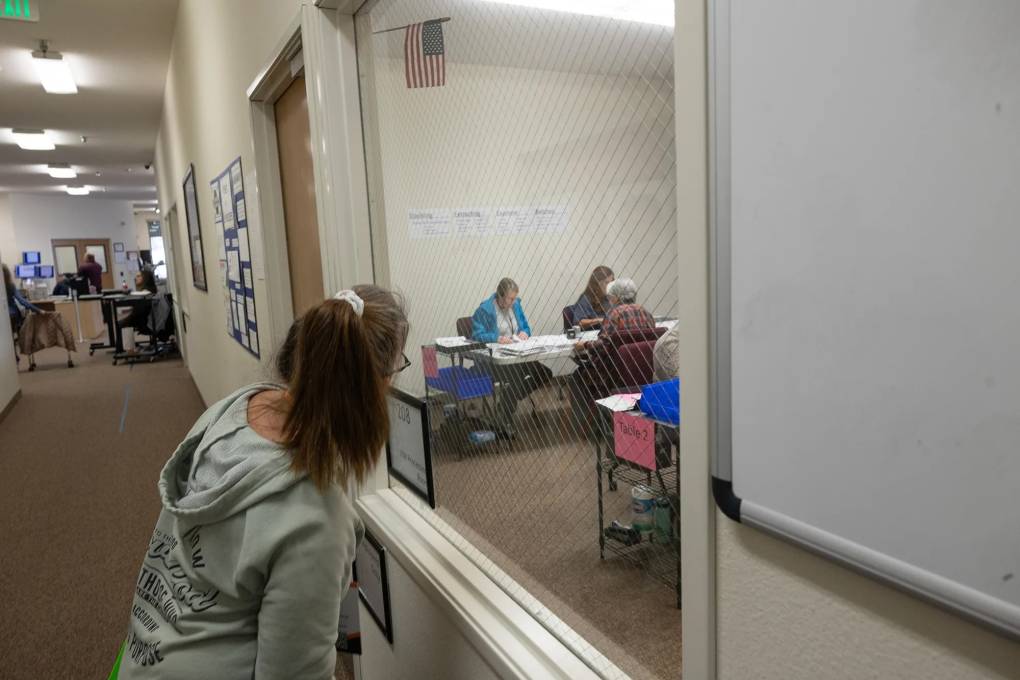
"content": "\u003cp>On Wednesday, as the workers of the Shasta County Registrar of Voters office busily sifted through the ballots that have already been cast, they had company.\u003c/p>\n\u003cp>A group of nine people, holding clipboards and taking notes, stood in a hallway peering through wired glass as workers took ballots out of envelopes. Across the hallway another group of observers hovered over computer screens, watching a live video feed of workers in a room verifying signatures. These self-appointed election observers spent their day looking for proof of tomfoolery.\u003c/p>\n\u003cp>One woman wasn’t satisfied with watching the election administration through the buttressed window. She wanted to be in the room while they sifted through ballots.[aside postID=news_12011743 hero='https://cdn.kqed.org/wp-content/uploads/sites/10/2024/10/241004-SHASTACOUNTYELECTIONS-78-BL-KQED.jpg']“It isn’t transparent,” said a woman named Elizabeth who wouldn’t give her last name. “To be transparent we have to be able to hear them.”\u003c/p>\n\u003cp>So far, while these observers don’t appear to have unearthed any evidence of fraud, they are having an impact. The assistant clerk put up a rope to stop the observers from following workers into their breakroom to ask questions. They’ve also had to put locks on the offices, after observers tried to open doors and see what was happening inside each office. This comes as election officials across the nation \u003ca href=\"https://fractured.news21.com/america-confronts-voting-intimidation-political-violence-election-2024/\">received death threats\u003c/a> following the 2020 and 2022 elections, fomented by former President Donald Trump’s false claims that the election was stolen.\u003c/p>\n\u003cp>Workers in Shasta are quitting. Tanner Johnson signed up to be an account clerk because he wanted to help protect democracy. “I felt called to do this job,” he said. But, after a little more than a year in the registrar’s office, he quit on Wednesday.\u003c/p>\n\u003cfigure id=\"attachment_12012300\" class=\"wp-caption aligncenter\" style=\"max-width: 2500px\">\u003cimg loading=\"lazy\" decoding=\"async\" class=\"size-full wp-image-12012300\" src=\"https://cdn.kqed.org/wp-content/uploads/sites/10/2024/11/Copy-of-KQED-side-by-side-downpage-image-1.jpg\" alt=\"\" width=\"2500\" height=\"833\" srcset=\"https://cdn.kqed.org/wp-content/uploads/sites/10/2024/11/Copy-of-KQED-side-by-side-downpage-image-1.jpg 2500w, https://cdn.kqed.org/wp-content/uploads/sites/10/2024/11/Copy-of-KQED-side-by-side-downpage-image-1-800x267.jpg 800w, https://cdn.kqed.org/wp-content/uploads/sites/10/2024/11/Copy-of-KQED-side-by-side-downpage-image-1-1020x340.jpg 1020w, https://cdn.kqed.org/wp-content/uploads/sites/10/2024/11/Copy-of-KQED-side-by-side-downpage-image-1-160x53.jpg 160w, https://cdn.kqed.org/wp-content/uploads/sites/10/2024/11/Copy-of-KQED-side-by-side-downpage-image-1-1536x512.jpg 1536w, https://cdn.kqed.org/wp-content/uploads/sites/10/2024/11/Copy-of-KQED-side-by-side-downpage-image-1-2048x682.jpg 2048w, https://cdn.kqed.org/wp-content/uploads/sites/10/2024/11/Copy-of-KQED-side-by-side-downpage-image-1-1920x640.jpg 1920w\" sizes=\"(max-width: 2500px) 100vw, 2500px\">\u003cfigcaption class=\"wp-caption-text\">Left: Election observers discuss with each other as they watch workers process ballots at the Shasta County Clerk Registrar of Voters office in Redding on Oct. 30, 2024. Right: Election observers look over signatures at the Shasta County Clerk Registrar of Voters office in Redding on Oct. 30, 2024. \u003ccite>(Miguel Gutierrez Jr./CalMatters)\u003c/cite>\u003c/figcaption>\u003c/figure>\n\u003cp>Voters are legally allowed to enter the office and observe the election process. Johnson said a lot of them, however, are on edge and “very angry.”\u003c/p>\n\u003cp>“They want to catch us in a lie, so they’ll try to trick you into saying something,” he said. “A lot of times they’ll be secretly videotaping you or recording you.”\u003c/p>\n\u003cp>Ten of the registrar’s 21 employees have left, he said. Many of the people who remain are working their first election. “A lot of people have left just because it’s not worth it,” he said. “I make $19.64 an hour. I’m not going to be a martyr for $19.60 an hour.”\u003c/p>\n\u003cp>While the most high-profile election conspiracies emanate from swing states like Michigan and Georgia, the battle over democracy continues to rage across California. Most California Republicans in Congress \u003ca href=\"https://calmatters.org/politics/elections/2024/10/presidential-election-california-republicans-certify/\">won’t commit to certifying the results\u003c/a> of the presidential election. And in Shasta County, the epicenter of the state’s election denial movement since 2020, a fight over what was once a mundane bureaucracy — the registrar of voters office — \u003ca href=\"https://calmatters.org/politics/2024/06/shasta-county-election-administration/\">threatens to tear the community apart\u003c/a>.\u003c/p>\n\u003cp>With tensions mounting, the longtime registrar of voters, \u003ca href=\"https://www.kqed.org/news/12011743/a-far-right-california-county-appointed-him-registrar-now-his-election-views-have-changed\">Cathy Darling Allen, retired early in May\u003c/a> after being diagnosed with heart failure. To replace her, the county Board of Supervisors passed over Darling Allen’s longtime No. 2, Joanna Francescut, and hired a prosecutor with no election administration experience in June, with just months to go before the presidential election.\u003c/p>\n\u003cp>[ad fullwidth]\u003c/p>\n\u003cp>\u003ca href=\"https://www.kqed.org/news/12011743/a-far-right-california-county-appointed-him-registrar-now-his-election-views-have-changed\">The new registrar, Tom Toller\u003c/a>, impressed Republicans on the board with his stated willingness to stand up to the California Secretary of State’s Office. But just three months into his tenure, one of those supervisors, Patrick Jones, has already turned on him, according to \u003ca href=\"https://www.redding.com/story/news/politics/2024/10/24/2024-election-doubts-grab-hold-of-shasta-county-4-years-later/75796476007/\">the Redding Record Searchlight\u003c/a>.\u003c/p>\n\u003cp>Jones said at a recent supervisors meeting that he met with Toller to see tests of the voting system, and alleged seeing election law violations and mistakes.\u003c/p>\n\u003cp>Toller originally agreed to meet with CalMatters on Tuesday, but when a reporter arrived, he was out sick.\u003c/p>\n\u003cp>Johnson said Francescut, who stayed on as deputy, handles much of the day-to-day work at the office. “He’s really busy dealing with the political aspect of it,” Johnson said. “People aren’t happy with him. County supervisors show up all the time.”\u003c/p>\n\u003cfigure id=\"attachment_12012297\" class=\"wp-caption aligncenter\" style=\"max-width: 1568px\">\u003cimg loading=\"lazy\" decoding=\"async\" class=\"size-full wp-image-12012297\" src=\"https://cdn.kqed.org/wp-content/uploads/sites/10/2024/11/103024-Shasta-County-Election-Ballots-MG-CM-23-copy.jpg\" alt=\"\" width=\"1568\" height=\"1045\" srcset=\"https://cdn.kqed.org/wp-content/uploads/sites/10/2024/11/103024-Shasta-County-Election-Ballots-MG-CM-23-copy.jpg 1568w, https://cdn.kqed.org/wp-content/uploads/sites/10/2024/11/103024-Shasta-County-Election-Ballots-MG-CM-23-copy-800x533.jpg 800w, https://cdn.kqed.org/wp-content/uploads/sites/10/2024/11/103024-Shasta-County-Election-Ballots-MG-CM-23-copy-1020x680.jpg 1020w, https://cdn.kqed.org/wp-content/uploads/sites/10/2024/11/103024-Shasta-County-Election-Ballots-MG-CM-23-copy-160x107.jpg 160w, https://cdn.kqed.org/wp-content/uploads/sites/10/2024/11/103024-Shasta-County-Election-Ballots-MG-CM-23-copy-1536x1024.jpg 1536w\" sizes=\"(max-width: 1568px) 100vw, 1568px\">\u003cfigcaption class=\"wp-caption-text\">Tanner Johnson outside of the Shasta County Clerk Registrar of Voters office in Redding on Oct. 30, 2024. Johnson recently resigned from his position as an election worker at the office, he says, because of the stress and fear of intimidation from election observers. \u003ccite>(Miguel Gutierrez Jr./CalMatters)\u003c/cite>\u003c/figcaption>\u003c/figure>\n\u003cp>Francescut said the staff departures just compound the pressure. “This is a high stress job when things are going well, when things are going smooth, when we have staff trained,” she said.\u003c/p>\n\u003cp>“Nobody goes to school and says, ‘Hey, I wanna be an elections official.’ There isn’t official training on that. It’s a lot of on-the-job training, on-the-job experience,” Francescut said.\u003c/p>\n\u003cp>The departures worried Darling Allen. “I’m just very distressed that we have people at this time in the calendar so upset and so concerned about their own safety that they’re going to walk out,” she said. “But it’s not worth anyone’s life. And you know, no election official was hired as a first responder, and they certainly aren’t trained as first responders, nor are they paid as first responders.”\u003c/p>\n\u003cp>Darling Allen said they had to begin keeping Narcan — a medication that reverses drug overdoses — in the office after other election offices, including Yuba County, received \u003ca href=\"https://www.sos.ca.gov/administration/news-releases-and-advisories/2024-news-releases-and-advisories/presumptively-dangerous-substance-found-california-county-elections-office\">mail containing fentanyl\u003c/a>.\u003c/p>\n\u003cp>She called Shasta a microcosm of what’s happening nationally. “You know, this is happening all over the place,” she said.\u003c/p>\n\u003cp>\u003c/p>\n",
"blocks": [],
"excerpt": "Shasta County supervisors hired an elections chief without experience just months before the election. He’s already falling out of favor.",
"status": "publish",
"parent": 0,
"modified": 1730508838,
"stats": {
"hasAudio": false,
"hasVideo": false,
"hasChartOrMap": false,
"iframeSrcs": [],
"hasGoogleForm": false,
"hasGallery": false,
"hasHearkenModule": false,
"hasPolis": false,
"paragraphCount": 21,
"wordCount": 1051
},
"headData": {
"title": "Election Workers Quit in Shasta as Self-Appointed Observers Roam Office | KQED",
"description": "Shasta County supervisors hired an elections chief without experience just months before the election. He’s already falling out of favor.",
"ogTitle": "",
"ogDescription": "",
"ogImgId": "",
"twTitle": "",
"twDescription": "",
"twImgId": "",
"schema": {
"@context": "https://schema.org",
"@type": "NewsArticle",
"headline": "Election Workers Quit in Shasta as Self-Appointed Observers Roam Office",
"datePublished": "2024-11-02T09:00:07-07:00",
"dateModified": "2024-11-01T17:53:58-07:00",
"image": "https://cdn.kqed.org/wp-content/uploads/2020/02/KQED-OG-Image@1x.png",
"isAccessibleForFree": "True",
"publisher": {
"@type": "NewsMediaOrganization",
"@id": "https://www.kqed.org/#organization",
"name": "KQED",
"logo": "https://cdn.kqed.org/wp-content/uploads/2020/02/KQED-OG-Image@1x.png",
"url": "https://www.kqed.org",
"sameAs": [
"https://www.facebook.com/KQED",
"https://twitter.com/KQED",
"https://www.instagram.com/kqed/",
"https://www.tiktok.com/@kqedofficial",
"https://www.linkedin.com/company/kqed",
"https://www.youtube.com/channel/UCeC0IOo7i1P_61zVUWbJ4nw"
]
}
}
},
"sticky": false,
"nprByline": "\u003ca href=\"https://calmatters.org/author/sergio-olmos/\">Sergio Olmos\u003c/a>",
"excludeFromSiteSearch": "Include",
"showOnAuthorArchivePages": "No",
"articleAge": "0",
"path": "/news/12012295/election-workers-quit-in-shasta-as-self-appointed-observers-roam-office",
"audioTrackLength": null,
"parsedContent": [
{
"type": "contentString",
"content": "\u003cdiv class=\"post-body\">\u003cp>\u003cp>On Wednesday, as the workers of the Shasta County Registrar of Voters office busily sifted through the ballots that have already been cast, they had company.\u003c/p>\n\u003cp>A group of nine people, holding clipboards and taking notes, stood in a hallway peering through wired glass as workers took ballots out of envelopes. Across the hallway another group of observers hovered over computer screens, watching a live video feed of workers in a room verifying signatures. These self-appointed election observers spent their day looking for proof of tomfoolery.\u003c/p>\n\u003cp>One woman wasn’t satisfied with watching the election administration through the buttressed window. She wanted to be in the room while they sifted through ballots.\u003c/p>\u003c/div>",
"attributes": {
"named": {},
"numeric": []
}
},
{
"type": "component",
"content": "",
"name": "aside",
"attributes": {
"named": {
"postid": "news_12011743",
"hero": "https://cdn.kqed.org/wp-content/uploads/sites/10/2024/10/241004-SHASTACOUNTYELECTIONS-78-BL-KQED.jpg",
"label": ""
},
"numeric": []
}
},
{
"type": "contentString",
"content": "\u003cdiv class=\"post-body\">\u003cp>“It isn’t transparent,” said a woman named Elizabeth who wouldn’t give her last name. “To be transparent we have to be able to hear them.”\u003c/p>\n\u003cp>So far, while these observers don’t appear to have unearthed any evidence of fraud, they are having an impact. The assistant clerk put up a rope to stop the observers from following workers into their breakroom to ask questions. They’ve also had to put locks on the offices, after observers tried to open doors and see what was happening inside each office. This comes as election officials across the nation \u003ca href=\"https://fractured.news21.com/america-confronts-voting-intimidation-political-violence-election-2024/\">received death threats\u003c/a> following the 2020 and 2022 elections, fomented by former President Donald Trump’s false claims that the election was stolen.\u003c/p>\n\u003cp>Workers in Shasta are quitting. Tanner Johnson signed up to be an account clerk because he wanted to help protect democracy. “I felt called to do this job,” he said. But, after a little more than a year in the registrar’s office, he quit on Wednesday.\u003c/p>\n\u003cfigure id=\"attachment_12012300\" class=\"wp-caption aligncenter\" style=\"max-width: 2500px\">\u003cimg loading=\"lazy\" decoding=\"async\" class=\"size-full wp-image-12012300\" src=\"https://cdn.kqed.org/wp-content/uploads/sites/10/2024/11/Copy-of-KQED-side-by-side-downpage-image-1.jpg\" alt=\"\" width=\"2500\" height=\"833\" srcset=\"https://cdn.kqed.org/wp-content/uploads/sites/10/2024/11/Copy-of-KQED-side-by-side-downpage-image-1.jpg 2500w, https://cdn.kqed.org/wp-content/uploads/sites/10/2024/11/Copy-of-KQED-side-by-side-downpage-image-1-800x267.jpg 800w, https://cdn.kqed.org/wp-content/uploads/sites/10/2024/11/Copy-of-KQED-side-by-side-downpage-image-1-1020x340.jpg 1020w, https://cdn.kqed.org/wp-content/uploads/sites/10/2024/11/Copy-of-KQED-side-by-side-downpage-image-1-160x53.jpg 160w, https://cdn.kqed.org/wp-content/uploads/sites/10/2024/11/Copy-of-KQED-side-by-side-downpage-image-1-1536x512.jpg 1536w, https://cdn.kqed.org/wp-content/uploads/sites/10/2024/11/Copy-of-KQED-side-by-side-downpage-image-1-2048x682.jpg 2048w, https://cdn.kqed.org/wp-content/uploads/sites/10/2024/11/Copy-of-KQED-side-by-side-downpage-image-1-1920x640.jpg 1920w\" sizes=\"(max-width: 2500px) 100vw, 2500px\">\u003cfigcaption class=\"wp-caption-text\">Left: Election observers discuss with each other as they watch workers process ballots at the Shasta County Clerk Registrar of Voters office in Redding on Oct. 30, 2024. Right: Election observers look over signatures at the Shasta County Clerk Registrar of Voters office in Redding on Oct. 30, 2024. \u003ccite>(Miguel Gutierrez Jr./CalMatters)\u003c/cite>\u003c/figcaption>\u003c/figure>\n\u003cp>Voters are legally allowed to enter the office and observe the election process. Johnson said a lot of them, however, are on edge and “very angry.”\u003c/p>\n\u003cp>“They want to catch us in a lie, so they’ll try to trick you into saying something,” he said. “A lot of times they’ll be secretly videotaping you or recording you.”\u003c/p>\n\u003cp>Ten of the registrar’s 21 employees have left, he said. Many of the people who remain are working their first election. “A lot of people have left just because it’s not worth it,” he said. “I make $19.64 an hour. I’m not going to be a martyr for $19.60 an hour.”\u003c/p>\n\u003cp>While the most high-profile election conspiracies emanate from swing states like Michigan and Georgia, the battle over democracy continues to rage across California. Most California Republicans in Congress \u003ca href=\"https://calmatters.org/politics/elections/2024/10/presidential-election-california-republicans-certify/\">won’t commit to certifying the results\u003c/a> of the presidential election. And in Shasta County, the epicenter of the state’s election denial movement since 2020, a fight over what was once a mundane bureaucracy — the registrar of voters office — \u003ca href=\"https://calmatters.org/politics/2024/06/shasta-county-election-administration/\">threatens to tear the community apart\u003c/a>.\u003c/p>\n\u003cp>With tensions mounting, the longtime registrar of voters, \u003ca href=\"https://www.kqed.org/news/12011743/a-far-right-california-county-appointed-him-registrar-now-his-election-views-have-changed\">Cathy Darling Allen, retired early in May\u003c/a> after being diagnosed with heart failure. To replace her, the county Board of Supervisors passed over Darling Allen’s longtime No. 2, Joanna Francescut, and hired a prosecutor with no election administration experience in June, with just months to go before the presidential election.\u003c/p>\n\u003cp>\u003c/p>\u003c/div>",
"attributes": {
"named": {},
"numeric": []
}
},
{
"type": "component",
"content": "",
"name": "ad",
"attributes": {
"named": {
"label": "fullwidth"
},
"numeric": [
"fullwidth"
]
}
},
{
"type": "contentString",
"content": "\u003cdiv class=\"post-body\">\u003cp>\u003c/p>\n\u003cp>\u003ca href=\"https://www.kqed.org/news/12011743/a-far-right-california-county-appointed-him-registrar-now-his-election-views-have-changed\">The new registrar, Tom Toller\u003c/a>, impressed Republicans on the board with his stated willingness to stand up to the California Secretary of State’s Office. But just three months into his tenure, one of those supervisors, Patrick Jones, has already turned on him, according to \u003ca href=\"https://www.redding.com/story/news/politics/2024/10/24/2024-election-doubts-grab-hold-of-shasta-county-4-years-later/75796476007/\">the Redding Record Searchlight\u003c/a>.\u003c/p>\n\u003cp>Jones said at a recent supervisors meeting that he met with Toller to see tests of the voting system, and alleged seeing election law violations and mistakes.\u003c/p>\n\u003cp>Toller originally agreed to meet with CalMatters on Tuesday, but when a reporter arrived, he was out sick.\u003c/p>\n\u003cp>Johnson said Francescut, who stayed on as deputy, handles much of the day-to-day work at the office. “He’s really busy dealing with the political aspect of it,” Johnson said. “People aren’t happy with him. County supervisors show up all the time.”\u003c/p>\n\u003cfigure id=\"attachment_12012297\" class=\"wp-caption aligncenter\" style=\"max-width: 1568px\">\u003cimg loading=\"lazy\" decoding=\"async\" class=\"size-full wp-image-12012297\" src=\"https://cdn.kqed.org/wp-content/uploads/sites/10/2024/11/103024-Shasta-County-Election-Ballots-MG-CM-23-copy.jpg\" alt=\"\" width=\"1568\" height=\"1045\" srcset=\"https://cdn.kqed.org/wp-content/uploads/sites/10/2024/11/103024-Shasta-County-Election-Ballots-MG-CM-23-copy.jpg 1568w, https://cdn.kqed.org/wp-content/uploads/sites/10/2024/11/103024-Shasta-County-Election-Ballots-MG-CM-23-copy-800x533.jpg 800w, https://cdn.kqed.org/wp-content/uploads/sites/10/2024/11/103024-Shasta-County-Election-Ballots-MG-CM-23-copy-1020x680.jpg 1020w, https://cdn.kqed.org/wp-content/uploads/sites/10/2024/11/103024-Shasta-County-Election-Ballots-MG-CM-23-copy-160x107.jpg 160w, https://cdn.kqed.org/wp-content/uploads/sites/10/2024/11/103024-Shasta-County-Election-Ballots-MG-CM-23-copy-1536x1024.jpg 1536w\" sizes=\"(max-width: 1568px) 100vw, 1568px\">\u003cfigcaption class=\"wp-caption-text\">Tanner Johnson outside of the Shasta County Clerk Registrar of Voters office in Redding on Oct. 30, 2024. Johnson recently resigned from his position as an election worker at the office, he says, because of the stress and fear of intimidation from election observers. \u003ccite>(Miguel Gutierrez Jr./CalMatters)\u003c/cite>\u003c/figcaption>\u003c/figure>\n\u003cp>Francescut said the staff departures just compound the pressure. “This is a high stress job when things are going well, when things are going smooth, when we have staff trained,” she said.\u003c/p>\n\u003cp>“Nobody goes to school and says, ‘Hey, I wanna be an elections official.’ There isn’t official training on that. It’s a lot of on-the-job training, on-the-job experience,” Francescut said.\u003c/p>\n\u003cp>The departures worried Darling Allen. “I’m just very distressed that we have people at this time in the calendar so upset and so concerned about their own safety that they’re going to walk out,” she said. “But it’s not worth anyone’s life. And you know, no election official was hired as a first responder, and they certainly aren’t trained as first responders, nor are they paid as first responders.”\u003c/p>\n\u003cp>Darling Allen said they had to begin keeping Narcan — a medication that reverses drug overdoses — in the office after other election offices, including Yuba County, received \u003ca href=\"https://www.sos.ca.gov/administration/news-releases-and-advisories/2024-news-releases-and-advisories/presumptively-dangerous-substance-found-california-county-elections-office\">mail containing fentanyl\u003c/a>.\u003c/p>\n\u003cp>She called Shasta a microcosm of what’s happening nationally. “You know, this is happening all over the place,” she said.\u003c/p>\n\u003cp>\u003c/p>\n\u003c/div>\u003c/p>",
"attributes": {
"named": {},
"numeric": []
}
}
],
"link": "/news/12012295/election-workers-quit-in-shasta-as-self-appointed-observers-roam-office",
"authors": [
"byline_news_12012295"
],
"categories": [
"news_8",
"news_13"
],
"tags": [
"news_32839"
],
"affiliates": [
"news_18481"
],
"featImg": "news_12012301",
"label": "news_18481"
},
"news_12012121": {
"type": "posts",
"id": "news_12012121",
"meta": {
"index": "posts_1716263798",
"site": "news",
"id": "12012121",
"score": null,
"sort": [
1730496618000
]
},
"guestAuthors": [],
"slug": "bird-flu-jumped-from-cows-to-people-now-advocates-want-more-farmworkers-tested",
"title": "Bird Flu Jumped From Cows to People. Now Advocates Want More Farmworkers Tested",
"publishDate": 1730496618,
"format": "standard",
"headTitle": "Bird Flu Jumped From Cows to People. Now Advocates Want More Farmworkers Tested | KQED",
"labelTerm": {},
"content": "\u003cp>In the heart of California’s dairy country, workers kitted in respirators, face shields and gloves are grappling with one of the largest bird flu outbreaks in history. California has reported 16 human cases of bird flu this month, and worker advocates say the state isn’t doing enough to protect dairy workers.\u003c/p>\n\u003cp>Only 39 people have been tested for H5N1, the strain of bird flu ravaging herds of cattle, according to the California Department of Public Health. California’s confirmed cases of sick workers account for almost \u003ca href=\"https://www.cdc.gov/bird-flu/situation-summary/index.html\">all of the country’s cattle-to-human transmissions\u003c/a>, according to the Centers for Disease Control and Prevention.\u003c/p>\n\u003cp>Human cases in California have been mild, with no hospitalizations, officials say. Sick workers have reported \u003ca href=\"https://www.cdph.ca.gov/Programs/CID/DCDC/pages/Bird-Flu.aspx\">flu-like symptoms in addition to pink eye\u003c/a>. There have been no documented cases of human-to-human transmission, state health officials say, and the general public’s risk is low.\u003c/p>\n\u003cp>[ad fullwidth]\u003c/p>\n\u003cp>The current bird flu surveillance strategy places the majority of the responsibility on farmers to self-report disease among animals and employees, which is problematic, said Elizabeth Strater, a spokesperson for United Farm Workers.\u003c/p>\n\u003cp>“Workers are actively avoiding testing, I can assure you,” Strater said. “We have heard directly from farmworker communities and veterinarians that they can see that there are workers out there who are sick.”\u003c/p>\n\u003cp>Workers, who often have low income, can’t afford the 10-day isolation period with no pay if they are positive, Strater said.\u003c/p>\n\u003cp>Millions of poultry have been slaughtered since the virus first took hold in California farms two years ago, and this year, the highly transmissible virus jumped to cattle, posing a new threat to those who work with the animals.\u003c/p>\n\u003cp>Authorities have confirmed bird flu infections at 178 California dairies since it first emerged in August, according to the state Department of Food and Agriculture, and there is no sign of infections among cows slowing. The transmission from cows to humans is thought to occur through close and prolonged contact with sick animals.\u003c/p>\n\u003cp>“The most concerning data we have is how little data we have,” Strater said. “Hundreds of herds have tested positive, and the number of people tested is in the dozens — that’s a problem.”\u003c/p>\n\u003cp>Dr. Erica Pan, chief epidemiologist with the state health department, said about 20 to 30 people are screened weekly for various influenza variants, including bird flu, in the course of routine flu monitoring.\u003c/p>\n\u003cp>The difference between testing for bird flu and COVID-19, which requires widespread surveillance, Pan said, is that the eye needs to be swabbed, which must be done by a clinician.\u003c/p>\n\u003cp>“This is about looking for symptoms and then testing for them instead of testing people without symptoms,” Pan said.\u003c/p>\n\u003ch2>California distributes PPE for bird flu\u003c/h2>\n\u003cp>The state and local health departments are focusing on distributing protective gear and educating workers on how to use it, Pan said. More than 3.3 million pieces of PPE have been distributed to local health departments and farms, according to the state health department.\u003c/p>\n\u003cp>The state also deployed 5,000 doses of seasonal flu vaccine for farm workers. Although that vaccine won’t protect against bird flu, it reduces the chances of a severe coinfection.\u003c/p>\n\u003cp>Last week, \u003ca href=\"https://kffhealthnews.org/news/article/bird-flu-farmworkers-emails-tracking-human-cases-obstacles-california/\">KFF Health News\u003c/a> reported that farmers in other states have refused to cooperate with local health departments and disease investigators.\u003c/p>\n\u003cp>Tricia Stever Blattler, executive director of the Tulare County Farm Bureau, said she has not heard of any instances of local employers refusing to cooperate with authorities.\u003c/p>\n\u003cp>\u003ca href=\"https://tchhsa.org/eng/public-health/avian-influenza-h5n1-bird-flu/\">Tulare County\u003c/a>, the nation’s largest milk producer, has been the epicenter of the outbreak among cattle and dairy workers, reporting the state’s first human cases in early October. Cases have since been reported in surrounding counties.\u003c/p>\n\u003cp>Early in October, when temperatures soared above 100 degrees, it was difficult to get workers to don additional protective equipment, said Stever Blattler, but that concern has abated with cooling temperatures.\u003c/p>\n\u003ch2>Dairies surprised by bird flu\u003c/h2>\n\u003cp>The severity of the disease for cattle and its rapid spread among herds caught the industry off-guard, Stever Blattler said, and has had “a huge economic ripple.”\u003c/p>\n\u003cp>“Our dairies are really trying to fast-track their learning on the situation,” Stever Blattler said. “They’re trying to create an appropriate and safe workplace, and they’re also trying to increase the care and monitoring of the cattle itself.”[aside label=\"Related Stories\" postID=\"news_12007854,news_11990735,news_11993547\"]Carrie Monteiro, a spokesperson for Tulare public health, said farmers in the county have cooperated with efforts to mitigate the spread of the virus.\u003c/p>\n\u003cp>“They really are reporting and making sure we’re getting the care to their workers and the medication to help their employees recover from this illness,” Monteiro said.\u003c/p>\n\u003cp>The county has increased its testing capacity to include 15 community doctors, although they are still relying on people with symptoms coming forward. If someone tests positive, they and their household are monitored for 10 days and given antiviral flu medication, Monteiro said.\u003c/p>\n\u003cp>Still, Strater said she’d like to see the state do more to assure farmworkers, who often work grueling jobs for low pay, that they will be compensated if they get sick on the job. Doing so would encourage workers to come forward if they are sick. The federal government has committed \u003ca href=\"https://www.hhs.gov/about/news/2024/10/24/usda-hhs-fact-sheet-biden-harris-administration-new-action-halt-spread-bird-flu-california-washington.html\">financial assistance to farmers\u003c/a> to help pay for lost milk, PPE and measures to prevent infection, but no such offerings have been made to workers.\u003c/p>\n\u003cp>According to the state Department of Industrial Relations, workers who get sick with bird flu qualify for workers’ compensation regardless of immigration status. Employers are required to give employees a workers’ compensation claim form, and they are also \u003ca href=\"https://www.dir.ca.gov/dosh/avian-flu/For-Employers.html\">required to report cases to the local health department\u003c/a>.\u003c/p>\n\u003cp>“I would like to see public health agencies working together with (industrial relations) and doing a push to reassure people to get tested,” Strater said. “If you test positive, all of your lost wages should be compensated by workers comp.”\u003c/p>\n\u003cp>\u003cem>Supported by the California Health Care Foundation (CHCF), which works to ensure that people have access to the care they need, when they need it, at a price they can afford. Visit www.chcf.org to learn more.\u003c/em>\u003c/p>\n\u003cp>[ad floatright]\u003c/p>\n",
"blocks": [],
"excerpt": "A strain of bird flu that imperiled California poultry and cattle has jumped to people. In humans, the symptoms are mild and the virus has not been transmitted among people.",
"status": "publish",
"parent": 0,
"modified": 1730496735,
"stats": {
"hasAudio": false,
"hasVideo": false,
"hasChartOrMap": false,
"iframeSrcs": [],
"hasGoogleForm": false,
"hasGallery": false,
"hasHearkenModule": false,
"hasPolis": false,
"paragraphCount": 28,
"wordCount": 1077
},
"headData": {
"title": "Bird Flu Jumped From Cows to People. Now Advocates Want More Farmworkers Tested | KQED",
"description": "A strain of bird flu that imperiled California poultry and cattle has jumped to people. In humans, the symptoms are mild and the virus has not been transmitted among people.",
"ogTitle": "",
"ogDescription": "",
"ogImgId": "",
"twTitle": "",
"twDescription": "",
"twImgId": "",
"schema": {
"@context": "https://schema.org",
"@type": "NewsArticle",
"headline": "Bird Flu Jumped From Cows to People. Now Advocates Want More Farmworkers Tested",
"datePublished": "2024-11-01T14:30:18-07:00",
"dateModified": "2024-11-01T14:32:15-07:00",
"image": "https://cdn.kqed.org/wp-content/uploads/2020/02/KQED-OG-Image@1x.png",
"isAccessibleForFree": "True",
"publisher": {
"@type": "NewsMediaOrganization",
"@id": "https://www.kqed.org/#organization",
"name": "KQED",
"logo": "https://cdn.kqed.org/wp-content/uploads/2020/02/KQED-OG-Image@1x.png",
"url": "https://www.kqed.org",
"sameAs": [
"https://www.facebook.com/KQED",
"https://twitter.com/KQED",
"https://www.instagram.com/kqed/",
"https://www.tiktok.com/@kqedofficial",
"https://www.linkedin.com/company/kqed",
"https://www.youtube.com/channel/UCeC0IOo7i1P_61zVUWbJ4nw"
]
}
}
},
"source": "Food",
"sourceUrl": "https://www.kqed.org/food",
"sticky": false,
"nprByline": "\u003ca href=\"https://calmatters.org/author/kristen-hwang/\">Kristen Hwang\u003c/a>",
"nprStoryId": "kqed-12012121",
"excludeFromSiteSearch": "Include",
"showOnAuthorArchivePages": "No",
"articleAge": "0",
"path": "/news/12012121/bird-flu-jumped-from-cows-to-people-now-advocates-want-more-farmworkers-tested",
"audioTrackLength": null,
"parsedContent": [
{
"type": "contentString",
"content": "\u003cdiv class=\"post-body\">\u003cp>\u003cp>In the heart of California’s dairy country, workers kitted in respirators, face shields and gloves are grappling with one of the largest bird flu outbreaks in history. California has reported 16 human cases of bird flu this month, and worker advocates say the state isn’t doing enough to protect dairy workers.\u003c/p>\n\u003cp>Only 39 people have been tested for H5N1, the strain of bird flu ravaging herds of cattle, according to the California Department of Public Health. California’s confirmed cases of sick workers account for almost \u003ca href=\"https://www.cdc.gov/bird-flu/situation-summary/index.html\">all of the country’s cattle-to-human transmissions\u003c/a>, according to the Centers for Disease Control and Prevention.\u003c/p>\n\u003cp>Human cases in California have been mild, with no hospitalizations, officials say. Sick workers have reported \u003ca href=\"https://www.cdph.ca.gov/Programs/CID/DCDC/pages/Bird-Flu.aspx\">flu-like symptoms in addition to pink eye\u003c/a>. There have been no documented cases of human-to-human transmission, state health officials say, and the general public’s risk is low.\u003c/p>\n\u003cp>\u003c/p>\u003c/div>",
"attributes": {
"named": {},
"numeric": []
}
},
{
"type": "component",
"content": "",
"name": "ad",
"attributes": {
"named": {
"label": "fullwidth"
},
"numeric": [
"fullwidth"
]
}
},
{
"type": "contentString",
"content": "\u003cdiv class=\"post-body\">\u003cp>\u003c/p>\n\u003cp>The current bird flu surveillance strategy places the majority of the responsibility on farmers to self-report disease among animals and employees, which is problematic, said Elizabeth Strater, a spokesperson for United Farm Workers.\u003c/p>\n\u003cp>“Workers are actively avoiding testing, I can assure you,” Strater said. “We have heard directly from farmworker communities and veterinarians that they can see that there are workers out there who are sick.”\u003c/p>\n\u003cp>Workers, who often have low income, can’t afford the 10-day isolation period with no pay if they are positive, Strater said.\u003c/p>\n\u003cp>Millions of poultry have been slaughtered since the virus first took hold in California farms two years ago, and this year, the highly transmissible virus jumped to cattle, posing a new threat to those who work with the animals.\u003c/p>\n\u003cp>Authorities have confirmed bird flu infections at 178 California dairies since it first emerged in August, according to the state Department of Food and Agriculture, and there is no sign of infections among cows slowing. The transmission from cows to humans is thought to occur through close and prolonged contact with sick animals.\u003c/p>\n\u003cp>“The most concerning data we have is how little data we have,” Strater said. “Hundreds of herds have tested positive, and the number of people tested is in the dozens — that’s a problem.”\u003c/p>\n\u003cp>Dr. Erica Pan, chief epidemiologist with the state health department, said about 20 to 30 people are screened weekly for various influenza variants, including bird flu, in the course of routine flu monitoring.\u003c/p>\n\u003cp>The difference between testing for bird flu and COVID-19, which requires widespread surveillance, Pan said, is that the eye needs to be swabbed, which must be done by a clinician.\u003c/p>\n\u003cp>“This is about looking for symptoms and then testing for them instead of testing people without symptoms,” Pan said.\u003c/p>\n\u003ch2>California distributes PPE for bird flu\u003c/h2>\n\u003cp>The state and local health departments are focusing on distributing protective gear and educating workers on how to use it, Pan said. More than 3.3 million pieces of PPE have been distributed to local health departments and farms, according to the state health department.\u003c/p>\n\u003cp>The state also deployed 5,000 doses of seasonal flu vaccine for farm workers. Although that vaccine won’t protect against bird flu, it reduces the chances of a severe coinfection.\u003c/p>\n\u003cp>Last week, \u003ca href=\"https://kffhealthnews.org/news/article/bird-flu-farmworkers-emails-tracking-human-cases-obstacles-california/\">KFF Health News\u003c/a> reported that farmers in other states have refused to cooperate with local health departments and disease investigators.\u003c/p>\n\u003cp>Tricia Stever Blattler, executive director of the Tulare County Farm Bureau, said she has not heard of any instances of local employers refusing to cooperate with authorities.\u003c/p>\n\u003cp>\u003ca href=\"https://tchhsa.org/eng/public-health/avian-influenza-h5n1-bird-flu/\">Tulare County\u003c/a>, the nation’s largest milk producer, has been the epicenter of the outbreak among cattle and dairy workers, reporting the state’s first human cases in early October. Cases have since been reported in surrounding counties.\u003c/p>\n\u003cp>Early in October, when temperatures soared above 100 degrees, it was difficult to get workers to don additional protective equipment, said Stever Blattler, but that concern has abated with cooling temperatures.\u003c/p>\n\u003ch2>Dairies surprised by bird flu\u003c/h2>\n\u003cp>The severity of the disease for cattle and its rapid spread among herds caught the industry off-guard, Stever Blattler said, and has had “a huge economic ripple.”\u003c/p>\n\u003cp>“Our dairies are really trying to fast-track their learning on the situation,” Stever Blattler said. “They’re trying to create an appropriate and safe workplace, and they’re also trying to increase the care and monitoring of the cattle itself.”\u003c/p>\u003c/div>",
"attributes": {
"named": {},
"numeric": []
}
},
{
"type": "component",
"content": "",
"name": "aside",
"attributes": {
"named": {
"label": "Related Stories ",
"postid": "news_12007854,news_11990735,news_11993547"
},
"numeric": []
}
},
{
"type": "contentString",
"content": "\u003cdiv class=\"post-body\">\u003cp>Carrie Monteiro, a spokesperson for Tulare public health, said farmers in the county have cooperated with efforts to mitigate the spread of the virus.\u003c/p>\n\u003cp>“They really are reporting and making sure we’re getting the care to their workers and the medication to help their employees recover from this illness,” Monteiro said.\u003c/p>\n\u003cp>The county has increased its testing capacity to include 15 community doctors, although they are still relying on people with symptoms coming forward. If someone tests positive, they and their household are monitored for 10 days and given antiviral flu medication, Monteiro said.\u003c/p>\n\u003cp>Still, Strater said she’d like to see the state do more to assure farmworkers, who often work grueling jobs for low pay, that they will be compensated if they get sick on the job. Doing so would encourage workers to come forward if they are sick. The federal government has committed \u003ca href=\"https://www.hhs.gov/about/news/2024/10/24/usda-hhs-fact-sheet-biden-harris-administration-new-action-halt-spread-bird-flu-california-washington.html\">financial assistance to farmers\u003c/a> to help pay for lost milk, PPE and measures to prevent infection, but no such offerings have been made to workers.\u003c/p>\n\u003cp>According to the state Department of Industrial Relations, workers who get sick with bird flu qualify for workers’ compensation regardless of immigration status. Employers are required to give employees a workers’ compensation claim form, and they are also \u003ca href=\"https://www.dir.ca.gov/dosh/avian-flu/For-Employers.html\">required to report cases to the local health department\u003c/a>.\u003c/p>\n\u003cp>“I would like to see public health agencies working together with (industrial relations) and doing a push to reassure people to get tested,” Strater said. “If you test positive, all of your lost wages should be compensated by workers comp.”\u003c/p>\n\u003cp>\u003cem>Supported by the California Health Care Foundation (CHCF), which works to ensure that people have access to the care they need, when they need it, at a price they can afford. Visit www.chcf.org to learn more.\u003c/em>\u003c/p>\n\u003cp>\u003c/p>\u003c/div>",
"attributes": {
"named": {},
"numeric": []
}
},
{
"type": "component",
"content": "",
"name": "ad",
"attributes": {
"named": {
"label": "floatright"
},
"numeric": [
"floatright"
]
}
},
{
"type": "contentString",
"content": "\u003cdiv class=\"post-body\">\u003cp>\u003c/p>\n\u003c/div>\u003c/p>",
"attributes": {
"named": {},
"numeric": []
}
}
],
"link": "/news/12012121/bird-flu-jumped-from-cows-to-people-now-advocates-want-more-farmworkers-tested",
"authors": [
"byline_news_12012121"
],
"categories": [
"news_31795",
"news_34165",
"news_19906",
"news_24114",
"news_457",
"news_8",
"news_356"
],
"tags": [
"news_33648",
"news_18334",
"news_18269",
"news_34617",
"news_18543"
],
"affiliates": [
"news_18481"
],
"featImg": "news_12012123",
"label": "source_news_12012121"
},
"news_12011500": {
"type": "posts",
"id": "news_12011500",
"meta": {
"index": "posts_1716263798",
"site": "news",
"id": "12011500",
"score": null,
"sort": [
1730228453000
]
},
"guestAuthors": [],
"slug": "if-proposition-33-passes-these-bay-area-cities-would-see-big-rent-control-changes",
"title": "If Proposition 33 Passes, These Bay Area Cities Would See Big Rent Control Changes",
"publishDate": 1730228453,
"format": "standard",
"headTitle": "If Proposition 33 Passes, These Bay Area Cities Would See Big Rent Control Changes | KQED",
"labelTerm": {},
"content": "\u003cp>If Californians vote to approve \u003ca href=\"https://www.kqed.org/news/12007197/transcript-proposition-33-would-end-state-limits-on-rent-control\">a rent control measure on the ballot\u003c/a>, thousands of Berkeley tenants could immediately see new limits on how much their landlords can raise their rent each year.\u003c/p>\n\u003cp>“Families who are living in units that aren’t right for them will have a chance to move without losing their affordability,” said Leah Simon-Weisberg, a longtime tenant lawyer and chair of the city’s rent board. “For some people, it will keep them housed.”\u003c/p>\n\u003cp>That same scenario, in which the city could cap rent increases on single-family homes and apartments more than 20 years old and units with new tenants, is a nightmare for Krista Gulbransen, who heads the Berkeley Property Owners Association, representing the city’s landlords. “We would revert back to the 1980s, and it wouldn’t just be roller skates or rainbow headbands. It would be a lot worse,” she said.\u003c/p>\n\u003cp>[aside postID=news_12008424]\u003c/p>\n\u003cp>Proposition 33 would repeal a state housing law limiting how cities can regulate rents, letting local governments make that decision. Most California cities wouldn’t see an immediate change. However, in a few cities like Berkeley, local laws already contain language, allowing much more sweeping regulation than current state law. In those cities and in others where left-leaning elected officials have expressed public support for expanding rent control, renters could see the soonest benefit from Proposition 33 — and landlords the soonest headaches.\u003c/p>\n\u003cp>[ad fullwidth]\u003c/p>\n\u003cp>More than 30 cities in California already \u003ca href=\"https://www.nolo.com/legal-encyclopedia/california-rent-control-law.html\">place some limits on rent increases\u003c/a>, with caps ranging from 3% to 10% annually for covered units, some pegged to inflation.\u003c/p>\n\u003cp>At the state level, California caps rent increases for apartments and corporate-owned houses more than 15 years old at 10% per year — a rate that tenant advocates have said can still place a significant burden on tenants.\u003c/p>\n\u003cp>Some of those local ordinances were once much stricter. In the late 1970s and early 1980s, concern about soaring housing costs led a few cities to limit rent increases even when a new tenant moves in — known as vacancy control. However, the 1995 law that Proposition 33 would repeal, known as the Costa-Hawkins Rental Housing Act, put a stop to that, along with any rent control on single-family homes or those built after 1995.\u003c/p>\n\u003cp>It’s the ban on rent control for single-family homes that most bothers Melvin Willis, a city council member in Richmond, one of the Bay Area’s few remaining solidly working-class cities. Many families in his district rent their houses, he said, and some complain to him about steep rent increases.\u003c/p>\n\u003cp>“It’s a hard conversation to have with someone when they say, ‘My rent increased, but we have rent control,’ ” he said. Willis recalled explaining to one family whose rent had doubled that the city’s 3% cap on rent bumps doesn’t apply to single-family homes. “I’ve had that conversation multiple times and it doesn’t feel good,” he said.\u003c/p>\n\u003cp>Richmond’s rent ordinance leaves out any housing “exempt from rent control pursuant to the Costa-Hawkins Rental Housing Act.” Willis and other affordable housing advocates take that to mean that if Costa-Hawkins goes away, single-family homes and other dwellings that the state law excluded would automatically fall under rent control.\u003c/p>\n\u003cp>Nicolas Traylor, the executive director of Richmond’s rent program, was more cautious. The ordinance could be referring to units actually exempt under Costa-Hawkins, he said, or just the types of units, like single-family homes, that Costa-Hawkins excluded. If Proposition 33 passes, he said, the rent program’s general counsel would have to recommend how to move forward.\u003c/p>\n\u003cp>In San Francisco, city supervisors avoided that ambiguity by unanimously passing legislation that would kick in if Proposition 33 passes, bringing rent control to an estimated 16,000 additional units. Mayor London Breed has said \u003ca href=\"https://sfstandard.com/2024/10/15/rent-control-san-francisco-prop-33-london-breed/\">she will sign it\u003c/a> if the proposition passes, the San Francisco Standard reported.\u003c/p>\n\u003cp>San Francisco belongs to a group of cities — along with Berkeley, Oakland, Los Angeles, and the southern California cities of West Hollywood and Santa Monica — with longstanding rent control that current state law especially constrains. That’s because Costa-Hawkins grandfathered in any exemptions they had for more newly built units. So, in San Francisco, apartments built after 1979 are considered “new construction” and exempt from rent control. In Los Angeles, it’s 1978.\u003c/p>\n\u003cp>[aside label=\"From the 2024 Voter Guide\" link1='https://www.kqed.org/voterguide/california,Learn about the California Propositions' hero=https://cdn.kqed.org/wp-content/uploads/sites/80/2024/09/Aside-California-Propositions-2024-General-Election-1200x1200-1.png]\u003c/p>\n\u003cp>“It’s completely arbitrary that we can create rent control for buildings from 1978, but we can’t do it for 1980,” said Los Angeles City Council member Hugo Soto-Martínez, pointing to the city’s homelessness crisis. “Every year, we continue to lose more of our rent-stabilized housing.”\u003c/p>\n\u003cp>The council last week passed a resolution, authored by Soto-Martínez, endorsing Proposition 33.\u003c/p>\n\u003cp>Those kinds of actions by cities trouble landlords, who point out that their costs for utilities and insurance are rising, in some cases, outpacing inflation.\u003c/p>\n\u003cp>In an email newsletter sent to housing providers Friday, real estate firm Bornstein Law warned its clients that “there is a real possibility that Proposition 33 will pass because of the widespread belief that the rents are too damn high.”\u003c/p>\n\u003cp>The firm urged landlords, in preparation for the potential policy shift, “to raise the rents to market rate if landlords are able to do so” and to consider offering voluntary buyouts to tenants paying below-market rent.\u003c/p>\n\u003cp>Proposition 33 opponents have also raised concerns that cities will enact rent control so strict it will stifle new housing construction at a time when the state desperately needs it.\u003c/p>\n\u003cp>“The state has done so much to remove barriers to building housing and to incentivize affordable housing construction, but Proposition 33 would give NIMBY cities a really powerful weapon to do an end run around those rules,” said Nathan Click, a spokesperson for the No on 33 campaign.\u003c/p>\n\u003cp>However, San Francisco shows that, given the flexibility to craft new policies, even cities with strong histories of tenant advocacy might opt for more modest changes to rent control that can win broad political support. Board of Supervisors President Aaron Peskin had originally proposed that the city expand rent control to cover housing built before 2024 but walked that back to 1994, an idea that won backing from both the city government’s progressive and moderate wings.\u003c/p>\n\u003cp>Local rent control expansion “is also going to depend on not just tenant and housing organizations but other civil society organizations in those communities,” said Shanti Singh, legislative director for Tenants Together. “Are they going to be ready to or willing to push for it?”\u003c/p>\n\u003cp>Manuel Pastor, director of the University of Southern California’s Equity Research Institute, said his research shows that rent stabilization without vacancy control helps prevent displacement by keeping rents more affordable while avoiding slowing new construction since there are still incentives to build.\u003c/p>\n\u003cp>If cities start capping rent increases when new tenants move in, he said, the effects become more difficult to predict. That’s in part because the last time California cities experimented with vacancy control was more than 30 years ago — back when more multifamily housing was being built and before the tech boom put unprecedented pressure on Northern California’s housing market.\u003c/p>\n\u003cp>One thing that is likely, he said: California would see geographic variation, with more progressive coastal cities putting in stricter rent caps while inland cities with moderate politics seek to lure development with looser rules.\u003c/p>\n\u003cp>[ad floatright]\u003c/p>\n\u003cp>“If the proponents of Prop. 33 think this will solve our housing crisis, they’re mistaken,” he said. “If the opponents of Prop. 33 think that this will result in housing armageddon, they’re mistaken as well.”\u003c/p>\n\n",
"blocks": [],
"excerpt": "Proposition 33 would allow local governments to expand rent control — and elected officials in San Francisco and Los Angeles have already shown interest in doing so.",
"status": "publish",
"parent": 0,
"modified": 1730229558,
"stats": {
"hasAudio": false,
"hasVideo": false,
"hasChartOrMap": false,
"iframeSrcs": [],
"hasGoogleForm": false,
"hasGallery": false,
"hasHearkenModule": false,
"hasPolis": false,
"paragraphCount": 30,
"wordCount": 1390
},
"headData": {
"title": "If Proposition 33 Passes, These Bay Area Cities Would See Big Rent Control Changes | KQED",
"description": "Proposition 33 would allow local governments to expand rent control — and elected officials in San Francisco and Los Angeles have already shown interest in doing so.",
"ogTitle": "",
"ogDescription": "",
"ogImgId": "",
"twTitle": "",
"twDescription": "",
"twImgId": "",
"schema": {
"@context": "https://schema.org",
"@type": "NewsArticle",
"headline": "If Proposition 33 Passes, These Bay Area Cities Would See Big Rent Control Changes",
"datePublished": "2024-10-29T12:00:53-07:00",
"dateModified": "2024-10-29T12:19:18-07:00",
"image": "https://cdn.kqed.org/wp-content/uploads/2020/02/KQED-OG-Image@1x.png",
"isAccessibleForFree": "True",
"publisher": {
"@type": "NewsMediaOrganization",
"@id": "https://www.kqed.org/#organization",
"name": "KQED",
"logo": "https://cdn.kqed.org/wp-content/uploads/2020/02/KQED-OG-Image@1x.png",
"url": "https://www.kqed.org",
"sameAs": [
"https://www.facebook.com/KQED",
"https://twitter.com/KQED",
"https://www.instagram.com/kqed/",
"https://www.tiktok.com/@kqedofficial",
"https://www.linkedin.com/company/kqed",
"https://www.youtube.com/channel/UCeC0IOo7i1P_61zVUWbJ4nw"
]
}
}
},
"source": "CalMatters",
"sourceUrl": "https://calmatters.org/",
"sticky": false,
"nprByline": "Felicia Mello, CalMatters",
"nprStoryId": "kqed-12011500",
"excludeFromSiteSearch": "Include",
"showOnAuthorArchivePages": "No",
"articleAge": "0",
"path": "/news/12011500/if-proposition-33-passes-these-bay-area-cities-would-see-big-rent-control-changes",
"audioTrackLength": null,
"parsedContent": [
{
"type": "contentString",
"content": "\u003cdiv class=\"post-body\">\u003cp>\u003cp>If Californians vote to approve \u003ca href=\"https://www.kqed.org/news/12007197/transcript-proposition-33-would-end-state-limits-on-rent-control\">a rent control measure on the ballot\u003c/a>, thousands of Berkeley tenants could immediately see new limits on how much their landlords can raise their rent each year.\u003c/p>\n\u003cp>“Families who are living in units that aren’t right for them will have a chance to move without losing their affordability,” said Leah Simon-Weisberg, a longtime tenant lawyer and chair of the city’s rent board. “For some people, it will keep them housed.”\u003c/p>\n\u003cp>That same scenario, in which the city could cap rent increases on single-family homes and apartments more than 20 years old and units with new tenants, is a nightmare for Krista Gulbransen, who heads the Berkeley Property Owners Association, representing the city’s landlords. “We would revert back to the 1980s, and it wouldn’t just be roller skates or rainbow headbands. It would be a lot worse,” she said.\u003c/p>\n\u003cp>\u003c/p>\u003c/div>",
"attributes": {
"named": {},
"numeric": []
}
},
{
"type": "component",
"content": "",
"name": "aside",
"attributes": {
"named": {
"postid": "news_12008424",
"label": ""
},
"numeric": []
}
},
{
"type": "contentString",
"content": "\u003cdiv class=\"post-body\">\u003cp>\u003c/p>\n\u003cp>Proposition 33 would repeal a state housing law limiting how cities can regulate rents, letting local governments make that decision. Most California cities wouldn’t see an immediate change. However, in a few cities like Berkeley, local laws already contain language, allowing much more sweeping regulation than current state law. In those cities and in others where left-leaning elected officials have expressed public support for expanding rent control, renters could see the soonest benefit from Proposition 33 — and landlords the soonest headaches.\u003c/p>\n\u003cp>\u003c/p>\u003c/div>",
"attributes": {
"named": {},
"numeric": []
}
},
{
"type": "component",
"content": "",
"name": "ad",
"attributes": {
"named": {
"label": "fullwidth"
},
"numeric": [
"fullwidth"
]
}
},
{
"type": "contentString",
"content": "\u003cdiv class=\"post-body\">\u003cp>\u003c/p>\n\u003cp>More than 30 cities in California already \u003ca href=\"https://www.nolo.com/legal-encyclopedia/california-rent-control-law.html\">place some limits on rent increases\u003c/a>, with caps ranging from 3% to 10% annually for covered units, some pegged to inflation.\u003c/p>\n\u003cp>At the state level, California caps rent increases for apartments and corporate-owned houses more than 15 years old at 10% per year — a rate that tenant advocates have said can still place a significant burden on tenants.\u003c/p>\n\u003cp>Some of those local ordinances were once much stricter. In the late 1970s and early 1980s, concern about soaring housing costs led a few cities to limit rent increases even when a new tenant moves in — known as vacancy control. However, the 1995 law that Proposition 33 would repeal, known as the Costa-Hawkins Rental Housing Act, put a stop to that, along with any rent control on single-family homes or those built after 1995.\u003c/p>\n\u003cp>It’s the ban on rent control for single-family homes that most bothers Melvin Willis, a city council member in Richmond, one of the Bay Area’s few remaining solidly working-class cities. Many families in his district rent their houses, he said, and some complain to him about steep rent increases.\u003c/p>\n\u003cp>“It’s a hard conversation to have with someone when they say, ‘My rent increased, but we have rent control,’ ” he said. Willis recalled explaining to one family whose rent had doubled that the city’s 3% cap on rent bumps doesn’t apply to single-family homes. “I’ve had that conversation multiple times and it doesn’t feel good,” he said.\u003c/p>\n\u003cp>Richmond’s rent ordinance leaves out any housing “exempt from rent control pursuant to the Costa-Hawkins Rental Housing Act.” Willis and other affordable housing advocates take that to mean that if Costa-Hawkins goes away, single-family homes and other dwellings that the state law excluded would automatically fall under rent control.\u003c/p>\n\u003cp>Nicolas Traylor, the executive director of Richmond’s rent program, was more cautious. The ordinance could be referring to units actually exempt under Costa-Hawkins, he said, or just the types of units, like single-family homes, that Costa-Hawkins excluded. If Proposition 33 passes, he said, the rent program’s general counsel would have to recommend how to move forward.\u003c/p>\n\u003cp>In San Francisco, city supervisors avoided that ambiguity by unanimously passing legislation that would kick in if Proposition 33 passes, bringing rent control to an estimated 16,000 additional units. Mayor London Breed has said \u003ca href=\"https://sfstandard.com/2024/10/15/rent-control-san-francisco-prop-33-london-breed/\">she will sign it\u003c/a> if the proposition passes, the San Francisco Standard reported.\u003c/p>\n\u003cp>San Francisco belongs to a group of cities — along with Berkeley, Oakland, Los Angeles, and the southern California cities of West Hollywood and Santa Monica — with longstanding rent control that current state law especially constrains. That’s because Costa-Hawkins grandfathered in any exemptions they had for more newly built units. So, in San Francisco, apartments built after 1979 are considered “new construction” and exempt from rent control. In Los Angeles, it’s 1978.\u003c/p>\n\u003cp>\u003c/p>\u003c/div>",
"attributes": {
"named": {},
"numeric": []
}
},
{
"type": "component",
"content": "",
"name": "aside",
"attributes": {
"named": {
"label": "From the 2024 Voter Guide ",
"link1": "https://www.kqed.org/voterguide/california,Learn about the California Propositions",
"hero": "https://cdn.kqed.org/wp-content/uploads/sites/80/2024/09/Aside-California-Propositions-2024-General-Election-1200x1200-1.png"
},
"numeric": []
}
},
{
"type": "contentString",
"content": "\u003cdiv class=\"post-body\">\u003cp>\u003c/p>\n\u003cp>“It’s completely arbitrary that we can create rent control for buildings from 1978, but we can’t do it for 1980,” said Los Angeles City Council member Hugo Soto-Martínez, pointing to the city’s homelessness crisis. “Every year, we continue to lose more of our rent-stabilized housing.”\u003c/p>\n\u003cp>The council last week passed a resolution, authored by Soto-Martínez, endorsing Proposition 33.\u003c/p>\n\u003cp>Those kinds of actions by cities trouble landlords, who point out that their costs for utilities and insurance are rising, in some cases, outpacing inflation.\u003c/p>\n\u003cp>In an email newsletter sent to housing providers Friday, real estate firm Bornstein Law warned its clients that “there is a real possibility that Proposition 33 will pass because of the widespread belief that the rents are too damn high.”\u003c/p>\n\u003cp>The firm urged landlords, in preparation for the potential policy shift, “to raise the rents to market rate if landlords are able to do so” and to consider offering voluntary buyouts to tenants paying below-market rent.\u003c/p>\n\u003cp>Proposition 33 opponents have also raised concerns that cities will enact rent control so strict it will stifle new housing construction at a time when the state desperately needs it.\u003c/p>\n\u003cp>“The state has done so much to remove barriers to building housing and to incentivize affordable housing construction, but Proposition 33 would give NIMBY cities a really powerful weapon to do an end run around those rules,” said Nathan Click, a spokesperson for the No on 33 campaign.\u003c/p>\n\u003cp>However, San Francisco shows that, given the flexibility to craft new policies, even cities with strong histories of tenant advocacy might opt for more modest changes to rent control that can win broad political support. Board of Supervisors President Aaron Peskin had originally proposed that the city expand rent control to cover housing built before 2024 but walked that back to 1994, an idea that won backing from both the city government’s progressive and moderate wings.\u003c/p>\n\u003cp>Local rent control expansion “is also going to depend on not just tenant and housing organizations but other civil society organizations in those communities,” said Shanti Singh, legislative director for Tenants Together. “Are they going to be ready to or willing to push for it?”\u003c/p>\n\u003cp>Manuel Pastor, director of the University of Southern California’s Equity Research Institute, said his research shows that rent stabilization without vacancy control helps prevent displacement by keeping rents more affordable while avoiding slowing new construction since there are still incentives to build.\u003c/p>\n\u003cp>If cities start capping rent increases when new tenants move in, he said, the effects become more difficult to predict. That’s in part because the last time California cities experimented with vacancy control was more than 30 years ago — back when more multifamily housing was being built and before the tech boom put unprecedented pressure on Northern California’s housing market.\u003c/p>\n\u003cp>One thing that is likely, he said: California would see geographic variation, with more progressive coastal cities putting in stricter rent caps while inland cities with moderate politics seek to lure development with looser rules.\u003c/p>\n\u003cp>\u003c/p>\u003c/div>",
"attributes": {
"named": {},
"numeric": []
}
},
{
"type": "component",
"content": "",
"name": "ad",
"attributes": {
"named": {
"label": "floatright"
},
"numeric": [
"floatright"
]
}
},
{
"type": "contentString",
"content": "\u003cdiv class=\"post-body\">\u003cp>\u003c/p>\n\u003cp>“If the proponents of Prop. 33 think this will solve our housing crisis, they’re mistaken,” he said. “If the opponents of Prop. 33 think that this will result in housing armageddon, they’re mistaken as well.”\u003c/p>\n\n\u003c/div>\u003c/p>",
"attributes": {
"named": {},
"numeric": []
}
}
],
"link": "/news/12011500/if-proposition-33-passes-these-bay-area-cities-would-see-big-rent-control-changes",
"authors": [
"byline_news_12011500"
],
"categories": [
"news_31795",
"news_6266",
"news_8",
"news_13"
],
"tags": [
"news_129",
"news_34594",
"news_579"
],
"affiliates": [
"news_18481"
],
"featImg": "news_12011509",
"label": "source_news_12011500"
},
"news_12010914": {
"type": "posts",
"id": "news_12010914",
"meta": {
"index": "posts_1716263798",
"site": "news",
"id": "12010914",
"score": null,
"sort": [
1729803612000
]
},
"guestAuthors": [],
"slug": "we-wont-commit-to-certifying-election-results-say-most-california-gop-congressmembers",
"title": "We Won't Commit to Certifying Election Results, Say Most California GOP Congressmembers",
"publishDate": 1729803612,
"format": "standard",
"headTitle": "We Won’t Commit to Certifying Election Results, Say Most California GOP Congressmembers | KQED",
"labelTerm": {},
"content": "\u003cp>In January 2021, \u003ca href=\"https://www.washingtonpost.com/graphics/2021/politics/congress-electoral-college-count-tracker/\">seven of the 11 California Republicans in Congress\u003c/a> refused to certify the 2020 presidential election results, boosting former President Donald Trump’s false claim that he lost in a rigged vote.\u003c/p>\n\u003cp>Now, as Trump attempts a return to the White House, only a third of California’s Republican U.S. representatives have pledged to certify the results this November.\u003c/p>\n\u003cp>Only four of the 12 GOP incumbents — who are all seeking another term — have promised to uphold the election results. Of the three GOP challengers in California’s most competitive districts, two — \u003ca href=\"https://www.kqed.org/news/12009870/dave-min-scott-baugh-vie-for-competitive-orange-county-house-seat\">Scott Baugh in Orange County\u003c/a> and Kevin Lincoln in the Central Valley — made the same pledge in response to a CalMatters inquiry. And in California’s U.S. Senate race, GOP candidate Steve Garvey made the commitment in \u003ca href=\"https://calmatters.org/politics/elections/2024/02/senate-debate-california/\">February\u003c/a>.\u003c/p>\n\u003cp>The refusal to commit by most GOP congressional candidates comes as Trump and his allies are already casting doubt on the outcome of the November election, stoking fear among election officials of \u003ca href=\"https://apnews.com/article/election-workers-2024-threats-security-police-trump-kamala-biden-steal-c4f27414a5a90b67983b0349a370dd13\">disruptions and violence\u003c/a>. Trump has peddled unsubstantiated claims about widespread \u003ca href=\"https://www.cnn.com/2024/07/09/politics/republicans-noncitizen-voting-elections-trump/index.html\">voting by non-citizens\u003c/a>, argued that \u003ca href=\"https://www.kqed.org/news/tag/kamala-harris\">Vice President Kamala Harris\u003c/a> will \u003ca href=\"https://www.cnn.com/2024/09/30/politics/fact-check-trump-election-lies-2024/index.html\">only win if the Democrats cheat\u003c/a> and questioned the constitutionality of Democrats replacing President Joe Biden at the top of the ticket.\u003c/p>\n\u003cp>The vote by Congress to count all electoral votes that are already certified by each state is the final step in electing a president. Usually a formality, it was anything but after Trump lost the 2020 election to Biden.\u003c/p>\n\u003cp>[ad fullwidth]\u003c/p>\n\u003cp>On Jan. 6, 2021, a mob of Trump supporters stormed the U.S. Capitol. Early the next morning, \u003ca href=\"https://www.washingtonpost.com/graphics/2021/politics/congress-electoral-college-count-tracker/\">147 Republican members of Congress\u003c/a> voted to object to the counting of Electoral College votes from \u003ca href=\"https://www.npr.org/sections/insurrection-at-the-capitol/2021/01/07/954380156/here-are-the-republicans-who-objected-to-the-electoral-college-count\">either Arizona or Pennsylvania, or both\u003c/a>.\u003c/p>\n\u003cp>All 44 California Democrats in the U.S. House and Senate at the time voted to certify the election.\u003c/p>\n\u003cp>Eight of California’s current Republican members of Congress were in office, but only Rep. Young Kim — who \u003ca href=\"https://www.latimes.com/california/story/2020-11-13/orange-county-house-election-results-young-kim-wins\">flipped her northern Orange County seat in 2020\u003c/a> — voted to certify the results without casting doubt on the election outcome. “The constitution does not give Congress the authority to overturn elections. To take such action would undermine the authority of the states,” she said in a \u003ca href=\"https://youngkim.house.gov/2021/01/05/young-kim-statement-joint-session-congress/\">statement \u003c/a>in 2021.\u003c/p>\n\u003cp>She told CalMatters she plans to uphold the results of this election as well.\u003c/p>\n\u003cfigure id=\"attachment_12010969\" class=\"wp-caption alignnone\" style=\"max-width: 800px\">\u003cimg loading=\"lazy\" decoding=\"async\" class=\"size-medium wp-image-12010969\" src=\"https://cdn.kqed.org/wp-content/uploads/sites/10/2024/10/DSCF0776_qed-800x450.jpg\" alt=\"\" width=\"800\" height=\"450\" srcset=\"https://cdn.kqed.org/wp-content/uploads/sites/10/2024/10/DSCF0776_qed-800x450.jpg 800w, https://cdn.kqed.org/wp-content/uploads/sites/10/2024/10/DSCF0776_qed-1020x574.jpg 1020w, https://cdn.kqed.org/wp-content/uploads/sites/10/2024/10/DSCF0776_qed-160x90.jpg 160w, https://cdn.kqed.org/wp-content/uploads/sites/10/2024/10/DSCF0776_qed-1536x864.jpg 1536w, https://cdn.kqed.org/wp-content/uploads/sites/10/2024/10/DSCF0776_qed-1920x1080.jpg 1920w, https://cdn.kqed.org/wp-content/uploads/sites/10/2024/10/DSCF0776_qed.jpg 2000w\" sizes=\"(max-width: 800px) 100vw, 800px\">\u003cfigcaption class=\"wp-caption-text\">Young Kim talking to Republicans at the California GOP Convention in Indian Wells in 2019. (Saul Gonzalez/KQED)\u003c/figcaption>\u003c/figure>\n\u003cp>Rep. Tom McClintock was the only other California Republican to vote to certify the election. But \u003ca href=\"https://mcclintock.house.gov/newsroom/columns/respecting-an-imperfect-system\">he said\u003c/a> it was because he believed Congress did not have the constitutional authority to reject the electoral votes — not because he didn’t have concerns about how the election was conducted.\u003c/p>\n\u003cp>In December 2020, however, McClintock was one of four California Republicans in Congress to file an amicus brief with the U.S. Supreme Court to \u003ca href=\"https://www.supremecourt.gov/DocketPDF/22/22O155/163550/20201211132250339_Texas%20v.%20Pennsylvania%20Amicus%20Brief%20of%20126%20Representatives%20--%20corrected.pdf\">challenge the election outcome in Pennsylvania\u003c/a>, arguing that mail balloting “invites fraud and incubates suspicion of fraud” and claiming that “ballot harvesters” collected ballots with “no chain of custody.” \u003ca href=\"https://www.reuters.com/article/factcheck-usa-mules-idUSL2N2XJ0OQ/\">Multiple fact checks\u003c/a> found \u003ca href=\"https://www.reuters.com/world/us/trumps-false-claims-debunked-2020-election-jan-6-riot-2022-01-06/\">no evidence\u003c/a> that there was widespread ballot harvesting or voter fraud during the 2020 election, and courts rejected more than 50 lawsuits Trump and his allies brought to challenge the election results.\u003c/p>\n\u003cp>McClintock told CalMatters he will vote to uphold the electoral votes for the upcoming election. “Congress’ only role in the matter is to witness the counting of the ballots. Period,” he said.\u003c/p>\n\u003cp>In 2022, Congress passed the \u003ca href=\"https://www.congress.gov/bill/117th-congress/senate-bill/4573\">Electoral Count Reform Act\u003c/a>, which made it more difficult for Congress to object to election results and clarified the vote-counting process. All California Republican incumbents who were in office at the time voted against it.\u003c/p>\n\u003cp>But even with that new guardrail, political experts say efforts to overturn the election are to be expected now. That’s a stark departure from a decade ago, said Kim Nalder, a political science professor at California State University in Sacramento.\u003c/p>\n\u003cp>“It’s really kind of horrifying that we’ve normalized this abnormal sort of situation,” she said. “We can’t survive with this level of distrust in our basic institutions, and I don’t know what will give to change that, but something has to.”\u003c/p>\n\u003cp>Veteran lobbyist Chris Micheli said the presidential election results could be challenged again, partly because of how close\u003ca href=\"https://www.washingtonpost.com/politics/2024/10/21/harris-trump-post-schar-school-poll/\"> polls say the race is in seven battleground states\u003c/a>. Both Harris and Trump are preparing legal teams in the case of a challenge.\u003c/p>\n\u003cp>\u003cspan style=\"font-weight: 400\">[aside label=\"2024 California Voter Guide\" link1='https://www.kqed.org/voterguide,Learn everything you need to cast an informed ballot for the 2024 general election' hero=https://cdn.kqed.org/wp-content/uploads/sites/80/2024/09/Aside-California-Voter-Guide-2024-General-Election-1200x1200-1.png]\u003c/span>\u003c/p>\n\u003cp>“It’s definitely a dark period of American history, both what transpired on Jan. 6, but also earlier that prior December, when members of Congress voted against certifying the election of the clear victor in the presidential election,” Micheli said. “Those votes raised the ire of a lot of voters, particularly in California.”\u003c/p>\n\u003cp>The California Republican Party is confident that the election results will be certified, spokesperson Ellie Hockenbury said in a statement to CalMatters. Still, the party is preparing for issues that may arise.\u003c/p>\n\u003cp>“To make sure we didn’t leave anything to chance,” she said, the national and state GOP “have invested heavily in an \u003ca href=\"https://cagop.org/election-integrity/\">Election Integrity operation\u003c/a> to ensure that all concerns are addressed in real-time and that Californians can cast a ballot with confidence that it will be received and counted.”\u003c/p>\n\u003cp>The state Republican Party is \u003ca href=\"https://calmatters.org/politics/2023/09/donald-trump-california-republicans/\">firmly behind Trump\u003c/a>, who — despite losing to Biden 63% to 34% in 2020 — still won \u003ca href=\"https://www.cnn.com/election/2020/results/president\">more votes in California than any other state\u003c/a>. In a \u003ca href=\"https://www.ppic.org/publication/ppic-statewide-survey-californians-and-their-government-october-2024/\">new Public Policy Institute of California poll\u003c/a> released Wednesday night, Harris leads Trump 59% to 33% among likely voters. But in the swing congressional districts, likely voters are generally evenly divided.\u003c/p>\n\u003cp>Rep. Ken Calvert, who represents the \u003ca href=\"https://calmatters.org/california-voter-guide-2024/us-house/#district-41\">41st District in Riverside County\u003c/a>, is the only California Republican member of Congress to commit to certifying the presidential election results this time after objecting four years ago. He also joined in the \u003ca href=\"https://www.supremecourt.gov/DocketPDF/22/22O155/163550/20201211132250339_Texas%20v.%20Pennsylvania%20Amicus%20Brief%20of%20126%20Representatives%20--%20corrected.pdf\">court brief\u003c/a> challenging Pennsylvania’s results in 2020 and advocated for a “thorough investigation” of \u003ca href=\"https://calvert.house.gov/media/press-releases/rep-calvert-statement-counting-electoral-college-votes\">voter fraud allegations\u003c/a> in 2021.\u003c/p>\n\u003cp>Calvert’s campaign did not say why his position has shifted from four years ago.\u003c/p>\n\u003cp>Rep. Jay Obernolte, who voted to object to the count, \u003ca href=\"https://www.dailynews.com/2022/01/05/what-southern-california-house-republicans-say-about-jan-6-riot-one-year-later/amp/\">told Southern California News Group\u003c/a> in 2022 that he still had “serious constitutional reservations about the things that happened in those two states” — Arizona and Pennsylvania.\u003c/p>\n\u003cp>Reps. David Valadao and Michelle Steel missed the vote in 2021. Steel said she \u003ca href=\"https://www.capradio.org/articles/2021/01/07/heres-how-california-representatives-voted-on-certifying-bidens-election-and-who-is-calling-for-trumps-removal/\">had tested positive for COVID-19\u003c/a>, while Valadao \u003ca href=\"https://abc30.com/david-valadao-covid-coronavirus/9265460/\">had not been sworn in yet\u003c/a> because he also tested positive. However, Valadao said\u003ca href=\"https://x.com/RepDavidValadao/status/1346872202298355715\"> on social media\u003c/a> he would have voted to certify the election.\u003c/p>\n\u003cp>The three incumbents who took office in 2023 will face that decision for the first time if they win re-election. But not everyone is answering the question: Rep. John Duarte — a Modesto farmer \u003ca href=\"https://calmatters.org/california-voter-guide-2024/us-house/#district-13\">facing a fierce challenge\u003c/a> from Democrat Adam Gray — is the only one to state his position publicly, telling The Sacramento Bee he would vote to certify the presidential election. (Duarte did not respond to a CalMatters inquiry.)\u003c/p>\n\u003cp>Reps. Kevin Kiley, Vince Fong, Doug LaMalfa, Darrell Issa and Mike Garcia, as well as Obernolte and Valadao, also did not respond to CalMatters inquiries. Matt Gunderson, a candidate for the toss-up 49th District in San Diego County, did not respond to CalMatters.\u003c/p>\n\u003cp>Republicans are reluctant to speak publicly about the issue because they’re concerned about losing votes from Trump supporters, strategists say.\u003c/p>\n\u003cp>“It puts Republicans in competitive districts in a difficult position,” said Jon Fleischman, former executive director of the California Republican Party.\u003c/p>\n\u003cp>“Of course, they’re going to vote to certify the election results, but they don’t really want to inflame the conservative grassroots side either because they need them for their Get Out the Vote. So this is an issue that’s divisive for Republicans, and so I don’t think they want to talk about it much.”\u003c/p>\n\u003cp>For Republicans running in swing districts, the answer to whether they will uphold the election outcome depends on which voters they want to court, Nalder said.\u003c/p>\n\u003cp>“Coming out strongly in support of certification would make sense if the goal was to recruit some moderate voters or some voters from the other party in these close races,” she said. “But if the strategy is more about turnouts amongst their base … it probably makes sense to equivocate.”\u003c/p>\n\u003cp>For GOP members of Congress in safe Republican districts, however, the calculation is more about their “future in the party,” Nalder said.\u003c/p>\n\u003cp>[ad floatright]\u003c/p>\n\u003cp>“Assuming Trump wins, they will need to have loyalty exhibited within the party, and so having committed beforehand to something that the party maybe goes against later would not be helpful for their political career,” she said.\u003c/p>\n\n",
"blocks": [],
"excerpt": "Only one-third of California's GOP congressional delegation has pledged to accept the 2024 presidential election results.",
"status": "publish",
"parent": 0,
"modified": 1729804474,
"stats": {
"hasAudio": false,
"hasVideo": false,
"hasChartOrMap": false,
"iframeSrcs": [],
"hasGoogleForm": false,
"hasGallery": false,
"hasHearkenModule": false,
"hasPolis": false,
"paragraphCount": 36,
"wordCount": 1618
},
"headData": {
"title": "We Won't Commit to Certifying Election Results, Say Most California GOP Congressmembers | KQED",
"description": "Only one-third of California's GOP congressional delegation has pledged to accept the 2024 presidential election results.",
"ogTitle": "",
"ogDescription": "",
"ogImgId": "",
"twTitle": "",
"twDescription": "",
"twImgId": "",
"schema": {
"@context": "https://schema.org",
"@type": "NewsArticle",
"headline": "We Won't Commit to Certifying Election Results, Say Most California GOP Congressmembers",
"datePublished": "2024-10-24T14:00:12-07:00",
"dateModified": "2024-10-24T14:14:34-07:00",
"image": "https://cdn.kqed.org/wp-content/uploads/2020/02/KQED-OG-Image@1x.png",
"isAccessibleForFree": "True",
"publisher": {
"@type": "NewsMediaOrganization",
"@id": "https://www.kqed.org/#organization",
"name": "KQED",
"logo": "https://cdn.kqed.org/wp-content/uploads/2020/02/KQED-OG-Image@1x.png",
"url": "https://www.kqed.org",
"sameAs": [
"https://www.facebook.com/KQED",
"https://twitter.com/KQED",
"https://www.instagram.com/kqed/",
"https://www.tiktok.com/@kqedofficial",
"https://www.linkedin.com/company/kqed",
"https://www.youtube.com/channel/UCeC0IOo7i1P_61zVUWbJ4nw"
]
}
}
},
"source": "CalMatters",
"sourceUrl": "https://calmatters.org/",
"sticky": false,
"nprByline": "Yue Stella Yu and Jenna Peterson, CalMatters",
"nprStoryId": "kqed-12010914",
"excludeFromSiteSearch": "Include",
"showOnAuthorArchivePages": "No",
"articleAge": "0",
"path": "/news/12010914/we-wont-commit-to-certifying-election-results-say-most-california-gop-congressmembers",
"audioTrackLength": null,
"parsedContent": [
{
"type": "contentString",
"content": "\u003cdiv class=\"post-body\">\u003cp>\u003cp>In January 2021, \u003ca href=\"https://www.washingtonpost.com/graphics/2021/politics/congress-electoral-college-count-tracker/\">seven of the 11 California Republicans in Congress\u003c/a> refused to certify the 2020 presidential election results, boosting former President Donald Trump’s false claim that he lost in a rigged vote.\u003c/p>\n\u003cp>Now, as Trump attempts a return to the White House, only a third of California’s Republican U.S. representatives have pledged to certify the results this November.\u003c/p>\n\u003cp>Only four of the 12 GOP incumbents — who are all seeking another term — have promised to uphold the election results. Of the three GOP challengers in California’s most competitive districts, two — \u003ca href=\"https://www.kqed.org/news/12009870/dave-min-scott-baugh-vie-for-competitive-orange-county-house-seat\">Scott Baugh in Orange County\u003c/a> and Kevin Lincoln in the Central Valley — made the same pledge in response to a CalMatters inquiry. And in California’s U.S. Senate race, GOP candidate Steve Garvey made the commitment in \u003ca href=\"https://calmatters.org/politics/elections/2024/02/senate-debate-california/\">February\u003c/a>.\u003c/p>\n\u003cp>The refusal to commit by most GOP congressional candidates comes as Trump and his allies are already casting doubt on the outcome of the November election, stoking fear among election officials of \u003ca href=\"https://apnews.com/article/election-workers-2024-threats-security-police-trump-kamala-biden-steal-c4f27414a5a90b67983b0349a370dd13\">disruptions and violence\u003c/a>. Trump has peddled unsubstantiated claims about widespread \u003ca href=\"https://www.cnn.com/2024/07/09/politics/republicans-noncitizen-voting-elections-trump/index.html\">voting by non-citizens\u003c/a>, argued that \u003ca href=\"https://www.kqed.org/news/tag/kamala-harris\">Vice President Kamala Harris\u003c/a> will \u003ca href=\"https://www.cnn.com/2024/09/30/politics/fact-check-trump-election-lies-2024/index.html\">only win if the Democrats cheat\u003c/a> and questioned the constitutionality of Democrats replacing President Joe Biden at the top of the ticket.\u003c/p>\n\u003cp>The vote by Congress to count all electoral votes that are already certified by each state is the final step in electing a president. Usually a formality, it was anything but after Trump lost the 2020 election to Biden.\u003c/p>\n\u003cp>\u003c/p>\u003c/div>",
"attributes": {
"named": {},
"numeric": []
}
},
{
"type": "component",
"content": "",
"name": "ad",
"attributes": {
"named": {
"label": "fullwidth"
},
"numeric": [
"fullwidth"
]
}
},
{
"type": "contentString",
"content": "\u003cdiv class=\"post-body\">\u003cp>\u003c/p>\n\u003cp>On Jan. 6, 2021, a mob of Trump supporters stormed the U.S. Capitol. Early the next morning, \u003ca href=\"https://www.washingtonpost.com/graphics/2021/politics/congress-electoral-college-count-tracker/\">147 Republican members of Congress\u003c/a> voted to object to the counting of Electoral College votes from \u003ca href=\"https://www.npr.org/sections/insurrection-at-the-capitol/2021/01/07/954380156/here-are-the-republicans-who-objected-to-the-electoral-college-count\">either Arizona or Pennsylvania, or both\u003c/a>.\u003c/p>\n\u003cp>All 44 California Democrats in the U.S. House and Senate at the time voted to certify the election.\u003c/p>\n\u003cp>Eight of California’s current Republican members of Congress were in office, but only Rep. Young Kim — who \u003ca href=\"https://www.latimes.com/california/story/2020-11-13/orange-county-house-election-results-young-kim-wins\">flipped her northern Orange County seat in 2020\u003c/a> — voted to certify the results without casting doubt on the election outcome. “The constitution does not give Congress the authority to overturn elections. To take such action would undermine the authority of the states,” she said in a \u003ca href=\"https://youngkim.house.gov/2021/01/05/young-kim-statement-joint-session-congress/\">statement \u003c/a>in 2021.\u003c/p>\n\u003cp>She told CalMatters she plans to uphold the results of this election as well.\u003c/p>\n\u003cfigure id=\"attachment_12010969\" class=\"wp-caption alignnone\" style=\"max-width: 800px\">\u003cimg loading=\"lazy\" decoding=\"async\" class=\"size-medium wp-image-12010969\" src=\"https://cdn.kqed.org/wp-content/uploads/sites/10/2024/10/DSCF0776_qed-800x450.jpg\" alt=\"\" width=\"800\" height=\"450\" srcset=\"https://cdn.kqed.org/wp-content/uploads/sites/10/2024/10/DSCF0776_qed-800x450.jpg 800w, https://cdn.kqed.org/wp-content/uploads/sites/10/2024/10/DSCF0776_qed-1020x574.jpg 1020w, https://cdn.kqed.org/wp-content/uploads/sites/10/2024/10/DSCF0776_qed-160x90.jpg 160w, https://cdn.kqed.org/wp-content/uploads/sites/10/2024/10/DSCF0776_qed-1536x864.jpg 1536w, https://cdn.kqed.org/wp-content/uploads/sites/10/2024/10/DSCF0776_qed-1920x1080.jpg 1920w, https://cdn.kqed.org/wp-content/uploads/sites/10/2024/10/DSCF0776_qed.jpg 2000w\" sizes=\"(max-width: 800px) 100vw, 800px\">\u003cfigcaption class=\"wp-caption-text\">Young Kim talking to Republicans at the California GOP Convention in Indian Wells in 2019. (Saul Gonzalez/KQED)\u003c/figcaption>\u003c/figure>\n\u003cp>Rep. Tom McClintock was the only other California Republican to vote to certify the election. But \u003ca href=\"https://mcclintock.house.gov/newsroom/columns/respecting-an-imperfect-system\">he said\u003c/a> it was because he believed Congress did not have the constitutional authority to reject the electoral votes — not because he didn’t have concerns about how the election was conducted.\u003c/p>\n\u003cp>In December 2020, however, McClintock was one of four California Republicans in Congress to file an amicus brief with the U.S. Supreme Court to \u003ca href=\"https://www.supremecourt.gov/DocketPDF/22/22O155/163550/20201211132250339_Texas%20v.%20Pennsylvania%20Amicus%20Brief%20of%20126%20Representatives%20--%20corrected.pdf\">challenge the election outcome in Pennsylvania\u003c/a>, arguing that mail balloting “invites fraud and incubates suspicion of fraud” and claiming that “ballot harvesters” collected ballots with “no chain of custody.” \u003ca href=\"https://www.reuters.com/article/factcheck-usa-mules-idUSL2N2XJ0OQ/\">Multiple fact checks\u003c/a> found \u003ca href=\"https://www.reuters.com/world/us/trumps-false-claims-debunked-2020-election-jan-6-riot-2022-01-06/\">no evidence\u003c/a> that there was widespread ballot harvesting or voter fraud during the 2020 election, and courts rejected more than 50 lawsuits Trump and his allies brought to challenge the election results.\u003c/p>\n\u003cp>McClintock told CalMatters he will vote to uphold the electoral votes for the upcoming election. “Congress’ only role in the matter is to witness the counting of the ballots. Period,” he said.\u003c/p>\n\u003cp>In 2022, Congress passed the \u003ca href=\"https://www.congress.gov/bill/117th-congress/senate-bill/4573\">Electoral Count Reform Act\u003c/a>, which made it more difficult for Congress to object to election results and clarified the vote-counting process. All California Republican incumbents who were in office at the time voted against it.\u003c/p>\n\u003cp>But even with that new guardrail, political experts say efforts to overturn the election are to be expected now. That’s a stark departure from a decade ago, said Kim Nalder, a political science professor at California State University in Sacramento.\u003c/p>\n\u003cp>“It’s really kind of horrifying that we’ve normalized this abnormal sort of situation,” she said. “We can’t survive with this level of distrust in our basic institutions, and I don’t know what will give to change that, but something has to.”\u003c/p>\n\u003cp>Veteran lobbyist Chris Micheli said the presidential election results could be challenged again, partly because of how close\u003ca href=\"https://www.washingtonpost.com/politics/2024/10/21/harris-trump-post-schar-school-poll/\"> polls say the race is in seven battleground states\u003c/a>. Both Harris and Trump are preparing legal teams in the case of a challenge.\u003c/p>\n\u003cp>\u003cspan style=\"font-weight: 400\">\u003c/p>\u003c/div>",
"attributes": {
"named": {},
"numeric": []
}
},
{
"type": "component",
"content": "",
"name": "aside",
"attributes": {
"named": {
"label": "2024 California Voter Guide ",
"link1": "https://www.kqed.org/voterguide,Learn everything you need to cast an informed ballot for the 2024 general election",
"hero": "https://cdn.kqed.org/wp-content/uploads/sites/80/2024/09/Aside-California-Voter-Guide-2024-General-Election-1200x1200-1.png"
},
"numeric": []
}
},
{
"type": "contentString",
"content": "\u003cdiv class=\"post-body\">\u003cp>\u003c/span>\u003c/p>\n\u003cp>“It’s definitely a dark period of American history, both what transpired on Jan. 6, but also earlier that prior December, when members of Congress voted against certifying the election of the clear victor in the presidential election,” Micheli said. “Those votes raised the ire of a lot of voters, particularly in California.”\u003c/p>\n\u003cp>The California Republican Party is confident that the election results will be certified, spokesperson Ellie Hockenbury said in a statement to CalMatters. Still, the party is preparing for issues that may arise.\u003c/p>\n\u003cp>“To make sure we didn’t leave anything to chance,” she said, the national and state GOP “have invested heavily in an \u003ca href=\"https://cagop.org/election-integrity/\">Election Integrity operation\u003c/a> to ensure that all concerns are addressed in real-time and that Californians can cast a ballot with confidence that it will be received and counted.”\u003c/p>\n\u003cp>The state Republican Party is \u003ca href=\"https://calmatters.org/politics/2023/09/donald-trump-california-republicans/\">firmly behind Trump\u003c/a>, who — despite losing to Biden 63% to 34% in 2020 — still won \u003ca href=\"https://www.cnn.com/election/2020/results/president\">more votes in California than any other state\u003c/a>. In a \u003ca href=\"https://www.ppic.org/publication/ppic-statewide-survey-californians-and-their-government-october-2024/\">new Public Policy Institute of California poll\u003c/a> released Wednesday night, Harris leads Trump 59% to 33% among likely voters. But in the swing congressional districts, likely voters are generally evenly divided.\u003c/p>\n\u003cp>Rep. Ken Calvert, who represents the \u003ca href=\"https://calmatters.org/california-voter-guide-2024/us-house/#district-41\">41st District in Riverside County\u003c/a>, is the only California Republican member of Congress to commit to certifying the presidential election results this time after objecting four years ago. He also joined in the \u003ca href=\"https://www.supremecourt.gov/DocketPDF/22/22O155/163550/20201211132250339_Texas%20v.%20Pennsylvania%20Amicus%20Brief%20of%20126%20Representatives%20--%20corrected.pdf\">court brief\u003c/a> challenging Pennsylvania’s results in 2020 and advocated for a “thorough investigation” of \u003ca href=\"https://calvert.house.gov/media/press-releases/rep-calvert-statement-counting-electoral-college-votes\">voter fraud allegations\u003c/a> in 2021.\u003c/p>\n\u003cp>Calvert’s campaign did not say why his position has shifted from four years ago.\u003c/p>\n\u003cp>Rep. Jay Obernolte, who voted to object to the count, \u003ca href=\"https://www.dailynews.com/2022/01/05/what-southern-california-house-republicans-say-about-jan-6-riot-one-year-later/amp/\">told Southern California News Group\u003c/a> in 2022 that he still had “serious constitutional reservations about the things that happened in those two states” — Arizona and Pennsylvania.\u003c/p>\n\u003cp>Reps. David Valadao and Michelle Steel missed the vote in 2021. Steel said she \u003ca href=\"https://www.capradio.org/articles/2021/01/07/heres-how-california-representatives-voted-on-certifying-bidens-election-and-who-is-calling-for-trumps-removal/\">had tested positive for COVID-19\u003c/a>, while Valadao \u003ca href=\"https://abc30.com/david-valadao-covid-coronavirus/9265460/\">had not been sworn in yet\u003c/a> because he also tested positive. However, Valadao said\u003ca href=\"https://x.com/RepDavidValadao/status/1346872202298355715\"> on social media\u003c/a> he would have voted to certify the election.\u003c/p>\n\u003cp>The three incumbents who took office in 2023 will face that decision for the first time if they win re-election. But not everyone is answering the question: Rep. John Duarte — a Modesto farmer \u003ca href=\"https://calmatters.org/california-voter-guide-2024/us-house/#district-13\">facing a fierce challenge\u003c/a> from Democrat Adam Gray — is the only one to state his position publicly, telling The Sacramento Bee he would vote to certify the presidential election. (Duarte did not respond to a CalMatters inquiry.)\u003c/p>\n\u003cp>Reps. Kevin Kiley, Vince Fong, Doug LaMalfa, Darrell Issa and Mike Garcia, as well as Obernolte and Valadao, also did not respond to CalMatters inquiries. Matt Gunderson, a candidate for the toss-up 49th District in San Diego County, did not respond to CalMatters.\u003c/p>\n\u003cp>Republicans are reluctant to speak publicly about the issue because they’re concerned about losing votes from Trump supporters, strategists say.\u003c/p>\n\u003cp>“It puts Republicans in competitive districts in a difficult position,” said Jon Fleischman, former executive director of the California Republican Party.\u003c/p>\n\u003cp>“Of course, they’re going to vote to certify the election results, but they don’t really want to inflame the conservative grassroots side either because they need them for their Get Out the Vote. So this is an issue that’s divisive for Republicans, and so I don’t think they want to talk about it much.”\u003c/p>\n\u003cp>For Republicans running in swing districts, the answer to whether they will uphold the election outcome depends on which voters they want to court, Nalder said.\u003c/p>\n\u003cp>“Coming out strongly in support of certification would make sense if the goal was to recruit some moderate voters or some voters from the other party in these close races,” she said. “But if the strategy is more about turnouts amongst their base … it probably makes sense to equivocate.”\u003c/p>\n\u003cp>For GOP members of Congress in safe Republican districts, however, the calculation is more about their “future in the party,” Nalder said.\u003c/p>\n\u003cp>\u003c/p>\u003c/div>",
"attributes": {
"named": {},
"numeric": []
}
},
{
"type": "component",
"content": "",
"name": "ad",
"attributes": {
"named": {
"label": "floatright"
},
"numeric": [
"floatright"
]
}
},
{
"type": "contentString",
"content": "\u003cdiv class=\"post-body\">\u003cp>\u003c/p>\n\u003cp>“Assuming Trump wins, they will need to have loyalty exhibited within the party, and so having committed beforehand to something that the party maybe goes against later would not be helpful for their political career,” she said.\u003c/p>\n\n\u003c/div>\u003c/p>",
"attributes": {
"named": {},
"numeric": []
}
}
],
"link": "/news/12010914/we-wont-commit-to-certifying-election-results-say-most-california-gop-congressmembers",
"authors": [
"byline_news_12010914"
],
"categories": [
"news_8",
"news_13"
],
"tags": [
"news_32839",
"news_17968",
"news_29111",
"news_387"
],
"affiliates": [
"news_18481"
],
"featImg": "news_12010957",
"label": "source_news_12010914"
},
"news_12010346": {
"type": "posts",
"id": "news_12010346",
"meta": {
"index": "posts_1716263798",
"site": "news",
"id": "12010346",
"score": null,
"sort": [
1729533654000
]
},
"guestAuthors": [],
"slug": "kaiser-mental-health-workers-begin-open-ended-strike-in-southern-california",
"title": "Kaiser Mental Health Workers Begin Open-Ended Strike in Southern California",
"publishDate": 1729533654,
"format": "standard",
"headTitle": "Kaiser Mental Health Workers Begin Open-Ended Strike in Southern California | KQED",
"labelTerm": {
"term": 18481,
"site": "news"
},
"content": "\u003cp>More than 2,400 Kaiser Permanente mental health care workers in Southern California began a strike this morning and established picket lines at locations from Los Angeles to San Diego, marking the second strike among Kaiser therapists in a little more than two years.\u003c/p>\n\u003cp>Mental health workers represented by the National Union of Healthcare Workers prepared for the strike over the weekend after declining Kaiser’s terms on Friday.\u003c/p>\n\u003cp>Kaiser, in a written statement, said it is notifying patients whose appointments could be affected by the strike. “Patients will have the opportunity to be seen by another professional in our extensive network of highly qualified, licensed therapists if their regular provider is engaged in a strike,” the statement read.\u003c/p>\n\u003cp>\u003ca href=\"https://calmatters.org/health/2022/08/kaiser-mental-health-worker-strike/\" target=\"_blank\" rel=\"noreferrer noopener\">The previous strike in 2022\u003c/a> among mental health clinicians in Northern California lasted 10 weeks and led to a commitment from \u003ca href=\"https://nuhw.org/northern-california-kaiser-therapists-win-major-gains-as-strike-concludes/\" target=\"_blank\" rel=\"noreferrer noopener\">Kaiser to hire more therapists\u003c/a> and to give employees specific work hours away from face-to-face patient care.\u003c/p>\n\u003cp>Southern California Kaiser workers are now requesting more time between appointments to prepare for patients. They also want a wage increase and a pension benefit that the company provides to its Northern California clinicians.\u003c/p>\n\u003cp>[ad fullwidth]\u003c/p>\n\u003cp>“It’s pretty simple,” said psychological social worker William Johnson, a union steward who serves on the bargaining committee. “We’re looking for the same three top priorities that Kaiser already said ‘Yes’ to for our Northern California mental healthcare workers.”\u003c/p>\n\u003cp>Johnson said his current workload includes seeing 32 to 35 patients a week in one-hour sessions.\u003c/p>\n\u003cp>Kaiser released a statement in response to the union’s plans to strike, saying, “Unfortunately, this comes as no surprise, as this seems to have been their intention all along.”\u003c/p>\n\u003cp>The company has offered wage increases amounting to 18% over four years and a number of other perks, according to the statement. Kaiser representatives said they have invested more than a billion dollars in expanding mental health capabilities in California and increased the number of licensed mental health clinicians in Southern California by 30% over the past four years.\u003c/p>\n\u003cp>However, union members say \u003ca href=\"https://calmatters.org/health/2024/10/kaiser-permanente-strike-mental-health/\" target=\"_blank\" rel=\"noreferrer noopener\">turnover has been a problem\u003c/a>, with a quarter of therapists hired between January 2021 and August 2024 leaving their jobs. [aside postID=\"news_11964377,news_11964043,news_11923034\" label=\"Related Stories\"]\u003c/p>\n\u003cp>“Kaiser leadership has consistently been dismissive whenever we voice our concerns or experiences,” Johnson said. “They like to tell us things like, ‘We get that it’s not ideal,’ and they also add, ‘But it works for us.’”\u003c/p>\n\u003cp>Jared Garcia, another union steward on the bargaining committee, said he’s hoping the strike lasts less than a month, but he’s prepared to see it go on as long as it takes.\u003c/p>\n\u003cp>“Scabs aren’t going to work,” Garcia said. “Kaiser knows the limitations of finding mental health professionals — let alone to replace 2,400 of our union members at this time.”\u003c/p>\n\u003cp>\u003c/p>\n\u003cp>A year ago, Kaiser entered into a \u003ca href=\"https://calmatters.org/health/2023/10/kaiser-permanente-california-behavioral-health-settlement/\" target=\"_blank\" rel=\"noreferrer noopener\">$200 million settlement agreement \u003c/a>with the state of California, agreeing to pay a $50 million fine and invest another $150 million over five years to address delays in behavioral health appointments.\u003c/p>\n\n",
"blocks": [],
"excerpt": "The strike is the second in a little more than two years by California mental health workers at Kaiser Permanente. The last one lasted 10 weeks.",
"status": "publish",
"parent": 0,
"modified": 1729535574,
"stats": {
"hasAudio": false,
"hasVideo": false,
"hasChartOrMap": false,
"iframeSrcs": [],
"hasGoogleForm": false,
"hasGallery": false,
"hasHearkenModule": false,
"hasPolis": false,
"paragraphCount": 16,
"wordCount": 545
},
"headData": {
"title": "Kaiser Mental Health Workers Begin Open-Ended Strike in Southern California | KQED",
"description": "The strike is the second in a little more than two years by California mental health workers at Kaiser Permanente. The last one lasted 10 weeks.",
"ogTitle": "",
"ogDescription": "",
"ogImgId": "",
"twTitle": "",
"twDescription": "",
"twImgId": "",
"schema": {
"@context": "https://schema.org",
"@type": "NewsArticle",
"headline": "Kaiser Mental Health Workers Begin Open-Ended Strike in Southern California",
"datePublished": "2024-10-21T11:00:54-07:00",
"dateModified": "2024-10-21T11:32:54-07:00",
"image": "https://cdn.kqed.org/wp-content/uploads/2020/02/KQED-OG-Image@1x.png",
"isAccessibleForFree": "True",
"publisher": {
"@type": "NewsMediaOrganization",
"@id": "https://www.kqed.org/#organization",
"name": "KQED",
"logo": "https://cdn.kqed.org/wp-content/uploads/2020/02/KQED-OG-Image@1x.png",
"url": "https://www.kqed.org",
"sameAs": [
"https://www.facebook.com/KQED",
"https://twitter.com/KQED",
"https://www.instagram.com/kqed/",
"https://www.tiktok.com/@kqedofficial",
"https://www.linkedin.com/company/kqed",
"https://www.youtube.com/channel/UCeC0IOo7i1P_61zVUWbJ4nw"
]
}
}
},
"sticky": false,
"nprByline": "\u003ca href=\"https://calmatters.org/author/joe-garcia\">Joe Garcia, \u003c/a>CalMatters",
"nprStoryId": "kqed-12010346",
"excludeFromSiteSearch": "Include",
"showOnAuthorArchivePages": "No",
"articleAge": "0",
"path": "/news/12010346/kaiser-mental-health-workers-begin-open-ended-strike-in-southern-california",
"audioTrackLength": null,
"parsedContent": [
{
"type": "contentString",
"content": "\u003cdiv class=\"post-body\">\u003cp>\u003cp>More than 2,400 Kaiser Permanente mental health care workers in Southern California began a strike this morning and established picket lines at locations from Los Angeles to San Diego, marking the second strike among Kaiser therapists in a little more than two years.\u003c/p>\n\u003cp>Mental health workers represented by the National Union of Healthcare Workers prepared for the strike over the weekend after declining Kaiser’s terms on Friday.\u003c/p>\n\u003cp>Kaiser, in a written statement, said it is notifying patients whose appointments could be affected by the strike. “Patients will have the opportunity to be seen by another professional in our extensive network of highly qualified, licensed therapists if their regular provider is engaged in a strike,” the statement read.\u003c/p>\n\u003cp>\u003ca href=\"https://calmatters.org/health/2022/08/kaiser-mental-health-worker-strike/\" target=\"_blank\" rel=\"noreferrer noopener\">The previous strike in 2022\u003c/a> among mental health clinicians in Northern California lasted 10 weeks and led to a commitment from \u003ca href=\"https://nuhw.org/northern-california-kaiser-therapists-win-major-gains-as-strike-concludes/\" target=\"_blank\" rel=\"noreferrer noopener\">Kaiser to hire more therapists\u003c/a> and to give employees specific work hours away from face-to-face patient care.\u003c/p>\n\u003cp>Southern California Kaiser workers are now requesting more time between appointments to prepare for patients. They also want a wage increase and a pension benefit that the company provides to its Northern California clinicians.\u003c/p>\n\u003cp>\u003c/p>\u003c/div>",
"attributes": {
"named": {},
"numeric": []
}
},
{
"type": "component",
"content": "",
"name": "ad",
"attributes": {
"named": {
"label": "fullwidth"
},
"numeric": [
"fullwidth"
]
}
},
{
"type": "contentString",
"content": "\u003cdiv class=\"post-body\">\u003cp>\u003c/p>\n\u003cp>“It’s pretty simple,” said psychological social worker William Johnson, a union steward who serves on the bargaining committee. “We’re looking for the same three top priorities that Kaiser already said ‘Yes’ to for our Northern California mental healthcare workers.”\u003c/p>\n\u003cp>Johnson said his current workload includes seeing 32 to 35 patients a week in one-hour sessions.\u003c/p>\n\u003cp>Kaiser released a statement in response to the union’s plans to strike, saying, “Unfortunately, this comes as no surprise, as this seems to have been their intention all along.”\u003c/p>\n\u003cp>The company has offered wage increases amounting to 18% over four years and a number of other perks, according to the statement. Kaiser representatives said they have invested more than a billion dollars in expanding mental health capabilities in California and increased the number of licensed mental health clinicians in Southern California by 30% over the past four years.\u003c/p>\n\u003cp>However, union members say \u003ca href=\"https://calmatters.org/health/2024/10/kaiser-permanente-strike-mental-health/\" target=\"_blank\" rel=\"noreferrer noopener\">turnover has been a problem\u003c/a>, with a quarter of therapists hired between January 2021 and August 2024 leaving their jobs. \u003c/p>\u003c/div>",
"attributes": {
"named": {},
"numeric": []
}
},
{
"type": "component",
"content": "",
"name": "aside",
"attributes": {
"named": {
"postid": "news_11964377,news_11964043,news_11923034",
"label": "Related Stories "
},
"numeric": []
}
},
{
"type": "contentString",
"content": "\u003cdiv class=\"post-body\">\u003cp>\u003c/p>\n\u003cp>“Kaiser leadership has consistently been dismissive whenever we voice our concerns or experiences,” Johnson said. “They like to tell us things like, ‘We get that it’s not ideal,’ and they also add, ‘But it works for us.’”\u003c/p>\n\u003cp>Jared Garcia, another union steward on the bargaining committee, said he’s hoping the strike lasts less than a month, but he’s prepared to see it go on as long as it takes.\u003c/p>\n\u003cp>“Scabs aren’t going to work,” Garcia said. “Kaiser knows the limitations of finding mental health professionals — let alone to replace 2,400 of our union members at this time.”\u003c/p>\n\u003cp>\u003c/p>\n\u003cp>A year ago, Kaiser entered into a \u003ca href=\"https://calmatters.org/health/2023/10/kaiser-permanente-california-behavioral-health-settlement/\" target=\"_blank\" rel=\"noreferrer noopener\">$200 million settlement agreement \u003c/a>with the state of California, agreeing to pay a $50 million fine and invest another $150 million over five years to address delays in behavioral health appointments.\u003c/p>\n\n\u003c/div>\u003c/p>",
"attributes": {
"named": {},
"numeric": []
}
}
],
"link": "/news/12010346/kaiser-mental-health-workers-begin-open-ended-strike-in-southern-california",
"authors": [
"byline_news_12010346"
],
"categories": [
"news_457",
"news_8"
],
"tags": [
"news_24939",
"news_6637",
"news_24590",
"news_2109",
"news_3733"
],
"affiliates": [
"news_18481"
],
"featImg": "news_12010362",
"label": "news_18481"
},
"news_12009602": {
"type": "posts",
"id": "news_12009602",
"meta": {
"index": "posts_1716263798",
"site": "news",
"id": "12009602",
"score": null,
"sort": [
1729108831000
]
},
"guestAuthors": [],
"slug": "notoriously-slow-lengthy-investigations-into-california-politicians-leave-voters-in-the-dark",
"title": "‘Notoriously Slow:’ Lengthy Investigations Into California Politicians Leave Voters in the Dark",
"publishDate": 1729108831,
"format": "standard",
"headTitle": "‘Notoriously Slow:’ Lengthy Investigations Into California Politicians Leave Voters in the Dark | KQED",
"labelTerm": {
"term": 18481,
"site": "news"
},
"content": "\u003cp>A $1,044 outing at a glitzy Hollywood nightclub. A $1,316 meal at a Los Angeles steak and seafood restaurant. A $4,500 experience to see the L.A. Dodgers. Isaac Galvan paid for them all — with campaign cash, a state probe found.\u003c/p>\n\u003cp>In his nine years on the Compton City Council, Galvan frequently spent campaign donations for personal purposes, kept shoddy financial records and repeatedly failed to disclose donors and expenditures accurately and on time, if at all, the California Fair Political Practices Commission \u003ca href=\"https://www.fppc.ca.gov/enforcement/EnfDivCaseResults/stipulated-agreements/2022-sdo/august-sdo/isaac-galvan.html\">concluded in its investigation\u003c/a>.\u003c/p>\n\u003cp>But the probe lasted six years — so long that voters reelected Galvan twice, and he left office before those \u003ca href=\"https://www.fppc.ca.gov/about-fppc/hearings-meetings-workshops/current-agenda/past-agendas/2022-agendas/aug-2022-agenda.html\">violations were made public\u003c/a> in \u003ca href=\"https://www.latimes.com/california/story/2022-07-14/ex-compton-councilman-isaac-galvan-campaign-finance-fine-election-rigging-scandal\">July 2022\u003c/a>. During the investigation, he continued to miss filing deadlines, allegedly participated in \u003ca href=\"https://www.latimes.com/california/story/2023-09-19/former-compton-city-councilman-isaac-galvan-indicted-for-allegedly-bribing-baldwin-park-councilman-for-marijuana-permits\">a bribery scheme\u003c/a> that led to his indictment, and was tossed out of office by a judge in May 2022 for \u003ca href=\"https://www.nbclosangeles.com/investigations/illegal-votes-cast-compton-councilman-isaac-galvan-election-overturned/2904393/\">election fraud\u003c/a>.\u003c/p>\n\u003cp>“What took them so long?” asked lifelong Compton resident Gilda Blueford, who only learned of Galvan’s campaign finance violations from CalMatters. “If we could have known what was going on … perhaps he would not have been reelected.”\u003c/p>\n\u003cp>Historically plagued by what some staff called an “\u003ca href=\"https://www.fppc.ca.gov/content/dam/fppc/NS-Documents/AgendaDocuments/General%20Items/2023/january/15.1-draft-enforcement-policy-goals-Nov22-LP.pdf\">enormous\u003c/a>” backlog, California’s campaign watchdog has sometimes taken years to resolve cases — exposing violations or exonerating politicians only after they left office or won an election, a CalMatters analysis has found. While the agency has worked to expedite enforcement, advocates, officials and past and current commissioners say delayed actions can diminish public trust in the state’s ability to prosecute corruption effectively.\u003c/p>\n\u003cp>[ad fullwidth]\u003c/p>\n\u003cp>“If the FPPC doesn’t really clamp down on those obvious abuses quickly, then it’s a toothless watchdog,” said state Sen. \u003ca href=\"https://digitaldemocracy.calmatters.org/legislators/steven-glazer-165414\">Steve Glazer\u003c/a>, an Orinda Democrat who has championed laws to tighten \u003ca href=\"https://calmatters.org/politics/capitol/2024/05/california-pay-to-play-law/\">campaign ethics regulations\u003c/a>.\u003c/p>\n\u003cp>The lag in enforcement could leave some voters in the dark in upcoming elections. As of last week:\u003c/p>\n\u003cul class=\"wp-block-list\">\n\u003cli>On the November ballot, 20 of the 305 candidates for the state Legislature, U.S. House and U.S. Senate have an open case against them, commission data shows.\u003c/li>\n\u003cli>Two of the state’s eight constitutional officers \u003ca href=\"https://fppc.ca.gov/enforcement/complaint-and-case-information-portal.html\">are now under investigation\u003c/a> — Gov. Gavin Newsom for late filings and Insurance Commissioner Ricardo Lara for allegations of “laundered campaign contributions” — and both won reelection as their cases were pending.\u003c/li>\n\u003cli>Seven of the eight top constitutional officers — all but Lt. Gov. Eleni Kounalakis — have had past violations, ranging from improper disclosures to illegal campaign contributions, according to commission enforcement records.\u003c/li>\n\u003c/ul>\n\u003cp>\u003c!-- iframe plugin v.4.3 wordpress.org/plugins/iframe/ -->\u003cbr>\n\u003ciframe loading=\"lazy\" src=\"https://calmatters-fppc-enforcement.netlify.app/ballot-lookup?initialWidth=780&childId=pym_0&parentTitle=California%20campaign%20finance%20investigations%20leave%20voters%20in%20the%20dark%20-%20CalMatters&parentUrl=https%3A%2F%2Fcalmatters.org%2Fpolitics%2Felections%2F2024%2F10%2Fcampaign-finance-california-fppc-enforcement%2F\" width=\"800\" height=\"500\" scrolling=\"yes\" class=\"iframe-class\" frameborder=\"0\">\u003c/iframe>\u003c/p>\n\u003cp>The commission, created by California voters \u003ca href=\"https://www.fppc.ca.gov/about-fppc/about-the-political-reform-act.html\">through a 1974 ballot measure\u003c/a> following \u003ca href=\"https://www.history.com/topics/1970s/watergate\">the Watergate scandal\u003c/a>, has \u003ca href=\"https://www.fppc.ca.gov/about-fppc.html\">policed campaign and ethics violations statewide and in local races\u003c/a> for 50 years. The backlog was an open secret among staffers and commissioners, with some senior counsels arguing in 2022 that the problem had \u003ca href=\"https://www.fppc.ca.gov/content/dam/fppc/NS-Documents/AgendaDocuments/General%20Items/2023/january/15.1-draft-enforcement-policy-goals-Nov22-LP.pdf\">existed for “at least 20 years.”\u003c/a>\u003c/p>\n\u003cp>Over the past decade, the agency has seen its caseload wax and wane, peaking in April 2020 at 1,874 unresolved cases, staff reports show. Among cases resolved between 2017 and 2023, 15% took more than two years to close, with the longest lasting almost seven years, according to a CalMatters analysis of data obtained through a public records request.\u003c/p>\n\u003cp>The agency has added staff, expanded programs to educate political candidates and streamlined enforcement of minor cases while freeing up resources for more serious violations, said commission Chairperson Adam E. Silver. In 2022, it adopted a \u003ca href=\"https://www.fppc.ca.gov/content/dam/fppc/NS-Documents/EnforcementDiv/policy-directives/15.0-Enforcement-directives.pdf\">policy directive \u003c/a>to cap the carryover caseload at 625 each year and mandated a 75% reduction in cases opened before 2023, causing the backlog to plunge, he said.\u003c/p>\n\u003cp>“So long as that continues, then I would say the problem of cases building up and having a ‘backlog’ that grows and grows and grows, that’s resolved,” Silver said in an interview.\u003c/p>\n\u003cp>However, some were concerned that the agency may have become more lenient as it closed cases more quickly. Last year, the commission issued the lowest dollar amount of penalties and the highest percentage of \u003ca href=\"https://www.fppc.ca.gov/transparency/form-700-filed-by-public-officials/case-resolutions/case-closure-letter-search.html\">warning letters\u003c/a> — a method reserved for low-level offenses with minimal public harm — in the past decade, according to commission reports. Four in five cases where violations were found resulted in a letter.\u003c/p>\n\u003cp>\u003c!-- iframe plugin v.4.3 wordpress.org/plugins/iframe/ -->\u003cbr>\n\u003ciframe loading=\"lazy\" src=\"https://datawrapper.dwcdn.net/P72zW/\" width=\"800\" height=\"550\" scrolling=\"yes\" class=\"iframe-class\" frameborder=\"0\">\u003c/iframe>\u003c/p>\n\u003cp>James Lindsay, enforcement chief of the commission, said in multiple public meetings that the increased use of warning letters was partly because the agency prioritized closing minor cases and acknowledged in June that it would become more difficult to find \u003ca href=\"https://www.youtube.com/live/nXSSZP2POHs?feature=shared&t=10279\">“easy closures.” \u003c/a>But he assured the commission in January that the letters were never issued “in scenarios that were not justified in the past.”\u003c/p>\n\u003cp>Some ethics advocates, however, warned against the practice.\u003c/p>\n\u003cp>“Because of a policy to be caught up on mandates, you don’t throw the baby out with the bathwater,” said Sean McMorris, transparency, ethics, and accountability manager at the California Common Cause. “The answer is not less enforcement or diminished fines. The answer is more person power to enforce the law adequately.”\u003c/p>\n\u003ch2>‘We don’t believe in the system’\u003c/h2>\n\u003cp>Galvan — the \u003ca href=\"https://www.latimes.com/local/la-me-adv-compton-councilman-20130729-story.html\">first Latino\u003c/a> to ever serve on the Compton City Council — was a symbol of hope for diverse representation, Blueford said.\u003c/p>\n\u003cp>But Galvan’s career was littered with violations, according to state and court records. He failed to file any disclosures before being elected in 2013, drawing a \u003ca href=\"https://www.fppc.ca.gov/enforcement/EnfDivCaseResults/stipulated-agreements/2013-sdo/november-sdo/galvan-for-compton-city-council-2013,-and-isaac-galvan1.html\">$1,000 fine from the commission\u003c/a> that \u003ca href=\"https://www.fppc.ca.gov/about-fppc/hearings-meetings-workshops/current-agenda/past-agendas/2013-agendas/nov-2013-agenda.html\">November\u003c/a>. That did not stop him: He continued to file paperwork late until, in March 2017, he stopped filing altogether, according to the commission’s investigation, details of which have not been previously reported.\u003c/p>\n\u003cp>\u003ca href=\"https://www.comptoncity.org/departments/city-clerk/elections/election-results\">A month later\u003c/a>, he was reelected.\u003c/p>\n\u003cp>He also spent more than $55,000 of the money he raised between 2013 and 2017 for personal use, the investigation said. In 2017, he even \u003ca href=\"https://www.instagram.com/p/BV3wF2iBP0e/\">posted about one of those expenses\u003c/a> at a Beverly Hills winery on social media, according to bank records included in the probe.\u003c/p>\n\u003cfigure id=\"attachment_12009641\" class=\"wp-caption aligncenter\" style=\"max-width: 1600px\">\u003ca href=\"https://cdn.kqed.org/wp-content/uploads/sites/10/2024/10/101024-Galvam-Tear-Sheets-CM-04.png\">\u003cimg loading=\"lazy\" decoding=\"async\" class=\"size-full wp-image-12009641\" src=\"https://cdn.kqed.org/wp-content/uploads/sites/10/2024/10/101024-Galvam-Tear-Sheets-CM-04.png\" alt=\"An illustration of five tear sheets with highlighted text.\" width=\"1600\" height=\"1481\" srcset=\"https://cdn.kqed.org/wp-content/uploads/sites/10/2024/10/101024-Galvam-Tear-Sheets-CM-04.png 1600w, https://cdn.kqed.org/wp-content/uploads/sites/10/2024/10/101024-Galvam-Tear-Sheets-CM-04-800x741.png 800w, https://cdn.kqed.org/wp-content/uploads/sites/10/2024/10/101024-Galvam-Tear-Sheets-CM-04-1020x944.png 1020w, https://cdn.kqed.org/wp-content/uploads/sites/10/2024/10/101024-Galvam-Tear-Sheets-CM-04-160x148.png 160w, https://cdn.kqed.org/wp-content/uploads/sites/10/2024/10/101024-Galvam-Tear-Sheets-CM-04-1536x1422.png 1536w\" sizes=\"(max-width: 1600px) 100vw, 1600px\">\u003c/a>\u003cfigcaption class=\"wp-caption-text\">Tear sheets \u003ccite>(Miguel Gutierrez Jr./CalMatters)\u003c/cite>\u003c/figcaption>\u003c/figure>\n\u003cp>During the investigation, Galvan was hard to find, at times promising to provide records he never delivered, and efforts to directly serve him the subpoena for those records failed, commission documents show. Once, he was celebrating the premiere of the movie “\u003ca href=\"https://www.instagram.com/p/BbI7MY7BM2E/\">Daddy’s Home 2\u003c/a>” on the day the subpoena server tried to reach him, according to his social media post. On another occasion, Galvan entered the City Hall through a “private entrance,” documents show.\u003c/p>\n\u003cp>The commission \u003ca href=\"https://www.latimes.com/california/story/2022-07-14/ex-compton-councilman-isaac-galvan-campaign-finance-fine-election-rigging-scandal\">fined Galvan $240,000\u003c/a> in 2022. However, the agency had not received a payment as of Oct. 9, commission spokesperson Jay Wierenga confirmed.\u003c/p>\n\u003cp>The agency opened the case in February 2016 and assigned it that September, adding more staff and devising a plan to investigate in June 2017, according to Wierenga and the agency’s own case chronology obtained via a public records request.\u003c/p>\n\u003cp>The commission’s leaders acknowledged that Galvan’s case “took too long to resolve and that staff should have been assigned sooner,” Wierenga said in an email. But he said that Galvan’s extensive violations and lack of responsiveness was why the case took longer than normal, and asserted that recent reforms will “prevent significant delays.”\u003c/p>\n\u003cp>Compton City Council member Andre Spicer, who replaced Galvan in 2022, called the long duration of the case “a disservice.”\u003c/p>\n\u003cp>“I think that our lack of engagement is because we don’t believe in the system,” Spicer said. “If you have issues like this that take 10 years, eight years to sort out and damage is done, it reinforces the reasons why people don’t engage.”\u003c/p>\n\u003cp>Galvan and his then-bookkeeper, Gary Crummitt, did not respond to multiple inquiries over two weeks for comment. When reached by CalMatters last month, Galvan’s attorney during the investigation, Anthony Willoughby, said in an email: “There are a lot of moving parts to the matter you are seeking comment on.”\u003c/p>\n\u003ch2>‘Notoriously slow’\u003c/h2>\n\u003cp>Galvan’s case is among many where, by the time they were resolved, the officials in question had won an election or left office.\u003c/p>\n\u003cp>In the city of Campbell in 2017, council members \u003ca href=\"https://www.fppc.ca.gov/content/dam/fppc/NS-Documents/AgendaDocuments/General%20Items/2023/november/3-City-of-Campbell-Stip.pdf\">paid for ads\u003c/a> with taxpayer dollars to influence election outcomes on three ballot measures about marijuana regulations, the commission found. However, the findings were only made public \u003ca href=\"https://www.fppc.ca.gov/about-fppc/hearings-meetings-workshops/current-agenda/past-agendas/2023-agendas/November-2023-agenda.html\">six years later\u003c/a>, after most of those officials had left office.\u003c/p>\n\u003cp>\u003ca href=\"https://www.latimes.com/california/story/2023-11-24/a-trip-to-boston-a-cigar-humidor-and-a-dutch-distillery-tour-how-one-oc-politician-abused-campaign-funds-for-a-100-000-fine\">Former state Assemblymember Bill Brough\u003c/a> spent campaign cash on family cell phone plans, hotel stays and a trip to a Boston Red Sox game, according to the commission, which didn’t conclude his case until last year, three years after he left office. Even he complained: “I just wanted to go on with my life,” the Los Angeles Times reported.\u003c/p>\n\u003cp>And a three-year investigation into state Assemblymember \u003ca href=\"https://digitaldemocracy.calmatters.org/legislators/diane-papan-165423\">Diane Papan\u003c/a> wrapped in May, \u003ca href=\"https://calmatters.org/wp-content/uploads/2024/10/2021-00158-Papan-Warning-Letter.pdf\">resulting in a warning letter\u003c/a> for improper reporting of contributions when she ran for San Mateo City Council in 2020, according to records obtained by CalMatters. Papan’s campaign provided records to the agency in 2021, but the staff waited three years before reaching back out — so long that Papan’s attorney, former FPPC enforcement chief Gary Winuk, questioned the lack of action in an email to the staff and one witness the agency interviewed said he no longer remembered details of the contributions in question, records show.\u003c/p>\n\u003cp>Delays could create a sense that “there’s justice denied,” said Catharine Baker, the commission vice chairperson. “If you act too slowly if there isn’t a resolution, potential bad actors aren’t brought to any real significant justice, and the public can’t have faith that the rules are being enforced — that there is someone watching the henhouse.”\u003c/p>\n\u003cp>Some open cases have also lasted years. Newsom, for instance, has been under a previously unreported investigation since 2021 for late disclosure of \u003ca href=\"https://www.fppc.ca.gov/transparency/behested-payments.html\">behested payments\u003c/a> — donations to a person, nonprofit or a state agency at the behest of the public official that ethics experts say can be another avenue for \u003ca href=\"https://calmatters.org/projects/california-lawmaker-nonprofits-politics-charity-campaign-finance-foundation-dark-money/\">special interests to curry favor\u003c/a>. Another probe for potential campaign reporting violations has also been open since 2021, \u003ca href=\"https://fppc.ca.gov/enforcement/complaint-and-case-information-portal.html\">commission records show\u003c/a>.\u003c/p>\n\u003cp>Officials are \u003ca href=\"https://www.fppc.ca.gov/transparency/behested-payments.html\">required by state law\u003c/a> to disclose behested payments that total $5,000 or more from a single donor in a year, and upon meeting that dollar threshold, the official must report the payments within 30 days.\u003c/p>\n\u003cp>Between 2019 and 2021, Newsom’s office failed to file 17 behested payments totaling more than $14 million on time, including one filed more than a year after the due date, according to records obtained by CalMatters via a public records request.\u003c/p>\n\u003cp>In emails to the commission, Newsom’s staff blamed the delays on donors notifying the governor’s office of the payments after filing deadlines. They also said the governor takes his “reporting obligations very seriously” and submitted the documents within days of discovering the payments.\u003c/p>\n\u003cp>Many of those behested payments were made during the pandemic, “when the Governor’s office was focused on the quick mobilization of resources,” Newsom spokesperson Izzy Gardon said in a statement last week. “Our office remains committed to transparency and complying with FPPC requirements.”\u003c/p>\n\u003cp>Lara — who accepted money in 2019 \u003ca href=\"https://www.sandiegouniontribune.com/2019/07/20/state-insurance-commissioner-accepted-contributions-and-intervened-in-cases-affecting-donor-records-show/\">from donors with ties to insurers\u003c/a> his agency oversaw — has been under investigation for two years for allegations of laundering campaign donations, records show. Between 2021 and 2022, insurance companies funneled $122,500 through the leadership fund of the California Legislative LGBTQ caucus — where Lara served as vice chairperson and remains an ex-officio member — to support Lara, \u003ca href=\"https://consumerwatchdog.org/sites/default/files/2022-05/FPPCComplaint051922_0.pdf\">according to a complaint \u003c/a>filed by Carmen Balber, executive director of the advocacy group Consumer Watchdog, which has also \u003ca href=\"https://www.latimes.com/politics/la-pol-ca-consumer-watchdog-nonprofit-payments-20171215-story.html\">faced criticism for not disclosing its donors\u003c/a>.\u003c/p>\n\u003cp>The last time she heard from the commission, Balber said, was when it opened the investigation in May 2022.\u003c/p>\n\u003cp>Lara told CalMatters last month he was not in touch with the agency and referred questions to his campaign attorney. The attorney, along with other groups named in the investigation, did not respond to a CalMatters inquiry.\u003c/p>\n\u003cp>Former commission chairperson Ann Ravel said while some cases are complicated and time-consuming, late filings of behested payments and campaign finance forms should be easy cases to close. “We know there are deadlines,” Ravel said. “If they cannot monitor that, what are they monitoring?”\u003c/p>\n\u003cp>Even with complex cases, Ravel argued, swift resolution is possible. Right before the November 2012 election, the agency under her leadership forced Koch Brothers-associated groups to \u003ca href=\"https://www.mercurynews.com/2012/11/05/california-political-watchdog-names-secret-11-million-campaign-contributors-claims-they-were-money-laundering/\">disclose $11 million\u003c/a> in illegal spending on a pair of propositions through an emergency ruling from the California Supreme Court. The groups \u003ca href=\"https://www.latimes.com/local/political/la-me-pc-fppc-koch-brothers-campaign-finance-penalties-california-proposition-30-20131023-story.html\">were fined $1 million\u003c/a> a year later.\u003c/p>\n\u003cp>“That transparency was so important to the public, to the press, in order for there to be fairness in the system and also for people to have trust in government,” she said.\u003c/p>\n\u003cp>But speed is not all, Silver argued. “Just because you are spending a lot of time on one case doesn’t make it a waste of time,” he said. “It could have the effect of limiting complaints and violations in the future.”\u003c/p>\n\u003cfigure id=\"attachment_12009637\" class=\"wp-caption aligncenter\" style=\"max-width: 2000px\">\u003ca href=\"https://cdn.kqed.org/wp-content/uploads/sites/10/2024/10/091124_FPPC_Event_JK_CM-46.jpg\">\u003cimg loading=\"lazy\" decoding=\"async\" class=\"size-full wp-image-12009637\" src=\"https://cdn.kqed.org/wp-content/uploads/sites/10/2024/10/091124_FPPC_Event_JK_CM-46.jpg\" alt=\"A closeup image of the left side of a white man's face.\" width=\"2000\" height=\"1333\" srcset=\"https://cdn.kqed.org/wp-content/uploads/sites/10/2024/10/091124_FPPC_Event_JK_CM-46.jpg 2000w, https://cdn.kqed.org/wp-content/uploads/sites/10/2024/10/091124_FPPC_Event_JK_CM-46-800x533.jpg 800w, https://cdn.kqed.org/wp-content/uploads/sites/10/2024/10/091124_FPPC_Event_JK_CM-46-1020x680.jpg 1020w, https://cdn.kqed.org/wp-content/uploads/sites/10/2024/10/091124_FPPC_Event_JK_CM-46-160x107.jpg 160w, https://cdn.kqed.org/wp-content/uploads/sites/10/2024/10/091124_FPPC_Event_JK_CM-46-1536x1024.jpg 1536w, https://cdn.kqed.org/wp-content/uploads/sites/10/2024/10/091124_FPPC_Event_JK_CM-46-1920x1280.jpg 1920w\" sizes=\"(max-width: 2000px) 100vw, 2000px\">\u003c/a>\u003cfigcaption class=\"wp-caption-text\">Adam E. Silver, chair of the Fair Political Practices Commission, delivers closing remarks at an event marking the 50th anniversary of the Political Reform Act at McGeorge School of Law in Sacramento on Sept. 11, 2024. \u003ccite>(Jungho Kim/CalMatters)\u003c/cite>\u003c/figcaption>\u003c/figure>\n\u003cp>And cases must be investigated fully for due process, even if no violations are ultimately found, said commission executive director Galena West, who \u003ca href=\"https://www.fppc.ca.gov/about-fppc/organization-and-responsibilities/commissioners-and-executive-staff.html\">led the enforcement division for five years\u003c/a>.\u003c/p>\n\u003cp>“Isn’t exonerating someone also valuable for the public to know?”\u003c/p>\n\u003cp>The \u003ca href=\"https://www.fppc.ca.gov/about-fppc.html\" target=\"_blank\" rel=\"noopener\">agency’s goals\u003c/a> are to ensure public officials “act in a fair and unbiased manner,” promote government transparency, and build public trust in the political system, according to its website. State law and commission regulations do not explicitly require staff to resolve cases before elections.\u003c/p>\n\u003cp>But frustration lingers among campaign finance attorneys, those who filed complaints and even politicians under investigation.\u003c/p>\n\u003cp>“The FPPC is so notoriously slow that it’s not worth bugging them,” Balber said. “If campaign violations are not identified and prosecuted in a timely manner, then after-the-fact penalties have no impact on the elected officials who are being investigated.”\u003c/p>\n\u003cp>Delays create loopholes for officials willing to chalk up the penalties as the cost of winning an election, said McMorris of California Common Cause, who likened the state campaign finance laws to “a tube of toothpaste under pressure.”\u003c/p>\n\u003cp>“There’s multiple holes in it. You plug one, those bad actors immediately go find the other hole that they can exploit,” he said. “It diminishes public trust in the democratic process and in our representatives.”\u003c/p>\n\u003cp>And for public officials who “inadvertently” made a mistake or who are innocent, the lengthy probe is “like a sword hanging over your head” even after leaving office, said Glazer, the state legislator.\u003c/p>\n\u003cp>State Treasurer Fiona Ma — who was \u003ca href=\"https://calmatters.org/newsletter/budget-cuts-newsom-california/#wm-story-2\">fined $11,500\u003c/a> earlier this year for failing to disclose more than $860,000 in payments in her 2018 campaign — said the yearslong investigation meant extra costs to retain her treasurer and attorney.\u003c/p>\n\u003cp>“I’m just going to have to pay a fine at some point, so just send me the bill,” Ma, a 2026 candidate for lieutenant governor, told CalMatters. “But you know what? This is … the cost of doing business in elected office. It just is. Everybody gets fined, just how much.”\u003c/p>\n\u003ch2>What caused the backlog?\u003c/h2>\n\u003cp>Anecdotes of backlogs and delays reached Baker before she was appointed to the commission in 2021, she said. And early in her tenure, she quickly noticed how old cases were by the time staff presented them for commission decisions.\u003c/p>\n\u003cp>“I said, ‘Look, there’s a problem. It’s severe. And we must do something,’” Baker said in an interview with CalMatters, joined by Wierenga, the spokesperson. “If we don’t, our tenures on this commission … will be partly a failure.”\u003c/p>\n\u003cp>The influx of complaints and referrals from state and local agencies contributed to the backlog, Baker said. Over the past decade, the number of complaints and referrals has generally crept up and surged in election years, peaking in 2022 with 3,103, compared to a low of 1,205 in 2015, according to the CalMatters analysis.\u003c/p>\n\u003cp>Lawmakers also assigned the agency more duties over the years, Baker and Wierenga noted. Wierenga said the agency’s caseload jumped in 2015 when the California Secretary of State \u003ca href=\"https://www.fppc.ca.gov/content/dam/fppc/NS-Documents/AgendaDocuments/General%20Items/2015/May/Streamline%20memo%20-%205-11-15.pdf\">began referring campaigns\u003c/a> that failed to file a \u003ca href=\"https://leginfo.legislature.ca.gov/faces/billNavClient.xhtml?bill_id=201120120SB1001\">$50 annual fee\u003c/a>. The commission received 2,460 referrals on May 1, 2015 — almost five times the number of referrals from all other agencies combined that year, he wrote in an email. In 2021,\u003ca href=\"https://leginfo.legislature.ca.gov/faces/billAnalysisClient.xhtml?bill_id=202120220AB1590\"> the enforcement of the law\u003c/a> was transferred back to the Secretary of State.\u003c/p>\n\u003cp>Laws increasing disclosure of donors in campaign ads — including a \u003ca href=\"https://leginfo.legislature.ca.gov/faces/billTextClient.xhtml?bill_id=201720180AB2188\">2018 law\u003c/a> that regulated the text, color and font size — added more work for the commission, Wierenga said.\u003c/p>\n\u003cp>Additionally, \u003ca href=\"https://www.fppc.ca.gov/content/dam/fppc/NS-Documents/AgendaDocuments/lawandpolicy/2022/november/comment-letter-intake.pdf\">staff responsible for parsing out complaints and referrals worth investigating \u003c/a>sometimes opened cases when they shouldn’t have, especially under the pressure of high caseloads, Lindsay told the commission in January. Inexperienced staff also lacked understanding of the law, leaving the manager scrambling to train them, \u003ca href=\"https://www.fppc.ca.gov/content/dam/fppc/NS-Documents/AgendaDocuments/lawandpolicy/2022/november/comment-letter-intake.pdf\">according to a 2022 memorandum\u003c/a> by unit manager Tara Stock.\u003c/p>\n\u003cp>“If you’re overwhelmed, you’re not sure what the right answer is, the thought process is: ‘There’s no harm in moving that case forward,’” \u003ca href=\"https://www.youtube.com/live/30lsfBeIboE?feature=shared&t=8064\">Lindsay said\u003c/a>.\u003c/p>\n\u003cp>Burdensome “red tape” — including layers of reviews and approvals required to escalate a case — and a digital recordkeeping system that’s hard to navigate compounded the problem, \u003ca href=\"https://www.fppc.ca.gov/content/dam/fppc/NS-Documents/AgendaDocuments/General%20Items/2023/january/15.1-draft-enforcement-policy-goals-Nov22-LP.pdf\">staff said\u003c/a>. In a \u003ca href=\"https://www.fppc.ca.gov/content/dam/fppc/NS-Documents/AgendaDocuments/General%20Items/2023/january/15.1-draft-enforcement-policy-goals-Nov22-LP.pdf\">2022 letter\u003c/a>, staff described the system as “slow, cumbersome, and sometimes, downright tedious.”\u003c/p>\n\u003cp>\u003c!-- iframe plugin v.4.3 wordpress.org/plugins/iframe/ -->\u003cbr>\n\u003ciframe loading=\"lazy\" src=\"https://datawrapper.dwcdn.net/DDtUf/\" width=\"800\" height=\"550\" scrolling=\"yes\" class=\"iframe-class\" frameborder=\"0\">\u003c/iframe>\u003c/p>\n\u003cp>Some lawmakers and ethics advocates — while bemoaning slow enforcement — argue the agency is chronically understaffed and underfunded. The department’s budget and its number of employees, however, have steadily climbed — from $11.8 million and 66 employees in \u003ca href=\"https://ebudget.ca.gov/budget/publication/#/e/2017-18/Agency/8000\">fiscal year 2017–18\u003c/a> to $19.6 million and 109 employees \u003ca href=\"https://ebudget.ca.gov/budget/2024-25EN/#/Agency/8000\">this year\u003c/a>, according to \u003ca href=\"https://ebudget.ca.gov/budget/publication/#/e/2017-18/Agency/8000\">state budget\u003c/a> records.\u003cstrong> \u003c/strong>\u003c/p>\n\u003cp>The increases were largely tied to additional duties, however, and the agency’s base funding is not adequate, argued McMorris of California Common Cause. Elected officials may lack the political will to dedicate more money to the agency or to expand the agency’s authority, McMorris said.\u003c/p>\n\u003cp>“You are essentially asking the politicians who are being policed by this agency to increase the budget for policing,” he said. “There’s a tendency to do the least amount and only do it when there’s a scandal or evidence that something’s being exploited.”\u003c/p>\n\u003cp>The commission has only been audited once — in 1998 — in its entire 50-year history. That’s because “elected leaders have decided it’s not in their interest to do so,” Glazer said.\u003c/p>\n\u003ch2>Efforts to speed up enforcement\u003c/h2>\n\u003cp>Over the years, the agency has \u003ca href=\"https://www.fppc.ca.gov/content/dam/fppc/NS-Documents/LegalDiv/Regulations/Index/Chapter3/18360.1.%20Eligibility%20Requirements%20and%20Considerations%20for%20Campaign%20Violations%20--%20Streamline%20(Tiers%20One%20and%20Two),%20Warning%20Letters%20and%20the%20Political%20Reform%20Education%20Program%20(PREP)%20(amended%206-12-24)%20ADA.pdf\">created and expanded programs\u003c/a> to expedite cases with minor violations. While commission leaders argue the steps can prevent backlogs, some ethics advocates say some programs are applied too broadly and could give bad actors too much leniency.\u003c/p>\n\u003cp>To free up staff to pursue more egregious cases, the commission created a \u003ca href=\"https://www.fppc.ca.gov/content/dam/fppc/NS-Documents/LegalDiv/Regulations/Index/Chapter3/18360.1.%20Eligibility%20Requirements%20and%20Considerations%20for%20Campaign%20Violations%20--%20Streamline%20(Tiers%20One%20and%20Two),%20Warning%20Letters%20and%20the%20Political%20Reform%20Education%20Program%20(PREP)%20(amended%206-12-24)%20ADA.pdf\">“streamline program”\u003c/a> in \u003ca href=\"https://www.fppc.ca.gov/content/dam/fppc/NS-Documents/AgendaDocuments/General%20Items/2024/march/9.0-Staff-Memo.pdf\">May 2015\u003c/a> and has since expanded it to include lower-tier violations, such as late filings, contributions above limits and recordkeeping errors. The cases often result in \u003ca href=\"https://www.fppc.ca.gov/content/dam/fppc/NS-Documents/LegalDiv/Regulations/Index/Chapter3/18360.3.%20Penalties%20in%20Streamline%20Cases%20(amended%206-12-2024)%20ADA.pdf\">lower penalties\u003c/a> approved by the enforcement chief. Between 2015 and 2023, an average of 20% of cases closed with violations found each year went through that program, according to executive staff reports.\u003c/p>\n\u003cp>The commission also has had an \u003ca href=\"https://www.fppc.ca.gov/learn/PREP.html\">educational program\u003c/a> since \u003ca href=\"https://www.fppc.ca.gov/media/press-releases/2024-news-releases/FPPC-News-Release-PREP-Program.html\">2022\u003c/a> to allow inexperienced offenders with low-harm violations to complete a class to avoid penalties. The Legislature \u003ca href=\"https://leginfo.legislature.ca.gov/faces/billAnalysisClient.xhtml?bill_id=202320240SB29\">funded three full-time staffers\u003c/a> for the program last year, and \u003ca href=\"https://www.fppc.ca.gov/media/press-releases/2024-news-releases/FPPC-News-Release-PREP-Program.html\">280 public officials\u003c/a> had completed the courses by August.\u003c/p>\n\u003cp>The program helps the commission spot those who flout the law, Silver said. “If you are taking that course for three hours, and you engage in the same violation … this person is acting in bad faith.”[aside postID=\"news_12001120\" label=\"Related Story\"]\u003c/p>\n\u003cp>In 2022, the agency adopted the policy directive to clear the enforcement backlog and has added staff attorneys to weed out frivolous complaints, West told CalMatters.\u003c/p>\n\u003cp>However, the policy stopped short of setting hard deadlines after roughly 20 investigators, attorneys and consultants argued it would worsen “out of control” caseloads.\u003c/p>\n\u003cp>The backlog was so severe that some enforcement staffers recommended \u003ca href=\"https://www.fppc.ca.gov/content/dam/fppc/NS-Documents/AgendaDocuments/General%20Items/2023/january/15.1-draft-enforcement-policy-goals-Nov22-LP.pdf\">closing all cases on alleged violations more than three years old\u003c/a> as long as they had not issued a \u003ca href=\"https://www.fppc.ca.gov/content/dam/fppc/NS-Documents/LegalDiv/Regulations/Index/Chapter3/18361.4%20Probable%20Cause%20Proceedings.pdf\">“probable cause” report\u003c/a> against them. “There are no amount of hours in the day to resolve the current number of cases open,” said a December 2022 staff letter.\u003c/p>\n\u003cp>However, other staff warned that the approach may be a quick fix, arguing that previous attempts to close cases en masse due to insufficient resources “only treated the symptom — not the cause.”\u003c/p>\n\u003cfigure id=\"attachment_12009638\" class=\"wp-caption aligncenter\" style=\"max-width: 2000px\">\u003ca href=\"https://cdn.kqed.org/wp-content/uploads/sites/10/2024/10/091124_FPPC_Event_JK_CM-03.jpg\">\u003cimg loading=\"lazy\" decoding=\"async\" class=\"size-full wp-image-12009638\" src=\"https://cdn.kqed.org/wp-content/uploads/sites/10/2024/10/091124_FPPC_Event_JK_CM-03.jpg\" alt='A blue illustration that reads \"FAIR POLITICAL PRACTICE COMMISSION.\"' width=\"2000\" height=\"1333\" srcset=\"https://cdn.kqed.org/wp-content/uploads/sites/10/2024/10/091124_FPPC_Event_JK_CM-03.jpg 2000w, https://cdn.kqed.org/wp-content/uploads/sites/10/2024/10/091124_FPPC_Event_JK_CM-03-800x533.jpg 800w, https://cdn.kqed.org/wp-content/uploads/sites/10/2024/10/091124_FPPC_Event_JK_CM-03-1020x680.jpg 1020w, https://cdn.kqed.org/wp-content/uploads/sites/10/2024/10/091124_FPPC_Event_JK_CM-03-160x107.jpg 160w, https://cdn.kqed.org/wp-content/uploads/sites/10/2024/10/091124_FPPC_Event_JK_CM-03-1536x1024.jpg 1536w, https://cdn.kqed.org/wp-content/uploads/sites/10/2024/10/091124_FPPC_Event_JK_CM-03-1920x1280.jpg 1920w\" sizes=\"(max-width: 2000px) 100vw, 2000px\">\u003c/a>\u003cfigcaption class=\"wp-caption-text\">A sign for the Fair Political Practices Commission at an event marking the 50th anniversary of the Political Reform Act at the McGeorge School of Law in Sacramento on Sept. 11, 2024. \u003ccite>(Jungho Kim/CalMatters)\u003c/cite>\u003c/figcaption>\u003c/figure>\n\u003cp>Legislative efforts to set enforcement deadlines have failed. This year, \u003ca href=\"https://leginfo.legislature.ca.gov/faces/billTextClient.xhtml?bill_id=202320240AB2990\">a bill\u003c/a> introduced by state Assemblymember \u003ca href=\"https://digitaldemocracy.calmatters.org/legislators/evan-low-11\">Evan Low\u003c/a>, a Cupertino Democrat, would have required enforcement actions against most violations within two years. Low, \u003ca href=\"https://calmatters.org/california-voter-guide-2024/us-house/#district-16\">who is running for Congress\u003c/a>, is still under investigation by the commission for alleged violations in 2020, when CalMatters reported that he \u003ca href=\"https://calmatters.org/projects/state-investigates-evan-low-tech-foundation-calmatters-report/\">failed to disclose donors to a nonprofit affiliated with a legislative caucus he helps lead.\u003c/a>\u003c/p>\n\u003cp>Low told CalMatters the bill wouldn’t have applied to his case but declined to comment on his own investigation. Expeditious enforcement, he said, would absolve the innocent quickly when ethics complaints are “weaponized.”\u003c/p>\n\u003cp>“If it’s not concluded in real-time, then you have a cloud hanging over you for perpetuity,” he said.\u003c/p>\n\u003cp>The policy directive — and more warning letters — has worked, however. By September 2023, the division had already closed 35% of cases opened before 2023, according to \u003ca href=\"https://www.fppc.ca.gov/content/dam/fppc/NS-Documents/EnforcementDiv/policy-directives/Policy%20Directives.pptx\">a quarterly report\u003c/a>. By January 2024, \u003ca href=\"https://www.fppc.ca.gov/content/dam/fppc/NS-Documents/AgendaDocuments/General%20Items/2024/january/Policy_Directivies_Update_Jan.pdf\">the closure rate climbed to 56%\u003c/a>. And by the end of May, it \u003ca href=\"https://www.fppc.ca.gov/content/dam/fppc/NS-Documents/AgendaDocuments/General%20Items/2024/june/10-ppt.pdf\">reached 68%\u003c/a>, with 917 unresolved cases.\u003c/p>\n\u003cp>Warning letters work to deter violations because, like penalties, they are a bad look “on a campaign mailer,” Silver said.\u003c/p>\n\u003cp>However, some ethics advocates, such as McMorris, argued that too many types of violations are eligible for warning letters or a streamlined process. “You now have a situation where you can take that backlog and scoop up a big load of those … complaints” and clear them, he said.\u003c/p>\n\u003cp>Balber cautioned against the heightened use of warning letters if the goal is solely to close cases more quickly, though a \u003ca href=\"https://cal-access.sos.ca.gov/PDFGen/pdfgen.prg?filingid=2707814&amendid=0\">Consumer Watchdog-backed\u003c/a> political committee — formed in 2022 to support a proposed ballot measure \u003ca href=\"https://calmatters.org/health/2022/04/medical-malpractice-california-deal/\">increasing compensation cap for medical malpractice victims\u003c/a> — \u003ca href=\"https://www.fppc.ca.gov/content/dam/fppc/documents/enf_letter/2023/6-16-23/Consumer-Watchdog-Campaign-for-the-Fairness-for-Injured-Patients-Act-202101129.pdf\">received a letter\u003c/a> last year for failing to file disclosure reports on time.\u003c/p>\n\u003cp>“If you prioritize speed over quality, you get lesser results,” she said. “That, to me, says staff is being pressured to get done faster no matter the outcome, and that’s troubling.”\u003c/p>\n\u003cp>[ad floatright]\u003c/p>\n\u003cp>\u003cstrong>\u003cem>For the record:\u003c/em>\u003c/strong>\u003cem> This story was updated to correct when Isaac Galvan was indicted for an alleged bribery scheme.\u003c/em>\u003c/p>\n\n",
"blocks": [],
"excerpt": "A CalMatters analysis shows that California’s campaign finance watchdog has sometimes taken years to resolve cases, sometimes after politicians have won election or left office.",
"status": "publish",
"parent": 0,
"modified": 1729111599,
"stats": {
"hasAudio": false,
"hasVideo": false,
"hasChartOrMap": true,
"iframeSrcs": [
"https://calmatters-fppc-enforcement.netlify.app/ballot-lookup",
"https://datawrapper.dwcdn.net/P72zW/",
"https://datawrapper.dwcdn.net/DDtUf/"
],
"hasGoogleForm": false,
"hasGallery": false,
"hasHearkenModule": false,
"hasPolis": false,
"paragraphCount": 87,
"wordCount": 4059
},
"headData": {
"title": "‘Notoriously Slow:’ Lengthy Investigations Into California Politicians Leave Voters in the Dark | KQED",
"description": "A CalMatters analysis shows that California’s campaign finance watchdog has sometimes taken years to resolve cases, sometimes after politicians have won election or left office.",
"ogTitle": "",
"ogDescription": "",
"ogImgId": "",
"twTitle": "",
"twDescription": "",
"twImgId": "",
"schema": {
"@context": "https://schema.org",
"@type": "NewsArticle",
"headline": "‘Notoriously Slow:’ Lengthy Investigations Into California Politicians Leave Voters in the Dark",
"datePublished": "2024-10-16T13:00:31-07:00",
"dateModified": "2024-10-16T13:46:39-07:00",
"image": "https://cdn.kqed.org/wp-content/uploads/2020/02/KQED-OG-Image@1x.png",
"isAccessibleForFree": "True",
"publisher": {
"@type": "NewsMediaOrganization",
"@id": "https://www.kqed.org/#organization",
"name": "KQED",
"logo": "https://cdn.kqed.org/wp-content/uploads/2020/02/KQED-OG-Image@1x.png",
"url": "https://www.kqed.org",
"sameAs": [
"https://www.facebook.com/KQED",
"https://twitter.com/KQED",
"https://www.instagram.com/kqed/",
"https://www.tiktok.com/@kqedofficial",
"https://www.linkedin.com/company/kqed",
"https://www.youtube.com/channel/UCeC0IOo7i1P_61zVUWbJ4nw"
]
}
}
},
"sticky": false,
"nprByline": "\u003ca href=\"https://calmatters.org/author/yue-yu\">Yue Stella Yu\u003c/a> and \u003ca href=\"https://calmatters.org/author/jeremia-kimelman\">Jeremia Kimelman, \u003c/a>CalMatters",
"nprStoryId": "kqed-12009602",
"excludeFromSiteSearch": "Include",
"showOnAuthorArchivePages": "No",
"articleAge": "0",
"path": "/news/12009602/notoriously-slow-lengthy-investigations-into-california-politicians-leave-voters-in-the-dark",
"audioTrackLength": null,
"parsedContent": [
{
"type": "contentString",
"content": "\u003cdiv class=\"post-body\">\u003cp>\u003cp>A $1,044 outing at a glitzy Hollywood nightclub. A $1,316 meal at a Los Angeles steak and seafood restaurant. A $4,500 experience to see the L.A. Dodgers. Isaac Galvan paid for them all — with campaign cash, a state probe found.\u003c/p>\n\u003cp>In his nine years on the Compton City Council, Galvan frequently spent campaign donations for personal purposes, kept shoddy financial records and repeatedly failed to disclose donors and expenditures accurately and on time, if at all, the California Fair Political Practices Commission \u003ca href=\"https://www.fppc.ca.gov/enforcement/EnfDivCaseResults/stipulated-agreements/2022-sdo/august-sdo/isaac-galvan.html\">concluded in its investigation\u003c/a>.\u003c/p>\n\u003cp>But the probe lasted six years — so long that voters reelected Galvan twice, and he left office before those \u003ca href=\"https://www.fppc.ca.gov/about-fppc/hearings-meetings-workshops/current-agenda/past-agendas/2022-agendas/aug-2022-agenda.html\">violations were made public\u003c/a> in \u003ca href=\"https://www.latimes.com/california/story/2022-07-14/ex-compton-councilman-isaac-galvan-campaign-finance-fine-election-rigging-scandal\">July 2022\u003c/a>. During the investigation, he continued to miss filing deadlines, allegedly participated in \u003ca href=\"https://www.latimes.com/california/story/2023-09-19/former-compton-city-councilman-isaac-galvan-indicted-for-allegedly-bribing-baldwin-park-councilman-for-marijuana-permits\">a bribery scheme\u003c/a> that led to his indictment, and was tossed out of office by a judge in May 2022 for \u003ca href=\"https://www.nbclosangeles.com/investigations/illegal-votes-cast-compton-councilman-isaac-galvan-election-overturned/2904393/\">election fraud\u003c/a>.\u003c/p>\n\u003cp>“What took them so long?” asked lifelong Compton resident Gilda Blueford, who only learned of Galvan’s campaign finance violations from CalMatters. “If we could have known what was going on … perhaps he would not have been reelected.”\u003c/p>\n\u003cp>Historically plagued by what some staff called an “\u003ca href=\"https://www.fppc.ca.gov/content/dam/fppc/NS-Documents/AgendaDocuments/General%20Items/2023/january/15.1-draft-enforcement-policy-goals-Nov22-LP.pdf\">enormous\u003c/a>” backlog, California’s campaign watchdog has sometimes taken years to resolve cases — exposing violations or exonerating politicians only after they left office or won an election, a CalMatters analysis has found. While the agency has worked to expedite enforcement, advocates, officials and past and current commissioners say delayed actions can diminish public trust in the state’s ability to prosecute corruption effectively.\u003c/p>\n\u003cp>\u003c/p>\u003c/div>",
"attributes": {
"named": {},
"numeric": []
}
},
{
"type": "component",
"content": "",
"name": "ad",
"attributes": {
"named": {
"label": "fullwidth"
},
"numeric": [
"fullwidth"
]
}
},
{
"type": "contentString",
"content": "\u003cdiv class=\"post-body\">\u003cp>\u003c/p>\n\u003cp>“If the FPPC doesn’t really clamp down on those obvious abuses quickly, then it’s a toothless watchdog,” said state Sen. \u003ca href=\"https://digitaldemocracy.calmatters.org/legislators/steven-glazer-165414\">Steve Glazer\u003c/a>, an Orinda Democrat who has championed laws to tighten \u003ca href=\"https://calmatters.org/politics/capitol/2024/05/california-pay-to-play-law/\">campaign ethics regulations\u003c/a>.\u003c/p>\n\u003cp>The lag in enforcement could leave some voters in the dark in upcoming elections. As of last week:\u003c/p>\n\u003cul class=\"wp-block-list\">\n\u003cli>On the November ballot, 20 of the 305 candidates for the state Legislature, U.S. House and U.S. Senate have an open case against them, commission data shows.\u003c/li>\n\u003cli>Two of the state’s eight constitutional officers \u003ca href=\"https://fppc.ca.gov/enforcement/complaint-and-case-information-portal.html\">are now under investigation\u003c/a> — Gov. Gavin Newsom for late filings and Insurance Commissioner Ricardo Lara for allegations of “laundered campaign contributions” — and both won reelection as their cases were pending.\u003c/li>\n\u003cli>Seven of the eight top constitutional officers — all but Lt. Gov. Eleni Kounalakis — have had past violations, ranging from improper disclosures to illegal campaign contributions, according to commission enforcement records.\u003c/li>\n\u003c/ul>\n\u003cp>\u003c!-- iframe plugin v.4.3 wordpress.org/plugins/iframe/ -->\u003cbr>\n\u003ciframe loading=\"lazy\" src=\"https://calmatters-fppc-enforcement.netlify.app/ballot-lookup?initialWidth=780&childId=pym_0&parentTitle=California%20campaign%20finance%20investigations%20leave%20voters%20in%20the%20dark%20-%20CalMatters&parentUrl=https%3A%2F%2Fcalmatters.org%2Fpolitics%2Felections%2F2024%2F10%2Fcampaign-finance-california-fppc-enforcement%2F\" width=\"800\" height=\"500\" scrolling=\"yes\" class=\"iframe-class\" frameborder=\"0\">\u003c/iframe>\u003c/p>\n\u003cp>The commission, created by California voters \u003ca href=\"https://www.fppc.ca.gov/about-fppc/about-the-political-reform-act.html\">through a 1974 ballot measure\u003c/a> following \u003ca href=\"https://www.history.com/topics/1970s/watergate\">the Watergate scandal\u003c/a>, has \u003ca href=\"https://www.fppc.ca.gov/about-fppc.html\">policed campaign and ethics violations statewide and in local races\u003c/a> for 50 years. The backlog was an open secret among staffers and commissioners, with some senior counsels arguing in 2022 that the problem had \u003ca href=\"https://www.fppc.ca.gov/content/dam/fppc/NS-Documents/AgendaDocuments/General%20Items/2023/january/15.1-draft-enforcement-policy-goals-Nov22-LP.pdf\">existed for “at least 20 years.”\u003c/a>\u003c/p>\n\u003cp>Over the past decade, the agency has seen its caseload wax and wane, peaking in April 2020 at 1,874 unresolved cases, staff reports show. Among cases resolved between 2017 and 2023, 15% took more than two years to close, with the longest lasting almost seven years, according to a CalMatters analysis of data obtained through a public records request.\u003c/p>\n\u003cp>The agency has added staff, expanded programs to educate political candidates and streamlined enforcement of minor cases while freeing up resources for more serious violations, said commission Chairperson Adam E. Silver. In 2022, it adopted a \u003ca href=\"https://www.fppc.ca.gov/content/dam/fppc/NS-Documents/EnforcementDiv/policy-directives/15.0-Enforcement-directives.pdf\">policy directive \u003c/a>to cap the carryover caseload at 625 each year and mandated a 75% reduction in cases opened before 2023, causing the backlog to plunge, he said.\u003c/p>\n\u003cp>“So long as that continues, then I would say the problem of cases building up and having a ‘backlog’ that grows and grows and grows, that’s resolved,” Silver said in an interview.\u003c/p>\n\u003cp>However, some were concerned that the agency may have become more lenient as it closed cases more quickly. Last year, the commission issued the lowest dollar amount of penalties and the highest percentage of \u003ca href=\"https://www.fppc.ca.gov/transparency/form-700-filed-by-public-officials/case-resolutions/case-closure-letter-search.html\">warning letters\u003c/a> — a method reserved for low-level offenses with minimal public harm — in the past decade, according to commission reports. Four in five cases where violations were found resulted in a letter.\u003c/p>\n\u003cp>\u003c!-- iframe plugin v.4.3 wordpress.org/plugins/iframe/ -->\u003cbr>\n\u003ciframe loading=\"lazy\" src=\"https://datawrapper.dwcdn.net/P72zW/\" width=\"800\" height=\"550\" scrolling=\"yes\" class=\"iframe-class\" frameborder=\"0\">\u003c/iframe>\u003c/p>\n\u003cp>James Lindsay, enforcement chief of the commission, said in multiple public meetings that the increased use of warning letters was partly because the agency prioritized closing minor cases and acknowledged in June that it would become more difficult to find \u003ca href=\"https://www.youtube.com/live/nXSSZP2POHs?feature=shared&t=10279\">“easy closures.” \u003c/a>But he assured the commission in January that the letters were never issued “in scenarios that were not justified in the past.”\u003c/p>\n\u003cp>Some ethics advocates, however, warned against the practice.\u003c/p>\n\u003cp>“Because of a policy to be caught up on mandates, you don’t throw the baby out with the bathwater,” said Sean McMorris, transparency, ethics, and accountability manager at the California Common Cause. “The answer is not less enforcement or diminished fines. The answer is more person power to enforce the law adequately.”\u003c/p>\n\u003ch2>‘We don’t believe in the system’\u003c/h2>\n\u003cp>Galvan — the \u003ca href=\"https://www.latimes.com/local/la-me-adv-compton-councilman-20130729-story.html\">first Latino\u003c/a> to ever serve on the Compton City Council — was a symbol of hope for diverse representation, Blueford said.\u003c/p>\n\u003cp>But Galvan’s career was littered with violations, according to state and court records. He failed to file any disclosures before being elected in 2013, drawing a \u003ca href=\"https://www.fppc.ca.gov/enforcement/EnfDivCaseResults/stipulated-agreements/2013-sdo/november-sdo/galvan-for-compton-city-council-2013,-and-isaac-galvan1.html\">$1,000 fine from the commission\u003c/a> that \u003ca href=\"https://www.fppc.ca.gov/about-fppc/hearings-meetings-workshops/current-agenda/past-agendas/2013-agendas/nov-2013-agenda.html\">November\u003c/a>. That did not stop him: He continued to file paperwork late until, in March 2017, he stopped filing altogether, according to the commission’s investigation, details of which have not been previously reported.\u003c/p>\n\u003cp>\u003ca href=\"https://www.comptoncity.org/departments/city-clerk/elections/election-results\">A month later\u003c/a>, he was reelected.\u003c/p>\n\u003cp>He also spent more than $55,000 of the money he raised between 2013 and 2017 for personal use, the investigation said. In 2017, he even \u003ca href=\"https://www.instagram.com/p/BV3wF2iBP0e/\">posted about one of those expenses\u003c/a> at a Beverly Hills winery on social media, according to bank records included in the probe.\u003c/p>\n\u003cfigure id=\"attachment_12009641\" class=\"wp-caption aligncenter\" style=\"max-width: 1600px\">\u003ca href=\"https://cdn.kqed.org/wp-content/uploads/sites/10/2024/10/101024-Galvam-Tear-Sheets-CM-04.png\">\u003cimg loading=\"lazy\" decoding=\"async\" class=\"size-full wp-image-12009641\" src=\"https://cdn.kqed.org/wp-content/uploads/sites/10/2024/10/101024-Galvam-Tear-Sheets-CM-04.png\" alt=\"An illustration of five tear sheets with highlighted text.\" width=\"1600\" height=\"1481\" srcset=\"https://cdn.kqed.org/wp-content/uploads/sites/10/2024/10/101024-Galvam-Tear-Sheets-CM-04.png 1600w, https://cdn.kqed.org/wp-content/uploads/sites/10/2024/10/101024-Galvam-Tear-Sheets-CM-04-800x741.png 800w, https://cdn.kqed.org/wp-content/uploads/sites/10/2024/10/101024-Galvam-Tear-Sheets-CM-04-1020x944.png 1020w, https://cdn.kqed.org/wp-content/uploads/sites/10/2024/10/101024-Galvam-Tear-Sheets-CM-04-160x148.png 160w, https://cdn.kqed.org/wp-content/uploads/sites/10/2024/10/101024-Galvam-Tear-Sheets-CM-04-1536x1422.png 1536w\" sizes=\"(max-width: 1600px) 100vw, 1600px\">\u003c/a>\u003cfigcaption class=\"wp-caption-text\">Tear sheets \u003ccite>(Miguel Gutierrez Jr./CalMatters)\u003c/cite>\u003c/figcaption>\u003c/figure>\n\u003cp>During the investigation, Galvan was hard to find, at times promising to provide records he never delivered, and efforts to directly serve him the subpoena for those records failed, commission documents show. Once, he was celebrating the premiere of the movie “\u003ca href=\"https://www.instagram.com/p/BbI7MY7BM2E/\">Daddy’s Home 2\u003c/a>” on the day the subpoena server tried to reach him, according to his social media post. On another occasion, Galvan entered the City Hall through a “private entrance,” documents show.\u003c/p>\n\u003cp>The commission \u003ca href=\"https://www.latimes.com/california/story/2022-07-14/ex-compton-councilman-isaac-galvan-campaign-finance-fine-election-rigging-scandal\">fined Galvan $240,000\u003c/a> in 2022. However, the agency had not received a payment as of Oct. 9, commission spokesperson Jay Wierenga confirmed.\u003c/p>\n\u003cp>The agency opened the case in February 2016 and assigned it that September, adding more staff and devising a plan to investigate in June 2017, according to Wierenga and the agency’s own case chronology obtained via a public records request.\u003c/p>\n\u003cp>The commission’s leaders acknowledged that Galvan’s case “took too long to resolve and that staff should have been assigned sooner,” Wierenga said in an email. But he said that Galvan’s extensive violations and lack of responsiveness was why the case took longer than normal, and asserted that recent reforms will “prevent significant delays.”\u003c/p>\n\u003cp>Compton City Council member Andre Spicer, who replaced Galvan in 2022, called the long duration of the case “a disservice.”\u003c/p>\n\u003cp>“I think that our lack of engagement is because we don’t believe in the system,” Spicer said. “If you have issues like this that take 10 years, eight years to sort out and damage is done, it reinforces the reasons why people don’t engage.”\u003c/p>\n\u003cp>Galvan and his then-bookkeeper, Gary Crummitt, did not respond to multiple inquiries over two weeks for comment. When reached by CalMatters last month, Galvan’s attorney during the investigation, Anthony Willoughby, said in an email: “There are a lot of moving parts to the matter you are seeking comment on.”\u003c/p>\n\u003ch2>‘Notoriously slow’\u003c/h2>\n\u003cp>Galvan’s case is among many where, by the time they were resolved, the officials in question had won an election or left office.\u003c/p>\n\u003cp>In the city of Campbell in 2017, council members \u003ca href=\"https://www.fppc.ca.gov/content/dam/fppc/NS-Documents/AgendaDocuments/General%20Items/2023/november/3-City-of-Campbell-Stip.pdf\">paid for ads\u003c/a> with taxpayer dollars to influence election outcomes on three ballot measures about marijuana regulations, the commission found. However, the findings were only made public \u003ca href=\"https://www.fppc.ca.gov/about-fppc/hearings-meetings-workshops/current-agenda/past-agendas/2023-agendas/November-2023-agenda.html\">six years later\u003c/a>, after most of those officials had left office.\u003c/p>\n\u003cp>\u003ca href=\"https://www.latimes.com/california/story/2023-11-24/a-trip-to-boston-a-cigar-humidor-and-a-dutch-distillery-tour-how-one-oc-politician-abused-campaign-funds-for-a-100-000-fine\">Former state Assemblymember Bill Brough\u003c/a> spent campaign cash on family cell phone plans, hotel stays and a trip to a Boston Red Sox game, according to the commission, which didn’t conclude his case until last year, three years after he left office. Even he complained: “I just wanted to go on with my life,” the Los Angeles Times reported.\u003c/p>\n\u003cp>And a three-year investigation into state Assemblymember \u003ca href=\"https://digitaldemocracy.calmatters.org/legislators/diane-papan-165423\">Diane Papan\u003c/a> wrapped in May, \u003ca href=\"https://calmatters.org/wp-content/uploads/2024/10/2021-00158-Papan-Warning-Letter.pdf\">resulting in a warning letter\u003c/a> for improper reporting of contributions when she ran for San Mateo City Council in 2020, according to records obtained by CalMatters. Papan’s campaign provided records to the agency in 2021, but the staff waited three years before reaching back out — so long that Papan’s attorney, former FPPC enforcement chief Gary Winuk, questioned the lack of action in an email to the staff and one witness the agency interviewed said he no longer remembered details of the contributions in question, records show.\u003c/p>\n\u003cp>Delays could create a sense that “there’s justice denied,” said Catharine Baker, the commission vice chairperson. “If you act too slowly if there isn’t a resolution, potential bad actors aren’t brought to any real significant justice, and the public can’t have faith that the rules are being enforced — that there is someone watching the henhouse.”\u003c/p>\n\u003cp>Some open cases have also lasted years. Newsom, for instance, has been under a previously unreported investigation since 2021 for late disclosure of \u003ca href=\"https://www.fppc.ca.gov/transparency/behested-payments.html\">behested payments\u003c/a> — donations to a person, nonprofit or a state agency at the behest of the public official that ethics experts say can be another avenue for \u003ca href=\"https://calmatters.org/projects/california-lawmaker-nonprofits-politics-charity-campaign-finance-foundation-dark-money/\">special interests to curry favor\u003c/a>. Another probe for potential campaign reporting violations has also been open since 2021, \u003ca href=\"https://fppc.ca.gov/enforcement/complaint-and-case-information-portal.html\">commission records show\u003c/a>.\u003c/p>\n\u003cp>Officials are \u003ca href=\"https://www.fppc.ca.gov/transparency/behested-payments.html\">required by state law\u003c/a> to disclose behested payments that total $5,000 or more from a single donor in a year, and upon meeting that dollar threshold, the official must report the payments within 30 days.\u003c/p>\n\u003cp>Between 2019 and 2021, Newsom’s office failed to file 17 behested payments totaling more than $14 million on time, including one filed more than a year after the due date, according to records obtained by CalMatters via a public records request.\u003c/p>\n\u003cp>In emails to the commission, Newsom’s staff blamed the delays on donors notifying the governor’s office of the payments after filing deadlines. They also said the governor takes his “reporting obligations very seriously” and submitted the documents within days of discovering the payments.\u003c/p>\n\u003cp>Many of those behested payments were made during the pandemic, “when the Governor’s office was focused on the quick mobilization of resources,” Newsom spokesperson Izzy Gardon said in a statement last week. “Our office remains committed to transparency and complying with FPPC requirements.”\u003c/p>\n\u003cp>Lara — who accepted money in 2019 \u003ca href=\"https://www.sandiegouniontribune.com/2019/07/20/state-insurance-commissioner-accepted-contributions-and-intervened-in-cases-affecting-donor-records-show/\">from donors with ties to insurers\u003c/a> his agency oversaw — has been under investigation for two years for allegations of laundering campaign donations, records show. Between 2021 and 2022, insurance companies funneled $122,500 through the leadership fund of the California Legislative LGBTQ caucus — where Lara served as vice chairperson and remains an ex-officio member — to support Lara, \u003ca href=\"https://consumerwatchdog.org/sites/default/files/2022-05/FPPCComplaint051922_0.pdf\">according to a complaint \u003c/a>filed by Carmen Balber, executive director of the advocacy group Consumer Watchdog, which has also \u003ca href=\"https://www.latimes.com/politics/la-pol-ca-consumer-watchdog-nonprofit-payments-20171215-story.html\">faced criticism for not disclosing its donors\u003c/a>.\u003c/p>\n\u003cp>The last time she heard from the commission, Balber said, was when it opened the investigation in May 2022.\u003c/p>\n\u003cp>Lara told CalMatters last month he was not in touch with the agency and referred questions to his campaign attorney. The attorney, along with other groups named in the investigation, did not respond to a CalMatters inquiry.\u003c/p>\n\u003cp>Former commission chairperson Ann Ravel said while some cases are complicated and time-consuming, late filings of behested payments and campaign finance forms should be easy cases to close. “We know there are deadlines,” Ravel said. “If they cannot monitor that, what are they monitoring?”\u003c/p>\n\u003cp>Even with complex cases, Ravel argued, swift resolution is possible. Right before the November 2012 election, the agency under her leadership forced Koch Brothers-associated groups to \u003ca href=\"https://www.mercurynews.com/2012/11/05/california-political-watchdog-names-secret-11-million-campaign-contributors-claims-they-were-money-laundering/\">disclose $11 million\u003c/a> in illegal spending on a pair of propositions through an emergency ruling from the California Supreme Court. The groups \u003ca href=\"https://www.latimes.com/local/political/la-me-pc-fppc-koch-brothers-campaign-finance-penalties-california-proposition-30-20131023-story.html\">were fined $1 million\u003c/a> a year later.\u003c/p>\n\u003cp>“That transparency was so important to the public, to the press, in order for there to be fairness in the system and also for people to have trust in government,” she said.\u003c/p>\n\u003cp>But speed is not all, Silver argued. “Just because you are spending a lot of time on one case doesn’t make it a waste of time,” he said. “It could have the effect of limiting complaints and violations in the future.”\u003c/p>\n\u003cfigure id=\"attachment_12009637\" class=\"wp-caption aligncenter\" style=\"max-width: 2000px\">\u003ca href=\"https://cdn.kqed.org/wp-content/uploads/sites/10/2024/10/091124_FPPC_Event_JK_CM-46.jpg\">\u003cimg loading=\"lazy\" decoding=\"async\" class=\"size-full wp-image-12009637\" src=\"https://cdn.kqed.org/wp-content/uploads/sites/10/2024/10/091124_FPPC_Event_JK_CM-46.jpg\" alt=\"A closeup image of the left side of a white man's face.\" width=\"2000\" height=\"1333\" srcset=\"https://cdn.kqed.org/wp-content/uploads/sites/10/2024/10/091124_FPPC_Event_JK_CM-46.jpg 2000w, https://cdn.kqed.org/wp-content/uploads/sites/10/2024/10/091124_FPPC_Event_JK_CM-46-800x533.jpg 800w, https://cdn.kqed.org/wp-content/uploads/sites/10/2024/10/091124_FPPC_Event_JK_CM-46-1020x680.jpg 1020w, https://cdn.kqed.org/wp-content/uploads/sites/10/2024/10/091124_FPPC_Event_JK_CM-46-160x107.jpg 160w, https://cdn.kqed.org/wp-content/uploads/sites/10/2024/10/091124_FPPC_Event_JK_CM-46-1536x1024.jpg 1536w, https://cdn.kqed.org/wp-content/uploads/sites/10/2024/10/091124_FPPC_Event_JK_CM-46-1920x1280.jpg 1920w\" sizes=\"(max-width: 2000px) 100vw, 2000px\">\u003c/a>\u003cfigcaption class=\"wp-caption-text\">Adam E. Silver, chair of the Fair Political Practices Commission, delivers closing remarks at an event marking the 50th anniversary of the Political Reform Act at McGeorge School of Law in Sacramento on Sept. 11, 2024. \u003ccite>(Jungho Kim/CalMatters)\u003c/cite>\u003c/figcaption>\u003c/figure>\n\u003cp>And cases must be investigated fully for due process, even if no violations are ultimately found, said commission executive director Galena West, who \u003ca href=\"https://www.fppc.ca.gov/about-fppc/organization-and-responsibilities/commissioners-and-executive-staff.html\">led the enforcement division for five years\u003c/a>.\u003c/p>\n\u003cp>“Isn’t exonerating someone also valuable for the public to know?”\u003c/p>\n\u003cp>The \u003ca href=\"https://www.fppc.ca.gov/about-fppc.html\" target=\"_blank\" rel=\"noopener\">agency’s goals\u003c/a> are to ensure public officials “act in a fair and unbiased manner,” promote government transparency, and build public trust in the political system, according to its website. State law and commission regulations do not explicitly require staff to resolve cases before elections.\u003c/p>\n\u003cp>But frustration lingers among campaign finance attorneys, those who filed complaints and even politicians under investigation.\u003c/p>\n\u003cp>“The FPPC is so notoriously slow that it’s not worth bugging them,” Balber said. “If campaign violations are not identified and prosecuted in a timely manner, then after-the-fact penalties have no impact on the elected officials who are being investigated.”\u003c/p>\n\u003cp>Delays create loopholes for officials willing to chalk up the penalties as the cost of winning an election, said McMorris of California Common Cause, who likened the state campaign finance laws to “a tube of toothpaste under pressure.”\u003c/p>\n\u003cp>“There’s multiple holes in it. You plug one, those bad actors immediately go find the other hole that they can exploit,” he said. “It diminishes public trust in the democratic process and in our representatives.”\u003c/p>\n\u003cp>And for public officials who “inadvertently” made a mistake or who are innocent, the lengthy probe is “like a sword hanging over your head” even after leaving office, said Glazer, the state legislator.\u003c/p>\n\u003cp>State Treasurer Fiona Ma — who was \u003ca href=\"https://calmatters.org/newsletter/budget-cuts-newsom-california/#wm-story-2\">fined $11,500\u003c/a> earlier this year for failing to disclose more than $860,000 in payments in her 2018 campaign — said the yearslong investigation meant extra costs to retain her treasurer and attorney.\u003c/p>\n\u003cp>“I’m just going to have to pay a fine at some point, so just send me the bill,” Ma, a 2026 candidate for lieutenant governor, told CalMatters. “But you know what? This is … the cost of doing business in elected office. It just is. Everybody gets fined, just how much.”\u003c/p>\n\u003ch2>What caused the backlog?\u003c/h2>\n\u003cp>Anecdotes of backlogs and delays reached Baker before she was appointed to the commission in 2021, she said. And early in her tenure, she quickly noticed how old cases were by the time staff presented them for commission decisions.\u003c/p>\n\u003cp>“I said, ‘Look, there’s a problem. It’s severe. And we must do something,’” Baker said in an interview with CalMatters, joined by Wierenga, the spokesperson. “If we don’t, our tenures on this commission … will be partly a failure.”\u003c/p>\n\u003cp>The influx of complaints and referrals from state and local agencies contributed to the backlog, Baker said. Over the past decade, the number of complaints and referrals has generally crept up and surged in election years, peaking in 2022 with 3,103, compared to a low of 1,205 in 2015, according to the CalMatters analysis.\u003c/p>\n\u003cp>Lawmakers also assigned the agency more duties over the years, Baker and Wierenga noted. Wierenga said the agency’s caseload jumped in 2015 when the California Secretary of State \u003ca href=\"https://www.fppc.ca.gov/content/dam/fppc/NS-Documents/AgendaDocuments/General%20Items/2015/May/Streamline%20memo%20-%205-11-15.pdf\">began referring campaigns\u003c/a> that failed to file a \u003ca href=\"https://leginfo.legislature.ca.gov/faces/billNavClient.xhtml?bill_id=201120120SB1001\">$50 annual fee\u003c/a>. The commission received 2,460 referrals on May 1, 2015 — almost five times the number of referrals from all other agencies combined that year, he wrote in an email. In 2021,\u003ca href=\"https://leginfo.legislature.ca.gov/faces/billAnalysisClient.xhtml?bill_id=202120220AB1590\"> the enforcement of the law\u003c/a> was transferred back to the Secretary of State.\u003c/p>\n\u003cp>Laws increasing disclosure of donors in campaign ads — including a \u003ca href=\"https://leginfo.legislature.ca.gov/faces/billTextClient.xhtml?bill_id=201720180AB2188\">2018 law\u003c/a> that regulated the text, color and font size — added more work for the commission, Wierenga said.\u003c/p>\n\u003cp>Additionally, \u003ca href=\"https://www.fppc.ca.gov/content/dam/fppc/NS-Documents/AgendaDocuments/lawandpolicy/2022/november/comment-letter-intake.pdf\">staff responsible for parsing out complaints and referrals worth investigating \u003c/a>sometimes opened cases when they shouldn’t have, especially under the pressure of high caseloads, Lindsay told the commission in January. Inexperienced staff also lacked understanding of the law, leaving the manager scrambling to train them, \u003ca href=\"https://www.fppc.ca.gov/content/dam/fppc/NS-Documents/AgendaDocuments/lawandpolicy/2022/november/comment-letter-intake.pdf\">according to a 2022 memorandum\u003c/a> by unit manager Tara Stock.\u003c/p>\n\u003cp>“If you’re overwhelmed, you’re not sure what the right answer is, the thought process is: ‘There’s no harm in moving that case forward,’” \u003ca href=\"https://www.youtube.com/live/30lsfBeIboE?feature=shared&t=8064\">Lindsay said\u003c/a>.\u003c/p>\n\u003cp>Burdensome “red tape” — including layers of reviews and approvals required to escalate a case — and a digital recordkeeping system that’s hard to navigate compounded the problem, \u003ca href=\"https://www.fppc.ca.gov/content/dam/fppc/NS-Documents/AgendaDocuments/General%20Items/2023/january/15.1-draft-enforcement-policy-goals-Nov22-LP.pdf\">staff said\u003c/a>. In a \u003ca href=\"https://www.fppc.ca.gov/content/dam/fppc/NS-Documents/AgendaDocuments/General%20Items/2023/january/15.1-draft-enforcement-policy-goals-Nov22-LP.pdf\">2022 letter\u003c/a>, staff described the system as “slow, cumbersome, and sometimes, downright tedious.”\u003c/p>\n\u003cp>\u003c!-- iframe plugin v.4.3 wordpress.org/plugins/iframe/ -->\u003cbr>\n\u003ciframe loading=\"lazy\" src=\"https://datawrapper.dwcdn.net/DDtUf/\" width=\"800\" height=\"550\" scrolling=\"yes\" class=\"iframe-class\" frameborder=\"0\">\u003c/iframe>\u003c/p>\n\u003cp>Some lawmakers and ethics advocates — while bemoaning slow enforcement — argue the agency is chronically understaffed and underfunded. The department’s budget and its number of employees, however, have steadily climbed — from $11.8 million and 66 employees in \u003ca href=\"https://ebudget.ca.gov/budget/publication/#/e/2017-18/Agency/8000\">fiscal year 2017–18\u003c/a> to $19.6 million and 109 employees \u003ca href=\"https://ebudget.ca.gov/budget/2024-25EN/#/Agency/8000\">this year\u003c/a>, according to \u003ca href=\"https://ebudget.ca.gov/budget/publication/#/e/2017-18/Agency/8000\">state budget\u003c/a> records.\u003cstrong> \u003c/strong>\u003c/p>\n\u003cp>The increases were largely tied to additional duties, however, and the agency’s base funding is not adequate, argued McMorris of California Common Cause. Elected officials may lack the political will to dedicate more money to the agency or to expand the agency’s authority, McMorris said.\u003c/p>\n\u003cp>“You are essentially asking the politicians who are being policed by this agency to increase the budget for policing,” he said. “There’s a tendency to do the least amount and only do it when there’s a scandal or evidence that something’s being exploited.”\u003c/p>\n\u003cp>The commission has only been audited once — in 1998 — in its entire 50-year history. That’s because “elected leaders have decided it’s not in their interest to do so,” Glazer said.\u003c/p>\n\u003ch2>Efforts to speed up enforcement\u003c/h2>\n\u003cp>Over the years, the agency has \u003ca href=\"https://www.fppc.ca.gov/content/dam/fppc/NS-Documents/LegalDiv/Regulations/Index/Chapter3/18360.1.%20Eligibility%20Requirements%20and%20Considerations%20for%20Campaign%20Violations%20--%20Streamline%20(Tiers%20One%20and%20Two),%20Warning%20Letters%20and%20the%20Political%20Reform%20Education%20Program%20(PREP)%20(amended%206-12-24)%20ADA.pdf\">created and expanded programs\u003c/a> to expedite cases with minor violations. While commission leaders argue the steps can prevent backlogs, some ethics advocates say some programs are applied too broadly and could give bad actors too much leniency.\u003c/p>\n\u003cp>To free up staff to pursue more egregious cases, the commission created a \u003ca href=\"https://www.fppc.ca.gov/content/dam/fppc/NS-Documents/LegalDiv/Regulations/Index/Chapter3/18360.1.%20Eligibility%20Requirements%20and%20Considerations%20for%20Campaign%20Violations%20--%20Streamline%20(Tiers%20One%20and%20Two),%20Warning%20Letters%20and%20the%20Political%20Reform%20Education%20Program%20(PREP)%20(amended%206-12-24)%20ADA.pdf\">“streamline program”\u003c/a> in \u003ca href=\"https://www.fppc.ca.gov/content/dam/fppc/NS-Documents/AgendaDocuments/General%20Items/2024/march/9.0-Staff-Memo.pdf\">May 2015\u003c/a> and has since expanded it to include lower-tier violations, such as late filings, contributions above limits and recordkeeping errors. The cases often result in \u003ca href=\"https://www.fppc.ca.gov/content/dam/fppc/NS-Documents/LegalDiv/Regulations/Index/Chapter3/18360.3.%20Penalties%20in%20Streamline%20Cases%20(amended%206-12-2024)%20ADA.pdf\">lower penalties\u003c/a> approved by the enforcement chief. Between 2015 and 2023, an average of 20% of cases closed with violations found each year went through that program, according to executive staff reports.\u003c/p>\n\u003cp>The commission also has had an \u003ca href=\"https://www.fppc.ca.gov/learn/PREP.html\">educational program\u003c/a> since \u003ca href=\"https://www.fppc.ca.gov/media/press-releases/2024-news-releases/FPPC-News-Release-PREP-Program.html\">2022\u003c/a> to allow inexperienced offenders with low-harm violations to complete a class to avoid penalties. The Legislature \u003ca href=\"https://leginfo.legislature.ca.gov/faces/billAnalysisClient.xhtml?bill_id=202320240SB29\">funded three full-time staffers\u003c/a> for the program last year, and \u003ca href=\"https://www.fppc.ca.gov/media/press-releases/2024-news-releases/FPPC-News-Release-PREP-Program.html\">280 public officials\u003c/a> had completed the courses by August.\u003c/p>\n\u003cp>The program helps the commission spot those who flout the law, Silver said. “If you are taking that course for three hours, and you engage in the same violation … this person is acting in bad faith.”\u003c/p>\u003c/div>",
"attributes": {
"named": {},
"numeric": []
}
},
{
"type": "component",
"content": "",
"name": "aside",
"attributes": {
"named": {
"postid": "news_12001120",
"label": "Related Story "
},
"numeric": []
}
},
{
"type": "contentString",
"content": "\u003cdiv class=\"post-body\">\u003cp>\u003c/p>\n\u003cp>In 2022, the agency adopted the policy directive to clear the enforcement backlog and has added staff attorneys to weed out frivolous complaints, West told CalMatters.\u003c/p>\n\u003cp>However, the policy stopped short of setting hard deadlines after roughly 20 investigators, attorneys and consultants argued it would worsen “out of control” caseloads.\u003c/p>\n\u003cp>The backlog was so severe that some enforcement staffers recommended \u003ca href=\"https://www.fppc.ca.gov/content/dam/fppc/NS-Documents/AgendaDocuments/General%20Items/2023/january/15.1-draft-enforcement-policy-goals-Nov22-LP.pdf\">closing all cases on alleged violations more than three years old\u003c/a> as long as they had not issued a \u003ca href=\"https://www.fppc.ca.gov/content/dam/fppc/NS-Documents/LegalDiv/Regulations/Index/Chapter3/18361.4%20Probable%20Cause%20Proceedings.pdf\">“probable cause” report\u003c/a> against them. “There are no amount of hours in the day to resolve the current number of cases open,” said a December 2022 staff letter.\u003c/p>\n\u003cp>However, other staff warned that the approach may be a quick fix, arguing that previous attempts to close cases en masse due to insufficient resources “only treated the symptom — not the cause.”\u003c/p>\n\u003cfigure id=\"attachment_12009638\" class=\"wp-caption aligncenter\" style=\"max-width: 2000px\">\u003ca href=\"https://cdn.kqed.org/wp-content/uploads/sites/10/2024/10/091124_FPPC_Event_JK_CM-03.jpg\">\u003cimg loading=\"lazy\" decoding=\"async\" class=\"size-full wp-image-12009638\" src=\"https://cdn.kqed.org/wp-content/uploads/sites/10/2024/10/091124_FPPC_Event_JK_CM-03.jpg\" alt='A blue illustration that reads \"FAIR POLITICAL PRACTICE COMMISSION.\"' width=\"2000\" height=\"1333\" srcset=\"https://cdn.kqed.org/wp-content/uploads/sites/10/2024/10/091124_FPPC_Event_JK_CM-03.jpg 2000w, https://cdn.kqed.org/wp-content/uploads/sites/10/2024/10/091124_FPPC_Event_JK_CM-03-800x533.jpg 800w, https://cdn.kqed.org/wp-content/uploads/sites/10/2024/10/091124_FPPC_Event_JK_CM-03-1020x680.jpg 1020w, https://cdn.kqed.org/wp-content/uploads/sites/10/2024/10/091124_FPPC_Event_JK_CM-03-160x107.jpg 160w, https://cdn.kqed.org/wp-content/uploads/sites/10/2024/10/091124_FPPC_Event_JK_CM-03-1536x1024.jpg 1536w, https://cdn.kqed.org/wp-content/uploads/sites/10/2024/10/091124_FPPC_Event_JK_CM-03-1920x1280.jpg 1920w\" sizes=\"(max-width: 2000px) 100vw, 2000px\">\u003c/a>\u003cfigcaption class=\"wp-caption-text\">A sign for the Fair Political Practices Commission at an event marking the 50th anniversary of the Political Reform Act at the McGeorge School of Law in Sacramento on Sept. 11, 2024. \u003ccite>(Jungho Kim/CalMatters)\u003c/cite>\u003c/figcaption>\u003c/figure>\n\u003cp>Legislative efforts to set enforcement deadlines have failed. This year, \u003ca href=\"https://leginfo.legislature.ca.gov/faces/billTextClient.xhtml?bill_id=202320240AB2990\">a bill\u003c/a> introduced by state Assemblymember \u003ca href=\"https://digitaldemocracy.calmatters.org/legislators/evan-low-11\">Evan Low\u003c/a>, a Cupertino Democrat, would have required enforcement actions against most violations within two years. Low, \u003ca href=\"https://calmatters.org/california-voter-guide-2024/us-house/#district-16\">who is running for Congress\u003c/a>, is still under investigation by the commission for alleged violations in 2020, when CalMatters reported that he \u003ca href=\"https://calmatters.org/projects/state-investigates-evan-low-tech-foundation-calmatters-report/\">failed to disclose donors to a nonprofit affiliated with a legislative caucus he helps lead.\u003c/a>\u003c/p>\n\u003cp>Low told CalMatters the bill wouldn’t have applied to his case but declined to comment on his own investigation. Expeditious enforcement, he said, would absolve the innocent quickly when ethics complaints are “weaponized.”\u003c/p>\n\u003cp>“If it’s not concluded in real-time, then you have a cloud hanging over you for perpetuity,” he said.\u003c/p>\n\u003cp>The policy directive — and more warning letters — has worked, however. By September 2023, the division had already closed 35% of cases opened before 2023, according to \u003ca href=\"https://www.fppc.ca.gov/content/dam/fppc/NS-Documents/EnforcementDiv/policy-directives/Policy%20Directives.pptx\">a quarterly report\u003c/a>. By January 2024, \u003ca href=\"https://www.fppc.ca.gov/content/dam/fppc/NS-Documents/AgendaDocuments/General%20Items/2024/january/Policy_Directivies_Update_Jan.pdf\">the closure rate climbed to 56%\u003c/a>. And by the end of May, it \u003ca href=\"https://www.fppc.ca.gov/content/dam/fppc/NS-Documents/AgendaDocuments/General%20Items/2024/june/10-ppt.pdf\">reached 68%\u003c/a>, with 917 unresolved cases.\u003c/p>\n\u003cp>Warning letters work to deter violations because, like penalties, they are a bad look “on a campaign mailer,” Silver said.\u003c/p>\n\u003cp>However, some ethics advocates, such as McMorris, argued that too many types of violations are eligible for warning letters or a streamlined process. “You now have a situation where you can take that backlog and scoop up a big load of those … complaints” and clear them, he said.\u003c/p>\n\u003cp>Balber cautioned against the heightened use of warning letters if the goal is solely to close cases more quickly, though a \u003ca href=\"https://cal-access.sos.ca.gov/PDFGen/pdfgen.prg?filingid=2707814&amendid=0\">Consumer Watchdog-backed\u003c/a> political committee — formed in 2022 to support a proposed ballot measure \u003ca href=\"https://calmatters.org/health/2022/04/medical-malpractice-california-deal/\">increasing compensation cap for medical malpractice victims\u003c/a> — \u003ca href=\"https://www.fppc.ca.gov/content/dam/fppc/documents/enf_letter/2023/6-16-23/Consumer-Watchdog-Campaign-for-the-Fairness-for-Injured-Patients-Act-202101129.pdf\">received a letter\u003c/a> last year for failing to file disclosure reports on time.\u003c/p>\n\u003cp>“If you prioritize speed over quality, you get lesser results,” she said. “That, to me, says staff is being pressured to get done faster no matter the outcome, and that’s troubling.”\u003c/p>\n\u003cp>\u003c/p>\u003c/div>",
"attributes": {
"named": {},
"numeric": []
}
},
{
"type": "component",
"content": "",
"name": "ad",
"attributes": {
"named": {
"label": "floatright"
},
"numeric": [
"floatright"
]
}
},
{
"type": "contentString",
"content": "\u003cdiv class=\"post-body\">\u003cp>\u003c/p>\n\u003cp>\u003cstrong>\u003cem>For the record:\u003c/em>\u003c/strong>\u003cem> This story was updated to correct when Isaac Galvan was indicted for an alleged bribery scheme.\u003c/em>\u003c/p>\n\n\u003c/div>\u003c/p>",
"attributes": {
"named": {},
"numeric": []
}
}
],
"link": "/news/12009602/notoriously-slow-lengthy-investigations-into-california-politicians-leave-voters-in-the-dark",
"authors": [
"byline_news_12009602"
],
"categories": [
"news_8"
],
"tags": [
"news_5587",
"news_29795",
"news_17968"
],
"affiliates": [
"news_18481"
],
"featImg": "news_12009636",
"label": "news_18481"
},
"news_12009426": {
"type": "posts",
"id": "news_12009426",
"meta": {
"index": "posts_1716263798",
"site": "news",
"id": "12009426",
"score": null,
"sort": [
1728945057000
]
},
"guestAuthors": [],
"slug": "the-brutal-story-behind-californias-new-native-american-genocide-education-law",
"title": "The Brutal Story Behind California’s New Native American Genocide Education Law",
"publishDate": 1728945057,
"format": "standard",
"headTitle": "The Brutal Story Behind California’s New Native American Genocide Education Law | KQED",
"labelTerm": {
"term": 18481,
"site": "news"
},
"content": "\u003cp>In the 1860s, an armed militia swept into the historic land of the Serrano people in the San Bernardino mountains and went on a killing spree, attempting to slaughter the entire tribe. A tribal leader named Santos Manuel led the surviving 30 members to safety in a nearby valley.\u003c/p>\n\u003cp>Now, Manuel’s great-great-grandson has ensured that every K–12 student in California will learn the story of the Serrano people and other California native tribes who endured atrocities during the Spanish colonial and Gold Rush eras in California history.\u003c/p>\n\u003cp>“The hope is that students learn the true history of California, the horror and the genocide, but also the resiliency of the Indian people,” said \u003ca href=\"https://digitaldemocracy.calmatters.org/legislators/james-ramos-149649\">Assemblymember James Ramos\u003c/a>, a descendent of Manuel who authored \u003ca href=\"https://digitaldemocracy.calmatters.org/bills/ca_202320240ab1821\">a bill requiring schools\u003c/a> to teach about the mistreatment and perspectives of Native Californians in social studies classes.\u003c/p>\n\u003cp>“It’s time that the voices of California’s first people drive the educational process, especially when the subject is our ways, our people, our history,” said Ramos, who lives on the San Manuel Indian reservation in San Bernardino County and is the first Native Californian to serve in the state Legislature.\u003c/p>\n\u003cp>Gov. Gavin Newsom signed the bill in September. It goes into effect Jan. 1.\u003c/p>\n\u003ch2>Expanding fourth-grade history curriculum\u003c/h2>\n\u003cp>The new law will be most relevant to fourth-graders when they study California history, exploring the stories of California missions, the discovery of gold and statehood — all of which profoundly impacted the indigenous people who’d lived in the region for at least 20,000 years.\u003c/p>\n\u003cp>[ad fullwidth]\u003c/p>\n\u003cp>The \u003ca href=\"https://www.cde.ca.gov/ci/hs/cf/documents/hssfwchapter7.pdf\">current fourth-grade history curriculum\u003c/a> covers the plight of Native Californians, but it’s only recommended and not required. As a result, lessons vary across school districts, with some students getting scant information – or lessons focused largely on the missions. Under Ramos’ law, lessons on the mistreatment of Native Californians will be mandatory. Some of the information may also be covered in California’s new ethnic studies requirement for high school students, which goes into effect in fall 2025.\u003c/p>\n\u003cp>Tribal leaders said they were pleased with the bill but hope students learn more about Native California history than just the tragedies. Ideally, they said, students should be learning the full breadth of Native history and culture: learning basket techniques in art class, reading Native authors in literature class, studying Native healing practices in health and science classes, and learning Native approaches to environmentalism, politics and economics throughout the entire curriculum.\u003c/p>\n\u003cp>They’d also like to see schools develop relationships with local tribes, inviting members in to teach the tribe’s history, language and traditions. Students should learn at least some phrases in the local indigenous language, and the school should promote Native culture at every opportunity, they said.\u003c/p>\n\u003cp>“These stories matter for all Californians,” said William Bauer, a history professor at UC Riverside who specializes in Native Californian studies and is a member of the Round Valley tribe. “I’d hope kids leave school with the idea that California Indians have survived and thrived.”\u003c/p>\n\u003cp>Shannon Rivers, manager of the nonprofit Indigenous Education Now, a Los Angeles advocacy group, said the bill is much needed, but schools also need to do a better job specifically serving Native students, \u003ca href=\"https://calmatters.org/education/k-12-education/2024/03/native-american-students-california/\">many of whom are struggling\u003c/a>.\u003c/p>\n\u003cp>Native students lag behind the state average in nearly every measurement, including attendance, graduation rates, math and literacy scores and discipline. One solution, Rivers said, is to create special programs for Native students that focus on their history, language and traditions, which could boost students’ interest in school and help make curriculum more relevant to their lives. His group is currently working with Los Angeles Unified on such a plan.\u003c/p>\n\u003cp>“It’s important we do this, so Native students have a better understanding of who they are,” said Rivers, a member of the Akimel O’otham tribe in Arizona. “Although the challenge with all these initiatives is that Native people are not monolithic. They’re incredibly diverse, especially in California.”\u003c/p>\n\u003ch2>Disease, enslavement, killing\u003c/h2>\n\u003cp>When Spanish missionaries arrived in the late 1700s, at least 300,000 people lived among an estimated 200 tribes scattered in every part of California, making it one of the most densely populated and diverse regions in North America.\u003c/p>\n\u003cp>But Native numbers began to decline with the arrival of Spanish missionaries, who brought diseases for which Natives had no immunity, including smallpox, malaria and diphtheria. The Spanish also introduced crops and livestock that altered the landscape and created food shortages for tribes. Thousands of native people died when they became enslaved or imprisoned at the missions, where they were forced to work in the fields and convert to Catholicism.\u003c/p>\n\u003cp>But the most violent period followed the discovery of gold in the Sierra foothills in the mid-1800s. Settlers, private militias and the U.S. troops carried out massacres across California with the intent of exterminating the Native population. By 1900, only about 16,000 Native Californians remained, many living in small groups away from their original homeland.\u003c/p>\n\u003cfigure id=\"attachment_12009437\" class=\"wp-caption aligncenter\" style=\"max-width: 2000px\">\u003ca href=\"https://cdn.kqed.org/wp-content/uploads/sites/10/2024/10/100924-Ohlone-Traditional-Dancing-CM-01.jpg\">\u003cimg loading=\"lazy\" decoding=\"async\" class=\"size-full wp-image-12009437\" src=\"https://cdn.kqed.org/wp-content/uploads/sites/10/2024/10/100924-Ohlone-Traditional-Dancing-CM-01.jpg\" alt=\"A black and white illustration of six Native Americans standing near each other outside.\" width=\"2000\" height=\"1659\" srcset=\"https://cdn.kqed.org/wp-content/uploads/sites/10/2024/10/100924-Ohlone-Traditional-Dancing-CM-01.jpg 2000w, https://cdn.kqed.org/wp-content/uploads/sites/10/2024/10/100924-Ohlone-Traditional-Dancing-CM-01-800x664.jpg 800w, https://cdn.kqed.org/wp-content/uploads/sites/10/2024/10/100924-Ohlone-Traditional-Dancing-CM-01-1020x846.jpg 1020w, https://cdn.kqed.org/wp-content/uploads/sites/10/2024/10/100924-Ohlone-Traditional-Dancing-CM-01-160x133.jpg 160w, https://cdn.kqed.org/wp-content/uploads/sites/10/2024/10/100924-Ohlone-Traditional-Dancing-CM-01-1536x1274.jpg 1536w, https://cdn.kqed.org/wp-content/uploads/sites/10/2024/10/100924-Ohlone-Traditional-Dancing-CM-01-1920x1593.jpg 1920w\" sizes=\"(max-width: 2000px) 100vw, 2000px\">\u003c/a>\u003cfigcaption class=\"wp-caption-text\">An illustration of Native Americans belonging to the Ohalne, which lived along the coast of California, strecthing from San Francisco Bay to the lower Salinas Valley. This image is a reproduction of a painting by George H. Langsdorff done in 1806. \u003ccite>(Courtesy of the California State Library)\u003c/cite>\u003c/figcaption>\u003c/figure>\n\u003cp>Over the next century, the population gradually rebounded and Native people nurtured their culture and traditions despite being subject to abuse at government-run boarding schools, discrimination, and legal fights over land ownership. By 2020, there were about 1.4 million Californians who identified as at least part Native American, \u003ca href=\"https://www.census.gov/library/stories/state-by-state/california-population-change-between-census-decade.html\">according to the U.S. Census\u003c/a>.\u003c/p>\n\u003cp>The violent history may be difficult to digest, especially for younger children, but schools should find thoughtful, sensitive ways to impart the full story of Native Americans in California, said Joely Proudfit, head of the Native American studies department at Cal State San Marcos.\u003c/p>\n\u003cfigure id=\"attachment_12009436\" class=\"wp-caption aligncenter\" style=\"max-width: 2000px\">\u003ca href=\"https://cdn.kqed.org/wp-content/uploads/sites/10/2024/10/100924-Mono-Women-CM-01.jpg\">\u003cimg loading=\"lazy\" decoding=\"async\" class=\"size-full wp-image-12009436\" src=\"https://cdn.kqed.org/wp-content/uploads/sites/10/2024/10/100924-Mono-Women-CM-01.jpg\" alt=\"A vintage image of Native American people sitting near a bark hut.\" width=\"2000\" height=\"1569\" srcset=\"https://cdn.kqed.org/wp-content/uploads/sites/10/2024/10/100924-Mono-Women-CM-01.jpg 2000w, https://cdn.kqed.org/wp-content/uploads/sites/10/2024/10/100924-Mono-Women-CM-01-800x628.jpg 800w, https://cdn.kqed.org/wp-content/uploads/sites/10/2024/10/100924-Mono-Women-CM-01-1020x800.jpg 1020w, https://cdn.kqed.org/wp-content/uploads/sites/10/2024/10/100924-Mono-Women-CM-01-160x126.jpg 160w, https://cdn.kqed.org/wp-content/uploads/sites/10/2024/10/100924-Mono-Women-CM-01-1536x1205.jpg 1536w, https://cdn.kqed.org/wp-content/uploads/sites/10/2024/10/100924-Mono-Women-CM-01-1920x1506.jpg 1920w\" sizes=\"(max-width: 2000px) 100vw, 2000px\">\u003c/a>\u003cfigcaption class=\"wp-caption-text\">Four Mono native women sit outside of a bark hut. Bark huts were traditionally built for winter habitation and provided protection from rain, snow and wind. \u003ccite>(Courtesy of the California State Library)\u003c/cite>\u003c/figcaption>\u003c/figure>\n\u003cp>“The history of California is tragic. It’s brutal. It’s violent. Genocide occurred here,” said Proudfit, who is both Payómkawichum and Tongva, tribes that are indigenous to Southern California. “We need to be honest about our history, so maybe we’ll have some compassion and empathy with what’s happening in today’s world.” [aside postID=\"mindshift_64338,news_12001659,news_11970846\" label=\"Related Stories\"]\u003c/p>\n\u003cp>She said that high-quality teacher training will be key in making Ramos’ bill a success. Even though the bill does not come with funding, she said the state should set aside money to help teachers learn the material and find effective ways to present it. \u003cspan style=\"margin: 0px;padding: 0px\">Currently, Proudfit helps run a nonprofit called \u003ca href=\"https://www.caindianeducationforall.com/\" target=\"_blank\" rel=\"noopener\">California Indian Education for All\u003c/a> that provides free and low-cost training for teachers on how to teach about the history, culture and contributions of Native Californians.\u003c/span> But the task should not rely solely on volunteers, she said.\u003c/p>\n\u003cp>“A state like ours, with its rich diversity of tribes, is going to need millions upon millions of dollars to create quality curriculum,” Proudfit said. “Asking cultural knowledge-keepers and professionally trained educators to continue to do these things for free is not appropriate. It’s a cultural taxation.”\u003c/p>\n\u003ch2>‘Innocent bystanders’\u003c/h2>\n\u003cp>In San Bernardino County, where Ramos’ family has lived for hundreds, if not thousands of years, the story of the 1860s massacre remains fresh. According to documents provided by the San Bernardino Historical and Pioneer Society, the Serrano tribe did not provoke the attack; “they really were innocent bystanders,” said Lyn Killian, a librarian with the historical society.\u003c/p>\n\u003cp>Four young Paiute Indians from Utah, who had come west with a wagon train, became involved in a tit-for-tat skirmish with some local cowboys that resulted in several deaths and, according to local historians, the Piutes burning a sawmill. For revenge, an armed posse stormed into the Serrano village — even though the Serranos were not involved in the fighting — and chased the inhabitants to Chimney Rock, near Lucerne Valley.\u003c/p>\n\u003cp>“Despite their cover in the rocks, the Indians were wiped out,” according to a 1966 report by a local historian in the San Bernardino Sun-Telegram newspaper. “Posse men went on to destroy the nearby Indian village, even killing women and children. … The peaceful Serrano had taken no part in the mill burning, but they were driven from their ancestral home nonetheless.”\u003c/p>\n\u003cp>After the bloodshed, the remaining members of the tribe moved around the valley, pushed further and further east as more settlers arrived. In 1891, the federal government granted them a reservation and recognized their sovereignty. Last year, the San Manuel tribe had about 200 members, a casino, resort and charity that provides scholarships, after-school programs, housing assistance, environmental restoration, arts and music programs and support for other tribes, among other causes.\u003c/p>\n\u003cp>[ad floatright]\u003c/p>\n\u003cp>“This history is still very much real to all of us, all California Indian people,” Ramos said. “With this bill, we have a chance to share the true accounts of what happened to us. And also that we’re still here, even though we were almost wiped off this earth. I sit now in the state Legislature with Serrano and Cahuilla blood in my veins. … That’s a story people should know.”\u003c/p>\n\n",
"blocks": [],
"excerpt": "A new law requires California students to learn Native American history in a way that includes the mistreatment and perspectives of tribal members.",
"status": "publish",
"parent": 0,
"modified": 1729034421,
"stats": {
"hasAudio": false,
"hasVideo": false,
"hasChartOrMap": false,
"iframeSrcs": [],
"hasGoogleForm": false,
"hasGallery": false,
"hasHearkenModule": false,
"hasPolis": false,
"paragraphCount": 28,
"wordCount": 1625
},
"headData": {
"title": "The Brutal Story Behind California’s New Native American Genocide Education Law | KQED",
"description": "A new law requires California students to learn Native American history in a way that includes the mistreatment and perspectives of tribal members.",
"ogTitle": "",
"ogDescription": "",
"ogImgId": "",
"twTitle": "",
"twDescription": "",
"twImgId": "",
"schema": {
"@context": "https://schema.org",
"@type": "NewsArticle",
"headline": "The Brutal Story Behind California’s New Native American Genocide Education Law",
"datePublished": "2024-10-14T15:30:57-07:00",
"dateModified": "2024-10-15T16:20:21-07:00",
"image": "https://cdn.kqed.org/wp-content/uploads/2020/02/KQED-OG-Image@1x.png",
"isAccessibleForFree": "True",
"publisher": {
"@type": "NewsMediaOrganization",
"@id": "https://www.kqed.org/#organization",
"name": "KQED",
"logo": "https://cdn.kqed.org/wp-content/uploads/2020/02/KQED-OG-Image@1x.png",
"url": "https://www.kqed.org",
"sameAs": [
"https://www.facebook.com/KQED",
"https://twitter.com/KQED",
"https://www.instagram.com/kqed/",
"https://www.tiktok.com/@kqedofficial",
"https://www.linkedin.com/company/kqed",
"https://www.youtube.com/channel/UCeC0IOo7i1P_61zVUWbJ4nw"
]
}
}
},
"sticky": false,
"nprByline": "\u003ca href=\"https://calmatters.org/author/carolyn-jones\">Carolyn Jones, \u003c/a>CalMatters",
"nprStoryId": "kqed-12009426",
"excludeFromSiteSearch": "Include",
"showOnAuthorArchivePages": "No",
"articleAge": "0",
"path": "/news/12009426/the-brutal-story-behind-californias-new-native-american-genocide-education-law",
"audioTrackLength": null,
"parsedContent": [
{
"type": "contentString",
"content": "\u003cdiv class=\"post-body\">\u003cp>\u003cp>In the 1860s, an armed militia swept into the historic land of the Serrano people in the San Bernardino mountains and went on a killing spree, attempting to slaughter the entire tribe. A tribal leader named Santos Manuel led the surviving 30 members to safety in a nearby valley.\u003c/p>\n\u003cp>Now, Manuel’s great-great-grandson has ensured that every K–12 student in California will learn the story of the Serrano people and other California native tribes who endured atrocities during the Spanish colonial and Gold Rush eras in California history.\u003c/p>\n\u003cp>“The hope is that students learn the true history of California, the horror and the genocide, but also the resiliency of the Indian people,” said \u003ca href=\"https://digitaldemocracy.calmatters.org/legislators/james-ramos-149649\">Assemblymember James Ramos\u003c/a>, a descendent of Manuel who authored \u003ca href=\"https://digitaldemocracy.calmatters.org/bills/ca_202320240ab1821\">a bill requiring schools\u003c/a> to teach about the mistreatment and perspectives of Native Californians in social studies classes.\u003c/p>\n\u003cp>“It’s time that the voices of California’s first people drive the educational process, especially when the subject is our ways, our people, our history,” said Ramos, who lives on the San Manuel Indian reservation in San Bernardino County and is the first Native Californian to serve in the state Legislature.\u003c/p>\n\u003cp>Gov. Gavin Newsom signed the bill in September. It goes into effect Jan. 1.\u003c/p>\n\u003ch2>Expanding fourth-grade history curriculum\u003c/h2>\n\u003cp>The new law will be most relevant to fourth-graders when they study California history, exploring the stories of California missions, the discovery of gold and statehood — all of which profoundly impacted the indigenous people who’d lived in the region for at least 20,000 years.\u003c/p>\n\u003cp>\u003c/p>\u003c/div>",
"attributes": {
"named": {},
"numeric": []
}
},
{
"type": "component",
"content": "",
"name": "ad",
"attributes": {
"named": {
"label": "fullwidth"
},
"numeric": [
"fullwidth"
]
}
},
{
"type": "contentString",
"content": "\u003cdiv class=\"post-body\">\u003cp>\u003c/p>\n\u003cp>The \u003ca href=\"https://www.cde.ca.gov/ci/hs/cf/documents/hssfwchapter7.pdf\">current fourth-grade history curriculum\u003c/a> covers the plight of Native Californians, but it’s only recommended and not required. As a result, lessons vary across school districts, with some students getting scant information – or lessons focused largely on the missions. Under Ramos’ law, lessons on the mistreatment of Native Californians will be mandatory. Some of the information may also be covered in California’s new ethnic studies requirement for high school students, which goes into effect in fall 2025.\u003c/p>\n\u003cp>Tribal leaders said they were pleased with the bill but hope students learn more about Native California history than just the tragedies. Ideally, they said, students should be learning the full breadth of Native history and culture: learning basket techniques in art class, reading Native authors in literature class, studying Native healing practices in health and science classes, and learning Native approaches to environmentalism, politics and economics throughout the entire curriculum.\u003c/p>\n\u003cp>They’d also like to see schools develop relationships with local tribes, inviting members in to teach the tribe’s history, language and traditions. Students should learn at least some phrases in the local indigenous language, and the school should promote Native culture at every opportunity, they said.\u003c/p>\n\u003cp>“These stories matter for all Californians,” said William Bauer, a history professor at UC Riverside who specializes in Native Californian studies and is a member of the Round Valley tribe. “I’d hope kids leave school with the idea that California Indians have survived and thrived.”\u003c/p>\n\u003cp>Shannon Rivers, manager of the nonprofit Indigenous Education Now, a Los Angeles advocacy group, said the bill is much needed, but schools also need to do a better job specifically serving Native students, \u003ca href=\"https://calmatters.org/education/k-12-education/2024/03/native-american-students-california/\">many of whom are struggling\u003c/a>.\u003c/p>\n\u003cp>Native students lag behind the state average in nearly every measurement, including attendance, graduation rates, math and literacy scores and discipline. One solution, Rivers said, is to create special programs for Native students that focus on their history, language and traditions, which could boost students’ interest in school and help make curriculum more relevant to their lives. His group is currently working with Los Angeles Unified on such a plan.\u003c/p>\n\u003cp>“It’s important we do this, so Native students have a better understanding of who they are,” said Rivers, a member of the Akimel O’otham tribe in Arizona. “Although the challenge with all these initiatives is that Native people are not monolithic. They’re incredibly diverse, especially in California.”\u003c/p>\n\u003ch2>Disease, enslavement, killing\u003c/h2>\n\u003cp>When Spanish missionaries arrived in the late 1700s, at least 300,000 people lived among an estimated 200 tribes scattered in every part of California, making it one of the most densely populated and diverse regions in North America.\u003c/p>\n\u003cp>But Native numbers began to decline with the arrival of Spanish missionaries, who brought diseases for which Natives had no immunity, including smallpox, malaria and diphtheria. The Spanish also introduced crops and livestock that altered the landscape and created food shortages for tribes. Thousands of native people died when they became enslaved or imprisoned at the missions, where they were forced to work in the fields and convert to Catholicism.\u003c/p>\n\u003cp>But the most violent period followed the discovery of gold in the Sierra foothills in the mid-1800s. Settlers, private militias and the U.S. troops carried out massacres across California with the intent of exterminating the Native population. By 1900, only about 16,000 Native Californians remained, many living in small groups away from their original homeland.\u003c/p>\n\u003cfigure id=\"attachment_12009437\" class=\"wp-caption aligncenter\" style=\"max-width: 2000px\">\u003ca href=\"https://cdn.kqed.org/wp-content/uploads/sites/10/2024/10/100924-Ohlone-Traditional-Dancing-CM-01.jpg\">\u003cimg loading=\"lazy\" decoding=\"async\" class=\"size-full wp-image-12009437\" src=\"https://cdn.kqed.org/wp-content/uploads/sites/10/2024/10/100924-Ohlone-Traditional-Dancing-CM-01.jpg\" alt=\"A black and white illustration of six Native Americans standing near each other outside.\" width=\"2000\" height=\"1659\" srcset=\"https://cdn.kqed.org/wp-content/uploads/sites/10/2024/10/100924-Ohlone-Traditional-Dancing-CM-01.jpg 2000w, https://cdn.kqed.org/wp-content/uploads/sites/10/2024/10/100924-Ohlone-Traditional-Dancing-CM-01-800x664.jpg 800w, https://cdn.kqed.org/wp-content/uploads/sites/10/2024/10/100924-Ohlone-Traditional-Dancing-CM-01-1020x846.jpg 1020w, https://cdn.kqed.org/wp-content/uploads/sites/10/2024/10/100924-Ohlone-Traditional-Dancing-CM-01-160x133.jpg 160w, https://cdn.kqed.org/wp-content/uploads/sites/10/2024/10/100924-Ohlone-Traditional-Dancing-CM-01-1536x1274.jpg 1536w, https://cdn.kqed.org/wp-content/uploads/sites/10/2024/10/100924-Ohlone-Traditional-Dancing-CM-01-1920x1593.jpg 1920w\" sizes=\"(max-width: 2000px) 100vw, 2000px\">\u003c/a>\u003cfigcaption class=\"wp-caption-text\">An illustration of Native Americans belonging to the Ohalne, which lived along the coast of California, strecthing from San Francisco Bay to the lower Salinas Valley. This image is a reproduction of a painting by George H. Langsdorff done in 1806. \u003ccite>(Courtesy of the California State Library)\u003c/cite>\u003c/figcaption>\u003c/figure>\n\u003cp>Over the next century, the population gradually rebounded and Native people nurtured their culture and traditions despite being subject to abuse at government-run boarding schools, discrimination, and legal fights over land ownership. By 2020, there were about 1.4 million Californians who identified as at least part Native American, \u003ca href=\"https://www.census.gov/library/stories/state-by-state/california-population-change-between-census-decade.html\">according to the U.S. Census\u003c/a>.\u003c/p>\n\u003cp>The violent history may be difficult to digest, especially for younger children, but schools should find thoughtful, sensitive ways to impart the full story of Native Americans in California, said Joely Proudfit, head of the Native American studies department at Cal State San Marcos.\u003c/p>\n\u003cfigure id=\"attachment_12009436\" class=\"wp-caption aligncenter\" style=\"max-width: 2000px\">\u003ca href=\"https://cdn.kqed.org/wp-content/uploads/sites/10/2024/10/100924-Mono-Women-CM-01.jpg\">\u003cimg loading=\"lazy\" decoding=\"async\" class=\"size-full wp-image-12009436\" src=\"https://cdn.kqed.org/wp-content/uploads/sites/10/2024/10/100924-Mono-Women-CM-01.jpg\" alt=\"A vintage image of Native American people sitting near a bark hut.\" width=\"2000\" height=\"1569\" srcset=\"https://cdn.kqed.org/wp-content/uploads/sites/10/2024/10/100924-Mono-Women-CM-01.jpg 2000w, https://cdn.kqed.org/wp-content/uploads/sites/10/2024/10/100924-Mono-Women-CM-01-800x628.jpg 800w, https://cdn.kqed.org/wp-content/uploads/sites/10/2024/10/100924-Mono-Women-CM-01-1020x800.jpg 1020w, https://cdn.kqed.org/wp-content/uploads/sites/10/2024/10/100924-Mono-Women-CM-01-160x126.jpg 160w, https://cdn.kqed.org/wp-content/uploads/sites/10/2024/10/100924-Mono-Women-CM-01-1536x1205.jpg 1536w, https://cdn.kqed.org/wp-content/uploads/sites/10/2024/10/100924-Mono-Women-CM-01-1920x1506.jpg 1920w\" sizes=\"(max-width: 2000px) 100vw, 2000px\">\u003c/a>\u003cfigcaption class=\"wp-caption-text\">Four Mono native women sit outside of a bark hut. Bark huts were traditionally built for winter habitation and provided protection from rain, snow and wind. \u003ccite>(Courtesy of the California State Library)\u003c/cite>\u003c/figcaption>\u003c/figure>\n\u003cp>“The history of California is tragic. It’s brutal. It’s violent. Genocide occurred here,” said Proudfit, who is both Payómkawichum and Tongva, tribes that are indigenous to Southern California. “We need to be honest about our history, so maybe we’ll have some compassion and empathy with what’s happening in today’s world.” \u003c/p>\u003c/div>",
"attributes": {
"named": {},
"numeric": []
}
},
{
"type": "component",
"content": "",
"name": "aside",
"attributes": {
"named": {
"postid": "mindshift_64338,news_12001659,news_11970846",
"label": "Related Stories "
},
"numeric": []
}
},
{
"type": "contentString",
"content": "\u003cdiv class=\"post-body\">\u003cp>\u003c/p>\n\u003cp>She said that high-quality teacher training will be key in making Ramos’ bill a success. Even though the bill does not come with funding, she said the state should set aside money to help teachers learn the material and find effective ways to present it. \u003cspan style=\"margin: 0px;padding: 0px\">Currently, Proudfit helps run a nonprofit called \u003ca href=\"https://www.caindianeducationforall.com/\" target=\"_blank\" rel=\"noopener\">California Indian Education for All\u003c/a> that provides free and low-cost training for teachers on how to teach about the history, culture and contributions of Native Californians.\u003c/span> But the task should not rely solely on volunteers, she said.\u003c/p>\n\u003cp>“A state like ours, with its rich diversity of tribes, is going to need millions upon millions of dollars to create quality curriculum,” Proudfit said. “Asking cultural knowledge-keepers and professionally trained educators to continue to do these things for free is not appropriate. It’s a cultural taxation.”\u003c/p>\n\u003ch2>‘Innocent bystanders’\u003c/h2>\n\u003cp>In San Bernardino County, where Ramos’ family has lived for hundreds, if not thousands of years, the story of the 1860s massacre remains fresh. According to documents provided by the San Bernardino Historical and Pioneer Society, the Serrano tribe did not provoke the attack; “they really were innocent bystanders,” said Lyn Killian, a librarian with the historical society.\u003c/p>\n\u003cp>Four young Paiute Indians from Utah, who had come west with a wagon train, became involved in a tit-for-tat skirmish with some local cowboys that resulted in several deaths and, according to local historians, the Piutes burning a sawmill. For revenge, an armed posse stormed into the Serrano village — even though the Serranos were not involved in the fighting — and chased the inhabitants to Chimney Rock, near Lucerne Valley.\u003c/p>\n\u003cp>“Despite their cover in the rocks, the Indians were wiped out,” according to a 1966 report by a local historian in the San Bernardino Sun-Telegram newspaper. “Posse men went on to destroy the nearby Indian village, even killing women and children. … The peaceful Serrano had taken no part in the mill burning, but they were driven from their ancestral home nonetheless.”\u003c/p>\n\u003cp>After the bloodshed, the remaining members of the tribe moved around the valley, pushed further and further east as more settlers arrived. In 1891, the federal government granted them a reservation and recognized their sovereignty. Last year, the San Manuel tribe had about 200 members, a casino, resort and charity that provides scholarships, after-school programs, housing assistance, environmental restoration, arts and music programs and support for other tribes, among other causes.\u003c/p>\n\u003cp>\u003c/p>\u003c/div>",
"attributes": {
"named": {},
"numeric": []
}
},
{
"type": "component",
"content": "",
"name": "ad",
"attributes": {
"named": {
"label": "floatright"
},
"numeric": [
"floatright"
]
}
},
{
"type": "contentString",
"content": "\u003cdiv class=\"post-body\">\u003cp>\u003c/p>\n\u003cp>“This history is still very much real to all of us, all California Indian people,” Ramos said. “With this bill, we have a chance to share the true accounts of what happened to us. And also that we’re still here, even though we were almost wiped off this earth. I sit now in the state Legislature with Serrano and Cahuilla blood in my veins. … That’s a story people should know.”\u003c/p>\n\n\u003c/div>\u003c/p>",
"attributes": {
"named": {},
"numeric": []
}
}
],
"link": "/news/12009426/the-brutal-story-behind-californias-new-native-american-genocide-education-law",
"authors": [
"byline_news_12009426"
],
"categories": [
"news_18540",
"news_8"
],
"tags": [
"news_31933",
"news_28141",
"news_160",
"news_1262",
"news_31753"
],
"affiliates": [
"news_18481"
],
"featImg": "news_12009433",
"label": "news_18481"
},
"news_12009129": {
"type": "posts",
"id": "news_12009129",
"meta": {
"index": "posts_1716263798",
"site": "news",
"id": "12009129",
"score": null,
"sort": [
1728752400000
]
},
"guestAuthors": [],
"slug": "despite-progress-k-12-reading-and-math-scores-are-still-below-pre-pandemic-levels",
"title": "Despite Gains, California K–12 Reading and Math Scores Still Below Pre-Pandemic Levels",
"publishDate": 1728752400,
"format": "standard",
"headTitle": "Despite Gains, California K–12 Reading and Math Scores Still Below Pre-Pandemic Levels | KQED",
"labelTerm": {
"term": 18481,
"site": "news"
},
"content": "\u003cp>California’s K–12 students are gradually rebounding from the pandemic, with nearly all student groups — especially lower-income, Black and Latino students — showing progress in math and English language arts, according to standardized test scores the state released Thursday.\u003c/p>\n\u003cp>“Today’s results suggest that California’s public schools are making encouraging gains, and these gains are largest for our most vulnerable groups of students,” said Linda Darling-Hammond, president of the State Board of Education.\u003c/p>\n\u003cp>Last year, 47% of students statewide met or exceeded the English language arts standards, up from 46.7% the previous year, and 35.5% met or exceeded the math standard, up from 34.6% the previous year. Black, Latino and lower-income students showed bigger gains than the state average in most categories, although they still had lower scores overall.\u003c/p>\n\u003cp>\u003cimg loading=\"lazy\" decoding=\"async\" class=\"aligncenter size-full wp-image-12009130\" src=\"https://cdn.kqed.org/wp-content/uploads/sites/10/2024/10/Image-10-11-24-at-12.07%E2%80%AFPM-scaled-e1728673803745.jpg\" alt=\"\" width=\"1587\" height=\"610\" srcset=\"https://cdn.kqed.org/wp-content/uploads/sites/10/2024/10/Image-10-11-24-at-12.07 PM-scaled-e1728673803745.jpg 1587w, https://cdn.kqed.org/wp-content/uploads/sites/10/2024/10/Image-10-11-24-at-12.07 PM-scaled-e1728673803745-800x307.jpg 800w, https://cdn.kqed.org/wp-content/uploads/sites/10/2024/10/Image-10-11-24-at-12.07 PM-scaled-e1728673803745-1020x392.jpg 1020w, https://cdn.kqed.org/wp-content/uploads/sites/10/2024/10/Image-10-11-24-at-12.07 PM-scaled-e1728673803745-160x61.jpg 160w, https://cdn.kqed.org/wp-content/uploads/sites/10/2024/10/Image-10-11-24-at-12.07 PM-scaled-e1728673803745-1536x590.jpg 1536w\" sizes=\"(max-width: 1587px) 100vw, 1587px\">\u003c/p>\n\u003cp>The Smarter Balanced test, given annually to students in grades 3 to 8 and 11, provides the most comprehensive look at how California’s students are faring academically. The test measures how much students know, as well as their critical thinking, writing ability and problem-solving skills.\u003c/p>\n\u003cp>Although the scores overall inched upward, they’re still far below pre-pandemic levels. Both English language arts and math scores are 4 percentage points below their 2018–19 levels, which were among the highest scores for California students since the state began administering the Smarter Balanced test in 2014–15.\u003c/p>\n\u003cp>Still, the results brought some hope.\u003c/p>\n\u003cp>“There’s reason to be optimistic,” said Lucrecia Santibanez, an education professor at UCLA. “Given the multitude of students of California and the diversity, even small improvements are significant.”\u003c/p>\n\u003cp>She also lauded the improvements among Black, Latino and lower-income students, many of whom suffered hardships during the pandemic. “Schools put a lot of work into helping those students, and it’s good to see things improving,” she said.\u003c/p>\n\u003cp>[ad fullwidth]\u003c/p>\n\u003ch2>Investments in tutoring pay off\u003c/h2>\n\u003cp>State Superintendent of Public Instruction Tony Thurmond attributed the bump in scores to schools’ heavy investments in tutoring, after-school programs, training for teachers and other programs intended to help students catch up after most campuses closed for the 2020–21 school year due to COVID-19.\u003c/p>\n\u003cp>Many of those programs were funded through federal pandemic relief grants, which ended last month. \u003ca href=\"https://calmatters.org/education/k-12-education/2024/09/pandemic-relief/\">Schools have been scrambling\u003c/a> to find new ways to pay for the programs, many of which are imperiled due to state budget uncertainty and declining enrollment.\u003c/p>\n\u003cp>\u003c!-- iframe plugin v.4.3 wordpress.org/plugins/iframe/ -->\u003cbr>\n\u003ciframe loading=\"lazy\" src=\"https://calmatters-2024-test-results.netlify.app/?initialWidth=780&childId=pym_0&parentTitle=California%20student%20test%20scores%20climb%20slightly%20-%20CalMatters&parentUrl=https%3A%2F%2Fcalmatters.org%2Feducation%2Fk-12-education%2F2024%2F10%2Ftest-scores%2F\" width=\"800\" height=\"920\" scrolling=\"yes\" class=\"iframe-class\" frameborder=\"0\">\u003c/iframe>\u003c/p>\n\u003cp>Of particular interest were the third-grade results. Last year’s third graders started kindergarten during the pandemic, missing a key part of early education because most school campuses were closed, and they had to attend class remotely. Educators feared the scores would reflect that, but third graders performed about the same as their predecessors.\u003c/p>\n\u003ch2>Big gains for some districts\u003c/h2>\n\u003cp>Watsonville Prep School, a charter school in Santa Cruz County where nearly all students are lower-income and Latino, saw big gains, especially in reading. Scores jumped 10 percentage points after the school instituted an “all hands on deck” approach to literacy, director of schools Andrea Hernandez said.\u003c/p>\n\u003cp>“We are really proud of our students,” Hernandez said. “We made this a priority, and it’s validating that it led to results. We’re excited, but the job isn’t done yet.”\u003c/p>\n\u003cp>Compton Unified continued its upward trajectory, with math and English language arts scores both climbing almost 3 percentage points. The Los Angeles County district, where 94% of students are lower-income, invested in a wide range of tutoring services, including tutors in classrooms, to provide immediate help for students who need it.\u003c/p>\n\u003cp>“Compton Unified has shown steady and remarkable progress,” Superintendent Darin Brawley said. “This achievement reflects the district’s commitment to equity, ensuring that all students receive the interventions and support necessary.”\u003c/p>\n\u003cp>Benicia Unified, in Solano County, also showed big gains. Math scores rose almost 8 percentage points, to 53% meeting or exceeding standards — well above the state average. The district hired a coach to help teachers improve how they teach math, focusing on helping students who traditionally lag in that subject. Latino and Black students’ scores shot up almost 6 percentage points.\u003c/p>\n\u003cp>\u003c/p>\n",
"blocks": [],
"excerpt": "The Smarter Balanced scores show improvement for both math and English language arts. Black, Latino and lower-income student scores climbed more than the state average, although they still had lower scores overall.",
"status": "publish",
"parent": 0,
"modified": 1728684283,
"stats": {
"hasAudio": false,
"hasVideo": false,
"hasChartOrMap": true,
"iframeSrcs": [
"https://calmatters-2024-test-results.netlify.app/"
],
"hasGoogleForm": false,
"hasGallery": false,
"hasHearkenModule": false,
"hasPolis": false,
"paragraphCount": 20,
"wordCount": 730
},
"headData": {
"title": "Despite Gains, California K–12 Reading and Math Scores Still Below Pre-Pandemic Levels | KQED",
"description": "The Smarter Balanced scores show improvement for both math and English language arts. Black, Latino and lower-income student scores climbed more than the state average, although they still had lower scores overall.",
"ogTitle": "",
"ogDescription": "",
"ogImgId": "",
"twTitle": "",
"twDescription": "",
"twImgId": "",
"schema": {
"@context": "https://schema.org",
"@type": "NewsArticle",
"headline": "Despite Gains, California K–12 Reading and Math Scores Still Below Pre-Pandemic Levels",
"datePublished": "2024-10-12T10:00:00-07:00",
"dateModified": "2024-10-11T15:04:43-07:00",
"image": "https://cdn.kqed.org/wp-content/uploads/2020/02/KQED-OG-Image@1x.png",
"isAccessibleForFree": "True",
"publisher": {
"@type": "NewsMediaOrganization",
"@id": "https://www.kqed.org/#organization",
"name": "KQED",
"logo": "https://cdn.kqed.org/wp-content/uploads/2020/02/KQED-OG-Image@1x.png",
"url": "https://www.kqed.org",
"sameAs": [
"https://www.facebook.com/KQED",
"https://twitter.com/KQED",
"https://www.instagram.com/kqed/",
"https://www.tiktok.com/@kqedofficial",
"https://www.linkedin.com/company/kqed",
"https://www.youtube.com/channel/UCeC0IOo7i1P_61zVUWbJ4nw"
]
}
}
},
"sticky": false,
"nprByline": "\u003ca href=\"https://calmatters.org/author/carolyn-jones/\">Carolyn Jones\u003c/a>, CalMatters",
"excludeFromSiteSearch": "Include",
"showOnAuthorArchivePages": "No",
"articleAge": "0",
"path": "/news/12009129/despite-progress-k-12-reading-and-math-scores-are-still-below-pre-pandemic-levels",
"audioTrackLength": null,
"parsedContent": [
{
"type": "contentString",
"content": "\u003cdiv class=\"post-body\">\u003cp>\u003cp>California’s K–12 students are gradually rebounding from the pandemic, with nearly all student groups — especially lower-income, Black and Latino students — showing progress in math and English language arts, according to standardized test scores the state released Thursday.\u003c/p>\n\u003cp>“Today’s results suggest that California’s public schools are making encouraging gains, and these gains are largest for our most vulnerable groups of students,” said Linda Darling-Hammond, president of the State Board of Education.\u003c/p>\n\u003cp>Last year, 47% of students statewide met or exceeded the English language arts standards, up from 46.7% the previous year, and 35.5% met or exceeded the math standard, up from 34.6% the previous year. Black, Latino and lower-income students showed bigger gains than the state average in most categories, although they still had lower scores overall.\u003c/p>\n\u003cp>\u003cimg loading=\"lazy\" decoding=\"async\" class=\"aligncenter size-full wp-image-12009130\" src=\"https://cdn.kqed.org/wp-content/uploads/sites/10/2024/10/Image-10-11-24-at-12.07%E2%80%AFPM-scaled-e1728673803745.jpg\" alt=\"\" width=\"1587\" height=\"610\" srcset=\"https://cdn.kqed.org/wp-content/uploads/sites/10/2024/10/Image-10-11-24-at-12.07 PM-scaled-e1728673803745.jpg 1587w, https://cdn.kqed.org/wp-content/uploads/sites/10/2024/10/Image-10-11-24-at-12.07 PM-scaled-e1728673803745-800x307.jpg 800w, https://cdn.kqed.org/wp-content/uploads/sites/10/2024/10/Image-10-11-24-at-12.07 PM-scaled-e1728673803745-1020x392.jpg 1020w, https://cdn.kqed.org/wp-content/uploads/sites/10/2024/10/Image-10-11-24-at-12.07 PM-scaled-e1728673803745-160x61.jpg 160w, https://cdn.kqed.org/wp-content/uploads/sites/10/2024/10/Image-10-11-24-at-12.07 PM-scaled-e1728673803745-1536x590.jpg 1536w\" sizes=\"(max-width: 1587px) 100vw, 1587px\">\u003c/p>\n\u003cp>The Smarter Balanced test, given annually to students in grades 3 to 8 and 11, provides the most comprehensive look at how California’s students are faring academically. The test measures how much students know, as well as their critical thinking, writing ability and problem-solving skills.\u003c/p>\n\u003cp>Although the scores overall inched upward, they’re still far below pre-pandemic levels. Both English language arts and math scores are 4 percentage points below their 2018–19 levels, which were among the highest scores for California students since the state began administering the Smarter Balanced test in 2014–15.\u003c/p>\n\u003cp>Still, the results brought some hope.\u003c/p>\n\u003cp>“There’s reason to be optimistic,” said Lucrecia Santibanez, an education professor at UCLA. “Given the multitude of students of California and the diversity, even small improvements are significant.”\u003c/p>\n\u003cp>She also lauded the improvements among Black, Latino and lower-income students, many of whom suffered hardships during the pandemic. “Schools put a lot of work into helping those students, and it’s good to see things improving,” she said.\u003c/p>\n\u003cp>\u003c/p>\u003c/div>",
"attributes": {
"named": {},
"numeric": []
}
},
{
"type": "component",
"content": "",
"name": "ad",
"attributes": {
"named": {
"label": "fullwidth"
},
"numeric": [
"fullwidth"
]
}
},
{
"type": "contentString",
"content": "\u003cdiv class=\"post-body\">\u003cp>\u003c/p>\n\u003ch2>Investments in tutoring pay off\u003c/h2>\n\u003cp>State Superintendent of Public Instruction Tony Thurmond attributed the bump in scores to schools’ heavy investments in tutoring, after-school programs, training for teachers and other programs intended to help students catch up after most campuses closed for the 2020–21 school year due to COVID-19.\u003c/p>\n\u003cp>Many of those programs were funded through federal pandemic relief grants, which ended last month. \u003ca href=\"https://calmatters.org/education/k-12-education/2024/09/pandemic-relief/\">Schools have been scrambling\u003c/a> to find new ways to pay for the programs, many of which are imperiled due to state budget uncertainty and declining enrollment.\u003c/p>\n\u003cp>\u003c!-- iframe plugin v.4.3 wordpress.org/plugins/iframe/ -->\u003cbr>\n\u003ciframe loading=\"lazy\" src=\"https://calmatters-2024-test-results.netlify.app/?initialWidth=780&childId=pym_0&parentTitle=California%20student%20test%20scores%20climb%20slightly%20-%20CalMatters&parentUrl=https%3A%2F%2Fcalmatters.org%2Feducation%2Fk-12-education%2F2024%2F10%2Ftest-scores%2F\" width=\"800\" height=\"920\" scrolling=\"yes\" class=\"iframe-class\" frameborder=\"0\">\u003c/iframe>\u003c/p>\n\u003cp>Of particular interest were the third-grade results. Last year’s third graders started kindergarten during the pandemic, missing a key part of early education because most school campuses were closed, and they had to attend class remotely. Educators feared the scores would reflect that, but third graders performed about the same as their predecessors.\u003c/p>\n\u003ch2>Big gains for some districts\u003c/h2>\n\u003cp>Watsonville Prep School, a charter school in Santa Cruz County where nearly all students are lower-income and Latino, saw big gains, especially in reading. Scores jumped 10 percentage points after the school instituted an “all hands on deck” approach to literacy, director of schools Andrea Hernandez said.\u003c/p>\n\u003cp>“We are really proud of our students,” Hernandez said. “We made this a priority, and it’s validating that it led to results. We’re excited, but the job isn’t done yet.”\u003c/p>\n\u003cp>Compton Unified continued its upward trajectory, with math and English language arts scores both climbing almost 3 percentage points. The Los Angeles County district, where 94% of students are lower-income, invested in a wide range of tutoring services, including tutors in classrooms, to provide immediate help for students who need it.\u003c/p>\n\u003cp>“Compton Unified has shown steady and remarkable progress,” Superintendent Darin Brawley said. “This achievement reflects the district’s commitment to equity, ensuring that all students receive the interventions and support necessary.”\u003c/p>\n\u003cp>Benicia Unified, in Solano County, also showed big gains. Math scores rose almost 8 percentage points, to 53% meeting or exceeding standards — well above the state average. The district hired a coach to help teachers improve how they teach math, focusing on helping students who traditionally lag in that subject. Latino and Black students’ scores shot up almost 6 percentage points.\u003c/p>\n\u003cp>\u003c/p>\n\u003c/div>\u003c/p>",
"attributes": {
"named": {},
"numeric": []
}
}
],
"link": "/news/12009129/despite-progress-k-12-reading-and-math-scores-are-still-below-pre-pandemic-levels",
"authors": [
"byline_news_12009129"
],
"categories": [
"news_8"
],
"tags": [
"news_20013"
],
"affiliates": [
"news_18481"
],
"featImg": "news_12009136",
"label": "news_18481"
},
"news_12008703": {
"type": "posts",
"id": "news_12008703",
"meta": {
"index": "posts_1716263798",
"site": "news",
"id": "12008703",
"score": null,
"sort": [
1728507628000
]
},
"guestAuthors": [],
"slug": "proposition-35-aims-to-improve-health-care-for-low-income-californians-critics-warn-it-could-backfire",
"title": "Proposition 35 Aims to Improve Health Care for Low-Income Californians. Critics Warn it Could Backfire",
"publishDate": 1728507628,
"format": "standard",
"headTitle": "Proposition 35 Aims to Improve Health Care for Low-Income Californians. Critics Warn it Could Backfire | KQED",
"labelTerm": {
"term": 18481,
"site": "news"
},
"content": "\u003cp>Among the blitz of election ads flooding TV, social media and street corners, you won’t see any opposition to a \u003ca href=\"https://calmatters.org/politics/elections/2024/10/california-propositions-november-election/\" target=\"_blank\" rel=\"noreferrer noopener\">ballot measure\u003c/a> proposing to lock in billions of dollars to pay doctors more for treating low-income patients.\u003c/p>\n\u003cp>However, opponents of \u003ca href=\"https://calmatters.org/california-voter-guide-2024/propositions/prop-35-health-care-tax/\" target=\"_blank\" rel=\"noreferrer noopener\">Proposition 35\u003c/a> have a warning, even if they don’t have the money to pay for ads: The measure could backfire and cause the state to lose billions in federal funding.\u003c/p>\n\u003cp>\u003ca href=\"https://calmatters.org/health/2024/07/medi-cal-mco-tax-initiative/\" target=\"_blank\" rel=\"noreferrer noopener\">Proposition 35 would take an existing tax on health insurance plans\u003c/a> and use the money to increase payment to doctors and other providers who see Medi-Cal patients. Its supporters have \u003ca href=\"https://powersearch.sos.ca.gov/advanced.php\" target=\"_blank\" rel=\"noreferrer noopener\">raised $50 million\u003c/a>, drawing from groups representing hospitals, doctors and insurers.\u003c/p>\n\u003cp>\u003ca href=\"https://calmatters.org/tag/medi-cal/\" target=\"_blank\" rel=\"noreferrer noopener\">Medi-Cal\u003c/a>, the subsidized insurance plan serving some 14 million Californians, has ballooned in size over the past decade with increased eligibility and benefits. But those changes haven’t come with a commensurate increase in payment to doctors.\u003c/p>\n\u003cp>As a result, health care providers and advocates say too few doctors accept Medi-Cal, leaving patients with nowhere to turn.\u003c/p>\n\u003cp>According to the \u003ca href=\"https://www.ppic.org/publication/ppic-statewide-survey-californians-and-their-government-september-2024/\" target=\"_blank\" rel=\"noreferrer noopener\">Public Policy Institute of California\u003c/a>, the measure is leading and likely to pass.\u003c/p>\n\u003cp>However, opponents, represented by a small coalition of community health advocates, seniors and activists for good governance, say the details of the proposition put the state at risk of losing billions in federal funding.\u003c/p>\n\u003cp>That’s because the federal government, under both the Biden and Trump administrations, has warned California that its tax on health plans to fund Medi-Cal services takes unfair advantage of a loophole in federal regulations. The federal Centers for Medicare and Medicaid Services intends to close that loophole, \u003ca href=\"https://www.dhcs.ca.gov/Documents/CA-MCO-Tax-Waiver.pdf\">regulators wrote in a letter\u003c/a> to California officials late last year.\u003c/p>\n\u003cp>“This is the fatal flaw of this initiative,” said Kiran Savage-Sangwan, executive director of the California Pan-Ethnic Health Coalition, which is leading the opposition. “We can all have opinions on how to spend the money, but we have to raise the funds first.”\u003c/p>\n\u003cp>The problem, opponents say, lies in how California taxes health plans and how Proposition 35 limits changes in the future.\u003c/p>\n\u003cp>Right now, the Managed Care Organization Tax, also known as the MCO Tax, generates revenue for Medi-Cal by taxing health insurers that serve both Medi-Cal and commercially insured patients. The federal government gives California a dollar-for-dollar match to whatever the tax raises funds. For Proposition 35, that’s an estimated $7 billion to $8 billion annually through 2027.\u003c/p>\n\u003cp>However, California has historically placed the majority of the tax burden on Medi-Cal insurers and not commercial insurers. In its letter to state officials, federal regulators said Medi-Cal plans represent 50% of all insured people but bear “99% of the total tax burden.” That is at odds with the spirit of the law, which is meant to redistribute revenue from commercial insurers to Medi-Cal plans, regulators wrote.\u003c/p>\n\u003cp>Proposition 35 would cap the tax on commercial insurers at a minimal rate. Any attempts to modify the tax would have to go back to the ballot box or be approved by three-fourths of the Legislature. Opponents say that means federal rule changes requiring the commercial tax to be more equal to the Medi-Cal tax will force the state to reduce taxes on the Medi-Cal plans.\u003c/p>\n\u003cp>“The end result of that is when the federal government makes good on their promise to change the rules on this tax, the revenue we raise from this tax will be dramatically reduced, and we would leave billions of dollars on the table,” Savage-Sangwan said.\u003c/p>\n\u003cp>Proponents of the measure said this argument is false but did not provide details. They say Proposition 35 will make the Medi-Cal program more stable and higher rates will encourage more providers to see low-income patients.\u003c/p>\n\u003cp>California’s Medi-Cal reimbursement rates fall in the bottom third compared to all other states, according to the \u003ca href=\"https://www.kff.org/medicaid/state-indicator/medicaid-to-medicare-fee-index/?currentTimeframe=0&sortModel=%7B%22colId%22:%22All%20Services%22,%22sort%22:%22desc%22%7D\" target=\"_blank\" rel=\"noreferrer noopener\">Kaiser Family Foundation\u003c/a>, and \u003ca href=\"https://calmatters.org/health/2024/02/midwife-medi-cal/?series=no-deliveries-maternity-care\" target=\"_blank\" rel=\"noreferrer noopener\">rates for specific services like obstetrics\u003c/a> are among the lowest in the country.[aside label=\"2024 California Voter Guide\" link1='https://www.kqed.org/voterguide,Learn everything you need to cast an informed ballot for the 2024 general election' hero=https://cdn.kqed.org/wp-content/uploads/sites/80/2024/09/Aside-California-Voter-Guide-2024-General-Election-1200x1200-1.png]\u003c/p>\n\u003cp>“Prop. 35 is a critically needed investment to protect and expand access to care for Medi-Cal patients and all Californians,” said Molly Weedn, spokesperson for the Yes on Prop. 35 campaign, in a statement. “The principal purpose behind Prop. 35 is to provide stability and predictability… to address the significant shortfall of providers who can see Medi-Cal patients.”\u003c/p>\n\u003cp>The California Association of Health Plans said that it did not ask for the commercial tax cap in the proposition and that it has historically supported this tax structure to pay for Medi-Cal. A higher tax on commercial plans could increase premiums.\u003c/p>\n\u003ch2>Where is Gov. Newsom on Proposition 35?\u003c/h2>\n\u003cp>The largest donors to the yes campaign are the California Hospital Association, Global Medical Response, and the California Medical Association, which collectively donated $38 million. Opponents have raised no money, according to \u003ca href=\"https://powersearch.sos.ca.gov/advanced.php\" target=\"_blank\" rel=\"noreferrer noopener\">state campaign finance records\u003c/a>.\u003c/p>\n\u003cp>Gov. Gavin Newsom has not taken a formal stance on the measure, although he said at a press conference in July that he’s concerned about how it would lock in tax revenue for a single purpose. The state budget he signed that month shifted most of the tax revenue from the tax on health insurers into the general fund to pay for the Medi-Cal program.[aside label=\"From the 2024 Voter Guide\" link1='https://www.kqed.org/voterguide/california,Learn about the California Propositions' hero=https://cdn.kqed.org/wp-content/uploads/sites/80/2024/09/Aside-California-Propositions-2024-General-Election-1200x1200-1.png]\u003c/p>\n\u003cp>If voters approve Proposition 35, the state would face a $2.6 billion deficit in the current budget, which relies on the tax to fill in gaps. That deficit would increase to $11.9 billion over the next three budget cycles, according to an analysis from the Department of Finance.\u003c/p>\n\u003cp>“This initiative hamstrings our ability to have the kind of flexibility that’s required at the moment we’re living in. I haven’t come out publicly against it. But I’m implying a point of view. Perhaps you can read between those many, many lines,” \u003ca href=\"https://calmatters.org/newsletter/newsom-ballot-measures/\" target=\"_blank\" rel=\"noreferrer noopener\">Newsom said at the press conference\u003c/a>.\u003c/p>\n\u003cp>Newsom’s office did not respond to multiple requests on whether he would formally oppose the measure.\u003c/p>\n\u003cp>Savage-Sangwan said the opposition had not solicited any money for their campaign.\u003c/p>\n\u003cp>“We are using the very small megaphone that we do have to just get the facts out,” she said.\u003c/p>\n\u003ch2>Trade-offs in 2024 health care ballot measure\u003c/h2>\n\u003cp>The political split over Proposition 35 is unusual. The measure’s opponents are often on the same side as its supporters when it comes to health policy issues in the Capitol. But community health advocates say they’re speaking up because the future ramifications of the initiative are too risky.\u003c/p>\n\u003cp>“We want to make clear that the goals of the prop are goals we agree with. We recognize our providers in Medi-Cal are paid far too little, and that disproportionately impacts people of color, children of color especially,” said Mayra Alvarez, president of The Children’s Partnership, another opposing group.\u003c/p>\n\u003cp>[ad fullwidth]\u003c/p>\n\u003cp>Some lawmakers agree. During multiple budget hearings, Sen. Caroline Menjivar, a Democrat from Van Nuys, came to oppose the proposition in part because the industry organizations that negotiated who would get money from the tax left out “community providers” and those “who don’t have high-paid lobbyists.”\u003c/p>\n\u003cp>“By listening to those with boots on the ground, the legislature developed a plan to equitably address many Medi-Cal concerns over the next few years,” Menjivar said in a statement from the opposition campaign.\u003c/p>\n\u003cp>The tax is expected to generate more than $30 billion over the next four years. The budget Newsom signed puts most of the money in the state’s general spending account but sets aside roughly $2 billion to increase rates for services, including community health workers, private duty nursing, adult and children’s day centers and children at risk of \u003ca href=\"https://calmatters.org/health/2023/07/medi-cal-eligibility-california-review/\" target=\"_blank\" rel=\"noreferrer noopener\">automatic Medi-Cal disenrollment\u003c/a>. If Proposition 35 passes, different groups will get rate increases.\u003c/p>\n\u003cp>Weedn with the Yes on Prop. 35 campaign said the initiative won’t automatically cause cuts if it passes. It would be up to the Legislature to decide how to pay for the programs opponents are worried about, she said, and that the initiative provides about $2 billion of flexible dollars annually for legislative priorities.\u003c/p>\n\u003cp>\u003ca href=\"https://cdn.kqed.org/wp-content/uploads/sites/10/2024/10/Screenshot-2024-10-09-at-10.11.15%E2%80%AFAM.png\">\u003cimg loading=\"lazy\" decoding=\"async\" class=\"aligncenter size-full wp-image-12008728\" src=\"https://cdn.kqed.org/wp-content/uploads/sites/10/2024/10/Screenshot-2024-10-09-at-10.11.15%E2%80%AFAM.png\" alt='A screenshot of a graph that reads \"Which California health providers get rate increases under the MCO tax?\"' width=\"1258\" height=\"1346\" srcset=\"https://cdn.kqed.org/wp-content/uploads/sites/10/2024/10/Screenshot-2024-10-09-at-10.11.15 AM.png 1258w, https://cdn.kqed.org/wp-content/uploads/sites/10/2024/10/Screenshot-2024-10-09-at-10.11.15 AM-800x856.png 800w, https://cdn.kqed.org/wp-content/uploads/sites/10/2024/10/Screenshot-2024-10-09-at-10.11.15 AM-1020x1091.png 1020w, https://cdn.kqed.org/wp-content/uploads/sites/10/2024/10/Screenshot-2024-10-09-at-10.11.15 AM-160x171.png 160w\" sizes=\"auto, (max-width: 1258px) 100vw, 1258px\">\u003c/a>\u003c/p>\n\u003cp>[ad floatright]\u003c/p>\n",
"blocks": [],
"excerpt": "Proposition 35 would take an existing tax on health insurance plans and use the money to increase payment to doctors who see Medi-Cal patients. Critics say it could backfire and cause the state to lose billions in federal funding.",
"status": "publish",
"parent": 0,
"modified": 1738186093,
"stats": {
"hasAudio": false,
"hasVideo": false,
"hasChartOrMap": false,
"iframeSrcs": [],
"hasGoogleForm": false,
"hasGallery": false,
"hasHearkenModule": false,
"hasPolis": false,
"paragraphCount": 34,
"wordCount": 1491
},
"headData": {
"title": "Proposition 35 Aims to Improve Health Care for Low-Income Californians. Critics Warn it Could Backfire | KQED",
"description": "Proposition 35 would take an existing tax on health insurance plans and use the money to increase payment to doctors who see Medi-Cal patients. Critics say it could backfire and cause the state to lose billions in federal funding.",
"ogTitle": "",
"ogDescription": "",
"ogImgId": "",
"twTitle": "",
"twDescription": "",
"twImgId": "",
"schema": {
"@context": "https://schema.org",
"@type": "NewsArticle",
"headline": "Proposition 35 Aims to Improve Health Care for Low-Income Californians. Critics Warn it Could Backfire",
"datePublished": "2024-10-09T14:00:28-07:00",
"dateModified": "2025-01-29T13:28:13-08:00",
"image": "https://cdn.kqed.org/wp-content/uploads/2020/02/KQED-OG-Image@1x.png",
"isAccessibleForFree": "True",
"publisher": {
"@type": "NewsMediaOrganization",
"@id": "https://www.kqed.org/#organization",
"name": "KQED",
"logo": "https://cdn.kqed.org/wp-content/uploads/2020/02/KQED-OG-Image@1x.png",
"url": "https://www.kqed.org",
"sameAs": [
"https://www.facebook.com/KQED",
"https://twitter.com/KQED",
"https://www.instagram.com/kqed/",
"https://www.tiktok.com/@kqedofficial",
"https://www.linkedin.com/company/kqed",
"https://www.youtube.com/channel/UCeC0IOo7i1P_61zVUWbJ4nw"
]
}
}
},
"sticky": false,
"nprByline": "\u003ca href=\"https://calmatters.org/author/kristen-hwang\">Kristen Hwang, \u003c/a>CalMatters",
"excludeFromSiteSearch": "Include",
"showOnAuthorArchivePages": "No",
"articleAge": "0",
"path": "/news/12008703/proposition-35-aims-to-improve-health-care-for-low-income-californians-critics-warn-it-could-backfire",
"audioTrackLength": null,
"parsedContent": [
{
"type": "contentString",
"content": "\u003cdiv class=\"post-body\">\u003cp>\u003cp>Among the blitz of election ads flooding TV, social media and street corners, you won’t see any opposition to a \u003ca href=\"https://calmatters.org/politics/elections/2024/10/california-propositions-november-election/\" target=\"_blank\" rel=\"noreferrer noopener\">ballot measure\u003c/a> proposing to lock in billions of dollars to pay doctors more for treating low-income patients.\u003c/p>\n\u003cp>However, opponents of \u003ca href=\"https://calmatters.org/california-voter-guide-2024/propositions/prop-35-health-care-tax/\" target=\"_blank\" rel=\"noreferrer noopener\">Proposition 35\u003c/a> have a warning, even if they don’t have the money to pay for ads: The measure could backfire and cause the state to lose billions in federal funding.\u003c/p>\n\u003cp>\u003ca href=\"https://calmatters.org/health/2024/07/medi-cal-mco-tax-initiative/\" target=\"_blank\" rel=\"noreferrer noopener\">Proposition 35 would take an existing tax on health insurance plans\u003c/a> and use the money to increase payment to doctors and other providers who see Medi-Cal patients. Its supporters have \u003ca href=\"https://powersearch.sos.ca.gov/advanced.php\" target=\"_blank\" rel=\"noreferrer noopener\">raised $50 million\u003c/a>, drawing from groups representing hospitals, doctors and insurers.\u003c/p>\n\u003cp>\u003ca href=\"https://calmatters.org/tag/medi-cal/\" target=\"_blank\" rel=\"noreferrer noopener\">Medi-Cal\u003c/a>, the subsidized insurance plan serving some 14 million Californians, has ballooned in size over the past decade with increased eligibility and benefits. But those changes haven’t come with a commensurate increase in payment to doctors.\u003c/p>\n\u003cp>As a result, health care providers and advocates say too few doctors accept Medi-Cal, leaving patients with nowhere to turn.\u003c/p>\n\u003cp>According to the \u003ca href=\"https://www.ppic.org/publication/ppic-statewide-survey-californians-and-their-government-september-2024/\" target=\"_blank\" rel=\"noreferrer noopener\">Public Policy Institute of California\u003c/a>, the measure is leading and likely to pass.\u003c/p>\n\u003cp>However, opponents, represented by a small coalition of community health advocates, seniors and activists for good governance, say the details of the proposition put the state at risk of losing billions in federal funding.\u003c/p>\n\u003cp>That’s because the federal government, under both the Biden and Trump administrations, has warned California that its tax on health plans to fund Medi-Cal services takes unfair advantage of a loophole in federal regulations. The federal Centers for Medicare and Medicaid Services intends to close that loophole, \u003ca href=\"https://www.dhcs.ca.gov/Documents/CA-MCO-Tax-Waiver.pdf\">regulators wrote in a letter\u003c/a> to California officials late last year.\u003c/p>\n\u003cp>“This is the fatal flaw of this initiative,” said Kiran Savage-Sangwan, executive director of the California Pan-Ethnic Health Coalition, which is leading the opposition. “We can all have opinions on how to spend the money, but we have to raise the funds first.”\u003c/p>\n\u003cp>The problem, opponents say, lies in how California taxes health plans and how Proposition 35 limits changes in the future.\u003c/p>\n\u003cp>Right now, the Managed Care Organization Tax, also known as the MCO Tax, generates revenue for Medi-Cal by taxing health insurers that serve both Medi-Cal and commercially insured patients. The federal government gives California a dollar-for-dollar match to whatever the tax raises funds. For Proposition 35, that’s an estimated $7 billion to $8 billion annually through 2027.\u003c/p>\n\u003cp>However, California has historically placed the majority of the tax burden on Medi-Cal insurers and not commercial insurers. In its letter to state officials, federal regulators said Medi-Cal plans represent 50% of all insured people but bear “99% of the total tax burden.” That is at odds with the spirit of the law, which is meant to redistribute revenue from commercial insurers to Medi-Cal plans, regulators wrote.\u003c/p>\n\u003cp>Proposition 35 would cap the tax on commercial insurers at a minimal rate. Any attempts to modify the tax would have to go back to the ballot box or be approved by three-fourths of the Legislature. Opponents say that means federal rule changes requiring the commercial tax to be more equal to the Medi-Cal tax will force the state to reduce taxes on the Medi-Cal plans.\u003c/p>\n\u003cp>“The end result of that is when the federal government makes good on their promise to change the rules on this tax, the revenue we raise from this tax will be dramatically reduced, and we would leave billions of dollars on the table,” Savage-Sangwan said.\u003c/p>\n\u003cp>Proponents of the measure said this argument is false but did not provide details. They say Proposition 35 will make the Medi-Cal program more stable and higher rates will encourage more providers to see low-income patients.\u003c/p>\n\u003cp>California’s Medi-Cal reimbursement rates fall in the bottom third compared to all other states, according to the \u003ca href=\"https://www.kff.org/medicaid/state-indicator/medicaid-to-medicare-fee-index/?currentTimeframe=0&sortModel=%7B%22colId%22:%22All%20Services%22,%22sort%22:%22desc%22%7D\" target=\"_blank\" rel=\"noreferrer noopener\">Kaiser Family Foundation\u003c/a>, and \u003ca href=\"https://calmatters.org/health/2024/02/midwife-medi-cal/?series=no-deliveries-maternity-care\" target=\"_blank\" rel=\"noreferrer noopener\">rates for specific services like obstetrics\u003c/a> are among the lowest in the country.\u003c/p>\u003c/div>",
"attributes": {
"named": {},
"numeric": []
}
},
{
"type": "component",
"content": "",
"name": "aside",
"attributes": {
"named": {
"label": "2024 California Voter Guide ",
"link1": "https://www.kqed.org/voterguide,Learn everything you need to cast an informed ballot for the 2024 general election",
"hero": "https://cdn.kqed.org/wp-content/uploads/sites/80/2024/09/Aside-California-Voter-Guide-2024-General-Election-1200x1200-1.png"
},
"numeric": []
}
},
{
"type": "contentString",
"content": "\u003cdiv class=\"post-body\">\u003cp>\u003c/p>\n\u003cp>“Prop. 35 is a critically needed investment to protect and expand access to care for Medi-Cal patients and all Californians,” said Molly Weedn, spokesperson for the Yes on Prop. 35 campaign, in a statement. “The principal purpose behind Prop. 35 is to provide stability and predictability… to address the significant shortfall of providers who can see Medi-Cal patients.”\u003c/p>\n\u003cp>The California Association of Health Plans said that it did not ask for the commercial tax cap in the proposition and that it has historically supported this tax structure to pay for Medi-Cal. A higher tax on commercial plans could increase premiums.\u003c/p>\n\u003ch2>Where is Gov. Newsom on Proposition 35?\u003c/h2>\n\u003cp>The largest donors to the yes campaign are the California Hospital Association, Global Medical Response, and the California Medical Association, which collectively donated $38 million. Opponents have raised no money, according to \u003ca href=\"https://powersearch.sos.ca.gov/advanced.php\" target=\"_blank\" rel=\"noreferrer noopener\">state campaign finance records\u003c/a>.\u003c/p>\n\u003cp>Gov. Gavin Newsom has not taken a formal stance on the measure, although he said at a press conference in July that he’s concerned about how it would lock in tax revenue for a single purpose. The state budget he signed that month shifted most of the tax revenue from the tax on health insurers into the general fund to pay for the Medi-Cal program.\u003c/p>\u003c/div>",
"attributes": {
"named": {},
"numeric": []
}
},
{
"type": "component",
"content": "",
"name": "aside",
"attributes": {
"named": {
"label": "From the 2024 Voter Guide ",
"link1": "https://www.kqed.org/voterguide/california,Learn about the California Propositions",
"hero": "https://cdn.kqed.org/wp-content/uploads/sites/80/2024/09/Aside-California-Propositions-2024-General-Election-1200x1200-1.png"
},
"numeric": []
}
},
{
"type": "contentString",
"content": "\u003cdiv class=\"post-body\">\u003cp>\u003c/p>\n\u003cp>If voters approve Proposition 35, the state would face a $2.6 billion deficit in the current budget, which relies on the tax to fill in gaps. That deficit would increase to $11.9 billion over the next three budget cycles, according to an analysis from the Department of Finance.\u003c/p>\n\u003cp>“This initiative hamstrings our ability to have the kind of flexibility that’s required at the moment we’re living in. I haven’t come out publicly against it. But I’m implying a point of view. Perhaps you can read between those many, many lines,” \u003ca href=\"https://calmatters.org/newsletter/newsom-ballot-measures/\" target=\"_blank\" rel=\"noreferrer noopener\">Newsom said at the press conference\u003c/a>.\u003c/p>\n\u003cp>Newsom’s office did not respond to multiple requests on whether he would formally oppose the measure.\u003c/p>\n\u003cp>Savage-Sangwan said the opposition had not solicited any money for their campaign.\u003c/p>\n\u003cp>“We are using the very small megaphone that we do have to just get the facts out,” she said.\u003c/p>\n\u003ch2>Trade-offs in 2024 health care ballot measure\u003c/h2>\n\u003cp>The political split over Proposition 35 is unusual. The measure’s opponents are often on the same side as its supporters when it comes to health policy issues in the Capitol. But community health advocates say they’re speaking up because the future ramifications of the initiative are too risky.\u003c/p>\n\u003cp>“We want to make clear that the goals of the prop are goals we agree with. We recognize our providers in Medi-Cal are paid far too little, and that disproportionately impacts people of color, children of color especially,” said Mayra Alvarez, president of The Children’s Partnership, another opposing group.\u003c/p>\n\u003cp>\u003c/p>\u003c/div>",
"attributes": {
"named": {},
"numeric": []
}
},
{
"type": "component",
"content": "",
"name": "ad",
"attributes": {
"named": {
"label": "fullwidth"
},
"numeric": [
"fullwidth"
]
}
},
{
"type": "contentString",
"content": "\u003cdiv class=\"post-body\">\u003cp>\u003c/p>\n\u003cp>Some lawmakers agree. During multiple budget hearings, Sen. Caroline Menjivar, a Democrat from Van Nuys, came to oppose the proposition in part because the industry organizations that negotiated who would get money from the tax left out “community providers” and those “who don’t have high-paid lobbyists.”\u003c/p>\n\u003cp>“By listening to those with boots on the ground, the legislature developed a plan to equitably address many Medi-Cal concerns over the next few years,” Menjivar said in a statement from the opposition campaign.\u003c/p>\n\u003cp>The tax is expected to generate more than $30 billion over the next four years. The budget Newsom signed puts most of the money in the state’s general spending account but sets aside roughly $2 billion to increase rates for services, including community health workers, private duty nursing, adult and children’s day centers and children at risk of \u003ca href=\"https://calmatters.org/health/2023/07/medi-cal-eligibility-california-review/\" target=\"_blank\" rel=\"noreferrer noopener\">automatic Medi-Cal disenrollment\u003c/a>. If Proposition 35 passes, different groups will get rate increases.\u003c/p>\n\u003cp>Weedn with the Yes on Prop. 35 campaign said the initiative won’t automatically cause cuts if it passes. It would be up to the Legislature to decide how to pay for the programs opponents are worried about, she said, and that the initiative provides about $2 billion of flexible dollars annually for legislative priorities.\u003c/p>\n\u003cp>\u003ca href=\"https://cdn.kqed.org/wp-content/uploads/sites/10/2024/10/Screenshot-2024-10-09-at-10.11.15%E2%80%AFAM.png\">\u003cimg loading=\"lazy\" decoding=\"async\" class=\"aligncenter size-full wp-image-12008728\" src=\"https://cdn.kqed.org/wp-content/uploads/sites/10/2024/10/Screenshot-2024-10-09-at-10.11.15%E2%80%AFAM.png\" alt='A screenshot of a graph that reads \"Which California health providers get rate increases under the MCO tax?\"' width=\"1258\" height=\"1346\" srcset=\"https://cdn.kqed.org/wp-content/uploads/sites/10/2024/10/Screenshot-2024-10-09-at-10.11.15 AM.png 1258w, https://cdn.kqed.org/wp-content/uploads/sites/10/2024/10/Screenshot-2024-10-09-at-10.11.15 AM-800x856.png 800w, https://cdn.kqed.org/wp-content/uploads/sites/10/2024/10/Screenshot-2024-10-09-at-10.11.15 AM-1020x1091.png 1020w, https://cdn.kqed.org/wp-content/uploads/sites/10/2024/10/Screenshot-2024-10-09-at-10.11.15 AM-160x171.png 160w\" sizes=\"auto, (max-width: 1258px) 100vw, 1258px\">\u003c/a>\u003c/p>\n\u003cp>\u003c/p>\u003c/div>",
"attributes": {
"named": {},
"numeric": []
}
},
{
"type": "component",
"content": "",
"name": "ad",
"attributes": {
"named": {
"label": "floatright"
},
"numeric": [
"floatright"
]
}
},
{
"type": "contentString",
"content": "\u003cdiv class=\"post-body\">\u003cp>\u003c/p>\n\u003c/div>\u003c/p>",
"attributes": {
"named": {},
"numeric": []
}
}
],
"link": "/news/12008703/proposition-35-aims-to-improve-health-care-for-low-income-californians-critics-warn-it-could-backfire",
"authors": [
"byline_news_12008703"
],
"categories": [
"news_8"
],
"tags": [
"news_16",
"news_18543",
"news_1054",
"news_2960",
"news_2605",
"news_34628",
"news_2679"
],
"affiliates": [
"news_18481"
],
"featImg": "news_12008726",
"label": "news_18481"
},
"news_12008422": {
"type": "posts",
"id": "news_12008422",
"meta": {
"index": "posts_1716263798",
"site": "news",
"id": "12008422",
"score": null,
"sort": [
1728484225000
]
},
"guestAuthors": [],
"slug": "the-bay-delta-watershed-is-in-crisis-is-the-state-discriminating-against-people-who-fish-there",
"title": "The Bay-Delta Watershed Is in Crisis. Is the State Discriminating Against People Who Fish There?",
"publishDate": 1728484225,
"format": "standard",
"headTitle": "The Bay-Delta Watershed Is in Crisis. Is the State Discriminating Against People Who Fish There? | KQED",
"labelTerm": {
"term": 18481,
"site": "news"
},
"content": "\u003cp>[dropcap]M[/dropcap]ore than two dozen fishing rods were braced against the railing of San Francisco’s Pier 7, their lines dangling into the bay. People chatted on the benches, shouting in Cantonese and leaping up when one of the rods bent or jiggled.\u003c/p>\n\u003cp>One after another, the men and women at the end of the pier reeled in striped bass as long as an arm and even thicker.\u003c/p>\n\u003cp>But not King Lee, a 72-year-old retired janitor who takes the bus to the pier almost every day. It had been 10 days since he had last caught anything worth eating. “Lucky, lucky, lucky guy,” Lee said, watching an angler reeling in a thrashing fish. “Today, I got nothing. I hope, later, I get one like this.”\u003c/p>\n\u003cp>To a retiree living in one of the most expensive cities in the world, a good catch from the San Francisco Bay means a meal shared with family and friends — deep-fried smelt or steamed striped bass with a cold beer. When the fishing is bad, dinner is rice and vegetables on most days, with maybe a little store-bought meat or fish.\u003c/p>\n\u003cp>Fishing “is my main job now,” said Lee, who immigrated from Hong Kong more than 40 years ago. “Here, a lot of people do the same thing. Not much money.”\u003c/p>\n\u003cp>[ad fullwidth]\u003c/p>\n\u003cp>From the \u003ca href=\"https://www.waterboards.ca.gov/waterrights/water_issues/programs/bay_delta/\">Bay Area to Sacramento and Stockton, from Fresno to north of Redding\u003c/a>, Californians — particularly low-income \u003ca href=\"https://www.ecologylawquarterly.org/currents/currents36-08-shilling-2009-0724/\">immigrants from Asian countries and other people of color\u003c/a> — rely on the San Francisco Bay and the rivers that feed it for food. But the \u003ca href=\"https://calmatters.org/environment/water/2023/09/california-delta-bay-plan/\">vast watershed is in trouble\u003c/a>, plagued by low flows, algal blooms, urban and farm runoff and a legacy of mercury contamination that dates back to the Gold Rush.\u003c/p>\n\u003cp>The U.S. Environmental Protection Agency is now investigating\u003ca href=\"https://www.restorethedelta.org/wp-content/uploads/2023.08.08-REC_Acceptance_01RNO-23-R9.pdf\"> claims that California’s \u003c/a>management of the state’s largest estuary has “discriminated on the basis of race, color and national origin” with “its failure to update Bay-Delta water quality standards,” which involve how much water is diverted to cities and farms.\u003c/p>\n\u003cp>The investigation also includes allegations that the State Water Resources Control Board “has intentionally excluded tribes and Black, Asian and Latino residents from participation in the policymaking process.”\u003c/p>\n\u003cp>Filed by environmental justice groups and tribes, the discrimination complaint accuses the state water board of allowing the “waterways to descend into ecological crisis, with the resulting environmental burdens falling most heavily on Native tribes and other communities of color.” Water board officials wouldn’t comment on specifics but said it is giving the EPA “relevant information to demonstrate its compliance with all civil rights laws.”\u003c/p>\n\u003cfigure id=\"attachment_12008480\" class=\"wp-caption aligncenter\" style=\"max-width: 2000px\">\u003ca href=\"https://cdn.kqed.org/wp-content/uploads/sites/10/2024/10/052924_Delta-Fishers_LE_CM-23.jpg\">\u003cimg loading=\"lazy\" decoding=\"async\" class=\"size-full wp-image-12008480\" src=\"https://cdn.kqed.org/wp-content/uploads/sites/10/2024/10/052924_Delta-Fishers_LE_CM-23.jpg\" alt=\"A Black man wearing a black hoodie holds a fishing rod over the side of a pier and water.\" width=\"2000\" height=\"1333\" srcset=\"https://cdn.kqed.org/wp-content/uploads/sites/10/2024/10/052924_Delta-Fishers_LE_CM-23.jpg 2000w, https://cdn.kqed.org/wp-content/uploads/sites/10/2024/10/052924_Delta-Fishers_LE_CM-23-800x533.jpg 800w, https://cdn.kqed.org/wp-content/uploads/sites/10/2024/10/052924_Delta-Fishers_LE_CM-23-1020x680.jpg 1020w, https://cdn.kqed.org/wp-content/uploads/sites/10/2024/10/052924_Delta-Fishers_LE_CM-23-160x107.jpg 160w, https://cdn.kqed.org/wp-content/uploads/sites/10/2024/10/052924_Delta-Fishers_LE_CM-23-1536x1024.jpg 1536w, https://cdn.kqed.org/wp-content/uploads/sites/10/2024/10/052924_Delta-Fishers_LE_CM-23-1920x1280.jpg 1920w\" sizes=\"(max-width: 2000px) 100vw, 2000px\">\u003c/a>\u003cfigcaption class=\"wp-caption-text\">Fisherman Derrick Hines angles from a pier on the Sacramento-San Joaquin Delta in Antioch on May 29, 2024. \u003ccite>(Loren Elliott/CalMatters)\u003c/cite>\u003c/figcaption>\u003c/figure>\n\u003cp>No one tallies how many people rely on Bay-Delta fish to eat, but the region has popular \u003ca href=\"https://www.ppic.org/wp-content/uploads/content/pubs/report/R_612JMR.pdf\">sport fisheries for striped bass, catfish and other fish\u003c/a>. About 377,000 anglers from the Bay Area and Delta region are licensed to fish in California, according to California Department of Fish and Wildlife data.\u003c/p>\n\u003cp>About 90% of people surveyed in low-income communities of color in the Sacramento-San Joaquin Delta region reported that they eat locally caught fish \u003ca href=\"https://water.ca.gov/-/media/DWR-Website/Web-Pages/Programs/Delta-Conveyance/Public-Information/DCP_EJ-Survey-Report-5-28-2021_Final_508.pdf\">four or more days per week\u003c/a>. “This suggests that subsistence fishing plays a central role in (their) lives,” the 2021 report produced for the California Department of Water Resources says.\u003c/p>\n\u003cfigure id=\"attachment_12008482\" class=\"wp-caption aligncenter\" style=\"max-width: 2000px\">\u003ca href=\"https://cdn.kqed.org/wp-content/uploads/sites/10/2024/10/060124_Delta-Fishers_LE_CM-07.jpg\">\u003cimg loading=\"lazy\" decoding=\"async\" class=\"size-full wp-image-12008482\" src=\"https://cdn.kqed.org/wp-content/uploads/sites/10/2024/10/060124_Delta-Fishers_LE_CM-07.jpg\" alt=\"A woman wearing a gray shirt casts a fishing line out from the pole she is holding into a body of water.\" width=\"2000\" height=\"1333\" srcset=\"https://cdn.kqed.org/wp-content/uploads/sites/10/2024/10/060124_Delta-Fishers_LE_CM-07.jpg 2000w, https://cdn.kqed.org/wp-content/uploads/sites/10/2024/10/060124_Delta-Fishers_LE_CM-07-800x533.jpg 800w, https://cdn.kqed.org/wp-content/uploads/sites/10/2024/10/060124_Delta-Fishers_LE_CM-07-1020x680.jpg 1020w, https://cdn.kqed.org/wp-content/uploads/sites/10/2024/10/060124_Delta-Fishers_LE_CM-07-160x107.jpg 160w, https://cdn.kqed.org/wp-content/uploads/sites/10/2024/10/060124_Delta-Fishers_LE_CM-07-1536x1024.jpg 1536w, https://cdn.kqed.org/wp-content/uploads/sites/10/2024/10/060124_Delta-Fishers_LE_CM-07-1920x1280.jpg 1920w\" sizes=\"(max-width: 2000px) 100vw, 2000px\">\u003c/a>\u003cfigcaption class=\"wp-caption-text\">Angler Allison Kerlegan fishes on the Sacramento-San Joaquin Delta in Stockton on June 1, 2024. \u003ccite>(Loren Elliott/CalMatters)\u003c/cite>\u003c/figcaption>\u003c/figure>\n\u003cp>Environmentalists say in addition to the Delta fish declines caused by diversions, people of color are disproportionally harmed by contamination of the fish they eat.\u003c/p>\n\u003cp>Poisons have been polluting the Bay-Delta and its fish for generations. Mercury from gold mining nearly 200 years ago contaminates the sediments. \u003cspan style=\"margin: 0px;padding: 0px\">Industrial chemicals, past and present, linger \u003ca href=\"https://oehha.ca.gov/media/downloads/advisories/fishadvisorysfbayreport2023.pdf\" target=\"_blank\" rel=\"noopener\">in\u003c/a> \u003ca href=\"https://oehha.ca.gov/media/downloads/advisories/fishadvisorysacramentorvndeltareport2022.pdf\" target=\"_blank\" rel=\"noopener\">the\u003c/a> \u003ca href=\"https://oehha.ca.gov/media/downloads/advisories/fishadvisorycentralsouthdeltareport2022.pdf\" target=\"_blank\" rel=\"noopener\">waterways\u003c/a>.\u003c/span> And a confluence of stagnation, \u003ca href=\"https://www.researchgate.net/publication/359085171_Warming_in_the_upper_San_Francisco_Estuary_Patterns_of_water_temperature_change_from_five_decades_of_data\">warming waters\u003c/a> and \u003ca href=\"https://www.ppic.org/wp-content/uploads/content/pubs/report/R_612JMR.pdf\">discharges from farms and cities\u003c/a> foster \u003ca href=\"https://deltacouncil.ca.gov/pdf/science-program/information-sheets/2022-10-21-draft-delta-harmful-algal-bloom-monitoring-strategy.pdf\">stinking, sometimes toxic algal blooms\u003c/a>.\u003c/p>\n\u003cp>African American, Lao and Vietnamese anglers who fish in the Delta ingest excessive amounts of mercury, much higher than the U.S. EPA recommends, \u003ca href=\"https://www.waterboards.ca.gov/waterrights/water_issues/programs/bay_delta/california_waterfix/exhibits/docs/RestoretheDelta/RTD_231.pdf\">according to a 2010 UC Davis study.\u003c/a> Southeast Asians ate the most locally caught fish, followed by African American and Hispanic anglers.\u003c/p>\n\u003cp>“A whole generation of subsistence fishing families have already been exposed to harmful amounts of mercury and other poisons,” \u003ca href=\"https://www.ecologylawquarterly.org/currents/currents36-08-shilling-2009-0724/\">wrote\u003c/a> \u003ca href=\"https://roadecology.ucdavis.edu/people/fraser-shilling\">Fraser Shilling\u003c/a>, the study’s co-author who now directs the UC Davis’ Road Ecology Center.\u003c/p>\n\u003cp>Cintia Cortez, policy manager of Stockton-based Restore the Delta, said the Bay-Delta’s deterioration disconnects residents from the rivers and streams in their communities. “It’s their birthright to have access to safe waterways,” Cortez said.\u003c/p>\n\u003cp>Native tribes find their efforts to reconnect with the waterways they once called home \u003ca href=\"https://www.waterboards.ca.gov/water_issues/programs/mercury/docs/tribes_%20fish_use.pdf\">thwarted by the plummeting populations of native fish and the noxious algae blooms.\u003c/a>\u003c/p>\n\u003cp>“Tribes like us are trying to get back to those spaces, but how can we, when the state of the river is not healthy?” said Malissa Tayaba, \u003ca href=\"https://www.shinglespringsrancheria.com/government/tribal-council/\">vice chair of the Shingle Springs Band of Miwok Indians\u003c/a>, one of the tribes that brought the complaint.\u003c/p>\n\u003cp>Environmental groups want the two regional water quality boards responsible for the Bay-Delta to \u003ca href=\"https://www.waterboards.ca.gov/rwqcb9/water_issues/programs/basin_plan/docs/update082812/Chpt_2_2012.pdf\">officially recognize\u003c/a> subsistence and \u003ca href=\"https://www.epa.gov/system/files/documents/2022-02/winter-rtoc-2022-presentation-tribal-beneficial-uses-water-boards.pdf\">tribal fishing and cultural uses\u003c/a> of its waterways, a step toward setting targets that protect people who use them. The Bay Area water board said it plans to propose designating tribal cultural uses in the next year and then tribal and other subsistence fishing within five years.\u003c/p>\n\u003cp>The process has already dragged on too long, said Sherri Norris, executive director of the \u003ca href=\"https://www.cieaweb.org/about-us/\">California Indian Environmental Alliance\u003c/a>.\u003c/p>\n\u003cp>“What’s at stake is neurological learning disabilities, …not being able to teach culture to future generations and not being able to eat traditional foods,” Norris said. “We’re trying to protect our lives and our health.”\u003c/p>\n\u003cp>But cleaning the waterways enough for people to rely on them for food “could be well past any of our lifetimes, to allow natural processes to cover up the sins that we did during the Gold Rush,” said Patrick Pulupa, executive officer of the Central Valley Regional Water Quality Control Board, which manages Delta water quality issues.\u003c/p>\n\u003cfigure id=\"attachment_12008486\" class=\"wp-caption aligncenter\" style=\"max-width: 2000px\">\u003ca href=\"https://cdn.kqed.org/wp-content/uploads/sites/10/2024/10/062124-Pier-7-Fishing-LE-CM-026.jpg\">\u003cimg loading=\"lazy\" decoding=\"async\" class=\"size-full wp-image-12008486\" src=\"https://cdn.kqed.org/wp-content/uploads/sites/10/2024/10/062124-Pier-7-Fishing-LE-CM-026.jpg\" alt='A sign with illustrations of fish and a truck with graffiti with text that reads \"A Guide to Eating Fish From San Francisco Bay.\"' width=\"2000\" height=\"1333\" srcset=\"https://cdn.kqed.org/wp-content/uploads/sites/10/2024/10/062124-Pier-7-Fishing-LE-CM-026.jpg 2000w, https://cdn.kqed.org/wp-content/uploads/sites/10/2024/10/062124-Pier-7-Fishing-LE-CM-026-800x533.jpg 800w, https://cdn.kqed.org/wp-content/uploads/sites/10/2024/10/062124-Pier-7-Fishing-LE-CM-026-1020x680.jpg 1020w, https://cdn.kqed.org/wp-content/uploads/sites/10/2024/10/062124-Pier-7-Fishing-LE-CM-026-160x107.jpg 160w, https://cdn.kqed.org/wp-content/uploads/sites/10/2024/10/062124-Pier-7-Fishing-LE-CM-026-1536x1024.jpg 1536w, https://cdn.kqed.org/wp-content/uploads/sites/10/2024/10/062124-Pier-7-Fishing-LE-CM-026-1920x1280.jpg 1920w\" sizes=\"(max-width: 2000px) 100vw, 2000px\">\u003c/a>\u003cfigcaption class=\"wp-caption-text\">A warning sign regarding fish consumption is posted at the start of Pier 7 in San Francisco on June 21, 2024. Striped bass were the prevalent species reeled in by nearby fishermen at the end of the pier. \u003ccite>(Loren Elliott/CalMatters)\u003c/cite>\u003c/figcaption>\u003c/figure>\n\u003cp>In the meantime, \u003ca href=\"https://pubmed.ncbi.nlm.nih.gov/17459365/\">many are unaware of the risks\u003c/a> despite state efforts and warnings. An easy-to-miss sign on San Francisco’s Pier 7 warns which fish are unsafe to eat, which are safe and in what quantities. But the sign is only posted in English, which only two of the roughly 12 anglers on the end of the pier that day said they could speak. Those who need translations must call a number on the sign or use a QR code to find them.\u003c/p>\n\u003cfigure id=\"attachment_12008487\" class=\"wp-caption aligncenter\" style=\"max-width: 2000px\">\u003ca href=\"https://cdn.kqed.org/wp-content/uploads/sites/10/2024/10/062124-Pier-7-Fishing-LE-CM-30.jpg\">\u003cimg loading=\"lazy\" decoding=\"async\" class=\"size-full wp-image-12008487\" src=\"https://cdn.kqed.org/wp-content/uploads/sites/10/2024/10/062124-Pier-7-Fishing-LE-CM-30.jpg\" alt=\"A man wearing a fishing hat and red jacket holds a fishing pole over the side of a piece with a city in the background.\" width=\"2000\" height=\"1333\" srcset=\"https://cdn.kqed.org/wp-content/uploads/sites/10/2024/10/062124-Pier-7-Fishing-LE-CM-30.jpg 2000w, https://cdn.kqed.org/wp-content/uploads/sites/10/2024/10/062124-Pier-7-Fishing-LE-CM-30-800x533.jpg 800w, https://cdn.kqed.org/wp-content/uploads/sites/10/2024/10/062124-Pier-7-Fishing-LE-CM-30-1020x680.jpg 1020w, https://cdn.kqed.org/wp-content/uploads/sites/10/2024/10/062124-Pier-7-Fishing-LE-CM-30-160x107.jpg 160w, https://cdn.kqed.org/wp-content/uploads/sites/10/2024/10/062124-Pier-7-Fishing-LE-CM-30-1536x1024.jpg 1536w, https://cdn.kqed.org/wp-content/uploads/sites/10/2024/10/062124-Pier-7-Fishing-LE-CM-30-1920x1280.jpg 1920w\" sizes=\"(max-width: 2000px) 100vw, 2000px\">\u003c/a>\u003cfigcaption class=\"wp-caption-text\">Fisherman Milan Gurung tries his luck from Pier 7 in San Francisco on June 21, 2024. Striped bass were the prevalent species reeled in from the pier. \u003ccite>(Loren Elliott/CalMatters)\u003c/cite>\u003c/figcaption>\u003c/figure>\n\u003cp>Lee has seen the warning, and doesn’t eat \u003ca href=\"https://baykeeper.org/update/sharks-san-francisco-bay/\">leopard shark\u003c/a> because it’s \u003ca href=\"https://oehha.ca.gov/media/downloads/advisories/fishadvisorysfbayposter2023english.pdf\">highly contaminated with mercury\u003c/a>. Otherwise, he’s not concerned — he thinks the tides keep the bay clean.\u003c/p>\n\u003cfigure id=\"attachment_12008484\" class=\"wp-caption aligncenter\" style=\"max-width: 2000px\">\u003ca href=\"https://cdn.kqed.org/wp-content/uploads/sites/10/2024/10/062124-Pier-7-Fishing-LE-CM-13.jpg\">\u003cimg loading=\"lazy\" decoding=\"async\" class=\"size-full wp-image-12008484\" src=\"https://cdn.kqed.org/wp-content/uploads/sites/10/2024/10/062124-Pier-7-Fishing-LE-CM-13.jpg\" alt=\"Three men and a woman wearing fishing hats and dark clothing stand on a pier with one man walking away while holding a fish.\" width=\"2000\" height=\"1333\" srcset=\"https://cdn.kqed.org/wp-content/uploads/sites/10/2024/10/062124-Pier-7-Fishing-LE-CM-13.jpg 2000w, https://cdn.kqed.org/wp-content/uploads/sites/10/2024/10/062124-Pier-7-Fishing-LE-CM-13-800x533.jpg 800w, https://cdn.kqed.org/wp-content/uploads/sites/10/2024/10/062124-Pier-7-Fishing-LE-CM-13-1020x680.jpg 1020w, https://cdn.kqed.org/wp-content/uploads/sites/10/2024/10/062124-Pier-7-Fishing-LE-CM-13-160x107.jpg 160w, https://cdn.kqed.org/wp-content/uploads/sites/10/2024/10/062124-Pier-7-Fishing-LE-CM-13-1536x1024.jpg 1536w, https://cdn.kqed.org/wp-content/uploads/sites/10/2024/10/062124-Pier-7-Fishing-LE-CM-13-1920x1280.jpg 1920w\" sizes=\"(max-width: 2000px) 100vw, 2000px\">\u003c/a>\u003cfigcaption class=\"wp-caption-text\">A fisher hauls a striped bass landed out of the bay from Pier 7 in San Francisco on June 21, 2024. The catch was one of numerous striped bass that landed and was kept for consumption from the pier. \u003ccite>(Loren Elliott/CalMatters)\u003c/cite>\u003c/figcaption>\u003c/figure>\n\u003cp>The truth, though, is that even the tides can’t wash away the poisons tainting the Delta or the bay.\u003c/p>\n\u003ch2>‘That’s why they call it the dirty Delta’\u003c/h2>\n\u003cp>The vast watershed, including the Sacramento and San Joaquin river systems, stretches \u003ca href=\"https://www.waterboards.ca.gov/waterrights/water_issues/programs/hearings/byron_bethany/docs/exhibits/wsid_cdwa_sdwa/wsid0103.pdf\">from around Fresno to beyond the Oregon border\u003c/a>. The rivers come together at the \u003ca href=\"https://www.watereducation.org/aquapedia/sacramento-san-joaquin-delta\">Sacramento-San Joaquin Delta\u003c/a> and flow out to the Pacific through the San Francisco Bay.\u003c/p>\n\u003cp>For two centuries, \u003ca href=\"https://www.waterboards.ca.gov/sanfranciscobay/water_issues/programs/TMDLs/sfbaymercury/final_legacy_pollution.pdf\">cities, mining, agriculture and industry\u003c/a> have flushed the waterways with their waste, even as \u003ca href=\"https://www.gao.gov/assets/gao-18-473.pdf\">they’ve sapped freshwater flows. \u003c/a>\u003c/p>\n\u003cp>“That’s why they call it the dirty Delta,” said Jacob Weber as he fished at the \u003ca href=\"https://www.ebparks.org/parks/antioch-oakley\">Antioch/Oakley pier\u003c/a> on the San Joaquin River one morning. Even on a clear, bright day, the sun couldn’t penetrate the murky waters.\u003c/p>\n\u003cp>“You’ll get a lot of people saying, ‘Hey, let’s go out to the Delta,’” said Weber, an Oakley resident who fishes mostly for fun but will sometimes eat fish caught farther out toward the bay. “Y’all go on your boat, but I’m not swimming in that nasty-ass water.” As for the fish, he said, “It’d be nice if they weren’t so nasty.”\u003c/p>\n\u003cp>Mercury, which is responsible for the \u003ca href=\"https://waterboards.maps.arcgis.com/apps/MapJournal/index.html?appid=7c8734c24be34287a8bfab0c91ebdeb4\">majority of California’s warnings\u003c/a> to limit eating fish from across the state, is among a cocktail of contaminants in the \u003ca href=\"https://oehha.ca.gov/media/downloads/advisories/fishadvisorysfbayreport2023.pdf\">bay\u003c/a> \u003ca href=\"https://oehha.ca.gov/media/downloads/advisories/fishadvisorycentralsouthdeltareport2022.pdf\">and\u003c/a> \u003ca href=\"https://oehha.ca.gov/media/downloads/advisories/fishadvisorysacramentorvndeltareport2022.pdf\">Delta\u003c/a>. The heavy metal is especially dangerous for the \u003ca href=\"https://www.who.int/news-room/fact-sheets/detail/mercury-and-health#:~:text=Foetuses%20are%20most%20susceptible%20to,methylmercury%20is%20impaired%20neurological%20development\">developing brains of unborn babies\u003c/a> and children, contributing to \u003ca href=\"https://www.atsdr.cdc.gov/ToxProfiles/tp46-c1.pdf\">birth differences\u003c/a>, \u003ca href=\"https://www.pewtrusts.org/-/media/legacy/uploadedfiles/wwwpewtrustsorg/reports/global_warming/ctamercury0205pdf.pdf\">developmental delays, and vision, hearing\u003c/a> \u003ca href=\"https://pubmed.ncbi.nlm.nih.gov/26109549/\">and learning difficulties\u003c/a>.\u003c/p>\n\u003cp>During the Gold Rush, forty-niners \u003ca href=\"https://pubs.usgs.gov/fs/2000/fs06100/pdf/fs06100.pdf\">mined mercury from the Coast Ranges\u003c/a> and used it to extract gold scoured from the Sierra Nevada. \u003ca href=\"https://antr.assembly.ca.gov/sites/antr.assembly.ca.gov/files/hearings/Background%20paper032414.pdf\">Millions of pounds\u003c/a> leached into the environment, flowing into creeks and rivers that empty into the Delta and Bay, where it has poisoned sediments and \u003ca href=\"https://www.epa.gov/sites/default/files/2015-07/documents/12-sf-bay-mercury-tmdl-implementation-report-2015-06-15.pdf\">built up\u003c/a> \u003ca href=\"https://www.epa.gov/sites/default/files/2015-07/documents/14-sac-sjr-mercury-tmdl-implementation-report-2015-06-15.pdf\">in fish\u003c/a> ever since.\u003c/p>\n\u003cp>Heavy industry brought \u003ca href=\"https://waterboards.maps.arcgis.com/apps/MapJournal/index.html?appid=7c8734c24be34287a8bfab0c91ebdeb4\">the state’s second-greatest contaminant of concern\u003c/a>: polychlorinated biphenyls, or PCBs. Used in \u003ca href=\"https://www.waterboards.ca.gov/sanfranciscobay/water_issues/programs/TMDLs/sfbaypcbs/pcbs_tmdl_facts0627.PDF\">electric transformers and an array of products\u003c/a>, PCBs increase cancer risk and can harm the growth and brain development of unborn babies and children. Although their manufacture was banned in 1979, the chemicals persist in sediment and fish tissues.\u003c/p>\n\u003cp>\u003ca href=\"https://www.sfei.org/projects/pbdes-san-francisco-bay-summary-report\">Flame retardants\u003c/a> and \u003ca href=\"https://www.sfei.org/sites/default/files/project/Session%204_Talk%2001_Davis.pdf\">forever chemicals\u003c/a> known as per-and polyfluoroalkyl substances, or PFAS, also are found in \u003ca href=\"https://www.sfei.org/sites/default/files/biblio_files/2019%20Sport%20Fish%20Report%20-%20FINAL.pdf\">San Francisco Bay\u003c/a> and Delta fish\u003c/p>\n\u003cp>Because of the contamination, California’s environmental health agency warns children, teens and people who could become pregnant to completely avoid eating popular sport fish such as striped bass and sturgeon caught in \u003ca href=\"https://oehha.ca.gov/media/downloads/advisories/fishadvisorysfbayposter2023english.pdf\">the bay\u003c/a> and in the \u003ca href=\"https://oehha.ca.gov/media/downloads/advisories/fishadvisorysacramentorvndeltaposter2022english.pdf\">Northern\u003c/a>, \u003ca href=\"https://oehha.ca.gov/media/downloads/advisories/fishadvisorycentralsouthdeltaposter2022english.pdf\">Central and South Delta\u003c/a>. Men should only eat one hand-sized serving of these fish a week. For areas near the \u003ca href=\"https://oehha.ca.gov/advisories/port-stockton\">Port of Stockton\u003c/a> and \u003ca href=\"https://oehha.ca.gov/fish/advisories/lauritzen-channel\">a Superfund site in Richmond\u003c/a>, the waters are so polluted that no one is supposed to eat anything they catch.\u003c/p>\n\u003cp>People are wary of eating Delta fish, which cuts off a free source of food, \u003ca href=\"https://water.ca.gov/-/media/DWR-Website/Web-Pages/Programs/Delta-Conveyance/Public-Information/DCP_EJ-Survey-Report-5-28-2021_Final_508.pdf\">according to a state survey of the region’s disadvantaged communities.\u003c/a>\u003c/p>\n\u003cp>“Fishing has extremely deteriorated over the last 20 years, and we are now leery to eat the fish that we catch,” said one person who answered the survey. “We used to eat the fish we caught. I don’t trust the water quality anymore, but the nostalgia … is still very important to me,” another said.\u003c/p>\n\u003cfigure id=\"attachment_12008483\" class=\"wp-caption aligncenter\" style=\"max-width: 2000px\">\u003ca href=\"https://cdn.kqed.org/wp-content/uploads/sites/10/2024/10/060124_Delta-Fishers_LE_CM-18.jpg\">\u003cimg loading=\"lazy\" decoding=\"async\" class=\"size-full wp-image-12008483\" src=\"https://cdn.kqed.org/wp-content/uploads/sites/10/2024/10/060124_Delta-Fishers_LE_CM-18.jpg\" alt=\"A man wearing a cap backwards and a grey and red shirt with white designs hold to fishing rods underneath an overpass.\" width=\"2000\" height=\"1333\" srcset=\"https://cdn.kqed.org/wp-content/uploads/sites/10/2024/10/060124_Delta-Fishers_LE_CM-18.jpg 2000w, https://cdn.kqed.org/wp-content/uploads/sites/10/2024/10/060124_Delta-Fishers_LE_CM-18-800x533.jpg 800w, https://cdn.kqed.org/wp-content/uploads/sites/10/2024/10/060124_Delta-Fishers_LE_CM-18-1020x680.jpg 1020w, https://cdn.kqed.org/wp-content/uploads/sites/10/2024/10/060124_Delta-Fishers_LE_CM-18-160x107.jpg 160w, https://cdn.kqed.org/wp-content/uploads/sites/10/2024/10/060124_Delta-Fishers_LE_CM-18-1536x1024.jpg 1536w, https://cdn.kqed.org/wp-content/uploads/sites/10/2024/10/060124_Delta-Fishers_LE_CM-18-1920x1280.jpg 1920w\" sizes=\"(max-width: 2000px) 100vw, 2000px\">\u003c/a>\u003cfigcaption class=\"wp-caption-text\">Fisherman David Thao angles for striped bass on the Sacramento-San Joaquin Delta in Stockton on June 1, 2024. \u003ccite>(Loren Elliott/CalMatters)\u003c/cite>\u003c/figcaption>\u003c/figure>\n\u003cp>Down the pier from Weber, Derrick Hines was hoping to catch a striped bass. He fishes four days a week — mostly for fun but also to bring home fresh fish for his family, including his children.\u003c/p>\n\u003cp>Hines said he’s talked to some fishermen who’ve “been eating it for 30 years, and they never had a problem,” he said. On the other hand, “I get people here who know people who’ve gotten sick from this type of fish.”\u003c/p>\n\u003cp>He and his family eat what he catches only about once or twice a month, he said. “What can we do about it? This is the water that we fish in,” Hines said. “I’m pretty sure all types of fish have some type of contaminants in it.”\u003c/p>\n\u003cp>Environmental groups worry that, under current water quality targets\u003cstrong>, \u003c/strong>the Bay-Delta will never be cleaned up enough to protect the people who rely on it regularly for food or cultural activities.\u003c/p>\n\u003cp>“The cleanup goals, even if they were going to take 100 years or 120 years, were not necessarily going to get us down to the levels that would protect these most vulnerable people,” said \u003ca href=\"https://cleanwater.org/about/people/andria-ventura\">Andria Ventura\u003c/a>, legislative and policy director for the nonprofit advocacy group Clean Water Action. \u003cstrong>“\u003c/strong>What do we do about … the people bringing home fish because they want to feed their family?”\u003c/p>\n\u003cp>Statewide, about \u003ca href=\"https://www.cafoodbanks.org/food-insecurity-data/\">one in four households struggles with food insecurity\u003c/a>, according to Northwestern University research.\u003c/p>\n\u003cp>\u003ca href=\"https://www.cieaweb.org/staff/\">Norris\u003c/a>, of the California Indian Environmental Alliance, said the region’s water regulators \u003ca href=\"https://www.waterboards.ca.gov/centralvalley/water_issues/tmdl/central_valley_projects/delta_hg/dmcp_staffrpt_spr.pdf\">have been dragging their feet\u003c/a>. “It feels like they’re just hoping that tribes and communities will just give up,” Norris said.\u003c/p>\n\u003cp>The regulators “view fishing as a recreational choice, and not as a necessity,” UC Davis’ Shilling said. “People who are subsistence fishing, this is part of their shopping.”\u003c/p>\n\u003cp>\u003cspan style=\"margin: 0px;padding: 0px\">The San Francisco Bay Regional Water Quality Control Board \u003ca href=\"https://www.sfei.org/sites/default/files/project/Final%20Report%20on%20Questionnaire%20Development%20ADA%20Compliant%20SFEI%20Website.pdf\" target=\"_blank\" rel=\"noopener\">plans to conduct a survey to better understand which fish people are eating and in what amounts \u003c/a>to gauge whether they need more stringent protection.\u003c/span>\u003c/p>\n\u003cp>But officials say there is only so much they’ll be able to do.\u003c/p>\n\u003cp>“The uncomfortable truth is we have to look at the laws that we have available…and many of those laws would not allow us to turn the clock back to pre-Gold Rush times,” said Pulupa of the Central Valley water quality agency.\u003c/p>\n\u003ch2>Blooms of neon green algae\u003c/h2>\n\u003cp>On a Saturday morning in June, Andy Ramirez was the only person fishing from a walkway around downtown Stockton’s McLeod Lake, an offshoot of the Stockton Deep Water Ship Channel portion of the San Joaquin River.\u003c/p>\n\u003cp>He was hoping to snag some striped bass before the lake becomes unfishable when temperatures climb and fluorescent green algae creeps across it. \u003ca href=\"https://mywaterquality.ca.gov/habs/where/freshwater_events.html\">The lake was spared the last two summers.\u003c/a> But many summers, he said, “I drive over the freeway, and you can see it,” Ramirez said.\u003c/p>\n\u003cp>He can smell it, too. “It makes me sad,” said Ramirez, a Stockton resident who fished McLeod Lake as a child. “I think our city should take better care of the water.”\u003c/p>\n\u003cp>Harmful algal blooms — many of them fed by fertilizers from farm fields and urban runoff, fueled by warming temperatures and nurtured in stagnant waters — are \u003ca href=\"https://escholarship.org/uc/item/1dz769db\">on the rise globally \u003c/a>and in the \u003ca href=\"https://www.sciencedirect.com/science/article/pii/S0301479723023940#bib33\">Bay-Delta\u003c/a>. Back-to-back \u003ca href=\"https://www.waterboards.ca.gov/sanfranciscobay/HAB_FAQ.html\">red tides\u003c/a> killed \u003ca href=\"https://wildlife.ca.gov/News/Archive/emergency-white-sturgeon-harvest-regulations-now-in-effect\">tens of thousands of fish\u003c/a>, \u003ca href=\"https://calmatters.org/environment/2024/06/white-sturgeon-gains-california-protection-species/\">including sturgeon\u003c/a>, for two summers in a row in San Francisco and San Pablo bays.\u003c/p>\n\u003cp>Inland, blooms of microorganisms known as cyanobacteria regularly turn parts of the rivers a stinking, neon green in summer. These blooms also \u003ca href=\"https://www.cdc.gov/harmful-algal-blooms/hcp/clinical-signs/symptoms-freshwater-harmful-algal-blooms.html\">sometimes produce toxins\u003c/a> that \u003ca href=\"https://www.epa.gov/habs/what-are-effects-habs\">can make people sick\u003c/a> and \u003ca href=\"https://oehha.ca.gov/media/downloads/ecotoxicology/document/microcystin031209.pdf\">kill dogs and other animals\u003c/a>, and can be so noxious that they drive people away from areas they once fished.\u003c/p>\n\u003cp>Jesse Zeigler, who reeled in a striped bass from the Antioch/Oakley pier, said he stopped fishing in Stockton five or six years ago because of the algae. “It was horrible,” he said. “I didn’t want to have my hands all over it. Rub your eyes or your nose, and then you’ve got another issue.”\u003c/p>\n\u003cp>Those same fish also contain mercury and other contaminants, so state officials warn anglers to limit their consumption and \u003ca href=\"https://oehha.ca.gov/media/downloads/advisories/portofstocktonposter.pdf\">not eat anything\u003c/a> they catch near the Port of Stockton and in Smith Canal, including McLeod Lake, where Ramirez was fishing.\u003c/p>\n\u003cfigure id=\"attachment_12008478\" class=\"wp-caption aligncenter\" style=\"max-width: 2000px\">\u003ca href=\"https://cdn.kqed.org/wp-content/uploads/sites/10/2024/10/052924_Delta-Fishers_LE_CM-03.jpg\">\u003cimg loading=\"lazy\" decoding=\"async\" class=\"size-full wp-image-12008478\" src=\"https://cdn.kqed.org/wp-content/uploads/sites/10/2024/10/052924_Delta-Fishers_LE_CM-03.jpg\" alt=\"A tackle box with fishing gear in each space.\" width=\"2000\" height=\"1333\" srcset=\"https://cdn.kqed.org/wp-content/uploads/sites/10/2024/10/052924_Delta-Fishers_LE_CM-03.jpg 2000w, https://cdn.kqed.org/wp-content/uploads/sites/10/2024/10/052924_Delta-Fishers_LE_CM-03-800x533.jpg 800w, https://cdn.kqed.org/wp-content/uploads/sites/10/2024/10/052924_Delta-Fishers_LE_CM-03-1020x680.jpg 1020w, https://cdn.kqed.org/wp-content/uploads/sites/10/2024/10/052924_Delta-Fishers_LE_CM-03-160x107.jpg 160w, https://cdn.kqed.org/wp-content/uploads/sites/10/2024/10/052924_Delta-Fishers_LE_CM-03-1536x1024.jpg 1536w, https://cdn.kqed.org/wp-content/uploads/sites/10/2024/10/052924_Delta-Fishers_LE_CM-03-1920x1280.jpg 1920w\" sizes=\"(max-width: 2000px) 100vw, 2000px\">\u003c/a>\u003cfigcaption class=\"wp-caption-text\">An angler’s tackle box with fishing gear on the Sacramento-San Joaquin Delta in Rio Vista on May 29, 2024. \u003ccite>(Loren Elliott/CalMatters)\u003c/cite>\u003c/figcaption>\u003c/figure>\n\u003cp>Laura Twardochleb, an environmental program manager with the State Water Resources Control Board, said the algae tend to flourish in hotspots with slow-moving water and low circulation, but it’s difficult to tell how important water flows are relative to other factors like nutrients or temperature.\u003c/p>\n\u003cfigure id=\"attachment_12008479\" class=\"wp-caption aligncenter\" style=\"max-width: 2000px\">\u003ca href=\"https://cdn.kqed.org/wp-content/uploads/sites/10/2024/10/052924_Delta-Fishers_LE_CM-06.jpg\">\u003cimg loading=\"lazy\" decoding=\"async\" class=\"size-full wp-image-12008479\" src=\"https://cdn.kqed.org/wp-content/uploads/sites/10/2024/10/052924_Delta-Fishers_LE_CM-06.jpg\" alt='Yellow, red and green signs on a board showing different fishes with messages such as \"Eat Less\" and \"Do Not Eat.\"' width=\"2000\" height=\"1333\" srcset=\"https://cdn.kqed.org/wp-content/uploads/sites/10/2024/10/052924_Delta-Fishers_LE_CM-06.jpg 2000w, https://cdn.kqed.org/wp-content/uploads/sites/10/2024/10/052924_Delta-Fishers_LE_CM-06-800x533.jpg 800w, https://cdn.kqed.org/wp-content/uploads/sites/10/2024/10/052924_Delta-Fishers_LE_CM-06-1020x680.jpg 1020w, https://cdn.kqed.org/wp-content/uploads/sites/10/2024/10/052924_Delta-Fishers_LE_CM-06-160x107.jpg 160w, https://cdn.kqed.org/wp-content/uploads/sites/10/2024/10/052924_Delta-Fishers_LE_CM-06-1536x1024.jpg 1536w, https://cdn.kqed.org/wp-content/uploads/sites/10/2024/10/052924_Delta-Fishers_LE_CM-06-1920x1280.jpg 1920w\" sizes=\"(max-width: 2000px) 100vw, 2000px\">\u003c/a>\u003cfigcaption class=\"wp-caption-text\">Warning signs alert anglers to the dangers of fish consumption at the Antioch Fishing Pier at the Sacramento-San Joaquin Delta in Rio Vista on May 29, 2024. The Delta is a fishing hotspot for numerous species of gamefish. \u003ccite>(Loren Elliott/CalMatters)\u003c/cite>\u003c/figcaption>\u003c/figure>\n\u003cp>As California water regulators \u003ca href=\"https://calmatters.org/environment/water/2023/09/california-delta-bay-plan/\">weigh new plans for managing the Bay-Delta\u003c/a>, community groups and tribes have sounded the alarm \u003ca href=\"https://www.waterboards.ca.gov/waterrights/water_issues/programs/bay_delta/docs/2023/staff-report/app-g1.pdf\">about a $2.9 billion pact\u003c/a> the \u003ca href=\"https://resources.ca.gov/Initiatives/Voluntary-Agreements-Page/VA-FAQ\">Newsom administration reached in March 2022 with water suppliers\u003c/a> over operations in the region.[aside postID=\"news_12002229,science_1993633,science_1983938\" label=\"Related Stories\"]\u003c/p>\n\u003cp>If approved, the deal would allow major \u003ca href=\"https://resources.ca.gov/-/media/CNRA-Website/Files/NewsRoom/email-items/VoluntaryAgreementMOUTermSheet20220329_SIGNED-20220811.pdf\">urban water providers and agricultural irrigation districts\u003c/a> to take more water from the Delta \u003ca href=\"https://calmatters.org/environment/water/2023/09/california-delta-bay-plan/\">than another regulatory proposal\u003c/a> would permit, but would also support improving habitats.\u003c/p>\n\u003cp>Tribes and environmental justice groups fear the deal, along with \u003ca href=\"https://calmatters.org/environment/2024/05/delta-tunnel-new-price-tag/\">a Newsom-backed, $20 billion proposal to replumb the Delta with a tunnel\u003c/a> to send more water south will worsen the stagnation and algae blooms.\u003c/p>\n\u003cp>Cortez of Restore the Delta remembers covering her mouth and nose with her shirt because of the stench wafting off a green McLeod lake when she went to high school nearby. “Clean, swimmable, fishable, drinkable water — when you look at our downtown, that’s not what you see,” she said.\u003c/p>\n\u003ch2>‘The Delta is our original home’: A threat to tribal way of life\u003c/h2>\n\u003cp>For California’s Delta tribes, harmful algal blooms, dried-up streams and plummeting fish populations are threatening their painstakingly revived cultures. Before Euro-American contact, Malissa Tayaba’s ancestors were fishing people whose homelands spanned seven Northern California counties, the Sacramento River and key tributaries in the Delta watershed.\u003c/p>\n\u003cp>Today, the \u003ca href=\"https://www.shinglespringsrancheria.com/government/tribal-council/\">Shingle Springs Band of Miwok Indians\u003c/a> is located far from the rivers they once called home, dispossessed and displaced onto a landlocked rancheria in El Dorado County.\u003c/p>\n\u003cp>“Being taken from our homes really hurt us — our whole way of life is different,” said Tayaba, vice chair of the tribal council. “The Delta is our original home. It is where we come from … Whatever happens to the Delta is going to happen to us.”\u003c/p>\n\u003cp>In recent years, Tayaba said, the tribe purchased land where the Feather River meets the Sacramento. But even with this reconnection to the water, noxious algae and filth have forced the tribe to cancel ceremonies and events at sites along the river.\u003c/p>\n\u003cfigure id=\"attachment_12008481\" class=\"wp-caption aligncenter\" style=\"max-width: 2000px\">\u003ca href=\"https://cdn.kqed.org/wp-content/uploads/sites/10/2024/10/060124_Delta-Fishers_LE_CM-03.jpg\">\u003cimg loading=\"lazy\" decoding=\"async\" class=\"size-full wp-image-12008481\" src=\"https://cdn.kqed.org/wp-content/uploads/sites/10/2024/10/060124_Delta-Fishers_LE_CM-03.jpg\" alt=\"Three people sitting on a fishing boat in the middle of a body of water.\" width=\"2000\" height=\"1334\">\u003c/a>\u003cfigcaption class=\"wp-caption-text\">Anglers begin a morning of fishing on the Sacramento-San Joaquin Delta in Stockton on June 1, 2024. \u003ccite>(Loren Elliott/CalMatters)\u003c/cite>\u003c/figcaption>\u003c/figure>\n\u003cp>Polluted waters give members pause about processing riverside plants for basketry the traditional way, using their hands and mouths. Once-abundant salmon that the tribe historically relied on have \u003ca href=\"https://calmatters.org/environment/water/2024/03/california-salmon-restrictions-ban-2024/\">declined so much\u003c/a> that commercial and recreational fishing have been canceled \u003ca href=\"https://wildlife.ca.gov/News/Archive/ocean-recreational-and-in-river-salmon-sport-fisheries-in-california-closed-for-second-consecutive-season#:~:text=2022%2D2024%20News%20Releases&text=The%20California%20Fish%20and%20Game,Trinity%20rivers%20and%20their%20tributaries.\">in inland rivers\u003c/a> and \u003ca href=\"https://calmatters.org/environment/water/2024/04/california-salmon-fishing-banned-again/\">off California’s coast\u003c/a> for two years in a row.\u003c/p>\n\u003cp>It’s a blow to tribes across California that \u003ca href=\"https://www.waterboards.ca.gov/water_issues/programs/mercury/docs/tribes_%20fish_use.pdf\">rely heavily on salmon\u003c/a> and say that historically, members often ate locally caught fish at least daily. More now report that they eat fish they catch once a week or less.\u003c/p>\n\u003cp>\u003ca href=\"https://bvtribe.com/tribal-historic-preservation.php\">Jesse Galvan,\u003c/a> a member of the California Valley Miwok tribe, works as the Tribal Historic Preservation Office coordinator for the Buena Vista Rancheria of Me-Wuk Indians.\u003c/p>\n\u003cp>Galvan said he spent many years fishing throughout the Delta with his grandfather, whom he called Papa and who died this summer. But he, too, is wary about eating what he catches, especially in more urbanized areas like Stockton.\u003c/p>\n\u003cp>“The water is just horrible. It looks really bad, it looks really murky. It’s not good quality water. You just think about that before you want to eat that fish,” Galvan said. “It’s a sad thing. I remember when I was a kid, we would eat a bunch of fish out of the Delta. Now, not as much.”\u003c/p>\n\u003cp>Still, he said, he tries to fish as much as he can — even if it’s just catch-and-release.\u003c/p>\n\u003cp>[ad floatright]\u003c/p>\n\u003cp>“With the wars on water, you’ve got to cherish it as long as we’ve got it,” he said. “I don’t know when the government is going to tell me ‘hey you just can’t fish no more’ … All those memories I have with my grandfather, my Papa, will be gone. They’ll just be memories.”\u003c/p>\n\n",
"blocks": [],
"excerpt": "Immigrants, tribes and other people of color rely on fish from the San Francisco Bay and Delta rivers. California faces a federal discrimination probe for failing to protect them.",
"status": "publish",
"parent": 0,
"modified": 1728427502,
"stats": {
"hasAudio": false,
"hasVideo": false,
"hasChartOrMap": false,
"iframeSrcs": [],
"hasGoogleForm": false,
"hasGallery": false,
"hasHearkenModule": false,
"hasPolis": false,
"paragraphCount": 72,
"wordCount": 3529
},
"headData": {
"title": "The Bay-Delta Watershed Is in Crisis. Is the State Discriminating Against People Who Fish There? | KQED",
"description": "Immigrants, tribes and other people of color rely on fish from the San Francisco Bay and Delta rivers. California faces a federal discrimination probe for failing to protect them.",
"ogTitle": "",
"ogDescription": "",
"ogImgId": "",
"twTitle": "",
"twDescription": "",
"twImgId": "",
"schema": {
"@context": "https://schema.org",
"@type": "NewsArticle",
"headline": "The Bay-Delta Watershed Is in Crisis. Is the State Discriminating Against People Who Fish There?",
"datePublished": "2024-10-09T07:30:25-07:00",
"dateModified": "2024-10-08T15:45:02-07:00",
"image": "https://cdn.kqed.org/wp-content/uploads/2020/02/KQED-OG-Image@1x.png",
"isAccessibleForFree": "True",
"publisher": {
"@type": "NewsMediaOrganization",
"@id": "https://www.kqed.org/#organization",
"name": "KQED",
"logo": "https://cdn.kqed.org/wp-content/uploads/2020/02/KQED-OG-Image@1x.png",
"url": "https://www.kqed.org",
"sameAs": [
"https://www.facebook.com/KQED",
"https://twitter.com/KQED",
"https://www.instagram.com/kqed/",
"https://www.tiktok.com/@kqedofficial",
"https://www.linkedin.com/company/kqed",
"https://www.youtube.com/channel/UCeC0IOo7i1P_61zVUWbJ4nw"
]
}
}
},
"sticky": false,
"nprByline": "\u003ca href=\"https://calmatters.org/author/rachel-becker\">Rachel Becker, \u003c/a>CalMatters",
"excludeFromSiteSearch": "Include",
"showOnAuthorArchivePages": "No",
"articleAge": "0",
"path": "/news/12008422/the-bay-delta-watershed-is-in-crisis-is-the-state-discriminating-against-people-who-fish-there",
"audioTrackLength": null,
"parsedContent": [
{
"type": "contentString",
"content": "\u003cdiv class=\"post-body\">\u003cp>\u003cp>\u003c/p>\u003cp>\u003cspan class=\"utils-parseShortcode-shortcodes-__dropcapShortcode__dropcap\">M\u003c/span>\u003c/p>\u003cp>ore than two dozen fishing rods were braced against the railing of San Francisco’s Pier 7, their lines dangling into the bay. People chatted on the benches, shouting in Cantonese and leaping up when one of the rods bent or jiggled.\u003c/p>\n\u003cp>One after another, the men and women at the end of the pier reeled in striped bass as long as an arm and even thicker.\u003c/p>\n\u003cp>But not King Lee, a 72-year-old retired janitor who takes the bus to the pier almost every day. It had been 10 days since he had last caught anything worth eating. “Lucky, lucky, lucky guy,” Lee said, watching an angler reeling in a thrashing fish. “Today, I got nothing. I hope, later, I get one like this.”\u003c/p>\n\u003cp>To a retiree living in one of the most expensive cities in the world, a good catch from the San Francisco Bay means a meal shared with family and friends — deep-fried smelt or steamed striped bass with a cold beer. When the fishing is bad, dinner is rice and vegetables on most days, with maybe a little store-bought meat or fish.\u003c/p>\n\u003cp>Fishing “is my main job now,” said Lee, who immigrated from Hong Kong more than 40 years ago. “Here, a lot of people do the same thing. Not much money.”\u003c/p>\n\u003cp>\u003c/p>\u003c/div>",
"attributes": {
"named": {},
"numeric": []
}
},
{
"type": "component",
"content": "",
"name": "ad",
"attributes": {
"named": {
"label": "fullwidth"
},
"numeric": [
"fullwidth"
]
}
},
{
"type": "contentString",
"content": "\u003cdiv class=\"post-body\">\u003cp>\u003c/p>\n\u003cp>From the \u003ca href=\"https://www.waterboards.ca.gov/waterrights/water_issues/programs/bay_delta/\">Bay Area to Sacramento and Stockton, from Fresno to north of Redding\u003c/a>, Californians — particularly low-income \u003ca href=\"https://www.ecologylawquarterly.org/currents/currents36-08-shilling-2009-0724/\">immigrants from Asian countries and other people of color\u003c/a> — rely on the San Francisco Bay and the rivers that feed it for food. But the \u003ca href=\"https://calmatters.org/environment/water/2023/09/california-delta-bay-plan/\">vast watershed is in trouble\u003c/a>, plagued by low flows, algal blooms, urban and farm runoff and a legacy of mercury contamination that dates back to the Gold Rush.\u003c/p>\n\u003cp>The U.S. Environmental Protection Agency is now investigating\u003ca href=\"https://www.restorethedelta.org/wp-content/uploads/2023.08.08-REC_Acceptance_01RNO-23-R9.pdf\"> claims that California’s \u003c/a>management of the state’s largest estuary has “discriminated on the basis of race, color and national origin” with “its failure to update Bay-Delta water quality standards,” which involve how much water is diverted to cities and farms.\u003c/p>\n\u003cp>The investigation also includes allegations that the State Water Resources Control Board “has intentionally excluded tribes and Black, Asian and Latino residents from participation in the policymaking process.”\u003c/p>\n\u003cp>Filed by environmental justice groups and tribes, the discrimination complaint accuses the state water board of allowing the “waterways to descend into ecological crisis, with the resulting environmental burdens falling most heavily on Native tribes and other communities of color.” Water board officials wouldn’t comment on specifics but said it is giving the EPA “relevant information to demonstrate its compliance with all civil rights laws.”\u003c/p>\n\u003cfigure id=\"attachment_12008480\" class=\"wp-caption aligncenter\" style=\"max-width: 2000px\">\u003ca href=\"https://cdn.kqed.org/wp-content/uploads/sites/10/2024/10/052924_Delta-Fishers_LE_CM-23.jpg\">\u003cimg loading=\"lazy\" decoding=\"async\" class=\"size-full wp-image-12008480\" src=\"https://cdn.kqed.org/wp-content/uploads/sites/10/2024/10/052924_Delta-Fishers_LE_CM-23.jpg\" alt=\"A Black man wearing a black hoodie holds a fishing rod over the side of a pier and water.\" width=\"2000\" height=\"1333\" srcset=\"https://cdn.kqed.org/wp-content/uploads/sites/10/2024/10/052924_Delta-Fishers_LE_CM-23.jpg 2000w, https://cdn.kqed.org/wp-content/uploads/sites/10/2024/10/052924_Delta-Fishers_LE_CM-23-800x533.jpg 800w, https://cdn.kqed.org/wp-content/uploads/sites/10/2024/10/052924_Delta-Fishers_LE_CM-23-1020x680.jpg 1020w, https://cdn.kqed.org/wp-content/uploads/sites/10/2024/10/052924_Delta-Fishers_LE_CM-23-160x107.jpg 160w, https://cdn.kqed.org/wp-content/uploads/sites/10/2024/10/052924_Delta-Fishers_LE_CM-23-1536x1024.jpg 1536w, https://cdn.kqed.org/wp-content/uploads/sites/10/2024/10/052924_Delta-Fishers_LE_CM-23-1920x1280.jpg 1920w\" sizes=\"(max-width: 2000px) 100vw, 2000px\">\u003c/a>\u003cfigcaption class=\"wp-caption-text\">Fisherman Derrick Hines angles from a pier on the Sacramento-San Joaquin Delta in Antioch on May 29, 2024. \u003ccite>(Loren Elliott/CalMatters)\u003c/cite>\u003c/figcaption>\u003c/figure>\n\u003cp>No one tallies how many people rely on Bay-Delta fish to eat, but the region has popular \u003ca href=\"https://www.ppic.org/wp-content/uploads/content/pubs/report/R_612JMR.pdf\">sport fisheries for striped bass, catfish and other fish\u003c/a>. About 377,000 anglers from the Bay Area and Delta region are licensed to fish in California, according to California Department of Fish and Wildlife data.\u003c/p>\n\u003cp>About 90% of people surveyed in low-income communities of color in the Sacramento-San Joaquin Delta region reported that they eat locally caught fish \u003ca href=\"https://water.ca.gov/-/media/DWR-Website/Web-Pages/Programs/Delta-Conveyance/Public-Information/DCP_EJ-Survey-Report-5-28-2021_Final_508.pdf\">four or more days per week\u003c/a>. “This suggests that subsistence fishing plays a central role in (their) lives,” the 2021 report produced for the California Department of Water Resources says.\u003c/p>\n\u003cfigure id=\"attachment_12008482\" class=\"wp-caption aligncenter\" style=\"max-width: 2000px\">\u003ca href=\"https://cdn.kqed.org/wp-content/uploads/sites/10/2024/10/060124_Delta-Fishers_LE_CM-07.jpg\">\u003cimg loading=\"lazy\" decoding=\"async\" class=\"size-full wp-image-12008482\" src=\"https://cdn.kqed.org/wp-content/uploads/sites/10/2024/10/060124_Delta-Fishers_LE_CM-07.jpg\" alt=\"A woman wearing a gray shirt casts a fishing line out from the pole she is holding into a body of water.\" width=\"2000\" height=\"1333\" srcset=\"https://cdn.kqed.org/wp-content/uploads/sites/10/2024/10/060124_Delta-Fishers_LE_CM-07.jpg 2000w, https://cdn.kqed.org/wp-content/uploads/sites/10/2024/10/060124_Delta-Fishers_LE_CM-07-800x533.jpg 800w, https://cdn.kqed.org/wp-content/uploads/sites/10/2024/10/060124_Delta-Fishers_LE_CM-07-1020x680.jpg 1020w, https://cdn.kqed.org/wp-content/uploads/sites/10/2024/10/060124_Delta-Fishers_LE_CM-07-160x107.jpg 160w, https://cdn.kqed.org/wp-content/uploads/sites/10/2024/10/060124_Delta-Fishers_LE_CM-07-1536x1024.jpg 1536w, https://cdn.kqed.org/wp-content/uploads/sites/10/2024/10/060124_Delta-Fishers_LE_CM-07-1920x1280.jpg 1920w\" sizes=\"(max-width: 2000px) 100vw, 2000px\">\u003c/a>\u003cfigcaption class=\"wp-caption-text\">Angler Allison Kerlegan fishes on the Sacramento-San Joaquin Delta in Stockton on June 1, 2024. \u003ccite>(Loren Elliott/CalMatters)\u003c/cite>\u003c/figcaption>\u003c/figure>\n\u003cp>Environmentalists say in addition to the Delta fish declines caused by diversions, people of color are disproportionally harmed by contamination of the fish they eat.\u003c/p>\n\u003cp>Poisons have been polluting the Bay-Delta and its fish for generations. Mercury from gold mining nearly 200 years ago contaminates the sediments. \u003cspan style=\"margin: 0px;padding: 0px\">Industrial chemicals, past and present, linger \u003ca href=\"https://oehha.ca.gov/media/downloads/advisories/fishadvisorysfbayreport2023.pdf\" target=\"_blank\" rel=\"noopener\">in\u003c/a> \u003ca href=\"https://oehha.ca.gov/media/downloads/advisories/fishadvisorysacramentorvndeltareport2022.pdf\" target=\"_blank\" rel=\"noopener\">the\u003c/a> \u003ca href=\"https://oehha.ca.gov/media/downloads/advisories/fishadvisorycentralsouthdeltareport2022.pdf\" target=\"_blank\" rel=\"noopener\">waterways\u003c/a>.\u003c/span> And a confluence of stagnation, \u003ca href=\"https://www.researchgate.net/publication/359085171_Warming_in_the_upper_San_Francisco_Estuary_Patterns_of_water_temperature_change_from_five_decades_of_data\">warming waters\u003c/a> and \u003ca href=\"https://www.ppic.org/wp-content/uploads/content/pubs/report/R_612JMR.pdf\">discharges from farms and cities\u003c/a> foster \u003ca href=\"https://deltacouncil.ca.gov/pdf/science-program/information-sheets/2022-10-21-draft-delta-harmful-algal-bloom-monitoring-strategy.pdf\">stinking, sometimes toxic algal blooms\u003c/a>.\u003c/p>\n\u003cp>African American, Lao and Vietnamese anglers who fish in the Delta ingest excessive amounts of mercury, much higher than the U.S. EPA recommends, \u003ca href=\"https://www.waterboards.ca.gov/waterrights/water_issues/programs/bay_delta/california_waterfix/exhibits/docs/RestoretheDelta/RTD_231.pdf\">according to a 2010 UC Davis study.\u003c/a> Southeast Asians ate the most locally caught fish, followed by African American and Hispanic anglers.\u003c/p>\n\u003cp>“A whole generation of subsistence fishing families have already been exposed to harmful amounts of mercury and other poisons,” \u003ca href=\"https://www.ecologylawquarterly.org/currents/currents36-08-shilling-2009-0724/\">wrote\u003c/a> \u003ca href=\"https://roadecology.ucdavis.edu/people/fraser-shilling\">Fraser Shilling\u003c/a>, the study’s co-author who now directs the UC Davis’ Road Ecology Center.\u003c/p>\n\u003cp>Cintia Cortez, policy manager of Stockton-based Restore the Delta, said the Bay-Delta’s deterioration disconnects residents from the rivers and streams in their communities. “It’s their birthright to have access to safe waterways,” Cortez said.\u003c/p>\n\u003cp>Native tribes find their efforts to reconnect with the waterways they once called home \u003ca href=\"https://www.waterboards.ca.gov/water_issues/programs/mercury/docs/tribes_%20fish_use.pdf\">thwarted by the plummeting populations of native fish and the noxious algae blooms.\u003c/a>\u003c/p>\n\u003cp>“Tribes like us are trying to get back to those spaces, but how can we, when the state of the river is not healthy?” said Malissa Tayaba, \u003ca href=\"https://www.shinglespringsrancheria.com/government/tribal-council/\">vice chair of the Shingle Springs Band of Miwok Indians\u003c/a>, one of the tribes that brought the complaint.\u003c/p>\n\u003cp>Environmental groups want the two regional water quality boards responsible for the Bay-Delta to \u003ca href=\"https://www.waterboards.ca.gov/rwqcb9/water_issues/programs/basin_plan/docs/update082812/Chpt_2_2012.pdf\">officially recognize\u003c/a> subsistence and \u003ca href=\"https://www.epa.gov/system/files/documents/2022-02/winter-rtoc-2022-presentation-tribal-beneficial-uses-water-boards.pdf\">tribal fishing and cultural uses\u003c/a> of its waterways, a step toward setting targets that protect people who use them. The Bay Area water board said it plans to propose designating tribal cultural uses in the next year and then tribal and other subsistence fishing within five years.\u003c/p>\n\u003cp>The process has already dragged on too long, said Sherri Norris, executive director of the \u003ca href=\"https://www.cieaweb.org/about-us/\">California Indian Environmental Alliance\u003c/a>.\u003c/p>\n\u003cp>“What’s at stake is neurological learning disabilities, …not being able to teach culture to future generations and not being able to eat traditional foods,” Norris said. “We’re trying to protect our lives and our health.”\u003c/p>\n\u003cp>But cleaning the waterways enough for people to rely on them for food “could be well past any of our lifetimes, to allow natural processes to cover up the sins that we did during the Gold Rush,” said Patrick Pulupa, executive officer of the Central Valley Regional Water Quality Control Board, which manages Delta water quality issues.\u003c/p>\n\u003cfigure id=\"attachment_12008486\" class=\"wp-caption aligncenter\" style=\"max-width: 2000px\">\u003ca href=\"https://cdn.kqed.org/wp-content/uploads/sites/10/2024/10/062124-Pier-7-Fishing-LE-CM-026.jpg\">\u003cimg loading=\"lazy\" decoding=\"async\" class=\"size-full wp-image-12008486\" src=\"https://cdn.kqed.org/wp-content/uploads/sites/10/2024/10/062124-Pier-7-Fishing-LE-CM-026.jpg\" alt='A sign with illustrations of fish and a truck with graffiti with text that reads \"A Guide to Eating Fish From San Francisco Bay.\"' width=\"2000\" height=\"1333\" srcset=\"https://cdn.kqed.org/wp-content/uploads/sites/10/2024/10/062124-Pier-7-Fishing-LE-CM-026.jpg 2000w, https://cdn.kqed.org/wp-content/uploads/sites/10/2024/10/062124-Pier-7-Fishing-LE-CM-026-800x533.jpg 800w, https://cdn.kqed.org/wp-content/uploads/sites/10/2024/10/062124-Pier-7-Fishing-LE-CM-026-1020x680.jpg 1020w, https://cdn.kqed.org/wp-content/uploads/sites/10/2024/10/062124-Pier-7-Fishing-LE-CM-026-160x107.jpg 160w, https://cdn.kqed.org/wp-content/uploads/sites/10/2024/10/062124-Pier-7-Fishing-LE-CM-026-1536x1024.jpg 1536w, https://cdn.kqed.org/wp-content/uploads/sites/10/2024/10/062124-Pier-7-Fishing-LE-CM-026-1920x1280.jpg 1920w\" sizes=\"(max-width: 2000px) 100vw, 2000px\">\u003c/a>\u003cfigcaption class=\"wp-caption-text\">A warning sign regarding fish consumption is posted at the start of Pier 7 in San Francisco on June 21, 2024. Striped bass were the prevalent species reeled in by nearby fishermen at the end of the pier. \u003ccite>(Loren Elliott/CalMatters)\u003c/cite>\u003c/figcaption>\u003c/figure>\n\u003cp>In the meantime, \u003ca href=\"https://pubmed.ncbi.nlm.nih.gov/17459365/\">many are unaware of the risks\u003c/a> despite state efforts and warnings. An easy-to-miss sign on San Francisco’s Pier 7 warns which fish are unsafe to eat, which are safe and in what quantities. But the sign is only posted in English, which only two of the roughly 12 anglers on the end of the pier that day said they could speak. Those who need translations must call a number on the sign or use a QR code to find them.\u003c/p>\n\u003cfigure id=\"attachment_12008487\" class=\"wp-caption aligncenter\" style=\"max-width: 2000px\">\u003ca href=\"https://cdn.kqed.org/wp-content/uploads/sites/10/2024/10/062124-Pier-7-Fishing-LE-CM-30.jpg\">\u003cimg loading=\"lazy\" decoding=\"async\" class=\"size-full wp-image-12008487\" src=\"https://cdn.kqed.org/wp-content/uploads/sites/10/2024/10/062124-Pier-7-Fishing-LE-CM-30.jpg\" alt=\"A man wearing a fishing hat and red jacket holds a fishing pole over the side of a piece with a city in the background.\" width=\"2000\" height=\"1333\" srcset=\"https://cdn.kqed.org/wp-content/uploads/sites/10/2024/10/062124-Pier-7-Fishing-LE-CM-30.jpg 2000w, https://cdn.kqed.org/wp-content/uploads/sites/10/2024/10/062124-Pier-7-Fishing-LE-CM-30-800x533.jpg 800w, https://cdn.kqed.org/wp-content/uploads/sites/10/2024/10/062124-Pier-7-Fishing-LE-CM-30-1020x680.jpg 1020w, https://cdn.kqed.org/wp-content/uploads/sites/10/2024/10/062124-Pier-7-Fishing-LE-CM-30-160x107.jpg 160w, https://cdn.kqed.org/wp-content/uploads/sites/10/2024/10/062124-Pier-7-Fishing-LE-CM-30-1536x1024.jpg 1536w, https://cdn.kqed.org/wp-content/uploads/sites/10/2024/10/062124-Pier-7-Fishing-LE-CM-30-1920x1280.jpg 1920w\" sizes=\"(max-width: 2000px) 100vw, 2000px\">\u003c/a>\u003cfigcaption class=\"wp-caption-text\">Fisherman Milan Gurung tries his luck from Pier 7 in San Francisco on June 21, 2024. Striped bass were the prevalent species reeled in from the pier. \u003ccite>(Loren Elliott/CalMatters)\u003c/cite>\u003c/figcaption>\u003c/figure>\n\u003cp>Lee has seen the warning, and doesn’t eat \u003ca href=\"https://baykeeper.org/update/sharks-san-francisco-bay/\">leopard shark\u003c/a> because it’s \u003ca href=\"https://oehha.ca.gov/media/downloads/advisories/fishadvisorysfbayposter2023english.pdf\">highly contaminated with mercury\u003c/a>. Otherwise, he’s not concerned — he thinks the tides keep the bay clean.\u003c/p>\n\u003cfigure id=\"attachment_12008484\" class=\"wp-caption aligncenter\" style=\"max-width: 2000px\">\u003ca href=\"https://cdn.kqed.org/wp-content/uploads/sites/10/2024/10/062124-Pier-7-Fishing-LE-CM-13.jpg\">\u003cimg loading=\"lazy\" decoding=\"async\" class=\"size-full wp-image-12008484\" src=\"https://cdn.kqed.org/wp-content/uploads/sites/10/2024/10/062124-Pier-7-Fishing-LE-CM-13.jpg\" alt=\"Three men and a woman wearing fishing hats and dark clothing stand on a pier with one man walking away while holding a fish.\" width=\"2000\" height=\"1333\" srcset=\"https://cdn.kqed.org/wp-content/uploads/sites/10/2024/10/062124-Pier-7-Fishing-LE-CM-13.jpg 2000w, https://cdn.kqed.org/wp-content/uploads/sites/10/2024/10/062124-Pier-7-Fishing-LE-CM-13-800x533.jpg 800w, https://cdn.kqed.org/wp-content/uploads/sites/10/2024/10/062124-Pier-7-Fishing-LE-CM-13-1020x680.jpg 1020w, https://cdn.kqed.org/wp-content/uploads/sites/10/2024/10/062124-Pier-7-Fishing-LE-CM-13-160x107.jpg 160w, https://cdn.kqed.org/wp-content/uploads/sites/10/2024/10/062124-Pier-7-Fishing-LE-CM-13-1536x1024.jpg 1536w, https://cdn.kqed.org/wp-content/uploads/sites/10/2024/10/062124-Pier-7-Fishing-LE-CM-13-1920x1280.jpg 1920w\" sizes=\"(max-width: 2000px) 100vw, 2000px\">\u003c/a>\u003cfigcaption class=\"wp-caption-text\">A fisher hauls a striped bass landed out of the bay from Pier 7 in San Francisco on June 21, 2024. The catch was one of numerous striped bass that landed and was kept for consumption from the pier. \u003ccite>(Loren Elliott/CalMatters)\u003c/cite>\u003c/figcaption>\u003c/figure>\n\u003cp>The truth, though, is that even the tides can’t wash away the poisons tainting the Delta or the bay.\u003c/p>\n\u003ch2>‘That’s why they call it the dirty Delta’\u003c/h2>\n\u003cp>The vast watershed, including the Sacramento and San Joaquin river systems, stretches \u003ca href=\"https://www.waterboards.ca.gov/waterrights/water_issues/programs/hearings/byron_bethany/docs/exhibits/wsid_cdwa_sdwa/wsid0103.pdf\">from around Fresno to beyond the Oregon border\u003c/a>. The rivers come together at the \u003ca href=\"https://www.watereducation.org/aquapedia/sacramento-san-joaquin-delta\">Sacramento-San Joaquin Delta\u003c/a> and flow out to the Pacific through the San Francisco Bay.\u003c/p>\n\u003cp>For two centuries, \u003ca href=\"https://www.waterboards.ca.gov/sanfranciscobay/water_issues/programs/TMDLs/sfbaymercury/final_legacy_pollution.pdf\">cities, mining, agriculture and industry\u003c/a> have flushed the waterways with their waste, even as \u003ca href=\"https://www.gao.gov/assets/gao-18-473.pdf\">they’ve sapped freshwater flows. \u003c/a>\u003c/p>\n\u003cp>“That’s why they call it the dirty Delta,” said Jacob Weber as he fished at the \u003ca href=\"https://www.ebparks.org/parks/antioch-oakley\">Antioch/Oakley pier\u003c/a> on the San Joaquin River one morning. Even on a clear, bright day, the sun couldn’t penetrate the murky waters.\u003c/p>\n\u003cp>“You’ll get a lot of people saying, ‘Hey, let’s go out to the Delta,’” said Weber, an Oakley resident who fishes mostly for fun but will sometimes eat fish caught farther out toward the bay. “Y’all go on your boat, but I’m not swimming in that nasty-ass water.” As for the fish, he said, “It’d be nice if they weren’t so nasty.”\u003c/p>\n\u003cp>Mercury, which is responsible for the \u003ca href=\"https://waterboards.maps.arcgis.com/apps/MapJournal/index.html?appid=7c8734c24be34287a8bfab0c91ebdeb4\">majority of California’s warnings\u003c/a> to limit eating fish from across the state, is among a cocktail of contaminants in the \u003ca href=\"https://oehha.ca.gov/media/downloads/advisories/fishadvisorysfbayreport2023.pdf\">bay\u003c/a> \u003ca href=\"https://oehha.ca.gov/media/downloads/advisories/fishadvisorycentralsouthdeltareport2022.pdf\">and\u003c/a> \u003ca href=\"https://oehha.ca.gov/media/downloads/advisories/fishadvisorysacramentorvndeltareport2022.pdf\">Delta\u003c/a>. The heavy metal is especially dangerous for the \u003ca href=\"https://www.who.int/news-room/fact-sheets/detail/mercury-and-health#:~:text=Foetuses%20are%20most%20susceptible%20to,methylmercury%20is%20impaired%20neurological%20development\">developing brains of unborn babies\u003c/a> and children, contributing to \u003ca href=\"https://www.atsdr.cdc.gov/ToxProfiles/tp46-c1.pdf\">birth differences\u003c/a>, \u003ca href=\"https://www.pewtrusts.org/-/media/legacy/uploadedfiles/wwwpewtrustsorg/reports/global_warming/ctamercury0205pdf.pdf\">developmental delays, and vision, hearing\u003c/a> \u003ca href=\"https://pubmed.ncbi.nlm.nih.gov/26109549/\">and learning difficulties\u003c/a>.\u003c/p>\n\u003cp>During the Gold Rush, forty-niners \u003ca href=\"https://pubs.usgs.gov/fs/2000/fs06100/pdf/fs06100.pdf\">mined mercury from the Coast Ranges\u003c/a> and used it to extract gold scoured from the Sierra Nevada. \u003ca href=\"https://antr.assembly.ca.gov/sites/antr.assembly.ca.gov/files/hearings/Background%20paper032414.pdf\">Millions of pounds\u003c/a> leached into the environment, flowing into creeks and rivers that empty into the Delta and Bay, where it has poisoned sediments and \u003ca href=\"https://www.epa.gov/sites/default/files/2015-07/documents/12-sf-bay-mercury-tmdl-implementation-report-2015-06-15.pdf\">built up\u003c/a> \u003ca href=\"https://www.epa.gov/sites/default/files/2015-07/documents/14-sac-sjr-mercury-tmdl-implementation-report-2015-06-15.pdf\">in fish\u003c/a> ever since.\u003c/p>\n\u003cp>Heavy industry brought \u003ca href=\"https://waterboards.maps.arcgis.com/apps/MapJournal/index.html?appid=7c8734c24be34287a8bfab0c91ebdeb4\">the state’s second-greatest contaminant of concern\u003c/a>: polychlorinated biphenyls, or PCBs. Used in \u003ca href=\"https://www.waterboards.ca.gov/sanfranciscobay/water_issues/programs/TMDLs/sfbaypcbs/pcbs_tmdl_facts0627.PDF\">electric transformers and an array of products\u003c/a>, PCBs increase cancer risk and can harm the growth and brain development of unborn babies and children. Although their manufacture was banned in 1979, the chemicals persist in sediment and fish tissues.\u003c/p>\n\u003cp>\u003ca href=\"https://www.sfei.org/projects/pbdes-san-francisco-bay-summary-report\">Flame retardants\u003c/a> and \u003ca href=\"https://www.sfei.org/sites/default/files/project/Session%204_Talk%2001_Davis.pdf\">forever chemicals\u003c/a> known as per-and polyfluoroalkyl substances, or PFAS, also are found in \u003ca href=\"https://www.sfei.org/sites/default/files/biblio_files/2019%20Sport%20Fish%20Report%20-%20FINAL.pdf\">San Francisco Bay\u003c/a> and Delta fish\u003c/p>\n\u003cp>Because of the contamination, California’s environmental health agency warns children, teens and people who could become pregnant to completely avoid eating popular sport fish such as striped bass and sturgeon caught in \u003ca href=\"https://oehha.ca.gov/media/downloads/advisories/fishadvisorysfbayposter2023english.pdf\">the bay\u003c/a> and in the \u003ca href=\"https://oehha.ca.gov/media/downloads/advisories/fishadvisorysacramentorvndeltaposter2022english.pdf\">Northern\u003c/a>, \u003ca href=\"https://oehha.ca.gov/media/downloads/advisories/fishadvisorycentralsouthdeltaposter2022english.pdf\">Central and South Delta\u003c/a>. Men should only eat one hand-sized serving of these fish a week. For areas near the \u003ca href=\"https://oehha.ca.gov/advisories/port-stockton\">Port of Stockton\u003c/a> and \u003ca href=\"https://oehha.ca.gov/fish/advisories/lauritzen-channel\">a Superfund site in Richmond\u003c/a>, the waters are so polluted that no one is supposed to eat anything they catch.\u003c/p>\n\u003cp>People are wary of eating Delta fish, which cuts off a free source of food, \u003ca href=\"https://water.ca.gov/-/media/DWR-Website/Web-Pages/Programs/Delta-Conveyance/Public-Information/DCP_EJ-Survey-Report-5-28-2021_Final_508.pdf\">according to a state survey of the region’s disadvantaged communities.\u003c/a>\u003c/p>\n\u003cp>“Fishing has extremely deteriorated over the last 20 years, and we are now leery to eat the fish that we catch,” said one person who answered the survey. “We used to eat the fish we caught. I don’t trust the water quality anymore, but the nostalgia … is still very important to me,” another said.\u003c/p>\n\u003cfigure id=\"attachment_12008483\" class=\"wp-caption aligncenter\" style=\"max-width: 2000px\">\u003ca href=\"https://cdn.kqed.org/wp-content/uploads/sites/10/2024/10/060124_Delta-Fishers_LE_CM-18.jpg\">\u003cimg loading=\"lazy\" decoding=\"async\" class=\"size-full wp-image-12008483\" src=\"https://cdn.kqed.org/wp-content/uploads/sites/10/2024/10/060124_Delta-Fishers_LE_CM-18.jpg\" alt=\"A man wearing a cap backwards and a grey and red shirt with white designs hold to fishing rods underneath an overpass.\" width=\"2000\" height=\"1333\" srcset=\"https://cdn.kqed.org/wp-content/uploads/sites/10/2024/10/060124_Delta-Fishers_LE_CM-18.jpg 2000w, https://cdn.kqed.org/wp-content/uploads/sites/10/2024/10/060124_Delta-Fishers_LE_CM-18-800x533.jpg 800w, https://cdn.kqed.org/wp-content/uploads/sites/10/2024/10/060124_Delta-Fishers_LE_CM-18-1020x680.jpg 1020w, https://cdn.kqed.org/wp-content/uploads/sites/10/2024/10/060124_Delta-Fishers_LE_CM-18-160x107.jpg 160w, https://cdn.kqed.org/wp-content/uploads/sites/10/2024/10/060124_Delta-Fishers_LE_CM-18-1536x1024.jpg 1536w, https://cdn.kqed.org/wp-content/uploads/sites/10/2024/10/060124_Delta-Fishers_LE_CM-18-1920x1280.jpg 1920w\" sizes=\"(max-width: 2000px) 100vw, 2000px\">\u003c/a>\u003cfigcaption class=\"wp-caption-text\">Fisherman David Thao angles for striped bass on the Sacramento-San Joaquin Delta in Stockton on June 1, 2024. \u003ccite>(Loren Elliott/CalMatters)\u003c/cite>\u003c/figcaption>\u003c/figure>\n\u003cp>Down the pier from Weber, Derrick Hines was hoping to catch a striped bass. He fishes four days a week — mostly for fun but also to bring home fresh fish for his family, including his children.\u003c/p>\n\u003cp>Hines said he’s talked to some fishermen who’ve “been eating it for 30 years, and they never had a problem,” he said. On the other hand, “I get people here who know people who’ve gotten sick from this type of fish.”\u003c/p>\n\u003cp>He and his family eat what he catches only about once or twice a month, he said. “What can we do about it? This is the water that we fish in,” Hines said. “I’m pretty sure all types of fish have some type of contaminants in it.”\u003c/p>\n\u003cp>Environmental groups worry that, under current water quality targets\u003cstrong>, \u003c/strong>the Bay-Delta will never be cleaned up enough to protect the people who rely on it regularly for food or cultural activities.\u003c/p>\n\u003cp>“The cleanup goals, even if they were going to take 100 years or 120 years, were not necessarily going to get us down to the levels that would protect these most vulnerable people,” said \u003ca href=\"https://cleanwater.org/about/people/andria-ventura\">Andria Ventura\u003c/a>, legislative and policy director for the nonprofit advocacy group Clean Water Action. \u003cstrong>“\u003c/strong>What do we do about … the people bringing home fish because they want to feed their family?”\u003c/p>\n\u003cp>Statewide, about \u003ca href=\"https://www.cafoodbanks.org/food-insecurity-data/\">one in four households struggles with food insecurity\u003c/a>, according to Northwestern University research.\u003c/p>\n\u003cp>\u003ca href=\"https://www.cieaweb.org/staff/\">Norris\u003c/a>, of the California Indian Environmental Alliance, said the region’s water regulators \u003ca href=\"https://www.waterboards.ca.gov/centralvalley/water_issues/tmdl/central_valley_projects/delta_hg/dmcp_staffrpt_spr.pdf\">have been dragging their feet\u003c/a>. “It feels like they’re just hoping that tribes and communities will just give up,” Norris said.\u003c/p>\n\u003cp>The regulators “view fishing as a recreational choice, and not as a necessity,” UC Davis’ Shilling said. “People who are subsistence fishing, this is part of their shopping.”\u003c/p>\n\u003cp>\u003cspan style=\"margin: 0px;padding: 0px\">The San Francisco Bay Regional Water Quality Control Board \u003ca href=\"https://www.sfei.org/sites/default/files/project/Final%20Report%20on%20Questionnaire%20Development%20ADA%20Compliant%20SFEI%20Website.pdf\" target=\"_blank\" rel=\"noopener\">plans to conduct a survey to better understand which fish people are eating and in what amounts \u003c/a>to gauge whether they need more stringent protection.\u003c/span>\u003c/p>\n\u003cp>But officials say there is only so much they’ll be able to do.\u003c/p>\n\u003cp>“The uncomfortable truth is we have to look at the laws that we have available…and many of those laws would not allow us to turn the clock back to pre-Gold Rush times,” said Pulupa of the Central Valley water quality agency.\u003c/p>\n\u003ch2>Blooms of neon green algae\u003c/h2>\n\u003cp>On a Saturday morning in June, Andy Ramirez was the only person fishing from a walkway around downtown Stockton’s McLeod Lake, an offshoot of the Stockton Deep Water Ship Channel portion of the San Joaquin River.\u003c/p>\n\u003cp>He was hoping to snag some striped bass before the lake becomes unfishable when temperatures climb and fluorescent green algae creeps across it. \u003ca href=\"https://mywaterquality.ca.gov/habs/where/freshwater_events.html\">The lake was spared the last two summers.\u003c/a> But many summers, he said, “I drive over the freeway, and you can see it,” Ramirez said.\u003c/p>\n\u003cp>He can smell it, too. “It makes me sad,” said Ramirez, a Stockton resident who fished McLeod Lake as a child. “I think our city should take better care of the water.”\u003c/p>\n\u003cp>Harmful algal blooms — many of them fed by fertilizers from farm fields and urban runoff, fueled by warming temperatures and nurtured in stagnant waters — are \u003ca href=\"https://escholarship.org/uc/item/1dz769db\">on the rise globally \u003c/a>and in the \u003ca href=\"https://www.sciencedirect.com/science/article/pii/S0301479723023940#bib33\">Bay-Delta\u003c/a>. Back-to-back \u003ca href=\"https://www.waterboards.ca.gov/sanfranciscobay/HAB_FAQ.html\">red tides\u003c/a> killed \u003ca href=\"https://wildlife.ca.gov/News/Archive/emergency-white-sturgeon-harvest-regulations-now-in-effect\">tens of thousands of fish\u003c/a>, \u003ca href=\"https://calmatters.org/environment/2024/06/white-sturgeon-gains-california-protection-species/\">including sturgeon\u003c/a>, for two summers in a row in San Francisco and San Pablo bays.\u003c/p>\n\u003cp>Inland, blooms of microorganisms known as cyanobacteria regularly turn parts of the rivers a stinking, neon green in summer. These blooms also \u003ca href=\"https://www.cdc.gov/harmful-algal-blooms/hcp/clinical-signs/symptoms-freshwater-harmful-algal-blooms.html\">sometimes produce toxins\u003c/a> that \u003ca href=\"https://www.epa.gov/habs/what-are-effects-habs\">can make people sick\u003c/a> and \u003ca href=\"https://oehha.ca.gov/media/downloads/ecotoxicology/document/microcystin031209.pdf\">kill dogs and other animals\u003c/a>, and can be so noxious that they drive people away from areas they once fished.\u003c/p>\n\u003cp>Jesse Zeigler, who reeled in a striped bass from the Antioch/Oakley pier, said he stopped fishing in Stockton five or six years ago because of the algae. “It was horrible,” he said. “I didn’t want to have my hands all over it. Rub your eyes or your nose, and then you’ve got another issue.”\u003c/p>\n\u003cp>Those same fish also contain mercury and other contaminants, so state officials warn anglers to limit their consumption and \u003ca href=\"https://oehha.ca.gov/media/downloads/advisories/portofstocktonposter.pdf\">not eat anything\u003c/a> they catch near the Port of Stockton and in Smith Canal, including McLeod Lake, where Ramirez was fishing.\u003c/p>\n\u003cfigure id=\"attachment_12008478\" class=\"wp-caption aligncenter\" style=\"max-width: 2000px\">\u003ca href=\"https://cdn.kqed.org/wp-content/uploads/sites/10/2024/10/052924_Delta-Fishers_LE_CM-03.jpg\">\u003cimg loading=\"lazy\" decoding=\"async\" class=\"size-full wp-image-12008478\" src=\"https://cdn.kqed.org/wp-content/uploads/sites/10/2024/10/052924_Delta-Fishers_LE_CM-03.jpg\" alt=\"A tackle box with fishing gear in each space.\" width=\"2000\" height=\"1333\" srcset=\"https://cdn.kqed.org/wp-content/uploads/sites/10/2024/10/052924_Delta-Fishers_LE_CM-03.jpg 2000w, https://cdn.kqed.org/wp-content/uploads/sites/10/2024/10/052924_Delta-Fishers_LE_CM-03-800x533.jpg 800w, https://cdn.kqed.org/wp-content/uploads/sites/10/2024/10/052924_Delta-Fishers_LE_CM-03-1020x680.jpg 1020w, https://cdn.kqed.org/wp-content/uploads/sites/10/2024/10/052924_Delta-Fishers_LE_CM-03-160x107.jpg 160w, https://cdn.kqed.org/wp-content/uploads/sites/10/2024/10/052924_Delta-Fishers_LE_CM-03-1536x1024.jpg 1536w, https://cdn.kqed.org/wp-content/uploads/sites/10/2024/10/052924_Delta-Fishers_LE_CM-03-1920x1280.jpg 1920w\" sizes=\"(max-width: 2000px) 100vw, 2000px\">\u003c/a>\u003cfigcaption class=\"wp-caption-text\">An angler’s tackle box with fishing gear on the Sacramento-San Joaquin Delta in Rio Vista on May 29, 2024. \u003ccite>(Loren Elliott/CalMatters)\u003c/cite>\u003c/figcaption>\u003c/figure>\n\u003cp>Laura Twardochleb, an environmental program manager with the State Water Resources Control Board, said the algae tend to flourish in hotspots with slow-moving water and low circulation, but it’s difficult to tell how important water flows are relative to other factors like nutrients or temperature.\u003c/p>\n\u003cfigure id=\"attachment_12008479\" class=\"wp-caption aligncenter\" style=\"max-width: 2000px\">\u003ca href=\"https://cdn.kqed.org/wp-content/uploads/sites/10/2024/10/052924_Delta-Fishers_LE_CM-06.jpg\">\u003cimg loading=\"lazy\" decoding=\"async\" class=\"size-full wp-image-12008479\" src=\"https://cdn.kqed.org/wp-content/uploads/sites/10/2024/10/052924_Delta-Fishers_LE_CM-06.jpg\" alt='Yellow, red and green signs on a board showing different fishes with messages such as \"Eat Less\" and \"Do Not Eat.\"' width=\"2000\" height=\"1333\" srcset=\"https://cdn.kqed.org/wp-content/uploads/sites/10/2024/10/052924_Delta-Fishers_LE_CM-06.jpg 2000w, https://cdn.kqed.org/wp-content/uploads/sites/10/2024/10/052924_Delta-Fishers_LE_CM-06-800x533.jpg 800w, https://cdn.kqed.org/wp-content/uploads/sites/10/2024/10/052924_Delta-Fishers_LE_CM-06-1020x680.jpg 1020w, https://cdn.kqed.org/wp-content/uploads/sites/10/2024/10/052924_Delta-Fishers_LE_CM-06-160x107.jpg 160w, https://cdn.kqed.org/wp-content/uploads/sites/10/2024/10/052924_Delta-Fishers_LE_CM-06-1536x1024.jpg 1536w, https://cdn.kqed.org/wp-content/uploads/sites/10/2024/10/052924_Delta-Fishers_LE_CM-06-1920x1280.jpg 1920w\" sizes=\"(max-width: 2000px) 100vw, 2000px\">\u003c/a>\u003cfigcaption class=\"wp-caption-text\">Warning signs alert anglers to the dangers of fish consumption at the Antioch Fishing Pier at the Sacramento-San Joaquin Delta in Rio Vista on May 29, 2024. The Delta is a fishing hotspot for numerous species of gamefish. \u003ccite>(Loren Elliott/CalMatters)\u003c/cite>\u003c/figcaption>\u003c/figure>\n\u003cp>As California water regulators \u003ca href=\"https://calmatters.org/environment/water/2023/09/california-delta-bay-plan/\">weigh new plans for managing the Bay-Delta\u003c/a>, community groups and tribes have sounded the alarm \u003ca href=\"https://www.waterboards.ca.gov/waterrights/water_issues/programs/bay_delta/docs/2023/staff-report/app-g1.pdf\">about a $2.9 billion pact\u003c/a> the \u003ca href=\"https://resources.ca.gov/Initiatives/Voluntary-Agreements-Page/VA-FAQ\">Newsom administration reached in March 2022 with water suppliers\u003c/a> over operations in the region.\u003c/p>\u003c/div>",
"attributes": {
"named": {},
"numeric": []
}
},
{
"type": "component",
"content": "",
"name": "aside",
"attributes": {
"named": {
"postid": "news_12002229,science_1993633,science_1983938",
"label": "Related Stories "
},
"numeric": []
}
},
{
"type": "contentString",
"content": "\u003cdiv class=\"post-body\">\u003cp>\u003c/p>\n\u003cp>If approved, the deal would allow major \u003ca href=\"https://resources.ca.gov/-/media/CNRA-Website/Files/NewsRoom/email-items/VoluntaryAgreementMOUTermSheet20220329_SIGNED-20220811.pdf\">urban water providers and agricultural irrigation districts\u003c/a> to take more water from the Delta \u003ca href=\"https://calmatters.org/environment/water/2023/09/california-delta-bay-plan/\">than another regulatory proposal\u003c/a> would permit, but would also support improving habitats.\u003c/p>\n\u003cp>Tribes and environmental justice groups fear the deal, along with \u003ca href=\"https://calmatters.org/environment/2024/05/delta-tunnel-new-price-tag/\">a Newsom-backed, $20 billion proposal to replumb the Delta with a tunnel\u003c/a> to send more water south will worsen the stagnation and algae blooms.\u003c/p>\n\u003cp>Cortez of Restore the Delta remembers covering her mouth and nose with her shirt because of the stench wafting off a green McLeod lake when she went to high school nearby. “Clean, swimmable, fishable, drinkable water — when you look at our downtown, that’s not what you see,” she said.\u003c/p>\n\u003ch2>‘The Delta is our original home’: A threat to tribal way of life\u003c/h2>\n\u003cp>For California’s Delta tribes, harmful algal blooms, dried-up streams and plummeting fish populations are threatening their painstakingly revived cultures. Before Euro-American contact, Malissa Tayaba’s ancestors were fishing people whose homelands spanned seven Northern California counties, the Sacramento River and key tributaries in the Delta watershed.\u003c/p>\n\u003cp>Today, the \u003ca href=\"https://www.shinglespringsrancheria.com/government/tribal-council/\">Shingle Springs Band of Miwok Indians\u003c/a> is located far from the rivers they once called home, dispossessed and displaced onto a landlocked rancheria in El Dorado County.\u003c/p>\n\u003cp>“Being taken from our homes really hurt us — our whole way of life is different,” said Tayaba, vice chair of the tribal council. “The Delta is our original home. It is where we come from … Whatever happens to the Delta is going to happen to us.”\u003c/p>\n\u003cp>In recent years, Tayaba said, the tribe purchased land where the Feather River meets the Sacramento. But even with this reconnection to the water, noxious algae and filth have forced the tribe to cancel ceremonies and events at sites along the river.\u003c/p>\n\u003cfigure id=\"attachment_12008481\" class=\"wp-caption aligncenter\" style=\"max-width: 2000px\">\u003ca href=\"https://cdn.kqed.org/wp-content/uploads/sites/10/2024/10/060124_Delta-Fishers_LE_CM-03.jpg\">\u003cimg loading=\"lazy\" decoding=\"async\" class=\"size-full wp-image-12008481\" src=\"https://cdn.kqed.org/wp-content/uploads/sites/10/2024/10/060124_Delta-Fishers_LE_CM-03.jpg\" alt=\"Three people sitting on a fishing boat in the middle of a body of water.\" width=\"2000\" height=\"1334\">\u003c/a>\u003cfigcaption class=\"wp-caption-text\">Anglers begin a morning of fishing on the Sacramento-San Joaquin Delta in Stockton on June 1, 2024. \u003ccite>(Loren Elliott/CalMatters)\u003c/cite>\u003c/figcaption>\u003c/figure>\n\u003cp>Polluted waters give members pause about processing riverside plants for basketry the traditional way, using their hands and mouths. Once-abundant salmon that the tribe historically relied on have \u003ca href=\"https://calmatters.org/environment/water/2024/03/california-salmon-restrictions-ban-2024/\">declined so much\u003c/a> that commercial and recreational fishing have been canceled \u003ca href=\"https://wildlife.ca.gov/News/Archive/ocean-recreational-and-in-river-salmon-sport-fisheries-in-california-closed-for-second-consecutive-season#:~:text=2022%2D2024%20News%20Releases&text=The%20California%20Fish%20and%20Game,Trinity%20rivers%20and%20their%20tributaries.\">in inland rivers\u003c/a> and \u003ca href=\"https://calmatters.org/environment/water/2024/04/california-salmon-fishing-banned-again/\">off California’s coast\u003c/a> for two years in a row.\u003c/p>\n\u003cp>It’s a blow to tribes across California that \u003ca href=\"https://www.waterboards.ca.gov/water_issues/programs/mercury/docs/tribes_%20fish_use.pdf\">rely heavily on salmon\u003c/a> and say that historically, members often ate locally caught fish at least daily. More now report that they eat fish they catch once a week or less.\u003c/p>\n\u003cp>\u003ca href=\"https://bvtribe.com/tribal-historic-preservation.php\">Jesse Galvan,\u003c/a> a member of the California Valley Miwok tribe, works as the Tribal Historic Preservation Office coordinator for the Buena Vista Rancheria of Me-Wuk Indians.\u003c/p>\n\u003cp>Galvan said he spent many years fishing throughout the Delta with his grandfather, whom he called Papa and who died this summer. But he, too, is wary about eating what he catches, especially in more urbanized areas like Stockton.\u003c/p>\n\u003cp>“The water is just horrible. It looks really bad, it looks really murky. It’s not good quality water. You just think about that before you want to eat that fish,” Galvan said. “It’s a sad thing. I remember when I was a kid, we would eat a bunch of fish out of the Delta. Now, not as much.”\u003c/p>\n\u003cp>Still, he said, he tries to fish as much as he can — even if it’s just catch-and-release.\u003c/p>\n\u003cp>\u003c/p>\u003c/div>",
"attributes": {
"named": {},
"numeric": []
}
},
{
"type": "component",
"content": "",
"name": "ad",
"attributes": {
"named": {
"label": "floatright"
},
"numeric": [
"floatright"
]
}
},
{
"type": "contentString",
"content": "\u003cdiv class=\"post-body\">\u003cp>\u003c/p>\n\u003cp>“With the wars on water, you’ve got to cherish it as long as we’ve got it,” he said. “I don’t know when the government is going to tell me ‘hey you just can’t fish no more’ … All those memories I have with my grandfather, my Papa, will be gone. They’ll just be memories.”\u003c/p>\n\n\u003c/div>\u003c/p>",
"attributes": {
"named": {},
"numeric": []
}
}
],
"link": "/news/12008422/the-bay-delta-watershed-is-in-crisis-is-the-state-discriminating-against-people-who-fish-there",
"authors": [
"byline_news_12008422"
],
"categories": [
"news_8"
],
"tags": [
"news_18008"
],
"affiliates": [
"news_18481"
],
"featImg": "news_12008485",
"label": "news_18481"
},
"news_12008246": {
"type": "posts",
"id": "news_12008246",
"meta": {
"index": "posts_1716263798",
"site": "news",
"id": "12008246",
"score": null,
"sort": [
1728327647000
]
},
"guestAuthors": [],
"slug": "i-would-have-been-a-great-mom-california-finally-pays-reparations-to-woman-it-sterilized",
"title": "‘I Would Have Been a Great Mom’: California Finally Pays Reparations to Woman It Sterilized",
"publishDate": 1728327647,
"format": "standard",
"headTitle": "‘I Would Have Been a Great Mom’: California Finally Pays Reparations to Woman It Sterilized | KQED",
"labelTerm": {
"term": 18481,
"site": "news"
},
"content": "\u003cp>Geynna Buffington knew she had little time to become pregnant once she was released from prison at age 40. For over a year, she tried to have a baby. She didn’t know pregnancy would be unlikely because of a procedure she had nearly a decade earlier.\u003c/p>\n\u003cp>In 1998, while Buffington was incarcerated at Central California Women’s Facility in Chowchilla, she underwent an “endometrial ablation” in order to treat what a prison doctor had told her was an abnormal pap smear. The procedure destroys the uterine lining and should not be done for people who have any desire for future childbearing, according to the American College of Obstetricians and Gynecologists.\u003c/p>\n\u003cp>But Buffington was not told how the procedure would affect her fertility.\u003c/p>\n\u003cp>“That is so humanly low for someone to make the decision that I don’t deserve to have children because I’m incarcerated,” said Buffington, 58. “I would have been a great mom.”\u003c/p>\n\u003cp>Buffington this month finally received the recognition that the state robbed her of her reproductive freedom. Securing that acknowledgment came only after a long court battle to make her eligible for California’s historic reparations program for people who were forcibly sterilized while in state prisons, state-run hospitals and homes.\u003c/p>\n\u003cp>[ad fullwidth]\u003c/p>\n\u003cp>Her case could have wide-ranging implications for other people who were sterilized by the state and whose applications for the 2021 reparations program \u003ca href=\"https://www.kqed.org/news/11965926/survivors-of-californias-forced-sterilization-denied-reparations\">were rejected\u003c/a> by the \u003ca href=\"https://victims.ca.gov/for-victims/fiscp/\">California Victim Compensation Board\u003c/a> on technicalities.\u003c/p>\n\u003cp>The board four times denied Buffington’s applications for a $35,000 reparations payment, writing that ablations don’t qualify as sterilizations under the law because the procedure “was performed to treat her underlying medical condition” and “does not eliminate fertility.”\u003c/p>\n\u003cp>That all changed when an Alameda County Superior Court judge ruled earlier this year that the compensation board wrongfully denied her reparations, stating that “informed consent is a linchpin of the statute.”\u003c/p>\n\u003cfigure id=\"attachment_12008251\" class=\"wp-caption aligncenter\" style=\"max-width: 2000px\">\u003ca href=\"https://cdn.kqed.org/wp-content/uploads/sites/10/2024/10/071724-Geynna-Buffington-ZS-CM-108.jpg\">\u003cimg loading=\"lazy\" decoding=\"async\" class=\"size-full wp-image-12008251\" src=\"https://cdn.kqed.org/wp-content/uploads/sites/10/2024/10/071724-Geynna-Buffington-ZS-CM-108.jpg\" alt=\"A closeup of a Black woman wearing a sleeveless black shirt.\" width=\"2000\" height=\"1500\" srcset=\"https://cdn.kqed.org/wp-content/uploads/sites/10/2024/10/071724-Geynna-Buffington-ZS-CM-108.jpg 2000w, https://cdn.kqed.org/wp-content/uploads/sites/10/2024/10/071724-Geynna-Buffington-ZS-CM-108-800x600.jpg 800w, https://cdn.kqed.org/wp-content/uploads/sites/10/2024/10/071724-Geynna-Buffington-ZS-CM-108-1020x765.jpg 1020w, https://cdn.kqed.org/wp-content/uploads/sites/10/2024/10/071724-Geynna-Buffington-ZS-CM-108-160x120.jpg 160w, https://cdn.kqed.org/wp-content/uploads/sites/10/2024/10/071724-Geynna-Buffington-ZS-CM-108-1536x1152.jpg 1536w, https://cdn.kqed.org/wp-content/uploads/sites/10/2024/10/071724-Geynna-Buffington-ZS-CM-108-1920x1440.jpg 1920w\" sizes=\"(max-width: 2000px) 100vw, 2000px\">\u003c/a>\u003cfigcaption class=\"wp-caption-text\">Geynna Buffington in Long Beach on July 17, 2024. \u003ccite>( Zaydee Sanchez/KQED)\u003c/cite>\u003c/figcaption>\u003c/figure>\n\u003cp>In another signal that the program hasn’t lived up to its promise, Gov. Gavin Newsom on Sept. 30 signed a law that gives survivors who were previously denied until Jan. 1 to file an \u003ca href=\"https://victims.ca.gov/for-victims/fiscp/\">appeal\u003c/a>. The compensation board has an additional 15 months to consider those appeals and process applications. The program, which was slated to conclude last month, will now end in January 2026.\u003c/p>\n\u003cp>The compensation board is a state agency that collects restitution and works to compensate victims of crime. It’s overseen by three members: State Controller Malia Cohen; Contra Costa County District Attorney Diana Becton; and a representative from Newsom’s cabinet, Government Operations Secretary Amy Tong.\u003c/p>\n\u003cp>The agency told CalMatters via an email that its executive officer, Lynda Gledhill, “is unable to give an interview regarding this particular matter as it is pending litigation.”\u003c/p>\n\u003cp>The email also noted that the agency was “sending letters to all claimants who had documentation available and received denials informing them of their ability to request an additional review of their denial.”\u003c/p>\n\u003ch2>Thousands forcibly sterilized in California institutions\u003c/h2>\n\u003cp>Starting in the early 1900s, more than 20,000 people — disproportionately poor women, people of color and people with disabilities — \u003ca href=\"https://www.nytimes.com/2021/07/11/us/california-reparations-eugenics.html\">were involuntarily sterilized\u003c/a> in state-run homes and hospitals under California’s eugenics laws. Those laws were repealed in 1979, but the practice continued. A 2014 \u003ca href=\"https://information.auditor.ca.gov/pdfs/reports/2013-120.pdf\">state audit\u003c/a> found that at least 794 people in state prisons underwent various medical procedures that “could have resulted in sterilization” between 2005 and 2013.\u003c/p>\n\u003cp>The most recent wave of sterilizations was connected to James Heinrich, a doctor who worked at Valley State Prison in Chowchilla. According to \u003ca href=\"https://calmatters.org/wp-content/uploads/2024/10/Heinrich_Historical-RFS-Forms_OCT-3.pdf\">state prison medical records obtained by KQED\u003c/a>, Heinrich ordered at least 80 ablations between 2006 and 2012. He did not perform the procedure on Buffington.\u003c/p>\n\u003cp>In 2013, The Center for Investigative Reporting, which first reported the sterilizations, \u003ca href=\"https://revealnews.org/article/female-inmates-sterilized-in-california-prisons-without-approval/\">quoted him saying \u003c/a>that the state wasn’t paying doctors a significant amount of money for the sterilizations “compared to what you save in welfare paying for these unwanted children — as they procreated more.”\u003c/p>\n\u003cp>The government agency that oversees prison health care, \u003ca href=\"https://calmatters.org/wp-content/uploads/2024/10/2014-sterilization-memo.pdf\">in a 2014 memo obtained by CalMatters\u003c/a> through the California Public Records Act, acknowledged that ablations and dozens of other procedures had “the potential for sterilization or diminished capacity for future conception.” Those procedures, the memo stated, must go through a heightened level of review “effective immediately.” It was sent to top prison health care officials just three months before the state concluded its \u003ca href=\"https://information.auditor.ca.gov/pdfs/reports/2013-120.pdf\">audit on forced sterilization\u003c/a> in California prisons.\u003c/p>\n\u003cp>“They knew we were coming,” said Hannah-Beth Jackson, the former state senator who requested the state audit. “I think that memo was clearly in response to either what they knew was going on or what they needed to do in order to assure that they were covering their rear ends and make sure the doctors and providers understood that, indeed, consent was required in advance.”\u003c/p>\n\u003cp>California in 2021 passed a reparations law carried by Assemblymember Wendy Carrillo to “acknowledge the wrongful sterilization of thousands of vulnerable people,” according to the legislation.\u003c/p>\n\u003cp>Since then, more than 75% of applicants were denied reparations, according to the compensation board.\u003c/p>\n\u003cp>Among the applicants who volunteered their demographic information, the majority self-identified as Black or African American. The compensation board approved payments to just 118 applicants as of Oct. 4. KQED and UC Berkeley’s Investigative Reporting Program \u003ca href=\"https://www.kqed.org/news/11965926/survivors-of-californias-forced-sterilization-denied-reparations\">previously spoke\u003c/a> with six people who had ablations and whose applications were denied by the compensation board. At least four of the ablations were ordered by Heinrich.\u003c/p>\n\u003cp>Carrillo, a Los Angeles Democrat, acknowledged the rejections and delays during a hearing in August. “For all of the survivors and individuals that still have a pending case: know that you are heard, you are seen, the compensation board cares about what happened to you at a state institution where you have been denied the opportunity to be a parent, to be a mother — that should have been your choice … the compensation board is doing everything it possibly can to ensure that you have an answer to your appeal.”\u003c/p>\n\u003ch2>‘Sterilization is unambiguous’\u003c/h2>\n\u003cfigure id=\"attachment_12008247\" class=\"wp-caption aligncenter\" style=\"max-width: 2000px\">\u003ca href=\"https://cdn.kqed.org/wp-content/uploads/sites/10/2024/10/061523-Child-Care-Rally-JAH-CM-33.jpg\">\u003cimg loading=\"lazy\" decoding=\"async\" class=\"size-full wp-image-12008247\" src=\"https://cdn.kqed.org/wp-content/uploads/sites/10/2024/10/061523-Child-Care-Rally-JAH-CM-33.jpg\" alt='A woman wearing black clothing and holding a microphone in front of a podium that says \"California Runs on Child Care.\"' width=\"2000\" height=\"1334\" srcset=\"https://cdn.kqed.org/wp-content/uploads/sites/10/2024/10/061523-Child-Care-Rally-JAH-CM-33.jpg 2000w, https://cdn.kqed.org/wp-content/uploads/sites/10/2024/10/061523-Child-Care-Rally-JAH-CM-33-800x534.jpg 800w, https://cdn.kqed.org/wp-content/uploads/sites/10/2024/10/061523-Child-Care-Rally-JAH-CM-33-1020x680.jpg 1020w, https://cdn.kqed.org/wp-content/uploads/sites/10/2024/10/061523-Child-Care-Rally-JAH-CM-33-160x107.jpg 160w, https://cdn.kqed.org/wp-content/uploads/sites/10/2024/10/061523-Child-Care-Rally-JAH-CM-33-1536x1025.jpg 1536w, https://cdn.kqed.org/wp-content/uploads/sites/10/2024/10/061523-Child-Care-Rally-JAH-CM-33-1920x1281.jpg 1920w\" sizes=\"(max-width: 2000px) 100vw, 2000px\">\u003c/a>\u003cfigcaption class=\"wp-caption-text\">Assemblymember Wendy Carillo speaks to the crowd gathered for the Child Care Providers United Rally at the state Capitol in Sacramento on June 15, 2023. \u003ccite>(Julie A Hotz/CalMatters)\u003c/cite>\u003c/figcaption>\u003c/figure>\n\u003cp>After the compensation board’s fourth denial of Buffington’s application for reparations, her attorneys, WookSun Hong and John Moore, filed a petition in Alameda County Superior Court arguing that the board’s decision was not based on the law or science. She is one of four survivors who have sued the compensation board.\u003c/p>\n\u003cp>Included in Buffington’s petition was a declaration from Cynthia Chandler, an attorney who helped draft the law and who now works for Alameda County District Attorney Pamela Price.\u003c/p>\n\u003cp>“We collectively and deliberately chose NOT to define or limit the methods of sterilization under which survivors could qualify for compensation as we appreciated that there are many different methods by which reproductive capacity can be destroyed, and we did not want to inadvertently exclude a qualifying class from recovery under the compensation program,” wrote Chandler.\u003c/p>\n\u003cp>Judge Michael Markman ruled on June 25 that the compensation board abused its discretion and interpreted the reparations law too narrowly. He found that an endometrial ablation meets the requirement for compensation because there was no evidence that Buffington gave her informed consent prior to undergoing the procedure.\u003c/p>\n\u003cp>Additionally, Markman wrote that the online medical source the compensation board relied on to support its justification for Buffington’s denials did “not suggest that fertility is maintained after the procedure.”\u003c/p>\n\u003cp>He ordered the compensation board to reconsider Buffington’s application “without mistakes of law.” Roughly two months later, the compensation board approved her application.\u003c/p>\n\u003cp>“The court determined that ‘sterilization’ is unambiguous and is the permanent inability to reproduce,” the compensation board wrote in its decision to release the money. “The court sided with Geynna B. and determined that all procedures that result in sterilization are barred where there is lack of informed consent.”\u003c/p>\n\u003cp>Last week — four months after the Alameda court ruling in her favor — she received her payment.[aside postID=\"news_11965672,news_11965926,news_11982828\" label=\"Related Stories\"]\u003c/p>\n\u003cp>“I felt like some justice was being done — that I was being seen,” Buffington said. “That was a terrible thing that happened to us. And it doesn’t deserve to be overlooked.”\u003c/p>\n\u003cp>Advocates for the survivors commended the court decision and said it’s a first step to opening the door for relief for others who were denied.\u003c/p>\n\u003cp>“This ruling indicates the need for wide-sweeping justice that was not met,” Chandler said.\u003c/p>\n\u003ch2>Will the board release reparations to others?\u003c/h2>\n\u003cp>Today, Buffington works as a certified peer support specialist for people in recovery and an assistant director at Footprints Around the World Inc., a nonprofit organization that serves homeless and low-income families in Los Angeles. She plans to put away the money she received in reparations for her retirement.\u003c/p>\n\u003cp>“This is one of the cases where an underprivileged person who doesn’t have anything was prejudiced and treated like a number and then set aside,” said Hong, one of her attorneys. “To me, it’s significant that a government agency acknowledged their mistake, but it’s also sad that it took a court order to rectify their mistake.”\u003c/p>\n\u003cp>Chandler said she’s glad the court put “a monkey wrench” in the compensation board’s process.\u003c/p>\n\u003cp>“They were hellbent on denying this claim, I believe because they know they have failed an entire class of people,” she said. “I hope that this ruling provides some level of precedent to force the compensation board to be accountable.”\u003c/p>\n\u003cp>The compensation board has not said how it plans to apply the court order to other survivors who were wrongfully denied reparations. Without a new policy in place, advocates have expressed concern that survivors could continue to face barriers to receiving compensation, including time, money and legal resources.\u003c/p>\n\u003cp>“I’m anxious to know what this means for the hundreds of other survivors who were denied because the state said that the procedure they had was not sterilizing,” said Jennifer James, an associate professor of sociology at UC San Francisco and member of the California Coalition for Women Prisoners who has assisted survivors with their applications. “I hope that the compensation board will proactively change their decisions and award them compensation so that they don’t have to seek legal support.”\u003c/p>\n\u003cp>[ad floatright]\u003c/p>\n\u003cp>\u003cem>Cayla Mihalovich is a California Local News fellow. She began this reporting with KQED and the Investigative Reporting Program at the UC Berkeley Graduate School of Journalism. This story was supported by the Fund for Investigative Journalism.\u003c/em>\u003c/p>\n\n",
"blocks": [],
"excerpt": "California, over decades, sterilized thousands of people in state prisons, state-run homes and hospitals. Lawmakers created a reparations program for them, but it has denied most applications.",
"status": "publish",
"parent": 0,
"modified": 1728397069,
"stats": {
"hasAudio": false,
"hasVideo": false,
"hasChartOrMap": false,
"iframeSrcs": [],
"hasGoogleForm": false,
"hasGallery": false,
"hasHearkenModule": false,
"hasPolis": false,
"paragraphCount": 41,
"wordCount": 1876
},
"headData": {
"title": "‘I Would Have Been a Great Mom’: California Finally Pays Reparations to Woman It Sterilized | KQED",
"description": "California, over decades, sterilized thousands of people in state prisons, state-run homes and hospitals. Lawmakers created a reparations program for them, but it has denied most applications.",
"ogTitle": "",
"ogDescription": "",
"ogImgId": "",
"twTitle": "",
"twDescription": "",
"twImgId": "",
"schema": {
"@context": "https://schema.org",
"@type": "NewsArticle",
"headline": "‘I Would Have Been a Great Mom’: California Finally Pays Reparations to Woman It Sterilized",
"datePublished": "2024-10-07T12:00:47-07:00",
"dateModified": "2024-10-08T07:17:49-07:00",
"image": "https://cdn.kqed.org/wp-content/uploads/2020/02/KQED-OG-Image@1x.png",
"isAccessibleForFree": "True",
"publisher": {
"@type": "NewsMediaOrganization",
"@id": "https://www.kqed.org/#organization",
"name": "KQED",
"logo": "https://cdn.kqed.org/wp-content/uploads/2020/02/KQED-OG-Image@1x.png",
"url": "https://www.kqed.org",
"sameAs": [
"https://www.facebook.com/KQED",
"https://twitter.com/KQED",
"https://www.instagram.com/kqed/",
"https://www.tiktok.com/@kqedofficial",
"https://www.linkedin.com/company/kqed",
"https://www.youtube.com/channel/UCeC0IOo7i1P_61zVUWbJ4nw"
]
}
}
},
"sticky": false,
"nprByline": "\u003ca href=\"https://calmatters.org/author/cayla-mihalovich\">Cayla Mihalovich,\u003c/a> CalMatters",
"nprStoryId": "kqed-12008246",
"excludeFromSiteSearch": "Include",
"showOnAuthorArchivePages": "No",
"articleAge": "0",
"path": "/news/12008246/i-would-have-been-a-great-mom-california-finally-pays-reparations-to-woman-it-sterilized",
"audioTrackLength": null,
"parsedContent": [
{
"type": "contentString",
"content": "\u003cdiv class=\"post-body\">\u003cp>\u003cp>Geynna Buffington knew she had little time to become pregnant once she was released from prison at age 40. For over a year, she tried to have a baby. She didn’t know pregnancy would be unlikely because of a procedure she had nearly a decade earlier.\u003c/p>\n\u003cp>In 1998, while Buffington was incarcerated at Central California Women’s Facility in Chowchilla, she underwent an “endometrial ablation” in order to treat what a prison doctor had told her was an abnormal pap smear. The procedure destroys the uterine lining and should not be done for people who have any desire for future childbearing, according to the American College of Obstetricians and Gynecologists.\u003c/p>\n\u003cp>But Buffington was not told how the procedure would affect her fertility.\u003c/p>\n\u003cp>“That is so humanly low for someone to make the decision that I don’t deserve to have children because I’m incarcerated,” said Buffington, 58. “I would have been a great mom.”\u003c/p>\n\u003cp>Buffington this month finally received the recognition that the state robbed her of her reproductive freedom. Securing that acknowledgment came only after a long court battle to make her eligible for California’s historic reparations program for people who were forcibly sterilized while in state prisons, state-run hospitals and homes.\u003c/p>\n\u003cp>\u003c/p>\u003c/div>",
"attributes": {
"named": {},
"numeric": []
}
},
{
"type": "component",
"content": "",
"name": "ad",
"attributes": {
"named": {
"label": "fullwidth"
},
"numeric": [
"fullwidth"
]
}
},
{
"type": "contentString",
"content": "\u003cdiv class=\"post-body\">\u003cp>\u003c/p>\n\u003cp>Her case could have wide-ranging implications for other people who were sterilized by the state and whose applications for the 2021 reparations program \u003ca href=\"https://www.kqed.org/news/11965926/survivors-of-californias-forced-sterilization-denied-reparations\">were rejected\u003c/a> by the \u003ca href=\"https://victims.ca.gov/for-victims/fiscp/\">California Victim Compensation Board\u003c/a> on technicalities.\u003c/p>\n\u003cp>The board four times denied Buffington’s applications for a $35,000 reparations payment, writing that ablations don’t qualify as sterilizations under the law because the procedure “was performed to treat her underlying medical condition” and “does not eliminate fertility.”\u003c/p>\n\u003cp>That all changed when an Alameda County Superior Court judge ruled earlier this year that the compensation board wrongfully denied her reparations, stating that “informed consent is a linchpin of the statute.”\u003c/p>\n\u003cfigure id=\"attachment_12008251\" class=\"wp-caption aligncenter\" style=\"max-width: 2000px\">\u003ca href=\"https://cdn.kqed.org/wp-content/uploads/sites/10/2024/10/071724-Geynna-Buffington-ZS-CM-108.jpg\">\u003cimg loading=\"lazy\" decoding=\"async\" class=\"size-full wp-image-12008251\" src=\"https://cdn.kqed.org/wp-content/uploads/sites/10/2024/10/071724-Geynna-Buffington-ZS-CM-108.jpg\" alt=\"A closeup of a Black woman wearing a sleeveless black shirt.\" width=\"2000\" height=\"1500\" srcset=\"https://cdn.kqed.org/wp-content/uploads/sites/10/2024/10/071724-Geynna-Buffington-ZS-CM-108.jpg 2000w, https://cdn.kqed.org/wp-content/uploads/sites/10/2024/10/071724-Geynna-Buffington-ZS-CM-108-800x600.jpg 800w, https://cdn.kqed.org/wp-content/uploads/sites/10/2024/10/071724-Geynna-Buffington-ZS-CM-108-1020x765.jpg 1020w, https://cdn.kqed.org/wp-content/uploads/sites/10/2024/10/071724-Geynna-Buffington-ZS-CM-108-160x120.jpg 160w, https://cdn.kqed.org/wp-content/uploads/sites/10/2024/10/071724-Geynna-Buffington-ZS-CM-108-1536x1152.jpg 1536w, https://cdn.kqed.org/wp-content/uploads/sites/10/2024/10/071724-Geynna-Buffington-ZS-CM-108-1920x1440.jpg 1920w\" sizes=\"(max-width: 2000px) 100vw, 2000px\">\u003c/a>\u003cfigcaption class=\"wp-caption-text\">Geynna Buffington in Long Beach on July 17, 2024. \u003ccite>( Zaydee Sanchez/KQED)\u003c/cite>\u003c/figcaption>\u003c/figure>\n\u003cp>In another signal that the program hasn’t lived up to its promise, Gov. Gavin Newsom on Sept. 30 signed a law that gives survivors who were previously denied until Jan. 1 to file an \u003ca href=\"https://victims.ca.gov/for-victims/fiscp/\">appeal\u003c/a>. The compensation board has an additional 15 months to consider those appeals and process applications. The program, which was slated to conclude last month, will now end in January 2026.\u003c/p>\n\u003cp>The compensation board is a state agency that collects restitution and works to compensate victims of crime. It’s overseen by three members: State Controller Malia Cohen; Contra Costa County District Attorney Diana Becton; and a representative from Newsom’s cabinet, Government Operations Secretary Amy Tong.\u003c/p>\n\u003cp>The agency told CalMatters via an email that its executive officer, Lynda Gledhill, “is unable to give an interview regarding this particular matter as it is pending litigation.”\u003c/p>\n\u003cp>The email also noted that the agency was “sending letters to all claimants who had documentation available and received denials informing them of their ability to request an additional review of their denial.”\u003c/p>\n\u003ch2>Thousands forcibly sterilized in California institutions\u003c/h2>\n\u003cp>Starting in the early 1900s, more than 20,000 people — disproportionately poor women, people of color and people with disabilities — \u003ca href=\"https://www.nytimes.com/2021/07/11/us/california-reparations-eugenics.html\">were involuntarily sterilized\u003c/a> in state-run homes and hospitals under California’s eugenics laws. Those laws were repealed in 1979, but the practice continued. A 2014 \u003ca href=\"https://information.auditor.ca.gov/pdfs/reports/2013-120.pdf\">state audit\u003c/a> found that at least 794 people in state prisons underwent various medical procedures that “could have resulted in sterilization” between 2005 and 2013.\u003c/p>\n\u003cp>The most recent wave of sterilizations was connected to James Heinrich, a doctor who worked at Valley State Prison in Chowchilla. According to \u003ca href=\"https://calmatters.org/wp-content/uploads/2024/10/Heinrich_Historical-RFS-Forms_OCT-3.pdf\">state prison medical records obtained by KQED\u003c/a>, Heinrich ordered at least 80 ablations between 2006 and 2012. He did not perform the procedure on Buffington.\u003c/p>\n\u003cp>In 2013, The Center for Investigative Reporting, which first reported the sterilizations, \u003ca href=\"https://revealnews.org/article/female-inmates-sterilized-in-california-prisons-without-approval/\">quoted him saying \u003c/a>that the state wasn’t paying doctors a significant amount of money for the sterilizations “compared to what you save in welfare paying for these unwanted children — as they procreated more.”\u003c/p>\n\u003cp>The government agency that oversees prison health care, \u003ca href=\"https://calmatters.org/wp-content/uploads/2024/10/2014-sterilization-memo.pdf\">in a 2014 memo obtained by CalMatters\u003c/a> through the California Public Records Act, acknowledged that ablations and dozens of other procedures had “the potential for sterilization or diminished capacity for future conception.” Those procedures, the memo stated, must go through a heightened level of review “effective immediately.” It was sent to top prison health care officials just three months before the state concluded its \u003ca href=\"https://information.auditor.ca.gov/pdfs/reports/2013-120.pdf\">audit on forced sterilization\u003c/a> in California prisons.\u003c/p>\n\u003cp>“They knew we were coming,” said Hannah-Beth Jackson, the former state senator who requested the state audit. “I think that memo was clearly in response to either what they knew was going on or what they needed to do in order to assure that they were covering their rear ends and make sure the doctors and providers understood that, indeed, consent was required in advance.”\u003c/p>\n\u003cp>California in 2021 passed a reparations law carried by Assemblymember Wendy Carrillo to “acknowledge the wrongful sterilization of thousands of vulnerable people,” according to the legislation.\u003c/p>\n\u003cp>Since then, more than 75% of applicants were denied reparations, according to the compensation board.\u003c/p>\n\u003cp>Among the applicants who volunteered their demographic information, the majority self-identified as Black or African American. The compensation board approved payments to just 118 applicants as of Oct. 4. KQED and UC Berkeley’s Investigative Reporting Program \u003ca href=\"https://www.kqed.org/news/11965926/survivors-of-californias-forced-sterilization-denied-reparations\">previously spoke\u003c/a> with six people who had ablations and whose applications were denied by the compensation board. At least four of the ablations were ordered by Heinrich.\u003c/p>\n\u003cp>Carrillo, a Los Angeles Democrat, acknowledged the rejections and delays during a hearing in August. “For all of the survivors and individuals that still have a pending case: know that you are heard, you are seen, the compensation board cares about what happened to you at a state institution where you have been denied the opportunity to be a parent, to be a mother — that should have been your choice … the compensation board is doing everything it possibly can to ensure that you have an answer to your appeal.”\u003c/p>\n\u003ch2>‘Sterilization is unambiguous’\u003c/h2>\n\u003cfigure id=\"attachment_12008247\" class=\"wp-caption aligncenter\" style=\"max-width: 2000px\">\u003ca href=\"https://cdn.kqed.org/wp-content/uploads/sites/10/2024/10/061523-Child-Care-Rally-JAH-CM-33.jpg\">\u003cimg loading=\"lazy\" decoding=\"async\" class=\"size-full wp-image-12008247\" src=\"https://cdn.kqed.org/wp-content/uploads/sites/10/2024/10/061523-Child-Care-Rally-JAH-CM-33.jpg\" alt='A woman wearing black clothing and holding a microphone in front of a podium that says \"California Runs on Child Care.\"' width=\"2000\" height=\"1334\" srcset=\"https://cdn.kqed.org/wp-content/uploads/sites/10/2024/10/061523-Child-Care-Rally-JAH-CM-33.jpg 2000w, https://cdn.kqed.org/wp-content/uploads/sites/10/2024/10/061523-Child-Care-Rally-JAH-CM-33-800x534.jpg 800w, https://cdn.kqed.org/wp-content/uploads/sites/10/2024/10/061523-Child-Care-Rally-JAH-CM-33-1020x680.jpg 1020w, https://cdn.kqed.org/wp-content/uploads/sites/10/2024/10/061523-Child-Care-Rally-JAH-CM-33-160x107.jpg 160w, https://cdn.kqed.org/wp-content/uploads/sites/10/2024/10/061523-Child-Care-Rally-JAH-CM-33-1536x1025.jpg 1536w, https://cdn.kqed.org/wp-content/uploads/sites/10/2024/10/061523-Child-Care-Rally-JAH-CM-33-1920x1281.jpg 1920w\" sizes=\"(max-width: 2000px) 100vw, 2000px\">\u003c/a>\u003cfigcaption class=\"wp-caption-text\">Assemblymember Wendy Carillo speaks to the crowd gathered for the Child Care Providers United Rally at the state Capitol in Sacramento on June 15, 2023. \u003ccite>(Julie A Hotz/CalMatters)\u003c/cite>\u003c/figcaption>\u003c/figure>\n\u003cp>After the compensation board’s fourth denial of Buffington’s application for reparations, her attorneys, WookSun Hong and John Moore, filed a petition in Alameda County Superior Court arguing that the board’s decision was not based on the law or science. She is one of four survivors who have sued the compensation board.\u003c/p>\n\u003cp>Included in Buffington’s petition was a declaration from Cynthia Chandler, an attorney who helped draft the law and who now works for Alameda County District Attorney Pamela Price.\u003c/p>\n\u003cp>“We collectively and deliberately chose NOT to define or limit the methods of sterilization under which survivors could qualify for compensation as we appreciated that there are many different methods by which reproductive capacity can be destroyed, and we did not want to inadvertently exclude a qualifying class from recovery under the compensation program,” wrote Chandler.\u003c/p>\n\u003cp>Judge Michael Markman ruled on June 25 that the compensation board abused its discretion and interpreted the reparations law too narrowly. He found that an endometrial ablation meets the requirement for compensation because there was no evidence that Buffington gave her informed consent prior to undergoing the procedure.\u003c/p>\n\u003cp>Additionally, Markman wrote that the online medical source the compensation board relied on to support its justification for Buffington’s denials did “not suggest that fertility is maintained after the procedure.”\u003c/p>\n\u003cp>He ordered the compensation board to reconsider Buffington’s application “without mistakes of law.” Roughly two months later, the compensation board approved her application.\u003c/p>\n\u003cp>“The court determined that ‘sterilization’ is unambiguous and is the permanent inability to reproduce,” the compensation board wrote in its decision to release the money. “The court sided with Geynna B. and determined that all procedures that result in sterilization are barred where there is lack of informed consent.”\u003c/p>\n\u003cp>Last week — four months after the Alameda court ruling in her favor — she received her payment.\u003c/p>\u003c/div>",
"attributes": {
"named": {},
"numeric": []
}
},
{
"type": "component",
"content": "",
"name": "aside",
"attributes": {
"named": {
"postid": "news_11965672,news_11965926,news_11982828",
"label": "Related Stories "
},
"numeric": []
}
},
{
"type": "contentString",
"content": "\u003cdiv class=\"post-body\">\u003cp>\u003c/p>\n\u003cp>“I felt like some justice was being done — that I was being seen,” Buffington said. “That was a terrible thing that happened to us. And it doesn’t deserve to be overlooked.”\u003c/p>\n\u003cp>Advocates for the survivors commended the court decision and said it’s a first step to opening the door for relief for others who were denied.\u003c/p>\n\u003cp>“This ruling indicates the need for wide-sweeping justice that was not met,” Chandler said.\u003c/p>\n\u003ch2>Will the board release reparations to others?\u003c/h2>\n\u003cp>Today, Buffington works as a certified peer support specialist for people in recovery and an assistant director at Footprints Around the World Inc., a nonprofit organization that serves homeless and low-income families in Los Angeles. She plans to put away the money she received in reparations for her retirement.\u003c/p>\n\u003cp>“This is one of the cases where an underprivileged person who doesn’t have anything was prejudiced and treated like a number and then set aside,” said Hong, one of her attorneys. “To me, it’s significant that a government agency acknowledged their mistake, but it’s also sad that it took a court order to rectify their mistake.”\u003c/p>\n\u003cp>Chandler said she’s glad the court put “a monkey wrench” in the compensation board’s process.\u003c/p>\n\u003cp>“They were hellbent on denying this claim, I believe because they know they have failed an entire class of people,” she said. “I hope that this ruling provides some level of precedent to force the compensation board to be accountable.”\u003c/p>\n\u003cp>The compensation board has not said how it plans to apply the court order to other survivors who were wrongfully denied reparations. Without a new policy in place, advocates have expressed concern that survivors could continue to face barriers to receiving compensation, including time, money and legal resources.\u003c/p>\n\u003cp>“I’m anxious to know what this means for the hundreds of other survivors who were denied because the state said that the procedure they had was not sterilizing,” said Jennifer James, an associate professor of sociology at UC San Francisco and member of the California Coalition for Women Prisoners who has assisted survivors with their applications. “I hope that the compensation board will proactively change their decisions and award them compensation so that they don’t have to seek legal support.”\u003c/p>\n\u003cp>\u003c/p>\u003c/div>",
"attributes": {
"named": {},
"numeric": []
}
},
{
"type": "component",
"content": "",
"name": "ad",
"attributes": {
"named": {
"label": "floatright"
},
"numeric": [
"floatright"
]
}
},
{
"type": "contentString",
"content": "\u003cdiv class=\"post-body\">\u003cp>\u003c/p>\n\u003cp>\u003cem>Cayla Mihalovich is a California Local News fellow. She began this reporting with KQED and the Investigative Reporting Program at the UC Berkeley Graduate School of Journalism. This story was supported by the Fund for Investigative Journalism.\u003c/em>\u003c/p>\n\n\u003c/div>\u003c/p>",
"attributes": {
"named": {},
"numeric": []
}
}
],
"link": "/news/12008246/i-would-have-been-a-great-mom-california-finally-pays-reparations-to-woman-it-sterilized",
"authors": [
"byline_news_12008246"
],
"categories": [
"news_457",
"news_8"
],
"tags": [
"news_30652",
"news_33935",
"news_4738",
"news_21771",
"news_2923"
],
"affiliates": [
"news_18481"
],
"featImg": "news_12008249",
"label": "news_18481"
}
},
"podcastsReducer": {
"isFetching": false,
"fetchFailed": false,
"hasFetched": false,
"podcasts": {}
},
"radioProgramsReducer": {
"isFetching": false,
"fetchFailed": false,
"hasFetched": false,
"radioPrograms": {}
},
"radioSearchSegmentsReducer": {},
"programsReducer": {
"all-things-considered": {
"id": "all-things-considered",
"title": "All Things Considered",
"info": "Every weekday, \u003cem>All Things Considered\u003c/em> hosts Robert Siegel, Audie Cornish, Ari Shapiro, and Kelly McEvers present the program's trademark mix of news, interviews, commentaries, reviews, and offbeat features. Michel Martin hosts on the weekends.",
"airtime": "MON-FRI 1pm-2pm, 4:30pm-6:30pm\u003cbr />SAT-SUN 5pm-6pm",
"imageSrc": "https://cdn.kqed.org/wp-content/uploads/2024/04/All-Things-Considered-Podcast-Tile-360x360-1.jpg",
"officialWebsiteLink": "https://www.npr.org/programs/all-things-considered/",
"meta": {
"site": "news",
"source": "npr"
},
"link": "/radio/program/all-things-considered"
},
"american-suburb-podcast": {
"id": "american-suburb-podcast",
"title": "American Suburb: The Podcast",
"tagline": "The flip side of gentrification, told through one town",
"info": "Gentrification is changing cities across America, forcing people from neighborhoods they have long called home. Call them the displaced. Now those priced out of the Bay Area are looking for a better life in an unlikely place. American Suburb follows this migration to one California town along the Delta, 45 miles from San Francisco. But is this once sleepy suburb ready for them?",
"imageSrc": "https://cdn.kqed.org/wp-content/uploads/2024/04/American-Suburb-Podcast-Tile-703x703-1.jpg",
"officialWebsiteLink": "/news/series/american-suburb-podcast",
"meta": {
"site": "news",
"source": "kqed",
"order": 19
},
"link": "/news/series/american-suburb-podcast/",
"subscribe": {
"npr": "https://rpb3r.app.goo.gl/RBrW",
"apple": "https://itunes.apple.com/WebObjects/MZStore.woa/wa/viewPodcast?mt=2&id=1287748328",
"tuneIn": "https://tunein.com/radio/American-Suburb-p1086805/",
"rss": "https://ww2.kqed.org/news/series/american-suburb-podcast/feed/podcast",
"google": "https://podcasts.google.com/feed/aHR0cHM6Ly9mZWVkcy5tZWdhcGhvbmUuZm0vS1FJTkMzMDExODgxNjA5"
}
},
"baycurious": {
"id": "baycurious",
"title": "Bay Curious",
"tagline": "Exploring the Bay Area, one question at a time",
"info": "KQED’s new podcast, Bay Curious, gets to the bottom of the mysteries — both profound and peculiar — that give the Bay Area its unique identity. And we’ll do it with your help! You ask the questions. You decide what Bay Curious investigates. And you join us on the journey to find the answers.",
"imageSrc": "https://cdn.kqed.org/wp-content/uploads/2024/04/Bay-Curious-Podcast-Tile-703x703-1.jpg",
"imageAlt": "KQED Bay Curious",
"officialWebsiteLink": "/news/series/baycurious",
"meta": {
"site": "news",
"source": "kqed",
"order": 3
},
"link": "/podcasts/baycurious",
"subscribe": {
"apple": "https://podcasts.apple.com/us/podcast/bay-curious/id1172473406",
"npr": "https://www.npr.org/podcasts/500557090/bay-curious",
"rss": "https://ww2.kqed.org/news/category/bay-curious-podcast/feed/podcast",
"amazon": "https://music.amazon.com/podcasts/9a90d476-aa04-455d-9a4c-0871ed6216d4/bay-curious",
"stitcher": "https://www.stitcher.com/podcast/kqed/bay-curious",
"spotify": "https://open.spotify.com/show/6O76IdmhixfijmhTZLIJ8k"
}
},
"bbc-world-service": {
"id": "bbc-world-service",
"title": "BBC World Service",
"info": "The day's top stories from BBC News compiled twice daily in the week, once at weekends.",
"airtime": "MON-FRI 9pm-10pm, TUE-FRI 1am-2am",
"imageSrc": "https://cdn.kqed.org/wp-content/uploads/2024/04/BBC-World-Service-Podcast-Tile-360x360-1.jpg",
"officialWebsiteLink": "https://www.bbc.co.uk/sounds/play/live:bbc_world_service",
"meta": {
"site": "news",
"source": "BBC World Service"
},
"link": "/radio/program/bbc-world-service",
"subscribe": {
"apple": "https://itunes.apple.com/us/podcast/global-news-podcast/id135067274?mt=2",
"tuneIn": "https://tunein.com/radio/BBC-World-Service-p455581/",
"rss": "https://podcasts.files.bbci.co.uk/p02nq0gn.rss"
}
},
"californiareport": {
"id": "californiareport",
"title": "The California Report",
"tagline": "California, day by day",
"info": "KQED’s statewide radio news program providing daily coverage of issues, trends and public policy decisions.",
"imageSrc": "https://cdn.kqed.org/wp-content/uploads/2024/04/The-California-Report-Podcast-Tile-703x703-1.jpg",
"imageAlt": "KQED The California Report",
"officialWebsiteLink": "/californiareport",
"meta": {
"site": "news",
"source": "kqed",
"order": 8
},
"link": "/californiareport",
"subscribe": {
"apple": "https://podcasts.apple.com/us/podcast/kqeds-the-california-report/id79681292",
"amazon": "https://music.amazon.com/podcasts/26099305-72af-4542-9dde-ac1807fe36d5/kqed-s-the-california-report",
"npr": "https://www.npr.org/podcasts/432285393/the-california-report",
"stitcher": "https://www.stitcher.com/podcast/kqedfm-kqeds-the-california-report-podcast-8838",
"rss": "https://ww2.kqed.org/news/tag/tcram/feed/podcast"
}
},
"californiareportmagazine": {
"id": "californiareportmagazine",
"title": "The California Report Magazine",
"tagline": "Your state, your stories",
"info": "Every week, The California Report Magazine takes you on a road trip for the ears: to visit the places and meet the people who make California unique. The in-depth storytelling podcast from the California Report.",
"airtime": "FRI 4:30pm-5pm, 6:30pm-7pm, 11pm-11:30pm",
"imageSrc": "https://cdn.kqed.org/wp-content/uploads/2024/04/The-California-Report-Magazine-Podcast-Tile-703x703-1.jpg",
"imageAlt": "KQED The California Report Magazine",
"officialWebsiteLink": "/californiareportmagazine",
"meta": {
"site": "news",
"source": "kqed",
"order": 10
},
"link": "/californiareportmagazine",
"subscribe": {
"apple": "https://podcasts.apple.com/us/podcast/the-california-report-magazine/id1314750545",
"google": "https://podcasts.google.com/feed/aHR0cHM6Ly9mZWVkcy5tZWdhcGhvbmUuZm0vS1FJTkM3NjkwNjk1OTAz",
"npr": "https://www.npr.org/podcasts/564733126/the-california-report-magazine",
"stitcher": "https://www.stitcher.com/podcast/kqed/the-california-report-magazine",
"rss": "https://ww2.kqed.org/news/tag/tcrmag/feed/podcast"
}
},
"city-arts": {
"id": "city-arts",
"title": "City Arts & Lectures",
"info": "A one-hour radio program to hear celebrated writers, artists and thinkers address contemporary ideas and values, often discussing the creative process. Please note: tapes or transcripts are not available",
"imageSrc": "https://ww2.kqed.org/radio/wp-content/uploads/sites/50/2018/05/cityartsandlecture-300x300.jpg",
"officialWebsiteLink": "https://www.cityarts.net/",
"airtime": "SUN 1pm-2pm, TUE 10pm, WED 1am",
"meta": {
"site": "news",
"source": "City Arts & Lectures"
},
"link": "https://www.cityarts.net",
"subscribe": {
"tuneIn": "https://tunein.com/radio/City-Arts-and-Lectures-p692/",
"rss": "https://www.cityarts.net/feed/"
}
},
"closealltabs": {
"id": "closealltabs",
"title": "Close All Tabs",
"tagline": "Your irreverent guide to the trends redefining our world",
"info": "Close All Tabs breaks down how digital culture shapes our world through thoughtful insights and irreverent humor.",
"imageSrc": "https://cdn.kqed.org/wp-content/uploads/2025/02/CAT_2_Tile-scaled.jpg",
"imageAlt": "KQED Close All Tabs",
"officialWebsiteLink": "/podcasts/closealltabs",
"meta": {
"site": "news",
"source": "kqed",
"order": 1
},
"link": "/podcasts/closealltabs",
"subscribe": {
"apple": "https://podcasts.apple.com/us/podcast/close-all-tabs/id214663465",
"rss": "https://feeds.megaphone.fm/KQINC6993880386",
"amazon": "https://music.amazon.com/podcasts/92d9d4ac-67a3-4eed-b10a-fb45d45b1ef2/close-all-tabs",
"spotify": "https://open.spotify.com/show/6LAJFHnGK1pYXYzv6SIol6?si=deb0cae19813417c"
}
},
"code-switch-life-kit": {
"id": "code-switch-life-kit",
"title": "Code Switch / Life Kit",
"info": "\u003cem>Code Switch\u003c/em>, which listeners will hear in the first part of the hour, has fearless and much-needed conversations about race. Hosted by journalists of color, the show tackles the subject of race head-on, exploring how it impacts every part of society — from politics and pop culture to history, sports and more.\u003cbr />\u003cbr />\u003cem>Life Kit\u003c/em>, which will be in the second part of the hour, guides you through spaces and feelings no one prepares you for — from finances to mental health, from workplace microaggressions to imposter syndrome, from relationships to parenting. The show features experts with real world experience and shares their knowledge. Because everyone needs a little help being human.\u003cbr />\u003cbr />\u003ca href=\"https://www.npr.org/podcasts/510312/codeswitch\">\u003cem>Code Switch\u003c/em> offical site and podcast\u003c/a>\u003cbr />\u003ca href=\"https://www.npr.org/lifekit\">\u003cem>Life Kit\u003c/em> offical site and podcast\u003c/a>\u003cbr />",
"airtime": "SUN 9pm-10pm",
"imageSrc": "https://cdn.kqed.org/wp-content/uploads/2024/04/Code-Switch-Life-Kit-Podcast-Tile-360x360-1.jpg",
"meta": {
"site": "radio",
"source": "npr"
},
"link": "/radio/program/code-switch-life-kit",
"subscribe": {
"apple": "https://podcasts.apple.com/podcast/1112190608?mt=2&at=11l79Y&ct=nprdirectory",
"google": "https://podcasts.google.com/feed/aHR0cHM6Ly93d3cubnByLm9yZy9yc3MvcG9kY2FzdC5waHA_aWQ9NTEwMzEy",
"spotify": "https://open.spotify.com/show/3bExJ9JQpkwNhoHvaIIuyV",
"rss": "https://feeds.npr.org/510312/podcast.xml"
}
},
"commonwealth-club": {
"id": "commonwealth-club",
"title": "Commonwealth Club of California Podcast",
"info": "The Commonwealth Club of California is the nation's oldest and largest public affairs forum. As a non-partisan forum, The Club brings to the public airwaves diverse viewpoints on important topics. The Club's weekly radio broadcast - the oldest in the U.S., dating back to 1924 - is carried across the nation on public radio stations and is now podcasting. Our website archive features audio of our recent programs, as well as selected speeches from our long and distinguished history. This podcast feed is usually updated twice a week and is always un-edited.",
"airtime": "THU 10pm, FRI 1am",
"imageSrc": "https://cdn.kqed.org/wp-content/uploads/2024/04/Commonwealth-Club-Podcast-Tile-360x360-1.jpg",
"officialWebsiteLink": "https://www.commonwealthclub.org/podcasts",
"meta": {
"site": "news",
"source": "Commonwealth Club of California"
},
"link": "/radio/program/commonwealth-club",
"subscribe": {
"apple": "https://itunes.apple.com/us/podcast/commonwealth-club-of-california-podcast/id976334034?mt=2",
"google": "https://podcasts.google.com/feed/aHR0cDovL3d3dy5jb21tb253ZWFsdGhjbHViLm9yZy9hdWRpby9wb2RjYXN0L3dlZWtseS54bWw",
"tuneIn": "https://tunein.com/radio/Commonwealth-Club-of-California-p1060/"
}
},
"forum": {
"id": "forum",
"title": "Forum",
"tagline": "The conversation starts here",
"info": "KQED’s live call-in program discussing local, state, national and international issues, as well as in-depth interviews.",
"airtime": "MON-FRI 9am-11am, 10pm-11pm",
"imageSrc": "https://cdn.kqed.org/wp-content/uploads/2024/04/Forum-Podcast-Tile-703x703-1.jpg",
"imageAlt": "KQED Forum with Mina Kim and Alexis Madrigal",
"officialWebsiteLink": "/forum",
"meta": {
"site": "news",
"source": "kqed",
"order": 9
},
"link": "/forum",
"subscribe": {
"apple": "https://podcasts.apple.com/us/podcast/kqeds-forum/id73329719",
"google": "https://podcasts.google.com/feed/aHR0cHM6Ly9mZWVkcy5tZWdhcGhvbmUuZm0vS1FJTkM5NTU3MzgxNjMz",
"npr": "https://www.npr.org/podcasts/432307980/forum",
"stitcher": "https://www.stitcher.com/podcast/kqedfm-kqeds-forum-podcast",
"rss": "https://feeds.megaphone.fm/KQINC9557381633"
}
},
"freakonomics-radio": {
"id": "freakonomics-radio",
"title": "Freakonomics Radio",
"info": "Freakonomics Radio is a one-hour award-winning podcast and public-radio project hosted by Stephen Dubner, with co-author Steve Levitt as a regular guest. It is produced in partnership with WNYC.",
"imageSrc": "https://ww2.kqed.org/news/wp-content/uploads/sites/10/2018/05/freakonomicsRadio.png",
"officialWebsiteLink": "http://freakonomics.com/",
"airtime": "SUN 1am-2am, SAT 3pm-4pm",
"meta": {
"site": "radio",
"source": "WNYC"
},
"link": "/radio/program/freakonomics-radio",
"subscribe": {
"npr": "https://rpb3r.app.goo.gl/4s8b",
"apple": "https://itunes.apple.com/us/podcast/freakonomics-radio/id354668519",
"tuneIn": "https://tunein.com/podcasts/WNYC-Podcasts/Freakonomics-Radio-p272293/",
"rss": "https://feeds.feedburner.com/freakonomicsradio"
}
},
"fresh-air": {
"id": "fresh-air",
"title": "Fresh Air",
"info": "Hosted by Terry Gross, \u003cem>Fresh Air from WHYY\u003c/em> is the Peabody Award-winning weekday magazine of contemporary arts and issues. One of public radio's most popular programs, Fresh Air features intimate conversations with today's biggest luminaries.",
"airtime": "MON-FRI 7pm-8pm",
"imageSrc": "https://cdn.kqed.org/wp-content/uploads/2024/04/Fresh-Air-Podcast-Tile-360x360-1.jpg",
"officialWebsiteLink": "https://www.npr.org/programs/fresh-air/",
"meta": {
"site": "radio",
"source": "npr"
},
"link": "/radio/program/fresh-air",
"subscribe": {
"npr": "https://rpb3r.app.goo.gl/4s8b",
"apple": "https://itunes.apple.com/WebObjects/MZStore.woa/wa/viewPodcast?s=143441&mt=2&id=214089682&at=11l79Y&ct=nprdirectory",
"tuneIn": "https://tunein.com/radio/Fresh-Air-p17/",
"rss": "https://feeds.npr.org/381444908/podcast.xml"
}
},
"here-and-now": {
"id": "here-and-now",
"title": "Here & Now",
"info": "A live production of NPR and WBUR Boston, in collaboration with stations across the country, Here & Now reflects the fluid world of news as it's happening in the middle of the day, with timely, in-depth news, interviews and conversation. Hosted by Robin Young, Jeremy Hobson and Tonya Mosley.",
"airtime": "MON-THU 11am-12pm",
"imageSrc": "https://cdn.kqed.org/wp-content/uploads/2024/04/Here-And-Now-Podcast-Tile-360x360-1.jpg",
"officialWebsiteLink": "http://www.wbur.org/hereandnow",
"meta": {
"site": "news",
"source": "npr"
},
"link": "/radio/program/here-and-now",
"subsdcribe": {
"apple": "https://itunes.apple.com/WebObjects/MZStore.woa/wa/viewPodcast?mt=2&id=426698661",
"tuneIn": "https://tunein.com/radio/Here--Now-p211/",
"rss": "https://feeds.npr.org/510051/podcast.xml"
}
},
"hidden-brain": {
"id": "hidden-brain",
"title": "Hidden Brain",
"info": "Shankar Vedantam uses science and storytelling to reveal the unconscious patterns that drive human behavior, shape our choices and direct our relationships.",
"imageSrc": "https://ww2.kqed.org/radio/wp-content/uploads/sites/50/2018/05/hiddenbrain.jpg",
"officialWebsiteLink": "https://www.npr.org/series/423302056/hidden-brain",
"airtime": "SUN 7pm-8pm",
"meta": {
"site": "news",
"source": "NPR"
},
"link": "/radio/program/hidden-brain",
"subscribe": {
"apple": "https://itunes.apple.com/us/podcast/hidden-brain/id1028908750?mt=2",
"tuneIn": "https://tunein.com/podcasts/Science-Podcasts/Hidden-Brain-p787503/",
"rss": "https://feeds.npr.org/510308/podcast.xml"
}
},
"how-i-built-this": {
"id": "how-i-built-this",
"title": "How I Built This with Guy Raz",
"info": "Guy Raz dives into the stories behind some of the world's best known companies. How I Built This weaves a narrative journey about innovators, entrepreneurs and idealists—and the movements they built.",
"imageSrc": "https://ww2.kqed.org/news/wp-content/uploads/sites/10/2018/05/howIBuiltThis.png",
"officialWebsiteLink": "https://www.npr.org/podcasts/510313/how-i-built-this",
"airtime": "SUN 7:30pm-8pm",
"meta": {
"site": "news",
"source": "npr"
},
"link": "/radio/program/how-i-built-this",
"subscribe": {
"npr": "https://rpb3r.app.goo.gl/3zxy",
"apple": "https://itunes.apple.com/us/podcast/how-i-built-this-with-guy-raz/id1150510297?mt=2",
"tuneIn": "https://tunein.com/podcasts/Arts--Culture-Podcasts/How-I-Built-This-p910896/",
"rss": "https://feeds.npr.org/510313/podcast.xml"
}
},
"hyphenacion": {
"id": "hyphenacion",
"title": "Hyphenación",
"tagline": "Where conversation and cultura meet",
"info": "What kind of no sabo word is Hyphenación? For us, it’s about living within a hyphenation. Like being a third-gen Mexican-American from the Texas border now living that Bay Area Chicano life. Like Xorje! Each week we bring together a couple of hyphenated Latinos to talk all about personal life choices: family, careers, relationships, belonging … everything is on the table. ",
"imageSrc": "https://cdn.kqed.org/wp-content/uploads/2025/03/Hyphenacion_FinalAssets_PodcastTile.png",
"imageAlt": "KQED Hyphenación",
"officialWebsiteLink": "/podcasts/hyphenacion",
"meta": {
"site": "news",
"source": "kqed",
"order": 15
},
"link": "/podcasts/hyphenacion",
"subscribe": {
"apple": "https://podcasts.apple.com/us/podcast/hyphenaci%C3%B3n/id1191591838",
"spotify": "https://open.spotify.com/show/2p3Fifq96nw9BPcmFdIq0o?si=39209f7b25774f38",
"youtube": "https://www.youtube.com/c/kqedarts",
"amazon": "https://music.amazon.com/podcasts/6c3dd23c-93fb-4aab-97ba-1725fa6315f1/hyphenaci%C3%B3n",
"rss": "https://feeds.megaphone.fm/KQINC2275451163"
}
},
"jerrybrown": {
"id": "jerrybrown",
"title": "The Political Mind of Jerry Brown",
"tagline": "Lessons from a lifetime in politics",
"info": "The Political Mind of Jerry Brown brings listeners the wisdom of the former Governor, Mayor, and presidential candidate. Scott Shafer interviewed Brown for more than 40 hours, covering the former governor's life and half-century in the political game – and Brown has some lessons he'd like to share. ",
"imageSrc": "https://cdn.kqed.org/wp-content/uploads/2024/04/The-Political-Mind-of-Jerry-Brown-Podcast-Tile-703x703-1.jpg",
"imageAlt": "KQED The Political Mind of Jerry Brown",
"officialWebsiteLink": "/podcasts/jerrybrown",
"meta": {
"site": "news",
"source": "kqed",
"order": 18
},
"link": "/podcasts/jerrybrown",
"subscribe": {
"npr": "https://www.npr.org/podcasts/790253322/the-political-mind-of-jerry-brown",
"apple": "https://itunes.apple.com/us/podcast/id1492194549",
"rss": "https://ww2.kqed.org/news/series/jerrybrown/feed/podcast/",
"tuneIn": "http://tun.in/pjGcK",
"stitcher": "https://www.stitcher.com/podcast/kqed/the-political-mind-of-jerry-brown",
"spotify": "https://open.spotify.com/show/54C1dmuyFyKMFttY6X2j6r?si=K8SgRCoISNK6ZbjpXrX5-w",
"amazon": "https://music.amazon.com/podcasts/44420f75-3b0e-4301-ab3b-16da6b09e543/the-political-mind-of-jerry-brown"
}
},
"latino-usa": {
"id": "latino-usa",
"title": "Latino USA",
"airtime": "MON 1am-2am, SUN 6pm-7pm",
"info": "Latino USA, the radio journal of news and culture, is the only national, English-language radio program produced from a Latino perspective.",
"imageSrc": "https://ww2.kqed.org/radio/wp-content/uploads/sites/50/2018/04/latinoUsa.jpg",
"officialWebsiteLink": "http://latinousa.org/",
"meta": {
"site": "news",
"source": "npr"
},
"link": "/radio/program/latino-usa",
"subscribe": {
"npr": "https://rpb3r.app.goo.gl/xtTd",
"apple": "https://itunes.apple.com/WebObjects/MZStore.woa/wa/viewPodcast?s=143441&mt=2&id=79681317&at=11l79Y&ct=nprdirectory",
"tuneIn": "https://tunein.com/radio/Latino-USA-p621/",
"rss": "https://feeds.npr.org/510016/podcast.xml"
}
},
"marketplace": {
"id": "marketplace",
"title": "Marketplace",
"info": "Our flagship program, helmed by Kai Ryssdal, examines what the day in money delivered, through stories, conversations, newsworthy numbers and more. Updated Monday through Friday at about 3:30 p.m. PT.",
"airtime": "MON-FRI 4pm-4:30pm, MON-WED 6:30pm-7pm",
"imageSrc": "https://cdn.kqed.org/wp-content/uploads/2024/04/Marketplace-Podcast-Tile-360x360-1.jpg",
"officialWebsiteLink": "https://www.marketplace.org/",
"meta": {
"site": "news",
"source": "American Public Media"
},
"link": "/radio/program/marketplace",
"subscribe": {
"apple": "https://itunes.apple.com/WebObjects/MZStore.woa/wa/viewPodcast?s=143441&mt=2&id=201853034&at=11l79Y&ct=nprdirectory",
"tuneIn": "https://tunein.com/radio/APM-Marketplace-p88/",
"rss": "https://feeds.publicradio.org/public_feeds/marketplace-pm/rss/rss"
}
},
"masters-of-scale": {
"id": "masters-of-scale",
"title": "Masters of Scale",
"info": "Masters of Scale is an original podcast in which LinkedIn co-founder and Greylock Partner Reid Hoffman sets out to describe and prove theories that explain how great entrepreneurs take their companies from zero to a gazillion in ingenious fashion.",
"airtime": "Every other Wednesday June 12 through October 16 at 8pm (repeats Thursdays at 2am)",
"imageSrc": "https://cdn.kqed.org/wp-content/uploads/2024/04/Masters-of-Scale-Podcast-Tile-360x360-1.jpg",
"officialWebsiteLink": "https://mastersofscale.com/",
"meta": {
"site": "radio",
"source": "WaitWhat"
},
"link": "/radio/program/masters-of-scale",
"subscribe": {
"apple": "http://mastersofscale.app.link/",
"rss": "https://rss.art19.com/masters-of-scale"
}
},
"mindshift": {
"id": "mindshift",
"title": "MindShift",
"tagline": "A podcast about the future of learning and how we raise our kids",
"info": "The MindShift podcast explores the innovations in education that are shaping how kids learn. Hosts Ki Sung and Katrina Schwartz introduce listeners to educators, researchers, parents and students who are developing effective ways to improve how kids learn. We cover topics like how fed-up administrators are developing surprising tactics to deal with classroom disruptions; how listening to podcasts are helping kids develop reading skills; the consequences of overparenting; and why interdisciplinary learning can engage students on all ends of the traditional achievement spectrum. This podcast is part of the MindShift education site, a division of KQED News. KQED is an NPR/PBS member station based in San Francisco. You can also visit the MindShift website for episodes and supplemental blog posts or tweet us \u003ca href=\"https://twitter.com/MindShiftKQED\">@MindShiftKQED\u003c/a> or visit us at \u003ca href=\"/mindshift\">MindShift.KQED.org\u003c/a>",
"imageSrc": "https://cdn.kqed.org/wp-content/uploads/2024/04/Mindshift-Podcast-Tile-703x703-1.jpg",
"imageAlt": "KQED MindShift: How We Will Learn",
"officialWebsiteLink": "/mindshift/",
"meta": {
"site": "news",
"source": "kqed",
"order": 12
},
"link": "/podcasts/mindshift",
"subscribe": {
"apple": "https://podcasts.apple.com/us/podcast/mindshift-podcast/id1078765985",
"google": "https://podcasts.google.com/feed/aHR0cHM6Ly9mZWVkcy5tZWdhcGhvbmUuZm0vS1FJTkM1NzY0NjAwNDI5",
"npr": "https://www.npr.org/podcasts/464615685/mind-shift-podcast",
"stitcher": "https://www.stitcher.com/podcast/kqed/stories-teachers-share",
"spotify": "https://open.spotify.com/show/0MxSpNYZKNprFLCl7eEtyx"
}
},
"morning-edition": {
"id": "morning-edition",
"title": "Morning Edition",
"info": "\u003cem>Morning Edition\u003c/em> takes listeners around the country and the world with multi-faceted stories and commentaries every weekday. Hosts Steve Inskeep, David Greene and Rachel Martin bring you the latest breaking news and features to prepare you for the day.",
"airtime": "MON-FRI 3am-9am",
"imageSrc": "https://cdn.kqed.org/wp-content/uploads/2024/04/Morning-Edition-Podcast-Tile-360x360-1.jpg",
"officialWebsiteLink": "https://www.npr.org/programs/morning-edition/",
"meta": {
"site": "news",
"source": "npr"
},
"link": "/radio/program/morning-edition"
},
"onourwatch": {
"id": "onourwatch",
"title": "On Our Watch",
"tagline": "Deeply-reported investigative journalism",
"info": "For decades, the process for how police police themselves has been inconsistent – if not opaque. In some states, like California, these proceedings were completely hidden. After a new police transparency law unsealed scores of internal affairs files, our reporters set out to examine these cases and the shadow world of police discipline. On Our Watch brings listeners into the rooms where officers are questioned and witnesses are interrogated to find out who this system is really protecting. Is it the officers, or the public they've sworn to serve?",
"imageSrc": "https://cdn.kqed.org/wp-content/uploads/2024/04/On-Our-Watch-Podcast-Tile-703x703-1.jpg",
"imageAlt": "On Our Watch from NPR and KQED",
"officialWebsiteLink": "/podcasts/onourwatch",
"meta": {
"site": "news",
"source": "kqed",
"order": 11
},
"link": "/podcasts/onourwatch",
"subscribe": {
"apple": "https://podcasts.apple.com/podcast/id1567098962",
"google": "https://podcasts.google.com/feed/aHR0cHM6Ly9mZWVkcy5ucHIub3JnLzUxMDM2MC9wb2RjYXN0LnhtbD9zYz1nb29nbGVwb2RjYXN0cw",
"npr": "https://rpb3r.app.goo.gl/onourwatch",
"spotify": "https://open.spotify.com/show/0OLWoyizopu6tY1XiuX70x",
"tuneIn": "https://tunein.com/radio/On-Our-Watch-p1436229/",
"stitcher": "https://www.stitcher.com/show/on-our-watch",
"rss": "https://feeds.npr.org/510360/podcast.xml"
}
},
"on-the-media": {
"id": "on-the-media",
"title": "On The Media",
"info": "Our weekly podcast explores how the media 'sausage' is made, casts an incisive eye on fluctuations in the marketplace of ideas, and examines threats to the freedom of information and expression in America and abroad. For one hour a week, the show tries to lift the veil from the process of \"making media,\" especially news media, because it's through that lens that we see the world and the world sees us",
"airtime": "SUN 2pm-3pm, MON 12am-1am",
"imageSrc": "https://ww2.kqed.org/radio/wp-content/uploads/sites/50/2018/04/onTheMedia.png",
"officialWebsiteLink": "https://www.wnycstudios.org/shows/otm",
"meta": {
"site": "news",
"source": "wnyc"
},
"link": "/radio/program/on-the-media",
"subscribe": {
"apple": "https://itunes.apple.com/us/podcast/on-the-media/id73330715?mt=2",
"tuneIn": "https://tunein.com/radio/On-the-Media-p69/",
"rss": "http://feeds.wnyc.org/onthemedia"
}
},
"pbs-newshour": {
"id": "pbs-newshour",
"title": "PBS NewsHour",
"info": "Analysis, background reports and updates from the PBS NewsHour putting today's news in context.",
"airtime": "MON-FRI 3pm-4pm",
"imageSrc": "https://cdn.kqed.org/wp-content/uploads/2024/04/PBS-News-Hour-Podcast-Tile-360x360-1.jpg",
"officialWebsiteLink": "https://www.pbs.org/newshour/",
"meta": {
"site": "news",
"source": "pbs"
},
"link": "/radio/program/pbs-newshour",
"subscribe": {
"apple": "https://itunes.apple.com/us/podcast/pbs-newshour-full-show/id394432287?mt=2",
"tuneIn": "https://tunein.com/radio/PBS-NewsHour---Full-Show-p425698/",
"rss": "https://www.pbs.org/newshour/feeds/rss/podcasts/show"
}
},
"perspectives": {
"id": "perspectives",
"title": "Perspectives",
"tagline": "KQED's series of daily listener commentaries since 1991",
"info": "KQED's series of daily listener commentaries since 1991.",
"imageSrc": "https://cdn.kqed.org/wp-content/uploads/2025/01/Perspectives_Tile_Final.jpg",
"imageAlt": "KQED Perspectives",
"officialWebsiteLink": "/perspectives/",
"meta": {
"site": "radio",
"source": "kqed",
"order": 14
},
"link": "/perspectives",
"subscribe": {
"apple": "https://podcasts.apple.com/us/podcast/id73801135",
"npr": "https://www.npr.org/podcasts/432309616/perspectives",
"rss": "https://ww2.kqed.org/perspectives/category/perspectives/feed/",
"google": "https://podcasts.google.com/feed/aHR0cHM6Ly93dzIua3FlZC5vcmcvcGVyc3BlY3RpdmVzL2NhdGVnb3J5L3BlcnNwZWN0aXZlcy9mZWVkLw"
}
},
"planet-money": {
"id": "planet-money",
"title": "Planet Money",
"info": "The economy explained. Imagine you could call up a friend and say, Meet me at the bar and tell me what's going on with the economy. Now imagine that's actually a fun evening.",
"airtime": "SUN 3pm-4pm",
"imageSrc": "https://ww2.kqed.org/radio/wp-content/uploads/sites/50/2018/04/planetmoney.jpg",
"officialWebsiteLink": "https://www.npr.org/sections/money/",
"meta": {
"site": "news",
"source": "npr"
},
"link": "/radio/program/planet-money",
"subscribe": {
"npr": "https://rpb3r.app.goo.gl/M4f5",
"apple": "https://itunes.apple.com/us/podcast/planet-money/id290783428?mt=2",
"tuneIn": "https://tunein.com/podcasts/Business--Economics-Podcasts/Planet-Money-p164680/",
"rss": "https://feeds.npr.org/510289/podcast.xml"
}
},
"politicalbreakdown": {
"id": "politicalbreakdown",
"title": "Political Breakdown",
"tagline": "Politics from a personal perspective",
"info": "Political Breakdown is a new series that explores the political intersection of California and the nation. Each week hosts Scott Shafer and Marisa Lagos are joined with a new special guest to unpack politics -- with personality — and offer an insider’s glimpse at how politics happens.",
"airtime": "THU 6:30pm-7pm",
"imageSrc": "https://cdn.kqed.org/wp-content/uploads/2024/04/Political-Breakdown-2024-Podcast-Tile-703x703-1.jpg",
"imageAlt": "KQED Political Breakdown",
"officialWebsiteLink": "/podcasts/politicalbreakdown",
"meta": {
"site": "radio",
"source": "kqed",
"order": 5
},
"link": "/podcasts/politicalbreakdown",
"subscribe": {
"apple": "https://podcasts.apple.com/us/podcast/political-breakdown/id1327641087",
"amazon": "https://music.amazon.com/podcasts/e0c2d153-ad36-4c8d-901d-f1da6a724824/political-breakdown",
"npr": "https://www.npr.org/podcasts/572155894/political-breakdown",
"stitcher": "https://www.stitcher.com/podcast/kqed/political-breakdown",
"spotify": "https://open.spotify.com/show/07RVyIjIdk2WDuVehvBMoN",
"rss": "https://ww2.kqed.org/news/tag/political-breakdown/feed/podcast"
}
},
"possible": {
"id": "possible",
"title": "Possible",
"info": "Possible is hosted by entrepreneur Reid Hoffman and writer Aria Finger. Together in Possible, Hoffman and Finger lead enlightening discussions about building a brighter collective future. The show features interviews with visionary guests like Trevor Noah, Sam Altman and Janette Sadik-Khan. Possible paints an optimistic portrait of the world we can create through science, policy, business, art and our shared humanity. It asks: What if everything goes right for once? How can we get there? Each episode also includes a short fiction story generated by advanced AI GPT-4, serving as a thought-provoking springboard to speculate how humanity could leverage technology for good.",
"airtime": "SUN 2pm",
"imageSrc": "https://cdn.kqed.org/wp-content/uploads/2024/04/Possible-Podcast-Tile-360x360-1.jpg",
"officialWebsiteLink": "https://www.possible.fm/",
"meta": {
"site": "news",
"source": "Possible"
},
"link": "/radio/program/possible",
"subscribe": {
"apple": "https://podcasts.apple.com/us/podcast/possible/id1677184070",
"spotify": "https://open.spotify.com/show/730YpdUSNlMyPQwNnyjp4k"
}
},
"pri-the-world": {
"id": "pri-the-world",
"title": "PRI's The World: Latest Edition",
"info": "Each weekday, host Marco Werman and his team of producers bring you the world's most interesting stories in an hour of radio that reminds us just how small our planet really is.",
"airtime": "MON-FRI 2pm-3pm",
"imageSrc": "https://cdn.kqed.org/wp-content/uploads/2024/04/The-World-Podcast-Tile-360x360-1.jpg",
"officialWebsiteLink": "https://www.pri.org/programs/the-world",
"meta": {
"site": "news",
"source": "PRI"
},
"link": "/radio/program/pri-the-world",
"subscribe": {
"apple": "https://itunes.apple.com/us/podcast/pris-the-world-latest-edition/id278196007?mt=2",
"tuneIn": "https://tunein.com/podcasts/News--Politics-Podcasts/PRIs-The-World-p24/",
"rss": "http://feeds.feedburner.com/pri/theworld"
}
},
"radiolab": {
"id": "radiolab",
"title": "Radiolab",
"info": "A two-time Peabody Award-winner, Radiolab is an investigation told through sounds and stories, and centered around one big idea. In the Radiolab world, information sounds like music and science and culture collide. Hosted by Jad Abumrad and Robert Krulwich, the show is designed for listeners who demand skepticism, but appreciate wonder. WNYC Studios is the producer of other leading podcasts including Freakonomics Radio, Death, Sex & Money, On the Media and many more.",
"airtime": "SUN 12am-1am, SAT 2pm-3pm",
"imageSrc": "https://ww2.kqed.org/radio/wp-content/uploads/sites/50/2018/04/radiolab1400.png",
"officialWebsiteLink": "https://www.wnycstudios.org/shows/radiolab/",
"meta": {
"site": "science",
"source": "WNYC"
},
"link": "/radio/program/radiolab",
"subscribe": {
"apple": "https://itunes.apple.com/us/podcast/radiolab/id152249110?mt=2",
"tuneIn": "https://tunein.com/radio/RadioLab-p68032/",
"rss": "https://feeds.wnyc.org/radiolab"
}
},
"reveal": {
"id": "reveal",
"title": "Reveal",
"info": "Created by The Center for Investigative Reporting and PRX, Reveal is public radios first one-hour weekly radio show and podcast dedicated to investigative reporting. Credible, fact based and without a partisan agenda, Reveal combines the power and artistry of driveway moment storytelling with data-rich reporting on critically important issues. The result is stories that inform and inspire, arming our listeners with information to right injustices, hold the powerful accountable and improve lives.Reveal is hosted by Al Letson and showcases the award-winning work of CIR and newsrooms large and small across the nation. In a radio and podcast market crowded with choices, Reveal focuses on important and often surprising stories that illuminate the world for our listeners.",
"airtime": "SAT 4pm-5pm",
"imageSrc": "https://ww2.kqed.org/radio/wp-content/uploads/sites/50/2018/04/reveal300px.png",
"officialWebsiteLink": "https://www.revealnews.org/episodes/",
"meta": {
"site": "news",
"source": "npr"
},
"link": "/radio/program/reveal",
"subscribe": {
"apple": "https://itunes.apple.com/us/podcast/reveal/id886009669",
"tuneIn": "https://tunein.com/radio/Reveal-p679597/",
"rss": "http://feeds.revealradio.org/revealpodcast"
}
},
"rightnowish": {
"id": "rightnowish",
"title": "Rightnowish",
"tagline": "Art is where you find it",
"info": "Rightnowish digs into life in the Bay Area right now… ish. Journalist Pendarvis Harshaw takes us to galleries painted on the sides of liquor stores in West Oakland. We'll dance in warehouses in the Bayview, make smoothies with kids in South Berkeley, and listen to classical music in a 1984 Cutlass Supreme in Richmond. Every week, Pen talks to movers and shakers about how the Bay Area shapes what they create, and how they shape the place we call home.",
"imageSrc": "https://cdn.kqed.org/wp-content/uploads/2024/04/Rightnowish-Podcast-Tile-500x500-1.jpg",
"imageAlt": "KQED Rightnowish with Pendarvis Harshaw",
"officialWebsiteLink": "/podcasts/rightnowish",
"meta": {
"site": "arts",
"source": "kqed",
"order": 16
},
"link": "/podcasts/rightnowish",
"subscribe": {
"npr": "https://www.npr.org/podcasts/721590300/rightnowish",
"rss": "https://ww2.kqed.org/arts/programs/rightnowish/feed/podcast",
"apple": "https://podcasts.apple.com/us/podcast/rightnowish/id1482187648",
"stitcher": "https://www.stitcher.com/podcast/kqed/rightnowish",
"google": "https://podcasts.google.com/feed/aHR0cHM6Ly9mZWVkcy5tZWdhcGhvbmUuZm0vS1FJTkMxMjU5MTY3NDc4",
"spotify": "https://open.spotify.com/show/7kEJuafTzTVan7B78ttz1I"
}
},
"science-friday": {
"id": "science-friday",
"title": "Science Friday",
"info": "Science Friday is a weekly science talk show, broadcast live over public radio stations nationwide. Each week, the show focuses on science topics that are in the news and tries to bring an educated, balanced discussion to bear on the scientific issues at hand. Panels of expert guests join host Ira Flatow, a veteran science journalist, to discuss science and to take questions from listeners during the call-in portion of the program.",
"airtime": "FRI 11am-1pm",
"imageSrc": "https://cdn.kqed.org/wp-content/uploads/2024/04/Science-Friday-Podcast-Tile-360x360-1.jpg",
"officialWebsiteLink": "https://www.wnycstudios.org/shows/science-friday",
"meta": {
"site": "news",
"source": "npr"
},
"link": "/radio/program/science-friday",
"subscribe": {
"apple": "https://itunes.apple.com/WebObjects/MZStore.woa/wa/viewPodcast?s=143441&mt=2&id=73329284&at=11l79Y&ct=nprdirectory",
"tuneIn": "https://tunein.com/radio/Science-Friday-p394/",
"rss": "http://feeds.wnyc.org/science-friday"
}
},
"snap-judgment": {
"id": "snap-judgment",
"title": "Snap Judgment",
"tagline": "Real stories with killer beats",
"info": "The Snap Judgment radio show and podcast mixes real stories with killer beats to produce cinematic, dramatic radio. Snap's musical brand of storytelling dares listeners to see the world through the eyes of another. This is storytelling... with a BEAT!! Snap first aired on public radio stations nationwide in July 2010. Today, Snap Judgment airs on over 450 public radio stations and is brought to the airwaves by KQED & PRX.",
"airtime": "SAT 1pm-2pm, 9pm-10pm",
"imageSrc": "https://cdn.kqed.org/wp-content/uploads/2024/05/Snap-Judgment-Podcast-Tile-703x703-1.jpg",
"imageAlt": "KQED Snap Judgment",
"officialWebsiteLink": "https://snapjudgment.org",
"meta": {
"site": "arts",
"source": "kqed",
"order": 4
},
"link": "https://snapjudgment.org",
"subscribe": {
"apple": "https://podcasts.apple.com/us/podcast/snap-judgment/id283657561",
"npr": "https://www.npr.org/podcasts/449018144/snap-judgment",
"stitcher": "https://www.pandora.com/podcast/snap-judgment/PC:241?source=stitcher-sunset",
"spotify": "https://open.spotify.com/show/3Cct7ZWmxHNAtLgBTqjC5v",
"rss": "https://snap.feed.snapjudgment.org/"
}
},
"soldout": {
"id": "soldout",
"title": "SOLD OUT: Rethinking Housing in America",
"tagline": "A new future for housing",
"info": "Sold Out: Rethinking Housing in America",
"imageSrc": "https://cdn.kqed.org/wp-content/uploads/2024/04/Sold-Out-Podcast-Tile-703x703-1.jpg",
"imageAlt": "KQED Sold Out: Rethinking Housing in America",
"officialWebsiteLink": "/podcasts/soldout",
"meta": {
"site": "news",
"source": "kqed",
"order": 13
},
"link": "/podcasts/soldout",
"subscribe": {
"npr": "https://www.npr.org/podcasts/911586047/s-o-l-d-o-u-t-a-new-future-for-housing",
"apple": "https://podcasts.apple.com/us/podcast/introducing-sold-out-rethinking-housing-in-america/id1531354937",
"rss": "https://feeds.megaphone.fm/soldout",
"spotify": "https://open.spotify.com/show/38dTBSk2ISFoPiyYNoKn1X",
"stitcher": "https://www.stitcher.com/podcast/kqed/sold-out-rethinking-housing-in-america",
"tunein": "https://tunein.com/radio/SOLD-OUT-Rethinking-Housing-in-America-p1365871/"
}
},
"spooked": {
"id": "spooked",
"title": "Spooked",
"tagline": "True-life supernatural stories",
"info": "",
"imageSrc": "https://cdn.kqed.org/wp-content/uploads/2024/10/Spooked-Podcast-Tile-703x703-1.jpg",
"imageAlt": "KQED Spooked",
"officialWebsiteLink": "https://spookedpodcast.org/",
"meta": {
"site": "news",
"source": "kqed",
"order": 7
},
"link": "https://spookedpodcast.org/",
"subscribe": {
"apple": "https://podcasts.apple.com/us/podcast/spooked/id1279361017",
"npr": "https://www.npr.org/podcasts/549547848/snap-judgment-presents-spooked",
"spotify": "https://open.spotify.com/show/76571Rfl3m7PLJQZKQIGCT",
"rss": "https://feeds.simplecast.com/TBotaapn"
}
},
"tech-nation": {
"id": "tech-nation",
"title": "Tech Nation Radio Podcast",
"info": "Tech Nation is a weekly public radio program, hosted by Dr. Moira Gunn. Founded in 1993, it has grown from a simple interview show to a multi-faceted production, featuring conversations with noted technology and science leaders, and a weekly science and technology-related commentary.",
"airtime": "FRI 10pm",
"imageSrc": "https://cdn.kqed.org/wp-content/uploads/2024/04/Tech-Nation-Radio-Podcast-Tile-360x360-1.jpg",
"officialWebsiteLink": "http://technation.podomatic.com/",
"meta": {
"site": "science",
"source": "Tech Nation Media"
},
"link": "/radio/program/tech-nation",
"subscribe": {
"rss": "https://technation.podomatic.com/rss2.xml"
}
},
"ted-radio-hour": {
"id": "ted-radio-hour",
"title": "TED Radio Hour",
"info": "The TED Radio Hour is a journey through fascinating ideas, astonishing inventions, fresh approaches to old problems, and new ways to think and create.",
"airtime": "SUN 3pm-4pm, SAT 10pm-11pm",
"imageSrc": "https://ww2.kqed.org/radio/wp-content/uploads/sites/50/2018/04/tedRadioHour.jpg",
"officialWebsiteLink": "https://www.npr.org/programs/ted-radio-hour/?showDate=2018-06-22",
"meta": {
"site": "news",
"source": "npr"
},
"link": "/radio/program/ted-radio-hour",
"subscribe": {
"npr": "https://rpb3r.app.goo.gl/8vsS",
"apple": "https://itunes.apple.com/WebObjects/MZStore.woa/wa/viewPodcast?s=143441&mt=2&id=523121474&at=11l79Y&ct=nprdirectory",
"tuneIn": "https://tunein.com/radio/TED-Radio-Hour-p418021/",
"rss": "https://feeds.npr.org/510298/podcast.xml"
}
},
"thebay": {
"id": "thebay",
"title": "The Bay",
"tagline": "Local news to keep you rooted",
"info": "Host Devin Katayama walks you through the biggest story of the day with reporters and newsmakers.",
"imageSrc": "https://cdn.kqed.org/wp-content/uploads/2024/04/The-Bay-Podcast-Tile-703x703-1.jpg",
"imageAlt": "KQED The Bay",
"officialWebsiteLink": "/podcasts/thebay",
"meta": {
"site": "radio",
"source": "kqed",
"order": 2
},
"link": "/podcasts/thebay",
"subscribe": {
"apple": "https://podcasts.apple.com/us/podcast/the-bay/id1350043452",
"amazon": "https://music.amazon.com/podcasts/d800ea4c-7a2c-42f2-b861-edaf78a5db0b/the-bay",
"npr": "https://www.npr.org/podcasts/586725995/the-bay",
"stitcher": "https://www.stitcher.com/podcast/kqed/the-bay",
"spotify": "https://open.spotify.com/show/4BIKBKIujizLHlIlBNaAqQ",
"rss": "https://feeds.megaphone.fm/KQINC8259786327"
}
},
"thelatest": {
"id": "thelatest",
"title": "The Latest",
"tagline": "Trusted local news in real time",
"info": "",
"imageSrc": "https://cdn.kqed.org/wp-content/uploads/2025/05/The-Latest-2025-Podcast-Tile-703x703-1.jpg",
"imageAlt": "KQED The Latest",
"officialWebsiteLink": "/thelatest",
"meta": {
"site": "news",
"source": "kqed",
"order": 6
},
"link": "/thelatest",
"subscribe": {
"apple": "https://podcasts.apple.com/us/podcast/the-latest-from-kqed/id1197721799",
"npr": "https://www.npr.org/podcasts/1257949365/the-latest-from-k-q-e-d",
"spotify": "https://open.spotify.com/show/5KIIXMgM9GTi5AepwOYvIZ?si=bd3053fec7244dba",
"rss": "https://feeds.megaphone.fm/KQINC9137121918"
}
},
"theleap": {
"id": "theleap",
"title": "The Leap",
"tagline": "What if you closed your eyes, and jumped?",
"info": "Stories about people making dramatic, risky changes, told by award-winning public radio reporter Judy Campbell.",
"imageSrc": "https://cdn.kqed.org/wp-content/uploads/2024/04/The-Leap-Podcast-Tile-703x703-1.jpg",
"imageAlt": "KQED The Leap",
"officialWebsiteLink": "/podcasts/theleap",
"meta": {
"site": "news",
"source": "kqed",
"order": 17
},
"link": "/podcasts/theleap",
"subscribe": {
"apple": "https://podcasts.apple.com/us/podcast/the-leap/id1046668171",
"npr": "https://www.npr.org/podcasts/447248267/the-leap",
"stitcher": "https://www.stitcher.com/podcast/kqed/the-leap",
"spotify": "https://open.spotify.com/show/3sSlVHHzU0ytLwuGs1SD1U",
"rss": "https://ww2.kqed.org/news/programs/the-leap/feed/podcast"
}
},
"the-moth-radio-hour": {
"id": "the-moth-radio-hour",
"title": "The Moth Radio Hour",
"info": "Since its launch in 1997, The Moth has presented thousands of true stories, told live and without notes, to standing-room-only crowds worldwide. Moth storytellers stand alone, under a spotlight, with only a microphone and a roomful of strangers. The storyteller and the audience embark on a high-wire act of shared experience which is both terrifying and exhilarating. Since 2008, The Moth podcast has featured many of our favorite stories told live on Moth stages around the country. For information on all of our programs and live events, visit themoth.org.",
"airtime": "SAT 8pm-9pm and SUN 11am-12pm",
"imageSrc": "https://ww2.kqed.org/radio/wp-content/uploads/sites/50/2018/04/theMoth.jpg",
"officialWebsiteLink": "https://themoth.org/",
"meta": {
"site": "arts",
"source": "prx"
},
"link": "/radio/program/the-moth-radio-hour",
"subscribe": {
"apple": "https://itunes.apple.com/us/podcast/the-moth-podcast/id275699983?mt=2",
"tuneIn": "https://tunein.com/radio/The-Moth-p273888/",
"rss": "http://feeds.themoth.org/themothpodcast"
}
},
"the-new-yorker-radio-hour": {
"id": "the-new-yorker-radio-hour",
"title": "The New Yorker Radio Hour",
"info": "The New Yorker Radio Hour is a weekly program presented by the magazine's editor, David Remnick, and produced by WNYC Studios and The New Yorker. Each episode features a diverse mix of interviews, profiles, storytelling, and an occasional burst of humor inspired by the magazine, and shaped by its writers, artists, and editors. This isn't a radio version of a magazine, but something all its own, reflecting the rich possibilities of audio storytelling and conversation. Theme music for the show was composed and performed by Merrill Garbus of tUnE-YArDs.",
"airtime": "SAT 10am-11am",
"imageSrc": "https://cdn.kqed.org/wp-content/uploads/2024/04/The-New-Yorker-Podcast-Tile-360x360-1.jpg",
"officialWebsiteLink": "https://www.wnycstudios.org/shows/tnyradiohour",
"meta": {
"site": "arts",
"source": "WNYC"
},
"link": "/radio/program/the-new-yorker-radio-hour",
"subscribe": {
"apple": "https://itunes.apple.com/us/podcast/id1050430296",
"tuneIn": "https://tunein.com/podcasts/WNYC-Podcasts/New-Yorker-Radio-Hour-p803804/",
"rss": "https://feeds.feedburner.com/newyorkerradiohour"
}
},
"the-sam-sanders-show": {
"id": "the-sam-sanders-show",
"title": "The Sam Sanders Show",
"info": "One of public radio's most dynamic voices, Sam Sanders helped launch The NPR Politics Podcast and hosted NPR's hit show It's Been A Minute. Now, the award-winning host returns with something brand new, The Sam Sanders Show. Every week, Sam Sanders and friends dig into the culture that shapes our lives: what's driving the biggest trends, how artists really think, and even the memes you can't stop scrolling past. Sam is beloved for his way of unpacking the world and bringing you up close to fresh currents and engaging conversations. The Sam Sanders Show is smart, funny and always a good time.",
"airtime": "FRI 12-1pm AND SAT 11am-12pm",
"imageSrc": "https://cdn.kqed.org/wp-content/uploads/2025/11/The-Sam-Sanders-Show-Podcast-Tile-400x400-1.jpg",
"officialWebsiteLink": "https://www.kcrw.com/shows/the-sam-sanders-show/latest",
"meta": {
"site": "arts",
"source": "KCRW"
},
"link": "https://www.kcrw.com/shows/the-sam-sanders-show/latest",
"subscribe": {
"rss": "https://feed.cdnstream1.com/zjb/feed/download/ac/28/59/ac28594c-e1d0-4231-8728-61865cdc80e8.xml"
}
},
"the-splendid-table": {
"id": "the-splendid-table",
"title": "The Splendid Table",
"info": "\u003cem>The Splendid Table\u003c/em> hosts our nation's conversations about cooking, sustainability and food culture.",
"imageSrc": "https://cdn.kqed.org/wp-content/uploads/2024/04/The-Splendid-Table-Podcast-Tile-360x360-1.jpg",
"officialWebsiteLink": "https://www.splendidtable.org/",
"airtime": "SUN 10-11 pm",
"meta": {
"site": "radio",
"source": "npr"
},
"link": "/radio/program/the-splendid-table"
},
"this-american-life": {
"id": "this-american-life",
"title": "This American Life",
"info": "This American Life is a weekly public radio show, heard by 2.2 million people on more than 500 stations. Another 2.5 million people download the weekly podcast. It is hosted by Ira Glass, produced in collaboration with Chicago Public Media, delivered to stations by PRX The Public Radio Exchange, and has won all of the major broadcasting awards.",
"airtime": "SAT 12pm-1pm, 7pm-8pm",
"imageSrc": "https://ww2.kqed.org/radio/wp-content/uploads/sites/50/2018/04/thisAmericanLife.png",
"officialWebsiteLink": "https://www.thisamericanlife.org/",
"meta": {
"site": "news",
"source": "wbez"
},
"link": "/radio/program/this-american-life",
"subscribe": {
"apple": "https://itunes.apple.com/WebObjects/MZStore.woa/wa/viewPodcast?s=143441&mt=2&id=201671138&at=11l79Y&ct=nprdirectory",
"rss": "https://www.thisamericanlife.org/podcast/rss.xml"
}
},
"tinydeskradio": {
"id": "tinydeskradio",
"title": "Tiny Desk Radio",
"info": "We're bringing the best of Tiny Desk to the airwaves, only on public radio.",
"airtime": "SUN 8pm and SAT 9pm",
"imageSrc": "https://cdn.kqed.org/wp-content/uploads/2025/04/300x300-For-Member-Station-Logo-Tiny-Desk-Radio-@2x.png",
"officialWebsiteLink": "https://www.npr.org/series/g-s1-52030/tiny-desk-radio",
"meta": {
"site": "news",
"source": "npr"
},
"link": "/radio/program/tinydeskradio",
"subscribe": {
"rss": "https://feeds.npr.org/g-s1-52030/rss.xml"
}
},
"wait-wait-dont-tell-me": {
"id": "wait-wait-dont-tell-me",
"title": "Wait Wait... Don't Tell Me!",
"info": "Peter Sagal and Bill Kurtis host the weekly NPR News quiz show alongside some of the best and brightest news and entertainment personalities.",
"airtime": "SUN 10am-11am, SAT 11am-12pm, SAT 6pm-7pm",
"imageSrc": "https://cdn.kqed.org/wp-content/uploads/2024/04/Wait-Wait-Podcast-Tile-300x300-1.jpg",
"officialWebsiteLink": "https://www.npr.org/programs/wait-wait-dont-tell-me/",
"meta": {
"site": "news",
"source": "npr"
},
"link": "/radio/program/wait-wait-dont-tell-me",
"subscribe": {
"npr": "https://rpb3r.app.goo.gl/Xogv",
"apple": "https://itunes.apple.com/WebObjects/MZStore.woa/wa/viewPodcast?s=143441&mt=2&id=121493804&at=11l79Y&ct=nprdirectory",
"tuneIn": "https://tunein.com/radio/Wait-Wait-Dont-Tell-Me-p46/",
"rss": "https://feeds.npr.org/344098539/podcast.xml"
}
},
"weekend-edition-saturday": {
"id": "weekend-edition-saturday",
"title": "Weekend Edition Saturday",
"info": "Weekend Edition Saturday wraps up the week's news and offers a mix of analysis and features on a wide range of topics, including arts, sports, entertainment, and human interest stories. The two-hour program is hosted by NPR's Peabody Award-winning Scott Simon.",
"airtime": "SAT 5am-10am",
"imageSrc": "https://cdn.kqed.org/wp-content/uploads/2024/04/Weekend-Edition-Podcast-Tile-360x360-1.jpg",
"officialWebsiteLink": "https://www.npr.org/programs/weekend-edition-saturday/",
"meta": {
"site": "news",
"source": "npr"
},
"link": "/radio/program/weekend-edition-saturday"
},
"weekend-edition-sunday": {
"id": "weekend-edition-sunday",
"title": "Weekend Edition Sunday",
"info": "Weekend Edition Sunday features interviews with newsmakers, artists, scientists, politicians, musicians, writers, theologians and historians. The program has covered news events from Nelson Mandela's 1990 release from a South African prison to the capture of Saddam Hussein.",
"airtime": "SUN 5am-10am",
"imageSrc": "https://cdn.kqed.org/wp-content/uploads/2024/04/Weekend-Edition-Podcast-Tile-360x360-1.jpg",
"officialWebsiteLink": "https://www.npr.org/programs/weekend-edition-sunday/",
"meta": {
"site": "news",
"source": "npr"
},
"link": "/radio/program/weekend-edition-sunday"
}
},
"racesReducer": {},
"racesGenElectionReducer": {},
"racesGenElection2026Reducer": {},
"racesGenElection2026PresidentialReducer": {},
"radioSchedulesReducer": {},
"listsReducer": {
"posts/news?affiliate=calmatters": {
"isFetching": false,
"latestQuery": {
"from": 264,
"size": 12
},
"vitalsOnly": false,
"totalRequested": 12,
"isLoading": false,
"isLoadingMore": true,
"total": {
"value": 1005,
"relation": "eq"
},
"items": [
"news_12012112",
"news_12012295",
"news_12012121",
"news_12011500",
"news_12010914",
"news_12010346",
"news_12009602",
"news_12009426",
"news_12009129",
"news_12008703",
"news_12008422",
"news_12008246"
],
"complete": true
}
},
"recallGuideReducer": {
"intros": {},
"policy": {},
"candidates": {}
},
"savedArticleReducer": {
"articles": [],
"status": {}
},
"newslettersReducer": {
"isFetching": false,
"fetchFailed": false,
"hasFetched": false,
"newsletters": {},
"isSubscribing": false,
"isUnsubscribing": false,
"subscribedNewsletters": {}
},
"termsReducer": {
"about": {
"name": "About",
"type": "terms",
"id": "about",
"slug": "about",
"link": "/about",
"taxonomy": "site"
},
"arts": {
"name": "Arts & Culture",
"grouping": [
"arts",
"pop",
"trulyca"
],
"description": "KQED Arts provides daily in-depth coverage of the Bay Area's music, art, film, performing arts, literature and arts news, as well as cultural commentary and criticism.",
"type": "terms",
"id": "arts",
"slug": "arts",
"link": "/arts",
"taxonomy": "site"
},
"artschool": {
"name": "Art School",
"parent": "arts",
"type": "terms",
"id": "artschool",
"slug": "artschool",
"link": "/artschool",
"taxonomy": "site"
},
"bayareabites": {
"name": "KQED food",
"grouping": [
"food",
"bayareabites",
"checkplease"
],
"parent": "food",
"type": "terms",
"id": "bayareabites",
"slug": "bayareabites",
"link": "/food",
"taxonomy": "site"
},
"bayareahiphop": {
"name": "Bay Area Hiphop",
"type": "terms",
"id": "bayareahiphop",
"slug": "bayareahiphop",
"link": "/bayareahiphop",
"taxonomy": "site"
},
"campaign21": {
"name": "Campaign 21",
"type": "terms",
"id": "campaign21",
"slug": "campaign21",
"link": "/campaign21",
"taxonomy": "site"
},
"careers": {
"name": "Careers",
"type": "terms",
"id": "careers",
"slug": "careers",
"link": "/careers",
"taxonomy": "site"
},
"checkplease": {
"name": "KQED food",
"grouping": [
"food",
"bayareabites",
"checkplease"
],
"parent": "food",
"type": "terms",
"id": "checkplease",
"slug": "checkplease",
"link": "/food",
"taxonomy": "site"
},
"education": {
"name": "Education",
"grouping": [
"education"
],
"type": "terms",
"id": "education",
"slug": "education",
"link": "/education",
"taxonomy": "site"
},
"elections": {
"name": "Elections",
"type": "terms",
"id": "elections",
"slug": "elections",
"link": "/elections",
"taxonomy": "site"
},
"events": {
"name": "Events",
"type": "terms",
"id": "events",
"slug": "events",
"link": "/events",
"taxonomy": "site"
},
"event": {
"name": "Event",
"alias": "events",
"type": "terms",
"id": "event",
"slug": "event",
"link": "/event",
"taxonomy": "site"
},
"filmschoolshorts": {
"name": "Film School Shorts",
"type": "terms",
"id": "filmschoolshorts",
"slug": "filmschoolshorts",
"link": "/filmschoolshorts",
"taxonomy": "site"
},
"food": {
"name": "KQED food",
"grouping": [
"food",
"bayareabites",
"checkplease"
],
"type": "terms",
"id": "food",
"slug": "food",
"link": "/food",
"taxonomy": "site"
},
"forum": {
"name": "Forum",
"relatedContentQuery": "posts/forum?",
"parent": "news",
"type": "terms",
"id": "forum",
"slug": "forum",
"link": "/forum",
"taxonomy": "site"
},
"futureofyou": {
"name": "Future of You",
"grouping": [
"science",
"futureofyou"
],
"parent": "science",
"type": "terms",
"id": "futureofyou",
"slug": "futureofyou",
"link": "/futureofyou",
"taxonomy": "site"
},
"jpepinheart": {
"name": "KQED food",
"relatedContentQuery": "posts/food,bayareabites,checkplease",
"parent": "food",
"type": "terms",
"id": "jpepinheart",
"slug": "jpepinheart",
"link": "/food",
"taxonomy": "site"
},
"liveblog": {
"name": "Live Blog",
"type": "terms",
"id": "liveblog",
"slug": "liveblog",
"link": "/liveblog",
"taxonomy": "site"
},
"livetv": {
"name": "Live TV",
"parent": "tv",
"type": "terms",
"id": "livetv",
"slug": "livetv",
"link": "/livetv",
"taxonomy": "site"
},
"lowdown": {
"name": "The Lowdown",
"relatedContentQuery": "posts/lowdown?",
"parent": "news",
"type": "terms",
"id": "lowdown",
"slug": "lowdown",
"link": "/lowdown",
"taxonomy": "site"
},
"mindshift": {
"name": "Mindshift",
"parent": "news",
"description": "MindShift explores the future of education by highlighting the innovative – and sometimes counterintuitive – ways educators and parents are helping all children succeed.",
"type": "terms",
"id": "mindshift",
"slug": "mindshift",
"link": "/mindshift",
"taxonomy": "site"
},
"news": {
"name": "News",
"grouping": [
"news",
"forum"
],
"type": "terms",
"id": "news",
"slug": "news",
"link": "/news",
"taxonomy": "site"
},
"newsletters": {
"name": "newsletters",
"type": "terms",
"id": "newsletters",
"slug": "newsletters",
"link": "/newsletters",
"taxonomy": "site"
},
"perspectives": {
"name": "Perspectives",
"parent": "radio",
"type": "terms",
"id": "perspectives",
"slug": "perspectives",
"link": "/perspectives",
"taxonomy": "site"
},
"podcasts": {
"name": "Podcasts",
"type": "terms",
"id": "podcasts",
"slug": "podcasts",
"link": "/podcasts",
"taxonomy": "site"
},
"pop": {
"name": "Pop",
"parent": "arts",
"type": "terms",
"id": "pop",
"slug": "pop",
"link": "/pop",
"taxonomy": "site"
},
"pressroom": {
"name": "Pressroom",
"type": "terms",
"id": "pressroom",
"slug": "pressroom",
"link": "/pressroom",
"taxonomy": "site"
},
"quest": {
"name": "Quest",
"parent": "science",
"type": "terms",
"id": "quest",
"slug": "quest",
"link": "/quest",
"taxonomy": "site"
},
"radio": {
"name": "Radio",
"grouping": [
"forum",
"perspectives"
],
"description": "Listen to KQED Public Radio – home of Forum and The California Report – on 88.5 FM in San Francisco, 89.3 FM in Sacramento, 88.3 FM in Santa Rosa and 88.1 FM in Martinez.",
"type": "terms",
"id": "radio",
"slug": "radio",
"link": "/radio",
"taxonomy": "site"
},
"root": {
"name": "KQED",
"image": "https://ww2.kqed.org/app/uploads/2020/02/KQED-OG-Image@1x.png",
"imageWidth": 1200,
"imageHeight": 630,
"headData": {
"title": "KQED | News, Radio, Podcasts, TV | Public Media for Northern California",
"description": "KQED provides public radio, television, and independent reporting on issues that matter to the Bay Area. We’re the NPR and PBS member station for Northern California."
},
"type": "terms",
"id": "root",
"slug": "root",
"link": "/root",
"taxonomy": "site"
},
"science": {
"name": "Science",
"grouping": [
"science",
"futureofyou"
],
"description": "KQED Science brings you award-winning science and environment coverage from the Bay Area and beyond.",
"type": "terms",
"id": "science",
"slug": "science",
"link": "/science",
"taxonomy": "site"
},
"stateofhealth": {
"name": "State of Health",
"parent": "science",
"type": "terms",
"id": "stateofhealth",
"slug": "stateofhealth",
"link": "/stateofhealth",
"taxonomy": "site"
},
"support": {
"name": "Support",
"type": "terms",
"id": "support",
"slug": "support",
"link": "/support",
"taxonomy": "site"
},
"thedolist": {
"name": "The Do List",
"parent": "arts",
"type": "terms",
"id": "thedolist",
"slug": "thedolist",
"link": "/thedolist",
"taxonomy": "site"
},
"trulyca": {
"name": "Truly CA",
"grouping": [
"arts",
"pop",
"trulyca"
],
"parent": "arts",
"type": "terms",
"id": "trulyca",
"slug": "trulyca",
"link": "/trulyca",
"taxonomy": "site"
},
"tv": {
"name": "TV",
"type": "terms",
"id": "tv",
"slug": "tv",
"link": "/tv",
"taxonomy": "site"
},
"voterguide": {
"name": "Voter Guide",
"parent": "elections",
"alias": "elections",
"type": "terms",
"id": "voterguide",
"slug": "voterguide",
"link": "/voterguide",
"taxonomy": "site"
},
"guiaelectoral": {
"name": "Guia Electoral",
"parent": "elections",
"alias": "elections",
"type": "terms",
"id": "guiaelectoral",
"slug": "guiaelectoral",
"link": "/guiaelectoral",
"taxonomy": "site"
},
"news_affiliate_calmatters": {
"isLoading": true
},
"news_18481": {
"type": "terms",
"id": "news_18481",
"meta": {
"index": "terms_1716263798",
"site": "news",
"id": "18481",
"found": true
},
"relationships": {},
"featImg": null,
"name": "CALmatters",
"description": null,
"taxonomy": "affiliate",
"headData": {
"twImgId": null,
"twTitle": null,
"ogTitle": null,
"ogImgId": null,
"twDescription": null,
"description": null,
"title": "CALmatters Archives | KQED Arts",
"ogDescription": null
},
"ttid": 18515,
"slug": "calmatters",
"isLoading": false,
"link": "/news/affiliate/calmatters"
},
"source_news_12012121": {
"type": "terms",
"id": "source_news_12012121",
"meta": {
"override": true
},
"name": "Food",
"link": "https://www.kqed.org/food",
"isLoading": false
},
"source_news_12011500": {
"type": "terms",
"id": "source_news_12011500",
"meta": {
"override": true
},
"name": "CalMatters",
"link": "https://calmatters.org/",
"isLoading": false
},
"source_news_12010914": {
"type": "terms",
"id": "source_news_12010914",
"meta": {
"override": true
},
"name": "CalMatters",
"link": "https://calmatters.org/",
"isLoading": false
},
"news_31795": {
"type": "terms",
"id": "news_31795",
"meta": {
"index": "terms_1716263798",
"site": "news",
"id": "31795",
"found": true
},
"relationships": {},
"featImg": null,
"name": "California",
"description": null,
"taxonomy": "category",
"headData": {
"twImgId": null,
"twTitle": null,
"ogTitle": null,
"ogImgId": null,
"twDescription": null,
"description": null,
"title": "California Archives | KQED News",
"ogDescription": null
},
"ttid": 31812,
"slug": "california",
"isLoading": false,
"link": "/news/category/california"
},
"news_34165": {
"type": "terms",
"id": "news_34165",
"meta": {
"index": "terms_1716263798",
"site": "news",
"id": "34165",
"found": true
},
"relationships": {},
"name": "Climate",
"slug": "climate",
"taxonomy": "category",
"description": null,
"featImg": null,
"headData": {
"title": "Climate Archives | KQED News",
"description": null,
"ogTitle": null,
"ogDescription": null,
"ogImgId": null,
"twTitle": null,
"twDescription": null,
"twImgId": null
},
"ttid": 34182,
"isLoading": false,
"link": "/news/category/climate"
},
"news_19906": {
"type": "terms",
"id": "news_19906",
"meta": {
"index": "terms_1716263798",
"site": "news",
"id": "19906",
"found": true
},
"relationships": {},
"featImg": null,
"name": "Environment",
"description": null,
"taxonomy": "category",
"headData": {
"twImgId": null,
"twTitle": null,
"ogTitle": null,
"ogImgId": null,
"twDescription": null,
"description": null,
"title": "Environment Archives | KQED News",
"ogDescription": null
},
"ttid": 19923,
"slug": "environment",
"isLoading": false,
"link": "/news/category/environment"
},
"news_8": {
"type": "terms",
"id": "news_8",
"meta": {
"index": "terms_1716263798",
"site": "news",
"id": "8",
"found": true
},
"relationships": {},
"featImg": null,
"name": "News",
"description": null,
"taxonomy": "category",
"headData": {
"twImgId": null,
"twTitle": null,
"ogTitle": null,
"ogImgId": null,
"twDescription": null,
"description": null,
"title": "News Archives | KQED News",
"ogDescription": null
},
"ttid": 8,
"slug": "news",
"isLoading": false,
"link": "/news/category/news"
},
"news_356": {
"type": "terms",
"id": "news_356",
"meta": {
"index": "terms_1716263798",
"site": "news",
"id": "356",
"found": true
},
"relationships": {},
"featImg": null,
"name": "Science",
"description": null,
"taxonomy": "category",
"headData": {
"twImgId": null,
"twTitle": null,
"ogTitle": null,
"ogImgId": null,
"twDescription": null,
"description": null,
"title": "Science Archives | KQED News",
"ogDescription": null
},
"ttid": 364,
"slug": "science",
"isLoading": false,
"link": "/news/category/science"
},
"news_34076": {
"type": "terms",
"id": "news_34076",
"meta": {
"index": "terms_1716263798",
"site": "news",
"id": "34076",
"found": true
},
"relationships": {},
"featImg": null,
"name": "California coast",
"description": null,
"taxonomy": "tag",
"headData": {
"twImgId": null,
"twTitle": null,
"ogTitle": null,
"ogImgId": null,
"twDescription": null,
"description": null,
"title": "California coast Archives | KQED News",
"ogDescription": null
},
"ttid": 34093,
"slug": "california-coast",
"isLoading": false,
"link": "/news/tag/california-coast"
},
"news_6179": {
"type": "terms",
"id": "news_6179",
"meta": {
"index": "terms_1716263798",
"site": "news",
"id": "6179",
"found": true
},
"relationships": {},
"featImg": null,
"name": "california delta",
"description": null,
"taxonomy": "tag",
"headData": {
"twImgId": null,
"twTitle": null,
"ogTitle": null,
"ogImgId": null,
"twDescription": null,
"description": null,
"title": "california delta Archives | KQED News",
"ogDescription": null
},
"ttid": 6203,
"slug": "california-delta",
"isLoading": false,
"link": "/news/tag/california-delta"
},
"news_20767": {
"type": "terms",
"id": "news_20767",
"meta": {
"index": "terms_1716263798",
"site": "news",
"id": "20767",
"found": true
},
"relationships": {},
"featImg": null,
"name": "california department of fish and wildlife",
"description": null,
"taxonomy": "tag",
"headData": {
"twImgId": null,
"twTitle": null,
"ogTitle": null,
"ogImgId": null,
"twDescription": null,
"description": null,
"title": "california department of fish and wildlife Archives | KQED News",
"ogDescription": null
},
"ttid": 20784,
"slug": "california-department-of-fish-and-wildlife",
"isLoading": false,
"link": "/news/tag/california-department-of-fish-and-wildlife"
},
"news_22531": {
"type": "terms",
"id": "news_22531",
"meta": {
"index": "terms_1716263798",
"site": "news",
"id": "22531",
"found": true
},
"relationships": {},
"featImg": null,
"name": "oceans",
"description": null,
"taxonomy": "tag",
"headData": {
"twImgId": null,
"twTitle": null,
"ogTitle": null,
"ogImgId": null,
"twDescription": null,
"description": null,
"title": "oceans Archives | KQED News",
"ogDescription": null
},
"ttid": 22548,
"slug": "oceans",
"isLoading": false,
"link": "/news/tag/oceans"
},
"news_2513": {
"type": "terms",
"id": "news_2513",
"meta": {
"index": "terms_1716263798",
"site": "news",
"id": "2513",
"found": true
},
"relationships": {},
"featImg": null,
"name": "Sacramento-San Joaquin Delta",
"description": null,
"taxonomy": "tag",
"headData": {
"twImgId": null,
"twTitle": null,
"ogTitle": null,
"ogImgId": null,
"twDescription": null,
"description": null,
"title": "Sacramento-San Joaquin Delta Archives | KQED News",
"ogDescription": null
},
"ttid": 2528,
"slug": "sacramento-san-joaquin-delta",
"isLoading": false,
"link": "/news/tag/sacramento-san-joaquin-delta"
},
"news_1421": {
"type": "terms",
"id": "news_1421",
"meta": {
"index": "terms_1716263798",
"site": "news",
"id": "1421",
"found": true
},
"relationships": {},
"featImg": null,
"name": "wildlife",
"description": null,
"taxonomy": "tag",
"headData": {
"twImgId": null,
"twTitle": null,
"ogTitle": null,
"ogImgId": null,
"twDescription": null,
"description": null,
"title": "wildlife Archives | KQED News",
"ogDescription": null
},
"ttid": 1433,
"slug": "wildlife",
"isLoading": false,
"link": "/news/tag/wildlife"
},
"news_33738": {
"type": "terms",
"id": "news_33738",
"meta": {
"index": "terms_1716263798",
"site": "news",
"id": "33738",
"found": true
},
"relationships": {},
"featImg": null,
"name": "California",
"description": null,
"taxonomy": "interest",
"headData": {
"twImgId": null,
"twTitle": null,
"ogTitle": null,
"ogImgId": null,
"twDescription": null,
"description": null,
"title": "California Archives | KQED News",
"ogDescription": null
},
"ttid": 33755,
"slug": "california",
"isLoading": false,
"link": "/news/interest/california"
},
"news_33750": {
"type": "terms",
"id": "news_33750",
"meta": {
"index": "terms_1716263798",
"site": "news",
"id": "33750",
"found": true
},
"relationships": {},
"featImg": null,
"name": "Climate",
"description": null,
"taxonomy": "interest",
"headData": {
"twImgId": null,
"twTitle": null,
"ogTitle": null,
"ogImgId": null,
"twDescription": null,
"description": null,
"title": "Climate Archives | KQED News",
"ogDescription": null
},
"ttid": 33767,
"slug": "climate",
"isLoading": false,
"link": "/news/interest/climate"
},
"news_33733": {
"type": "terms",
"id": "news_33733",
"meta": {
"index": "terms_1716263798",
"site": "news",
"id": "33733",
"found": true
},
"relationships": {},
"featImg": null,
"name": "News",
"description": null,
"taxonomy": "interest",
"headData": {
"twImgId": null,
"twTitle": null,
"ogTitle": null,
"ogImgId": null,
"twDescription": null,
"description": null,
"title": "News Archives | KQED News",
"ogDescription": null
},
"ttid": 33750,
"slug": "news",
"isLoading": false,
"link": "/news/interest/news"
},
"news_33737": {
"type": "terms",
"id": "news_33737",
"meta": {
"index": "terms_1716263798",
"site": "news",
"id": "33737",
"found": true
},
"relationships": {},
"featImg": null,
"name": "Science",
"description": null,
"taxonomy": "interest",
"headData": {
"twImgId": null,
"twTitle": null,
"ogTitle": null,
"ogImgId": null,
"twDescription": null,
"description": null,
"title": "Science Archives | KQED News",
"ogDescription": null
},
"ttid": 33754,
"slug": "science",
"isLoading": false,
"link": "/news/interest/science"
},
"news_13": {
"type": "terms",
"id": "news_13",
"meta": {
"index": "terms_1716263798",
"site": "news",
"id": "13",
"found": true
},
"relationships": {},
"name": "Politics",
"slug": "politics",
"taxonomy": "category",
"description": null,
"featImg": null,
"headData": {
"title": "Politics | KQED News",
"description": null,
"ogTitle": null,
"ogDescription": null,
"ogImgId": null,
"twTitle": null,
"twDescription": null,
"twImgId": null
},
"ttid": 13,
"isLoading": false,
"link": "/news/category/politics"
},
"news_32839": {
"type": "terms",
"id": "news_32839",
"meta": {
"index": "terms_1716263798",
"site": "news",
"id": "32839",
"found": true
},
"relationships": {},
"featImg": null,
"name": "Election 2024",
"description": null,
"taxonomy": "tag",
"headData": {
"twImgId": null,
"twTitle": null,
"ogTitle": null,
"ogImgId": null,
"twDescription": null,
"description": null,
"title": "Election 2024 Archives | KQED News",
"ogDescription": null
},
"ttid": 32856,
"slug": "election-2024",
"isLoading": false,
"link": "/news/tag/election-2024"
},
"news_33734": {
"type": "terms",
"id": "news_33734",
"meta": {
"index": "terms_1716263798",
"site": "news",
"id": "33734",
"found": true
},
"relationships": {},
"featImg": null,
"name": "Local Politics",
"description": null,
"taxonomy": "interest",
"headData": {
"twImgId": null,
"twTitle": null,
"ogTitle": null,
"ogImgId": null,
"twDescription": null,
"description": null,
"title": "Local Politics Archives | KQED News",
"ogDescription": null
},
"ttid": 33751,
"slug": "local-politics",
"isLoading": false,
"link": "/news/interest/local-politics"
},
"news_24114": {
"type": "terms",
"id": "news_24114",
"meta": {
"index": "terms_1716263798",
"site": "news",
"id": "24114",
"found": true
},
"relationships": {},
"featImg": null,
"name": "Food",
"description": null,
"taxonomy": "category",
"headData": {
"twImgId": null,
"twTitle": null,
"ogTitle": null,
"ogImgId": null,
"twDescription": null,
"description": null,
"title": "Food Archives | KQED News",
"ogDescription": null
},
"ttid": 24131,
"slug": "food",
"isLoading": false,
"link": "/news/category/food"
},
"news_457": {
"type": "terms",
"id": "news_457",
"meta": {
"index": "terms_1716263798",
"site": "news",
"id": "457",
"found": true
},
"relationships": {},
"featImg": null,
"name": "Health",
"description": null,
"taxonomy": "category",
"headData": {
"twImgId": null,
"twTitle": null,
"ogTitle": null,
"ogImgId": null,
"twDescription": null,
"description": null,
"title": "Health Archives | KQED News",
"ogDescription": null
},
"ttid": 16998,
"slug": "health",
"isLoading": false,
"link": "/news/category/health"
},
"news_33648": {
"type": "terms",
"id": "news_33648",
"meta": {
"index": "terms_1716263798",
"site": "news",
"id": "33648",
"found": true
},
"relationships": {},
"featImg": null,
"name": "bird flu",
"description": null,
"taxonomy": "tag",
"headData": {
"twImgId": null,
"twTitle": null,
"ogTitle": null,
"ogImgId": null,
"twDescription": null,
"description": null,
"title": "bird flu Archives | KQED News",
"ogDescription": null
},
"ttid": 33665,
"slug": "bird-flu",
"isLoading": false,
"link": "/news/tag/bird-flu"
},
"news_18334": {
"type": "terms",
"id": "news_18334",
"meta": {
"index": "terms_1716263798",
"site": "news",
"id": "18334",
"found": true
},
"relationships": {},
"featImg": null,
"name": "cattle ranchers",
"description": null,
"taxonomy": "tag",
"headData": {
"twImgId": null,
"twTitle": null,
"ogTitle": null,
"ogImgId": null,
"twDescription": null,
"description": null,
"title": "cattle ranchers Archives | KQED News",
"ogDescription": null
},
"ttid": 18368,
"slug": "cattle-ranchers",
"isLoading": false,
"link": "/news/tag/cattle-ranchers"
},
"news_18269": {
"type": "terms",
"id": "news_18269",
"meta": {
"index": "terms_1716263798",
"site": "news",
"id": "18269",
"found": true
},
"relationships": {},
"featImg": null,
"name": "farmworkers",
"description": null,
"taxonomy": "tag",
"headData": {
"twImgId": null,
"twTitle": null,
"ogTitle": null,
"ogImgId": null,
"twDescription": null,
"description": null,
"title": "farmworkers Archives | KQED News",
"ogDescription": null
},
"ttid": 18303,
"slug": "farmworkers",
"isLoading": false,
"link": "/news/tag/farmworkers"
},
"news_34617": {
"type": "terms",
"id": "news_34617",
"meta": {
"index": "terms_1716263798",
"site": "news",
"id": "34617",
"found": true
},
"relationships": {},
"name": "H5N1",
"slug": "h5n1",
"taxonomy": "tag",
"description": null,
"featImg": null,
"headData": {
"title": "H5N1 | KQED News",
"description": null,
"ogTitle": null,
"ogDescription": null,
"ogImgId": null,
"twTitle": null,
"twDescription": null,
"twImgId": null,
"metaRobotsNoIndex": "noindex"
},
"ttid": 34634,
"isLoading": false,
"link": "/news/tag/h5n1"
},
"news_18543": {
"type": "terms",
"id": "news_18543",
"meta": {
"index": "terms_1716263798",
"site": "news",
"id": "18543",
"found": true
},
"relationships": {},
"featImg": null,
"name": "Health",
"description": null,
"taxonomy": "tag",
"headData": {
"twImgId": null,
"twTitle": null,
"ogTitle": null,
"ogImgId": null,
"twDescription": null,
"description": null,
"title": "Health Archives | KQED News",
"ogDescription": null
},
"ttid": 466,
"slug": "health",
"isLoading": false,
"link": "/news/tag/health"
},
"news_33747": {
"type": "terms",
"id": "news_33747",
"meta": {
"index": "terms_1716263798",
"site": "news",
"id": "33747",
"found": true
},
"relationships": {},
"featImg": null,
"name": "Health",
"description": null,
"taxonomy": "interest",
"headData": {
"twImgId": null,
"twTitle": null,
"ogTitle": null,
"ogImgId": null,
"twDescription": null,
"description": null,
"title": "Health Archives | KQED News",
"ogDescription": null
},
"ttid": 33764,
"slug": "health",
"isLoading": false,
"link": "/news/interest/health"
},
"news_6266": {
"type": "terms",
"id": "news_6266",
"meta": {
"index": "terms_1716263798",
"site": "news",
"id": "6266",
"found": true
},
"relationships": {},
"featImg": null,
"name": "Housing",
"description": null,
"taxonomy": "category",
"headData": {
"twImgId": null,
"twTitle": null,
"ogTitle": null,
"ogImgId": null,
"twDescription": null,
"description": null,
"title": "Housing Archives | KQED News",
"ogDescription": null
},
"ttid": 6290,
"slug": "housing",
"isLoading": false,
"link": "/news/category/housing"
},
"news_129": {
"type": "terms",
"id": "news_129",
"meta": {
"index": "terms_1716263798",
"site": "news",
"id": "129",
"found": true
},
"relationships": {},
"featImg": null,
"name": "Berkeley",
"description": null,
"taxonomy": "tag",
"headData": {
"twImgId": null,
"twTitle": null,
"ogTitle": null,
"ogImgId": null,
"twDescription": null,
"description": null,
"title": "Berkeley Archives | KQED News",
"ogDescription": null
},
"ttid": 133,
"slug": "berkeley",
"isLoading": false,
"link": "/news/tag/berkeley"
},
"news_34594": {
"type": "terms",
"id": "news_34594",
"meta": {
"index": "terms_1716263798",
"site": "news",
"id": "34594",
"found": true
},
"relationships": {},
"name": "Proposition-33",
"slug": "proposition-33",
"taxonomy": "tag",
"description": null,
"featImg": null,
"headData": {
"title": "Proposition-33 | KQED News",
"description": null,
"ogTitle": null,
"ogDescription": null,
"ogImgId": null,
"twTitle": null,
"twDescription": null,
"twImgId": null
},
"ttid": 34611,
"isLoading": false,
"link": "/news/tag/proposition-33"
},
"news_579": {
"type": "terms",
"id": "news_579",
"meta": {
"index": "terms_1716263798",
"site": "news",
"id": "579",
"found": true
},
"relationships": {},
"featImg": null,
"name": "Richmond",
"description": null,
"taxonomy": "tag",
"headData": {
"twImgId": null,
"twTitle": null,
"ogTitle": null,
"ogImgId": null,
"twDescription": null,
"description": null,
"title": "Richmond Archives | KQED News",
"ogDescription": null
},
"ttid": 2717,
"slug": "richmond",
"isLoading": false,
"link": "/news/tag/richmond"
},
"news_33742": {
"type": "terms",
"id": "news_33742",
"meta": {
"index": "terms_1716263798",
"site": "news",
"id": "33742",
"found": true
},
"relationships": {},
"featImg": null,
"name": "Berkeley",
"description": null,
"taxonomy": "interest",
"headData": {
"twImgId": null,
"twTitle": null,
"ogTitle": null,
"ogImgId": null,
"twDescription": null,
"description": null,
"title": "Berkeley Archives | KQED News",
"ogDescription": null
},
"ttid": 33759,
"slug": "berkeley",
"isLoading": false,
"link": "/news/interest/berkeley"
},
"news_33741": {
"type": "terms",
"id": "news_33741",
"meta": {
"index": "terms_1716263798",
"site": "news",
"id": "33741",
"found": true
},
"relationships": {},
"featImg": null,
"name": "East Bay",
"description": null,
"taxonomy": "interest",
"headData": {
"twImgId": null,
"twTitle": null,
"ogTitle": null,
"ogImgId": null,
"twDescription": null,
"description": null,
"title": "East Bay Archives | KQED News",
"ogDescription": null
},
"ttid": 33758,
"slug": "east-bay",
"isLoading": false,
"link": "/news/interest/east-bay"
},
"news_33739": {
"type": "terms",
"id": "news_33739",
"meta": {
"index": "terms_1716263798",
"site": "news",
"id": "33739",
"found": true
},
"relationships": {},
"featImg": null,
"name": "Housing",
"description": null,
"taxonomy": "interest",
"headData": {
"twImgId": null,
"twTitle": null,
"ogTitle": null,
"ogImgId": null,
"twDescription": null,
"description": null,
"title": "Housing Archives | KQED News",
"ogDescription": null
},
"ttid": 33756,
"slug": "housing",
"isLoading": false,
"link": "/news/interest/housing"
},
"news_33729": {
"type": "terms",
"id": "news_33729",
"meta": {
"index": "terms_1716263798",
"site": "news",
"id": "33729",
"found": true
},
"relationships": {},
"featImg": null,
"name": "San Francisco",
"description": null,
"taxonomy": "interest",
"headData": {
"twImgId": null,
"twTitle": null,
"ogTitle": null,
"ogImgId": null,
"twDescription": null,
"description": null,
"title": "San Francisco Archives | KQED News",
"ogDescription": null
},
"ttid": 33746,
"slug": "san-francisco",
"isLoading": false,
"link": "/news/interest/san-francisco"
},
"news_17968": {
"type": "terms",
"id": "news_17968",
"meta": {
"index": "terms_1716263798",
"site": "news",
"id": "17968",
"found": true
},
"relationships": {},
"name": "Politics",
"slug": "politics",
"taxonomy": "tag",
"description": null,
"featImg": null,
"headData": {
"title": "Politics | KQED News",
"description": null,
"ogTitle": null,
"ogDescription": null,
"ogImgId": null,
"twTitle": null,
"twDescription": null,
"twImgId": null
},
"ttid": 18002,
"isLoading": false,
"link": "/news/tag/politics"
},
"news_29111": {
"type": "terms",
"id": "news_29111",
"meta": {
"index": "terms_1716263798",
"site": "news",
"id": "29111",
"found": true
},
"relationships": {},
"name": "Presidential Election",
"slug": "presidential-election",
"taxonomy": "tag",
"description": null,
"featImg": null,
"headData": {
"title": "Presidential Election Archives | KQED News",
"description": null,
"ogTitle": null,
"ogDescription": null,
"ogImgId": null,
"twTitle": null,
"twDescription": null,
"twImgId": null
},
"ttid": 29128,
"isLoading": false,
"link": "/news/tag/presidential-election"
},
"news_387": {
"type": "terms",
"id": "news_387",
"meta": {
"index": "terms_1716263798",
"site": "news",
"id": "387",
"found": true
},
"relationships": {},
"featImg": null,
"name": "U.S. House of Representatives",
"description": null,
"taxonomy": "tag",
"headData": {
"twImgId": null,
"twTitle": null,
"ogTitle": null,
"ogImgId": null,
"twDescription": null,
"description": null,
"title": "U.S. House of Representatives Archives | KQED News",
"ogDescription": null
},
"ttid": 395,
"slug": "u-s-house-of-representatives",
"isLoading": false,
"link": "/news/tag/u-s-house-of-representatives"
},
"news_24939": {
"type": "terms",
"id": "news_24939",
"meta": {
"index": "terms_1716263798",
"site": "news",
"id": "24939",
"found": true
},
"relationships": {},
"featImg": null,
"name": "health care workers",
"description": null,
"taxonomy": "tag",
"headData": {
"twImgId": null,
"twTitle": null,
"ogTitle": null,
"ogImgId": null,
"twDescription": null,
"description": null,
"title": "health care workers Archives | KQED News",
"ogDescription": null
},
"ttid": 24956,
"slug": "health-care-workers",
"isLoading": false,
"link": "/news/tag/health-care-workers"
},
"news_6637": {
"type": "terms",
"id": "news_6637",
"meta": {
"index": "terms_1716263798",
"site": "news",
"id": "6637",
"found": true
},
"relationships": {},
"featImg": null,
"name": "Kaiser Permanente mental health",
"description": null,
"taxonomy": "tag",
"headData": {
"twImgId": null,
"twTitle": null,
"ogTitle": null,
"ogImgId": null,
"twDescription": null,
"description": null,
"title": "Kaiser Permanente mental health Archives | KQED News",
"ogDescription": null
},
"ttid": 6661,
"slug": "kaiser-permanente-mental-health",
"isLoading": false,
"link": "/news/tag/kaiser-permanente-mental-health"
},
"news_24590": {
"type": "terms",
"id": "news_24590",
"meta": {
"index": "terms_1716263798",
"site": "news",
"id": "24590",
"found": true
},
"relationships": {},
"featImg": null,
"name": "labor strikes",
"description": null,
"taxonomy": "tag",
"headData": {
"twImgId": null,
"twTitle": null,
"ogTitle": null,
"ogImgId": null,
"twDescription": null,
"description": null,
"title": "labor strikes Archives | KQED News",
"ogDescription": null
},
"ttid": 24607,
"slug": "labor-strikes",
"isLoading": false,
"link": "/news/tag/labor-strikes"
},
"news_2109": {
"type": "terms",
"id": "news_2109",
"meta": {
"index": "terms_1716263798",
"site": "news",
"id": "2109",
"found": true
},
"relationships": {},
"featImg": null,
"name": "mental health",
"description": null,
"taxonomy": "tag",
"headData": {
"twImgId": null,
"twTitle": null,
"ogTitle": null,
"ogImgId": null,
"twDescription": null,
"description": null,
"title": "mental health Archives | KQED News",
"ogDescription": null
},
"ttid": 2124,
"slug": "mental-health",
"isLoading": false,
"link": "/news/tag/mental-health"
},
"news_3733": {
"type": "terms",
"id": "news_3733",
"meta": {
"index": "terms_1716263798",
"site": "news",
"id": "3733",
"found": true
},
"relationships": {},
"featImg": null,
"name": "wages",
"description": null,
"taxonomy": "tag",
"headData": {
"twImgId": null,
"twTitle": null,
"ogTitle": null,
"ogImgId": null,
"twDescription": null,
"description": null,
"title": "wages Archives | KQED News",
"ogDescription": null
},
"ttid": 3751,
"slug": "wages",
"isLoading": false,
"link": "/news/tag/wages"
},
"news_5587": {
"type": "terms",
"id": "news_5587",
"meta": {
"index": "terms_1716263798",
"site": "news",
"id": "5587",
"found": true
},
"relationships": {},
"name": "legal ethics",
"slug": "legal-ethics",
"taxonomy": "tag",
"description": null,
"featImg": null,
"headData": {
"title": "legal ethics | KQED News",
"description": null,
"ogTitle": null,
"ogDescription": null,
"ogImgId": null,
"twTitle": null,
"twDescription": null,
"twImgId": null,
"metaRobotsNoIndex": "noindex"
},
"ttid": 5611,
"isLoading": false,
"link": "/news/tag/legal-ethics"
},
"news_29795": {
"type": "terms",
"id": "news_29795",
"meta": {
"index": "terms_1716263798",
"site": "news",
"id": "29795",
"found": true
},
"relationships": {},
"name": "policy",
"slug": "policy",
"taxonomy": "tag",
"description": null,
"featImg": null,
"headData": {
"title": "policy | KQED News",
"description": null,
"ogTitle": null,
"ogDescription": null,
"ogImgId": null,
"twTitle": null,
"twDescription": null,
"twImgId": null,
"metaRobotsNoIndex": "noindex"
},
"ttid": 29812,
"isLoading": false,
"link": "/news/tag/policy"
},
"news_18540": {
"type": "terms",
"id": "news_18540",
"meta": {
"index": "terms_1716263798",
"site": "news",
"id": "18540",
"found": true
},
"relationships": {},
"featImg": null,
"name": "Education",
"description": null,
"taxonomy": "category",
"headData": {
"twImgId": null,
"twTitle": null,
"ogTitle": null,
"ogImgId": null,
"twDescription": null,
"description": null,
"title": "Education Archives | KQED News",
"ogDescription": null
},
"ttid": 2595,
"slug": "education",
"isLoading": false,
"link": "/news/category/education"
},
"news_31933": {
"type": "terms",
"id": "news_31933",
"meta": {
"index": "terms_1716263798",
"site": "news",
"id": "31933",
"found": true
},
"relationships": {},
"featImg": null,
"name": "California education",
"description": null,
"taxonomy": "tag",
"headData": {
"twImgId": null,
"twTitle": null,
"ogTitle": null,
"ogImgId": null,
"twDescription": null,
"description": null,
"title": "California education Archives | KQED News",
"ogDescription": null
},
"ttid": 31950,
"slug": "california-education",
"isLoading": false,
"link": "/news/tag/california-education"
},
"news_28141": {
"type": "terms",
"id": "news_28141",
"meta": {
"index": "terms_1716263798",
"site": "news",
"id": "28141",
"found": true
},
"relationships": {},
"featImg": null,
"name": "genocide",
"description": null,
"taxonomy": "tag",
"headData": {
"twImgId": null,
"twTitle": null,
"ogTitle": null,
"ogImgId": null,
"twDescription": null,
"description": null,
"title": "genocide Archives | KQED News",
"ogDescription": null
},
"ttid": 28158,
"slug": "genocide",
"isLoading": false,
"link": "/news/tag/genocide"
},
"news_160": {
"type": "terms",
"id": "news_160",
"meta": {
"index": "terms_1716263798",
"site": "news",
"id": "160",
"found": true
},
"relationships": {},
"featImg": null,
"name": "history",
"description": null,
"taxonomy": "tag",
"headData": {
"twImgId": null,
"twTitle": null,
"ogTitle": null,
"ogImgId": null,
"twDescription": null,
"description": null,
"title": "history Archives | KQED News",
"ogDescription": null
},
"ttid": 167,
"slug": "history",
"isLoading": false,
"link": "/news/tag/history"
},
"news_1262": {
"type": "terms",
"id": "news_1262",
"meta": {
"index": "terms_1716263798",
"site": "news",
"id": "1262",
"found": true
},
"relationships": {},
"featImg": null,
"name": "native americans",
"description": null,
"taxonomy": "tag",
"headData": {
"twImgId": null,
"twTitle": null,
"ogTitle": null,
"ogImgId": null,
"twDescription": null,
"description": null,
"title": "native americans Archives | KQED News",
"ogDescription": null
},
"ttid": 1274,
"slug": "native-americans",
"isLoading": false,
"link": "/news/tag/native-americans"
},
"news_31753": {
"type": "terms",
"id": "news_31753",
"meta": {
"index": "terms_1716263798",
"site": "news",
"id": "31753",
"found": true
},
"relationships": {},
"featImg": null,
"name": "tribes",
"description": null,
"taxonomy": "tag",
"headData": {
"twImgId": null,
"twTitle": null,
"ogTitle": null,
"ogImgId": null,
"twDescription": null,
"description": null,
"title": "tribes Archives | KQED News",
"ogDescription": null
},
"ttid": 31770,
"slug": "tribes",
"isLoading": false,
"link": "/news/tag/tribes"
},
"news_20013": {
"type": "terms",
"id": "news_20013",
"meta": {
"index": "terms_1716263798",
"site": "news",
"id": "20013",
"found": true
},
"relationships": {},
"featImg": null,
"name": "education",
"description": null,
"taxonomy": "tag",
"headData": {
"twImgId": null,
"twTitle": null,
"ogTitle": null,
"ogImgId": null,
"twDescription": null,
"description": null,
"title": "education Archives | KQED News",
"ogDescription": null
},
"ttid": 20030,
"slug": "education",
"isLoading": false,
"link": "/news/tag/education"
},
"news_16": {
"type": "terms",
"id": "news_16",
"meta": {
"index": "terms_1716263798",
"site": "news",
"id": "16",
"found": true
},
"relationships": {},
"featImg": null,
"name": "Gavin Newsom",
"description": null,
"taxonomy": "tag",
"headData": {
"twImgId": null,
"twTitle": null,
"ogTitle": null,
"ogImgId": null,
"twDescription": null,
"description": null,
"title": "Gavin Newsom Archives | KQED News",
"ogDescription": null
},
"ttid": 16,
"slug": "gavin-newsom",
"isLoading": false,
"link": "/news/tag/gavin-newsom"
},
"news_1054": {
"type": "terms",
"id": "news_1054",
"meta": {
"index": "terms_1716263798",
"site": "news",
"id": "1054",
"found": true
},
"relationships": {},
"featImg": null,
"name": "health insurance",
"description": null,
"taxonomy": "tag",
"headData": {
"twImgId": null,
"twTitle": null,
"ogTitle": null,
"ogImgId": null,
"twDescription": null,
"description": null,
"title": "health insurance Archives | KQED News",
"ogDescription": null
},
"ttid": 1065,
"slug": "health-insurance",
"isLoading": false,
"link": "/news/tag/health-insurance"
},
"news_2960": {
"type": "terms",
"id": "news_2960",
"meta": {
"index": "terms_1716263798",
"site": "news",
"id": "2960",
"found": true
},
"relationships": {},
"featImg": null,
"name": "legislation",
"description": null,
"taxonomy": "tag",
"headData": {
"twImgId": null,
"twTitle": null,
"ogTitle": null,
"ogImgId": null,
"twDescription": null,
"description": null,
"title": "legislation Archives | KQED News",
"ogDescription": null
},
"ttid": 2978,
"slug": "legislation",
"isLoading": false,
"link": "/news/tag/legislation"
},
"news_2605": {
"type": "terms",
"id": "news_2605",
"meta": {
"index": "terms_1716263798",
"site": "news",
"id": "2605",
"found": true
},
"relationships": {},
"featImg": null,
"name": "Medi-Cal",
"description": null,
"taxonomy": "tag",
"headData": {
"twImgId": null,
"twTitle": null,
"ogTitle": null,
"ogImgId": null,
"twDescription": null,
"description": null,
"title": "Medi-Cal Archives | KQED News",
"ogDescription": null
},
"ttid": 2621,
"slug": "medi-cal",
"isLoading": false,
"link": "/news/tag/medi-cal"
},
"news_34628": {
"type": "terms",
"id": "news_34628",
"meta": {
"index": "terms_1716263798",
"site": "news",
"id": "34628",
"found": true
},
"relationships": {},
"name": "prop",
"slug": "prop",
"taxonomy": "tag",
"description": null,
"featImg": null,
"headData": {
"title": "prop | KQED News",
"description": null,
"ogTitle": null,
"ogDescription": null,
"ogImgId": null,
"twTitle": null,
"twDescription": null,
"twImgId": null,
"metaRobotsNoIndex": "noindex"
},
"ttid": 34645,
"isLoading": false,
"link": "/news/tag/prop"
},
"news_2679": {
"type": "terms",
"id": "news_2679",
"meta": {
"index": "terms_1716263798",
"site": "news",
"id": "2679",
"found": true
},
"relationships": {},
"featImg": null,
"name": "tax",
"description": null,
"taxonomy": "tag",
"headData": {
"twImgId": null,
"twTitle": null,
"ogTitle": null,
"ogImgId": null,
"twDescription": null,
"description": null,
"title": "tax Archives | KQED News",
"ogDescription": null
},
"ttid": 2696,
"slug": "tax",
"isLoading": false,
"link": "/news/tag/tax"
},
"news_18008": {
"type": "terms",
"id": "news_18008",
"meta": {
"index": "terms_1716263798",
"site": "news",
"id": "18008",
"found": true
},
"relationships": {},
"featImg": null,
"name": "fishing",
"description": null,
"taxonomy": "tag",
"headData": {
"twImgId": null,
"twTitle": null,
"ogTitle": null,
"ogImgId": null,
"twDescription": null,
"description": null,
"title": "fishing Archives | KQED News",
"ogDescription": null
},
"ttid": 18042,
"slug": "fishing",
"isLoading": false,
"link": "/news/tag/fishing"
},
"news_30652": {
"type": "terms",
"id": "news_30652",
"meta": {
"index": "terms_1716263798",
"site": "news",
"id": "30652",
"found": true
},
"relationships": {},
"featImg": null,
"name": "california-reparations",
"description": null,
"taxonomy": "tag",
"headData": {
"twImgId": null,
"twTitle": null,
"ogTitle": null,
"ogImgId": null,
"twDescription": null,
"description": null,
"title": "california-reparations Archives | KQED News",
"ogDescription": null
},
"ttid": 30669,
"slug": "california-reparations",
"isLoading": false,
"link": "/news/tag/california-reparations"
},
"news_33935": {
"type": "terms",
"id": "news_33935",
"meta": {
"index": "terms_1716263798",
"site": "news",
"id": "33935",
"found": true
},
"relationships": {},
"featImg": null,
"name": "featured-california-reparations",
"description": null,
"taxonomy": "tag",
"headData": {
"twImgId": null,
"twTitle": null,
"ogTitle": null,
"ogImgId": null,
"twDescription": null,
"description": null,
"title": "featured-california-reparations Archives | KQED News",
"ogDescription": null
},
"ttid": 33952,
"slug": "featured-california-reparations",
"isLoading": false,
"link": "/news/tag/featured-california-reparations"
},
"news_4738": {
"type": "terms",
"id": "news_4738",
"meta": {
"index": "terms_1716263798",
"site": "news",
"id": "4738",
"found": true
},
"relationships": {},
"name": "female sterilization",
"slug": "female-sterilization",
"taxonomy": "tag",
"description": null,
"featImg": null,
"headData": {
"title": "female sterilization | KQED News",
"description": null,
"ogTitle": null,
"ogDescription": null,
"ogImgId": null,
"twTitle": null,
"twDescription": null,
"twImgId": null,
"metaRobotsNoIndex": "noindex"
},
"ttid": 4757,
"isLoading": false,
"link": "/news/tag/female-sterilization"
},
"news_21771": {
"type": "terms",
"id": "news_21771",
"meta": {
"index": "terms_1716263798",
"site": "news",
"id": "21771",
"found": true
},
"relationships": {},
"featImg": null,
"name": "pregnancy",
"description": null,
"taxonomy": "tag",
"headData": {
"twImgId": null,
"twTitle": null,
"ogTitle": null,
"ogImgId": null,
"twDescription": null,
"description": null,
"title": "pregnancy Archives | KQED News",
"ogDescription": null
},
"ttid": 21788,
"slug": "pregnancy",
"isLoading": false,
"link": "/news/tag/pregnancy"
},
"news_2923": {
"type": "terms",
"id": "news_2923",
"meta": {
"index": "terms_1716263798",
"site": "news",
"id": "2923",
"found": true
},
"relationships": {},
"featImg": null,
"name": "reparations",
"description": null,
"taxonomy": "tag",
"headData": {
"twImgId": null,
"twTitle": null,
"ogTitle": null,
"ogImgId": null,
"twDescription": null,
"description": null,
"title": "reparations Archives | KQED News",
"ogDescription": null
},
"ttid": 2941,
"slug": "reparations",
"isLoading": false,
"link": "/news/tag/reparations"
}
},
"userPermissionsReducer": {
"wpLoggedIn": false
},
"eventsReducer": {},
"fssReducer": {},
"tvDailyScheduleReducer": {},
"tvWeeklyScheduleReducer": {},
"tvPrimetimeScheduleReducer": {},
"tvMonthlyScheduleReducer": {},
"userAccountReducer": {
"user": {
"email": null,
"emailStatus": "EMAIL_UNVALIDATED",
"loggedStatus": "LOGGED_OUT",
"loggingChecked": false,
"articles": [],
"firstName": null,
"lastName": null,
"phoneNumber": null,
"fetchingMembership": false,
"membershipError": false,
"memberships": [
{
"id": null,
"startDate": null,
"firstName": null,
"lastName": null,
"familyNumber": null,
"memberNumber": null,
"memberSince": null,
"expirationDate": null,
"pfsEligible": false,
"isSustaining": false,
"membershipLevel": "Prospect",
"membershipStatus": "Non Member",
"lastGiftDate": null,
"renewalDate": null,
"lastDonationAmount": null
}
]
},
"authModal": {
"isOpen": false,
"view": "LANDING_VIEW"
},
"error": null
},
"youthMediaReducer": {},
"checkPleaseReducer": {
"filterData": {
"region": {
"key": "Restaurant Region",
"filters": [
"Any Region"
]
},
"cuisine": {
"key": "Restaurant Cuisine",
"filters": [
"Any Cuisine"
]
}
},
"restaurantDataById": {},
"restaurantIdsSorted": [],
"error": null
},
"userAgentReducer": {
"userAgent": "Mozilla/5.0 AppleWebKit/537.36 (KHTML, like Gecko; compatible; ClaudeBot/1.0; +claudebot@anthropic.com)",
"isBot": true
},
"requestOutcomesReducer": {
"notFound": []
}
}