Flying for Thanksgiving? What to Do if Your Flight Is Delayed or Canceled
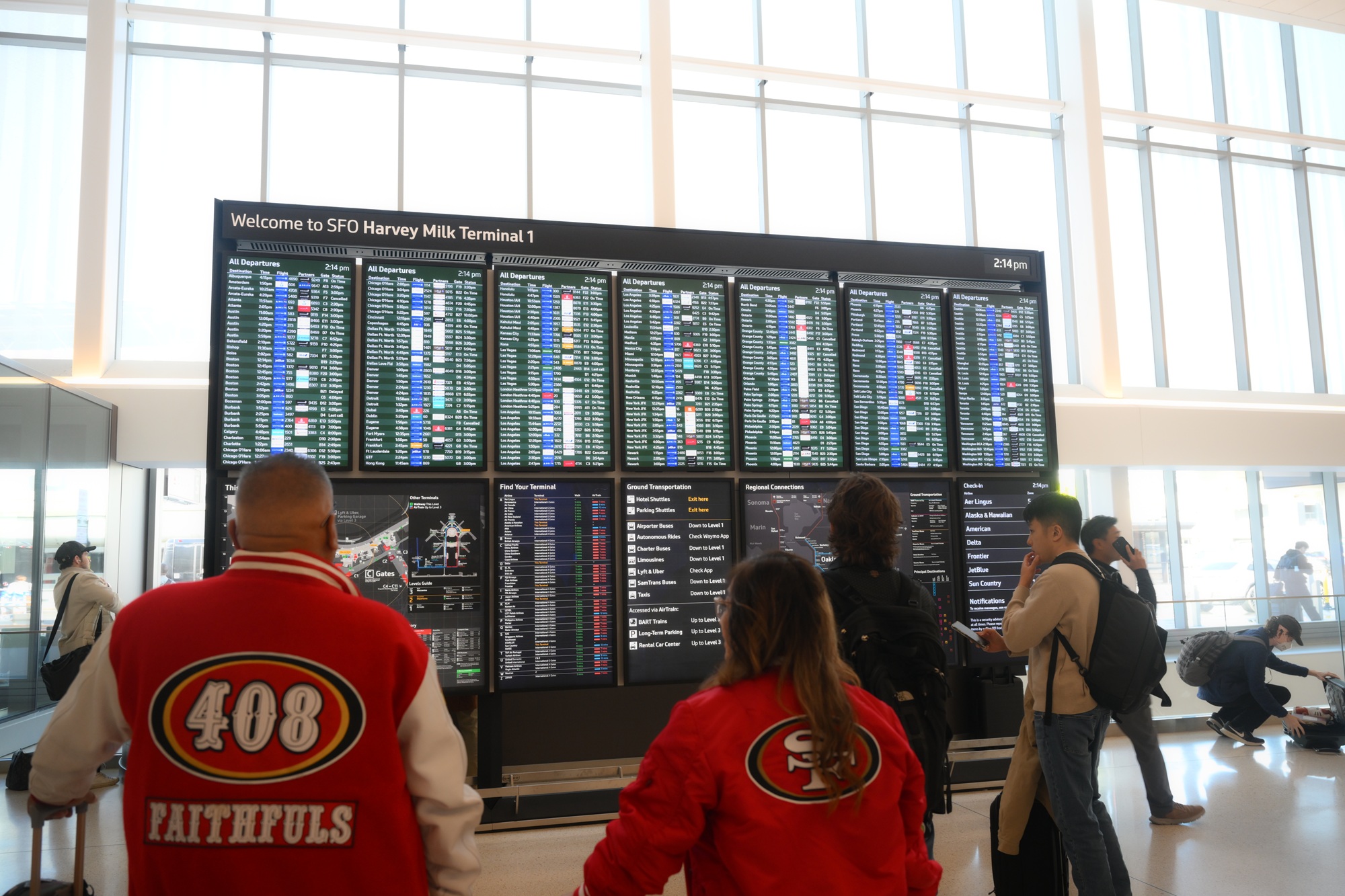
Traveling by plane feels a little up in the air right now.
Roughly 6 million people are expected to fly during this Thanksgiving holiday, only a few weeks after an hourslong nationwide ground stop resulted in thousands of flights being delayed or canceled.
That hasn’t been the only hiccup in air travel this month. On Nov. 16, United Airlines reported a “widespread system outage” that left hundreds of passengers scrambling for backup plans. And there’s reason to be worried about air travel through the Bay Area during this year’s Thanksgiving.
Officials have been preparing since last week for possible flooding at the San Francisco International Airport and the Oakland San Francisco Bay Airport due to their proximity to the water — both situated along the bayfront. Earlier forecasts from the National Weather Service predicted a major winter storm starting Tuesday and rising tides that would have increased the risk of flooding at the airports.
But San Francisco Mayor Daniel Lurie said in a Monday night update that SFO is no longer expecting ground stops due to flooding. “SFO is not expecting the seawalls to be breached by bay water,” he said in a social media video.
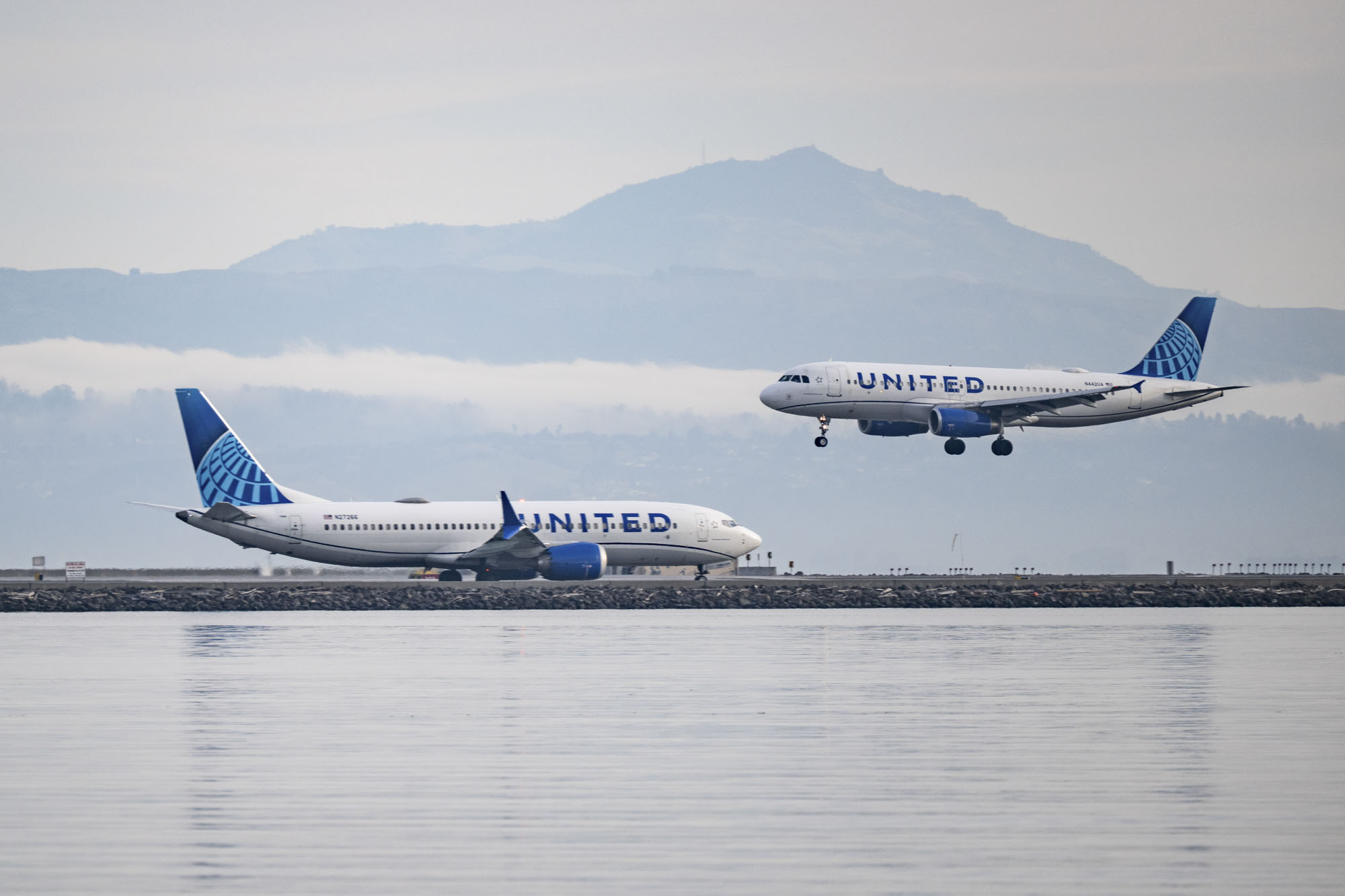
Expected high winds could still cause ground stops, which is “always the case,” Lurie said.
“SFO is susceptible to high levels of coastal flooding,” NWS meteorologist Dial Hoang told KQED over the weekend, before the updated forecast. “However, they have been aware of this for a while now, and we are working with the airport, and they are taking precautions to ensure that, as much as possible, SFO can remain open during the Thanksgiving holiday travel period.”
High tides are expected to return to the Bay Area several more times throughout the rest of the holiday season — when 6.7 million travelers are expected at SFO, its busiest travel period yet. So if you’re reading this at the airport after hearing that your flight has been delayed or canceled due to bad weather or something else, what steps can you take right now to manage this situation and get back home?
Keep reading to learn what travel experts shared with us so passengers can get back on track, along with what your rights are as a consumer.
Step 1: Figure out what the problem is
As soon as you hear about a delay, find out if this is an issue that’s affected only your flight or if it’s something bigger. You can ask the airline’s customer service team at the airport or via their app how long they expect the delay to take.
“If your flight is delayed by a little bit — 30 minutes or less — just take a breath, stay close to the gate and monitor the situation,” said Henry Harteveldt, airline industry analyst and head of the Atmosphere Research Group. If you have a connecting flight, he recommends asking the airline if this delay will prevent you from making the connection — and, if so, what rebooking options are available.
“Some airlines are much better at communicating the reason for the delay,” Harteveldt said. “Is it a crew problem? Is it a mechanical problem? If it’s because of bad weather, other flights are going to be delayed as well.”
And keep your calm when talking to airline staff, Harteveldt said. “They have heard every reason for why you need to get where you’re going — a funeral, a wedding, a christening,” he said. “And they want to do everything they can to help you get to your destination, but they can’t send someone to the corner store to get another airplane.”
Step 2: You realize it’s a big delay
According to federal law, passengers are entitled to a “full and prompt” refund for their airfare, along with “ancillary costs” — which include taxes, carry-on baggage fees and access to Wi-Fi — if their flight is canceled or significantly delayed.
What, exactly, is a “significant” delay?
- If a passenger is flying domestically, their departure or arrival time has been delayed by three hours or more;
- If a passenger is flying internationally, their departure or arrival time has been delayed by six hours or more;
- A passenger is now scheduled to depart or arrive at a different airport than what the original flight itinerary stated;
- A passenger now has a flight itinerary with more connection points than what was on the original itinerary.
But to receive a cash refund, a passenger must:
- Not fly on the delayed flight;
- Turn down any rebooking offer on an alternative flight from the airline;
- And also turn down “any voucher, credit, or other form of compensation offered by the air carrier,” according to federal law.
If you do accept a rebooking offer from your airline, you are no longer eligible for a refund. But an airline can’t rebook you on a different flight without your consent.
That’s why airlines — United Airlines, for example — asked passengers to sign a travel waiver to reschedule their trip during the FAA nationwide ground stop. Passengers who experienced a significant delay and signed the form effectively waived their right to a refund.
“You don’t have to accept a voucher or rebooking if that doesn’t work for you,” said Scott Maurer, an associate professor at Santa Clara University School of Law who focuses on consumer rights law. “You can say, ‘I’m sorry. I want a refund.’”
If you do cancel, an airline would then have seven business days to refund a credit card purchase and three weeks if the purchase was made using another payment method.
Step 3: Decide — rebook or cancel?
Whether you decide to wait it out at the airport or cancel back home is a decision entirely up to you. If you’re having a hard time deciding, think about what this trip means to you, said Thomas Spagnola, a senior executive for the travel agency CheapOair.
“For the traveler, is the destination a must?” he said. “If I’ve got to get there, am I willing to take a later flight?”
If you’re going somewhere that you visit frequently, you may consider the refund and book a later date. But if it’s a short trip during the holidays, Spagnola said, “you will probably wait it out and work with the airline to get you on another flight as soon as they can.”
But if you cancel, finding a different flight with another airline in the middle of the holidays is likely to be both difficult and expensive. Harteveldt from Atmosphere Research Group advises against canceling if you don’t have a backup plan, such as driving to your destination instead or snagging a spot on another airline’s flight that’s leaving on time.
So if you’re going to cancel, right now is probably a good time to book that rental car or hotel for the night — you most likely won’t be the only passenger looking for this.
Step 4: What to know if you end up rebooking
If you decide to stay at the airport, you and your fellow passengers may be waiting for a lot longer.
Traveling during the holidays is already stressful, Harteveldt said, “and it’s made more stressful because airlines are operating close to or at capacity, which means even if there’s just a delay or one flight gets canceled, there may not be enough extra seats to get all those displaced travelers to their destination in time for Thanksgiving.”
Airline staff will usually offer to rebook you on one of their own flights, but Harteveldt recommends you also ask what’s available through the company’s interline ticketing agreements.
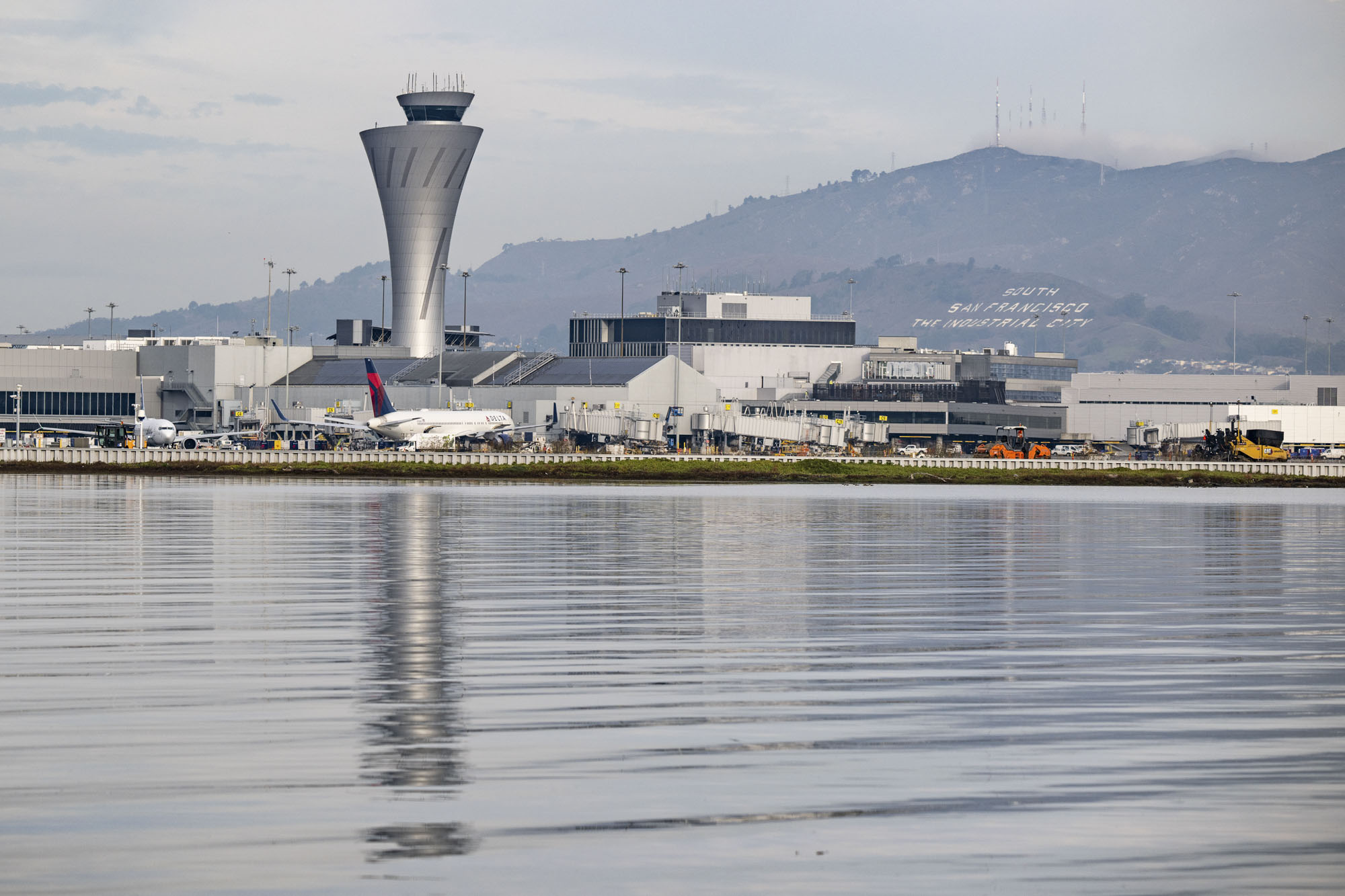
“United can rebook you on American, Delta, JetBlue and Alaska,” he said, but pointed out that other airlines, like Southwest, don’t have similar agreements. “They can only rebook you on Southwest.”
Another strategy is asking if there are any available flights at the Bay Area’s other airports. However, be aware that each of the region’s three airports has its own advantages and challenges, Harteveldt said. While the San Francisco International Airport usually has more flight options, its runway configuration limits how many planes can land during foggy or stormy weather.
“In bad weather, SFO tends to experience more delays than either Oakland International or San Jose Mineta,” Harteveldt said.
And if you do find a flight at another Bay Area airport, it’s most likely you will be the one covering the cost of getting over there — whether that’s on a rideshare, BART, Caltrain or your own car — not the airline.
Step 5: Did they put you on standby? Be ready
If airline staff can’t confirm a new flight for you, they may offer to put you on standby — a flight’s wait list. While this isn’t a guaranteed solution, there are ways to improve your odds of getting on the flight.
“Gate agents will start to clear standbys anywhere from 10 to 20 minutes — maybe more — before the flight leaves,” Harteveldt said. He recommends getting to the gate as early as you can, even if you don’t know for sure that you’ll make it on.
“Don’t go to the airport bar or the lounge if the flight is within a few minutes of leaving,” he said. “If you’re not there to claim the seat and if they’ve got a long list of stand-bys, they will take you off that flight and put the next person on the standby list on.”
And even if you’ve been waiting for a long time, Harteveldt advised against having too many drinks at the airport. “If you drink to excess, the airline reserves the right not to let you on the plane because you could be considered a threat to the safety of the crew and other passengers,” he said. “Moderation is critical.”
KQED’s Ella Jackson and Samantha Kennedy contributed to this report.