Bay Area Produce Wholesalers Prepare for El Niño: ‘It’s Going To Be Expensive’
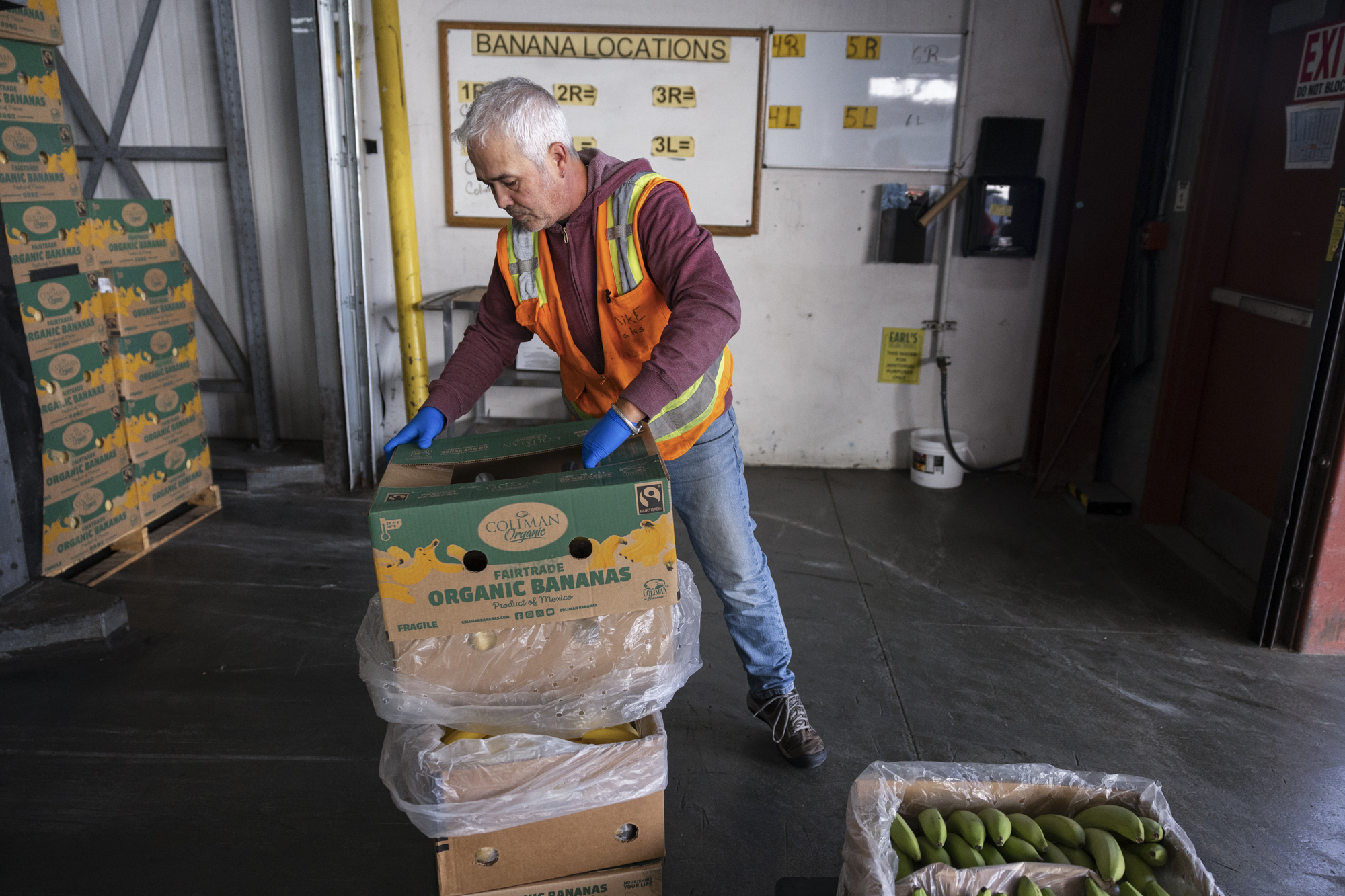
As a super El Niño is expected to bring heavy rainfall to the Bay Area this winter, produce wholesalers say they’ll need to raise their prices to deal with projected shortages of many of the ingredients sought after over the holiday season.
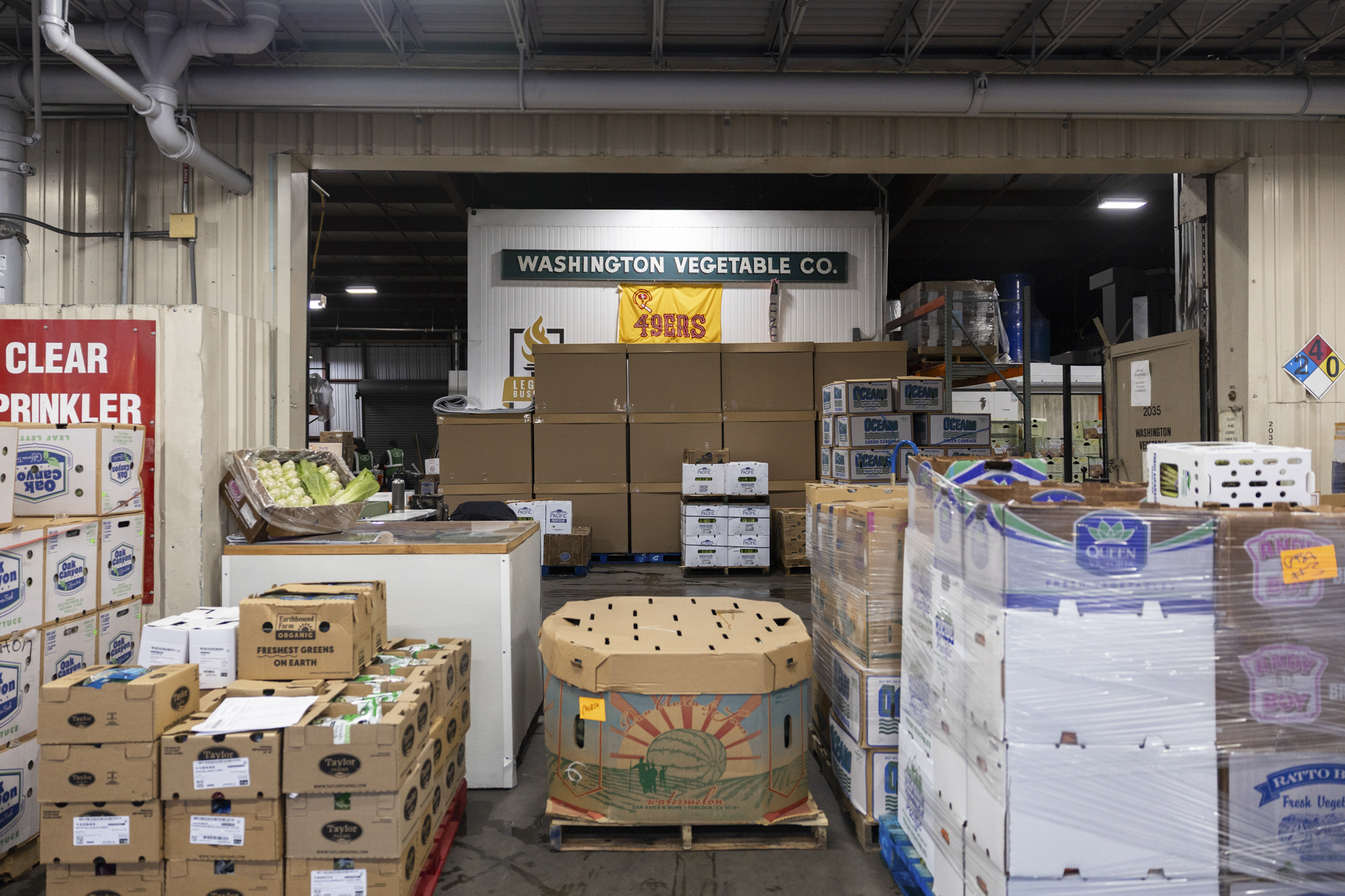
“ It’s going to be an expensive winter,” said Michael Pizza, chief operating officer at Washington Vegetable Company, a wholesale produce business that operates out of The SF Market in San Francisco. “We’re trying to warn our customers, and people have been warning us. El Niño’s coming.”
While the rainy season any given year can cause supply and quality issues for wholesalers like Pizza, the change in weather brought by this year’s El Niño — which is forecast to be among the strongest ever recorded — could delay harvests and wash out fields, he said.
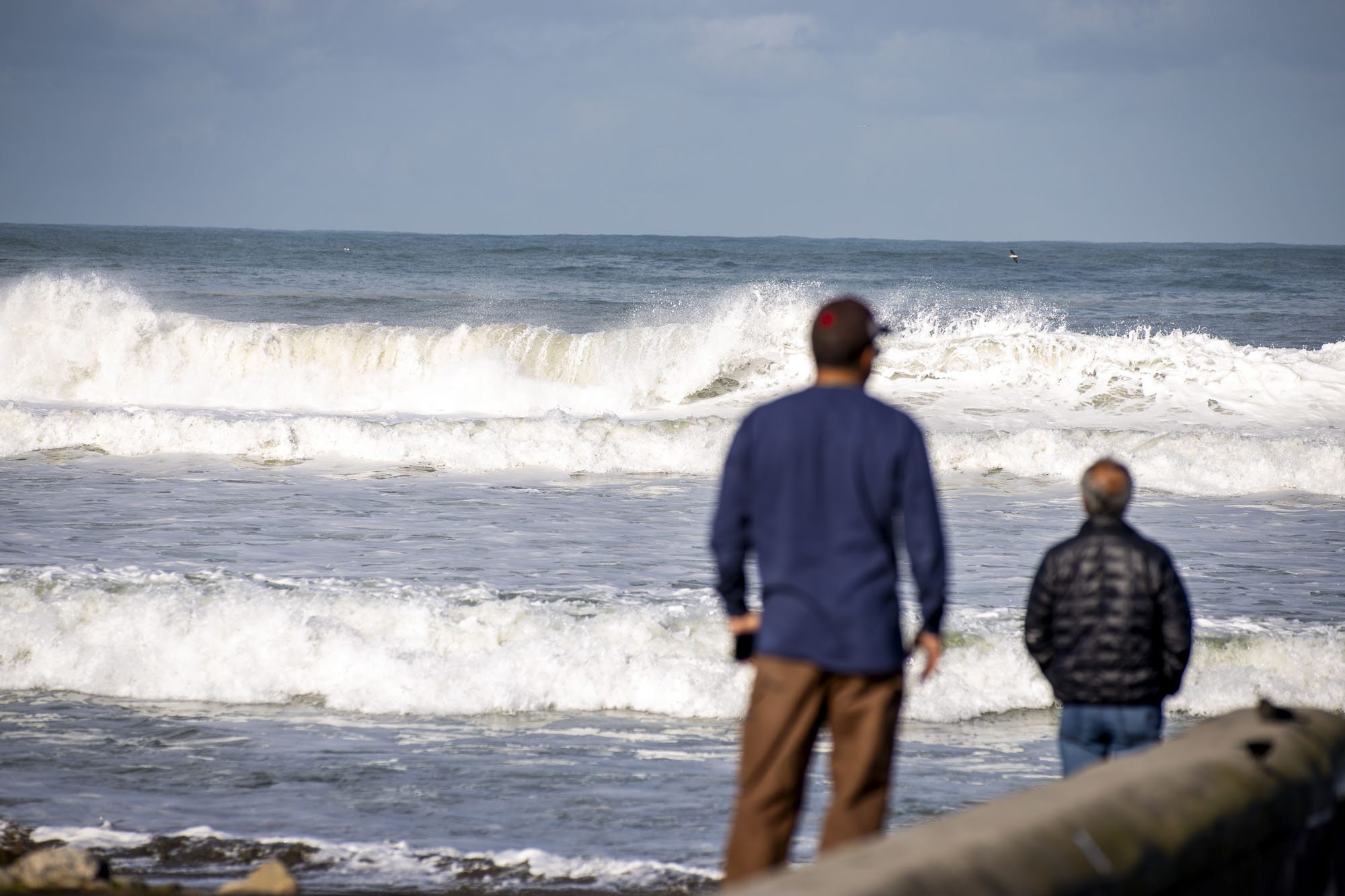
This year’s El Niño is forecast to bring heavy rainfall and sea level rise to California, raising flooding risks. Last week, parts of the Bay Area and Southern California saw record-breaking rainfall, and Tuesday’s king tides in San Francisco broke a 44-year-old high tide record for November.
Pizza said some produce, like organic green beans, has already gotten “incredibly difficult and very expensive” to source. West Coast supplies of green beans have been limited in recent months due to heat and rain in Mexico, according to the foodservice produce purchasing cooperative Markon.
Weather shocks are expected in major growing regions across the western United States and Mexico, where the Bay Area sources much of its produce in the winter, when local production decreases, according to Ali Hill, who researches agricultural labor and productivity at UC Berkeley.
“ I think that we will see shortages in the markets for many crops over the winter season, and then there’s also damage that will go into next year’s spring production,” Hill said. “Really any winter crop I think we should be worried about right now.”
Hill said Peru’s blueberry harvest — a major source of winter-time berries for California — is already below expected yield this year due to storms and flooding. She said El Niño is also projected to reduce yields in major berry production areas in California and Mexico.
In response, supermarkets facing these shortages will raise prices, Hill said.
In agriculture, reduced supply often means reduced quality, according to Hill: When retailers have less supply to choose from, they are more likely to accept a slightly lower quality product.
“What you might also see is a lot of vegetables that don’t look great,” Hill said.
Pizza called this a “dirty secret” of the business.
“ The more expensive something is, usually the worse quality it is,” he said. “ In a weather-impacted area, it’s going to be low quality, but it’s also going to be in limited supply.”
Hill said right now businesses are focusing on diversifying their supply chains, so that if there are supply shortages in one location, they can still source from others. But, she said, that only goes so far given El Niño’s wide geographic impact.
“ Right now we’re seeing that these weather shocks are hitting basically all the major production regions, so there’s only so much retailers can do to diversify,” Hill said.
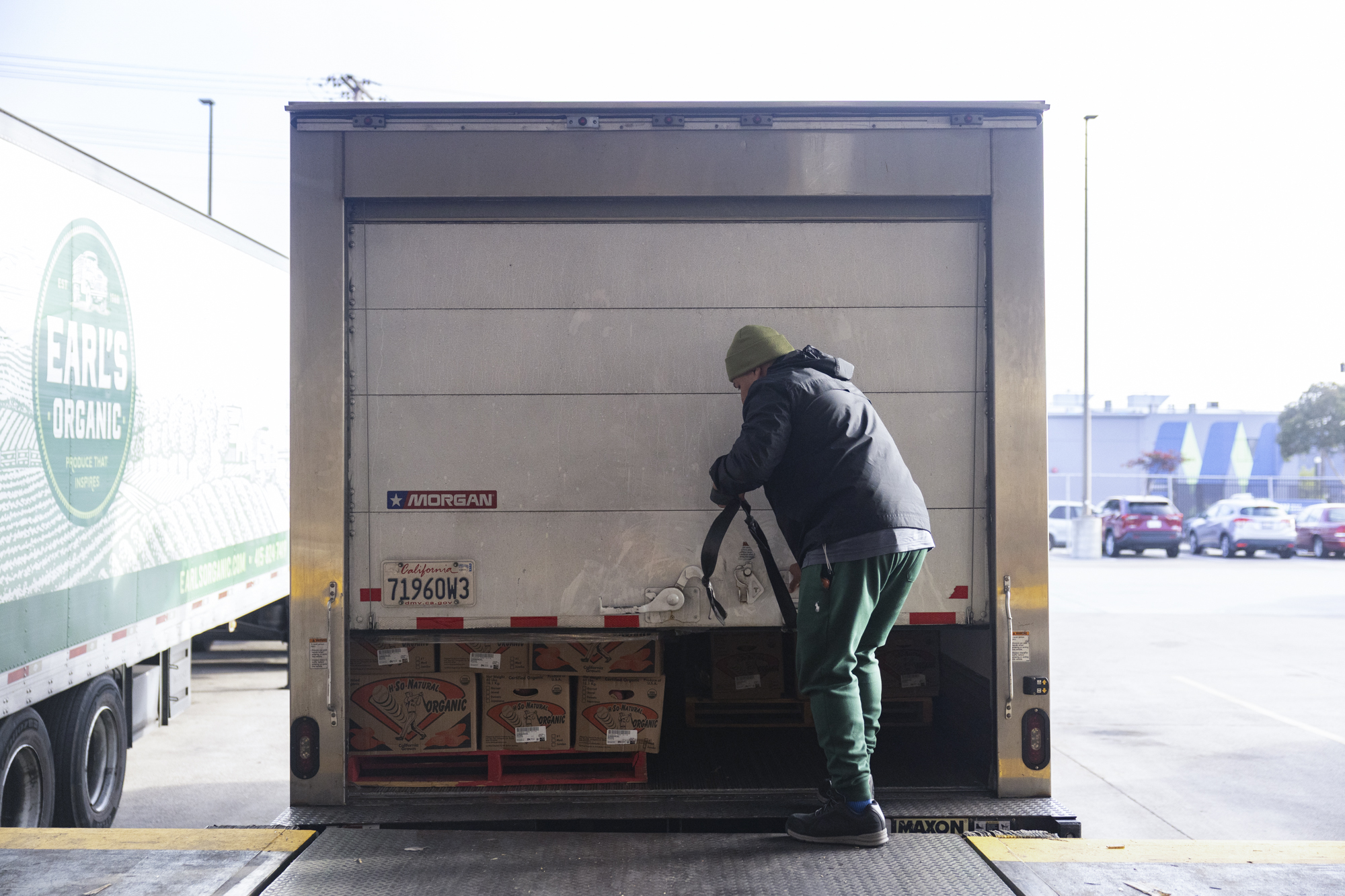
Food costs and supply have also been disrupted by geopolitical tensions this year. Costs for produce have risen in recent months along with record-high diesel prices, caused by the U.S. war in Iran and the Russian war in Ukraine. Battles between Mexican cartels and the Mexican government in recent days have delayed a shipment of green beans from Mexico to Earl’s Organic Produce, another wholesaler at the SF Market, according to Drew Knobel, director of sales and purchasing at Earl’s.
“ We’re two days delayed on our beans from Mexico because of the violence that has happened over the last few days down there, and people don’t want to travel, which I totally understand,” Knobel said. “Some of that product won’t make it in time for Thanksgiving.”
He said the warm, wet weather characteristic of El Niño is also a perfect environment for mold and mildew to damage crops. Some growers may have also planted fewer crops this year, in an attempt to reduce losses to forecasted storms, he said.
Knobel said El Niño hasn’t affected his supply so far, but he said this could be “the calm before the storm.”
“ In this industry, weather is always an issue every winter, and the key to it is what type of spacing you have between these storms, and so far we’ve been lucky,” Knobel said.
For now, it is business as usual at The SF Market, but it also feels like the quiet before the storm, Knobel said. Pizza echoed the sentiment.
“We’re trying to prepare. Obviously, we’re not nearly in the worst of El Niño yet,” he said.
One way Bay Area consumers can head off the high-priced, low-quality produce El Niño is expected to bring is to eat what’s in season, Pizza said.
“It’s just going to be better quality,” he said.