California Could Be 18 Years Behind Its Renewable Energy Goals, Report Says
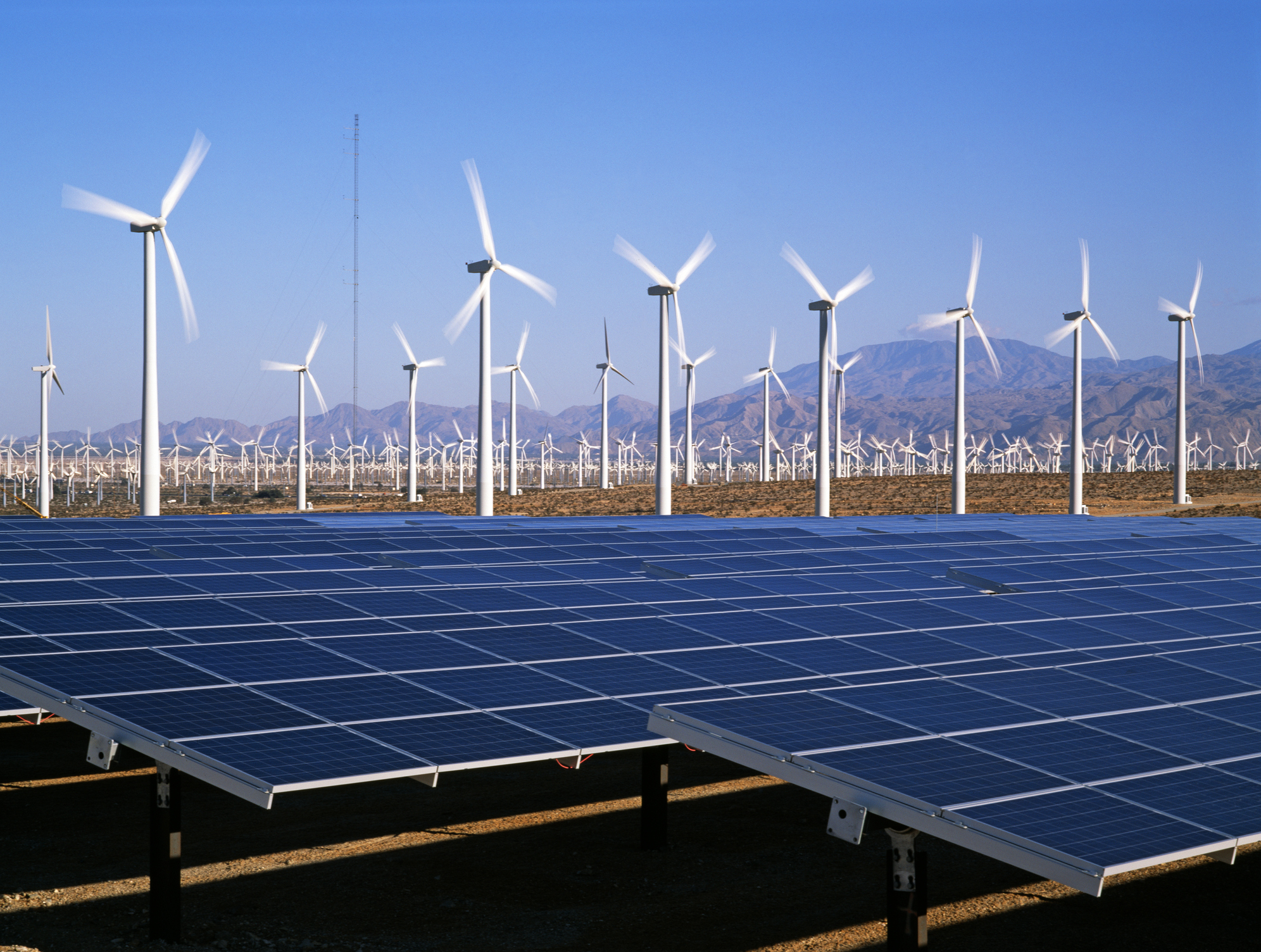
Long seen as a leader in tackling climate change, California has fallen more than 15 years behind in meeting its clean energy goals, according to a new analysis.
The Environmental Working Group, a nonprofit advocating for environmental policy reform, studied the state’s progress towards its goal of becoming 100% reliant on clean energy by 2045, set by SB 100 nearly a decade ago.
To meet that commitment, California will need about 240 gigawatts of installed generating capacity from clean energy sources. Today, the state only has about 88 gigawatts of renewable energy capacity — including Diablo Canyon, the state’s nuclear power plant.
“If we continue on this path, we will not hit our target until 2062,” Richard McCann, one of the authors of EWG’s report, said at a webinar on Tuesday. “18 years later than what the projected target is.”
To meet its goal, the state would need to build 8 gigawatts per year, every year until 2045, according to the report. However, California has never built this amount of clean generation capacity in a year, the authors wrote.
Though Californians have been using more energy over the past 20 years, according to the report, energy demand from the grid has been flat thanks to investments in rooftop solar and improvements in energy efficiency.
However, this trend is shifting. In 2025, the California Energy Commission estimated that electric vehicles, climate change and data centers will all contribute to an increase in the state’s energy demand.
“Demand is increasing now with AI, which makes the 100% clean electricity target a moving one, and it’s moving in the wrong direction,” Ethan Elkind, a UC Berkeley lawyer and policy researcher, told KQED in an email.
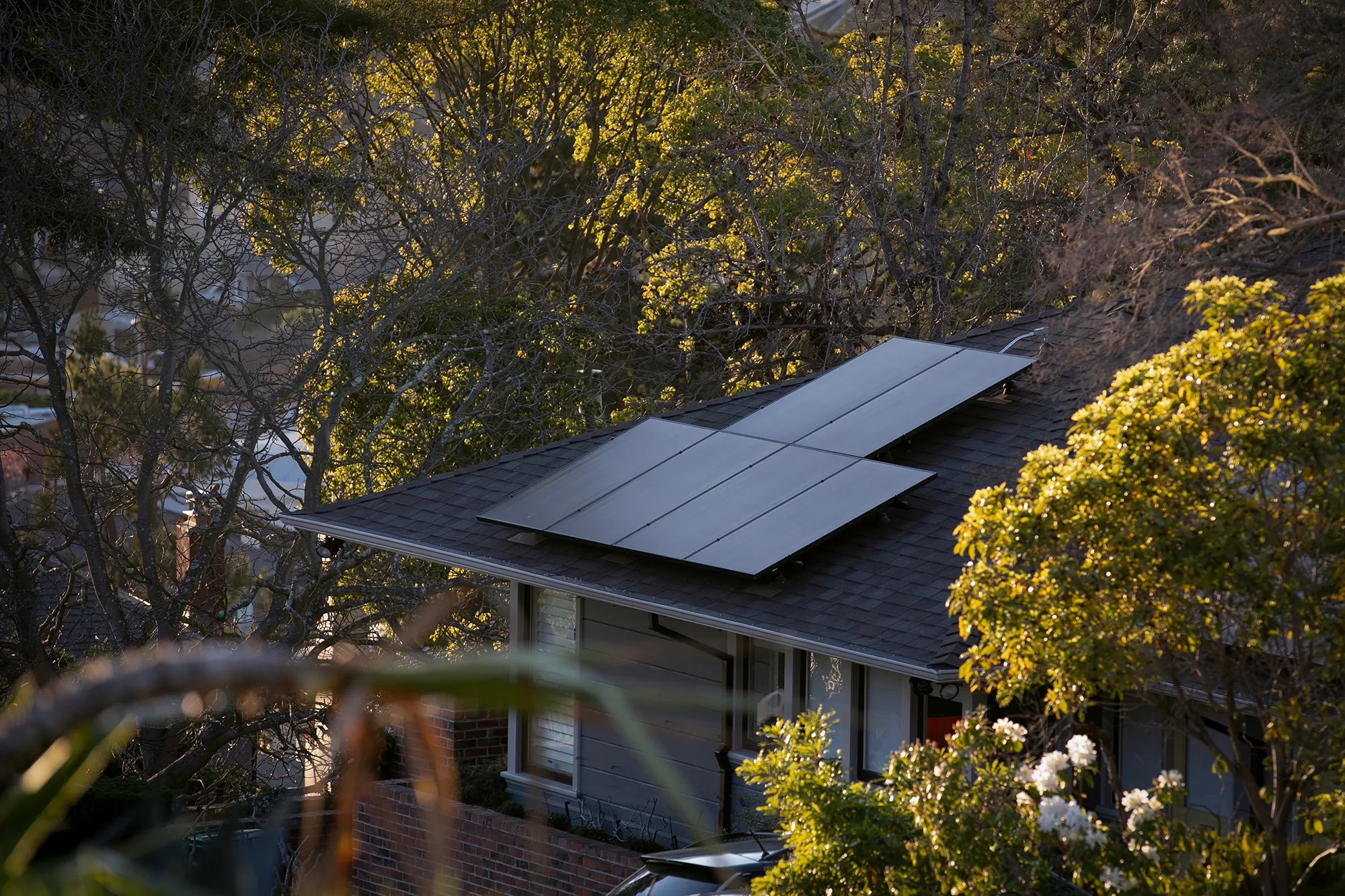
To meet this ever-shifting demand with renewables, Bernadette Del Chiaro, the senior vice president for EWG California, said that the state needs to prioritize energy efficiency and invest more heavily in distributed energy resources, namely rooftop solar.
“Put solar up on all existing buildings that are available that have good sunshine resources,” Del Chiaro said during a webinar on Tuesday. “Put it on parking lots, put it on warehouses and put it in other areas of our built environment.”
Del Chiaro said that building out energy resources in places that have already been developed will minimize the environmental impact that comes with new infrastructure and reduce the permitting delays that plague projects in California.
“That’s the recipe for how to get California back on track from a climate change point of view,” Del Chiaro said.
Elkind said it was hard to imagine rooftop solar “competing very well against utility-scale solar.”
“Still, the state should set a goal of getting rooftop solar costs down to Australia levels (about 1/3 California prices or less),” he said.
Other experts disagreed that California was that far off track in meeting its goals.
Lauren Kubiak, a senior scientist with the Natural Resources Defense Council, said that the California Public Utilities Commission’s latest report indicates that the state has a viable pathway to meet the 100% clean electricity target.
“The state has studied and modeled our electricity system for decades to determine a least-cost portfolio, and NRDC scientists find its analysis to be sound,” Kubiak wrote in an email to KQED.
For some, only time will tell.
“In my 25 years working on these issues in California, every long-term clean energy forecast has been wrong (and sometimes not even close),” Matthew Freedman, a staff attorney at The Utility Reform Network, told KQED. “It’s very difficult to predict future technology innovation, cost reductions and other drivers of clean energy deployment.”
KQED’s Laura Klivans contributed to this report.