‘No Angel’: How a Flawed Star Witness Could Make or Break Sheng Thao’s Bribery Trial
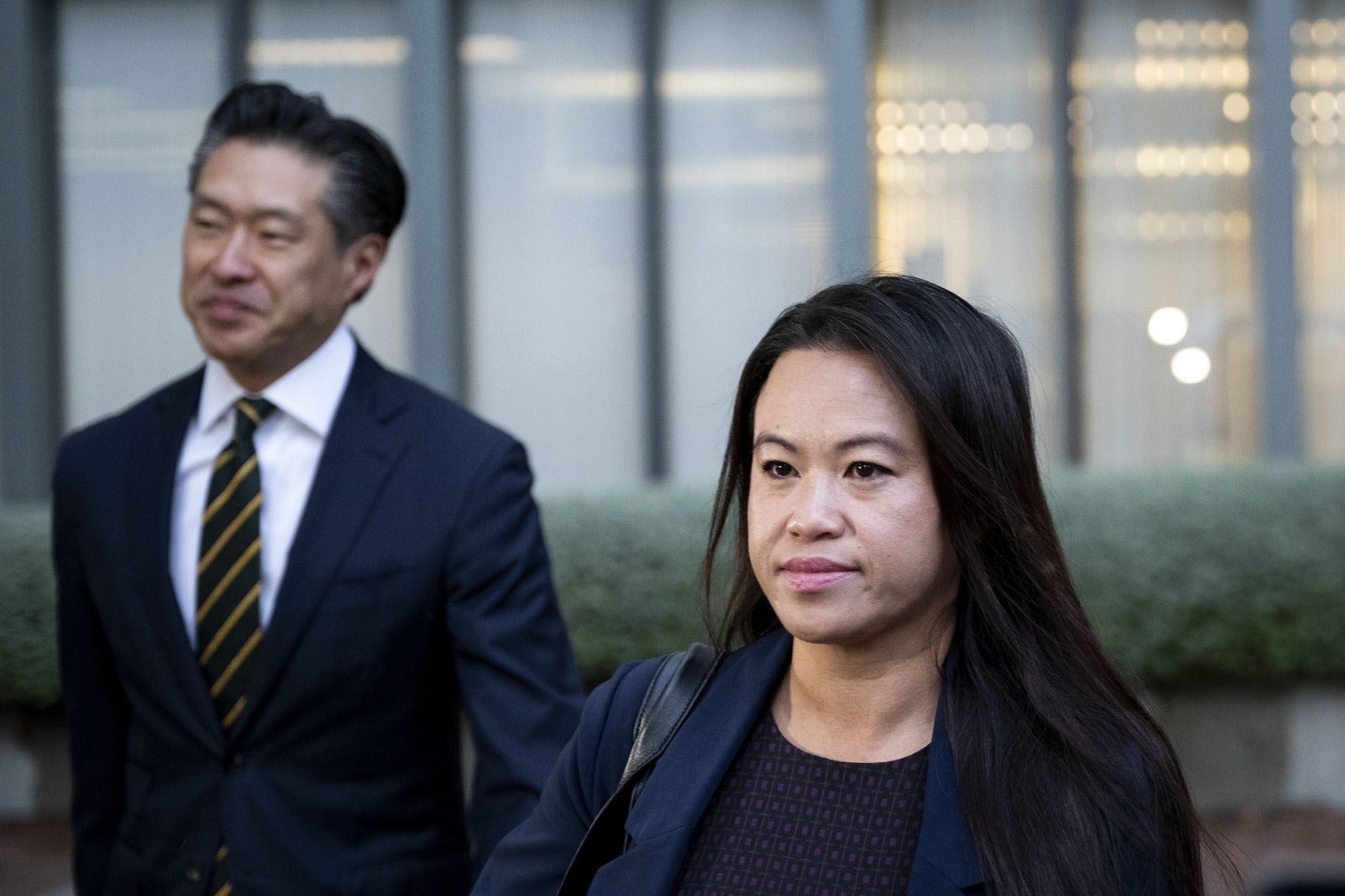
In the federal prosecution of former Oakland Mayor Sheng Thao and her alleged co-conspirators, the testimony of the government’s star witness, Mario Juarez — now entering its seventh day — may represent prosecutors’ riskiest gambit yet.
Under the scrutiny of defense attorneys, who have attacked his past business dealings and attempted to discredit his telling of events, the government’s star witness has sighed and scoffed at his interrogators. He mocked one attorney and taunted others, repeatedly providing meandering responses when one word would suffice. At times, he has provoked the ire of the judge or induced laughter from the audience.
But in a case that seeks to draw a clear line between bribery and responsive constituent services, legal experts say Juarez is a necessary liability, even as defense attorneys attempt to cast doubt on his testimony and present him as a scorned businessman with an axe to grind against his former partners.
“The prosecution knew from the start that the defense lawyers were going to tear Juarez apart,” said Robert Weisberg, a criminal law professor at Stanford University. “They obviously felt that on balance, the jury would believe enough of what he said to be true.”
Juarez testified that he pled guilty last year to conspiring to bribe Thao. As a co-founder of the company at the heart of the alleged bribery scheme, Evolutionary Homes, Assistant U.S. Attorney Abraham Fine told the jury during his opening statement that Juarez would provide an “insider’s view” of boardroom meetings and backroom dealings.
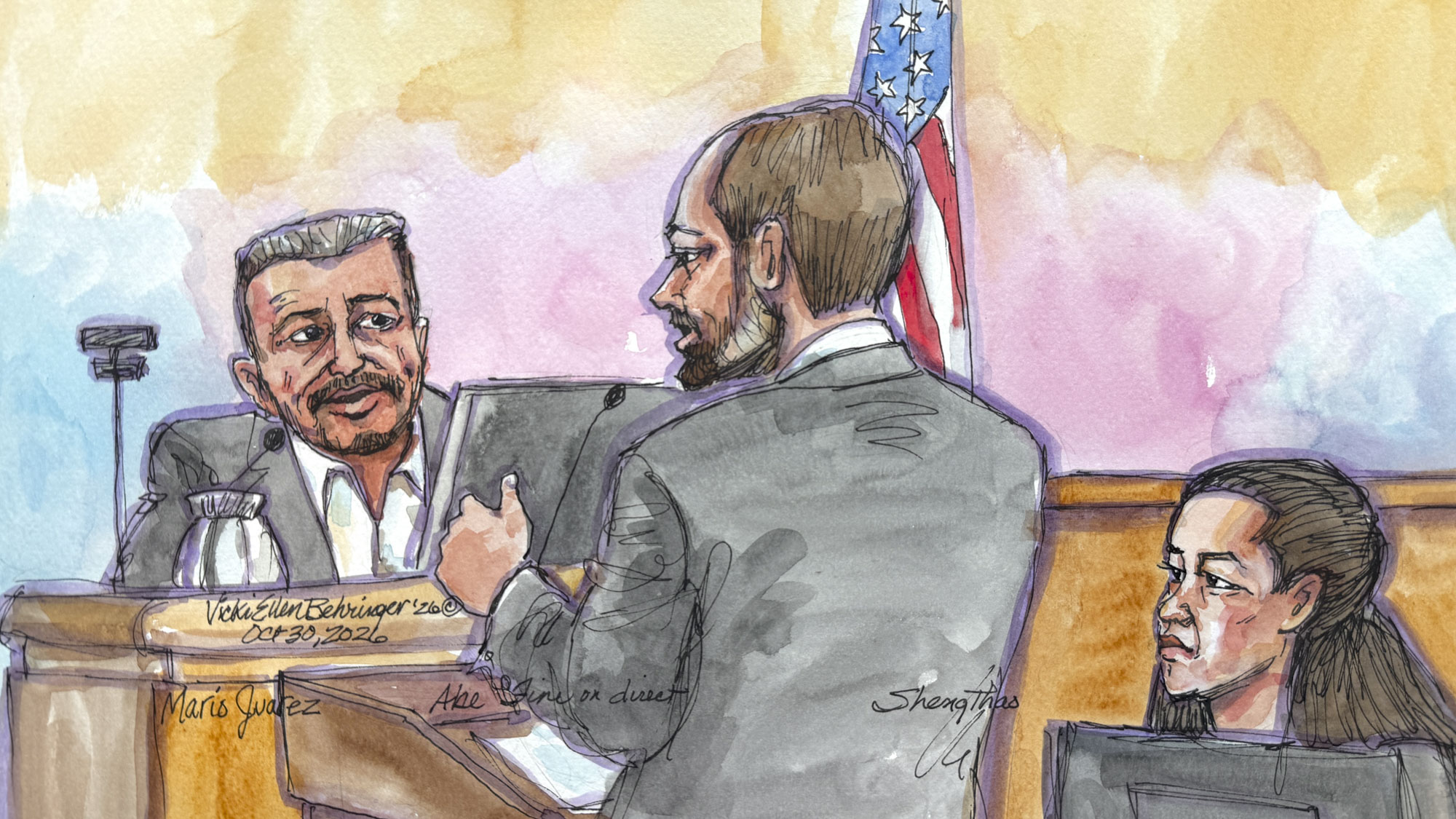
However, Fine said he’s “no angel.”
Prosecutors say Juarez, together with defendants David and Andy Duong, bribed Thao with support for her 2022 mayoral campaign and a $300,000 no-show job at Evolutionary Homes for her longtime partner, Andre Jones. In return, Juarez testified that Thao agreed to help the housing startup win a city contract, appoint city staffers of their choosing to director-level positions, and aid the Duongs’ curbside recycling business, California Waste Solutions, with various deals before the city. All four defendants have pleaded not guilty.
Prosecutors have previously said in a legal filing that they had accumulated significant documentary evidence before ever speaking with Juarez, and that his statements were included in affidavits used to secure search warrants merely for “context and completeness.” Throughout the trial, they’ve presented the jury with elements of that evidence, including text messages, emails and phone records documenting calls between the defendants, along with Apple notes, financial documents and recordings of meetings in which they allege the co-conspirators discuss the deal.
But without Juarez’s story giving it context, Weisberg said, the defense would likely be able to explain some of that evidence away.
“Think of him as the Ken Burns of the prosecution’s case,” Weisberg said. “He’s the documentary editor who’s putting all these bits and pieces of things together and weaving them into a narrative.”
During his direct testimony, Juarez has talked through dozens of pages of text messages and emails he exchanged with the defendants about the alleged deal and told the jury what they supposedly discussed during in-person conversations and at Evolutionary Homes board meetings, where they were photographed or recorded together.
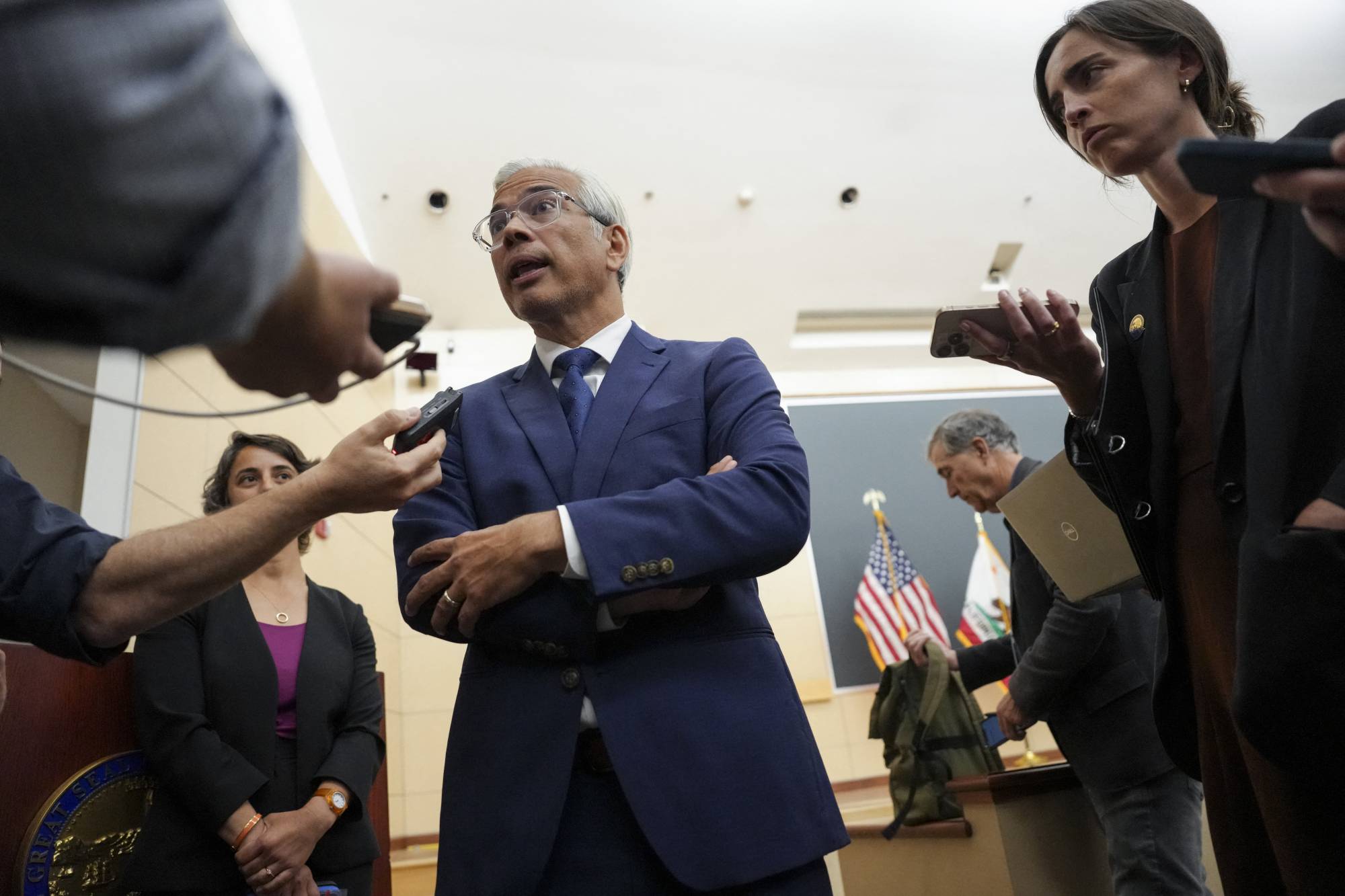
The defense’s tactic, according to former federal prosecutor and current white-collar defense attorney Wilson Leung, is to “chip away at each piece of evidence” prosecutors present.
“If you don’t have some sort of witness who can tie everything together,” he said, “the prosecution may fall prey to the defense claims that the text messages may not mean what the prosecution says they mean, or that the recordings are talking about something entirely innocent, like an actual job rather than a no-show job.”
And defense attorneys have already tried to cast doubt on texts and emails in which prosecutors say the co-conspirators are communicating about the scheme. In one example related to the question of a “no-show” job for Jones, his attorney, Shawn Halbert, said that Jones had worked for years as chief of staff to an Oakland city councilmember and had “a tremendous amount of experience in governmental relations.”
She asked Juarez if he remembered pitching Evolutionary Homes to Jones, and Jones telling Juarez he could help expand the company beyond the Bay Area. She showed texts Juarez exchanged with Cecilia Mendez, Juarez’s former romantic partner, in which Halbert said Juarez was looking for a vendor to get company business cards for a number of people, including Jones.
In another example, Juarez texted Andy Duong in October 2022 that he “met with Sheng.”
“She will buy 100 units… If mayor,” Juarez said.
“Ok,” Andy Duong said.
But Thao’s attorney, Jeffrey Tsai, said Juarez never sent anything in writing to Thao about the alleged scheme.
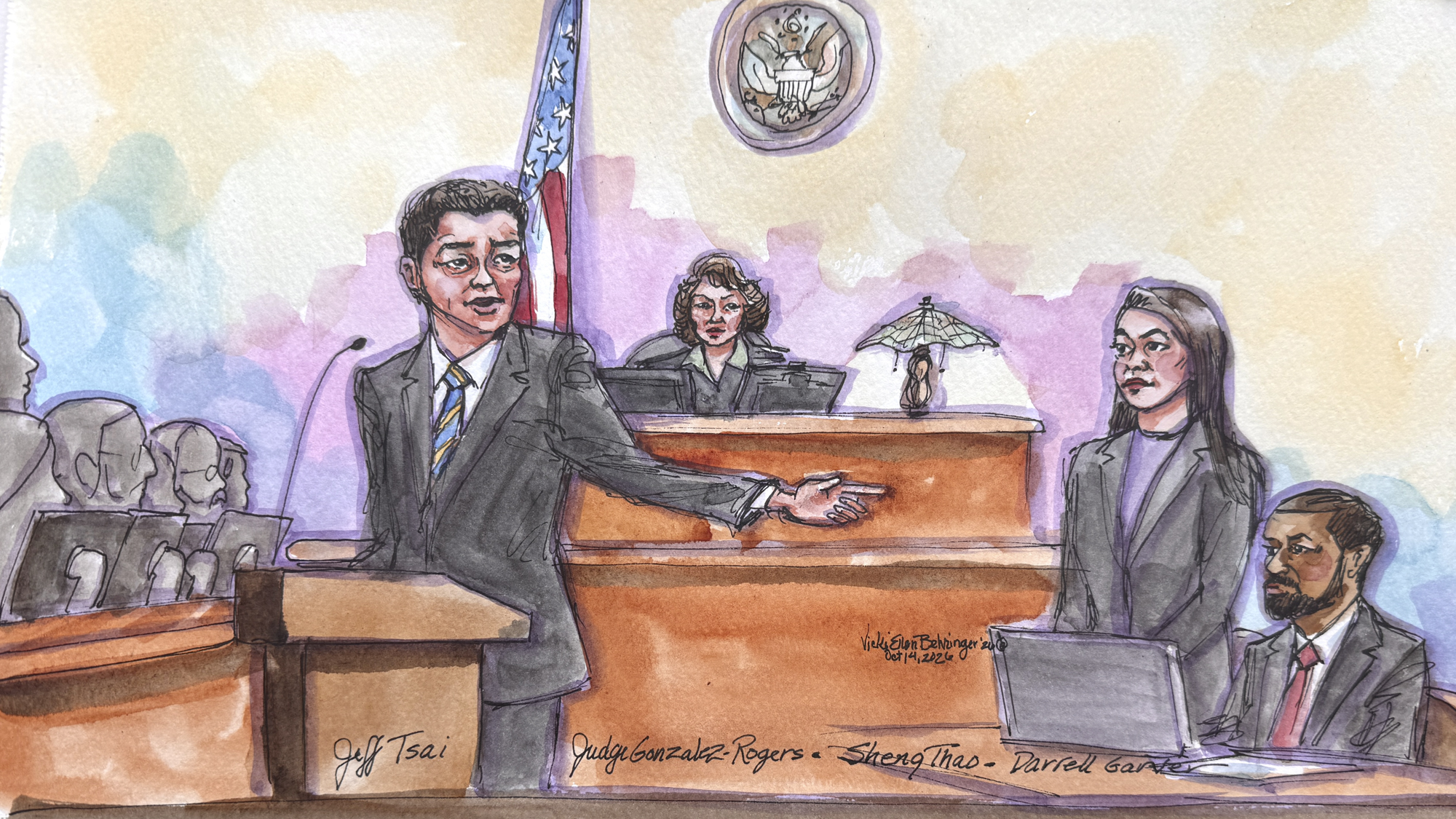
“You will receive no evidence in this trial that [Juarez] sent any such message to Sheng Thao,” Tsai said in his opening statement. “And that’s because what he wrote wasn’t true.”
Winston Chan, an attorney for Andy Duong, used a different metaphor in his opening statement to describe prosecutors’ reliance on Juarez to walk the jury through the evidence.
“The government has pointed to stars in the sky — notes on a phone, checks, et cetera,” Chan said. “The government has and is going to draw lines between the stars and say there is only one picture in the whole universe to be painted. It will be painted by Mario Juarez.”
Steven Clark, a criminal defense attorney and former Santa Clara County District Attorney, said he expects that in closing statements, defense attorneys might try to suggest that the evidence prosecutors presented is just a display of constituent assistance — city contractors donating money to a politician who they believed could help their business interests, and getting that help down the line — that’s been unfairly embellished by Juarez, a known fraudster and vengeful ex-business partner, to serve his own interests.
“There’s a fine line,” Clark said. “Where you draw that line — between a politician accepting money and responding to constituents and bribery — is the line that’s going to be drawn here by this jury.”
An unreliable narrator
For prosecutors, how jurors respond to Juarez is a gamble.
Weisberg said Juarez’s prior legal and financial trouble and willingness to rat out his former business partners in hopes of a more lenient sentence could make him unlikely “to come across as your local reliable pastor.”
In their cross-examinations, defense attorneys have questioned Juarez about his “decades-long history of fraud” and tried to appeal to jurors’ empathy toward people he’s allegedly harmed in the past.
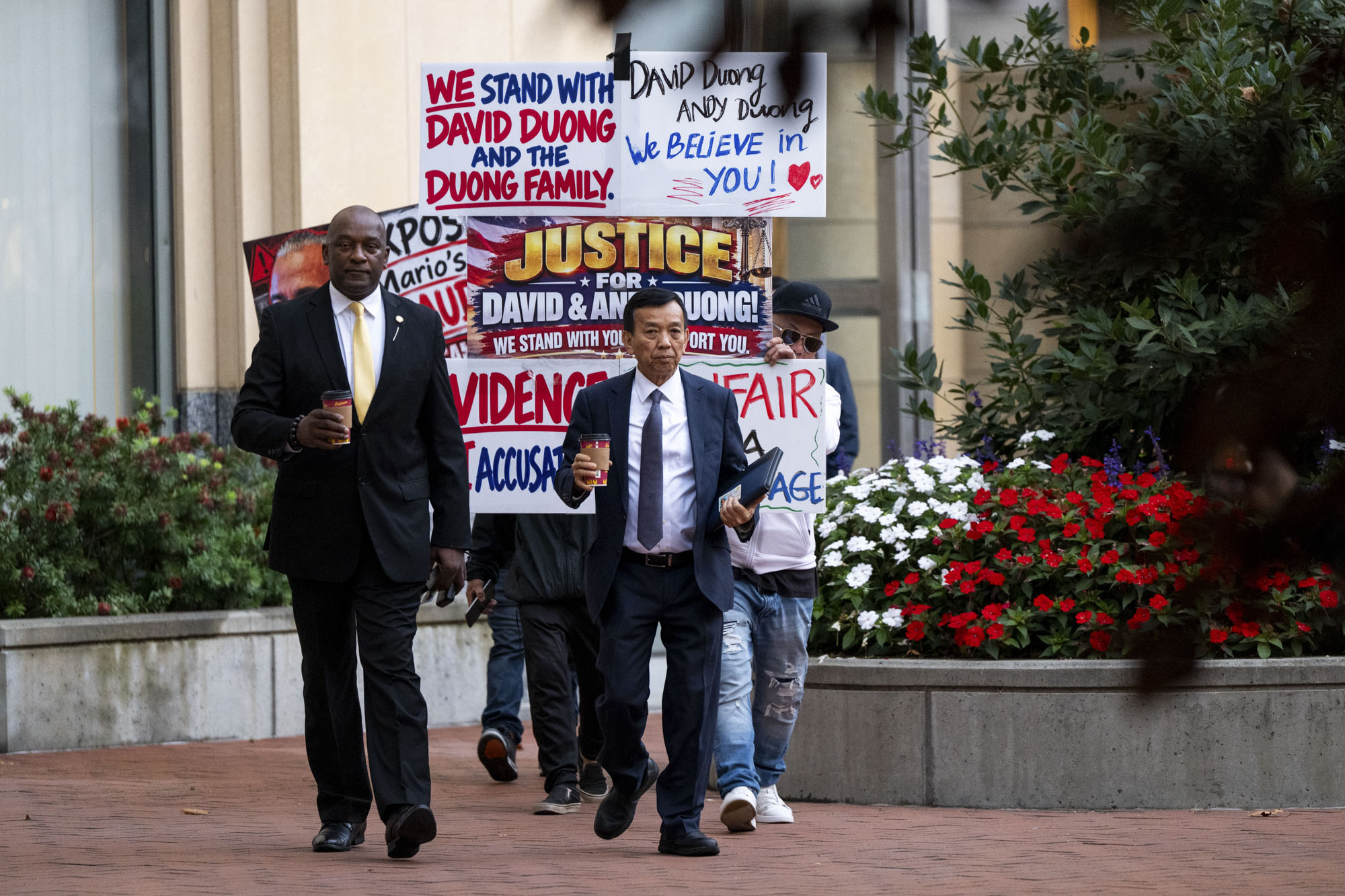
Last week, Ed Swanson, a defense attorney for David Duong, drilled into what he called Juarez’s pattern of ripping off “minority-owned businesses and organizations in Oakland” — from writing bad checks to the business owner he hired to print Thao’s campaign mailers to pocketing a loan repayment from a first-time homebuyer intended for the non-profit Juarez was working for.
The homebuyer “ended up with a lien on her property to this day, correct?” Swanson said.
“I don’t know,” Juarez said.
After Swanson asked Juarez a series of questions about invoices related to the mailer campaign, Juarez snapped: “Counsel, you have a hard job defending your clients.”
Swanson looked to Judge Yvonne Gonzalez Rogers for support, calling Juarez’s behavior “offensive.”
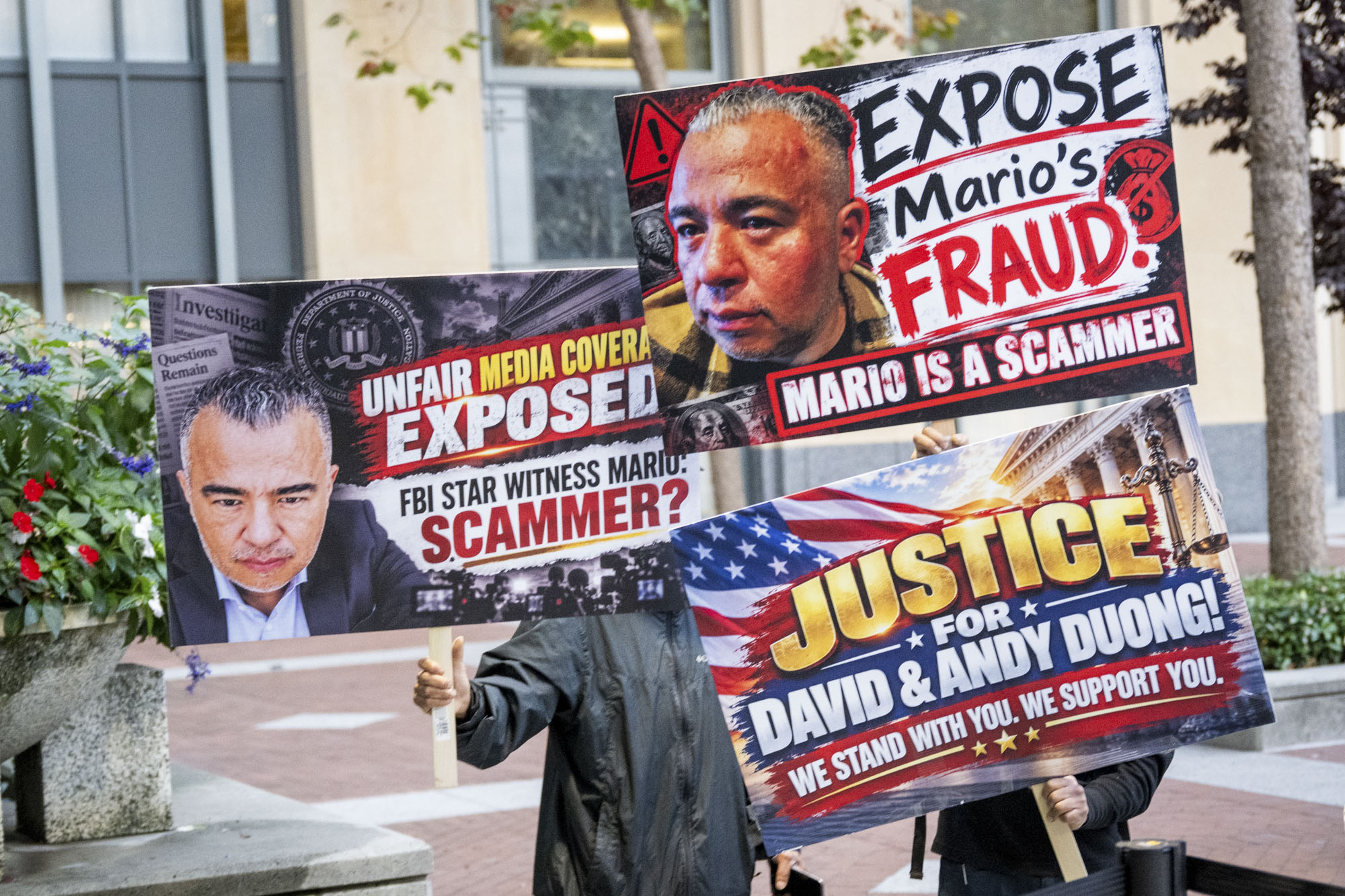
Gonzalez Rogers has repeatedly intervened and directed Juarez to answer attorneys’ questions when he’s given run-on answers.
“Mr. Juarez, can you just listen to the question and answer the question? Otherwise we’re going to be here forever,” she said during cross-examination last week.
Later, when Jones’ attorney Shawn Halbert took her turn to cross-examine Juarez, the defense attorney raised her hand in a signal for Juarez to stop talking after he had again launched into a long-winded response to her yes-or-no question. Juarez copied her motion with apparent mockery.
At other points, Juarez has insisted he did not recognize the printing or signature of his name on financial documents and refused to accept facts presented by the defense.
How jurors respond to his cagey and combative temperament is hard to predict, legal experts say.
Some might see his pushback to defense attorneys’ questions as a signal of his inside knowledge and be impressed by him “stressing his factual accuracy,” Weisberg said. But they could also be put off by his demeanor — especially if they can tell that the judge is unhappy.
Regardless, when it comes to a conviction, Weisberg said the jury doesn’t have to like him.
“They could find him aggressive, obnoxious, evasive, and nevertheless,” he said, “they could still believe a lot of what he says.”
Sowing reasonable doubt
For that reason, defense attorneys have also started to cast doubt on Juarez’s telling of the scheme, laying the groundwork to present it as a vengeance-fueled exaggeration — motivated by his explosive falling out with the Duongs and their threats to sue him over what they’ve described as an $800,000 loss of their investment in Evolutionary Homes.
“What the defense wants to portray is that this is a payback for him not getting what he wanted,” Clark said. “He’s just someone that can’t be trusted. He’s got an axe to grind, and he’s got a motivation to make this look a lot worse than it is.”
In his cross-examination, Swanson homed in on that spring day in 2024, when Juarez’s relationship with the Duongs collapsed.

More than a year after striking their alleged deal with Thao, the housing startup had yet to sign a contract with the city of Oakland. They had produced just two model housing units. Juarez testified they had laid off a number of employees in their Tijuana manufacturing plant. Juarez and the Duongs traded accusations that the other owed them money.
Juarez said on the stand he requested to dissolve the company, and the Duongs threatened to take legal action.
Then, on May 3, 2024, Juarez testified that he arrived at the California Waste Solutions and Evolutionary Homes offices to find himself locked out. After a confrontation with several members of the Duong family, Juarez said he went to the parking lot, where 10 people attacked him.
In the days after the fight, Juarez reported the alleged attack to police and accused the Duongs of other crimes, including “racketeering and organized crime.” Halbert, questioning Juarez on the stand, said he had told police he had been bruised from the fight, but that an officer told him he couldn’t see any bruises.
Swanson asked Juarez if, when he spoke to police, he was “telling officers that [he] wanted the FBI involved?”
“You wanted to know if your report could be used for a federal indictment?” Swanson asked Juarez.
Juarez eventually answered yes.
A month later, on June 6, Juarez got the interview with the FBI he was seeking.
The jury had already heard that version of events from the prosecution and from Juarez. But during his cross-examination, Swanson provided a new detail: He asked Juarez about a text message he sent to Andreas Cluver, a prominent labor leader in Alameda County’s Building and Construction Trades Council, just two days prior to his meeting with the FBI.
“Isn’t it true,” Swanson asked with an image of the message displayed on courtroom screens, “that you wrote to Andreas Cluver: ‘I need to fuck the Duongs?’”
The audience gasped.
KQED’s Alex Hall contributed to this story.