Newsom Moves to Empty California’s Death Row by Commuting 548 Sentences

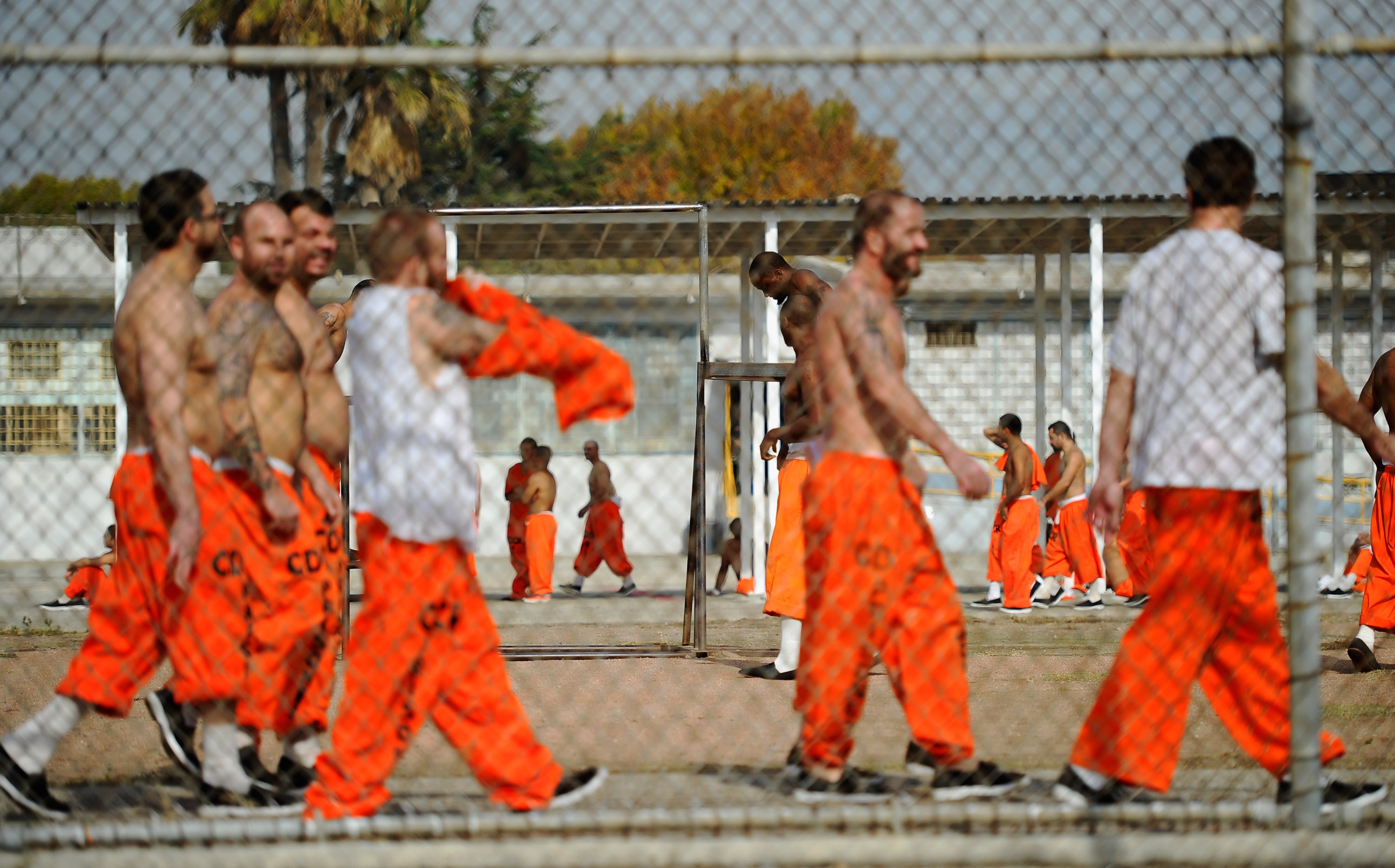
Gov. Gavin Newsom announced Thursday that he will commute the sentences of all 548 people on California’s death row to life without the possibility of parole.
The governor, who instituted a moratorium on executions two months after he took office, said he made the move based on a moral opposition to state-sanctioned killing and a belief that it undermines the foundation of California’s legal system. He had been weighing the decision for months.
“I know we cannot execute people in our imperfect legal system and remain true to our core values, first among them justice and human decency,” Newsom said in an open letter to Californians.
Newsom’s move represents the largest act of mass clemency in U.S. history, according to the Death Penalty Information Center.
More than half of the cases, those involving people who were convicted of more than one felony, will require review by the California Supreme Court under the state’s Constitution.

California has not executed anyone since 2006 as legal challenges, concerns over the state’s lethal injection protocol and, finally, Newsom’s moratorium have essentially disabled the state’s death penalty. Under Newsom, the execution chamber at San Quentin State Prison, where death sentences were once carried out, has been dismantled.
Still, as Newsom considered whether to commute the remaining death sentences, opponents of capital punishment said such decisive action would hold deep consequence, especially given its scale. California has more people on death row than any other state.
“We are propping up the death penalty for the entire world,” said Natasha Minsker, an attorney and consultant to anti-death penalty organizations. “And it’s time for California to be out of the business of endorsing the death penalties.”
Newsom acknowledged that commuting every death sentence would not sit well with some victims of crime and their families. He heard from them before and after he issued the moratorium in 2019.
“This decision is among the most difficult of my career, not because I doubt its necessity for our state but because I know its announcement may surface excruciating memories for victims’ families,” the governor said in his open letter. “I hold this painful truth along with the belief that this is a righteous action.”
The move comes as Newsom prepares to leave office in January — and ahead of a widely expected presidential run. If he were to become the Democratic nominee, it would likely become a point of attack for opponents in a general election campaign.
But Newsom, by his own account and that of people familiar with his thinking, was more concerned with moral reckoning than potential political consequences.
“I have to prepare for my own consciousness, my rocking chair test,” he said in a conversation on a recent episode of his podcast, This Is Gavin Newsom.
Daniel Zingale was the governor’s lead advisor on the moratorium instituted by executive order in 2019. As Newsom contemplated his decision, Zingale said, he wanted data, legal and budget analyses and meetings with crime victims and their families — but “he never once showed any interest in looking at a poll about it, or what you would consider the politics of it.”
And the national political consequences of commuting the state’s death sentences are far from certain.
Since a peak in the “tough on crime” era of the 1990s, public support for capital punishment has been steadily declining, especially against the alternative of life without the possibility of parole.
Gallup has measured public opinion on capital punishment in the U.S. each year since 1937. In 2025, its most recent survey, just 52% said they supported the death penalty for people who commit murder — down from 80% in 1994.
“I believe that the United States is right now in the middle of a national reconsideration of capital punishment,” said Austin Sarat, a professor of law and politics at Amherst College who studies the death penalty.
Sarat said he doubted that commuting death sentences would significantly haunt Newsom in a presidential campaign, noting that battleground states such as Michigan and Wisconsin have banned capital punishment.
“I think that we’re on the road to abolition,” Sarat said. “And abolition in this country is going to come not fast and not smoothly. Two steps forward, one step back.”
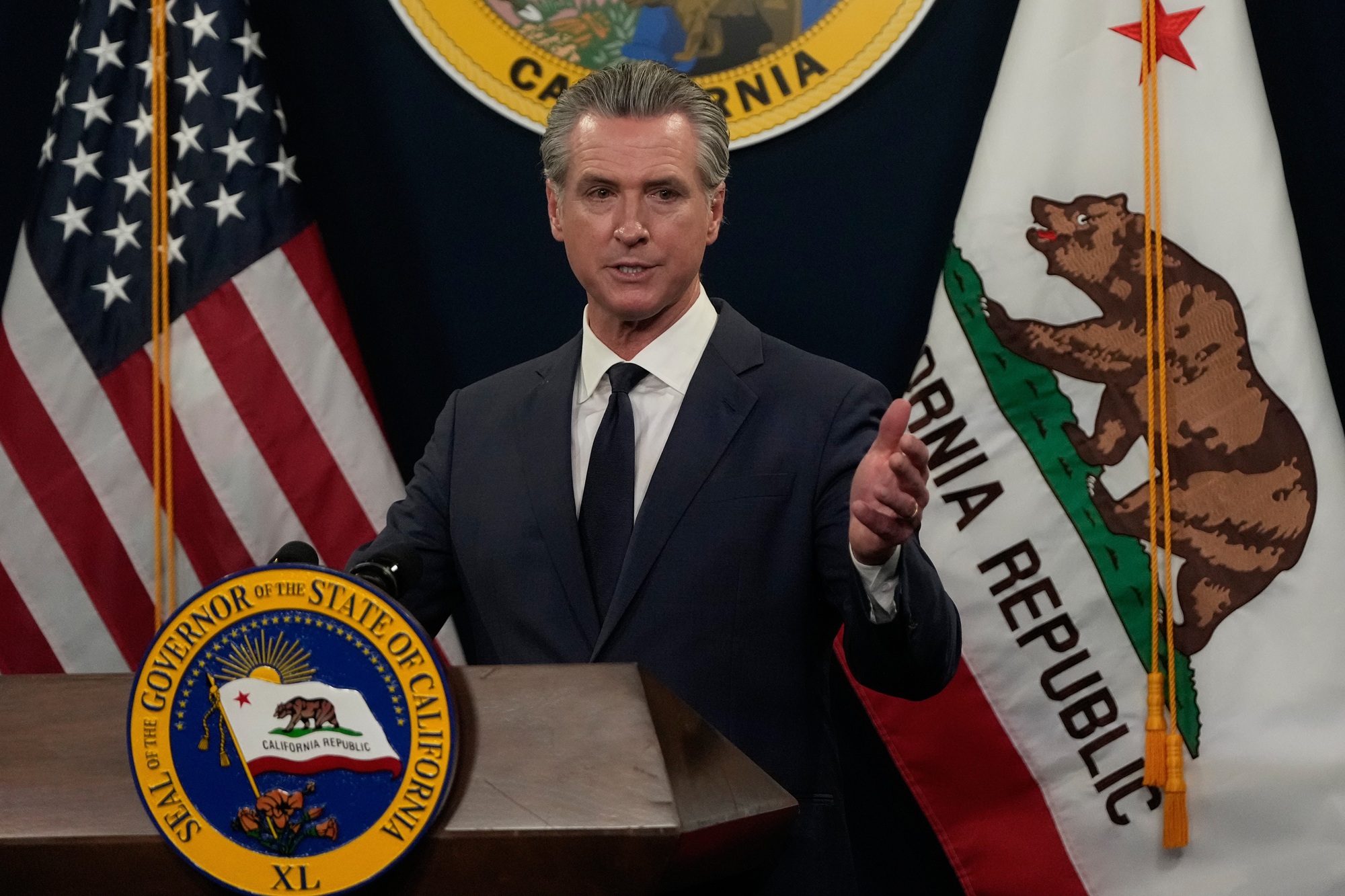
In deciding to commute the state’s death sentences, Newsom said he counseled survivors of crime and victims’ families, public safety experts, community leaders, prison officials and jurors who served in death penalty cases.
He noted that while some had urged him not to grant clemency across the board and to exclude those convicted of the “worst of the worst” crimes, he learned from speaking with those harmed “that each experiences their loss as the worst of the worst” and decided against trying to make such a distinction himself.
Ultimately, Newsom said, he hopes that converting all of the state’s death sentences to life without the possibility of parole will provide a sense of finality for victims and their families as “these offenders die in obscurity while we forever remember and honor their victims.”
“I also acknowledge that this clemency action will anger and hurt some Californians. This will always weigh heavily on me,” Newsom said in his letter. “As Governor, I alone bear responsibility for this decision and its impact, just as I alone would bear responsibility for each execution.”