Proposition 38 Immunology Bond Leading as Vote Counting Continues
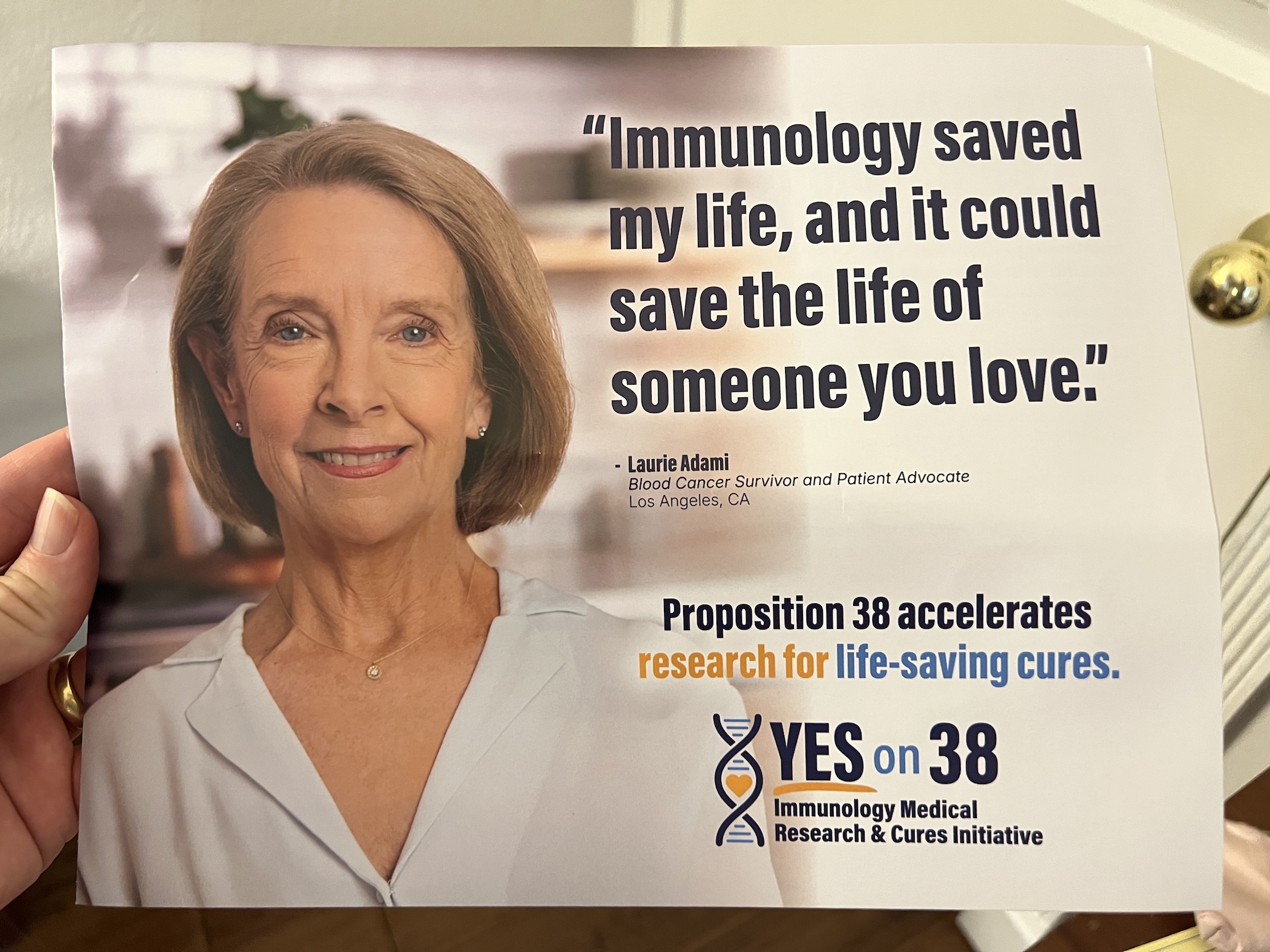
California voters are on track to approve Proposition 38, with 55% of returns counted so far in favor of the measure, which will allow California to borrow $8.4 billion in bond money to fund immunology and immunotherapy research in the state.
The Yes campaign was financed primarily by Gary Michelson, the same billionaire who co-founded and backed the research institute that stands to receive half the bond money and maintain a fair amount of control over the other half that will be distributed in grants to universities and nonprofits in the state.
“What we’ve seen with this election across the board is a repudiation of some of the policies of Donald Trump. And one of those policies has been severe and drastic cuts to scientific research,” said Robin Swanson, spokesperson for the Yes on Prop. 38 campaign. “So California is hopefully making an investment in research.”
With $71 million in its campaign war chest and a bevy of emotional ads featuring cancer survivors, the Yes side far outspent the No campaign, which raised only $12,000 and had no advertising budget, but managed to garner endorsements from the editorial boards of multiple major news outlets.
The grassroots opposition effort was led by a Stanford professor and former grant coordinator at the National Institutes of Health, Robert Kaplan, along with several retired financial analysts from the Legislative Analyst’s Office and retired academic researchers.
They argued that the measure ignored standards for competition, scientific merit, and transparency in awarding such a large sum of taxpayer money to an institute that has no track record and, with only three employees and a lab still under construction, is not yet operational.
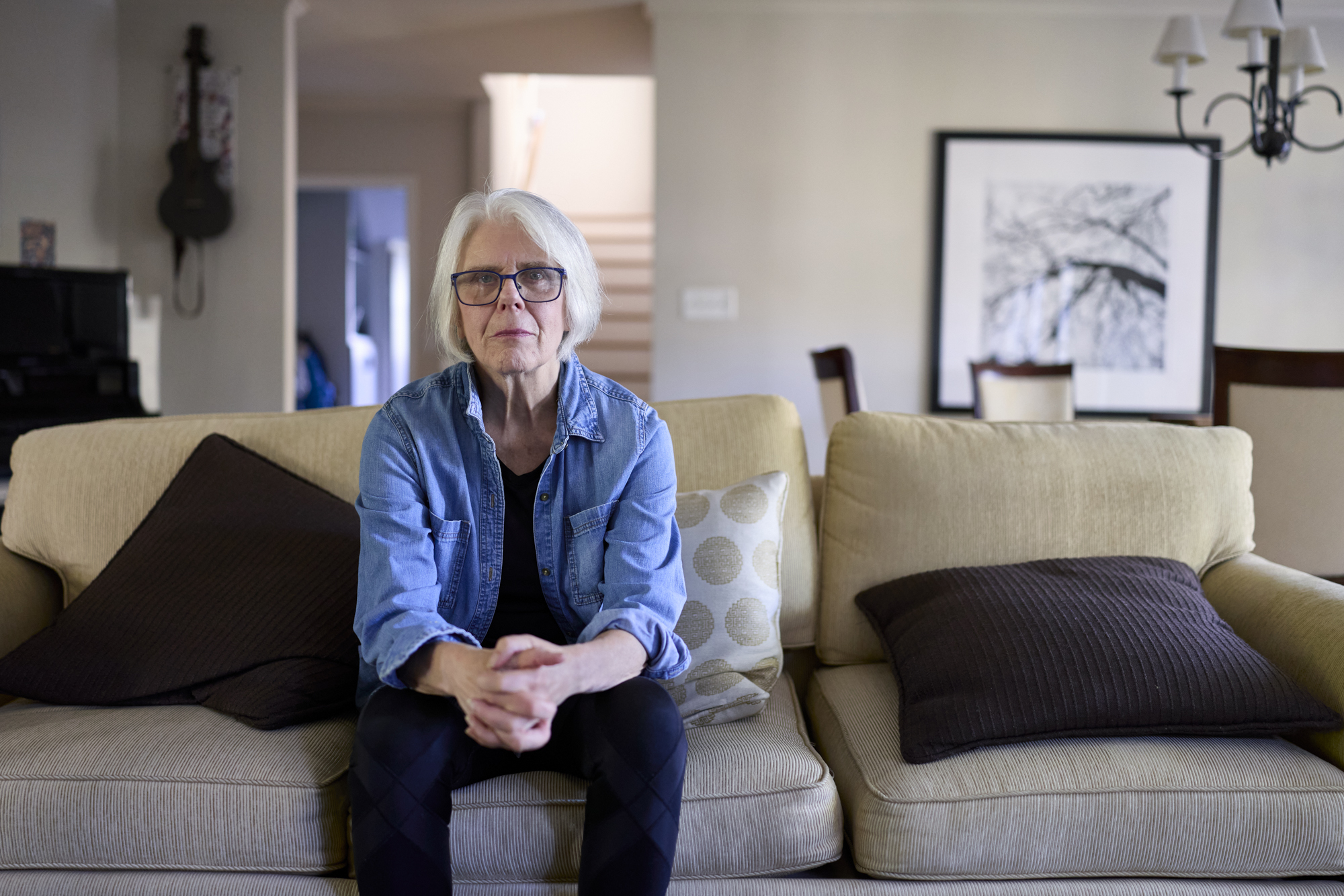
“It seems like a profoundly corrupt and deceitful measure,” said Marianne O’Malley, a retired LAO analyst with Parkinson’s disease who volunteered for the No campaign.
With virtually no money and very little time to research and respond to the measure after it was put on the ballot in late June, she said she was disappointed, but not surprised that it appeared to be passing. “I knew it was a David and Goliath effort, but it felt like, morally, I had to do it.”
The proponents of Proposition 38 said the Trump administration’s attack on science and research funding led to research delays and, in some cases, the cancellation of projects and clinical trials. They said California is in a position to fill the gap left at the national level and take the lead on immunology research, developing cutting-edge therapies that use the body’s own immune system to fight disease.
Much of that research could help women, Swanson said, as four out of five people diagnosed with an autoimmune disease, like lupus or multiple sclerosis, are women, and two-thirds of those living with Alzheimer’s disease are women.
“We all know that there’s just not enough research on diseases that specifically impact women,” she said. “I think this was meeting a demand.”

Opponents said medical research is vitally important, but that California taxpayers should not have to shoulder the burden of funding projects that have the potential to benefit people across the country.
They also said the measure’s promise that California will recoup its expenses through a 10% share of licensing fees derived from new discoveries is unlikely and unsupported by history.
In 2004, proponents of a $3 billion bond measure to fund stem cell research also vowed it would be cost neutral, when in fact, the state received just $16 million of the billions it was owed.
It may be difficult to track how the money from Proposition 38 is spent.
Though the measure requires the central institute to commission independent financial audits of its activities, the measure also explicitly exempts the institute from complying with other state transparency laws, including responding to public records act requests and hosting open meetings.