California Cancer Patients Disagree Over Whether Proposition 38 Will Help Them
Cancer patients who say their lives were saved by innovations in immunotherapy treatments are among the most vocal proponents of California’s Proposition 38, arguing the $8.4 billion bond measure to fund immune-system research would save even more lives.
But those who oppose Proposition 38 are also patients, who say their illnesses are being exploited to shill for an initiative that is overly narrow, opaque and expensive.
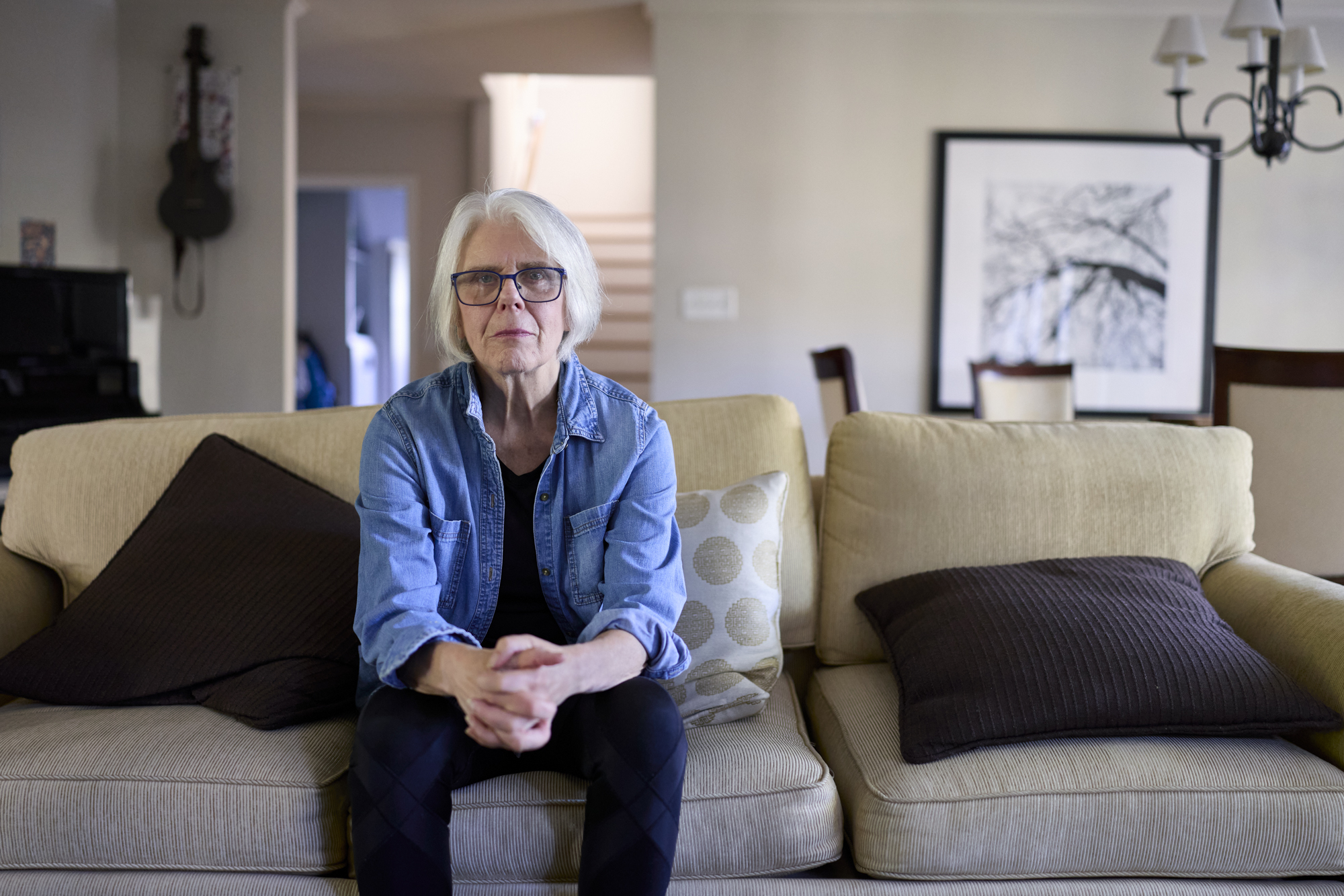
“Don’t approve this measure because you want to help me or other people with Parkinson’s,” said Marianne O’Malley, a former analyst with the state’s Legislative Analyst’s Office who was diagnosed with Parkinson’s disease about eight years ago. “This is the wrong way to go about things.”
Backers of Proposition 38 proposed it as a solution to the Trump administration’s attack on science: where federal research funding has become diminished or uncertain, California would step in, issuing bond money to bring stability to promising projects and turn the state into a hub of excellence for immunology and immunotherapy research. But the patients who stand to benefit from such a move are divided over whether Californians should shoulder that burden instead of taxpayers across the US, and if so, whether Proposition 38 is the right way to do it.
“I have never thought of biomedical research as something that needs to be centered in a particular location,” said Robert Kaplan, a senior scholar at Stanford who formerly coordinated research portfolios at the National Institutes of Health and an opponent of Proposition 38. “Proposition 38 money is good for California institutions, but it means that California taxpayers might be taking a disproportionate share of the responsibility for paying for that research.”
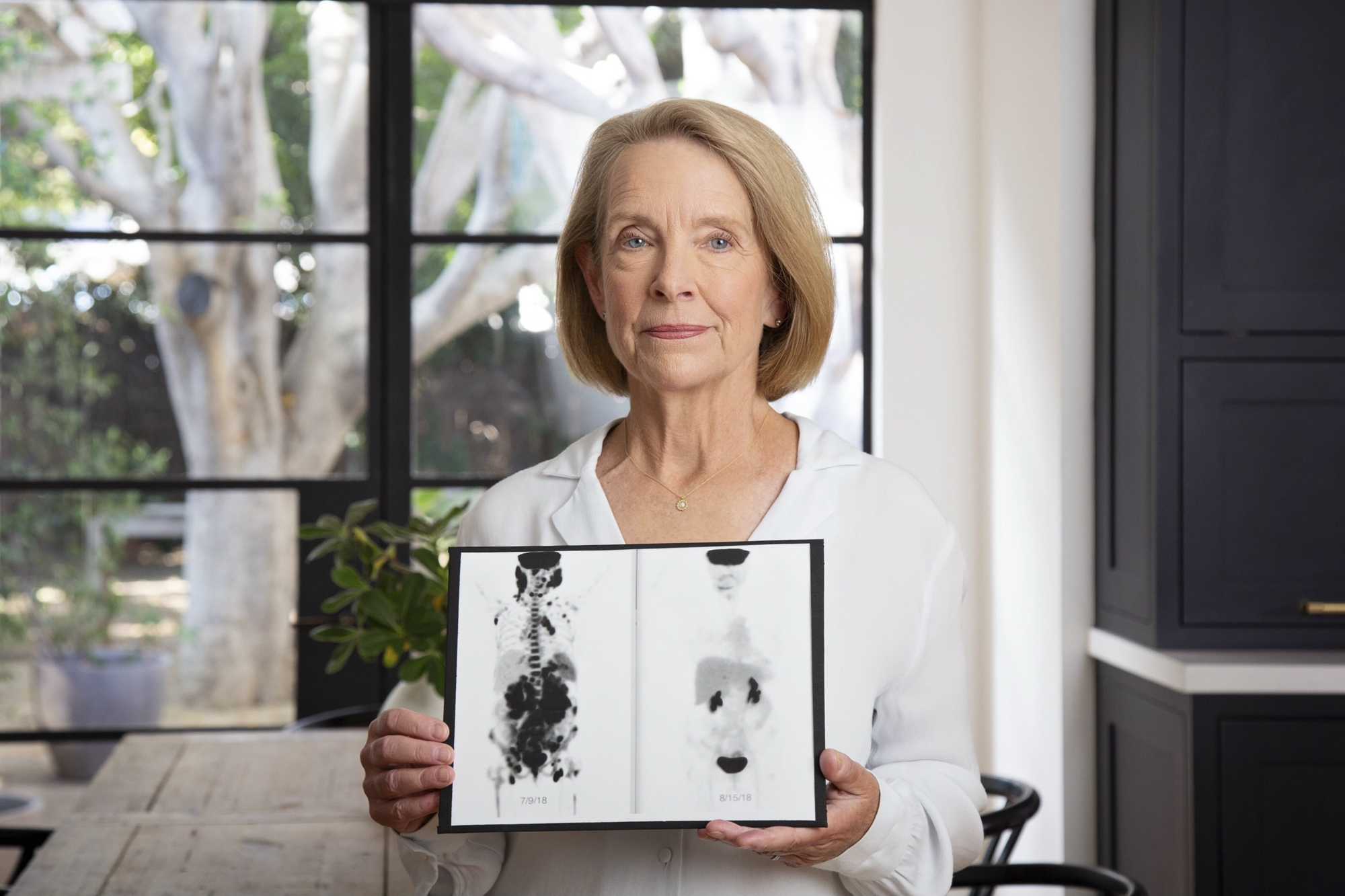
Blood cancer survivor Laurie Adami is in favor of the measure. She was diagnosed with non-Hodgkin lymphoma 20 years ago, when she was 46, and her son was in kindergarten. She fought her way through seven different treatments, including grueling rounds of chemotherapy and three experimental trials so she could survive to see him graduate from high school. In 2018, she enrolled in an immunotherapy trial where scientists reengineered Adami’s own immune cells to attack her disease.
“Chemotherapy is like napalm — they poison your whole body in the hopes of killing off your cancer,” she said. “This idea of waking up the immune system is a much more elegant way to target cancers.”
The therapy she received was called CAR-T. Scientists extracted a sample of Adami’s T-cells and modified them in the lab so they would attach to the specific proteins on her cancer cells. Put another way, T-cells are like the Pac Mans of the immune system, and scientists altered them so they would be hungry specifically for her type of cancer cells, then infused them back into her bloodstream to start eating.
Adami received one CAR-T infusion and has been in complete remission ever since.
“Why wouldn’t I want more patients to be able to access the type of treatment that finally saved my life?” she said.
Adami is just one patient from one clinical trial. Though immunotherapy has improved survival rates for certain cancers, including lung, liver, and some types of skin and blood cancers, the treatment does not work for most people: only 15 to 20% of patients achieve durable results.
Immunotherapy research is still in the early and experimental stages for other cancers and diseases like Alzheimer’s, Parkinson’s, and ALS. Across treatments and conditions, only 14% of drugs in clinical trials ever reach FDA approval.
Despite the speculative nature of this early-stage research, caregiver Viva Mogi said she will vote for Proposition 38 for the hope it offers. Mogi put her own life and career on hold to care for her mother, who was diagnosed with early-onset Alzheimer’s ten years ago. At the time, doctors told them there was no cure and not enough medications to help.
“They wished us luck,” Mogi said. Looking ahead to her own potential diagnosis and decline from the disease, she said, “I don’t ever want to go through this or put my husband through this.”

But with state taxpayers on the hook for $4 billion in interest payments on top of the $8.4 billion bond, other patients say the debt the state would incur from supporting Proposition 38 is not worth the hope, especially in light of California’s other long-term obligations and deficits.
Cancer survivor, Dan Carson is one of several retired financial analysts from the state Legislative Analyst’s Office who broke a long tradition of nonpartisan silence to speak out against the measure.
Carson ran the health section of the LAO when it was tasked with evaluating the $3 billion stem cell bond initiative in 2004 known as Proposition 71. The measure was pitched to voters as a protest against the George W. Bush administration’s abandonment of stem cell research on religious grounds. Its backers said California would become a new hub for stem cell discoveries and promised the state would receive a windfall of royalty payments to pay back the bond and interest. But the money never materialized, with the state receiving just $16 million of the $6 billion it was promised, Carson said.
Similarly, Proposition 38 backers say it will be cost neutral. Provisions in the measure would require 10% of any licensing fees derived from immunotherapy treatment discoveries be paid back to the state, and that such treatments be made available to Californians at a 20% discount.
“Once again, we’re being promised in this initiative and by its advocates that it will ‘pay for itself with no net cost to the state or taxpayers,’” Carson said. “I’m here to tell you that after reviewing the fine print of this measure, that won’t happen. Not even close.”

When O’Malley attended her regular boxing and rock climbing classes for people with Parkinson’s — currently, exercise is the top therapy proven to slow the progression of the disease — other students approached her with questions about Proposition 38 because of her experience at the LAO. Should they vote for it? they asked.
“We’re all desperate for a cure, or at least a treatment,” O’Malley said. “And the disappointing thing to tell them is, ‘No, this measure doesn’t do what you think it’s going to do.’”
The campaign in favor of Proposition 38 is being financed by philanthropist Gary Michelson, who also happens to be a co-founder and chair of the brand new California Institute for Immunology & Immunotherapy at UCLA, which, according to the ballot measure’s criteria, stands to receive half the bond money directly, then help oversee the distribution of the other half in research grants to nonprofits.
The measure would also exempt this institute from complying with a series of state transparency laws, including public records act requests and open meetings, O’Malley said, meaning taxpayers won’t have a way of knowing if their money is being spent wisely.

“This measure hijacks the initiative process to steer public funds to a billionaire’s philanthropic project and then hides its tracks by waiving all the usual laws to promote governmental transparency,” she said. “This one is so bad and supposedly being done to help people like me, I felt a moral obligation to speak out.”
If the state of California wants to be a center of scientific research, there are better ways to do it, said Judy Heiman, another former LAO analyst. Medical research grants should be subject to an open, competitive bidding process; they should be awarded based on scientific merit and public health need, not what’s popular at the ballot box. And they should undergo independent review before more funds are disbursed.
“Prop. 38 fails these basic tests,” Heiman said.
In fact, another bond measure that includes these parameters and safeguards will be on the ballot in March 2028, she pointed out. This research fund, borne from months of democratic debate and negotiation in the state legislature, is intended for a wider variety of research, including biomedical, behavioral health, and climate.
“There’s a legitimate argument about whether California should add billions of dollars in medical research spending to its already substantial debt burden,” Heiman said. “Scientific merit, not institutional favoritism, should drive where the money goes.”