‘In the Shadow of a Refinery’: Anti-Data Center Organizing in Contra Costa Leans on Legacy of Environmental Justice
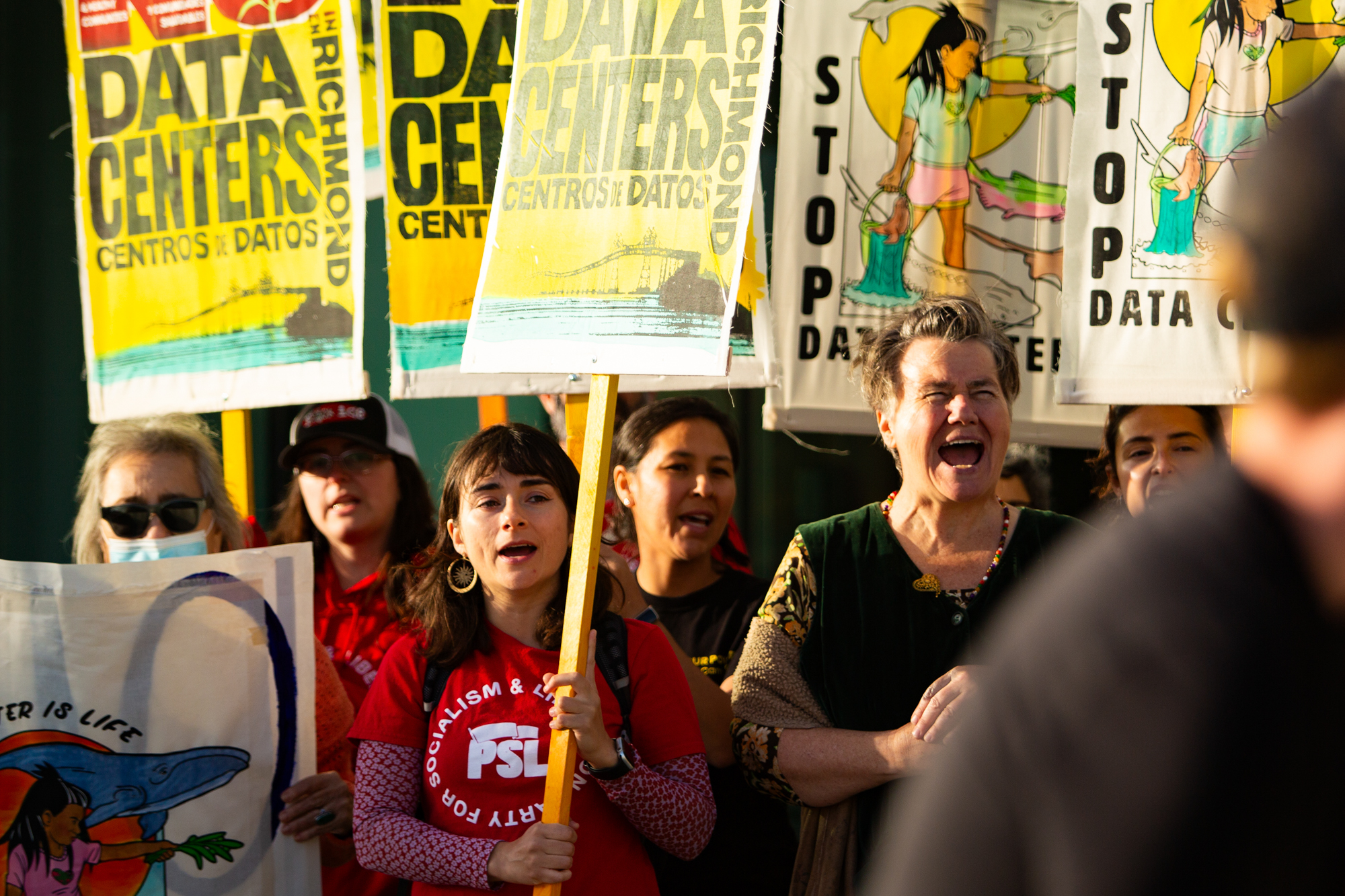
Silicon Valley and San Francisco may be the artificial intelligence hubs of the world, but some of the Bay Area’s fiercest opposition to the data centers that power the technology is miles away in communities that say they’ve seen this play out before.
Cities in the historically industrialized Contra Costa County have been at the forefront of the Bay Area’s opposition to data centers, citing environmental concerns and questioning the potential health and environmental impacts that come in addition to those seen from local facilities past and present, like the Chevron Refinery in Richmond and the steel mill and power plant in Pittsburg.
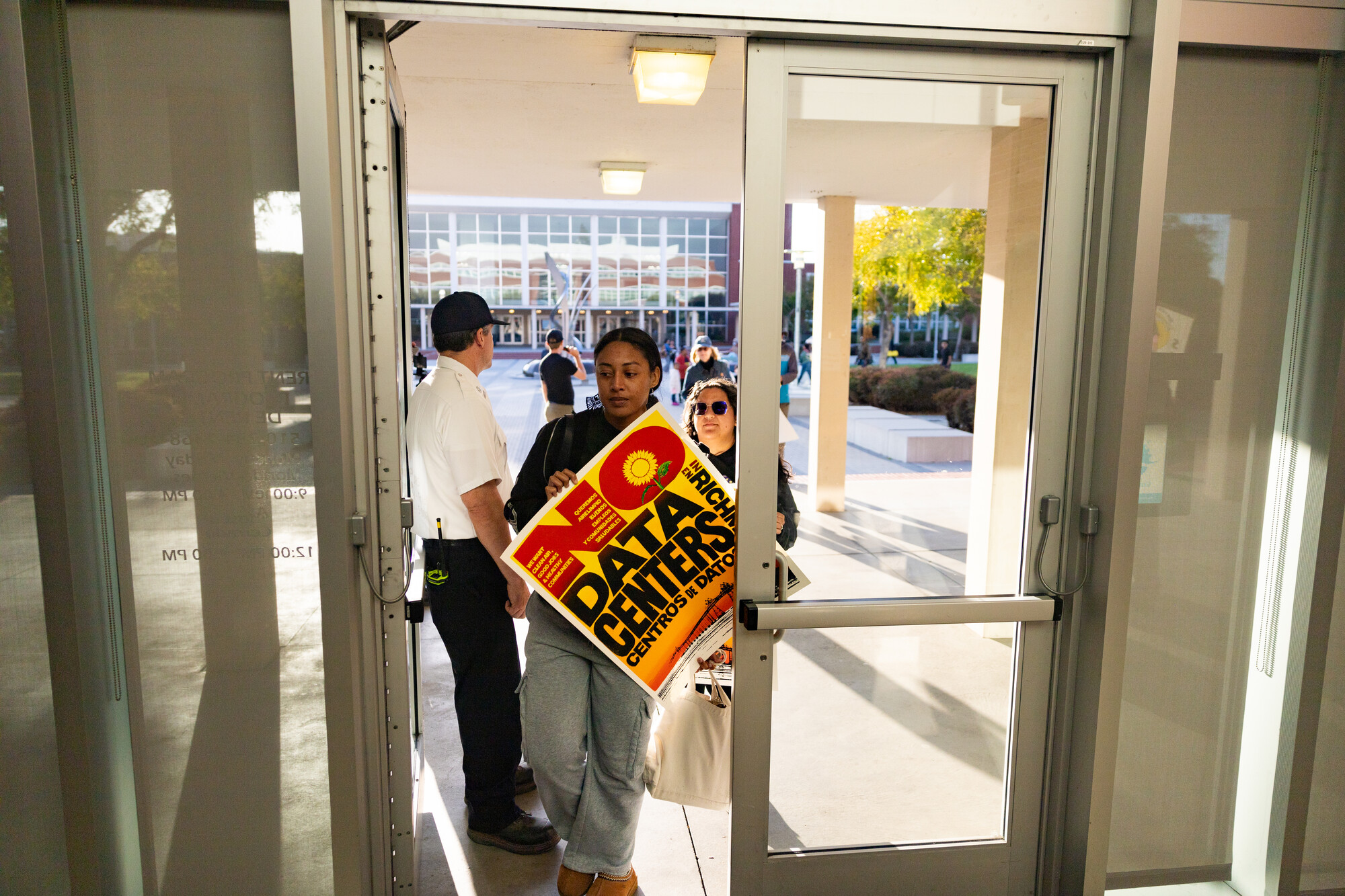
Oakley passed the region’s first moratorium — and the first permanent ban — after an industrial development proposal, which included the potential for data centers, garnered intense pushback. Despite having no proposals, Richmond also passed its own moratorium in September. Pittsburg followed suit in October after criticism from community members. This as officials in nearby Brentwood have also expressed interest in regulating the controversial facilities.
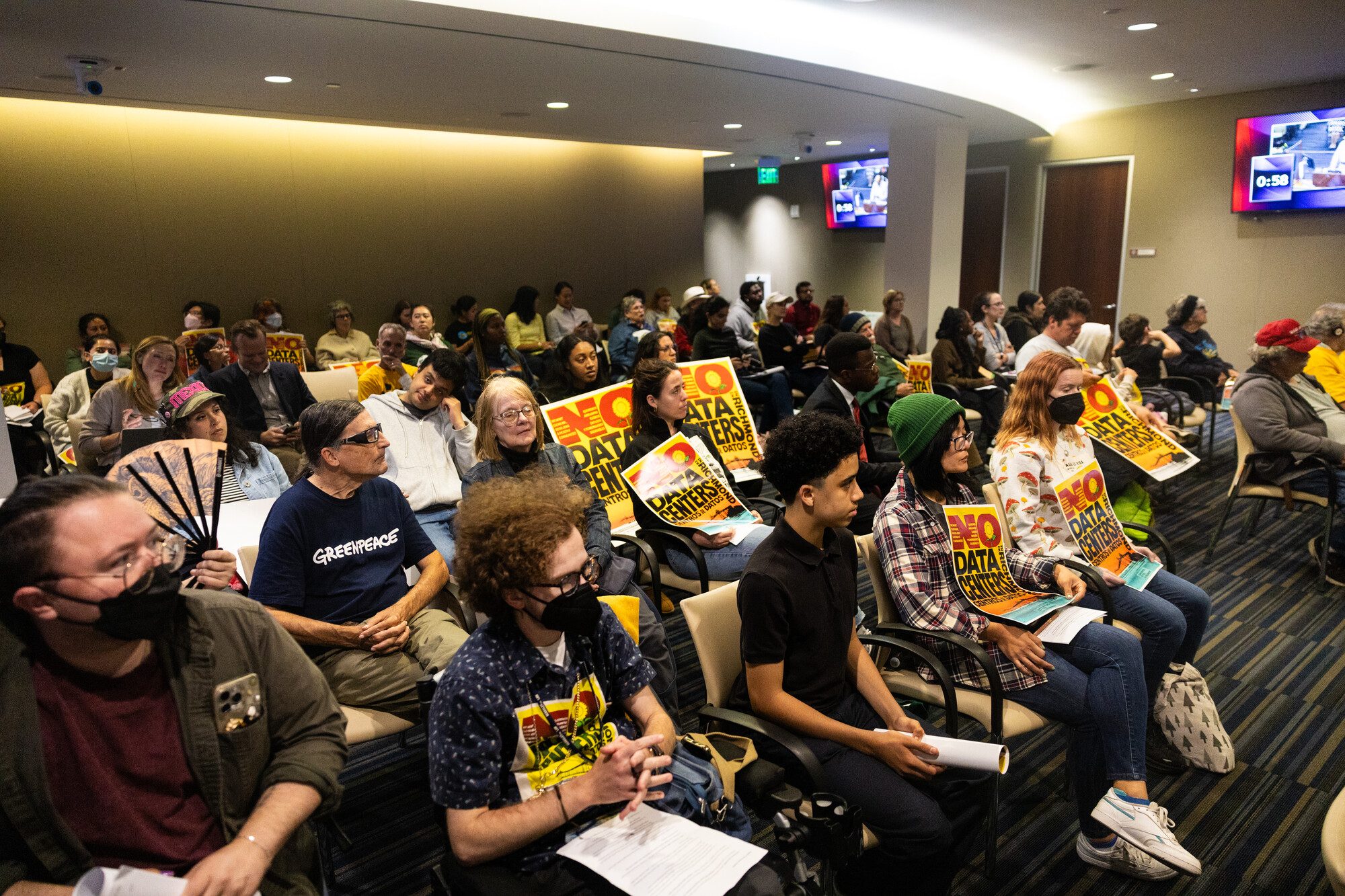
“The thinking is that wealthier cities can afford to say no to this kind of development,” Richmond City Council member Sue Wilson said ahead of the city’s September moratorium vote. “But maybe some of the cities like Richmond can’t, and that we’ll just take whatever there is to offer. That’s just not the case anymore.”
Most of those cities are in what advocates like Shiva Mishek, the Northern California program co-director of Communities for a Better Environment, call the “East Bay refinery corridor.”
The core population of those cities are Latino or Black, according to the U.S. Census Bureau. In Richmond, 45.5% of residents are Latino and another 16.4% are Black. Antioch, home to one of the largest populations of Black residents in the Bay Area, and Pittsburg have similar population makeup.
But the areas also have some of the worst health outcomes compared to their wealthier neighbors, Mishek said.
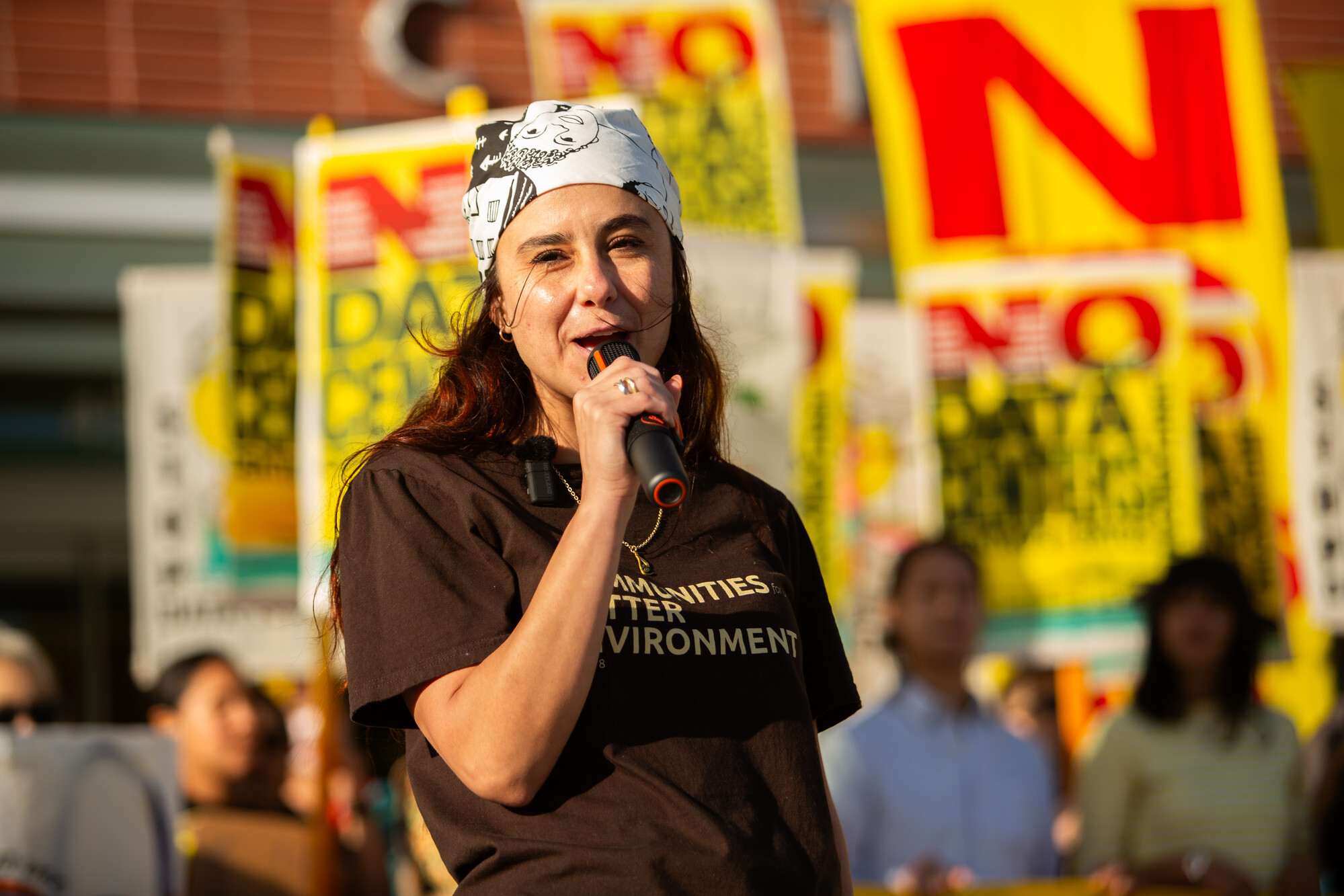
“We have low birth weights, we have terrible cardiovascular outcomes, terrible asthma outcomes,” Mishek said. “We are a corridor that is working class, far below the federal poverty level, Black and Brown, so polluting industries feel much more emboldened to come into our communities.”
A January 2026 study from PSE Healthy Energy found that West and East Contra Costa experienced some of the highest amounts of air pollution in the county due to emissions from the Chevron Refinery near Richmond, the Marsh Landing power plant in Antioch, Richmond’s Levin Coal Terminal and transportation in the areas.
Just months ago, the Bay Area Air District released findings that showed people who live closer to the Chevron Refinery are at a higher risk of developing cancer.

“This is the county where polluting industries have come for the past century,” Mishek told KQED. “You compare our health outcomes and our air quality — even to South Contra Costa — you look at maps on CalEnviroScreen, it just lights up red.”
CalEnviroScreen maps out how communities in the state are impacted by various pollution sources.
Those impacts have — for decades — spurred environmental activism in a corner of the Bay Area that’s been at the forefront of pushback to data center development.
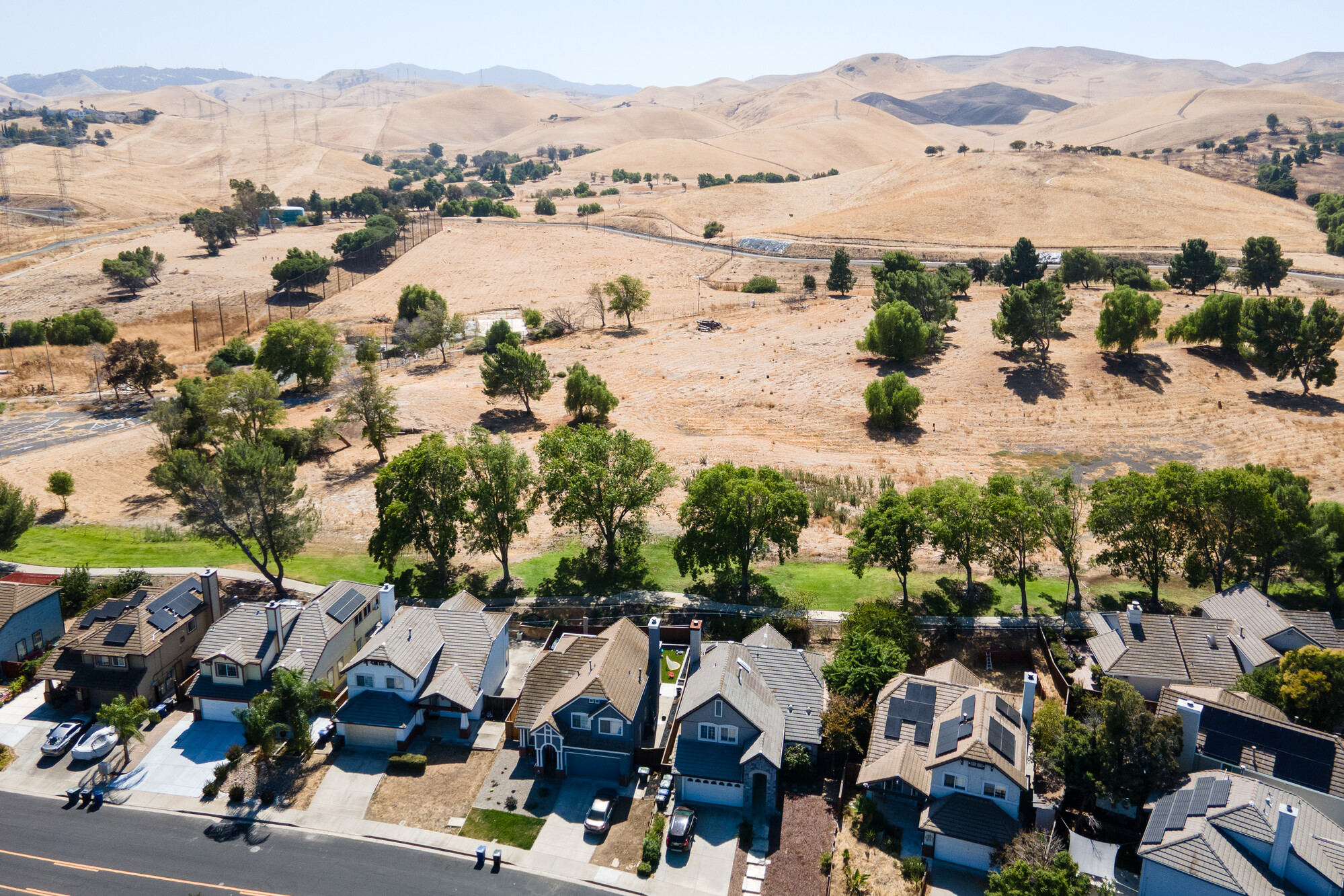
Pittsburg resident Marifer Miranda is part of the Stop Pittsburg Data Center coalition, an anti-data center group fighting the AVAIO Digital data center slated to go up at the former Delta View Golf Course. Phase 1 of the project is a three-story, 347,740 square feet data center building that will take up 22 acres of the total 76-acre site.
“We want to make sure that even though we’re focused on this one center, it’s really about all of the ones that are in the city, especially because of the history of environmental impact from living between the Martinez refinery and the Pittsburg refinery as well,” Miranda said on KQED’s Forum. “It’s been a very interesting, environmentally impacted area that we want to protect.”
The promise of economic development
Developers, labor unions and some city leaders have said the facilities are a means to boost a city’s economy. That could be especially enticing to a place like Pittsburg, which has already started making cuts to services like library hours to reduce an around $5 million budget deficit
AVAIO has already been given most of the core approvals it needs by state regulators and the city, save a number of permits, to construct the first phase of a three-phase project in Pittsburg that includes a data center.
Over 1,000 construction jobs are expected to be created during the project, according to the city. Long-term, the site will be able to support approximately 30 on-site jobs and around 190 via secondary and tertiary businesses in phase 1, City Manager Darin Gale said in August.
Gale told community members that the facility would generate around $1.36 million annually in property taxes and approximately $5 million in five years, or $1 million every year, in sales tax.
John Belperio, director of organizing for the North Coast States Carpenters Union, which includes Contra Costa, said jobs are exactly what his members look for in projects, even if they are short-term.
“Every project has a life cycle, and when it ends, it’s on to the next one,” Belperio said. “Data centers in general create an opportunity for union members to work.”
Amhari Perkins, who started a petition opposing the Pittsburg data center that grew into the Stop Pittsburg Data Center coalition and an unsuccessful City Council candidate, said it isn’t worth it.
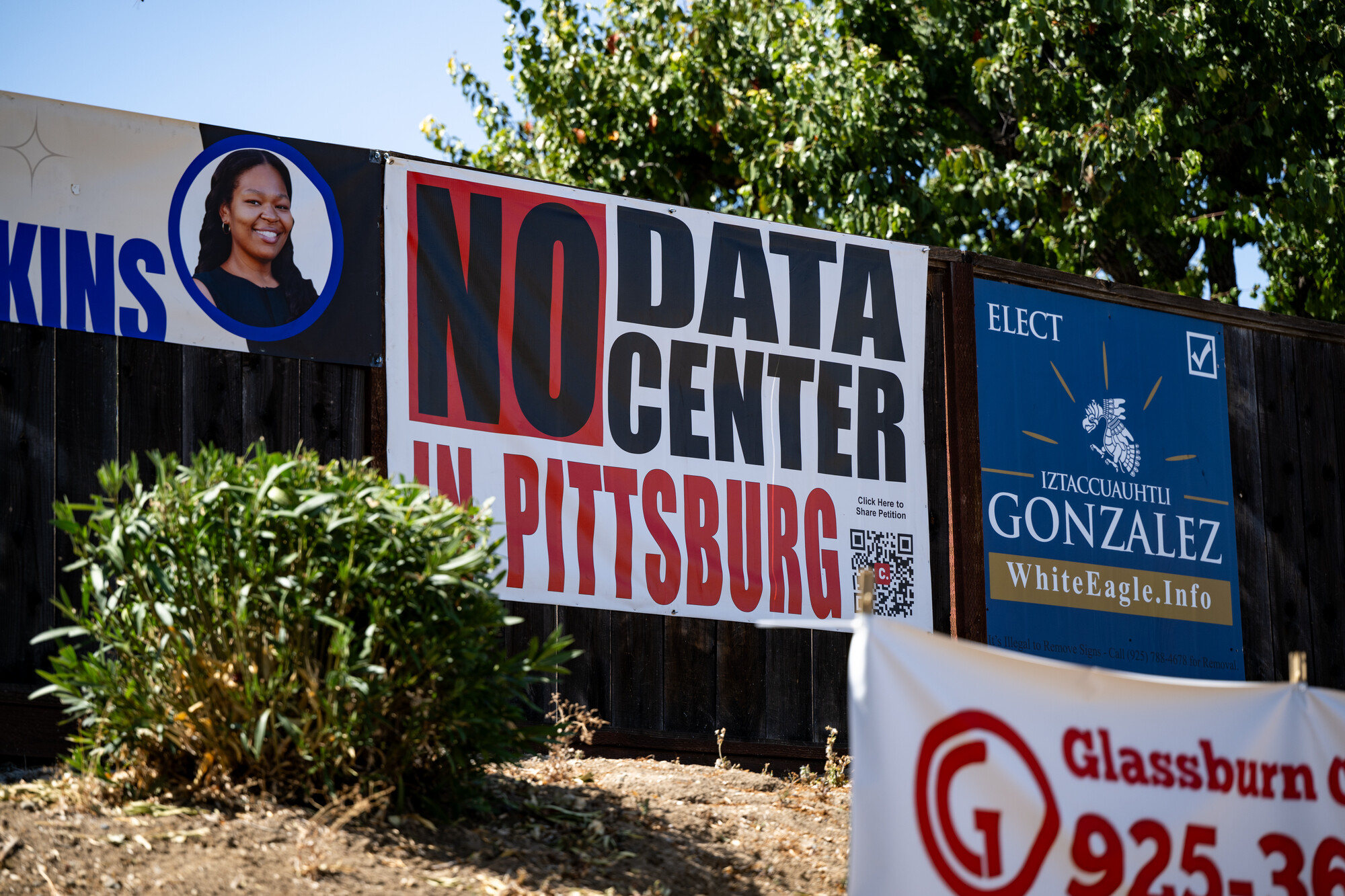
“It’s not real promising work as far as I’m aware of,” Perkins said about data center jobs.
Pittsburg city officials have previously said that they know a data center itself wouldn’t employ many people. Instead, it’s supposed to attract other companies in the industry to the city, they said.
“I feel like [City Council] members were duped [by the language used by developers],” Perkins said.
AVAIO did not respond to requests for comment. But has said previously that the project’s location places itself as “one of Northern California’s most strategically positioned, near-term, large-scale power-secured campuses.”
Mark McComiskey, CEO of AVAIO, said in a December 2025 statement announcing state regulatory approval, that it underscored it as a “truly unique platform in the Bay Area.”
McComiskey said then that the center has attributes that are “exceptionally hard” to find in the industry’s current landscape.
Global Stack LLC, a company that’s proposed data centers at a slew of county fairgrounds as part of a larger plan to boost economic growth and public safety, uses similar language about their projects. The company is quick to say they’re not developing data centers but a solution to problems facing fairgrounds, like generating revenue.
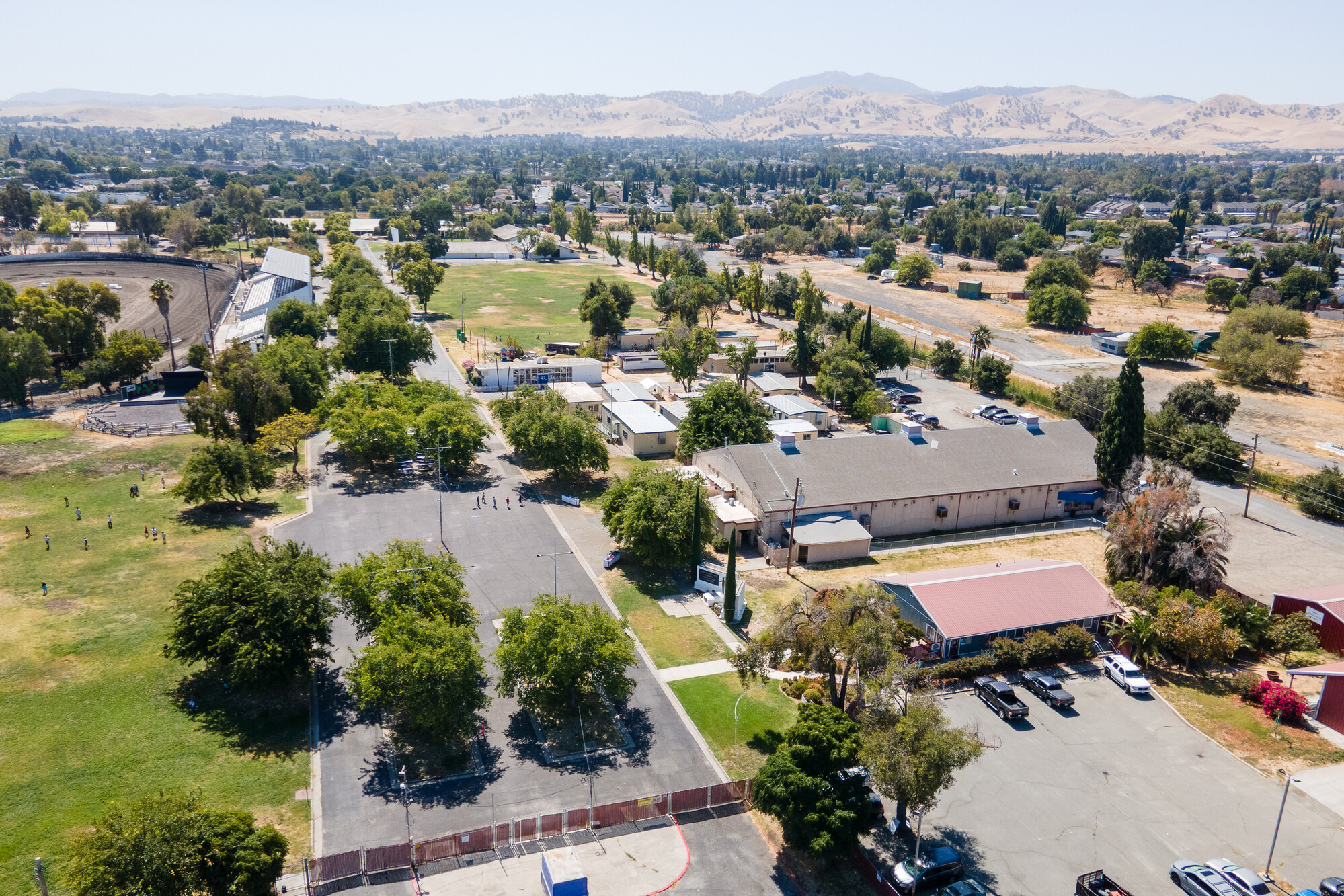
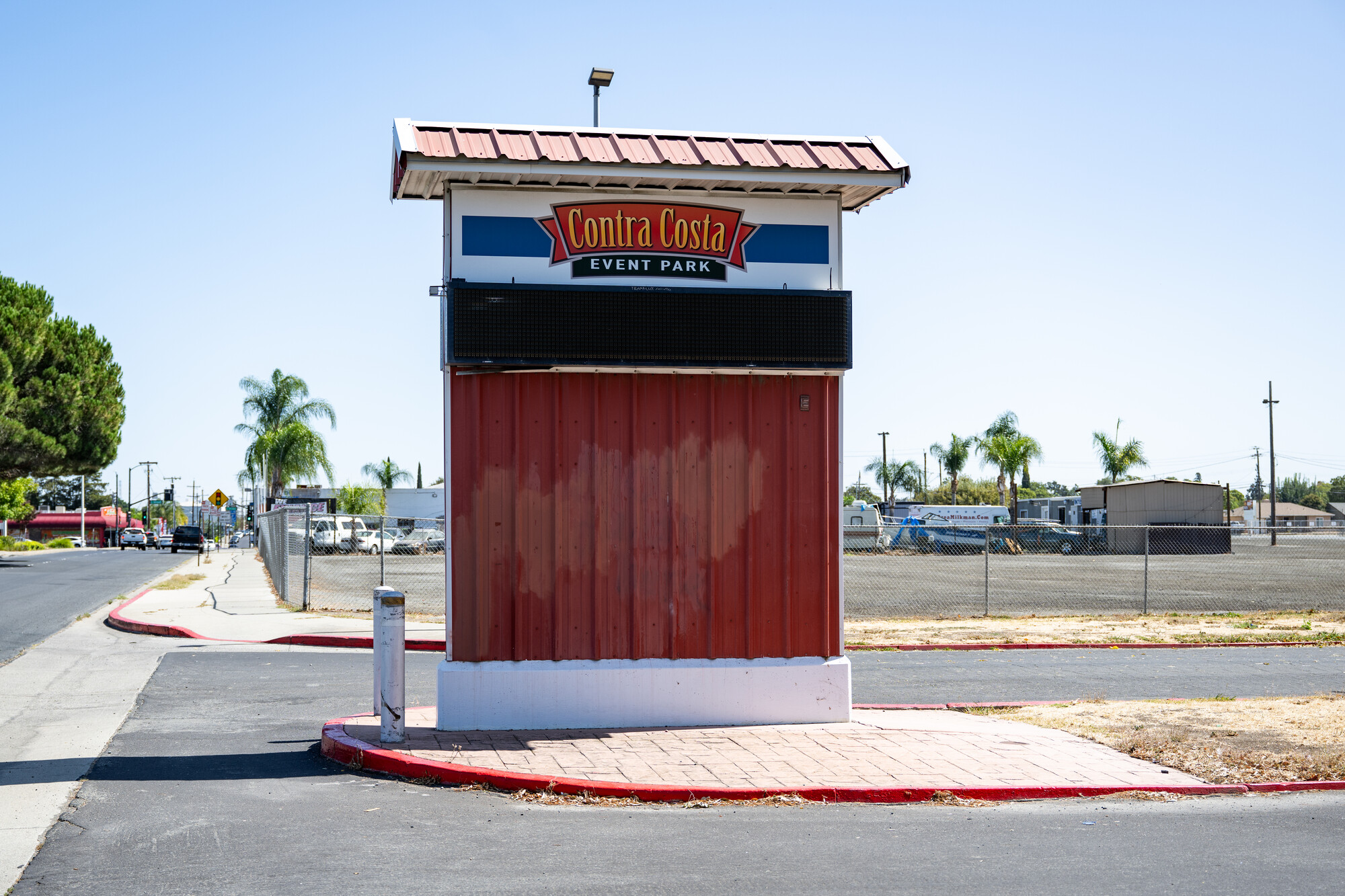
The company has proposed eight Bay Area locations, some of which have since fizzled or been put on hold. A presentation shown to another jurisdiction listed the Contra Costa Fair & Event Park in Antioch as a potential site, according to the San Francisco Chronicle. But Global Stack and Cheyenne Erickson, CEO of the park, said neither have spoken about such a project.
The company said that “each potential site is evaluated individually to determine whether it is a good fit based on local needs, site conditions and technical feasibility.”
“Not every fairground or site will ultimately be suited to the model,” the company said in a statement to KQED.
Antioch hasn’t tackled the issue of data centers, but has made its own efforts to boost economic development to rid itself of a multiyear deficit.
Environmental commitments in Pittsburg
AVAIO’s project, after a settlement with the Center for Biological Diversity, requires the developer to use 100% carbon-free renewable energy to power the data center and recycled water to cool equipment.
Peter Broderick, a senior attorney with the Center for Biological Diversity, said his organization sued the city and developer because of concerns over potential impacts to local wildlife and the environment. Broderick said that prevents them from further opposing the current phase of the project like others.
The project will also use energy through the city’s power company, the Pittsburg Power Company, and won’t raise rates on residents, the city says.
“In this instance, you and your neighbors are PG&E customers,” an FAQ on the project’s site said. “This also means the power being delivered to the data center isn’t coming from the same PG&E ‘pool’ as your power, and your power won’t be reduced to benefit the data center.”
Council members Juan Antonio Banales and Jelani Killings said at a City Council meeting that there is a gap between how residents think about data centers and how current facilities look and operate.
The newer facilities the two visited were quieter and more environmentally friendly, they said.
Emma Ishii, the former local policy coordinator for the Asian Pacific Environmental Network, said that data centers are largely popping up in communities that already have a legacy of pollution.
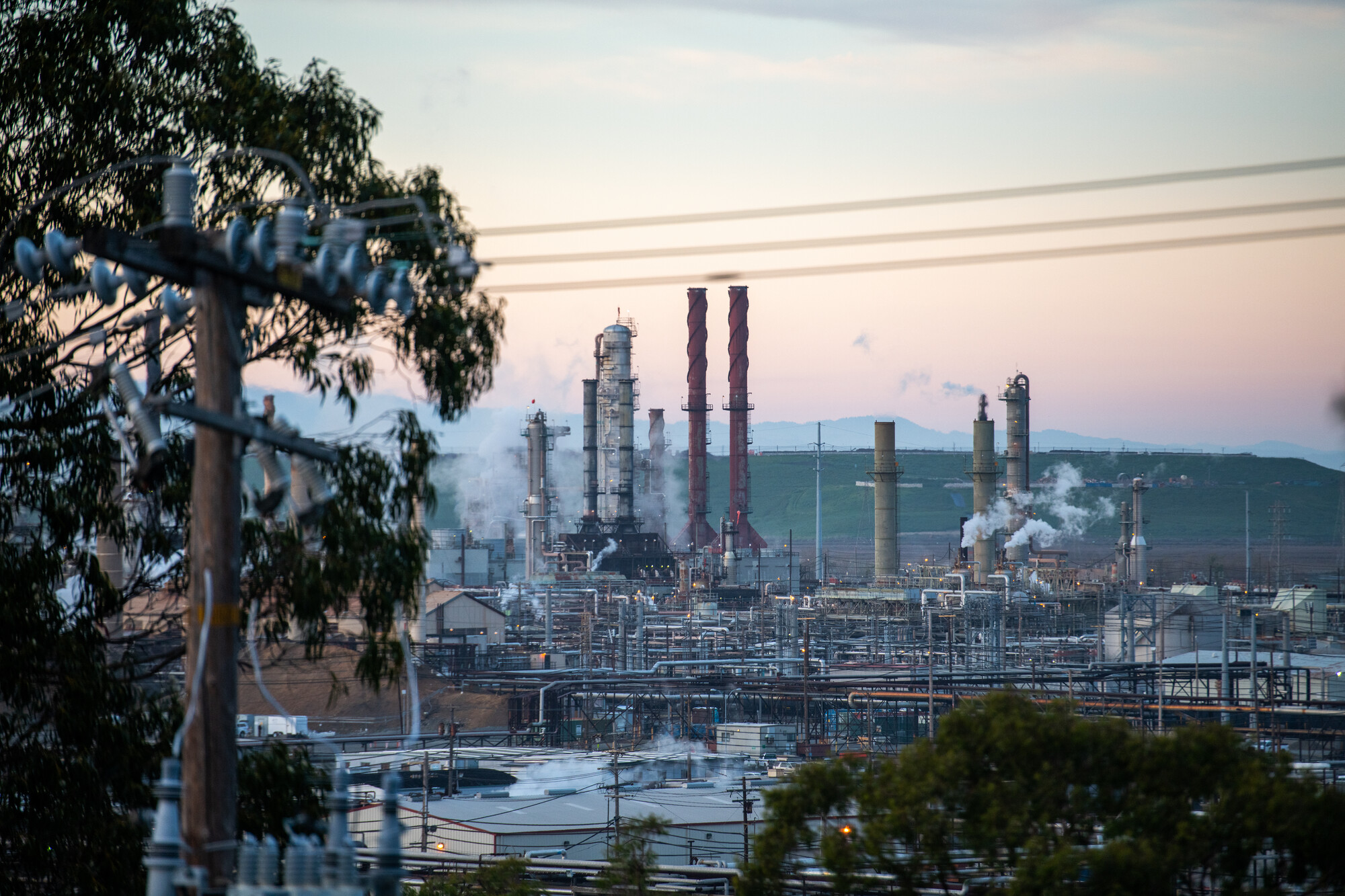
“Our members especially know what it’s like to be living in the shadow of a refinery and now another — in a different way — extractive company and business,” Ishii said in an interview before she left the organization last month.
But while anti-data center folks in places like Pittsburg have rallied against the facilities, community members who ran in the Nov. 3 election on a platform denouncing them don’t appear to all be making the cut.
Perkins, Pauline Johnson, another Stop Pittsburg member, and a handful of others from a crowded City Council race spoke against the AVAIO project while campaigning. Only Sonja Shephard, an environmental activist who has spoken about revisiting the first phase of the project, is likely to win a spot on the council, according to the most recent unofficial election results.
The top-two vote-getters in the race — Mayor Dionne Adams and Council member Arlene Kobata — were among those highly criticized for their approvals with the AVAIO project.
‘Not about being anti-technology’
Several who spoke to KQED for this story said they use AI despite opposing the current development of data centers.
Wilson, the Richmond City Council member, said she uses it in a limited way, and the Stop Pittsburg Data Center coalition said they used AI to help them compile their website.
Back in August, the Pittsburg coalition seemed to be at odds over its official stance on AI and data centers. Leaders in the group during a meeting ruffled feathers when they mentioned not being actively anti-AI or anti-data center.
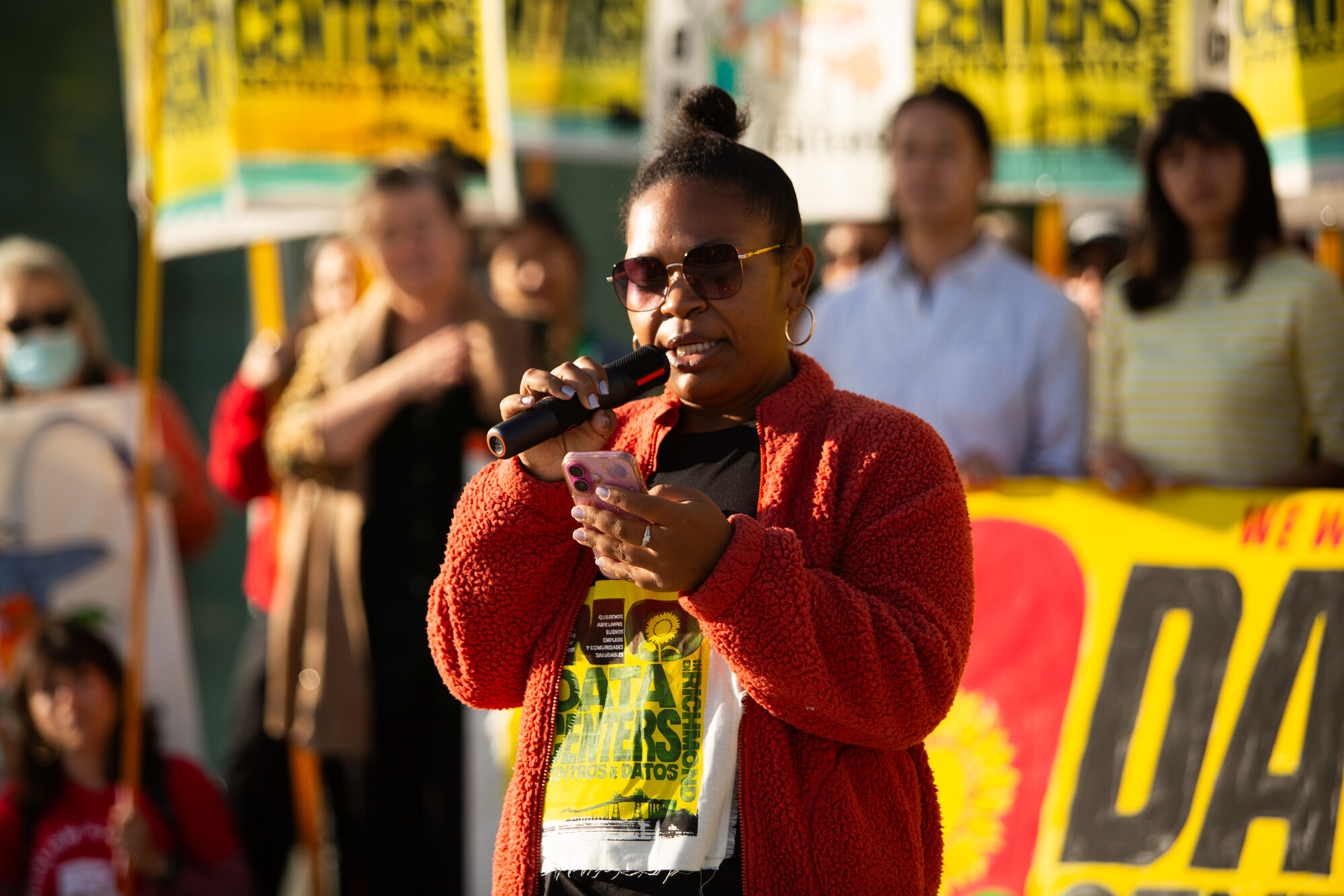
“This is not about being anti-technology. It is not about being against progress,” said Perkins at a rally ahead of Richmond’s moratorium vote. “I don’t believe communities should have to choose between economic opportunity and protecting the place they call home.”
The issue, opponents of the centers say, is the lack of transparency around the facilities and mitigating the impacts they have on communities.
In Pittsburg, the City Council approved what many in the community only knew as the “Pittsburg Technology Park” in 2024. The name was misleading, several said.
Gale announced during a City Council meeting in August that the city was forming an advisory committee on how the city should regulate data centers.
In October, the city adopted a 45-day moratorium on data centers, which paused all new data center development in the city. The moratorium does not affect data center construction in phase 1 of the AVAIO project.
Other cities in the region have also started the process of looking into bans.
The city of Oakley voted on the Bay Area’s first permanent data center ban this month, less than a year after first imposing its first moratorium. The ban would go into effect 30 days after a second vote, which is expected by the end of this year. The ban would prohibit data centers in every zoning district within the city’s jurisdiction.
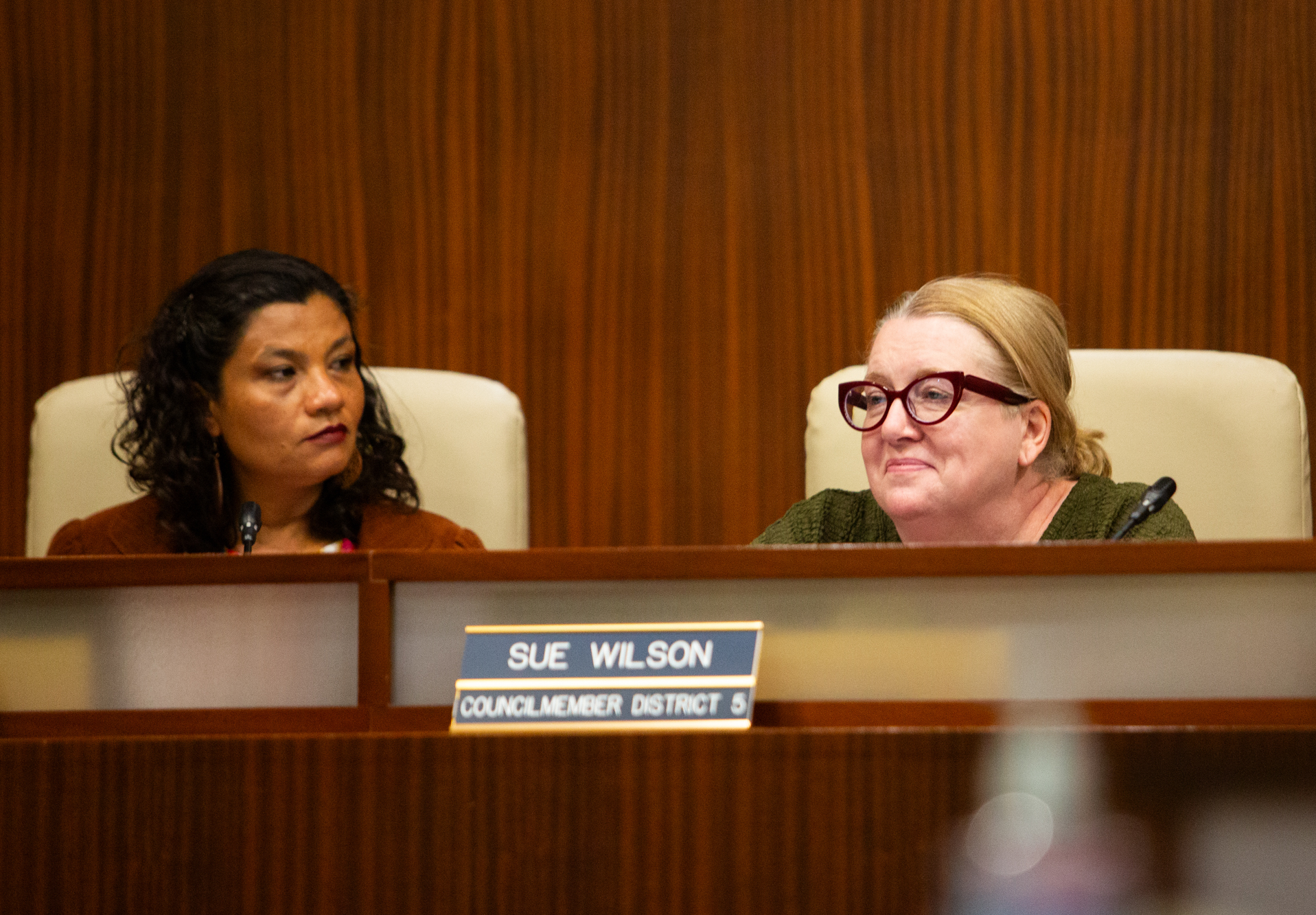
Earlier in September, the Richmond City Council enacted its own moratorium on data centers and extended it weeks later.
Richmond Council member and Mayor-elect Claudia Jimenez said it’s not a question of if she’s against data centers, but that regulators need to measure data centers’ actual impact to develop safeguards.
“So my thing is, let’s figure out the policies and all the safeguards that we need to implement before it’s too late,” Jimenez said.