San Francisco Prepares to End Its Public School Lottery System
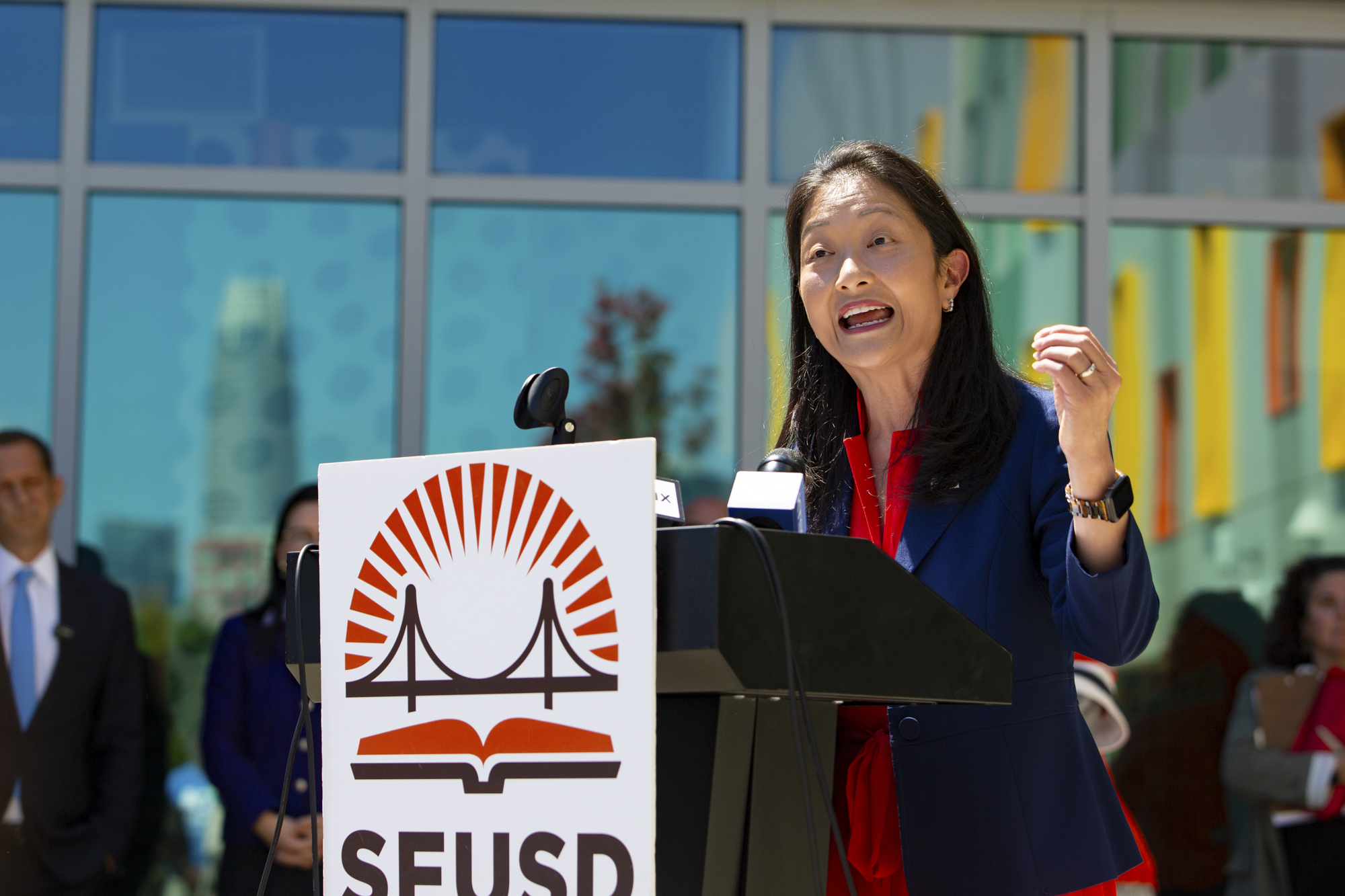
San Francisco’s schools could soon pivot to neighborhood-based enrollment, 15 years after the controversial “lottery” system aimed to give families a sweeping choice of schools anywhere in the city, but offered little certainty of where their child would be placed.
The school board is expected to approve one of two plans that would overhaul the San Francisco Unified School District’s student assignment system in favor of a policy staff said will be more predictable and keep more students closer to home.
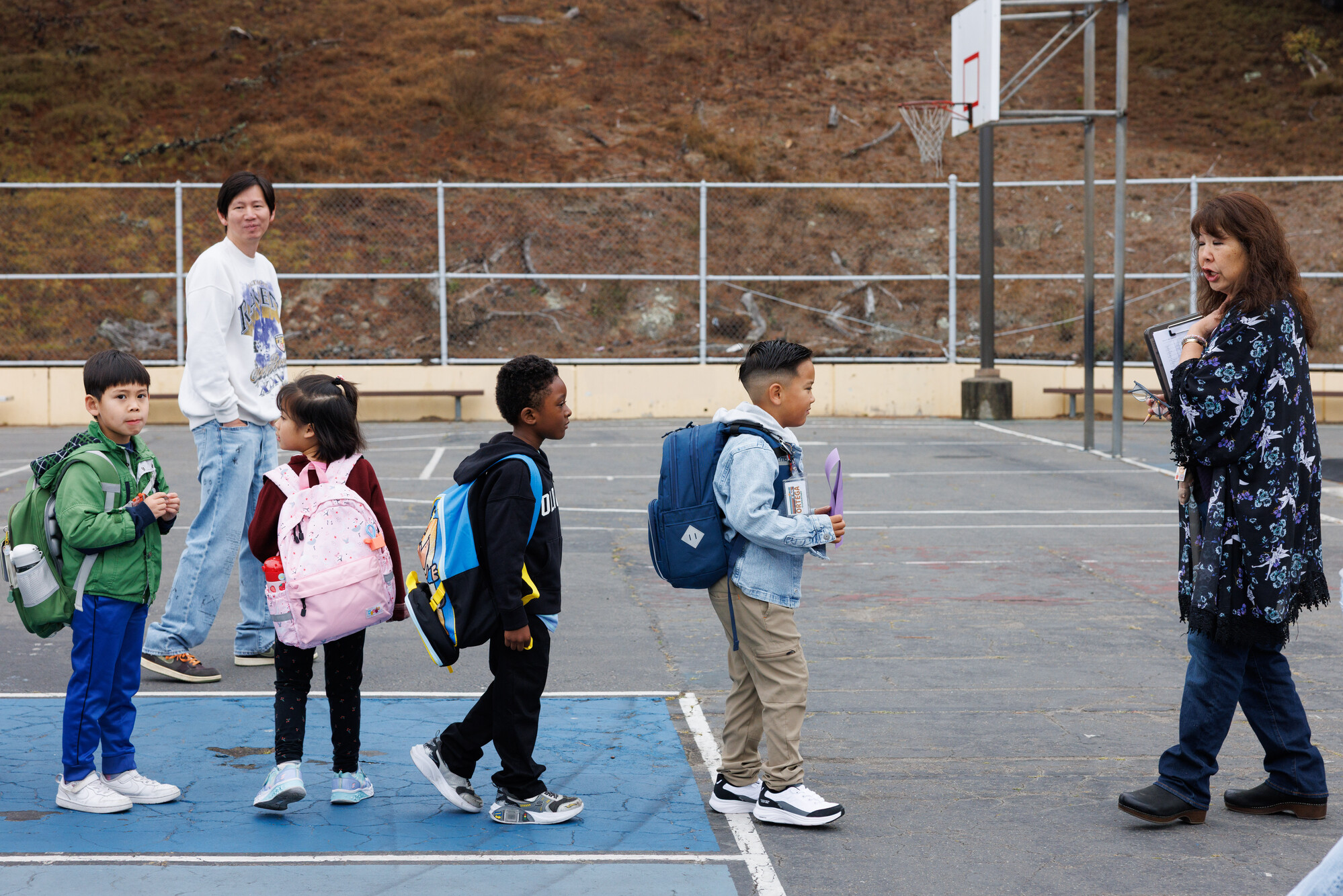
SFUSD’s current enrollment system allows families to apply to any of its elementary school campuses across the city, but does not guarantee students’ acceptance in any specific one.
Critics have called the system stressful, confusing, and frustrating enough to turn some families away from the city’s public school system entirely. But others are wary of losing the element of choice, especially for families who live in neighborhoods where schools have weathered decades of underinvestment and underenrollment.
In recent weeks, SFUSD’s board and staff have spent late nights discussing possible enrollment options, narrowing down their choices to two last week. Both of the plans on the table on Tuesday night would guarantee students who apply by the enrollment deadline a seat in an assigned elementary school based on their address — and eliminate the requirement that families rank school choices in order to enroll in SFUSD.
The board is expected to direct staff to hammer out the details for one of those policies, called “Option B” and “Option C,” for approval by April.
Under Option B, students would be given the option to accept a seat at their neighborhood school. They would have the option of applying to other SFUSD schools and could be assigned if there are empty seats.
Option C would similarly give applicants the choice to accept their neighborhood school. They could also apply to other campuses, but only those that offer special programs like language pathways, newcomer services or a kindergarten through eighth grade model.
Last week, the board eliminated a third option, Option A, which would have created enrollment zones. Under that policy, students would have been guaranteed a seat in one of three to five elementary schools near their home, but not necessarily their first choice.
Option A was most similar to a policy the district approved in 2020, but never implemented after the COVID-19 pandemic and significant community pushback. That policy would have had applicants rank schools in their attendance zone and assign them based on that list, as well as diversity and tiebreaker considerations.
Board members expressed concerns that Option A would be difficult to implement before enrollment for fall of 2028 begins, and poses equity concerns between neighborhoods. It also wouldn’t eliminate some of the perils of the current system — applicants would need to rank multiple schools, likely tour multiple campuses and manage the stress of uncertainty while awaiting an assignment.
But Option A rivaled Option B in popularity among families who responded to a district engagement survey this fall.
Of more than 2,7000 respondents, 73% said Option A would meet their needs, while 71% said Option B would. Option C received much lower approval, at just 48%.
Within those percentages, families’ preferences were starkly divided along neighborhood lines: west side and central neighborhoods favored Option A, while the Southeast leaned toward Option B.
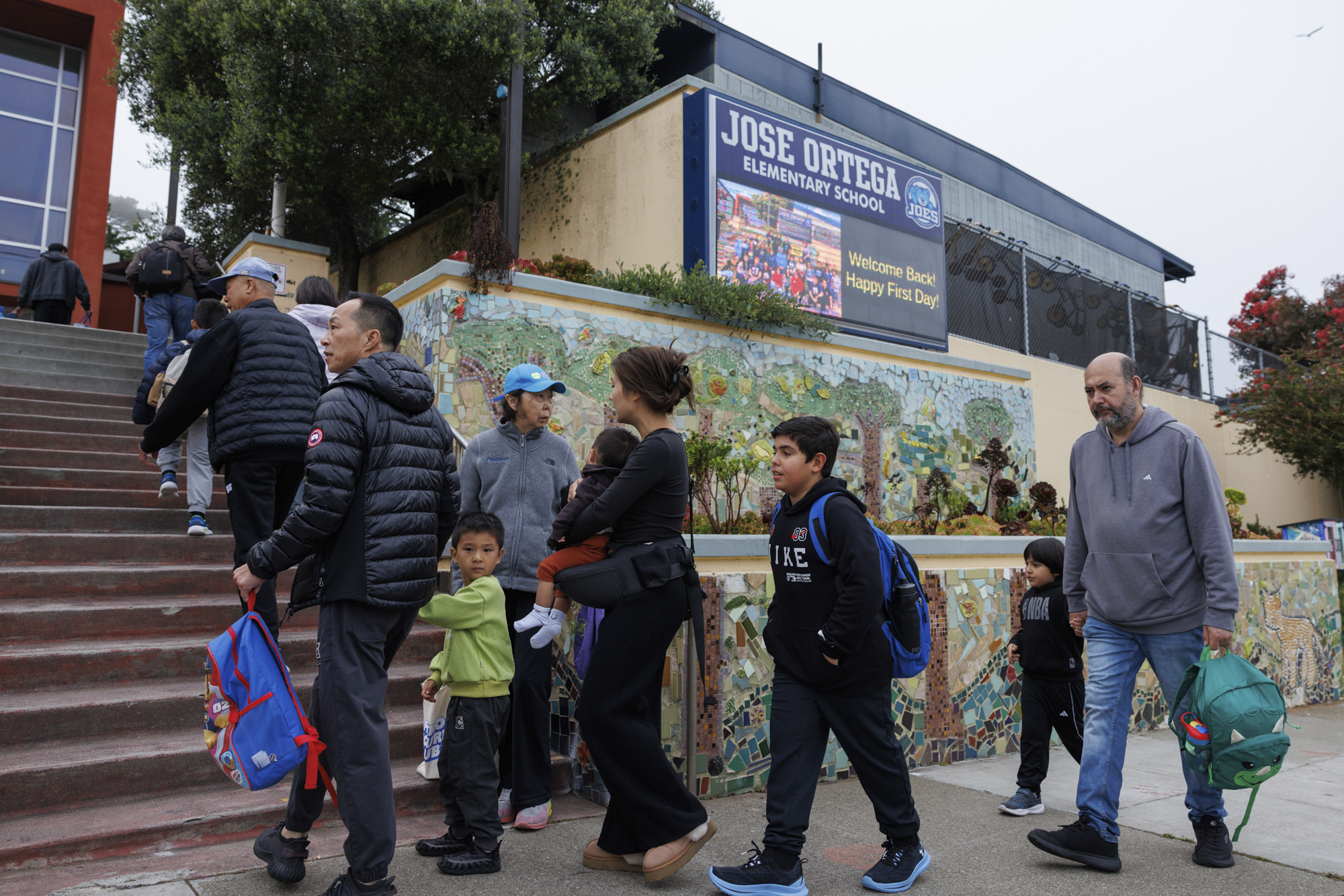
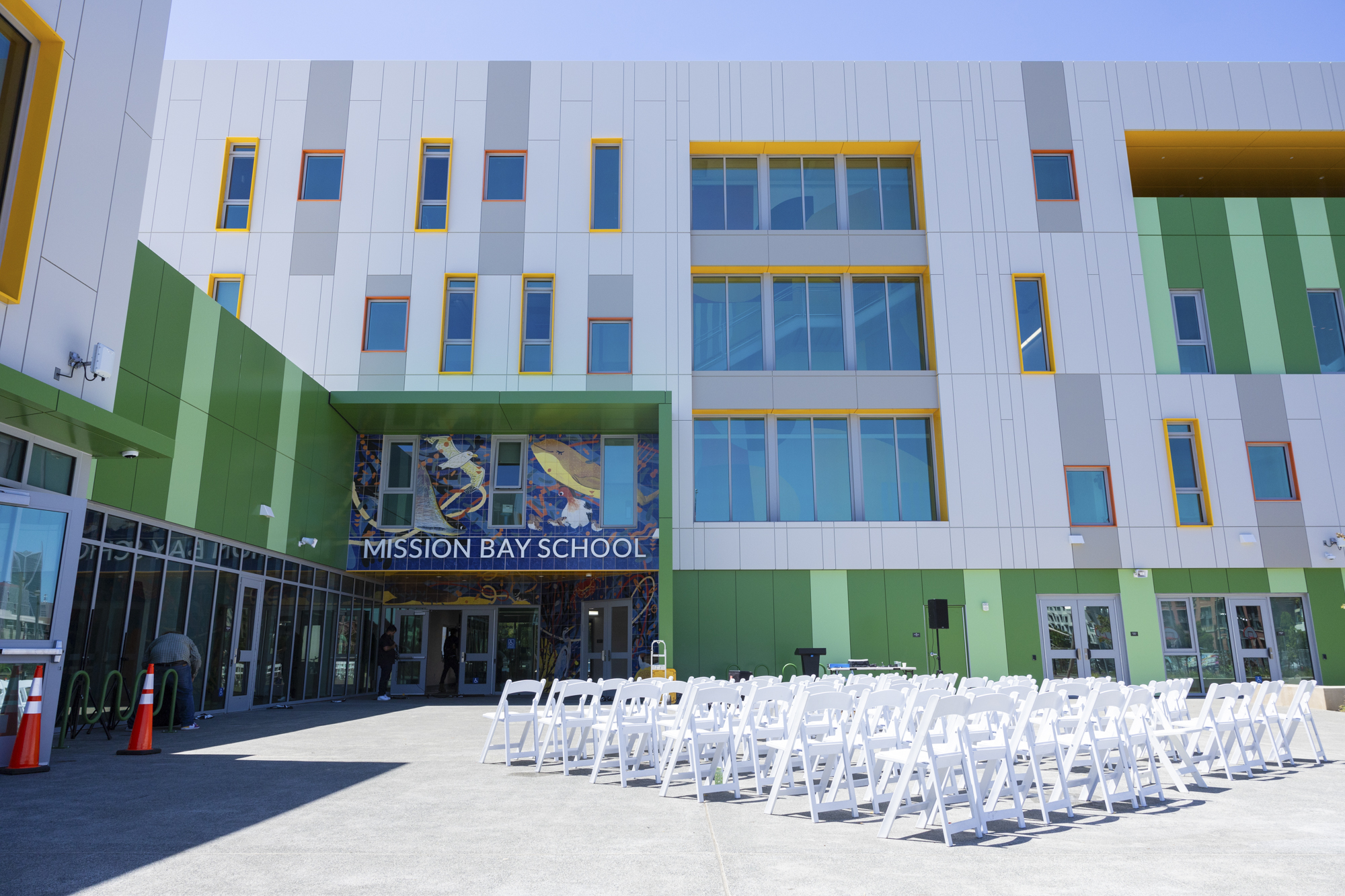
Historically, students in the Sunset and Richmond have been more likely to favor neighborhood schools, while some in the Bayview, Mission Bay and Excelsior have preferred schools outside of their neighborhoods, worried that the schools closest to them don’t have the resources their kids need.
Mirna Vasquez, a Bayview resident whose three children have attended SFUSD schools, said choice remains a priority for her.
“My priority looking at schools [was] they provided a bilingual program,” she said. “I realized that schools near to my house, they don’t have it.”
She also said she wanted to send her children to a campus that was “really funded” and had a full staff.
Overwhelmingly, families who responded to the district’s survey said that for them to enroll a child in a school by their home, they would need an environment that felt safe, has strong math and reading instruction and a stable teaching staff.
“Until they guarantee me as a parent, ‘we’re going to fund it,’ maybe I can enroll my children in my neighborhood schools. But if they don’t promise that … I don’t mind driving far away to make sure my kids have better access to, I don’t want to say better education, because I don’t know if that’s true, but more support,” she said.
Families who preferred Option A reported much higher levels of satisfaction with the schools near their homes: just 37% in favor of A responded that there was “no acceptable school nearby,” compared to 60% of those who preferred Option B.
For decades, the school district has struggled to ensure that schools in lower-income neighborhoods and where students have had lower academic performance rates receive equitable resources, staff and programs — creating a loop of underenrollment, and so, a lack of funding, for schools with the most acute needs.
At their final study session before Tuesday’s vote, some board members expressed concerns that either policy could perpetuate the same issues: “I’m very concerned that we would expect similar patterns to repeat, of students from the southeast preferencing schools other than their neighborhood schools [and] going to open spots,” said Vice President Jaime Huling.
“Then, having their schools be underenrolled even though that’s where the most students are, and being faced in April with making decisions about closing schools in the southeast,” she said.
Looming in the background is a mandate from the board for Superintendent Maria Su to propose possible school closures and mergers by 2030.
The district’s last attempt to close schools in 2024 was abandoned after parents, union representatives and city officials pushed back, in part because they said the campuses set to close or merge would disproportionately impact historically marginalized communities.
After Tuesday night’s decision, staff will move forward with redrawing attendance areas for neighborhood schools and making sure there are enough seats for all students.
The board will meet again in November to discuss more specifics, like tiebreaker metrics for assigning students to non-neighborhood schools. The current lottery gives priority to siblings of students enrolled at the school, and those who live in areas of the city with the lowest test scores, among other factors.
They’ve also directed staff to implement the enrollment change in a way that creates strong, well-resourced schools in every neighborhood. Whether that’s possible under either proposed model, though, remains to be seen.