FIFA World Cup Matches Bring $850 Million to Bay Area, Report Says
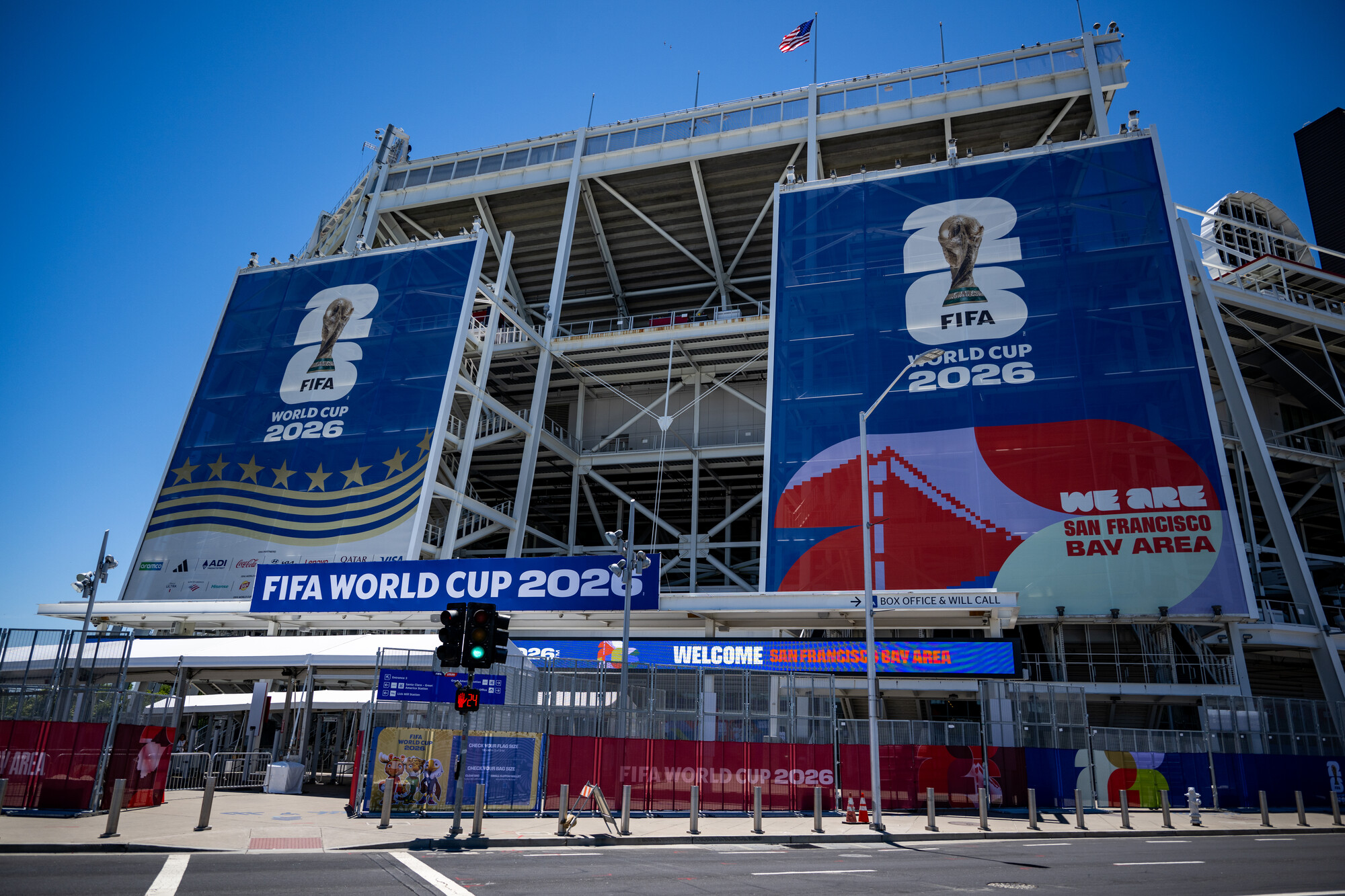
The FIFA World Cup generated roughly $850 million in economic impact in the Bay Area, according to a new report released by regional organizers.
The report was unveiled Thursday by the Bay Area Host Committee, a nonprofit formed to bring major sporting events to the region, with a board of directors made up of heads of local professional sports teams, whose venues often host events or play supporting roles.
The estimated figure is based on metrics evaluating spending by visitors, teams and companies on things like hotels, food, transportation and events, and the wages earned by workers in the region related to the World Cup. The report was prepared for the host committee by Boston Consulting Group.
“Hosting FIFA World Cup 2026 elevated our global reputation, strengthened community bonds and will pay dividends for years to come,” Zaileen Janmohamed, the president & CEO of the host committee, said in a statement.
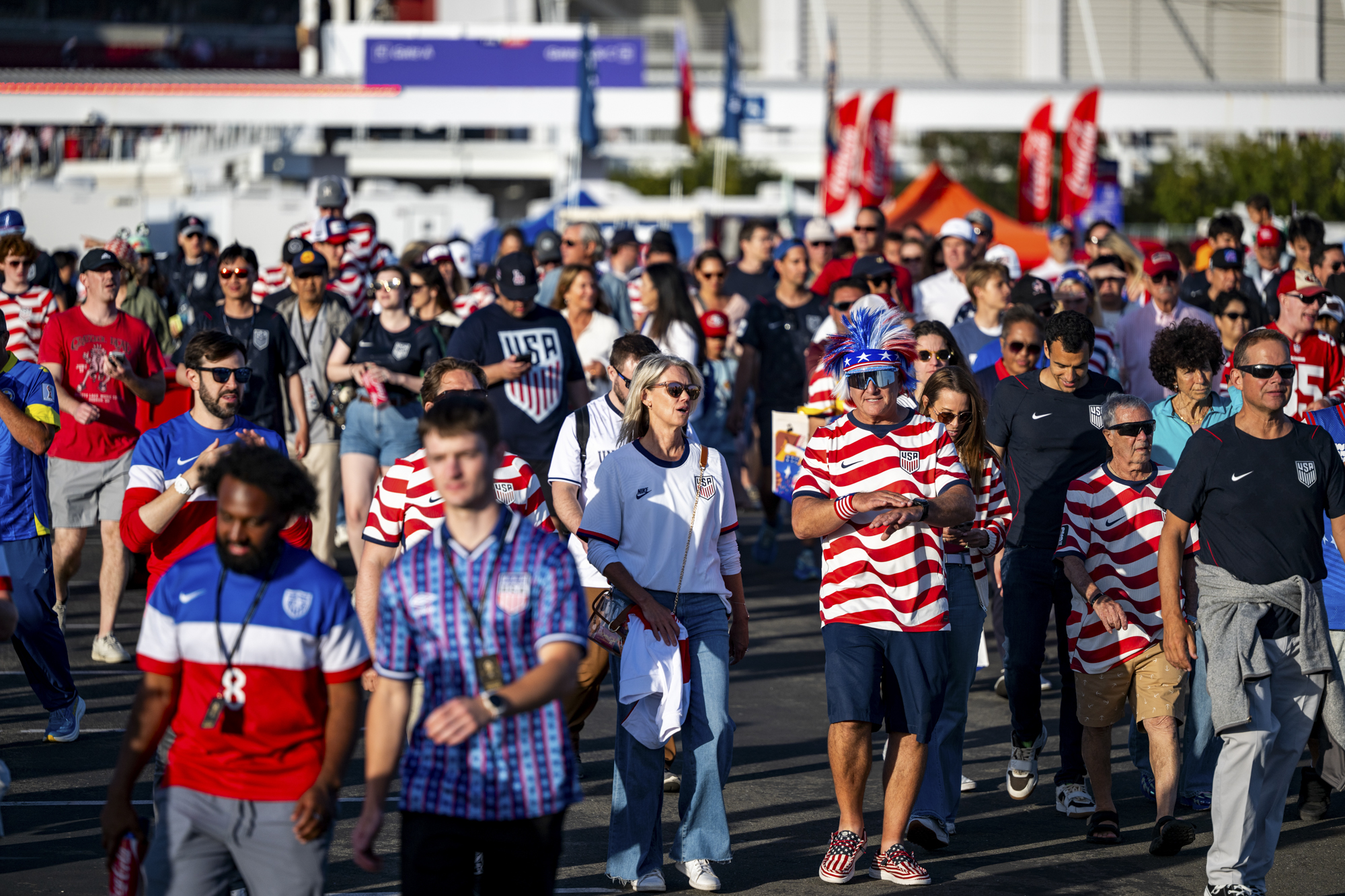
“The world’s attention on our region showcased the Bay Area as a premier destination for major international events, brought neighbors together through watch parties and shared celebration, and will continue to fuel future tourism as visitors who experienced our hospitality choose to return and recommend the Bay to friends and family,” she said.
The report said the lion’s share of the impacts — about $410 million — were seen in Santa Clara County. Levi’s Stadium, in the city of Santa Clara, was designated as the sole venue for all six World Cup matches played in Northern California.
The stadium was stripped of its branding under FIFA rules, and temporarily dubbed San Francisco Bay Area Stadium.
About $240 million of the boost was felt in San Francisco County, and the remaining $200 million was spread among eight other Bay Area counties: Alameda, Contra Costa, Marin, Napa, San Mateo, Santa Cruz, Solano and Sonoma, according to the report.
The matches and supporting events and celebrations supported “approximately 5,100 jobs across the region and drew an estimated 240,000 visitors from outside the Bay Area, underscoring the tournament’s reach across the region’s hospitality, retail and service sectors,” the host committee’s statement said.
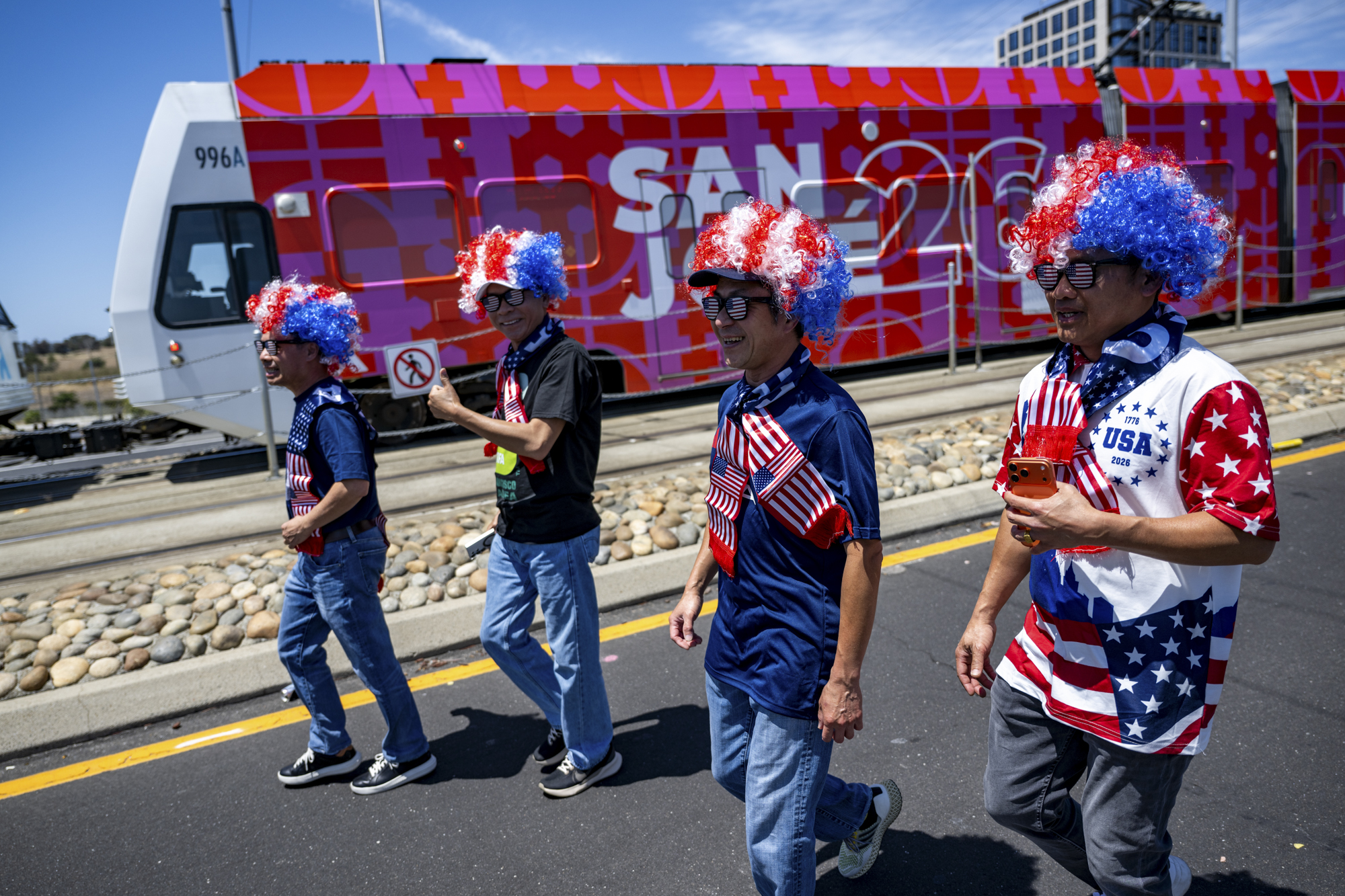
The $850 million figure exceeded the committee’s previous projections for economic impact, which the organization pegged at $480 million to $630 million. It attributed the increase to higher-than-anticipated daily visitor spending.
“The world saw what we’ve known all along — the Bay Area is a world-class sports [region] that excels in bringing people together, welcoming fans from around the globe and delivering an extraordinary World Cup experience,” Gov. Gavin Newsom said in a statement.
“This success was a true team effort, and I could not be more excited for the major sports events to come in the Bay Area.”
The combined events of the 2025 NBA All-Star Game at Chase Center in San Francisco, and Super Bowl LX and the World Cup matches at Levi’s Stadium, generated roughly $1.9 billion for the region in total, according to the host committee.
However, the eye-popping totals proffered by organizations like the host committee are frequently called into question by economics experts and academics.
Roger Noll, a professor emeritus of economics at Stanford University, previously characterized the estimates in such reports as “grossly overstated” and said they serve mainly as public relations or advertising to help justify the large logistical lift, interruptions to public life and costs of hosting major events in the region.
The report prepared for the Super Bowl and other similar events often do not account for mitigating factors, such as the “substitution effect” of people who choose not to visit the Bay Area for business or tourism when major events are held here to avoid higher hotel prices and congestion, he said previously.
But for events like the World Cup, with multiple matches with days in between each, Noll said visitors would likely stay for longer and spend money here.
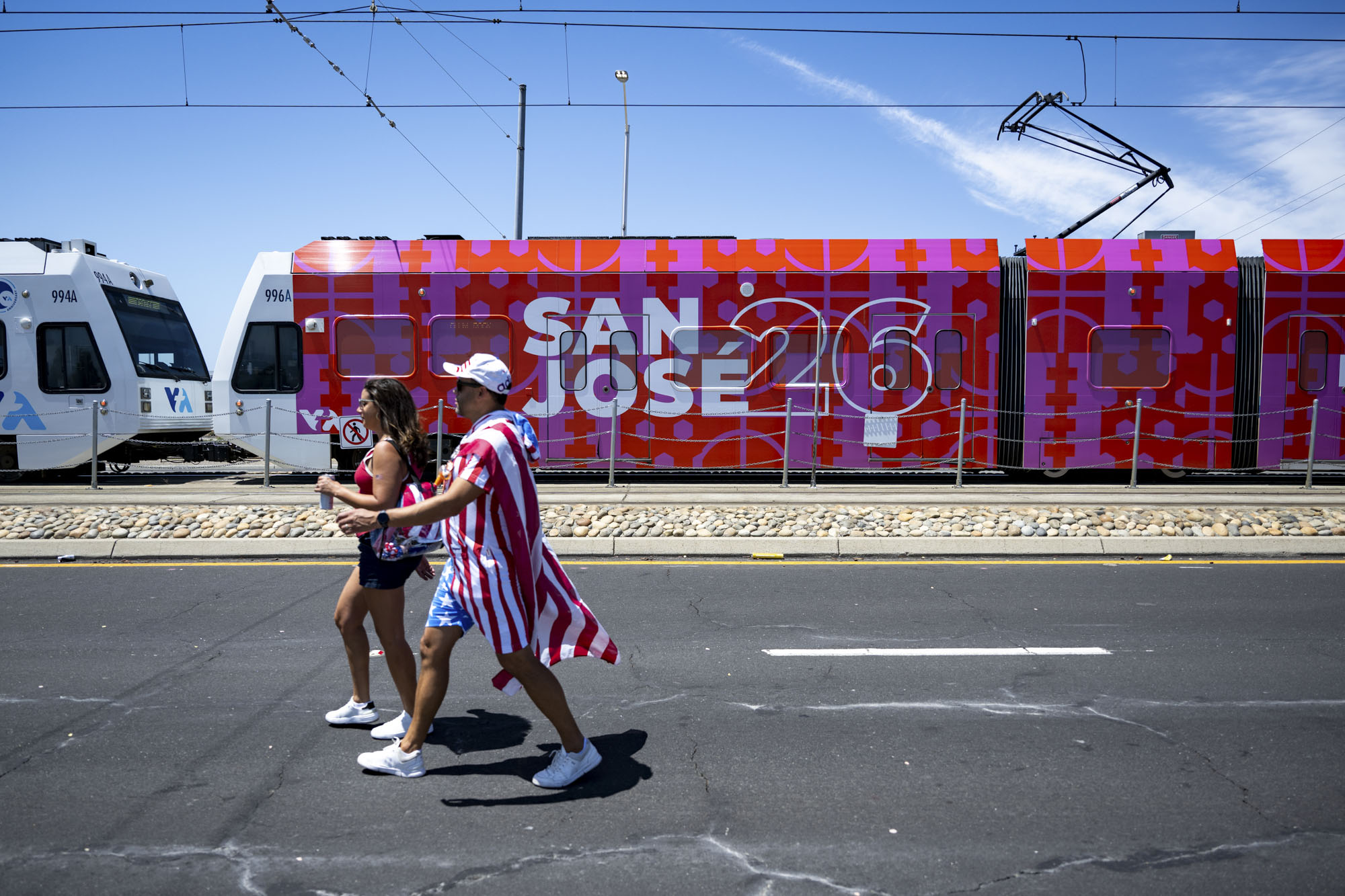
The boost from the World Cup was undeniable in downtown San José, where the San José Earthquakes hosted a watch party for all 104 matches over 39 days at San Pedro Square Market.
Closed streets and massive viewing screens, along with special permission from the city to allow outdoor drinking, drew thousands of people into the area for matches.
Mayor Matt Mahan’s office said the watch parties, activities and entertainment options in downtown brought 1 million cumulative visits to the area.
While most of the celebrations were peaceful, police reported some shootings and stabbings in the area following some of the events, and huge crowds forced organizers to relocate one viewing party to nearby Discovery Meadow to allow for more space. World Cup events were also canceled at Spark Social in San Francisco after a shooting in the Mission Bay neighborhood.
In June, the Bay Area Host Committee launched a Leadership Council and Corporate Membership Program in support of turning the committee into a “permanent, sustainable sports commission that will secure, support and celebrate major sporting events in the region for decades to come.”
The region is set to host the WNBA All-Star Game in 2027 at Chase Center, and the MLB All-Star Game will return to Oracle Park in 2028. Janmohamed said, with the coming events, “We will continue the incredible momentum of the past two years and directly increase positive economic impact for the Bay.”