Newsom Signs Bill to Boost Local Newsrooms, Calling Out Trump’s Restrictions on Press

In a bid to boost a news industry buffeted by financial turmoil and hostility from the federal government, Gov. Gavin Newsom signed a new law on Wednesday designed to give local newsrooms thousands of dollars in tax breaks for each journalist they employ.
Sitting in his Sacramento office surrounded by members of California’s Capitol press corps, Newsom recalled witnessing the “hollowing out” of local newsrooms in the years since he served as a San Francisco county supervisor.
He told reporters the refundable tax credits — ranging from $7,500 to $20,000 apiece — would empower local newsrooms to continue pursuing political stories.
“It’s journalists that need to report those stories and local journalists that need to uncover and sort of peel back the facade if democracy is going to survive, let alone thrive,” Newsom said.
Starting next year, print, digital and broadcast media organizations can claim $20,000 tax credits for each of the first five journalists they employ and $15,000 for every additional reporter. The new law also establishes a $7,500 tax credit for part-time journalist positions.
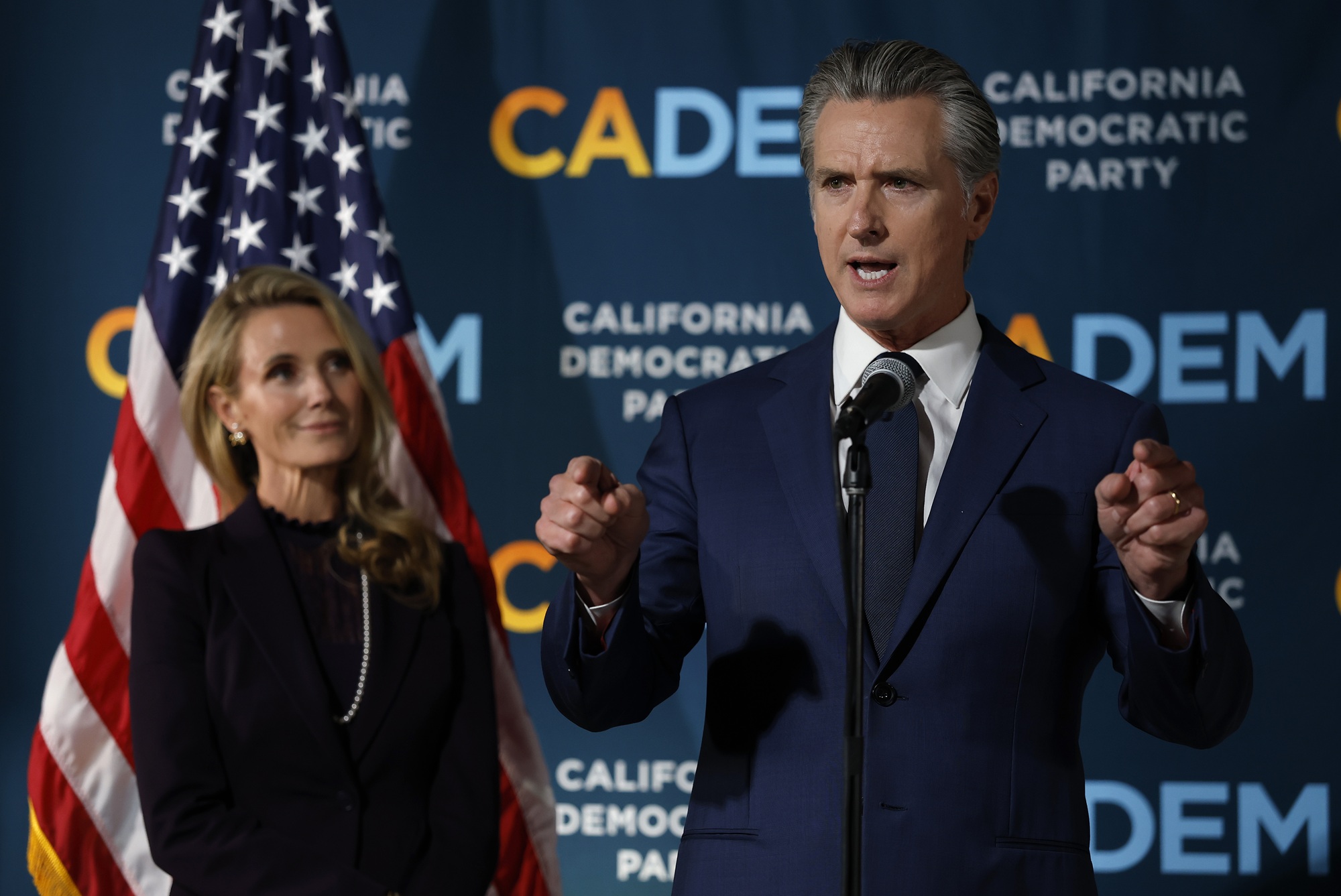
Newsom’s signing comes after the Trump administration tried to restrict press access to the White House for multiple national media outlets, including CNN, MS NOW and Politico, a move Newsom sharply criticized.
However, the Democratic governor expressed concern that the tax breaks as written in the law he signed would also support larger news outlets that don’t require state intervention to stay afloat, including those owned by hedge funds and billionaires.
“I could’ve vetoed it, but that would’ve been — at this moment of anxiety and stress and everything that Donald Trump is trying to do, I couldn’t do that,” Newsom said.
Assemblymember Buffy Wicks, D-Oakland, one of the lawmakers who authored the bill, celebrated the signing.
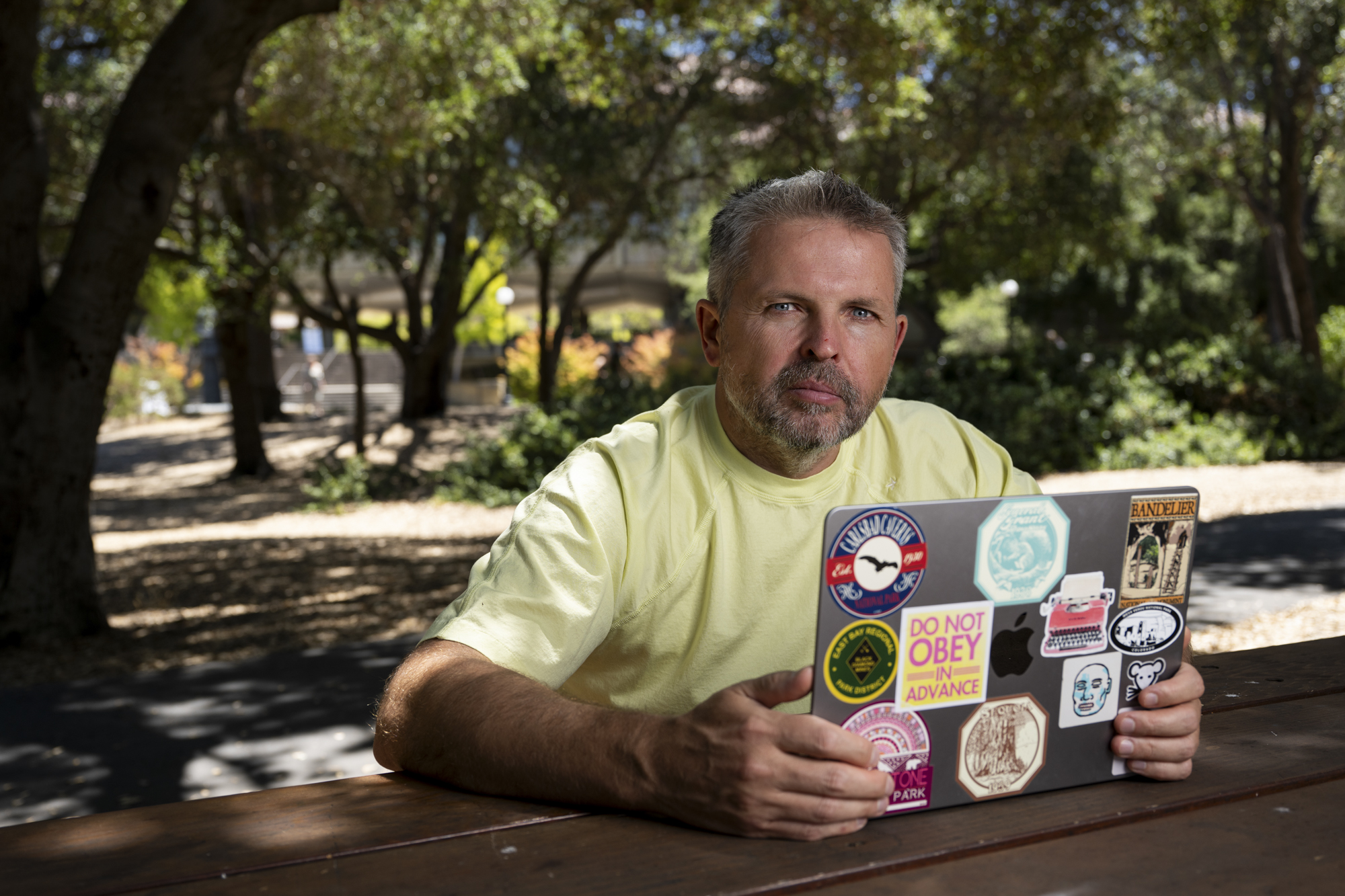
“AB 2222 puts real resources behind keeping journalists on the job, strengthening local newsrooms, and making sure communities have the reporting they need to stay informed and hold people in power accountable,” Wicks said in a statement. “I’m grateful to Governor Newsom for recognizing what’s at stake and signing this bill into law.”
The new tax breaks come at a trying time for local newsrooms in California. The California-based news organization McClatchy, which owns multiple outlets including The Sacramento Bee, The Fresno Bee and The Modesto Bee, laid off around 30% of its unionized workforce in September.
Public broadcasting stations have also rushed to fill a budget gap after losing funding from the Corporation for Public Broadcasting, which dissolved this year following the elimination of federal funding by the Trump administration and Congress.
“Broadcasters chose this business because we want to serve our community. We understand the importance of unbiased access to information,” Jeffrey Knox, a broadcaster and SAG-AFTRA union board member, said during testimony in a committee hearing at the state Capitol in April. “And sadly, the corporate-dominated media space is becoming increasingly hostile to local journalists and our ability to keep our communities informed and our livelihood sustained.”
Newsom’s administration also established the California Civic Media Program through legislation in 2025. The local journalism grant program is a $20 million public-private partnership equally funded through California’s state budget and matching funds from Google. It launched this year.
Note: KQED’s news reporters are represented by SAG-AFTRA (Screen Actors Guild – American Federation of Television and Radio Artists).