Republican Sheriff Illegally Seized Over 650,000 Ballots, California Supreme Court Rules
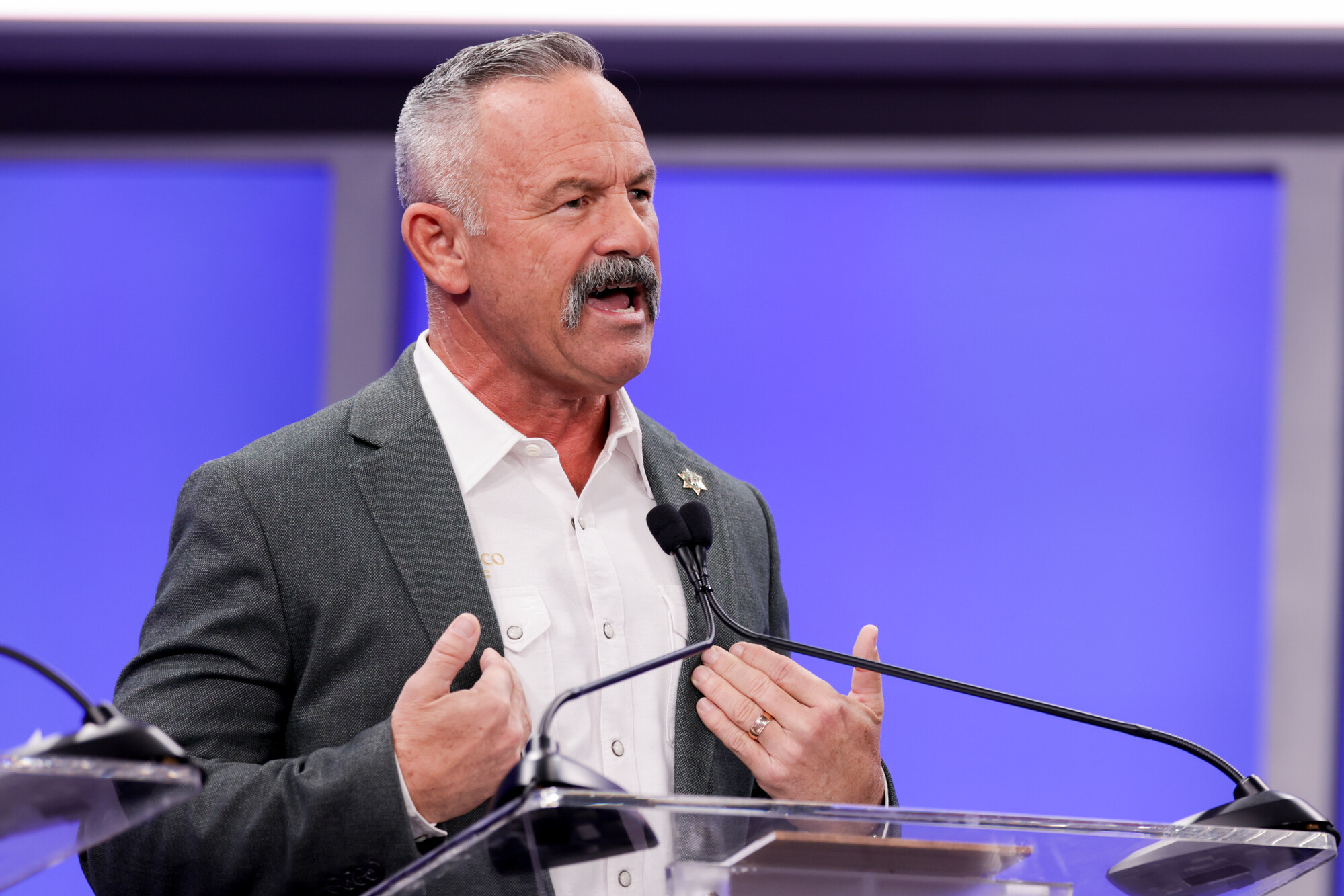
California’s Supreme Court ruled Thursday that Riverside County Sheriff Chad Bianco broke the law when he seized more than 650,000 ballots cast in last year’s election and ordered him to return them to county election officials.
The Republican sheriff confiscated the ballots in February as part of an investigation into purported voter fraud that he launched during his failed bid for governor. The state’s highest court ruled unanimously in two cases, saying that Bianco’s move violated rules for handling ballots outlined in state election law and that he was wrong to ignore Attorney General Rob Bonta’s order to pause the investigation.
“California law long has recognized that voted ballots require special care and handling to safeguard them from alteration or tampering,” Chief Justice Patricia Guerrero, an appointee of Gov. Gavin Newsom, wrote in the court’s opinion in Cervantes v. Bianco, a case brought by Riverside County voters.
The ruling appeared to close the door on a flashpoint in the tug-of-war between Democratic state leaders and local Republican officials over vote-by-mail and election administration. Election advocates viewed the case as a pivotal test ahead of the November midterm, as President Donald Trump has derided mail voting as a form of cheating and pushed for limits on it.
In a second ruling, the court found that Bonta acted within his power when he ordered Bianco to halt his investigation.
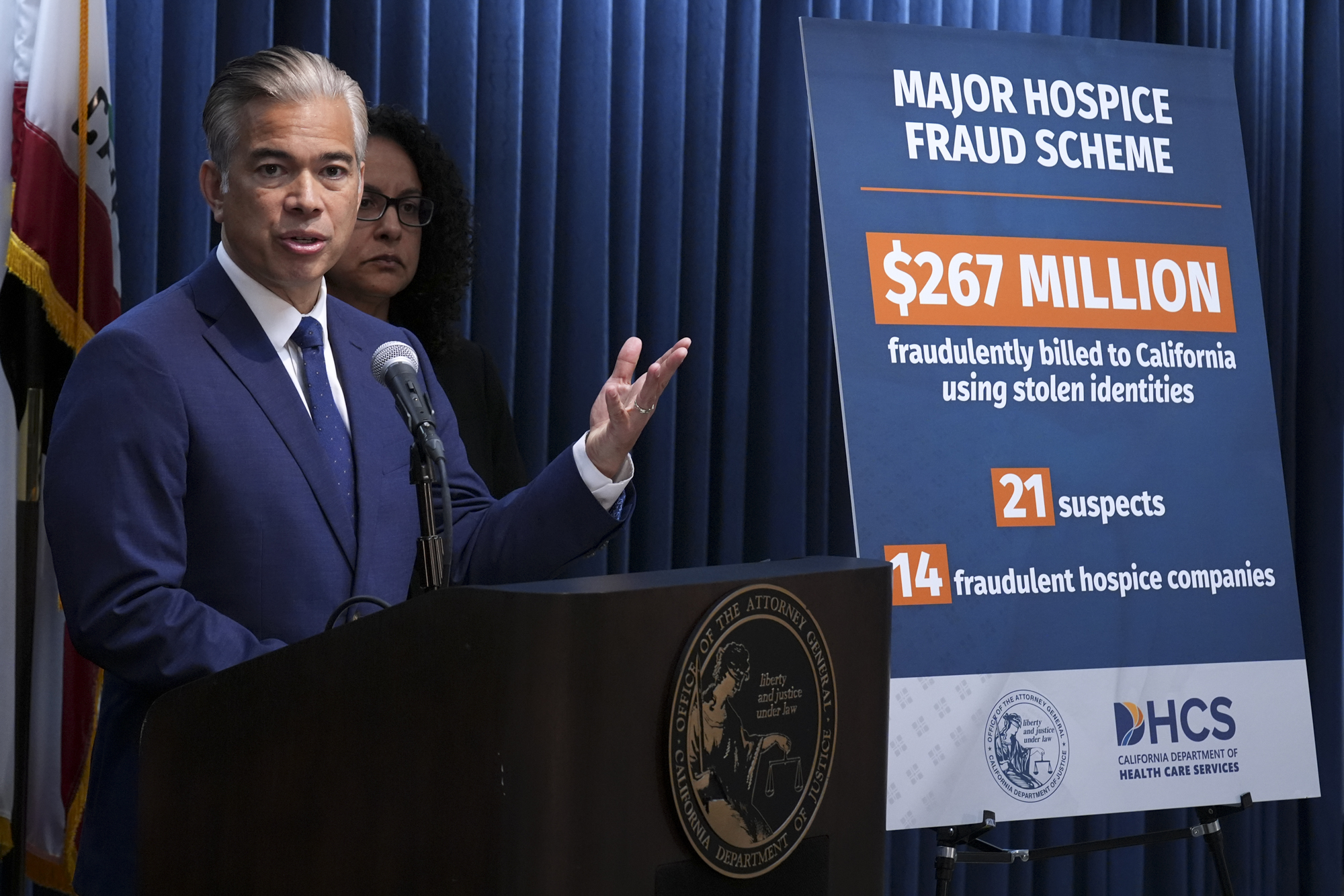
“He willfully defied my direct orders, misused criminal investigative tools and created a constitutional emergency in the process,” Bonta said after the ruling. “The California Supreme Court affirmed my authority as attorney general to supervise the sheriff — an important constitutional safety valve in extraordinary circumstances like these.”
In a video posted on Facebook, Bianco said he would comply with the ruling, while “exploring options of assistance from our federal courts.”
“In this case we were provided evidence of a possible crime that obviously warranted investigation — the court agreed and issued warrants,” Bianco said. “Sacramento shut it down.”
Bianco’s investigation was sparked by claims from a local conservative citizens group over the ballot count in the November 2025 special election, when California voters approved Proposition 50 to redraw the state’s congressional districts in favor of Democrats amid a redistricting battle across the country.
The citizens group, known as the Riverside Election Integrity Team, said the final vote count did not match forms filled out by election workers who conducted hand tallies of ballots arriving at voting locations.
According to Riverside County’s registrar of voters, those hand tallies were unreliable estimates, not a definitive count meant to be compared to the final vote.
Bianco ordered deputies to seize the ballots in February, with the purpose of conducting a recount of ballot envelopes. In April, the Supreme Court blocked Bianco’s investigation from moving forward while it considered the dual legal challenges.
The court’s opinion in the ballot case, Cervantes v. Bianco, hinged on a provision in state election law that prohibits ballots from being taken from election officials, even in the course of a criminal prosecution. Bianco had argued that the law wouldn’t apply to an investigation like his, but the justices shot that down.
Guerrero concluded that election law “unambiguously prohibits the removal of ballots from an elections official’s custody, notwithstanding the existence of a search warrant authorizing their seizure.”
As he launched his ballot investigation, Bianco ignored multiple directives from Bonta to halt his inquiry. In the high court’s second case, Bonta v. Bianco, justices weighed the limits of the attorney general’s power to supervise local law enforcement officials.
California voters approved a ballot measure in 1934, backed by future Attorney General and Gov. Earl Warren, that granted the attorney general broad law enforcement powers.
Guerrero wrote that the law allows the attorney general to “direct” the activities of a sheriff relating to an investigation. Thus, the chief justice concluded, “the Attorney General can issue binding instructions to sheriffs regarding a criminal investigation.”
The court did not set an outer boundary on the attorney general’s authority over local law enforcement. Because Bonta only directed Bianco to pause his investigation, the court declined to rule on whether the attorney general could have terminated the inquiry altogether — but left open the possibility.
Bianco blasted the opinion for opening the door to an expansion of the state attorney general’s powers over county sheriffs and prosecutors.
“This ruling will have wide-reaching consequences for the future of public safety in California,” Bianco said.
Asked how the ruling would affect his interactions with county law enforcement, Bonta said the power affirmed by the court “is rarely used, because it’s rarely needed.”
“You should expect us to exercise our authority in precisely the types of rare, extraordinary circumstances like this,” Bonta said.
The ballot seizure controversy sparked fears among Democrats in the state legislature that local officials in red counties could interfere in the administration of November’s midterm elections.
In May, just ahead of the primary election, Newsom signed a law blocking local election officials from handing over ballots to law enforcement agents.