Warden of California’s Largest Women’s Prison Reassigned Amid Scrutiny Over Sexual Abuse
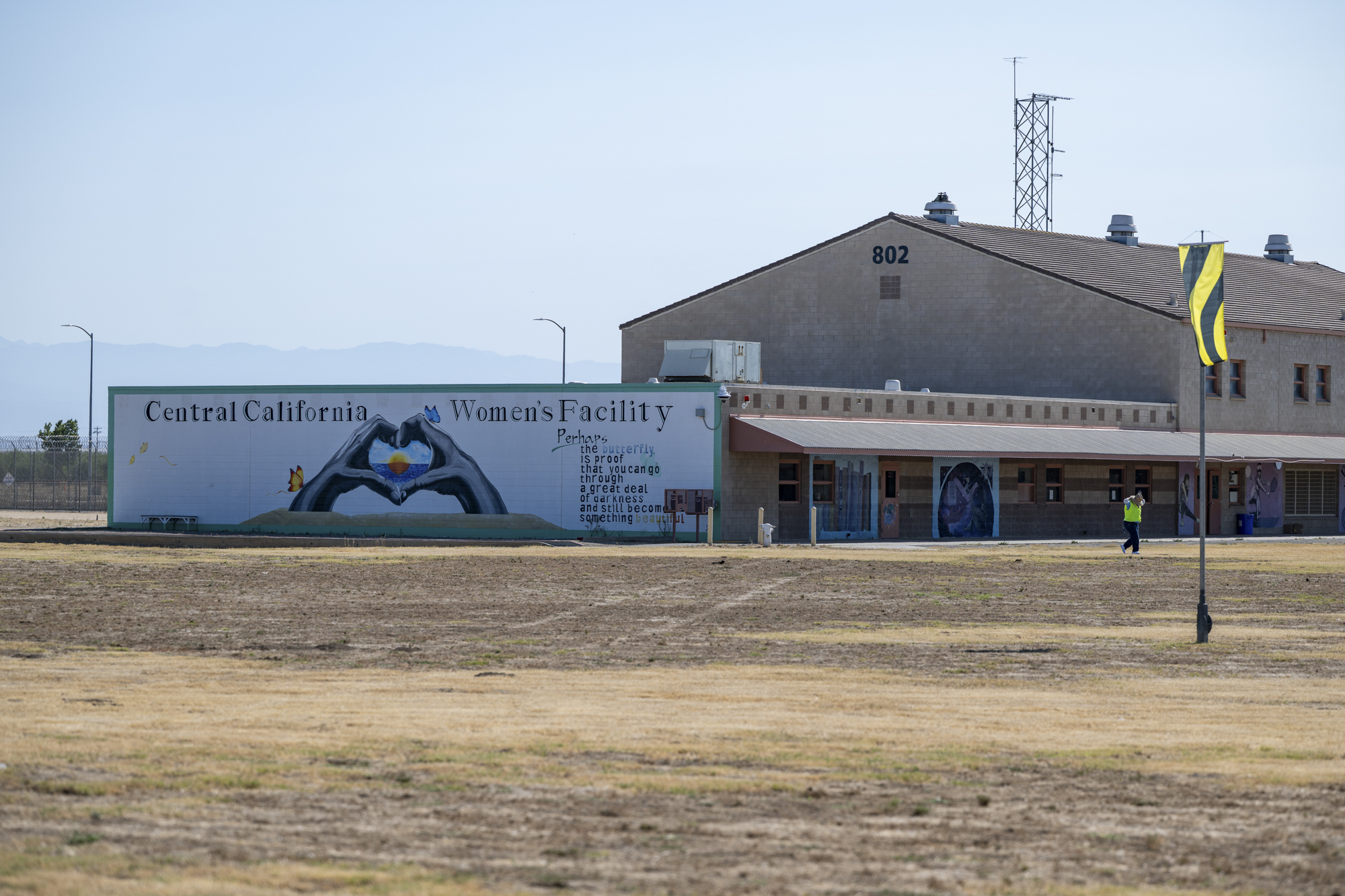
The warden of the Central California Women’s Facility in Chowchilla has been demoted and reassigned, and multiple correctional officers are under investigation for alleged sexual misconduct, according to advocates and people inside the prison.
Anissa De La Cruz was removed as warden on Sept. 15 and will become a correctional administrator at nearby Valley State Prison next month, according to the California Department of Corrections and Rehabilitation. The agency declined to say why De La Cruz was reassigned, saying the agency cannot comment on personnel matters.
A wide-ranging investigation into allegations of sexual assault at the prison also appears to be underway, according to multiple sources who spoke to KQED, including two formerly incarcerated advocates, Elizabeth Nomura and Amika Mota, and former correctional Lt. Hector Bravo Ferrel, who runs a YouTube channel covering California prisons.
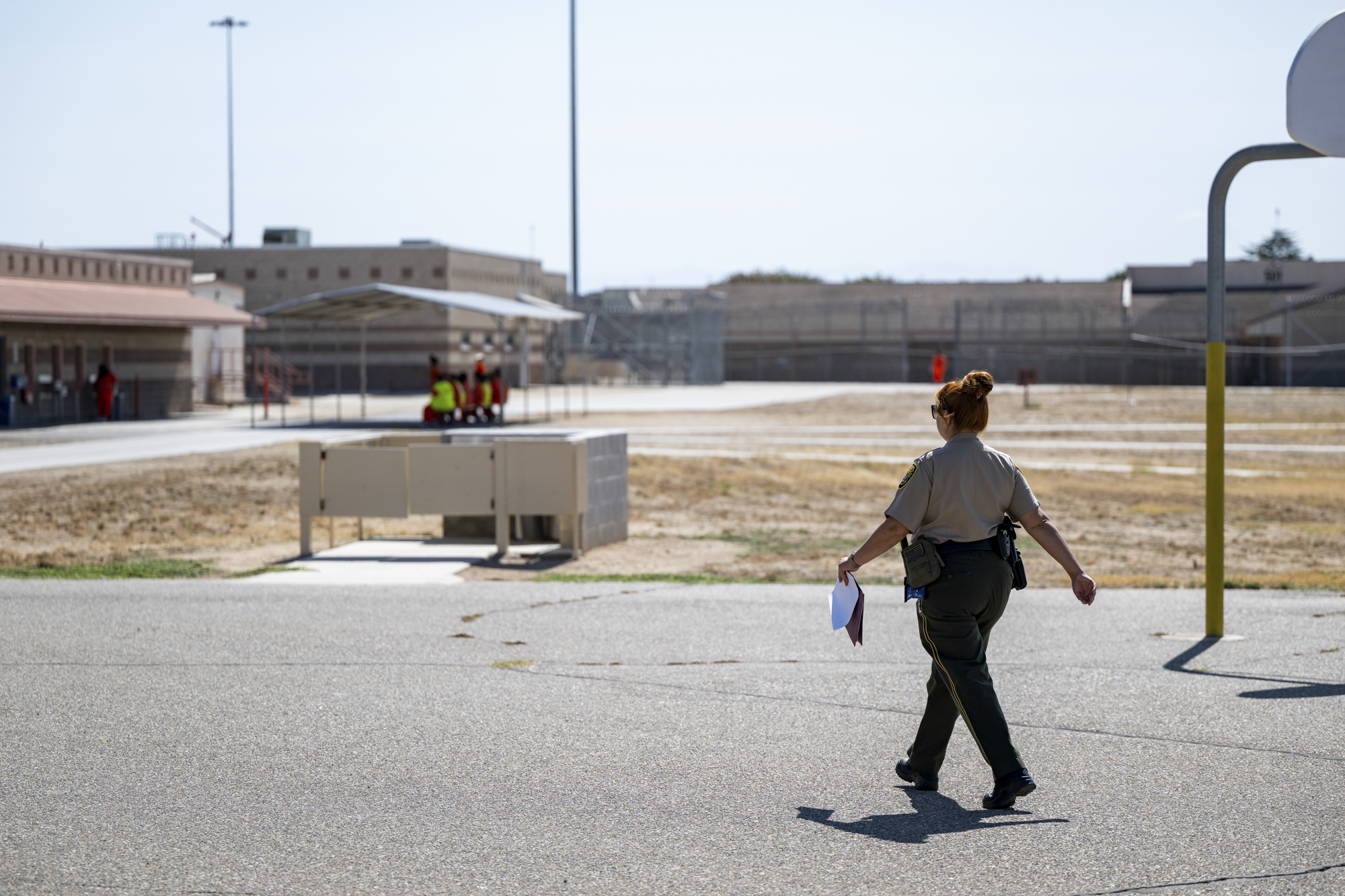
Antoinette Yancey, who is incarcerated at the prison and serves on the Inmate Advisory Council, told KQED she does not know the names of all the officers under investigation, but that multiple officers have been removed from prison grounds recently.
“I’m really glad to hear that they have been removed, but [CDCR’s] narrative is still, ‘It was like a few bad apples,’” said Mota, who was formerly incarcerated at CCWF and is now the executive director of the Sister Warriors Freedom Coalition. “But these bad apples just keep popping up.”
CDCR said it can’t comment on an ongoing investigation.
These developments come one month after a scathing U.S. Department of Justice report found an “unbroken pattern” of sexual abuse and retaliation by staff at California’s two women’s prisons, including CCWF. Federal investigators said state prison officials had failed for years to adequately prevent abuse, investigate allegations or protect incarcerated people who reported misconduct.
The DOJ declined to comment on these more recent developments. CDCR did not say whether the officer investigations or De La Cruz’s reassignment are connected to the Justice Department’s findings.
“It’s more like a Band-Aid on a gaping wound,” said Nomura, who works with the California Coalition for Women Prisoners.
“Warden De La Cruz being removed and demoted and going from institution to institution, that’s a common response to things like this, where action is expected [from CDCR].”
She said moving De La Cruz to another institution does not address the broader problems identified at the prison.
The Justice Department also examined an August 2024 mass use-of-force incident conducted at CCWF under De La Cruz’s leadership that led to the largest disciplinary action against staff in state prison history.
During the operation, officers removed 159 women from their housing units and held them for hours in a dining hall without food, water or medication before using chemical agents when tensions escalated.
Federal investigators concluded the operation was carried out in retaliation for rising reports of sexual abuse by prison staff. Two bills sitting on Gov. Gavin Newsom’s desk seek to strengthen the protections for incarcerated survivors of sexual abuse.
Assembly Bill 464 would make it easier for people who were sexually assaulted while incarcerated to sue and strengthen protections against retaliation by staff.
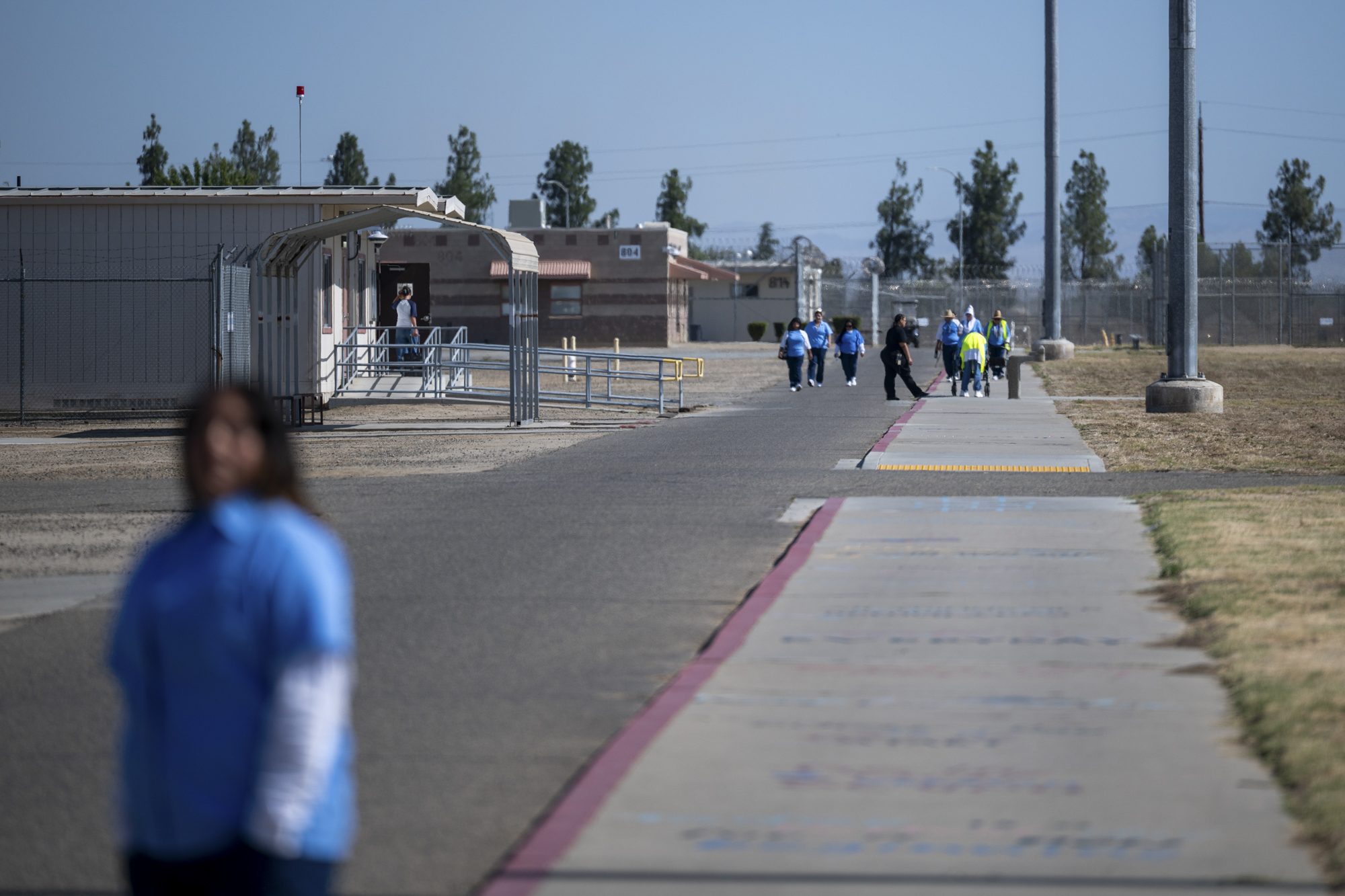
Senate Bill 337 would require CDCR to establish rules governing when officers can turn off their body-worn cameras, as well as protocols for nonroutine searches and body scans.
“None of this is a magic pill. I wish it was,” state Sen. Caroline Menjivar, D-Van Nuys, who authored SB 337, said in a recent interview. “It’s hard to change human behavior, but we will limit the amount of gaps and excuses that some correctional officers utilize to perpetrate this kind of violence against incarcerated women.”
The Department of Justice has ordered the state to address gaps in camera coverage, create confidential ways for incarcerated people to report abuse and discipline employees who retaliate against those who speak out.
Federal officials warned they may file a lawsuit against California if the state fails to implement meaningful changes by Oct. 1, 2026.
CDCR has said it looks forward to working with the Justice Department.