Newsom Signs New Restrictions on Data Center Development
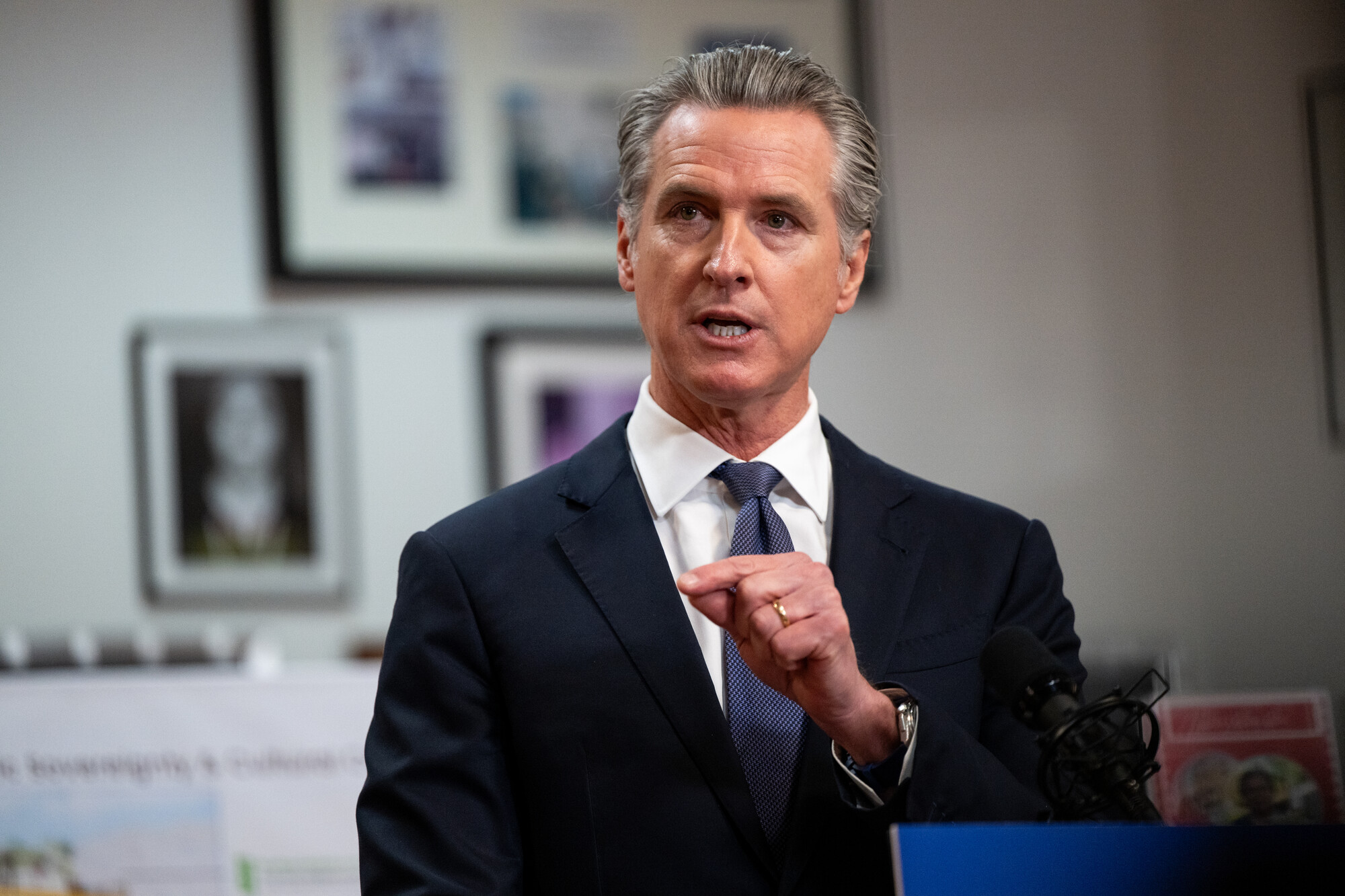
Data center developments in California will face new hurdles under legislation signed into law by Gov. Gavin Newsom on Monday amid rising concerns about the facilities at the heart of the nation’s artificial intelligence boom.
The seven bills signed by Newsom include provisions aimed at preventing data centers from passing on their electricity costs to other ratepayers and a new requirement for developers to disclose their projected water usage.
“With these laws, we are ensuring that Californians remain in the driver’s seat — and that those profiting from data centers aren’t doing so at our expense,” Newsom said in a statement.
The governor vetoed the water-reporting proposal last year, citing a need to further understand impacts on data center businesses and consumers. Since then, opposition to data centers has intensified; local governments across California are considering bans or moratoriums on the projects, and Newsom has promised his administration would be “leaning in” on regulations.
Two bills signed by Newsom, Senate Bill 886 and Assembly Bill 2383, would require the California Public Utilities Commission to create new power rates for data centers to cover the cost of connecting the facilities to the grid and providing them with electricity.
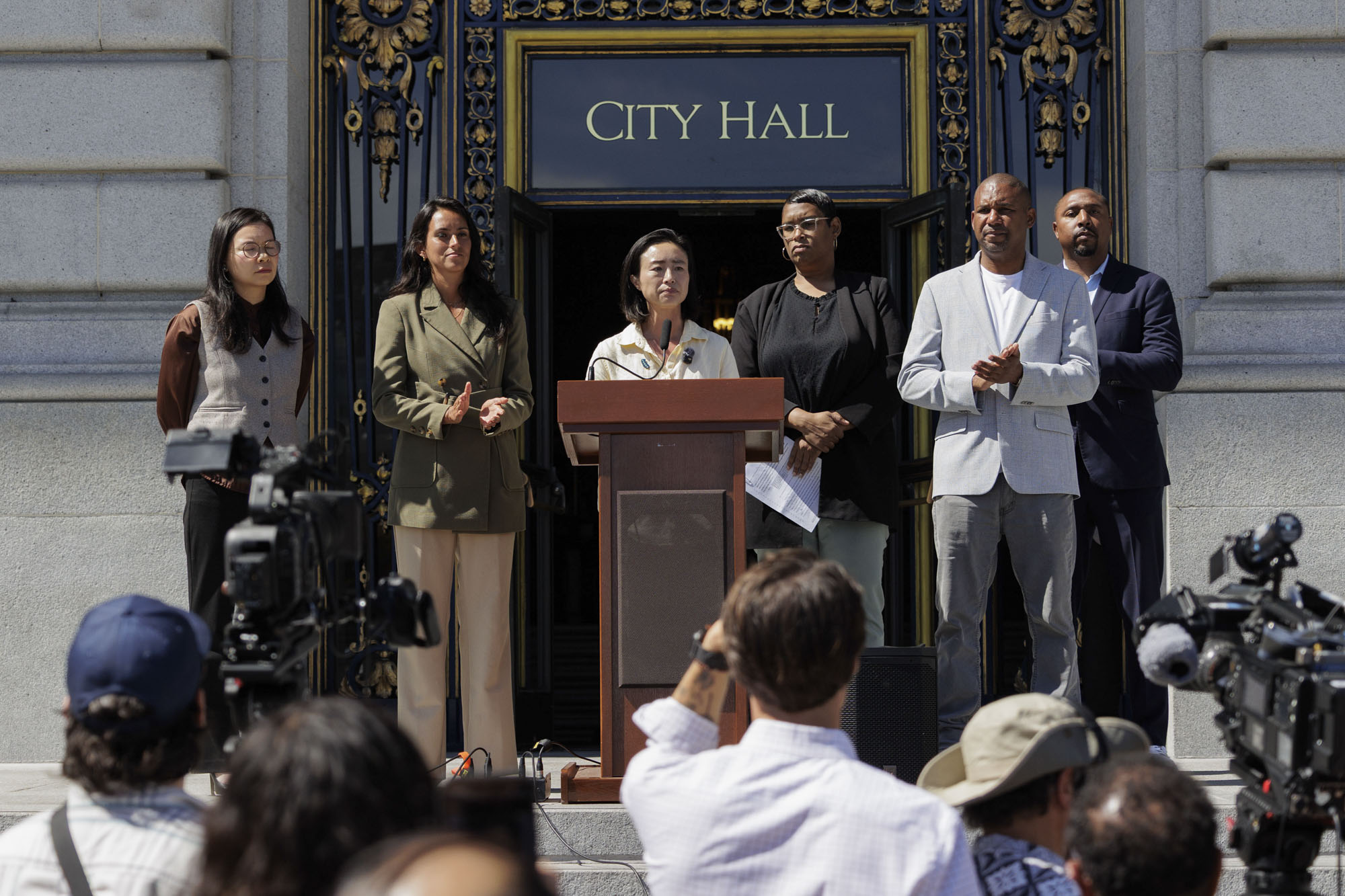
“These are some of the nation’s strongest data center ratepayer protections — stopping Big Tech from sticking California families with the bill for their data centers while ensuring all local voices have a say on these projects and they comply with our air, water, and climate standards,” said Sen. Steve Padilla, D-San Diego, who wrote SB 886.
Newsom signed another bill written by Padilla, Senate Bill 887, which prevents data centers from skipping the state-mandated environmental review process for new projects.
Assembly Bill 2469 will prohibit local approval of data centers until the developer discloses the facility’s projected water usage.
The bills passed the Democratic-controlled Senate and Assembly largely on party-line votes, in the face of opposition from business groups such as the Data Center Coalition, whose members include Google and Microsoft. Opponents said the bills would prevent California from capitalizing on economic growth from data center construction.
Nearly three-quarters of Californians oppose the construction of an AI data center in their area, according to a July survey from the Public Policy Institute of California.
Data centers have been around for decades, housing servers that support web services such as video streaming and cloud storage. But the computing needs of advanced AI models have spurred a demand for new data centers that use more electricity for high-energy processing and, in some cases, more water for cooling.
The PPIC survey found 63% of Californians said they were worried about the environmental impact of building more AI data centers.
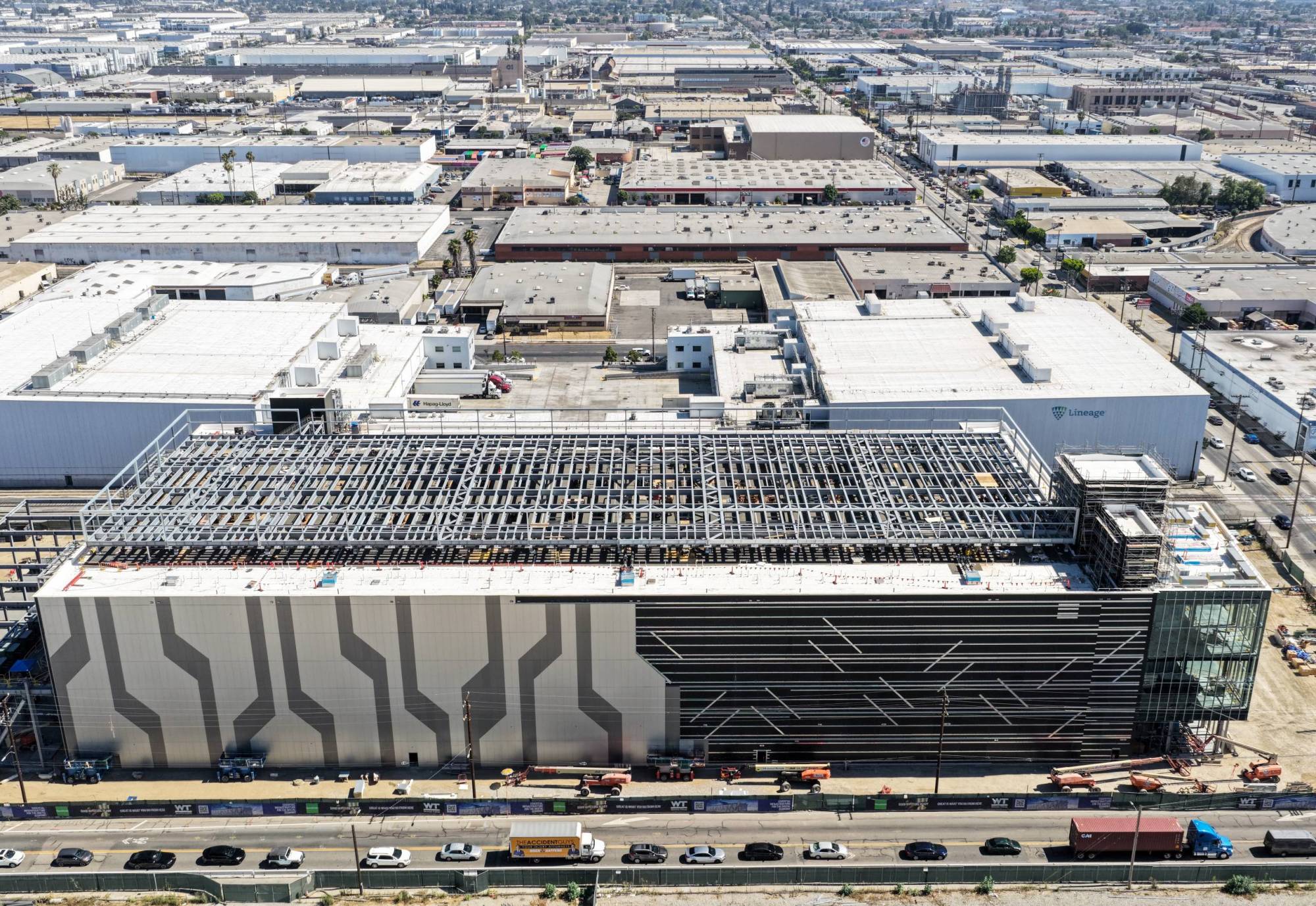
California is home to nearly 300 data centers, with 54 in the pipeline, according to an analysis conducted by the Pew Research Center in February. The study found future data center growth is concentrated in rural America, largely in the Midwest and South.
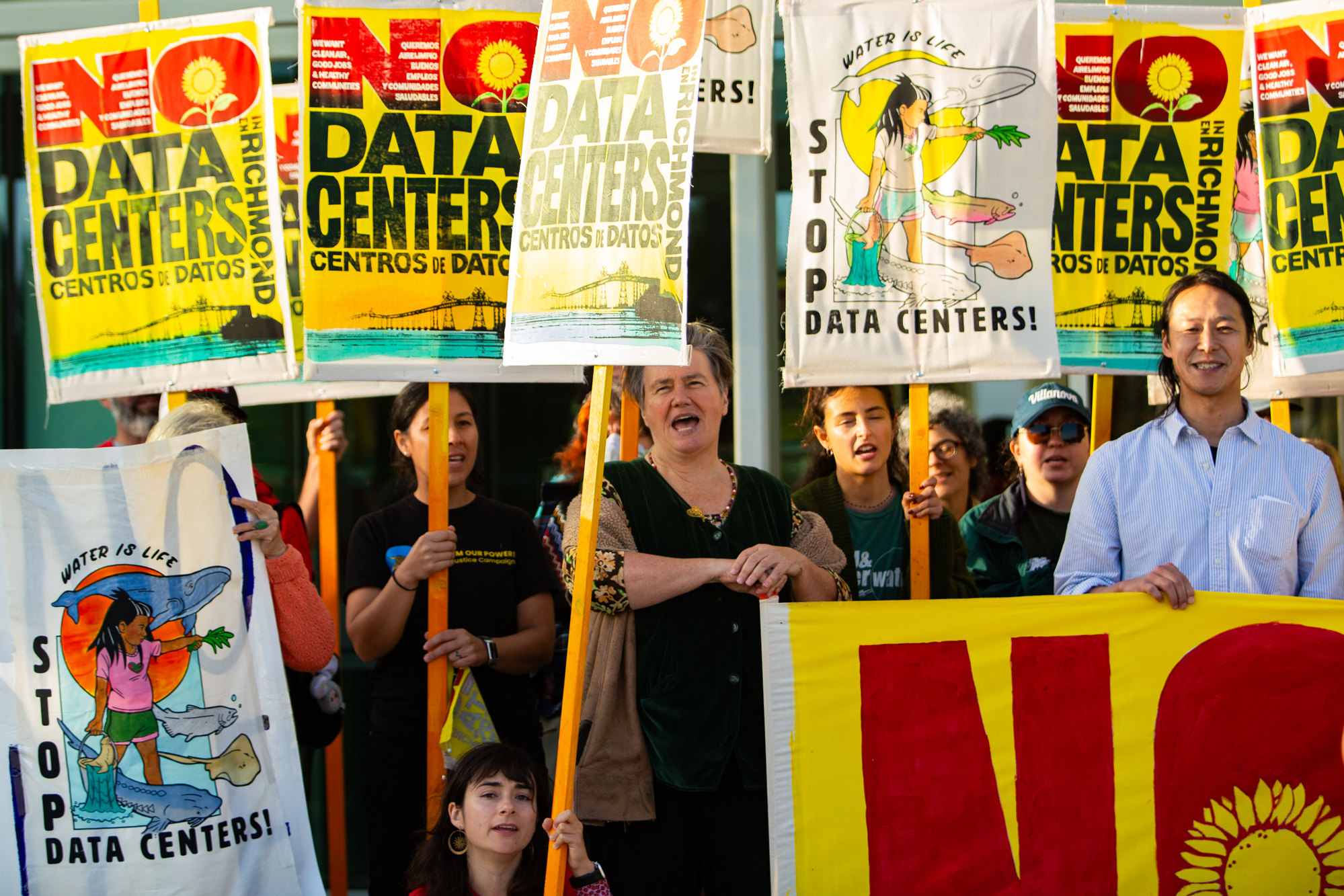
Still, some local California governments are looking to erect their own roadblocks; on Tuesday, Oakland will be the latest city to weigh a temporary data center ban when a City Council committee meets to consider a 45-day moratorium.
Similar moratoriums have been proposed in San Francisco, Richmond and Hayward, and in Southern California, the city of Monterey Park became the first in the U.S. this summer to enact a voter-approved ban on data centers.
On the federal level, President Donald Trump has cheered the advancement of data centers — praising them as key to economic growth and accusing Democrats of perpetrating a “hoax” against the development of artificial intelligence.
“It all began with an attack on our Data Centers, until people realized how wealthy and prestigious they were for the Communities in which they were built,” Trump wrote on his Truth Social platform on Saturday. “Higher Salaries, Lower Taxes, and Safer Streets was the result, and the crazed Data Center attack has largely failed.”
Some Silicon Valley leaders have expressed regret at the controversial rollout of data centers. Jensen Huang, CEO of Nvidia, the Santa Clara-based chipmaker whose chips power many AI data centers, told CBS on Sunday that tech leaders should have spoken to residents living near proposed data centers sooner.
“We need to go engage the communities long before we set up the data centers, and I think all of my colleagues recognize this today,” he said. “All of this happened so quickly, and it happened all over America so quickly — we didn’t realize, and we didn’t get a chance to be polite, to be a visitor in some new town.”