A Powerful El Niño is Brewing. Newsom Wants California Ready for the Worst
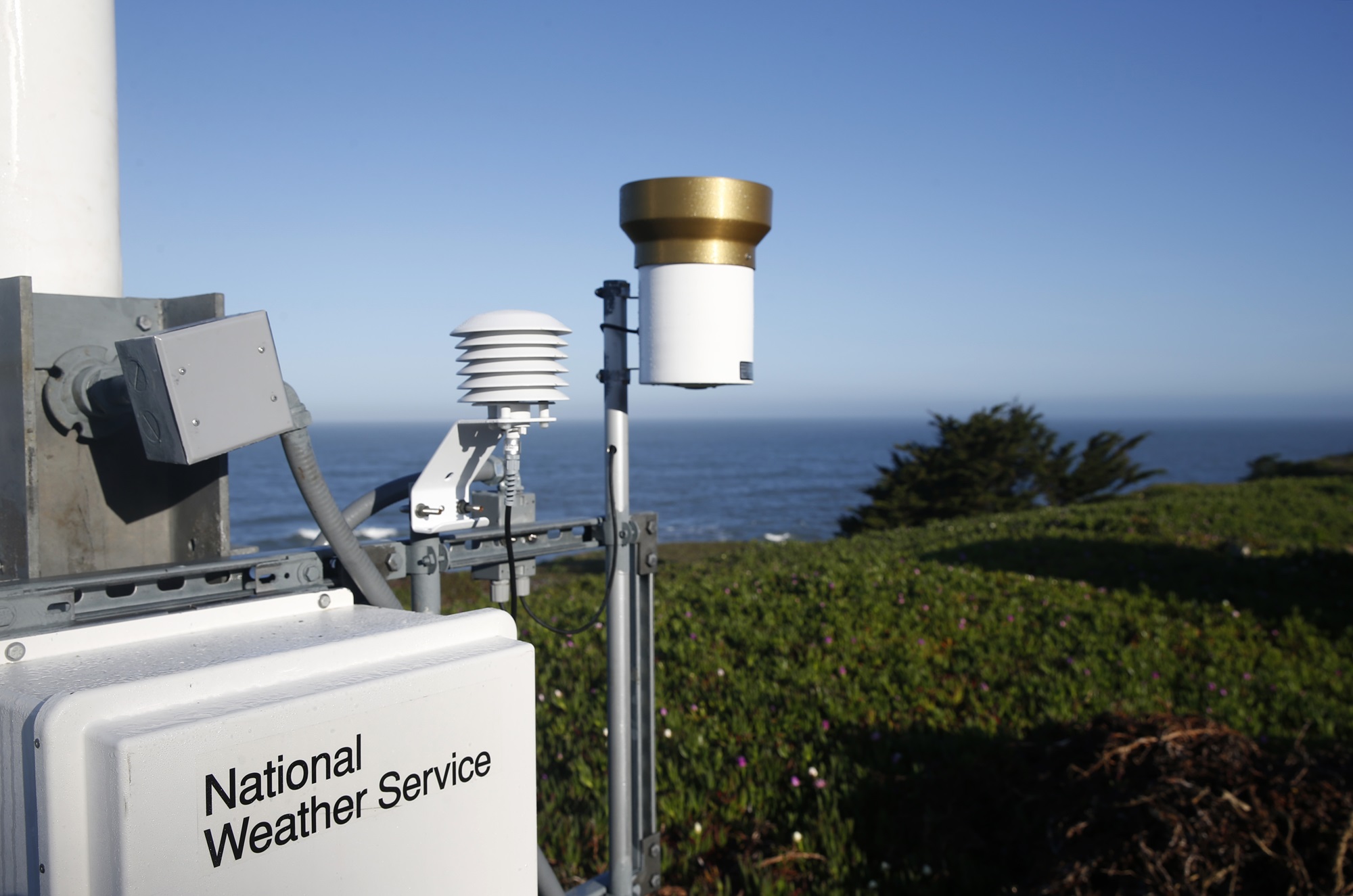
As a potentially historic El Niño continues to build, Gov. Gavin Newsom proclaimed a state of emergency on Monday ahead of winter storms and high tides that could wreak havoc on the state.
Forecasters predict that much of California could have above-average precipitation and temperatures this winter. The potential storms could pile on top of El Niño-induced higher sea levels and record-high king tides.
As a result, Newsom is directing state agencies to begin preparing vulnerable communities and roads, stage emergency supplies and work in at-risk areas to reduce flooding potential. He has also directed state agencies to fast-track permitting and cut red tape to ready the state for El Niño effects.
“We are preparing for this El Niño early because every Californian deserves to be safe in their home, connected to their community, and protected when severe weather comes,” Newsom said in a statement.
El Niño forms when tropical trade winds weaken or reverse, allowing warm ocean water near Asia to slosh toward the Pacific Coast. That warming can reshape the jet stream and bring stormier weather across California while disrupting the ocean’s nutrient-rich upwelling, heating coastal waters, raising sea levels and stressing marine life.
National forecasters with the National Oceanic and Atmospheric Administration report that the natural climate phenomenon is strengthening, with a greater than 90% chance of a very strong event and a 75% chance of a historic event this fall and winter.
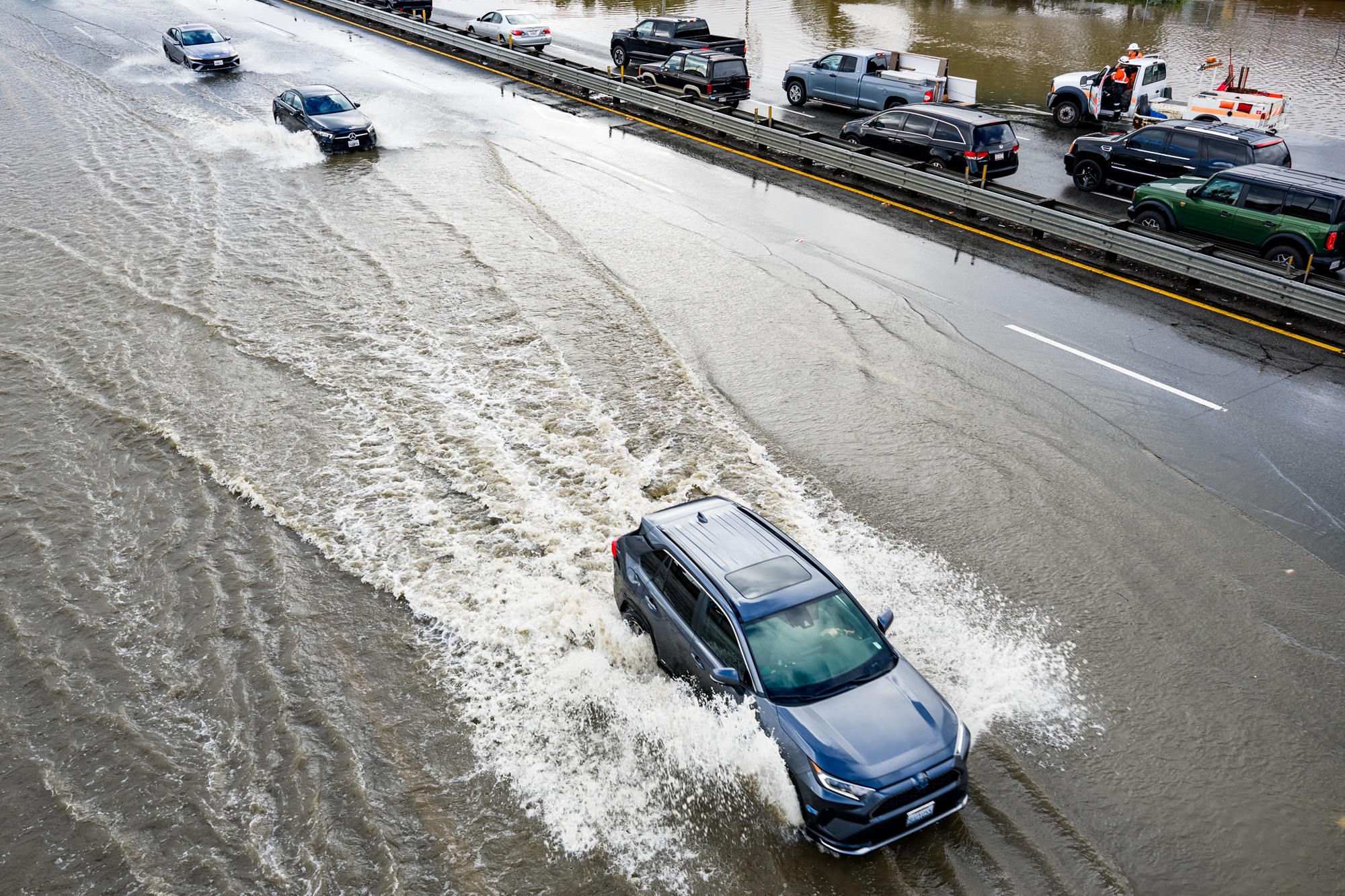
Exactly what the weather will look like this fall and winter is — quite literally — still up in the air. But similar events in past El Niño years have brought torrential downpours, coastal flooding, mudslides, power outages and giant waves.
“Climate-driven El Niño conditions could mean months of dangerous weather, heavy rain, strong winds, deep mountain snow, flooding, and Californians should understand this clearly,” said Caroline Thomas Jacobs, director of the California Office of Emergency Services. “Storms are among the deadliest disasters we face here in California, and one of the greatest dangers is still people underestimating the power of water.”
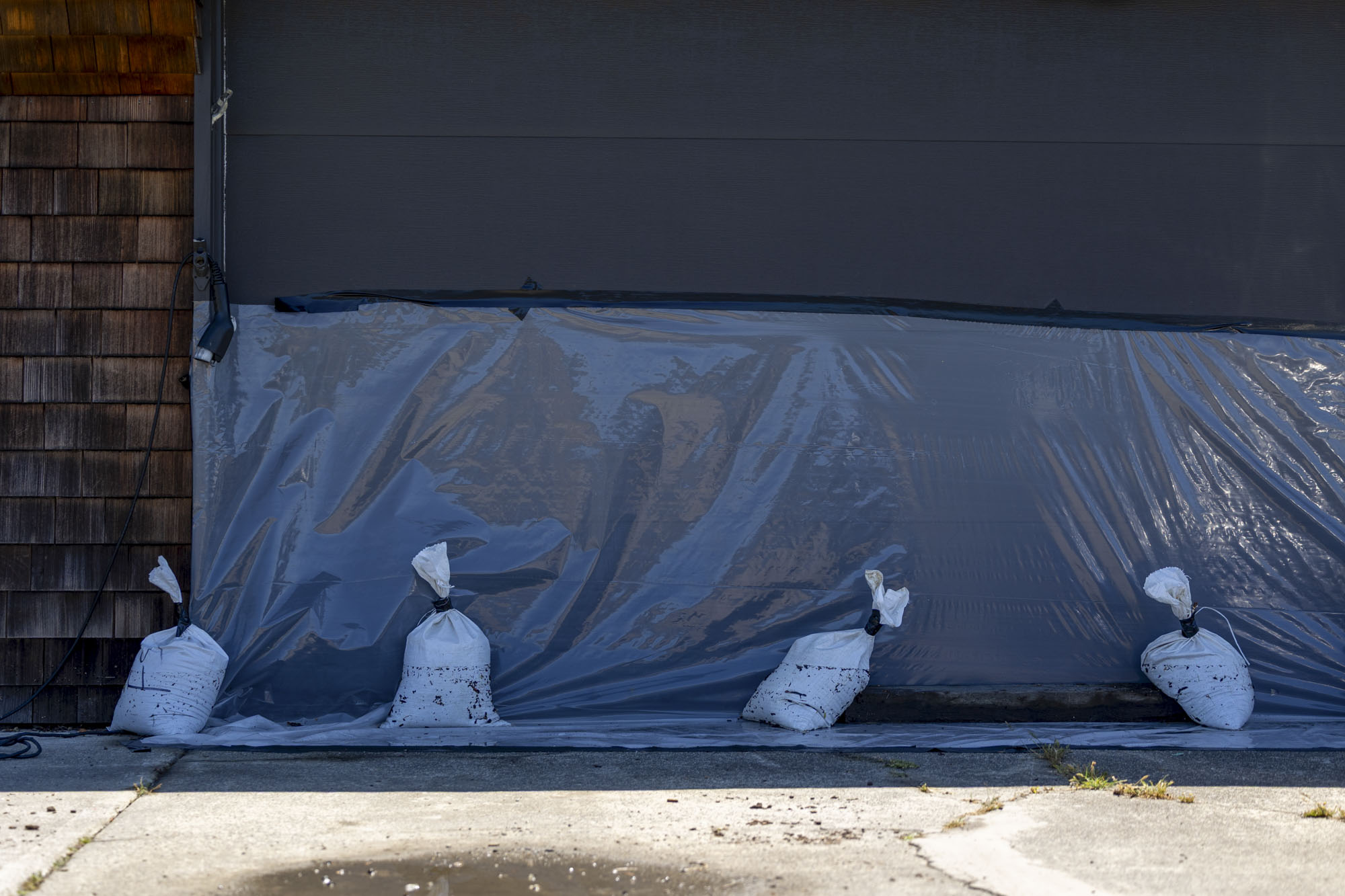
To prepare for what might happen, the emergency proclamation mobilizes resources in support of the state’s flood-risk-reduction efforts. The California Department of Water Resources has staged 4.4 million sandbags, 400,000 tons of rock, 68 stockpile locations, eight warehouses and 211 flood material containers across the state. State leaders have not yet put a price tag on the flood work.
Laura Hollender, deputy director of the Department of Water Resources, stressed that Bay Area counties, like Marin, that deal with flooding issues should alert the public as soon as possible about the risk because “even without storms” coastal areas may see flooding this winter.
“I think early messaging and early preparation for those communities is going to be really important this year,” Hollender said.
Caltrans will also place traffic-control, road-closure and snow-removal equipment along the highways most at risk. The California National Guard will also be ready for things like flood response and search-and-rescue operations.
State agencies are also preparing for the adverse effects of too much precipitation, flooding, landslides and debris flows by fast-tracking permitting and identifying other ways to cut red tape.
“The emergency order is very clear that we are to exercise whatever emergency authorities we have and our entities within our agencies have to enable this work to happen quickly and efficiently to be in place for when this fall weather could come this winter,” said Wade Crowfoot, California Secretary of Natural Resources.
Newsom’s order also directs the Governor’s Office of Emergency Services to expand multilingual messaging about preparedness, power outages, extreme weather, evacuation and alerts.
State leaders are also prepared to ask the federal government for assistance if needed.
“We remain hopeful that they will be responsive when we do have the need, if we were to get an incident that rose to the level of needing a federal declaration,” Thomas Jacobs said.