Richmond Could Be the Latest Bay Area City to Leave Flock Safety
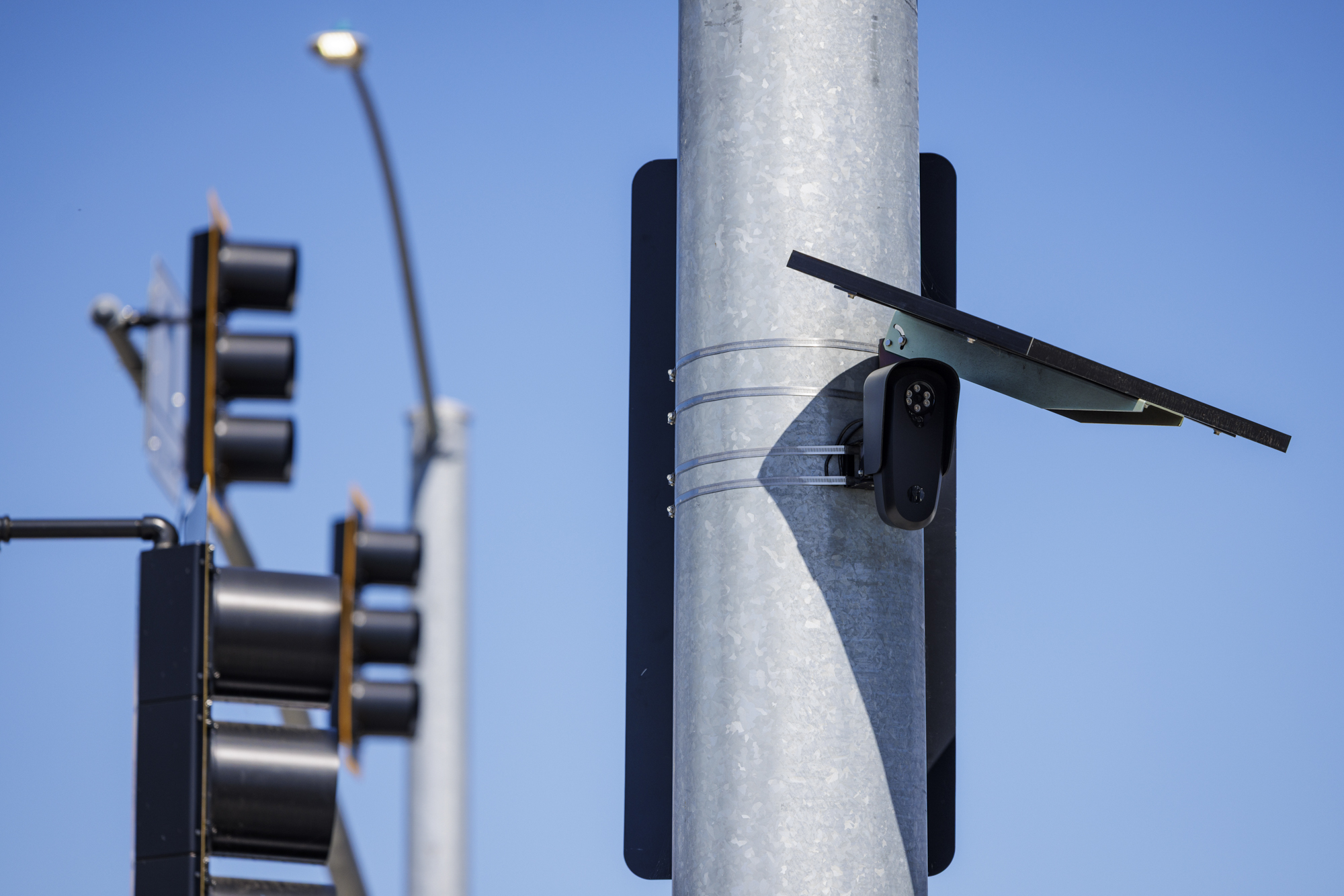
In response to backlash over data-sharing practices and privacy concerns, Richmond may join a growing list of Bay Area cities saying goodbye to Flock Safety — and replacing the technology with other vendors.
Richmond City Council is set to vote Tuesday on a $12 million contract with Axon Enterprise, a competing surveillance company.
The city council will also hear a presentation from the digital rights group Electronic Frontier Foundation about whether license plate-reading technology has reduced crime in the city, according to the meeting agenda.

“As the City considers the continued use, expansion, or oversight of this technology, it is important that the City Council have objective information about whether LPRs are achieving their intended public safety outcomes and whether any benefits outweigh the risk of misuse of these technologies now or in the future,” a Sept. 22 agenda report states.
The city’s police chief, Timothy Simmons, wants the city to expand its relationship with Axon, which it already uses for its body-worn cameras, taser devices, interview room equipment and virtual reality training equipment.
“Axon Enterprise was shortlisted because it proposed a comprehensive, turnkey law enforcement solution that would integrate with technology already utilized by the Richmond Police Department,” Simmons wrote in a Sept. 15 agenda report.

Axon will provide 110 solar-powered cameras, 60 CCTV cameras and drones for the Richmond Police Department to use starting next month.
The switch from Flock to Axon will reduce annual costs by about $200,000, according to the report.
Some community members, however, questioned the difference between the camera vendors and said they’d rather see the money spent on things like road safety and parks.
Carlos Juarez, a member of community safety advocacy group Reimagine Richmond, called Axon a “sub” for Flock, and said the city has more important issues related to road safety.
“It doesn’t necessarily make sense,” Juarez told KQED. “They’re always telling the community of Richmond that they don’t have money for the Richmond infrastructure.”
Flock’s technology is used by thousands of law enforcement agencies in the U.S. But cities throughout California have ended contracts with Flock Safety following public concerns around surveillance and repeated reports that out-of-state agencies have illegally accessed its customer agencies’ data.
Richmond city staff “determined that concerns about reliability, transparency, system performance and public confidence warranted consideration in the City’s overall evaluation,” according to the agenda report from Simmons.

In August, Antioch approved a $661,687 contract with Axon to start using their cameras, starting next month through November 2030.
Stanford University also cut ties with Flock that same month and opted for Genetec Cloudrunner, which will be used for internal data sharing.
Flock CEO Garrett Langley told NPR in August that he’s not worried about losing customers to competitors, like Axon.
He said that similar competitors lack Flock’s “guardrails” that provide transparency and accountability to providers.
The Richmond Police Department said it will hold data from the cameras for up to 30 days and won’t share it without authorization.
Yet, Juarez said that the adoption of another surveillance tool doesn’t relieve concerns around civil liberties from residents.
“They do the same thing at the end of the day. They’re tracking us without our consent.”