‘A Lifeline’: San Francisco Trans-Led Space Finds New Home
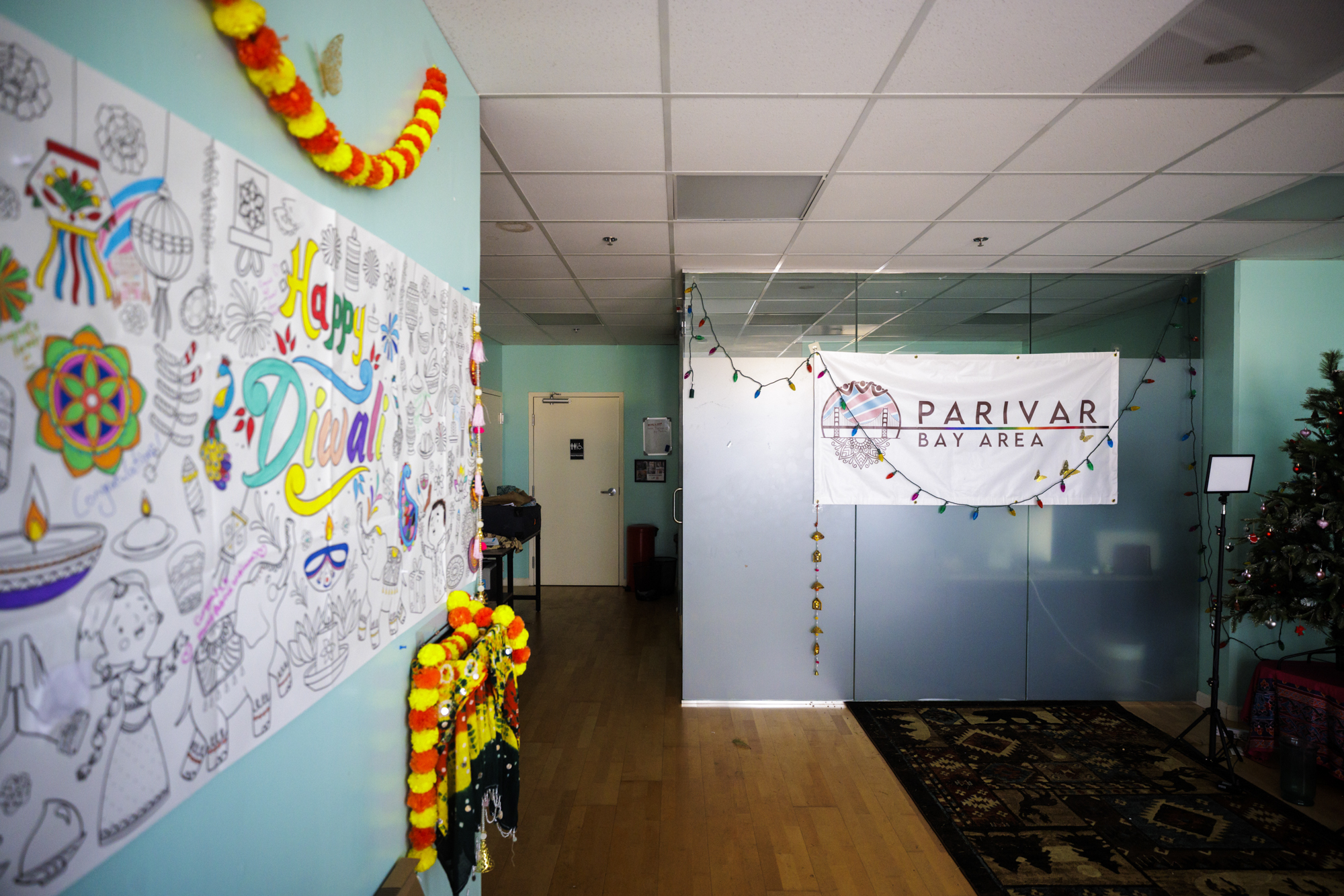
This summer, Parivar Bay Area — an organization dedicated to supporting trans immigrants — made a plea to San Francisco officials: Help us keep our doors open.
The space was established just nine months prior, during a colorful Diwali event attended by leaders like Supervisor Rafael Mandelman and director of the city’s Office of Transgender Initiatives Honey Mahogany.
But funding was running out, and co-founder Anjali Rimi began sounding the alarm that Parivar Bay Area was at risk of losing its downtown San Francisco location entirely. Its programming — including immigration support and leadership development — had already been halted.
But since then, things for Rimi and her organization have turned around: This week, the city’s Board of Supervisors unanimously approved a resolution to allocate $150,000 to Parivar Bay Area through its fiscal sponsor, TransCanWork.
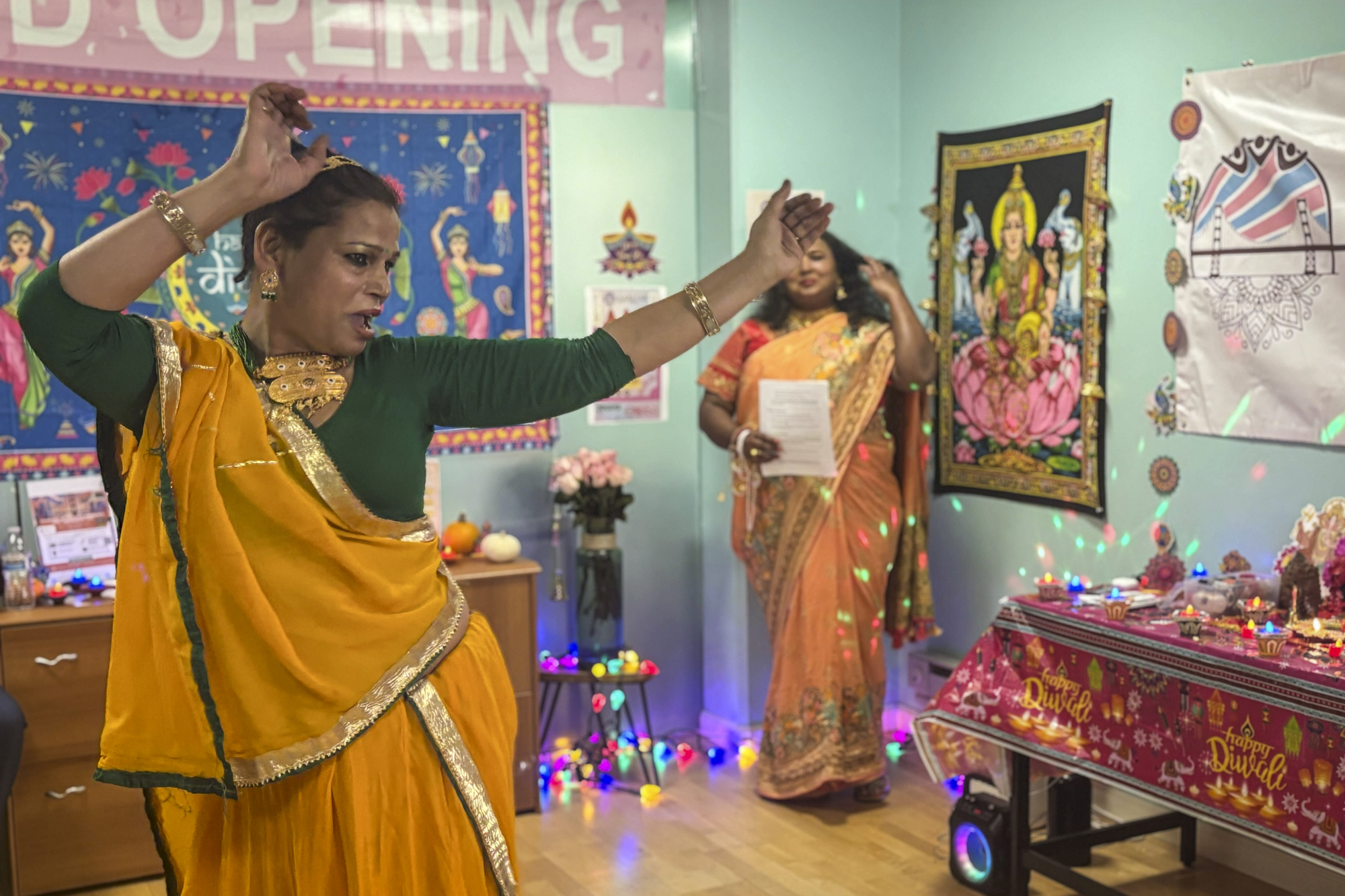
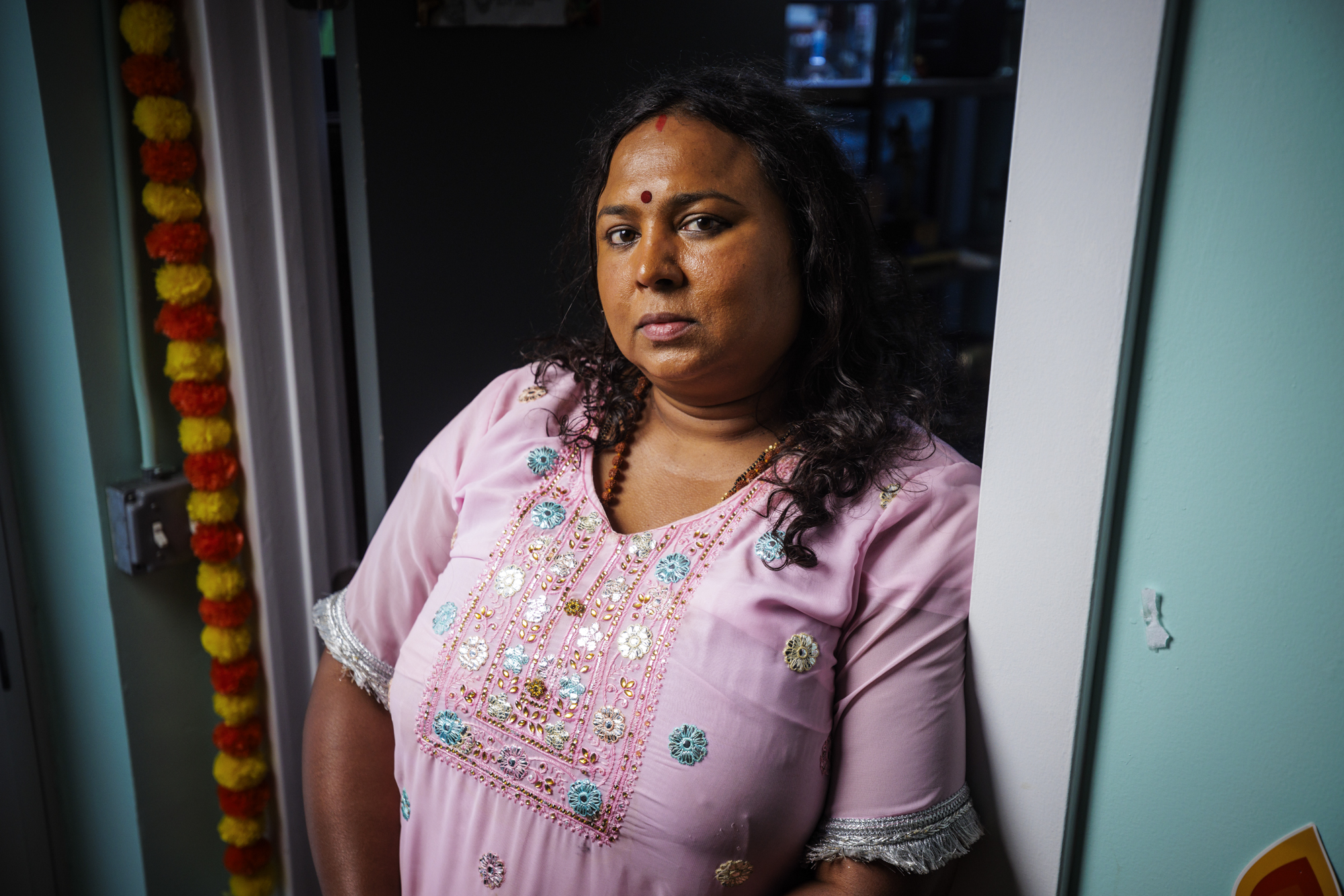
Rimi said the money is a “lifeline” and that she was “extremely relieved and eternally grateful for the City and County of San Francisco for truly coming through in these times and helping us rebuild.”
“We are staying in San Francisco, we’re rebuilding, and we’re opening our doors again,” she said.
The resolution was sponsored by supervisors Mandelman, Connie Chan, Matt Dorsey and Bilal Mahmood. It will now head to Mayor Daniel Lurie’s desk to be signed and approved.
“Parivar Bay Area fills a role no other organization does — it’s the only trans-led group focused on South Asian and Global South trans immigrants,” Mandelman said in a July statement to KQED. “Building that kind of trust and infrastructure took years, and it’s important to do what we can to keep it in place.”
While Parivar Bay Area did lose its original community space in downtown San Francisco, Rimi said it has moved to an office at St. Mark’s Square near Japantown.
She added that Parivar aims to start bringing back its programming early to mid-October, with a Diwali celebration slated for November.
“The Diwali [celebration] is kind of the testament of what it symbolizes — which is light over darkness, and saying, ‘This is now us getting back to doing the work,’” she said.
However, Rimi said that the full breadth of Parivar’s programming may not be able to return to its original scale. For example, Parivar may not be able to provide direct immigration and legal navigation support but switch to referrals.
“We can’t bring everything back overnight,” she said. “But most important is that we have a physical space. We have a dot on the map in San Francisco … where one can walk through the doors during our opening hours and find support, culture and belonging.”
Rimi said she saw ways the San Francisco community came to support Parivar — the organization received over $5,000 in donations — but the experience highlighted to her that “impact alone doesn’t guarantee sustainability” and that the long-term future “cannot depend on one source of funding.”
“Community shouldn’t have to lose an institution or a grassroots organization like Parivar to realize how much they need it,” she said. “Because these services are sometimes not deemed as core services, but they’re the only services offered anywhere.”