San Francisco Trans-Led Space Fears Closure, 9 Months After Opening
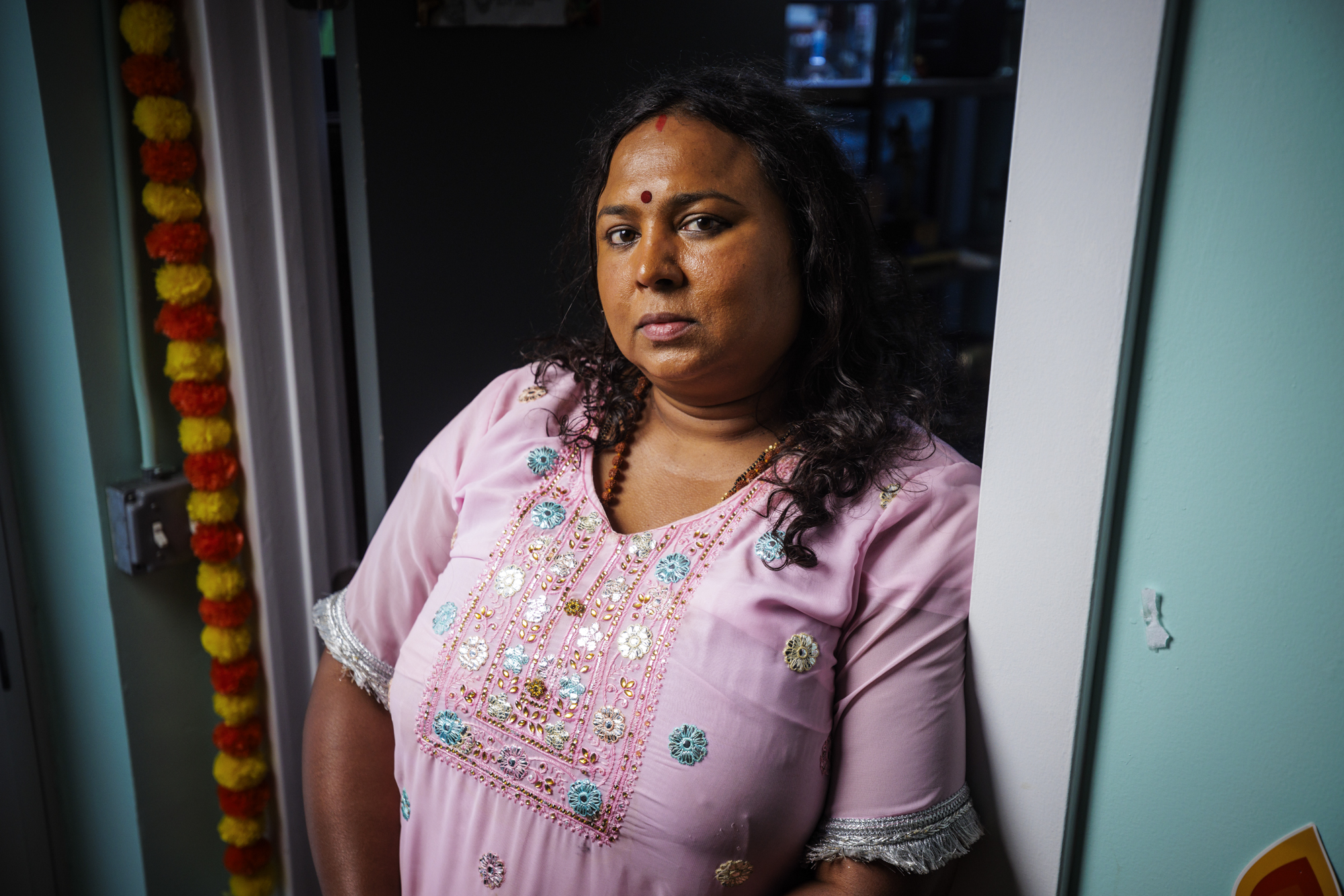
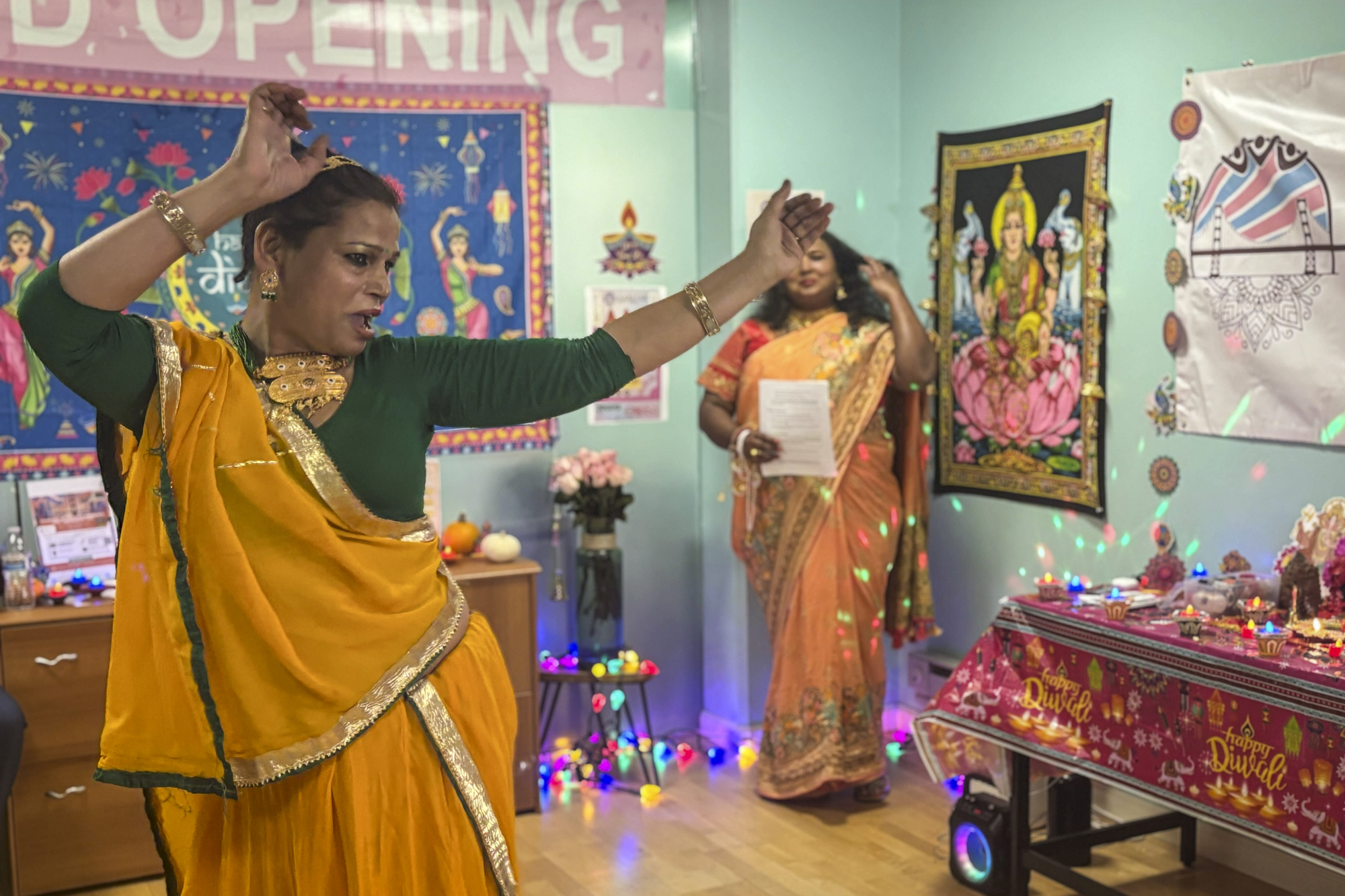
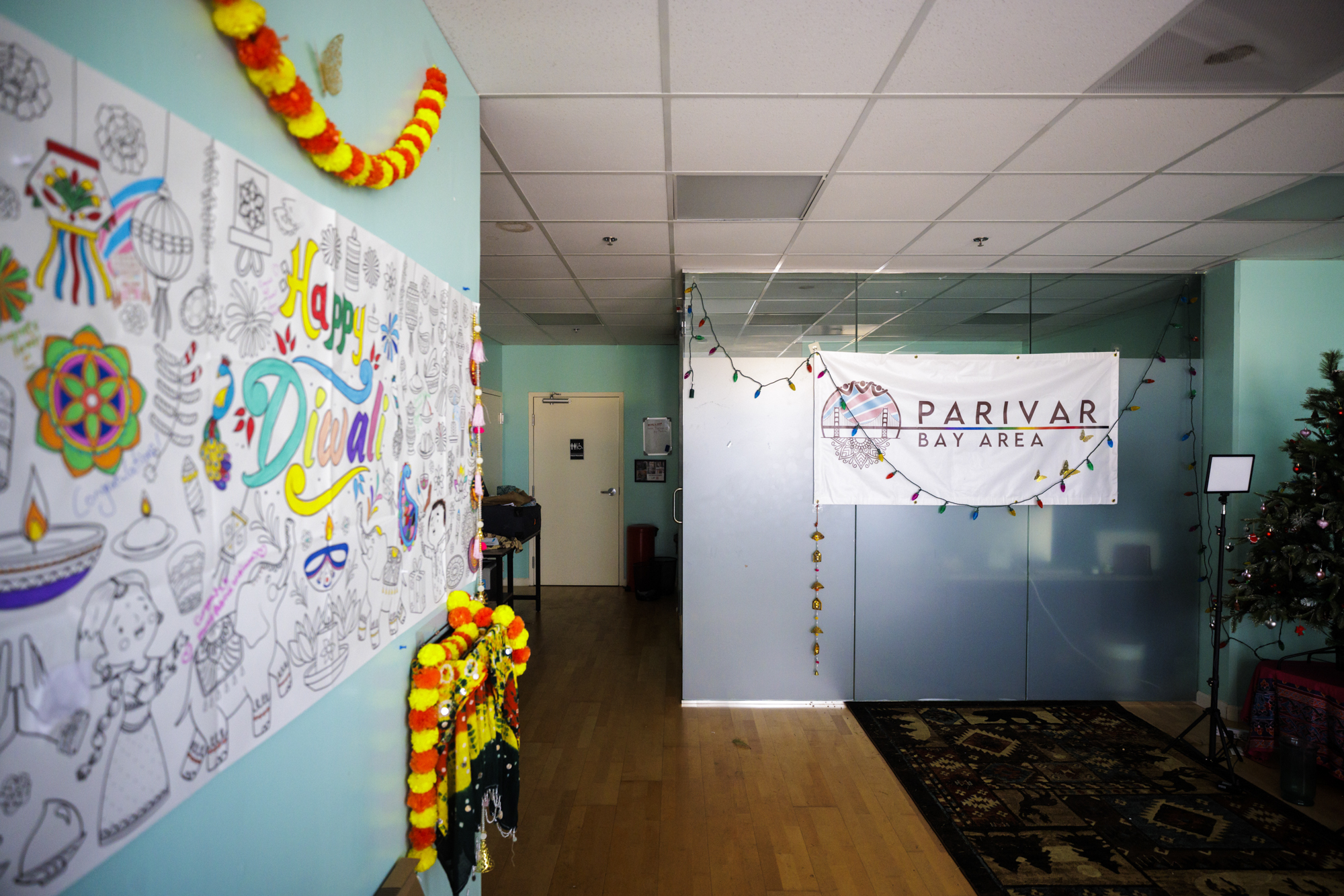
In October, Parivar Bay Area — an organization dedicated to supporting trans immigrants — opened its doors during Diwali.
The brightly decorated office in downtown San Francisco was packed with friends, supporters and several elected officials, including Supervisor Rafael Mandelman, director of the city’s Office of Transgender Initiatives Honey Mahogany and representatives from Supervisor Bilal Mahmood and Mayor Daniel Lurie’s offices.
Nine months later, Parivar is struggling to keep its doors open.
In past years, much of the organization’s funding had come from the city and the state’s Department of Social Services, co-founder Anjali Rimi said.
San Francisco’s Human Rights Commission awarded Parivar in 2023 as part of its “LGBTQI+ and Various Communities Grants.” Parivar also received funds through a 2024-2025 city grant and a two-year state grant administered to The LGBT Asylum Project through the Mayor’s Office of Housing and Community Development, according to spokesperson Anne Stanley.
However, the group did not receive financial support from the city last year or this year, and now, funding has been “exhausted fully,” Rimi said.
“I have poured my blood, sweat, tears and taken on so much hate and so much love at the same time,” she said. “I’m hurting. I’m grieving.”
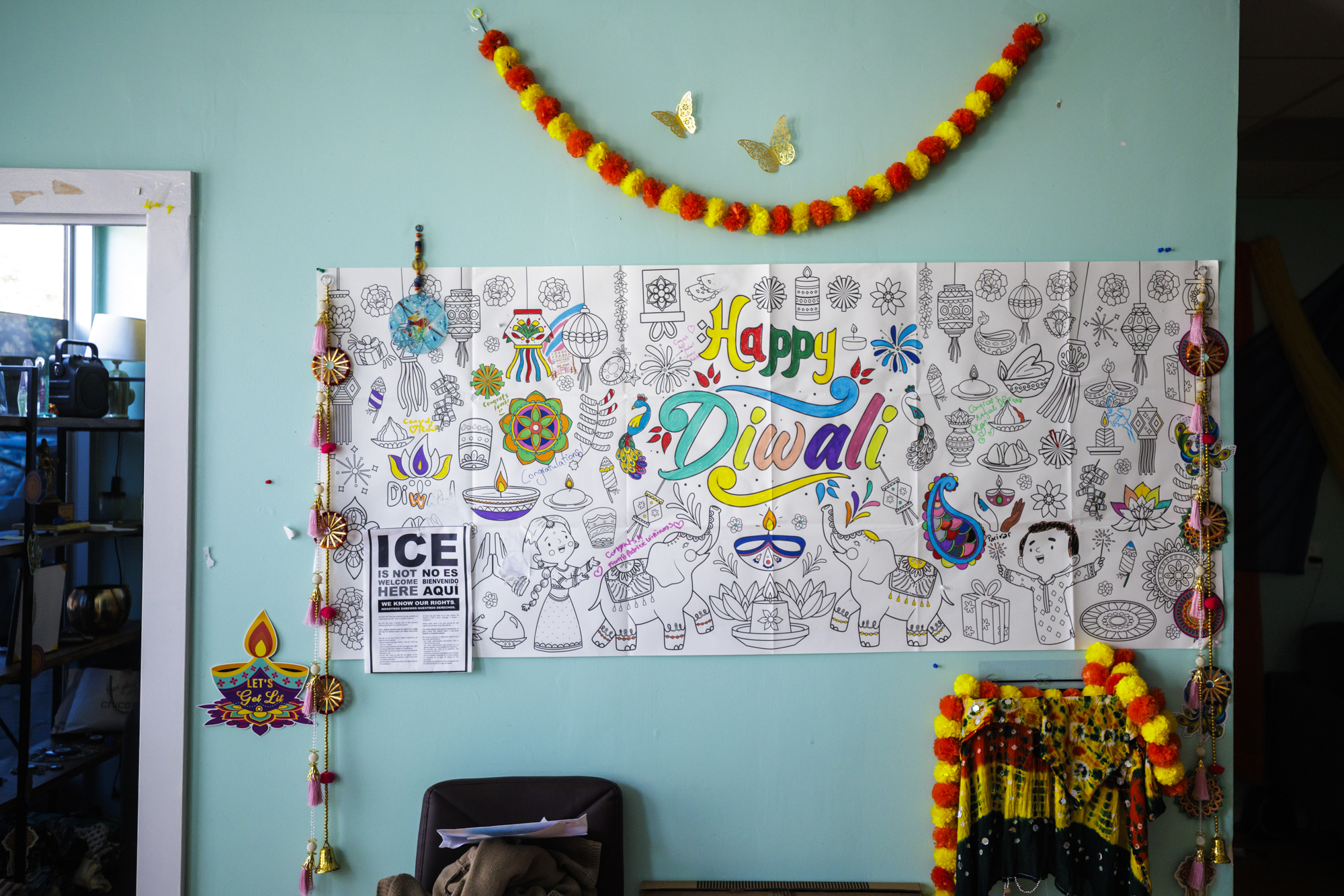
The organization has been in operation since 2018, and describes itself as a trans-led organization centering Indian, South Asian and Global South transgender, gender-diverse and intersex immigrants and asylees. Among its services are immigration and resettlement support, legal clinics partnered with Okan Law and a leadership development program that has over 200 graduates.
But all of those programs have “been at a standstill” since April, according to Rimi.
“The hardest part is not that Parivar Bay Area wasn’t funded,” she said. “It’s knowing what the decision means for people who depend on us.
“With a rent increase from our space, we are looking like we need to move out if the place gets sold or we are told to move out,” Rimi said.
Parivar Bay Area, she said, had been advocating early in the year for city support. Though Rimi acknowledged that the state of public funding “is very tight these days” — especially for LGBTQ+ organizations, which saw some funding restored during the budget process — she said that Parivar Bay Area did not get a sufficient chance to make its case to leaders.
During Trans Advocacy Week in April — an annual opportunity for organizations serving trans people in San Francisco to speak with elected officials through meetings and roundtables — organizers from the group who were best positioned to advocate for funding were dealing with serious immigration issues, Rimi said.
“What happened is that during this very critical time window of budget advocacy, our own leaders, including myself, were facing severe immigration challenges,” Rimi said. “We’re not assigning blame … It’s to ensure that everybody recognizes that communities we serve are not left without support.”
Instead, J Jha, a community adviser with Parivar Bay Area, said they were then asked to represent the organization on behalf of others.
While they were happy to support the organization, Jha said they haven’t been as involved as they have been in its founding years, and stringent immigrant policies have prevented the right person from making it to the meetings.
Jha said among the 12 to 15 groups serving trans people — like youth support nonprofit LYRIC Center for LGBTQQ+ Youth — Parivar Bay Area was the only one that did not receive funding.
“I felt shocked,” Jha said.
A spokesperson from the city’s HRC, Devi Zinzuvadia, confirmed that a representative from Parivar took part in meetings.
Zinzuvadia said this period saw “critical funding gains and other positive outcomes for many trans-led and trans-serving organizations across San Francisco.
“OTI continues to work with all partners — including Parivar, the mayor’s office, the Board of Supervisors and city departments — to best serve and advocate for the needs of trans residents,” Zinzuvadia said.
Stanley echoed this statement, saying that “MOHCD remains committed to supporting transgender and immigrant communities and will continue working with partner organizations to ensure essential services remain available.”
Rimi said right now, Parivar is seeking $1.1 million — or at least $675,000 — and is reaching out to public officials like Lurie, philanthropists, corporate partners and other nonprofits for support. The group is also seeking help from the community, and will be fundraising at events like Bhangra & Beats Night Market, selling jewelry, saris and other accessories.
“We remain hopeful that Mayor Lurie will do right by us as well as he has done right by many, many organizations,” Rimi said. She added that officials like Mandelman, who also serves as the Board’s President, have been supportive during this time.
“Parivar Bay Area fills a role no other organization does — it’s the only trans-led group focused on South Asian and Global South trans immigrants,” Mandelman said in a statement to KQED. “Building that kind of trust and infrastructure took years, and it’s important to do what we can to keep it in place.”
In a statement, Lurie spokesperson Charles Lutvak said the mayor’s office is “working right now with the Board of Supervisors to secure additional funding to support the work Parivar has been doing, and we would welcome them applying for funding in the future.”
Though Parivar’s programs are currently suspended, staff is still trying to connect people to resources.
“All of our services have been put on hold,” she said. “If there is a community member who reaches out to us with immense threat, with immense danger, with immense need for support … we will connect them with other partners who may not be essentially the same sphere, who may not be … affirming, completely, of their gender journey or identity.”
While other organizations may provide similar support, Rimi said that Parivar Bay Area has an understanding of background and gender identity that can specifically serve trans immigrants because its leaders have those very “lived experiences,” Rimi said.
“That helps us build trust,” she said. “That cannot be easily replicated by any other organization that may have those services”
Jha said the experience of an asylum seeker can be isolating and “extremely soul-crushing.”
“This land — which is supposedly a land of opportunity and liberation, but really everybody is rowing their own canoe in waters that are murky and dangerous,” they said. “You are crushed in this absolutely confusing and terrifying maze of legality which can completely upend your life in a second, as you can see with this administration.
“On top of that is the fact that you don’t see anyone like you,” they said. “There’s no one around you. Who do you talk to about the stories you’ve left behind?”
Parivar’s work, and Rimi herself, have been recognized and awarded many times by the city — including during the opening Diwali ceremony in October.
And while “that visibility is meaningful,” Rimi said, “that’s not matched for the investment that happens for these particular intersectional folks who need support.
“We’re not asking to be remembered after we are gone,” she said. “We’re asking for the chance to keep serving those vulnerable folks while we’re still here.”