Lawsuit Pressuring California to Decide Wage-Theft Claims Faster Moves Forward

A legal challenge seeking to pressure California to correct long delays in deciding wage-theft claims can move forward, according to a state judge in Alameda County.
By law, the California Division of Labor Standards Enforcement must resolve worker complaints of underpayment within 135 days, or less than five months. But the agency, also known as the Labor Commissioner’s Office, often takes years to determine whether employers owe any money.
The failure hurts low-income people seeking restitution for wages owed and undermines state efforts to hold employers accountable, said Alexx Campbell, an attorney with Legal Aid at Work in San Francisco, who has seen clients mired in a backlog impacting thousands of Californians. Many workers give up, he added.
“We just need the state government as a whole, and that includes the Labor Commissioner’s Office, to come up with solutions to figure out how to provide workers with access to a functional process where they can recover their wages,” Campbell said. “Because right now, that’s not happening.”
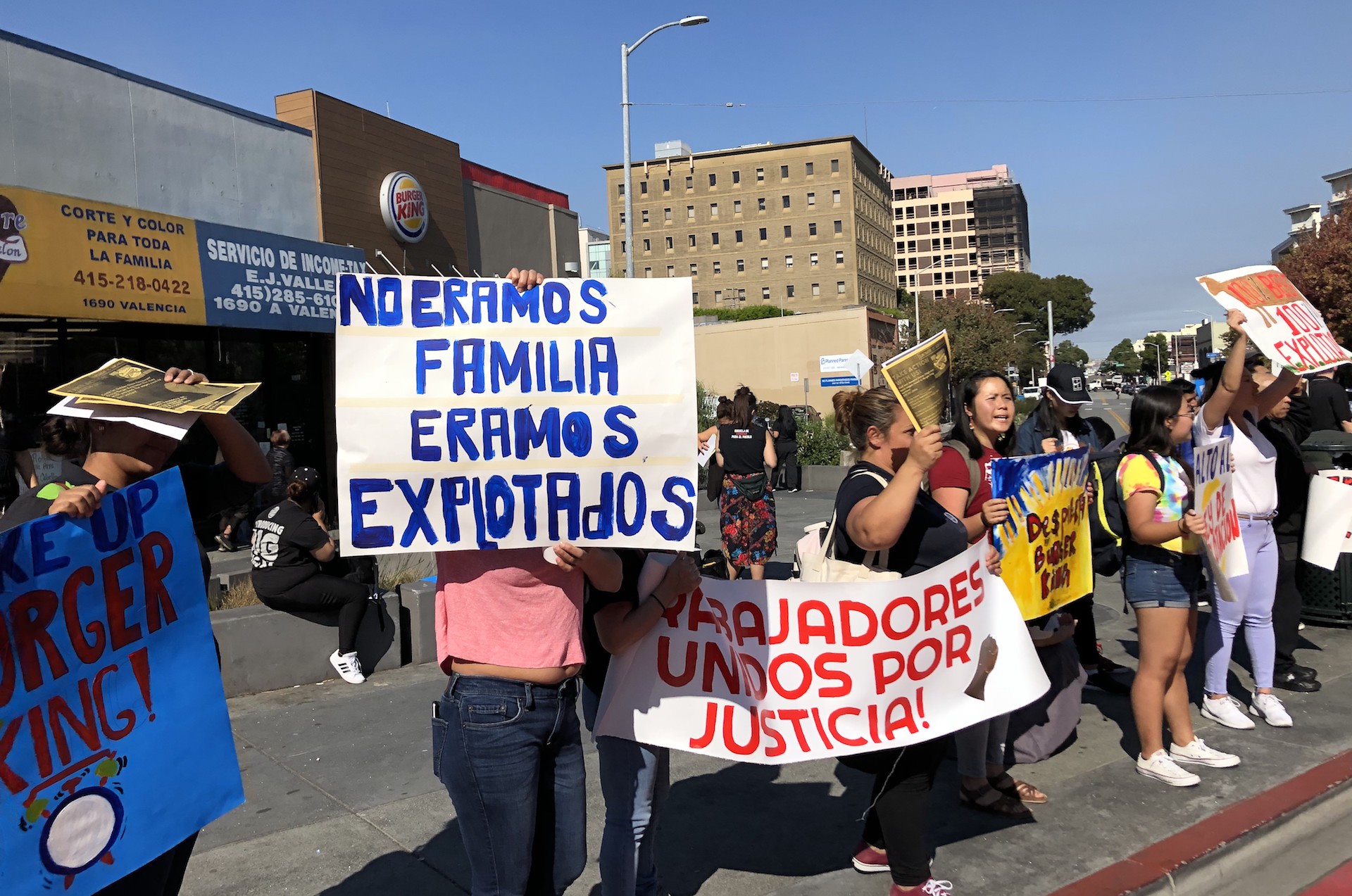
Researchers estimate that workers statewide lose $2 billion to $4 billion per year in pay due to employer violations of minimum wage, overtime, meal breaks and other required protections. Those most impacted are often in lower-income jobs in construction, garment manufacturing, agriculture, restaurants and other industries.
The Labor Commissioner’s wage-claim process was designed as a faster, no-cost, accessible alternative to the court system. But persistent understaffing at the agency contributed to a growing backlog of cases.
In 2023, the agency took a median processing time of 854 days, or more than two years — six times longer than the maximum allowed by law — according to a 2024 state auditor’s report requested by lawmakers. Thousands of complaints had been pending for five years or more.
A spokesperson with the Department of Industrial Relations, which oversees the Labor Commissioner’s Office, declined to comment on the lawsuit but said the agency has since cut its intake backlog from 30,000 cases to about 6,000, and lowered overall vacancy rates from 33% to 20%.

“The DIR does not comment on pending litigation,” the spokesperson wrote. The Labor Commissioner’s Office recovered $78 million in owed wages last year, about a third more than in 2024, he said.
In February, a worker with an unresolved claim, represented by Moss Bollinger LLP, sued the agency over its processing delays. A second worker, represented by Legal Aid at Work, later joined the case.
State attorneys for the division and Labor Commissioner Lilia García-Brower, who is also named as a defendant, argued the case should be dismissed, saying it is too complicated for a judge to weigh in and that the court would be intruding on the executive branch’s role.
But Alameda County Superior Court Judge Rebekah Evenson disagreed, determining on Sept. 10 that the case can continue. A hearing is expected in the coming months.
“This is a good decision from the judge at this early stage in the case that allows the workers to continue to fight for changes,” Campbell said. “It’s not a question of a court telling the labor commissioner how to allocate their budget or how to staff their agency. It’s really just a question of a court requiring the labor commissioner to follow these very clear deadlines in the law.”
One of the Californians waiting years for restitution is Ali Jahansir, who estimates an Orange County employer owes him more than $6,000 in overtime pay for frequent 12-hour shifts as a security guard. Jahansir said he was fired after his employer learned he had filed a wage claim with the labor commissioner in 2023. He has yet to receive a hearing.
“I never thought it would take this long, and, especially at my age, that’s difficult,” said Jahansir, now 76 and a Legal Aid at Work client. “I believe I did the right thing by speaking up to my employer and filing a claim, but having to wait so long makes me worry that I will never see the wages that the company kept from me.”