Yes, Bay Area Bats Have Rabies. How Real Are Your Risks?
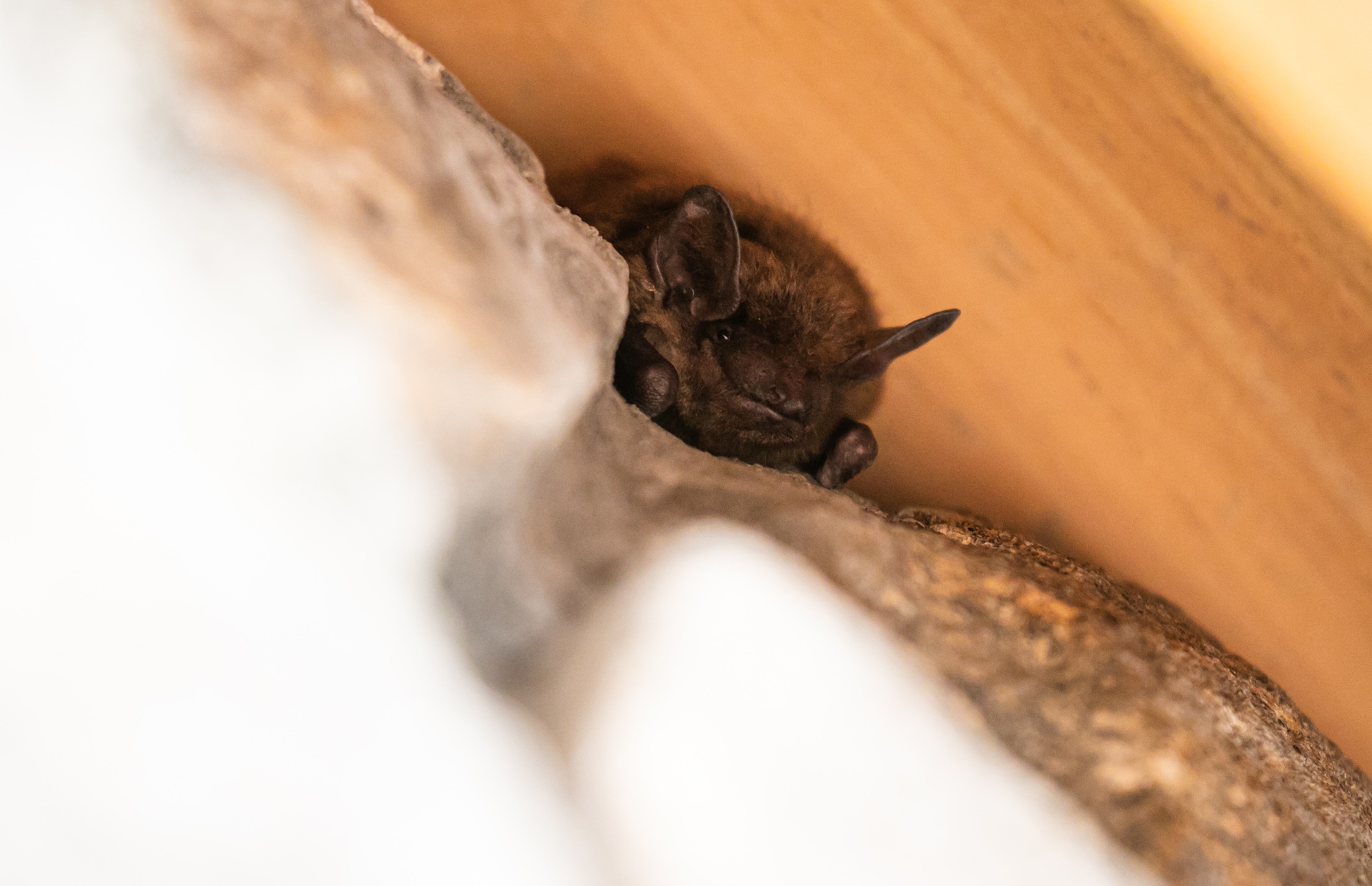
The Centers for Disease Control and Prevention issued a health advisory to doctors about increased rabies in animals and human exposures nationwide this summer, saying it received 17% more rabies-related inquiries in July and August than during that same time last year.
Rabies has, alarmingly, also featured in a number of Bay Area headlines this summer.
Three Humboldt County children were treated for exposure to rabies from bats in the past two weeks. A dead bat in Yosemite National Park also tested positive for rabies. The city of Berkeley confirmed in late August that it has found five rabies-positive bats in residential and commercial areas of the city this year.
And a domestic cat in Pleasanton — which health officials said “may have been exposed to rabies by a bat on a balcony” — was also found to have rabies in late June.
While these events might sound unusual, “finding a rabid bat is not terribly uncommon,” said Scott Gilman, the director of health, housing and community services for the city of Berkeley.
“We normally have about two a year if you look back in time,” he said. “But because we found five already this year, it’s a little bit of a spike.”
Gilman confirmed that all five of the bats in Berkeley were found dead.
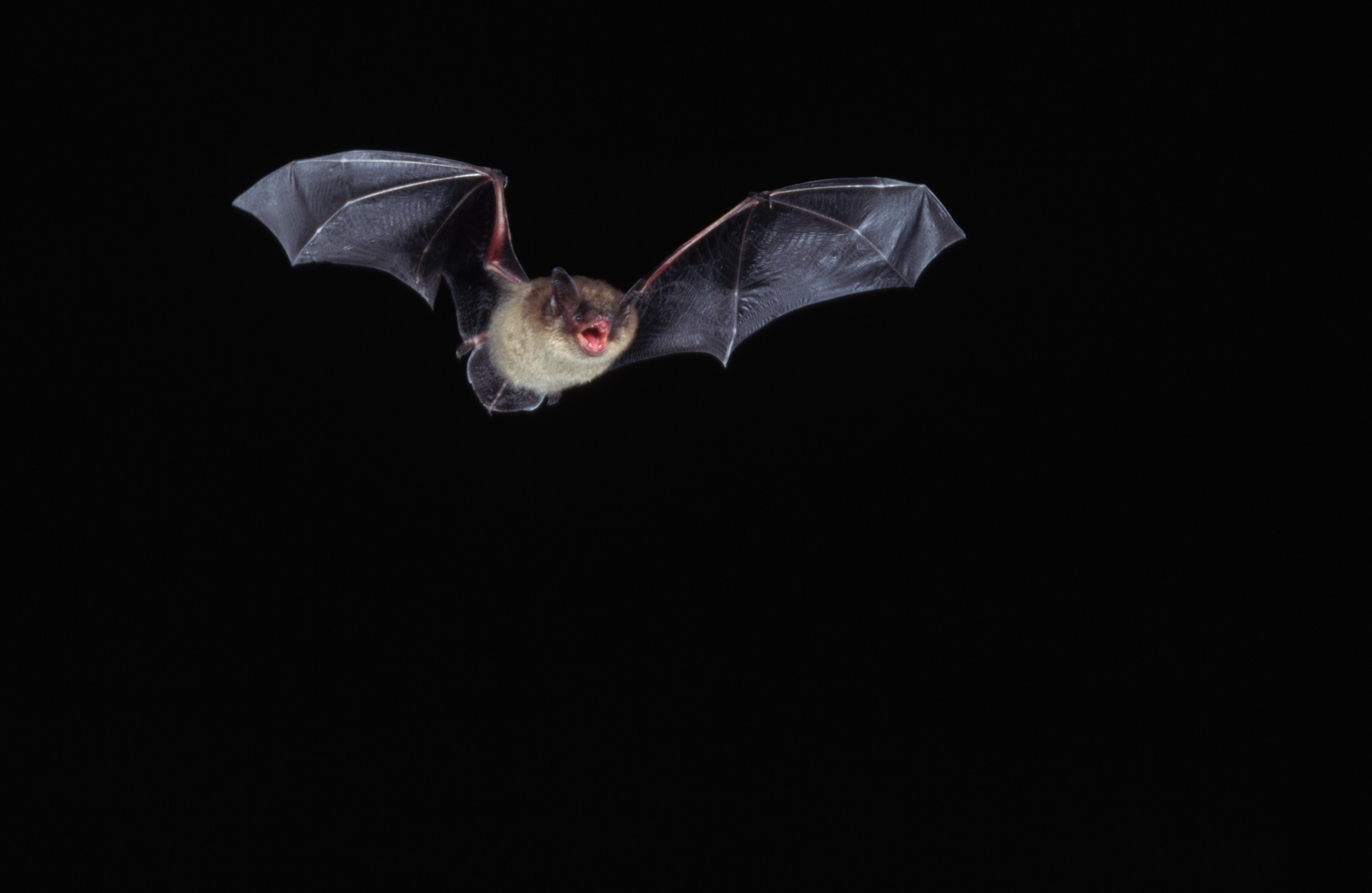
Valerie Ahlgren, senior vector control biologist for Alameda County’s Vector Control Services District, said 13 bats with rabies have been reported in the county alone this year. And while Ahlgren couldn’t pin this year’s increase on any particular cause, she said rabies can appear to be cyclical, peaking during summer months and lying dormant — along with the hibernating bats that host it — during the winter
“Bats are the No. 1 reservoir of rabies,” she said. “They maintain it in their population for years and years.”
Luckily, transmission of the virus from bats to humans is rare: Just 17 people in the state have ever been reported with rabies since 1980, the most recent case in 2024, when a Fresno man died from the virus.
And thankfully, it’s also treatable in humans if caught early. But once symptoms do appear, the virus is virtually always fatal — only a very small number of people worldwide have ever survived symptomatic rabies. That’s why Gilman’s office sent a letter to local physicians in August notifying them of the uptick and sounded the alarm to the city council as well.
“If you find a bat in your house, it really is something that you have to take very seriously,” he said. “And it can be considered a medical emergency if you were bit by a bat.”
Read on for everything you need to know about the animals and your risk of rabies.
How common are bats in the Bay Area?
Most people living in the Bay Area don’t know just how prevalent — and diverse — the local bat population is here, said Evan Cole, natural resource manager for San Mateo County Parks.
In general, bats have the most species of any mammal in the world and are particularly good at adapting to different habitats, including urban areas. But because they are nocturnal, they aren’t as noticeable, Cole said.
In general, bats have been under-studied in academia, he said — “and I think that kind of trickles down into the public knowledge and our ability to properly educate people on the benefits and hazards of bats around us.”

In fact, there are 16 species of bat in the Bay Area alone, Cole said. They are insectivores, so they feed on bugs, and they “roost” in a variety of habitats, including local tree species like redwoods, eucalyptus and, of course, human structures.
But unless they have a disease like rabies, bats in the wild aren’t something to be afraid of. In general, they are not interested in humans and don’t have any innate desire to bite you.
Bats should also be sleeping during the day, so any daytime activity means they’re either sick or in distress, Cole said. “Anytime you see a bat flying during the day, that’s bad news for the bat,” he said.
Because bats can form a critical part of our local ecosystems, Cole said protection of their natural habitats — including in places like local parks — is important, especially as their survival is threatened by factors like climate change, diseases like White-nose syndrome, loss of insect populations globally and habitat transformation. That’s why San Mateo County Parks is careful not to disturb local bat populations when they’re most vulnerable, like during the nighttime, their springtime maternity season and during the winter months.
“Bats are being kind of boxed into a corner in many ways, and we need to do our best to respect, protect them, and educate people about them, about the uses and benefits that they provide to people,” Cole said. “And then also invest in protection and restoration of open spaces like we do in parks to make sure that these native landscapes are still there as refuge for them.”
What is the real risk of rabies from bats?
The headline: “Rabies should always be assumed to be present if you find a bat in your home,” Gilman said.
And this is out of a justified abundance of caution. Rabies in animals is actually not overly common — an average of just 200 cases of rabies in animals are reported statewide each year, according to the California Department of Public Health.
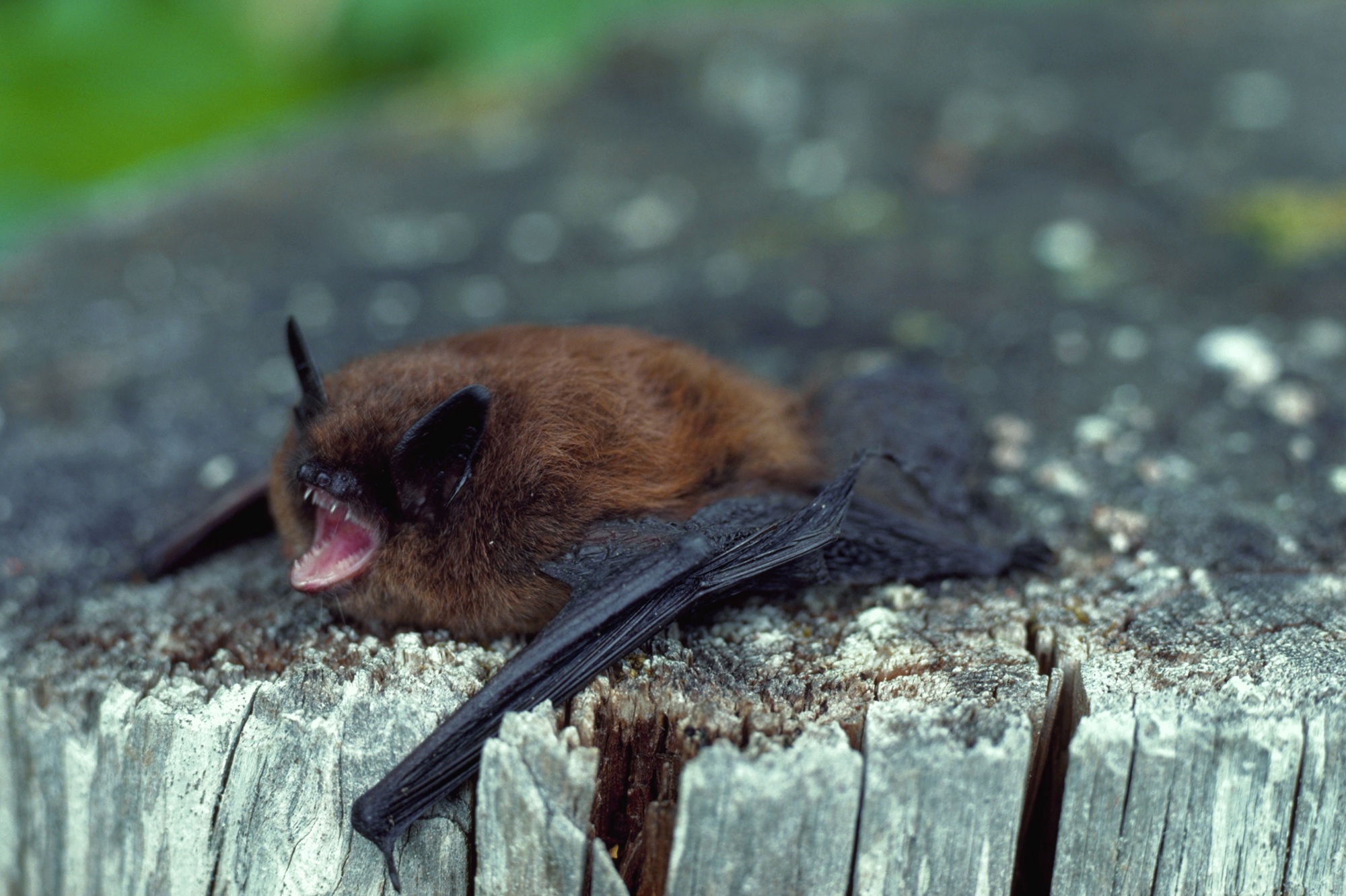
While all mammals can get rabies, bats and skunks are among the most common in California. So far this year, there have been 213 cases statewide, over 90% of which were in bats.
Some signs of rabies in bats include increased daytime activity or interaction with humans, as bats are nocturnal and tend to avoid humans.
Remember: transmission of rabies from animals like bats to humans is rare, but it’s virtually always fatal if you do get rabies.
What should I do to protect bats — and myself — in the Bay Area?
While places like San Mateo County Parks are focused on protecting natural bat habitats — and you can do so, too, in your yard, Cole said — you should make sure bats aren’t living inside your home.
“Bats are really important,” Cole said. “They offer great ecosystem services. They may find themselves in your house and enjoy it as a roof structure, but you should not be encouraged to keep them there.”
Gilman advised residents to close up any holes or access points that bats may have into their home. That includes holes as small as a quarter of an inch, according to the Centers for Disease Control and Prevention.

If you suspect bats might be roosting in your home and you live in San Mateo or Alameda counties, you can request a free inspection and get advice on how to relocate the animals. Ahlgren said she talks to someone with a bat in their home in Alameda County at least once a week.
“We don’t want to remove them from their natural habitat, but we also don’t want them living in people’s attics where they can get inside,” Ahlgren said.
If you think that bats might be living in your home, the CDC recommends observing how they are getting in and out of your home, counting them, and attempting to seal entrances once they have left the building.
CDPH also advises people to vaccinate their pets against rabies both for their health and to prevent the spread of the virus. California law requires all pet dogs to be vaccinated for rabies by 4 months old.
While there are no laws regulating outdoor cats, Ahlgren said these pets are at particular risk of contracting the virus.
“They’re actually one of the more likely pets to come into contact with bats,” she said. “And if your cat is unvaccinated and catches a bat, that’s a six-month strict quarantine, which is hard on cats.”
What to do if you see a bat in your home that might have bitten you
First, do not touch the bat, whether it’s dead or alive. It’s especially important to teach your children to never touch a bat, said Gilman.
If you’re able, safely trap the live bat in your home without touching it (and if this sounds tricky, the CDC has a full set of instructions on pulling this off). Then, call your local vector control group to get it relocated and tested for rabies.
You probably aren’t going to even know if you were bitten by a bat, Gilman said — because their teeth are so tiny that they barely leave a mark. If you do have a noticeable bite, though, thoroughly washing the bitten area with soap and water is a good idea, according to CDPH.
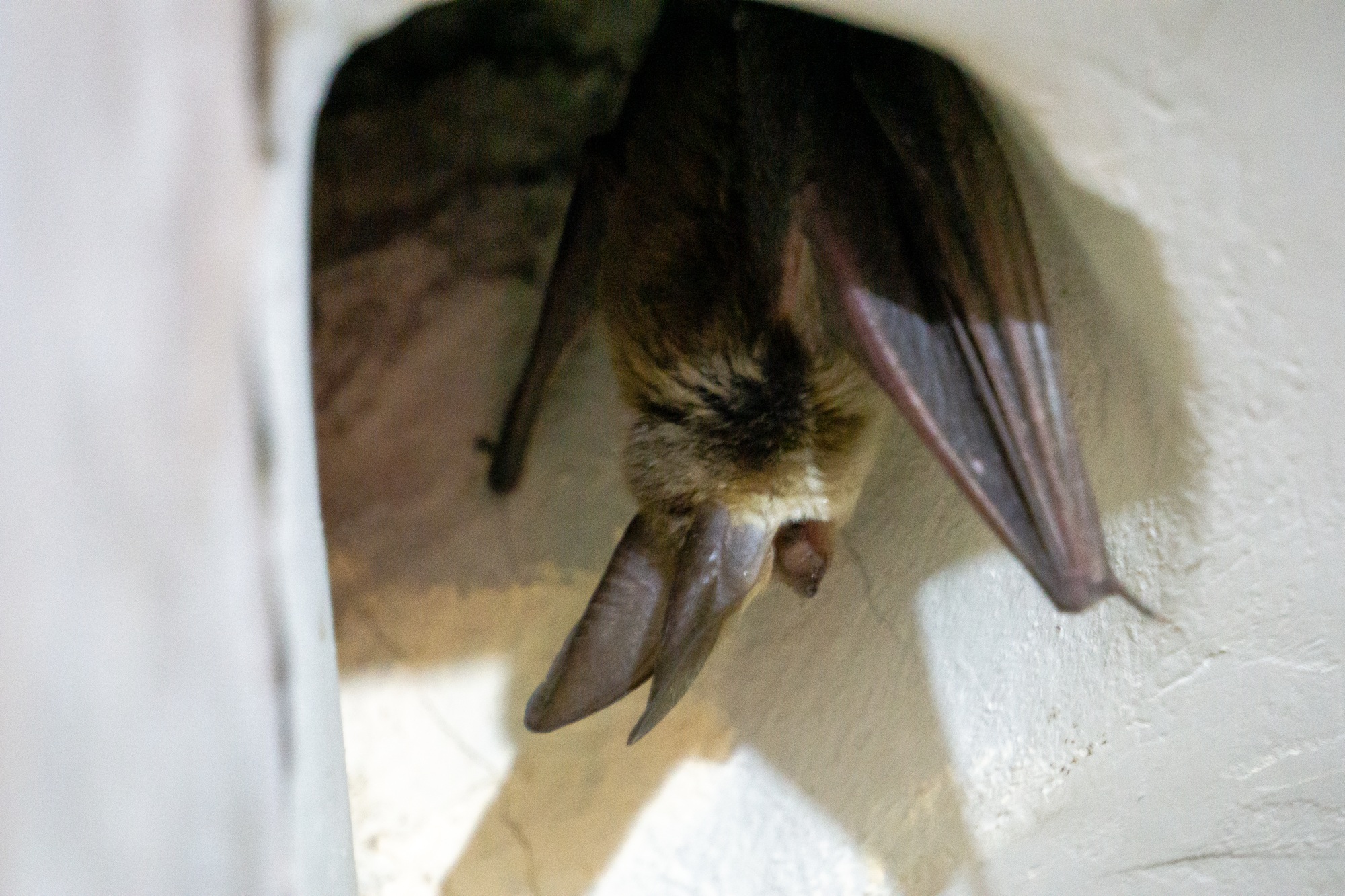
Then, you should immediately seek medical attention and an evaluation and report the bite to your local disease prevention program and vector control service. Your health care provider might recommend you get a series of vaccinations to stop you from getting sick.
Reporting the bat and seeking medical attention are important even if you aren’t sure if you’ve been bitten, health experts say. Not only are a bat’s teeth so small that a bite might not be noticeable, but rabies, if untreated, is almost always fatal in humans.
“Rabies is deadly,” Gilman said. “So the assumption if you are bit by a bat is that you need to have prophylactic medication.”
By the time you feel any symptoms, which typically begin 4 to 8 weeks after exposure to the virus, you won’t be able to recover, Ahlgren said.
“You absolutely don’t wanna wait for symptoms because there’s no saving somebody that develops symptoms,” Ahlgren said.