Formerly Incarcerated Advocate on Why Sexual Violence Persists in Men's State Prisons
Here are the morning’s top stories on Thursday, September 3, 2026
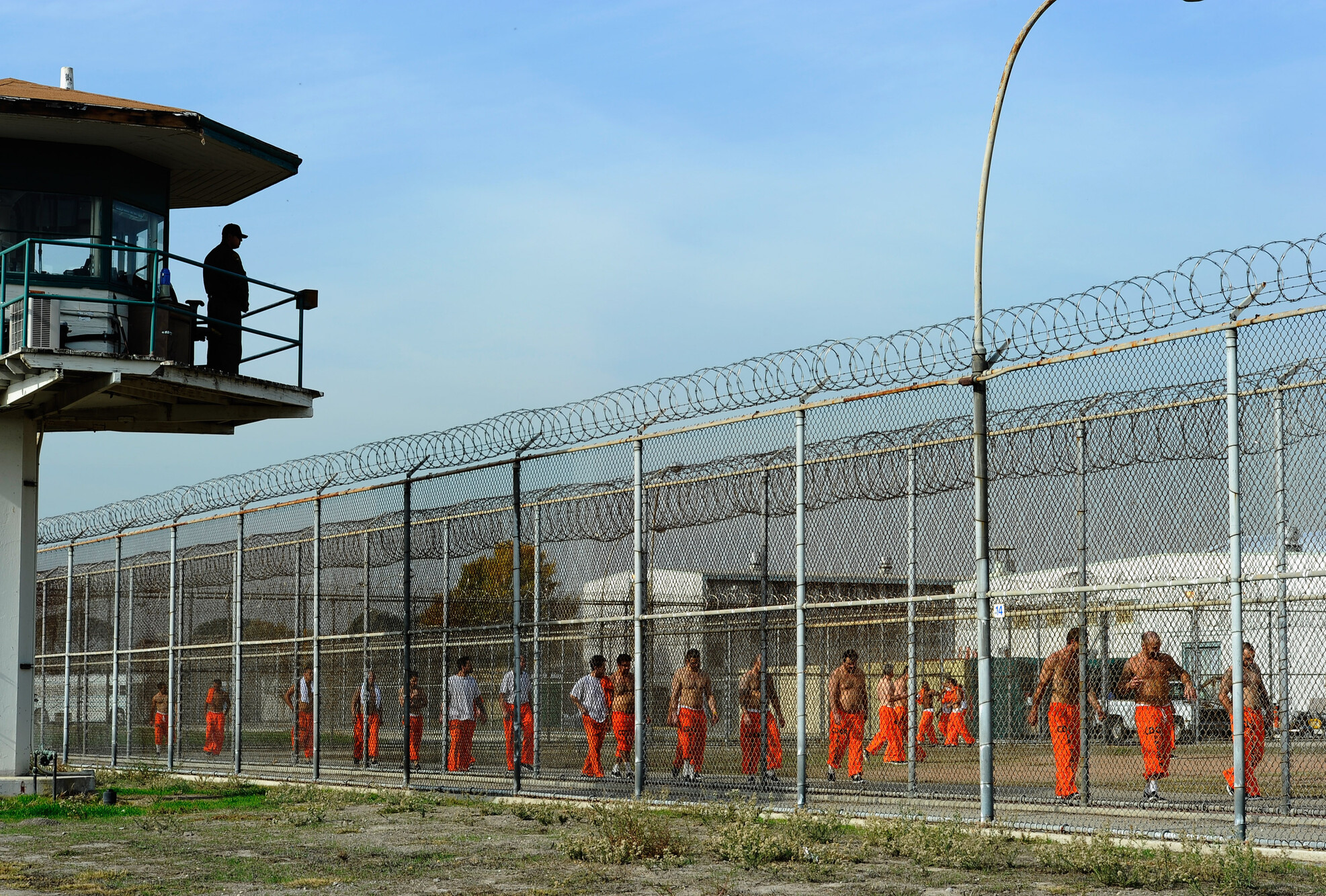
- There are major faults in how the state tracks, investigates and prevents sexual abuse and assault in California’s men’s prison. That’s according to a recent report from UC San Francisco and UC Berkeley’s Criminal Law & Justice Center. California prison officials and advocates met this week in Sacramento to discuss the ongoing crisis and work toward solutions.
- California lawmakers have sent a slew of bills to Gov. Gavin Newsom’s desk aiming to increase state oversight of federal immigration detention.
Host Madi Bolaños spoke with formerly incarcerated community activist Darnel Washington about why sexual violence persists behind bars, and what needs to change to better protect incarcerated people.
She started by asking him why sexual violence remains such a persistent problem in men’s prison despite the implementation of the Prison Rape Elimination Act, or PREA, over two decades ago. That’s the federal law that sets national standards for correctional facilities to eliminate sexual assault in prisons.
This interview has been edited for length and clarity.
WASHINGTON: I think one is lack of reporting, lack of trust in staff when they’re reporting, and whether it be retaliation or what I say be confidential, and will I get the support I need or will I be punished for bringing this to staff.
BOLAÑOS: You were a PREA instructor at San Quentin. Can you tell me a little bit about what that entailed?
WASHINGTON: Well, we would bring guys into the room and basically we’d tell them about PREA, the Prison Rape Elimination Act, how to report it, who to report to, let them know it’s supposed to be confidentiality, whoever the officer is, it’s between you, him, and then they bring it to the watch commander and everything is confidential and if the officer was to bring it out, he can be held accountable as well. So that helped a lot of people and knowing that I’m a peer. For them and they felt comfortable talking to me about any questions they had.
BOLAÑOS: This report found that once somebody did make a report that the investigation itself had flaws. What was your take on why that could be?
WASHINGTON: Well, I think number one, are they taking the allegations seriously? And then, if they’re not taking the allegation seriously, of course, the paperwork is not going to be done properly. The right investigation is not going to done properly.
BOLAÑOS: Something that’s come up a lot in this conference is retaliation, not just from staff but from other prisoners. What is retaliations like and can you just describe for people who don’t have an understanding like how that can affect people’s ability to report or to want to report?
WASHINGTON: I think one of them could be like people ostracizing them, like you’re a snitch and you’re this and this and that, and not looking at them as someone who’s a victim.
BOLAÑOS: Yeah, it’s interesting, the report also mentions that there’s the social element of reporting rape and, you know, there are stigmas around that in men’s prisons. What do people risk socially when they report rape?
WASHINGTON: Well, some people think, like, oh, I’m weak now. You know, how are people going to look at me? My man had just been tooken. Or rather, I just wanted it because why didn’t I fight? Or, you know, all of these different things of why you didn’t protect yourself from this, not understanding the person was in fear. This is one of the problems we have with young men. When we talk to our daughters, we’re like, if someone ever touch you, you better come tell me. But how many of us have that same conversations with our sons?
BOLAÑOS: And we talked about this earlier, but there’s a backlog of PREA reports. There’s too many PREA report for the system to handle, and some of the answers to that question are people are creating false reports. Why would someone create a false PREA Report?
WASHINGTON: Well A lot of times in prison you have relationships that’s going bad. You know, there is a lot of drugs in prison and people with drug debts. People just don’t want to be in a certain prison anymore. They just want to get moved and like that’s one way to get moved out. And there is no consequence for making these false reports as well. So maybe if it was mentioned that there could be consequences for making false reports, maybe people wouldn’t make them as well, because you have to have some. Some type of deterrence, because if not, you’re wasting valuable resources for those who have really been victims of it.
BOLAÑOS: If California wants to go from responding to sexual assault to preventing it, what needs to happen?
WASHINGTON: I think, number one, most importantly, single man cell, getting the population down because the officers cannot watch everything that’s going on. And if they’re overworked, how are they going to pay attention to exactly what’s going on.
The bills come as U.S. Immigration and Customs Enforcement has arrested a record number of Californians, and six people have died at ICE facilities in the state since the start of last year.
One measure would extend the state attorney general’s power to inspect ICE facilities. Another would create an enforceable bill of rights ensuring humane conditions in civil detention.
ICE says conditions are already humane, and says in a statement: “All detainees are provided with proper meals, quality water, blankets, medical treatment.”
Attorney General Rob Bonta said his inspections have actually found dangerous conditions.
“It’s wrong. It’s just not true,” Bonta said. “That’s why these bills are important because we know what the reality is. We know what immigrants who are in detention centers are experiencing because we went in there and talked to them, and we know that they need a bill of rights to keep them safe.”
The state has a right to apply its laws to federal facilities the same way they apply to state and local ones, as long as they don’t place an undue burden on the federal government.
That’s according to UC Berkeley Law School Dean, Erwin Chemerinsky.
But he expects if these bills become law, they’ll be challenged in court by the Trump administration and the private prison companies. He sees it as a calculated risk.
“What California is trying to do is to step in so as to protect the rights of people in the state where the federal government is infringing them,” said Chemerinsky.
The governor has until the end of September to sign or veto the bills on his desk.