Trump Administration Nixes Longstanding Deal to Help Investigate Labor Abuses
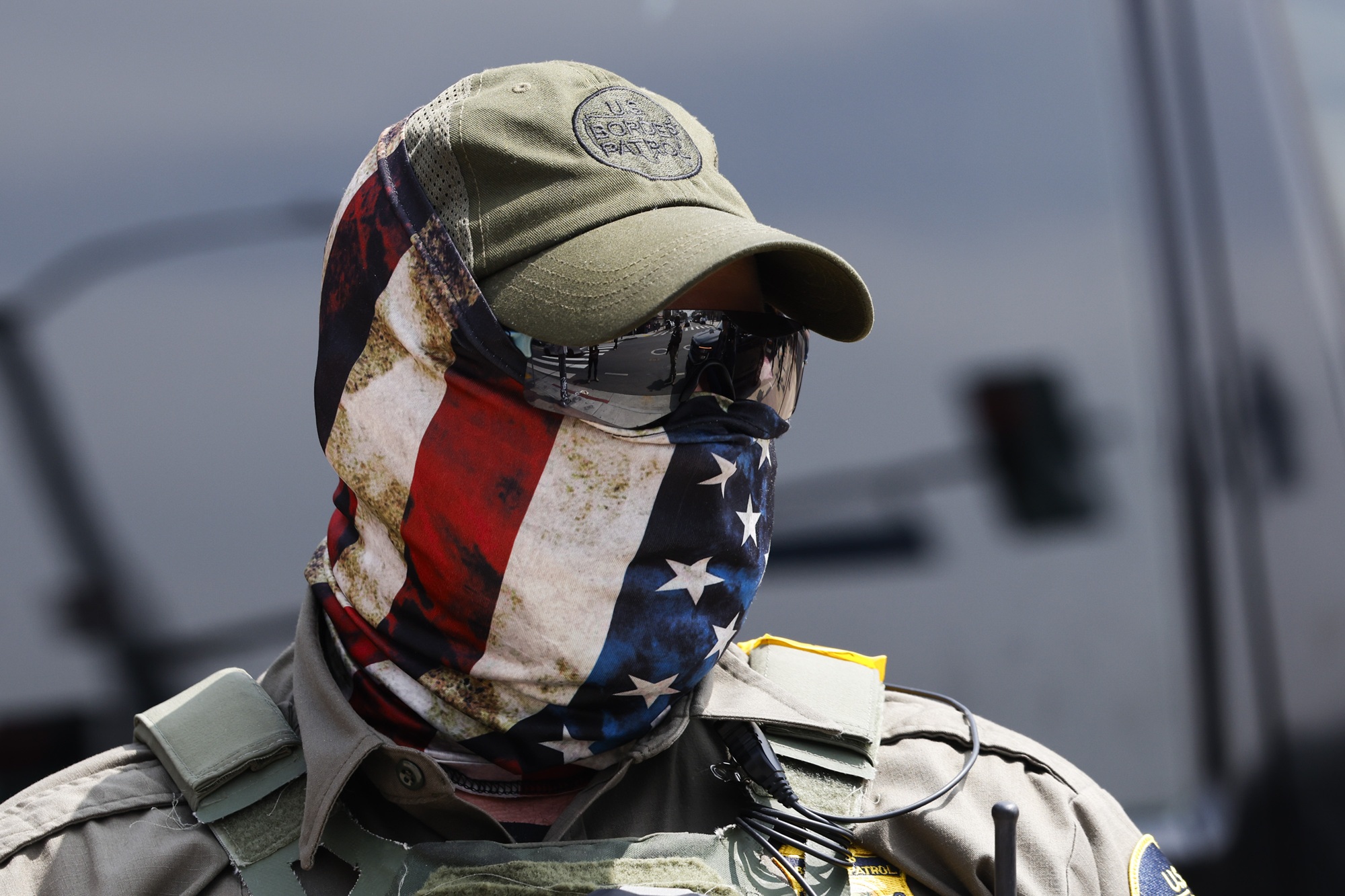
The Trump administration has ended a longstanding agreement that kept immigration authorities largely out of workplaces that the U.S. Department of Labor was actively investigating for potential abuses, KQED has learned. The move, the latest in a federal rollback of immigrant worker protections, could further undermine efforts to uphold minimum wage, child labor and other laws covering most employees regardless of immigration status, according to worker advocates.
The government has long recognized that non-citizens living in the U.S. without permanent legal status are less likely to complain about wage theft or unsafe job conditions if they fear their employer will retaliate by reporting them to Immigration and Customs Enforcement (ICE). That understanding prompted the U.S. Department of Homeland Security (DHS), which oversees ICE, and the Labor Department to agree more than a decade ago to essentially separate their enforcement activities and share information to combat abusive employment practices. The goal was to avoid jeopardizing pending labor cases, which often require speaking with witnesses.
“This agreement served as an important, if imperfect, backstop to say employers can’t use ICE as a weapon to protect their labor violations,” said Josh Rosenthal, who directs the workers’ rights program at the Asian Law Caucus in San Francisco.
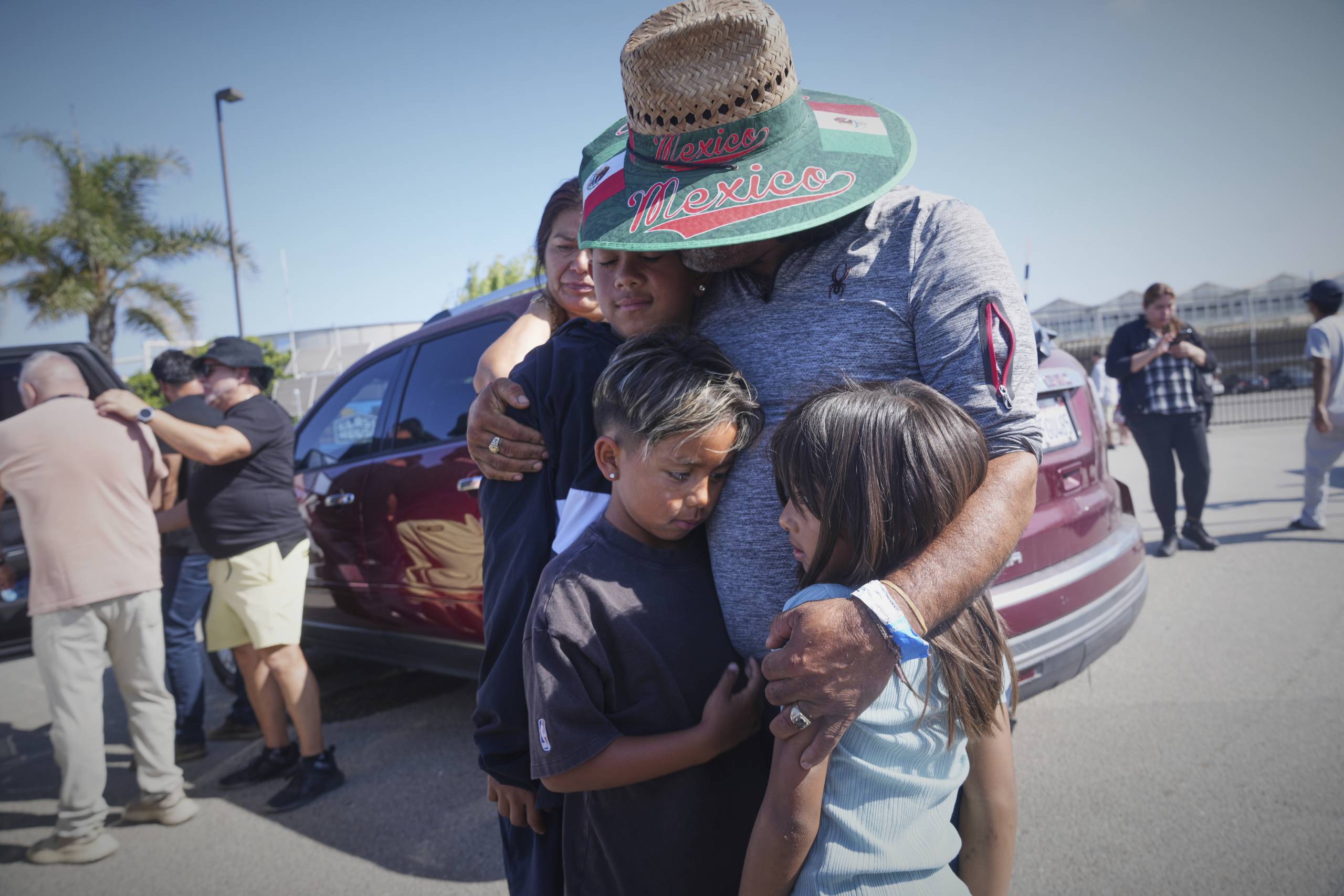
“There have been instances where, especially before this agreement, an employer would call ICE in the middle of a labor investigation and get all of the workers who had complained arrested or otherwise create trouble for their immigration situation,” he said.
Under the deal between the two federal agencies, first signed in December 2011 during President Barack Obama’s first term, ICE committed to refrain from auditing or making arrests at businesses that were the subject of existing labor probes, with some exceptions. Federal labor regulators have told workers for years that they have the right to minimum wage, safe job sites and other safeguards, no matter their citizenship status.
The memorandum of understanding “concerning enforcement activities at worksites” was later expanded in 2016 to include the National Labor Relations Board and the Equal Employment Opportunity Commission, agencies tasked with protecting employees’ rights to unionize and be free from discrimination.
But the agreement has quietly been terminated, a Labor Department spokesperson confirmed to KQED. They declined to answer follow-up questions about when the change took place and why.
Until last week, several employment attorneys in California, as well as former federal labor officials, doubted the worksite enforcement deal was still being vigorously enforced, but believed the administration had not officially rescinded it.
“The referenced MOU is not currently in effect,” the spokesperson wrote in an email. “The Department of Labor enforces the Fair Labor Standards Act and other federal labor laws for all employees and employers covered by such laws.”
DHS did not respond to a request for comment.
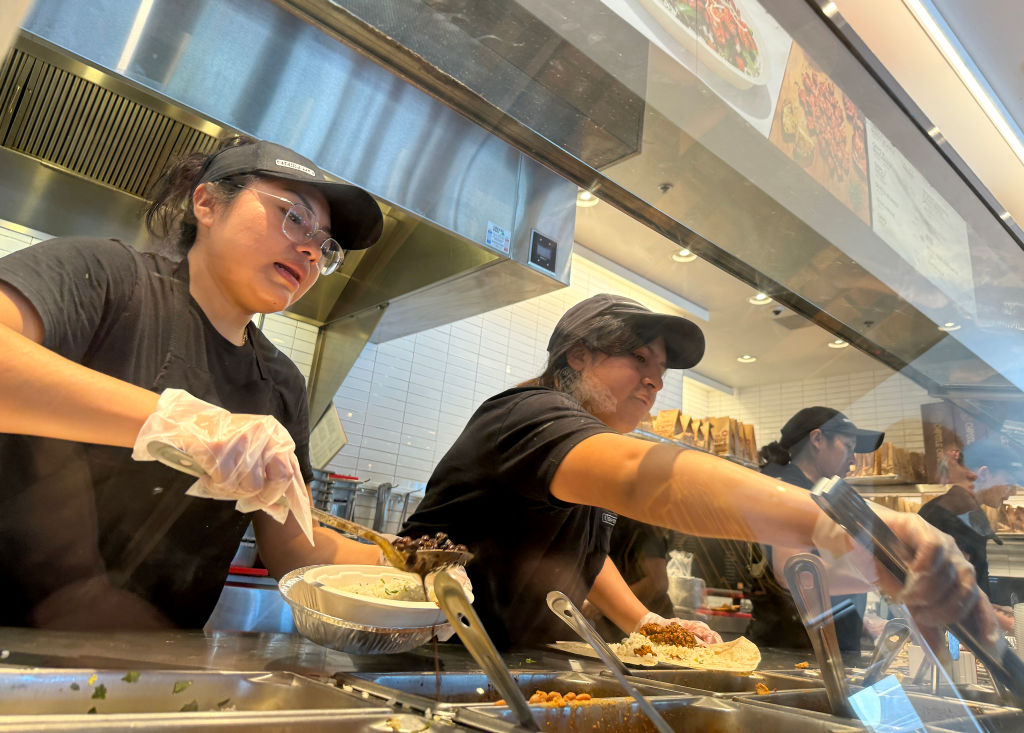
The shift comes as reports of employers threatening workers with ICE arrest — in what worker advocates say is an attempt to chill complaints — have risen in California, according to legal aid groups and worker organizations. At the same time, workers are taking these threats more seriously, given the Trump administration’s intensified immigration enforcement, including by conducting worksite raids that were previously rare.
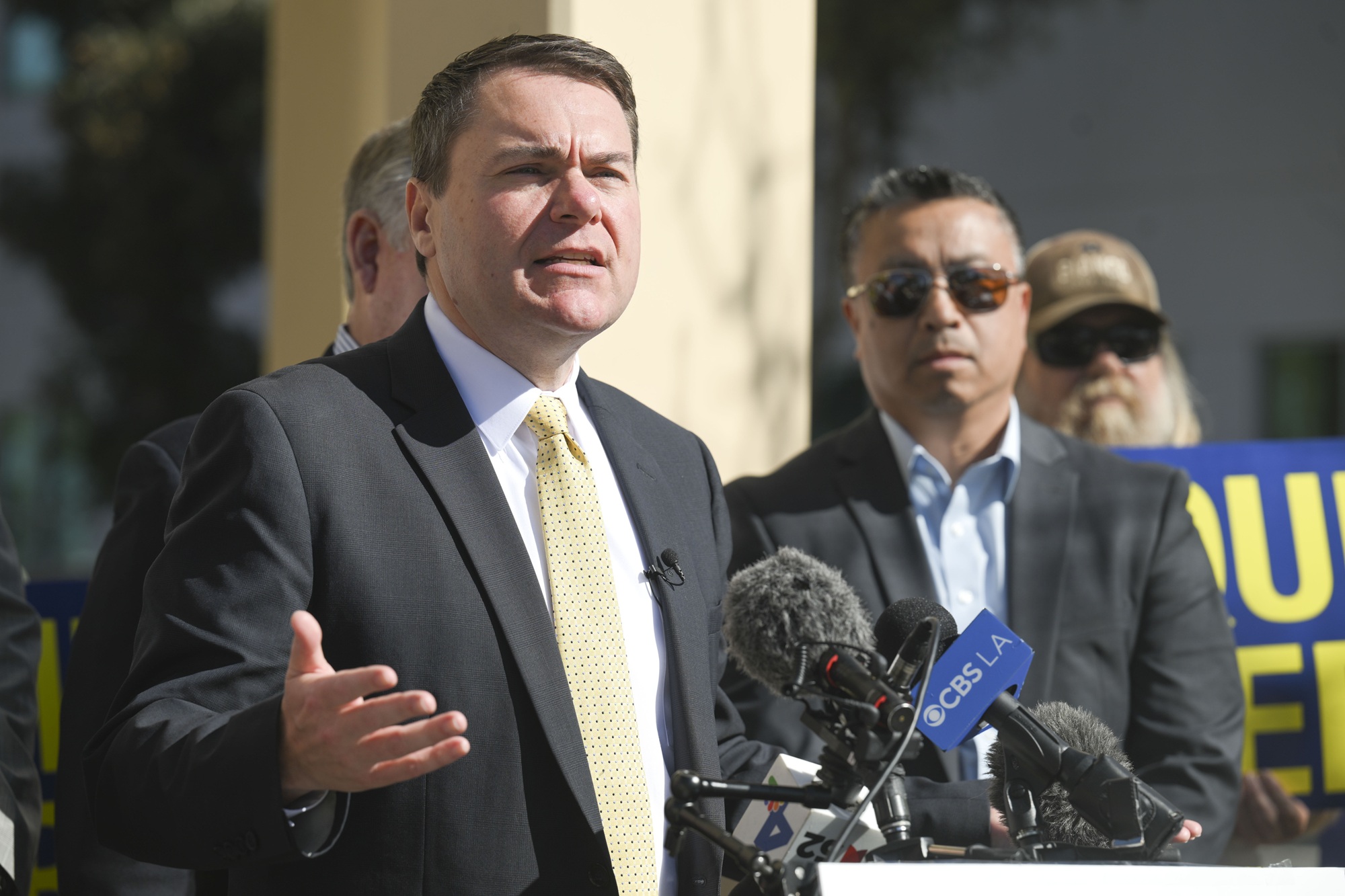
Retaliation is unlawful under state and federal laws. California lawmakers are advancing a bill that would clarify that it is also illegal to threaten employees with immigration consequences to dissuade them from exercising their rights. Employers could be liable for up to $10,000 in civil penalties per violation.
The Biden administration went a step further by offering temporary protection from deportation and work authorization to people who came forward to report labor violations and cooperated with investigations, through the Deferred Action for Labor Enforcement program, launched in 2023. But that program was rescinded shortly after President Donald Trump took office in 2025.
Paul DeCamp, who led the Labor Department’s wage and hour division from 2006 to 2007 during the George W. Bush administration, said he wasn’t surprised by the termination of the worksite enforcement deal.
“Given the current administration’s heavy emphasis on immigration enforcement, I think that the MOU was seen in some respects as holding back a bit on immigration enforcement. The writing was on the wall,” said DeCamp, who represents employers with the firm Epstein, Becker, Green in Washington, D.C.
“The immigration laws are, in some respects, in tension with the labor laws in terms of how they play out for the workers. It is difficult to enforce one vigorously without causing some damage on the other front,” he said. “What we see now is a prioritization that emphasizes immigration enforcement, even if that does come at some increased risk with respect to the wage and hour enforcement.”
In California, employees can report immigration-related threats by employers to the state’s Labor Commissioner’s Office, which also investigates allegations of wage theft. But other states that rely more on the federal government to protect worker rights, such as Tennessee and Texas, could feel a bigger impact, Rosenthal, with the Asian Law Caucus, said.
“When immigrant workers are protected under our workplace laws, everyone is protected because it keeps bad actors from exploiting vulnerable workers on the basis of their immigration status,” he said. “The administration is weakening the rights of all workers. U.S. Citizens, green card holders and others.”