Progressive Aisha Wahab Wins East Bay Special Election for Congress
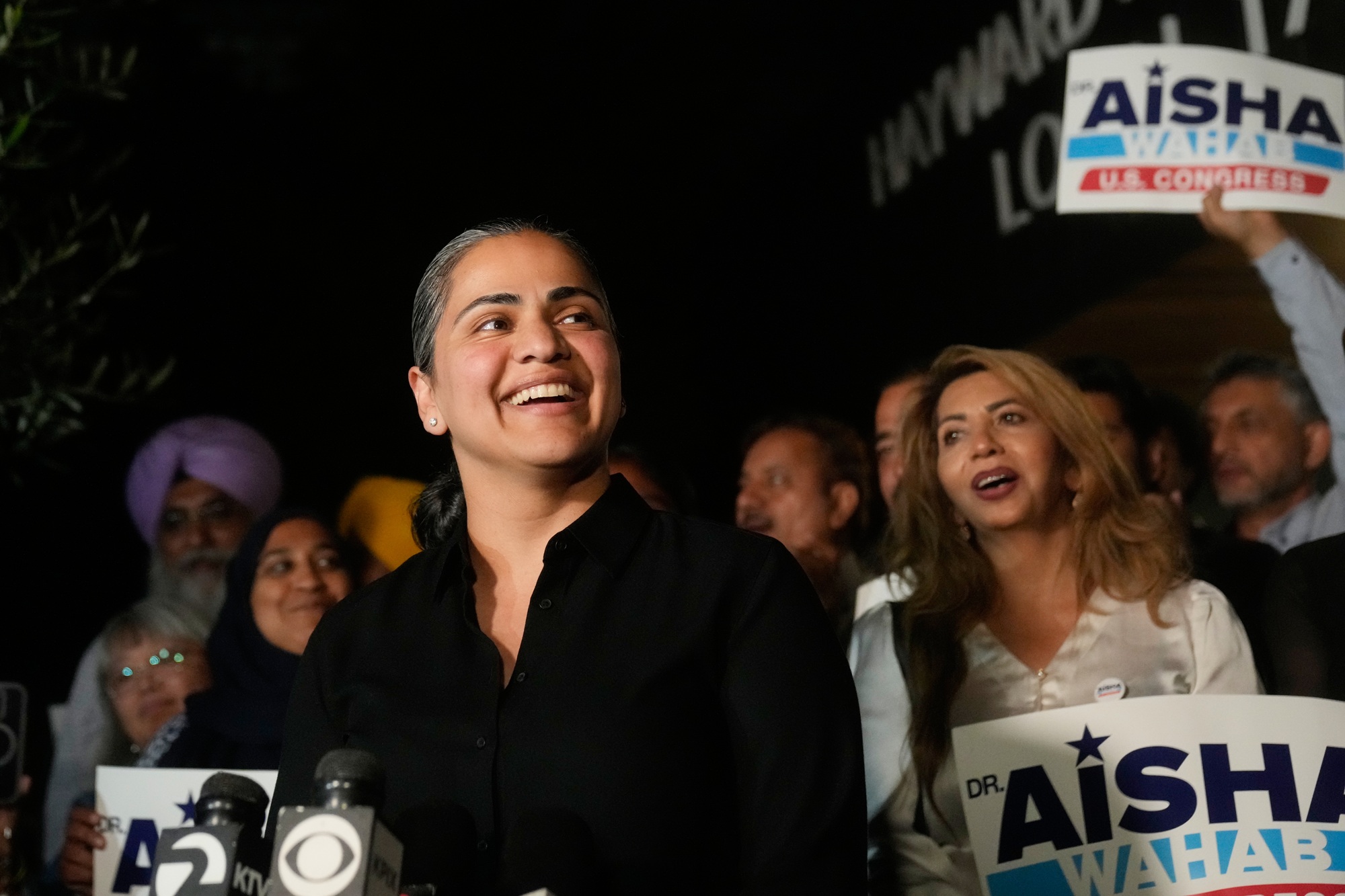
State Sen. Aisha Wahab has won a contentious special election for former Rep. Eric Swalwell’s House seat in the East Bay.
Wahab leads fellow Democrat Melissa Hernandez, a member of the BART board of directors, 53% to 47% in the 14th Congressional District, expanding her narrow election night margin to more than 6,000 votes. The Associated Press called the race after the latest results were released Thursday afternoon.
The win allows Wahab to run as an incumbent in November, when she will again face Hernandez on the ballot for a full two-year term. The race, which pitted the progressive Wahab against the more moderate Hernandez, drew millions in outside spending — much of it from the American Israel Public Affairs Committee (AIPAC) in support of Hernandez.
Wahab will become the nation’s first Afghan American member of Congress. The former Hayward council member has represented parts of the East Bay and South Bay in the state Legislature since 2022.

“This victory belongs to the voters who made clear that our district cannot be bought,” Wahab said in a statement. “From foster care to Congress, this journey shows the possibility of the American Dream.”
Both Wahab and Hernandez were already running for a full term in the 14th District when Swalwell resigned from the seat in April, in the face of multiple allegations of sexual assault that arose during his campaign for governor.
Gov. Gavin Newsom called a special election for June 16 to fill the seat, and a number of congressional Democrats pushed for candidates to clear the way for a caretaker to claim an outright majority and take office immediately in a divided Congress. Wahab resisted the effort and described it as out of touch with the district. She finished first with 43% of the vote, with Hernandez trailing in second with 17%.
“In just 63 days, we closed a gap from 26,000 to 6,000 votes by sharing our message of lowering housing costs, creating jobs, and supporting strong public safety,” Hernandez said in a statement after Thursday’s results.
The race heated up in the nine weeks between the primary and Tuesday’s runoff.
AIPAC spent $2.4 million to boost Hernandez through its super PAC, United Democracy Project. That group also contributed over $1.5 million this year to BOLD America, a separate super PAC that has spent over $2 million to help Hernandez.
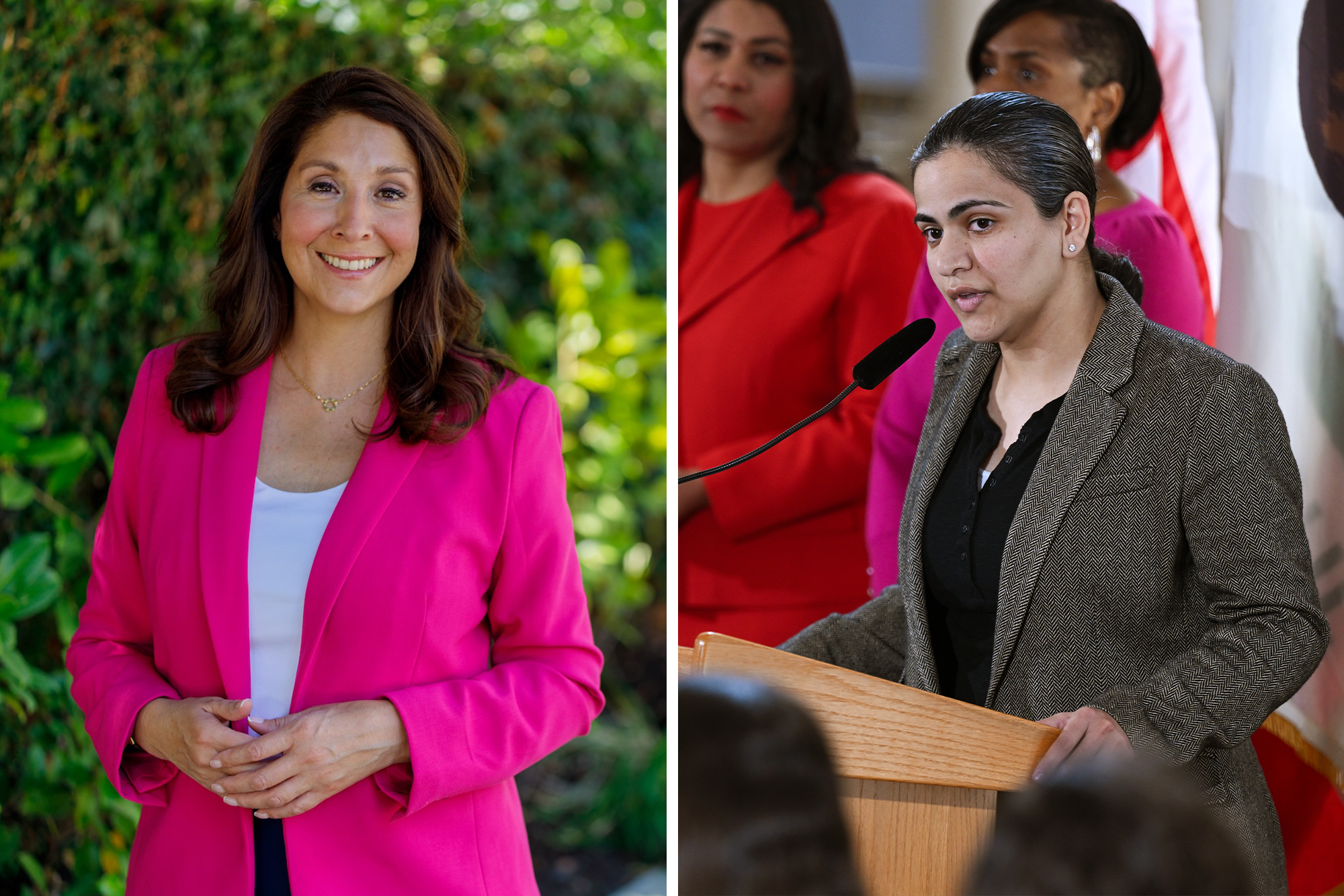
The spending came after Wahab said in a candidate forum that she believed that Israel’s actions against the Palestinian people constituted a genocide.
Both campaigns head into the general election with reason for optimism.
Wahab will be the incumbent and can count on a higher turnout that could allow her to activate younger voters and progressives. AIPAC’s political spending, meanwhile, has become a flashpoint in Democrat vs. Democrat races across the country.
“I believe that AIPAC has been nothing but racist and prejudiced in this effort,” Wahab told KQED on election night. “I support our Jewish constituents and really want to serve everybody — human rights is not a zero-sum game.”
The November election will take place with slightly different district lines, under changes approved by California voters last year in Proposition 50.
Hernandez pointed to the fact that the new 14th District will add more than 26,000 voters in Dublin, where she served as mayor and city council member.
“This district has changed,” Hernandez said in an interview. “Folks know my leadership and what we’ve done in the city of Dublin.”
Turnout in Tuesday’s primary sits at just 23%, with an unknown number of ballots left to count. That’s lower than the 29% of voters who cast ballots in the June 16 special primary election and the 37% of voters who participated in the regularly scheduled June 2 primary.