Mendocino’s Tribes, Farmers, Environmentalists Agree: Take Down Eel River’s Dams
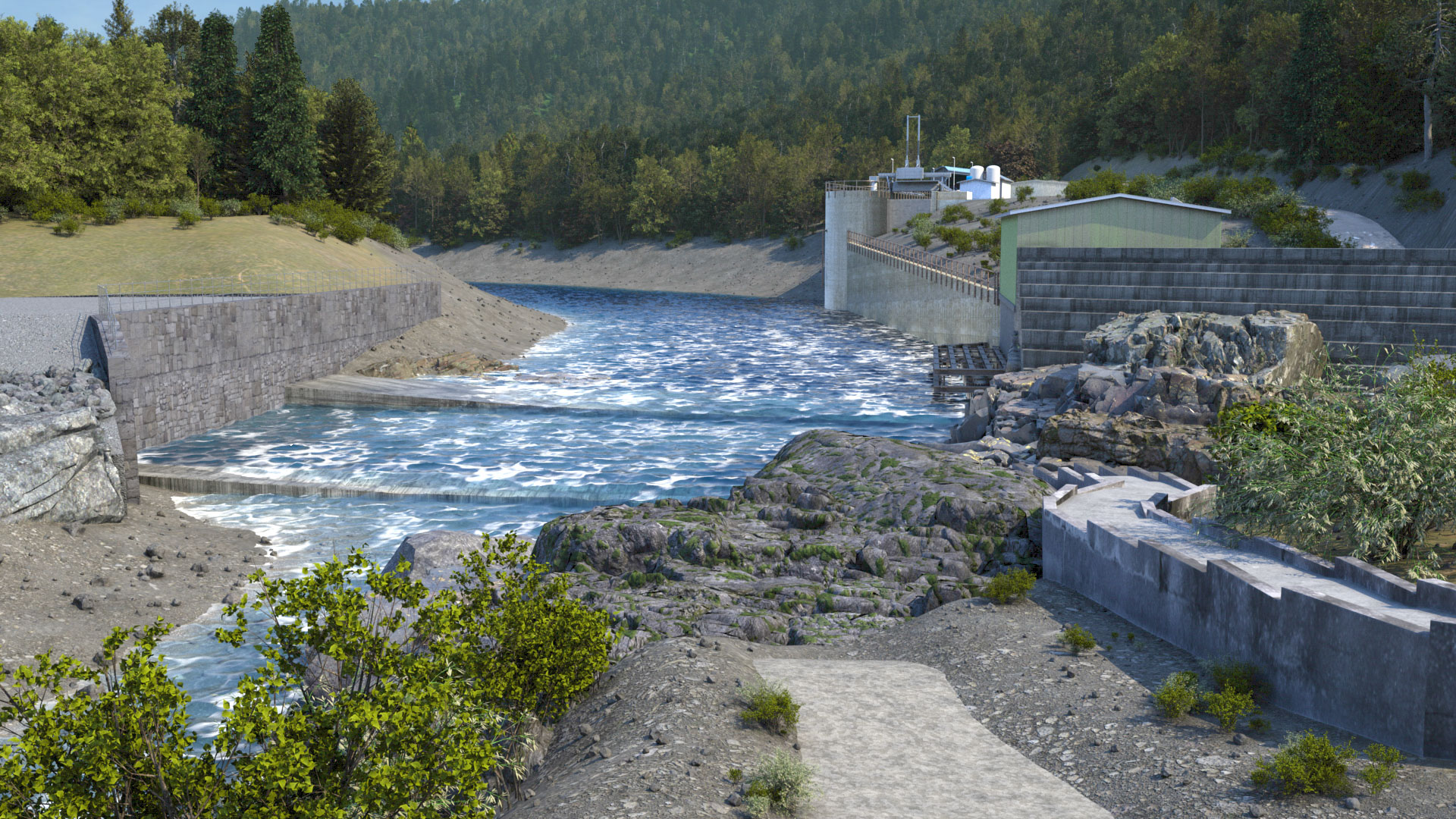
During the throes of the COVID-19 pandemic, PG&E was conducting a routine inspection of a hydroelectric dam on Northern Mendocino’s Eel River — when it discovered a problem.
A key component in their power generation system needed a pricey fix — one that could cost the utility up to $15 million.
The power company already knew that the Potter Valley Project, which included two dams on the Eel River, didn’t balance economically. It barely powered 750 homes and was expensive to operate. So when no buyers came forward to offload the 100-year-old hydroelectric system, PG&E submitted an application to the federal government to decommission the project — in other words, take down the dams for good.
“ PG&E likes dams, right? I mean, we are a hydro generating company,” said Janet Walther, director of hydro licensing and compliance for the company. “However, there are times, as Potter Valley is one of those, where a dam may no longer make sense.”
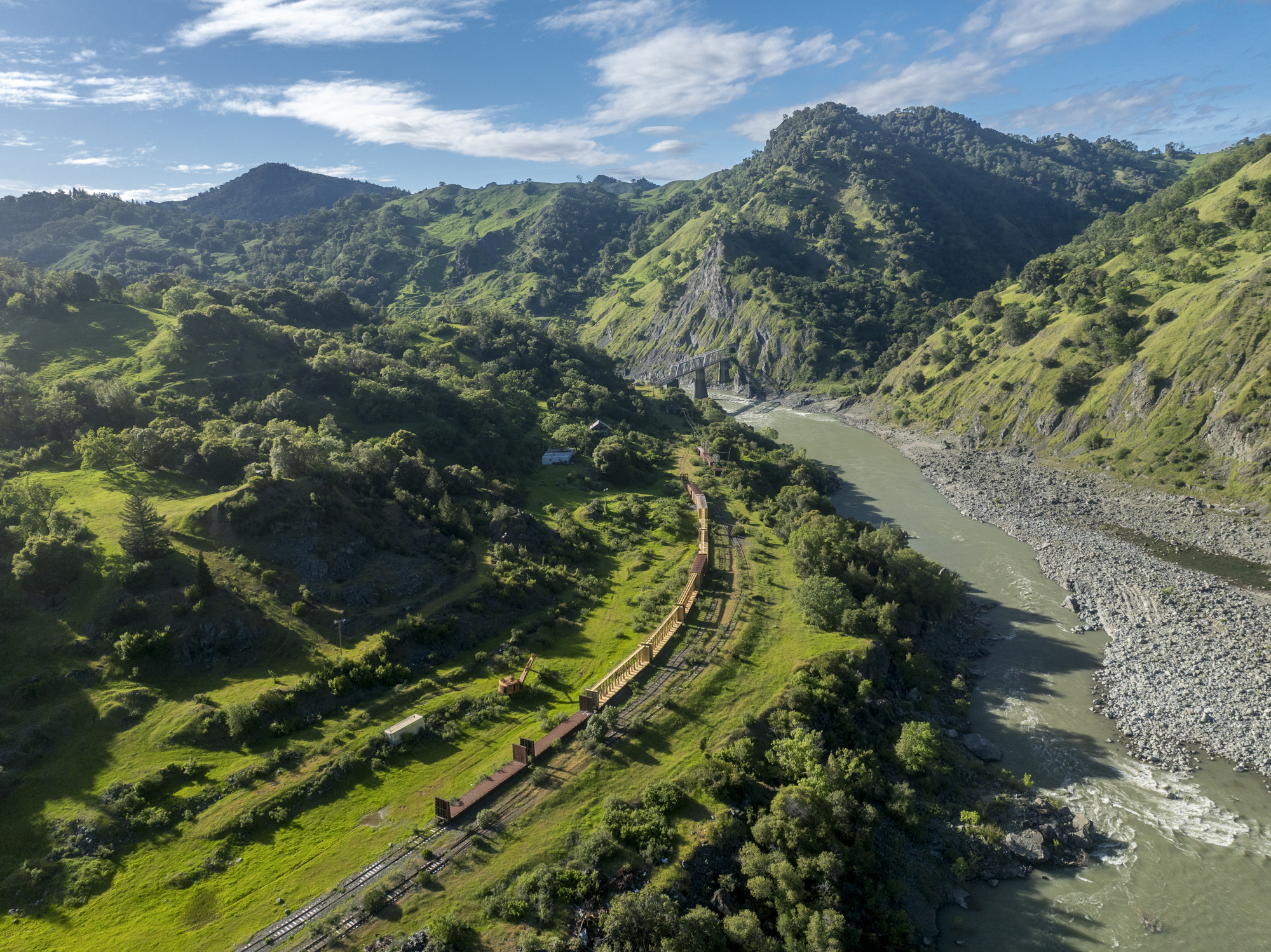
The reasons for the proposed dam removals may seem mundane and practical, but the change would be existential for the local industry, wildlife and people. If the dam removals do happen, the Eel River would be transformed into the longest free-flowing river in California. But the planned removals, which wouldn’t take place until the 2030s, are vulnerable to political whims and bureaucratic obstacles.
“We need our free-flowing water,” said Nicole Whipple, member of the Round Valley Indian Tribes based in Covelo, a remote section of Northern Mendocino County. She said that for centuries, her people were “very wealthy in their food and resources” because of the Eel River, which provided them with salmon, Pacific lamprey, freshwater clams, steelhead and trout.
But when settlers came, the damming of the river cut off her community’s ability to provide food for themselves. The prospect of taking the dams down means being able to reclaim their ancestral relationship to the land.
“It’s really important for our indigenous people to be connected to our culture. And so for us to be well and to be supported, we need our culture back,” Whipple said.
The origin of the Eel River dams
The Eel River stretches nearly 200 miles north, from its headwaters in the rugged forests of Mendocino National Forest to Humboldt Bay, where it empties into the Pacific Ocean.
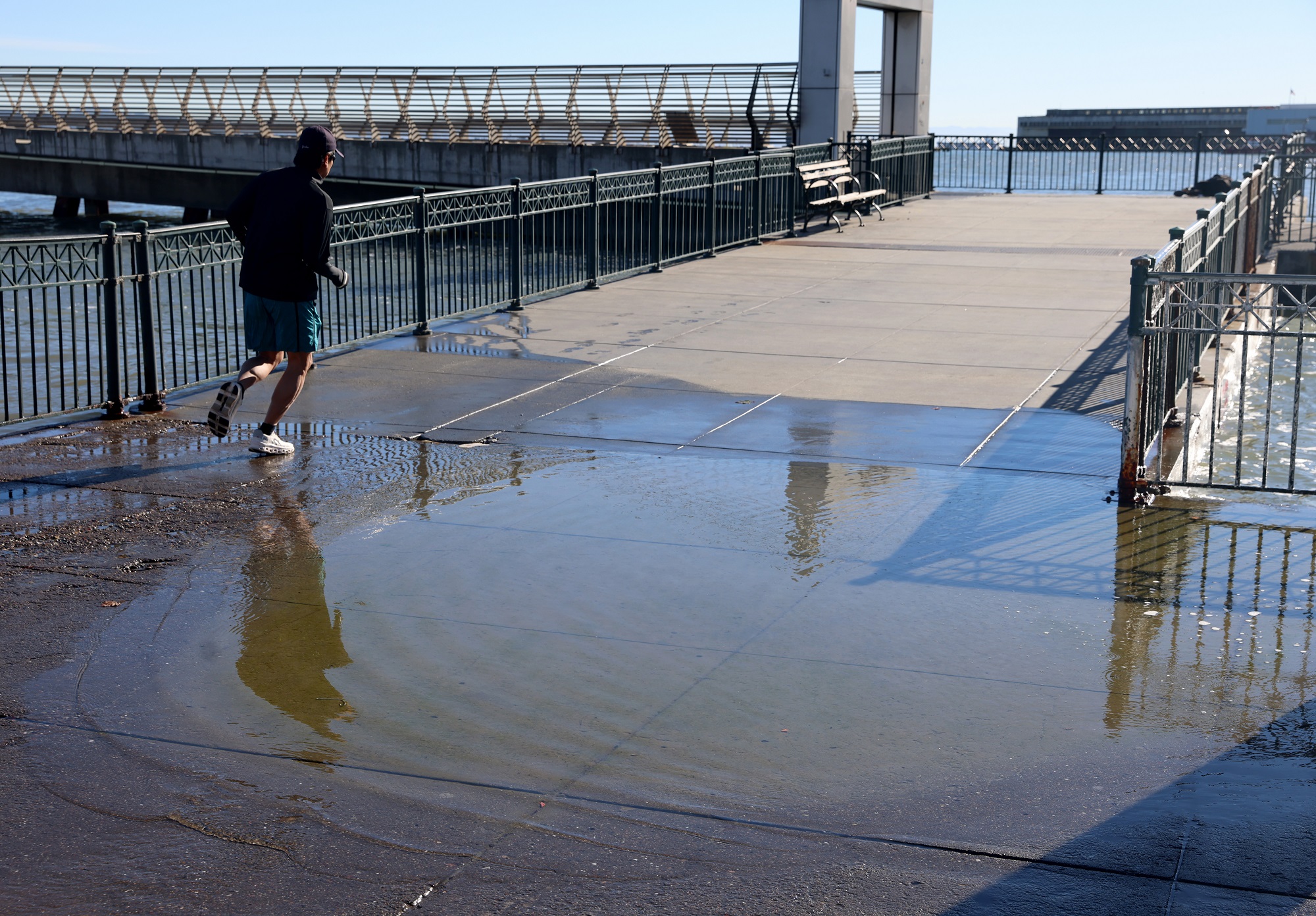
Two dams near its headwaters restrict the flow, forming Lake Pillsbury and the Van Arsdale Reservoir. For over 100 years, these dams have generated electricity via the Potter Valley Project.
After PG&E announced they would not be renewing their license to operate the Potter Valley Project, a multi-year debate ensued, with government agencies, county water boards, environmental organizations and Native American Tribes vying for a seat at the table to decide what would happen next.
Conservation groups like California Trout and Friends of the Eel River pushed for unobstructed flows to benefit local fish like native Coho, Chinook salmon and Steelhead trout.
Salmon populations on the Eel have declined 95% from pre-Gold Rush levels, where annual salmon runs once numbered in the millions.
The ‘two-basin solution’
After more than five years of debate about the prospect of removing the dams, a collection of government agencies, environmental groups, tribes and the power company PG&E reached a compromise: the Two Basin Solution.
Under this agreement, the dams would come down, local fish would gain access to hundreds of miles of new habitat in the headwaters, and some water diversions would continue. A new management agency was created: The Eel Russian Project Authority (ERPA).
Alicia Hamann, Friends of the Eel River’s executive director, called the agreement a “really big deal” because so many different interests settled on it, and because an undammed river would increase native fish habitat by hundreds of miles.
Round Valley Indian Tribes have a seat on ERPA’s five-member board, alongside Sonoma Water, the County of Sonoma and the Mendocino County Inland Water and Power Commission.
“We finally get to play the lead role on our land, the place where our ancestors came from,” Round Valley Tribal President Joseph Parker said, adding that they have been advocating for dam removal since the 1970s.
Under the plan, the local industry’s needs are also taken into consideration. South of the Eel River basin in Sonoma County, local winegrowers and farmers have long relied on water diversions from the Eel River into the Russian River in order to water their crops.
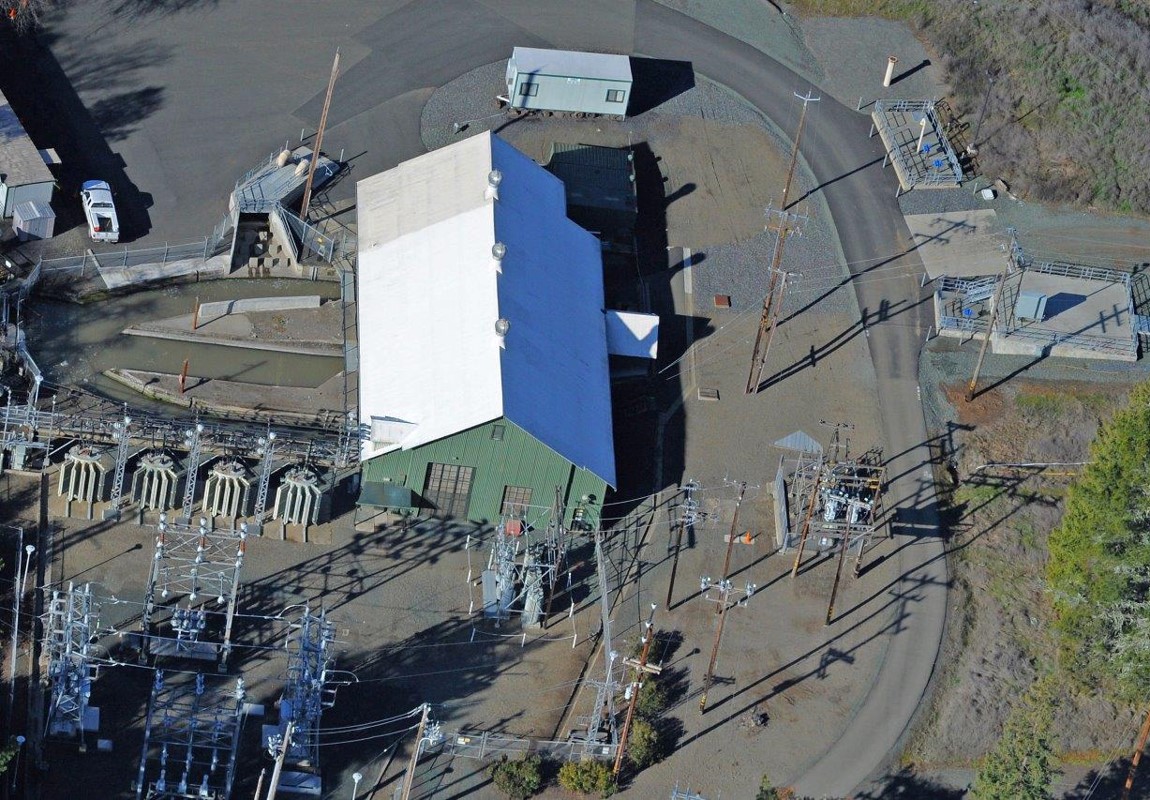
As part of the new agreement, ERPA would lease a portion of the river water from the Round Valley Indian Tribes, who would receive a fee for continued water diversions into the Russian River. A new pump station would be built to facilitate the new diversions. ERPA would determine the amount of water diverted from the Eel to the Russian based on seasonal water levels and state and federal laws.
Round Valley Indian Tribes’ attorney Erica Costa said that the tribes already hold federal water rights to the Eel River. What’s changing is that state-based water rights currently controlled by PG&E would transfer back to them.
“For over a century, this water has left the Eel River basin and gone somewhere else at the expense of the tribes,” Costa said. “So one of the main goals for the tribe and the water diversion agreement is switching that paradigm.”
Returning to a free river
When the Potter Valley Project was constructed in the early 1900s, its hydroelectric power supply was needed for the growing nearby city of Ukiah, the county seat of Mendocino.
Even though the power plant was taken offline in 2021, the physical dam removal is still a long way off, remaining vulnerable to political whims.
In April 2026, the President Trump-appointed Secretary of Agriculture, Brooke Rollins, announced a plan that would have derailed the dam removal, saying that a Southern California water district wanted to buy the Potter Valley Project. But the plan was ultimately rejected by federal regulators.
In the summer of 2025, PG&E submitted its application to surrender and decommission the Potter Valley Project to the Federal Energy Regulatory Commission. That application is currently under review, a process that will take several years. According to PG&E, there is currently an open National Environmental Policy Act comment period, which ends on Sept. 18, 2026 (comments can be submitted online).
If the physical dam removals on the Eel River go according to plan, California’s Eel River will be among the U.S.’s longest free-flowing rivers.