Dry Lightning Brews Over California, Increasing Fire Risks
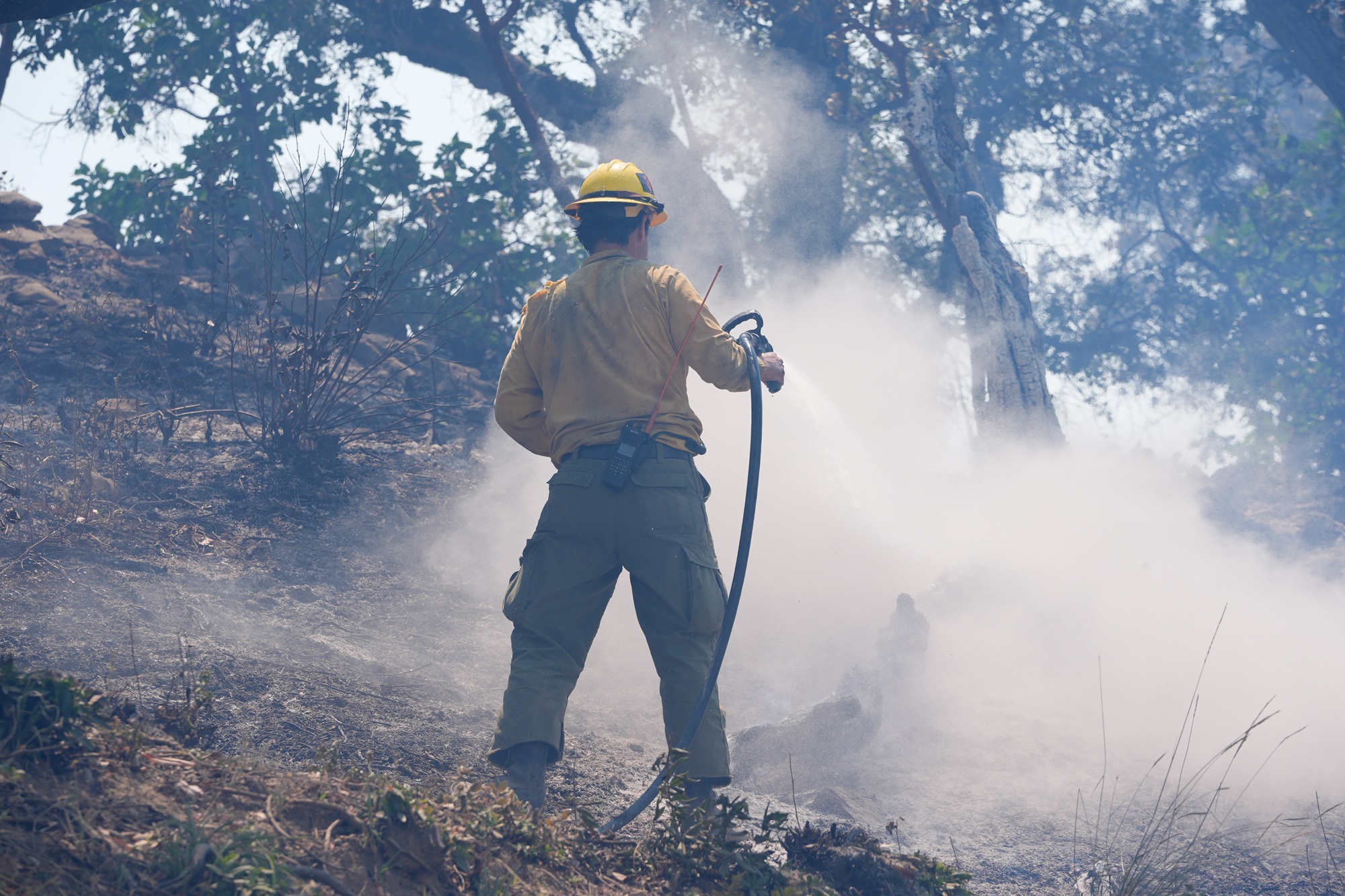
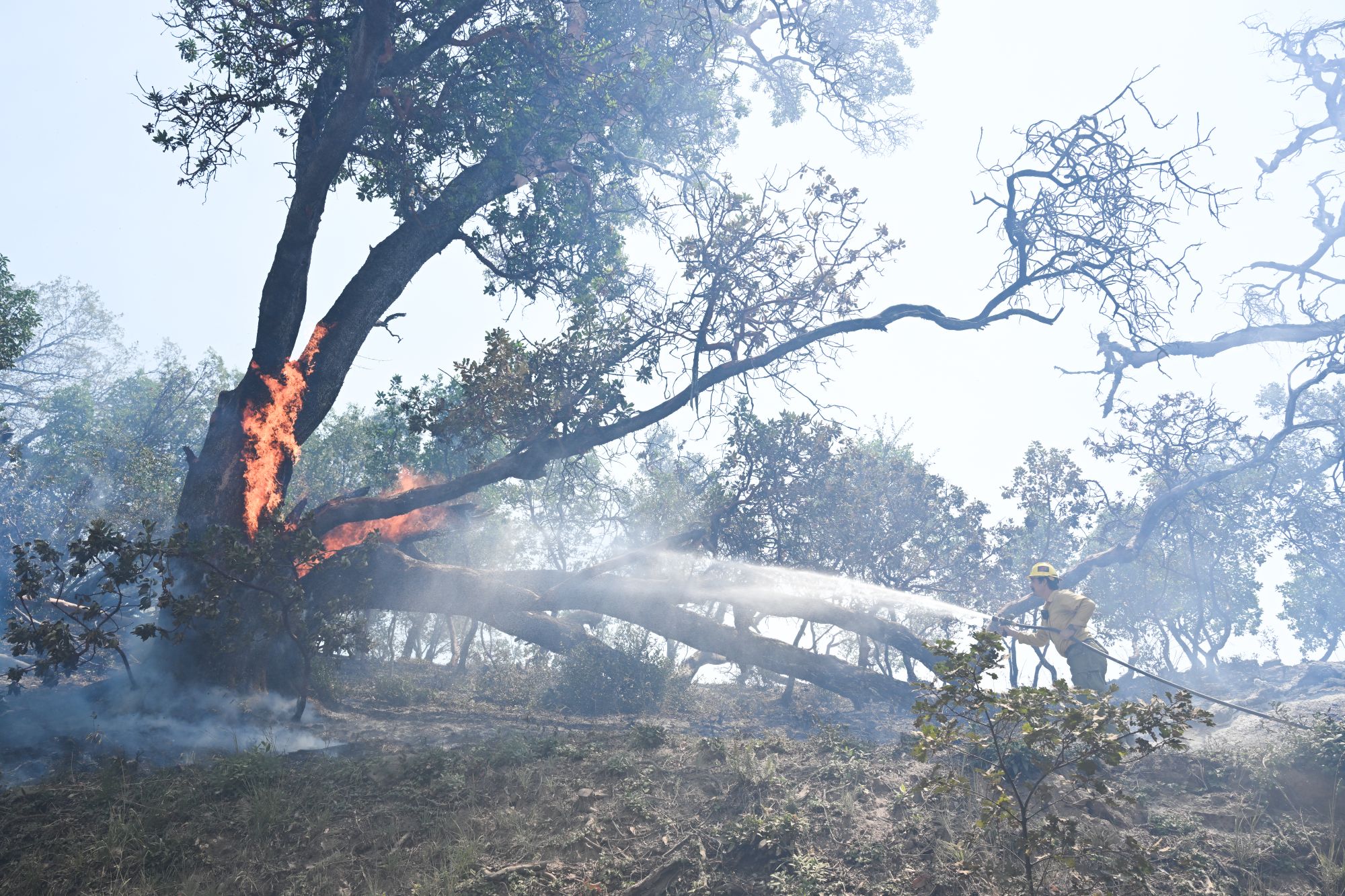
Even as crews battle the Timber Fire and other wildfires across California, the state overall is at around just a quarter-million acres burned — making 2026 so far within the lowest 10% of years for acres burned in recent decades.
“In the scheme of things, this has been a relatively quiet year in California so far,” climate scientist with UC Agriculture and Natural Resources Daniel Swain said in a livestream briefing on Wednesday. “It is getting more active as we speak, and the peak of the season is probably still yet to come.”
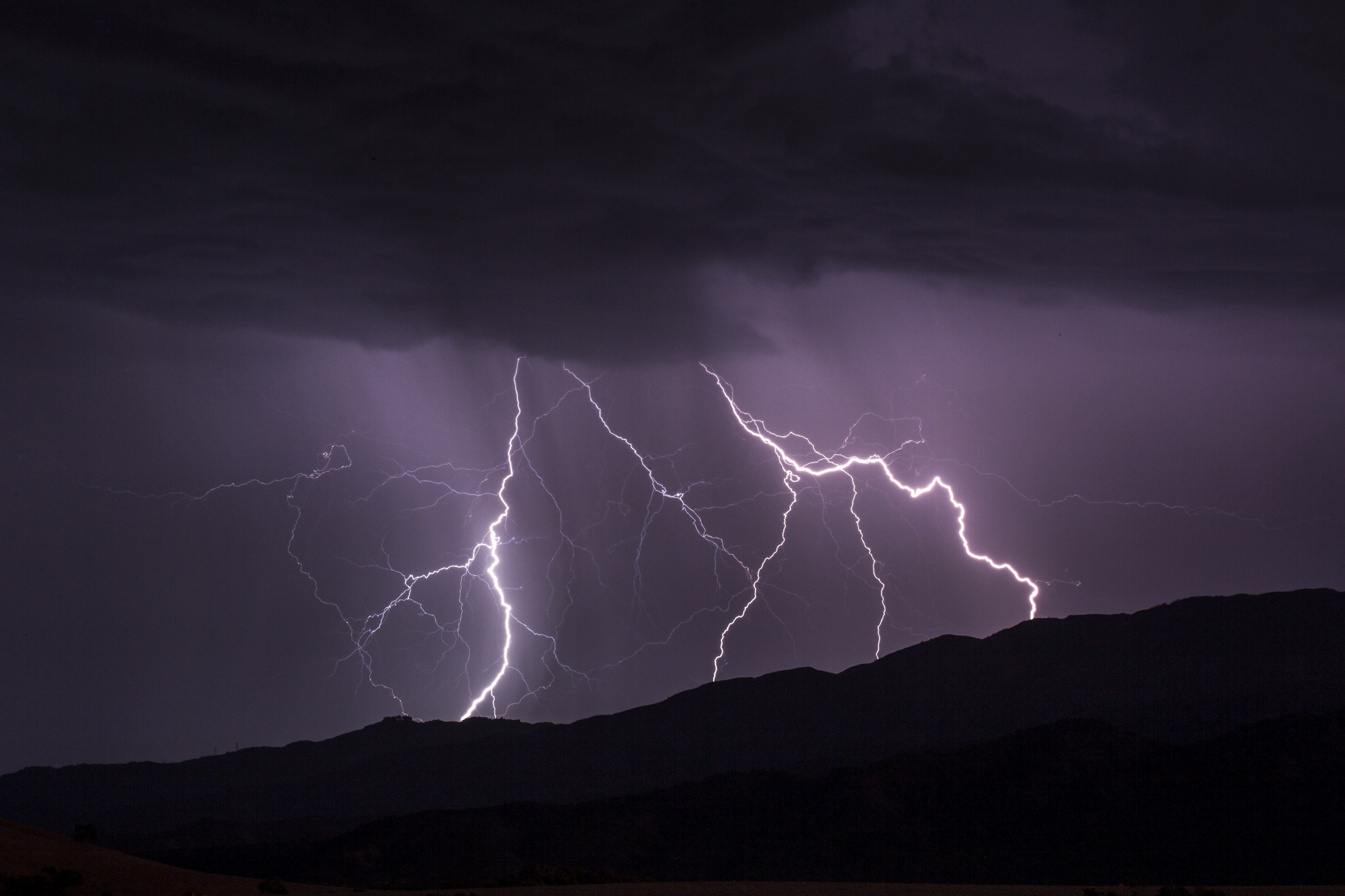
Swain said that the next few days are expected to bring much of the West isolated lightning storms, some fostering dry lightning, a term reserved for thunderstorms on this side of the Mississippi River that drop 0.10 inch or less of rainfall nearby.
The Missoula Fire Sciences Laboratory, a division of the U.S. Forest Service, notes that dry lightning is the most common ignition source for natural wildland fire, meaning tracking dry lightning storms is of interest to land managers.
Big Sur could see some additional fire starts, as well as the eastern Sierra, the Tahoe-Reno area and some areas of Southern California.
Looking past this week, forecasts indicate possible widespread dry lightning along northwest California, and into Oregon and Washington, through next week.
“Because there’s no indication of widespread rain up there between now and then, that could be a problem,” Swain said. “We might actually see an episode of fires break out in far northern California into the Pacific Northwest.”
Swain said that there are already evacuation orders for the MP 18 Fire — referring to Mile Post 18 — north of Hoopa in Humboldt County.
During his briefing, Swain highlighted lightning signatures above Big Sur, where the Timber Fire is currently raging.
The fire could cause enough damage to the watershed along steep slopes in the region that it would trigger mudslides cutting off access along the Pacific Coast Highway this winter. Forecasters expect a very wet, very strong El Niño winter.
“The odds that Highway 1 has big problems this winter were already high, and along this segment they might be even higher now,” Swain said.