San Francisco’s Waterfront Could Get a $17 Billion Climate Makeover
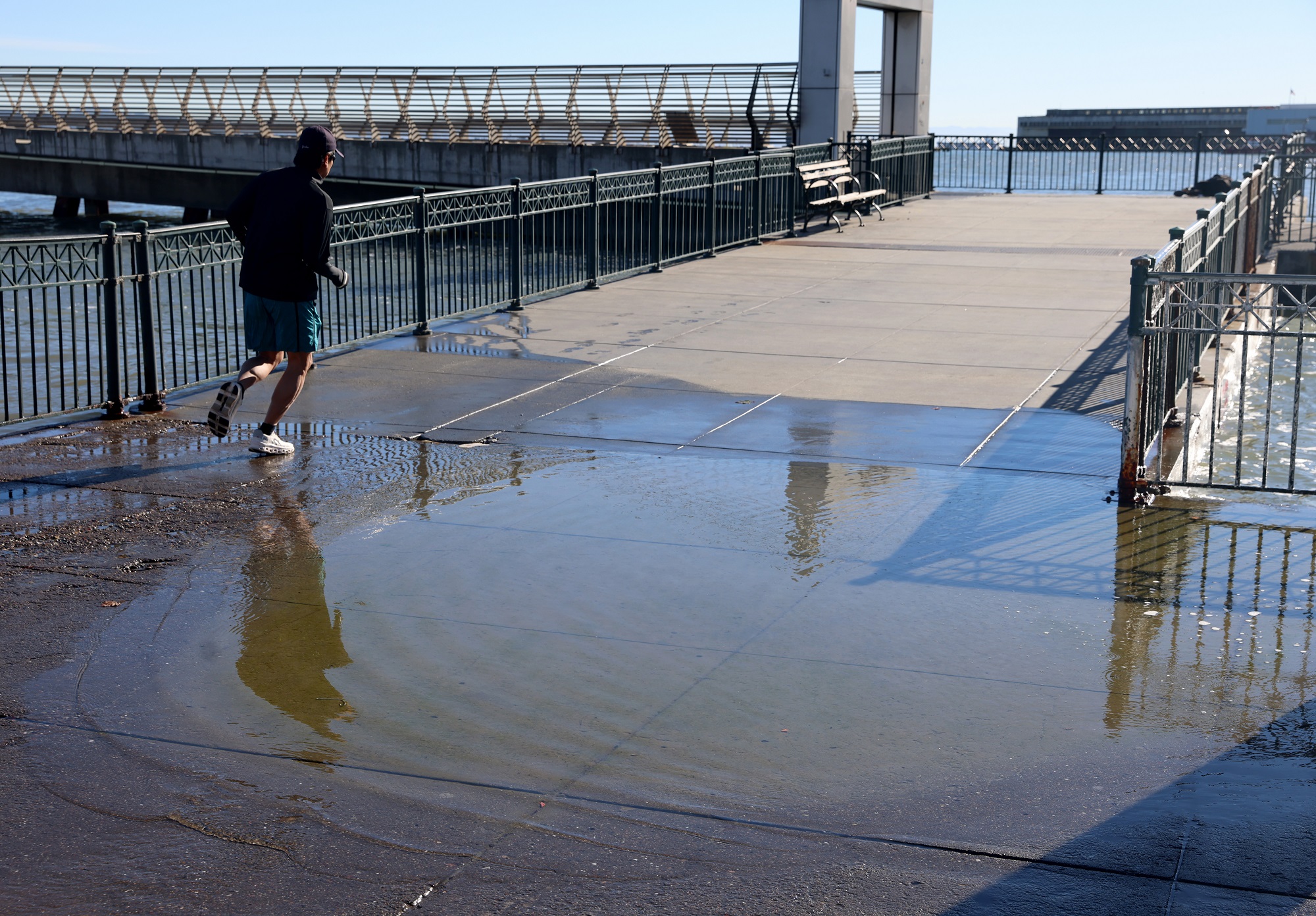
San Francisco wants to reinvent its iconic bayside shoreline, lined with tourist spots like Fisherman’s Wharf, towering skyscrapers and industrial areas, thanks to the projected 3.5feet of sea level rise by the end of the century.
The Port of San Francisco and the U.S. Army Corps of Engineers have finished a massive study that would cost more than $17 billion over three decades to implement and render the city’s existing shoreline virtually unrecognizable.
Imagine the Ferry Building raised by 7 feet, a taller and wider seawall to hold back the mud that downtown is built upon, and featuring nature-based solutions, like the addition of living sea walls.
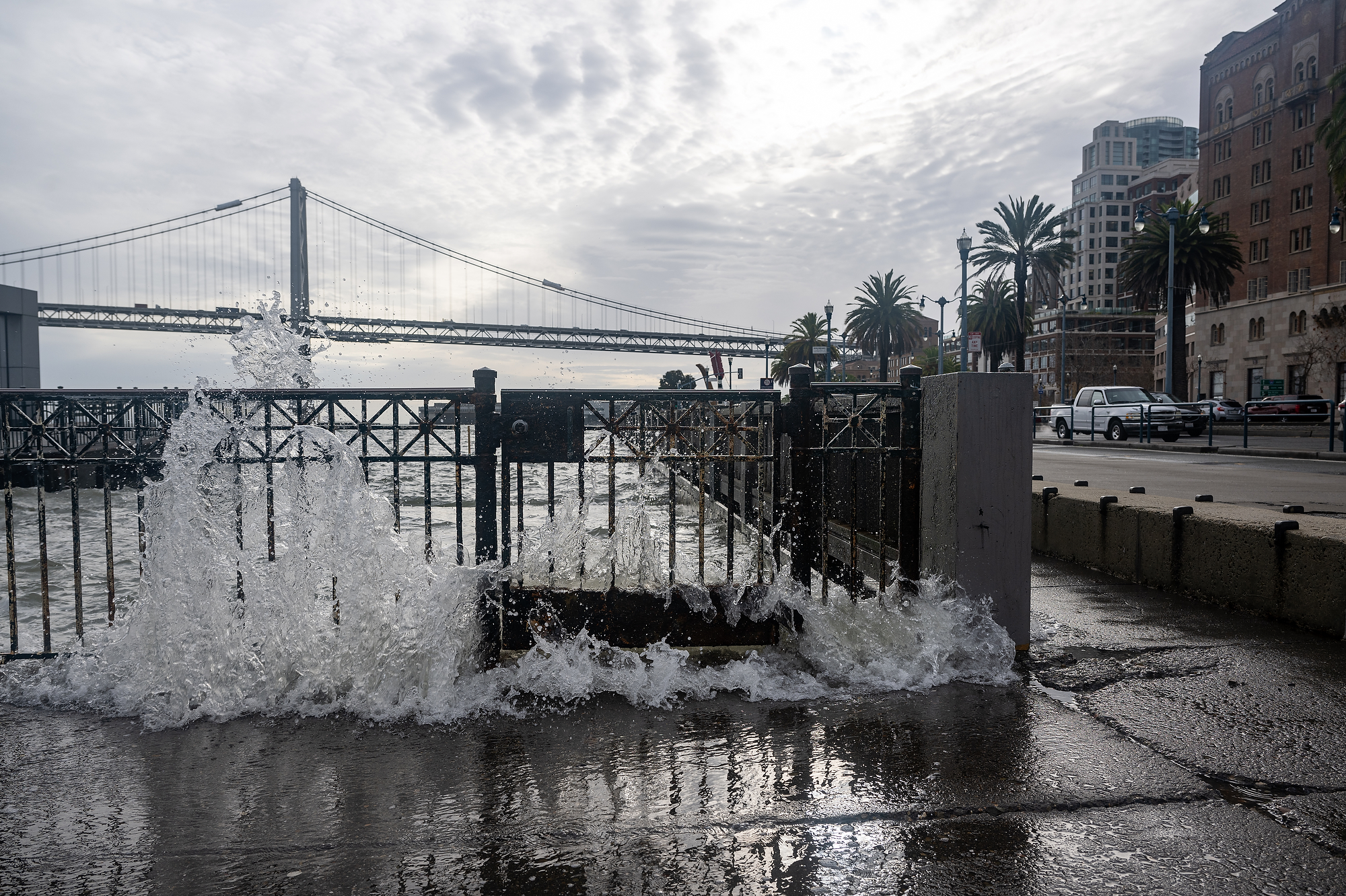
If the project doesn’t become a reality, the port expects $23 billion in damages over the next century.
“We are talking about the part of San Francisco that is internationally, arguably, the most visible part of San Francisco,” said Mark Lubell, a professor of environmental science and policy at UC Davis. “If you created a map of all the tourist destinations that are in San Francisco, and overlaid it with potential flooding, there’s a lot of major tourist destinations that could be potentially flooded regularly in the future.”
Published on July 31 in the Federal Register, the San Francisco Waterfront Coastal Flood Study addresses flood risks along the port’s entire 7.5-mile jurisdiction, touching the Marina District and running southeast all the way to Hunters Point. The study analyzes coastal flood risks from 2040 to well into the next century.
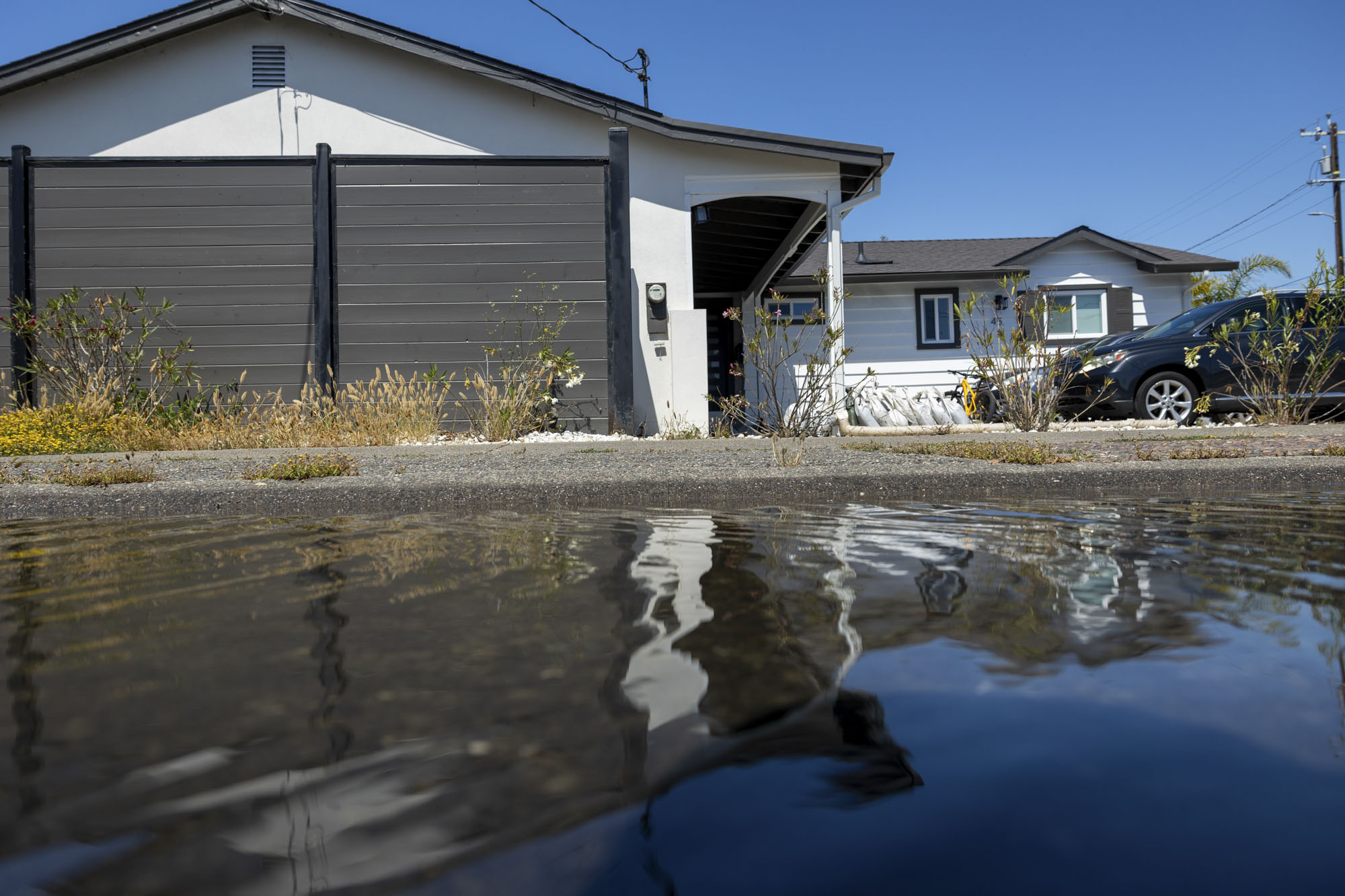
Efforts to fund the project, meanwhile, could be hampered by the Trump administration’s ongoing rollbacks of environmental protections.
“It’s definitely going to slow things down,” Lubell said. “It’s forcing them to take more of a piecemeal approach to some of the projects. How much it’s going to slow it down is a question, but it’s not going to be, like, slowing down by months. It’s going to be slowing down for years.”
The biggest undertaking calls for the reconstruction of the city’s 1800s-era sea wall that sits on “weak soil and young bay mud,” said Brad Benson, waterfront resilience program director for the port.
“Rather than building a wall on the shoreline, we plan on gradually gaining elevation over time so that people can continue to have access to the waterfront,” Benson said. “That means raising nearby infrastructure – historic buildings that intersect the shoreline, like the Ferry Building. It’s a large undertaking.”
Before it can take up the project and request funding from Congress, the Army Corps requires actual designs for at least 35% of the plan.
To hit that target and show goodwill, Benson said the plan focuses on three key areas: along Fisherman’s Wharf, the Embarcadero between Harrison and Townsend streets, and downtown between Broadway and Harrison streets.
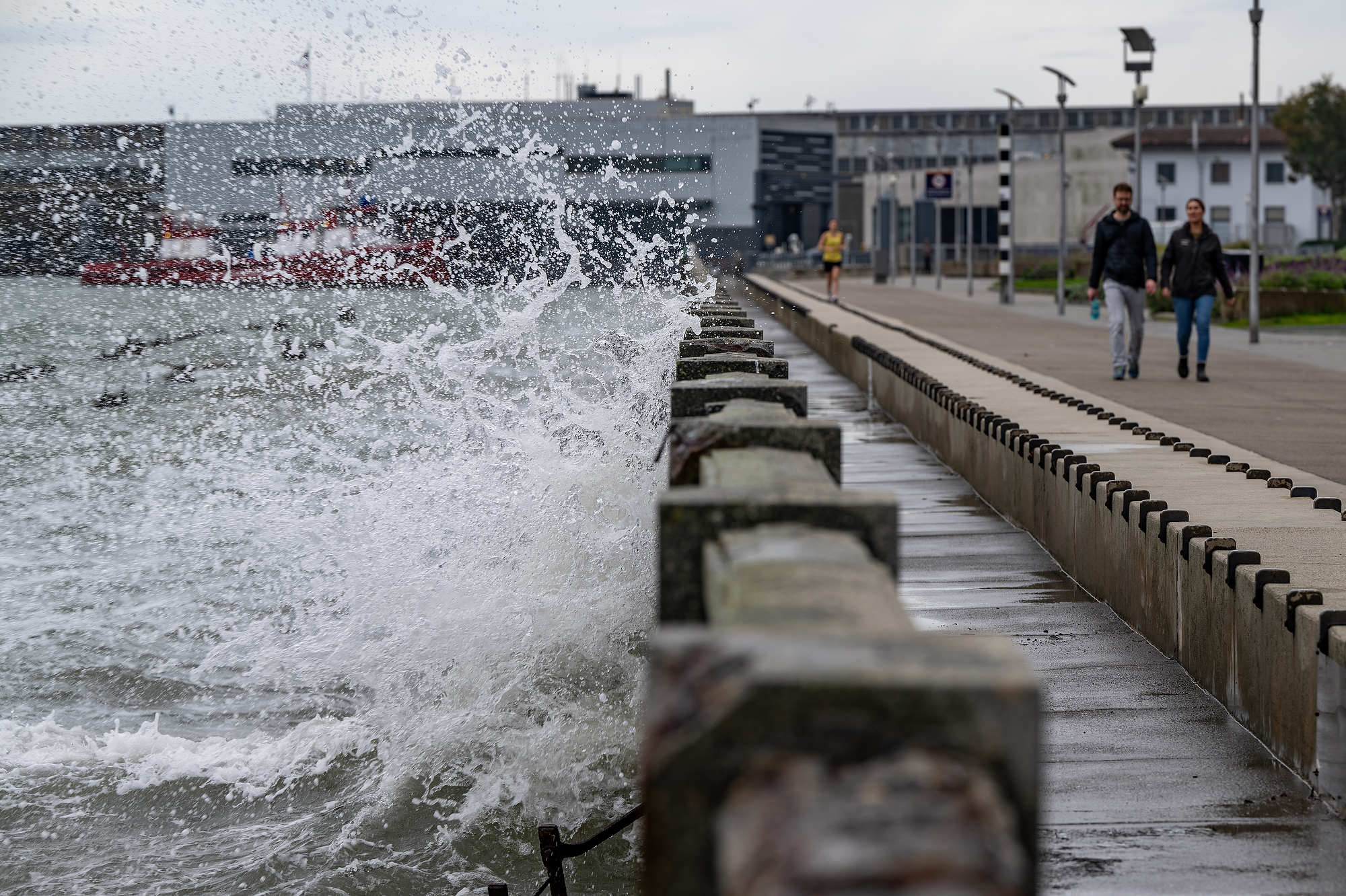
The updates include rebuilding parts of the seawall, raising the shoreline, improving piers and creating shoreline habitat.
“It is really a chance to reimagine the waterfront thoughtfully, and now we have sort of a plan to protect it,” said Michael Martin, executive director of the port. “Rising sea levels are really putting a time clock on all this, and we have to get started now to do something as impactful as this.”
Once funded, the project will take decades to design and construct. Lubell said he thinks the price tag will only become costlier the longer it takes to get approved, paid for and built.
But the plan is achievable, Lubell said, despite its ambitious scope.
“It’s not a fantasy plan,” Lubell said. “It’s a real plan that I think is technically feasible. But the time and money involved and the amount of effort is very large.”