San José Strike Vote This Week Could Set Up a Major Work Stoppage
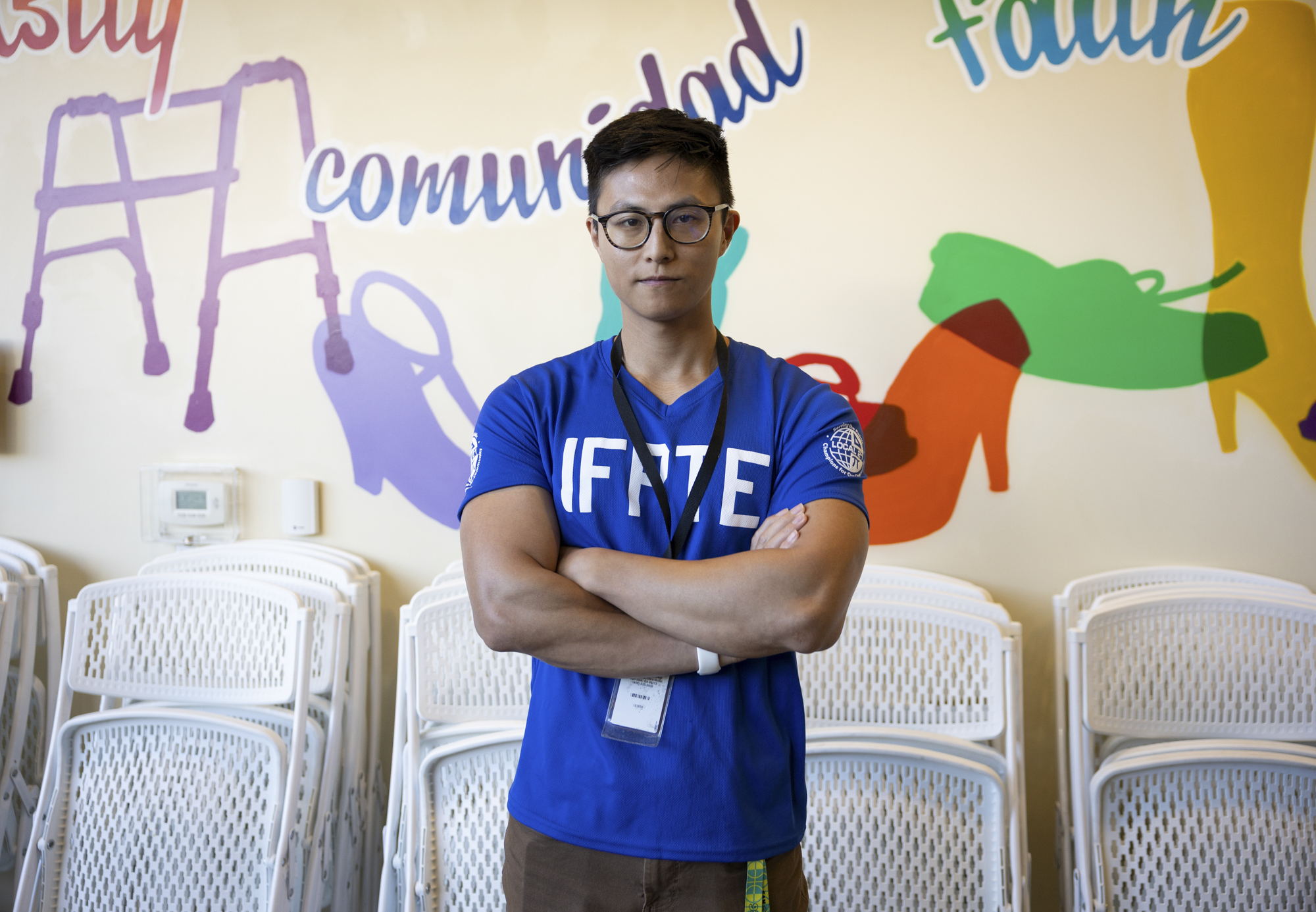
Thousands of San José municipal workers will vote this week on whether to authorize a strike, hoping to break a monthslong stalemate in contract talks with the city.
While a “yes” vote would not immediately launch a strike, it would give union leaders the go-ahead, moving the city closer to its largest work stoppage in 45 years. The two unions — the Municipal Employees’ Federation, AFSCME Local 101 (MEF) and the City Association of Management Personnel, IFPTE Local 21 — represent workers in city libraries, parks, housing and code enforcement.
Members will begin voting Tuesday, the same day the City Council returns from summer recess, and they will continue through Friday. The vote comes after a mediation process last month failed to yield a deal.
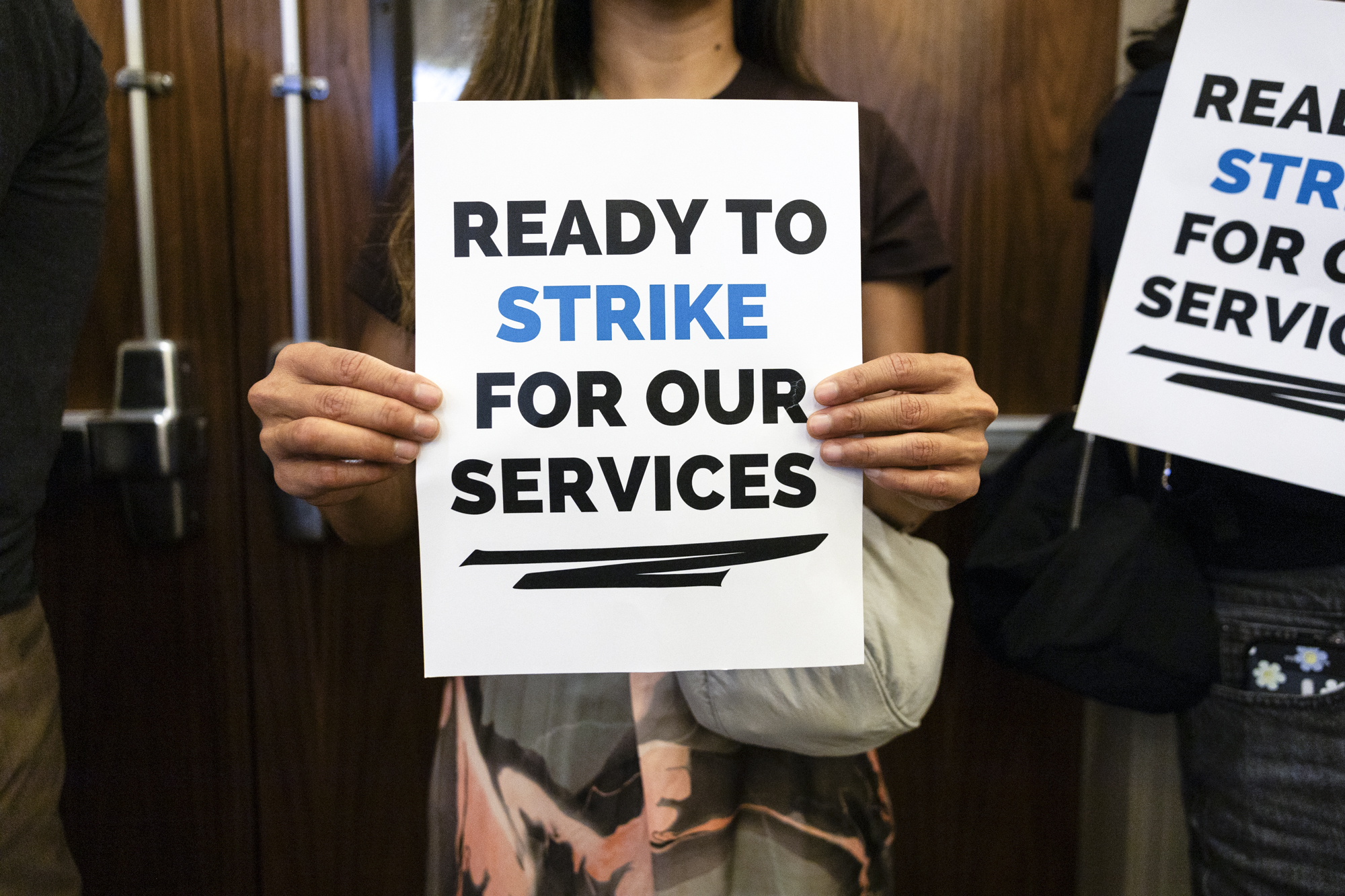
The city has offered the two unions wage increases of 3% in each of the next three fiscal years. The unions are asking for a 4% raise in 2026-27, followed by a 4.5% increase in 2027-28 and a 5.5% hike in 2028-29.
“There’s a lot riding on this; we have a lot of members that are hurting and not being able to just sustain their livelihoods here within the city,” said Kyle Wong, a Department of Transportation worker and IFPTE member. “We want to be able to maintain our services at the level that they are and with the institutional knowledge that is so important to us.”
San José has long had one of the region’s most thinly staffed municipal workforces.
The unions have argued that without meaningful raises, workers will continue to leave for nearby cities.
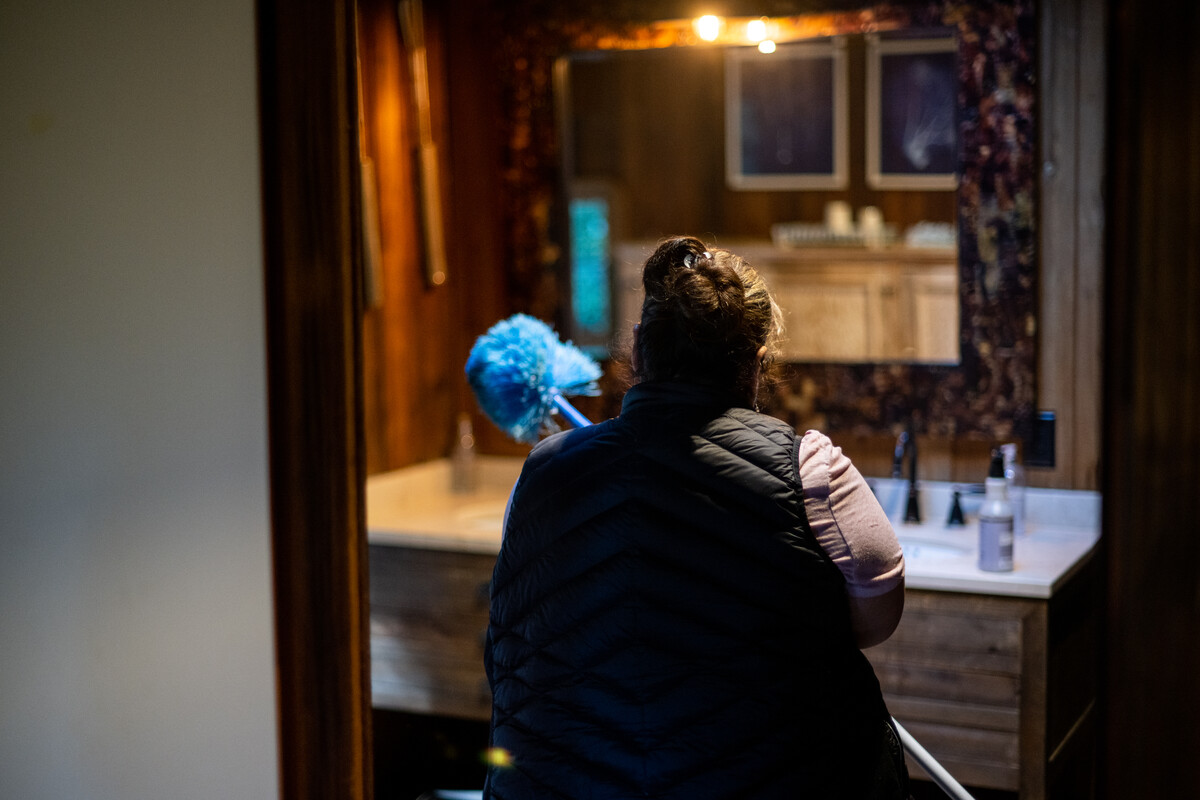
“As a resident here, I really enjoy living near where I work,” Wong said. “But it is very hard to do so.”
City leaders contend that San José’s budget outlook constrains their ability to offer wage hikes.
Mayor Matt Mahan said the 3% annual raise offer is “as far as we can go at this moment in time without unacceptable cuts to city services.”
The council voted in June to close a $50.3 million shortfall in the 2026-27 spending plan, but city staffers have projected a $26.8 million deficit in the fiscal year beginning next July.
“I think we’d all agree it wouldn’t be right for us to further cut library hours or have to shut down a fire station or some other impact like that to give an unsustainable raise,” Mahan said.
The two sides are also apart on the use of artificial intelligence in city departments.
A strike by MEF and IFPTE, which collectively represent more than 3,000 workers, would be the largest municipal work stoppage in San José since 1981, when AFSCME workers struck for nine days to advocate for equal pay for female workers.
In 2023, Mahan was the lone vote against a contract for the two unions. The wage agreement reached at the time narrowly avoided a work stoppage that threatened to derail summer camps, permit processing and even flights at San José Mineta International Airport.
It remains to be seen whether the council members will ask the city manager to increase San José’s offer to the unions when they meet in a closed session on Tuesday morning.
The unions are holding the strike authorization votes at large worksites, including City Hall, the airport and the central service yard. Results are expected to be tallied Aug. 17, with a potential strike date announced afterward.
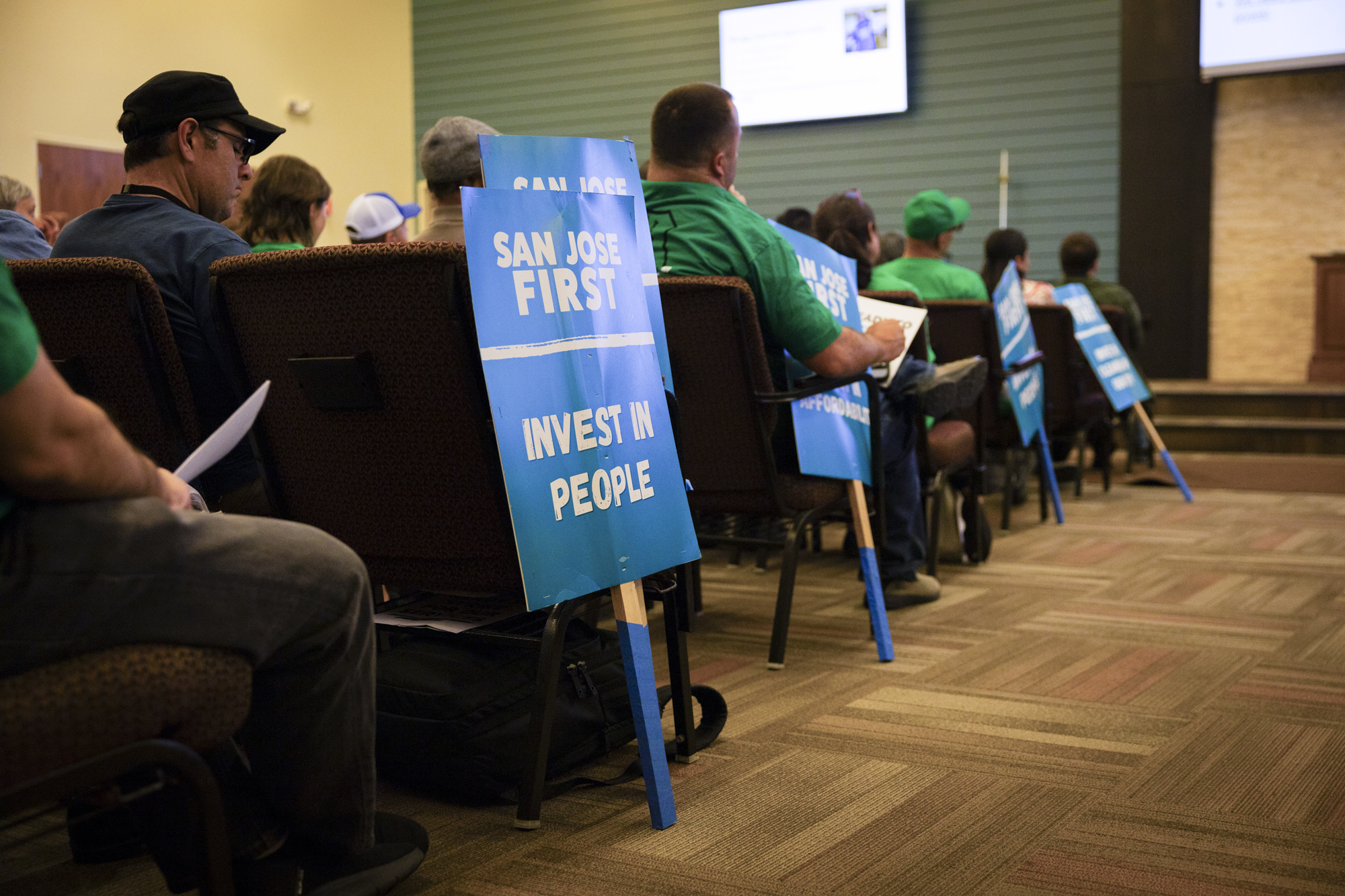
Last month, the unions held “strike schools” at San José First United Methodist Church, across the street from City Hall. Workers chanted, cheered and received a briefing from union leaders on what a work stoppage would entail.
“We are doing this because we know, because of the way the city has behaved at the bargaining table, that we have to strike to get a deal,” said Charles Allen, union representative for MEF. “Painful, but we have to do it.”