Cyclosporiasis Cases in California Are Way Up — but Officials Say It’s Not the National Outbreak. What’s Happening?
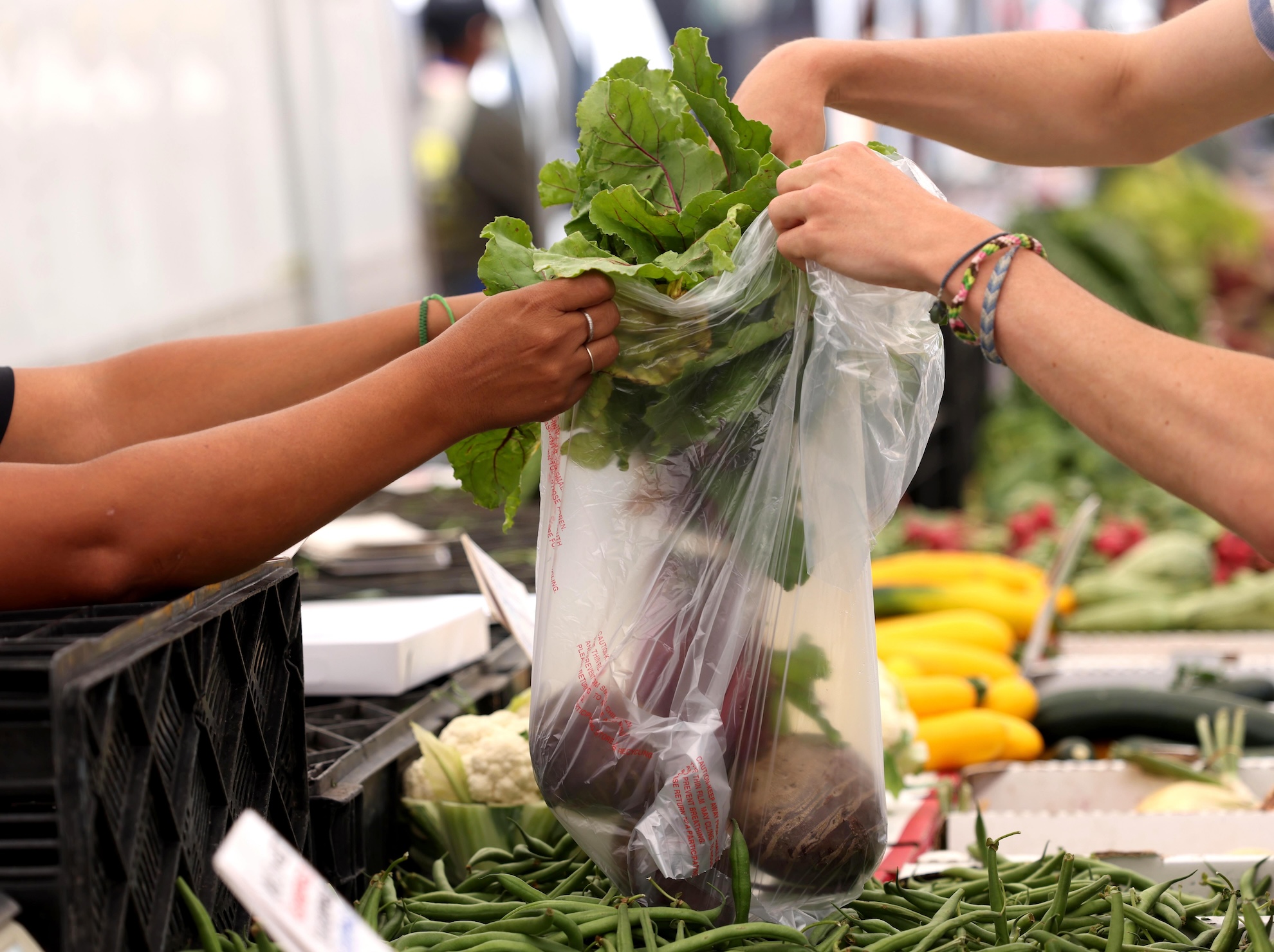
Amid the national outbreaks of cyclospora — a foodborne parasite that causes explosive diarrhea, has sickened tens of thousands of people nationally and led to two reported deaths — California health officials have reassured residents: The state remains one of the few unaffected by the outbreak.
But even as the California Department of Public Health confirmed that none of the iceberg lettuce being investigated as a source of the outbreak was distributed in the state, cases of cyclosporiasis in California have nonetheless jumped up in the last few months.
After reporting only 41 cyclosporiasis cases from January to June this year, CDPH’s most recent data shows that the 2026 number has now risen to 215 “confirmed and probable” cases as of July 15, including 13 hospitalizations.
For context, based on their 2015-2025 figures, CDPH’s annual average for cyclosporiasis cases is 106.
So if California’s rise in cases isn’t attributed to the national outbreak, what’s going on — and how worried should you be about your personal salad-eating habits?
Keep reading to find out what we know.
Why officials believe cyclosporiasis cases among Californians are up
Cyclosporiasis — pronounced “sigh-clo-spore-EYE-uh-sis,” similarly to “psoriasis” — is a gastrointestinal disease caused by the minuscule cyclospora parasite, which lives in the poop of infected people.
Other people can also become infected by ingesting food or drink that’s contaminated with those feces — for example, fresh fruits or vegetables that have been washed with contaminated water.
It’s not a new disease, and CDPH said that “every year, cases of cyclosporiasis are reported in California.” The disease is also considered seasonal in the United States: Case counts go up during the spring and summer months every year, according to the Centers for Disease Control and Prevention, which frames May 1 through Aug. 31 as cyclosporiasis season in the U.S.
However, since 2015, California’s annual average caseload of just over 100 is far lower than the 201 cases reported since May 1 alone this year.
While the state’s cyclospora dashboard said that “this is a normal seasonal pattern and mostly associated with travel to other countries,” a statement from the agency emailed Wednesday to KQED acknowledged that despite the lack of any connection to the national outbreaks, “our cases are now higher than what we might expect for this point in the season, based on historical data.”
The agency said it’s “still investigating cases and the cause of the increase,” but suggested it could be due to “a number of reasons,” including:
A possible increase in travel
“Most cases” of cyclospora in California tend to be linked to residents traveling to international destinations with cyclosporiasis outbreaks, CDPH said.
But the agency also suspects that this year there have been “increased cases in travelers to areas with cyclosporiasis outbreaks, whether international or domestic.”
Of the 201 cases reported since May 1, CDPH said just 39 of them were “domestically acquired,” and 15 of those people said they’d traveled to other states — meaning that the majority of California cases were instead due to international travel.

“California is a relatively large population, a lot of people travel,” said Dr. Peter Chin-Hong, an infectious disease expert at UCSF.
So whether Californians picked up their cyclosporiasis cases from one of the outbreaks within the U.S. or abroad, “it’s all about where people are infected in terms of being worried versus the numbers, even if the numbers continue to go up,” he said.
Remember, cyclospora is a foodborne parasite and infected people usually don’t transmit it to other people — because the parasitic cells pooped out by someone infected with cyclosporiasis need to be in the environment a good while (“days to weeks,” according to CDPH) and then be activated by enough heat to actually become infectious themselves.
Heightened awareness about cyclospora symptoms
Increased awareness of cyclosporiasis amid these national outbreaks has “likely led to increased testing for the illness,” CDPH said, meaning “we may be identifying more cases than we have in previous years.”

In other words, someone with persistent diarrhea in 2025 might have written off their symptoms as a bad bout of food poisoning — but in summer 2026, surrounded by cyclospora headlines, they might be more likely to suspect it’s cyclosporiasis instead.
In his own practice, while Chin-Hong hasn’t personally encountered a cyclospora diagnosis in the last few months, he nonetheless has “a lot of people asking and wondering about it” here in the Bay Area.
But “clinicians are also more aware, even if the patient didn’t bring it up,” he said.
On the public health side, CDPH said the recent increase in California cases could be due to “overall improvements to our surveillance and data collection methods over time,” too.
Chin-Hong also noted that the low January-June figures provided by the agency didn’t reflect the timeline of the U.S. outbreaks, which the Food and Drug Administration said began on June 22.
Amid this rise in cases, how should I be thinking about cyclospora in California right now?
“I personally would still continue to eat fruits and vegetables,” Chin-Hong said. “The benefits to me outweigh the potential disadvantages.”
But even if your head knows all the facts about the national outbreaks not affecting California, your gut might still feel a little weird about fully enjoying fresh produce — especially lettuce — right now.
Know how to prep and wash produce at home
When it comes to food hygiene, “I definitely think this is a great opportunity to reinforce basics,” Chin-Hong said. “We focus on cyclospora because of what’s happening nationally, but there are lots of other foodborne diseases, like E. coli and salmonella.”
Cooking your produce to an internal temperature of at least 158 degrees will kill cyclospora. But cooking your fruits and vegetables this way might not always be realistic.
And while washing produce isn’t guaranteed to remove all traces of cyclospora, when done thoroughly, it could help reduce your risk of infection.
Dr. Erika Noel, an assistant professor at Hawaii’s medical school and a pediatrician on the island of Kauai, shared the following tips for washing produce with the Associated Press:
- When washing items like cilantro and basil, separate the leaves.
- For green onions, cut off the roots, remove the outer layer and run them under water while rubbing the surface.
- Research shows that washing fruits and vegetables in vinegar can be helpful. Vinegar won’t kill the parasite but can help remove it. Noel recommends submerging produce in a bowl filled with three parts water and one part vinegar and swishing it around for a few minutes. Using a salad spinner to rinse with water can help get rid of the vinegary taste.
- Instead of purchasing pre-mixed salad and washing individual leaves, opt for a head of lettuce and remove the outer layer.
- For melons, scrub the outside before cutting through, as the knife can carry germs from the rind into the fruit inside.
- Peel fruits and vegetables as much as possible.
Don’t forget to wash cutting boards and countertops. Alcohol-based hand sanitizers don’t kill cyclospora, but soap and water are highly effective at killing or removing the parasite from hands.
Buy local — and “peelable”
If you’re anxious about inadvertently eating foods that might be linked to the current outbreaks in the Midwest, you might consider sourcing your produce from local California farms to be more secure in where your food has come from, Chin-Hong said.
“It’s easier to enforce safety standards locally and in farmers markets,” he said. And if you’re eating out, don’t be afraid to ask the restaurant where they source their produce, he said.
Still worried? Chin-Hong said you could avoid higher-risk items that have traditionally been implicated in previous cyclosporiasis outbreaks, like leafy greens in bagged salad mixes, fresh herbs like cilantro and berries.
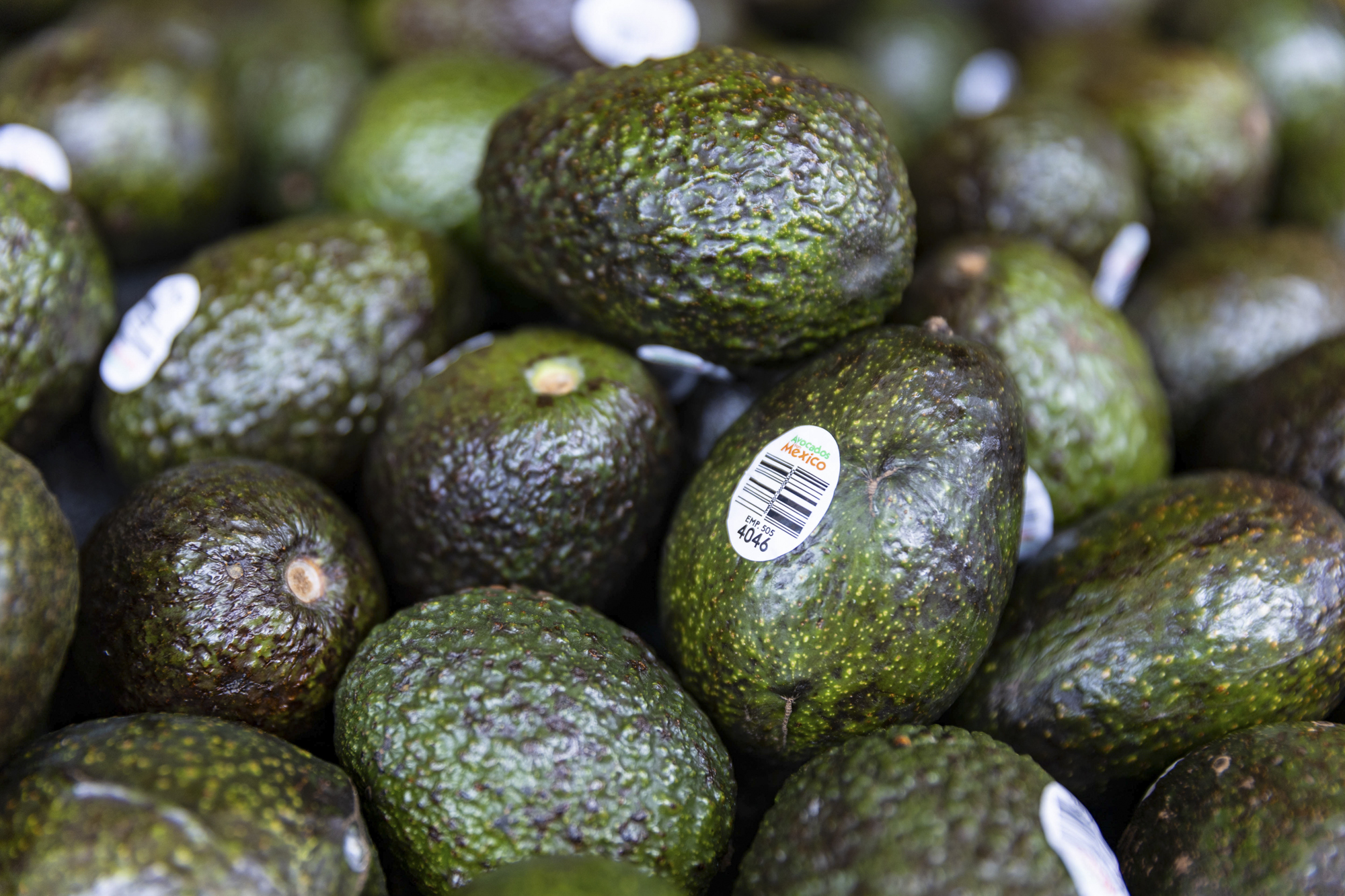
Instead, he said you could opt for “lower-risk choices” like bananas, oranges, avocados, melon and mangoes, because these options have rinds or skin that are removed before eating.
When cutting into thick-skinned produce like melon, be sure to wash not just its outside but also your knife and your hands, to make sure you’re not accidentally pushing any contamination from the skin into the flesh.
And as tough as the symptoms are, remember that effective antibiotic treatment for cyclosporiasis is available should the worst happen, he said.