A Simple Way to Prevent Homelessness Is Growing in San Francisco. Is It Sustainable?

Esmeralda Celis didn’t know how her family would survive last winter. Her husband, who worked multiple restaurant jobs, was suddenly forced to leave the country for several months due to his immigration status. She was left to care for their four children for months without income in San Francisco, one of the country’s most expensive places to live.
“Once we hit January, I was scrambling to figure out how I’m going to pay for these bills, how I’m going to provide for my children, how I’m going to keep the roof over their head,” said Celis, who lives in a two-bedroom apartment near Civic Center. “It was extremely stressful. They saw mom in shambles.”
Unsure of where to go, she told a counselor at her child’s school about their situation. They connected her with Compass Family Services, one of several nonprofits that recently received an injection of private philanthropic funding to help families on the brink of homelessness stay put.
The nonprofit stepped in to cover her $2,600 monthly rent from January through May, tiding them over until Celis’ husband came back and could return to work.
“The instability of not having a home or roof would have been detrimental for my children,” said Celis, whose daughter has cystic fibrosis and requires breathing treatments and frequent medical visits. “This definitely helped with the stability and, more than anything, keeping my children’s peace.”

Celis’ experience is growing increasingly common as the cost of living in San Francisco has skyrocketed, most recently driven by the artificial intelligence boom. The average cost of a two-bedroom apartment in the city is now $6,382, according to Zillow, up about $1,759 since last year. Families experiencing homelessness increased by 15% since 2024, according to the latest point-in-time count of the city’s homelessness population. The actual number of people in families experiencing homelessness increased by 34%, from 1,103 people in 2024 to 1,474 people in 2026.
While the city has a vast network of support services for people experiencing homelessness, it’s now increasingly looking at how to prevent people from losing housing by offering support before an eviction notice hits or families are forced to leave.
The Tipping Point Community, a philanthropic organization started by Mayor Daniel Lurie before he entered office, donated $11 million last year toward a yearlong pilot project targeting family homelessness with a focus on prevention.
Nonprofits receiving the funding included Compass Family Services, Mission Economic Development Agency, APA Family Support Services, Mission Neighborhood Centers and Glide.
These groups have all worked in the community for several years, and are using the pilot program funds to help families cover a financial shock that might cause them to lose their home, whether that’s a pileup of medical bills or car maintenance so they can continue getting to work. The short-term relief has varied in amount and duration depending on a family’s situation, but has ranged from a few hundred dollars to thousands of dollars.
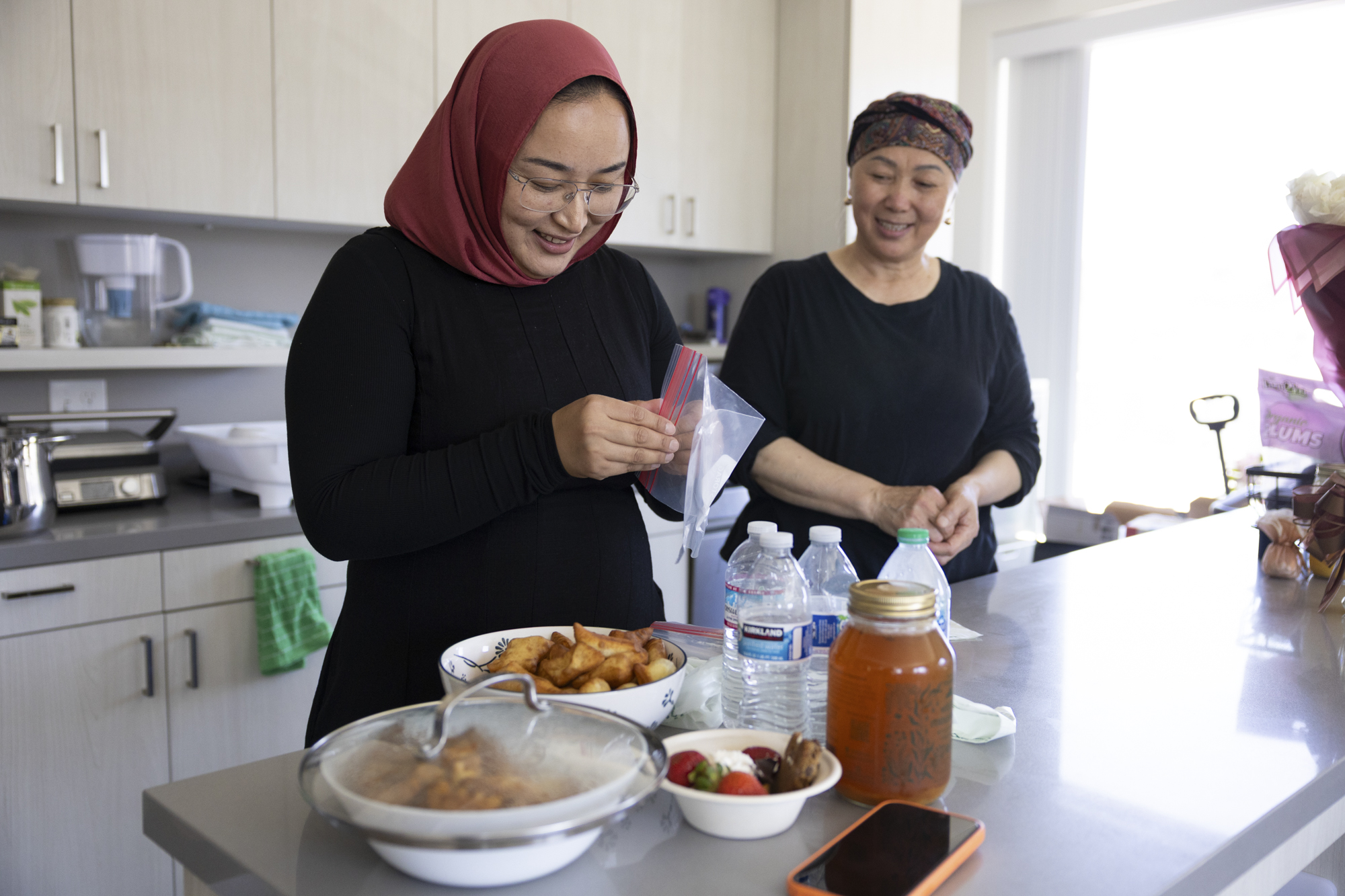
Nearly 900 families in San Francisco have been supported through the pilot program so far. The pilot has extended another six months to the end of 2026, after which there will be an external analysis on the outcomes of the effort, according to Tipping Point executive director Sam Cobbs.
“We’re serving people who wouldn’t have traditionally touched the family homelessness system until much later on,” Cobbs said. “These organizations that we work with are incredible and, as we anticipated, are the first line of defense for families when they’re facing eviction or run into trouble.”
The prevention-focused approach is gaining steam in communities around the country, largely fueled by private dollars and local government spending.
There are no federal funding streams for this kind of homelessness prevention, and federal funding for affordable housing has declined in recent years as the cost of living has gone up.
Supporters say it’s a more cost-effective approach to other downstream homelessness solutions like adding new permanent supportive housing, which can cost upward of $600,000 per unit.
In 2024, Santa Clara County adopted a homelessness prevention system modeled by the San Jose-based nonprofit Destination: Home into its broader public safety net. It now provides around 2,500 households at risk of homelessness per year with prevention assistance.
Studies on the effort have shown that the upstream support can dramatically slow the pace of families entering homelessness. In Santa Clara County, 93% of families who received services early remained housed. Less than 10% became homeless two years later.

“Overwhelmingly, people who receive that assistance are not showing up later in homeless shelters or street outreach programs, which suggests that the short-term assistance is really effective at helping folks maintain their housing or housing stability,” said Ryan Finnegan, deputy director of research for the Terner Center for Housing Innovation at UC Berkeley.
San Francisco does have a rental assistance program, called ERAP, and the pilot is seeking to find ways to improve that system to better serve families facing homelessness. In addition to funding the nonprofits’ work, Tipping Point is helping the city build a database of its homelessness response systems to better coordinate resources.
But as the approach gains traction across the increasingly expensive Bay Area, some limitations are emerging.
One issue is simply finding the families who might benefit the most from the assistance. Programs often target families based on information in social services databases, or find families through existing nonprofits and networks on the ground, like Celis’ school counselor. But making actual connections can be difficult.
“They do have the challenge of reaching people effectively, because who really answers unknown phone calls from the county government, you know, and especially if it’s people who really are facing a lot of disruptions to their housing stability,” Finnegan said.

Then once short-term assistance dries up, Finnegan said, many families who are living on thin margins may still struggle to get by. In 2025, researchers at the Terner Center found that as rental assistance programs ended, some families doubled up with other relatives, moved or faced threats of eviction.
“The theory is that their incomes hopefully rise over time to meet the market rents, but in a place like the Bay Area where market rent is so high, that doesn’t really happen very often,” Finnegan said. “Maybe that one-time assistance helps them stay out of shelters for a year. And then in that second year, they’re back where they were.”
Jennifer Loving, who runs Destination: Home, said that prevention has been a success in many cities looking to slow the rate of homelessness. Part of that has been the local governments’ investment into prevention on a wider scale.
“Our partnership is deeply rooted with the city of San José and the county of Santa Clara, and they both contribute dollars to our system-wide prevention model. But it didn’t start out that way,” Loving said. “If we would have tried to sustain this with only private dollars, it wouldn’t be sustainable.”
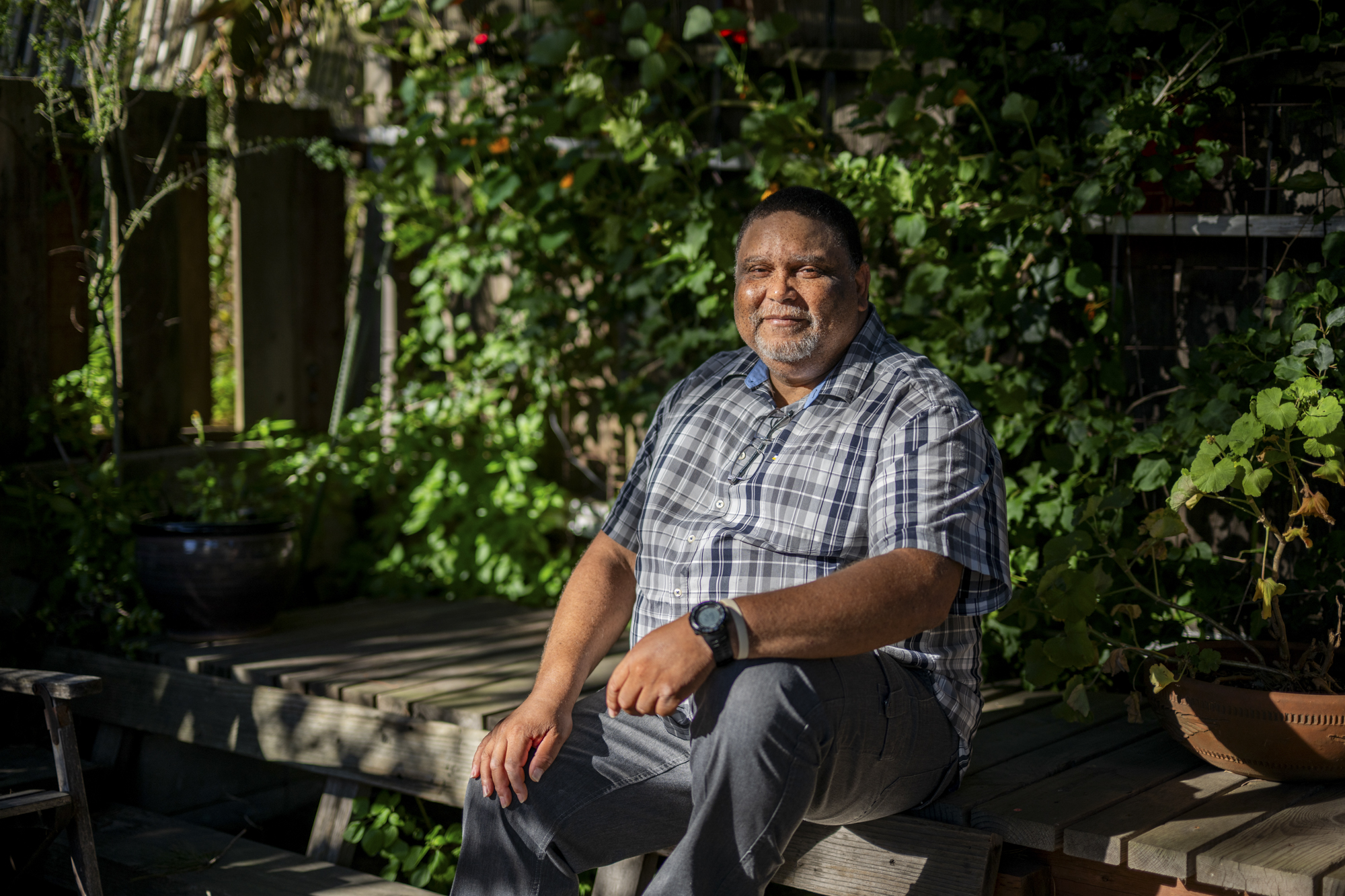
In addition to prevention assistance, Santa Clara County has also been exploring guaranteed income pilots to help families longer-term. Loving said many families receiving the assistance ultimately need help digging out of poverty.
The underlying issue, Loving said, is that many working families simply can’t afford today’s housing market.
“Frankly the thing that’s the best for everybody is rent they can afford,” Loving said. “Affordable housing is always going to be the number one most important issue. But production, development and funding for deeply affordable housing dried up,” she said.
In its most recent budget, San Francisco agreed to fund more than 700 additional short-term rental subsidies, which typically cover families for between two and five years, plus 75 long-term subsidies after a push from housing advocates.
“People are realizing that philanthropy can only go so far. And this is the perfect use of philanthropy. You have flexible dollars to try something, understand what works and what doesn’t work. Then work with the government to scale what works,” Cobbs said. “Everything that we’ve done here has been hand in hand with San Francisco.”
For Celis, the short-term rental relief was a lifeline, allowing her to avoid debt and keep the family’s housing situation steady.
But she said the city must do more to bring down the cost of housing for families like hers, who want to stay in a sanctuary city that’s close to their friends and doctors. Supporters of such assistance also point out that the approach helps preserve the diversity and breadth of the community, from gardeners to daycare employees and restaurant workers who don’t make sky-high tech salaries.
Celis is hoping to one day secure a larger unit through the city’s housing lottery system. She’s waited years already.
“It’s a crisis out here,” Celis said. “The city really needs to hold their word to make it affordable, or we’re going to have more families leaving.”