San Francisco Is Feeling the Heat, But Infrastructure Isn’t Prepared
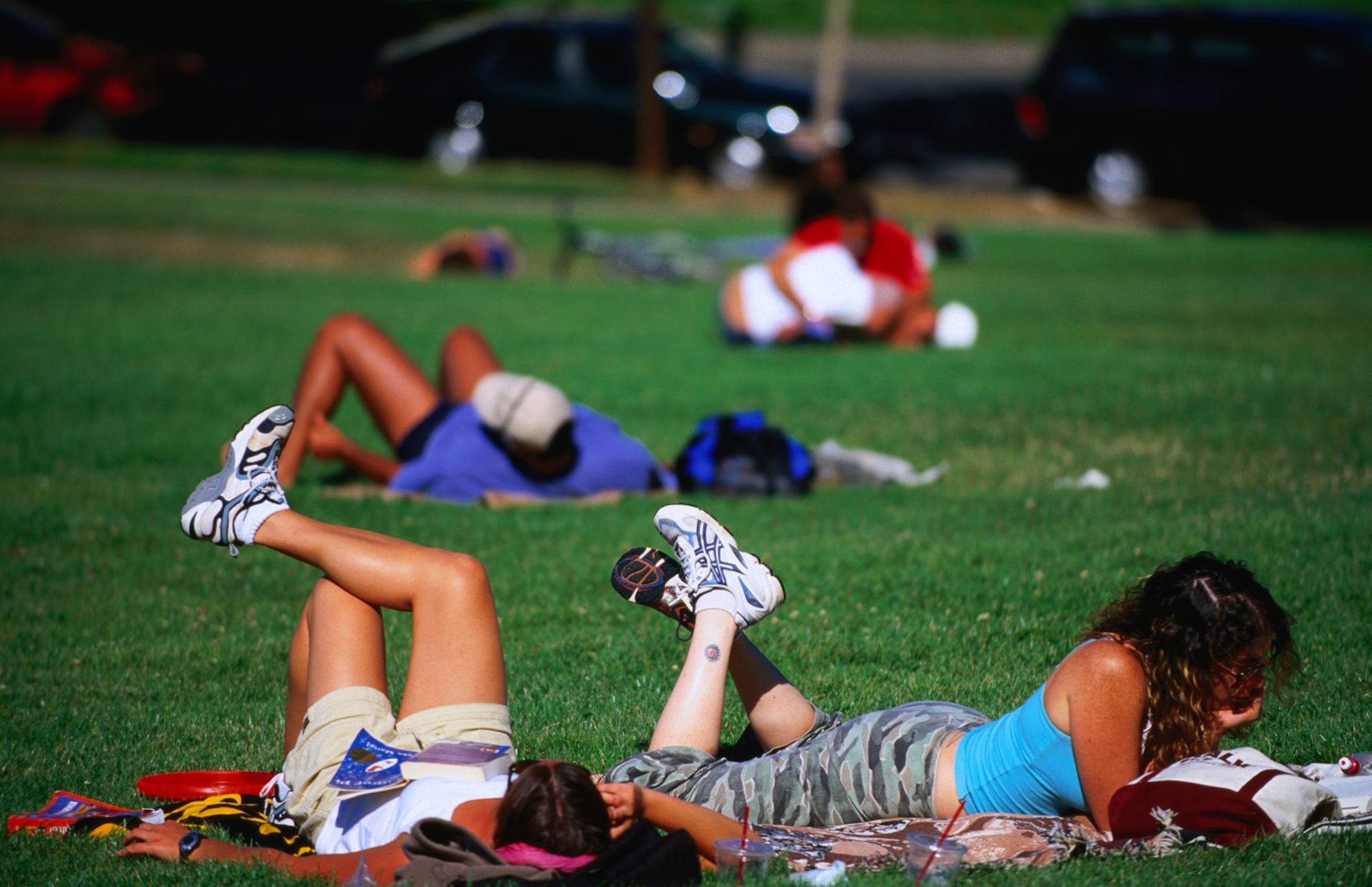
As average temperatures around the globe rise, extreme heat events are growing more common, even in temperate coastal regions like San Francisco. But the city is lagging behind on infrastructure upgrades needed to keep up with dangerous heat waves, especially for the many residents who live in buildings without air conditioning.
That’s according to health experts and city officials tasked with preparing the city for extreme heat events, a sustained period of abnormally hot weather, who spoke at a public hearing on Thursday. The discussion comes as San Francisco recorded its hottest July day on record in more than a decade this month.
“It is going to get worse, and while we plan for climate change, we are living it,” said Mary Ellen Carroll, executive director of the Department of Emergency Management. “We are in the crisis. We are in the eye of the storm. We are going to continue to have these events, and it is important that we prepare.”
San Francisco has seen rising temperatures in recent decades and an increase in extreme heat waves, according to Carroll. In March, the city hit a record-breaking 90 degrees Fahrenheit — the highest temperature recorded that month in the past 152 years.
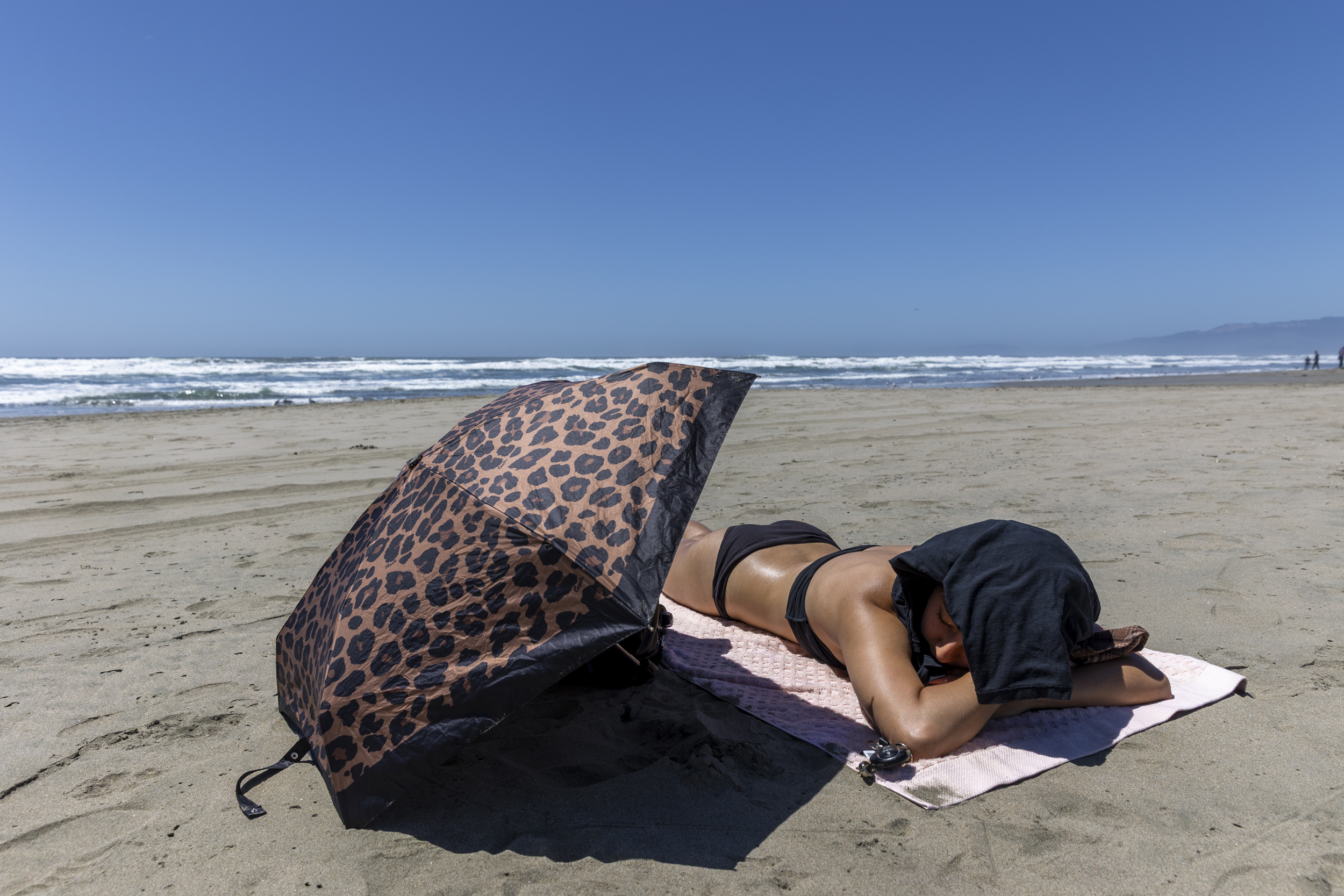
During a heat wave over Labor Day in 2017, 14 people died in the Bay Area, including six in San Francisco alone. Hundreds more people went to the hospital.
But the city is “plainly under-investing in our infrastructure needs in a host of ways,” said Supervisor Rafael Mandelman, who called for the hearing. “As a city, we’re blowing it on building for our future and investing in the physical structures of our future.”
Heat is the leading cause of death from extreme weather events in the U.S. and can often trigger health issues associated with chronic heart or lung diseases. The issue is particularly dangerous in dense neighborhoods like South of Market, the Mission and the Bayview, where it can be 15 to 20 degrees hotter due to urban heat island effects, which amplify temperatures due to things like asphalt absorbing heat or a lack of vegetation.
Extreme heat can also trigger an increase in 911 calls for a variety of issues stemming from ways people try to get cool, like swimming at the beach, and safety threats that ramp up during heat waves, such as domestic violence.
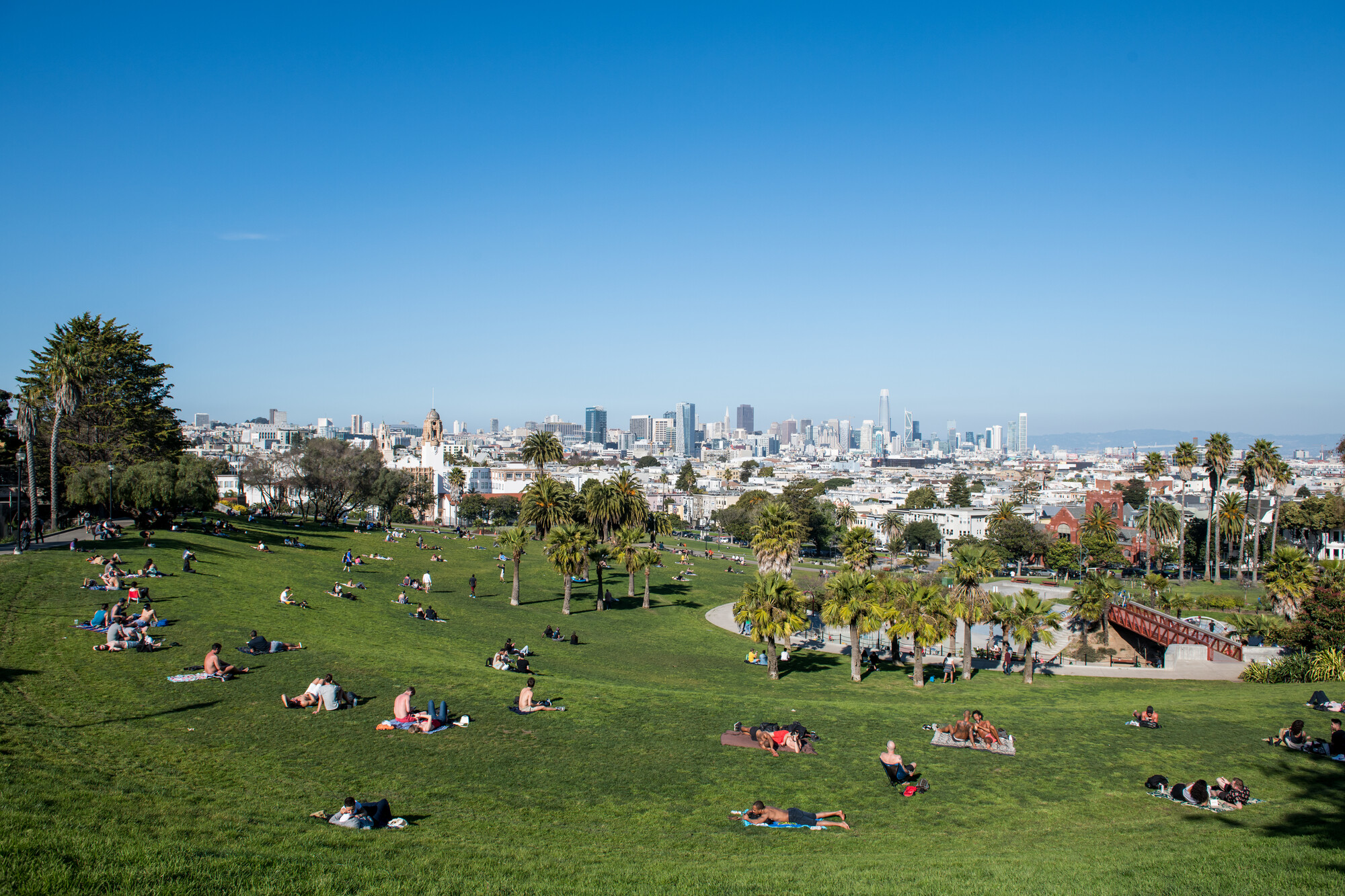
“When more people are going to the beach, we see increased drownings. We have issues with children falling out of windows when windows get left open,” Carroll told KQED. “So we really try to get ahead of things and make sure our public is aware when we see heat coming.”
Low-income residents, particularly renters in buildings without air conditioning, as well as seniors and people with disabilities, face some of the greatest challenges to responding to extreme heat.
“For many of the seniors we serve, preparing for extreme heat is not as simple as staying cool or going to a cooling center. Many live alone, have mobility limitations and depend on caregivers,” said Winnie Yu, chief programs officer at Self Help for the Elderly. “Many experience homelessness or live in single-room occupancy hotels without air conditioning, elevators or private kitchens and refrigerators. As renters, many cannot install air conditioning or make home modifications even if they wanted to.”
The city has 86 locations city-wide for people to gather at during extreme heat, but 25 still lack air conditioning. The city also lacks money to scale the model to the nearly 100 other locations that have applied for funding to upgrade their cooling capacity.
The city is not looking to build out new pop-up cooling centers, however, after past attempts found that few people turned to those spaces, according to Carroll. More people will turn to existing public spaces that they know, like community centers and libraries, and she said the city is focused on increasing access to cooling infrastructure in those places.
The city has also worked to increase its climate resilience, such as an effort to plant 3,500 street trees to increase the shade canopy and improve air quality, but Mandelman said tree planting alone isn’t enough.
San Francisco is also working to implement the Heat and Air Quality Resilience Project, a cross-departmental initiative to address medium- to long-term extreme heat and wildfire smoke resilience strategies as well as short-term emergency response. The 2023 plan for the project includes strategies to adapt both buildings and the natural environment for a changing climate, and to identify funding resources for upgrades.
Unlike some other major cities in areas with historically warm weather, San Francisco was largely built with its foggy, temperate climate in mind, and many older buildings do not have air conditioning or other modern adaptations for warmer weather.
Brian Strong, who oversees the city’s capital improvement projects, said funding cuts from the federal government have thwarted efforts to modernize the city’s built environment.
“We’re going to have to take care of ourselves and can’t rely on the federal government,” he said. “There’s not enough resources there to really address the problems.”
He said the city has shifted its thinking about infrastructure redevelopment over the last decade, as climate change has presented issues for residents far beyond just heat, including flooding, sea level rise and the ballooning housing crisis.
“We are building capacity and thinking about these things in combination. A lot of the heat resilience work at libraries is related to seismic work, unlike 10 years ago,” he said. “When we put together the [last] 10-year capital plan, that was taken with events happening at the time and heat was not considered, the housing crisis was not considered … Now, we’re going to need to think more long-term.”