VTA’s Record-Breaking World Cup Ridership Nets Just Around $1 Per Trip

Despite record-breaking ridership shuttling passengers to recent World Cup matches, the Santa Clara Valley Transportation Authority (VTA) netted only about $1 per passenger, according to new data shared by the agency.
Officials announced last week that VTA transported nearly 230,000 passengers to and from Levi’s Stadium over the six matches that took place between mid-June and July 1, setting an all-time special event ridership record. But the estimated fare revenue was just over $238,000.
If all the fans taking those 230,000 trips paid a $2.50 single adult fare each time, VTA would have made an additional $336,000 — though that amount could have been diminished by senior and youth rider discounts, as well as free transfers, event promotions and other discounts.
San José Mayor Matt Mahan told KQED on Tuesday that “the agency needs to do better” in farebox recovery and fare enforcement.
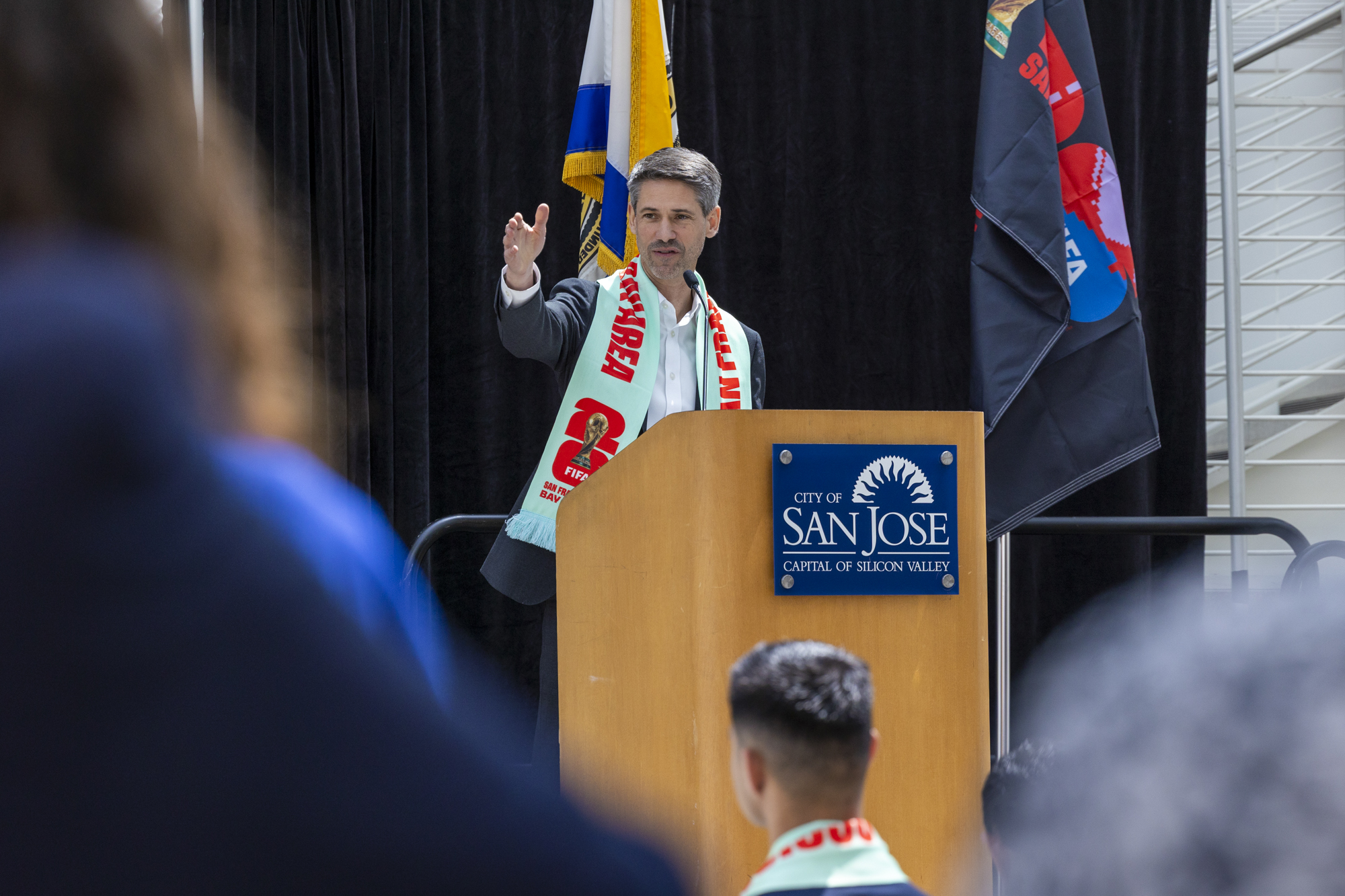
“ I think this should be a wake-up call,” said Mahan, who has long been critical of VTA’s reliance on sales taxes, and not fares, to fund operations. “ The actual fare enforcement and the level of revenue collection could have and should have been better.”
The revenue figures, requested by KQED, come as voters in Santa Clara County and four other counties in the Bay Area will be asked to approve an additional sales tax this November, in order to fund operations at VTA and other major Bay Area transit agencies, as the agencies struggle to overcome pandemic-related drops in revenue and ridership.
VTA is facing a nearly $900,000 budget deficit for the current fiscal year, which is projected to increase to $15 million by fiscal year 2027, and continue to worsen in the following years.

A group opposed to the proposed tax launched its own counter campaign earlier this month, on a platform that Bay Area transit agencies should cut costs and spend the taxpayer money they already have before asking for more.
“ We are a public service, and we want to do whatever it takes to get people to where they need to go. That involves losing money sometimes,” said Stacey Hendler Ross, a spokesperson for VTA.
VTA has long relied primarily on revenue from sales taxes to fund its operations. Sales tax revenues currently account for over 86% of its operating budget revenue, while fares account for just over 5%, according to the agency’s latest biennial budget.
“ Unfortunately, fare recovery is not our big revenue, and we believe that we need to operate public transit anyway because it’s important enough to our community that they have repeatedly passed public tax measures to support it,” Hendler Ross said.
Mahan, who is also vice chairperson on the VTA Board of Directors, said beyond increasing fare enforcement, VTA should do a survey of fare collection enforcement and associated issues from other agencies around the country. Officials from BART have said installation of its next-generation faregates, completed last year, increased revenue by about $10 million annually through reduced fare evasion.
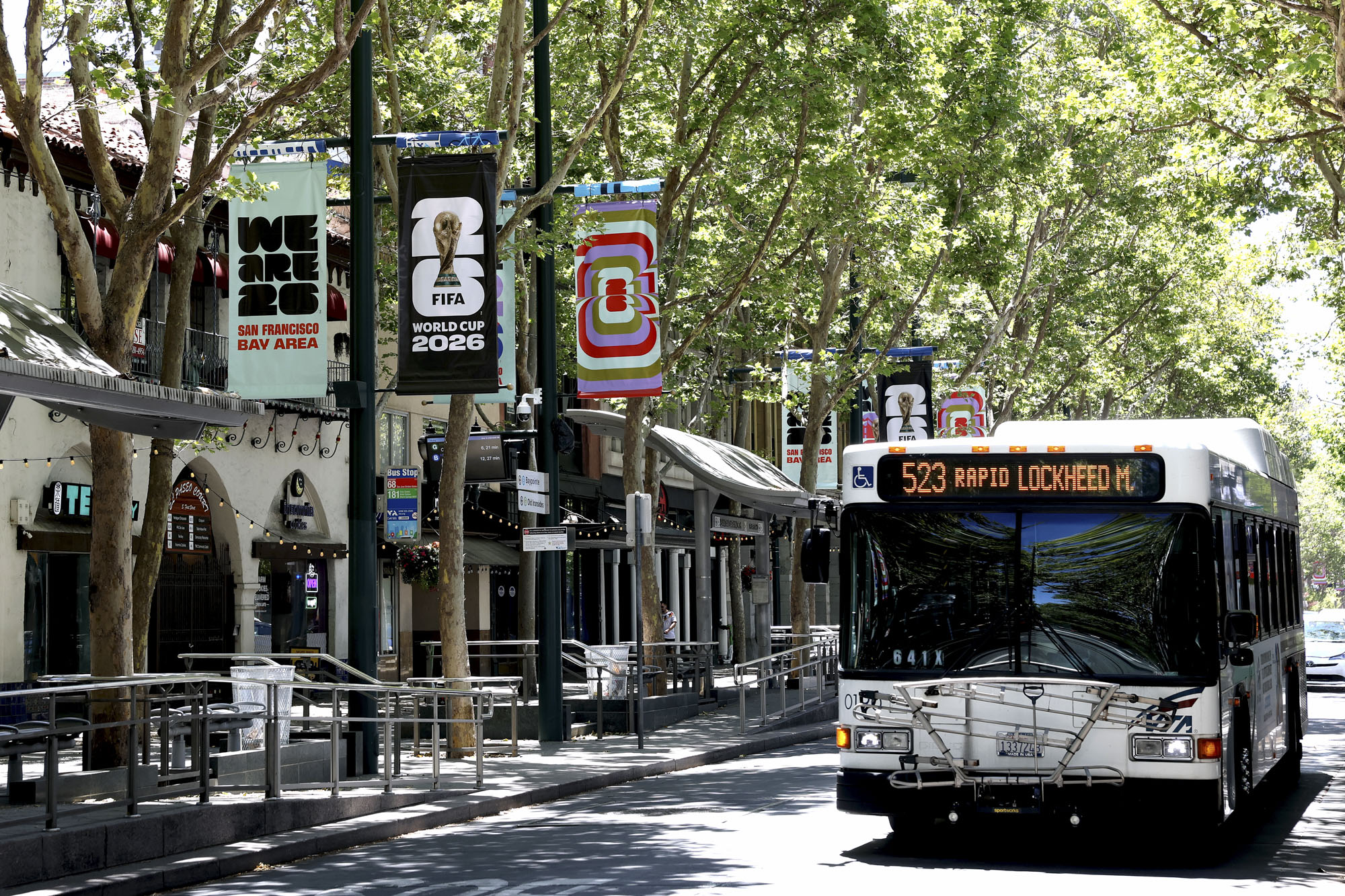
VTA is a proof-of-payment system, which relies on riders to pay when they board, and on random checks by fare inspectors to enforce fare policy. Mahan said BART’s model isn’t necessarily replicable for the VTA’s light rail and buses, but the agency could improve fare collection by making paying for transit quicker, more intuitive and reliable.
“ I strongly push back on the logic that because we have public revenues, we shouldn’t take farebox recovery and revenue generation seriously,” Mahan said.
He added he thought it was also important to keep fares at a “reasonable level,” in order to keep them less expensive than the cost of owning a car in Santa Clara County.

Hendler Ross said VTA currently employs just six fare inspectors and has had a shortage of fare inspectors for “a long time.” She said the agency is currently training 10 transit security officers, whose responsibilities include checking fares, and plans to hire an additional nine to 10 officers sometime later this fall.
The proposed transit tax heading to the November ballot would help VTA offer better, more frequent service, she said, adding it would also help the “greater good.”
“ If I never drive on Highway 280, I’m still paying taxes that keep that road working,” she said. “You never know when someone’s gonna need to hop on public transit. So we’re talking about supporting the greater good, and that’s what this country has always been built on.”