An Oakland Judge Will Soon Rule on 1 of the Largest Media Mergers in Hollywood History
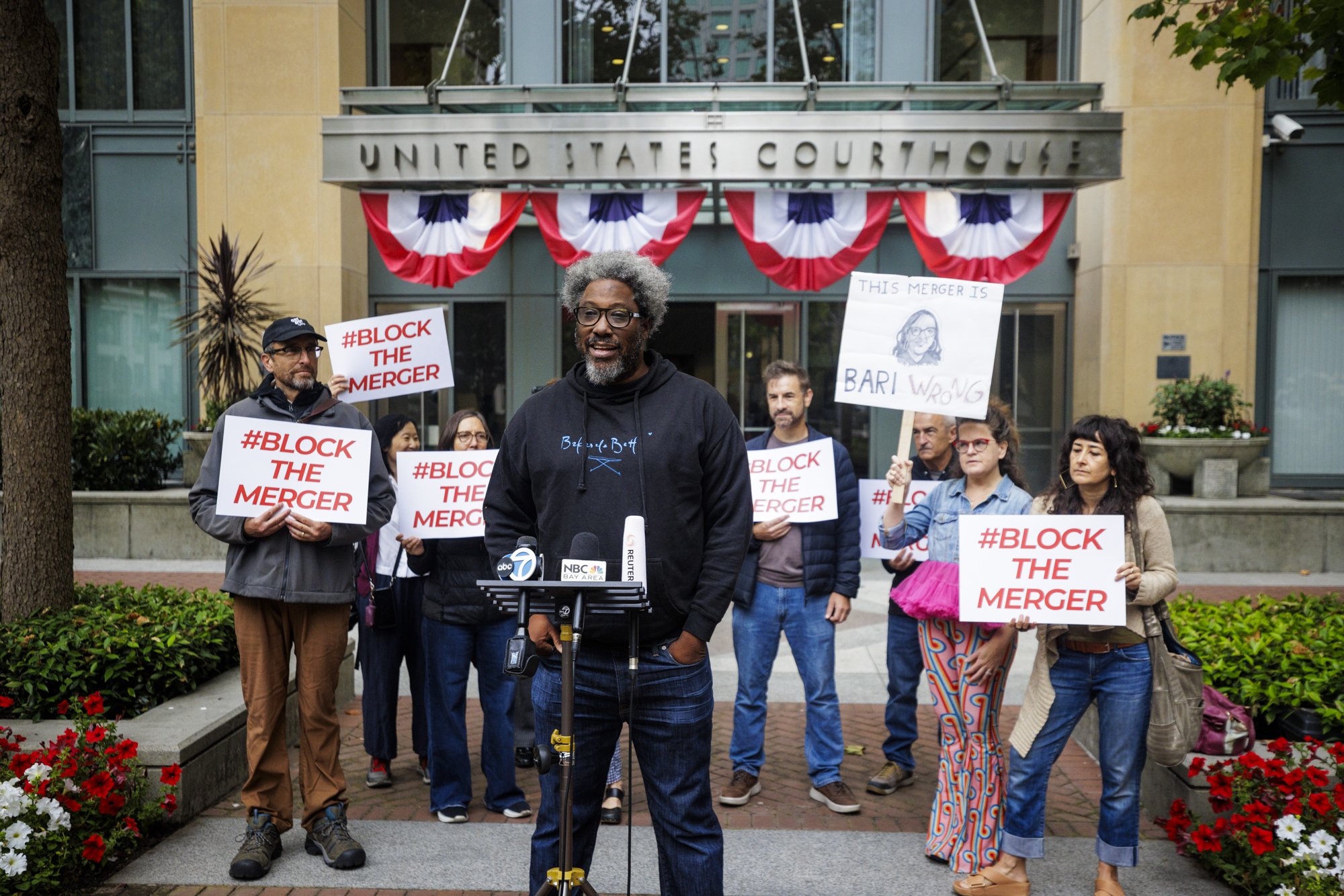
Film industry workers and antitrust activists gathered outside of a federal court in Oakland on Friday to support a new lawsuit aimed at stopping the merger between Paramount Skydance and Warner Bros. Discovery, Inc.
The showdown, presided over by U.S. District Judge Araceli Martínez-Olguín, came after California and 11 other states filed an “emergency motion” on Monday to temporarily block Paramount’s $110 billion acquisition of Warner Bros. Discovery, Inc., alleging the deal violated the Clayton Antitrust Act.
Martínez-Olguín decided not to rule from the bench, but said she would provide a ruling by July 22.
The U.S. Department of Justice approved the merger in June, meaning the deal could have gone through as soon as it cleared overseas regulators, according to CNN and Variety.
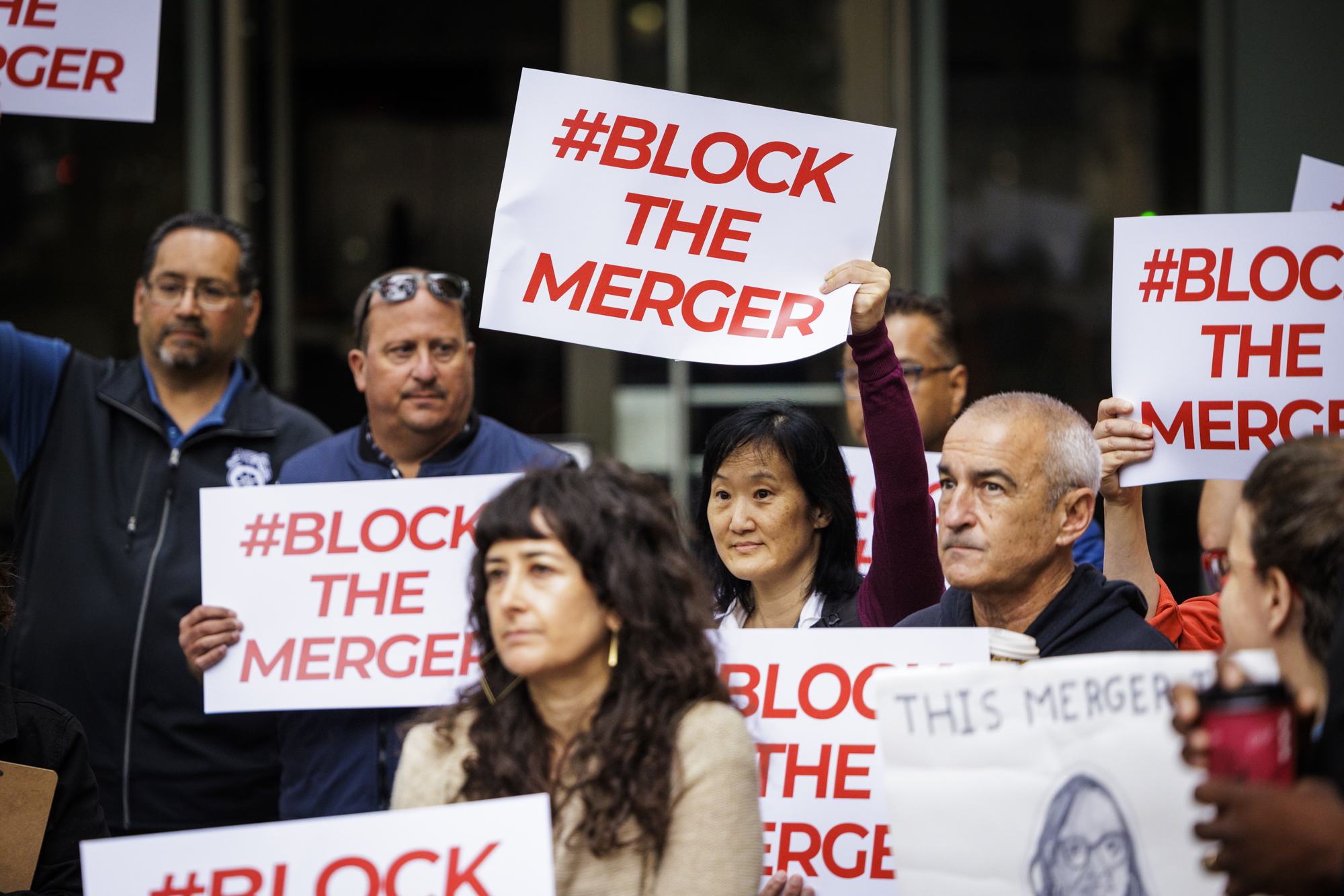
But California Attorney General Rob Bonta said he would “not let Warner Bros. and Paramount merge without a fight” in a statement on Monday.
“The unlawful merger of Warner Bros. and Paramount would harm movie theaters, basic cable distributors, and ultimately, audiences on every sofa and movie theater seat in the U.S.,” Bonta said.
Paramount’s lawyers called the challenge weak, arguing that the merger would provide more high-quality content to consumers and create a “more formidable competitor to the largest streaming services,” including Netflix, Amazon and Disney.
Speakers at the news conference outside the courthouse, organized by a group called #BlockTheMerger, cited concerns that the “transaction would further consolidate an already concentrated media landscape, reducing competition at a moment when our industries — and the audiences we serve — can least afford it,” according to an open letter signed by over 5,000 people, including Glenn Close, Pedro Pascal and Tiffany Haddish and other well-known artists.
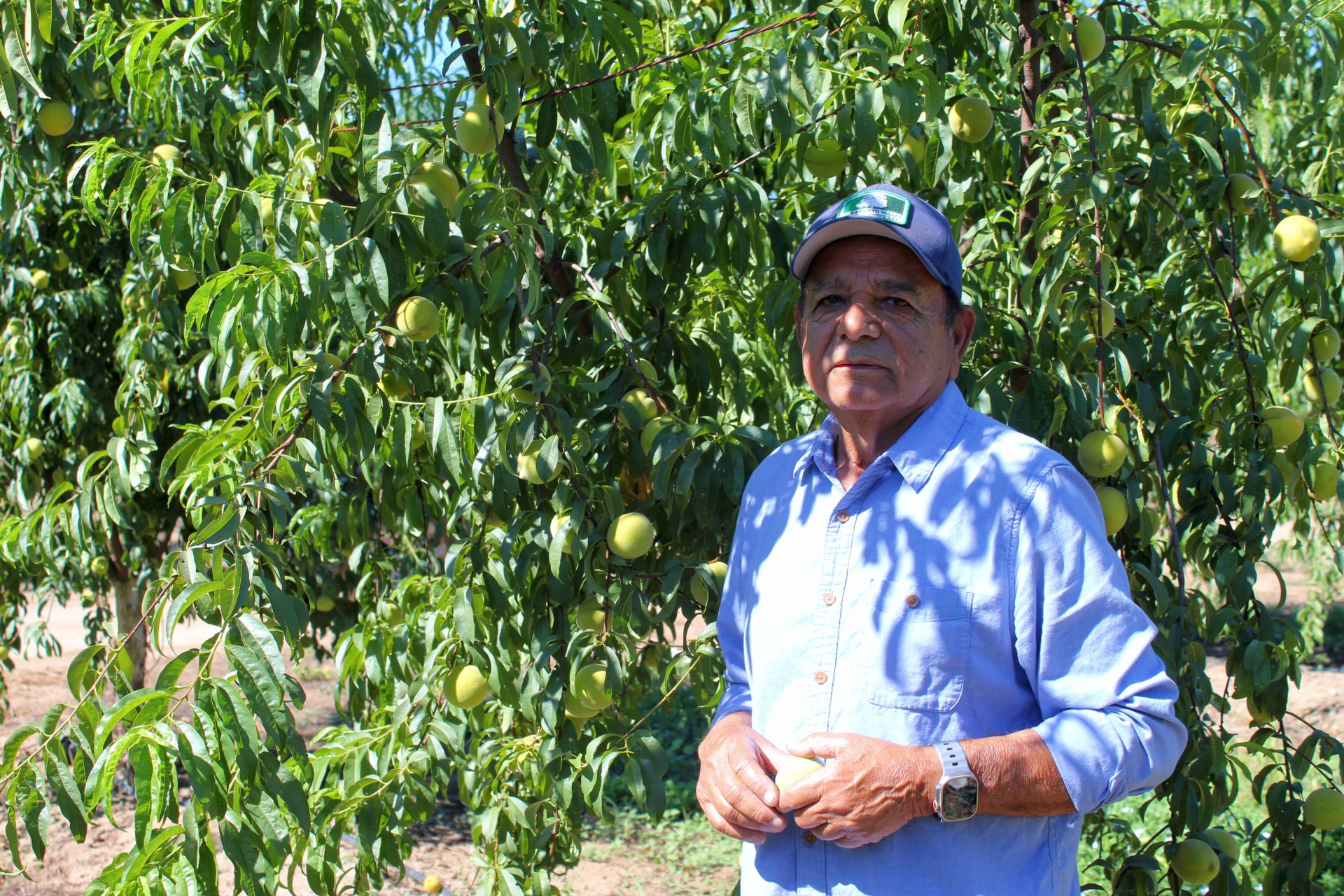
W. Kamau Bell, an Oakland resident, comedian and executive producer and host of the CNN docuseries United Shades of America, highlighted this point during the event.
“The more media consolidation we have, the less choice we have,” Bell said.
California’s formal complaint called this the largest media merger in history and noted that it would combine “two of the country’s five major film distributors” and “two of the five major owners of basic cable channels.”
Rachel Antell, a documentary film producer and co-founder of the Archival Producers Alliance, drew attention to the risks associated with allowing Paramount to control all of the archival footage for both CNN and CBS.
“Television news is often the first draft of history, and documentary storytelling relies on these drafts to synthesize deeper narratives and bring new perspectives to old stories,” Antell said.
Antell said she worried that the merger could limit access to these materials given that the corporate owner has “sole discretion” in the approval process. She called the merger an “unprecedented concentration of American broadcast history under one single ownership structure.”
Protesters also raised concerns about this merger’s impact on content and journalism.
“Without a free and independent and uncensored media, we are all at risk. Our democracy is at risk,” said Annie Leonard, longtime activist and co-founder of the Committee for the First Amendment.
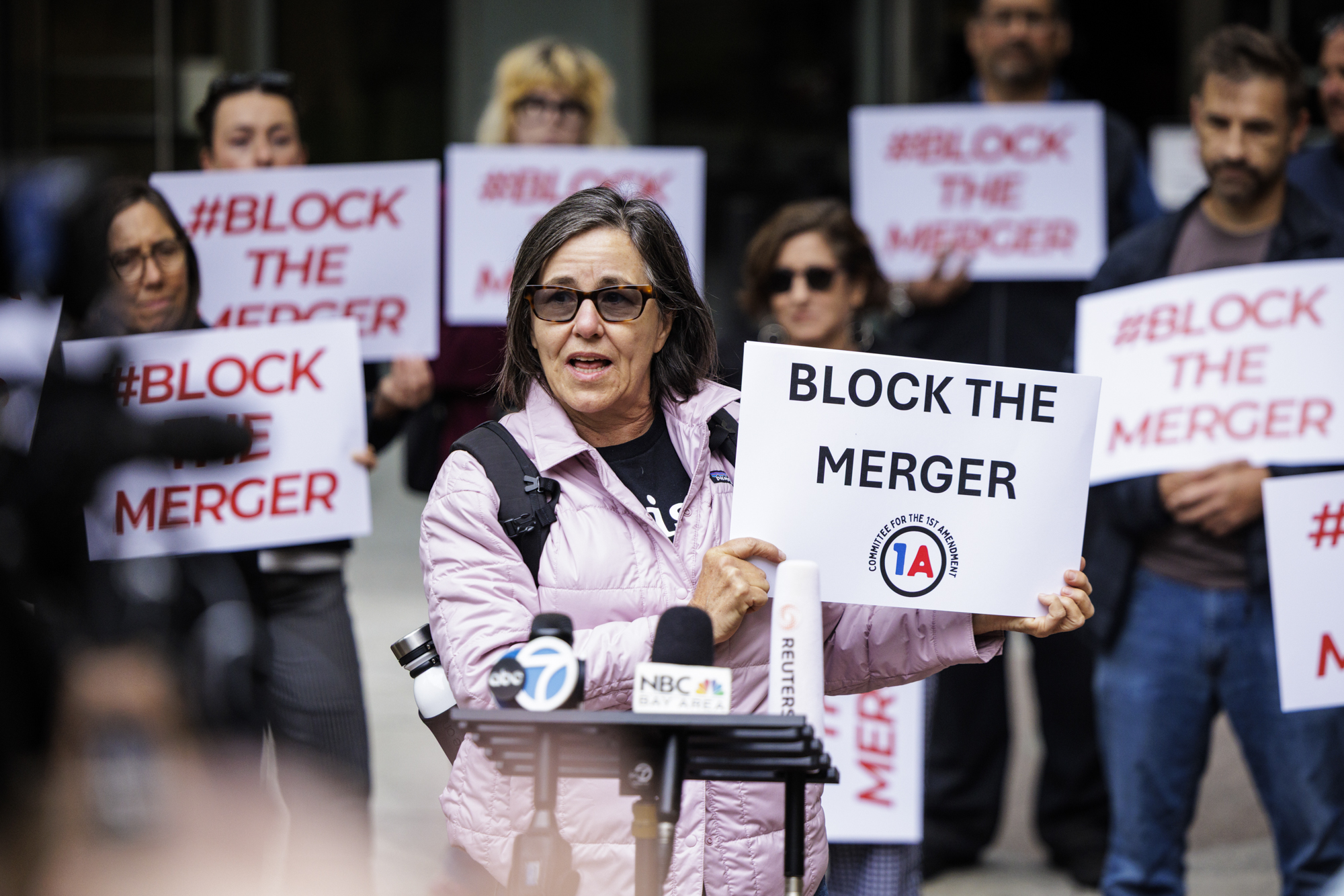
“It is also horrific for all of us who have any stake in truth, any stake in understanding our past, any stake in being able to make sense of our present and any stake in being able to take the reins and reclaim our freedoms,” said Anat Shenker-Osorio, a communications consultant.
The Writers Guild of America also filed a lawsuit focused on the harms that the merger would cause to film industry employees, and a group of Paramount subscribers filed a class action suit, which Martínez-Olguín denied on Thursday, according to Variety.
This potential acquisition has also been scrutinized due to the relationship between President Donald Trump and Larry Ellison, father of Paramount Skydance CEO David Ellison, leading some critics to speculate whether the relationship influenced the DOJ’s clearance of the merger.
On Wednesday, Politico journalist Daniel Miller told KQED that since Ellison took over Paramount, there have been major changes at CBS News, creating some concerns about what would happen if CNN and CBS were “under the same roof.”
KQED’s Katherine Monahan contributed to this report.