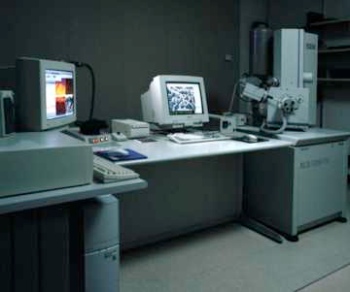
window.__IS_SSR__=true
window.__INITIAL_STATE__={
"attachmentsReducer": {
"audio_0": {
"type": "attachments",
"id": "audio_0",
"imgSizes": {
"kqedFullSize": {
"file": "https://ww2.kqed.org/news/wp-content/themes/KQED-unified/img/audio_bgs/background0.jpg"
}
}
},
"audio_1": {
"type": "attachments",
"id": "audio_1",
"imgSizes": {
"kqedFullSize": {
"file": "https://ww2.kqed.org/news/wp-content/themes/KQED-unified/img/audio_bgs/background1.jpg"
}
}
},
"audio_2": {
"type": "attachments",
"id": "audio_2",
"imgSizes": {
"kqedFullSize": {
"file": "https://ww2.kqed.org/news/wp-content/themes/KQED-unified/img/audio_bgs/background2.jpg"
}
}
},
"audio_3": {
"type": "attachments",
"id": "audio_3",
"imgSizes": {
"kqedFullSize": {
"file": "https://ww2.kqed.org/news/wp-content/themes/KQED-unified/img/audio_bgs/background3.jpg"
}
}
},
"audio_4": {
"type": "attachments",
"id": "audio_4",
"imgSizes": {
"kqedFullSize": {
"file": "https://ww2.kqed.org/news/wp-content/themes/KQED-unified/img/audio_bgs/background4.jpg"
}
}
},
"placeholder": {
"type": "attachments",
"id": "placeholder",
"imgSizes": {
"thumbnail": {
"file": "https://cdn.kqed.org/wp-content/uploads/2024/12/KQED-Default-Image-816638274-2000x1333-1-160x107.jpg",
"width": 160,
"height": 107,
"mimeType": "image/jpeg"
},
"medium": {
"file": "https://cdn.kqed.org/wp-content/uploads/2024/12/KQED-Default-Image-816638274-2000x1333-1-800x533.jpg",
"width": 800,
"height": 533,
"mimeType": "image/jpeg"
},
"medium_large": {
"file": "https://cdn.kqed.org/wp-content/uploads/2024/12/KQED-Default-Image-816638274-2000x1333-1-768x512.jpg",
"width": 768,
"height": 512,
"mimeType": "image/jpeg"
},
"large": {
"file": "https://cdn.kqed.org/wp-content/uploads/2024/12/KQED-Default-Image-816638274-2000x1333-1-1020x680.jpg",
"width": 1020,
"height": 680,
"mimeType": "image/jpeg"
},
"1536x1536": {
"file": "https://cdn.kqed.org/wp-content/uploads/2024/12/KQED-Default-Image-816638274-2000x1333-1-1536x1024.jpg",
"width": 1536,
"height": 1024,
"mimeType": "image/jpeg"
},
"fd-lrg": {
"file": "https://cdn.kqed.org/wp-content/uploads/2024/12/KQED-Default-Image-816638274-2000x1333-1-1536x1024.jpg",
"width": 1536,
"height": 1024,
"mimeType": "image/jpeg"
},
"fd-med": {
"file": "https://cdn.kqed.org/wp-content/uploads/2024/12/KQED-Default-Image-816638274-2000x1333-1-1020x680.jpg",
"width": 1020,
"height": 680,
"mimeType": "image/jpeg"
},
"fd-sm": {
"file": "https://cdn.kqed.org/wp-content/uploads/2024/12/KQED-Default-Image-816638274-2000x1333-1-800x533.jpg",
"width": 800,
"height": 533,
"mimeType": "image/jpeg"
},
"post-thumbnail": {
"file": "https://cdn.kqed.org/wp-content/uploads/2024/12/KQED-Default-Image-816638274-2000x1333-1-672x372.jpg",
"width": 672,
"height": 372,
"mimeType": "image/jpeg"
},
"twentyfourteen-full-width": {
"file": "https://cdn.kqed.org/wp-content/uploads/2024/12/KQED-Default-Image-816638274-2000x1333-1-1038x576.jpg",
"width": 1038,
"height": 576,
"mimeType": "image/jpeg"
},
"xxsmall": {
"file": "https://cdn.kqed.org/wp-content/uploads/2024/12/KQED-Default-Image-816638274-2000x1333-1-160x107.jpg",
"width": 160,
"height": 107,
"mimeType": "image/jpeg"
},
"xsmall": {
"file": "https://cdn.kqed.org/wp-content/uploads/2024/12/KQED-Default-Image-816638274-2000x1333-1-672x372.jpg",
"width": 672,
"height": 372,
"mimeType": "image/jpeg"
},
"small": {
"file": "https://cdn.kqed.org/wp-content/uploads/2024/12/KQED-Default-Image-816638274-2000x1333-1-672x372.jpg",
"width": 672,
"height": 372,
"mimeType": "image/jpeg"
},
"xlarge": {
"file": "https://cdn.kqed.org/wp-content/uploads/2024/12/KQED-Default-Image-816638274-2000x1333-1-1020x680.jpg",
"width": 1020,
"height": 680,
"mimeType": "image/jpeg"
},
"full-width": {
"file": "https://cdn.kqed.org/wp-content/uploads/2024/12/KQED-Default-Image-816638274-2000x1333-1-1920x1280.jpg",
"width": 1920,
"height": 1280,
"mimeType": "image/jpeg"
},
"guest-author-32": {
"file": "https://cdn.kqed.org/wp-content/uploads/2025/01/KQED-Default-Image-816638274-1333x1333-1-160x160.jpg",
"width": 32,
"height": 32,
"mimeType": "image/jpeg"
},
"guest-author-50": {
"file": "https://cdn.kqed.org/wp-content/uploads/2025/01/KQED-Default-Image-816638274-1333x1333-1-160x160.jpg",
"width": 50,
"height": 50,
"mimeType": "image/jpeg"
},
"guest-author-64": {
"file": "https://cdn.kqed.org/wp-content/uploads/2025/01/KQED-Default-Image-816638274-1333x1333-1-160x160.jpg",
"width": 64,
"height": 64,
"mimeType": "image/jpeg"
},
"guest-author-96": {
"file": "https://cdn.kqed.org/wp-content/uploads/2025/01/KQED-Default-Image-816638274-1333x1333-1-160x160.jpg",
"width": 96,
"height": 96,
"mimeType": "image/jpeg"
},
"guest-author-128": {
"file": "https://cdn.kqed.org/wp-content/uploads/2025/01/KQED-Default-Image-816638274-1333x1333-1-160x160.jpg",
"width": 128,
"height": 128,
"mimeType": "image/jpeg"
},
"detail": {
"file": "https://cdn.kqed.org/wp-content/uploads/2025/01/KQED-Default-Image-816638274-1333x1333-1-160x160.jpg",
"width": 160,
"height": 160,
"mimeType": "image/jpeg"
},
"kqedFullSize": {
"file": "https://cdn.kqed.org/wp-content/uploads/2024/12/KQED-Default-Image-816638274-2000x1333-1.jpg",
"width": 2000,
"height": 1333
}
}
},
"mindshift_15055": {
"type": "attachments",
"id": "mindshift_15055",
"meta": {
"index": "attachments_1716263798",
"site": "mindshift",
"id": "15055",
"found": true
},
"parent": 15053,
"imgSizes": {
"fd-sm": {
"file": "https://ww2.kqed.org/app/uploads/sites/23/2011/09/doodle-evaporating-handprint-320x167.jpg",
"width": 320,
"mimeType": "image/jpeg",
"height": 167
},
"kqedFullSize": {
"file": "https://ww2.kqed.org/app/uploads/sites/23/2011/09/doodle-evaporating-handprint.jpg",
"width": 350,
"height": 183
},
"guest-author-96": {
"file": "https://ww2.kqed.org/app/uploads/sites/23/2011/09/doodle-evaporating-handprint-96x96.jpg",
"width": 96,
"mimeType": "image/jpeg",
"height": 96
},
"guest-author-64": {
"file": "https://ww2.kqed.org/app/uploads/sites/23/2011/09/doodle-evaporating-handprint-64x64.jpg",
"width": 64,
"mimeType": "image/jpeg",
"height": 64
},
"detail": {
"file": "https://ww2.kqed.org/app/uploads/sites/23/2011/09/doodle-evaporating-handprint-75x75.jpg",
"width": 75,
"mimeType": "image/jpeg",
"height": 75
},
"guest-author-32": {
"file": "https://ww2.kqed.org/app/uploads/sites/23/2011/09/doodle-evaporating-handprint-32x32.jpg",
"width": 32,
"mimeType": "image/jpeg",
"height": 32
},
"guest-author-128": {
"file": "https://ww2.kqed.org/app/uploads/sites/23/2011/09/doodle-evaporating-handprint-128x128.jpg",
"width": 128,
"mimeType": "image/jpeg",
"height": 128
}
},
"publishDate": 1315327016,
"modified": 1315327016,
"caption": null,
"description": null,
"title": "doodle-evaporating-handprint",
"credit": null,
"status": "inherit",
"isLoading": false,
"fetchFailed": false
},
"mindshift_14593": {
"type": "attachments",
"id": "mindshift_14593",
"meta": {
"index": "attachments_1716263798",
"site": "mindshift",
"id": "14593",
"found": true
},
"parent": 14592,
"imgSizes": {
"fd-sm": {
"file": "https://ww2.kqed.org/app/uploads/sites/23/2011/08/esem-feg-320x267.jpg",
"width": 320,
"mimeType": "image/jpeg",
"height": 267
},
"kqedFullSize": {
"file": "https://ww2.kqed.org/app/uploads/sites/23/2011/08/esem-feg.jpg",
"width": 350,
"height": 292
},
"guest-author-96": {
"file": "https://ww2.kqed.org/app/uploads/sites/23/2011/08/esem-feg-96x96.jpg",
"width": 96,
"mimeType": "image/jpeg",
"height": 96
},
"guest-author-64": {
"file": "https://ww2.kqed.org/app/uploads/sites/23/2011/08/esem-feg-64x64.jpg",
"width": 64,
"mimeType": "image/jpeg",
"height": 64
},
"detail": {
"file": "https://ww2.kqed.org/app/uploads/sites/23/2011/08/esem-feg-75x75.jpg",
"width": 75,
"mimeType": "image/jpeg",
"height": 75
},
"guest-author-32": {
"file": "https://ww2.kqed.org/app/uploads/sites/23/2011/08/esem-feg-32x32.jpg",
"width": 32,
"mimeType": "image/jpeg",
"height": 32
},
"guest-author-128": {
"file": "https://ww2.kqed.org/app/uploads/sites/23/2011/08/esem-feg-128x128.jpg",
"width": 128,
"mimeType": "image/jpeg",
"height": 128
}
},
"publishDate": 1313686379,
"modified": 1313686379,
"caption": "The FEI XL-30 ESEM FEG (right) and computer controls",
"description": null,
"title": "esem-feg",
"credit": null,
"status": "inherit",
"isLoading": false,
"fetchFailed": false
},
"mindshift_14527": {
"type": "attachments",
"id": "mindshift_14527",
"meta": {
"index": "attachments_1716263798",
"site": "mindshift",
"id": "14527",
"found": true
},
"parent": 14521,
"imgSizes": {
"kqedFullSize": {
"file": "https://ww2.kqed.org/app/uploads/sites/23/2011/08/Screen-shot-2011-08-12-at-1.28.49-PM.png",
"width": 287,
"height": 287
},
"guest-author-96": {
"file": "https://ww2.kqed.org/app/uploads/sites/23/2011/08/Screen-shot-2011-08-12-at-1.28.49-PM-96x96.png",
"width": 96,
"mimeType": "image/png",
"height": 96
},
"guest-author-64": {
"file": "https://ww2.kqed.org/app/uploads/sites/23/2011/08/Screen-shot-2011-08-12-at-1.28.49-PM-64x64.png",
"width": 64,
"mimeType": "image/png",
"height": 64
},
"detail": {
"file": "https://ww2.kqed.org/app/uploads/sites/23/2011/08/Screen-shot-2011-08-12-at-1.28.49-PM-75x75.png",
"width": 75,
"mimeType": "image/png",
"height": 75
},
"guest-author-32": {
"file": "https://ww2.kqed.org/app/uploads/sites/23/2011/08/Screen-shot-2011-08-12-at-1.28.49-PM-32x32.png",
"width": 32,
"mimeType": "image/png",
"height": 32
},
"guest-author-128": {
"file": "https://ww2.kqed.org/app/uploads/sites/23/2011/08/Screen-shot-2011-08-12-at-1.28.49-PM-128x128.png",
"width": 128,
"mimeType": "image/png",
"height": 128
}
},
"publishDate": 1313180953,
"modified": 1313180953,
"caption": "Ken-ichi Ueda and Scott Loarie demonstrated the new iNaturalist iPhone app at Stanford's Jasper Ridge Biological Preserve",
"description": null,
"title": "Screen shot 2011-08-12 at 1.28.49 PM",
"credit": null,
"status": "inherit",
"isLoading": false,
"fetchFailed": false
},
"mindshift_13832": {
"type": "attachments",
"id": "mindshift_13832",
"meta": {
"index": "attachments_1716263798",
"site": "mindshift",
"id": "13832",
"found": true
},
"parent": 13823,
"imgSizes": {
"kqedFullSize": {
"file": "https://ww2.kqed.org/app/uploads/sites/23/2011/07/smithsonian_science1.jpg",
"width": 274,
"height": 274
},
"guest-author-96": {
"file": "https://ww2.kqed.org/app/uploads/sites/23/2011/07/smithsonian_science1-96x96.jpg",
"width": 96,
"mimeType": "image/jpeg",
"height": 96
},
"guest-author-64": {
"file": "https://ww2.kqed.org/app/uploads/sites/23/2011/07/smithsonian_science1-64x64.jpg",
"width": 64,
"mimeType": "image/jpeg",
"height": 64
},
"detail": {
"file": "https://ww2.kqed.org/app/uploads/sites/23/2011/07/smithsonian_science1-75x75.jpg",
"width": 75,
"mimeType": "image/jpeg",
"height": 75
},
"guest-author-32": {
"file": "https://ww2.kqed.org/app/uploads/sites/23/2011/07/smithsonian_science1-32x32.jpg",
"width": 32,
"mimeType": "image/jpeg",
"height": 32
},
"guest-author-128": {
"file": "https://ww2.kqed.org/app/uploads/sites/23/2011/07/smithsonian_science1-128x128.jpg",
"width": 128,
"mimeType": "image/jpeg",
"height": 128
}
},
"publishDate": 1311033787,
"modified": 1311033787,
"caption": null,
"description": null,
"title": "smithsonian_science",
"credit": null,
"status": "inherit",
"isLoading": false,
"fetchFailed": false
},
"mindshift_13451": {
"type": "attachments",
"id": "mindshift_13451",
"meta": {
"index": "attachments_1716263798",
"site": "mindshift",
"id": "13451",
"found": true
},
"parent": 13445,
"imgSizes": {
"kqedFullSize": {
"file": "https://ww2.kqed.org/app/uploads/sites/23/2011/07/kinecthack.jpg",
"width": 300,
"height": 168
},
"guest-author-96": {
"file": "https://ww2.kqed.org/app/uploads/sites/23/2011/07/kinecthack-96x96.jpg",
"width": 96,
"mimeType": "image/jpeg",
"height": 96
},
"guest-author-64": {
"file": "https://ww2.kqed.org/app/uploads/sites/23/2011/07/kinecthack-64x64.jpg",
"width": 64,
"mimeType": "image/jpeg",
"height": 64
},
"detail": {
"file": "https://ww2.kqed.org/app/uploads/sites/23/2011/07/kinecthack-75x75.jpg",
"width": 75,
"mimeType": "image/jpeg",
"height": 75
},
"guest-author-32": {
"file": "https://ww2.kqed.org/app/uploads/sites/23/2011/07/kinecthack-32x32.jpg",
"width": 32,
"mimeType": "image/jpeg",
"height": 32
},
"guest-author-128": {
"file": "https://ww2.kqed.org/app/uploads/sites/23/2011/07/kinecthack-128x128.jpg",
"width": 128,
"mimeType": "image/jpeg",
"height": 128
}
},
"publishDate": 1309916306,
"modified": 1309916306,
"caption": null,
"description": null,
"title": "kinecthack",
"credit": null,
"status": "inherit",
"isLoading": false,
"fetchFailed": false
},
"mindshift_12515": {
"type": "attachments",
"id": "mindshift_12515",
"meta": {
"index": "attachments_1716263798",
"site": "mindshift",
"id": "12515",
"found": true
},
"parent": 12514,
"imgSizes": {
"thumbnail": {
"file": "https://ww2.kqed.org/app/uploads/sites/23/2011/06/How-to-Build-a-Robot-The-BeetleBot-400x296.jpg",
"width": 400,
"mimeType": "image/jpeg",
"height": 296
},
"fd-sm": {
"file": "https://ww2.kqed.org/app/uploads/sites/23/2011/06/How-to-Build-a-Robot-The-BeetleBot-320x237.jpg",
"width": 320,
"mimeType": "image/jpeg",
"height": 237
},
"post-thumbnail": {
"file": "https://ww2.kqed.org/app/uploads/sites/23/2011/06/How-to-Build-a-Robot-The-BeetleBot-556x372.jpg",
"width": 556,
"mimeType": "image/jpeg",
"height": 372
},
"kqedFullSize": {
"file": "https://ww2.kqed.org/app/uploads/sites/23/2011/06/How-to-Build-a-Robot-The-BeetleBot.jpg",
"width": 556,
"height": 411
},
"guest-author-96": {
"file": "https://ww2.kqed.org/app/uploads/sites/23/2011/06/How-to-Build-a-Robot-The-BeetleBot-96x96.jpg",
"width": 96,
"mimeType": "image/jpeg",
"height": 96
},
"guest-author-64": {
"file": "https://ww2.kqed.org/app/uploads/sites/23/2011/06/How-to-Build-a-Robot-The-BeetleBot-64x64.jpg",
"width": 64,
"mimeType": "image/jpeg",
"height": 64
},
"detail": {
"file": "https://ww2.kqed.org/app/uploads/sites/23/2011/06/How-to-Build-a-Robot-The-BeetleBot-75x75.jpg",
"width": 75,
"mimeType": "image/jpeg",
"height": 75
},
"guest-author-32": {
"file": "https://ww2.kqed.org/app/uploads/sites/23/2011/06/How-to-Build-a-Robot-The-BeetleBot-32x32.jpg",
"width": 32,
"mimeType": "image/jpeg",
"height": 32
},
"guest-author-128": {
"file": "https://ww2.kqed.org/app/uploads/sites/23/2011/06/How-to-Build-a-Robot-The-BeetleBot-128x128.jpg",
"width": 128,
"mimeType": "image/jpeg",
"height": 128
}
},
"publishDate": 1307982067,
"modified": 1307982067,
"caption": null,
"description": null,
"title": "How to Build a Robot - The BeetleBot",
"credit": null,
"status": "inherit",
"isLoading": false,
"fetchFailed": false
},
"mindshift_11989": {
"type": "attachments",
"id": "mindshift_11989",
"meta": {
"index": "attachments_1716263798",
"site": "mindshift",
"id": "11989",
"found": true
},
"parent": 11988,
"imgSizes": {
"kqedFullSize": {
"file": "https://ww2.kqed.org/app/uploads/sites/23/2011/05/science.jpg",
"width": 300,
"height": 220
},
"guest-author-96": {
"file": "https://ww2.kqed.org/app/uploads/sites/23/2011/05/science-96x96.jpg",
"width": 96,
"mimeType": "image/jpeg",
"height": 96
},
"guest-author-64": {
"file": "https://ww2.kqed.org/app/uploads/sites/23/2011/05/science-64x64.jpg",
"width": 64,
"mimeType": "image/jpeg",
"height": 64
},
"detail": {
"file": "https://ww2.kqed.org/app/uploads/sites/23/2011/05/science-75x75.jpg",
"width": 75,
"mimeType": "image/jpeg",
"height": 75
},
"guest-author-32": {
"file": "https://ww2.kqed.org/app/uploads/sites/23/2011/05/science-32x32.jpg",
"width": 32,
"mimeType": "image/jpeg",
"height": 32
},
"guest-author-128": {
"file": "https://ww2.kqed.org/app/uploads/sites/23/2011/05/science-128x128.jpg",
"width": 128,
"mimeType": "image/jpeg",
"height": 128
}
},
"publishDate": 1306287564,
"modified": 1306287564,
"caption": null,
"description": null,
"title": "science",
"credit": null,
"status": "inherit",
"isLoading": false,
"fetchFailed": false
},
"mindshift_11474": {
"type": "attachments",
"id": "mindshift_11474",
"meta": {
"index": "attachments_1716263798",
"site": "mindshift",
"id": "11474",
"found": true
},
"parent": 11473,
"imgSizes": {
"thumbnail": {
"file": "https://ww2.kqed.org/app/uploads/sites/23/2011/05/Frog_diss-400x250.jpg",
"width": 400,
"mimeType": "image/jpeg",
"height": 250
},
"fd-sm": {
"file": "https://ww2.kqed.org/app/uploads/sites/23/2011/05/Frog_diss-320x200.jpg",
"width": 320,
"mimeType": "image/jpeg",
"height": 200
},
"kqedFullSize": {
"file": "https://ww2.kqed.org/app/uploads/sites/23/2011/05/Frog_diss.jpg",
"width": 500,
"height": 313
},
"guest-author-96": {
"file": "https://ww2.kqed.org/app/uploads/sites/23/2011/05/Frog_diss-96x96.jpg",
"width": 96,
"mimeType": "image/jpeg",
"height": 96
},
"guest-author-64": {
"file": "https://ww2.kqed.org/app/uploads/sites/23/2011/05/Frog_diss-64x64.jpg",
"width": 64,
"mimeType": "image/jpeg",
"height": 64
},
"detail": {
"file": "https://ww2.kqed.org/app/uploads/sites/23/2011/05/Frog_diss-75x75.jpg",
"width": 75,
"mimeType": "image/jpeg",
"height": 75
},
"guest-author-32": {
"file": "https://ww2.kqed.org/app/uploads/sites/23/2011/05/Frog_diss-32x32.jpg",
"width": 32,
"mimeType": "image/jpeg",
"height": 32
},
"guest-author-128": {
"file": "https://ww2.kqed.org/app/uploads/sites/23/2011/05/Frog_diss-128x128.jpg",
"width": 128,
"mimeType": "image/jpeg",
"height": 128
}
},
"publishDate": 1305060672,
"modified": 1305060672,
"caption": null,
"description": null,
"title": "Frog_diss",
"credit": null,
"status": "inherit",
"isLoading": false,
"fetchFailed": false
},
"mindshift_10208": {
"type": "attachments",
"id": "mindshift_10208",
"meta": {
"index": "attachments_1716263798",
"site": "mindshift",
"id": "10208",
"found": true
},
"parent": 10202,
"imgSizes": {
"twentyfourteen-full-width": {
"file": "https://ww2.kqed.org/app/uploads/sites/23/2011/04/10_11.15_newtech_0662-1038x576.jpg",
"width": 1038,
"mimeType": "image/jpeg",
"height": 576
},
"thumbnail": {
"file": "https://ww2.kqed.org/app/uploads/sites/23/2011/04/10_11.15_newtech_0662-400x266.jpg",
"width": 400,
"mimeType": "image/jpeg",
"height": 266
},
"fd-sm": {
"file": "https://ww2.kqed.org/app/uploads/sites/23/2011/04/10_11.15_newtech_0662-320x213.jpg",
"width": 320,
"mimeType": "image/jpeg",
"height": 213
},
"post-thumbnail": {
"file": "https://ww2.kqed.org/app/uploads/sites/23/2011/04/10_11.15_newtech_0662-672x372.jpg",
"width": 672,
"mimeType": "image/jpeg",
"height": 372
},
"kqedFullSize": {
"file": "https://ww2.kqed.org/app/uploads/sites/23/2011/04/10_11.15_newtech_0662.jpg",
"width": 1440,
"height": 958
},
"large": {
"file": "https://ww2.kqed.org/app/uploads/sites/23/2011/04/10_11.15_newtech_0662-1440x958.jpg",
"width": 1440,
"mimeType": "image/jpeg",
"height": 958
},
"guest-author-96": {
"file": "https://ww2.kqed.org/app/uploads/sites/23/2011/04/10_11.15_newtech_0662-96x96.jpg",
"width": 96,
"mimeType": "image/jpeg",
"height": 96
},
"medium": {
"file": "https://ww2.kqed.org/app/uploads/sites/23/2011/04/10_11.15_newtech_0662-800x532.jpg",
"width": 800,
"mimeType": "image/jpeg",
"height": 532
},
"guest-author-64": {
"file": "https://ww2.kqed.org/app/uploads/sites/23/2011/04/10_11.15_newtech_0662-64x64.jpg",
"width": 64,
"mimeType": "image/jpeg",
"height": 64
},
"guest-author-32": {
"file": "https://ww2.kqed.org/app/uploads/sites/23/2011/04/10_11.15_newtech_0662-32x32.jpg",
"width": 32,
"mimeType": "image/jpeg",
"height": 32
},
"fd-lrg": {
"file": "https://ww2.kqed.org/app/uploads/sites/23/2011/04/10_11.15_newtech_0662-1180x785.jpg",
"width": 1180,
"mimeType": "image/jpeg",
"height": 785
},
"fd-med": {
"file": "https://ww2.kqed.org/app/uploads/sites/23/2011/04/10_11.15_newtech_0662-768x511.jpg",
"width": 768,
"mimeType": "image/jpeg",
"height": 511
},
"detail": {
"file": "https://ww2.kqed.org/app/uploads/sites/23/2011/04/10_11.15_newtech_0662-75x75.jpg",
"width": 75,
"mimeType": "image/jpeg",
"height": 75
},
"guest-author-128": {
"file": "https://ww2.kqed.org/app/uploads/sites/23/2011/04/10_11.15_newtech_0662-128x128.jpg",
"width": 128,
"mimeType": "image/jpeg",
"height": 128
}
},
"publishDate": 1302052569,
"modified": 1302052569,
"caption": null,
"description": null,
"title": "10_11.15_newtech_0662",
"credit": null,
"status": "inherit",
"isLoading": false,
"fetchFailed": false
},
"mindshift_9494": {
"type": "attachments",
"id": "mindshift_9494",
"meta": {
"index": "attachments_1716263798",
"site": "mindshift",
"id": "9494",
"found": true
},
"parent": 9391,
"imgSizes": {
"thumbnail": {
"file": "https://ww2.kqed.org/app/uploads/sites/23/2011/03/1442244452_3ef578b633_z-400x302.jpg",
"width": 400,
"mimeType": "image/jpeg",
"height": 302
},
"fd-sm": {
"file": "https://ww2.kqed.org/app/uploads/sites/23/2011/03/1442244452_3ef578b633_z-320x242.jpg",
"width": 320,
"mimeType": "image/jpeg",
"height": 242
},
"post-thumbnail": {
"file": "https://ww2.kqed.org/app/uploads/sites/23/2011/03/1442244452_3ef578b633_z-640x372.jpg",
"width": 640,
"mimeType": "image/jpeg",
"height": 372
},
"kqedFullSize": {
"file": "https://ww2.kqed.org/app/uploads/sites/23/2011/03/1442244452_3ef578b633_z.jpg",
"width": 640,
"height": 483
},
"guest-author-96": {
"file": "https://ww2.kqed.org/app/uploads/sites/23/2011/03/1442244452_3ef578b633_z-96x96.jpg",
"width": 96,
"mimeType": "image/jpeg",
"height": 96
},
"guest-author-64": {
"file": "https://ww2.kqed.org/app/uploads/sites/23/2011/03/1442244452_3ef578b633_z-64x64.jpg",
"width": 64,
"mimeType": "image/jpeg",
"height": 64
},
"detail": {
"file": "https://ww2.kqed.org/app/uploads/sites/23/2011/03/1442244452_3ef578b633_z-75x75.jpg",
"width": 75,
"mimeType": "image/jpeg",
"height": 75
},
"guest-author-32": {
"file": "https://ww2.kqed.org/app/uploads/sites/23/2011/03/1442244452_3ef578b633_z-32x32.jpg",
"width": 32,
"mimeType": "image/jpeg",
"height": 32
},
"guest-author-128": {
"file": "https://ww2.kqed.org/app/uploads/sites/23/2011/03/1442244452_3ef578b633_z-128x128.jpg",
"width": 128,
"mimeType": "image/jpeg",
"height": 128
}
},
"publishDate": 1300740363,
"modified": 1300740363,
"caption": null,
"description": null,
"title": "smart phone",
"credit": null,
"status": "inherit",
"isLoading": false,
"fetchFailed": false
}
},
"audioPlayerReducer": {
"postId": "stream_live",
"isPaused": true,
"isPlaying": false,
"pfsActive": false,
"pledgeModalIsOpen": true,
"playerDrawerIsOpen": false,
"liveAudioPlayStartedAt": 0,
"liveAudioPlayContext": ""
},
"authorsReducer": {
"tbarseghian": {
"type": "authors",
"id": "180",
"meta": {
"index": "authors_1716337520",
"id": "180",
"found": true
},
"name": "Tina Barseghian",
"firstName": "Tina",
"lastName": "Barseghian",
"slug": "tbarseghian",
"email": "tbarseghian@kqed.org",
"display_author_email": false,
"staff_mastheads": [],
"title": null,
"bio": null,
"avatar": "https://secure.gravatar.com/avatar/de7e6ced1239b7018fe4d2b61f723c90?s=600&d=blank&r=g",
"twitter": null,
"facebook": null,
"instagram": null,
"linkedin": null,
"sites": [
{
"site": "styleguide",
"roles": [
"contributor"
]
},
{
"site": "news",
"roles": [
"subscriber"
]
},
{
"site": "mindshift",
"roles": [
"subscriber"
]
},
{
"site": "bayareabites",
"roles": [
"subscriber"
]
}
],
"headData": {
"title": "Tina Barseghian | KQED",
"description": null,
"ogImgSrc": "https://secure.gravatar.com/avatar/de7e6ced1239b7018fe4d2b61f723c90?s=600&d=blank&r=g",
"twImgSrc": "https://secure.gravatar.com/avatar/de7e6ced1239b7018fe4d2b61f723c90?s=600&d=blank&r=g"
},
"isLoading": false,
"link": "/author/tbarseghian"
},
"sbernard": {
"type": "authors",
"id": "4351",
"meta": {
"index": "authors_1716337520",
"id": "4351",
"found": true
},
"name": "Sara Bernard",
"firstName": "Sara",
"lastName": "Bernard",
"slug": "sbernard",
"email": "saralacy@gmail.com",
"display_author_email": false,
"staff_mastheads": [],
"title": null,
"bio": null,
"avatar": "https://secure.gravatar.com/avatar/69bae8afcc64ab67f6e3709cfb4bef26?s=600&d=blank&r=g",
"twitter": null,
"facebook": null,
"instagram": null,
"linkedin": null,
"sites": [
{
"site": "mindshift",
"roles": [
"subscriber"
]
}
],
"headData": {
"title": "Sara Bernard | KQED",
"description": null,
"ogImgSrc": "https://secure.gravatar.com/avatar/69bae8afcc64ab67f6e3709cfb4bef26?s=600&d=blank&r=g",
"twImgSrc": "https://secure.gravatar.com/avatar/69bae8afcc64ab67f6e3709cfb4bef26?s=600&d=blank&r=g"
},
"isLoading": false,
"link": "/author/sbernard"
},
"awatters": {
"type": "authors",
"id": "4352",
"meta": {
"index": "authors_1716337520",
"id": "4352",
"found": true
},
"name": "Audrey Watters",
"firstName": "Audrey",
"lastName": "Watters",
"slug": "awatters",
"email": "awatters@kqed.org",
"display_author_email": false,
"staff_mastheads": [],
"title": null,
"bio": null,
"avatar": "https://secure.gravatar.com/avatar/fb6ac91bb93632725bfa683c1de71bee?s=600&d=blank&r=g",
"twitter": null,
"facebook": null,
"instagram": null,
"linkedin": null,
"sites": [
{
"site": "mindshift",
"roles": [
"subscriber"
]
}
],
"headData": {
"title": "Audrey Watters | KQED",
"description": null,
"ogImgSrc": "https://secure.gravatar.com/avatar/fb6ac91bb93632725bfa683c1de71bee?s=600&d=blank&r=g",
"twImgSrc": "https://secure.gravatar.com/avatar/fb6ac91bb93632725bfa683c1de71bee?s=600&d=blank&r=g"
},
"isLoading": false,
"link": "/author/awatters"
}
},
"pagesReducer": {
"mindshift_tag_stem": {
"type": "terms",
"id": "mindshift_47",
"meta": {
"index": "terms_1716263798",
"site": "mindshift",
"id": "47",
"score": 8.940855
},
"featImg": null,
"name": "STEM",
"description": null,
"taxonomy": "tag",
"headData": {
"twImgId": null,
"twTitle": null,
"ogTitle": null,
"ogImgId": null,
"twDescription": null,
"description": null,
"title": "STEM Archives - KQED Mindshift",
"ogDescription": null
},
"ttid": 47,
"slug": "stem",
"isLoading": false,
"title": "STEM",
"pageMeta": {
"site": "mindshift",
"WpPageTemplate": "page-topic-editorial",
"currentPage": 8
},
"blocks": [
{
"blockName": "kqed/post-list",
"attrs": {
"layout": "cardArticle2",
"query": "posts/mindshift?tag=stem",
"seeMore": false,
"paginated": true,
"page": 8
}
},
{
"blockName": "kqed/ad"
}
]
}
},
"pfsSessionReducer": {},
"postsReducer": {
"stream_live": {
"type": "live",
"id": "stream_live",
"audioUrl": "https://hls.kqed.org/hls/kqed_app/playlist.m3u8",
"title": "Live Stream",
"excerpt": "Live Stream information currently unavailable.",
"link": "/radio",
"featImg": "",
"label": {
"name": "KQED Live",
"link": "/"
}
},
"stream_kqedNewscast": {
"type": "posts",
"id": "stream_kqedNewscast",
"audioUrl": "https://www.kqed.org/.stream/anon/radio/RDnews/newscast.mp3?_=1",
"title": "KQED Newscast",
"featImg": "",
"label": {
"name": "88.5 FM",
"link": "/"
}
},
"mindshift_15053": {
"type": "posts",
"id": "mindshift_15053",
"meta": {
"index": "posts_1716263798",
"site": "mindshift",
"id": "15053",
"score": null,
"sort": [
1315329507000
]
},
"parent": 0,
"labelTerm": {
"site": "mindshift"
},
"blocks": [],
"publishDate": 1315329507,
"format": "aside",
"disqusTitle": "More Doodling Makes For Better Learning",
"title": "More Doodling Makes For Better Learning",
"headTitle": "MindShift | KQED News",
"content": "\u003cdiv class=\"module image alignleft mceTemp\" style=\"width: 300px\">\u003ca href=\"http://ww2.kqed.org/mindshift/2011/09/more-doodling-makes-for-better-learning/doodle-evaporating-handprint/\" rel=\"attachment wp-att-15055\">\u003cimg class=\"size-medium wp-image-15055\" src=\"http://ww2.kqed.org/mindshift/wp-content/uploads/sites/23/2011/09/doodle-evaporating-handprint-300x156.jpg\" alt=\"\" width=\"300\" height=\"156\">\u003c/a>\n\u003cp class=\"wp-media-credit\">Science\u003c/p>\n\u003c/div>\n\u003cp>Doodling is often seen as a sign of distraction. If you're doodling, you're not paying attention. If you're drawing, you're not taking notes. You're not listening. You're not learning.\u003c/p>\n\u003cp>But research published in the latest edition of the journal \u003ca href=\"http://www.sciencemag.org/content/333/6046/1096\">Science\u003c/a> challenges the anti-doodling stance. It contends that not only can doodling help students learn, but that drawing is an important tool for scientific discovery.\u003c/p>\n\u003cp>The researchers -- Shaaron Ainsworth, Vaughan Prain, and Russell Tytler -- argue that scientists rely on visualizations in order to make sense of their observations and discoveries. Words alone -- as notes or as longer explanation and analysis -- aren't enough. By extension then, creating drawings is important for all those engaged in scientific inquiry, whether they're scientists or students.\u003c/p>\n\u003caside class=\"pullquote alignleft\">\"The most striking thing was the effort that students would apply to learning about science when they read and then drew what they could understand from the text.\"\u003c/aside>\n\u003cp>The research suggests that when students draw a scientific concept, such as a sound wave, they understand it better. But just as important as their understanding, perhaps, drawing helps them feel more engaged and excited about learning.\u003c/p>\n\u003cp>\"The most striking thing was the effort that students would apply to learning about science when they read and then drew what they could understand from the text, and how much enjoyment they derived from doing this,\" researcher Shaaron Ainsworth told \u003ca href=\"http://www.livescience.com/15747-doodling-science-education.html\">LiveScience\u003c/a>. \"This was in comparison \u003c!--more-->to just reading text, or indeed writing summaries after seeing diagrams or seeing pictures and text. In my experience, learning through drawing is often therefore both effective and enjoyable.\"\u003c/p>\n\u003cp>[ad fullwidth]\u003c/p>\n\u003cp>The researchers make it clear that drawing shouldn't replace other forms of work. Students should still talk and write about their research. Argumentation and explanation are still necessary skills for students to engage in. Furthermore, drawing and doodling need to be in the service of learning. Coloring in a diagram of the digestive system, for example, doesn't help a student understand digestion.\u003c/p>\n\u003cp>This latest research published in the journal \u003cem>Science\u003c/em> isn't the only work on the topic, and others have made similar assertions about the value of drawing and doodling. A study published in the 2009 \u003ca href=\"http://www.lamalla.cat/media/000000000002415/000000001207002.pdf\">Applied Cognitive Psychology\u003c/a> journal found that people had a 29% increase in information retention if they doodled while they listened. And a recent \u003ca href=\"http://edition.cnn.com/2011/OPINION/09/02/brown.creativity.doodles/\">CNN op-ed\u003c/a> on doodling pointed to Google -- the only company with a \"\u003ca href=\"http://www.seattlepi.com/business/article/Google-s-doodlers-humanize-technology-with-art-849491.php\">Chief Doodler\u003c/a>\" on the payroll -- as a great example of the importance of balancing creativity, innovation, science, technology, and yes, doodling.\u003c/p>\n\u003cp>\u003c/p>\n\u003cp>The researchers from the latest \u003cem>Science\u003c/em> article say they'll continue to examine what impact drawing has on the mind, in terms of learning, engagement, and enjoyment. Despite what seems like good news for doodlers, there are lots of other questions that arise from their findings: how does your skill at drawing impact your learning? And how will the rise of new computer technologies change the way we take notes? Many e-books, for example, still make it difficult to take notes in the margins, let alone add doodles and drawings. Will tablets and apps enable this sort of thing? Or is this research another sign that we shouldn't be too quick to abandon the notebook and pencil?\u003c/p>\n\n",
"disqusIdentifier": "15053 http://blogs.kqed.org/mindshift/?p=15053",
"disqusUrl": "https://ww2.kqed.org/mindshift/2011/09/06/more-doodling-makes-for-better-learning/",
"stats": {
"hasVideo": false,
"hasChartOrMap": false,
"hasAudio": false,
"hasPolis": false,
"wordCount": 547,
"hasGoogleForm": false,
"hasGallery": false,
"hasHearkenModule": false,
"iframeSrcs": [],
"paragraphCount": 10
},
"modified": 1315329510,
"excerpt": null,
"headData": {
"twImgId": "",
"twTitle": "",
"ogTitle": "",
"ogImgId": "",
"twDescription": "",
"description": "Science Doodling is often seen as a sign of distraction. If you're doodling, you're not paying attention. If you're drawing, you're not taking notes. You're not listening. You're not learning. But research published in the latest edition of the journal Science challenges the anti-doodling stance. It contends that not only can doodling help students learn,",
"title": "More Doodling Makes For Better Learning | KQED",
"ogDescription": "",
"schema": {
"@context": "https://schema.org",
"@type": "Article",
"headline": "More Doodling Makes For Better Learning",
"datePublished": "2011-09-06T10:18:27-07:00",
"dateModified": "2011-09-06T10:18:30-07:00",
"image": "https://cdn.kqed.org/wp-content/uploads/2020/02/KQED-OG-Image@1x.png"
}
},
"guestAuthors": [],
"slug": "more-doodling-makes-for-better-learning",
"status": "publish",
"path": "/mindshift/15053/more-doodling-makes-for-better-learning",
"audioTrackLength": null,
"parsedContent": [
{
"type": "contentString",
"content": "\u003cdiv class=\"post-body\">\u003cp>\u003cdiv class=\"module image alignleft mceTemp\" style=\"width: 300px\">\u003ca href=\"http://ww2.kqed.org/mindshift/2011/09/more-doodling-makes-for-better-learning/doodle-evaporating-handprint/\" rel=\"attachment wp-att-15055\">\u003cimg class=\"size-medium wp-image-15055\" src=\"http://ww2.kqed.org/mindshift/wp-content/uploads/sites/23/2011/09/doodle-evaporating-handprint-300x156.jpg\" alt=\"\" width=\"300\" height=\"156\">\u003c/a>\n\u003cp class=\"wp-media-credit\">Science\u003c/p>\n\u003c/div>\n\u003cp>Doodling is often seen as a sign of distraction. If you're doodling, you're not paying attention. If you're drawing, you're not taking notes. You're not listening. You're not learning.\u003c/p>\n\u003cp>But research published in the latest edition of the journal \u003ca href=\"http://www.sciencemag.org/content/333/6046/1096\">Science\u003c/a> challenges the anti-doodling stance. It contends that not only can doodling help students learn, but that drawing is an important tool for scientific discovery.\u003c/p>\n\u003cp>The researchers -- Shaaron Ainsworth, Vaughan Prain, and Russell Tytler -- argue that scientists rely on visualizations in order to make sense of their observations and discoveries. Words alone -- as notes or as longer explanation and analysis -- aren't enough. By extension then, creating drawings is important for all those engaged in scientific inquiry, whether they're scientists or students.\u003c/p>\n\u003caside class=\"pullquote alignleft\">\"The most striking thing was the effort that students would apply to learning about science when they read and then drew what they could understand from the text.\"\u003c/aside>\n\u003cp>The research suggests that when students draw a scientific concept, such as a sound wave, they understand it better. But just as important as their understanding, perhaps, drawing helps them feel more engaged and excited about learning.\u003c/p>\n\u003cp>\"The most striking thing was the effort that students would apply to learning about science when they read and then drew what they could understand from the text, and how much enjoyment they derived from doing this,\" researcher Shaaron Ainsworth told \u003ca href=\"http://www.livescience.com/15747-doodling-science-education.html\">LiveScience\u003c/a>. \"This was in comparison \u003c!--more-->to just reading text, or indeed writing summaries after seeing diagrams or seeing pictures and text. In my experience, learning through drawing is often therefore both effective and enjoyable.\"\u003c/p>\n\u003cp>\u003c/p>\u003c/div>",
"attributes": {
"named": {},
"numeric": []
}
},
{
"type": "component",
"content": "",
"name": "ad",
"attributes": {
"named": {
"label": "fullwidth"
},
"numeric": [
"fullwidth"
]
}
},
{
"type": "contentString",
"content": "\u003cdiv class=\"post-body\">\u003cp>\u003c/p>\n\u003cp>The researchers make it clear that drawing shouldn't replace other forms of work. Students should still talk and write about their research. Argumentation and explanation are still necessary skills for students to engage in. Furthermore, drawing and doodling need to be in the service of learning. Coloring in a diagram of the digestive system, for example, doesn't help a student understand digestion.\u003c/p>\n\u003cp>This latest research published in the journal \u003cem>Science\u003c/em> isn't the only work on the topic, and others have made similar assertions about the value of drawing and doodling. A study published in the 2009 \u003ca href=\"http://www.lamalla.cat/media/000000000002415/000000001207002.pdf\">Applied Cognitive Psychology\u003c/a> journal found that people had a 29% increase in information retention if they doodled while they listened. And a recent \u003ca href=\"http://edition.cnn.com/2011/OPINION/09/02/brown.creativity.doodles/\">CNN op-ed\u003c/a> on doodling pointed to Google -- the only company with a \"\u003ca href=\"http://www.seattlepi.com/business/article/Google-s-doodlers-humanize-technology-with-art-849491.php\">Chief Doodler\u003c/a>\" on the payroll -- as a great example of the importance of balancing creativity, innovation, science, technology, and yes, doodling.\u003c/p>\n\u003cp>\u003c/p>\n\u003cp>The researchers from the latest \u003cem>Science\u003c/em> article say they'll continue to examine what impact drawing has on the mind, in terms of learning, engagement, and enjoyment. Despite what seems like good news for doodlers, there are lots of other questions that arise from their findings: how does your skill at drawing impact your learning? And how will the rise of new computer technologies change the way we take notes? Many e-books, for example, still make it difficult to take notes in the margins, let alone add doodles and drawings. Will tablets and apps enable this sort of thing? Or is this research another sign that we shouldn't be too quick to abandon the notebook and pencil?\u003c/p>\n\n\u003c/div>\u003c/p>",
"attributes": {
"named": {},
"numeric": []
}
}
],
"link": "/mindshift/15053/more-doodling-makes-for-better-learning",
"authors": [
"4352"
],
"categories": [
"mindshift_193"
],
"tags": [
"mindshift_551",
"mindshift_47"
],
"featImg": "mindshift_15055",
"label": "mindshift"
},
"mindshift_14592": {
"type": "posts",
"id": "mindshift_14592",
"meta": {
"index": "posts_1716263798",
"site": "mindshift",
"id": "14592",
"score": null,
"sort": [
1313689956000
]
},
"parent": 0,
"labelTerm": {
"site": "mindshift"
},
"blocks": [],
"publishDate": 1313689956,
"format": "aside",
"disqusTitle": "A Web-Based Microscope for the Pros is Open to All Students",
"title": "A Web-Based Microscope for the Pros is Open to All Students",
"headTitle": "MindShift | KQED News",
"content": "\u003cfigure id=\"attachment_14593\" class=\"wp-caption left\" style=\"max-width: 300px\">\u003ca href=\"http://bugscope.beckman.uiuc.edu/img/esem-feg.JPG\">\u003cimg class=\"size-medium wp-image-14593\" src=\"http://ww2.kqed.org/mindshift/wp-content/uploads/sites/23/2011/08/esem-feg-300x250.jpg\" alt=\"\" width=\"300\" height=\"250\">\u003c/a>\u003cfigcaption class=\"wp-caption-text\">The FEI XL-30 ESEM FEG (right) and computer controls.\u003c/figcaption>\u003c/figure>\n\u003cp>One of the promises of the Internet is to put resources into the hands of those who wouldn't otherwise be able to access them. We often think of that in terms of information and data. But as the \u003ca href=\"http://itg.beckman.illinois.edu/\">Imaging Technology Group\u003c/a> at the Beckman Institute at the University of Illinois, Urbana-Champaign demonstrates, the Internet can also enable people to access hardware resources, not just software or information.\u003c/p>\n\u003cp>In the case of the Beckman Institute, it's a $600,000 electron microscope that can now be used remotely. Called \u003ca href=\"http://bugscope.beckman.uiuc.edu/\">Bugscope\u003c/a>, the project allows K-12 and undergraduate students to access and control the electron microscope from their classroom and view -- as the name suggests -- bug samples at up to a 20,000-fold magnification.\u003c/p>\n\u003cp>Classes can mail in their insect specimens or use those provided by Bugscope. Doing so allows them to examine insect anatomy that's too small for regular classroom microscopes (which typically magnify up to 1000 times).\u003c/p>\n\u003caside class=\"pullquote alignleft\">\"The whole idea is allowing a classroom to be like research investigators. The kids are the main actors. We are just support.\"\u003c/aside>\n\u003cp>And because of the design of the project, it also helps students experience other aspects of scientific research. Classes must propose their projects to Bugscope, for example, in order to use the microscope (although all legitimate proposals are accepted). And they have the opportunity to live chat with scientists during their session and ask them not just about insects or about electron microscopes but about careers in science.\u003c!--more-->\u003c/p>\n\u003cfigure id=\"attachment_14594\" class=\"wp-caption alignright\" style=\"max-width: 300px\">\u003ca href=\"http://bugscope.beckman.uiuc.edu/img/esem-feg.JPG\">\u003cimg class=\"size-medium wp-image-14594\" title=\"butterfly_electron\" src=\"http://ww2.kqed.org/mindshift/wp-content/uploads/sites/23/2011/08/butterfly_electron-300x215.gif\" alt=\"\" width=\"300\" height=\"215\">\u003c/a>\u003cfigcaption class=\"wp-caption-text\">Image acquired by students (2009-154 Session)\u003c/figcaption>\u003c/figure>\n\u003cp>Bugscope hosted its first classroom session back in March of 1999, and since then there have been 580 classroom sessions with 415 schools. Bugscope has also been used in teacher education programs at several universities, helping model ways in which teachers can use technology to help foster scientific inquiry. Marquette University and California State University, East Bay, over the past 10 years (involving 870 students) have modeled strategies for use of technology to foster inquiry in a dynamic, real-time community of learners by contextualizing science content.\u003c/p>\n\u003cp>[ad fullwidth]\u003c/p>\n\u003cp>\"My students, who experience poverty, violence, and challenging living environments, had the opportunity to control a $600,000 environmental scanning electron microscope,\" one pre-service teacher who has used Bugscope in the classroom \u003ca href=\"http://www.sciencemag.org/content/333/6042/534.full\">said.\u003c/a> \"They chatted directly with scientists …. Most students learn the functions of insects by looking at pictures or drawings in a textbook. My fifth graders observed their own once-living specimens.”\u003c/p>\n\u003cp>Last month, the journal \u003cem>Science\u003c/em> awarded the Bugscope project its \u003ca href=\"http://www.aaas.org/news/releases/2011/0729sp_spore.shtml\">SPORE Award\u003c/a>, its Science Prize for Online Resources in Education. Bugscope collaborators Michele Korb and Umesh Thakkar explain how the program works to help train future scientists in an \u003ca href=\"http://www.sciencemag.org/content/333/6042/534.full\">article in Science\u003c/a>.\u003c/p>\n\u003cp>\"The whole idea is allowing a classroom to be like research investigators,\" Thakkar told the \u003ca href=\"http://www.sacbee.com/2011/08/01/3807514/students-gain-access-to-electron.html\">Sacramento Bee\u003c/a>. \"Each session is unique. The teacher has the power. The kids are the main actors. We are just support.\"\u003c/p>\n\u003cp>\u003c/p>\n\u003cp>\u003cem>Read about how a class in Palatine, Illinois \u003ca href=\"http://ww2.kqed.org/mindshift/2011/04/can-cell-phones-fry-your-brain-ask-student-scientists/\">uses a Geiger counter\u003c/a> on the opposite end of the world -- in Australia to test whether sleeping with a cell phone under their pillows might be harmful.\u003c/em>\u003c/p>\n\n",
"disqusIdentifier": "14592 http://blogs.kqed.org/mindshift/?p=14592",
"disqusUrl": "https://ww2.kqed.org/mindshift/2011/08/18/a-web-based-microscope-for-the-pros-is-open-to-all-students/",
"stats": {
"hasVideo": false,
"hasChartOrMap": false,
"hasAudio": false,
"hasPolis": false,
"wordCount": 536,
"hasGoogleForm": false,
"hasGallery": false,
"hasHearkenModule": false,
"iframeSrcs": [],
"paragraphCount": 11
},
"modified": 1313693343,
"excerpt": null,
"headData": {
"twImgId": "",
"twTitle": "",
"ogTitle": "",
"ogImgId": "",
"twDescription": "",
"description": "One of the promises of the Internet is to put resources into the hands of those who wouldn't otherwise be able to access them. We often think of that in terms of information and data. But as the Imaging Technology Group at the Beckman Institute at the University of Illinois, Urbana-Champaign demonstrates, the Internet can",
"title": "A Web-Based Microscope for the Pros is Open to All Students | KQED",
"ogDescription": "",
"schema": {
"@context": "https://schema.org",
"@type": "Article",
"headline": "A Web-Based Microscope for the Pros is Open to All Students",
"datePublished": "2011-08-18T10:52:36-07:00",
"dateModified": "2011-08-18T11:49:03-07:00",
"image": "https://cdn.kqed.org/wp-content/uploads/2020/02/KQED-OG-Image@1x.png"
}
},
"guestAuthors": [],
"slug": "a-web-based-microscope-for-the-pros-is-open-to-all-students",
"status": "publish",
"path": "/mindshift/14592/a-web-based-microscope-for-the-pros-is-open-to-all-students",
"audioTrackLength": null,
"parsedContent": [
{
"type": "contentString",
"content": "\u003cdiv class=\"post-body\">\u003cp>\u003cfigure id=\"attachment_14593\" class=\"wp-caption left\" style=\"max-width: 300px\">\u003ca href=\"http://bugscope.beckman.uiuc.edu/img/esem-feg.JPG\">\u003cimg class=\"size-medium wp-image-14593\" src=\"http://ww2.kqed.org/mindshift/wp-content/uploads/sites/23/2011/08/esem-feg-300x250.jpg\" alt=\"\" width=\"300\" height=\"250\">\u003c/a>\u003cfigcaption class=\"wp-caption-text\">The FEI XL-30 ESEM FEG (right) and computer controls.\u003c/figcaption>\u003c/figure>\n\u003cp>One of the promises of the Internet is to put resources into the hands of those who wouldn't otherwise be able to access them. We often think of that in terms of information and data. But as the \u003ca href=\"http://itg.beckman.illinois.edu/\">Imaging Technology Group\u003c/a> at the Beckman Institute at the University of Illinois, Urbana-Champaign demonstrates, the Internet can also enable people to access hardware resources, not just software or information.\u003c/p>\n\u003cp>In the case of the Beckman Institute, it's a $600,000 electron microscope that can now be used remotely. Called \u003ca href=\"http://bugscope.beckman.uiuc.edu/\">Bugscope\u003c/a>, the project allows K-12 and undergraduate students to access and control the electron microscope from their classroom and view -- as the name suggests -- bug samples at up to a 20,000-fold magnification.\u003c/p>\n\u003cp>Classes can mail in their insect specimens or use those provided by Bugscope. Doing so allows them to examine insect anatomy that's too small for regular classroom microscopes (which typically magnify up to 1000 times).\u003c/p>\n\u003caside class=\"pullquote alignleft\">\"The whole idea is allowing a classroom to be like research investigators. The kids are the main actors. We are just support.\"\u003c/aside>\n\u003cp>And because of the design of the project, it also helps students experience other aspects of scientific research. Classes must propose their projects to Bugscope, for example, in order to use the microscope (although all legitimate proposals are accepted). And they have the opportunity to live chat with scientists during their session and ask them not just about insects or about electron microscopes but about careers in science.\u003c!--more-->\u003c/p>\n\u003cfigure id=\"attachment_14594\" class=\"wp-caption alignright\" style=\"max-width: 300px\">\u003ca href=\"http://bugscope.beckman.uiuc.edu/img/esem-feg.JPG\">\u003cimg class=\"size-medium wp-image-14594\" title=\"butterfly_electron\" src=\"http://ww2.kqed.org/mindshift/wp-content/uploads/sites/23/2011/08/butterfly_electron-300x215.gif\" alt=\"\" width=\"300\" height=\"215\">\u003c/a>\u003cfigcaption class=\"wp-caption-text\">Image acquired by students (2009-154 Session)\u003c/figcaption>\u003c/figure>\n\u003cp>Bugscope hosted its first classroom session back in March of 1999, and since then there have been 580 classroom sessions with 415 schools. Bugscope has also been used in teacher education programs at several universities, helping model ways in which teachers can use technology to help foster scientific inquiry. Marquette University and California State University, East Bay, over the past 10 years (involving 870 students) have modeled strategies for use of technology to foster inquiry in a dynamic, real-time community of learners by contextualizing science content.\u003c/p>\n\u003cp>\u003c/p>\u003c/div>",
"attributes": {
"named": {},
"numeric": []
}
},
{
"type": "component",
"content": "",
"name": "ad",
"attributes": {
"named": {
"label": "fullwidth"
},
"numeric": [
"fullwidth"
]
}
},
{
"type": "contentString",
"content": "\u003cdiv class=\"post-body\">\u003cp>\u003c/p>\n\u003cp>\"My students, who experience poverty, violence, and challenging living environments, had the opportunity to control a $600,000 environmental scanning electron microscope,\" one pre-service teacher who has used Bugscope in the classroom \u003ca href=\"http://www.sciencemag.org/content/333/6042/534.full\">said.\u003c/a> \"They chatted directly with scientists …. Most students learn the functions of insects by looking at pictures or drawings in a textbook. My fifth graders observed their own once-living specimens.”\u003c/p>\n\u003cp>Last month, the journal \u003cem>Science\u003c/em> awarded the Bugscope project its \u003ca href=\"http://www.aaas.org/news/releases/2011/0729sp_spore.shtml\">SPORE Award\u003c/a>, its Science Prize for Online Resources in Education. Bugscope collaborators Michele Korb and Umesh Thakkar explain how the program works to help train future scientists in an \u003ca href=\"http://www.sciencemag.org/content/333/6042/534.full\">article in Science\u003c/a>.\u003c/p>\n\u003cp>\"The whole idea is allowing a classroom to be like research investigators,\" Thakkar told the \u003ca href=\"http://www.sacbee.com/2011/08/01/3807514/students-gain-access-to-electron.html\">Sacramento Bee\u003c/a>. \"Each session is unique. The teacher has the power. The kids are the main actors. We are just support.\"\u003c/p>\n\u003cp>\u003c/p>\n\u003cp>\u003cem>Read about how a class in Palatine, Illinois \u003ca href=\"http://ww2.kqed.org/mindshift/2011/04/can-cell-phones-fry-your-brain-ask-student-scientists/\">uses a Geiger counter\u003c/a> on the opposite end of the world -- in Australia to test whether sleeping with a cell phone under their pillows might be harmful.\u003c/em>\u003c/p>\n\n\u003c/div>\u003c/p>",
"attributes": {
"named": {},
"numeric": []
}
}
],
"link": "/mindshift/14592/a-web-based-microscope-for-the-pros-is-open-to-all-students",
"authors": [
"4352"
],
"categories": [
"mindshift_195",
"mindshift_193"
],
"tags": [
"mindshift_682",
"mindshift_47"
],
"featImg": "mindshift_14593",
"label": "mindshift"
},
"mindshift_14521": {
"type": "posts",
"id": "mindshift_14521",
"meta": {
"index": "posts_1716263798",
"site": "mindshift",
"id": "14521",
"score": null,
"sort": [
1313178764000
]
},
"parent": 0,
"labelTerm": {
"site": "mindshift"
},
"blocks": [],
"publishDate": 1313178764,
"format": "aside",
"disqusTitle": "Math and Science: Out of the Classroom, Into the World",
"title": "Math and Science: Out of the Classroom, Into the World",
"headTitle": "MindShift | KQED News",
"content": "\u003cfigure id=\"attachment_14527\" class=\"wp-caption left\" style=\"max-width: 287px\">\u003ca href=\"http://blogs.kqed.org/climatewatch/2011/01/29/citizen-science-the-iphone-app/\">\u003cimg class=\"size-full wp-image-14527\" title=\"Screen shot 2011-08-12 at 1.28.49 PM\" src=\"http://ww2.kqed.org/mindshift/wp-content/uploads/sites/23/2011/08/Screen-shot-2011-08-12-at-1.28.49-PM.png\" alt=\"\" width=\"287\" height=\"287\" srcset=\"https://ww2.kqed.org/app/uploads/sites/23/2011/08/Screen-shot-2011-08-12-at-1.28.49-PM.png 287w, https://ww2.kqed.org/app/uploads/sites/23/2011/08/Screen-shot-2011-08-12-at-1.28.49-PM-32x32.png 32w, https://ww2.kqed.org/app/uploads/sites/23/2011/08/Screen-shot-2011-08-12-at-1.28.49-PM-64x64.png 64w, https://ww2.kqed.org/app/uploads/sites/23/2011/08/Screen-shot-2011-08-12-at-1.28.49-PM-96x96.png 96w, https://ww2.kqed.org/app/uploads/sites/23/2011/08/Screen-shot-2011-08-12-at-1.28.49-PM-128x128.png 128w, https://ww2.kqed.org/app/uploads/sites/23/2011/08/Screen-shot-2011-08-12-at-1.28.49-PM-75x75.png 75w\" sizes=\"(max-width: 287px) 100vw, 287px\">\u003c/a>\u003cfigcaption class=\"wp-caption-text\">Ken-ichi Ueda and Scott Loarie demonstrated the new iNaturalist iPhone app at Stanford's Jasper Ridge Biological Preserve\u003c/figcaption>\u003c/figure>\n\u003cp>It’s great to be a student these days. The opportunities to learn math, science, technology and engineering have come such a long way from the days of sitting through interminable hours of watching teachers solve equations and explain complicated theories on the chalkboard.\u003c/p>\n\u003cp>Witnessing how technology has redefined learning makes me wish I could start school all over again. Covering the subject of education innovation and the future of learning for \u003ca href=\"../\">MindShift\u003c/a>, I’m excited to see that the old model is changing. With access to a computer or mobile device, apps and websites, students can have a completely different learning experience – one that resonates within the digital world they live.\u003c/p>\n\u003cp>\u003cstrong>1. LOCAL AND GLOBAL COLLABORATION\u003cbr>\n\u003c/strong>\u003c/p>\n\u003cp>The stereotypical image of a scientist is that of one who works long, solitary hours in a sealed lab sequestered from others. But most science research in the real world happens with lots of collaboration between researchers from across the globe. And the same scenario is happening in schools, too.\u003c/p>\n\u003cp>In schools like \u003ca href=\"../2011/01/napa-new-tech-school-of-the-future-is-here/\">Napa New Tech High\u003c/a> in Napa, Calif., students work in groups on projects for every subject they study. At \u003ca href=\"../2011/06/three-public-schools-a-study-in-contrast/\">Covington Elementary School\u003c/a> in Los Altos, Calif., students help each other figure out math problems they’re learning on the \u003ca href=\"http://www.khanacademy.org/\">Khan Academy\u003c/a> website. And when they’re stuck with a problem, their teacher Richard Julian steps in -- he doesn’t solve it for them, but helps them figure out how to solve it themselves.\u003c/p>\n\u003cp>[ad fullwidth]\u003c/p>\n\u003cp>Scientists are also collaborating with students, asking eager, young learners to help them gather data and conduct \u003ca href=\"../2011/04/can-cell-phones-fry-your-brain-ask-student-scientists/\">research\u003c/a>. So when \u003ca href=\"http://www.birds.cornell.edu/citsci/projects\">ornithologists \u003c/a>at Cornell University study breeding and nesting behavior, when \u003ca href=\"http://www.edutopia.org/charter-school-observatory-lewis\">NASA \u003c/a>researchers need an extra few thousand pairs of eyes on a telescope, and when biologists and gardeners investigate changes in \u003ca href=\"http://www.lostladybug.org/\">ladybug \u003c/a>populations, they ask K-12 students to participate in the research — often as part of their regular class curriculum.\u003c/p>\n\u003cp>Students are also working with each other and scientists across the globe on their own science projects, as with Tanya Katovich’s class in Palatine, Illinois. Katovich’s students connected to a radioactivity lab clear across the globe — a Geiger counter in Australia — to find out whether their \u003ca href=\"../2011/04/can-cell-phones-fry-your-brain-ask-student-scientists/\">cell phones\u003c/a> are frying their brains. Now that’s worth learning!\u003c/p>\n\u003cp>\u003cstrong>2) ADDRESSING REAL-WORLD CONCERNS\u003cbr>\n\u003c/strong>\u003c/p>\n\u003cp>Studying a subject just for the sake of knowing it is no longer a viable reason to learn. Educators are realizing that connecting curriculum to what’s important to students in their daily lives, as well as to what’s meaningful in the real world, will motivate students to want to learn more.\u003c/p>\n\u003cp>That was the case with Tanya Katovich’s class, whose students were invested in learning the outcomes of whether sleeping with their cell phones under their pillows was harming them. Similarly, challenged with the task of finding engaging ways to measure asthmatic kids’ oxygen levels, a group of students at Microsoft’s \u003ca href=\"http://www.imaginecup.com/\">Imagine Cup\u003c/a> contest created a \u003ca href=\"../2011/07/a-student-built-game-attempts-to-improve-health/\">mobile game\u003c/a> that makes those annoying breathing tests more fun. The game connects the mobile phone to a spirometer, which controls Azmo, a fire-breathing dragon whose fiery breath destroys villages and castles.\u003c/p>\n\u003cp>Another student at the Imagine Cup created a \u003ca href=\"../2011/07/student-built-technology-helping-low-vision-students/\">tool \u003c/a>designed to help visually impaired students with taking notes in class.\u003c/p>\n\u003cp>With access to real data and real tools available online, students are able to draw their own conclusions and create their own problem-solving devices, giving them a glimpse into the world outside the confines of school, and making them responsible, contributing citizens of the world. Today, anyone can be an engineer.\u003c/p>\n\u003cp>\u003cstrong>3) TEXTBOOKS, BEGONE\u003cbr>\n\u003c/strong>\u003c/p>\n\u003cp>There will come a day when textbooks will no longer be the predominant source of learning in schools. That time is not as far off as you might think.\u003c/p>\n\u003cp>And it’s not just a matter of \u003ca href=\"../tag/digital-textbooks/\">digitizing textbooks\u003c/a>, though that’s the very first baby-step. Subjects like math, science and engineering are becoming untethered from print books and gaining new life in apps, games and websites.\u003c/p>\n\u003cp>\u003ca href=\"../tag/citizen-science/\">Citizen science\u003c/a> apps like \u003ca href=\"http://www.projectnoah.org/\">Project Noah\u003c/a>, \u003ca href=\"http://inaturalist.org/\">iNaturalist\u003c/a> and \u003ca href=\"http://www.thewildlab.org/\">The WildLab\u003c/a> are just a few mobile phone apps that encourage learners to gather scientific data in their surrounding environment and submit it to sites that use the information for everything from geo-tagging bird species to logging plants and animals.\u003c/p>\n\u003cp>Not to mention sites that teach students how to program and \u003ca href=\"../2011/06/preventing-the-summer-slide-with-diy-tech-and-science-projects\">build robots\u003c/a>, \u003ca href=\"../tag/motion-math\">motion-sensor apps\u003c/a> that teach fractions, and apps that \u003ca href=\"../2010/10/get-a-hobby-astronomy-apps/\">chart the stars\u003c/a> for astronomy buffs.\u003c/p>\n\u003cp>With tools like \u003ca href=\"http://sketchup.google.com/\">Sketchup\u003c/a>, students can design and create anything in their imagination. With sites like Microsoft’s \u003ca href=\"http://www.worldwidetelescope.org/Home.aspx\">WorldWide Telescope\u003c/a> and \u003ca href=\"http://www.google.com/earth/index.html\">Google Earth\u003c/a>, they can virtually explore every part of the world from their own classrooms or bedrooms.\u003c/p>\n\u003cp>These examples just barely scratch the surface of the types of innovations that are happening in STEM education. As technology becomes more sophisticated, so will the young minds that harness it.\u003c/p>\n\u003cp>\u003c/p>\n\u003cp>\u003cem>This post was originally written for NBC's Education Nation blog called \u003ca href=\"http://www.educationnation.com/index.cfm?objectid=00D30BAE-C425-11E0-A76D000C296BA163&aka=0\">The Learning Curve\u003c/a>.\u003c/em>\u003c/p>\n\n",
"disqusIdentifier": "14521 http://blogs.kqed.org/mindshift/?p=14521",
"disqusUrl": "https://ww2.kqed.org/mindshift/2011/08/12/math-and-science-out-of-the-classroom-into-the-world/",
"stats": {
"hasVideo": false,
"hasChartOrMap": false,
"hasAudio": false,
"hasPolis": false,
"wordCount": 897,
"hasGoogleForm": false,
"hasGallery": false,
"hasHearkenModule": false,
"iframeSrcs": [],
"paragraphCount": 22
},
"modified": 1313180994,
"excerpt": null,
"headData": {
"twImgId": "",
"twTitle": "",
"ogTitle": "",
"ogImgId": "",
"twDescription": "",
"description": "It’s great to be a student these days. The opportunities to learn math, science, technology and engineering have come such a long way from the days of sitting through interminable hours of watching teachers solve equations and explain complicated theories on the chalkboard. Witnessing how technology has redefined learning makes me wish I could start school",
"title": "Math and Science: Out of the Classroom, Into the World | KQED",
"ogDescription": "",
"schema": {
"@context": "https://schema.org",
"@type": "Article",
"headline": "Math and Science: Out of the Classroom, Into the World",
"datePublished": "2011-08-12T12:52:44-07:00",
"dateModified": "2011-08-12T13:29:54-07:00",
"image": "https://cdn.kqed.org/wp-content/uploads/2020/02/KQED-OG-Image@1x.png"
}
},
"guestAuthors": [],
"slug": "math-and-science-out-of-the-classroom-into-the-world",
"status": "publish",
"path": "/mindshift/14521/math-and-science-out-of-the-classroom-into-the-world",
"audioTrackLength": null,
"parsedContent": [
{
"type": "contentString",
"content": "\u003cdiv class=\"post-body\">\u003cp>\u003cfigure id=\"attachment_14527\" class=\"wp-caption left\" style=\"max-width: 287px\">\u003ca href=\"http://blogs.kqed.org/climatewatch/2011/01/29/citizen-science-the-iphone-app/\">\u003cimg class=\"size-full wp-image-14527\" title=\"Screen shot 2011-08-12 at 1.28.49 PM\" src=\"http://ww2.kqed.org/mindshift/wp-content/uploads/sites/23/2011/08/Screen-shot-2011-08-12-at-1.28.49-PM.png\" alt=\"\" width=\"287\" height=\"287\" srcset=\"https://ww2.kqed.org/app/uploads/sites/23/2011/08/Screen-shot-2011-08-12-at-1.28.49-PM.png 287w, https://ww2.kqed.org/app/uploads/sites/23/2011/08/Screen-shot-2011-08-12-at-1.28.49-PM-32x32.png 32w, https://ww2.kqed.org/app/uploads/sites/23/2011/08/Screen-shot-2011-08-12-at-1.28.49-PM-64x64.png 64w, https://ww2.kqed.org/app/uploads/sites/23/2011/08/Screen-shot-2011-08-12-at-1.28.49-PM-96x96.png 96w, https://ww2.kqed.org/app/uploads/sites/23/2011/08/Screen-shot-2011-08-12-at-1.28.49-PM-128x128.png 128w, https://ww2.kqed.org/app/uploads/sites/23/2011/08/Screen-shot-2011-08-12-at-1.28.49-PM-75x75.png 75w\" sizes=\"(max-width: 287px) 100vw, 287px\">\u003c/a>\u003cfigcaption class=\"wp-caption-text\">Ken-ichi Ueda and Scott Loarie demonstrated the new iNaturalist iPhone app at Stanford's Jasper Ridge Biological Preserve\u003c/figcaption>\u003c/figure>\n\u003cp>It’s great to be a student these days. The opportunities to learn math, science, technology and engineering have come such a long way from the days of sitting through interminable hours of watching teachers solve equations and explain complicated theories on the chalkboard.\u003c/p>\n\u003cp>Witnessing how technology has redefined learning makes me wish I could start school all over again. Covering the subject of education innovation and the future of learning for \u003ca href=\"../\">MindShift\u003c/a>, I’m excited to see that the old model is changing. With access to a computer or mobile device, apps and websites, students can have a completely different learning experience – one that resonates within the digital world they live.\u003c/p>\n\u003cp>\u003cstrong>1. LOCAL AND GLOBAL COLLABORATION\u003cbr>\n\u003c/strong>\u003c/p>\n\u003cp>The stereotypical image of a scientist is that of one who works long, solitary hours in a sealed lab sequestered from others. But most science research in the real world happens with lots of collaboration between researchers from across the globe. And the same scenario is happening in schools, too.\u003c/p>\n\u003cp>In schools like \u003ca href=\"../2011/01/napa-new-tech-school-of-the-future-is-here/\">Napa New Tech High\u003c/a> in Napa, Calif., students work in groups on projects for every subject they study. At \u003ca href=\"../2011/06/three-public-schools-a-study-in-contrast/\">Covington Elementary School\u003c/a> in Los Altos, Calif., students help each other figure out math problems they’re learning on the \u003ca href=\"http://www.khanacademy.org/\">Khan Academy\u003c/a> website. And when they’re stuck with a problem, their teacher Richard Julian steps in -- he doesn’t solve it for them, but helps them figure out how to solve it themselves.\u003c/p>\n\u003cp>\u003c/p>\u003c/div>",
"attributes": {
"named": {},
"numeric": []
}
},
{
"type": "component",
"content": "",
"name": "ad",
"attributes": {
"named": {
"label": "fullwidth"
},
"numeric": [
"fullwidth"
]
}
},
{
"type": "contentString",
"content": "\u003cdiv class=\"post-body\">\u003cp>\u003c/p>\n\u003cp>Scientists are also collaborating with students, asking eager, young learners to help them gather data and conduct \u003ca href=\"../2011/04/can-cell-phones-fry-your-brain-ask-student-scientists/\">research\u003c/a>. So when \u003ca href=\"http://www.birds.cornell.edu/citsci/projects\">ornithologists \u003c/a>at Cornell University study breeding and nesting behavior, when \u003ca href=\"http://www.edutopia.org/charter-school-observatory-lewis\">NASA \u003c/a>researchers need an extra few thousand pairs of eyes on a telescope, and when biologists and gardeners investigate changes in \u003ca href=\"http://www.lostladybug.org/\">ladybug \u003c/a>populations, they ask K-12 students to participate in the research — often as part of their regular class curriculum.\u003c/p>\n\u003cp>Students are also working with each other and scientists across the globe on their own science projects, as with Tanya Katovich’s class in Palatine, Illinois. Katovich’s students connected to a radioactivity lab clear across the globe — a Geiger counter in Australia — to find out whether their \u003ca href=\"../2011/04/can-cell-phones-fry-your-brain-ask-student-scientists/\">cell phones\u003c/a> are frying their brains. Now that’s worth learning!\u003c/p>\n\u003cp>\u003cstrong>2) ADDRESSING REAL-WORLD CONCERNS\u003cbr>\n\u003c/strong>\u003c/p>\n\u003cp>Studying a subject just for the sake of knowing it is no longer a viable reason to learn. Educators are realizing that connecting curriculum to what’s important to students in their daily lives, as well as to what’s meaningful in the real world, will motivate students to want to learn more.\u003c/p>\n\u003cp>That was the case with Tanya Katovich’s class, whose students were invested in learning the outcomes of whether sleeping with their cell phones under their pillows was harming them. Similarly, challenged with the task of finding engaging ways to measure asthmatic kids’ oxygen levels, a group of students at Microsoft’s \u003ca href=\"http://www.imaginecup.com/\">Imagine Cup\u003c/a> contest created a \u003ca href=\"../2011/07/a-student-built-game-attempts-to-improve-health/\">mobile game\u003c/a> that makes those annoying breathing tests more fun. The game connects the mobile phone to a spirometer, which controls Azmo, a fire-breathing dragon whose fiery breath destroys villages and castles.\u003c/p>\n\u003cp>Another student at the Imagine Cup created a \u003ca href=\"../2011/07/student-built-technology-helping-low-vision-students/\">tool \u003c/a>designed to help visually impaired students with taking notes in class.\u003c/p>\n\u003cp>With access to real data and real tools available online, students are able to draw their own conclusions and create their own problem-solving devices, giving them a glimpse into the world outside the confines of school, and making them responsible, contributing citizens of the world. Today, anyone can be an engineer.\u003c/p>\n\u003cp>\u003cstrong>3) TEXTBOOKS, BEGONE\u003cbr>\n\u003c/strong>\u003c/p>\n\u003cp>There will come a day when textbooks will no longer be the predominant source of learning in schools. That time is not as far off as you might think.\u003c/p>\n\u003cp>And it’s not just a matter of \u003ca href=\"../tag/digital-textbooks/\">digitizing textbooks\u003c/a>, though that’s the very first baby-step. Subjects like math, science and engineering are becoming untethered from print books and gaining new life in apps, games and websites.\u003c/p>\n\u003cp>\u003ca href=\"../tag/citizen-science/\">Citizen science\u003c/a> apps like \u003ca href=\"http://www.projectnoah.org/\">Project Noah\u003c/a>, \u003ca href=\"http://inaturalist.org/\">iNaturalist\u003c/a> and \u003ca href=\"http://www.thewildlab.org/\">The WildLab\u003c/a> are just a few mobile phone apps that encourage learners to gather scientific data in their surrounding environment and submit it to sites that use the information for everything from geo-tagging bird species to logging plants and animals.\u003c/p>\n\u003cp>Not to mention sites that teach students how to program and \u003ca href=\"../2011/06/preventing-the-summer-slide-with-diy-tech-and-science-projects\">build robots\u003c/a>, \u003ca href=\"../tag/motion-math\">motion-sensor apps\u003c/a> that teach fractions, and apps that \u003ca href=\"../2010/10/get-a-hobby-astronomy-apps/\">chart the stars\u003c/a> for astronomy buffs.\u003c/p>\n\u003cp>With tools like \u003ca href=\"http://sketchup.google.com/\">Sketchup\u003c/a>, students can design and create anything in their imagination. With sites like Microsoft’s \u003ca href=\"http://www.worldwidetelescope.org/Home.aspx\">WorldWide Telescope\u003c/a> and \u003ca href=\"http://www.google.com/earth/index.html\">Google Earth\u003c/a>, they can virtually explore every part of the world from their own classrooms or bedrooms.\u003c/p>\n\u003cp>These examples just barely scratch the surface of the types of innovations that are happening in STEM education. As technology becomes more sophisticated, so will the young minds that harness it.\u003c/p>\n\u003cp>\u003c/p>\n\u003cp>\u003cem>This post was originally written for NBC's Education Nation blog called \u003ca href=\"http://www.educationnation.com/index.cfm?objectid=00D30BAE-C425-11E0-A76D000C296BA163&aka=0\">The Learning Curve\u003c/a>.\u003c/em>\u003c/p>\n\n\u003c/div>\u003c/p>",
"attributes": {
"named": {},
"numeric": []
}
}
],
"link": "/mindshift/14521/math-and-science-out-of-the-classroom-into-the-world",
"authors": [
"180"
],
"categories": [
"mindshift_194",
"mindshift_195",
"mindshift_193"
],
"tags": [
"mindshift_47"
],
"featImg": "mindshift_14527",
"label": "mindshift"
},
"mindshift_13823": {
"type": "posts",
"id": "mindshift_13823",
"meta": {
"index": "posts_1716263798",
"site": "mindshift",
"id": "13823",
"score": null,
"sort": [
1311087618000
]
},
"parent": 0,
"labelTerm": {
"site": "mindshift"
},
"blocks": [],
"publishDate": 1311087618,
"format": "aside",
"disqusTitle": "What Role Do Corporations Play in Supporting STEM Education?",
"title": "What Role Do Corporations Play in Supporting STEM Education?",
"headTitle": "MindShift | KQED News",
"content": "\u003cp>\u003ca rel=\"attachment wp-att-13832\" href=\"http://ww2.kqed.org/mindshift/2011/07/what-role-do-corporations-play-in-supporting-stem-education/smithsonian_science-2/\">\u003cimg class=\"size-full wp-image-13832\" title=\"smithsonian_science\" src=\"http://ww2.kqed.org/mindshift/wp-content/uploads/sites/23/2011/07/smithsonian_science1.jpg\" alt=\"\" width=\"274\" height=\"274\" srcset=\"https://ww2.kqed.org/app/uploads/sites/23/2011/07/smithsonian_science1.jpg 274w, https://ww2.kqed.org/app/uploads/sites/23/2011/07/smithsonian_science1-32x32.jpg 32w, https://ww2.kqed.org/app/uploads/sites/23/2011/07/smithsonian_science1-64x64.jpg 64w, https://ww2.kqed.org/app/uploads/sites/23/2011/07/smithsonian_science1-96x96.jpg 96w, https://ww2.kqed.org/app/uploads/sites/23/2011/07/smithsonian_science1-128x128.jpg 128w, https://ww2.kqed.org/app/uploads/sites/23/2011/07/smithsonian_science1-75x75.jpg 75w\" sizes=\"(max-width: 274px) 100vw, 274px\">\u003c/a>\u003c/p>\n\u003cp>Last week, as part of the \u003ca href=\"http://imaginecup.com\">Imagine Cup\u003c/a> award ceremony, Hal Plotkin, the Senior Policy Advisor in the Office of the Under Secretary of Education, praised Microsoft for its commitment to STEM education with its hosting of the global student technology competition. Plotkin encouraged other companies to step up and invest in these sorts of endeavors. As the projects submitted to the Imagine Cup must tackle the \u003ca href=\"http://www.un.org/millenniumgoals/\">UN’s Millennium Goals\u003c/a> - poverty, hunger, disease, infant mortality, environmental destruction, and so on - it’s not just good for the U.S. education system, it's good for the world.\u003c/p>\n\u003cp>Microsoft is not the only corporation involved in promoting STEM education. Earlier this year, MindShift profiled the \u003ca href=\"http://ww2.kqed.org/mindshift/2011/02/can-corporate-funding-boost-stem-education/\">Change the Equation\u003c/a> non-profit, through which companies like ExxonMobil, Dell and Lockheed Martin have supported science and technology education. \u003ca href=\"http://intel.com\">Intel\u003c/a> says it's spent \u003ca href=\"http://www.hackeducation.com/2011/02/18/live-blogging-from-intel-president-obama-talks-education-and-technology/\">over $1 billion\u003c/a> on education projects. And just last week, Google announced the winners of its first \u003ca href=\"http://www.google.com/events/sciencefair/\">online global science fair\u003c/a>, just one of the many programs that the search engine giant has undertaken to help encourage budding scientists, engineers, and programmers.\u003c/p>\n\u003cp>Corporate sponsorship and funding is seen as necessary to help boost the programs that oftentimes schools can't afford. That seems to be particularly true when it comes to student competitions and science fairs, as these sorts of \"extracurricular\" projects are often on the chopping block when schools look to streamline their budgets.\u003c/p>\n\u003cp>But what are the implications of having students engaged in corporate-sponsored science? In the case of both the Imagine Cup and the Google Science Fair, participating students were required to use Microsoft and Google products respectively in their projects. Of course, students don't often have a choice when it comes to the technology they get to use in the classroom. If your school has Windows computers, you use Windows; if your school runs Macs, you use Macs.\u003c!--more-->\u003c/p>\n\u003cp>[ad fullwidth]\u003c/p>\n\u003cp>Corporate-sponsored activities aren't anything new in education, and they certainly aren't restricted to science fairs. One need only look at sports to see how marketing and sponsorship \"plays out\" -- for better or worse.\u003c/p>\n\u003cp>Technology corporations do have a vested interest in helping support STEM education as it means a good supply of skilled workers in the future. But it's easy to see companies' involvement as marketing efforts -- producing future customers, not just future employees.\u003c/p>\n\u003cp>How then do schools distinguish STEM-as-marketing from STEM-as education? And do they need to? How do we both welcome and scrutinize these corporate efforts? What are our alternatives?\u003c/p>\n\u003cp>\u003c/p>\n\u003cp>One may be the \"maker movement,\" as exemplified by \u003ca href=\"http://makezine.com/\">Make\u003c/a> magazine and the \u003ca href=\"http://makerfaire.com/\">Maker Faire\u003c/a>. The DIY, hands-on exploration encouraged by the maker movement may be just the thing to get kids encouraged in science and technology. Not only does the maker movement encourage creativity and innovation, but it's also breaking down the walls of the schoolroom, making it clear to students that science isn't something that happens in the lab or in the classroom. It can happen in your backyard or in your garage. And it can happen without major investment from big companies.\u003c/p>\n\n",
"disqusIdentifier": "13823 http://blogs.kqed.org/mindshift/?p=13823",
"disqusUrl": "https://ww2.kqed.org/mindshift/2011/07/19/what-role-do-corporations-play-in-supporting-stem-education/",
"stats": {
"hasVideo": false,
"hasChartOrMap": false,
"hasAudio": false,
"hasPolis": false,
"wordCount": 526,
"hasGoogleForm": false,
"hasGallery": false,
"hasHearkenModule": false,
"iframeSrcs": [],
"paragraphCount": 11
},
"modified": 1311098038,
"excerpt": null,
"headData": {
"twImgId": "",
"twTitle": "",
"ogTitle": "",
"ogImgId": "",
"twDescription": "",
"description": "Last week, as part of the Imagine Cup award ceremony, Hal Plotkin, the Senior Policy Advisor in the Office of the Under Secretary of Education, praised Microsoft for its commitment to STEM education with its hosting of the global student technology competition. Plotkin encouraged other companies to step up and invest in these sorts of",
"title": "What Role Do Corporations Play in Supporting STEM Education? | KQED",
"ogDescription": "",
"schema": {
"@context": "https://schema.org",
"@type": "Article",
"headline": "What Role Do Corporations Play in Supporting STEM Education?",
"datePublished": "2011-07-19T08:00:18-07:00",
"dateModified": "2011-07-19T10:53:58-07:00",
"image": "https://cdn.kqed.org/wp-content/uploads/2020/02/KQED-OG-Image@1x.png"
}
},
"guestAuthors": [],
"slug": "what-role-do-corporations-play-in-supporting-stem-education",
"status": "publish",
"path": "/mindshift/13823/what-role-do-corporations-play-in-supporting-stem-education",
"audioTrackLength": null,
"parsedContent": [
{
"type": "contentString",
"content": "\u003cdiv class=\"post-body\">\u003cp>\u003cp>\u003ca rel=\"attachment wp-att-13832\" href=\"http://ww2.kqed.org/mindshift/2011/07/what-role-do-corporations-play-in-supporting-stem-education/smithsonian_science-2/\">\u003cimg class=\"size-full wp-image-13832\" title=\"smithsonian_science\" src=\"http://ww2.kqed.org/mindshift/wp-content/uploads/sites/23/2011/07/smithsonian_science1.jpg\" alt=\"\" width=\"274\" height=\"274\" srcset=\"https://ww2.kqed.org/app/uploads/sites/23/2011/07/smithsonian_science1.jpg 274w, https://ww2.kqed.org/app/uploads/sites/23/2011/07/smithsonian_science1-32x32.jpg 32w, https://ww2.kqed.org/app/uploads/sites/23/2011/07/smithsonian_science1-64x64.jpg 64w, https://ww2.kqed.org/app/uploads/sites/23/2011/07/smithsonian_science1-96x96.jpg 96w, https://ww2.kqed.org/app/uploads/sites/23/2011/07/smithsonian_science1-128x128.jpg 128w, https://ww2.kqed.org/app/uploads/sites/23/2011/07/smithsonian_science1-75x75.jpg 75w\" sizes=\"(max-width: 274px) 100vw, 274px\">\u003c/a>\u003c/p>\n\u003cp>Last week, as part of the \u003ca href=\"http://imaginecup.com\">Imagine Cup\u003c/a> award ceremony, Hal Plotkin, the Senior Policy Advisor in the Office of the Under Secretary of Education, praised Microsoft for its commitment to STEM education with its hosting of the global student technology competition. Plotkin encouraged other companies to step up and invest in these sorts of endeavors. As the projects submitted to the Imagine Cup must tackle the \u003ca href=\"http://www.un.org/millenniumgoals/\">UN’s Millennium Goals\u003c/a> - poverty, hunger, disease, infant mortality, environmental destruction, and so on - it’s not just good for the U.S. education system, it's good for the world.\u003c/p>\n\u003cp>Microsoft is not the only corporation involved in promoting STEM education. Earlier this year, MindShift profiled the \u003ca href=\"http://ww2.kqed.org/mindshift/2011/02/can-corporate-funding-boost-stem-education/\">Change the Equation\u003c/a> non-profit, through which companies like ExxonMobil, Dell and Lockheed Martin have supported science and technology education. \u003ca href=\"http://intel.com\">Intel\u003c/a> says it's spent \u003ca href=\"http://www.hackeducation.com/2011/02/18/live-blogging-from-intel-president-obama-talks-education-and-technology/\">over $1 billion\u003c/a> on education projects. And just last week, Google announced the winners of its first \u003ca href=\"http://www.google.com/events/sciencefair/\">online global science fair\u003c/a>, just one of the many programs that the search engine giant has undertaken to help encourage budding scientists, engineers, and programmers.\u003c/p>\n\u003cp>Corporate sponsorship and funding is seen as necessary to help boost the programs that oftentimes schools can't afford. That seems to be particularly true when it comes to student competitions and science fairs, as these sorts of \"extracurricular\" projects are often on the chopping block when schools look to streamline their budgets.\u003c/p>\n\u003cp>But what are the implications of having students engaged in corporate-sponsored science? In the case of both the Imagine Cup and the Google Science Fair, participating students were required to use Microsoft and Google products respectively in their projects. Of course, students don't often have a choice when it comes to the technology they get to use in the classroom. If your school has Windows computers, you use Windows; if your school runs Macs, you use Macs.\u003c!--more-->\u003c/p>\n\u003cp>\u003c/p>\u003c/div>",
"attributes": {
"named": {},
"numeric": []
}
},
{
"type": "component",
"content": "",
"name": "ad",
"attributes": {
"named": {
"label": "fullwidth"
},
"numeric": [
"fullwidth"
]
}
},
{
"type": "contentString",
"content": "\u003cdiv class=\"post-body\">\u003cp>\u003c/p>\n\u003cp>Corporate-sponsored activities aren't anything new in education, and they certainly aren't restricted to science fairs. One need only look at sports to see how marketing and sponsorship \"plays out\" -- for better or worse.\u003c/p>\n\u003cp>Technology corporations do have a vested interest in helping support STEM education as it means a good supply of skilled workers in the future. But it's easy to see companies' involvement as marketing efforts -- producing future customers, not just future employees.\u003c/p>\n\u003cp>How then do schools distinguish STEM-as-marketing from STEM-as education? And do they need to? How do we both welcome and scrutinize these corporate efforts? What are our alternatives?\u003c/p>\n\u003cp>\u003c/p>\n\u003cp>One may be the \"maker movement,\" as exemplified by \u003ca href=\"http://makezine.com/\">Make\u003c/a> magazine and the \u003ca href=\"http://makerfaire.com/\">Maker Faire\u003c/a>. The DIY, hands-on exploration encouraged by the maker movement may be just the thing to get kids encouraged in science and technology. Not only does the maker movement encourage creativity and innovation, but it's also breaking down the walls of the schoolroom, making it clear to students that science isn't something that happens in the lab or in the classroom. It can happen in your backyard or in your garage. And it can happen without major investment from big companies.\u003c/p>\n\n\u003c/div>\u003c/p>",
"attributes": {
"named": {},
"numeric": []
}
}
],
"link": "/mindshift/13823/what-role-do-corporations-play-in-supporting-stem-education",
"authors": [
"4352"
],
"categories": [
"mindshift_195"
],
"tags": [
"mindshift_332",
"mindshift_100",
"mindshift_149",
"mindshift_445",
"mindshift_47"
],
"featImg": "mindshift_13832",
"label": "mindshift"
},
"mindshift_13445": {
"type": "posts",
"id": "mindshift_13445",
"meta": {
"index": "posts_1716263798",
"site": "mindshift",
"id": "13445",
"score": null,
"sort": [
1309974274000
]
},
"parent": 0,
"labelTerm": {
"site": "mindshift"
},
"blocks": [],
"publishDate": 1309974274,
"format": "aside",
"disqusTitle": "Computer Science With a Twist: Students Hack into Kinect",
"title": "Computer Science With a Twist: Students Hack into Kinect",
"headTitle": "MindShift | KQED News",
"content": "\u003cp>\u003ca rel=\"attachment wp-att-13451\" href=\"http://ww2.kqed.org/mindshift/2011/07/with-microsoft-kinect-students-can-learn-how-to-hack/kinecthack/\">\u003cimg class=\"size-full wp-image-13451\" title=\"kinecthack\" src=\"http://ww2.kqed.org/mindshift/wp-content/uploads/sites/23/2011/07/kinecthack.jpg\" alt=\"\" width=\"300\" height=\"168\">\u003c/a>\u003c/p>\n\u003cp>Within the first 60 days of its release, Microsoft sold some eight million \u003ca href=\"http://www.xbox.com/en-US/kinect\">Kinects\u003c/a>, making it the \u003ca href=\"http://www.huffingtonpost.com/2011/03/09/microsoft-kinect-fastest-selling-consumer-electronics_n_833706.html\">fastest selling\u003c/a> consumer electronics device in history (beating out the iPad and the VCR).\u003c/p>\n\u003cp>For those who aren't familiar with it yet, Kinect is a sensor input device for the popular Xbox gaming console that allows gamers to play without any controllers.\u003c/p>\n\u003cp>It's been less than a year since the Kinect has been available to the public, and while the rapid uptake by consumers has broken records, it still feels as though the full potential has yet to be unleashed -- particularly in the classroom.\u003c/p>\n\u003caside class=\"pullquote alignleft\">\"I want to light a fire for you and your kids,\" said computer science teacher Baker, \"because this is really cool stuff.\"\u003c/aside>\n\u003cp>We're probably just beginning to explore the possibilities for building and using \u003ca href=\"http://ww2.kqed.org/mindshift/2011/02/video-games-as-learning-tools/\">video games for learning\u003c/a>. Now, the Kinect adds even more dimensions to gaming, least of which is the physical and the auditory, bringing \"the real world\" to gaming.\u003c/p>\n\u003cp>[ad fullwidth]\u003c/p>\n\u003cp>The Kinect sensors include a RGB camera, a depth sensor, and a microphone -- all meaning that the physical actions taken by gamers can be captured by the Kinect and used in turn to control simulations. \"You are the controller,\" as some of the early marketing for the device contends.\u003c!--more-->\u003c/p>\n\u003cp>But it isn't just this gesture-based computing that makes the Kinect interesting for educational applications. It's the fact that the Kinect software was \u003ca href=\"http://www.adafruit.com/blog/2010/11/09/our-first-kinect-hack-hello-world-with-the-motors/\">quickly hacked\u003c/a> and that now Microsoft has released a software development kit (\u003ca href=\"http://research.microsoft.com/en-us/um/redmond/projects/kinectsdk/\">SDK\u003c/a>) so that users can hack away, but with permission and even guidance -- a big draw for both hobbyists and student hackers.\u003c/p>\n\u003cp>These user-created hacks are, quite frankly, a lot more impressive than some of the original games that came with the Kinect.\u003c/p>\n\u003cp>At the \u003ca href=\"http://isteconference.org/ISTE/2011/program/search_results_details.php?sessionid=60804032&selection_id=63854524&rownumber=45&max=317&gopage=\">ISTE 2011\u003c/a> conference, Bryan Baker, a computer science teacher at Allen High School in Allen, Texas, gave a presentation on how to use Kinect and the \u003ca href=\"http://msdn.microsoft.com/en-us/aa937791\">XNA\u003c/a> Game Studio as a way of teaching high-school-level computer science students programming and game design.\u003c/p>\n\u003cp>\"I want to light a fire for you and your kids,\" said Baker in his presentation, \"because this is really cool stuff.\"\u003c/p>\n\u003cp>It is, indeed, because SDK for Kinect helps put game development in the hands of students. It's all free, save the cost of the Kinect device itself. The official SDK allows .NET developers to write apps in C++, C# or Visual Basic. Some of the unofficial hacks do open Kinect development to other programming languages, but as these are unofficial, they do raise some questions about how teachers handle official and unofficial \"hacking.\"\u003c/p>\n\u003cp>\u003c/p>\n\u003cp>Nonetheless, the potentials for Kinect are still exciting, and as teachers will have the summer months to play with the official SDK, I predict we see more Kinect development occur in computer science classes in the fall. Indeed, as Baker exclaimed with delight, \"Some day, this device is going to take attendance for us!\"\u003c/p>\n\n",
"disqusIdentifier": "13445 http://blogs.kqed.org/mindshift/?p=13445",
"disqusUrl": "https://ww2.kqed.org/mindshift/2011/07/06/with-microsoft-kinect-students-can-learn-how-to-hack/",
"stats": {
"hasVideo": false,
"hasChartOrMap": false,
"hasAudio": false,
"hasPolis": false,
"wordCount": 495,
"hasGoogleForm": false,
"hasGallery": false,
"hasHearkenModule": false,
"iframeSrcs": [],
"paragraphCount": 14
},
"modified": 1309974580,
"excerpt": null,
"headData": {
"twImgId": "",
"twTitle": "",
"ogTitle": "",
"ogImgId": "",
"twDescription": "",
"description": "Within the first 60 days of its release, Microsoft sold some eight million Kinects, making it the fastest selling consumer electronics device in history (beating out the iPad and the VCR). For those who aren't familiar with it yet, Kinect is a sensor input device for the popular Xbox gaming console that allows gamers to",
"title": "Computer Science With a Twist: Students Hack into Kinect | KQED",
"ogDescription": "",
"schema": {
"@context": "https://schema.org",
"@type": "Article",
"headline": "Computer Science With a Twist: Students Hack into Kinect",
"datePublished": "2011-07-06T10:44:34-07:00",
"dateModified": "2011-07-06T10:49:40-07:00",
"image": "https://cdn.kqed.org/wp-content/uploads/2020/02/KQED-OG-Image@1x.png"
}
},
"guestAuthors": [],
"slug": "with-microsoft-kinect-students-can-learn-how-to-hack",
"status": "publish",
"path": "/mindshift/13445/with-microsoft-kinect-students-can-learn-how-to-hack",
"audioTrackLength": null,
"parsedContent": [
{
"type": "contentString",
"content": "\u003cdiv class=\"post-body\">\u003cp>\u003cp>\u003ca rel=\"attachment wp-att-13451\" href=\"http://ww2.kqed.org/mindshift/2011/07/with-microsoft-kinect-students-can-learn-how-to-hack/kinecthack/\">\u003cimg class=\"size-full wp-image-13451\" title=\"kinecthack\" src=\"http://ww2.kqed.org/mindshift/wp-content/uploads/sites/23/2011/07/kinecthack.jpg\" alt=\"\" width=\"300\" height=\"168\">\u003c/a>\u003c/p>\n\u003cp>Within the first 60 days of its release, Microsoft sold some eight million \u003ca href=\"http://www.xbox.com/en-US/kinect\">Kinects\u003c/a>, making it the \u003ca href=\"http://www.huffingtonpost.com/2011/03/09/microsoft-kinect-fastest-selling-consumer-electronics_n_833706.html\">fastest selling\u003c/a> consumer electronics device in history (beating out the iPad and the VCR).\u003c/p>\n\u003cp>For those who aren't familiar with it yet, Kinect is a sensor input device for the popular Xbox gaming console that allows gamers to play without any controllers.\u003c/p>\n\u003cp>It's been less than a year since the Kinect has been available to the public, and while the rapid uptake by consumers has broken records, it still feels as though the full potential has yet to be unleashed -- particularly in the classroom.\u003c/p>\n\u003caside class=\"pullquote alignleft\">\"I want to light a fire for you and your kids,\" said computer science teacher Baker, \"because this is really cool stuff.\"\u003c/aside>\n\u003cp>We're probably just beginning to explore the possibilities for building and using \u003ca href=\"http://ww2.kqed.org/mindshift/2011/02/video-games-as-learning-tools/\">video games for learning\u003c/a>. Now, the Kinect adds even more dimensions to gaming, least of which is the physical and the auditory, bringing \"the real world\" to gaming.\u003c/p>\n\u003cp>\u003c/p>\u003c/div>",
"attributes": {
"named": {},
"numeric": []
}
},
{
"type": "component",
"content": "",
"name": "ad",
"attributes": {
"named": {
"label": "fullwidth"
},
"numeric": [
"fullwidth"
]
}
},
{
"type": "contentString",
"content": "\u003cdiv class=\"post-body\">\u003cp>\u003c/p>\n\u003cp>The Kinect sensors include a RGB camera, a depth sensor, and a microphone -- all meaning that the physical actions taken by gamers can be captured by the Kinect and used in turn to control simulations. \"You are the controller,\" as some of the early marketing for the device contends.\u003c!--more-->\u003c/p>\n\u003cp>But it isn't just this gesture-based computing that makes the Kinect interesting for educational applications. It's the fact that the Kinect software was \u003ca href=\"http://www.adafruit.com/blog/2010/11/09/our-first-kinect-hack-hello-world-with-the-motors/\">quickly hacked\u003c/a> and that now Microsoft has released a software development kit (\u003ca href=\"http://research.microsoft.com/en-us/um/redmond/projects/kinectsdk/\">SDK\u003c/a>) so that users can hack away, but with permission and even guidance -- a big draw for both hobbyists and student hackers.\u003c/p>\n\u003cp>These user-created hacks are, quite frankly, a lot more impressive than some of the original games that came with the Kinect.\u003c/p>\n\u003cp>At the \u003ca href=\"http://isteconference.org/ISTE/2011/program/search_results_details.php?sessionid=60804032&selection_id=63854524&rownumber=45&max=317&gopage=\">ISTE 2011\u003c/a> conference, Bryan Baker, a computer science teacher at Allen High School in Allen, Texas, gave a presentation on how to use Kinect and the \u003ca href=\"http://msdn.microsoft.com/en-us/aa937791\">XNA\u003c/a> Game Studio as a way of teaching high-school-level computer science students programming and game design.\u003c/p>\n\u003cp>\"I want to light a fire for you and your kids,\" said Baker in his presentation, \"because this is really cool stuff.\"\u003c/p>\n\u003cp>It is, indeed, because SDK for Kinect helps put game development in the hands of students. It's all free, save the cost of the Kinect device itself. The official SDK allows .NET developers to write apps in C++, C# or Visual Basic. Some of the unofficial hacks do open Kinect development to other programming languages, but as these are unofficial, they do raise some questions about how teachers handle official and unofficial \"hacking.\"\u003c/p>\n\u003cp>\u003c/p>\n\u003cp>Nonetheless, the potentials for Kinect are still exciting, and as teachers will have the summer months to play with the official SDK, I predict we see more Kinect development occur in computer science classes in the fall. Indeed, as Baker exclaimed with delight, \"Some day, this device is going to take attendance for us!\"\u003c/p>\n\n\u003c/div>\u003c/p>",
"attributes": {
"named": {},
"numeric": []
}
}
],
"link": "/mindshift/13445/with-microsoft-kinect-students-can-learn-how-to-hack",
"authors": [
"4352"
],
"categories": [
"mindshift_195",
"mindshift_193"
],
"tags": [
"mindshift_557",
"mindshift_616",
"mindshift_149",
"mindshift_47"
],
"featImg": "mindshift_13451",
"label": "mindshift"
},
"mindshift_12514": {
"type": "posts",
"id": "mindshift_12514",
"meta": {
"index": "posts_1716263798",
"site": "mindshift",
"id": "12514",
"score": null,
"sort": [
1307987821000
]
},
"parent": 0,
"labelTerm": {
"site": "mindshift"
},
"blocks": [],
"publishDate": 1307987821,
"format": "aside",
"disqusTitle": "Preventing the Summer Slide with DIY Tech and Science Projects",
"title": "Preventing the Summer Slide with DIY Tech and Science Projects",
"headTitle": "MindShift | KQED News",
"content": "\u003cfigure id=\"attachment_12515\" class=\"wp-caption alignright\" style=\"max-width: 300px\">\u003ca href=\"http://www.instructables.com/id/How-to-Build-a-Robot---The-BeetleBot/\">\u003cimg class=\"size-medium wp-image-12515\" title=\"How to Build a Robot - The BeetleBot\" src=\"http://ww2.kqed.org/mindshift/wp-content/uploads/sites/23/2011/06/How-to-Build-a-Robot-The-BeetleBot-300x221.jpg\" alt=\"\" width=\"300\" height=\"221\">\u003c/a>\u003cfigcaption class=\"wp-caption-text\"> \u003c/figcaption>\u003c/figure>\n\u003cp>Continuing our \u003ca href=\"http://ww2.kqed.org/mindshift/tag/summer-slide/\">summer slide\u003c/a> series, in which we've offered ideas on how to keep learners' \u003ca href=\"http://ww2.kqed.org/mindshift/2011/05/preventing-the-summer-slide-in-math-skills/\">math\u003c/a> and \u003ca href=\"http://ww2.kqed.org/mindshift/2011/06/preventing-the-summer-slide-in-reading/\">literacy\u003c/a> skills sharpened, we now turn our focus to science and tech-related ideas. The summer months provide a great opportunity for students to work on projects that help extend some of the ideas they might have learned during the school year or to pursue ideas that they might not have had a chance to do in the classroom.\u003c/p>\n\u003cp>Here is just a short list of projects that could help prevent the summer slide in science and technology.\u003c/p>\n\u003cp>\u003cstrong>1. BECOME A CITIZEN SCIENTIST\u003cbr>\n\u003c/strong>\u003c/p>\n\u003cp>Citizen science takes scientific inquiry and research out of the lab (and out of the sole purview of scientists and researchers) and puts it in the hand of those without formal scientific training -- \"citizens,\" volunteers, and, yes, students. There are a number of ways that students can engage in citizen science projects over the summer, whether they're \u003ca href=\"http://www.projectnoah.org/\">spotting animals\u003c/a> or \u003ca href=\"http://leafsnap.com/\">identifying plants\u003c/a>. Here are a few \u003ca href=\"http://ww2.kqed.org/mindshift/2011/03/four-fantastic-citizen-scientist-apps-and-sites/\">suggested apps and websites\u003c/a>\u003cstrong>.\u003c/strong>\u003c/p>\n\u003cp>\u003cstrong>2. LEARN TO PROGRAM\u003cbr>\n\u003c/strong>\u003c/p>\n\u003cp>[ad fullwidth]\u003c/p>\n\u003cp>Despite the explosion of the number of tech jobs, very few students actually have an opportunity to learn programming at the K-12 level. Programming remains a project that many students do outside the classroom, hacking on their home computers. There are a number of tools that can help even very young children learn how to program, including \u003ca href=\"http://scratch.mit.edu\">Scratch\u003c/a> and \u003ca href=\"http://research.microsoft.com/en-us/projects/kodu/\">Kodu\u003c/a>. Here are a \u003ca href=\"http://ww2.kqed.org/mindshift/2011/05/5-tools-to-introduce-programming-to-kids/\">list of a few programming languages\u003c/a> that make a good place for budding computer scientist to start.\u003c/p>\n\u003cp>\u003cstrong>3. BUILD A ROBOT\u003c/strong>\u003c/p>\n\u003cp>Summer vacation is only two or three months long, so the suggestion to build a robot might seem ambitious. But in addition to the new tools that make it easier for kids to learn how to build software, you \u003c!--more-->can find tools that make it easier for them to learn how to build hardware -- things like \u003ca href=\"http://mindstorms.lego.com/en-us/Default.aspx\">LEGO Mindstorms\u003c/a> and \u003ca href=\"http://www.arduino.cc/\">Arduino\u003c/a>. But even without any programming or electrical engineering skills, building a robot can be as easy as following step-by-side \u003ca href=\"http://www.instructables.com/id/How-to-Build-a-Robot---The-BeetleBot/\">instructions from Instructables\u003c/a> or assembling do-it-yourself kits like these \u003ca href=\"http://www.amazon.com/Blinkybug-Kit-Make-Electronic-Insects/dp/0811871401/ref=sr_1_1?ie=UTF8&qid=1307986962&sr=8-1\">Blinky Bugs\u003c/a>.\u003c/p>\n\u003cp>\u003c/p>\n\u003cp>What summer science and tech projects are on your To Do list?\u003c/p>\n\n",
"disqusIdentifier": "12514 http://blogs.kqed.org/mindshift/?p=12514",
"disqusUrl": "https://ww2.kqed.org/mindshift/2011/06/13/preventing-the-summer-slide-with-diy-tech-and-science-projects/",
"stats": {
"hasVideo": false,
"hasChartOrMap": false,
"hasAudio": false,
"hasPolis": false,
"wordCount": 369,
"hasGoogleForm": false,
"hasGallery": false,
"hasHearkenModule": false,
"iframeSrcs": [],
"paragraphCount": 11
},
"modified": 1371229469,
"excerpt": null,
"headData": {
"twImgId": "",
"twTitle": "",
"ogTitle": "",
"ogImgId": "",
"twDescription": "",
"description": "Continuing our summer slide series, in which we've offered ideas on how to keep learners' math and literacy skills sharpened, we now turn our focus to science and tech-related ideas. The summer months provide a great opportunity for students to work on projects that help extend some of the ideas they might have learned during",
"title": "Preventing the Summer Slide with DIY Tech and Science Projects | KQED",
"ogDescription": "",
"schema": {
"@context": "https://schema.org",
"@type": "Article",
"headline": "Preventing the Summer Slide with DIY Tech and Science Projects",
"datePublished": "2011-06-13T10:57:01-07:00",
"dateModified": "2013-06-14T10:04:29-07:00",
"image": "https://cdn.kqed.org/wp-content/uploads/2020/02/KQED-OG-Image@1x.png"
}
},
"guestAuthors": [],
"slug": "preventing-the-summer-slide-with-diy-tech-and-science-projects",
"status": "publish",
"path": "/mindshift/12514/preventing-the-summer-slide-with-diy-tech-and-science-projects",
"audioTrackLength": null,
"parsedContent": [
{
"type": "contentString",
"content": "\u003cdiv class=\"post-body\">\u003cp>\u003cfigure id=\"attachment_12515\" class=\"wp-caption alignright\" style=\"max-width: 300px\">\u003ca href=\"http://www.instructables.com/id/How-to-Build-a-Robot---The-BeetleBot/\">\u003cimg class=\"size-medium wp-image-12515\" title=\"How to Build a Robot - The BeetleBot\" src=\"http://ww2.kqed.org/mindshift/wp-content/uploads/sites/23/2011/06/How-to-Build-a-Robot-The-BeetleBot-300x221.jpg\" alt=\"\" width=\"300\" height=\"221\">\u003c/a>\u003cfigcaption class=\"wp-caption-text\"> \u003c/figcaption>\u003c/figure>\n\u003cp>Continuing our \u003ca href=\"http://ww2.kqed.org/mindshift/tag/summer-slide/\">summer slide\u003c/a> series, in which we've offered ideas on how to keep learners' \u003ca href=\"http://ww2.kqed.org/mindshift/2011/05/preventing-the-summer-slide-in-math-skills/\">math\u003c/a> and \u003ca href=\"http://ww2.kqed.org/mindshift/2011/06/preventing-the-summer-slide-in-reading/\">literacy\u003c/a> skills sharpened, we now turn our focus to science and tech-related ideas. The summer months provide a great opportunity for students to work on projects that help extend some of the ideas they might have learned during the school year or to pursue ideas that they might not have had a chance to do in the classroom.\u003c/p>\n\u003cp>Here is just a short list of projects that could help prevent the summer slide in science and technology.\u003c/p>\n\u003cp>\u003cstrong>1. BECOME A CITIZEN SCIENTIST\u003cbr>\n\u003c/strong>\u003c/p>\n\u003cp>Citizen science takes scientific inquiry and research out of the lab (and out of the sole purview of scientists and researchers) and puts it in the hand of those without formal scientific training -- \"citizens,\" volunteers, and, yes, students. There are a number of ways that students can engage in citizen science projects over the summer, whether they're \u003ca href=\"http://www.projectnoah.org/\">spotting animals\u003c/a> or \u003ca href=\"http://leafsnap.com/\">identifying plants\u003c/a>. Here are a few \u003ca href=\"http://ww2.kqed.org/mindshift/2011/03/four-fantastic-citizen-scientist-apps-and-sites/\">suggested apps and websites\u003c/a>\u003cstrong>.\u003c/strong>\u003c/p>\n\u003cp>\u003cstrong>2. LEARN TO PROGRAM\u003cbr>\n\u003c/strong>\u003c/p>\n\u003cp>\u003c/p>\u003c/div>",
"attributes": {
"named": {},
"numeric": []
}
},
{
"type": "component",
"content": "",
"name": "ad",
"attributes": {
"named": {
"label": "fullwidth"
},
"numeric": [
"fullwidth"
]
}
},
{
"type": "contentString",
"content": "\u003cdiv class=\"post-body\">\u003cp>\u003c/p>\n\u003cp>Despite the explosion of the number of tech jobs, very few students actually have an opportunity to learn programming at the K-12 level. Programming remains a project that many students do outside the classroom, hacking on their home computers. There are a number of tools that can help even very young children learn how to program, including \u003ca href=\"http://scratch.mit.edu\">Scratch\u003c/a> and \u003ca href=\"http://research.microsoft.com/en-us/projects/kodu/\">Kodu\u003c/a>. Here are a \u003ca href=\"http://ww2.kqed.org/mindshift/2011/05/5-tools-to-introduce-programming-to-kids/\">list of a few programming languages\u003c/a> that make a good place for budding computer scientist to start.\u003c/p>\n\u003cp>\u003cstrong>3. BUILD A ROBOT\u003c/strong>\u003c/p>\n\u003cp>Summer vacation is only two or three months long, so the suggestion to build a robot might seem ambitious. But in addition to the new tools that make it easier for kids to learn how to build software, you \u003c!--more-->can find tools that make it easier for them to learn how to build hardware -- things like \u003ca href=\"http://mindstorms.lego.com/en-us/Default.aspx\">LEGO Mindstorms\u003c/a> and \u003ca href=\"http://www.arduino.cc/\">Arduino\u003c/a>. But even without any programming or electrical engineering skills, building a robot can be as easy as following step-by-side \u003ca href=\"http://www.instructables.com/id/How-to-Build-a-Robot---The-BeetleBot/\">instructions from Instructables\u003c/a> or assembling do-it-yourself kits like these \u003ca href=\"http://www.amazon.com/Blinkybug-Kit-Make-Electronic-Insects/dp/0811871401/ref=sr_1_1?ie=UTF8&qid=1307986962&sr=8-1\">Blinky Bugs\u003c/a>.\u003c/p>\n\u003cp>\u003c/p>\n\u003cp>What summer science and tech projects are on your To Do list?\u003c/p>\n\n\u003c/div>\u003c/p>",
"attributes": {
"named": {},
"numeric": []
}
}
],
"link": "/mindshift/12514/preventing-the-summer-slide-with-diy-tech-and-science-projects",
"authors": [
"4352"
],
"categories": [
"mindshift_195",
"mindshift_20515"
],
"tags": [
"mindshift_553",
"mindshift_280",
"mindshift_552",
"mindshift_551",
"mindshift_500",
"mindshift_47",
"mindshift_514"
],
"featImg": "mindshift_12515",
"label": "mindshift"
},
"mindshift_11988": {
"type": "posts",
"id": "mindshift_11988",
"meta": {
"index": "posts_1716263798",
"site": "mindshift",
"id": "11988",
"score": null,
"sort": [
1306443633000
]
},
"parent": 0,
"labelTerm": {
"site": "mindshift"
},
"blocks": [],
"publishDate": 1306443633,
"format": "aside",
"disqusTitle": "It's Here: A Science Book That's Always Up-to-Date",
"title": "It's Here: A Science Book That's Always Up-to-Date",
"headTitle": "MindShift | KQED News",
"content": "\u003cp>\u003ca rel=\"attachment wp-att-11989\" href=\"http://ww2.kqed.org/mindshift/2011/05/its-here-a-science-book-thats-always-up-to-date/science-2/\">\u003cimg class=\"alignright size-full wp-image-11989\" title=\"science\" src=\"http://ww2.kqed.org/mindshift/wp-content/uploads/sites/23/2011/05/science.jpg\" alt=\"\" width=\"300\" height=\"220\">\u003c/a>As much people still love their textbooks, there are inherent problems. They're expensive. They're heavy. And oftentimes, they're woefully out-of-date. The latter is particularly true when it comes to science books -- by the time a textbook hits store shelves (and appears in syllabi), new research outdates the text. Such is the changing nature of science. And such is the fixed nature of the printed textbook.\u003c/p>\n\u003cp>\u003ca href=\"http://www.nature.com/scitable\">Nature Education\u003c/a>, the educational wing of the Nature Publishing Group which also runs \u003ca href=\"http://ww2.kqed.org/mindshift/2010/09/scitable-goes-mobile/\">Scitable\u003c/a>, one of the largest science publishers in the world - is hoping to resolve this with the release its first ever science textbook.\u003c/p>\n\u003cp>It's called the \u003cem>Principles of Biology\u003c/em>, and for a $49 lifetime access, students receive a constantly-updated biology textbook, for less cost.\u003c/p>\n\u003caside class=\"pullquote alignleft\">\"It's not just about providing students with the content, it's about finding a model for digital content that makes sense.\"\u003c/aside>\n\u003cp>The textbook is a result of a partnership between California State University and the Nature Publishing Group, who'll be working together to create what they're calling a \"born digital\" textbook that will be used at CSU campuses beginning in the Fall of 2011.\u003c/p>\n\u003cp>As a digital product, \u003cem>Principles of Biology\u003c/em> will be accessible to students and instructors via the Web -- both on desktops and on mobile devices. Those who buy the license will also be able to print a color copy of the textbook.\u003c!--more-->\u003c/p>\n\u003cp>[ad fullwidth]\u003c/p>\n\u003cp>The textbook includes more than 175 interactive lessons, as well as continual assessments to help students master various fundamental concepts in biology. The book will draw on the expertise as well as on the archives of the journal \u003cem>Nature\u003c/em>.\u003c/p>\n\u003cp>The Nature Publishing Group says that it will offer more titles in the future geared to life and physical sciences. These books will also be developed in conjunction with the faculty at CSU.\u003c/p>\n\u003cp>Gerry Hanley, Senior Director for Academic Technology Services at the CSU, Office of the Chancellor, said in a statement that this book is a step towards transforming the traditional relationship between universities and textbook publishers\" Like \u003ca href=\"http://www.inkling.com/%20\">Inkling\u003c/a> books, this is entirely digital, not just a transfer of a print version to an e-book. But this sort of academic and publisher partnership is important to note -- not just because it marks a way for students to receive up-to-date content, but because they can receive that content at a discount.\u003c/p>\n\u003cp>The publishing industry at large is \u003ca href=\"http://ww2.kqed.org/mindshift/2010/11/will-college-textbooks-be-obsolete/\">going through a tremendous change due\u003c/a> to the increasing popularity of e-books. And the textbook industry, long the target of complaints from students resentful at shelling out hundreds of dollars for books they'll only use for a few weeks, is ripe for disruption.\u003c/p>\n\u003cp>\u003c/p>\n\u003cp>By offering students the ability to access the materials online, at a deeply discounted rate \u003cem>and\u003c/em> with the knowledge that this material is continually updated, the Nature Publishing Group might point the way for other publishers to follow. It's not just about providing students with the content they need, it's about finding a model for digital content that makes sense.\u003c/p>\n\n",
"disqusIdentifier": "11988 http://blogs.kqed.org/mindshift/?p=11988",
"disqusUrl": "https://ww2.kqed.org/mindshift/2011/05/26/its-here-a-science-book-thats-always-up-to-date/",
"stats": {
"hasVideo": false,
"hasChartOrMap": false,
"hasAudio": false,
"hasPolis": false,
"wordCount": 515,
"hasGoogleForm": false,
"hasGallery": false,
"hasHearkenModule": false,
"iframeSrcs": [],
"paragraphCount": 12
},
"modified": 1306433208,
"excerpt": null,
"headData": {
"twImgId": "",
"twTitle": "",
"ogTitle": "",
"ogImgId": "",
"twDescription": "",
"description": "As much people still love their textbooks, there are inherent problems. They're expensive. They're heavy. And oftentimes, they're woefully out-of-date. The latter is particularly true when it comes to science books -- by the time a textbook hits store shelves (and appears in syllabi), new research outdates the text. Such is the changing nature of",
"title": "It's Here: A Science Book That's Always Up-to-Date | KQED",
"ogDescription": "",
"schema": {
"@context": "https://schema.org",
"@type": "Article",
"headline": "It's Here: A Science Book That's Always Up-to-Date",
"datePublished": "2011-05-26T14:00:33-07:00",
"dateModified": "2011-05-26T11:06:48-07:00",
"image": "https://cdn.kqed.org/wp-content/uploads/2020/02/KQED-OG-Image@1x.png"
}
},
"guestAuthors": [],
"slug": "its-here-a-science-book-thats-always-up-to-date",
"status": "publish",
"path": "/mindshift/11988/its-here-a-science-book-thats-always-up-to-date",
"audioTrackLength": null,
"parsedContent": [
{
"type": "contentString",
"content": "\u003cdiv class=\"post-body\">\u003cp>\u003cp>\u003ca rel=\"attachment wp-att-11989\" href=\"http://ww2.kqed.org/mindshift/2011/05/its-here-a-science-book-thats-always-up-to-date/science-2/\">\u003cimg class=\"alignright size-full wp-image-11989\" title=\"science\" src=\"http://ww2.kqed.org/mindshift/wp-content/uploads/sites/23/2011/05/science.jpg\" alt=\"\" width=\"300\" height=\"220\">\u003c/a>As much people still love their textbooks, there are inherent problems. They're expensive. They're heavy. And oftentimes, they're woefully out-of-date. The latter is particularly true when it comes to science books -- by the time a textbook hits store shelves (and appears in syllabi), new research outdates the text. Such is the changing nature of science. And such is the fixed nature of the printed textbook.\u003c/p>\n\u003cp>\u003ca href=\"http://www.nature.com/scitable\">Nature Education\u003c/a>, the educational wing of the Nature Publishing Group which also runs \u003ca href=\"http://ww2.kqed.org/mindshift/2010/09/scitable-goes-mobile/\">Scitable\u003c/a>, one of the largest science publishers in the world - is hoping to resolve this with the release its first ever science textbook.\u003c/p>\n\u003cp>It's called the \u003cem>Principles of Biology\u003c/em>, and for a $49 lifetime access, students receive a constantly-updated biology textbook, for less cost.\u003c/p>\n\u003caside class=\"pullquote alignleft\">\"It's not just about providing students with the content, it's about finding a model for digital content that makes sense.\"\u003c/aside>\n\u003cp>The textbook is a result of a partnership between California State University and the Nature Publishing Group, who'll be working together to create what they're calling a \"born digital\" textbook that will be used at CSU campuses beginning in the Fall of 2011.\u003c/p>\n\u003cp>As a digital product, \u003cem>Principles of Biology\u003c/em> will be accessible to students and instructors via the Web -- both on desktops and on mobile devices. Those who buy the license will also be able to print a color copy of the textbook.\u003c!--more-->\u003c/p>\n\u003cp>\u003c/p>\u003c/div>",
"attributes": {
"named": {},
"numeric": []
}
},
{
"type": "component",
"content": "",
"name": "ad",
"attributes": {
"named": {
"label": "fullwidth"
},
"numeric": [
"fullwidth"
]
}
},
{
"type": "contentString",
"content": "\u003cdiv class=\"post-body\">\u003cp>\u003c/p>\n\u003cp>The textbook includes more than 175 interactive lessons, as well as continual assessments to help students master various fundamental concepts in biology. The book will draw on the expertise as well as on the archives of the journal \u003cem>Nature\u003c/em>.\u003c/p>\n\u003cp>The Nature Publishing Group says that it will offer more titles in the future geared to life and physical sciences. These books will also be developed in conjunction with the faculty at CSU.\u003c/p>\n\u003cp>Gerry Hanley, Senior Director for Academic Technology Services at the CSU, Office of the Chancellor, said in a statement that this book is a step towards transforming the traditional relationship between universities and textbook publishers\" Like \u003ca href=\"http://www.inkling.com/%20\">Inkling\u003c/a> books, this is entirely digital, not just a transfer of a print version to an e-book. But this sort of academic and publisher partnership is important to note -- not just because it marks a way for students to receive up-to-date content, but because they can receive that content at a discount.\u003c/p>\n\u003cp>The publishing industry at large is \u003ca href=\"http://ww2.kqed.org/mindshift/2010/11/will-college-textbooks-be-obsolete/\">going through a tremendous change due\u003c/a> to the increasing popularity of e-books. And the textbook industry, long the target of complaints from students resentful at shelling out hundreds of dollars for books they'll only use for a few weeks, is ripe for disruption.\u003c/p>\n\u003cp>\u003c/p>\n\u003cp>By offering students the ability to access the materials online, at a deeply discounted rate \u003cem>and\u003c/em> with the knowledge that this material is continually updated, the Nature Publishing Group might point the way for other publishers to follow. It's not just about providing students with the content they need, it's about finding a model for digital content that makes sense.\u003c/p>\n\n\u003c/div>\u003c/p>",
"attributes": {
"named": {},
"numeric": []
}
}
],
"link": "/mindshift/11988/its-here-a-science-book-thats-always-up-to-date",
"authors": [
"4352"
],
"categories": [
"mindshift_195"
],
"tags": [
"mindshift_33",
"mindshift_406",
"mindshift_519",
"mindshift_518",
"mindshift_47"
],
"featImg": "mindshift_11989",
"label": "mindshift"
},
"mindshift_11473": {
"type": "posts",
"id": "mindshift_11473",
"meta": {
"index": "posts_1716263798",
"site": "mindshift",
"id": "11473",
"score": null,
"sort": [
1305130546000
]
},
"parent": 0,
"labelTerm": {
"site": "mindshift"
},
"blocks": [],
"publishDate": 1305130546,
"format": "aside",
"disqusTitle": "Animal Dissection? There's an App for That",
"title": "Animal Dissection? There's an App for That",
"headTitle": "MindShift | KQED News",
"content": "\u003cp>\u003ca rel=\"attachment wp-att-11474\" href=\"http://ww2.kqed.org/mindshift/2011/05/animal-dissection-theres-an-app-for-that/frog_diss/\">\u003c/a>\u003ca rel=\"attachment wp-att-11474\" href=\"http://ww2.kqed.org/mindshift/2011/05/animal-dissection-theres-an-app-for-that/frog_diss/\">\u003cimg class=\"alignleft size-medium wp-image-11474\" title=\"Frog_diss\" src=\"http://ww2.kqed.org/mindshift/wp-content/uploads/sites/23/2011/05/Frog_diss-300x187.jpg\" alt=\"\" width=\"300\" height=\"187\">\u003c/a>Animal dissection is one of the most controversial topics in science education. Scientists, teachers, animal rights activists, and parents and students all have a opinion about whether animal dissection is necessary or even educational. But despite strong arguments on both sides, it remains a core part of many schools' biology curriculum.\u003c/p>\n\u003cp>In addition to controversies about the ethics and utility of live animal dissection, many schools now also face financial pressures that make the cost of equipping classrooms and science labs with dissection kits and frog specimens prohibitive.\u003c/p>\n\u003cp>And that's where the ubiquitous phrase \"There's an app for that\" comes in. The educational software maker \u003ca href=\"http://www.punflay.com\">Punflay\u003c/a> provides one alternative to live animal dissections. Punflay has built dissection apps, available on \u003ca href=\"http://itunes.apple.com/us/app/frog-dissection/id422580192?mt=12\">iPad and desktop\u003c/a>, which simulate the dissection process. Currently Punflay has two versions: frog and rat dissection.\u003c/p>\n\u003cp>Punflay's apps provide step-by-step instructions that move a student through the actual dissection process. The app simulates that process and uses virtualized dissection instruments -- pins, scalpels, markers, and forceps -- just as students would in real life.\u003c/p>\n\u003cp>As students work through the various anatomical systems, they can view 3D images of the internal organs. They can also learn information about different types of frogs, frogs' life cycle, comparisons of frogs' and humans' anatomy, as well as annotated descriptions of the various frog organs.\u003c!--more-->\u003c/p>\n\u003cp>[ad fullwidth]\u003c/p>\n\u003cp>Punflay's apps have been nominated for several \u003ca href=\"http://www.pr.com/press-release/318566\">educational awards\u003c/a> (and was awarded PETA's Mark Twain Ethical Science Award too). But while it has provided a cheaper and more ethical alternative to live animal dissection, does a virtual dissection process really give students the same experience as hands-on learning? While these apps may give students an accurate depiction of what a frog or rat's anatomy looks like, can the experience of cutting into an animal offer the same learning experience?\u003c/p>\n\u003cp>\u003c/p>\n\u003cp>These questions aren't new as there have been virtual dissection apps for over a decade. As the technology improves to make these educational experiences better, will hands-on practice be necessary?\u003c/p>\n\n",
"disqusIdentifier": "11473 http://blogs.kqed.org/mindshift/?p=11473",
"disqusUrl": "https://ww2.kqed.org/mindshift/2011/05/11/animal-dissection-theres-an-app-for-that/",
"stats": {
"hasVideo": false,
"hasChartOrMap": false,
"hasAudio": false,
"hasPolis": false,
"wordCount": 341,
"hasGoogleForm": false,
"hasGallery": false,
"hasHearkenModule": false,
"iframeSrcs": [],
"paragraphCount": 9
},
"modified": 1305130553,
"excerpt": null,
"headData": {
"twImgId": "",
"twTitle": "",
"ogTitle": "",
"ogImgId": "",
"twDescription": "",
"description": "Animal dissection is one of the most controversial topics in science education. Scientists, teachers, animal rights activists, and parents and students all have a opinion about whether animal dissection is necessary or even educational. But despite strong arguments on both sides, it remains a core part of many schools' biology curriculum. In addition to controversies",
"title": "Animal Dissection? There's an App for That | KQED",
"ogDescription": "",
"schema": {
"@context": "https://schema.org",
"@type": "Article",
"headline": "Animal Dissection? There's an App for That",
"datePublished": "2011-05-11T09:15:46-07:00",
"dateModified": "2011-05-11T09:15:53-07:00",
"image": "https://cdn.kqed.org/wp-content/uploads/2020/02/KQED-OG-Image@1x.png"
}
},
"guestAuthors": [],
"slug": "animal-dissection-theres-an-app-for-that",
"status": "publish",
"path": "/mindshift/11473/animal-dissection-theres-an-app-for-that",
"audioTrackLength": null,
"parsedContent": [
{
"type": "contentString",
"content": "\u003cdiv class=\"post-body\">\u003cp>\u003cp>\u003ca rel=\"attachment wp-att-11474\" href=\"http://ww2.kqed.org/mindshift/2011/05/animal-dissection-theres-an-app-for-that/frog_diss/\">\u003c/a>\u003ca rel=\"attachment wp-att-11474\" href=\"http://ww2.kqed.org/mindshift/2011/05/animal-dissection-theres-an-app-for-that/frog_diss/\">\u003cimg class=\"alignleft size-medium wp-image-11474\" title=\"Frog_diss\" src=\"http://ww2.kqed.org/mindshift/wp-content/uploads/sites/23/2011/05/Frog_diss-300x187.jpg\" alt=\"\" width=\"300\" height=\"187\">\u003c/a>Animal dissection is one of the most controversial topics in science education. Scientists, teachers, animal rights activists, and parents and students all have a opinion about whether animal dissection is necessary or even educational. But despite strong arguments on both sides, it remains a core part of many schools' biology curriculum.\u003c/p>\n\u003cp>In addition to controversies about the ethics and utility of live animal dissection, many schools now also face financial pressures that make the cost of equipping classrooms and science labs with dissection kits and frog specimens prohibitive.\u003c/p>\n\u003cp>And that's where the ubiquitous phrase \"There's an app for that\" comes in. The educational software maker \u003ca href=\"http://www.punflay.com\">Punflay\u003c/a> provides one alternative to live animal dissections. Punflay has built dissection apps, available on \u003ca href=\"http://itunes.apple.com/us/app/frog-dissection/id422580192?mt=12\">iPad and desktop\u003c/a>, which simulate the dissection process. Currently Punflay has two versions: frog and rat dissection.\u003c/p>\n\u003cp>Punflay's apps provide step-by-step instructions that move a student through the actual dissection process. The app simulates that process and uses virtualized dissection instruments -- pins, scalpels, markers, and forceps -- just as students would in real life.\u003c/p>\n\u003cp>As students work through the various anatomical systems, they can view 3D images of the internal organs. They can also learn information about different types of frogs, frogs' life cycle, comparisons of frogs' and humans' anatomy, as well as annotated descriptions of the various frog organs.\u003c!--more-->\u003c/p>\n\u003cp>\u003c/p>\u003c/div>",
"attributes": {
"named": {},
"numeric": []
}
},
{
"type": "component",
"content": "",
"name": "ad",
"attributes": {
"named": {
"label": "fullwidth"
},
"numeric": [
"fullwidth"
]
}
},
{
"type": "contentString",
"content": "\u003cdiv class=\"post-body\">\u003cp>\u003c/p>\n\u003cp>Punflay's apps have been nominated for several \u003ca href=\"http://www.pr.com/press-release/318566\">educational awards\u003c/a> (and was awarded PETA's Mark Twain Ethical Science Award too). But while it has provided a cheaper and more ethical alternative to live animal dissection, does a virtual dissection process really give students the same experience as hands-on learning? While these apps may give students an accurate depiction of what a frog or rat's anatomy looks like, can the experience of cutting into an animal offer the same learning experience?\u003c/p>\n\u003cp>\u003c/p>\n\u003cp>These questions aren't new as there have been virtual dissection apps for over a decade. As the technology improves to make these educational experiences better, will hands-on practice be necessary?\u003c/p>\n\n\u003c/div>\u003c/p>",
"attributes": {
"named": {},
"numeric": []
}
}
],
"link": "/mindshift/11473/animal-dissection-theres-an-app-for-that",
"authors": [
"4352"
],
"categories": [
"mindshift_193"
],
"tags": [
"mindshift_134",
"mindshift_492",
"mindshift_47"
],
"featImg": "mindshift_11474",
"label": "mindshift"
},
"mindshift_10202": {
"type": "posts",
"id": "mindshift_10202",
"meta": {
"index": "posts_1716263798",
"site": "mindshift",
"id": "10202",
"score": null,
"sort": [
1302102053000
]
},
"parent": 0,
"labelTerm": {
"site": "mindshift"
},
"blocks": [],
"publishDate": 1302102053,
"format": "aside",
"disqusTitle": "Can Cell Phones Fry Your Brain? Ask Student Scientists!",
"title": "Can Cell Phones Fry Your Brain? Ask Student Scientists!",
"headTitle": "MindShift | KQED News",
"content": "\u003cp>\u003ca rel=\"attachment wp-att-10208\" href=\"http://ww2.kqed.org/mindshift/2011/04/can-cell-phones-fry-your-brain-ask-student-scientists/10_11-15_newtech_0662/\">\u003cimg class=\"size-medium wp-image-10208\" title=\"10_11.15_newtech_0662\" src=\"http://ww2.kqed.org/mindshift/wp-content/uploads/sites/23/2011/04/10_11.15_newtech_0662-300x199.jpg\" alt=\"\" width=\"300\" height=\"199\">\u003c/a>\u003c/p>\n\u003cp>Teenagers love to sleep with their cell phones under their pillows.\u003c/p>\n\u003cp>Knowing this, high school chemistry teacher Tanya Katovich from Palatine, Illinois, decided to leverage it as a way to get her students interested in conducting a science experiment. \"For a student, the second you bring up a cell phone, that’s fascinating to them,\" she says.\u003c/p>\n\u003cp>Connecting to a radioactivity lab clear across the globe -- a Geiger counter in Australia -- Katovich's students decided to find out whether their cell phones are frying their brains.\u003c/p>\n\u003cp>\"I want to give [my students] access to instruments that I’ll never be able to afford in my classroom,\" she says.\u003c/p>\n\u003cp>[ad fullwidth]\u003c/p>\n\u003cp>I asked Katovich, who teaches at Schaumburg High School, her what her students found out at the recent \u003ca href=\"http://live.cyberlearningstem.org/\">Cyberlearning Tools for STEM Education\u003c/a> conference. Watch the video below, and read the entire transcript at end of the post.\u003c/p>\n\u003cp>http://www.youtube.com/watch?v=77VAGxB_-Es\u003c/p>\n\u003cp>\u003c!--more-->\u003c/p>\n\u003cp>I’ve been teaching chemistry for my entire career and I have a big interest in bringing stem curriculum into the classroom.\u003c/p>\n\u003caside class=\"pullquote alignleft\">For a student, the second you bring up a cell phone, that’s fascinating to them.\u003c/aside>\n\u003cp>My experience with cyber learning started pretty much as a result of being a teacher’s fellow at Northwestern, and I went to a leadership conference and saw Kemi Jonah from Northwestern speak and he talked about using remote labs and, to me, that was fascinating because a huge interest of mine is bringing real life instruments into the classroom. I look around my classroom and I see my kids working with beakers and graduated cylinders, and in the real world they’re working with instruments that are $100,000. And as I send them off to college, I think they’re not really getting what they’re supposed to be getting out of their public school education. I want to give them access to instruments that I’ll never be able to afford in my classroom and so if my school district, which is a very good school district, can’t afford them, how are rural school districts and inner city schools going to ever have the ability to get their kids hands-on experience with this stuff.\u003c/p>\n\u003cp>So at this leadership conference the idea of remote labs came up, and the concept behind it is students from anywhere around the world could go online and they could access an instrument remotely. So they’re able to pick the variables that they want to change. They’re able to set the parameters of the experiment and go through the process of scientific design by really accessing the instrument. It’s not a virtual lab. It’s not a canned lab. It’s not a simulation. You can see the instrument moving. You can watch your experiment running, and the kids are fascinated by it. So my students right now are working on a radioactivity lab where they access a Geiger counter in Queensland, Australia. And what they’re studying is actually nuclear chemistry and the effects of gamma rays and beta particles and alpha particles, but we do it under the subtext of is your cell phone going to fry your brain. And so for a student, the second you bring up a cell phone, that’s fascinating to them.\u003c/p>\n\u003cp>Now a cell phone doesn’t release gamma radiation. It actually works using microwave radiation, but what they learn is that all electromagnetic radiation acts in a similar way, that intensity if proportional to one over distance squared, which is a very fancy mathematical way of saying the farther you step away from a source of radiation the less intensity you’re going to receive. So we start off by asking the kids “how many of you sleep with your cell phone under your pillow?” And all of the kids raise their hands and as our lessons go on and we learn about half lives and different types of radiation and our whole nuclear chemistry curriculum, they go online eventually and they run the experiment. They set up the scientific design by themselves at home. We do not do it in the classroom, which provides a lot more time to work on other curriculum. They run their labs after school, at night, three in the morning, whenever they want to, and come back the next day.\u003c/p>\n\u003cp>We do peer review, which is something that you rarely ever get in a high school classroom where they actually get to collaborate and talk about their results and decide “was your data better than mine? What did you try to work with? What were your variables? How many distances did you select? And maybe why was yours better than mine?” There’s not one right answer, but the students really get a chance to talk about maybe where the weaknesses were in their experimental setup. Then they go back home again. They work on a second run of the experiment and what we’re seeing is their scientific design dramatically improves. The fact that they got to do peer review and the fact that they have a lot of time at home, not a 50-minute class period, but a lot of time at home to think about how to design a really good experiment. We’ve seen the proof through studies that they’re picking more distances to check. They’re looking at greater time periods. They’re running more trials, and they’re doing better science.\u003c/p>\n\u003caside class=\"pullquote alignleft\">It’s unbelievable that we could get kids to access this remotely and work it robotically and pick all the variables that they want to test.\u003c/aside>\n\u003cp>So the fact that they can access this Geiger counter remotely and watch it online is just even a greater benefit, because they can’t believe that this thing is in Australia but yet they can watch it and they’re controlling it and the idea is if we can do that, why can’t we do it with other instruments like the ICP that we are working on, which is an inductively coupled plasma optical admissions spectrometer. That’s our second instrument that we’re trying to get online right now and you can test for concentrations of trace metals and solutions. So if you had a water sample and wanted to know the parts per million of lead in it, you could find that out using this instrument but again, i\u003cstrong>t’s $100,000 instrument that you’ll find in any analytical chemistry lab that you’ll never have in a high school classroom. \u003c/strong> So it’s unbelievable that we could get kids to access this remotely and work it robotically and pick all the variables that they want to test.\u003c/p>\n\u003cp>The nice thing about what I just did a few weeks ago with my physical science kids, we actually developed a new unit that we wanted to put in. I never taught nuclear chemistry to my physical science kids before but the opportunity to use this online lab, this remote lab, was almost too good to pass up. So we brought in some curriculum for them to learn, things I had mentioned like half-life and various types of radioactive particles and how powerful they are, and that part was pretty easy. And then what makes the online lab nice is it really didn’t take time out of my classroom because they have the ability to go home and work on this at whatever time of the evening or morning that they want. The kids ran their labs at home.\u003c/p>\n\u003caside class=\"pullquote alignleft\">All of those students that had slept with their cell phones under their pillow and thought nothing had been wrong with it, not only are they not doing that anymore, they’re putting the cell phone as far away from them as possible. \u003c/aside>\n\u003cp>So I’m not using my class time to do it. I did use class time for peer review and then after they came back and did a second run of the lab, we saw tremendous improvement in their scientific design and then had a chance to sort of talk about what did we learn from this? What is the relationship between intensity of radiation and distance? And the outcome was awesome because we started this off with the question of “is my cell phone frying my brain?” and all of those students that had slept with their cell phones under their pillow and thought nothing had been wrong with it, not only are they not doing that anymore, they’re putting the cell phone as far away from them as possible. They’re not wearing their cell phone in their pockets anymore. If it’s the girls, they’re putting it in their purses. If it’s the guys, they’re turning them off until the use them.\u003c/p>\n\u003cp>And even though microwave radiation is a non-ionizing form of radiation, which is different than gamma radiation, the results of it still are unknown. The Journal of American Medical Association just published a study talking about the effects of cell phone radiation for amounts of time in 15 minutes or excess, and there are effects on your brain related to glucose and they don’t know the consequences of that and they may not know that for a very long time. But I think what my kids got out of it, for now it is safer to get the cell phone away from your brain, probably not to use any type of device that’s going to work wireless and be very, very close to their brain, in their ear, so I think that it was a topic that caught their interest and they really seemed to enjoy what they were learning.\u003c/p>\n\u003caside class=\"pullquote alignleft\">My advice for teachers that are investigating the possibility of looking into cyber learning tools is do not be afraid. There are people out there that can help you.\u003c/aside>\n\u003cp>Things that I would do to kind of reassure a teacher that it’s okay to try some new things, first, there’s a lot of people like me that are out there that will teach webinars for free to them on how to use this curriculum and how to use remote labs, so I can walk them through it in less than an hour and say this is how you access it. This is how you use the curriculum. This is how you embed it into your own curriculum and it doesn’t take that much time outside of what you’re doing. For me, I would really push them to try it because my kids were so fascinated by it, and it’s exposure to instruments that they’ll never see.\u003c/p>\n\u003cp>If we really want to prepare high school kids for college, wouldn’t it be great if they had access to these instruments before they got into the real world and had to get a job? I don’t think that beakers and graduated cylinders are preparing them for real life. I want them to have skills that can go into a career. So if that’s really what we’re trying to gain out of a high school education, you have to think outside the box and if we can get instruments all over the world set up and we can share them for free, well we just beat the biggest financial burden that there is, and that’s school districts don’t have money to buy this stuff. And even if they did have a lot of money each school is not going to be able to buy these instruments by themselves. \u003cstrong>So we need to work together and figure out what labs would best benefit our kids and we’re doing it for them. \u003c/strong>It’s not about us. You have to be willing to try and change and there are people that want to help make it easy on them.\u003c/p>\n\u003cp>My advice for teachers that are investigating the possibility of looking into cyber learning tools is do not be afraid. There are people out there that can help you and there are easy ways to integrate it into your current... One of the things I’m really looking forward to coming out from the iLab Network is the introduction of the ICPOES, which is a very fancy instrument that’s used in an analytical chemistry lab. That was something I had access to in college and I would just love to have the possibility of this very, very expensive instrument in my kids’, maybe not their hands but in their reach.\u003c/p>\n\u003caside class=\"pullquote alignleft\">I can see myself walking through a chemistry lab, it’s not really me but I can see all the chemicals on the shelf and I can reach out in the virtual lab and pick them up and do open-ended experiments where someone’s not telling me a cookbook way to do something.\u003c/aside>\n\u003cp>Looking at some of the other things at the cyber learning conference has really opened my eyes to a lot of simulations, a lot of ways to visualize chemistry, and the connections that I’ve seen here with different people who have remote telescopes and have virtual labs. It’s unbelievable. I can see myself walking through a chemistry lab, it’s not really me but I can see all the chemicals on the shelf and I can actually reach out in the virtual lab and pick them up and do experiments up, open-ended experiments where someone’s not telling me a cookbook way to do something.\u003c/p>\n\u003cp>My work at Northwestern this past summer was as a teacher fellow and we were brought in to try and create curriculum for the ICPOES, which is an instrument that can test for trace metals in solutions. For instance, if I had a water sample and it had a certain amount of lead in there, I could use this instrument to find out if it had five parts per million or fifteen parts per million, if it exceeds EPA standards, or if it’s safe.\u003c/p>\n\u003cp>So the curriculum that I wanted to create deals with the mystery of Maria and Maria is a very healthy 28-year old woman, as far as she knows, until one day she starts developing very, very serious health problems, which include kidney problems. And as the scenario unfolds, and as the kids learn about the curriculum, they learn some things about heavy metals and heavy metal poisoning. \u003cstrong>What happens when you’re exposed to arsenic or chromium six? How about mercury or lead? And they’re learning some things about heavy metals in relation to the environment. \u003c/strong> Many of you have seen Erin Brockovich, the movie which is about chromium six being basically dumped into a city’s water system and what happens because of that. And as this comes about, the kids are able to use the ICP to test this mystery sample of lake water that Maria has been exposed to because she swims in Lake Michigan. And the kids are allowed to pick many variables and they don’t’ usually have the opportunity to do this in a cookbook-style lab in a normal classroom.\u003c/p>\n\u003cp>They get to choose standards. For instance, if someone thought maybe it was mercury that was in the water that was hurting her, they could say I would like to test these standards on the instrument, maybe pick five parts per million mercury, and ten, and fifteen, and twenty parts per million. And they also get to pick wavelengths at which the electrons are going to be excited at and a lot of this is high level chemistry things that my kids really, \u003cstrong>they learn about but they don’t get the chance to experience it with a real instrument\u003c/strong>. And as it turns out, they’re able to try and figure out what is the metal, what is the concentration, and figure out what is hurting Maria.\u003c/p>\n\u003cp>It is something that hits biology, environmental chemistry, so many different fields cross it, and I think that the students really enjoy doing it. In a sense, it’s similar to forensic chemistry. \u003cstrong>My kids are fascinated by forensic chemistry. They all watch CSI: Miami, CSI: New York, and any time there’s a scenario where there’s a chemical that they have to determine what is this? Is this white chemical baking soda or is it cocaine? And within five seconds it seems like in the lab they find the results to that.\u003c/strong> I have to explain to them this is not really now forensic chemistry works. There are these very expensive instruments that my kids think are these magical instruments that they’ve never heard of before that will help you analyze the (molar) mass is of different substances. You can find out what elements like carbon and nitrogen and oxygen are in there.\u003c/p>\n\u003caside class=\"pullquote alignleft\">It’s my dream that through remote labs, through online learning we could be able to have them robotically access these instruments online and be able to control them and be able to test samples.\u003c/aside>\n\u003cp>Again, these are instruments my kids up till now have never had access to and it’s my dream that through remote labs, through online learning we could be able to have them robotically access these instruments online and be able to control them and be able to test samples. I’m sure they won’t be illegal drugs or anything but they could still test samples and learn about the composition and what elements they’re made of.\u003c/p>\n\u003cp>I think that making chemistry and making any science relevant to a student’s life is really going to bring in that interest factor. They see all these things in movies and they don’t realize sometimes that this could possibly be a career or this could be possibly something in my backyard that could be hurting me and I’m not even aware of it. So any time you can bring in that relevancy it’s great and so much of what I’ve done in the past in my classroom is something that has a known outcome. I know what the kids are going to find in the lab and in scenario like this, we could actually possibly take water samples from lakes around my area, from even Lake Michigan. Maybe in the future we could send them in and we could analyze them and really find out what’s in there. That’s an unknown. \u003cstrong> That is something that’s going to spark their interest and make them curious about learning and right now we just don’t have that capability in my classroom.\u003c/strong>\u003c/p>\n\u003cp>[ad floatright]\u003c/p>\n\u003cp>My work with the iLab Network so far has been dealing with the Geiger counter that’s in Australia and now we’re trying to get the ICP at Northwestern to be remotely accessible to everyone around the world. My goal would be could we add one instrument every single year? Can we get gas chromatography available to them? Can we get (mass spec) available to them? I think within ten years, maybe we’ll even have the ability to do this in several places, different universities, different locations. Maybe it’s a school district that’s going to say I’m going to put forth the money for this instrument, maybe your school district could put for the money for this, and we’re all going to share because we don’t have the money to get it in every single school. So I think if we could add one every single year that would really, really be a great accomplishment for kids.\u003c/p>\n\n",
"disqusIdentifier": "10202 http://blogs.kqed.org/mindshift/?p=10202",
"disqusUrl": "https://ww2.kqed.org/mindshift/2011/04/06/can-cell-phones-fry-your-brain-ask-student-scientists/",
"stats": {
"hasVideo": false,
"hasChartOrMap": false,
"hasAudio": false,
"hasPolis": false,
"wordCount": 3485,
"hasGoogleForm": false,
"hasGallery": false,
"hasHearkenModule": false,
"iframeSrcs": [],
"paragraphCount": 29
},
"modified": 1302052774,
"excerpt": null,
"headData": {
"twImgId": "",
"twTitle": "",
"ogTitle": "",
"ogImgId": "",
"twDescription": "",
"description": "Teenagers love to sleep with their cell phones under their pillows. Knowing this, high school chemistry teacher Tanya Katovich from Palatine, Illinois, decided to leverage it as a way to get her students interested in conducting a science experiment. "For a student, the second you bring up a cell phone, that’s fascinating to them," she",
"title": "Can Cell Phones Fry Your Brain? Ask Student Scientists! | KQED",
"ogDescription": "",
"schema": {
"@context": "https://schema.org",
"@type": "Article",
"headline": "Can Cell Phones Fry Your Brain? Ask Student Scientists!",
"datePublished": "2011-04-06T08:00:53-07:00",
"dateModified": "2011-04-05T18:19:34-07:00",
"image": "https://cdn.kqed.org/wp-content/uploads/2020/02/KQED-OG-Image@1x.png"
}
},
"guestAuthors": [],
"slug": "can-cell-phones-fry-your-brain-ask-student-scientists",
"status": "publish",
"path": "/mindshift/10202/can-cell-phones-fry-your-brain-ask-student-scientists",
"audioTrackLength": null,
"parsedContent": [
{
"type": "contentString",
"content": "\u003cdiv class=\"post-body\">\u003cp>\u003cp>\u003ca rel=\"attachment wp-att-10208\" href=\"http://ww2.kqed.org/mindshift/2011/04/can-cell-phones-fry-your-brain-ask-student-scientists/10_11-15_newtech_0662/\">\u003cimg class=\"size-medium wp-image-10208\" title=\"10_11.15_newtech_0662\" src=\"http://ww2.kqed.org/mindshift/wp-content/uploads/sites/23/2011/04/10_11.15_newtech_0662-300x199.jpg\" alt=\"\" width=\"300\" height=\"199\">\u003c/a>\u003c/p>\n\u003cp>Teenagers love to sleep with their cell phones under their pillows.\u003c/p>\n\u003cp>Knowing this, high school chemistry teacher Tanya Katovich from Palatine, Illinois, decided to leverage it as a way to get her students interested in conducting a science experiment. \"For a student, the second you bring up a cell phone, that’s fascinating to them,\" she says.\u003c/p>\n\u003cp>Connecting to a radioactivity lab clear across the globe -- a Geiger counter in Australia -- Katovich's students decided to find out whether their cell phones are frying their brains.\u003c/p>\n\u003cp>\"I want to give [my students] access to instruments that I’ll never be able to afford in my classroom,\" she says.\u003c/p>\n\u003cp>\u003c/p>\u003c/div>",
"attributes": {
"named": {},
"numeric": []
}
},
{
"type": "component",
"content": "",
"name": "ad",
"attributes": {
"named": {
"label": "fullwidth"
},
"numeric": [
"fullwidth"
]
}
},
{
"type": "contentString",
"content": "\u003cdiv class=\"post-body\">\u003cp>\u003c/p>\n\u003cp>I asked Katovich, who teaches at Schaumburg High School, her what her students found out at the recent \u003ca href=\"http://live.cyberlearningstem.org/\">Cyberlearning Tools for STEM Education\u003c/a> conference. Watch the video below, and read the entire transcript at end of the post.\u003c/p>\u003c/p>\u003cp>\u003cspan class='utils-parseShortcode-shortcodes-__youtubeShortcode__embedYoutube'>\n \u003cspan class='utils-parseShortcode-shortcodes-__youtubeShortcode__embedYoutubeInside'>\n \u003ciframe\n loading='lazy'\n class='utils-parseShortcode-shortcodes-__youtubeShortcode__youtubePlayer'\n type='text/html'\n src='//www.youtube.com/embed/77VAGxB_-Es'\n title='//www.youtube.com/embed/77VAGxB_-Es'\n allowfullscreen='true'\n style='border:0;'>\u003c/iframe>\n \u003c/span>\n \u003c/span>\u003c/p>\u003cp>\u003cp>\u003c!--more-->\u003c/p>\n\u003cp>I’ve been teaching chemistry for my entire career and I have a big interest in bringing stem curriculum into the classroom.\u003c/p>\n\u003caside class=\"pullquote alignleft\">For a student, the second you bring up a cell phone, that’s fascinating to them.\u003c/aside>\n\u003cp>My experience with cyber learning started pretty much as a result of being a teacher’s fellow at Northwestern, and I went to a leadership conference and saw Kemi Jonah from Northwestern speak and he talked about using remote labs and, to me, that was fascinating because a huge interest of mine is bringing real life instruments into the classroom. I look around my classroom and I see my kids working with beakers and graduated cylinders, and in the real world they’re working with instruments that are $100,000. And as I send them off to college, I think they’re not really getting what they’re supposed to be getting out of their public school education. I want to give them access to instruments that I’ll never be able to afford in my classroom and so if my school district, which is a very good school district, can’t afford them, how are rural school districts and inner city schools going to ever have the ability to get their kids hands-on experience with this stuff.\u003c/p>\n\u003cp>So at this leadership conference the idea of remote labs came up, and the concept behind it is students from anywhere around the world could go online and they could access an instrument remotely. So they’re able to pick the variables that they want to change. They’re able to set the parameters of the experiment and go through the process of scientific design by really accessing the instrument. It’s not a virtual lab. It’s not a canned lab. It’s not a simulation. You can see the instrument moving. You can watch your experiment running, and the kids are fascinated by it. So my students right now are working on a radioactivity lab where they access a Geiger counter in Queensland, Australia. And what they’re studying is actually nuclear chemistry and the effects of gamma rays and beta particles and alpha particles, but we do it under the subtext of is your cell phone going to fry your brain. And so for a student, the second you bring up a cell phone, that’s fascinating to them.\u003c/p>\n\u003cp>Now a cell phone doesn’t release gamma radiation. It actually works using microwave radiation, but what they learn is that all electromagnetic radiation acts in a similar way, that intensity if proportional to one over distance squared, which is a very fancy mathematical way of saying the farther you step away from a source of radiation the less intensity you’re going to receive. So we start off by asking the kids “how many of you sleep with your cell phone under your pillow?” And all of the kids raise their hands and as our lessons go on and we learn about half lives and different types of radiation and our whole nuclear chemistry curriculum, they go online eventually and they run the experiment. They set up the scientific design by themselves at home. We do not do it in the classroom, which provides a lot more time to work on other curriculum. They run their labs after school, at night, three in the morning, whenever they want to, and come back the next day.\u003c/p>\n\u003cp>We do peer review, which is something that you rarely ever get in a high school classroom where they actually get to collaborate and talk about their results and decide “was your data better than mine? What did you try to work with? What were your variables? How many distances did you select? And maybe why was yours better than mine?” There’s not one right answer, but the students really get a chance to talk about maybe where the weaknesses were in their experimental setup. Then they go back home again. They work on a second run of the experiment and what we’re seeing is their scientific design dramatically improves. The fact that they got to do peer review and the fact that they have a lot of time at home, not a 50-minute class period, but a lot of time at home to think about how to design a really good experiment. We’ve seen the proof through studies that they’re picking more distances to check. They’re looking at greater time periods. They’re running more trials, and they’re doing better science.\u003c/p>\n\u003caside class=\"pullquote alignleft\">It’s unbelievable that we could get kids to access this remotely and work it robotically and pick all the variables that they want to test.\u003c/aside>\n\u003cp>So the fact that they can access this Geiger counter remotely and watch it online is just even a greater benefit, because they can’t believe that this thing is in Australia but yet they can watch it and they’re controlling it and the idea is if we can do that, why can’t we do it with other instruments like the ICP that we are working on, which is an inductively coupled plasma optical admissions spectrometer. That’s our second instrument that we’re trying to get online right now and you can test for concentrations of trace metals and solutions. So if you had a water sample and wanted to know the parts per million of lead in it, you could find that out using this instrument but again, i\u003cstrong>t’s $100,000 instrument that you’ll find in any analytical chemistry lab that you’ll never have in a high school classroom. \u003c/strong> So it’s unbelievable that we could get kids to access this remotely and work it robotically and pick all the variables that they want to test.\u003c/p>\n\u003cp>The nice thing about what I just did a few weeks ago with my physical science kids, we actually developed a new unit that we wanted to put in. I never taught nuclear chemistry to my physical science kids before but the opportunity to use this online lab, this remote lab, was almost too good to pass up. So we brought in some curriculum for them to learn, things I had mentioned like half-life and various types of radioactive particles and how powerful they are, and that part was pretty easy. And then what makes the online lab nice is it really didn’t take time out of my classroom because they have the ability to go home and work on this at whatever time of the evening or morning that they want. The kids ran their labs at home.\u003c/p>\n\u003caside class=\"pullquote alignleft\">All of those students that had slept with their cell phones under their pillow and thought nothing had been wrong with it, not only are they not doing that anymore, they’re putting the cell phone as far away from them as possible. \u003c/aside>\n\u003cp>So I’m not using my class time to do it. I did use class time for peer review and then after they came back and did a second run of the lab, we saw tremendous improvement in their scientific design and then had a chance to sort of talk about what did we learn from this? What is the relationship between intensity of radiation and distance? And the outcome was awesome because we started this off with the question of “is my cell phone frying my brain?” and all of those students that had slept with their cell phones under their pillow and thought nothing had been wrong with it, not only are they not doing that anymore, they’re putting the cell phone as far away from them as possible. They’re not wearing their cell phone in their pockets anymore. If it’s the girls, they’re putting it in their purses. If it’s the guys, they’re turning them off until the use them.\u003c/p>\n\u003cp>And even though microwave radiation is a non-ionizing form of radiation, which is different than gamma radiation, the results of it still are unknown. The Journal of American Medical Association just published a study talking about the effects of cell phone radiation for amounts of time in 15 minutes or excess, and there are effects on your brain related to glucose and they don’t know the consequences of that and they may not know that for a very long time. But I think what my kids got out of it, for now it is safer to get the cell phone away from your brain, probably not to use any type of device that’s going to work wireless and be very, very close to their brain, in their ear, so I think that it was a topic that caught their interest and they really seemed to enjoy what they were learning.\u003c/p>\n\u003caside class=\"pullquote alignleft\">My advice for teachers that are investigating the possibility of looking into cyber learning tools is do not be afraid. There are people out there that can help you.\u003c/aside>\n\u003cp>Things that I would do to kind of reassure a teacher that it’s okay to try some new things, first, there’s a lot of people like me that are out there that will teach webinars for free to them on how to use this curriculum and how to use remote labs, so I can walk them through it in less than an hour and say this is how you access it. This is how you use the curriculum. This is how you embed it into your own curriculum and it doesn’t take that much time outside of what you’re doing. For me, I would really push them to try it because my kids were so fascinated by it, and it’s exposure to instruments that they’ll never see.\u003c/p>\n\u003cp>If we really want to prepare high school kids for college, wouldn’t it be great if they had access to these instruments before they got into the real world and had to get a job? I don’t think that beakers and graduated cylinders are preparing them for real life. I want them to have skills that can go into a career. So if that’s really what we’re trying to gain out of a high school education, you have to think outside the box and if we can get instruments all over the world set up and we can share them for free, well we just beat the biggest financial burden that there is, and that’s school districts don’t have money to buy this stuff. And even if they did have a lot of money each school is not going to be able to buy these instruments by themselves. \u003cstrong>So we need to work together and figure out what labs would best benefit our kids and we’re doing it for them. \u003c/strong>It’s not about us. You have to be willing to try and change and there are people that want to help make it easy on them.\u003c/p>\n\u003cp>My advice for teachers that are investigating the possibility of looking into cyber learning tools is do not be afraid. There are people out there that can help you and there are easy ways to integrate it into your current... One of the things I’m really looking forward to coming out from the iLab Network is the introduction of the ICPOES, which is a very fancy instrument that’s used in an analytical chemistry lab. That was something I had access to in college and I would just love to have the possibility of this very, very expensive instrument in my kids’, maybe not their hands but in their reach.\u003c/p>\n\u003caside class=\"pullquote alignleft\">I can see myself walking through a chemistry lab, it’s not really me but I can see all the chemicals on the shelf and I can reach out in the virtual lab and pick them up and do open-ended experiments where someone’s not telling me a cookbook way to do something.\u003c/aside>\n\u003cp>Looking at some of the other things at the cyber learning conference has really opened my eyes to a lot of simulations, a lot of ways to visualize chemistry, and the connections that I’ve seen here with different people who have remote telescopes and have virtual labs. It’s unbelievable. I can see myself walking through a chemistry lab, it’s not really me but I can see all the chemicals on the shelf and I can actually reach out in the virtual lab and pick them up and do experiments up, open-ended experiments where someone’s not telling me a cookbook way to do something.\u003c/p>\n\u003cp>My work at Northwestern this past summer was as a teacher fellow and we were brought in to try and create curriculum for the ICPOES, which is an instrument that can test for trace metals in solutions. For instance, if I had a water sample and it had a certain amount of lead in there, I could use this instrument to find out if it had five parts per million or fifteen parts per million, if it exceeds EPA standards, or if it’s safe.\u003c/p>\n\u003cp>So the curriculum that I wanted to create deals with the mystery of Maria and Maria is a very healthy 28-year old woman, as far as she knows, until one day she starts developing very, very serious health problems, which include kidney problems. And as the scenario unfolds, and as the kids learn about the curriculum, they learn some things about heavy metals and heavy metal poisoning. \u003cstrong>What happens when you’re exposed to arsenic or chromium six? How about mercury or lead? And they’re learning some things about heavy metals in relation to the environment. \u003c/strong> Many of you have seen Erin Brockovich, the movie which is about chromium six being basically dumped into a city’s water system and what happens because of that. And as this comes about, the kids are able to use the ICP to test this mystery sample of lake water that Maria has been exposed to because she swims in Lake Michigan. And the kids are allowed to pick many variables and they don’t’ usually have the opportunity to do this in a cookbook-style lab in a normal classroom.\u003c/p>\n\u003cp>They get to choose standards. For instance, if someone thought maybe it was mercury that was in the water that was hurting her, they could say I would like to test these standards on the instrument, maybe pick five parts per million mercury, and ten, and fifteen, and twenty parts per million. And they also get to pick wavelengths at which the electrons are going to be excited at and a lot of this is high level chemistry things that my kids really, \u003cstrong>they learn about but they don’t get the chance to experience it with a real instrument\u003c/strong>. And as it turns out, they’re able to try and figure out what is the metal, what is the concentration, and figure out what is hurting Maria.\u003c/p>\n\u003cp>It is something that hits biology, environmental chemistry, so many different fields cross it, and I think that the students really enjoy doing it. In a sense, it’s similar to forensic chemistry. \u003cstrong>My kids are fascinated by forensic chemistry. They all watch CSI: Miami, CSI: New York, and any time there’s a scenario where there’s a chemical that they have to determine what is this? Is this white chemical baking soda or is it cocaine? And within five seconds it seems like in the lab they find the results to that.\u003c/strong> I have to explain to them this is not really now forensic chemistry works. There are these very expensive instruments that my kids think are these magical instruments that they’ve never heard of before that will help you analyze the (molar) mass is of different substances. You can find out what elements like carbon and nitrogen and oxygen are in there.\u003c/p>\n\u003caside class=\"pullquote alignleft\">It’s my dream that through remote labs, through online learning we could be able to have them robotically access these instruments online and be able to control them and be able to test samples.\u003c/aside>\n\u003cp>Again, these are instruments my kids up till now have never had access to and it’s my dream that through remote labs, through online learning we could be able to have them robotically access these instruments online and be able to control them and be able to test samples. I’m sure they won’t be illegal drugs or anything but they could still test samples and learn about the composition and what elements they’re made of.\u003c/p>\n\u003cp>I think that making chemistry and making any science relevant to a student’s life is really going to bring in that interest factor. They see all these things in movies and they don’t realize sometimes that this could possibly be a career or this could be possibly something in my backyard that could be hurting me and I’m not even aware of it. So any time you can bring in that relevancy it’s great and so much of what I’ve done in the past in my classroom is something that has a known outcome. I know what the kids are going to find in the lab and in scenario like this, we could actually possibly take water samples from lakes around my area, from even Lake Michigan. Maybe in the future we could send them in and we could analyze them and really find out what’s in there. That’s an unknown. \u003cstrong> That is something that’s going to spark their interest and make them curious about learning and right now we just don’t have that capability in my classroom.\u003c/strong>\u003c/p>\n\u003cp>\u003c/p>\u003c/div>",
"attributes": {
"named": {},
"numeric": []
}
},
{
"type": "component",
"content": "",
"name": "ad",
"attributes": {
"named": {
"label": "floatright"
},
"numeric": [
"floatright"
]
}
},
{
"type": "contentString",
"content": "\u003cdiv class=\"post-body\">\u003cp>\u003c/p>\n\u003cp>My work with the iLab Network so far has been dealing with the Geiger counter that’s in Australia and now we’re trying to get the ICP at Northwestern to be remotely accessible to everyone around the world. My goal would be could we add one instrument every single year? Can we get gas chromatography available to them? Can we get (mass spec) available to them? I think within ten years, maybe we’ll even have the ability to do this in several places, different universities, different locations. Maybe it’s a school district that’s going to say I’m going to put forth the money for this instrument, maybe your school district could put for the money for this, and we’re all going to share because we don’t have the money to get it in every single school. So I think if we could add one every single year that would really, really be a great accomplishment for kids.\u003c/p>\n\n\u003c/div>\u003c/p>",
"attributes": {
"named": {},
"numeric": []
}
}
],
"link": "/mindshift/10202/can-cell-phones-fry-your-brain-ask-student-scientists",
"authors": [
"180"
],
"categories": [
"mindshift_195"
],
"tags": [
"mindshift_366",
"mindshift_251",
"mindshift_47",
"mindshift_431"
],
"featImg": "mindshift_10208",
"label": "mindshift"
},
"mindshift_10101": {
"type": "posts",
"id": "mindshift_10101",
"meta": {
"index": "posts_1716263798",
"site": "mindshift",
"id": "10101",
"score": null,
"sort": [
1301611287000
]
},
"parent": 0,
"labelTerm": {
"site": "mindshift"
},
"blocks": [],
"publishDate": 1301611287,
"format": "aside",
"disqusTitle": "\"Mystery Device\" Makes Math Fun",
"title": "\"Mystery Device\" Makes Math Fun",
"headTitle": "MindShift | KQED News",
"content": "\u003cp>Proving that learning math can be fun, Dor Abrahamson, assistant professor of cognition and development at UC Berkeley, demonstrates \u003ca href=\"http://edrl.berkeley.edu/content/projects#1\">Kinemathics from the Mathematic Imagery Trainer\u003c/a> at the recent \u003ca href=\"http://www.cyberlearningstem.org/\">Cyberlearning Tools for STEM Education conference.\u003c/a>\u003c/p>\n\u003cp>The premise is to teach kids in grades 4-6 how to remote-manipulate virtual objects on a computer screen in order to figure out proportionality of the \"mystery device.\"\u003c/p>\n\u003cp>http://www.youtube.com/watch?v=n9xVC76PlWc\u003c/p>\n\u003cp>[ad fullwidth]\u003c/p>\u003cp>\u003c/p>\n",
"disqusIdentifier": "10101 http://blogs.kqed.org/mindshift/?p=10101",
"disqusUrl": "https://ww2.kqed.org/mindshift/2011/03/31/mystery-device-makes-math-fun/",
"stats": {
"hasVideo": false,
"hasChartOrMap": false,
"hasAudio": false,
"hasPolis": false,
"wordCount": 73,
"hasGoogleForm": false,
"hasGallery": false,
"hasHearkenModule": false,
"iframeSrcs": [],
"paragraphCount": 4
},
"modified": 1301611308,
"excerpt": null,
"headData": {
"twImgId": "",
"twTitle": "",
"ogTitle": "",
"ogImgId": "",
"twDescription": "",
"description": "Proving that learning math can be fun, Dor Abrahamson, assistant professor of cognition and development at UC Berkeley, demonstrates Kinemathics from the Mathematic Imagery Trainer at the recent Cyberlearning Tools for STEM Education conference. The premise is to teach kids in grades 4-6 how to remote-manipulate virtual objects on a computer screen in order to",
"title": "\"Mystery Device\" Makes Math Fun | KQED",
"ogDescription": "",
"schema": {
"@context": "https://schema.org",
"@type": "Article",
"headline": "\"Mystery Device\" Makes Math Fun",
"datePublished": "2011-03-31T15:41:27-07:00",
"dateModified": "2011-03-31T15:41:48-07:00",
"image": "https://cdn.kqed.org/wp-content/uploads/2020/02/KQED-OG-Image@1x.png"
}
},
"guestAuthors": [],
"slug": "mystery-device-makes-math-fun",
"status": "publish",
"path": "/mindshift/10101/mystery-device-makes-math-fun",
"audioTrackLength": null,
"parsedContent": [
{
"type": "contentString",
"content": "\u003cdiv class=\"post-body\">\u003cp>\u003cp>Proving that learning math can be fun, Dor Abrahamson, assistant professor of cognition and development at UC Berkeley, demonstrates \u003ca href=\"http://edrl.berkeley.edu/content/projects#1\">Kinemathics from the Mathematic Imagery Trainer\u003c/a> at the recent \u003ca href=\"http://www.cyberlearningstem.org/\">Cyberlearning Tools for STEM Education conference.\u003c/a>\u003c/p>\n\u003cp>The premise is to teach kids in grades 4-6 how to remote-manipulate virtual objects on a computer screen in order to figure out proportionality of the \"mystery device.\"\u003c/p>\u003c/p>\u003cp>\u003cspan class='utils-parseShortcode-shortcodes-__youtubeShortcode__embedYoutube'>\n \u003cspan class='utils-parseShortcode-shortcodes-__youtubeShortcode__embedYoutubeInside'>\n \u003ciframe\n loading='lazy'\n class='utils-parseShortcode-shortcodes-__youtubeShortcode__youtubePlayer'\n type='text/html'\n src='//www.youtube.com/embed/n9xVC76PlWc'\n title='//www.youtube.com/embed/n9xVC76PlWc'\n allowfullscreen='true'\n style='border:0;'>\u003c/iframe>\n \u003c/span>\n \u003c/span>\u003c/p>\u003cp>\u003cp>\u003c/p>\u003c/div>",
"attributes": {
"named": {},
"numeric": []
}
},
{
"type": "component",
"content": "",
"name": "ad",
"attributes": {
"named": {
"label": "fullwidth"
},
"numeric": [
"fullwidth"
]
}
},
{
"type": "contentString",
"content": "\u003cdiv class=\"post-body\">\u003cp>\u003c/p>\u003cp>\u003c/p>\n\u003c/div>\u003c/p>",
"attributes": {
"named": {},
"numeric": []
}
}
],
"link": "/mindshift/10101/mystery-device-makes-math-fun",
"authors": [
"180"
],
"categories": [
"mindshift_195"
],
"tags": [
"mindshift_366",
"mindshift_392",
"mindshift_47"
],
"label": "mindshift"
},
"mindshift_9391": {
"type": "posts",
"id": "mindshift_9391",
"meta": {
"index": "posts_1716263798",
"site": "mindshift",
"id": "9391",
"score": null,
"sort": [
1301421655000
]
},
"parent": 0,
"labelTerm": {
"site": "mindshift"
},
"blocks": [],
"publishDate": 1301421655,
"format": "aside",
"disqusTitle": "Can a Smart Phone Program Really Close the Achievement Gap?",
"title": "Can a Smart Phone Program Really Close the Achievement Gap?",
"headTitle": "MindShift | KQED News",
"content": "\u003ch5>\u003cem>\u003cstrong>Students from different geographic regions communicate socially, but also to help each other achieve the common goal of succeeding at Algebra 1.\u003c/strong>\u003c/em>\u003c/h5>\n\u003cp>\u003ca href=\"http://www.flickr.com/photos/from_ko/1442244452/\">\u003cimg class=\"size-medium wp-image-9494\" src=\"http://ww2.kqed.org/mindshift/wp-content/uploads/sites/23/2011/03/1442244452_3ef578b633_z-300x226.jpg\" alt=\"\" width=\"300\" height=\"226\">\u003c/a>\u003c/p>\n\u003cp>When asked what tech tools students would like to use in learning science and math, their reply was no surprise: \"They said they wanted something that would utilize social networking technology -- something portable. Overwhelmingly, they wanted to use a smart phone,\" said \u003ca href=\"http://www.projectknect.org\" target=\"_blank\">Project K-Nect\u003c/a> founder and director Shawn Gross about his interview with Washington, D.C. area- kids five years ago.\u003c/p>\n\u003cp>\"Students told us that the subject matter was too abstract, there wasn't enough [real-world] application, that they were having difficulty with the instructional methods. They thought technology might be a way to change that,\" says Gross.\u003c/p>\n\u003cp>With that directive in mind, Project K-Nect's social-media-based curriculum combines project and collaborative learning with new media learning for the 3,000 high schoolers in three states who currently participate.\u003c/p>\n\u003cp>The initial goal of the nonprofit -- launched in North Carolina in 2007 with the support of \u003ca href=\"http://www.projectknect.org/Project%20K-Nect/Sponsor.html\" target=\"_blank\">Qualcomm's Wireless Reach Initiative\u003c/a> and \u003ca href=\"http://www.projectknect.org/Project%20K-Nect/Team.html\" target=\"_blank\">other organizations\u003c/a> and now also in place in Ohio and Virginia -- was to increase student performance in STEM subjects, particularly in low-income areas. The requirement, therefore, for Project K-Nect's participating schools, is that at least 50 percent of the student body qualify for free or reduced lunch.\u003c/p>\n\u003caside class=\"pullquote alignleft\">\"\u003cstrong>The majority of the students we started with in 2007-2008 school year\u003c/strong> \u003cstrong>went on to take an AP Calculus course or are currently enrolled in AP Statistics\u003c/strong>.\"\u003c/aside>\n\u003cp>Do smart phones help low-income, at-risk student populations learn math? Yes, most definitely, says Gross. The majority of participating students scored 20 percent higher on standardized tests than their peers in the same school and 30 to 40 percent higher than students in the district and state after a single year. (Click \u003ca href=\"http://projectknect.blogspot.com/2010/10/k-nect-research-report.html\" target=\"_blank\">here\u003c/a> to see a full research report on the program in Onslow County, North Carolina).\u003c/p>\n\u003cp>[ad fullwidth]\u003c/p>\n\u003cp>But for very high-risk students -- such as those who are homeless or are attending school primarily for a free lunch -- the technology-integrated math class is not as likely beneficial, Gross says. There is a lot more going on in that student's life than academia, and curriculum alone won't change that.\u003c/p>\n\u003cp>\"It's hard to just say 'at-risk students,' -- there are different categories of at-risk students,\" he says. \"The bottom line is we see increased student achievement and engagement because this is a media that students feel comfortable utilizing. It's an outlet to be able to express themselves in a totally different fashion.\"\u003c/p>\n\u003cp>\u003cstrong>ON HOW IT WORKS:\u003c/strong>\u003c/p>\n\u003cp style=\"padding-left: 30px;\">\"Initially, we partnered with Drexel University and Florida State University to create the curriculum. We built a comprehensive set of Algebra 1 resources: all the components related to instant messaging and blogging, assessment tools for teachers, supplemental activities, project-based learning components, problem sets, and cartoon animation. There are basically mini apps for every unit of instruction that get pushed out to a student's device.\u003c/p>\n\u003cp style=\"padding-left: 30px;\">Teachers speak for 10 or 15 minutes about the fundamentals of the unit and give some instruction, then pass it to students who work in teams to create videos that describe the steps students need to take to arrive at proficiency [in Algebra 1]. Then, teachers ask the kids to apply the math to something. They post the videos up into the blogs [that all Project K-Nect's participating students share]. When they run into stumbling blocks they create a video and tag it with 'SOS.' One of the schools will pick up an SOS tag within a matter of minutes and will respond back, either using instant messaging or a video response.\u003c/p>\n\u003cp>[Visit \u003ca href=\"http://projectknect.blogspot.com/\" target=\"_blank\">Project K-Nect's blog\u003c/a> to see example videos of what students are doing.]\u003c/p>\n\u003cp>\u003cstrong>WHY IT WORKS:\u003c/strong>\u003c/p>\n\u003cp style=\"padding-left: 30px;\">\"Social networking is heavily questioned by adults, so at first, no one thought students were going to be using blogs to actually do math. It turned out that those adults were dead wrong. \u003cstrong>Students from different geographic regions were communicating socially, sure, but they were also communicating to help each other to achieve this common goal of succeeding at Algebra 1.\u003c/strong> They were taking control of the learning process and creating personalized learning communities.\u003c/p>\n\u003cp style=\"padding-left: 30px;\">And what has been really dramatic are the changes in instructional strategies in the classroom. Teachers have gone from lecture-style textbooks to a completely different approach: It's project-based learning design that they're doing, now.\u003c/p>\n\u003cp>\u003c/p>\n\u003cp style=\"padding-left: 30px;\">What's surprising -- in a good way -- is that the majority of the students we started with in 2007-2008 school year went on to take an AP Calculus course or are currently enrolled in AP Statistics. In this district [Jacksonville, North Carolina], typically only about 2 percent of Algebra 1 students will go on to take AP math course. Now, those students are sitting in an AP class in their senior year.\"\u003c/p>\n\n",
"disqusIdentifier": "9391 http://blogs.kqed.org/mindshift/?p=9391",
"disqusUrl": "https://ww2.kqed.org/mindshift/2011/03/29/can-a-smart-phone-program-really-close-the-achievement-gap/",
"stats": {
"hasVideo": false,
"hasChartOrMap": false,
"hasAudio": false,
"hasPolis": false,
"wordCount": 824,
"hasGoogleForm": false,
"hasGallery": false,
"hasHearkenModule": false,
"iframeSrcs": [],
"paragraphCount": 13
},
"modified": 1301424466,
"excerpt": null,
"headData": {
"twImgId": "",
"twTitle": "",
"ogTitle": "",
"ogImgId": "",
"twDescription": "",
"description": "Students from different geographic regions communicate socially, but also to help each other achieve the common goal of succeeding at Algebra 1. When asked what tech tools students would like to use in learning science and math, their reply was no surprise: "They said they wanted something that would utilize social networking technology -- something",
"title": "Can a Smart Phone Program Really Close the Achievement Gap? | KQED",
"ogDescription": "",
"schema": {
"@context": "https://schema.org",
"@type": "Article",
"headline": "Can a Smart Phone Program Really Close the Achievement Gap?",
"datePublished": "2011-03-29T11:00:55-07:00",
"dateModified": "2011-03-29T11:47:46-07:00",
"image": "https://cdn.kqed.org/wp-content/uploads/2020/02/KQED-OG-Image@1x.png"
}
},
"guestAuthors": [],
"slug": "can-a-smart-phone-program-really-close-the-achievement-gap",
"status": "publish",
"path": "/mindshift/9391/can-a-smart-phone-program-really-close-the-achievement-gap",
"audioTrackLength": null,
"parsedContent": [
{
"type": "contentString",
"content": "\u003cdiv class=\"post-body\">\u003cp>\u003ch5>\u003cem>\u003cstrong>Students from different geographic regions communicate socially, but also to help each other achieve the common goal of succeeding at Algebra 1.\u003c/strong>\u003c/em>\u003c/h5>\n\u003cp>\u003ca href=\"http://www.flickr.com/photos/from_ko/1442244452/\">\u003cimg class=\"size-medium wp-image-9494\" src=\"http://ww2.kqed.org/mindshift/wp-content/uploads/sites/23/2011/03/1442244452_3ef578b633_z-300x226.jpg\" alt=\"\" width=\"300\" height=\"226\">\u003c/a>\u003c/p>\n\u003cp>When asked what tech tools students would like to use in learning science and math, their reply was no surprise: \"They said they wanted something that would utilize social networking technology -- something portable. Overwhelmingly, they wanted to use a smart phone,\" said \u003ca href=\"http://www.projectknect.org\" target=\"_blank\">Project K-Nect\u003c/a> founder and director Shawn Gross about his interview with Washington, D.C. area- kids five years ago.\u003c/p>\n\u003cp>\"Students told us that the subject matter was too abstract, there wasn't enough [real-world] application, that they were having difficulty with the instructional methods. They thought technology might be a way to change that,\" says Gross.\u003c/p>\n\u003cp>With that directive in mind, Project K-Nect's social-media-based curriculum combines project and collaborative learning with new media learning for the 3,000 high schoolers in three states who currently participate.\u003c/p>\n\u003cp>The initial goal of the nonprofit -- launched in North Carolina in 2007 with the support of \u003ca href=\"http://www.projectknect.org/Project%20K-Nect/Sponsor.html\" target=\"_blank\">Qualcomm's Wireless Reach Initiative\u003c/a> and \u003ca href=\"http://www.projectknect.org/Project%20K-Nect/Team.html\" target=\"_blank\">other organizations\u003c/a> and now also in place in Ohio and Virginia -- was to increase student performance in STEM subjects, particularly in low-income areas. The requirement, therefore, for Project K-Nect's participating schools, is that at least 50 percent of the student body qualify for free or reduced lunch.\u003c/p>\n\u003caside class=\"pullquote alignleft\">\"\u003cstrong>The majority of the students we started with in 2007-2008 school year\u003c/strong> \u003cstrong>went on to take an AP Calculus course or are currently enrolled in AP Statistics\u003c/strong>.\"\u003c/aside>\n\u003cp>Do smart phones help low-income, at-risk student populations learn math? Yes, most definitely, says Gross. The majority of participating students scored 20 percent higher on standardized tests than their peers in the same school and 30 to 40 percent higher than students in the district and state after a single year. (Click \u003ca href=\"http://projectknect.blogspot.com/2010/10/k-nect-research-report.html\" target=\"_blank\">here\u003c/a> to see a full research report on the program in Onslow County, North Carolina).\u003c/p>\n\u003cp>\u003c/p>\u003c/div>",
"attributes": {
"named": {},
"numeric": []
}
},
{
"type": "component",
"content": "",
"name": "ad",
"attributes": {
"named": {
"label": "fullwidth"
},
"numeric": [
"fullwidth"
]
}
},
{
"type": "contentString",
"content": "\u003cdiv class=\"post-body\">\u003cp>\u003c/p>\n\u003cp>But for very high-risk students -- such as those who are homeless or are attending school primarily for a free lunch -- the technology-integrated math class is not as likely beneficial, Gross says. There is a lot more going on in that student's life than academia, and curriculum alone won't change that.\u003c/p>\n\u003cp>\"It's hard to just say 'at-risk students,' -- there are different categories of at-risk students,\" he says. \"The bottom line is we see increased student achievement and engagement because this is a media that students feel comfortable utilizing. It's an outlet to be able to express themselves in a totally different fashion.\"\u003c/p>\n\u003cp>\u003cstrong>ON HOW IT WORKS:\u003c/strong>\u003c/p>\n\u003cp style=\"padding-left: 30px;\">\"Initially, we partnered with Drexel University and Florida State University to create the curriculum. We built a comprehensive set of Algebra 1 resources: all the components related to instant messaging and blogging, assessment tools for teachers, supplemental activities, project-based learning components, problem sets, and cartoon animation. There are basically mini apps for every unit of instruction that get pushed out to a student's device.\u003c/p>\n\u003cp style=\"padding-left: 30px;\">Teachers speak for 10 or 15 minutes about the fundamentals of the unit and give some instruction, then pass it to students who work in teams to create videos that describe the steps students need to take to arrive at proficiency [in Algebra 1]. Then, teachers ask the kids to apply the math to something. They post the videos up into the blogs [that all Project K-Nect's participating students share]. When they run into stumbling blocks they create a video and tag it with 'SOS.' One of the schools will pick up an SOS tag within a matter of minutes and will respond back, either using instant messaging or a video response.\u003c/p>\n\u003cp>[Visit \u003ca href=\"http://projectknect.blogspot.com/\" target=\"_blank\">Project K-Nect's blog\u003c/a> to see example videos of what students are doing.]\u003c/p>\n\u003cp>\u003cstrong>WHY IT WORKS:\u003c/strong>\u003c/p>\n\u003cp style=\"padding-left: 30px;\">\"Social networking is heavily questioned by adults, so at first, no one thought students were going to be using blogs to actually do math. It turned out that those adults were dead wrong. \u003cstrong>Students from different geographic regions were communicating socially, sure, but they were also communicating to help each other to achieve this common goal of succeeding at Algebra 1.\u003c/strong> They were taking control of the learning process and creating personalized learning communities.\u003c/p>\n\u003cp style=\"padding-left: 30px;\">And what has been really dramatic are the changes in instructional strategies in the classroom. Teachers have gone from lecture-style textbooks to a completely different approach: It's project-based learning design that they're doing, now.\u003c/p>\n\u003cp>\u003c/p>\n\u003cp style=\"padding-left: 30px;\">What's surprising -- in a good way -- is that the majority of the students we started with in 2007-2008 school year went on to take an AP Calculus course or are currently enrolled in AP Statistics. In this district [Jacksonville, North Carolina], typically only about 2 percent of Algebra 1 students will go on to take AP math course. Now, those students are sitting in an AP class in their senior year.\"\u003c/p>\n\n\u003c/div>\u003c/p>",
"attributes": {
"named": {},
"numeric": []
}
}
],
"link": "/mindshift/9391/can-a-smart-phone-program-really-close-the-achievement-gap",
"authors": [
"4351"
],
"categories": [
"mindshift_195",
"mindshift_193"
],
"tags": [
"mindshift_179",
"mindshift_252",
"mindshift_187",
"mindshift_421",
"mindshift_389",
"mindshift_47"
],
"featImg": "mindshift_9494",
"label": "mindshift"
},
"mindshift_9656": {
"type": "posts",
"id": "mindshift_9656",
"meta": {
"index": "posts_1716263798",
"site": "mindshift",
"id": "9656",
"score": null,
"sort": [
1300922734000
]
},
"parent": 0,
"labelTerm": {
"site": "mindshift"
},
"blocks": [],
"publishDate": 1300922734,
"format": "aside",
"disqusTitle": "Virtual Worlds in the Hands of Student Scientists",
"title": "Virtual Worlds in the Hands of Student Scientists",
"headTitle": "MindShift | KQED News",
"content": "\u003cp>\u003cem>Can video games really work as a learning tool? If so, what happens to the role of the teacher in this realm? \u003ca href=\"http://isites.harvard.edu/icb/icb.do?keyword=chris_dede\">Chris Dede\u003c/a> and his colleagues at Harvard Graduate School of Education\u003ca href=\"http://ww2.kqed.org/mindshift/2010/10/video-game-on-yes-and-no/\"> have been working\u003c/a> on testing these theories and have come up with fascinating results. \u003c/em>\u003c/p>\n\u003cp>\u003cem>I spoke with Dede at the \u003ca href=\"http://www.cyberlearningstem.org/\">Cyberlearning Tools for STEM Education Conference\u003c/a> recently, and asked him to elaborate on his thesis. Here's the video, and the full transcript follow below. The big takeaway: \u003cstrong>When combined with challenges and assessments, along with the guidance of a teacher, video games can lead students to rich learning experiences.\u003c/strong>\u003c/em>\u003c/p>\n\u003cp>http://www.youtube.com/watch?v=nNAZXB0DnT4&feature=channel_video_title\u003c/p>\n\u003ch5>Read the \u003ca href=\"http://ww2.kqed.org/mindshift/2011/03/virtual-worlds-in-the-hands-of-student-scientists/#more-9656\">full transcript here\u003c/a>.\u003c/h5>\n\u003cp>\u003c!--more-->\u003c/p>\n\u003ch5>\u003cspan style=\"color: #333399;\">ON THE MAGIC OF SCIENCE COMING TO LIFE\u003c/span>\u003c/h5>\n\u003cp style=\"padding-left: 30px;\">One of the big challenges of classrooms is that they're very barren places. They're isolated from the world. Teachers typically have very limited resources that they can bring to bear, and yet we know that science takes place in very rich, real world settings with lots of lab equipment and with a lot of access to technology.\u003c/p>\n\u003cp>[ad fullwidth]\u003c/p>\n\u003cp style=\"padding-left: 30px;\">So, how students learn to act like scientists is complicated, but cyberlearning is really helping us with this because through cyberlearning, we can bring immersive experiences like those that students have in games or Club Penguin or Second Life into classrooms so that they're physically in the classroom, but psychologically, they're inside of some sort of digital environment. And if it's well constructed, and we build and study environments like this, we find that students can assume the role of scientists, and they can see the kinds of challenges that scientists face, and \u003cstrong>\u003cspan style=\"color: #cc0000;\">THEY CAN LEARN A LOT OF SKILLS THAT ARE THEN IMPORTANT FOR THEM LATER WHEN THEY'RE OUT OF THE CLASSROOM, AND IN THE REAL WORLD, \u003c/span>\u003c/strong> bring science to bear on understanding problems.\u003c/p>\n\u003cp style=\"padding-left: 30px;\">\n\u003c/p>\u003ch5>\u003cspan style=\"color: #333399;\">ON THE POWER OF TEACHING WITH GAMES\u003c/span>\u003c/h5>\n\u003cp style=\"padding-left: 30px;\">We have four projects that deal with immersive virtual worlds in classrooms. One is curriculum oriented, where we're building and studying digital ecosystems. One is assessment oriented, where we put students in a challenging situation, and we ask them to use their inquiry skills to figure out what's happening. One is mathematics instead of science, and students land in the virtual world on a strange planet, and they have to use math in order to rescue their captain, and then the fourth goes back to the digital pond, and students are learning [about] social perspective taking and some skills out of social psychology and negotiating about land use.\u003c/p>\n\u003cp style=\"padding-left: 30px;\">So what we’re studying is how broad a range of 21st century skills and sophisticated kind of processes can students learn in virtual worlds. And what is the role of the teacher in all of this. How does the teacher help them interpret and reflect on these experiences that they are having in the world. So it’s fascinating to look out how these worlds can be used in different ways. And see what the strengths and limits are with each approach. So what we find is that if students simply experience a virtual world without any guidance, it’s fun for them, they are engaged, they probably learned something, but they don't learn very much. Because the virtual world is simpler than the real world. But to be authentic, it’s still pretty complicated.\u003c/p>\n\u003cp style=\"padding-left: 30px;\">So we’re not trying to create some teacher in the box experience, where kids go into a virtual world and all by themselves they learn a great deal. Instead we find \u003cspan style=\"color: #cc3300;\">\u003cstrong>COMBINING A VIRTUAL WORLD AND A SKILLED TEACHER IS VERY POWERFUL\u003c/strong>,\u003cstrong> BECAUSE THE WORLD PROVIDES THE ENGAGEMENT AND EXPERIENCE, BUT THE TEACHER PROVIDES THE INTERPRETATION AND THE ABILITY TO HELP STUDENTS PLAN.\u003c/strong>\u003c/span>\u003cstrong> \u003c/strong>So the next time they go through the magic portal and back into the virtual world, they can organize themselves more effectively. We’re also finding that collaborative learning is also very powerful in virtual worlds. It’s easy for the students to play different roles, in which each gathers another set of data. And to put their elephant together they have to combine their knowledge of the trunk and the ears and the tail. And that kind of jigsaw pedagogy is difficult to do in a standard classroom, but it works really well in a virtual environment.\u003c/p>\n\u003ch5>\u003cstrong>\u003cspan style=\"color: #333399;\">ON SEEING THE SPARK OF ENGAGEMENT\u003c/span>\u003cbr>\n\u003c/strong>\u003c/h5>\n\u003cp>\u003c/p>\n\u003cp style=\"padding-left: 30px;\">When we think about how to bring cyberlearning into more conventional forms of instruction, I think that we need to think about the beginning and the end of a curricular unit. So, often students wonder, \"Why am I learning this? I don’t see any relevance to my life,\" and if you have a cyberlearning experience that's authentic right at the beginning of a curricular unit, students see. They see why it's relevant to their lives, and they also see that they don’t know what to do, that they're confused and lost. So, now they have a reason to learn the curriculum. In the middle, I might use an assessment based on cyberlearning so that the students can see, \"Yeah. I'm making some progress here, but there's also some things that I still don’t know.\" And then at the end, as a culminating experience and as an assessment, again, some kind of authentic cyberlearning can be really powerful. So,\u003cspan style=\"color: #cc3300;\">\u003cstrong> IT'S A LITTLE LIKE A DANCE, WHERE YOU'RE WEAVING CYBERLEARNING IN AND OUT OF FORMS OF INSTRUCTION THAT WE'RE MORE FAMILIAR WITH \u003c/strong>\u003c/span>building on the strengths of each.\u003c/p>\n\n",
"disqusIdentifier": "9656 http://blogs.kqed.org/mindshift/?p=9656",
"disqusUrl": "https://ww2.kqed.org/mindshift/2011/03/23/virtual-worlds-in-the-hands-of-student-scientists/",
"stats": {
"hasVideo": false,
"hasChartOrMap": false,
"hasAudio": false,
"hasPolis": false,
"wordCount": 948,
"hasGoogleForm": false,
"hasGallery": false,
"hasHearkenModule": false,
"iframeSrcs": [],
"paragraphCount": 5
},
"modified": 1300925416,
"excerpt": null,
"headData": {
"twImgId": "",
"twTitle": "",
"ogTitle": "",
"ogImgId": "",
"twDescription": "",
"description": "Can video games really work as a learning tool? If so, what happens to the role of the teacher in this realm? Chris Dede and his colleagues at Harvard Graduate School of Education have been working on testing these theories and have come up with fascinating results. I spoke with Dede at the Cyberlearning Tools",
"title": "Virtual Worlds in the Hands of Student Scientists | KQED",
"ogDescription": "",
"schema": {
"@context": "https://schema.org",
"@type": "Article",
"headline": "Virtual Worlds in the Hands of Student Scientists",
"datePublished": "2011-03-23T16:25:34-07:00",
"dateModified": "2011-03-23T17:10:16-07:00",
"image": "https://cdn.kqed.org/wp-content/uploads/2020/02/KQED-OG-Image@1x.png"
}
},
"guestAuthors": [],
"slug": "virtual-worlds-in-the-hands-of-student-scientists",
"status": "publish",
"path": "/mindshift/9656/virtual-worlds-in-the-hands-of-student-scientists",
"audioTrackLength": null,
"parsedContent": [
{
"type": "contentString",
"content": "\u003cdiv class=\"post-body\">\u003cp>\u003cp>\u003cem>Can video games really work as a learning tool? If so, what happens to the role of the teacher in this realm? \u003ca href=\"http://isites.harvard.edu/icb/icb.do?keyword=chris_dede\">Chris Dede\u003c/a> and his colleagues at Harvard Graduate School of Education\u003ca href=\"http://ww2.kqed.org/mindshift/2010/10/video-game-on-yes-and-no/\"> have been working\u003c/a> on testing these theories and have come up with fascinating results. \u003c/em>\u003c/p>\n\u003cp>\u003cem>I spoke with Dede at the \u003ca href=\"http://www.cyberlearningstem.org/\">Cyberlearning Tools for STEM Education Conference\u003c/a> recently, and asked him to elaborate on his thesis. Here's the video, and the full transcript follow below. The big takeaway: \u003cstrong>When combined with challenges and assessments, along with the guidance of a teacher, video games can lead students to rich learning experiences.\u003c/strong>\u003c/em>\u003c/p>\u003c/p>\u003cp>\u003cspan class='utils-parseShortcode-shortcodes-__youtubeShortcode__embedYoutube'>\n \u003cspan class='utils-parseShortcode-shortcodes-__youtubeShortcode__embedYoutubeInside'>\n \u003ciframe\n loading='lazy'\n class='utils-parseShortcode-shortcodes-__youtubeShortcode__youtubePlayer'\n type='text/html'\n src='//www.youtube.com/embed/nNAZXB0DnT4'\n title='//www.youtube.com/embed/nNAZXB0DnT4'\n allowfullscreen='true'\n style='border:0;'>\u003c/iframe>\n \u003c/span>\n \u003c/span>\u003c/p>\u003cp>\u003ch5>Read the \u003ca href=\"http://ww2.kqed.org/mindshift/2011/03/virtual-worlds-in-the-hands-of-student-scientists/#more-9656\">full transcript here\u003c/a>.\u003c/h5>\n\u003cp>\u003c!--more-->\u003c/p>\n\u003ch5>\u003cspan style=\"color: #333399;\">ON THE MAGIC OF SCIENCE COMING TO LIFE\u003c/span>\u003c/h5>\n\u003cp style=\"padding-left: 30px;\">One of the big challenges of classrooms is that they're very barren places. They're isolated from the world. Teachers typically have very limited resources that they can bring to bear, and yet we know that science takes place in very rich, real world settings with lots of lab equipment and with a lot of access to technology.\u003c/p>\n\u003cp>\u003c/p>\u003c/div>",
"attributes": {
"named": {},
"numeric": []
}
},
{
"type": "component",
"content": "",
"name": "ad",
"attributes": {
"named": {
"label": "fullwidth"
},
"numeric": [
"fullwidth"
]
}
},
{
"type": "contentString",
"content": "\u003cdiv class=\"post-body\">\u003cp>\u003c/p>\n\u003cp style=\"padding-left: 30px;\">So, how students learn to act like scientists is complicated, but cyberlearning is really helping us with this because through cyberlearning, we can bring immersive experiences like those that students have in games or Club Penguin or Second Life into classrooms so that they're physically in the classroom, but psychologically, they're inside of some sort of digital environment. And if it's well constructed, and we build and study environments like this, we find that students can assume the role of scientists, and they can see the kinds of challenges that scientists face, and \u003cstrong>\u003cspan style=\"color: #cc0000;\">THEY CAN LEARN A LOT OF SKILLS THAT ARE THEN IMPORTANT FOR THEM LATER WHEN THEY'RE OUT OF THE CLASSROOM, AND IN THE REAL WORLD, \u003c/span>\u003c/strong> bring science to bear on understanding problems.\u003c/p>\n\u003cp style=\"padding-left: 30px;\">\n\u003c/p>\u003ch5>\u003cspan style=\"color: #333399;\">ON THE POWER OF TEACHING WITH GAMES\u003c/span>\u003c/h5>\n\u003cp style=\"padding-left: 30px;\">We have four projects that deal with immersive virtual worlds in classrooms. One is curriculum oriented, where we're building and studying digital ecosystems. One is assessment oriented, where we put students in a challenging situation, and we ask them to use their inquiry skills to figure out what's happening. One is mathematics instead of science, and students land in the virtual world on a strange planet, and they have to use math in order to rescue their captain, and then the fourth goes back to the digital pond, and students are learning [about] social perspective taking and some skills out of social psychology and negotiating about land use.\u003c/p>\n\u003cp style=\"padding-left: 30px;\">So what we’re studying is how broad a range of 21st century skills and sophisticated kind of processes can students learn in virtual worlds. And what is the role of the teacher in all of this. How does the teacher help them interpret and reflect on these experiences that they are having in the world. So it’s fascinating to look out how these worlds can be used in different ways. And see what the strengths and limits are with each approach. So what we find is that if students simply experience a virtual world without any guidance, it’s fun for them, they are engaged, they probably learned something, but they don't learn very much. Because the virtual world is simpler than the real world. But to be authentic, it’s still pretty complicated.\u003c/p>\n\u003cp style=\"padding-left: 30px;\">So we’re not trying to create some teacher in the box experience, where kids go into a virtual world and all by themselves they learn a great deal. Instead we find \u003cspan style=\"color: #cc3300;\">\u003cstrong>COMBINING A VIRTUAL WORLD AND A SKILLED TEACHER IS VERY POWERFUL\u003c/strong>,\u003cstrong> BECAUSE THE WORLD PROVIDES THE ENGAGEMENT AND EXPERIENCE, BUT THE TEACHER PROVIDES THE INTERPRETATION AND THE ABILITY TO HELP STUDENTS PLAN.\u003c/strong>\u003c/span>\u003cstrong> \u003c/strong>So the next time they go through the magic portal and back into the virtual world, they can organize themselves more effectively. We’re also finding that collaborative learning is also very powerful in virtual worlds. It’s easy for the students to play different roles, in which each gathers another set of data. And to put their elephant together they have to combine their knowledge of the trunk and the ears and the tail. And that kind of jigsaw pedagogy is difficult to do in a standard classroom, but it works really well in a virtual environment.\u003c/p>\n\u003ch5>\u003cstrong>\u003cspan style=\"color: #333399;\">ON SEEING THE SPARK OF ENGAGEMENT\u003c/span>\u003cbr>\n\u003c/strong>\u003c/h5>\n\u003cp>\u003c/p>\n\u003cp style=\"padding-left: 30px;\">When we think about how to bring cyberlearning into more conventional forms of instruction, I think that we need to think about the beginning and the end of a curricular unit. So, often students wonder, \"Why am I learning this? I don’t see any relevance to my life,\" and if you have a cyberlearning experience that's authentic right at the beginning of a curricular unit, students see. They see why it's relevant to their lives, and they also see that they don’t know what to do, that they're confused and lost. So, now they have a reason to learn the curriculum. In the middle, I might use an assessment based on cyberlearning so that the students can see, \"Yeah. I'm making some progress here, but there's also some things that I still don’t know.\" And then at the end, as a culminating experience and as an assessment, again, some kind of authentic cyberlearning can be really powerful. So,\u003cspan style=\"color: #cc3300;\">\u003cstrong> IT'S A LITTLE LIKE A DANCE, WHERE YOU'RE WEAVING CYBERLEARNING IN AND OUT OF FORMS OF INSTRUCTION THAT WE'RE MORE FAMILIAR WITH \u003c/strong>\u003c/span>building on the strengths of each.\u003c/p>\n\n\u003c/div>\u003c/p>",
"attributes": {
"named": {},
"numeric": []
}
}
],
"link": "/mindshift/9656/virtual-worlds-in-the-hands-of-student-scientists",
"authors": [
"180"
],
"categories": [
"mindshift_192",
"mindshift_195",
"mindshift_193"
],
"tags": [
"mindshift_402",
"mindshift_366",
"mindshift_20902",
"mindshift_47",
"mindshift_114"
],
"label": "mindshift"
}
},
"podcastsReducer": {
"isFetching": false,
"fetchFailed": false,
"hasFetched": false,
"podcasts": {}
},
"radioProgramsReducer": {
"isFetching": false,
"fetchFailed": false,
"hasFetched": false,
"radioPrograms": {}
},
"radioSearchSegmentsReducer": {},
"programsReducer": {
"all-things-considered": {
"id": "all-things-considered",
"title": "All Things Considered",
"info": "Every weekday, \u003cem>All Things Considered\u003c/em> hosts Robert Siegel, Audie Cornish, Ari Shapiro, and Kelly McEvers present the program's trademark mix of news, interviews, commentaries, reviews, and offbeat features. Michel Martin hosts on the weekends.",
"airtime": "MON-FRI 1pm-2pm, 4:30pm-6:30pm\u003cbr />SAT-SUN 5pm-6pm",
"imageSrc": "https://cdn.kqed.org/wp-content/uploads/2024/04/All-Things-Considered-Podcast-Tile-360x360-1.jpg",
"officialWebsiteLink": "https://www.npr.org/programs/all-things-considered/",
"meta": {
"site": "news",
"source": "npr"
},
"link": "/radio/program/all-things-considered"
},
"american-suburb-podcast": {
"id": "american-suburb-podcast",
"title": "American Suburb: The Podcast",
"tagline": "The flip side of gentrification, told through one town",
"info": "Gentrification is changing cities across America, forcing people from neighborhoods they have long called home. Call them the displaced. Now those priced out of the Bay Area are looking for a better life in an unlikely place. American Suburb follows this migration to one California town along the Delta, 45 miles from San Francisco. But is this once sleepy suburb ready for them?",
"imageSrc": "https://cdn.kqed.org/wp-content/uploads/2024/04/American-Suburb-Podcast-Tile-703x703-1.jpg",
"officialWebsiteLink": "/news/series/american-suburb-podcast",
"meta": {
"site": "news",
"source": "kqed",
"order": 19
},
"link": "/news/series/american-suburb-podcast/",
"subscribe": {
"npr": "https://rpb3r.app.goo.gl/RBrW",
"apple": "https://itunes.apple.com/WebObjects/MZStore.woa/wa/viewPodcast?mt=2&id=1287748328",
"tuneIn": "https://tunein.com/radio/American-Suburb-p1086805/",
"rss": "https://ww2.kqed.org/news/series/american-suburb-podcast/feed/podcast",
"google": "https://podcasts.google.com/feed/aHR0cHM6Ly9mZWVkcy5tZWdhcGhvbmUuZm0vS1FJTkMzMDExODgxNjA5"
}
},
"baycurious": {
"id": "baycurious",
"title": "Bay Curious",
"tagline": "Exploring the Bay Area, one question at a time",
"info": "KQED’s new podcast, Bay Curious, gets to the bottom of the mysteries — both profound and peculiar — that give the Bay Area its unique identity. And we’ll do it with your help! You ask the questions. You decide what Bay Curious investigates. And you join us on the journey to find the answers.",
"imageSrc": "https://cdn.kqed.org/wp-content/uploads/2024/04/Bay-Curious-Podcast-Tile-703x703-1.jpg",
"imageAlt": "KQED Bay Curious",
"officialWebsiteLink": "/news/series/baycurious",
"meta": {
"site": "news",
"source": "kqed",
"order": 3
},
"link": "/podcasts/baycurious",
"subscribe": {
"apple": "https://podcasts.apple.com/us/podcast/bay-curious/id1172473406",
"npr": "https://www.npr.org/podcasts/500557090/bay-curious",
"rss": "https://ww2.kqed.org/news/category/bay-curious-podcast/feed/podcast",
"amazon": "https://music.amazon.com/podcasts/9a90d476-aa04-455d-9a4c-0871ed6216d4/bay-curious",
"stitcher": "https://www.stitcher.com/podcast/kqed/bay-curious",
"spotify": "https://open.spotify.com/show/6O76IdmhixfijmhTZLIJ8k"
}
},
"bbc-world-service": {
"id": "bbc-world-service",
"title": "BBC World Service",
"info": "The day's top stories from BBC News compiled twice daily in the week, once at weekends.",
"airtime": "MON-FRI 9pm-10pm, TUE-FRI 1am-2am",
"imageSrc": "https://cdn.kqed.org/wp-content/uploads/2024/04/BBC-World-Service-Podcast-Tile-360x360-1.jpg",
"officialWebsiteLink": "https://www.bbc.co.uk/sounds/play/live:bbc_world_service",
"meta": {
"site": "news",
"source": "BBC World Service"
},
"link": "/radio/program/bbc-world-service",
"subscribe": {
"apple": "https://itunes.apple.com/us/podcast/global-news-podcast/id135067274?mt=2",
"tuneIn": "https://tunein.com/radio/BBC-World-Service-p455581/",
"rss": "https://podcasts.files.bbci.co.uk/p02nq0gn.rss"
}
},
"californiareport": {
"id": "californiareport",
"title": "The California Report",
"tagline": "California, day by day",
"info": "KQED’s statewide radio news program providing daily coverage of issues, trends and public policy decisions.",
"imageSrc": "https://cdn.kqed.org/wp-content/uploads/2024/04/The-California-Report-Podcast-Tile-703x703-1.jpg",
"imageAlt": "KQED The California Report",
"officialWebsiteLink": "/californiareport",
"meta": {
"site": "news",
"source": "kqed",
"order": 8
},
"link": "/californiareport",
"subscribe": {
"apple": "https://podcasts.apple.com/us/podcast/kqeds-the-california-report/id79681292",
"amazon": "https://music.amazon.com/podcasts/26099305-72af-4542-9dde-ac1807fe36d5/kqed-s-the-california-report",
"npr": "https://www.npr.org/podcasts/432285393/the-california-report",
"stitcher": "https://www.stitcher.com/podcast/kqedfm-kqeds-the-california-report-podcast-8838",
"rss": "https://ww2.kqed.org/news/tag/tcram/feed/podcast"
}
},
"californiareportmagazine": {
"id": "californiareportmagazine",
"title": "The California Report Magazine",
"tagline": "Your state, your stories",
"info": "Every week, The California Report Magazine takes you on a road trip for the ears: to visit the places and meet the people who make California unique. The in-depth storytelling podcast from the California Report.",
"airtime": "FRI 4:30pm-5pm, 6:30pm-7pm, 11pm-11:30pm",
"imageSrc": "https://cdn.kqed.org/wp-content/uploads/2024/04/The-California-Report-Magazine-Podcast-Tile-703x703-1.jpg",
"imageAlt": "KQED The California Report Magazine",
"officialWebsiteLink": "/californiareportmagazine",
"meta": {
"site": "news",
"source": "kqed",
"order": 10
},
"link": "/californiareportmagazine",
"subscribe": {
"apple": "https://podcasts.apple.com/us/podcast/the-california-report-magazine/id1314750545",
"google": "https://podcasts.google.com/feed/aHR0cHM6Ly9mZWVkcy5tZWdhcGhvbmUuZm0vS1FJTkM3NjkwNjk1OTAz",
"npr": "https://www.npr.org/podcasts/564733126/the-california-report-magazine",
"stitcher": "https://www.stitcher.com/podcast/kqed/the-california-report-magazine",
"rss": "https://ww2.kqed.org/news/tag/tcrmag/feed/podcast"
}
},
"city-arts": {
"id": "city-arts",
"title": "City Arts & Lectures",
"info": "A one-hour radio program to hear celebrated writers, artists and thinkers address contemporary ideas and values, often discussing the creative process. Please note: tapes or transcripts are not available",
"imageSrc": "https://ww2.kqed.org/radio/wp-content/uploads/sites/50/2018/05/cityartsandlecture-300x300.jpg",
"officialWebsiteLink": "https://www.cityarts.net/",
"airtime": "SUN 1pm-2pm, TUE 10pm, WED 1am",
"meta": {
"site": "news",
"source": "City Arts & Lectures"
},
"link": "https://www.cityarts.net",
"subscribe": {
"tuneIn": "https://tunein.com/radio/City-Arts-and-Lectures-p692/",
"rss": "https://www.cityarts.net/feed/"
}
},
"closealltabs": {
"id": "closealltabs",
"title": "Close All Tabs",
"tagline": "Your irreverent guide to the trends redefining our world",
"info": "Close All Tabs breaks down how digital culture shapes our world through thoughtful insights and irreverent humor.",
"imageSrc": "https://cdn.kqed.org/wp-content/uploads/2025/02/CAT_2_Tile-scaled.jpg",
"imageAlt": "KQED Close All Tabs",
"officialWebsiteLink": "/podcasts/closealltabs",
"meta": {
"site": "news",
"source": "kqed",
"order": 1
},
"link": "/podcasts/closealltabs",
"subscribe": {
"apple": "https://podcasts.apple.com/us/podcast/close-all-tabs/id214663465",
"rss": "https://feeds.megaphone.fm/KQINC6993880386",
"amazon": "https://music.amazon.com/podcasts/92d9d4ac-67a3-4eed-b10a-fb45d45b1ef2/close-all-tabs",
"spotify": "https://open.spotify.com/show/6LAJFHnGK1pYXYzv6SIol6?si=deb0cae19813417c"
}
},
"code-switch-life-kit": {
"id": "code-switch-life-kit",
"title": "Code Switch / Life Kit",
"info": "\u003cem>Code Switch\u003c/em>, which listeners will hear in the first part of the hour, has fearless and much-needed conversations about race. Hosted by journalists of color, the show tackles the subject of race head-on, exploring how it impacts every part of society — from politics and pop culture to history, sports and more.\u003cbr />\u003cbr />\u003cem>Life Kit\u003c/em>, which will be in the second part of the hour, guides you through spaces and feelings no one prepares you for — from finances to mental health, from workplace microaggressions to imposter syndrome, from relationships to parenting. The show features experts with real world experience and shares their knowledge. Because everyone needs a little help being human.\u003cbr />\u003cbr />\u003ca href=\"https://www.npr.org/podcasts/510312/codeswitch\">\u003cem>Code Switch\u003c/em> offical site and podcast\u003c/a>\u003cbr />\u003ca href=\"https://www.npr.org/lifekit\">\u003cem>Life Kit\u003c/em> offical site and podcast\u003c/a>\u003cbr />",
"airtime": "SUN 9pm-10pm",
"imageSrc": "https://cdn.kqed.org/wp-content/uploads/2024/04/Code-Switch-Life-Kit-Podcast-Tile-360x360-1.jpg",
"meta": {
"site": "radio",
"source": "npr"
},
"link": "/radio/program/code-switch-life-kit",
"subscribe": {
"apple": "https://podcasts.apple.com/podcast/1112190608?mt=2&at=11l79Y&ct=nprdirectory",
"google": "https://podcasts.google.com/feed/aHR0cHM6Ly93d3cubnByLm9yZy9yc3MvcG9kY2FzdC5waHA_aWQ9NTEwMzEy",
"spotify": "https://open.spotify.com/show/3bExJ9JQpkwNhoHvaIIuyV",
"rss": "https://feeds.npr.org/510312/podcast.xml"
}
},
"commonwealth-club": {
"id": "commonwealth-club",
"title": "Commonwealth Club of California Podcast",
"info": "The Commonwealth Club of California is the nation's oldest and largest public affairs forum. As a non-partisan forum, The Club brings to the public airwaves diverse viewpoints on important topics. The Club's weekly radio broadcast - the oldest in the U.S., dating back to 1924 - is carried across the nation on public radio stations and is now podcasting. Our website archive features audio of our recent programs, as well as selected speeches from our long and distinguished history. This podcast feed is usually updated twice a week and is always un-edited.",
"airtime": "THU 10pm, FRI 1am",
"imageSrc": "https://cdn.kqed.org/wp-content/uploads/2024/04/Commonwealth-Club-Podcast-Tile-360x360-1.jpg",
"officialWebsiteLink": "https://www.commonwealthclub.org/podcasts",
"meta": {
"site": "news",
"source": "Commonwealth Club of California"
},
"link": "/radio/program/commonwealth-club",
"subscribe": {
"apple": "https://itunes.apple.com/us/podcast/commonwealth-club-of-california-podcast/id976334034?mt=2",
"google": "https://podcasts.google.com/feed/aHR0cDovL3d3dy5jb21tb253ZWFsdGhjbHViLm9yZy9hdWRpby9wb2RjYXN0L3dlZWtseS54bWw",
"tuneIn": "https://tunein.com/radio/Commonwealth-Club-of-California-p1060/"
}
},
"forum": {
"id": "forum",
"title": "Forum",
"tagline": "The conversation starts here",
"info": "KQED’s live call-in program discussing local, state, national and international issues, as well as in-depth interviews.",
"airtime": "MON-FRI 9am-11am, 10pm-11pm",
"imageSrc": "https://cdn.kqed.org/wp-content/uploads/2024/04/Forum-Podcast-Tile-703x703-1.jpg",
"imageAlt": "KQED Forum with Mina Kim and Alexis Madrigal",
"officialWebsiteLink": "/forum",
"meta": {
"site": "news",
"source": "kqed",
"order": 9
},
"link": "/forum",
"subscribe": {
"apple": "https://podcasts.apple.com/us/podcast/kqeds-forum/id73329719",
"google": "https://podcasts.google.com/feed/aHR0cHM6Ly9mZWVkcy5tZWdhcGhvbmUuZm0vS1FJTkM5NTU3MzgxNjMz",
"npr": "https://www.npr.org/podcasts/432307980/forum",
"stitcher": "https://www.stitcher.com/podcast/kqedfm-kqeds-forum-podcast",
"rss": "https://feeds.megaphone.fm/KQINC9557381633"
}
},
"freakonomics-radio": {
"id": "freakonomics-radio",
"title": "Freakonomics Radio",
"info": "Freakonomics Radio is a one-hour award-winning podcast and public-radio project hosted by Stephen Dubner, with co-author Steve Levitt as a regular guest. It is produced in partnership with WNYC.",
"imageSrc": "https://ww2.kqed.org/news/wp-content/uploads/sites/10/2018/05/freakonomicsRadio.png",
"officialWebsiteLink": "http://freakonomics.com/",
"airtime": "SUN 1am-2am, SAT 3pm-4pm",
"meta": {
"site": "radio",
"source": "WNYC"
},
"link": "/radio/program/freakonomics-radio",
"subscribe": {
"npr": "https://rpb3r.app.goo.gl/4s8b",
"apple": "https://itunes.apple.com/us/podcast/freakonomics-radio/id354668519",
"tuneIn": "https://tunein.com/podcasts/WNYC-Podcasts/Freakonomics-Radio-p272293/",
"rss": "https://feeds.feedburner.com/freakonomicsradio"
}
},
"fresh-air": {
"id": "fresh-air",
"title": "Fresh Air",
"info": "Hosted by Terry Gross, \u003cem>Fresh Air from WHYY\u003c/em> is the Peabody Award-winning weekday magazine of contemporary arts and issues. One of public radio's most popular programs, Fresh Air features intimate conversations with today's biggest luminaries.",
"airtime": "MON-FRI 7pm-8pm",
"imageSrc": "https://cdn.kqed.org/wp-content/uploads/2024/04/Fresh-Air-Podcast-Tile-360x360-1.jpg",
"officialWebsiteLink": "https://www.npr.org/programs/fresh-air/",
"meta": {
"site": "radio",
"source": "npr"
},
"link": "/radio/program/fresh-air",
"subscribe": {
"npr": "https://rpb3r.app.goo.gl/4s8b",
"apple": "https://itunes.apple.com/WebObjects/MZStore.woa/wa/viewPodcast?s=143441&mt=2&id=214089682&at=11l79Y&ct=nprdirectory",
"tuneIn": "https://tunein.com/radio/Fresh-Air-p17/",
"rss": "https://feeds.npr.org/381444908/podcast.xml"
}
},
"here-and-now": {
"id": "here-and-now",
"title": "Here & Now",
"info": "A live production of NPR and WBUR Boston, in collaboration with stations across the country, Here & Now reflects the fluid world of news as it's happening in the middle of the day, with timely, in-depth news, interviews and conversation. Hosted by Robin Young, Jeremy Hobson and Tonya Mosley.",
"airtime": "MON-THU 11am-12pm",
"imageSrc": "https://cdn.kqed.org/wp-content/uploads/2024/04/Here-And-Now-Podcast-Tile-360x360-1.jpg",
"officialWebsiteLink": "http://www.wbur.org/hereandnow",
"meta": {
"site": "news",
"source": "npr"
},
"link": "/radio/program/here-and-now",
"subsdcribe": {
"apple": "https://itunes.apple.com/WebObjects/MZStore.woa/wa/viewPodcast?mt=2&id=426698661",
"tuneIn": "https://tunein.com/radio/Here--Now-p211/",
"rss": "https://feeds.npr.org/510051/podcast.xml"
}
},
"hidden-brain": {
"id": "hidden-brain",
"title": "Hidden Brain",
"info": "Shankar Vedantam uses science and storytelling to reveal the unconscious patterns that drive human behavior, shape our choices and direct our relationships.",
"imageSrc": "https://ww2.kqed.org/radio/wp-content/uploads/sites/50/2018/05/hiddenbrain.jpg",
"officialWebsiteLink": "https://www.npr.org/series/423302056/hidden-brain",
"airtime": "SUN 7pm-8pm",
"meta": {
"site": "news",
"source": "NPR"
},
"link": "/radio/program/hidden-brain",
"subscribe": {
"apple": "https://itunes.apple.com/us/podcast/hidden-brain/id1028908750?mt=2",
"tuneIn": "https://tunein.com/podcasts/Science-Podcasts/Hidden-Brain-p787503/",
"rss": "https://feeds.npr.org/510308/podcast.xml"
}
},
"how-i-built-this": {
"id": "how-i-built-this",
"title": "How I Built This with Guy Raz",
"info": "Guy Raz dives into the stories behind some of the world's best known companies. How I Built This weaves a narrative journey about innovators, entrepreneurs and idealists—and the movements they built.",
"imageSrc": "https://ww2.kqed.org/news/wp-content/uploads/sites/10/2018/05/howIBuiltThis.png",
"officialWebsiteLink": "https://www.npr.org/podcasts/510313/how-i-built-this",
"airtime": "SUN 7:30pm-8pm",
"meta": {
"site": "news",
"source": "npr"
},
"link": "/radio/program/how-i-built-this",
"subscribe": {
"npr": "https://rpb3r.app.goo.gl/3zxy",
"apple": "https://itunes.apple.com/us/podcast/how-i-built-this-with-guy-raz/id1150510297?mt=2",
"tuneIn": "https://tunein.com/podcasts/Arts--Culture-Podcasts/How-I-Built-This-p910896/",
"rss": "https://feeds.npr.org/510313/podcast.xml"
}
},
"hyphenacion": {
"id": "hyphenacion",
"title": "Hyphenación",
"tagline": "Where conversation and cultura meet",
"info": "What kind of no sabo word is Hyphenación? For us, it’s about living within a hyphenation. Like being a third-gen Mexican-American from the Texas border now living that Bay Area Chicano life. Like Xorje! Each week we bring together a couple of hyphenated Latinos to talk all about personal life choices: family, careers, relationships, belonging … everything is on the table. ",
"imageSrc": "https://cdn.kqed.org/wp-content/uploads/2025/03/Hyphenacion_FinalAssets_PodcastTile.png",
"imageAlt": "KQED Hyphenación",
"officialWebsiteLink": "/podcasts/hyphenacion",
"meta": {
"site": "news",
"source": "kqed",
"order": 15
},
"link": "/podcasts/hyphenacion",
"subscribe": {
"apple": "https://podcasts.apple.com/us/podcast/hyphenaci%C3%B3n/id1191591838",
"spotify": "https://open.spotify.com/show/2p3Fifq96nw9BPcmFdIq0o?si=39209f7b25774f38",
"youtube": "https://www.youtube.com/c/kqedarts",
"amazon": "https://music.amazon.com/podcasts/6c3dd23c-93fb-4aab-97ba-1725fa6315f1/hyphenaci%C3%B3n",
"rss": "https://feeds.megaphone.fm/KQINC2275451163"
}
},
"jerrybrown": {
"id": "jerrybrown",
"title": "The Political Mind of Jerry Brown",
"tagline": "Lessons from a lifetime in politics",
"info": "The Political Mind of Jerry Brown brings listeners the wisdom of the former Governor, Mayor, and presidential candidate. Scott Shafer interviewed Brown for more than 40 hours, covering the former governor's life and half-century in the political game – and Brown has some lessons he'd like to share. ",
"imageSrc": "https://cdn.kqed.org/wp-content/uploads/2024/04/The-Political-Mind-of-Jerry-Brown-Podcast-Tile-703x703-1.jpg",
"imageAlt": "KQED The Political Mind of Jerry Brown",
"officialWebsiteLink": "/podcasts/jerrybrown",
"meta": {
"site": "news",
"source": "kqed",
"order": 18
},
"link": "/podcasts/jerrybrown",
"subscribe": {
"npr": "https://www.npr.org/podcasts/790253322/the-political-mind-of-jerry-brown",
"apple": "https://itunes.apple.com/us/podcast/id1492194549",
"rss": "https://ww2.kqed.org/news/series/jerrybrown/feed/podcast/",
"tuneIn": "http://tun.in/pjGcK",
"stitcher": "https://www.stitcher.com/podcast/kqed/the-political-mind-of-jerry-brown",
"spotify": "https://open.spotify.com/show/54C1dmuyFyKMFttY6X2j6r?si=K8SgRCoISNK6ZbjpXrX5-w",
"amazon": "https://music.amazon.com/podcasts/44420f75-3b0e-4301-ab3b-16da6b09e543/the-political-mind-of-jerry-brown"
}
},
"latino-usa": {
"id": "latino-usa",
"title": "Latino USA",
"airtime": "MON 1am-2am, SUN 6pm-7pm",
"info": "Latino USA, the radio journal of news and culture, is the only national, English-language radio program produced from a Latino perspective.",
"imageSrc": "https://ww2.kqed.org/radio/wp-content/uploads/sites/50/2018/04/latinoUsa.jpg",
"officialWebsiteLink": "http://latinousa.org/",
"meta": {
"site": "news",
"source": "npr"
},
"link": "/radio/program/latino-usa",
"subscribe": {
"npr": "https://rpb3r.app.goo.gl/xtTd",
"apple": "https://itunes.apple.com/WebObjects/MZStore.woa/wa/viewPodcast?s=143441&mt=2&id=79681317&at=11l79Y&ct=nprdirectory",
"tuneIn": "https://tunein.com/radio/Latino-USA-p621/",
"rss": "https://feeds.npr.org/510016/podcast.xml"
}
},
"marketplace": {
"id": "marketplace",
"title": "Marketplace",
"info": "Our flagship program, helmed by Kai Ryssdal, examines what the day in money delivered, through stories, conversations, newsworthy numbers and more. Updated Monday through Friday at about 3:30 p.m. PT.",
"airtime": "MON-FRI 4pm-4:30pm, MON-WED 6:30pm-7pm",
"imageSrc": "https://cdn.kqed.org/wp-content/uploads/2024/04/Marketplace-Podcast-Tile-360x360-1.jpg",
"officialWebsiteLink": "https://www.marketplace.org/",
"meta": {
"site": "news",
"source": "American Public Media"
},
"link": "/radio/program/marketplace",
"subscribe": {
"apple": "https://itunes.apple.com/WebObjects/MZStore.woa/wa/viewPodcast?s=143441&mt=2&id=201853034&at=11l79Y&ct=nprdirectory",
"tuneIn": "https://tunein.com/radio/APM-Marketplace-p88/",
"rss": "https://feeds.publicradio.org/public_feeds/marketplace-pm/rss/rss"
}
},
"masters-of-scale": {
"id": "masters-of-scale",
"title": "Masters of Scale",
"info": "Masters of Scale is an original podcast in which LinkedIn co-founder and Greylock Partner Reid Hoffman sets out to describe and prove theories that explain how great entrepreneurs take their companies from zero to a gazillion in ingenious fashion.",
"airtime": "Every other Wednesday June 12 through October 16 at 8pm (repeats Thursdays at 2am)",
"imageSrc": "https://cdn.kqed.org/wp-content/uploads/2024/04/Masters-of-Scale-Podcast-Tile-360x360-1.jpg",
"officialWebsiteLink": "https://mastersofscale.com/",
"meta": {
"site": "radio",
"source": "WaitWhat"
},
"link": "/radio/program/masters-of-scale",
"subscribe": {
"apple": "http://mastersofscale.app.link/",
"rss": "https://rss.art19.com/masters-of-scale"
}
},
"mindshift": {
"id": "mindshift",
"title": "MindShift",
"tagline": "A podcast about the future of learning and how we raise our kids",
"info": "The MindShift podcast explores the innovations in education that are shaping how kids learn. Hosts Ki Sung and Katrina Schwartz introduce listeners to educators, researchers, parents and students who are developing effective ways to improve how kids learn. We cover topics like how fed-up administrators are developing surprising tactics to deal with classroom disruptions; how listening to podcasts are helping kids develop reading skills; the consequences of overparenting; and why interdisciplinary learning can engage students on all ends of the traditional achievement spectrum. This podcast is part of the MindShift education site, a division of KQED News. KQED is an NPR/PBS member station based in San Francisco. You can also visit the MindShift website for episodes and supplemental blog posts or tweet us \u003ca href=\"https://twitter.com/MindShiftKQED\">@MindShiftKQED\u003c/a> or visit us at \u003ca href=\"/mindshift\">MindShift.KQED.org\u003c/a>",
"imageSrc": "https://cdn.kqed.org/wp-content/uploads/2024/04/Mindshift-Podcast-Tile-703x703-1.jpg",
"imageAlt": "KQED MindShift: How We Will Learn",
"officialWebsiteLink": "/mindshift/",
"meta": {
"site": "news",
"source": "kqed",
"order": 12
},
"link": "/podcasts/mindshift",
"subscribe": {
"apple": "https://podcasts.apple.com/us/podcast/mindshift-podcast/id1078765985",
"google": "https://podcasts.google.com/feed/aHR0cHM6Ly9mZWVkcy5tZWdhcGhvbmUuZm0vS1FJTkM1NzY0NjAwNDI5",
"npr": "https://www.npr.org/podcasts/464615685/mind-shift-podcast",
"stitcher": "https://www.stitcher.com/podcast/kqed/stories-teachers-share",
"spotify": "https://open.spotify.com/show/0MxSpNYZKNprFLCl7eEtyx"
}
},
"morning-edition": {
"id": "morning-edition",
"title": "Morning Edition",
"info": "\u003cem>Morning Edition\u003c/em> takes listeners around the country and the world with multi-faceted stories and commentaries every weekday. Hosts Steve Inskeep, David Greene and Rachel Martin bring you the latest breaking news and features to prepare you for the day.",
"airtime": "MON-FRI 3am-9am",
"imageSrc": "https://cdn.kqed.org/wp-content/uploads/2024/04/Morning-Edition-Podcast-Tile-360x360-1.jpg",
"officialWebsiteLink": "https://www.npr.org/programs/morning-edition/",
"meta": {
"site": "news",
"source": "npr"
},
"link": "/radio/program/morning-edition"
},
"onourwatch": {
"id": "onourwatch",
"title": "On Our Watch",
"tagline": "Deeply-reported investigative journalism",
"info": "For decades, the process for how police police themselves has been inconsistent – if not opaque. In some states, like California, these proceedings were completely hidden. After a new police transparency law unsealed scores of internal affairs files, our reporters set out to examine these cases and the shadow world of police discipline. On Our Watch brings listeners into the rooms where officers are questioned and witnesses are interrogated to find out who this system is really protecting. Is it the officers, or the public they've sworn to serve?",
"imageSrc": "https://cdn.kqed.org/wp-content/uploads/2024/04/On-Our-Watch-Podcast-Tile-703x703-1.jpg",
"imageAlt": "On Our Watch from NPR and KQED",
"officialWebsiteLink": "/podcasts/onourwatch",
"meta": {
"site": "news",
"source": "kqed",
"order": 11
},
"link": "/podcasts/onourwatch",
"subscribe": {
"apple": "https://podcasts.apple.com/podcast/id1567098962",
"google": "https://podcasts.google.com/feed/aHR0cHM6Ly9mZWVkcy5ucHIub3JnLzUxMDM2MC9wb2RjYXN0LnhtbD9zYz1nb29nbGVwb2RjYXN0cw",
"npr": "https://rpb3r.app.goo.gl/onourwatch",
"spotify": "https://open.spotify.com/show/0OLWoyizopu6tY1XiuX70x",
"tuneIn": "https://tunein.com/radio/On-Our-Watch-p1436229/",
"stitcher": "https://www.stitcher.com/show/on-our-watch",
"rss": "https://feeds.npr.org/510360/podcast.xml"
}
},
"on-the-media": {
"id": "on-the-media",
"title": "On The Media",
"info": "Our weekly podcast explores how the media 'sausage' is made, casts an incisive eye on fluctuations in the marketplace of ideas, and examines threats to the freedom of information and expression in America and abroad. For one hour a week, the show tries to lift the veil from the process of \"making media,\" especially news media, because it's through that lens that we see the world and the world sees us",
"airtime": "SUN 2pm-3pm, MON 12am-1am",
"imageSrc": "https://ww2.kqed.org/radio/wp-content/uploads/sites/50/2018/04/onTheMedia.png",
"officialWebsiteLink": "https://www.wnycstudios.org/shows/otm",
"meta": {
"site": "news",
"source": "wnyc"
},
"link": "/radio/program/on-the-media",
"subscribe": {
"apple": "https://itunes.apple.com/us/podcast/on-the-media/id73330715?mt=2",
"tuneIn": "https://tunein.com/radio/On-the-Media-p69/",
"rss": "http://feeds.wnyc.org/onthemedia"
}
},
"pbs-newshour": {
"id": "pbs-newshour",
"title": "PBS NewsHour",
"info": "Analysis, background reports and updates from the PBS NewsHour putting today's news in context.",
"airtime": "MON-FRI 3pm-4pm",
"imageSrc": "https://cdn.kqed.org/wp-content/uploads/2024/04/PBS-News-Hour-Podcast-Tile-360x360-1.jpg",
"officialWebsiteLink": "https://www.pbs.org/newshour/",
"meta": {
"site": "news",
"source": "pbs"
},
"link": "/radio/program/pbs-newshour",
"subscribe": {
"apple": "https://itunes.apple.com/us/podcast/pbs-newshour-full-show/id394432287?mt=2",
"tuneIn": "https://tunein.com/radio/PBS-NewsHour---Full-Show-p425698/",
"rss": "https://www.pbs.org/newshour/feeds/rss/podcasts/show"
}
},
"perspectives": {
"id": "perspectives",
"title": "Perspectives",
"tagline": "KQED's series of daily listener commentaries since 1991",
"info": "KQED's series of daily listener commentaries since 1991.",
"imageSrc": "https://cdn.kqed.org/wp-content/uploads/2025/01/Perspectives_Tile_Final.jpg",
"imageAlt": "KQED Perspectives",
"officialWebsiteLink": "/perspectives/",
"meta": {
"site": "radio",
"source": "kqed",
"order": 14
},
"link": "/perspectives",
"subscribe": {
"apple": "https://podcasts.apple.com/us/podcast/id73801135",
"npr": "https://www.npr.org/podcasts/432309616/perspectives",
"rss": "https://ww2.kqed.org/perspectives/category/perspectives/feed/",
"google": "https://podcasts.google.com/feed/aHR0cHM6Ly93dzIua3FlZC5vcmcvcGVyc3BlY3RpdmVzL2NhdGVnb3J5L3BlcnNwZWN0aXZlcy9mZWVkLw"
}
},
"planet-money": {
"id": "planet-money",
"title": "Planet Money",
"info": "The economy explained. Imagine you could call up a friend and say, Meet me at the bar and tell me what's going on with the economy. Now imagine that's actually a fun evening.",
"airtime": "SUN 3pm-4pm",
"imageSrc": "https://ww2.kqed.org/radio/wp-content/uploads/sites/50/2018/04/planetmoney.jpg",
"officialWebsiteLink": "https://www.npr.org/sections/money/",
"meta": {
"site": "news",
"source": "npr"
},
"link": "/radio/program/planet-money",
"subscribe": {
"npr": "https://rpb3r.app.goo.gl/M4f5",
"apple": "https://itunes.apple.com/us/podcast/planet-money/id290783428?mt=2",
"tuneIn": "https://tunein.com/podcasts/Business--Economics-Podcasts/Planet-Money-p164680/",
"rss": "https://feeds.npr.org/510289/podcast.xml"
}
},
"politicalbreakdown": {
"id": "politicalbreakdown",
"title": "Political Breakdown",
"tagline": "Politics from a personal perspective",
"info": "Political Breakdown is a new series that explores the political intersection of California and the nation. Each week hosts Scott Shafer and Marisa Lagos are joined with a new special guest to unpack politics -- with personality — and offer an insider’s glimpse at how politics happens.",
"airtime": "THU 6:30pm-7pm",
"imageSrc": "https://cdn.kqed.org/wp-content/uploads/2024/04/Political-Breakdown-2024-Podcast-Tile-703x703-1.jpg",
"imageAlt": "KQED Political Breakdown",
"officialWebsiteLink": "/podcasts/politicalbreakdown",
"meta": {
"site": "radio",
"source": "kqed",
"order": 5
},
"link": "/podcasts/politicalbreakdown",
"subscribe": {
"apple": "https://podcasts.apple.com/us/podcast/political-breakdown/id1327641087",
"amazon": "https://music.amazon.com/podcasts/e0c2d153-ad36-4c8d-901d-f1da6a724824/political-breakdown",
"npr": "https://www.npr.org/podcasts/572155894/political-breakdown",
"stitcher": "https://www.stitcher.com/podcast/kqed/political-breakdown",
"spotify": "https://open.spotify.com/show/07RVyIjIdk2WDuVehvBMoN",
"rss": "https://ww2.kqed.org/news/tag/political-breakdown/feed/podcast"
}
},
"possible": {
"id": "possible",
"title": "Possible",
"info": "Possible is hosted by entrepreneur Reid Hoffman and writer Aria Finger. Together in Possible, Hoffman and Finger lead enlightening discussions about building a brighter collective future. The show features interviews with visionary guests like Trevor Noah, Sam Altman and Janette Sadik-Khan. Possible paints an optimistic portrait of the world we can create through science, policy, business, art and our shared humanity. It asks: What if everything goes right for once? How can we get there? Each episode also includes a short fiction story generated by advanced AI GPT-4, serving as a thought-provoking springboard to speculate how humanity could leverage technology for good.",
"airtime": "SUN 2pm",
"imageSrc": "https://cdn.kqed.org/wp-content/uploads/2024/04/Possible-Podcast-Tile-360x360-1.jpg",
"officialWebsiteLink": "https://www.possible.fm/",
"meta": {
"site": "news",
"source": "Possible"
},
"link": "/radio/program/possible",
"subscribe": {
"apple": "https://podcasts.apple.com/us/podcast/possible/id1677184070",
"spotify": "https://open.spotify.com/show/730YpdUSNlMyPQwNnyjp4k"
}
},
"pri-the-world": {
"id": "pri-the-world",
"title": "PRI's The World: Latest Edition",
"info": "Each weekday, host Marco Werman and his team of producers bring you the world's most interesting stories in an hour of radio that reminds us just how small our planet really is.",
"airtime": "MON-FRI 2pm-3pm",
"imageSrc": "https://cdn.kqed.org/wp-content/uploads/2024/04/The-World-Podcast-Tile-360x360-1.jpg",
"officialWebsiteLink": "https://www.pri.org/programs/the-world",
"meta": {
"site": "news",
"source": "PRI"
},
"link": "/radio/program/pri-the-world",
"subscribe": {
"apple": "https://itunes.apple.com/us/podcast/pris-the-world-latest-edition/id278196007?mt=2",
"tuneIn": "https://tunein.com/podcasts/News--Politics-Podcasts/PRIs-The-World-p24/",
"rss": "http://feeds.feedburner.com/pri/theworld"
}
},
"radiolab": {
"id": "radiolab",
"title": "Radiolab",
"info": "A two-time Peabody Award-winner, Radiolab is an investigation told through sounds and stories, and centered around one big idea. In the Radiolab world, information sounds like music and science and culture collide. Hosted by Jad Abumrad and Robert Krulwich, the show is designed for listeners who demand skepticism, but appreciate wonder. WNYC Studios is the producer of other leading podcasts including Freakonomics Radio, Death, Sex & Money, On the Media and many more.",
"airtime": "SUN 12am-1am, SAT 2pm-3pm",
"imageSrc": "https://ww2.kqed.org/radio/wp-content/uploads/sites/50/2018/04/radiolab1400.png",
"officialWebsiteLink": "https://www.wnycstudios.org/shows/radiolab/",
"meta": {
"site": "science",
"source": "WNYC"
},
"link": "/radio/program/radiolab",
"subscribe": {
"apple": "https://itunes.apple.com/us/podcast/radiolab/id152249110?mt=2",
"tuneIn": "https://tunein.com/radio/RadioLab-p68032/",
"rss": "https://feeds.wnyc.org/radiolab"
}
},
"reveal": {
"id": "reveal",
"title": "Reveal",
"info": "Created by The Center for Investigative Reporting and PRX, Reveal is public radios first one-hour weekly radio show and podcast dedicated to investigative reporting. Credible, fact based and without a partisan agenda, Reveal combines the power and artistry of driveway moment storytelling with data-rich reporting on critically important issues. The result is stories that inform and inspire, arming our listeners with information to right injustices, hold the powerful accountable and improve lives.Reveal is hosted by Al Letson and showcases the award-winning work of CIR and newsrooms large and small across the nation. In a radio and podcast market crowded with choices, Reveal focuses on important and often surprising stories that illuminate the world for our listeners.",
"airtime": "SAT 4pm-5pm",
"imageSrc": "https://ww2.kqed.org/radio/wp-content/uploads/sites/50/2018/04/reveal300px.png",
"officialWebsiteLink": "https://www.revealnews.org/episodes/",
"meta": {
"site": "news",
"source": "npr"
},
"link": "/radio/program/reveal",
"subscribe": {
"apple": "https://itunes.apple.com/us/podcast/reveal/id886009669",
"tuneIn": "https://tunein.com/radio/Reveal-p679597/",
"rss": "http://feeds.revealradio.org/revealpodcast"
}
},
"rightnowish": {
"id": "rightnowish",
"title": "Rightnowish",
"tagline": "Art is where you find it",
"info": "Rightnowish digs into life in the Bay Area right now… ish. Journalist Pendarvis Harshaw takes us to galleries painted on the sides of liquor stores in West Oakland. We'll dance in warehouses in the Bayview, make smoothies with kids in South Berkeley, and listen to classical music in a 1984 Cutlass Supreme in Richmond. Every week, Pen talks to movers and shakers about how the Bay Area shapes what they create, and how they shape the place we call home.",
"imageSrc": "https://cdn.kqed.org/wp-content/uploads/2024/04/Rightnowish-Podcast-Tile-500x500-1.jpg",
"imageAlt": "KQED Rightnowish with Pendarvis Harshaw",
"officialWebsiteLink": "/podcasts/rightnowish",
"meta": {
"site": "arts",
"source": "kqed",
"order": 16
},
"link": "/podcasts/rightnowish",
"subscribe": {
"npr": "https://www.npr.org/podcasts/721590300/rightnowish",
"rss": "https://ww2.kqed.org/arts/programs/rightnowish/feed/podcast",
"apple": "https://podcasts.apple.com/us/podcast/rightnowish/id1482187648",
"stitcher": "https://www.stitcher.com/podcast/kqed/rightnowish",
"google": "https://podcasts.google.com/feed/aHR0cHM6Ly9mZWVkcy5tZWdhcGhvbmUuZm0vS1FJTkMxMjU5MTY3NDc4",
"spotify": "https://open.spotify.com/show/7kEJuafTzTVan7B78ttz1I"
}
},
"science-friday": {
"id": "science-friday",
"title": "Science Friday",
"info": "Science Friday is a weekly science talk show, broadcast live over public radio stations nationwide. Each week, the show focuses on science topics that are in the news and tries to bring an educated, balanced discussion to bear on the scientific issues at hand. Panels of expert guests join host Ira Flatow, a veteran science journalist, to discuss science and to take questions from listeners during the call-in portion of the program.",
"airtime": "FRI 11am-1pm",
"imageSrc": "https://cdn.kqed.org/wp-content/uploads/2024/04/Science-Friday-Podcast-Tile-360x360-1.jpg",
"officialWebsiteLink": "https://www.wnycstudios.org/shows/science-friday",
"meta": {
"site": "news",
"source": "npr"
},
"link": "/radio/program/science-friday",
"subscribe": {
"apple": "https://itunes.apple.com/WebObjects/MZStore.woa/wa/viewPodcast?s=143441&mt=2&id=73329284&at=11l79Y&ct=nprdirectory",
"tuneIn": "https://tunein.com/radio/Science-Friday-p394/",
"rss": "http://feeds.wnyc.org/science-friday"
}
},
"snap-judgment": {
"id": "snap-judgment",
"title": "Snap Judgment",
"tagline": "Real stories with killer beats",
"info": "The Snap Judgment radio show and podcast mixes real stories with killer beats to produce cinematic, dramatic radio. Snap's musical brand of storytelling dares listeners to see the world through the eyes of another. This is storytelling... with a BEAT!! Snap first aired on public radio stations nationwide in July 2010. Today, Snap Judgment airs on over 450 public radio stations and is brought to the airwaves by KQED & PRX.",
"airtime": "SAT 1pm-2pm, 9pm-10pm",
"imageSrc": "https://cdn.kqed.org/wp-content/uploads/2024/05/Snap-Judgment-Podcast-Tile-703x703-1.jpg",
"imageAlt": "KQED Snap Judgment",
"officialWebsiteLink": "https://snapjudgment.org",
"meta": {
"site": "arts",
"source": "kqed",
"order": 4
},
"link": "https://snapjudgment.org",
"subscribe": {
"apple": "https://podcasts.apple.com/us/podcast/snap-judgment/id283657561",
"npr": "https://www.npr.org/podcasts/449018144/snap-judgment",
"stitcher": "https://www.pandora.com/podcast/snap-judgment/PC:241?source=stitcher-sunset",
"spotify": "https://open.spotify.com/show/3Cct7ZWmxHNAtLgBTqjC5v",
"rss": "https://snap.feed.snapjudgment.org/"
}
},
"soldout": {
"id": "soldout",
"title": "SOLD OUT: Rethinking Housing in America",
"tagline": "A new future for housing",
"info": "Sold Out: Rethinking Housing in America",
"imageSrc": "https://cdn.kqed.org/wp-content/uploads/2024/04/Sold-Out-Podcast-Tile-703x703-1.jpg",
"imageAlt": "KQED Sold Out: Rethinking Housing in America",
"officialWebsiteLink": "/podcasts/soldout",
"meta": {
"site": "news",
"source": "kqed",
"order": 13
},
"link": "/podcasts/soldout",
"subscribe": {
"npr": "https://www.npr.org/podcasts/911586047/s-o-l-d-o-u-t-a-new-future-for-housing",
"apple": "https://podcasts.apple.com/us/podcast/introducing-sold-out-rethinking-housing-in-america/id1531354937",
"rss": "https://feeds.megaphone.fm/soldout",
"spotify": "https://open.spotify.com/show/38dTBSk2ISFoPiyYNoKn1X",
"stitcher": "https://www.stitcher.com/podcast/kqed/sold-out-rethinking-housing-in-america",
"tunein": "https://tunein.com/radio/SOLD-OUT-Rethinking-Housing-in-America-p1365871/"
}
},
"spooked": {
"id": "spooked",
"title": "Spooked",
"tagline": "True-life supernatural stories",
"info": "",
"imageSrc": "https://cdn.kqed.org/wp-content/uploads/2024/10/Spooked-Podcast-Tile-703x703-1.jpg",
"imageAlt": "KQED Spooked",
"officialWebsiteLink": "https://spookedpodcast.org/",
"meta": {
"site": "news",
"source": "kqed",
"order": 7
},
"link": "https://spookedpodcast.org/",
"subscribe": {
"apple": "https://podcasts.apple.com/us/podcast/spooked/id1279361017",
"npr": "https://www.npr.org/podcasts/549547848/snap-judgment-presents-spooked",
"spotify": "https://open.spotify.com/show/76571Rfl3m7PLJQZKQIGCT",
"rss": "https://feeds.simplecast.com/TBotaapn"
}
},
"tech-nation": {
"id": "tech-nation",
"title": "Tech Nation Radio Podcast",
"info": "Tech Nation is a weekly public radio program, hosted by Dr. Moira Gunn. Founded in 1993, it has grown from a simple interview show to a multi-faceted production, featuring conversations with noted technology and science leaders, and a weekly science and technology-related commentary.",
"airtime": "FRI 10pm",
"imageSrc": "https://cdn.kqed.org/wp-content/uploads/2024/04/Tech-Nation-Radio-Podcast-Tile-360x360-1.jpg",
"officialWebsiteLink": "http://technation.podomatic.com/",
"meta": {
"site": "science",
"source": "Tech Nation Media"
},
"link": "/radio/program/tech-nation",
"subscribe": {
"rss": "https://technation.podomatic.com/rss2.xml"
}
},
"ted-radio-hour": {
"id": "ted-radio-hour",
"title": "TED Radio Hour",
"info": "The TED Radio Hour is a journey through fascinating ideas, astonishing inventions, fresh approaches to old problems, and new ways to think and create.",
"airtime": "SUN 3pm-4pm, SAT 10pm-11pm",
"imageSrc": "https://ww2.kqed.org/radio/wp-content/uploads/sites/50/2018/04/tedRadioHour.jpg",
"officialWebsiteLink": "https://www.npr.org/programs/ted-radio-hour/?showDate=2018-06-22",
"meta": {
"site": "news",
"source": "npr"
},
"link": "/radio/program/ted-radio-hour",
"subscribe": {
"npr": "https://rpb3r.app.goo.gl/8vsS",
"apple": "https://itunes.apple.com/WebObjects/MZStore.woa/wa/viewPodcast?s=143441&mt=2&id=523121474&at=11l79Y&ct=nprdirectory",
"tuneIn": "https://tunein.com/radio/TED-Radio-Hour-p418021/",
"rss": "https://feeds.npr.org/510298/podcast.xml"
}
},
"thebay": {
"id": "thebay",
"title": "The Bay",
"tagline": "Local news to keep you rooted",
"info": "Host Devin Katayama walks you through the biggest story of the day with reporters and newsmakers.",
"imageSrc": "https://cdn.kqed.org/wp-content/uploads/2024/04/The-Bay-Podcast-Tile-703x703-1.jpg",
"imageAlt": "KQED The Bay",
"officialWebsiteLink": "/podcasts/thebay",
"meta": {
"site": "radio",
"source": "kqed",
"order": 2
},
"link": "/podcasts/thebay",
"subscribe": {
"apple": "https://podcasts.apple.com/us/podcast/the-bay/id1350043452",
"amazon": "https://music.amazon.com/podcasts/d800ea4c-7a2c-42f2-b861-edaf78a5db0b/the-bay",
"npr": "https://www.npr.org/podcasts/586725995/the-bay",
"stitcher": "https://www.stitcher.com/podcast/kqed/the-bay",
"spotify": "https://open.spotify.com/show/4BIKBKIujizLHlIlBNaAqQ",
"rss": "https://feeds.megaphone.fm/KQINC8259786327"
}
},
"thelatest": {
"id": "thelatest",
"title": "The Latest",
"tagline": "Trusted local news in real time",
"info": "",
"imageSrc": "https://cdn.kqed.org/wp-content/uploads/2025/05/The-Latest-2025-Podcast-Tile-703x703-1.jpg",
"imageAlt": "KQED The Latest",
"officialWebsiteLink": "/thelatest",
"meta": {
"site": "news",
"source": "kqed",
"order": 6
},
"link": "/thelatest",
"subscribe": {
"apple": "https://podcasts.apple.com/us/podcast/the-latest-from-kqed/id1197721799",
"npr": "https://www.npr.org/podcasts/1257949365/the-latest-from-k-q-e-d",
"spotify": "https://open.spotify.com/show/5KIIXMgM9GTi5AepwOYvIZ?si=bd3053fec7244dba",
"rss": "https://feeds.megaphone.fm/KQINC9137121918"
}
},
"theleap": {
"id": "theleap",
"title": "The Leap",
"tagline": "What if you closed your eyes, and jumped?",
"info": "Stories about people making dramatic, risky changes, told by award-winning public radio reporter Judy Campbell.",
"imageSrc": "https://cdn.kqed.org/wp-content/uploads/2024/04/The-Leap-Podcast-Tile-703x703-1.jpg",
"imageAlt": "KQED The Leap",
"officialWebsiteLink": "/podcasts/theleap",
"meta": {
"site": "news",
"source": "kqed",
"order": 17
},
"link": "/podcasts/theleap",
"subscribe": {
"apple": "https://podcasts.apple.com/us/podcast/the-leap/id1046668171",
"npr": "https://www.npr.org/podcasts/447248267/the-leap",
"stitcher": "https://www.stitcher.com/podcast/kqed/the-leap",
"spotify": "https://open.spotify.com/show/3sSlVHHzU0ytLwuGs1SD1U",
"rss": "https://ww2.kqed.org/news/programs/the-leap/feed/podcast"
}
},
"the-moth-radio-hour": {
"id": "the-moth-radio-hour",
"title": "The Moth Radio Hour",
"info": "Since its launch in 1997, The Moth has presented thousands of true stories, told live and without notes, to standing-room-only crowds worldwide. Moth storytellers stand alone, under a spotlight, with only a microphone and a roomful of strangers. The storyteller and the audience embark on a high-wire act of shared experience which is both terrifying and exhilarating. Since 2008, The Moth podcast has featured many of our favorite stories told live on Moth stages around the country. For information on all of our programs and live events, visit themoth.org.",
"airtime": "SAT 8pm-9pm and SUN 11am-12pm",
"imageSrc": "https://ww2.kqed.org/radio/wp-content/uploads/sites/50/2018/04/theMoth.jpg",
"officialWebsiteLink": "https://themoth.org/",
"meta": {
"site": "arts",
"source": "prx"
},
"link": "/radio/program/the-moth-radio-hour",
"subscribe": {
"apple": "https://itunes.apple.com/us/podcast/the-moth-podcast/id275699983?mt=2",
"tuneIn": "https://tunein.com/radio/The-Moth-p273888/",
"rss": "http://feeds.themoth.org/themothpodcast"
}
},
"the-new-yorker-radio-hour": {
"id": "the-new-yorker-radio-hour",
"title": "The New Yorker Radio Hour",
"info": "The New Yorker Radio Hour is a weekly program presented by the magazine's editor, David Remnick, and produced by WNYC Studios and The New Yorker. Each episode features a diverse mix of interviews, profiles, storytelling, and an occasional burst of humor inspired by the magazine, and shaped by its writers, artists, and editors. This isn't a radio version of a magazine, but something all its own, reflecting the rich possibilities of audio storytelling and conversation. Theme music for the show was composed and performed by Merrill Garbus of tUnE-YArDs.",
"airtime": "SAT 10am-11am",
"imageSrc": "https://cdn.kqed.org/wp-content/uploads/2024/04/The-New-Yorker-Podcast-Tile-360x360-1.jpg",
"officialWebsiteLink": "https://www.wnycstudios.org/shows/tnyradiohour",
"meta": {
"site": "arts",
"source": "WNYC"
},
"link": "/radio/program/the-new-yorker-radio-hour",
"subscribe": {
"apple": "https://itunes.apple.com/us/podcast/id1050430296",
"tuneIn": "https://tunein.com/podcasts/WNYC-Podcasts/New-Yorker-Radio-Hour-p803804/",
"rss": "https://feeds.feedburner.com/newyorkerradiohour"
}
},
"the-sam-sanders-show": {
"id": "the-sam-sanders-show",
"title": "The Sam Sanders Show",
"info": "One of public radio's most dynamic voices, Sam Sanders helped launch The NPR Politics Podcast and hosted NPR's hit show It's Been A Minute. Now, the award-winning host returns with something brand new, The Sam Sanders Show. Every week, Sam Sanders and friends dig into the culture that shapes our lives: what's driving the biggest trends, how artists really think, and even the memes you can't stop scrolling past. Sam is beloved for his way of unpacking the world and bringing you up close to fresh currents and engaging conversations. The Sam Sanders Show is smart, funny and always a good time.",
"airtime": "FRI 12-1pm AND SAT 11am-12pm",
"imageSrc": "https://cdn.kqed.org/wp-content/uploads/2025/11/The-Sam-Sanders-Show-Podcast-Tile-400x400-1.jpg",
"officialWebsiteLink": "https://www.kcrw.com/shows/the-sam-sanders-show/latest",
"meta": {
"site": "arts",
"source": "KCRW"
},
"link": "https://www.kcrw.com/shows/the-sam-sanders-show/latest",
"subscribe": {
"rss": "https://feed.cdnstream1.com/zjb/feed/download/ac/28/59/ac28594c-e1d0-4231-8728-61865cdc80e8.xml"
}
},
"the-splendid-table": {
"id": "the-splendid-table",
"title": "The Splendid Table",
"info": "\u003cem>The Splendid Table\u003c/em> hosts our nation's conversations about cooking, sustainability and food culture.",
"imageSrc": "https://cdn.kqed.org/wp-content/uploads/2024/04/The-Splendid-Table-Podcast-Tile-360x360-1.jpg",
"officialWebsiteLink": "https://www.splendidtable.org/",
"airtime": "SUN 10-11 pm",
"meta": {
"site": "radio",
"source": "npr"
},
"link": "/radio/program/the-splendid-table"
},
"this-american-life": {
"id": "this-american-life",
"title": "This American Life",
"info": "This American Life is a weekly public radio show, heard by 2.2 million people on more than 500 stations. Another 2.5 million people download the weekly podcast. It is hosted by Ira Glass, produced in collaboration with Chicago Public Media, delivered to stations by PRX The Public Radio Exchange, and has won all of the major broadcasting awards.",
"airtime": "SAT 12pm-1pm, 7pm-8pm",
"imageSrc": "https://ww2.kqed.org/radio/wp-content/uploads/sites/50/2018/04/thisAmericanLife.png",
"officialWebsiteLink": "https://www.thisamericanlife.org/",
"meta": {
"site": "news",
"source": "wbez"
},
"link": "/radio/program/this-american-life",
"subscribe": {
"apple": "https://itunes.apple.com/WebObjects/MZStore.woa/wa/viewPodcast?s=143441&mt=2&id=201671138&at=11l79Y&ct=nprdirectory",
"rss": "https://www.thisamericanlife.org/podcast/rss.xml"
}
},
"tinydeskradio": {
"id": "tinydeskradio",
"title": "Tiny Desk Radio",
"info": "We're bringing the best of Tiny Desk to the airwaves, only on public radio.",
"airtime": "SUN 8pm and SAT 9pm",
"imageSrc": "https://cdn.kqed.org/wp-content/uploads/2025/04/300x300-For-Member-Station-Logo-Tiny-Desk-Radio-@2x.png",
"officialWebsiteLink": "https://www.npr.org/series/g-s1-52030/tiny-desk-radio",
"meta": {
"site": "news",
"source": "npr"
},
"link": "/radio/program/tinydeskradio",
"subscribe": {
"rss": "https://feeds.npr.org/g-s1-52030/rss.xml"
}
},
"wait-wait-dont-tell-me": {
"id": "wait-wait-dont-tell-me",
"title": "Wait Wait... Don't Tell Me!",
"info": "Peter Sagal and Bill Kurtis host the weekly NPR News quiz show alongside some of the best and brightest news and entertainment personalities.",
"airtime": "SUN 10am-11am, SAT 11am-12pm, SAT 6pm-7pm",
"imageSrc": "https://cdn.kqed.org/wp-content/uploads/2024/04/Wait-Wait-Podcast-Tile-300x300-1.jpg",
"officialWebsiteLink": "https://www.npr.org/programs/wait-wait-dont-tell-me/",
"meta": {
"site": "news",
"source": "npr"
},
"link": "/radio/program/wait-wait-dont-tell-me",
"subscribe": {
"npr": "https://rpb3r.app.goo.gl/Xogv",
"apple": "https://itunes.apple.com/WebObjects/MZStore.woa/wa/viewPodcast?s=143441&mt=2&id=121493804&at=11l79Y&ct=nprdirectory",
"tuneIn": "https://tunein.com/radio/Wait-Wait-Dont-Tell-Me-p46/",
"rss": "https://feeds.npr.org/344098539/podcast.xml"
}
},
"weekend-edition-saturday": {
"id": "weekend-edition-saturday",
"title": "Weekend Edition Saturday",
"info": "Weekend Edition Saturday wraps up the week's news and offers a mix of analysis and features on a wide range of topics, including arts, sports, entertainment, and human interest stories. The two-hour program is hosted by NPR's Peabody Award-winning Scott Simon.",
"airtime": "SAT 5am-10am",
"imageSrc": "https://cdn.kqed.org/wp-content/uploads/2024/04/Weekend-Edition-Podcast-Tile-360x360-1.jpg",
"officialWebsiteLink": "https://www.npr.org/programs/weekend-edition-saturday/",
"meta": {
"site": "news",
"source": "npr"
},
"link": "/radio/program/weekend-edition-saturday"
},
"weekend-edition-sunday": {
"id": "weekend-edition-sunday",
"title": "Weekend Edition Sunday",
"info": "Weekend Edition Sunday features interviews with newsmakers, artists, scientists, politicians, musicians, writers, theologians and historians. The program has covered news events from Nelson Mandela's 1990 release from a South African prison to the capture of Saddam Hussein.",
"airtime": "SUN 5am-10am",
"imageSrc": "https://cdn.kqed.org/wp-content/uploads/2024/04/Weekend-Edition-Podcast-Tile-360x360-1.jpg",
"officialWebsiteLink": "https://www.npr.org/programs/weekend-edition-sunday/",
"meta": {
"site": "news",
"source": "npr"
},
"link": "/radio/program/weekend-edition-sunday"
}
},
"racesReducer": {},
"racesGenElectionReducer": {},
"racesGenElection2026Reducer": {},
"racesGeneralEl2026Reducer": {},
"radioSchedulesReducer": {},
"listsReducer": {
"posts/mindshift?tag=stem": {
"isFetching": false,
"latestQuery": {
"from": 84,
"size": 12
},
"vitalsOnly": false,
"totalRequested": 12,
"isLoading": false,
"isLoadingMore": true,
"total": {
"value": 104,
"relation": "eq"
},
"items": [
"mindshift_15053",
"mindshift_14592",
"mindshift_14521",
"mindshift_13823",
"mindshift_13445",
"mindshift_12514",
"mindshift_11988",
"mindshift_11473",
"mindshift_10202",
"mindshift_10101",
"mindshift_9391",
"mindshift_9656"
],
"complete": true
}
},
"recallGuideReducer": {
"intros": {},
"policy": {},
"candidates": {}
},
"savedArticleReducer": {
"articles": [],
"status": {}
},
"newslettersReducer": {
"isFetching": false,
"fetchFailed": false,
"hasFetched": false,
"newsletters": {},
"isSubscribing": false,
"isUnsubscribing": false,
"subscribedNewsletters": {}
},
"termsReducer": {
"about": {
"name": "About",
"type": "terms",
"id": "about",
"slug": "about",
"link": "/about",
"taxonomy": "site"
},
"arts": {
"name": "Arts & Culture",
"grouping": [
"arts",
"pop",
"trulyca"
],
"description": "KQED Arts provides daily in-depth coverage of the Bay Area's music, art, film, performing arts, literature and arts news, as well as cultural commentary and criticism.",
"type": "terms",
"id": "arts",
"slug": "arts",
"link": "/arts",
"taxonomy": "site"
},
"artschool": {
"name": "Art School",
"parent": "arts",
"type": "terms",
"id": "artschool",
"slug": "artschool",
"link": "/artschool",
"taxonomy": "site"
},
"bayareabites": {
"name": "KQED food",
"grouping": [
"food",
"bayareabites",
"checkplease"
],
"parent": "food",
"type": "terms",
"id": "bayareabites",
"slug": "bayareabites",
"link": "/food",
"taxonomy": "site"
},
"bayareahiphop": {
"name": "Bay Area Hiphop",
"type": "terms",
"id": "bayareahiphop",
"slug": "bayareahiphop",
"link": "/bayareahiphop",
"taxonomy": "site"
},
"campaign21": {
"name": "Campaign 21",
"type": "terms",
"id": "campaign21",
"slug": "campaign21",
"link": "/campaign21",
"taxonomy": "site"
},
"careers": {
"name": "Careers",
"type": "terms",
"id": "careers",
"slug": "careers",
"link": "/careers",
"taxonomy": "site"
},
"checkplease": {
"name": "KQED food",
"grouping": [
"food",
"bayareabites",
"checkplease"
],
"parent": "food",
"type": "terms",
"id": "checkplease",
"slug": "checkplease",
"link": "/food",
"taxonomy": "site"
},
"education": {
"name": "Education",
"grouping": [
"education"
],
"type": "terms",
"id": "education",
"slug": "education",
"link": "/education",
"taxonomy": "site"
},
"elections": {
"name": "Elections",
"type": "terms",
"id": "elections",
"slug": "elections",
"link": "/elections",
"taxonomy": "site"
},
"events": {
"name": "Events",
"type": "terms",
"id": "events",
"slug": "events",
"link": "/events",
"taxonomy": "site"
},
"event": {
"name": "Event",
"alias": "events",
"type": "terms",
"id": "event",
"slug": "event",
"link": "/event",
"taxonomy": "site"
},
"filmschoolshorts": {
"name": "Film School Shorts",
"type": "terms",
"id": "filmschoolshorts",
"slug": "filmschoolshorts",
"link": "/filmschoolshorts",
"taxonomy": "site"
},
"food": {
"name": "KQED food",
"grouping": [
"food",
"bayareabites",
"checkplease"
],
"type": "terms",
"id": "food",
"slug": "food",
"link": "/food",
"taxonomy": "site"
},
"forum": {
"name": "Forum",
"relatedContentQuery": "posts/forum?",
"parent": "news",
"type": "terms",
"id": "forum",
"slug": "forum",
"link": "/forum",
"taxonomy": "site"
},
"futureofyou": {
"name": "Future of You",
"grouping": [
"science",
"futureofyou"
],
"parent": "science",
"type": "terms",
"id": "futureofyou",
"slug": "futureofyou",
"link": "/futureofyou",
"taxonomy": "site"
},
"jpepinheart": {
"name": "KQED food",
"relatedContentQuery": "posts/food,bayareabites,checkplease",
"parent": "food",
"type": "terms",
"id": "jpepinheart",
"slug": "jpepinheart",
"link": "/food",
"taxonomy": "site"
},
"liveblog": {
"name": "Live Blog",
"type": "terms",
"id": "liveblog",
"slug": "liveblog",
"link": "/liveblog",
"taxonomy": "site"
},
"livetv": {
"name": "Live TV",
"parent": "tv",
"type": "terms",
"id": "livetv",
"slug": "livetv",
"link": "/livetv",
"taxonomy": "site"
},
"lowdown": {
"name": "The Lowdown",
"relatedContentQuery": "posts/lowdown?",
"parent": "news",
"type": "terms",
"id": "lowdown",
"slug": "lowdown",
"link": "/lowdown",
"taxonomy": "site"
},
"mindshift": {
"name": "Mindshift",
"parent": "news",
"description": "MindShift explores the future of education by highlighting the innovative – and sometimes counterintuitive – ways educators and parents are helping all children succeed.",
"type": "terms",
"id": "mindshift",
"slug": "mindshift",
"link": "/mindshift",
"taxonomy": "site"
},
"news": {
"name": "News",
"grouping": [
"news",
"forum"
],
"type": "terms",
"id": "news",
"slug": "news",
"link": "/news",
"taxonomy": "site"
},
"newsletters": {
"name": "newsletters",
"type": "terms",
"id": "newsletters",
"slug": "newsletters",
"link": "/newsletters",
"taxonomy": "site"
},
"perspectives": {
"name": "Perspectives",
"parent": "radio",
"type": "terms",
"id": "perspectives",
"slug": "perspectives",
"link": "/perspectives",
"taxonomy": "site"
},
"podcasts": {
"name": "Podcasts",
"type": "terms",
"id": "podcasts",
"slug": "podcasts",
"link": "/podcasts",
"taxonomy": "site"
},
"pop": {
"name": "Pop",
"parent": "arts",
"type": "terms",
"id": "pop",
"slug": "pop",
"link": "/pop",
"taxonomy": "site"
},
"pressroom": {
"name": "Pressroom",
"type": "terms",
"id": "pressroom",
"slug": "pressroom",
"link": "/pressroom",
"taxonomy": "site"
},
"quest": {
"name": "Quest",
"parent": "science",
"type": "terms",
"id": "quest",
"slug": "quest",
"link": "/quest",
"taxonomy": "site"
},
"radio": {
"name": "Radio",
"grouping": [
"forum",
"perspectives"
],
"description": "Listen to KQED Public Radio – home of Forum and The California Report – on 88.5 FM in San Francisco, 89.3 FM in Sacramento, 88.3 FM in Santa Rosa and 88.1 FM in Martinez.",
"type": "terms",
"id": "radio",
"slug": "radio",
"link": "/radio",
"taxonomy": "site"
},
"root": {
"name": "KQED",
"image": "https://ww2.kqed.org/app/uploads/2020/02/KQED-OG-Image@1x.png",
"imageWidth": 1200,
"imageHeight": 630,
"headData": {
"title": "KQED | News, Radio, Podcasts, TV | Public Media for Northern California",
"description": "KQED provides public radio, television, and independent reporting on issues that matter to the Bay Area. We’re the NPR and PBS member station for Northern California."
},
"type": "terms",
"id": "root",
"slug": "root",
"link": "/root",
"taxonomy": "site"
},
"science": {
"name": "Science",
"grouping": [
"science",
"futureofyou"
],
"description": "KQED Science brings you award-winning science and environment coverage from the Bay Area and beyond.",
"type": "terms",
"id": "science",
"slug": "science",
"link": "/science",
"taxonomy": "site"
},
"stateofhealth": {
"name": "State of Health",
"parent": "science",
"type": "terms",
"id": "stateofhealth",
"slug": "stateofhealth",
"link": "/stateofhealth",
"taxonomy": "site"
},
"support": {
"name": "Support",
"type": "terms",
"id": "support",
"slug": "support",
"link": "/support",
"taxonomy": "site"
},
"thedolist": {
"name": "The Do List",
"parent": "arts",
"type": "terms",
"id": "thedolist",
"slug": "thedolist",
"link": "/thedolist",
"taxonomy": "site"
},
"trulyca": {
"name": "Truly CA",
"grouping": [
"arts",
"pop",
"trulyca"
],
"parent": "arts",
"type": "terms",
"id": "trulyca",
"slug": "trulyca",
"link": "/trulyca",
"taxonomy": "site"
},
"tv": {
"name": "TV",
"type": "terms",
"id": "tv",
"slug": "tv",
"link": "/tv",
"taxonomy": "site"
},
"voterguide": {
"name": "Voter Guide",
"parent": "elections",
"alias": "elections",
"type": "terms",
"id": "voterguide",
"slug": "voterguide",
"link": "/voterguide",
"taxonomy": "site"
},
"guiaelectoral": {
"name": "Guia Electoral",
"parent": "elections",
"alias": "elections",
"type": "terms",
"id": "guiaelectoral",
"slug": "guiaelectoral",
"link": "/guiaelectoral",
"taxonomy": "site"
},
"mindshift_tag_stem": {
"isLoading": true
},
"mindshift_47": {
"type": "terms",
"id": "mindshift_47",
"meta": {
"index": "terms_1716263798",
"site": "mindshift",
"id": "47",
"found": true
},
"relationships": {},
"featImg": null,
"name": "STEM",
"description": null,
"taxonomy": "tag",
"headData": {
"twImgId": null,
"twTitle": null,
"ogTitle": null,
"ogImgId": null,
"twDescription": null,
"description": null,
"title": "STEM Archives - KQED Mindshift",
"ogDescription": null
},
"ttid": 47,
"slug": "stem",
"isLoading": false,
"link": "/mindshift/tag/stem"
},
"mindshift_193": {
"type": "terms",
"id": "mindshift_193",
"meta": {
"index": "terms_1716263798",
"site": "mindshift",
"id": "193",
"found": true
},
"relationships": {},
"featImg": null,
"name": "Teaching Strategies",
"description": "Innovative ideas - projects, processes, curricula, and more - that are transforming how we teach and learn.",
"taxonomy": "category",
"headData": {
"twImgId": null,
"twTitle": null,
"ogTitle": null,
"ogImgId": null,
"twDescription": null,
"description": "Innovative ideas - projects, processes, curricula, and more - that are transforming how we teach and learn.",
"title": "Teaching Strategies Archives | KQED Mindshift",
"ogDescription": null
},
"ttid": 193,
"slug": "teaching-strategies",
"isLoading": false,
"link": "/mindshift/category/teaching-strategies"
},
"mindshift_551": {
"type": "terms",
"id": "mindshift_551",
"meta": {
"index": "terms_1716263798",
"site": "mindshift",
"id": "551",
"found": true
},
"relationships": {},
"featImg": null,
"name": "science",
"description": null,
"taxonomy": "tag",
"headData": {
"twImgId": null,
"twTitle": null,
"ogTitle": null,
"ogImgId": null,
"twDescription": null,
"description": null,
"title": "science Archives | KQED Mindshift",
"ogDescription": null
},
"ttid": 554,
"slug": "science",
"isLoading": false,
"link": "/mindshift/tag/science"
},
"mindshift_195": {
"type": "terms",
"id": "mindshift_195",
"meta": {
"index": "terms_1716263798",
"site": "mindshift",
"id": "195",
"found": true
},
"relationships": {},
"featImg": null,
"name": "Digital Tools",
"description": "How devices, software, and the Internet are changing the classroom dynamic.",
"taxonomy": "category",
"headData": {
"twImgId": null,
"twTitle": null,
"ogTitle": null,
"ogImgId": null,
"twDescription": null,
"description": "How devices, software, and the Internet are changing the classroom dynamic.",
"title": "Digital Tools Archives | KQED Mindshift",
"ogDescription": null
},
"ttid": 195,
"slug": "digital-tools",
"isLoading": false,
"link": "/mindshift/category/digital-tools"
},
"mindshift_682": {
"type": "terms",
"id": "mindshift_682",
"meta": {
"index": "terms_1716263798",
"site": "mindshift",
"id": "682",
"found": true
},
"relationships": {},
"featImg": null,
"name": "Bugscope",
"description": null,
"taxonomy": "tag",
"headData": {
"twImgId": null,
"twTitle": null,
"ogTitle": null,
"ogImgId": null,
"twDescription": null,
"description": null,
"title": "Bugscope Archives | KQED Mindshift",
"ogDescription": null
},
"ttid": 685,
"slug": "bugscope",
"isLoading": false,
"link": "/mindshift/tag/bugscope"
},
"mindshift_194": {
"type": "terms",
"id": "mindshift_194",
"meta": {
"index": "terms_1716263798",
"site": "mindshift",
"id": "194",
"found": true
},
"relationships": {},
"featImg": null,
"name": "Culture",
"description": "How trends in technology – social networks, Internet privacy, cyberbullying – influence education.",
"taxonomy": "category",
"headData": {
"twImgId": null,
"twTitle": null,
"ogTitle": null,
"ogImgId": null,
"twDescription": null,
"description": "How trends in technology – social networks, Internet privacy, cyberbullying – influence education.",
"title": "Culture Archives | KQED Mindshift",
"ogDescription": null
},
"ttid": 194,
"slug": "culture",
"isLoading": false,
"link": "/mindshift/category/culture"
},
"mindshift_332": {
"type": "terms",
"id": "mindshift_332",
"meta": {
"index": "terms_1716263798",
"site": "mindshift",
"id": "332",
"found": true
},
"relationships": {},
"featImg": null,
"name": "Change the Equation",
"description": null,
"taxonomy": "tag",
"headData": {
"twImgId": null,
"twTitle": null,
"ogTitle": null,
"ogImgId": null,
"twDescription": null,
"description": null,
"title": "Change the Equation Archives | KQED Mindshift",
"ogDescription": null
},
"ttid": 333,
"slug": "change-the-equation",
"isLoading": false,
"link": "/mindshift/tag/change-the-equation"
},
"mindshift_100": {
"type": "terms",
"id": "mindshift_100",
"meta": {
"index": "terms_1716263798",
"site": "mindshift",
"id": "100",
"found": true
},
"relationships": {},
"featImg": null,
"name": "Maker Faire",
"description": null,
"taxonomy": "tag",
"headData": {
"twImgId": null,
"twTitle": null,
"ogTitle": null,
"ogImgId": null,
"twDescription": null,
"description": null,
"title": "Maker Faire Archives | KQED Mindshift",
"ogDescription": null
},
"ttid": 100,
"slug": "maker-faire",
"isLoading": false,
"link": "/mindshift/tag/maker-faire"
},
"mindshift_149": {
"type": "terms",
"id": "mindshift_149",
"meta": {
"index": "terms_1716263798",
"site": "mindshift",
"id": "149",
"found": true
},
"relationships": {},
"featImg": null,
"name": "Microsoft",
"description": null,
"taxonomy": "tag",
"headData": {
"twImgId": null,
"twTitle": null,
"ogTitle": null,
"ogImgId": null,
"twDescription": null,
"description": null,
"title": "Microsoft Archives | KQED Mindshift",
"ogDescription": null
},
"ttid": 149,
"slug": "microsoft",
"isLoading": false,
"link": "/mindshift/tag/microsoft"
},
"mindshift_445": {
"type": "terms",
"id": "mindshift_445",
"meta": {
"index": "terms_1716263798",
"site": "mindshift",
"id": "445",
"found": true
},
"relationships": {},
"featImg": null,
"name": "microsoft imagine cup",
"description": null,
"taxonomy": "tag",
"headData": {
"twImgId": null,
"twTitle": null,
"ogTitle": null,
"ogImgId": null,
"twDescription": null,
"description": null,
"title": "microsoft imagine cup Archives | KQED Mindshift",
"ogDescription": null
},
"ttid": 447,
"slug": "microsoft-imagine-cup",
"isLoading": false,
"link": "/mindshift/tag/microsoft-imagine-cup"
},
"mindshift_557": {
"type": "terms",
"id": "mindshift_557",
"meta": {
"index": "terms_1716263798",
"site": "mindshift",
"id": "557",
"found": true
},
"relationships": {},
"featImg": null,
"name": "computer science",
"description": null,
"taxonomy": "tag",
"headData": {
"twImgId": null,
"twTitle": null,
"ogTitle": null,
"ogImgId": null,
"twDescription": null,
"description": null,
"title": "computer science Archives | KQED Mindshift",
"ogDescription": null
},
"ttid": 560,
"slug": "computer-science",
"isLoading": false,
"link": "/mindshift/tag/computer-science"
},
"mindshift_616": {
"type": "terms",
"id": "mindshift_616",
"meta": {
"index": "terms_1716263798",
"site": "mindshift",
"id": "616",
"found": true
},
"relationships": {},
"featImg": null,
"name": "Kinect",
"description": null,
"taxonomy": "tag",
"headData": {
"twImgId": null,
"twTitle": null,
"ogTitle": null,
"ogImgId": null,
"twDescription": null,
"description": null,
"title": "Kinect Archives | KQED Mindshift",
"ogDescription": null
},
"ttid": 619,
"slug": "kinect",
"isLoading": false,
"link": "/mindshift/tag/kinect"
},
"mindshift_20515": {
"type": "terms",
"id": "mindshift_20515",
"meta": {
"index": "terms_1716263798",
"site": "mindshift",
"id": "20515",
"found": true
},
"relationships": {},
"featImg": null,
"name": "Summer Learning Series",
"description": null,
"taxonomy": "category",
"headData": {
"twImgId": null,
"twTitle": null,
"ogTitle": null,
"ogImgId": null,
"twDescription": null,
"description": null,
"title": "Summer Learning Series Archives | KQED Mindshift",
"ogDescription": null
},
"ttid": 19792,
"slug": "summer-learning-series-3",
"isLoading": false,
"link": "/mindshift/category/summer-learning-series-3"
},
"mindshift_553": {
"type": "terms",
"id": "mindshift_553",
"meta": {
"index": "terms_1716263798",
"site": "mindshift",
"id": "553",
"found": true
},
"relationships": {},
"featImg": null,
"name": "Instructables",
"description": null,
"taxonomy": "tag",
"headData": {
"twImgId": null,
"twTitle": null,
"ogTitle": null,
"ogImgId": null,
"twDescription": null,
"description": null,
"title": "Instructables Archives | KQED Mindshift",
"ogDescription": null
},
"ttid": 556,
"slug": "instructables",
"isLoading": false,
"link": "/mindshift/tag/instructables"
},
"mindshift_280": {
"type": "terms",
"id": "mindshift_280",
"meta": {
"index": "terms_1716263798",
"site": "mindshift",
"id": "280",
"found": true
},
"relationships": {},
"featImg": null,
"name": "Kodu",
"description": null,
"taxonomy": "tag",
"headData": {
"twImgId": null,
"twTitle": null,
"ogTitle": null,
"ogImgId": null,
"twDescription": null,
"description": null,
"title": "Kodu Archives | KQED Mindshift",
"ogDescription": null
},
"ttid": 281,
"slug": "kodu",
"isLoading": false,
"link": "/mindshift/tag/kodu"
},
"mindshift_552": {
"type": "terms",
"id": "mindshift_552",
"meta": {
"index": "terms_1716263798",
"site": "mindshift",
"id": "552",
"found": true
},
"relationships": {},
"featImg": null,
"name": "LEGO Mindstorms",
"description": null,
"taxonomy": "tag",
"headData": {
"twImgId": null,
"twTitle": null,
"ogTitle": null,
"ogImgId": null,
"twDescription": null,
"description": null,
"title": "LEGO Mindstorms Archives | KQED Mindshift",
"ogDescription": null
},
"ttid": 555,
"slug": "lego-mindstorms",
"isLoading": false,
"link": "/mindshift/tag/lego-mindstorms"
},
"mindshift_500": {
"type": "terms",
"id": "mindshift_500",
"meta": {
"index": "terms_1716263798",
"site": "mindshift",
"id": "500",
"found": true
},
"relationships": {},
"featImg": null,
"name": "Scratch",
"description": null,
"taxonomy": "tag",
"headData": {
"twImgId": null,
"twTitle": null,
"ogTitle": null,
"ogImgId": null,
"twDescription": null,
"description": null,
"title": "Scratch Archives | KQED Mindshift",
"ogDescription": null
},
"ttid": 503,
"slug": "scratch",
"isLoading": false,
"link": "/mindshift/tag/scratch"
},
"mindshift_514": {
"type": "terms",
"id": "mindshift_514",
"meta": {
"index": "terms_1716263798",
"site": "mindshift",
"id": "514",
"found": true
},
"relationships": {},
"featImg": null,
"name": "summer slide",
"description": null,
"taxonomy": "tag",
"headData": {
"twImgId": null,
"twTitle": null,
"ogTitle": null,
"ogImgId": null,
"twDescription": null,
"description": null,
"title": "summer slide Archives | KQED Mindshift",
"ogDescription": null
},
"ttid": 517,
"slug": "summer-slide",
"isLoading": false,
"link": "/mindshift/tag/summer-slide"
},
"mindshift_33": {
"type": "terms",
"id": "mindshift_33",
"meta": {
"index": "terms_1716263798",
"site": "mindshift",
"id": "33",
"found": true
},
"relationships": {},
"featImg": null,
"name": "digital textbooks",
"description": null,
"taxonomy": "tag",
"headData": {
"twImgId": null,
"twTitle": null,
"ogTitle": null,
"ogImgId": null,
"twDescription": null,
"description": null,
"title": "digital textbooks Archives | KQED Mindshift",
"ogDescription": null
},
"ttid": 33,
"slug": "digital-textbooks",
"isLoading": false,
"link": "/mindshift/tag/digital-textbooks"
},
"mindshift_406": {
"type": "terms",
"id": "mindshift_406",
"meta": {
"index": "terms_1716263798",
"site": "mindshift",
"id": "406",
"found": true
},
"relationships": {},
"featImg": null,
"name": "inkling",
"description": null,
"taxonomy": "tag",
"headData": {
"twImgId": null,
"twTitle": null,
"ogTitle": null,
"ogImgId": null,
"twDescription": null,
"description": null,
"title": "inkling Archives | KQED Mindshift",
"ogDescription": null
},
"ttid": 407,
"slug": "inkling",
"isLoading": false,
"link": "/mindshift/tag/inkling"
},
"mindshift_519": {
"type": "terms",
"id": "mindshift_519",
"meta": {
"index": "terms_1716263798",
"site": "mindshift",
"id": "519",
"found": true
},
"relationships": {},
"featImg": null,
"name": "Nature Education",
"description": null,
"taxonomy": "tag",
"headData": {
"twImgId": null,
"twTitle": null,
"ogTitle": null,
"ogImgId": null,
"twDescription": null,
"description": null,
"title": "Nature Education Archives | KQED Mindshift",
"ogDescription": null
},
"ttid": 522,
"slug": "nature-education",
"isLoading": false,
"link": "/mindshift/tag/nature-education"
},
"mindshift_518": {
"type": "terms",
"id": "mindshift_518",
"meta": {
"index": "terms_1716263798",
"site": "mindshift",
"id": "518",
"found": true
},
"relationships": {},
"featImg": null,
"name": "Scitable",
"description": null,
"taxonomy": "tag",
"headData": {
"twImgId": null,
"twTitle": null,
"ogTitle": null,
"ogImgId": null,
"twDescription": null,
"description": null,
"title": "Scitable Archives | KQED Mindshift",
"ogDescription": null
},
"ttid": 521,
"slug": "scitable",
"isLoading": false,
"link": "/mindshift/tag/scitable"
},
"mindshift_134": {
"type": "terms",
"id": "mindshift_134",
"meta": {
"index": "terms_1716263798",
"site": "mindshift",
"id": "134",
"found": true
},
"relationships": {},
"featImg": null,
"name": "apps",
"description": null,
"taxonomy": "tag",
"headData": {
"twImgId": null,
"twTitle": null,
"ogTitle": null,
"ogImgId": null,
"twDescription": null,
"description": null,
"title": "apps Archives | KQED Mindshift",
"ogDescription": null
},
"ttid": 134,
"slug": "apps",
"isLoading": false,
"link": "/mindshift/tag/apps"
},
"mindshift_492": {
"type": "terms",
"id": "mindshift_492",
"meta": {
"index": "terms_1716263798",
"site": "mindshift",
"id": "492",
"found": true
},
"relationships": {},
"featImg": null,
"name": "Punflay",
"description": null,
"taxonomy": "tag",
"headData": {
"twImgId": null,
"twTitle": null,
"ogTitle": null,
"ogImgId": null,
"twDescription": null,
"description": null,
"title": "Punflay Archives | KQED Mindshift",
"ogDescription": null
},
"ttid": 495,
"slug": "punflay",
"isLoading": false,
"link": "/mindshift/tag/punflay"
},
"mindshift_366": {
"type": "terms",
"id": "mindshift_366",
"meta": {
"index": "terms_1716263798",
"site": "mindshift",
"id": "366",
"found": true
},
"relationships": {},
"featImg": null,
"name": "cytse",
"description": null,
"taxonomy": "tag",
"headData": {
"twImgId": null,
"twTitle": null,
"ogTitle": null,
"ogImgId": null,
"twDescription": null,
"description": null,
"title": "cytse Archives | KQED Mindshift",
"ogDescription": null
},
"ttid": 367,
"slug": "cytse",
"isLoading": false,
"link": "/mindshift/tag/cytse"
},
"mindshift_251": {
"type": "terms",
"id": "mindshift_251",
"meta": {
"index": "terms_1716263798",
"site": "mindshift",
"id": "251",
"found": true
},
"relationships": {},
"featImg": null,
"name": "mobile",
"description": null,
"taxonomy": "tag",
"headData": {
"twImgId": null,
"twTitle": null,
"ogTitle": null,
"ogImgId": null,
"twDescription": null,
"description": null,
"title": "mobile Archives | KQED Mindshift",
"ogDescription": null
},
"ttid": 251,
"slug": "mobile",
"isLoading": false,
"link": "/mindshift/tag/mobile"
},
"mindshift_431": {
"type": "terms",
"id": "mindshift_431",
"meta": {
"index": "terms_1716263798",
"site": "mindshift",
"id": "431",
"found": true
},
"relationships": {},
"featImg": null,
"name": "virtual lab",
"description": null,
"taxonomy": "tag",
"headData": {
"twImgId": null,
"twTitle": null,
"ogTitle": null,
"ogImgId": null,
"twDescription": null,
"description": null,
"title": "virtual lab Archives | KQED Mindshift",
"ogDescription": null
},
"ttid": 432,
"slug": "virtual-lab",
"isLoading": false,
"link": "/mindshift/tag/virtual-lab"
},
"mindshift_392": {
"type": "terms",
"id": "mindshift_392",
"meta": {
"index": "terms_1716263798",
"site": "mindshift",
"id": "392",
"found": true
},
"relationships": {},
"featImg": null,
"name": "math",
"description": null,
"taxonomy": "tag",
"headData": {
"twImgId": null,
"twTitle": null,
"ogTitle": null,
"ogImgId": null,
"twDescription": null,
"description": null,
"title": "math Archives - KQED Mindshift",
"ogDescription": null
},
"ttid": 393,
"slug": "math",
"isLoading": false,
"link": "/mindshift/tag/math"
},
"mindshift_179": {
"type": "terms",
"id": "mindshift_179",
"meta": {
"index": "terms_1716263798",
"site": "mindshift",
"id": "179",
"found": true
},
"relationships": {},
"featImg": null,
"name": "achievement gap",
"description": null,
"taxonomy": "tag",
"headData": {
"twImgId": null,
"twTitle": null,
"ogTitle": null,
"ogImgId": null,
"twDescription": null,
"description": null,
"title": "achievement gap Archives | KQED Mindshift",
"ogDescription": null
},
"ttid": 179,
"slug": "achievement-gap",
"isLoading": false,
"link": "/mindshift/tag/achievement-gap"
},
"mindshift_252": {
"type": "terms",
"id": "mindshift_252",
"meta": {
"index": "terms_1716263798",
"site": "mindshift",
"id": "252",
"found": true
},
"relationships": {},
"featImg": null,
"name": "digital-divide",
"description": null,
"taxonomy": "tag",
"headData": {
"twImgId": null,
"twTitle": null,
"ogTitle": null,
"ogImgId": null,
"twDescription": null,
"description": null,
"title": "digital-divide Archives | KQED Mindshift",
"ogDescription": null
},
"ttid": 252,
"slug": "digital-divide",
"isLoading": false,
"link": "/mindshift/tag/digital-divide"
},
"mindshift_187": {
"type": "terms",
"id": "mindshift_187",
"meta": {
"index": "terms_1716263798",
"site": "mindshift",
"id": "187",
"found": true
},
"relationships": {},
"featImg": null,
"name": "Mobile Learning",
"description": null,
"taxonomy": "tag",
"headData": {
"twImgId": null,
"twTitle": null,
"ogTitle": null,
"ogImgId": null,
"twDescription": null,
"description": null,
"title": "Mobile Learning Archives | KQED Mindshift",
"ogDescription": null
},
"ttid": 187,
"slug": "mobile-learning",
"isLoading": false,
"link": "/mindshift/tag/mobile-learning"
},
"mindshift_421": {
"type": "terms",
"id": "mindshift_421",
"meta": {
"index": "terms_1716263798",
"site": "mindshift",
"id": "421",
"found": true
},
"relationships": {},
"featImg": null,
"name": "personalized learning",
"description": null,
"taxonomy": "tag",
"headData": {
"twImgId": null,
"twTitle": null,
"ogTitle": null,
"ogImgId": null,
"twDescription": null,
"description": null,
"title": "personalized learning Archives | KQED Mindshift",
"ogDescription": null
},
"ttid": 422,
"slug": "personalized-learning",
"isLoading": false,
"link": "/mindshift/tag/personalized-learning"
},
"mindshift_389": {
"type": "terms",
"id": "mindshift_389",
"meta": {
"index": "terms_1716263798",
"site": "mindshift",
"id": "389",
"found": true
},
"relationships": {},
"featImg": null,
"name": "Project K-Nect",
"description": null,
"taxonomy": "tag",
"headData": {
"twImgId": null,
"twTitle": null,
"ogTitle": null,
"ogImgId": null,
"twDescription": null,
"description": null,
"title": "Project K-Nect Archives | KQED Mindshift",
"ogDescription": null
},
"ttid": 390,
"slug": "project-k-nect",
"isLoading": false,
"link": "/mindshift/tag/project-k-nect"
},
"mindshift_192": {
"type": "terms",
"id": "mindshift_192",
"meta": {
"index": "terms_1716263798",
"site": "mindshift",
"id": "192",
"found": true
},
"relationships": {},
"featImg": null,
"name": "Big Ideas",
"description": "The latest findings from experts in the field related to the future of learning.",
"taxonomy": "category",
"headData": {
"twImgId": null,
"twTitle": null,
"ogTitle": null,
"ogImgId": null,
"twDescription": null,
"description": "The latest findings from experts in the field related to the future of learning.",
"title": "Big Ideas Archives | KQED Mindshift",
"ogDescription": null
},
"ttid": 192,
"slug": "big-ideas",
"isLoading": false,
"link": "/mindshift/category/big-ideas"
},
"mindshift_402": {
"type": "terms",
"id": "mindshift_402",
"meta": {
"index": "terms_1716263798",
"site": "mindshift",
"id": "402",
"found": true
},
"relationships": {},
"featImg": null,
"name": "Chris Dede",
"description": null,
"taxonomy": "tag",
"headData": {
"twImgId": null,
"twTitle": null,
"ogTitle": null,
"ogImgId": null,
"twDescription": null,
"description": null,
"title": "Chris Dede Archives | KQED Mindshift",
"ogDescription": null
},
"ttid": 403,
"slug": "chris-dede",
"isLoading": false,
"link": "/mindshift/tag/chris-dede"
},
"mindshift_20902": {
"type": "terms",
"id": "mindshift_20902",
"meta": {
"index": "terms_1716263798",
"site": "mindshift",
"id": "20902",
"found": true
},
"relationships": {},
"featImg": null,
"name": "Games",
"description": null,
"taxonomy": "tag",
"headData": {
"twImgId": null,
"twTitle": null,
"ogTitle": null,
"ogImgId": null,
"twDescription": null,
"description": null,
"title": "Games Archives - KQED Mindshift",
"ogDescription": null
},
"ttid": 67,
"slug": "games",
"isLoading": false,
"link": "/mindshift/tag/games"
},
"mindshift_114": {
"type": "terms",
"id": "mindshift_114",
"meta": {
"index": "terms_1716263798",
"site": "mindshift",
"id": "114",
"found": true
},
"relationships": {},
"featImg": null,
"name": "video games",
"description": null,
"taxonomy": "tag",
"headData": {
"twImgId": null,
"twTitle": null,
"ogTitle": null,
"ogImgId": null,
"twDescription": null,
"description": null,
"title": "video games Archives | KQED Mindshift",
"ogDescription": null
},
"ttid": 114,
"slug": "video-games",
"isLoading": false,
"link": "/mindshift/tag/video-games"
}
},
"userPermissionsReducer": {
"wpLoggedIn": false
},
"eventsReducer": {},
"fssReducer": {},
"tvDailyScheduleReducer": {},
"tvWeeklyScheduleReducer": {},
"tvPrimetimeScheduleReducer": {},
"tvMonthlyScheduleReducer": {},
"userAccountReducer": {
"user": {
"email": null,
"emailStatus": "EMAIL_UNVALIDATED",
"loggedStatus": "LOGGED_OUT",
"loggingChecked": false,
"articles": [],
"firstName": null,
"lastName": null,
"phoneNumber": null,
"fetchingMembership": false,
"membershipError": false,
"memberships": [
{
"id": null,
"startDate": null,
"firstName": null,
"lastName": null,
"familyNumber": null,
"memberNumber": null,
"memberSince": null,
"expirationDate": null,
"pfsEligible": false,
"isSustaining": false,
"membershipLevel": "Prospect",
"membershipStatus": "Non Member",
"lastGiftDate": null,
"renewalDate": null,
"lastDonationAmount": null
}
]
},
"authModal": {
"isOpen": false,
"view": "LANDING_VIEW"
},
"error": null
},
"youthMediaReducer": {},
"checkPleaseReducer": {
"filterData": {
"region": {
"key": "Restaurant Region",
"filters": [
"Any Region"
]
},
"cuisine": {
"key": "Restaurant Cuisine",
"filters": [
"Any Cuisine"
]
}
},
"restaurantDataById": {},
"restaurantIdsSorted": [],
"error": null
},
"userAgentReducer": {
"userAgent": "Mozilla/5.0 AppleWebKit/537.36 (KHTML, like Gecko; compatible; ClaudeBot/1.0; +claudebot@anthropic.com)",
"isBot": true
},
"requestOutcomesReducer": {
"notFound": []
},
"navPromosReducer": {
"isFetching": false,
"fetchFailed": false,
"hasFetched": true,
"promos": {
"news": {
"name": "2026 Voter Guide",
"link": "/voterguide",
"imageURL": "https://cdn.kqed.org/wp-content/uploads/2026/10/Nav-News-Nov2026ElectionCoverage@2x-7bd4aad4.png",
"description": "Get informed in minutes with our Voter Guide for California’s November 3 election."
},
"podcasts-radio": {},
"video-tv": {},
"events": {},
"support": {}
}
}
}