window.__IS_SSR__=true
window.__INITIAL_STATE__={
"attachmentsReducer": {
"audio_0": {
"type": "attachments",
"id": "audio_0",
"imgSizes": {
"kqedFullSize": {
"file": "https://ww2.kqed.org/news/wp-content/themes/KQED-unified/img/audio_bgs/background0.jpg"
}
}
},
"audio_1": {
"type": "attachments",
"id": "audio_1",
"imgSizes": {
"kqedFullSize": {
"file": "https://ww2.kqed.org/news/wp-content/themes/KQED-unified/img/audio_bgs/background1.jpg"
}
}
},
"audio_2": {
"type": "attachments",
"id": "audio_2",
"imgSizes": {
"kqedFullSize": {
"file": "https://ww2.kqed.org/news/wp-content/themes/KQED-unified/img/audio_bgs/background2.jpg"
}
}
},
"audio_3": {
"type": "attachments",
"id": "audio_3",
"imgSizes": {
"kqedFullSize": {
"file": "https://ww2.kqed.org/news/wp-content/themes/KQED-unified/img/audio_bgs/background3.jpg"
}
}
},
"audio_4": {
"type": "attachments",
"id": "audio_4",
"imgSizes": {
"kqedFullSize": {
"file": "https://ww2.kqed.org/news/wp-content/themes/KQED-unified/img/audio_bgs/background4.jpg"
}
}
},
"placeholder": {
"type": "attachments",
"id": "placeholder",
"imgSizes": {
"thumbnail": {
"file": "https://cdn.kqed.org/wp-content/uploads/2024/12/KQED-Default-Image-816638274-2000x1333-1-160x107.jpg",
"width": 160,
"height": 107,
"mimeType": "image/jpeg"
},
"medium": {
"file": "https://cdn.kqed.org/wp-content/uploads/2024/12/KQED-Default-Image-816638274-2000x1333-1-800x533.jpg",
"width": 800,
"height": 533,
"mimeType": "image/jpeg"
},
"medium_large": {
"file": "https://cdn.kqed.org/wp-content/uploads/2024/12/KQED-Default-Image-816638274-2000x1333-1-768x512.jpg",
"width": 768,
"height": 512,
"mimeType": "image/jpeg"
},
"large": {
"file": "https://cdn.kqed.org/wp-content/uploads/2024/12/KQED-Default-Image-816638274-2000x1333-1-1020x680.jpg",
"width": 1020,
"height": 680,
"mimeType": "image/jpeg"
},
"1536x1536": {
"file": "https://cdn.kqed.org/wp-content/uploads/2024/12/KQED-Default-Image-816638274-2000x1333-1-1536x1024.jpg",
"width": 1536,
"height": 1024,
"mimeType": "image/jpeg"
},
"fd-lrg": {
"file": "https://cdn.kqed.org/wp-content/uploads/2024/12/KQED-Default-Image-816638274-2000x1333-1-1536x1024.jpg",
"width": 1536,
"height": 1024,
"mimeType": "image/jpeg"
},
"fd-med": {
"file": "https://cdn.kqed.org/wp-content/uploads/2024/12/KQED-Default-Image-816638274-2000x1333-1-1020x680.jpg",
"width": 1020,
"height": 680,
"mimeType": "image/jpeg"
},
"fd-sm": {
"file": "https://cdn.kqed.org/wp-content/uploads/2024/12/KQED-Default-Image-816638274-2000x1333-1-800x533.jpg",
"width": 800,
"height": 533,
"mimeType": "image/jpeg"
},
"post-thumbnail": {
"file": "https://cdn.kqed.org/wp-content/uploads/2024/12/KQED-Default-Image-816638274-2000x1333-1-672x372.jpg",
"width": 672,
"height": 372,
"mimeType": "image/jpeg"
},
"twentyfourteen-full-width": {
"file": "https://cdn.kqed.org/wp-content/uploads/2024/12/KQED-Default-Image-816638274-2000x1333-1-1038x576.jpg",
"width": 1038,
"height": 576,
"mimeType": "image/jpeg"
},
"xxsmall": {
"file": "https://cdn.kqed.org/wp-content/uploads/2024/12/KQED-Default-Image-816638274-2000x1333-1-160x107.jpg",
"width": 160,
"height": 107,
"mimeType": "image/jpeg"
},
"xsmall": {
"file": "https://cdn.kqed.org/wp-content/uploads/2024/12/KQED-Default-Image-816638274-2000x1333-1-672x372.jpg",
"width": 672,
"height": 372,
"mimeType": "image/jpeg"
},
"small": {
"file": "https://cdn.kqed.org/wp-content/uploads/2024/12/KQED-Default-Image-816638274-2000x1333-1-672x372.jpg",
"width": 672,
"height": 372,
"mimeType": "image/jpeg"
},
"xlarge": {
"file": "https://cdn.kqed.org/wp-content/uploads/2024/12/KQED-Default-Image-816638274-2000x1333-1-1020x680.jpg",
"width": 1020,
"height": 680,
"mimeType": "image/jpeg"
},
"full-width": {
"file": "https://cdn.kqed.org/wp-content/uploads/2024/12/KQED-Default-Image-816638274-2000x1333-1-1920x1280.jpg",
"width": 1920,
"height": 1280,
"mimeType": "image/jpeg"
},
"guest-author-32": {
"file": "https://cdn.kqed.org/wp-content/uploads/2025/01/KQED-Default-Image-816638274-1333x1333-1-160x160.jpg",
"width": 32,
"height": 32,
"mimeType": "image/jpeg"
},
"guest-author-50": {
"file": "https://cdn.kqed.org/wp-content/uploads/2025/01/KQED-Default-Image-816638274-1333x1333-1-160x160.jpg",
"width": 50,
"height": 50,
"mimeType": "image/jpeg"
},
"guest-author-64": {
"file": "https://cdn.kqed.org/wp-content/uploads/2025/01/KQED-Default-Image-816638274-1333x1333-1-160x160.jpg",
"width": 64,
"height": 64,
"mimeType": "image/jpeg"
},
"guest-author-96": {
"file": "https://cdn.kqed.org/wp-content/uploads/2025/01/KQED-Default-Image-816638274-1333x1333-1-160x160.jpg",
"width": 96,
"height": 96,
"mimeType": "image/jpeg"
},
"guest-author-128": {
"file": "https://cdn.kqed.org/wp-content/uploads/2025/01/KQED-Default-Image-816638274-1333x1333-1-160x160.jpg",
"width": 128,
"height": 128,
"mimeType": "image/jpeg"
},
"detail": {
"file": "https://cdn.kqed.org/wp-content/uploads/2025/01/KQED-Default-Image-816638274-1333x1333-1-160x160.jpg",
"width": 160,
"height": 160,
"mimeType": "image/jpeg"
},
"kqedFullSize": {
"file": "https://cdn.kqed.org/wp-content/uploads/2024/12/KQED-Default-Image-816638274-2000x1333-1.jpg",
"width": 2000,
"height": 1333
}
}
},
"mindshift_50494": {
"type": "attachments",
"id": "mindshift_50494",
"meta": {
"index": "attachments_1716263798",
"site": "mindshift",
"id": "50494",
"found": true
},
"parent": 50485,
"imgSizes": {
"small": {
"file": "https://ww2.kqed.org/app/uploads/sites/23/2018/02/GirlsLeadership-crop-520x292.jpg",
"width": 520,
"mimeType": "image/jpeg",
"height": 292
},
"twentyfourteen-full-width": {
"file": "https://ww2.kqed.org/app/uploads/sites/23/2018/02/GirlsLeadership-crop-1038x576.jpg",
"width": 1038,
"mimeType": "image/jpeg",
"height": 576
},
"thumbnail": {
"file": "https://ww2.kqed.org/app/uploads/sites/23/2018/02/GirlsLeadership-crop-160x90.jpg",
"width": 160,
"mimeType": "image/jpeg",
"height": 90
},
"fd-sm": {
"file": "https://ww2.kqed.org/app/uploads/sites/23/2018/02/GirlsLeadership-crop-960x540.jpg",
"width": 960,
"mimeType": "image/jpeg",
"height": 540
},
"post-thumbnail": {
"file": "https://ww2.kqed.org/app/uploads/sites/23/2018/02/GirlsLeadership-crop-672x372.jpg",
"width": 672,
"mimeType": "image/jpeg",
"height": 372
},
"xsmall": {
"file": "https://ww2.kqed.org/app/uploads/sites/23/2018/02/GirlsLeadership-crop-375x211.jpg",
"width": 375,
"mimeType": "image/jpeg",
"height": 211
},
"kqedFullSize": {
"file": "https://ww2.kqed.org/app/uploads/sites/23/2018/02/GirlsLeadership-crop.jpg",
"width": 2500,
"height": 1406
},
"large": {
"file": "https://ww2.kqed.org/app/uploads/sites/23/2018/02/GirlsLeadership-crop-1020x574.jpg",
"width": 1020,
"mimeType": "image/jpeg",
"height": 574
},
"xlarge": {
"file": "https://ww2.kqed.org/app/uploads/sites/23/2018/02/GirlsLeadership-crop-1180x664.jpg",
"width": 1180,
"mimeType": "image/jpeg",
"height": 664
},
"guest-author-50": {
"file": "https://ww2.kqed.org/app/uploads/sites/23/2018/02/GirlsLeadership-crop-50x50.jpg",
"width": 50,
"mimeType": "image/jpeg",
"height": 50
},
"guest-author-96": {
"file": "https://ww2.kqed.org/app/uploads/sites/23/2018/02/GirlsLeadership-crop-96x96.jpg",
"width": 96,
"mimeType": "image/jpeg",
"height": 96
},
"medium": {
"file": "https://ww2.kqed.org/app/uploads/sites/23/2018/02/GirlsLeadership-crop-800x450.jpg",
"width": 800,
"mimeType": "image/jpeg",
"height": 450
},
"guest-author-64": {
"file": "https://ww2.kqed.org/app/uploads/sites/23/2018/02/GirlsLeadership-crop-64x64.jpg",
"width": 64,
"mimeType": "image/jpeg",
"height": 64
},
"guest-author-32": {
"file": "https://ww2.kqed.org/app/uploads/sites/23/2018/02/GirlsLeadership-crop-32x32.jpg",
"width": 32,
"mimeType": "image/jpeg",
"height": 32
},
"fd-lrg": {
"file": "https://ww2.kqed.org/app/uploads/sites/23/2018/02/GirlsLeadership-crop-1920x1080.jpg",
"width": 1920,
"mimeType": "image/jpeg",
"height": 1080
},
"fd-med": {
"file": "https://ww2.kqed.org/app/uploads/sites/23/2018/02/GirlsLeadership-crop-1180x664.jpg",
"width": 1180,
"mimeType": "image/jpeg",
"height": 664
},
"full-width": {
"file": "https://ww2.kqed.org/app/uploads/sites/23/2018/02/GirlsLeadership-crop-1920x1080.jpg",
"width": 1920,
"mimeType": "image/jpeg",
"height": 1080
},
"detail": {
"file": "https://ww2.kqed.org/app/uploads/sites/23/2018/02/GirlsLeadership-crop-150x150.jpg",
"width": 150,
"mimeType": "image/jpeg",
"height": 150
},
"medium_large": {
"file": "https://ww2.kqed.org/app/uploads/sites/23/2018/02/GirlsLeadership-crop-768x432.jpg",
"width": 768,
"mimeType": "image/jpeg",
"height": 432
},
"guest-author-128": {
"file": "https://ww2.kqed.org/app/uploads/sites/23/2018/02/GirlsLeadership-crop-128x128.jpg",
"width": 128,
"mimeType": "image/jpeg",
"height": 128
},
"xxsmall": {
"file": "https://ww2.kqed.org/app/uploads/sites/23/2018/02/GirlsLeadership-crop-240x135.jpg",
"width": 240,
"mimeType": "image/jpeg",
"height": 135
}
},
"publishDate": 1517606330,
"modified": 1517606387,
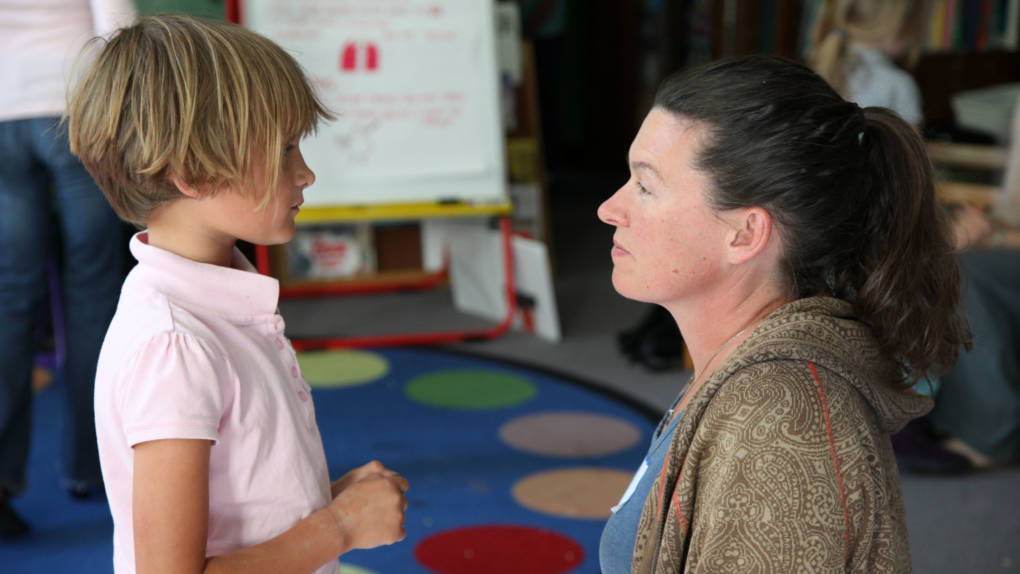
"caption": "Participants in a Girls Leadership workshop.",
"description": null,
"title": "GirlsLeadership---crop",
"credit": "Courtesy \u003ca href=\"https://girlsleadership.org/\">Girls Leadership\u003c/a>",
"status": "inherit",
"isLoading": false,
"fetchFailed": false
},
"mindshift_50650": {
"type": "attachments",
"id": "mindshift_50650",
"meta": {
"index": "attachments_1716263798",
"site": "mindshift",
"id": "50650",
"found": true
},
"parent": 50580,
"imgSizes": {
"small": {
"file": "https://ww2.kqed.org/app/uploads/sites/23/2018/02/Nina-on-Railsplitters-avenue-520x293.png",
"width": 520,
"mimeType": "image/png",
"height": 293
},
"twentyfourteen-full-width": {
"file": "https://ww2.kqed.org/app/uploads/sites/23/2018/02/Nina-on-Railsplitters-avenue-1038x576.png",
"width": 1038,
"mimeType": "image/png",
"height": 576
},
"thumbnail": {
"file": "https://ww2.kqed.org/app/uploads/sites/23/2018/02/Nina-on-Railsplitters-avenue-160x90.png",
"width": 160,
"mimeType": "image/png",
"height": 90
},
"fd-sm": {
"file": "https://ww2.kqed.org/app/uploads/sites/23/2018/02/Nina-on-Railsplitters-avenue-960x541.png",
"width": 960,
"mimeType": "image/png",
"height": 541
},
"post-thumbnail": {
"file": "https://ww2.kqed.org/app/uploads/sites/23/2018/02/Nina-on-Railsplitters-avenue-672x372.png",
"width": 672,
"mimeType": "image/png",
"height": 372
},
"xsmall": {
"file": "https://ww2.kqed.org/app/uploads/sites/23/2018/02/Nina-on-Railsplitters-avenue-375x211.png",
"width": 375,
"mimeType": "image/png",
"height": 211
},
"kqedFullSize": {
"file": "https://ww2.kqed.org/app/uploads/sites/23/2018/02/Nina-on-Railsplitters-avenue-e1519629175521.png",
"width": 1920,
"height": 1081
},
"large": {
"file": "https://ww2.kqed.org/app/uploads/sites/23/2018/02/Nina-on-Railsplitters-avenue-1020x574.png",
"width": 1020,
"mimeType": "image/png",
"height": 574
},
"xlarge": {
"file": "https://ww2.kqed.org/app/uploads/sites/23/2018/02/Nina-on-Railsplitters-avenue-1180x664.png",
"width": 1180,
"mimeType": "image/png",
"height": 664
},
"guest-author-50": {
"file": "https://ww2.kqed.org/app/uploads/sites/23/2018/02/Nina-on-Railsplitters-avenue-50x50.png",
"width": 50,
"mimeType": "image/png",
"height": 50
},
"guest-author-96": {
"file": "https://ww2.kqed.org/app/uploads/sites/23/2018/02/Nina-on-Railsplitters-avenue-96x96.png",
"width": 96,
"mimeType": "image/png",
"height": 96
},
"medium": {
"file": "https://ww2.kqed.org/app/uploads/sites/23/2018/02/Nina-on-Railsplitters-avenue-800x450.png",
"width": 800,
"mimeType": "image/png",
"height": 450
},
"guest-author-64": {
"file": "https://ww2.kqed.org/app/uploads/sites/23/2018/02/Nina-on-Railsplitters-avenue-64x64.png",
"width": 64,
"mimeType": "image/png",
"height": 64
},
"guest-author-32": {
"file": "https://ww2.kqed.org/app/uploads/sites/23/2018/02/Nina-on-Railsplitters-avenue-32x32.png",
"width": 32,
"mimeType": "image/png",
"height": 32
},
"fd-lrg": {
"file": "https://ww2.kqed.org/app/uploads/sites/23/2018/02/Nina-on-Railsplitters-avenue-1920x1081.png",
"width": 1920,
"mimeType": "image/png",
"height": 1081
},
"fd-med": {
"file": "https://ww2.kqed.org/app/uploads/sites/23/2018/02/Nina-on-Railsplitters-avenue-1180x664.png",
"width": 1180,
"mimeType": "image/png",
"height": 664
},
"full-width": {
"file": "https://ww2.kqed.org/app/uploads/sites/23/2018/02/Nina-on-Railsplitters-avenue-1920x1081.png",
"width": 1920,
"mimeType": "image/png",
"height": 1081
},
"detail": {
"file": "https://ww2.kqed.org/app/uploads/sites/23/2018/02/Nina-on-Railsplitters-avenue-150x150.png",
"width": 150,
"mimeType": "image/png",
"height": 150
},
"medium_large": {
"file": "https://ww2.kqed.org/app/uploads/sites/23/2018/02/Nina-on-Railsplitters-avenue-768x432.png",
"width": 768,
"mimeType": "image/png",
"height": 432
},
"guest-author-128": {
"file": "https://ww2.kqed.org/app/uploads/sites/23/2018/02/Nina-on-Railsplitters-avenue-128x128.png",
"width": 128,
"mimeType": "image/png",
"height": 128
},
"xxsmall": {
"file": "https://ww2.kqed.org/app/uploads/sites/23/2018/02/Nina-on-Railsplitters-avenue-240x135.png",
"width": 240,
"mimeType": "image/png",
"height": 135
}
},
"publishDate": 1519629127,
"modified": 1519629544,
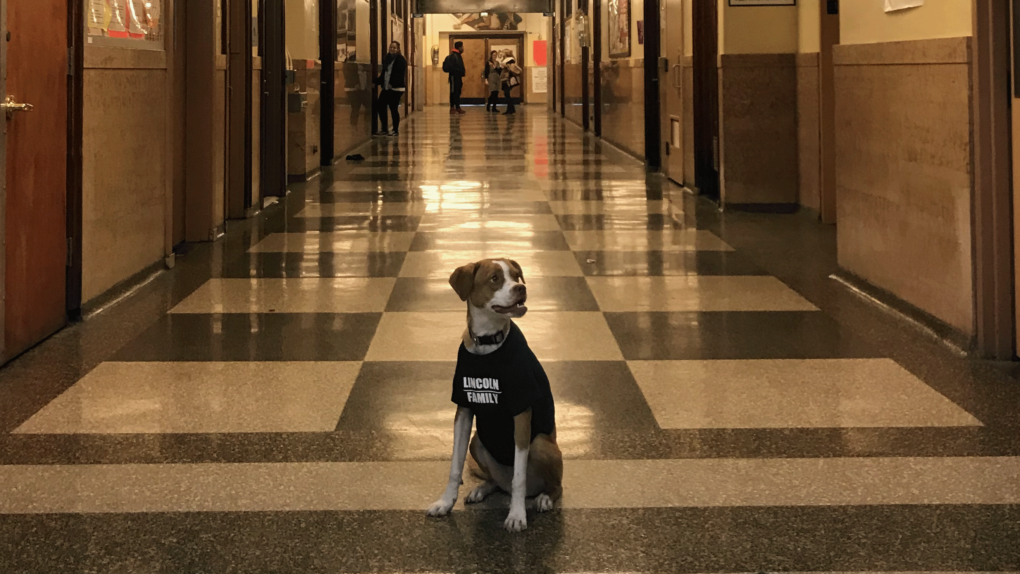
"caption": "Nina, a boxer/beagle comfort dog, spends most days socializing, sitting with students during counseling sessions and lightening the mood at Abraham Lincoln High School in Brooklyn. ",
"description": null,
"title": "Nina-on-Railsplitters-avenue",
"credit": "Courtesy of David Robinson",
"status": "inherit",
"isLoading": false,
"fetchFailed": false
},
"mindshift_50017": {
"type": "attachments",
"id": "mindshift_50017",
"meta": {
"index": "attachments_1716263798",
"site": "mindshift",
"id": "50017",
"found": true
},
"parent": 50014,
"imgSizes": {
"small": {
"file": "https://ww2.kqed.org/app/uploads/sites/23/2018/01/iStock-465347492-520x347.jpg",
"width": 520,
"mimeType": "image/jpeg",
"height": 347
},
"twentyfourteen-full-width": {
"file": "https://ww2.kqed.org/app/uploads/sites/23/2018/01/iStock-465347492-1038x576.jpg",
"width": 1038,
"mimeType": "image/jpeg",
"height": 576
},
"thumbnail": {
"file": "https://ww2.kqed.org/app/uploads/sites/23/2018/01/iStock-465347492-160x107.jpg",
"width": 160,
"mimeType": "image/jpeg",
"height": 107
},
"fd-sm": {
"file": "https://ww2.kqed.org/app/uploads/sites/23/2018/01/iStock-465347492-960x640.jpg",
"width": 960,
"mimeType": "image/jpeg",
"height": 640
},
"post-thumbnail": {
"file": "https://ww2.kqed.org/app/uploads/sites/23/2018/01/iStock-465347492-672x372.jpg",
"width": 672,
"mimeType": "image/jpeg",
"height": 372
},
"xsmall": {
"file": "https://ww2.kqed.org/app/uploads/sites/23/2018/01/iStock-465347492-375x250.jpg",
"width": 375,
"mimeType": "image/jpeg",
"height": 250
},
"kqedFullSize": {
"file": "https://ww2.kqed.org/app/uploads/sites/23/2018/01/iStock-465347492-e1516389046810.jpg",
"width": 1920,
"height": 1280
},
"large": {
"file": "https://ww2.kqed.org/app/uploads/sites/23/2018/01/iStock-465347492-1020x680.jpg",
"width": 1020,
"mimeType": "image/jpeg",
"height": 680
},
"xlarge": {
"file": "https://ww2.kqed.org/app/uploads/sites/23/2018/01/iStock-465347492-1180x787.jpg",
"width": 1180,
"mimeType": "image/jpeg",
"height": 787
},
"guest-author-50": {
"file": "https://ww2.kqed.org/app/uploads/sites/23/2018/01/iStock-465347492-50x50.jpg",
"width": 50,
"mimeType": "image/jpeg",
"height": 50
},
"guest-author-96": {
"file": "https://ww2.kqed.org/app/uploads/sites/23/2018/01/iStock-465347492-96x96.jpg",
"width": 96,
"mimeType": "image/jpeg",
"height": 96
},
"medium": {
"file": "https://ww2.kqed.org/app/uploads/sites/23/2018/01/iStock-465347492-800x533.jpg",
"width": 800,
"mimeType": "image/jpeg",
"height": 533
},
"guest-author-64": {
"file": "https://ww2.kqed.org/app/uploads/sites/23/2018/01/iStock-465347492-64x64.jpg",
"width": 64,
"mimeType": "image/jpeg",
"height": 64
},
"guest-author-32": {
"file": "https://ww2.kqed.org/app/uploads/sites/23/2018/01/iStock-465347492-32x32.jpg",
"width": 32,
"mimeType": "image/jpeg",
"height": 32
},
"fd-lrg": {
"file": "https://ww2.kqed.org/app/uploads/sites/23/2018/01/iStock-465347492-1920x1280.jpg",
"width": 1920,
"mimeType": "image/jpeg",
"height": 1280
},
"fd-med": {
"file": "https://ww2.kqed.org/app/uploads/sites/23/2018/01/iStock-465347492-1180x787.jpg",
"width": 1180,
"mimeType": "image/jpeg",
"height": 787
},
"full-width": {
"file": "https://ww2.kqed.org/app/uploads/sites/23/2018/01/iStock-465347492-1920x1280.jpg",
"width": 1920,
"mimeType": "image/jpeg",
"height": 1280
},
"detail": {
"file": "https://ww2.kqed.org/app/uploads/sites/23/2018/01/iStock-465347492-150x150.jpg",
"width": 150,
"mimeType": "image/jpeg",
"height": 150
},
"medium_large": {
"file": "https://ww2.kqed.org/app/uploads/sites/23/2018/01/iStock-465347492-768x512.jpg",
"width": 768,
"mimeType": "image/jpeg",
"height": 512
},
"guest-author-128": {
"file": "https://ww2.kqed.org/app/uploads/sites/23/2018/01/iStock-465347492-128x128.jpg",
"width": 128,
"mimeType": "image/jpeg",
"height": 128
},
"xxsmall": {
"file": "https://ww2.kqed.org/app/uploads/sites/23/2018/01/iStock-465347492-240x160.jpg",
"width": 240,
"mimeType": "image/jpeg",
"height": 160
}
},
"publishDate": 1516388999,
"modified": 1516389034,
"caption": null,
"description": null,
"title": "iStock-465347492",
"credit": "iStock/frimages",
"status": "inherit",
"isLoading": false,
"fetchFailed": false
},
"mindshift_49998": {
"type": "attachments",
"id": "mindshift_49998",
"meta": {
"index": "attachments_1716263798",
"site": "mindshift",
"id": "49998",
"found": true
},
"parent": 49870,
"imgSizes": {
"small": {
"file": "https://ww2.kqed.org/app/uploads/sites/23/2017/12/SEL-520x289.png",
"width": 520,
"mimeType": "image/png",
"height": 289
},
"thumbnail": {
"file": "https://ww2.kqed.org/app/uploads/sites/23/2017/12/SEL-160x89.png",
"width": 160,
"mimeType": "image/png",
"height": 89
},
"fd-sm": {
"file": "https://ww2.kqed.org/app/uploads/sites/23/2017/12/SEL-960x533.png",
"width": 960,
"mimeType": "image/png",
"height": 533
},
"post-thumbnail": {
"file": "https://ww2.kqed.org/app/uploads/sites/23/2017/12/SEL-672x372.png",
"width": 672,
"mimeType": "image/png",
"height": 372
},
"xsmall": {
"file": "https://ww2.kqed.org/app/uploads/sites/23/2017/12/SEL-375x208.png",
"width": 375,
"mimeType": "image/png",
"height": 208
},
"kqedFullSize": {
"file": "https://ww2.kqed.org/app/uploads/sites/23/2017/12/SEL.png",
"width": 1006,
"height": 559
},
"guest-author-50": {
"file": "https://ww2.kqed.org/app/uploads/sites/23/2017/12/SEL-50x50.png",
"width": 50,
"mimeType": "image/png",
"height": 50
},
"guest-author-96": {
"file": "https://ww2.kqed.org/app/uploads/sites/23/2017/12/SEL-96x96.png",
"width": 96,
"mimeType": "image/png",
"height": 96
},
"medium": {
"file": "https://ww2.kqed.org/app/uploads/sites/23/2017/12/SEL-800x445.png",
"width": 800,
"mimeType": "image/png",
"height": 445
},
"guest-author-64": {
"file": "https://ww2.kqed.org/app/uploads/sites/23/2017/12/SEL-64x64.png",
"width": 64,
"mimeType": "image/png",
"height": 64
},
"guest-author-32": {
"file": "https://ww2.kqed.org/app/uploads/sites/23/2017/12/SEL-32x32.png",
"width": 32,
"mimeType": "image/png",
"height": 32
},
"detail": {
"file": "https://ww2.kqed.org/app/uploads/sites/23/2017/12/SEL-150x150.png",
"width": 150,
"mimeType": "image/png",
"height": 150
},
"medium_large": {
"file": "https://ww2.kqed.org/app/uploads/sites/23/2017/12/SEL-768x427.png",
"width": 768,
"mimeType": "image/png",
"height": 427
},
"guest-author-128": {
"file": "https://ww2.kqed.org/app/uploads/sites/23/2017/12/SEL-128x128.png",
"width": 128,
"mimeType": "image/png",
"height": 128
},
"xxsmall": {
"file": "https://ww2.kqed.org/app/uploads/sites/23/2017/12/SEL-240x133.png",
"width": 240,
"mimeType": "image/png",
"height": 133
}
},
"publishDate": 1516171694,
"modified": 1516400138,
"caption": "First graders at Highlander Charter School meet first thing every day to greet each other and build community.",
"description": null,
"title": "SEL",
"credit": "\u003ca href=\"https://www.edutopia.org/article/morning-meetings-building-community-classroom\">Edutopia\u003c/a>",
"status": "inherit",
"isLoading": false,
"fetchFailed": false
},
"mindshift_50012": {
"type": "attachments",
"id": "mindshift_50012",
"meta": {
"index": "attachments_1716263798",
"site": "mindshift",
"id": "50012",
"found": true
},
"parent": 50011,
"imgSizes": {
"small": {
"file": "https://ww2.kqed.org/app/uploads/sites/23/2018/01/gettyimages-512195067-1-d0680d0ac17a9d1aebc5e1ea353d53769d804214-520x390.jpg",
"width": 520,
"mimeType": "image/jpeg",
"height": 390
},
"twentyfourteen-full-width": {
"file": "https://ww2.kqed.org/app/uploads/sites/23/2018/01/gettyimages-512195067-1-d0680d0ac17a9d1aebc5e1ea353d53769d804214-1038x576.jpg",
"width": 1038,
"mimeType": "image/jpeg",
"height": 576
},
"thumbnail": {
"file": "https://ww2.kqed.org/app/uploads/sites/23/2018/01/gettyimages-512195067-1-d0680d0ac17a9d1aebc5e1ea353d53769d804214-160x120.jpg",
"width": 160,
"mimeType": "image/jpeg",
"height": 120
},
"fd-sm": {
"file": "https://ww2.kqed.org/app/uploads/sites/23/2018/01/gettyimages-512195067-1-d0680d0ac17a9d1aebc5e1ea353d53769d804214-960x720.jpg",
"width": 960,
"mimeType": "image/jpeg",
"height": 720
},
"post-thumbnail": {
"file": "https://ww2.kqed.org/app/uploads/sites/23/2018/01/gettyimages-512195067-1-d0680d0ac17a9d1aebc5e1ea353d53769d804214-672x372.jpg",
"width": 672,
"mimeType": "image/jpeg",
"height": 372
},
"xsmall": {
"file": "https://ww2.kqed.org/app/uploads/sites/23/2018/01/gettyimages-512195067-1-d0680d0ac17a9d1aebc5e1ea353d53769d804214-375x281.jpg",
"width": 375,
"mimeType": "image/jpeg",
"height": 281
},
"kqedFullSize": {
"file": "https://ww2.kqed.org/app/uploads/sites/23/2018/01/gettyimages-512195067-1-d0680d0ac17a9d1aebc5e1ea353d53769d804214.jpg",
"width": 1883,
"height": 1412
},
"large": {
"file": "https://ww2.kqed.org/app/uploads/sites/23/2018/01/gettyimages-512195067-1-d0680d0ac17a9d1aebc5e1ea353d53769d804214-1020x765.jpg",
"width": 1020,
"mimeType": "image/jpeg",
"height": 765
},
"xlarge": {
"file": "https://ww2.kqed.org/app/uploads/sites/23/2018/01/gettyimages-512195067-1-d0680d0ac17a9d1aebc5e1ea353d53769d804214-1180x885.jpg",
"width": 1180,
"mimeType": "image/jpeg",
"height": 885
},
"guest-author-50": {
"file": "https://ww2.kqed.org/app/uploads/sites/23/2018/01/gettyimages-512195067-1-d0680d0ac17a9d1aebc5e1ea353d53769d804214-50x50.jpg",
"width": 50,
"mimeType": "image/jpeg",
"height": 50
},
"guest-author-96": {
"file": "https://ww2.kqed.org/app/uploads/sites/23/2018/01/gettyimages-512195067-1-d0680d0ac17a9d1aebc5e1ea353d53769d804214-96x96.jpg",
"width": 96,
"mimeType": "image/jpeg",
"height": 96
},
"medium": {
"file": "https://ww2.kqed.org/app/uploads/sites/23/2018/01/gettyimages-512195067-1-d0680d0ac17a9d1aebc5e1ea353d53769d804214-800x600.jpg",
"width": 800,
"mimeType": "image/jpeg",
"height": 600
},
"guest-author-64": {
"file": "https://ww2.kqed.org/app/uploads/sites/23/2018/01/gettyimages-512195067-1-d0680d0ac17a9d1aebc5e1ea353d53769d804214-64x64.jpg",
"width": 64,
"mimeType": "image/jpeg",
"height": 64
},
"guest-author-32": {
"file": "https://ww2.kqed.org/app/uploads/sites/23/2018/01/gettyimages-512195067-1-d0680d0ac17a9d1aebc5e1ea353d53769d804214-32x32.jpg",
"width": 32,
"mimeType": "image/jpeg",
"height": 32
},
"fd-med": {
"file": "https://ww2.kqed.org/app/uploads/sites/23/2018/01/gettyimages-512195067-1-d0680d0ac17a9d1aebc5e1ea353d53769d804214-1180x885.jpg",
"width": 1180,
"mimeType": "image/jpeg",
"height": 885
},
"detail": {
"file": "https://ww2.kqed.org/app/uploads/sites/23/2018/01/gettyimages-512195067-1-d0680d0ac17a9d1aebc5e1ea353d53769d804214-150x150.jpg",
"width": 150,
"mimeType": "image/jpeg",
"height": 150
},
"medium_large": {
"file": "https://ww2.kqed.org/app/uploads/sites/23/2018/01/gettyimages-512195067-1-d0680d0ac17a9d1aebc5e1ea353d53769d804214-768x576.jpg",
"width": 768,
"mimeType": "image/jpeg",
"height": 576
},
"guest-author-128": {
"file": "https://ww2.kqed.org/app/uploads/sites/23/2018/01/gettyimages-512195067-1-d0680d0ac17a9d1aebc5e1ea353d53769d804214-128x128.jpg",
"width": 128,
"mimeType": "image/jpeg",
"height": 128
},
"xxsmall": {
"file": "https://ww2.kqed.org/app/uploads/sites/23/2018/01/gettyimages-512195067-1-d0680d0ac17a9d1aebc5e1ea353d53769d804214-240x180.jpg",
"width": 240,
"mimeType": "image/jpeg",
"height": 180
}
},
"publishDate": 1516383348,
"modified": 1516383348,
"caption": null,
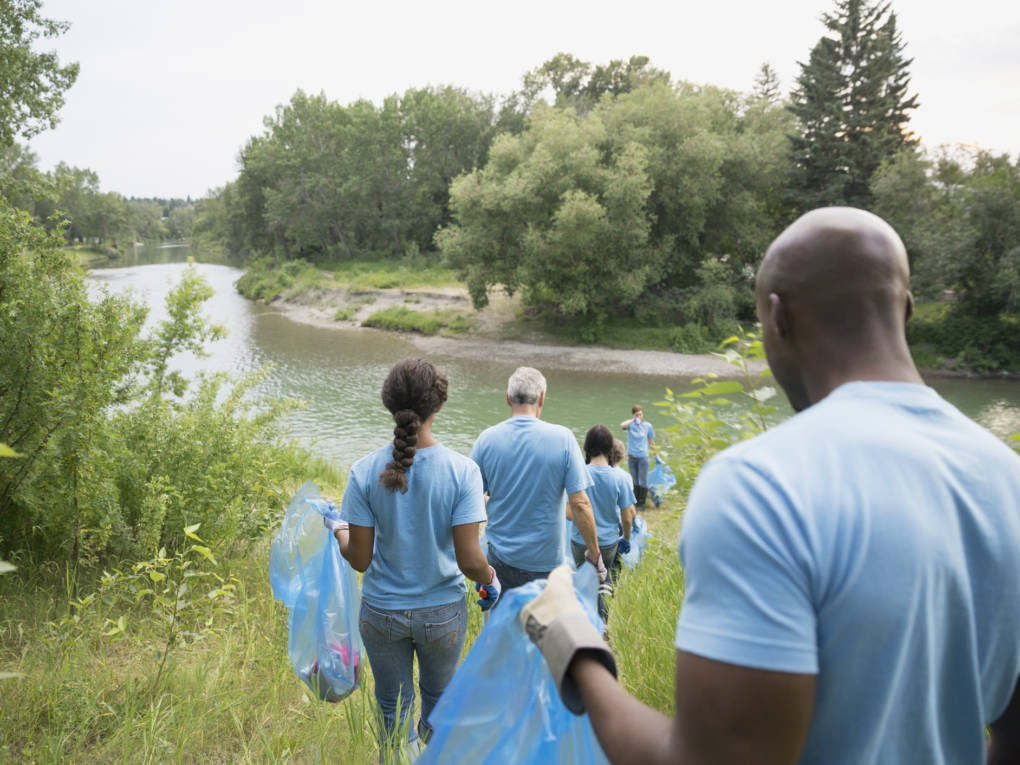
"description": "When teens step out of their comfort zone to help people they don't know, they feel confident.",
"title": "When teens step out of their comfort zone to help people they don't know, they feel confident.",
"credit": null,
"status": "inherit",
"isLoading": false,
"fetchFailed": false
},
"mindshift_49982": {
"type": "attachments",
"id": "mindshift_49982",
"meta": {
"index": "attachments_1716263798",
"site": "mindshift",
"id": "49982",
"found": true
},
"parent": 49976,
"imgSizes": {
"small": {
"file": "https://ww2.kqed.org/app/uploads/sites/23/2018/01/iStock-836673534-e1515743454390-520x356.jpg",
"width": 520,
"mimeType": "image/jpeg",
"height": 356
},
"twentyfourteen-full-width": {
"file": "https://ww2.kqed.org/app/uploads/sites/23/2018/01/iStock-836673534-e1515743454390-1038x576.jpg",
"width": 1038,
"mimeType": "image/jpeg",
"height": 576
},
"thumbnail": {
"file": "https://ww2.kqed.org/app/uploads/sites/23/2018/01/iStock-836673534-e1515743454390-160x110.jpg",
"width": 160,
"mimeType": "image/jpeg",
"height": 110
},
"fd-sm": {
"file": "https://ww2.kqed.org/app/uploads/sites/23/2018/01/iStock-836673534-e1515743454390-960x657.jpg",
"width": 960,
"mimeType": "image/jpeg",
"height": 657
},
"post-thumbnail": {
"file": "https://ww2.kqed.org/app/uploads/sites/23/2018/01/iStock-836673534-e1515743454390-672x372.jpg",
"width": 672,
"mimeType": "image/jpeg",
"height": 372
},
"xsmall": {
"file": "https://ww2.kqed.org/app/uploads/sites/23/2018/01/iStock-836673534-e1515743454390-375x257.jpg",
"width": 375,
"mimeType": "image/jpeg",
"height": 257
},
"kqedFullSize": {
"file": "https://ww2.kqed.org/app/uploads/sites/23/2018/01/iStock-836673534-e1515743454390.jpg",
"width": 1532,
"height": 1049
},
"large": {
"file": "https://ww2.kqed.org/app/uploads/sites/23/2018/01/iStock-836673534-e1515743454390-1020x698.jpg",
"width": 1020,
"mimeType": "image/jpeg",
"height": 698
},
"xlarge": {
"file": "https://ww2.kqed.org/app/uploads/sites/23/2018/01/iStock-836673534-e1515743454390-1180x808.jpg",
"width": 1180,
"mimeType": "image/jpeg",
"height": 808
},
"guest-author-50": {
"file": "https://ww2.kqed.org/app/uploads/sites/23/2018/01/iStock-836673534-e1515743454390-50x50.jpg",
"width": 50,
"mimeType": "image/jpeg",
"height": 50
},
"guest-author-96": {
"file": "https://ww2.kqed.org/app/uploads/sites/23/2018/01/iStock-836673534-e1515743454390-96x96.jpg",
"width": 96,
"mimeType": "image/jpeg",
"height": 96
},
"medium": {
"file": "https://ww2.kqed.org/app/uploads/sites/23/2018/01/iStock-836673534-e1515743454390-800x548.jpg",
"width": 800,
"mimeType": "image/jpeg",
"height": 548
},
"guest-author-64": {
"file": "https://ww2.kqed.org/app/uploads/sites/23/2018/01/iStock-836673534-e1515743454390-64x64.jpg",
"width": 64,
"mimeType": "image/jpeg",
"height": 64
},
"guest-author-32": {
"file": "https://ww2.kqed.org/app/uploads/sites/23/2018/01/iStock-836673534-e1515743454390-32x32.jpg",
"width": 32,
"mimeType": "image/jpeg",
"height": 32
},
"fd-lrg": {
"file": "https://ww2.kqed.org/app/uploads/sites/23/2018/01/iStock-836673534-1920x1280.jpg",
"width": 1920,
"mimeType": "image/jpeg",
"height": 1280
},
"fd-med": {
"file": "https://ww2.kqed.org/app/uploads/sites/23/2018/01/iStock-836673534-e1515743454390-1180x808.jpg",
"width": 1180,
"mimeType": "image/jpeg",
"height": 808
},
"full-width": {
"file": "https://ww2.kqed.org/app/uploads/sites/23/2018/01/iStock-836673534-1920x1280.jpg",
"width": 1920,
"mimeType": "image/jpeg",
"height": 1280
},
"detail": {
"file": "https://ww2.kqed.org/app/uploads/sites/23/2018/01/iStock-836673534-e1515743454390-150x150.jpg",
"width": 150,
"mimeType": "image/jpeg",
"height": 150
},
"medium_large": {
"file": "https://ww2.kqed.org/app/uploads/sites/23/2018/01/iStock-836673534-e1515743454390-768x526.jpg",
"width": 768,
"mimeType": "image/jpeg",
"height": 526
},
"guest-author-128": {
"file": "https://ww2.kqed.org/app/uploads/sites/23/2018/01/iStock-836673534-e1515743454390-128x128.jpg",
"width": 128,
"mimeType": "image/jpeg",
"height": 128
},
"xxsmall": {
"file": "https://ww2.kqed.org/app/uploads/sites/23/2018/01/iStock-836673534-e1515743454390-240x164.jpg",
"width": 240,
"mimeType": "image/jpeg",
"height": 164
}
},
"publishDate": 1515743387,
"modified": 1515743407,
"caption": null,
"description": null,
"title": "iStock-836673534",
"credit": "iStock/Madedee",
"status": "inherit",
"isLoading": false,
"fetchFailed": false
},
"mindshift_49962": {
"type": "attachments",
"id": "mindshift_49962",
"meta": {
"index": "attachments_1716263798",
"site": "mindshift",
"id": "49962",
"found": true
},
"parent": 49961,
"imgSizes": {
"small": {
"file": "https://ww2.kqed.org/app/uploads/sites/23/2018/01/kids-book-covers-triptych2_wide-6d72e468c1629f307f66f2679b6f115783ae074d-520x292.jpg",
"width": 520,
"mimeType": "image/jpeg",
"height": 292
},
"twentyfourteen-full-width": {
"file": "https://ww2.kqed.org/app/uploads/sites/23/2018/01/kids-book-covers-triptych2_wide-6d72e468c1629f307f66f2679b6f115783ae074d-1038x576.jpg",
"width": 1038,
"mimeType": "image/jpeg",
"height": 576
},
"thumbnail": {
"file": "https://ww2.kqed.org/app/uploads/sites/23/2018/01/kids-book-covers-triptych2_wide-6d72e468c1629f307f66f2679b6f115783ae074d-160x90.jpg",
"width": 160,
"mimeType": "image/jpeg",
"height": 90
},
"fd-sm": {
"file": "https://ww2.kqed.org/app/uploads/sites/23/2018/01/kids-book-covers-triptych2_wide-6d72e468c1629f307f66f2679b6f115783ae074d-960x540.jpg",
"width": 960,
"mimeType": "image/jpeg",
"height": 540
},
"post-thumbnail": {
"file": "https://ww2.kqed.org/app/uploads/sites/23/2018/01/kids-book-covers-triptych2_wide-6d72e468c1629f307f66f2679b6f115783ae074d-672x372.jpg",
"width": 672,
"mimeType": "image/jpeg",
"height": 372
},
"xsmall": {
"file": "https://ww2.kqed.org/app/uploads/sites/23/2018/01/kids-book-covers-triptych2_wide-6d72e468c1629f307f66f2679b6f115783ae074d-375x211.jpg",
"width": 375,
"mimeType": "image/jpeg",
"height": 211
},
"kqedFullSize": {
"file": "https://ww2.kqed.org/app/uploads/sites/23/2018/01/kids-book-covers-triptych2_wide-6d72e468c1629f307f66f2679b6f115783ae074d.jpg",
"width": 1560,
"height": 877
},
"large": {
"file": "https://ww2.kqed.org/app/uploads/sites/23/2018/01/kids-book-covers-triptych2_wide-6d72e468c1629f307f66f2679b6f115783ae074d-1020x573.jpg",
"width": 1020,
"mimeType": "image/jpeg",
"height": 573
},
"xlarge": {
"file": "https://ww2.kqed.org/app/uploads/sites/23/2018/01/kids-book-covers-triptych2_wide-6d72e468c1629f307f66f2679b6f115783ae074d-1180x663.jpg",
"width": 1180,
"mimeType": "image/jpeg",
"height": 663
},
"guest-author-50": {
"file": "https://ww2.kqed.org/app/uploads/sites/23/2018/01/kids-book-covers-triptych2_wide-6d72e468c1629f307f66f2679b6f115783ae074d-50x50.jpg",
"width": 50,
"mimeType": "image/jpeg",
"height": 50
},
"guest-author-96": {
"file": "https://ww2.kqed.org/app/uploads/sites/23/2018/01/kids-book-covers-triptych2_wide-6d72e468c1629f307f66f2679b6f115783ae074d-96x96.jpg",
"width": 96,
"mimeType": "image/jpeg",
"height": 96
},
"medium": {
"file": "https://ww2.kqed.org/app/uploads/sites/23/2018/01/kids-book-covers-triptych2_wide-6d72e468c1629f307f66f2679b6f115783ae074d-800x450.jpg",
"width": 800,
"mimeType": "image/jpeg",
"height": 450
},
"guest-author-64": {
"file": "https://ww2.kqed.org/app/uploads/sites/23/2018/01/kids-book-covers-triptych2_wide-6d72e468c1629f307f66f2679b6f115783ae074d-64x64.jpg",
"width": 64,
"mimeType": "image/jpeg",
"height": 64
},
"guest-author-32": {
"file": "https://ww2.kqed.org/app/uploads/sites/23/2018/01/kids-book-covers-triptych2_wide-6d72e468c1629f307f66f2679b6f115783ae074d-32x32.jpg",
"width": 32,
"mimeType": "image/jpeg",
"height": 32
},
"fd-med": {
"file": "https://ww2.kqed.org/app/uploads/sites/23/2018/01/kids-book-covers-triptych2_wide-6d72e468c1629f307f66f2679b6f115783ae074d-1180x663.jpg",
"width": 1180,
"mimeType": "image/jpeg",
"height": 663
},
"detail": {
"file": "https://ww2.kqed.org/app/uploads/sites/23/2018/01/kids-book-covers-triptych2_wide-6d72e468c1629f307f66f2679b6f115783ae074d-150x150.jpg",
"width": 150,
"mimeType": "image/jpeg",
"height": 150
},
"medium_large": {
"file": "https://ww2.kqed.org/app/uploads/sites/23/2018/01/kids-book-covers-triptych2_wide-6d72e468c1629f307f66f2679b6f115783ae074d-768x432.jpg",
"width": 768,
"mimeType": "image/jpeg",
"height": 432
},
"guest-author-128": {
"file": "https://ww2.kqed.org/app/uploads/sites/23/2018/01/kids-book-covers-triptych2_wide-6d72e468c1629f307f66f2679b6f115783ae074d-128x128.jpg",
"width": 128,
"mimeType": "image/jpeg",
"height": 128
},
"xxsmall": {
"file": "https://ww2.kqed.org/app/uploads/sites/23/2018/01/kids-book-covers-triptych2_wide-6d72e468c1629f307f66f2679b6f115783ae074d-240x135.jpg",
"width": 240,
"mimeType": "image/jpeg",
"height": 135
}
},
"publishDate": 1515392467,
"modified": 1515392467,
"caption": null,
"description": "These are some of the books from the study. From left: \u003ca href=\"http://amzn.to/2CAijqO\">The Cat That Eats Letters\u003c/a> by Ge Jing. \u003ca href=\"http://amzn.to/2CNPeWI\">The Foolish Old Man Who Removed The Mountain\u003c/a> by Cai Feng. \u003ca href=\"http://amzn.to/2ql0MOy\">The Jar of Happiness\u003c/a> by Aisla Burrows",
"title": "These are some of the books from the study. From left: The Cat That Eats Letters by Ge Jing. The Foolish Old Man Who Removed The Mountain by Cai Feng. The Jar of Happiness by Aisla Burrows.",
"credit": null,
"status": "inherit",
"isLoading": false,
"fetchFailed": false
},
"mindshift_49939": {
"type": "attachments",
"id": "mindshift_49939",
"meta": {
"index": "attachments_1716263798",
"site": "mindshift",
"id": "49939",
"found": true
},
"parent": 49934,
"imgSizes": {
"small": {
"file": "https://ww2.kqed.org/app/uploads/sites/23/2018/01/iStock-485774318-520x347.jpg",
"width": 520,
"mimeType": "image/jpeg",
"height": 347
},
"twentyfourteen-full-width": {
"file": "https://ww2.kqed.org/app/uploads/sites/23/2018/01/iStock-485774318-1038x576.jpg",
"width": 1038,
"mimeType": "image/jpeg",
"height": 576
},
"thumbnail": {
"file": "https://ww2.kqed.org/app/uploads/sites/23/2018/01/iStock-485774318-160x107.jpg",
"width": 160,
"mimeType": "image/jpeg",
"height": 107
},
"fd-sm": {
"file": "https://ww2.kqed.org/app/uploads/sites/23/2018/01/iStock-485774318-960x640.jpg",
"width": 960,
"mimeType": "image/jpeg",
"height": 640
},
"post-thumbnail": {
"file": "https://ww2.kqed.org/app/uploads/sites/23/2018/01/iStock-485774318-672x372.jpg",
"width": 672,
"mimeType": "image/jpeg",
"height": 372
},
"xsmall": {
"file": "https://ww2.kqed.org/app/uploads/sites/23/2018/01/iStock-485774318-375x250.jpg",
"width": 375,
"mimeType": "image/jpeg",
"height": 250
},
"kqedFullSize": {
"file": "https://ww2.kqed.org/app/uploads/sites/23/2018/01/iStock-485774318-e1514850598412.jpg",
"width": 1920,
"height": 1280
},
"large": {
"file": "https://ww2.kqed.org/app/uploads/sites/23/2018/01/iStock-485774318-1020x680.jpg",
"width": 1020,
"mimeType": "image/jpeg",
"height": 680
},
"xlarge": {
"file": "https://ww2.kqed.org/app/uploads/sites/23/2018/01/iStock-485774318-1180x787.jpg",
"width": 1180,
"mimeType": "image/jpeg",
"height": 787
},
"guest-author-50": {
"file": "https://ww2.kqed.org/app/uploads/sites/23/2018/01/iStock-485774318-50x50.jpg",
"width": 50,
"mimeType": "image/jpeg",
"height": 50
},
"guest-author-96": {
"file": "https://ww2.kqed.org/app/uploads/sites/23/2018/01/iStock-485774318-96x96.jpg",
"width": 96,
"mimeType": "image/jpeg",
"height": 96
},
"medium": {
"file": "https://ww2.kqed.org/app/uploads/sites/23/2018/01/iStock-485774318-800x533.jpg",
"width": 800,
"mimeType": "image/jpeg",
"height": 533
},
"guest-author-64": {
"file": "https://ww2.kqed.org/app/uploads/sites/23/2018/01/iStock-485774318-64x64.jpg",
"width": 64,
"mimeType": "image/jpeg",
"height": 64
},
"guest-author-32": {
"file": "https://ww2.kqed.org/app/uploads/sites/23/2018/01/iStock-485774318-32x32.jpg",
"width": 32,
"mimeType": "image/jpeg",
"height": 32
},
"fd-lrg": {
"file": "https://ww2.kqed.org/app/uploads/sites/23/2018/01/iStock-485774318-1920x1280.jpg",
"width": 1920,
"mimeType": "image/jpeg",
"height": 1280
},
"fd-med": {
"file": "https://ww2.kqed.org/app/uploads/sites/23/2018/01/iStock-485774318-1180x787.jpg",
"width": 1180,
"mimeType": "image/jpeg",
"height": 787
},
"full-width": {
"file": "https://ww2.kqed.org/app/uploads/sites/23/2018/01/iStock-485774318-1920x1280.jpg",
"width": 1920,
"mimeType": "image/jpeg",
"height": 1280
},
"detail": {
"file": "https://ww2.kqed.org/app/uploads/sites/23/2018/01/iStock-485774318-150x150.jpg",
"width": 150,
"mimeType": "image/jpeg",
"height": 150
},
"medium_large": {
"file": "https://ww2.kqed.org/app/uploads/sites/23/2018/01/iStock-485774318-768x512.jpg",
"width": 768,
"mimeType": "image/jpeg",
"height": 512
},
"guest-author-128": {
"file": "https://ww2.kqed.org/app/uploads/sites/23/2018/01/iStock-485774318-128x128.jpg",
"width": 128,
"mimeType": "image/jpeg",
"height": 128
},
"xxsmall": {
"file": "https://ww2.kqed.org/app/uploads/sites/23/2018/01/iStock-485774318-240x160.jpg",
"width": 240,
"mimeType": "image/jpeg",
"height": 160
}
},
"publishDate": 1514850562,
"modified": 1514850624,
"caption": null,
"description": null,
"title": "Talking",
"credit": "iStock/danny4stockphoto",
"status": "inherit",
"isLoading": false,
"fetchFailed": false
},
"mindshift_49898": {
"type": "attachments",
"id": "mindshift_49898",
"meta": {
"index": "attachments_1716263798",
"site": "mindshift",
"id": "49898",
"found": true
},
"parent": 49896,
"imgSizes": {
"small": {
"file": "https://ww2.kqed.org/app/uploads/sites/23/2017/12/12844054164_84845f625c_o-520x347.jpg",
"width": 520,
"mimeType": "image/jpeg",
"height": 347
},
"twentyfourteen-full-width": {
"file": "https://ww2.kqed.org/app/uploads/sites/23/2017/12/12844054164_84845f625c_o-1038x576.jpg",
"width": 1038,
"mimeType": "image/jpeg",
"height": 576
},
"thumbnail": {
"file": "https://ww2.kqed.org/app/uploads/sites/23/2017/12/12844054164_84845f625c_o-160x107.jpg",
"width": 160,
"mimeType": "image/jpeg",
"height": 107
},
"fd-sm": {
"file": "https://ww2.kqed.org/app/uploads/sites/23/2017/12/12844054164_84845f625c_o-960x641.jpg",
"width": 960,
"mimeType": "image/jpeg",
"height": 641
},
"post-thumbnail": {
"file": "https://ww2.kqed.org/app/uploads/sites/23/2017/12/12844054164_84845f625c_o-672x372.jpg",
"width": 672,
"mimeType": "image/jpeg",
"height": 372
},
"xsmall": {
"file": "https://ww2.kqed.org/app/uploads/sites/23/2017/12/12844054164_84845f625c_o-375x250.jpg",
"width": 375,
"mimeType": "image/jpeg",
"height": 250
},
"kqedFullSize": {
"file": "https://ww2.kqed.org/app/uploads/sites/23/2017/12/12844054164_84845f625c_o.jpg",
"width": 1500,
"height": 1001
},
"large": {
"file": "https://ww2.kqed.org/app/uploads/sites/23/2017/12/12844054164_84845f625c_o-1020x681.jpg",
"width": 1020,
"mimeType": "image/jpeg",
"height": 681
},
"xlarge": {
"file": "https://ww2.kqed.org/app/uploads/sites/23/2017/12/12844054164_84845f625c_o-1180x787.jpg",
"width": 1180,
"mimeType": "image/jpeg",
"height": 787
},
"guest-author-50": {
"file": "https://ww2.kqed.org/app/uploads/sites/23/2017/12/12844054164_84845f625c_o-50x50.jpg",
"width": 50,
"mimeType": "image/jpeg",
"height": 50
},
"guest-author-96": {
"file": "https://ww2.kqed.org/app/uploads/sites/23/2017/12/12844054164_84845f625c_o-96x96.jpg",
"width": 96,
"mimeType": "image/jpeg",
"height": 96
},
"medium": {
"file": "https://ww2.kqed.org/app/uploads/sites/23/2017/12/12844054164_84845f625c_o-800x534.jpg",
"width": 800,
"mimeType": "image/jpeg",
"height": 534
},
"guest-author-64": {
"file": "https://ww2.kqed.org/app/uploads/sites/23/2017/12/12844054164_84845f625c_o-64x64.jpg",
"width": 64,
"mimeType": "image/jpeg",
"height": 64
},
"guest-author-32": {
"file": "https://ww2.kqed.org/app/uploads/sites/23/2017/12/12844054164_84845f625c_o-32x32.jpg",
"width": 32,
"mimeType": "image/jpeg",
"height": 32
},
"fd-med": {
"file": "https://ww2.kqed.org/app/uploads/sites/23/2017/12/12844054164_84845f625c_o-1180x787.jpg",
"width": 1180,
"mimeType": "image/jpeg",
"height": 787
},
"detail": {
"file": "https://ww2.kqed.org/app/uploads/sites/23/2017/12/12844054164_84845f625c_o-150x150.jpg",
"width": 150,
"mimeType": "image/jpeg",
"height": 150
},
"medium_large": {
"file": "https://ww2.kqed.org/app/uploads/sites/23/2017/12/12844054164_84845f625c_o-768x513.jpg",
"width": 768,
"mimeType": "image/jpeg",
"height": 513
},
"guest-author-128": {
"file": "https://ww2.kqed.org/app/uploads/sites/23/2017/12/12844054164_84845f625c_o-128x128.jpg",
"width": 128,
"mimeType": "image/jpeg",
"height": 128
},
"xxsmall": {
"file": "https://ww2.kqed.org/app/uploads/sites/23/2017/12/12844054164_84845f625c_o-240x160.jpg",
"width": 240,
"mimeType": "image/jpeg",
"height": 160
}
},
"publishDate": 1513585277,
"modified": 1513585296,
"caption": null,
"description": null,
"title": "12844054164_84845f625c_o",
"credit": " \u003ca href=\"https://www.flickr.com/photos/minette_layne/12844054164/in/photolist-kyZ8PJ-dywki9-5wFSjJ-9yWAzg-daEhBj-2pSvvT-2pWQTN-7UovM4-7A4m2i-7ondDw-2m18dT-jgqWQy-5AzDjy-ev8Sso-azBje6-9zx8oa-kvzE8V-vEVfDW-7R9XQY-3xAeBW-9wUmZa-9yEyfS-6mX4U7-fp4DjD-7dLMwc-74a49W-uFNasb-7PXsbr-HLJh8-gvvxhd-6mB5Q2-6nw2V2-4CHNQ2-6mjsV4-6mjsgZ-6mozWW-6mjrz8-6nw3jF-6mX5nY-6mFf51-6mB4Wi-6nAcJY-6mX6p3-6nAaaY-6mFgvm-6nw4ri-6mSXwT-6mB7da-6nAbv5-6nAdyL\">Flickr/Minette Layne\u003c/a>",
"status": "inherit",
"isLoading": false,
"fetchFailed": false
},
"mindshift_49620": {
"type": "attachments",
"id": "mindshift_49620",
"meta": {
"index": "attachments_1716263798",
"site": "mindshift",
"id": "49620",
"found": true
},
"parent": 49609,
"imgSizes": {
"small": {
"file": "https://ww2.kqed.org/app/uploads/sites/23/2017/11/Hand-Tree-520x391.png",
"width": 520,
"mimeType": "image/png",
"height": 391
},
"twentyfourteen-full-width": {
"file": "https://ww2.kqed.org/app/uploads/sites/23/2017/11/Hand-Tree-1038x576.png",
"width": 1038,
"mimeType": "image/png",
"height": 576
},
"thumbnail": {
"file": "https://ww2.kqed.org/app/uploads/sites/23/2017/11/Hand-Tree-160x120.png",
"width": 160,
"mimeType": "image/png",
"height": 120
},
"fd-sm": {
"file": "https://ww2.kqed.org/app/uploads/sites/23/2017/11/Hand-Tree-960x722.png",
"width": 960,
"mimeType": "image/png",
"height": 722
},
"post-thumbnail": {
"file": "https://ww2.kqed.org/app/uploads/sites/23/2017/11/Hand-Tree-672x372.png",
"width": 672,
"mimeType": "image/png",
"height": 372
},
"xsmall": {
"file": "https://ww2.kqed.org/app/uploads/sites/23/2017/11/Hand-Tree-375x282.png",
"width": 375,
"mimeType": "image/png",
"height": 282
},
"kqedFullSize": {
"file": "https://ww2.kqed.org/app/uploads/sites/23/2017/11/Hand-Tree.png",
"width": 1805,
"height": 1358
},
"large": {
"file": "https://ww2.kqed.org/app/uploads/sites/23/2017/11/Hand-Tree-1020x767.png",
"width": 1020,
"mimeType": "image/png",
"height": 767
},
"xlarge": {
"file": "https://ww2.kqed.org/app/uploads/sites/23/2017/11/Hand-Tree-1180x888.png",
"width": 1180,
"mimeType": "image/png",
"height": 888
},
"guest-author-50": {
"file": "https://ww2.kqed.org/app/uploads/sites/23/2017/11/Hand-Tree-50x50.png",
"width": 50,
"mimeType": "image/png",
"height": 50
},
"guest-author-96": {
"file": "https://ww2.kqed.org/app/uploads/sites/23/2017/11/Hand-Tree-96x96.png",
"width": 96,
"mimeType": "image/png",
"height": 96
},
"medium": {
"file": "https://ww2.kqed.org/app/uploads/sites/23/2017/11/Hand-Tree-800x602.png",
"width": 800,
"mimeType": "image/png",
"height": 602
},
"guest-author-64": {
"file": "https://ww2.kqed.org/app/uploads/sites/23/2017/11/Hand-Tree-64x64.png",
"width": 64,
"mimeType": "image/png",
"height": 64
},
"guest-author-32": {
"file": "https://ww2.kqed.org/app/uploads/sites/23/2017/11/Hand-Tree-32x32.png",
"width": 32,
"mimeType": "image/png",
"height": 32
},
"fd-med": {
"file": "https://ww2.kqed.org/app/uploads/sites/23/2017/11/Hand-Tree-1180x888.png",
"width": 1180,
"mimeType": "image/png",
"height": 888
},
"detail": {
"file": "https://ww2.kqed.org/app/uploads/sites/23/2017/11/Hand-Tree-150x150.png",
"width": 150,
"mimeType": "image/png",
"height": 150
},
"medium_large": {
"file": "https://ww2.kqed.org/app/uploads/sites/23/2017/11/Hand-Tree-768x578.png",
"width": 768,
"mimeType": "image/png",
"height": 578
},
"guest-author-128": {
"file": "https://ww2.kqed.org/app/uploads/sites/23/2017/11/Hand-Tree-128x128.png",
"width": 128,
"mimeType": "image/png",
"height": 128
},
"xxsmall": {
"file": "https://ww2.kqed.org/app/uploads/sites/23/2017/11/Hand-Tree-240x181.png",
"width": 240,
"mimeType": "image/png",
"height": 181
}
},
"publishDate": 1509737766,
"modified": 1509737848,
"caption": null,
"description": null,
"title": "Hand-Tree",
"credit": "iStock/cienpies",
"status": "inherit",
"isLoading": false,
"fetchFailed": false
},
"mindshift_49527": {
"type": "attachments",
"id": "mindshift_49527",
"meta": {
"index": "attachments_1716263798",
"site": "mindshift",
"id": "49527",
"found": true
},
"parent": 49526,
"imgSizes": {
"small": {
"file": "https://ww2.kqed.org/app/uploads/sites/23/2017/10/KIPP-episode-pic-520x295.jpg",
"width": 520,
"mimeType": "image/jpeg",
"height": 295
},
"twentyfourteen-full-width": {
"file": "https://ww2.kqed.org/app/uploads/sites/23/2017/10/KIPP-episode-pic-1038x576.jpg",
"width": 1038,
"mimeType": "image/jpeg",
"height": 576
},
"thumbnail": {
"file": "https://ww2.kqed.org/app/uploads/sites/23/2017/10/KIPP-episode-pic-160x91.jpg",
"width": 160,
"mimeType": "image/jpeg",
"height": 91
},
"fd-sm": {
"file": "https://ww2.kqed.org/app/uploads/sites/23/2017/10/KIPP-episode-pic-960x544.jpg",
"width": 960,
"mimeType": "image/jpeg",
"height": 544
},
"post-thumbnail": {
"file": "https://ww2.kqed.org/app/uploads/sites/23/2017/10/KIPP-episode-pic-672x372.jpg",
"width": 672,
"mimeType": "image/jpeg",
"height": 372
},
"xsmall": {
"file": "https://ww2.kqed.org/app/uploads/sites/23/2017/10/KIPP-episode-pic-375x213.jpg",
"width": 375,
"mimeType": "image/jpeg",
"height": 213
},
"kqedFullSize": {
"file": "https://ww2.kqed.org/app/uploads/sites/23/2017/10/KIPP-episode-pic.jpg",
"width": 1920,
"height": 1088
},
"large": {
"file": "https://ww2.kqed.org/app/uploads/sites/23/2017/10/KIPP-episode-pic-1020x578.jpg",
"width": 1020,
"mimeType": "image/jpeg",
"height": 578
},
"xlarge": {
"file": "https://ww2.kqed.org/app/uploads/sites/23/2017/10/KIPP-episode-pic-1180x669.jpg",
"width": 1180,
"mimeType": "image/jpeg",
"height": 669
},
"guest-author-50": {
"file": "https://ww2.kqed.org/app/uploads/sites/23/2017/10/KIPP-episode-pic-50x50.jpg",
"width": 50,
"mimeType": "image/jpeg",
"height": 50
},
"guest-author-96": {
"file": "https://ww2.kqed.org/app/uploads/sites/23/2017/10/KIPP-episode-pic-96x96.jpg",
"width": 96,
"mimeType": "image/jpeg",
"height": 96
},
"medium": {
"file": "https://ww2.kqed.org/app/uploads/sites/23/2017/10/KIPP-episode-pic-800x453.jpg",
"width": 800,
"mimeType": "image/jpeg",
"height": 453
},
"guest-author-64": {
"file": "https://ww2.kqed.org/app/uploads/sites/23/2017/10/KIPP-episode-pic-64x64.jpg",
"width": 64,
"mimeType": "image/jpeg",
"height": 64
},
"guest-author-32": {
"file": "https://ww2.kqed.org/app/uploads/sites/23/2017/10/KIPP-episode-pic-32x32.jpg",
"width": 32,
"mimeType": "image/jpeg",
"height": 32
},
"fd-lrg": {
"file": "https://ww2.kqed.org/app/uploads/sites/23/2017/10/KIPP-episode-pic-1920x1088.jpg",
"width": 1920,
"mimeType": "image/jpeg",
"height": 1088
},
"fd-med": {
"file": "https://ww2.kqed.org/app/uploads/sites/23/2017/10/KIPP-episode-pic-1180x669.jpg",
"width": 1180,
"mimeType": "image/jpeg",
"height": 669
},
"full-width": {
"file": "https://ww2.kqed.org/app/uploads/sites/23/2017/10/KIPP-episode-pic-1920x1088.jpg",
"width": 1920,
"mimeType": "image/jpeg",
"height": 1088
},
"detail": {
"file": "https://ww2.kqed.org/app/uploads/sites/23/2017/10/KIPP-episode-pic-150x150.jpg",
"width": 150,
"mimeType": "image/jpeg",
"height": 150
},
"medium_large": {
"file": "https://ww2.kqed.org/app/uploads/sites/23/2017/10/KIPP-episode-pic-768x435.jpg",
"width": 768,
"mimeType": "image/jpeg",
"height": 435
},
"guest-author-128": {
"file": "https://ww2.kqed.org/app/uploads/sites/23/2017/10/KIPP-episode-pic-128x128.jpg",
"width": 128,
"mimeType": "image/jpeg",
"height": 128
},
"xxsmall": {
"file": "https://ww2.kqed.org/app/uploads/sites/23/2017/10/KIPP-episode-pic-240x136.jpg",
"width": 240,
"mimeType": "image/jpeg",
"height": 136
}
},
"publishDate": 1508797924,
"modified": 1508797970,
"caption": "Students at KIPP Summit Academy.",
"description": null,
"title": "KIPP-episode-pic",
"credit": "Courtesy KIPP Bay Area Schools",
"status": "inherit",
"isLoading": false,
"fetchFailed": false
},
"mindshift_49159": {
"type": "attachments",
"id": "mindshift_49159",
"meta": {
"index": "attachments_1716263798",
"site": "mindshift",
"id": "49159",
"found": true
},
"parent": 49063,
"imgSizes": {
"small": {
"file": "https://ww2.kqed.org/app/uploads/sites/23/2017/09/iStock-494637726-520x344.jpg",
"width": 520,
"mimeType": "image/jpeg",
"height": 344
},
"twentyfourteen-full-width": {
"file": "https://ww2.kqed.org/app/uploads/sites/23/2017/09/iStock-494637726-1038x576.jpg",
"width": 1038,
"mimeType": "image/jpeg",
"height": 576
},
"thumbnail": {
"file": "https://ww2.kqed.org/app/uploads/sites/23/2017/09/iStock-494637726-160x106.jpg",
"width": 160,
"mimeType": "image/jpeg",
"height": 106
},
"fd-sm": {
"file": "https://ww2.kqed.org/app/uploads/sites/23/2017/09/iStock-494637726-960x636.jpg",
"width": 960,
"mimeType": "image/jpeg",
"height": 636
},
"post-thumbnail": {
"file": "https://ww2.kqed.org/app/uploads/sites/23/2017/09/iStock-494637726-672x372.jpg",
"width": 672,
"mimeType": "image/jpeg",
"height": 372
},
"xsmall": {
"file": "https://ww2.kqed.org/app/uploads/sites/23/2017/09/iStock-494637726-375x248.jpg",
"width": 375,
"mimeType": "image/jpeg",
"height": 248
},
"kqedFullSize": {
"file": "https://ww2.kqed.org/app/uploads/sites/23/2017/09/iStock-494637726-e1504282731190.jpg",
"width": 1920,
"height": 1271
},
"large": {
"file": "https://ww2.kqed.org/app/uploads/sites/23/2017/09/iStock-494637726-1020x675.jpg",
"width": 1020,
"mimeType": "image/jpeg",
"height": 675
},
"xlarge": {
"file": "https://ww2.kqed.org/app/uploads/sites/23/2017/09/iStock-494637726-1180x781.jpg",
"width": 1180,
"mimeType": "image/jpeg",
"height": 781
},
"guest-author-50": {
"file": "https://ww2.kqed.org/app/uploads/sites/23/2017/09/iStock-494637726-50x50.jpg",
"width": 50,
"mimeType": "image/jpeg",
"height": 50
},
"guest-author-96": {
"file": "https://ww2.kqed.org/app/uploads/sites/23/2017/09/iStock-494637726-96x96.jpg",
"width": 96,
"mimeType": "image/jpeg",
"height": 96
},
"medium": {
"file": "https://ww2.kqed.org/app/uploads/sites/23/2017/09/iStock-494637726-800x530.jpg",
"width": 800,
"mimeType": "image/jpeg",
"height": 530
},
"guest-author-64": {
"file": "https://ww2.kqed.org/app/uploads/sites/23/2017/09/iStock-494637726-64x64.jpg",
"width": 64,
"mimeType": "image/jpeg",
"height": 64
},
"guest-author-32": {
"file": "https://ww2.kqed.org/app/uploads/sites/23/2017/09/iStock-494637726-32x32.jpg",
"width": 32,
"mimeType": "image/jpeg",
"height": 32
},
"fd-lrg": {
"file": "https://ww2.kqed.org/app/uploads/sites/23/2017/09/iStock-494637726-1920x1271.jpg",
"width": 1920,
"mimeType": "image/jpeg",
"height": 1271
},
"fd-med": {
"file": "https://ww2.kqed.org/app/uploads/sites/23/2017/09/iStock-494637726-1180x781.jpg",
"width": 1180,
"mimeType": "image/jpeg",
"height": 781
},
"full-width": {
"file": "https://ww2.kqed.org/app/uploads/sites/23/2017/09/iStock-494637726-1920x1271.jpg",
"width": 1920,
"mimeType": "image/jpeg",
"height": 1271
},
"detail": {
"file": "https://ww2.kqed.org/app/uploads/sites/23/2017/09/iStock-494637726-150x150.jpg",
"width": 150,
"mimeType": "image/jpeg",
"height": 150
},
"medium_large": {
"file": "https://ww2.kqed.org/app/uploads/sites/23/2017/09/iStock-494637726-768x509.jpg",
"width": 768,
"mimeType": "image/jpeg",
"height": 509
},
"guest-author-128": {
"file": "https://ww2.kqed.org/app/uploads/sites/23/2017/09/iStock-494637726-128x128.jpg",
"width": 128,
"mimeType": "image/jpeg",
"height": 128
},
"xxsmall": {
"file": "https://ww2.kqed.org/app/uploads/sites/23/2017/09/iStock-494637726-240x159.jpg",
"width": 240,
"mimeType": "image/jpeg",
"height": 159
}
},
"publishDate": 1504282703,
"modified": 1504282748,
"caption": null,
"description": null,
"title": "Autumn leaf with card",
"credit": "iStock/JitkaUnv",
"status": "inherit",
"isLoading": false,
"fetchFailed": false
}
},
"audioPlayerReducer": {
"postId": "stream_live",
"isPaused": true,
"isPlaying": false,
"pfsActive": false,
"pledgeModalIsOpen": true,
"playerDrawerIsOpen": false,
"liveAudioPlayStartedAt": 0,
"liveAudioPlayContext": ""
},
"authorsReducer": {
"byline_mindshift_50011": {
"type": "authors",
"id": "byline_mindshift_50011",
"meta": {
"override": true
},
"slug": "byline_mindshift_50011",
"name": "Juli Fraga",
"isLoading": false
},
"byline_mindshift_49976": {
"type": "authors",
"id": "byline_mindshift_49976",
"meta": {
"override": true
},
"slug": "byline_mindshift_49976",
"name": "\u003ca href=\"https://www.commonsense.org/education/\">Danny Wagner, Common Sense Education\u003c/a>",
"isLoading": false
},
"byline_mindshift_49961": {
"type": "authors",
"id": "byline_mindshift_49961",
"meta": {
"override": true
},
"slug": "byline_mindshift_49961",
"name": "Nurith Aizenman",
"isLoading": false
},
"byline_mindshift_49609": {
"type": "authors",
"id": "byline_mindshift_49609",
"meta": {
"override": true
},
"slug": "byline_mindshift_49609",
"name": "\u003ca href “https://www.commonsense.org/education/users/danny-wagner>Danny Wagner, Common Sense Education\u003c/a>",
"isLoading": false
},
"byline_mindshift_49063": {
"type": "authors",
"id": "byline_mindshift_49063",
"meta": {
"override": true
},
"slug": "byline_mindshift_49063",
"name": "\u003ca href “https://www.commonsense.org/education/users/danny-wagner>Danny Wagner, Common Sense Education\u003c/a>",
"isLoading": false
},
"katrinaschwartz": {
"type": "authors",
"id": "234",
"meta": {
"index": "authors_1716337520",
"id": "234",
"found": true
},
"name": "Katrina Schwartz",
"firstName": "Katrina",
"lastName": "Schwartz",
"slug": "katrinaschwartz",
"email": "kschwartz@kqed.org",
"display_author_email": false,
"staff_mastheads": [
"news"
],
"title": "Producer",
"bio": "Katrina Schwartz is a journalist based in San Francisco. She's worked at KPCC public radio in LA and has reported on air and online for KQED since 2010. She covered how teaching and learning is changing for MindShift between 2012 and 2020. She is the co-host of the MindShift podcast and now produces KQED's Bay Curious podcast.",
"avatar": "https://secure.gravatar.com/avatar/edb4ee79070447a018538c9aae6eeecf28786515b8a0c30e43b6b7dce5aa44c8?s=600&d=blank&r=g",
"twitter": "kschwart",
"bluesky": null,
"facebook": null,
"instagram": null,
"linkedin": null,
"sites": [
{
"site": "",
"roles": [
"editor"
]
},
{
"site": "news",
"roles": [
"editor"
]
},
{
"site": "mindshift",
"roles": [
"administrator"
]
},
{
"site": "stateofhealth",
"roles": [
"author"
]
},
{
"site": "science",
"roles": [
"editor"
]
}
],
"headData": {
"title": "Katrina Schwartz | KQED",
"description": "Producer",
"ogImgSrc": "https://secure.gravatar.com/avatar/edb4ee79070447a018538c9aae6eeecf28786515b8a0c30e43b6b7dce5aa44c8?s=600&d=blank&r=g",
"twImgSrc": "https://secure.gravatar.com/avatar/edb4ee79070447a018538c9aae6eeecf28786515b8a0c30e43b6b7dce5aa44c8?s=600&d=blank&r=g"
},
"isLoading": false,
"link": "/author/katrinaschwartz"
},
"lindaflan": {
"type": "authors",
"id": "4613",
"meta": {
"index": "authors_1716337520",
"id": "4613",
"found": true
},
"name": "Linda Flanagan",
"firstName": "Linda",
"lastName": "Flanagan",
"slug": "lindaflan",
"email": "lindaflan@comcast.net",
"display_author_email": false,
"staff_mastheads": [],
"title": null,
"bio": "Linda Flanagan is a freelance writer, researcher, and editor. Her work has appeared in The Atlantic, The Wall St. Journal, Newsweek, Running Times, and Mind/Shift, and she blogs regularly for the Huffington Post. Linda writes about education, culture, athletics, youth sports, mental health, politics, college admissions, and other curiosities. She also reviews books and conducts interviews.",
"avatar": "https://secure.gravatar.com/avatar/6bca04c0736bf5eaea80654019de688f?s=600&d=blank&r=g",
"twitter": "LindaFlanagan2",
"facebook": null,
"instagram": null,
"linkedin": null,
"sites": [
{
"site": "mindshift",
"roles": [
"contributor"
]
}
],
"headData": {
"title": "Linda Flanagan | KQED",
"description": null,
"ogImgSrc": "https://secure.gravatar.com/avatar/6bca04c0736bf5eaea80654019de688f?s=600&d=blank&r=g",
"twImgSrc": "https://secure.gravatar.com/avatar/6bca04c0736bf5eaea80654019de688f?s=600&d=blank&r=g"
},
"isLoading": false,
"link": "/author/lindaflan"
}
},
"pagesReducer": {
"mindshift_tag_social-emotional-learning": {
"type": "terms",
"id": "mindshift_943",
"meta": {
"index": "terms_1716263798",
"site": "mindshift",
"id": "943",
"score": 10.40406
},
"featImg": null,
"name": "social emotional learning",
"description": null,
"taxonomy": "tag",
"headData": {
"twImgId": null,
"twTitle": null,
"ogTitle": null,
"ogImgId": null,
"twDescription": null,
"description": null,
"title": "social emotional learning Archives - KQED Mindshift",
"ogDescription": null
},
"ttid": 948,
"slug": "social-emotional-learning",
"isLoading": false,
"title": "social emotional learning",
"pageMeta": {
"site": "mindshift",
"WpPageTemplate": "page-topic-editorial",
"currentPage": 11
},
"blocks": [
{
"blockName": "kqed/post-list",
"attrs": {
"layout": "cardArticle2",
"query": "posts/mindshift?tag=social-emotional-learning",
"seeMore": false,
"paginated": true,
"page": 11
}
},
{
"blockName": "kqed/ad"
}
]
}
},
"pfsSessionReducer": {},
"postsReducer": {
"stream_live": {
"type": "live",
"id": "stream_live",
"audioUrl": "https://streams.kqed.org/kqedradio",
"title": "Live Stream",
"excerpt": "Live Stream information currently unavailable.",
"link": "/radio",
"featImg": "",
"label": {
"name": "KQED Live",
"link": "/"
}
},
"stream_kqedNewscast": {
"type": "posts",
"id": "stream_kqedNewscast",
"audioUrl": "https://www.kqed.org/.stream/anon/radio/RDnews/newscast.mp3?_=1",
"title": "KQED Newscast",
"featImg": "",
"label": {
"name": "88.5 FM",
"link": "/"
}
},
"mindshift_50485": {
"type": "posts",
"id": "mindshift_50485",
"meta": {
"index": "posts_1716263798",
"site": "mindshift",
"id": "50485",
"score": null,
"sort": [
1520319105000
]
},
"parent": 0,
"labelTerm": {
"site": "mindshift"
},
"blocks": [],
"publishDate": 1520319105,
"format": "standard",
"disqusTitle": "How Empowering Girls to Confront Conflict and Buck Perfection Helps Their Well-Being",
"title": "How Empowering Girls to Confront Conflict and Buck Perfection Helps Their Well-Being",
"headTitle": "MindShift | KQED News",
"content": "\u003cp>Girls and boys have always grown up with cultural and societal stereotypes swirling around them. Despite the unparalleled access to opportunities that young women have today compared with the past, many are still absorbing strong messages about how they should look, act and be. For girls, many of the most powerful influences come from the media, but young girls could find relief among the real people in their lives. Social media has changed the game, requiring educators and parents to also change strategies to help girls navigate complicated waters.\u003c/p>\n\u003caside class=\"pullquote alignright\">'Girls are focused on all these other people and they’ve lost track of themselves.'\u003ccite>Simone Marean, Co-Founder and CEO of Girls Leadership\u003c/cite>\u003c/aside>\n\u003cp>“There's nothing I talk about practicing with girls that doesn’t also apply to boys,” said Simone Marean, CEO of \u003ca href=\"https://girlsleadership.org/\" target=\"_blank\" rel=\"noopener\">Girls Leadership\u003c/a>, a nonprofit working to help girls find and raise their voices. Marean spoke at the \u003ca href=\"https://www.innovativelearningconference.org/ehome/index.php?eventid=190155&tabid=430590&\" target=\"_blank\" rel=\"noopener\">Innovative Learning Conference\u003c/a> hosted at The Nueva School in Hillsborough, California.\u003c/p>\n\u003cp>Marean is raising two sons, so she knows many of the skills her organization teaches are \u003ca href=\"https://ww2.kqed.org/mindshift/2014/06/25/why-its-imperative-to-teach-empathy-to-boys/\" target=\"_blank\" rel=\"noopener\">important for all humans\u003c/a>, but she also recognizes girls and boys are still socialized differently. “There are reasons why the expectations of girls make it particularly important that we practice this with girls,” she said.\u003c/p>\n\u003cp>\u003c!-- iframe plugin v.4.3 wordpress.org/plugins/iframe/ -->\u003cbr>\n\u003ciframe width=\"640\" height=\"360\" src=\"https://www.youtube.com/embed/Q_QM83gMBCk?rel=0\" frameborder=\"0\" allow=\"autoplay; encrypted-media\" scrolling=\"yes\" class=\"iframe-class\">\u003c/iframe>\u003c/p>\n\u003cp>A growing percentage of girls feel pressure to please everyone in their lives, according to a \u003ca href=\"https://static1.squarespace.com/static/597249b6d7bdcec54c7fdd10/t/59cec40132601ed2cee562bd/1506722842794/Girls%27+Index+Research+Brief+Final.pdf\" target=\"_blank\" rel=\"noopener\">nationwide survey\u003c/a> conducted by Ruling Our eXperiences (ROX). The college application process is more competitive than ever and the comparative culture on social media is always present. “The pressure is greater, but they’re also experiencing it more and more each day as the time on media increases,” Marean said.\u003c/p>\n\u003cp>[ad fullwidth]\u003c/p>\n\u003cp>Some studies show the \u003ca href=\"https://www.theatlantic.com/magazine/archive/2017/09/has-the-smartphone-destroyed-a-generation/534198/\" target=\"_blank\" rel=\"noopener\">rate of depression and anxiety increasing more rapidly among girls\u003c/a>, and social media culture has heightened the sense among many girls that they \u003ca href=\"https://ww2.kqed.org/mindshift/2018/01/22/how-to-find-balance-when-too-much-self-doubt-gets-in-the-way/\" target=\"_blank\" rel=\"noopener\">must be perfect\u003c/a>, presenting a pleasant, well-behaved, curated persona to the world.\u003c/p>\n\u003cp>“Girls are focused on all these other people and they’ve lost track of themselves,” Marean said. She sees the same patterns from early elementary school girls through high school. And while social media has the potential to amplify damaging messages about bodies, \u003ca href=\"https://ww2.kqed.org/mindshift/2016/05/03/why-socializing-girls-to-be-perfect-could-be-the-worst-thing-for-them/\" target=\"_blank\" rel=\"noopener\">perfection\u003c/a> and beauty that have long existed, it would be too simple to ban digital devices. Marean points out when educators and parents act from a place of fear they \u003ca href=\"https://ww2.kqed.org/mindshift/2017/12/28/how-parents-can-help-kids-navigate-the-pressures-of-their-digital-lives/\" target=\"_blank\" rel=\"noopener\">tend to go to extremes\u003c/a>, alienating the girls they love in the process.\u003c/p>\n\u003cp>[contextly_sidebar id=\"oxfRg3sFJL3T8JDL1hNDZHy2iFoWu813\"]\u003c/p>\n\u003cp>Instead, she advocates for helping girls gain the skills to navigate these spaces with a different script. She says it’s crucial that adults start helping young girls to engage in productive conflict, \u003ca href=\"https://ww2.kqed.org/mindshift/2013/04/24/giving-good-praise-to-girls-what-messages-stick/\" target=\"_blank\" rel=\"noopener\">acknowledge and grow from mistakes\u003c/a>, develop emotional intelligence and take responsibility for the role they each play in social situations. While these are concerns for many parents, educators can also help girls develop skills to cope with these modern problems -- and doing so could help with academics, too.\u003c/p>\n\u003cp>“Relationships are integral and foundational to mental health and wellness,” Marean said. “When relationships are struggling there’s no way to take care of the next level of thinking.” Middle school teachers know this better than anyone -- when students are dealing with social drama, they have a lot less mental space for academics.\u003c/p>\n\u003cp>\u003cstrong>EMOTIONAL INTELLIGENCE\u003c/strong>\u003c/p>\n\u003cp>Girls can’t express how they feel effectively until they take time to notice and name their feelings. Marean says girls know they are supposed to feel happy, calm and confident, so they disrespect their other emotions. Many don’t even have the language to talk about more complicated, nuanced and less sunny feelings. But when girls name how they feel in a situation, they can recognize that it’s the situation, not them, that’s the problem. That opens up a wider range of options for how they handle that situation.\u003c/p>\n\u003cp>“When we do that we are giving them a foundation of agency,” Marean said. “It works like a GPS. When you know where you are, you know where you need to go.”\u003c/p>\n\u003cfigure id=\"attachment_50497\" class=\"wp-caption aligncenter\" style=\"max-width: 640px\">\u003cimg class=\"wp-image-50497 size-large\" src=\"https://ww2.kqed.org/mindshift/wp-content/uploads/sites/23/2018/02/GirlsLeadershipCropped-1020x574.jpg\" alt=\"\" width=\"640\" height=\"360\" srcset=\"https://ww2.kqed.org/app/uploads/sites/23/2018/02/GirlsLeadershipCropped-1020x574.jpg 1020w, https://ww2.kqed.org/app/uploads/sites/23/2018/02/GirlsLeadershipCropped-160x90.jpg 160w, https://ww2.kqed.org/app/uploads/sites/23/2018/02/GirlsLeadershipCropped-800x450.jpg 800w, https://ww2.kqed.org/app/uploads/sites/23/2018/02/GirlsLeadershipCropped-768x432.jpg 768w, https://ww2.kqed.org/app/uploads/sites/23/2018/02/GirlsLeadershipCropped-1180x664.jpg 1180w, https://ww2.kqed.org/app/uploads/sites/23/2018/02/GirlsLeadershipCropped-960x540.jpg 960w, https://ww2.kqed.org/app/uploads/sites/23/2018/02/GirlsLeadershipCropped-240x135.jpg 240w, https://ww2.kqed.org/app/uploads/sites/23/2018/02/GirlsLeadershipCropped-375x211.jpg 375w, https://ww2.kqed.org/app/uploads/sites/23/2018/02/GirlsLeadershipCropped-520x292.jpg 520w\" sizes=\"(max-width: 640px) 100vw, 640px\">\u003cfigcaption class=\"wp-caption-text\">Two girls participate in a Girls Leadership workshop. \u003ccite>(Courtesy Girls Leadership)\u003c/cite>\u003c/figcaption>\u003c/figure>\n\u003cp>One way educators and parents can help girls to develop an emotional vocabulary and give permission to feel less than “perfect” feelings is with role modeling. When girls hear that the \u003ca href=\"https://ww2.kqed.org/mindshift/2017/08/18/normalize-setbacks-by-asking-your-kids-for-advice-when-you-struggle/\" target=\"_blank\" rel=\"noopener\">important adults in their lives also feel\u003c/a> excluded or jealous or hurt, it normalizes those complex feelings. And, when a girl comes home talking about a difficult social experience, adults can help her \u003ca href=\"https://ww2.kqed.org/mindshift/2017/04/16/how-empathy-is-important-for-parents-and-teens-when-things-get-stressful/\" target=\"_blank\" rel=\"noopener\">build empathy\u003c/a> by asking how the other person might have felt in that interaction.\u003c/p>\n\u003cp>Educators at the \u003ca href=\"http://galsdenver.org/about-us/\" target=\"_blank\" rel=\"noopener\">Girls Athletic Leadership Schools (GALS)\u003c/a> in Denver are folding emotional intelligence into the core of their academic program. This all-girls public charter school is recognizing that the \u003ca href=\"https://ww2.kqed.org/mindshift/2017/08/14/what-do-we-mean-when-we-say-social-and-emotional-skills/\" target=\"_blank\" rel=\"noopener\">broader social and emotional skill set \u003c/a>being discussed in many areas of education are most effective when contextualized to the lives of specific students groups. Gender is one layer of identity, but the messages girls receive about gender are situated within a broader context of race, class and cultural values.\u003c/p>\n\u003cp>“A big part of our program is girls being able to find their voice and say who they are,” said Lynnsey Gwaltney, the eighth-grade teacher of a class called \u003ca href=\"http://galsdenver.org/schools/gals-denver-middle-school/academics/gals-series/\" target=\"_blank\" rel=\"noopener\">GALS Series\u003c/a> that covers topics like nutrition, well-being, identity, healthy sexuality and knowing one’s boundaries, among other things. This course is given the same weight, and time, as academic classes at the school.\u003c/p>\n\u003cp>[contextly_sidebar id=\"imKuPkFNRf75MGaY6GcElRZqceAh1MLg\"]\u003c/p>\n\u003cp>At the start of the school year, teachers of GALS Series do a lot of relationship-building. They play icebreakers and run around together, do writing exercises and slowly build an environment where students feel comfortable talking about sensitive issues. They often practice role-playing conflict resolution -- a Girls Leadership staple -- and even ask students to bring real situations of conflict to the group for workshopping.\u003c/p>\n\u003cp>\u003ca href=\"https://ww2.kqed.org/mindshift/2017/12/28/how-parents-can-help-kids-navigate-the-pressures-of-their-digital-lives/\" target=\"_blank\" rel=\"noopener\">Social media \u003c/a>is a big part of the conversation throughout middle school. In sixth grade, students are often watching things they don’t really know how to handle. A good example is a trend toward parody videos meant to be funny, but that are actually quite nasty. Together the class talks about how those videos make them feel and some productive ways to handle the emotions elicited.\u003c/p>\n\u003cp>“The biggest thing we’ve done is have a place for students to talk about it and think about what choices they’re making on social media,” Gwaltney said. With her eighth-graders, comparison is a big problem. “That’s the best way to help them to feel they have power in it. They have choice in what they look at and what they put into the world.”\u003c/p>\n\u003cp>GALS Series teachers have also done a lot to help students find their voices when talking with adults. And, they’ve found that the curriculum they developed in-house has to spiral throughout middle school because the conflicts a sixth-grader encounters aren’t the same ones an eighth-grader experiences. It’s worth covering conflict resolution, emotion-naming and social media issues again in the new context.\u003c/p>\n\u003cp>“We support students in bringing it to the forefront and dealing with it in a healthy, productive way as opposed to it existing under the surface as this shady, passive thing,” said Maggie Dickman, the sixth-grade GALS Series teacher. “We deal with conflict.” Role-playing how to handle conflict, normalizing it and demonstrating the good that can come out of direct confrontation is really important for girls.\u003c/p>\n\u003cp>\u003cstrong>CONFLICT AS OPPORTUNITY FOR CHANGE\u003c/strong>\u003c/p>\n\u003cp>In over 15 years of working with girls of all ages, Simone Marean has found that many believe conflict is bad. Girls are often raised to be socially aware and connected, so friendships are extremely important to them.\u003c/p>\n\u003cp>“What we see in our girls is they lack a script to have direct conflict,” Marean said. “They literally don’t know the words. They also lack the permission; they feel like something is wrong with the friendship if they have conflict.”\u003c/p>\n\u003caside class=\"pullquote alignleft\">'Girls are dealing with a lot of the same things, no matter where they live.'\u003ccite>Ife Bell, Cincinnati Public Schools Districtwide School Community Coordinator for After School\u003c/cite>\u003c/aside>\n\u003cp>Marean has found that girls from third grade through high school say the same thing about what it means to be a friend: like all the same things (or hate the same things), do everything together and never fight. That’s an unrealistic expectation for friendship and it doesn’t help equip girls for feelings of jealousy, anger or hurt that are regularly part of healthy relationships.\u003c/p>\n\u003cp>“Conflict is going to happen all the time,” Marean said. “Conflict is part of a normal, healthy, functional relationship. This is how we get things to change.” The challenge is helping girls to see it that way, to not be afraid of it. She cautions that if kids don’t learn how conflict can lead to positive change from the adults in their lives, they’ll learn about it from friends online. And online there’s no eye contact, no tone of voice, and things can get nasty.\u003c/p>\n\u003cp>\u003c!-- iframe plugin v.4.3 wordpress.org/plugins/iframe/ -->\u003cbr>\n\u003ciframe width=\"640\" height=\"360\" src=\"https://www.youtube.com/embed/psN1DORYYV0?rel=0\" frameborder=\"0\" allow=\"autoplay; encrypted-media\" scrolling=\"yes\" class=\"iframe-class\">\u003c/iframe>\u003c/p>\n\u003cp>“Role play is the only way to talk about the how of communication,” Marean said. When a girl comes home upset about something that happened at school, it’s a normal parental reaction to want to take away her pain and get angry on her behalf. But that doesn’t help her develop the skills to deal with the situation.\u003c/p>\n\u003cp>Instead, Marean suggests offering empathy and asking questions about what she wants to do next. At this stage, many younger girls aren’t good at immediately articulating the result they hope for; instead they often go straight for what they want to do. This is where an adult can help them think through how a gut reaction might play out. Role-playing the situation gives the girl a chance to try out the words and debriefing solidifies it.\u003c/p>\n\u003cp>“The number one fear I hear from parents around teaching their girls to have a voice is that what if she does it all and she doesn’t get what she needs? What if her voice is not heard?” Marean said. Her answer: that’s all right; her voice won’t always be heard. But the experience of expressing it can be empowering and it’s a first step.\u003c/p>\n\u003cp>Marean also points to the idea of “contribution” raised in Bruce Patton's book \u003ca href=\"https://www.penguinrandomhouse.com/books/331191/difficult-conversations-by-bruce-patton/9780143118442/\" target=\"_blank\" rel=\"noopener\">“Difficult Conversations.”\u003c/a> Both parties in a conflict contribute to it, so when mediating each person should come to the conversation aware of the ways he or she contributed to the situation. That helps remove some of the right or wrong feeling.\u003c/p>\n\u003cp>“Students often say to me, there are so many girls who need this and we want to take it to them,” said Ife Bell, coordinator of the \u003ca href=\"http://www.iamcps.org/2017/10/25/girls-to-women-molding-young-women-to-be-empowered-compassionate-agents-of-change/\" target=\"_blank\" rel=\"noopener\">Girls to Women\u003c/a> program in Cincinnati Public Schools. Bell works on many of these issues with small groups of girls at several schools across the district. The program she runs comes out of a recognition that outcomes for girls living in poverty are often \u003ca href=\"https://www.npr.org/sections/codeswitch/2015/02/13/384005652/study-black-girls-are-being-pushed-out-of-school\" target=\"_blank\" rel=\"noopener\">just as poor as they are for boys\u003c/a>. The district wanted to focus on helping to empower its young women.\u003c/p>\n\u003cp>[contextly_sidebar id=\"ozTX2lxLYMQZCSW7UPo21NlFYqNQqhcz\"]\u003c/p>\n\u003cp>Bell uses aspects of the Girls Leadership program in conjunction with another girls empowerment curriculum called \u003ca href=\"https://thesisteraccord.com/\" target=\"_blank\" rel=\"noopener\">Sister Accord\u003c/a>. Bell’s approach to her program is one that Girls Leadership has been pivoting to over the past year, in recognition that while a gendered approach to social and emotional skills is necessary in all contexts, how the curriculum plays out may be different in various communities.\u003c/p>\n\u003cp>The original Girls Leadership materials were designed with a white, middle-class lens. Some of it makes assumptions about people’s values and experiences. Marean says the organization is in the midst of a pivot to listen and learn from a diverse set of communities about how to make what they offer more effective in all contexts. Part of the shift revolves around recognizing the strengths different girls bring to any situation, and letting them lead the process of delving into specific experiences and scenarios they confront.\u003c/p>\n\u003cp>“Girls are dealing with a lot of the same things, no matter where they live,” Bell said, although she acknowledges young women growing up in poverty may have experiences they’d like to discuss in addition to the more universal ones. That’s why she works with student leaders in her groups to co-design the activities the Girls to Women facilitators use. In that process, Bell often looks at the scenarios offered by Girls Leadership, which can seem aimed at a white middle-class audience, and have students tweak them until they feel authentic.\u003c/p>\n\u003cp>For example, there’s a role-playing scenario where Jessica and Brittany are talking about spring break at basketball practice. Jessica says she’s going on vacation to Florida with Marybeth’s family, but Brittany has always spent vacations with Marybeth. That example didn’t feel very authentic to Bell or her students, so they changed the names and flipped the scenario in various ways to include a family with only one parent, or a girl who lives with her grandmother, or a girl who hasn’t ever been on vacation before. Sometimes Bell gives a group all the scenarios.\u003c/p>\n\u003cp>“I want them to see that addressing the conflict doesn’t use the same skills every time,” Bell said. She wants students to feel they have a variety of conflict resolution tools to rely on, no matter the situation.\u003c/p>\n\u003cp>One thing Bell wasn’t expecting was how powerful facilitating these conversations would be for herself and the other adult facilitators. Often the emotions, scenarios and strategies are ones adults can use, too, and perhaps never learned.\u003c/p>\n\u003cp>“One of the learnings is a lot of times when women don’t feel empowered to say what they really want to say, they just stop talking,” Bell said. She found an activity illuminating where she wrote down what someone said to her, and her response, along with what she really wanted to say. She began to reflect on how she could communicate more effectively about her emotions at work and in her personal life.\u003c/p>\n\u003cp>“We often speak our outside feelings instead of recognizing our inside feelings,” Bell said. For example, she might say, “I’m mad,” but the other person can’t do much with that. Underneath the feelings of anger are disappointment, fear, hurt or other emotions that can more effectively convey a possible next step to the other person.\u003c/p>\n\u003cp>Marean says Bell’s personal experience with the materials is common among the adults who bring their girls to Girls Leadership workshops. “We have to help the adults look at their own backgrounds and what were the gender expectations in their childhood, in their culture, in their socioeconomic background, because we’re not going to be able to help our girls if we can’t see it ourselves,” Marean said.\u003c/p>\n\u003cp>[ad floatright]\u003c/p>\n\u003cp>Schools across the country are beginning to recognize that social and emotional skills are important to lifelong success in school and beyond, but how to effectively teach those skills in school and at home is more of an open question. Schools like GALS and programs like Girls to Women and Girls Leadership make the case that while the same conflict resolution, communication, emotional intelligence and empathy skills are needed by all kids, regardless of gender, the ways kids experience the world are still different. As much as we’d like to believe the world is an equal place, with the same opportunities for everyone, the fact remains that context matters.\u003c/p>\n\n",
"disqusIdentifier": "50485 https://ww2.kqed.org/mindshift/?p=50485",
"disqusUrl": "https://ww2.kqed.org/mindshift/2018/03/05/how-empowering-girls-to-confront-conflict-and-buck-perfection-helps-their-well-being/",
"stats": {
"hasVideo": true,
"hasChartOrMap": true,
"hasAudio": false,
"hasPolis": false,
"wordCount": 2714,
"hasGoogleForm": false,
"hasGallery": false,
"hasHearkenModule": false,
"iframeSrcs": [
"https://www.youtube.com/embed/Q_QM83gMBCk",
"https://www.youtube.com/embed/psN1DORYYV0"
],
"paragraphCount": 46
},
"modified": 1520319335,
"excerpt": "Social pressure on girls to be perfect has some parents and teachers worried they're not learning the skills they'll need to express their emotions and navigate conflict.",
"headData": {
"twImgId": "",
"twTitle": "",
"ogTitle": "",
"ogImgId": "",
"twDescription": "",
"description": "Social pressure on girls to be perfect has some parents and teachers worried they're not learning the skills they'll need to express their emotions and navigate conflict.",
"title": "How Empowering Girls to Confront Conflict and Buck Perfection Helps Their Well-Being | KQED",
"ogDescription": "",
"schema": {
"@context": "https://schema.org",
"@type": "Article",
"headline": "How Empowering Girls to Confront Conflict and Buck Perfection Helps Their Well-Being",
"datePublished": "2018-03-05T22:51:45-08:00",
"dateModified": "2018-03-05T22:55:35-08:00",
"image": "https://cdn.kqed.org/wp-content/uploads/2020/02/KQED-OG-Image@1x.png"
}
},
"guestAuthors": [],
"slug": "how-empowering-girls-to-confront-conflict-and-buck-perfection-helps-their-well-being",
"status": "publish",
"path": "/mindshift/50485/how-empowering-girls-to-confront-conflict-and-buck-perfection-helps-their-well-being",
"audioTrackLength": null,
"parsedContent": [
{
"type": "contentString",
"content": "\u003cdiv class=\"post-body\">\u003cp>\u003cp>Girls and boys have always grown up with cultural and societal stereotypes swirling around them. Despite the unparalleled access to opportunities that young women have today compared with the past, many are still absorbing strong messages about how they should look, act and be. For girls, many of the most powerful influences come from the media, but young girls could find relief among the real people in their lives. Social media has changed the game, requiring educators and parents to also change strategies to help girls navigate complicated waters.\u003c/p>\n\u003caside class=\"pullquote alignright\">'Girls are focused on all these other people and they’ve lost track of themselves.'\u003ccite>Simone Marean, Co-Founder and CEO of Girls Leadership\u003c/cite>\u003c/aside>\n\u003cp>“There's nothing I talk about practicing with girls that doesn’t also apply to boys,” said Simone Marean, CEO of \u003ca href=\"https://girlsleadership.org/\" target=\"_blank\" rel=\"noopener\">Girls Leadership\u003c/a>, a nonprofit working to help girls find and raise their voices. Marean spoke at the \u003ca href=\"https://www.innovativelearningconference.org/ehome/index.php?eventid=190155&tabid=430590&\" target=\"_blank\" rel=\"noopener\">Innovative Learning Conference\u003c/a> hosted at The Nueva School in Hillsborough, California.\u003c/p>\n\u003cp>Marean is raising two sons, so she knows many of the skills her organization teaches are \u003ca href=\"https://ww2.kqed.org/mindshift/2014/06/25/why-its-imperative-to-teach-empathy-to-boys/\" target=\"_blank\" rel=\"noopener\">important for all humans\u003c/a>, but she also recognizes girls and boys are still socialized differently. “There are reasons why the expectations of girls make it particularly important that we practice this with girls,” she said.\u003c/p>\n\u003cp>\u003c!-- iframe plugin v.4.3 wordpress.org/plugins/iframe/ -->\u003cbr>\n\u003ciframe width=\"640\" height=\"360\" src=\"https://www.youtube.com/embed/Q_QM83gMBCk?rel=0\" frameborder=\"0\" allow=\"autoplay; encrypted-media\" scrolling=\"yes\" class=\"iframe-class\">\u003c/iframe>\u003c/p>\n\u003cp>A growing percentage of girls feel pressure to please everyone in their lives, according to a \u003ca href=\"https://static1.squarespace.com/static/597249b6d7bdcec54c7fdd10/t/59cec40132601ed2cee562bd/1506722842794/Girls%27+Index+Research+Brief+Final.pdf\" target=\"_blank\" rel=\"noopener\">nationwide survey\u003c/a> conducted by Ruling Our eXperiences (ROX). The college application process is more competitive than ever and the comparative culture on social media is always present. “The pressure is greater, but they’re also experiencing it more and more each day as the time on media increases,” Marean said.\u003c/p>\n\u003cp>\u003c/p>\u003c/div>",
"attributes": {
"named": {},
"numeric": []
}
},
{
"type": "component",
"content": "",
"name": "ad",
"attributes": {
"named": {
"label": "fullwidth"
},
"numeric": [
"fullwidth"
]
}
},
{
"type": "contentString",
"content": "\u003cdiv class=\"post-body\">\u003cp>\u003c/p>\n\u003cp>Some studies show the \u003ca href=\"https://www.theatlantic.com/magazine/archive/2017/09/has-the-smartphone-destroyed-a-generation/534198/\" target=\"_blank\" rel=\"noopener\">rate of depression and anxiety increasing more rapidly among girls\u003c/a>, and social media culture has heightened the sense among many girls that they \u003ca href=\"https://ww2.kqed.org/mindshift/2018/01/22/how-to-find-balance-when-too-much-self-doubt-gets-in-the-way/\" target=\"_blank\" rel=\"noopener\">must be perfect\u003c/a>, presenting a pleasant, well-behaved, curated persona to the world.\u003c/p>\n\u003cp>“Girls are focused on all these other people and they’ve lost track of themselves,” Marean said. She sees the same patterns from early elementary school girls through high school. And while social media has the potential to amplify damaging messages about bodies, \u003ca href=\"https://ww2.kqed.org/mindshift/2016/05/03/why-socializing-girls-to-be-perfect-could-be-the-worst-thing-for-them/\" target=\"_blank\" rel=\"noopener\">perfection\u003c/a> and beauty that have long existed, it would be too simple to ban digital devices. Marean points out when educators and parents act from a place of fear they \u003ca href=\"https://ww2.kqed.org/mindshift/2017/12/28/how-parents-can-help-kids-navigate-the-pressures-of-their-digital-lives/\" target=\"_blank\" rel=\"noopener\">tend to go to extremes\u003c/a>, alienating the girls they love in the process.\u003c/p>\n\u003cp>\u003c/p>\u003cp>\u003c/p>\u003cp>\u003c/p>\n\u003cp>Instead, she advocates for helping girls gain the skills to navigate these spaces with a different script. She says it’s crucial that adults start helping young girls to engage in productive conflict, \u003ca href=\"https://ww2.kqed.org/mindshift/2013/04/24/giving-good-praise-to-girls-what-messages-stick/\" target=\"_blank\" rel=\"noopener\">acknowledge and grow from mistakes\u003c/a>, develop emotional intelligence and take responsibility for the role they each play in social situations. While these are concerns for many parents, educators can also help girls develop skills to cope with these modern problems -- and doing so could help with academics, too.\u003c/p>\n\u003cp>“Relationships are integral and foundational to mental health and wellness,” Marean said. “When relationships are struggling there’s no way to take care of the next level of thinking.” Middle school teachers know this better than anyone -- when students are dealing with social drama, they have a lot less mental space for academics.\u003c/p>\n\u003cp>\u003cstrong>EMOTIONAL INTELLIGENCE\u003c/strong>\u003c/p>\n\u003cp>Girls can’t express how they feel effectively until they take time to notice and name their feelings. Marean says girls know they are supposed to feel happy, calm and confident, so they disrespect their other emotions. Many don’t even have the language to talk about more complicated, nuanced and less sunny feelings. But when girls name how they feel in a situation, they can recognize that it’s the situation, not them, that’s the problem. That opens up a wider range of options for how they handle that situation.\u003c/p>\n\u003cp>“When we do that we are giving them a foundation of agency,” Marean said. “It works like a GPS. When you know where you are, you know where you need to go.”\u003c/p>\n\u003cfigure id=\"attachment_50497\" class=\"wp-caption aligncenter\" style=\"max-width: 640px\">\u003cimg class=\"wp-image-50497 size-large\" src=\"https://ww2.kqed.org/mindshift/wp-content/uploads/sites/23/2018/02/GirlsLeadershipCropped-1020x574.jpg\" alt=\"\" width=\"640\" height=\"360\" srcset=\"https://ww2.kqed.org/app/uploads/sites/23/2018/02/GirlsLeadershipCropped-1020x574.jpg 1020w, https://ww2.kqed.org/app/uploads/sites/23/2018/02/GirlsLeadershipCropped-160x90.jpg 160w, https://ww2.kqed.org/app/uploads/sites/23/2018/02/GirlsLeadershipCropped-800x450.jpg 800w, https://ww2.kqed.org/app/uploads/sites/23/2018/02/GirlsLeadershipCropped-768x432.jpg 768w, https://ww2.kqed.org/app/uploads/sites/23/2018/02/GirlsLeadershipCropped-1180x664.jpg 1180w, https://ww2.kqed.org/app/uploads/sites/23/2018/02/GirlsLeadershipCropped-960x540.jpg 960w, https://ww2.kqed.org/app/uploads/sites/23/2018/02/GirlsLeadershipCropped-240x135.jpg 240w, https://ww2.kqed.org/app/uploads/sites/23/2018/02/GirlsLeadershipCropped-375x211.jpg 375w, https://ww2.kqed.org/app/uploads/sites/23/2018/02/GirlsLeadershipCropped-520x292.jpg 520w\" sizes=\"(max-width: 640px) 100vw, 640px\">\u003cfigcaption class=\"wp-caption-text\">Two girls participate in a Girls Leadership workshop. \u003ccite>(Courtesy Girls Leadership)\u003c/cite>\u003c/figcaption>\u003c/figure>\n\u003cp>One way educators and parents can help girls to develop an emotional vocabulary and give permission to feel less than “perfect” feelings is with role modeling. When girls hear that the \u003ca href=\"https://ww2.kqed.org/mindshift/2017/08/18/normalize-setbacks-by-asking-your-kids-for-advice-when-you-struggle/\" target=\"_blank\" rel=\"noopener\">important adults in their lives also feel\u003c/a> excluded or jealous or hurt, it normalizes those complex feelings. And, when a girl comes home talking about a difficult social experience, adults can help her \u003ca href=\"https://ww2.kqed.org/mindshift/2017/04/16/how-empathy-is-important-for-parents-and-teens-when-things-get-stressful/\" target=\"_blank\" rel=\"noopener\">build empathy\u003c/a> by asking how the other person might have felt in that interaction.\u003c/p>\n\u003cp>Educators at the \u003ca href=\"http://galsdenver.org/about-us/\" target=\"_blank\" rel=\"noopener\">Girls Athletic Leadership Schools (GALS)\u003c/a> in Denver are folding emotional intelligence into the core of their academic program. This all-girls public charter school is recognizing that the \u003ca href=\"https://ww2.kqed.org/mindshift/2017/08/14/what-do-we-mean-when-we-say-social-and-emotional-skills/\" target=\"_blank\" rel=\"noopener\">broader social and emotional skill set \u003c/a>being discussed in many areas of education are most effective when contextualized to the lives of specific students groups. Gender is one layer of identity, but the messages girls receive about gender are situated within a broader context of race, class and cultural values.\u003c/p>\n\u003cp>“A big part of our program is girls being able to find their voice and say who they are,” said Lynnsey Gwaltney, the eighth-grade teacher of a class called \u003ca href=\"http://galsdenver.org/schools/gals-denver-middle-school/academics/gals-series/\" target=\"_blank\" rel=\"noopener\">GALS Series\u003c/a> that covers topics like nutrition, well-being, identity, healthy sexuality and knowing one’s boundaries, among other things. This course is given the same weight, and time, as academic classes at the school.\u003c/p>\n\u003cp>\u003c/p>\u003cp>\u003c/p>\u003cp>\u003c/p>\n\u003cp>At the start of the school year, teachers of GALS Series do a lot of relationship-building. They play icebreakers and run around together, do writing exercises and slowly build an environment where students feel comfortable talking about sensitive issues. They often practice role-playing conflict resolution -- a Girls Leadership staple -- and even ask students to bring real situations of conflict to the group for workshopping.\u003c/p>\n\u003cp>\u003ca href=\"https://ww2.kqed.org/mindshift/2017/12/28/how-parents-can-help-kids-navigate-the-pressures-of-their-digital-lives/\" target=\"_blank\" rel=\"noopener\">Social media \u003c/a>is a big part of the conversation throughout middle school. In sixth grade, students are often watching things they don’t really know how to handle. A good example is a trend toward parody videos meant to be funny, but that are actually quite nasty. Together the class talks about how those videos make them feel and some productive ways to handle the emotions elicited.\u003c/p>\n\u003cp>“The biggest thing we’ve done is have a place for students to talk about it and think about what choices they’re making on social media,” Gwaltney said. With her eighth-graders, comparison is a big problem. “That’s the best way to help them to feel they have power in it. They have choice in what they look at and what they put into the world.”\u003c/p>\n\u003cp>GALS Series teachers have also done a lot to help students find their voices when talking with adults. And, they’ve found that the curriculum they developed in-house has to spiral throughout middle school because the conflicts a sixth-grader encounters aren’t the same ones an eighth-grader experiences. It’s worth covering conflict resolution, emotion-naming and social media issues again in the new context.\u003c/p>\n\u003cp>“We support students in bringing it to the forefront and dealing with it in a healthy, productive way as opposed to it existing under the surface as this shady, passive thing,” said Maggie Dickman, the sixth-grade GALS Series teacher. “We deal with conflict.” Role-playing how to handle conflict, normalizing it and demonstrating the good that can come out of direct confrontation is really important for girls.\u003c/p>\n\u003cp>\u003cstrong>CONFLICT AS OPPORTUNITY FOR CHANGE\u003c/strong>\u003c/p>\n\u003cp>In over 15 years of working with girls of all ages, Simone Marean has found that many believe conflict is bad. Girls are often raised to be socially aware and connected, so friendships are extremely important to them.\u003c/p>\n\u003cp>“What we see in our girls is they lack a script to have direct conflict,” Marean said. “They literally don’t know the words. They also lack the permission; they feel like something is wrong with the friendship if they have conflict.”\u003c/p>\n\u003caside class=\"pullquote alignleft\">'Girls are dealing with a lot of the same things, no matter where they live.'\u003ccite>Ife Bell, Cincinnati Public Schools Districtwide School Community Coordinator for After School\u003c/cite>\u003c/aside>\n\u003cp>Marean has found that girls from third grade through high school say the same thing about what it means to be a friend: like all the same things (or hate the same things), do everything together and never fight. That’s an unrealistic expectation for friendship and it doesn’t help equip girls for feelings of jealousy, anger or hurt that are regularly part of healthy relationships.\u003c/p>\n\u003cp>“Conflict is going to happen all the time,” Marean said. “Conflict is part of a normal, healthy, functional relationship. This is how we get things to change.” The challenge is helping girls to see it that way, to not be afraid of it. She cautions that if kids don’t learn how conflict can lead to positive change from the adults in their lives, they’ll learn about it from friends online. And online there’s no eye contact, no tone of voice, and things can get nasty.\u003c/p>\n\u003cp>\u003c!-- iframe plugin v.4.3 wordpress.org/plugins/iframe/ -->\u003cbr>\n\u003ciframe width=\"640\" height=\"360\" src=\"https://www.youtube.com/embed/psN1DORYYV0?rel=0\" frameborder=\"0\" allow=\"autoplay; encrypted-media\" scrolling=\"yes\" class=\"iframe-class\">\u003c/iframe>\u003c/p>\n\u003cp>“Role play is the only way to talk about the how of communication,” Marean said. When a girl comes home upset about something that happened at school, it’s a normal parental reaction to want to take away her pain and get angry on her behalf. But that doesn’t help her develop the skills to deal with the situation.\u003c/p>\n\u003cp>Instead, Marean suggests offering empathy and asking questions about what she wants to do next. At this stage, many younger girls aren’t good at immediately articulating the result they hope for; instead they often go straight for what they want to do. This is where an adult can help them think through how a gut reaction might play out. Role-playing the situation gives the girl a chance to try out the words and debriefing solidifies it.\u003c/p>\n\u003cp>“The number one fear I hear from parents around teaching their girls to have a voice is that what if she does it all and she doesn’t get what she needs? What if her voice is not heard?” Marean said. Her answer: that’s all right; her voice won’t always be heard. But the experience of expressing it can be empowering and it’s a first step.\u003c/p>\n\u003cp>Marean also points to the idea of “contribution” raised in Bruce Patton's book \u003ca href=\"https://www.penguinrandomhouse.com/books/331191/difficult-conversations-by-bruce-patton/9780143118442/\" target=\"_blank\" rel=\"noopener\">“Difficult Conversations.”\u003c/a> Both parties in a conflict contribute to it, so when mediating each person should come to the conversation aware of the ways he or she contributed to the situation. That helps remove some of the right or wrong feeling.\u003c/p>\n\u003cp>“Students often say to me, there are so many girls who need this and we want to take it to them,” said Ife Bell, coordinator of the \u003ca href=\"http://www.iamcps.org/2017/10/25/girls-to-women-molding-young-women-to-be-empowered-compassionate-agents-of-change/\" target=\"_blank\" rel=\"noopener\">Girls to Women\u003c/a> program in Cincinnati Public Schools. Bell works on many of these issues with small groups of girls at several schools across the district. The program she runs comes out of a recognition that outcomes for girls living in poverty are often \u003ca href=\"https://www.npr.org/sections/codeswitch/2015/02/13/384005652/study-black-girls-are-being-pushed-out-of-school\" target=\"_blank\" rel=\"noopener\">just as poor as they are for boys\u003c/a>. The district wanted to focus on helping to empower its young women.\u003c/p>\n\u003cp>\u003c/p>\u003cp>\u003c/p>\u003cp>\u003c/p>\n\u003cp>Bell uses aspects of the Girls Leadership program in conjunction with another girls empowerment curriculum called \u003ca href=\"https://thesisteraccord.com/\" target=\"_blank\" rel=\"noopener\">Sister Accord\u003c/a>. Bell’s approach to her program is one that Girls Leadership has been pivoting to over the past year, in recognition that while a gendered approach to social and emotional skills is necessary in all contexts, how the curriculum plays out may be different in various communities.\u003c/p>\n\u003cp>The original Girls Leadership materials were designed with a white, middle-class lens. Some of it makes assumptions about people’s values and experiences. Marean says the organization is in the midst of a pivot to listen and learn from a diverse set of communities about how to make what they offer more effective in all contexts. Part of the shift revolves around recognizing the strengths different girls bring to any situation, and letting them lead the process of delving into specific experiences and scenarios they confront.\u003c/p>\n\u003cp>“Girls are dealing with a lot of the same things, no matter where they live,” Bell said, although she acknowledges young women growing up in poverty may have experiences they’d like to discuss in addition to the more universal ones. That’s why she works with student leaders in her groups to co-design the activities the Girls to Women facilitators use. In that process, Bell often looks at the scenarios offered by Girls Leadership, which can seem aimed at a white middle-class audience, and have students tweak them until they feel authentic.\u003c/p>\n\u003cp>For example, there’s a role-playing scenario where Jessica and Brittany are talking about spring break at basketball practice. Jessica says she’s going on vacation to Florida with Marybeth’s family, but Brittany has always spent vacations with Marybeth. That example didn’t feel very authentic to Bell or her students, so they changed the names and flipped the scenario in various ways to include a family with only one parent, or a girl who lives with her grandmother, or a girl who hasn’t ever been on vacation before. Sometimes Bell gives a group all the scenarios.\u003c/p>\n\u003cp>“I want them to see that addressing the conflict doesn’t use the same skills every time,” Bell said. She wants students to feel they have a variety of conflict resolution tools to rely on, no matter the situation.\u003c/p>\n\u003cp>One thing Bell wasn’t expecting was how powerful facilitating these conversations would be for herself and the other adult facilitators. Often the emotions, scenarios and strategies are ones adults can use, too, and perhaps never learned.\u003c/p>\n\u003cp>“One of the learnings is a lot of times when women don’t feel empowered to say what they really want to say, they just stop talking,” Bell said. She found an activity illuminating where she wrote down what someone said to her, and her response, along with what she really wanted to say. She began to reflect on how she could communicate more effectively about her emotions at work and in her personal life.\u003c/p>\n\u003cp>“We often speak our outside feelings instead of recognizing our inside feelings,” Bell said. For example, she might say, “I’m mad,” but the other person can’t do much with that. Underneath the feelings of anger are disappointment, fear, hurt or other emotions that can more effectively convey a possible next step to the other person.\u003c/p>\n\u003cp>Marean says Bell’s personal experience with the materials is common among the adults who bring their girls to Girls Leadership workshops. “We have to help the adults look at their own backgrounds and what were the gender expectations in their childhood, in their culture, in their socioeconomic background, because we’re not going to be able to help our girls if we can’t see it ourselves,” Marean said.\u003c/p>\n\u003cp>\u003c/p>\u003c/div>",
"attributes": {
"named": {},
"numeric": []
}
},
{
"type": "component",
"content": "",
"name": "ad",
"attributes": {
"named": {
"label": "floatright"
},
"numeric": [
"floatright"
]
}
},
{
"type": "contentString",
"content": "\u003cdiv class=\"post-body\">\u003cp>\u003c/p>\n\u003cp>Schools across the country are beginning to recognize that social and emotional skills are important to lifelong success in school and beyond, but how to effectively teach those skills in school and at home is more of an open question. Schools like GALS and programs like Girls to Women and Girls Leadership make the case that while the same conflict resolution, communication, emotional intelligence and empathy skills are needed by all kids, regardless of gender, the ways kids experience the world are still different. As much as we’d like to believe the world is an equal place, with the same opportunities for everyone, the fact remains that context matters.\u003c/p>\n\n\u003c/div>\u003c/p>",
"attributes": {
"named": {},
"numeric": []
}
}
],
"link": "/mindshift/50485/how-empowering-girls-to-confront-conflict-and-buck-perfection-helps-their-well-being",
"authors": [
"234"
],
"categories": [
"mindshift_192"
],
"tags": [
"mindshift_21167",
"mindshift_21157",
"mindshift_20699",
"mindshift_20784",
"mindshift_1040",
"mindshift_20825",
"mindshift_20568",
"mindshift_943",
"mindshift_30",
"mindshift_825",
"mindshift_1038"
],
"featImg": "mindshift_50494",
"label": "mindshift"
},
"mindshift_50580": {
"type": "posts",
"id": "mindshift_50580",
"meta": {
"index": "posts_1716263798",
"site": "mindshift",
"id": "50580",
"score": null,
"sort": [
1519635511000
]
},
"parent": 0,
"labelTerm": {
"site": "mindshift"
},
"blocks": [],
"publishDate": 1519635511,
"format": "standard",
"disqusTitle": "Making Comfort Dogs an Everyday Part of School",
"title": "Making Comfort Dogs an Everyday Part of School",
"headTitle": "MindShift | KQED News",
"content": "\u003cp>Cameron is no ordinary dog, and not just because he was born on Valentine’s Day. To Maggie, a first-grader at Burgundy Farm Country Day School, the Labrador/terrier mix with chestnut-brown eyes and “really fluffy” black hair who spends most days on campus is more like a friend. When Cameron is near, Maggie feels “really, really, happy,” she said. “I feel safe around him,” she added. “He’ll lay down and ask me to scratch his tummy,” she explained, because Cameron likes Maggie.\u003c/p>\n\u003cp>Cameron is one of a handful of dogs at Burgundy, a K-8 private day school in Alexandria, Virginia. Dogs started showing up there when the head of school, Jeff Sindler, brought his lumbering lab, Luke, to the main office building where Sindler works. After Luke died, Sindler adopted Cameron and brought him to campus, too, where the dog Maggie describes as “really cute” became a school favorite.\u003c/p>\n\u003cp>“They don’t care if you’re good at basketball, or a great reader, or popular,” Sindler said. “They just want to be loved—equal opportunity,” he added. Cameron and the other dogs on campus—always on a leash and with their owner—go a long way toward improving students’ social and emotional well-being, he said: They reduce tension and soothe anxiety, and elicit happy feelings from students.\u003c/p>\n\u003cfigure id=\"attachment_50657\" class=\"wp-caption alignnone\" style=\"max-width: 453px\">\u003cimg class=\"wp-image-50657 size-full\" src=\"https://ww2.kqed.org/mindshift/wp-content/uploads/sites/23/2018/02/Cameron-CC.png\" alt=\"\" width=\"453\" height=\"293\" srcset=\"https://ww2.kqed.org/app/uploads/sites/23/2018/02/Cameron-CC.png 453w, https://ww2.kqed.org/app/uploads/sites/23/2018/02/Cameron-CC-160x103.png 160w, https://ww2.kqed.org/app/uploads/sites/23/2018/02/Cameron-CC-240x155.png 240w, https://ww2.kqed.org/app/uploads/sites/23/2018/02/Cameron-CC-375x243.png 375w\" sizes=\"(max-width: 453px) 100vw, 453px\">\u003cfigcaption class=\"wp-caption-text\">Cameron is one of several dogs at Burgundy Farm Country Day school in Alexandria, Virginia. He waits for visitors at the top of the stairs that lead to the main office. \u003ccite>(Courtesy of Meghan Williams)\u003c/cite>\u003c/figcaption>\u003c/figure>\n\u003cp>“They bring out some super-basic and important emotions,” he said, and are especially helpful for children and adults who struggle in social interactions. Just as important, dogs on school grounds set a positive, welcoming tone. They help preserve the school climate that Sindler believes Burgundy embodies: one that is accepting, supportive and curious. “Dogs are one way to hold on to that atmosphere,” Sindler said, adding that “schools should be fun and exciting, and dogs can be a big part of that.”\u003c/p>\n\u003cp>According to research \u003ca href=\"https://iilab.yale.edu/\">carried\u003c/a> out at the Yale Innovative Interactions Lab, there is something distinctive about dogs that makes them so companionable. Unlike cats, \u003ca href=\"https://www.washingtonpost.com/news/animalia/wp/2018/01/22/fur-and-fury-at-40000-feet-as-more-people-bring-animals-on-planes/?utm_term=.a14aa02992c3\">parakeets\u003c/a> or \u003ca href=\"https://www.washingtonpost.com/opinions/a-snake-on-a-plane-for-emotional-support/2018/02/07/3931607c-0b69-11e8-8b0d-891602206fb7_story.html?utm_term=.50b92fb9f436\">snakes,\u003c/a> dogs have \u003ca href=\"https://phys.org/news/2013-05-dogs-domesticated-earlier-thought.html\">co-evolved\u003c/a> with humans for about 30,000 years, prompting them to develop skills that make them adept at understanding social and emotional cues from humans. Dogs make eye contact, for example. They follow where a person points. When frightened, they seek comfort from humans. And according to Yale researcher Molly Crossman, who studies how humans interact with dogs, “there is encouraging, preliminary evidence that dogs might reduce stress.”\u003c/p>\n\u003cp>[ad fullwidth]\u003c/p>\n\u003cp>\u003ca href=\"https://www.usatoday.com/story/news/nation-now/2017/03/28/hospital-full-time-comfort-dog/99727894/\">Hospitals\u003c/a>, \u003ca href=\"http://onlinelibrary.wiley.com/doi/10.1111/psyg.12159/full\">nursing homes\u003c/a>, \u003ca href=\"http://www.pewtrusts.org/en/research-and-analysis/blogs/stateline/2017/06/26/canines-helping-out-in-the-courtroom\">courthouses\u003c/a>, \u003ca href=\"https://www.nbcnews.com/feature/college-game-plan/campus-therapy-dogs-offer-helping-paw-stressed-students-n556576\">colleges and universities\u003c/a>, and other groups have pounced on such studies and brought in dogs and other animals as a way to reduce stress among their populations. But there’s one large cohort that’s usually excluded from the canine influx: children in public schools. With the exception of service and police dogs, and the occasional visit from a designated “\u003ca href=\"http://newyorktherapyanimals.org/r-e-a-d/\">reading\u003c/a>” dog, ordinary dogs are largely absent from public schools. Many towns pass ordinances that forbid dogs from even stepping on school property, let alone taking up residence in the guidance department or principal’s office. Some school districts enact no-dogs rules to protect children who are afraid of or allergic to the animals and to keep school property free of dog waste.\u003c/p>\n\u003cp>But a new program started in New York City that incorporates dogs in ordinary classrooms may be challenging the no-dogs rule. \u003ca href=\"http://schools.nyc.gov/Offices/mediarelations/NewsandSpeeches/2017-2018/ComfortDogExpansion.htm\">The Comfort Dog Pilot Program\u003c/a>, launched in fall 2016 by the Department of Education, pairs select dogs from the North Shore Animal League America with participating New York City schools. Begun as a pilot with seven schools, the program expanded at the start of the 2017 school year to include a total of 42 varied elementary, middle and high schools. Chancellor of City Schools Carmen Fariña gave the go-ahead for the idea when a fifth-grade boy from Queens made the suggestion. In addition to offering ordinary comfort, some of the dogs are deployed in teachers’ lesson plans to encourage empathy, cooperation and decision-making as part of the \u003ca href=\"http://education.muttigrees.org/how-does-it-work\">Mutt-i-grees Curriculum\u003c/a>.\u003c/p>\n\u003cp>“It’s an innovative approach to social-emotional learning,” said Miranda Barbot, a spokeswoman at the NYC education department who is familiar with the program.\u003c/p>\n\u003cfigure id=\"attachment_50655\" class=\"wp-caption alignnone\" style=\"max-width: 1920px\">\u003cimg class=\"size-full wp-image-50655\" src=\"https://ww2.kqed.org/mindshift/wp-content/uploads/sites/23/2018/02/Nina-saying-hi-in-the-Hallway-2.png\" alt=\"\" width=\"1920\" height=\"2560\" srcset=\"https://ww2.kqed.org/app/uploads/sites/23/2018/02/Nina-saying-hi-in-the-Hallway-2.png 1920w, https://ww2.kqed.org/app/uploads/sites/23/2018/02/Nina-saying-hi-in-the-Hallway-2-160x213.png 160w, https://ww2.kqed.org/app/uploads/sites/23/2018/02/Nina-saying-hi-in-the-Hallway-2-800x1067.png 800w, https://ww2.kqed.org/app/uploads/sites/23/2018/02/Nina-saying-hi-in-the-Hallway-2-768x1024.png 768w, https://ww2.kqed.org/app/uploads/sites/23/2018/02/Nina-saying-hi-in-the-Hallway-2-1020x1360.png 1020w, https://ww2.kqed.org/app/uploads/sites/23/2018/02/Nina-saying-hi-in-the-Hallway-2-1180x1573.png 1180w, https://ww2.kqed.org/app/uploads/sites/23/2018/02/Nina-saying-hi-in-the-Hallway-2-960x1280.png 960w, https://ww2.kqed.org/app/uploads/sites/23/2018/02/Nina-saying-hi-in-the-Hallway-2-240x320.png 240w, https://ww2.kqed.org/app/uploads/sites/23/2018/02/Nina-saying-hi-in-the-Hallway-2-375x500.png 375w, https://ww2.kqed.org/app/uploads/sites/23/2018/02/Nina-saying-hi-in-the-Hallway-2-520x693.png 520w\" sizes=\"(max-width: 1920px) 100vw, 1920px\">\u003cfigcaption class=\"wp-caption-text\">Several people at Abraham Lincoln High School in Brooklyn stop to pet Nina in the hallway. \u003ccite>(Courtesy of David Robinson)\u003c/cite>\u003c/figcaption>\u003c/figure>\n\u003cp>Nina is a 9-month-old boxer/beagle mix with a toffee-colored coat and a distinctive underbite. Rescued from a kill shelter in Virginia, she made her way up to New York and now trots off most days to \u003ca href=\"http://schools.nyc.gov/schoolportals/21/k410/default.htm\">Abraham Lincoln High School\u003c/a> in Brooklyn with Dave Robinson, an assistant principal there who adopted her. Robinson and school principal Ari A. Hoogenboom applied to the Comfort Dog Program when they heard how well it had worked in elementary and middle schools around the city. “Our attitude was, if something’s good, let’s do it here,” Hoogenboom said. Abraham Lincoln High School educates some 2,000 kids from various backgrounds and is the only large high school in New York with a comfort dog.\u003c/p>\n\u003cp>Hoogenboom recognized that some teenagers might not want to interact with Nina, either because of allergies, fear or a cultural inhibition. Before bringing in Nina, he sent all parents a “positive option letter” that they had to sign before their child could interact with her. Having a dog in school requires sensitivity to faculty, too, Hoogenboom said.\u003c/p>\n\u003cp>[mindshift-podcast]\u003c/p>\n\u003cp>Nina gets to work early. In the morning, she holds office hours (with Robinson) so that students can drop in for impromptu social visits. After lunch, she spends two hours in counseling sessions with small groups of kids, where she “does the basic stuff,” Robinson said: wags her tail, looks at students with her doe-like eyes and exudes indiscriminate affection. Hoogenboom and Robinson said she has had a positive effect on both students and teachers. Attendance at counseling sessions has picked up because kids want to see Nina, and her presence in the meetings gets students to talk more openly. She has helped kids in crisis, offering elemental comfort that humans could not provide. And she sets a welcoming tone at school that has proved helpful in lowering tension.\u003c/p>\n\u003cp>“We’ve had instances with students who were agitated and about to get in a conflict, and she helped bring them down from 10 to 0,” Robinson said.\u003c/p>\n\u003cfigure id=\"attachment_50656\" class=\"wp-caption alignnone\" style=\"max-width: 1920px\">\u003cimg class=\"wp-image-50656 size-full\" src=\"https://ww2.kqed.org/mindshift/wp-content/uploads/sites/23/2018/02/Nina-and-Principal-Hoogenboom-1.png\" alt=\"\" width=\"1920\" height=\"2286\" srcset=\"https://ww2.kqed.org/app/uploads/sites/23/2018/02/Nina-and-Principal-Hoogenboom-1.png 1920w, https://ww2.kqed.org/app/uploads/sites/23/2018/02/Nina-and-Principal-Hoogenboom-1-160x191.png 160w, https://ww2.kqed.org/app/uploads/sites/23/2018/02/Nina-and-Principal-Hoogenboom-1-800x953.png 800w, https://ww2.kqed.org/app/uploads/sites/23/2018/02/Nina-and-Principal-Hoogenboom-1-768x914.png 768w, https://ww2.kqed.org/app/uploads/sites/23/2018/02/Nina-and-Principal-Hoogenboom-1-1020x1214.png 1020w, https://ww2.kqed.org/app/uploads/sites/23/2018/02/Nina-and-Principal-Hoogenboom-1-1180x1405.png 1180w, https://ww2.kqed.org/app/uploads/sites/23/2018/02/Nina-and-Principal-Hoogenboom-1-960x1143.png 960w, https://ww2.kqed.org/app/uploads/sites/23/2018/02/Nina-and-Principal-Hoogenboom-1-240x286.png 240w, https://ww2.kqed.org/app/uploads/sites/23/2018/02/Nina-and-Principal-Hoogenboom-1-375x446.png 375w, https://ww2.kqed.org/app/uploads/sites/23/2018/02/Nina-and-Principal-Hoogenboom-1-520x619.png 520w\" sizes=\"(max-width: 1920px) 100vw, 1920px\">\u003cfigcaption class=\"wp-caption-text\">Nina with principal Ari Hoogenboom. \u003ccite>(Courtesy of Dave Robinson)\u003c/cite>\u003c/figcaption>\u003c/figure>\n\u003cp>Sindler has observed similar reactions to his dogs, not only with the children at Burgundy but also among students at a year-round school in Baltimore where he used to work. Children there often came from challenging backgrounds: Many lived in poverty, or had to travel through dangerous neighborhoods to get to school, or shared a too-crowded home. When these emotionally needy children encountered Luke, Sindler’s benevolent Labrador, they relaxed and were more prepared to learn. The dog seemed to fill unmet emotional needs. For children whose primary experiences with dogs had been limited to frightening confrontations involving growling and teeth, the interactions with Luke also softened their perception of animals. For Sindler, including Luke was all part of an effort to create a safe environment where learning could flourish.\u003c/p>\n\u003cp>[ad floatright]\u003c/p>\n\u003cp>Crossman from Yale is careful to point out that public enthusiasm for the efficacy of dogs as support animals far outstrips actual evidence that canines do in fact ease anxiety. Dog-crazy humans are so hopelessly \u003ca href=\"https://www.ncbi.nlm.nih.gov/pubmed/29023782\">partial\u003c/a> to the animals that they might perceive emotional benefits that do not exist. Further research is needed, she said. But many students and teachers swear by them. If by some decree all dogs were forced to leave campus, something special would be lost, said Max, an eighth-grader at Burgundy who is especially happy when the math teacher’s dog lopes around during exams.\u003c/p>\n\n",
"disqusIdentifier": "50580 https://ww2.kqed.org/mindshift/?p=50580",
"disqusUrl": "https://ww2.kqed.org/mindshift/2018/02/26/making-comfort-dogs-an-everyday-part-of-school/",
"stats": {
"hasVideo": false,
"hasChartOrMap": false,
"hasAudio": false,
"hasPolis": false,
"wordCount": 1390,
"hasGoogleForm": false,
"hasGallery": false,
"hasHearkenModule": false,
"iframeSrcs": [],
"paragraphCount": 17
},
"modified": 1579712157,
"excerpt": "Some schools, including a public high school in New York City, are embracing a program that allows comfort dogs on campus. Educators say the dogs' regular presence helps soothe students and lighten the mood. ",
"headData": {
"twImgId": "",
"twTitle": "",
"ogTitle": "",
"ogImgId": "",
"twDescription": "",
"description": "Some schools, including a public high school in New York City, are embracing a program that allows comfort dogs on campus. Educators say the dogs' regular presence helps soothe students and lighten the mood. ",
"title": "Making Comfort Dogs an Everyday Part of School | KQED",
"ogDescription": "",
"schema": {
"@context": "https://schema.org",
"@type": "Article",
"headline": "Making Comfort Dogs an Everyday Part of School",
"datePublished": "2018-02-26T00:58:31-08:00",
"dateModified": "2020-01-22T08:55:57-08:00",
"image": "https://cdn.kqed.org/wp-content/uploads/2020/02/KQED-OG-Image@1x.png"
}
},
"guestAuthors": [],
"slug": "making-comfort-dogs-an-everyday-part-of-school",
"status": "publish",
"path": "/mindshift/50580/making-comfort-dogs-an-everyday-part-of-school",
"audioTrackLength": null,
"parsedContent": [
{
"type": "contentString",
"content": "\u003cdiv class=\"post-body\">\u003cp>\u003cp>Cameron is no ordinary dog, and not just because he was born on Valentine’s Day. To Maggie, a first-grader at Burgundy Farm Country Day School, the Labrador/terrier mix with chestnut-brown eyes and “really fluffy” black hair who spends most days on campus is more like a friend. When Cameron is near, Maggie feels “really, really, happy,” she said. “I feel safe around him,” she added. “He’ll lay down and ask me to scratch his tummy,” she explained, because Cameron likes Maggie.\u003c/p>\n\u003cp>Cameron is one of a handful of dogs at Burgundy, a K-8 private day school in Alexandria, Virginia. Dogs started showing up there when the head of school, Jeff Sindler, brought his lumbering lab, Luke, to the main office building where Sindler works. After Luke died, Sindler adopted Cameron and brought him to campus, too, where the dog Maggie describes as “really cute” became a school favorite.\u003c/p>\n\u003cp>“They don’t care if you’re good at basketball, or a great reader, or popular,” Sindler said. “They just want to be loved—equal opportunity,” he added. Cameron and the other dogs on campus—always on a leash and with their owner—go a long way toward improving students’ social and emotional well-being, he said: They reduce tension and soothe anxiety, and elicit happy feelings from students.\u003c/p>\n\u003cfigure id=\"attachment_50657\" class=\"wp-caption alignnone\" style=\"max-width: 453px\">\u003cimg class=\"wp-image-50657 size-full\" src=\"https://ww2.kqed.org/mindshift/wp-content/uploads/sites/23/2018/02/Cameron-CC.png\" alt=\"\" width=\"453\" height=\"293\" srcset=\"https://ww2.kqed.org/app/uploads/sites/23/2018/02/Cameron-CC.png 453w, https://ww2.kqed.org/app/uploads/sites/23/2018/02/Cameron-CC-160x103.png 160w, https://ww2.kqed.org/app/uploads/sites/23/2018/02/Cameron-CC-240x155.png 240w, https://ww2.kqed.org/app/uploads/sites/23/2018/02/Cameron-CC-375x243.png 375w\" sizes=\"(max-width: 453px) 100vw, 453px\">\u003cfigcaption class=\"wp-caption-text\">Cameron is one of several dogs at Burgundy Farm Country Day school in Alexandria, Virginia. He waits for visitors at the top of the stairs that lead to the main office. \u003ccite>(Courtesy of Meghan Williams)\u003c/cite>\u003c/figcaption>\u003c/figure>\n\u003cp>“They bring out some super-basic and important emotions,” he said, and are especially helpful for children and adults who struggle in social interactions. Just as important, dogs on school grounds set a positive, welcoming tone. They help preserve the school climate that Sindler believes Burgundy embodies: one that is accepting, supportive and curious. “Dogs are one way to hold on to that atmosphere,” Sindler said, adding that “schools should be fun and exciting, and dogs can be a big part of that.”\u003c/p>\n\u003cp>According to research \u003ca href=\"https://iilab.yale.edu/\">carried\u003c/a> out at the Yale Innovative Interactions Lab, there is something distinctive about dogs that makes them so companionable. Unlike cats, \u003ca href=\"https://www.washingtonpost.com/news/animalia/wp/2018/01/22/fur-and-fury-at-40000-feet-as-more-people-bring-animals-on-planes/?utm_term=.a14aa02992c3\">parakeets\u003c/a> or \u003ca href=\"https://www.washingtonpost.com/opinions/a-snake-on-a-plane-for-emotional-support/2018/02/07/3931607c-0b69-11e8-8b0d-891602206fb7_story.html?utm_term=.50b92fb9f436\">snakes,\u003c/a> dogs have \u003ca href=\"https://phys.org/news/2013-05-dogs-domesticated-earlier-thought.html\">co-evolved\u003c/a> with humans for about 30,000 years, prompting them to develop skills that make them adept at understanding social and emotional cues from humans. Dogs make eye contact, for example. They follow where a person points. When frightened, they seek comfort from humans. And according to Yale researcher Molly Crossman, who studies how humans interact with dogs, “there is encouraging, preliminary evidence that dogs might reduce stress.”\u003c/p>\n\u003cp>\u003c/p>\u003c/div>",
"attributes": {
"named": {},
"numeric": []
}
},
{
"type": "component",
"content": "",
"name": "ad",
"attributes": {
"named": {
"label": "fullwidth"
},
"numeric": [
"fullwidth"
]
}
},
{
"type": "contentString",
"content": "\u003cdiv class=\"post-body\">\u003cp>\u003c/p>\n\u003cp>\u003ca href=\"https://www.usatoday.com/story/news/nation-now/2017/03/28/hospital-full-time-comfort-dog/99727894/\">Hospitals\u003c/a>, \u003ca href=\"http://onlinelibrary.wiley.com/doi/10.1111/psyg.12159/full\">nursing homes\u003c/a>, \u003ca href=\"http://www.pewtrusts.org/en/research-and-analysis/blogs/stateline/2017/06/26/canines-helping-out-in-the-courtroom\">courthouses\u003c/a>, \u003ca href=\"https://www.nbcnews.com/feature/college-game-plan/campus-therapy-dogs-offer-helping-paw-stressed-students-n556576\">colleges and universities\u003c/a>, and other groups have pounced on such studies and brought in dogs and other animals as a way to reduce stress among their populations. But there’s one large cohort that’s usually excluded from the canine influx: children in public schools. With the exception of service and police dogs, and the occasional visit from a designated “\u003ca href=\"http://newyorktherapyanimals.org/r-e-a-d/\">reading\u003c/a>” dog, ordinary dogs are largely absent from public schools. Many towns pass ordinances that forbid dogs from even stepping on school property, let alone taking up residence in the guidance department or principal’s office. Some school districts enact no-dogs rules to protect children who are afraid of or allergic to the animals and to keep school property free of dog waste.\u003c/p>\n\u003cp>But a new program started in New York City that incorporates dogs in ordinary classrooms may be challenging the no-dogs rule. \u003ca href=\"http://schools.nyc.gov/Offices/mediarelations/NewsandSpeeches/2017-2018/ComfortDogExpansion.htm\">The Comfort Dog Pilot Program\u003c/a>, launched in fall 2016 by the Department of Education, pairs select dogs from the North Shore Animal League America with participating New York City schools. Begun as a pilot with seven schools, the program expanded at the start of the 2017 school year to include a total of 42 varied elementary, middle and high schools. Chancellor of City Schools Carmen Fariña gave the go-ahead for the idea when a fifth-grade boy from Queens made the suggestion. In addition to offering ordinary comfort, some of the dogs are deployed in teachers’ lesson plans to encourage empathy, cooperation and decision-making as part of the \u003ca href=\"http://education.muttigrees.org/how-does-it-work\">Mutt-i-grees Curriculum\u003c/a>.\u003c/p>\n\u003cp>“It’s an innovative approach to social-emotional learning,” said Miranda Barbot, a spokeswoman at the NYC education department who is familiar with the program.\u003c/p>\n\u003cfigure id=\"attachment_50655\" class=\"wp-caption alignnone\" style=\"max-width: 1920px\">\u003cimg class=\"size-full wp-image-50655\" src=\"https://ww2.kqed.org/mindshift/wp-content/uploads/sites/23/2018/02/Nina-saying-hi-in-the-Hallway-2.png\" alt=\"\" width=\"1920\" height=\"2560\" srcset=\"https://ww2.kqed.org/app/uploads/sites/23/2018/02/Nina-saying-hi-in-the-Hallway-2.png 1920w, https://ww2.kqed.org/app/uploads/sites/23/2018/02/Nina-saying-hi-in-the-Hallway-2-160x213.png 160w, https://ww2.kqed.org/app/uploads/sites/23/2018/02/Nina-saying-hi-in-the-Hallway-2-800x1067.png 800w, https://ww2.kqed.org/app/uploads/sites/23/2018/02/Nina-saying-hi-in-the-Hallway-2-768x1024.png 768w, https://ww2.kqed.org/app/uploads/sites/23/2018/02/Nina-saying-hi-in-the-Hallway-2-1020x1360.png 1020w, https://ww2.kqed.org/app/uploads/sites/23/2018/02/Nina-saying-hi-in-the-Hallway-2-1180x1573.png 1180w, https://ww2.kqed.org/app/uploads/sites/23/2018/02/Nina-saying-hi-in-the-Hallway-2-960x1280.png 960w, https://ww2.kqed.org/app/uploads/sites/23/2018/02/Nina-saying-hi-in-the-Hallway-2-240x320.png 240w, https://ww2.kqed.org/app/uploads/sites/23/2018/02/Nina-saying-hi-in-the-Hallway-2-375x500.png 375w, https://ww2.kqed.org/app/uploads/sites/23/2018/02/Nina-saying-hi-in-the-Hallway-2-520x693.png 520w\" sizes=\"(max-width: 1920px) 100vw, 1920px\">\u003cfigcaption class=\"wp-caption-text\">Several people at Abraham Lincoln High School in Brooklyn stop to pet Nina in the hallway. \u003ccite>(Courtesy of David Robinson)\u003c/cite>\u003c/figcaption>\u003c/figure>\n\u003cp>Nina is a 9-month-old boxer/beagle mix with a toffee-colored coat and a distinctive underbite. Rescued from a kill shelter in Virginia, she made her way up to New York and now trots off most days to \u003ca href=\"http://schools.nyc.gov/schoolportals/21/k410/default.htm\">Abraham Lincoln High School\u003c/a> in Brooklyn with Dave Robinson, an assistant principal there who adopted her. Robinson and school principal Ari A. Hoogenboom applied to the Comfort Dog Program when they heard how well it had worked in elementary and middle schools around the city. “Our attitude was, if something’s good, let’s do it here,” Hoogenboom said. Abraham Lincoln High School educates some 2,000 kids from various backgrounds and is the only large high school in New York with a comfort dog.\u003c/p>\n\u003cp>Hoogenboom recognized that some teenagers might not want to interact with Nina, either because of allergies, fear or a cultural inhibition. Before bringing in Nina, he sent all parents a “positive option letter” that they had to sign before their child could interact with her. Having a dog in school requires sensitivity to faculty, too, Hoogenboom said.\u003c/p>\n\u003cp>\u003c/p>\u003cp>\u003caside class=\"alignleft utils-parseShortcode-shortcodes-__mindshiftPodcastShortcode__mindshift\">\u003cimg src=https://cdn.kqed.org/wp-content/uploads/2023/02/mindshiftLogo.png alt=\"Bay Curious Podcast\" loading=\"lazy\" />\n \u003ca href=\"/mindshift/category/mindshiftpodcast\">MindShift\u003c/a> has a podcast! Listen on Apple Podcasts, Google Podcasts, NPR One or your favorite podcast app.\n Subscribe on \u003ca href=\"https://podcasts.apple.com/us/podcast/stories-teachers-share-mindshift/id1078765985\" target=\"_blank\" rel=\"noopener noreferrer\">Apple Podcasts\u003c/a>,\n \u003ca href=\"https://play.google.com/music/listen?u=0#/ps/I4hhfs3azg3avjzbuowzeal5sze\" target=\"_blank\" rel=\"noopener noreferrer\">Google Podcasts\u003c/a>,\n \u003ca href=\"https://one.npr.org/?sharedMediaId=669511148:669511150\" target=\"_blank\" rel=\"noopener noreferrer\">NPR One\u003c/a>,\n \u003ca href=\"https://www.stitcher.com/podcast/kqed/stories-teachers-share\" target=\"_blank\" rel=\"noopener noreferrer\">Stitcher\u003c/a>,\n \u003ca href=\"https://open.spotify.com/show/0MxSpNYZKNprFLCl7eEtyx\" target=\"_blank\" rel=\"noopener noreferrer\">Spotify\u003c/a> or your favorite podcast platform.\u003c/aside>\u003c/p>\u003cp>\u003c/p>\n\u003cp>Nina gets to work early. In the morning, she holds office hours (with Robinson) so that students can drop in for impromptu social visits. After lunch, she spends two hours in counseling sessions with small groups of kids, where she “does the basic stuff,” Robinson said: wags her tail, looks at students with her doe-like eyes and exudes indiscriminate affection. Hoogenboom and Robinson said she has had a positive effect on both students and teachers. Attendance at counseling sessions has picked up because kids want to see Nina, and her presence in the meetings gets students to talk more openly. She has helped kids in crisis, offering elemental comfort that humans could not provide. And she sets a welcoming tone at school that has proved helpful in lowering tension.\u003c/p>\n\u003cp>“We’ve had instances with students who were agitated and about to get in a conflict, and she helped bring them down from 10 to 0,” Robinson said.\u003c/p>\n\u003cfigure id=\"attachment_50656\" class=\"wp-caption alignnone\" style=\"max-width: 1920px\">\u003cimg class=\"wp-image-50656 size-full\" src=\"https://ww2.kqed.org/mindshift/wp-content/uploads/sites/23/2018/02/Nina-and-Principal-Hoogenboom-1.png\" alt=\"\" width=\"1920\" height=\"2286\" srcset=\"https://ww2.kqed.org/app/uploads/sites/23/2018/02/Nina-and-Principal-Hoogenboom-1.png 1920w, https://ww2.kqed.org/app/uploads/sites/23/2018/02/Nina-and-Principal-Hoogenboom-1-160x191.png 160w, https://ww2.kqed.org/app/uploads/sites/23/2018/02/Nina-and-Principal-Hoogenboom-1-800x953.png 800w, https://ww2.kqed.org/app/uploads/sites/23/2018/02/Nina-and-Principal-Hoogenboom-1-768x914.png 768w, https://ww2.kqed.org/app/uploads/sites/23/2018/02/Nina-and-Principal-Hoogenboom-1-1020x1214.png 1020w, https://ww2.kqed.org/app/uploads/sites/23/2018/02/Nina-and-Principal-Hoogenboom-1-1180x1405.png 1180w, https://ww2.kqed.org/app/uploads/sites/23/2018/02/Nina-and-Principal-Hoogenboom-1-960x1143.png 960w, https://ww2.kqed.org/app/uploads/sites/23/2018/02/Nina-and-Principal-Hoogenboom-1-240x286.png 240w, https://ww2.kqed.org/app/uploads/sites/23/2018/02/Nina-and-Principal-Hoogenboom-1-375x446.png 375w, https://ww2.kqed.org/app/uploads/sites/23/2018/02/Nina-and-Principal-Hoogenboom-1-520x619.png 520w\" sizes=\"(max-width: 1920px) 100vw, 1920px\">\u003cfigcaption class=\"wp-caption-text\">Nina with principal Ari Hoogenboom. \u003ccite>(Courtesy of Dave Robinson)\u003c/cite>\u003c/figcaption>\u003c/figure>\n\u003cp>Sindler has observed similar reactions to his dogs, not only with the children at Burgundy but also among students at a year-round school in Baltimore where he used to work. Children there often came from challenging backgrounds: Many lived in poverty, or had to travel through dangerous neighborhoods to get to school, or shared a too-crowded home. When these emotionally needy children encountered Luke, Sindler’s benevolent Labrador, they relaxed and were more prepared to learn. The dog seemed to fill unmet emotional needs. For children whose primary experiences with dogs had been limited to frightening confrontations involving growling and teeth, the interactions with Luke also softened their perception of animals. For Sindler, including Luke was all part of an effort to create a safe environment where learning could flourish.\u003c/p>\n\u003cp>\u003c/p>\u003c/div>",
"attributes": {
"named": {},
"numeric": []
}
},
{
"type": "component",
"content": "",
"name": "ad",
"attributes": {
"named": {
"label": "floatright"
},
"numeric": [
"floatright"
]
}
},
{
"type": "contentString",
"content": "\u003cdiv class=\"post-body\">\u003cp>\u003c/p>\n\u003cp>Crossman from Yale is careful to point out that public enthusiasm for the efficacy of dogs as support animals far outstrips actual evidence that canines do in fact ease anxiety. Dog-crazy humans are so hopelessly \u003ca href=\"https://www.ncbi.nlm.nih.gov/pubmed/29023782\">partial\u003c/a> to the animals that they might perceive emotional benefits that do not exist. Further research is needed, she said. But many students and teachers swear by them. If by some decree all dogs were forced to leave campus, something special would be lost, said Max, an eighth-grader at Burgundy who is especially happy when the math teacher’s dog lopes around during exams.\u003c/p>\n\n\u003c/div>\u003c/p>",
"attributes": {
"named": {},
"numeric": []
}
}
],
"link": "/mindshift/50580/making-comfort-dogs-an-everyday-part-of-school",
"authors": [
"4613"
],
"categories": [
"mindshift_192",
"mindshift_194"
],
"tags": [
"mindshift_21174",
"mindshift_20784",
"mindshift_1040",
"mindshift_21049",
"mindshift_943",
"mindshift_21066"
],
"featImg": "mindshift_50650",
"label": "mindshift"
},
"mindshift_50014": {
"type": "posts",
"id": "mindshift_50014",
"meta": {
"index": "posts_1716263798",
"site": "mindshift",
"id": "50014",
"score": null,
"sort": [
1516613566000
]
},
"parent": 0,
"labelTerm": {
"site": "mindshift"
},
"blocks": [],
"publishDate": 1516613566,
"format": "standard",
"disqusTitle": "How to Find Balance When Too Much Self-Doubt Gets in the Way",
"title": "How to Find Balance When Too Much Self-Doubt Gets in the Way",
"headTitle": "MindShift | KQED News",
"content": "\u003cp>By all appearances, Sophia D. is the model of a successful student. A senior at an Ivy League college, she has maintained a grade-point average of 3.75 while working 10 hours a week, joining a sorority and running regularly. She carries herself with a subtle swagger that suggests confidence without arrogance, competence without hubris. She seems poised to conquer the world.\u003c/p>\n\u003cp>“Self-doubt drives me,” she said with a weak smile when asked to explain the root of her ambition. “It’s the key to my success.”\u003c/p>\n\u003cp>She assumes that her classmates are more intelligent and better prepared, and avoids participating in class discussions if possible to keep her perceived ignorance to herself. To avoid what she assumes will be inevitable failure, she studies well before exams, writes multiple drafts of papers, and postpones socializing until her work is completed. She’s been able to manage her anxiety well enough through college—though sleeping soundly remains difficult—but applying for jobs has been draining. Sophia has poured herself into the interviewing process, applying willy-nilly to jobs she knows little about and has little interest in because she believes her peers are more attractive applicants and worries that no one will hire her.\u003c/p>\n\u003cp>Self-doubt has been a defining feature of her life since high school. “It’s really rather exhausting,” she said.\u003c/p>\n\u003cp>According to social scientists, a self-doubting mindset leads to two common coping mechanisms: “self-handicapping”—when students underperform as a way to shield themselves from the psychic consequence of working hard and doing poorly—and “subjective overachievement,” taking heroic measures to guarantee a successful outcome, and attributing that success solely to effort. The overachieving variant of self-doubt, which afflicts Sophia, is common among high school and college students, said \u003ca href=\"https://lima.osu.edu/academics/departments/psychology/faculty/dr-patrick-j-carroll.html\">Patrick Carroll\u003c/a>, an assistant professor of psychology at Ohio State University who studies the problem.\u003c/p>\n\u003cp>[ad fullwidth]\u003c/p>\n\u003cp>“Many kids experience it,” he said, though many find a way to conceal their anxiety. “You may know a ton of subjective overachievers and never appreciate their internal struggle and turmoil,” he added.\u003c/p>\n\u003cp>Self-doubt among students is prevalent today for two broad reasons, Carroll said. American culture, for one, places a premium on talent, which is rooted in the belief that success is a function of innate ability: Those born with natural talent are the select and privileged few. To gain favor, individuals have to demonstrate their innate competence. “Teachers and parents monitor SATS, achievement tests and grades as indicators of natural ability,” Carroll said. Fast-moving social changes also contribute to widespread self-doubt. The rate at which people change jobs, and move, and upend their daily lives provokes uncertainty.\u003c/p>\n\u003cp>Though common, relentless suspicion about one’s abilities corrodes confidence and limits learning, even when that anxiety produces successful outcomes, as it does with subjective overachievers. “The emotional drawbacks are intense,” Carroll said. Stress, anxiety and health problems associated with spikes in cortisol levels are byproducts.\u003c/p>\n\u003cp>Persistent fear of failure and focus on the outcome also impede clear thinking, so that learning may be compromised. What Carroll calls the “brain dump philosophy” takes hold: Students cram their subjects for the sake of a grade, expel the information at the right time, and vow never to look at it again. Homework, too, becomes an exercise in finding the answer rather than exploring the process of figuring it out. It’s so common among college students, Carroll said, that when he implores them to think about learning they “look at me like I’m a fuddy-duddy.”\u003c/p>\n\u003cp>Some amount of self-doubt is healthy and normal, Carroll added. Indeed, some have argued that the complete absence of self-doubt is associated with a lack of self-awareness and incompetence. “Those with extremely low levels of self-doubt may be the lowest achievers of all,” he said. What’s vital is for students to gain a sensible perspective on their abilities so that every assignment and challenge isn’t a referendum on their worth.\u003c/p>\n\u003cp>Parents and teachers of self-doubting kids can take steps to help buoy these students’ well-being.\u003c/p>\n\u003cp>\u003cstrong>Change the meaning of doubt\u003c/strong>. To start, students prone to subjective overachievement can work on changing their mindset toward the experience of doubt. Ordinarily, the first stabs of worry about an assignment can provoke internal questioning: Students think that if they’re feeling doubtful about their ability to tackle a project, say, then the work must not be for them. “It signals ‘I’m not good at it,’ ” Carroll explained. Students need to be reminded that doubt is a normal emotional response to a challenge rather than an indication of incompetence. “They should see doubt as a natural and normal sign that they’re on the path towards pursuing something worthwhile,” Carroll said. Just as a tough workout in the gym might result in sweating and sore muscles, a difficult intellectual challenge should involve mental struggle and uncertainty.\u003c/p>\n\u003cp>\u003cstrong>Challenge the self-doubting thoughts.\u003c/strong> Social worker and psychotherapist \u003ca href=\"https://www.psychologytoday.com/us/therapists/lauren-pardo-summit-nj/164957\">Lauren Pardo\u003c/a> said some self-doubt is normal and healthy, as it prevents exuberant grandiosity. But when the self-doubt starts to seep into relationships, body image and other aspects of well-being, she encourages her patients to interrogate their internal ruminations. “If a kid says, ‘I’m dumb,’ she can ask herself, ‘Is that a thought or a fact? Do ‘dumb’ people get into Ivy League schools? What is a more productive and rational thought?’ ”\u003c/p>\n\u003cp>Changing young persons’ minds about how they think of themselves is especially hard for self-doubters, because altering the way they think and behave would seem to threaten what is intrinsically working—in Sophia’s case, her high achievements. But working to alter an unforgiving self-perception is essential to avoid long-term psychological consequences, such as shame, Pardo said.\u003c/p>\n\u003cp>\u003cstrong>Step back in time. \u003c/strong>University of Pennsylvania professor and author Adam Grant \u003ca href=\"http://www.adamgrant.net/wondering\">offers\u003c/a> this advice to restless, never-happy strivers: Remember how you felt years ago before having achieved what you’ve now mastered. “Compare your current accomplishments to your past expectations,” Grant advised in a newsletter, “and for a few minutes, before you’re jolted back to the present, you’ll feel contented.” While not eliminating corrosive self-doubt, dwelling briefly in the past can provide short-term peace.\u003c/p>\n\u003cp>\u003cstrong>Focus on process rather than results.\u003c/strong> Teachers and parents can also shift from “person praise” when a child performs well to “process praise”: Rather than praising a child for being smart when she receives an \"A\" on a paper, acknowledge her effort and attention to the process of writing it. Zeroing in on the learning steps the student took to achieve a positive outcome reinforces the idea that subjects can be mastered with work. “If you can learn the procedures, you can do anything and do it well,” Carroll advised. This focus on process enhances learning and soothes emotional distress, while chipping away at the notion that innate ability determines all.\u003c/p>\n\u003cp>\u003cstrong>Visualize your successful future self.\u003c/strong> Carroll also advises students to cultivate what he calls the “vivid desired self” to supplant the fear of failure that triggers self-doubt. Common among subjective overachievers and self-handicappers is a tendency to fixate on negative outcomes and ruminate on coming failures. To draw mental attention away from these intense and negative mental images, children can be encouraged to dwell on their strengths and visualize their future selves succeeding. “Help them build their desired possible self—one that’s rooted in their competencies,” Carroll said. Developing a vivid desired self, he added, can be a kind of “psychological Ritalin.”\u003c/p>\n\u003cp>[ad floatright]\u003c/p>\n\u003cp>Sophia will graduate from college this spring. After several rounds of interviews, she was offered a plum job at a top-rated company. Does she feel any less doubtful about her abilities now that she has secured the job? “I’m not actively worried about blowing it,” she said. “Maybe I will when it gets closer.”\u003c/p>\n\n",
"disqusIdentifier": "50014 https://ww2.kqed.org/mindshift/?p=50014",
"disqusUrl": "https://ww2.kqed.org/mindshift/2018/01/22/how-to-find-balance-when-too-much-self-doubt-gets-in-the-way/",
"stats": {
"hasVideo": false,
"hasChartOrMap": false,
"hasAudio": false,
"hasPolis": false,
"wordCount": 1404,
"hasGoogleForm": false,
"hasGallery": false,
"hasHearkenModule": false,
"iframeSrcs": [],
"paragraphCount": 20
},
"modified": 1516613566,
"excerpt": "A healthy amount of self-doubt -- and knowing how to harness those feelings -- can be used to one's advantage. ",
"headData": {
"twImgId": "",
"twTitle": "",
"ogTitle": "",
"ogImgId": "",
"twDescription": "",
"description": "A healthy amount of self-doubt -- and knowing how to harness those feelings -- can be used to one's advantage. ",
"title": "How to Find Balance When Too Much Self-Doubt Gets in the Way | KQED",
"ogDescription": "",
"schema": {
"@context": "https://schema.org",
"@type": "Article",
"headline": "How to Find Balance When Too Much Self-Doubt Gets in the Way",
"datePublished": "2018-01-22T01:32:46-08:00",
"dateModified": "2018-01-22T01:32:46-08:00",
"image": "https://cdn.kqed.org/wp-content/uploads/2020/02/KQED-OG-Image@1x.png"
}
},
"guestAuthors": [],
"slug": "how-to-find-balance-when-too-much-self-doubt-gets-in-the-way",
"status": "publish",
"path": "/mindshift/50014/how-to-find-balance-when-too-much-self-doubt-gets-in-the-way",
"audioTrackLength": null,
"parsedContent": [
{
"type": "contentString",
"content": "\u003cdiv class=\"post-body\">\u003cp>\u003cp>By all appearances, Sophia D. is the model of a successful student. A senior at an Ivy League college, she has maintained a grade-point average of 3.75 while working 10 hours a week, joining a sorority and running regularly. She carries herself with a subtle swagger that suggests confidence without arrogance, competence without hubris. She seems poised to conquer the world.\u003c/p>\n\u003cp>“Self-doubt drives me,” she said with a weak smile when asked to explain the root of her ambition. “It’s the key to my success.”\u003c/p>\n\u003cp>She assumes that her classmates are more intelligent and better prepared, and avoids participating in class discussions if possible to keep her perceived ignorance to herself. To avoid what she assumes will be inevitable failure, she studies well before exams, writes multiple drafts of papers, and postpones socializing until her work is completed. She’s been able to manage her anxiety well enough through college—though sleeping soundly remains difficult—but applying for jobs has been draining. Sophia has poured herself into the interviewing process, applying willy-nilly to jobs she knows little about and has little interest in because she believes her peers are more attractive applicants and worries that no one will hire her.\u003c/p>\n\u003cp>Self-doubt has been a defining feature of her life since high school. “It’s really rather exhausting,” she said.\u003c/p>\n\u003cp>According to social scientists, a self-doubting mindset leads to two common coping mechanisms: “self-handicapping”—when students underperform as a way to shield themselves from the psychic consequence of working hard and doing poorly—and “subjective overachievement,” taking heroic measures to guarantee a successful outcome, and attributing that success solely to effort. The overachieving variant of self-doubt, which afflicts Sophia, is common among high school and college students, said \u003ca href=\"https://lima.osu.edu/academics/departments/psychology/faculty/dr-patrick-j-carroll.html\">Patrick Carroll\u003c/a>, an assistant professor of psychology at Ohio State University who studies the problem.\u003c/p>\n\u003cp>\u003c/p>\u003c/div>",
"attributes": {
"named": {},
"numeric": []
}
},
{
"type": "component",
"content": "",
"name": "ad",
"attributes": {
"named": {
"label": "fullwidth"
},
"numeric": [
"fullwidth"
]
}
},
{
"type": "contentString",
"content": "\u003cdiv class=\"post-body\">\u003cp>\u003c/p>\n\u003cp>“Many kids experience it,” he said, though many find a way to conceal their anxiety. “You may know a ton of subjective overachievers and never appreciate their internal struggle and turmoil,” he added.\u003c/p>\n\u003cp>Self-doubt among students is prevalent today for two broad reasons, Carroll said. American culture, for one, places a premium on talent, which is rooted in the belief that success is a function of innate ability: Those born with natural talent are the select and privileged few. To gain favor, individuals have to demonstrate their innate competence. “Teachers and parents monitor SATS, achievement tests and grades as indicators of natural ability,” Carroll said. Fast-moving social changes also contribute to widespread self-doubt. The rate at which people change jobs, and move, and upend their daily lives provokes uncertainty.\u003c/p>\n\u003cp>Though common, relentless suspicion about one’s abilities corrodes confidence and limits learning, even when that anxiety produces successful outcomes, as it does with subjective overachievers. “The emotional drawbacks are intense,” Carroll said. Stress, anxiety and health problems associated with spikes in cortisol levels are byproducts.\u003c/p>\n\u003cp>Persistent fear of failure and focus on the outcome also impede clear thinking, so that learning may be compromised. What Carroll calls the “brain dump philosophy” takes hold: Students cram their subjects for the sake of a grade, expel the information at the right time, and vow never to look at it again. Homework, too, becomes an exercise in finding the answer rather than exploring the process of figuring it out. It’s so common among college students, Carroll said, that when he implores them to think about learning they “look at me like I’m a fuddy-duddy.”\u003c/p>\n\u003cp>Some amount of self-doubt is healthy and normal, Carroll added. Indeed, some have argued that the complete absence of self-doubt is associated with a lack of self-awareness and incompetence. “Those with extremely low levels of self-doubt may be the lowest achievers of all,” he said. What’s vital is for students to gain a sensible perspective on their abilities so that every assignment and challenge isn’t a referendum on their worth.\u003c/p>\n\u003cp>Parents and teachers of self-doubting kids can take steps to help buoy these students’ well-being.\u003c/p>\n\u003cp>\u003cstrong>Change the meaning of doubt\u003c/strong>. To start, students prone to subjective overachievement can work on changing their mindset toward the experience of doubt. Ordinarily, the first stabs of worry about an assignment can provoke internal questioning: Students think that if they’re feeling doubtful about their ability to tackle a project, say, then the work must not be for them. “It signals ‘I’m not good at it,’ ” Carroll explained. Students need to be reminded that doubt is a normal emotional response to a challenge rather than an indication of incompetence. “They should see doubt as a natural and normal sign that they’re on the path towards pursuing something worthwhile,” Carroll said. Just as a tough workout in the gym might result in sweating and sore muscles, a difficult intellectual challenge should involve mental struggle and uncertainty.\u003c/p>\n\u003cp>\u003cstrong>Challenge the self-doubting thoughts.\u003c/strong> Social worker and psychotherapist \u003ca href=\"https://www.psychologytoday.com/us/therapists/lauren-pardo-summit-nj/164957\">Lauren Pardo\u003c/a> said some self-doubt is normal and healthy, as it prevents exuberant grandiosity. But when the self-doubt starts to seep into relationships, body image and other aspects of well-being, she encourages her patients to interrogate their internal ruminations. “If a kid says, ‘I’m dumb,’ she can ask herself, ‘Is that a thought or a fact? Do ‘dumb’ people get into Ivy League schools? What is a more productive and rational thought?’ ”\u003c/p>\n\u003cp>Changing young persons’ minds about how they think of themselves is especially hard for self-doubters, because altering the way they think and behave would seem to threaten what is intrinsically working—in Sophia’s case, her high achievements. But working to alter an unforgiving self-perception is essential to avoid long-term psychological consequences, such as shame, Pardo said.\u003c/p>\n\u003cp>\u003cstrong>Step back in time. \u003c/strong>University of Pennsylvania professor and author Adam Grant \u003ca href=\"http://www.adamgrant.net/wondering\">offers\u003c/a> this advice to restless, never-happy strivers: Remember how you felt years ago before having achieved what you’ve now mastered. “Compare your current accomplishments to your past expectations,” Grant advised in a newsletter, “and for a few minutes, before you’re jolted back to the present, you’ll feel contented.” While not eliminating corrosive self-doubt, dwelling briefly in the past can provide short-term peace.\u003c/p>\n\u003cp>\u003cstrong>Focus on process rather than results.\u003c/strong> Teachers and parents can also shift from “person praise” when a child performs well to “process praise”: Rather than praising a child for being smart when she receives an \"A\" on a paper, acknowledge her effort and attention to the process of writing it. Zeroing in on the learning steps the student took to achieve a positive outcome reinforces the idea that subjects can be mastered with work. “If you can learn the procedures, you can do anything and do it well,” Carroll advised. This focus on process enhances learning and soothes emotional distress, while chipping away at the notion that innate ability determines all.\u003c/p>\n\u003cp>\u003cstrong>Visualize your successful future self.\u003c/strong> Carroll also advises students to cultivate what he calls the “vivid desired self” to supplant the fear of failure that triggers self-doubt. Common among subjective overachievers and self-handicappers is a tendency to fixate on negative outcomes and ruminate on coming failures. To draw mental attention away from these intense and negative mental images, children can be encouraged to dwell on their strengths and visualize their future selves succeeding. “Help them build their desired possible self—one that’s rooted in their competencies,” Carroll said. Developing a vivid desired self, he added, can be a kind of “psychological Ritalin.”\u003c/p>\n\u003cp>\u003c/p>\u003c/div>",
"attributes": {
"named": {},
"numeric": []
}
},
{
"type": "component",
"content": "",
"name": "ad",
"attributes": {
"named": {
"label": "floatright"
},
"numeric": [
"floatright"
]
}
},
{
"type": "contentString",
"content": "\u003cdiv class=\"post-body\">\u003cp>\u003c/p>\n\u003cp>Sophia will graduate from college this spring. After several rounds of interviews, she was offered a plum job at a top-rated company. Does she feel any less doubtful about her abilities now that she has secured the job? “I’m not actively worried about blowing it,” she said. “Maybe I will when it gets closer.”\u003c/p>\n\n\u003c/div>\u003c/p>",
"attributes": {
"named": {},
"numeric": []
}
}
],
"link": "/mindshift/50014/how-to-find-balance-when-too-much-self-doubt-gets-in-the-way",
"authors": [
"4613"
],
"categories": [
"mindshift_192"
],
"tags": [
"mindshift_21157",
"mindshift_20784",
"mindshift_1040",
"mindshift_20512",
"mindshift_943",
"mindshift_21159"
],
"featImg": "mindshift_50017",
"label": "mindshift"
},
"mindshift_49870": {
"type": "posts",
"id": "mindshift_49870",
"meta": {
"index": "posts_1716263798",
"site": "mindshift",
"id": "49870",
"score": null,
"sort": [
1516173968000
]
},
"parent": 0,
"labelTerm": {
"site": "mindshift"
},
"blocks": [],
"publishDate": 1516173968,
"format": "standard",
"disqusTitle": "Setting School Culture With Social And Emotional Learning Routines",
"title": "Setting School Culture With Social And Emotional Learning Routines",
"headTitle": "MindShift | KQED News",
"content": "\u003cp>Over the past several decades public education has shifted to focus on literacy and math learning, largely due to high stakes tests measuring those two elements of school. But educators have long known that while reading, writing and math are important to academic success, they are far from the only qualities students need to go forth and lead productive lives.\u003c/p>\n\u003cp>In recent years, the pendulum of education trends have swung back to emphasize the importance of relationships to learning. Schools are using social and emotional learning curricula to help students develop interpersonal skills and learn ways to \u003ca href=\"https://ww2.kqed.org/mindshift/2017/10/23/courage-to-change-what-it-takes-to-shift-to-restorative-discipline/\" target=\"_blank\" rel=\"noopener\">solve problems peacefully\u003c/a>. But there's \u003ca href=\"https://ww2.kqed.org/mindshift/2017/08/14/what-do-we-mean-when-we-say-social-and-emotional-skills/\" target=\"_blank\" rel=\"noopener\">still debate \u003c/a>around which social and emotional skills are the most important to teach -- such as \u003ca href=\"https://ww2.kqed.org/mindshift/2017/02/08/empathy-is-tough-to-teach-but-is-one-of-the-most-important-life-lessons/\" target=\"_blank\" rel=\"noopener\">empathy, e\u003c/a>\u003ca href=\"https://ww2.kqed.org/mindshift/2016/12/13/why-executive-function-is-a-vital-stepping-stone-for-kids-ability-to-learn/\" target=\"_blank\" rel=\"noopener\">xecutive functioning \u003c/a>or \u003ca href=\"https://ww2.kqed.org/mindshift/2012/07/27/can-kids-be-taught-persistence/\" target=\"_blank\" rel=\"noopener\">persistence \u003c/a>-- and some educators feel unprepared to take on a role that seems more like parenting.\u003c/p>\n\u003cp>In a \u003ca href=\"https://www.edutopia.org/videos\" target=\"_blank\" rel=\"noopener\">video series\u003c/a> called \"Schools That Work,\" \u003ca href=\"https://www.edutopia.org/\" target=\"_blank\" rel=\"noopener\">Edutopia \u003c/a>offers some examples of social and emotional learning routines that successful schools use. At Highlander Charter School in Rhode Island, elementary school students talk about the \u003ca href=\"https://www.edutopia.org/article/morning-meetings-building-community-classroom\" target=\"_blank\" rel=\"noopener\">importance of morning meeting\u003c/a> to their day.\u003c/p>\n\u003cp>\"It puts me in a focused and good mood,\" said Monica, a third grader at the school. Every morning during the 15-minute meeting, students greet each other, have sharing time, do a quick movement activity and review the schedule for the day. Educators say this routine is an invaluable way to help students transition from home to school; it helps build a community where students feel cared for, known and ready to learn.\u003c/p>\n\u003cp>\"I like it when people share because we get to know them a little better,\" said first grader Dianelys. Educators at this school said carving out this time every day creates a culture in which students respect each other and their teacher.\u003c/p>\n\u003cp>[ad fullwidth]\u003c/p>\n\u003cp>\u003c!-- iframe plugin v.4.3 wordpress.org/plugins/iframe/ -->\u003cbr>\n\u003ciframe width=\"640\" height=\"360\" src=\"https://www.youtube.com/embed/U6_pLkwaCeY?rel=0\" frameborder=\"0\" gesture=\"media\" allow=\"encrypted-media\" scrolling=\"yes\" class=\"iframe-class\">\u003c/iframe>\u003c/p>\n\u003cp>\u003cstrong>SEL in High School\u003c/strong>\u003c/p>\n\u003cp>While elementary school may seem like the perfect place to learn social and emotional skills, often by high school the focus of educators and parents has turned to academics. But adolescence is a crucial time for young people to \u003ca href=\"https://www.edutopia.org/article/push-right-direction\" target=\"_blank\" rel=\"noopener\">know an adult cares\u003c/a> about them and can serve as a mentor. At Summit Preparatory Charter High School in Redwood City, California, students take a \"Habits, Community, and Culture\" class devoted to improving their \u003ca href=\"https://ww2.kqed.org/mindshift/2017/02/28/emotional-agility-as-a-tool-to-help-teens-manage-their-feelings/\" target=\"_blank\" rel=\"noopener\">emotional intelligence \u003c/a>and the skills that will help them cope with \u003ca href=\"https://ww2.kqed.org/mindshift/2016/02/24/what-harnessing-the-positive-side-of-stress-can-do-for-students/\" target=\"_blank\" rel=\"noopener\">stress\u003c/a>, setbacks and crises of confidence that are typical in high school. Their teacher, Aukeem Ballard, wants each teen to feel \u003ca href=\"https://ww2.kqed.org/mindshift/2013/09/11/why-every-student-needs-a-teacher-champion/\" target=\"_blank\" rel=\"noopener\">seen, heard and known\u003c/a>.\u003c/p>\n\u003cp>\u003c/p>\n\u003cp>\u003c!-- iframe plugin v.4.3 wordpress.org/plugins/iframe/ -->\u003cbr>\n\u003ciframe width=\"640\" height=\"360\" src=\"https://www.youtube.com/embed/1ZLNY83Bs58?rel=0\" frameborder=\"0\" gesture=\"media\" allow=\"encrypted-media\" scrolling=\"yes\" class=\"iframe-class\">\u003c/iframe>\u003c/p>\n\n",
"disqusIdentifier": "49870 https://ww2.kqed.org/mindshift/?p=49870",
"disqusUrl": "https://ww2.kqed.org/mindshift/2018/01/16/setting-school-culture-with-social-and-emotional-learning-routines/",
"stats": {
"hasVideo": true,
"hasChartOrMap": true,
"hasAudio": false,
"hasPolis": false,
"wordCount": 416,
"hasGoogleForm": false,
"hasGallery": false,
"hasHearkenModule": false,
"iframeSrcs": [
"https://www.youtube.com/embed/U6_pLkwaCeY",
"https://www.youtube.com/embed/1ZLNY83Bs58"
],
"paragraphCount": 11
},
"modified": 1516400143,
"excerpt": "Building students' social and emotional skills with daily routines or regular classes is an important part of setting school culture.",
"headData": {
"twImgId": "",
"twTitle": "",
"ogTitle": "",
"ogImgId": "",
"twDescription": "",
"description": "Building students' social and emotional skills with daily routines or regular classes is an important part of setting school culture.",
"title": "Setting School Culture With Social And Emotional Learning Routines | KQED",
"ogDescription": "",
"schema": {
"@context": "https://schema.org",
"@type": "Article",
"headline": "Setting School Culture With Social And Emotional Learning Routines",
"datePublished": "2018-01-16T23:26:08-08:00",
"dateModified": "2018-01-19T14:15:43-08:00",
"image": "https://cdn.kqed.org/wp-content/uploads/2020/02/KQED-OG-Image@1x.png"
}
},
"guestAuthors": [],
"slug": "setting-school-culture-with-social-and-emotional-learning-routines",
"status": "publish",
"path": "/mindshift/49870/setting-school-culture-with-social-and-emotional-learning-routines",
"audioTrackLength": null,
"parsedContent": [
{
"type": "contentString",
"content": "\u003cdiv class=\"post-body\">\u003cp>\u003cp>Over the past several decades public education has shifted to focus on literacy and math learning, largely due to high stakes tests measuring those two elements of school. But educators have long known that while reading, writing and math are important to academic success, they are far from the only qualities students need to go forth and lead productive lives.\u003c/p>\n\u003cp>In recent years, the pendulum of education trends have swung back to emphasize the importance of relationships to learning. Schools are using social and emotional learning curricula to help students develop interpersonal skills and learn ways to \u003ca href=\"https://ww2.kqed.org/mindshift/2017/10/23/courage-to-change-what-it-takes-to-shift-to-restorative-discipline/\" target=\"_blank\" rel=\"noopener\">solve problems peacefully\u003c/a>. But there's \u003ca href=\"https://ww2.kqed.org/mindshift/2017/08/14/what-do-we-mean-when-we-say-social-and-emotional-skills/\" target=\"_blank\" rel=\"noopener\">still debate \u003c/a>around which social and emotional skills are the most important to teach -- such as \u003ca href=\"https://ww2.kqed.org/mindshift/2017/02/08/empathy-is-tough-to-teach-but-is-one-of-the-most-important-life-lessons/\" target=\"_blank\" rel=\"noopener\">empathy, e\u003c/a>\u003ca href=\"https://ww2.kqed.org/mindshift/2016/12/13/why-executive-function-is-a-vital-stepping-stone-for-kids-ability-to-learn/\" target=\"_blank\" rel=\"noopener\">xecutive functioning \u003c/a>or \u003ca href=\"https://ww2.kqed.org/mindshift/2012/07/27/can-kids-be-taught-persistence/\" target=\"_blank\" rel=\"noopener\">persistence \u003c/a>-- and some educators feel unprepared to take on a role that seems more like parenting.\u003c/p>\n\u003cp>In a \u003ca href=\"https://www.edutopia.org/videos\" target=\"_blank\" rel=\"noopener\">video series\u003c/a> called \"Schools That Work,\" \u003ca href=\"https://www.edutopia.org/\" target=\"_blank\" rel=\"noopener\">Edutopia \u003c/a>offers some examples of social and emotional learning routines that successful schools use. At Highlander Charter School in Rhode Island, elementary school students talk about the \u003ca href=\"https://www.edutopia.org/article/morning-meetings-building-community-classroom\" target=\"_blank\" rel=\"noopener\">importance of morning meeting\u003c/a> to their day.\u003c/p>\n\u003cp>\"It puts me in a focused and good mood,\" said Monica, a third grader at the school. Every morning during the 15-minute meeting, students greet each other, have sharing time, do a quick movement activity and review the schedule for the day. Educators say this routine is an invaluable way to help students transition from home to school; it helps build a community where students feel cared for, known and ready to learn.\u003c/p>\n\u003cp>\"I like it when people share because we get to know them a little better,\" said first grader Dianelys. Educators at this school said carving out this time every day creates a culture in which students respect each other and their teacher.\u003c/p>\n\u003cp>\u003c/p>\u003c/div>",
"attributes": {
"named": {},
"numeric": []
}
},
{
"type": "component",
"content": "",
"name": "ad",
"attributes": {
"named": {
"label": "fullwidth"
},
"numeric": [
"fullwidth"
]
}
},
{
"type": "contentString",
"content": "\u003cdiv class=\"post-body\">\u003cp>\u003c/p>\n\u003cp>\u003c!-- iframe plugin v.4.3 wordpress.org/plugins/iframe/ -->\u003cbr>\n\u003ciframe width=\"640\" height=\"360\" src=\"https://www.youtube.com/embed/U6_pLkwaCeY?rel=0\" frameborder=\"0\" gesture=\"media\" allow=\"encrypted-media\" scrolling=\"yes\" class=\"iframe-class\">\u003c/iframe>\u003c/p>\n\u003cp>\u003cstrong>SEL in High School\u003c/strong>\u003c/p>\n\u003cp>While elementary school may seem like the perfect place to learn social and emotional skills, often by high school the focus of educators and parents has turned to academics. But adolescence is a crucial time for young people to \u003ca href=\"https://www.edutopia.org/article/push-right-direction\" target=\"_blank\" rel=\"noopener\">know an adult cares\u003c/a> about them and can serve as a mentor. At Summit Preparatory Charter High School in Redwood City, California, students take a \"Habits, Community, and Culture\" class devoted to improving their \u003ca href=\"https://ww2.kqed.org/mindshift/2017/02/28/emotional-agility-as-a-tool-to-help-teens-manage-their-feelings/\" target=\"_blank\" rel=\"noopener\">emotional intelligence \u003c/a>and the skills that will help them cope with \u003ca href=\"https://ww2.kqed.org/mindshift/2016/02/24/what-harnessing-the-positive-side-of-stress-can-do-for-students/\" target=\"_blank\" rel=\"noopener\">stress\u003c/a>, setbacks and crises of confidence that are typical in high school. Their teacher, Aukeem Ballard, wants each teen to feel \u003ca href=\"https://ww2.kqed.org/mindshift/2013/09/11/why-every-student-needs-a-teacher-champion/\" target=\"_blank\" rel=\"noopener\">seen, heard and known\u003c/a>.\u003c/p>\n\u003cp>\u003c/p>\n\u003cp>\u003c!-- iframe plugin v.4.3 wordpress.org/plugins/iframe/ -->\u003cbr>\n\u003ciframe width=\"640\" height=\"360\" src=\"https://www.youtube.com/embed/1ZLNY83Bs58?rel=0\" frameborder=\"0\" gesture=\"media\" allow=\"encrypted-media\" scrolling=\"yes\" class=\"iframe-class\">\u003c/iframe>\u003c/p>\n\n\u003c/div>\u003c/p>",
"attributes": {
"named": {},
"numeric": []
}
}
],
"link": "/mindshift/49870/setting-school-culture-with-social-and-emotional-learning-routines",
"authors": [
"234"
],
"categories": [
"mindshift_193"
],
"tags": [
"mindshift_20784",
"mindshift_1040",
"mindshift_486",
"mindshift_943"
],
"featImg": "mindshift_49998",
"label": "mindshift"
},
"mindshift_50011": {
"type": "posts",
"id": "mindshift_50011",
"meta": {
"index": "posts_1716263798",
"site": "mindshift",
"id": "50011",
"score": null,
"sort": [
1515864952000
]
},
"parent": 0,
"labelTerm": {
"site": "mindshift"
},
"blocks": [],
"publishDate": 1515864952,
"format": "standard",
"disqusTitle": "Helping Strangers May Help Teens' Self-Esteem",
"title": "Helping Strangers May Help Teens' Self-Esteem",
"headTitle": "MindShift | KQED News",
"content": "\u003cp>At the start of the new year, parents may encourage their teens to detox from social media, increase exercise, or begin a volunteer project. While kids may bristle at the thought of posting fewer selfies, surveys indicate\u003ca href=\"https://www.nationalservice.gov/pdf/05_1130_LSA_YHA_SI_factsheet.pdf\"> 55 percent\u003c/a> of adolescents enjoy volunteering. And according to a recent study, when it comes to helping others, teens may benefit psychologically from spending time helping strangers.\u003c/p>\n\u003cp>The study, published in December in the\u003ca href=\"https://www.researchgate.net/publication/321108692_Longitudinal_Change_in_Adolescents%252527_Prosocial_Behavior_Toward_Strangers_Friends_and_Family\"> \u003cem>Journal of Adolescence\u003c/em>\u003c/a>, suggests that altruistic behaviors, including large and small acts of kindness, may raise teens' feelings of self-worth. However, not all helping behaviors are the same. The researchers found that adolescents who assisted strangers reported higher self-esteem one year later.\u003c/p>\n\u003cp>\"Surprisingly, teens who helped friends and family members did not report the same emotional change,\" says\u003ca href=\"https://fhssfaculty.byu.edu/FacultyPage/lpw22\"> Dr. Laura Padilla-Walker\u003c/a>, a psychology professor at Brigham Young University and one of the study's researchers.\u003c/p>\n\u003cp>The study, which included 681 adolescents between the ages of 11 and 14, examined how helping, sharing, and comforting others affected teens' self-confidence. Between 2008 and 2011, the researchers surveyed the study participants yearly. Questions like \"I help people I don't know, even if it's not easy for me,\" and \"I voluntarily help my neighbors,\" helped researchers assess the various ways teens support others, while statements like, \"I am satisfied with myself,\" and \"I feel useless at times,\" helped the researchers evaluate the teens' self-esteem.\u003c/p>\n\u003cp>Padilla-Walker says the study findings suggest there's something unique about leaving one's comfort zone to support someone you do not know.\u003c/p>\n\u003cp>[ad fullwidth]\u003c/p>\n\u003cp>\"Helping a stranger is more challenging than assisting a friend, and when teens take this risk, they feel more competent,\" she says.\u003c/p>\n\u003cp>For many teens, the turbulent adolescent years bring social and emotional challenges like learning to resolve conflicts with friends, coping with peer pressure, and dealing with rejection. These newfound stressors can rattle their self-esteem. Witnessing their kids' angst can be painful for parents who feel unsure how to help. However, Padilla-Walker says helping teens find ways to feel more self-assured can be immensely valuable.\u003c/p>\n\u003cp>In fact, volunteering may do more than boost personal morale;\u003ca href=\"https://www.health.harvard.edu/blog/volunteering-may-be-good-for-body-and-mind-201306266428\"> studies\u003c/a> show altruism can help people connect socially, which may prevent loneliness, as well as alleviate mental health concerns, like depression.\u003c/p>\n\u003cp>These psychological benefits may be especially significant for teens, as\u003ca href=\"https://www.insidehighered.com/news/2017/03/29/anxiety-and-depression-are-primary-concerns-students-seeking-counseling-services\"> studies\u003c/a> show anxiety among adolescents has risen in the past five years. A recent mental health survey, conducted on college campuses around the nation, found that over\u003ca href=\"https://www.insidehighered.com/news/2017/03/29/anxiety-and-depression-are-primary-concerns-students-seeking-counseling-services\"> 50 percent\u003c/a> of students seeking psychotherapy suffered from anxiety.\u003ca href=\"https://news.liverpool.ac.uk/2017/09/20/one-four-girls-depressed-age-14-new-study-reveals/\"> Research\u003c/a> also shows that by the age of fourteen, 25 percent of teen girls and 10 percent of teen boys struggle with depression.\u003c/p>\n\u003cp>According to the\u003ca href=\"http://www.apa.org/pubs/journals/releases/bul-bul0000138.pdf\"> American Psychological Association\u003c/a>, young adults now face greater social and economic challenges than did previous generations. Between 1989 and 2016, over 40,000 college students completed a survey measuring their tendencies towards perfectionism.\u003c/p>\n\u003cp>Today's young adults are more competitive and inclined to be perfectionists, expecting more of themselves and others. Perfectionism seems particularly harmful when one feels pressured to meet unrealistic expectations set by others. The researchers found that this \"social\" perfectionism makes students more susceptible to psychiatric concerns like eating disorders, depression, and anxiety.\u003c/p>\n\u003cp>\"With the vast amount of information on the internet and social media, adolescents may feel like every choice they make — big and small —is an opportunity for failure. Even worse, they may fear that this failure is permanent,\" says\u003ca href=\"http://sanfranciscotherapyconsultation.com/\"> Dr. Abigail Marks\u003c/a>, a clinical psychologist in San Francisco who works with parents and teens.\u003c/p>\n\u003cp>While altruistic acts may bolster teens' wellbeing, many adolescents may reject the idea that they need a confidence boost.\u003c/p>\n\u003cp>\"Recommending anything that may improve a teenager's behavior always carries the risk of seeming condescending or critical,\" says Marks. And when it comes to volunteering, suggestions made by parents about \"who\" and \"how\" to help can sound like a demand, not an opportunity.\u003c/p>\n\u003cp>Instead, Marks suggests that families discuss potential volunteer projects together. Even though it may seem impossible to communicate with a teenager at times, when asked to share their opinions they often develop interest. And connecting with this curiosity can help them identify an activity they value.\u003c/p>\n\u003cp>Of course, like many of us, teens may feel as if there aren't enough hours in the day to take on a new responsibility like a lofty volunteer project. However, virtual volunteering, such as donating to a \"Go Fund Me\" campaign or writing an advocacy letter can also be worthwhile. The non-profit organization, \u003ca href=\"https://www.dosomething.org/us\">DoSomething\u003c/a>, also lets youth help remotely. By signing up on the site, they can join other volunteers and create social justice hashtag campaigns, use Instagram to support refugees, and tweet to raise awareness about education policies.\u003c/p>\n\u003cp>\"Helping strangers doesn't need to be on a grand scale. When teens can see the benefit of their actions, they often realize how much power they have to support others,\" says Padilla-Walker. And that can inspire more self-confidence.\u003c/p>\n\u003cp>\u003c/p>\n\u003cp>\u003cem>Juli Fraga is a psychologist and writer in San Francisco. You can find her on Twitter \u003ca href=\"https://twitter.com/dr_fraga\">@dr_fraga\u003c/a>.\u003c/em>\u003c/p>\n\u003cdiv class=\"fullattribution\">Copyright 2018 NPR. To see more, visit http://www.npr.org/.\u003cimg src=\"https://www.google-analytics.com/__utm.gif?utmac=UA-5828686-4&utmdt=Helping+Strangers+May+Help+Teens%27+Self-Esteem&utme=8(APIKey)9(MDAxOTAwOTE4MDEyMTkxMDAzNjczZDljZA004)\">\u003c/div>\n\n",
"disqusIdentifier": "50011 https://ww2.kqed.org/mindshift/?p=50011",
"disqusUrl": "https://ww2.kqed.org/mindshift/2018/01/13/helping-strangers-may-help-teens-self-esteem/",
"stats": {
"hasVideo": false,
"hasChartOrMap": false,
"hasAudio": false,
"hasPolis": false,
"wordCount": 867,
"hasGoogleForm": false,
"hasGallery": false,
"hasHearkenModule": false,
"iframeSrcs": [],
"paragraphCount": 20
},
"modified": 1517403396,
"excerpt": "Adolescents are under more pressure than ever, and many suffer from depression and anxiety. But new research suggests that volunteering to help strangers makes them feel better about themselves.",
"headData": {
"twImgId": "",
"twTitle": "",
"ogTitle": "",
"ogImgId": "",
"twDescription": "",
"description": "Adolescents are under more pressure than ever, and many suffer from depression and anxiety. But new research suggests that volunteering to help strangers makes them feel better about themselves.",
"title": "Helping Strangers May Help Teens' Self-Esteem | KQED",
"ogDescription": "",
"schema": {
"@context": "https://schema.org",
"@type": "Article",
"headline": "Helping Strangers May Help Teens' Self-Esteem",
"datePublished": "2018-01-13T09:35:52-08:00",
"dateModified": "2018-01-31T04:56:36-08:00",
"image": "https://cdn.kqed.org/wp-content/uploads/2020/02/KQED-OG-Image@1x.png"
}
},
"guestAuthors": [],
"slug": "helping-strangers-may-help-teens-self-esteem",
"status": "publish",
"nprApiLink": "http://api.npr.org/query?id=577463475&apiKey=MDAxOTAwOTE4MDEyMTkxMDAzNjczZDljZA004",
"nprByline": "Juli Fraga",
"nprStoryDate": "Sat, 13 Jan 2018 07:01:00 -0500",
"nprLastModifiedDate": "Sat, 13 Jan 2018 10:59:14 -0500",
"nprHtmlLink": "https://www.npr.org/sections/health-shots/2018/01/13/577463475/helping-strangers-may-help-teens-self-esteem?ft=nprml&f=577463475",
"nprImageAgency": "Getty Images/Hero Images",
"nprImageCredit": "Hero Images",
"nprStoryId": "577463475",
"nprRetrievedStory": "1",
"nprPubDate": "Sat, 13 Jan 2018 10:59:00 -0500",
"path": "/mindshift/50011/helping-strangers-may-help-teens-self-esteem",
"audioTrackLength": null,
"parsedContent": [
{
"type": "contentString",
"content": "\u003cdiv class=\"post-body\">\u003cp>\u003cp>At the start of the new year, parents may encourage their teens to detox from social media, increase exercise, or begin a volunteer project. While kids may bristle at the thought of posting fewer selfies, surveys indicate\u003ca href=\"https://www.nationalservice.gov/pdf/05_1130_LSA_YHA_SI_factsheet.pdf\"> 55 percent\u003c/a> of adolescents enjoy volunteering. And according to a recent study, when it comes to helping others, teens may benefit psychologically from spending time helping strangers.\u003c/p>\n\u003cp>The study, published in December in the\u003ca href=\"https://www.researchgate.net/publication/321108692_Longitudinal_Change_in_Adolescents%252527_Prosocial_Behavior_Toward_Strangers_Friends_and_Family\"> \u003cem>Journal of Adolescence\u003c/em>\u003c/a>, suggests that altruistic behaviors, including large and small acts of kindness, may raise teens' feelings of self-worth. However, not all helping behaviors are the same. The researchers found that adolescents who assisted strangers reported higher self-esteem one year later.\u003c/p>\n\u003cp>\"Surprisingly, teens who helped friends and family members did not report the same emotional change,\" says\u003ca href=\"https://fhssfaculty.byu.edu/FacultyPage/lpw22\"> Dr. Laura Padilla-Walker\u003c/a>, a psychology professor at Brigham Young University and one of the study's researchers.\u003c/p>\n\u003cp>The study, which included 681 adolescents between the ages of 11 and 14, examined how helping, sharing, and comforting others affected teens' self-confidence. Between 2008 and 2011, the researchers surveyed the study participants yearly. Questions like \"I help people I don't know, even if it's not easy for me,\" and \"I voluntarily help my neighbors,\" helped researchers assess the various ways teens support others, while statements like, \"I am satisfied with myself,\" and \"I feel useless at times,\" helped the researchers evaluate the teens' self-esteem.\u003c/p>\n\u003cp>Padilla-Walker says the study findings suggest there's something unique about leaving one's comfort zone to support someone you do not know.\u003c/p>\n\u003cp>\u003c/p>\u003c/div>",
"attributes": {
"named": {},
"numeric": []
}
},
{
"type": "component",
"content": "",
"name": "ad",
"attributes": {
"named": {
"label": "fullwidth"
},
"numeric": [
"fullwidth"
]
}
},
{
"type": "contentString",
"content": "\u003cdiv class=\"post-body\">\u003cp>\u003c/p>\n\u003cp>\"Helping a stranger is more challenging than assisting a friend, and when teens take this risk, they feel more competent,\" she says.\u003c/p>\n\u003cp>For many teens, the turbulent adolescent years bring social and emotional challenges like learning to resolve conflicts with friends, coping with peer pressure, and dealing with rejection. These newfound stressors can rattle their self-esteem. Witnessing their kids' angst can be painful for parents who feel unsure how to help. However, Padilla-Walker says helping teens find ways to feel more self-assured can be immensely valuable.\u003c/p>\n\u003cp>In fact, volunteering may do more than boost personal morale;\u003ca href=\"https://www.health.harvard.edu/blog/volunteering-may-be-good-for-body-and-mind-201306266428\"> studies\u003c/a> show altruism can help people connect socially, which may prevent loneliness, as well as alleviate mental health concerns, like depression.\u003c/p>\n\u003cp>These psychological benefits may be especially significant for teens, as\u003ca href=\"https://www.insidehighered.com/news/2017/03/29/anxiety-and-depression-are-primary-concerns-students-seeking-counseling-services\"> studies\u003c/a> show anxiety among adolescents has risen in the past five years. A recent mental health survey, conducted on college campuses around the nation, found that over\u003ca href=\"https://www.insidehighered.com/news/2017/03/29/anxiety-and-depression-are-primary-concerns-students-seeking-counseling-services\"> 50 percent\u003c/a> of students seeking psychotherapy suffered from anxiety.\u003ca href=\"https://news.liverpool.ac.uk/2017/09/20/one-four-girls-depressed-age-14-new-study-reveals/\"> Research\u003c/a> also shows that by the age of fourteen, 25 percent of teen girls and 10 percent of teen boys struggle with depression.\u003c/p>\n\u003cp>According to the\u003ca href=\"http://www.apa.org/pubs/journals/releases/bul-bul0000138.pdf\"> American Psychological Association\u003c/a>, young adults now face greater social and economic challenges than did previous generations. Between 1989 and 2016, over 40,000 college students completed a survey measuring their tendencies towards perfectionism.\u003c/p>\n\u003cp>Today's young adults are more competitive and inclined to be perfectionists, expecting more of themselves and others. Perfectionism seems particularly harmful when one feels pressured to meet unrealistic expectations set by others. The researchers found that this \"social\" perfectionism makes students more susceptible to psychiatric concerns like eating disorders, depression, and anxiety.\u003c/p>\n\u003cp>\"With the vast amount of information on the internet and social media, adolescents may feel like every choice they make — big and small —is an opportunity for failure. Even worse, they may fear that this failure is permanent,\" says\u003ca href=\"http://sanfranciscotherapyconsultation.com/\"> Dr. Abigail Marks\u003c/a>, a clinical psychologist in San Francisco who works with parents and teens.\u003c/p>\n\u003cp>While altruistic acts may bolster teens' wellbeing, many adolescents may reject the idea that they need a confidence boost.\u003c/p>\n\u003cp>\"Recommending anything that may improve a teenager's behavior always carries the risk of seeming condescending or critical,\" says Marks. And when it comes to volunteering, suggestions made by parents about \"who\" and \"how\" to help can sound like a demand, not an opportunity.\u003c/p>\n\u003cp>Instead, Marks suggests that families discuss potential volunteer projects together. Even though it may seem impossible to communicate with a teenager at times, when asked to share their opinions they often develop interest. And connecting with this curiosity can help them identify an activity they value.\u003c/p>\n\u003cp>Of course, like many of us, teens may feel as if there aren't enough hours in the day to take on a new responsibility like a lofty volunteer project. However, virtual volunteering, such as donating to a \"Go Fund Me\" campaign or writing an advocacy letter can also be worthwhile. The non-profit organization, \u003ca href=\"https://www.dosomething.org/us\">DoSomething\u003c/a>, also lets youth help remotely. By signing up on the site, they can join other volunteers and create social justice hashtag campaigns, use Instagram to support refugees, and tweet to raise awareness about education policies.\u003c/p>\n\u003cp>\"Helping strangers doesn't need to be on a grand scale. When teens can see the benefit of their actions, they often realize how much power they have to support others,\" says Padilla-Walker. And that can inspire more self-confidence.\u003c/p>\n\u003cp>\u003c/p>\n\u003cp>\u003cem>Juli Fraga is a psychologist and writer in San Francisco. You can find her on Twitter \u003ca href=\"https://twitter.com/dr_fraga\">@dr_fraga\u003c/a>.\u003c/em>\u003c/p>\n\u003cdiv class=\"fullattribution\">Copyright 2018 NPR. To see more, visit http://www.npr.org/.\u003cimg src=\"https://www.google-analytics.com/__utm.gif?utmac=UA-5828686-4&utmdt=Helping+Strangers+May+Help+Teens%27+Self-Esteem&utme=8(APIKey)9(MDAxOTAwOTE4MDEyMTkxMDAzNjczZDljZA004)\">\u003c/div>\n\n\u003c/div>\u003c/p>",
"attributes": {
"named": {},
"numeric": []
}
}
],
"link": "/mindshift/50011/helping-strangers-may-help-teens-self-esteem",
"authors": [
"byline_mindshift_50011"
],
"categories": [
"mindshift_192"
],
"tags": [
"mindshift_21165",
"mindshift_20865",
"mindshift_943",
"mindshift_1038"
],
"featImg": "mindshift_50012",
"label": "mindshift"
},
"mindshift_49976": {
"type": "posts",
"id": "mindshift_49976",
"meta": {
"index": "posts_1716263798",
"site": "mindshift",
"id": "49976",
"score": null,
"sort": [
1515780086000
]
},
"parent": 0,
"labelTerm": {
"site": "mindshift"
},
"blocks": [],
"publishDate": 1515780086,
"format": "standard",
"disqusTitle": "4 Tools to Help Empower Kids to Stand Up for What's Right",
"title": "4 Tools to Help Empower Kids to Stand Up for What's Right",
"headTitle": "MindShift | KQED News",
"content": "\u003cp>\u003cspan style=\"font-weight: 400\">Compared to some of \u003c/span>\u003ca href=\"https://www.commonsense.org/education/blog/we-all-teach-sel-inspiring-activities-for-every-classroom\">\u003cspan style=\"font-weight: 400\">the other social and emotional learning (SEL) strengths\u003c/span>\u003c/a>\u003cspan style=\"font-weight: 400\">, there's limited research on courage. For some psychologists, however, what defines courage is clear: To be courageous is to identify a meaningful goal and make the choice to reach it, despite personal risk. But what's \"meaningful\"? Values vary widely, and some who might feel they're exhibiting courage instead exhibit what Cynthia Pury calls \"bad courage,\" which she describes as \"\u003c/span>\u003ca href=\"http://greatergood.berkeley.edu/article/item/when_courage_goes_bad\">\u003cspan style=\"font-weight: 400\">bravery in pursuit of goals that result in the destruction of oneself or of other people\u003c/span>\u003c/a>\u003cspan style=\"font-weight: 400\">.\" \u003c/span>\u003c/p>\n\u003cp>\u003cspan style=\"font-weight: 400\">For our kids, it's important that they not only stand up for their convictions but also think critically about what's right and fight for equity and justice for all people. By being critical, courageous, confident and independent, kids \u003c/span>\u003ca href=\"http://www.salemnews.com/news/local_news/two-students-speak-out-against-anti-semitic-symbol/article_b71bafaa-2f42-5e0b-8efc-67f0267f389b.html\">\u003cspan style=\"font-weight: 400\">can change their schools\u003c/span>\u003c/a>\u003cspan style=\"font-weight: 400\"> and the world, emerging as better decision-makers more prepared to face adversity and support and defend uncommon -- yet just -- views. \u003c/span>\u003c/p>\n\u003cp>\u003cspan style=\"font-weight: 400\">Check out these picks to help kids find and amplify their unique voices.\u003c/span>\u003c/p>\n\u003cp> \u003c/p>\n\u003cp>\u003ca href=\"https://www.commonsense.org/education/app/sit-with-us\">\u003cimg class=\"alignleft wp-image-49979\" src=\"https://ww2.kqed.org/mindshift/wp-content/uploads/sites/23/2018/01/sitwithus.jpg\" alt=\"\" width=\"250\" height=\"250\" srcset=\"https://ww2.kqed.org/app/uploads/sites/23/2018/01/sitwithus.jpg 400w, https://ww2.kqed.org/app/uploads/sites/23/2018/01/sitwithus-160x160.jpg 160w, https://ww2.kqed.org/app/uploads/sites/23/2018/01/sitwithus-240x240.jpg 240w, https://ww2.kqed.org/app/uploads/sites/23/2018/01/sitwithus-375x375.jpg 375w, https://ww2.kqed.org/app/uploads/sites/23/2018/01/sitwithus-32x32.jpg 32w, https://ww2.kqed.org/app/uploads/sites/23/2018/01/sitwithus-50x50.jpg 50w, https://ww2.kqed.org/app/uploads/sites/23/2018/01/sitwithus-64x64.jpg 64w, https://ww2.kqed.org/app/uploads/sites/23/2018/01/sitwithus-96x96.jpg 96w, https://ww2.kqed.org/app/uploads/sites/23/2018/01/sitwithus-128x128.jpg 128w, https://ww2.kqed.org/app/uploads/sites/23/2018/01/sitwithus-150x150.jpg 150w\" sizes=\"(max-width: 250px) 100vw, 250px\">\u003c/a>\u003c/p>\n\u003cp>[ad fullwidth]\u003c/p>\n\u003cp>\u003ca href=\"https://www.commonsense.org/education/app/sit-with-us\">\u003cb>Sit With Us\u003c/b>\u003c/a>\u003c/p>\n\u003cp>\u003cspan style=\"font-weight: 400\">This social app, created by a teen, takes a stand against bullying and helps kids find a seat at lunch. If used regularly in a school, students can break out of their traditional friend groups and search for new, welcoming tables. Students can take it further by becoming ambassadors and leaders who host open lunches for others. Kids can be a force for change with this tool, breaking down the barriers between peers who normally don't interact with each other.\u003c/span>\u003c/p>\n\u003cp> \u003c/p>\n\u003cp>\u003ca href=\"https://www.commonsense.org/education/website/the-harry-potter-alliance\">\u003cimg class=\"alignleft wp-image-49977\" src=\"https://ww2.kqed.org/mindshift/wp-content/uploads/sites/23/2018/01/harry.jpg\" alt=\"\" width=\"250\" height=\"250\" srcset=\"https://ww2.kqed.org/app/uploads/sites/23/2018/01/harry.jpg 400w, https://ww2.kqed.org/app/uploads/sites/23/2018/01/harry-160x160.jpg 160w, https://ww2.kqed.org/app/uploads/sites/23/2018/01/harry-240x240.jpg 240w, https://ww2.kqed.org/app/uploads/sites/23/2018/01/harry-375x375.jpg 375w, https://ww2.kqed.org/app/uploads/sites/23/2018/01/harry-32x32.jpg 32w, https://ww2.kqed.org/app/uploads/sites/23/2018/01/harry-50x50.jpg 50w, https://ww2.kqed.org/app/uploads/sites/23/2018/01/harry-64x64.jpg 64w, https://ww2.kqed.org/app/uploads/sites/23/2018/01/harry-96x96.jpg 96w, https://ww2.kqed.org/app/uploads/sites/23/2018/01/harry-128x128.jpg 128w, https://ww2.kqed.org/app/uploads/sites/23/2018/01/harry-150x150.jpg 150w\" sizes=\"(max-width: 250px) 100vw, 250px\">\u003c/a>\u003c/p>\n\u003cp>\u003ca href=\"https://www.commonsense.org/education/website/the-harry-potter-alliance\">\u003cb>The Harry Potter Alliance\u003c/b>\u003cspan style=\"font-weight: 400\">\u003cbr>\n\u003c/span>\u003c/a>\u003c/p>\n\u003cp>\u003cspan style=\"font-weight: 400\">By starting HPA chapters, students can work with supportive communities to do \u003c/span>\u003ca href=\"http://www.thehpalliance.org/campaign\">\u003cspan style=\"font-weight: 400\">good work\u003c/span>\u003c/a>\u003cspan style=\"font-weight: 400\"> and make the world a better place. This non-profit organization hosts online campaigns and events that encourage kids to take action on social issues such as gender equality and literacy. Students can even attend Wizard Activist School to help them build the skills necessary to lead and empower others. Through skill-building and community, kids will be able to tackle social justice head-on.\u003c/span>\u003c/p>\n\u003cp> \u003c/p>\n\u003cp>\u003ca href=\"https://www.commonsense.org/education/website/youth-voices\">\u003cimg class=\"alignleft wp-image-49980\" src=\"https://ww2.kqed.org/mindshift/wp-content/uploads/sites/23/2018/01/youth.jpg\" alt=\"\" width=\"250\" height=\"250\" srcset=\"https://ww2.kqed.org/app/uploads/sites/23/2018/01/youth.jpg 369w, https://ww2.kqed.org/app/uploads/sites/23/2018/01/youth-160x160.jpg 160w, https://ww2.kqed.org/app/uploads/sites/23/2018/01/youth-240x240.jpg 240w, https://ww2.kqed.org/app/uploads/sites/23/2018/01/youth-32x32.jpg 32w, https://ww2.kqed.org/app/uploads/sites/23/2018/01/youth-50x50.jpg 50w, https://ww2.kqed.org/app/uploads/sites/23/2018/01/youth-64x64.jpg 64w, https://ww2.kqed.org/app/uploads/sites/23/2018/01/youth-96x96.jpg 96w, https://ww2.kqed.org/app/uploads/sites/23/2018/01/youth-128x128.jpg 128w, https://ww2.kqed.org/app/uploads/sites/23/2018/01/youth-150x150.jpg 150w\" sizes=\"(max-width: 250px) 100vw, 250px\">\u003c/a>\u003c/p>\n\u003cp>\u003ca href=\"https://www.commonsense.org/education/website/youth-voices\">\u003cb>Youth Voices\u003c/b>\u003c/a>\u003c/p>\n\u003cp>\u003cspan style=\"font-weight: 400\">In this online community, kids can explore provocative issues such as \u003c/span>\u003ca href=\"http://www.youthvoices.live/category/homelessness/\">\u003cspan style=\"font-weight: 400\">homelessness\u003c/span>\u003c/a>\u003cspan style=\"font-weight: 400\"> or \u003c/span>\u003ca href=\"http://www.youthvoices.live/category/racism/\">\u003cspan style=\"font-weight: 400\">racism\u003c/span>\u003c/a>\u003cspan style=\"font-weight: 400\"> and then create poems, stories, and video conversations to argue their point of view. Students can rally others to comment on their message and start an online discussion. By providing an authentic audience for student writing, this social network can help students connect to young writers with various interests and build a portfolio of independent thought.\u003c/span>\u003c/p>\n\u003cp> \u003c/p>\n\u003cp>\u003ca href=\"https://www.commonsense.org/education/website/inspired\">\u003cimg class=\"alignleft wp-image-49978\" src=\"https://ww2.kqed.org/mindshift/wp-content/uploads/sites/23/2018/01/inspired.jpg\" alt=\"\" width=\"250\" height=\"250\" srcset=\"https://ww2.kqed.org/app/uploads/sites/23/2018/01/inspired.jpg 400w, https://ww2.kqed.org/app/uploads/sites/23/2018/01/inspired-160x160.jpg 160w, https://ww2.kqed.org/app/uploads/sites/23/2018/01/inspired-240x240.jpg 240w, https://ww2.kqed.org/app/uploads/sites/23/2018/01/inspired-375x375.jpg 375w, https://ww2.kqed.org/app/uploads/sites/23/2018/01/inspired-32x32.jpg 32w, https://ww2.kqed.org/app/uploads/sites/23/2018/01/inspired-50x50.jpg 50w, https://ww2.kqed.org/app/uploads/sites/23/2018/01/inspired-64x64.jpg 64w, https://ww2.kqed.org/app/uploads/sites/23/2018/01/inspired-96x96.jpg 96w, https://ww2.kqed.org/app/uploads/sites/23/2018/01/inspired-128x128.jpg 128w, https://ww2.kqed.org/app/uploads/sites/23/2018/01/inspired-150x150.jpg 150w\" sizes=\"(max-width: 250px) 100vw, 250px\">\u003c/a>\u003c/p>\n\u003cp>\u003ca href=\"https://www.commonsense.org/education/website/inspired\">\u003cb>inspirED\u003c/b>\u003c/a>\u003c/p>\n\u003cp>\u003cspan style=\"font-weight: 400\">inspirED acts as a resource for lessons that build social and emotional skills and promote a student-led community in schools. Along with the uplifting activities that give students strategies for feeling more energized and empowered, teachers can help students organize an \u003c/span>\u003ca href=\"https://inspired.fb.com/teams/\">\u003cspan style=\"font-weight: 400\">inspirED team\u003c/span>\u003c/a>\u003cspan style=\"font-weight: 400\">. This team can work together to make an impact on the entire school community; kids can come together and blend their unique voices to lead the school in positive change.\u003c/span>\u003c/p>\n\u003cp>\u003c/p>\n\u003cp>\u003cem>\u003cspan style=\"font-weight: 400\">This article’s content is an extension of the \u003c/span>\u003ca href=\"https://www.commonsense.org/education/blog/we-all-teach-sel-inspiring-activities-for-every-classroom\">\u003cspan style=\"font-weight: 400\">We All Teach SEL\u003c/span>\u003c/a>\u003cspan style=\"font-weight: 400\"> blog series from Common Sense Education. Check it out for a complete look at social and emotional learning in the classroom.\u003c/span>\u003c/em>\u003c/p>\n\n",
"disqusIdentifier": "49976 https://ww2.kqed.org/mindshift/?p=49976",
"disqusUrl": "https://ww2.kqed.org/mindshift/2018/01/12/4-tools-to-help-empower-kids-to-stand-up-for-whats-right/",
"stats": {
"hasVideo": false,
"hasChartOrMap": false,
"hasAudio": false,
"hasPolis": false,
"wordCount": 523,
"hasGoogleForm": false,
"hasGallery": false,
"hasHearkenModule": false,
"iframeSrcs": [],
"paragraphCount": 18
},
"modified": 1515780294,
"excerpt": "These apps and digital tools selected by Common Sense Education can enable students to help lonely kids during lunchtime or find social causes they care about. ",
"headData": {
"twImgId": "",
"twTitle": "",
"ogTitle": "",
"ogImgId": "",
"twDescription": "",
"description": "These apps and digital tools selected by Common Sense Education can enable students to help lonely kids during lunchtime or find social causes they care about. ",
"title": "4 Tools to Help Empower Kids to Stand Up for What's Right | KQED",
"ogDescription": "",
"schema": {
"@context": "https://schema.org",
"@type": "Article",
"headline": "4 Tools to Help Empower Kids to Stand Up for What's Right",
"datePublished": "2018-01-12T10:01:26-08:00",
"dateModified": "2018-01-12T10:04:54-08:00",
"image": "https://cdn.kqed.org/wp-content/uploads/2020/02/KQED-OG-Image@1x.png"
}
},
"guestAuthors": [],
"slug": "4-tools-to-help-empower-kids-to-stand-up-for-whats-right",
"status": "publish",
"nprByline": "\u003ca href=\"https://www.commonsense.org/education/\">Danny Wagner, Common Sense Education\u003c/a>",
"path": "/mindshift/49976/4-tools-to-help-empower-kids-to-stand-up-for-whats-right",
"audioTrackLength": null,
"parsedContent": [
{
"type": "contentString",
"content": "\u003cdiv class=\"post-body\">\u003cp>\u003cp>\u003cspan style=\"font-weight: 400\">Compared to some of \u003c/span>\u003ca href=\"https://www.commonsense.org/education/blog/we-all-teach-sel-inspiring-activities-for-every-classroom\">\u003cspan style=\"font-weight: 400\">the other social and emotional learning (SEL) strengths\u003c/span>\u003c/a>\u003cspan style=\"font-weight: 400\">, there's limited research on courage. For some psychologists, however, what defines courage is clear: To be courageous is to identify a meaningful goal and make the choice to reach it, despite personal risk. But what's \"meaningful\"? Values vary widely, and some who might feel they're exhibiting courage instead exhibit what Cynthia Pury calls \"bad courage,\" which she describes as \"\u003c/span>\u003ca href=\"http://greatergood.berkeley.edu/article/item/when_courage_goes_bad\">\u003cspan style=\"font-weight: 400\">bravery in pursuit of goals that result in the destruction of oneself or of other people\u003c/span>\u003c/a>\u003cspan style=\"font-weight: 400\">.\" \u003c/span>\u003c/p>\n\u003cp>\u003cspan style=\"font-weight: 400\">For our kids, it's important that they not only stand up for their convictions but also think critically about what's right and fight for equity and justice for all people. By being critical, courageous, confident and independent, kids \u003c/span>\u003ca href=\"http://www.salemnews.com/news/local_news/two-students-speak-out-against-anti-semitic-symbol/article_b71bafaa-2f42-5e0b-8efc-67f0267f389b.html\">\u003cspan style=\"font-weight: 400\">can change their schools\u003c/span>\u003c/a>\u003cspan style=\"font-weight: 400\"> and the world, emerging as better decision-makers more prepared to face adversity and support and defend uncommon -- yet just -- views. \u003c/span>\u003c/p>\n\u003cp>\u003cspan style=\"font-weight: 400\">Check out these picks to help kids find and amplify their unique voices.\u003c/span>\u003c/p>\n\u003cp> \u003c/p>\n\u003cp>\u003ca href=\"https://www.commonsense.org/education/app/sit-with-us\">\u003cimg class=\"alignleft wp-image-49979\" src=\"https://ww2.kqed.org/mindshift/wp-content/uploads/sites/23/2018/01/sitwithus.jpg\" alt=\"\" width=\"250\" height=\"250\" srcset=\"https://ww2.kqed.org/app/uploads/sites/23/2018/01/sitwithus.jpg 400w, https://ww2.kqed.org/app/uploads/sites/23/2018/01/sitwithus-160x160.jpg 160w, https://ww2.kqed.org/app/uploads/sites/23/2018/01/sitwithus-240x240.jpg 240w, https://ww2.kqed.org/app/uploads/sites/23/2018/01/sitwithus-375x375.jpg 375w, https://ww2.kqed.org/app/uploads/sites/23/2018/01/sitwithus-32x32.jpg 32w, https://ww2.kqed.org/app/uploads/sites/23/2018/01/sitwithus-50x50.jpg 50w, https://ww2.kqed.org/app/uploads/sites/23/2018/01/sitwithus-64x64.jpg 64w, https://ww2.kqed.org/app/uploads/sites/23/2018/01/sitwithus-96x96.jpg 96w, https://ww2.kqed.org/app/uploads/sites/23/2018/01/sitwithus-128x128.jpg 128w, https://ww2.kqed.org/app/uploads/sites/23/2018/01/sitwithus-150x150.jpg 150w\" sizes=\"(max-width: 250px) 100vw, 250px\">\u003c/a>\u003c/p>\n\u003cp>\u003c/p>\u003c/div>",
"attributes": {
"named": {},
"numeric": []
}
},
{
"type": "component",
"content": "",
"name": "ad",
"attributes": {
"named": {
"label": "fullwidth"
},
"numeric": [
"fullwidth"
]
}
},
{
"type": "contentString",
"content": "\u003cdiv class=\"post-body\">\u003cp>\u003c/p>\n\u003cp>\u003ca href=\"https://www.commonsense.org/education/app/sit-with-us\">\u003cb>Sit With Us\u003c/b>\u003c/a>\u003c/p>\n\u003cp>\u003cspan style=\"font-weight: 400\">This social app, created by a teen, takes a stand against bullying and helps kids find a seat at lunch. If used regularly in a school, students can break out of their traditional friend groups and search for new, welcoming tables. Students can take it further by becoming ambassadors and leaders who host open lunches for others. Kids can be a force for change with this tool, breaking down the barriers between peers who normally don't interact with each other.\u003c/span>\u003c/p>\n\u003cp> \u003c/p>\n\u003cp>\u003ca href=\"https://www.commonsense.org/education/website/the-harry-potter-alliance\">\u003cimg class=\"alignleft wp-image-49977\" src=\"https://ww2.kqed.org/mindshift/wp-content/uploads/sites/23/2018/01/harry.jpg\" alt=\"\" width=\"250\" height=\"250\" srcset=\"https://ww2.kqed.org/app/uploads/sites/23/2018/01/harry.jpg 400w, https://ww2.kqed.org/app/uploads/sites/23/2018/01/harry-160x160.jpg 160w, https://ww2.kqed.org/app/uploads/sites/23/2018/01/harry-240x240.jpg 240w, https://ww2.kqed.org/app/uploads/sites/23/2018/01/harry-375x375.jpg 375w, https://ww2.kqed.org/app/uploads/sites/23/2018/01/harry-32x32.jpg 32w, https://ww2.kqed.org/app/uploads/sites/23/2018/01/harry-50x50.jpg 50w, https://ww2.kqed.org/app/uploads/sites/23/2018/01/harry-64x64.jpg 64w, https://ww2.kqed.org/app/uploads/sites/23/2018/01/harry-96x96.jpg 96w, https://ww2.kqed.org/app/uploads/sites/23/2018/01/harry-128x128.jpg 128w, https://ww2.kqed.org/app/uploads/sites/23/2018/01/harry-150x150.jpg 150w\" sizes=\"(max-width: 250px) 100vw, 250px\">\u003c/a>\u003c/p>\n\u003cp>\u003ca href=\"https://www.commonsense.org/education/website/the-harry-potter-alliance\">\u003cb>The Harry Potter Alliance\u003c/b>\u003cspan style=\"font-weight: 400\">\u003cbr>\n\u003c/span>\u003c/a>\u003c/p>\n\u003cp>\u003cspan style=\"font-weight: 400\">By starting HPA chapters, students can work with supportive communities to do \u003c/span>\u003ca href=\"http://www.thehpalliance.org/campaign\">\u003cspan style=\"font-weight: 400\">good work\u003c/span>\u003c/a>\u003cspan style=\"font-weight: 400\"> and make the world a better place. This non-profit organization hosts online campaigns and events that encourage kids to take action on social issues such as gender equality and literacy. Students can even attend Wizard Activist School to help them build the skills necessary to lead and empower others. Through skill-building and community, kids will be able to tackle social justice head-on.\u003c/span>\u003c/p>\n\u003cp> \u003c/p>\n\u003cp>\u003ca href=\"https://www.commonsense.org/education/website/youth-voices\">\u003cimg class=\"alignleft wp-image-49980\" src=\"https://ww2.kqed.org/mindshift/wp-content/uploads/sites/23/2018/01/youth.jpg\" alt=\"\" width=\"250\" height=\"250\" srcset=\"https://ww2.kqed.org/app/uploads/sites/23/2018/01/youth.jpg 369w, https://ww2.kqed.org/app/uploads/sites/23/2018/01/youth-160x160.jpg 160w, https://ww2.kqed.org/app/uploads/sites/23/2018/01/youth-240x240.jpg 240w, https://ww2.kqed.org/app/uploads/sites/23/2018/01/youth-32x32.jpg 32w, https://ww2.kqed.org/app/uploads/sites/23/2018/01/youth-50x50.jpg 50w, https://ww2.kqed.org/app/uploads/sites/23/2018/01/youth-64x64.jpg 64w, https://ww2.kqed.org/app/uploads/sites/23/2018/01/youth-96x96.jpg 96w, https://ww2.kqed.org/app/uploads/sites/23/2018/01/youth-128x128.jpg 128w, https://ww2.kqed.org/app/uploads/sites/23/2018/01/youth-150x150.jpg 150w\" sizes=\"(max-width: 250px) 100vw, 250px\">\u003c/a>\u003c/p>\n\u003cp>\u003ca href=\"https://www.commonsense.org/education/website/youth-voices\">\u003cb>Youth Voices\u003c/b>\u003c/a>\u003c/p>\n\u003cp>\u003cspan style=\"font-weight: 400\">In this online community, kids can explore provocative issues such as \u003c/span>\u003ca href=\"http://www.youthvoices.live/category/homelessness/\">\u003cspan style=\"font-weight: 400\">homelessness\u003c/span>\u003c/a>\u003cspan style=\"font-weight: 400\"> or \u003c/span>\u003ca href=\"http://www.youthvoices.live/category/racism/\">\u003cspan style=\"font-weight: 400\">racism\u003c/span>\u003c/a>\u003cspan style=\"font-weight: 400\"> and then create poems, stories, and video conversations to argue their point of view. Students can rally others to comment on their message and start an online discussion. By providing an authentic audience for student writing, this social network can help students connect to young writers with various interests and build a portfolio of independent thought.\u003c/span>\u003c/p>\n\u003cp> \u003c/p>\n\u003cp>\u003ca href=\"https://www.commonsense.org/education/website/inspired\">\u003cimg class=\"alignleft wp-image-49978\" src=\"https://ww2.kqed.org/mindshift/wp-content/uploads/sites/23/2018/01/inspired.jpg\" alt=\"\" width=\"250\" height=\"250\" srcset=\"https://ww2.kqed.org/app/uploads/sites/23/2018/01/inspired.jpg 400w, https://ww2.kqed.org/app/uploads/sites/23/2018/01/inspired-160x160.jpg 160w, https://ww2.kqed.org/app/uploads/sites/23/2018/01/inspired-240x240.jpg 240w, https://ww2.kqed.org/app/uploads/sites/23/2018/01/inspired-375x375.jpg 375w, https://ww2.kqed.org/app/uploads/sites/23/2018/01/inspired-32x32.jpg 32w, https://ww2.kqed.org/app/uploads/sites/23/2018/01/inspired-50x50.jpg 50w, https://ww2.kqed.org/app/uploads/sites/23/2018/01/inspired-64x64.jpg 64w, https://ww2.kqed.org/app/uploads/sites/23/2018/01/inspired-96x96.jpg 96w, https://ww2.kqed.org/app/uploads/sites/23/2018/01/inspired-128x128.jpg 128w, https://ww2.kqed.org/app/uploads/sites/23/2018/01/inspired-150x150.jpg 150w\" sizes=\"(max-width: 250px) 100vw, 250px\">\u003c/a>\u003c/p>\n\u003cp>\u003ca href=\"https://www.commonsense.org/education/website/inspired\">\u003cb>inspirED\u003c/b>\u003c/a>\u003c/p>\n\u003cp>\u003cspan style=\"font-weight: 400\">inspirED acts as a resource for lessons that build social and emotional skills and promote a student-led community in schools. Along with the uplifting activities that give students strategies for feeling more energized and empowered, teachers can help students organize an \u003c/span>\u003ca href=\"https://inspired.fb.com/teams/\">\u003cspan style=\"font-weight: 400\">inspirED team\u003c/span>\u003c/a>\u003cspan style=\"font-weight: 400\">. This team can work together to make an impact on the entire school community; kids can come together and blend their unique voices to lead the school in positive change.\u003c/span>\u003c/p>\n\u003cp>\u003c/p>\n\u003cp>\u003cem>\u003cspan style=\"font-weight: 400\">This article’s content is an extension of the \u003c/span>\u003ca href=\"https://www.commonsense.org/education/blog/we-all-teach-sel-inspiring-activities-for-every-classroom\">\u003cspan style=\"font-weight: 400\">We All Teach SEL\u003c/span>\u003c/a>\u003cspan style=\"font-weight: 400\"> blog series from Common Sense Education. Check it out for a complete look at social and emotional learning in the classroom.\u003c/span>\u003c/em>\u003c/p>\n\n\u003c/div>\u003c/p>",
"attributes": {
"named": {},
"numeric": []
}
}
],
"link": "/mindshift/49976/4-tools-to-help-empower-kids-to-stand-up-for-whats-right",
"authors": [
"byline_mindshift_49976"
],
"categories": [
"mindshift_195"
],
"tags": [
"mindshift_20912",
"mindshift_962",
"mindshift_20784",
"mindshift_1040",
"mindshift_943"
],
"featImg": "mindshift_49982",
"label": "mindshift"
},
"mindshift_49961": {
"type": "posts",
"id": "mindshift_49961",
"meta": {
"index": "posts_1716263798",
"site": "mindshift",
"id": "49961",
"score": null,
"sort": [
1515306070000
]
},
"parent": 0,
"labelTerm": {
"site": "mindshift"
},
"blocks": [],
"publishDate": 1515306070,
"format": "standard",
"disqusTitle": "What's The Difference Between Children's Books In China And The U.S.?",
"title": "What's The Difference Between Children's Books In China And The U.S.?",
"headTitle": "MindShift | KQED News",
"content": "\u003cp>What are the hidden messages in the storybooks we read to our kids?\u003c/p>\n\u003cp>That's a question that may occur to parents as their children dive into the new books that arrived over the holidays.\u003c/p>\n\u003cp>And it's a question that inspired a team of researchers to set up a study. Specifically, they wondered how the lessons varied from storybooks of one country to another.\u003c/p>\n\u003cp>For a taste of their findings, take a typical book in China: \u003cem>The Cat That Eats Letters.\u003c/em>\u003c/p>\n\u003cp>Ostensibly it's about a cat that has an appetite for sloppy letters — \"written too large or too small, or if the letter is missing a stroke,\" explains one of the researchers, psychologist \u003ca href=\"https://psych.ucr.edu/faculty/cheung/index.html\">Cecilia Cheung\u003c/a>, a professor at University of California Riverside. \"So the only way children can stop their letters from being eaten is to write really carefully and practice every day.\"\u003c/p>\n\u003cp>[ad fullwidth]\u003c/p>\n\u003cp>But the underlying point is clear: \"This is really instilling the idea of effort — that children have to learn to consistently practice in order to achieve a certain level,\" says Cheung. And that idea, she says, is a core tenet of Chinese culture.\u003c/p>\n\u003cp>The book is one of dozens of storybooks from a list recommended by the education agencies of China, the United States and Mexico that Cheung and her collaborators \u003ca href=\"http://journals.sagepub.com/doi/full/10.1177/0022022117696801\">analyzed for the study\u003c/a>.\u003c/p>\n\u003cp>They created a list of \"learning-related\" values and checked to see how often the books promoted them. The values included setting a goal to achieve something difficult, putting in a lot effort to complete the task and generally viewing intelligence as a trait that can be acquired through hard work rather than a quality that you're born with.\u003c/p>\n\u003cp>The results — published in the \u003cem>Journal of Cross Cultural Psychology:\u003c/em> The storybooks from China stress those values about twice as frequently as the books from the U.S. and Mexico.\u003c/p>\n\u003cp>Take another typical example from China — \u003cem>The Foolish Old Man Who Removed The Mountain,\u003c/em> which recounts a folktale about a man who is literally trying to remove a mountain that's blocking the path from his village to the city.\u003c/p>\n\u003cp>\"Every day he has to dig some dirt from the mountain,\" says Cheung.\u003c/p>\n\u003cp>The book celebrates perseverance, of course — but also another value Cheung and her collaborators tracked: steering clear of bad influences. As Cheung puts it, \"avoiding a negative person and staying on track and not being distracted by things that would derail you from achieving your goals.\"\u003c/p>\n\u003cp>In this case the man keeps on digging \"even as he has to endure criticism from his fellow villagers who call him silly. And in the end he actually removes the mountain.\"\u003c/p>\n\u003cp>By contrast, Cheung says a typical book from the U.S. is one called \u003cem>The Jar of Happiness.\u003c/em>\u003c/p>\n\u003cp>\"A little girl attempts to make a potion of happiness in a jar,\" explains Cheung. Only to lose the jar. She's really upset — until all her friends come to cheer her up. \"At the end of the story she comes to the realization that happiness does not actually come from a jar of potion but from having good friends.\"\u003c/p>\n\u003cp>Cheung says this emphasis on happiness comes up a lot in the books from the U.S. In some cases it's overt – central to the plot of the story. But often it's more subtle.\u003c/p>\n\u003cp>\"They'll just have a lot of drawings of children who are playing happily in all sorts of settings — emphasizing that smiling is important, that laughing is important, that being surrounded by people who are happy is important.\"\u003c/p>\n\u003cp>The same held true of the books from Mexico.\u003c/p>\n\u003cp>\"They're just not so focused on the importance of achieving a particular goal or persisting so that you can overcome an obstacle. Those are much more emphasized in the storybooks from China.\"\u003c/p>\n\u003cp>What are the implications?\u003c/p>\n\u003cp>Cheung notes that children in China consistently score higher on academic tests compared to children in the U.S. and Mexico. But she says more research is needed to determine how much of that is due to the storybooks or even to the larger differences in cultural values that the books reflect. Other completely unrelated factors, such as different teaching techniques could be at work.\u003c/p>\n\u003cp>In the meantime, Cheung says her study suggests all three cultures might have something to learn from each other.\u003c/p>\n\u003cp>For instance American parents might want to take a cue from Chinese storybooks and supplement their children's reading with more tales that promote a view of intelligence as changeable.\u003c/p>\n\u003cp>After all, says Cheung, if you think intelligence is gained through effort, then when you're confronted with a challenge or even an outright failure, \"you just put more effort into it. You try to learn from the experience and you think about different ways of approaching the problem rather than saying, 'No, I'm just not smart and I'm just going to give up right away.'\"\u003c/p>\n\u003cp>Conversely, Chinese parents might want to learn from the American focus on encouraging children's happiness and sense of connection to others. \"This is something that's really important to instill in children,\" she says. \"And happiness is also important when it comes to learning. It can be a predictor of future achievement.\"\u003c/p>\n\u003cp>\u003c/p>\n\u003cp>And lest you've been worrying about the fate of that cat — Cheung has reassuring news. Once the kids improve their handwriting, \"the cat feels very hungry,\" says Cheung. But then the kids take pity on him — and write a few sloppy letters for him to eat.\u003c/p>\n\u003cdiv class=\"fullattribution\">Copyright 2018 NPR. To see more, visit http://www.npr.org/.\u003cimg src=\"https://www.google-analytics.com/__utm.gif?utmac=UA-5828686-4&utmdt=What%27s+The+Difference+Between+Children%27s+Books+In+China+And+The+U.S.%3F&utme=8(APIKey)9(MDAxOTAwOTE4MDEyMTkxMDAzNjczZDljZA004)\">\u003c/div>\n\n",
"disqusIdentifier": "49961 https://ww2.kqed.org/mindshift/?p=49961",
"disqusUrl": "https://ww2.kqed.org/mindshift/2018/01/06/whats-the-difference-between-childrens-books-in-china-and-the-u-s/",
"stats": {
"hasVideo": false,
"hasChartOrMap": false,
"hasAudio": false,
"hasPolis": false,
"wordCount": 944,
"hasGoogleForm": false,
"hasGallery": false,
"hasHearkenModule": false,
"iframeSrcs": [],
"paragraphCount": 28
},
"modified": 1515394382,
"excerpt": "How much can you tell about a country from its children's books? Some psychology researchers decided to find out.",
"headData": {
"twImgId": "",
"twTitle": "",
"ogTitle": "",
"ogImgId": "",
"twDescription": "",
"description": "How much can you tell about a country from its children's books? Some psychology researchers decided to find out.",
"title": "What's The Difference Between Children's Books In China And The U.S.? | KQED",
"ogDescription": "",
"schema": {
"@context": "https://schema.org",
"@type": "Article",
"headline": "What's The Difference Between Children's Books In China And The U.S.?",
"datePublished": "2018-01-06T22:21:10-08:00",
"dateModified": "2018-01-07T22:53:02-08:00",
"image": "https://cdn.kqed.org/wp-content/uploads/2020/02/KQED-OG-Image@1x.png"
}
},
"guestAuthors": [],
"slug": "whats-the-difference-between-childrens-books-in-china-and-the-u-s",
"status": "publish",
"nprApiLink": "http://api.npr.org/query?id=573869099&apiKey=MDAxOTAwOTE4MDEyMTkxMDAzNjczZDljZA004",
"nprByline": "Nurith Aizenman",
"nprStoryDate": "Sat, 06 Jan 2018 07:00:15 -0500",
"nprLastModifiedDate": "Sat, 06 Jan 2018 07:00:15 -0500",
"nprHtmlLink": "https://www.npr.org/sections/goatsandsoda/2018/01/06/573869099/whats-the-difference-between-children-s-books-in-china-and-the-u-s?ft=nprml&f=573869099",
"nprImageAgency": "from left: Shandong Education Press; Shanghai people's Fine Arts Publishing House; Child's Play International.",
"nprStoryId": "573869099",
"nprRetrievedStory": "1",
"nprPubDate": "Sat, 06 Jan 2018 07:00:00 -0500",
"path": "/mindshift/49961/whats-the-difference-between-childrens-books-in-china-and-the-u-s",
"audioTrackLength": null,
"parsedContent": [
{
"type": "contentString",
"content": "\u003cdiv class=\"post-body\">\u003cp>\u003cp>What are the hidden messages in the storybooks we read to our kids?\u003c/p>\n\u003cp>That's a question that may occur to parents as their children dive into the new books that arrived over the holidays.\u003c/p>\n\u003cp>And it's a question that inspired a team of researchers to set up a study. Specifically, they wondered how the lessons varied from storybooks of one country to another.\u003c/p>\n\u003cp>For a taste of their findings, take a typical book in China: \u003cem>The Cat That Eats Letters.\u003c/em>\u003c/p>\n\u003cp>Ostensibly it's about a cat that has an appetite for sloppy letters — \"written too large or too small, or if the letter is missing a stroke,\" explains one of the researchers, psychologist \u003ca href=\"https://psych.ucr.edu/faculty/cheung/index.html\">Cecilia Cheung\u003c/a>, a professor at University of California Riverside. \"So the only way children can stop their letters from being eaten is to write really carefully and practice every day.\"\u003c/p>\n\u003cp>\u003c/p>\u003c/div>",
"attributes": {
"named": {},
"numeric": []
}
},
{
"type": "component",
"content": "",
"name": "ad",
"attributes": {
"named": {
"label": "fullwidth"
},
"numeric": [
"fullwidth"
]
}
},
{
"type": "contentString",
"content": "\u003cdiv class=\"post-body\">\u003cp>\u003c/p>\n\u003cp>But the underlying point is clear: \"This is really instilling the idea of effort — that children have to learn to consistently practice in order to achieve a certain level,\" says Cheung. And that idea, she says, is a core tenet of Chinese culture.\u003c/p>\n\u003cp>The book is one of dozens of storybooks from a list recommended by the education agencies of China, the United States and Mexico that Cheung and her collaborators \u003ca href=\"http://journals.sagepub.com/doi/full/10.1177/0022022117696801\">analyzed for the study\u003c/a>.\u003c/p>\n\u003cp>They created a list of \"learning-related\" values and checked to see how often the books promoted them. The values included setting a goal to achieve something difficult, putting in a lot effort to complete the task and generally viewing intelligence as a trait that can be acquired through hard work rather than a quality that you're born with.\u003c/p>\n\u003cp>The results — published in the \u003cem>Journal of Cross Cultural Psychology:\u003c/em> The storybooks from China stress those values about twice as frequently as the books from the U.S. and Mexico.\u003c/p>\n\u003cp>Take another typical example from China — \u003cem>The Foolish Old Man Who Removed The Mountain,\u003c/em> which recounts a folktale about a man who is literally trying to remove a mountain that's blocking the path from his village to the city.\u003c/p>\n\u003cp>\"Every day he has to dig some dirt from the mountain,\" says Cheung.\u003c/p>\n\u003cp>The book celebrates perseverance, of course — but also another value Cheung and her collaborators tracked: steering clear of bad influences. As Cheung puts it, \"avoiding a negative person and staying on track and not being distracted by things that would derail you from achieving your goals.\"\u003c/p>\n\u003cp>In this case the man keeps on digging \"even as he has to endure criticism from his fellow villagers who call him silly. And in the end he actually removes the mountain.\"\u003c/p>\n\u003cp>By contrast, Cheung says a typical book from the U.S. is one called \u003cem>The Jar of Happiness.\u003c/em>\u003c/p>\n\u003cp>\"A little girl attempts to make a potion of happiness in a jar,\" explains Cheung. Only to lose the jar. She's really upset — until all her friends come to cheer her up. \"At the end of the story she comes to the realization that happiness does not actually come from a jar of potion but from having good friends.\"\u003c/p>\n\u003cp>Cheung says this emphasis on happiness comes up a lot in the books from the U.S. In some cases it's overt – central to the plot of the story. But often it's more subtle.\u003c/p>\n\u003cp>\"They'll just have a lot of drawings of children who are playing happily in all sorts of settings — emphasizing that smiling is important, that laughing is important, that being surrounded by people who are happy is important.\"\u003c/p>\n\u003cp>The same held true of the books from Mexico.\u003c/p>\n\u003cp>\"They're just not so focused on the importance of achieving a particular goal or persisting so that you can overcome an obstacle. Those are much more emphasized in the storybooks from China.\"\u003c/p>\n\u003cp>What are the implications?\u003c/p>\n\u003cp>Cheung notes that children in China consistently score higher on academic tests compared to children in the U.S. and Mexico. But she says more research is needed to determine how much of that is due to the storybooks or even to the larger differences in cultural values that the books reflect. Other completely unrelated factors, such as different teaching techniques could be at work.\u003c/p>\n\u003cp>In the meantime, Cheung says her study suggests all three cultures might have something to learn from each other.\u003c/p>\n\u003cp>For instance American parents might want to take a cue from Chinese storybooks and supplement their children's reading with more tales that promote a view of intelligence as changeable.\u003c/p>\n\u003cp>After all, says Cheung, if you think intelligence is gained through effort, then when you're confronted with a challenge or even an outright failure, \"you just put more effort into it. You try to learn from the experience and you think about different ways of approaching the problem rather than saying, 'No, I'm just not smart and I'm just going to give up right away.'\"\u003c/p>\n\u003cp>Conversely, Chinese parents might want to learn from the American focus on encouraging children's happiness and sense of connection to others. \"This is something that's really important to instill in children,\" she says. \"And happiness is also important when it comes to learning. It can be a predictor of future achievement.\"\u003c/p>\n\u003cp>\u003c/p>\n\u003cp>And lest you've been worrying about the fate of that cat — Cheung has reassuring news. Once the kids improve their handwriting, \"the cat feels very hungry,\" says Cheung. But then the kids take pity on him — and write a few sloppy letters for him to eat.\u003c/p>\n\u003cdiv class=\"fullattribution\">Copyright 2018 NPR. To see more, visit http://www.npr.org/.\u003cimg src=\"https://www.google-analytics.com/__utm.gif?utmac=UA-5828686-4&utmdt=What%27s+The+Difference+Between+Children%27s+Books+In+China+And+The+U.S.%3F&utme=8(APIKey)9(MDAxOTAwOTE4MDEyMTkxMDAzNjczZDljZA004)\">\u003c/div>\n\n\u003c/div>\u003c/p>",
"attributes": {
"named": {},
"numeric": []
}
}
],
"link": "/mindshift/49961/whats-the-difference-between-childrens-books-in-china-and-the-u-s",
"authors": [
"byline_mindshift_49961"
],
"categories": [
"mindshift_194"
],
"tags": [
"mindshift_972",
"mindshift_20784",
"mindshift_1040",
"mindshift_20512",
"mindshift_943"
],
"featImg": "mindshift_49962",
"label": "mindshift"
},
"mindshift_49934": {
"type": "posts",
"id": "mindshift_49934",
"meta": {
"index": "posts_1716263798",
"site": "mindshift",
"id": "49934",
"score": null,
"sort": [
1514898481000
]
},
"parent": 0,
"labelTerm": {
"site": "mindshift"
},
"blocks": [],
"publishDate": 1514898481,
"format": "standard",
"disqusTitle": "In Our Connected World, What If Empathy Is Learning?",
"title": "In Our Connected World, What If Empathy Is Learning?",
"headTitle": "MindShift | KQED News",
"content": "\u003cp>\u003cstrong>By \u003ca href=\"http://pblglobal.com/about/\">Thom Markham\u003c/a>\u003c/strong>\u003c/p>\n\u003cp>Observing a group of students conversing deeply as a team, checking resources on a Chromebook, presenting solutions to a problem in a project, or responding to open ended questions, you might ask yourself: What the heck is going on? Is this learning?\u003c/p>\n\u003cp>In times past, this was an easy question to answer. Traditional, recognizable elements of education, such as lectures, worksheets, spelling tests, writing, and standardized tests were prominent. There was also a shared mental model of what learning \u003cem>meant\u003c/em>. It was assumed that individuals operate as a unit separate from each other and the environment, which enabled the transmission version of learning—the input-output model in which packets of information enter the brain, form building blocks of knowledge, rewire circuits, stimulate executive function, and thinking happens… (The conversation trails off a bit at this point because the whole process gets mysterious, especially the thinking part.)\u003c/p>\n\u003cp>But what now? Information is everywhere, making it impossible to package. Collaboration and networking underpin life, and constant communication is the norm, even for \u003ca href=\"http://www.the-scientist.com/?articles.view/articleNo/38727/title/Plant-Talk/\">plants\u003c/a>. Each time you check your smart phone you tap into a global brain. And when you finally put down the phone, you shake your head: \u003cem>So much going on\u003c/em>. In fact, the tightening weave in the global network means that never has there been an era in human history in which so many people \u003cem>learn\u003c/em> together.\u003c/p>\n\u003cp>Education has noticed, driving the move to personalized, learner-centered, teacher facilitated, applied skills approaches to schooling, with increased emphasis on teamwork and collaborative project-based work in school, accompanied by a sharp necessity to tap deep student attributes such as engagement, motivation, openness, and curiosity.\u003c/p>\n\u003cp>[ad fullwidth]\u003c/p>\n\u003cp>That the transmission model has collapsed is clear. But it’s now time to take the more difficult step: To acknowledge that living a densely linked life and operating in a non-linear, intimately connected, globally diverse, culturally conflicted world with 16 million text messages exchanged every minute and knowledge itself becoming a social construct mediated by the whole requires entirely new thinking about learning itself.\u003c/p>\n\u003cp>What will replace the old model? There are three important clues—three sets of data from emerging science—that point us in the direction of a radically new notion of learning in the remainder of the 21\u003csup>st\u003c/sup> century and beyond.\u003c/p>\n\u003cp>First, consider that conventional evolutionary theory is being challenged by \u003ca href=\"https://www.wired.com/2008/02/complexity-theo/\">complexity\u003c/a>, which assumes the primary unit of evolution is the organic whole, not the individual. This theory follows the rule of dynamic systems, in which chaotic patterns (and we have plenty now) accelerate until crisis reaches a penultimate stage and chaos resolves itself into a new order. In other words, the entire ‘building block’ notion of life, with a long evolutionary timeline and subtle changes in individual genes over many lifetimes, may be replaced by the notion of collective intelligence and evolution of the whole.\u003c/p>\n\u003cp>Second, there is increasing evidence that in our highly connected world the social environment interacts with human consciousness to create a \u003ca href=\"http://www.huffingtonpost.com/otto-scharmer/uncovering-the-grammar-of-the-social-field_b_7524910.html\">social field\u003c/a> of information. Like fish trying to see water, the field is invisible to us, but we \u003cem>learn\u003c/em> from the field. It’s now our chief source of curriculum.\u003c/p>\n\u003cp>Third, experts in the field of social neuroscience assert that our relationship to the field can be mediated through an expression of \u003ca href=\"http://journal.frontiersin.org/article/10.3389/fnhum.2013.00236/full\">empathy and openness\u003c/a>. That may be why empathy has suddenly morphed beyond a narrow definition as a tolerant attitude into a deep interpersonal skill necessary for effective teaming, customer design, and other aspects of life that require openness to the flow of information\u003cem>. \u003c/em>\u003c/p>\n\u003cp>What does this mean for education? In my view, it’s time to match the emerging science with the tempo of the times and upend established ‘truths’ around learning. It’s time to act on the assumption that knowledge is flowing through students, not being delivered to them, and that the chief skill is openness. That means, for the foreseeable future, empathy \u003cem>is\u003c/em> learning. This is the game-changer. Anything less is a slow dance solution in a rock and roll world.\u003c/p>\n\u003cp>This may seem theoretical and far away from present school practices. But recall the complexity approach to evolution: More chaos indicates the problem is intensifying to the point of a sudden shift. We are not as far from a 21\u003csup>st\u003c/sup> century model of learning as we might believe. In fact, there are at least six ways that schools can get out in front of the shift:\u003c/p>\n\u003cp>\u003cstrong>Promote a Holistic, Non-Brain Centric View of Learning\u003c/strong>\u003c/p>\n\u003cp>Empathy be a behavior, but it has a physiological underpinning. In an empathetic state, the body relaxes and brain activity shifts to the higher centers. To an extent larger than generally realized, this shift is mediated by the \u003ca href=\"http://www.management-issues.com/opinion/6621/empathy-comes-from-the-heart-not-the-mind/\">heart\u003c/a>. Further, the physiology of the heart—in the form of heart rate variability, which affects the messaging to the brain—is influenced by emotions. All the emotions associated with empathy, such as openness, humility, gratitude, and \u003ca href=\"https://www.ncbi.nlm.nih.gov/pmc/articles/PMC5340770/\">compassion\u003c/a>, affect the heart positively.\u003c/p>\n\u003cp>\u003cstrong>View Empathy as the Foundation\u003c/strong>\u003c/p>\n\u003cp>Old schemata for learning, such as Bloom’s Taxonomy, need to be replaced by \u003ca href=\"https://parentingfromscratch.wordpress.com/2014/08/11/behavior-is-an-iceberg/\">iceberg models\u003c/a> that give us better insight into \u003ca href=\"https://www.nomensa.com/blog/2012/researching-meaning-making-sense-of-behaviour\">behaviors\u003c/a> that matter in the world, including social awareness, self-awareness, and attitudes that lead to connection with others. This includes replacing the term ‘social-emotional’ learning, an industrial hangover from a time in which academic and social skills could be distinguished, with a strengths-based focus that binds intellect, passion, and skillfulness into a whole. Teaching SEL skills is on the rise, but teaching the core strength—openness, curiosity, and empathy—and acknowledging empathy’s \u003ca href=\"https://ww2.kqed.org/mindshift/2016/11/16/why-empathy-holds-the-key-to-transforming-21st-century-learning/\">fundamental role in cognition and achievement\u003c/a> is the next step.\u003c/p>\n\u003cp>\u003cstrong>Turn Empathy into an Outcome\u003c/strong>\u003c/p>\n\u003cp>Empathy can be learned, demonstrated, and evaluated, but it needs to be defined in terms deeper than ‘I like others.’ Empathy is the first step in the \u003ca href=\"https://www.interaction-design.org/literature/article/design-thinking-getting-started-with-empathy\">design process\u003c/a>. Empathetic behavior makes teams function better and can be identified in teamwork rubrics as active listening, open body posture, kind critique, and similar behaviors that can be assessed. Learning to be empathetic, however, does require the right conditions -- sitting in a row of desks and answering teacher questions doesn’t do it. Empathy is best learned through service or teams in a project-based environment.\u003c/p>\n\u003cp>\u003cstrong>Continue to Personalize Learning\u003c/strong>\u003c/p>\n\u003cp>The exact definition of personalized learning is a work in progress, but is a visible response to our intuition that the old model of learning no longer holds. The more that an individual is not confined to chapters in a text book or a set of lecture notes, and has 24/7 access to a broader field of knowledge, the more that learning becomes personal as well as collectivized. Many choices equal many paths equal multiple ways to become educated. This is a huge challenge for formal education, but unavoidable.\u003c/p>\n\u003cp>\u003cstrong>Recognize Teachers as Co-creators\u003c/strong>\u003c/p>\n\u003cp>With the learner at the center, the teacher is the facilitator. But education requires a serious build-out of this concept. In the new model, the real teacher is not a single person, but the social field, which leads to learning, but also awakens deeper levels of creativity and a \u003ca href=\"https://internationaljournalofwellbeing.org/index.php/ijow/article/view/538\">desire for service\u003c/a>. In the transmission model, learning is very much geared toward self-fulfillment; in the new model, we can expect empathy to shift the focus to the common good. Teachers will inevitably begin to apply their subject expertise to real-world demands for solutions, innovation, and problem solving. That’s really the outgrowth of an empathic model of learning: To make a positive difference in the world.\u003c/p>\n\u003cp>\u003cstrong>Get Students Out of the Classroom and into the World\u003c/strong>\u003c/p>\n\u003cp>In a world of collective ‘learning’, the standards-based approach will inevitably fail or undergo severe modification to focus on skillfulness rather than content. The replacement is ‘learning while doing’, hopefully in service to the greater good. Expect to see service learning, out of school social good projects, and opportunities for students to share their collaborative knowledge to explode over the next few years.\u003c/p>\n\u003cp>[ad floatright]\u003c/p>\n\u003cp>\u003cimg class=\"wp-image-49935 size-thumbnail alignleft\" src=\"https://ww2.kqed.org/mindshift/wp-content/uploads/sites/23/2018/01/Thom-Markham-e1514846933931-160x175.jpg\" alt=\"\" width=\"160\" height=\"175\">\u003cem>\u003ca href=\"https://twitter.com/thommarkham\">Thom Markham\u003c/a> is the founder of \u003ca href=\"http://pblglobal.com/\">PBL Global\u003c/a> and Global Director of Online Learning for ZSchool.org. He is the author of the \"Buck Institute for Education’s Handbook on Project Based Learning,\" the \"\u003ca href=\"https://www.amazon.com/Project-Based-Learning-Design-Coaching/dp/1616233613\">Project Based Learning Design and Coaching Guide: Expert tools for Innovation and Inquiry for K – 12 Educators\u003c/a>,\" and \"\u003ca href=\"https://www.amazon.com/Redefining-Smart-Awakening-Students-Reimagine/dp/1483358968/ref=sr_1_3?s=books&ie=UTF8&qid=1514897463&sr=1-3\">Redefining Smart: Awakening Students’ Power to Reimagine Their World\u003c/a>.\"\u003c/em>\u003c/p>\n\n",
"disqusIdentifier": "49934 https://ww2.kqed.org/mindshift/?p=49934",
"disqusUrl": "https://ww2.kqed.org/mindshift/2018/01/02/in-our-connected-world-what-if-empathy-is-learning/",
"stats": {
"hasVideo": false,
"hasChartOrMap": false,
"hasAudio": false,
"hasPolis": false,
"wordCount": 1434,
"hasGoogleForm": false,
"hasGallery": false,
"hasHearkenModule": false,
"iframeSrcs": [],
"paragraphCount": 27
},
"modified": 1514898481,
"excerpt": "Now that we have access to so much information, it's time to recognize empathy as core to how students learn and make the most of all the resources around them, including one another. ",
"headData": {
"twImgId": "",
"twTitle": "",
"ogTitle": "",
"ogImgId": "",
"twDescription": "",
"description": "Now that we have access to so much information, it's time to recognize empathy as core to how students learn and make the most of all the resources around them, including one another. ",
"title": "In Our Connected World, What If Empathy Is Learning? | KQED",
"ogDescription": "",
"schema": {
"@context": "https://schema.org",
"@type": "Article",
"headline": "In Our Connected World, What If Empathy Is Learning?",
"datePublished": "2018-01-02T05:08:01-08:00",
"dateModified": "2018-01-02T05:08:01-08:00",
"image": "https://cdn.kqed.org/wp-content/uploads/2020/02/KQED-OG-Image@1x.png"
}
},
"guestAuthors": [],
"slug": "in-our-connected-world-what-if-empathy-is-learning",
"status": "publish",
"path": "/mindshift/49934/in-our-connected-world-what-if-empathy-is-learning",
"audioTrackLength": null,
"parsedContent": [
{
"type": "contentString",
"content": "\u003cdiv class=\"post-body\">\u003cp>\u003cp>\u003cstrong>By \u003ca href=\"http://pblglobal.com/about/\">Thom Markham\u003c/a>\u003c/strong>\u003c/p>\n\u003cp>Observing a group of students conversing deeply as a team, checking resources on a Chromebook, presenting solutions to a problem in a project, or responding to open ended questions, you might ask yourself: What the heck is going on? Is this learning?\u003c/p>\n\u003cp>In times past, this was an easy question to answer. Traditional, recognizable elements of education, such as lectures, worksheets, spelling tests, writing, and standardized tests were prominent. There was also a shared mental model of what learning \u003cem>meant\u003c/em>. It was assumed that individuals operate as a unit separate from each other and the environment, which enabled the transmission version of learning—the input-output model in which packets of information enter the brain, form building blocks of knowledge, rewire circuits, stimulate executive function, and thinking happens… (The conversation trails off a bit at this point because the whole process gets mysterious, especially the thinking part.)\u003c/p>\n\u003cp>But what now? Information is everywhere, making it impossible to package. Collaboration and networking underpin life, and constant communication is the norm, even for \u003ca href=\"http://www.the-scientist.com/?articles.view/articleNo/38727/title/Plant-Talk/\">plants\u003c/a>. Each time you check your smart phone you tap into a global brain. And when you finally put down the phone, you shake your head: \u003cem>So much going on\u003c/em>. In fact, the tightening weave in the global network means that never has there been an era in human history in which so many people \u003cem>learn\u003c/em> together.\u003c/p>\n\u003cp>Education has noticed, driving the move to personalized, learner-centered, teacher facilitated, applied skills approaches to schooling, with increased emphasis on teamwork and collaborative project-based work in school, accompanied by a sharp necessity to tap deep student attributes such as engagement, motivation, openness, and curiosity.\u003c/p>\n\u003cp>\u003c/p>\u003c/div>",
"attributes": {
"named": {},
"numeric": []
}
},
{
"type": "component",
"content": "",
"name": "ad",
"attributes": {
"named": {
"label": "fullwidth"
},
"numeric": [
"fullwidth"
]
}
},
{
"type": "contentString",
"content": "\u003cdiv class=\"post-body\">\u003cp>\u003c/p>\n\u003cp>That the transmission model has collapsed is clear. But it’s now time to take the more difficult step: To acknowledge that living a densely linked life and operating in a non-linear, intimately connected, globally diverse, culturally conflicted world with 16 million text messages exchanged every minute and knowledge itself becoming a social construct mediated by the whole requires entirely new thinking about learning itself.\u003c/p>\n\u003cp>What will replace the old model? There are three important clues—three sets of data from emerging science—that point us in the direction of a radically new notion of learning in the remainder of the 21\u003csup>st\u003c/sup> century and beyond.\u003c/p>\n\u003cp>First, consider that conventional evolutionary theory is being challenged by \u003ca href=\"https://www.wired.com/2008/02/complexity-theo/\">complexity\u003c/a>, which assumes the primary unit of evolution is the organic whole, not the individual. This theory follows the rule of dynamic systems, in which chaotic patterns (and we have plenty now) accelerate until crisis reaches a penultimate stage and chaos resolves itself into a new order. In other words, the entire ‘building block’ notion of life, with a long evolutionary timeline and subtle changes in individual genes over many lifetimes, may be replaced by the notion of collective intelligence and evolution of the whole.\u003c/p>\n\u003cp>Second, there is increasing evidence that in our highly connected world the social environment interacts with human consciousness to create a \u003ca href=\"http://www.huffingtonpost.com/otto-scharmer/uncovering-the-grammar-of-the-social-field_b_7524910.html\">social field\u003c/a> of information. Like fish trying to see water, the field is invisible to us, but we \u003cem>learn\u003c/em> from the field. It’s now our chief source of curriculum.\u003c/p>\n\u003cp>Third, experts in the field of social neuroscience assert that our relationship to the field can be mediated through an expression of \u003ca href=\"http://journal.frontiersin.org/article/10.3389/fnhum.2013.00236/full\">empathy and openness\u003c/a>. That may be why empathy has suddenly morphed beyond a narrow definition as a tolerant attitude into a deep interpersonal skill necessary for effective teaming, customer design, and other aspects of life that require openness to the flow of information\u003cem>. \u003c/em>\u003c/p>\n\u003cp>What does this mean for education? In my view, it’s time to match the emerging science with the tempo of the times and upend established ‘truths’ around learning. It’s time to act on the assumption that knowledge is flowing through students, not being delivered to them, and that the chief skill is openness. That means, for the foreseeable future, empathy \u003cem>is\u003c/em> learning. This is the game-changer. Anything less is a slow dance solution in a rock and roll world.\u003c/p>\n\u003cp>This may seem theoretical and far away from present school practices. But recall the complexity approach to evolution: More chaos indicates the problem is intensifying to the point of a sudden shift. We are not as far from a 21\u003csup>st\u003c/sup> century model of learning as we might believe. In fact, there are at least six ways that schools can get out in front of the shift:\u003c/p>\n\u003cp>\u003cstrong>Promote a Holistic, Non-Brain Centric View of Learning\u003c/strong>\u003c/p>\n\u003cp>Empathy be a behavior, but it has a physiological underpinning. In an empathetic state, the body relaxes and brain activity shifts to the higher centers. To an extent larger than generally realized, this shift is mediated by the \u003ca href=\"http://www.management-issues.com/opinion/6621/empathy-comes-from-the-heart-not-the-mind/\">heart\u003c/a>. Further, the physiology of the heart—in the form of heart rate variability, which affects the messaging to the brain—is influenced by emotions. All the emotions associated with empathy, such as openness, humility, gratitude, and \u003ca href=\"https://www.ncbi.nlm.nih.gov/pmc/articles/PMC5340770/\">compassion\u003c/a>, affect the heart positively.\u003c/p>\n\u003cp>\u003cstrong>View Empathy as the Foundation\u003c/strong>\u003c/p>\n\u003cp>Old schemata for learning, such as Bloom’s Taxonomy, need to be replaced by \u003ca href=\"https://parentingfromscratch.wordpress.com/2014/08/11/behavior-is-an-iceberg/\">iceberg models\u003c/a> that give us better insight into \u003ca href=\"https://www.nomensa.com/blog/2012/researching-meaning-making-sense-of-behaviour\">behaviors\u003c/a> that matter in the world, including social awareness, self-awareness, and attitudes that lead to connection with others. This includes replacing the term ‘social-emotional’ learning, an industrial hangover from a time in which academic and social skills could be distinguished, with a strengths-based focus that binds intellect, passion, and skillfulness into a whole. Teaching SEL skills is on the rise, but teaching the core strength—openness, curiosity, and empathy—and acknowledging empathy’s \u003ca href=\"https://ww2.kqed.org/mindshift/2016/11/16/why-empathy-holds-the-key-to-transforming-21st-century-learning/\">fundamental role in cognition and achievement\u003c/a> is the next step.\u003c/p>\n\u003cp>\u003cstrong>Turn Empathy into an Outcome\u003c/strong>\u003c/p>\n\u003cp>Empathy can be learned, demonstrated, and evaluated, but it needs to be defined in terms deeper than ‘I like others.’ Empathy is the first step in the \u003ca href=\"https://www.interaction-design.org/literature/article/design-thinking-getting-started-with-empathy\">design process\u003c/a>. Empathetic behavior makes teams function better and can be identified in teamwork rubrics as active listening, open body posture, kind critique, and similar behaviors that can be assessed. Learning to be empathetic, however, does require the right conditions -- sitting in a row of desks and answering teacher questions doesn’t do it. Empathy is best learned through service or teams in a project-based environment.\u003c/p>\n\u003cp>\u003cstrong>Continue to Personalize Learning\u003c/strong>\u003c/p>\n\u003cp>The exact definition of personalized learning is a work in progress, but is a visible response to our intuition that the old model of learning no longer holds. The more that an individual is not confined to chapters in a text book or a set of lecture notes, and has 24/7 access to a broader field of knowledge, the more that learning becomes personal as well as collectivized. Many choices equal many paths equal multiple ways to become educated. This is a huge challenge for formal education, but unavoidable.\u003c/p>\n\u003cp>\u003cstrong>Recognize Teachers as Co-creators\u003c/strong>\u003c/p>\n\u003cp>With the learner at the center, the teacher is the facilitator. But education requires a serious build-out of this concept. In the new model, the real teacher is not a single person, but the social field, which leads to learning, but also awakens deeper levels of creativity and a \u003ca href=\"https://internationaljournalofwellbeing.org/index.php/ijow/article/view/538\">desire for service\u003c/a>. In the transmission model, learning is very much geared toward self-fulfillment; in the new model, we can expect empathy to shift the focus to the common good. Teachers will inevitably begin to apply their subject expertise to real-world demands for solutions, innovation, and problem solving. That’s really the outgrowth of an empathic model of learning: To make a positive difference in the world.\u003c/p>\n\u003cp>\u003cstrong>Get Students Out of the Classroom and into the World\u003c/strong>\u003c/p>\n\u003cp>In a world of collective ‘learning’, the standards-based approach will inevitably fail or undergo severe modification to focus on skillfulness rather than content. The replacement is ‘learning while doing’, hopefully in service to the greater good. Expect to see service learning, out of school social good projects, and opportunities for students to share their collaborative knowledge to explode over the next few years.\u003c/p>\n\u003cp>\u003c/p>\u003c/div>",
"attributes": {
"named": {},
"numeric": []
}
},
{
"type": "component",
"content": "",
"name": "ad",
"attributes": {
"named": {
"label": "floatright"
},
"numeric": [
"floatright"
]
}
},
{
"type": "contentString",
"content": "\u003cdiv class=\"post-body\">\u003cp>\u003c/p>\n\u003cp>\u003cimg class=\"wp-image-49935 size-thumbnail alignleft\" src=\"https://ww2.kqed.org/mindshift/wp-content/uploads/sites/23/2018/01/Thom-Markham-e1514846933931-160x175.jpg\" alt=\"\" width=\"160\" height=\"175\">\u003cem>\u003ca href=\"https://twitter.com/thommarkham\">Thom Markham\u003c/a> is the founder of \u003ca href=\"http://pblglobal.com/\">PBL Global\u003c/a> and Global Director of Online Learning for ZSchool.org. He is the author of the \"Buck Institute for Education’s Handbook on Project Based Learning,\" the \"\u003ca href=\"https://www.amazon.com/Project-Based-Learning-Design-Coaching/dp/1616233613\">Project Based Learning Design and Coaching Guide: Expert tools for Innovation and Inquiry for K – 12 Educators\u003c/a>,\" and \"\u003ca href=\"https://www.amazon.com/Redefining-Smart-Awakening-Students-Reimagine/dp/1483358968/ref=sr_1_3?s=books&ie=UTF8&qid=1514897463&sr=1-3\">Redefining Smart: Awakening Students’ Power to Reimagine Their World\u003c/a>.\"\u003c/em>\u003c/p>\n\n\u003c/div>\u003c/p>",
"attributes": {
"named": {},
"numeric": []
}
}
],
"link": "/mindshift/49934/in-our-connected-world-what-if-empathy-is-learning",
"authors": [
"4354"
],
"categories": [
"mindshift_192"
],
"tags": [
"mindshift_20699",
"mindshift_20784",
"mindshift_1040",
"mindshift_421",
"mindshift_96",
"mindshift_256",
"mindshift_943"
],
"featImg": "mindshift_49939",
"label": "mindshift"
},
"mindshift_49896": {
"type": "posts",
"id": "mindshift_49896",
"meta": {
"index": "posts_1716263798",
"site": "mindshift",
"id": "49896",
"score": null,
"sort": [
1513585439000
]
},
"parent": 0,
"labelTerm": {
"site": "mindshift"
},
"blocks": [],
"publishDate": 1513585439,
"format": "standard",
"disqusTitle": "Dalai Lama Inspires Emphasis on Kindness in Schools",
"title": "Dalai Lama Inspires Emphasis on Kindness in Schools",
"headTitle": "MindShift | KQED News",
"content": "\u003cp>Some educators would like to believe that their job is to be content specialists, but increasingly they are realizing that without the social and emotional skills to navigate setbacks and difficult relationships kids won't learn much. Some schools weave social and emotional learning throughout the day, integrating it with content, while others use \u003ca href=\"https://ww2.kqed.org/mindshift/2016/01/12/how-schools-build-a-positive-culture-through-advisory/\" target=\"_blank\" rel=\"noopener\">advisory\u003c/a> as a place students can talk about their problems. \u003ca href=\"https://ww2.kqed.org/mindshift/2014/01/17/low-income-schools-see-big-benefits-in-teaching-mindfulness/\" target=\"_blank\" rel=\"noopener\">Mindfulness \u003c/a>has gained traction in classrooms. And, increasingly schools are explicitly focusing on \u003ca href=\"https://ww2.kqed.org/mindshift/2017/06/06/how-making-kindness-a-priority-benefits-students/\" target=\"_blank\" rel=\"noopener\">the value of kindness\u003c/a>.\u003c/p>\n\u003cp>In his New York Times \u003ca href=\"https://www.nytimes.com/2017/12/14/well/family/kindness-curriculum-preschool.html?_r=0\" target=\"_blank\" rel=\"noopener\">article\u003c/a> Richard Schiffman discusses one kindness program inspired by the Dalai Lama's call to take contemplative practice out of a religious context and make it useful to people's lives. A big chunk of the program aims to help young kids name their emotions and talk through them. Schiffman writes there's some research backing up the approach too.\u003c/p>\n\u003cblockquote>\u003cp>They may also fare better later in life. One 2015 study that tracked kindergartners to young adulthood found that individuals with good prosocial skills — behavior that is positive, helpful and friendly — tended to be more successful as adults than those who did well in subjects like reading and math but lacked the ability to get along with others.\u003c/p>\n\u003cp>The Kindness Curriculum is part of a growing global movement to teach emotional intelligence in schools. Advocates of this approach say it’s shortsighted for teachers to focus narrowly on intellectual learning and ignore the cooperative emotional skills that enable learning — and learners — to flourish.\u003c/p>\n\u003cp>Still, some question whether personality traits like kindness can be taught.\u003c/p>\u003c/blockquote>\n\u003cp>https://www.nytimes.com/2017/12/14/well/family/kindness-curriculum-preschool.html?_r=0\u003c/p>\n\u003cp>[ad fullwidth]\u003c/p>\u003cp>\u003c/p>\n",
"disqusIdentifier": "49896 https://ww2.kqed.org/mindshift/?p=49896",
"disqusUrl": "https://ww2.kqed.org/mindshift/2017/12/18/dalai-lama-inspires-emphasis-on-kindness-in-schools/",
"stats": {
"hasVideo": false,
"hasChartOrMap": false,
"hasAudio": false,
"hasPolis": false,
"wordCount": 281,
"hasGoogleForm": false,
"hasGallery": false,
"hasHearkenModule": false,
"iframeSrcs": [],
"paragraphCount": 7
},
"modified": 1513585439,
"excerpt": "Focusing on kindness is an approachable way to get kids in touch with their feelings and growing social intelligence.",
"headData": {
"twImgId": "",
"twTitle": "",
"ogTitle": "",
"ogImgId": "",
"twDescription": "",
"description": "Focusing on kindness is an approachable way to get kids in touch with their feelings and growing social intelligence.",
"title": "Dalai Lama Inspires Emphasis on Kindness in Schools | KQED",
"ogDescription": "",
"schema": {
"@context": "https://schema.org",
"@type": "Article",
"headline": "Dalai Lama Inspires Emphasis on Kindness in Schools",
"datePublished": "2017-12-18T00:23:59-08:00",
"dateModified": "2017-12-18T00:23:59-08:00",
"image": "https://cdn.kqed.org/wp-content/uploads/2020/02/KQED-OG-Image@1x.png"
}
},
"guestAuthors": [],
"slug": "dalai-lama-inspires-emphasis-on-kindness-in-schools",
"status": "publish",
"path": "/mindshift/49896/dalai-lama-inspires-emphasis-on-kindness-in-schools",
"audioTrackLength": null,
"parsedContent": [
{
"type": "contentString",
"content": "\u003cdiv class=\"post-body\">\u003cp>\u003cp>Some educators would like to believe that their job is to be content specialists, but increasingly they are realizing that without the social and emotional skills to navigate setbacks and difficult relationships kids won't learn much. Some schools weave social and emotional learning throughout the day, integrating it with content, while others use \u003ca href=\"https://ww2.kqed.org/mindshift/2016/01/12/how-schools-build-a-positive-culture-through-advisory/\" target=\"_blank\" rel=\"noopener\">advisory\u003c/a> as a place students can talk about their problems. \u003ca href=\"https://ww2.kqed.org/mindshift/2014/01/17/low-income-schools-see-big-benefits-in-teaching-mindfulness/\" target=\"_blank\" rel=\"noopener\">Mindfulness \u003c/a>has gained traction in classrooms. And, increasingly schools are explicitly focusing on \u003ca href=\"https://ww2.kqed.org/mindshift/2017/06/06/how-making-kindness-a-priority-benefits-students/\" target=\"_blank\" rel=\"noopener\">the value of kindness\u003c/a>.\u003c/p>\n\u003cp>In his New York Times \u003ca href=\"https://www.nytimes.com/2017/12/14/well/family/kindness-curriculum-preschool.html?_r=0\" target=\"_blank\" rel=\"noopener\">article\u003c/a> Richard Schiffman discusses one kindness program inspired by the Dalai Lama's call to take contemplative practice out of a religious context and make it useful to people's lives. A big chunk of the program aims to help young kids name their emotions and talk through them. Schiffman writes there's some research backing up the approach too.\u003c/p>\n\u003cblockquote>\u003cp>They may also fare better later in life. One 2015 study that tracked kindergartners to young adulthood found that individuals with good prosocial skills — behavior that is positive, helpful and friendly — tended to be more successful as adults than those who did well in subjects like reading and math but lacked the ability to get along with others.\u003c/p>\n\u003cp>The Kindness Curriculum is part of a growing global movement to teach emotional intelligence in schools. Advocates of this approach say it’s shortsighted for teachers to focus narrowly on intellectual learning and ignore the cooperative emotional skills that enable learning — and learners — to flourish.\u003c/p>\n\u003cp>Still, some question whether personality traits like kindness can be taught.\u003c/p>\u003c/blockquote>\n\u003cp>https://www.nytimes.com/2017/12/14/well/family/kindness-curriculum-preschool.html?_r=0\u003c/p>\n\u003cp>\u003c/p>\u003c/div>",
"attributes": {
"named": {},
"numeric": []
}
},
{
"type": "component",
"content": "",
"name": "ad",
"attributes": {
"named": {
"label": "fullwidth"
},
"numeric": [
"fullwidth"
]
}
},
{
"type": "contentString",
"content": "\u003cdiv class=\"post-body\">\u003cp>\u003c/p>\u003cp>\u003c/p>\n\u003c/div>\u003c/p>",
"attributes": {
"named": {},
"numeric": []
}
}
],
"link": "/mindshift/49896/dalai-lama-inspires-emphasis-on-kindness-in-schools",
"authors": [
"234"
],
"categories": [
"mindshift_193"
],
"tags": [
"mindshift_21157",
"mindshift_20784",
"mindshift_1040",
"mindshift_21106",
"mindshift_943"
],
"featImg": "mindshift_49898",
"label": "mindshift"
},
"mindshift_49609": {
"type": "posts",
"id": "mindshift_49609",
"meta": {
"index": "posts_1716263798",
"site": "mindshift",
"id": "49609",
"score": null,
"sort": [
1509738014000
]
},
"parent": 0,
"labelTerm": {
"site": "mindshift"
},
"blocks": [],
"publishDate": 1509738014,
"format": "standard",
"disqusTitle": "4 Tools to Help Kids Develop Empathy and Cultural Humility",
"title": "4 Tools to Help Kids Develop Empathy and Cultural Humility",
"headTitle": "MindShift | KQED News",
"content": "\u003cp>\u003cspan style=\"font-weight: 400\">Humility is not necessarily about modesty or pretending to be less than you are. In fact, people who are humble often have a high sense of self-worth; it's just that they can recognize their own strengths and limitations. Research about humility also suggests a \u003c/span>\u003ca href=\"http://www.tandfonline.com/doi/abs/10.1080/17439760.2012.671348\">\u003cspan style=\"font-weight: 400\">strong connection between being humble and being generous\u003c/span>\u003c/a>\u003cspan style=\"font-weight: 400\">. For kids growing up in a media-driven world that often rewards narcissism, humility has become a way to stand up and stand out, like this valedictorian student who used a \u003c/span>\u003ca href=\"http://www.huffingtonpost.com/2015/06/15/valedictorian-anonymous-instagram_n_7571462.html\">\u003cspan style=\"font-weight: 400\">secret Instagram profile\u003c/span>\u003c/a>\u003cspan style=\"font-weight: 400\"> to sing the praises of his peers. \u003c/span>\u003c/p>\n\u003cp>\u003cspan style=\"font-weight: 400\">But there’s a specific aspect of humility that’s especially relevant today: cultural humility. This is when we recognize that we have biases and limitations to our knowledge regarding another’s culture. Whether they are seeking to relate to someone of a different race, age, or gender, kids who can better keep themselves in perspective and practice cultural humility are more likely to value the contributions of others to their lives -- a necessity when fostering truly collaborative, forward-thinking societies. \u003c/span>\u003c/p>\n\u003cp>\u003cspan style=\"font-weight: 400\">Check out these picks to help kids reflect on their own views and work toward the welfare of others. \u003c/span>\u003c/p>\n\u003cp>\u003cb>\u003c/b>\u003cb>\u003ca href=\"https://www.commonsense.org/education/website/global-oneness-project\">\u003cimg class=\"alignleft size-thumbnail wp-image-49611\" src=\"https://ww2.kqed.org/mindshift/wp-content/uploads/sites/23/2017/11/globaloneness-160x160.jpeg\" alt=\"\" width=\"160\" height=\"160\" srcset=\"https://ww2.kqed.org/app/uploads/sites/23/2017/11/globaloneness-160x160.jpeg 160w, https://ww2.kqed.org/app/uploads/sites/23/2017/11/globaloneness-240x240.jpeg 240w, https://ww2.kqed.org/app/uploads/sites/23/2017/11/globaloneness-375x375.jpeg 375w, https://ww2.kqed.org/app/uploads/sites/23/2017/11/globaloneness-32x32.jpeg 32w, https://ww2.kqed.org/app/uploads/sites/23/2017/11/globaloneness-50x50.jpeg 50w, https://ww2.kqed.org/app/uploads/sites/23/2017/11/globaloneness-64x64.jpeg 64w, https://ww2.kqed.org/app/uploads/sites/23/2017/11/globaloneness-96x96.jpeg 96w, https://ww2.kqed.org/app/uploads/sites/23/2017/11/globaloneness-128x128.jpeg 128w, https://ww2.kqed.org/app/uploads/sites/23/2017/11/globaloneness-150x150.jpeg 150w, https://ww2.kqed.org/app/uploads/sites/23/2017/11/globaloneness.jpeg 400w\" sizes=\"(max-width: 160px) 100vw, 160px\">\u003c/a>\u003ca href=\"https://www.commonsense.org/education/website/global-oneness-project\">Global Oneness Project\u003c/a>\u003c/b>\u003c/p>\n\u003cp>\u003cspan style=\"font-weight: 400\">This site showcases multicultural life stories through short videos and photo essays. Kids can view a film about the effects of climate change on a local community or explore an article uncovering a culture on the edge of extinction. Once kids have had a chance to observe experiences outside their everyday reality, challenge them to go out into their own neighborhood, find an unexpected or inspiring story, and create a video that captures their own community in a new light.\u003c/span>\u003c/p>\n\u003cp>[ad fullwidth]\u003c/p>\n\u003cp> \u003c/p>\n\u003cp>\u003cb>\u003c/b>\u003cb>\u003ca href=\"https://www.commonsense.org/education/website/gapminder\">\u003cimg class=\"alignleft size-thumbnail wp-image-49610\" src=\"https://ww2.kqed.org/mindshift/wp-content/uploads/sites/23/2017/11/gapminder-160x160.png\" alt=\"\" width=\"160\" height=\"160\" srcset=\"https://ww2.kqed.org/app/uploads/sites/23/2017/11/gapminder-160x160.png 160w, https://ww2.kqed.org/app/uploads/sites/23/2017/11/gapminder-240x240.png 240w, https://ww2.kqed.org/app/uploads/sites/23/2017/11/gapminder-375x375.png 375w, https://ww2.kqed.org/app/uploads/sites/23/2017/11/gapminder-32x32.png 32w, https://ww2.kqed.org/app/uploads/sites/23/2017/11/gapminder-50x50.png 50w, https://ww2.kqed.org/app/uploads/sites/23/2017/11/gapminder-64x64.png 64w, https://ww2.kqed.org/app/uploads/sites/23/2017/11/gapminder-96x96.png 96w, https://ww2.kqed.org/app/uploads/sites/23/2017/11/gapminder-128x128.png 128w, https://ww2.kqed.org/app/uploads/sites/23/2017/11/gapminder-150x150.png 150w, https://ww2.kqed.org/app/uploads/sites/23/2017/11/gapminder.png 400w\" sizes=\"(max-width: 160px) 100vw, 160px\">\u003c/a>\u003ca href=\"https://www.commonsense.org/education/website/gapminder\">Gapminder\u003c/a>\u003c/b>\u003c/p>\n\u003cp>\u003cspan style=\"font-weight: 400\">With Gapminder, kids can analyze data from interactive, animated charts to compare regions of our planet based on topics like health, fertility, literacy, debt, and more. Have kids try out Dollar Street, a feature that contains photos and information for 264 families across 50 countries -- all sorted by income. Kids can compare their own families to ones across the world who live at the same income level. They’ll get to reflect on everyday life and how it looks similar and different, as well as acknowledge any stereotypes they may have.\u003c/span>\u003c/p>\n\u003cp> \u003c/p>\n\u003cp>\u003cb>\u003c/b>\u003cb>\u003ca href=\"https://www.commonsense.org/education/website/big-history-project\">\u003cimg class=\"alignleft size-thumbnail wp-image-49612\" src=\"https://ww2.kqed.org/mindshift/wp-content/uploads/sites/23/2017/11/bighistory-160x160.png\" alt=\"\" width=\"160\" height=\"160\" srcset=\"https://ww2.kqed.org/app/uploads/sites/23/2017/11/bighistory-160x160.png 160w, https://ww2.kqed.org/app/uploads/sites/23/2017/11/bighistory-240x240.png 240w, https://ww2.kqed.org/app/uploads/sites/23/2017/11/bighistory-375x375.png 375w, https://ww2.kqed.org/app/uploads/sites/23/2017/11/bighistory-32x32.png 32w, https://ww2.kqed.org/app/uploads/sites/23/2017/11/bighistory-50x50.png 50w, https://ww2.kqed.org/app/uploads/sites/23/2017/11/bighistory-64x64.png 64w, https://ww2.kqed.org/app/uploads/sites/23/2017/11/bighistory-96x96.png 96w, https://ww2.kqed.org/app/uploads/sites/23/2017/11/bighistory-128x128.png 128w, https://ww2.kqed.org/app/uploads/sites/23/2017/11/bighistory-150x150.png 150w, https://ww2.kqed.org/app/uploads/sites/23/2017/11/bighistory.png 400w\" sizes=\"(max-width: 160px) 100vw, 160px\">\u003c/a>\u003ca href=\"https://www.commonsense.org/education/website/big-history-project\">Big History Project\u003c/a>\u003c/b>\u003c/p>\n\u003cp>\u003cspan style=\"font-weight: 400\">This fascinating site looks at science, history, and the meaning of life from a broad lens and ultimately asks questions such as, \"Why are we here?\" The goal is to step back and look at Earth’s pivotal moments and people from a wider perspective so that the smallest details begin to make more sense. Kids and adults alike will appreciate the opportunity to look beyond themselves, and through discussion with each other, can begin to make predictions about the next transformative event in Earth’s future.\u003c/span>\u003c/p>\n\u003cp> \u003c/p>\n\u003cp>\u003cb>\u003c/b>\u003cb>\u003ca href=\"https://www.commonsense.org/education/website/parable-of-the-polygons\">\u003cimg class=\"alignleft size-thumbnail wp-image-49613\" src=\"https://ww2.kqed.org/mindshift/wp-content/uploads/sites/23/2017/11/parableicon-160x157.jpg\" alt=\"\" width=\"160\" height=\"157\" srcset=\"https://ww2.kqed.org/app/uploads/sites/23/2017/11/parableicon-160x157.jpg 160w, https://ww2.kqed.org/app/uploads/sites/23/2017/11/parableicon-240x235.jpg 240w, https://ww2.kqed.org/app/uploads/sites/23/2017/11/parableicon-32x32.jpg 32w, https://ww2.kqed.org/app/uploads/sites/23/2017/11/parableicon-50x50.jpg 50w, https://ww2.kqed.org/app/uploads/sites/23/2017/11/parableicon-64x64.jpg 64w, https://ww2.kqed.org/app/uploads/sites/23/2017/11/parableicon.jpg 293w\" sizes=\"(max-width: 160px) 100vw, 160px\">\u003c/a>\u003ca href=\"https://www.commonsense.org/education/website/parable-of-the-polygons\">Parable of the Polygons\u003c/a>\u003c/b>\u003c/p>\n\u003cp>\u003cspan style=\"font-weight: 400\">Through an interactive simulation, Parable of the Polygons stimulates thought around the connection between people’s biases and segregation. Kids drag and drop shapes that represent different racial groups to show how individual choices about where to live can drive others away from diverse neighborhoods. After analyzing the scenarios, the site asks us to challenge our own biases through our actions moving forward. Kids can also reach out and donate to diversity causes like Black Girls Code.\u003c/span>\u003c/p>\n\u003cp>\u003c/p>\n\u003cp>\u003cem>\u003cspan style=\"font-weight: 400\">This article’s content is an extension of the \u003c/span>\u003ca href=\"https://www.commonsense.org/education/blog/we-all-teach-sel-inspiring-activities-for-every-classroom\">\u003cspan style=\"font-weight: 400\">We All Teach SEL\u003c/span>\u003c/a>\u003cspan style=\"font-weight: 400\"> blog series from Common Sense Education. Check it out for a complete look at social and emotional learning in the classroom.\u003c/span>\u003c/em>\u003c/p>\n\n",
"disqusIdentifier": "49609 https://ww2.kqed.org/mindshift/?p=49609",
"disqusUrl": "https://ww2.kqed.org/mindshift/2017/11/03/4-tools-to-help-kids-develop-empathy-and-cultural-humility/",
"stats": {
"hasVideo": false,
"hasChartOrMap": false,
"hasAudio": false,
"hasPolis": false,
"wordCount": 588,
"hasGoogleForm": false,
"hasGallery": false,
"hasHearkenModule": false,
"iframeSrcs": [],
"paragraphCount": 14
},
"modified": 1509738014,
"excerpt": "Common Sense Education has reviews on four tools that can help students gain perspective on people and cultures different from themselves to help cultivate a sense of humility. ",
"headData": {
"twImgId": "",
"twTitle": "",
"ogTitle": "",
"ogImgId": "",
"twDescription": "",
"description": "Common Sense Education has reviews on four tools that can help students gain perspective on people and cultures different from themselves to help cultivate a sense of humility. ",
"title": "4 Tools to Help Kids Develop Empathy and Cultural Humility | KQED",
"ogDescription": "",
"schema": {
"@context": "https://schema.org",
"@type": "Article",
"headline": "4 Tools to Help Kids Develop Empathy and Cultural Humility",
"datePublished": "2017-11-03T12:40:14-07:00",
"dateModified": "2017-11-03T12:40:14-07:00",
"image": "https://cdn.kqed.org/wp-content/uploads/2020/02/KQED-OG-Image@1x.png"
}
},
"guestAuthors": [],
"slug": "4-tools-to-help-kids-develop-empathy-and-cultural-humility",
"status": "publish",
"nprByline": "\u003ca href “https://www.commonsense.org/education/users/danny-wagner>Danny Wagner, Common Sense Education\u003c/a>",
"path": "/mindshift/49609/4-tools-to-help-kids-develop-empathy-and-cultural-humility",
"audioTrackLength": null,
"parsedContent": [
{
"type": "contentString",
"content": "\u003cdiv class=\"post-body\">\u003cp>\u003cp>\u003cspan style=\"font-weight: 400\">Humility is not necessarily about modesty or pretending to be less than you are. In fact, people who are humble often have a high sense of self-worth; it's just that they can recognize their own strengths and limitations. Research about humility also suggests a \u003c/span>\u003ca href=\"http://www.tandfonline.com/doi/abs/10.1080/17439760.2012.671348\">\u003cspan style=\"font-weight: 400\">strong connection between being humble and being generous\u003c/span>\u003c/a>\u003cspan style=\"font-weight: 400\">. For kids growing up in a media-driven world that often rewards narcissism, humility has become a way to stand up and stand out, like this valedictorian student who used a \u003c/span>\u003ca href=\"http://www.huffingtonpost.com/2015/06/15/valedictorian-anonymous-instagram_n_7571462.html\">\u003cspan style=\"font-weight: 400\">secret Instagram profile\u003c/span>\u003c/a>\u003cspan style=\"font-weight: 400\"> to sing the praises of his peers. \u003c/span>\u003c/p>\n\u003cp>\u003cspan style=\"font-weight: 400\">But there’s a specific aspect of humility that’s especially relevant today: cultural humility. This is when we recognize that we have biases and limitations to our knowledge regarding another’s culture. Whether they are seeking to relate to someone of a different race, age, or gender, kids who can better keep themselves in perspective and practice cultural humility are more likely to value the contributions of others to their lives -- a necessity when fostering truly collaborative, forward-thinking societies. \u003c/span>\u003c/p>\n\u003cp>\u003cspan style=\"font-weight: 400\">Check out these picks to help kids reflect on their own views and work toward the welfare of others. \u003c/span>\u003c/p>\n\u003cp>\u003cb>\u003c/b>\u003cb>\u003ca href=\"https://www.commonsense.org/education/website/global-oneness-project\">\u003cimg class=\"alignleft size-thumbnail wp-image-49611\" src=\"https://ww2.kqed.org/mindshift/wp-content/uploads/sites/23/2017/11/globaloneness-160x160.jpeg\" alt=\"\" width=\"160\" height=\"160\" srcset=\"https://ww2.kqed.org/app/uploads/sites/23/2017/11/globaloneness-160x160.jpeg 160w, https://ww2.kqed.org/app/uploads/sites/23/2017/11/globaloneness-240x240.jpeg 240w, https://ww2.kqed.org/app/uploads/sites/23/2017/11/globaloneness-375x375.jpeg 375w, https://ww2.kqed.org/app/uploads/sites/23/2017/11/globaloneness-32x32.jpeg 32w, https://ww2.kqed.org/app/uploads/sites/23/2017/11/globaloneness-50x50.jpeg 50w, https://ww2.kqed.org/app/uploads/sites/23/2017/11/globaloneness-64x64.jpeg 64w, https://ww2.kqed.org/app/uploads/sites/23/2017/11/globaloneness-96x96.jpeg 96w, https://ww2.kqed.org/app/uploads/sites/23/2017/11/globaloneness-128x128.jpeg 128w, https://ww2.kqed.org/app/uploads/sites/23/2017/11/globaloneness-150x150.jpeg 150w, https://ww2.kqed.org/app/uploads/sites/23/2017/11/globaloneness.jpeg 400w\" sizes=\"(max-width: 160px) 100vw, 160px\">\u003c/a>\u003ca href=\"https://www.commonsense.org/education/website/global-oneness-project\">Global Oneness Project\u003c/a>\u003c/b>\u003c/p>\n\u003cp>\u003cspan style=\"font-weight: 400\">This site showcases multicultural life stories through short videos and photo essays. Kids can view a film about the effects of climate change on a local community or explore an article uncovering a culture on the edge of extinction. Once kids have had a chance to observe experiences outside their everyday reality, challenge them to go out into their own neighborhood, find an unexpected or inspiring story, and create a video that captures their own community in a new light.\u003c/span>\u003c/p>\n\u003cp>\u003c/p>\u003c/div>",
"attributes": {
"named": {},
"numeric": []
}
},
{
"type": "component",
"content": "",
"name": "ad",
"attributes": {
"named": {
"label": "fullwidth"
},
"numeric": [
"fullwidth"
]
}
},
{
"type": "contentString",
"content": "\u003cdiv class=\"post-body\">\u003cp>\u003c/p>\n\u003cp> \u003c/p>\n\u003cp>\u003cb>\u003c/b>\u003cb>\u003ca href=\"https://www.commonsense.org/education/website/gapminder\">\u003cimg class=\"alignleft size-thumbnail wp-image-49610\" src=\"https://ww2.kqed.org/mindshift/wp-content/uploads/sites/23/2017/11/gapminder-160x160.png\" alt=\"\" width=\"160\" height=\"160\" srcset=\"https://ww2.kqed.org/app/uploads/sites/23/2017/11/gapminder-160x160.png 160w, https://ww2.kqed.org/app/uploads/sites/23/2017/11/gapminder-240x240.png 240w, https://ww2.kqed.org/app/uploads/sites/23/2017/11/gapminder-375x375.png 375w, https://ww2.kqed.org/app/uploads/sites/23/2017/11/gapminder-32x32.png 32w, https://ww2.kqed.org/app/uploads/sites/23/2017/11/gapminder-50x50.png 50w, https://ww2.kqed.org/app/uploads/sites/23/2017/11/gapminder-64x64.png 64w, https://ww2.kqed.org/app/uploads/sites/23/2017/11/gapminder-96x96.png 96w, https://ww2.kqed.org/app/uploads/sites/23/2017/11/gapminder-128x128.png 128w, https://ww2.kqed.org/app/uploads/sites/23/2017/11/gapminder-150x150.png 150w, https://ww2.kqed.org/app/uploads/sites/23/2017/11/gapminder.png 400w\" sizes=\"(max-width: 160px) 100vw, 160px\">\u003c/a>\u003ca href=\"https://www.commonsense.org/education/website/gapminder\">Gapminder\u003c/a>\u003c/b>\u003c/p>\n\u003cp>\u003cspan style=\"font-weight: 400\">With Gapminder, kids can analyze data from interactive, animated charts to compare regions of our planet based on topics like health, fertility, literacy, debt, and more. Have kids try out Dollar Street, a feature that contains photos and information for 264 families across 50 countries -- all sorted by income. Kids can compare their own families to ones across the world who live at the same income level. They’ll get to reflect on everyday life and how it looks similar and different, as well as acknowledge any stereotypes they may have.\u003c/span>\u003c/p>\n\u003cp> \u003c/p>\n\u003cp>\u003cb>\u003c/b>\u003cb>\u003ca href=\"https://www.commonsense.org/education/website/big-history-project\">\u003cimg class=\"alignleft size-thumbnail wp-image-49612\" src=\"https://ww2.kqed.org/mindshift/wp-content/uploads/sites/23/2017/11/bighistory-160x160.png\" alt=\"\" width=\"160\" height=\"160\" srcset=\"https://ww2.kqed.org/app/uploads/sites/23/2017/11/bighistory-160x160.png 160w, https://ww2.kqed.org/app/uploads/sites/23/2017/11/bighistory-240x240.png 240w, https://ww2.kqed.org/app/uploads/sites/23/2017/11/bighistory-375x375.png 375w, https://ww2.kqed.org/app/uploads/sites/23/2017/11/bighistory-32x32.png 32w, https://ww2.kqed.org/app/uploads/sites/23/2017/11/bighistory-50x50.png 50w, https://ww2.kqed.org/app/uploads/sites/23/2017/11/bighistory-64x64.png 64w, https://ww2.kqed.org/app/uploads/sites/23/2017/11/bighistory-96x96.png 96w, https://ww2.kqed.org/app/uploads/sites/23/2017/11/bighistory-128x128.png 128w, https://ww2.kqed.org/app/uploads/sites/23/2017/11/bighistory-150x150.png 150w, https://ww2.kqed.org/app/uploads/sites/23/2017/11/bighistory.png 400w\" sizes=\"(max-width: 160px) 100vw, 160px\">\u003c/a>\u003ca href=\"https://www.commonsense.org/education/website/big-history-project\">Big History Project\u003c/a>\u003c/b>\u003c/p>\n\u003cp>\u003cspan style=\"font-weight: 400\">This fascinating site looks at science, history, and the meaning of life from a broad lens and ultimately asks questions such as, \"Why are we here?\" The goal is to step back and look at Earth’s pivotal moments and people from a wider perspective so that the smallest details begin to make more sense. Kids and adults alike will appreciate the opportunity to look beyond themselves, and through discussion with each other, can begin to make predictions about the next transformative event in Earth’s future.\u003c/span>\u003c/p>\n\u003cp> \u003c/p>\n\u003cp>\u003cb>\u003c/b>\u003cb>\u003ca href=\"https://www.commonsense.org/education/website/parable-of-the-polygons\">\u003cimg class=\"alignleft size-thumbnail wp-image-49613\" src=\"https://ww2.kqed.org/mindshift/wp-content/uploads/sites/23/2017/11/parableicon-160x157.jpg\" alt=\"\" width=\"160\" height=\"157\" srcset=\"https://ww2.kqed.org/app/uploads/sites/23/2017/11/parableicon-160x157.jpg 160w, https://ww2.kqed.org/app/uploads/sites/23/2017/11/parableicon-240x235.jpg 240w, https://ww2.kqed.org/app/uploads/sites/23/2017/11/parableicon-32x32.jpg 32w, https://ww2.kqed.org/app/uploads/sites/23/2017/11/parableicon-50x50.jpg 50w, https://ww2.kqed.org/app/uploads/sites/23/2017/11/parableicon-64x64.jpg 64w, https://ww2.kqed.org/app/uploads/sites/23/2017/11/parableicon.jpg 293w\" sizes=\"(max-width: 160px) 100vw, 160px\">\u003c/a>\u003ca href=\"https://www.commonsense.org/education/website/parable-of-the-polygons\">Parable of the Polygons\u003c/a>\u003c/b>\u003c/p>\n\u003cp>\u003cspan style=\"font-weight: 400\">Through an interactive simulation, Parable of the Polygons stimulates thought around the connection between people’s biases and segregation. Kids drag and drop shapes that represent different racial groups to show how individual choices about where to live can drive others away from diverse neighborhoods. After analyzing the scenarios, the site asks us to challenge our own biases through our actions moving forward. Kids can also reach out and donate to diversity causes like Black Girls Code.\u003c/span>\u003c/p>\n\u003cp>\u003c/p>\n\u003cp>\u003cem>\u003cspan style=\"font-weight: 400\">This article’s content is an extension of the \u003c/span>\u003ca href=\"https://www.commonsense.org/education/blog/we-all-teach-sel-inspiring-activities-for-every-classroom\">\u003cspan style=\"font-weight: 400\">We All Teach SEL\u003c/span>\u003c/a>\u003cspan style=\"font-weight: 400\"> blog series from Common Sense Education. Check it out for a complete look at social and emotional learning in the classroom.\u003c/span>\u003c/em>\u003c/p>\n\n\u003c/div>\u003c/p>",
"attributes": {
"named": {},
"numeric": []
}
}
],
"link": "/mindshift/49609/4-tools-to-help-kids-develop-empathy-and-cultural-humility",
"authors": [
"byline_mindshift_49609"
],
"categories": [
"mindshift_195"
],
"tags": [
"mindshift_20912",
"mindshift_20525",
"mindshift_962",
"mindshift_20583",
"mindshift_20784",
"mindshift_1040",
"mindshift_943"
],
"featImg": "mindshift_49620",
"label": "mindshift"
},
"mindshift_49526": {
"type": "posts",
"id": "mindshift_49526",
"meta": {
"index": "posts_1716263798",
"site": "mindshift",
"id": "49526",
"score": null,
"sort": [
1508824827000
]
},
"guestAuthors": [],
"slug": "courage-to-change-what-it-takes-to-shift-to-restorative-discipline",
"title": "Courage To Change: What It Takes to Shift to Restorative Discipline",
"publishDate": 1508824827,
"format": "audio",
"headTitle": "Courage To Change: What It Takes to Shift to Restorative Discipline | KQED",
"labelTerm": {
"term": 21942,
"site": "mindshift"
},
"content": "\u003cp>The \u003ca href=\"http://www.kipp.org/\">Knowledge is Power Program (KIPP)\u003c/a> has become well known in the charter school movement for getting low-income kids into college. But KIPP schools also have a reputation for \u003ca href=\"http://www.motherjones.com/politics/2016/03/charter-schools-suspend-more-black-students-disabilities-test-scores/\" target=\"_blank\" rel=\"noopener\">strict discipline and classroom management practices\u003c/a> that require conformity. Over the past decade, many KIPP schools have been shifting their strategies, moving from strict no-excuses style discipline to \u003ca href=\"https://ww2.kqed.org/mindshift/2014/12/17/alternative-to-school-suspension-explored-with-restorative-justice/\" target=\"_blank\" rel=\"noopener\">restorative practices\u003c/a>. There’s a recognition among educators in the network, and outside of it, that kids need opportunities at school to practice the social and emotional skills that will help them be resilient after they graduate.\u003c/p>\n\u003cp>\u003ca href=\"http://www.kippbayarea.org/schools/summit/\" target=\"_blank\" rel=\"noopener\">KIPP Summit Academy\u003c/a> in San Lorenzo, California has been leading the way in this effort. The school began shifting to restorative practices seven years ago and now they’re seeing the academic and social results of that work. Teachers spend significant time and energy planning activities that push students to talk about difficult or emotional subjects, like friendship — a hot topic in middle school. They’re trying to help students build an emotional toolbox, so they have the language to discuss conflict when it arises.\u003c/p>\n\u003cp>It’s been a long hard road, but one that has worked well enough that all KIPP Bay Area schools, and many in other regions as well, are making the shift. But implementing restorative practices doesn’t happen overnight; it’s a long, deliberate process of shifting mindsets among educators, parents, and students. And it doesn’t always go smoothly at first.\u003c/p>\n\u003cp>“The way most of us grew up in education was that the teacher knew everything, the student knew nothing; the teacher gave directions, the student followed directions; the teacher talked, the student listened,” said Ric Zappa, director of school culture for KIPP Bay Area Schools. He led the changes at KIPP Summit Academy and is now helping other school leaders making the shift. He knows how hard it can be — he’s been there.\u003c/p>\n\u003cp>This fifth and final episode of the second season of the MindShift podcast takes us inside two KIPP schools: one has already made the transition to restorative justice and has all the staff and students on board. The other is just beginning the shift and running into snags along the way.\u003c/p>\n\u003cp>[ad fullwidth]\u003c/p>\n\u003cp>\u003c/p>\n\u003cp>Restorative discipline practices are becoming more common in schools around the country, but what does it take to do it well? Listen and find out on \u003ca href=\"https://podcasts.apple.com/us/podcast/courage-to-change-what-it-takes-to-shift-to-restorative/id1078765985?i=1000393929586\">\u003cstrong>Apple Podcasts\u003c/strong>\u003c/a>, \u003ca href=\"https://play.google.com/music/m/Djzypd3rauqoy7spzv4c3y4zayq?t=Courage_To_Change_What_It_Takes_to_Shift_to_Restorative_Discipline-MindShift_Podcast\">\u003cstrong>Google Play\u003c/strong>\u003c/a>, \u003ca href=\"https://one.npr.org/i/559683826:559683828\">\u003cstrong>NPR One\u003c/strong>\u003c/a>, \u003cstrong>\u003ca href=\"https://www.stitcher.com/s?eid=51966087&autoplay=1\">Stitcher\u003c/a>\u003c/strong>, \u003cstrong>\u003ca href=\"https://open.spotify.com/episode/0z470gveyw9b44lDKLCSNK\">Spotify\u003c/a>\u003c/strong> or wherever you get your podcasts.\u003c/p>\n\n",
"blocks": [],
"excerpt": "Many schools are transitioning to restorative discipline practices in recognition that suspensions don't help kids succeed academically. We take you inside two schools at different stages of the transition.",
"status": "publish",
"parent": 0,
"modified": 1726872667,
"stats": {
"hasAudio": false,
"hasVideo": false,
"hasChartOrMap": false,
"iframeSrcs": [],
"hasGoogleForm": false,
"hasGallery": false,
"hasHearkenModule": false,
"hasPolis": false,
"paragraphCount": 8,
"wordCount": 425
},
"headData": {
"title": "Courage To Change: What It Takes to Shift to Restorative Discipline | KQED",
"description": "Many schools are transitioning to restorative discipline practices in recognition that suspensions don't help kids succeed academically. We take you inside two schools at different stages of the transition.",
"ogTitle": "",
"ogDescription": "",
"ogImgId": "",
"twTitle": "",
"twDescription": "",
"twImgId": "",
"schema": {
"@context": "https://schema.org",
"@type": "Article",
"headline": "Courage To Change: What It Takes to Shift to Restorative Discipline",
"datePublished": "2017-10-23T23:00:27-07:00",
"dateModified": "2024-09-20T15:51:07-07:00",
"image": "https://cdn.kqed.org/wp-content/uploads/2020/02/KQED-OG-Image@1x.png"
}
},
"audioUrl": "https://www.kqed.org/.stream/mp3splice/radio/storiesteachersshare/2017/10/TheCouragetoChange.mp3",
"sticky": false,
"audioTrackLength": 1356,
"path": "/mindshift/49526/courage-to-change-what-it-takes-to-shift-to-restorative-discipline",
"audioDuration": 1373000,
"parsedContent": [
{
"type": "contentString",
"content": "\u003cdiv class=\"post-body\">\u003cp>\u003cp>The \u003ca href=\"http://www.kipp.org/\">Knowledge is Power Program (KIPP)\u003c/a> has become well known in the charter school movement for getting low-income kids into college. But KIPP schools also have a reputation for \u003ca href=\"http://www.motherjones.com/politics/2016/03/charter-schools-suspend-more-black-students-disabilities-test-scores/\" target=\"_blank\" rel=\"noopener\">strict discipline and classroom management practices\u003c/a> that require conformity. Over the past decade, many KIPP schools have been shifting their strategies, moving from strict no-excuses style discipline to \u003ca href=\"https://ww2.kqed.org/mindshift/2014/12/17/alternative-to-school-suspension-explored-with-restorative-justice/\" target=\"_blank\" rel=\"noopener\">restorative practices\u003c/a>. There’s a recognition among educators in the network, and outside of it, that kids need opportunities at school to practice the social and emotional skills that will help them be resilient after they graduate.\u003c/p>\n\u003cp>\u003ca href=\"http://www.kippbayarea.org/schools/summit/\" target=\"_blank\" rel=\"noopener\">KIPP Summit Academy\u003c/a> in San Lorenzo, California has been leading the way in this effort. The school began shifting to restorative practices seven years ago and now they’re seeing the academic and social results of that work. Teachers spend significant time and energy planning activities that push students to talk about difficult or emotional subjects, like friendship — a hot topic in middle school. They’re trying to help students build an emotional toolbox, so they have the language to discuss conflict when it arises.\u003c/p>\n\u003cp>It’s been a long hard road, but one that has worked well enough that all KIPP Bay Area schools, and many in other regions as well, are making the shift. But implementing restorative practices doesn’t happen overnight; it’s a long, deliberate process of shifting mindsets among educators, parents, and students. And it doesn’t always go smoothly at first.\u003c/p>\n\u003cp>“The way most of us grew up in education was that the teacher knew everything, the student knew nothing; the teacher gave directions, the student followed directions; the teacher talked, the student listened,” said Ric Zappa, director of school culture for KIPP Bay Area Schools. He led the changes at KIPP Summit Academy and is now helping other school leaders making the shift. He knows how hard it can be — he’s been there.\u003c/p>\n\u003cp>This fifth and final episode of the second season of the MindShift podcast takes us inside two KIPP schools: one has already made the transition to restorative justice and has all the staff and students on board. The other is just beginning the shift and running into snags along the way.\u003c/p>\n\u003cp>\u003c/p>\u003c/div>",
"attributes": {
"named": {},
"numeric": []
}
},
{
"type": "component",
"content": "",
"name": "ad",
"attributes": {
"named": {
"label": "fullwidth"
},
"numeric": [
"fullwidth"
]
}
},
{
"type": "contentString",
"content": "\u003cdiv class=\"post-body\">\u003cp>\u003c/p>\n\u003cp>\u003c/p>\n\u003cp>Restorative discipline practices are becoming more common in schools around the country, but what does it take to do it well? Listen and find out on \u003ca href=\"https://podcasts.apple.com/us/podcast/courage-to-change-what-it-takes-to-shift-to-restorative/id1078765985?i=1000393929586\">\u003cstrong>Apple Podcasts\u003c/strong>\u003c/a>, \u003ca href=\"https://play.google.com/music/m/Djzypd3rauqoy7spzv4c3y4zayq?t=Courage_To_Change_What_It_Takes_to_Shift_to_Restorative_Discipline-MindShift_Podcast\">\u003cstrong>Google Play\u003c/strong>\u003c/a>, \u003ca href=\"https://one.npr.org/i/559683826:559683828\">\u003cstrong>NPR One\u003c/strong>\u003c/a>, \u003cstrong>\u003ca href=\"https://www.stitcher.com/s?eid=51966087&autoplay=1\">Stitcher\u003c/a>\u003c/strong>, \u003cstrong>\u003ca href=\"https://open.spotify.com/episode/0z470gveyw9b44lDKLCSNK\">Spotify\u003c/a>\u003c/strong> or wherever you get your podcasts.\u003c/p>\n\n\u003c/div>\u003c/p>",
"attributes": {
"named": {},
"numeric": []
}
}
],
"link": "/mindshift/49526/courage-to-change-what-it-takes-to-shift-to-restorative-discipline",
"authors": [
"234"
],
"programs": [
"mindshift_21847",
"mindshift_21942"
],
"categories": [
"mindshift_21130",
"mindshift_21848"
],
"tags": [
"mindshift_958",
"mindshift_21109",
"mindshift_20784",
"mindshift_1040",
"mindshift_112",
"mindshift_20793",
"mindshift_943"
],
"featImg": "mindshift_49527",
"label": "mindshift_21942"
},
"mindshift_49063": {
"type": "posts",
"id": "mindshift_49063",
"meta": {
"index": "posts_1716263798",
"site": "mindshift",
"id": "49063",
"score": null,
"sort": [
1504283102000
]
},
"parent": 0,
"labelTerm": {
"site": "mindshift"
},
"blocks": [],
"publishDate": 1504283102,
"format": "standard",
"disqusTitle": "4 Digital Tools to Help Students Increase Appreciation and Self-Worth in Any Classroom",
"title": "4 Digital Tools to Help Students Increase Appreciation and Self-Worth in Any Classroom",
"headTitle": "MindShift | KQED News",
"content": "\u003cp>\u003cspan style=\"font-weight: 400\">As teachers, we sometimes forget that little, everyday actions in the classroom have a huge impact on our students' lives. Just a small offering of appreciation can transform relationships and boost student self-worth. Simple tokens of gratitude, such as \u003c/span>\u003ca href=\"http://www.clickorlando.com/education/students-protest-osceola-county-teachers-firing\">\u003cspan style=\"font-weight: 400\">students voicing their appreciation for a fired teacher\u003c/span>\u003c/a>\u003cspan style=\"font-weight: 400\">, can shift the climate of entire schools and strengthen the bonds among teachers, kids, and the community. But it’s not just about recognition -- it's also about supporting and inspiring others. Studies have shown that \u003c/span>\u003ca href=\"http://www.umkc.edu/facultyombuds/documents/grant_gino_jpsp_2010.pdf\">\u003cspan style=\"font-weight: 400\">when someone gets appreciated, they feel more socially valued, and this can lead to prosocial behavior\u003c/span>\u003c/a>\u003cspan style=\"font-weight: 400\">. In other words, when someone receives thanks, they are more likely to pay it forward. The more teachers express and practice gratitude, the more inclined students will be to do the same, leading to a more supportive and equitable world.\u003c/span>\u003c/p>\n\u003cp>\u003cspan style=\"font-weight: 400\">Check out these picks to help students develop a greater sense of self-worth and inspire a positive classroom culture. \u003c/span>\u003c/p>\n\u003cp>\u003ca href=\"https://www.commonsense.org/education/website/this-i-believe\">\u003cimg class=\"alignleft wp-image-49065\" src=\"https://ww2.kqed.org/mindshift/wp-content/uploads/sites/23/2017/08/ThisIBelieve.jpg\" alt=\"\" width=\"250\" height=\"250\" srcset=\"https://ww2.kqed.org/app/uploads/sites/23/2017/08/ThisIBelieve.jpg 400w, https://ww2.kqed.org/app/uploads/sites/23/2017/08/ThisIBelieve-160x160.jpg 160w, https://ww2.kqed.org/app/uploads/sites/23/2017/08/ThisIBelieve-240x240.jpg 240w, https://ww2.kqed.org/app/uploads/sites/23/2017/08/ThisIBelieve-375x375.jpg 375w, https://ww2.kqed.org/app/uploads/sites/23/2017/08/ThisIBelieve-32x32.jpg 32w, https://ww2.kqed.org/app/uploads/sites/23/2017/08/ThisIBelieve-50x50.jpg 50w, https://ww2.kqed.org/app/uploads/sites/23/2017/08/ThisIBelieve-64x64.jpg 64w, https://ww2.kqed.org/app/uploads/sites/23/2017/08/ThisIBelieve-96x96.jpg 96w, https://ww2.kqed.org/app/uploads/sites/23/2017/08/ThisIBelieve-128x128.jpg 128w, https://ww2.kqed.org/app/uploads/sites/23/2017/08/ThisIBelieve-150x150.jpg 150w\" sizes=\"(max-width: 250px) 100vw, 250px\">\u003c/a>\u003c/p>\n\u003cp>\u003ca href=\"https://www.commonsense.org/education/website/this-i-believe\">\u003cb>This I Believe\u003c/b>\u003c/a>\u003c/p>\n\u003cp>\u003cspan style=\"font-weight: 400\">This inspirational site focuses on the writing, sharing, and discussing of people's core beliefs through short essays. Students can practice listening to or reading essays about what others have to say. After spending some time in the \u003c/span>\u003ca href=\"http://thisibelieve.org/theme/gratitude/\">\u003cspan style=\"font-weight: 400\">Gratitude\u003c/span>\u003c/a>\u003cspan style=\"font-weight: 400\"> section, students can then compose and publish their own self-reflective essay on the site. Guide students towards understanding that success often depends on not letting others force you to break your own core beliefs and values.\u003c/span>\u003c/p>\n\u003cp>[ad fullwidth]\u003c/p>\n\u003cp> \u003c/p>\n\u003cp>\u003ca href=\"https://www.commonsense.org/education/website/diy\">\u003cimg class=\"alignleft wp-image-49066\" src=\"https://ww2.kqed.org/mindshift/wp-content/uploads/sites/23/2017/08/diy.png\" alt=\"\" width=\"250\" height=\"250\" srcset=\"https://ww2.kqed.org/app/uploads/sites/23/2017/08/diy.png 400w, https://ww2.kqed.org/app/uploads/sites/23/2017/08/diy-160x160.png 160w, https://ww2.kqed.org/app/uploads/sites/23/2017/08/diy-240x240.png 240w, https://ww2.kqed.org/app/uploads/sites/23/2017/08/diy-375x375.png 375w, https://ww2.kqed.org/app/uploads/sites/23/2017/08/diy-32x32.png 32w, https://ww2.kqed.org/app/uploads/sites/23/2017/08/diy-50x50.png 50w, https://ww2.kqed.org/app/uploads/sites/23/2017/08/diy-64x64.png 64w, https://ww2.kqed.org/app/uploads/sites/23/2017/08/diy-96x96.png 96w, https://ww2.kqed.org/app/uploads/sites/23/2017/08/diy-128x128.png 128w, https://ww2.kqed.org/app/uploads/sites/23/2017/08/diy-150x150.png 150w\" sizes=\"(max-width: 250px) 100vw, 250px\">\u003c/a>\u003c/p>\n\u003cp>\u003ca href=\"https://www.commonsense.org/education/website/diy\">\u003cb>DIY\u003cbr>\n\u003c/b>\u003cspan style=\"font-weight: 400\">\u003cbr>\n\u003c/span>\u003c/a>\u003cspan style=\"font-weight: 400\">The \u003c/span>\u003cspan style=\"font-weight: 400\">DIY site gets kids \"making.\" Whether they're \u003c/span>\u003ca href=\"https://diy.org/skills/beekeeper\">\u003cspan style=\"font-weight: 400\">harvesting honey\u003c/span>\u003c/a>\u003cspan style=\"font-weight: 400\">, \u003c/span>\u003ca href=\"https://diy.org/skills/circuitbender\">\u003cspan style=\"font-weight: 400\">building a circuit\u003c/span>\u003c/a>\u003cspan style=\"font-weight: 400\">, or \u003c/span>\u003ca href=\"https://diy.org/skills/filmmaker\">\u003cspan style=\"font-weight: 400\">creating their own film\u003c/span>\u003c/a>\u003cspan style=\"font-weight: 400\">, kids complete challenges in various skill areas by posting their creations online and getting helpful feedback. Have students practice expressing thanks for any comments they receive, and further reciprocate kindness by commenting on others’ creations. Letting others know you’re grateful and demonstrating openness to receiving feedback can be integral factors in developing self-worth.\u003c/span>\u003c/p>\n\u003cp> \u003c/p>\n\u003cp>\u003ca href=\"https://www.commonsense.org/education/website/mindprint-learning\">\u003cimg class=\"alignleft wp-image-49067\" src=\"https://ww2.kqed.org/mindshift/wp-content/uploads/sites/23/2017/08/mindprint_0.jpg\" alt=\"\" width=\"250\" height=\"250\" srcset=\"https://ww2.kqed.org/app/uploads/sites/23/2017/08/mindprint_0.jpg 458w, https://ww2.kqed.org/app/uploads/sites/23/2017/08/mindprint_0-160x160.jpg 160w, https://ww2.kqed.org/app/uploads/sites/23/2017/08/mindprint_0-240x240.jpg 240w, https://ww2.kqed.org/app/uploads/sites/23/2017/08/mindprint_0-375x375.jpg 375w, https://ww2.kqed.org/app/uploads/sites/23/2017/08/mindprint_0-32x32.jpg 32w, https://ww2.kqed.org/app/uploads/sites/23/2017/08/mindprint_0-50x50.jpg 50w, https://ww2.kqed.org/app/uploads/sites/23/2017/08/mindprint_0-64x64.jpg 64w, https://ww2.kqed.org/app/uploads/sites/23/2017/08/mindprint_0-96x96.jpg 96w, https://ww2.kqed.org/app/uploads/sites/23/2017/08/mindprint_0-128x128.jpg 128w, https://ww2.kqed.org/app/uploads/sites/23/2017/08/mindprint_0-150x150.jpg 150w\" sizes=\"(max-width: 250px) 100vw, 250px\">\u003c/a>\u003c/p>\n\u003cp>\u003ca href=\"https://www.commonsense.org/education/website/mindprint-learning\">\u003cb>Mindprint Learning\u003c/b>\u003c/a>\u003c/p>\n\u003cp>\u003cspan style=\"font-weight: 400\">Students take online assessments to measure their strengths and challenges -- like processing speed or verbal reasoning. Teachers can use Mindprint's \u003c/span>\u003ca href=\"http://s3.amazonaws.com/wordpress_uploads/site/uploads/2014/04/SharingMindprintwithaChild-1.pdf\">\u003cspan style=\"font-weight: 400\">advice\u003c/span>\u003c/a>\u003cspan style=\"font-weight: 400\"> to discuss the results with each student, helping them appreciate the assets they’ve been given.\u003c/span> \u003cspan style=\"font-weight: 400\"> With this assessment, kids can learn to self-advocate for their own success by making a plan to build on their strengths, while also addressing any weaknesses. Hopefully students will believe in themselves a little more, and be more willing to pick up new skills.\u003c/span>\u003c/p>\n\u003cp> \u003c/p>\n\u003cp>\u003ca href=\"https://www.commonsense.org/education/app/seesaw-the-learning-journal\">\u003cimg class=\"alignleft wp-image-49068\" src=\"https://ww2.kqed.org/mindshift/wp-content/uploads/sites/23/2017/08/Seesaw.png\" alt=\"\" width=\"250\" height=\"250\" srcset=\"https://ww2.kqed.org/app/uploads/sites/23/2017/08/Seesaw.png 400w, https://ww2.kqed.org/app/uploads/sites/23/2017/08/Seesaw-160x160.png 160w, https://ww2.kqed.org/app/uploads/sites/23/2017/08/Seesaw-240x240.png 240w, https://ww2.kqed.org/app/uploads/sites/23/2017/08/Seesaw-375x375.png 375w, https://ww2.kqed.org/app/uploads/sites/23/2017/08/Seesaw-32x32.png 32w, https://ww2.kqed.org/app/uploads/sites/23/2017/08/Seesaw-50x50.png 50w, https://ww2.kqed.org/app/uploads/sites/23/2017/08/Seesaw-64x64.png 64w, https://ww2.kqed.org/app/uploads/sites/23/2017/08/Seesaw-96x96.png 96w, https://ww2.kqed.org/app/uploads/sites/23/2017/08/Seesaw-128x128.png 128w, https://ww2.kqed.org/app/uploads/sites/23/2017/08/Seesaw-150x150.png 150w\" sizes=\"(max-width: 250px) 100vw, 250px\">\u003c/a>\u003c/p>\n\u003cp>\u003ca href=\"https://www.commonsense.org/education/app/seesaw-the-learning-journal\">\u003cb>Seesaw: The Learning Journal\u003c/b>\u003c/a>\u003c/p>\n\u003cp>\u003cspan style=\"font-weight: 400\">Seesaw's digital portfolio allows students to submit a variety of work, such as videos, pictures, or drawings. They then can reflect on their learning through a voice recording. Have students practice describing their work to parents and teachers. Teachers can help students take pride in their achievements, and work with parents to send encouraging notes back to students. Through the tool, educators are able to facilitate communication that is supportive and builds student confidence.\u003c/span>\u003c/p>\n\u003cp>\u003c/p>\n\u003cp>\u003cem>\u003cspan style=\"font-weight: 400\">This article’s content is an extension of the \u003c/span>\u003ca href=\"https://www.commonsense.org/education/blog/we-all-teach-sel-inspiring-activities-for-every-classroom\">\u003cspan style=\"font-weight: 400\">We All Teach SEL\u003c/span>\u003c/a>\u003cspan style=\"font-weight: 400\"> blog series from Common Sense Education. Check it out for a complete look at social and emotional learning in the classroom.\u003c/span>\u003c/em>\u003c/p>\n\n",
"disqusIdentifier": "49063 https://ww2.kqed.org/mindshift/?p=49063",
"disqusUrl": "https://ww2.kqed.org/mindshift/2017/09/01/4-digital-tools-to-help-students-increase-appreciation-and-self-worth-in-any-classroom/",
"stats": {
"hasVideo": false,
"hasChartOrMap": false,
"hasAudio": false,
"hasPolis": false,
"wordCount": 523,
"hasGoogleForm": false,
"hasGallery": false,
"hasHearkenModule": false,
"iframeSrcs": [],
"paragraphCount": 16
},
"modified": 1504283102,
"excerpt": "The ability to appreciate others can spread positive experiences to oneself and others. Common Sense Education reviewed four apps that can help students and teachers develop and express gratitude. ",
"headData": {
"twImgId": "",
"twTitle": "",
"ogTitle": "",
"ogImgId": "",
"twDescription": "",
"description": "The ability to appreciate others can spread positive experiences to oneself and others. Common Sense Education reviewed four apps that can help students and teachers develop and express gratitude. ",
"title": "4 Digital Tools to Help Students Increase Appreciation and Self-Worth in Any Classroom | KQED",
"ogDescription": "",
"schema": {
"@context": "https://schema.org",
"@type": "Article",
"headline": "4 Digital Tools to Help Students Increase Appreciation and Self-Worth in Any Classroom",
"datePublished": "2017-09-01T09:25:02-07:00",
"dateModified": "2017-09-01T09:25:02-07:00",
"image": "https://cdn.kqed.org/wp-content/uploads/2020/02/KQED-OG-Image@1x.png"
}
},
"guestAuthors": [],
"slug": "4-digital-tools-to-help-students-increase-appreciation-and-self-worth-in-any-classroom",
"status": "publish",
"nprByline": "\u003ca href “https://www.commonsense.org/education/users/danny-wagner>Danny Wagner, Common Sense Education\u003c/a>",
"path": "/mindshift/49063/4-digital-tools-to-help-students-increase-appreciation-and-self-worth-in-any-classroom",
"audioTrackLength": null,
"parsedContent": [
{
"type": "contentString",
"content": "\u003cdiv class=\"post-body\">\u003cp>\u003cp>\u003cspan style=\"font-weight: 400\">As teachers, we sometimes forget that little, everyday actions in the classroom have a huge impact on our students' lives. Just a small offering of appreciation can transform relationships and boost student self-worth. Simple tokens of gratitude, such as \u003c/span>\u003ca href=\"http://www.clickorlando.com/education/students-protest-osceola-county-teachers-firing\">\u003cspan style=\"font-weight: 400\">students voicing their appreciation for a fired teacher\u003c/span>\u003c/a>\u003cspan style=\"font-weight: 400\">, can shift the climate of entire schools and strengthen the bonds among teachers, kids, and the community. But it’s not just about recognition -- it's also about supporting and inspiring others. Studies have shown that \u003c/span>\u003ca href=\"http://www.umkc.edu/facultyombuds/documents/grant_gino_jpsp_2010.pdf\">\u003cspan style=\"font-weight: 400\">when someone gets appreciated, they feel more socially valued, and this can lead to prosocial behavior\u003c/span>\u003c/a>\u003cspan style=\"font-weight: 400\">. In other words, when someone receives thanks, they are more likely to pay it forward. The more teachers express and practice gratitude, the more inclined students will be to do the same, leading to a more supportive and equitable world.\u003c/span>\u003c/p>\n\u003cp>\u003cspan style=\"font-weight: 400\">Check out these picks to help students develop a greater sense of self-worth and inspire a positive classroom culture. \u003c/span>\u003c/p>\n\u003cp>\u003ca href=\"https://www.commonsense.org/education/website/this-i-believe\">\u003cimg class=\"alignleft wp-image-49065\" src=\"https://ww2.kqed.org/mindshift/wp-content/uploads/sites/23/2017/08/ThisIBelieve.jpg\" alt=\"\" width=\"250\" height=\"250\" srcset=\"https://ww2.kqed.org/app/uploads/sites/23/2017/08/ThisIBelieve.jpg 400w, https://ww2.kqed.org/app/uploads/sites/23/2017/08/ThisIBelieve-160x160.jpg 160w, https://ww2.kqed.org/app/uploads/sites/23/2017/08/ThisIBelieve-240x240.jpg 240w, https://ww2.kqed.org/app/uploads/sites/23/2017/08/ThisIBelieve-375x375.jpg 375w, https://ww2.kqed.org/app/uploads/sites/23/2017/08/ThisIBelieve-32x32.jpg 32w, https://ww2.kqed.org/app/uploads/sites/23/2017/08/ThisIBelieve-50x50.jpg 50w, https://ww2.kqed.org/app/uploads/sites/23/2017/08/ThisIBelieve-64x64.jpg 64w, https://ww2.kqed.org/app/uploads/sites/23/2017/08/ThisIBelieve-96x96.jpg 96w, https://ww2.kqed.org/app/uploads/sites/23/2017/08/ThisIBelieve-128x128.jpg 128w, https://ww2.kqed.org/app/uploads/sites/23/2017/08/ThisIBelieve-150x150.jpg 150w\" sizes=\"(max-width: 250px) 100vw, 250px\">\u003c/a>\u003c/p>\n\u003cp>\u003ca href=\"https://www.commonsense.org/education/website/this-i-believe\">\u003cb>This I Believe\u003c/b>\u003c/a>\u003c/p>\n\u003cp>\u003cspan style=\"font-weight: 400\">This inspirational site focuses on the writing, sharing, and discussing of people's core beliefs through short essays. Students can practice listening to or reading essays about what others have to say. After spending some time in the \u003c/span>\u003ca href=\"http://thisibelieve.org/theme/gratitude/\">\u003cspan style=\"font-weight: 400\">Gratitude\u003c/span>\u003c/a>\u003cspan style=\"font-weight: 400\"> section, students can then compose and publish their own self-reflective essay on the site. Guide students towards understanding that success often depends on not letting others force you to break your own core beliefs and values.\u003c/span>\u003c/p>\n\u003cp>\u003c/p>\u003c/div>",
"attributes": {
"named": {},
"numeric": []
}
},
{
"type": "component",
"content": "",
"name": "ad",
"attributes": {
"named": {
"label": "fullwidth"
},
"numeric": [
"fullwidth"
]
}
},
{
"type": "contentString",
"content": "\u003cdiv class=\"post-body\">\u003cp>\u003c/p>\n\u003cp> \u003c/p>\n\u003cp>\u003ca href=\"https://www.commonsense.org/education/website/diy\">\u003cimg class=\"alignleft wp-image-49066\" src=\"https://ww2.kqed.org/mindshift/wp-content/uploads/sites/23/2017/08/diy.png\" alt=\"\" width=\"250\" height=\"250\" srcset=\"https://ww2.kqed.org/app/uploads/sites/23/2017/08/diy.png 400w, https://ww2.kqed.org/app/uploads/sites/23/2017/08/diy-160x160.png 160w, https://ww2.kqed.org/app/uploads/sites/23/2017/08/diy-240x240.png 240w, https://ww2.kqed.org/app/uploads/sites/23/2017/08/diy-375x375.png 375w, https://ww2.kqed.org/app/uploads/sites/23/2017/08/diy-32x32.png 32w, https://ww2.kqed.org/app/uploads/sites/23/2017/08/diy-50x50.png 50w, https://ww2.kqed.org/app/uploads/sites/23/2017/08/diy-64x64.png 64w, https://ww2.kqed.org/app/uploads/sites/23/2017/08/diy-96x96.png 96w, https://ww2.kqed.org/app/uploads/sites/23/2017/08/diy-128x128.png 128w, https://ww2.kqed.org/app/uploads/sites/23/2017/08/diy-150x150.png 150w\" sizes=\"(max-width: 250px) 100vw, 250px\">\u003c/a>\u003c/p>\n\u003cp>\u003ca href=\"https://www.commonsense.org/education/website/diy\">\u003cb>DIY\u003cbr>\n\u003c/b>\u003cspan style=\"font-weight: 400\">\u003cbr>\n\u003c/span>\u003c/a>\u003cspan style=\"font-weight: 400\">The \u003c/span>\u003cspan style=\"font-weight: 400\">DIY site gets kids \"making.\" Whether they're \u003c/span>\u003ca href=\"https://diy.org/skills/beekeeper\">\u003cspan style=\"font-weight: 400\">harvesting honey\u003c/span>\u003c/a>\u003cspan style=\"font-weight: 400\">, \u003c/span>\u003ca href=\"https://diy.org/skills/circuitbender\">\u003cspan style=\"font-weight: 400\">building a circuit\u003c/span>\u003c/a>\u003cspan style=\"font-weight: 400\">, or \u003c/span>\u003ca href=\"https://diy.org/skills/filmmaker\">\u003cspan style=\"font-weight: 400\">creating their own film\u003c/span>\u003c/a>\u003cspan style=\"font-weight: 400\">, kids complete challenges in various skill areas by posting their creations online and getting helpful feedback. Have students practice expressing thanks for any comments they receive, and further reciprocate kindness by commenting on others’ creations. Letting others know you’re grateful and demonstrating openness to receiving feedback can be integral factors in developing self-worth.\u003c/span>\u003c/p>\n\u003cp> \u003c/p>\n\u003cp>\u003ca href=\"https://www.commonsense.org/education/website/mindprint-learning\">\u003cimg class=\"alignleft wp-image-49067\" src=\"https://ww2.kqed.org/mindshift/wp-content/uploads/sites/23/2017/08/mindprint_0.jpg\" alt=\"\" width=\"250\" height=\"250\" srcset=\"https://ww2.kqed.org/app/uploads/sites/23/2017/08/mindprint_0.jpg 458w, https://ww2.kqed.org/app/uploads/sites/23/2017/08/mindprint_0-160x160.jpg 160w, https://ww2.kqed.org/app/uploads/sites/23/2017/08/mindprint_0-240x240.jpg 240w, https://ww2.kqed.org/app/uploads/sites/23/2017/08/mindprint_0-375x375.jpg 375w, https://ww2.kqed.org/app/uploads/sites/23/2017/08/mindprint_0-32x32.jpg 32w, https://ww2.kqed.org/app/uploads/sites/23/2017/08/mindprint_0-50x50.jpg 50w, https://ww2.kqed.org/app/uploads/sites/23/2017/08/mindprint_0-64x64.jpg 64w, https://ww2.kqed.org/app/uploads/sites/23/2017/08/mindprint_0-96x96.jpg 96w, https://ww2.kqed.org/app/uploads/sites/23/2017/08/mindprint_0-128x128.jpg 128w, https://ww2.kqed.org/app/uploads/sites/23/2017/08/mindprint_0-150x150.jpg 150w\" sizes=\"(max-width: 250px) 100vw, 250px\">\u003c/a>\u003c/p>\n\u003cp>\u003ca href=\"https://www.commonsense.org/education/website/mindprint-learning\">\u003cb>Mindprint Learning\u003c/b>\u003c/a>\u003c/p>\n\u003cp>\u003cspan style=\"font-weight: 400\">Students take online assessments to measure their strengths and challenges -- like processing speed or verbal reasoning. Teachers can use Mindprint's \u003c/span>\u003ca href=\"http://s3.amazonaws.com/wordpress_uploads/site/uploads/2014/04/SharingMindprintwithaChild-1.pdf\">\u003cspan style=\"font-weight: 400\">advice\u003c/span>\u003c/a>\u003cspan style=\"font-weight: 400\"> to discuss the results with each student, helping them appreciate the assets they’ve been given.\u003c/span> \u003cspan style=\"font-weight: 400\"> With this assessment, kids can learn to self-advocate for their own success by making a plan to build on their strengths, while also addressing any weaknesses. Hopefully students will believe in themselves a little more, and be more willing to pick up new skills.\u003c/span>\u003c/p>\n\u003cp> \u003c/p>\n\u003cp>\u003ca href=\"https://www.commonsense.org/education/app/seesaw-the-learning-journal\">\u003cimg class=\"alignleft wp-image-49068\" src=\"https://ww2.kqed.org/mindshift/wp-content/uploads/sites/23/2017/08/Seesaw.png\" alt=\"\" width=\"250\" height=\"250\" srcset=\"https://ww2.kqed.org/app/uploads/sites/23/2017/08/Seesaw.png 400w, https://ww2.kqed.org/app/uploads/sites/23/2017/08/Seesaw-160x160.png 160w, https://ww2.kqed.org/app/uploads/sites/23/2017/08/Seesaw-240x240.png 240w, https://ww2.kqed.org/app/uploads/sites/23/2017/08/Seesaw-375x375.png 375w, https://ww2.kqed.org/app/uploads/sites/23/2017/08/Seesaw-32x32.png 32w, https://ww2.kqed.org/app/uploads/sites/23/2017/08/Seesaw-50x50.png 50w, https://ww2.kqed.org/app/uploads/sites/23/2017/08/Seesaw-64x64.png 64w, https://ww2.kqed.org/app/uploads/sites/23/2017/08/Seesaw-96x96.png 96w, https://ww2.kqed.org/app/uploads/sites/23/2017/08/Seesaw-128x128.png 128w, https://ww2.kqed.org/app/uploads/sites/23/2017/08/Seesaw-150x150.png 150w\" sizes=\"(max-width: 250px) 100vw, 250px\">\u003c/a>\u003c/p>\n\u003cp>\u003ca href=\"https://www.commonsense.org/education/app/seesaw-the-learning-journal\">\u003cb>Seesaw: The Learning Journal\u003c/b>\u003c/a>\u003c/p>\n\u003cp>\u003cspan style=\"font-weight: 400\">Seesaw's digital portfolio allows students to submit a variety of work, such as videos, pictures, or drawings. They then can reflect on their learning through a voice recording. Have students practice describing their work to parents and teachers. Teachers can help students take pride in their achievements, and work with parents to send encouraging notes back to students. Through the tool, educators are able to facilitate communication that is supportive and builds student confidence.\u003c/span>\u003c/p>\n\u003cp>\u003c/p>\n\u003cp>\u003cem>\u003cspan style=\"font-weight: 400\">This article’s content is an extension of the \u003c/span>\u003ca href=\"https://www.commonsense.org/education/blog/we-all-teach-sel-inspiring-activities-for-every-classroom\">\u003cspan style=\"font-weight: 400\">We All Teach SEL\u003c/span>\u003c/a>\u003cspan style=\"font-weight: 400\"> blog series from Common Sense Education. Check it out for a complete look at social and emotional learning in the classroom.\u003c/span>\u003c/em>\u003c/p>\n\n\u003c/div>\u003c/p>",
"attributes": {
"named": {},
"numeric": []
}
}
],
"link": "/mindshift/49063/4-digital-tools-to-help-students-increase-appreciation-and-self-worth-in-any-classroom",
"authors": [
"byline_mindshift_49063"
],
"categories": [
"mindshift_194",
"mindshift_195"
],
"tags": [
"mindshift_20912",
"mindshift_20583",
"mindshift_20784",
"mindshift_1040",
"mindshift_21133",
"mindshift_21134",
"mindshift_943"
],
"featImg": "mindshift_49159",
"label": "mindshift"
}
},
"podcastsReducer": {
"isFetching": false,
"fetchFailed": false,
"hasFetched": false,
"podcasts": {}
},
"radioProgramsReducer": {
"isFetching": false,
"fetchFailed": false,
"hasFetched": false,
"radioPrograms": {}
},
"radioSearchSegmentsReducer": {},
"programsReducer": {
"all-things-considered": {
"id": "all-things-considered",
"title": "All Things Considered",
"info": "Every weekday, \u003cem>All Things Considered\u003c/em> hosts Robert Siegel, Audie Cornish, Ari Shapiro, and Kelly McEvers present the program's trademark mix of news, interviews, commentaries, reviews, and offbeat features. Michel Martin hosts on the weekends.",
"airtime": "MON-FRI 1pm-2pm, 4:30pm-6:30pm\u003cbr />SAT-SUN 5pm-6pm",
"imageSrc": "https://cdn.kqed.org/wp-content/uploads/2024/04/All-Things-Considered-Podcast-Tile-360x360-1.jpg",
"officialWebsiteLink": "https://www.npr.org/programs/all-things-considered/",
"meta": {
"site": "news",
"source": "npr"
},
"link": "/radio/program/all-things-considered"
},
"american-suburb-podcast": {
"id": "american-suburb-podcast",
"title": "American Suburb: The Podcast",
"tagline": "The flip side of gentrification, told through one town",
"info": "Gentrification is changing cities across America, forcing people from neighborhoods they have long called home. Call them the displaced. Now those priced out of the Bay Area are looking for a better life in an unlikely place. American Suburb follows this migration to one California town along the Delta, 45 miles from San Francisco. But is this once sleepy suburb ready for them?",
"imageSrc": "https://cdn.kqed.org/wp-content/uploads/2024/04/American-Suburb-Podcast-Tile-703x703-1.jpg",
"officialWebsiteLink": "/news/series/american-suburb-podcast",
"meta": {
"site": "news",
"source": "kqed",
"order": 19
},
"link": "/news/series/american-suburb-podcast/",
"subscribe": {
"npr": "https://rpb3r.app.goo.gl/RBrW",
"apple": "https://itunes.apple.com/WebObjects/MZStore.woa/wa/viewPodcast?mt=2&id=1287748328",
"tuneIn": "https://tunein.com/radio/American-Suburb-p1086805/",
"rss": "https://ww2.kqed.org/news/series/american-suburb-podcast/feed/podcast",
"google": "https://podcasts.google.com/feed/aHR0cHM6Ly9mZWVkcy5tZWdhcGhvbmUuZm0vS1FJTkMzMDExODgxNjA5"
}
},
"baycurious": {
"id": "baycurious",
"title": "Bay Curious",
"tagline": "Exploring the Bay Area, one question at a time",
"info": "KQED’s new podcast, Bay Curious, gets to the bottom of the mysteries — both profound and peculiar — that give the Bay Area its unique identity. And we’ll do it with your help! You ask the questions. You decide what Bay Curious investigates. And you join us on the journey to find the answers.",
"imageSrc": "https://cdn.kqed.org/wp-content/uploads/2024/04/Bay-Curious-Podcast-Tile-703x703-1.jpg",
"imageAlt": "KQED Bay Curious",
"officialWebsiteLink": "/news/series/baycurious",
"meta": {
"site": "news",
"source": "kqed",
"order": 3
},
"link": "/podcasts/baycurious",
"subscribe": {
"apple": "https://podcasts.apple.com/us/podcast/bay-curious/id1172473406",
"npr": "https://www.npr.org/podcasts/500557090/bay-curious",
"rss": "https://ww2.kqed.org/news/category/bay-curious-podcast/feed/podcast",
"amazon": "https://music.amazon.com/podcasts/9a90d476-aa04-455d-9a4c-0871ed6216d4/bay-curious",
"stitcher": "https://www.stitcher.com/podcast/kqed/bay-curious",
"spotify": "https://open.spotify.com/show/6O76IdmhixfijmhTZLIJ8k"
}
},
"bbc-world-service": {
"id": "bbc-world-service",
"title": "BBC World Service",
"info": "The day's top stories from BBC News compiled twice daily in the week, once at weekends.",
"airtime": "MON-FRI 9pm-10pm, TUE-FRI 1am-2am",
"imageSrc": "https://cdn.kqed.org/wp-content/uploads/2024/04/BBC-World-Service-Podcast-Tile-360x360-1.jpg",
"officialWebsiteLink": "https://www.bbc.co.uk/sounds/play/live:bbc_world_service",
"meta": {
"site": "news",
"source": "BBC World Service"
},
"link": "/radio/program/bbc-world-service",
"subscribe": {
"apple": "https://itunes.apple.com/us/podcast/global-news-podcast/id135067274?mt=2",
"tuneIn": "https://tunein.com/radio/BBC-World-Service-p455581/",
"rss": "https://podcasts.files.bbci.co.uk/p02nq0gn.rss"
}
},
"californiareport": {
"id": "californiareport",
"title": "The California Report",
"tagline": "California, day by day",
"info": "KQED’s statewide radio news program providing daily coverage of issues, trends and public policy decisions.",
"imageSrc": "https://cdn.kqed.org/wp-content/uploads/2024/04/The-California-Report-Podcast-Tile-703x703-1.jpg",
"imageAlt": "KQED The California Report",
"officialWebsiteLink": "/californiareport",
"meta": {
"site": "news",
"source": "kqed",
"order": 8
},
"link": "/californiareport",
"subscribe": {
"apple": "https://podcasts.apple.com/us/podcast/kqeds-the-california-report/id79681292",
"amazon": "https://music.amazon.com/podcasts/26099305-72af-4542-9dde-ac1807fe36d5/kqed-s-the-california-report",
"npr": "https://www.npr.org/podcasts/432285393/the-california-report",
"stitcher": "https://www.stitcher.com/podcast/kqedfm-kqeds-the-california-report-podcast-8838",
"rss": "https://ww2.kqed.org/news/tag/tcram/feed/podcast"
}
},
"californiareportmagazine": {
"id": "californiareportmagazine",
"title": "The California Report Magazine",
"tagline": "Your state, your stories",
"info": "Every week, The California Report Magazine takes you on a road trip for the ears: to visit the places and meet the people who make California unique. The in-depth storytelling podcast from the California Report.",
"airtime": "FRI 4:30pm-5pm, 6:30pm-7pm, 11pm-11:30pm",
"imageSrc": "https://cdn.kqed.org/wp-content/uploads/2024/04/The-California-Report-Magazine-Podcast-Tile-703x703-1.jpg",
"imageAlt": "KQED The California Report Magazine",
"officialWebsiteLink": "/californiareportmagazine",
"meta": {
"site": "news",
"source": "kqed",
"order": 10
},
"link": "/californiareportmagazine",
"subscribe": {
"apple": "https://podcasts.apple.com/us/podcast/the-california-report-magazine/id1314750545",
"google": "https://podcasts.google.com/feed/aHR0cHM6Ly9mZWVkcy5tZWdhcGhvbmUuZm0vS1FJTkM3NjkwNjk1OTAz",
"npr": "https://www.npr.org/podcasts/564733126/the-california-report-magazine",
"stitcher": "https://www.stitcher.com/podcast/kqed/the-california-report-magazine",
"rss": "https://ww2.kqed.org/news/tag/tcrmag/feed/podcast"
}
},
"city-arts": {
"id": "city-arts",
"title": "City Arts & Lectures",
"info": "A one-hour radio program to hear celebrated writers, artists and thinkers address contemporary ideas and values, often discussing the creative process. Please note: tapes or transcripts are not available",
"imageSrc": "https://ww2.kqed.org/radio/wp-content/uploads/sites/50/2018/05/cityartsandlecture-300x300.jpg",
"officialWebsiteLink": "https://www.cityarts.net/",
"airtime": "SUN 1pm-2pm, TUE 10pm, WED 1am",
"meta": {
"site": "news",
"source": "City Arts & Lectures"
},
"link": "https://www.cityarts.net",
"subscribe": {
"tuneIn": "https://tunein.com/radio/City-Arts-and-Lectures-p692/",
"rss": "https://www.cityarts.net/feed/"
}
},
"closealltabs": {
"id": "closealltabs",
"title": "Close All Tabs",
"tagline": "Your irreverent guide to the trends redefining our world",
"info": "Close All Tabs breaks down how digital culture shapes our world through thoughtful insights and irreverent humor.",
"imageSrc": "https://cdn.kqed.org/wp-content/uploads/2025/02/CAT_2_Tile-scaled.jpg",
"imageAlt": "KQED Close All Tabs",
"officialWebsiteLink": "/podcasts/closealltabs",
"meta": {
"site": "news",
"source": "kqed",
"order": 1
},
"link": "/podcasts/closealltabs",
"subscribe": {
"apple": "https://podcasts.apple.com/us/podcast/close-all-tabs/id214663465",
"rss": "https://feeds.megaphone.fm/KQINC6993880386",
"amazon": "https://music.amazon.com/podcasts/92d9d4ac-67a3-4eed-b10a-fb45d45b1ef2/close-all-tabs",
"spotify": "https://open.spotify.com/show/6LAJFHnGK1pYXYzv6SIol6?si=deb0cae19813417c"
}
},
"code-switch-life-kit": {
"id": "code-switch-life-kit",
"title": "Code Switch / Life Kit",
"info": "\u003cem>Code Switch\u003c/em>, which listeners will hear in the first part of the hour, has fearless and much-needed conversations about race. Hosted by journalists of color, the show tackles the subject of race head-on, exploring how it impacts every part of society — from politics and pop culture to history, sports and more.\u003cbr />\u003cbr />\u003cem>Life Kit\u003c/em>, which will be in the second part of the hour, guides you through spaces and feelings no one prepares you for — from finances to mental health, from workplace microaggressions to imposter syndrome, from relationships to parenting. The show features experts with real world experience and shares their knowledge. Because everyone needs a little help being human.\u003cbr />\u003cbr />\u003ca href=\"https://www.npr.org/podcasts/510312/codeswitch\">\u003cem>Code Switch\u003c/em> offical site and podcast\u003c/a>\u003cbr />\u003ca href=\"https://www.npr.org/lifekit\">\u003cem>Life Kit\u003c/em> offical site and podcast\u003c/a>\u003cbr />",
"airtime": "SUN 9pm-10pm",
"imageSrc": "https://cdn.kqed.org/wp-content/uploads/2024/04/Code-Switch-Life-Kit-Podcast-Tile-360x360-1.jpg",
"meta": {
"site": "radio",
"source": "npr"
},
"link": "/radio/program/code-switch-life-kit",
"subscribe": {
"apple": "https://podcasts.apple.com/podcast/1112190608?mt=2&at=11l79Y&ct=nprdirectory",
"google": "https://podcasts.google.com/feed/aHR0cHM6Ly93d3cubnByLm9yZy9yc3MvcG9kY2FzdC5waHA_aWQ9NTEwMzEy",
"spotify": "https://open.spotify.com/show/3bExJ9JQpkwNhoHvaIIuyV",
"rss": "https://feeds.npr.org/510312/podcast.xml"
}
},
"commonwealth-club": {
"id": "commonwealth-club",
"title": "Commonwealth Club of California Podcast",
"info": "The Commonwealth Club of California is the nation's oldest and largest public affairs forum. As a non-partisan forum, The Club brings to the public airwaves diverse viewpoints on important topics. The Club's weekly radio broadcast - the oldest in the U.S., dating back to 1924 - is carried across the nation on public radio stations and is now podcasting. Our website archive features audio of our recent programs, as well as selected speeches from our long and distinguished history. This podcast feed is usually updated twice a week and is always un-edited.",
"airtime": "THU 10pm, FRI 1am",
"imageSrc": "https://cdn.kqed.org/wp-content/uploads/2024/04/Commonwealth-Club-Podcast-Tile-360x360-1.jpg",
"officialWebsiteLink": "https://www.commonwealthclub.org/podcasts",
"meta": {
"site": "news",
"source": "Commonwealth Club of California"
},
"link": "/radio/program/commonwealth-club",
"subscribe": {
"apple": "https://itunes.apple.com/us/podcast/commonwealth-club-of-california-podcast/id976334034?mt=2",
"google": "https://podcasts.google.com/feed/aHR0cDovL3d3dy5jb21tb253ZWFsdGhjbHViLm9yZy9hdWRpby9wb2RjYXN0L3dlZWtseS54bWw",
"tuneIn": "https://tunein.com/radio/Commonwealth-Club-of-California-p1060/"
}
},
"forum": {
"id": "forum",
"title": "Forum",
"tagline": "The conversation starts here",
"info": "KQED’s live call-in program discussing local, state, national and international issues, as well as in-depth interviews.",
"airtime": "MON-FRI 9am-11am, 10pm-11pm",
"imageSrc": "https://cdn.kqed.org/wp-content/uploads/2024/04/Forum-Podcast-Tile-703x703-1.jpg",
"imageAlt": "KQED Forum with Mina Kim and Alexis Madrigal",
"officialWebsiteLink": "/forum",
"meta": {
"site": "news",
"source": "kqed",
"order": 9
},
"link": "/forum",
"subscribe": {
"apple": "https://podcasts.apple.com/us/podcast/kqeds-forum/id73329719",
"google": "https://podcasts.google.com/feed/aHR0cHM6Ly9mZWVkcy5tZWdhcGhvbmUuZm0vS1FJTkM5NTU3MzgxNjMz",
"npr": "https://www.npr.org/podcasts/432307980/forum",
"stitcher": "https://www.stitcher.com/podcast/kqedfm-kqeds-forum-podcast",
"rss": "https://feeds.megaphone.fm/KQINC9557381633"
}
},
"freakonomics-radio": {
"id": "freakonomics-radio",
"title": "Freakonomics Radio",
"info": "Freakonomics Radio is a one-hour award-winning podcast and public-radio project hosted by Stephen Dubner, with co-author Steve Levitt as a regular guest. It is produced in partnership with WNYC.",
"imageSrc": "https://ww2.kqed.org/news/wp-content/uploads/sites/10/2018/05/freakonomicsRadio.png",
"officialWebsiteLink": "http://freakonomics.com/",
"airtime": "SUN 1am-2am, SAT 3pm-4pm",
"meta": {
"site": "radio",
"source": "WNYC"
},
"link": "/radio/program/freakonomics-radio",
"subscribe": {
"npr": "https://rpb3r.app.goo.gl/4s8b",
"apple": "https://itunes.apple.com/us/podcast/freakonomics-radio/id354668519",
"tuneIn": "https://tunein.com/podcasts/WNYC-Podcasts/Freakonomics-Radio-p272293/",
"rss": "https://feeds.feedburner.com/freakonomicsradio"
}
},
"fresh-air": {
"id": "fresh-air",
"title": "Fresh Air",
"info": "Hosted by Terry Gross, \u003cem>Fresh Air from WHYY\u003c/em> is the Peabody Award-winning weekday magazine of contemporary arts and issues. One of public radio's most popular programs, Fresh Air features intimate conversations with today's biggest luminaries.",
"airtime": "MON-FRI 7pm-8pm",
"imageSrc": "https://cdn.kqed.org/wp-content/uploads/2024/04/Fresh-Air-Podcast-Tile-360x360-1.jpg",
"officialWebsiteLink": "https://www.npr.org/programs/fresh-air/",
"meta": {
"site": "radio",
"source": "npr"
},
"link": "/radio/program/fresh-air",
"subscribe": {
"npr": "https://rpb3r.app.goo.gl/4s8b",
"apple": "https://itunes.apple.com/WebObjects/MZStore.woa/wa/viewPodcast?s=143441&mt=2&id=214089682&at=11l79Y&ct=nprdirectory",
"tuneIn": "https://tunein.com/radio/Fresh-Air-p17/",
"rss": "https://feeds.npr.org/381444908/podcast.xml"
}
},
"here-and-now": {
"id": "here-and-now",
"title": "Here & Now",
"info": "A live production of NPR and WBUR Boston, in collaboration with stations across the country, Here & Now reflects the fluid world of news as it's happening in the middle of the day, with timely, in-depth news, interviews and conversation. Hosted by Robin Young, Jeremy Hobson and Tonya Mosley.",
"airtime": "MON-THU 11am-12pm",
"imageSrc": "https://cdn.kqed.org/wp-content/uploads/2024/04/Here-And-Now-Podcast-Tile-360x360-1.jpg",
"officialWebsiteLink": "http://www.wbur.org/hereandnow",
"meta": {
"site": "news",
"source": "npr"
},
"link": "/radio/program/here-and-now",
"subsdcribe": {
"apple": "https://itunes.apple.com/WebObjects/MZStore.woa/wa/viewPodcast?mt=2&id=426698661",
"tuneIn": "https://tunein.com/radio/Here--Now-p211/",
"rss": "https://feeds.npr.org/510051/podcast.xml"
}
},
"hidden-brain": {
"id": "hidden-brain",
"title": "Hidden Brain",
"info": "Shankar Vedantam uses science and storytelling to reveal the unconscious patterns that drive human behavior, shape our choices and direct our relationships.",
"imageSrc": "https://ww2.kqed.org/radio/wp-content/uploads/sites/50/2018/05/hiddenbrain.jpg",
"officialWebsiteLink": "https://www.npr.org/series/423302056/hidden-brain",
"airtime": "SUN 7pm-8pm",
"meta": {
"site": "news",
"source": "NPR"
},
"link": "/radio/program/hidden-brain",
"subscribe": {
"apple": "https://itunes.apple.com/us/podcast/hidden-brain/id1028908750?mt=2",
"tuneIn": "https://tunein.com/podcasts/Science-Podcasts/Hidden-Brain-p787503/",
"rss": "https://feeds.npr.org/510308/podcast.xml"
}
},
"how-i-built-this": {
"id": "how-i-built-this",
"title": "How I Built This with Guy Raz",
"info": "Guy Raz dives into the stories behind some of the world's best known companies. How I Built This weaves a narrative journey about innovators, entrepreneurs and idealists—and the movements they built.",
"imageSrc": "https://ww2.kqed.org/news/wp-content/uploads/sites/10/2018/05/howIBuiltThis.png",
"officialWebsiteLink": "https://www.npr.org/podcasts/510313/how-i-built-this",
"airtime": "SUN 7:30pm-8pm",
"meta": {
"site": "news",
"source": "npr"
},
"link": "/radio/program/how-i-built-this",
"subscribe": {
"npr": "https://rpb3r.app.goo.gl/3zxy",
"apple": "https://itunes.apple.com/us/podcast/how-i-built-this-with-guy-raz/id1150510297?mt=2",
"tuneIn": "https://tunein.com/podcasts/Arts--Culture-Podcasts/How-I-Built-This-p910896/",
"rss": "https://feeds.npr.org/510313/podcast.xml"
}
},
"hyphenacion": {
"id": "hyphenacion",
"title": "Hyphenación",
"tagline": "Where conversation and cultura meet",
"info": "What kind of no sabo word is Hyphenación? For us, it’s about living within a hyphenation. Like being a third-gen Mexican-American from the Texas border now living that Bay Area Chicano life. Like Xorje! Each week we bring together a couple of hyphenated Latinos to talk all about personal life choices: family, careers, relationships, belonging … everything is on the table. ",
"imageSrc": "https://cdn.kqed.org/wp-content/uploads/2025/03/Hyphenacion_FinalAssets_PodcastTile.png",
"imageAlt": "KQED Hyphenación",
"officialWebsiteLink": "/podcasts/hyphenacion",
"meta": {
"site": "news",
"source": "kqed",
"order": 15
},
"link": "/podcasts/hyphenacion",
"subscribe": {
"apple": "https://podcasts.apple.com/us/podcast/hyphenaci%C3%B3n/id1191591838",
"spotify": "https://open.spotify.com/show/2p3Fifq96nw9BPcmFdIq0o?si=39209f7b25774f38",
"youtube": "https://www.youtube.com/c/kqedarts",
"amazon": "https://music.amazon.com/podcasts/6c3dd23c-93fb-4aab-97ba-1725fa6315f1/hyphenaci%C3%B3n",
"rss": "https://feeds.megaphone.fm/KQINC2275451163"
}
},
"jerrybrown": {
"id": "jerrybrown",
"title": "The Political Mind of Jerry Brown",
"tagline": "Lessons from a lifetime in politics",
"info": "The Political Mind of Jerry Brown brings listeners the wisdom of the former Governor, Mayor, and presidential candidate. Scott Shafer interviewed Brown for more than 40 hours, covering the former governor's life and half-century in the political game – and Brown has some lessons he'd like to share. ",
"imageSrc": "https://cdn.kqed.org/wp-content/uploads/2024/04/The-Political-Mind-of-Jerry-Brown-Podcast-Tile-703x703-1.jpg",
"imageAlt": "KQED The Political Mind of Jerry Brown",
"officialWebsiteLink": "/podcasts/jerrybrown",
"meta": {
"site": "news",
"source": "kqed",
"order": 18
},
"link": "/podcasts/jerrybrown",
"subscribe": {
"npr": "https://www.npr.org/podcasts/790253322/the-political-mind-of-jerry-brown",
"apple": "https://itunes.apple.com/us/podcast/id1492194549",
"rss": "https://ww2.kqed.org/news/series/jerrybrown/feed/podcast/",
"tuneIn": "http://tun.in/pjGcK",
"stitcher": "https://www.stitcher.com/podcast/kqed/the-political-mind-of-jerry-brown",
"spotify": "https://open.spotify.com/show/54C1dmuyFyKMFttY6X2j6r?si=K8SgRCoISNK6ZbjpXrX5-w",
"amazon": "https://music.amazon.com/podcasts/44420f75-3b0e-4301-ab3b-16da6b09e543/the-political-mind-of-jerry-brown"
}
},
"latino-usa": {
"id": "latino-usa",
"title": "Latino USA",
"airtime": "MON 1am-2am, SUN 6pm-7pm",
"info": "Latino USA, the radio journal of news and culture, is the only national, English-language radio program produced from a Latino perspective.",
"imageSrc": "https://ww2.kqed.org/radio/wp-content/uploads/sites/50/2018/04/latinoUsa.jpg",
"officialWebsiteLink": "http://latinousa.org/",
"meta": {
"site": "news",
"source": "npr"
},
"link": "/radio/program/latino-usa",
"subscribe": {
"npr": "https://rpb3r.app.goo.gl/xtTd",
"apple": "https://itunes.apple.com/WebObjects/MZStore.woa/wa/viewPodcast?s=143441&mt=2&id=79681317&at=11l79Y&ct=nprdirectory",
"tuneIn": "https://tunein.com/radio/Latino-USA-p621/",
"rss": "https://feeds.npr.org/510016/podcast.xml"
}
},
"marketplace": {
"id": "marketplace",
"title": "Marketplace",
"info": "Our flagship program, helmed by Kai Ryssdal, examines what the day in money delivered, through stories, conversations, newsworthy numbers and more. Updated Monday through Friday at about 3:30 p.m. PT.",
"airtime": "MON-FRI 4pm-4:30pm, MON-WED 6:30pm-7pm",
"imageSrc": "https://cdn.kqed.org/wp-content/uploads/2024/04/Marketplace-Podcast-Tile-360x360-1.jpg",
"officialWebsiteLink": "https://www.marketplace.org/",
"meta": {
"site": "news",
"source": "American Public Media"
},
"link": "/radio/program/marketplace",
"subscribe": {
"apple": "https://itunes.apple.com/WebObjects/MZStore.woa/wa/viewPodcast?s=143441&mt=2&id=201853034&at=11l79Y&ct=nprdirectory",
"tuneIn": "https://tunein.com/radio/APM-Marketplace-p88/",
"rss": "https://feeds.publicradio.org/public_feeds/marketplace-pm/rss/rss"
}
},
"masters-of-scale": {
"id": "masters-of-scale",
"title": "Masters of Scale",
"info": "Masters of Scale is an original podcast in which LinkedIn co-founder and Greylock Partner Reid Hoffman sets out to describe and prove theories that explain how great entrepreneurs take their companies from zero to a gazillion in ingenious fashion.",
"airtime": "Every other Wednesday June 12 through October 16 at 8pm (repeats Thursdays at 2am)",
"imageSrc": "https://cdn.kqed.org/wp-content/uploads/2024/04/Masters-of-Scale-Podcast-Tile-360x360-1.jpg",
"officialWebsiteLink": "https://mastersofscale.com/",
"meta": {
"site": "radio",
"source": "WaitWhat"
},
"link": "/radio/program/masters-of-scale",
"subscribe": {
"apple": "http://mastersofscale.app.link/",
"rss": "https://rss.art19.com/masters-of-scale"
}
},
"mindshift": {
"id": "mindshift",
"title": "MindShift",
"tagline": "A podcast about the future of learning and how we raise our kids",
"info": "The MindShift podcast explores the innovations in education that are shaping how kids learn. Hosts Ki Sung and Katrina Schwartz introduce listeners to educators, researchers, parents and students who are developing effective ways to improve how kids learn. We cover topics like how fed-up administrators are developing surprising tactics to deal with classroom disruptions; how listening to podcasts are helping kids develop reading skills; the consequences of overparenting; and why interdisciplinary learning can engage students on all ends of the traditional achievement spectrum. This podcast is part of the MindShift education site, a division of KQED News. KQED is an NPR/PBS member station based in San Francisco. You can also visit the MindShift website for episodes and supplemental blog posts or tweet us \u003ca href=\"https://twitter.com/MindShiftKQED\">@MindShiftKQED\u003c/a> or visit us at \u003ca href=\"/mindshift\">MindShift.KQED.org\u003c/a>",
"imageSrc": "https://cdn.kqed.org/wp-content/uploads/2024/04/Mindshift-Podcast-Tile-703x703-1.jpg",
"imageAlt": "KQED MindShift: How We Will Learn",
"officialWebsiteLink": "/mindshift/",
"meta": {
"site": "news",
"source": "kqed",
"order": 12
},
"link": "/podcasts/mindshift",
"subscribe": {
"apple": "https://podcasts.apple.com/us/podcast/mindshift-podcast/id1078765985",
"google": "https://podcasts.google.com/feed/aHR0cHM6Ly9mZWVkcy5tZWdhcGhvbmUuZm0vS1FJTkM1NzY0NjAwNDI5",
"npr": "https://www.npr.org/podcasts/464615685/mind-shift-podcast",
"stitcher": "https://www.stitcher.com/podcast/kqed/stories-teachers-share",
"spotify": "https://open.spotify.com/show/0MxSpNYZKNprFLCl7eEtyx"
}
},
"morning-edition": {
"id": "morning-edition",
"title": "Morning Edition",
"info": "\u003cem>Morning Edition\u003c/em> takes listeners around the country and the world with multi-faceted stories and commentaries every weekday. Hosts Steve Inskeep, David Greene and Rachel Martin bring you the latest breaking news and features to prepare you for the day.",
"airtime": "MON-FRI 3am-9am",
"imageSrc": "https://cdn.kqed.org/wp-content/uploads/2024/04/Morning-Edition-Podcast-Tile-360x360-1.jpg",
"officialWebsiteLink": "https://www.npr.org/programs/morning-edition/",
"meta": {
"site": "news",
"source": "npr"
},
"link": "/radio/program/morning-edition"
},
"onourwatch": {
"id": "onourwatch",
"title": "On Our Watch",
"tagline": "Deeply-reported investigative journalism",
"info": "For decades, the process for how police police themselves has been inconsistent – if not opaque. In some states, like California, these proceedings were completely hidden. After a new police transparency law unsealed scores of internal affairs files, our reporters set out to examine these cases and the shadow world of police discipline. On Our Watch brings listeners into the rooms where officers are questioned and witnesses are interrogated to find out who this system is really protecting. Is it the officers, or the public they've sworn to serve?",
"imageSrc": "https://cdn.kqed.org/wp-content/uploads/2024/04/On-Our-Watch-Podcast-Tile-703x703-1.jpg",
"imageAlt": "On Our Watch from NPR and KQED",
"officialWebsiteLink": "/podcasts/onourwatch",
"meta": {
"site": "news",
"source": "kqed",
"order": 11
},
"link": "/podcasts/onourwatch",
"subscribe": {
"apple": "https://podcasts.apple.com/podcast/id1567098962",
"google": "https://podcasts.google.com/feed/aHR0cHM6Ly9mZWVkcy5ucHIub3JnLzUxMDM2MC9wb2RjYXN0LnhtbD9zYz1nb29nbGVwb2RjYXN0cw",
"npr": "https://rpb3r.app.goo.gl/onourwatch",
"spotify": "https://open.spotify.com/show/0OLWoyizopu6tY1XiuX70x",
"tuneIn": "https://tunein.com/radio/On-Our-Watch-p1436229/",
"stitcher": "https://www.stitcher.com/show/on-our-watch",
"rss": "https://feeds.npr.org/510360/podcast.xml"
}
},
"on-the-media": {
"id": "on-the-media",
"title": "On The Media",
"info": "Our weekly podcast explores how the media 'sausage' is made, casts an incisive eye on fluctuations in the marketplace of ideas, and examines threats to the freedom of information and expression in America and abroad. For one hour a week, the show tries to lift the veil from the process of \"making media,\" especially news media, because it's through that lens that we see the world and the world sees us",
"airtime": "SUN 2pm-3pm, MON 12am-1am",
"imageSrc": "https://ww2.kqed.org/radio/wp-content/uploads/sites/50/2018/04/onTheMedia.png",
"officialWebsiteLink": "https://www.wnycstudios.org/shows/otm",
"meta": {
"site": "news",
"source": "wnyc"
},
"link": "/radio/program/on-the-media",
"subscribe": {
"apple": "https://itunes.apple.com/us/podcast/on-the-media/id73330715?mt=2",
"tuneIn": "https://tunein.com/radio/On-the-Media-p69/",
"rss": "http://feeds.wnyc.org/onthemedia"
}
},
"pbs-newshour": {
"id": "pbs-newshour",
"title": "PBS NewsHour",
"info": "Analysis, background reports and updates from the PBS NewsHour putting today's news in context.",
"airtime": "MON-FRI 3pm-4pm",
"imageSrc": "https://cdn.kqed.org/wp-content/uploads/2024/04/PBS-News-Hour-Podcast-Tile-360x360-1.jpg",
"officialWebsiteLink": "https://www.pbs.org/newshour/",
"meta": {
"site": "news",
"source": "pbs"
},
"link": "/radio/program/pbs-newshour",
"subscribe": {
"apple": "https://itunes.apple.com/us/podcast/pbs-newshour-full-show/id394432287?mt=2",
"tuneIn": "https://tunein.com/radio/PBS-NewsHour---Full-Show-p425698/",
"rss": "https://www.pbs.org/newshour/feeds/rss/podcasts/show"
}
},
"perspectives": {
"id": "perspectives",
"title": "Perspectives",
"tagline": "KQED's series of daily listener commentaries since 1991",
"info": "KQED's series of daily listener commentaries since 1991.",
"imageSrc": "https://cdn.kqed.org/wp-content/uploads/2025/01/Perspectives_Tile_Final.jpg",
"imageAlt": "KQED Perspectives",
"officialWebsiteLink": "/perspectives/",
"meta": {
"site": "radio",
"source": "kqed",
"order": 14
},
"link": "/perspectives",
"subscribe": {
"apple": "https://podcasts.apple.com/us/podcast/id73801135",
"npr": "https://www.npr.org/podcasts/432309616/perspectives",
"rss": "https://ww2.kqed.org/perspectives/category/perspectives/feed/",
"google": "https://podcasts.google.com/feed/aHR0cHM6Ly93dzIua3FlZC5vcmcvcGVyc3BlY3RpdmVzL2NhdGVnb3J5L3BlcnNwZWN0aXZlcy9mZWVkLw"
}
},
"planet-money": {
"id": "planet-money",
"title": "Planet Money",
"info": "The economy explained. Imagine you could call up a friend and say, Meet me at the bar and tell me what's going on with the economy. Now imagine that's actually a fun evening.",
"airtime": "SUN 3pm-4pm",
"imageSrc": "https://ww2.kqed.org/radio/wp-content/uploads/sites/50/2018/04/planetmoney.jpg",
"officialWebsiteLink": "https://www.npr.org/sections/money/",
"meta": {
"site": "news",
"source": "npr"
},
"link": "/radio/program/planet-money",
"subscribe": {
"npr": "https://rpb3r.app.goo.gl/M4f5",
"apple": "https://itunes.apple.com/us/podcast/planet-money/id290783428?mt=2",
"tuneIn": "https://tunein.com/podcasts/Business--Economics-Podcasts/Planet-Money-p164680/",
"rss": "https://feeds.npr.org/510289/podcast.xml"
}
},
"politicalbreakdown": {
"id": "politicalbreakdown",
"title": "Political Breakdown",
"tagline": "Politics from a personal perspective",
"info": "Political Breakdown is a new series that explores the political intersection of California and the nation. Each week hosts Scott Shafer and Marisa Lagos are joined with a new special guest to unpack politics -- with personality — and offer an insider’s glimpse at how politics happens.",
"airtime": "THU 6:30pm-7pm",
"imageSrc": "https://cdn.kqed.org/wp-content/uploads/2024/04/Political-Breakdown-2024-Podcast-Tile-703x703-1.jpg",
"imageAlt": "KQED Political Breakdown",
"officialWebsiteLink": "/podcasts/politicalbreakdown",
"meta": {
"site": "radio",
"source": "kqed",
"order": 5
},
"link": "/podcasts/politicalbreakdown",
"subscribe": {
"apple": "https://podcasts.apple.com/us/podcast/political-breakdown/id1327641087",
"amazon": "https://music.amazon.com/podcasts/e0c2d153-ad36-4c8d-901d-f1da6a724824/political-breakdown",
"npr": "https://www.npr.org/podcasts/572155894/political-breakdown",
"stitcher": "https://www.stitcher.com/podcast/kqed/political-breakdown",
"spotify": "https://open.spotify.com/show/07RVyIjIdk2WDuVehvBMoN",
"rss": "https://ww2.kqed.org/news/tag/political-breakdown/feed/podcast"
}
},
"possible": {
"id": "possible",
"title": "Possible",
"info": "Possible is hosted by entrepreneur Reid Hoffman and writer Aria Finger. Together in Possible, Hoffman and Finger lead enlightening discussions about building a brighter collective future. The show features interviews with visionary guests like Trevor Noah, Sam Altman and Janette Sadik-Khan. Possible paints an optimistic portrait of the world we can create through science, policy, business, art and our shared humanity. It asks: What if everything goes right for once? How can we get there? Each episode also includes a short fiction story generated by advanced AI GPT-4, serving as a thought-provoking springboard to speculate how humanity could leverage technology for good.",
"airtime": "SUN 2pm",
"imageSrc": "https://cdn.kqed.org/wp-content/uploads/2024/04/Possible-Podcast-Tile-360x360-1.jpg",
"officialWebsiteLink": "https://www.possible.fm/",
"meta": {
"site": "news",
"source": "Possible"
},
"link": "/radio/program/possible",
"subscribe": {
"apple": "https://podcasts.apple.com/us/podcast/possible/id1677184070",
"spotify": "https://open.spotify.com/show/730YpdUSNlMyPQwNnyjp4k"
}
},
"pri-the-world": {
"id": "pri-the-world",
"title": "PRI's The World: Latest Edition",
"info": "Each weekday, host Marco Werman and his team of producers bring you the world's most interesting stories in an hour of radio that reminds us just how small our planet really is.",
"airtime": "MON-FRI 2pm-3pm",
"imageSrc": "https://cdn.kqed.org/wp-content/uploads/2024/04/The-World-Podcast-Tile-360x360-1.jpg",
"officialWebsiteLink": "https://www.pri.org/programs/the-world",
"meta": {
"site": "news",
"source": "PRI"
},
"link": "/radio/program/pri-the-world",
"subscribe": {
"apple": "https://itunes.apple.com/us/podcast/pris-the-world-latest-edition/id278196007?mt=2",
"tuneIn": "https://tunein.com/podcasts/News--Politics-Podcasts/PRIs-The-World-p24/",
"rss": "http://feeds.feedburner.com/pri/theworld"
}
},
"radiolab": {
"id": "radiolab",
"title": "Radiolab",
"info": "A two-time Peabody Award-winner, Radiolab is an investigation told through sounds and stories, and centered around one big idea. In the Radiolab world, information sounds like music and science and culture collide. Hosted by Jad Abumrad and Robert Krulwich, the show is designed for listeners who demand skepticism, but appreciate wonder. WNYC Studios is the producer of other leading podcasts including Freakonomics Radio, Death, Sex & Money, On the Media and many more.",
"airtime": "SUN 12am-1am, SAT 2pm-3pm",
"imageSrc": "https://ww2.kqed.org/radio/wp-content/uploads/sites/50/2018/04/radiolab1400.png",
"officialWebsiteLink": "https://www.wnycstudios.org/shows/radiolab/",
"meta": {
"site": "science",
"source": "WNYC"
},
"link": "/radio/program/radiolab",
"subscribe": {
"apple": "https://itunes.apple.com/us/podcast/radiolab/id152249110?mt=2",
"tuneIn": "https://tunein.com/radio/RadioLab-p68032/",
"rss": "https://feeds.wnyc.org/radiolab"
}
},
"reveal": {
"id": "reveal",
"title": "Reveal",
"info": "Created by The Center for Investigative Reporting and PRX, Reveal is public radios first one-hour weekly radio show and podcast dedicated to investigative reporting. Credible, fact based and without a partisan agenda, Reveal combines the power and artistry of driveway moment storytelling with data-rich reporting on critically important issues. The result is stories that inform and inspire, arming our listeners with information to right injustices, hold the powerful accountable and improve lives.Reveal is hosted by Al Letson and showcases the award-winning work of CIR and newsrooms large and small across the nation. In a radio and podcast market crowded with choices, Reveal focuses on important and often surprising stories that illuminate the world for our listeners.",
"airtime": "SAT 4pm-5pm",
"imageSrc": "https://ww2.kqed.org/radio/wp-content/uploads/sites/50/2018/04/reveal300px.png",
"officialWebsiteLink": "https://www.revealnews.org/episodes/",
"meta": {
"site": "news",
"source": "npr"
},
"link": "/radio/program/reveal",
"subscribe": {
"apple": "https://itunes.apple.com/us/podcast/reveal/id886009669",
"tuneIn": "https://tunein.com/radio/Reveal-p679597/",
"rss": "http://feeds.revealradio.org/revealpodcast"
}
},
"rightnowish": {
"id": "rightnowish",
"title": "Rightnowish",
"tagline": "Art is where you find it",
"info": "Rightnowish digs into life in the Bay Area right now… ish. Journalist Pendarvis Harshaw takes us to galleries painted on the sides of liquor stores in West Oakland. We'll dance in warehouses in the Bayview, make smoothies with kids in South Berkeley, and listen to classical music in a 1984 Cutlass Supreme in Richmond. Every week, Pen talks to movers and shakers about how the Bay Area shapes what they create, and how they shape the place we call home.",
"imageSrc": "https://cdn.kqed.org/wp-content/uploads/2024/04/Rightnowish-Podcast-Tile-500x500-1.jpg",
"imageAlt": "KQED Rightnowish with Pendarvis Harshaw",
"officialWebsiteLink": "/podcasts/rightnowish",
"meta": {
"site": "arts",
"source": "kqed",
"order": 16
},
"link": "/podcasts/rightnowish",
"subscribe": {
"npr": "https://www.npr.org/podcasts/721590300/rightnowish",
"rss": "https://ww2.kqed.org/arts/programs/rightnowish/feed/podcast",
"apple": "https://podcasts.apple.com/us/podcast/rightnowish/id1482187648",
"stitcher": "https://www.stitcher.com/podcast/kqed/rightnowish",
"google": "https://podcasts.google.com/feed/aHR0cHM6Ly9mZWVkcy5tZWdhcGhvbmUuZm0vS1FJTkMxMjU5MTY3NDc4",
"spotify": "https://open.spotify.com/show/7kEJuafTzTVan7B78ttz1I"
}
},
"science-friday": {
"id": "science-friday",
"title": "Science Friday",
"info": "Science Friday is a weekly science talk show, broadcast live over public radio stations nationwide. Each week, the show focuses on science topics that are in the news and tries to bring an educated, balanced discussion to bear on the scientific issues at hand. Panels of expert guests join host Ira Flatow, a veteran science journalist, to discuss science and to take questions from listeners during the call-in portion of the program.",
"airtime": "FRI 11am-1pm",
"imageSrc": "https://cdn.kqed.org/wp-content/uploads/2024/04/Science-Friday-Podcast-Tile-360x360-1.jpg",
"officialWebsiteLink": "https://www.wnycstudios.org/shows/science-friday",
"meta": {
"site": "news",
"source": "npr"
},
"link": "/radio/program/science-friday",
"subscribe": {
"apple": "https://itunes.apple.com/WebObjects/MZStore.woa/wa/viewPodcast?s=143441&mt=2&id=73329284&at=11l79Y&ct=nprdirectory",
"tuneIn": "https://tunein.com/radio/Science-Friday-p394/",
"rss": "http://feeds.wnyc.org/science-friday"
}
},
"snap-judgment": {
"id": "snap-judgment",
"title": "Snap Judgment",
"tagline": "Real stories with killer beats",
"info": "The Snap Judgment radio show and podcast mixes real stories with killer beats to produce cinematic, dramatic radio. Snap's musical brand of storytelling dares listeners to see the world through the eyes of another. This is storytelling... with a BEAT!! Snap first aired on public radio stations nationwide in July 2010. Today, Snap Judgment airs on over 450 public radio stations and is brought to the airwaves by KQED & PRX.",
"airtime": "SAT 1pm-2pm, 9pm-10pm",
"imageSrc": "https://cdn.kqed.org/wp-content/uploads/2024/05/Snap-Judgment-Podcast-Tile-703x703-1.jpg",
"imageAlt": "KQED Snap Judgment",
"officialWebsiteLink": "https://snapjudgment.org",
"meta": {
"site": "arts",
"source": "kqed",
"order": 4
},
"link": "https://snapjudgment.org",
"subscribe": {
"apple": "https://podcasts.apple.com/us/podcast/snap-judgment/id283657561",
"npr": "https://www.npr.org/podcasts/449018144/snap-judgment",
"stitcher": "https://www.pandora.com/podcast/snap-judgment/PC:241?source=stitcher-sunset",
"spotify": "https://open.spotify.com/show/3Cct7ZWmxHNAtLgBTqjC5v",
"rss": "https://snap.feed.snapjudgment.org/"
}
},
"soldout": {
"id": "soldout",
"title": "SOLD OUT: Rethinking Housing in America",
"tagline": "A new future for housing",
"info": "Sold Out: Rethinking Housing in America",
"imageSrc": "https://cdn.kqed.org/wp-content/uploads/2024/04/Sold-Out-Podcast-Tile-703x703-1.jpg",
"imageAlt": "KQED Sold Out: Rethinking Housing in America",
"officialWebsiteLink": "/podcasts/soldout",
"meta": {
"site": "news",
"source": "kqed",
"order": 13
},
"link": "/podcasts/soldout",
"subscribe": {
"npr": "https://www.npr.org/podcasts/911586047/s-o-l-d-o-u-t-a-new-future-for-housing",
"apple": "https://podcasts.apple.com/us/podcast/introducing-sold-out-rethinking-housing-in-america/id1531354937",
"rss": "https://feeds.megaphone.fm/soldout",
"spotify": "https://open.spotify.com/show/38dTBSk2ISFoPiyYNoKn1X",
"stitcher": "https://www.stitcher.com/podcast/kqed/sold-out-rethinking-housing-in-america",
"tunein": "https://tunein.com/radio/SOLD-OUT-Rethinking-Housing-in-America-p1365871/"
}
},
"spooked": {
"id": "spooked",
"title": "Spooked",
"tagline": "True-life supernatural stories",
"info": "",
"imageSrc": "https://cdn.kqed.org/wp-content/uploads/2024/10/Spooked-Podcast-Tile-703x703-1.jpg",
"imageAlt": "KQED Spooked",
"officialWebsiteLink": "https://spookedpodcast.org/",
"meta": {
"site": "news",
"source": "kqed",
"order": 7
},
"link": "https://spookedpodcast.org/",
"subscribe": {
"apple": "https://podcasts.apple.com/us/podcast/spooked/id1279361017",
"npr": "https://www.npr.org/podcasts/549547848/snap-judgment-presents-spooked",
"spotify": "https://open.spotify.com/show/76571Rfl3m7PLJQZKQIGCT",
"rss": "https://feeds.simplecast.com/TBotaapn"
}
},
"tech-nation": {
"id": "tech-nation",
"title": "Tech Nation Radio Podcast",
"info": "Tech Nation is a weekly public radio program, hosted by Dr. Moira Gunn. Founded in 1993, it has grown from a simple interview show to a multi-faceted production, featuring conversations with noted technology and science leaders, and a weekly science and technology-related commentary.",
"airtime": "FRI 10pm",
"imageSrc": "https://cdn.kqed.org/wp-content/uploads/2024/04/Tech-Nation-Radio-Podcast-Tile-360x360-1.jpg",
"officialWebsiteLink": "http://technation.podomatic.com/",
"meta": {
"site": "science",
"source": "Tech Nation Media"
},
"link": "/radio/program/tech-nation",
"subscribe": {
"rss": "https://technation.podomatic.com/rss2.xml"
}
},
"ted-radio-hour": {
"id": "ted-radio-hour",
"title": "TED Radio Hour",
"info": "The TED Radio Hour is a journey through fascinating ideas, astonishing inventions, fresh approaches to old problems, and new ways to think and create.",
"airtime": "SUN 3pm-4pm, SAT 10pm-11pm",
"imageSrc": "https://ww2.kqed.org/radio/wp-content/uploads/sites/50/2018/04/tedRadioHour.jpg",
"officialWebsiteLink": "https://www.npr.org/programs/ted-radio-hour/?showDate=2018-06-22",
"meta": {
"site": "news",
"source": "npr"
},
"link": "/radio/program/ted-radio-hour",
"subscribe": {
"npr": "https://rpb3r.app.goo.gl/8vsS",
"apple": "https://itunes.apple.com/WebObjects/MZStore.woa/wa/viewPodcast?s=143441&mt=2&id=523121474&at=11l79Y&ct=nprdirectory",
"tuneIn": "https://tunein.com/radio/TED-Radio-Hour-p418021/",
"rss": "https://feeds.npr.org/510298/podcast.xml"
}
},
"thebay": {
"id": "thebay",
"title": "The Bay",
"tagline": "Local news to keep you rooted",
"info": "Host Devin Katayama walks you through the biggest story of the day with reporters and newsmakers.",
"imageSrc": "https://cdn.kqed.org/wp-content/uploads/2024/04/The-Bay-Podcast-Tile-703x703-1.jpg",
"imageAlt": "KQED The Bay",
"officialWebsiteLink": "/podcasts/thebay",
"meta": {
"site": "radio",
"source": "kqed",
"order": 2
},
"link": "/podcasts/thebay",
"subscribe": {
"apple": "https://podcasts.apple.com/us/podcast/the-bay/id1350043452",
"amazon": "https://music.amazon.com/podcasts/d800ea4c-7a2c-42f2-b861-edaf78a5db0b/the-bay",
"npr": "https://www.npr.org/podcasts/586725995/the-bay",
"stitcher": "https://www.stitcher.com/podcast/kqed/the-bay",
"spotify": "https://open.spotify.com/show/4BIKBKIujizLHlIlBNaAqQ",
"rss": "https://feeds.megaphone.fm/KQINC8259786327"
}
},
"thelatest": {
"id": "thelatest",
"title": "The Latest",
"tagline": "Trusted local news in real time",
"info": "",
"imageSrc": "https://cdn.kqed.org/wp-content/uploads/2025/05/The-Latest-2025-Podcast-Tile-703x703-1.jpg",
"imageAlt": "KQED The Latest",
"officialWebsiteLink": "/thelatest",
"meta": {
"site": "news",
"source": "kqed",
"order": 6
},
"link": "/thelatest",
"subscribe": {
"apple": "https://podcasts.apple.com/us/podcast/the-latest-from-kqed/id1197721799",
"npr": "https://www.npr.org/podcasts/1257949365/the-latest-from-k-q-e-d",
"spotify": "https://open.spotify.com/show/5KIIXMgM9GTi5AepwOYvIZ?si=bd3053fec7244dba",
"rss": "https://feeds.megaphone.fm/KQINC9137121918"
}
},
"theleap": {
"id": "theleap",
"title": "The Leap",
"tagline": "What if you closed your eyes, and jumped?",
"info": "Stories about people making dramatic, risky changes, told by award-winning public radio reporter Judy Campbell.",
"imageSrc": "https://cdn.kqed.org/wp-content/uploads/2024/04/The-Leap-Podcast-Tile-703x703-1.jpg",
"imageAlt": "KQED The Leap",
"officialWebsiteLink": "/podcasts/theleap",
"meta": {
"site": "news",
"source": "kqed",
"order": 17
},
"link": "/podcasts/theleap",
"subscribe": {
"apple": "https://podcasts.apple.com/us/podcast/the-leap/id1046668171",
"npr": "https://www.npr.org/podcasts/447248267/the-leap",
"stitcher": "https://www.stitcher.com/podcast/kqed/the-leap",
"spotify": "https://open.spotify.com/show/3sSlVHHzU0ytLwuGs1SD1U",
"rss": "https://ww2.kqed.org/news/programs/the-leap/feed/podcast"
}
},
"the-moth-radio-hour": {
"id": "the-moth-radio-hour",
"title": "The Moth Radio Hour",
"info": "Since its launch in 1997, The Moth has presented thousands of true stories, told live and without notes, to standing-room-only crowds worldwide. Moth storytellers stand alone, under a spotlight, with only a microphone and a roomful of strangers. The storyteller and the audience embark on a high-wire act of shared experience which is both terrifying and exhilarating. Since 2008, The Moth podcast has featured many of our favorite stories told live on Moth stages around the country. For information on all of our programs and live events, visit themoth.org.",
"airtime": "SAT 8pm-9pm and SUN 11am-12pm",
"imageSrc": "https://ww2.kqed.org/radio/wp-content/uploads/sites/50/2018/04/theMoth.jpg",
"officialWebsiteLink": "https://themoth.org/",
"meta": {
"site": "arts",
"source": "prx"
},
"link": "/radio/program/the-moth-radio-hour",
"subscribe": {
"apple": "https://itunes.apple.com/us/podcast/the-moth-podcast/id275699983?mt=2",
"tuneIn": "https://tunein.com/radio/The-Moth-p273888/",
"rss": "http://feeds.themoth.org/themothpodcast"
}
},
"the-new-yorker-radio-hour": {
"id": "the-new-yorker-radio-hour",
"title": "The New Yorker Radio Hour",
"info": "The New Yorker Radio Hour is a weekly program presented by the magazine's editor, David Remnick, and produced by WNYC Studios and The New Yorker. Each episode features a diverse mix of interviews, profiles, storytelling, and an occasional burst of humor inspired by the magazine, and shaped by its writers, artists, and editors. This isn't a radio version of a magazine, but something all its own, reflecting the rich possibilities of audio storytelling and conversation. Theme music for the show was composed and performed by Merrill Garbus of tUnE-YArDs.",
"airtime": "SAT 10am-11am",
"imageSrc": "https://cdn.kqed.org/wp-content/uploads/2024/04/The-New-Yorker-Podcast-Tile-360x360-1.jpg",
"officialWebsiteLink": "https://www.wnycstudios.org/shows/tnyradiohour",
"meta": {
"site": "arts",
"source": "WNYC"
},
"link": "/radio/program/the-new-yorker-radio-hour",
"subscribe": {
"apple": "https://itunes.apple.com/us/podcast/id1050430296",
"tuneIn": "https://tunein.com/podcasts/WNYC-Podcasts/New-Yorker-Radio-Hour-p803804/",
"rss": "https://feeds.feedburner.com/newyorkerradiohour"
}
},
"the-sam-sanders-show": {
"id": "the-sam-sanders-show",
"title": "The Sam Sanders Show",
"info": "One of public radio's most dynamic voices, Sam Sanders helped launch The NPR Politics Podcast and hosted NPR's hit show It's Been A Minute. Now, the award-winning host returns with something brand new, The Sam Sanders Show. Every week, Sam Sanders and friends dig into the culture that shapes our lives: what's driving the biggest trends, how artists really think, and even the memes you can't stop scrolling past. Sam is beloved for his way of unpacking the world and bringing you up close to fresh currents and engaging conversations. The Sam Sanders Show is smart, funny and always a good time.",
"airtime": "FRI 12-1pm AND SAT 11am-12pm",
"imageSrc": "https://cdn.kqed.org/wp-content/uploads/2025/11/The-Sam-Sanders-Show-Podcast-Tile-400x400-1.jpg",
"officialWebsiteLink": "https://www.kcrw.com/shows/the-sam-sanders-show/latest",
"meta": {
"site": "arts",
"source": "KCRW"
},
"link": "https://www.kcrw.com/shows/the-sam-sanders-show/latest",
"subscribe": {
"rss": "https://feed.cdnstream1.com/zjb/feed/download/ac/28/59/ac28594c-e1d0-4231-8728-61865cdc80e8.xml"
}
},
"the-splendid-table": {
"id": "the-splendid-table",
"title": "The Splendid Table",
"info": "\u003cem>The Splendid Table\u003c/em> hosts our nation's conversations about cooking, sustainability and food culture.",
"imageSrc": "https://cdn.kqed.org/wp-content/uploads/2024/04/The-Splendid-Table-Podcast-Tile-360x360-1.jpg",
"officialWebsiteLink": "https://www.splendidtable.org/",
"airtime": "SUN 10-11 pm",
"meta": {
"site": "radio",
"source": "npr"
},
"link": "/radio/program/the-splendid-table"
},
"this-american-life": {
"id": "this-american-life",
"title": "This American Life",
"info": "This American Life is a weekly public radio show, heard by 2.2 million people on more than 500 stations. Another 2.5 million people download the weekly podcast. It is hosted by Ira Glass, produced in collaboration with Chicago Public Media, delivered to stations by PRX The Public Radio Exchange, and has won all of the major broadcasting awards.",
"airtime": "SAT 12pm-1pm, 7pm-8pm",
"imageSrc": "https://ww2.kqed.org/radio/wp-content/uploads/sites/50/2018/04/thisAmericanLife.png",
"officialWebsiteLink": "https://www.thisamericanlife.org/",
"meta": {
"site": "news",
"source": "wbez"
},
"link": "/radio/program/this-american-life",
"subscribe": {
"apple": "https://itunes.apple.com/WebObjects/MZStore.woa/wa/viewPodcast?s=143441&mt=2&id=201671138&at=11l79Y&ct=nprdirectory",
"rss": "https://www.thisamericanlife.org/podcast/rss.xml"
}
},
"tinydeskradio": {
"id": "tinydeskradio",
"title": "Tiny Desk Radio",
"info": "We're bringing the best of Tiny Desk to the airwaves, only on public radio.",
"airtime": "SUN 8pm and SAT 9pm",
"imageSrc": "https://cdn.kqed.org/wp-content/uploads/2025/04/300x300-For-Member-Station-Logo-Tiny-Desk-Radio-@2x.png",
"officialWebsiteLink": "https://www.npr.org/series/g-s1-52030/tiny-desk-radio",
"meta": {
"site": "news",
"source": "npr"
},
"link": "/radio/program/tinydeskradio",
"subscribe": {
"rss": "https://feeds.npr.org/g-s1-52030/rss.xml"
}
},
"wait-wait-dont-tell-me": {
"id": "wait-wait-dont-tell-me",
"title": "Wait Wait... Don't Tell Me!",
"info": "Peter Sagal and Bill Kurtis host the weekly NPR News quiz show alongside some of the best and brightest news and entertainment personalities.",
"airtime": "SUN 10am-11am, SAT 11am-12pm, SAT 6pm-7pm",
"imageSrc": "https://cdn.kqed.org/wp-content/uploads/2024/04/Wait-Wait-Podcast-Tile-300x300-1.jpg",
"officialWebsiteLink": "https://www.npr.org/programs/wait-wait-dont-tell-me/",
"meta": {
"site": "news",
"source": "npr"
},
"link": "/radio/program/wait-wait-dont-tell-me",
"subscribe": {
"npr": "https://rpb3r.app.goo.gl/Xogv",
"apple": "https://itunes.apple.com/WebObjects/MZStore.woa/wa/viewPodcast?s=143441&mt=2&id=121493804&at=11l79Y&ct=nprdirectory",
"tuneIn": "https://tunein.com/radio/Wait-Wait-Dont-Tell-Me-p46/",
"rss": "https://feeds.npr.org/344098539/podcast.xml"
}
},
"weekend-edition-saturday": {
"id": "weekend-edition-saturday",
"title": "Weekend Edition Saturday",
"info": "Weekend Edition Saturday wraps up the week's news and offers a mix of analysis and features on a wide range of topics, including arts, sports, entertainment, and human interest stories. The two-hour program is hosted by NPR's Peabody Award-winning Scott Simon.",
"airtime": "SAT 5am-10am",
"imageSrc": "https://cdn.kqed.org/wp-content/uploads/2024/04/Weekend-Edition-Podcast-Tile-360x360-1.jpg",
"officialWebsiteLink": "https://www.npr.org/programs/weekend-edition-saturday/",
"meta": {
"site": "news",
"source": "npr"
},
"link": "/radio/program/weekend-edition-saturday"
},
"weekend-edition-sunday": {
"id": "weekend-edition-sunday",
"title": "Weekend Edition Sunday",
"info": "Weekend Edition Sunday features interviews with newsmakers, artists, scientists, politicians, musicians, writers, theologians and historians. The program has covered news events from Nelson Mandela's 1990 release from a South African prison to the capture of Saddam Hussein.",
"airtime": "SUN 5am-10am",
"imageSrc": "https://cdn.kqed.org/wp-content/uploads/2024/04/Weekend-Edition-Podcast-Tile-360x360-1.jpg",
"officialWebsiteLink": "https://www.npr.org/programs/weekend-edition-sunday/",
"meta": {
"site": "news",
"source": "npr"
},
"link": "/radio/program/weekend-edition-sunday"
}
},
"racesReducer": {},
"racesGenElectionReducer": {},
"racesGenElection2026Reducer": {},
"radioSchedulesReducer": {},
"listsReducer": {
"posts/mindshift?tag=social-emotional-learning": {
"isFetching": false,
"latestQuery": {
"from": 120,
"size": 12
},
"vitalsOnly": false,
"totalRequested": 12,
"isLoading": false,
"isLoadingMore": true,
"total": {
"value": 189,
"relation": "eq"
},
"items": [
"mindshift_50485",
"mindshift_50580",
"mindshift_50014",
"mindshift_49870",
"mindshift_50011",
"mindshift_49976",
"mindshift_49961",
"mindshift_49934",
"mindshift_49896",
"mindshift_49609",
"mindshift_49526",
"mindshift_49063"
],
"complete": true
}
},
"recallGuideReducer": {
"intros": {},
"policy": {},
"candidates": {}
},
"savedArticleReducer": {
"articles": [],
"status": {}
},
"newslettersReducer": {
"isFetching": false,
"fetchFailed": false,
"hasFetched": false,
"newsletters": {},
"isSubscribing": false,
"isUnsubscribing": false,
"subscribedNewsletters": {}
},
"termsReducer": {
"about": {
"name": "About",
"type": "terms",
"id": "about",
"slug": "about",
"link": "/about",
"taxonomy": "site"
},
"arts": {
"name": "Arts & Culture",
"grouping": [
"arts",
"pop",
"trulyca"
],
"description": "KQED Arts provides daily in-depth coverage of the Bay Area's music, art, film, performing arts, literature and arts news, as well as cultural commentary and criticism.",
"type": "terms",
"id": "arts",
"slug": "arts",
"link": "/arts",
"taxonomy": "site"
},
"artschool": {
"name": "Art School",
"parent": "arts",
"type": "terms",
"id": "artschool",
"slug": "artschool",
"link": "/artschool",
"taxonomy": "site"
},
"bayareabites": {
"name": "KQED food",
"grouping": [
"food",
"bayareabites",
"checkplease"
],
"parent": "food",
"type": "terms",
"id": "bayareabites",
"slug": "bayareabites",
"link": "/food",
"taxonomy": "site"
},
"bayareahiphop": {
"name": "Bay Area Hiphop",
"type": "terms",
"id": "bayareahiphop",
"slug": "bayareahiphop",
"link": "/bayareahiphop",
"taxonomy": "site"
},
"campaign21": {
"name": "Campaign 21",
"type": "terms",
"id": "campaign21",
"slug": "campaign21",
"link": "/campaign21",
"taxonomy": "site"
},
"careers": {
"name": "Careers",
"type": "terms",
"id": "careers",
"slug": "careers",
"link": "/careers",
"taxonomy": "site"
},
"checkplease": {
"name": "KQED food",
"grouping": [
"food",
"bayareabites",
"checkplease"
],
"parent": "food",
"type": "terms",
"id": "checkplease",
"slug": "checkplease",
"link": "/food",
"taxonomy": "site"
},
"education": {
"name": "Education",
"grouping": [
"education"
],
"type": "terms",
"id": "education",
"slug": "education",
"link": "/education",
"taxonomy": "site"
},
"elections": {
"name": "Elections",
"type": "terms",
"id": "elections",
"slug": "elections",
"link": "/elections",
"taxonomy": "site"
},
"events": {
"name": "Events",
"type": "terms",
"id": "events",
"slug": "events",
"link": "/events",
"taxonomy": "site"
},
"event": {
"name": "Event",
"alias": "events",
"type": "terms",
"id": "event",
"slug": "event",
"link": "/event",
"taxonomy": "site"
},
"filmschoolshorts": {
"name": "Film School Shorts",
"type": "terms",
"id": "filmschoolshorts",
"slug": "filmschoolshorts",
"link": "/filmschoolshorts",
"taxonomy": "site"
},
"food": {
"name": "KQED food",
"grouping": [
"food",
"bayareabites",
"checkplease"
],
"type": "terms",
"id": "food",
"slug": "food",
"link": "/food",
"taxonomy": "site"
},
"forum": {
"name": "Forum",
"relatedContentQuery": "posts/forum?",
"parent": "news",
"type": "terms",
"id": "forum",
"slug": "forum",
"link": "/forum",
"taxonomy": "site"
},
"futureofyou": {
"name": "Future of You",
"grouping": [
"science",
"futureofyou"
],
"parent": "science",
"type": "terms",
"id": "futureofyou",
"slug": "futureofyou",
"link": "/futureofyou",
"taxonomy": "site"
},
"jpepinheart": {
"name": "KQED food",
"relatedContentQuery": "posts/food,bayareabites,checkplease",
"parent": "food",
"type": "terms",
"id": "jpepinheart",
"slug": "jpepinheart",
"link": "/food",
"taxonomy": "site"
},
"liveblog": {
"name": "Live Blog",
"type": "terms",
"id": "liveblog",
"slug": "liveblog",
"link": "/liveblog",
"taxonomy": "site"
},
"livetv": {
"name": "Live TV",
"parent": "tv",
"type": "terms",
"id": "livetv",
"slug": "livetv",
"link": "/livetv",
"taxonomy": "site"
},
"lowdown": {
"name": "The Lowdown",
"relatedContentQuery": "posts/lowdown?",
"parent": "news",
"type": "terms",
"id": "lowdown",
"slug": "lowdown",
"link": "/lowdown",
"taxonomy": "site"
},
"mindshift": {
"name": "Mindshift",
"parent": "news",
"description": "MindShift explores the future of education by highlighting the innovative – and sometimes counterintuitive – ways educators and parents are helping all children succeed.",
"type": "terms",
"id": "mindshift",
"slug": "mindshift",
"link": "/mindshift",
"taxonomy": "site"
},
"news": {
"name": "News",
"grouping": [
"news",
"forum"
],
"type": "terms",
"id": "news",
"slug": "news",
"link": "/news",
"taxonomy": "site"
},
"newsletters": {
"name": "newsletters",
"type": "terms",
"id": "newsletters",
"slug": "newsletters",
"link": "/newsletters",
"taxonomy": "site"
},
"perspectives": {
"name": "Perspectives",
"parent": "radio",
"type": "terms",
"id": "perspectives",
"slug": "perspectives",
"link": "/perspectives",
"taxonomy": "site"
},
"podcasts": {
"name": "Podcasts",
"type": "terms",
"id": "podcasts",
"slug": "podcasts",
"link": "/podcasts",
"taxonomy": "site"
},
"pop": {
"name": "Pop",
"parent": "arts",
"type": "terms",
"id": "pop",
"slug": "pop",
"link": "/pop",
"taxonomy": "site"
},
"pressroom": {
"name": "Pressroom",
"type": "terms",
"id": "pressroom",
"slug": "pressroom",
"link": "/pressroom",
"taxonomy": "site"
},
"quest": {
"name": "Quest",
"parent": "science",
"type": "terms",
"id": "quest",
"slug": "quest",
"link": "/quest",
"taxonomy": "site"
},
"radio": {
"name": "Radio",
"grouping": [
"forum",
"perspectives"
],
"description": "Listen to KQED Public Radio – home of Forum and The California Report – on 88.5 FM in San Francisco, 89.3 FM in Sacramento, 88.3 FM in Santa Rosa and 88.1 FM in Martinez.",
"type": "terms",
"id": "radio",
"slug": "radio",
"link": "/radio",
"taxonomy": "site"
},
"root": {
"name": "KQED",
"image": "https://ww2.kqed.org/app/uploads/2020/02/KQED-OG-Image@1x.png",
"imageWidth": 1200,
"imageHeight": 630,
"headData": {
"title": "KQED | News, Radio, Podcasts, TV | Public Media for Northern California",
"description": "KQED provides public radio, television, and independent reporting on issues that matter to the Bay Area. We’re the NPR and PBS member station for Northern California."
},
"type": "terms",
"id": "root",
"slug": "root",
"link": "/root",
"taxonomy": "site"
},
"science": {
"name": "Science",
"grouping": [
"science",
"futureofyou"
],
"description": "KQED Science brings you award-winning science and environment coverage from the Bay Area and beyond.",
"type": "terms",
"id": "science",
"slug": "science",
"link": "/science",
"taxonomy": "site"
},
"stateofhealth": {
"name": "State of Health",
"parent": "science",
"type": "terms",
"id": "stateofhealth",
"slug": "stateofhealth",
"link": "/stateofhealth",
"taxonomy": "site"
},
"support": {
"name": "Support",
"type": "terms",
"id": "support",
"slug": "support",
"link": "/support",
"taxonomy": "site"
},
"thedolist": {
"name": "The Do List",
"parent": "arts",
"type": "terms",
"id": "thedolist",
"slug": "thedolist",
"link": "/thedolist",
"taxonomy": "site"
},
"trulyca": {
"name": "Truly CA",
"grouping": [
"arts",
"pop",
"trulyca"
],
"parent": "arts",
"type": "terms",
"id": "trulyca",
"slug": "trulyca",
"link": "/trulyca",
"taxonomy": "site"
},
"tv": {
"name": "TV",
"type": "terms",
"id": "tv",
"slug": "tv",
"link": "/tv",
"taxonomy": "site"
},
"voterguide": {
"name": "Voter Guide",
"parent": "elections",
"alias": "elections",
"type": "terms",
"id": "voterguide",
"slug": "voterguide",
"link": "/voterguide",
"taxonomy": "site"
},
"guiaelectoral": {
"name": "Guia Electoral",
"parent": "elections",
"alias": "elections",
"type": "terms",
"id": "guiaelectoral",
"slug": "guiaelectoral",
"link": "/guiaelectoral",
"taxonomy": "site"
},
"mindshift_tag_social-emotional-learning": {
"isLoading": true
},
"mindshift_943": {
"type": "terms",
"id": "mindshift_943",
"meta": {
"index": "terms_1716263798",
"site": "mindshift",
"id": "943",
"found": true
},
"relationships": {},
"featImg": null,
"name": "social emotional learning",
"description": null,
"taxonomy": "tag",
"headData": {
"twImgId": null,
"twTitle": null,
"ogTitle": null,
"ogImgId": null,
"twDescription": null,
"description": null,
"title": "social emotional learning Archives - KQED Mindshift",
"ogDescription": null
},
"ttid": 948,
"slug": "social-emotional-learning",
"isLoading": false,
"link": "/mindshift/tag/social-emotional-learning"
},
"mindshift_192": {
"type": "terms",
"id": "mindshift_192",
"meta": {
"index": "terms_1716263798",
"site": "mindshift",
"id": "192",
"found": true
},
"relationships": {},
"featImg": null,
"name": "Big Ideas",
"description": "The latest findings from experts in the field related to the future of learning.",
"taxonomy": "category",
"headData": {
"twImgId": null,
"twTitle": null,
"ogTitle": null,
"ogImgId": null,
"twDescription": null,
"description": "The latest findings from experts in the field related to the future of learning.",
"title": "Big Ideas Archives | KQED Mindshift",
"ogDescription": null
},
"ttid": 192,
"slug": "big-ideas",
"isLoading": false,
"link": "/mindshift/category/big-ideas"
},
"mindshift_21167": {
"type": "terms",
"id": "mindshift_21167",
"meta": {
"index": "terms_1716263798",
"site": "mindshift",
"id": "21167",
"found": true
},
"relationships": {},
"featImg": null,
"name": "conflict resolution",
"description": null,
"taxonomy": "tag",
"headData": {
"twImgId": null,
"twTitle": null,
"ogTitle": null,
"ogImgId": null,
"twDescription": null,
"description": null,
"title": "conflict resolution Archives | KQED Mindshift",
"ogDescription": null
},
"ttid": 20439,
"slug": "conflict-resolution",
"isLoading": false,
"link": "/mindshift/tag/conflict-resolution"
},
"mindshift_21157": {
"type": "terms",
"id": "mindshift_21157",
"meta": {
"index": "terms_1716263798",
"site": "mindshift",
"id": "21157",
"found": true
},
"relationships": {},
"featImg": null,
"name": "emotional intelligence",
"description": null,
"taxonomy": "tag",
"headData": {
"twImgId": null,
"twTitle": null,
"ogTitle": null,
"ogImgId": null,
"twDescription": null,
"description": null,
"title": "emotional intelligence Archives | KQED Mindshift",
"ogDescription": null
},
"ttid": 20429,
"slug": "emotional-intelligence",
"isLoading": false,
"link": "/mindshift/tag/emotional-intelligence"
},
"mindshift_20699": {
"type": "terms",
"id": "mindshift_20699",
"meta": {
"index": "terms_1716263798",
"site": "mindshift",
"id": "20699",
"found": true
},
"relationships": {},
"featImg": null,
"name": "empathy",
"description": null,
"taxonomy": "tag",
"headData": {
"twImgId": null,
"twTitle": null,
"ogTitle": null,
"ogImgId": null,
"twDescription": null,
"description": null,
"title": "empathy Archives | KQED Mindshift",
"ogDescription": null
},
"ttid": 19976,
"slug": "empathy",
"isLoading": false,
"link": "/mindshift/tag/empathy"
},
"mindshift_20784": {
"type": "terms",
"id": "mindshift_20784",
"meta": {
"index": "terms_1716263798",
"site": "mindshift",
"id": "20784",
"found": true
},
"relationships": {},
"featImg": null,
"name": "featured",
"description": null,
"taxonomy": "tag",
"headData": {
"twImgId": null,
"twTitle": null,
"ogTitle": null,
"ogImgId": null,
"twDescription": null,
"description": null,
"title": "featured Archives | KQED Mindshift",
"ogDescription": null
},
"ttid": 20061,
"slug": "featured",
"isLoading": false,
"link": "/mindshift/tag/featured"
},
"mindshift_1040": {
"type": "terms",
"id": "mindshift_1040",
"meta": {
"index": "terms_1716263798",
"site": "mindshift",
"id": "1040",
"found": true
},
"relationships": {},
"featImg": null,
"name": "full-image",
"description": null,
"taxonomy": "tag",
"headData": {
"twImgId": null,
"twTitle": null,
"ogTitle": null,
"ogImgId": null,
"twDescription": null,
"description": null,
"title": "full-image Archives | KQED Mindshift",
"ogDescription": null
},
"ttid": 1045,
"slug": "full-image",
"isLoading": false,
"link": "/mindshift/tag/full-image"
},
"mindshift_20825": {
"type": "terms",
"id": "mindshift_20825",
"meta": {
"index": "terms_1716263798",
"site": "mindshift",
"id": "20825",
"found": true
},
"relationships": {},
"featImg": null,
"name": "girls",
"description": null,
"taxonomy": "tag",
"headData": {
"twImgId": null,
"twTitle": null,
"ogTitle": null,
"ogImgId": null,
"twDescription": null,
"description": null,
"title": "girls Archives | KQED Mindshift",
"ogDescription": null
},
"ttid": 20102,
"slug": "girls",
"isLoading": false,
"link": "/mindshift/tag/girls"
},
"mindshift_20568": {
"type": "terms",
"id": "mindshift_20568",
"meta": {
"index": "terms_1716263798",
"site": "mindshift",
"id": "20568",
"found": true
},
"relationships": {},
"featImg": null,
"name": "parenting",
"description": null,
"taxonomy": "tag",
"headData": {
"twImgId": null,
"twTitle": null,
"ogTitle": null,
"ogImgId": null,
"twDescription": null,
"description": null,
"title": "parenting Archives - KQED Mindshift",
"ogDescription": null
},
"ttid": 19845,
"slug": "parenting",
"isLoading": false,
"link": "/mindshift/tag/parenting"
},
"mindshift_30": {
"type": "terms",
"id": "mindshift_30",
"meta": {
"index": "terms_1716263798",
"site": "mindshift",
"id": "30",
"found": true
},
"relationships": {},
"featImg": null,
"name": "Social Media",
"description": null,
"taxonomy": "tag",
"headData": {
"twImgId": null,
"twTitle": null,
"ogTitle": null,
"ogImgId": null,
"twDescription": null,
"description": null,
"title": "Social Media Archives | KQED Mindshift",
"ogDescription": null
},
"ttid": 30,
"slug": "social-media",
"isLoading": false,
"link": "/mindshift/tag/social-media"
},
"mindshift_825": {
"type": "terms",
"id": "mindshift_825",
"meta": {
"index": "terms_1716263798",
"site": "mindshift",
"id": "825",
"found": true
},
"relationships": {},
"featImg": null,
"name": "stereotypes",
"description": null,
"taxonomy": "tag",
"headData": {
"twImgId": null,
"twTitle": null,
"ogTitle": null,
"ogImgId": null,
"twDescription": null,
"description": null,
"title": "stereotypes Archives | KQED Mindshift",
"ogDescription": null
},
"ttid": 828,
"slug": "stereotypes",
"isLoading": false,
"link": "/mindshift/tag/stereotypes"
},
"mindshift_1038": {
"type": "terms",
"id": "mindshift_1038",
"meta": {
"index": "terms_1716263798",
"site": "mindshift",
"id": "1038",
"found": true
},
"relationships": {},
"featImg": null,
"name": "teens",
"description": null,
"taxonomy": "tag",
"headData": {
"twImgId": null,
"twTitle": null,
"ogTitle": null,
"ogImgId": null,
"twDescription": null,
"description": null,
"title": "teens Archives | KQED Mindshift",
"ogDescription": null
},
"ttid": 1043,
"slug": "teens",
"isLoading": false,
"link": "/mindshift/tag/teens"
},
"mindshift_194": {
"type": "terms",
"id": "mindshift_194",
"meta": {
"index": "terms_1716263798",
"site": "mindshift",
"id": "194",
"found": true
},
"relationships": {},
"featImg": null,
"name": "Culture",
"description": "How trends in technology – social networks, Internet privacy, cyberbullying – influence education.",
"taxonomy": "category",
"headData": {
"twImgId": null,
"twTitle": null,
"ogTitle": null,
"ogImgId": null,
"twDescription": null,
"description": "How trends in technology – social networks, Internet privacy, cyberbullying – influence education.",
"title": "Culture Archives | KQED Mindshift",
"ogDescription": null
},
"ttid": 194,
"slug": "culture",
"isLoading": false,
"link": "/mindshift/category/culture"
},
"mindshift_21174": {
"type": "terms",
"id": "mindshift_21174",
"meta": {
"index": "terms_1716263798",
"site": "mindshift",
"id": "21174",
"found": true
},
"relationships": {},
"featImg": null,
"name": "comfort dogs",
"description": null,
"taxonomy": "tag",
"headData": {
"twImgId": null,
"twTitle": null,
"ogTitle": null,
"ogImgId": null,
"twDescription": null,
"description": null,
"title": "comfort dogs Archives | KQED Mindshift",
"ogDescription": null
},
"ttid": 20446,
"slug": "comfort-dogs",
"isLoading": false,
"link": "/mindshift/tag/comfort-dogs"
},
"mindshift_21049": {
"type": "terms",
"id": "mindshift_21049",
"meta": {
"index": "terms_1716263798",
"site": "mindshift",
"id": "21049",
"found": true
},
"relationships": {},
"featImg": null,
"name": "school climate",
"description": null,
"taxonomy": "tag",
"headData": {
"twImgId": null,
"twTitle": null,
"ogTitle": null,
"ogImgId": null,
"twDescription": null,
"description": null,
"title": "school climate Archives | KQED Mindshift",
"ogDescription": null
},
"ttid": 20321,
"slug": "school-climate",
"isLoading": false,
"link": "/mindshift/tag/school-climate"
},
"mindshift_21066": {
"type": "terms",
"id": "mindshift_21066",
"meta": {
"index": "terms_1716263798",
"site": "mindshift",
"id": "21066",
"found": true
},
"relationships": {},
"featImg": null,
"name": "therapy dogs",
"description": null,
"taxonomy": "tag",
"headData": {
"twImgId": null,
"twTitle": null,
"ogTitle": null,
"ogImgId": null,
"twDescription": null,
"description": null,
"title": "therapy dogs Archives | KQED Mindshift",
"ogDescription": null
},
"ttid": 20338,
"slug": "therapy-dogs",
"isLoading": false,
"link": "/mindshift/tag/therapy-dogs"
},
"mindshift_20512": {
"type": "terms",
"id": "mindshift_20512",
"meta": {
"index": "terms_1716263798",
"site": "mindshift",
"id": "20512",
"found": true
},
"relationships": {},
"featImg": null,
"name": "growth mindset",
"description": null,
"taxonomy": "tag",
"headData": {
"twImgId": null,
"twTitle": null,
"ogTitle": null,
"ogImgId": null,
"twDescription": null,
"description": null,
"title": "growth mindset Archives - KQED Mindshift",
"ogDescription": null
},
"ttid": 19789,
"slug": "growth-mindset",
"isLoading": false,
"link": "/mindshift/tag/growth-mindset"
},
"mindshift_21159": {
"type": "terms",
"id": "mindshift_21159",
"meta": {
"index": "terms_1716263798",
"site": "mindshift",
"id": "21159",
"found": true
},
"relationships": {},
"featImg": null,
"name": "teenage brain",
"description": null,
"taxonomy": "tag",
"headData": {
"twImgId": null,
"twTitle": null,
"ogTitle": null,
"ogImgId": null,
"twDescription": null,
"description": null,
"title": "teenage brain Archives | KQED Mindshift",
"ogDescription": null
},
"ttid": 20431,
"slug": "teenage-brain",
"isLoading": false,
"link": "/mindshift/tag/teenage-brain"
},
"mindshift_193": {
"type": "terms",
"id": "mindshift_193",
"meta": {
"index": "terms_1716263798",
"site": "mindshift",
"id": "193",
"found": true
},
"relationships": {},
"featImg": null,
"name": "Teaching Strategies",
"description": "Innovative ideas - projects, processes, curricula, and more - that are transforming how we teach and learn.",
"taxonomy": "category",
"headData": {
"twImgId": null,
"twTitle": null,
"ogTitle": null,
"ogImgId": null,
"twDescription": null,
"description": "Innovative ideas - projects, processes, curricula, and more - that are transforming how we teach and learn.",
"title": "Teaching Strategies Archives | KQED Mindshift",
"ogDescription": null
},
"ttid": 193,
"slug": "teaching-strategies",
"isLoading": false,
"link": "/mindshift/category/teaching-strategies"
},
"mindshift_486": {
"type": "terms",
"id": "mindshift_486",
"meta": {
"index": "terms_1716263798",
"site": "mindshift",
"id": "486",
"found": true
},
"relationships": {},
"featImg": null,
"name": "school culture",
"description": null,
"taxonomy": "tag",
"headData": {
"twImgId": null,
"twTitle": null,
"ogTitle": null,
"ogImgId": null,
"twDescription": null,
"description": null,
"title": "school culture Archives | KQED Mindshift",
"ogDescription": null
},
"ttid": 489,
"slug": "school-culture",
"isLoading": false,
"link": "/mindshift/tag/school-culture"
},
"mindshift_21165": {
"type": "terms",
"id": "mindshift_21165",
"meta": {
"index": "terms_1716263798",
"site": "mindshift",
"id": "21165",
"found": true
},
"relationships": {},
"featImg": null,
"name": "altruism",
"description": null,
"taxonomy": "tag",
"headData": {
"twImgId": null,
"twTitle": null,
"ogTitle": null,
"ogImgId": null,
"twDescription": null,
"description": null,
"title": "altruism Archives | KQED Mindshift",
"ogDescription": null
},
"ttid": 20437,
"slug": "altruism",
"isLoading": false,
"link": "/mindshift/tag/altruism"
},
"mindshift_20865": {
"type": "terms",
"id": "mindshift_20865",
"meta": {
"index": "terms_1716263798",
"site": "mindshift",
"id": "20865",
"found": true
},
"relationships": {},
"featImg": null,
"name": "mental health",
"description": null,
"taxonomy": "tag",
"headData": {
"twImgId": null,
"twTitle": null,
"ogTitle": null,
"ogImgId": null,
"twDescription": null,
"description": null,
"title": "mental health Archives - KQED Mindshift",
"ogDescription": null
},
"ttid": 20143,
"slug": "mental-health",
"isLoading": false,
"link": "/mindshift/tag/mental-health"
},
"mindshift_195": {
"type": "terms",
"id": "mindshift_195",
"meta": {
"index": "terms_1716263798",
"site": "mindshift",
"id": "195",
"found": true
},
"relationships": {},
"featImg": null,
"name": "Digital Tools",
"description": "How devices, software, and the Internet are changing the classroom dynamic.",
"taxonomy": "category",
"headData": {
"twImgId": null,
"twTitle": null,
"ogTitle": null,
"ogImgId": null,
"twDescription": null,
"description": "How devices, software, and the Internet are changing the classroom dynamic.",
"title": "Digital Tools Archives | KQED Mindshift",
"ogDescription": null
},
"ttid": 195,
"slug": "digital-tools",
"isLoading": false,
"link": "/mindshift/category/digital-tools"
},
"mindshift_20912": {
"type": "terms",
"id": "mindshift_20912",
"meta": {
"index": "terms_1716263798",
"site": "mindshift",
"id": "20912",
"found": true
},
"relationships": {},
"featImg": null,
"name": "Common Sense",
"description": null,
"taxonomy": "tag",
"headData": {
"twImgId": null,
"twTitle": null,
"ogTitle": null,
"ogImgId": null,
"twDescription": null,
"description": null,
"title": "Common Sense Archives | KQED Mindshift",
"ogDescription": null
},
"ttid": 20184,
"slug": "common-sense",
"isLoading": false,
"link": "/mindshift/tag/common-sense"
},
"mindshift_962": {
"type": "terms",
"id": "mindshift_962",
"meta": {
"index": "terms_1716263798",
"site": "mindshift",
"id": "962",
"found": true
},
"relationships": {},
"featImg": null,
"name": "ed tech",
"description": null,
"taxonomy": "tag",
"headData": {
"twImgId": null,
"twTitle": null,
"ogTitle": null,
"ogImgId": null,
"twDescription": null,
"description": null,
"title": "ed tech Archives | KQED Mindshift",
"ogDescription": null
},
"ttid": 967,
"slug": "ed-tech",
"isLoading": false,
"link": "/mindshift/tag/ed-tech"
},
"mindshift_972": {
"type": "terms",
"id": "mindshift_972",
"meta": {
"index": "terms_1716263798",
"site": "mindshift",
"id": "972",
"found": true
},
"relationships": {},
"featImg": null,
"name": "books",
"description": null,
"taxonomy": "tag",
"headData": {
"twImgId": null,
"twTitle": null,
"ogTitle": null,
"ogImgId": null,
"twDescription": null,
"description": null,
"title": "books Archives | KQED Mindshift",
"ogDescription": null
},
"ttid": 977,
"slug": "books",
"isLoading": false,
"link": "/mindshift/tag/books"
},
"mindshift_421": {
"type": "terms",
"id": "mindshift_421",
"meta": {
"index": "terms_1716263798",
"site": "mindshift",
"id": "421",
"found": true
},
"relationships": {},
"featImg": null,
"name": "personalized learning",
"description": null,
"taxonomy": "tag",
"headData": {
"twImgId": null,
"twTitle": null,
"ogTitle": null,
"ogImgId": null,
"twDescription": null,
"description": null,
"title": "personalized learning Archives | KQED Mindshift",
"ogDescription": null
},
"ttid": 422,
"slug": "personalized-learning",
"isLoading": false,
"link": "/mindshift/tag/personalized-learning"
},
"mindshift_96": {
"type": "terms",
"id": "mindshift_96",
"meta": {
"index": "terms_1716263798",
"site": "mindshift",
"id": "96",
"found": true
},
"relationships": {},
"featImg": null,
"name": "professional development",
"description": null,
"taxonomy": "tag",
"headData": {
"twImgId": null,
"twTitle": null,
"ogTitle": null,
"ogImgId": null,
"twDescription": null,
"description": null,
"title": "professional development Archives | KQED Mindshift",
"ogDescription": null
},
"ttid": 96,
"slug": "professional-development",
"isLoading": false,
"link": "/mindshift/tag/professional-development"
},
"mindshift_256": {
"type": "terms",
"id": "mindshift_256",
"meta": {
"index": "terms_1716263798",
"site": "mindshift",
"id": "256",
"found": true
},
"relationships": {},
"featImg": null,
"name": "Project Based Learning",
"description": "Educators use Project Based Learning to allow students to make projects as they learn certain subjects.",
"taxonomy": "tag",
"headData": {
"twImgId": null,
"twTitle": null,
"ogTitle": null,
"ogImgId": null,
"twDescription": null,
"description": "Educators use Project Based Learning to allow students to make projects as they learn certain subjects.",
"title": "Project Based Learning Archives - KQED Mindshift",
"ogDescription": null
},
"ttid": 256,
"slug": "project-based-learning",
"isLoading": false,
"link": "/mindshift/tag/project-based-learning"
},
"mindshift_21106": {
"type": "terms",
"id": "mindshift_21106",
"meta": {
"index": "terms_1716263798",
"site": "mindshift",
"id": "21106",
"found": true
},
"relationships": {},
"featImg": null,
"name": "kindness",
"description": null,
"taxonomy": "tag",
"headData": {
"twImgId": null,
"twTitle": null,
"ogTitle": null,
"ogImgId": null,
"twDescription": null,
"description": null,
"title": "kindness Archives | KQED Mindshift",
"ogDescription": null
},
"ttid": 20378,
"slug": "kindness",
"isLoading": false,
"link": "/mindshift/tag/kindness"
},
"mindshift_20525": {
"type": "terms",
"id": "mindshift_20525",
"meta": {
"index": "terms_1716263798",
"site": "mindshift",
"id": "20525",
"found": true
},
"relationships": {},
"featImg": null,
"name": "Common Sense Media",
"description": null,
"taxonomy": "tag",
"headData": {
"twImgId": null,
"twTitle": null,
"ogTitle": null,
"ogImgId": null,
"twDescription": null,
"description": null,
"title": "Common Sense Media Archives | KQED Mindshift",
"ogDescription": null
},
"ttid": 19802,
"slug": "common-sense-media",
"isLoading": false,
"link": "/mindshift/tag/common-sense-media"
},
"mindshift_20583": {
"type": "terms",
"id": "mindshift_20583",
"meta": {
"index": "terms_1716263798",
"site": "mindshift",
"id": "20583",
"found": true
},
"relationships": {},
"featImg": null,
"name": "educational apps",
"description": null,
"taxonomy": "tag",
"headData": {
"twImgId": null,
"twTitle": null,
"ogTitle": null,
"ogImgId": null,
"twDescription": null,
"description": null,
"title": "educational apps Archives | KQED Mindshift",
"ogDescription": null
},
"ttid": 19860,
"slug": "educational-apps-2",
"isLoading": false,
"link": "/mindshift/tag/educational-apps-2"
},
"mindshift_21847": {
"type": "terms",
"id": "mindshift_21847",
"meta": {
"index": "terms_1716263798",
"site": "mindshift",
"id": "21847",
"found": true
},
"relationships": {},
"featImg": null,
"name": "MindShift",
"description": null,
"taxonomy": "program",
"headData": {
"twImgId": null,
"twTitle": null,
"ogTitle": null,
"ogImgId": null,
"twDescription": null,
"description": null,
"title": "MindShift Archives - KQED Mindshift",
"ogDescription": null
},
"ttid": 21119,
"slug": "mindshift",
"isLoading": false,
"link": "/mindshift/program/mindshift"
},
"mindshift_21942": {
"type": "terms",
"id": "mindshift_21942",
"meta": {
"index": "terms_1716263798",
"site": "mindshift",
"id": "21942",
"found": true
},
"relationships": {},
"name": "Mindshift Podcast",
"slug": "mindshiftpodcast",
"taxonomy": "program",
"description": null,
"featImg": null,
"headData": {
"title": "Mindshift Podcast - KQED Mindshift",
"description": null,
"ogTitle": null,
"ogDescription": null,
"ogImgId": null,
"twTitle": null,
"twDescription": null,
"twImgId": null
},
"ttid": 21214,
"isLoading": false,
"link": "/mindshift/program/mindshiftpodcast"
},
"mindshift_21130": {
"type": "terms",
"id": "mindshift_21130",
"meta": {
"index": "terms_1716263798",
"site": "mindshift",
"id": "21130",
"found": true
},
"relationships": {},
"featImg": "https://ww2.kqed.org/app/uploads/sites/23/2017/08/Mindshift_KQEDorg_1440x1103_02-1.jpg",
"name": "MindShift Podcast",
"description": "It’s easy to see a child’s education as a path determined by grades, test scores and extra curricular activities. But genuine learning is about so much more than the points schools tally. MindShift explores the future of education by investigating innovations and issues that are shaping how kids learn.\r\nEmotional safety, trust, and relationships: this season, we investigate the intangible, and often overlooked, elements of academic success. You’ll hear how teacher home visits can help parents see themselves as a valued a partner in their child’s education; how far a public high school goes to develop an inclusive experience for the crucial transition to ninth grade; how parents and schools can address childhood trauma so it doesn’t become an obstacle to learning, and what parents and communities can do to help kids grow.\r\nThis podcast is part of the MindShift education site, a division of KQED News. KQED is an NPR/PBS member station based in San Francisco. You can also visit the MindShift website for episodes and supplemental blog posts or tweet us @MindShiftKQED or visit us at MindShift.KQED.org.",
"taxonomy": "category",
"headData": {
"twImgId": null,
"twTitle": null,
"ogTitle": null,
"ogImgId": null,
"twDescription": null,
"description": "It’s easy to see a child’s education as a path determined by grades, test scores and extra curricular activities. But genuine learning is about so much more than the points schools tally. MindShift explores the future of education by investigating innovations and issues that are shaping how kids learn. Emotional safety, trust, and relationships: this season, we investigate the intangible, and often overlooked, elements of academic success. You’ll hear how teacher home visits can help parents see themselves as a valued a partner in their child’s education; how far a public high school goes to develop an inclusive experience for the crucial transition to ninth grade; how parents and schools can address childhood trauma so it doesn’t become an obstacle to learning, and what parents and communities can do to help kids grow. This podcast is part of the MindShift education site, a division of KQED News. KQED is an NPR/PBS member station based in San Francisco. You can also visit the MindShift website for episodes and supplemental blog posts or tweet us @MindShiftKQED or visit us at MindShift.KQED.org.",
"title": "MindShift Podcast Archives | KQED Mindshift",
"ogDescription": null
},
"ttid": 20402,
"slug": "mindshiftpodcast",
"isLoading": false,
"link": "/mindshift/category/mindshiftpodcast"
},
"mindshift_21848": {
"type": "terms",
"id": "mindshift_21848",
"meta": {
"index": "terms_1716263798",
"site": "mindshift",
"id": "21848",
"found": true
},
"relationships": {},
"featImg": null,
"name": "Podcast",
"description": null,
"taxonomy": "category",
"headData": {
"twImgId": null,
"twTitle": null,
"ogTitle": null,
"ogImgId": null,
"twDescription": null,
"description": null,
"title": "Podcast Archives - KQED Mindshift",
"ogDescription": null
},
"ttid": 21120,
"slug": "podcast",
"isLoading": false,
"link": "/mindshift/category/podcast"
},
"mindshift_958": {
"type": "terms",
"id": "mindshift_958",
"meta": {
"index": "terms_1716263798",
"site": "mindshift",
"id": "958",
"found": true
},
"relationships": {},
"featImg": null,
"name": "charter schools",
"description": null,
"taxonomy": "tag",
"headData": {
"twImgId": null,
"twTitle": null,
"ogTitle": null,
"ogImgId": null,
"twDescription": null,
"description": null,
"title": "charter schools Archives | KQED Mindshift",
"ogDescription": null
},
"ttid": 963,
"slug": "charter-schools",
"isLoading": false,
"link": "/mindshift/tag/charter-schools"
},
"mindshift_21109": {
"type": "terms",
"id": "mindshift_21109",
"meta": {
"index": "terms_1716263798",
"site": "mindshift",
"id": "21109",
"found": true
},
"relationships": {},
"featImg": null,
"name": "college persistence",
"description": null,
"taxonomy": "tag",
"headData": {
"twImgId": null,
"twTitle": null,
"ogTitle": null,
"ogImgId": null,
"twDescription": null,
"description": null,
"title": "college persistence Archives | KQED Mindshift",
"ogDescription": null
},
"ttid": 20381,
"slug": "college-persistence",
"isLoading": false,
"link": "/mindshift/tag/college-persistence"
},
"mindshift_112": {
"type": "terms",
"id": "mindshift_112",
"meta": {
"index": "terms_1716263798",
"site": "mindshift",
"id": "112",
"found": true
},
"relationships": {},
"featImg": null,
"name": "KIPP",
"description": null,
"taxonomy": "tag",
"headData": {
"twImgId": null,
"twTitle": null,
"ogTitle": null,
"ogImgId": null,
"twDescription": null,
"description": null,
"title": "KIPP Archives | KQED Mindshift",
"ogDescription": null
},
"ttid": 112,
"slug": "kipp",
"isLoading": false,
"link": "/mindshift/tag/kipp"
},
"mindshift_20793": {
"type": "terms",
"id": "mindshift_20793",
"meta": {
"index": "terms_1716263798",
"site": "mindshift",
"id": "20793",
"found": true
},
"relationships": {},
"featImg": null,
"name": "restorative justice",
"description": null,
"taxonomy": "tag",
"headData": {
"twImgId": null,
"twTitle": null,
"ogTitle": null,
"ogImgId": null,
"twDescription": null,
"description": null,
"title": "restorative justice Archives | KQED Mindshift",
"ogDescription": null
},
"ttid": 20070,
"slug": "restorative-justice",
"isLoading": false,
"link": "/mindshift/tag/restorative-justice"
},
"mindshift_21133": {
"type": "terms",
"id": "mindshift_21133",
"meta": {
"index": "terms_1716263798",
"site": "mindshift",
"id": "21133",
"found": true
},
"relationships": {},
"featImg": null,
"name": "gratitude",
"description": null,
"taxonomy": "tag",
"headData": {
"twImgId": null,
"twTitle": null,
"ogTitle": null,
"ogImgId": null,
"twDescription": null,
"description": null,
"title": "gratitude Archives | KQED Mindshift",
"ogDescription": null
},
"ttid": 20405,
"slug": "gratitude",
"isLoading": false,
"link": "/mindshift/tag/gratitude"
},
"mindshift_21134": {
"type": "terms",
"id": "mindshift_21134",
"meta": {
"index": "terms_1716263798",
"site": "mindshift",
"id": "21134",
"found": true
},
"relationships": {},
"featImg": null,
"name": "prosocial behavior",
"description": null,
"taxonomy": "tag",
"headData": {
"twImgId": null,
"twTitle": null,
"ogTitle": null,
"ogImgId": null,
"twDescription": null,
"description": null,
"title": "prosocial behavior Archives | KQED Mindshift",
"ogDescription": null
},
"ttid": 20406,
"slug": "prosocial-behavior",
"isLoading": false,
"link": "/mindshift/tag/prosocial-behavior"
}
},
"userPermissionsReducer": {
"wpLoggedIn": false
},
"eventsReducer": {},
"fssReducer": {},
"tvDailyScheduleReducer": {},
"tvWeeklyScheduleReducer": {},
"tvPrimetimeScheduleReducer": {},
"tvMonthlyScheduleReducer": {},
"userAccountReducer": {
"user": {
"email": null,
"emailStatus": "EMAIL_UNVALIDATED",
"loggedStatus": "LOGGED_OUT",
"loggingChecked": false,
"articles": [],
"firstName": null,
"lastName": null,
"phoneNumber": null,
"fetchingMembership": false,
"membershipError": false,
"memberships": [
{
"id": null,
"startDate": null,
"firstName": null,
"lastName": null,
"familyNumber": null,
"memberNumber": null,
"memberSince": null,
"expirationDate": null,
"pfsEligible": false,
"isSustaining": false,
"membershipLevel": "Prospect",
"membershipStatus": "Non Member",
"lastGiftDate": null,
"renewalDate": null,
"lastDonationAmount": null
}
]
},
"authModal": {
"isOpen": false,
"view": "LANDING_VIEW"
},
"error": null
},
"youthMediaReducer": {},
"checkPleaseReducer": {
"filterData": {
"region": {
"key": "Restaurant Region",
"filters": [
"Any Region"
]
},
"cuisine": {
"key": "Restaurant Cuisine",
"filters": [
"Any Cuisine"
]
}
},
"restaurantDataById": {},
"restaurantIdsSorted": [],
"error": null
},
"userAgentReducer": {
"userAgent": "Mozilla/5.0 AppleWebKit/537.36 (KHTML, like Gecko; compatible; ClaudeBot/1.0; +claudebot@anthropic.com)",
"isBot": true
},
"requestOutcomesReducer": {
"notFound": []
}
}