window.__IS_SSR__=true
window.__INITIAL_STATE__={
"attachmentsReducer": {
"audio_0": {
"type": "attachments",
"id": "audio_0",
"imgSizes": {
"kqedFullSize": {
"file": "https://ww2.kqed.org/news/wp-content/themes/KQED-unified/img/audio_bgs/background0.jpg"
}
}
},
"audio_1": {
"type": "attachments",
"id": "audio_1",
"imgSizes": {
"kqedFullSize": {
"file": "https://ww2.kqed.org/news/wp-content/themes/KQED-unified/img/audio_bgs/background1.jpg"
}
}
},
"audio_2": {
"type": "attachments",
"id": "audio_2",
"imgSizes": {
"kqedFullSize": {
"file": "https://ww2.kqed.org/news/wp-content/themes/KQED-unified/img/audio_bgs/background2.jpg"
}
}
},
"audio_3": {
"type": "attachments",
"id": "audio_3",
"imgSizes": {
"kqedFullSize": {
"file": "https://ww2.kqed.org/news/wp-content/themes/KQED-unified/img/audio_bgs/background3.jpg"
}
}
},
"audio_4": {
"type": "attachments",
"id": "audio_4",
"imgSizes": {
"kqedFullSize": {
"file": "https://ww2.kqed.org/news/wp-content/themes/KQED-unified/img/audio_bgs/background4.jpg"
}
}
},
"placeholder": {
"type": "attachments",
"id": "placeholder",
"imgSizes": {
"thumbnail": {
"file": "https://cdn.kqed.org/wp-content/uploads/2024/12/KQED-Default-Image-816638274-2000x1333-1-160x107.jpg",
"width": 160,
"height": 107,
"mimeType": "image/jpeg"
},
"medium": {
"file": "https://cdn.kqed.org/wp-content/uploads/2024/12/KQED-Default-Image-816638274-2000x1333-1-800x533.jpg",
"width": 800,
"height": 533,
"mimeType": "image/jpeg"
},
"medium_large": {
"file": "https://cdn.kqed.org/wp-content/uploads/2024/12/KQED-Default-Image-816638274-2000x1333-1-768x512.jpg",
"width": 768,
"height": 512,
"mimeType": "image/jpeg"
},
"large": {
"file": "https://cdn.kqed.org/wp-content/uploads/2024/12/KQED-Default-Image-816638274-2000x1333-1-1020x680.jpg",
"width": 1020,
"height": 680,
"mimeType": "image/jpeg"
},
"1536x1536": {
"file": "https://cdn.kqed.org/wp-content/uploads/2024/12/KQED-Default-Image-816638274-2000x1333-1-1536x1024.jpg",
"width": 1536,
"height": 1024,
"mimeType": "image/jpeg"
},
"fd-lrg": {
"file": "https://cdn.kqed.org/wp-content/uploads/2024/12/KQED-Default-Image-816638274-2000x1333-1-1536x1024.jpg",
"width": 1536,
"height": 1024,
"mimeType": "image/jpeg"
},
"fd-med": {
"file": "https://cdn.kqed.org/wp-content/uploads/2024/12/KQED-Default-Image-816638274-2000x1333-1-1020x680.jpg",
"width": 1020,
"height": 680,
"mimeType": "image/jpeg"
},
"fd-sm": {
"file": "https://cdn.kqed.org/wp-content/uploads/2024/12/KQED-Default-Image-816638274-2000x1333-1-800x533.jpg",
"width": 800,
"height": 533,
"mimeType": "image/jpeg"
},
"post-thumbnail": {
"file": "https://cdn.kqed.org/wp-content/uploads/2024/12/KQED-Default-Image-816638274-2000x1333-1-672x372.jpg",
"width": 672,
"height": 372,
"mimeType": "image/jpeg"
},
"twentyfourteen-full-width": {
"file": "https://cdn.kqed.org/wp-content/uploads/2024/12/KQED-Default-Image-816638274-2000x1333-1-1038x576.jpg",
"width": 1038,
"height": 576,
"mimeType": "image/jpeg"
},
"xxsmall": {
"file": "https://cdn.kqed.org/wp-content/uploads/2024/12/KQED-Default-Image-816638274-2000x1333-1-160x107.jpg",
"width": 160,
"height": 107,
"mimeType": "image/jpeg"
},
"xsmall": {
"file": "https://cdn.kqed.org/wp-content/uploads/2024/12/KQED-Default-Image-816638274-2000x1333-1-672x372.jpg",
"width": 672,
"height": 372,
"mimeType": "image/jpeg"
},
"small": {
"file": "https://cdn.kqed.org/wp-content/uploads/2024/12/KQED-Default-Image-816638274-2000x1333-1-672x372.jpg",
"width": 672,
"height": 372,
"mimeType": "image/jpeg"
},
"xlarge": {
"file": "https://cdn.kqed.org/wp-content/uploads/2024/12/KQED-Default-Image-816638274-2000x1333-1-1020x680.jpg",
"width": 1020,
"height": 680,
"mimeType": "image/jpeg"
},
"full-width": {
"file": "https://cdn.kqed.org/wp-content/uploads/2024/12/KQED-Default-Image-816638274-2000x1333-1-1920x1280.jpg",
"width": 1920,
"height": 1280,
"mimeType": "image/jpeg"
},
"guest-author-32": {
"file": "https://cdn.kqed.org/wp-content/uploads/2025/01/KQED-Default-Image-816638274-1333x1333-1-160x160.jpg",
"width": 32,
"height": 32,
"mimeType": "image/jpeg"
},
"guest-author-50": {
"file": "https://cdn.kqed.org/wp-content/uploads/2025/01/KQED-Default-Image-816638274-1333x1333-1-160x160.jpg",
"width": 50,
"height": 50,
"mimeType": "image/jpeg"
},
"guest-author-64": {
"file": "https://cdn.kqed.org/wp-content/uploads/2025/01/KQED-Default-Image-816638274-1333x1333-1-160x160.jpg",
"width": 64,
"height": 64,
"mimeType": "image/jpeg"
},
"guest-author-96": {
"file": "https://cdn.kqed.org/wp-content/uploads/2025/01/KQED-Default-Image-816638274-1333x1333-1-160x160.jpg",
"width": 96,
"height": 96,
"mimeType": "image/jpeg"
},
"guest-author-128": {
"file": "https://cdn.kqed.org/wp-content/uploads/2025/01/KQED-Default-Image-816638274-1333x1333-1-160x160.jpg",
"width": 128,
"height": 128,
"mimeType": "image/jpeg"
},
"detail": {
"file": "https://cdn.kqed.org/wp-content/uploads/2025/01/KQED-Default-Image-816638274-1333x1333-1-160x160.jpg",
"width": 160,
"height": 160,
"mimeType": "image/jpeg"
},
"kqedFullSize": {
"file": "https://cdn.kqed.org/wp-content/uploads/2024/12/KQED-Default-Image-816638274-2000x1333-1.jpg",
"width": 2000,
"height": 1333
}
}
},
"mindshift_51948": {
"type": "attachments",
"id": "mindshift_51948",
"meta": {
"index": "attachments_1716263798",
"site": "mindshift",
"id": "51948",
"found": true
},
"parent": 51720,
"imgSizes": {
"small": {
"file": "https://ww2.kqed.org/app/uploads/sites/23/2018/08/iStock-695284970-520x347.jpg",
"width": 520,
"mimeType": "image/jpeg",
"height": 347
},
"twentyfourteen-full-width": {
"file": "https://ww2.kqed.org/app/uploads/sites/23/2018/08/iStock-695284970-1038x576.jpg",
"width": 1038,
"mimeType": "image/jpeg",
"height": 576
},
"thumbnail": {
"file": "https://ww2.kqed.org/app/uploads/sites/23/2018/08/iStock-695284970-160x107.jpg",
"width": 160,
"mimeType": "image/jpeg",
"height": 107
},
"fd-sm": {
"file": "https://ww2.kqed.org/app/uploads/sites/23/2018/08/iStock-695284970-960x640.jpg",
"width": 960,
"mimeType": "image/jpeg",
"height": 640
},
"post-thumbnail": {
"file": "https://ww2.kqed.org/app/uploads/sites/23/2018/08/iStock-695284970-672x372.jpg",
"width": 672,
"mimeType": "image/jpeg",
"height": 372
},
"xsmall": {
"file": "https://ww2.kqed.org/app/uploads/sites/23/2018/08/iStock-695284970-375x250.jpg",
"width": 375,
"mimeType": "image/jpeg",
"height": 250
},
"kqedFullSize": {
"file": "https://ww2.kqed.org/app/uploads/sites/23/2018/08/iStock-695284970-e1534855013612.jpg",
"width": 1920,
"height": 1280
},
"large": {
"file": "https://ww2.kqed.org/app/uploads/sites/23/2018/08/iStock-695284970-1020x680.jpg",
"width": 1020,
"mimeType": "image/jpeg",
"height": 680
},
"xlarge": {
"file": "https://ww2.kqed.org/app/uploads/sites/23/2018/08/iStock-695284970-1180x787.jpg",
"width": 1180,
"mimeType": "image/jpeg",
"height": 787
},
"complete_open_graph": {
"file": "https://ww2.kqed.org/app/uploads/sites/23/2018/08/iStock-695284970-1200x800.jpg",
"width": 1200,
"mimeType": "image/jpeg",
"height": 800
},
"guest-author-50": {
"file": "https://ww2.kqed.org/app/uploads/sites/23/2018/08/iStock-695284970-50x50.jpg",
"width": 50,
"mimeType": "image/jpeg",
"height": 50
},
"guest-author-96": {
"file": "https://ww2.kqed.org/app/uploads/sites/23/2018/08/iStock-695284970-96x96.jpg",
"width": 96,
"mimeType": "image/jpeg",
"height": 96
},
"medium": {
"file": "https://ww2.kqed.org/app/uploads/sites/23/2018/08/iStock-695284970-800x533.jpg",
"width": 800,
"mimeType": "image/jpeg",
"height": 533
},
"guest-author-64": {
"file": "https://ww2.kqed.org/app/uploads/sites/23/2018/08/iStock-695284970-64x64.jpg",
"width": 64,
"mimeType": "image/jpeg",
"height": 64
},
"guest-author-32": {
"file": "https://ww2.kqed.org/app/uploads/sites/23/2018/08/iStock-695284970-32x32.jpg",
"width": 32,
"mimeType": "image/jpeg",
"height": 32
},
"fd-lrg": {
"file": "https://ww2.kqed.org/app/uploads/sites/23/2018/08/iStock-695284970-1920x1280.jpg",
"width": 1920,
"mimeType": "image/jpeg",
"height": 1280
},
"fd-med": {
"file": "https://ww2.kqed.org/app/uploads/sites/23/2018/08/iStock-695284970-1180x787.jpg",
"width": 1180,
"mimeType": "image/jpeg",
"height": 787
},
"full-width": {
"file": "https://ww2.kqed.org/app/uploads/sites/23/2018/08/iStock-695284970-1920x1280.jpg",
"width": 1920,
"mimeType": "image/jpeg",
"height": 1280
},
"detail": {
"file": "https://ww2.kqed.org/app/uploads/sites/23/2018/08/iStock-695284970-150x150.jpg",
"width": 150,
"mimeType": "image/jpeg",
"height": 150
},
"medium_large": {
"file": "https://ww2.kqed.org/app/uploads/sites/23/2018/08/iStock-695284970-768x512.jpg",
"width": 768,
"mimeType": "image/jpeg",
"height": 512
},
"guest-author-128": {
"file": "https://ww2.kqed.org/app/uploads/sites/23/2018/08/iStock-695284970-128x128.jpg",
"width": 128,
"mimeType": "image/jpeg",
"height": 128
},
"xxsmall": {
"file": "https://ww2.kqed.org/app/uploads/sites/23/2018/08/iStock-695284970-240x160.jpg",
"width": 240,
"mimeType": "image/jpeg",
"height": 160
}
},
"publishDate": 1534854391,
"modified": 1534855066,
"caption": null,
"description": null,
"title": "iStock-695284970",
"credit": "iStock/CREATISTA",
"status": "inherit",
"isLoading": false,
"fetchFailed": false
},
"mindshift_51903": {
"type": "attachments",
"id": "mindshift_51903",
"meta": {
"index": "attachments_1716263798",
"site": "mindshift",
"id": "51903",
"found": true
},
"parent": 51901,
"imgSizes": {
"thumbnail": {
"file": "https://ww2.kqed.org/app/uploads/sites/23/2018/08/Michael-Elsen-Rooney-ElsenRooneyVista1-500x0-c-default-160x120.jpg",
"width": 160,
"mimeType": "image/jpeg",
"height": 120
},
"post-thumbnail": {
"file": "https://ww2.kqed.org/app/uploads/sites/23/2018/08/Michael-Elsen-Rooney-ElsenRooneyVista1-500x0-c-default-500x372.jpg",
"width": 500,
"mimeType": "image/jpeg",
"height": 372
},
"xsmall": {
"file": "https://ww2.kqed.org/app/uploads/sites/23/2018/08/Michael-Elsen-Rooney-ElsenRooneyVista1-500x0-c-default-375x281.jpg",
"width": 375,
"mimeType": "image/jpeg",
"height": 281
},
"kqedFullSize": {
"file": "https://ww2.kqed.org/app/uploads/sites/23/2018/08/Michael-Elsen-Rooney-ElsenRooneyVista1-500x0-c-default.jpg",
"width": 500,
"height": 375
},
"guest-author-50": {
"file": "https://ww2.kqed.org/app/uploads/sites/23/2018/08/Michael-Elsen-Rooney-ElsenRooneyVista1-500x0-c-default-50x50.jpg",
"width": 50,
"mimeType": "image/jpeg",
"height": 50
},
"guest-author-96": {
"file": "https://ww2.kqed.org/app/uploads/sites/23/2018/08/Michael-Elsen-Rooney-ElsenRooneyVista1-500x0-c-default-96x96.jpg",
"width": 96,
"mimeType": "image/jpeg",
"height": 96
},
"guest-author-64": {
"file": "https://ww2.kqed.org/app/uploads/sites/23/2018/08/Michael-Elsen-Rooney-ElsenRooneyVista1-500x0-c-default-64x64.jpg",
"width": 64,
"mimeType": "image/jpeg",
"height": 64
},
"detail": {
"file": "https://ww2.kqed.org/app/uploads/sites/23/2018/08/Michael-Elsen-Rooney-ElsenRooneyVista1-500x0-c-default-150x150.jpg",
"width": 150,
"mimeType": "image/jpeg",
"height": 150
},
"guest-author-32": {
"file": "https://ww2.kqed.org/app/uploads/sites/23/2018/08/Michael-Elsen-Rooney-ElsenRooneyVista1-500x0-c-default-32x32.jpg",
"width": 32,
"mimeType": "image/jpeg",
"height": 32
},
"guest-author-128": {
"file": "https://ww2.kqed.org/app/uploads/sites/23/2018/08/Michael-Elsen-Rooney-ElsenRooneyVista1-500x0-c-default-128x128.jpg",
"width": 128,
"mimeType": "image/jpeg",
"height": 128
},
"xxsmall": {
"file": "https://ww2.kqed.org/app/uploads/sites/23/2018/08/Michael-Elsen-Rooney-ElsenRooneyVista1-500x0-c-default-240x180.jpg",
"width": 240,
"mimeType": "image/jpeg",
"height": 180
}
},
"publishDate": 1534489273,
"modified": 1534489317,
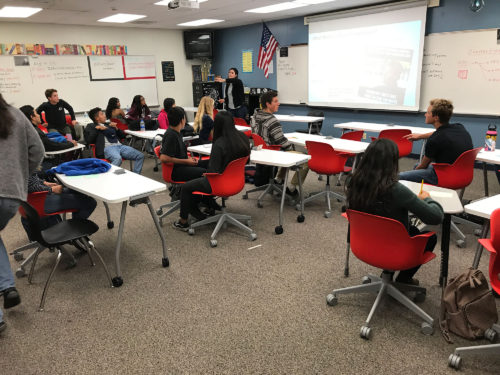
"caption": "Teacher Catherine Connelly leads a lesson on giving compliments in Vista’s pioneering new class on social and emotional wellness. Connelly loved the curriculum, but not the rolling furniture. ",
"description": null,
"title": "Michael-Elsen-Rooney-ElsenRooneyVista1-500x0-c-default",
"credit": "The Hechinger Report/Mike Elsen-Rooney",
"status": "inherit",
"isLoading": false,
"fetchFailed": false
},
"mindshift_51855": {
"type": "attachments",
"id": "mindshift_51855",
"meta": {
"index": "attachments_1716263798",
"site": "mindshift",
"id": "51855",
"found": true
},
"parent": 51841,
"imgSizes": {
"small": {
"file": "https://ww2.kqed.org/app/uploads/sites/23/2018/08/RogersCrop-520x293.jpg",
"width": 520,
"mimeType": "image/jpeg",
"height": 293
},
"twentyfourteen-full-width": {
"file": "https://ww2.kqed.org/app/uploads/sites/23/2018/08/RogersCrop-1038x576.jpg",
"width": 1038,
"mimeType": "image/jpeg",
"height": 576
},
"thumbnail": {
"file": "https://ww2.kqed.org/app/uploads/sites/23/2018/08/RogersCrop-160x90.jpg",
"width": 160,
"mimeType": "image/jpeg",
"height": 90
},
"fd-sm": {
"file": "https://ww2.kqed.org/app/uploads/sites/23/2018/08/RogersCrop-960x540.jpg",
"width": 960,
"mimeType": "image/jpeg",
"height": 540
},
"post-thumbnail": {
"file": "https://ww2.kqed.org/app/uploads/sites/23/2018/08/RogersCrop-672x372.jpg",
"width": 672,
"mimeType": "image/jpeg",
"height": 372
},
"xsmall": {
"file": "https://ww2.kqed.org/app/uploads/sites/23/2018/08/RogersCrop-375x211.jpg",
"width": 375,
"mimeType": "image/jpeg",
"height": 211
},
"kqedFullSize": {
"file": "https://ww2.kqed.org/app/uploads/sites/23/2018/08/RogersCrop.jpg",
"width": 1400,
"height": 788
},
"large": {
"file": "https://ww2.kqed.org/app/uploads/sites/23/2018/08/RogersCrop-1020x574.jpg",
"width": 1020,
"mimeType": "image/jpeg",
"height": 574
},
"xlarge": {
"file": "https://ww2.kqed.org/app/uploads/sites/23/2018/08/RogersCrop-1180x664.jpg",
"width": 1180,
"mimeType": "image/jpeg",
"height": 664
},
"complete_open_graph": {
"file": "https://ww2.kqed.org/app/uploads/sites/23/2018/08/RogersCrop-1200x675.jpg",
"width": 1200,
"mimeType": "image/jpeg",
"height": 675
},
"guest-author-50": {
"file": "https://ww2.kqed.org/app/uploads/sites/23/2018/08/RogersCrop-50x50.jpg",
"width": 50,
"mimeType": "image/jpeg",
"height": 50
},
"guest-author-96": {
"file": "https://ww2.kqed.org/app/uploads/sites/23/2018/08/RogersCrop-96x96.jpg",
"width": 96,
"mimeType": "image/jpeg",
"height": 96
},
"medium": {
"file": "https://ww2.kqed.org/app/uploads/sites/23/2018/08/RogersCrop-800x450.jpg",
"width": 800,
"mimeType": "image/jpeg",
"height": 450
},
"guest-author-64": {
"file": "https://ww2.kqed.org/app/uploads/sites/23/2018/08/RogersCrop-64x64.jpg",
"width": 64,
"mimeType": "image/jpeg",
"height": 64
},
"guest-author-32": {
"file": "https://ww2.kqed.org/app/uploads/sites/23/2018/08/RogersCrop-32x32.jpg",
"width": 32,
"mimeType": "image/jpeg",
"height": 32
},
"fd-med": {
"file": "https://ww2.kqed.org/app/uploads/sites/23/2018/08/RogersCrop-1180x664.jpg",
"width": 1180,
"mimeType": "image/jpeg",
"height": 664
},
"detail": {
"file": "https://ww2.kqed.org/app/uploads/sites/23/2018/08/RogersCrop-150x150.jpg",
"width": 150,
"mimeType": "image/jpeg",
"height": 150
},
"medium_large": {
"file": "https://ww2.kqed.org/app/uploads/sites/23/2018/08/RogersCrop-768x432.jpg",
"width": 768,
"mimeType": "image/jpeg",
"height": 432
},
"guest-author-128": {
"file": "https://ww2.kqed.org/app/uploads/sites/23/2018/08/RogersCrop-128x128.jpg",
"width": 128,
"mimeType": "image/jpeg",
"height": 128
},
"xxsmall": {
"file": "https://ww2.kqed.org/app/uploads/sites/23/2018/08/RogersCrop-240x135.jpg",
"width": 240,
"mimeType": "image/jpeg",
"height": 135
}
},
"publishDate": 1533772133,
"modified": 1533772168,
"caption": "Fred Rogers of Mr. Rogers' Neighborhood in the 1980s. ",
"description": null,
"title": "RogersCrop",
"credit": "Getty Images",
"status": "inherit",
"isLoading": false,
"fetchFailed": false
},
"mindshift_51753": {
"type": "attachments",
"id": "mindshift_51753",
"meta": {
"index": "attachments_1716263798",
"site": "mindshift",
"id": "51753",
"found": true
},
"parent": 51746,
"imgSizes": {
"small": {
"file": "https://ww2.kqed.org/app/uploads/sites/23/2018/07/iStock-526834252-520x323.jpg",
"width": 520,
"mimeType": "image/jpeg",
"height": 323
},
"twentyfourteen-full-width": {
"file": "https://ww2.kqed.org/app/uploads/sites/23/2018/07/iStock-526834252-1038x576.jpg",
"width": 1038,
"mimeType": "image/jpeg",
"height": 576
},
"thumbnail": {
"file": "https://ww2.kqed.org/app/uploads/sites/23/2018/07/iStock-526834252-160x99.jpg",
"width": 160,
"mimeType": "image/jpeg",
"height": 99
},
"fd-sm": {
"file": "https://ww2.kqed.org/app/uploads/sites/23/2018/07/iStock-526834252-960x596.jpg",
"width": 960,
"mimeType": "image/jpeg",
"height": 596
},
"post-thumbnail": {
"file": "https://ww2.kqed.org/app/uploads/sites/23/2018/07/iStock-526834252-672x372.jpg",
"width": 672,
"mimeType": "image/jpeg",
"height": 372
},
"xsmall": {
"file": "https://ww2.kqed.org/app/uploads/sites/23/2018/07/iStock-526834252-375x233.jpg",
"width": 375,
"mimeType": "image/jpeg",
"height": 233
},
"kqedFullSize": {
"file": "https://ww2.kqed.org/app/uploads/sites/23/2018/07/iStock-526834252-e1532931622230.jpg",
"width": 1920,
"height": 1193
},
"large": {
"file": "https://ww2.kqed.org/app/uploads/sites/23/2018/07/iStock-526834252-1020x634.jpg",
"width": 1020,
"mimeType": "image/jpeg",
"height": 634
},
"xlarge": {
"file": "https://ww2.kqed.org/app/uploads/sites/23/2018/07/iStock-526834252-1180x733.jpg",
"width": 1180,
"mimeType": "image/jpeg",
"height": 733
},
"complete_open_graph": {
"file": "https://ww2.kqed.org/app/uploads/sites/23/2018/07/iStock-526834252-1200x745.jpg",
"width": 1200,
"mimeType": "image/jpeg",
"height": 745
},
"guest-author-50": {
"file": "https://ww2.kqed.org/app/uploads/sites/23/2018/07/iStock-526834252-50x50.jpg",
"width": 50,
"mimeType": "image/jpeg",
"height": 50
},
"guest-author-96": {
"file": "https://ww2.kqed.org/app/uploads/sites/23/2018/07/iStock-526834252-96x96.jpg",
"width": 96,
"mimeType": "image/jpeg",
"height": 96
},
"medium": {
"file": "https://ww2.kqed.org/app/uploads/sites/23/2018/07/iStock-526834252-800x497.jpg",
"width": 800,
"mimeType": "image/jpeg",
"height": 497
},
"guest-author-64": {
"file": "https://ww2.kqed.org/app/uploads/sites/23/2018/07/iStock-526834252-64x64.jpg",
"width": 64,
"mimeType": "image/jpeg",
"height": 64
},
"guest-author-32": {
"file": "https://ww2.kqed.org/app/uploads/sites/23/2018/07/iStock-526834252-32x32.jpg",
"width": 32,
"mimeType": "image/jpeg",
"height": 32
},
"fd-lrg": {
"file": "https://ww2.kqed.org/app/uploads/sites/23/2018/07/iStock-526834252-1920x1193.jpg",
"width": 1920,
"mimeType": "image/jpeg",
"height": 1193
},
"fd-med": {
"file": "https://ww2.kqed.org/app/uploads/sites/23/2018/07/iStock-526834252-1180x733.jpg",
"width": 1180,
"mimeType": "image/jpeg",
"height": 733
},
"full-width": {
"file": "https://ww2.kqed.org/app/uploads/sites/23/2018/07/iStock-526834252-1920x1193.jpg",
"width": 1920,
"mimeType": "image/jpeg",
"height": 1193
},
"detail": {
"file": "https://ww2.kqed.org/app/uploads/sites/23/2018/07/iStock-526834252-150x150.jpg",
"width": 150,
"mimeType": "image/jpeg",
"height": 150
},
"medium_large": {
"file": "https://ww2.kqed.org/app/uploads/sites/23/2018/07/iStock-526834252-768x477.jpg",
"width": 768,
"mimeType": "image/jpeg",
"height": 477
},
"guest-author-128": {
"file": "https://ww2.kqed.org/app/uploads/sites/23/2018/07/iStock-526834252-128x128.jpg",
"width": 128,
"mimeType": "image/jpeg",
"height": 128
},
"xxsmall": {
"file": "https://ww2.kqed.org/app/uploads/sites/23/2018/07/iStock-526834252-240x149.jpg",
"width": 240,
"mimeType": "image/jpeg",
"height": 149
}
},
"publishDate": 1532931596,
"modified": 1532931615,
"caption": null,
"description": null,
"title": "iStock-526834252",
"credit": "iStock/Rawpixel",
"status": "inherit",
"isLoading": false,
"fetchFailed": false
},
"mindshift_51582": {
"type": "attachments",
"id": "mindshift_51582",
"meta": {
"index": "attachments_1716263798",
"site": "mindshift",
"id": "51582",
"found": true
},
"parent": 51580,
"imgSizes": {
"small": {
"file": "https://ww2.kqed.org/app/uploads/sites/23/2018/07/Tree-of-Inquiry-520x390.jpg",
"width": 520,
"mimeType": "image/jpeg",
"height": 390
},
"twentyfourteen-full-width": {
"file": "https://ww2.kqed.org/app/uploads/sites/23/2018/07/Tree-of-Inquiry-1038x576.jpg",
"width": 1038,
"mimeType": "image/jpeg",
"height": 576
},
"thumbnail": {
"file": "https://ww2.kqed.org/app/uploads/sites/23/2018/07/Tree-of-Inquiry-160x120.jpg",
"width": 160,
"mimeType": "image/jpeg",
"height": 120
},
"fd-sm": {
"file": "https://ww2.kqed.org/app/uploads/sites/23/2018/07/Tree-of-Inquiry-960x720.jpg",
"width": 960,
"mimeType": "image/jpeg",
"height": 720
},
"post-thumbnail": {
"file": "https://ww2.kqed.org/app/uploads/sites/23/2018/07/Tree-of-Inquiry-672x372.jpg",
"width": 672,
"mimeType": "image/jpeg",
"height": 372
},
"xsmall": {
"file": "https://ww2.kqed.org/app/uploads/sites/23/2018/07/Tree-of-Inquiry-375x281.jpg",
"width": 375,
"mimeType": "image/jpeg",
"height": 281
},
"kqedFullSize": {
"file": "https://ww2.kqed.org/app/uploads/sites/23/2018/07/Tree-of-Inquiry.jpg",
"width": 1500,
"height": 1125
},
"large": {
"file": "https://ww2.kqed.org/app/uploads/sites/23/2018/07/Tree-of-Inquiry-1020x765.jpg",
"width": 1020,
"mimeType": "image/jpeg",
"height": 765
},
"xlarge": {
"file": "https://ww2.kqed.org/app/uploads/sites/23/2018/07/Tree-of-Inquiry-1180x885.jpg",
"width": 1180,
"mimeType": "image/jpeg",
"height": 885
},
"complete_open_graph": {
"file": "https://ww2.kqed.org/app/uploads/sites/23/2018/07/Tree-of-Inquiry-1200x900.jpg",
"width": 1200,
"mimeType": "image/jpeg",
"height": 900
},
"guest-author-50": {
"file": "https://ww2.kqed.org/app/uploads/sites/23/2018/07/Tree-of-Inquiry-50x50.jpg",
"width": 50,
"mimeType": "image/jpeg",
"height": 50
},
"guest-author-96": {
"file": "https://ww2.kqed.org/app/uploads/sites/23/2018/07/Tree-of-Inquiry-96x96.jpg",
"width": 96,
"mimeType": "image/jpeg",
"height": 96
},
"medium": {
"file": "https://ww2.kqed.org/app/uploads/sites/23/2018/07/Tree-of-Inquiry-800x600.jpg",
"width": 800,
"mimeType": "image/jpeg",
"height": 600
},
"guest-author-64": {
"file": "https://ww2.kqed.org/app/uploads/sites/23/2018/07/Tree-of-Inquiry-64x64.jpg",
"width": 64,
"mimeType": "image/jpeg",
"height": 64
},
"guest-author-32": {
"file": "https://ww2.kqed.org/app/uploads/sites/23/2018/07/Tree-of-Inquiry-32x32.jpg",
"width": 32,
"mimeType": "image/jpeg",
"height": 32
},
"fd-med": {
"file": "https://ww2.kqed.org/app/uploads/sites/23/2018/07/Tree-of-Inquiry-1180x885.jpg",
"width": 1180,
"mimeType": "image/jpeg",
"height": 885
},
"detail": {
"file": "https://ww2.kqed.org/app/uploads/sites/23/2018/07/Tree-of-Inquiry-150x150.jpg",
"width": 150,
"mimeType": "image/jpeg",
"height": 150
},
"medium_large": {
"file": "https://ww2.kqed.org/app/uploads/sites/23/2018/07/Tree-of-Inquiry-768x576.jpg",
"width": 768,
"mimeType": "image/jpeg",
"height": 576
},
"guest-author-128": {
"file": "https://ww2.kqed.org/app/uploads/sites/23/2018/07/Tree-of-Inquiry-128x128.jpg",
"width": 128,
"mimeType": "image/jpeg",
"height": 128
},
"xxsmall": {
"file": "https://ww2.kqed.org/app/uploads/sites/23/2018/07/Tree-of-Inquiry-240x180.jpg",
"width": 240,
"mimeType": "image/jpeg",
"height": 180
}
},
"publishDate": 1530648231,
"modified": 1530648323,
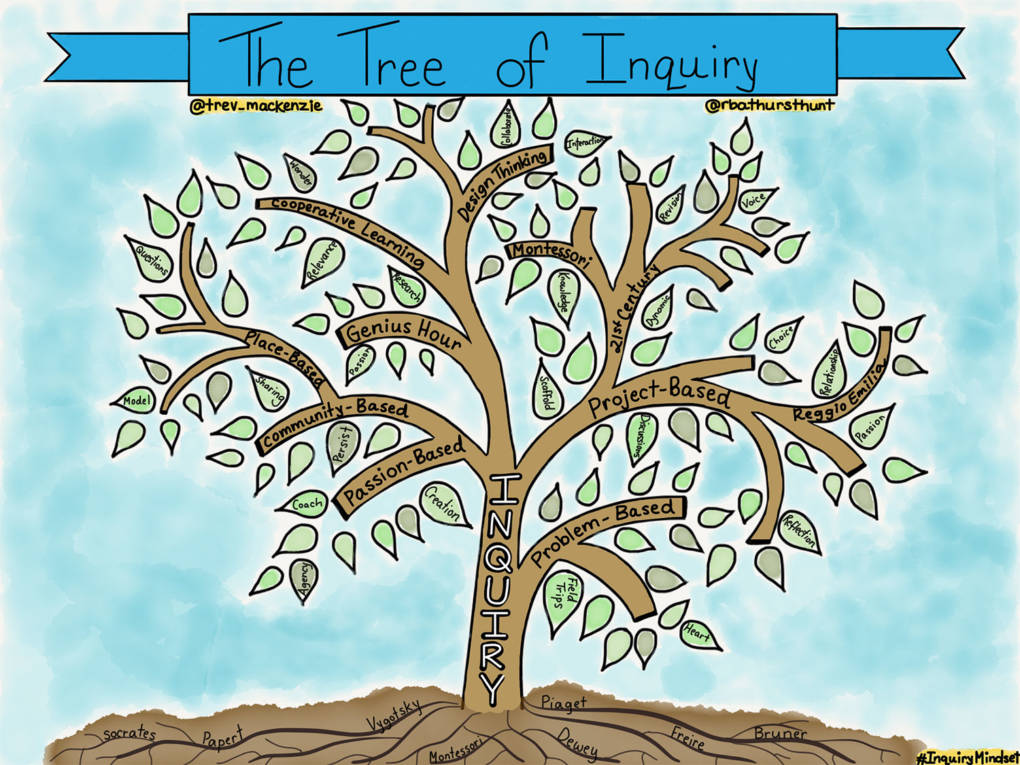
"caption": "The \"Tree of Inquiry\" can be a helpful visual to understand how various educational buzzwords connect to inquiry.",
"description": "The \"Tree of Inquiry\" can be a helpful visual to understand how various educational buzzwords connect to inquiry.",
"title": "Tree-of-Inquiry",
"credit": "Courtesy Trevor MacKenzie and Rebecca Bathurst-Hunt",
"status": "inherit",
"isLoading": false,
"fetchFailed": false
},
"mindshift_51545": {
"type": "attachments",
"id": "mindshift_51545",
"meta": {
"index": "attachments_1716263798",
"site": "mindshift",
"id": "51545",
"found": true
},
"parent": 51538,
"imgSizes": {
"small": {
"file": "https://ww2.kqed.org/app/uploads/sites/23/2018/06/iStock-122175061-520x347.jpg",
"width": 520,
"mimeType": "image/jpeg",
"height": 347
},
"twentyfourteen-full-width": {
"file": "https://ww2.kqed.org/app/uploads/sites/23/2018/06/iStock-122175061-1038x576.jpg",
"width": 1038,
"mimeType": "image/jpeg",
"height": 576
},
"thumbnail": {
"file": "https://ww2.kqed.org/app/uploads/sites/23/2018/06/iStock-122175061-160x107.jpg",
"width": 160,
"mimeType": "image/jpeg",
"height": 107
},
"fd-sm": {
"file": "https://ww2.kqed.org/app/uploads/sites/23/2018/06/iStock-122175061-960x640.jpg",
"width": 960,
"mimeType": "image/jpeg",
"height": 640
},
"post-thumbnail": {
"file": "https://ww2.kqed.org/app/uploads/sites/23/2018/06/iStock-122175061-672x372.jpg",
"width": 672,
"mimeType": "image/jpeg",
"height": 372
},
"xsmall": {
"file": "https://ww2.kqed.org/app/uploads/sites/23/2018/06/iStock-122175061-375x250.jpg",
"width": 375,
"mimeType": "image/jpeg",
"height": 250
},
"kqedFullSize": {
"file": "https://ww2.kqed.org/app/uploads/sites/23/2018/06/iStock-122175061.jpg",
"width": 2121,
"height": 1414
},
"large": {
"file": "https://ww2.kqed.org/app/uploads/sites/23/2018/06/iStock-122175061-1020x680.jpg",
"width": 1020,
"mimeType": "image/jpeg",
"height": 680
},
"xlarge": {
"file": "https://ww2.kqed.org/app/uploads/sites/23/2018/06/iStock-122175061-1180x787.jpg",
"width": 1180,
"mimeType": "image/jpeg",
"height": 787
},
"complete_open_graph": {
"file": "https://ww2.kqed.org/app/uploads/sites/23/2018/06/iStock-122175061-1200x800.jpg",
"width": 1200,
"mimeType": "image/jpeg",
"height": 800
},
"guest-author-50": {
"file": "https://ww2.kqed.org/app/uploads/sites/23/2018/06/iStock-122175061-50x50.jpg",
"width": 50,
"mimeType": "image/jpeg",
"height": 50
},
"guest-author-96": {
"file": "https://ww2.kqed.org/app/uploads/sites/23/2018/06/iStock-122175061-96x96.jpg",
"width": 96,
"mimeType": "image/jpeg",
"height": 96
},
"medium": {
"file": "https://ww2.kqed.org/app/uploads/sites/23/2018/06/iStock-122175061-800x533.jpg",
"width": 800,
"mimeType": "image/jpeg",
"height": 533
},
"guest-author-64": {
"file": "https://ww2.kqed.org/app/uploads/sites/23/2018/06/iStock-122175061-64x64.jpg",
"width": 64,
"mimeType": "image/jpeg",
"height": 64
},
"guest-author-32": {
"file": "https://ww2.kqed.org/app/uploads/sites/23/2018/06/iStock-122175061-32x32.jpg",
"width": 32,
"mimeType": "image/jpeg",
"height": 32
},
"fd-lrg": {
"file": "https://ww2.kqed.org/app/uploads/sites/23/2018/06/iStock-122175061-1920x1280.jpg",
"width": 1920,
"mimeType": "image/jpeg",
"height": 1280
},
"fd-med": {
"file": "https://ww2.kqed.org/app/uploads/sites/23/2018/06/iStock-122175061-1180x787.jpg",
"width": 1180,
"mimeType": "image/jpeg",
"height": 787
},
"full-width": {
"file": "https://ww2.kqed.org/app/uploads/sites/23/2018/06/iStock-122175061-1920x1280.jpg",
"width": 1920,
"mimeType": "image/jpeg",
"height": 1280
},
"detail": {
"file": "https://ww2.kqed.org/app/uploads/sites/23/2018/06/iStock-122175061-150x150.jpg",
"width": 150,
"mimeType": "image/jpeg",
"height": 150
},
"medium_large": {
"file": "https://ww2.kqed.org/app/uploads/sites/23/2018/06/iStock-122175061-768x512.jpg",
"width": 768,
"mimeType": "image/jpeg",
"height": 512
},
"guest-author-128": {
"file": "https://ww2.kqed.org/app/uploads/sites/23/2018/06/iStock-122175061-128x128.jpg",
"width": 128,
"mimeType": "image/jpeg",
"height": 128
},
"xxsmall": {
"file": "https://ww2.kqed.org/app/uploads/sites/23/2018/06/iStock-122175061-240x160.jpg",
"width": 240,
"mimeType": "image/jpeg",
"height": 160
}
},
"publishDate": 1530084632,
"modified": 1530084649,
"caption": null,
"description": null,
"title": null,
"credit": "iStock/omgimages",
"status": "inherit",
"isLoading": false,
"fetchFailed": false
},
"mindshift_51430": {
"type": "attachments",
"id": "mindshift_51430",
"meta": {
"index": "attachments_1716263798",
"site": "mindshift",
"id": "51430",
"found": true
},
"parent": 51308,
"imgSizes": {
"small": {
"file": "https://ww2.kqed.org/app/uploads/sites/23/2018/06/Butler-1-520x391.jpeg",
"width": 520,
"mimeType": "image/jpeg",
"height": 391
},
"twentyfourteen-full-width": {
"file": "https://ww2.kqed.org/app/uploads/sites/23/2018/06/Butler-1-1038x576.jpeg",
"width": 1038,
"mimeType": "image/jpeg",
"height": 576
},
"thumbnail": {
"file": "https://ww2.kqed.org/app/uploads/sites/23/2018/06/Butler-1-160x120.jpeg",
"width": 160,
"mimeType": "image/jpeg",
"height": 120
},
"fd-sm": {
"file": "https://ww2.kqed.org/app/uploads/sites/23/2018/06/Butler-1-960x721.jpeg",
"width": 960,
"mimeType": "image/jpeg",
"height": 721
},
"post-thumbnail": {
"file": "https://ww2.kqed.org/app/uploads/sites/23/2018/06/Butler-1-672x372.jpeg",
"width": 672,
"mimeType": "image/jpeg",
"height": 372
},
"xsmall": {
"file": "https://ww2.kqed.org/app/uploads/sites/23/2018/06/Butler-1-375x282.jpeg",
"width": 375,
"mimeType": "image/jpeg",
"height": 282
},
"kqedFullSize": {
"file": "https://ww2.kqed.org/app/uploads/sites/23/2018/06/Butler-1-e1528903184492.jpeg",
"width": 1920,
"height": 1442
},
"large": {
"file": "https://ww2.kqed.org/app/uploads/sites/23/2018/06/Butler-1-1020x766.jpeg",
"width": 1020,
"mimeType": "image/jpeg",
"height": 766
},
"xlarge": {
"file": "https://ww2.kqed.org/app/uploads/sites/23/2018/06/Butler-1-1180x887.jpeg",
"width": 1180,
"mimeType": "image/jpeg",
"height": 887
},
"complete_open_graph": {
"file": "https://ww2.kqed.org/app/uploads/sites/23/2018/06/Butler-1-1200x902.jpeg",
"width": 1200,
"mimeType": "image/jpeg",
"height": 902
},
"guest-author-50": {
"file": "https://ww2.kqed.org/app/uploads/sites/23/2018/06/Butler-1-50x50.jpeg",
"width": 50,
"mimeType": "image/jpeg",
"height": 50
},
"guest-author-96": {
"file": "https://ww2.kqed.org/app/uploads/sites/23/2018/06/Butler-1-96x96.jpeg",
"width": 96,
"mimeType": "image/jpeg",
"height": 96
},
"medium": {
"file": "https://ww2.kqed.org/app/uploads/sites/23/2018/06/Butler-1-800x601.jpeg",
"width": 800,
"mimeType": "image/jpeg",
"height": 601
},
"guest-author-64": {
"file": "https://ww2.kqed.org/app/uploads/sites/23/2018/06/Butler-1-64x64.jpeg",
"width": 64,
"mimeType": "image/jpeg",
"height": 64
},
"guest-author-32": {
"file": "https://ww2.kqed.org/app/uploads/sites/23/2018/06/Butler-1-32x32.jpeg",
"width": 32,
"mimeType": "image/jpeg",
"height": 32
},
"fd-lrg": {
"file": "https://ww2.kqed.org/app/uploads/sites/23/2018/06/Butler-1-1920x1442.jpeg",
"width": 1920,
"mimeType": "image/jpeg",
"height": 1442
},
"fd-med": {
"file": "https://ww2.kqed.org/app/uploads/sites/23/2018/06/Butler-1-1180x887.jpeg",
"width": 1180,
"mimeType": "image/jpeg",
"height": 887
},
"full-width": {
"file": "https://ww2.kqed.org/app/uploads/sites/23/2018/06/Butler-1-1920x1442.jpeg",
"width": 1920,
"mimeType": "image/jpeg",
"height": 1442
},
"detail": {
"file": "https://ww2.kqed.org/app/uploads/sites/23/2018/06/Butler-1-150x150.jpeg",
"width": 150,
"mimeType": "image/jpeg",
"height": 150
},
"medium_large": {
"file": "https://ww2.kqed.org/app/uploads/sites/23/2018/06/Butler-1-768x577.jpeg",
"width": 768,
"mimeType": "image/jpeg",
"height": 577
},
"guest-author-128": {
"file": "https://ww2.kqed.org/app/uploads/sites/23/2018/06/Butler-1-128x128.jpeg",
"width": 128,
"mimeType": "image/jpeg",
"height": 128
},
"xxsmall": {
"file": "https://ww2.kqed.org/app/uploads/sites/23/2018/06/Butler-1-240x180.jpeg",
"width": 240,
"mimeType": "image/jpeg",
"height": 180
}
},
"publishDate": 1528902737,
"modified": 1528935396,
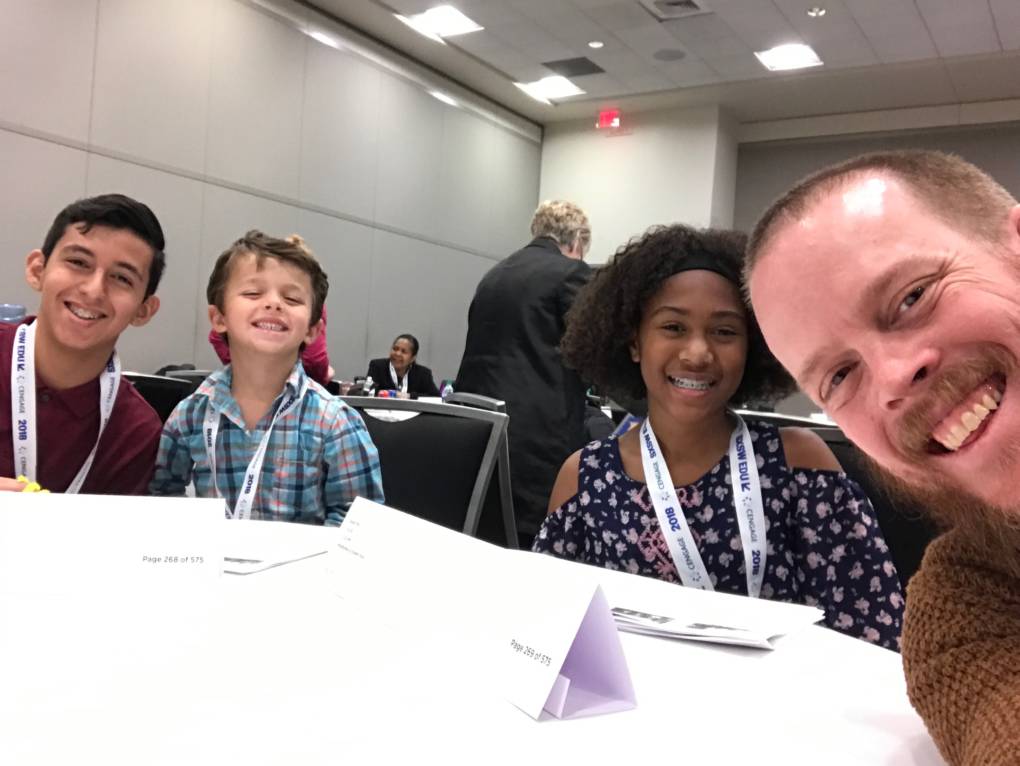
"caption": "Xavier Zamarron, Teo Cardenas, Addison Green and Austin Independent School District mindfulness specialist James Butler. They demonstrated mindfulness exercises at SXSW EDU in Austin earlier this year.",
"description": null,
"title": "Butler 1",
"credit": "James Butler",
"status": "inherit",
"isLoading": false,
"fetchFailed": false
},
"mindshift_51403": {
"type": "attachments",
"id": "mindshift_51403",
"meta": {
"index": "attachments_1716263798",
"site": "mindshift",
"id": "51403",
"found": true
},
"parent": 50642,
"imgSizes": {
"small": {
"file": "https://ww2.kqed.org/app/uploads/sites/23/2018/06/iStock-530009033-520x506.jpg",
"width": 520,
"mimeType": "image/jpeg",
"height": 506
},
"twentyfourteen-full-width": {
"file": "https://ww2.kqed.org/app/uploads/sites/23/2018/06/iStock-530009033-1038x576.jpg",
"width": 1038,
"mimeType": "image/jpeg",
"height": 576
},
"thumbnail": {
"file": "https://ww2.kqed.org/app/uploads/sites/23/2018/06/iStock-530009033-160x156.jpg",
"width": 160,
"mimeType": "image/jpeg",
"height": 156
},
"fd-sm": {
"file": "https://ww2.kqed.org/app/uploads/sites/23/2018/06/iStock-530009033-960x935.jpg",
"width": 960,
"mimeType": "image/jpeg",
"height": 935
},
"post-thumbnail": {
"file": "https://ww2.kqed.org/app/uploads/sites/23/2018/06/iStock-530009033-672x372.jpg",
"width": 672,
"mimeType": "image/jpeg",
"height": 372
},
"xsmall": {
"file": "https://ww2.kqed.org/app/uploads/sites/23/2018/06/iStock-530009033-375x365.jpg",
"width": 375,
"mimeType": "image/jpeg",
"height": 365
},
"kqedFullSize": {
"file": "https://ww2.kqed.org/app/uploads/sites/23/2018/06/iStock-530009033.jpg",
"width": 1755,
"height": 1709
},
"large": {
"file": "https://ww2.kqed.org/app/uploads/sites/23/2018/06/iStock-530009033-1020x993.jpg",
"width": 1020,
"mimeType": "image/jpeg",
"height": 993
},
"xlarge": {
"file": "https://ww2.kqed.org/app/uploads/sites/23/2018/06/iStock-530009033-1180x1149.jpg",
"width": 1180,
"mimeType": "image/jpeg",
"height": 1149
},
"complete_open_graph": {
"file": "https://ww2.kqed.org/app/uploads/sites/23/2018/06/iStock-530009033-1200x1169.jpg",
"width": 1200,
"mimeType": "image/jpeg",
"height": 1169
},
"guest-author-50": {
"file": "https://ww2.kqed.org/app/uploads/sites/23/2018/06/iStock-530009033-50x50.jpg",
"width": 50,
"mimeType": "image/jpeg",
"height": 50
},
"guest-author-96": {
"file": "https://ww2.kqed.org/app/uploads/sites/23/2018/06/iStock-530009033-96x96.jpg",
"width": 96,
"mimeType": "image/jpeg",
"height": 96
},
"medium": {
"file": "https://ww2.kqed.org/app/uploads/sites/23/2018/06/iStock-530009033-800x779.jpg",
"width": 800,
"mimeType": "image/jpeg",
"height": 779
},
"guest-author-64": {
"file": "https://ww2.kqed.org/app/uploads/sites/23/2018/06/iStock-530009033-64x64.jpg",
"width": 64,
"mimeType": "image/jpeg",
"height": 64
},
"guest-author-32": {
"file": "https://ww2.kqed.org/app/uploads/sites/23/2018/06/iStock-530009033-32x32.jpg",
"width": 32,
"mimeType": "image/jpeg",
"height": 32
},
"fd-med": {
"file": "https://ww2.kqed.org/app/uploads/sites/23/2018/06/iStock-530009033-1180x1149.jpg",
"width": 1180,
"mimeType": "image/jpeg",
"height": 1149
},
"detail": {
"file": "https://ww2.kqed.org/app/uploads/sites/23/2018/06/iStock-530009033-150x150.jpg",
"width": 150,
"mimeType": "image/jpeg",
"height": 150
},
"medium_large": {
"file": "https://ww2.kqed.org/app/uploads/sites/23/2018/06/iStock-530009033-768x748.jpg",
"width": 768,
"mimeType": "image/jpeg",
"height": 748
},
"guest-author-128": {
"file": "https://ww2.kqed.org/app/uploads/sites/23/2018/06/iStock-530009033-128x128.jpg",
"width": 128,
"mimeType": "image/jpeg",
"height": 128
},
"xxsmall": {
"file": "https://ww2.kqed.org/app/uploads/sites/23/2018/06/iStock-530009033-240x234.jpg",
"width": 240,
"mimeType": "image/jpeg",
"height": 234
}
},
"publishDate": 1528698487,
"modified": 1528698503,
"caption": null,
"description": null,
"title": "Education abstract concept tree book",
"credit": "iStock/cienpies",
"status": "inherit",
"isLoading": false,
"fetchFailed": false
},
"mindshift_51275": {
"type": "attachments",
"id": "mindshift_51275",
"meta": {
"index": "attachments_1716263798",
"site": "mindshift",
"id": "51275",
"found": true
},
"parent": 51274,
"imgSizes": {
"small": {
"file": "https://ww2.kqed.org/app/uploads/sites/23/2018/05/long-format-illustration_wide-83caf7e20cbfb3adf2026aad079beed55747ab96-520x293.jpg",
"width": 520,
"mimeType": "image/jpeg",
"height": 293
},
"twentyfourteen-full-width": {
"file": "https://ww2.kqed.org/app/uploads/sites/23/2018/05/long-format-illustration_wide-83caf7e20cbfb3adf2026aad079beed55747ab96-1038x576.jpg",
"width": 1038,
"mimeType": "image/jpeg",
"height": 576
},
"thumbnail": {
"file": "https://ww2.kqed.org/app/uploads/sites/23/2018/05/long-format-illustration_wide-83caf7e20cbfb3adf2026aad079beed55747ab96-160x90.jpg",
"width": 160,
"mimeType": "image/jpeg",
"height": 90
},
"fd-sm": {
"file": "https://ww2.kqed.org/app/uploads/sites/23/2018/05/long-format-illustration_wide-83caf7e20cbfb3adf2026aad079beed55747ab96-960x540.jpg",
"width": 960,
"mimeType": "image/jpeg",
"height": 540
},
"post-thumbnail": {
"file": "https://ww2.kqed.org/app/uploads/sites/23/2018/05/long-format-illustration_wide-83caf7e20cbfb3adf2026aad079beed55747ab96-672x372.jpg",
"width": 672,
"mimeType": "image/jpeg",
"height": 372
},
"xsmall": {
"file": "https://ww2.kqed.org/app/uploads/sites/23/2018/05/long-format-illustration_wide-83caf7e20cbfb3adf2026aad079beed55747ab96-375x211.jpg",
"width": 375,
"mimeType": "image/jpeg",
"height": 211
},
"kqedFullSize": {
"file": "https://ww2.kqed.org/app/uploads/sites/23/2018/05/long-format-illustration_wide-83caf7e20cbfb3adf2026aad079beed55747ab96.jpg",
"width": 1920,
"height": 1080
},
"large": {
"file": "https://ww2.kqed.org/app/uploads/sites/23/2018/05/long-format-illustration_wide-83caf7e20cbfb3adf2026aad079beed55747ab96-1020x574.jpg",
"width": 1020,
"mimeType": "image/jpeg",
"height": 574
},
"xlarge": {
"file": "https://ww2.kqed.org/app/uploads/sites/23/2018/05/long-format-illustration_wide-83caf7e20cbfb3adf2026aad079beed55747ab96-1180x664.jpg",
"width": 1180,
"mimeType": "image/jpeg",
"height": 664
},
"complete_open_graph": {
"file": "https://ww2.kqed.org/app/uploads/sites/23/2018/05/long-format-illustration_wide-83caf7e20cbfb3adf2026aad079beed55747ab96-1200x675.jpg",
"width": 1200,
"mimeType": "image/jpeg",
"height": 675
},
"guest-author-50": {
"file": "https://ww2.kqed.org/app/uploads/sites/23/2018/05/long-format-illustration_wide-83caf7e20cbfb3adf2026aad079beed55747ab96-50x50.jpg",
"width": 50,
"mimeType": "image/jpeg",
"height": 50
},
"guest-author-96": {
"file": "https://ww2.kqed.org/app/uploads/sites/23/2018/05/long-format-illustration_wide-83caf7e20cbfb3adf2026aad079beed55747ab96-96x96.jpg",
"width": 96,
"mimeType": "image/jpeg",
"height": 96
},
"medium": {
"file": "https://ww2.kqed.org/app/uploads/sites/23/2018/05/long-format-illustration_wide-83caf7e20cbfb3adf2026aad079beed55747ab96-800x450.jpg",
"width": 800,
"mimeType": "image/jpeg",
"height": 450
},
"guest-author-64": {
"file": "https://ww2.kqed.org/app/uploads/sites/23/2018/05/long-format-illustration_wide-83caf7e20cbfb3adf2026aad079beed55747ab96-64x64.jpg",
"width": 64,
"mimeType": "image/jpeg",
"height": 64
},
"guest-author-32": {
"file": "https://ww2.kqed.org/app/uploads/sites/23/2018/05/long-format-illustration_wide-83caf7e20cbfb3adf2026aad079beed55747ab96-32x32.jpg",
"width": 32,
"mimeType": "image/jpeg",
"height": 32
},
"fd-lrg": {
"file": "https://ww2.kqed.org/app/uploads/sites/23/2018/05/long-format-illustration_wide-83caf7e20cbfb3adf2026aad079beed55747ab96-1920x1080.jpg",
"width": 1920,
"mimeType": "image/jpeg",
"height": 1080
},
"fd-med": {
"file": "https://ww2.kqed.org/app/uploads/sites/23/2018/05/long-format-illustration_wide-83caf7e20cbfb3adf2026aad079beed55747ab96-1180x664.jpg",
"width": 1180,
"mimeType": "image/jpeg",
"height": 664
},
"full-width": {
"file": "https://ww2.kqed.org/app/uploads/sites/23/2018/05/long-format-illustration_wide-83caf7e20cbfb3adf2026aad079beed55747ab96-1920x1080.jpg",
"width": 1920,
"mimeType": "image/jpeg",
"height": 1080
},
"detail": {
"file": "https://ww2.kqed.org/app/uploads/sites/23/2018/05/long-format-illustration_wide-83caf7e20cbfb3adf2026aad079beed55747ab96-150x150.jpg",
"width": 150,
"mimeType": "image/jpeg",
"height": 150
},
"medium_large": {
"file": "https://ww2.kqed.org/app/uploads/sites/23/2018/05/long-format-illustration_wide-83caf7e20cbfb3adf2026aad079beed55747ab96-768x432.jpg",
"width": 768,
"mimeType": "image/jpeg",
"height": 432
},
"guest-author-128": {
"file": "https://ww2.kqed.org/app/uploads/sites/23/2018/05/long-format-illustration_wide-83caf7e20cbfb3adf2026aad079beed55747ab96-128x128.jpg",
"width": 128,
"mimeType": "image/jpeg",
"height": 128
},
"xxsmall": {
"file": "https://ww2.kqed.org/app/uploads/sites/23/2018/05/long-format-illustration_wide-83caf7e20cbfb3adf2026aad079beed55747ab96-240x135.jpg",
"width": 240,
"mimeType": "image/jpeg",
"height": 135
}
},
"publishDate": 1527138143,
"modified": 1527138592,
"caption": "The Resilience Builder Program teaches young students techniques for handling tough emotions, like visualizing a remote control for thoughts so they can switch from negative to happier feelings.",
"description": null,
"title": "The kids also learned handy visuals, like a remote control for negative thoughts so you can switch channels in your head.",
"credit": "Nathalie Dieterle/for NPR",
"status": "inherit",
"isLoading": false,
"fetchFailed": false
},
"mindshift_51262": {
"type": "attachments",
"id": "mindshift_51262",
"meta": {
"index": "attachments_1716263798",
"site": "mindshift",
"id": "51262",
"found": true
},
"parent": 51254,
"imgSizes": {
"small": {
"file": "https://ww2.kqed.org/app/uploads/sites/23/2018/05/iStock-499448563-520x347.jpg",
"width": 520,
"mimeType": "image/jpeg",
"height": 347
},
"twentyfourteen-full-width": {
"file": "https://ww2.kqed.org/app/uploads/sites/23/2018/05/iStock-499448563-1038x576.jpg",
"width": 1038,
"mimeType": "image/jpeg",
"height": 576
},
"thumbnail": {
"file": "https://ww2.kqed.org/app/uploads/sites/23/2018/05/iStock-499448563-160x107.jpg",
"width": 160,
"mimeType": "image/jpeg",
"height": 107
},
"fd-sm": {
"file": "https://ww2.kqed.org/app/uploads/sites/23/2018/05/iStock-499448563-960x640.jpg",
"width": 960,
"mimeType": "image/jpeg",
"height": 640
},
"post-thumbnail": {
"file": "https://ww2.kqed.org/app/uploads/sites/23/2018/05/iStock-499448563-672x372.jpg",
"width": 672,
"mimeType": "image/jpeg",
"height": 372
},
"xsmall": {
"file": "https://ww2.kqed.org/app/uploads/sites/23/2018/05/iStock-499448563-375x250.jpg",
"width": 375,
"mimeType": "image/jpeg",
"height": 250
},
"kqedFullSize": {
"file": "https://ww2.kqed.org/app/uploads/sites/23/2018/05/iStock-499448563-e1527055629943.jpg",
"width": 1920,
"height": 1280
},
"large": {
"file": "https://ww2.kqed.org/app/uploads/sites/23/2018/05/iStock-499448563-1020x680.jpg",
"width": 1020,
"mimeType": "image/jpeg",
"height": 680
},
"xlarge": {
"file": "https://ww2.kqed.org/app/uploads/sites/23/2018/05/iStock-499448563-1180x787.jpg",
"width": 1180,
"mimeType": "image/jpeg",
"height": 787
},
"complete_open_graph": {
"file": "https://ww2.kqed.org/app/uploads/sites/23/2018/05/iStock-499448563-1200x800.jpg",
"width": 1200,
"mimeType": "image/jpeg",
"height": 800
},
"guest-author-50": {
"file": "https://ww2.kqed.org/app/uploads/sites/23/2018/05/iStock-499448563-50x50.jpg",
"width": 50,
"mimeType": "image/jpeg",
"height": 50
},
"guest-author-96": {
"file": "https://ww2.kqed.org/app/uploads/sites/23/2018/05/iStock-499448563-96x96.jpg",
"width": 96,
"mimeType": "image/jpeg",
"height": 96
},
"medium": {
"file": "https://ww2.kqed.org/app/uploads/sites/23/2018/05/iStock-499448563-800x533.jpg",
"width": 800,
"mimeType": "image/jpeg",
"height": 533
},
"guest-author-64": {
"file": "https://ww2.kqed.org/app/uploads/sites/23/2018/05/iStock-499448563-64x64.jpg",
"width": 64,
"mimeType": "image/jpeg",
"height": 64
},
"guest-author-32": {
"file": "https://ww2.kqed.org/app/uploads/sites/23/2018/05/iStock-499448563-32x32.jpg",
"width": 32,
"mimeType": "image/jpeg",
"height": 32
},
"fd-lrg": {
"file": "https://ww2.kqed.org/app/uploads/sites/23/2018/05/iStock-499448563-1920x1280.jpg",
"width": 1920,
"mimeType": "image/jpeg",
"height": 1280
},
"fd-med": {
"file": "https://ww2.kqed.org/app/uploads/sites/23/2018/05/iStock-499448563-1180x787.jpg",
"width": 1180,
"mimeType": "image/jpeg",
"height": 787
},
"full-width": {
"file": "https://ww2.kqed.org/app/uploads/sites/23/2018/05/iStock-499448563-1920x1280.jpg",
"width": 1920,
"mimeType": "image/jpeg",
"height": 1280
},
"detail": {
"file": "https://ww2.kqed.org/app/uploads/sites/23/2018/05/iStock-499448563-150x150.jpg",
"width": 150,
"mimeType": "image/jpeg",
"height": 150
},
"medium_large": {
"file": "https://ww2.kqed.org/app/uploads/sites/23/2018/05/iStock-499448563-768x512.jpg",
"width": 768,
"mimeType": "image/jpeg",
"height": 512
},
"guest-author-128": {
"file": "https://ww2.kqed.org/app/uploads/sites/23/2018/05/iStock-499448563-128x128.jpg",
"width": 128,
"mimeType": "image/jpeg",
"height": 128
},
"xxsmall": {
"file": "https://ww2.kqed.org/app/uploads/sites/23/2018/05/iStock-499448563-240x160.jpg",
"width": 240,
"mimeType": "image/jpeg",
"height": 160
}
},
"publishDate": 1527055591,
"modified": 1527055616,
"caption": null,
"description": null,
"title": "iStock-499448563",
"credit": "iStock/Antonio_Diaz",
"status": "inherit",
"isLoading": false,
"fetchFailed": false
},
"mindshift_50962": {
"type": "attachments",
"id": "mindshift_50962",
"meta": {
"index": "attachments_1716263798",
"site": "mindshift",
"id": "50962",
"found": true
},
"parent": 50960,
"imgSizes": {
"small": {
"file": "https://ww2.kqed.org/app/uploads/sites/23/2018/04/unspecified-7-520x347.jpg",
"width": 520,
"mimeType": "image/jpeg",
"height": 347
},
"twentyfourteen-full-width": {
"file": "https://ww2.kqed.org/app/uploads/sites/23/2018/04/unspecified-7-1038x576.jpg",
"width": 1038,
"mimeType": "image/jpeg",
"height": 576
},
"thumbnail": {
"file": "https://ww2.kqed.org/app/uploads/sites/23/2018/04/unspecified-7-160x107.jpg",
"width": 160,
"mimeType": "image/jpeg",
"height": 107
},
"fd-sm": {
"file": "https://ww2.kqed.org/app/uploads/sites/23/2018/04/unspecified-7-960x640.jpg",
"width": 960,
"mimeType": "image/jpeg",
"height": 640
},
"post-thumbnail": {
"file": "https://ww2.kqed.org/app/uploads/sites/23/2018/04/unspecified-7-672x372.jpg",
"width": 672,
"mimeType": "image/jpeg",
"height": 372
},
"xsmall": {
"file": "https://ww2.kqed.org/app/uploads/sites/23/2018/04/unspecified-7-375x250.jpg",
"width": 375,
"mimeType": "image/jpeg",
"height": 250
},
"kqedFullSize": {
"file": "https://ww2.kqed.org/app/uploads/sites/23/2018/04/unspecified-7.jpg",
"width": 1280,
"height": 853
},
"large": {
"file": "https://ww2.kqed.org/app/uploads/sites/23/2018/04/unspecified-7-1020x680.jpg",
"width": 1020,
"mimeType": "image/jpeg",
"height": 680
},
"xlarge": {
"file": "https://ww2.kqed.org/app/uploads/sites/23/2018/04/unspecified-7-1180x786.jpg",
"width": 1180,
"mimeType": "image/jpeg",
"height": 786
},
"guest-author-50": {
"file": "https://ww2.kqed.org/app/uploads/sites/23/2018/04/unspecified-7-50x50.jpg",
"width": 50,
"mimeType": "image/jpeg",
"height": 50
},
"guest-author-96": {
"file": "https://ww2.kqed.org/app/uploads/sites/23/2018/04/unspecified-7-96x96.jpg",
"width": 96,
"mimeType": "image/jpeg",
"height": 96
},
"medium": {
"file": "https://ww2.kqed.org/app/uploads/sites/23/2018/04/unspecified-7-800x533.jpg",
"width": 800,
"mimeType": "image/jpeg",
"height": 533
},
"guest-author-64": {
"file": "https://ww2.kqed.org/app/uploads/sites/23/2018/04/unspecified-7-64x64.jpg",
"width": 64,
"mimeType": "image/jpeg",
"height": 64
},
"guest-author-32": {
"file": "https://ww2.kqed.org/app/uploads/sites/23/2018/04/unspecified-7-32x32.jpg",
"width": 32,
"mimeType": "image/jpeg",
"height": 32
},
"fd-med": {
"file": "https://ww2.kqed.org/app/uploads/sites/23/2018/04/unspecified-7-1180x786.jpg",
"width": 1180,
"mimeType": "image/jpeg",
"height": 786
},
"detail": {
"file": "https://ww2.kqed.org/app/uploads/sites/23/2018/04/unspecified-7-150x150.jpg",
"width": 150,
"mimeType": "image/jpeg",
"height": 150
},
"medium_large": {
"file": "https://ww2.kqed.org/app/uploads/sites/23/2018/04/unspecified-7-768x512.jpg",
"width": 768,
"mimeType": "image/jpeg",
"height": 512
},
"guest-author-128": {
"file": "https://ww2.kqed.org/app/uploads/sites/23/2018/04/unspecified-7-128x128.jpg",
"width": 128,
"mimeType": "image/jpeg",
"height": 128
},
"xxsmall": {
"file": "https://ww2.kqed.org/app/uploads/sites/23/2018/04/unspecified-7-240x160.jpg",
"width": 240,
"mimeType": "image/jpeg",
"height": 160
}
},
"publishDate": 1522948823,
"modified": 1526318278,
"caption": "Students at Lake Canyon Elementary School sit together wearing their house colors.",
"description": null,
"title": "unspecified-7",
"credit": "Katie Fewell Photography ",
"status": "inherit",
"isLoading": false,
"fetchFailed": false
},
"mindshift_50942": {
"type": "attachments",
"id": "mindshift_50942",
"meta": {
"index": "attachments_1716263798",
"site": "mindshift",
"id": "50942",
"found": true
},
"parent": 50939,
"imgSizes": {
"small": {
"file": "https://ww2.kqed.org/app/uploads/sites/23/2018/04/iStock-622446928-520x347.jpg",
"width": 520,
"mimeType": "image/jpeg",
"height": 347
},
"twentyfourteen-full-width": {
"file": "https://ww2.kqed.org/app/uploads/sites/23/2018/04/iStock-622446928-1038x576.jpg",
"width": 1038,
"mimeType": "image/jpeg",
"height": 576
},
"thumbnail": {
"file": "https://ww2.kqed.org/app/uploads/sites/23/2018/04/iStock-622446928-160x107.jpg",
"width": 160,
"mimeType": "image/jpeg",
"height": 107
},
"fd-sm": {
"file": "https://ww2.kqed.org/app/uploads/sites/23/2018/04/iStock-622446928-960x641.jpg",
"width": 960,
"mimeType": "image/jpeg",
"height": 641
},
"post-thumbnail": {
"file": "https://ww2.kqed.org/app/uploads/sites/23/2018/04/iStock-622446928-672x372.jpg",
"width": 672,
"mimeType": "image/jpeg",
"height": 372
},
"xsmall": {
"file": "https://ww2.kqed.org/app/uploads/sites/23/2018/04/iStock-622446928-375x250.jpg",
"width": 375,
"mimeType": "image/jpeg",
"height": 250
},
"kqedFullSize": {
"file": "https://ww2.kqed.org/app/uploads/sites/23/2018/04/iStock-622446928-e1522880970307.jpg",
"width": 1920,
"height": 1282
},
"large": {
"file": "https://ww2.kqed.org/app/uploads/sites/23/2018/04/iStock-622446928-1020x681.jpg",
"width": 1020,
"mimeType": "image/jpeg",
"height": 681
},
"xlarge": {
"file": "https://ww2.kqed.org/app/uploads/sites/23/2018/04/iStock-622446928-1180x788.jpg",
"width": 1180,
"mimeType": "image/jpeg",
"height": 788
},
"guest-author-50": {
"file": "https://ww2.kqed.org/app/uploads/sites/23/2018/04/iStock-622446928-50x50.jpg",
"width": 50,
"mimeType": "image/jpeg",
"height": 50
},
"guest-author-96": {
"file": "https://ww2.kqed.org/app/uploads/sites/23/2018/04/iStock-622446928-96x96.jpg",
"width": 96,
"mimeType": "image/jpeg",
"height": 96
},
"medium": {
"file": "https://ww2.kqed.org/app/uploads/sites/23/2018/04/iStock-622446928-800x534.jpg",
"width": 800,
"mimeType": "image/jpeg",
"height": 534
},
"guest-author-64": {
"file": "https://ww2.kqed.org/app/uploads/sites/23/2018/04/iStock-622446928-64x64.jpg",
"width": 64,
"mimeType": "image/jpeg",
"height": 64
},
"guest-author-32": {
"file": "https://ww2.kqed.org/app/uploads/sites/23/2018/04/iStock-622446928-32x32.jpg",
"width": 32,
"mimeType": "image/jpeg",
"height": 32
},
"fd-lrg": {
"file": "https://ww2.kqed.org/app/uploads/sites/23/2018/04/iStock-622446928-1920x1282.jpg",
"width": 1920,
"mimeType": "image/jpeg",
"height": 1282
},
"fd-med": {
"file": "https://ww2.kqed.org/app/uploads/sites/23/2018/04/iStock-622446928-1180x788.jpg",
"width": 1180,
"mimeType": "image/jpeg",
"height": 788
},
"full-width": {
"file": "https://ww2.kqed.org/app/uploads/sites/23/2018/04/iStock-622446928-1920x1282.jpg",
"width": 1920,
"mimeType": "image/jpeg",
"height": 1282
},
"detail": {
"file": "https://ww2.kqed.org/app/uploads/sites/23/2018/04/iStock-622446928-150x150.jpg",
"width": 150,
"mimeType": "image/jpeg",
"height": 150
},
"medium_large": {
"file": "https://ww2.kqed.org/app/uploads/sites/23/2018/04/iStock-622446928-768x513.jpg",
"width": 768,
"mimeType": "image/jpeg",
"height": 513
},
"guest-author-128": {
"file": "https://ww2.kqed.org/app/uploads/sites/23/2018/04/iStock-622446928-128x128.jpg",
"width": 128,
"mimeType": "image/jpeg",
"height": 128
},
"xxsmall": {
"file": "https://ww2.kqed.org/app/uploads/sites/23/2018/04/iStock-622446928-240x160.jpg",
"width": 240,
"mimeType": "image/jpeg",
"height": 160
}
},
"publishDate": 1522880941,
"modified": 1522880962,
"caption": null,
"description": null,
"title": null,
"credit": "iStock/Kerkez",
"status": "inherit",
"isLoading": false,
"fetchFailed": false
}
},
"audioPlayerReducer": {
"postId": "stream_live",
"isPaused": true,
"isPlaying": false,
"pfsActive": false,
"pledgeModalIsOpen": true,
"playerDrawerIsOpen": false,
"liveAudioPlayStartedAt": 0,
"liveAudioPlayContext": ""
},
"authorsReducer": {
"byline_mindshift_51901": {
"type": "authors",
"id": "byline_mindshift_51901",
"meta": {
"override": true
},
"slug": "byline_mindshift_51901",
"name": "\u003ca href=\"http://hechingerreport.org/\">Mike Elsen-Rooney, The Hechinger Report\u003c/a>",
"isLoading": false
},
"byline_mindshift_51841": {
"type": "authors",
"id": "byline_mindshift_51841",
"meta": {
"override": true
},
"slug": "byline_mindshift_51841",
"name": "Anya Kamenetz",
"isLoading": false
},
"byline_mindshift_51746": {
"type": "authors",
"id": "byline_mindshift_51746",
"meta": {
"override": true
},
"slug": "byline_mindshift_51746",
"name": "\u003ca href=\"https://www.gse.harvard.edu/uk/author/leah-shafer/517481\">Leah Shafer, Usable Knowledge\u003c/a>",
"isLoading": false
},
"byline_mindshift_51538": {
"type": "authors",
"id": "byline_mindshift_51538",
"meta": {
"override": true
},
"slug": "byline_mindshift_51538",
"name": "\u003ca href=\"http://hechingerreport.org/\">Daisy Yuhas, The Hechinger Report\u003c/a>",
"isLoading": false
},
"byline_mindshift_50642": {
"type": "authors",
"id": "byline_mindshift_50642",
"meta": {
"override": true
},
"slug": "byline_mindshift_50642",
"name": "\u003ca href “https://twitter.com/dr_fraga”>Juli Fraga\u003c/a>",
"isLoading": false
},
"byline_mindshift_51274": {
"type": "authors",
"id": "byline_mindshift_51274",
"meta": {
"override": true
},
"slug": "byline_mindshift_51274",
"name": "Selena Simmons-Duffin",
"isLoading": false
},
"byline_mindshift_51254": {
"type": "authors",
"id": "byline_mindshift_51254",
"meta": {
"override": true
},
"slug": "byline_mindshift_51254",
"name": "\u003ca href=\"http://hechingerreport.org/\">Daisy Yuhas, The Hechinger Report\u003c/a>",
"isLoading": false
},
"byline_mindshift_50960": {
"type": "authors",
"id": "byline_mindshift_50960",
"meta": {
"override": true
},
"slug": "byline_mindshift_50960",
"name": "\u003ca href=\"https://twitter.com/gailcornwall\">Gail Cornwall\u003c/a>",
"isLoading": false
},
"ksung": {
"type": "authors",
"id": "4596",
"meta": {
"index": "authors_1716337520",
"id": "4596",
"found": true
},
"name": "Ki Sung",
"firstName": "Ki",
"lastName": "Sung",
"slug": "ksung",
"email": "ksung@kqed.org",
"display_author_email": false,
"staff_mastheads": [
"news"
],
"title": "KQED Contributor",
"bio": "Ki Sung is Managing Editor of Digital News at KQED. She is former Senior Editor of MindShift and worked at NPR before joining KQED in 2014.",
"avatar": "https://secure.gravatar.com/avatar/64271e01dc95486c133be56937739045b7c00c990525bf9add12d3dd4f0433c9?s=600&d=blank&r=g",
"twitter": null,
"bluesky": null,
"facebook": null,
"instagram": null,
"linkedin": null,
"sites": [
{
"site": "news",
"roles": [
"editor"
]
},
{
"site": "mindshift",
"roles": [
"administrator"
]
},
{
"site": "elections",
"roles": [
"administrator"
]
}
],
"headData": {
"title": "Ki Sung | KQED",
"description": "KQED Contributor",
"ogImgSrc": "https://secure.gravatar.com/avatar/64271e01dc95486c133be56937739045b7c00c990525bf9add12d3dd4f0433c9?s=600&d=blank&r=g",
"twImgSrc": "https://secure.gravatar.com/avatar/64271e01dc95486c133be56937739045b7c00c990525bf9add12d3dd4f0433c9?s=600&d=blank&r=g"
},
"isLoading": false,
"link": "/author/ksung"
},
"dfkris": {
"type": "authors",
"id": "11087",
"meta": {
"index": "authors_1716337520",
"id": "11087",
"found": true
},
"name": "Deborah Farmer Kris",
"firstName": "Deborah Farmer",
"lastName": "Kris",
"slug": "dfkris",
"email": "dfkris@gmail.com",
"display_author_email": false,
"staff_mastheads": [],
"title": null,
"bio": "\u003cem>\u003ca href=\"https://twitter.com/@dfkris\">Deborah Farmer Kris\u003c/a> has taught elementary, middle and high school and served as a charter school administrator. She spent a decade as an associate at Boston University’s \u003c/em>\u003cem>\u003ca href=\"http://www.bu.edu/ccsr/about-us/\">Center for Character and Social Responsibility\u003c/a>, \u003c/em>\u003cem>researching, writing, and consulting with schools. She is the mother of two young children. You can follower her on Twitter \u003ca href=\"https://twitter.com/@dfkris\">@dfkris\u003c/a>.\u003c/em>",
"avatar": "https://secure.gravatar.com/avatar/48efe6f17031ed31222b74af9605fe5a?s=600&d=blank&r=g",
"twitter": "dfkris",
"facebook": null,
"instagram": null,
"linkedin": null,
"sites": [
{
"site": "mindshift",
"roles": [
"author"
]
}
],
"headData": {
"title": "Deborah Farmer Kris | KQED",
"description": null,
"ogImgSrc": "https://secure.gravatar.com/avatar/48efe6f17031ed31222b74af9605fe5a?s=600&d=blank&r=g",
"twImgSrc": "https://secure.gravatar.com/avatar/48efe6f17031ed31222b74af9605fe5a?s=600&d=blank&r=g"
},
"isLoading": false,
"link": "/author/dfkris"
}
},
"pagesReducer": {
"mindshift_tag_social-emotional-learning": {
"type": "terms",
"id": "mindshift_943",
"meta": {
"index": "terms_1716263798",
"site": "mindshift",
"id": "943",
"score": 10.404039
},
"featImg": null,
"name": "social emotional learning",
"description": null,
"taxonomy": "tag",
"headData": {
"twImgId": null,
"twTitle": null,
"ogTitle": null,
"ogImgId": null,
"twDescription": null,
"description": null,
"title": "social emotional learning Archives - KQED Mindshift",
"ogDescription": null
},
"ttid": 948,
"slug": "social-emotional-learning",
"isLoading": false,
"title": "social emotional learning",
"pageMeta": {
"site": "mindshift",
"WpPageTemplate": "page-topic-editorial",
"currentPage": 10
},
"blocks": [
{
"blockName": "kqed/post-list",
"attrs": {
"layout": "cardArticle2",
"query": "posts/mindshift?tag=social-emotional-learning",
"seeMore": false,
"paginated": true,
"page": 10
}
},
{
"blockName": "kqed/ad"
}
]
}
},
"pfsSessionReducer": {},
"postsReducer": {
"stream_live": {
"type": "live",
"id": "stream_live",
"audioUrl": "https://streams.kqed.org/kqedradio",
"title": "Live Stream",
"excerpt": "Live Stream information currently unavailable.",
"link": "/radio",
"featImg": "",
"label": {
"name": "KQED Live",
"link": "/"
}
},
"stream_kqedNewscast": {
"type": "posts",
"id": "stream_kqedNewscast",
"audioUrl": "https://www.kqed.org/.stream/anon/radio/RDnews/newscast.mp3?_=1",
"title": "KQED Newscast",
"featImg": "",
"label": {
"name": "88.5 FM",
"link": "/"
}
},
"mindshift_51720": {
"type": "posts",
"id": "mindshift_51720",
"meta": {
"index": "posts_1716263798",
"site": "mindshift",
"id": "51720",
"score": null,
"sort": [
1534922811000
]
},
"parent": 0,
"labelTerm": {
"site": "mindshift"
},
"blocks": [],
"publishDate": 1534922811,
"format": "standard",
"disqusTitle": "How to Answer the Questions Boys Ask Most Often About Puberty",
"title": "How to Answer the Questions Boys Ask Most Often About Puberty",
"headTitle": "MindShift | KQED News",
"content": "\u003cp>\u003cem>Excerpted from the boys' section of \"\u003ca href=\"http://www.sasquatchbooks.com/book/?isbn=9781632171801&will-puberty-last-my-whole-life-by-julie-metzger\">Will Puberty Last My Whole Life? REAL Answers to REAL Questions from Preteens About Body Changes, Sex, and Other Growing-Up Stuff\u003c/a>\" by Dr. Robert Lehmann and Julie Metzger. Some of the questions most frequently asked by adolescent boys are featured in this chapter, \"Will Puberty Last MY Whole Life?. . . And Other Questions About Puberty\" especially the question, \"Am I Normal?\" \u003c/em>\u003c/p>\n\u003cp class=\"p4\">\u003cspan class=\"s1\">\u003cb>What exactly is puberty? Can you feel puberty?\u003c/b>\u003c/span>\u003c/p>\n\u003cp class=\"p5\">\u003cspan class=\"s1\">Puberty is the time when your body (and your \u003cem>thoughts and emotions\u003c/em> too!) goes through all sorts of changes, mostly in your preteen and teenage years. \u003c/span>\u003cspan class=\"s1\">\u003cem>Can you feel it?\u003c/em> Not exactly, but you certainly can see that it’s happening. Puberty \u003c/span>\u003cspan class=\"s1\">is the time when your body changes from a boy’s to a man’s. It’s set to start \u003c/span>\u003cspan class=\"s1\">just like an alarm clock. At a certain age (determined by what you inherited from \u003c/span>\u003cspan class=\"s1\">your birth mother and birth father), a message from your brain \u003c/span>gives the signal. It tells a gland just under your brain, called the pituitary, to make a lot of a certain chemical, or hormone, that then travels all over your body. When it gets to your \u003cspan class=\"s1\">testicles, which are glands themselves, it tells them to make another hormone, called testosterone. This then \u003cem>flows all through your body\u003c/em>, telling different parts to \u003c/span>\u003cspan class=\"s1\">do different things—it tells your bones to grow faster, making you taller; it tells your muscles to get bigger and stronger; it tells your skin to grow hair in new places and produce oil; and it tells your voice box to grow longer, making your voice get lower. When you’re all done, you will \u003cem>look, act, and think\u003c/em> like a man.\u003c/span>\u003c/p>\n\u003cp class=\"p4\">\u003cspan class=\"s1\">\u003cb>How big is a HORMONE?\u003c/b>\u003c/span>\u003c/p>\n\u003cp class=\"p6\">\u003cspan class=\"s1\">A hormone is a chemical.\u003cem> You can’t see it\u003c/em>, but it is carried by your blood to all parts of your body, including your brain, which also changes during puberty. Puberty starts when a lot of this hormone, called testosterone, gets released by the testicles and causes \u003cem>all these amazing changes.\u003c/em>\u003c/span>\u003c/p>\n\u003cp>[ad fullwidth]\u003c/p>\n\u003cp class=\"p4\">\u003cspan class=\"s1\">\u003cb>Is it WEIRD going through puberty?\u003c/b>\u003c/span>\u003c/p>\n\u003cp class=\"p6\">\u003cspan class=\"s1\">Some people wish they could stay just the way they were as kids, while others can’t \u003c/span>\u003cspan class=\"s1\">wait to grow up. The thing is, everyone goes through puberty and has to experience the same changes. You might think that all this is weird because it’s new, but you can be certain that \u003cem>it’s normal\u003c/em>—everyone else is doing it too.\u003c/span>\u003c/p>\n\u003cp class=\"p8\">\u003cspan class=\"s1\">\u003cb>I wonder when I will have PUBERTY. I wonder if it will be hard. \u003c/b>\u003c/span>\u003c/p>\n\u003cp class=\"p9\">\u003cspan class=\"s1\">\u003cem>Most boys\u003c/em> start puberty between the ages of ten and twelve, though a few can start \u003c/span>\u003cspan class=\"s1\">earlier and a few later—and all of them are normal. The first thing you’ll see is pubic hair, the hair growing around your penis. The next place you’ll see hair is in your armpits, then on your arms, legs, and other places, with your full beard not coming in until much later. In the meantime, you’ll be growing taller, getting bigger muscles, and developing a lower voice. It might be confusing, surprising, or even astounding, but it’s not hard—it’s normal and \u003cem>everybody goes through it\u003c/em>!\u003c/span>\u003c/p>\n\u003cp class=\"p6\">\u003cspan class=\"s1\">(Girls’ puberty is slightly different in timing and other things—for information, see \u003c/span>\u003cspan class=\"s1\">the girls’ side!)\u003c/span>\u003c/p>\n\u003cp class=\"p4\">\u003cspan class=\"s1\">\u003cb>\u003ca href=\"http://www.sasquatchbooks.com/book/?isbn=9781632171801&will-puberty-last-my-whole-life-by-julie-metzger\">\u003cimg class=\"alignleft wp-image-51949 size-full\" src=\"https://ww2.kqed.org/mindshift/wp-content/uploads/sites/23/2018/08/Puberty_fullcover_boys-e1534855102458.jpg\" alt=\"\" width=\"250\" height=\"294\">\u003c/a>What if I don’t feel like all the other boys?\u003c/b>\u003c/span>\u003c/p>\n\u003cp class=\"p6\">\u003cspan class=\"s1\">There could be \u003cem>many reasons\u003c/em> to feel that way. Sometimes it’s because you’re experiencing puberty earlier or later, or slower or faster than the other boys you know. You might feel different from them, even though you’re all normal. It could be because you’re attracted to boys, or both boys and girls, or no one right now. And sometimes, \u003c/span>\u003cspan class=\"s1\">a kid who is born with boy reproductive parts doesn’t feel like a “boy” inside—maybe \u003c/span>\u003cspan class=\"s1\">they feel more like a girl, or a mix of boy and girl, or maybe they feel \u003cem>really confused\u003c/em> about the whole gender thing. When we feel different, we tend to keep those things to ourselves and worry about them a lot. Try talking to a trusted adult about what makes you feel different. You’ll probably find there are others who feel the same way as \u003c/span>\u003cspan class=\"s1\">you. And that in itself can make you feel a whole lot better.\u003c/span>\u003c/p>\n\u003cp class=\"p4\">\u003cspan class=\"s1\">\u003cb>Can I still do things that I like to do (like building models)?\u003c/b>\u003c/span>\u003c/p>\n\u003cp class=\"p10\">\u003cspan class=\"s1\">When your body—and the rest of you—grows up, you will naturally get interested in a lot of new things. Just because you add new interests doesn’t mean you have to lose all the old ones.\u003c/span>\u003c/p>\n\u003cp class=\"p4\">\u003cspan class=\"s1\">\u003cb>A question I have is how much \u003c/b>\u003c/span>\u003cspan class=\"s1\">\u003cb>will I be like my dad?\u003c/b>\u003c/span>\u003c/p>\n\u003cp class=\"p10\">\u003cspan class=\"s1\">We inherit most of what we are from our birth mothers and birth fathers—hair color, height, foot size, good looks, and lots of other things—but we are a \u003cem>mix of both\u003c/em> of their families. So some of us take after one more than the other and some of us look like a little bit of both. But we are more than just what we inherit. We are influenced by our friends, by what we learn, and\u003cem> by our experiences\u003c/em>—all of these things help make us unique individuals.\u003c/span>\u003c/p>\n\u003cp class=\"p4\">\u003cspan class=\"s1\">\u003cb>Why is puberty so EMBARRASSING?\u003c/b>\u003c/span>\u003c/p>\n\u003cp class=\"p6\">\u003cspan class=\"s1\">Maybe puberty feels embarrassing because it has a lot to do with our bodies, and there are some parts of our bodies that we don’t talk about very much, so it takes some getting used to. Maybe puberty feels embarrassing also because it’s new and \u003cem>because it happens no matter what\u003c/em>. Hopefully, after reading all these questions asked by other kids your age, it will be a little less embarrassing for you.\u003c/span>\u003c/p>\n\u003cp class=\"p4\">\u003cspan class=\"s1\">\u003cb>Is it OK to talk about this with my friends? \u003c/b>\u003c/span>\u003c/p>\n\u003cp class=\"p6\">\u003cspan class=\"s1\">You bet. In fact, show them this book! You should also talk about this stuff with your parents or other trusted adults in your life—after all, they’ve definitely gone through this themselves and can help you understand and get through the changes that are coming. They want this to go well for you. The more you talk about growing up and the more questions you ask about it, the less scary it will seem. Here’s a\u003cem> fun exercise you can do\u003c/em>: ask a parent or other adult in your life to name three things that make them glad they’re grown up. The more adults you ask, the more things you’ll learn to\u003cem> look forward\u003c/em> to as you grow up yourself.\u003c/span>\u003c/p>\n\u003cp class=\"p4\">\u003cspan class=\"s1\">\u003cb>How do you know if you’re NORMAL?\u003c/b>\u003c/span>\u003c/p>\n\u003cp class=\"p6\">\u003cspan class=\"s1\">It’s normal to worry about \u003cem>whether you’re normal\u003c/em>! Boys, men, girls, and women all think about this. Your friends might be a little ahead of or a little behind you as \u003c/span>\u003cspan class=\"s1\">they progress through puberty, but “normal” includes all of these paths to growing up. Some boys look at their friends or other boys at school and wonder why they seem to be so far ahead in puberty, or why they look so different. \u003c/span>\u003c/p>\n\u003cp class=\"p6\">\u003cspan class=\"s1\">Throughout your preteen and teen years, you might see others who are taller or more \u003c/span>\u003cspan class=\"s1\">muscular than you. Remember that the timing of puberty for you is set by what you \u003cem>inherit from your birth parents\u003c/em>—not everyone starts at the same time or goes at the same speed. You could be the exact same age as another person but be at a different place in puberty. That’s OK—you’ll all be adults in time. This is a terrific example of being \u003cem>different but normal\u003c/em>. And, if you’re one of those boys who is progressing a little later than his friends, the good news is that you might continue growing even after they’ve stopped. So you might wind up taller than them in the long run!\u003c/span>\u003c/p>\n\u003cp class=\"p4\">\u003cspan class=\"s1\">\u003cb>Will puberty last my WHOLE LIFE?\u003c/b>\u003c/span>\u003c/p>\n\u003cp>[ad floatright]\u003c/p>\n\u003cp class=\"p5\">\u003cspan class=\"s1\">Puberty is over when you no longer grow any taller. \u003cem>For the average guy\u003c/em>, that’s at about age eighteen, though some can stop sooner while others can continue growing after high school. (Girls tend to start earlier and end sooner than boys.) But being a grown-up is a totally different thing, since it also involves the responsibilities of an adult. \u003cem>And guess what\u003c/em>? Although puberty ends near the end of our teen years, our bodies (and minds!) continue to change throughout our lives. So you’re not the only one growing and changing in the house—\u003cem>everyone is\u003c/em>.\u003c/span>\u003c/p>\n\u003cdiv>\u003c/div>\n\u003cdiv>\u003cem>\u003cimg class=\"wp-image-51723 alignleft\" src=\"https://ww2.kqed.org/mindshift/wp-content/uploads/sites/23/2018/07/Julie-Metzger-And-Rob-Lehman-by-Linda-Brooks_2011.jpeg\" alt=\"\" width=\"250\" height=\"200\" srcset=\"https://ww2.kqed.org/app/uploads/sites/23/2018/07/Julie-Metzger-And-Rob-Lehman-by-Linda-Brooks_2011.jpeg 864w, https://ww2.kqed.org/app/uploads/sites/23/2018/07/Julie-Metzger-And-Rob-Lehman-by-Linda-Brooks_2011-160x128.jpeg 160w, https://ww2.kqed.org/app/uploads/sites/23/2018/07/Julie-Metzger-And-Rob-Lehman-by-Linda-Brooks_2011-800x641.jpeg 800w, https://ww2.kqed.org/app/uploads/sites/23/2018/07/Julie-Metzger-And-Rob-Lehman-by-Linda-Brooks_2011-768x615.jpeg 768w, https://ww2.kqed.org/app/uploads/sites/23/2018/07/Julie-Metzger-And-Rob-Lehman-by-Linda-Brooks_2011-240x192.jpeg 240w, https://ww2.kqed.org/app/uploads/sites/23/2018/07/Julie-Metzger-And-Rob-Lehman-by-Linda-Brooks_2011-375x300.jpeg 375w, https://ww2.kqed.org/app/uploads/sites/23/2018/07/Julie-Metzger-And-Rob-Lehman-by-Linda-Brooks_2011-520x416.jpeg 520w\" sizes=\"(max-width: 250px) 100vw, 250px\">Dr. Robert Lehman is an adolescent health specialist. He has devoted his career to providing direct health care services \u003c/em>\u003cem>to youth, teaching health care professionals about the special \u003c/em>\u003cem>needs of adolescents, and addressing teen health issues and \u003c/em>\u003cem>policies on local, regional, and national levels.\u003c/em>\u003c/div>\n\u003cdiv>\u003c/div>\n\u003cdiv>\n\u003cdiv>\u003cem>Julie Metzger is a registered nurse with a master’s degree \u003c/em>\u003cem>in pediatric nursing. She has worked extensively in the field \u003c/em>\u003cem>of parent education on adolescent development, sexuality, \u003c/em>\u003cem>parenting, and communication between parent and child.\u003c/em>\u003c/div>\n\u003c/div>\n\u003cdiv>\u003c/div>\n\u003cdiv>\u003cem>Together they created and teach the \u003ca href=\"https://www.greatconversations.com/\">Great Conversations\u003c/a> classes for parents and their preteens.\u003c/em>\u003c/div>\n\n",
"disqusIdentifier": "51720 https://ww2.kqed.org/mindshift/?p=51720",
"disqusUrl": "https://ww2.kqed.org/mindshift/2018/08/22/how-to-answer-the-questions-boys-ask-most-often-about-puberty/",
"stats": {
"hasVideo": false,
"hasChartOrMap": false,
"hasAudio": false,
"hasPolis": false,
"wordCount": 1576,
"hasGoogleForm": false,
"hasGallery": false,
"hasHearkenModule": false,
"iframeSrcs": [],
"paragraphCount": 3
},
"modified": 1534922811,
"excerpt": "\"How do you know if you’re normal?\" is the question boys ask most frequently of puberty educator Dr. Robert Lehmann. He and Julie Metzger model for parents how to answer questions kids have about puberty. ",
"headData": {
"twImgId": "",
"twTitle": "",
"ogTitle": "",
"ogImgId": "",
"twDescription": "",
"description": ""How do you know if you’re normal?" is the question boys ask most frequently of puberty educator Dr. Robert Lehmann. He and Julie Metzger model for parents how to answer questions kids have about puberty. ",
"title": "How to Answer the Questions Boys Ask Most Often About Puberty | KQED",
"ogDescription": "",
"schema": {
"@context": "https://schema.org",
"@type": "Article",
"headline": "How to Answer the Questions Boys Ask Most Often About Puberty",
"datePublished": "2018-08-22T00:26:51-07:00",
"dateModified": "2018-08-22T00:26:51-07:00",
"image": "https://cdn.kqed.org/wp-content/uploads/2020/02/KQED-OG-Image@1x.png"
}
},
"guestAuthors": [],
"slug": "how-to-answer-the-questions-boys-ask-most-often-about-puberty",
"status": "publish",
"path": "/mindshift/51720/how-to-answer-the-questions-boys-ask-most-often-about-puberty",
"audioTrackLength": null,
"parsedContent": [
{
"type": "contentString",
"content": "\u003cdiv class=\"post-body\">\u003cp>\u003cp>\u003cem>Excerpted from the boys' section of \"\u003ca href=\"http://www.sasquatchbooks.com/book/?isbn=9781632171801&will-puberty-last-my-whole-life-by-julie-metzger\">Will Puberty Last My Whole Life? REAL Answers to REAL Questions from Preteens About Body Changes, Sex, and Other Growing-Up Stuff\u003c/a>\" by Dr. Robert Lehmann and Julie Metzger. Some of the questions most frequently asked by adolescent boys are featured in this chapter, \"Will Puberty Last MY Whole Life?. . . And Other Questions About Puberty\" especially the question, \"Am I Normal?\" \u003c/em>\u003c/p>\n\u003cp class=\"p4\">\u003cspan class=\"s1\">\u003cb>What exactly is puberty? Can you feel puberty?\u003c/b>\u003c/span>\u003c/p>\n\u003cp class=\"p5\">\u003cspan class=\"s1\">Puberty is the time when your body (and your \u003cem>thoughts and emotions\u003c/em> too!) goes through all sorts of changes, mostly in your preteen and teenage years. \u003c/span>\u003cspan class=\"s1\">\u003cem>Can you feel it?\u003c/em> Not exactly, but you certainly can see that it’s happening. Puberty \u003c/span>\u003cspan class=\"s1\">is the time when your body changes from a boy’s to a man’s. It’s set to start \u003c/span>\u003cspan class=\"s1\">just like an alarm clock. At a certain age (determined by what you inherited from \u003c/span>\u003cspan class=\"s1\">your birth mother and birth father), a message from your brain \u003c/span>gives the signal. It tells a gland just under your brain, called the pituitary, to make a lot of a certain chemical, or hormone, that then travels all over your body. When it gets to your \u003cspan class=\"s1\">testicles, which are glands themselves, it tells them to make another hormone, called testosterone. This then \u003cem>flows all through your body\u003c/em>, telling different parts to \u003c/span>\u003cspan class=\"s1\">do different things—it tells your bones to grow faster, making you taller; it tells your muscles to get bigger and stronger; it tells your skin to grow hair in new places and produce oil; and it tells your voice box to grow longer, making your voice get lower. When you’re all done, you will \u003cem>look, act, and think\u003c/em> like a man.\u003c/span>\u003c/p>\n\u003cp class=\"p4\">\u003cspan class=\"s1\">\u003cb>How big is a HORMONE?\u003c/b>\u003c/span>\u003c/p>\n\u003cp class=\"p6\">\u003cspan class=\"s1\">A hormone is a chemical.\u003cem> You can’t see it\u003c/em>, but it is carried by your blood to all parts of your body, including your brain, which also changes during puberty. Puberty starts when a lot of this hormone, called testosterone, gets released by the testicles and causes \u003cem>all these amazing changes.\u003c/em>\u003c/span>\u003c/p>\n\u003cp>\u003c/p>\u003c/div>",
"attributes": {
"named": {},
"numeric": []
}
},
{
"type": "component",
"content": "",
"name": "ad",
"attributes": {
"named": {
"label": "fullwidth"
},
"numeric": [
"fullwidth"
]
}
},
{
"type": "contentString",
"content": "\u003cdiv class=\"post-body\">\u003cp>\u003c/p>\n\u003cp class=\"p4\">\u003cspan class=\"s1\">\u003cb>Is it WEIRD going through puberty?\u003c/b>\u003c/span>\u003c/p>\n\u003cp class=\"p6\">\u003cspan class=\"s1\">Some people wish they could stay just the way they were as kids, while others can’t \u003c/span>\u003cspan class=\"s1\">wait to grow up. The thing is, everyone goes through puberty and has to experience the same changes. You might think that all this is weird because it’s new, but you can be certain that \u003cem>it’s normal\u003c/em>—everyone else is doing it too.\u003c/span>\u003c/p>\n\u003cp class=\"p8\">\u003cspan class=\"s1\">\u003cb>I wonder when I will have PUBERTY. I wonder if it will be hard. \u003c/b>\u003c/span>\u003c/p>\n\u003cp class=\"p9\">\u003cspan class=\"s1\">\u003cem>Most boys\u003c/em> start puberty between the ages of ten and twelve, though a few can start \u003c/span>\u003cspan class=\"s1\">earlier and a few later—and all of them are normal. The first thing you’ll see is pubic hair, the hair growing around your penis. The next place you’ll see hair is in your armpits, then on your arms, legs, and other places, with your full beard not coming in until much later. In the meantime, you’ll be growing taller, getting bigger muscles, and developing a lower voice. It might be confusing, surprising, or even astounding, but it’s not hard—it’s normal and \u003cem>everybody goes through it\u003c/em>!\u003c/span>\u003c/p>\n\u003cp class=\"p6\">\u003cspan class=\"s1\">(Girls’ puberty is slightly different in timing and other things—for information, see \u003c/span>\u003cspan class=\"s1\">the girls’ side!)\u003c/span>\u003c/p>\n\u003cp class=\"p4\">\u003cspan class=\"s1\">\u003cb>\u003ca href=\"http://www.sasquatchbooks.com/book/?isbn=9781632171801&will-puberty-last-my-whole-life-by-julie-metzger\">\u003cimg class=\"alignleft wp-image-51949 size-full\" src=\"https://ww2.kqed.org/mindshift/wp-content/uploads/sites/23/2018/08/Puberty_fullcover_boys-e1534855102458.jpg\" alt=\"\" width=\"250\" height=\"294\">\u003c/a>What if I don’t feel like all the other boys?\u003c/b>\u003c/span>\u003c/p>\n\u003cp class=\"p6\">\u003cspan class=\"s1\">There could be \u003cem>many reasons\u003c/em> to feel that way. Sometimes it’s because you’re experiencing puberty earlier or later, or slower or faster than the other boys you know. You might feel different from them, even though you’re all normal. It could be because you’re attracted to boys, or both boys and girls, or no one right now. And sometimes, \u003c/span>\u003cspan class=\"s1\">a kid who is born with boy reproductive parts doesn’t feel like a “boy” inside—maybe \u003c/span>\u003cspan class=\"s1\">they feel more like a girl, or a mix of boy and girl, or maybe they feel \u003cem>really confused\u003c/em> about the whole gender thing. When we feel different, we tend to keep those things to ourselves and worry about them a lot. Try talking to a trusted adult about what makes you feel different. You’ll probably find there are others who feel the same way as \u003c/span>\u003cspan class=\"s1\">you. And that in itself can make you feel a whole lot better.\u003c/span>\u003c/p>\n\u003cp class=\"p4\">\u003cspan class=\"s1\">\u003cb>Can I still do things that I like to do (like building models)?\u003c/b>\u003c/span>\u003c/p>\n\u003cp class=\"p10\">\u003cspan class=\"s1\">When your body—and the rest of you—grows up, you will naturally get interested in a lot of new things. Just because you add new interests doesn’t mean you have to lose all the old ones.\u003c/span>\u003c/p>\n\u003cp class=\"p4\">\u003cspan class=\"s1\">\u003cb>A question I have is how much \u003c/b>\u003c/span>\u003cspan class=\"s1\">\u003cb>will I be like my dad?\u003c/b>\u003c/span>\u003c/p>\n\u003cp class=\"p10\">\u003cspan class=\"s1\">We inherit most of what we are from our birth mothers and birth fathers—hair color, height, foot size, good looks, and lots of other things—but we are a \u003cem>mix of both\u003c/em> of their families. So some of us take after one more than the other and some of us look like a little bit of both. But we are more than just what we inherit. We are influenced by our friends, by what we learn, and\u003cem> by our experiences\u003c/em>—all of these things help make us unique individuals.\u003c/span>\u003c/p>\n\u003cp class=\"p4\">\u003cspan class=\"s1\">\u003cb>Why is puberty so EMBARRASSING?\u003c/b>\u003c/span>\u003c/p>\n\u003cp class=\"p6\">\u003cspan class=\"s1\">Maybe puberty feels embarrassing because it has a lot to do with our bodies, and there are some parts of our bodies that we don’t talk about very much, so it takes some getting used to. Maybe puberty feels embarrassing also because it’s new and \u003cem>because it happens no matter what\u003c/em>. Hopefully, after reading all these questions asked by other kids your age, it will be a little less embarrassing for you.\u003c/span>\u003c/p>\n\u003cp class=\"p4\">\u003cspan class=\"s1\">\u003cb>Is it OK to talk about this with my friends? \u003c/b>\u003c/span>\u003c/p>\n\u003cp class=\"p6\">\u003cspan class=\"s1\">You bet. In fact, show them this book! You should also talk about this stuff with your parents or other trusted adults in your life—after all, they’ve definitely gone through this themselves and can help you understand and get through the changes that are coming. They want this to go well for you. The more you talk about growing up and the more questions you ask about it, the less scary it will seem. Here’s a\u003cem> fun exercise you can do\u003c/em>: ask a parent or other adult in your life to name three things that make them glad they’re grown up. The more adults you ask, the more things you’ll learn to\u003cem> look forward\u003c/em> to as you grow up yourself.\u003c/span>\u003c/p>\n\u003cp class=\"p4\">\u003cspan class=\"s1\">\u003cb>How do you know if you’re NORMAL?\u003c/b>\u003c/span>\u003c/p>\n\u003cp class=\"p6\">\u003cspan class=\"s1\">It’s normal to worry about \u003cem>whether you’re normal\u003c/em>! Boys, men, girls, and women all think about this. Your friends might be a little ahead of or a little behind you as \u003c/span>\u003cspan class=\"s1\">they progress through puberty, but “normal” includes all of these paths to growing up. Some boys look at their friends or other boys at school and wonder why they seem to be so far ahead in puberty, or why they look so different. \u003c/span>\u003c/p>\n\u003cp class=\"p6\">\u003cspan class=\"s1\">Throughout your preteen and teen years, you might see others who are taller or more \u003c/span>\u003cspan class=\"s1\">muscular than you. Remember that the timing of puberty for you is set by what you \u003cem>inherit from your birth parents\u003c/em>—not everyone starts at the same time or goes at the same speed. You could be the exact same age as another person but be at a different place in puberty. That’s OK—you’ll all be adults in time. This is a terrific example of being \u003cem>different but normal\u003c/em>. And, if you’re one of those boys who is progressing a little later than his friends, the good news is that you might continue growing even after they’ve stopped. So you might wind up taller than them in the long run!\u003c/span>\u003c/p>\n\u003cp class=\"p4\">\u003cspan class=\"s1\">\u003cb>Will puberty last my WHOLE LIFE?\u003c/b>\u003c/span>\u003c/p>\n\u003cp>\u003c/p>\u003c/div>",
"attributes": {
"named": {},
"numeric": []
}
},
{
"type": "component",
"content": "",
"name": "ad",
"attributes": {
"named": {
"label": "floatright"
},
"numeric": [
"floatright"
]
}
},
{
"type": "contentString",
"content": "\u003cdiv class=\"post-body\">\u003cp>\u003c/p>\n\u003cp class=\"p5\">\u003cspan class=\"s1\">Puberty is over when you no longer grow any taller. \u003cem>For the average guy\u003c/em>, that’s at about age eighteen, though some can stop sooner while others can continue growing after high school. (Girls tend to start earlier and end sooner than boys.) But being a grown-up is a totally different thing, since it also involves the responsibilities of an adult. \u003cem>And guess what\u003c/em>? Although puberty ends near the end of our teen years, our bodies (and minds!) continue to change throughout our lives. So you’re not the only one growing and changing in the house—\u003cem>everyone is\u003c/em>.\u003c/span>\u003c/p>\n\u003cdiv>\u003c/div>\n\u003cdiv>\u003cem>\u003cimg class=\"wp-image-51723 alignleft\" src=\"https://ww2.kqed.org/mindshift/wp-content/uploads/sites/23/2018/07/Julie-Metzger-And-Rob-Lehman-by-Linda-Brooks_2011.jpeg\" alt=\"\" width=\"250\" height=\"200\" srcset=\"https://ww2.kqed.org/app/uploads/sites/23/2018/07/Julie-Metzger-And-Rob-Lehman-by-Linda-Brooks_2011.jpeg 864w, https://ww2.kqed.org/app/uploads/sites/23/2018/07/Julie-Metzger-And-Rob-Lehman-by-Linda-Brooks_2011-160x128.jpeg 160w, https://ww2.kqed.org/app/uploads/sites/23/2018/07/Julie-Metzger-And-Rob-Lehman-by-Linda-Brooks_2011-800x641.jpeg 800w, https://ww2.kqed.org/app/uploads/sites/23/2018/07/Julie-Metzger-And-Rob-Lehman-by-Linda-Brooks_2011-768x615.jpeg 768w, https://ww2.kqed.org/app/uploads/sites/23/2018/07/Julie-Metzger-And-Rob-Lehman-by-Linda-Brooks_2011-240x192.jpeg 240w, https://ww2.kqed.org/app/uploads/sites/23/2018/07/Julie-Metzger-And-Rob-Lehman-by-Linda-Brooks_2011-375x300.jpeg 375w, https://ww2.kqed.org/app/uploads/sites/23/2018/07/Julie-Metzger-And-Rob-Lehman-by-Linda-Brooks_2011-520x416.jpeg 520w\" sizes=\"(max-width: 250px) 100vw, 250px\">Dr. Robert Lehman is an adolescent health specialist. He has devoted his career to providing direct health care services \u003c/em>\u003cem>to youth, teaching health care professionals about the special \u003c/em>\u003cem>needs of adolescents, and addressing teen health issues and \u003c/em>\u003cem>policies on local, regional, and national levels.\u003c/em>\u003c/div>\n\u003cdiv>\u003c/div>\n\u003cdiv>\n\u003cdiv>\u003cem>Julie Metzger is a registered nurse with a master’s degree \u003c/em>\u003cem>in pediatric nursing. She has worked extensively in the field \u003c/em>\u003cem>of parent education on adolescent development, sexuality, \u003c/em>\u003cem>parenting, and communication between parent and child.\u003c/em>\u003c/div>\n\u003c/div>\n\u003cdiv>\u003c/div>\n\u003cdiv>\u003cem>Together they created and teach the \u003ca href=\"https://www.greatconversations.com/\">Great Conversations\u003c/a> classes for parents and their preteens.\u003c/em>\u003c/div>\n\n\u003c/div>\u003c/p>",
"attributes": {
"named": {},
"numeric": []
}
}
],
"link": "/mindshift/51720/how-to-answer-the-questions-boys-ask-most-often-about-puberty",
"authors": [
"4354"
],
"categories": [
"mindshift_192"
],
"tags": [
"mindshift_21093",
"mindshift_20784",
"mindshift_1040",
"mindshift_20568",
"mindshift_21210",
"mindshift_20963",
"mindshift_943"
],
"featImg": "mindshift_51948",
"label": "mindshift"
},
"mindshift_51901": {
"type": "posts",
"id": "mindshift_51901",
"meta": {
"index": "posts_1716263798",
"site": "mindshift",
"id": "51901",
"score": null,
"sort": [
1534490496000
]
},
"parent": 0,
"labelTerm": {
"site": "mindshift"
},
"blocks": [],
"publishDate": 1534490496,
"format": "standard",
"disqusTitle": "Personalized Learning: Mistakes, Moving Furniture and Making it Work",
"title": "Personalized Learning: Mistakes, Moving Furniture and Making it Work",
"headTitle": "MindShift | KQED News",
"content": "\u003cp>\u003cspan class=\"s1\">\u003ci>This story about\u003ca href=\"https://hechingerreport.org/a-year-of-personalized-learning-mistakes-moving-furniture-and-making-it-work/\"> \u003c/a>\u003c/i>\u003ca href=\"https://hechingerreport.org/a-year-of-personalized-learning-mistakes-moving-furniture-and-making-it-work/\">\u003cspan class=\"s2\">\u003ci>personalized learning\u003c/i>\u003c/span>\u003c/a>\u003ci> was produced by\u003ca href=\"https://hechingerreport.org/\"> \u003c/a>\u003c/i>\u003cspan class=\"s2\">The Hechinger Report\u003c/span>\u003ci>, a nonprofit, independent news organization focused on inequality and innovation in education. Sign up for the \u003c/i>\u003ca href=\"https://us2.list-manage.com/subscribe?u=66c306eebb323868c3ce353c1&id=d3ee4c3e04\">\u003cspan class=\"s2\">\u003ci>Hechinger newsletter\u003c/i>\u003c/span>\u003c/a>\u003ci>.\u003c/i>\u003c/span>\u003c/p>\n\u003cp>SAN DIEGO — Vista High School principal Anthony Barela had a vivid image of what school here could look like after a $10 million grant to reimagine learning: Rolling desks and chairs, with students moving freely and talking about their work. Better attendance, class participation and graduation rates.\u003c/p>\n\u003cp>One year later, Barela has watched some of this vision flourish — including new classes and ways of teaching — while other parts never took off.\u003c/p>\n\u003cp>“Oh, I hate [the furniture],” observed teacher Catherine Connelly one spring morning, as she watched a student propel himself across the room in a rolling chair. Connelly, who is pioneering a new course in social and emotional wellness, added: “I don’t know who thought white desks and rolling chairs were good ideas for high school students.”\u003c/p>\n\u003cp>Vista’s trials and errors started when the school became an \u003ca href=\"http://vhs.vistausd.org/vhs-reimagined/xq-super-school/\">XQ\u003c/a> Super School Project, with a five-year grant by the national nonprofit to bring a personalized-learning approach to this suburban district. With year one down, teachers, students and administrators are still negotiating the promise and pitfalls of personalized learning on a large scale, lessons that may shed light on the relatively new reform that so far seems to be facilitating \u003cstrong>\u003ca href=\"https://www.brookings.edu/blog/brown-center-chalkboard/2017/08/15/what-emerging-research-says-about-the-promise-of-personalized-learning/\">modest achievement gains. \u003c/a>\u003c/strong>\u003c/p>\n\u003cp>[ad fullwidth]\u003c/p>\n\u003cp>Barela contends that Vista’s approach is making a tangible impact in an area he’s long considered paramount: attendance. More kids are coming to school; attendance rates among last year’s ninth-grade class were up 15 percent from the previous year’s freshmen, according to Barela, and 10 percent from the same class’s eighth-grade rates. The average GPA for freshmen was slightly higher (0.2 percent) as well.\u003c/p>\n\u003cp>This nearly majority-Latino city began its experiment with personalized learning three years ago, after a districtwide survey revealed that thousands of high schoolers felt their education wasn’t relevant. District officials theorized that students’ disillusionment with the curriculum contributed to Vista High’s 10 percent dropout rate. In response, they launched an experimental Personalized Learning Academy for 150 juniors and seniors deemed at risk of dropping out.\u003c/p>\n\u003cp>Grades and attendance rates for students who signed up for the new academy rose slowly over the next two years, giving Vista officials sufficient evidence that their approach could work on a larger scale. They applied for and \u003ca href=\"http://www.sandiegouniontribune.com/news/education/sd-no-vista-superschool-20160914-story.html\">won\u003c/a> the $10 million XQ grant, which meant that they would need to replicate the features that had made their academy successful on a much larger scale: creating smaller communities, making changes gradually, giving students more control, and focusing on students’ social and emotional wellness.\u003c/p>\n\u003cp>\u003cstrong>Smaller communities\u003c/strong>\u003c/p>\n\u003cp>Vista school officials started by trying to replicate the academy’s intimate structure, in which four teachers shared the same group of 150 students and got a block of time each day to plan lessons together and review who needed additional help. Sharing information helped them develop closer relationships with students and better tailor their lessons.\u003c/p>\n\u003cp>For the 2017-18 school year, they broke up Vista’s freshman class of almost 700 students into six self-contained “houses.” Teachers say they appreciate the chance to work more closely with the students, along with a small group of their colleagues, and believe it’s helped contribute to a drop in disciplinary incidents.\u003c/p>\n\u003cp>“Because of the relationships and collaborations between the teachers,” said freshman math teacher Amanda Peace, “those issues are able to get settled a lot faster than they would in a previous year.”\u003c/p>\n\u003cp>Yet some teachers also said that the intimacy of the house system — in which freshmen often ended up in three or more classes with the same students — caused friction.\u003c/p>\n\u003cp>While students in the pilot academy chose to join the close-knit community, last year’s freshmen had no choice. When they had conflicts, they didn’t get time away from each other, so Peace said her team decided to switch several students’ schedules midyear.\u003c/p>\n\u003cp>But even with such frustrations, the house system kept freshmen who would otherwise be scattered across Vista’s sprawling outdoor campus feeling “like a little family,” said 14-year-old, then-freshman Peyton Kemp.\u003c/p>\n\u003cp>And having small groups of teachers sharing the same students also paid academic dividends.\u003c/p>\n\u003cp>\"I think the students were a little shocked by the connection between teachers,” freshman science teacher Lexi Kunz said. “They hadn’t seen that before. We would have times when they’re working on one assignment and there’d be a very explicit connection in another class, and I think they went, ‘Oh, this is real, they’re really talking to each other.’ ”\u003c/p>\n\u003cfigure id=\"attachment_51904\" class=\"wp-caption alignnone\" style=\"max-width: 500px\">\u003cimg class=\"size-full wp-image-51904\" src=\"https://ww2.kqed.org/mindshift/wp-content/uploads/sites/23/2018/08/Michael-Elsen-Rooney-ElsenRooneyVista2-500x0-c-default.jpg\" alt=\"\" width=\"500\" height=\"375\" srcset=\"https://ww2.kqed.org/app/uploads/sites/23/2018/08/Michael-Elsen-Rooney-ElsenRooneyVista2-500x0-c-default.jpg 500w, https://ww2.kqed.org/app/uploads/sites/23/2018/08/Michael-Elsen-Rooney-ElsenRooneyVista2-500x0-c-default-160x120.jpg 160w, https://ww2.kqed.org/app/uploads/sites/23/2018/08/Michael-Elsen-Rooney-ElsenRooneyVista2-500x0-c-default-240x180.jpg 240w, https://ww2.kqed.org/app/uploads/sites/23/2018/08/Michael-Elsen-Rooney-ElsenRooneyVista2-500x0-c-default-375x281.jpg 375w\" sizes=\"(max-width: 500px) 100vw, 500px\">\u003cfigcaption class=\"wp-caption-text\">Vista’s large freshman class was broken down into “houses” as part of the transformation, creating closer relationships and more interdisciplinary learning. \u003ccite>(The Hechinger Report/Mike Elsen-Rooney)\u003c/cite>\u003c/figcaption>\u003c/figure>\n\u003cp>\u003cstrong>Making changes gradually\u003c/strong>\u003c/p>\n\u003cp>Teachers and administrators in the academy also found that for change to stick, it had to come gradually; students and teachers both needed time to adjust. At the beginning of the 2017-18 school year, freshman history teacher Matt Stuckey, one of the school’s most experienced personalized-learning practitioners, told students that change wouldn’t happen all at once.\u003c/p>\n\u003cp>“Some days, it’s going to feel like what school felt like last year,” Stuckey told them. “Then there’s going to be times when you’re really going to have the independence to show what you’re learning in different ways.’ ”\u003c/p>\n\u003cp>\u003cstrong>More student control over learning\u003c/strong>\u003c/p>\n\u003cp>Personalized learning encompasses a range of techniques meant to give students more control over what they learn and how they learn it. Much of the momentum has come from foundations with roots in Silicon Valley, whose founders believe that a proliferation of cheap technology allows new possibilities for personalizing education. The idea has also appealed to educators who see benefits in letting students learn at their own pace, after years of standardized testing.\u003c/p>\n\u003cp>In Kunz’s windowless freshman physics class on an April school day, a group of about 15 mixed special and general education students squinted up at a projection of a graph.\u003c/p>\n\u003cp>“I had a lovely conversation with Ms. Peace about graphing,” Kunz explained to her students. Peace teaches in the same house as Kunz, and had noticed that this group of students struggled when choosing increments for labeling the x-axis of a graph.\u003c/p>\n\u003cp>Kunz devoted the entire lesson to reinforcing the skill. Students worked quietly — a couple listened to music through headphones — and the special education teacher who co-teaches the course walked around spending additional time with some students.\u003c/p>\n\u003cp>That kind of communication — in which Kunz and Peace tag teamed their teaching of the same concept — is a clear benefit of the house system and of personalized learning’s approach, and simply wouldn’t have happened in previous years, teachers say.\u003c/p>\n\u003cp>But communicating with each other about where to focus is just the first step, according to Craig Gastauer, the former science teacher who’s now in charge of training Vista’s teachers in personalized learning.\u003c/p>\n\u003cp>For example, if Kunz’s reinforcement lesson on graphing had allowed students to fill in the x-axis in the way they thought was correct, then compare answers, they would have understood the process more deeply because they would have found the answers on their own, Gastauer said.\u003c/p>\n\u003cp>From his tiny office in an out-of-the way corner of the campus, Gastauer said that the whole experiment is about trial and error; he ultimately wants to overhaul the school’s grading system, removing letter grades and switching to “competency-based” diplomas that would allow students more flexibility in how to demonstrate they’ve acquired the knowledge necessary to graduate from high school.\u003c/p>\n\u003cp>“We want to make sure first we have a curriculum that’s inviting to the students where they can work with teachers to co-create parts of the curriculum,” he said.\u003c/p>\n\u003cp>Teachers have come a long way since the beginning of the last school year, when many said they felt “under the microscope” and fearful they’d be criticized for not adapting quickly enough to the changes, Gastauer said. They felt additional pressure from amped-up media around the XQ grant, which celebrated its 10 “super schools” last September with a flashy national TV event featuring actor Tom Hanks.\u003c/p>\n\u003cfigure id=\"attachment_51905\" class=\"wp-caption alignnone\" style=\"max-width: 500px\">\u003cimg class=\"size-full wp-image-51905\" src=\"https://ww2.kqed.org/mindshift/wp-content/uploads/sites/23/2018/08/Michael-Elsen-Rooney-ElsenRooneyVista3-500x0-c-default.jpg\" alt=\"\" width=\"500\" height=\"375\" srcset=\"https://ww2.kqed.org/app/uploads/sites/23/2018/08/Michael-Elsen-Rooney-ElsenRooneyVista3-500x0-c-default.jpg 500w, https://ww2.kqed.org/app/uploads/sites/23/2018/08/Michael-Elsen-Rooney-ElsenRooneyVista3-500x0-c-default-160x120.jpg 160w, https://ww2.kqed.org/app/uploads/sites/23/2018/08/Michael-Elsen-Rooney-ElsenRooneyVista3-500x0-c-default-240x180.jpg 240w, https://ww2.kqed.org/app/uploads/sites/23/2018/08/Michael-Elsen-Rooney-ElsenRooneyVista3-500x0-c-default-375x281.jpg 375w\" sizes=\"(max-width: 500px) 100vw, 500px\">\u003cfigcaption class=\"wp-caption-text\">With part of the grant money, Vista turned its library into a “learning commons.” The space now serves as one of the school’s primary gathering spaces, a gallery for student art and a technology hub. \u003ccite>(The Hechinger Report/Mike Elsen-Rooney)\u003c/cite>\u003c/figcaption>\u003c/figure>\n\u003cp>\u003cstrong>War, peace and Chromebooks\u003c/strong>\u003c/p>\n\u003cp>History teacher Caroline Billings embraced the changes. Instead of the traditional global history course she’d taught in the past, in 2017-18 she led a “challenge” class in which freshmen designed self-directed projects based on the \u003ca href=\"http://www.unfoundation.org/features/globalgoals/the-global-goals.html\">United Nations Sustainable Development Goals.\u003c/a>\u003c/p>\n\u003cp>On an April morning in Billings’ class, students chatted in groups and surfed the internet on Chromebook laptops, as part of a unit on peace. Later, as a final project, the groups would propose ways to incorporate the study of peace into the 2018-19 history curriculum.\u003c/p>\n\u003cp>Billings assigned each group of three a different aspect of peace studies to research. One group typed “France” into the Google search bar, another browsed search results for “domestic peace.”\u003c/p>\n\u003cp>Avery Mortensen, 14, appreciated that Billings started the unit by having students read a critique of teaching peace in history class, and called the class more “student involving” than previous history courses.\u003c/p>\n\u003cp>Other students struggled with the freedom of toting the personal Chromebook laptops the school gave out. “It’s more like a personal thing when you get distracted on the Chromebook, not the Chromebook itself,” said 15-year-old Emiah Mills.\u003c/p>\n\u003cp>Finding the right balance with the new technology is a focus for teacher training. Gastauer instructs teachers to “plan learning and then ask how can tech enhance. Don’t start with the app.”\u003c/p>\n\u003cp>Before the Chromebooks, Mills had to borrow her grandmother’s computer. Now she gets more done at home, although she admits she also video chats with her friends while working on essays.\u003c/p>\n\u003cp>\u003cstrong>Can wellness be taught?\u003c/strong>\u003c/p>\n\u003cp>Teachers knew that students would at times struggle with the increased freedom and responsibility of personalized learning, and they were ready with a solution they’d piloted in the academy: “wellness” classes dedicated to helping students cope with social and emotional discomfort.\u003c/p>\n\u003cp>Wellness teacher Cindy Brooks said the course supports the broader goal of Vista’s personalized learning push “to get those kids that get lost in the shuffle. Try to bring them in.”\u003c/p>\n\u003cp>Ultimately, wellness class became something of a metaphor for the rollout of personalized learning as a whole, illustrating the challenge of making a concept that worked with a small, self-selecting group succeed on a much larger scale.\u003c/p>\n\u003cp>Eight teachers volunteered to teach the course and write the curriculum, but they had no idea where to start. “It’s a class that no other place was doing,” said wellness teacher Rick Worthington. They cobbled together curriculum materials meant for guidance counselors and health teachers.\u003c/p>\n\u003cp>“We’re literally learning as we go along,” Worthington said. “You can know what stress is and what anxiety is, but how do you teach a teenager?”\u003c/p>\n\u003cp>In the beginning, students were antagonistic. “That’s the worst beginning of a school year I’ve ever had,” Worthington said. The eight teachers were directly encountering aspects of their students’ lives they used to see only from a distance, but had little framework for teaching them coping skills for what came after school.\u003c/p>\n\u003cp>The wellness class gave teachers a chance to “step back from the content area of teaching to make that a priority,” former English teacher Cindy Brooks added.\u003c/p>\n\u003cp>In addition to daily lessons on topics like how to receive a compliment, wellness teachers checked in with students every week about grades and helped mediate conflicts in other classes.\u003c/p>\n\u003cp>Gradually, students started to look forward to wellness class. “It’s a good break from school work,” said 15-year-old Namrit Ahluwalia. “Regular school days take our mind away from who we actually are.”\u003c/p>\n\u003cp>At some point in the school year, administrators realized that none of the eight wellness teachers had experience with English Language Learners. ELL specialists like Kim Collier tried to help, but Collier had no experience with the curriculum wellness teachers were creating on the fly.\u003c/p>\n\u003cp>“We tried to make some adjustments, but the train was moving,” Collier said. This year, Collier will run a training with wellness teachers before school starts to make sure the course is accessible to ELL students.\u003c/p>\n\u003cp>\u003cstrong>What changes are ahead?\u003c/strong>\u003c/p>\n\u003cp>There will be other adjustments going forward as well. This fall, Vista’s house system will migrate to the 10th grade, and will expand each year until the whole school runs under the new system.\u003c/p>\n\u003cp>There are still open questions about how the school will shift into its second year. Some freshmen teachers want to follow their current students to the 10th grade. There will also be a new leader: Principal Barela stepped down to be near family in Colorado. He will be replaced by \u003ca href=\"http://vhs.vistausd.org/about/welcome-vista-high-school/\">Kyle Ruggles,\u003c/a> a former elementary school principal who most recently oversaw academic and behavioral support programs for the Vista school district.\u003c/p>\n\u003cp>Much of Barela’s vision will remain. And science teacher Blaine Darling says teachers sound different now when speaking about personalized learning. “For the first time, it’s given everyone a common language,” Darling said. “The conversations that are happening are happening outside of staff meetings.”\u003c/p>\n\u003cp>That’s exactly what Vista is hoping for: a new kind of teaching that will last, long after the grant is spent. It’s why science teacher Gastauer wasn’t upset at criticism of the moving furniture: Already, Vista has introduced a new version with individual desks instead of long tables, and has gotten much better feedback from teachers.\u003c/p>\n\u003cp>“The focus has always been on our teachers feeling like they’re comfortable,” Barela said, “and making sure the reason we’re doing that is for our students to be able to leave here better off than when they arrived.”\u003c/p>\n\u003cp>[ad floatright]\u003c/p>\n\u003cp class=\"p1\">\u003cspan class=\"s1\">\u003ci>This story about\u003ca href=\"https://hechingerreport.org/a-year-of-personalized-learning-mistakes-moving-furniture-and-making-it-work/\"> \u003c/a>\u003c/i>\u003ca href=\"https://hechingerreport.org/a-year-of-personalized-learning-mistakes-moving-furniture-and-making-it-work/\">\u003cspan class=\"s2\">\u003ci>personalized learning\u003c/i>\u003c/span>\u003c/a>\u003ci> was produced by\u003ca href=\"https://hechingerreport.org/\"> \u003c/a>\u003c/i>\u003cspan class=\"s2\">The Hechinger Report\u003c/span>\u003ci>, a nonprofit, independent news organization focused on inequality and innovation in education. Sign up for the \u003c/i>\u003ca href=\"https://us2.list-manage.com/subscribe?u=66c306eebb323868c3ce353c1&id=d3ee4c3e04\">\u003cspan class=\"s2\">\u003ci>Hechinger newsletter\u003c/i>\u003c/span>\u003c/a>\u003ci>.\u003c/i>\u003c/span>\u003c/p>\n\n",
"disqusIdentifier": "51901 https://ww2.kqed.org/mindshift/?p=51901",
"disqusUrl": "https://ww2.kqed.org/mindshift/2018/08/17/personalized-learning-mistakes-moving-furniture-and-making-it-work/",
"stats": {
"hasVideo": false,
"hasChartOrMap": false,
"hasAudio": false,
"hasPolis": false,
"wordCount": 2566,
"hasGoogleForm": false,
"hasGallery": false,
"hasHearkenModule": false,
"iframeSrcs": [],
"paragraphCount": 59
},
"modified": 1534490496,
"excerpt": "In the first year of a new personalized learning program, a large San Diego district experiences small victories despite growing pains.",
"headData": {
"twImgId": "",
"twTitle": "",
"ogTitle": "",
"ogImgId": "",
"twDescription": "",
"description": "In the first year of a new personalized learning program, a large San Diego district experiences small victories despite growing pains.",
"title": "Personalized Learning: Mistakes, Moving Furniture and Making it Work | KQED",
"ogDescription": "",
"schema": {
"@context": "https://schema.org",
"@type": "Article",
"headline": "Personalized Learning: Mistakes, Moving Furniture and Making it Work",
"datePublished": "2018-08-17T00:21:36-07:00",
"dateModified": "2018-08-17T00:21:36-07:00",
"image": "https://cdn.kqed.org/wp-content/uploads/2020/02/KQED-OG-Image@1x.png"
}
},
"guestAuthors": [],
"slug": "personalized-learning-mistakes-moving-furniture-and-making-it-work",
"status": "publish",
"nprByline": "\u003ca href=\"http://hechingerreport.org/\">Mike Elsen-Rooney, The Hechinger Report\u003c/a>",
"path": "/mindshift/51901/personalized-learning-mistakes-moving-furniture-and-making-it-work",
"audioTrackLength": null,
"parsedContent": [
{
"type": "contentString",
"content": "\u003cdiv class=\"post-body\">\u003cp>\u003cp>\u003cspan class=\"s1\">\u003ci>This story about\u003ca href=\"https://hechingerreport.org/a-year-of-personalized-learning-mistakes-moving-furniture-and-making-it-work/\"> \u003c/a>\u003c/i>\u003ca href=\"https://hechingerreport.org/a-year-of-personalized-learning-mistakes-moving-furniture-and-making-it-work/\">\u003cspan class=\"s2\">\u003ci>personalized learning\u003c/i>\u003c/span>\u003c/a>\u003ci> was produced by\u003ca href=\"https://hechingerreport.org/\"> \u003c/a>\u003c/i>\u003cspan class=\"s2\">The Hechinger Report\u003c/span>\u003ci>, a nonprofit, independent news organization focused on inequality and innovation in education. Sign up for the \u003c/i>\u003ca href=\"https://us2.list-manage.com/subscribe?u=66c306eebb323868c3ce353c1&id=d3ee4c3e04\">\u003cspan class=\"s2\">\u003ci>Hechinger newsletter\u003c/i>\u003c/span>\u003c/a>\u003ci>.\u003c/i>\u003c/span>\u003c/p>\n\u003cp>SAN DIEGO — Vista High School principal Anthony Barela had a vivid image of what school here could look like after a $10 million grant to reimagine learning: Rolling desks and chairs, with students moving freely and talking about their work. Better attendance, class participation and graduation rates.\u003c/p>\n\u003cp>One year later, Barela has watched some of this vision flourish — including new classes and ways of teaching — while other parts never took off.\u003c/p>\n\u003cp>“Oh, I hate [the furniture],” observed teacher Catherine Connelly one spring morning, as she watched a student propel himself across the room in a rolling chair. Connelly, who is pioneering a new course in social and emotional wellness, added: “I don’t know who thought white desks and rolling chairs were good ideas for high school students.”\u003c/p>\n\u003cp>Vista’s trials and errors started when the school became an \u003ca href=\"http://vhs.vistausd.org/vhs-reimagined/xq-super-school/\">XQ\u003c/a> Super School Project, with a five-year grant by the national nonprofit to bring a personalized-learning approach to this suburban district. With year one down, teachers, students and administrators are still negotiating the promise and pitfalls of personalized learning on a large scale, lessons that may shed light on the relatively new reform that so far seems to be facilitating \u003cstrong>\u003ca href=\"https://www.brookings.edu/blog/brown-center-chalkboard/2017/08/15/what-emerging-research-says-about-the-promise-of-personalized-learning/\">modest achievement gains. \u003c/a>\u003c/strong>\u003c/p>\n\u003cp>\u003c/p>\u003c/div>",
"attributes": {
"named": {},
"numeric": []
}
},
{
"type": "component",
"content": "",
"name": "ad",
"attributes": {
"named": {
"label": "fullwidth"
},
"numeric": [
"fullwidth"
]
}
},
{
"type": "contentString",
"content": "\u003cdiv class=\"post-body\">\u003cp>\u003c/p>\n\u003cp>Barela contends that Vista’s approach is making a tangible impact in an area he’s long considered paramount: attendance. More kids are coming to school; attendance rates among last year’s ninth-grade class were up 15 percent from the previous year’s freshmen, according to Barela, and 10 percent from the same class’s eighth-grade rates. The average GPA for freshmen was slightly higher (0.2 percent) as well.\u003c/p>\n\u003cp>This nearly majority-Latino city began its experiment with personalized learning three years ago, after a districtwide survey revealed that thousands of high schoolers felt their education wasn’t relevant. District officials theorized that students’ disillusionment with the curriculum contributed to Vista High’s 10 percent dropout rate. In response, they launched an experimental Personalized Learning Academy for 150 juniors and seniors deemed at risk of dropping out.\u003c/p>\n\u003cp>Grades and attendance rates for students who signed up for the new academy rose slowly over the next two years, giving Vista officials sufficient evidence that their approach could work on a larger scale. They applied for and \u003ca href=\"http://www.sandiegouniontribune.com/news/education/sd-no-vista-superschool-20160914-story.html\">won\u003c/a> the $10 million XQ grant, which meant that they would need to replicate the features that had made their academy successful on a much larger scale: creating smaller communities, making changes gradually, giving students more control, and focusing on students’ social and emotional wellness.\u003c/p>\n\u003cp>\u003cstrong>Smaller communities\u003c/strong>\u003c/p>\n\u003cp>Vista school officials started by trying to replicate the academy’s intimate structure, in which four teachers shared the same group of 150 students and got a block of time each day to plan lessons together and review who needed additional help. Sharing information helped them develop closer relationships with students and better tailor their lessons.\u003c/p>\n\u003cp>For the 2017-18 school year, they broke up Vista’s freshman class of almost 700 students into six self-contained “houses.” Teachers say they appreciate the chance to work more closely with the students, along with a small group of their colleagues, and believe it’s helped contribute to a drop in disciplinary incidents.\u003c/p>\n\u003cp>“Because of the relationships and collaborations between the teachers,” said freshman math teacher Amanda Peace, “those issues are able to get settled a lot faster than they would in a previous year.”\u003c/p>\n\u003cp>Yet some teachers also said that the intimacy of the house system — in which freshmen often ended up in three or more classes with the same students — caused friction.\u003c/p>\n\u003cp>While students in the pilot academy chose to join the close-knit community, last year’s freshmen had no choice. When they had conflicts, they didn’t get time away from each other, so Peace said her team decided to switch several students’ schedules midyear.\u003c/p>\n\u003cp>But even with such frustrations, the house system kept freshmen who would otherwise be scattered across Vista’s sprawling outdoor campus feeling “like a little family,” said 14-year-old, then-freshman Peyton Kemp.\u003c/p>\n\u003cp>And having small groups of teachers sharing the same students also paid academic dividends.\u003c/p>\n\u003cp>\"I think the students were a little shocked by the connection between teachers,” freshman science teacher Lexi Kunz said. “They hadn’t seen that before. We would have times when they’re working on one assignment and there’d be a very explicit connection in another class, and I think they went, ‘Oh, this is real, they’re really talking to each other.’ ”\u003c/p>\n\u003cfigure id=\"attachment_51904\" class=\"wp-caption alignnone\" style=\"max-width: 500px\">\u003cimg class=\"size-full wp-image-51904\" src=\"https://ww2.kqed.org/mindshift/wp-content/uploads/sites/23/2018/08/Michael-Elsen-Rooney-ElsenRooneyVista2-500x0-c-default.jpg\" alt=\"\" width=\"500\" height=\"375\" srcset=\"https://ww2.kqed.org/app/uploads/sites/23/2018/08/Michael-Elsen-Rooney-ElsenRooneyVista2-500x0-c-default.jpg 500w, https://ww2.kqed.org/app/uploads/sites/23/2018/08/Michael-Elsen-Rooney-ElsenRooneyVista2-500x0-c-default-160x120.jpg 160w, https://ww2.kqed.org/app/uploads/sites/23/2018/08/Michael-Elsen-Rooney-ElsenRooneyVista2-500x0-c-default-240x180.jpg 240w, https://ww2.kqed.org/app/uploads/sites/23/2018/08/Michael-Elsen-Rooney-ElsenRooneyVista2-500x0-c-default-375x281.jpg 375w\" sizes=\"(max-width: 500px) 100vw, 500px\">\u003cfigcaption class=\"wp-caption-text\">Vista’s large freshman class was broken down into “houses” as part of the transformation, creating closer relationships and more interdisciplinary learning. \u003ccite>(The Hechinger Report/Mike Elsen-Rooney)\u003c/cite>\u003c/figcaption>\u003c/figure>\n\u003cp>\u003cstrong>Making changes gradually\u003c/strong>\u003c/p>\n\u003cp>Teachers and administrators in the academy also found that for change to stick, it had to come gradually; students and teachers both needed time to adjust. At the beginning of the 2017-18 school year, freshman history teacher Matt Stuckey, one of the school’s most experienced personalized-learning practitioners, told students that change wouldn’t happen all at once.\u003c/p>\n\u003cp>“Some days, it’s going to feel like what school felt like last year,” Stuckey told them. “Then there’s going to be times when you’re really going to have the independence to show what you’re learning in different ways.’ ”\u003c/p>\n\u003cp>\u003cstrong>More student control over learning\u003c/strong>\u003c/p>\n\u003cp>Personalized learning encompasses a range of techniques meant to give students more control over what they learn and how they learn it. Much of the momentum has come from foundations with roots in Silicon Valley, whose founders believe that a proliferation of cheap technology allows new possibilities for personalizing education. The idea has also appealed to educators who see benefits in letting students learn at their own pace, after years of standardized testing.\u003c/p>\n\u003cp>In Kunz’s windowless freshman physics class on an April school day, a group of about 15 mixed special and general education students squinted up at a projection of a graph.\u003c/p>\n\u003cp>“I had a lovely conversation with Ms. Peace about graphing,” Kunz explained to her students. Peace teaches in the same house as Kunz, and had noticed that this group of students struggled when choosing increments for labeling the x-axis of a graph.\u003c/p>\n\u003cp>Kunz devoted the entire lesson to reinforcing the skill. Students worked quietly — a couple listened to music through headphones — and the special education teacher who co-teaches the course walked around spending additional time with some students.\u003c/p>\n\u003cp>That kind of communication — in which Kunz and Peace tag teamed their teaching of the same concept — is a clear benefit of the house system and of personalized learning’s approach, and simply wouldn’t have happened in previous years, teachers say.\u003c/p>\n\u003cp>But communicating with each other about where to focus is just the first step, according to Craig Gastauer, the former science teacher who’s now in charge of training Vista’s teachers in personalized learning.\u003c/p>\n\u003cp>For example, if Kunz’s reinforcement lesson on graphing had allowed students to fill in the x-axis in the way they thought was correct, then compare answers, they would have understood the process more deeply because they would have found the answers on their own, Gastauer said.\u003c/p>\n\u003cp>From his tiny office in an out-of-the way corner of the campus, Gastauer said that the whole experiment is about trial and error; he ultimately wants to overhaul the school’s grading system, removing letter grades and switching to “competency-based” diplomas that would allow students more flexibility in how to demonstrate they’ve acquired the knowledge necessary to graduate from high school.\u003c/p>\n\u003cp>“We want to make sure first we have a curriculum that’s inviting to the students where they can work with teachers to co-create parts of the curriculum,” he said.\u003c/p>\n\u003cp>Teachers have come a long way since the beginning of the last school year, when many said they felt “under the microscope” and fearful they’d be criticized for not adapting quickly enough to the changes, Gastauer said. They felt additional pressure from amped-up media around the XQ grant, which celebrated its 10 “super schools” last September with a flashy national TV event featuring actor Tom Hanks.\u003c/p>\n\u003cfigure id=\"attachment_51905\" class=\"wp-caption alignnone\" style=\"max-width: 500px\">\u003cimg class=\"size-full wp-image-51905\" src=\"https://ww2.kqed.org/mindshift/wp-content/uploads/sites/23/2018/08/Michael-Elsen-Rooney-ElsenRooneyVista3-500x0-c-default.jpg\" alt=\"\" width=\"500\" height=\"375\" srcset=\"https://ww2.kqed.org/app/uploads/sites/23/2018/08/Michael-Elsen-Rooney-ElsenRooneyVista3-500x0-c-default.jpg 500w, https://ww2.kqed.org/app/uploads/sites/23/2018/08/Michael-Elsen-Rooney-ElsenRooneyVista3-500x0-c-default-160x120.jpg 160w, https://ww2.kqed.org/app/uploads/sites/23/2018/08/Michael-Elsen-Rooney-ElsenRooneyVista3-500x0-c-default-240x180.jpg 240w, https://ww2.kqed.org/app/uploads/sites/23/2018/08/Michael-Elsen-Rooney-ElsenRooneyVista3-500x0-c-default-375x281.jpg 375w\" sizes=\"(max-width: 500px) 100vw, 500px\">\u003cfigcaption class=\"wp-caption-text\">With part of the grant money, Vista turned its library into a “learning commons.” The space now serves as one of the school’s primary gathering spaces, a gallery for student art and a technology hub. \u003ccite>(The Hechinger Report/Mike Elsen-Rooney)\u003c/cite>\u003c/figcaption>\u003c/figure>\n\u003cp>\u003cstrong>War, peace and Chromebooks\u003c/strong>\u003c/p>\n\u003cp>History teacher Caroline Billings embraced the changes. Instead of the traditional global history course she’d taught in the past, in 2017-18 she led a “challenge” class in which freshmen designed self-directed projects based on the \u003ca href=\"http://www.unfoundation.org/features/globalgoals/the-global-goals.html\">United Nations Sustainable Development Goals.\u003c/a>\u003c/p>\n\u003cp>On an April morning in Billings’ class, students chatted in groups and surfed the internet on Chromebook laptops, as part of a unit on peace. Later, as a final project, the groups would propose ways to incorporate the study of peace into the 2018-19 history curriculum.\u003c/p>\n\u003cp>Billings assigned each group of three a different aspect of peace studies to research. One group typed “France” into the Google search bar, another browsed search results for “domestic peace.”\u003c/p>\n\u003cp>Avery Mortensen, 14, appreciated that Billings started the unit by having students read a critique of teaching peace in history class, and called the class more “student involving” than previous history courses.\u003c/p>\n\u003cp>Other students struggled with the freedom of toting the personal Chromebook laptops the school gave out. “It’s more like a personal thing when you get distracted on the Chromebook, not the Chromebook itself,” said 15-year-old Emiah Mills.\u003c/p>\n\u003cp>Finding the right balance with the new technology is a focus for teacher training. Gastauer instructs teachers to “plan learning and then ask how can tech enhance. Don’t start with the app.”\u003c/p>\n\u003cp>Before the Chromebooks, Mills had to borrow her grandmother’s computer. Now she gets more done at home, although she admits she also video chats with her friends while working on essays.\u003c/p>\n\u003cp>\u003cstrong>Can wellness be taught?\u003c/strong>\u003c/p>\n\u003cp>Teachers knew that students would at times struggle with the increased freedom and responsibility of personalized learning, and they were ready with a solution they’d piloted in the academy: “wellness” classes dedicated to helping students cope with social and emotional discomfort.\u003c/p>\n\u003cp>Wellness teacher Cindy Brooks said the course supports the broader goal of Vista’s personalized learning push “to get those kids that get lost in the shuffle. Try to bring them in.”\u003c/p>\n\u003cp>Ultimately, wellness class became something of a metaphor for the rollout of personalized learning as a whole, illustrating the challenge of making a concept that worked with a small, self-selecting group succeed on a much larger scale.\u003c/p>\n\u003cp>Eight teachers volunteered to teach the course and write the curriculum, but they had no idea where to start. “It’s a class that no other place was doing,” said wellness teacher Rick Worthington. They cobbled together curriculum materials meant for guidance counselors and health teachers.\u003c/p>\n\u003cp>“We’re literally learning as we go along,” Worthington said. “You can know what stress is and what anxiety is, but how do you teach a teenager?”\u003c/p>\n\u003cp>In the beginning, students were antagonistic. “That’s the worst beginning of a school year I’ve ever had,” Worthington said. The eight teachers were directly encountering aspects of their students’ lives they used to see only from a distance, but had little framework for teaching them coping skills for what came after school.\u003c/p>\n\u003cp>The wellness class gave teachers a chance to “step back from the content area of teaching to make that a priority,” former English teacher Cindy Brooks added.\u003c/p>\n\u003cp>In addition to daily lessons on topics like how to receive a compliment, wellness teachers checked in with students every week about grades and helped mediate conflicts in other classes.\u003c/p>\n\u003cp>Gradually, students started to look forward to wellness class. “It’s a good break from school work,” said 15-year-old Namrit Ahluwalia. “Regular school days take our mind away from who we actually are.”\u003c/p>\n\u003cp>At some point in the school year, administrators realized that none of the eight wellness teachers had experience with English Language Learners. ELL specialists like Kim Collier tried to help, but Collier had no experience with the curriculum wellness teachers were creating on the fly.\u003c/p>\n\u003cp>“We tried to make some adjustments, but the train was moving,” Collier said. This year, Collier will run a training with wellness teachers before school starts to make sure the course is accessible to ELL students.\u003c/p>\n\u003cp>\u003cstrong>What changes are ahead?\u003c/strong>\u003c/p>\n\u003cp>There will be other adjustments going forward as well. This fall, Vista’s house system will migrate to the 10th grade, and will expand each year until the whole school runs under the new system.\u003c/p>\n\u003cp>There are still open questions about how the school will shift into its second year. Some freshmen teachers want to follow their current students to the 10th grade. There will also be a new leader: Principal Barela stepped down to be near family in Colorado. He will be replaced by \u003ca href=\"http://vhs.vistausd.org/about/welcome-vista-high-school/\">Kyle Ruggles,\u003c/a> a former elementary school principal who most recently oversaw academic and behavioral support programs for the Vista school district.\u003c/p>\n\u003cp>Much of Barela’s vision will remain. And science teacher Blaine Darling says teachers sound different now when speaking about personalized learning. “For the first time, it’s given everyone a common language,” Darling said. “The conversations that are happening are happening outside of staff meetings.”\u003c/p>\n\u003cp>That’s exactly what Vista is hoping for: a new kind of teaching that will last, long after the grant is spent. It’s why science teacher Gastauer wasn’t upset at criticism of the moving furniture: Already, Vista has introduced a new version with individual desks instead of long tables, and has gotten much better feedback from teachers.\u003c/p>\n\u003cp>“The focus has always been on our teachers feeling like they’re comfortable,” Barela said, “and making sure the reason we’re doing that is for our students to be able to leave here better off than when they arrived.”\u003c/p>\n\u003cp>\u003c/p>\u003c/div>",
"attributes": {
"named": {},
"numeric": []
}
},
{
"type": "component",
"content": "",
"name": "ad",
"attributes": {
"named": {
"label": "floatright"
},
"numeric": [
"floatright"
]
}
},
{
"type": "contentString",
"content": "\u003cdiv class=\"post-body\">\u003cp>\u003c/p>\n\u003cp class=\"p1\">\u003cspan class=\"s1\">\u003ci>This story about\u003ca href=\"https://hechingerreport.org/a-year-of-personalized-learning-mistakes-moving-furniture-and-making-it-work/\"> \u003c/a>\u003c/i>\u003ca href=\"https://hechingerreport.org/a-year-of-personalized-learning-mistakes-moving-furniture-and-making-it-work/\">\u003cspan class=\"s2\">\u003ci>personalized learning\u003c/i>\u003c/span>\u003c/a>\u003ci> was produced by\u003ca href=\"https://hechingerreport.org/\"> \u003c/a>\u003c/i>\u003cspan class=\"s2\">The Hechinger Report\u003c/span>\u003ci>, a nonprofit, independent news organization focused on inequality and innovation in education. Sign up for the \u003c/i>\u003ca href=\"https://us2.list-manage.com/subscribe?u=66c306eebb323868c3ce353c1&id=d3ee4c3e04\">\u003cspan class=\"s2\">\u003ci>Hechinger newsletter\u003c/i>\u003c/span>\u003c/a>\u003ci>.\u003c/i>\u003c/span>\u003c/p>\n\n\u003c/div>\u003c/p>",
"attributes": {
"named": {},
"numeric": []
}
}
],
"link": "/mindshift/51901/personalized-learning-mistakes-moving-furniture-and-making-it-work",
"authors": [
"byline_mindshift_51901"
],
"categories": [
"mindshift_192",
"mindshift_193"
],
"tags": [
"mindshift_495",
"mindshift_20784",
"mindshift_1040",
"mindshift_21195",
"mindshift_21088",
"mindshift_20865",
"mindshift_20877",
"mindshift_421",
"mindshift_21194",
"mindshift_943",
"mindshift_21199"
],
"featImg": "mindshift_51903",
"label": "mindshift"
},
"mindshift_51841": {
"type": "posts",
"id": "mindshift_51841",
"meta": {
"index": "posts_1716263798",
"site": "mindshift",
"id": "51841",
"score": null,
"sort": [
1533736297000
]
},
"parent": 0,
"labelTerm": {
"site": "mindshift"
},
"blocks": [],
"publishDate": 1533736297,
"format": "standard",
"disqusTitle": "How Learning Science Is Catching Up To Mr. Rogers",
"title": "How Learning Science Is Catching Up To Mr. Rogers",
"headTitle": "MindShift | KQED News",
"content": "\u003cp>\u003cem>Editor's note on Aug. 8, 2018:\u003c/em> \u003cem>This piece has been substantially updated from a version \u003c/em>\u003ca href=\"https://www.npr.org/sections/ed/2014/05/24/314286509/why-mr-rogers-is-having-a-big-moment-in-education\">\u003cem>published \u003c/em>\u003c/a>\u003cem>in 2014. \u003c/em>\u003c/p>\n\u003cp>A solemn little boy with a bowl haircut is telling Mr. Rogers that his pet got hit by a car. More precisely, he's confiding this to Daniel Striped Tiger, the hand puppet that, Rogers' wife, Joanne, says, \"pretty much \u003cem>was\u003c/em> Fred.\"\u003c/p>\n\u003cp>\"That's scary,\" says Daniel/Fred. He asks for a hug. The boy hugs the tiger. Not a dry eye in the house.\u003c/p>\n\u003cp>That scene is from \u003cem>Won't You Be My Neighbor\u003c/em>, the hit documentary airing across the country with a 99 percent rating from \u003ca href=\"https://www.rottentomatoes.com/m/wont_you_be_my_neighbor/\">critics on Rotten Tomatoes\u003c/a>.\u003c/p>\n\u003cp>At first, such a film might seem superfluous. Why make a movie about a man who appeared as himself in hundreds of highly rated television episodes? Someone as familiar to millions of adults as a childhood friend?\u003c/p>\n\u003cp>[ad fullwidth]\u003c/p>\n\u003cp>Not because it reveals some shocking hidden side to the TV host, husband, father, Presbyterian minister, puppeteer, composer, organist, best-selling author and noted cardigan aficionado. He wasn't gay, says his good friend and co-star Francois Clemmons, who is. He \u003ca href=\"https://navyseals.com/ns-overview/notable-seals/mr-rogers-navy-seal/\">wasn't a Navy SEAL\u003c/a>, either — not sure how that rumor got started.\u003c/p>\n\u003cp>What makes Morgan Neville's biographical documentary so necessary, in fact, is that it shows Rogers was exactly what he appeared to be. Someone who devoted his life to taking seriously and responding to the emotions of children. In a word: to love.\u003c/p>\n\u003cp>Yes, \u003cem>Mr. Rogers' Neighborhood\u003c/em> was slow. It was repetitive. This was thoroughly, developmentally appropriate; Rogers was informed by his coursework at the University of Pittsburgh, by pediatricians like Dr. Benjamin Spock and \u003ca href=\"https://www.npr.org/2018/03/15/594062954/revolutionary-pediatrician-t-berry-brazelton-dies-at-99\">Dr. T. Berry Brazelton\u003c/a>, and his mentor, \u003ca href=\"https://www.pittmed.health.pitt.edu/story/when-fred-met-margaret\">child psychologist\u003c/a> Margaret B. McFarland.\u003c/p>\n\u003cp>The show was also deep, and not afraid to get dark. The topics and the format, it turns out, are as relevant to education and child development as they ever were:\u003c/p>\n\u003cp>\u003cstrong>Trauma\u003c/strong>\u003c/p>\n\u003cp>\"What does assassination mean?\"\u003c/p>\n\u003cp>\"It's when someone is killed, in a surprising way.\"\u003c/p>\n\u003cp>The date was June 7, 1968. Robert F. Kennedy Jr. had been assassinated just days before. Fred Rogers and his team addressed the incident directly in an episode aimed both at children and adults. It explored how to share your own feelings and answer children's questions and common concerns. It also showed how children process scary events through play.\u003c/p>\n\u003cp>It's hard to think of any children's media today, let alone a TV show in its first season, that so directly, and quickly, responds to the news.\u003c/p>\n\u003cp>Yet there is far from a shortage of traumatic events today, and parents and teachers need help talking about them. It's a topic \u003ca href=\"https://www.npr.org/sections/ed/2017/10/05/555373187/how-teachers-and-schools-can-help-when-bad-stuff-happens\">we've covered often\u003c/a> on NPR Ed.\u003c/p>\n\u003cp>NPR's Susan Stamberg appears in the documentary, saying she liked to invite Rogers on the radio to reassure parents and children. In 1979, for example, she had him on to talk about the Iran hostage crisis. He often brought a message that's become \u003ca href=\"https://www.snopes.com/fact-check/look-for-the-helpers/\">almost a meme \u003c/a>today: When the news is scary, \"look for the helpers.\"\u003c/p>\n\u003cp>\u003cstrong>Early childhood education\u003c/strong>\u003c/p>\n\u003cp>\u003cem>Mister Rogers' Neighborhood\u003c/em> focused on one audience: preschoolers. And for good reason. Today, \u003ca href=\"https://www.npr.org/sections/ed/2017/12/12/568378251/does-preschool-pay-off-tulsa-says-yes\">increasing evidence\u003c/a> points to the importance of early childhood education. Its impact can be felt decades down the road — in adults' \u003ca href=\"https://www.npr.org/sections/ed/2018/06/01/615188051/lets-stop-talking-about-the-30-million-word-gap\">education levels,\u003c/a> incomes, even health.\u003c/p>\n\u003cp>\u003cstrong>Social and emotional skills\u003c/strong>\u003c/p>\n\u003cp>Mr. Rogers was in it for the love. \"The whole idea,\" he told CNN in 2003, \"is to look at the television camera and \u003ca href=\"http://www.cnn.com/2003/SHOWBIZ/TV/02/27/rogers.appreciation/\">present as much love as you possibly could\u003c/a> to a person who might feel that he or she needs it.\"\u003c/p>\n\u003cp>But he wasn't all sweetness and light. The shows repeatedly took on emotions like anger and sadness, too. He wanted children to learn that \"feelings are mentionable and manageable.\" I may get mad and even feel violent, went one song, but \"I can stop when I want to.\"\u003c/p>\n\u003cp>His shows, books and songs were carefully designed to give kids the tools to deal with what he called \"the inner drama of childhood\" — from sibling rivalry to loneliness, anger and edgier topics like gender expression \u003ca href=\"http://pbskids.org/rogers/songLyricsEverybodysFancy.html\">(as in the song \"Everybody's Fancy\")\u003c/a>.\u003c/p>\n\u003cp>Today, the science has caught up. Research tells us \u003ca href=\"https://www.npr.org/sections/ed/2017/08/14/542070550/social-and-emotional-skills-everybody-loves-them-but-still-cant-define-them\">social and emotional \u003c/a>skills, including self-regulation, and being able to recognize emotions, \u003ca href=\"http://www.npr.org/blogs/ed/2014/03/17/290089998/does-teaching-kids-to-get-gritty-help-them-get-ahead\">are as important to success as academic achievement\u003c/a>.\u003c/p>\n\u003cp>\u003cstrong>Digital media and young minds\u003c/strong>\u003c/p>\n\u003cp>Fred Rogers' attitude toward electronic media perfectly mirrored the love/hate relationship many of us have with technology today. \"I got into television because I hated it so,\" he told \u003ca href=\"http://transcripts.cnn.com/TRANSCRIPTS/0108/31/lad.09.html\">CNN in 2001\u003c/a>. Over decades, he reached millions of households and won every award in the business. His position was simple: TV is here to stay, and its ubiquity and power must be harnessed to help our youngest and most vulnerable.\u003c/p>\n\u003cp>\"In a young child's mind, parents probably condone what's on the television, just like they choose what's in the refrigerator or on the stove,\" he once said in an interview. \"That's why we who make television for children must be especially careful.\"\u003c/p>\n\u003cp>Yet his position was ambiguous, for even as he condemned most television he became one of the century's most embraced TV personalities. The film portrays him as basically single-handedly saving public media with his heartfelt \u003ca href=\"http://www.fredrogers.org/frc/news/45-years-ago-mister-rogers-addressed-congress\"> testimony\u003c/a> to a Senate panel in 1969.\u003c/p>\n\u003cp>Today, the debate about both the quality and quantity of children's media use is hotter than ever. Four in 10 children under 8 have their own handheld device, and they spent nearly \u003ca href=\"https://www.npr.org/sections/ed/2017/10/19/558178851/young-children-are-spending-much-more-time-in-front-of-small-screens\">an hour a day with them\u003c/a>, according to one 2017 study.\u003c/p>\n\u003cp>Leaving aside the question of dosage, how much of that content could, or should, parents condone?\u003c/p>\n\u003cp>Public television still exists, and there are \u003ca href=\"https://www.npr.org/sections/ed/2018/07/11/627088345/parents-heres-how-to-pick-the-best-kids-apps-for-family-vacations\">highly rated apps and games\u003c/a> from commercial providers. But streaming video like YouTube has flooded the market for kids' media. It gives children instant access to millions of hours of content, a lot of which is probably ill-suited, and some of which doesn't even seem to be made \u003ca href=\"https://www.avclub.com/take-a-trip-to-the-automated-hellscape-of-youtube-video-1820196139\">by human hands\u003c/a>.\u003c/p>\n\u003cp>Which leads to the question: Could a show like \u003cem>Mr. Rogers' Neighborhood\u003c/em> succeed today? Would 2018's children sit still to watch a man take off his loafers and lace up his sneakers, and to watch a little trolley trundle off into the Neighborhood of Make-Believe?\u003c/p>\n\u003cp>There are some \u003ca href=\"https://www.commonsensemedia.org/blog/extra-gentle-tv-shows-for-preschoolers\">gently paced \u003c/a>shows for preschoolers, although nothing quite as slow as the original Neighborhood. Very few are live-action, except for good old Sesame Street.\u003c/p>\n\u003cp>In content? \"Fred Rogers pretty much invented [social and emotional learning] as a topic for a show,\" says Linda Simensky, the vice president of children's programming at PBS. In 2013, they debuted \u003ca href=\"http://www.fredrogers.org/media/daniel-tigers-neighborhood/\">\u003cem>Daniel Tiger's Neighborhood,\u003c/em>\u003c/a> an animated reboot of the Mister Rogers universe. The show is streamed millions of times a month, mostly on mobile devices.\u003c/p>\n\u003cp>Each episode uses a song to teach a strategy for dealing with an emotion, including fear, anger and frustration. \"The whole curriculum is based on Fred's research and teaching,\" Simensky says.\u003c/p>\n\u003cp>Daniel Tiger tackles potty training, allergies, and Mom going to work. But, now in its fourth season, it hasn't taken on politics or current events.\u003c/p>\n\u003cp>It's hard to imagine any TV show for a broad audience of the youngest children responding to, say, Black Lives Matter the way Mr. Rogers took on racial segregation. (There \u003ca href=\"https://skokielibrary.info/lists/520/black-lives-matter-a-reading-list-for-children-families/\">are always\u003c/a> \u003ca href=\"https://www.npr.org/sections/ed/2017/07/06/534443123/summer-reading-for-your-woke-kid\">more options in picture books\u003c/a>.) In 1969, when swimming pools had become \u003ca href=\"https://www.npr.org/sections/codeswitch/2015/06/09/412913702/who-gets-to-hang-out-at-the-pool\">racial battlegrounds\u003c/a>, Rogers filmed himself \u003ca href=\"http://www.neighborhoodarchive.com/mrn/episodes/1065/index.html\">soaking his feet\u003c/a> on a hot summer day with his friend Officer Clemmons.\u003c/p>\n\u003cp>The good news is that Mr. Rogers left us enough episodes that there is one to fit almost anything that might come up in the news today.\u003c/p>\n\u003cp>[ad floatright]\u003c/p>\n\u003cp>In one episode from the very first week of the show, the hand-puppet King Friday XIII opposes change. So he decides to build a wall around his kingdom. Some of the other puppets and people float balloons over the wall with messages like LOVE and PEACEFUL COEXISTENCE, warming the king's heart. The wall comes down.\u003c/p>\n\u003cdiv class=\"fullattribution\">Copyright 2018 NPR. To see more, visit http://www.npr.org/.\u003cimg src=\"https://www.google-analytics.com/__utm.gif?utmac=UA-5828686-4&utmdt=How+Learning+Science+Is+Catching+Up+To+Mr.+Rogers&utme=8(APIKey)9(MDAxOTAwOTE4MDEyMTkxMDAzNjczZDljZA004)\">\u003c/div>\n\n",
"disqusIdentifier": "51841 https://ww2.kqed.org/mindshift/?p=51841",
"disqusUrl": "https://ww2.kqed.org/mindshift/2018/08/08/how-learning-science-is-catching-up-to-mr-rogers/",
"stats": {
"hasVideo": false,
"hasChartOrMap": false,
"hasAudio": false,
"hasPolis": false,
"wordCount": 1368,
"hasGoogleForm": false,
"hasGallery": false,
"hasHearkenModule": false,
"iframeSrcs": [],
"paragraphCount": 40
},
"modified": 1533772192,
"excerpt": "The popular film this summer shows how the topics — and the format — Fred Rogers brought to TV are as relevant to education and child development as they ever were.",
"headData": {
"twImgId": "",
"twTitle": "",
"ogTitle": "",
"ogImgId": "",
"twDescription": "",
"description": "The popular film this summer shows how the topics — and the format — Fred Rogers brought to TV are as relevant to education and child development as they ever were.",
"title": "How Learning Science Is Catching Up To Mr. Rogers | KQED",
"ogDescription": "",
"schema": {
"@context": "https://schema.org",
"@type": "Article",
"headline": "How Learning Science Is Catching Up To Mr. Rogers",
"datePublished": "2018-08-08T06:51:37-07:00",
"dateModified": "2018-08-08T16:49:52-07:00",
"image": "https://cdn.kqed.org/wp-content/uploads/2020/02/KQED-OG-Image@1x.png"
}
},
"guestAuthors": [],
"slug": "how-learning-science-is-catching-up-to-mr-rogers",
"status": "publish",
"nprApiLink": "http://api.npr.org/query?id=635354413&apiKey=MDAxOTAwOTE4MDEyMTkxMDAzNjczZDljZA004",
"nprByline": "Anya Kamenetz",
"nprStoryDate": "Wed, 08 Aug 2018 06:20:00 -0400",
"nprLastModifiedDate": "Wed, 08 Aug 2018 09:11:17 -0400",
"nprHtmlLink": "https://www.npr.org/2018/08/08/635354413/how-learning-science-is-catching-up-to-mr-rogers?ft=nprml&f=635354413",
"nprImageAgency": "Getty Images",
"nprStoryId": "635354413",
"nprRetrievedStory": "1",
"nprPubDate": "Wed, 08 Aug 2018 09:11:00 -0400",
"path": "/mindshift/51841/how-learning-science-is-catching-up-to-mr-rogers",
"audioTrackLength": null,
"parsedContent": [
{
"type": "contentString",
"content": "\u003cdiv class=\"post-body\">\u003cp>\u003cp>\u003cem>Editor's note on Aug. 8, 2018:\u003c/em> \u003cem>This piece has been substantially updated from a version \u003c/em>\u003ca href=\"https://www.npr.org/sections/ed/2014/05/24/314286509/why-mr-rogers-is-having-a-big-moment-in-education\">\u003cem>published \u003c/em>\u003c/a>\u003cem>in 2014. \u003c/em>\u003c/p>\n\u003cp>A solemn little boy with a bowl haircut is telling Mr. Rogers that his pet got hit by a car. More precisely, he's confiding this to Daniel Striped Tiger, the hand puppet that, Rogers' wife, Joanne, says, \"pretty much \u003cem>was\u003c/em> Fred.\"\u003c/p>\n\u003cp>\"That's scary,\" says Daniel/Fred. He asks for a hug. The boy hugs the tiger. Not a dry eye in the house.\u003c/p>\n\u003cp>That scene is from \u003cem>Won't You Be My Neighbor\u003c/em>, the hit documentary airing across the country with a 99 percent rating from \u003ca href=\"https://www.rottentomatoes.com/m/wont_you_be_my_neighbor/\">critics on Rotten Tomatoes\u003c/a>.\u003c/p>\n\u003cp>At first, such a film might seem superfluous. Why make a movie about a man who appeared as himself in hundreds of highly rated television episodes? Someone as familiar to millions of adults as a childhood friend?\u003c/p>\n\u003cp>\u003c/p>\u003c/div>",
"attributes": {
"named": {},
"numeric": []
}
},
{
"type": "component",
"content": "",
"name": "ad",
"attributes": {
"named": {
"label": "fullwidth"
},
"numeric": [
"fullwidth"
]
}
},
{
"type": "contentString",
"content": "\u003cdiv class=\"post-body\">\u003cp>\u003c/p>\n\u003cp>Not because it reveals some shocking hidden side to the TV host, husband, father, Presbyterian minister, puppeteer, composer, organist, best-selling author and noted cardigan aficionado. He wasn't gay, says his good friend and co-star Francois Clemmons, who is. He \u003ca href=\"https://navyseals.com/ns-overview/notable-seals/mr-rogers-navy-seal/\">wasn't a Navy SEAL\u003c/a>, either — not sure how that rumor got started.\u003c/p>\n\u003cp>What makes Morgan Neville's biographical documentary so necessary, in fact, is that it shows Rogers was exactly what he appeared to be. Someone who devoted his life to taking seriously and responding to the emotions of children. In a word: to love.\u003c/p>\n\u003cp>Yes, \u003cem>Mr. Rogers' Neighborhood\u003c/em> was slow. It was repetitive. This was thoroughly, developmentally appropriate; Rogers was informed by his coursework at the University of Pittsburgh, by pediatricians like Dr. Benjamin Spock and \u003ca href=\"https://www.npr.org/2018/03/15/594062954/revolutionary-pediatrician-t-berry-brazelton-dies-at-99\">Dr. T. Berry Brazelton\u003c/a>, and his mentor, \u003ca href=\"https://www.pittmed.health.pitt.edu/story/when-fred-met-margaret\">child psychologist\u003c/a> Margaret B. McFarland.\u003c/p>\n\u003cp>The show was also deep, and not afraid to get dark. The topics and the format, it turns out, are as relevant to education and child development as they ever were:\u003c/p>\n\u003cp>\u003cstrong>Trauma\u003c/strong>\u003c/p>\n\u003cp>\"What does assassination mean?\"\u003c/p>\n\u003cp>\"It's when someone is killed, in a surprising way.\"\u003c/p>\n\u003cp>The date was June 7, 1968. Robert F. Kennedy Jr. had been assassinated just days before. Fred Rogers and his team addressed the incident directly in an episode aimed both at children and adults. It explored how to share your own feelings and answer children's questions and common concerns. It also showed how children process scary events through play.\u003c/p>\n\u003cp>It's hard to think of any children's media today, let alone a TV show in its first season, that so directly, and quickly, responds to the news.\u003c/p>\n\u003cp>Yet there is far from a shortage of traumatic events today, and parents and teachers need help talking about them. It's a topic \u003ca href=\"https://www.npr.org/sections/ed/2017/10/05/555373187/how-teachers-and-schools-can-help-when-bad-stuff-happens\">we've covered often\u003c/a> on NPR Ed.\u003c/p>\n\u003cp>NPR's Susan Stamberg appears in the documentary, saying she liked to invite Rogers on the radio to reassure parents and children. In 1979, for example, she had him on to talk about the Iran hostage crisis. He often brought a message that's become \u003ca href=\"https://www.snopes.com/fact-check/look-for-the-helpers/\">almost a meme \u003c/a>today: When the news is scary, \"look for the helpers.\"\u003c/p>\n\u003cp>\u003cstrong>Early childhood education\u003c/strong>\u003c/p>\n\u003cp>\u003cem>Mister Rogers' Neighborhood\u003c/em> focused on one audience: preschoolers. And for good reason. Today, \u003ca href=\"https://www.npr.org/sections/ed/2017/12/12/568378251/does-preschool-pay-off-tulsa-says-yes\">increasing evidence\u003c/a> points to the importance of early childhood education. Its impact can be felt decades down the road — in adults' \u003ca href=\"https://www.npr.org/sections/ed/2018/06/01/615188051/lets-stop-talking-about-the-30-million-word-gap\">education levels,\u003c/a> incomes, even health.\u003c/p>\n\u003cp>\u003cstrong>Social and emotional skills\u003c/strong>\u003c/p>\n\u003cp>Mr. Rogers was in it for the love. \"The whole idea,\" he told CNN in 2003, \"is to look at the television camera and \u003ca href=\"http://www.cnn.com/2003/SHOWBIZ/TV/02/27/rogers.appreciation/\">present as much love as you possibly could\u003c/a> to a person who might feel that he or she needs it.\"\u003c/p>\n\u003cp>But he wasn't all sweetness and light. The shows repeatedly took on emotions like anger and sadness, too. He wanted children to learn that \"feelings are mentionable and manageable.\" I may get mad and even feel violent, went one song, but \"I can stop when I want to.\"\u003c/p>\n\u003cp>His shows, books and songs were carefully designed to give kids the tools to deal with what he called \"the inner drama of childhood\" — from sibling rivalry to loneliness, anger and edgier topics like gender expression \u003ca href=\"http://pbskids.org/rogers/songLyricsEverybodysFancy.html\">(as in the song \"Everybody's Fancy\")\u003c/a>.\u003c/p>\n\u003cp>Today, the science has caught up. Research tells us \u003ca href=\"https://www.npr.org/sections/ed/2017/08/14/542070550/social-and-emotional-skills-everybody-loves-them-but-still-cant-define-them\">social and emotional \u003c/a>skills, including self-regulation, and being able to recognize emotions, \u003ca href=\"http://www.npr.org/blogs/ed/2014/03/17/290089998/does-teaching-kids-to-get-gritty-help-them-get-ahead\">are as important to success as academic achievement\u003c/a>.\u003c/p>\n\u003cp>\u003cstrong>Digital media and young minds\u003c/strong>\u003c/p>\n\u003cp>Fred Rogers' attitude toward electronic media perfectly mirrored the love/hate relationship many of us have with technology today. \"I got into television because I hated it so,\" he told \u003ca href=\"http://transcripts.cnn.com/TRANSCRIPTS/0108/31/lad.09.html\">CNN in 2001\u003c/a>. Over decades, he reached millions of households and won every award in the business. His position was simple: TV is here to stay, and its ubiquity and power must be harnessed to help our youngest and most vulnerable.\u003c/p>\n\u003cp>\"In a young child's mind, parents probably condone what's on the television, just like they choose what's in the refrigerator or on the stove,\" he once said in an interview. \"That's why we who make television for children must be especially careful.\"\u003c/p>\n\u003cp>Yet his position was ambiguous, for even as he condemned most television he became one of the century's most embraced TV personalities. The film portrays him as basically single-handedly saving public media with his heartfelt \u003ca href=\"http://www.fredrogers.org/frc/news/45-years-ago-mister-rogers-addressed-congress\"> testimony\u003c/a> to a Senate panel in 1969.\u003c/p>\n\u003cp>Today, the debate about both the quality and quantity of children's media use is hotter than ever. Four in 10 children under 8 have their own handheld device, and they spent nearly \u003ca href=\"https://www.npr.org/sections/ed/2017/10/19/558178851/young-children-are-spending-much-more-time-in-front-of-small-screens\">an hour a day with them\u003c/a>, according to one 2017 study.\u003c/p>\n\u003cp>Leaving aside the question of dosage, how much of that content could, or should, parents condone?\u003c/p>\n\u003cp>Public television still exists, and there are \u003ca href=\"https://www.npr.org/sections/ed/2018/07/11/627088345/parents-heres-how-to-pick-the-best-kids-apps-for-family-vacations\">highly rated apps and games\u003c/a> from commercial providers. But streaming video like YouTube has flooded the market for kids' media. It gives children instant access to millions of hours of content, a lot of which is probably ill-suited, and some of which doesn't even seem to be made \u003ca href=\"https://www.avclub.com/take-a-trip-to-the-automated-hellscape-of-youtube-video-1820196139\">by human hands\u003c/a>.\u003c/p>\n\u003cp>Which leads to the question: Could a show like \u003cem>Mr. Rogers' Neighborhood\u003c/em> succeed today? Would 2018's children sit still to watch a man take off his loafers and lace up his sneakers, and to watch a little trolley trundle off into the Neighborhood of Make-Believe?\u003c/p>\n\u003cp>There are some \u003ca href=\"https://www.commonsensemedia.org/blog/extra-gentle-tv-shows-for-preschoolers\">gently paced \u003c/a>shows for preschoolers, although nothing quite as slow as the original Neighborhood. Very few are live-action, except for good old Sesame Street.\u003c/p>\n\u003cp>In content? \"Fred Rogers pretty much invented [social and emotional learning] as a topic for a show,\" says Linda Simensky, the vice president of children's programming at PBS. In 2013, they debuted \u003ca href=\"http://www.fredrogers.org/media/daniel-tigers-neighborhood/\">\u003cem>Daniel Tiger's Neighborhood,\u003c/em>\u003c/a> an animated reboot of the Mister Rogers universe. The show is streamed millions of times a month, mostly on mobile devices.\u003c/p>\n\u003cp>Each episode uses a song to teach a strategy for dealing with an emotion, including fear, anger and frustration. \"The whole curriculum is based on Fred's research and teaching,\" Simensky says.\u003c/p>\n\u003cp>Daniel Tiger tackles potty training, allergies, and Mom going to work. But, now in its fourth season, it hasn't taken on politics or current events.\u003c/p>\n\u003cp>It's hard to imagine any TV show for a broad audience of the youngest children responding to, say, Black Lives Matter the way Mr. Rogers took on racial segregation. (There \u003ca href=\"https://skokielibrary.info/lists/520/black-lives-matter-a-reading-list-for-children-families/\">are always\u003c/a> \u003ca href=\"https://www.npr.org/sections/ed/2017/07/06/534443123/summer-reading-for-your-woke-kid\">more options in picture books\u003c/a>.) In 1969, when swimming pools had become \u003ca href=\"https://www.npr.org/sections/codeswitch/2015/06/09/412913702/who-gets-to-hang-out-at-the-pool\">racial battlegrounds\u003c/a>, Rogers filmed himself \u003ca href=\"http://www.neighborhoodarchive.com/mrn/episodes/1065/index.html\">soaking his feet\u003c/a> on a hot summer day with his friend Officer Clemmons.\u003c/p>\n\u003cp>The good news is that Mr. Rogers left us enough episodes that there is one to fit almost anything that might come up in the news today.\u003c/p>\n\u003cp>\u003c/p>\u003c/div>",
"attributes": {
"named": {},
"numeric": []
}
},
{
"type": "component",
"content": "",
"name": "ad",
"attributes": {
"named": {
"label": "floatright"
},
"numeric": [
"floatright"
]
}
},
{
"type": "contentString",
"content": "\u003cdiv class=\"post-body\">\u003cp>\u003c/p>\n\u003cp>In one episode from the very first week of the show, the hand-puppet King Friday XIII opposes change. So he decides to build a wall around his kingdom. Some of the other puppets and people float balloons over the wall with messages like LOVE and PEACEFUL COEXISTENCE, warming the king's heart. The wall comes down.\u003c/p>\n\u003cdiv class=\"fullattribution\">Copyright 2018 NPR. To see more, visit http://www.npr.org/.\u003cimg src=\"https://www.google-analytics.com/__utm.gif?utmac=UA-5828686-4&utmdt=How+Learning+Science+Is+Catching+Up+To+Mr.+Rogers&utme=8(APIKey)9(MDAxOTAwOTE4MDEyMTkxMDAzNjczZDljZA004)\">\u003c/div>\n\n\u003c/div>\u003c/p>",
"attributes": {
"named": {},
"numeric": []
}
}
],
"link": "/mindshift/51841/how-learning-science-is-catching-up-to-mr-rogers",
"authors": [
"byline_mindshift_51841"
],
"categories": [
"mindshift_192",
"mindshift_193"
],
"tags": [
"mindshift_20784",
"mindshift_1040",
"mindshift_740",
"mindshift_943",
"mindshift_21105"
],
"featImg": "mindshift_51855",
"label": "mindshift"
},
"mindshift_51746": {
"type": "posts",
"id": "mindshift_51746",
"meta": {
"index": "posts_1716263798",
"site": "mindshift",
"id": "51746",
"score": null,
"sort": [
1532931670000
]
},
"parent": 0,
"labelTerm": {
"site": "mindshift"
},
"blocks": [],
"publishDate": 1532931670,
"format": "standard",
"disqusTitle": "What Makes a Good School Culture?",
"title": "What Makes a Good School Culture?",
"headTitle": "MindShift | KQED News",
"content": "\u003cdiv class=\"field-item even\">\n\u003cdiv class=\"entity entity-paragraphs-item paragraphs-item-body-content standard\">\n\u003cdiv class=\"content\">\n\u003cdiv class=\"field field-name-field-body field-type-text-long field-label-hidden\">\n\u003cdiv class=\"field-items\">\n\u003cdiv class=\"field-item even\">\n\u003cp>Most principals have an instinctive awareness that organizational culture is a key element of school success. They might say their school has a “good culture” when teachers are expressing a shared vision and students are succeeding — or that they need to “work on school culture” when several teachers resign or student discipline rates rise.\u003c/p>\n\u003cp>But like many organizational leaders, principals may get stymied when they actually try to describe the elements that create a positive culture. It's tricky to define, and parsing its components can be challenging. Amid the push for tangible outcomes like higher test scores and graduation rates, it can be tempting to think that school culture is just too vague or “soft” to prioritize.\u003c/p>\n\u003cp>That would be a mistake, according to \u003ca href=\"https://www.gse.harvard.edu/faculty/ebony-bridwell-mitchell\">Ebony Bridwell-Mitchell\u003c/a>, an expert in education leadership and management. As she explains, researchers who have studied culture have tracked and demonstrated a strong and significant correlation between organizational culture and an organization’s performance. Once principals understand what constitutes culture — once they learn to see it not as a hazy mass of intangibles, but as something that can be pinpointed and designed — they can start to execute a cultural vision.\u003c/p>\n\u003c/div>\n\u003c/div>\n\u003c/div>\n\u003c/div>\n\u003c/div>\n\u003c/div>\n\u003cdiv class=\"field-item odd\">\n\u003cdiv class=\"paragraph__quote__stage entity entity-paragraphs-item paragraphs-item-quote\">\n\u003cdiv class=\"paragraph__quote__boundary\">\n\u003cdiv class=\"paragraph__quote__body\">\n\u003cdiv class=\"field field-name-field-body field-type-text-long field-label-hidden\">\n\u003cdiv class=\"field-items\">\n\u003cdiv class=\"field-item even\">\n\u003cp>At a recent session of the \u003ca href=\"https://www.gse.harvard.edu/ppe/program/national-institute-urban-school-leaders\">National Institute for Urban School Leaders\u003c/a> at the \u003ca href=\"http://www.gse.harvard.edu/\">Harvard Graduate School of Education\u003c/a>, Bridwell-Mitchell took a deep dive into “culture,” describing the building blocks of an organization’s character and fundamentally how it feels to work there.\u003c/p>\n\u003cp>\u003cstrong>Culture Is Connections\u003c/strong>\u003c/p>\n\u003cp>A culture will be strong or weak depending on the interactions between the people in the organization, she said. In a strong culture, there are many, overlapping, and cohesive interactions among all members of the organization. As a result, knowledge about the organization’s distinctive character — and what it takes to thrive in it — is widely spread and reinforced. In a weak culture, sparse interactions make it difficult for people to learn the organization’s culture, so its character is barely noticeable and the commitment to it is scarce or sporadic.\u003c/p>\n\u003cul>\n\u003cli>Beliefs, values, and actions will spread the farthest and be tightly reinforced when everyone is communicating with everyone else. In a strong school culture, leaders communicate directly with teachers, administrators, counselors, and families, who also all communicate directly with each other.\u003c/li>\n\u003cli>A culture is weaker when communications are limited and there are fewer connections. For example, if certain teachers never hear directly from their principal, an administrator is continually excluded from communications, or any groups of staff members are operating in isolation from others, it will be difficult for messages about shared beliefs and commitments to spread.\u003c/li>\n\u003c/ul>\n\u003cp>\u003cstrong>Culture Is Core Beliefs and Behaviors\u003c/strong>\u003c/p>\n\u003cp>Within that weak or strong structure, what exactly people believe and how they act depends on the messages — both direct and indirect — that the leaders and others in the organization send. A good culture arises from messages that promote traits like collaboration, honesty and hard work.\u003c/p>\n\u003cp>\u003cstrong>Culture is shaped by five interwoven elements, each of which principals have the power to influence: \u003c/strong>\u003c/p>\n\u003col>\n\u003cli>\u003cstrong>Fundamental beliefs and assumptions\u003c/strong>, or the things that people at your school consider to be true. For example: “All students have the potential to succeed,” or “Teaching is a team sport.”\u003c/li>\n\u003cli>\u003cstrong>Shared values\u003c/strong>, or the judgments people at your school make about those belief and assumptions — whether they are right or wrong, good or bad, just or unjust. For example: “It’s wrong that some of our kindergarteners may not receive the same opportunity to graduate from a four-year college,” or “The right thing is for our teachers to be collaborating with colleagues every step of the way.”\u003c/li>\n\u003cli>\u003cstrong>Norms\u003c/strong>, or how members believe they \u003cem>should \u003c/em>act and behave, or what they think is expected of them. For example: “We should talk often and early to parents of young students about what it will take for their children to attend college.” “We all should be present and engaged at our weekly grade-level meetings.”\u003c/li>\n\u003cli>\u003cstrong>Patterns and behaviors\u003c/strong>, or the way people \u003cem>actually \u003c/em>act and behave in your school. For example: There are regularly-scheduled parent engagement nights around college; there is active participation at weekly team curriculum meetings. (But in a weak culture, these patterns and behaviors can be different than the norms.)\u003c/li>\n\u003cli>\u003cstrong>Tangible evidence\u003c/strong>, or the physical, visual, auditory, or other sensory signs that demonstrate the behaviors of the people in your school. For example: Prominently displayed posters showcasing the district’s college enrollment, or a full parking lot an hour before school begins on the mornings when curriculum teams meet.\u003c/li>\n\u003c/ol>\n\u003cp>Each of these components influences and drives the others, forming a circle of reinforcing beliefs and actions, Bridwell-Mitchell says; strong connections among every member of the school community reinforce the circle at every point.\u003c/p>\n\u003c/div>\n\u003c/div>\n\u003c/div>\n\u003c/div>\n\u003c/div>\n\u003c/div>\n\u003c/div>\n\u003cdiv class=\"field field-name-field-sub-headline field-type-text field-label-hidden\">\n\u003cdiv class=\"field-items\">\n\u003cdiv class=\"field-item even\">\u003cem>\u003ca href=\"https://twitter.com/leahjshafer\">Leah Shafer\u003c/a> is a staff writer for \u003ca href=\"https://www.gse.harvard.edu/uk\">Usable Knowledge\u003c/a>, which translates education research and well-tested practices so they're accessible to practitioners, policymakers, and parents. \u003ca href=\"https://www.gse.harvard.edu/uk\">Usable Knowledge \u003c/a>is based at the Harvard Graduate School of Education. \u003c/em>\u003c/div>\n\u003c/div>\n\u003c/div>\n\u003cp>[ad fullwidth]\u003c/p>\u003cp>\u003c/p>\n",
"disqusIdentifier": "51746 https://ww2.kqed.org/mindshift/?p=51746",
"disqusUrl": "https://ww2.kqed.org/mindshift/2018/07/29/what-makes-a-good-school-culture/",
"stats": {
"hasVideo": false,
"hasChartOrMap": false,
"hasAudio": false,
"hasPolis": false,
"wordCount": 877,
"hasGoogleForm": false,
"hasGallery": false,
"hasHearkenModule": false,
"iframeSrcs": [],
"paragraphCount": 12
},
"modified": 1532931670,
"excerpt": "It starts with connections — strong and overlapping interactions among all members of the school community. ",
"headData": {
"twImgId": "",
"twTitle": "",
"ogTitle": "",
"ogImgId": "",
"twDescription": "",
"description": "It starts with connections — strong and overlapping interactions among all members of the school community. ",
"title": "What Makes a Good School Culture? | KQED",
"ogDescription": "",
"schema": {
"@context": "https://schema.org",
"@type": "Article",
"headline": "What Makes a Good School Culture?",
"datePublished": "2018-07-29T23:21:10-07:00",
"dateModified": "2018-07-29T23:21:10-07:00",
"image": "https://cdn.kqed.org/wp-content/uploads/2020/02/KQED-OG-Image@1x.png"
}
},
"guestAuthors": [],
"slug": "what-makes-a-good-school-culture",
"status": "publish",
"nprByline": "\u003ca href=\"https://www.gse.harvard.edu/uk/author/leah-shafer/517481\">Leah Shafer, Usable Knowledge\u003c/a>",
"path": "/mindshift/51746/what-makes-a-good-school-culture",
"audioTrackLength": null,
"parsedContent": [
{
"type": "contentString",
"content": "\u003cdiv class=\"post-body\">\u003cp>\u003cdiv class=\"field-item even\">\n\u003cdiv class=\"entity entity-paragraphs-item paragraphs-item-body-content standard\">\n\u003cdiv class=\"content\">\n\u003cdiv class=\"field field-name-field-body field-type-text-long field-label-hidden\">\n\u003cdiv class=\"field-items\">\n\u003cdiv class=\"field-item even\">\n\u003cp>Most principals have an instinctive awareness that organizational culture is a key element of school success. They might say their school has a “good culture” when teachers are expressing a shared vision and students are succeeding — or that they need to “work on school culture” when several teachers resign or student discipline rates rise.\u003c/p>\n\u003cp>But like many organizational leaders, principals may get stymied when they actually try to describe the elements that create a positive culture. It's tricky to define, and parsing its components can be challenging. Amid the push for tangible outcomes like higher test scores and graduation rates, it can be tempting to think that school culture is just too vague or “soft” to prioritize.\u003c/p>\n\u003cp>That would be a mistake, according to \u003ca href=\"https://www.gse.harvard.edu/faculty/ebony-bridwell-mitchell\">Ebony Bridwell-Mitchell\u003c/a>, an expert in education leadership and management. As she explains, researchers who have studied culture have tracked and demonstrated a strong and significant correlation between organizational culture and an organization’s performance. Once principals understand what constitutes culture — once they learn to see it not as a hazy mass of intangibles, but as something that can be pinpointed and designed — they can start to execute a cultural vision.\u003c/p>\n\u003c/div>\n\u003c/div>\n\u003c/div>\n\u003c/div>\n\u003c/div>\n\u003c/div>\n\u003cdiv class=\"field-item odd\">\n\u003cdiv class=\"paragraph__quote__stage entity entity-paragraphs-item paragraphs-item-quote\">\n\u003cdiv class=\"paragraph__quote__boundary\">\n\u003cdiv class=\"paragraph__quote__body\">\n\u003cdiv class=\"field field-name-field-body field-type-text-long field-label-hidden\">\n\u003cdiv class=\"field-items\">\n\u003cdiv class=\"field-item even\">\n\u003cp>At a recent session of the \u003ca href=\"https://www.gse.harvard.edu/ppe/program/national-institute-urban-school-leaders\">National Institute for Urban School Leaders\u003c/a> at the \u003ca href=\"http://www.gse.harvard.edu/\">Harvard Graduate School of Education\u003c/a>, Bridwell-Mitchell took a deep dive into “culture,” describing the building blocks of an organization’s character and fundamentally how it feels to work there.\u003c/p>\n\u003cp>\u003cstrong>Culture Is Connections\u003c/strong>\u003c/p>\n\u003cp>A culture will be strong or weak depending on the interactions between the people in the organization, she said. In a strong culture, there are many, overlapping, and cohesive interactions among all members of the organization. As a result, knowledge about the organization’s distinctive character — and what it takes to thrive in it — is widely spread and reinforced. In a weak culture, sparse interactions make it difficult for people to learn the organization’s culture, so its character is barely noticeable and the commitment to it is scarce or sporadic.\u003c/p>\n\u003cul>\n\u003cli>Beliefs, values, and actions will spread the farthest and be tightly reinforced when everyone is communicating with everyone else. In a strong school culture, leaders communicate directly with teachers, administrators, counselors, and families, who also all communicate directly with each other.\u003c/li>\n\u003cli>A culture is weaker when communications are limited and there are fewer connections. For example, if certain teachers never hear directly from their principal, an administrator is continually excluded from communications, or any groups of staff members are operating in isolation from others, it will be difficult for messages about shared beliefs and commitments to spread.\u003c/li>\n\u003c/ul>\n\u003cp>\u003cstrong>Culture Is Core Beliefs and Behaviors\u003c/strong>\u003c/p>\n\u003cp>Within that weak or strong structure, what exactly people believe and how they act depends on the messages — both direct and indirect — that the leaders and others in the organization send. A good culture arises from messages that promote traits like collaboration, honesty and hard work.\u003c/p>\n\u003cp>\u003cstrong>Culture is shaped by five interwoven elements, each of which principals have the power to influence: \u003c/strong>\u003c/p>\n\u003col>\n\u003cli>\u003cstrong>Fundamental beliefs and assumptions\u003c/strong>, or the things that people at your school consider to be true. For example: “All students have the potential to succeed,” or “Teaching is a team sport.”\u003c/li>\n\u003cli>\u003cstrong>Shared values\u003c/strong>, or the judgments people at your school make about those belief and assumptions — whether they are right or wrong, good or bad, just or unjust. For example: “It’s wrong that some of our kindergarteners may not receive the same opportunity to graduate from a four-year college,” or “The right thing is for our teachers to be collaborating with colleagues every step of the way.”\u003c/li>\n\u003cli>\u003cstrong>Norms\u003c/strong>, or how members believe they \u003cem>should \u003c/em>act and behave, or what they think is expected of them. For example: “We should talk often and early to parents of young students about what it will take for their children to attend college.” “We all should be present and engaged at our weekly grade-level meetings.”\u003c/li>\n\u003cli>\u003cstrong>Patterns and behaviors\u003c/strong>, or the way people \u003cem>actually \u003c/em>act and behave in your school. For example: There are regularly-scheduled parent engagement nights around college; there is active participation at weekly team curriculum meetings. (But in a weak culture, these patterns and behaviors can be different than the norms.)\u003c/li>\n\u003cli>\u003cstrong>Tangible evidence\u003c/strong>, or the physical, visual, auditory, or other sensory signs that demonstrate the behaviors of the people in your school. For example: Prominently displayed posters showcasing the district’s college enrollment, or a full parking lot an hour before school begins on the mornings when curriculum teams meet.\u003c/li>\n\u003c/ol>\n\u003cp>Each of these components influences and drives the others, forming a circle of reinforcing beliefs and actions, Bridwell-Mitchell says; strong connections among every member of the school community reinforce the circle at every point.\u003c/p>\n\u003c/div>\n\u003c/div>\n\u003c/div>\n\u003c/div>\n\u003c/div>\n\u003c/div>\n\u003c/div>\n\u003cdiv class=\"field field-name-field-sub-headline field-type-text field-label-hidden\">\n\u003cdiv class=\"field-items\">\n\u003cdiv class=\"field-item even\">\u003cem>\u003ca href=\"https://twitter.com/leahjshafer\">Leah Shafer\u003c/a> is a staff writer for \u003ca href=\"https://www.gse.harvard.edu/uk\">Usable Knowledge\u003c/a>, which translates education research and well-tested practices so they're accessible to practitioners, policymakers, and parents. \u003ca href=\"https://www.gse.harvard.edu/uk\">Usable Knowledge \u003c/a>is based at the Harvard Graduate School of Education. \u003c/em>\u003c/div>\n\u003c/div>\n\u003c/div>\n\u003cp>\u003c/p>\u003c/div>",
"attributes": {
"named": {},
"numeric": []
}
},
{
"type": "component",
"content": "",
"name": "ad",
"attributes": {
"named": {
"label": "fullwidth"
},
"numeric": [
"fullwidth"
]
}
},
{
"type": "contentString",
"content": "\u003cdiv class=\"post-body\">\u003cp>\u003c/p>\u003cp>\u003c/p>\n\u003c/div>\u003c/p>",
"attributes": {
"named": {},
"numeric": []
}
}
],
"link": "/mindshift/51746/what-makes-a-good-school-culture",
"authors": [
"byline_mindshift_51746"
],
"categories": [
"mindshift_192"
],
"tags": [
"mindshift_20784",
"mindshift_1040",
"mindshift_486",
"mindshift_943"
],
"featImg": "mindshift_51753",
"label": "mindshift"
},
"mindshift_51580": {
"type": "posts",
"id": "mindshift_51580",
"meta": {
"index": "posts_1716263798",
"site": "mindshift",
"id": "51580",
"score": null,
"sort": [
1531724438000
]
},
"parent": 0,
"labelTerm": {
"site": "mindshift"
},
"blocks": [],
"publishDate": 1531724438,
"format": "standard",
"disqusTitle": "Four Inquiry Qualities At The Heart of Student-Centered Teaching",
"title": "Four Inquiry Qualities At The Heart of Student-Centered Teaching",
"headTitle": "MindShift | KQED News",
"content": "\u003cp>\u003cstrong>By Trevor MacKenzie\u003c/strong>\u003c/p>\n\u003cp>Whether it be \u003ca href=\"https://www.kqed.org/mindshift/tag/project-based-learning\" target=\"_blank\" rel=\"noopener\">project-based learning\u003c/a>, \u003ca href=\"https://www.kqed.org/mindshift/tag/design-thinking\" target=\"_blank\" rel=\"noopener\">design thinking\u003c/a> or \u003ca href=\"https://www.kqed.org/mindshift/tag/genius-hour\" target=\"_blank\" rel=\"noopener\">genius hour\u003c/a>, it's easy to get confused by the many education buzzwords floating about. But at their heart these pedagogies are all student-centered and there are commonalities across them that are the key to their success and far more critical than keeping the jargon straight.\u003c/p>\n\u003cp>Naturally, educators want to understand each of these frameworks in order to make an informed decision as to how to best meet the needs of their students. The \"Tree of Inquiry\" is a visual guide for educators who are interested in shifting their practice but are unsure where to begin. \u003ca href=\"https://www.kqed.org/mindshift/tag/inquiry-learning\" target=\"_blank\" rel=\"noopener\">Inquiry-based learning\u003c/a> is the foundation for all of these student-centered strategies -- students are asking their own questions, discovering answers and using their teachers as resources and guides. Schools and classrooms where deep inquiry is clearly at work invariably possess four specific characteristics no matter the specific type of inquiry utilized.\u003c/p>\n\u003cp>\u003cstrong>1. The learner is actively involved in the construction of understanding\u003c/strong>\u003c/p>\n\u003cp>In all of these frameworks, the role of the student is transformed from a passive consumer of facts and content into an active contributor to the learning experience and the exploration of problems, ideas and solutions. It is in this experience that understanding is constructed and rich learning occurs. Voice and choice are at the heart of these settings as the learner helps create the learning conditions and learning outcomes with the teacher.\u003c/p>\n\u003cp>[ad fullwidth]\u003c/p>\n\u003cp>One powerful example of students taking on a different role in the classroom happens when teachers use the \u003ca href=\"https://www.un.org/sustainabledevelopment/sustainable-development-goals/\" target=\"_blank\" rel=\"noopener\">United Nations Global Goals for Sustainable Development\u003c/a> as a framework for inquiry. Students explore their \u003ca href=\"https://www.kqed.org/mindshift/49341/how-making-an-impact-on-the-world-motivates-students\" target=\"_blank\" rel=\"noopener\">passions, interests, and curiosities\u003c/a> based on the 17 U.N. goals, identifying learning objectives connected to a particular goal where they’d like to focus. Teachers then co-design standards with learners, standards with language such as gaining a deeper understanding of \"x\" or inspiring an audience to “do y.”\u003c/p>\n\u003cp>Students achieve a more genuine ownership over their learning as they grapple with these authentic problems -- ones that have troubled global leaders for decades. In these spaces students take on more of the heavy lifting of learning as they are actively involved in the construction of understanding.\u003c/p>\n\u003cfigure id=\"attachment_51583\" class=\"wp-caption aligncenter\" style=\"max-width: 2048px\">\u003cimg class=\"wp-image-51583 size-full\" src=\"https://ww2.kqed.org/mindshift/wp-content/uploads/sites/23/2018/07/9-Inquiry-Student.png\" alt=\"\" width=\"2048\" height=\"1536\" srcset=\"https://ww2.kqed.org/app/uploads/sites/23/2018/07/9-Inquiry-Student.png 2048w, https://ww2.kqed.org/app/uploads/sites/23/2018/07/9-Inquiry-Student-160x120.png 160w, https://ww2.kqed.org/app/uploads/sites/23/2018/07/9-Inquiry-Student-800x600.png 800w, https://ww2.kqed.org/app/uploads/sites/23/2018/07/9-Inquiry-Student-768x576.png 768w, https://ww2.kqed.org/app/uploads/sites/23/2018/07/9-Inquiry-Student-1020x765.png 1020w, https://ww2.kqed.org/app/uploads/sites/23/2018/07/9-Inquiry-Student-1200x900.png 1200w, https://ww2.kqed.org/app/uploads/sites/23/2018/07/9-Inquiry-Student-1180x885.png 1180w, https://ww2.kqed.org/app/uploads/sites/23/2018/07/9-Inquiry-Student-960x720.png 960w, https://ww2.kqed.org/app/uploads/sites/23/2018/07/9-Inquiry-Student-240x180.png 240w, https://ww2.kqed.org/app/uploads/sites/23/2018/07/9-Inquiry-Student-375x281.png 375w, https://ww2.kqed.org/app/uploads/sites/23/2018/07/9-Inquiry-Student-520x390.png 520w\" sizes=\"(max-width: 2048px) 100vw, 2048px\">\u003cfigcaption class=\"wp-caption-text\">Courtesy Trevor MacKenzie and Rebecca Bathurst-Hunt \u003ccite>(Courtesy Trevor MacKenzie and Rebecca Bathurst-Hunt)\u003c/cite>\u003c/figcaption>\u003c/figure>\n\u003cp>\u003cstrong>2. The teacher as guide and mentor\u003c/strong>\u003c/p>\n\u003cp>Just as the role of the learner has shifted in these classrooms, so too has the \u003ca href=\"https://www.kqed.org/mindshift/34294/teaching-in-the-new-abundant-economy-of-information\" target=\"_blank\" rel=\"noopener\">role of the teacher\u003c/a>. Teachers in these spaces are constantly reflecting and making changes in order to foster a culture of learning. They are highly aware of what’s happening around them; they take the time to stop and listen; and they pick up on the slightest clues and use these to shape next steps. They constantly ask questions of themselves that guide their practice and inform their decisions. Cumulatively they use these reflections to revise their path and better meet the needs of their students.\u003c/p>\n\u003cp>In all of these classrooms, teachers use a variety of strategies to support their students. It’s a misperception that student-centered classrooms don’t include any lecturing. At times it’s essential the teacher share his or her expertise with the larger group. But teachers in these classrooms also make space for learner-centered discourse such as \u003ca href=\"https://ww2.kqed.org/education/2017/05/11/using-a-digital-backchannel-during-socratic-seminars/\" target=\"_blank\" rel=\"noopener\">Socratic Seminars\u003c/a>, in which students drive the discussion and the teacher guides and facilitates the collaboration. Or students might lead a lesson with the teacher observing and compiling formative feedback to support reflection, revision and growth.\u003c/p>\n\u003cp>In the \u003ca href=\"https://www.kqed.org/mindshift/50620/how-to-ease-students-into-independent-inquiry-projects\" target=\"_blank\" rel=\"noopener\">inquiry classroom\u003c/a>, students often interview experts in a specific field in order to gain a deeper understanding of their inquiry topic. Teachers support them with direct instruction that introduces the class to what a strong interview entails, and identifies the processes that should be adopted to ensure students will be successful in this task. During this time exemplars are shown and discussed, sample questions are collaboratively created and planning initial steps are accomplished.\u003c/p>\n\u003cp>Embarking in this learning together as a group, by way of a lecture, makes sense in that all students must gain this broader and more general understanding of interviewing. The teacher then facilitates smaller breakout groups where students can delve more deeply into their individual interviews and begin to personalize the task in a more meaningful and supportive manner. It is in this gradual release of control over learning that the inquiry classroom thrives.\u003c/p>\n\u003cp>\u003cstrong>3. The whole child is celebrated and nurtured\u003c/strong>\u003c/p>\n\u003cp>Whether it be \u003ca href=\"https://www.kqed.org/mindshift/tag/social-emotional-learning\" target=\"_blank\" rel=\"noopener\">social-emotional learning\u003c/a>, personal awareness and social responsibility, grit and \u003ca href=\"https://www.kqed.org/mindshift/tag/growth-mindset/\" target=\"_blank\" rel=\"noopener\">growth mindset\u003c/a>, or \u003ca href=\"https://www.kqed.org/mindshift/tag/empathy/\" target=\"_blank\" rel=\"noopener\">empathy\u003c/a>, the language around learning has shifted in these spaces to focus on \u003ca href=\"https://www.kqed.org/mindshift/tag/whole-child-approach\" target=\"_blank\" rel=\"noopener\">nurturing the whole student\u003c/a>. Dispositions are at the core of these classrooms where qualities such as creativity, collaboration and communication are explicitly discussed, reflected on and supported.\u003c/p>\n\u003cp>In all of these classrooms there’s a joint emphasis on the product or summative piece to learning as well as the process of learning. It is in this process that students demonstrate meaningful growth in the characteristics and dispositions of a lifelong learner.\u003c/p>\n\u003cp>This is evident in inquiry spaces that utilize the \u003ca href=\"https://www.kqed.org/mindshift/27348/what-does-design-thinking-look-like-in-school\" target=\"_blank\" rel=\"noopener\">design thinking method\u003c/a>. This process calls on students to identify a challenge, gather information, generate potential solutions, refine ideas, and test solutions. High school students in one Vancouver classroom designed a solution to bring clean drinking water to rural areas that did not have access to this essential resource in their communities.\u003c/p>\n\u003cp>Some students prototyped an affordable handheld water purification system, other students designed a community sewage treatment facility, and a third group created a water use plan for the community. It’s worth noting that many students didn’t ultimately achieve a tangible or working solution by the end of the unit. But that wasn’t the goal. More important was the empathy gained during the process. The design-thinking process provided rich opportunities for student reflection and allowed the teacher to see social and emotional skills at work.\u003c/p>\n\u003cp>\u003cstrong>4. Structures and frameworks exist but learning isn’t overly prescribed or standardized\u003c/strong>\u003c/p>\n\u003cp>In these classrooms, standards do not solely drive the learning and content is \u003ca href=\"https://www.kqed.org/mindshift/39142/what-do-we-really-mean-when-we-say-personalized-learning\" target=\"_blank\" rel=\"noopener\">not overly standardized\u003c/a>. Students are often learning about different things that they have all individually chosen, but each student is operating within a common unified structure. Learner agency is a core component of being student-centered. Teachers can use strategies and routines to help students organize, reflect and revise as they go.\u003c/p>\n\u003cp>This is evident in \u003ca href=\"https://www.kqed.org/mindshift/50530/the-six-must-have-elements-of-high-quality-project-based-learning\" target=\"_blank\" rel=\"noopener\">high-quality project-based learning\u003c/a> classrooms where projects are focused on student learning goals and include essential project design elements such as identifying key understandings, posing a challenging problem, partaking in sustained inquiry, reflection, revision and sharing learning with an authentic audience.\u003c/p>\n\u003cp>One example of this in action is a classroom where students were learning about positive impact on others. The provocation used by the teacher was an inspiring video titled \u003ca href=\"https://www.youtube.com/watch?v=SDYFMgrjeLg\" target=\"_blank\" rel=\"noopener\">Project Daniel\u003c/a>.\u003c/p>\n\u003cp>\u003c!-- iframe plugin v.4.3 wordpress.org/plugins/iframe/ -->\u003cbr>\n\u003ciframe width=\"640\" height=\"360\" src=\"https://www.youtube.com/embed/SDYFMgrjeLg\" frameborder=\"0\" allow=\"autoplay; encrypted-media\" scrolling=\"yes\" class=\"iframe-class\">\u003c/iframe>\u003c/p>\n\u003cp>After watching the video the teacher challenged students to “help one, help many” and identify a problem, plan a solution and put this plan into action in order to make a difference in someone else's life. One group of students 3D-printed fidget spinners for younger students dealing with anxiety. Another group designed a public service announcement campaign encouraging kindness and acceptance in their school community. And another group interviewed senior citizens at a local old-age home to document, archive and share their advice for youth in order to build empathy. Although each group was working on a uniquely personalized project, they all learned from one another throughout the process as they shared their work.\u003c/p>\n\u003cp>Inquiry is at the heart of many education buzzwords and can be a useful tool for framing ones approach to them. John Dewey, Lev Vygotsky, Paolo Freire and Jean Piaget planted the roots of inquiry long ago, but every educator can leverage their constructivist example to find a pedagogy that best fits their unique teaching style. Ultimately the goal should always be to empower students to continue wondering and seeking their own answers.\u003c/p>\n\u003cp>[ad floatright]\u003c/p>\n\u003cp>\u003cem>Trevor MacKenzie is an award-winning English teacher at Oak Bay High School in Victoria, BC, Canada, who believes that it is a \u003ca href=\"http://Trevmackenzie.wordpress.com\" target=\"_blank\" rel=\"noopener\">magical time to be an educator\u003c/a>. He is also the author of \u003ca href=\"https://www.amazon.com/Dive-Into-Inquiry-Trevor-MacKenzie/dp/1945167157/ref=tmm_pap_swatch_0?_encoding=UTF8&qid=1517784142&sr=8-7&dpID=41bWKOfZtNL&preST=_SY344_BO1,204,203,200_QL70_&dpSrc=detail\">Dive into Inquiry: Amplify Learning and Empower Student Voice\u003c/a>, and co-author of \u003ca href=\"https://www.trevormackenzie.com/\" target=\"_blank\" rel=\"noopener\">Inquiry Mindsets: Nurturing the Dreams, Wonders, and Curiosities of Our Youngest Learners, \u003c/a>along with \u003ca href=\"https://twitter.com/rbathursthunt\">Rebecca Bathurst-Hunt\u003c/a>.\u003c/em>\u003c/p>\n\n",
"disqusIdentifier": "51580 https://ww2.kqed.org/mindshift/?p=51580",
"disqusUrl": "https://ww2.kqed.org/mindshift/2018/07/16/four-inquiry-qualities-at-the-heart-of-student-centered-teaching/",
"stats": {
"hasVideo": true,
"hasChartOrMap": true,
"hasAudio": false,
"hasPolis": false,
"wordCount": 1428,
"hasGoogleForm": false,
"hasGallery": false,
"hasHearkenModule": false,
"iframeSrcs": [
"https://www.youtube.com/embed/SDYFMgrjeLg"
],
"paragraphCount": 27
},
"modified": 1532035171,
"excerpt": "Student-centered pedagogies have inquiry at their heart -- a commonality key to their success and far more critical than keeping the jargon straight.",
"headData": {
"twImgId": "",
"twTitle": "",
"ogTitle": "",
"ogImgId": "",
"twDescription": "",
"description": "Student-centered pedagogies have inquiry at their heart -- a commonality key to their success and far more critical than keeping the jargon straight.",
"title": "Four Inquiry Qualities At The Heart of Student-Centered Teaching | KQED",
"ogDescription": "",
"schema": {
"@context": "https://schema.org",
"@type": "Article",
"headline": "Four Inquiry Qualities At The Heart of Student-Centered Teaching",
"datePublished": "2018-07-16T00:00:38-07:00",
"dateModified": "2018-07-19T14:19:31-07:00",
"image": "https://cdn.kqed.org/wp-content/uploads/2020/02/KQED-OG-Image@1x.png"
}
},
"guestAuthors": [],
"slug": "four-inquiry-qualities-at-the-heart-of-student-centered-teaching",
"status": "publish",
"path": "/mindshift/51580/four-inquiry-qualities-at-the-heart-of-student-centered-teaching",
"audioTrackLength": null,
"parsedContent": [
{
"type": "contentString",
"content": "\u003cdiv class=\"post-body\">\u003cp>\u003cp>\u003cstrong>By Trevor MacKenzie\u003c/strong>\u003c/p>\n\u003cp>Whether it be \u003ca href=\"https://www.kqed.org/mindshift/tag/project-based-learning\" target=\"_blank\" rel=\"noopener\">project-based learning\u003c/a>, \u003ca href=\"https://www.kqed.org/mindshift/tag/design-thinking\" target=\"_blank\" rel=\"noopener\">design thinking\u003c/a> or \u003ca href=\"https://www.kqed.org/mindshift/tag/genius-hour\" target=\"_blank\" rel=\"noopener\">genius hour\u003c/a>, it's easy to get confused by the many education buzzwords floating about. But at their heart these pedagogies are all student-centered and there are commonalities across them that are the key to their success and far more critical than keeping the jargon straight.\u003c/p>\n\u003cp>Naturally, educators want to understand each of these frameworks in order to make an informed decision as to how to best meet the needs of their students. The \"Tree of Inquiry\" is a visual guide for educators who are interested in shifting their practice but are unsure where to begin. \u003ca href=\"https://www.kqed.org/mindshift/tag/inquiry-learning\" target=\"_blank\" rel=\"noopener\">Inquiry-based learning\u003c/a> is the foundation for all of these student-centered strategies -- students are asking their own questions, discovering answers and using their teachers as resources and guides. Schools and classrooms where deep inquiry is clearly at work invariably possess four specific characteristics no matter the specific type of inquiry utilized.\u003c/p>\n\u003cp>\u003cstrong>1. The learner is actively involved in the construction of understanding\u003c/strong>\u003c/p>\n\u003cp>In all of these frameworks, the role of the student is transformed from a passive consumer of facts and content into an active contributor to the learning experience and the exploration of problems, ideas and solutions. It is in this experience that understanding is constructed and rich learning occurs. Voice and choice are at the heart of these settings as the learner helps create the learning conditions and learning outcomes with the teacher.\u003c/p>\n\u003cp>\u003c/p>\u003c/div>",
"attributes": {
"named": {},
"numeric": []
}
},
{
"type": "component",
"content": "",
"name": "ad",
"attributes": {
"named": {
"label": "fullwidth"
},
"numeric": [
"fullwidth"
]
}
},
{
"type": "contentString",
"content": "\u003cdiv class=\"post-body\">\u003cp>\u003c/p>\n\u003cp>One powerful example of students taking on a different role in the classroom happens when teachers use the \u003ca href=\"https://www.un.org/sustainabledevelopment/sustainable-development-goals/\" target=\"_blank\" rel=\"noopener\">United Nations Global Goals for Sustainable Development\u003c/a> as a framework for inquiry. Students explore their \u003ca href=\"https://www.kqed.org/mindshift/49341/how-making-an-impact-on-the-world-motivates-students\" target=\"_blank\" rel=\"noopener\">passions, interests, and curiosities\u003c/a> based on the 17 U.N. goals, identifying learning objectives connected to a particular goal where they’d like to focus. Teachers then co-design standards with learners, standards with language such as gaining a deeper understanding of \"x\" or inspiring an audience to “do y.”\u003c/p>\n\u003cp>Students achieve a more genuine ownership over their learning as they grapple with these authentic problems -- ones that have troubled global leaders for decades. In these spaces students take on more of the heavy lifting of learning as they are actively involved in the construction of understanding.\u003c/p>\n\u003cfigure id=\"attachment_51583\" class=\"wp-caption aligncenter\" style=\"max-width: 2048px\">\u003cimg class=\"wp-image-51583 size-full\" src=\"https://ww2.kqed.org/mindshift/wp-content/uploads/sites/23/2018/07/9-Inquiry-Student.png\" alt=\"\" width=\"2048\" height=\"1536\" srcset=\"https://ww2.kqed.org/app/uploads/sites/23/2018/07/9-Inquiry-Student.png 2048w, https://ww2.kqed.org/app/uploads/sites/23/2018/07/9-Inquiry-Student-160x120.png 160w, https://ww2.kqed.org/app/uploads/sites/23/2018/07/9-Inquiry-Student-800x600.png 800w, https://ww2.kqed.org/app/uploads/sites/23/2018/07/9-Inquiry-Student-768x576.png 768w, https://ww2.kqed.org/app/uploads/sites/23/2018/07/9-Inquiry-Student-1020x765.png 1020w, https://ww2.kqed.org/app/uploads/sites/23/2018/07/9-Inquiry-Student-1200x900.png 1200w, https://ww2.kqed.org/app/uploads/sites/23/2018/07/9-Inquiry-Student-1180x885.png 1180w, https://ww2.kqed.org/app/uploads/sites/23/2018/07/9-Inquiry-Student-960x720.png 960w, https://ww2.kqed.org/app/uploads/sites/23/2018/07/9-Inquiry-Student-240x180.png 240w, https://ww2.kqed.org/app/uploads/sites/23/2018/07/9-Inquiry-Student-375x281.png 375w, https://ww2.kqed.org/app/uploads/sites/23/2018/07/9-Inquiry-Student-520x390.png 520w\" sizes=\"(max-width: 2048px) 100vw, 2048px\">\u003cfigcaption class=\"wp-caption-text\">Courtesy Trevor MacKenzie and Rebecca Bathurst-Hunt \u003ccite>(Courtesy Trevor MacKenzie and Rebecca Bathurst-Hunt)\u003c/cite>\u003c/figcaption>\u003c/figure>\n\u003cp>\u003cstrong>2. The teacher as guide and mentor\u003c/strong>\u003c/p>\n\u003cp>Just as the role of the learner has shifted in these classrooms, so too has the \u003ca href=\"https://www.kqed.org/mindshift/34294/teaching-in-the-new-abundant-economy-of-information\" target=\"_blank\" rel=\"noopener\">role of the teacher\u003c/a>. Teachers in these spaces are constantly reflecting and making changes in order to foster a culture of learning. They are highly aware of what’s happening around them; they take the time to stop and listen; and they pick up on the slightest clues and use these to shape next steps. They constantly ask questions of themselves that guide their practice and inform their decisions. Cumulatively they use these reflections to revise their path and better meet the needs of their students.\u003c/p>\n\u003cp>In all of these classrooms, teachers use a variety of strategies to support their students. It’s a misperception that student-centered classrooms don’t include any lecturing. At times it’s essential the teacher share his or her expertise with the larger group. But teachers in these classrooms also make space for learner-centered discourse such as \u003ca href=\"https://ww2.kqed.org/education/2017/05/11/using-a-digital-backchannel-during-socratic-seminars/\" target=\"_blank\" rel=\"noopener\">Socratic Seminars\u003c/a>, in which students drive the discussion and the teacher guides and facilitates the collaboration. Or students might lead a lesson with the teacher observing and compiling formative feedback to support reflection, revision and growth.\u003c/p>\n\u003cp>In the \u003ca href=\"https://www.kqed.org/mindshift/50620/how-to-ease-students-into-independent-inquiry-projects\" target=\"_blank\" rel=\"noopener\">inquiry classroom\u003c/a>, students often interview experts in a specific field in order to gain a deeper understanding of their inquiry topic. Teachers support them with direct instruction that introduces the class to what a strong interview entails, and identifies the processes that should be adopted to ensure students will be successful in this task. During this time exemplars are shown and discussed, sample questions are collaboratively created and planning initial steps are accomplished.\u003c/p>\n\u003cp>Embarking in this learning together as a group, by way of a lecture, makes sense in that all students must gain this broader and more general understanding of interviewing. The teacher then facilitates smaller breakout groups where students can delve more deeply into their individual interviews and begin to personalize the task in a more meaningful and supportive manner. It is in this gradual release of control over learning that the inquiry classroom thrives.\u003c/p>\n\u003cp>\u003cstrong>3. The whole child is celebrated and nurtured\u003c/strong>\u003c/p>\n\u003cp>Whether it be \u003ca href=\"https://www.kqed.org/mindshift/tag/social-emotional-learning\" target=\"_blank\" rel=\"noopener\">social-emotional learning\u003c/a>, personal awareness and social responsibility, grit and \u003ca href=\"https://www.kqed.org/mindshift/tag/growth-mindset/\" target=\"_blank\" rel=\"noopener\">growth mindset\u003c/a>, or \u003ca href=\"https://www.kqed.org/mindshift/tag/empathy/\" target=\"_blank\" rel=\"noopener\">empathy\u003c/a>, the language around learning has shifted in these spaces to focus on \u003ca href=\"https://www.kqed.org/mindshift/tag/whole-child-approach\" target=\"_blank\" rel=\"noopener\">nurturing the whole student\u003c/a>. Dispositions are at the core of these classrooms where qualities such as creativity, collaboration and communication are explicitly discussed, reflected on and supported.\u003c/p>\n\u003cp>In all of these classrooms there’s a joint emphasis on the product or summative piece to learning as well as the process of learning. It is in this process that students demonstrate meaningful growth in the characteristics and dispositions of a lifelong learner.\u003c/p>\n\u003cp>This is evident in inquiry spaces that utilize the \u003ca href=\"https://www.kqed.org/mindshift/27348/what-does-design-thinking-look-like-in-school\" target=\"_blank\" rel=\"noopener\">design thinking method\u003c/a>. This process calls on students to identify a challenge, gather information, generate potential solutions, refine ideas, and test solutions. High school students in one Vancouver classroom designed a solution to bring clean drinking water to rural areas that did not have access to this essential resource in their communities.\u003c/p>\n\u003cp>Some students prototyped an affordable handheld water purification system, other students designed a community sewage treatment facility, and a third group created a water use plan for the community. It’s worth noting that many students didn’t ultimately achieve a tangible or working solution by the end of the unit. But that wasn’t the goal. More important was the empathy gained during the process. The design-thinking process provided rich opportunities for student reflection and allowed the teacher to see social and emotional skills at work.\u003c/p>\n\u003cp>\u003cstrong>4. Structures and frameworks exist but learning isn’t overly prescribed or standardized\u003c/strong>\u003c/p>\n\u003cp>In these classrooms, standards do not solely drive the learning and content is \u003ca href=\"https://www.kqed.org/mindshift/39142/what-do-we-really-mean-when-we-say-personalized-learning\" target=\"_blank\" rel=\"noopener\">not overly standardized\u003c/a>. Students are often learning about different things that they have all individually chosen, but each student is operating within a common unified structure. Learner agency is a core component of being student-centered. Teachers can use strategies and routines to help students organize, reflect and revise as they go.\u003c/p>\n\u003cp>This is evident in \u003ca href=\"https://www.kqed.org/mindshift/50530/the-six-must-have-elements-of-high-quality-project-based-learning\" target=\"_blank\" rel=\"noopener\">high-quality project-based learning\u003c/a> classrooms where projects are focused on student learning goals and include essential project design elements such as identifying key understandings, posing a challenging problem, partaking in sustained inquiry, reflection, revision and sharing learning with an authentic audience.\u003c/p>\n\u003cp>One example of this in action is a classroom where students were learning about positive impact on others. The provocation used by the teacher was an inspiring video titled \u003ca href=\"https://www.youtube.com/watch?v=SDYFMgrjeLg\" target=\"_blank\" rel=\"noopener\">Project Daniel\u003c/a>.\u003c/p>\n\u003cp>\u003c!-- iframe plugin v.4.3 wordpress.org/plugins/iframe/ -->\u003cbr>\n\u003ciframe width=\"640\" height=\"360\" src=\"https://www.youtube.com/embed/SDYFMgrjeLg\" frameborder=\"0\" allow=\"autoplay; encrypted-media\" scrolling=\"yes\" class=\"iframe-class\">\u003c/iframe>\u003c/p>\n\u003cp>After watching the video the teacher challenged students to “help one, help many” and identify a problem, plan a solution and put this plan into action in order to make a difference in someone else's life. One group of students 3D-printed fidget spinners for younger students dealing with anxiety. Another group designed a public service announcement campaign encouraging kindness and acceptance in their school community. And another group interviewed senior citizens at a local old-age home to document, archive and share their advice for youth in order to build empathy. Although each group was working on a uniquely personalized project, they all learned from one another throughout the process as they shared their work.\u003c/p>\n\u003cp>Inquiry is at the heart of many education buzzwords and can be a useful tool for framing ones approach to them. John Dewey, Lev Vygotsky, Paolo Freire and Jean Piaget planted the roots of inquiry long ago, but every educator can leverage their constructivist example to find a pedagogy that best fits their unique teaching style. Ultimately the goal should always be to empower students to continue wondering and seeking their own answers.\u003c/p>\n\u003cp>\u003c/p>\u003c/div>",
"attributes": {
"named": {},
"numeric": []
}
},
{
"type": "component",
"content": "",
"name": "ad",
"attributes": {
"named": {
"label": "floatright"
},
"numeric": [
"floatright"
]
}
},
{
"type": "contentString",
"content": "\u003cdiv class=\"post-body\">\u003cp>\u003c/p>\n\u003cp>\u003cem>Trevor MacKenzie is an award-winning English teacher at Oak Bay High School in Victoria, BC, Canada, who believes that it is a \u003ca href=\"http://Trevmackenzie.wordpress.com\" target=\"_blank\" rel=\"noopener\">magical time to be an educator\u003c/a>. He is also the author of \u003ca href=\"https://www.amazon.com/Dive-Into-Inquiry-Trevor-MacKenzie/dp/1945167157/ref=tmm_pap_swatch_0?_encoding=UTF8&qid=1517784142&sr=8-7&dpID=41bWKOfZtNL&preST=_SY344_BO1,204,203,200_QL70_&dpSrc=detail\">Dive into Inquiry: Amplify Learning and Empower Student Voice\u003c/a>, and co-author of \u003ca href=\"https://www.trevormackenzie.com/\" target=\"_blank\" rel=\"noopener\">Inquiry Mindsets: Nurturing the Dreams, Wonders, and Curiosities of Our Youngest Learners, \u003c/a>along with \u003ca href=\"https://twitter.com/rbathursthunt\">Rebecca Bathurst-Hunt\u003c/a>.\u003c/em>\u003c/p>\n\n\u003c/div>\u003c/p>",
"attributes": {
"named": {},
"numeric": []
}
}
],
"link": "/mindshift/51580/four-inquiry-qualities-at-the-heart-of-student-centered-teaching",
"authors": [
"4354"
],
"categories": [
"mindshift_193"
],
"tags": [
"mindshift_167",
"mindshift_20784",
"mindshift_1040",
"mindshift_20861",
"mindshift_797",
"mindshift_256",
"mindshift_943"
],
"featImg": "mindshift_51582",
"label": "mindshift"
},
"mindshift_51538": {
"type": "posts",
"id": "mindshift_51538",
"meta": {
"index": "posts_1716263798",
"site": "mindshift",
"id": "51538",
"score": null,
"sort": [
1530084687000
]
},
"parent": 0,
"labelTerm": {
"site": "mindshift"
},
"blocks": [],
"publishDate": 1530084687,
"format": "standard",
"disqusTitle": "The Benefits of Cultivating Curiosity in Kids",
"title": "The Benefits of Cultivating Curiosity in Kids",
"headTitle": "MindShift | KQED News",
"content": "\u003cp>Jamie Jirout was not the sort of student who simply took a textbook at its word. In her first semester of college, she asked her psychology professor if she could assist in the professor’s research. Jirout’s interest wasn’t fueled by the fact that she found the coursework convincing — quite the opposite.\u003c/p>\n\u003cp>“I’d read something in the textbook and then I’d think, that doesn’t really make sense with what I’ve seen, how do they know that?” she recalls. She wanted to reconcile that gap and so, threw herself into research.\u003c/p>\n\u003cp>Her quest for answers has propelled her career to the present day. Jirout is now an assistant professor of education at the University of Virginia, where one of her primary research interests is studying curiosity in the classroom.\u003c/p>\n\u003cp>That research is sorely needed. Despite the centrality of curiosity to all scientific endeavors, there’s a \u003ca href=\"https://www.sciencedirect.com/science/article/pii/S0896627315007679\">relative dearth of studies\u003c/a> on the subject itself. Fortunately, scientists such as Jirout and others are actively unraveling this concept and, in the process, making a convincing case that we can and should teach young minds to embrace their inquisitive nature.\u003c/p>\n\u003cp>Far from driving the demise of cats, curiosity comes with many benefits. Studies suggest it’s linked to \u003ca href=\"https://onlinelibrary.wiley.com/doi/abs/10.1002/1532-1096%28200021%2911%3A1%3C5%3A%3AAID-HRDQ2%3E3.0.CO%3B2-A\">joy on the job\u003c/a>, \u003ca href=\"https://guilfordjournals.com/doi/abs/10.1521/jscp.23.6.792.54800\">social skills\u003c/a> and even a \u003ca href=\"https://www.tandfonline.com/doi/abs/10.1207/s15327752jpa8203_05\">happy disposition\u003c/a>. And in an academic context, greater curiosity generally predicts greater \u003ca href=\"http://journals.sagepub.com/doi/abs/10.1177/1745691611421204\">success\u003c/a>.\u003c/p>\n\u003cp>[ad fullwidth]\u003c/p>\n\u003cp>In April, for example, Prachi Shah, an associate professor of pediatrics at the University of Michigan, \u003ca href=\"https://www.nature.com/articles/s41390-018-0039-3\">published findings from a study of 6,200 children\u003c/a> and found that elevated curiosity was linked to higher math and literacy skills among kindergarteners. That effect remained strong even when researchers compared kids with similar levels of “effortful control,” or the ability to concentrate and pay attention. Even more surprising, she discovered that students from impoverished backgrounds with a strong thirst for knowledge performed as well as those from affluent homes.\u003c/p>\n\u003cp>“At high levels [of curiosity], the achievement gap associated with poverty was essentially closed,” Shah says. That finding hints that promoting inquisitive thinking could reduce differences in school performance related to socioeconomic disadvantage. In future work, Shah hopes to identify parenting styles that help explain why some students are so driven to learn, which might lead to interventions benefiting economically disadvantaged children.\u003c/p>\n\u003cp>Meanwhile, neuroscience is starting to explain curiosity’s power. When we’re hungry for answers, our brain activity changes in ways that \u003ca href=\"http://www.cell.com/neuron/abstract/S0896-6273(14)00804-6\">help us retain new information\u003c/a>. For one, the curious mind engages processes and brain regions associated with anticipating a reward. We want to learn more because the answers are satisfying. In addition, the hippocampus, a memory hub, ramps up activity, preparing to store information. The more we want to know an answer, \u003ca href=\"http://journals.sagepub.com/doi/pdf/10.1111/j.1467-9280.2009.02402.x\">research suggests\u003c/a>, the more memorable it becomes.\u003c/p>\n\u003cp>“It’s also probably tied to depth of processing,” says Mary Helen Immordino-Yang, a professor of education, psychology and neuroscience at the University of Southern California. In ongoing research, she has found that curiosity can predict not only how much teens will remember about a story they’ve read, but also how thoughtfully they reflect on the story’s characters. “They can take multiple perspectives, try to integrate and reconcile them, [and] they appreciate the feelings people have that drive their actions,” she says.\u003c/p>\n\u003cp>But unraveling the factors that shape a curious mind has long been a daunting prospect. “It’s so difficult to study,” says Shah of the University of Michigan. Not only is the concept difficult to measure, she explains, but also “there isn’t a well-defined or recognized definition of what curiosity is.”\u003c/p>\n\u003cp>Rather than being clear-cut, curiosity overlaps with other psychological constructs such as \u003ca href=\"https://www.ncbi.nlm.nih.gov/pmc/articles/PMC5364176/\">intrinsic motivation\u003c/a> and an \u003ca href=\"https://www.scientificamerican.com/article/openness-to-experience-the-gates-of-the-mind/\">open personality\u003c/a>. And there’s evidence for both the idea that curiosity is a trait (not unlike extroversion or neuroticism) that’s pretty stable within each person and that it is a state (akin to happiness or hunger) that can wax and wane based on context.\u003c/p>\n\u003cp>“Curiosity is automatic, it’s in our DNA … We’re born curious about so many things,” says psychologist, author and researcher Scott Barry Kaufman. But we’re not equally curious about everything, he says. Instead we each have special interests and natural proclivities.\u003c/p>\n\u003cp>When we talk about curiosity in an academic context, Kaufman points out, we are describing a desire to acquire very specific kinds of knowledge. “You don’t need to be more curious about eating pizza,” he says.\u003c/p>\n\u003cp>Indeed, an \u003ca href=\"https://www.sciencedirect.com/science/article/pii/S2210656117301472\">as yet unpublished study\u003c/a> of 92 kids from grades 1 through 6 found that all of the students exhibited some level of curiosity. But for the most part their curiosity was directed towards social and extracurricular interests — not schoolwork. The challenge for teachers is finding a way to encourage interest in what’s happening in class.\u003c/p>\n\u003cp>One way to do that, Kaufman argues, is allowing kids to follow their interests. Immordino-Yang, for example, has found that when classwork connects to topics that students care about, they engage more deeply. She points to a New York City school where teachers connected chemistry coursework to discussions of lead in the water in Detroit. “The science and societal implications inform and drive one another so kids can connect to the bigger purpose of these academic skills,” she says.\u003c/p>\n\u003cp>Another option is for teachers to model curious behavior. Curiosity, as it turns out, is contagious. In 2015, for example, \u003ca href=\"http://docs.wixstatic.com/ugd/80855c_39e522315c8845d4b0a455f105f81409.pdf\">a team at the Massachusetts Institute of Technology found\u003c/a> that a robot that expressed enthusiasm for learning and actively speculated about a story’s outcome during a reading activity with a child could inspire that youngster’s desire for knowledge.\u003c/p>\n\u003cp>For her part, Jirout suspects that a teacher’s language can encourage kids to think like creative detectives about their schoolwork. “It really can be subtle differences,” she says. “Not just answering a student’s question but acknowledging ‘thank you for asking that question.’”\u003c/p>\n\u003cp>She also believes teachers can be models of how to be comfortable with uncertainty. That idea stems from the fact that, in her work, Jirout defines and measures curiosity in terms of how people respond to \u003ca href=\"https://www.sciencedirect.com/science/article/pii/S0273229712000123\">gaps in their knowledge\u003c/a>. Teachers can demonstrate through their own mistakes or uncertainty that admitting to not knowing something opens up an opportunity for learning.\u003c/p>\n\u003cp>They can also adjust the levels of freedom and handholding they give students. With curiosity, you need just enough information to be intrigued — too little can make a situation bewildering and too much robs you of the opportunity to explore a topic and learn for yourself. Curiosity, then, like so many things, is all about balance.\u003c/p>\n\u003cp>[ad floatright]\u003c/p>\n\u003cp>\u003cem>This story about \u003c/em>\u003ca href=\"http://hechingerreport.org/piqued-the-case-for-curiosity/\">\u003cem>curiosity\u003c/em>\u003c/a>\u003cem> was produced by\u003c/em> \u003ca href=\"http://hechingerreport.org/\">The Hechinger Report\u003c/a>\u003cem>, a nonprofit, independent news organization focused on inequality and innovation in education.\u003c/em> \u003cem>Sign up for \u003c/em>\u003ca href=\"http://eepurl.com/c36ixT\">\u003cem>Hechinger’s newsletter\u003c/em>\u003c/a>\u003cem>.\u003c/em>\u003c/p>\n\n",
"disqusIdentifier": "51538 https://ww2.kqed.org/mindshift/?p=51538",
"disqusUrl": "https://ww2.kqed.org/mindshift/2018/06/27/the-benefits-of-cultivating-curiosity-in-kids/",
"stats": {
"hasVideo": false,
"hasChartOrMap": false,
"hasAudio": false,
"hasPolis": false,
"wordCount": 1192,
"hasGoogleForm": false,
"hasGallery": false,
"hasHearkenModule": false,
"iframeSrcs": [],
"paragraphCount": 22
},
"modified": 1530084687,
"excerpt": "Studies suggest that curiosity is linked to joy on the job, social skills and even a happy disposition. And in an academic context, greater curiosity generally predicts greater success.",
"headData": {
"twImgId": "",
"twTitle": "",
"ogTitle": "",
"ogImgId": "",
"twDescription": "",
"description": "Studies suggest that curiosity is linked to joy on the job, social skills and even a happy disposition. And in an academic context, greater curiosity generally predicts greater success.",
"title": "The Benefits of Cultivating Curiosity in Kids | KQED",
"ogDescription": "",
"schema": {
"@context": "https://schema.org",
"@type": "Article",
"headline": "The Benefits of Cultivating Curiosity in Kids",
"datePublished": "2018-06-27T00:31:27-07:00",
"dateModified": "2018-06-27T00:31:27-07:00",
"image": "https://cdn.kqed.org/wp-content/uploads/2020/02/KQED-OG-Image@1x.png"
}
},
"guestAuthors": [],
"slug": "the-benefits-of-cultivating-curiosity-in-kids",
"status": "publish",
"nprByline": "\u003ca href=\"http://hechingerreport.org/\">Daisy Yuhas, The Hechinger Report\u003c/a>",
"path": "/mindshift/51538/the-benefits-of-cultivating-curiosity-in-kids",
"audioTrackLength": null,
"parsedContent": [
{
"type": "contentString",
"content": "\u003cdiv class=\"post-body\">\u003cp>\u003cp>Jamie Jirout was not the sort of student who simply took a textbook at its word. In her first semester of college, she asked her psychology professor if she could assist in the professor’s research. Jirout’s interest wasn’t fueled by the fact that she found the coursework convincing — quite the opposite.\u003c/p>\n\u003cp>“I’d read something in the textbook and then I’d think, that doesn’t really make sense with what I’ve seen, how do they know that?” she recalls. She wanted to reconcile that gap and so, threw herself into research.\u003c/p>\n\u003cp>Her quest for answers has propelled her career to the present day. Jirout is now an assistant professor of education at the University of Virginia, where one of her primary research interests is studying curiosity in the classroom.\u003c/p>\n\u003cp>That research is sorely needed. Despite the centrality of curiosity to all scientific endeavors, there’s a \u003ca href=\"https://www.sciencedirect.com/science/article/pii/S0896627315007679\">relative dearth of studies\u003c/a> on the subject itself. Fortunately, scientists such as Jirout and others are actively unraveling this concept and, in the process, making a convincing case that we can and should teach young minds to embrace their inquisitive nature.\u003c/p>\n\u003cp>Far from driving the demise of cats, curiosity comes with many benefits. Studies suggest it’s linked to \u003ca href=\"https://onlinelibrary.wiley.com/doi/abs/10.1002/1532-1096%28200021%2911%3A1%3C5%3A%3AAID-HRDQ2%3E3.0.CO%3B2-A\">joy on the job\u003c/a>, \u003ca href=\"https://guilfordjournals.com/doi/abs/10.1521/jscp.23.6.792.54800\">social skills\u003c/a> and even a \u003ca href=\"https://www.tandfonline.com/doi/abs/10.1207/s15327752jpa8203_05\">happy disposition\u003c/a>. And in an academic context, greater curiosity generally predicts greater \u003ca href=\"http://journals.sagepub.com/doi/abs/10.1177/1745691611421204\">success\u003c/a>.\u003c/p>\n\u003cp>\u003c/p>\u003c/div>",
"attributes": {
"named": {},
"numeric": []
}
},
{
"type": "component",
"content": "",
"name": "ad",
"attributes": {
"named": {
"label": "fullwidth"
},
"numeric": [
"fullwidth"
]
}
},
{
"type": "contentString",
"content": "\u003cdiv class=\"post-body\">\u003cp>\u003c/p>\n\u003cp>In April, for example, Prachi Shah, an associate professor of pediatrics at the University of Michigan, \u003ca href=\"https://www.nature.com/articles/s41390-018-0039-3\">published findings from a study of 6,200 children\u003c/a> and found that elevated curiosity was linked to higher math and literacy skills among kindergarteners. That effect remained strong even when researchers compared kids with similar levels of “effortful control,” or the ability to concentrate and pay attention. Even more surprising, she discovered that students from impoverished backgrounds with a strong thirst for knowledge performed as well as those from affluent homes.\u003c/p>\n\u003cp>“At high levels [of curiosity], the achievement gap associated with poverty was essentially closed,” Shah says. That finding hints that promoting inquisitive thinking could reduce differences in school performance related to socioeconomic disadvantage. In future work, Shah hopes to identify parenting styles that help explain why some students are so driven to learn, which might lead to interventions benefiting economically disadvantaged children.\u003c/p>\n\u003cp>Meanwhile, neuroscience is starting to explain curiosity’s power. When we’re hungry for answers, our brain activity changes in ways that \u003ca href=\"http://www.cell.com/neuron/abstract/S0896-6273(14)00804-6\">help us retain new information\u003c/a>. For one, the curious mind engages processes and brain regions associated with anticipating a reward. We want to learn more because the answers are satisfying. In addition, the hippocampus, a memory hub, ramps up activity, preparing to store information. The more we want to know an answer, \u003ca href=\"http://journals.sagepub.com/doi/pdf/10.1111/j.1467-9280.2009.02402.x\">research suggests\u003c/a>, the more memorable it becomes.\u003c/p>\n\u003cp>“It’s also probably tied to depth of processing,” says Mary Helen Immordino-Yang, a professor of education, psychology and neuroscience at the University of Southern California. In ongoing research, she has found that curiosity can predict not only how much teens will remember about a story they’ve read, but also how thoughtfully they reflect on the story’s characters. “They can take multiple perspectives, try to integrate and reconcile them, [and] they appreciate the feelings people have that drive their actions,” she says.\u003c/p>\n\u003cp>But unraveling the factors that shape a curious mind has long been a daunting prospect. “It’s so difficult to study,” says Shah of the University of Michigan. Not only is the concept difficult to measure, she explains, but also “there isn’t a well-defined or recognized definition of what curiosity is.”\u003c/p>\n\u003cp>Rather than being clear-cut, curiosity overlaps with other psychological constructs such as \u003ca href=\"https://www.ncbi.nlm.nih.gov/pmc/articles/PMC5364176/\">intrinsic motivation\u003c/a> and an \u003ca href=\"https://www.scientificamerican.com/article/openness-to-experience-the-gates-of-the-mind/\">open personality\u003c/a>. And there’s evidence for both the idea that curiosity is a trait (not unlike extroversion or neuroticism) that’s pretty stable within each person and that it is a state (akin to happiness or hunger) that can wax and wane based on context.\u003c/p>\n\u003cp>“Curiosity is automatic, it’s in our DNA … We’re born curious about so many things,” says psychologist, author and researcher Scott Barry Kaufman. But we’re not equally curious about everything, he says. Instead we each have special interests and natural proclivities.\u003c/p>\n\u003cp>When we talk about curiosity in an academic context, Kaufman points out, we are describing a desire to acquire very specific kinds of knowledge. “You don’t need to be more curious about eating pizza,” he says.\u003c/p>\n\u003cp>Indeed, an \u003ca href=\"https://www.sciencedirect.com/science/article/pii/S2210656117301472\">as yet unpublished study\u003c/a> of 92 kids from grades 1 through 6 found that all of the students exhibited some level of curiosity. But for the most part their curiosity was directed towards social and extracurricular interests — not schoolwork. The challenge for teachers is finding a way to encourage interest in what’s happening in class.\u003c/p>\n\u003cp>One way to do that, Kaufman argues, is allowing kids to follow their interests. Immordino-Yang, for example, has found that when classwork connects to topics that students care about, they engage more deeply. She points to a New York City school where teachers connected chemistry coursework to discussions of lead in the water in Detroit. “The science and societal implications inform and drive one another so kids can connect to the bigger purpose of these academic skills,” she says.\u003c/p>\n\u003cp>Another option is for teachers to model curious behavior. Curiosity, as it turns out, is contagious. In 2015, for example, \u003ca href=\"http://docs.wixstatic.com/ugd/80855c_39e522315c8845d4b0a455f105f81409.pdf\">a team at the Massachusetts Institute of Technology found\u003c/a> that a robot that expressed enthusiasm for learning and actively speculated about a story’s outcome during a reading activity with a child could inspire that youngster’s desire for knowledge.\u003c/p>\n\u003cp>For her part, Jirout suspects that a teacher’s language can encourage kids to think like creative detectives about their schoolwork. “It really can be subtle differences,” she says. “Not just answering a student’s question but acknowledging ‘thank you for asking that question.’”\u003c/p>\n\u003cp>She also believes teachers can be models of how to be comfortable with uncertainty. That idea stems from the fact that, in her work, Jirout defines and measures curiosity in terms of how people respond to \u003ca href=\"https://www.sciencedirect.com/science/article/pii/S0273229712000123\">gaps in their knowledge\u003c/a>. Teachers can demonstrate through their own mistakes or uncertainty that admitting to not knowing something opens up an opportunity for learning.\u003c/p>\n\u003cp>They can also adjust the levels of freedom and handholding they give students. With curiosity, you need just enough information to be intrigued — too little can make a situation bewildering and too much robs you of the opportunity to explore a topic and learn for yourself. Curiosity, then, like so many things, is all about balance.\u003c/p>\n\u003cp>\u003c/p>\u003c/div>",
"attributes": {
"named": {},
"numeric": []
}
},
{
"type": "component",
"content": "",
"name": "ad",
"attributes": {
"named": {
"label": "floatright"
},
"numeric": [
"floatright"
]
}
},
{
"type": "contentString",
"content": "\u003cdiv class=\"post-body\">\u003cp>\u003c/p>\n\u003cp>\u003cem>This story about \u003c/em>\u003ca href=\"http://hechingerreport.org/piqued-the-case-for-curiosity/\">\u003cem>curiosity\u003c/em>\u003c/a>\u003cem> was produced by\u003c/em> \u003ca href=\"http://hechingerreport.org/\">The Hechinger Report\u003c/a>\u003cem>, a nonprofit, independent news organization focused on inequality and innovation in education.\u003c/em> \u003cem>Sign up for \u003c/em>\u003ca href=\"http://eepurl.com/c36ixT\">\u003cem>Hechinger’s newsletter\u003c/em>\u003c/a>\u003cem>.\u003c/em>\u003c/p>\n\n\u003c/div>\u003c/p>",
"attributes": {
"named": {},
"numeric": []
}
}
],
"link": "/mindshift/51538/the-benefits-of-cultivating-curiosity-in-kids",
"authors": [
"byline_mindshift_51538"
],
"categories": [
"mindshift_192"
],
"tags": [
"mindshift_767",
"mindshift_1020",
"mindshift_20784",
"mindshift_1040",
"mindshift_797",
"mindshift_20846",
"mindshift_20556",
"mindshift_943"
],
"featImg": "mindshift_51545",
"label": "mindshift"
},
"mindshift_51308": {
"type": "posts",
"id": "mindshift_51308",
"meta": {
"index": "posts_1716263798",
"site": "mindshift",
"id": "51308",
"score": null,
"sort": [
1529306808000
]
},
"parent": 0,
"labelTerm": {
"site": "mindshift"
},
"blocks": [],
"publishDate": 1529306808,
"format": "standard",
"disqusTitle": "Learning Mindfulness Centered on Kindness to Oneself and Others",
"title": "Learning Mindfulness Centered on Kindness to Oneself and Others",
"headTitle": "MindShift | KQED News",
"content": "\u003cp>\u003cspan style=\"font-weight: 400\">Crowded classrooms, hectic teaching schedules and rowdy students have teachers across the country looking for ways to keep their classrooms calm. That may be one reason mindfulness programs have become so popular. Mindfulness can be practiced in many ways, but at its core mindfulness is self-awareness, a way for students to ground themselves in the moment, creating space to better understand and manage their feelings. \u003c/span>\u003c/p>\n\u003cp>\u003cspan style=\"font-weight: 400\">Mindfulness has become a core social and emotional learning strategy in the Austin Independent School District (AISD) in Texas. The district has even created a mindfulness specialist position, filled by James Butler, the district’s 2014 \u003c/span>\u003ca href=\"https://www.austinisd.org/announcements/aisd-names-james-butler-2014-elementary-school-teacher-year\">\u003cspan style=\"font-weight: 400\">Teacher of the Year\u003c/span>\u003c/a>\u003cspan style=\"font-weight: 400\">.\u003c/span>\u003c/p>\n\u003cp>\u003cspan style=\"font-weight: 400\">There are various understandings of\u003c/span>\u003ca href=\"https://www.mindful.org/jon-kabat-zinn-defining-mindfulness/\"> \u003cspan style=\"font-weight: 400\">mindfulness\u003c/span>\u003c/a>\u003cspan style=\"font-weight: 400\">, but most focus on being nonjudgmental and present in the moment. Fourteen years of teaching experience has taught Butler that school-based mindfulness also must include kindness — to oneself and to others — in order to quiet the \u003c/span>\u003ca href=\"https://www.kqed.org/mindshift/49190/for-teens-knee-deep-in-negativity-reframing-thoughts-can-help\">\u003cspan style=\"font-weight: 400\">negative thinking \u003c/span>\u003c/a>\u003cspan style=\"font-weight: 400\">that often overwhelms young people.\u003c/span>\u003c/p>\n\u003cp>\u003cspan style=\"font-weight: 400\">“My basic definition of mindfulness is being aware of the present moment and being kind to yourself,” Butler said. “You’re going to have thoughts and sometimes those thoughts are going to be unkind to you. Those are thoughts. That’s not who you are.”\u003c/span>\u003c/p>\n\u003cp>\u003cspan style=\"font-weight: 400\">He added, “Mindfulness isn’t to just shut off all the thoughts. It’s just to recognize those are thoughts, and to come back to your breath.”\u003c/span>\u003c/p>\n\u003cp>[ad fullwidth]\u003c/p>\n\u003cp>\u003cspan style=\"font-weight: 400\">Butler emphasizes kindness because he’s troubled by some of the patterns and mindsets he has observed in students over his career.\u003c/span>\u003c/p>\n\u003cp>\u003cspan style=\"font-weight: 400\">“I’ve noticed more kids just saying a lot of, ‘I can’t do this,’ ‘I’m not smart enough,’ and just giving up and thinking ‘I can’t do it because I’m not enough.’ That’s where the kindness part comes in.” He added, “If you mess up on a test or if you make a mistake out on the playground, it doesn’t mean you’re a bad person; but you might think you’re a bad person.\"\u003c/span>\u003c/p>\n\u003cp>\u003cspan style=\"font-weight: 400\">As part of a presentation at\u003c/span>\u003ca href=\"https://schedule.sxswedu.com/2018/events/PP72927\">\u003cspan style=\"font-weight: 400\"> SXSW EDU\u003c/span>\u003c/a>\u003cspan style=\"font-weight: 400\">, Butler and three of his former students shared what mindfulness looks like at multiple grade levels and why it’s helpful in their age group.\u003c/span>\u003c/p>\n\u003cp>\u003cspan style=\"font-weight: 400\">“High school is really stressful,” said Xavier Zamarron, a high school junior. “A lot of things can stack up on you, so it’s nice to take a breath once in a while. And also in high school you kind of feel like a crappy person all the time because of just society, and like you wonder if you’re cool or not, but none of that really matters. When we practice mindfulness, we’re only worried about what we think about ourselves.”\u003c/span>\u003c/p>\n\u003cp>https://www.youtube.com/watch?v=KeVIqgDAP5Y&feature=youtu.be\u003c/p>\n\u003cp>\u003cspan style=\"font-weight: 400\">Fifth-grader Addison Green said she thinks if mindfulness was practiced more broadly, it would help kids better resolve social conflicts. She hopes emphasizing kindness would make some of the difficult social aspects of adolescence less painful. \u003c/span>\u003c/p>\n\u003cp>\u003cspan style=\"font-weight: 400\">“It’s helping you make better decisions, I think, and making better decisions would mean people wouldn’t get as mad at each other. And they’d treat each other a lot better. Especially in fifth grade because everybody is separating themselves and you lose a lot of friends.”\u003c/span>\u003c/p>\n\u003cp>\u003cspan style=\"font-weight: 400\">Academically, Addison said she relies on mindfulness during stressful situations, like when taking high-stakes tests. It helps clarify her thinking. She said that during tests, she ends up thinking about several things at once. Mindfulness exercises help her organize those thoughts so she can focus on one thing.\u003c/span>\u003c/p>\n\u003cp>\u003cspan style=\"font-weight: 400\">“I feel a lot more calm and my brain is cleared out. And my memory is a lot better because, like I said, when I do it on a STAAR (State of \u003c/span>\u003cspan style=\"font-weight: 400\">Texas\u003c/span>\u003cspan style=\"font-weight: 400\"> Assessments of Academic Readiness) test and I’m stuck on a question, I’ll do mindfulness and then I’ll sort of understand what I learned in class.”\u003c/span>\u003c/p>\n\u003cp>\u003cspan style=\"font-weight: 400\">First-grader Teo Cardenas, the youngest student in the group, said mindfulness helped when he collided with someone at school and had to go to the hospital. He said he was scared and crying, so he took deep breaths to calm himself down.\u003c/span>\u003c/p>\n\u003cp>https://www.youtube.com/watch?v=biynm5sqEI4&feature=youtu.be\u003c/p>\n\u003cp>\u003cb>MINDFULNESS IN THE CLASSROOM\u003c/b>\u003c/p>\n\u003cp>\u003cspan style=\"font-weight: 400\">Butler advises educators interested in practicing mindfulness in their classrooms to develop a regular mindfulness habit for themselves first. That way they’ll feel confident in the practice before teaching it to students. He makes sure to squeeze in five minutes of mindfulness during the time it takes his coffee to steep in the morning. Previously, he used that time to check work email, but has found mindfulness to be a much better way to start the day. \u003c/span>\u003c/p>\n\u003cp>\u003cspan style=\"font-weight: 400\">“I have that five minutes and I can just sit down and breathe while the coffee is getting ready,” said Butler. “It doesn’t have to be a one- day silent retreat. Just having a simple tiny teeny practice, every day, that’s awesome just so you know what it’s like. So when you share with your kids, you can empathize, and that makes all the difference in the world.”\u003c/span>\u003c/p>\n\u003cp>https://www.youtube.com/watch?v=BQsnJfLFd5I&feature=youtu.be\u003c/p>\n\u003cp>\u003cspan style=\"font-weight: 400\">As for practicing mindfulness with students, Butler says the exercises are similar across the different age groups, but there are unique challenges to scheduling time at different school levels. Taking five minutes might be easier in elementary school when kids are with the same teacher for the whole day, while the increased number of transitions in middle and high school makes exercises harder to schedule. \u003c/span>\u003c/p>\n\u003cp>\u003cspan style=\"font-weight: 400\">Schools with advisory or homeroom are well equipped to practice mindfulness, but Butler said it can also be effective as a transition tool. One middle school science teacher he knows started the school year by introducing a new mindfulness exercise each week, such as breathing, journaling or coloring. Once students were acquainted with a range of mindfulness strategies, the teacher let them pick the one that best fit their needs each week. \u003c/span>\u003c/p>\n\u003cp>\u003cspan style=\"font-weight: 400\">Having students lead mindfulness exercises also helped with buy-in, in part because adolescents were given the chance to be in charge.\u003c/span>\u003c/p>\n\u003cp>\u003cspan style=\"font-weight: 400\">“The kids who are like, ‘this is dumb,’ when they had a chance to lead or when their friends led, they were into it,” said Butler. “A lot of times kids just want to be heard, even if it’s as simple as pushing play on a mindfulness app.”\u003c/span>\u003c/p>\n\u003cp>\u003cb>STUDENT RECOMMENDATIONS\u003c/b>\u003c/p>\n\u003cp>\u003cspan style=\"font-weight: 400\">Student presenters at SXSW EDU shared their recommended tools for practicing mindfulness in the form of books, sites and apps.\u003c/span>\u003c/p>\n\u003cp>\u003cspan style=\"font-weight: 400\">Teo, the first-grader, recommends the books\u003c/span>\u003ca href=\"https://www.goodreads.com/book/show/10237568-your-fantastic-elastic-brain-stretch-it-shape-it\"> \"\u003cspan style=\"font-weight: 400\">Your Fantastic Elastic Brain\"\u003c/span>\u003c/a>\u003cspan style=\"font-weight: 400\"> and\u003c/span>\u003ca href=\"https://www.goodreads.com/book/show/31915556-listening-to-my-body\">\u003cspan style=\"font-weight: 400\"> \"Listening to My Body\"\u003c/span>\u003c/a>\u003cspan style=\"font-weight: 400\">; the website\u003c/span>\u003ca href=\"https://www.gonoodle.com/\"> \u003cspan style=\"font-weight: 400\">GoNoodle\u003c/span>\u003c/a>\u003cspan style=\"font-weight: 400\"> and\u003c/span>\u003ca href=\"http://www.destressmonday.org/\"> \u003cspan style=\"font-weight: 400\">Destress Monday\u003c/span>\u003c/a>\u003cspan style=\"font-weight: 400\">, especially the\u003c/span>\u003ca href=\"http://www.destressmonday.org/6-gifs-help-relax/\"> \u003cspan style=\"font-weight: 400\">gifs\u003c/span>\u003c/a>\u003cspan style=\"font-weight: 400\">; the apps\u003c/span>\u003ca href=\"https://www.stopbreathethink.com/kids/\"> \u003cspan style=\"font-weight: 400\">Stop Breathe & Think Kids\u003c/span>\u003c/a>\u003cspan style=\"font-weight: 400\"> and\u003c/span>\u003ca href=\"https://adventuresofsuperstretch.com/\"> \u003cspan style=\"font-weight: 400\">Super Stretch Yoga\u003c/span>\u003c/a>\u003cspan style=\"font-weight: 400\">. \u003c/span>\u003c/p>\n\u003cp>\u003cimg src=\"http://www.destressmonday.org/wp-content/uploads/2016/03/DestressBreathing2_Final.gif\">\u003c/p>\n\u003cp>\u003cspan style=\"font-weight: 400\">Addison, in fifth grade, recommends the books\u003c/span>\u003ca href=\"https://www.goodreads.com/book/show/9089876-what-does-it-mean-to-be-present\"> \"\u003cspan style=\"font-weight: 400\">What Does It Mean to Be Present?\"\u003c/span>\u003c/a>\u003cspan style=\"font-weight: 400\"> and\u003c/span>\u003ca href=\"https://www.goodreads.com/book/show/31915556-listening-to-my-body\"> \"\u003cspan style=\"font-weight: 400\">Listening To My Body\"\u003c/span>\u003c/a>\u003cspan style=\"font-weight: 400\">; the website\u003c/span>\u003ca href=\"https://www.gonoodle.com/\"> \u003cspan style=\"font-weight: 400\">GoNoodle\u003c/span>\u003c/a>\u003cspan style=\"font-weight: 400\"> and\u003c/span>\u003ca href=\"https://mindyeti.com/\"> \u003cspan style=\"font-weight: 400\">Mind Yeti\u003c/span>\u003c/a>\u003cspan style=\"font-weight: 400\">; the apps\u003c/span>\u003ca href=\"https://www.calm.com/\"> \u003cspan style=\"font-weight: 400\">Calm\u003c/span>\u003c/a>\u003cspan style=\"font-weight: 400\"> and\u003c/span>\u003ca href=\"https://www.smilingmind.com.au/\"> \u003cspan style=\"font-weight: 400\">Smiling Mind\u003c/span>\u003c/a>\u003cspan style=\"font-weight: 400\">.\u003c/span>\u003c/p>\n\u003cp>\u003cspan style=\"font-weight: 400\">Xavier, the 11th-grader, recommends the books\u003c/span>\u003ca href=\"https://www.goodreads.com/book/show/25430578-cure\"> \"\u003cspan style=\"font-weight: 400\">Cure: A Journey Into Science of Mind Over Body\"\u003c/span>\u003c/a>\u003cspan style=\"font-weight: 400\"> and\u003c/span>\u003ca href=\"https://www.goodreads.com/book/show/25817140-the-happiness-track?from_search=true\"> \"\u003cspan style=\"font-weight: 400\">The Happiness Track: How to Apply the Science of Happiness to Accelerate Your Success\"; \u003c/span>\u003c/a>\u003cspan style=\"font-weight: 400\">the websites\u003c/span>\u003ca href=\"https://www.pocketmindfulness.com/\"> \u003cspan style=\"font-weight: 400\">Pocket Mindfulness\u003c/span>\u003c/a>\u003cspan style=\"font-weight: 400\"> and\u003c/span>\u003ca href=\"http://marc.ucla.edu/mindful-meditations\"> \u003cspan style=\"font-weight: 400\">UCLA Mindful Awareness Research Center\u003c/span>\u003c/a>\u003cspan style=\"font-weight: 400\">; the apps\u003c/span>\u003ca href=\"https://www.calm.com/\"> \u003cspan style=\"font-weight: 400\">Calm\u003c/span>\u003c/a>\u003cspan style=\"font-weight: 400\"> and\u003c/span>\u003ca href=\"https://www.smilingmind.com.au/\"> \u003cspan style=\"font-weight: 400\">Smiling Mind\u003c/span>\u003c/a>\u003cspan style=\"font-weight: 400\">.\u003c/span>\u003c/p>\n\u003cp>[ad floatright]\u003c/p>\n\u003cp>\u003cspan style=\"font-weight: 400\">For educators seeking to start a mindfulness practice, Butler has a\u003c/span>\u003ca href=\"https://docs.google.com/document/d/1jD_wKrbPDflgOcAusAob7kohY4PwWFRg2hibN1WwdcA/edit\"> \u003cspan style=\"font-weight: 400\">list of recommendations\u003c/span>\u003c/a>\u003cspan style=\"font-weight: 400\"> he hands out to educators and a \u003ca href=\"https://www.youtube.com/playlist?list=PLk8vStkqPsIPKQv5a7w_dkyy86e4PfF7K\">#mindfulAISD\u003c/a> \u003ca href=\"https://www.youtube.com/watch?v=HB4nEckPgWA&feature=youtu.be&list=PLk8vStkqPsIPKQv5a7w_dkyy86e4PfF7K\">YouTube channel\u003c/a>.\u003c/span>\u003c/p>\n\n",
"disqusIdentifier": "51308 https://ww2.kqed.org/mindshift/?p=51308",
"disqusUrl": "https://ww2.kqed.org/mindshift/2018/06/18/learning-mindfulness-centered-on-kindness-to-oneself-and-others/",
"stats": {
"hasVideo": true,
"hasChartOrMap": false,
"hasAudio": false,
"hasPolis": false,
"wordCount": 1317,
"hasGoogleForm": false,
"hasGallery": false,
"hasHearkenModule": false,
"iframeSrcs": [],
"paragraphCount": 30
},
"modified": 1529364745,
"excerpt": "Students in the Austin Independent School District demonstrate how they practice mindfulness as part of a daily routine and in times of stress. ",
"headData": {
"twImgId": "",
"twTitle": "",
"ogTitle": "",
"ogImgId": "",
"twDescription": "",
"description": "Students in the Austin Independent School District demonstrate how they practice mindfulness as part of a daily routine and in times of stress. ",
"title": "Learning Mindfulness Centered on Kindness to Oneself and Others | KQED",
"ogDescription": "",
"schema": {
"@context": "https://schema.org",
"@type": "Article",
"headline": "Learning Mindfulness Centered on Kindness to Oneself and Others",
"datePublished": "2018-06-18T00:26:48-07:00",
"dateModified": "2018-06-18T16:32:25-07:00",
"image": "https://cdn.kqed.org/wp-content/uploads/2020/02/KQED-OG-Image@1x.png"
}
},
"guestAuthors": [],
"slug": "learning-mindfulness-centered-on-kindness-to-oneself-and-others",
"status": "publish",
"path": "/mindshift/51308/learning-mindfulness-centered-on-kindness-to-oneself-and-others",
"audioTrackLength": null,
"parsedContent": [
{
"type": "contentString",
"content": "\u003cdiv class=\"post-body\">\u003cp>\u003cp>\u003cspan style=\"font-weight: 400\">Crowded classrooms, hectic teaching schedules and rowdy students have teachers across the country looking for ways to keep their classrooms calm. That may be one reason mindfulness programs have become so popular. Mindfulness can be practiced in many ways, but at its core mindfulness is self-awareness, a way for students to ground themselves in the moment, creating space to better understand and manage their feelings. \u003c/span>\u003c/p>\n\u003cp>\u003cspan style=\"font-weight: 400\">Mindfulness has become a core social and emotional learning strategy in the Austin Independent School District (AISD) in Texas. The district has even created a mindfulness specialist position, filled by James Butler, the district’s 2014 \u003c/span>\u003ca href=\"https://www.austinisd.org/announcements/aisd-names-james-butler-2014-elementary-school-teacher-year\">\u003cspan style=\"font-weight: 400\">Teacher of the Year\u003c/span>\u003c/a>\u003cspan style=\"font-weight: 400\">.\u003c/span>\u003c/p>\n\u003cp>\u003cspan style=\"font-weight: 400\">There are various understandings of\u003c/span>\u003ca href=\"https://www.mindful.org/jon-kabat-zinn-defining-mindfulness/\"> \u003cspan style=\"font-weight: 400\">mindfulness\u003c/span>\u003c/a>\u003cspan style=\"font-weight: 400\">, but most focus on being nonjudgmental and present in the moment. Fourteen years of teaching experience has taught Butler that school-based mindfulness also must include kindness — to oneself and to others — in order to quiet the \u003c/span>\u003ca href=\"https://www.kqed.org/mindshift/49190/for-teens-knee-deep-in-negativity-reframing-thoughts-can-help\">\u003cspan style=\"font-weight: 400\">negative thinking \u003c/span>\u003c/a>\u003cspan style=\"font-weight: 400\">that often overwhelms young people.\u003c/span>\u003c/p>\n\u003cp>\u003cspan style=\"font-weight: 400\">“My basic definition of mindfulness is being aware of the present moment and being kind to yourself,” Butler said. “You’re going to have thoughts and sometimes those thoughts are going to be unkind to you. Those are thoughts. That’s not who you are.”\u003c/span>\u003c/p>\n\u003cp>\u003cspan style=\"font-weight: 400\">He added, “Mindfulness isn’t to just shut off all the thoughts. It’s just to recognize those are thoughts, and to come back to your breath.”\u003c/span>\u003c/p>\n\u003cp>\u003c/p>\u003c/div>",
"attributes": {
"named": {},
"numeric": []
}
},
{
"type": "component",
"content": "",
"name": "ad",
"attributes": {
"named": {
"label": "fullwidth"
},
"numeric": [
"fullwidth"
]
}
},
{
"type": "contentString",
"content": "\u003cdiv class=\"post-body\">\u003cp>\u003c/p>\n\u003cp>\u003cspan style=\"font-weight: 400\">Butler emphasizes kindness because he’s troubled by some of the patterns and mindsets he has observed in students over his career.\u003c/span>\u003c/p>\n\u003cp>\u003cspan style=\"font-weight: 400\">“I’ve noticed more kids just saying a lot of, ‘I can’t do this,’ ‘I’m not smart enough,’ and just giving up and thinking ‘I can’t do it because I’m not enough.’ That’s where the kindness part comes in.” He added, “If you mess up on a test or if you make a mistake out on the playground, it doesn’t mean you’re a bad person; but you might think you’re a bad person.\"\u003c/span>\u003c/p>\n\u003cp>\u003cspan style=\"font-weight: 400\">As part of a presentation at\u003c/span>\u003ca href=\"https://schedule.sxswedu.com/2018/events/PP72927\">\u003cspan style=\"font-weight: 400\"> SXSW EDU\u003c/span>\u003c/a>\u003cspan style=\"font-weight: 400\">, Butler and three of his former students shared what mindfulness looks like at multiple grade levels and why it’s helpful in their age group.\u003c/span>\u003c/p>\n\u003cp>\u003cspan style=\"font-weight: 400\">“High school is really stressful,” said Xavier Zamarron, a high school junior. “A lot of things can stack up on you, so it’s nice to take a breath once in a while. And also in high school you kind of feel like a crappy person all the time because of just society, and like you wonder if you’re cool or not, but none of that really matters. When we practice mindfulness, we’re only worried about what we think about ourselves.”\u003c/span>\u003c/p>\u003c/p>\u003cp>\u003cspan class='utils-parseShortcode-shortcodes-__youtubeShortcode__embedYoutube'>\n \u003cspan class='utils-parseShortcode-shortcodes-__youtubeShortcode__embedYoutubeInside'>\n \u003ciframe\n loading='lazy'\n class='utils-parseShortcode-shortcodes-__youtubeShortcode__youtubePlayer'\n type='text/html'\n src='//www.youtube.com/embed/KeVIqgDAP5Y'\n title='//www.youtube.com/embed/KeVIqgDAP5Y'\n allowfullscreen='true'\n style='border:0;'>\u003c/iframe>\n \u003c/span>\n \u003c/span>\u003c/p>\u003cp>\u003cp>\u003cspan style=\"font-weight: 400\">Fifth-grader Addison Green said she thinks if mindfulness was practiced more broadly, it would help kids better resolve social conflicts. She hopes emphasizing kindness would make some of the difficult social aspects of adolescence less painful. \u003c/span>\u003c/p>\n\u003cp>\u003cspan style=\"font-weight: 400\">“It’s helping you make better decisions, I think, and making better decisions would mean people wouldn’t get as mad at each other. And they’d treat each other a lot better. Especially in fifth grade because everybody is separating themselves and you lose a lot of friends.”\u003c/span>\u003c/p>\n\u003cp>\u003cspan style=\"font-weight: 400\">Academically, Addison said she relies on mindfulness during stressful situations, like when taking high-stakes tests. It helps clarify her thinking. She said that during tests, she ends up thinking about several things at once. Mindfulness exercises help her organize those thoughts so she can focus on one thing.\u003c/span>\u003c/p>\n\u003cp>\u003cspan style=\"font-weight: 400\">“I feel a lot more calm and my brain is cleared out. And my memory is a lot better because, like I said, when I do it on a STAAR (State of \u003c/span>\u003cspan style=\"font-weight: 400\">Texas\u003c/span>\u003cspan style=\"font-weight: 400\"> Assessments of Academic Readiness) test and I’m stuck on a question, I’ll do mindfulness and then I’ll sort of understand what I learned in class.”\u003c/span>\u003c/p>\n\u003cp>\u003cspan style=\"font-weight: 400\">First-grader Teo Cardenas, the youngest student in the group, said mindfulness helped when he collided with someone at school and had to go to the hospital. He said he was scared and crying, so he took deep breaths to calm himself down.\u003c/span>\u003c/p>\u003c/p>\u003cp>\u003cspan class='utils-parseShortcode-shortcodes-__youtubeShortcode__embedYoutube'>\n \u003cspan class='utils-parseShortcode-shortcodes-__youtubeShortcode__embedYoutubeInside'>\n \u003ciframe\n loading='lazy'\n class='utils-parseShortcode-shortcodes-__youtubeShortcode__youtubePlayer'\n type='text/html'\n src='//www.youtube.com/embed/biynm5sqEI4'\n title='//www.youtube.com/embed/biynm5sqEI4'\n allowfullscreen='true'\n style='border:0;'>\u003c/iframe>\n \u003c/span>\n \u003c/span>\u003c/p>\u003cp>\u003cp>\u003cb>MINDFULNESS IN THE CLASSROOM\u003c/b>\u003c/p>\n\u003cp>\u003cspan style=\"font-weight: 400\">Butler advises educators interested in practicing mindfulness in their classrooms to develop a regular mindfulness habit for themselves first. That way they’ll feel confident in the practice before teaching it to students. He makes sure to squeeze in five minutes of mindfulness during the time it takes his coffee to steep in the morning. Previously, he used that time to check work email, but has found mindfulness to be a much better way to start the day. \u003c/span>\u003c/p>\n\u003cp>\u003cspan style=\"font-weight: 400\">“I have that five minutes and I can just sit down and breathe while the coffee is getting ready,” said Butler. “It doesn’t have to be a one- day silent retreat. Just having a simple tiny teeny practice, every day, that’s awesome just so you know what it’s like. So when you share with your kids, you can empathize, and that makes all the difference in the world.”\u003c/span>\u003c/p>\u003c/p>\u003cp>\u003cspan class='utils-parseShortcode-shortcodes-__youtubeShortcode__embedYoutube'>\n \u003cspan class='utils-parseShortcode-shortcodes-__youtubeShortcode__embedYoutubeInside'>\n \u003ciframe\n loading='lazy'\n class='utils-parseShortcode-shortcodes-__youtubeShortcode__youtubePlayer'\n type='text/html'\n src='//www.youtube.com/embed/BQsnJfLFd5I'\n title='//www.youtube.com/embed/BQsnJfLFd5I'\n allowfullscreen='true'\n style='border:0;'>\u003c/iframe>\n \u003c/span>\n \u003c/span>\u003c/p>\u003cp>\u003cp>\u003cspan style=\"font-weight: 400\">As for practicing mindfulness with students, Butler says the exercises are similar across the different age groups, but there are unique challenges to scheduling time at different school levels. Taking five minutes might be easier in elementary school when kids are with the same teacher for the whole day, while the increased number of transitions in middle and high school makes exercises harder to schedule. \u003c/span>\u003c/p>\n\u003cp>\u003cspan style=\"font-weight: 400\">Schools with advisory or homeroom are well equipped to practice mindfulness, but Butler said it can also be effective as a transition tool. One middle school science teacher he knows started the school year by introducing a new mindfulness exercise each week, such as breathing, journaling or coloring. Once students were acquainted with a range of mindfulness strategies, the teacher let them pick the one that best fit their needs each week. \u003c/span>\u003c/p>\n\u003cp>\u003cspan style=\"font-weight: 400\">Having students lead mindfulness exercises also helped with buy-in, in part because adolescents were given the chance to be in charge.\u003c/span>\u003c/p>\n\u003cp>\u003cspan style=\"font-weight: 400\">“The kids who are like, ‘this is dumb,’ when they had a chance to lead or when their friends led, they were into it,” said Butler. “A lot of times kids just want to be heard, even if it’s as simple as pushing play on a mindfulness app.”\u003c/span>\u003c/p>\n\u003cp>\u003cb>STUDENT RECOMMENDATIONS\u003c/b>\u003c/p>\n\u003cp>\u003cspan style=\"font-weight: 400\">Student presenters at SXSW EDU shared their recommended tools for practicing mindfulness in the form of books, sites and apps.\u003c/span>\u003c/p>\n\u003cp>\u003cspan style=\"font-weight: 400\">Teo, the first-grader, recommends the books\u003c/span>\u003ca href=\"https://www.goodreads.com/book/show/10237568-your-fantastic-elastic-brain-stretch-it-shape-it\"> \"\u003cspan style=\"font-weight: 400\">Your Fantastic Elastic Brain\"\u003c/span>\u003c/a>\u003cspan style=\"font-weight: 400\"> and\u003c/span>\u003ca href=\"https://www.goodreads.com/book/show/31915556-listening-to-my-body\">\u003cspan style=\"font-weight: 400\"> \"Listening to My Body\"\u003c/span>\u003c/a>\u003cspan style=\"font-weight: 400\">; the website\u003c/span>\u003ca href=\"https://www.gonoodle.com/\"> \u003cspan style=\"font-weight: 400\">GoNoodle\u003c/span>\u003c/a>\u003cspan style=\"font-weight: 400\"> and\u003c/span>\u003ca href=\"http://www.destressmonday.org/\"> \u003cspan style=\"font-weight: 400\">Destress Monday\u003c/span>\u003c/a>\u003cspan style=\"font-weight: 400\">, especially the\u003c/span>\u003ca href=\"http://www.destressmonday.org/6-gifs-help-relax/\"> \u003cspan style=\"font-weight: 400\">gifs\u003c/span>\u003c/a>\u003cspan style=\"font-weight: 400\">; the apps\u003c/span>\u003ca href=\"https://www.stopbreathethink.com/kids/\"> \u003cspan style=\"font-weight: 400\">Stop Breathe & Think Kids\u003c/span>\u003c/a>\u003cspan style=\"font-weight: 400\"> and\u003c/span>\u003ca href=\"https://adventuresofsuperstretch.com/\"> \u003cspan style=\"font-weight: 400\">Super Stretch Yoga\u003c/span>\u003c/a>\u003cspan style=\"font-weight: 400\">. \u003c/span>\u003c/p>\n\u003cp>\u003cimg src=\"http://www.destressmonday.org/wp-content/uploads/2016/03/DestressBreathing2_Final.gif\">\u003c/p>\n\u003cp>\u003cspan style=\"font-weight: 400\">Addison, in fifth grade, recommends the books\u003c/span>\u003ca href=\"https://www.goodreads.com/book/show/9089876-what-does-it-mean-to-be-present\"> \"\u003cspan style=\"font-weight: 400\">What Does It Mean to Be Present?\"\u003c/span>\u003c/a>\u003cspan style=\"font-weight: 400\"> and\u003c/span>\u003ca href=\"https://www.goodreads.com/book/show/31915556-listening-to-my-body\"> \"\u003cspan style=\"font-weight: 400\">Listening To My Body\"\u003c/span>\u003c/a>\u003cspan style=\"font-weight: 400\">; the website\u003c/span>\u003ca href=\"https://www.gonoodle.com/\"> \u003cspan style=\"font-weight: 400\">GoNoodle\u003c/span>\u003c/a>\u003cspan style=\"font-weight: 400\"> and\u003c/span>\u003ca href=\"https://mindyeti.com/\"> \u003cspan style=\"font-weight: 400\">Mind Yeti\u003c/span>\u003c/a>\u003cspan style=\"font-weight: 400\">; the apps\u003c/span>\u003ca href=\"https://www.calm.com/\"> \u003cspan style=\"font-weight: 400\">Calm\u003c/span>\u003c/a>\u003cspan style=\"font-weight: 400\"> and\u003c/span>\u003ca href=\"https://www.smilingmind.com.au/\"> \u003cspan style=\"font-weight: 400\">Smiling Mind\u003c/span>\u003c/a>\u003cspan style=\"font-weight: 400\">.\u003c/span>\u003c/p>\n\u003cp>\u003cspan style=\"font-weight: 400\">Xavier, the 11th-grader, recommends the books\u003c/span>\u003ca href=\"https://www.goodreads.com/book/show/25430578-cure\"> \"\u003cspan style=\"font-weight: 400\">Cure: A Journey Into Science of Mind Over Body\"\u003c/span>\u003c/a>\u003cspan style=\"font-weight: 400\"> and\u003c/span>\u003ca href=\"https://www.goodreads.com/book/show/25817140-the-happiness-track?from_search=true\"> \"\u003cspan style=\"font-weight: 400\">The Happiness Track: How to Apply the Science of Happiness to Accelerate Your Success\"; \u003c/span>\u003c/a>\u003cspan style=\"font-weight: 400\">the websites\u003c/span>\u003ca href=\"https://www.pocketmindfulness.com/\"> \u003cspan style=\"font-weight: 400\">Pocket Mindfulness\u003c/span>\u003c/a>\u003cspan style=\"font-weight: 400\"> and\u003c/span>\u003ca href=\"http://marc.ucla.edu/mindful-meditations\"> \u003cspan style=\"font-weight: 400\">UCLA Mindful Awareness Research Center\u003c/span>\u003c/a>\u003cspan style=\"font-weight: 400\">; the apps\u003c/span>\u003ca href=\"https://www.calm.com/\"> \u003cspan style=\"font-weight: 400\">Calm\u003c/span>\u003c/a>\u003cspan style=\"font-weight: 400\"> and\u003c/span>\u003ca href=\"https://www.smilingmind.com.au/\"> \u003cspan style=\"font-weight: 400\">Smiling Mind\u003c/span>\u003c/a>\u003cspan style=\"font-weight: 400\">.\u003c/span>\u003c/p>\n\u003cp>\u003c/p>\u003c/div>",
"attributes": {
"named": {},
"numeric": []
}
},
{
"type": "component",
"content": "",
"name": "ad",
"attributes": {
"named": {
"label": "floatright"
},
"numeric": [
"floatright"
]
}
},
{
"type": "contentString",
"content": "\u003cdiv class=\"post-body\">\u003cp>\u003c/p>\n\u003cp>\u003cspan style=\"font-weight: 400\">For educators seeking to start a mindfulness practice, Butler has a\u003c/span>\u003ca href=\"https://docs.google.com/document/d/1jD_wKrbPDflgOcAusAob7kohY4PwWFRg2hibN1WwdcA/edit\"> \u003cspan style=\"font-weight: 400\">list of recommendations\u003c/span>\u003c/a>\u003cspan style=\"font-weight: 400\"> he hands out to educators and a \u003ca href=\"https://www.youtube.com/playlist?list=PLk8vStkqPsIPKQv5a7w_dkyy86e4PfF7K\">#mindfulAISD\u003c/a> \u003ca href=\"https://www.youtube.com/watch?v=HB4nEckPgWA&feature=youtu.be&list=PLk8vStkqPsIPKQv5a7w_dkyy86e4PfF7K\">YouTube channel\u003c/a>.\u003c/span>\u003c/p>\n\n\u003c/div>\u003c/p>",
"attributes": {
"named": {},
"numeric": []
}
}
],
"link": "/mindshift/51308/learning-mindfulness-centered-on-kindness-to-oneself-and-others",
"authors": [
"4596"
],
"categories": [
"mindshift_192"
],
"tags": [
"mindshift_20589",
"mindshift_20784",
"mindshift_1040",
"mindshift_21106",
"mindshift_20865",
"mindshift_841",
"mindshift_943",
"mindshift_1011"
],
"featImg": "mindshift_51430",
"label": "mindshift"
},
"mindshift_50642": {
"type": "posts",
"id": "mindshift_50642",
"meta": {
"index": "posts_1716263798",
"site": "mindshift",
"id": "50642",
"score": null,
"sort": [
1528957740000
]
},
"parent": 0,
"labelTerm": {
"site": "mindshift"
},
"blocks": [],
"publishDate": 1528957740,
"format": "standard",
"disqusTitle": "How Bibliotherapy Can Help Students Open Up About Their Mental Health",
"title": "How Bibliotherapy Can Help Students Open Up About Their Mental Health",
"headTitle": "MindShift | KQED News",
"content": "\u003cp>Mental health concerns, like anxiety, depression and post-traumatic stress disorder, can affect a student’s ability to concentrate, form friendships and thrive in the classroom. Educators and school counselors often provide Social and Emotional Learning programs (SEL) in order to help these students, as well as school-based therapeutic support groups. However, even in these forums, getting teenagers to speak about their problems can be challenging, especially when they feel like outsiders and worry about judgment from their peers.\u003c/p>\n\u003cp>That is why Anita Cellucci, a school librarian at \u003ca href=\"http://whs.westboroughk12.org/\">Westborough High School in Westborough, Massachusetts,\u003c/a> developed an alternative way to support struggling students at the school. Cellucci and school counselor Ceil Parteleno began a six-week group specifically targeted to students who had experienced trauma and loss.\u003c/p>\n\u003cp>Drawing upon Cellucci’s knowledge and love of books, and Parteleno’s expertise as a counselor, the pair began a unique school-based support group, using storytelling and literature as a way to help kids understand and cope with their emotions. This kind of support is known as bibliotherapy.\u003c/p>\n\u003cp>According to \u003ca href=\"http://www.lancaster.ac.uk/fhm/about-us/people/elizabeth-brewster\">Dr. Liz Brewster\u003c/a>, a bibliotherapy researcher and lecturer at Lancaster Medical School in Lancaster, England, bibliotherapy can help people understand, process and consider difficult emotions.\u003c/p>\n\u003cp>“When they recognize their thoughts and emotions in a work of fiction, or in a self-help book, it can help people to feel less alone,” says Brewster.\u003c/p>\n\u003cp>[ad fullwidth]\u003c/p>\n\u003cp>For adolescents struggling with depression, anxiety and grief, the use of books as a therapeutic tool can be invaluable. Tweens and teens often get stuck in their narratives, believing that the fictional stories they tell themselves are accurate. Because of the insecurities that adolescence can bring, it’s easy for them to assume that being excluded from a peer’s birthday party or being left out of a group text exchange is a personal affront. Social media often fuel these beliefs, which can take a toll on a youth's mental health. Shame and stigma often prevent students from speaking out and seeking the emotional support they need.\u003c/p>\n\u003cp>But reading about a fictional character’s experiences can normalize those feelings and give adolescents the courage to open up about their own struggles. During each meeting, Cellucci leads a discussion about a book, inviting students to share their impressions. Group members can also reflect privately about the readings by writing in their journals.\u003c/p>\n\u003cp class=\"p1\">\u003cspan class=\"s1\">\"'\u003ca href=\"http://www.rickhanson.net/books/buddhas-brain/\">Buddha's Brain\u003c/a>' offers practical mindfulness tips centered around kindness, empathy, love, and self-care,\" says Cellucci. While it's a nonfiction book, Cellucci uses the core concepts of Buddhism to help the students share their personal stories, such as times when they needed love and care, as well as moments when they offered this support to others. “After reading 'Buddha’s Brain,' the students discuss how they can relate to the readings,” says Cellucci.\u003c/span>\u003c/p>\n\u003cp class=\"p3\">\u003cspan class=\"s3\">Along with \"Buddha's Brain,\" Cellucci also uses fiction books with students individually. Stories like \"\u003ca href=\"https://www.amazon.com/Please-Ignore-Vera-Dietz-King/dp/0375865640/ref=sr_1_1?ie=UTF8&qid=1528345808&sr=8-1&keywords=please+ignore+vera+dietz\">Please Ignore Vera Dietz\" \u003c/a>by A.S. King and \"\u003ca href=\"https://www.amazon.com/All-American-Boys-Jason-Reynolds/dp/1481463349/ref=sr_1_1?s=books&ie=UTF8&qid=1528345848&sr=1-1&keywords=all+american+boys\">All American Boys\"\u003c/a> by Jason Reynolds and Brendan Kiely help students talk about sensitive topics, like race, privilege and human angst.\u003c/span>\u003c/p>\n\u003cp class=\"p1\">\u003cspan class=\"s1\">\"Many of the students who read 'Please Ignore Vera Dietz' relate to Vera, the main character. This character helps them grapple with whether or not our family history determines our destiny,\" says Cellucci.\u003c/span>\u003c/p>\n\u003cp>\u003cstrong>Getting Together\u003c/strong>\u003c/p>\n\u003cp>At Westborough's bibliotherapy group, each meeting follows a structured format in order to create a safe forum for the participants. The group begins with an activity, like yoga or a mindful breathing exercise. Then, Parteleno teaches the students cognitive tools, like \u003cem>reality testing\u003c/em> and \u003cem>perspective taking\u003c/em>, which helps them to challenge and cope with any distressing and worrisome thoughts. For example, if a worried student believes her friend is ignoring her, Parteleno might gently challenge the belief, asking a question like, “What evidence do you have that this is true?” followed by “Is there any other reason that could explain your friend’s behavior?”\u003c/p>\n\u003cp>Students also practice activities based on Dialectical-Behavior Therapy, which teaches kids how to manage intense emotions. During the group, Parteleno leads the students through mindfulness and cognitive role-play exercises, acting out challenging \u003cem>real-life\u003c/em> scenarios that they’ve faced during the week. For example, teens in the loss group role-played how to talk with friends and family members about their grief and loss.\u003c/p>\n\u003cp>While \u003ca href=\"https://link.springer.com/article/10.1007/s10567-012-0126-7\">studies\u003c/a> show DBT is an effective form of psychotherapy, especially for young adults, \u003ca href=\"https://www.dovepress.com/comparative-efficacy-and-acceptability-of-bibliotherapy-for-depression-peer-reviewed-article-NDT\">bibliotherapy\u003c/a> is a newer mental health intervention for youth. However, research suggests it can help reduce symptoms of anxiety and depression, especially among adolescents.\u003c/p>\n\u003cp>For some students, talking about their suffering can feel vulnerable. But hearing about the experience of loss from a trusted adult can help the students feel more secure about sharing. During one group meeting, Cellucci spoke about the death of her grandmother and how the loss affected her as a child. For many of the students, hearing these stories creates a sense of solace, which facilitates the healing process.\u003c/p>\n\u003cp>After enduring a family trauma, one student found the group especially helpful.\u003c/p>\n\u003cp>“The loss group was helpful because it allowed me to open up my feelings and share with people who were going through the same pain as me,” says the student in Cellucci’s group.\u003c/p>\n\u003cp>The student says that Cellucci and Parteleno helped her learn how to manage her stress and deal with intense emotions.\u003c/p>\n\u003cp>“In the group, I could feel compassion from others, and this gave me hope. I learned that we have to keep going with the belief that life will get better,” she says.\u003c/p>\n\u003cp>Cellucci says the students look forward to the group because it's a time of quiet reflection and personal connection in a safe and trusted space. Students who experience the therapeutic benefits of bibliotherapy also begin to see the library as a haven where they can find books to help them understand their feelings.\u003c/p>\n\u003cp>For school librarians who wish to begin a bibliotherapy program, Cellucci \u003ca href=\"https://www.slj.com/2017/02/programs/how-my-school-library-embraces-social-emotional-learning/\">offers\u003c/a> these tips:\u003c/p>\n\u003col>\n\u003cli>Create material displays that demonstrate awareness, cultural diversity and student voice (materials developed by students and/or with student input).\u003c/li>\n\u003cli>Facilitate schoolwide events that promote literacy through diversity, breaking mental health stigma and inviting students to share their voices.\u003c/li>\n\u003cli>Write grants to bring SEL-related programs that include poetry slams, reflective writing and community art.\u003c/li>\n\u003cli>Collaborate with the school’s counseling department to design SEL and bibliotherapy programs.\u003c/li>\n\u003cli>Pursue training in youth mental health education through Youth Mental Health First Aid and National Alliance on Mental Illness (NAMI).\u003c/li>\n\u003c/ol>\n\u003cp>[ad floatright]\u003c/p>\n\u003cp>Cellucci has also created a library guide for mental health bibliotherapy, and her list can be found \u003ca href=\"http://whs.westborough.libguides.com/mentalhealth/bibliotherapy\">here\u003c/a>.\u003c/p>\n\n",
"disqusIdentifier": "50642 https://ww2.kqed.org/mindshift/?p=50642",
"disqusUrl": "https://ww2.kqed.org/mindshift/2018/06/13/how-bibliotherapy-can-help-students-open-up-about-their-mental-health/",
"stats": {
"hasVideo": false,
"hasChartOrMap": false,
"hasAudio": false,
"hasPolis": false,
"wordCount": 1130,
"hasGoogleForm": false,
"hasGallery": false,
"hasHearkenModule": false,
"iframeSrcs": [],
"paragraphCount": 21
},
"modified": 1528957740,
"excerpt": "Librarians and counselors are teaming up to give teens an option for understanding and opening up about their mental health through books.",
"headData": {
"twImgId": "",
"twTitle": "",
"ogTitle": "",
"ogImgId": "",
"twDescription": "",
"description": "Librarians and counselors are teaming up to give teens an option for understanding and opening up about their mental health through books.",
"title": "How Bibliotherapy Can Help Students Open Up About Their Mental Health | KQED",
"ogDescription": "",
"schema": {
"@context": "https://schema.org",
"@type": "Article",
"headline": "How Bibliotherapy Can Help Students Open Up About Their Mental Health",
"datePublished": "2018-06-13T23:29:00-07:00",
"dateModified": "2018-06-13T23:29:00-07:00",
"image": "https://cdn.kqed.org/wp-content/uploads/2020/02/KQED-OG-Image@1x.png"
}
},
"guestAuthors": [],
"slug": "how-bibliotherapy-can-help-students-open-up-about-their-mental-health",
"status": "publish",
"nprByline": "\u003ca href “https://twitter.com/dr_fraga”>Juli Fraga\u003c/a>",
"path": "/mindshift/50642/how-bibliotherapy-can-help-students-open-up-about-their-mental-health",
"audioTrackLength": null,
"parsedContent": [
{
"type": "contentString",
"content": "\u003cdiv class=\"post-body\">\u003cp>\u003cp>Mental health concerns, like anxiety, depression and post-traumatic stress disorder, can affect a student’s ability to concentrate, form friendships and thrive in the classroom. Educators and school counselors often provide Social and Emotional Learning programs (SEL) in order to help these students, as well as school-based therapeutic support groups. However, even in these forums, getting teenagers to speak about their problems can be challenging, especially when they feel like outsiders and worry about judgment from their peers.\u003c/p>\n\u003cp>That is why Anita Cellucci, a school librarian at \u003ca href=\"http://whs.westboroughk12.org/\">Westborough High School in Westborough, Massachusetts,\u003c/a> developed an alternative way to support struggling students at the school. Cellucci and school counselor Ceil Parteleno began a six-week group specifically targeted to students who had experienced trauma and loss.\u003c/p>\n\u003cp>Drawing upon Cellucci’s knowledge and love of books, and Parteleno’s expertise as a counselor, the pair began a unique school-based support group, using storytelling and literature as a way to help kids understand and cope with their emotions. This kind of support is known as bibliotherapy.\u003c/p>\n\u003cp>According to \u003ca href=\"http://www.lancaster.ac.uk/fhm/about-us/people/elizabeth-brewster\">Dr. Liz Brewster\u003c/a>, a bibliotherapy researcher and lecturer at Lancaster Medical School in Lancaster, England, bibliotherapy can help people understand, process and consider difficult emotions.\u003c/p>\n\u003cp>“When they recognize their thoughts and emotions in a work of fiction, or in a self-help book, it can help people to feel less alone,” says Brewster.\u003c/p>\n\u003cp>\u003c/p>\u003c/div>",
"attributes": {
"named": {},
"numeric": []
}
},
{
"type": "component",
"content": "",
"name": "ad",
"attributes": {
"named": {
"label": "fullwidth"
},
"numeric": [
"fullwidth"
]
}
},
{
"type": "contentString",
"content": "\u003cdiv class=\"post-body\">\u003cp>\u003c/p>\n\u003cp>For adolescents struggling with depression, anxiety and grief, the use of books as a therapeutic tool can be invaluable. Tweens and teens often get stuck in their narratives, believing that the fictional stories they tell themselves are accurate. Because of the insecurities that adolescence can bring, it’s easy for them to assume that being excluded from a peer’s birthday party or being left out of a group text exchange is a personal affront. Social media often fuel these beliefs, which can take a toll on a youth's mental health. Shame and stigma often prevent students from speaking out and seeking the emotional support they need.\u003c/p>\n\u003cp>But reading about a fictional character’s experiences can normalize those feelings and give adolescents the courage to open up about their own struggles. During each meeting, Cellucci leads a discussion about a book, inviting students to share their impressions. Group members can also reflect privately about the readings by writing in their journals.\u003c/p>\n\u003cp class=\"p1\">\u003cspan class=\"s1\">\"'\u003ca href=\"http://www.rickhanson.net/books/buddhas-brain/\">Buddha's Brain\u003c/a>' offers practical mindfulness tips centered around kindness, empathy, love, and self-care,\" says Cellucci. While it's a nonfiction book, Cellucci uses the core concepts of Buddhism to help the students share their personal stories, such as times when they needed love and care, as well as moments when they offered this support to others. “After reading 'Buddha’s Brain,' the students discuss how they can relate to the readings,” says Cellucci.\u003c/span>\u003c/p>\n\u003cp class=\"p3\">\u003cspan class=\"s3\">Along with \"Buddha's Brain,\" Cellucci also uses fiction books with students individually. Stories like \"\u003ca href=\"https://www.amazon.com/Please-Ignore-Vera-Dietz-King/dp/0375865640/ref=sr_1_1?ie=UTF8&qid=1528345808&sr=8-1&keywords=please+ignore+vera+dietz\">Please Ignore Vera Dietz\" \u003c/a>by A.S. King and \"\u003ca href=\"https://www.amazon.com/All-American-Boys-Jason-Reynolds/dp/1481463349/ref=sr_1_1?s=books&ie=UTF8&qid=1528345848&sr=1-1&keywords=all+american+boys\">All American Boys\"\u003c/a> by Jason Reynolds and Brendan Kiely help students talk about sensitive topics, like race, privilege and human angst.\u003c/span>\u003c/p>\n\u003cp class=\"p1\">\u003cspan class=\"s1\">\"Many of the students who read 'Please Ignore Vera Dietz' relate to Vera, the main character. This character helps them grapple with whether or not our family history determines our destiny,\" says Cellucci.\u003c/span>\u003c/p>\n\u003cp>\u003cstrong>Getting Together\u003c/strong>\u003c/p>\n\u003cp>At Westborough's bibliotherapy group, each meeting follows a structured format in order to create a safe forum for the participants. The group begins with an activity, like yoga or a mindful breathing exercise. Then, Parteleno teaches the students cognitive tools, like \u003cem>reality testing\u003c/em> and \u003cem>perspective taking\u003c/em>, which helps them to challenge and cope with any distressing and worrisome thoughts. For example, if a worried student believes her friend is ignoring her, Parteleno might gently challenge the belief, asking a question like, “What evidence do you have that this is true?” followed by “Is there any other reason that could explain your friend’s behavior?”\u003c/p>\n\u003cp>Students also practice activities based on Dialectical-Behavior Therapy, which teaches kids how to manage intense emotions. During the group, Parteleno leads the students through mindfulness and cognitive role-play exercises, acting out challenging \u003cem>real-life\u003c/em> scenarios that they’ve faced during the week. For example, teens in the loss group role-played how to talk with friends and family members about their grief and loss.\u003c/p>\n\u003cp>While \u003ca href=\"https://link.springer.com/article/10.1007/s10567-012-0126-7\">studies\u003c/a> show DBT is an effective form of psychotherapy, especially for young adults, \u003ca href=\"https://www.dovepress.com/comparative-efficacy-and-acceptability-of-bibliotherapy-for-depression-peer-reviewed-article-NDT\">bibliotherapy\u003c/a> is a newer mental health intervention for youth. However, research suggests it can help reduce symptoms of anxiety and depression, especially among adolescents.\u003c/p>\n\u003cp>For some students, talking about their suffering can feel vulnerable. But hearing about the experience of loss from a trusted adult can help the students feel more secure about sharing. During one group meeting, Cellucci spoke about the death of her grandmother and how the loss affected her as a child. For many of the students, hearing these stories creates a sense of solace, which facilitates the healing process.\u003c/p>\n\u003cp>After enduring a family trauma, one student found the group especially helpful.\u003c/p>\n\u003cp>“The loss group was helpful because it allowed me to open up my feelings and share with people who were going through the same pain as me,” says the student in Cellucci’s group.\u003c/p>\n\u003cp>The student says that Cellucci and Parteleno helped her learn how to manage her stress and deal with intense emotions.\u003c/p>\n\u003cp>“In the group, I could feel compassion from others, and this gave me hope. I learned that we have to keep going with the belief that life will get better,” she says.\u003c/p>\n\u003cp>Cellucci says the students look forward to the group because it's a time of quiet reflection and personal connection in a safe and trusted space. Students who experience the therapeutic benefits of bibliotherapy also begin to see the library as a haven where they can find books to help them understand their feelings.\u003c/p>\n\u003cp>For school librarians who wish to begin a bibliotherapy program, Cellucci \u003ca href=\"https://www.slj.com/2017/02/programs/how-my-school-library-embraces-social-emotional-learning/\">offers\u003c/a> these tips:\u003c/p>\n\u003col>\n\u003cli>Create material displays that demonstrate awareness, cultural diversity and student voice (materials developed by students and/or with student input).\u003c/li>\n\u003cli>Facilitate schoolwide events that promote literacy through diversity, breaking mental health stigma and inviting students to share their voices.\u003c/li>\n\u003cli>Write grants to bring SEL-related programs that include poetry slams, reflective writing and community art.\u003c/li>\n\u003cli>Collaborate with the school’s counseling department to design SEL and bibliotherapy programs.\u003c/li>\n\u003cli>Pursue training in youth mental health education through Youth Mental Health First Aid and National Alliance on Mental Illness (NAMI).\u003c/li>\n\u003c/ol>\n\u003cp>\u003c/p>\u003c/div>",
"attributes": {
"named": {},
"numeric": []
}
},
{
"type": "component",
"content": "",
"name": "ad",
"attributes": {
"named": {
"label": "floatright"
},
"numeric": [
"floatright"
]
}
},
{
"type": "contentString",
"content": "\u003cdiv class=\"post-body\">\u003cp>\u003c/p>\n\u003cp>Cellucci has also created a library guide for mental health bibliotherapy, and her list can be found \u003ca href=\"http://whs.westborough.libguides.com/mentalhealth/bibliotherapy\">here\u003c/a>.\u003c/p>\n\n\u003c/div>\u003c/p>",
"attributes": {
"named": {},
"numeric": []
}
}
],
"link": "/mindshift/50642/how-bibliotherapy-can-help-students-open-up-about-their-mental-health",
"authors": [
"byline_mindshift_50642"
],
"categories": [
"mindshift_192"
],
"tags": [
"mindshift_21202",
"mindshift_20784",
"mindshift_1040",
"mindshift_20865",
"mindshift_943",
"mindshift_21159"
],
"featImg": "mindshift_51403",
"label": "mindshift"
},
"mindshift_51274": {
"type": "posts",
"id": "mindshift_51274",
"meta": {
"index": "posts_1716263798",
"site": "mindshift",
"id": "51274",
"score": null,
"sort": [
1527139218000
]
},
"parent": 0,
"labelTerm": {
"site": "mindshift"
},
"blocks": [],
"publishDate": 1527139218,
"format": "standard",
"disqusTitle": "How Group Therapy at School Helps Kids Manage Trauma, Anxiety",
"title": "How Group Therapy at School Helps Kids Manage Trauma, Anxiety",
"headTitle": "MindShift | KQED News",
"content": "\u003cp>Sometimes 11-year-old B. comes home from school in tears. Maybe she was taunted about her weight that day, called \"ugly.\" Or her so-called friends blocked her on their phones. Some nights she is too anxious to sleep alone and climbs into her mother's bed. It's just the two of them at home, ever since her father was deported back to West Africa when she was a toddler.\u003c/p>\n\u003cp>B.'s mood has improved lately, though, thanks to a new set of skills she is learning at school. (We're using only first initials to protect students' privacy.) Cresthaven Elementary School in Silver Spring, Md., is one of growing number of schools offering kids training in how to manage emotions, handle stress and improve interpersonal relationships.\u003c/p>\n\u003cp>At Cresthaven, some fifth-graders like B. get an intensive 12 weeks of such training, a course called the Resilience Builder Program. Created by psychologist Mary Alvord, it's a form of group therapy designed to help students who are struggling with trauma or cognitive disorders — or everyday anxiety caused by things like bullying or moving schools..\u003c/p>\n\u003cp>\"I think it's so critical that kids know they have the power to make changes. While we can't control everything about our lives, we can control many facets,\" Alvord says.\u003c/p>\n\u003cp>If students can learn this kind of resilience, the ability to adapt to emotional challenges, she says, \"I think the whole world gets better.\"\u003c/p>\n\u003cp>[ad fullwidth]\u003c/p>\n\u003cp>The idea of teaching social and emotional skills in school is more than 20 years old. Research has shown this kind of intervention is effective and has a lasting impact. One \u003ca href=\"https://onlinelibrary.wiley.com/doi/full/10.1111/cdev.12864\">analysis published last year\u003c/a> in the journal \u003cem>Child Development\u003c/em> reviewed dozens of programs with similar approaches. Participants were 11 percent more likely to graduate from college and less likely to have mental health problems or be arrested than were students who never went through these programs.\u003c/p>\n\u003cp>In Australia, Canada and the U.K., social and emotional learning in schools is already being implemented on a large scale. Here in the U.S. it has spread, but not as quickly as some would hope. With all the mandates that schools have to keep up with, social emotional learning gets moved to the back burner.\u003c/p>\n\u003cp>But at Cresthaven, the school counselor, Marina Sklias, and the school principal were hungry for it.\u003c/p>\n\u003cp>Sklias says getting help for students dealing with trauma and emotional problems has been tough. In a high-poverty school such as Cresthaven, with a lot of immigrant families, she says there is only so much she can do.\u003c/p>\n\u003cp>\"Oftentimes I refer students for counseling and parents request counseling, but due to financial situations or transportation issues, parents can't always follow through,\" she says. At school, she is already stretched thin meeting with students or giving classroom presentations.\u003c/p>\n\u003cp>When Alvord offered to bring the Resilience Builder Program to Cresthaven pro bono as part of a research project, Sklias selected a group of students she thought could benefit from it. It has been used especially with students dealing with attention deficit hyperactivity disorder or anxiety or trauma — officially, students with \"social competence deficits.\" She met with parents, and many agreed to sign up their kids.\u003c/p>\n\u003cp>The program focuses on fifth-graders, Alvord explains, to prepare them for middle school, where pressures like dealing with sex or substance use really kick in. It's a time that can be especially hard for kids already struggling with social and emotional issues.\u003c/p>\n\u003cp>\"It's a big transition, big change,\" Alvord says.\u003c/p>\n\u003cp>For 12 weeks, small groups of Cresthaven students learned about topics like leadership skills, stress management, problem-solving, and empathy. The emotional-problem solving techniques they learned were based in cognitive behavioral therapy — adapted for kids.\u003c/p>\n\u003cp>They also drew on the whiteboard together, did role-playing and yoga, had snack time, and played lots of charades.\u003c/p>\n\u003cp>\"I was thinking we'll just sit and just do work,\" B. says. \"Instead we would play games and do things that were fun and do things that you usually don't do in regular class.\"\u003c/p>\n\u003cp>Some of the time they worked on simple social skills, like making eye contact during conversation, greeting people in the morning, respecting personal space.\u003c/p>\n\u003cp>The kids also learned handy techniques for working with negative thoughts, like visualizing a special kind of remote control. Alvord shows a drawing with buttons that say things like \"happy place\" and \"things thankful for.\"\u003c/p>\n\u003cp>\"You can switch channels in your head,\" she explains. \"Instead of 'that math test was really hard,' if we think, 'I got through it and I'm proud myself.' \"\u003c/p>\n\u003cp>Alvord developed the Resilience Builder Program in her private practice decades ago, and now she is working with \u003ca href=\"http://psychology.cua.edu/labs/richlab/\">researchers including Dr. Brendan Rich at Catholic University\u003c/a> to measure how well the program works in schools with underserved students. Early pilot studies on the program show it is effective.\u003c/p>\n\u003cp>For kids with ADHD, \u003ca href=\"https://www.researchgate.net/publication/300706726_Developing_Social_Competence_Through_a_Resilience_Model\">parents and teachers reported\u003c/a> that after the program, students were more social, were able to handle their emotions, and weren't as hyperactive as before. Parents also reported that kids with anxiety were able to manage their emotions and seemed less depressed.\u003c/p>\n\u003cp>The new research compares students who have done the program with those who haven't. Researchers have collected data from 119 kids at four schools in the Washington, D.C., area, including those at Cresthaven. They just had a paper accepted by the \u003cem>International Journal of Group Psychotherapy,\u003c/em> which found that students who went through the program reported better emotional control than students who hadn't. They plan to publish more in the coming months, and Alvord is excited by some early results that show the program is helping kids academically.\u003c/p>\n\u003cp>\"It all goes together,\" she says. \"If you're not struggling with relationships or teasing and bullying, you have more head space to give to study, and you're also just more positive.\"\u003c/p>\n\u003cp>After each Resilience Builder Program wraps up, Alvord organizes a showcase for the students and their parents. The kids get to share what they've learned and get certificates of achievement, and their parents cheer them on.\u003c/p>\n\u003cp>On a warm spring evening, the handful of Cresthaven fifth-graders who had just finished the program gathered in the school library for their showcase.\u003c/p>\n\u003cp>Most of the families are immigrants from all over the globe, East Africa, Latin America. Alvord is first generation herself and grew up speaking Russian and Armenian. She tells these families that they already know about how important and hard it can be to adapt.\u003c/p>\n\u003cp>\"You have had to make many changes and learn languages and customs — that's resilience,\" she says. There are nods of agreement in the room.\u003c/p>\n\u003cp>The students take turns coming up to the front to get their certificates and share their favorite takeaways.\u003c/p>\n\u003cp>When it's her turn, B. — the 11-year-old who was being bullied — says that she learned how to solve \"friendship problems.\"\u003c/p>\n\u003cp>\"It helped me not get as mad at my friends as I used to,\" she says.\u003c/p>\n\u003cp>B.'s mother is thrilled with the changes she has seen in her daughter. Her eyes well up as she talks about how proud she is. B. seems less nervous; she doesn't come home in tears as often.\u003c/p>\n\u003cp>B. is pleased, too. She especially likes the relaxation skills they learned — things like breathing in and then slowly out again, and clenching fists and then letting go. She can take her new set of problem-solving tools with her to middle school next year and beyond.\u003c/p>\n\u003cp>\u003cstrong>Your Turn: Share Your Parenting Story\u003c/strong>\u003c/p>\n\u003cp>\u003cem>Parents make mistakes. It comes with the job. What do you wish you had known about raising kids before becoming a parent?\u003c/em>\u003c/p>\n\u003cp>[ad floatright]\u003c/p>\n\u003cp>\u003ca href=\"https://www.npr.org/sections/goatsandsoda/2018/05/08/609470215/your-turn-whats-the-parenting-advice-you-wish-you-had\">\u003cstrong>Read this post\u003c/strong>\u003c/a>\u003ca href=\"https://www.npr.org/sections/goatsandsoda/2018/05/08/609470215/your-turn-whats-the-parenting-advice-you-wish-you-had\">\u003cstrong> for inspiration\u003c/strong>\u003c/a>, \u003cem>then share your story on Instagram or Twitter using the hashtag #HowToRaiseAHuman. We are collecting stories until June 30. We may feature your post on NPR.\u003c/em>\u003c/p>\n\u003cdiv class=\"fullattribution\">Copyright 2018 NPR. To see more, visit http://www.npr.org/.\u003cimg src=\"https://www.google-analytics.com/__utm.gif?utmac=UA-5828686-4&utmdt=For+Troubled+Kids%2C+Some+Schools+Take+Time+Out+For+Group+Therapy&utme=8(APIKey)9(MDAxOTAwOTE4MDEyMTkxMDAzNjczZDljZA004)\">\u003c/div>\n\n",
"disqusIdentifier": "51274 https://ww2.kqed.org/mindshift/?p=51274",
"disqusUrl": "https://ww2.kqed.org/mindshift/2018/05/23/how-group-therapy-at-school-helps-kids-manage-trauma-anxiety/",
"stats": {
"hasVideo": false,
"hasChartOrMap": false,
"hasAudio": false,
"hasPolis": false,
"wordCount": 1344,
"hasGoogleForm": false,
"hasGallery": false,
"hasHearkenModule": false,
"iframeSrcs": [],
"paragraphCount": 37
},
"modified": 1527139218,
"excerpt": "A growing number of schools are offering training for emotional and social skills that can benefit kids in school and throughout their life.",
"headData": {
"twImgId": "",
"twTitle": "",
"ogTitle": "",
"ogImgId": "",
"twDescription": "",
"description": "A growing number of schools are offering training for emotional and social skills that can benefit kids in school and throughout their life.",
"title": "How Group Therapy at School Helps Kids Manage Trauma, Anxiety | KQED",
"ogDescription": "",
"schema": {
"@context": "https://schema.org",
"@type": "Article",
"headline": "How Group Therapy at School Helps Kids Manage Trauma, Anxiety",
"datePublished": "2018-05-23T22:20:18-07:00",
"dateModified": "2018-05-23T22:20:18-07:00",
"image": "https://cdn.kqed.org/wp-content/uploads/2020/02/KQED-OG-Image@1x.png"
}
},
"guestAuthors": [],
"slug": "how-group-therapy-at-school-helps-kids-manage-trauma-anxiety",
"status": "publish",
"nprApiLink": "http://api.npr.org/query?id=613465023&apiKey=MDAxOTAwOTE4MDEyMTkxMDAzNjczZDljZA004",
"nprByline": "Selena Simmons-Duffin",
"nprStoryDate": "Wed, 23 May 2018 15:21:00 -0400",
"nprLastModifiedDate": "Wed, 23 May 2018 23:11:33 -0400",
"nprHtmlLink": "https://www.npr.org/sections/health-shots/2018/05/23/613465023/for-troubled-kids-some-schools-take-time-out-for-group-therapy?ft=nprml&f=613465023",
"nprAudio": "https://ondemand.npr.org/anon.npr-mp3/npr/atc/2018/05/20180523_atc_for_troubled_kids_some_schools_take_time_out_for_group_therapy.mp3?orgId=1&topicId=1128&aggIds=607483398&d=341&p=2&story=613465023&ft=nprml&f=613465023",
"nprImageAgency": "for NPR",
"nprImageCredit": "Nathalie Dieterle",
"nprAudioM3u": "http://api.npr.org/m3u/1613826245-8e8056.m3u?orgId=1&topicId=1128&aggIds=607483398&d=341&p=2&story=613465023&ft=nprml&f=613465023",
"nprStoryId": "613465023",
"nprRetrievedStory": "1",
"nprPubDate": "Wed, 23 May 2018 23:11:00 -0400",
"path": "/mindshift/51274/how-group-therapy-at-school-helps-kids-manage-trauma-anxiety",
"audioUrl": "https://ondemand.npr.org/anon.npr-mp3/npr/atc/2018/05/20180523_atc_for_troubled_kids_some_schools_take_time_out_for_group_therapy.mp3?orgId=1&topicId=1128&aggIds=607483398&d=341&p=2&story=613465023&ft=nprml&f=613465023",
"audioTrackLength": null,
"parsedContent": [
{
"type": "contentString",
"content": "\u003cdiv class=\"post-body\">\u003cp>\u003cp>Sometimes 11-year-old B. comes home from school in tears. Maybe she was taunted about her weight that day, called \"ugly.\" Or her so-called friends blocked her on their phones. Some nights she is too anxious to sleep alone and climbs into her mother's bed. It's just the two of them at home, ever since her father was deported back to West Africa when she was a toddler.\u003c/p>\n\u003cp>B.'s mood has improved lately, though, thanks to a new set of skills she is learning at school. (We're using only first initials to protect students' privacy.) Cresthaven Elementary School in Silver Spring, Md., is one of growing number of schools offering kids training in how to manage emotions, handle stress and improve interpersonal relationships.\u003c/p>\n\u003cp>At Cresthaven, some fifth-graders like B. get an intensive 12 weeks of such training, a course called the Resilience Builder Program. Created by psychologist Mary Alvord, it's a form of group therapy designed to help students who are struggling with trauma or cognitive disorders — or everyday anxiety caused by things like bullying or moving schools..\u003c/p>\n\u003cp>\"I think it's so critical that kids know they have the power to make changes. While we can't control everything about our lives, we can control many facets,\" Alvord says.\u003c/p>\n\u003cp>If students can learn this kind of resilience, the ability to adapt to emotional challenges, she says, \"I think the whole world gets better.\"\u003c/p>\n\u003cp>\u003c/p>\u003c/div>",
"attributes": {
"named": {},
"numeric": []
}
},
{
"type": "component",
"content": "",
"name": "ad",
"attributes": {
"named": {
"label": "fullwidth"
},
"numeric": [
"fullwidth"
]
}
},
{
"type": "contentString",
"content": "\u003cdiv class=\"post-body\">\u003cp>\u003c/p>\n\u003cp>The idea of teaching social and emotional skills in school is more than 20 years old. Research has shown this kind of intervention is effective and has a lasting impact. One \u003ca href=\"https://onlinelibrary.wiley.com/doi/full/10.1111/cdev.12864\">analysis published last year\u003c/a> in the journal \u003cem>Child Development\u003c/em> reviewed dozens of programs with similar approaches. Participants were 11 percent more likely to graduate from college and less likely to have mental health problems or be arrested than were students who never went through these programs.\u003c/p>\n\u003cp>In Australia, Canada and the U.K., social and emotional learning in schools is already being implemented on a large scale. Here in the U.S. it has spread, but not as quickly as some would hope. With all the mandates that schools have to keep up with, social emotional learning gets moved to the back burner.\u003c/p>\n\u003cp>But at Cresthaven, the school counselor, Marina Sklias, and the school principal were hungry for it.\u003c/p>\n\u003cp>Sklias says getting help for students dealing with trauma and emotional problems has been tough. In a high-poverty school such as Cresthaven, with a lot of immigrant families, she says there is only so much she can do.\u003c/p>\n\u003cp>\"Oftentimes I refer students for counseling and parents request counseling, but due to financial situations or transportation issues, parents can't always follow through,\" she says. At school, she is already stretched thin meeting with students or giving classroom presentations.\u003c/p>\n\u003cp>When Alvord offered to bring the Resilience Builder Program to Cresthaven pro bono as part of a research project, Sklias selected a group of students she thought could benefit from it. It has been used especially with students dealing with attention deficit hyperactivity disorder or anxiety or trauma — officially, students with \"social competence deficits.\" She met with parents, and many agreed to sign up their kids.\u003c/p>\n\u003cp>The program focuses on fifth-graders, Alvord explains, to prepare them for middle school, where pressures like dealing with sex or substance use really kick in. It's a time that can be especially hard for kids already struggling with social and emotional issues.\u003c/p>\n\u003cp>\"It's a big transition, big change,\" Alvord says.\u003c/p>\n\u003cp>For 12 weeks, small groups of Cresthaven students learned about topics like leadership skills, stress management, problem-solving, and empathy. The emotional-problem solving techniques they learned were based in cognitive behavioral therapy — adapted for kids.\u003c/p>\n\u003cp>They also drew on the whiteboard together, did role-playing and yoga, had snack time, and played lots of charades.\u003c/p>\n\u003cp>\"I was thinking we'll just sit and just do work,\" B. says. \"Instead we would play games and do things that were fun and do things that you usually don't do in regular class.\"\u003c/p>\n\u003cp>Some of the time they worked on simple social skills, like making eye contact during conversation, greeting people in the morning, respecting personal space.\u003c/p>\n\u003cp>The kids also learned handy techniques for working with negative thoughts, like visualizing a special kind of remote control. Alvord shows a drawing with buttons that say things like \"happy place\" and \"things thankful for.\"\u003c/p>\n\u003cp>\"You can switch channels in your head,\" she explains. \"Instead of 'that math test was really hard,' if we think, 'I got through it and I'm proud myself.' \"\u003c/p>\n\u003cp>Alvord developed the Resilience Builder Program in her private practice decades ago, and now she is working with \u003ca href=\"http://psychology.cua.edu/labs/richlab/\">researchers including Dr. Brendan Rich at Catholic University\u003c/a> to measure how well the program works in schools with underserved students. Early pilot studies on the program show it is effective.\u003c/p>\n\u003cp>For kids with ADHD, \u003ca href=\"https://www.researchgate.net/publication/300706726_Developing_Social_Competence_Through_a_Resilience_Model\">parents and teachers reported\u003c/a> that after the program, students were more social, were able to handle their emotions, and weren't as hyperactive as before. Parents also reported that kids with anxiety were able to manage their emotions and seemed less depressed.\u003c/p>\n\u003cp>The new research compares students who have done the program with those who haven't. Researchers have collected data from 119 kids at four schools in the Washington, D.C., area, including those at Cresthaven. They just had a paper accepted by the \u003cem>International Journal of Group Psychotherapy,\u003c/em> which found that students who went through the program reported better emotional control than students who hadn't. They plan to publish more in the coming months, and Alvord is excited by some early results that show the program is helping kids academically.\u003c/p>\n\u003cp>\"It all goes together,\" she says. \"If you're not struggling with relationships or teasing and bullying, you have more head space to give to study, and you're also just more positive.\"\u003c/p>\n\u003cp>After each Resilience Builder Program wraps up, Alvord organizes a showcase for the students and their parents. The kids get to share what they've learned and get certificates of achievement, and their parents cheer them on.\u003c/p>\n\u003cp>On a warm spring evening, the handful of Cresthaven fifth-graders who had just finished the program gathered in the school library for their showcase.\u003c/p>\n\u003cp>Most of the families are immigrants from all over the globe, East Africa, Latin America. Alvord is first generation herself and grew up speaking Russian and Armenian. She tells these families that they already know about how important and hard it can be to adapt.\u003c/p>\n\u003cp>\"You have had to make many changes and learn languages and customs — that's resilience,\" she says. There are nods of agreement in the room.\u003c/p>\n\u003cp>The students take turns coming up to the front to get their certificates and share their favorite takeaways.\u003c/p>\n\u003cp>When it's her turn, B. — the 11-year-old who was being bullied — says that she learned how to solve \"friendship problems.\"\u003c/p>\n\u003cp>\"It helped me not get as mad at my friends as I used to,\" she says.\u003c/p>\n\u003cp>B.'s mother is thrilled with the changes she has seen in her daughter. Her eyes well up as she talks about how proud she is. B. seems less nervous; she doesn't come home in tears as often.\u003c/p>\n\u003cp>B. is pleased, too. She especially likes the relaxation skills they learned — things like breathing in and then slowly out again, and clenching fists and then letting go. She can take her new set of problem-solving tools with her to middle school next year and beyond.\u003c/p>\n\u003cp>\u003cstrong>Your Turn: Share Your Parenting Story\u003c/strong>\u003c/p>\n\u003cp>\u003cem>Parents make mistakes. It comes with the job. What do you wish you had known about raising kids before becoming a parent?\u003c/em>\u003c/p>\n\u003cp>\u003c/p>\u003c/div>",
"attributes": {
"named": {},
"numeric": []
}
},
{
"type": "component",
"content": "",
"name": "ad",
"attributes": {
"named": {
"label": "floatright"
},
"numeric": [
"floatright"
]
}
},
{
"type": "contentString",
"content": "\u003cdiv class=\"post-body\">\u003cp>\u003c/p>\n\u003cp>\u003ca href=\"https://www.npr.org/sections/goatsandsoda/2018/05/08/609470215/your-turn-whats-the-parenting-advice-you-wish-you-had\">\u003cstrong>Read this post\u003c/strong>\u003c/a>\u003ca href=\"https://www.npr.org/sections/goatsandsoda/2018/05/08/609470215/your-turn-whats-the-parenting-advice-you-wish-you-had\">\u003cstrong> for inspiration\u003c/strong>\u003c/a>, \u003cem>then share your story on Instagram or Twitter using the hashtag #HowToRaiseAHuman. We are collecting stories until June 30. We may feature your post on NPR.\u003c/em>\u003c/p>\n\u003cdiv class=\"fullattribution\">Copyright 2018 NPR. To see more, visit http://www.npr.org/.\u003cimg src=\"https://www.google-analytics.com/__utm.gif?utmac=UA-5828686-4&utmdt=For+Troubled+Kids%2C+Some+Schools+Take+Time+Out+For+Group+Therapy&utme=8(APIKey)9(MDAxOTAwOTE4MDEyMTkxMDAzNjczZDljZA004)\">\u003c/div>\n\n\u003c/div>\u003c/p>",
"attributes": {
"named": {},
"numeric": []
}
}
],
"link": "/mindshift/51274/how-group-therapy-at-school-helps-kids-manage-trauma-anxiety",
"authors": [
"byline_mindshift_51274"
],
"categories": [
"mindshift_192"
],
"tags": [
"mindshift_20862",
"mindshift_20589",
"mindshift_21137",
"mindshift_20784",
"mindshift_1040",
"mindshift_20865",
"mindshift_21038",
"mindshift_943",
"mindshift_21105"
],
"featImg": "mindshift_51275",
"label": "mindshift"
},
"mindshift_51254": {
"type": "posts",
"id": "mindshift_51254",
"meta": {
"index": "posts_1716263798",
"site": "mindshift",
"id": "51254",
"score": null,
"sort": [
1527056555000
]
},
"parent": 0,
"labelTerm": {
"site": "mindshift"
},
"blocks": [],
"publishDate": 1527056555,
"format": "standard",
"disqusTitle": "How Giving Students Feedback Through Video Instead of Text Can Foster Better Understanding",
"title": "How Giving Students Feedback Through Video Instead of Text Can Foster Better Understanding",
"headTitle": "MindShift | KQED News",
"content": "\u003cp>\u003cem>This story about \u003c/em>\u003ca href=\"http://hechingerreport.org/has-video-killed-the-red-grading-pen/\">\u003cem>video grading\u003c/em>\u003c/a>\u003cem> was produced by \u003c/em>\u003ca href=\"http://hechingerreport.org/content/common-core-can-help-english-learners-california-new-study-says_17439/hechingerreport.org\">The Hechinger Report\u003c/a>\u003cem>, a nonprofit, independent news organization focused on inequality and innovation in education. Sign up \u003c/em>\u003ca href=\"http://hechingerreport.us2.list-manage1.com/subscribe?u=66c306eebb323868c3ce353c1&id=d3ee4c3e04\">\u003cem>here\u003c/em>\u003c/a>\u003cem> for our newsletter.\u003c/em>\u003c/p>\n\u003cp>A decade ago, English teacher David Narter had a revelation. One of his students had asked for extra guidance on her writing. She and Narter, a teacher at the Leyden High Schools, outside Chicago, sat down to review an essay of hers that he’d marked up. Narter started by simply reading his comments aloud. To his surprise, that process made a big difference.\u003c/p>\n\u003cp>In an article for the \u003ca href=\"http://www.ncte.org/library/NCTEFiles/Resources/Journals/EJ/1073-jan2018/EJ1073essay.pdf\">\u003cem>English Journal\u003c/em>\u003c/a>, Narter recounts how the student found his feedback more encouraging when he expressed it orally. As his student explained to him, “When I see the writing all over the paper, it just sounds like you’re saying, ‘You’re a bad writer.’ But now I feel like I can actually write this.”\u003c/p>\n\u003cp>Feedback is a funny beast. We all need pointers on our performance, but giving and receiving feedback can be fraught with misunderstanding. Take red pens. Social psychologists and sociologists have found that, as opposed to blue ink, grading in crimson can lead to \u003ca href=\"https://onlinelibrary.wiley.com/doi/abs/10.1002/ejsp.753\">more aggressive critique\u003c/a>. The recipients of these mark-ups, meanwhile, may see their teacher as \u003ca href=\"https://www.sciencedirect.com/science/article/pii/S0362331912000638\">less approachable\u003c/a>.\u003cstrong> \u003c/strong>\u003c/p>\n\u003cp>Fortunately, some simple, creative changes can help. Although Narter could not provide one-on-one counseling to every student, he has found a way to simulate such tête-à-têtes to reach a larger audience: by replacing written comments with personalized, five-minute video reviews of each assignment. The videos, he has found, allow him to provide useful, big-picture commentary. They also keep students feeling motivated rather than deflated — and the task takes Narter less time than writing out his notes.\u003c/p>\n\u003cp>[ad fullwidth]\u003c/p>\n\u003cp>https://www.youtube.com/watch?v=e8svksXIU4A&t=6s\u003c/p>\n\u003cp>Narter is not alone. In the past few years, a handful of educators, working in different disciplines and various education levels, have made similar observations. Michael Phillips and Michael Henderson, education faculty at Monash University in Australia, have been experimenting with \u003ca href=\"https://ajet.org.au/index.php/AJET/article/view/1878\">video feedback for years\u003c/a>. They’ve created a \u003ca href=\"http://newmediaresearch.educ.monash.edu.au/lnm/technology-mediated-assessment-feedback/\">website with recommendations\u003c/a> for teachers who want to try it out themselves. To date, Phillips and Henderson have helped instructors use video feedback for classes from 20 to 700 students, across high schools and universities, in subjects as far ranging as philosophy and engineering.\u003c/p>\n\u003cp>Technology has limitations, of course. Teachers need to master their smart phone or computer’s basic recording techniques. Videos must be relatively brief (about five minutes or less) lest the files become unwieldy to share. But technological advances are making the task easier and easier. For example, screencasting apps, which create the video equivalent of a screengrab, now let teachers highlight specific passages in a student’s work as part of the film.\u003c/p>\n\u003cp>Overall, Phillips and Henderson, who previously taught in high schools, have been blown away by their pupils’ rave reviews. Students, without any solicitation, have been emailing them to praise the videos for their clarity and encouragement. “In our combined 25 years of experience,” Phillips says, “we never got responses like that.”\u003c/p>\n\u003cp>Cognitive scientists may be less surprised by the enthusiasm for video grading. Simply put, video carries more communication cues, such as tone of voice and facial expression, than a written message. Those clues make it easier for students to correctly interpret their teacher’s meaning.\u003c/p>\n\u003cp>Emotion, for example, is largely conveyed through nonverbal cues, as psychologist Albert Mehrabian (now an emeritus professor at the University of California, Los Angeles) revealed in \u003ca href=\"http://psycnet.apa.org/doiLanding?doi=10.1037/h0024532\">studies in the 1960s\u003c/a>. And Mehrabian believes the video format offers other advantages to both teacher and student. “Speaking and recording are bound to involve far greater freedom and less effort than composing a written comment,” he explained in an email to me.\u003c/p>\n\u003cp>Indeed, in the videos, teachers typically use a casual, conversational style, which students see as authentic and accessible. Phillips, for one, stresses that he never edits or performs any post-processing: “It’s not a Spielberg movie.”\u003c/p>\n\u003cp>Video may be rich with clues, but the written word is relatively sparse. As a result, we do a lot more mental work to interpret this latter form of communication. “We have this way of processing things in our brain where we actually attach information to a particular person, so we can imagine that person talking as we read their words,” says Monica Riordan, a cognitive scientist and assistant professor of psychology at Chatham University, in Pittsburgh.\u003c/p>\n\u003cp>The implication, then, is that the more we know about a speaker or writer, the better we’ll interpret his or her meaning. Riordan has studied text messages and email where, broadly, we struggle to communicate fully. In 2016, she found, for instance, that we tend to \u003ca href=\"https://onlinelibrary.wiley.com/doi/full/10.1111/hcre.12093\">overestimate how well we share our feelings via email\u003c/a> — even among friends. Happily, the study also hinted that this confidence was slightly more warranted when people have known each other longer. (It also found that people were more likely to accurately interpret negative emotions than positive ones.)\u003c/p>\n\u003cp>If a student doesn’t know his teacher well, Riordan points out, it may be easier for him to misinterpret her feedback. What’s more, without cues like tone of voice or facial expression, a reader’s mood can easily color his interpretations. If a student is feeling anxious and distressed, it’s probable he’ll take corrections critically. (Thus, it’s easy to imagine why Narter’s student was so reassured by his spoken commentary.)\u003c/p>\n\u003cp>Of course, we receive even more cues when we communicate in-person. Mahdi Roghanizad, an assistant professor of management and organizational studies at Canada’s Western University, has demonstrated that we’re more persuasive when we \u003ca href=\"https://www.sciencedirect.com/science/article/pii/S002210311630292X\">make requests face-to-face\u003c/a> than via email. He has also found that people are better at gauging a stranger’s potential generosity when chatting in person, \u003ca href=\"https://scholarspace.manoa.hawaii.edu/bitstream/10125/41244/1/paper0095.pdf\">rather than \u003c/a>in a video-to-video format (a la Skype). This in-person advantage disappears, however, when people wear mirrored sunglasses, obstructing eye contact.\u003c/p>\n\u003cp>Evolutionary psychology, he says, offers a possible explanation: “Our brain has evolved to communicate face-to-face, the more we go away from that specific channel, the less efficient we are.”\u003c/p>\n\u003cp>That logic might also explain why online-only courses, including much-vaunted MOOCs, \u003ca href=\"http://hechingerreport.org/moocs-keep-getting-bigger-but-do-they-work/\">struggle to retain students\u003c/a>. But could video technology enhance these courses by adding more human elements?\u003c/p>\n\u003cp>Another Chatham professor, Meigan Robb of the nursing department, is trying to find out. Robb teaches an online course to experienced, degree-holding nursing professionals. Yet, just like Narter, she’s found that many pupils take away far more from a brief video than a densely edited manuscript. “I was pouring my heart and soul into [written feedback],” she recalls. But the students, she says, “didn’t do anything I asked them to do.”\u003c/p>\n\u003cp>To remedy that, she now \u003ca href=\"http://blogs.chatham.edu/techfellows/2017/03/15/dr-meigan-robb-nursing/\">combines written edits, audio files and narrated presentations\u003c/a> to comment on her students’ work, both at the level of individual assignments and their overall progress in the course. Although it’s time-consuming, Robb believes the approach makes the class more engaging.\u003c/p>\n\u003cp>Back at Monash, Phillips reports that students in classes with video feedback seem to take greater responsibility for their work. “It’s the only time ever that I’ve had a student apologize for failing,” he says of a recent class in which he used video. He suspects the rich, individualized feedback helped the student form a more personal connection to the course. That may be a small fail for the student but a big win for video.\u003c/p>\n\u003cp>[ad floatright]\u003c/p>\n\u003cp>\u003cem>This story about \u003c/em>\u003ca href=\"http://hechingerreport.org/has-video-killed-the-red-grading-pen/\">\u003cem>video grading\u003c/em>\u003c/a>\u003cem> was produced by \u003c/em>\u003ca href=\"http://hechingerreport.org/content/common-core-can-help-english-learners-california-new-study-says_17439/hechingerreport.org\">The Hechinger Report\u003c/a>\u003cem>, a nonprofit, independent news organization focused on inequality and innovation in education. Sign up \u003c/em>\u003ca href=\"http://hechingerreport.us2.list-manage1.com/subscribe?u=66c306eebb323868c3ce353c1&id=d3ee4c3e04\">\u003cem>here\u003c/em>\u003c/a>\u003cem> for our newsletter.\u003c/em>\u003c/p>\n\n",
"disqusIdentifier": "51254 https://ww2.kqed.org/mindshift/?p=51254",
"disqusUrl": "https://ww2.kqed.org/mindshift/2018/05/22/how-giving-students-feedback-through-video-instead-of-text-can-foster-better-understanding/",
"stats": {
"hasVideo": true,
"hasChartOrMap": false,
"hasAudio": false,
"hasPolis": false,
"wordCount": 1358,
"hasGoogleForm": false,
"hasGallery": false,
"hasHearkenModule": false,
"iframeSrcs": [],
"paragraphCount": 23
},
"modified": 1527056555,
"excerpt": "Teachers are experimenting with video feedback as a replacement for traditional written mark-ups. There’s evidence that video grading does more to motivate students than written edits — and it can also save teachers time.",
"headData": {
"twImgId": "",
"twTitle": "",
"ogTitle": "",
"ogImgId": "",
"twDescription": "",
"description": "Teachers are experimenting with video feedback as a replacement for traditional written mark-ups. There’s evidence that video grading does more to motivate students than written edits — and it can also save teachers time.",
"title": "How Giving Students Feedback Through Video Instead of Text Can Foster Better Understanding | KQED",
"ogDescription": "",
"schema": {
"@context": "https://schema.org",
"@type": "Article",
"headline": "How Giving Students Feedback Through Video Instead of Text Can Foster Better Understanding",
"datePublished": "2018-05-22T23:22:35-07:00",
"dateModified": "2018-05-22T23:22:35-07:00",
"image": "https://cdn.kqed.org/wp-content/uploads/2020/02/KQED-OG-Image@1x.png"
}
},
"guestAuthors": [],
"slug": "how-giving-students-feedback-through-video-instead-of-text-can-foster-better-understanding",
"status": "publish",
"nprByline": "\u003ca href=\"http://hechingerreport.org/\">Daisy Yuhas, The Hechinger Report\u003c/a>",
"path": "/mindshift/51254/how-giving-students-feedback-through-video-instead-of-text-can-foster-better-understanding",
"audioTrackLength": null,
"parsedContent": [
{
"type": "contentString",
"content": "\u003cdiv class=\"post-body\">\u003cp>\u003cp>\u003cem>This story about \u003c/em>\u003ca href=\"http://hechingerreport.org/has-video-killed-the-red-grading-pen/\">\u003cem>video grading\u003c/em>\u003c/a>\u003cem> was produced by \u003c/em>\u003ca href=\"http://hechingerreport.org/content/common-core-can-help-english-learners-california-new-study-says_17439/hechingerreport.org\">The Hechinger Report\u003c/a>\u003cem>, a nonprofit, independent news organization focused on inequality and innovation in education. Sign up \u003c/em>\u003ca href=\"http://hechingerreport.us2.list-manage1.com/subscribe?u=66c306eebb323868c3ce353c1&id=d3ee4c3e04\">\u003cem>here\u003c/em>\u003c/a>\u003cem> for our newsletter.\u003c/em>\u003c/p>\n\u003cp>A decade ago, English teacher David Narter had a revelation. One of his students had asked for extra guidance on her writing. She and Narter, a teacher at the Leyden High Schools, outside Chicago, sat down to review an essay of hers that he’d marked up. Narter started by simply reading his comments aloud. To his surprise, that process made a big difference.\u003c/p>\n\u003cp>In an article for the \u003ca href=\"http://www.ncte.org/library/NCTEFiles/Resources/Journals/EJ/1073-jan2018/EJ1073essay.pdf\">\u003cem>English Journal\u003c/em>\u003c/a>, Narter recounts how the student found his feedback more encouraging when he expressed it orally. As his student explained to him, “When I see the writing all over the paper, it just sounds like you’re saying, ‘You’re a bad writer.’ But now I feel like I can actually write this.”\u003c/p>\n\u003cp>Feedback is a funny beast. We all need pointers on our performance, but giving and receiving feedback can be fraught with misunderstanding. Take red pens. Social psychologists and sociologists have found that, as opposed to blue ink, grading in crimson can lead to \u003ca href=\"https://onlinelibrary.wiley.com/doi/abs/10.1002/ejsp.753\">more aggressive critique\u003c/a>. The recipients of these mark-ups, meanwhile, may see their teacher as \u003ca href=\"https://www.sciencedirect.com/science/article/pii/S0362331912000638\">less approachable\u003c/a>.\u003cstrong> \u003c/strong>\u003c/p>\n\u003cp>Fortunately, some simple, creative changes can help. Although Narter could not provide one-on-one counseling to every student, he has found a way to simulate such tête-à-têtes to reach a larger audience: by replacing written comments with personalized, five-minute video reviews of each assignment. The videos, he has found, allow him to provide useful, big-picture commentary. They also keep students feeling motivated rather than deflated — and the task takes Narter less time than writing out his notes.\u003c/p>\n\u003cp>\u003c/p>\u003c/div>",
"attributes": {
"named": {},
"numeric": []
}
},
{
"type": "component",
"content": "",
"name": "ad",
"attributes": {
"named": {
"label": "fullwidth"
},
"numeric": [
"fullwidth"
]
}
},
{
"type": "contentString",
"content": "\u003cdiv class=\"post-body\">\u003cp>\u003c/p>\u003c/p>\u003cp>\u003cspan class='utils-parseShortcode-shortcodes-__youtubeShortcode__embedYoutube'>\n \u003cspan class='utils-parseShortcode-shortcodes-__youtubeShortcode__embedYoutubeInside'>\n \u003ciframe\n loading='lazy'\n class='utils-parseShortcode-shortcodes-__youtubeShortcode__youtubePlayer'\n type='text/html'\n src='//www.youtube.com/embed/e8svksXIU4A'\n title='//www.youtube.com/embed/e8svksXIU4A'\n allowfullscreen='true'\n style='border:0;'>\u003c/iframe>\n \u003c/span>\n \u003c/span>\u003c/p>\u003cp>\u003cp>Narter is not alone. In the past few years, a handful of educators, working in different disciplines and various education levels, have made similar observations. Michael Phillips and Michael Henderson, education faculty at Monash University in Australia, have been experimenting with \u003ca href=\"https://ajet.org.au/index.php/AJET/article/view/1878\">video feedback for years\u003c/a>. They’ve created a \u003ca href=\"http://newmediaresearch.educ.monash.edu.au/lnm/technology-mediated-assessment-feedback/\">website with recommendations\u003c/a> for teachers who want to try it out themselves. To date, Phillips and Henderson have helped instructors use video feedback for classes from 20 to 700 students, across high schools and universities, in subjects as far ranging as philosophy and engineering.\u003c/p>\n\u003cp>Technology has limitations, of course. Teachers need to master their smart phone or computer’s basic recording techniques. Videos must be relatively brief (about five minutes or less) lest the files become unwieldy to share. But technological advances are making the task easier and easier. For example, screencasting apps, which create the video equivalent of a screengrab, now let teachers highlight specific passages in a student’s work as part of the film.\u003c/p>\n\u003cp>Overall, Phillips and Henderson, who previously taught in high schools, have been blown away by their pupils’ rave reviews. Students, without any solicitation, have been emailing them to praise the videos for their clarity and encouragement. “In our combined 25 years of experience,” Phillips says, “we never got responses like that.”\u003c/p>\n\u003cp>Cognitive scientists may be less surprised by the enthusiasm for video grading. Simply put, video carries more communication cues, such as tone of voice and facial expression, than a written message. Those clues make it easier for students to correctly interpret their teacher’s meaning.\u003c/p>\n\u003cp>Emotion, for example, is largely conveyed through nonverbal cues, as psychologist Albert Mehrabian (now an emeritus professor at the University of California, Los Angeles) revealed in \u003ca href=\"http://psycnet.apa.org/doiLanding?doi=10.1037/h0024532\">studies in the 1960s\u003c/a>. And Mehrabian believes the video format offers other advantages to both teacher and student. “Speaking and recording are bound to involve far greater freedom and less effort than composing a written comment,” he explained in an email to me.\u003c/p>\n\u003cp>Indeed, in the videos, teachers typically use a casual, conversational style, which students see as authentic and accessible. Phillips, for one, stresses that he never edits or performs any post-processing: “It’s not a Spielberg movie.”\u003c/p>\n\u003cp>Video may be rich with clues, but the written word is relatively sparse. As a result, we do a lot more mental work to interpret this latter form of communication. “We have this way of processing things in our brain where we actually attach information to a particular person, so we can imagine that person talking as we read their words,” says Monica Riordan, a cognitive scientist and assistant professor of psychology at Chatham University, in Pittsburgh.\u003c/p>\n\u003cp>The implication, then, is that the more we know about a speaker or writer, the better we’ll interpret his or her meaning. Riordan has studied text messages and email where, broadly, we struggle to communicate fully. In 2016, she found, for instance, that we tend to \u003ca href=\"https://onlinelibrary.wiley.com/doi/full/10.1111/hcre.12093\">overestimate how well we share our feelings via email\u003c/a> — even among friends. Happily, the study also hinted that this confidence was slightly more warranted when people have known each other longer. (It also found that people were more likely to accurately interpret negative emotions than positive ones.)\u003c/p>\n\u003cp>If a student doesn’t know his teacher well, Riordan points out, it may be easier for him to misinterpret her feedback. What’s more, without cues like tone of voice or facial expression, a reader’s mood can easily color his interpretations. If a student is feeling anxious and distressed, it’s probable he’ll take corrections critically. (Thus, it’s easy to imagine why Narter’s student was so reassured by his spoken commentary.)\u003c/p>\n\u003cp>Of course, we receive even more cues when we communicate in-person. Mahdi Roghanizad, an assistant professor of management and organizational studies at Canada’s Western University, has demonstrated that we’re more persuasive when we \u003ca href=\"https://www.sciencedirect.com/science/article/pii/S002210311630292X\">make requests face-to-face\u003c/a> than via email. He has also found that people are better at gauging a stranger’s potential generosity when chatting in person, \u003ca href=\"https://scholarspace.manoa.hawaii.edu/bitstream/10125/41244/1/paper0095.pdf\">rather than \u003c/a>in a video-to-video format (a la Skype). This in-person advantage disappears, however, when people wear mirrored sunglasses, obstructing eye contact.\u003c/p>\n\u003cp>Evolutionary psychology, he says, offers a possible explanation: “Our brain has evolved to communicate face-to-face, the more we go away from that specific channel, the less efficient we are.”\u003c/p>\n\u003cp>That logic might also explain why online-only courses, including much-vaunted MOOCs, \u003ca href=\"http://hechingerreport.org/moocs-keep-getting-bigger-but-do-they-work/\">struggle to retain students\u003c/a>. But could video technology enhance these courses by adding more human elements?\u003c/p>\n\u003cp>Another Chatham professor, Meigan Robb of the nursing department, is trying to find out. Robb teaches an online course to experienced, degree-holding nursing professionals. Yet, just like Narter, she’s found that many pupils take away far more from a brief video than a densely edited manuscript. “I was pouring my heart and soul into [written feedback],” she recalls. But the students, she says, “didn’t do anything I asked them to do.”\u003c/p>\n\u003cp>To remedy that, she now \u003ca href=\"http://blogs.chatham.edu/techfellows/2017/03/15/dr-meigan-robb-nursing/\">combines written edits, audio files and narrated presentations\u003c/a> to comment on her students’ work, both at the level of individual assignments and their overall progress in the course. Although it’s time-consuming, Robb believes the approach makes the class more engaging.\u003c/p>\n\u003cp>Back at Monash, Phillips reports that students in classes with video feedback seem to take greater responsibility for their work. “It’s the only time ever that I’ve had a student apologize for failing,” he says of a recent class in which he used video. He suspects the rich, individualized feedback helped the student form a more personal connection to the course. That may be a small fail for the student but a big win for video.\u003c/p>\n\u003cp>\u003c/p>\u003c/div>",
"attributes": {
"named": {},
"numeric": []
}
},
{
"type": "component",
"content": "",
"name": "ad",
"attributes": {
"named": {
"label": "floatright"
},
"numeric": [
"floatright"
]
}
},
{
"type": "contentString",
"content": "\u003cdiv class=\"post-body\">\u003cp>\u003c/p>\n\u003cp>\u003cem>This story about \u003c/em>\u003ca href=\"http://hechingerreport.org/has-video-killed-the-red-grading-pen/\">\u003cem>video grading\u003c/em>\u003c/a>\u003cem> was produced by \u003c/em>\u003ca href=\"http://hechingerreport.org/content/common-core-can-help-english-learners-california-new-study-says_17439/hechingerreport.org\">The Hechinger Report\u003c/a>\u003cem>, a nonprofit, independent news organization focused on inequality and innovation in education. Sign up \u003c/em>\u003ca href=\"http://hechingerreport.us2.list-manage1.com/subscribe?u=66c306eebb323868c3ce353c1&id=d3ee4c3e04\">\u003cem>here\u003c/em>\u003c/a>\u003cem> for our newsletter.\u003c/em>\u003c/p>\n\n\u003c/div>\u003c/p>",
"attributes": {
"named": {},
"numeric": []
}
}
],
"link": "/mindshift/51254/how-giving-students-feedback-through-video-instead-of-text-can-foster-better-understanding",
"authors": [
"byline_mindshift_51254"
],
"categories": [
"mindshift_192",
"mindshift_195"
],
"tags": [
"mindshift_108",
"mindshift_20699",
"mindshift_20646",
"mindshift_20784",
"mindshift_21074",
"mindshift_1040",
"mindshift_21033",
"mindshift_943",
"mindshift_21168",
"mindshift_21196"
],
"featImg": "mindshift_51262",
"label": "mindshift"
},
"mindshift_50960": {
"type": "posts",
"id": "mindshift_50960",
"meta": {
"index": "posts_1716263798",
"site": "mindshift",
"id": "50960",
"score": null,
"sort": [
1526362265000
]
},
"parent": 0,
"labelTerm": {
"site": "mindshift"
},
"blocks": [],
"publishDate": 1526362265,
"format": "standard",
"disqusTitle": "How Being Part of a 'House' Within a School Helps Students Gain A Sense of Belonging",
"title": "How Being Part of a 'House' Within a School Helps Students Gain A Sense of Belonging",
"headTitle": "MindShift | KQED News",
"content": "\u003cp>Sept. 30, 2016 was a big day for Lake Canyon Elementary. Students, teachers, and staff arrived at the Galt, California, school wearing white shirts and before long were sent to stand by one of six large cardboard boxes. After a drum roll, cannons sprayed confetti over each cluster of students. The color matched one of six new banners, like the orange one reading “Sebete” and featuring a bear meant to symbolize courage. As music played, the boxes were ripped open to reveal matching T-shirts. Pulling them over their heads, students began doing something they’d continue every day until graduating: representing their house. Three semesters later, Principal Judi Hayes said, “Every part of our school culture now flows through the lens of the house system.”\u003c/p>\n\u003cp>If the image calls to mind Harry Potter being assigned to Gryffindor, that’s not far off the mark. The term “house” derives from English boarding schools where students once lived in a series of modest dwellings. More than a few U.S. universities, including Notre Dame and Rice, still give their dormitories a larger significance by, for example, allowing each “residential college” its own advisers and social events. The attachments formed tend to be so significant that alumni, upon meeting one another, frequently ask, “What college were you?”\u003c/p>\n\u003cp>That sense of camaraderie and identity is part of what schools like Lake Canyon are trying to develop. “We have first-graders on our campus that would never have the opportunity to become buddies with a fifth-grader,” Hayes said, “but now they see each other at the house meeting every Friday.” Sixth-grade teacher Val Seamons added, “They really deck out for those,” with kids even donning house-colored socks and tutus in a bid for extra points. Three days a week for the first two trimesters of the year, students eat lunch with their houses, and every morning the winning house from the previous day is announced. The house system also gives children the opportunity to interact with teachers they normally would have no cause to know, Hayes said, “creating smaller communities within the larger community where they can make stronger bonds and connections.”\u003c/p>\n\u003cfigure id=\"attachment_50964\" class=\"wp-caption alignnone\" style=\"max-width: 853px\">\u003cimg class=\"wp-image-50964 size-full\" src=\"https://ww2.kqed.org/mindshift/wp-content/uploads/sites/23/2018/04/unspecified-45.jpg\" alt=\"\" width=\"853\" height=\"1280\" srcset=\"https://ww2.kqed.org/app/uploads/sites/23/2018/04/unspecified-45.jpg 853w, https://ww2.kqed.org/app/uploads/sites/23/2018/04/unspecified-45-160x240.jpg 160w, https://ww2.kqed.org/app/uploads/sites/23/2018/04/unspecified-45-800x1200.jpg 800w, https://ww2.kqed.org/app/uploads/sites/23/2018/04/unspecified-45-768x1152.jpg 768w, https://ww2.kqed.org/app/uploads/sites/23/2018/04/unspecified-45-240x360.jpg 240w, https://ww2.kqed.org/app/uploads/sites/23/2018/04/unspecified-45-375x563.jpg 375w, https://ww2.kqed.org/app/uploads/sites/23/2018/04/unspecified-45-520x780.jpg 520w\" sizes=\"(max-width: 853px) 100vw, 853px\">\u003cfigcaption class=\"wp-caption-text\">Lake Canyon Elementary School ceremony assigning students to a house. (Katie Fewell Photography)\u003c/figcaption>\u003c/figure>\n\u003cp>Those ties can be critical when dealing with children touched by trauma. Seamons described a first-grader who lost her mother, a teacher at the school, when a colloid cyst burst in the 34-year-old’s brain. Seamons said she expressed concern to the students of Sebete: “And the first kid stood up, and he said, ‘The Sebete house has got her.’ And this went all down the line. The kids were all like, ‘We’ve got her. The house has got her.' ”\u003c/p>\n\u003cp>Other opportunities to develop leadership skills arise from the patterns established by the house system, Seamons said. Sixth-graders shepherd kindergartners from their classrooms to house meetings, and some students have been tapped to take over house planning duties from the teachers.\u003c/p>\n\u003cp>[ad fullwidth]\u003c/p>\n\u003cp>Principal Hayes believes these mentoring activities are to thank for helping reduce bullying and other behavioral problems. Since the house system was introduced at Lake Canyon, suspensions went from nine to zero, she said, and instances of students being sent to the office for discipline greatly decreased.\u003c/p>\n\u003cp>A sense of inclusion and engagement in a common enterprise can have academic benefits as well as social-emotional ones, according to Jennifer Kloczko, the principal of Stoneridge Elementary School in Roseville, California. Two teams of her teachers traveled to observe Lake Canyon’s house system in action as they launched their own. “When kids are really excited about school,” Kloczko said, “they are happier and they tend to learn more.” It’s a proposition supported by \u003ca href=\"https://eric.ed.gov/?id=EJ1031094\">scholarly research\u003c/a> tying a heightened sense of belonging to increased achievement.\u003c/p>\n\u003cfigure id=\"attachment_51220\" class=\"wp-caption alignnone\" style=\"max-width: 1920px\">\u003cimg class=\"size-full wp-image-51220\" src=\"https://ww2.kqed.org/mindshift/wp-content/uploads/sites/23/2018/05/HillsdaleHigh-31-1-e1526318014603.jpg\" alt=\"\" width=\"1920\" height=\"1280\">\u003cfigcaption class=\"wp-caption-text\">Signs indicating Marrakech house at Hillsdale High School. \u003ccite>(KQED/Samantha Shanahan)\u003c/cite>\u003c/figcaption>\u003c/figure>\n\u003cp>\u003cstrong>HELPING KIDS TRANSITION\u003c/strong>\u003c/p>\n\u003cp>Another touted benefit of houses is easing transitions. Last year the incoming kindergarten students at Lake Canyon were welcomed by sixth-graders who had planned a new tradition. The big kids formed a cheering tunnel, placed a Hawaiian lei in one of the house colors around each little one’s neck, and invited them to play. Jeff Gilbert, the principal of Hillsdale High School in the San Francisco Bay Area, credits his school’s house system with helping ninth-graders acclimate to a student body of nearly 1,500 and what can be an overwhelming roster of classes and teachers.\u003c/p>\n\u003cp>Each Hillsdale ninth-grader spends five periods a day—math, English, social studies, science and advisory—with their 111 housemates. Four teachers coordinate with one another in mostly adjacent classrooms as they teach those subjects, and each takes responsibility for advising 28 of the house’s students, whom they follow through the end of sophomore year.\u003c/p>\n\u003cp>“You talk about students all the time,” Gilbert said. “You know every family, and you know every student. You stop dealing with them in these sort of large abstract cohorts.” In addition to allowing for “much more individualized responses,” he said, the house system helps replicate the coherence of the elementary experience. “Our honors students know our special ed students,” he said. “It’s not always perfect, but those cliques and those tensions have dramatically reduced.”\u003c/p>\n\u003cfigure id=\"attachment_51216\" class=\"wp-caption alignnone\" style=\"max-width: 1920px\">\u003cimg class=\"size-full wp-image-51216\" src=\"https://ww2.kqed.org/mindshift/wp-content/uploads/sites/23/2018/05/HillsdaleHigh-2-e1526074491987.jpg\" alt=\"\" width=\"1920\" height=\"1280\">\u003cfigcaption class=\"wp-caption-text\">Teachers within the same house meet on a regular basis to discuss needs of students. Hillsdale High School English teacher Andrew Hartig (left), math teacher Michael McCall and other teachers within Marrakech House share observations on students and discuss solutions for how they can help. \u003ccite>(Samantha Shanahan/KQED)\u003c/cite>\u003c/figcaption>\u003c/figure>\n\u003cp>Modern elementary and secondary house systems aren’t just a California thing. The 735 kindergarten through fifth-grade students at Richard J. Lee Elementary School in the small Dallas suburb of Coppell, Texas, eat lunch with their houses. Ottway Elementary in Greenville, Tennessee, provides students with lanyards marked by the colors and names of the school’s four houses, each named for a rare gemstone. And at Jackson Road Elementary School in Griffin, Georgia—where houses have not just missions, colors, chants and symbols but also hand signs and mottos—each classroom contains four colored containers. Students who earn a house point are given a bean to place in their house’s container which, along with the others, gets periodically emptied into a larger one near the front office.\u003c/p>\n\u003cp>\u003cstrong>BENEFITS TO SCHOOLS\u003c/strong>\u003c/p>\n\u003cp>Educators at schools like these claim additional systemic advantages. Gilbert said he thinks Hillsdale’s house system empowers teachers and in so doing gives the high school an edge in recruitment and retention. Kloczko said Stoneridge’s houses help attract parents in Roseville’s choice system: “It makes us special.” And according to Hayes, the staff at Lake Canyon is more united “because now they have another small group … they are collaborating with.”\u003c/p>\n\u003cp>Of course, the specific successes of Lake Canyon might have something to do with the way the school rolled out the idea. In the spring of 2016, Hayes, Seamons and six others traveled to the Ron Clark Academy in Atlanta, a nonprofit middle school created to serve as a model school for educator training programs. After observing a house system in action there, the group volunteered to form a committee, calling themselves “the Hags” for “House Advisory Group.”\u003c/p>\n\u003cp>They introduced staff to the concept before school let out for summer and asked for help choosing the six character traits that would determine the house identities. “We really wanted a buy-in from the rest of the staff,” Seamons said. “They were familiar with the Harry Potter books,” Hayes added, “so it wasn’t a completely foreign concept,” but she made sure to hammer home the potential benefits. She was also careful not to demand too much extra work from teachers, setting aside about 25 minutes out of each 90-minute staff meeting for planning house meeting activities.\u003c/p>\n\u003cp>“There was no rhyme or reason” to the way Lake Canyon split students, teachers and staff up into six groups. They didn’t even pay attention to gender, but Hayes said, “It all kind of worked out.” (One thing the committee did massage: placement of children with special needs to ensure proper support.) Some people anticipated problems with students wanting to switch houses, but Hayes said that hasn’t really happened. “With the older kids, maybe their best friend is in a different house, and that’s an issue at lunch perhaps,” Seamons said, “but not really.”\u003c/p>\n\u003cp>\u003cstrong>TOOLS FOR IMPLEMENTATION \u003c/strong>\u003c/p>\n\u003cp>One focus the Hags maintained throughout was positivity. In order for the house system to function as an effective way to reinforce desired behavior, unlike at Hogwarts, teachers and staff at Lake Canyon only award points, never taking them away. Seamons said teachers also take steps to emphasize the “friendly” part of “friendly competition,” because students need to be taught “how to compete successfully.”\u003c/p>\n\u003cp>Dan Green helped launch a house system at California’s Goleta Valley Junior High in 2003. In a \u003ca href=\"https://eric.ed.gov/?id=EJ745589\">paper on the topic\u003c/a>, he wrote that some teachers worried competition might decrease collegiality and self-esteem. Administrators there responded by carefully calibrating the point system “to award participation, effort and growth just as much as achievement,” Green reported.\u003c/p>\n\u003cp>Lake Canyon’s experience would seem to provide a roadmap for successful implementation, but it might not be that simple. Hayes paid for things like the banners and T-shirts with a portion of \u003ca href=\"https://www.usnews.com/news/best-states/articles/2018-02-02/california-school-district-explores-strength-based-learning\">federal funds the district won in 2012\u003c/a>. At Stoneridge, Kloczko relied on the financial support of the school’s Parent Teacher Club, as well as nine teachers who fundraised to attend the Ron Clark Academy. Gilbert said Hillsdale received a smaller learning community planning grant in the late 1990s and another grant in 2002.\u003c/p>\n\u003cp>Aside from some expense, “it requires a long-term commitment,” Hayes said, as well as whole-school involvement.\u003c/p>\n\u003cp>There also doesn’t yet seem to be reliable data on the efficacy of houses. Lake Canyon’s suspensions decreased, yes, but causation is difficult to establish since the school launched a restorative justice discipline model around the same time.\u003c/p>\n\u003cp>Hayes was careful to add a final caveat: For a house system to succeed, there has to be something substantive behind it, an underlying ethos being reinforced. At Lake Canyon, that’s a \u003ca href=\"https://lc-gjuesd-ca.schoolloop.com/lakecanyonessential33\">list of 33 “soft skills”\u003c/a> such as “do not brag” and “be courteous.”\u003c/p>\n\u003cp>[ad floatright]\u003c/p>\n\u003cp>“The houses are not just a thing that you do,” Kloczko agreed. “It’s really your whole school culture.”\u003c/p>\n\n",
"disqusIdentifier": "50960 https://ww2.kqed.org/mindshift/?p=50960",
"disqusUrl": "https://ww2.kqed.org/mindshift/2018/05/14/how-being-part-of-a-house-within-a-school-helps-students-gain-a-sense-of-belonging/",
"stats": {
"hasVideo": false,
"hasChartOrMap": false,
"hasAudio": false,
"hasPolis": false,
"wordCount": 1878,
"hasGoogleForm": false,
"hasGallery": false,
"hasHearkenModule": false,
"iframeSrcs": [],
"paragraphCount": 27
},
"modified": 1526362824,
"excerpt": "Some larger schools are creating smaller \"houses\" across grade levels and classes to help kids feel a greater sense of belonging and school engagement. ",
"headData": {
"twImgId": "",
"twTitle": "",
"ogTitle": "",
"ogImgId": "",
"twDescription": "",
"description": "Some larger schools are creating smaller "houses" across grade levels and classes to help kids feel a greater sense of belonging and school engagement. ",
"title": "How Being Part of a 'House' Within a School Helps Students Gain A Sense of Belonging | KQED",
"ogDescription": "",
"schema": {
"@context": "https://schema.org",
"@type": "Article",
"headline": "How Being Part of a 'House' Within a School Helps Students Gain A Sense of Belonging",
"datePublished": "2018-05-14T22:31:05-07:00",
"dateModified": "2018-05-14T22:40:24-07:00",
"image": "https://cdn.kqed.org/wp-content/uploads/2020/02/KQED-OG-Image@1x.png"
}
},
"guestAuthors": [],
"slug": "how-being-part-of-a-house-within-a-school-helps-students-gain-a-sense-of-belonging",
"status": "publish",
"nprByline": "\u003ca href=\"https://twitter.com/gailcornwall\">Gail Cornwall\u003c/a>",
"path": "/mindshift/50960/how-being-part-of-a-house-within-a-school-helps-students-gain-a-sense-of-belonging",
"audioTrackLength": null,
"parsedContent": [
{
"type": "contentString",
"content": "\u003cdiv class=\"post-body\">\u003cp>\u003cp>Sept. 30, 2016 was a big day for Lake Canyon Elementary. Students, teachers, and staff arrived at the Galt, California, school wearing white shirts and before long were sent to stand by one of six large cardboard boxes. After a drum roll, cannons sprayed confetti over each cluster of students. The color matched one of six new banners, like the orange one reading “Sebete” and featuring a bear meant to symbolize courage. As music played, the boxes were ripped open to reveal matching T-shirts. Pulling them over their heads, students began doing something they’d continue every day until graduating: representing their house. Three semesters later, Principal Judi Hayes said, “Every part of our school culture now flows through the lens of the house system.”\u003c/p>\n\u003cp>If the image calls to mind Harry Potter being assigned to Gryffindor, that’s not far off the mark. The term “house” derives from English boarding schools where students once lived in a series of modest dwellings. More than a few U.S. universities, including Notre Dame and Rice, still give their dormitories a larger significance by, for example, allowing each “residential college” its own advisers and social events. The attachments formed tend to be so significant that alumni, upon meeting one another, frequently ask, “What college were you?”\u003c/p>\n\u003cp>That sense of camaraderie and identity is part of what schools like Lake Canyon are trying to develop. “We have first-graders on our campus that would never have the opportunity to become buddies with a fifth-grader,” Hayes said, “but now they see each other at the house meeting every Friday.” Sixth-grade teacher Val Seamons added, “They really deck out for those,” with kids even donning house-colored socks and tutus in a bid for extra points. Three days a week for the first two trimesters of the year, students eat lunch with their houses, and every morning the winning house from the previous day is announced. The house system also gives children the opportunity to interact with teachers they normally would have no cause to know, Hayes said, “creating smaller communities within the larger community where they can make stronger bonds and connections.”\u003c/p>\n\u003cfigure id=\"attachment_50964\" class=\"wp-caption alignnone\" style=\"max-width: 853px\">\u003cimg class=\"wp-image-50964 size-full\" src=\"https://ww2.kqed.org/mindshift/wp-content/uploads/sites/23/2018/04/unspecified-45.jpg\" alt=\"\" width=\"853\" height=\"1280\" srcset=\"https://ww2.kqed.org/app/uploads/sites/23/2018/04/unspecified-45.jpg 853w, https://ww2.kqed.org/app/uploads/sites/23/2018/04/unspecified-45-160x240.jpg 160w, https://ww2.kqed.org/app/uploads/sites/23/2018/04/unspecified-45-800x1200.jpg 800w, https://ww2.kqed.org/app/uploads/sites/23/2018/04/unspecified-45-768x1152.jpg 768w, https://ww2.kqed.org/app/uploads/sites/23/2018/04/unspecified-45-240x360.jpg 240w, https://ww2.kqed.org/app/uploads/sites/23/2018/04/unspecified-45-375x563.jpg 375w, https://ww2.kqed.org/app/uploads/sites/23/2018/04/unspecified-45-520x780.jpg 520w\" sizes=\"(max-width: 853px) 100vw, 853px\">\u003cfigcaption class=\"wp-caption-text\">Lake Canyon Elementary School ceremony assigning students to a house. (Katie Fewell Photography)\u003c/figcaption>\u003c/figure>\n\u003cp>Those ties can be critical when dealing with children touched by trauma. Seamons described a first-grader who lost her mother, a teacher at the school, when a colloid cyst burst in the 34-year-old’s brain. Seamons said she expressed concern to the students of Sebete: “And the first kid stood up, and he said, ‘The Sebete house has got her.’ And this went all down the line. The kids were all like, ‘We’ve got her. The house has got her.' ”\u003c/p>\n\u003cp>Other opportunities to develop leadership skills arise from the patterns established by the house system, Seamons said. Sixth-graders shepherd kindergartners from their classrooms to house meetings, and some students have been tapped to take over house planning duties from the teachers.\u003c/p>\n\u003cp>\u003c/p>\u003c/div>",
"attributes": {
"named": {},
"numeric": []
}
},
{
"type": "component",
"content": "",
"name": "ad",
"attributes": {
"named": {
"label": "fullwidth"
},
"numeric": [
"fullwidth"
]
}
},
{
"type": "contentString",
"content": "\u003cdiv class=\"post-body\">\u003cp>\u003c/p>\n\u003cp>Principal Hayes believes these mentoring activities are to thank for helping reduce bullying and other behavioral problems. Since the house system was introduced at Lake Canyon, suspensions went from nine to zero, she said, and instances of students being sent to the office for discipline greatly decreased.\u003c/p>\n\u003cp>A sense of inclusion and engagement in a common enterprise can have academic benefits as well as social-emotional ones, according to Jennifer Kloczko, the principal of Stoneridge Elementary School in Roseville, California. Two teams of her teachers traveled to observe Lake Canyon’s house system in action as they launched their own. “When kids are really excited about school,” Kloczko said, “they are happier and they tend to learn more.” It’s a proposition supported by \u003ca href=\"https://eric.ed.gov/?id=EJ1031094\">scholarly research\u003c/a> tying a heightened sense of belonging to increased achievement.\u003c/p>\n\u003cfigure id=\"attachment_51220\" class=\"wp-caption alignnone\" style=\"max-width: 1920px\">\u003cimg class=\"size-full wp-image-51220\" src=\"https://ww2.kqed.org/mindshift/wp-content/uploads/sites/23/2018/05/HillsdaleHigh-31-1-e1526318014603.jpg\" alt=\"\" width=\"1920\" height=\"1280\">\u003cfigcaption class=\"wp-caption-text\">Signs indicating Marrakech house at Hillsdale High School. \u003ccite>(KQED/Samantha Shanahan)\u003c/cite>\u003c/figcaption>\u003c/figure>\n\u003cp>\u003cstrong>HELPING KIDS TRANSITION\u003c/strong>\u003c/p>\n\u003cp>Another touted benefit of houses is easing transitions. Last year the incoming kindergarten students at Lake Canyon were welcomed by sixth-graders who had planned a new tradition. The big kids formed a cheering tunnel, placed a Hawaiian lei in one of the house colors around each little one’s neck, and invited them to play. Jeff Gilbert, the principal of Hillsdale High School in the San Francisco Bay Area, credits his school’s house system with helping ninth-graders acclimate to a student body of nearly 1,500 and what can be an overwhelming roster of classes and teachers.\u003c/p>\n\u003cp>Each Hillsdale ninth-grader spends five periods a day—math, English, social studies, science and advisory—with their 111 housemates. Four teachers coordinate with one another in mostly adjacent classrooms as they teach those subjects, and each takes responsibility for advising 28 of the house’s students, whom they follow through the end of sophomore year.\u003c/p>\n\u003cp>“You talk about students all the time,” Gilbert said. “You know every family, and you know every student. You stop dealing with them in these sort of large abstract cohorts.” In addition to allowing for “much more individualized responses,” he said, the house system helps replicate the coherence of the elementary experience. “Our honors students know our special ed students,” he said. “It’s not always perfect, but those cliques and those tensions have dramatically reduced.”\u003c/p>\n\u003cfigure id=\"attachment_51216\" class=\"wp-caption alignnone\" style=\"max-width: 1920px\">\u003cimg class=\"size-full wp-image-51216\" src=\"https://ww2.kqed.org/mindshift/wp-content/uploads/sites/23/2018/05/HillsdaleHigh-2-e1526074491987.jpg\" alt=\"\" width=\"1920\" height=\"1280\">\u003cfigcaption class=\"wp-caption-text\">Teachers within the same house meet on a regular basis to discuss needs of students. Hillsdale High School English teacher Andrew Hartig (left), math teacher Michael McCall and other teachers within Marrakech House share observations on students and discuss solutions for how they can help. \u003ccite>(Samantha Shanahan/KQED)\u003c/cite>\u003c/figcaption>\u003c/figure>\n\u003cp>Modern elementary and secondary house systems aren’t just a California thing. The 735 kindergarten through fifth-grade students at Richard J. Lee Elementary School in the small Dallas suburb of Coppell, Texas, eat lunch with their houses. Ottway Elementary in Greenville, Tennessee, provides students with lanyards marked by the colors and names of the school’s four houses, each named for a rare gemstone. And at Jackson Road Elementary School in Griffin, Georgia—where houses have not just missions, colors, chants and symbols but also hand signs and mottos—each classroom contains four colored containers. Students who earn a house point are given a bean to place in their house’s container which, along with the others, gets periodically emptied into a larger one near the front office.\u003c/p>\n\u003cp>\u003cstrong>BENEFITS TO SCHOOLS\u003c/strong>\u003c/p>\n\u003cp>Educators at schools like these claim additional systemic advantages. Gilbert said he thinks Hillsdale’s house system empowers teachers and in so doing gives the high school an edge in recruitment and retention. Kloczko said Stoneridge’s houses help attract parents in Roseville’s choice system: “It makes us special.” And according to Hayes, the staff at Lake Canyon is more united “because now they have another small group … they are collaborating with.”\u003c/p>\n\u003cp>Of course, the specific successes of Lake Canyon might have something to do with the way the school rolled out the idea. In the spring of 2016, Hayes, Seamons and six others traveled to the Ron Clark Academy in Atlanta, a nonprofit middle school created to serve as a model school for educator training programs. After observing a house system in action there, the group volunteered to form a committee, calling themselves “the Hags” for “House Advisory Group.”\u003c/p>\n\u003cp>They introduced staff to the concept before school let out for summer and asked for help choosing the six character traits that would determine the house identities. “We really wanted a buy-in from the rest of the staff,” Seamons said. “They were familiar with the Harry Potter books,” Hayes added, “so it wasn’t a completely foreign concept,” but she made sure to hammer home the potential benefits. She was also careful not to demand too much extra work from teachers, setting aside about 25 minutes out of each 90-minute staff meeting for planning house meeting activities.\u003c/p>\n\u003cp>“There was no rhyme or reason” to the way Lake Canyon split students, teachers and staff up into six groups. They didn’t even pay attention to gender, but Hayes said, “It all kind of worked out.” (One thing the committee did massage: placement of children with special needs to ensure proper support.) Some people anticipated problems with students wanting to switch houses, but Hayes said that hasn’t really happened. “With the older kids, maybe their best friend is in a different house, and that’s an issue at lunch perhaps,” Seamons said, “but not really.”\u003c/p>\n\u003cp>\u003cstrong>TOOLS FOR IMPLEMENTATION \u003c/strong>\u003c/p>\n\u003cp>One focus the Hags maintained throughout was positivity. In order for the house system to function as an effective way to reinforce desired behavior, unlike at Hogwarts, teachers and staff at Lake Canyon only award points, never taking them away. Seamons said teachers also take steps to emphasize the “friendly” part of “friendly competition,” because students need to be taught “how to compete successfully.”\u003c/p>\n\u003cp>Dan Green helped launch a house system at California’s Goleta Valley Junior High in 2003. In a \u003ca href=\"https://eric.ed.gov/?id=EJ745589\">paper on the topic\u003c/a>, he wrote that some teachers worried competition might decrease collegiality and self-esteem. Administrators there responded by carefully calibrating the point system “to award participation, effort and growth just as much as achievement,” Green reported.\u003c/p>\n\u003cp>Lake Canyon’s experience would seem to provide a roadmap for successful implementation, but it might not be that simple. Hayes paid for things like the banners and T-shirts with a portion of \u003ca href=\"https://www.usnews.com/news/best-states/articles/2018-02-02/california-school-district-explores-strength-based-learning\">federal funds the district won in 2012\u003c/a>. At Stoneridge, Kloczko relied on the financial support of the school’s Parent Teacher Club, as well as nine teachers who fundraised to attend the Ron Clark Academy. Gilbert said Hillsdale received a smaller learning community planning grant in the late 1990s and another grant in 2002.\u003c/p>\n\u003cp>Aside from some expense, “it requires a long-term commitment,” Hayes said, as well as whole-school involvement.\u003c/p>\n\u003cp>There also doesn’t yet seem to be reliable data on the efficacy of houses. Lake Canyon’s suspensions decreased, yes, but causation is difficult to establish since the school launched a restorative justice discipline model around the same time.\u003c/p>\n\u003cp>Hayes was careful to add a final caveat: For a house system to succeed, there has to be something substantive behind it, an underlying ethos being reinforced. At Lake Canyon, that’s a \u003ca href=\"https://lc-gjuesd-ca.schoolloop.com/lakecanyonessential33\">list of 33 “soft skills”\u003c/a> such as “do not brag” and “be courteous.”\u003c/p>\n\u003cp>\u003c/p>\u003c/div>",
"attributes": {
"named": {},
"numeric": []
}
},
{
"type": "component",
"content": "",
"name": "ad",
"attributes": {
"named": {
"label": "floatright"
},
"numeric": [
"floatright"
]
}
},
{
"type": "contentString",
"content": "\u003cdiv class=\"post-body\">\u003cp>\u003c/p>\n\u003cp>“The houses are not just a thing that you do,” Kloczko agreed. “It’s really your whole school culture.”\u003c/p>\n\n\u003c/div>\u003c/p>",
"attributes": {
"named": {},
"numeric": []
}
}
],
"link": "/mindshift/50960/how-being-part-of-a-house-within-a-school-helps-students-gain-a-sense-of-belonging",
"authors": [
"byline_mindshift_50960"
],
"categories": [
"mindshift_192",
"mindshift_20827"
],
"tags": [
"mindshift_20784",
"mindshift_1040",
"mindshift_21195",
"mindshift_20877",
"mindshift_21194",
"mindshift_943"
],
"featImg": "mindshift_50962",
"label": "mindshift"
},
"mindshift_50939": {
"type": "posts",
"id": "mindshift_50939",
"meta": {
"index": "posts_1716263798",
"site": "mindshift",
"id": "50939",
"score": null,
"sort": [
1523858397000
]
},
"parent": 0,
"labelTerm": {
"site": "mindshift"
},
"blocks": [],
"publishDate": 1523858397,
"format": "standard",
"disqusTitle": "Helping Young Girls Find Their Voice While Developing Friendships",
"title": "Helping Young Girls Find Their Voice While Developing Friendships",
"headTitle": "MindShift | KQED News",
"content": "\u003cp>\u003cspan style=\"font-weight: 400\">Katie Hurley’s office is filled with young girls who struggle with courage, confidence and friendship skills. Hurley, a child and adolescent psychotherapist and author of the recently published \u003c/span>\u003ca href=\"https://www.penguinrandomhouse.com/books/550360/no-more-mean-girls-by-katie-hurley/9780143130864/\">\u003cspan style=\"font-weight: 400\">\"No More Mean Girls,\"\u003c/span>\u003c/a>\u003cspan style=\"font-weight: 400\"> has noticed an escalating trend: Girls right now are overwhelmed with adult-directed activities. \u003c/span>\u003c/p>\n\u003cp>\u003cspan style=\"font-weight: 400\">\"Girls no longer have time to partake in girlhood on their own,\" said Hurley. \u003c/span>\u003c/p>\n\u003cp>\u003cspan style=\"font-weight: 400\">This overly structured, overly controlled milieu leaves girls feeling anxious and uncertain about their abilities to navigate basic social challenges. \u003c/span>\u003c/p>\n\u003cp>\u003cspan style=\"font-weight: 400\">“Friendship is a process. It takes time and practice,” said Hurley. “Girls need time to work through friendship issues -- to experience conflict, negotiate and get through the natural bumps in the road. But we have them so highly scheduled that they are not using organic friendship-making skills anymore.” \u003c/span>\u003c/p>\n\u003cp>\u003cspan style=\"font-weight: 400\">When girls do have limited, adult-free time with one another, said Hurley, she’s not surprised that it’s often fraught with exclusion, triangulation, fighting or avoidance. The solution to these challenges is not more adult intervention, but rather more encouragement and opportunities for girls to tackle these problems on their own. “Our need to have all the solutions as parents is very high right now,” said Hurley, and that is backfiring.\u003c/span>\u003c/p>\n\u003cp>[ad fullwidth]\u003c/p>\n\u003cp>\u003cb>Listen and Ask Questions\u003c/b>\u003c/p>\n\u003cp>\u003cspan style=\"font-weight: 400\">When Hurley asks her patients what they want from their parents, the response is almost always the same: “Listen and ask questions.”\u003c/span>\u003c/p>\n\u003cp>\u003cspan style=\"font-weight: 400\">“As parents, we are not great listeners,” said Hurley, “We are very busy, constantly trying to multitask. And we are often disconnected from kids because we are connected digitally.” \u003c/span>\u003c/p>\n\u003cp>\u003cspan style=\"font-weight: 400\">\u003ca href=\"https://www.penguinrandomhouse.com/books/550360/no-more-mean-girls-by-katie-hurley/9780143130864/\">\u003cimg class=\"alignleft wp-image-50945\" src=\"https://ww2.kqed.org/mindshift/wp-content/uploads/sites/23/2018/04/Hurley.jpeg\" alt=\"\" width=\"250\" height=\"375\" srcset=\"https://ww2.kqed.org/app/uploads/sites/23/2018/04/Hurley.jpeg 300w, https://ww2.kqed.org/app/uploads/sites/23/2018/04/Hurley-160x240.jpeg 160w, https://ww2.kqed.org/app/uploads/sites/23/2018/04/Hurley-240x360.jpeg 240w\" sizes=\"(max-width: 250px) 100vw, 250px\">\u003c/a>When kids come to us with a problem, we tend to bounce between extremes -- either dismissing their concerns as “no big deal” or jumping in to solve their problems for them. Both take less time than the alternative: guiding and supporting them as they solve their own problems.\u003c/span>\u003c/p>\n\u003cp>\u003cspan style=\"font-weight: 400\">“They need to know that it’s totally acceptable and normal to struggle at times,” said Hurley, “and we want them to come to us with their concerns. But we need to remember that parenting is about guidance, not controlling.”\u003c/span>\u003c/p>\n\u003cp>\u003cspan style=\"font-weight: 400\">In the height of emotion -- often immediately after school ends when they are tired and hungry -- girls sometimes “go into survival mode and use language at home that is more traumatic than what is really happening at school.” If parents match that level of emotion, they can intensify the situation. \u003c/span>\u003c/p>\n\u003cp>\u003cspan style=\"font-weight: 400\">For example, says Hurley, if your child shares an unkind comment she heard on the playground, don’t respond with, “ 'That kid is mean -- stay away from her!' That ends a friendship potential and doesn’t give your daughter room to work it out.” Instead, stay calm, gather information, and respond empathetically, using phrases such as, “This sounds hard. Can you tell me more about it?” or “Sounds like you had a rotten day. I understand. I have had those days, too.” \u003c/span>\u003c/p>\n\u003cp>\u003cspan style=\"font-weight: 400\">“Once they have vented and are not so tense inside their bodies, then you can start to brainstorm together,” said Hurley. Revisit the problem when they are calm and rested, allowing them to stay in the driver’s seat. For instance, if the struggle is whom to play with at recess, encourage them to “zoom out” and reflect on the big picture, perhaps drawing a map of the playground. Where does she go? What does she like to do? What activities do other kids do at recess? What’s one thing she wants to try tomorrow? \u003c/span>\u003c/p>\n\u003cp>\u003cb>Practice Bravery\u003c/b>\u003c/p>\n\u003cp>\u003cspan style=\"font-weight: 400\">When girls think up a strategy they want to try -- such as asking a new person to play and joining a new activity at recess -- they also need to muster the courage to test it out. And that isn’t always easy.\u003c/span>\u003c/p>\n\u003cp>\u003cspan style=\"font-weight: 400\">“I have girls in my office who are petrified of taking risks,” said Hurley. “Perfectionism is on the rise, fear of failure is on the rise. Girls are socialized to be pleasers. That is a mistake. Girls should be socialized to be brave.” \u003c/span>\u003c/p>\n\u003cp>\u003cspan style=\"font-weight: 400\">It starts with our language. When young girls start climbing on the playground, do the adults reflexively say, “Be careful”? As parents, said Hurley, we can deliberately communicate the message, “We take risks to practice being brave.” For some girls, risks might look like climbing a tree and, for others, it might look like saying hello to someone new. Free time in nature, on the playground, on \u003c/span>\u003ci>\u003cspan style=\"font-weight: 400\">unstructured\u003c/span>\u003c/i>\u003cspan style=\"font-weight: 400\"> playdates, and with open-ended play materials provides an organic classroom for girls to strengthen their courage muscles and test their ideas. \u003c/span>\u003c/p>\n\u003cp>\u003cspan style=\"font-weight: 400\">They “need the time and space to try and fail again and fail again and fail again,” said Hurley. “When we step in and solve their problems for them, what we really communicate is, ‘I’m afraid you can’t do it well enough, so I’m going to do it for you.’ and that starts fear of failure.’ Step back, let them make choices.” \u003c/span>\u003c/p>\n\u003cp>\u003cb>Teach Assertive Communication\u003c/b>\u003c/p>\n\u003cp>\u003cspan style=\"font-weight: 400\">Part of courage is finding one’s “brave voice,” said Hurley. Girls often confuse assertive communication with aggressive communication and then default to the other extreme: passivity. Assertive communication -- including making eye contact, speaking in a clear, calm voice, and listening patiently to others -- communicates self-respect and respect for the other person.\u003c/span>\u003c/p>\n\u003cp>\u003cspan style=\"font-weight: 400\">Families can make a game out of teaching assertive communication skills, said Hurley. “Host little presidential debates in your home. Run for ‘Queen of the Kitchen.’ Make a speech. Have a family debate night.” When your child \u003c/span>\u003ci>\u003cspan style=\"font-weight: 400\">really\u003c/span>\u003c/i>\u003cspan style=\"font-weight: 400\"> wants something, ask them to write a speech and give you her best persuasive argument. \u003c/span>\u003c/p>\n\u003cp>\u003cspan style=\"font-weight: 400\">Practice yields dividends. “When girls get in the habit of being assertive, it feels good,” said Hurley. “They feel like people want to listen to them. They say, ‘My teacher is calling on me more. My friends are listening to ideas.’ They feel more self-confident. And when one girl stands up and is more assertive, others start to do that as well.”\u003c/span>\u003c/p>\n\u003cp>\u003cb>Model Resilience\u003c/b>\u003c/p>\n\u003cp>\u003cspan style=\"font-weight: 400\">“One of the best gifts parents can give their kids is the gift of their failures,” said Hurley. Tell your children stories about times you’ve tried and failed and bounced back. Our stories shape children’s understanding of how the world works. According to \u003c/span>\u003ca href=\"http://www.nytimes.com/2013/03/17/fashion/the-family-stories-that-bind-us-this-life.html\">\u003cspan style=\"font-weight: 400\">one study\u003c/span>\u003c/a>\u003cspan style=\"font-weight: 400\">, children who hear stories about how family members and ancestors overcame obstacles are more resilient in the face of challenges. \u003c/span>\u003c/p>\n\u003cp>[ad floatright]\u003c/p>\n\u003cp>\u003cspan style=\"font-weight: 400\">These stories can serve as an important reminder to parents as well: We became stronger by facing challenges and overcoming them. We learned by doing -- and so will our kids. “As parents, we cannot micromanage everything,” said Hurley. “They’ve got to learn how to have these conversations with friends. We can give them language and we can role-play, but let girls do things on their own. They are capable, and they have really good ideas.” \u003c/span>\u003c/p>\n\n",
"disqusIdentifier": "50939 https://ww2.kqed.org/mindshift/?p=50939",
"disqusUrl": "https://ww2.kqed.org/mindshift/2018/04/15/helping-young-girls-find-their-voice-while-developing-friendships/",
"stats": {
"hasVideo": false,
"hasChartOrMap": false,
"hasAudio": false,
"hasPolis": false,
"wordCount": 1228,
"hasGoogleForm": false,
"hasGallery": false,
"hasHearkenModule": false,
"iframeSrcs": [],
"paragraphCount": 27
},
"modified": 1523858397,
"excerpt": "When Katie Hurley asks her patients what they want from their parents, the response is almost always the same: \"Listen and ask questions.\"",
"headData": {
"twImgId": "",
"twTitle": "",
"ogTitle": "",
"ogImgId": "",
"twDescription": "",
"description": "When Katie Hurley asks her patients what they want from their parents, the response is almost always the same: "Listen and ask questions."",
"title": "Helping Young Girls Find Their Voice While Developing Friendships | KQED",
"ogDescription": "",
"schema": {
"@context": "https://schema.org",
"@type": "Article",
"headline": "Helping Young Girls Find Their Voice While Developing Friendships",
"datePublished": "2018-04-15T22:59:57-07:00",
"dateModified": "2018-04-15T22:59:57-07:00",
"image": "https://cdn.kqed.org/wp-content/uploads/2020/02/KQED-OG-Image@1x.png"
}
},
"guestAuthors": [],
"slug": "helping-young-girls-find-their-voice-while-developing-friendships",
"status": "publish",
"path": "/mindshift/50939/helping-young-girls-find-their-voice-while-developing-friendships",
"audioTrackLength": null,
"parsedContent": [
{
"type": "contentString",
"content": "\u003cdiv class=\"post-body\">\u003cp>\u003cp>\u003cspan style=\"font-weight: 400\">Katie Hurley’s office is filled with young girls who struggle with courage, confidence and friendship skills. Hurley, a child and adolescent psychotherapist and author of the recently published \u003c/span>\u003ca href=\"https://www.penguinrandomhouse.com/books/550360/no-more-mean-girls-by-katie-hurley/9780143130864/\">\u003cspan style=\"font-weight: 400\">\"No More Mean Girls,\"\u003c/span>\u003c/a>\u003cspan style=\"font-weight: 400\"> has noticed an escalating trend: Girls right now are overwhelmed with adult-directed activities. \u003c/span>\u003c/p>\n\u003cp>\u003cspan style=\"font-weight: 400\">\"Girls no longer have time to partake in girlhood on their own,\" said Hurley. \u003c/span>\u003c/p>\n\u003cp>\u003cspan style=\"font-weight: 400\">This overly structured, overly controlled milieu leaves girls feeling anxious and uncertain about their abilities to navigate basic social challenges. \u003c/span>\u003c/p>\n\u003cp>\u003cspan style=\"font-weight: 400\">“Friendship is a process. It takes time and practice,” said Hurley. “Girls need time to work through friendship issues -- to experience conflict, negotiate and get through the natural bumps in the road. But we have them so highly scheduled that they are not using organic friendship-making skills anymore.” \u003c/span>\u003c/p>\n\u003cp>\u003cspan style=\"font-weight: 400\">When girls do have limited, adult-free time with one another, said Hurley, she’s not surprised that it’s often fraught with exclusion, triangulation, fighting or avoidance. The solution to these challenges is not more adult intervention, but rather more encouragement and opportunities for girls to tackle these problems on their own. “Our need to have all the solutions as parents is very high right now,” said Hurley, and that is backfiring.\u003c/span>\u003c/p>\n\u003cp>\u003c/p>\u003c/div>",
"attributes": {
"named": {},
"numeric": []
}
},
{
"type": "component",
"content": "",
"name": "ad",
"attributes": {
"named": {
"label": "fullwidth"
},
"numeric": [
"fullwidth"
]
}
},
{
"type": "contentString",
"content": "\u003cdiv class=\"post-body\">\u003cp>\u003c/p>\n\u003cp>\u003cb>Listen and Ask Questions\u003c/b>\u003c/p>\n\u003cp>\u003cspan style=\"font-weight: 400\">When Hurley asks her patients what they want from their parents, the response is almost always the same: “Listen and ask questions.”\u003c/span>\u003c/p>\n\u003cp>\u003cspan style=\"font-weight: 400\">“As parents, we are not great listeners,” said Hurley, “We are very busy, constantly trying to multitask. And we are often disconnected from kids because we are connected digitally.” \u003c/span>\u003c/p>\n\u003cp>\u003cspan style=\"font-weight: 400\">\u003ca href=\"https://www.penguinrandomhouse.com/books/550360/no-more-mean-girls-by-katie-hurley/9780143130864/\">\u003cimg class=\"alignleft wp-image-50945\" src=\"https://ww2.kqed.org/mindshift/wp-content/uploads/sites/23/2018/04/Hurley.jpeg\" alt=\"\" width=\"250\" height=\"375\" srcset=\"https://ww2.kqed.org/app/uploads/sites/23/2018/04/Hurley.jpeg 300w, https://ww2.kqed.org/app/uploads/sites/23/2018/04/Hurley-160x240.jpeg 160w, https://ww2.kqed.org/app/uploads/sites/23/2018/04/Hurley-240x360.jpeg 240w\" sizes=\"(max-width: 250px) 100vw, 250px\">\u003c/a>When kids come to us with a problem, we tend to bounce between extremes -- either dismissing their concerns as “no big deal” or jumping in to solve their problems for them. Both take less time than the alternative: guiding and supporting them as they solve their own problems.\u003c/span>\u003c/p>\n\u003cp>\u003cspan style=\"font-weight: 400\">“They need to know that it’s totally acceptable and normal to struggle at times,” said Hurley, “and we want them to come to us with their concerns. But we need to remember that parenting is about guidance, not controlling.”\u003c/span>\u003c/p>\n\u003cp>\u003cspan style=\"font-weight: 400\">In the height of emotion -- often immediately after school ends when they are tired and hungry -- girls sometimes “go into survival mode and use language at home that is more traumatic than what is really happening at school.” If parents match that level of emotion, they can intensify the situation. \u003c/span>\u003c/p>\n\u003cp>\u003cspan style=\"font-weight: 400\">For example, says Hurley, if your child shares an unkind comment she heard on the playground, don’t respond with, “ 'That kid is mean -- stay away from her!' That ends a friendship potential and doesn’t give your daughter room to work it out.” Instead, stay calm, gather information, and respond empathetically, using phrases such as, “This sounds hard. Can you tell me more about it?” or “Sounds like you had a rotten day. I understand. I have had those days, too.” \u003c/span>\u003c/p>\n\u003cp>\u003cspan style=\"font-weight: 400\">“Once they have vented and are not so tense inside their bodies, then you can start to brainstorm together,” said Hurley. Revisit the problem when they are calm and rested, allowing them to stay in the driver’s seat. For instance, if the struggle is whom to play with at recess, encourage them to “zoom out” and reflect on the big picture, perhaps drawing a map of the playground. Where does she go? What does she like to do? What activities do other kids do at recess? What’s one thing she wants to try tomorrow? \u003c/span>\u003c/p>\n\u003cp>\u003cb>Practice Bravery\u003c/b>\u003c/p>\n\u003cp>\u003cspan style=\"font-weight: 400\">When girls think up a strategy they want to try -- such as asking a new person to play and joining a new activity at recess -- they also need to muster the courage to test it out. And that isn’t always easy.\u003c/span>\u003c/p>\n\u003cp>\u003cspan style=\"font-weight: 400\">“I have girls in my office who are petrified of taking risks,” said Hurley. “Perfectionism is on the rise, fear of failure is on the rise. Girls are socialized to be pleasers. That is a mistake. Girls should be socialized to be brave.” \u003c/span>\u003c/p>\n\u003cp>\u003cspan style=\"font-weight: 400\">It starts with our language. When young girls start climbing on the playground, do the adults reflexively say, “Be careful”? As parents, said Hurley, we can deliberately communicate the message, “We take risks to practice being brave.” For some girls, risks might look like climbing a tree and, for others, it might look like saying hello to someone new. Free time in nature, on the playground, on \u003c/span>\u003ci>\u003cspan style=\"font-weight: 400\">unstructured\u003c/span>\u003c/i>\u003cspan style=\"font-weight: 400\"> playdates, and with open-ended play materials provides an organic classroom for girls to strengthen their courage muscles and test their ideas. \u003c/span>\u003c/p>\n\u003cp>\u003cspan style=\"font-weight: 400\">They “need the time and space to try and fail again and fail again and fail again,” said Hurley. “When we step in and solve their problems for them, what we really communicate is, ‘I’m afraid you can’t do it well enough, so I’m going to do it for you.’ and that starts fear of failure.’ Step back, let them make choices.” \u003c/span>\u003c/p>\n\u003cp>\u003cb>Teach Assertive Communication\u003c/b>\u003c/p>\n\u003cp>\u003cspan style=\"font-weight: 400\">Part of courage is finding one’s “brave voice,” said Hurley. Girls often confuse assertive communication with aggressive communication and then default to the other extreme: passivity. Assertive communication -- including making eye contact, speaking in a clear, calm voice, and listening patiently to others -- communicates self-respect and respect for the other person.\u003c/span>\u003c/p>\n\u003cp>\u003cspan style=\"font-weight: 400\">Families can make a game out of teaching assertive communication skills, said Hurley. “Host little presidential debates in your home. Run for ‘Queen of the Kitchen.’ Make a speech. Have a family debate night.” When your child \u003c/span>\u003ci>\u003cspan style=\"font-weight: 400\">really\u003c/span>\u003c/i>\u003cspan style=\"font-weight: 400\"> wants something, ask them to write a speech and give you her best persuasive argument. \u003c/span>\u003c/p>\n\u003cp>\u003cspan style=\"font-weight: 400\">Practice yields dividends. “When girls get in the habit of being assertive, it feels good,” said Hurley. “They feel like people want to listen to them. They say, ‘My teacher is calling on me more. My friends are listening to ideas.’ They feel more self-confident. And when one girl stands up and is more assertive, others start to do that as well.”\u003c/span>\u003c/p>\n\u003cp>\u003cb>Model Resilience\u003c/b>\u003c/p>\n\u003cp>\u003cspan style=\"font-weight: 400\">“One of the best gifts parents can give their kids is the gift of their failures,” said Hurley. Tell your children stories about times you’ve tried and failed and bounced back. Our stories shape children’s understanding of how the world works. According to \u003c/span>\u003ca href=\"http://www.nytimes.com/2013/03/17/fashion/the-family-stories-that-bind-us-this-life.html\">\u003cspan style=\"font-weight: 400\">one study\u003c/span>\u003c/a>\u003cspan style=\"font-weight: 400\">, children who hear stories about how family members and ancestors overcame obstacles are more resilient in the face of challenges. \u003c/span>\u003c/p>\n\u003cp>\u003c/p>\u003c/div>",
"attributes": {
"named": {},
"numeric": []
}
},
{
"type": "component",
"content": "",
"name": "ad",
"attributes": {
"named": {
"label": "floatright"
},
"numeric": [
"floatright"
]
}
},
{
"type": "contentString",
"content": "\u003cdiv class=\"post-body\">\u003cp>\u003c/p>\n\u003cp>\u003cspan style=\"font-weight: 400\">These stories can serve as an important reminder to parents as well: We became stronger by facing challenges and overcoming them. We learned by doing -- and so will our kids. “As parents, we cannot micromanage everything,” said Hurley. “They’ve got to learn how to have these conversations with friends. We can give them language and we can role-play, but let girls do things on their own. They are capable, and they have really good ideas.” \u003c/span>\u003c/p>\n\n\u003c/div>\u003c/p>",
"attributes": {
"named": {},
"numeric": []
}
}
],
"link": "/mindshift/50939/helping-young-girls-find-their-voice-while-developing-friendships",
"authors": [
"11087"
],
"categories": [
"mindshift_192"
],
"tags": [
"mindshift_377",
"mindshift_20784",
"mindshift_1040",
"mindshift_20825",
"mindshift_20568",
"mindshift_21038",
"mindshift_943",
"mindshift_21159"
],
"featImg": "mindshift_50942",
"label": "mindshift"
}
},
"podcastsReducer": {
"isFetching": false,
"fetchFailed": false,
"hasFetched": false,
"podcasts": {}
},
"radioProgramsReducer": {
"isFetching": false,
"fetchFailed": false,
"hasFetched": false,
"radioPrograms": {}
},
"radioSearchSegmentsReducer": {},
"programsReducer": {
"all-things-considered": {
"id": "all-things-considered",
"title": "All Things Considered",
"info": "Every weekday, \u003cem>All Things Considered\u003c/em> hosts Robert Siegel, Audie Cornish, Ari Shapiro, and Kelly McEvers present the program's trademark mix of news, interviews, commentaries, reviews, and offbeat features. Michel Martin hosts on the weekends.",
"airtime": "MON-FRI 1pm-2pm, 4:30pm-6:30pm\u003cbr />SAT-SUN 5pm-6pm",
"imageSrc": "https://cdn.kqed.org/wp-content/uploads/2024/04/All-Things-Considered-Podcast-Tile-360x360-1.jpg",
"officialWebsiteLink": "https://www.npr.org/programs/all-things-considered/",
"meta": {
"site": "news",
"source": "npr"
},
"link": "/radio/program/all-things-considered"
},
"american-suburb-podcast": {
"id": "american-suburb-podcast",
"title": "American Suburb: The Podcast",
"tagline": "The flip side of gentrification, told through one town",
"info": "Gentrification is changing cities across America, forcing people from neighborhoods they have long called home. Call them the displaced. Now those priced out of the Bay Area are looking for a better life in an unlikely place. American Suburb follows this migration to one California town along the Delta, 45 miles from San Francisco. But is this once sleepy suburb ready for them?",
"imageSrc": "https://cdn.kqed.org/wp-content/uploads/2024/04/American-Suburb-Podcast-Tile-703x703-1.jpg",
"officialWebsiteLink": "/news/series/american-suburb-podcast",
"meta": {
"site": "news",
"source": "kqed",
"order": 19
},
"link": "/news/series/american-suburb-podcast/",
"subscribe": {
"npr": "https://rpb3r.app.goo.gl/RBrW",
"apple": "https://itunes.apple.com/WebObjects/MZStore.woa/wa/viewPodcast?mt=2&id=1287748328",
"tuneIn": "https://tunein.com/radio/American-Suburb-p1086805/",
"rss": "https://ww2.kqed.org/news/series/american-suburb-podcast/feed/podcast",
"google": "https://podcasts.google.com/feed/aHR0cHM6Ly9mZWVkcy5tZWdhcGhvbmUuZm0vS1FJTkMzMDExODgxNjA5"
}
},
"baycurious": {
"id": "baycurious",
"title": "Bay Curious",
"tagline": "Exploring the Bay Area, one question at a time",
"info": "KQED’s new podcast, Bay Curious, gets to the bottom of the mysteries — both profound and peculiar — that give the Bay Area its unique identity. And we’ll do it with your help! You ask the questions. You decide what Bay Curious investigates. And you join us on the journey to find the answers.",
"imageSrc": "https://cdn.kqed.org/wp-content/uploads/2024/04/Bay-Curious-Podcast-Tile-703x703-1.jpg",
"imageAlt": "KQED Bay Curious",
"officialWebsiteLink": "/news/series/baycurious",
"meta": {
"site": "news",
"source": "kqed",
"order": 3
},
"link": "/podcasts/baycurious",
"subscribe": {
"apple": "https://podcasts.apple.com/us/podcast/bay-curious/id1172473406",
"npr": "https://www.npr.org/podcasts/500557090/bay-curious",
"rss": "https://ww2.kqed.org/news/category/bay-curious-podcast/feed/podcast",
"amazon": "https://music.amazon.com/podcasts/9a90d476-aa04-455d-9a4c-0871ed6216d4/bay-curious",
"stitcher": "https://www.stitcher.com/podcast/kqed/bay-curious",
"spotify": "https://open.spotify.com/show/6O76IdmhixfijmhTZLIJ8k"
}
},
"bbc-world-service": {
"id": "bbc-world-service",
"title": "BBC World Service",
"info": "The day's top stories from BBC News compiled twice daily in the week, once at weekends.",
"airtime": "MON-FRI 9pm-10pm, TUE-FRI 1am-2am",
"imageSrc": "https://cdn.kqed.org/wp-content/uploads/2024/04/BBC-World-Service-Podcast-Tile-360x360-1.jpg",
"officialWebsiteLink": "https://www.bbc.co.uk/sounds/play/live:bbc_world_service",
"meta": {
"site": "news",
"source": "BBC World Service"
},
"link": "/radio/program/bbc-world-service",
"subscribe": {
"apple": "https://itunes.apple.com/us/podcast/global-news-podcast/id135067274?mt=2",
"tuneIn": "https://tunein.com/radio/BBC-World-Service-p455581/",
"rss": "https://podcasts.files.bbci.co.uk/p02nq0gn.rss"
}
},
"californiareport": {
"id": "californiareport",
"title": "The California Report",
"tagline": "California, day by day",
"info": "KQED’s statewide radio news program providing daily coverage of issues, trends and public policy decisions.",
"imageSrc": "https://cdn.kqed.org/wp-content/uploads/2024/04/The-California-Report-Podcast-Tile-703x703-1.jpg",
"imageAlt": "KQED The California Report",
"officialWebsiteLink": "/californiareport",
"meta": {
"site": "news",
"source": "kqed",
"order": 8
},
"link": "/californiareport",
"subscribe": {
"apple": "https://podcasts.apple.com/us/podcast/kqeds-the-california-report/id79681292",
"amazon": "https://music.amazon.com/podcasts/26099305-72af-4542-9dde-ac1807fe36d5/kqed-s-the-california-report",
"npr": "https://www.npr.org/podcasts/432285393/the-california-report",
"stitcher": "https://www.stitcher.com/podcast/kqedfm-kqeds-the-california-report-podcast-8838",
"rss": "https://ww2.kqed.org/news/tag/tcram/feed/podcast"
}
},
"californiareportmagazine": {
"id": "californiareportmagazine",
"title": "The California Report Magazine",
"tagline": "Your state, your stories",
"info": "Every week, The California Report Magazine takes you on a road trip for the ears: to visit the places and meet the people who make California unique. The in-depth storytelling podcast from the California Report.",
"airtime": "FRI 4:30pm-5pm, 6:30pm-7pm, 11pm-11:30pm",
"imageSrc": "https://cdn.kqed.org/wp-content/uploads/2024/04/The-California-Report-Magazine-Podcast-Tile-703x703-1.jpg",
"imageAlt": "KQED The California Report Magazine",
"officialWebsiteLink": "/californiareportmagazine",
"meta": {
"site": "news",
"source": "kqed",
"order": 10
},
"link": "/californiareportmagazine",
"subscribe": {
"apple": "https://podcasts.apple.com/us/podcast/the-california-report-magazine/id1314750545",
"google": "https://podcasts.google.com/feed/aHR0cHM6Ly9mZWVkcy5tZWdhcGhvbmUuZm0vS1FJTkM3NjkwNjk1OTAz",
"npr": "https://www.npr.org/podcasts/564733126/the-california-report-magazine",
"stitcher": "https://www.stitcher.com/podcast/kqed/the-california-report-magazine",
"rss": "https://ww2.kqed.org/news/tag/tcrmag/feed/podcast"
}
},
"city-arts": {
"id": "city-arts",
"title": "City Arts & Lectures",
"info": "A one-hour radio program to hear celebrated writers, artists and thinkers address contemporary ideas and values, often discussing the creative process. Please note: tapes or transcripts are not available",
"imageSrc": "https://ww2.kqed.org/radio/wp-content/uploads/sites/50/2018/05/cityartsandlecture-300x300.jpg",
"officialWebsiteLink": "https://www.cityarts.net/",
"airtime": "SUN 1pm-2pm, TUE 10pm, WED 1am",
"meta": {
"site": "news",
"source": "City Arts & Lectures"
},
"link": "https://www.cityarts.net",
"subscribe": {
"tuneIn": "https://tunein.com/radio/City-Arts-and-Lectures-p692/",
"rss": "https://www.cityarts.net/feed/"
}
},
"closealltabs": {
"id": "closealltabs",
"title": "Close All Tabs",
"tagline": "Your irreverent guide to the trends redefining our world",
"info": "Close All Tabs breaks down how digital culture shapes our world through thoughtful insights and irreverent humor.",
"imageSrc": "https://cdn.kqed.org/wp-content/uploads/2025/02/CAT_2_Tile-scaled.jpg",
"imageAlt": "KQED Close All Tabs",
"officialWebsiteLink": "/podcasts/closealltabs",
"meta": {
"site": "news",
"source": "kqed",
"order": 1
},
"link": "/podcasts/closealltabs",
"subscribe": {
"apple": "https://podcasts.apple.com/us/podcast/close-all-tabs/id214663465",
"rss": "https://feeds.megaphone.fm/KQINC6993880386",
"amazon": "https://music.amazon.com/podcasts/92d9d4ac-67a3-4eed-b10a-fb45d45b1ef2/close-all-tabs",
"spotify": "https://open.spotify.com/show/6LAJFHnGK1pYXYzv6SIol6?si=deb0cae19813417c"
}
},
"code-switch-life-kit": {
"id": "code-switch-life-kit",
"title": "Code Switch / Life Kit",
"info": "\u003cem>Code Switch\u003c/em>, which listeners will hear in the first part of the hour, has fearless and much-needed conversations about race. Hosted by journalists of color, the show tackles the subject of race head-on, exploring how it impacts every part of society — from politics and pop culture to history, sports and more.\u003cbr />\u003cbr />\u003cem>Life Kit\u003c/em>, which will be in the second part of the hour, guides you through spaces and feelings no one prepares you for — from finances to mental health, from workplace microaggressions to imposter syndrome, from relationships to parenting. The show features experts with real world experience and shares their knowledge. Because everyone needs a little help being human.\u003cbr />\u003cbr />\u003ca href=\"https://www.npr.org/podcasts/510312/codeswitch\">\u003cem>Code Switch\u003c/em> offical site and podcast\u003c/a>\u003cbr />\u003ca href=\"https://www.npr.org/lifekit\">\u003cem>Life Kit\u003c/em> offical site and podcast\u003c/a>\u003cbr />",
"airtime": "SUN 9pm-10pm",
"imageSrc": "https://cdn.kqed.org/wp-content/uploads/2024/04/Code-Switch-Life-Kit-Podcast-Tile-360x360-1.jpg",
"meta": {
"site": "radio",
"source": "npr"
},
"link": "/radio/program/code-switch-life-kit",
"subscribe": {
"apple": "https://podcasts.apple.com/podcast/1112190608?mt=2&at=11l79Y&ct=nprdirectory",
"google": "https://podcasts.google.com/feed/aHR0cHM6Ly93d3cubnByLm9yZy9yc3MvcG9kY2FzdC5waHA_aWQ9NTEwMzEy",
"spotify": "https://open.spotify.com/show/3bExJ9JQpkwNhoHvaIIuyV",
"rss": "https://feeds.npr.org/510312/podcast.xml"
}
},
"commonwealth-club": {
"id": "commonwealth-club",
"title": "Commonwealth Club of California Podcast",
"info": "The Commonwealth Club of California is the nation's oldest and largest public affairs forum. As a non-partisan forum, The Club brings to the public airwaves diverse viewpoints on important topics. The Club's weekly radio broadcast - the oldest in the U.S., dating back to 1924 - is carried across the nation on public radio stations and is now podcasting. Our website archive features audio of our recent programs, as well as selected speeches from our long and distinguished history. This podcast feed is usually updated twice a week and is always un-edited.",
"airtime": "THU 10pm, FRI 1am",
"imageSrc": "https://cdn.kqed.org/wp-content/uploads/2024/04/Commonwealth-Club-Podcast-Tile-360x360-1.jpg",
"officialWebsiteLink": "https://www.commonwealthclub.org/podcasts",
"meta": {
"site": "news",
"source": "Commonwealth Club of California"
},
"link": "/radio/program/commonwealth-club",
"subscribe": {
"apple": "https://itunes.apple.com/us/podcast/commonwealth-club-of-california-podcast/id976334034?mt=2",
"google": "https://podcasts.google.com/feed/aHR0cDovL3d3dy5jb21tb253ZWFsdGhjbHViLm9yZy9hdWRpby9wb2RjYXN0L3dlZWtseS54bWw",
"tuneIn": "https://tunein.com/radio/Commonwealth-Club-of-California-p1060/"
}
},
"forum": {
"id": "forum",
"title": "Forum",
"tagline": "The conversation starts here",
"info": "KQED’s live call-in program discussing local, state, national and international issues, as well as in-depth interviews.",
"airtime": "MON-FRI 9am-11am, 10pm-11pm",
"imageSrc": "https://cdn.kqed.org/wp-content/uploads/2024/04/Forum-Podcast-Tile-703x703-1.jpg",
"imageAlt": "KQED Forum with Mina Kim and Alexis Madrigal",
"officialWebsiteLink": "/forum",
"meta": {
"site": "news",
"source": "kqed",
"order": 9
},
"link": "/forum",
"subscribe": {
"apple": "https://podcasts.apple.com/us/podcast/kqeds-forum/id73329719",
"google": "https://podcasts.google.com/feed/aHR0cHM6Ly9mZWVkcy5tZWdhcGhvbmUuZm0vS1FJTkM5NTU3MzgxNjMz",
"npr": "https://www.npr.org/podcasts/432307980/forum",
"stitcher": "https://www.stitcher.com/podcast/kqedfm-kqeds-forum-podcast",
"rss": "https://feeds.megaphone.fm/KQINC9557381633"
}
},
"freakonomics-radio": {
"id": "freakonomics-radio",
"title": "Freakonomics Radio",
"info": "Freakonomics Radio is a one-hour award-winning podcast and public-radio project hosted by Stephen Dubner, with co-author Steve Levitt as a regular guest. It is produced in partnership with WNYC.",
"imageSrc": "https://ww2.kqed.org/news/wp-content/uploads/sites/10/2018/05/freakonomicsRadio.png",
"officialWebsiteLink": "http://freakonomics.com/",
"airtime": "SUN 1am-2am, SAT 3pm-4pm",
"meta": {
"site": "radio",
"source": "WNYC"
},
"link": "/radio/program/freakonomics-radio",
"subscribe": {
"npr": "https://rpb3r.app.goo.gl/4s8b",
"apple": "https://itunes.apple.com/us/podcast/freakonomics-radio/id354668519",
"tuneIn": "https://tunein.com/podcasts/WNYC-Podcasts/Freakonomics-Radio-p272293/",
"rss": "https://feeds.feedburner.com/freakonomicsradio"
}
},
"fresh-air": {
"id": "fresh-air",
"title": "Fresh Air",
"info": "Hosted by Terry Gross, \u003cem>Fresh Air from WHYY\u003c/em> is the Peabody Award-winning weekday magazine of contemporary arts and issues. One of public radio's most popular programs, Fresh Air features intimate conversations with today's biggest luminaries.",
"airtime": "MON-FRI 7pm-8pm",
"imageSrc": "https://cdn.kqed.org/wp-content/uploads/2024/04/Fresh-Air-Podcast-Tile-360x360-1.jpg",
"officialWebsiteLink": "https://www.npr.org/programs/fresh-air/",
"meta": {
"site": "radio",
"source": "npr"
},
"link": "/radio/program/fresh-air",
"subscribe": {
"npr": "https://rpb3r.app.goo.gl/4s8b",
"apple": "https://itunes.apple.com/WebObjects/MZStore.woa/wa/viewPodcast?s=143441&mt=2&id=214089682&at=11l79Y&ct=nprdirectory",
"tuneIn": "https://tunein.com/radio/Fresh-Air-p17/",
"rss": "https://feeds.npr.org/381444908/podcast.xml"
}
},
"here-and-now": {
"id": "here-and-now",
"title": "Here & Now",
"info": "A live production of NPR and WBUR Boston, in collaboration with stations across the country, Here & Now reflects the fluid world of news as it's happening in the middle of the day, with timely, in-depth news, interviews and conversation. Hosted by Robin Young, Jeremy Hobson and Tonya Mosley.",
"airtime": "MON-THU 11am-12pm",
"imageSrc": "https://cdn.kqed.org/wp-content/uploads/2024/04/Here-And-Now-Podcast-Tile-360x360-1.jpg",
"officialWebsiteLink": "http://www.wbur.org/hereandnow",
"meta": {
"site": "news",
"source": "npr"
},
"link": "/radio/program/here-and-now",
"subsdcribe": {
"apple": "https://itunes.apple.com/WebObjects/MZStore.woa/wa/viewPodcast?mt=2&id=426698661",
"tuneIn": "https://tunein.com/radio/Here--Now-p211/",
"rss": "https://feeds.npr.org/510051/podcast.xml"
}
},
"hidden-brain": {
"id": "hidden-brain",
"title": "Hidden Brain",
"info": "Shankar Vedantam uses science and storytelling to reveal the unconscious patterns that drive human behavior, shape our choices and direct our relationships.",
"imageSrc": "https://ww2.kqed.org/radio/wp-content/uploads/sites/50/2018/05/hiddenbrain.jpg",
"officialWebsiteLink": "https://www.npr.org/series/423302056/hidden-brain",
"airtime": "SUN 7pm-8pm",
"meta": {
"site": "news",
"source": "NPR"
},
"link": "/radio/program/hidden-brain",
"subscribe": {
"apple": "https://itunes.apple.com/us/podcast/hidden-brain/id1028908750?mt=2",
"tuneIn": "https://tunein.com/podcasts/Science-Podcasts/Hidden-Brain-p787503/",
"rss": "https://feeds.npr.org/510308/podcast.xml"
}
},
"how-i-built-this": {
"id": "how-i-built-this",
"title": "How I Built This with Guy Raz",
"info": "Guy Raz dives into the stories behind some of the world's best known companies. How I Built This weaves a narrative journey about innovators, entrepreneurs and idealists—and the movements they built.",
"imageSrc": "https://ww2.kqed.org/news/wp-content/uploads/sites/10/2018/05/howIBuiltThis.png",
"officialWebsiteLink": "https://www.npr.org/podcasts/510313/how-i-built-this",
"airtime": "SUN 7:30pm-8pm",
"meta": {
"site": "news",
"source": "npr"
},
"link": "/radio/program/how-i-built-this",
"subscribe": {
"npr": "https://rpb3r.app.goo.gl/3zxy",
"apple": "https://itunes.apple.com/us/podcast/how-i-built-this-with-guy-raz/id1150510297?mt=2",
"tuneIn": "https://tunein.com/podcasts/Arts--Culture-Podcasts/How-I-Built-This-p910896/",
"rss": "https://feeds.npr.org/510313/podcast.xml"
}
},
"hyphenacion": {
"id": "hyphenacion",
"title": "Hyphenación",
"tagline": "Where conversation and cultura meet",
"info": "What kind of no sabo word is Hyphenación? For us, it’s about living within a hyphenation. Like being a third-gen Mexican-American from the Texas border now living that Bay Area Chicano life. Like Xorje! Each week we bring together a couple of hyphenated Latinos to talk all about personal life choices: family, careers, relationships, belonging … everything is on the table. ",
"imageSrc": "https://cdn.kqed.org/wp-content/uploads/2025/03/Hyphenacion_FinalAssets_PodcastTile.png",
"imageAlt": "KQED Hyphenación",
"officialWebsiteLink": "/podcasts/hyphenacion",
"meta": {
"site": "news",
"source": "kqed",
"order": 15
},
"link": "/podcasts/hyphenacion",
"subscribe": {
"apple": "https://podcasts.apple.com/us/podcast/hyphenaci%C3%B3n/id1191591838",
"spotify": "https://open.spotify.com/show/2p3Fifq96nw9BPcmFdIq0o?si=39209f7b25774f38",
"youtube": "https://www.youtube.com/c/kqedarts",
"amazon": "https://music.amazon.com/podcasts/6c3dd23c-93fb-4aab-97ba-1725fa6315f1/hyphenaci%C3%B3n",
"rss": "https://feeds.megaphone.fm/KQINC2275451163"
}
},
"jerrybrown": {
"id": "jerrybrown",
"title": "The Political Mind of Jerry Brown",
"tagline": "Lessons from a lifetime in politics",
"info": "The Political Mind of Jerry Brown brings listeners the wisdom of the former Governor, Mayor, and presidential candidate. Scott Shafer interviewed Brown for more than 40 hours, covering the former governor's life and half-century in the political game – and Brown has some lessons he'd like to share. ",
"imageSrc": "https://cdn.kqed.org/wp-content/uploads/2024/04/The-Political-Mind-of-Jerry-Brown-Podcast-Tile-703x703-1.jpg",
"imageAlt": "KQED The Political Mind of Jerry Brown",
"officialWebsiteLink": "/podcasts/jerrybrown",
"meta": {
"site": "news",
"source": "kqed",
"order": 18
},
"link": "/podcasts/jerrybrown",
"subscribe": {
"npr": "https://www.npr.org/podcasts/790253322/the-political-mind-of-jerry-brown",
"apple": "https://itunes.apple.com/us/podcast/id1492194549",
"rss": "https://ww2.kqed.org/news/series/jerrybrown/feed/podcast/",
"tuneIn": "http://tun.in/pjGcK",
"stitcher": "https://www.stitcher.com/podcast/kqed/the-political-mind-of-jerry-brown",
"spotify": "https://open.spotify.com/show/54C1dmuyFyKMFttY6X2j6r?si=K8SgRCoISNK6ZbjpXrX5-w",
"amazon": "https://music.amazon.com/podcasts/44420f75-3b0e-4301-ab3b-16da6b09e543/the-political-mind-of-jerry-brown"
}
},
"latino-usa": {
"id": "latino-usa",
"title": "Latino USA",
"airtime": "MON 1am-2am, SUN 6pm-7pm",
"info": "Latino USA, the radio journal of news and culture, is the only national, English-language radio program produced from a Latino perspective.",
"imageSrc": "https://ww2.kqed.org/radio/wp-content/uploads/sites/50/2018/04/latinoUsa.jpg",
"officialWebsiteLink": "http://latinousa.org/",
"meta": {
"site": "news",
"source": "npr"
},
"link": "/radio/program/latino-usa",
"subscribe": {
"npr": "https://rpb3r.app.goo.gl/xtTd",
"apple": "https://itunes.apple.com/WebObjects/MZStore.woa/wa/viewPodcast?s=143441&mt=2&id=79681317&at=11l79Y&ct=nprdirectory",
"tuneIn": "https://tunein.com/radio/Latino-USA-p621/",
"rss": "https://feeds.npr.org/510016/podcast.xml"
}
},
"marketplace": {
"id": "marketplace",
"title": "Marketplace",
"info": "Our flagship program, helmed by Kai Ryssdal, examines what the day in money delivered, through stories, conversations, newsworthy numbers and more. Updated Monday through Friday at about 3:30 p.m. PT.",
"airtime": "MON-FRI 4pm-4:30pm, MON-WED 6:30pm-7pm",
"imageSrc": "https://cdn.kqed.org/wp-content/uploads/2024/04/Marketplace-Podcast-Tile-360x360-1.jpg",
"officialWebsiteLink": "https://www.marketplace.org/",
"meta": {
"site": "news",
"source": "American Public Media"
},
"link": "/radio/program/marketplace",
"subscribe": {
"apple": "https://itunes.apple.com/WebObjects/MZStore.woa/wa/viewPodcast?s=143441&mt=2&id=201853034&at=11l79Y&ct=nprdirectory",
"tuneIn": "https://tunein.com/radio/APM-Marketplace-p88/",
"rss": "https://feeds.publicradio.org/public_feeds/marketplace-pm/rss/rss"
}
},
"masters-of-scale": {
"id": "masters-of-scale",
"title": "Masters of Scale",
"info": "Masters of Scale is an original podcast in which LinkedIn co-founder and Greylock Partner Reid Hoffman sets out to describe and prove theories that explain how great entrepreneurs take their companies from zero to a gazillion in ingenious fashion.",
"airtime": "Every other Wednesday June 12 through October 16 at 8pm (repeats Thursdays at 2am)",
"imageSrc": "https://cdn.kqed.org/wp-content/uploads/2024/04/Masters-of-Scale-Podcast-Tile-360x360-1.jpg",
"officialWebsiteLink": "https://mastersofscale.com/",
"meta": {
"site": "radio",
"source": "WaitWhat"
},
"link": "/radio/program/masters-of-scale",
"subscribe": {
"apple": "http://mastersofscale.app.link/",
"rss": "https://rss.art19.com/masters-of-scale"
}
},
"mindshift": {
"id": "mindshift",
"title": "MindShift",
"tagline": "A podcast about the future of learning and how we raise our kids",
"info": "The MindShift podcast explores the innovations in education that are shaping how kids learn. Hosts Ki Sung and Katrina Schwartz introduce listeners to educators, researchers, parents and students who are developing effective ways to improve how kids learn. We cover topics like how fed-up administrators are developing surprising tactics to deal with classroom disruptions; how listening to podcasts are helping kids develop reading skills; the consequences of overparenting; and why interdisciplinary learning can engage students on all ends of the traditional achievement spectrum. This podcast is part of the MindShift education site, a division of KQED News. KQED is an NPR/PBS member station based in San Francisco. You can also visit the MindShift website for episodes and supplemental blog posts or tweet us \u003ca href=\"https://twitter.com/MindShiftKQED\">@MindShiftKQED\u003c/a> or visit us at \u003ca href=\"/mindshift\">MindShift.KQED.org\u003c/a>",
"imageSrc": "https://cdn.kqed.org/wp-content/uploads/2024/04/Mindshift-Podcast-Tile-703x703-1.jpg",
"imageAlt": "KQED MindShift: How We Will Learn",
"officialWebsiteLink": "/mindshift/",
"meta": {
"site": "news",
"source": "kqed",
"order": 12
},
"link": "/podcasts/mindshift",
"subscribe": {
"apple": "https://podcasts.apple.com/us/podcast/mindshift-podcast/id1078765985",
"google": "https://podcasts.google.com/feed/aHR0cHM6Ly9mZWVkcy5tZWdhcGhvbmUuZm0vS1FJTkM1NzY0NjAwNDI5",
"npr": "https://www.npr.org/podcasts/464615685/mind-shift-podcast",
"stitcher": "https://www.stitcher.com/podcast/kqed/stories-teachers-share",
"spotify": "https://open.spotify.com/show/0MxSpNYZKNprFLCl7eEtyx"
}
},
"morning-edition": {
"id": "morning-edition",
"title": "Morning Edition",
"info": "\u003cem>Morning Edition\u003c/em> takes listeners around the country and the world with multi-faceted stories and commentaries every weekday. Hosts Steve Inskeep, David Greene and Rachel Martin bring you the latest breaking news and features to prepare you for the day.",
"airtime": "MON-FRI 3am-9am",
"imageSrc": "https://cdn.kqed.org/wp-content/uploads/2024/04/Morning-Edition-Podcast-Tile-360x360-1.jpg",
"officialWebsiteLink": "https://www.npr.org/programs/morning-edition/",
"meta": {
"site": "news",
"source": "npr"
},
"link": "/radio/program/morning-edition"
},
"onourwatch": {
"id": "onourwatch",
"title": "On Our Watch",
"tagline": "Deeply-reported investigative journalism",
"info": "For decades, the process for how police police themselves has been inconsistent – if not opaque. In some states, like California, these proceedings were completely hidden. After a new police transparency law unsealed scores of internal affairs files, our reporters set out to examine these cases and the shadow world of police discipline. On Our Watch brings listeners into the rooms where officers are questioned and witnesses are interrogated to find out who this system is really protecting. Is it the officers, or the public they've sworn to serve?",
"imageSrc": "https://cdn.kqed.org/wp-content/uploads/2024/04/On-Our-Watch-Podcast-Tile-703x703-1.jpg",
"imageAlt": "On Our Watch from NPR and KQED",
"officialWebsiteLink": "/podcasts/onourwatch",
"meta": {
"site": "news",
"source": "kqed",
"order": 11
},
"link": "/podcasts/onourwatch",
"subscribe": {
"apple": "https://podcasts.apple.com/podcast/id1567098962",
"google": "https://podcasts.google.com/feed/aHR0cHM6Ly9mZWVkcy5ucHIub3JnLzUxMDM2MC9wb2RjYXN0LnhtbD9zYz1nb29nbGVwb2RjYXN0cw",
"npr": "https://rpb3r.app.goo.gl/onourwatch",
"spotify": "https://open.spotify.com/show/0OLWoyizopu6tY1XiuX70x",
"tuneIn": "https://tunein.com/radio/On-Our-Watch-p1436229/",
"stitcher": "https://www.stitcher.com/show/on-our-watch",
"rss": "https://feeds.npr.org/510360/podcast.xml"
}
},
"on-the-media": {
"id": "on-the-media",
"title": "On The Media",
"info": "Our weekly podcast explores how the media 'sausage' is made, casts an incisive eye on fluctuations in the marketplace of ideas, and examines threats to the freedom of information and expression in America and abroad. For one hour a week, the show tries to lift the veil from the process of \"making media,\" especially news media, because it's through that lens that we see the world and the world sees us",
"airtime": "SUN 2pm-3pm, MON 12am-1am",
"imageSrc": "https://ww2.kqed.org/radio/wp-content/uploads/sites/50/2018/04/onTheMedia.png",
"officialWebsiteLink": "https://www.wnycstudios.org/shows/otm",
"meta": {
"site": "news",
"source": "wnyc"
},
"link": "/radio/program/on-the-media",
"subscribe": {
"apple": "https://itunes.apple.com/us/podcast/on-the-media/id73330715?mt=2",
"tuneIn": "https://tunein.com/radio/On-the-Media-p69/",
"rss": "http://feeds.wnyc.org/onthemedia"
}
},
"pbs-newshour": {
"id": "pbs-newshour",
"title": "PBS NewsHour",
"info": "Analysis, background reports and updates from the PBS NewsHour putting today's news in context.",
"airtime": "MON-FRI 3pm-4pm",
"imageSrc": "https://cdn.kqed.org/wp-content/uploads/2024/04/PBS-News-Hour-Podcast-Tile-360x360-1.jpg",
"officialWebsiteLink": "https://www.pbs.org/newshour/",
"meta": {
"site": "news",
"source": "pbs"
},
"link": "/radio/program/pbs-newshour",
"subscribe": {
"apple": "https://itunes.apple.com/us/podcast/pbs-newshour-full-show/id394432287?mt=2",
"tuneIn": "https://tunein.com/radio/PBS-NewsHour---Full-Show-p425698/",
"rss": "https://www.pbs.org/newshour/feeds/rss/podcasts/show"
}
},
"perspectives": {
"id": "perspectives",
"title": "Perspectives",
"tagline": "KQED's series of daily listener commentaries since 1991",
"info": "KQED's series of daily listener commentaries since 1991.",
"imageSrc": "https://cdn.kqed.org/wp-content/uploads/2025/01/Perspectives_Tile_Final.jpg",
"imageAlt": "KQED Perspectives",
"officialWebsiteLink": "/perspectives/",
"meta": {
"site": "radio",
"source": "kqed",
"order": 14
},
"link": "/perspectives",
"subscribe": {
"apple": "https://podcasts.apple.com/us/podcast/id73801135",
"npr": "https://www.npr.org/podcasts/432309616/perspectives",
"rss": "https://ww2.kqed.org/perspectives/category/perspectives/feed/",
"google": "https://podcasts.google.com/feed/aHR0cHM6Ly93dzIua3FlZC5vcmcvcGVyc3BlY3RpdmVzL2NhdGVnb3J5L3BlcnNwZWN0aXZlcy9mZWVkLw"
}
},
"planet-money": {
"id": "planet-money",
"title": "Planet Money",
"info": "The economy explained. Imagine you could call up a friend and say, Meet me at the bar and tell me what's going on with the economy. Now imagine that's actually a fun evening.",
"airtime": "SUN 3pm-4pm",
"imageSrc": "https://ww2.kqed.org/radio/wp-content/uploads/sites/50/2018/04/planetmoney.jpg",
"officialWebsiteLink": "https://www.npr.org/sections/money/",
"meta": {
"site": "news",
"source": "npr"
},
"link": "/radio/program/planet-money",
"subscribe": {
"npr": "https://rpb3r.app.goo.gl/M4f5",
"apple": "https://itunes.apple.com/us/podcast/planet-money/id290783428?mt=2",
"tuneIn": "https://tunein.com/podcasts/Business--Economics-Podcasts/Planet-Money-p164680/",
"rss": "https://feeds.npr.org/510289/podcast.xml"
}
},
"politicalbreakdown": {
"id": "politicalbreakdown",
"title": "Political Breakdown",
"tagline": "Politics from a personal perspective",
"info": "Political Breakdown is a new series that explores the political intersection of California and the nation. Each week hosts Scott Shafer and Marisa Lagos are joined with a new special guest to unpack politics -- with personality — and offer an insider’s glimpse at how politics happens.",
"airtime": "THU 6:30pm-7pm",
"imageSrc": "https://cdn.kqed.org/wp-content/uploads/2024/04/Political-Breakdown-2024-Podcast-Tile-703x703-1.jpg",
"imageAlt": "KQED Political Breakdown",
"officialWebsiteLink": "/podcasts/politicalbreakdown",
"meta": {
"site": "radio",
"source": "kqed",
"order": 5
},
"link": "/podcasts/politicalbreakdown",
"subscribe": {
"apple": "https://podcasts.apple.com/us/podcast/political-breakdown/id1327641087",
"amazon": "https://music.amazon.com/podcasts/e0c2d153-ad36-4c8d-901d-f1da6a724824/political-breakdown",
"npr": "https://www.npr.org/podcasts/572155894/political-breakdown",
"stitcher": "https://www.stitcher.com/podcast/kqed/political-breakdown",
"spotify": "https://open.spotify.com/show/07RVyIjIdk2WDuVehvBMoN",
"rss": "https://ww2.kqed.org/news/tag/political-breakdown/feed/podcast"
}
},
"possible": {
"id": "possible",
"title": "Possible",
"info": "Possible is hosted by entrepreneur Reid Hoffman and writer Aria Finger. Together in Possible, Hoffman and Finger lead enlightening discussions about building a brighter collective future. The show features interviews with visionary guests like Trevor Noah, Sam Altman and Janette Sadik-Khan. Possible paints an optimistic portrait of the world we can create through science, policy, business, art and our shared humanity. It asks: What if everything goes right for once? How can we get there? Each episode also includes a short fiction story generated by advanced AI GPT-4, serving as a thought-provoking springboard to speculate how humanity could leverage technology for good.",
"airtime": "SUN 2pm",
"imageSrc": "https://cdn.kqed.org/wp-content/uploads/2024/04/Possible-Podcast-Tile-360x360-1.jpg",
"officialWebsiteLink": "https://www.possible.fm/",
"meta": {
"site": "news",
"source": "Possible"
},
"link": "/radio/program/possible",
"subscribe": {
"apple": "https://podcasts.apple.com/us/podcast/possible/id1677184070",
"spotify": "https://open.spotify.com/show/730YpdUSNlMyPQwNnyjp4k"
}
},
"pri-the-world": {
"id": "pri-the-world",
"title": "PRI's The World: Latest Edition",
"info": "Each weekday, host Marco Werman and his team of producers bring you the world's most interesting stories in an hour of radio that reminds us just how small our planet really is.",
"airtime": "MON-FRI 2pm-3pm",
"imageSrc": "https://cdn.kqed.org/wp-content/uploads/2024/04/The-World-Podcast-Tile-360x360-1.jpg",
"officialWebsiteLink": "https://www.pri.org/programs/the-world",
"meta": {
"site": "news",
"source": "PRI"
},
"link": "/radio/program/pri-the-world",
"subscribe": {
"apple": "https://itunes.apple.com/us/podcast/pris-the-world-latest-edition/id278196007?mt=2",
"tuneIn": "https://tunein.com/podcasts/News--Politics-Podcasts/PRIs-The-World-p24/",
"rss": "http://feeds.feedburner.com/pri/theworld"
}
},
"radiolab": {
"id": "radiolab",
"title": "Radiolab",
"info": "A two-time Peabody Award-winner, Radiolab is an investigation told through sounds and stories, and centered around one big idea. In the Radiolab world, information sounds like music and science and culture collide. Hosted by Jad Abumrad and Robert Krulwich, the show is designed for listeners who demand skepticism, but appreciate wonder. WNYC Studios is the producer of other leading podcasts including Freakonomics Radio, Death, Sex & Money, On the Media and many more.",
"airtime": "SUN 12am-1am, SAT 2pm-3pm",
"imageSrc": "https://ww2.kqed.org/radio/wp-content/uploads/sites/50/2018/04/radiolab1400.png",
"officialWebsiteLink": "https://www.wnycstudios.org/shows/radiolab/",
"meta": {
"site": "science",
"source": "WNYC"
},
"link": "/radio/program/radiolab",
"subscribe": {
"apple": "https://itunes.apple.com/us/podcast/radiolab/id152249110?mt=2",
"tuneIn": "https://tunein.com/radio/RadioLab-p68032/",
"rss": "https://feeds.wnyc.org/radiolab"
}
},
"reveal": {
"id": "reveal",
"title": "Reveal",
"info": "Created by The Center for Investigative Reporting and PRX, Reveal is public radios first one-hour weekly radio show and podcast dedicated to investigative reporting. Credible, fact based and without a partisan agenda, Reveal combines the power and artistry of driveway moment storytelling with data-rich reporting on critically important issues. The result is stories that inform and inspire, arming our listeners with information to right injustices, hold the powerful accountable and improve lives.Reveal is hosted by Al Letson and showcases the award-winning work of CIR and newsrooms large and small across the nation. In a radio and podcast market crowded with choices, Reveal focuses on important and often surprising stories that illuminate the world for our listeners.",
"airtime": "SAT 4pm-5pm",
"imageSrc": "https://ww2.kqed.org/radio/wp-content/uploads/sites/50/2018/04/reveal300px.png",
"officialWebsiteLink": "https://www.revealnews.org/episodes/",
"meta": {
"site": "news",
"source": "npr"
},
"link": "/radio/program/reveal",
"subscribe": {
"apple": "https://itunes.apple.com/us/podcast/reveal/id886009669",
"tuneIn": "https://tunein.com/radio/Reveal-p679597/",
"rss": "http://feeds.revealradio.org/revealpodcast"
}
},
"rightnowish": {
"id": "rightnowish",
"title": "Rightnowish",
"tagline": "Art is where you find it",
"info": "Rightnowish digs into life in the Bay Area right now… ish. Journalist Pendarvis Harshaw takes us to galleries painted on the sides of liquor stores in West Oakland. We'll dance in warehouses in the Bayview, make smoothies with kids in South Berkeley, and listen to classical music in a 1984 Cutlass Supreme in Richmond. Every week, Pen talks to movers and shakers about how the Bay Area shapes what they create, and how they shape the place we call home.",
"imageSrc": "https://cdn.kqed.org/wp-content/uploads/2024/04/Rightnowish-Podcast-Tile-500x500-1.jpg",
"imageAlt": "KQED Rightnowish with Pendarvis Harshaw",
"officialWebsiteLink": "/podcasts/rightnowish",
"meta": {
"site": "arts",
"source": "kqed",
"order": 16
},
"link": "/podcasts/rightnowish",
"subscribe": {
"npr": "https://www.npr.org/podcasts/721590300/rightnowish",
"rss": "https://ww2.kqed.org/arts/programs/rightnowish/feed/podcast",
"apple": "https://podcasts.apple.com/us/podcast/rightnowish/id1482187648",
"stitcher": "https://www.stitcher.com/podcast/kqed/rightnowish",
"google": "https://podcasts.google.com/feed/aHR0cHM6Ly9mZWVkcy5tZWdhcGhvbmUuZm0vS1FJTkMxMjU5MTY3NDc4",
"spotify": "https://open.spotify.com/show/7kEJuafTzTVan7B78ttz1I"
}
},
"science-friday": {
"id": "science-friday",
"title": "Science Friday",
"info": "Science Friday is a weekly science talk show, broadcast live over public radio stations nationwide. Each week, the show focuses on science topics that are in the news and tries to bring an educated, balanced discussion to bear on the scientific issues at hand. Panels of expert guests join host Ira Flatow, a veteran science journalist, to discuss science and to take questions from listeners during the call-in portion of the program.",
"airtime": "FRI 11am-1pm",
"imageSrc": "https://cdn.kqed.org/wp-content/uploads/2024/04/Science-Friday-Podcast-Tile-360x360-1.jpg",
"officialWebsiteLink": "https://www.wnycstudios.org/shows/science-friday",
"meta": {
"site": "news",
"source": "npr"
},
"link": "/radio/program/science-friday",
"subscribe": {
"apple": "https://itunes.apple.com/WebObjects/MZStore.woa/wa/viewPodcast?s=143441&mt=2&id=73329284&at=11l79Y&ct=nprdirectory",
"tuneIn": "https://tunein.com/radio/Science-Friday-p394/",
"rss": "http://feeds.wnyc.org/science-friday"
}
},
"snap-judgment": {
"id": "snap-judgment",
"title": "Snap Judgment",
"tagline": "Real stories with killer beats",
"info": "The Snap Judgment radio show and podcast mixes real stories with killer beats to produce cinematic, dramatic radio. Snap's musical brand of storytelling dares listeners to see the world through the eyes of another. This is storytelling... with a BEAT!! Snap first aired on public radio stations nationwide in July 2010. Today, Snap Judgment airs on over 450 public radio stations and is brought to the airwaves by KQED & PRX.",
"airtime": "SAT 1pm-2pm, 9pm-10pm",
"imageSrc": "https://cdn.kqed.org/wp-content/uploads/2024/05/Snap-Judgment-Podcast-Tile-703x703-1.jpg",
"imageAlt": "KQED Snap Judgment",
"officialWebsiteLink": "https://snapjudgment.org",
"meta": {
"site": "arts",
"source": "kqed",
"order": 4
},
"link": "https://snapjudgment.org",
"subscribe": {
"apple": "https://podcasts.apple.com/us/podcast/snap-judgment/id283657561",
"npr": "https://www.npr.org/podcasts/449018144/snap-judgment",
"stitcher": "https://www.pandora.com/podcast/snap-judgment/PC:241?source=stitcher-sunset",
"spotify": "https://open.spotify.com/show/3Cct7ZWmxHNAtLgBTqjC5v",
"rss": "https://snap.feed.snapjudgment.org/"
}
},
"soldout": {
"id": "soldout",
"title": "SOLD OUT: Rethinking Housing in America",
"tagline": "A new future for housing",
"info": "Sold Out: Rethinking Housing in America",
"imageSrc": "https://cdn.kqed.org/wp-content/uploads/2024/04/Sold-Out-Podcast-Tile-703x703-1.jpg",
"imageAlt": "KQED Sold Out: Rethinking Housing in America",
"officialWebsiteLink": "/podcasts/soldout",
"meta": {
"site": "news",
"source": "kqed",
"order": 13
},
"link": "/podcasts/soldout",
"subscribe": {
"npr": "https://www.npr.org/podcasts/911586047/s-o-l-d-o-u-t-a-new-future-for-housing",
"apple": "https://podcasts.apple.com/us/podcast/introducing-sold-out-rethinking-housing-in-america/id1531354937",
"rss": "https://feeds.megaphone.fm/soldout",
"spotify": "https://open.spotify.com/show/38dTBSk2ISFoPiyYNoKn1X",
"stitcher": "https://www.stitcher.com/podcast/kqed/sold-out-rethinking-housing-in-america",
"tunein": "https://tunein.com/radio/SOLD-OUT-Rethinking-Housing-in-America-p1365871/"
}
},
"spooked": {
"id": "spooked",
"title": "Spooked",
"tagline": "True-life supernatural stories",
"info": "",
"imageSrc": "https://cdn.kqed.org/wp-content/uploads/2024/10/Spooked-Podcast-Tile-703x703-1.jpg",
"imageAlt": "KQED Spooked",
"officialWebsiteLink": "https://spookedpodcast.org/",
"meta": {
"site": "news",
"source": "kqed",
"order": 7
},
"link": "https://spookedpodcast.org/",
"subscribe": {
"apple": "https://podcasts.apple.com/us/podcast/spooked/id1279361017",
"npr": "https://www.npr.org/podcasts/549547848/snap-judgment-presents-spooked",
"spotify": "https://open.spotify.com/show/76571Rfl3m7PLJQZKQIGCT",
"rss": "https://feeds.simplecast.com/TBotaapn"
}
},
"tech-nation": {
"id": "tech-nation",
"title": "Tech Nation Radio Podcast",
"info": "Tech Nation is a weekly public radio program, hosted by Dr. Moira Gunn. Founded in 1993, it has grown from a simple interview show to a multi-faceted production, featuring conversations with noted technology and science leaders, and a weekly science and technology-related commentary.",
"airtime": "FRI 10pm",
"imageSrc": "https://cdn.kqed.org/wp-content/uploads/2024/04/Tech-Nation-Radio-Podcast-Tile-360x360-1.jpg",
"officialWebsiteLink": "http://technation.podomatic.com/",
"meta": {
"site": "science",
"source": "Tech Nation Media"
},
"link": "/radio/program/tech-nation",
"subscribe": {
"rss": "https://technation.podomatic.com/rss2.xml"
}
},
"ted-radio-hour": {
"id": "ted-radio-hour",
"title": "TED Radio Hour",
"info": "The TED Radio Hour is a journey through fascinating ideas, astonishing inventions, fresh approaches to old problems, and new ways to think and create.",
"airtime": "SUN 3pm-4pm, SAT 10pm-11pm",
"imageSrc": "https://ww2.kqed.org/radio/wp-content/uploads/sites/50/2018/04/tedRadioHour.jpg",
"officialWebsiteLink": "https://www.npr.org/programs/ted-radio-hour/?showDate=2018-06-22",
"meta": {
"site": "news",
"source": "npr"
},
"link": "/radio/program/ted-radio-hour",
"subscribe": {
"npr": "https://rpb3r.app.goo.gl/8vsS",
"apple": "https://itunes.apple.com/WebObjects/MZStore.woa/wa/viewPodcast?s=143441&mt=2&id=523121474&at=11l79Y&ct=nprdirectory",
"tuneIn": "https://tunein.com/radio/TED-Radio-Hour-p418021/",
"rss": "https://feeds.npr.org/510298/podcast.xml"
}
},
"thebay": {
"id": "thebay",
"title": "The Bay",
"tagline": "Local news to keep you rooted",
"info": "Host Devin Katayama walks you through the biggest story of the day with reporters and newsmakers.",
"imageSrc": "https://cdn.kqed.org/wp-content/uploads/2024/04/The-Bay-Podcast-Tile-703x703-1.jpg",
"imageAlt": "KQED The Bay",
"officialWebsiteLink": "/podcasts/thebay",
"meta": {
"site": "radio",
"source": "kqed",
"order": 2
},
"link": "/podcasts/thebay",
"subscribe": {
"apple": "https://podcasts.apple.com/us/podcast/the-bay/id1350043452",
"amazon": "https://music.amazon.com/podcasts/d800ea4c-7a2c-42f2-b861-edaf78a5db0b/the-bay",
"npr": "https://www.npr.org/podcasts/586725995/the-bay",
"stitcher": "https://www.stitcher.com/podcast/kqed/the-bay",
"spotify": "https://open.spotify.com/show/4BIKBKIujizLHlIlBNaAqQ",
"rss": "https://feeds.megaphone.fm/KQINC8259786327"
}
},
"thelatest": {
"id": "thelatest",
"title": "The Latest",
"tagline": "Trusted local news in real time",
"info": "",
"imageSrc": "https://cdn.kqed.org/wp-content/uploads/2025/05/The-Latest-2025-Podcast-Tile-703x703-1.jpg",
"imageAlt": "KQED The Latest",
"officialWebsiteLink": "/thelatest",
"meta": {
"site": "news",
"source": "kqed",
"order": 6
},
"link": "/thelatest",
"subscribe": {
"apple": "https://podcasts.apple.com/us/podcast/the-latest-from-kqed/id1197721799",
"npr": "https://www.npr.org/podcasts/1257949365/the-latest-from-k-q-e-d",
"spotify": "https://open.spotify.com/show/5KIIXMgM9GTi5AepwOYvIZ?si=bd3053fec7244dba",
"rss": "https://feeds.megaphone.fm/KQINC9137121918"
}
},
"theleap": {
"id": "theleap",
"title": "The Leap",
"tagline": "What if you closed your eyes, and jumped?",
"info": "Stories about people making dramatic, risky changes, told by award-winning public radio reporter Judy Campbell.",
"imageSrc": "https://cdn.kqed.org/wp-content/uploads/2024/04/The-Leap-Podcast-Tile-703x703-1.jpg",
"imageAlt": "KQED The Leap",
"officialWebsiteLink": "/podcasts/theleap",
"meta": {
"site": "news",
"source": "kqed",
"order": 17
},
"link": "/podcasts/theleap",
"subscribe": {
"apple": "https://podcasts.apple.com/us/podcast/the-leap/id1046668171",
"npr": "https://www.npr.org/podcasts/447248267/the-leap",
"stitcher": "https://www.stitcher.com/podcast/kqed/the-leap",
"spotify": "https://open.spotify.com/show/3sSlVHHzU0ytLwuGs1SD1U",
"rss": "https://ww2.kqed.org/news/programs/the-leap/feed/podcast"
}
},
"the-moth-radio-hour": {
"id": "the-moth-radio-hour",
"title": "The Moth Radio Hour",
"info": "Since its launch in 1997, The Moth has presented thousands of true stories, told live and without notes, to standing-room-only crowds worldwide. Moth storytellers stand alone, under a spotlight, with only a microphone and a roomful of strangers. The storyteller and the audience embark on a high-wire act of shared experience which is both terrifying and exhilarating. Since 2008, The Moth podcast has featured many of our favorite stories told live on Moth stages around the country. For information on all of our programs and live events, visit themoth.org.",
"airtime": "SAT 8pm-9pm and SUN 11am-12pm",
"imageSrc": "https://ww2.kqed.org/radio/wp-content/uploads/sites/50/2018/04/theMoth.jpg",
"officialWebsiteLink": "https://themoth.org/",
"meta": {
"site": "arts",
"source": "prx"
},
"link": "/radio/program/the-moth-radio-hour",
"subscribe": {
"apple": "https://itunes.apple.com/us/podcast/the-moth-podcast/id275699983?mt=2",
"tuneIn": "https://tunein.com/radio/The-Moth-p273888/",
"rss": "http://feeds.themoth.org/themothpodcast"
}
},
"the-new-yorker-radio-hour": {
"id": "the-new-yorker-radio-hour",
"title": "The New Yorker Radio Hour",
"info": "The New Yorker Radio Hour is a weekly program presented by the magazine's editor, David Remnick, and produced by WNYC Studios and The New Yorker. Each episode features a diverse mix of interviews, profiles, storytelling, and an occasional burst of humor inspired by the magazine, and shaped by its writers, artists, and editors. This isn't a radio version of a magazine, but something all its own, reflecting the rich possibilities of audio storytelling and conversation. Theme music for the show was composed and performed by Merrill Garbus of tUnE-YArDs.",
"airtime": "SAT 10am-11am",
"imageSrc": "https://cdn.kqed.org/wp-content/uploads/2024/04/The-New-Yorker-Podcast-Tile-360x360-1.jpg",
"officialWebsiteLink": "https://www.wnycstudios.org/shows/tnyradiohour",
"meta": {
"site": "arts",
"source": "WNYC"
},
"link": "/radio/program/the-new-yorker-radio-hour",
"subscribe": {
"apple": "https://itunes.apple.com/us/podcast/id1050430296",
"tuneIn": "https://tunein.com/podcasts/WNYC-Podcasts/New-Yorker-Radio-Hour-p803804/",
"rss": "https://feeds.feedburner.com/newyorkerradiohour"
}
},
"the-sam-sanders-show": {
"id": "the-sam-sanders-show",
"title": "The Sam Sanders Show",
"info": "One of public radio's most dynamic voices, Sam Sanders helped launch The NPR Politics Podcast and hosted NPR's hit show It's Been A Minute. Now, the award-winning host returns with something brand new, The Sam Sanders Show. Every week, Sam Sanders and friends dig into the culture that shapes our lives: what's driving the biggest trends, how artists really think, and even the memes you can't stop scrolling past. Sam is beloved for his way of unpacking the world and bringing you up close to fresh currents and engaging conversations. The Sam Sanders Show is smart, funny and always a good time.",
"airtime": "FRI 12-1pm AND SAT 11am-12pm",
"imageSrc": "https://cdn.kqed.org/wp-content/uploads/2025/11/The-Sam-Sanders-Show-Podcast-Tile-400x400-1.jpg",
"officialWebsiteLink": "https://www.kcrw.com/shows/the-sam-sanders-show/latest",
"meta": {
"site": "arts",
"source": "KCRW"
},
"link": "https://www.kcrw.com/shows/the-sam-sanders-show/latest",
"subscribe": {
"rss": "https://feed.cdnstream1.com/zjb/feed/download/ac/28/59/ac28594c-e1d0-4231-8728-61865cdc80e8.xml"
}
},
"the-splendid-table": {
"id": "the-splendid-table",
"title": "The Splendid Table",
"info": "\u003cem>The Splendid Table\u003c/em> hosts our nation's conversations about cooking, sustainability and food culture.",
"imageSrc": "https://cdn.kqed.org/wp-content/uploads/2024/04/The-Splendid-Table-Podcast-Tile-360x360-1.jpg",
"officialWebsiteLink": "https://www.splendidtable.org/",
"airtime": "SUN 10-11 pm",
"meta": {
"site": "radio",
"source": "npr"
},
"link": "/radio/program/the-splendid-table"
},
"this-american-life": {
"id": "this-american-life",
"title": "This American Life",
"info": "This American Life is a weekly public radio show, heard by 2.2 million people on more than 500 stations. Another 2.5 million people download the weekly podcast. It is hosted by Ira Glass, produced in collaboration with Chicago Public Media, delivered to stations by PRX The Public Radio Exchange, and has won all of the major broadcasting awards.",
"airtime": "SAT 12pm-1pm, 7pm-8pm",
"imageSrc": "https://ww2.kqed.org/radio/wp-content/uploads/sites/50/2018/04/thisAmericanLife.png",
"officialWebsiteLink": "https://www.thisamericanlife.org/",
"meta": {
"site": "news",
"source": "wbez"
},
"link": "/radio/program/this-american-life",
"subscribe": {
"apple": "https://itunes.apple.com/WebObjects/MZStore.woa/wa/viewPodcast?s=143441&mt=2&id=201671138&at=11l79Y&ct=nprdirectory",
"rss": "https://www.thisamericanlife.org/podcast/rss.xml"
}
},
"tinydeskradio": {
"id": "tinydeskradio",
"title": "Tiny Desk Radio",
"info": "We're bringing the best of Tiny Desk to the airwaves, only on public radio.",
"airtime": "SUN 8pm and SAT 9pm",
"imageSrc": "https://cdn.kqed.org/wp-content/uploads/2025/04/300x300-For-Member-Station-Logo-Tiny-Desk-Radio-@2x.png",
"officialWebsiteLink": "https://www.npr.org/series/g-s1-52030/tiny-desk-radio",
"meta": {
"site": "news",
"source": "npr"
},
"link": "/radio/program/tinydeskradio",
"subscribe": {
"rss": "https://feeds.npr.org/g-s1-52030/rss.xml"
}
},
"wait-wait-dont-tell-me": {
"id": "wait-wait-dont-tell-me",
"title": "Wait Wait... Don't Tell Me!",
"info": "Peter Sagal and Bill Kurtis host the weekly NPR News quiz show alongside some of the best and brightest news and entertainment personalities.",
"airtime": "SUN 10am-11am, SAT 11am-12pm, SAT 6pm-7pm",
"imageSrc": "https://cdn.kqed.org/wp-content/uploads/2024/04/Wait-Wait-Podcast-Tile-300x300-1.jpg",
"officialWebsiteLink": "https://www.npr.org/programs/wait-wait-dont-tell-me/",
"meta": {
"site": "news",
"source": "npr"
},
"link": "/radio/program/wait-wait-dont-tell-me",
"subscribe": {
"npr": "https://rpb3r.app.goo.gl/Xogv",
"apple": "https://itunes.apple.com/WebObjects/MZStore.woa/wa/viewPodcast?s=143441&mt=2&id=121493804&at=11l79Y&ct=nprdirectory",
"tuneIn": "https://tunein.com/radio/Wait-Wait-Dont-Tell-Me-p46/",
"rss": "https://feeds.npr.org/344098539/podcast.xml"
}
},
"weekend-edition-saturday": {
"id": "weekend-edition-saturday",
"title": "Weekend Edition Saturday",
"info": "Weekend Edition Saturday wraps up the week's news and offers a mix of analysis and features on a wide range of topics, including arts, sports, entertainment, and human interest stories. The two-hour program is hosted by NPR's Peabody Award-winning Scott Simon.",
"airtime": "SAT 5am-10am",
"imageSrc": "https://cdn.kqed.org/wp-content/uploads/2024/04/Weekend-Edition-Podcast-Tile-360x360-1.jpg",
"officialWebsiteLink": "https://www.npr.org/programs/weekend-edition-saturday/",
"meta": {
"site": "news",
"source": "npr"
},
"link": "/radio/program/weekend-edition-saturday"
},
"weekend-edition-sunday": {
"id": "weekend-edition-sunday",
"title": "Weekend Edition Sunday",
"info": "Weekend Edition Sunday features interviews with newsmakers, artists, scientists, politicians, musicians, writers, theologians and historians. The program has covered news events from Nelson Mandela's 1990 release from a South African prison to the capture of Saddam Hussein.",
"airtime": "SUN 5am-10am",
"imageSrc": "https://cdn.kqed.org/wp-content/uploads/2024/04/Weekend-Edition-Podcast-Tile-360x360-1.jpg",
"officialWebsiteLink": "https://www.npr.org/programs/weekend-edition-sunday/",
"meta": {
"site": "news",
"source": "npr"
},
"link": "/radio/program/weekend-edition-sunday"
}
},
"racesReducer": {},
"racesGenElectionReducer": {},
"racesGenElection2026Reducer": {},
"radioSchedulesReducer": {},
"listsReducer": {
"posts/mindshift?tag=social-emotional-learning": {
"isFetching": false,
"latestQuery": {
"from": 108,
"size": 12
},
"vitalsOnly": false,
"totalRequested": 12,
"isLoading": false,
"isLoadingMore": true,
"total": {
"value": 189,
"relation": "eq"
},
"items": [
"mindshift_51720",
"mindshift_51901",
"mindshift_51841",
"mindshift_51746",
"mindshift_51580",
"mindshift_51538",
"mindshift_51308",
"mindshift_50642",
"mindshift_51274",
"mindshift_51254",
"mindshift_50960",
"mindshift_50939"
],
"complete": true
}
},
"recallGuideReducer": {
"intros": {},
"policy": {},
"candidates": {}
},
"savedArticleReducer": {
"articles": [],
"status": {}
},
"newslettersReducer": {
"isFetching": false,
"fetchFailed": false,
"hasFetched": false,
"newsletters": {},
"isSubscribing": false,
"isUnsubscribing": false,
"subscribedNewsletters": {}
},
"termsReducer": {
"about": {
"name": "About",
"type": "terms",
"id": "about",
"slug": "about",
"link": "/about",
"taxonomy": "site"
},
"arts": {
"name": "Arts & Culture",
"grouping": [
"arts",
"pop",
"trulyca"
],
"description": "KQED Arts provides daily in-depth coverage of the Bay Area's music, art, film, performing arts, literature and arts news, as well as cultural commentary and criticism.",
"type": "terms",
"id": "arts",
"slug": "arts",
"link": "/arts",
"taxonomy": "site"
},
"artschool": {
"name": "Art School",
"parent": "arts",
"type": "terms",
"id": "artschool",
"slug": "artschool",
"link": "/artschool",
"taxonomy": "site"
},
"bayareabites": {
"name": "KQED food",
"grouping": [
"food",
"bayareabites",
"checkplease"
],
"parent": "food",
"type": "terms",
"id": "bayareabites",
"slug": "bayareabites",
"link": "/food",
"taxonomy": "site"
},
"bayareahiphop": {
"name": "Bay Area Hiphop",
"type": "terms",
"id": "bayareahiphop",
"slug": "bayareahiphop",
"link": "/bayareahiphop",
"taxonomy": "site"
},
"campaign21": {
"name": "Campaign 21",
"type": "terms",
"id": "campaign21",
"slug": "campaign21",
"link": "/campaign21",
"taxonomy": "site"
},
"careers": {
"name": "Careers",
"type": "terms",
"id": "careers",
"slug": "careers",
"link": "/careers",
"taxonomy": "site"
},
"checkplease": {
"name": "KQED food",
"grouping": [
"food",
"bayareabites",
"checkplease"
],
"parent": "food",
"type": "terms",
"id": "checkplease",
"slug": "checkplease",
"link": "/food",
"taxonomy": "site"
},
"education": {
"name": "Education",
"grouping": [
"education"
],
"type": "terms",
"id": "education",
"slug": "education",
"link": "/education",
"taxonomy": "site"
},
"elections": {
"name": "Elections",
"type": "terms",
"id": "elections",
"slug": "elections",
"link": "/elections",
"taxonomy": "site"
},
"events": {
"name": "Events",
"type": "terms",
"id": "events",
"slug": "events",
"link": "/events",
"taxonomy": "site"
},
"event": {
"name": "Event",
"alias": "events",
"type": "terms",
"id": "event",
"slug": "event",
"link": "/event",
"taxonomy": "site"
},
"filmschoolshorts": {
"name": "Film School Shorts",
"type": "terms",
"id": "filmschoolshorts",
"slug": "filmschoolshorts",
"link": "/filmschoolshorts",
"taxonomy": "site"
},
"food": {
"name": "KQED food",
"grouping": [
"food",
"bayareabites",
"checkplease"
],
"type": "terms",
"id": "food",
"slug": "food",
"link": "/food",
"taxonomy": "site"
},
"forum": {
"name": "Forum",
"relatedContentQuery": "posts/forum?",
"parent": "news",
"type": "terms",
"id": "forum",
"slug": "forum",
"link": "/forum",
"taxonomy": "site"
},
"futureofyou": {
"name": "Future of You",
"grouping": [
"science",
"futureofyou"
],
"parent": "science",
"type": "terms",
"id": "futureofyou",
"slug": "futureofyou",
"link": "/futureofyou",
"taxonomy": "site"
},
"jpepinheart": {
"name": "KQED food",
"relatedContentQuery": "posts/food,bayareabites,checkplease",
"parent": "food",
"type": "terms",
"id": "jpepinheart",
"slug": "jpepinheart",
"link": "/food",
"taxonomy": "site"
},
"liveblog": {
"name": "Live Blog",
"type": "terms",
"id": "liveblog",
"slug": "liveblog",
"link": "/liveblog",
"taxonomy": "site"
},
"livetv": {
"name": "Live TV",
"parent": "tv",
"type": "terms",
"id": "livetv",
"slug": "livetv",
"link": "/livetv",
"taxonomy": "site"
},
"lowdown": {
"name": "The Lowdown",
"relatedContentQuery": "posts/lowdown?",
"parent": "news",
"type": "terms",
"id": "lowdown",
"slug": "lowdown",
"link": "/lowdown",
"taxonomy": "site"
},
"mindshift": {
"name": "Mindshift",
"parent": "news",
"description": "MindShift explores the future of education by highlighting the innovative – and sometimes counterintuitive – ways educators and parents are helping all children succeed.",
"type": "terms",
"id": "mindshift",
"slug": "mindshift",
"link": "/mindshift",
"taxonomy": "site"
},
"news": {
"name": "News",
"grouping": [
"news",
"forum"
],
"type": "terms",
"id": "news",
"slug": "news",
"link": "/news",
"taxonomy": "site"
},
"newsletters": {
"name": "newsletters",
"type": "terms",
"id": "newsletters",
"slug": "newsletters",
"link": "/newsletters",
"taxonomy": "site"
},
"perspectives": {
"name": "Perspectives",
"parent": "radio",
"type": "terms",
"id": "perspectives",
"slug": "perspectives",
"link": "/perspectives",
"taxonomy": "site"
},
"podcasts": {
"name": "Podcasts",
"type": "terms",
"id": "podcasts",
"slug": "podcasts",
"link": "/podcasts",
"taxonomy": "site"
},
"pop": {
"name": "Pop",
"parent": "arts",
"type": "terms",
"id": "pop",
"slug": "pop",
"link": "/pop",
"taxonomy": "site"
},
"pressroom": {
"name": "Pressroom",
"type": "terms",
"id": "pressroom",
"slug": "pressroom",
"link": "/pressroom",
"taxonomy": "site"
},
"quest": {
"name": "Quest",
"parent": "science",
"type": "terms",
"id": "quest",
"slug": "quest",
"link": "/quest",
"taxonomy": "site"
},
"radio": {
"name": "Radio",
"grouping": [
"forum",
"perspectives"
],
"description": "Listen to KQED Public Radio – home of Forum and The California Report – on 88.5 FM in San Francisco, 89.3 FM in Sacramento, 88.3 FM in Santa Rosa and 88.1 FM in Martinez.",
"type": "terms",
"id": "radio",
"slug": "radio",
"link": "/radio",
"taxonomy": "site"
},
"root": {
"name": "KQED",
"image": "https://ww2.kqed.org/app/uploads/2020/02/KQED-OG-Image@1x.png",
"imageWidth": 1200,
"imageHeight": 630,
"headData": {
"title": "KQED | News, Radio, Podcasts, TV | Public Media for Northern California",
"description": "KQED provides public radio, television, and independent reporting on issues that matter to the Bay Area. We’re the NPR and PBS member station for Northern California."
},
"type": "terms",
"id": "root",
"slug": "root",
"link": "/root",
"taxonomy": "site"
},
"science": {
"name": "Science",
"grouping": [
"science",
"futureofyou"
],
"description": "KQED Science brings you award-winning science and environment coverage from the Bay Area and beyond.",
"type": "terms",
"id": "science",
"slug": "science",
"link": "/science",
"taxonomy": "site"
},
"stateofhealth": {
"name": "State of Health",
"parent": "science",
"type": "terms",
"id": "stateofhealth",
"slug": "stateofhealth",
"link": "/stateofhealth",
"taxonomy": "site"
},
"support": {
"name": "Support",
"type": "terms",
"id": "support",
"slug": "support",
"link": "/support",
"taxonomy": "site"
},
"thedolist": {
"name": "The Do List",
"parent": "arts",
"type": "terms",
"id": "thedolist",
"slug": "thedolist",
"link": "/thedolist",
"taxonomy": "site"
},
"trulyca": {
"name": "Truly CA",
"grouping": [
"arts",
"pop",
"trulyca"
],
"parent": "arts",
"type": "terms",
"id": "trulyca",
"slug": "trulyca",
"link": "/trulyca",
"taxonomy": "site"
},
"tv": {
"name": "TV",
"type": "terms",
"id": "tv",
"slug": "tv",
"link": "/tv",
"taxonomy": "site"
},
"voterguide": {
"name": "Voter Guide",
"parent": "elections",
"alias": "elections",
"type": "terms",
"id": "voterguide",
"slug": "voterguide",
"link": "/voterguide",
"taxonomy": "site"
},
"guiaelectoral": {
"name": "Guia Electoral",
"parent": "elections",
"alias": "elections",
"type": "terms",
"id": "guiaelectoral",
"slug": "guiaelectoral",
"link": "/guiaelectoral",
"taxonomy": "site"
},
"mindshift_tag_social-emotional-learning": {
"isLoading": true
},
"mindshift_943": {
"type": "terms",
"id": "mindshift_943",
"meta": {
"index": "terms_1716263798",
"site": "mindshift",
"id": "943",
"found": true
},
"relationships": {},
"featImg": null,
"name": "social emotional learning",
"description": null,
"taxonomy": "tag",
"headData": {
"twImgId": null,
"twTitle": null,
"ogTitle": null,
"ogImgId": null,
"twDescription": null,
"description": null,
"title": "social emotional learning Archives - KQED Mindshift",
"ogDescription": null
},
"ttid": 948,
"slug": "social-emotional-learning",
"isLoading": false,
"link": "/mindshift/tag/social-emotional-learning"
},
"mindshift_192": {
"type": "terms",
"id": "mindshift_192",
"meta": {
"index": "terms_1716263798",
"site": "mindshift",
"id": "192",
"found": true
},
"relationships": {},
"featImg": null,
"name": "Big Ideas",
"description": "The latest findings from experts in the field related to the future of learning.",
"taxonomy": "category",
"headData": {
"twImgId": null,
"twTitle": null,
"ogTitle": null,
"ogImgId": null,
"twDescription": null,
"description": "The latest findings from experts in the field related to the future of learning.",
"title": "Big Ideas Archives | KQED Mindshift",
"ogDescription": null
},
"ttid": 192,
"slug": "big-ideas",
"isLoading": false,
"link": "/mindshift/category/big-ideas"
},
"mindshift_21093": {
"type": "terms",
"id": "mindshift_21093",
"meta": {
"index": "terms_1716263798",
"site": "mindshift",
"id": "21093",
"found": true
},
"relationships": {},
"featImg": null,
"name": "adolescence",
"description": null,
"taxonomy": "tag",
"headData": {
"twImgId": null,
"twTitle": null,
"ogTitle": null,
"ogImgId": null,
"twDescription": null,
"description": null,
"title": "adolescence Archives | KQED Mindshift",
"ogDescription": null
},
"ttid": 20365,
"slug": "adolescence",
"isLoading": false,
"link": "/mindshift/tag/adolescence"
},
"mindshift_20784": {
"type": "terms",
"id": "mindshift_20784",
"meta": {
"index": "terms_1716263798",
"site": "mindshift",
"id": "20784",
"found": true
},
"relationships": {},
"featImg": null,
"name": "featured",
"description": null,
"taxonomy": "tag",
"headData": {
"twImgId": null,
"twTitle": null,
"ogTitle": null,
"ogImgId": null,
"twDescription": null,
"description": null,
"title": "featured Archives | KQED Mindshift",
"ogDescription": null
},
"ttid": 20061,
"slug": "featured",
"isLoading": false,
"link": "/mindshift/tag/featured"
},
"mindshift_1040": {
"type": "terms",
"id": "mindshift_1040",
"meta": {
"index": "terms_1716263798",
"site": "mindshift",
"id": "1040",
"found": true
},
"relationships": {},
"featImg": null,
"name": "full-image",
"description": null,
"taxonomy": "tag",
"headData": {
"twImgId": null,
"twTitle": null,
"ogTitle": null,
"ogImgId": null,
"twDescription": null,
"description": null,
"title": "full-image Archives | KQED Mindshift",
"ogDescription": null
},
"ttid": 1045,
"slug": "full-image",
"isLoading": false,
"link": "/mindshift/tag/full-image"
},
"mindshift_20568": {
"type": "terms",
"id": "mindshift_20568",
"meta": {
"index": "terms_1716263798",
"site": "mindshift",
"id": "20568",
"found": true
},
"relationships": {},
"featImg": null,
"name": "parenting",
"description": null,
"taxonomy": "tag",
"headData": {
"twImgId": null,
"twTitle": null,
"ogTitle": null,
"ogImgId": null,
"twDescription": null,
"description": null,
"title": "parenting Archives - KQED Mindshift",
"ogDescription": null
},
"ttid": 19845,
"slug": "parenting",
"isLoading": false,
"link": "/mindshift/tag/parenting"
},
"mindshift_21210": {
"type": "terms",
"id": "mindshift_21210",
"meta": {
"index": "terms_1716263798",
"site": "mindshift",
"id": "21210",
"found": true
},
"relationships": {},
"featImg": null,
"name": "puberty",
"description": null,
"taxonomy": "tag",
"headData": {
"twImgId": null,
"twTitle": null,
"ogTitle": null,
"ogImgId": null,
"twDescription": null,
"description": null,
"title": "puberty Archives | KQED Mindshift",
"ogDescription": null
},
"ttid": 20482,
"slug": "puberty",
"isLoading": false,
"link": "/mindshift/tag/puberty"
},
"mindshift_20963": {
"type": "terms",
"id": "mindshift_20963",
"meta": {
"index": "terms_1716263798",
"site": "mindshift",
"id": "20963",
"found": true
},
"relationships": {},
"featImg": null,
"name": "sex education",
"description": null,
"taxonomy": "tag",
"headData": {
"twImgId": null,
"twTitle": null,
"ogTitle": null,
"ogImgId": null,
"twDescription": null,
"description": null,
"title": "sex education Archives | KQED Mindshift",
"ogDescription": null
},
"ttid": 20235,
"slug": "sex-education",
"isLoading": false,
"link": "/mindshift/tag/sex-education"
},
"mindshift_193": {
"type": "terms",
"id": "mindshift_193",
"meta": {
"index": "terms_1716263798",
"site": "mindshift",
"id": "193",
"found": true
},
"relationships": {},
"featImg": null,
"name": "Teaching Strategies",
"description": "Innovative ideas - projects, processes, curricula, and more - that are transforming how we teach and learn.",
"taxonomy": "category",
"headData": {
"twImgId": null,
"twTitle": null,
"ogTitle": null,
"ogImgId": null,
"twDescription": null,
"description": "Innovative ideas - projects, processes, curricula, and more - that are transforming how we teach and learn.",
"title": "Teaching Strategies Archives | KQED Mindshift",
"ogDescription": null
},
"ttid": 193,
"slug": "teaching-strategies",
"isLoading": false,
"link": "/mindshift/category/teaching-strategies"
},
"mindshift_495": {
"type": "terms",
"id": "mindshift_495",
"meta": {
"index": "terms_1716263798",
"site": "mindshift",
"id": "495",
"found": true
},
"relationships": {},
"featImg": null,
"name": "Chromebooks for education",
"description": null,
"taxonomy": "tag",
"headData": {
"twImgId": null,
"twTitle": null,
"ogTitle": null,
"ogImgId": null,
"twDescription": null,
"description": null,
"title": "Chromebooks for education Archives | KQED Mindshift",
"ogDescription": null
},
"ttid": 498,
"slug": "chromebooks-for-education",
"isLoading": false,
"link": "/mindshift/tag/chromebooks-for-education"
},
"mindshift_21195": {
"type": "terms",
"id": "mindshift_21195",
"meta": {
"index": "terms_1716263798",
"site": "mindshift",
"id": "21195",
"found": true
},
"relationships": {},
"featImg": null,
"name": "house system",
"description": null,
"taxonomy": "tag",
"headData": {
"twImgId": null,
"twTitle": null,
"ogTitle": null,
"ogImgId": null,
"twDescription": null,
"description": null,
"title": "house system Archives | KQED Mindshift",
"ogDescription": null
},
"ttid": 20467,
"slug": "house-system",
"isLoading": false,
"link": "/mindshift/tag/house-system"
},
"mindshift_21088": {
"type": "terms",
"id": "mindshift_21088",
"meta": {
"index": "terms_1716263798",
"site": "mindshift",
"id": "21088",
"found": true
},
"relationships": {},
"featImg": null,
"name": "interdisciplinary",
"description": null,
"taxonomy": "tag",
"headData": {
"twImgId": null,
"twTitle": null,
"ogTitle": null,
"ogImgId": null,
"twDescription": null,
"description": null,
"title": "interdisciplinary Archives | KQED Mindshift",
"ogDescription": null
},
"ttid": 20360,
"slug": "interdisciplinary",
"isLoading": false,
"link": "/mindshift/tag/interdisciplinary"
},
"mindshift_20865": {
"type": "terms",
"id": "mindshift_20865",
"meta": {
"index": "terms_1716263798",
"site": "mindshift",
"id": "20865",
"found": true
},
"relationships": {},
"featImg": null,
"name": "mental health",
"description": null,
"taxonomy": "tag",
"headData": {
"twImgId": null,
"twTitle": null,
"ogTitle": null,
"ogImgId": null,
"twDescription": null,
"description": null,
"title": "mental health Archives - KQED Mindshift",
"ogDescription": null
},
"ttid": 20143,
"slug": "mental-health",
"isLoading": false,
"link": "/mindshift/tag/mental-health"
},
"mindshift_20877": {
"type": "terms",
"id": "mindshift_20877",
"meta": {
"index": "terms_1716263798",
"site": "mindshift",
"id": "20877",
"found": true
},
"relationships": {},
"featImg": null,
"name": "Ninth Grade",
"description": null,
"taxonomy": "tag",
"headData": {
"twImgId": null,
"twTitle": null,
"ogTitle": null,
"ogImgId": null,
"twDescription": null,
"description": null,
"title": "Ninth Grade Archives | KQED Mindshift",
"ogDescription": null
},
"ttid": 20155,
"slug": "ninth-grade",
"isLoading": false,
"link": "/mindshift/tag/ninth-grade"
},
"mindshift_421": {
"type": "terms",
"id": "mindshift_421",
"meta": {
"index": "terms_1716263798",
"site": "mindshift",
"id": "421",
"found": true
},
"relationships": {},
"featImg": null,
"name": "personalized learning",
"description": null,
"taxonomy": "tag",
"headData": {
"twImgId": null,
"twTitle": null,
"ogTitle": null,
"ogImgId": null,
"twDescription": null,
"description": null,
"title": "personalized learning Archives | KQED Mindshift",
"ogDescription": null
},
"ttid": 422,
"slug": "personalized-learning",
"isLoading": false,
"link": "/mindshift/tag/personalized-learning"
},
"mindshift_21194": {
"type": "terms",
"id": "mindshift_21194",
"meta": {
"index": "terms_1716263798",
"site": "mindshift",
"id": "21194",
"found": true
},
"relationships": {},
"featImg": null,
"name": "small learning communities",
"description": null,
"taxonomy": "tag",
"headData": {
"twImgId": null,
"twTitle": null,
"ogTitle": null,
"ogImgId": null,
"twDescription": null,
"description": null,
"title": "small learning communities Archives | KQED Mindshift",
"ogDescription": null
},
"ttid": 20466,
"slug": "small-learning-communities",
"isLoading": false,
"link": "/mindshift/tag/small-learning-communities"
},
"mindshift_21199": {
"type": "terms",
"id": "mindshift_21199",
"meta": {
"index": "terms_1716263798",
"site": "mindshift",
"id": "21199",
"found": true
},
"relationships": {},
"featImg": null,
"name": "XQ",
"description": null,
"taxonomy": "tag",
"headData": {
"twImgId": null,
"twTitle": null,
"ogTitle": null,
"ogImgId": null,
"twDescription": null,
"description": null,
"title": "XQ Archives | KQED Mindshift",
"ogDescription": null
},
"ttid": 20471,
"slug": "xq",
"isLoading": false,
"link": "/mindshift/tag/xq"
},
"mindshift_740": {
"type": "terms",
"id": "mindshift_740",
"meta": {
"index": "terms_1716263798",
"site": "mindshift",
"id": "740",
"found": true
},
"relationships": {},
"featImg": null,
"name": "PBS Kids",
"description": null,
"taxonomy": "tag",
"headData": {
"twImgId": null,
"twTitle": null,
"ogTitle": null,
"ogImgId": null,
"twDescription": null,
"description": null,
"title": "PBS Kids Archives | KQED Mindshift",
"ogDescription": null
},
"ttid": 743,
"slug": "pbs-kids",
"isLoading": false,
"link": "/mindshift/tag/pbs-kids"
},
"mindshift_21105": {
"type": "terms",
"id": "mindshift_21105",
"meta": {
"index": "terms_1716263798",
"site": "mindshift",
"id": "21105",
"found": true
},
"relationships": {},
"featImg": null,
"name": "trauma",
"description": null,
"taxonomy": "tag",
"headData": {
"twImgId": null,
"twTitle": null,
"ogTitle": null,
"ogImgId": null,
"twDescription": null,
"description": null,
"title": "trauma Archives | KQED Mindshift",
"ogDescription": null
},
"ttid": 20377,
"slug": "trauma",
"isLoading": false,
"link": "/mindshift/tag/trauma"
},
"mindshift_486": {
"type": "terms",
"id": "mindshift_486",
"meta": {
"index": "terms_1716263798",
"site": "mindshift",
"id": "486",
"found": true
},
"relationships": {},
"featImg": null,
"name": "school culture",
"description": null,
"taxonomy": "tag",
"headData": {
"twImgId": null,
"twTitle": null,
"ogTitle": null,
"ogImgId": null,
"twDescription": null,
"description": null,
"title": "school culture Archives | KQED Mindshift",
"ogDescription": null
},
"ttid": 489,
"slug": "school-culture",
"isLoading": false,
"link": "/mindshift/tag/school-culture"
},
"mindshift_167": {
"type": "terms",
"id": "mindshift_167",
"meta": {
"index": "terms_1716263798",
"site": "mindshift",
"id": "167",
"found": true
},
"relationships": {},
"featImg": null,
"name": "design thinking",
"description": null,
"taxonomy": "tag",
"headData": {
"twImgId": null,
"twTitle": null,
"ogTitle": null,
"ogImgId": null,
"twDescription": null,
"description": null,
"title": "design thinking Archives | KQED Mindshift",
"ogDescription": null
},
"ttid": 167,
"slug": "design-thinking",
"isLoading": false,
"link": "/mindshift/tag/design-thinking"
},
"mindshift_20861": {
"type": "terms",
"id": "mindshift_20861",
"meta": {
"index": "terms_1716263798",
"site": "mindshift",
"id": "20861",
"found": true
},
"relationships": {},
"featImg": null,
"name": "genius hour",
"description": null,
"taxonomy": "tag",
"headData": {
"twImgId": null,
"twTitle": null,
"ogTitle": null,
"ogImgId": null,
"twDescription": null,
"description": null,
"title": "genius hour Archives | KQED Mindshift",
"ogDescription": null
},
"ttid": 20139,
"slug": "genius-hour",
"isLoading": false,
"link": "/mindshift/tag/genius-hour"
},
"mindshift_797": {
"type": "terms",
"id": "mindshift_797",
"meta": {
"index": "terms_1716263798",
"site": "mindshift",
"id": "797",
"found": true
},
"relationships": {},
"featImg": null,
"name": "inquiry learning",
"description": null,
"taxonomy": "tag",
"headData": {
"twImgId": null,
"twTitle": null,
"ogTitle": null,
"ogImgId": null,
"twDescription": null,
"description": null,
"title": "inquiry learning Archives - KQED Mindshift",
"ogDescription": null
},
"ttid": 800,
"slug": "inquiry-learning",
"isLoading": false,
"link": "/mindshift/tag/inquiry-learning"
},
"mindshift_256": {
"type": "terms",
"id": "mindshift_256",
"meta": {
"index": "terms_1716263798",
"site": "mindshift",
"id": "256",
"found": true
},
"relationships": {},
"featImg": null,
"name": "Project Based Learning",
"description": "Educators use Project Based Learning to allow students to make projects as they learn certain subjects.",
"taxonomy": "tag",
"headData": {
"twImgId": null,
"twTitle": null,
"ogTitle": null,
"ogImgId": null,
"twDescription": null,
"description": "Educators use Project Based Learning to allow students to make projects as they learn certain subjects.",
"title": "Project Based Learning Archives - KQED Mindshift",
"ogDescription": null
},
"ttid": 256,
"slug": "project-based-learning",
"isLoading": false,
"link": "/mindshift/tag/project-based-learning"
},
"mindshift_767": {
"type": "terms",
"id": "mindshift_767",
"meta": {
"index": "terms_1716263798",
"site": "mindshift",
"id": "767",
"found": true
},
"relationships": {},
"featImg": null,
"name": "brain research",
"description": null,
"taxonomy": "tag",
"headData": {
"twImgId": null,
"twTitle": null,
"ogTitle": null,
"ogImgId": null,
"twDescription": null,
"description": null,
"title": "brain research Archives | KQED Mindshift",
"ogDescription": null
},
"ttid": 770,
"slug": "brain-research",
"isLoading": false,
"link": "/mindshift/tag/brain-research"
},
"mindshift_1020": {
"type": "terms",
"id": "mindshift_1020",
"meta": {
"index": "terms_1716263798",
"site": "mindshift",
"id": "1020",
"found": true
},
"relationships": {},
"featImg": null,
"name": "Curiosity",
"description": null,
"taxonomy": "tag",
"headData": {
"twImgId": null,
"twTitle": null,
"ogTitle": null,
"ogImgId": null,
"twDescription": null,
"description": null,
"title": "Curiosity Archives | KQED Mindshift",
"ogDescription": null
},
"ttid": 1025,
"slug": "curiosity",
"isLoading": false,
"link": "/mindshift/tag/curiosity"
},
"mindshift_20846": {
"type": "terms",
"id": "mindshift_20846",
"meta": {
"index": "terms_1716263798",
"site": "mindshift",
"id": "20846",
"found": true
},
"relationships": {},
"featImg": null,
"name": "learning dispositions",
"description": null,
"taxonomy": "tag",
"headData": {
"twImgId": null,
"twTitle": null,
"ogTitle": null,
"ogImgId": null,
"twDescription": null,
"description": null,
"title": "learning dispositions Archives | KQED Mindshift",
"ogDescription": null
},
"ttid": 20124,
"slug": "learning-dispositions",
"isLoading": false,
"link": "/mindshift/tag/learning-dispositions"
},
"mindshift_20556": {
"type": "terms",
"id": "mindshift_20556",
"meta": {
"index": "terms_1716263798",
"site": "mindshift",
"id": "20556",
"found": true
},
"relationships": {},
"featImg": null,
"name": "memory",
"description": null,
"taxonomy": "tag",
"headData": {
"twImgId": null,
"twTitle": null,
"ogTitle": null,
"ogImgId": null,
"twDescription": null,
"description": null,
"title": "memory Archives | KQED Mindshift",
"ogDescription": null
},
"ttid": 19833,
"slug": "memory",
"isLoading": false,
"link": "/mindshift/tag/memory"
},
"mindshift_20589": {
"type": "terms",
"id": "mindshift_20589",
"meta": {
"index": "terms_1716263798",
"site": "mindshift",
"id": "20589",
"found": true
},
"relationships": {},
"featImg": null,
"name": "anxiety",
"description": null,
"taxonomy": "tag",
"headData": {
"twImgId": null,
"twTitle": null,
"ogTitle": null,
"ogImgId": null,
"twDescription": null,
"description": null,
"title": "anxiety Archives | KQED Mindshift",
"ogDescription": null
},
"ttid": 19866,
"slug": "anxiety",
"isLoading": false,
"link": "/mindshift/tag/anxiety"
},
"mindshift_21106": {
"type": "terms",
"id": "mindshift_21106",
"meta": {
"index": "terms_1716263798",
"site": "mindshift",
"id": "21106",
"found": true
},
"relationships": {},
"featImg": null,
"name": "kindness",
"description": null,
"taxonomy": "tag",
"headData": {
"twImgId": null,
"twTitle": null,
"ogTitle": null,
"ogImgId": null,
"twDescription": null,
"description": null,
"title": "kindness Archives | KQED Mindshift",
"ogDescription": null
},
"ttid": 20378,
"slug": "kindness",
"isLoading": false,
"link": "/mindshift/tag/kindness"
},
"mindshift_841": {
"type": "terms",
"id": "mindshift_841",
"meta": {
"index": "terms_1716263798",
"site": "mindshift",
"id": "841",
"found": true
},
"relationships": {},
"featImg": null,
"name": "mindfulness",
"description": null,
"taxonomy": "tag",
"headData": {
"twImgId": null,
"twTitle": null,
"ogTitle": null,
"ogImgId": null,
"twDescription": null,
"description": null,
"title": "mindfulness Archives - KQED Mindshift",
"ogDescription": null
},
"ttid": 844,
"slug": "mindfulness",
"isLoading": false,
"link": "/mindshift/tag/mindfulness"
},
"mindshift_1011": {
"type": "terms",
"id": "mindshift_1011",
"meta": {
"index": "terms_1716263798",
"site": "mindshift",
"id": "1011",
"found": true
},
"relationships": {},
"featImg": null,
"name": "SXSWEdu",
"description": null,
"taxonomy": "tag",
"headData": {
"twImgId": null,
"twTitle": null,
"ogTitle": null,
"ogImgId": null,
"twDescription": null,
"description": null,
"title": "SXSWEdu Archives | KQED Mindshift",
"ogDescription": null
},
"ttid": 1016,
"slug": "sxswedu",
"isLoading": false,
"link": "/mindshift/tag/sxswedu"
},
"mindshift_21202": {
"type": "terms",
"id": "mindshift_21202",
"meta": {
"index": "terms_1716263798",
"site": "mindshift",
"id": "21202",
"found": true
},
"relationships": {},
"featImg": null,
"name": "bibliotherapy",
"description": null,
"taxonomy": "tag",
"headData": {
"twImgId": null,
"twTitle": null,
"ogTitle": null,
"ogImgId": null,
"twDescription": null,
"description": null,
"title": "bibliotherapy Archives | KQED Mindshift",
"ogDescription": null
},
"ttid": 20474,
"slug": "bibliotherapy",
"isLoading": false,
"link": "/mindshift/tag/bibliotherapy"
},
"mindshift_21159": {
"type": "terms",
"id": "mindshift_21159",
"meta": {
"index": "terms_1716263798",
"site": "mindshift",
"id": "21159",
"found": true
},
"relationships": {},
"featImg": null,
"name": "teenage brain",
"description": null,
"taxonomy": "tag",
"headData": {
"twImgId": null,
"twTitle": null,
"ogTitle": null,
"ogImgId": null,
"twDescription": null,
"description": null,
"title": "teenage brain Archives | KQED Mindshift",
"ogDescription": null
},
"ttid": 20431,
"slug": "teenage-brain",
"isLoading": false,
"link": "/mindshift/tag/teenage-brain"
},
"mindshift_20862": {
"type": "terms",
"id": "mindshift_20862",
"meta": {
"index": "terms_1716263798",
"site": "mindshift",
"id": "20862",
"found": true
},
"relationships": {},
"featImg": null,
"name": "ADHD",
"description": null,
"taxonomy": "tag",
"headData": {
"twImgId": null,
"twTitle": null,
"ogTitle": null,
"ogImgId": null,
"twDescription": null,
"description": null,
"title": "ADHD Archives | KQED Mindshift",
"ogDescription": null
},
"ttid": 20140,
"slug": "adhd",
"isLoading": false,
"link": "/mindshift/tag/adhd"
},
"mindshift_21137": {
"type": "terms",
"id": "mindshift_21137",
"meta": {
"index": "terms_1716263798",
"site": "mindshift",
"id": "21137",
"found": true
},
"relationships": {},
"featImg": null,
"name": "cognitive behavioral therapy",
"description": null,
"taxonomy": "tag",
"headData": {
"twImgId": null,
"twTitle": null,
"ogTitle": null,
"ogImgId": null,
"twDescription": null,
"description": null,
"title": "cognitive behavioral therapy Archives | KQED Mindshift",
"ogDescription": null
},
"ttid": 20409,
"slug": "cognitive-behavioral-therapy",
"isLoading": false,
"link": "/mindshift/tag/cognitive-behavioral-therapy"
},
"mindshift_21038": {
"type": "terms",
"id": "mindshift_21038",
"meta": {
"index": "terms_1716263798",
"site": "mindshift",
"id": "21038",
"found": true
},
"relationships": {},
"featImg": null,
"name": "resilience",
"description": null,
"taxonomy": "tag",
"headData": {
"twImgId": null,
"twTitle": null,
"ogTitle": null,
"ogImgId": null,
"twDescription": null,
"description": null,
"title": "resilience Archives | KQED Mindshift",
"ogDescription": null
},
"ttid": 20310,
"slug": "resilience",
"isLoading": false,
"link": "/mindshift/tag/resilience"
},
"mindshift_195": {
"type": "terms",
"id": "mindshift_195",
"meta": {
"index": "terms_1716263798",
"site": "mindshift",
"id": "195",
"found": true
},
"relationships": {},
"featImg": null,
"name": "Digital Tools",
"description": "How devices, software, and the Internet are changing the classroom dynamic.",
"taxonomy": "category",
"headData": {
"twImgId": null,
"twTitle": null,
"ogTitle": null,
"ogImgId": null,
"twDescription": null,
"description": "How devices, software, and the Internet are changing the classroom dynamic.",
"title": "Digital Tools Archives | KQED Mindshift",
"ogDescription": null
},
"ttid": 195,
"slug": "digital-tools",
"isLoading": false,
"link": "/mindshift/category/digital-tools"
},
"mindshift_108": {
"type": "terms",
"id": "mindshift_108",
"meta": {
"index": "terms_1716263798",
"site": "mindshift",
"id": "108",
"found": true
},
"relationships": {},
"featImg": null,
"name": "assessment",
"description": null,
"taxonomy": "tag",
"headData": {
"twImgId": null,
"twTitle": null,
"ogTitle": null,
"ogImgId": null,
"twDescription": null,
"description": null,
"title": "assessment Archives | KQED Mindshift",
"ogDescription": null
},
"ttid": 108,
"slug": "assessments",
"isLoading": false,
"link": "/mindshift/tag/assessments"
},
"mindshift_20699": {
"type": "terms",
"id": "mindshift_20699",
"meta": {
"index": "terms_1716263798",
"site": "mindshift",
"id": "20699",
"found": true
},
"relationships": {},
"featImg": null,
"name": "empathy",
"description": null,
"taxonomy": "tag",
"headData": {
"twImgId": null,
"twTitle": null,
"ogTitle": null,
"ogImgId": null,
"twDescription": null,
"description": null,
"title": "empathy Archives | KQED Mindshift",
"ogDescription": null
},
"ttid": 19976,
"slug": "empathy",
"isLoading": false,
"link": "/mindshift/tag/empathy"
},
"mindshift_20646": {
"type": "terms",
"id": "mindshift_20646",
"meta": {
"index": "terms_1716263798",
"site": "mindshift",
"id": "20646",
"found": true
},
"relationships": {},
"featImg": null,
"name": "English Language Arts",
"description": null,
"taxonomy": "tag",
"headData": {
"twImgId": null,
"twTitle": null,
"ogTitle": null,
"ogImgId": null,
"twDescription": null,
"description": null,
"title": "English Language Arts Archives | KQED Mindshift",
"ogDescription": null
},
"ttid": 19923,
"slug": "english-language-arts",
"isLoading": false,
"link": "/mindshift/tag/english-language-arts"
},
"mindshift_21074": {
"type": "terms",
"id": "mindshift_21074",
"meta": {
"index": "terms_1716263798",
"site": "mindshift",
"id": "21074",
"found": true
},
"relationships": {},
"featImg": null,
"name": "feedback",
"description": null,
"taxonomy": "tag",
"headData": {
"twImgId": null,
"twTitle": null,
"ogTitle": null,
"ogImgId": null,
"twDescription": null,
"description": null,
"title": "feedback Archives | KQED Mindshift",
"ogDescription": null
},
"ttid": 20346,
"slug": "feedback",
"isLoading": false,
"link": "/mindshift/tag/feedback"
},
"mindshift_21033": {
"type": "terms",
"id": "mindshift_21033",
"meta": {
"index": "terms_1716263798",
"site": "mindshift",
"id": "21033",
"found": true
},
"relationships": {},
"featImg": null,
"name": "reflection",
"description": null,
"taxonomy": "tag",
"headData": {
"twImgId": null,
"twTitle": null,
"ogTitle": null,
"ogImgId": null,
"twDescription": null,
"description": null,
"title": "reflection Archives | KQED Mindshift",
"ogDescription": null
},
"ttid": 20305,
"slug": "reflection",
"isLoading": false,
"link": "/mindshift/tag/reflection"
},
"mindshift_21168": {
"type": "terms",
"id": "mindshift_21168",
"meta": {
"index": "terms_1716263798",
"site": "mindshift",
"id": "21168",
"found": true
},
"relationships": {},
"featImg": null,
"name": "video essay",
"description": null,
"taxonomy": "tag",
"headData": {
"twImgId": null,
"twTitle": null,
"ogTitle": null,
"ogImgId": null,
"twDescription": null,
"description": null,
"title": "video essay Archives | KQED Mindshift",
"ogDescription": null
},
"ttid": 20440,
"slug": "video-essay",
"isLoading": false,
"link": "/mindshift/tag/video-essay"
},
"mindshift_21196": {
"type": "terms",
"id": "mindshift_21196",
"meta": {
"index": "terms_1716263798",
"site": "mindshift",
"id": "21196",
"found": true
},
"relationships": {},
"featImg": null,
"name": "video grading",
"description": null,
"taxonomy": "tag",
"headData": {
"twImgId": null,
"twTitle": null,
"ogTitle": null,
"ogImgId": null,
"twDescription": null,
"description": null,
"title": "video grading Archives | KQED Mindshift",
"ogDescription": null
},
"ttid": 20468,
"slug": "video-grading",
"isLoading": false,
"link": "/mindshift/tag/video-grading"
},
"mindshift_20827": {
"type": "terms",
"id": "mindshift_20827",
"meta": {
"index": "terms_1716263798",
"site": "mindshift",
"id": "20827",
"found": true
},
"relationships": {},
"featImg": null,
"name": "Motivation",
"description": null,
"taxonomy": "category",
"headData": {
"twImgId": null,
"twTitle": null,
"ogTitle": null,
"ogImgId": null,
"twDescription": null,
"description": null,
"title": "Motivation Archives | KQED Mindshift",
"ogDescription": null
},
"ttid": 20105,
"slug": "motivation",
"isLoading": false,
"link": "/mindshift/category/motivation"
},
"mindshift_377": {
"type": "terms",
"id": "mindshift_377",
"meta": {
"index": "terms_1716263798",
"site": "mindshift",
"id": "377",
"found": true
},
"relationships": {},
"featImg": null,
"name": "bullying",
"description": null,
"taxonomy": "tag",
"headData": {
"twImgId": null,
"twTitle": null,
"ogTitle": null,
"ogImgId": null,
"twDescription": null,
"description": null,
"title": "bullying Archives | KQED Mindshift",
"ogDescription": null
},
"ttid": 378,
"slug": "bullying",
"isLoading": false,
"link": "/mindshift/tag/bullying"
},
"mindshift_20825": {
"type": "terms",
"id": "mindshift_20825",
"meta": {
"index": "terms_1716263798",
"site": "mindshift",
"id": "20825",
"found": true
},
"relationships": {},
"featImg": null,
"name": "girls",
"description": null,
"taxonomy": "tag",
"headData": {
"twImgId": null,
"twTitle": null,
"ogTitle": null,
"ogImgId": null,
"twDescription": null,
"description": null,
"title": "girls Archives | KQED Mindshift",
"ogDescription": null
},
"ttid": 20102,
"slug": "girls",
"isLoading": false,
"link": "/mindshift/tag/girls"
}
},
"userPermissionsReducer": {
"wpLoggedIn": false
},
"eventsReducer": {},
"fssReducer": {},
"tvDailyScheduleReducer": {},
"tvWeeklyScheduleReducer": {},
"tvPrimetimeScheduleReducer": {},
"tvMonthlyScheduleReducer": {},
"userAccountReducer": {
"user": {
"email": null,
"emailStatus": "EMAIL_UNVALIDATED",
"loggedStatus": "LOGGED_OUT",
"loggingChecked": false,
"articles": [],
"firstName": null,
"lastName": null,
"phoneNumber": null,
"fetchingMembership": false,
"membershipError": false,
"memberships": [
{
"id": null,
"startDate": null,
"firstName": null,
"lastName": null,
"familyNumber": null,
"memberNumber": null,
"memberSince": null,
"expirationDate": null,
"pfsEligible": false,
"isSustaining": false,
"membershipLevel": "Prospect",
"membershipStatus": "Non Member",
"lastGiftDate": null,
"renewalDate": null,
"lastDonationAmount": null
}
]
},
"authModal": {
"isOpen": false,
"view": "LANDING_VIEW"
},
"error": null
},
"youthMediaReducer": {},
"checkPleaseReducer": {
"filterData": {
"region": {
"key": "Restaurant Region",
"filters": [
"Any Region"
]
},
"cuisine": {
"key": "Restaurant Cuisine",
"filters": [
"Any Cuisine"
]
}
},
"restaurantDataById": {},
"restaurantIdsSorted": [],
"error": null
},
"userAgentReducer": {
"userAgent": "Mozilla/5.0 AppleWebKit/537.36 (KHTML, like Gecko; compatible; ClaudeBot/1.0; +claudebot@anthropic.com)",
"isBot": true
},
"requestOutcomesReducer": {
"notFound": []
}
}