window.__IS_SSR__=true
window.__INITIAL_STATE__={
"attachmentsReducer": {
"audio_0": {
"type": "attachments",
"id": "audio_0",
"imgSizes": {
"kqedFullSize": {
"file": "https://ww2.kqed.org/news/wp-content/themes/KQED-unified/img/audio_bgs/background0.jpg"
}
}
},
"audio_1": {
"type": "attachments",
"id": "audio_1",
"imgSizes": {
"kqedFullSize": {
"file": "https://ww2.kqed.org/news/wp-content/themes/KQED-unified/img/audio_bgs/background1.jpg"
}
}
},
"audio_2": {
"type": "attachments",
"id": "audio_2",
"imgSizes": {
"kqedFullSize": {
"file": "https://ww2.kqed.org/news/wp-content/themes/KQED-unified/img/audio_bgs/background2.jpg"
}
}
},
"audio_3": {
"type": "attachments",
"id": "audio_3",
"imgSizes": {
"kqedFullSize": {
"file": "https://ww2.kqed.org/news/wp-content/themes/KQED-unified/img/audio_bgs/background3.jpg"
}
}
},
"audio_4": {
"type": "attachments",
"id": "audio_4",
"imgSizes": {
"kqedFullSize": {
"file": "https://ww2.kqed.org/news/wp-content/themes/KQED-unified/img/audio_bgs/background4.jpg"
}
}
},
"placeholder": {
"type": "attachments",
"id": "placeholder",
"imgSizes": {
"thumbnail": {
"file": "https://cdn.kqed.org/wp-content/uploads/2024/12/KQED-Default-Image-816638274-2000x1333-1-160x107.jpg",
"width": 160,
"height": 107,
"mimeType": "image/jpeg"
},
"medium": {
"file": "https://cdn.kqed.org/wp-content/uploads/2024/12/KQED-Default-Image-816638274-2000x1333-1-800x533.jpg",
"width": 800,
"height": 533,
"mimeType": "image/jpeg"
},
"medium_large": {
"file": "https://cdn.kqed.org/wp-content/uploads/2024/12/KQED-Default-Image-816638274-2000x1333-1-768x512.jpg",
"width": 768,
"height": 512,
"mimeType": "image/jpeg"
},
"large": {
"file": "https://cdn.kqed.org/wp-content/uploads/2024/12/KQED-Default-Image-816638274-2000x1333-1-1020x680.jpg",
"width": 1020,
"height": 680,
"mimeType": "image/jpeg"
},
"1536x1536": {
"file": "https://cdn.kqed.org/wp-content/uploads/2024/12/KQED-Default-Image-816638274-2000x1333-1-1536x1024.jpg",
"width": 1536,
"height": 1024,
"mimeType": "image/jpeg"
},
"fd-lrg": {
"file": "https://cdn.kqed.org/wp-content/uploads/2024/12/KQED-Default-Image-816638274-2000x1333-1-1536x1024.jpg",
"width": 1536,
"height": 1024,
"mimeType": "image/jpeg"
},
"fd-med": {
"file": "https://cdn.kqed.org/wp-content/uploads/2024/12/KQED-Default-Image-816638274-2000x1333-1-1020x680.jpg",
"width": 1020,
"height": 680,
"mimeType": "image/jpeg"
},
"fd-sm": {
"file": "https://cdn.kqed.org/wp-content/uploads/2024/12/KQED-Default-Image-816638274-2000x1333-1-800x533.jpg",
"width": 800,
"height": 533,
"mimeType": "image/jpeg"
},
"post-thumbnail": {
"file": "https://cdn.kqed.org/wp-content/uploads/2024/12/KQED-Default-Image-816638274-2000x1333-1-672x372.jpg",
"width": 672,
"height": 372,
"mimeType": "image/jpeg"
},
"twentyfourteen-full-width": {
"file": "https://cdn.kqed.org/wp-content/uploads/2024/12/KQED-Default-Image-816638274-2000x1333-1-1038x576.jpg",
"width": 1038,
"height": 576,
"mimeType": "image/jpeg"
},
"xxsmall": {
"file": "https://cdn.kqed.org/wp-content/uploads/2024/12/KQED-Default-Image-816638274-2000x1333-1-160x107.jpg",
"width": 160,
"height": 107,
"mimeType": "image/jpeg"
},
"xsmall": {
"file": "https://cdn.kqed.org/wp-content/uploads/2024/12/KQED-Default-Image-816638274-2000x1333-1-672x372.jpg",
"width": 672,
"height": 372,
"mimeType": "image/jpeg"
},
"small": {
"file": "https://cdn.kqed.org/wp-content/uploads/2024/12/KQED-Default-Image-816638274-2000x1333-1-672x372.jpg",
"width": 672,
"height": 372,
"mimeType": "image/jpeg"
},
"xlarge": {
"file": "https://cdn.kqed.org/wp-content/uploads/2024/12/KQED-Default-Image-816638274-2000x1333-1-1020x680.jpg",
"width": 1020,
"height": 680,
"mimeType": "image/jpeg"
},
"full-width": {
"file": "https://cdn.kqed.org/wp-content/uploads/2024/12/KQED-Default-Image-816638274-2000x1333-1-1920x1280.jpg",
"width": 1920,
"height": 1280,
"mimeType": "image/jpeg"
},
"guest-author-32": {
"file": "https://cdn.kqed.org/wp-content/uploads/2025/01/KQED-Default-Image-816638274-1333x1333-1-160x160.jpg",
"width": 32,
"height": 32,
"mimeType": "image/jpeg"
},
"guest-author-50": {
"file": "https://cdn.kqed.org/wp-content/uploads/2025/01/KQED-Default-Image-816638274-1333x1333-1-160x160.jpg",
"width": 50,
"height": 50,
"mimeType": "image/jpeg"
},
"guest-author-64": {
"file": "https://cdn.kqed.org/wp-content/uploads/2025/01/KQED-Default-Image-816638274-1333x1333-1-160x160.jpg",
"width": 64,
"height": 64,
"mimeType": "image/jpeg"
},
"guest-author-96": {
"file": "https://cdn.kqed.org/wp-content/uploads/2025/01/KQED-Default-Image-816638274-1333x1333-1-160x160.jpg",
"width": 96,
"height": 96,
"mimeType": "image/jpeg"
},
"guest-author-128": {
"file": "https://cdn.kqed.org/wp-content/uploads/2025/01/KQED-Default-Image-816638274-1333x1333-1-160x160.jpg",
"width": 128,
"height": 128,
"mimeType": "image/jpeg"
},
"detail": {
"file": "https://cdn.kqed.org/wp-content/uploads/2025/01/KQED-Default-Image-816638274-1333x1333-1-160x160.jpg",
"width": 160,
"height": 160,
"mimeType": "image/jpeg"
},
"kqedFullSize": {
"file": "https://cdn.kqed.org/wp-content/uploads/2024/12/KQED-Default-Image-816638274-2000x1333-1.jpg",
"width": 2000,
"height": 1333
}
}
},
"mindshift_57113": {
"type": "attachments",
"id": "mindshift_57113",
"meta": {
"index": "attachments_1716263798",
"site": "mindshift",
"id": "57113",
"found": true
},
"parent": 57108,
"imgSizes": {
"twentyfourteen-full-width": {
"file": "https://ww2.kqed.org/app/uploads/sites/23/2020/12/iStock-1124715217-1038x576.jpg",
"width": 1038,
"mimeType": "image/jpeg",
"height": 576
},
"thumbnail": {
"file": "https://ww2.kqed.org/app/uploads/sites/23/2020/12/iStock-1124715217-160x107.jpg",
"width": 160,
"mimeType": "image/jpeg",
"height": 107
},
"post-thumbnail": {
"file": "https://ww2.kqed.org/app/uploads/sites/23/2020/12/iStock-1124715217-672x372.jpg",
"width": 672,
"mimeType": "image/jpeg",
"height": 372
},
"kqedFullSize": {
"file": "https://ww2.kqed.org/app/uploads/sites/23/2020/12/iStock-1124715217-e1607933676643.jpg",
"width": 1920,
"height": 1280
},
"2048x2048": {
"file": "https://ww2.kqed.org/app/uploads/sites/23/2020/12/iStock-1124715217-2048x1365.jpg",
"width": 2048,
"mimeType": "image/jpeg",
"height": 1365
},
"large": {
"file": "https://ww2.kqed.org/app/uploads/sites/23/2020/12/iStock-1124715217-1020x680.jpg",
"width": 1020,
"mimeType": "image/jpeg",
"height": 680
},
"1536x1536": {
"file": "https://ww2.kqed.org/app/uploads/sites/23/2020/12/iStock-1124715217-1536x1024.jpg",
"width": 1536,
"mimeType": "image/jpeg",
"height": 1024
},
"full-width": {
"file": "https://ww2.kqed.org/app/uploads/sites/23/2020/12/iStock-1124715217-1920x1280.jpg",
"width": 1920,
"mimeType": "image/jpeg",
"height": 1280
},
"medium": {
"file": "https://ww2.kqed.org/app/uploads/sites/23/2020/12/iStock-1124715217-800x533.jpg",
"width": 800,
"mimeType": "image/jpeg",
"height": 533
},
"medium_large": {
"file": "https://ww2.kqed.org/app/uploads/sites/23/2020/12/iStock-1124715217-768x512.jpg",
"width": 768,
"mimeType": "image/jpeg",
"height": 512
}
},
"publishDate": 1607933653,
"modified": 1607933693,
"caption": null,
"description": null,
"title": null,
"credit": "fizkes/iStock",
"status": "inherit",
"altTag": null,
"isLoading": false,
"fetchFailed": false
},
"mindshift_55862": {
"type": "attachments",
"id": "mindshift_55862",
"meta": {
"index": "attachments_1716263798",
"site": "mindshift",
"id": "55862",
"found": true
},
"parent": 55858,
"imgSizes": {
"twentyfourteen-full-width": {
"file": "https://ww2.kqed.org/app/uploads/sites/23/2020/05/iStock-1202082947-1038x576.jpg",
"width": 1038,
"mimeType": "image/jpeg",
"height": 576
},
"thumbnail": {
"file": "https://ww2.kqed.org/app/uploads/sites/23/2020/05/iStock-1202082947-160x105.jpg",
"width": 160,
"mimeType": "image/jpeg",
"height": 105
},
"post-thumbnail": {
"file": "https://ww2.kqed.org/app/uploads/sites/23/2020/05/iStock-1202082947-672x372.jpg",
"width": 672,
"mimeType": "image/jpeg",
"height": 372
},
"kqedFullSize": {
"file": "https://ww2.kqed.org/app/uploads/sites/23/2020/05/iStock-1202082947-e1588613372571.jpg",
"width": 1920,
"height": 1261
},
"large": {
"file": "https://ww2.kqed.org/app/uploads/sites/23/2020/05/iStock-1202082947-1020x670.jpg",
"width": 1020,
"mimeType": "image/jpeg",
"height": 670
},
"full-width": {
"file": "https://ww2.kqed.org/app/uploads/sites/23/2020/05/iStock-1202082947-1920x1261.jpg",
"width": 1920,
"mimeType": "image/jpeg",
"height": 1261
},
"medium": {
"file": "https://ww2.kqed.org/app/uploads/sites/23/2020/05/iStock-1202082947-800x525.jpg",
"width": 800,
"mimeType": "image/jpeg",
"height": 525
},
"medium_large": {
"file": "https://ww2.kqed.org/app/uploads/sites/23/2020/05/iStock-1202082947-768x504.jpg",
"width": 768,
"mimeType": "image/jpeg",
"height": 504
}
},
"publishDate": 1588613345,
"modified": 1588613364,
"caption": null,
"description": null,
"title": null,
"credit": "Halfpoint/iStock",
"status": "inherit",
"isLoading": false,
"fetchFailed": false
},
"mindshift_54311": {
"type": "attachments",
"id": "mindshift_54311",
"meta": {
"index": "attachments_1716263798",
"site": "mindshift",
"id": "54311",
"found": true
},
"parent": 0,
"imgSizes": {
"twentyfourteen-full-width": {
"file": "https://ww2.kqed.org/app/uploads/sites/23/2019/09/DSC5834-1038x576.jpg",
"width": 1038,
"mimeType": "image/jpeg",
"height": 576
},
"thumbnail": {
"file": "https://ww2.kqed.org/app/uploads/sites/23/2019/09/DSC5834-160x107.jpg",
"width": 160,
"mimeType": "image/jpeg",
"height": 107
},
"post-thumbnail": {
"file": "https://ww2.kqed.org/app/uploads/sites/23/2019/09/DSC5834-672x372.jpg",
"width": 672,
"mimeType": "image/jpeg",
"height": 372
},
"kqedFullSize": {
"file": "https://ww2.kqed.org/app/uploads/sites/23/2019/09/DSC5834-e1567492906159.jpg",
"width": 1920,
"height": 1281
},
"large": {
"file": "https://ww2.kqed.org/app/uploads/sites/23/2019/09/DSC5834-1020x681.jpg",
"width": 1020,
"mimeType": "image/jpeg",
"height": 681
},
"complete_open_graph": {
"file": "https://ww2.kqed.org/app/uploads/sites/23/2019/09/DSC5834-1200x801.jpg",
"width": 1200,
"mimeType": "image/jpeg",
"height": 801
},
"full-width": {
"file": "https://ww2.kqed.org/app/uploads/sites/23/2019/09/DSC5834-1920x1281.jpg",
"width": 1920,
"mimeType": "image/jpeg",
"height": 1281
},
"medium": {
"file": "https://ww2.kqed.org/app/uploads/sites/23/2019/09/DSC5834-800x534.jpg",
"width": 800,
"mimeType": "image/jpeg",
"height": 534
},
"medium_large": {
"file": "https://ww2.kqed.org/app/uploads/sites/23/2019/09/DSC5834-768x512.jpg",
"width": 768,
"mimeType": "image/jpeg",
"height": 512
}
},
"publishDate": 1567492851,
"modified": 1567492992,
"caption": "Students catch falling Jenga pieces while participating in Global School Play Day.",
"description": null,
"title": "_DSC5834",
"credit": null,
"status": "inherit",
"isLoading": false,
"fetchFailed": false
},
"mindshift_54253": {
"type": "attachments",
"id": "mindshift_54253",
"meta": {
"index": "attachments_1716263798",
"site": "mindshift",
"id": "54253",
"found": true
},
"parent": 54248,
"imgSizes": {
"twentyfourteen-full-width": {
"file": "https://ww2.kqed.org/app/uploads/sites/23/2019/08/iStock-150884629-1038x576.jpg",
"width": 1038,
"mimeType": "image/jpeg",
"height": 576
},
"thumbnail": {
"file": "https://ww2.kqed.org/app/uploads/sites/23/2019/08/iStock-150884629-160x107.jpg",
"width": 160,
"mimeType": "image/jpeg",
"height": 107
},
"post-thumbnail": {
"file": "https://ww2.kqed.org/app/uploads/sites/23/2019/08/iStock-150884629-672x372.jpg",
"width": 672,
"mimeType": "image/jpeg",
"height": 372
},
"kqedFullSize": {
"file": "https://ww2.kqed.org/app/uploads/sites/23/2019/08/iStock-150884629-e1566804271616.jpg",
"width": 1920,
"height": 1280
},
"large": {
"file": "https://ww2.kqed.org/app/uploads/sites/23/2019/08/iStock-150884629-1020x680.jpg",
"width": 1020,
"mimeType": "image/jpeg",
"height": 680
},
"complete_open_graph": {
"file": "https://ww2.kqed.org/app/uploads/sites/23/2019/08/iStock-150884629-1200x800.jpg",
"width": 1200,
"mimeType": "image/jpeg",
"height": 800
},
"full-width": {
"file": "https://ww2.kqed.org/app/uploads/sites/23/2019/08/iStock-150884629-1920x1280.jpg",
"width": 1920,
"mimeType": "image/jpeg",
"height": 1280
},
"medium": {
"file": "https://ww2.kqed.org/app/uploads/sites/23/2019/08/iStock-150884629-800x533.jpg",
"width": 800,
"mimeType": "image/jpeg",
"height": 533
},
"medium_large": {
"file": "https://ww2.kqed.org/app/uploads/sites/23/2019/08/iStock-150884629-768x512.jpg",
"width": 768,
"mimeType": "image/jpeg",
"height": 512
}
},
"publishDate": 1566804243,
"modified": 1566804285,
"caption": null,
"description": null,
"title": "Exhausted Little Girl Studying",
"credit": "STEFANOLUNARDI/iStock",
"status": "inherit",
"isLoading": false,
"fetchFailed": false
},
"mindshift_53763": {
"type": "attachments",
"id": "mindshift_53763",
"meta": {
"index": "attachments_1716263798",
"site": "mindshift",
"id": "53763",
"found": true
},
"parent": 53762,
"imgSizes": {
"twentyfourteen-full-width": {
"file": "https://ww2.kqed.org/app/uploads/sites/23/2019/05/ap_540808194710-92aa18499ec002e06aee22ab4253eea38b2da668-1038x576.jpg",
"width": 1038,
"mimeType": "image/jpeg",
"height": 576
},
"thumbnail": {
"file": "https://ww2.kqed.org/app/uploads/sites/23/2019/05/ap_540808194710-92aa18499ec002e06aee22ab4253eea38b2da668-160x120.jpg",
"width": 160,
"mimeType": "image/jpeg",
"height": 120
},
"post-thumbnail": {
"file": "https://ww2.kqed.org/app/uploads/sites/23/2019/05/ap_540808194710-92aa18499ec002e06aee22ab4253eea38b2da668-672x372.jpg",
"width": 672,
"mimeType": "image/jpeg",
"height": 372
},
"kqedFullSize": {
"file": "https://ww2.kqed.org/app/uploads/sites/23/2019/05/ap_540808194710-92aa18499ec002e06aee22ab4253eea38b2da668-e1559627598657.jpg",
"width": 1920,
"height": 1440
},
"large": {
"file": "https://ww2.kqed.org/app/uploads/sites/23/2019/05/ap_540808194710-92aa18499ec002e06aee22ab4253eea38b2da668-1020x765.jpg",
"width": 1020,
"mimeType": "image/jpeg",
"height": 765
},
"complete_open_graph": {
"file": "https://ww2.kqed.org/app/uploads/sites/23/2019/05/ap_540808194710-92aa18499ec002e06aee22ab4253eea38b2da668-1200x900.jpg",
"width": 1200,
"mimeType": "image/jpeg",
"height": 900
},
"full-width": {
"file": "https://ww2.kqed.org/app/uploads/sites/23/2019/05/ap_540808194710-92aa18499ec002e06aee22ab4253eea38b2da668-1920x1440.jpg",
"width": 1920,
"mimeType": "image/jpeg",
"height": 1440
},
"medium": {
"file": "https://ww2.kqed.org/app/uploads/sites/23/2019/05/ap_540808194710-92aa18499ec002e06aee22ab4253eea38b2da668-800x600.jpg",
"width": 800,
"mimeType": "image/jpeg",
"height": 600
},
"medium_large": {
"file": "https://ww2.kqed.org/app/uploads/sites/23/2019/05/ap_540808194710-92aa18499ec002e06aee22ab4253eea38b2da668-768x576.jpg",
"width": 768,
"mimeType": "image/jpeg",
"height": 576
}
},
"publishDate": 1559627569,
"modified": 1559627622,
"caption": "A file photo shows the campus of Harvard University in Cambridge, Mass. Dr. Anthony Rostain, co-author of \u003cem>The Stressed Years of Their Lives, \u003c/em>says today's college students are experiencing an \"inordinate amount of anxiety.\"",
"description": "A file photo shows the campus of Harvard University in Cambridge, Mass. Dr. Anthony Rostain, co-author of \u003cem>The Stressed Years of Their Lives, \u003c/em>says today's college students are experiencing an \"inordinate amount of anxiety.\"",
"title": "A file photo shows the campus of Harvard University in Cambridge, Mass. Dr. Anthony Rostain, co-author of The Stressed Years of Their Lives, says today's college students are experiencing an \"inordinate amount of anxiety.\"",
"credit": "Lisa Poole/AP",
"status": "inherit",
"isLoading": false,
"fetchFailed": false
},
"mindshift_53500": {
"type": "attachments",
"id": "mindshift_53500",
"meta": {
"index": "attachments_1716263798",
"site": "mindshift",
"id": "53500",
"found": true
},
"parent": 53499,
"imgSizes": {
"twentyfourteen-full-width": {
"file": "https://ww2.kqed.org/app/uploads/sites/23/2019/04/baby-starting-solid-food-edit1-2903b3c46b3a8bc20553b2fad2436806e096d645-1038x576.jpg",
"width": 1038,
"mimeType": "image/jpeg",
"height": 576
},
"thumbnail": {
"file": "https://ww2.kqed.org/app/uploads/sites/23/2019/04/baby-starting-solid-food-edit1-2903b3c46b3a8bc20553b2fad2436806e096d645-160x120.jpg",
"width": 160,
"mimeType": "image/jpeg",
"height": 120
},
"post-thumbnail": {
"file": "https://ww2.kqed.org/app/uploads/sites/23/2019/04/baby-starting-solid-food-edit1-2903b3c46b3a8bc20553b2fad2436806e096d645-672x372.jpg",
"width": 672,
"mimeType": "image/jpeg",
"height": 372
},
"kqedFullSize": {
"file": "https://ww2.kqed.org/app/uploads/sites/23/2019/04/baby-starting-solid-food-edit1-2903b3c46b3a8bc20553b2fad2436806e096d645-e1556082331397.jpg",
"width": 1920,
"height": 1440
},
"large": {
"file": "https://ww2.kqed.org/app/uploads/sites/23/2019/04/baby-starting-solid-food-edit1-2903b3c46b3a8bc20553b2fad2436806e096d645-1020x765.jpg",
"width": 1020,
"mimeType": "image/jpeg",
"height": 765
},
"complete_open_graph": {
"file": "https://ww2.kqed.org/app/uploads/sites/23/2019/04/baby-starting-solid-food-edit1-2903b3c46b3a8bc20553b2fad2436806e096d645-1200x900.jpg",
"width": 1200,
"mimeType": "image/jpeg",
"height": 900
},
"full-width": {
"file": "https://ww2.kqed.org/app/uploads/sites/23/2019/04/baby-starting-solid-food-edit1-2903b3c46b3a8bc20553b2fad2436806e096d645-1920x1440.jpg",
"width": 1920,
"mimeType": "image/jpeg",
"height": 1440
},
"medium": {
"file": "https://ww2.kqed.org/app/uploads/sites/23/2019/04/baby-starting-solid-food-edit1-2903b3c46b3a8bc20553b2fad2436806e096d645-800x600.jpg",
"width": 800,
"mimeType": "image/jpeg",
"height": 600
},
"medium_large": {
"file": "https://ww2.kqed.org/app/uploads/sites/23/2019/04/baby-starting-solid-food-edit1-2903b3c46b3a8bc20553b2fad2436806e096d645-768x576.jpg",
"width": 768,
"mimeType": "image/jpeg",
"height": 576
}
},
"publishDate": 1556082272,
"modified": 1556082321,
"caption": "How do you tell the good parenting advice from the bad? When producer Selena Simmons-Duffin's daughter was ready to start solid food, her parents encountered wildly conflicting advice about what to feed her.",
"description": "How do you tell the good parenting advice from the bad? When producer Selena Simmons-Duffin's daughter was ready to start solid food, her parents encountered wildly conflicting advice about what to feed her.",
"title": "How do you tell the good parenting advice from the bad? When producer Selena Simmons-Duffin's daughter was ready to start solid food, her parents encountered wildly conflicting advice about what to feed her.",
"credit": "Selena Simmons-Duffin/NPR",
"status": "inherit",
"isLoading": false,
"fetchFailed": false
},
"mindshift_53388": {
"type": "attachments",
"id": "mindshift_53388",
"meta": {
"index": "attachments_1716263798",
"site": "mindshift",
"id": "53388",
"found": true
},
"parent": 53384,
"imgSizes": {
"twentyfourteen-full-width": {
"file": "https://ww2.kqed.org/app/uploads/sites/23/2019/04/iStock-1096636196-1038x576.jpg",
"width": 1038,
"mimeType": "image/jpeg",
"height": 576
},
"thumbnail": {
"file": "https://ww2.kqed.org/app/uploads/sites/23/2019/04/iStock-1096636196-160x108.jpg",
"width": 160,
"mimeType": "image/jpeg",
"height": 108
},
"post-thumbnail": {
"file": "https://ww2.kqed.org/app/uploads/sites/23/2019/04/iStock-1096636196-672x372.jpg",
"width": 672,
"mimeType": "image/jpeg",
"height": 372
},
"kqedFullSize": {
"file": "https://ww2.kqed.org/app/uploads/sites/23/2019/04/iStock-1096636196-e1554275776859.jpg",
"width": 1920,
"height": 1295
},
"large": {
"file": "https://ww2.kqed.org/app/uploads/sites/23/2019/04/iStock-1096636196-1020x688.jpg",
"width": 1020,
"mimeType": "image/jpeg",
"height": 688
},
"complete_open_graph": {
"file": "https://ww2.kqed.org/app/uploads/sites/23/2019/04/iStock-1096636196-1200x809.jpg",
"width": 1200,
"mimeType": "image/jpeg",
"height": 809
},
"guest-author-50": {
"file": "https://ww2.kqed.org/app/uploads/sites/23/2019/04/iStock-1096636196-50x50.jpg",
"width": 50,
"mimeType": "image/jpeg",
"height": 50
},
"guest-author-96": {
"file": "https://ww2.kqed.org/app/uploads/sites/23/2019/04/iStock-1096636196-96x96.jpg",
"width": 96,
"mimeType": "image/jpeg",
"height": 96
},
"medium": {
"file": "https://ww2.kqed.org/app/uploads/sites/23/2019/04/iStock-1096636196-800x539.jpg",
"width": 800,
"mimeType": "image/jpeg",
"height": 539
},
"guest-author-64": {
"file": "https://ww2.kqed.org/app/uploads/sites/23/2019/04/iStock-1096636196-64x64.jpg",
"width": 64,
"mimeType": "image/jpeg",
"height": 64
},
"guest-author-32": {
"file": "https://ww2.kqed.org/app/uploads/sites/23/2019/04/iStock-1096636196-32x32.jpg",
"width": 32,
"mimeType": "image/jpeg",
"height": 32
},
"full-width": {
"file": "https://ww2.kqed.org/app/uploads/sites/23/2019/04/iStock-1096636196-1920x1295.jpg",
"width": 1920,
"mimeType": "image/jpeg",
"height": 1295
},
"medium_large": {
"file": "https://ww2.kqed.org/app/uploads/sites/23/2019/04/iStock-1096636196-768x518.jpg",
"width": 768,
"mimeType": "image/jpeg",
"height": 518
},
"guest-author-128": {
"file": "https://ww2.kqed.org/app/uploads/sites/23/2019/04/iStock-1096636196-128x128.jpg",
"width": 128,
"mimeType": "image/jpeg",
"height": 128
}
},
"publishDate": 1554275764,
"modified": 1554275800,
"caption": null,
"description": null,
"title": null,
"credit": "iStock/Andrii Yalanskyi",
"status": "inherit",
"isLoading": false,
"fetchFailed": false
},
"mindshift_52251": {
"type": "attachments",
"id": "mindshift_52251",
"meta": {
"index": "attachments_1716263798",
"site": "mindshift",
"id": "52251",
"found": true
},
"parent": 52180,
"imgSizes": {
"small": {
"file": "https://ww2.kqed.org/app/uploads/sites/23/2018/09/iStock-935874416-520x347.jpg",
"width": 520,
"mimeType": "image/jpeg",
"height": 347
},
"twentyfourteen-full-width": {
"file": "https://ww2.kqed.org/app/uploads/sites/23/2018/09/iStock-935874416-1038x576.jpg",
"width": 1038,
"mimeType": "image/jpeg",
"height": 576
},
"thumbnail": {
"file": "https://ww2.kqed.org/app/uploads/sites/23/2018/09/iStock-935874416-160x107.jpg",
"width": 160,
"mimeType": "image/jpeg",
"height": 107
},
"fd-sm": {
"file": "https://ww2.kqed.org/app/uploads/sites/23/2018/09/iStock-935874416-960x641.jpg",
"width": 960,
"mimeType": "image/jpeg",
"height": 641
},
"post-thumbnail": {
"file": "https://ww2.kqed.org/app/uploads/sites/23/2018/09/iStock-935874416-672x372.jpg",
"width": 672,
"mimeType": "image/jpeg",
"height": 372
},
"xsmall": {
"file": "https://ww2.kqed.org/app/uploads/sites/23/2018/09/iStock-935874416-375x250.jpg",
"width": 375,
"mimeType": "image/jpeg",
"height": 250
},
"kqedFullSize": {
"file": "https://ww2.kqed.org/app/uploads/sites/23/2018/09/iStock-935874416-e1538113734153.jpg",
"width": 1920,
"height": 1282
},
"large": {
"file": "https://ww2.kqed.org/app/uploads/sites/23/2018/09/iStock-935874416-1020x681.jpg",
"width": 1020,
"mimeType": "image/jpeg",
"height": 681
},
"xlarge": {
"file": "https://ww2.kqed.org/app/uploads/sites/23/2018/09/iStock-935874416-1180x788.jpg",
"width": 1180,
"mimeType": "image/jpeg",
"height": 788
},
"complete_open_graph": {
"file": "https://ww2.kqed.org/app/uploads/sites/23/2018/09/iStock-935874416-1200x801.jpg",
"width": 1200,
"mimeType": "image/jpeg",
"height": 801
},
"guest-author-50": {
"file": "https://ww2.kqed.org/app/uploads/sites/23/2018/09/iStock-935874416-50x50.jpg",
"width": 50,
"mimeType": "image/jpeg",
"height": 50
},
"guest-author-96": {
"file": "https://ww2.kqed.org/app/uploads/sites/23/2018/09/iStock-935874416-96x96.jpg",
"width": 96,
"mimeType": "image/jpeg",
"height": 96
},
"medium": {
"file": "https://ww2.kqed.org/app/uploads/sites/23/2018/09/iStock-935874416-800x534.jpg",
"width": 800,
"mimeType": "image/jpeg",
"height": 534
},
"guest-author-64": {
"file": "https://ww2.kqed.org/app/uploads/sites/23/2018/09/iStock-935874416-64x64.jpg",
"width": 64,
"mimeType": "image/jpeg",
"height": 64
},
"guest-author-32": {
"file": "https://ww2.kqed.org/app/uploads/sites/23/2018/09/iStock-935874416-32x32.jpg",
"width": 32,
"mimeType": "image/jpeg",
"height": 32
},
"fd-lrg": {
"file": "https://ww2.kqed.org/app/uploads/sites/23/2018/09/iStock-935874416-1920x1282.jpg",
"width": 1920,
"mimeType": "image/jpeg",
"height": 1282
},
"fd-med": {
"file": "https://ww2.kqed.org/app/uploads/sites/23/2018/09/iStock-935874416-1180x788.jpg",
"width": 1180,
"mimeType": "image/jpeg",
"height": 788
},
"full-width": {
"file": "https://ww2.kqed.org/app/uploads/sites/23/2018/09/iStock-935874416-1920x1282.jpg",
"width": 1920,
"mimeType": "image/jpeg",
"height": 1282
},
"detail": {
"file": "https://ww2.kqed.org/app/uploads/sites/23/2018/09/iStock-935874416-150x150.jpg",
"width": 150,
"mimeType": "image/jpeg",
"height": 150
},
"medium_large": {
"file": "https://ww2.kqed.org/app/uploads/sites/23/2018/09/iStock-935874416-768x513.jpg",
"width": 768,
"mimeType": "image/jpeg",
"height": 513
},
"guest-author-128": {
"file": "https://ww2.kqed.org/app/uploads/sites/23/2018/09/iStock-935874416-128x128.jpg",
"width": 128,
"mimeType": "image/jpeg",
"height": 128
},
"xxsmall": {
"file": "https://ww2.kqed.org/app/uploads/sites/23/2018/09/iStock-935874416-240x160.jpg",
"width": 240,
"mimeType": "image/jpeg",
"height": 160
}
},
"publishDate": 1538113706,
"modified": 1538113726,
"caption": null,
"description": null,
"title": "iStock-935874416",
"credit": "iStock/flukyfluky",
"status": "inherit",
"isLoading": false,
"fetchFailed": false
},
"mindshift_52065": {
"type": "attachments",
"id": "mindshift_52065",
"meta": {
"index": "attachments_1716263798",
"site": "mindshift",
"id": "52065",
"found": true
},
"parent": 0,
"imgSizes": {
"small": {
"file": "https://ww2.kqed.org/app/uploads/sites/23/2018/09/letitgrowfront_enl-08dc14d0d91d3036acdcafe29bf2eec2bb029a71-5-520x382.jpg",
"width": 520,
"mimeType": "image/jpeg",
"height": 382
},
"twentyfourteen-full-width": {
"file": "https://ww2.kqed.org/app/uploads/sites/23/2018/09/letitgrowfront_enl-08dc14d0d91d3036acdcafe29bf2eec2bb029a71-5-1038x576.jpg",
"width": 1038,
"mimeType": "image/jpeg",
"height": 576
},
"thumbnail": {
"file": "https://ww2.kqed.org/app/uploads/sites/23/2018/09/letitgrowfront_enl-08dc14d0d91d3036acdcafe29bf2eec2bb029a71-5-160x118.jpg",
"width": 160,
"mimeType": "image/jpeg",
"height": 118
},
"fd-sm": {
"file": "https://ww2.kqed.org/app/uploads/sites/23/2018/09/letitgrowfront_enl-08dc14d0d91d3036acdcafe29bf2eec2bb029a71-5-960x706.jpg",
"width": 960,
"mimeType": "image/jpeg",
"height": 706
},
"post-thumbnail": {
"file": "https://ww2.kqed.org/app/uploads/sites/23/2018/09/letitgrowfront_enl-08dc14d0d91d3036acdcafe29bf2eec2bb029a71-5-672x372.jpg",
"width": 672,
"mimeType": "image/jpeg",
"height": 372
},
"xsmall": {
"file": "https://ww2.kqed.org/app/uploads/sites/23/2018/09/letitgrowfront_enl-08dc14d0d91d3036acdcafe29bf2eec2bb029a71-5-375x276.jpg",
"width": 375,
"mimeType": "image/jpeg",
"height": 276
},
"kqedFullSize": {
"file": "https://ww2.kqed.org/app/uploads/sites/23/2018/09/letitgrowfront_enl-08dc14d0d91d3036acdcafe29bf2eec2bb029a71-5-e1536034375950.jpg",
"width": 1920,
"height": 1412
},
"large": {
"file": "https://ww2.kqed.org/app/uploads/sites/23/2018/09/letitgrowfront_enl-08dc14d0d91d3036acdcafe29bf2eec2bb029a71-5-1020x750.jpg",
"width": 1020,
"mimeType": "image/jpeg",
"height": 750
},
"xlarge": {
"file": "https://ww2.kqed.org/app/uploads/sites/23/2018/09/letitgrowfront_enl-08dc14d0d91d3036acdcafe29bf2eec2bb029a71-5-1180x868.jpg",
"width": 1180,
"mimeType": "image/jpeg",
"height": 868
},
"complete_open_graph": {
"file": "https://ww2.kqed.org/app/uploads/sites/23/2018/09/letitgrowfront_enl-08dc14d0d91d3036acdcafe29bf2eec2bb029a71-5-1200x883.jpg",
"width": 1200,
"mimeType": "image/jpeg",
"height": 883
},
"guest-author-50": {
"file": "https://ww2.kqed.org/app/uploads/sites/23/2018/09/letitgrowfront_enl-08dc14d0d91d3036acdcafe29bf2eec2bb029a71-5-50x50.jpg",
"width": 50,
"mimeType": "image/jpeg",
"height": 50
},
"guest-author-96": {
"file": "https://ww2.kqed.org/app/uploads/sites/23/2018/09/letitgrowfront_enl-08dc14d0d91d3036acdcafe29bf2eec2bb029a71-5-96x96.jpg",
"width": 96,
"mimeType": "image/jpeg",
"height": 96
},
"medium": {
"file": "https://ww2.kqed.org/app/uploads/sites/23/2018/09/letitgrowfront_enl-08dc14d0d91d3036acdcafe29bf2eec2bb029a71-5-800x588.jpg",
"width": 800,
"mimeType": "image/jpeg",
"height": 588
},
"guest-author-64": {
"file": "https://ww2.kqed.org/app/uploads/sites/23/2018/09/letitgrowfront_enl-08dc14d0d91d3036acdcafe29bf2eec2bb029a71-5-64x64.jpg",
"width": 64,
"mimeType": "image/jpeg",
"height": 64
},
"guest-author-32": {
"file": "https://ww2.kqed.org/app/uploads/sites/23/2018/09/letitgrowfront_enl-08dc14d0d91d3036acdcafe29bf2eec2bb029a71-5-32x32.jpg",
"width": 32,
"mimeType": "image/jpeg",
"height": 32
},
"fd-lrg": {
"file": "https://ww2.kqed.org/app/uploads/sites/23/2018/09/letitgrowfront_enl-08dc14d0d91d3036acdcafe29bf2eec2bb029a71-5-1920x1412.jpg",
"width": 1920,
"mimeType": "image/jpeg",
"height": 1412
},
"fd-med": {
"file": "https://ww2.kqed.org/app/uploads/sites/23/2018/09/letitgrowfront_enl-08dc14d0d91d3036acdcafe29bf2eec2bb029a71-5-1180x868.jpg",
"width": 1180,
"mimeType": "image/jpeg",
"height": 868
},
"full-width": {
"file": "https://ww2.kqed.org/app/uploads/sites/23/2018/09/letitgrowfront_enl-08dc14d0d91d3036acdcafe29bf2eec2bb029a71-5-1920x1412.jpg",
"width": 1920,
"mimeType": "image/jpeg",
"height": 1412
},
"detail": {
"file": "https://ww2.kqed.org/app/uploads/sites/23/2018/09/letitgrowfront_enl-08dc14d0d91d3036acdcafe29bf2eec2bb029a71-5-150x150.jpg",
"width": 150,
"mimeType": "image/jpeg",
"height": 150
},
"medium_large": {
"file": "https://ww2.kqed.org/app/uploads/sites/23/2018/09/letitgrowfront_enl-08dc14d0d91d3036acdcafe29bf2eec2bb029a71-5-768x565.jpg",
"width": 768,
"mimeType": "image/jpeg",
"height": 565
},
"guest-author-128": {
"file": "https://ww2.kqed.org/app/uploads/sites/23/2018/09/letitgrowfront_enl-08dc14d0d91d3036acdcafe29bf2eec2bb029a71-5-128x128.jpg",
"width": 128,
"mimeType": "image/jpeg",
"height": 128
},
"xxsmall": {
"file": "https://ww2.kqed.org/app/uploads/sites/23/2018/09/letitgrowfront_enl-08dc14d0d91d3036acdcafe29bf2eec2bb029a71-5-240x177.jpg",
"width": 240,
"mimeType": "image/jpeg",
"height": 177
}
},
"publishDate": 1536034151,
"modified": 1536034485,
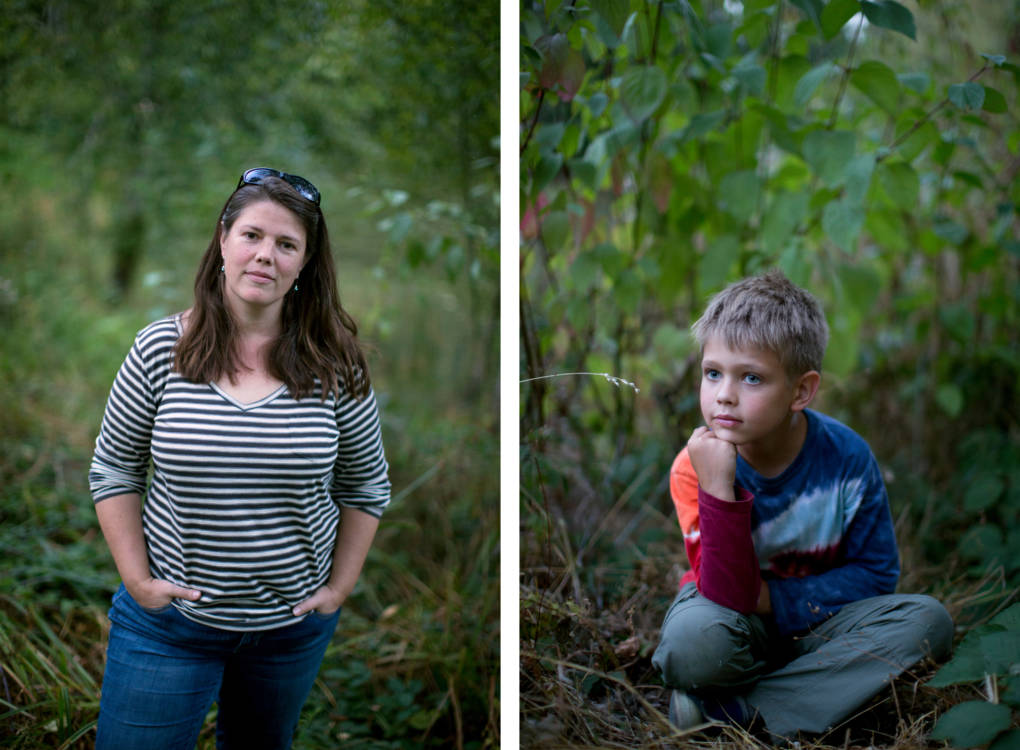
"caption": "Laura Randall, pictured at Mill Pond Park in Portland, gives her son, Matthew Randall, 7, a lot of freedom to explore on his own.",
"description": null,
"title": "Laura Randall, pictured at Mill Pond Park in Portland, gives her son, Matthew Randall, 7, a lot of freedom to explore on his own.",
"credit": "Beth Nakamura for NPR",
"status": "inherit",
"isLoading": false,
"fetchFailed": false
},
"mindshift_51406": {
"type": "attachments",
"id": "mindshift_51406",
"meta": {
"index": "attachments_1716263798",
"site": "mindshift",
"id": "51406",
"found": true
},
"parent": 51405,
"imgSizes": {
"small": {
"file": "https://ww2.kqed.org/app/uploads/sites/23/2018/06/raise_a_human_16_9_wide-d1849ccd942c4e7dfec7a35b9a43d774734a7a9c-520x293.jpg",
"width": 520,
"mimeType": "image/jpeg",
"height": 293
},
"twentyfourteen-full-width": {
"file": "https://ww2.kqed.org/app/uploads/sites/23/2018/06/raise_a_human_16_9_wide-d1849ccd942c4e7dfec7a35b9a43d774734a7a9c-1038x576.jpg",
"width": 1038,
"mimeType": "image/jpeg",
"height": 576
},
"thumbnail": {
"file": "https://ww2.kqed.org/app/uploads/sites/23/2018/06/raise_a_human_16_9_wide-d1849ccd942c4e7dfec7a35b9a43d774734a7a9c-160x90.jpg",
"width": 160,
"mimeType": "image/jpeg",
"height": 90
},
"fd-sm": {
"file": "https://ww2.kqed.org/app/uploads/sites/23/2018/06/raise_a_human_16_9_wide-d1849ccd942c4e7dfec7a35b9a43d774734a7a9c-960x540.jpg",
"width": 960,
"mimeType": "image/jpeg",
"height": 540
},
"post-thumbnail": {
"file": "https://ww2.kqed.org/app/uploads/sites/23/2018/06/raise_a_human_16_9_wide-d1849ccd942c4e7dfec7a35b9a43d774734a7a9c-672x372.jpg",
"width": 672,
"mimeType": "image/jpeg",
"height": 372
},
"xsmall": {
"file": "https://ww2.kqed.org/app/uploads/sites/23/2018/06/raise_a_human_16_9_wide-d1849ccd942c4e7dfec7a35b9a43d774734a7a9c-375x211.jpg",
"width": 375,
"mimeType": "image/jpeg",
"height": 211
},
"kqedFullSize": {
"file": "https://ww2.kqed.org/app/uploads/sites/23/2018/06/raise_a_human_16_9_wide-d1849ccd942c4e7dfec7a35b9a43d774734a7a9c.jpg",
"width": 1996,
"height": 1123
},
"large": {
"file": "https://ww2.kqed.org/app/uploads/sites/23/2018/06/raise_a_human_16_9_wide-d1849ccd942c4e7dfec7a35b9a43d774734a7a9c-1020x574.jpg",
"width": 1020,
"mimeType": "image/jpeg",
"height": 574
},
"xlarge": {
"file": "https://ww2.kqed.org/app/uploads/sites/23/2018/06/raise_a_human_16_9_wide-d1849ccd942c4e7dfec7a35b9a43d774734a7a9c-1180x664.jpg",
"width": 1180,
"mimeType": "image/jpeg",
"height": 664
},
"complete_open_graph": {
"file": "https://ww2.kqed.org/app/uploads/sites/23/2018/06/raise_a_human_16_9_wide-d1849ccd942c4e7dfec7a35b9a43d774734a7a9c-1200x675.jpg",
"width": 1200,
"mimeType": "image/jpeg",
"height": 675
},
"guest-author-50": {
"file": "https://ww2.kqed.org/app/uploads/sites/23/2018/06/raise_a_human_16_9_wide-d1849ccd942c4e7dfec7a35b9a43d774734a7a9c-50x50.jpg",
"width": 50,
"mimeType": "image/jpeg",
"height": 50
},
"guest-author-96": {
"file": "https://ww2.kqed.org/app/uploads/sites/23/2018/06/raise_a_human_16_9_wide-d1849ccd942c4e7dfec7a35b9a43d774734a7a9c-96x96.jpg",
"width": 96,
"mimeType": "image/jpeg",
"height": 96
},
"medium": {
"file": "https://ww2.kqed.org/app/uploads/sites/23/2018/06/raise_a_human_16_9_wide-d1849ccd942c4e7dfec7a35b9a43d774734a7a9c-800x450.jpg",
"width": 800,
"mimeType": "image/jpeg",
"height": 450
},
"guest-author-64": {
"file": "https://ww2.kqed.org/app/uploads/sites/23/2018/06/raise_a_human_16_9_wide-d1849ccd942c4e7dfec7a35b9a43d774734a7a9c-64x64.jpg",
"width": 64,
"mimeType": "image/jpeg",
"height": 64
},
"guest-author-32": {
"file": "https://ww2.kqed.org/app/uploads/sites/23/2018/06/raise_a_human_16_9_wide-d1849ccd942c4e7dfec7a35b9a43d774734a7a9c-32x32.jpg",
"width": 32,
"mimeType": "image/jpeg",
"height": 32
},
"fd-lrg": {
"file": "https://ww2.kqed.org/app/uploads/sites/23/2018/06/raise_a_human_16_9_wide-d1849ccd942c4e7dfec7a35b9a43d774734a7a9c-1920x1080.jpg",
"width": 1920,
"mimeType": "image/jpeg",
"height": 1080
},
"fd-med": {
"file": "https://ww2.kqed.org/app/uploads/sites/23/2018/06/raise_a_human_16_9_wide-d1849ccd942c4e7dfec7a35b9a43d774734a7a9c-1180x664.jpg",
"width": 1180,
"mimeType": "image/jpeg",
"height": 664
},
"full-width": {
"file": "https://ww2.kqed.org/app/uploads/sites/23/2018/06/raise_a_human_16_9_wide-d1849ccd942c4e7dfec7a35b9a43d774734a7a9c-1920x1080.jpg",
"width": 1920,
"mimeType": "image/jpeg",
"height": 1080
},
"detail": {
"file": "https://ww2.kqed.org/app/uploads/sites/23/2018/06/raise_a_human_16_9_wide-d1849ccd942c4e7dfec7a35b9a43d774734a7a9c-150x150.jpg",
"width": 150,
"mimeType": "image/jpeg",
"height": 150
},
"medium_large": {
"file": "https://ww2.kqed.org/app/uploads/sites/23/2018/06/raise_a_human_16_9_wide-d1849ccd942c4e7dfec7a35b9a43d774734a7a9c-768x432.jpg",
"width": 768,
"mimeType": "image/jpeg",
"height": 432
},
"guest-author-128": {
"file": "https://ww2.kqed.org/app/uploads/sites/23/2018/06/raise_a_human_16_9_wide-d1849ccd942c4e7dfec7a35b9a43d774734a7a9c-128x128.jpg",
"width": 128,
"mimeType": "image/jpeg",
"height": 128
},
"xxsmall": {
"file": "https://ww2.kqed.org/app/uploads/sites/23/2018/06/raise_a_human_16_9_wide-d1849ccd942c4e7dfec7a35b9a43d774734a7a9c-240x135.jpg",
"width": 240,
"mimeType": "image/jpeg",
"height": 135
}
},
"publishDate": 1528729222,
"modified": 1528729362,
"caption": null,
"description": "promo version of lede image",
"title": "promo version of lede image",
"credit": "Francesco Zorzi for NPR",
"status": "inherit",
"isLoading": false,
"fetchFailed": false
},
"mindshift_51330": {
"type": "attachments",
"id": "mindshift_51330",
"meta": {
"index": "attachments_1716263798",
"site": "mindshift",
"id": "51330",
"found": true
},
"parent": 51329,
"imgSizes": {
"small": {
"file": "https://ww2.kqed.org/app/uploads/sites/23/2018/06/mkondrich_parentingfinal_slide-7b6240671b03b092e49b3687181a4db46b808d14-520x346.jpe",
"width": 520,
"mimeType": "image/jpeg",
"height": 346
},
"twentyfourteen-full-width": {
"file": "https://ww2.kqed.org/app/uploads/sites/23/2018/06/mkondrich_parentingfinal_slide-7b6240671b03b092e49b3687181a4db46b808d14-1038x576.jpe",
"width": 1038,
"mimeType": "image/jpeg",
"height": 576
},
"thumbnail": {
"file": "https://ww2.kqed.org/app/uploads/sites/23/2018/06/mkondrich_parentingfinal_slide-7b6240671b03b092e49b3687181a4db46b808d14-160x107.jpe",
"width": 160,
"mimeType": "image/jpeg",
"height": 107
},
"fd-sm": {
"file": "https://ww2.kqed.org/app/uploads/sites/23/2018/06/mkondrich_parentingfinal_slide-7b6240671b03b092e49b3687181a4db46b808d14-960x640.jpe",
"width": 960,
"mimeType": "image/jpeg",
"height": 640
},
"post-thumbnail": {
"file": "https://ww2.kqed.org/app/uploads/sites/23/2018/06/mkondrich_parentingfinal_slide-7b6240671b03b092e49b3687181a4db46b808d14-672x372.jpe",
"width": 672,
"mimeType": "image/jpeg",
"height": 372
},
"xsmall": {
"file": "https://ww2.kqed.org/app/uploads/sites/23/2018/06/mkondrich_parentingfinal_slide-7b6240671b03b092e49b3687181a4db46b808d14-375x250.jpe",
"width": 375,
"mimeType": "image/jpeg",
"height": 250
},
"kqedFullSize": {
"file": "https://ww2.kqed.org/app/uploads/sites/23/2018/06/mkondrich_parentingfinal_slide-7b6240671b03b092e49b3687181a4db46b808d14-e1528090884801.jpe",
"width": 1920,
"height": 1279
},
"large": {
"file": "https://ww2.kqed.org/app/uploads/sites/23/2018/06/mkondrich_parentingfinal_slide-7b6240671b03b092e49b3687181a4db46b808d14-1020x680.jpe",
"width": 1020,
"mimeType": "image/jpeg",
"height": 680
},
"xlarge": {
"file": "https://ww2.kqed.org/app/uploads/sites/23/2018/06/mkondrich_parentingfinal_slide-7b6240671b03b092e49b3687181a4db46b808d14-1180x786.jpe",
"width": 1180,
"mimeType": "image/jpeg",
"height": 786
},
"complete_open_graph": {
"file": "https://ww2.kqed.org/app/uploads/sites/23/2018/06/mkondrich_parentingfinal_slide-7b6240671b03b092e49b3687181a4db46b808d14-1200x800.jpe",
"width": 1200,
"mimeType": "image/jpeg",
"height": 800
},
"guest-author-50": {
"file": "https://ww2.kqed.org/app/uploads/sites/23/2018/06/mkondrich_parentingfinal_slide-7b6240671b03b092e49b3687181a4db46b808d14-50x50.jpe",
"width": 50,
"mimeType": "image/jpeg",
"height": 50
},
"guest-author-96": {
"file": "https://ww2.kqed.org/app/uploads/sites/23/2018/06/mkondrich_parentingfinal_slide-7b6240671b03b092e49b3687181a4db46b808d14-96x96.jpe",
"width": 96,
"mimeType": "image/jpeg",
"height": 96
},
"medium": {
"file": "https://ww2.kqed.org/app/uploads/sites/23/2018/06/mkondrich_parentingfinal_slide-7b6240671b03b092e49b3687181a4db46b808d14-800x533.jpe",
"width": 800,
"mimeType": "image/jpeg",
"height": 533
},
"guest-author-64": {
"file": "https://ww2.kqed.org/app/uploads/sites/23/2018/06/mkondrich_parentingfinal_slide-7b6240671b03b092e49b3687181a4db46b808d14-64x64.jpe",
"width": 64,
"mimeType": "image/jpeg",
"height": 64
},
"guest-author-32": {
"file": "https://ww2.kqed.org/app/uploads/sites/23/2018/06/mkondrich_parentingfinal_slide-7b6240671b03b092e49b3687181a4db46b808d14-32x32.jpe",
"width": 32,
"mimeType": "image/jpeg",
"height": 32
},
"fd-lrg": {
"file": "https://ww2.kqed.org/app/uploads/sites/23/2018/06/mkondrich_parentingfinal_slide-7b6240671b03b092e49b3687181a4db46b808d14-1920x1279.jpe",
"width": 1920,
"mimeType": "image/jpeg",
"height": 1279
},
"fd-med": {
"file": "https://ww2.kqed.org/app/uploads/sites/23/2018/06/mkondrich_parentingfinal_slide-7b6240671b03b092e49b3687181a4db46b808d14-1180x786.jpe",
"width": 1180,
"mimeType": "image/jpeg",
"height": 786
},
"full-width": {
"file": "https://ww2.kqed.org/app/uploads/sites/23/2018/06/mkondrich_parentingfinal_slide-7b6240671b03b092e49b3687181a4db46b808d14-1920x1279.jpe",
"width": 1920,
"mimeType": "image/jpeg",
"height": 1279
},
"detail": {
"file": "https://ww2.kqed.org/app/uploads/sites/23/2018/06/mkondrich_parentingfinal_slide-7b6240671b03b092e49b3687181a4db46b808d14-150x150.jpe",
"width": 150,
"mimeType": "image/jpeg",
"height": 150
},
"medium_large": {
"file": "https://ww2.kqed.org/app/uploads/sites/23/2018/06/mkondrich_parentingfinal_slide-7b6240671b03b092e49b3687181a4db46b808d14-768x512.jpe",
"width": 768,
"mimeType": "image/jpeg",
"height": 512
},
"guest-author-128": {
"file": "https://ww2.kqed.org/app/uploads/sites/23/2018/06/mkondrich_parentingfinal_slide-7b6240671b03b092e49b3687181a4db46b808d14-128x128.jpe",
"width": 128,
"mimeType": "image/jpeg",
"height": 128
},
"xxsmall": {
"file": "https://ww2.kqed.org/app/uploads/sites/23/2018/06/mkondrich_parentingfinal_slide-7b6240671b03b092e49b3687181a4db46b808d14-240x160.jpe",
"width": 240,
"mimeType": "image/jpeg",
"height": 160
}
},
"publishDate": 1528090746,
"modified": 1528090904,
"caption": null,
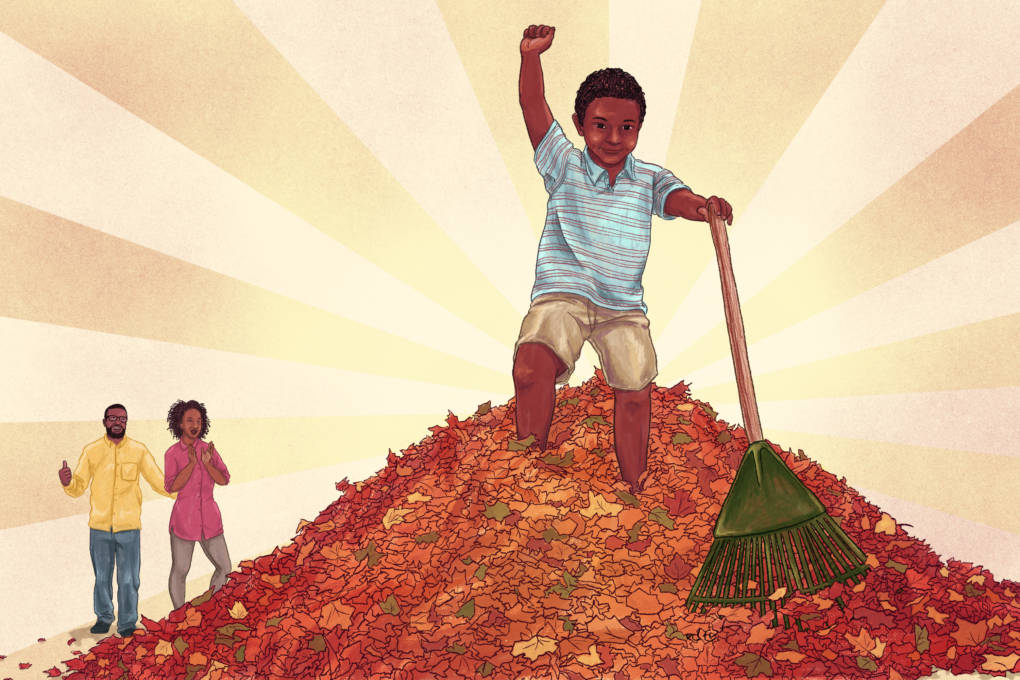
"description": "Boy completes his chore of raking leaves",
"title": "Boy completes his chore of raking leaves",
"credit": "Michelle Kondrich for NPR",
"status": "inherit",
"isLoading": false,
"fetchFailed": false
},
"mindshift_50563": {
"type": "attachments",
"id": "mindshift_50563",
"meta": {
"index": "attachments_1716263798",
"site": "mindshift",
"id": "50563",
"found": true
},
"parent": 50562,
"imgSizes": {
"small": {
"file": "https://ww2.kqed.org/app/uploads/sites/23/2018/02/maker-space_slide-e56e0affefee5e349bcd3aba37ba2a11c61b6471-520x347.jpe",
"width": 520,
"mimeType": "image/jpeg",
"height": 347
},
"twentyfourteen-full-width": {
"file": "https://ww2.kqed.org/app/uploads/sites/23/2018/02/maker-space_slide-e56e0affefee5e349bcd3aba37ba2a11c61b6471-1038x576.jpe",
"width": 1038,
"mimeType": "image/jpeg",
"height": 576
},
"thumbnail": {
"file": "https://ww2.kqed.org/app/uploads/sites/23/2018/02/maker-space_slide-e56e0affefee5e349bcd3aba37ba2a11c61b6471-160x107.jpe",
"width": 160,
"mimeType": "image/jpeg",
"height": 107
},
"fd-sm": {
"file": "https://ww2.kqed.org/app/uploads/sites/23/2018/02/maker-space_slide-e56e0affefee5e349bcd3aba37ba2a11c61b6471-960x640.jpe",
"width": 960,
"mimeType": "image/jpeg",
"height": 640
},
"post-thumbnail": {
"file": "https://ww2.kqed.org/app/uploads/sites/23/2018/02/maker-space_slide-e56e0affefee5e349bcd3aba37ba2a11c61b6471-672x372.jpe",
"width": 672,
"mimeType": "image/jpeg",
"height": 372
},
"xsmall": {
"file": "https://ww2.kqed.org/app/uploads/sites/23/2018/02/maker-space_slide-e56e0affefee5e349bcd3aba37ba2a11c61b6471-375x250.jpe",
"width": 375,
"mimeType": "image/jpeg",
"height": 250
},
"kqedFullSize": {
"file": "https://ww2.kqed.org/app/uploads/sites/23/2018/02/maker-space_slide-e56e0affefee5e349bcd3aba37ba2a11c61b6471-e1518702024788.jpe",
"width": 1920,
"height": 1280
},
"large": {
"file": "https://ww2.kqed.org/app/uploads/sites/23/2018/02/maker-space_slide-e56e0affefee5e349bcd3aba37ba2a11c61b6471-1020x680.jpe",
"width": 1020,
"mimeType": "image/jpeg",
"height": 680
},
"xlarge": {
"file": "https://ww2.kqed.org/app/uploads/sites/23/2018/02/maker-space_slide-e56e0affefee5e349bcd3aba37ba2a11c61b6471-1180x787.jpe",
"width": 1180,
"mimeType": "image/jpeg",
"height": 787
},
"guest-author-50": {
"file": "https://ww2.kqed.org/app/uploads/sites/23/2018/02/maker-space_slide-e56e0affefee5e349bcd3aba37ba2a11c61b6471-50x50.jpe",
"width": 50,
"mimeType": "image/jpeg",
"height": 50
},
"guest-author-96": {
"file": "https://ww2.kqed.org/app/uploads/sites/23/2018/02/maker-space_slide-e56e0affefee5e349bcd3aba37ba2a11c61b6471-96x96.jpe",
"width": 96,
"mimeType": "image/jpeg",
"height": 96
},
"medium": {
"file": "https://ww2.kqed.org/app/uploads/sites/23/2018/02/maker-space_slide-e56e0affefee5e349bcd3aba37ba2a11c61b6471-800x533.jpe",
"width": 800,
"mimeType": "image/jpeg",
"height": 533
},
"guest-author-64": {
"file": "https://ww2.kqed.org/app/uploads/sites/23/2018/02/maker-space_slide-e56e0affefee5e349bcd3aba37ba2a11c61b6471-64x64.jpe",
"width": 64,
"mimeType": "image/jpeg",
"height": 64
},
"guest-author-32": {
"file": "https://ww2.kqed.org/app/uploads/sites/23/2018/02/maker-space_slide-e56e0affefee5e349bcd3aba37ba2a11c61b6471-32x32.jpe",
"width": 32,
"mimeType": "image/jpeg",
"height": 32
},
"fd-lrg": {
"file": "https://ww2.kqed.org/app/uploads/sites/23/2018/02/maker-space_slide-e56e0affefee5e349bcd3aba37ba2a11c61b6471-1920x1280.jpe",
"width": 1920,
"mimeType": "image/jpeg",
"height": 1280
},
"fd-med": {
"file": "https://ww2.kqed.org/app/uploads/sites/23/2018/02/maker-space_slide-e56e0affefee5e349bcd3aba37ba2a11c61b6471-1180x787.jpe",
"width": 1180,
"mimeType": "image/jpeg",
"height": 787
},
"full-width": {
"file": "https://ww2.kqed.org/app/uploads/sites/23/2018/02/maker-space_slide-e56e0affefee5e349bcd3aba37ba2a11c61b6471-1920x1280.jpe",
"width": 1920,
"mimeType": "image/jpeg",
"height": 1280
},
"detail": {
"file": "https://ww2.kqed.org/app/uploads/sites/23/2018/02/maker-space_slide-e56e0affefee5e349bcd3aba37ba2a11c61b6471-150x150.jpe",
"width": 150,
"mimeType": "image/jpeg",
"height": 150
},
"medium_large": {
"file": "https://ww2.kqed.org/app/uploads/sites/23/2018/02/maker-space_slide-e56e0affefee5e349bcd3aba37ba2a11c61b6471-768x512.jpe",
"width": 768,
"mimeType": "image/jpeg",
"height": 512
},
"guest-author-128": {
"file": "https://ww2.kqed.org/app/uploads/sites/23/2018/02/maker-space_slide-e56e0affefee5e349bcd3aba37ba2a11c61b6471-128x128.jpe",
"width": 128,
"mimeType": "image/jpeg",
"height": 128
},
"xxsmall": {
"file": "https://ww2.kqed.org/app/uploads/sites/23/2018/02/maker-space_slide-e56e0affefee5e349bcd3aba37ba2a11c61b6471-240x160.jpe",
"width": 240,
"mimeType": "image/jpeg",
"height": 160
}
},
"publishDate": 1518701745,
"modified": 1518702069,
"caption": null,
"description": null,
"title": "Self-driven child",
"credit": "Chris Kindred for NPR",
"status": "inherit",
"isLoading": false,
"fetchFailed": false
}
},
"audioPlayerReducer": {
"postId": "stream_live",
"isPaused": true,
"isPlaying": false,
"pfsActive": false,
"pledgeModalIsOpen": true,
"playerDrawerIsOpen": false,
"liveAudioPlayStartedAt": 0,
"liveAudioPlayContext": ""
},
"authorsReducer": {
"byline_mindshift_53762": {
"type": "authors",
"id": "byline_mindshift_53762",
"meta": {
"override": true
},
"slug": "byline_mindshift_53762",
"name": "Terry Gross",
"isLoading": false
},
"byline_mindshift_53499": {
"type": "authors",
"id": "byline_mindshift_53499",
"meta": {
"override": true
},
"slug": "byline_mindshift_53499",
"name": "Selena Simmons-Duffin",
"isLoading": false
},
"byline_mindshift_53384": {
"type": "authors",
"id": "byline_mindshift_53384",
"meta": {
"override": true
},
"slug": "byline_mindshift_53384",
"name": "\u003ca href=\"https://twitter.com/LoriGottlieb1\">Lori Gottlieb\u003c/a>",
"isLoading": false
},
"byline_mindshift_52070": {
"type": "authors",
"id": "byline_mindshift_52070",
"meta": {
"override": true
},
"slug": "byline_mindshift_52070",
"name": "DEENA PRICHEP",
"isLoading": false
},
"byline_mindshift_51405": {
"type": "authors",
"id": "byline_mindshift_51405",
"meta": {
"override": true
},
"slug": "byline_mindshift_51405",
"name": "Allison Aubrey and Jane Greenhalgh",
"isLoading": false
},
"byline_mindshift_51329": {
"type": "authors",
"id": "byline_mindshift_51329",
"meta": {
"override": true
},
"slug": "byline_mindshift_51329",
"name": "Cory Turner",
"isLoading": false
},
"byline_mindshift_50562": {
"type": "authors",
"id": "byline_mindshift_50562",
"meta": {
"override": true
},
"slug": "byline_mindshift_50562",
"name": "Cory Turner",
"isLoading": false
},
"ksung": {
"type": "authors",
"id": "4596",
"meta": {
"index": "authors_1716337520",
"id": "4596",
"found": true
},
"name": "Ki Sung",
"firstName": "Ki",
"lastName": "Sung",
"slug": "ksung",
"email": "ksung@kqed.org",
"display_author_email": false,
"staff_mastheads": [
"news"
],
"title": "KQED Contributor",
"bio": "Ki Sung is Managing Editor of Digital News at KQED. She is former Senior Editor of MindShift and worked at NPR before joining KQED in 2014.",
"avatar": "https://secure.gravatar.com/avatar/64271e01dc95486c133be56937739045b7c00c990525bf9add12d3dd4f0433c9?s=600&d=blank&r=g",
"twitter": null,
"bluesky": null,
"facebook": null,
"instagram": null,
"linkedin": null,
"sites": [
{
"site": "news",
"roles": [
"editor"
]
},
{
"site": "mindshift",
"roles": [
"administrator"
]
},
{
"site": "elections",
"roles": [
"administrator"
]
}
],
"headData": {
"title": "Ki Sung | KQED",
"description": "KQED Contributor",
"ogImgSrc": "https://secure.gravatar.com/avatar/64271e01dc95486c133be56937739045b7c00c990525bf9add12d3dd4f0433c9?s=600&d=blank&r=g",
"twImgSrc": "https://secure.gravatar.com/avatar/64271e01dc95486c133be56937739045b7c00c990525bf9add12d3dd4f0433c9?s=600&d=blank&r=g"
},
"isLoading": false,
"link": "/author/ksung"
},
"lindaflan": {
"type": "authors",
"id": "4613",
"meta": {
"index": "authors_1716337520",
"id": "4613",
"found": true
},
"name": "Linda Flanagan",
"firstName": "Linda",
"lastName": "Flanagan",
"slug": "lindaflan",
"email": "lindaflan@comcast.net",
"display_author_email": false,
"staff_mastheads": [],
"title": null,
"bio": "Linda Flanagan is a freelance writer, researcher, and editor. Her work has appeared in The Atlantic, The Wall St. Journal, Newsweek, Running Times, and Mind/Shift, and she blogs regularly for the Huffington Post. Linda writes about education, culture, athletics, youth sports, mental health, politics, college admissions, and other curiosities. She also reviews books and conducts interviews.",
"avatar": "https://secure.gravatar.com/avatar/6bca04c0736bf5eaea80654019de688f?s=600&d=blank&r=g",
"twitter": "LindaFlanagan2",
"facebook": null,
"instagram": null,
"linkedin": null,
"sites": [
{
"site": "mindshift",
"roles": [
"contributor"
]
}
],
"headData": {
"title": "Linda Flanagan | KQED",
"description": null,
"ogImgSrc": "https://secure.gravatar.com/avatar/6bca04c0736bf5eaea80654019de688f?s=600&d=blank&r=g",
"twImgSrc": "https://secure.gravatar.com/avatar/6bca04c0736bf5eaea80654019de688f?s=600&d=blank&r=g"
},
"isLoading": false,
"link": "/author/lindaflan"
},
"dfkris": {
"type": "authors",
"id": "11087",
"meta": {
"index": "authors_1716337520",
"id": "11087",
"found": true
},
"name": "Deborah Farmer Kris",
"firstName": "Deborah Farmer",
"lastName": "Kris",
"slug": "dfkris",
"email": "dfkris@gmail.com",
"display_author_email": false,
"staff_mastheads": [],
"title": null,
"bio": "\u003cem>\u003ca href=\"https://twitter.com/@dfkris\">Deborah Farmer Kris\u003c/a> has taught elementary, middle and high school and served as a charter school administrator. She spent a decade as an associate at Boston University’s \u003c/em>\u003cem>\u003ca href=\"http://www.bu.edu/ccsr/about-us/\">Center for Character and Social Responsibility\u003c/a>, \u003c/em>\u003cem>researching, writing, and consulting with schools. She is the mother of two young children. You can follower her on Twitter \u003ca href=\"https://twitter.com/@dfkris\">@dfkris\u003c/a>.\u003c/em>",
"avatar": "https://secure.gravatar.com/avatar/48efe6f17031ed31222b74af9605fe5a?s=600&d=blank&r=g",
"twitter": "dfkris",
"facebook": null,
"instagram": null,
"linkedin": null,
"sites": [
{
"site": "mindshift",
"roles": [
"author"
]
}
],
"headData": {
"title": "Deborah Farmer Kris | KQED",
"description": null,
"ogImgSrc": "https://secure.gravatar.com/avatar/48efe6f17031ed31222b74af9605fe5a?s=600&d=blank&r=g",
"twImgSrc": "https://secure.gravatar.com/avatar/48efe6f17031ed31222b74af9605fe5a?s=600&d=blank&r=g"
},
"isLoading": false,
"link": "/author/dfkris"
}
},
"pagesReducer": {
"mindshift_tag_overparenting": {
"type": "terms",
"id": "mindshift_20870",
"meta": {
"index": "terms_1716263798",
"site": "mindshift",
"id": "20870",
"score": 10.401017
},
"featImg": null,
"name": "overparenting",
"description": null,
"taxonomy": "tag",
"headData": {
"twImgId": null,
"twTitle": null,
"ogTitle": null,
"ogImgId": null,
"twDescription": null,
"description": null,
"title": "overparenting Archives | KQED Mindshift",
"ogDescription": null
},
"ttid": 20148,
"slug": "overparenting",
"isLoading": false,
"title": "overparenting",
"pageMeta": {
"site": "mindshift",
"WpPageTemplate": "page-topic-editorial",
"currentPage": 2
},
"blocks": [
{
"blockName": "kqed/post-list",
"attrs": {
"layout": "cardArticle2",
"query": "posts/mindshift?tag=overparenting",
"seeMore": false,
"paginated": true,
"page": 2
}
},
{
"blockName": "kqed/ad"
}
]
}
},
"pfsSessionReducer": {},
"postsReducer": {
"stream_live": {
"type": "live",
"id": "stream_live",
"audioUrl": "https://streams.kqed.org/kqedradio",
"title": "Live Stream",
"excerpt": "Live Stream information currently unavailable.",
"link": "/radio",
"featImg": "",
"label": {
"name": "KQED Live",
"link": "/"
}
},
"stream_kqedNewscast": {
"type": "posts",
"id": "stream_kqedNewscast",
"audioUrl": "https://www.kqed.org/.stream/anon/radio/RDnews/newscast.mp3?_=1",
"title": "KQED Newscast",
"featImg": "",
"label": {
"name": "88.5 FM",
"link": "/"
}
},
"mindshift_57108": {
"type": "posts",
"id": "mindshift_57108",
"meta": {
"index": "posts_1716263798",
"site": "mindshift",
"id": "57108",
"score": null,
"sort": [
1607933873000
]
},
"parent": 0,
"labelTerm": {
"site": "mindshift"
},
"blocks": [],
"publishDate": 1607933873,
"format": "standard",
"disqusTitle": "Listen and Connect: How Parents Can Support Teens’ Mental Health Right Now",
"title": "Listen and Connect: How Parents Can Support Teens’ Mental Health Right Now",
"headTitle": "MindShift | KQED News",
"content": "\u003cp>\u003cspan style=\"font-weight: 400\">There’s no handbook for how to raise teenagers during a pandemic. Adolescents are struggling for valid reasons and many parents are grappling with how to support their teens while also navigating their own pressing concerns. \u003c/span>\u003c/p>\n\u003cp>\u003cspan style=\"font-weight: 400\">Katie Hurley, an \u003c/span>\u003cspan style=\"font-weight: 400\">adolescent psychotherapist and author of the new book, \u003c/span>\u003ca href=\"https://www.amazon.com/Year-Positive-Thinking-Teens-Motivation/dp/1647396409\">\u003cspan style=\"font-weight: 400\">“A Year Of Positive Thinking For Teens,” \u003c/span>\u003c/a>\u003cspan style=\"font-weight: 400\">says that in her practice, she has seen the toll\u003c/span>\u003cspan style=\"font-weight: 400\"> of these last several months. What do teens need most right now, from her perspective? \u003c/span>\u003c/p>\n\u003cp>\u003cspan style=\"font-weight: 400\">“It sounds really simple, but the thing that teenagers are craving the most is connection and listening because this is hard for everyone,” she said.\u003c/span>\u003c/p>\n\u003ch2>\u003cb>Take Your Own Emotional Temperature\u003c/b>\u003c/h2>\n\u003cp>\u003cspan style=\"font-weight: 400\">With so much of school and social life occurring over screens, parents offer their children a vital physical presence. But this can also feel daunting as parents feel the pressure of meeting their family’s physical and emotional needs while also assuming greater responsibility for their children’s schooling.\u003c/span>\u003c/p>\n\u003cp>\u003cspan style=\"font-weight: 400\">Hurley encourages adults to check their own emotional thermometer throughout the day. Our children are watching how we react and our responses matter, says Hurley. “Children take their cues first from us, always. We are their people.” But adults do not need to be paragons of positivity. We don’t have to pretend it’s easy, says Hurley. Instead, we can talk about how we are feeling with teens “so that they know that, right now, feeling like you're on a roller coaster every day is normal.”\u003c/span>\u003c/p>\n\u003cp>[ad fullwidth]\u003c/p>\n\u003cp>\u003cspan style=\"font-weight: 400\">No single strategy, like deep breathing, will magically make our worries disappear. That said, “having coping strategies in your back pocket is super important,” says Hurley. “It helps us know what to do when our stress levels rise, but it doesn't fix everything.” It also takes consistent practice to hone these skills so that you can apply them when you feel your temperature rise. With both adults and kids experiencing challenges right now, it’s a powerful time for families to practice being open about emotions and making self-care a family affair. \u003c/span>\u003c/p>\n\u003cp>\u003cspan style=\"font-weight: 400\">“Whether it is taking that daily walk or doing an online yoga class or some sort of exercise to get the endorphins going, we have to think about our own coping strategies,” says Hurley. She also strongly recommends meditation apps because mindfulness is a proven way to reduce the acute stress response. “When we use it, it works.”\u003c/span>\u003c/p>\n\u003ch2>\u003cb>Check-In Without Interviewing\u003c/b>\u003c/h2>\n\u003cp>\u003cspan style=\"font-weight: 400\">Teens need adults to keep an eye on them right now, but sometimes how we check-in can inadvertently increase anxiety. “We have to practice checking in with them in non-threatening ways,” says Hurley. That means putting a stop to “constantly interviewing kids about what homework they’ve done, what they’ve sent in and what's still outstanding.” \u003c/span>\u003c/p>\n\u003cp>\u003cspan style=\"font-weight: 400\">Right now, there’s a lot of media chatter about “lost learning and how kids are falling behind,” says Hurley. \"And it's translating to pressure within the home.” \u003c/span>\u003c/p>\n\u003cp>\u003cspan style=\"font-weight: 400\">It’s hard to see our children struggle with remote or hybrid schooling, so “we keep interviewing them to try to get information so that we can know how to fix it. We can't fix this. But what we can do is we can step back and say, ‘Hey, this is hard academically and emotionally. It's exceptionally difficult to learn math online right now.’ What we need to do more of is just listening and asking, ‘How are you doing? How are you feeling?’\" \u003c/span>\u003c/p>\n\u003cp>\u003cspan style=\"font-weight: 400\">Hurley said the most common response she’s hearing from kids right now is that they are lonely. They miss their friends, and they miss “a teacher leaning over their desk to point something out on their paper. Teachers have this magical way of connecting with kids in small ways and they can't get that over Zoom, no matter how hard they try.”\u003c/span>\u003c/p>\n\u003ch2>\u003cb>Meet Them Where They Are\u003c/b>\u003c/h2>\n\u003cp>\u003cspan style=\"font-weight: 400\">Parents often report that their teens are not coming to them for support. But they are, Hurley says. \u003c/span>\u003c/p>\n\u003cp>\u003cspan style=\"font-weight: 400\">“They're just doing it in a way that you don't like. When they're venting or sniping at you over little things – there it is! They are trying to hand you their feelings. They're projecting outward because those feelings are uncomfortable and they don't know what to do with them.”\u003c/span>\u003c/p>\n\u003cp>\u003cspan style=\"font-weight: 400\">Sometimes teens seek to connect over play through video games, cards, basketball, jigsaw puzzles, etc. “Play is how kids connect at all ages,” says Hurley. “It's a reason teenagers will say, ‘Dad, would you shoot hoops with me?’” \u003c/span>\u003c/p>\n\u003cp>\u003cspan style=\"font-weight: 400\">As Harvard psychologist Nancy Hill \u003c/span>\u003ca href=\"https://www.kqed.org/mindshift/40845/as-teens-push-away-what-can-parents-do-to-support-success\">\u003cspan style=\"font-weight: 400\">once noted\u003c/span>\u003c/a>\u003cspan style=\"font-weight: 400\">, “Parenting teens is like hugging a cactus. Even as the ‘warm fuzzies’ are not often reciprocated, teens still need them, still need to know they are loved unconditionally.” According to a study she \u003c/span>\u003ca href=\"https://www.gse.harvard.edu/file/parental-involvementwang-hill-hofkens-2014pdf\">\u003cspan style=\"font-weight: 400\">authored\u003c/span>\u003c/a>\u003cspan style=\"font-weight: 400\">, parental warmth amplifies all other parenting strategies, even when teens distance themselves from parents.\u003c/span>\u003c/p>\n\u003ch2>\u003cb>Listen Your Way Through Their Problems\u003c/b>\u003c/h2>\n\u003cp>\u003cspan style=\"font-weight: 400\">The best thing parents and caregivers can give teens right now is the undivided attention of listening, empathizing and compassion, says Hurley. When teens do share their worries, resist the urge to either minimize them or solve the problem for them. \u003c/span>\u003c/p>\n\u003cp>\u003cspan style=\"font-weight: 400\">“They want you to listen your way through their problems so that they have somebody to vent to and bounce ideas off of,” says Hurley. Practice being a sounding board – a calm presence who offers short, empathetic responses such as: \"Wow, that's hard. I feel for you. I'm heartbroken for you. This seems really difficult.\" \u003c/span>\u003c/p>\n\u003cp>\u003cspan style=\"font-weight: 400\">In the face of this empathetic listening, teens often start to solve their own problems. “They shift from what feels like a litany of complaints to a little bit of, ‘Maybe I should do this or that.’ They start coming up with ideas,” says Hurley. The hardest part for parents is to just listen and not share our own ideas because we know what's worked for us. \u003c/span>\u003c/p>\n\u003cp>\u003cspan style=\"font-weight: 400\">Hurley offered this example of how adult language can support teen problem-solving: When teens share what bothers them, first validate their emotions with \"That sounds really hard” or “That stinks.\" And then ask something like, “Is this a problem that you think you can solve or is this a problem that we need to endure? Are you looking for an answer or do you want help riding out the storm by talking you through it, guiding you through it or just listening you through it?” Nine times out of ten, says Hurley, they want someone to “listen through it.”\u003c/span>\u003c/p>\n\u003cp>\u003cspan style=\"font-weight: 400\">If teens struggle to come up with their own next steps, adults can reaffirm that “there's no easy answer,” says Hurley, and perhaps ask, “What are some things that give you little bits of hope right now? What would help you feel one percent better?” These “little bits of hope” can become small steps for moving forward.\u003c/span>\u003c/p>\n\u003ch2>\u003cb>Drowning Doesn’t Build Resilience\u003c/b>\u003c/h2>\n\u003cp>\u003cspan style=\"font-weight: 400\">In the last 20 years, the term “helicopter parenting” became shorthand for parents who are overly involved in their children’s lives and whose “hovering” interferes with children’s ability to develop independence. But, like any other parenting conundrum, the desire to avoid becoming a “helicopter parent” can be taken to extremes. When teens are in distress, sometimes parents think, \"I need to step away from you. You have to figure it out all by yourself.\" And while adolescents are highly capable problem-solvers, we don’t need to leave them to go it alone. “That's not resilience. That's loneliness,” says Hurley. “We know from years and years of research that human beings need each other. We are supposed to help each other out. We aren't supposed to be drowning in a stormy sea without a life ring.” Rather, she says, teens need adults to be the anchors to hold them steady.\u003c/span>\u003c/p>\n\u003cp>\u003cspan style=\"font-weight: 400\">In fact, the science around resilience – or the capacity to recover from difficulties – highlights the need for adults to support children in developing this character strength. According to \u003c/span>\u003ca href=\"https://www.gse.harvard.edu/news/uk/15/03/science-resilience\">\u003cspan style=\"font-weight: 400\">research\u003c/span>\u003c/a>\u003cspan style=\"font-weight: 400\"> out of Harvard’s Center for the Developing Child, “Resilience can be built; it’s not an innate trait . . . [It] is shaped throughout life by the accumulation of experiences — both good and bad — and the continuing development of adaptive coping skills connected to those experiences.” Hurley says, “If there were awards for your soft skills, resilience would be a lifetime achievement award. It’s something that’s accrued over time, as we learn that we can work through hard things, we can solve problems and we can cope. But it’s not reasonable to expect teenagers to be able to do this independently a hundred percent of the time because their brains are not even fully formed until they’re 25 years old.” \u003c/span>\u003c/p>\n\u003cp>\u003cspan style=\"font-weight: 400\">And here’s more good news for adults worried about their own capacity to help their adolescents right now. According to \u003c/span>\u003ca href=\"https://developingchild.harvard.edu/resources/supportive-relationships-and-active-skill-building-strengthen-the-foundations-of-resilience/\">\u003cspan style=\"font-weight: 400\">research\u003c/span>\u003c/a>\u003cspan style=\"font-weight: 400\">, “children who do well despite serious hardship have had at least one stable and committed relationship with a supportive adult.” In other words, in tough times, a parent or caregiver’s very presence can be a protective factor. \u003c/span>\u003c/p>\n\u003ch2>\u003cb>Practice Zooming Out & Finding Purpose\u003c/b>\u003c/h2>\n\u003cp>\u003cspan style=\"font-weight: 400\">As humans, we tend to zoom in to hyperfocus on what we think is important. For parents of teens, that often includes grades, test scores and the college process. But what if those aren’t the right places to focus our lenses right now? Hurley says, “We have to hit pause, zoom out and say, ‘What other things can our kids learn during this time?’ Can they learn the value of pulling in the trash cans for an elderly neighbor? Can they learn how to help a younger child by reading them stories over Zoom? Yes, they can. There are all sorts of different ways that we can channel this stressful energy into positive outcomes.” \u003c/span>\u003c/p>\n\u003cp>\u003cspan style=\"font-weight: 400\">And if a teen has a hard time thinking outside of themselves right now – beyond what they are feeling and missing – that doesn’t mean they are selfish. It just means that they're human and they're struggling. Meet them there and say, \"I get this. This is hard. What else can you do?\" says Hurley. “We have to help kids find some purpose, anything. Because when we have purpose, we are optimistic and we feel like we can get through hard things.”\u003c/span>\u003c/p>\n\u003ch2>\u003cb>Look for Small Pieces of Happiness\u003c/b>\u003c/h2>\n\u003cp>\u003cspan style=\"font-weight: 400\">For parents who are struggling to find their own equilibrium, Hurley suggests looking for small pieces of happiness and hope each day. “We have this tendency to kind of hitch our wagons to big ideas and big things. But right now, we need to dial that back and look for the small things. So, if siblings who have been fighting for six months straight are not fighting as much anymore, that's kind of a big thing.” Likewise, if a teen who is struggling in school finds a new interest – from birdwatching to cooking to Garageband compositions – “that's a big win right there; we have to look for these little, big things.” \u003c/span>\u003c/p>\n\u003cp>[ad floatright]\u003c/p>\n\u003cp>\u003cspan style=\"font-weight: 400\">Similarly, we can acknowledge all the ways teens are coping and growing and giving and express our awe at how well they are doing in an unnerving time. Recently, Hurley found herself saying to her own kids, “‘I think you guys are remarkable. This has been a really difficult time. And it hasn't always been easy for you, but you're weathering the storm with us, and you're doing what you need to do. And you're coming to us when it's too hard. And you're asking to play a game or walk the dog together if you need to connect.’ Those things are important and we have to call those out.”\u003c/span>\u003c/p>\n\n",
"disqusIdentifier": "57108 https://ww2.kqed.org/mindshift/?p=57108",
"disqusUrl": "https://ww2.kqed.org/mindshift/2020/12/14/listen-and-connect-how-parents-can-support-teens-mental-health-right-now/",
"stats": {
"hasVideo": false,
"hasChartOrMap": false,
"hasAudio": false,
"hasPolis": false,
"wordCount": 2105,
"hasGoogleForm": false,
"hasGallery": false,
"hasHearkenModule": false,
"iframeSrcs": [],
"paragraphCount": 29
},
"modified": 1607933873,
"excerpt": "There's a lot for parents to be anxious about during distance learning and that's rubbing off on teens. Parents can help teens by listening and putting their well-being beyond academics at the center. ",
"headData": {
"twImgId": "",
"twTitle": "",
"ogTitle": "",
"ogImgId": "",
"twDescription": "",
"description": "There's a lot for parents to be anxious about during distance learning and that's rubbing off on teens. Parents can help teens by listening and putting their well-being beyond academics at the center. ",
"title": "Listen and Connect: How Parents Can Support Teens’ Mental Health Right Now - MindShift",
"ogDescription": "",
"schema": {
"@context": "https://schema.org",
"@type": "Article",
"headline": "Listen and Connect: How Parents Can Support Teens’ Mental Health Right Now",
"datePublished": "2020-12-14T00:17:53-08:00",
"dateModified": "2020-12-14T00:17:53-08:00",
"image": "https://cdn.kqed.org/wp-content/uploads/2020/02/KQED-OG-Image@1x.png"
}
},
"guestAuthors": [],
"slug": "listen-and-connect-how-parents-can-support-teens-mental-health-right-now",
"status": "publish",
"path": "/mindshift/57108/listen-and-connect-how-parents-can-support-teens-mental-health-right-now",
"audioTrackLength": null,
"parsedContent": [
{
"type": "contentString",
"content": "\u003cdiv class=\"post-body\">\u003cp>\u003cp>\u003cspan style=\"font-weight: 400\">There’s no handbook for how to raise teenagers during a pandemic. Adolescents are struggling for valid reasons and many parents are grappling with how to support their teens while also navigating their own pressing concerns. \u003c/span>\u003c/p>\n\u003cp>\u003cspan style=\"font-weight: 400\">Katie Hurley, an \u003c/span>\u003cspan style=\"font-weight: 400\">adolescent psychotherapist and author of the new book, \u003c/span>\u003ca href=\"https://www.amazon.com/Year-Positive-Thinking-Teens-Motivation/dp/1647396409\">\u003cspan style=\"font-weight: 400\">“A Year Of Positive Thinking For Teens,” \u003c/span>\u003c/a>\u003cspan style=\"font-weight: 400\">says that in her practice, she has seen the toll\u003c/span>\u003cspan style=\"font-weight: 400\"> of these last several months. What do teens need most right now, from her perspective? \u003c/span>\u003c/p>\n\u003cp>\u003cspan style=\"font-weight: 400\">“It sounds really simple, but the thing that teenagers are craving the most is connection and listening because this is hard for everyone,” she said.\u003c/span>\u003c/p>\n\u003ch2>\u003cb>Take Your Own Emotional Temperature\u003c/b>\u003c/h2>\n\u003cp>\u003cspan style=\"font-weight: 400\">With so much of school and social life occurring over screens, parents offer their children a vital physical presence. But this can also feel daunting as parents feel the pressure of meeting their family’s physical and emotional needs while also assuming greater responsibility for their children’s schooling.\u003c/span>\u003c/p>\n\u003cp>\u003cspan style=\"font-weight: 400\">Hurley encourages adults to check their own emotional thermometer throughout the day. Our children are watching how we react and our responses matter, says Hurley. “Children take their cues first from us, always. We are their people.” But adults do not need to be paragons of positivity. We don’t have to pretend it’s easy, says Hurley. Instead, we can talk about how we are feeling with teens “so that they know that, right now, feeling like you're on a roller coaster every day is normal.”\u003c/span>\u003c/p>\n\u003cp>\u003c/p>\u003c/div>",
"attributes": {
"named": {},
"numeric": []
}
},
{
"type": "component",
"content": "",
"name": "ad",
"attributes": {
"named": {
"label": "fullwidth"
},
"numeric": [
"fullwidth"
]
}
},
{
"type": "contentString",
"content": "\u003cdiv class=\"post-body\">\u003cp>\u003c/p>\n\u003cp>\u003cspan style=\"font-weight: 400\">No single strategy, like deep breathing, will magically make our worries disappear. That said, “having coping strategies in your back pocket is super important,” says Hurley. “It helps us know what to do when our stress levels rise, but it doesn't fix everything.” It also takes consistent practice to hone these skills so that you can apply them when you feel your temperature rise. With both adults and kids experiencing challenges right now, it’s a powerful time for families to practice being open about emotions and making self-care a family affair. \u003c/span>\u003c/p>\n\u003cp>\u003cspan style=\"font-weight: 400\">“Whether it is taking that daily walk or doing an online yoga class or some sort of exercise to get the endorphins going, we have to think about our own coping strategies,” says Hurley. She also strongly recommends meditation apps because mindfulness is a proven way to reduce the acute stress response. “When we use it, it works.”\u003c/span>\u003c/p>\n\u003ch2>\u003cb>Check-In Without Interviewing\u003c/b>\u003c/h2>\n\u003cp>\u003cspan style=\"font-weight: 400\">Teens need adults to keep an eye on them right now, but sometimes how we check-in can inadvertently increase anxiety. “We have to practice checking in with them in non-threatening ways,” says Hurley. That means putting a stop to “constantly interviewing kids about what homework they’ve done, what they’ve sent in and what's still outstanding.” \u003c/span>\u003c/p>\n\u003cp>\u003cspan style=\"font-weight: 400\">Right now, there’s a lot of media chatter about “lost learning and how kids are falling behind,” says Hurley. \"And it's translating to pressure within the home.” \u003c/span>\u003c/p>\n\u003cp>\u003cspan style=\"font-weight: 400\">It’s hard to see our children struggle with remote or hybrid schooling, so “we keep interviewing them to try to get information so that we can know how to fix it. We can't fix this. But what we can do is we can step back and say, ‘Hey, this is hard academically and emotionally. It's exceptionally difficult to learn math online right now.’ What we need to do more of is just listening and asking, ‘How are you doing? How are you feeling?’\" \u003c/span>\u003c/p>\n\u003cp>\u003cspan style=\"font-weight: 400\">Hurley said the most common response she’s hearing from kids right now is that they are lonely. They miss their friends, and they miss “a teacher leaning over their desk to point something out on their paper. Teachers have this magical way of connecting with kids in small ways and they can't get that over Zoom, no matter how hard they try.”\u003c/span>\u003c/p>\n\u003ch2>\u003cb>Meet Them Where They Are\u003c/b>\u003c/h2>\n\u003cp>\u003cspan style=\"font-weight: 400\">Parents often report that their teens are not coming to them for support. But they are, Hurley says. \u003c/span>\u003c/p>\n\u003cp>\u003cspan style=\"font-weight: 400\">“They're just doing it in a way that you don't like. When they're venting or sniping at you over little things – there it is! They are trying to hand you their feelings. They're projecting outward because those feelings are uncomfortable and they don't know what to do with them.”\u003c/span>\u003c/p>\n\u003cp>\u003cspan style=\"font-weight: 400\">Sometimes teens seek to connect over play through video games, cards, basketball, jigsaw puzzles, etc. “Play is how kids connect at all ages,” says Hurley. “It's a reason teenagers will say, ‘Dad, would you shoot hoops with me?’” \u003c/span>\u003c/p>\n\u003cp>\u003cspan style=\"font-weight: 400\">As Harvard psychologist Nancy Hill \u003c/span>\u003ca href=\"https://www.kqed.org/mindshift/40845/as-teens-push-away-what-can-parents-do-to-support-success\">\u003cspan style=\"font-weight: 400\">once noted\u003c/span>\u003c/a>\u003cspan style=\"font-weight: 400\">, “Parenting teens is like hugging a cactus. Even as the ‘warm fuzzies’ are not often reciprocated, teens still need them, still need to know they are loved unconditionally.” According to a study she \u003c/span>\u003ca href=\"https://www.gse.harvard.edu/file/parental-involvementwang-hill-hofkens-2014pdf\">\u003cspan style=\"font-weight: 400\">authored\u003c/span>\u003c/a>\u003cspan style=\"font-weight: 400\">, parental warmth amplifies all other parenting strategies, even when teens distance themselves from parents.\u003c/span>\u003c/p>\n\u003ch2>\u003cb>Listen Your Way Through Their Problems\u003c/b>\u003c/h2>\n\u003cp>\u003cspan style=\"font-weight: 400\">The best thing parents and caregivers can give teens right now is the undivided attention of listening, empathizing and compassion, says Hurley. When teens do share their worries, resist the urge to either minimize them or solve the problem for them. \u003c/span>\u003c/p>\n\u003cp>\u003cspan style=\"font-weight: 400\">“They want you to listen your way through their problems so that they have somebody to vent to and bounce ideas off of,” says Hurley. Practice being a sounding board – a calm presence who offers short, empathetic responses such as: \"Wow, that's hard. I feel for you. I'm heartbroken for you. This seems really difficult.\" \u003c/span>\u003c/p>\n\u003cp>\u003cspan style=\"font-weight: 400\">In the face of this empathetic listening, teens often start to solve their own problems. “They shift from what feels like a litany of complaints to a little bit of, ‘Maybe I should do this or that.’ They start coming up with ideas,” says Hurley. The hardest part for parents is to just listen and not share our own ideas because we know what's worked for us. \u003c/span>\u003c/p>\n\u003cp>\u003cspan style=\"font-weight: 400\">Hurley offered this example of how adult language can support teen problem-solving: When teens share what bothers them, first validate their emotions with \"That sounds really hard” or “That stinks.\" And then ask something like, “Is this a problem that you think you can solve or is this a problem that we need to endure? Are you looking for an answer or do you want help riding out the storm by talking you through it, guiding you through it or just listening you through it?” Nine times out of ten, says Hurley, they want someone to “listen through it.”\u003c/span>\u003c/p>\n\u003cp>\u003cspan style=\"font-weight: 400\">If teens struggle to come up with their own next steps, adults can reaffirm that “there's no easy answer,” says Hurley, and perhaps ask, “What are some things that give you little bits of hope right now? What would help you feel one percent better?” These “little bits of hope” can become small steps for moving forward.\u003c/span>\u003c/p>\n\u003ch2>\u003cb>Drowning Doesn’t Build Resilience\u003c/b>\u003c/h2>\n\u003cp>\u003cspan style=\"font-weight: 400\">In the last 20 years, the term “helicopter parenting” became shorthand for parents who are overly involved in their children’s lives and whose “hovering” interferes with children’s ability to develop independence. But, like any other parenting conundrum, the desire to avoid becoming a “helicopter parent” can be taken to extremes. When teens are in distress, sometimes parents think, \"I need to step away from you. You have to figure it out all by yourself.\" And while adolescents are highly capable problem-solvers, we don’t need to leave them to go it alone. “That's not resilience. That's loneliness,” says Hurley. “We know from years and years of research that human beings need each other. We are supposed to help each other out. We aren't supposed to be drowning in a stormy sea without a life ring.” Rather, she says, teens need adults to be the anchors to hold them steady.\u003c/span>\u003c/p>\n\u003cp>\u003cspan style=\"font-weight: 400\">In fact, the science around resilience – or the capacity to recover from difficulties – highlights the need for adults to support children in developing this character strength. According to \u003c/span>\u003ca href=\"https://www.gse.harvard.edu/news/uk/15/03/science-resilience\">\u003cspan style=\"font-weight: 400\">research\u003c/span>\u003c/a>\u003cspan style=\"font-weight: 400\"> out of Harvard’s Center for the Developing Child, “Resilience can be built; it’s not an innate trait . . . [It] is shaped throughout life by the accumulation of experiences — both good and bad — and the continuing development of adaptive coping skills connected to those experiences.” Hurley says, “If there were awards for your soft skills, resilience would be a lifetime achievement award. It’s something that’s accrued over time, as we learn that we can work through hard things, we can solve problems and we can cope. But it’s not reasonable to expect teenagers to be able to do this independently a hundred percent of the time because their brains are not even fully formed until they’re 25 years old.” \u003c/span>\u003c/p>\n\u003cp>\u003cspan style=\"font-weight: 400\">And here’s more good news for adults worried about their own capacity to help their adolescents right now. According to \u003c/span>\u003ca href=\"https://developingchild.harvard.edu/resources/supportive-relationships-and-active-skill-building-strengthen-the-foundations-of-resilience/\">\u003cspan style=\"font-weight: 400\">research\u003c/span>\u003c/a>\u003cspan style=\"font-weight: 400\">, “children who do well despite serious hardship have had at least one stable and committed relationship with a supportive adult.” In other words, in tough times, a parent or caregiver’s very presence can be a protective factor. \u003c/span>\u003c/p>\n\u003ch2>\u003cb>Practice Zooming Out & Finding Purpose\u003c/b>\u003c/h2>\n\u003cp>\u003cspan style=\"font-weight: 400\">As humans, we tend to zoom in to hyperfocus on what we think is important. For parents of teens, that often includes grades, test scores and the college process. But what if those aren’t the right places to focus our lenses right now? Hurley says, “We have to hit pause, zoom out and say, ‘What other things can our kids learn during this time?’ Can they learn the value of pulling in the trash cans for an elderly neighbor? Can they learn how to help a younger child by reading them stories over Zoom? Yes, they can. There are all sorts of different ways that we can channel this stressful energy into positive outcomes.” \u003c/span>\u003c/p>\n\u003cp>\u003cspan style=\"font-weight: 400\">And if a teen has a hard time thinking outside of themselves right now – beyond what they are feeling and missing – that doesn’t mean they are selfish. It just means that they're human and they're struggling. Meet them there and say, \"I get this. This is hard. What else can you do?\" says Hurley. “We have to help kids find some purpose, anything. Because when we have purpose, we are optimistic and we feel like we can get through hard things.”\u003c/span>\u003c/p>\n\u003ch2>\u003cb>Look for Small Pieces of Happiness\u003c/b>\u003c/h2>\n\u003cp>\u003cspan style=\"font-weight: 400\">For parents who are struggling to find their own equilibrium, Hurley suggests looking for small pieces of happiness and hope each day. “We have this tendency to kind of hitch our wagons to big ideas and big things. But right now, we need to dial that back and look for the small things. So, if siblings who have been fighting for six months straight are not fighting as much anymore, that's kind of a big thing.” Likewise, if a teen who is struggling in school finds a new interest – from birdwatching to cooking to Garageband compositions – “that's a big win right there; we have to look for these little, big things.” \u003c/span>\u003c/p>\n\u003cp>\u003c/p>\u003c/div>",
"attributes": {
"named": {},
"numeric": []
}
},
{
"type": "component",
"content": "",
"name": "ad",
"attributes": {
"named": {
"label": "floatright"
},
"numeric": [
"floatright"
]
}
},
{
"type": "contentString",
"content": "\u003cdiv class=\"post-body\">\u003cp>\u003c/p>\n\u003cp>\u003cspan style=\"font-weight: 400\">Similarly, we can acknowledge all the ways teens are coping and growing and giving and express our awe at how well they are doing in an unnerving time. Recently, Hurley found herself saying to her own kids, “‘I think you guys are remarkable. This has been a really difficult time. And it hasn't always been easy for you, but you're weathering the storm with us, and you're doing what you need to do. And you're coming to us when it's too hard. And you're asking to play a game or walk the dog together if you need to connect.’ Those things are important and we have to call those out.”\u003c/span>\u003c/p>\n\n\u003c/div>\u003c/p>",
"attributes": {
"named": {},
"numeric": []
}
}
],
"link": "/mindshift/57108/listen-and-connect-how-parents-can-support-teens-mental-health-right-now",
"authors": [
"11087"
],
"categories": [
"mindshift_20874"
],
"tags": [
"mindshift_21093",
"mindshift_20811",
"mindshift_20589",
"mindshift_21344",
"mindshift_21343",
"mindshift_358",
"mindshift_20865",
"mindshift_20870",
"mindshift_20568",
"mindshift_21359",
"mindshift_943"
],
"featImg": "mindshift_57113",
"label": "mindshift"
},
"mindshift_55858": {
"type": "posts",
"id": "mindshift_55858",
"meta": {
"index": "posts_1716263798",
"site": "mindshift",
"id": "55858",
"score": null,
"sort": [
1588661674000
]
},
"parent": 0,
"labelTerm": {
"site": "mindshift"
},
"blocks": [],
"publishDate": 1588661674,
"format": "standard",
"disqusTitle": "How Parents Can Coexist with Disappointed and Restless College Students",
"title": "How Parents Can Coexist with Disappointed and Restless College Students",
"headTitle": "MindShift | KQED News",
"content": "\u003cp>Like many college seniors, Maggie Lynch is grieving. “The hardest part has been the overwhelming feeling of loss,” she said about her disrupted final semester stemming from the COVID-19 pandemic. Lynch is hunkering down in Princeton, NJ, with her brother, sister, and parents, and struggles not to dwell on all she’s missing. Her friend Melissa MacKenzie echoed those sentiments and added her own. “The hardest thing is the uncertainty,” said MacKenzie, who lives in Peabody, MA. Though she has a job that’s set to begin in the summer, she finds the inability to plan, and the unknowability of what’s ahead, deeply troubling. Both admit to some petulance at home, especially earlier in the quarantine. “I’m sure my Mom would report that I’ve been complaining extra because of this,” MacKenzie said. During her first week home, Lynch added, she made sure her family members appreciated that her suffering trumped everyone else’s. “Ha!” Lynch said. She’s gotten past the early victimization.\u003c/p>\n\u003cp>Parents of college seniors also are struggling, not only over how to see beyond the miasma of national gloom, but also how to steer their young adult children effectively. The mother of a college senior who asked to remain anonymous to avoid embarrassing her son, explained how exasperating it is to live with a miserable young adult who can’t wait to escape the family home. “He continues to mope around as if he’s the only one suffering, and I’m trying not to minimize his loss,” she said. Because the boy’s classes are mandatory pass/fail, he’s free not to devote himself to his studies, allowing more time for sulking, complaining, and lobbying to go back to his off-campus apartment, which has put him at cross-purposes with his father. “It’s a daily barrage of hearing how unhappy he is,” she said.\u003c/p>\n\u003cp>\u003ca href=\"https://www.julielythcotthaims.com/\">Julie Lythcott-Haims\u003c/a>, once the dean of freshmen at Stanford, now a guru on overparenting, has some advice for parents of disgruntled and restless college seniors. Lythcott-Haims is writing a sequel to her manifesto, \u003ca href=\"https://www.julielythcotthaims.com/how-to-raise-an-adult\">\u003cem>How to Raise an Adult\u003c/em>\u003c/a>, this time for young adults themselves. She has much to offer the beleaguered among us:\u003c/p>\n\u003cp>\u003cstrong>Summon your empathy, parents\u003c/strong>. “These kids are legitimately grieving,” she said. Many students in their final year have been on track for college since they were eight years old, striving inside the classroom and out to maximize their college options. “We’ve raised them to believe that college is the be-all and end-all of their lives,” Lythcott-Haims told me. For seniors especially, the final semester is supposed to be the culmination of all that labor; its sudden derailment must be bewildering. “The rituals of completion and departure may seem trivial to parents, but these things really do matter,” she added. Some seniors wonder if the promise of a college degree delivering the big job and in turn the right life holds up amid COVID-19. “It’s the fantasy of the right life that’s in jeopardy,” she said. This is everything to college kids, and parents needs to dig deep and empathize.\u003c/p>\n\u003cfigure id=\"attachment_40770\" class=\"wp-caption alignright\" style=\"max-width: 300px\">\u003cimg class=\"size-full wp-image-40770\" src=\"https://ww2.kqed.org/app/uploads/sites/23/2015/06/Julie-Lythcott-Haims_Author-photo-for-publicity-and-marketing_Credit-to-Kristina-Vetter-e1433852809685.jpg\" alt=\"\" width=\"300\" height=\"450\">\u003cfigcaption class=\"wp-caption-text\">Author Julie Lythcott-Haims \u003ccite>(Kristina Vetter)\u003c/cite>\u003c/figcaption>\u003c/figure>\n\u003cp>\u003cstrong>Be tough about enforcing the quarantine. \u003c/strong>College seniors are adults who need to behave just as responsibly as the rest of society. It’s not appropriate to go back and forth between houses, or to break through their “germ circle” and risk sickening others. At the same time, for their own mental health, they—and we—need to see other people. “They just have to adhere to the letter and the spirit of the rules,” she said. That means staying out of other people’s houses and cars, but allows for occasional outdoor visits or walks, provided everyone remains six feet apart.\u003c/p>\n\u003cp>[ad fullwidth]\u003c/p>\n\u003cp>\u003cstrong>But that doesn’t mean they have to live with their parents\u003c/strong>. For college seniors, “home” might mean an apartment in their college town or the city where they hope to land their first job. And that home might include a handful of close friends where they all can continue to be autonomous adults. “More power to them,” Lythcott-Haims said, “I love the fact that they want to be responsible for everything.” To do this correctly, of course, young adults would have to isolate themselves in their new location before convening as a group, and commit to upholding the social distance measures imposed in their area.\u003c/p>\n\u003cp>\u003cstrong>Keep quiet about their college assignments.\u003c/strong> “Do you want your kids to say, ‘how was your meeting? Did you do better this time?’” she asked. “No, no, no—do not ask about their schoolwork.” College seniors should not be micro-managed, and lots of prying questions from Mom and Dad send the message that parents have no confidence in their abilities. “It’s an assault to their psyches,” she said. For parents who begrudgingly gave up their hovering ways when their children went to college, be sure not to revert to old patterns. For mothers and fathers who \u003cem>still\u003c/em> weigh in on their adult children’s college papers and assignments, give it up now—“the sooner the better,” she said. Be interested and supportive, but don’t nag.\u003c/p>\n\u003cp>\u003cstrong>Be aware that how parents and kids handle this period will shape the young adults’ path to adulthood. “\u003c/strong>How they’re behaving in the house is going to determine if they’ll thrive or wither upon exiting it,” Lythcott-Haims said. “If you treat them like children, you will have undone some of the growing up they’ve done outside the house,” she added. A good start would be to think of them as “adult offspring” rather than “children,” which can be infantilizing. Most important, she said, invite them into a family conversation about how they will join in the running of the household—not as punishment, but as an invitation to contribute. Encourage them to reorient their mindsets, and to ask themselves, “what do I need to do to make this place run?” Remind them that soon they’ll be out on their own, and that adopting a pitch-in attitude will prepare them for that next stage. Let them know how supported you feel, as their parent, when they step up and assume more responsibility.\u003c/p>\n\u003cp>\u003cstrong>Encourage adult offspring to adapt to the new economic environment. \u003c/strong>College seniors without jobs should approach this period as they would have before the pandemic: by looking for work \u003cem>now\u003c/em>. “Don’t wait for a job in your field,” Lythcott-Haims advised them. Locate the companies that are hiring, modify your resume to suit the openings, and claim that first job—even if it’s not your dream job. Parents, urge them to adapt and move forward, so that when the internships reappear, and the economy comes back to life, they’ll be poised for the next step.\u003c/p>\n\u003cp>\u003cstrong>In the meantime, cheer further learning. \u003c/strong>While society remains shut, and to the extent that time allows, college seniors would do well to identify and fill some holes in their knowledge or skill set. What have they always wanted to understand, but haven’t found the time to learn? These goals needn’t be highfalutin, like reading all of Shakespeare or mastering Latin. Developing practical skills that will suit them when they’re on their own—like mastering ten recipes or assembling a tool kit and learning how to execute basic repairs—will pay dividends later. College seniors should let their future selves inform them, Lythcott-Haims said. In a year from now, what knowledge or skills would they be most pleased about having acquired?\u003c/p>\n\u003cp>[ad floatright]\u003c/p>\n\u003cp>The mother of an 18- and 20-year-old, Lythcott-Haims recognizes that prodding the overparented college senior into full adulthood is no linear venture. “This will happen in fits and starts in every household,” she said. Some seniors will be more prepared than others, depending on personality, mental health, and the extent of prior coddling. Keep at it, she advised. “We don’t want to contribute to their withering,” she said, “we want to contribute to their growth.”\u003c/p>\n\n",
"disqusIdentifier": "55858 https://ww2.kqed.org/mindshift/?p=55858",
"disqusUrl": "https://ww2.kqed.org/mindshift/2020/05/04/how-parents-can-coexist-with-disappointed-and-restless-college-students/",
"stats": {
"hasVideo": false,
"hasChartOrMap": false,
"hasAudio": false,
"hasPolis": false,
"wordCount": 1452,
"hasGoogleForm": false,
"hasGallery": false,
"hasHearkenModule": false,
"iframeSrcs": [],
"paragraphCount": 13
},
"modified": 1588946686,
"excerpt": "With college students back home during shelter-in-place, it can be difficult for parents and young adults to know how to relate to one another, especially right before graduation. Former Stanford dean of freshmen Julie Lythcott-Haims has advice. ",
"headData": {
"twImgId": "",
"twTitle": "",
"ogTitle": "",
"ogImgId": "",
"twDescription": "",
"description": "With college students back home during shelter-in-place, it can be difficult for parents and young adults to know how to relate to one another, especially right before graduation. Former Stanford dean of freshmen Julie Lythcott-Haims has advice. ",
"title": "How Parents Can Coexist with Disappointed and Restless College Students | KQED",
"ogDescription": "",
"schema": {
"@context": "https://schema.org",
"@type": "Article",
"headline": "How Parents Can Coexist with Disappointed and Restless College Students",
"datePublished": "2020-05-04T23:54:34-07:00",
"dateModified": "2020-05-08T07:04:46-07:00",
"image": "https://cdn.kqed.org/wp-content/uploads/2020/02/KQED-OG-Image@1x.png"
}
},
"guestAuthors": [],
"slug": "how-parents-can-coexist-with-disappointed-and-restless-college-students",
"status": "publish",
"path": "/mindshift/55858/how-parents-can-coexist-with-disappointed-and-restless-college-students",
"audioTrackLength": null,
"parsedContent": [
{
"type": "contentString",
"content": "\u003cdiv class=\"post-body\">\u003cp>\u003cp>Like many college seniors, Maggie Lynch is grieving. “The hardest part has been the overwhelming feeling of loss,” she said about her disrupted final semester stemming from the COVID-19 pandemic. Lynch is hunkering down in Princeton, NJ, with her brother, sister, and parents, and struggles not to dwell on all she’s missing. Her friend Melissa MacKenzie echoed those sentiments and added her own. “The hardest thing is the uncertainty,” said MacKenzie, who lives in Peabody, MA. Though she has a job that’s set to begin in the summer, she finds the inability to plan, and the unknowability of what’s ahead, deeply troubling. Both admit to some petulance at home, especially earlier in the quarantine. “I’m sure my Mom would report that I’ve been complaining extra because of this,” MacKenzie said. During her first week home, Lynch added, she made sure her family members appreciated that her suffering trumped everyone else’s. “Ha!” Lynch said. She’s gotten past the early victimization.\u003c/p>\n\u003cp>Parents of college seniors also are struggling, not only over how to see beyond the miasma of national gloom, but also how to steer their young adult children effectively. The mother of a college senior who asked to remain anonymous to avoid embarrassing her son, explained how exasperating it is to live with a miserable young adult who can’t wait to escape the family home. “He continues to mope around as if he’s the only one suffering, and I’m trying not to minimize his loss,” she said. Because the boy’s classes are mandatory pass/fail, he’s free not to devote himself to his studies, allowing more time for sulking, complaining, and lobbying to go back to his off-campus apartment, which has put him at cross-purposes with his father. “It’s a daily barrage of hearing how unhappy he is,” she said.\u003c/p>\n\u003cp>\u003ca href=\"https://www.julielythcotthaims.com/\">Julie Lythcott-Haims\u003c/a>, once the dean of freshmen at Stanford, now a guru on overparenting, has some advice for parents of disgruntled and restless college seniors. Lythcott-Haims is writing a sequel to her manifesto, \u003ca href=\"https://www.julielythcotthaims.com/how-to-raise-an-adult\">\u003cem>How to Raise an Adult\u003c/em>\u003c/a>, this time for young adults themselves. She has much to offer the beleaguered among us:\u003c/p>\n\u003cp>\u003cstrong>Summon your empathy, parents\u003c/strong>. “These kids are legitimately grieving,” she said. Many students in their final year have been on track for college since they were eight years old, striving inside the classroom and out to maximize their college options. “We’ve raised them to believe that college is the be-all and end-all of their lives,” Lythcott-Haims told me. For seniors especially, the final semester is supposed to be the culmination of all that labor; its sudden derailment must be bewildering. “The rituals of completion and departure may seem trivial to parents, but these things really do matter,” she added. Some seniors wonder if the promise of a college degree delivering the big job and in turn the right life holds up amid COVID-19. “It’s the fantasy of the right life that’s in jeopardy,” she said. This is everything to college kids, and parents needs to dig deep and empathize.\u003c/p>\n\u003cfigure id=\"attachment_40770\" class=\"wp-caption alignright\" style=\"max-width: 300px\">\u003cimg class=\"size-full wp-image-40770\" src=\"https://ww2.kqed.org/app/uploads/sites/23/2015/06/Julie-Lythcott-Haims_Author-photo-for-publicity-and-marketing_Credit-to-Kristina-Vetter-e1433852809685.jpg\" alt=\"\" width=\"300\" height=\"450\">\u003cfigcaption class=\"wp-caption-text\">Author Julie Lythcott-Haims \u003ccite>(Kristina Vetter)\u003c/cite>\u003c/figcaption>\u003c/figure>\n\u003cp>\u003cstrong>Be tough about enforcing the quarantine. \u003c/strong>College seniors are adults who need to behave just as responsibly as the rest of society. It’s not appropriate to go back and forth between houses, or to break through their “germ circle” and risk sickening others. At the same time, for their own mental health, they—and we—need to see other people. “They just have to adhere to the letter and the spirit of the rules,” she said. That means staying out of other people’s houses and cars, but allows for occasional outdoor visits or walks, provided everyone remains six feet apart.\u003c/p>\n\u003cp>\u003c/p>\u003c/div>",
"attributes": {
"named": {},
"numeric": []
}
},
{
"type": "component",
"content": "",
"name": "ad",
"attributes": {
"named": {
"label": "fullwidth"
},
"numeric": [
"fullwidth"
]
}
},
{
"type": "contentString",
"content": "\u003cdiv class=\"post-body\">\u003cp>\u003c/p>\n\u003cp>\u003cstrong>But that doesn’t mean they have to live with their parents\u003c/strong>. For college seniors, “home” might mean an apartment in their college town or the city where they hope to land their first job. And that home might include a handful of close friends where they all can continue to be autonomous adults. “More power to them,” Lythcott-Haims said, “I love the fact that they want to be responsible for everything.” To do this correctly, of course, young adults would have to isolate themselves in their new location before convening as a group, and commit to upholding the social distance measures imposed in their area.\u003c/p>\n\u003cp>\u003cstrong>Keep quiet about their college assignments.\u003c/strong> “Do you want your kids to say, ‘how was your meeting? Did you do better this time?’” she asked. “No, no, no—do not ask about their schoolwork.” College seniors should not be micro-managed, and lots of prying questions from Mom and Dad send the message that parents have no confidence in their abilities. “It’s an assault to their psyches,” she said. For parents who begrudgingly gave up their hovering ways when their children went to college, be sure not to revert to old patterns. For mothers and fathers who \u003cem>still\u003c/em> weigh in on their adult children’s college papers and assignments, give it up now—“the sooner the better,” she said. Be interested and supportive, but don’t nag.\u003c/p>\n\u003cp>\u003cstrong>Be aware that how parents and kids handle this period will shape the young adults’ path to adulthood. “\u003c/strong>How they’re behaving in the house is going to determine if they’ll thrive or wither upon exiting it,” Lythcott-Haims said. “If you treat them like children, you will have undone some of the growing up they’ve done outside the house,” she added. A good start would be to think of them as “adult offspring” rather than “children,” which can be infantilizing. Most important, she said, invite them into a family conversation about how they will join in the running of the household—not as punishment, but as an invitation to contribute. Encourage them to reorient their mindsets, and to ask themselves, “what do I need to do to make this place run?” Remind them that soon they’ll be out on their own, and that adopting a pitch-in attitude will prepare them for that next stage. Let them know how supported you feel, as their parent, when they step up and assume more responsibility.\u003c/p>\n\u003cp>\u003cstrong>Encourage adult offspring to adapt to the new economic environment. \u003c/strong>College seniors without jobs should approach this period as they would have before the pandemic: by looking for work \u003cem>now\u003c/em>. “Don’t wait for a job in your field,” Lythcott-Haims advised them. Locate the companies that are hiring, modify your resume to suit the openings, and claim that first job—even if it’s not your dream job. Parents, urge them to adapt and move forward, so that when the internships reappear, and the economy comes back to life, they’ll be poised for the next step.\u003c/p>\n\u003cp>\u003cstrong>In the meantime, cheer further learning. \u003c/strong>While society remains shut, and to the extent that time allows, college seniors would do well to identify and fill some holes in their knowledge or skill set. What have they always wanted to understand, but haven’t found the time to learn? These goals needn’t be highfalutin, like reading all of Shakespeare or mastering Latin. Developing practical skills that will suit them when they’re on their own—like mastering ten recipes or assembling a tool kit and learning how to execute basic repairs—will pay dividends later. College seniors should let their future selves inform them, Lythcott-Haims said. In a year from now, what knowledge or skills would they be most pleased about having acquired?\u003c/p>\n\u003cp>\u003c/p>\u003c/div>",
"attributes": {
"named": {},
"numeric": []
}
},
{
"type": "component",
"content": "",
"name": "ad",
"attributes": {
"named": {
"label": "floatright"
},
"numeric": [
"floatright"
]
}
},
{
"type": "contentString",
"content": "\u003cdiv class=\"post-body\">\u003cp>\u003c/p>\n\u003cp>The mother of an 18- and 20-year-old, Lythcott-Haims recognizes that prodding the overparented college senior into full adulthood is no linear venture. “This will happen in fits and starts in every household,” she said. Some seniors will be more prepared than others, depending on personality, mental health, and the extent of prior coddling. Keep at it, she advised. “We don’t want to contribute to their withering,” she said, “we want to contribute to their growth.”\u003c/p>\n\n\u003c/div>\u003c/p>",
"attributes": {
"named": {},
"numeric": []
}
}
],
"link": "/mindshift/55858/how-parents-can-coexist-with-disappointed-and-restless-college-students",
"authors": [
"4613"
],
"categories": [
"mindshift_21345"
],
"tags": [
"mindshift_21261",
"mindshift_21344",
"mindshift_21343",
"mindshift_20784",
"mindshift_1040",
"mindshift_21351",
"mindshift_20870",
"mindshift_20568"
],
"featImg": "mindshift_55862",
"label": "mindshift"
},
"mindshift_54326": {
"type": "posts",
"id": "mindshift_54326",
"meta": {
"index": "posts_1716263798",
"site": "mindshift",
"id": "54326",
"score": null,
"sort": [
1567499132000
]
},
"guestAuthors": [],
"slug": "childhood-as-resume-building-why-play-needs-a-comeback",
"title": "Childhood As ‘Resume Building’: Why Play Needs A Comeback",
"publishDate": 1567499132,
"format": "audio",
"headTitle": "Childhood As ‘Resume Building’: Why Play Needs A Comeback | KQED",
"labelTerm": {
"term": 21942,
"site": "mindshift"
},
"content": "\u003ch4>Listen and subscribe to our podcast from your mobile device:\u003cbr>\n\u003ca href=\"https://podcasts.apple.com/us/podcast/childhood-as-resume-building-why-play-needs-a-comeback/id1078765985?i=1000448438239\">via Apple Podcasts \u003c/a> | \u003ca href=\"https://www.stitcher.com/s?eid=63638822&autoplay=1\">via Stitcher\u003c/a> | \u003ca href=\"https://one.npr.org/i/756991954:756991956\">via NPROne\u003c/a> | \u003ca href=\"https://open.spotify.com/episode/2ggG8WekzKlvcxrqbI4MlR\"> via Spotify\u003c/a> | \u003ca href=\"https://www.kqed.org/mindshift/transcript-childhood-as-resume-building-why-play-needs-a-comeback\">Transcript\u003c/a>\u003c/h4>\n\u003cp> \u003c/p>\n\u003cp>\u003cspan style=\"font-weight: 400\">“Why is it that we don’t go outside as much as my parents did as children?”\u003c/span> \u003cspan style=\"font-weight: 400\">This sixth-grader’s question caught teacher Kath Irving off-guard. Inherent in the query is a recognition that times are different now and children notice it. \u003c/span>\u003c/p>\n\u003cp>\u003cspan style=\"font-weight: 400\">Boston College psychology professor \u003ca href=\"https://www.kqed.org/mindshift/32254/harnessing-childrens-natural-ways-of-learning\">Peter Gray\u003c/a> marks the 1950s as the heyday of play in the United States. Back then, children played in the streets with other neighborhood kids, learning how to navigate the world by interacting with one another. This kind of play was unstructured and unsupervised by adults. Kids independently generated the activities and the rules. If someone broke the rules, kids determined the consequences. And without knowing it, they developed resilience, self-determination and problem-solving. Researchers have since connected skills gained in unsupervised play to positive mental health, social and emotional skills, agency, intrinsic motivation and creativity. \u003c/span>\u003c/p>\n\u003cp>\u003cspan style=\"font-weight: 400\">But this kind of free play may be a relic of the past. A confluence of family dynamics, economic and academic anxiety, fear of strangers, and vehicular traffic have put play at risk. \u003c/span>\u003cspan style=\"font-weight: 400\">University of Michigan researchers surveyed how families spent their time in 1981 and again in 1997. They observed a \u003ca href=\"https://www.nytimes.com/1998/11/11/us/children-study-longer-and-play-less-a-report-says.html\">drop\u003c/a> in the amount of free time kids have for play from 40 percent of a child’s day to 25 percent. By 2003, that amount of time dropped by another \u003ca href=\"https://www.ncbi.nlm.nih.gov/pmc/articles/PMC2939468/\">4 percent\u003c/a>. At the same time, the amount of time kids spend on \u003ca href=\"https://www.ncbi.nlm.nih.gov/pmc/articles/PMC2939468/\">academics\u003c/a> has increased. This period is also marked by rising competition for college admissions, and the decline of middle-class opportunities in the United States.\u003c/span>\u003c/p>\n\u003cp>\u003cspan style=\"font-weight: 400\">“So childhood is turned from a time of freedom to a time of \u003c/span>\u003cspan style=\"font-weight: 400\">resume-\u003c/span>\u003cspan style=\"font-weight: 400\">building,” said Gray in his popular TEDx Talk. \u003c/span>\u003c/p>\n\u003cp>[ad fullwidth]\u003c/p>\n\u003cp>https://www.youtube.com/watch?v=Bg-GEzM7iTk\u003c/p>\n\u003cp>\u003cspan style=\"font-weight: 400\">Still, children need to play. \u003c/span>\u003cspan style=\"font-weight: 400\">Peter Gray connects the \u003ca href=\"https://www.kqed.org/mindshift/36366/can-free-play-prevent-depression-and-anxiety-in-kids\">decline of free play to the rise in mental health issues\u003c/a>. And \u003c/span>\u003cspan style=\"font-weight: 400\">the \u003c/span>\u003ca href=\"https://pediatrics.aappublications.org/content/142/3/e20182058\">\u003cspan style=\"font-weight: 400\">American Academy of Pediatrics\u003c/span>\u003c/a>\u003cspan style=\"font-weight: 400\"> has gone so far as to recommended that pediatricians “a\u003c/span>\u003cspan style=\"font-weight: 400\">dvocate for the protection of children’s unstructured playtime because of its numerous benefits, including the development of foundational motor skills that may have lifelong benefits for the prevention of obesity, hypertension, and type 2 diabetes.” \u003c/span>\u003c/p>\n\u003cp>\u003cspan style=\"font-weight: 400\">Gray’s message resonates with Scott Bedley, 2014 Orange County Teacher of the Year, who teaches fourth grade. \u003c/span>\u003c/p>\n\u003cp>\u003cspan style=\"font-weight: 400\">“We’re just seeing an out-of-balance life for kids,” he said of students he sees who are pressured to succeed academically. “There is a learning value behind play if you just allow it to happen.”\u003c/span>\u003c/p>\n\u003cp>\u003cspan style=\"font-weight: 400\">Bedley has seen the consequences of stressed-out kids who aren’t getting enough free time, and he’s not alone. Those experiences prompted him and several teachers in his professional network to start \u003ca href=\"http://globalschoolplayday.com\">Global School Play Day\u003c/a> in 2015. They figured if kids didn’t have enough time to play after school, they’d elevate its importance by devoting an entire school day to it. They hoped it would jump-start a broader conversation among parents and teachers about what kids are missing when there’s too much focus on achievement.\u003c/span>\u003c/p>\n\u003cp>[gallery type=\"square\" size=\"large\" ids=\"54315,54318,54317,54316,54314\"]\u003c/p>\n\u003cp>\u003cspan style=\"font-weight: 400\">Global School Play Day is about kids directing their own experience, so students can choose to use the time to play outside, play board games, draw, paint, do puzzles or just goof off. Some are so unused to playing they don’t even know how to start. But the Global School Play Day movement is growing. In 2019, organizers estimate \u003c/span>\u003ca href=\"https://www.globalschoolplayday.com/\">\u003cspan style=\"font-weight: 400\">535,690 students\u003c/span>\u003c/a>\u003cspan style=\"font-weight: 400\"> participated.\u003c/span>\u003c/p>\n\u003cp>\u003cspan style=\"font-weight: 400\">Listen to this episode of the MindShift Podcast to learn how students experience this unusual day of play at school. You’ll hear from students who are getting reacquainted with the idea of unstructured play. You’ll also hear from educators like Eric Saibel and Nathan Beach as they host Global School Play Day at Hall Middle School. They hope exposing kids and parents to play at school will start a conversation about how they use their time at home, while helping kids to have a better-balanced life.\u003c/span>\u003c/p>\n\u003ch4>Listen and subscribe to our podcast from your mobile device:\u003cbr>\n\u003ca href=\"https://podcasts.apple.com/us/podcast/childhood-as-resume-building-why-play-needs-a-comeback/id1078765985?i=1000448438239\">via Apple Podcasts \u003c/a> | \u003ca href=\"https://www.stitcher.com/s?eid=63638822&autoplay=1\">via Stitcher\u003c/a> | \u003ca href=\"https://one.npr.org/i/756991954:756991956\">via NPROne\u003c/a> | \u003ca href=\"https://open.spotify.com/episode/2ggG8WekzKlvcxrqbI4MlR\"> via Spotify\u003c/a>\u003c/h4>\n\u003cp>\u003c/p>\n\u003cp> \u003c/p>\n\n",
"blocks": [],
"excerpt": "The kind of free play grown-ups had in previous generations is looked at with nostalgia in today’s era of adult-supervised activities. Children are missing out on the benefits of unstructured play, but a group of dedicated educators are trying to give kids back their play time through the Global School Play Day movement. ",
"status": "publish",
"parent": 0,
"modified": 1726872615,
"stats": {
"hasAudio": false,
"hasVideo": true,
"hasChartOrMap": false,
"iframeSrcs": [],
"hasGoogleForm": false,
"hasGallery": true,
"hasHearkenModule": false,
"hasPolis": false,
"paragraphCount": 13,
"wordCount": 753
},
"headData": {
"title": "Childhood As ‘Resume Building’: Why Play Needs A Comeback | KQED",
"description": "The kind of free play grown-ups had in previous generations is looked at with nostalgia in today’s era of adult-supervised activities. Children are missing out on the benefits of unstructured play, but a group of dedicated educators are trying to give kids back their play time through the Global School Play Day movement. ",
"ogTitle": "",
"ogDescription": "",
"ogImgId": "",
"twTitle": "",
"twDescription": "",
"twImgId": "",
"schema": {
"@context": "https://schema.org",
"@type": "Article",
"headline": "Childhood As ‘Resume Building’: Why Play Needs A Comeback",
"datePublished": "2019-09-03T01:25:32-07:00",
"dateModified": "2024-09-20T15:50:15-07:00",
"image": "https://cdn.kqed.org/wp-content/uploads/2020/02/KQED-OG-Image@1x.png"
}
},
"sticky": false,
"audioTrackLength": 1331,
"excludeFromSiteSearch": "Include",
"articleAge": "0",
"path": "/mindshift/54326/childhood-as-resume-building-why-play-needs-a-comeback",
"parsedContent": [
{
"type": "contentString",
"content": "\u003cdiv class=\"post-body\">\u003cp>\u003ch4>Listen and subscribe to our podcast from your mobile device:\u003cbr>\n\u003ca href=\"https://podcasts.apple.com/us/podcast/childhood-as-resume-building-why-play-needs-a-comeback/id1078765985?i=1000448438239\">via Apple Podcasts \u003c/a> | \u003ca href=\"https://www.stitcher.com/s?eid=63638822&autoplay=1\">via Stitcher\u003c/a> | \u003ca href=\"https://one.npr.org/i/756991954:756991956\">via NPROne\u003c/a> | \u003ca href=\"https://open.spotify.com/episode/2ggG8WekzKlvcxrqbI4MlR\"> via Spotify\u003c/a> | \u003ca href=\"https://www.kqed.org/mindshift/transcript-childhood-as-resume-building-why-play-needs-a-comeback\">Transcript\u003c/a>\u003c/h4>\n\u003cp> \u003c/p>\n\u003cp>\u003cspan style=\"font-weight: 400\">“Why is it that we don’t go outside as much as my parents did as children?”\u003c/span> \u003cspan style=\"font-weight: 400\">This sixth-grader’s question caught teacher Kath Irving off-guard. Inherent in the query is a recognition that times are different now and children notice it. \u003c/span>\u003c/p>\n\u003cp>\u003cspan style=\"font-weight: 400\">Boston College psychology professor \u003ca href=\"https://www.kqed.org/mindshift/32254/harnessing-childrens-natural-ways-of-learning\">Peter Gray\u003c/a> marks the 1950s as the heyday of play in the United States. Back then, children played in the streets with other neighborhood kids, learning how to navigate the world by interacting with one another. This kind of play was unstructured and unsupervised by adults. Kids independently generated the activities and the rules. If someone broke the rules, kids determined the consequences. And without knowing it, they developed resilience, self-determination and problem-solving. Researchers have since connected skills gained in unsupervised play to positive mental health, social and emotional skills, agency, intrinsic motivation and creativity. \u003c/span>\u003c/p>\n\u003cp>\u003cspan style=\"font-weight: 400\">But this kind of free play may be a relic of the past. A confluence of family dynamics, economic and academic anxiety, fear of strangers, and vehicular traffic have put play at risk. \u003c/span>\u003cspan style=\"font-weight: 400\">University of Michigan researchers surveyed how families spent their time in 1981 and again in 1997. They observed a \u003ca href=\"https://www.nytimes.com/1998/11/11/us/children-study-longer-and-play-less-a-report-says.html\">drop\u003c/a> in the amount of free time kids have for play from 40 percent of a child’s day to 25 percent. By 2003, that amount of time dropped by another \u003ca href=\"https://www.ncbi.nlm.nih.gov/pmc/articles/PMC2939468/\">4 percent\u003c/a>. At the same time, the amount of time kids spend on \u003ca href=\"https://www.ncbi.nlm.nih.gov/pmc/articles/PMC2939468/\">academics\u003c/a> has increased. This period is also marked by rising competition for college admissions, and the decline of middle-class opportunities in the United States.\u003c/span>\u003c/p>\n\u003cp>\u003cspan style=\"font-weight: 400\">“So childhood is turned from a time of freedom to a time of \u003c/span>\u003cspan style=\"font-weight: 400\">resume-\u003c/span>\u003cspan style=\"font-weight: 400\">building,” said Gray in his popular TEDx Talk. \u003c/span>\u003c/p>\n\u003cp>\u003c/p>\u003c/div>",
"attributes": {
"named": {},
"numeric": []
}
},
{
"type": "component",
"content": "",
"name": "ad",
"attributes": {
"named": {
"label": "fullwidth"
},
"numeric": [
"fullwidth"
]
}
},
{
"type": "contentString",
"content": "\u003cdiv class=\"post-body\">\u003cp>\u003c/p>\u003c/p>\u003cp>\u003cspan class='utils-parseShortcode-shortcodes-__youtubeShortcode__embedYoutube'>\n \u003cspan class='utils-parseShortcode-shortcodes-__youtubeShortcode__embedYoutubeInside'>\n \u003ciframe\n loading='lazy'\n class='utils-parseShortcode-shortcodes-__youtubeShortcode__youtubePlayer'\n type='text/html'\n src='//www.youtube.com/embed/Bg-GEzM7iTk'\n title='//www.youtube.com/embed/Bg-GEzM7iTk'\n allowfullscreen='true'\n style='border:0;'>\u003c/iframe>\n \u003c/span>\n \u003c/span>\u003c/p>\u003cp>\u003cp>\u003cspan style=\"font-weight: 400\">Still, children need to play. \u003c/span>\u003cspan style=\"font-weight: 400\">Peter Gray connects the \u003ca href=\"https://www.kqed.org/mindshift/36366/can-free-play-prevent-depression-and-anxiety-in-kids\">decline of free play to the rise in mental health issues\u003c/a>. And \u003c/span>\u003cspan style=\"font-weight: 400\">the \u003c/span>\u003ca href=\"https://pediatrics.aappublications.org/content/142/3/e20182058\">\u003cspan style=\"font-weight: 400\">American Academy of Pediatrics\u003c/span>\u003c/a>\u003cspan style=\"font-weight: 400\"> has gone so far as to recommended that pediatricians “a\u003c/span>\u003cspan style=\"font-weight: 400\">dvocate for the protection of children’s unstructured playtime because of its numerous benefits, including the development of foundational motor skills that may have lifelong benefits for the prevention of obesity, hypertension, and type 2 diabetes.” \u003c/span>\u003c/p>\n\u003cp>\u003cspan style=\"font-weight: 400\">Gray’s message resonates with Scott Bedley, 2014 Orange County Teacher of the Year, who teaches fourth grade. \u003c/span>\u003c/p>\n\u003cp>\u003cspan style=\"font-weight: 400\">“We’re just seeing an out-of-balance life for kids,” he said of students he sees who are pressured to succeed academically. “There is a learning value behind play if you just allow it to happen.”\u003c/span>\u003c/p>\n\u003cp>\u003cspan style=\"font-weight: 400\">Bedley has seen the consequences of stressed-out kids who aren’t getting enough free time, and he’s not alone. Those experiences prompted him and several teachers in his professional network to start \u003ca href=\"http://globalschoolplayday.com\">Global School Play Day\u003c/a> in 2015. They figured if kids didn’t have enough time to play after school, they’d elevate its importance by devoting an entire school day to it. They hoped it would jump-start a broader conversation among parents and teachers about what kids are missing when there’s too much focus on achievement.\u003c/span>\u003c/p>\n\u003cp>\u003c/p>\u003c/div>",
"attributes": {
"named": {},
"numeric": []
}
},
{
"type": "component",
"content": "",
"name": "gallery",
"attributes": {
"named": {
"type": "square",
"size": "large",
"ids": "54315,54318,54317,54316,54314",
"label": ""
},
"numeric": []
}
},
{
"type": "contentString",
"content": "\u003cdiv class=\"post-body\">\u003cp>\u003c/p>\n\u003cp>\u003cspan style=\"font-weight: 400\">Global School Play Day is about kids directing their own experience, so students can choose to use the time to play outside, play board games, draw, paint, do puzzles or just goof off. Some are so unused to playing they don’t even know how to start. But the Global School Play Day movement is growing. In 2019, organizers estimate \u003c/span>\u003ca href=\"https://www.globalschoolplayday.com/\">\u003cspan style=\"font-weight: 400\">535,690 students\u003c/span>\u003c/a>\u003cspan style=\"font-weight: 400\"> participated.\u003c/span>\u003c/p>\n\u003cp>\u003cspan style=\"font-weight: 400\">Listen to this episode of the MindShift Podcast to learn how students experience this unusual day of play at school. You’ll hear from students who are getting reacquainted with the idea of unstructured play. You’ll also hear from educators like Eric Saibel and Nathan Beach as they host Global School Play Day at Hall Middle School. They hope exposing kids and parents to play at school will start a conversation about how they use their time at home, while helping kids to have a better-balanced life.\u003c/span>\u003c/p>\n\u003ch4>Listen and subscribe to our podcast from your mobile device:\u003cbr>\n\u003ca href=\"https://podcasts.apple.com/us/podcast/childhood-as-resume-building-why-play-needs-a-comeback/id1078765985?i=1000448438239\">via Apple Podcasts \u003c/a> | \u003ca href=\"https://www.stitcher.com/s?eid=63638822&autoplay=1\">via Stitcher\u003c/a> | \u003ca href=\"https://one.npr.org/i/756991954:756991956\">via NPROne\u003c/a> | \u003ca href=\"https://open.spotify.com/episode/2ggG8WekzKlvcxrqbI4MlR\"> via Spotify\u003c/a>\u003c/h4>\n\u003cp>\u003c/p>\n\u003cp> \u003c/p>\n\n\u003c/div>\u003c/p>",
"attributes": {
"named": {},
"numeric": []
}
}
],
"link": "/mindshift/54326/childhood-as-resume-building-why-play-needs-a-comeback",
"authors": [
"4596"
],
"programs": [
"mindshift_21847",
"mindshift_21942"
],
"categories": [
"mindshift_21130",
"mindshift_21848"
],
"tags": [
"mindshift_20589",
"mindshift_20784",
"mindshift_21214",
"mindshift_1040",
"mindshift_20865",
"mindshift_21132",
"mindshift_20870",
"mindshift_498",
"mindshift_21286"
],
"featImg": "mindshift_54311",
"label": "mindshift_21942"
},
"mindshift_54248": {
"type": "posts",
"id": "mindshift_54248",
"meta": {
"index": "posts_1716263798",
"site": "mindshift",
"id": "54248",
"score": null,
"sort": [
1566804443000
]
},
"parent": 0,
"labelTerm": {
"site": "mindshift"
},
"blocks": [],
"publishDate": 1566804443,
"format": "standard",
"disqusTitle": "Three Things Overscheduled Kids Need More of in Their Lives",
"title": "Three Things Overscheduled Kids Need More of in Their Lives",
"headTitle": "MindShift | KQED News",
"content": "\u003cp>\u003cspan style=\"font-weight: 400\">Playtime. Downtime. Family time. \u003c/span>\u003c/p>\n\u003cp>\u003cspan style=\"font-weight: 400\">According to Denise Pope, a senior lecturer at the Stanford Graduate School of Education, these three factors — or PDF as she calls them — protect kids against a host of negative outcomes, strengthen resilience, and bolster students’ mental wellness and academic engagement. \u003c/span>\u003c/p>\n\u003cp>\u003cspan style=\"font-weight: 400\">Pope is co-founder of \u003c/span>\u003ca href=\"http://www.challengesuccess.org\">\u003cspan style=\"font-weight: 400\">Challenge Success\u003c/span>\u003c/a>\u003cspan style=\"font-weight: 400\">, a Stanford-based organization that works with families and schools to redefine and embrace a broader definition of success and promote student well-being. \u003c/span>\u003cspan style=\"font-weight: 400\">In a recent interview with \u003c/span>\u003ca href=\"https://www.kqed.org/forum/2010101872852/back-to-school-2%3Chttps://www.kqed.org/forum/2010101872852/back-to-school-2%3E\">\u003cspan style=\"font-weight: 400\">KQED’s Forum\u003c/span>\u003c/a>\u003cspan style=\"font-weight: 400\">, Pope shared her suggestions for raising resilient, ethical and motivated learners. \u003c/span>\u003c/p>\n\u003cp>\u003cb>Make Time for Downtime\u003c/b>\u003c/p>\n\u003cp>\u003cspan style=\"font-weight: 400\">Pope says the research is clear, “Every kid needs PDF every day.” It is critical for the mental health of children, but it often gets lost in all the pressures and hustle and bustle of schools. Even extracurriculars such as sports, which adults perceive as downtime, can generate a lot of pressure.\u003c/span>\u003c/p>\n\u003cp>[ad fullwidth]\u003c/p>\n\u003cp>\u003cspan style=\"font-weight: 400\">Pope understands the trend toward overscheduling children as a way to keep kids supervised while families are juggling work schedules. However, she says, keeping kids busy with supervised activities is \"to the detriment of what we know kids need for healthy development, which is free, unstructured playtime.”\u003c/span>\u003c/p>\n\u003cp>\u003cspan style=\"font-weight: 400\">“Years and years ago people used to say, go outside and don’t come home until it’s dark,” says Pope, and while that’s not feasible for most families, she encourages parents to explore activities that maximize playtime and downtime, such as sending kids to a park with one adult to keep an eye on things, utilizing free open gym times at recreation centers, or choosing after-school care that allows for kid-directed play. \u003c/span>\u003c/p>\n\u003cp>\u003cspan style=\"font-weight: 400\">According to research, extracurricular activities that “used to be a stress-buster” have now become key sources of stress, particularly if a child is engaged in an extracurricular activity because parents \"are making them or because they want to please you.” For some teenagers, extracurricular obligations almost become a full-time job on top of school and homework and she says that’s just not healthy. \u003c/span>\u003c/p>\n\u003cp>\u003cspan style=\"font-weight: 400\">One way to give children more agency over their lives is by asking them what they want to explore before signing them up for classes and activities, says Pope. If you allow them to pursue their interests, it will increase their motivation. Remember, 10-year-olds “don’t need to specialize.“\u003c/span>\u003c/p>\n\u003cp>\u003cspan style=\"font-weight: 400\">Each fall Pope teams up with the Stanford Dean of Students to share this message with parents of incoming freshman: “Let your child major in what they want to major in. It’s much more important for them to be excited and interested in what they are going to be studying — they are going to do better and learn more — than to slog through a major that \u003c/span>\u003ci>\u003cspan style=\"font-weight: 400\">you\u003c/span>\u003c/i>\u003cspan style=\"font-weight: 400\"> think is going to lead them to a better job. It turns out that interest and motivation, what we call engagement with learning, is going to lead them to do much better in that field and prepare them for a wide variety of professions.”\u003c/span>\u003c/p>\n\u003cp>\u003cb>Prioritize Family Time\u003c/b>\u003c/p>\n\u003cp>\u003cspan style=\"font-weight: 400\">Pope encourages daily check-in conversations with kids of every age. “We need to look them in the eye and ask about their day. It’s much harder to fall through the cracks when you are getting that face-to-face attention multiple times a week, and that’s why family time is considered a protective factor.” \u003c/span>\u003c/p>\n\u003cp>\u003cspan style=\"font-weight: 400\">Start by making mealtime a tech-free environment for kids and adults, says Pope. “We are all glued to our phones way too much, and what we are finding is there is not enough face-to-face conversation happening, particularly at home.” \u003c/span>\u003c/p>\n\u003cp>\u003cspan style=\"font-weight: 400\">When parents prioritize family time, it’s easier to listen for the meaning behind the words.\u003c/span>\u003c/p>\n\u003cp>\u003cspan style=\"font-weight: 400\">For example, says Pope, “We often hear ‘I hate school,’ and you think, ‘Oh, they are just lazy, they’re tired, they don’t want to go.’ But you want to make sure that there is not more to that. Really dig in and listen.” Do you know who their friends are, who they sit with at lunch, and which classes and activities excite their imagination? “It’s amazing how infrequent it is that we really have those conversations with kids because we are on to the next activity.” \u003c/span>\u003c/p>\n\u003cp>\u003cb>Communicate Your Values\u003c/b>\u003c/p>\n\u003cp>\u003cspan style=\"font-weight: 400\">Pope and her team surveyed over 200,000 middle and upper school kids across the United States in high-performing schools. When they ask parents what matters most, “the parents basically say, ‘We just want our kids to be happy and healthy.’” \u003c/span>\u003c/p>\n\u003cp>\u003cspan style=\"font-weight: 400\">But the kids are hearing very different messages, says Pope. Students report that what parents \u003c/span>\u003ci>\u003cspan style=\"font-weight: 400\">really \u003c/span>\u003c/i>\u003cspan style=\"font-weight: 400\">care about is grades and test scores. Why the disconnect? \u003c/span>\u003c/p>\n\u003cp>\u003cspan style=\"font-weight: 400\">“The first thing a parent says when a kid walks in the door is ‘How did you do on the math test?’ or ‘Have you finished your homework?’ They are forgetting to talk about things that really promote health and happiness. So the kids are getting the message that the most important thing that can happen to them during the day is what they do in school, the grades they get, where they are going to go to college, or how they did on the SAT.” This pressure to achieve and “do everything right” is unhealthy. It can increase anxiety and erode integrity, says Pope. “Eighty percent of students that we survey admit to cheating in the last year.”\u003c/span>\u003c/p>\n\u003cp>\u003cspan style=\"font-weight: 400\">What you praise reveals what you value, says Pope, and a strong G.P.A. is not necessarily a sign of ethics, curiosity, or tenacity. “If you want to encourage persistence and effort, that’s what you want to praise.” \u003c/span>\u003c/p>\n\u003cp>\u003cspan style=\"font-weight: 400\">Pope says parents’ obsession with grades is misdirected. “We are fretting and worrying way too much over academic perfection. We should be focused much more on: Are they resilient? Do they know how to cope with stress? Do they know how to get along with others? Do they know how to think outside the box and be creative?” \u003c/span>\u003c/p>\n\u003cp>\u003cspan style=\"font-weight: 400\">These traits do not necessarily go hand-in-hand with top grades, says Pope. But they will give students something more important than a perfect report card: the strengths and habits they need to find success in college and beyond. After all, “we know that what you do at college matters much more than where you go.” \u003c/span>\u003c/p>\n\u003cp>\u003cb>Focus on What Matters Most\u003c/b>\u003c/p>\n\u003cp>\u003cspan style=\"font-weight: 400\">Schools need to be mindful of PDF as well, says Pope, and that means offering “more recess, longer recess, less homework, fewer tests, and more emphasis on social-emotional development.” \u003c/span>\u003c/p>\n\u003cp>\u003cspan style=\"font-weight: 400\">Even if schools are slow to change, parents can take a stand for their children’s well being. For example, Pope points to the research on sleep and its relationship to emotional regulation and healthy brain development. In their families, parents can overtly prioritize “sleep and health” as core family values. Together parents and children can examine their schedules, course loads and extracurricular activities with this vision in mind. \u003c/span>\u003c/p>\n\u003cp>[ad floatright]\u003c/p>\n\u003cp>\u003cspan style=\"font-weight: 400\">No matter what community children live in, their developmental needs are “fairly consistent,” says Pope. “Every kid needs to feel like they belong. Every kid needs to have social and emotional learning skills. Every kid should have the opportunity to be motivated and engaged in school.” \u003c/span>\u003c/p>\n\n",
"disqusIdentifier": "54248 https://ww2.kqed.org/mindshift/?p=54248",
"disqusUrl": "https://ww2.kqed.org/mindshift/2019/08/26/three-things-overscheduled-kids-need-more-of-in-their-lives/",
"stats": {
"hasVideo": false,
"hasChartOrMap": false,
"hasAudio": false,
"hasPolis": false,
"wordCount": 1303,
"hasGoogleForm": false,
"hasGallery": false,
"hasHearkenModule": false,
"iframeSrcs": [],
"paragraphCount": 28
},
"modified": 1566804632,
"excerpt": "Playtime, downtime and family time are so essential to a child's healthy development. But with competing demands from school, extracurricular activities and anxiety, getting downtime might be hard to come by. ",
"headData": {
"twImgId": "",
"twTitle": "",
"ogTitle": "",
"ogImgId": "",
"twDescription": "",
"description": "Playtime, downtime and family time are so essential to a child's healthy development. But with competing demands from school, extracurricular activities and anxiety, getting downtime might be hard to come by. ",
"title": "Three Things Overscheduled Kids Need More of in Their Lives | KQED",
"ogDescription": "",
"schema": {
"@context": "https://schema.org",
"@type": "Article",
"headline": "Three Things Overscheduled Kids Need More of in Their Lives",
"datePublished": "2019-08-26T00:27:23-07:00",
"dateModified": "2019-08-26T00:30:32-07:00",
"image": "https://cdn.kqed.org/wp-content/uploads/2020/02/KQED-OG-Image@1x.png"
}
},
"guestAuthors": [],
"slug": "three-things-overscheduled-kids-need-more-of-in-their-lives",
"status": "publish",
"path": "/mindshift/54248/three-things-overscheduled-kids-need-more-of-in-their-lives",
"audioTrackLength": null,
"parsedContent": [
{
"type": "contentString",
"content": "\u003cdiv class=\"post-body\">\u003cp>\u003cp>\u003cspan style=\"font-weight: 400\">Playtime. Downtime. Family time. \u003c/span>\u003c/p>\n\u003cp>\u003cspan style=\"font-weight: 400\">According to Denise Pope, a senior lecturer at the Stanford Graduate School of Education, these three factors — or PDF as she calls them — protect kids against a host of negative outcomes, strengthen resilience, and bolster students’ mental wellness and academic engagement. \u003c/span>\u003c/p>\n\u003cp>\u003cspan style=\"font-weight: 400\">Pope is co-founder of \u003c/span>\u003ca href=\"http://www.challengesuccess.org\">\u003cspan style=\"font-weight: 400\">Challenge Success\u003c/span>\u003c/a>\u003cspan style=\"font-weight: 400\">, a Stanford-based organization that works with families and schools to redefine and embrace a broader definition of success and promote student well-being. \u003c/span>\u003cspan style=\"font-weight: 400\">In a recent interview with \u003c/span>\u003ca href=\"https://www.kqed.org/forum/2010101872852/back-to-school-2%3Chttps://www.kqed.org/forum/2010101872852/back-to-school-2%3E\">\u003cspan style=\"font-weight: 400\">KQED’s Forum\u003c/span>\u003c/a>\u003cspan style=\"font-weight: 400\">, Pope shared her suggestions for raising resilient, ethical and motivated learners. \u003c/span>\u003c/p>\n\u003cp>\u003cb>Make Time for Downtime\u003c/b>\u003c/p>\n\u003cp>\u003cspan style=\"font-weight: 400\">Pope says the research is clear, “Every kid needs PDF every day.” It is critical for the mental health of children, but it often gets lost in all the pressures and hustle and bustle of schools. Even extracurriculars such as sports, which adults perceive as downtime, can generate a lot of pressure.\u003c/span>\u003c/p>\n\u003cp>\u003c/p>\u003c/div>",
"attributes": {
"named": {},
"numeric": []
}
},
{
"type": "component",
"content": "",
"name": "ad",
"attributes": {
"named": {
"label": "fullwidth"
},
"numeric": [
"fullwidth"
]
}
},
{
"type": "contentString",
"content": "\u003cdiv class=\"post-body\">\u003cp>\u003c/p>\n\u003cp>\u003cspan style=\"font-weight: 400\">Pope understands the trend toward overscheduling children as a way to keep kids supervised while families are juggling work schedules. However, she says, keeping kids busy with supervised activities is \"to the detriment of what we know kids need for healthy development, which is free, unstructured playtime.”\u003c/span>\u003c/p>\n\u003cp>\u003cspan style=\"font-weight: 400\">“Years and years ago people used to say, go outside and don’t come home until it’s dark,” says Pope, and while that’s not feasible for most families, she encourages parents to explore activities that maximize playtime and downtime, such as sending kids to a park with one adult to keep an eye on things, utilizing free open gym times at recreation centers, or choosing after-school care that allows for kid-directed play. \u003c/span>\u003c/p>\n\u003cp>\u003cspan style=\"font-weight: 400\">According to research, extracurricular activities that “used to be a stress-buster” have now become key sources of stress, particularly if a child is engaged in an extracurricular activity because parents \"are making them or because they want to please you.” For some teenagers, extracurricular obligations almost become a full-time job on top of school and homework and she says that’s just not healthy. \u003c/span>\u003c/p>\n\u003cp>\u003cspan style=\"font-weight: 400\">One way to give children more agency over their lives is by asking them what they want to explore before signing them up for classes and activities, says Pope. If you allow them to pursue their interests, it will increase their motivation. Remember, 10-year-olds “don’t need to specialize.“\u003c/span>\u003c/p>\n\u003cp>\u003cspan style=\"font-weight: 400\">Each fall Pope teams up with the Stanford Dean of Students to share this message with parents of incoming freshman: “Let your child major in what they want to major in. It’s much more important for them to be excited and interested in what they are going to be studying — they are going to do better and learn more — than to slog through a major that \u003c/span>\u003ci>\u003cspan style=\"font-weight: 400\">you\u003c/span>\u003c/i>\u003cspan style=\"font-weight: 400\"> think is going to lead them to a better job. It turns out that interest and motivation, what we call engagement with learning, is going to lead them to do much better in that field and prepare them for a wide variety of professions.”\u003c/span>\u003c/p>\n\u003cp>\u003cb>Prioritize Family Time\u003c/b>\u003c/p>\n\u003cp>\u003cspan style=\"font-weight: 400\">Pope encourages daily check-in conversations with kids of every age. “We need to look them in the eye and ask about their day. It’s much harder to fall through the cracks when you are getting that face-to-face attention multiple times a week, and that’s why family time is considered a protective factor.” \u003c/span>\u003c/p>\n\u003cp>\u003cspan style=\"font-weight: 400\">Start by making mealtime a tech-free environment for kids and adults, says Pope. “We are all glued to our phones way too much, and what we are finding is there is not enough face-to-face conversation happening, particularly at home.” \u003c/span>\u003c/p>\n\u003cp>\u003cspan style=\"font-weight: 400\">When parents prioritize family time, it’s easier to listen for the meaning behind the words.\u003c/span>\u003c/p>\n\u003cp>\u003cspan style=\"font-weight: 400\">For example, says Pope, “We often hear ‘I hate school,’ and you think, ‘Oh, they are just lazy, they’re tired, they don’t want to go.’ But you want to make sure that there is not more to that. Really dig in and listen.” Do you know who their friends are, who they sit with at lunch, and which classes and activities excite their imagination? “It’s amazing how infrequent it is that we really have those conversations with kids because we are on to the next activity.” \u003c/span>\u003c/p>\n\u003cp>\u003cb>Communicate Your Values\u003c/b>\u003c/p>\n\u003cp>\u003cspan style=\"font-weight: 400\">Pope and her team surveyed over 200,000 middle and upper school kids across the United States in high-performing schools. When they ask parents what matters most, “the parents basically say, ‘We just want our kids to be happy and healthy.’” \u003c/span>\u003c/p>\n\u003cp>\u003cspan style=\"font-weight: 400\">But the kids are hearing very different messages, says Pope. Students report that what parents \u003c/span>\u003ci>\u003cspan style=\"font-weight: 400\">really \u003c/span>\u003c/i>\u003cspan style=\"font-weight: 400\">care about is grades and test scores. Why the disconnect? \u003c/span>\u003c/p>\n\u003cp>\u003cspan style=\"font-weight: 400\">“The first thing a parent says when a kid walks in the door is ‘How did you do on the math test?’ or ‘Have you finished your homework?’ They are forgetting to talk about things that really promote health and happiness. So the kids are getting the message that the most important thing that can happen to them during the day is what they do in school, the grades they get, where they are going to go to college, or how they did on the SAT.” This pressure to achieve and “do everything right” is unhealthy. It can increase anxiety and erode integrity, says Pope. “Eighty percent of students that we survey admit to cheating in the last year.”\u003c/span>\u003c/p>\n\u003cp>\u003cspan style=\"font-weight: 400\">What you praise reveals what you value, says Pope, and a strong G.P.A. is not necessarily a sign of ethics, curiosity, or tenacity. “If you want to encourage persistence and effort, that’s what you want to praise.” \u003c/span>\u003c/p>\n\u003cp>\u003cspan style=\"font-weight: 400\">Pope says parents’ obsession with grades is misdirected. “We are fretting and worrying way too much over academic perfection. We should be focused much more on: Are they resilient? Do they know how to cope with stress? Do they know how to get along with others? Do they know how to think outside the box and be creative?” \u003c/span>\u003c/p>\n\u003cp>\u003cspan style=\"font-weight: 400\">These traits do not necessarily go hand-in-hand with top grades, says Pope. But they will give students something more important than a perfect report card: the strengths and habits they need to find success in college and beyond. After all, “we know that what you do at college matters much more than where you go.” \u003c/span>\u003c/p>\n\u003cp>\u003cb>Focus on What Matters Most\u003c/b>\u003c/p>\n\u003cp>\u003cspan style=\"font-weight: 400\">Schools need to be mindful of PDF as well, says Pope, and that means offering “more recess, longer recess, less homework, fewer tests, and more emphasis on social-emotional development.” \u003c/span>\u003c/p>\n\u003cp>\u003cspan style=\"font-weight: 400\">Even if schools are slow to change, parents can take a stand for their children’s well being. For example, Pope points to the research on sleep and its relationship to emotional regulation and healthy brain development. In their families, parents can overtly prioritize “sleep and health” as core family values. Together parents and children can examine their schedules, course loads and extracurricular activities with this vision in mind. \u003c/span>\u003c/p>\n\u003cp>\u003c/p>\u003c/div>",
"attributes": {
"named": {},
"numeric": []
}
},
{
"type": "component",
"content": "",
"name": "ad",
"attributes": {
"named": {
"label": "floatright"
},
"numeric": [
"floatright"
]
}
},
{
"type": "contentString",
"content": "\u003cdiv class=\"post-body\">\u003cp>\u003c/p>\n\u003cp>\u003cspan style=\"font-weight: 400\">No matter what community children live in, their developmental needs are “fairly consistent,” says Pope. “Every kid needs to feel like they belong. Every kid needs to have social and emotional learning skills. Every kid should have the opportunity to be motivated and engaged in school.” \u003c/span>\u003c/p>\n\n\u003c/div>\u003c/p>",
"attributes": {
"named": {},
"numeric": []
}
}
],
"link": "/mindshift/54248/three-things-overscheduled-kids-need-more-of-in-their-lives",
"authors": [
"11087"
],
"categories": [
"mindshift_192"
],
"tags": [
"mindshift_20589",
"mindshift_21285",
"mindshift_21230",
"mindshift_20784",
"mindshift_1040",
"mindshift_20865",
"mindshift_20870",
"mindshift_21038",
"mindshift_21286"
],
"featImg": "mindshift_54253",
"label": "mindshift"
},
"mindshift_53762": {
"type": "posts",
"id": "mindshift_53762",
"meta": {
"index": "posts_1716263798",
"site": "mindshift",
"id": "53762",
"score": null,
"sort": [
1559109423000
]
},
"parent": 0,
"labelTerm": {
"site": "mindshift"
},
"blocks": [],
"publishDate": 1559109423,
"format": "standard",
"disqusTitle": "College Students (And Their Parents) Face A Campus Mental Health 'Epidemic'",
"title": "College Students (And Their Parents) Face A Campus Mental Health 'Epidemic'",
"headTitle": "MindShift | KQED News",
"content": "\u003cp>As colleges and universities across the country report \u003ca href=\"https://www.higheredtoday.org/2018/12/17/rise-mental-health-college-campuses-protecting-emotional-health-nations-college-students/\">an explosion of mental health problems,\u003c/a> a new book argues that college life may be more stressful than ever. Dr. Anthony Rostain, co-author of \u003cem>The Stressed Years of Their Lives, \u003c/em>notes that today's college students are experiencing an \"inordinate amount of anxiety\" — much of it centered on \"surviving college and doing well.\"\u003c/p>\n\u003cp>\"What we're seeing now are growing numbers of students coming [onto] campus who are already being treated for mental illness, or who are on various medications and who really have learned to manage their illnesses at home,\" he says, \"but suddenly they're on their own and sometimes they're not following through [with] their own recommended treatments.\"\u003c/p>\n\u003cp>Rostain is a professor of psychiatry and pediatrics at the Perelman School of Medicine at the University of Pennsylvania, and the former chair of the school's Task Force on Student Psychological Health and Welfare. His co-author, B. Janet Hibbs, is a family and couples psychotherapist whose son took a medical leave of absence during his first college spring break to deal with anxiety and depression. Hibbs faced a difficult set of choices: she wanted to best parent her son as he struggled, but she also wanted his life to stay on track.\u003c/p>\n\u003cp>\"One of the reasons we wrote this book is not to scare parents, but to help them know what they can do to help,\" she says. \"When a child, for whatever reason, is hopeless or verging on that, families are incredibly, vitally important in maintaining hope. ... Having the emotional expression of the family convey warmth, support, unconditional support, not judgment, that ... is one of the best medicines.\"\u003c/p>\n\u003chr>\n\u003ch3>\u003ca href=\"https://www.npr.org/books/titles/727521972/the-stressed-years-of-their-lives-helping-your-kid-survive-and-thrive-during-the\">\u003cimg class=\"alignright wp-image-53765\" src=\"https://ww2.kqed.org/mindshift/wp-content/uploads/sites/23/2019/05/9781250113139_custom-0de20609e8e4537613dbb226c0f6fff5750e112a-s300-c85.jpg\" alt=\"\" width=\"250\" height=\"379\" srcset=\"https://ww2.kqed.org/app/uploads/sites/23/2019/05/9781250113139_custom-0de20609e8e4537613dbb226c0f6fff5750e112a-s300-c85.jpg 300w, https://ww2.kqed.org/app/uploads/sites/23/2019/05/9781250113139_custom-0de20609e8e4537613dbb226c0f6fff5750e112a-s300-c85-160x243.jpg 160w\" sizes=\"(max-width: 250px) 100vw, 250px\">\u003c/a>Interview highlights\u003c/h3>\n\u003cp>\u003cstrong>On why current college students are more stressed than previous generations \u003c/strong>\u003c/p>\n\u003cp>[ad fullwidth]\u003c/p>\n\u003cp>\u003cstrong>Rostain\u003c/strong>: We think that the culture has changed in the last 30, 40 years, and that these students are growing up in the post-9/11 era, that they've been exposed to a lot of trauma, both in the media and also in their lives. ... School shootings, the rise in the uncertainty from globalization and the economic uncertainties, and of course the economic recession of 2008. Our students today were young then, and the anxiety, we think, really had an impact on their families, as well as on what they could glean from the news. And, of course, being in this 24/7 news cycle as well as the Internet itself, has really created a different childhood.\u003c/p>\n\u003cp>\u003cstrong>Hibbs:\u003c/strong> Parents are scared that there's only one path, a linear path, to the good life, and so for some parents who are affluent enough, that means the brand-name college, or the top prep that you can get. For other parents, it's just a lot of pressure on the kids, \"You have to do well. You can't make a mistake or your chances will be ruined.\" So we see especially very smart kids, which some researchers call brainiacs, they have what we call \"destructive perfectionism\"; they cannot tolerate \u003cem>not \u003c/em>excelling at everything. And no one typically excels at everything. We all have, you know, times when we both make mistakes or fail. And kids don't have as much practice at that today, because they're protected from having those experiences, and also it freaks their parents out, which makes then the kids feel more responsible.\u003c/p>\n\u003cp>\u003cstrong>On how high tuition is contributing to stress \u003c/strong>\u003c/p>\n\u003cp>\u003cstrong>Rostain:\u003c/strong> Students come to school nowadays very conscious of that ... and that adds to their burden of worry about doing well and especially about anything going wrong. I mean, we can also talk, I think, about the preparation for school — that many of them have been over-parented and also over-prepared, in terms of taking tons of AP classes and really packing their CVs with all kinds of activities. And we worry that there is not enough downtime ... [to do things that are] not going to necessarily always result in a grade or in someone noticing them.\u003c/p>\n\u003cp>\u003cstrong>On why some students have trouble adjusting to college\u003c/strong>\u003c/p>\n\u003cp>\u003cstrong>Hibbs: \u003c/strong>I think most kids are still really happy to leave home. They want to be in the life of the pseudo-adult. But what they're unprepared for are what I would call ... the \"expectable challenges\" that college poses — in terms of the requirement for more independence, more ownership of your hours, whether it's sleep, saying no to partying, managing yourself, basically.\u003c/p>\n\u003cp>\u003cstrong>Rostain:\u003c/strong> There's a certain amount of inevitable anxiety about the transition. ... But it's the response that they're having to that uncertainty that we've noticed students have a lot less resilience or preparation [for]. So that's part of what we're trying to do in this book is really talk about readiness — social-emotional readiness.\u003c/p>\n\u003cp>There's no question people are academically prepared. They're learning an incredible amount nowadays in school. They're learning amazing kinds of things, and the Internet has opened up knowledge that was never as available. But it's also created distractions and a lot of pressure socially and, more importantly, I think, when people get to college, maybe not enough time has been spent in high school — both in the curricular side and with the family — in what we call social-emotional readiness, or maturity.\u003c/p>\n\u003cp>\u003cstrong>On the cost of pushing kids too hard \u003c/strong>\u003c/p>\n\u003cp>\u003cstrong>Rostain\u003c/strong>: We're giving our kids everything we have and we care about them, but at the same time, what's the message? It's, \"Oh you need to succeed or else we're going to really get upset,\" as opposed to, \"Life is curvy, and there are moments of ups and downs.\" I think if the message from a parent to a kid is, \"You may not know, but we expect that you'll be able to figure it out. Let's see what happens,\" [that] is different than saying, \"You better do this. You better know that. You better not mess up.\" ... We want parents to deal with their own anxiety and then [be] able to let go in a way [that] more feels more natural. It's OK to not know.\u003c/p>\n\u003cp>\u003cstrong>On why most students don't use counseling services \u003c/strong>\u003c/p>\n\u003cp>\u003cstrong>Rostain:\u003c/strong> There are some startling surveys that show that among students who endorse suicidal ideation, suicidal thoughts on a regular basis, only about one in four go for help. The other three out of four say things like, \"Well, I can handle this myself,\" or \"It's not probably not that bad,\" or, \"I don't have time.\" And wishing that eventually it'll just go away on its own like a bad cold.\u003c/p>\n\u003cp>Now, it may be true that for some students, they're able to plow through and avoid disaster. But what ... I have seen too often is [students] waiting too long to acknowledge and in a way staying in that state of denial. Not because you're deliberately doing so, but because you really don't want to have to face maybe having to take care of this. Or even worse, maybe having to leave school because you just can't function. You're so much a part of a community when you're in college. ... The thought that, \"Gee, I can't function anymore and I may need to take a break\" — that's a hard pill to swallow, so to speak.\u003c/p>\n\u003cp>\u003cstrong>On how parents can help their college-age children deal with anxiety\u003c/strong>\u003c/p>\n\u003cp>\u003cstrong>Rostain:\u003c/strong> I think growing up is a complicated process, and we all have to recognize that we're all still going through changes. So parents have to adapt to the idea of their child growing up and of letting go. And if they're anxious about it, [parents should] try to figure out why and to be more mindful about their reactions, and to try to be less reactive and more responsive when things are not going as hoped for.\u003c/p>\n\u003cp>It's fine [if] your kid goes off to school and they're successful. Everybody feels good. But what if there's a setback? What if things don't go as planned? How do you prepare yourself for that? By simply reminding yourself that there is no straight line through life. ... Time off may help. Sometimes it's better to just take a step back. Get your game back to where you want it to be. ... Don't be afraid of getting help from mental health professionals. We're here to work with you and with your kids and we're not here to blame you or to condemn you. So many parents face this fear of the shame or the embarrassment or the stigma, and what we think is the most deadly thing of all is not the mental illness, but the stigma around it that leads people to avoid getting the help in time.\u003c/p>\n\u003cp>[ad floatright]\u003c/p>\n\u003cp>\u003cem>Sam Briger and Thea Chaloner produced and edited the audio of this interview. Bridget Bentz, Molly Seavy-Nesper and Clare Lombardo adapted it for the Web.\u003c/em>\u003c/p>\n\u003cdiv class=\"fullattribution\">Copyright 2019 Fresh Air. To see more, visit \u003ca href=\"http://www.npr.org/programs/fresh-air/\">Fresh Air\u003c/a>.\u003cimg src=\"https://www.google-analytics.com/__utm.gif?utmac=UA-5828686-4&utmdt=College+Students+%28And+Their+Parents%29+Face+A+Campus+Mental+Health+%27Epidemic%27+&utme=8(APIKey)9(MDAxOTAwOTE4MDEyMTkxMDAzNjczZDljZA004)\">\u003c/div>\n\n",
"disqusIdentifier": "53762 https://ww2.kqed.org/mindshift/?p=53762",
"disqusUrl": "https://ww2.kqed.org/mindshift/2019/05/28/college-students-and-their-parents-face-a-campus-mental-health-epidemic/",
"stats": {
"hasVideo": false,
"hasChartOrMap": false,
"hasAudio": false,
"hasPolis": false,
"wordCount": 1529,
"hasGoogleForm": false,
"hasGallery": false,
"hasHearkenModule": false,
"iframeSrcs": [],
"paragraphCount": 24
},
"modified": 1559627953,
"excerpt": "Anthony Rostain and B. Janet Hibbs say college students today face an \"inordinate amount of anxiety\" — but parents can help their kids cope. Their book is \u003cem>The Stressed Years of Their Lives.\u003c/em>",
"headData": {
"twImgId": "",
"twTitle": "",
"ogTitle": "",
"ogImgId": "",
"twDescription": "",
"description": "Anthony Rostain and B. Janet Hibbs say college students today face an "inordinate amount of anxiety" — but parents can help their kids cope. Their book is The Stressed Years of Their Lives.",
"title": "College Students (And Their Parents) Face A Campus Mental Health 'Epidemic' | KQED",
"ogDescription": "",
"schema": {
"@context": "https://schema.org",
"@type": "Article",
"headline": "College Students (And Their Parents) Face A Campus Mental Health 'Epidemic'",
"datePublished": "2019-05-28T22:57:03-07:00",
"dateModified": "2019-06-03T22:59:13-07:00",
"image": "https://cdn.kqed.org/wp-content/uploads/2020/02/KQED-OG-Image@1x.png"
}
},
"guestAuthors": [],
"slug": "college-students-and-their-parents-face-a-campus-mental-health-epidemic",
"status": "publish",
"nprApiLink": "http://api.npr.org/query?id=727509438&apiKey=MDAxOTAwOTE4MDEyMTkxMDAzNjczZDljZA004",
"nprStoryDate": "Tue, 28 May 2019 14:44:00 -0400",
"nprLastModifiedDate": "Thu, 30 May 2019 11:35:43 -0400",
"nprHtmlLink": "https://www.npr.org/sections/health-shots/2019/05/28/727509438/college-students-and-their-parents-face-a-campus-mental-health-epidemic?ft=nprml&f=727509438",
"nprAudio": "https://ondemand.npr.org/anon.npr-mp3/npr/fa/2019/05/20190528_fa_01.mp3?orgId=427869011&topicId=1013&d=2071&p=13&story=727509438&ft=nprml&f=727509438",
"nprImageAgency": "AP",
"nprAudioM3u": "http://api.npr.org/m3u/1727628325-c16f2d.m3u?orgId=427869011&topicId=1013&d=2071&p=13&story=727509438&ft=nprml&f=727509438",
"nprStoryId": "727509438",
"nprByline": "Terry Gross",
"audioTrackLength": 2072,
"nprImageCredit": "Lisa Poole",
"nprRetrievedStory": "1",
"nprPubDate": "Thu, 30 May 2019 12:07:00 -0400",
"path": "/mindshift/53762/college-students-and-their-parents-face-a-campus-mental-health-epidemic",
"audioUrl": "https://ondemand.npr.org/anon.npr-mp3/npr/fa/2019/05/20190528_fa_01.mp3?orgId=427869011&topicId=1013&d=2071&p=13&story=727509438&ft=nprml&f=727509438",
"parsedContent": [
{
"type": "contentString",
"content": "\u003cdiv class=\"post-body\">\u003cp>\u003cp>As colleges and universities across the country report \u003ca href=\"https://www.higheredtoday.org/2018/12/17/rise-mental-health-college-campuses-protecting-emotional-health-nations-college-students/\">an explosion of mental health problems,\u003c/a> a new book argues that college life may be more stressful than ever. Dr. Anthony Rostain, co-author of \u003cem>The Stressed Years of Their Lives, \u003c/em>notes that today's college students are experiencing an \"inordinate amount of anxiety\" — much of it centered on \"surviving college and doing well.\"\u003c/p>\n\u003cp>\"What we're seeing now are growing numbers of students coming [onto] campus who are already being treated for mental illness, or who are on various medications and who really have learned to manage their illnesses at home,\" he says, \"but suddenly they're on their own and sometimes they're not following through [with] their own recommended treatments.\"\u003c/p>\n\u003cp>Rostain is a professor of psychiatry and pediatrics at the Perelman School of Medicine at the University of Pennsylvania, and the former chair of the school's Task Force on Student Psychological Health and Welfare. His co-author, B. Janet Hibbs, is a family and couples psychotherapist whose son took a medical leave of absence during his first college spring break to deal with anxiety and depression. Hibbs faced a difficult set of choices: she wanted to best parent her son as he struggled, but she also wanted his life to stay on track.\u003c/p>\n\u003cp>\"One of the reasons we wrote this book is not to scare parents, but to help them know what they can do to help,\" she says. \"When a child, for whatever reason, is hopeless or verging on that, families are incredibly, vitally important in maintaining hope. ... Having the emotional expression of the family convey warmth, support, unconditional support, not judgment, that ... is one of the best medicines.\"\u003c/p>\n\u003chr>\n\u003ch3>\u003ca href=\"https://www.npr.org/books/titles/727521972/the-stressed-years-of-their-lives-helping-your-kid-survive-and-thrive-during-the\">\u003cimg class=\"alignright wp-image-53765\" src=\"https://ww2.kqed.org/mindshift/wp-content/uploads/sites/23/2019/05/9781250113139_custom-0de20609e8e4537613dbb226c0f6fff5750e112a-s300-c85.jpg\" alt=\"\" width=\"250\" height=\"379\" srcset=\"https://ww2.kqed.org/app/uploads/sites/23/2019/05/9781250113139_custom-0de20609e8e4537613dbb226c0f6fff5750e112a-s300-c85.jpg 300w, https://ww2.kqed.org/app/uploads/sites/23/2019/05/9781250113139_custom-0de20609e8e4537613dbb226c0f6fff5750e112a-s300-c85-160x243.jpg 160w\" sizes=\"(max-width: 250px) 100vw, 250px\">\u003c/a>Interview highlights\u003c/h3>\n\u003cp>\u003cstrong>On why current college students are more stressed than previous generations \u003c/strong>\u003c/p>\n\u003cp>\u003c/p>\u003c/div>",
"attributes": {
"named": {},
"numeric": []
}
},
{
"type": "component",
"content": "",
"name": "ad",
"attributes": {
"named": {
"label": "fullwidth"
},
"numeric": [
"fullwidth"
]
}
},
{
"type": "contentString",
"content": "\u003cdiv class=\"post-body\">\u003cp>\u003c/p>\n\u003cp>\u003cstrong>Rostain\u003c/strong>: We think that the culture has changed in the last 30, 40 years, and that these students are growing up in the post-9/11 era, that they've been exposed to a lot of trauma, both in the media and also in their lives. ... School shootings, the rise in the uncertainty from globalization and the economic uncertainties, and of course the economic recession of 2008. Our students today were young then, and the anxiety, we think, really had an impact on their families, as well as on what they could glean from the news. And, of course, being in this 24/7 news cycle as well as the Internet itself, has really created a different childhood.\u003c/p>\n\u003cp>\u003cstrong>Hibbs:\u003c/strong> Parents are scared that there's only one path, a linear path, to the good life, and so for some parents who are affluent enough, that means the brand-name college, or the top prep that you can get. For other parents, it's just a lot of pressure on the kids, \"You have to do well. You can't make a mistake or your chances will be ruined.\" So we see especially very smart kids, which some researchers call brainiacs, they have what we call \"destructive perfectionism\"; they cannot tolerate \u003cem>not \u003c/em>excelling at everything. And no one typically excels at everything. We all have, you know, times when we both make mistakes or fail. And kids don't have as much practice at that today, because they're protected from having those experiences, and also it freaks their parents out, which makes then the kids feel more responsible.\u003c/p>\n\u003cp>\u003cstrong>On how high tuition is contributing to stress \u003c/strong>\u003c/p>\n\u003cp>\u003cstrong>Rostain:\u003c/strong> Students come to school nowadays very conscious of that ... and that adds to their burden of worry about doing well and especially about anything going wrong. I mean, we can also talk, I think, about the preparation for school — that many of them have been over-parented and also over-prepared, in terms of taking tons of AP classes and really packing their CVs with all kinds of activities. And we worry that there is not enough downtime ... [to do things that are] not going to necessarily always result in a grade or in someone noticing them.\u003c/p>\n\u003cp>\u003cstrong>On why some students have trouble adjusting to college\u003c/strong>\u003c/p>\n\u003cp>\u003cstrong>Hibbs: \u003c/strong>I think most kids are still really happy to leave home. They want to be in the life of the pseudo-adult. But what they're unprepared for are what I would call ... the \"expectable challenges\" that college poses — in terms of the requirement for more independence, more ownership of your hours, whether it's sleep, saying no to partying, managing yourself, basically.\u003c/p>\n\u003cp>\u003cstrong>Rostain:\u003c/strong> There's a certain amount of inevitable anxiety about the transition. ... But it's the response that they're having to that uncertainty that we've noticed students have a lot less resilience or preparation [for]. So that's part of what we're trying to do in this book is really talk about readiness — social-emotional readiness.\u003c/p>\n\u003cp>There's no question people are academically prepared. They're learning an incredible amount nowadays in school. They're learning amazing kinds of things, and the Internet has opened up knowledge that was never as available. But it's also created distractions and a lot of pressure socially and, more importantly, I think, when people get to college, maybe not enough time has been spent in high school — both in the curricular side and with the family — in what we call social-emotional readiness, or maturity.\u003c/p>\n\u003cp>\u003cstrong>On the cost of pushing kids too hard \u003c/strong>\u003c/p>\n\u003cp>\u003cstrong>Rostain\u003c/strong>: We're giving our kids everything we have and we care about them, but at the same time, what's the message? It's, \"Oh you need to succeed or else we're going to really get upset,\" as opposed to, \"Life is curvy, and there are moments of ups and downs.\" I think if the message from a parent to a kid is, \"You may not know, but we expect that you'll be able to figure it out. Let's see what happens,\" [that] is different than saying, \"You better do this. You better know that. You better not mess up.\" ... We want parents to deal with their own anxiety and then [be] able to let go in a way [that] more feels more natural. It's OK to not know.\u003c/p>\n\u003cp>\u003cstrong>On why most students don't use counseling services \u003c/strong>\u003c/p>\n\u003cp>\u003cstrong>Rostain:\u003c/strong> There are some startling surveys that show that among students who endorse suicidal ideation, suicidal thoughts on a regular basis, only about one in four go for help. The other three out of four say things like, \"Well, I can handle this myself,\" or \"It's not probably not that bad,\" or, \"I don't have time.\" And wishing that eventually it'll just go away on its own like a bad cold.\u003c/p>\n\u003cp>Now, it may be true that for some students, they're able to plow through and avoid disaster. But what ... I have seen too often is [students] waiting too long to acknowledge and in a way staying in that state of denial. Not because you're deliberately doing so, but because you really don't want to have to face maybe having to take care of this. Or even worse, maybe having to leave school because you just can't function. You're so much a part of a community when you're in college. ... The thought that, \"Gee, I can't function anymore and I may need to take a break\" — that's a hard pill to swallow, so to speak.\u003c/p>\n\u003cp>\u003cstrong>On how parents can help their college-age children deal with anxiety\u003c/strong>\u003c/p>\n\u003cp>\u003cstrong>Rostain:\u003c/strong> I think growing up is a complicated process, and we all have to recognize that we're all still going through changes. So parents have to adapt to the idea of their child growing up and of letting go. And if they're anxious about it, [parents should] try to figure out why and to be more mindful about their reactions, and to try to be less reactive and more responsive when things are not going as hoped for.\u003c/p>\n\u003cp>It's fine [if] your kid goes off to school and they're successful. Everybody feels good. But what if there's a setback? What if things don't go as planned? How do you prepare yourself for that? By simply reminding yourself that there is no straight line through life. ... Time off may help. Sometimes it's better to just take a step back. Get your game back to where you want it to be. ... Don't be afraid of getting help from mental health professionals. We're here to work with you and with your kids and we're not here to blame you or to condemn you. So many parents face this fear of the shame or the embarrassment or the stigma, and what we think is the most deadly thing of all is not the mental illness, but the stigma around it that leads people to avoid getting the help in time.\u003c/p>\n\u003cp>\u003c/p>\u003c/div>",
"attributes": {
"named": {},
"numeric": []
}
},
{
"type": "component",
"content": "",
"name": "ad",
"attributes": {
"named": {
"label": "floatright"
},
"numeric": [
"floatright"
]
}
},
{
"type": "contentString",
"content": "\u003cdiv class=\"post-body\">\u003cp>\u003c/p>\n\u003cp>\u003cem>Sam Briger and Thea Chaloner produced and edited the audio of this interview. Bridget Bentz, Molly Seavy-Nesper and Clare Lombardo adapted it for the Web.\u003c/em>\u003c/p>\n\u003cdiv class=\"fullattribution\">Copyright 2019 Fresh Air. To see more, visit \u003ca href=\"http://www.npr.org/programs/fresh-air/\">Fresh Air\u003c/a>.\u003cimg src=\"https://www.google-analytics.com/__utm.gif?utmac=UA-5828686-4&utmdt=College+Students+%28And+Their+Parents%29+Face+A+Campus+Mental+Health+%27Epidemic%27+&utme=8(APIKey)9(MDAxOTAwOTE4MDEyMTkxMDAzNjczZDljZA004)\">\u003c/div>\n\n\u003c/div>\u003c/p>",
"attributes": {
"named": {},
"numeric": []
}
}
],
"link": "/mindshift/53762/college-students-and-their-parents-face-a-campus-mental-health-epidemic",
"authors": [
"byline_mindshift_53762"
],
"categories": [
"mindshift_192"
],
"tags": [
"mindshift_20589",
"mindshift_21261",
"mindshift_20865",
"mindshift_20870"
],
"featImg": "mindshift_53763",
"label": "mindshift"
},
"mindshift_53499": {
"type": "posts",
"id": "mindshift_53499",
"meta": {
"index": "posts_1716263798",
"site": "mindshift",
"id": "53499",
"score": null,
"sort": [
1556082436000
]
},
"parent": 0,
"labelTerm": {
"site": "mindshift"
},
"blocks": [],
"publishDate": 1556082436,
"format": "standard",
"disqusTitle": "Drowning In Parenting Advice? Here's Some Advice For That",
"title": "Drowning In Parenting Advice? Here's Some Advice For That",
"headTitle": "MindShift | KQED News",
"content": "\u003cp>At my baby's six-month appointment a few months back, I got a one-pager from the pediatrician titled \"Starting Solid Foods.\"\u003c/p>\n\u003cp>\"It is critical that the baby develop a taste for rice cereal at the beginning, to offset the loss of iron from formula or breast milk,\" it reads.\u003c/p>\n\u003cp>\u003ca href=\"https://www.npr.org/books/titles/716411090/cribsheet-a-data-driven-guide-to-better-more-relaxed-parenting-from-birth-to-pre\">\u003cimg class=\"alignright size-full wp-image-53503\" src=\"https://ww2.kqed.org/mindshift/wp-content/uploads/sites/23/2019/04/9780525559252_custom-a72e42df64d6fe191b3e7ca1fe182379c4a68be0-s200-c85.jpg\" alt=\"\" width=\"200\" height=\"302\" srcset=\"https://ww2.kqed.org/app/uploads/sites/23/2019/04/9780525559252_custom-a72e42df64d6fe191b3e7ca1fe182379c4a68be0-s200-c85.jpg 200w, https://ww2.kqed.org/app/uploads/sites/23/2019/04/9780525559252_custom-a72e42df64d6fe191b3e7ca1fe182379c4a68be0-s200-c85-160x242.jpg 160w\" sizes=\"(max-width: 200px) 100vw, 200px\">\u003c/a>Sounds serious. Then come the all caps: \"THE FIRST TWO WEEKS OF FEEDING GIVE RICE CEREAL ONLY.\" That is followed by advice to introduce pureed vegetables before fruits so the baby doesn't develop a sweet tooth.\u003c/p>\n\u003cp>I obediently went out and bought some sand-textured baby cereal. (Organic, of course.)\u003c/p>\n\u003cp>\"Oh no, we're not doing that.\" My spouse pointed me to a parenting book we had on the shelf.\u003c/p>\n\u003cp>[ad fullwidth]\u003c/p>\n\u003cp>\"There's no need for cereals alone; they are bland and bulky and their iron benefits are overstated,\" \u003ca href=\"https://www.harpercollins.com/9780060535483/the-new-basics/\">it reads\u003c/a>. \"The idea that you should introduce vegetables before fruits to avoid creating a sweet tooth is just an unfounded myth. A carrot has virtually the same amount of sugar as an apple.\"\u003c/p>\n\u003cp>Welcome to early parenthood's barrage of contradictory advice. It tends to be detailed, with convincing internal logic. \"Studies\" are often invoked. And the stakes feel so high — like, if I do this wrong, will my baby be malnourished or end up a picky eater or not succeed in life somehow?\u003c/p>\n\u003cp>Enter Brown University economics professor \u003ca href=\"https://www.brown.edu/research/projects/oster/\">Emily Oster\u003c/a> and her new book, \u003cem>Cribsheet: A Data-Driven Guide to Better, More Relaxed Parenting, From Birth to Preschool.\u003c/em> It's the follow-up to her first book, \u003cem>Expecting Better, \u003c/em>a deep look at the data behind pregnancy advice, which has a bit of a cult following. (I am in this cult.)\u003c/p>\n\u003cp>In her new book, Oster ticks through big and small parenting dilemmas. She uses her training as an economist to look at the relevant research for each of them and to assess how much stock we should put in the findings.\u003c/p>\n\u003cp>\"What I do in the book is actually try to comb through these studies and figure out which of them are giving us the best information,\" Oster says. \"So then you can make these choices having the best information, not just the first thing that comes up when you Google it at 3 o'clock in the morning.\"\u003c/p>\n\u003cp>OK, so what about my solid-food dilemma? Yea or nay on rice cereal? Veggies first?\u003c/p>\n\u003cp>\"It turns out there isn't any evidence to suggest that is a particularly important way to introduce foods or not,\" she says.\u003c/p>\n\u003cp>The answer to this one: You do you. Keep the food mushy, and don't stress about it too much.\u003c/p>\n\u003cp>This wasn't my only point of confusion that this book cleared up, even though I'm nearly four years into parenthood. Here are a few of my personal takeaways.\u003c/p>\n\u003cul>\n\u003cli>Nipple confusion is not a thing — you don't need to wait three weeks after birth to give a pacifier or bottle. (This makes me feel better about giving my firstborn a pacifier on day two.)\u003c/li>\n\u003cli>Baby milestones have a wide normal range, so don't obsess. (Still vaguely worried that by nine months my baby should be clapping.)\u003c/li>\n\u003cli>Breastfeeding does not help mom lose weight. (Crushed.)\u003c/li>\n\u003c/ul>\n\u003cp>A lot of the other takeaways are kind of nuanced. They don't give you a clear-cut answer, so much as information to help you make your own decision. One reason for that is designing a good study of the risks and benefits of a parenting decision is really hard.\u003c/p>\n\u003cp>Take, for example, Chapter 4: \"Breast Is Best? Breast Is Better? Breast Is About the Same?\" Oster provides a path through the maze of conflicting advice by sifting out the convincing studies from the questionable ones.\u003c/p>\n\u003cp>\"Most of the studies on this are done by comparing the kids whose moms breastfeed to the kids whose moms don't,\" Oster says. \"The issue with that is that the kind of moms who breastfeed are different than the moms who don't, on average. So, in the U.S. in particular, moms who breastfeed tend to be better educated, higher income, more likely to be married.\"\u003c/p>\n\u003cp>(It's unclear why that demographic breastfeeds more, Oster says, but the timing for the trend is connected to the public health push away from formula that began in the 1970s.)\u003c/p>\n\u003cp>Now, let's say you want to find out the impact of breastfeeding — and not of these demographic differences — on things like IQ and obesity.\u003c/p>\n\u003cp>\"When we narrow in on some studies that are better — like, for example, studies that compare siblings, where one sibling is breastfed and one sibling is not — those studies do not show the same kinds of impacts on long-term things like obesity or IQ,\" Oster says.\u003c/p>\n\u003cp>For the record, she found that there are some health benefits to breastfeeding, but they're more limited than the hype. If it works for you and your family, Oster concludes, great; if not, formula is a good option.\u003c/p>\n\u003cp>So, even if you've made a decision about how to introduce solids and whether to breastfeed or bottle-feed, there are so many other ones to make! What about baby nap schedules, how to potty train or the financial impact of choosing a nanny versus day care versus staying at home?\u003c/p>\n\u003cp>As an economist, Oster advocates for taking some of the angst out of it.\u003c/p>\n\u003cp>When making a parenting decision, she says, \"Step one is to kind of really figure out what the best evidence says about the choice.\" Look for randomized studies and big sample sizes.\u003c/p>\n\u003cp>\"But then there's a really important second step, which is to combine that with what is going to work for your family,\" she says.\u003c/p>\n\u003cp>For instance, when she first brought her baby daughter home, she knew the American Academy of Pediatrics recommends that your baby sleep in your room, ideally for the whole first year, as part of its \u003ca href=\"https://pediatrics.aappublications.org/content/138/5/e20162938\">safe infant sleeping environment guidance\u003c/a>.\u003c/p>\n\u003cp>\"My husband did one day with our older daughter, and he was like, 'I can't believe it's making those noises.' He just couldn't do it. He wouldn't sleep,\" she says. Room sharing for a full year was just not workable for her family.\u003c/p>\n\u003cp>With \u003cem>Cribsheet,\u003c/em> Oster is trying to make parents less confused, more confident in their choices and less judgmental of other parents who make different choices. Reading the book makes that feel surprisingly achievable. Laying out the research really strips these decisions of their drama, and you end up wondering why it all felt so overwhelming in the first place.\u003c/p>\n\u003cp>[ad floatright]\u003c/p>\n\u003cp>When the time came to break out the solid foods with my baby, we did mashed sweet potato. A few months into it, emboldened by Oster's book, we've gotten adventurous: This weekend at our Seder, baby even had a bit of brisket smushed up with horseradish.\u003c/p>\n\u003cdiv class=\"fullattribution\">Copyright 2019 NPR. To see more, visit https://www.npr.org.\u003cimg src=\"https://www.google-analytics.com/__utm.gif?utmac=UA-5828686-4&utmdt=Drowning+In+Parenting+Advice%3F+Here%27s+Some+Advice+For+That&utme=8(APIKey)9(MDAxOTAwOTE4MDEyMTkxMDAzNjczZDljZA004)\">\u003c/div>\n\n",
"disqusIdentifier": "53499 https://ww2.kqed.org/mindshift/?p=53499",
"disqusUrl": "https://ww2.kqed.org/mindshift/2019/04/23/drowning-in-parenting-advice-heres-some-advice-for-that/",
"stats": {
"hasVideo": false,
"hasChartOrMap": false,
"hasAudio": false,
"hasPolis": false,
"wordCount": 1173,
"hasGoogleForm": false,
"hasGallery": false,
"hasHearkenModule": false,
"iframeSrcs": [],
"paragraphCount": 31
},
"modified": 1556083115,
"excerpt": "In her new book, \u003cem>Cribsheet\u003c/em>, economist Emily Oster offers a lifeline to parents overwhelmed by contradictory parenting guidance. She offers a data-driven, and common-sense, approach to raising a baby.",
"headData": {
"twImgId": "",
"twTitle": "",
"ogTitle": "",
"ogImgId": "",
"twDescription": "",
"description": "In her new book, Cribsheet, economist Emily Oster offers a lifeline to parents overwhelmed by contradictory parenting guidance. She offers a data-driven, and common-sense, approach to raising a baby.",
"title": "Drowning In Parenting Advice? Here's Some Advice For That | KQED",
"ogDescription": "",
"schema": {
"@context": "https://schema.org",
"@type": "Article",
"headline": "Drowning In Parenting Advice? Here's Some Advice For That",
"datePublished": "2019-04-23T22:07:16-07:00",
"dateModified": "2019-04-23T22:18:35-07:00",
"image": "https://cdn.kqed.org/wp-content/uploads/2020/02/KQED-OG-Image@1x.png"
}
},
"guestAuthors": [],
"slug": "drowning-in-parenting-advice-heres-some-advice-for-that",
"status": "publish",
"nprApiLink": "http://api.npr.org/query?id=716403704&apiKey=MDAxOTAwOTE4MDEyMTkxMDAzNjczZDljZA004",
"nprStoryDate": "Tue, 23 Apr 2019 14:47:00 -0400",
"nprLastModifiedDate": "Tue, 23 Apr 2019 16:55:47 -0400",
"nprHtmlLink": "https://www.npr.org/sections/health-shots/2019/04/23/716403704/drowning-in-parenting-advice-heres-some-advice-for-that?ft=nprml&f=716403704",
"nprAudio": "https://ondemand.npr.org/anon.npr-mp3/npr/atc/2019/04/20190423_atc_drowning_in_parenting_advice_heres_some_advice_for_that.mp3?orgId=1&topicId=1128&d=287&p=2&story=716403704&ft=nprml&f=716403704",
"nprImageAgency": "NPR",
"nprAudioM3u": "http://api.npr.org/m3u/1716479057-aac1db.m3u?orgId=1&topicId=1128&d=287&p=2&story=716403704&ft=nprml&f=716403704",
"nprStoryId": "716403704",
"nprByline": "Selena Simmons-Duffin",
"audioTrackLength": 288,
"nprImageCredit": "Selena Simmons-Duffin",
"nprRetrievedStory": "1",
"nprPubDate": "Tue, 23 Apr 2019 18:15:00 -0400",
"path": "/mindshift/53499/drowning-in-parenting-advice-heres-some-advice-for-that",
"audioUrl": "https://ondemand.npr.org/anon.npr-mp3/npr/atc/2019/04/20190423_atc_drowning_in_parenting_advice_heres_some_advice_for_that.mp3?orgId=1&topicId=1128&d=287&p=2&story=716403704&ft=nprml&f=716403704",
"parsedContent": [
{
"type": "contentString",
"content": "\u003cdiv class=\"post-body\">\u003cp>\u003cp>At my baby's six-month appointment a few months back, I got a one-pager from the pediatrician titled \"Starting Solid Foods.\"\u003c/p>\n\u003cp>\"It is critical that the baby develop a taste for rice cereal at the beginning, to offset the loss of iron from formula or breast milk,\" it reads.\u003c/p>\n\u003cp>\u003ca href=\"https://www.npr.org/books/titles/716411090/cribsheet-a-data-driven-guide-to-better-more-relaxed-parenting-from-birth-to-pre\">\u003cimg class=\"alignright size-full wp-image-53503\" src=\"https://ww2.kqed.org/mindshift/wp-content/uploads/sites/23/2019/04/9780525559252_custom-a72e42df64d6fe191b3e7ca1fe182379c4a68be0-s200-c85.jpg\" alt=\"\" width=\"200\" height=\"302\" srcset=\"https://ww2.kqed.org/app/uploads/sites/23/2019/04/9780525559252_custom-a72e42df64d6fe191b3e7ca1fe182379c4a68be0-s200-c85.jpg 200w, https://ww2.kqed.org/app/uploads/sites/23/2019/04/9780525559252_custom-a72e42df64d6fe191b3e7ca1fe182379c4a68be0-s200-c85-160x242.jpg 160w\" sizes=\"(max-width: 200px) 100vw, 200px\">\u003c/a>Sounds serious. Then come the all caps: \"THE FIRST TWO WEEKS OF FEEDING GIVE RICE CEREAL ONLY.\" That is followed by advice to introduce pureed vegetables before fruits so the baby doesn't develop a sweet tooth.\u003c/p>\n\u003cp>I obediently went out and bought some sand-textured baby cereal. (Organic, of course.)\u003c/p>\n\u003cp>\"Oh no, we're not doing that.\" My spouse pointed me to a parenting book we had on the shelf.\u003c/p>\n\u003cp>\u003c/p>\u003c/div>",
"attributes": {
"named": {},
"numeric": []
}
},
{
"type": "component",
"content": "",
"name": "ad",
"attributes": {
"named": {
"label": "fullwidth"
},
"numeric": [
"fullwidth"
]
}
},
{
"type": "contentString",
"content": "\u003cdiv class=\"post-body\">\u003cp>\u003c/p>\n\u003cp>\"There's no need for cereals alone; they are bland and bulky and their iron benefits are overstated,\" \u003ca href=\"https://www.harpercollins.com/9780060535483/the-new-basics/\">it reads\u003c/a>. \"The idea that you should introduce vegetables before fruits to avoid creating a sweet tooth is just an unfounded myth. A carrot has virtually the same amount of sugar as an apple.\"\u003c/p>\n\u003cp>Welcome to early parenthood's barrage of contradictory advice. It tends to be detailed, with convincing internal logic. \"Studies\" are often invoked. And the stakes feel so high — like, if I do this wrong, will my baby be malnourished or end up a picky eater or not succeed in life somehow?\u003c/p>\n\u003cp>Enter Brown University economics professor \u003ca href=\"https://www.brown.edu/research/projects/oster/\">Emily Oster\u003c/a> and her new book, \u003cem>Cribsheet: A Data-Driven Guide to Better, More Relaxed Parenting, From Birth to Preschool.\u003c/em> It's the follow-up to her first book, \u003cem>Expecting Better, \u003c/em>a deep look at the data behind pregnancy advice, which has a bit of a cult following. (I am in this cult.)\u003c/p>\n\u003cp>In her new book, Oster ticks through big and small parenting dilemmas. She uses her training as an economist to look at the relevant research for each of them and to assess how much stock we should put in the findings.\u003c/p>\n\u003cp>\"What I do in the book is actually try to comb through these studies and figure out which of them are giving us the best information,\" Oster says. \"So then you can make these choices having the best information, not just the first thing that comes up when you Google it at 3 o'clock in the morning.\"\u003c/p>\n\u003cp>OK, so what about my solid-food dilemma? Yea or nay on rice cereal? Veggies first?\u003c/p>\n\u003cp>\"It turns out there isn't any evidence to suggest that is a particularly important way to introduce foods or not,\" she says.\u003c/p>\n\u003cp>The answer to this one: You do you. Keep the food mushy, and don't stress about it too much.\u003c/p>\n\u003cp>This wasn't my only point of confusion that this book cleared up, even though I'm nearly four years into parenthood. Here are a few of my personal takeaways.\u003c/p>\n\u003cul>\n\u003cli>Nipple confusion is not a thing — you don't need to wait three weeks after birth to give a pacifier or bottle. (This makes me feel better about giving my firstborn a pacifier on day two.)\u003c/li>\n\u003cli>Baby milestones have a wide normal range, so don't obsess. (Still vaguely worried that by nine months my baby should be clapping.)\u003c/li>\n\u003cli>Breastfeeding does not help mom lose weight. (Crushed.)\u003c/li>\n\u003c/ul>\n\u003cp>A lot of the other takeaways are kind of nuanced. They don't give you a clear-cut answer, so much as information to help you make your own decision. One reason for that is designing a good study of the risks and benefits of a parenting decision is really hard.\u003c/p>\n\u003cp>Take, for example, Chapter 4: \"Breast Is Best? Breast Is Better? Breast Is About the Same?\" Oster provides a path through the maze of conflicting advice by sifting out the convincing studies from the questionable ones.\u003c/p>\n\u003cp>\"Most of the studies on this are done by comparing the kids whose moms breastfeed to the kids whose moms don't,\" Oster says. \"The issue with that is that the kind of moms who breastfeed are different than the moms who don't, on average. So, in the U.S. in particular, moms who breastfeed tend to be better educated, higher income, more likely to be married.\"\u003c/p>\n\u003cp>(It's unclear why that demographic breastfeeds more, Oster says, but the timing for the trend is connected to the public health push away from formula that began in the 1970s.)\u003c/p>\n\u003cp>Now, let's say you want to find out the impact of breastfeeding — and not of these demographic differences — on things like IQ and obesity.\u003c/p>\n\u003cp>\"When we narrow in on some studies that are better — like, for example, studies that compare siblings, where one sibling is breastfed and one sibling is not — those studies do not show the same kinds of impacts on long-term things like obesity or IQ,\" Oster says.\u003c/p>\n\u003cp>For the record, she found that there are some health benefits to breastfeeding, but they're more limited than the hype. If it works for you and your family, Oster concludes, great; if not, formula is a good option.\u003c/p>\n\u003cp>So, even if you've made a decision about how to introduce solids and whether to breastfeed or bottle-feed, there are so many other ones to make! What about baby nap schedules, how to potty train or the financial impact of choosing a nanny versus day care versus staying at home?\u003c/p>\n\u003cp>As an economist, Oster advocates for taking some of the angst out of it.\u003c/p>\n\u003cp>When making a parenting decision, she says, \"Step one is to kind of really figure out what the best evidence says about the choice.\" Look for randomized studies and big sample sizes.\u003c/p>\n\u003cp>\"But then there's a really important second step, which is to combine that with what is going to work for your family,\" she says.\u003c/p>\n\u003cp>For instance, when she first brought her baby daughter home, she knew the American Academy of Pediatrics recommends that your baby sleep in your room, ideally for the whole first year, as part of its \u003ca href=\"https://pediatrics.aappublications.org/content/138/5/e20162938\">safe infant sleeping environment guidance\u003c/a>.\u003c/p>\n\u003cp>\"My husband did one day with our older daughter, and he was like, 'I can't believe it's making those noises.' He just couldn't do it. He wouldn't sleep,\" she says. Room sharing for a full year was just not workable for her family.\u003c/p>\n\u003cp>With \u003cem>Cribsheet,\u003c/em> Oster is trying to make parents less confused, more confident in their choices and less judgmental of other parents who make different choices. Reading the book makes that feel surprisingly achievable. Laying out the research really strips these decisions of their drama, and you end up wondering why it all felt so overwhelming in the first place.\u003c/p>\n\u003cp>\u003c/p>\u003c/div>",
"attributes": {
"named": {},
"numeric": []
}
},
{
"type": "component",
"content": "",
"name": "ad",
"attributes": {
"named": {
"label": "floatright"
},
"numeric": [
"floatright"
]
}
},
{
"type": "contentString",
"content": "\u003cdiv class=\"post-body\">\u003cp>\u003c/p>\n\u003cp>When the time came to break out the solid foods with my baby, we did mashed sweet potato. A few months into it, emboldened by Oster's book, we've gotten adventurous: This weekend at our Seder, baby even had a bit of brisket smushed up with horseradish.\u003c/p>\n\u003cdiv class=\"fullattribution\">Copyright 2019 NPR. To see more, visit https://www.npr.org.\u003cimg src=\"https://www.google-analytics.com/__utm.gif?utmac=UA-5828686-4&utmdt=Drowning+In+Parenting+Advice%3F+Here%27s+Some+Advice+For+That&utme=8(APIKey)9(MDAxOTAwOTE4MDEyMTkxMDAzNjczZDljZA004)\">\u003c/div>\n\n\u003c/div>\u003c/p>",
"attributes": {
"named": {},
"numeric": []
}
}
],
"link": "/mindshift/53499/drowning-in-parenting-advice-heres-some-advice-for-that",
"authors": [
"byline_mindshift_53499"
],
"categories": [
"mindshift_192"
],
"tags": [
"mindshift_20720",
"mindshift_20784",
"mindshift_1040",
"mindshift_20870",
"mindshift_20568"
],
"featImg": "mindshift_53500",
"label": "mindshift"
},
"mindshift_53384": {
"type": "posts",
"id": "mindshift_53384",
"meta": {
"index": "posts_1716263798",
"site": "mindshift",
"id": "53384",
"score": null,
"sort": [
1554276010000
]
},
"parent": 0,
"labelTerm": {
"site": "mindshift"
},
"blocks": [],
"publishDate": 1554276010,
"format": "standard",
"disqusTitle": "How to Help Kids Grieve When Adult Relationships End",
"title": "How to Help Kids Grieve When Adult Relationships End",
"headTitle": "MindShift | KQED News",
"content": "\u003cp class=\"p1\">In my mid-forties, I was a single parent with an 8-year-old son and a boyfriend when rather unexpectedly, the relationship ended. My boyfriend realized—about two years after we met—that with his own kids leaving for college soon, he wanted freedom, not the busy rhythm of raising another child.\u003c/p>\n\u003cp class=\"p1\">So there I was, in shock and grieving, but I knew that my son, who had become attached to my boyfriend, would be experiencing his own version of grief. I dreaded telling him, but of course, I would have to.\u003c/p>\n\u003cp class=\"p1\">I did it while we were eating dinner, and I tried to keep it simple: Boyfriend and I had both decided (poetic license) that we weren’t going to be together after all.\u003c/p>\n\u003cp class=\"p1\">His face fell. He looked both surprised and confused. (Welcome to the club! I thought.)\u003c/p>\n\u003cp class=\"p1\">“Why?” he asked. I told him that before two people got married, they needed to figure out if they’d make good partners, not just for the moment, but for the rest of their lives, and even though Boyfriend and I loved each other, both of us realized (again, poetic license) that we wouldn’t and that it was better for us to find other people who would.\u003c/p>\n\u003cp>[ad fullwidth]\u003c/p>\n\u003cp class=\"p1\">This was, basically, the truth—minus some details and plus a few pronoun changes.\u003c/p>\n\u003cp class=\"p1\">“Why?” Zach asked again. “Why wouldn’t you be good partners?” His face was a wrinkle. My heart ached for him.\u003c/p>\n\u003cp class=\"p1\">“Well,” I said. “You know how you used to hang out with Asher and then he got really into soccer and you got really into basketball?”\u003c/p>\n\u003cp class=\"p1\">He nodded.\u003c/p>\n\u003cp class=\"p1\">“You guys still like each other, but now you spend more time with people who have similar interests.”\u003c/p>\n\u003cp class=\"p1\">“So you like different things?”\u003c/p>\n\u003cp class=\"p1\">“Yeah,” I said. I like kids, and he… doesn’t?\u003c/p>\n\u003cp class=\"p1\">“What things?”\u003c/p>\n\u003cp class=\"p1\">I took a breath. “Well, things like I want to be home more and he wants to travel more.”\u003c/p>\n\u003cp class=\"p1\">“Well,” Zach said, brightening, “Why can’t you both compromise? Why can’t sometimes you stay home and sometimes you go traveling?”\u003c/p>\n\u003cp class=\"p1\">I mulled this over. “Maybe we could, but it’s like that time you were assigned to work with Sonja on that poster and she wanted to put pink butterflies all over it, and you wanted it to have Clone troopers, and in the end, you ended up with yellow dragons, which was pretty cool, but not really what either of you wanted. Then on the next project you worked with Theo and even though you had different ideas, they were similar enough, and you still both compromised, but not as much as you had to do with Sonja.”\u003c/p>\n\u003cp class=\"p1\">He was staring at the table.\u003c/p>\n\u003cp class=\"p1\">“Everyone has to compromise to get along,” I said, “but if you have to compromise too much, it might be hard to be married to each other. If one of us wanted to travel a lot and one of us wanted to stay home a lot, we both might get frustrated a lot. Does that make sense?”\u003c/p>\n\u003cp class=\"p1\">“Yeah,” he said. We sat together for a minute, and then suddenly he looked up and blurted out, “Are we killing a banana if we eat it?”\u003c/p>\n\u003cp class=\"p1\">“What?” I said, thrown by the non sequitur.\u003c/p>\n\u003cp class=\"p1\">“You know how you kill a cow to get the meat and that’s why vegetarians don’t eat meat?”\u003c/p>\n\u003cp class=\"p1\">“Uh-huh.”\u003c/p>\n\u003cp class=\"p1\">“Well,” he continued, “if we pull the banana off the tree, aren’t we also killing the banana?”\u003c/p>\n\u003cp class=\"p1\">“I guess it’s like hair,” I said. “Hair falls off our heads when it’s ready to die, and then new hair grows in its place. New bananas grow where the old ones used to be.”\u003c/p>\n\u003cp class=\"p1\">Zach leaned forward in his chair. “But we pull the bananas before they fall off, when they’re still alive. What if somebody PULLED YOUR HAIR OUT before it was ready to fall off? So doesn’t it kill the banana? And doesn’t it hurt the tree when we pull the banana off?”\u003c/p>\n\u003cp class=\"p1\">Oh. This was Zach’s way of dealing with the news. He was the tree here. Or the banana. Either way, he was hurting.\u003c/p>\n\u003cp class=\"p1\">“I don’t know,” I said. “Maybe we don’t intend to hurt the tree or the banana, but it’s possible that sometimes we hurt it anyway, even though we really, really don’t want to.”\u003c/p>\n\u003cp class=\"p1\">He went quiet for a while. Then: “Am I going to see him again?”\u003c/p>\n\u003cp class=\"p1\">I told him I didn’t think so.\u003c/p>\n\u003cp class=\"p1\">“So we’re not going to play Goblet anymore?” Goblet was a board game that belonged to Boyfriend’s kids when they were young, and Zach and Boyfriend sometimes played it together.\u003c/p>\n\u003cp class=\"p1\">I told him no, not with Boyfriend. But if he felt like it, I’d play it with him.\u003c/p>\n\u003cp class=\"p1\">“Maybe,” he said quietly. “But he was really good at it.”\u003c/p>\n\u003cp class=\"p1\">“He was really good at it,” I agreed. “I know this is a big change,” I added, and then I stopped talking because nothing I said would help him right then. He was going to have to feel sad. I knew that over the next few days and weeks and even months, we’d have many conversations to help him through this (the upside of being a therapist’s child is that nothing gets shoved under the rug; the downside is that you’ll be totally screwed up anyway). Meanwhile, the news would have to marinate.\u003c/p>\n\u003cp class=\"p1\">“Okay,” Zach mumbled. Then he got up from the table, walked over to the fruit bowl on the counter, picked up a banana, ripped it open, and with dramatic flair, sunk his teeth into it.\u003c/p>\n\u003cp class=\"p1\">“Yummmm,” he said, a strangely gleeful look on his face. Was he murdering the banana? He devoured the entire thing in three big bites and then went to his room.\u003c/p>\n\u003cp class=\"p1\">Five minutes later, he came out carrying the Goblet game.\u003c/p>\n\u003cp class=\"p1\">“Let’s give this to Goodwill,” he said, placing the box by the door. Then he came over to me for a hug. “I don’t like it anymore anyway.”\u003c/p>\n\u003cp class=\"p1\">As a psychotherapist, I’m no stranger to grief—adult grief, that is. I know what it’s like to sit with adults who are reeling from the loss of a parent or child or partner or best friend. But I knew from my training that just as depression often looks different in children, so does loss.\u003c/p>\n\u003cp class=\"p1\">I didn’t have my therapist hat on when my son went through his grief—I was just his mom, muddling through it alongside him. But I did know to look out for certain signs that he might be suffering: being quieter than usual; saying nothing at all about Boyfriend, as if he’d vanished from my son’s mind as quickly as he’d vanished from our lives; being extra sensitive or becoming unusually angry at little things or for no apparent reason (the reason being: grief).\u003c/p>\n\u003cp class=\"p1\">I also knew it was important for me to check in with him about this big change in his life, but also not to hover, not to inquire about every facial expression or mood.\u003c/p>\n\u003cp class=\"p1\">And while there was no way around the fact that he’d feel sad at times, there were also steps I could take to make the process easier, such as making sure our family rituals—pizza night, movie night, Saturday basketball—gave him the predictability he needed to feel safe.\u003c/p>\n\u003cp class=\"p1\">Of course, we both moved forward, but we also took our time, and in the end, that was the gift that many kids need. Yes, it’s hard to see your child suffer, but trying to hurry it away (“Hey, let’s go to Disneyland!”) often makes it last longer.\u003c/p>\n\u003cp class=\"p1\">Now that Zach is older, he probably wouldn’t use trees or bananas to express his grief were he to experience another loss. He has more tools that come with age. But he also has this earlier experience to lean on, to know that even when something seems painful or hard, he will feel his feelings and also, when he’s ready, get through it.\u003c/p>\n\u003cp>[ad floatright]\u003c/p>\n\u003cp class=\"p1\">\u003cem>\u003ca href=\"https://twitter.com/LoriGottlieb1\">Lori Gottlieb\u003c/a> writes The Atlantic’s “\u003ca href=\"https://www.theatlantic.com/category/dear-therapist/\">Dear Therapist\u003c/a>” column and is the author of \u003ca href=\"https://lorigottlieb.com/books/maybe-you-should-talk-to-someone/\">MAYBE YOU SHOULD TALK TO SOMEONE: A THERAPIST, HER THERAPIST, AND OUR \u003c/a>\u003cspan class=\"s1\">LIVES REVEALED, \u003c/span>from which this is adapted.\u003c/em>\u003c/p>\n\n",
"disqusIdentifier": "53384 https://ww2.kqed.org/mindshift/?p=53384",
"disqusUrl": "https://ww2.kqed.org/mindshift/2019/04/03/how-to-help-kids-grieve-when-adult-relationships-end/",
"stats": {
"hasVideo": false,
"hasChartOrMap": false,
"hasAudio": false,
"hasPolis": false,
"wordCount": 1532,
"hasGoogleForm": false,
"hasGallery": false,
"hasHearkenModule": false,
"iframeSrcs": [],
"paragraphCount": 2
},
"modified": 1554276010,
"excerpt": "When adult relationships end, the loss can be difficult for kids, but adults need to let kids grieve in their own way. Therapist and columnist Lori Gottlieb explains how she behaved towards her son after her relationship with her partner ended.",
"headData": {
"twImgId": "",
"twTitle": "",
"ogTitle": "",
"ogImgId": "",
"twDescription": "",
"description": "When adult relationships end, the loss can be difficult for kids, but adults need to let kids grieve in their own way. Therapist and columnist Lori Gottlieb explains how she behaved towards her son after her relationship with her partner ended.",
"title": "How to Help Kids Grieve When Adult Relationships End | KQED",
"ogDescription": "",
"schema": {
"@context": "https://schema.org",
"@type": "Article",
"headline": "How to Help Kids Grieve When Adult Relationships End",
"datePublished": "2019-04-03T00:20:10-07:00",
"dateModified": "2019-04-03T00:20:10-07:00",
"image": "https://cdn.kqed.org/wp-content/uploads/2020/02/KQED-OG-Image@1x.png"
}
},
"guestAuthors": [],
"slug": "how-to-help-kids-grieve-when-adult-relationships-end",
"status": "publish",
"nprByline": "\u003ca href=\"https://twitter.com/LoriGottlieb1\">Lori Gottlieb\u003c/a>",
"path": "/mindshift/53384/how-to-help-kids-grieve-when-adult-relationships-end",
"audioTrackLength": null,
"parsedContent": [
{
"type": "contentString",
"content": "\u003cdiv class=\"post-body\">\u003cp>\u003cp class=\"p1\">In my mid-forties, I was a single parent with an 8-year-old son and a boyfriend when rather unexpectedly, the relationship ended. My boyfriend realized—about two years after we met—that with his own kids leaving for college soon, he wanted freedom, not the busy rhythm of raising another child.\u003c/p>\n\u003cp class=\"p1\">So there I was, in shock and grieving, but I knew that my son, who had become attached to my boyfriend, would be experiencing his own version of grief. I dreaded telling him, but of course, I would have to.\u003c/p>\n\u003cp class=\"p1\">I did it while we were eating dinner, and I tried to keep it simple: Boyfriend and I had both decided (poetic license) that we weren’t going to be together after all.\u003c/p>\n\u003cp class=\"p1\">His face fell. He looked both surprised and confused. (Welcome to the club! I thought.)\u003c/p>\n\u003cp class=\"p1\">“Why?” he asked. I told him that before two people got married, they needed to figure out if they’d make good partners, not just for the moment, but for the rest of their lives, and even though Boyfriend and I loved each other, both of us realized (again, poetic license) that we wouldn’t and that it was better for us to find other people who would.\u003c/p>\n\u003cp>\u003c/p>\u003c/div>",
"attributes": {
"named": {},
"numeric": []
}
},
{
"type": "component",
"content": "",
"name": "ad",
"attributes": {
"named": {
"label": "fullwidth"
},
"numeric": [
"fullwidth"
]
}
},
{
"type": "contentString",
"content": "\u003cdiv class=\"post-body\">\u003cp>\u003c/p>\n\u003cp class=\"p1\">This was, basically, the truth—minus some details and plus a few pronoun changes.\u003c/p>\n\u003cp class=\"p1\">“Why?” Zach asked again. “Why wouldn’t you be good partners?” His face was a wrinkle. My heart ached for him.\u003c/p>\n\u003cp class=\"p1\">“Well,” I said. “You know how you used to hang out with Asher and then he got really into soccer and you got really into basketball?”\u003c/p>\n\u003cp class=\"p1\">He nodded.\u003c/p>\n\u003cp class=\"p1\">“You guys still like each other, but now you spend more time with people who have similar interests.”\u003c/p>\n\u003cp class=\"p1\">“So you like different things?”\u003c/p>\n\u003cp class=\"p1\">“Yeah,” I said. I like kids, and he… doesn’t?\u003c/p>\n\u003cp class=\"p1\">“What things?”\u003c/p>\n\u003cp class=\"p1\">I took a breath. “Well, things like I want to be home more and he wants to travel more.”\u003c/p>\n\u003cp class=\"p1\">“Well,” Zach said, brightening, “Why can’t you both compromise? Why can’t sometimes you stay home and sometimes you go traveling?”\u003c/p>\n\u003cp class=\"p1\">I mulled this over. “Maybe we could, but it’s like that time you were assigned to work with Sonja on that poster and she wanted to put pink butterflies all over it, and you wanted it to have Clone troopers, and in the end, you ended up with yellow dragons, which was pretty cool, but not really what either of you wanted. Then on the next project you worked with Theo and even though you had different ideas, they were similar enough, and you still both compromised, but not as much as you had to do with Sonja.”\u003c/p>\n\u003cp class=\"p1\">He was staring at the table.\u003c/p>\n\u003cp class=\"p1\">“Everyone has to compromise to get along,” I said, “but if you have to compromise too much, it might be hard to be married to each other. If one of us wanted to travel a lot and one of us wanted to stay home a lot, we both might get frustrated a lot. Does that make sense?”\u003c/p>\n\u003cp class=\"p1\">“Yeah,” he said. We sat together for a minute, and then suddenly he looked up and blurted out, “Are we killing a banana if we eat it?”\u003c/p>\n\u003cp class=\"p1\">“What?” I said, thrown by the non sequitur.\u003c/p>\n\u003cp class=\"p1\">“You know how you kill a cow to get the meat and that’s why vegetarians don’t eat meat?”\u003c/p>\n\u003cp class=\"p1\">“Uh-huh.”\u003c/p>\n\u003cp class=\"p1\">“Well,” he continued, “if we pull the banana off the tree, aren’t we also killing the banana?”\u003c/p>\n\u003cp class=\"p1\">“I guess it’s like hair,” I said. “Hair falls off our heads when it’s ready to die, and then new hair grows in its place. New bananas grow where the old ones used to be.”\u003c/p>\n\u003cp class=\"p1\">Zach leaned forward in his chair. “But we pull the bananas before they fall off, when they’re still alive. What if somebody PULLED YOUR HAIR OUT before it was ready to fall off? So doesn’t it kill the banana? And doesn’t it hurt the tree when we pull the banana off?”\u003c/p>\n\u003cp class=\"p1\">Oh. This was Zach’s way of dealing with the news. He was the tree here. Or the banana. Either way, he was hurting.\u003c/p>\n\u003cp class=\"p1\">“I don’t know,” I said. “Maybe we don’t intend to hurt the tree or the banana, but it’s possible that sometimes we hurt it anyway, even though we really, really don’t want to.”\u003c/p>\n\u003cp class=\"p1\">He went quiet for a while. Then: “Am I going to see him again?”\u003c/p>\n\u003cp class=\"p1\">I told him I didn’t think so.\u003c/p>\n\u003cp class=\"p1\">“So we’re not going to play Goblet anymore?” Goblet was a board game that belonged to Boyfriend’s kids when they were young, and Zach and Boyfriend sometimes played it together.\u003c/p>\n\u003cp class=\"p1\">I told him no, not with Boyfriend. But if he felt like it, I’d play it with him.\u003c/p>\n\u003cp class=\"p1\">“Maybe,” he said quietly. “But he was really good at it.”\u003c/p>\n\u003cp class=\"p1\">“He was really good at it,” I agreed. “I know this is a big change,” I added, and then I stopped talking because nothing I said would help him right then. He was going to have to feel sad. I knew that over the next few days and weeks and even months, we’d have many conversations to help him through this (the upside of being a therapist’s child is that nothing gets shoved under the rug; the downside is that you’ll be totally screwed up anyway). Meanwhile, the news would have to marinate.\u003c/p>\n\u003cp class=\"p1\">“Okay,” Zach mumbled. Then he got up from the table, walked over to the fruit bowl on the counter, picked up a banana, ripped it open, and with dramatic flair, sunk his teeth into it.\u003c/p>\n\u003cp class=\"p1\">“Yummmm,” he said, a strangely gleeful look on his face. Was he murdering the banana? He devoured the entire thing in three big bites and then went to his room.\u003c/p>\n\u003cp class=\"p1\">Five minutes later, he came out carrying the Goblet game.\u003c/p>\n\u003cp class=\"p1\">“Let’s give this to Goodwill,” he said, placing the box by the door. Then he came over to me for a hug. “I don’t like it anymore anyway.”\u003c/p>\n\u003cp class=\"p1\">As a psychotherapist, I’m no stranger to grief—adult grief, that is. I know what it’s like to sit with adults who are reeling from the loss of a parent or child or partner or best friend. But I knew from my training that just as depression often looks different in children, so does loss.\u003c/p>\n\u003cp class=\"p1\">I didn’t have my therapist hat on when my son went through his grief—I was just his mom, muddling through it alongside him. But I did know to look out for certain signs that he might be suffering: being quieter than usual; saying nothing at all about Boyfriend, as if he’d vanished from my son’s mind as quickly as he’d vanished from our lives; being extra sensitive or becoming unusually angry at little things or for no apparent reason (the reason being: grief).\u003c/p>\n\u003cp class=\"p1\">I also knew it was important for me to check in with him about this big change in his life, but also not to hover, not to inquire about every facial expression or mood.\u003c/p>\n\u003cp class=\"p1\">And while there was no way around the fact that he’d feel sad at times, there were also steps I could take to make the process easier, such as making sure our family rituals—pizza night, movie night, Saturday basketball—gave him the predictability he needed to feel safe.\u003c/p>\n\u003cp class=\"p1\">Of course, we both moved forward, but we also took our time, and in the end, that was the gift that many kids need. Yes, it’s hard to see your child suffer, but trying to hurry it away (“Hey, let’s go to Disneyland!”) often makes it last longer.\u003c/p>\n\u003cp class=\"p1\">Now that Zach is older, he probably wouldn’t use trees or bananas to express his grief were he to experience another loss. He has more tools that come with age. But he also has this earlier experience to lean on, to know that even when something seems painful or hard, he will feel his feelings and also, when he’s ready, get through it.\u003c/p>\n\u003cp>\u003c/p>\u003c/div>",
"attributes": {
"named": {},
"numeric": []
}
},
{
"type": "component",
"content": "",
"name": "ad",
"attributes": {
"named": {
"label": "floatright"
},
"numeric": [
"floatright"
]
}
},
{
"type": "contentString",
"content": "\u003cdiv class=\"post-body\">\u003cp>\u003c/p>\n\u003cp class=\"p1\">\u003cem>\u003ca href=\"https://twitter.com/LoriGottlieb1\">Lori Gottlieb\u003c/a> writes The Atlantic’s “\u003ca href=\"https://www.theatlantic.com/category/dear-therapist/\">Dear Therapist\u003c/a>” column and is the author of \u003ca href=\"https://lorigottlieb.com/books/maybe-you-should-talk-to-someone/\">MAYBE YOU SHOULD TALK TO SOMEONE: A THERAPIST, HER THERAPIST, AND OUR \u003c/a>\u003cspan class=\"s1\">LIVES REVEALED, \u003c/span>from which this is adapted.\u003c/em>\u003c/p>\n\n\u003c/div>\u003c/p>",
"attributes": {
"named": {},
"numeric": []
}
}
],
"link": "/mindshift/53384/how-to-help-kids-grieve-when-adult-relationships-end",
"authors": [
"byline_mindshift_53384"
],
"categories": [
"mindshift_194"
],
"tags": [
"mindshift_20784",
"mindshift_1040",
"mindshift_20870",
"mindshift_20568"
],
"featImg": "mindshift_53388",
"label": "mindshift"
},
"mindshift_52180": {
"type": "posts",
"id": "mindshift_52180",
"meta": {
"index": "posts_1716263798",
"site": "mindshift",
"id": "52180",
"score": null,
"sort": [
1538201000000
]
},
"parent": 0,
"labelTerm": {
"site": "mindshift"
},
"blocks": [],
"publishDate": 1538201000,
"format": "standard",
"disqusTitle": "How to Help Kids Manage Sleep, Schoolwork and Screens",
"title": "How to Help Kids Manage Sleep, Schoolwork and Screens",
"headTitle": "MindShift | KQED News",
"content": "\u003cp>\u003cspan style=\"font-weight: 400\">In the aftermath of a huge New England snowstorm, a friend’s car \u003c/span>\u003ca href=\"https://parenting.blogs.nytimes.com/2014/03/14/why-kids-love-a-minor-crisis/\">\u003cspan style=\"font-weight: 400\">got stuck driving down KJ Dell’Antonia’s driveway\u003c/span>\u003c/a>\u003cspan style=\"font-weight: 400\">. So she and her four children bundled up and headed out with shovels. After freeing the car once, it slid into a snowbank, and they had to start again as the sun was setting. It was “\u003c/span>\u003cspan style=\"font-weight: 400\">hard, unpleasant work.\u003c/span>\u003cspan style=\"font-weight: 400\">” Yet after getting the friend safely on her way, one of the children turned to Dell’Antonia and said, “That was fun!”\u003c/span>\u003c/p>\n\u003cp>\u003cspan style=\"font-weight: 400\">This story is emblematic of the paradoxes and possibilities of daily family life. In her new book \u003c/span>\u003ca href=\"https://www.amazon.com/How-Happier-Parent-Raising-Family/dp/0735210470/\">\u003ci>\u003cspan style=\"font-weight: 400\">How to Be a Happier Parent\u003c/span>\u003c/i>\u003c/a>\u003cspan style=\"font-weight: 400\">, Dell’Antonia – \u003c/span>\u003cspan style=\"font-weight: 400\">the former lead editor of the \u003c/span>\u003ci>\u003cspan style=\"font-weight: 400\">New York Times\u003c/span>\u003c/i> \u003ci>\u003cspan style=\"font-weight: 400\">Motherlode\u003c/span>\u003c/i>\u003cspan style=\"font-weight: 400\"> blog –\u003c/span>\u003cb> \u003c/b>\u003cspan style=\"font-weight: 400\">writes about “how to create the best possible family life we can with the hand we’ve been dealt.” \u003c/span>\u003c/p>\n\u003cp>\u003cspan style=\"font-weight: 400\">According to her research and lived experience, happier parenting often involves reframing our expectations and approach to the tough spots of family life. From chores to sibling relationships, she recommends first changing how we think about those issues and then change what can be done. \u003c/span>\u003c/p>\n\u003cp>\u003cspan style=\"font-weight: 400\">Take family responsibilities. “A kid who has everything done for them begins to see themselves as a \u003c/span>\u003ci>\u003cspan style=\"font-weight: 400\">job\u003c/span>\u003c/i>\u003cspan style=\"font-weight: 400\"> for their parents instead of as a joy or a help,” said Dell-Antonia. This setup harms kids in at least two ways. It leads to an “an artificial sense of their own importance” while also undercutting the vital role children \u003c/span>\u003ci>\u003cspan style=\"font-weight: 400\">could\u003c/span>\u003c/i>\u003cspan style=\"font-weight: 400\"> play in family life. \u003c/span>\u003c/p>\n\u003cp>\u003cspan style=\"font-weight: 400\">“Everyone is happier when they are part of a larger community. For kids, the family is that community. When they are part of the day-to-day running of a household, it tells them, ‘I’m part of the team, and without me, things don’t work as well.’ They feel like they are a helpful and necessary part of their family.”\u003c/span>\u003c/p>\n\u003cp>[ad fullwidth]\u003c/p>\n\u003cp>\u003cspan style=\"font-weight: 400\">Viewing children as inherently capable changes our approach to interacting with them. “They can do things,” said Dell’Antonia. “But we mostly don’t let them.” \u003c/span>\u003c/p>\n\u003cp>\u003cspan style=\"font-weight: 400\">In other words, assume capacity, expect responsibility and keep the lines of communication wide open. This basic approach can help parents and children navigate perennial struggles such as sleep, schoolwork and screens.\u003c/span>\u003c/p>\n\u003cp>\u003cb>Sleep and Teenagers\u003c/b>\u003c/p>\n\u003cp>\u003cspan style=\"font-weight: 400\">How do we change how we think about sleep? Abundant research confirms that lack of sleep can have cascading consequences – from \u003c/span>\u003ca href=\"https://www.kqed.org/mindshift/33885/why-teens-lack-of-sleep-may-cause-depression\">\u003cspan style=\"font-weight: 400\">poor mental health\u003c/span>\u003c/a>\u003cspan style=\"font-weight: 400\"> to \u003c/span>\u003ca href=\"https://www.kqed.org/mindshift/46898/why-late-nights-lead-to-crankier-more-emotional-teens\">\u003cspan style=\"font-weight: 400\">emotional reactivity\u003c/span>\u003c/a>\u003cspan style=\"font-weight: 400\"> to \u003c/span>\u003ca href=\"https://www.kqed.org/mindshift/26079/why-sleeping-may-be-more-important-than-studying\">\u003cspan style=\"font-weight: 400\">impaired cognition\u003c/span>\u003c/a>\u003cspan style=\"font-weight: 400\">. \u003c/span>\u003c/p>\n\u003cp>\u003cspan style=\"font-weight: 400\">A parent’s instinct might be to either attempt to impose sleep rules or take a completely hands-off approach. But a third way, said Dell’Antonia, is engaging teens in the \u003c/span>\u003ci>\u003cspan style=\"font-weight: 400\">why\u003c/span>\u003c/i>\u003cspan style=\"font-weight: 400\"> and then letting them manage the \u003c/span>\u003ci>\u003cspan style=\"font-weight: 400\">how\u003c/span>\u003c/i>\u003cspan style=\"font-weight: 400\"> for themselves. Instead of focusing on the consequences of sleep deprivation, identify the sleep \u003c/span>\u003ci>\u003cspan style=\"font-weight: 400\">benefits\u003c/span>\u003c/i>\u003cspan style=\"font-weight: 400\"> that will be most appealing to your child – from \u003c/span>\u003ca href=\"https://www.ncbi.nlm.nih.gov/pubmed/29135639\">\u003cspan style=\"font-weight: 400\">increasing their speed as an athlete\u003c/span>\u003c/a>\u003cspan style=\"font-weight: 400\"> to performing better in school. After all, the \u003c/span>\u003ca href=\"https://www.psychologytoday.com/us/blog/thinking-about-kids/201110/teens-respond-pleasure-not-pain-parent-accordingly\">\u003cspan style=\"font-weight: 400\">teenage brain is more motivated\u003c/span>\u003c/a>\u003cspan style=\"font-weight: 400\"> by the possibility of pleasure than by the fear of pain.\u003c/span> \u003cspan style=\"font-weight: 400\">“If you teach your kids why sleep is important and what it can do for them, they can genuinely want and learn to change,” said Dell’Antonia. \u003c/span>\u003c/p>\n\u003cp>\u003cspan style=\"font-weight: 400\">Parents can model this mental shift; “Don’t talk about it as ‘you \u003c/span>\u003ci>\u003cspan style=\"font-weight: 400\">have \u003c/span>\u003c/i>\u003cspan style=\"font-weight: 400\">to go to sleep’ – it’s not a bad place to go! You ‘get to go to sleep.’ In fact, your morning self is begging you to go to sleep right now.” \u003c/span>\u003c/p>\n\u003cp>\u003cspan style=\"font-weight: 400\">Making healthy family sleep habits a reality might involve rethinking schedule – or \u003c/span>\u003ci>\u003cspan style=\"font-weight: 400\">over\u003c/span>\u003c/i>\u003cspan style=\"font-weight: 400\">scheduling. For kids in multiple afterschool activities, after dinner marks the moment “you finally get free of other people telling you what to do,” said Dell’Antonia. “If they are of the mindset that they don’t get any free time, some of those afternoon activities might need to go. It might be too much. You can’t have better mornings without significant shifts in days and evenings.”\u003c/span>\u003c/p>\n\u003cp>\u003cb>Homework Battles\u003c/b>\u003cspan style=\"font-weight: 400\"> \u003c/span>\u003c/p>\n\u003cp>\u003cspan style=\"font-weight: 400\">“In my own research, homework appears among the top four of anecdotally reported stress points for parents,” said Dell’Antonia. “Homework seems to nip away at our feelings of satisfaction as parents,” especially when parents reported getting into regular arguments with their kids about it. \u003c/span>\u003c/p>\n\u003cp>\u003cspan style=\"font-weight: 400\">She has a simple message for parents caught up in homework drama: “It’s not your homework. It’s just not. It’s not your job to make sure it gets done. It’s not your job to make sure it gets back in the backpack. It’s not your job to make sure it gets returned to school. It doesn’t matter how it gets done – it’s that they learn how to do it themselves.” \u003c/span>\u003c/p>\n\u003cp>\u003cspan style=\"font-weight: 400\">This means parents have to take the long view – weeks, months, “even years,” said Dell’Antonia. If you are deeply entwined, you have to take steps to “extract yourself from the process.” For example, instead of editing a child’s essay, you could instead let them read it out loud to you so they can hear how it sounds to an audience. You can help them structure time and space to get work done – without hovering or micromanaging. If a child really needs more support – but you find yourself in a power struggle – talk to the teacher about options or look for an outside tutor or homework helper. \u003c/span>\u003c/p>\n\u003cp>\u003cspan style=\"font-weight: 400\">If family life is not tenable with the current homework pattern, she says to work with your child to shift the responsibility onto their shoulders and tell the teacher “when and if homework gets to you, it will be my \u003c/span>\u003ci>\u003cspan style=\"font-weight: 400\">kid’s\u003c/span>\u003c/i>\u003cspan style=\"font-weight: 400\"> work.” \u003c/span>\u003c/p>\n\u003cp>\u003cb>Screen Time Dilemmas\u003c/b>\u003c/p>\n\u003cp>\u003cspan style=\"font-weight: 400\">“Screen time is tough,” said Dell’Antonia. “Life is totally different for our kids than it was for us. We can accept that it is scary and hard for \u003c/span>\u003cspan style=\"font-weight: 400\">all\u003c/span>\u003cspan style=\"font-weight: 400\"> of us.” \u003c/span>\u003c/p>\n\u003cp>\u003cspan style=\"font-weight: 400\">The goal “is not to prevent your kids from using any technology in your house, but teaching them how to manage it \u003c/span>\u003ci>\u003cspan style=\"font-weight: 400\">out\u003c/span>\u003c/i>\u003cspan style=\"font-weight: 400\"> of your house.” After all, no one wants to “send a kid out in the world who is just going to play Fortnight until they run out of food and money!” \u003c/span>\u003c/p>\n\u003cp>\u003cspan style=\"font-weight: 400\">In her research, happier families have an ongoing family dialogue about their family’s values and how screens fit into that. And that means adults – not just tweens and teens -- are seeking to build and model healthier screen habits.\u003c/span>\u003c/p>\n\u003cp>\u003cspan style=\"font-weight: 400\">Once you have a shared vision, there are still details to work out. In her book, Dell’Antonia offers some questions you can use to start a discussion with teens -- whether at the dinner table or in the car. These include: \u003c/span>\u003c/p>\n\u003cul>\n\u003cli style=\"font-weight: 400\">\u003cspan style=\"font-weight: 400\">How much screen time would you consider reasonable on a school night? \u003c/span>\u003c/li>\n\u003cli style=\"font-weight: 400\">\u003cspan style=\"font-weight: 400\">Do you want to consume, or do you want to create?\u003c/span>\u003c/li>\n\u003cli style=\"font-weight: 400\">\u003cspan style=\"font-weight: 400\">When is the latest you think you should be sending or receiving a text?\u003c/span>\u003c/li>\n\u003cli style=\"font-weight: 400\">\u003cspan style=\"font-weight: 400\">Is it hard for you not to look at your phone while you do homework? What would help?\u003c/span>\u003c/li>\n\u003cli style=\"font-weight: 400\">\u003cspan style=\"font-weight: 400\">What are some things you like to do on the weekend? How much of that time do you want to spend on watching things or playing video games?\u003c/span>\u003c/li>\n\u003cli style=\"font-weight: 400\">\u003cspan style=\"font-weight: 400\">What will you do if you get a text that’s scary or sexy or otherwise worries you?\u003c/span>\u003c/li>\n\u003cli style=\"font-weight: 400\">\u003cspan style=\"font-weight: 400\">When your friends are angry with one another, how do you see them using their online connection? How will you use yours? \u003c/span>\u003c/li>\n\u003c/ul>\n\u003cp>\u003cspan style=\"font-weight: 400\">What does a good parent-child conversation about digital habits look like? “It looks casual. It looks like listening. It doesn’t look like a checklist,” said Dell’Antonia. “Talk about a celebrity who did something stupid on Twitter. That’s an opening! Take every single opening to have a conversation. How does it make you feel when you see a picture of a party you are not invited to? What’s the problem with sending nude pictures? Teens are aware of this stuff. Find a way to make yourself a part of \u003c/span>\u003ci>\u003cspan style=\"font-weight: 400\">their\u003c/span>\u003c/i>\u003cspan style=\"font-weight: 400\"> conversation. If you’re slamming down rules that do not match their needs and understandings, you aren’t in it with them – you are making it all harder.” \u003c/span>\u003c/p>\n\u003cp>\u003cb>Embracing the Happiness of Raising Teens\u003c/b>\u003c/p>\n\u003cp>\u003cspan style=\"font-weight: 400\">Parents of younger children often worried about how they will navigate the teen years, and how this will affect family happiness. Remember, said Dell’Antonia, “She is not going to turn into a different kid on her 13th birthday. This is still your child. There are still going to be great moments and bad moments. Bigger consequences, bigger relationships, bigger connections. I will have three teenagers this fall. It’s great, and in some ways, better.”\u003c/span>\u003c/p>\n\u003cp>[ad floatright]\u003c/p>\n\u003cp>\u003cspan style=\"font-weight: 400\">It’s not always easy to parent a teenager – but then, it’s not always easy to \u003c/span>\u003ci>\u003cspan style=\"font-weight: 400\">be\u003c/span>\u003c/i>\u003cspan style=\"font-weight: 400\"> a teenager. So when they are cranky in the morning or don’t finish their homework, “you don’t need to make it worse,” said Dell’Antonia. “When your kids are having a bad morning, you don’t need to chime in. They know they will be late to school. They know they will face external consequences. You can go with silence, you can go with positivity, but you don’t need to pile on to them ... and you don’t need to soak [their upsetness] into you.” At an age when they may want to pull away, let them know, in big and small ways, that they are an indispensable part of the family: “Our kids really thrive when they feel needed, when they feel important.” \u003c/span>\u003c/p>\n\n",
"disqusIdentifier": "52180 https://ww2.kqed.org/mindshift/?p=52180",
"disqusUrl": "https://ww2.kqed.org/mindshift/2018/09/28/how-to-help-kids-manage-sleep-schoolwork-and-screens/",
"stats": {
"hasVideo": false,
"hasChartOrMap": false,
"hasAudio": false,
"hasPolis": false,
"wordCount": 1708,
"hasGoogleForm": false,
"hasGallery": false,
"hasHearkenModule": false,
"iframeSrcs": [],
"paragraphCount": 28
},
"modified": 1538201000,
"excerpt": "When parents assume capacity and expect responsibility from their kids, navigating tough spots can go more smoothly. ",
"headData": {
"twImgId": "",
"twTitle": "",
"ogTitle": "",
"ogImgId": "",
"twDescription": "",
"description": "When parents assume capacity and expect responsibility from their kids, navigating tough spots can go more smoothly. ",
"title": "How to Help Kids Manage Sleep, Schoolwork and Screens | KQED",
"ogDescription": "",
"schema": {
"@context": "https://schema.org",
"@type": "Article",
"headline": "How to Help Kids Manage Sleep, Schoolwork and Screens",
"datePublished": "2018-09-28T23:03:20-07:00",
"dateModified": "2018-09-28T23:03:20-07:00",
"image": "https://cdn.kqed.org/wp-content/uploads/2020/02/KQED-OG-Image@1x.png"
}
},
"guestAuthors": [],
"slug": "how-to-help-kids-manage-sleep-schoolwork-and-screens",
"status": "publish",
"path": "/mindshift/52180/how-to-help-kids-manage-sleep-schoolwork-and-screens",
"audioTrackLength": null,
"parsedContent": [
{
"type": "contentString",
"content": "\u003cdiv class=\"post-body\">\u003cp>\u003cp>\u003cspan style=\"font-weight: 400\">In the aftermath of a huge New England snowstorm, a friend’s car \u003c/span>\u003ca href=\"https://parenting.blogs.nytimes.com/2014/03/14/why-kids-love-a-minor-crisis/\">\u003cspan style=\"font-weight: 400\">got stuck driving down KJ Dell’Antonia’s driveway\u003c/span>\u003c/a>\u003cspan style=\"font-weight: 400\">. So she and her four children bundled up and headed out with shovels. After freeing the car once, it slid into a snowbank, and they had to start again as the sun was setting. It was “\u003c/span>\u003cspan style=\"font-weight: 400\">hard, unpleasant work.\u003c/span>\u003cspan style=\"font-weight: 400\">” Yet after getting the friend safely on her way, one of the children turned to Dell’Antonia and said, “That was fun!”\u003c/span>\u003c/p>\n\u003cp>\u003cspan style=\"font-weight: 400\">This story is emblematic of the paradoxes and possibilities of daily family life. In her new book \u003c/span>\u003ca href=\"https://www.amazon.com/How-Happier-Parent-Raising-Family/dp/0735210470/\">\u003ci>\u003cspan style=\"font-weight: 400\">How to Be a Happier Parent\u003c/span>\u003c/i>\u003c/a>\u003cspan style=\"font-weight: 400\">, Dell’Antonia – \u003c/span>\u003cspan style=\"font-weight: 400\">the former lead editor of the \u003c/span>\u003ci>\u003cspan style=\"font-weight: 400\">New York Times\u003c/span>\u003c/i> \u003ci>\u003cspan style=\"font-weight: 400\">Motherlode\u003c/span>\u003c/i>\u003cspan style=\"font-weight: 400\"> blog –\u003c/span>\u003cb> \u003c/b>\u003cspan style=\"font-weight: 400\">writes about “how to create the best possible family life we can with the hand we’ve been dealt.” \u003c/span>\u003c/p>\n\u003cp>\u003cspan style=\"font-weight: 400\">According to her research and lived experience, happier parenting often involves reframing our expectations and approach to the tough spots of family life. From chores to sibling relationships, she recommends first changing how we think about those issues and then change what can be done. \u003c/span>\u003c/p>\n\u003cp>\u003cspan style=\"font-weight: 400\">Take family responsibilities. “A kid who has everything done for them begins to see themselves as a \u003c/span>\u003ci>\u003cspan style=\"font-weight: 400\">job\u003c/span>\u003c/i>\u003cspan style=\"font-weight: 400\"> for their parents instead of as a joy or a help,” said Dell-Antonia. This setup harms kids in at least two ways. It leads to an “an artificial sense of their own importance” while also undercutting the vital role children \u003c/span>\u003ci>\u003cspan style=\"font-weight: 400\">could\u003c/span>\u003c/i>\u003cspan style=\"font-weight: 400\"> play in family life. \u003c/span>\u003c/p>\n\u003cp>\u003cspan style=\"font-weight: 400\">“Everyone is happier when they are part of a larger community. For kids, the family is that community. When they are part of the day-to-day running of a household, it tells them, ‘I’m part of the team, and without me, things don’t work as well.’ They feel like they are a helpful and necessary part of their family.”\u003c/span>\u003c/p>\n\u003cp>\u003c/p>\u003c/div>",
"attributes": {
"named": {},
"numeric": []
}
},
{
"type": "component",
"content": "",
"name": "ad",
"attributes": {
"named": {
"label": "fullwidth"
},
"numeric": [
"fullwidth"
]
}
},
{
"type": "contentString",
"content": "\u003cdiv class=\"post-body\">\u003cp>\u003c/p>\n\u003cp>\u003cspan style=\"font-weight: 400\">Viewing children as inherently capable changes our approach to interacting with them. “They can do things,” said Dell’Antonia. “But we mostly don’t let them.” \u003c/span>\u003c/p>\n\u003cp>\u003cspan style=\"font-weight: 400\">In other words, assume capacity, expect responsibility and keep the lines of communication wide open. This basic approach can help parents and children navigate perennial struggles such as sleep, schoolwork and screens.\u003c/span>\u003c/p>\n\u003cp>\u003cb>Sleep and Teenagers\u003c/b>\u003c/p>\n\u003cp>\u003cspan style=\"font-weight: 400\">How do we change how we think about sleep? Abundant research confirms that lack of sleep can have cascading consequences – from \u003c/span>\u003ca href=\"https://www.kqed.org/mindshift/33885/why-teens-lack-of-sleep-may-cause-depression\">\u003cspan style=\"font-weight: 400\">poor mental health\u003c/span>\u003c/a>\u003cspan style=\"font-weight: 400\"> to \u003c/span>\u003ca href=\"https://www.kqed.org/mindshift/46898/why-late-nights-lead-to-crankier-more-emotional-teens\">\u003cspan style=\"font-weight: 400\">emotional reactivity\u003c/span>\u003c/a>\u003cspan style=\"font-weight: 400\"> to \u003c/span>\u003ca href=\"https://www.kqed.org/mindshift/26079/why-sleeping-may-be-more-important-than-studying\">\u003cspan style=\"font-weight: 400\">impaired cognition\u003c/span>\u003c/a>\u003cspan style=\"font-weight: 400\">. \u003c/span>\u003c/p>\n\u003cp>\u003cspan style=\"font-weight: 400\">A parent’s instinct might be to either attempt to impose sleep rules or take a completely hands-off approach. But a third way, said Dell’Antonia, is engaging teens in the \u003c/span>\u003ci>\u003cspan style=\"font-weight: 400\">why\u003c/span>\u003c/i>\u003cspan style=\"font-weight: 400\"> and then letting them manage the \u003c/span>\u003ci>\u003cspan style=\"font-weight: 400\">how\u003c/span>\u003c/i>\u003cspan style=\"font-weight: 400\"> for themselves. Instead of focusing on the consequences of sleep deprivation, identify the sleep \u003c/span>\u003ci>\u003cspan style=\"font-weight: 400\">benefits\u003c/span>\u003c/i>\u003cspan style=\"font-weight: 400\"> that will be most appealing to your child – from \u003c/span>\u003ca href=\"https://www.ncbi.nlm.nih.gov/pubmed/29135639\">\u003cspan style=\"font-weight: 400\">increasing their speed as an athlete\u003c/span>\u003c/a>\u003cspan style=\"font-weight: 400\"> to performing better in school. After all, the \u003c/span>\u003ca href=\"https://www.psychologytoday.com/us/blog/thinking-about-kids/201110/teens-respond-pleasure-not-pain-parent-accordingly\">\u003cspan style=\"font-weight: 400\">teenage brain is more motivated\u003c/span>\u003c/a>\u003cspan style=\"font-weight: 400\"> by the possibility of pleasure than by the fear of pain.\u003c/span> \u003cspan style=\"font-weight: 400\">“If you teach your kids why sleep is important and what it can do for them, they can genuinely want and learn to change,” said Dell’Antonia. \u003c/span>\u003c/p>\n\u003cp>\u003cspan style=\"font-weight: 400\">Parents can model this mental shift; “Don’t talk about it as ‘you \u003c/span>\u003ci>\u003cspan style=\"font-weight: 400\">have \u003c/span>\u003c/i>\u003cspan style=\"font-weight: 400\">to go to sleep’ – it’s not a bad place to go! You ‘get to go to sleep.’ In fact, your morning self is begging you to go to sleep right now.” \u003c/span>\u003c/p>\n\u003cp>\u003cspan style=\"font-weight: 400\">Making healthy family sleep habits a reality might involve rethinking schedule – or \u003c/span>\u003ci>\u003cspan style=\"font-weight: 400\">over\u003c/span>\u003c/i>\u003cspan style=\"font-weight: 400\">scheduling. For kids in multiple afterschool activities, after dinner marks the moment “you finally get free of other people telling you what to do,” said Dell’Antonia. “If they are of the mindset that they don’t get any free time, some of those afternoon activities might need to go. It might be too much. You can’t have better mornings without significant shifts in days and evenings.”\u003c/span>\u003c/p>\n\u003cp>\u003cb>Homework Battles\u003c/b>\u003cspan style=\"font-weight: 400\"> \u003c/span>\u003c/p>\n\u003cp>\u003cspan style=\"font-weight: 400\">“In my own research, homework appears among the top four of anecdotally reported stress points for parents,” said Dell’Antonia. “Homework seems to nip away at our feelings of satisfaction as parents,” especially when parents reported getting into regular arguments with their kids about it. \u003c/span>\u003c/p>\n\u003cp>\u003cspan style=\"font-weight: 400\">She has a simple message for parents caught up in homework drama: “It’s not your homework. It’s just not. It’s not your job to make sure it gets done. It’s not your job to make sure it gets back in the backpack. It’s not your job to make sure it gets returned to school. It doesn’t matter how it gets done – it’s that they learn how to do it themselves.” \u003c/span>\u003c/p>\n\u003cp>\u003cspan style=\"font-weight: 400\">This means parents have to take the long view – weeks, months, “even years,” said Dell’Antonia. If you are deeply entwined, you have to take steps to “extract yourself from the process.” For example, instead of editing a child’s essay, you could instead let them read it out loud to you so they can hear how it sounds to an audience. You can help them structure time and space to get work done – without hovering or micromanaging. If a child really needs more support – but you find yourself in a power struggle – talk to the teacher about options or look for an outside tutor or homework helper. \u003c/span>\u003c/p>\n\u003cp>\u003cspan style=\"font-weight: 400\">If family life is not tenable with the current homework pattern, she says to work with your child to shift the responsibility onto their shoulders and tell the teacher “when and if homework gets to you, it will be my \u003c/span>\u003ci>\u003cspan style=\"font-weight: 400\">kid’s\u003c/span>\u003c/i>\u003cspan style=\"font-weight: 400\"> work.” \u003c/span>\u003c/p>\n\u003cp>\u003cb>Screen Time Dilemmas\u003c/b>\u003c/p>\n\u003cp>\u003cspan style=\"font-weight: 400\">“Screen time is tough,” said Dell’Antonia. “Life is totally different for our kids than it was for us. We can accept that it is scary and hard for \u003c/span>\u003cspan style=\"font-weight: 400\">all\u003c/span>\u003cspan style=\"font-weight: 400\"> of us.” \u003c/span>\u003c/p>\n\u003cp>\u003cspan style=\"font-weight: 400\">The goal “is not to prevent your kids from using any technology in your house, but teaching them how to manage it \u003c/span>\u003ci>\u003cspan style=\"font-weight: 400\">out\u003c/span>\u003c/i>\u003cspan style=\"font-weight: 400\"> of your house.” After all, no one wants to “send a kid out in the world who is just going to play Fortnight until they run out of food and money!” \u003c/span>\u003c/p>\n\u003cp>\u003cspan style=\"font-weight: 400\">In her research, happier families have an ongoing family dialogue about their family’s values and how screens fit into that. And that means adults – not just tweens and teens -- are seeking to build and model healthier screen habits.\u003c/span>\u003c/p>\n\u003cp>\u003cspan style=\"font-weight: 400\">Once you have a shared vision, there are still details to work out. In her book, Dell’Antonia offers some questions you can use to start a discussion with teens -- whether at the dinner table or in the car. These include: \u003c/span>\u003c/p>\n\u003cul>\n\u003cli style=\"font-weight: 400\">\u003cspan style=\"font-weight: 400\">How much screen time would you consider reasonable on a school night? \u003c/span>\u003c/li>\n\u003cli style=\"font-weight: 400\">\u003cspan style=\"font-weight: 400\">Do you want to consume, or do you want to create?\u003c/span>\u003c/li>\n\u003cli style=\"font-weight: 400\">\u003cspan style=\"font-weight: 400\">When is the latest you think you should be sending or receiving a text?\u003c/span>\u003c/li>\n\u003cli style=\"font-weight: 400\">\u003cspan style=\"font-weight: 400\">Is it hard for you not to look at your phone while you do homework? What would help?\u003c/span>\u003c/li>\n\u003cli style=\"font-weight: 400\">\u003cspan style=\"font-weight: 400\">What are some things you like to do on the weekend? How much of that time do you want to spend on watching things or playing video games?\u003c/span>\u003c/li>\n\u003cli style=\"font-weight: 400\">\u003cspan style=\"font-weight: 400\">What will you do if you get a text that’s scary or sexy or otherwise worries you?\u003c/span>\u003c/li>\n\u003cli style=\"font-weight: 400\">\u003cspan style=\"font-weight: 400\">When your friends are angry with one another, how do you see them using their online connection? How will you use yours? \u003c/span>\u003c/li>\n\u003c/ul>\n\u003cp>\u003cspan style=\"font-weight: 400\">What does a good parent-child conversation about digital habits look like? “It looks casual. It looks like listening. It doesn’t look like a checklist,” said Dell’Antonia. “Talk about a celebrity who did something stupid on Twitter. That’s an opening! Take every single opening to have a conversation. How does it make you feel when you see a picture of a party you are not invited to? What’s the problem with sending nude pictures? Teens are aware of this stuff. Find a way to make yourself a part of \u003c/span>\u003ci>\u003cspan style=\"font-weight: 400\">their\u003c/span>\u003c/i>\u003cspan style=\"font-weight: 400\"> conversation. If you’re slamming down rules that do not match their needs and understandings, you aren’t in it with them – you are making it all harder.” \u003c/span>\u003c/p>\n\u003cp>\u003cb>Embracing the Happiness of Raising Teens\u003c/b>\u003c/p>\n\u003cp>\u003cspan style=\"font-weight: 400\">Parents of younger children often worried about how they will navigate the teen years, and how this will affect family happiness. Remember, said Dell’Antonia, “She is not going to turn into a different kid on her 13th birthday. This is still your child. There are still going to be great moments and bad moments. Bigger consequences, bigger relationships, bigger connections. I will have three teenagers this fall. It’s great, and in some ways, better.”\u003c/span>\u003c/p>\n\u003cp>\u003c/p>\u003c/div>",
"attributes": {
"named": {},
"numeric": []
}
},
{
"type": "component",
"content": "",
"name": "ad",
"attributes": {
"named": {
"label": "floatright"
},
"numeric": [
"floatright"
]
}
},
{
"type": "contentString",
"content": "\u003cdiv class=\"post-body\">\u003cp>\u003c/p>\n\u003cp>\u003cspan style=\"font-weight: 400\">It’s not always easy to parent a teenager – but then, it’s not always easy to \u003c/span>\u003ci>\u003cspan style=\"font-weight: 400\">be\u003c/span>\u003c/i>\u003cspan style=\"font-weight: 400\"> a teenager. So when they are cranky in the morning or don’t finish their homework, “you don’t need to make it worse,” said Dell’Antonia. “When your kids are having a bad morning, you don’t need to chime in. They know they will be late to school. They know they will face external consequences. You can go with silence, you can go with positivity, but you don’t need to pile on to them ... and you don’t need to soak [their upsetness] into you.” At an age when they may want to pull away, let them know, in big and small ways, that they are an indispensable part of the family: “Our kids really thrive when they feel needed, when they feel important.” \u003c/span>\u003c/p>\n\n\u003c/div>\u003c/p>",
"attributes": {
"named": {},
"numeric": []
}
}
],
"link": "/mindshift/52180/how-to-help-kids-manage-sleep-schoolwork-and-screens",
"authors": [
"11087"
],
"categories": [
"mindshift_192"
],
"tags": [
"mindshift_20984",
"mindshift_822",
"mindshift_20784",
"mindshift_1040",
"mindshift_563",
"mindshift_20870",
"mindshift_20568",
"mindshift_20816",
"mindshift_990"
],
"featImg": "mindshift_52251",
"label": "mindshift"
},
"mindshift_52070": {
"type": "posts",
"id": "mindshift_52070",
"meta": {
"index": "posts_1716263798",
"site": "mindshift",
"id": "52070",
"score": null,
"sort": [
1536035145000
]
},
"parent": 0,
"labelTerm": {
"site": "mindshift"
},
"blocks": [],
"publishDate": 1536035145,
"format": "standard",
"disqusTitle": "To Raise Confident, Independent Kids, Some Parents Are Trying To 'Let Grow'",
"title": "To Raise Confident, Independent Kids, Some Parents Are Trying To 'Let Grow'",
"headTitle": "MindShift | KQED News",
"content": "\u003cp>Walking through the woods alone can be a scary prospect for a kid, but not for 7-year-old Matthew of Portland, Oregon. He doesn't have much of a backyard at his condo, so the woods behind his house essentially serve the same purpose. He spends hours out there: swinging on a tire swing, tromping across the ravine to a friend's house, and using garden shears to cut a path. He lays down sticks to form a bridge across the small stream that flows in the winter.\u003c/p>\n\u003cp>And he does all of this without any adult supervision.\u003c/p>\n\u003cp>Matthew's mom, Laura Randall, wants her son to gain the sort of skills and confidence that only come with doing things yourself. But she didn't just toss her 7-year-old out the door with some hiking boots and garden shears one day. They worked up to it gradually with what Randall calls \"experiments in independence.\"\u003c/p>\n\u003cp>\"Just those moments, incrementally bigger moments, where he can choose to be on his own,\" Randall explains. Randall knows this isn't the norm for today's parenting style, where kids are shuttled from one supervised, structured activity to another. Gone are the days where kids ride their bikes alone until the streetlights come on.\u003c/p>\n\u003cp>And Randall has encountered people who think she's a bad parent — like the man who identified himself as an off-duty police officer, and started yelling at her when she left Matthew alone in the car for a few minutes while she ran into the pharmacy to pick up a prescription.\u003c/p>\n\u003cfigure id=\"attachment_52066\" class=\"wp-caption alignnone\" style=\"max-width: 800px\">\u003cimg class=\"size-medium wp-image-52066\" src=\"https://ww2.kqed.org/mindshift/wp-content/uploads/sites/23/2018/09/let-it-grow101757-5e5e84ec07de7b7e8a2af7607a79dc8ef8206daf-5-800x600.jpg\" alt=\"\" width=\"800\" height=\"600\">\u003cfigcaption class=\"wp-caption-text\">Matthew makes a transaction at the counter of a local market in his neighborhood. \u003ccite>(Beth Nakamura for NPR)\u003c/cite>\u003c/figcaption>\u003c/figure>\n\u003cp>Randall knows that parents in several states have \u003ca href=\"https://www.npr.org/2018/08/27/641351421/raising-kids-in-an-age-of-fear-results-in-impossible-choices-for-parents\">been arrested for leaving kids unattended\u003c/a>, for letting them walk to the park on their own, or even allowing them walk to school. And so she was worried about what this man might do.\u003c/p>\n\u003cp>[ad fullwidth]\u003c/p>\n\u003cp>\"[H]e ... says, 'Do you know how many kids go missing a year?' And I said 'By coincidence, I think I do know, and it's very small!' \"\u003c/p>\n\u003cp>They talked it out, and the man eventually threw up his hands and walked away. Randall's heart was pounding, but she felt confident defending her parenting — partly because she had connected with a group called Free Range Kids, which promotes childhood independence, and gives families the information they need to push back against a culture of overprotection. Its founder is Lenore Skenazy.\u003c/p>\n\u003cp>\"This very pessimistic, fearful way of looking at childhood isn't based in reality,\" Skenazy explains. \"It is something that we have been taught.\"\u003c/p>\n\u003cp>For years, Skenazy sought to correct the \u003ca href=\"https://letgrow.org/resources/really/\">misconception of childhood dangers\u003c/a> — telling parents that childhood abductions and murders are at \u003ca href=\"https://www.washingtonpost.com/news/wonk/wp/2015/04/14/theres-never-been-a-safer-time-to-be-a-kid-in-america/?utm_term=.91947bf92bc6\">record lows\u003c/a>, even as \u003ca href=\"http://www.freerangekids.com/crime-statistics/\">perceptions of danger\u003c/a> have risen.\u003c/p>\n\u003cfigure id=\"attachment_52067\" class=\"wp-caption alignnone\" style=\"max-width: 800px\">\u003cimg class=\"size-medium wp-image-52067\" src=\"https://ww2.kqed.org/mindshift/wp-content/uploads/sites/23/2018/09/let-it-grow101759_enl-0988e941800002033784ab9a5051ff79e4700680-5-800x527.jpg\" alt=\"\" width=\"800\" height=\"527\">\u003cfigcaption class=\"wp-caption-text\">Laura Randall and her son, Matthew, 7, toast each other with pizza on a recent weeknight in their neighborhood. \u003ccite>(Beth Nakamura for NPR)\u003c/cite>\u003c/figcaption>\u003c/figure>\n\u003cp>But even as she talked about the benefits of giving kids independence, of free time, and of self-directed play, she realized that addressing the individual parents was only half the battle. Because even if they have the facts, parents could still feel uncomfortable if they're the only ones affording their kids these freedoms. Also, it could get lonely being the only kid riding your bike down the street.\u003c/p>\n\u003cp>\"You send your kid outside and there's nobody out there for them to play with — they're gonna come right back in,\" Skenazy laughs. \"Because there is somebody to play with if they're online.\"\u003c/p>\n\u003cp>Skenazy set out not just to change parents' minds, but the culture at large. And founded a project called \u003ca href=\"http://letgrow.org/\">Let Grow\u003c/a>.\u003c/p>\n\u003cp>While its goal is a cultural shift, its methods are almost laughably simple. Let Grow is reaching out to elementary schools across the country to assign kids the Let Grow project as homework. Participating kids decide to do something on their own that they haven't done before — whether it's walking the dog around the block, or making dinner, or walking a few aisles over in the supermarket to get some eggs. The schools also set up \"Let Grow play clubs\" — mixed ages, no structure, and no adult direction. Just free, child-led play.\u003c/p>\n\u003cp>\u003ca href=\"https://www.pmschools.org/domain/931\">Lori Koerner\u003c/a> is the principal at Tremont Elementary in Long Island, one of a dozen New York schools piloting the project. She said that they saw a direct effect in the classroom. \"The children were just more self-assured, and confident.\"\u003c/p>\n\u003cfigure id=\"attachment_52068\" class=\"wp-caption alignnone\" style=\"max-width: 800px\">\u003cimg class=\"size-medium wp-image-52068\" src=\"https://ww2.kqed.org/mindshift/wp-content/uploads/sites/23/2018/09/let-it-grow101771_enl-a0ad81cb3858136498b352788203ae52ab3b1356-5-800x533.jpg\" alt=\"\" width=\"800\" height=\"533\">\u003cfigcaption class=\"wp-caption-text\">At the park, Matthew went off on his own, and encountered two men and their dogs. He asked the men if he could play with them and they said yes. \u003ccite>(Beth Nakamura for NPR)\u003c/cite>\u003c/figcaption>\u003c/figure>\n\u003cp>Koerner says with Let Grow, kids discover skills and abilities they didn't know they had. And they also discover what it's like to fail. While on the surface might not sound all that appealing, failure is how kids learn how to overcome obstacles, try out new ideas, and become \u003ca href=\"https://hbr.org/2015/01/what-resilience-means-and-why-it-matters\">resilient\u003c/a>. It's also \u003ca href=\"https://www.forbes.com/sites/amymorin/2014/12/14/5-ways-resilient-people-use-failure-to-their-advantage/#a6e6acb10f8b\">how adults learn as well\u003c/a> — ask any CEO.)\u003c/p>\n\u003cp>\"If we don't offer them these opportunities to communicate, to collaborate, to problem-solve, then how can they be successful in a global society?\" Koerner asks.\u003c/p>\n\u003cp>According to psychologists, that's an important question. \u003ca href=\"https://www.bc.edu/bc-web/schools/mcas/departments/psychology/people/faculty-directory/peter-gray.html\">Dr. Peter Gray\u003c/a>, research professor at Boston College who focuses on child play, says that erring on the side of caution isn't helping children. By trying to give kids a leg up, scheduling every free minute with karate or Little League or music lessons, parents are in fact doing them enormous harm.\u003c/p>\n\u003cp>Gray says that over the past 50 years, as we've seen a \u003ca href=\"https://www.psychologytoday.com/files/attachments/1195/ajp-decline-play-published.pdf\">decline in children's freedom\u003c/a>, we've seen an increase in responses on standardized questionnaires that indicate both depression and anxiety disorders. Specifically, an eight-fold increase on depression, and five-to-ten-fold increase on generalized anxiety disorder. Gray notes that this is just a correlation, and he's looked at many possible explanations.\u003c/p>\n\u003cp>\"It doesn't correlate with economic cycles, wars, or divorce rates. But it correlates very well with the decline of children's freedom to play.\"\u003c/p>\n\u003cp>To Gray, this makes perfect sense. Especially when you consider that not having control of their decisions and life creates an external rather than internal \u003ca href=\"https://www.psychologytoday.com/us/blog/moments-matter/201708/locus-control\">locus of control\u003c/a>.\u003c/p>\n\u003cp>Internal locus of control is \"the degree to which you feel that you're in control of your own life, versus the degree you feel you're a victim of fate and circumstance and powerful other people,\" he says. \"Every decade, young people report less internal locus of control, more external locus of control.\"\u003c/p>\n\u003cp>Putting kids in control helps them learn to solve problems, and cope better in new environments. Gray says \u003ca href=\"http://www.journalofplay.org/sites/www.journalofplay.org/files/pdf-articles/7-1-article-how-play-makes-for-a-more-adaptable-brain.pdf\">animal studies\u003c/a> even indicate that free play can promote pathways in the prefrontal cortex, strengthening control over the emotion-eliciting areas of the limbic system.\u003c/p>\n\u003cp>For parents, like Laura Randall, it's all part of the goal of parenting.\u003c/p>\n\u003cp>\"There's the short game, where you're sort of doing the best you can in the moment,\" Randall explains. \"But there's the long game. And there's paying attention to allowing a little risk, because it will pay off in the long run.\"\u003c/p>\n\u003cp>Randall understands that life has real risks. But so does getting in a car. And most of us still do it every day, because that's how to get where we want to go. For her son Matthew to become a confident, competent adult, Randall wants him to go outside, make his own mistakes, and figure things out. And she hopes he won't be the only kid out there doing it.\u003c/p>\n\u003cp>[ad floatright]\u003c/p>\n\u003cp>Copyright 2017 NPR. To see more, visit http://www.npr.org/.\u003cimg src=\"https://www.google-analytics.com/__utm.gif?utmac=UA-5828686-4&utmdt=Want+Change+In+Education%3F+Look+Beyond+The+Usual+Suspects+%28Like+Finland%29&utme=8(APIKey)9(MDAxOTAwOTE4MDEyMTkxMDAzNjczZDljZA004)\">\u003c/p>\n\n",
"disqusIdentifier": "52070 https://ww2.kqed.org/mindshift/?p=52070",
"disqusUrl": "https://ww2.kqed.org/mindshift/2018/09/03/to-raise-confident-independent-kids-some-parents-are-trying-to-let-grow/",
"stats": {
"hasVideo": false,
"hasChartOrMap": false,
"hasAudio": false,
"hasPolis": false,
"wordCount": 1328,
"hasGoogleForm": false,
"hasGallery": false,
"hasHearkenModule": false,
"iframeSrcs": [],
"paragraphCount": 29
},
"modified": 1536035145,
"excerpt": "Raising free-range kids in the age of helicopter parenting is tough. But supporters of free play and a more independent childhood say the longer term benefits are in the child's best interests. ",
"headData": {
"twImgId": "",
"twTitle": "",
"ogTitle": "",
"ogImgId": "",
"twDescription": "",
"description": "Raising free-range kids in the age of helicopter parenting is tough. But supporters of free play and a more independent childhood say the longer term benefits are in the child's best interests. ",
"title": "To Raise Confident, Independent Kids, Some Parents Are Trying To 'Let Grow' | KQED",
"ogDescription": "",
"schema": {
"@context": "https://schema.org",
"@type": "Article",
"headline": "To Raise Confident, Independent Kids, Some Parents Are Trying To 'Let Grow'",
"datePublished": "2018-09-03T21:25:45-07:00",
"dateModified": "2018-09-03T21:25:45-07:00",
"image": "https://cdn.kqed.org/wp-content/uploads/2020/02/KQED-OG-Image@1x.png"
}
},
"guestAuthors": [],
"slug": "to-raise-confident-independent-kids-some-parents-are-trying-to-let-grow",
"status": "publish",
"nprByline": "DEENA PRICHEP",
"path": "/mindshift/52070/to-raise-confident-independent-kids-some-parents-are-trying-to-let-grow",
"audioTrackLength": null,
"parsedContent": [
{
"type": "contentString",
"content": "\u003cdiv class=\"post-body\">\u003cp>\u003cp>Walking through the woods alone can be a scary prospect for a kid, but not for 7-year-old Matthew of Portland, Oregon. He doesn't have much of a backyard at his condo, so the woods behind his house essentially serve the same purpose. He spends hours out there: swinging on a tire swing, tromping across the ravine to a friend's house, and using garden shears to cut a path. He lays down sticks to form a bridge across the small stream that flows in the winter.\u003c/p>\n\u003cp>And he does all of this without any adult supervision.\u003c/p>\n\u003cp>Matthew's mom, Laura Randall, wants her son to gain the sort of skills and confidence that only come with doing things yourself. But she didn't just toss her 7-year-old out the door with some hiking boots and garden shears one day. They worked up to it gradually with what Randall calls \"experiments in independence.\"\u003c/p>\n\u003cp>\"Just those moments, incrementally bigger moments, where he can choose to be on his own,\" Randall explains. Randall knows this isn't the norm for today's parenting style, where kids are shuttled from one supervised, structured activity to another. Gone are the days where kids ride their bikes alone until the streetlights come on.\u003c/p>\n\u003cp>And Randall has encountered people who think she's a bad parent — like the man who identified himself as an off-duty police officer, and started yelling at her when she left Matthew alone in the car for a few minutes while she ran into the pharmacy to pick up a prescription.\u003c/p>\n\u003cfigure id=\"attachment_52066\" class=\"wp-caption alignnone\" style=\"max-width: 800px\">\u003cimg class=\"size-medium wp-image-52066\" src=\"https://ww2.kqed.org/mindshift/wp-content/uploads/sites/23/2018/09/let-it-grow101757-5e5e84ec07de7b7e8a2af7607a79dc8ef8206daf-5-800x600.jpg\" alt=\"\" width=\"800\" height=\"600\">\u003cfigcaption class=\"wp-caption-text\">Matthew makes a transaction at the counter of a local market in his neighborhood. \u003ccite>(Beth Nakamura for NPR)\u003c/cite>\u003c/figcaption>\u003c/figure>\n\u003cp>Randall knows that parents in several states have \u003ca href=\"https://www.npr.org/2018/08/27/641351421/raising-kids-in-an-age-of-fear-results-in-impossible-choices-for-parents\">been arrested for leaving kids unattended\u003c/a>, for letting them walk to the park on their own, or even allowing them walk to school. And so she was worried about what this man might do.\u003c/p>\n\u003cp>\u003c/p>\u003c/div>",
"attributes": {
"named": {},
"numeric": []
}
},
{
"type": "component",
"content": "",
"name": "ad",
"attributes": {
"named": {
"label": "fullwidth"
},
"numeric": [
"fullwidth"
]
}
},
{
"type": "contentString",
"content": "\u003cdiv class=\"post-body\">\u003cp>\u003c/p>\n\u003cp>\"[H]e ... says, 'Do you know how many kids go missing a year?' And I said 'By coincidence, I think I do know, and it's very small!' \"\u003c/p>\n\u003cp>They talked it out, and the man eventually threw up his hands and walked away. Randall's heart was pounding, but she felt confident defending her parenting — partly because she had connected with a group called Free Range Kids, which promotes childhood independence, and gives families the information they need to push back against a culture of overprotection. Its founder is Lenore Skenazy.\u003c/p>\n\u003cp>\"This very pessimistic, fearful way of looking at childhood isn't based in reality,\" Skenazy explains. \"It is something that we have been taught.\"\u003c/p>\n\u003cp>For years, Skenazy sought to correct the \u003ca href=\"https://letgrow.org/resources/really/\">misconception of childhood dangers\u003c/a> — telling parents that childhood abductions and murders are at \u003ca href=\"https://www.washingtonpost.com/news/wonk/wp/2015/04/14/theres-never-been-a-safer-time-to-be-a-kid-in-america/?utm_term=.91947bf92bc6\">record lows\u003c/a>, even as \u003ca href=\"http://www.freerangekids.com/crime-statistics/\">perceptions of danger\u003c/a> have risen.\u003c/p>\n\u003cfigure id=\"attachment_52067\" class=\"wp-caption alignnone\" style=\"max-width: 800px\">\u003cimg class=\"size-medium wp-image-52067\" src=\"https://ww2.kqed.org/mindshift/wp-content/uploads/sites/23/2018/09/let-it-grow101759_enl-0988e941800002033784ab9a5051ff79e4700680-5-800x527.jpg\" alt=\"\" width=\"800\" height=\"527\">\u003cfigcaption class=\"wp-caption-text\">Laura Randall and her son, Matthew, 7, toast each other with pizza on a recent weeknight in their neighborhood. \u003ccite>(Beth Nakamura for NPR)\u003c/cite>\u003c/figcaption>\u003c/figure>\n\u003cp>But even as she talked about the benefits of giving kids independence, of free time, and of self-directed play, she realized that addressing the individual parents was only half the battle. Because even if they have the facts, parents could still feel uncomfortable if they're the only ones affording their kids these freedoms. Also, it could get lonely being the only kid riding your bike down the street.\u003c/p>\n\u003cp>\"You send your kid outside and there's nobody out there for them to play with — they're gonna come right back in,\" Skenazy laughs. \"Because there is somebody to play with if they're online.\"\u003c/p>\n\u003cp>Skenazy set out not just to change parents' minds, but the culture at large. And founded a project called \u003ca href=\"http://letgrow.org/\">Let Grow\u003c/a>.\u003c/p>\n\u003cp>While its goal is a cultural shift, its methods are almost laughably simple. Let Grow is reaching out to elementary schools across the country to assign kids the Let Grow project as homework. Participating kids decide to do something on their own that they haven't done before — whether it's walking the dog around the block, or making dinner, or walking a few aisles over in the supermarket to get some eggs. The schools also set up \"Let Grow play clubs\" — mixed ages, no structure, and no adult direction. Just free, child-led play.\u003c/p>\n\u003cp>\u003ca href=\"https://www.pmschools.org/domain/931\">Lori Koerner\u003c/a> is the principal at Tremont Elementary in Long Island, one of a dozen New York schools piloting the project. She said that they saw a direct effect in the classroom. \"The children were just more self-assured, and confident.\"\u003c/p>\n\u003cfigure id=\"attachment_52068\" class=\"wp-caption alignnone\" style=\"max-width: 800px\">\u003cimg class=\"size-medium wp-image-52068\" src=\"https://ww2.kqed.org/mindshift/wp-content/uploads/sites/23/2018/09/let-it-grow101771_enl-a0ad81cb3858136498b352788203ae52ab3b1356-5-800x533.jpg\" alt=\"\" width=\"800\" height=\"533\">\u003cfigcaption class=\"wp-caption-text\">At the park, Matthew went off on his own, and encountered two men and their dogs. He asked the men if he could play with them and they said yes. \u003ccite>(Beth Nakamura for NPR)\u003c/cite>\u003c/figcaption>\u003c/figure>\n\u003cp>Koerner says with Let Grow, kids discover skills and abilities they didn't know they had. And they also discover what it's like to fail. While on the surface might not sound all that appealing, failure is how kids learn how to overcome obstacles, try out new ideas, and become \u003ca href=\"https://hbr.org/2015/01/what-resilience-means-and-why-it-matters\">resilient\u003c/a>. It's also \u003ca href=\"https://www.forbes.com/sites/amymorin/2014/12/14/5-ways-resilient-people-use-failure-to-their-advantage/#a6e6acb10f8b\">how adults learn as well\u003c/a> — ask any CEO.)\u003c/p>\n\u003cp>\"If we don't offer them these opportunities to communicate, to collaborate, to problem-solve, then how can they be successful in a global society?\" Koerner asks.\u003c/p>\n\u003cp>According to psychologists, that's an important question. \u003ca href=\"https://www.bc.edu/bc-web/schools/mcas/departments/psychology/people/faculty-directory/peter-gray.html\">Dr. Peter Gray\u003c/a>, research professor at Boston College who focuses on child play, says that erring on the side of caution isn't helping children. By trying to give kids a leg up, scheduling every free minute with karate or Little League or music lessons, parents are in fact doing them enormous harm.\u003c/p>\n\u003cp>Gray says that over the past 50 years, as we've seen a \u003ca href=\"https://www.psychologytoday.com/files/attachments/1195/ajp-decline-play-published.pdf\">decline in children's freedom\u003c/a>, we've seen an increase in responses on standardized questionnaires that indicate both depression and anxiety disorders. Specifically, an eight-fold increase on depression, and five-to-ten-fold increase on generalized anxiety disorder. Gray notes that this is just a correlation, and he's looked at many possible explanations.\u003c/p>\n\u003cp>\"It doesn't correlate with economic cycles, wars, or divorce rates. But it correlates very well with the decline of children's freedom to play.\"\u003c/p>\n\u003cp>To Gray, this makes perfect sense. Especially when you consider that not having control of their decisions and life creates an external rather than internal \u003ca href=\"https://www.psychologytoday.com/us/blog/moments-matter/201708/locus-control\">locus of control\u003c/a>.\u003c/p>\n\u003cp>Internal locus of control is \"the degree to which you feel that you're in control of your own life, versus the degree you feel you're a victim of fate and circumstance and powerful other people,\" he says. \"Every decade, young people report less internal locus of control, more external locus of control.\"\u003c/p>\n\u003cp>Putting kids in control helps them learn to solve problems, and cope better in new environments. Gray says \u003ca href=\"http://www.journalofplay.org/sites/www.journalofplay.org/files/pdf-articles/7-1-article-how-play-makes-for-a-more-adaptable-brain.pdf\">animal studies\u003c/a> even indicate that free play can promote pathways in the prefrontal cortex, strengthening control over the emotion-eliciting areas of the limbic system.\u003c/p>\n\u003cp>For parents, like Laura Randall, it's all part of the goal of parenting.\u003c/p>\n\u003cp>\"There's the short game, where you're sort of doing the best you can in the moment,\" Randall explains. \"But there's the long game. And there's paying attention to allowing a little risk, because it will pay off in the long run.\"\u003c/p>\n\u003cp>Randall understands that life has real risks. But so does getting in a car. And most of us still do it every day, because that's how to get where we want to go. For her son Matthew to become a confident, competent adult, Randall wants him to go outside, make his own mistakes, and figure things out. And she hopes he won't be the only kid out there doing it.\u003c/p>\n\u003cp>\u003c/p>\u003c/div>",
"attributes": {
"named": {},
"numeric": []
}
},
{
"type": "component",
"content": "",
"name": "ad",
"attributes": {
"named": {
"label": "floatright"
},
"numeric": [
"floatright"
]
}
},
{
"type": "contentString",
"content": "\u003cdiv class=\"post-body\">\u003cp>\u003c/p>\n\u003cp>Copyright 2017 NPR. To see more, visit http://www.npr.org/.\u003cimg src=\"https://www.google-analytics.com/__utm.gif?utmac=UA-5828686-4&utmdt=Want+Change+In+Education%3F+Look+Beyond+The+Usual+Suspects+%28Like+Finland%29&utme=8(APIKey)9(MDAxOTAwOTE4MDEyMTkxMDAzNjczZDljZA004)\">\u003c/p>\n\n\u003c/div>\u003c/p>",
"attributes": {
"named": {},
"numeric": []
}
}
],
"link": "/mindshift/52070/to-raise-confident-independent-kids-some-parents-are-trying-to-let-grow",
"authors": [
"byline_mindshift_52070"
],
"categories": [
"mindshift_192",
"mindshift_194"
],
"tags": [
"mindshift_20984",
"mindshift_20784",
"mindshift_21214",
"mindshift_1040",
"mindshift_20870",
"mindshift_20570",
"mindshift_20764"
],
"featImg": "mindshift_52065",
"label": "mindshift"
},
"mindshift_51405": {
"type": "posts",
"id": "mindshift_51405",
"meta": {
"index": "posts_1716263798",
"site": "mindshift",
"id": "51405",
"score": null,
"sort": [
1528729367000
]
},
"parent": 0,
"labelTerm": {
"site": "mindshift"
},
"blocks": [],
"publishDate": 1528729367,
"format": "standard",
"disqusTitle": "The Perils Of Pushing Kids Too Hard, And How Parents Can Learn To Back Off",
"title": "The Perils Of Pushing Kids Too Hard, And How Parents Can Learn To Back Off",
"headTitle": "MindShift | KQED News",
"content": "\u003cp>On New Year's Eve, back in 2012, Savannah Eason retreated into her bedroom and picked up a pair of scissors.\u003c/p>\n\u003cp>\"I was holding them up to my palm as if to cut myself,\" she says. \"Clearly what was happening was I needed someone to do something.\"\u003c/p>\n\u003cp>Her dad managed to wrestle the scissors from her hands, but that night it had become clear she needed help.\u003c/p>\n\u003cp>\"It was really scary,\" she recalls. \"I was sobbing the whole time.\"\u003c/p>\n\u003cp>Savannah was in high school at the time. She says the pressure she felt to succeed — to aim high — had left her anxious and depressed.\u003c/p>\n\u003cp>[ad fullwidth]\u003c/p>\n\u003cp>\"The thoughts that would go through my head were 'this would be so much easier if I wasn't alive, and I just didn't have to do anything anymore.' \"\u003c/p>\n\u003cp>Looking back Savannah, now 23, says the pressure started early.\u003c/p>\n\u003cp>She told us her story as we sat at the kitchen table of her childhood home in Wilton, Conn., a wealthy community near New York. Her dad commutes to the city where he works in finance.\u003c/p>\n\u003cp>From the outside, Savannah's life may have appeared picture-perfect: two well-educated, loving parents; a beautiful home; siblings and lots of friends.\u003c/p>\n\u003cp>From an early age, Savannah says, she was considered one of the smart kids, and when she arrived at Wilton High School, she was surrounded by many other high achievers. Lots of kids take a heavy load of Advanced Placement and honors courses. They play varsity or club sports and are involved in lots of extracurricular activities.\u003c/p>\n\u003cp>But by sophomore year, the high expectations began to feel like a trap. Like many kids at her school – and at elite high schools across the country – she felt compelled to push herself to get good grades and get into a top college.\u003c/p>\n\u003cp>\"Even though I was getting A's and B's, mostly A's, in all my classes — all my honors classes — I still felt it wasn't good enough,\" Savannah says.\u003c/p>\n\u003cp>No matter how well she did, someone else was doing better. \"The pressure I put on myself was out of control,\" she says. She says she felt the pressure all around her — from peers, teachers and her parents.\u003c/p>\n\u003cp>Newfound awareness of these kinds of struggles, has started a conversation — and new initiatives — in her community. A group of parents is trying to shift the culture to balance the focus on achievement with an emphasis on well-being. Part of the equation is freeing up kids to find their own motivation and life path. There is a growing body of evidence pointing to elevated risks of anxiety, depression, and drug and alcohol use among kids raised in privileged communities.\u003c/p>\n\u003cp>\u003cstrong>A wake-up call\u003c/strong>\u003c/p>\n\u003cp>Savannah's mother, Genevieve Eason, feels she was partly to blame for the pressure Savannah felt.\u003c/p>\n\u003cp>\"I know I was talking to her by eighth grade,\" Genevieve recalls, \"about how she needed to find out what her passions were, so she could get involved in the right activities ... so that would look good on her college applications.\"\u003c/p>\n\u003cp>But after Savannah's problems began, Genevieve says, she backed off. She helped Savannah drop some of her tougher courses. And the family started to focus on well-being.\u003c/p>\n\u003cp>\"Up to that point, I totally bought into the idea we're supposed to push our kids to achieve. When they encounter obstacles, we push [them] to overcome those,\" Genevieve says. But pushing too hard can backfire.\u003c/p>\n\u003cp>Given the pressure-cooker environment in her community, Genevieve wondered how many other teens may also be struggling.\u003c/p>\n\u003cp>In order to find out, she got together with some other parents and counselors — and worked with Wilton High School to do something very unusual. They hired a psychologist to come in and assess the student body.\u003c/p>\n\u003cp>On the day we visited, the seniors were preparing for graduation. In the main hallway, there was a bulletin board on which students have each pinned the logo of the college they plan to attend. We saw Dartmouth, Yale, Vanderbilt, Harvard — and many other highly selective universities.\u003c/p>\n\u003cp>Clearly, many kids here excel. But the results of the mental health assessment showed that a lot of kids struggle, too.\u003c/p>\n\u003cp>\"The survey results definitely suggested that Wilton High School's rates of anxiety and depression with students was higher than national averages — significantly higher,\" says school principal Robert O'Donnell. He says he was surprised and concerned.\u003c/p>\n\u003cp>About 1,200 students — almost the entire student body — took the survey, known as the Youth Self-Report. \u003ca href=\"http://www.wiltonyouth.org/privileged-and-pressured-summary\">The survey found \u003c/a>that compared with a national norm of 7 percent, about 30 percent of Wilton High School students had above average levels of internalizing symptoms. These include feelings of sadness, anxiety and depression. It also includes physical problems that can be linked to emotional distress such as headaches or stomachaches. Often, kids may hide these feelings.\u003c/p>\n\u003cp>The survey also found that rates of alcohol and drug use among Wilton students were higher than average, too. We asked the psychologist who did the assessment whether she was surprised by what she found.\u003c/p>\n\u003cp>\"This is by no means unique to Wilton. It's a common phenomenon across high-achieving schools,\" says \u003ca href=\"http://www.suniyaluthar.org/\">Suniya Luthar\u003c/a>, professor emerita at Columbia University's Teachers College and founder of \u003ca href=\"http://authenticconnectionsgroups.org/\">Authentic Connections\u003c/a>, a nonprofit that aims to build resilience in communities and schools.\u003c/p>\n\u003cp>Luthar has been studying adolescents for more than 20 years. She has published \u003ca href=\"https://www.ncbi.nlm.nih.gov/pmc/articles/PMC3535189/\">several studies \u003c/a>that document the elevated rates of drug and alcohol use by kids who grow up in privileged communities — where incomes and expectations are high. Surprisingly, she says, the rates rival what she has documented in low-income, urban schools.\u003c/p>\n\u003cp>\"What we've found is that kids in high-achieving, relatively affluent communities are reporting higher levels of substance use than inner-city kids and levels of anxiety and depressive symptoms are also commensurate — if not greater,\" Luthar says.\u003c/p>\n\u003cp>Her most \u003ca href=\"https://www.ncbi.nlm.nih.gov/pubmed/28558858\">recent study\u003c/a>, funded by the National Institutes of Health, found that rates of substance abuse remain high among upper-middle-class kids, as they enter early adulthood. The alcohol or drugs are a form of self-medication.\u003c/p>\n\u003cp>Savannah's mother, Genevieve Eason, says she is not surprised by Luthar's findings.\u003c/p>\n\u003cp>\"People choose communities like this to give their children opportunities, but it comes at a cost,\" Eason says.\u003c/p>\n\u003cp>The survey findings have been a wake-up call for the community of Wilton. \"A lot of people were in denial,\" says Vanessa Elias. The mother of three children is the president of the \u003ca href=\"http://www.wiltonyouth.org/about-us\">Wilton Youth Council, \u003c/a>which aims to promote the emotional well-being of the community.\u003c/p>\n\u003cp>\"People don't talk about these things,\" Elias says. Families often struggle silently, not realizing that their friends' or neighbors' kids are experiencing the same struggles. \"So having an opportunity to create a conversation about this was really important,\" she says.\u003c/p>\n\u003cp>\u003cstrong>Dialing back the pressure\u003c/strong>\u003c/p>\n\u003cp>The community has lots of ideas about how to tackle these issues.\u003c/p>\n\u003cp>The high school is focused on continuing to train counselors, and \u003ca href=\"https://www.littlemindsct.com/\">student-directed initiatives \u003c/a>are aimed at raising awareness about anxiety and depression.\u003c/p>\n\u003cp>Wilton is also offering a resilience training program — \u003ca href=\"https://www.gozen.com/\">GoZen!\u003c/a> — to elementary school students. It's a research-based program that teaches coping and happiness skills. There's a body of evidence to show that \u003ca href=\"https://www.npr.org/templates/story/story.php?storyId=122526518\">resilience training\u003c/a> can help reduce symptoms of depressive or negative thinking among children.\u003c/p>\n\u003cp>At home, Elias says, she has tried to create a low-stress environment for her children. For instance, she limits the number of after-school activities her kids participate in so they don't spend every afternoon being driven around, overscheduled. She also limits homework time in the evening for her youngest daughter — a third-grader. As a result, \"there's a lot less friction in the household,\" she says.\u003c/p>\n\u003cp>And when she realized that the focus on standardized testing was making one of her daughters anxious in first grade — and giving her stomachaches — she opted her two youngest children out of standardized testing.\u003c/p>\n\u003cp>Elias says she has been influenced by the book \u003cem>How To Raise An Adult \u003c/em>by Julie Lythcott-Haims, which aims to help parents break free of what the author dubs the \"over-parenting trap.\"\u003c/p>\n\u003cp>But to really change things — to dial back the focus on academic achievement at all costs — will require a culture shift, says Eason.\u003c/p>\n\u003cp>\"We have to broaden our definitions of success and celebrate more kinds of success,\" she says.\u003c/p>\n\u003cp>For Eason's daughter, Savannah, this means forging a new path.\u003c/p>\n\u003cp>\"I don't want to work on Wall Street; that sounds miserable to me,\" Savannah says.\u003c/p>\n\u003cp>She enrolled in culinary school, and she is training to be a pastry chef.\u003c/p>\n\u003cp>\"I'm never going to live the same lifestyle I did growing up,\" Savannah says, \"I'm not going to make that much money, but that's OK.\"\u003c/p>\n\u003cp>She has her own set of priorities. \"It's not about how big your house is and what kind of car you drive. It's about happiness and peace.\"\u003c/p>\n\u003cp>This is a different kind of success, one that her parents are now celebrating with her.\u003c/p>\n\u003cp>[ad floatright]\u003c/p>\n\u003cp>\"I spend hours making a cake, and my favorite part is when you cut it up and people eat it,\" Savannah says. \"That's the part when you bring joy to people, and that's what's important to me now.\"\u003c/p>\n\u003cdiv class=\"fullattribution\">Copyright 2018 NPR. To see more, visit http://www.npr.org/.\u003cimg src=\"https://www.google-analytics.com/__utm.gif?utmac=UA-5828686-4&utmdt=The+Perils+Of+Pushing+Kids+Too+Hard%2C+And+How+Parents+Can+Learn+To+Back+Off&utme=8(APIKey)9(MDAxOTAwOTE4MDEyMTkxMDAzNjczZDljZA004)\">\u003c/div>\n\n",
"disqusIdentifier": "51405 https://ww2.kqed.org/mindshift/?p=51405",
"disqusUrl": "https://ww2.kqed.org/mindshift/2018/06/11/the-perils-of-pushing-kids-too-hard-and-how-parents-can-learn-to-back-off/",
"stats": {
"hasVideo": false,
"hasChartOrMap": false,
"hasAudio": false,
"hasPolis": false,
"wordCount": 1604,
"hasGoogleForm": false,
"hasGallery": false,
"hasHearkenModule": false,
"iframeSrcs": [],
"paragraphCount": 52
},
"modified": 1528729367,
"excerpt": "Part of a parent's job is to help kids do their best, but pushing too hard can backfire. Research shows kids in high-achieving communities are at higher risk of anxiety, depression and substance use.",
"headData": {
"twImgId": "",
"twTitle": "",
"ogTitle": "",
"ogImgId": "",
"twDescription": "",
"description": "Part of a parent's job is to help kids do their best, but pushing too hard can backfire. Research shows kids in high-achieving communities are at higher risk of anxiety, depression and substance use.",
"title": "The Perils Of Pushing Kids Too Hard, And How Parents Can Learn To Back Off | KQED",
"ogDescription": "",
"schema": {
"@context": "https://schema.org",
"@type": "Article",
"headline": "The Perils Of Pushing Kids Too Hard, And How Parents Can Learn To Back Off",
"datePublished": "2018-06-11T08:02:47-07:00",
"dateModified": "2018-06-11T08:02:47-07:00",
"image": "https://cdn.kqed.org/wp-content/uploads/2020/02/KQED-OG-Image@1x.png"
}
},
"guestAuthors": [],
"slug": "the-perils-of-pushing-kids-too-hard-and-how-parents-can-learn-to-back-off",
"status": "publish",
"nprApiLink": "http://api.npr.org/query?id=616900580&apiKey=MDAxOTAwOTE4MDEyMTkxMDAzNjczZDljZA004",
"nprByline": "Allison Aubrey and Jane Greenhalgh",
"nprStoryDate": "Mon, 11 Jun 2018 05:00:00 -0400",
"nprLastModifiedDate": "Mon, 11 Jun 2018 10:03:04 -0400",
"nprHtmlLink": "https://www.npr.org/sections/health-shots/2018/06/11/616900580/back-off-how-to-get-out-of-the-high-pressure-parenting-trap?ft=nprml&f=616900580",
"nprAudio": "https://ondemand.npr.org/anon.npr-mp3/npr/me/2018/06/20180611_me_back_off_how_to_get_out_of_the_high-pressure_parenting_trap.mp3?orgId=1&topicId=1066&aggIds=607483398&d=390&p=3&story=616900580&ft=nprml&f=616900580",
"nprImageAgency": "Francesco Zorzi for NPR",
"nprAudioM3u": "http://api.npr.org/m3u/1618812549-c1f5bb.m3u?orgId=1&topicId=1066&aggIds=607483398&d=390&p=3&story=616900580&ft=nprml&f=616900580",
"nprStoryId": "616900580",
"nprRetrievedStory": "1",
"nprPubDate": "Mon, 11 Jun 2018 10:54:00 -0400",
"path": "/mindshift/51405/the-perils-of-pushing-kids-too-hard-and-how-parents-can-learn-to-back-off",
"audioUrl": "https://ondemand.npr.org/anon.npr-mp3/npr/me/2018/06/20180611_me_back_off_how_to_get_out_of_the_high-pressure_parenting_trap.mp3?orgId=1&topicId=1066&aggIds=607483398&d=390&p=3&story=616900580&ft=nprml&f=616900580",
"audioTrackLength": null,
"parsedContent": [
{
"type": "contentString",
"content": "\u003cdiv class=\"post-body\">\u003cp>\u003cp>On New Year's Eve, back in 2012, Savannah Eason retreated into her bedroom and picked up a pair of scissors.\u003c/p>\n\u003cp>\"I was holding them up to my palm as if to cut myself,\" she says. \"Clearly what was happening was I needed someone to do something.\"\u003c/p>\n\u003cp>Her dad managed to wrestle the scissors from her hands, but that night it had become clear she needed help.\u003c/p>\n\u003cp>\"It was really scary,\" she recalls. \"I was sobbing the whole time.\"\u003c/p>\n\u003cp>Savannah was in high school at the time. She says the pressure she felt to succeed — to aim high — had left her anxious and depressed.\u003c/p>\n\u003cp>\u003c/p>\u003c/div>",
"attributes": {
"named": {},
"numeric": []
}
},
{
"type": "component",
"content": "",
"name": "ad",
"attributes": {
"named": {
"label": "fullwidth"
},
"numeric": [
"fullwidth"
]
}
},
{
"type": "contentString",
"content": "\u003cdiv class=\"post-body\">\u003cp>\u003c/p>\n\u003cp>\"The thoughts that would go through my head were 'this would be so much easier if I wasn't alive, and I just didn't have to do anything anymore.' \"\u003c/p>\n\u003cp>Looking back Savannah, now 23, says the pressure started early.\u003c/p>\n\u003cp>She told us her story as we sat at the kitchen table of her childhood home in Wilton, Conn., a wealthy community near New York. Her dad commutes to the city where he works in finance.\u003c/p>\n\u003cp>From the outside, Savannah's life may have appeared picture-perfect: two well-educated, loving parents; a beautiful home; siblings and lots of friends.\u003c/p>\n\u003cp>From an early age, Savannah says, she was considered one of the smart kids, and when she arrived at Wilton High School, she was surrounded by many other high achievers. Lots of kids take a heavy load of Advanced Placement and honors courses. They play varsity or club sports and are involved in lots of extracurricular activities.\u003c/p>\n\u003cp>But by sophomore year, the high expectations began to feel like a trap. Like many kids at her school – and at elite high schools across the country – she felt compelled to push herself to get good grades and get into a top college.\u003c/p>\n\u003cp>\"Even though I was getting A's and B's, mostly A's, in all my classes — all my honors classes — I still felt it wasn't good enough,\" Savannah says.\u003c/p>\n\u003cp>No matter how well she did, someone else was doing better. \"The pressure I put on myself was out of control,\" she says. She says she felt the pressure all around her — from peers, teachers and her parents.\u003c/p>\n\u003cp>Newfound awareness of these kinds of struggles, has started a conversation — and new initiatives — in her community. A group of parents is trying to shift the culture to balance the focus on achievement with an emphasis on well-being. Part of the equation is freeing up kids to find their own motivation and life path. There is a growing body of evidence pointing to elevated risks of anxiety, depression, and drug and alcohol use among kids raised in privileged communities.\u003c/p>\n\u003cp>\u003cstrong>A wake-up call\u003c/strong>\u003c/p>\n\u003cp>Savannah's mother, Genevieve Eason, feels she was partly to blame for the pressure Savannah felt.\u003c/p>\n\u003cp>\"I know I was talking to her by eighth grade,\" Genevieve recalls, \"about how she needed to find out what her passions were, so she could get involved in the right activities ... so that would look good on her college applications.\"\u003c/p>\n\u003cp>But after Savannah's problems began, Genevieve says, she backed off. She helped Savannah drop some of her tougher courses. And the family started to focus on well-being.\u003c/p>\n\u003cp>\"Up to that point, I totally bought into the idea we're supposed to push our kids to achieve. When they encounter obstacles, we push [them] to overcome those,\" Genevieve says. But pushing too hard can backfire.\u003c/p>\n\u003cp>Given the pressure-cooker environment in her community, Genevieve wondered how many other teens may also be struggling.\u003c/p>\n\u003cp>In order to find out, she got together with some other parents and counselors — and worked with Wilton High School to do something very unusual. They hired a psychologist to come in and assess the student body.\u003c/p>\n\u003cp>On the day we visited, the seniors were preparing for graduation. In the main hallway, there was a bulletin board on which students have each pinned the logo of the college they plan to attend. We saw Dartmouth, Yale, Vanderbilt, Harvard — and many other highly selective universities.\u003c/p>\n\u003cp>Clearly, many kids here excel. But the results of the mental health assessment showed that a lot of kids struggle, too.\u003c/p>\n\u003cp>\"The survey results definitely suggested that Wilton High School's rates of anxiety and depression with students was higher than national averages — significantly higher,\" says school principal Robert O'Donnell. He says he was surprised and concerned.\u003c/p>\n\u003cp>About 1,200 students — almost the entire student body — took the survey, known as the Youth Self-Report. \u003ca href=\"http://www.wiltonyouth.org/privileged-and-pressured-summary\">The survey found \u003c/a>that compared with a national norm of 7 percent, about 30 percent of Wilton High School students had above average levels of internalizing symptoms. These include feelings of sadness, anxiety and depression. It also includes physical problems that can be linked to emotional distress such as headaches or stomachaches. Often, kids may hide these feelings.\u003c/p>\n\u003cp>The survey also found that rates of alcohol and drug use among Wilton students were higher than average, too. We asked the psychologist who did the assessment whether she was surprised by what she found.\u003c/p>\n\u003cp>\"This is by no means unique to Wilton. It's a common phenomenon across high-achieving schools,\" says \u003ca href=\"http://www.suniyaluthar.org/\">Suniya Luthar\u003c/a>, professor emerita at Columbia University's Teachers College and founder of \u003ca href=\"http://authenticconnectionsgroups.org/\">Authentic Connections\u003c/a>, a nonprofit that aims to build resilience in communities and schools.\u003c/p>\n\u003cp>Luthar has been studying adolescents for more than 20 years. She has published \u003ca href=\"https://www.ncbi.nlm.nih.gov/pmc/articles/PMC3535189/\">several studies \u003c/a>that document the elevated rates of drug and alcohol use by kids who grow up in privileged communities — where incomes and expectations are high. Surprisingly, she says, the rates rival what she has documented in low-income, urban schools.\u003c/p>\n\u003cp>\"What we've found is that kids in high-achieving, relatively affluent communities are reporting higher levels of substance use than inner-city kids and levels of anxiety and depressive symptoms are also commensurate — if not greater,\" Luthar says.\u003c/p>\n\u003cp>Her most \u003ca href=\"https://www.ncbi.nlm.nih.gov/pubmed/28558858\">recent study\u003c/a>, funded by the National Institutes of Health, found that rates of substance abuse remain high among upper-middle-class kids, as they enter early adulthood. The alcohol or drugs are a form of self-medication.\u003c/p>\n\u003cp>Savannah's mother, Genevieve Eason, says she is not surprised by Luthar's findings.\u003c/p>\n\u003cp>\"People choose communities like this to give their children opportunities, but it comes at a cost,\" Eason says.\u003c/p>\n\u003cp>The survey findings have been a wake-up call for the community of Wilton. \"A lot of people were in denial,\" says Vanessa Elias. The mother of three children is the president of the \u003ca href=\"http://www.wiltonyouth.org/about-us\">Wilton Youth Council, \u003c/a>which aims to promote the emotional well-being of the community.\u003c/p>\n\u003cp>\"People don't talk about these things,\" Elias says. Families often struggle silently, not realizing that their friends' or neighbors' kids are experiencing the same struggles. \"So having an opportunity to create a conversation about this was really important,\" she says.\u003c/p>\n\u003cp>\u003cstrong>Dialing back the pressure\u003c/strong>\u003c/p>\n\u003cp>The community has lots of ideas about how to tackle these issues.\u003c/p>\n\u003cp>The high school is focused on continuing to train counselors, and \u003ca href=\"https://www.littlemindsct.com/\">student-directed initiatives \u003c/a>are aimed at raising awareness about anxiety and depression.\u003c/p>\n\u003cp>Wilton is also offering a resilience training program — \u003ca href=\"https://www.gozen.com/\">GoZen!\u003c/a> — to elementary school students. It's a research-based program that teaches coping and happiness skills. There's a body of evidence to show that \u003ca href=\"https://www.npr.org/templates/story/story.php?storyId=122526518\">resilience training\u003c/a> can help reduce symptoms of depressive or negative thinking among children.\u003c/p>\n\u003cp>At home, Elias says, she has tried to create a low-stress environment for her children. For instance, she limits the number of after-school activities her kids participate in so they don't spend every afternoon being driven around, overscheduled. She also limits homework time in the evening for her youngest daughter — a third-grader. As a result, \"there's a lot less friction in the household,\" she says.\u003c/p>\n\u003cp>And when she realized that the focus on standardized testing was making one of her daughters anxious in first grade — and giving her stomachaches — she opted her two youngest children out of standardized testing.\u003c/p>\n\u003cp>Elias says she has been influenced by the book \u003cem>How To Raise An Adult \u003c/em>by Julie Lythcott-Haims, which aims to help parents break free of what the author dubs the \"over-parenting trap.\"\u003c/p>\n\u003cp>But to really change things — to dial back the focus on academic achievement at all costs — will require a culture shift, says Eason.\u003c/p>\n\u003cp>\"We have to broaden our definitions of success and celebrate more kinds of success,\" she says.\u003c/p>\n\u003cp>For Eason's daughter, Savannah, this means forging a new path.\u003c/p>\n\u003cp>\"I don't want to work on Wall Street; that sounds miserable to me,\" Savannah says.\u003c/p>\n\u003cp>She enrolled in culinary school, and she is training to be a pastry chef.\u003c/p>\n\u003cp>\"I'm never going to live the same lifestyle I did growing up,\" Savannah says, \"I'm not going to make that much money, but that's OK.\"\u003c/p>\n\u003cp>She has her own set of priorities. \"It's not about how big your house is and what kind of car you drive. It's about happiness and peace.\"\u003c/p>\n\u003cp>This is a different kind of success, one that her parents are now celebrating with her.\u003c/p>\n\u003cp>\u003c/p>\u003c/div>",
"attributes": {
"named": {},
"numeric": []
}
},
{
"type": "component",
"content": "",
"name": "ad",
"attributes": {
"named": {
"label": "floatright"
},
"numeric": [
"floatright"
]
}
},
{
"type": "contentString",
"content": "\u003cdiv class=\"post-body\">\u003cp>\u003c/p>\n\u003cp>\"I spend hours making a cake, and my favorite part is when you cut it up and people eat it,\" Savannah says. \"That's the part when you bring joy to people, and that's what's important to me now.\"\u003c/p>\n\u003cdiv class=\"fullattribution\">Copyright 2018 NPR. To see more, visit http://www.npr.org/.\u003cimg src=\"https://www.google-analytics.com/__utm.gif?utmac=UA-5828686-4&utmdt=The+Perils+Of+Pushing+Kids+Too+Hard%2C+And+How+Parents+Can+Learn+To+Back+Off&utme=8(APIKey)9(MDAxOTAwOTE4MDEyMTkxMDAzNjczZDljZA004)\">\u003c/div>\n\n\u003c/div>\u003c/p>",
"attributes": {
"named": {},
"numeric": []
}
}
],
"link": "/mindshift/51405/the-perils-of-pushing-kids-too-hard-and-how-parents-can-learn-to-back-off",
"authors": [
"byline_mindshift_51405"
],
"categories": [
"mindshift_192"
],
"tags": [
"mindshift_20784",
"mindshift_1040",
"mindshift_20865",
"mindshift_20870",
"mindshift_20568",
"mindshift_20925",
"mindshift_21159",
"mindshift_20577"
],
"featImg": "mindshift_51406",
"label": "mindshift"
},
"mindshift_51329": {
"type": "posts",
"id": "mindshift_51329",
"meta": {
"index": "posts_1716263798",
"site": "mindshift",
"id": "51329",
"score": null,
"sort": [
1528090907000
]
},
"parent": 0,
"labelTerm": {
"site": "mindshift"
},
"blocks": [],
"publishDate": 1528090907,
"format": "standard",
"disqusTitle": "Why Children Aren't Behaving, And What You Can Do About It",
"title": "Why Children Aren't Behaving, And What You Can Do About It",
"headTitle": "MindShift | KQED News",
"content": "\u003cp>Childhood — and parenting — have radically changed in the past few decades, to the point where far more children today struggle to manage their behavior.\u003c/p>\n\u003cp>That's the argument Katherine Reynolds Lewis makes in her new parenting book, \u003cem>The Good News About Bad Behavior. \u003c/em>\u003c/p>\n\u003cp>\u003cem>\"\u003c/em>We face a crisis of self-regulation,\" Lewis writes. And by \"we,\" she means parents and teachers who struggle daily with difficult behavior from the children in their lives.\u003c/p>\n\u003cp>Lewis, a journalist, certified parent educator and mother of three, asks why so many kids today are having trouble managing their behavior and emotions.\u003c/p>\n\u003cp>Three factors, she says, have contributed mightily to this crisis.\u003c/p>\n\u003cp>[ad fullwidth]\u003c/p>\n\u003cp>First: Where, how and how much kids are allowed to play has changed. Second, their access to technology and social media has exploded.\u003c/p>\n\u003cp>Finally, Lewis suggests, children today are too \"unemployed.\" She doesn't simply mean the occasional summer job for a high school teen. The term is a big tent, and she uses it to include household jobs that can help even toddlers build confidence and a sense of community.\u003c/p>\n\u003cp>\"They're not asked to do anything to contribute to a neighborhood or family or community,\" Lewis tells NPR in a recent interview. \"And that really erodes their sense of self-worth — just as it would with an adult being unemployed.\"\u003c/p>\n\u003cp>Below is more of that interview, edited for length and clarity.\u003c/p>\n\u003cp>\u003cstrong>What sorts of tasks are children and parents prioritizing instead of household responsibilities? \u003c/strong>\u003c/p>\n\u003cp>To be straight-A students and athletic superstars, gifted musicians and artists — which are all wonderful goals, but they are long-term and pretty narcissistic. They don't have that sense of contribution and belonging in a family the way that a simple household chore does, like helping a parent prepare a meal. Anyone who loves to cook knows it's so satisfying to feed someone you love and to see that gratitude and enjoyment on their faces. And kids today are robbed of that.\u003c/p>\n\u003cp>It's part of the work of the family. We all do it, and when it's more of a social compact than an adult in charge of doling out a reward, that's much more powerful. They can see that everyone around them is doing jobs. So it seems only fair that they should also.\u003c/p>\n\u003cp>Kids are so driven by what's fair and what's unfair. And that's why the more power you give kids, the more control you give them, the more they will step up.\u003c/p>\n\u003cp>\u003cstrong>You also argue that play has changed dramatically. How so?\u003c/strong>\u003c/p>\n\u003cp>Two or three decades ago, children were roaming neighborhoods in mixed-age groups, playing pretty unsupervised or lightly supervised. They were able to resolve disputes, which they had a strong motivation to because they wanted to keep playing. They also planned their time and managed their games. They had a lot of autonomy, which also feeds self-esteem and mental health.\u003c/p>\n\u003cp>Nowadays, kids, including my own, are in child care pretty much from morning until they fall into bed — or they're under the supervision of their parents. So they aren't taking small risks. They aren't managing their time. They aren't making decisions and resolving disputes with their playmates the way that kids were 20 or 30 years ago. And those are really important social and emotional skills for kids to learn, and play is how all young mammals learn them.\u003c/p>\n\u003cp>\u003cstrong>While we're on the subject of play and the importance of letting kids take risks, even physical risks, you mention a remarkable study out of New Zealand — about phobias. Can you tell us about it?\u003c/strong>\u003c/p>\n\u003cp>This study dates back to when psychologists believed that if you had a phobia as an adult, you must have had some traumatic experience as a child. So they started looking at people who had phobias and what their childhood experiences were like. In fact, they found the opposite relationship.\u003c/p>\n\u003cp>People who had a fall from heights were less likely to have an adult phobia of heights. People who had an early experience with near-drowning had zero correlation with a phobia of water, and children who were separated from their parents briefly at an early age actually had less separation anxiety later in life.\u003c/p>\n\u003cp>We need to help kids to develop tolerance against anxiety, and the best way to do that, this research suggests, is to take small risks — to have falls and scrapes and tumbles and discover that they're capable and that they can survive being hurt. Let them play with sticks or fall off a tree. And yeah, maybe they break their arm, but that's how they learn how high they can climb.\u003c/p>\n\u003cp>\u003cstrong>You say in the book that \"we face a crisis of self-regulation.\" What does that look like at home and in the classroom?\u003c/strong>\u003c/p>\n\u003cp>It's the behavior in our homes that keeps us from getting out the door in the morning and keeps us from getting our kids to sleep at night.\u003c/p>\n\u003cp>In schools, it's kids jumping out of seats because they can't control their behavior or their impulses, getting into shoving matches on the playground, being frozen during tests because they have such high rates of anxiety.\u003c/p>\n\u003cp>Really, I lump under this umbrella of self-regulation the increase in anxiety, depression, ADHD, substance addiction and all of these really big challenges that are ways kids are trying to manage their thoughts, behavior and emotions because they don't have the other skills to do it in healthy ways.\u003c/p>\n\u003cp>\u003cstrong>You write a lot about the importance of giving kids a sense of control. My 6-year-old resists our morning schedule, from waking up to putting on his shoes. Where is the middle ground between giving him control over his choices and making sure he's ready when it's time to go?\u003c/strong>\u003c/p>\n\u003cp>It's a really tough balance. We start off, when our kids are babies, being in charge of everything. And our goal by the time they're 18 is to be in charge of nothing — to work ourselves out of the job of being that controlling parent. So we have to constantly be widening the circle of things that they're in charge of, and shrinking our own responsibility.\u003c/p>\n\u003cp>It's a bit of a dance for a 6-year-old, really. They love power. So give him as much power as you can stand and really try to save your direction for the things that you don't think he can do.\u003c/p>\n\u003cp>He knows how to put on his shoes. So if you walk out the door, he will put on his shoes and follow you. It may not feel like it, but eventually he will. And if you spend five or 10 minutes outside that door waiting for him — not threatening or nagging — he'll be more likely to do it quickly. It's one of these things that takes a leap of faith, but it really works.\u003c/p>\n\u003cp>Kids also love to be part of that discussion of, what does the morning look like. Does he want to draw a visual calendar of the things that he wants to get done in the morning? Does he want to set times, or, if he's done by a certain time, does he get to do something fun before you leave the house? All those things that are his ideas will pull him into the routine and make him more willing to cooperate.\u003c/p>\n\u003cp>\u003cstrong>Whether you're trying to get your child to dress, do homework or practice piano, it's tempting to use rewards that we know our kids love, especially sweets and screen time. You argue in the book: Be careful. Why?\u003c/strong>\u003c/p>\n\u003cp>Yes. The research on rewards is pretty powerful, and it suggests that the more we reward behavior, the less desirable that behavior becomes to children and adults alike. If the child is coming up with, \"Oh, I'd really like to do this,\" and it stems from his intrinsic interests and he's more in charge of it, then it becomes less of a bribe and more of a way that he's structuring his own morning.\u003c/p>\n\u003cp>The adult doling out rewards is really counterproductive in the long term — even though they may seem to work in the short term. The way parents or teachers discover this is that they stop working. At some point, the kid says, \"I don't really care about your reward. I'm going to do what I want.\" And then we have no tools. Instead, we use strategies that are built on mutual respect and a mutual desire to get through the day smoothly.\u003c/p>\n\u003cp>\u003cstrong>You offer pretty simple guidance for parents when they're confronted with misbehavior and feel they need to dole out consequences. You call them the four R's. Can you walk me through them?\u003c/strong>\u003c/p>\n\u003cp>The four R's will keep a consequence from becoming a punishment. So it's important to avoid power struggles and to win the kid's cooperation. They are: Any consequence should be revealed in advance, respectful, related to the decision the child made, and reasonable in scope.\u003c/p>\n\u003cp>Generally, by the time they're 6 or 7 years old, kids know the rules of society and politeness, and we don't need to give them a lecture in that moment of misbehavior to drill it into their heads. In fact, acting in that moment can sometimes be counterproductive if they are amped up, their amygdala's activated, they're in a tantrum or exploited state, and they can't really learn very well because they can't access the problem-solving part of their brain, the prefrontal cortex, where they're really making decisions and thinking rationally. So every misbehavior doesn't need an immediate consequence.\u003c/p>\n\u003cp>\u003cstrong>You even tell parents, in the heat of the moment, it's OK to just mumble and walk away. What do you mean? \u003c/strong>\u003c/p>\n\u003cp>That's when you are looking at your child, they are not doing what you want, and you cannot think of what to do. Instead of jumping in with a bribe or a punishment or yelling, you give yourself some space. Pretend you had something on the stove you need to grab or that you hear something ringing in the other room and walk away. That gives you just a little space to gather your thoughts and maybe calm down a little bit so you can respond to their behavior from the best place in you — from your best intentions as a parent.\u003c/p>\n\u003cp>\u003cstrong>I can imagine skeptics out there, who say, \"But kids need to figure out how to live in a world that really doesn't care what they want. You're pampering them!\" In fact, you admit your own mother sometimes feels this way. What do you say to that?\u003c/strong>\u003c/p>\n\u003cp>I would never tell someone who's using a discipline strategy that they feel really works that they're wrong. What I say to my mom is, \"The tools and strategies that you used and our grandparents used weren't wrong, they just don't work with modern kids.\" Ultimately, we want to instill self-discipline in our children, which will never happen if we're always controlling them.\u003c/p>\n\u003cp>[ad floatright]\u003c/p>\n\u003cp>If we respond to our kids' misbehavior instead of reacting, we'll get the results we want. I want to take a little of the pressure off of parenting; each instance is not life or death. We can let our kids struggle a little bit. We can let them fail. In fact, that is the process of childhood when children misbehave. It's not a sign of our failure as parents. It's normal.\u003c/p>\n\u003cdiv class=\"fullattribution\">Copyright 2018 NPR. To see more, visit http://www.npr.org/.\u003cimg src=\"https://www.google-analytics.com/__utm.gif?utmac=UA-5828686-4&utmdt=Why+Children+Aren%27t+Behaving%2C+And+What+You+Can+Do+About+It&utme=8(APIKey)9(MDAxOTAwOTE4MDEyMTkxMDAzNjczZDljZA004)\">\u003c/div>\n\n",
"disqusIdentifier": "51329 https://ww2.kqed.org/mindshift/?p=51329",
"disqusUrl": "https://ww2.kqed.org/mindshift/2018/06/03/why-children-arent-behaving-and-what-you-can-do-about-it/",
"stats": {
"hasVideo": false,
"hasChartOrMap": false,
"hasAudio": false,
"hasPolis": false,
"wordCount": 1989,
"hasGoogleForm": false,
"hasGallery": false,
"hasHearkenModule": false,
"iframeSrcs": [],
"paragraphCount": 42
},
"modified": 1528090907,
"excerpt": "A new book argues that children are less disciplined than ever. Author Katherine Reynolds Lewis identifies several culprits and says there are several things parents, teachers and caregivers can do.",
"headData": {
"twImgId": "",
"twTitle": "",
"ogTitle": "",
"ogImgId": "",
"twDescription": "",
"description": "A new book argues that children are less disciplined than ever. Author Katherine Reynolds Lewis identifies several culprits and says there are several things parents, teachers and caregivers can do.",
"title": "Why Children Aren't Behaving, And What You Can Do About It | KQED",
"ogDescription": "",
"schema": {
"@context": "https://schema.org",
"@type": "Article",
"headline": "Why Children Aren't Behaving, And What You Can Do About It",
"datePublished": "2018-06-03T22:41:47-07:00",
"dateModified": "2018-06-03T22:41:47-07:00",
"image": "https://cdn.kqed.org/wp-content/uploads/2020/02/KQED-OG-Image@1x.png"
}
},
"guestAuthors": [],
"slug": "why-children-arent-behaving-and-what-you-can-do-about-it",
"status": "publish",
"nprApiLink": "http://api.npr.org/query?id=611082566&apiKey=MDAxOTAwOTE4MDEyMTkxMDAzNjczZDljZA004",
"nprByline": "Cory Turner",
"nprStoryDate": "Sat, 02 Jun 2018 06:16:09 -0400",
"nprLastModifiedDate": "Sat, 02 Jun 2018 13:08:24 -0400",
"nprHtmlLink": "https://www.npr.org/sections/ed/2018/06/02/611082566/why-children-arent-behaving-and-what-you-can-do-about-it?ft=nprml&f=611082566",
"nprImageAgency": "Michelle Kondrich for NPR",
"nprStoryId": "611082566",
"nprRetrievedStory": "1",
"nprPubDate": "Sat, 02 Jun 2018 13:08:00 -0400",
"path": "/mindshift/51329/why-children-arent-behaving-and-what-you-can-do-about-it",
"audioTrackLength": null,
"parsedContent": [
{
"type": "contentString",
"content": "\u003cdiv class=\"post-body\">\u003cp>\u003cp>Childhood — and parenting — have radically changed in the past few decades, to the point where far more children today struggle to manage their behavior.\u003c/p>\n\u003cp>That's the argument Katherine Reynolds Lewis makes in her new parenting book, \u003cem>The Good News About Bad Behavior. \u003c/em>\u003c/p>\n\u003cp>\u003cem>\"\u003c/em>We face a crisis of self-regulation,\" Lewis writes. And by \"we,\" she means parents and teachers who struggle daily with difficult behavior from the children in their lives.\u003c/p>\n\u003cp>Lewis, a journalist, certified parent educator and mother of three, asks why so many kids today are having trouble managing their behavior and emotions.\u003c/p>\n\u003cp>Three factors, she says, have contributed mightily to this crisis.\u003c/p>\n\u003cp>\u003c/p>\u003c/div>",
"attributes": {
"named": {},
"numeric": []
}
},
{
"type": "component",
"content": "",
"name": "ad",
"attributes": {
"named": {
"label": "fullwidth"
},
"numeric": [
"fullwidth"
]
}
},
{
"type": "contentString",
"content": "\u003cdiv class=\"post-body\">\u003cp>\u003c/p>\n\u003cp>First: Where, how and how much kids are allowed to play has changed. Second, their access to technology and social media has exploded.\u003c/p>\n\u003cp>Finally, Lewis suggests, children today are too \"unemployed.\" She doesn't simply mean the occasional summer job for a high school teen. The term is a big tent, and she uses it to include household jobs that can help even toddlers build confidence and a sense of community.\u003c/p>\n\u003cp>\"They're not asked to do anything to contribute to a neighborhood or family or community,\" Lewis tells NPR in a recent interview. \"And that really erodes their sense of self-worth — just as it would with an adult being unemployed.\"\u003c/p>\n\u003cp>Below is more of that interview, edited for length and clarity.\u003c/p>\n\u003cp>\u003cstrong>What sorts of tasks are children and parents prioritizing instead of household responsibilities? \u003c/strong>\u003c/p>\n\u003cp>To be straight-A students and athletic superstars, gifted musicians and artists — which are all wonderful goals, but they are long-term and pretty narcissistic. They don't have that sense of contribution and belonging in a family the way that a simple household chore does, like helping a parent prepare a meal. Anyone who loves to cook knows it's so satisfying to feed someone you love and to see that gratitude and enjoyment on their faces. And kids today are robbed of that.\u003c/p>\n\u003cp>It's part of the work of the family. We all do it, and when it's more of a social compact than an adult in charge of doling out a reward, that's much more powerful. They can see that everyone around them is doing jobs. So it seems only fair that they should also.\u003c/p>\n\u003cp>Kids are so driven by what's fair and what's unfair. And that's why the more power you give kids, the more control you give them, the more they will step up.\u003c/p>\n\u003cp>\u003cstrong>You also argue that play has changed dramatically. How so?\u003c/strong>\u003c/p>\n\u003cp>Two or three decades ago, children were roaming neighborhoods in mixed-age groups, playing pretty unsupervised or lightly supervised. They were able to resolve disputes, which they had a strong motivation to because they wanted to keep playing. They also planned their time and managed their games. They had a lot of autonomy, which also feeds self-esteem and mental health.\u003c/p>\n\u003cp>Nowadays, kids, including my own, are in child care pretty much from morning until they fall into bed — or they're under the supervision of their parents. So they aren't taking small risks. They aren't managing their time. They aren't making decisions and resolving disputes with their playmates the way that kids were 20 or 30 years ago. And those are really important social and emotional skills for kids to learn, and play is how all young mammals learn them.\u003c/p>\n\u003cp>\u003cstrong>While we're on the subject of play and the importance of letting kids take risks, even physical risks, you mention a remarkable study out of New Zealand — about phobias. Can you tell us about it?\u003c/strong>\u003c/p>\n\u003cp>This study dates back to when psychologists believed that if you had a phobia as an adult, you must have had some traumatic experience as a child. So they started looking at people who had phobias and what their childhood experiences were like. In fact, they found the opposite relationship.\u003c/p>\n\u003cp>People who had a fall from heights were less likely to have an adult phobia of heights. People who had an early experience with near-drowning had zero correlation with a phobia of water, and children who were separated from their parents briefly at an early age actually had less separation anxiety later in life.\u003c/p>\n\u003cp>We need to help kids to develop tolerance against anxiety, and the best way to do that, this research suggests, is to take small risks — to have falls and scrapes and tumbles and discover that they're capable and that they can survive being hurt. Let them play with sticks or fall off a tree. And yeah, maybe they break their arm, but that's how they learn how high they can climb.\u003c/p>\n\u003cp>\u003cstrong>You say in the book that \"we face a crisis of self-regulation.\" What does that look like at home and in the classroom?\u003c/strong>\u003c/p>\n\u003cp>It's the behavior in our homes that keeps us from getting out the door in the morning and keeps us from getting our kids to sleep at night.\u003c/p>\n\u003cp>In schools, it's kids jumping out of seats because they can't control their behavior or their impulses, getting into shoving matches on the playground, being frozen during tests because they have such high rates of anxiety.\u003c/p>\n\u003cp>Really, I lump under this umbrella of self-regulation the increase in anxiety, depression, ADHD, substance addiction and all of these really big challenges that are ways kids are trying to manage their thoughts, behavior and emotions because they don't have the other skills to do it in healthy ways.\u003c/p>\n\u003cp>\u003cstrong>You write a lot about the importance of giving kids a sense of control. My 6-year-old resists our morning schedule, from waking up to putting on his shoes. Where is the middle ground between giving him control over his choices and making sure he's ready when it's time to go?\u003c/strong>\u003c/p>\n\u003cp>It's a really tough balance. We start off, when our kids are babies, being in charge of everything. And our goal by the time they're 18 is to be in charge of nothing — to work ourselves out of the job of being that controlling parent. So we have to constantly be widening the circle of things that they're in charge of, and shrinking our own responsibility.\u003c/p>\n\u003cp>It's a bit of a dance for a 6-year-old, really. They love power. So give him as much power as you can stand and really try to save your direction for the things that you don't think he can do.\u003c/p>\n\u003cp>He knows how to put on his shoes. So if you walk out the door, he will put on his shoes and follow you. It may not feel like it, but eventually he will. And if you spend five or 10 minutes outside that door waiting for him — not threatening or nagging — he'll be more likely to do it quickly. It's one of these things that takes a leap of faith, but it really works.\u003c/p>\n\u003cp>Kids also love to be part of that discussion of, what does the morning look like. Does he want to draw a visual calendar of the things that he wants to get done in the morning? Does he want to set times, or, if he's done by a certain time, does he get to do something fun before you leave the house? All those things that are his ideas will pull him into the routine and make him more willing to cooperate.\u003c/p>\n\u003cp>\u003cstrong>Whether you're trying to get your child to dress, do homework or practice piano, it's tempting to use rewards that we know our kids love, especially sweets and screen time. You argue in the book: Be careful. Why?\u003c/strong>\u003c/p>\n\u003cp>Yes. The research on rewards is pretty powerful, and it suggests that the more we reward behavior, the less desirable that behavior becomes to children and adults alike. If the child is coming up with, \"Oh, I'd really like to do this,\" and it stems from his intrinsic interests and he's more in charge of it, then it becomes less of a bribe and more of a way that he's structuring his own morning.\u003c/p>\n\u003cp>The adult doling out rewards is really counterproductive in the long term — even though they may seem to work in the short term. The way parents or teachers discover this is that they stop working. At some point, the kid says, \"I don't really care about your reward. I'm going to do what I want.\" And then we have no tools. Instead, we use strategies that are built on mutual respect and a mutual desire to get through the day smoothly.\u003c/p>\n\u003cp>\u003cstrong>You offer pretty simple guidance for parents when they're confronted with misbehavior and feel they need to dole out consequences. You call them the four R's. Can you walk me through them?\u003c/strong>\u003c/p>\n\u003cp>The four R's will keep a consequence from becoming a punishment. So it's important to avoid power struggles and to win the kid's cooperation. They are: Any consequence should be revealed in advance, respectful, related to the decision the child made, and reasonable in scope.\u003c/p>\n\u003cp>Generally, by the time they're 6 or 7 years old, kids know the rules of society and politeness, and we don't need to give them a lecture in that moment of misbehavior to drill it into their heads. In fact, acting in that moment can sometimes be counterproductive if they are amped up, their amygdala's activated, they're in a tantrum or exploited state, and they can't really learn very well because they can't access the problem-solving part of their brain, the prefrontal cortex, where they're really making decisions and thinking rationally. So every misbehavior doesn't need an immediate consequence.\u003c/p>\n\u003cp>\u003cstrong>You even tell parents, in the heat of the moment, it's OK to just mumble and walk away. What do you mean? \u003c/strong>\u003c/p>\n\u003cp>That's when you are looking at your child, they are not doing what you want, and you cannot think of what to do. Instead of jumping in with a bribe or a punishment or yelling, you give yourself some space. Pretend you had something on the stove you need to grab or that you hear something ringing in the other room and walk away. That gives you just a little space to gather your thoughts and maybe calm down a little bit so you can respond to their behavior from the best place in you — from your best intentions as a parent.\u003c/p>\n\u003cp>\u003cstrong>I can imagine skeptics out there, who say, \"But kids need to figure out how to live in a world that really doesn't care what they want. You're pampering them!\" In fact, you admit your own mother sometimes feels this way. What do you say to that?\u003c/strong>\u003c/p>\n\u003cp>I would never tell someone who's using a discipline strategy that they feel really works that they're wrong. What I say to my mom is, \"The tools and strategies that you used and our grandparents used weren't wrong, they just don't work with modern kids.\" Ultimately, we want to instill self-discipline in our children, which will never happen if we're always controlling them.\u003c/p>\n\u003cp>\u003c/p>\u003c/div>",
"attributes": {
"named": {},
"numeric": []
}
},
{
"type": "component",
"content": "",
"name": "ad",
"attributes": {
"named": {
"label": "floatright"
},
"numeric": [
"floatright"
]
}
},
{
"type": "contentString",
"content": "\u003cdiv class=\"post-body\">\u003cp>\u003c/p>\n\u003cp>If we respond to our kids' misbehavior instead of reacting, we'll get the results we want. I want to take a little of the pressure off of parenting; each instance is not life or death. We can let our kids struggle a little bit. We can let them fail. In fact, that is the process of childhood when children misbehave. It's not a sign of our failure as parents. It's normal.\u003c/p>\n\u003cdiv class=\"fullattribution\">Copyright 2018 NPR. To see more, visit http://www.npr.org/.\u003cimg src=\"https://www.google-analytics.com/__utm.gif?utmac=UA-5828686-4&utmdt=Why+Children+Aren%27t+Behaving%2C+And+What+You+Can+Do+About+It&utme=8(APIKey)9(MDAxOTAwOTE4MDEyMTkxMDAzNjczZDljZA004)\">\u003c/div>\n\n\u003c/div>\u003c/p>",
"attributes": {
"named": {},
"numeric": []
}
}
],
"link": "/mindshift/51329/why-children-arent-behaving-and-what-you-can-do-about-it",
"authors": [
"byline_mindshift_51329"
],
"categories": [
"mindshift_192"
],
"tags": [
"mindshift_20892",
"mindshift_21198",
"mindshift_20784",
"mindshift_1040",
"mindshift_20870",
"mindshift_498"
],
"featImg": "mindshift_51330",
"label": "mindshift"
},
"mindshift_50562": {
"type": "posts",
"id": "mindshift_50562",
"meta": {
"index": "posts_1716263798",
"site": "mindshift",
"id": "50562",
"score": null,
"sort": [
1518702669000
]
},
"parent": 0,
"labelTerm": {
"site": "mindshift"
},
"blocks": [],
"publishDate": 1518702669,
"format": "standard",
"disqusTitle": "The Key To Raising A Happy Child",
"title": "The Key To Raising A Happy Child",
"headTitle": "MindShift | KQED News",
"content": "\u003cp>For much of the past half-century, children, adolescents and young adults in the U.S. have been saying \u003ca href=\"http://journals.sagepub.com/doi/abs/10.1207/s15327957pspr0803_5\">they feel as though\u003c/a> their lives are increasingly out of their control. At the same time, rates of anxiety and depression have risen steadily.\u003c/p>\n\u003cp>What's the fix? Feeling in control of your own destiny. Let's call it \"agency.\"\u003c/p>\n\u003cp>\"Agency may be the one most important factor in human happiness and well-being.\"\u003c/p>\n\u003cp>So write William Stixrud and Ned Johnson in their new book, \u003cem>The Self-Driven Child: The Science and Sense of Giving Your Kids More Control Over Their Lives. \u003c/em>Feeling out of control can cause debilitating stress and destroy self-motivation.\u003c/p>\n\u003cp>\u003ca href=\"https://www.amazon.com/Self-Driven-Child-Science-Giving-Control/dp/0735222517\">\u003cimg class=\"alignleft wp-image-50565 size-full\" src=\"https://ww2.kqed.org/mindshift/wp-content/uploads/sites/23/2018/02/The-Self-Driven-Child.jpg\" alt=\"\" width=\"200\" height=\"304\" srcset=\"https://ww2.kqed.org/app/uploads/sites/23/2018/02/The-Self-Driven-Child.jpg 200w, https://ww2.kqed.org/app/uploads/sites/23/2018/02/The-Self-Driven-Child-160x243.jpg 160w\" sizes=\"(max-width: 200px) 100vw, 200px\">\u003c/a>Building agency begins with parents, because it has to be cultivated and nurtured in childhood, write Stixrud and Johnson. But many parents find that difficult, since giving kids more control requires parents to give up some of their own.\u003c/p>\n\u003cp>[ad fullwidth]\u003c/p>\n\u003cp>Instead of trusting kids with choices — small at first, but bigger as adolescence progresses — many parents insist on micromanaging everything from homework to friendships. For these parents, Stixrud and Johnson have a simple message:\u003c/p>\n\u003cp>Stop. Instead of thinking of yourself as your child's boss or manager, try \u003cem>consultant\u003c/em>.\u003c/p>\n\u003cp>To discuss the book's big ideas, I spoke with Bill Stixrud, a neuropsychologist who has spent the past 30 years helping parents and kids navigate life's challenges. Our interview has been edited for length and clarity.\u003c/p>\n\u003cp>\u003cstrong>Let's start with a basic definition from the book's title. What does it mean for a child to be self-driven?\u003c/strong>\u003c/p>\n\u003cp>When I used to do psychotherapy, I was struck by how many young adults I saw who said, \"I feel like I've spent my whole life trying to live up to other people's expectations. I want to try to figure out what's really important to me.\"\u003c/p>\n\u003cp>I think that the self-driven child is driven by internal motivation as opposed to other people's expectations, rewards, insecurity or fear.\u003c/p>\n\u003cp>To be self-driven, kids need to have a sense of control over their lives and are energetic about directing their lives in the direction they want to go.\u003c/p>\n\u003cp>\u003cstrong>Consultants, not managers? I can imagine some parents feeling really uncomfortable giving up that much control over their children's lives. \u003c/strong>\u003c/p>\n\u003cp>When I used to do therapy — I'm going going back 30 years now — I'd see family after family that said, \"I hate the time after dinner at our house because it's World War III.\" And I was struck by how many of these meaningless fights would happen over homework — completely unproductive fights, hugely stressful, pitting the kid against his parents.\u003c/p>\n\u003cp>I just came up with this phrase: \"I love you too much to fight with you about your homework.\"\u003c/p>\n\u003cp>What I said to parents is that, if you decide you're not going to fight about this anymore, you say instead, \"How can I help?\" You think about yourself as a consultant and acknowledge respectfully that it's the kid's homework. You can't \u003cem>make\u003c/em> your child do it. What you can do is offer to help.\u003c/p>\n\u003cp>You can set up what I call consulting hours between 6:30 and 7:30 p.m., and just say, \"I'm not going to fight with you. I just love you too much. I don't want all this friction. This is your work, and I respect that you can figure this out and I'll help you.\" A family just told me that the temperature went down in their house by 20 degrees.\u003c/p>\n\u003cp>\u003cstrong>Letting go can be especially hard for anxious parents, who worry a lot about their kids getting good grades, getting into a good college, landing a good job, etc. How do you help them let go?\u003c/strong>\u003c/p>\n\u003cp>All of us have what I call a shared delusion: that the path to becoming successful is extremely narrow and, if you fall off it, you're sunk. And it just doesn't take very long to look around and realize how untrue that is.\u003c/p>\n\u003cp>Research suggests that it doesn't make that much difference where you go to college in terms of how successful you are financially or professionally or how satisfied you are or how happy you are. The idea that, somehow, getting into the most elite college at any cost is the right focus of a kid's development is completely wrong. It's wrong-headed. And many parents with enough support can come to see that and make peace with it. But it's a big project because so much of the world that we live in gives the opposite message.\u003c/p>\n\u003cp>Also, we need to make peace with reality. And the reality is, you can't make a kid do his work. And that means it can't be the parent's responsibility to ensure that the kid always does his homework and does it well.\u003c/p>\n\u003cp>In some ways, it's also disrespectful to the kid. You know, I start with the assumption that kids have a brain in their head and they want their lives to work. They want to do well. That's why we want to change the energy, so the energy is coming from the kid seeking help from us rather than us trying to boss the kid, sending the message, \"You can't do this on your own.\"\u003c/p>\n\u003cp>\u003cstrong>One of my favorite moments in the book is when you reveal how you, as a parent, approached homework and report cards with your kids. What was the message you were trying to convey to them?\u003c/strong>\u003c/p>\n\u003cp>When my kids were little, I had just been reading some research that suggested there's a very low correlation between grades and success in life. And so, when my kids were in elementary school, I said, \"I'm happy to look at your report card, but I don't care that much. I care much more that you work hard to develop yourself, and part of that is developing yourself as a student. But also it means developing yourself as a person. If you want to be an athlete or musician or whatever is important to you, I care much more about that because that's the stuff — that self-development — that helps you be successful. It's not the grades.\"\u003c/p>\n\u003cp>When my daughter was in high school, she came to a lecture I gave on the adolescent brain, in which I mentioned this low correlation between grades and success and how research on valedictorians suggests that they don't do better than other college graduates once they're in their mid-20s. Driving home, she said, \"You know, I liked the lecture, but I don't really believe that you believe that stuff about the grades.\"\u003c/p>\n\u003cp>I told her, \"I absolutely believe it.\" In fact, I believed it enough that I offered her a hundred bucks to get a C on her next report card.\u003c/p>\n\u003cp>\u003cstrong>I assume she was an A student at the time?\u003c/strong>\u003c/p>\n\u003cp>Yeah, she's now got a Ph.D. in economics from the University of Chicago. She's a brilliant girl and a really good student. But I offered her a hundred dollars for a C, so she could understand and have the experience that, you know, one bad thing or one thing that seems like a disaster is just not that big a deal.\u003c/p>\n\u003cp>\u003cstrong>She didn't take you up on it? \u003c/strong>\u003c/p>\n\u003cp>She never did. But I think it helped her to know that there's many ways people become successful. And I think that message was really helpful to my son, who did not learn easily and needed help to get through school. He was a later bloomer but ultimately got a Ph.D. in psychology and is an incredible person.\u003c/p>\n\u003cp>I walked this walk with him — in the sense that I never oversaw his homework. If I happened to notice that he hadn't done a very good job on something, I'd offer some suggestions, and often he'd take me up on it. Other times, he wouldn't. And I'd say, \"This is your education. I'll help wherever I can.\"\u003c/p>\n\u003cp>\u003cstrong>On the subject of homework, you say: Inspire but don't require.\u003c/strong>\u003c/p>\n\u003cp>I wrote a couple papers on homework in 1986, and I reviewed what we know about the effects of homework on learning. And I was dumbfounded to learn at that time that there's virtually no correlation between the amount of time spent on homework and what you learn in elementary school. And that's partly why I concluded that it doesn't make sense to fight with kids and have all this stress about something that doesn't seem to contribute to learning.\u003c/p>\n\u003cp>Thirty-some years later, it's still the case that there's no compelling evidence that homework contributes to learning in elementary school and even in middle school — or in high school beyond two, 2 1/2 hours. It just doesn't do much.\u003c/p>\n\u003cp>I think the wisest thing is to try to inspire kids to learn at home. I don't want kids going home and being on social media or video games all night. I want them to be working on developing themselves, and I want teachers to inspire kids to learn. Tell them, \"Here's what you're going to get out of this assignment. I think it will help you. Or find a different way to learn this material.\" But don't require homework and grade it because, in my opinion, it confuses the means for the end.\u003c/p>\n\u003cp>\u003cstrong>You say the best way to motivate a child for the things you think he should focus on is to let him spend time on the things he wants to focus on. Why?\u003c/strong>\u003c/p>\n\u003cp>There's a scientist by the name of Reed Larson who studies adolescent development with a strong \u003ca href=\"https://experts.illinois.edu/en/publications/intrinsic-motivation-and-positive-development\">focus on motivation\u003c/a>. And he concluded some years ago that the best way to develop a self-motivated, older-adolescent adult is to encourage their participation in their pastimes — in the stuff they love.\u003c/p>\n\u003cp>The point he's made is that, if a kid is deeply involved in something that he loves to do, he's going to create a brain-state that combines high focus, high energy, high effort and low stress. Ideally, at least in our professional lives, that's where we want to be most of the time. We want to be interested, engaged, active, alert, and focused but not highly stressed.\u003c/p>\n\u003cp>In my own experience, I was a C+ student in high school, but I spent at least two or three hours a night working on rock 'n' roll music. I was in a band and learned to play instruments and learning chord structure and practicing harmony parts. Oftentimes, I'd tell myself, \"Well, I'll go into my music room for half an hour, and then I'll do some homework.\" But commonly, two-and-a-half hours later, I'd come out and have no idea where all the time went.\u003c/p>\n\u003cp>[ad floatright]\u003c/p>\n\u003cp>I feel that I really sculpted a brain that, once I found something professionally that really speaks to me, I could go pedal to the metal.\u003c/p>\n\u003cdiv class=\"fullattribution\">Copyright 2018 NPR. To see more, visit http://www.npr.org/.\u003cimg src=\"https://www.google-analytics.com/__utm.gif?utmac=UA-5828686-4&utmdt=The+Key+To+Raising+A+Happy+Child&utme=8(APIKey)9(MDAxOTAwOTE4MDEyMTkxMDAzNjczZDljZA004)\">\u003c/div>\n\n",
"disqusIdentifier": "50562 https://ww2.kqed.org/mindshift/?p=50562",
"disqusUrl": "https://ww2.kqed.org/mindshift/2018/02/15/the-key-to-raising-a-happy-child/",
"stats": {
"hasVideo": false,
"hasChartOrMap": false,
"hasAudio": false,
"hasPolis": false,
"wordCount": 1908,
"hasGoogleForm": false,
"hasGallery": false,
"hasHearkenModule": false,
"iframeSrcs": [],
"paragraphCount": 42
},
"modified": 1518702888,
"excerpt": "A new book warns parents: Stop micromanaging your kids. Think of yourself less as their boss, and more like a consultant.",
"headData": {
"twImgId": "",
"twTitle": "",
"ogTitle": "",
"ogImgId": "",
"twDescription": "",
"description": "A new book warns parents: Stop micromanaging your kids. Think of yourself less as their boss, and more like a consultant.",
"title": "The Key To Raising A Happy Child | KQED",
"ogDescription": "",
"schema": {
"@context": "https://schema.org",
"@type": "Article",
"headline": "The Key To Raising A Happy Child",
"datePublished": "2018-02-15T05:51:09-08:00",
"dateModified": "2018-02-15T05:54:48-08:00",
"image": "https://cdn.kqed.org/wp-content/uploads/2020/02/KQED-OG-Image@1x.png"
}
},
"guestAuthors": [],
"slug": "the-key-to-raising-a-happy-child",
"status": "publish",
"nprApiLink": "http://api.npr.org/query?id=584275859&apiKey=MDAxOTAwOTE4MDEyMTkxMDAzNjczZDljZA004",
"nprByline": "Cory Turner",
"nprStoryDate": "Wed, 14 Feb 2018 06:00:00 -0500",
"nprLastModifiedDate": "Wed, 14 Feb 2018 16:47:28 -0500",
"nprHtmlLink": "https://www.npr.org/sections/ed/2018/02/14/584275859/the-key-to-raising-a-happy-child?ft=nprml&f=584275859",
"nprImageAgency": "Chris Kindred for NPR",
"nprStoryId": "584275859",
"nprRetrievedStory": "1",
"nprPubDate": "Wed, 14 Feb 2018 16:47:00 -0500",
"path": "/mindshift/50562/the-key-to-raising-a-happy-child",
"audioTrackLength": null,
"parsedContent": [
{
"type": "contentString",
"content": "\u003cdiv class=\"post-body\">\u003cp>\u003cp>For much of the past half-century, children, adolescents and young adults in the U.S. have been saying \u003ca href=\"http://journals.sagepub.com/doi/abs/10.1207/s15327957pspr0803_5\">they feel as though\u003c/a> their lives are increasingly out of their control. At the same time, rates of anxiety and depression have risen steadily.\u003c/p>\n\u003cp>What's the fix? Feeling in control of your own destiny. Let's call it \"agency.\"\u003c/p>\n\u003cp>\"Agency may be the one most important factor in human happiness and well-being.\"\u003c/p>\n\u003cp>So write William Stixrud and Ned Johnson in their new book, \u003cem>The Self-Driven Child: The Science and Sense of Giving Your Kids More Control Over Their Lives. \u003c/em>Feeling out of control can cause debilitating stress and destroy self-motivation.\u003c/p>\n\u003cp>\u003ca href=\"https://www.amazon.com/Self-Driven-Child-Science-Giving-Control/dp/0735222517\">\u003cimg class=\"alignleft wp-image-50565 size-full\" src=\"https://ww2.kqed.org/mindshift/wp-content/uploads/sites/23/2018/02/The-Self-Driven-Child.jpg\" alt=\"\" width=\"200\" height=\"304\" srcset=\"https://ww2.kqed.org/app/uploads/sites/23/2018/02/The-Self-Driven-Child.jpg 200w, https://ww2.kqed.org/app/uploads/sites/23/2018/02/The-Self-Driven-Child-160x243.jpg 160w\" sizes=\"(max-width: 200px) 100vw, 200px\">\u003c/a>Building agency begins with parents, because it has to be cultivated and nurtured in childhood, write Stixrud and Johnson. But many parents find that difficult, since giving kids more control requires parents to give up some of their own.\u003c/p>\n\u003cp>\u003c/p>\u003c/div>",
"attributes": {
"named": {},
"numeric": []
}
},
{
"type": "component",
"content": "",
"name": "ad",
"attributes": {
"named": {
"label": "fullwidth"
},
"numeric": [
"fullwidth"
]
}
},
{
"type": "contentString",
"content": "\u003cdiv class=\"post-body\">\u003cp>\u003c/p>\n\u003cp>Instead of trusting kids with choices — small at first, but bigger as adolescence progresses — many parents insist on micromanaging everything from homework to friendships. For these parents, Stixrud and Johnson have a simple message:\u003c/p>\n\u003cp>Stop. Instead of thinking of yourself as your child's boss or manager, try \u003cem>consultant\u003c/em>.\u003c/p>\n\u003cp>To discuss the book's big ideas, I spoke with Bill Stixrud, a neuropsychologist who has spent the past 30 years helping parents and kids navigate life's challenges. Our interview has been edited for length and clarity.\u003c/p>\n\u003cp>\u003cstrong>Let's start with a basic definition from the book's title. What does it mean for a child to be self-driven?\u003c/strong>\u003c/p>\n\u003cp>When I used to do psychotherapy, I was struck by how many young adults I saw who said, \"I feel like I've spent my whole life trying to live up to other people's expectations. I want to try to figure out what's really important to me.\"\u003c/p>\n\u003cp>I think that the self-driven child is driven by internal motivation as opposed to other people's expectations, rewards, insecurity or fear.\u003c/p>\n\u003cp>To be self-driven, kids need to have a sense of control over their lives and are energetic about directing their lives in the direction they want to go.\u003c/p>\n\u003cp>\u003cstrong>Consultants, not managers? I can imagine some parents feeling really uncomfortable giving up that much control over their children's lives. \u003c/strong>\u003c/p>\n\u003cp>When I used to do therapy — I'm going going back 30 years now — I'd see family after family that said, \"I hate the time after dinner at our house because it's World War III.\" And I was struck by how many of these meaningless fights would happen over homework — completely unproductive fights, hugely stressful, pitting the kid against his parents.\u003c/p>\n\u003cp>I just came up with this phrase: \"I love you too much to fight with you about your homework.\"\u003c/p>\n\u003cp>What I said to parents is that, if you decide you're not going to fight about this anymore, you say instead, \"How can I help?\" You think about yourself as a consultant and acknowledge respectfully that it's the kid's homework. You can't \u003cem>make\u003c/em> your child do it. What you can do is offer to help.\u003c/p>\n\u003cp>You can set up what I call consulting hours between 6:30 and 7:30 p.m., and just say, \"I'm not going to fight with you. I just love you too much. I don't want all this friction. This is your work, and I respect that you can figure this out and I'll help you.\" A family just told me that the temperature went down in their house by 20 degrees.\u003c/p>\n\u003cp>\u003cstrong>Letting go can be especially hard for anxious parents, who worry a lot about their kids getting good grades, getting into a good college, landing a good job, etc. How do you help them let go?\u003c/strong>\u003c/p>\n\u003cp>All of us have what I call a shared delusion: that the path to becoming successful is extremely narrow and, if you fall off it, you're sunk. And it just doesn't take very long to look around and realize how untrue that is.\u003c/p>\n\u003cp>Research suggests that it doesn't make that much difference where you go to college in terms of how successful you are financially or professionally or how satisfied you are or how happy you are. The idea that, somehow, getting into the most elite college at any cost is the right focus of a kid's development is completely wrong. It's wrong-headed. And many parents with enough support can come to see that and make peace with it. But it's a big project because so much of the world that we live in gives the opposite message.\u003c/p>\n\u003cp>Also, we need to make peace with reality. And the reality is, you can't make a kid do his work. And that means it can't be the parent's responsibility to ensure that the kid always does his homework and does it well.\u003c/p>\n\u003cp>In some ways, it's also disrespectful to the kid. You know, I start with the assumption that kids have a brain in their head and they want their lives to work. They want to do well. That's why we want to change the energy, so the energy is coming from the kid seeking help from us rather than us trying to boss the kid, sending the message, \"You can't do this on your own.\"\u003c/p>\n\u003cp>\u003cstrong>One of my favorite moments in the book is when you reveal how you, as a parent, approached homework and report cards with your kids. What was the message you were trying to convey to them?\u003c/strong>\u003c/p>\n\u003cp>When my kids were little, I had just been reading some research that suggested there's a very low correlation between grades and success in life. And so, when my kids were in elementary school, I said, \"I'm happy to look at your report card, but I don't care that much. I care much more that you work hard to develop yourself, and part of that is developing yourself as a student. But also it means developing yourself as a person. If you want to be an athlete or musician or whatever is important to you, I care much more about that because that's the stuff — that self-development — that helps you be successful. It's not the grades.\"\u003c/p>\n\u003cp>When my daughter was in high school, she came to a lecture I gave on the adolescent brain, in which I mentioned this low correlation between grades and success and how research on valedictorians suggests that they don't do better than other college graduates once they're in their mid-20s. Driving home, she said, \"You know, I liked the lecture, but I don't really believe that you believe that stuff about the grades.\"\u003c/p>\n\u003cp>I told her, \"I absolutely believe it.\" In fact, I believed it enough that I offered her a hundred bucks to get a C on her next report card.\u003c/p>\n\u003cp>\u003cstrong>I assume she was an A student at the time?\u003c/strong>\u003c/p>\n\u003cp>Yeah, she's now got a Ph.D. in economics from the University of Chicago. She's a brilliant girl and a really good student. But I offered her a hundred dollars for a C, so she could understand and have the experience that, you know, one bad thing or one thing that seems like a disaster is just not that big a deal.\u003c/p>\n\u003cp>\u003cstrong>She didn't take you up on it? \u003c/strong>\u003c/p>\n\u003cp>She never did. But I think it helped her to know that there's many ways people become successful. And I think that message was really helpful to my son, who did not learn easily and needed help to get through school. He was a later bloomer but ultimately got a Ph.D. in psychology and is an incredible person.\u003c/p>\n\u003cp>I walked this walk with him — in the sense that I never oversaw his homework. If I happened to notice that he hadn't done a very good job on something, I'd offer some suggestions, and often he'd take me up on it. Other times, he wouldn't. And I'd say, \"This is your education. I'll help wherever I can.\"\u003c/p>\n\u003cp>\u003cstrong>On the subject of homework, you say: Inspire but don't require.\u003c/strong>\u003c/p>\n\u003cp>I wrote a couple papers on homework in 1986, and I reviewed what we know about the effects of homework on learning. And I was dumbfounded to learn at that time that there's virtually no correlation between the amount of time spent on homework and what you learn in elementary school. And that's partly why I concluded that it doesn't make sense to fight with kids and have all this stress about something that doesn't seem to contribute to learning.\u003c/p>\n\u003cp>Thirty-some years later, it's still the case that there's no compelling evidence that homework contributes to learning in elementary school and even in middle school — or in high school beyond two, 2 1/2 hours. It just doesn't do much.\u003c/p>\n\u003cp>I think the wisest thing is to try to inspire kids to learn at home. I don't want kids going home and being on social media or video games all night. I want them to be working on developing themselves, and I want teachers to inspire kids to learn. Tell them, \"Here's what you're going to get out of this assignment. I think it will help you. Or find a different way to learn this material.\" But don't require homework and grade it because, in my opinion, it confuses the means for the end.\u003c/p>\n\u003cp>\u003cstrong>You say the best way to motivate a child for the things you think he should focus on is to let him spend time on the things he wants to focus on. Why?\u003c/strong>\u003c/p>\n\u003cp>There's a scientist by the name of Reed Larson who studies adolescent development with a strong \u003ca href=\"https://experts.illinois.edu/en/publications/intrinsic-motivation-and-positive-development\">focus on motivation\u003c/a>. And he concluded some years ago that the best way to develop a self-motivated, older-adolescent adult is to encourage their participation in their pastimes — in the stuff they love.\u003c/p>\n\u003cp>The point he's made is that, if a kid is deeply involved in something that he loves to do, he's going to create a brain-state that combines high focus, high energy, high effort and low stress. Ideally, at least in our professional lives, that's where we want to be most of the time. We want to be interested, engaged, active, alert, and focused but not highly stressed.\u003c/p>\n\u003cp>In my own experience, I was a C+ student in high school, but I spent at least two or three hours a night working on rock 'n' roll music. I was in a band and learned to play instruments and learning chord structure and practicing harmony parts. Oftentimes, I'd tell myself, \"Well, I'll go into my music room for half an hour, and then I'll do some homework.\" But commonly, two-and-a-half hours later, I'd come out and have no idea where all the time went.\u003c/p>\n\u003cp>\u003c/p>\u003c/div>",
"attributes": {
"named": {},
"numeric": []
}
},
{
"type": "component",
"content": "",
"name": "ad",
"attributes": {
"named": {
"label": "floatright"
},
"numeric": [
"floatright"
]
}
},
{
"type": "contentString",
"content": "\u003cdiv class=\"post-body\">\u003cp>\u003c/p>\n\u003cp>I feel that I really sculpted a brain that, once I found something professionally that really speaks to me, I could go pedal to the metal.\u003c/p>\n\u003cdiv class=\"fullattribution\">Copyright 2018 NPR. To see more, visit http://www.npr.org/.\u003cimg src=\"https://www.google-analytics.com/__utm.gif?utmac=UA-5828686-4&utmdt=The+Key+To+Raising+A+Happy+Child&utme=8(APIKey)9(MDAxOTAwOTE4MDEyMTkxMDAzNjczZDljZA004)\">\u003c/div>\n\n\u003c/div>\u003c/p>",
"attributes": {
"named": {},
"numeric": []
}
}
],
"link": "/mindshift/50562/the-key-to-raising-a-happy-child",
"authors": [
"byline_mindshift_50562"
],
"categories": [
"mindshift_192"
],
"tags": [
"mindshift_20984",
"mindshift_20784",
"mindshift_1040",
"mindshift_21110",
"mindshift_563",
"mindshift_20772",
"mindshift_20870",
"mindshift_20557"
],
"featImg": "mindshift_50563",
"label": "mindshift"
}
},
"podcastsReducer": {
"isFetching": false,
"fetchFailed": false,
"hasFetched": false,
"podcasts": {}
},
"radioProgramsReducer": {
"isFetching": false,
"fetchFailed": false,
"hasFetched": false,
"radioPrograms": {}
},
"programsReducer": {
"all-things-considered": {
"id": "all-things-considered",
"title": "All Things Considered",
"info": "Every weekday, \u003cem>All Things Considered\u003c/em> hosts Robert Siegel, Audie Cornish, Ari Shapiro, and Kelly McEvers present the program's trademark mix of news, interviews, commentaries, reviews, and offbeat features. Michel Martin hosts on the weekends.",
"airtime": "MON-FRI 1pm-2pm, 4:30pm-6:30pm\u003cbr />SAT-SUN 5pm-6pm",
"imageSrc": "https://cdn.kqed.org/wp-content/uploads/2024/04/All-Things-Considered-Podcast-Tile-360x360-1.jpg",
"officialWebsiteLink": "https://www.npr.org/programs/all-things-considered/",
"meta": {
"site": "news",
"source": "npr"
},
"link": "/radio/program/all-things-considered"
},
"american-suburb-podcast": {
"id": "american-suburb-podcast",
"title": "American Suburb: The Podcast",
"tagline": "The flip side of gentrification, told through one town",
"info": "Gentrification is changing cities across America, forcing people from neighborhoods they have long called home. Call them the displaced. Now those priced out of the Bay Area are looking for a better life in an unlikely place. American Suburb follows this migration to one California town along the Delta, 45 miles from San Francisco. But is this once sleepy suburb ready for them?",
"imageSrc": "https://cdn.kqed.org/wp-content/uploads/2024/04/American-Suburb-Podcast-Tile-703x703-1.jpg",
"officialWebsiteLink": "/news/series/american-suburb-podcast",
"meta": {
"site": "news",
"source": "kqed",
"order": 19
},
"link": "/news/series/american-suburb-podcast/",
"subscribe": {
"npr": "https://rpb3r.app.goo.gl/RBrW",
"apple": "https://itunes.apple.com/WebObjects/MZStore.woa/wa/viewPodcast?mt=2&id=1287748328",
"tuneIn": "https://tunein.com/radio/American-Suburb-p1086805/",
"rss": "https://ww2.kqed.org/news/series/american-suburb-podcast/feed/podcast",
"google": "https://podcasts.google.com/feed/aHR0cHM6Ly9mZWVkcy5tZWdhcGhvbmUuZm0vS1FJTkMzMDExODgxNjA5"
}
},
"baycurious": {
"id": "baycurious",
"title": "Bay Curious",
"tagline": "Exploring the Bay Area, one question at a time",
"info": "KQED’s new podcast, Bay Curious, gets to the bottom of the mysteries — both profound and peculiar — that give the Bay Area its unique identity. And we’ll do it with your help! You ask the questions. You decide what Bay Curious investigates. And you join us on the journey to find the answers.",
"imageSrc": "https://cdn.kqed.org/wp-content/uploads/2024/04/Bay-Curious-Podcast-Tile-703x703-1.jpg",
"imageAlt": "KQED Bay Curious",
"officialWebsiteLink": "/news/series/baycurious",
"meta": {
"site": "news",
"source": "kqed",
"order": 3
},
"link": "/podcasts/baycurious",
"subscribe": {
"apple": "https://podcasts.apple.com/us/podcast/bay-curious/id1172473406",
"npr": "https://www.npr.org/podcasts/500557090/bay-curious",
"rss": "https://ww2.kqed.org/news/category/bay-curious-podcast/feed/podcast",
"amazon": "https://music.amazon.com/podcasts/9a90d476-aa04-455d-9a4c-0871ed6216d4/bay-curious",
"stitcher": "https://www.stitcher.com/podcast/kqed/bay-curious",
"spotify": "https://open.spotify.com/show/6O76IdmhixfijmhTZLIJ8k"
}
},
"bbc-world-service": {
"id": "bbc-world-service",
"title": "BBC World Service",
"info": "The day's top stories from BBC News compiled twice daily in the week, once at weekends.",
"airtime": "MON-FRI 9pm-10pm, TUE-FRI 1am-2am",
"imageSrc": "https://cdn.kqed.org/wp-content/uploads/2024/04/BBC-World-Service-Podcast-Tile-360x360-1.jpg",
"officialWebsiteLink": "https://www.bbc.co.uk/sounds/play/live:bbc_world_service",
"meta": {
"site": "news",
"source": "BBC World Service"
},
"link": "/radio/program/bbc-world-service",
"subscribe": {
"apple": "https://itunes.apple.com/us/podcast/global-news-podcast/id135067274?mt=2",
"tuneIn": "https://tunein.com/radio/BBC-World-Service-p455581/",
"rss": "https://podcasts.files.bbci.co.uk/p02nq0gn.rss"
}
},
"californiareport": {
"id": "californiareport",
"title": "The California Report",
"tagline": "California, day by day",
"info": "KQED’s statewide radio news program providing daily coverage of issues, trends and public policy decisions.",
"imageSrc": "https://cdn.kqed.org/wp-content/uploads/2024/04/The-California-Report-Podcast-Tile-703x703-1.jpg",
"imageAlt": "KQED The California Report",
"officialWebsiteLink": "/californiareport",
"meta": {
"site": "news",
"source": "kqed",
"order": 8
},
"link": "/californiareport",
"subscribe": {
"apple": "https://podcasts.apple.com/us/podcast/kqeds-the-california-report/id79681292",
"amazon": "https://music.amazon.com/podcasts/26099305-72af-4542-9dde-ac1807fe36d5/kqed-s-the-california-report",
"npr": "https://www.npr.org/podcasts/432285393/the-california-report",
"stitcher": "https://www.stitcher.com/podcast/kqedfm-kqeds-the-california-report-podcast-8838",
"rss": "https://ww2.kqed.org/news/tag/tcram/feed/podcast"
}
},
"californiareportmagazine": {
"id": "californiareportmagazine",
"title": "The California Report Magazine",
"tagline": "Your state, your stories",
"info": "Every week, The California Report Magazine takes you on a road trip for the ears: to visit the places and meet the people who make California unique. The in-depth storytelling podcast from the California Report.",
"airtime": "FRI 4:30pm-5pm, 6:30pm-7pm, 11pm-11:30pm",
"imageSrc": "https://cdn.kqed.org/wp-content/uploads/2024/04/The-California-Report-Magazine-Podcast-Tile-703x703-1.jpg",
"imageAlt": "KQED The California Report Magazine",
"officialWebsiteLink": "/californiareportmagazine",
"meta": {
"site": "news",
"source": "kqed",
"order": 10
},
"link": "/californiareportmagazine",
"subscribe": {
"apple": "https://podcasts.apple.com/us/podcast/the-california-report-magazine/id1314750545",
"google": "https://podcasts.google.com/feed/aHR0cHM6Ly9mZWVkcy5tZWdhcGhvbmUuZm0vS1FJTkM3NjkwNjk1OTAz",
"npr": "https://www.npr.org/podcasts/564733126/the-california-report-magazine",
"stitcher": "https://www.stitcher.com/podcast/kqed/the-california-report-magazine",
"rss": "https://ww2.kqed.org/news/tag/tcrmag/feed/podcast"
}
},
"city-arts": {
"id": "city-arts",
"title": "City Arts & Lectures",
"info": "A one-hour radio program to hear celebrated writers, artists and thinkers address contemporary ideas and values, often discussing the creative process. Please note: tapes or transcripts are not available",
"imageSrc": "https://ww2.kqed.org/radio/wp-content/uploads/sites/50/2018/05/cityartsandlecture-300x300.jpg",
"officialWebsiteLink": "https://www.cityarts.net/",
"airtime": "SUN 1pm-2pm, TUE 10pm, WED 1am",
"meta": {
"site": "news",
"source": "City Arts & Lectures"
},
"link": "https://www.cityarts.net",
"subscribe": {
"tuneIn": "https://tunein.com/radio/City-Arts-and-Lectures-p692/",
"rss": "https://www.cityarts.net/feed/"
}
},
"closealltabs": {
"id": "closealltabs",
"title": "Close All Tabs",
"tagline": "Your irreverent guide to the trends redefining our world",
"info": "Close All Tabs breaks down how digital culture shapes our world through thoughtful insights and irreverent humor.",
"imageSrc": "https://cdn.kqed.org/wp-content/uploads/2025/02/CAT_2_Tile-scaled.jpg",
"imageAlt": "KQED Close All Tabs",
"officialWebsiteLink": "/podcasts/closealltabs",
"meta": {
"site": "news",
"source": "kqed",
"order": 1
},
"link": "/podcasts/closealltabs",
"subscribe": {
"apple": "https://podcasts.apple.com/us/podcast/close-all-tabs/id214663465",
"rss": "https://feeds.megaphone.fm/KQINC6993880386",
"amazon": "https://music.amazon.com/podcasts/92d9d4ac-67a3-4eed-b10a-fb45d45b1ef2/close-all-tabs",
"spotify": "https://open.spotify.com/show/6LAJFHnGK1pYXYzv6SIol6?si=deb0cae19813417c"
}
},
"code-switch-life-kit": {
"id": "code-switch-life-kit",
"title": "Code Switch / Life Kit",
"info": "\u003cem>Code Switch\u003c/em>, which listeners will hear in the first part of the hour, has fearless and much-needed conversations about race. Hosted by journalists of color, the show tackles the subject of race head-on, exploring how it impacts every part of society — from politics and pop culture to history, sports and more.\u003cbr />\u003cbr />\u003cem>Life Kit\u003c/em>, which will be in the second part of the hour, guides you through spaces and feelings no one prepares you for — from finances to mental health, from workplace microaggressions to imposter syndrome, from relationships to parenting. The show features experts with real world experience and shares their knowledge. Because everyone needs a little help being human.\u003cbr />\u003cbr />\u003ca href=\"https://www.npr.org/podcasts/510312/codeswitch\">\u003cem>Code Switch\u003c/em> offical site and podcast\u003c/a>\u003cbr />\u003ca href=\"https://www.npr.org/lifekit\">\u003cem>Life Kit\u003c/em> offical site and podcast\u003c/a>\u003cbr />",
"airtime": "SUN 9pm-10pm",
"imageSrc": "https://cdn.kqed.org/wp-content/uploads/2024/04/Code-Switch-Life-Kit-Podcast-Tile-360x360-1.jpg",
"meta": {
"site": "radio",
"source": "npr"
},
"link": "/radio/program/code-switch-life-kit",
"subscribe": {
"apple": "https://podcasts.apple.com/podcast/1112190608?mt=2&at=11l79Y&ct=nprdirectory",
"google": "https://podcasts.google.com/feed/aHR0cHM6Ly93d3cubnByLm9yZy9yc3MvcG9kY2FzdC5waHA_aWQ9NTEwMzEy",
"spotify": "https://open.spotify.com/show/3bExJ9JQpkwNhoHvaIIuyV",
"rss": "https://feeds.npr.org/510312/podcast.xml"
}
},
"commonwealth-club": {
"id": "commonwealth-club",
"title": "Commonwealth Club of California Podcast",
"info": "The Commonwealth Club of California is the nation's oldest and largest public affairs forum. As a non-partisan forum, The Club brings to the public airwaves diverse viewpoints on important topics. The Club's weekly radio broadcast - the oldest in the U.S., dating back to 1924 - is carried across the nation on public radio stations and is now podcasting. Our website archive features audio of our recent programs, as well as selected speeches from our long and distinguished history. This podcast feed is usually updated twice a week and is always un-edited.",
"airtime": "THU 10pm, FRI 1am",
"imageSrc": "https://cdn.kqed.org/wp-content/uploads/2024/04/Commonwealth-Club-Podcast-Tile-360x360-1.jpg",
"officialWebsiteLink": "https://www.commonwealthclub.org/podcasts",
"meta": {
"site": "news",
"source": "Commonwealth Club of California"
},
"link": "/radio/program/commonwealth-club",
"subscribe": {
"apple": "https://itunes.apple.com/us/podcast/commonwealth-club-of-california-podcast/id976334034?mt=2",
"google": "https://podcasts.google.com/feed/aHR0cDovL3d3dy5jb21tb253ZWFsdGhjbHViLm9yZy9hdWRpby9wb2RjYXN0L3dlZWtseS54bWw",
"tuneIn": "https://tunein.com/radio/Commonwealth-Club-of-California-p1060/"
}
},
"forum": {
"id": "forum",
"title": "Forum",
"tagline": "The conversation starts here",
"info": "KQED’s live call-in program discussing local, state, national and international issues, as well as in-depth interviews.",
"airtime": "MON-FRI 9am-11am, 10pm-11pm",
"imageSrc": "https://cdn.kqed.org/wp-content/uploads/2024/04/Forum-Podcast-Tile-703x703-1.jpg",
"imageAlt": "KQED Forum with Mina Kim and Alexis Madrigal",
"officialWebsiteLink": "/forum",
"meta": {
"site": "news",
"source": "kqed",
"order": 9
},
"link": "/forum",
"subscribe": {
"apple": "https://podcasts.apple.com/us/podcast/kqeds-forum/id73329719",
"google": "https://podcasts.google.com/feed/aHR0cHM6Ly9mZWVkcy5tZWdhcGhvbmUuZm0vS1FJTkM5NTU3MzgxNjMz",
"npr": "https://www.npr.org/podcasts/432307980/forum",
"stitcher": "https://www.stitcher.com/podcast/kqedfm-kqeds-forum-podcast",
"rss": "https://feeds.megaphone.fm/KQINC9557381633"
}
},
"freakonomics-radio": {
"id": "freakonomics-radio",
"title": "Freakonomics Radio",
"info": "Freakonomics Radio is a one-hour award-winning podcast and public-radio project hosted by Stephen Dubner, with co-author Steve Levitt as a regular guest. It is produced in partnership with WNYC.",
"imageSrc": "https://ww2.kqed.org/news/wp-content/uploads/sites/10/2018/05/freakonomicsRadio.png",
"officialWebsiteLink": "http://freakonomics.com/",
"airtime": "SUN 1am-2am, SAT 3pm-4pm",
"meta": {
"site": "radio",
"source": "WNYC"
},
"link": "/radio/program/freakonomics-radio",
"subscribe": {
"npr": "https://rpb3r.app.goo.gl/4s8b",
"apple": "https://itunes.apple.com/us/podcast/freakonomics-radio/id354668519",
"tuneIn": "https://tunein.com/podcasts/WNYC-Podcasts/Freakonomics-Radio-p272293/",
"rss": "https://feeds.feedburner.com/freakonomicsradio"
}
},
"fresh-air": {
"id": "fresh-air",
"title": "Fresh Air",
"info": "Hosted by Terry Gross, \u003cem>Fresh Air from WHYY\u003c/em> is the Peabody Award-winning weekday magazine of contemporary arts and issues. One of public radio's most popular programs, Fresh Air features intimate conversations with today's biggest luminaries.",
"airtime": "MON-FRI 7pm-8pm",
"imageSrc": "https://cdn.kqed.org/wp-content/uploads/2024/04/Fresh-Air-Podcast-Tile-360x360-1.jpg",
"officialWebsiteLink": "https://www.npr.org/programs/fresh-air/",
"meta": {
"site": "radio",
"source": "npr"
},
"link": "/radio/program/fresh-air",
"subscribe": {
"npr": "https://rpb3r.app.goo.gl/4s8b",
"apple": "https://itunes.apple.com/WebObjects/MZStore.woa/wa/viewPodcast?s=143441&mt=2&id=214089682&at=11l79Y&ct=nprdirectory",
"tuneIn": "https://tunein.com/radio/Fresh-Air-p17/",
"rss": "https://feeds.npr.org/381444908/podcast.xml"
}
},
"here-and-now": {
"id": "here-and-now",
"title": "Here & Now",
"info": "A live production of NPR and WBUR Boston, in collaboration with stations across the country, Here & Now reflects the fluid world of news as it's happening in the middle of the day, with timely, in-depth news, interviews and conversation. Hosted by Robin Young, Jeremy Hobson and Tonya Mosley.",
"airtime": "MON-THU 11am-12pm",
"imageSrc": "https://cdn.kqed.org/wp-content/uploads/2024/04/Here-And-Now-Podcast-Tile-360x360-1.jpg",
"officialWebsiteLink": "http://www.wbur.org/hereandnow",
"meta": {
"site": "news",
"source": "npr"
},
"link": "/radio/program/here-and-now",
"subsdcribe": {
"apple": "https://itunes.apple.com/WebObjects/MZStore.woa/wa/viewPodcast?mt=2&id=426698661",
"tuneIn": "https://tunein.com/radio/Here--Now-p211/",
"rss": "https://feeds.npr.org/510051/podcast.xml"
}
},
"hidden-brain": {
"id": "hidden-brain",
"title": "Hidden Brain",
"info": "Shankar Vedantam uses science and storytelling to reveal the unconscious patterns that drive human behavior, shape our choices and direct our relationships.",
"imageSrc": "https://ww2.kqed.org/radio/wp-content/uploads/sites/50/2018/05/hiddenbrain.jpg",
"officialWebsiteLink": "https://www.npr.org/series/423302056/hidden-brain",
"airtime": "SUN 7pm-8pm",
"meta": {
"site": "news",
"source": "NPR"
},
"link": "/radio/program/hidden-brain",
"subscribe": {
"apple": "https://itunes.apple.com/us/podcast/hidden-brain/id1028908750?mt=2",
"tuneIn": "https://tunein.com/podcasts/Science-Podcasts/Hidden-Brain-p787503/",
"rss": "https://feeds.npr.org/510308/podcast.xml"
}
},
"how-i-built-this": {
"id": "how-i-built-this",
"title": "How I Built This with Guy Raz",
"info": "Guy Raz dives into the stories behind some of the world's best known companies. How I Built This weaves a narrative journey about innovators, entrepreneurs and idealists—and the movements they built.",
"imageSrc": "https://ww2.kqed.org/news/wp-content/uploads/sites/10/2018/05/howIBuiltThis.png",
"officialWebsiteLink": "https://www.npr.org/podcasts/510313/how-i-built-this",
"airtime": "SUN 7:30pm-8pm",
"meta": {
"site": "news",
"source": "npr"
},
"link": "/radio/program/how-i-built-this",
"subscribe": {
"npr": "https://rpb3r.app.goo.gl/3zxy",
"apple": "https://itunes.apple.com/us/podcast/how-i-built-this-with-guy-raz/id1150510297?mt=2",
"tuneIn": "https://tunein.com/podcasts/Arts--Culture-Podcasts/How-I-Built-This-p910896/",
"rss": "https://feeds.npr.org/510313/podcast.xml"
}
},
"hyphenacion": {
"id": "hyphenacion",
"title": "Hyphenación",
"tagline": "Where conversation and cultura meet",
"info": "What kind of no sabo word is Hyphenación? For us, it’s about living within a hyphenation. Like being a third-gen Mexican-American from the Texas border now living that Bay Area Chicano life. Like Xorje! Each week we bring together a couple of hyphenated Latinos to talk all about personal life choices: family, careers, relationships, belonging … everything is on the table. ",
"imageSrc": "https://cdn.kqed.org/wp-content/uploads/2025/03/Hyphenacion_FinalAssets_PodcastTile.png",
"imageAlt": "KQED Hyphenación",
"officialWebsiteLink": "/podcasts/hyphenacion",
"meta": {
"site": "news",
"source": "kqed",
"order": 15
},
"link": "/podcasts/hyphenacion",
"subscribe": {
"apple": "https://podcasts.apple.com/us/podcast/hyphenaci%C3%B3n/id1191591838",
"spotify": "https://open.spotify.com/show/2p3Fifq96nw9BPcmFdIq0o?si=39209f7b25774f38",
"youtube": "https://www.youtube.com/c/kqedarts",
"amazon": "https://music.amazon.com/podcasts/6c3dd23c-93fb-4aab-97ba-1725fa6315f1/hyphenaci%C3%B3n",
"rss": "https://feeds.megaphone.fm/KQINC2275451163"
}
},
"jerrybrown": {
"id": "jerrybrown",
"title": "The Political Mind of Jerry Brown",
"tagline": "Lessons from a lifetime in politics",
"info": "The Political Mind of Jerry Brown brings listeners the wisdom of the former Governor, Mayor, and presidential candidate. Scott Shafer interviewed Brown for more than 40 hours, covering the former governor's life and half-century in the political game – and Brown has some lessons he'd like to share. ",
"imageSrc": "https://cdn.kqed.org/wp-content/uploads/2024/04/The-Political-Mind-of-Jerry-Brown-Podcast-Tile-703x703-1.jpg",
"imageAlt": "KQED The Political Mind of Jerry Brown",
"officialWebsiteLink": "/podcasts/jerrybrown",
"meta": {
"site": "news",
"source": "kqed",
"order": 18
},
"link": "/podcasts/jerrybrown",
"subscribe": {
"npr": "https://www.npr.org/podcasts/790253322/the-political-mind-of-jerry-brown",
"apple": "https://itunes.apple.com/us/podcast/id1492194549",
"rss": "https://ww2.kqed.org/news/series/jerrybrown/feed/podcast/",
"tuneIn": "http://tun.in/pjGcK",
"stitcher": "https://www.stitcher.com/podcast/kqed/the-political-mind-of-jerry-brown",
"spotify": "https://open.spotify.com/show/54C1dmuyFyKMFttY6X2j6r?si=K8SgRCoISNK6ZbjpXrX5-w",
"amazon": "https://music.amazon.com/podcasts/44420f75-3b0e-4301-ab3b-16da6b09e543/the-political-mind-of-jerry-brown"
}
},
"latino-usa": {
"id": "latino-usa",
"title": "Latino USA",
"airtime": "MON 1am-2am, SUN 6pm-7pm",
"info": "Latino USA, the radio journal of news and culture, is the only national, English-language radio program produced from a Latino perspective.",
"imageSrc": "https://ww2.kqed.org/radio/wp-content/uploads/sites/50/2018/04/latinoUsa.jpg",
"officialWebsiteLink": "http://latinousa.org/",
"meta": {
"site": "news",
"source": "npr"
},
"link": "/radio/program/latino-usa",
"subscribe": {
"npr": "https://rpb3r.app.goo.gl/xtTd",
"apple": "https://itunes.apple.com/WebObjects/MZStore.woa/wa/viewPodcast?s=143441&mt=2&id=79681317&at=11l79Y&ct=nprdirectory",
"tuneIn": "https://tunein.com/radio/Latino-USA-p621/",
"rss": "https://feeds.npr.org/510016/podcast.xml"
}
},
"marketplace": {
"id": "marketplace",
"title": "Marketplace",
"info": "Our flagship program, helmed by Kai Ryssdal, examines what the day in money delivered, through stories, conversations, newsworthy numbers and more. Updated Monday through Friday at about 3:30 p.m. PT.",
"airtime": "MON-FRI 4pm-4:30pm, MON-WED 6:30pm-7pm",
"imageSrc": "https://cdn.kqed.org/wp-content/uploads/2024/04/Marketplace-Podcast-Tile-360x360-1.jpg",
"officialWebsiteLink": "https://www.marketplace.org/",
"meta": {
"site": "news",
"source": "American Public Media"
},
"link": "/radio/program/marketplace",
"subscribe": {
"apple": "https://itunes.apple.com/WebObjects/MZStore.woa/wa/viewPodcast?s=143441&mt=2&id=201853034&at=11l79Y&ct=nprdirectory",
"tuneIn": "https://tunein.com/radio/APM-Marketplace-p88/",
"rss": "https://feeds.publicradio.org/public_feeds/marketplace-pm/rss/rss"
}
},
"masters-of-scale": {
"id": "masters-of-scale",
"title": "Masters of Scale",
"info": "Masters of Scale is an original podcast in which LinkedIn co-founder and Greylock Partner Reid Hoffman sets out to describe and prove theories that explain how great entrepreneurs take their companies from zero to a gazillion in ingenious fashion.",
"airtime": "Every other Wednesday June 12 through October 16 at 8pm (repeats Thursdays at 2am)",
"imageSrc": "https://cdn.kqed.org/wp-content/uploads/2024/04/Masters-of-Scale-Podcast-Tile-360x360-1.jpg",
"officialWebsiteLink": "https://mastersofscale.com/",
"meta": {
"site": "radio",
"source": "WaitWhat"
},
"link": "/radio/program/masters-of-scale",
"subscribe": {
"apple": "http://mastersofscale.app.link/",
"rss": "https://rss.art19.com/masters-of-scale"
}
},
"mindshift": {
"id": "mindshift",
"title": "MindShift",
"tagline": "A podcast about the future of learning and how we raise our kids",
"info": "The MindShift podcast explores the innovations in education that are shaping how kids learn. Hosts Ki Sung and Katrina Schwartz introduce listeners to educators, researchers, parents and students who are developing effective ways to improve how kids learn. We cover topics like how fed-up administrators are developing surprising tactics to deal with classroom disruptions; how listening to podcasts are helping kids develop reading skills; the consequences of overparenting; and why interdisciplinary learning can engage students on all ends of the traditional achievement spectrum. This podcast is part of the MindShift education site, a division of KQED News. KQED is an NPR/PBS member station based in San Francisco. You can also visit the MindShift website for episodes and supplemental blog posts or tweet us \u003ca href=\"https://twitter.com/MindShiftKQED\">@MindShiftKQED\u003c/a> or visit us at \u003ca href=\"/mindshift\">MindShift.KQED.org\u003c/a>",
"imageSrc": "https://cdn.kqed.org/wp-content/uploads/2024/04/Mindshift-Podcast-Tile-703x703-1.jpg",
"imageAlt": "KQED MindShift: How We Will Learn",
"officialWebsiteLink": "/mindshift/",
"meta": {
"site": "news",
"source": "kqed",
"order": 12
},
"link": "/podcasts/mindshift",
"subscribe": {
"apple": "https://podcasts.apple.com/us/podcast/mindshift-podcast/id1078765985",
"google": "https://podcasts.google.com/feed/aHR0cHM6Ly9mZWVkcy5tZWdhcGhvbmUuZm0vS1FJTkM1NzY0NjAwNDI5",
"npr": "https://www.npr.org/podcasts/464615685/mind-shift-podcast",
"stitcher": "https://www.stitcher.com/podcast/kqed/stories-teachers-share",
"spotify": "https://open.spotify.com/show/0MxSpNYZKNprFLCl7eEtyx"
}
},
"morning-edition": {
"id": "morning-edition",
"title": "Morning Edition",
"info": "\u003cem>Morning Edition\u003c/em> takes listeners around the country and the world with multi-faceted stories and commentaries every weekday. Hosts Steve Inskeep, David Greene and Rachel Martin bring you the latest breaking news and features to prepare you for the day.",
"airtime": "MON-FRI 3am-9am",
"imageSrc": "https://cdn.kqed.org/wp-content/uploads/2024/04/Morning-Edition-Podcast-Tile-360x360-1.jpg",
"officialWebsiteLink": "https://www.npr.org/programs/morning-edition/",
"meta": {
"site": "news",
"source": "npr"
},
"link": "/radio/program/morning-edition"
},
"onourwatch": {
"id": "onourwatch",
"title": "On Our Watch",
"tagline": "Deeply-reported investigative journalism",
"info": "For decades, the process for how police police themselves has been inconsistent – if not opaque. In some states, like California, these proceedings were completely hidden. After a new police transparency law unsealed scores of internal affairs files, our reporters set out to examine these cases and the shadow world of police discipline. On Our Watch brings listeners into the rooms where officers are questioned and witnesses are interrogated to find out who this system is really protecting. Is it the officers, or the public they've sworn to serve?",
"imageSrc": "https://cdn.kqed.org/wp-content/uploads/2024/04/On-Our-Watch-Podcast-Tile-703x703-1.jpg",
"imageAlt": "On Our Watch from NPR and KQED",
"officialWebsiteLink": "/podcasts/onourwatch",
"meta": {
"site": "news",
"source": "kqed",
"order": 11
},
"link": "/podcasts/onourwatch",
"subscribe": {
"apple": "https://podcasts.apple.com/podcast/id1567098962",
"google": "https://podcasts.google.com/feed/aHR0cHM6Ly9mZWVkcy5ucHIub3JnLzUxMDM2MC9wb2RjYXN0LnhtbD9zYz1nb29nbGVwb2RjYXN0cw",
"npr": "https://rpb3r.app.goo.gl/onourwatch",
"spotify": "https://open.spotify.com/show/0OLWoyizopu6tY1XiuX70x",
"tuneIn": "https://tunein.com/radio/On-Our-Watch-p1436229/",
"stitcher": "https://www.stitcher.com/show/on-our-watch",
"rss": "https://feeds.npr.org/510360/podcast.xml"
}
},
"on-the-media": {
"id": "on-the-media",
"title": "On The Media",
"info": "Our weekly podcast explores how the media 'sausage' is made, casts an incisive eye on fluctuations in the marketplace of ideas, and examines threats to the freedom of information and expression in America and abroad. For one hour a week, the show tries to lift the veil from the process of \"making media,\" especially news media, because it's through that lens that we see the world and the world sees us",
"airtime": "SUN 2pm-3pm, MON 12am-1am",
"imageSrc": "https://ww2.kqed.org/radio/wp-content/uploads/sites/50/2018/04/onTheMedia.png",
"officialWebsiteLink": "https://www.wnycstudios.org/shows/otm",
"meta": {
"site": "news",
"source": "wnyc"
},
"link": "/radio/program/on-the-media",
"subscribe": {
"apple": "https://itunes.apple.com/us/podcast/on-the-media/id73330715?mt=2",
"tuneIn": "https://tunein.com/radio/On-the-Media-p69/",
"rss": "http://feeds.wnyc.org/onthemedia"
}
},
"pbs-newshour": {
"id": "pbs-newshour",
"title": "PBS NewsHour",
"info": "Analysis, background reports and updates from the PBS NewsHour putting today's news in context.",
"airtime": "MON-FRI 3pm-4pm",
"imageSrc": "https://cdn.kqed.org/wp-content/uploads/2024/04/PBS-News-Hour-Podcast-Tile-360x360-1.jpg",
"officialWebsiteLink": "https://www.pbs.org/newshour/",
"meta": {
"site": "news",
"source": "pbs"
},
"link": "/radio/program/pbs-newshour",
"subscribe": {
"apple": "https://itunes.apple.com/us/podcast/pbs-newshour-full-show/id394432287?mt=2",
"tuneIn": "https://tunein.com/radio/PBS-NewsHour---Full-Show-p425698/",
"rss": "https://www.pbs.org/newshour/feeds/rss/podcasts/show"
}
},
"perspectives": {
"id": "perspectives",
"title": "Perspectives",
"tagline": "KQED's series of daily listener commentaries since 1991",
"info": "KQED's series of daily listener commentaries since 1991.",
"imageSrc": "https://cdn.kqed.org/wp-content/uploads/2025/01/Perspectives_Tile_Final.jpg",
"imageAlt": "KQED Perspectives",
"officialWebsiteLink": "/perspectives/",
"meta": {
"site": "radio",
"source": "kqed",
"order": 14
},
"link": "/perspectives",
"subscribe": {
"apple": "https://podcasts.apple.com/us/podcast/id73801135",
"npr": "https://www.npr.org/podcasts/432309616/perspectives",
"rss": "https://ww2.kqed.org/perspectives/category/perspectives/feed/",
"google": "https://podcasts.google.com/feed/aHR0cHM6Ly93dzIua3FlZC5vcmcvcGVyc3BlY3RpdmVzL2NhdGVnb3J5L3BlcnNwZWN0aXZlcy9mZWVkLw"
}
},
"planet-money": {
"id": "planet-money",
"title": "Planet Money",
"info": "The economy explained. Imagine you could call up a friend and say, Meet me at the bar and tell me what's going on with the economy. Now imagine that's actually a fun evening.",
"airtime": "SUN 3pm-4pm",
"imageSrc": "https://ww2.kqed.org/radio/wp-content/uploads/sites/50/2018/04/planetmoney.jpg",
"officialWebsiteLink": "https://www.npr.org/sections/money/",
"meta": {
"site": "news",
"source": "npr"
},
"link": "/radio/program/planet-money",
"subscribe": {
"npr": "https://rpb3r.app.goo.gl/M4f5",
"apple": "https://itunes.apple.com/us/podcast/planet-money/id290783428?mt=2",
"tuneIn": "https://tunein.com/podcasts/Business--Economics-Podcasts/Planet-Money-p164680/",
"rss": "https://feeds.npr.org/510289/podcast.xml"
}
},
"politicalbreakdown": {
"id": "politicalbreakdown",
"title": "Political Breakdown",
"tagline": "Politics from a personal perspective",
"info": "Political Breakdown is a new series that explores the political intersection of California and the nation. Each week hosts Scott Shafer and Marisa Lagos are joined with a new special guest to unpack politics -- with personality — and offer an insider’s glimpse at how politics happens.",
"airtime": "THU 6:30pm-7pm",
"imageSrc": "https://cdn.kqed.org/wp-content/uploads/2024/04/Political-Breakdown-2024-Podcast-Tile-703x703-1.jpg",
"imageAlt": "KQED Political Breakdown",
"officialWebsiteLink": "/podcasts/politicalbreakdown",
"meta": {
"site": "radio",
"source": "kqed",
"order": 5
},
"link": "/podcasts/politicalbreakdown",
"subscribe": {
"apple": "https://podcasts.apple.com/us/podcast/political-breakdown/id1327641087",
"amazon": "https://music.amazon.com/podcasts/e0c2d153-ad36-4c8d-901d-f1da6a724824/political-breakdown",
"npr": "https://www.npr.org/podcasts/572155894/political-breakdown",
"stitcher": "https://www.stitcher.com/podcast/kqed/political-breakdown",
"spotify": "https://open.spotify.com/show/07RVyIjIdk2WDuVehvBMoN",
"rss": "https://ww2.kqed.org/news/tag/political-breakdown/feed/podcast"
}
},
"possible": {
"id": "possible",
"title": "Possible",
"info": "Possible is hosted by entrepreneur Reid Hoffman and writer Aria Finger. Together in Possible, Hoffman and Finger lead enlightening discussions about building a brighter collective future. The show features interviews with visionary guests like Trevor Noah, Sam Altman and Janette Sadik-Khan. Possible paints an optimistic portrait of the world we can create through science, policy, business, art and our shared humanity. It asks: What if everything goes right for once? How can we get there? Each episode also includes a short fiction story generated by advanced AI GPT-4, serving as a thought-provoking springboard to speculate how humanity could leverage technology for good.",
"airtime": "SUN 2pm",
"imageSrc": "https://cdn.kqed.org/wp-content/uploads/2024/04/Possible-Podcast-Tile-360x360-1.jpg",
"officialWebsiteLink": "https://www.possible.fm/",
"meta": {
"site": "news",
"source": "Possible"
},
"link": "/radio/program/possible",
"subscribe": {
"apple": "https://podcasts.apple.com/us/podcast/possible/id1677184070",
"spotify": "https://open.spotify.com/show/730YpdUSNlMyPQwNnyjp4k"
}
},
"pri-the-world": {
"id": "pri-the-world",
"title": "PRI's The World: Latest Edition",
"info": "Each weekday, host Marco Werman and his team of producers bring you the world's most interesting stories in an hour of radio that reminds us just how small our planet really is.",
"airtime": "MON-FRI 2pm-3pm",
"imageSrc": "https://cdn.kqed.org/wp-content/uploads/2024/04/The-World-Podcast-Tile-360x360-1.jpg",
"officialWebsiteLink": "https://www.pri.org/programs/the-world",
"meta": {
"site": "news",
"source": "PRI"
},
"link": "/radio/program/pri-the-world",
"subscribe": {
"apple": "https://itunes.apple.com/us/podcast/pris-the-world-latest-edition/id278196007?mt=2",
"tuneIn": "https://tunein.com/podcasts/News--Politics-Podcasts/PRIs-The-World-p24/",
"rss": "http://feeds.feedburner.com/pri/theworld"
}
},
"radiolab": {
"id": "radiolab",
"title": "Radiolab",
"info": "A two-time Peabody Award-winner, Radiolab is an investigation told through sounds and stories, and centered around one big idea. In the Radiolab world, information sounds like music and science and culture collide. Hosted by Jad Abumrad and Robert Krulwich, the show is designed for listeners who demand skepticism, but appreciate wonder. WNYC Studios is the producer of other leading podcasts including Freakonomics Radio, Death, Sex & Money, On the Media and many more.",
"airtime": "SUN 12am-1am, SAT 2pm-3pm",
"imageSrc": "https://ww2.kqed.org/radio/wp-content/uploads/sites/50/2018/04/radiolab1400.png",
"officialWebsiteLink": "https://www.wnycstudios.org/shows/radiolab/",
"meta": {
"site": "science",
"source": "WNYC"
},
"link": "/radio/program/radiolab",
"subscribe": {
"apple": "https://itunes.apple.com/us/podcast/radiolab/id152249110?mt=2",
"tuneIn": "https://tunein.com/radio/RadioLab-p68032/",
"rss": "https://feeds.wnyc.org/radiolab"
}
},
"reveal": {
"id": "reveal",
"title": "Reveal",
"info": "Created by The Center for Investigative Reporting and PRX, Reveal is public radios first one-hour weekly radio show and podcast dedicated to investigative reporting. Credible, fact based and without a partisan agenda, Reveal combines the power and artistry of driveway moment storytelling with data-rich reporting on critically important issues. The result is stories that inform and inspire, arming our listeners with information to right injustices, hold the powerful accountable and improve lives.Reveal is hosted by Al Letson and showcases the award-winning work of CIR and newsrooms large and small across the nation. In a radio and podcast market crowded with choices, Reveal focuses on important and often surprising stories that illuminate the world for our listeners.",
"airtime": "SAT 4pm-5pm",
"imageSrc": "https://ww2.kqed.org/radio/wp-content/uploads/sites/50/2018/04/reveal300px.png",
"officialWebsiteLink": "https://www.revealnews.org/episodes/",
"meta": {
"site": "news",
"source": "npr"
},
"link": "/radio/program/reveal",
"subscribe": {
"apple": "https://itunes.apple.com/us/podcast/reveal/id886009669",
"tuneIn": "https://tunein.com/radio/Reveal-p679597/",
"rss": "http://feeds.revealradio.org/revealpodcast"
}
},
"rightnowish": {
"id": "rightnowish",
"title": "Rightnowish",
"tagline": "Art is where you find it",
"info": "Rightnowish digs into life in the Bay Area right now… ish. Journalist Pendarvis Harshaw takes us to galleries painted on the sides of liquor stores in West Oakland. We'll dance in warehouses in the Bayview, make smoothies with kids in South Berkeley, and listen to classical music in a 1984 Cutlass Supreme in Richmond. Every week, Pen talks to movers and shakers about how the Bay Area shapes what they create, and how they shape the place we call home.",
"imageSrc": "https://cdn.kqed.org/wp-content/uploads/2024/04/Rightnowish-Podcast-Tile-500x500-1.jpg",
"imageAlt": "KQED Rightnowish with Pendarvis Harshaw",
"officialWebsiteLink": "/podcasts/rightnowish",
"meta": {
"site": "arts",
"source": "kqed",
"order": 16
},
"link": "/podcasts/rightnowish",
"subscribe": {
"npr": "https://www.npr.org/podcasts/721590300/rightnowish",
"rss": "https://ww2.kqed.org/arts/programs/rightnowish/feed/podcast",
"apple": "https://podcasts.apple.com/us/podcast/rightnowish/id1482187648",
"stitcher": "https://www.stitcher.com/podcast/kqed/rightnowish",
"google": "https://podcasts.google.com/feed/aHR0cHM6Ly9mZWVkcy5tZWdhcGhvbmUuZm0vS1FJTkMxMjU5MTY3NDc4",
"spotify": "https://open.spotify.com/show/7kEJuafTzTVan7B78ttz1I"
}
},
"science-friday": {
"id": "science-friday",
"title": "Science Friday",
"info": "Science Friday is a weekly science talk show, broadcast live over public radio stations nationwide. Each week, the show focuses on science topics that are in the news and tries to bring an educated, balanced discussion to bear on the scientific issues at hand. Panels of expert guests join host Ira Flatow, a veteran science journalist, to discuss science and to take questions from listeners during the call-in portion of the program.",
"airtime": "FRI 11am-1pm",
"imageSrc": "https://cdn.kqed.org/wp-content/uploads/2024/04/Science-Friday-Podcast-Tile-360x360-1.jpg",
"officialWebsiteLink": "https://www.wnycstudios.org/shows/science-friday",
"meta": {
"site": "news",
"source": "npr"
},
"link": "/radio/program/science-friday",
"subscribe": {
"apple": "https://itunes.apple.com/WebObjects/MZStore.woa/wa/viewPodcast?s=143441&mt=2&id=73329284&at=11l79Y&ct=nprdirectory",
"tuneIn": "https://tunein.com/radio/Science-Friday-p394/",
"rss": "http://feeds.wnyc.org/science-friday"
}
},
"snap-judgment": {
"id": "snap-judgment",
"title": "Snap Judgment",
"tagline": "Real stories with killer beats",
"info": "The Snap Judgment radio show and podcast mixes real stories with killer beats to produce cinematic, dramatic radio. Snap's musical brand of storytelling dares listeners to see the world through the eyes of another. This is storytelling... with a BEAT!! Snap first aired on public radio stations nationwide in July 2010. Today, Snap Judgment airs on over 450 public radio stations and is brought to the airwaves by KQED & PRX.",
"airtime": "SAT 1pm-2pm, 9pm-10pm",
"imageSrc": "https://cdn.kqed.org/wp-content/uploads/2024/05/Snap-Judgment-Podcast-Tile-703x703-1.jpg",
"imageAlt": "KQED Snap Judgment",
"officialWebsiteLink": "https://snapjudgment.org",
"meta": {
"site": "arts",
"source": "kqed",
"order": 4
},
"link": "https://snapjudgment.org",
"subscribe": {
"apple": "https://podcasts.apple.com/us/podcast/snap-judgment/id283657561",
"npr": "https://www.npr.org/podcasts/449018144/snap-judgment",
"stitcher": "https://www.pandora.com/podcast/snap-judgment/PC:241?source=stitcher-sunset",
"spotify": "https://open.spotify.com/show/3Cct7ZWmxHNAtLgBTqjC5v",
"rss": "https://snap.feed.snapjudgment.org/"
}
},
"soldout": {
"id": "soldout",
"title": "SOLD OUT: Rethinking Housing in America",
"tagline": "A new future for housing",
"info": "Sold Out: Rethinking Housing in America",
"imageSrc": "https://cdn.kqed.org/wp-content/uploads/2024/04/Sold-Out-Podcast-Tile-703x703-1.jpg",
"imageAlt": "KQED Sold Out: Rethinking Housing in America",
"officialWebsiteLink": "/podcasts/soldout",
"meta": {
"site": "news",
"source": "kqed",
"order": 13
},
"link": "/podcasts/soldout",
"subscribe": {
"npr": "https://www.npr.org/podcasts/911586047/s-o-l-d-o-u-t-a-new-future-for-housing",
"apple": "https://podcasts.apple.com/us/podcast/introducing-sold-out-rethinking-housing-in-america/id1531354937",
"rss": "https://feeds.megaphone.fm/soldout",
"spotify": "https://open.spotify.com/show/38dTBSk2ISFoPiyYNoKn1X",
"stitcher": "https://www.stitcher.com/podcast/kqed/sold-out-rethinking-housing-in-america",
"tunein": "https://tunein.com/radio/SOLD-OUT-Rethinking-Housing-in-America-p1365871/"
}
},
"spooked": {
"id": "spooked",
"title": "Spooked",
"tagline": "True-life supernatural stories",
"info": "",
"imageSrc": "https://cdn.kqed.org/wp-content/uploads/2024/10/Spooked-Podcast-Tile-703x703-1.jpg",
"imageAlt": "KQED Spooked",
"officialWebsiteLink": "https://spookedpodcast.org/",
"meta": {
"site": "news",
"source": "kqed",
"order": 7
},
"link": "https://spookedpodcast.org/",
"subscribe": {
"apple": "https://podcasts.apple.com/us/podcast/spooked/id1279361017",
"npr": "https://www.npr.org/podcasts/549547848/snap-judgment-presents-spooked",
"spotify": "https://open.spotify.com/show/76571Rfl3m7PLJQZKQIGCT",
"rss": "https://feeds.simplecast.com/TBotaapn"
}
},
"tech-nation": {
"id": "tech-nation",
"title": "Tech Nation Radio Podcast",
"info": "Tech Nation is a weekly public radio program, hosted by Dr. Moira Gunn. Founded in 1993, it has grown from a simple interview show to a multi-faceted production, featuring conversations with noted technology and science leaders, and a weekly science and technology-related commentary.",
"airtime": "FRI 10pm",
"imageSrc": "https://cdn.kqed.org/wp-content/uploads/2024/04/Tech-Nation-Radio-Podcast-Tile-360x360-1.jpg",
"officialWebsiteLink": "http://technation.podomatic.com/",
"meta": {
"site": "science",
"source": "Tech Nation Media"
},
"link": "/radio/program/tech-nation",
"subscribe": {
"rss": "https://technation.podomatic.com/rss2.xml"
}
},
"ted-radio-hour": {
"id": "ted-radio-hour",
"title": "TED Radio Hour",
"info": "The TED Radio Hour is a journey through fascinating ideas, astonishing inventions, fresh approaches to old problems, and new ways to think and create.",
"airtime": "SUN 3pm-4pm, SAT 10pm-11pm",
"imageSrc": "https://ww2.kqed.org/radio/wp-content/uploads/sites/50/2018/04/tedRadioHour.jpg",
"officialWebsiteLink": "https://www.npr.org/programs/ted-radio-hour/?showDate=2018-06-22",
"meta": {
"site": "news",
"source": "npr"
},
"link": "/radio/program/ted-radio-hour",
"subscribe": {
"npr": "https://rpb3r.app.goo.gl/8vsS",
"apple": "https://itunes.apple.com/WebObjects/MZStore.woa/wa/viewPodcast?s=143441&mt=2&id=523121474&at=11l79Y&ct=nprdirectory",
"tuneIn": "https://tunein.com/radio/TED-Radio-Hour-p418021/",
"rss": "https://feeds.npr.org/510298/podcast.xml"
}
},
"thebay": {
"id": "thebay",
"title": "The Bay",
"tagline": "Local news to keep you rooted",
"info": "Host Devin Katayama walks you through the biggest story of the day with reporters and newsmakers.",
"imageSrc": "https://cdn.kqed.org/wp-content/uploads/2024/04/The-Bay-Podcast-Tile-703x703-1.jpg",
"imageAlt": "KQED The Bay",
"officialWebsiteLink": "/podcasts/thebay",
"meta": {
"site": "radio",
"source": "kqed",
"order": 2
},
"link": "/podcasts/thebay",
"subscribe": {
"apple": "https://podcasts.apple.com/us/podcast/the-bay/id1350043452",
"amazon": "https://music.amazon.com/podcasts/d800ea4c-7a2c-42f2-b861-edaf78a5db0b/the-bay",
"npr": "https://www.npr.org/podcasts/586725995/the-bay",
"stitcher": "https://www.stitcher.com/podcast/kqed/the-bay",
"spotify": "https://open.spotify.com/show/4BIKBKIujizLHlIlBNaAqQ",
"rss": "https://feeds.megaphone.fm/KQINC8259786327"
}
},
"thelatest": {
"id": "thelatest",
"title": "The Latest",
"tagline": "Trusted local news in real time",
"info": "",
"imageSrc": "https://cdn.kqed.org/wp-content/uploads/2025/05/The-Latest-2025-Podcast-Tile-703x703-1.jpg",
"imageAlt": "KQED The Latest",
"officialWebsiteLink": "/thelatest",
"meta": {
"site": "news",
"source": "kqed",
"order": 6
},
"link": "/thelatest",
"subscribe": {
"apple": "https://podcasts.apple.com/us/podcast/the-latest-from-kqed/id1197721799",
"npr": "https://www.npr.org/podcasts/1257949365/the-latest-from-k-q-e-d",
"spotify": "https://open.spotify.com/show/5KIIXMgM9GTi5AepwOYvIZ?si=bd3053fec7244dba",
"rss": "https://feeds.megaphone.fm/KQINC9137121918"
}
},
"theleap": {
"id": "theleap",
"title": "The Leap",
"tagline": "What if you closed your eyes, and jumped?",
"info": "Stories about people making dramatic, risky changes, told by award-winning public radio reporter Judy Campbell.",
"imageSrc": "https://cdn.kqed.org/wp-content/uploads/2024/04/The-Leap-Podcast-Tile-703x703-1.jpg",
"imageAlt": "KQED The Leap",
"officialWebsiteLink": "/podcasts/theleap",
"meta": {
"site": "news",
"source": "kqed",
"order": 17
},
"link": "/podcasts/theleap",
"subscribe": {
"apple": "https://podcasts.apple.com/us/podcast/the-leap/id1046668171",
"npr": "https://www.npr.org/podcasts/447248267/the-leap",
"stitcher": "https://www.stitcher.com/podcast/kqed/the-leap",
"spotify": "https://open.spotify.com/show/3sSlVHHzU0ytLwuGs1SD1U",
"rss": "https://ww2.kqed.org/news/programs/the-leap/feed/podcast"
}
},
"the-moth-radio-hour": {
"id": "the-moth-radio-hour",
"title": "The Moth Radio Hour",
"info": "Since its launch in 1997, The Moth has presented thousands of true stories, told live and without notes, to standing-room-only crowds worldwide. Moth storytellers stand alone, under a spotlight, with only a microphone and a roomful of strangers. The storyteller and the audience embark on a high-wire act of shared experience which is both terrifying and exhilarating. Since 2008, The Moth podcast has featured many of our favorite stories told live on Moth stages around the country. For information on all of our programs and live events, visit themoth.org.",
"airtime": "SAT 8pm-9pm and SUN 11am-12pm",
"imageSrc": "https://ww2.kqed.org/radio/wp-content/uploads/sites/50/2018/04/theMoth.jpg",
"officialWebsiteLink": "https://themoth.org/",
"meta": {
"site": "arts",
"source": "prx"
},
"link": "/radio/program/the-moth-radio-hour",
"subscribe": {
"apple": "https://itunes.apple.com/us/podcast/the-moth-podcast/id275699983?mt=2",
"tuneIn": "https://tunein.com/radio/The-Moth-p273888/",
"rss": "http://feeds.themoth.org/themothpodcast"
}
},
"the-new-yorker-radio-hour": {
"id": "the-new-yorker-radio-hour",
"title": "The New Yorker Radio Hour",
"info": "The New Yorker Radio Hour is a weekly program presented by the magazine's editor, David Remnick, and produced by WNYC Studios and The New Yorker. Each episode features a diverse mix of interviews, profiles, storytelling, and an occasional burst of humor inspired by the magazine, and shaped by its writers, artists, and editors. This isn't a radio version of a magazine, but something all its own, reflecting the rich possibilities of audio storytelling and conversation. Theme music for the show was composed and performed by Merrill Garbus of tUnE-YArDs.",
"airtime": "SAT 10am-11am",
"imageSrc": "https://cdn.kqed.org/wp-content/uploads/2024/04/The-New-Yorker-Podcast-Tile-360x360-1.jpg",
"officialWebsiteLink": "https://www.wnycstudios.org/shows/tnyradiohour",
"meta": {
"site": "arts",
"source": "WNYC"
},
"link": "/radio/program/the-new-yorker-radio-hour",
"subscribe": {
"apple": "https://itunes.apple.com/us/podcast/id1050430296",
"tuneIn": "https://tunein.com/podcasts/WNYC-Podcasts/New-Yorker-Radio-Hour-p803804/",
"rss": "https://feeds.feedburner.com/newyorkerradiohour"
}
},
"the-sam-sanders-show": {
"id": "the-sam-sanders-show",
"title": "The Sam Sanders Show",
"info": "One of public radio's most dynamic voices, Sam Sanders helped launch The NPR Politics Podcast and hosted NPR's hit show It's Been A Minute. Now, the award-winning host returns with something brand new, The Sam Sanders Show. Every week, Sam Sanders and friends dig into the culture that shapes our lives: what's driving the biggest trends, how artists really think, and even the memes you can't stop scrolling past. Sam is beloved for his way of unpacking the world and bringing you up close to fresh currents and engaging conversations. The Sam Sanders Show is smart, funny and always a good time.",
"airtime": "FRI 12-1pm AND SAT 11am-12pm",
"imageSrc": "https://cdn.kqed.org/wp-content/uploads/2025/11/The-Sam-Sanders-Show-Podcast-Tile-400x400-1.jpg",
"officialWebsiteLink": "https://www.kcrw.com/shows/the-sam-sanders-show/latest",
"meta": {
"site": "arts",
"source": "KCRW"
},
"link": "https://www.kcrw.com/shows/the-sam-sanders-show/latest",
"subscribe": {
"rss": "https://feed.cdnstream1.com/zjb/feed/download/ac/28/59/ac28594c-e1d0-4231-8728-61865cdc80e8.xml"
}
},
"the-splendid-table": {
"id": "the-splendid-table",
"title": "The Splendid Table",
"info": "\u003cem>The Splendid Table\u003c/em> hosts our nation's conversations about cooking, sustainability and food culture.",
"imageSrc": "https://cdn.kqed.org/wp-content/uploads/2024/04/The-Splendid-Table-Podcast-Tile-360x360-1.jpg",
"officialWebsiteLink": "https://www.splendidtable.org/",
"airtime": "SUN 10-11 pm",
"meta": {
"site": "radio",
"source": "npr"
},
"link": "/radio/program/the-splendid-table"
},
"this-american-life": {
"id": "this-american-life",
"title": "This American Life",
"info": "This American Life is a weekly public radio show, heard by 2.2 million people on more than 500 stations. Another 2.5 million people download the weekly podcast. It is hosted by Ira Glass, produced in collaboration with Chicago Public Media, delivered to stations by PRX The Public Radio Exchange, and has won all of the major broadcasting awards.",
"airtime": "SAT 12pm-1pm, 7pm-8pm",
"imageSrc": "https://ww2.kqed.org/radio/wp-content/uploads/sites/50/2018/04/thisAmericanLife.png",
"officialWebsiteLink": "https://www.thisamericanlife.org/",
"meta": {
"site": "news",
"source": "wbez"
},
"link": "/radio/program/this-american-life",
"subscribe": {
"apple": "https://itunes.apple.com/WebObjects/MZStore.woa/wa/viewPodcast?s=143441&mt=2&id=201671138&at=11l79Y&ct=nprdirectory",
"rss": "https://www.thisamericanlife.org/podcast/rss.xml"
}
},
"tinydeskradio": {
"id": "tinydeskradio",
"title": "Tiny Desk Radio",
"info": "We're bringing the best of Tiny Desk to the airwaves, only on public radio.",
"airtime": "SUN 8pm and SAT 9pm",
"imageSrc": "https://cdn.kqed.org/wp-content/uploads/2025/04/300x300-For-Member-Station-Logo-Tiny-Desk-Radio-@2x.png",
"officialWebsiteLink": "https://www.npr.org/series/g-s1-52030/tiny-desk-radio",
"meta": {
"site": "news",
"source": "npr"
},
"link": "/radio/program/tinydeskradio",
"subscribe": {
"rss": "https://feeds.npr.org/g-s1-52030/rss.xml"
}
},
"wait-wait-dont-tell-me": {
"id": "wait-wait-dont-tell-me",
"title": "Wait Wait... Don't Tell Me!",
"info": "Peter Sagal and Bill Kurtis host the weekly NPR News quiz show alongside some of the best and brightest news and entertainment personalities.",
"airtime": "SUN 10am-11am, SAT 11am-12pm, SAT 6pm-7pm",
"imageSrc": "https://cdn.kqed.org/wp-content/uploads/2024/04/Wait-Wait-Podcast-Tile-300x300-1.jpg",
"officialWebsiteLink": "https://www.npr.org/programs/wait-wait-dont-tell-me/",
"meta": {
"site": "news",
"source": "npr"
},
"link": "/radio/program/wait-wait-dont-tell-me",
"subscribe": {
"npr": "https://rpb3r.app.goo.gl/Xogv",
"apple": "https://itunes.apple.com/WebObjects/MZStore.woa/wa/viewPodcast?s=143441&mt=2&id=121493804&at=11l79Y&ct=nprdirectory",
"tuneIn": "https://tunein.com/radio/Wait-Wait-Dont-Tell-Me-p46/",
"rss": "https://feeds.npr.org/344098539/podcast.xml"
}
},
"weekend-edition-saturday": {
"id": "weekend-edition-saturday",
"title": "Weekend Edition Saturday",
"info": "Weekend Edition Saturday wraps up the week's news and offers a mix of analysis and features on a wide range of topics, including arts, sports, entertainment, and human interest stories. The two-hour program is hosted by NPR's Peabody Award-winning Scott Simon.",
"airtime": "SAT 5am-10am",
"imageSrc": "https://cdn.kqed.org/wp-content/uploads/2024/04/Weekend-Edition-Podcast-Tile-360x360-1.jpg",
"officialWebsiteLink": "https://www.npr.org/programs/weekend-edition-saturday/",
"meta": {
"site": "news",
"source": "npr"
},
"link": "/radio/program/weekend-edition-saturday"
},
"weekend-edition-sunday": {
"id": "weekend-edition-sunday",
"title": "Weekend Edition Sunday",
"info": "Weekend Edition Sunday features interviews with newsmakers, artists, scientists, politicians, musicians, writers, theologians and historians. The program has covered news events from Nelson Mandela's 1990 release from a South African prison to the capture of Saddam Hussein.",
"airtime": "SUN 5am-10am",
"imageSrc": "https://cdn.kqed.org/wp-content/uploads/2024/04/Weekend-Edition-Podcast-Tile-360x360-1.jpg",
"officialWebsiteLink": "https://www.npr.org/programs/weekend-edition-sunday/",
"meta": {
"site": "news",
"source": "npr"
},
"link": "/radio/program/weekend-edition-sunday"
}
},
"racesReducer": {},
"racesGenElectionReducer": {},
"racesGenElection2026Reducer": {},
"radioSchedulesReducer": {},
"listsReducer": {
"posts/mindshift?tag=overparenting": {
"isFetching": false,
"latestQuery": {
"from": 12,
"size": 12
},
"vitalsOnly": false,
"totalRequested": 12,
"isLoading": false,
"isLoadingMore": true,
"total": {
"value": 33,
"relation": "eq"
},
"items": [
"mindshift_57108",
"mindshift_55858",
"mindshift_54326",
"mindshift_54248",
"mindshift_53762",
"mindshift_53499",
"mindshift_53384",
"mindshift_52180",
"mindshift_52070",
"mindshift_51405",
"mindshift_51329",
"mindshift_50562"
],
"complete": true
}
},
"recallGuideReducer": {
"intros": {},
"policy": {},
"candidates": {}
},
"savedArticleReducer": {
"articles": [],
"status": {}
},
"newslettersReducer": {
"isFetching": false,
"fetchFailed": false,
"hasFetched": false,
"newsletters": {},
"isSubscribing": false,
"isUnsubscribing": false,
"subscribedNewsletters": {}
},
"termsReducer": {
"about": {
"name": "About",
"type": "terms",
"id": "about",
"slug": "about",
"link": "/about",
"taxonomy": "site"
},
"arts": {
"name": "Arts & Culture",
"grouping": [
"arts",
"pop",
"trulyca"
],
"description": "KQED Arts provides daily in-depth coverage of the Bay Area's music, art, film, performing arts, literature and arts news, as well as cultural commentary and criticism.",
"type": "terms",
"id": "arts",
"slug": "arts",
"link": "/arts",
"taxonomy": "site"
},
"artschool": {
"name": "Art School",
"parent": "arts",
"type": "terms",
"id": "artschool",
"slug": "artschool",
"link": "/artschool",
"taxonomy": "site"
},
"bayareabites": {
"name": "KQED food",
"grouping": [
"food",
"bayareabites",
"checkplease"
],
"parent": "food",
"type": "terms",
"id": "bayareabites",
"slug": "bayareabites",
"link": "/food",
"taxonomy": "site"
},
"bayareahiphop": {
"name": "Bay Area Hiphop",
"type": "terms",
"id": "bayareahiphop",
"slug": "bayareahiphop",
"link": "/bayareahiphop",
"taxonomy": "site"
},
"campaign21": {
"name": "Campaign 21",
"type": "terms",
"id": "campaign21",
"slug": "campaign21",
"link": "/campaign21",
"taxonomy": "site"
},
"careers": {
"name": "Careers",
"type": "terms",
"id": "careers",
"slug": "careers",
"link": "/careers",
"taxonomy": "site"
},
"checkplease": {
"name": "KQED food",
"grouping": [
"food",
"bayareabites",
"checkplease"
],
"parent": "food",
"type": "terms",
"id": "checkplease",
"slug": "checkplease",
"link": "/food",
"taxonomy": "site"
},
"education": {
"name": "Education",
"grouping": [
"education"
],
"type": "terms",
"id": "education",
"slug": "education",
"link": "/education",
"taxonomy": "site"
},
"elections": {
"name": "Elections",
"type": "terms",
"id": "elections",
"slug": "elections",
"link": "/elections",
"taxonomy": "site"
},
"events": {
"name": "Events",
"type": "terms",
"id": "events",
"slug": "events",
"link": "/events",
"taxonomy": "site"
},
"event": {
"name": "Event",
"alias": "events",
"type": "terms",
"id": "event",
"slug": "event",
"link": "/event",
"taxonomy": "site"
},
"filmschoolshorts": {
"name": "Film School Shorts",
"type": "terms",
"id": "filmschoolshorts",
"slug": "filmschoolshorts",
"link": "/filmschoolshorts",
"taxonomy": "site"
},
"food": {
"name": "KQED food",
"grouping": [
"food",
"bayareabites",
"checkplease"
],
"type": "terms",
"id": "food",
"slug": "food",
"link": "/food",
"taxonomy": "site"
},
"forum": {
"name": "Forum",
"relatedContentQuery": "posts/forum?",
"parent": "news",
"type": "terms",
"id": "forum",
"slug": "forum",
"link": "/forum",
"taxonomy": "site"
},
"futureofyou": {
"name": "Future of You",
"grouping": [
"science",
"futureofyou"
],
"parent": "science",
"type": "terms",
"id": "futureofyou",
"slug": "futureofyou",
"link": "/futureofyou",
"taxonomy": "site"
},
"jpepinheart": {
"name": "KQED food",
"relatedContentQuery": "posts/food,bayareabites,checkplease",
"parent": "food",
"type": "terms",
"id": "jpepinheart",
"slug": "jpepinheart",
"link": "/food",
"taxonomy": "site"
},
"liveblog": {
"name": "Live Blog",
"type": "terms",
"id": "liveblog",
"slug": "liveblog",
"link": "/liveblog",
"taxonomy": "site"
},
"livetv": {
"name": "Live TV",
"parent": "tv",
"type": "terms",
"id": "livetv",
"slug": "livetv",
"link": "/livetv",
"taxonomy": "site"
},
"lowdown": {
"name": "The Lowdown",
"relatedContentQuery": "posts/lowdown?",
"parent": "news",
"type": "terms",
"id": "lowdown",
"slug": "lowdown",
"link": "/lowdown",
"taxonomy": "site"
},
"mindshift": {
"name": "Mindshift",
"parent": "news",
"description": "MindShift explores the future of education by highlighting the innovative – and sometimes counterintuitive – ways educators and parents are helping all children succeed.",
"type": "terms",
"id": "mindshift",
"slug": "mindshift",
"link": "/mindshift",
"taxonomy": "site"
},
"news": {
"name": "News",
"grouping": [
"news",
"forum"
],
"type": "terms",
"id": "news",
"slug": "news",
"link": "/news",
"taxonomy": "site"
},
"newsletters": {
"name": "newsletters",
"type": "terms",
"id": "newsletters",
"slug": "newsletters",
"link": "/newsletters",
"taxonomy": "site"
},
"perspectives": {
"name": "Perspectives",
"parent": "radio",
"type": "terms",
"id": "perspectives",
"slug": "perspectives",
"link": "/perspectives",
"taxonomy": "site"
},
"podcasts": {
"name": "Podcasts",
"type": "terms",
"id": "podcasts",
"slug": "podcasts",
"link": "/podcasts",
"taxonomy": "site"
},
"pop": {
"name": "Pop",
"parent": "arts",
"type": "terms",
"id": "pop",
"slug": "pop",
"link": "/pop",
"taxonomy": "site"
},
"pressroom": {
"name": "Pressroom",
"type": "terms",
"id": "pressroom",
"slug": "pressroom",
"link": "/pressroom",
"taxonomy": "site"
},
"quest": {
"name": "Quest",
"parent": "science",
"type": "terms",
"id": "quest",
"slug": "quest",
"link": "/quest",
"taxonomy": "site"
},
"radio": {
"name": "Radio",
"grouping": [
"forum",
"perspectives"
],
"description": "Listen to KQED Public Radio – home of Forum and The California Report – on 88.5 FM in San Francisco, 89.3 FM in Sacramento, 88.3 FM in Santa Rosa and 88.1 FM in Martinez.",
"type": "terms",
"id": "radio",
"slug": "radio",
"link": "/radio",
"taxonomy": "site"
},
"root": {
"name": "KQED",
"image": "https://ww2.kqed.org/app/uploads/2020/02/KQED-OG-Image@1x.png",
"imageWidth": 1200,
"imageHeight": 630,
"headData": {
"title": "KQED | News, Radio, Podcasts, TV | Public Media for Northern California",
"description": "KQED provides public radio, television, and independent reporting on issues that matter to the Bay Area. We’re the NPR and PBS member station for Northern California."
},
"type": "terms",
"id": "root",
"slug": "root",
"link": "/root",
"taxonomy": "site"
},
"science": {
"name": "Science",
"grouping": [
"science",
"futureofyou"
],
"description": "KQED Science brings you award-winning science and environment coverage from the Bay Area and beyond.",
"type": "terms",
"id": "science",
"slug": "science",
"link": "/science",
"taxonomy": "site"
},
"stateofhealth": {
"name": "State of Health",
"parent": "science",
"type": "terms",
"id": "stateofhealth",
"slug": "stateofhealth",
"link": "/stateofhealth",
"taxonomy": "site"
},
"support": {
"name": "Support",
"type": "terms",
"id": "support",
"slug": "support",
"link": "/support",
"taxonomy": "site"
},
"thedolist": {
"name": "The Do List",
"parent": "arts",
"type": "terms",
"id": "thedolist",
"slug": "thedolist",
"link": "/thedolist",
"taxonomy": "site"
},
"trulyca": {
"name": "Truly CA",
"grouping": [
"arts",
"pop",
"trulyca"
],
"parent": "arts",
"type": "terms",
"id": "trulyca",
"slug": "trulyca",
"link": "/trulyca",
"taxonomy": "site"
},
"tv": {
"name": "TV",
"type": "terms",
"id": "tv",
"slug": "tv",
"link": "/tv",
"taxonomy": "site"
},
"voterguide": {
"name": "Voter Guide",
"parent": "elections",
"alias": "elections",
"type": "terms",
"id": "voterguide",
"slug": "voterguide",
"link": "/voterguide",
"taxonomy": "site"
},
"guiaelectoral": {
"name": "Guia Electoral",
"parent": "elections",
"alias": "elections",
"type": "terms",
"id": "guiaelectoral",
"slug": "guiaelectoral",
"link": "/guiaelectoral",
"taxonomy": "site"
},
"mindshift_tag_overparenting": {
"isLoading": true
},
"mindshift_20870": {
"type": "terms",
"id": "mindshift_20870",
"meta": {
"index": "terms_1716263798",
"site": "mindshift",
"id": "20870",
"found": true
},
"relationships": {},
"featImg": null,
"name": "overparenting",
"description": null,
"taxonomy": "tag",
"headData": {
"twImgId": null,
"twTitle": null,
"ogTitle": null,
"ogImgId": null,
"twDescription": null,
"description": null,
"title": "overparenting Archives | KQED Mindshift",
"ogDescription": null
},
"ttid": 20148,
"slug": "overparenting",
"isLoading": false,
"link": "/mindshift/tag/overparenting"
},
"mindshift_20874": {
"type": "terms",
"id": "mindshift_20874",
"meta": {
"index": "terms_1716263798",
"site": "mindshift",
"id": "20874",
"found": true
},
"relationships": {},
"featImg": null,
"name": "Teenage Years",
"description": null,
"taxonomy": "category",
"headData": {
"twImgId": null,
"twTitle": null,
"ogTitle": null,
"ogImgId": null,
"twDescription": null,
"description": null,
"title": "Teenage Years Archives | KQED Mindshift",
"ogDescription": null
},
"ttid": 20152,
"slug": "teenage-years",
"isLoading": false,
"link": "/mindshift/category/teenage-years"
},
"mindshift_21093": {
"type": "terms",
"id": "mindshift_21093",
"meta": {
"index": "terms_1716263798",
"site": "mindshift",
"id": "21093",
"found": true
},
"relationships": {},
"featImg": null,
"name": "adolescence",
"description": null,
"taxonomy": "tag",
"headData": {
"twImgId": null,
"twTitle": null,
"ogTitle": null,
"ogImgId": null,
"twDescription": null,
"description": null,
"title": "adolescence Archives | KQED Mindshift",
"ogDescription": null
},
"ttid": 20365,
"slug": "adolescence",
"isLoading": false,
"link": "/mindshift/tag/adolescence"
},
"mindshift_20811": {
"type": "terms",
"id": "mindshift_20811",
"meta": {
"index": "terms_1716263798",
"site": "mindshift",
"id": "20811",
"found": true
},
"relationships": {},
"featImg": null,
"name": "adolescents",
"description": null,
"taxonomy": "tag",
"headData": {
"twImgId": null,
"twTitle": null,
"ogTitle": null,
"ogImgId": null,
"twDescription": null,
"description": null,
"title": "adolescents Archives | KQED Mindshift",
"ogDescription": null
},
"ttid": 20088,
"slug": "adolescents",
"isLoading": false,
"link": "/mindshift/tag/adolescents"
},
"mindshift_20589": {
"type": "terms",
"id": "mindshift_20589",
"meta": {
"index": "terms_1716263798",
"site": "mindshift",
"id": "20589",
"found": true
},
"relationships": {},
"featImg": null,
"name": "anxiety",
"description": null,
"taxonomy": "tag",
"headData": {
"twImgId": null,
"twTitle": null,
"ogTitle": null,
"ogImgId": null,
"twDescription": null,
"description": null,
"title": "anxiety Archives | KQED Mindshift",
"ogDescription": null
},
"ttid": 19866,
"slug": "anxiety",
"isLoading": false,
"link": "/mindshift/tag/anxiety"
},
"mindshift_21344": {
"type": "terms",
"id": "mindshift_21344",
"meta": {
"index": "terms_1716263798",
"site": "mindshift",
"id": "21344",
"found": true
},
"relationships": {},
"featImg": null,
"name": "coronavirus",
"description": null,
"taxonomy": "tag",
"headData": {
"twImgId": null,
"twTitle": null,
"ogTitle": null,
"ogImgId": null,
"twDescription": null,
"description": null,
"title": "coronavirus Archives | KQED Mindshift",
"ogDescription": null
},
"ttid": 20616,
"slug": "coronavirus",
"isLoading": false,
"link": "/mindshift/tag/coronavirus"
},
"mindshift_21343": {
"type": "terms",
"id": "mindshift_21343",
"meta": {
"index": "terms_1716263798",
"site": "mindshift",
"id": "21343",
"found": true
},
"relationships": {},
"featImg": null,
"name": "COVID-19",
"description": null,
"taxonomy": "tag",
"headData": {
"twImgId": null,
"twTitle": null,
"ogTitle": null,
"ogImgId": null,
"twDescription": null,
"description": null,
"title": "COVID-19 Archives - KQED Mindshift",
"ogDescription": null
},
"ttid": 20615,
"slug": "covid-19",
"isLoading": false,
"link": "/mindshift/tag/covid-19"
},
"mindshift_358": {
"type": "terms",
"id": "mindshift_358",
"meta": {
"index": "terms_1716263798",
"site": "mindshift",
"id": "358",
"found": true
},
"relationships": {},
"featImg": null,
"name": "distance learning",
"description": null,
"taxonomy": "tag",
"headData": {
"twImgId": null,
"twTitle": null,
"ogTitle": null,
"ogImgId": null,
"twDescription": null,
"description": null,
"title": "distance learning Archives - KQED Mindshift",
"ogDescription": null
},
"ttid": 359,
"slug": "distance-learning",
"isLoading": false,
"link": "/mindshift/tag/distance-learning"
},
"mindshift_20865": {
"type": "terms",
"id": "mindshift_20865",
"meta": {
"index": "terms_1716263798",
"site": "mindshift",
"id": "20865",
"found": true
},
"relationships": {},
"featImg": null,
"name": "mental health",
"description": null,
"taxonomy": "tag",
"headData": {
"twImgId": null,
"twTitle": null,
"ogTitle": null,
"ogImgId": null,
"twDescription": null,
"description": null,
"title": "mental health Archives - KQED Mindshift",
"ogDescription": null
},
"ttid": 20143,
"slug": "mental-health",
"isLoading": false,
"link": "/mindshift/tag/mental-health"
},
"mindshift_20568": {
"type": "terms",
"id": "mindshift_20568",
"meta": {
"index": "terms_1716263798",
"site": "mindshift",
"id": "20568",
"found": true
},
"relationships": {},
"featImg": null,
"name": "parenting",
"description": null,
"taxonomy": "tag",
"headData": {
"twImgId": null,
"twTitle": null,
"ogTitle": null,
"ogImgId": null,
"twDescription": null,
"description": null,
"title": "parenting Archives - KQED Mindshift",
"ogDescription": null
},
"ttid": 19845,
"slug": "parenting",
"isLoading": false,
"link": "/mindshift/tag/parenting"
},
"mindshift_21359": {
"type": "terms",
"id": "mindshift_21359",
"meta": {
"index": "terms_1716263798",
"site": "mindshift",
"id": "21359",
"found": true
},
"relationships": {},
"featImg": null,
"name": "social distancing",
"description": null,
"taxonomy": "tag",
"headData": {
"twImgId": null,
"twTitle": null,
"ogTitle": null,
"ogImgId": null,
"twDescription": null,
"description": null,
"title": "social distancing Archives | KQED Mindshift",
"ogDescription": null
},
"ttid": 20631,
"slug": "social-distancing",
"isLoading": false,
"link": "/mindshift/tag/social-distancing"
},
"mindshift_943": {
"type": "terms",
"id": "mindshift_943",
"meta": {
"index": "terms_1716263798",
"site": "mindshift",
"id": "943",
"found": true
},
"relationships": {},
"featImg": null,
"name": "social emotional learning",
"description": null,
"taxonomy": "tag",
"headData": {
"twImgId": null,
"twTitle": null,
"ogTitle": null,
"ogImgId": null,
"twDescription": null,
"description": null,
"title": "social emotional learning Archives - KQED Mindshift",
"ogDescription": null
},
"ttid": 948,
"slug": "social-emotional-learning",
"isLoading": false,
"link": "/mindshift/tag/social-emotional-learning"
},
"mindshift_21345": {
"type": "terms",
"id": "mindshift_21345",
"meta": {
"index": "terms_1716263798",
"site": "mindshift",
"id": "21345",
"found": true
},
"relationships": {},
"featImg": null,
"name": "COVID-19",
"description": null,
"taxonomy": "category",
"headData": {
"twImgId": null,
"twTitle": null,
"ogTitle": null,
"ogImgId": null,
"twDescription": null,
"description": null,
"title": "COVID-19 Archives | KQED Mindshift",
"ogDescription": null
},
"ttid": 20617,
"slug": "covid-19",
"isLoading": false,
"link": "/mindshift/category/covid-19"
},
"mindshift_21261": {
"type": "terms",
"id": "mindshift_21261",
"meta": {
"index": "terms_1716263798",
"site": "mindshift",
"id": "21261",
"found": true
},
"relationships": {},
"featImg": null,
"name": "college",
"description": null,
"taxonomy": "tag",
"headData": {
"twImgId": null,
"twTitle": null,
"ogTitle": null,
"ogImgId": null,
"twDescription": null,
"description": null,
"title": "college Archives | KQED Mindshift",
"ogDescription": null
},
"ttid": 20533,
"slug": "college",
"isLoading": false,
"link": "/mindshift/tag/college"
},
"mindshift_20784": {
"type": "terms",
"id": "mindshift_20784",
"meta": {
"index": "terms_1716263798",
"site": "mindshift",
"id": "20784",
"found": true
},
"relationships": {},
"featImg": null,
"name": "featured",
"description": null,
"taxonomy": "tag",
"headData": {
"twImgId": null,
"twTitle": null,
"ogTitle": null,
"ogImgId": null,
"twDescription": null,
"description": null,
"title": "featured Archives | KQED Mindshift",
"ogDescription": null
},
"ttid": 20061,
"slug": "featured",
"isLoading": false,
"link": "/mindshift/tag/featured"
},
"mindshift_1040": {
"type": "terms",
"id": "mindshift_1040",
"meta": {
"index": "terms_1716263798",
"site": "mindshift",
"id": "1040",
"found": true
},
"relationships": {},
"featImg": null,
"name": "full-image",
"description": null,
"taxonomy": "tag",
"headData": {
"twImgId": null,
"twTitle": null,
"ogTitle": null,
"ogImgId": null,
"twDescription": null,
"description": null,
"title": "full-image Archives | KQED Mindshift",
"ogDescription": null
},
"ttid": 1045,
"slug": "full-image",
"isLoading": false,
"link": "/mindshift/tag/full-image"
},
"mindshift_21351": {
"type": "terms",
"id": "mindshift_21351",
"meta": {
"index": "terms_1716263798",
"site": "mindshift",
"id": "21351",
"found": true
},
"relationships": {},
"featImg": null,
"name": "Julie Lythcott-Haims",
"description": null,
"taxonomy": "tag",
"headData": {
"twImgId": null,
"twTitle": null,
"ogTitle": null,
"ogImgId": null,
"twDescription": null,
"description": null,
"title": "Julie Lythcott-Haims Archives | KQED Mindshift",
"ogDescription": null
},
"ttid": 20623,
"slug": "julie-lythcott-haims",
"isLoading": false,
"link": "/mindshift/tag/julie-lythcott-haims"
},
"mindshift_21847": {
"type": "terms",
"id": "mindshift_21847",
"meta": {
"index": "terms_1716263798",
"site": "mindshift",
"id": "21847",
"found": true
},
"relationships": {},
"featImg": null,
"name": "MindShift",
"description": null,
"taxonomy": "program",
"headData": {
"twImgId": null,
"twTitle": null,
"ogTitle": null,
"ogImgId": null,
"twDescription": null,
"description": null,
"title": "MindShift Archives - KQED Mindshift",
"ogDescription": null
},
"ttid": 21119,
"slug": "mindshift",
"isLoading": false,
"link": "/mindshift/program/mindshift"
},
"mindshift_21942": {
"type": "terms",
"id": "mindshift_21942",
"meta": {
"index": "terms_1716263798",
"site": "mindshift",
"id": "21942",
"found": true
},
"relationships": {},
"name": "Mindshift Podcast",
"slug": "mindshiftpodcast",
"taxonomy": "program",
"description": null,
"featImg": null,
"headData": {
"title": "Mindshift Podcast - KQED Mindshift",
"description": null,
"ogTitle": null,
"ogDescription": null,
"ogImgId": null,
"twTitle": null,
"twDescription": null,
"twImgId": null
},
"ttid": 21214,
"isLoading": false,
"link": "/mindshift/program/mindshiftpodcast"
},
"mindshift_21130": {
"type": "terms",
"id": "mindshift_21130",
"meta": {
"index": "terms_1716263798",
"site": "mindshift",
"id": "21130",
"found": true
},
"relationships": {},
"featImg": "https://ww2.kqed.org/app/uploads/sites/23/2017/08/Mindshift_KQEDorg_1440x1103_02-1.jpg",
"name": "MindShift Podcast",
"description": "It’s easy to see a child’s education as a path determined by grades, test scores and extra curricular activities. But genuine learning is about so much more than the points schools tally. MindShift explores the future of education by investigating innovations and issues that are shaping how kids learn.\r\nEmotional safety, trust, and relationships: this season, we investigate the intangible, and often overlooked, elements of academic success. You’ll hear how teacher home visits can help parents see themselves as a valued a partner in their child’s education; how far a public high school goes to develop an inclusive experience for the crucial transition to ninth grade; how parents and schools can address childhood trauma so it doesn’t become an obstacle to learning, and what parents and communities can do to help kids grow.\r\nThis podcast is part of the MindShift education site, a division of KQED News. KQED is an NPR/PBS member station based in San Francisco. You can also visit the MindShift website for episodes and supplemental blog posts or tweet us @MindShiftKQED or visit us at MindShift.KQED.org.",
"taxonomy": "category",
"headData": {
"twImgId": null,
"twTitle": null,
"ogTitle": null,
"ogImgId": null,
"twDescription": null,
"description": "It’s easy to see a child’s education as a path determined by grades, test scores and extra curricular activities. But genuine learning is about so much more than the points schools tally. MindShift explores the future of education by investigating innovations and issues that are shaping how kids learn. Emotional safety, trust, and relationships: this season, we investigate the intangible, and often overlooked, elements of academic success. You’ll hear how teacher home visits can help parents see themselves as a valued a partner in their child’s education; how far a public high school goes to develop an inclusive experience for the crucial transition to ninth grade; how parents and schools can address childhood trauma so it doesn’t become an obstacle to learning, and what parents and communities can do to help kids grow. This podcast is part of the MindShift education site, a division of KQED News. KQED is an NPR/PBS member station based in San Francisco. You can also visit the MindShift website for episodes and supplemental blog posts or tweet us @MindShiftKQED or visit us at MindShift.KQED.org.",
"title": "MindShift Podcast Archives | KQED Mindshift",
"ogDescription": null
},
"ttid": 20402,
"slug": "mindshiftpodcast",
"isLoading": false,
"link": "/mindshift/category/mindshiftpodcast"
},
"mindshift_21848": {
"type": "terms",
"id": "mindshift_21848",
"meta": {
"index": "terms_1716263798",
"site": "mindshift",
"id": "21848",
"found": true
},
"relationships": {},
"featImg": null,
"name": "Podcast",
"description": null,
"taxonomy": "category",
"headData": {
"twImgId": null,
"twTitle": null,
"ogTitle": null,
"ogImgId": null,
"twDescription": null,
"description": null,
"title": "Podcast Archives - KQED Mindshift",
"ogDescription": null
},
"ttid": 21120,
"slug": "podcast",
"isLoading": false,
"link": "/mindshift/category/podcast"
},
"mindshift_21214": {
"type": "terms",
"id": "mindshift_21214",
"meta": {
"index": "terms_1716263798",
"site": "mindshift",
"id": "21214",
"found": true
},
"relationships": {},
"featImg": null,
"name": "free play",
"description": null,
"taxonomy": "tag",
"headData": {
"twImgId": null,
"twTitle": null,
"ogTitle": null,
"ogImgId": null,
"twDescription": null,
"description": null,
"title": "free play Archives | KQED Mindshift",
"ogDescription": null
},
"ttid": 20486,
"slug": "free-play",
"isLoading": false,
"link": "/mindshift/tag/free-play"
},
"mindshift_21132": {
"type": "terms",
"id": "mindshift_21132",
"meta": {
"index": "terms_1716263798",
"site": "mindshift",
"id": "21132",
"found": true
},
"relationships": {},
"featImg": null,
"name": "MindShift Podcast",
"description": null,
"taxonomy": "tag",
"headData": {
"twImgId": null,
"twTitle": null,
"ogTitle": null,
"ogImgId": null,
"twDescription": null,
"description": null,
"title": "MindShift Podcast Archives | KQED Mindshift",
"ogDescription": null
},
"ttid": 20404,
"slug": "mindshift-podcast",
"isLoading": false,
"link": "/mindshift/tag/mindshift-podcast"
},
"mindshift_498": {
"type": "terms",
"id": "mindshift_498",
"meta": {
"index": "terms_1716263798",
"site": "mindshift",
"id": "498",
"found": true
},
"relationships": {},
"featImg": null,
"name": "play",
"description": null,
"taxonomy": "tag",
"headData": {
"twImgId": null,
"twTitle": null,
"ogTitle": null,
"ogImgId": null,
"twDescription": null,
"description": null,
"title": "play Archives | KQED Mindshift",
"ogDescription": null
},
"ttid": 501,
"slug": "play",
"isLoading": false,
"link": "/mindshift/tag/play"
},
"mindshift_21286": {
"type": "terms",
"id": "mindshift_21286",
"meta": {
"index": "terms_1716263798",
"site": "mindshift",
"id": "21286",
"found": true
},
"relationships": {},
"featImg": null,
"name": "unstructured play",
"description": null,
"taxonomy": "tag",
"headData": {
"twImgId": null,
"twTitle": null,
"ogTitle": null,
"ogImgId": null,
"twDescription": null,
"description": null,
"title": "unstructured play Archives | KQED Mindshift",
"ogDescription": null
},
"ttid": 20558,
"slug": "unstructured-play",
"isLoading": false,
"link": "/mindshift/tag/unstructured-play"
},
"mindshift_192": {
"type": "terms",
"id": "mindshift_192",
"meta": {
"index": "terms_1716263798",
"site": "mindshift",
"id": "192",
"found": true
},
"relationships": {},
"featImg": null,
"name": "Big Ideas",
"description": "The latest findings from experts in the field related to the future of learning.",
"taxonomy": "category",
"headData": {
"twImgId": null,
"twTitle": null,
"ogTitle": null,
"ogImgId": null,
"twDescription": null,
"description": "The latest findings from experts in the field related to the future of learning.",
"title": "Big Ideas Archives | KQED Mindshift",
"ogDescription": null
},
"ttid": 192,
"slug": "big-ideas",
"isLoading": false,
"link": "/mindshift/category/big-ideas"
},
"mindshift_21285": {
"type": "terms",
"id": "mindshift_21285",
"meta": {
"index": "terms_1716263798",
"site": "mindshift",
"id": "21285",
"found": true
},
"relationships": {},
"featImg": null,
"name": "Challenge Success",
"description": null,
"taxonomy": "tag",
"headData": {
"twImgId": null,
"twTitle": null,
"ogTitle": null,
"ogImgId": null,
"twDescription": null,
"description": null,
"title": "Challenge Success Archives | KQED Mindshift",
"ogDescription": null
},
"ttid": 20557,
"slug": "challenge-success",
"isLoading": false,
"link": "/mindshift/tag/challenge-success"
},
"mindshift_21230": {
"type": "terms",
"id": "mindshift_21230",
"meta": {
"index": "terms_1716263798",
"site": "mindshift",
"id": "21230",
"found": true
},
"relationships": {},
"featImg": null,
"name": "family engagement",
"description": null,
"taxonomy": "tag",
"headData": {
"twImgId": null,
"twTitle": null,
"ogTitle": null,
"ogImgId": null,
"twDescription": null,
"description": null,
"title": "family engagement Archives | KQED Mindshift",
"ogDescription": null
},
"ttid": 20502,
"slug": "family-engagement",
"isLoading": false,
"link": "/mindshift/tag/family-engagement"
},
"mindshift_21038": {
"type": "terms",
"id": "mindshift_21038",
"meta": {
"index": "terms_1716263798",
"site": "mindshift",
"id": "21038",
"found": true
},
"relationships": {},
"featImg": null,
"name": "resilience",
"description": null,
"taxonomy": "tag",
"headData": {
"twImgId": null,
"twTitle": null,
"ogTitle": null,
"ogImgId": null,
"twDescription": null,
"description": null,
"title": "resilience Archives | KQED Mindshift",
"ogDescription": null
},
"ttid": 20310,
"slug": "resilience",
"isLoading": false,
"link": "/mindshift/tag/resilience"
},
"mindshift_20720": {
"type": "terms",
"id": "mindshift_20720",
"meta": {
"index": "terms_1716263798",
"site": "mindshift",
"id": "20720",
"found": true
},
"relationships": {},
"featImg": null,
"name": "early childhood education",
"description": null,
"taxonomy": "tag",
"headData": {
"twImgId": null,
"twTitle": null,
"ogTitle": null,
"ogImgId": null,
"twDescription": null,
"description": null,
"title": "early childhood education Archives | KQED Mindshift",
"ogDescription": null
},
"ttid": 19997,
"slug": "early-childhood-education",
"isLoading": false,
"link": "/mindshift/tag/early-childhood-education"
},
"mindshift_194": {
"type": "terms",
"id": "mindshift_194",
"meta": {
"index": "terms_1716263798",
"site": "mindshift",
"id": "194",
"found": true
},
"relationships": {},
"featImg": null,
"name": "Culture",
"description": "How trends in technology – social networks, Internet privacy, cyberbullying – influence education.",
"taxonomy": "category",
"headData": {
"twImgId": null,
"twTitle": null,
"ogTitle": null,
"ogImgId": null,
"twDescription": null,
"description": "How trends in technology – social networks, Internet privacy, cyberbullying – influence education.",
"title": "Culture Archives | KQED Mindshift",
"ogDescription": null
},
"ttid": 194,
"slug": "culture",
"isLoading": false,
"link": "/mindshift/category/culture"
},
"mindshift_20984": {
"type": "terms",
"id": "mindshift_20984",
"meta": {
"index": "terms_1716263798",
"site": "mindshift",
"id": "20984",
"found": true
},
"relationships": {},
"featImg": null,
"name": "agency",
"description": null,
"taxonomy": "tag",
"headData": {
"twImgId": null,
"twTitle": null,
"ogTitle": null,
"ogImgId": null,
"twDescription": null,
"description": null,
"title": "agency Archives | KQED Mindshift",
"ogDescription": null
},
"ttid": 20256,
"slug": "agency",
"isLoading": false,
"link": "/mindshift/tag/agency"
},
"mindshift_822": {
"type": "terms",
"id": "mindshift_822",
"meta": {
"index": "terms_1716263798",
"site": "mindshift",
"id": "822",
"found": true
},
"relationships": {},
"featImg": null,
"name": "digital citizenship",
"description": null,
"taxonomy": "tag",
"headData": {
"twImgId": null,
"twTitle": null,
"ogTitle": null,
"ogImgId": null,
"twDescription": null,
"description": null,
"title": "digital citizenship Archives | KQED Mindshift",
"ogDescription": null
},
"ttid": 825,
"slug": "digital-citizenship",
"isLoading": false,
"link": "/mindshift/tag/digital-citizenship"
},
"mindshift_563": {
"type": "terms",
"id": "mindshift_563",
"meta": {
"index": "terms_1716263798",
"site": "mindshift",
"id": "563",
"found": true
},
"relationships": {},
"featImg": null,
"name": "homework",
"description": null,
"taxonomy": "tag",
"headData": {
"twImgId": null,
"twTitle": null,
"ogTitle": null,
"ogImgId": null,
"twDescription": null,
"description": null,
"title": "homework Archives | KQED Mindshift",
"ogDescription": null
},
"ttid": 566,
"slug": "homework",
"isLoading": false,
"link": "/mindshift/tag/homework"
},
"mindshift_20816": {
"type": "terms",
"id": "mindshift_20816",
"meta": {
"index": "terms_1716263798",
"site": "mindshift",
"id": "20816",
"found": true
},
"relationships": {},
"featImg": null,
"name": "screen time",
"description": null,
"taxonomy": "tag",
"headData": {
"twImgId": null,
"twTitle": null,
"ogTitle": null,
"ogImgId": null,
"twDescription": null,
"description": null,
"title": "screen time Archives | KQED Mindshift",
"ogDescription": null
},
"ttid": 20093,
"slug": "screen-time",
"isLoading": false,
"link": "/mindshift/tag/screen-time"
},
"mindshift_990": {
"type": "terms",
"id": "mindshift_990",
"meta": {
"index": "terms_1716263798",
"site": "mindshift",
"id": "990",
"found": true
},
"relationships": {},
"featImg": null,
"name": "sleep and learning",
"description": null,
"taxonomy": "tag",
"headData": {
"twImgId": null,
"twTitle": null,
"ogTitle": null,
"ogImgId": null,
"twDescription": null,
"description": null,
"title": "sleep and learning Archives | KQED Mindshift",
"ogDescription": null
},
"ttid": 995,
"slug": "sleep-and-learning",
"isLoading": false,
"link": "/mindshift/tag/sleep-and-learning"
},
"mindshift_20570": {
"type": "terms",
"id": "mindshift_20570",
"meta": {
"index": "terms_1716263798",
"site": "mindshift",
"id": "20570",
"found": true
},
"relationships": {},
"featImg": null,
"name": "Peter Gray",
"description": null,
"taxonomy": "tag",
"headData": {
"twImgId": null,
"twTitle": null,
"ogTitle": null,
"ogImgId": null,
"twDescription": null,
"description": null,
"title": "Peter Gray Archives | KQED Mindshift",
"ogDescription": null
},
"ttid": 19847,
"slug": "peter-gray",
"isLoading": false,
"link": "/mindshift/tag/peter-gray"
},
"mindshift_20764": {
"type": "terms",
"id": "mindshift_20764",
"meta": {
"index": "terms_1716263798",
"site": "mindshift",
"id": "20764",
"found": true
},
"relationships": {},
"featImg": null,
"name": "self-directed learning",
"description": null,
"taxonomy": "tag",
"headData": {
"twImgId": null,
"twTitle": null,
"ogTitle": null,
"ogImgId": null,
"twDescription": null,
"description": null,
"title": "self-directed learning Archives | KQED Mindshift",
"ogDescription": null
},
"ttid": 20041,
"slug": "self-directed-learning",
"isLoading": false,
"link": "/mindshift/tag/self-directed-learning"
},
"mindshift_20925": {
"type": "terms",
"id": "mindshift_20925",
"meta": {
"index": "terms_1716263798",
"site": "mindshift",
"id": "20925",
"found": true
},
"relationships": {},
"featImg": null,
"name": "stress",
"description": null,
"taxonomy": "tag",
"headData": {
"twImgId": null,
"twTitle": null,
"ogTitle": null,
"ogImgId": null,
"twDescription": null,
"description": null,
"title": "stress Archives | KQED Mindshift",
"ogDescription": null
},
"ttid": 20197,
"slug": "stress",
"isLoading": false,
"link": "/mindshift/tag/stress"
},
"mindshift_21159": {
"type": "terms",
"id": "mindshift_21159",
"meta": {
"index": "terms_1716263798",
"site": "mindshift",
"id": "21159",
"found": true
},
"relationships": {},
"featImg": null,
"name": "teenage brain",
"description": null,
"taxonomy": "tag",
"headData": {
"twImgId": null,
"twTitle": null,
"ogTitle": null,
"ogImgId": null,
"twDescription": null,
"description": null,
"title": "teenage brain Archives | KQED Mindshift",
"ogDescription": null
},
"ttid": 20431,
"slug": "teenage-brain",
"isLoading": false,
"link": "/mindshift/tag/teenage-brain"
},
"mindshift_20577": {
"type": "terms",
"id": "mindshift_20577",
"meta": {
"index": "terms_1716263798",
"site": "mindshift",
"id": "20577",
"found": true
},
"relationships": {},
"featImg": null,
"name": "whole-child approach",
"description": null,
"taxonomy": "tag",
"headData": {
"twImgId": null,
"twTitle": null,
"ogTitle": null,
"ogImgId": null,
"twDescription": null,
"description": null,
"title": "whole-child approach Archives | KQED Mindshift",
"ogDescription": null
},
"ttid": 19854,
"slug": "whole-child-approach",
"isLoading": false,
"link": "/mindshift/tag/whole-child-approach"
},
"mindshift_20892": {
"type": "terms",
"id": "mindshift_20892",
"meta": {
"index": "terms_1716263798",
"site": "mindshift",
"id": "20892",
"found": true
},
"relationships": {},
"featImg": null,
"name": "autonomy",
"description": null,
"taxonomy": "tag",
"headData": {
"twImgId": null,
"twTitle": null,
"ogTitle": null,
"ogImgId": null,
"twDescription": null,
"description": null,
"title": "autonomy Archives | KQED Mindshift",
"ogDescription": null
},
"ttid": 20170,
"slug": "autonomy",
"isLoading": false,
"link": "/mindshift/tag/autonomy"
},
"mindshift_21198": {
"type": "terms",
"id": "mindshift_21198",
"meta": {
"index": "terms_1716263798",
"site": "mindshift",
"id": "21198",
"found": true
},
"relationships": {},
"featImg": null,
"name": "behavior",
"description": null,
"taxonomy": "tag",
"headData": {
"twImgId": null,
"twTitle": null,
"ogTitle": null,
"ogImgId": null,
"twDescription": null,
"description": null,
"title": "behavior Archives | KQED Mindshift",
"ogDescription": null
},
"ttid": 20470,
"slug": "behavior",
"isLoading": false,
"link": "/mindshift/tag/behavior"
},
"mindshift_21110": {
"type": "terms",
"id": "mindshift_21110",
"meta": {
"index": "terms_1716263798",
"site": "mindshift",
"id": "21110",
"found": true
},
"relationships": {},
"featImg": null,
"name": "grades",
"description": null,
"taxonomy": "tag",
"headData": {
"twImgId": null,
"twTitle": null,
"ogTitle": null,
"ogImgId": null,
"twDescription": null,
"description": null,
"title": "grades Archives | KQED Mindshift",
"ogDescription": null
},
"ttid": 20382,
"slug": "grades",
"isLoading": false,
"link": "/mindshift/tag/grades"
},
"mindshift_20772": {
"type": "terms",
"id": "mindshift_20772",
"meta": {
"index": "terms_1716263798",
"site": "mindshift",
"id": "20772",
"found": true
},
"relationships": {},
"featImg": null,
"name": "intrinsic motivation",
"description": null,
"taxonomy": "tag",
"headData": {
"twImgId": null,
"twTitle": null,
"ogTitle": null,
"ogImgId": null,
"twDescription": null,
"description": null,
"title": "intrinsic motivation Archives | KQED Mindshift",
"ogDescription": null
},
"ttid": 20049,
"slug": "intrinsic-motivation",
"isLoading": false,
"link": "/mindshift/tag/intrinsic-motivation"
},
"mindshift_20557": {
"type": "terms",
"id": "mindshift_20557",
"meta": {
"index": "terms_1716263798",
"site": "mindshift",
"id": "20557",
"found": true
},
"relationships": {},
"featImg": null,
"name": "student motivation",
"description": null,
"taxonomy": "tag",
"headData": {
"twImgId": null,
"twTitle": null,
"ogTitle": null,
"ogImgId": null,
"twDescription": null,
"description": null,
"title": "student motivation Archives | KQED Mindshift",
"ogDescription": null
},
"ttid": 19834,
"slug": "student-motivation",
"isLoading": false,
"link": "/mindshift/tag/student-motivation"
}
},
"userPermissionsReducer": {
"wpLoggedIn": false
},
"eventsReducer": {},
"fssReducer": {},
"tvDailyScheduleReducer": {},
"tvWeeklyScheduleReducer": {},
"tvPrimetimeScheduleReducer": {},
"tvMonthlyScheduleReducer": {},
"userAccountReducer": {
"user": {
"email": null,
"emailStatus": "EMAIL_UNVALIDATED",
"loggedStatus": "LOGGED_OUT",
"loggingChecked": false,
"articles": [],
"firstName": null,
"lastName": null,
"phoneNumber": null,
"fetchingMembership": false,
"membershipError": false,
"memberships": [
{
"id": null,
"startDate": null,
"firstName": null,
"lastName": null,
"familyNumber": null,
"memberNumber": null,
"memberSince": null,
"expirationDate": null,
"pfsEligible": false,
"isSustaining": false,
"membershipLevel": "Prospect",
"membershipStatus": "Non Member",
"lastGiftDate": null,
"renewalDate": null,
"lastDonationAmount": null
}
]
},
"authModal": {
"isOpen": false,
"view": "LANDING_VIEW"
},
"error": null
},
"youthMediaReducer": {},
"checkPleaseReducer": {
"filterData": {
"region": {
"key": "Restaurant Region",
"filters": [
"Any Region"
]
},
"cuisine": {
"key": "Restaurant Cuisine",
"filters": [
"Any Cuisine"
]
}
},
"restaurantDataById": {},
"restaurantIdsSorted": [],
"error": null
},
"userAgentReducer": {
"userAgent": "Mozilla/5.0 AppleWebKit/537.36 (KHTML, like Gecko; compatible; ClaudeBot/1.0; +claudebot@anthropic.com)",
"isBot": true
}
}