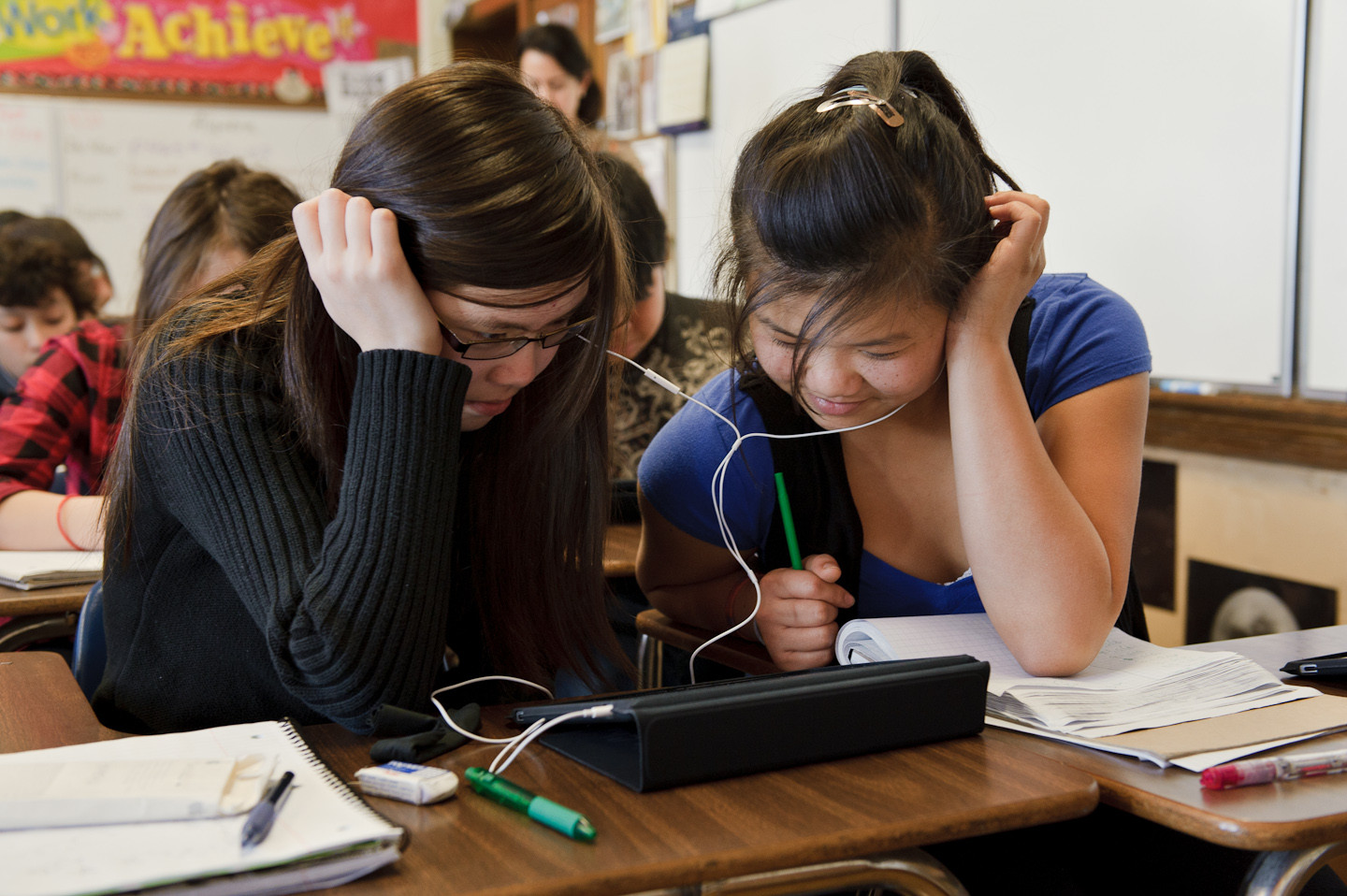
window.__IS_SSR__=true
window.__INITIAL_STATE__={
"attachmentsReducer": {
"audio_0": {
"type": "attachments",
"id": "audio_0",
"imgSizes": {
"kqedFullSize": {
"file": "https://ww2.kqed.org/news/wp-content/themes/KQED-unified/img/audio_bgs/background0.jpg"
}
}
},
"audio_1": {
"type": "attachments",
"id": "audio_1",
"imgSizes": {
"kqedFullSize": {
"file": "https://ww2.kqed.org/news/wp-content/themes/KQED-unified/img/audio_bgs/background1.jpg"
}
}
},
"audio_2": {
"type": "attachments",
"id": "audio_2",
"imgSizes": {
"kqedFullSize": {
"file": "https://ww2.kqed.org/news/wp-content/themes/KQED-unified/img/audio_bgs/background2.jpg"
}
}
},
"audio_3": {
"type": "attachments",
"id": "audio_3",
"imgSizes": {
"kqedFullSize": {
"file": "https://ww2.kqed.org/news/wp-content/themes/KQED-unified/img/audio_bgs/background3.jpg"
}
}
},
"audio_4": {
"type": "attachments",
"id": "audio_4",
"imgSizes": {
"kqedFullSize": {
"file": "https://ww2.kqed.org/news/wp-content/themes/KQED-unified/img/audio_bgs/background4.jpg"
}
}
},
"placeholder": {
"type": "attachments",
"id": "placeholder",
"imgSizes": {
"thumbnail": {
"file": "https://cdn.kqed.org/wp-content/uploads/2024/12/KQED-Default-Image-816638274-2000x1333-1-160x107.jpg",
"width": 160,
"height": 107,
"mimeType": "image/jpeg"
},
"medium": {
"file": "https://cdn.kqed.org/wp-content/uploads/2024/12/KQED-Default-Image-816638274-2000x1333-1-800x533.jpg",
"width": 800,
"height": 533,
"mimeType": "image/jpeg"
},
"medium_large": {
"file": "https://cdn.kqed.org/wp-content/uploads/2024/12/KQED-Default-Image-816638274-2000x1333-1-768x512.jpg",
"width": 768,
"height": 512,
"mimeType": "image/jpeg"
},
"large": {
"file": "https://cdn.kqed.org/wp-content/uploads/2024/12/KQED-Default-Image-816638274-2000x1333-1-1020x680.jpg",
"width": 1020,
"height": 680,
"mimeType": "image/jpeg"
},
"1536x1536": {
"file": "https://cdn.kqed.org/wp-content/uploads/2024/12/KQED-Default-Image-816638274-2000x1333-1-1536x1024.jpg",
"width": 1536,
"height": 1024,
"mimeType": "image/jpeg"
},
"fd-lrg": {
"file": "https://cdn.kqed.org/wp-content/uploads/2024/12/KQED-Default-Image-816638274-2000x1333-1-1536x1024.jpg",
"width": 1536,
"height": 1024,
"mimeType": "image/jpeg"
},
"fd-med": {
"file": "https://cdn.kqed.org/wp-content/uploads/2024/12/KQED-Default-Image-816638274-2000x1333-1-1020x680.jpg",
"width": 1020,
"height": 680,
"mimeType": "image/jpeg"
},
"fd-sm": {
"file": "https://cdn.kqed.org/wp-content/uploads/2024/12/KQED-Default-Image-816638274-2000x1333-1-800x533.jpg",
"width": 800,
"height": 533,
"mimeType": "image/jpeg"
},
"post-thumbnail": {
"file": "https://cdn.kqed.org/wp-content/uploads/2024/12/KQED-Default-Image-816638274-2000x1333-1-672x372.jpg",
"width": 672,
"height": 372,
"mimeType": "image/jpeg"
},
"twentyfourteen-full-width": {
"file": "https://cdn.kqed.org/wp-content/uploads/2024/12/KQED-Default-Image-816638274-2000x1333-1-1038x576.jpg",
"width": 1038,
"height": 576,
"mimeType": "image/jpeg"
},
"xxsmall": {
"file": "https://cdn.kqed.org/wp-content/uploads/2024/12/KQED-Default-Image-816638274-2000x1333-1-160x107.jpg",
"width": 160,
"height": 107,
"mimeType": "image/jpeg"
},
"xsmall": {
"file": "https://cdn.kqed.org/wp-content/uploads/2024/12/KQED-Default-Image-816638274-2000x1333-1-672x372.jpg",
"width": 672,
"height": 372,
"mimeType": "image/jpeg"
},
"small": {
"file": "https://cdn.kqed.org/wp-content/uploads/2024/12/KQED-Default-Image-816638274-2000x1333-1-672x372.jpg",
"width": 672,
"height": 372,
"mimeType": "image/jpeg"
},
"xlarge": {
"file": "https://cdn.kqed.org/wp-content/uploads/2024/12/KQED-Default-Image-816638274-2000x1333-1-1020x680.jpg",
"width": 1020,
"height": 680,
"mimeType": "image/jpeg"
},
"full-width": {
"file": "https://cdn.kqed.org/wp-content/uploads/2024/12/KQED-Default-Image-816638274-2000x1333-1-1920x1280.jpg",
"width": 1920,
"height": 1280,
"mimeType": "image/jpeg"
},
"guest-author-32": {
"file": "https://cdn.kqed.org/wp-content/uploads/2025/01/KQED-Default-Image-816638274-1333x1333-1-160x160.jpg",
"width": 32,
"height": 32,
"mimeType": "image/jpeg"
},
"guest-author-50": {
"file": "https://cdn.kqed.org/wp-content/uploads/2025/01/KQED-Default-Image-816638274-1333x1333-1-160x160.jpg",
"width": 50,
"height": 50,
"mimeType": "image/jpeg"
},
"guest-author-64": {
"file": "https://cdn.kqed.org/wp-content/uploads/2025/01/KQED-Default-Image-816638274-1333x1333-1-160x160.jpg",
"width": 64,
"height": 64,
"mimeType": "image/jpeg"
},
"guest-author-96": {
"file": "https://cdn.kqed.org/wp-content/uploads/2025/01/KQED-Default-Image-816638274-1333x1333-1-160x160.jpg",
"width": 96,
"height": 96,
"mimeType": "image/jpeg"
},
"guest-author-128": {
"file": "https://cdn.kqed.org/wp-content/uploads/2025/01/KQED-Default-Image-816638274-1333x1333-1-160x160.jpg",
"width": 128,
"height": 128,
"mimeType": "image/jpeg"
},
"detail": {
"file": "https://cdn.kqed.org/wp-content/uploads/2025/01/KQED-Default-Image-816638274-1333x1333-1-160x160.jpg",
"width": 160,
"height": 160,
"mimeType": "image/jpeg"
},
"kqedFullSize": {
"file": "https://cdn.kqed.org/wp-content/uploads/2024/12/KQED-Default-Image-816638274-2000x1333-1.jpg",
"width": 2000,
"height": 1333
}
}
},
"mindshift_18482": {
"type": "attachments",
"id": "mindshift_18482",
"meta": {
"index": "attachments_1716263798",
"site": "mindshift",
"id": "18482",
"found": true
},
"parent": 18478,
"imgSizes": {
"twentyfourteen-full-width": {
"file": "https://ww2.kqed.org/app/uploads/sites/23/2012/01/11_1.21_Ipad_Algebra_0238-1038x576.jpg",
"width": 1038,
"mimeType": "image/jpeg",
"height": 576
},
"thumbnail": {
"file": "https://ww2.kqed.org/app/uploads/sites/23/2012/01/11_1.21_Ipad_Algebra_0238-400x266.jpg",
"width": 400,
"mimeType": "image/jpeg",
"height": 266
},
"fd-sm": {
"file": "https://ww2.kqed.org/app/uploads/sites/23/2012/01/11_1.21_Ipad_Algebra_0238-320x213.jpg",
"width": 320,
"mimeType": "image/jpeg",
"height": 213
},
"post-thumbnail": {
"file": "https://ww2.kqed.org/app/uploads/sites/23/2012/01/11_1.21_Ipad_Algebra_0238-672x372.jpg",
"width": 672,
"mimeType": "image/jpeg",
"height": 372
},
"kqedFullSize": {
"file": "https://ww2.kqed.org/app/uploads/sites/23/2012/01/11_1.21_Ipad_Algebra_0238.jpg",
"width": 1440,
"height": 958
},
"large": {
"file": "https://ww2.kqed.org/app/uploads/sites/23/2012/01/11_1.21_Ipad_Algebra_0238-1440x958.jpg",
"width": 1440,
"mimeType": "image/jpeg",
"height": 958
},
"guest-author-96": {
"file": "https://ww2.kqed.org/app/uploads/sites/23/2012/01/11_1.21_Ipad_Algebra_0238-96x96.jpg",
"width": 96,
"mimeType": "image/jpeg",
"height": 96
},
"medium": {
"file": "https://ww2.kqed.org/app/uploads/sites/23/2012/01/11_1.21_Ipad_Algebra_0238-800x532.jpg",
"width": 800,
"mimeType": "image/jpeg",
"height": 532
},
"guest-author-64": {
"file": "https://ww2.kqed.org/app/uploads/sites/23/2012/01/11_1.21_Ipad_Algebra_0238-64x64.jpg",
"width": 64,
"mimeType": "image/jpeg",
"height": 64
},
"guest-author-32": {
"file": "https://ww2.kqed.org/app/uploads/sites/23/2012/01/11_1.21_Ipad_Algebra_0238-32x32.jpg",
"width": 32,
"mimeType": "image/jpeg",
"height": 32
},
"fd-lrg": {
"file": "https://ww2.kqed.org/app/uploads/sites/23/2012/01/11_1.21_Ipad_Algebra_0238-1180x785.jpg",
"width": 1180,
"mimeType": "image/jpeg",
"height": 785
},
"fd-med": {
"file": "https://ww2.kqed.org/app/uploads/sites/23/2012/01/11_1.21_Ipad_Algebra_0238-768x511.jpg",
"width": 768,
"mimeType": "image/jpeg",
"height": 511
},
"detail": {
"file": "https://ww2.kqed.org/app/uploads/sites/23/2012/01/11_1.21_Ipad_Algebra_0238-75x75.jpg",
"width": 75,
"mimeType": "image/jpeg",
"height": 75
},
"guest-author-128": {
"file": "https://ww2.kqed.org/app/uploads/sites/23/2012/01/11_1.21_Ipad_Algebra_0238-128x128.jpg",
"width": 128,
"mimeType": "image/jpeg",
"height": 128
}
},
"publishDate": 1327355917,
"modified": 1327355917,
"caption": "Students at Presidio Middle School use the HMH iPad algebra app.",
"description": null,
"title": "11_1.21_Ipad_Algebra_0238",
"credit": null,
"status": "inherit",
"isLoading": false,
"fetchFailed": false
},
"mindshift_18368": {
"type": "attachments",
"id": "mindshift_18368",
"meta": {
"index": "attachments_1716263798",
"site": "mindshift",
"id": "18368",
"found": true
},
"parent": 18279,
"imgSizes": {
"thumbnail": {
"file": "https://ww2.kqed.org/app/uploads/sites/23/2012/01/6255830416_bfb139bf9e_z1-400x264.jpg",
"width": 400,
"mimeType": "image/jpeg",
"height": 264
},
"fd-sm": {
"file": "https://ww2.kqed.org/app/uploads/sites/23/2012/01/6255830416_bfb139bf9e_z1-320x211.jpg",
"width": 320,
"mimeType": "image/jpeg",
"height": 211
},
"post-thumbnail": {
"file": "https://ww2.kqed.org/app/uploads/sites/23/2012/01/6255830416_bfb139bf9e_z1-612x372.jpg",
"width": 612,
"mimeType": "image/jpeg",
"height": 372
},
"kqedFullSize": {
"file": "https://ww2.kqed.org/app/uploads/sites/23/2012/01/6255830416_bfb139bf9e_z1.jpg",
"width": 612,
"height": 404
},
"guest-author-96": {
"file": "https://ww2.kqed.org/app/uploads/sites/23/2012/01/6255830416_bfb139bf9e_z1-96x96.jpg",
"width": 96,
"mimeType": "image/jpeg",
"height": 96
},
"guest-author-64": {
"file": "https://ww2.kqed.org/app/uploads/sites/23/2012/01/6255830416_bfb139bf9e_z1-64x64.jpg",
"width": 64,
"mimeType": "image/jpeg",
"height": 64
},
"detail": {
"file": "https://ww2.kqed.org/app/uploads/sites/23/2012/01/6255830416_bfb139bf9e_z1-75x75.jpg",
"width": 75,
"mimeType": "image/jpeg",
"height": 75
},
"guest-author-32": {
"file": "https://ww2.kqed.org/app/uploads/sites/23/2012/01/6255830416_bfb139bf9e_z1-32x32.jpg",
"width": 32,
"mimeType": "image/jpeg",
"height": 32
},
"guest-author-128": {
"file": "https://ww2.kqed.org/app/uploads/sites/23/2012/01/6255830416_bfb139bf9e_z1-128x128.jpg",
"width": 128,
"mimeType": "image/jpeg",
"height": 128
}
},
"publishDate": 1327086838,
"modified": 1327086838,
"caption": "Kids learn each other while playing games on the iPad.",
"description": null,
"title": "6255830416_bfb139bf9e_z1",
"credit": null,
"status": "inherit",
"isLoading": false,
"fetchFailed": false
},
"mindshift_4304": {
"type": "attachments",
"id": "mindshift_4304",
"meta": {
"index": "attachments_1716263798",
"site": "mindshift",
"id": "4304",
"found": true
},
"parent": 3909,
"imgSizes": {
"thumbnail": {
"file": "https://ww2.kqed.org/app/uploads/sites/23/2010/11/1375685165_0026af5223_z-400x301.jpg",
"width": 400,
"mimeType": "image/jpeg",
"height": 301
},
"fd-sm": {
"file": "https://ww2.kqed.org/app/uploads/sites/23/2010/11/1375685165_0026af5223_z-320x241.jpg",
"width": 320,
"mimeType": "image/jpeg",
"height": 241
},
"post-thumbnail": {
"file": "https://ww2.kqed.org/app/uploads/sites/23/2010/11/1375685165_0026af5223_z-640x372.jpg",
"width": 640,
"mimeType": "image/jpeg",
"height": 372
},
"kqedFullSize": {
"file": "https://ww2.kqed.org/app/uploads/sites/23/2010/11/1375685165_0026af5223_z.jpg",
"width": 640,
"height": 481
},
"guest-author-96": {
"file": "https://ww2.kqed.org/app/uploads/sites/23/2010/11/1375685165_0026af5223_z-96x96.jpg",
"width": 96,
"mimeType": "image/jpeg",
"height": 96
},
"guest-author-64": {
"file": "https://ww2.kqed.org/app/uploads/sites/23/2010/11/1375685165_0026af5223_z-64x64.jpg",
"width": 64,
"mimeType": "image/jpeg",
"height": 64
},
"detail": {
"file": "https://ww2.kqed.org/app/uploads/sites/23/2010/11/1375685165_0026af5223_z-75x75.jpg",
"width": 75,
"mimeType": "image/jpeg",
"height": 75
},
"guest-author-32": {
"file": "https://ww2.kqed.org/app/uploads/sites/23/2010/11/1375685165_0026af5223_z-32x32.jpg",
"width": 32,
"mimeType": "image/jpeg",
"height": 32
},
"guest-author-128": {
"file": "https://ww2.kqed.org/app/uploads/sites/23/2010/11/1375685165_0026af5223_z-128x128.jpg",
"width": 128,
"mimeType": "image/jpeg",
"height": 128
}
},
"publishDate": 1290275237,
"modified": 1290275237,
"caption": null,
"description": null,
"title": "textbooks",
"credit": null,
"status": "inherit",
"isLoading": false,
"fetchFailed": false
},
"mindshift_17790": {
"type": "attachments",
"id": "mindshift_17790",
"meta": {
"index": "attachments_1716263798",
"site": "mindshift",
"id": "17790",
"found": true
},
"parent": 17773,
"imgSizes": {
"thumbnail": {
"file": "https://ww2.kqed.org/app/uploads/sites/23/2011/12/6226457945_25fbf1675c_z-400x400.jpg",
"width": 400,
"mimeType": "image/jpeg",
"height": 400
},
"fd-sm": {
"file": "https://ww2.kqed.org/app/uploads/sites/23/2011/12/6226457945_25fbf1675c_z-320x320.jpg",
"width": 320,
"mimeType": "image/jpeg",
"height": 320
},
"post-thumbnail": {
"file": "https://ww2.kqed.org/app/uploads/sites/23/2011/12/6226457945_25fbf1675c_z-414x372.jpg",
"width": 414,
"mimeType": "image/jpeg",
"height": 372
},
"kqedFullSize": {
"file": "https://ww2.kqed.org/app/uploads/sites/23/2011/12/6226457945_25fbf1675c_z.jpg",
"width": 414,
"height": 414
},
"guest-author-96": {
"file": "https://ww2.kqed.org/app/uploads/sites/23/2011/12/6226457945_25fbf1675c_z-96x96.jpg",
"width": 96,
"mimeType": "image/jpeg",
"height": 96
},
"guest-author-64": {
"file": "https://ww2.kqed.org/app/uploads/sites/23/2011/12/6226457945_25fbf1675c_z-64x64.jpg",
"width": 64,
"mimeType": "image/jpeg",
"height": 64
},
"detail": {
"file": "https://ww2.kqed.org/app/uploads/sites/23/2011/12/6226457945_25fbf1675c_z-75x75.jpg",
"width": 75,
"mimeType": "image/jpeg",
"height": 75
},
"guest-author-32": {
"file": "https://ww2.kqed.org/app/uploads/sites/23/2011/12/6226457945_25fbf1675c_z-32x32.jpg",
"width": 32,
"mimeType": "image/jpeg",
"height": 32
},
"guest-author-128": {
"file": "https://ww2.kqed.org/app/uploads/sites/23/2011/12/6226457945_25fbf1675c_z-128x128.jpg",
"width": 128,
"mimeType": "image/jpeg",
"height": 128
}
},
"publishDate": 1325197670,
"modified": 1325197670,
"caption": null,
"description": null,
"title": "6226457945_25fbf1675c_z",
"credit": null,
"status": "inherit",
"isLoading": false,
"fetchFailed": false
},
"mindshift_16542": {
"type": "attachments",
"id": "mindshift_16542",
"meta": {
"index": "attachments_1716263798",
"site": "mindshift",
"id": "16542",
"found": true
},
"parent": 16541,
"imgSizes": {
"kqedFullSize": {
"file": "https://ww2.kqed.org/app/uploads/sites/23/2011/10/worldreader.jpg",
"width": 300,
"height": 152
},
"guest-author-96": {
"file": "https://ww2.kqed.org/app/uploads/sites/23/2011/10/worldreader-96x96.jpg",
"width": 96,
"mimeType": "image/jpeg",
"height": 96
},
"guest-author-64": {
"file": "https://ww2.kqed.org/app/uploads/sites/23/2011/10/worldreader-64x64.jpg",
"width": 64,
"mimeType": "image/jpeg",
"height": 64
},
"detail": {
"file": "https://ww2.kqed.org/app/uploads/sites/23/2011/10/worldreader-75x75.jpg",
"width": 75,
"mimeType": "image/jpeg",
"height": 75
},
"guest-author-32": {
"file": "https://ww2.kqed.org/app/uploads/sites/23/2011/10/worldreader-32x32.jpg",
"width": 32,
"mimeType": "image/jpeg",
"height": 32
},
"guest-author-128": {
"file": "https://ww2.kqed.org/app/uploads/sites/23/2011/10/worldreader-128x128.jpg",
"width": 128,
"mimeType": "image/jpeg",
"height": 128
}
},
"publishDate": 1320120495,
"modified": 1320120495,
"caption": null,
"description": null,
"title": "worldreader",
"credit": null,
"status": "inherit",
"isLoading": false,
"fetchFailed": false
},
"mindshift_16476": {
"type": "attachments",
"id": "mindshift_16476",
"meta": {
"index": "attachments_1716263798",
"site": "mindshift",
"id": "16476",
"found": true
},
"parent": 16475,
"imgSizes": {
"thumbnail": {
"file": "https://ww2.kqed.org/app/uploads/sites/23/2011/10/4501562959_07311317d0_z-400x359.jpg",
"width": 400,
"mimeType": "image/jpeg",
"height": 359
},
"fd-sm": {
"file": "https://ww2.kqed.org/app/uploads/sites/23/2011/10/4501562959_07311317d0_z-320x287.jpg",
"width": 320,
"mimeType": "image/jpeg",
"height": 287
},
"post-thumbnail": {
"file": "https://ww2.kqed.org/app/uploads/sites/23/2011/10/4501562959_07311317d0_z-640x372.jpg",
"width": 640,
"mimeType": "image/jpeg",
"height": 372
},
"kqedFullSize": {
"file": "https://ww2.kqed.org/app/uploads/sites/23/2011/10/4501562959_07311317d0_z.jpg",
"width": 640,
"height": 574
},
"guest-author-96": {
"file": "https://ww2.kqed.org/app/uploads/sites/23/2011/10/4501562959_07311317d0_z-96x96.jpg",
"width": 96,
"mimeType": "image/jpeg",
"height": 96
},
"guest-author-64": {
"file": "https://ww2.kqed.org/app/uploads/sites/23/2011/10/4501562959_07311317d0_z-64x64.jpg",
"width": 64,
"mimeType": "image/jpeg",
"height": 64
},
"detail": {
"file": "https://ww2.kqed.org/app/uploads/sites/23/2011/10/4501562959_07311317d0_z-75x75.jpg",
"width": 75,
"mimeType": "image/jpeg",
"height": 75
},
"guest-author-32": {
"file": "https://ww2.kqed.org/app/uploads/sites/23/2011/10/4501562959_07311317d0_z-32x32.jpg",
"width": 32,
"mimeType": "image/jpeg",
"height": 32
},
"guest-author-128": {
"file": "https://ww2.kqed.org/app/uploads/sites/23/2011/10/4501562959_07311317d0_z-128x128.jpg",
"width": 128,
"mimeType": "image/jpeg",
"height": 128
}
},
"publishDate": 1319819322,
"modified": 1319819322,
"caption": "Print books wil always have a place in our lives, but e-books can come in handy, too.",
"description": null,
"title": "4501562959_07311317d0_z",
"credit": null,
"status": "inherit",
"isLoading": false,
"fetchFailed": false
},
"mindshift_15736": {
"type": "attachments",
"id": "mindshift_15736",
"meta": {
"index": "attachments_1716263798",
"site": "mindshift",
"id": "15736",
"found": true
},
"parent": 15722,
"imgSizes": {
"thumbnail": {
"file": "https://ww2.kqed.org/app/uploads/sites/23/2011/10/3384616685_e6b7911514-400x300.jpg",
"width": 400,
"mimeType": "image/jpeg",
"height": 300
},
"fd-sm": {
"file": "https://ww2.kqed.org/app/uploads/sites/23/2011/10/3384616685_e6b7911514-320x240.jpg",
"width": 320,
"mimeType": "image/jpeg",
"height": 240
},
"post-thumbnail": {
"file": "https://ww2.kqed.org/app/uploads/sites/23/2011/10/3384616685_e6b7911514-500x372.jpg",
"width": 500,
"mimeType": "image/jpeg",
"height": 372
},
"kqedFullSize": {
"file": "https://ww2.kqed.org/app/uploads/sites/23/2011/10/3384616685_e6b7911514.jpg",
"width": 500,
"height": 375
},
"guest-author-96": {
"file": "https://ww2.kqed.org/app/uploads/sites/23/2011/10/3384616685_e6b7911514-96x96.jpg",
"width": 96,
"mimeType": "image/jpeg",
"height": 96
},
"guest-author-64": {
"file": "https://ww2.kqed.org/app/uploads/sites/23/2011/10/3384616685_e6b7911514-64x64.jpg",
"width": 64,
"mimeType": "image/jpeg",
"height": 64
},
"detail": {
"file": "https://ww2.kqed.org/app/uploads/sites/23/2011/10/3384616685_e6b7911514-75x75.jpg",
"width": 75,
"mimeType": "image/jpeg",
"height": 75
},
"guest-author-32": {
"file": "https://ww2.kqed.org/app/uploads/sites/23/2011/10/3384616685_e6b7911514-32x32.jpg",
"width": 32,
"mimeType": "image/jpeg",
"height": 32
},
"guest-author-128": {
"file": "https://ww2.kqed.org/app/uploads/sites/23/2011/10/3384616685_e6b7911514-128x128.jpg",
"width": 128,
"mimeType": "image/jpeg",
"height": 128
}
},
"publishDate": 1317666820,
"modified": 1317666820,
"caption": null,
"description": null,
"title": "3384616685_e6b7911514",
"credit": null,
"status": "inherit",
"isLoading": false,
"fetchFailed": false
},
"mindshift_14532": {
"type": "attachments",
"id": "mindshift_14532",
"meta": {
"index": "attachments_1716263798",
"site": "mindshift",
"id": "14532",
"found": true
},
"parent": 14530,
"imgSizes": {
"thumbnail": {
"file": "https://ww2.kqed.org/app/uploads/sites/23/2011/08/92406343_d3d2cb762f1-400x266.jpg",
"width": 400,
"mimeType": "image/jpeg",
"height": 266
},
"fd-sm": {
"file": "https://ww2.kqed.org/app/uploads/sites/23/2011/08/92406343_d3d2cb762f1-320x213.jpg",
"width": 320,
"mimeType": "image/jpeg",
"height": 213
},
"kqedFullSize": {
"file": "https://ww2.kqed.org/app/uploads/sites/23/2011/08/92406343_d3d2cb762f1.jpg",
"width": 500,
"height": 333
},
"guest-author-96": {
"file": "https://ww2.kqed.org/app/uploads/sites/23/2011/08/92406343_d3d2cb762f1-96x96.jpg",
"width": 96,
"mimeType": "image/jpeg",
"height": 96
},
"guest-author-64": {
"file": "https://ww2.kqed.org/app/uploads/sites/23/2011/08/92406343_d3d2cb762f1-64x64.jpg",
"width": 64,
"mimeType": "image/jpeg",
"height": 64
},
"detail": {
"file": "https://ww2.kqed.org/app/uploads/sites/23/2011/08/92406343_d3d2cb762f1-75x75.jpg",
"width": 75,
"mimeType": "image/jpeg",
"height": 75
},
"guest-author-32": {
"file": "https://ww2.kqed.org/app/uploads/sites/23/2011/08/92406343_d3d2cb762f1-32x32.jpg",
"width": 32,
"mimeType": "image/jpeg",
"height": 32
},
"guest-author-128": {
"file": "https://ww2.kqed.org/app/uploads/sites/23/2011/08/92406343_d3d2cb762f1-128x128.jpg",
"width": 128,
"mimeType": "image/jpeg",
"height": 128
}
},
"publishDate": 1313382808,
"modified": 1313382808,
"caption": null,
"description": null,
"title": "92406343_d3d2cb762f",
"credit": null,
"status": "inherit",
"isLoading": false,
"fetchFailed": false
},
"mindshift_13490": {
"type": "attachments",
"id": "mindshift_13490",
"meta": {
"index": "attachments_1716263798",
"site": "mindshift",
"id": "13490",
"found": true
},
"parent": 13477,
"imgSizes": {
"thumbnail": {
"file": "https://ww2.kqed.org/app/uploads/sites/23/2011/07/David-Ortez-400x266.jpg",
"width": 400,
"mimeType": "image/jpeg",
"height": 266
},
"fd-sm": {
"file": "https://ww2.kqed.org/app/uploads/sites/23/2011/07/David-Ortez-320x212.jpg",
"width": 320,
"mimeType": "image/jpeg",
"height": 212
},
"kqedFullSize": {
"file": "https://ww2.kqed.org/app/uploads/sites/23/2011/07/David-Ortez.jpg",
"width": 500,
"height": 332
},
"guest-author-96": {
"file": "https://ww2.kqed.org/app/uploads/sites/23/2011/07/David-Ortez-96x96.jpg",
"width": 96,
"mimeType": "image/jpeg",
"height": 96
},
"guest-author-64": {
"file": "https://ww2.kqed.org/app/uploads/sites/23/2011/07/David-Ortez-64x64.jpg",
"width": 64,
"mimeType": "image/jpeg",
"height": 64
},
"detail": {
"file": "https://ww2.kqed.org/app/uploads/sites/23/2011/07/David-Ortez-75x75.jpg",
"width": 75,
"mimeType": "image/jpeg",
"height": 75
},
"guest-author-32": {
"file": "https://ww2.kqed.org/app/uploads/sites/23/2011/07/David-Ortez-32x32.jpg",
"width": 32,
"mimeType": "image/jpeg",
"height": 32
},
"guest-author-128": {
"file": "https://ww2.kqed.org/app/uploads/sites/23/2011/07/David-Ortez-128x128.jpg",
"width": 128,
"mimeType": "image/jpeg",
"height": 128
}
},
"publishDate": 1309991505,
"modified": 1309991505,
"caption": null,
"description": null,
"title": "David Ortez",
"credit": null,
"status": "inherit",
"isLoading": false,
"fetchFailed": false
},
"mindshift_12444": {
"type": "attachments",
"id": "mindshift_12444",
"meta": {
"index": "attachments_1716263798",
"site": "mindshift",
"id": "12444",
"found": true
},
"parent": 12407,
"imgSizes": {
"thumbnail": {
"file": "https://ww2.kqed.org/app/uploads/sites/23/2011/06/Screen-shot-2011-06-08-at-4.34.41-PM-400x227.png",
"width": 400,
"mimeType": "image/png",
"height": 227
},
"fd-sm": {
"file": "https://ww2.kqed.org/app/uploads/sites/23/2011/06/Screen-shot-2011-06-08-at-4.34.41-PM-320x182.png",
"width": 320,
"mimeType": "image/png",
"height": 182
},
"kqedFullSize": {
"file": "https://ww2.kqed.org/app/uploads/sites/23/2011/06/Screen-shot-2011-06-08-at-4.34.41-PM.png",
"width": 646,
"height": 367
},
"guest-author-96": {
"file": "https://ww2.kqed.org/app/uploads/sites/23/2011/06/Screen-shot-2011-06-08-at-4.34.41-PM-96x96.png",
"width": 96,
"mimeType": "image/png",
"height": 96
},
"guest-author-64": {
"file": "https://ww2.kqed.org/app/uploads/sites/23/2011/06/Screen-shot-2011-06-08-at-4.34.41-PM-64x64.png",
"width": 64,
"mimeType": "image/png",
"height": 64
},
"detail": {
"file": "https://ww2.kqed.org/app/uploads/sites/23/2011/06/Screen-shot-2011-06-08-at-4.34.41-PM-75x75.png",
"width": 75,
"mimeType": "image/png",
"height": 75
},
"guest-author-32": {
"file": "https://ww2.kqed.org/app/uploads/sites/23/2011/06/Screen-shot-2011-06-08-at-4.34.41-PM-32x32.png",
"width": 32,
"mimeType": "image/png",
"height": 32
},
"guest-author-128": {
"file": "https://ww2.kqed.org/app/uploads/sites/23/2011/06/Screen-shot-2011-06-08-at-4.34.41-PM-128x128.png",
"width": 128,
"mimeType": "image/png",
"height": 128
}
},
"publishDate": 1307576178,
"modified": 1307576178,
"caption": null,
"description": null,
"title": "Screen-shot-2011-06-08-at-4.34.41-PM",
"credit": null,
"status": "inherit",
"isLoading": false,
"fetchFailed": false
}
},
"audioPlayerReducer": {
"postId": "stream_live",
"isPaused": true,
"isPlaying": false,
"pfsActive": false,
"pledgeModalIsOpen": true,
"playerDrawerIsOpen": false,
"liveAudioPlayStartedAt": 0,
"liveAudioPlayContext": ""
},
"authorsReducer": {
"tbarseghian": {
"type": "authors",
"id": "180",
"meta": {
"index": "authors_1716337520",
"id": "180",
"found": true
},
"name": "Tina Barseghian",
"firstName": "Tina",
"lastName": "Barseghian",
"slug": "tbarseghian",
"email": "tbarseghian@kqed.org",
"display_author_email": false,
"staff_mastheads": [],
"title": null,
"bio": null,
"avatar": "https://secure.gravatar.com/avatar/de7e6ced1239b7018fe4d2b61f723c90?s=600&d=blank&r=g",
"twitter": null,
"facebook": null,
"instagram": null,
"linkedin": null,
"sites": [
{
"site": "styleguide",
"roles": [
"contributor"
]
},
{
"site": "news",
"roles": [
"subscriber"
]
},
{
"site": "mindshift",
"roles": [
"subscriber"
]
},
{
"site": "bayareabites",
"roles": [
"subscriber"
]
}
],
"headData": {
"title": "Tina Barseghian | KQED",
"description": null,
"ogImgSrc": "https://secure.gravatar.com/avatar/de7e6ced1239b7018fe4d2b61f723c90?s=600&d=blank&r=g",
"twImgSrc": "https://secure.gravatar.com/avatar/de7e6ced1239b7018fe4d2b61f723c90?s=600&d=blank&r=g"
},
"isLoading": false,
"link": "/author/tbarseghian"
},
"awatters": {
"type": "authors",
"id": "4352",
"meta": {
"index": "authors_1716337520",
"id": "4352",
"found": true
},
"name": "Audrey Watters",
"firstName": "Audrey",
"lastName": "Watters",
"slug": "awatters",
"email": "awatters@kqed.org",
"display_author_email": false,
"staff_mastheads": [],
"title": null,
"bio": null,
"avatar": "https://secure.gravatar.com/avatar/fb6ac91bb93632725bfa683c1de71bee?s=600&d=blank&r=g",
"twitter": null,
"facebook": null,
"instagram": null,
"linkedin": null,
"sites": [
{
"site": "mindshift",
"roles": [
"subscriber"
]
}
],
"headData": {
"title": "Audrey Watters | KQED",
"description": null,
"ogImgSrc": "https://secure.gravatar.com/avatar/fb6ac91bb93632725bfa683c1de71bee?s=600&d=blank&r=g",
"twImgSrc": "https://secure.gravatar.com/avatar/fb6ac91bb93632725bfa683c1de71bee?s=600&d=blank&r=g"
},
"isLoading": false,
"link": "/author/awatters"
}
},
"pagesReducer": {
"mindshift_tag_ipad": {
"type": "terms",
"id": "mindshift_81",
"meta": {
"index": "terms_1716263798",
"site": "mindshift",
"id": "81",
"score": 8.941444
},
"featImg": null,
"name": "iPad",
"description": null,
"taxonomy": "tag",
"headData": {
"twImgId": null,
"twTitle": null,
"ogTitle": null,
"ogImgId": null,
"twDescription": null,
"description": null,
"title": "iPad Archives | KQED Mindshift",
"ogDescription": null
},
"ttid": 81,
"slug": "ipad",
"isLoading": false,
"title": "iPad",
"pageMeta": {
"site": "mindshift",
"WpPageTemplate": "page-topic-editorial",
"currentPage": 4
},
"blocks": [
{
"blockName": "kqed/post-list",
"attrs": {
"layout": "cardArticle2",
"query": "posts/mindshift?tag=ipad",
"seeMore": false,
"paginated": true,
"page": 4
}
},
{
"blockName": "kqed/ad"
}
]
}
},
"pfsSessionReducer": {},
"postsReducer": {
"stream_live": {
"type": "live",
"id": "stream_live",
"audioUrl": "https://hls.kqed.org/hls/kqed_app/playlist.m3u8",
"title": "Live Stream",
"excerpt": "Live Stream information currently unavailable.",
"link": "/radio",
"featImg": "",
"label": {
"name": "KQED Live",
"link": "/"
}
},
"stream_kqedNewscast": {
"type": "posts",
"id": "stream_kqedNewscast",
"audioUrl": "https://www.kqed.org/.stream/anon/radio/RDnews/newscast.mp3?_=1",
"title": "KQED Newscast",
"featImg": "",
"label": {
"name": "88.5 FM",
"link": "/"
}
},
"mindshift_18478": {
"type": "posts",
"id": "mindshift_18478",
"meta": {
"index": "posts_1716263798",
"site": "mindshift",
"id": "18478",
"score": null,
"sort": [
1327356111000
]
},
"parent": 0,
"labelTerm": {
"site": "mindshift"
},
"blocks": [],
"publishDate": 1327356111,
"format": "aside",
"disqusTitle": "Study Shows Algebra iPad App Improves Scores in One School",
"title": "Study Shows Algebra iPad App Improves Scores in One School",
"headTitle": "MindShift | KQED News",
"content": "\u003cfigure id=\"attachment_18482\" class=\"wp-caption left\" style=\"max-width: 300px\">\u003ca href=\"http://ww2.kqed.org/mindshift/2012/01/study-shows-algebra-ipad-app-improves-scores-in-one-school/11_1-21_ipad_algebra_0238-5/\" rel=\"attachment wp-att-18482\">\u003cimg class=\"size-medium wp-image-18482\" src=\"http://ww2.kqed.org/mindshift/wp-content/uploads/sites/23/2012/01/11_1.21_Ipad_Algebra_0238-300x199.jpg\" alt=\"\" width=\"300\" height=\"199\">\u003c/a>\u003cfigcaption class=\"wp-caption-text\">Students at Presidio Middle School use the HMH iPad algebra app.\u003c/figcaption>\u003c/figure>\n\u003cp class=\"dropcap-serif\">As Apple \u003ca href=\"http://ww2.kqed.org/mindshift/2012/01/did-apple-just-reinvent-the-textbook/\">pushes out its new education products,\u003c/a> new information about whether using the iPad gives students an advantage over using print books is starting to surface.\u003c/p>\n\u003cp>Results from Houghton Mifflin Harcourt's\u003ca href=\"http://www.hmheducation.com/fuse/pilot-1.php\"> year-long study\u003c/a> comparing students using the publisher's iPad algebra app are in from Amelia Earhart school in Riverside, Calif., and it's largely positive, according to the company.\u003c/p>\n\u003cp>The study showed that 78 percent of students who used the HMH algebra iPad app scored \"proficient\" or \"advanced\" on the California Standards Test, compared to 59 percent of students who used the textbook version. \"As students were randomly assigFuse, the results indicated that use of the app was the chief cause behind the improvement in student test scores,\" the report states.\u003c!--more-->\u003c/p>\n\u003cdiv class=\"module image alignright mceTemp\" style=\"width: 300px\">\n\u003cp>\u003ca href=\"http://www.hmheducation.com/fuse/pilot-1.php\">\u003cimg class=\"size-medium wp-image-18480\" src=\"http://ww2.kqed.org/mindshift/wp-content/uploads/sites/23/2012/01/Screen-shot-2012-01-23-at-1.38.28-PM-300x481.png\" alt=\"\" width=\"300\" height=\"481\">\u003c/a>\u003c/p>\n\u003cp class=\"wp-media-credit\">HMH\u003c/p>\n\u003c/div>\n\u003cp>Some of the advantages of the app, according to the report:\u003c/p>\n\u003cul>\n\u003cli>Allowed parents to provide more support to their children: “Parents could watch the videos or review problems with their children to help them if they did not understand.”\u003c/li>\n\u003cli>Students were much more motivated during class and were more interested in the subject.\u003c/li>\n\u003cli>Changes in student learning outside of the classroom. Students reported reading more and trying to work independently outside of class when completing homework. Also, students were coming to class explaining that they had watched the video multiple times at home.\u003c/li>\n\u003c/ul>\n\u003cp>MindShift \u003ca href=\"http://ww2.kqed.org/mindshift/2011/01/a-day-in-the-life-of-the-ipad-classroom/\">covered the pilot project \u003c/a>when it first launched last year at the Presidio Middle School in San Francisco.\u003c/p>\n\u003cp>[ad fullwidth]\u003c/p>\n\u003cp>Algebra teacher Jeanetta Mitchell, who piloted the app in her class, said at the time that there was definitely an adjustment period and different levels of expectations, both on the part of students and administrators.\u003c/p>\n\u003cp>She said that when the pilot first launched, test scores for the class using the iPad were actually lower than those using the traditional textbook.\u003c/p>\n\u003cp>“I had a conversation with the class explaining to them that the iPad was not the panacea of all ills. \u003c!--more-->It wasn’t going to do everything for them, that they still had to think,” she said. “You have to be engaged. It’s not giving you the answers; it’s helping you get the answers.”\u003c/p>\n\u003cp>But even more importantly than scores, Mitchell noticed that some students who’d showed no interest in math in the past are hooked. “I have students who are participating in this class who did not participate in their previous math classes, so it does engage them,” she says. “Is it going to make them all brainiacs and straight A students? No it’s not going to do that. But it will keep them engaged.”\u003c/p>\n\u003cp>\u003cem>\u003cstrong>[UPDATE: Empirical Education was hired by HMH to oversee a comprehensive year-long study that included four school districts. The results reported above are only from Riverside USD's own concurrent research. The results from Empirical Education have yet to be released. See more of an in-depth explanation of the study in the letter to the editor by Denis Newman \u003ca href=\"http://ww2.kqed.org/mindshift/2012/01/how-to-judge-if-research-is-trustworthy/\">at the end of this article\u003c/a>.\u003c/strong>\u003c/em>]\u003c/p>\n\u003ch5>Read more about \u003ca href=\"http://ww2.kqed.org/mindshift/2011/01/a-day-in-the-life-of-the-ipad-classroom/\">HMH Fuse Pilot study\u003c/a> here.\u003c/h5>\n\u003cul>\n\u003cli>\u003ca href=\"http://ww2.kqed.org/mindshift/2011/01/a-day-in-the-life-of-the-ipad-classroom/\">A Day in the Life of the iPad Classroom\u003c/a>\u003c/li>\n\u003cli>\u003ca href=\"http://ww2.kqed.org/mindshift/2011/01/teaching-with-a-tablet-one-educators-experience/\">Teaching With the iPad: One Educator's Experience\u003c/a>\u003c/li>\n\u003cli>\u003ca href=\"http://ww2.kqed.org/mindshift/2011/01/a-new-tool-in-the-classroom-grabs-the-spotlight/\">A New Tool in the Class Steals the Spotlight\u003c/a>\u003c/li>\n\u003c/ul>\n\u003cp>\u003c/p>\n\u003cp> \u003c/p>\n\n",
"disqusIdentifier": "18478 http://blogs.kqed.org/mindshift/?p=18478",
"disqusUrl": "https://ww2.kqed.org/mindshift/2012/01/23/study-shows-algebra-ipad-app-improves-scores-in-one-school/",
"stats": {
"hasVideo": false,
"hasChartOrMap": false,
"hasAudio": false,
"hasPolis": false,
"wordCount": 558,
"hasGoogleForm": false,
"hasGallery": false,
"hasHearkenModule": false,
"iframeSrcs": [],
"paragraphCount": 12
},
"modified": 1328314146,
"excerpt": null,
"headData": {
"twImgId": "",
"twTitle": "",
"ogTitle": "",
"ogImgId": "",
"twDescription": "",
"description": "As Apple pushes out its new education products, new information about whether using the iPad gives students an advantage over using print books is starting to surface. Results from Houghton Mifflin Harcourt's year-long study comparing students using the publisher's iPad algebra app are in from Amelia Earhart school in Riverside, Calif., and it's largely positive,",
"title": "Study Shows Algebra iPad App Improves Scores in One School | KQED",
"ogDescription": "",
"schema": {
"@context": "https://schema.org",
"@type": "Article",
"headline": "Study Shows Algebra iPad App Improves Scores in One School",
"datePublished": "2012-01-23T14:01:51-08:00",
"dateModified": "2012-02-03T16:09:06-08:00",
"image": "https://cdn.kqed.org/wp-content/uploads/2020/02/KQED-OG-Image@1x.png"
}
},
"guestAuthors": [],
"slug": "study-shows-algebra-ipad-app-improves-scores-in-one-school",
"status": "publish",
"path": "/mindshift/18478/study-shows-algebra-ipad-app-improves-scores-in-one-school",
"audioTrackLength": null,
"parsedContent": [
{
"type": "contentString",
"content": "\u003cdiv class=\"post-body\">\u003cp>\u003cfigure id=\"attachment_18482\" class=\"wp-caption left\" style=\"max-width: 300px\">\u003ca href=\"http://ww2.kqed.org/mindshift/2012/01/study-shows-algebra-ipad-app-improves-scores-in-one-school/11_1-21_ipad_algebra_0238-5/\" rel=\"attachment wp-att-18482\">\u003cimg class=\"size-medium wp-image-18482\" src=\"http://ww2.kqed.org/mindshift/wp-content/uploads/sites/23/2012/01/11_1.21_Ipad_Algebra_0238-300x199.jpg\" alt=\"\" width=\"300\" height=\"199\">\u003c/a>\u003cfigcaption class=\"wp-caption-text\">Students at Presidio Middle School use the HMH iPad algebra app.\u003c/figcaption>\u003c/figure>\n\u003cp class=\"dropcap-serif\">As Apple \u003ca href=\"http://ww2.kqed.org/mindshift/2012/01/did-apple-just-reinvent-the-textbook/\">pushes out its new education products,\u003c/a> new information about whether using the iPad gives students an advantage over using print books is starting to surface.\u003c/p>\n\u003cp>Results from Houghton Mifflin Harcourt's\u003ca href=\"http://www.hmheducation.com/fuse/pilot-1.php\"> year-long study\u003c/a> comparing students using the publisher's iPad algebra app are in from Amelia Earhart school in Riverside, Calif., and it's largely positive, according to the company.\u003c/p>\n\u003cp>The study showed that 78 percent of students who used the HMH algebra iPad app scored \"proficient\" or \"advanced\" on the California Standards Test, compared to 59 percent of students who used the textbook version. \"As students were randomly assigFuse, the results indicated that use of the app was the chief cause behind the improvement in student test scores,\" the report states.\u003c!--more-->\u003c/p>\n\u003cdiv class=\"module image alignright mceTemp\" style=\"width: 300px\">\n\u003cp>\u003ca href=\"http://www.hmheducation.com/fuse/pilot-1.php\">\u003cimg class=\"size-medium wp-image-18480\" src=\"http://ww2.kqed.org/mindshift/wp-content/uploads/sites/23/2012/01/Screen-shot-2012-01-23-at-1.38.28-PM-300x481.png\" alt=\"\" width=\"300\" height=\"481\">\u003c/a>\u003c/p>\n\u003cp class=\"wp-media-credit\">HMH\u003c/p>\n\u003c/div>\n\u003cp>Some of the advantages of the app, according to the report:\u003c/p>\n\u003cul>\n\u003cli>Allowed parents to provide more support to their children: “Parents could watch the videos or review problems with their children to help them if they did not understand.”\u003c/li>\n\u003cli>Students were much more motivated during class and were more interested in the subject.\u003c/li>\n\u003cli>Changes in student learning outside of the classroom. Students reported reading more and trying to work independently outside of class when completing homework. Also, students were coming to class explaining that they had watched the video multiple times at home.\u003c/li>\n\u003c/ul>\n\u003cp>MindShift \u003ca href=\"http://ww2.kqed.org/mindshift/2011/01/a-day-in-the-life-of-the-ipad-classroom/\">covered the pilot project \u003c/a>when it first launched last year at the Presidio Middle School in San Francisco.\u003c/p>\n\u003cp>\u003c/p>\u003c/div>",
"attributes": {
"named": {},
"numeric": []
}
},
{
"type": "component",
"content": "",
"name": "ad",
"attributes": {
"named": {
"label": "fullwidth"
},
"numeric": [
"fullwidth"
]
}
},
{
"type": "contentString",
"content": "\u003cdiv class=\"post-body\">\u003cp>\u003c/p>\n\u003cp>Algebra teacher Jeanetta Mitchell, who piloted the app in her class, said at the time that there was definitely an adjustment period and different levels of expectations, both on the part of students and administrators.\u003c/p>\n\u003cp>She said that when the pilot first launched, test scores for the class using the iPad were actually lower than those using the traditional textbook.\u003c/p>\n\u003cp>“I had a conversation with the class explaining to them that the iPad was not the panacea of all ills. \u003c!--more-->It wasn’t going to do everything for them, that they still had to think,” she said. “You have to be engaged. It’s not giving you the answers; it’s helping you get the answers.”\u003c/p>\n\u003cp>But even more importantly than scores, Mitchell noticed that some students who’d showed no interest in math in the past are hooked. “I have students who are participating in this class who did not participate in their previous math classes, so it does engage them,” she says. “Is it going to make them all brainiacs and straight A students? No it’s not going to do that. But it will keep them engaged.”\u003c/p>\n\u003cp>\u003cem>\u003cstrong>[UPDATE: Empirical Education was hired by HMH to oversee a comprehensive year-long study that included four school districts. The results reported above are only from Riverside USD's own concurrent research. The results from Empirical Education have yet to be released. See more of an in-depth explanation of the study in the letter to the editor by Denis Newman \u003ca href=\"http://ww2.kqed.org/mindshift/2012/01/how-to-judge-if-research-is-trustworthy/\">at the end of this article\u003c/a>.\u003c/strong>\u003c/em>]\u003c/p>\n\u003ch5>Read more about \u003ca href=\"http://ww2.kqed.org/mindshift/2011/01/a-day-in-the-life-of-the-ipad-classroom/\">HMH Fuse Pilot study\u003c/a> here.\u003c/h5>\n\u003cul>\n\u003cli>\u003ca href=\"http://ww2.kqed.org/mindshift/2011/01/a-day-in-the-life-of-the-ipad-classroom/\">A Day in the Life of the iPad Classroom\u003c/a>\u003c/li>\n\u003cli>\u003ca href=\"http://ww2.kqed.org/mindshift/2011/01/teaching-with-a-tablet-one-educators-experience/\">Teaching With the iPad: One Educator's Experience\u003c/a>\u003c/li>\n\u003cli>\u003ca href=\"http://ww2.kqed.org/mindshift/2011/01/a-new-tool-in-the-classroom-grabs-the-spotlight/\">A New Tool in the Class Steals the Spotlight\u003c/a>\u003c/li>\n\u003c/ul>\n\u003cp>\u003c/p>\n\u003cp> \u003c/p>\n\n\u003c/div>\u003c/p>",
"attributes": {
"named": {},
"numeric": []
}
}
],
"link": "/mindshift/18478/study-shows-algebra-ipad-app-improves-scores-in-one-school",
"authors": [
"180"
],
"categories": [
"mindshift_195",
"mindshift_193"
],
"tags": [
"mindshift_275",
"mindshift_81"
],
"featImg": "mindshift_18482",
"label": "mindshift"
},
"mindshift_18279": {
"type": "posts",
"id": "mindshift_18279",
"meta": {
"index": "posts_1716263798",
"site": "mindshift",
"id": "18279",
"score": null,
"sort": [
1327087254000
]
},
"parent": 0,
"labelTerm": {
"site": "mindshift"
},
"blocks": [],
"publishDate": 1327087254,
"format": "aside",
"disqusTitle": "With Media, Parents and Kids Learn More Together",
"title": "With Media, Parents and Kids Learn More Together",
"headTitle": "MindShift | KQED News",
"content": "\u003cfigure id=\"attachment_18368\" class=\"wp-caption center\" style=\"max-width: 612px\">\u003ca href=\"http://www.flickr.com/photos/andrewshell/6255830416/sizes/z/in/photostream/\">\u003cimg class=\"size-full wp-image-18368\" src=\"http://ww2.kqed.org/mindshift/wp-content/uploads/sites/23/2012/01/6255830416_bfb139bf9e_z1.jpg\" alt=\"\" width=\"612\" height=\"404\" srcset=\"https://ww2.kqed.org/app/uploads/sites/23/2012/01/6255830416_bfb139bf9e_z1.jpg 612w, https://ww2.kqed.org/app/uploads/sites/23/2012/01/6255830416_bfb139bf9e_z1-400x264.jpg 400w, https://ww2.kqed.org/app/uploads/sites/23/2012/01/6255830416_bfb139bf9e_z1-320x211.jpg 320w\" sizes=\"(max-width: 612px) 100vw, 612px\">\u003c/a>\u003cfigcaption class=\"wp-caption-text\">Kids learn with each other while playing games on the iPad.\u003c/figcaption>\u003c/figure>\n\u003cp class=\"dropcap-serif\">Most of what we read about \u003ca href=\"http://ww2.kqed.org/mindshift/2011/03/screen-time-for-kids-is-it-learning-or-a-brain-drain/\">kids and screen time\u003c/a> revolves around whether or not it's good for them. But one aspect of media use with kids that's worth examining closer is how co-viewing affects their experience. Whether kids are watching TV, creating digital media, reading, searching, or playing video games with parents, siblings or friends, consuming media becomes a different kind of experience than when it's done alone.\u003c/p>\n\u003cp>Though TV is still the dominant media in most homes, other forms are quickly permeating daily life: video games, apps, and exploring the Internet are woven into most families' activities. The Joan Ganz Cooney Center calls it joint media engagement (JME), and they've just released one of their comprehensive reports, \u003ca href=\"http://www.joanganzcooneycenter.org/Reports-32.html\">The New CoViewing: Designing for Learning Through Joint Media Engagement\u003c/a>, about the phenomenon and its effects. The theory goes that the better we understand how kids use media together, the better designed the media can be, to take the most advantage of how kids work, learn, think, and make things together.\u003c/p>\n\u003cp>\u003cspan style=\"color: #ff6600\">\u003cstrong>HOW PARENTS RELATE\u003c/strong>\u003cstrong>\u003c/strong>\u003cstrong>\u003cbr>\n\u003c/strong>\u003c/span>\u003c/p>\n\u003cp>Perhaps the activity that parents love most to do with their kids -- reading -- has been vastly transformed by digital media. E-books can be read on Web sites, computer software, products like LeapFrog, and of course tablets and e-readers. And depending on whom you ask, e-books (or print books) are the medium of choice for reading together. The typically tech-cautious \u003ca href=\"http://www.nytimes.com/2011/11/21/business/for-their-children-many-e-book-readers-insist-on-paper.html\">New York Times decided that\u003c/a> \"for their children, many e-book fans insist on paper.\"\u003c/p>\n\u003cp>But the Cooney Center's own \"quick study,\" which followed 24 families with kids three- to six-years old reading both print and e-books, showed that most kids preferred reading an e-book to a print book, \u003ca href=\"http://www.digitalbookworld.com/2012/for-reading-and-learning-kids-prefer-e-books-to-print-books/\">according to Digital Book World\u003c/a>. And maybe just as importantly, \"comprehension between the two formats were the same,\" though the enhanced e-readers with all the bells and whistles were distracting to young readers.\u003c/p>\n\u003cp>[ad fullwidth]\u003c/p>\n\u003cp>Still, “If we can encourage kids to engage in books through an iPad, that’s a win already,” \u003ca href=\"http://www.digitalbookworld.com/2012/for-reading-and-learning-kids-prefer-e-books-to-print-books/\">said\u003c/a> the Cooney Center's Carly Shuler.\u003c/p>\n\u003caside class=\"pullquote alignright\">\u003cspan style=\"color: #ff6600\">Raise your hand if you've discreetly texted your friends or shopped on your mobile phone undercover while watching \"Cars 2\" with your kids.\u003c/span>\u003c/aside>\n\u003cp>Plenty of studies have shown that kids learn more when they're consuming media alongside their parents -- parents typically chime in and explain what's going on or answer questions or share their opinions about what they're seeing, hearing, and doing. In turn, parents can have a better understanding of what their kids are doing and learning and what they're involved with during their kids' media use.\u003c/p>\n\u003cp>And for a lot of parents, this kind of interaction is important.\u003ca href=\"http://eprints.lse.ac.uk/25723/\"> A recent national survey showed\u003c/a> that two-thirds of nearly 1,000 parents of 12- to 17-year-olds said they talked regularly with their kids \u003c!--more-->about their Internet use, and almost half of them participated in their kids' use of computers. And those who did, actively set both social rules -- what's appropriate and what's not -- and filtering software that block sites.\u003c/p>\n\u003cfigure id=\"attachment_18363\" class=\"wp-caption left\" style=\"max-width: 313px\">\u003cimg class=\"size-full wp-image-18363\" src=\"http://ww2.kqed.org/mindshift/wp-content/uploads/sites/23/2012/01/Screen-shot-2012-01-20-at-10.55.53-AM.png\" alt=\"\" width=\"313\" height=\"164\">\u003cfigcaption class=\"wp-caption-text\"> \u003c/figcaption>\u003c/figure>\n\u003cp>Lori Takeuchi, who wrote this report for the Cooney Center along with Reed Stevens, said what parents decide to do with their kids is largely based on their own childhood experiences. Those who grew up on the Internet or were young enough when they started using it in their daily lives have less fear about dangers.\u003c/p>\n\u003cp>\"They're comfortable with fewer rules,\" Takeuchi said about the families she studied for the \u003ca href=\"joanganzcooneycenter.org/Reports-29.html\">Families Matter Report\u003c/a> she wrote earlier this year. Older parents, on the other hand, tend to use parental controls more. \"Younger parents are willing to confront media and the unknown with their kids, whereas older parents aren’t.\"\u003c/p>\n\u003cp>The rule of thumb also applies to video games. Parents who grew up playing games themselves tended to play more with their kids than restrict it, \u003ca href=\"http://ejc.sagepub.com/content/22/3/315.abstract\">according to a 2007 study\u003c/a>. And conversely, those who had negative opinions about gaming tended to restrict time spent playing with video games.\u003c/p>\n\u003cp>\u003cspan style=\"color: #ff6600\">\u003cstrong>KIDS USING MEDIA TOGETHER\u003c/strong>\u003c/span>\u003cspan style=\"color: #ff6600\">\u003cstrong>\u003cbr>\n\u003c/strong>\u003c/span>\u003c/p>\n\u003cp>Parents aren't the only big influences in a kid's life when it comes to media. Children watching and playing together also affects the experience. For those families who can afford it, an iPod Touch is now as common place a toy as Monopoly used to be for the previous generation. Though some worry, and rightly so, about kids withdrawing from the social lives around them as they launch birds or slash fruit on their iPod Touches, observing two kids with their own device in the same room reveals something different -- at least in my experience. Kids talk each other through their challenges, helping each other master levels, offering tips, cheering each other on. It's a form of parallel play, in a way.\u003c/p>\n\u003caside class=\"pullquote alignright\">\u003cspan style=\"color: #ff6600\">\"Younger parents are willing to confront media and the unknown with their kids, whereas older parents aren’t.\"\u003c/span>\u003c/aside>\n\u003cp>The same goes for video games. \u003ca href=\"http://ejc.sagepub.com/content/22/3/315.abstract\">A report about parents' interest in video games\u003c/a> shows that kids end up learning a lot from each other and become empowered through sharing. “Collaborative interactions around video game play are good learning environments [in] that ‘in-room’ interaction provides opportunities for sociality, joint projects, and empowerment through sharing one’s knowledge and seeing it used for concrete success by others,” write the authors of the study.\u003c/p>\n\u003cp>And when it comes to TV, kids who watch together respond to prompts (from Elmo or Dora the Explorer, for example), than those watching alone. Kids also imitate each others' responses and coordinate their actions to respond at the same time. They elaborate on each others' responses and talk to each other about what's going on.\u003c/p>\n\u003cp>Another great example of this was found with research from the \u003ca href=\"http://dmlcentral.net/projects/3684\">Digital Youth Project\u003c/a>, where authors of the Macarthur Foundation study found that kids hanging out with each other, watching movies or TV, playing videos together or listening to music, were more actively participating in what they were doing. They talked about what they were watching or playing, they worked together on modifying video games, and creating digital media.\u003c/p>\n\u003cp>\u003cspan style=\"color: #ff6600\">\u003cstrong>CHALLENGES AND POSSIBLE SOLUTIONS\u003c/strong>\u003c/span>\u003c/p>\n\u003cp>Ideally, of course, parents could participate in all their kids' media use. But let's face it, even if they had the time, for the most part, parents and kids don't necessarily enjoy the same media. (Raise your hand if you've discreetly texted your friends or shopped on your mobile phone undercover while watching \"Cars 2\" with your kids.)\u003c/p>\n\u003cp>Other challenges: Parents don't always know what kids need to learn and how to help them find it. And if the TV or computer isn't in a common room, parents don't know what kids are up to.\u003c/p>\n\u003cfigure id=\"attachment_18362\" class=\"wp-caption left\" style=\"max-width: 282px\">\u003ca href=\"http://ww2.kqed.org/mindshift/2012/01/with-media-parents-and-kids-learn-more-together/screen-shot-2012-01-20-at-10-56-04-am/\" rel=\"attachment wp-att-18362\">\u003cimg class=\"size-full wp-image-18362\" src=\"http://ww2.kqed.org/mindshift/wp-content/uploads/sites/23/2012/01/Screen-shot-2012-01-20-at-10.56.04-AM.png\" alt=\"\" width=\"282\" height=\"167\">\u003c/a>\u003cfigcaption class=\"wp-caption-text\"> \u003c/figcaption>\u003c/figure>\n\u003cp>The Cooney Center has an idea to solve this -- at least in the home: Design a product that allows parents to monitor and participate what kids are doing from a remote location so they can still be part of the media experience.\u003cbr>\n\"Wouldn’t it be great if there was a device that recorded what kids are watching on TV?\" Takeuchi said. \"There should be tools that help parents better know, so they can have conversations about what their kids have been up to.\"\u003c/p>\n\u003cp>Parents can also use Web control tools not just to block what they think might be dangerous Web sites, but also to learn what their kids are doing online. \"In a lot of cases, parents don't know what their kids are doing, for better or for worse. These are kids who are doing things behind closed doors that are great,\" Takeuchi said. \"They're learning how to program or build Web sites, and if parents have the control setting, they can find out what their kids are interested in, and can even help them.\"\u003c/p>\n\u003cp>Parents can also acquiesce to letting their kids guide them through the activity they're interested in. The learning relationship between parent and child that goes in both directions can be powerful for both.\u003c/p>\n\u003cp>[ad floatright]\u003c/p>\n\u003cp>There are lots of other great recommendations in \"The New Co-Viewing Report\": Build tools and experiences that revolve around a child’s existing interests, not just prescribed topics; keep everyone engaged by offering content that suitably entertains and sufficiently challenges; provide guidance for the more capable partner in ways that don’t require a lot of prior prep or extra time, actions that can help ensure that the intended benefits of the resource are realized.\u003c/p>\n\u003ch5>\u003cem>UPDATE: The Cooney Center is still in the process of collecting data for the e-book study mentioned in the article. Results reported thus far are preliminary.\u003c/em>\u003c/h5>\n\n",
"disqusIdentifier": "18279 http://blogs.kqed.org/mindshift/?p=18279",
"disqusUrl": "https://ww2.kqed.org/mindshift/2012/01/20/with-media-parents-and-kids-learn-more-together/",
"stats": {
"hasVideo": false,
"hasChartOrMap": false,
"hasAudio": false,
"hasPolis": false,
"wordCount": 1475,
"hasGoogleForm": false,
"hasGallery": false,
"hasHearkenModule": false,
"iframeSrcs": [],
"paragraphCount": 24
},
"modified": 1327258700,
"excerpt": null,
"headData": {
"twImgId": "",
"twTitle": "",
"ogTitle": "",
"ogImgId": "",
"twDescription": "",
"description": "Most of what we read about kids and screen time revolves around whether or not it's good for them. But one aspect of media use with kids that's worth examining closer is how co-viewing affects their experience. Whether kids are watching TV, creating digital media, reading, searching, or playing video games with parents, siblings or",
"title": "With Media, Parents and Kids Learn More Together | KQED",
"ogDescription": "",
"schema": {
"@context": "https://schema.org",
"@type": "Article",
"headline": "With Media, Parents and Kids Learn More Together",
"datePublished": "2012-01-20T11:20:54-08:00",
"dateModified": "2012-01-22T10:58:20-08:00",
"image": "https://cdn.kqed.org/wp-content/uploads/2020/02/KQED-OG-Image@1x.png"
}
},
"guestAuthors": [],
"slug": "with-media-parents-and-kids-learn-more-together",
"status": "publish",
"path": "/mindshift/18279/with-media-parents-and-kids-learn-more-together",
"audioTrackLength": null,
"parsedContent": [
{
"type": "contentString",
"content": "\u003cdiv class=\"post-body\">\u003cp>\u003cfigure id=\"attachment_18368\" class=\"wp-caption center\" style=\"max-width: 612px\">\u003ca href=\"http://www.flickr.com/photos/andrewshell/6255830416/sizes/z/in/photostream/\">\u003cimg class=\"size-full wp-image-18368\" src=\"http://ww2.kqed.org/mindshift/wp-content/uploads/sites/23/2012/01/6255830416_bfb139bf9e_z1.jpg\" alt=\"\" width=\"612\" height=\"404\" srcset=\"https://ww2.kqed.org/app/uploads/sites/23/2012/01/6255830416_bfb139bf9e_z1.jpg 612w, https://ww2.kqed.org/app/uploads/sites/23/2012/01/6255830416_bfb139bf9e_z1-400x264.jpg 400w, https://ww2.kqed.org/app/uploads/sites/23/2012/01/6255830416_bfb139bf9e_z1-320x211.jpg 320w\" sizes=\"(max-width: 612px) 100vw, 612px\">\u003c/a>\u003cfigcaption class=\"wp-caption-text\">Kids learn with each other while playing games on the iPad.\u003c/figcaption>\u003c/figure>\n\u003cp class=\"dropcap-serif\">Most of what we read about \u003ca href=\"http://ww2.kqed.org/mindshift/2011/03/screen-time-for-kids-is-it-learning-or-a-brain-drain/\">kids and screen time\u003c/a> revolves around whether or not it's good for them. But one aspect of media use with kids that's worth examining closer is how co-viewing affects their experience. Whether kids are watching TV, creating digital media, reading, searching, or playing video games with parents, siblings or friends, consuming media becomes a different kind of experience than when it's done alone.\u003c/p>\n\u003cp>Though TV is still the dominant media in most homes, other forms are quickly permeating daily life: video games, apps, and exploring the Internet are woven into most families' activities. The Joan Ganz Cooney Center calls it joint media engagement (JME), and they've just released one of their comprehensive reports, \u003ca href=\"http://www.joanganzcooneycenter.org/Reports-32.html\">The New CoViewing: Designing for Learning Through Joint Media Engagement\u003c/a>, about the phenomenon and its effects. The theory goes that the better we understand how kids use media together, the better designed the media can be, to take the most advantage of how kids work, learn, think, and make things together.\u003c/p>\n\u003cp>\u003cspan style=\"color: #ff6600\">\u003cstrong>HOW PARENTS RELATE\u003c/strong>\u003cstrong>\u003c/strong>\u003cstrong>\u003cbr>\n\u003c/strong>\u003c/span>\u003c/p>\n\u003cp>Perhaps the activity that parents love most to do with their kids -- reading -- has been vastly transformed by digital media. E-books can be read on Web sites, computer software, products like LeapFrog, and of course tablets and e-readers. And depending on whom you ask, e-books (or print books) are the medium of choice for reading together. The typically tech-cautious \u003ca href=\"http://www.nytimes.com/2011/11/21/business/for-their-children-many-e-book-readers-insist-on-paper.html\">New York Times decided that\u003c/a> \"for their children, many e-book fans insist on paper.\"\u003c/p>\n\u003cp>But the Cooney Center's own \"quick study,\" which followed 24 families with kids three- to six-years old reading both print and e-books, showed that most kids preferred reading an e-book to a print book, \u003ca href=\"http://www.digitalbookworld.com/2012/for-reading-and-learning-kids-prefer-e-books-to-print-books/\">according to Digital Book World\u003c/a>. And maybe just as importantly, \"comprehension between the two formats were the same,\" though the enhanced e-readers with all the bells and whistles were distracting to young readers.\u003c/p>\n\u003cp>\u003c/p>\u003c/div>",
"attributes": {
"named": {},
"numeric": []
}
},
{
"type": "component",
"content": "",
"name": "ad",
"attributes": {
"named": {
"label": "fullwidth"
},
"numeric": [
"fullwidth"
]
}
},
{
"type": "contentString",
"content": "\u003cdiv class=\"post-body\">\u003cp>\u003c/p>\n\u003cp>Still, “If we can encourage kids to engage in books through an iPad, that’s a win already,” \u003ca href=\"http://www.digitalbookworld.com/2012/for-reading-and-learning-kids-prefer-e-books-to-print-books/\">said\u003c/a> the Cooney Center's Carly Shuler.\u003c/p>\n\u003caside class=\"pullquote alignright\">\u003cspan style=\"color: #ff6600\">Raise your hand if you've discreetly texted your friends or shopped on your mobile phone undercover while watching \"Cars 2\" with your kids.\u003c/span>\u003c/aside>\n\u003cp>Plenty of studies have shown that kids learn more when they're consuming media alongside their parents -- parents typically chime in and explain what's going on or answer questions or share their opinions about what they're seeing, hearing, and doing. In turn, parents can have a better understanding of what their kids are doing and learning and what they're involved with during their kids' media use.\u003c/p>\n\u003cp>And for a lot of parents, this kind of interaction is important.\u003ca href=\"http://eprints.lse.ac.uk/25723/\"> A recent national survey showed\u003c/a> that two-thirds of nearly 1,000 parents of 12- to 17-year-olds said they talked regularly with their kids \u003c!--more-->about their Internet use, and almost half of them participated in their kids' use of computers. And those who did, actively set both social rules -- what's appropriate and what's not -- and filtering software that block sites.\u003c/p>\n\u003cfigure id=\"attachment_18363\" class=\"wp-caption left\" style=\"max-width: 313px\">\u003cimg class=\"size-full wp-image-18363\" src=\"http://ww2.kqed.org/mindshift/wp-content/uploads/sites/23/2012/01/Screen-shot-2012-01-20-at-10.55.53-AM.png\" alt=\"\" width=\"313\" height=\"164\">\u003cfigcaption class=\"wp-caption-text\"> \u003c/figcaption>\u003c/figure>\n\u003cp>Lori Takeuchi, who wrote this report for the Cooney Center along with Reed Stevens, said what parents decide to do with their kids is largely based on their own childhood experiences. Those who grew up on the Internet or were young enough when they started using it in their daily lives have less fear about dangers.\u003c/p>\n\u003cp>\"They're comfortable with fewer rules,\" Takeuchi said about the families she studied for the \u003ca href=\"joanganzcooneycenter.org/Reports-29.html\">Families Matter Report\u003c/a> she wrote earlier this year. Older parents, on the other hand, tend to use parental controls more. \"Younger parents are willing to confront media and the unknown with their kids, whereas older parents aren’t.\"\u003c/p>\n\u003cp>The rule of thumb also applies to video games. Parents who grew up playing games themselves tended to play more with their kids than restrict it, \u003ca href=\"http://ejc.sagepub.com/content/22/3/315.abstract\">according to a 2007 study\u003c/a>. And conversely, those who had negative opinions about gaming tended to restrict time spent playing with video games.\u003c/p>\n\u003cp>\u003cspan style=\"color: #ff6600\">\u003cstrong>KIDS USING MEDIA TOGETHER\u003c/strong>\u003c/span>\u003cspan style=\"color: #ff6600\">\u003cstrong>\u003cbr>\n\u003c/strong>\u003c/span>\u003c/p>\n\u003cp>Parents aren't the only big influences in a kid's life when it comes to media. Children watching and playing together also affects the experience. For those families who can afford it, an iPod Touch is now as common place a toy as Monopoly used to be for the previous generation. Though some worry, and rightly so, about kids withdrawing from the social lives around them as they launch birds or slash fruit on their iPod Touches, observing two kids with their own device in the same room reveals something different -- at least in my experience. Kids talk each other through their challenges, helping each other master levels, offering tips, cheering each other on. It's a form of parallel play, in a way.\u003c/p>\n\u003caside class=\"pullquote alignright\">\u003cspan style=\"color: #ff6600\">\"Younger parents are willing to confront media and the unknown with their kids, whereas older parents aren’t.\"\u003c/span>\u003c/aside>\n\u003cp>The same goes for video games. \u003ca href=\"http://ejc.sagepub.com/content/22/3/315.abstract\">A report about parents' interest in video games\u003c/a> shows that kids end up learning a lot from each other and become empowered through sharing. “Collaborative interactions around video game play are good learning environments [in] that ‘in-room’ interaction provides opportunities for sociality, joint projects, and empowerment through sharing one’s knowledge and seeing it used for concrete success by others,” write the authors of the study.\u003c/p>\n\u003cp>And when it comes to TV, kids who watch together respond to prompts (from Elmo or Dora the Explorer, for example), than those watching alone. Kids also imitate each others' responses and coordinate their actions to respond at the same time. They elaborate on each others' responses and talk to each other about what's going on.\u003c/p>\n\u003cp>Another great example of this was found with research from the \u003ca href=\"http://dmlcentral.net/projects/3684\">Digital Youth Project\u003c/a>, where authors of the Macarthur Foundation study found that kids hanging out with each other, watching movies or TV, playing videos together or listening to music, were more actively participating in what they were doing. They talked about what they were watching or playing, they worked together on modifying video games, and creating digital media.\u003c/p>\n\u003cp>\u003cspan style=\"color: #ff6600\">\u003cstrong>CHALLENGES AND POSSIBLE SOLUTIONS\u003c/strong>\u003c/span>\u003c/p>\n\u003cp>Ideally, of course, parents could participate in all their kids' media use. But let's face it, even if they had the time, for the most part, parents and kids don't necessarily enjoy the same media. (Raise your hand if you've discreetly texted your friends or shopped on your mobile phone undercover while watching \"Cars 2\" with your kids.)\u003c/p>\n\u003cp>Other challenges: Parents don't always know what kids need to learn and how to help them find it. And if the TV or computer isn't in a common room, parents don't know what kids are up to.\u003c/p>\n\u003cfigure id=\"attachment_18362\" class=\"wp-caption left\" style=\"max-width: 282px\">\u003ca href=\"http://ww2.kqed.org/mindshift/2012/01/with-media-parents-and-kids-learn-more-together/screen-shot-2012-01-20-at-10-56-04-am/\" rel=\"attachment wp-att-18362\">\u003cimg class=\"size-full wp-image-18362\" src=\"http://ww2.kqed.org/mindshift/wp-content/uploads/sites/23/2012/01/Screen-shot-2012-01-20-at-10.56.04-AM.png\" alt=\"\" width=\"282\" height=\"167\">\u003c/a>\u003cfigcaption class=\"wp-caption-text\"> \u003c/figcaption>\u003c/figure>\n\u003cp>The Cooney Center has an idea to solve this -- at least in the home: Design a product that allows parents to monitor and participate what kids are doing from a remote location so they can still be part of the media experience.\u003cbr>\n\"Wouldn’t it be great if there was a device that recorded what kids are watching on TV?\" Takeuchi said. \"There should be tools that help parents better know, so they can have conversations about what their kids have been up to.\"\u003c/p>\n\u003cp>Parents can also use Web control tools not just to block what they think might be dangerous Web sites, but also to learn what their kids are doing online. \"In a lot of cases, parents don't know what their kids are doing, for better or for worse. These are kids who are doing things behind closed doors that are great,\" Takeuchi said. \"They're learning how to program or build Web sites, and if parents have the control setting, they can find out what their kids are interested in, and can even help them.\"\u003c/p>\n\u003cp>Parents can also acquiesce to letting their kids guide them through the activity they're interested in. The learning relationship between parent and child that goes in both directions can be powerful for both.\u003c/p>\n\u003cp>\u003c/p>\u003c/div>",
"attributes": {
"named": {},
"numeric": []
}
},
{
"type": "component",
"content": "",
"name": "ad",
"attributes": {
"named": {
"label": "floatright"
},
"numeric": [
"floatright"
]
}
},
{
"type": "contentString",
"content": "\u003cdiv class=\"post-body\">\u003cp>\u003c/p>\n\u003cp>There are lots of other great recommendations in \"The New Co-Viewing Report\": Build tools and experiences that revolve around a child’s existing interests, not just prescribed topics; keep everyone engaged by offering content that suitably entertains and sufficiently challenges; provide guidance for the more capable partner in ways that don’t require a lot of prior prep or extra time, actions that can help ensure that the intended benefits of the resource are realized.\u003c/p>\n\u003ch5>\u003cem>UPDATE: The Cooney Center is still in the process of collecting data for the e-book study mentioned in the article. Results reported thus far are preliminary.\u003c/em>\u003c/h5>\n\n\u003c/div>\u003c/p>",
"attributes": {
"named": {},
"numeric": []
}
}
],
"link": "/mindshift/18279/with-media-parents-and-kids-learn-more-together",
"authors": [
"180"
],
"categories": [
"mindshift_192",
"mindshift_194",
"mindshift_193"
],
"tags": [
"mindshift_273",
"mindshift_198",
"mindshift_81",
"mindshift_200"
],
"featImg": "mindshift_18368",
"label": "mindshift"
},
"mindshift_18286": {
"type": "posts",
"id": "mindshift_18286",
"meta": {
"index": "posts_1716263798",
"site": "mindshift",
"id": "18286",
"score": null,
"sort": [
1326999460000
]
},
"parent": 0,
"labelTerm": {
"site": "mindshift"
},
"blocks": [],
"publishDate": 1326999460,
"format": "aside",
"disqusTitle": "Did Apple Just Reinvent the Textbook?",
"title": "Did Apple Just Reinvent the Textbook?",
"headTitle": "MindShift | KQED News",
"content": "\u003cfigure id=\"attachment_4304\" class=\"wp-caption left\" style=\"max-width: 300px\">\u003ca href=\"http://ww2.kqed.org/mindshift/2010/11/alaska-educator-makes-the-case-for-throwing-out-textbooks/1375685165_0026af5223_z/\" rel=\"attachment wp-att-4304\">\u003cimg class=\"size-medium wp-image-4304\" src=\"http://ww2.kqed.org/mindshift/wp-content/uploads/sites/23/2010/11/1375685165_0026af5223_z-300x225.jpg\" alt=\"\" width=\"300\" height=\"225\">\u003c/a>\u003cfigcaption class=\"wp-caption-text\"> \u003c/figcaption>\u003c/figure>\n\u003cp>There's been speculation for months now -- at least since the release of the \u003ca href=\"http://www.librarything.com/work/11434526/editions/\">Steve Jobs biography\u003c/a> -- about Apple's plans to take on the textbook publishing industry. And today at the Guggenheim Museum in New York, we finally got a glimpse of what the company has been planning since long before the death of its co-founder.\u003c/p>\n\u003cp>As Apple's Phil Schiller noted in his opening remarks today, \"Education is deep in our DNA… and has been since the very beginning.\" And while that may be true, it was one of the company's most recent inventions -- the iPad -- that took center stage today as the ideal learning device, with Apple touting kids' (of all ages) love and desire for the tablets.\u003c/p>\n\u003cp>Apple boasted the adoption that iPads have already seen -- some 1.5 million iPads already in use at educational institutions, with over 1000 schools having 1:1 iPad programs. Apple also noted the rich app ecosystem that's been built around the iPad as a learning device -- over 20,000 educational apps made specifically for the device.\u003c/p>\n\u003cp>While the mantra throughout the event was \"iPad, iPad, iPad,\" the focus of much of today's event was on textbooks -- digital textbooks -- and Apple's insistence that these are \"not always the ideal learning tool.\" Apple unveiled several new tools that it argued would move the \"great content\" found in textbooks into a new, interactive, durable, portable format -- in other words, move the textbooks onto the iPad.\u003c/p>\n\u003cp>\u003cstrong>Reading\u003c/strong>: Apple introduced iBooks2, an update to its iOS e-book app (which sadly still isn't accessible on Macs, let alone on Windows machines) that offers a new category specially for interactive digital textbooks. These new e-textbooks contain many of the features we've been more accustomed to seeing in interactive e-book apps rather than in the iBookstore -- videos, photos, \u003c!--more-->and 3D diagrams, as well as an easy way to highlight passages and take notes. The latter, along with glossary terms, can be transformed into flash cards for studying.\u003c/p>\n\u003cp>[ad fullwidth]\u003c/p>\n\u003cp>As part of today's news, Apple announced it was partnering with the Big Three textbook publishers -- Pearson, McGraw Hill, and Houghton Mifflin Harcourt. Many of their newly redesigned textbooks are available to purchase today. These new textbooks will cost no more than $14.99, Apple promises, and they'll be owned by students individually (rather than by the schools and instead of being shared by multiple students across multiple classes and years). That's a substantial shift to how textbooks are bought and distributed, particularly at the K-12 level, and it's not quite clear how schools or students will handle these purchases or how this will impact budgeting decisions. After all, schools tend to procure textbooks with the understanding that they'll last for at least 5 years. That does mean that the content can be out-dated, something that these digital textbooks are meant to combat. But the trade-off, of course, will be purchasing iPads and now purchasing annual updates to books.\u003c/p>\n\u003cfigure id=\"attachment_18289\" class=\"wp-caption center\" style=\"max-width: 500px\">\u003ca href=\"http://ww2.kqed.org/mindshift/2012/01/did-apple-just-reinvent-the-textbook/apple_demo/\" rel=\"attachment wp-att-18289\">\u003cimg class=\"size-full wp-image-18289 aligncenter\" src=\"http://ww2.kqed.org/mindshift/wp-content/uploads/sites/23/2012/01/Apple_demo.jpg\" alt=\"\" width=\"500\" height=\"373\" srcset=\"https://ww2.kqed.org/app/uploads/sites/23/2012/01/Apple_demo.jpg 500w, https://ww2.kqed.org/app/uploads/sites/23/2012/01/Apple_demo-400x298.jpg 400w, https://ww2.kqed.org/app/uploads/sites/23/2012/01/Apple_demo-320x239.jpg 320w\" sizes=\"(max-width: 500px) 100vw, 500px\">\u003c/a>\u003cfigcaption class=\"wp-caption-text\"> \u003c/figcaption>\u003c/figure>\n\u003cp>\u003cstrong>Writing\u003c/strong>: Apple also introduced a new piece of software to allow \"anyone\" to build their own interactive e-books: iBooks Author. While \u003ca href=\"http://arstechnica.com/apple/news/2012/01/apple-to-announce-tools-platform-to-digitally-destroy-textbook-publishing.ars\">Ars Technica speculated\u003c/a> prior to today's news that this would be a \"Garageband for E-Books,\" that doesn't seem like quite the right description. It's more akin to iWorks for e-books -- an authoring tool that greatly facilitates the layout of e-book content. The drag-and-drop interface makes it easy to add text, photos, video, Keynote slides, and even HTML widgets to build an iBook.\u003c/p>\n\u003cp>I have \"anyone\" in quotes because, for the time being at least, this app is Mac (OS X) only. The app itself is free, and after building an e-book, one can upload it to the iBookstore. The textbooks that are built to sell or give away in the iBookstore will be subject to a review process, Apple says, and the company will take its normal \"cut\" of sales as well as demand exclusivity to their sale. One can bypass the iBookstore by simply emailing the file to another person, who'll be able to open it with the iBook app.\u003c/p>\n\u003cp>\u003cstrong>Courseware\u003c/strong>: In addition to the new iBooks and iBooks Author apps, Apple also announced a new app for iTunes U. Long a hidden gem of the iTunes Store, iTunes U has provided a way for universities and other educational institutions to distribute course content -- primarily lecture videos -- via iTunes. With over 500,000 pieces of audio and visual content, Apple says that iTunes U is the \"largest catalog of free educational content.\" The new iTunes U app adds several new features to the platform, in Apple's words, to \"let teachers do a lot more\" including offering \"full online courses.\"\u003c/p>\n\u003cp>It's close to an online learning management system, although it's worth noting here that since the content on iTunes U has mostly been free and open, that there is no process here for submitting assignments or grades. And much like the new iTextbooks, what's missing here is a \"social\" component. The app does allow instructors to upload full course packages, and starting today K-12 teachers will also be able to post their materials to the iTunes U ecosystem.\u003c/p>\n\u003cfigure id=\"attachment_18292\" class=\"wp-caption center\" style=\"max-width: 500px\">\u003ca href=\"http://ww2.kqed.org/mindshift/2012/01/did-apple-just-reinvent-the-textbook/itunes_u/\" rel=\"attachment wp-att-18292\">\u003cimg class=\"size-full wp-image-18292\" src=\"http://ww2.kqed.org/mindshift/wp-content/uploads/sites/23/2012/01/itunes_u.jpg\" alt=\"\" width=\"500\" height=\"373\" srcset=\"https://ww2.kqed.org/app/uploads/sites/23/2012/01/itunes_u.jpg 500w, https://ww2.kqed.org/app/uploads/sites/23/2012/01/itunes_u-400x298.jpg 400w, https://ww2.kqed.org/app/uploads/sites/23/2012/01/itunes_u-320x239.jpg 320w\" sizes=\"(max-width: 500px) 100vw, 500px\">\u003c/a>\u003cfigcaption class=\"wp-caption-text\"> \u003c/figcaption>\u003c/figure>\n\u003cp>\u003cstrong>Game-changer?\u003c/strong>: Apple's announcements are often described in hyperbolic terms: \"revolutionary,\" for example. I'm not sure that we can necessarily apply that adjective here. Considering the involvement of the three largest education publishers -- a group that currently controls 90% of the textbook market -- I don't think we can pronounce the textbook industry \"digitally disrupted.\" Rather, Apple has strengthened its relationship with these publishers who are now able to point to content that they've specifically designed to work on the iPad. Their content will continue to appear in other digital formats too, of course, and will likely still be available via other e-textbook apps (such as Inkling and Kno and CourseSmart).\u003c/p>\n\u003cp>The ability to easily create e-books with the new iBooks Author app does feel like an important innovation, and if Apple can steer authors (students and teachers and \"anyone\") to its iBookstore, then it will be in a better position to compete with Amazon's self-publishing offerings. That's not necessarily a game-changer for education, however; rather it's about controlling the future of e-book creation and distribution, something that Apple must compete with Amazon over.\u003c/p>\n\u003cp>[ad floatright]\u003c/p>\n\u003cp>That's a future that revolves around the Apple publishing and app ecosystem, and it's a future that relies on Apple hardware too -- Macs and iPads. While all of this might make it easier to build, buy, and read beautiful interactive textbooks with these new \"free\" software tools, that hardware investment might be something that causes a lot of schools to balk.\u003c/p>\n\n",
"disqusIdentifier": "18286 http://blogs.kqed.org/mindshift/?p=18286",
"disqusUrl": "https://ww2.kqed.org/mindshift/2012/01/19/did-apple-just-reinvent-the-textbook/",
"stats": {
"hasVideo": false,
"hasChartOrMap": false,
"hasAudio": false,
"hasPolis": false,
"wordCount": 1145,
"hasGoogleForm": false,
"hasGallery": false,
"hasHearkenModule": false,
"iframeSrcs": [],
"paragraphCount": 15
},
"modified": 1327007016,
"excerpt": null,
"headData": {
"twImgId": "",
"twTitle": "",
"ogTitle": "",
"ogImgId": "",
"twDescription": "",
"description": "There's been speculation for months now -- at least since the release of the Steve Jobs biography -- about Apple's plans to take on the textbook publishing industry. And today at the Guggenheim Museum in New York, we finally got a glimpse of what the company has been planning since long before the death of",
"title": "Did Apple Just Reinvent the Textbook? | KQED",
"ogDescription": "",
"schema": {
"@context": "https://schema.org",
"@type": "Article",
"headline": "Did Apple Just Reinvent the Textbook?",
"datePublished": "2012-01-19T10:57:40-08:00",
"dateModified": "2012-01-19T13:03:36-08:00",
"image": "https://cdn.kqed.org/wp-content/uploads/2020/02/KQED-OG-Image@1x.png"
}
},
"guestAuthors": [],
"slug": "did-apple-just-reinvent-the-textbook",
"status": "publish",
"path": "/mindshift/18286/did-apple-just-reinvent-the-textbook",
"audioTrackLength": null,
"parsedContent": [
{
"type": "contentString",
"content": "\u003cdiv class=\"post-body\">\u003cp>\u003cfigure id=\"attachment_4304\" class=\"wp-caption left\" style=\"max-width: 300px\">\u003ca href=\"http://ww2.kqed.org/mindshift/2010/11/alaska-educator-makes-the-case-for-throwing-out-textbooks/1375685165_0026af5223_z/\" rel=\"attachment wp-att-4304\">\u003cimg class=\"size-medium wp-image-4304\" src=\"http://ww2.kqed.org/mindshift/wp-content/uploads/sites/23/2010/11/1375685165_0026af5223_z-300x225.jpg\" alt=\"\" width=\"300\" height=\"225\">\u003c/a>\u003cfigcaption class=\"wp-caption-text\"> \u003c/figcaption>\u003c/figure>\n\u003cp>There's been speculation for months now -- at least since the release of the \u003ca href=\"http://www.librarything.com/work/11434526/editions/\">Steve Jobs biography\u003c/a> -- about Apple's plans to take on the textbook publishing industry. And today at the Guggenheim Museum in New York, we finally got a glimpse of what the company has been planning since long before the death of its co-founder.\u003c/p>\n\u003cp>As Apple's Phil Schiller noted in his opening remarks today, \"Education is deep in our DNA… and has been since the very beginning.\" And while that may be true, it was one of the company's most recent inventions -- the iPad -- that took center stage today as the ideal learning device, with Apple touting kids' (of all ages) love and desire for the tablets.\u003c/p>\n\u003cp>Apple boasted the adoption that iPads have already seen -- some 1.5 million iPads already in use at educational institutions, with over 1000 schools having 1:1 iPad programs. Apple also noted the rich app ecosystem that's been built around the iPad as a learning device -- over 20,000 educational apps made specifically for the device.\u003c/p>\n\u003cp>While the mantra throughout the event was \"iPad, iPad, iPad,\" the focus of much of today's event was on textbooks -- digital textbooks -- and Apple's insistence that these are \"not always the ideal learning tool.\" Apple unveiled several new tools that it argued would move the \"great content\" found in textbooks into a new, interactive, durable, portable format -- in other words, move the textbooks onto the iPad.\u003c/p>\n\u003cp>\u003cstrong>Reading\u003c/strong>: Apple introduced iBooks2, an update to its iOS e-book app (which sadly still isn't accessible on Macs, let alone on Windows machines) that offers a new category specially for interactive digital textbooks. These new e-textbooks contain many of the features we've been more accustomed to seeing in interactive e-book apps rather than in the iBookstore -- videos, photos, \u003c!--more-->and 3D diagrams, as well as an easy way to highlight passages and take notes. The latter, along with glossary terms, can be transformed into flash cards for studying.\u003c/p>\n\u003cp>\u003c/p>\u003c/div>",
"attributes": {
"named": {},
"numeric": []
}
},
{
"type": "component",
"content": "",
"name": "ad",
"attributes": {
"named": {
"label": "fullwidth"
},
"numeric": [
"fullwidth"
]
}
},
{
"type": "contentString",
"content": "\u003cdiv class=\"post-body\">\u003cp>\u003c/p>\n\u003cp>As part of today's news, Apple announced it was partnering with the Big Three textbook publishers -- Pearson, McGraw Hill, and Houghton Mifflin Harcourt. Many of their newly redesigned textbooks are available to purchase today. These new textbooks will cost no more than $14.99, Apple promises, and they'll be owned by students individually (rather than by the schools and instead of being shared by multiple students across multiple classes and years). That's a substantial shift to how textbooks are bought and distributed, particularly at the K-12 level, and it's not quite clear how schools or students will handle these purchases or how this will impact budgeting decisions. After all, schools tend to procure textbooks with the understanding that they'll last for at least 5 years. That does mean that the content can be out-dated, something that these digital textbooks are meant to combat. But the trade-off, of course, will be purchasing iPads and now purchasing annual updates to books.\u003c/p>\n\u003cfigure id=\"attachment_18289\" class=\"wp-caption center\" style=\"max-width: 500px\">\u003ca href=\"http://ww2.kqed.org/mindshift/2012/01/did-apple-just-reinvent-the-textbook/apple_demo/\" rel=\"attachment wp-att-18289\">\u003cimg class=\"size-full wp-image-18289 aligncenter\" src=\"http://ww2.kqed.org/mindshift/wp-content/uploads/sites/23/2012/01/Apple_demo.jpg\" alt=\"\" width=\"500\" height=\"373\" srcset=\"https://ww2.kqed.org/app/uploads/sites/23/2012/01/Apple_demo.jpg 500w, https://ww2.kqed.org/app/uploads/sites/23/2012/01/Apple_demo-400x298.jpg 400w, https://ww2.kqed.org/app/uploads/sites/23/2012/01/Apple_demo-320x239.jpg 320w\" sizes=\"(max-width: 500px) 100vw, 500px\">\u003c/a>\u003cfigcaption class=\"wp-caption-text\"> \u003c/figcaption>\u003c/figure>\n\u003cp>\u003cstrong>Writing\u003c/strong>: Apple also introduced a new piece of software to allow \"anyone\" to build their own interactive e-books: iBooks Author. While \u003ca href=\"http://arstechnica.com/apple/news/2012/01/apple-to-announce-tools-platform-to-digitally-destroy-textbook-publishing.ars\">Ars Technica speculated\u003c/a> prior to today's news that this would be a \"Garageband for E-Books,\" that doesn't seem like quite the right description. It's more akin to iWorks for e-books -- an authoring tool that greatly facilitates the layout of e-book content. The drag-and-drop interface makes it easy to add text, photos, video, Keynote slides, and even HTML widgets to build an iBook.\u003c/p>\n\u003cp>I have \"anyone\" in quotes because, for the time being at least, this app is Mac (OS X) only. The app itself is free, and after building an e-book, one can upload it to the iBookstore. The textbooks that are built to sell or give away in the iBookstore will be subject to a review process, Apple says, and the company will take its normal \"cut\" of sales as well as demand exclusivity to their sale. One can bypass the iBookstore by simply emailing the file to another person, who'll be able to open it with the iBook app.\u003c/p>\n\u003cp>\u003cstrong>Courseware\u003c/strong>: In addition to the new iBooks and iBooks Author apps, Apple also announced a new app for iTunes U. Long a hidden gem of the iTunes Store, iTunes U has provided a way for universities and other educational institutions to distribute course content -- primarily lecture videos -- via iTunes. With over 500,000 pieces of audio and visual content, Apple says that iTunes U is the \"largest catalog of free educational content.\" The new iTunes U app adds several new features to the platform, in Apple's words, to \"let teachers do a lot more\" including offering \"full online courses.\"\u003c/p>\n\u003cp>It's close to an online learning management system, although it's worth noting here that since the content on iTunes U has mostly been free and open, that there is no process here for submitting assignments or grades. And much like the new iTextbooks, what's missing here is a \"social\" component. The app does allow instructors to upload full course packages, and starting today K-12 teachers will also be able to post their materials to the iTunes U ecosystem.\u003c/p>\n\u003cfigure id=\"attachment_18292\" class=\"wp-caption center\" style=\"max-width: 500px\">\u003ca href=\"http://ww2.kqed.org/mindshift/2012/01/did-apple-just-reinvent-the-textbook/itunes_u/\" rel=\"attachment wp-att-18292\">\u003cimg class=\"size-full wp-image-18292\" src=\"http://ww2.kqed.org/mindshift/wp-content/uploads/sites/23/2012/01/itunes_u.jpg\" alt=\"\" width=\"500\" height=\"373\" srcset=\"https://ww2.kqed.org/app/uploads/sites/23/2012/01/itunes_u.jpg 500w, https://ww2.kqed.org/app/uploads/sites/23/2012/01/itunes_u-400x298.jpg 400w, https://ww2.kqed.org/app/uploads/sites/23/2012/01/itunes_u-320x239.jpg 320w\" sizes=\"(max-width: 500px) 100vw, 500px\">\u003c/a>\u003cfigcaption class=\"wp-caption-text\"> \u003c/figcaption>\u003c/figure>\n\u003cp>\u003cstrong>Game-changer?\u003c/strong>: Apple's announcements are often described in hyperbolic terms: \"revolutionary,\" for example. I'm not sure that we can necessarily apply that adjective here. Considering the involvement of the three largest education publishers -- a group that currently controls 90% of the textbook market -- I don't think we can pronounce the textbook industry \"digitally disrupted.\" Rather, Apple has strengthened its relationship with these publishers who are now able to point to content that they've specifically designed to work on the iPad. Their content will continue to appear in other digital formats too, of course, and will likely still be available via other e-textbook apps (such as Inkling and Kno and CourseSmart).\u003c/p>\n\u003cp>The ability to easily create e-books with the new iBooks Author app does feel like an important innovation, and if Apple can steer authors (students and teachers and \"anyone\") to its iBookstore, then it will be in a better position to compete with Amazon's self-publishing offerings. That's not necessarily a game-changer for education, however; rather it's about controlling the future of e-book creation and distribution, something that Apple must compete with Amazon over.\u003c/p>\n\u003cp>\u003c/p>\u003c/div>",
"attributes": {
"named": {},
"numeric": []
}
},
{
"type": "component",
"content": "",
"name": "ad",
"attributes": {
"named": {
"label": "floatright"
},
"numeric": [
"floatright"
]
}
},
{
"type": "contentString",
"content": "\u003cdiv class=\"post-body\">\u003cp>\u003c/p>\n\u003cp>That's a future that revolves around the Apple publishing and app ecosystem, and it's a future that relies on Apple hardware too -- Macs and iPads. While all of this might make it easier to build, buy, and read beautiful interactive textbooks with these new \"free\" software tools, that hardware investment might be something that causes a lot of schools to balk.\u003c/p>\n\n\u003c/div>\u003c/p>",
"attributes": {
"named": {},
"numeric": []
}
}
],
"link": "/mindshift/18286/did-apple-just-reinvent-the-textbook",
"authors": [
"4352"
],
"categories": [
"mindshift_195",
"mindshift_193"
],
"tags": [
"mindshift_23",
"mindshift_134",
"mindshift_33",
"mindshift_198",
"mindshift_81"
],
"featImg": "mindshift_4304",
"label": "mindshift"
},
"mindshift_17773": {
"type": "posts",
"id": "mindshift_17773",
"meta": {
"index": "posts_1716263798",
"site": "mindshift",
"id": "17773",
"score": null,
"sort": [
1325197843000
]
},
"parent": 0,
"labelTerm": {
"site": "mindshift"
},
"blocks": [],
"publishDate": 1325197843,
"format": "aside",
"disqusTitle": "The Touchy-Feely Future Of Technology",
"title": "The Touchy-Feely Future Of Technology",
"headTitle": "MindShift | KQED News",
"content": "\u003cdiv class=\"module image alignright mceTemp\" style=\"width: 300px\">\u003ca href=\"http://ww2.kqed.org/mindshift/2011/12/the-touchy-feely-future-of-technology/6226457945_25fbf1675c_z/\" rel=\"attachment wp-att-17790\">\u003cimg class=\"size-medium wp-image-17790\" src=\"http://ww2.kqed.org/mindshift/wp-content/uploads/sites/23/2011/12/6226457945_25fbf1675c_z-300x300.jpg\" alt=\"\" width=\"300\" height=\"300\">\u003c/a>\n\u003cp class=\"wp-media-credit\">Flickr: maxcosworth\u003c/p>\n\u003c/div>\n\u003ch5>By NPR Staff\u003c/h5>\n\u003cp>In 1975, when then-composer and performer \u003ca href=\"http://billbuxton.com/\" target=\"_blank\">Bill Buxton\u003c/a> started designing his own digital musical instruments, he had no way of knowing he was helping to spark the next technological revolution. But nine years — and a master's in computer science — later, that all changed.\u003c/p>\n\u003cp>\"I wasn't trying to make a computer interface, I was just trying to make a drum,\" Buxton tells NPR's Robert Siegel. \"Did I envision what was going to happen today, that it would be in everybody's pocket — in their smartphone? Absolutely not. Did we realize that things were going to be different, that you could do things that we never imagined? ... Absolutely.\"\u003c/p>\n\u003cp>Today, Buxton is known as a pioneer in human-computer interaction, a field of computer science that has seen a spike in consumer demand thanks to a new, seemingly ubiquitous technology: Touch.\u003c/p>\n\u003cp>According to the technology, media and telecommunications company \u003ca href=\"http://www.ihs.com/products/isuppli/index.aspx\" target=\"_blank\">IHS iSuppli\u003c/a>, global shipments of touch-screen cellphones and tablets have gone from 244 million units to 630 million units in just two years. This year, iPad sales nearly quadrupled compared to 2010.\u003c/p>\n\u003caside class=\"pullquote alignleft\">\n\u003cdiv class=\"module image alignleft mceTemp\" style=\"width: 140px\">\u003ca href=\"http://research.microsoft.com/en-us/um/people/bibuxton/buxtoncollection/detail.aspx?id=227\">\u003cimg class=\"size-thumbnail wp-image-17777\" src=\"http://ww2.kqed.org/mindshift/wp-content/uploads/sites/23/2011/12/IMG_0558-140x140.png\" alt=\"\" width=\"140\" height=\"140\">\u003c/a>\n\u003cp class=\"wp-media-credit\">Casio AT 550 watch\u003c/p>\n\u003c/div>\n\u003cp>\u003ca href=\"http://www.npr.org/2011/12/23/144185699/timeline-a-history-of-touch-screen-technology\">Read more about the history of touch-screen technology as it has evolved over the years. \u003c/a>\u003c/p>\u003c/aside>\n\u003cp>But if you ask Bill Buxton, the touch explosion has been long in the making. It's part of a theory he calls \u003ca href=\"http://www.businessweek.com/innovate/content/jan2008/id2008012_297369.htm\" target=\"_blank\">The Long Nose of Innovation\u003c/a> and it says that much of the innovation behind any technological breakthrough actually takes place over a long period of time.\u003c/p>\n\u003cp>[ad fullwidth]\u003c/p>\n\u003cp>Buxton became part of the long nose of touch technology when, in 1977, he signed up to study computer science at the University of Toronto. Today, Buxton is \u003ca href=\"http://research.microsoft.com/en-us/people/bibuxton/\" target=\"_blank\">principal researcher at Microsoft Research\u003c/a>, but he says the fact that he started out as a musician and not a technology insider has been invaluable to his work in computer science.\u003c/p>\n\u003cp>\"It's just your imagination that's driving it and you're not trying to be so deliberate,\" he says. \"That usually just makes you get uptight, constrained and it's far better just to find something you love doing, chase it down and the rest will just fall out.\"\u003c/p>\n\u003cp>\u003cstrong>Sci-Fi: Boldly Going Where No Science Has Gone Before\u003c/strong>\u003c/p>\n\u003cp>To many, the tablet computer seems new. But NPR's Laura Sydell reports that the idea for a flat, personal computer shaped like a book has actually been around for a long time. Just think of Arthur C. Clarke's 1968 novel \u003ca href=\"http://www.npr.org/books/titles/139095392/2001-a-space-odyssey\" target=\"_blank\">2001: A Space Odyssey\u003c/a> in which space travelers follow news on Earth via a \"Newspad\" that downloads the world's major electronic papers.\u003c/p>\n\u003cp>Clarke's newspads also show up in Stanley Kubrick's 1968 film by the same name, where the fictional devices look so much like an iPad that today \u003ca href=\"http://www.npr.org/blogs/thetwo-way/2011/08/24/139925696/samsung-objects-to-ipad-patent-saying-stanley-kubrick-came-up-with-it-first\" target=\"_blank\">Samsung says it proves their Galaxy Tab isn't a rip off of Apple's iPad\u003c/a>. They've even included a link to a YouTube clip from the film in their court documents.\u003c/p>\n\u003cp>Even before \u003cem>Space Odyssey\u003c/em>, tablet computers had already appeared in 1966 on the original \u003cem>Star Trek\u003c/em>. The first iteration was called an electronic clipboard and was used to control the ship. Around 1989, it was redesigned to ultimately do a lot of the same things iPads do today; \u003ca href=\"http://www.youtube.com/watch?v=yVqHoGKQXLI&feature=player_embedded#%21\">the show's characters used it\u003c/a> to read books, look at reports and send messages.\u003c/p>\n\u003cp>Usability expert Kevin Fox says he's not surprised science fiction writers came up with the tablet before science did.\u003c/p>\n\u003cp>\"I think science fiction is the brainstorming part of science,\" Fox says. \"Look at \u003ca href=\"http://www.npr.org/books/authors/139110060/jules-verne\">Jules Verne\u003c/a> for example. He's talking about going to the moon; he's talking about submarines, that sort of thing. It's a lot easier to do that than it is to hold your tongue ... until you've actually made a rocket that can go to the moon.\"\u003c/p>\n\u003cp>\u003cstrong>How iPads Are Changing The Classroom\u003c/strong>\u003c/p>\n\u003cp>Now that the iPad \u003cem>does\u003c/em> exist, people are finding a lot of practical applications for it. Jamestown Elementary School in Arlington County, Va., has a growing cache of iPads, about 100 for 600 students. The school uses its tablets for everything from writing to math to reading graphic novels. \u003c!--more-->But NPR's Larry Abramson reports that in one classroom the iPad has been a real game changer.\u003c/p>\n\u003cp>Special education assistant Lesley McKeever uses an iPad to get her student, an affectionate autistic boy who can't speak, to learn to connect words with images by touching the right picture on the screen. Touch technology has been so helpful for students with autism that Arlington County provides enough iPads for every student in the special education classroom.\u003c/p>\n\u003ch5>\u003c/h5>\n\u003caside class=\"pullquote alignleft\">\n\u003ch5>Four Ways Technology Will Change Our Lives In The Future\u003c/h5>\n\u003cp>\u003cem>Technology experts Mike McSherry, CEO of \u003ca href=\"http://www.npr.org/2011/12/26/144146395/%5C%5C%5C%5C%5C%22http://www.swype.com/%5C%5C%5C%5C%5C%22\">Swype\u003c/a>, and Bill Buxton make their predictions for where technology will go next. \u003c/em>\u003c/p>\n\u003cdiv>\n\u003cp>\u003cstrong>1. Gesture Technology:\u003c/strong> \"I think you're going to be able to do things with your head or your eyes,\" McSherry tells Robert Siegel. \"Maybe you're interacting with your laptop right in front of you and it's got a little camera that looks back at you. Right now that's only used for video chat and I think that's going to become more of an interpretive camera that identifies gestures while interacting with your common laptop.\"\u003c/p>\n\u003cp>\u003cstrong>2. Personal Profile Models: \u003c/strong>\"I think you're going to have personal profile models that follow you around. Your language is different than someone else's language and as you interact with a phone or a tablet or your car, your language is going to be different in all those different contextual environments,\" McSherry says. \"You're gonna build that profile with you and if you pick up a new device, you want to take that learned knowledge and behavior with you. You don't want to train it up from scratch.\"\u003c/p>\n\u003cp>\u003cstrong>3. The Cloud:\u003c/strong> \"Stand-alone devices are essentially going away,\" McSherry says. \"The phone's all connected; tablets you either have the Wi-Fi or cellular connection in there and you're also going to store settings up in the cloud, where the more I know about how you interact with something, the better I'm going to be able to predict future behavior of that. And I think people are going to want that ease of interaction and known preferences.\"\u003c/p>\n\u003cp>\u003cstrong>4. True Window Shopping:\u003c/strong> Researcher Bill Buxton says,\u003cstrong> \u003c/strong>\"I imagine in the future that we truly will have window shopping in the sense that you walk down the street and you can actually see some clothing and use your mobile to pass over your dimensions and you'll be able to on a screen see that piece of clothing, how well it fits your body shape, walking around through some avatar and then have it purchased and delivered.\"\u003c/p>\n\u003c/div>\n\u003c/aside>\n\u003cp>According to Apple, more than 2,300 school districts in the U.S. have iPad programs for students or teachers. But the benefits of having iPads in the classroom don't come free. Teachers say you have to invest time into the technology in order to get something out of it, which means much of the iPad's usefulness will depend on the applications both teachers and publishers discover as adoption grows.\u003c/p>\n\u003cp>\u003cstrong>The Jury's Still Out On Tablets In Hospitals\u003c/strong>\u003c/p>\n\u003cp>Hospitals are also exploring the usefulness of iPads. At the University of California, San Diego Hospital, physician's assistant Kate Franko uses an iPad 2 to update a patient who just received a brand new kidney on his recovery. She pulls up a graph of blood tests that charts how well his new kidney is working, then a chest X-ray from a few days ago.\u003c/p>\n\u003cp>It shouldn't come as a surprise that tablets are starting to find their way into hospitals, but Jenny Gold of NPR partner Kaiser Health News reports that their usefulness in the medical profession is still an open question. There are concerns about spotty wireless in hospitals, distracted doctors and the security of patient records.\u003c/p>\n\u003cp>Jonathan Mack of the \u003ca href=\"http://www.westwirelesshealth.org/\" target=\"_blank\">West Wireless Health Institute\u003c/a>, a nonprofit that works to lower the cost of health care through new technology, says another reason more hospitals aren't using tablets is that they've already invested millions into electronic record systems that aren't compatible with tablets.\u003c/p>\n\u003cp>\"In order to go back around and deploy these on iPads with full functionality,\" Mack says, \"it requires [that hospitals] cough up a lot more money.\"\u003c/p>\n\u003cp>And hospitals won't be willing to do that when they aren't even sure that tablets will make things easier. In the meantime, even pioneers like Franko are hedging their bets. In addition to her iPad and two iPhones, she also carries a good old-fashioned pager around — just in case.\u003c/p>\n\u003cp>\u003cstrong>Living The Fantasy Of Touch\u003c/strong>\u003c/p>\n\u003cp>Hospitals aren't the only ones expressing hesitation about touch. Professor \u003ca href=\"http://www.mit.edu/%7Esturkle/\" target=\"_blank\">Sherry Turkle\u003c/a>, director of the MIT Initiative on Technology and Self, sees the rise of technology like smartphones as \u003ca href=\"http://www.npr.org/2011/02/25/134059283/have-we-grown-too-fond-of-technology\" target=\"_blank\">cause for concern\u003c/a>. She says touch devices are more than just the latest in a sequence of high-tech distractions.\u003c/p>\n\u003cp>\"I think that the touch pad is a very important moment because the touch pad makes our devices feel more like an extension of ourselves,\" Turkle tells Robert Siegel. \"We feel anxious when we're not in contact [and] we feel a kind of psychic permission.\"\u003c/p>\n\u003cp>A psychic permission to, say, text in the middle of a class or even at a funeral. That's because whipping out your touch-screen smartphone is a lot more discreet then whipping out your laptop. And if touch-screen texting isn't subtle enough, Turkle says she knows of people who are trying to perfect the technique of texting without breaking eye-contact.\u003c/p>\n\u003cp>\"This is becoming a new, highly valued social skill,\" she says.\u003c/p>\n\u003cp>(In keeping with Bill Buxton's Long Nose theory, so-called blind texting technology has actually been around for a while — since 1984, to be exact. That's the year Casio released the \u003ca href=\"http://research.microsoft.com/en-us/um/people/bibuxton/buxtoncollection/detail.aspx?id=227\" target=\"_blank\">AT-550 watch\u003c/a> which allowed users to write character over character on the watch in order to control calculator functions. According to Buxton, \"Incredibly subtle texting is there just waiting for somebody to make a product. There's no impediment to that.\")\u003c/p>\n\u003cp>Even without blind texting, there's something almost instinctual about the relationship people are developing with their technology. Turkle says that's because touch-screen devices appeal to a sentiment that pretty much everyone can relate to: the desire to be a kid again.\u003c/p>\n\u003cp>\"[The] fantasy of using your body to control the virtual is a child's fantasy of their body being connected to the world,\" Turkle says. \"That's the child's earliest experience of the world and it kind of gets broken up by the reality that you're separate from the world. And what these phones do is bring back that fantasy in the most primitive way.\"\u003c/p>\n\u003cp>And Turkle warns that living in that fantasy world could mean missing out on the real world around you.\u003c/p>\n\u003cp>\u003cstrong>Surface: The Next 'Bingo' Moment\u003c/strong>\u003c/p>\n\u003cp>Still, it's clear that the fantasy world of touch technology isn't going anywhere. Samsung and Microsoft have just released a new product that's bound to once again change the way many people interact with computers.\u003c/p>\n\u003cp>It's called the Samsung SUR40, or Microsoft's Surface, and while it looks a lot like a table, it's actually a multi-touch computer. The Surface at the Microsoft facility in Reston, Va., has a screen saver that makes it look like a pool of water. When you wave your hands over it, the water ripples in response. But when your hands approach the screen, a menu turns to face you. If someone across the table moves \u003cem>their\u003c/em> hands to the monitor, the menu turns to face \u003cem>them\u003c/em>. That's because the Surface can actually see your hand approaching it.\u003c/p>\n\u003cp>\"Not only is it a display that can present graphical information to you, each pixel can be thought of as like a camera element in a digital camera, or scanner,\" says Bill Buxton, who came up with the idea for Surface.\u003c/p>\n\u003cp>Buxton explains the way Surface works as being similar to how two paper cups connected by a piece of string can serve as walkie-talkies. In the walkie-talkie scenario, each cup is used as both a microphone to speak into and a speaker to hear what the other person is saying. Somewhere around 1992, Buxton says he started wondering if the same thing could be done with light.\u003c/p>\n\u003cp>\"I asked an engineer who was way smarter than me, 'Could that be done?' and the answer was 'Yes,'\" Buxton recalls. \"In essence Surface is the first device that really has taken that approach.\"\u003c/p>\n\u003cp>Buxton explains that the Surface monitor is made of up pixels that can both display images and read them. So if you hold a piece of paper face-down on the monitor, it can tell you what it says — and that's pretty groundbreaking.\u003c/p>\n\u003cp>[ad floatright]\u003c/p>\n\u003cp>\"That opens up a whole new realm of interaction that is something that some of us have been working on for over a decade, and dreamed about maybe 20 years ago,\" Buxton says. \"And bingo, it's starting to be manufactured.\"\u003c/p>\n\n",
"disqusIdentifier": "17773 http://blogs.kqed.org/mindshift/?p=17773",
"disqusUrl": "https://ww2.kqed.org/mindshift/2011/12/29/the-touchy-feely-future-of-technology/",
"stats": {
"hasVideo": false,
"hasChartOrMap": false,
"hasAudio": false,
"hasPolis": false,
"wordCount": 2232,
"hasGoogleForm": false,
"hasGallery": false,
"hasHearkenModule": false,
"iframeSrcs": [],
"paragraphCount": 48
},
"modified": 1325621418,
"excerpt": null,
"headData": {
"twImgId": "",
"twTitle": "",
"ogTitle": "",
"ogImgId": "",
"twDescription": "",
"description": "Flickr: maxcosworth By NPR Staff In 1975, when then-composer and performer Bill Buxton started designing his own digital musical instruments, he had no way of knowing he was helping to spark the next technological revolution. But nine years — and a master's in computer science — later, that all changed. "I wasn't trying to make",
"title": "The Touchy-Feely Future Of Technology | KQED",
"ogDescription": "",
"schema": {
"@context": "https://schema.org",
"@type": "Article",
"headline": "The Touchy-Feely Future Of Technology",
"datePublished": "2011-12-29T14:30:43-08:00",
"dateModified": "2012-01-03T12:10:18-08:00",
"image": "https://cdn.kqed.org/wp-content/uploads/2020/02/KQED-OG-Image@1x.png"
}
},
"guestAuthors": [],
"slug": "the-touchy-feely-future-of-technology",
"status": "publish",
"path": "/mindshift/17773/the-touchy-feely-future-of-technology",
"audioTrackLength": null,
"parsedContent": [
{
"type": "contentString",
"content": "\u003cdiv class=\"post-body\">\u003cp>\u003cdiv class=\"module image alignright mceTemp\" style=\"width: 300px\">\u003ca href=\"http://ww2.kqed.org/mindshift/2011/12/the-touchy-feely-future-of-technology/6226457945_25fbf1675c_z/\" rel=\"attachment wp-att-17790\">\u003cimg class=\"size-medium wp-image-17790\" src=\"http://ww2.kqed.org/mindshift/wp-content/uploads/sites/23/2011/12/6226457945_25fbf1675c_z-300x300.jpg\" alt=\"\" width=\"300\" height=\"300\">\u003c/a>\n\u003cp class=\"wp-media-credit\">Flickr: maxcosworth\u003c/p>\n\u003c/div>\n\u003ch5>By NPR Staff\u003c/h5>\n\u003cp>In 1975, when then-composer and performer \u003ca href=\"http://billbuxton.com/\" target=\"_blank\">Bill Buxton\u003c/a> started designing his own digital musical instruments, he had no way of knowing he was helping to spark the next technological revolution. But nine years — and a master's in computer science — later, that all changed.\u003c/p>\n\u003cp>\"I wasn't trying to make a computer interface, I was just trying to make a drum,\" Buxton tells NPR's Robert Siegel. \"Did I envision what was going to happen today, that it would be in everybody's pocket — in their smartphone? Absolutely not. Did we realize that things were going to be different, that you could do things that we never imagined? ... Absolutely.\"\u003c/p>\n\u003cp>Today, Buxton is known as a pioneer in human-computer interaction, a field of computer science that has seen a spike in consumer demand thanks to a new, seemingly ubiquitous technology: Touch.\u003c/p>\n\u003cp>According to the technology, media and telecommunications company \u003ca href=\"http://www.ihs.com/products/isuppli/index.aspx\" target=\"_blank\">IHS iSuppli\u003c/a>, global shipments of touch-screen cellphones and tablets have gone from 244 million units to 630 million units in just two years. This year, iPad sales nearly quadrupled compared to 2010.\u003c/p>\n\u003caside class=\"pullquote alignleft\">\n\u003cdiv class=\"module image alignleft mceTemp\" style=\"width: 140px\">\u003ca href=\"http://research.microsoft.com/en-us/um/people/bibuxton/buxtoncollection/detail.aspx?id=227\">\u003cimg class=\"size-thumbnail wp-image-17777\" src=\"http://ww2.kqed.org/mindshift/wp-content/uploads/sites/23/2011/12/IMG_0558-140x140.png\" alt=\"\" width=\"140\" height=\"140\">\u003c/a>\n\u003cp class=\"wp-media-credit\">Casio AT 550 watch\u003c/p>\n\u003c/div>\n\u003cp>\u003ca href=\"http://www.npr.org/2011/12/23/144185699/timeline-a-history-of-touch-screen-technology\">Read more about the history of touch-screen technology as it has evolved over the years. \u003c/a>\u003c/p>\u003c/aside>\n\u003cp>But if you ask Bill Buxton, the touch explosion has been long in the making. It's part of a theory he calls \u003ca href=\"http://www.businessweek.com/innovate/content/jan2008/id2008012_297369.htm\" target=\"_blank\">The Long Nose of Innovation\u003c/a> and it says that much of the innovation behind any technological breakthrough actually takes place over a long period of time.\u003c/p>\n\u003cp>\u003c/p>\u003c/div>",
"attributes": {
"named": {},
"numeric": []
}
},
{
"type": "component",
"content": "",
"name": "ad",
"attributes": {
"named": {
"label": "fullwidth"
},
"numeric": [
"fullwidth"
]
}
},
{
"type": "contentString",
"content": "\u003cdiv class=\"post-body\">\u003cp>\u003c/p>\n\u003cp>Buxton became part of the long nose of touch technology when, in 1977, he signed up to study computer science at the University of Toronto. Today, Buxton is \u003ca href=\"http://research.microsoft.com/en-us/people/bibuxton/\" target=\"_blank\">principal researcher at Microsoft Research\u003c/a>, but he says the fact that he started out as a musician and not a technology insider has been invaluable to his work in computer science.\u003c/p>\n\u003cp>\"It's just your imagination that's driving it and you're not trying to be so deliberate,\" he says. \"That usually just makes you get uptight, constrained and it's far better just to find something you love doing, chase it down and the rest will just fall out.\"\u003c/p>\n\u003cp>\u003cstrong>Sci-Fi: Boldly Going Where No Science Has Gone Before\u003c/strong>\u003c/p>\n\u003cp>To many, the tablet computer seems new. But NPR's Laura Sydell reports that the idea for a flat, personal computer shaped like a book has actually been around for a long time. Just think of Arthur C. Clarke's 1968 novel \u003ca href=\"http://www.npr.org/books/titles/139095392/2001-a-space-odyssey\" target=\"_blank\">2001: A Space Odyssey\u003c/a> in which space travelers follow news on Earth via a \"Newspad\" that downloads the world's major electronic papers.\u003c/p>\n\u003cp>Clarke's newspads also show up in Stanley Kubrick's 1968 film by the same name, where the fictional devices look so much like an iPad that today \u003ca href=\"http://www.npr.org/blogs/thetwo-way/2011/08/24/139925696/samsung-objects-to-ipad-patent-saying-stanley-kubrick-came-up-with-it-first\" target=\"_blank\">Samsung says it proves their Galaxy Tab isn't a rip off of Apple's iPad\u003c/a>. They've even included a link to a YouTube clip from the film in their court documents.\u003c/p>\n\u003cp>Even before \u003cem>Space Odyssey\u003c/em>, tablet computers had already appeared in 1966 on the original \u003cem>Star Trek\u003c/em>. The first iteration was called an electronic clipboard and was used to control the ship. Around 1989, it was redesigned to ultimately do a lot of the same things iPads do today; \u003ca href=\"http://www.youtube.com/watch?v=yVqHoGKQXLI&feature=player_embedded#%21\">the show's characters used it\u003c/a> to read books, look at reports and send messages.\u003c/p>\n\u003cp>Usability expert Kevin Fox says he's not surprised science fiction writers came up with the tablet before science did.\u003c/p>\n\u003cp>\"I think science fiction is the brainstorming part of science,\" Fox says. \"Look at \u003ca href=\"http://www.npr.org/books/authors/139110060/jules-verne\">Jules Verne\u003c/a> for example. He's talking about going to the moon; he's talking about submarines, that sort of thing. It's a lot easier to do that than it is to hold your tongue ... until you've actually made a rocket that can go to the moon.\"\u003c/p>\n\u003cp>\u003cstrong>How iPads Are Changing The Classroom\u003c/strong>\u003c/p>\n\u003cp>Now that the iPad \u003cem>does\u003c/em> exist, people are finding a lot of practical applications for it. Jamestown Elementary School in Arlington County, Va., has a growing cache of iPads, about 100 for 600 students. The school uses its tablets for everything from writing to math to reading graphic novels. \u003c!--more-->But NPR's Larry Abramson reports that in one classroom the iPad has been a real game changer.\u003c/p>\n\u003cp>Special education assistant Lesley McKeever uses an iPad to get her student, an affectionate autistic boy who can't speak, to learn to connect words with images by touching the right picture on the screen. Touch technology has been so helpful for students with autism that Arlington County provides enough iPads for every student in the special education classroom.\u003c/p>\n\u003ch5>\u003c/h5>\n\u003caside class=\"pullquote alignleft\">\n\u003ch5>Four Ways Technology Will Change Our Lives In The Future\u003c/h5>\n\u003cp>\u003cem>Technology experts Mike McSherry, CEO of \u003ca href=\"http://www.npr.org/2011/12/26/144146395/%5C%5C%5C%5C%5C%22http://www.swype.com/%5C%5C%5C%5C%5C%22\">Swype\u003c/a>, and Bill Buxton make their predictions for where technology will go next. \u003c/em>\u003c/p>\n\u003cdiv>\n\u003cp>\u003cstrong>1. Gesture Technology:\u003c/strong> \"I think you're going to be able to do things with your head or your eyes,\" McSherry tells Robert Siegel. \"Maybe you're interacting with your laptop right in front of you and it's got a little camera that looks back at you. Right now that's only used for video chat and I think that's going to become more of an interpretive camera that identifies gestures while interacting with your common laptop.\"\u003c/p>\n\u003cp>\u003cstrong>2. Personal Profile Models: \u003c/strong>\"I think you're going to have personal profile models that follow you around. Your language is different than someone else's language and as you interact with a phone or a tablet or your car, your language is going to be different in all those different contextual environments,\" McSherry says. \"You're gonna build that profile with you and if you pick up a new device, you want to take that learned knowledge and behavior with you. You don't want to train it up from scratch.\"\u003c/p>\n\u003cp>\u003cstrong>3. The Cloud:\u003c/strong> \"Stand-alone devices are essentially going away,\" McSherry says. \"The phone's all connected; tablets you either have the Wi-Fi or cellular connection in there and you're also going to store settings up in the cloud, where the more I know about how you interact with something, the better I'm going to be able to predict future behavior of that. And I think people are going to want that ease of interaction and known preferences.\"\u003c/p>\n\u003cp>\u003cstrong>4. True Window Shopping:\u003c/strong> Researcher Bill Buxton says,\u003cstrong> \u003c/strong>\"I imagine in the future that we truly will have window shopping in the sense that you walk down the street and you can actually see some clothing and use your mobile to pass over your dimensions and you'll be able to on a screen see that piece of clothing, how well it fits your body shape, walking around through some avatar and then have it purchased and delivered.\"\u003c/p>\n\u003c/div>\n\u003c/aside>\n\u003cp>According to Apple, more than 2,300 school districts in the U.S. have iPad programs for students or teachers. But the benefits of having iPads in the classroom don't come free. Teachers say you have to invest time into the technology in order to get something out of it, which means much of the iPad's usefulness will depend on the applications both teachers and publishers discover as adoption grows.\u003c/p>\n\u003cp>\u003cstrong>The Jury's Still Out On Tablets In Hospitals\u003c/strong>\u003c/p>\n\u003cp>Hospitals are also exploring the usefulness of iPads. At the University of California, San Diego Hospital, physician's assistant Kate Franko uses an iPad 2 to update a patient who just received a brand new kidney on his recovery. She pulls up a graph of blood tests that charts how well his new kidney is working, then a chest X-ray from a few days ago.\u003c/p>\n\u003cp>It shouldn't come as a surprise that tablets are starting to find their way into hospitals, but Jenny Gold of NPR partner Kaiser Health News reports that their usefulness in the medical profession is still an open question. There are concerns about spotty wireless in hospitals, distracted doctors and the security of patient records.\u003c/p>\n\u003cp>Jonathan Mack of the \u003ca href=\"http://www.westwirelesshealth.org/\" target=\"_blank\">West Wireless Health Institute\u003c/a>, a nonprofit that works to lower the cost of health care through new technology, says another reason more hospitals aren't using tablets is that they've already invested millions into electronic record systems that aren't compatible with tablets.\u003c/p>\n\u003cp>\"In order to go back around and deploy these on iPads with full functionality,\" Mack says, \"it requires [that hospitals] cough up a lot more money.\"\u003c/p>\n\u003cp>And hospitals won't be willing to do that when they aren't even sure that tablets will make things easier. In the meantime, even pioneers like Franko are hedging their bets. In addition to her iPad and two iPhones, she also carries a good old-fashioned pager around — just in case.\u003c/p>\n\u003cp>\u003cstrong>Living The Fantasy Of Touch\u003c/strong>\u003c/p>\n\u003cp>Hospitals aren't the only ones expressing hesitation about touch. Professor \u003ca href=\"http://www.mit.edu/%7Esturkle/\" target=\"_blank\">Sherry Turkle\u003c/a>, director of the MIT Initiative on Technology and Self, sees the rise of technology like smartphones as \u003ca href=\"http://www.npr.org/2011/02/25/134059283/have-we-grown-too-fond-of-technology\" target=\"_blank\">cause for concern\u003c/a>. She says touch devices are more than just the latest in a sequence of high-tech distractions.\u003c/p>\n\u003cp>\"I think that the touch pad is a very important moment because the touch pad makes our devices feel more like an extension of ourselves,\" Turkle tells Robert Siegel. \"We feel anxious when we're not in contact [and] we feel a kind of psychic permission.\"\u003c/p>\n\u003cp>A psychic permission to, say, text in the middle of a class or even at a funeral. That's because whipping out your touch-screen smartphone is a lot more discreet then whipping out your laptop. And if touch-screen texting isn't subtle enough, Turkle says she knows of people who are trying to perfect the technique of texting without breaking eye-contact.\u003c/p>\n\u003cp>\"This is becoming a new, highly valued social skill,\" she says.\u003c/p>\n\u003cp>(In keeping with Bill Buxton's Long Nose theory, so-called blind texting technology has actually been around for a while — since 1984, to be exact. That's the year Casio released the \u003ca href=\"http://research.microsoft.com/en-us/um/people/bibuxton/buxtoncollection/detail.aspx?id=227\" target=\"_blank\">AT-550 watch\u003c/a> which allowed users to write character over character on the watch in order to control calculator functions. According to Buxton, \"Incredibly subtle texting is there just waiting for somebody to make a product. There's no impediment to that.\")\u003c/p>\n\u003cp>Even without blind texting, there's something almost instinctual about the relationship people are developing with their technology. Turkle says that's because touch-screen devices appeal to a sentiment that pretty much everyone can relate to: the desire to be a kid again.\u003c/p>\n\u003cp>\"[The] fantasy of using your body to control the virtual is a child's fantasy of their body being connected to the world,\" Turkle says. \"That's the child's earliest experience of the world and it kind of gets broken up by the reality that you're separate from the world. And what these phones do is bring back that fantasy in the most primitive way.\"\u003c/p>\n\u003cp>And Turkle warns that living in that fantasy world could mean missing out on the real world around you.\u003c/p>\n\u003cp>\u003cstrong>Surface: The Next 'Bingo' Moment\u003c/strong>\u003c/p>\n\u003cp>Still, it's clear that the fantasy world of touch technology isn't going anywhere. Samsung and Microsoft have just released a new product that's bound to once again change the way many people interact with computers.\u003c/p>\n\u003cp>It's called the Samsung SUR40, or Microsoft's Surface, and while it looks a lot like a table, it's actually a multi-touch computer. The Surface at the Microsoft facility in Reston, Va., has a screen saver that makes it look like a pool of water. When you wave your hands over it, the water ripples in response. But when your hands approach the screen, a menu turns to face you. If someone across the table moves \u003cem>their\u003c/em> hands to the monitor, the menu turns to face \u003cem>them\u003c/em>. That's because the Surface can actually see your hand approaching it.\u003c/p>\n\u003cp>\"Not only is it a display that can present graphical information to you, each pixel can be thought of as like a camera element in a digital camera, or scanner,\" says Bill Buxton, who came up with the idea for Surface.\u003c/p>\n\u003cp>Buxton explains the way Surface works as being similar to how two paper cups connected by a piece of string can serve as walkie-talkies. In the walkie-talkie scenario, each cup is used as both a microphone to speak into and a speaker to hear what the other person is saying. Somewhere around 1992, Buxton says he started wondering if the same thing could be done with light.\u003c/p>\n\u003cp>\"I asked an engineer who was way smarter than me, 'Could that be done?' and the answer was 'Yes,'\" Buxton recalls. \"In essence Surface is the first device that really has taken that approach.\"\u003c/p>\n\u003cp>Buxton explains that the Surface monitor is made of up pixels that can both display images and read them. So if you hold a piece of paper face-down on the monitor, it can tell you what it says — and that's pretty groundbreaking.\u003c/p>\n\u003cp>\u003c/p>\u003c/div>",
"attributes": {
"named": {},
"numeric": []
}
},
{
"type": "component",
"content": "",
"name": "ad",
"attributes": {
"named": {
"label": "floatright"
},
"numeric": [
"floatright"
]
}
},
{
"type": "contentString",
"content": "\u003cdiv class=\"post-body\">\u003cp>\u003c/p>\n\u003cp>\"That opens up a whole new realm of interaction that is something that some of us have been working on for over a decade, and dreamed about maybe 20 years ago,\" Buxton says. \"And bingo, it's starting to be manufactured.\"\u003c/p>\n\n\u003c/div>\u003c/p>",
"attributes": {
"named": {},
"numeric": []
}
}
],
"link": "/mindshift/17773/the-touchy-feely-future-of-technology",
"authors": [
"180"
],
"categories": [
"mindshift_194",
"mindshift_195",
"mindshift_193"
],
"tags": [
"mindshift_81"
],
"featImg": "mindshift_17790",
"label": "mindshift"
},
"mindshift_16928": {
"type": "posts",
"id": "mindshift_16928",
"meta": {
"index": "posts_1716263798",
"site": "mindshift",
"id": "16928",
"score": null,
"sort": [
1321552840000
]
},
"parent": 0,
"labelTerm": {
"site": "mindshift"
},
"blocks": [],
"publishDate": 1321552840,
"format": "aside",
"disqusTitle": "Goodnight, iPad",
"title": "Goodnight, iPad",
"headTitle": "MindShift | KQED News",
"content": "\u003cp>A hilarious sendup of the classic children's book \u003cem>Goodnight Moon\u003c/em>. With the perfect ironic twist -- it's also available as a \u003ca href=\"http://www.amazon.com/Goodnight-iPad-Parody-next-generation/dp/0399158561\">print book\u003c/a>.\u003c/p>\n\u003cp>http://youtu.be/-ouOwpYQqic\u003c/p>\n\u003cp>[ad fullwidth]\u003c/p>\u003cp>\u003c/p>\n",
"disqusIdentifier": "16928 http://blogs.kqed.org/mindshift/?p=16928",
"disqusUrl": "https://ww2.kqed.org/mindshift/2011/11/17/goodnight-ipad/",
"stats": {
"hasVideo": false,
"hasChartOrMap": false,
"hasAudio": false,
"hasPolis": false,
"wordCount": 30,
"hasGoogleForm": false,
"hasGallery": false,
"hasHearkenModule": false,
"iframeSrcs": [],
"paragraphCount": 3
},
"modified": 1321551814,
"excerpt": null,
"headData": {
"twImgId": "",
"twTitle": "",
"ogTitle": "",
"ogImgId": "",
"twDescription": "",
"description": "A hilarious sendup of the classic children's book Goodnight Moon. With the perfect ironic twist -- it's also available as a print book. http://youtu.be/-ouOwpYQqic",
"title": "Goodnight, iPad | KQED",
"ogDescription": "",
"schema": {
"@context": "https://schema.org",
"@type": "Article",
"headline": "Goodnight, iPad",
"datePublished": "2011-11-17T10:00:40-08:00",
"dateModified": "2011-11-17T09:43:34-08:00",
"image": "https://cdn.kqed.org/wp-content/uploads/2020/02/KQED-OG-Image@1x.png"
}
},
"guestAuthors": [],
"slug": "goodnight-ipad",
"status": "publish",
"path": "/mindshift/16928/goodnight-ipad",
"audioTrackLength": null,
"parsedContent": [
{
"type": "contentString",
"content": "\u003cdiv class=\"post-body\">\u003cp>\u003cp>A hilarious sendup of the classic children's book \u003cem>Goodnight Moon\u003c/em>. With the perfect ironic twist -- it's also available as a \u003ca href=\"http://www.amazon.com/Goodnight-iPad-Parody-next-generation/dp/0399158561\">print book\u003c/a>.\u003c/p>\u003c/p>\u003cp>\u003cspan class='utils-parseShortcode-shortcodes-__youtubeShortcode__embedYoutube'>\n \u003cspan class='utils-parseShortcode-shortcodes-__youtubeShortcode__embedYoutubeInside'>\n \u003ciframe\n loading='lazy'\n class='utils-parseShortcode-shortcodes-__youtubeShortcode__youtubePlayer'\n type='text/html'\n src='//www.youtube.com/embed/-ouOwpYQqic'\n title='//www.youtube.com/embed/-ouOwpYQqic'\n allowfullscreen='true'\n style='border:0;'>\u003c/iframe>\n \u003c/span>\n \u003c/span>\u003c/p>\u003cp>\u003cp>\u003c/p>\u003c/div>",
"attributes": {
"named": {},
"numeric": []
}
},
{
"type": "component",
"content": "",
"name": "ad",
"attributes": {
"named": {
"label": "fullwidth"
},
"numeric": [
"fullwidth"
]
}
},
{
"type": "contentString",
"content": "\u003cdiv class=\"post-body\">\u003cp>\u003c/p>\u003cp>\u003c/p>\n\u003c/div>\u003c/p>",
"attributes": {
"named": {},
"numeric": []
}
}
],
"link": "/mindshift/16928/goodnight-ipad",
"authors": [
"180"
],
"categories": [
"mindshift_194"
],
"tags": [
"mindshift_768",
"mindshift_81"
],
"label": "mindshift"
},
"mindshift_16541": {
"type": "posts",
"id": "mindshift_16541",
"meta": {
"index": "posts_1716263798",
"site": "mindshift",
"id": "16541",
"score": null,
"sort": [
1320167288000
]
},
"parent": 0,
"labelTerm": {
"site": "mindshift"
},
"blocks": [],
"publishDate": 1320167288,
"format": "aside",
"disqusTitle": "E-Readers Help Spread Literacy, No Apps Needed",
"title": "E-Readers Help Spread Literacy, No Apps Needed",
"headTitle": "MindShift | KQED News",
"content": "\u003cdiv class=\"module image alignleft mceTemp\" style=\"width: 300px\">\u003ca href=\"http://www.worldreader.org/uploads/index_81_324169727.jpg\">\u003cimg class=\"size-full wp-image-16542\" src=\"http://ww2.kqed.org/mindshift/wp-content/uploads/sites/23/2011/10/worldreader.jpg\" alt=\"\" width=\"300\" height=\"152\">\u003c/a>\n\u003cp class=\"wp-media-credit\">Worldreader\u003c/p>\n\u003c/div>\n\u003cp>We often talk about the power of the Internet to spread knowledge and information globally, to make digital content accessible and affordable. But as we're also often caught up in the \"latest and greatest\" gadgetry, sometimes we overlook that broad promise of global education and accessibility.\u003c/p>\n\u003cp>Such is the case, one might argue, with the news last week from \u003ca href=\"http://www.commonsensemedia.org/\">Common Sense Media\u003c/a> about the so-called \"\u003ca href=\"http://www.nytimes.com/2011/10/25/us/screen-time-higher-than-ever-for-children-study-finds.html\">app gap\u003c/a>\" -- the disparity between children in low-income and higher income families and their access to mobile applications.\u003c/p>\n\u003cp>There's little denying that the popularity of mobile devices -- Androids and iPhones and tablets -- has afforded a concurrent explosion in exciting new educational apps. The touchscreen screens, the accelerometers, the size, and the portability of these devices has enabled whole new genres of software and of imaginative and educational gameplay.\u003c/p>\n\u003cp>But if we focus on the \"app gap\" -- those who have iPads and those who do not -- are we ignoring or obscuring other aspects of the digital divide? Are we overlooking the potential for widespread \u003c!--more-->dissemination of and access to information by rushing to prioritize that information bundled in the shiniest new package?\u003c/p>\n\u003cp>While many schools in the U.S. are rushing to embrace iPads, other types of e-readers haven't been widely adopted -- even though they cost less and display digital textbooks, which is one of the rationales for transitioning from print books to tablets. But a non-profit organization called \u003ca href=\"http://worldreader.org\">Worldreader\u003c/a> is demonstrating how utterly transformative e-readers can actually be, even without apps and videos.\u003c/p>\n\u003cp>[ad fullwidth]\u003c/p>\n\u003cp>Worldreader distributes Kindle devices to students in sub-Saharan Africa. The devices are pre-loaded with e-books -- some 63,000 e-books all told have been distributed through the program (including the \u003ca href=\"http://blog.worldreader.org/2011/10/11/meet-worldreaders-new-friends-charlie-james-and-matilda/\">recent addition\u003c/a> to the Worldreader catalog of several of the best-known titles by children's author Roald Dahl).\u003c/p>\n\u003cp>The e-readers offer a huge advantage over their printed counterparts. There's the ability to put an entire library onto one device. A child can be given the e-reader at school and that device can be circulated throughout her or his family or village. There's the ability to distribute those devices to the most remote villages without additional shipping costs of thousands of titles. Plus, the cost of e-readers continue to fall. Furthermore, there are thousands upon thousands of titles available for free.\u003c/p>\n\u003cp>While e-readers don't have all the apps and features of tablets, they do contain some. They all include dictionaries. They often have 3G or WiFi capabilities. They have Web browsers. And they allow for the subscription to other news forms -- magazines, newspapers, and newsletters for example. These devices also tend to have extraordinarily good battery life, which is necessary in regions that don't have reliable electricity.\u003c/p>\n\u003cp>\u003c/p>\n\u003cp>Literacy is one of the most important drivers of economic growth. Rather than concern over the \"app gap\" -- over who has access to iPads and who doesn't -- Worldreader highlights how the discussions around access to the Internet and to digital content still needs to address some of the more fundamental \"haves and have-nots.\"\u003c/p>\n\n",
"disqusIdentifier": "16541 http://blogs.kqed.org/mindshift/?p=16541",
"disqusUrl": "https://ww2.kqed.org/mindshift/2011/11/01/e-readers-help-spread-literacy-no-apps-needed/",
"stats": {
"hasVideo": false,
"hasChartOrMap": false,
"hasAudio": false,
"hasPolis": false,
"wordCount": 522,
"hasGoogleForm": false,
"hasGallery": false,
"hasHearkenModule": false,
"iframeSrcs": [],
"paragraphCount": 11
},
"modified": 1320167288,
"excerpt": null,
"headData": {
"twImgId": "",
"twTitle": "",
"ogTitle": "",
"ogImgId": "",
"twDescription": "",
"description": "Worldreader We often talk about the power of the Internet to spread knowledge and information globally, to make digital content accessible and affordable. But as we're also often caught up in the "latest and greatest" gadgetry, sometimes we overlook that broad promise of global education and accessibility. Such is the case, one might argue, with",
"title": "E-Readers Help Spread Literacy, No Apps Needed | KQED",
"ogDescription": "",
"schema": {
"@context": "https://schema.org",
"@type": "Article",
"headline": "E-Readers Help Spread Literacy, No Apps Needed",
"datePublished": "2011-11-01T10:08:08-07:00",
"dateModified": "2011-11-01T10:08:08-07:00",
"image": "https://cdn.kqed.org/wp-content/uploads/2020/02/KQED-OG-Image@1x.png"
}
},
"guestAuthors": [],
"slug": "e-readers-help-spread-literacy-no-apps-needed",
"status": "publish",
"path": "/mindshift/16541/e-readers-help-spread-literacy-no-apps-needed",
"audioTrackLength": null,
"parsedContent": [
{
"type": "contentString",
"content": "\u003cdiv class=\"post-body\">\u003cp>\u003cdiv class=\"module image alignleft mceTemp\" style=\"width: 300px\">\u003ca href=\"http://www.worldreader.org/uploads/index_81_324169727.jpg\">\u003cimg class=\"size-full wp-image-16542\" src=\"http://ww2.kqed.org/mindshift/wp-content/uploads/sites/23/2011/10/worldreader.jpg\" alt=\"\" width=\"300\" height=\"152\">\u003c/a>\n\u003cp class=\"wp-media-credit\">Worldreader\u003c/p>\n\u003c/div>\n\u003cp>We often talk about the power of the Internet to spread knowledge and information globally, to make digital content accessible and affordable. But as we're also often caught up in the \"latest and greatest\" gadgetry, sometimes we overlook that broad promise of global education and accessibility.\u003c/p>\n\u003cp>Such is the case, one might argue, with the news last week from \u003ca href=\"http://www.commonsensemedia.org/\">Common Sense Media\u003c/a> about the so-called \"\u003ca href=\"http://www.nytimes.com/2011/10/25/us/screen-time-higher-than-ever-for-children-study-finds.html\">app gap\u003c/a>\" -- the disparity between children in low-income and higher income families and their access to mobile applications.\u003c/p>\n\u003cp>There's little denying that the popularity of mobile devices -- Androids and iPhones and tablets -- has afforded a concurrent explosion in exciting new educational apps. The touchscreen screens, the accelerometers, the size, and the portability of these devices has enabled whole new genres of software and of imaginative and educational gameplay.\u003c/p>\n\u003cp>But if we focus on the \"app gap\" -- those who have iPads and those who do not -- are we ignoring or obscuring other aspects of the digital divide? Are we overlooking the potential for widespread \u003c!--more-->dissemination of and access to information by rushing to prioritize that information bundled in the shiniest new package?\u003c/p>\n\u003cp>While many schools in the U.S. are rushing to embrace iPads, other types of e-readers haven't been widely adopted -- even though they cost less and display digital textbooks, which is one of the rationales for transitioning from print books to tablets. But a non-profit organization called \u003ca href=\"http://worldreader.org\">Worldreader\u003c/a> is demonstrating how utterly transformative e-readers can actually be, even without apps and videos.\u003c/p>\n\u003cp>\u003c/p>\u003c/div>",
"attributes": {
"named": {},
"numeric": []
}
},
{
"type": "component",
"content": "",
"name": "ad",
"attributes": {
"named": {
"label": "fullwidth"
},
"numeric": [
"fullwidth"
]
}
},
{
"type": "contentString",
"content": "\u003cdiv class=\"post-body\">\u003cp>\u003c/p>\n\u003cp>Worldreader distributes Kindle devices to students in sub-Saharan Africa. The devices are pre-loaded with e-books -- some 63,000 e-books all told have been distributed through the program (including the \u003ca href=\"http://blog.worldreader.org/2011/10/11/meet-worldreaders-new-friends-charlie-james-and-matilda/\">recent addition\u003c/a> to the Worldreader catalog of several of the best-known titles by children's author Roald Dahl).\u003c/p>\n\u003cp>The e-readers offer a huge advantage over their printed counterparts. There's the ability to put an entire library onto one device. A child can be given the e-reader at school and that device can be circulated throughout her or his family or village. There's the ability to distribute those devices to the most remote villages without additional shipping costs of thousands of titles. Plus, the cost of e-readers continue to fall. Furthermore, there are thousands upon thousands of titles available for free.\u003c/p>\n\u003cp>While e-readers don't have all the apps and features of tablets, they do contain some. They all include dictionaries. They often have 3G or WiFi capabilities. They have Web browsers. And they allow for the subscription to other news forms -- magazines, newspapers, and newsletters for example. These devices also tend to have extraordinarily good battery life, which is necessary in regions that don't have reliable electricity.\u003c/p>\n\u003cp>\u003c/p>\n\u003cp>Literacy is one of the most important drivers of economic growth. Rather than concern over the \"app gap\" -- over who has access to iPads and who doesn't -- Worldreader highlights how the discussions around access to the Internet and to digital content still needs to address some of the more fundamental \"haves and have-nots.\"\u003c/p>\n\n\u003c/div>\u003c/p>",
"attributes": {
"named": {},
"numeric": []
}
}
],
"link": "/mindshift/16541/e-readers-help-spread-literacy-no-apps-needed",
"authors": [
"4352"
],
"categories": [
"mindshift_195"
],
"tags": [
"mindshift_198",
"mindshift_81",
"mindshift_131",
"mindshift_757"
],
"featImg": "mindshift_16542",
"label": "mindshift"
},
"mindshift_16475": {
"type": "posts",
"id": "mindshift_16475",
"meta": {
"index": "posts_1716263798",
"site": "mindshift",
"id": "16475",
"score": null,
"sort": [
1319822062000
]
},
"parent": 0,
"labelTerm": {
"site": "mindshift"
},
"blocks": [],
"publishDate": 1319822062,
"format": "aside",
"disqusTitle": "5 Reasons E-Books Are Awesome - Even for the Most Reluctant",
"title": "5 Reasons E-Books Are Awesome - Even for the Most Reluctant",
"headTitle": "MindShift | KQED News",
"content": "\u003cfigure id=\"attachment_16476\" class=\"wp-caption alignright\" style=\"max-width: 300px\">\u003ca href=\"http://www.flickr.com/photos/tapiolankirjasto/4501562959/sizes/z/in/photostream/\">\u003cimg class=\"size-medium wp-image-16476\" src=\"http://ww2.kqed.org/mindshift/wp-content/uploads/sites/23/2011/10/4501562959_07311317d0_z-300x269.jpg\" alt=\"\" width=\"300\" height=\"269\">\u003c/a>\u003cfigcaption class=\"wp-caption-text\">Print books will always have a place in our lives, but e-books can come in handy, too.\u003c/figcaption>\u003c/figure>\n\u003ch5>By \u003ca href=\"http://www.pbs.org/mediashift/jenny-shank/\">Jenny Shank\u003c/a>\u003c/h5>\n\u003cp>When Amazon first introduced the Kindle in 2007, I had no desire to own one. I was happy with regular papery books. When the iPad went on sale in 2010, it was harder for me to resist.\u003c/p>\n\u003cp>I've been using Macs, and Macs only, since I was a 6-year-old trying to ford a river in the game \u003ca href=\"http://en.wikipedia.org/wiki/The_Oregon_Trail_%28video_game%29\">Oregon Trail\u003c/a> on my school's Apple II. I bought an iPad within a few months of its release, and I find it as loveable and gee-whiz-cool as every other Apple product has been. Still, old habits die hard. When I hit the couch at the end of the day to read, it's usually with an old-fashioned book.\u003c/p>\n\u003cp>E-books have nothing on regular books for reading in the bathtub, in the rain while you're pushing your kid on the playground swing, and with your toddler in the rocking chair so he can learn to use his chubby fingers to turn the page, not to mention enjoy books with pop-ups, cut-outs, and other surprises. Regular books autographed by a favorite author make a perfect souvenir of an enjoyable\u003c/p>\n\u003caside class=\"pullquote alignleft\">There are some books that I maybe don't need to own a printed copy of.\u003c/aside>\n\u003cp>night out at the bookstore. I write all over my books, make notes in the margins, and star and underline things. Ideas for my own writing come to me while I'm reading, and I scrawl these in the back blank pages of novels. Still, I have to admit that e-books are better than paper books in some situations. Here are five reasons I've switched to e-books, some of the time:\u003c/p>\n\u003cp>\u003cstrong>1. E-BOOKS ARE HELPFUL TO PARENTS. \u003c/strong>\u003c/p>\n\u003cp>[ad fullwidth]\u003c/p>\n\u003cp>\u003cstrong>\u003c/strong>Becoming a parent did not decrease my desire to read, but it did reduce the amount of time available for reading. I have to be creative about sneaking in reading, and the iPad has helped on several occasions. For example, on a recent vacation, my husband and two kids and I were staying together in one hotel room, and the only way to get the kids to go to bed at a reasonable hour was \u003c!--more-->to turn all the lights out at nine, leaving us all in the dark. I happily spent the time reading on the iPad, whose subtle glow didn't bother the kids. I've tried reading with regular books and book lights or flashlights in similar situations in the past, but the lights never illuminate the book well enough, and I'm always dropping, losing or breaking them. Plus, the sensation of whooshing the page away with a swipe of a finger across the iPad is great fun, and it's silent, a bonus when the kids are asleep.\u003c/p>\n\u003cp>My friend Jennifer Sullivan, who is a mother of twins, tells me that there's only one way for a book-loving mom to cope with endless bouts of nursing two kids at once -- reading on a Kindle. It has only one button to press, so it works better than turning pages when your arms are full.\u003c/p>\n\u003cp>\u003cstrong>2. IT'S EASIER TO SEARCH AN E-BOOK.\u003cbr>\n\u003c/strong>\u003c/p>\n\u003cp>I've been a book reviewer for a number of newspapers and websites for more than a decade, and I always use lots of quotes from the book. Sometimes I can't find the quote I want, no matter how many times I flip through the review copy, looking for that pencil mark I made. But if I can remember even a word or two from the quote, I can find the passage instantly in an e-book or through Amazon's \"Search Inside This Book\" feature.\u003c/p>\n\u003cp>My husband has been trying to read my novel on his iPad, but he's making slow progress because he says it's too long and there are too many characters. (He's a minimalist; I'm a maximalist: There you have it.) Whenever he comes across a character name that he can't remember, he searches for the first time the character was introduced to refresh his memory.\u003c/p>\n\u003cp>\u003cstrong>3. SOME APPS ARE IRRESISTIBLE\u003cbr>\n\u003c/strong>\u003c/p>\n\u003cp>Usually the only magic I want from a book is the kind I conjure in my own mind when I am transported by an incredible story. But some designers are coming up with fascinating reading apps. My favorite is the \u003ca href=\"http://itunes.apple.com/us/app/the-new-yorker-magazine/id370614765?mt=8\">The New Yorker app\u003c/a> for the iPad, which comes free with a magazine subscription. On the iPad, I enjoy reading those front parts of The New Yorker that appear in please-don't-read-me small print in the magazine. I don't feel guilty when I skip parts, which for some reason I do with the magazine. (Is this a Catholic thing?) When you come to a cartoon in the app, you can go ahead and gorge on all the cartoons in a row first, which is what I like to do with the magazine anyway. Also, seeing The New Yorker issues that I haven't read yet arrayed on the iPad does not induce the flurry of panic, shame, and existential dread that seeing the decaying pile of printed New Yorkers in the corner of my living room does. I try not to visit that corner.\u003c/p>\n\u003cp>\u003cstrong>4. IT'S EASIER TO FIND FOREIGN-LANGUAGE BOOKS\u003cbr>\n\u003c/strong>\u003c/p>\n\u003cp>My husband has been raising our kids to speak French, his mother language, and one of the challenges of this is finding plenty of books and DVDs for them to enjoy. We have a sizable collection, but still, the kids get bored. Often my daughter would rather read the new books in English that we checked out from the library than the same old books in French. There are lots of Spanish language materials available here in Colorado, but for any other language, it's tricky. The library only has a few dozen books in French that we've checked out so often the kids have them memorized. Ordering books from France is expensive, and carting them home after we visit family there is difficult.\u003c/p>\n\u003cp>Recently, my husband discovered a trove of children's story e-books in French from GoodBye Paper Éditions. They are fun, interactive stories that include games, so my daughter doesn't drag her feet anymore when it's French story time. (Our favorite: \"Marcel, le cochon qui avait peur de se salir\" -- that's, \"Marcel, the Pig Afraid of Getting Himself Dirty.\")\u003c/p>\n\u003cp>\u003cstrong>5. EASIER TO KEEP NEAT\u003cbr>\n\u003c/strong>\u003c/p>\n\u003cdiv class=\"module image alignright mceTemp\" style=\"width: 300px\">\u003cimg class=\"size-medium wp-image-16479\" src=\"http://ww2.kqed.org/mindshift/wp-content/uploads/sites/23/2011/10/desk2-300x225.jpg\" alt=\"\" width=\"300\" height=\"225\">\n\u003cp class=\"wp-media-credit\">Jenny Shank\u003c/p>\n\u003c/div>\n\u003cp>I've been using these books you see piled around my computer to write book reviews, research author interviews and an anthology I'm helping with, and study for the writing class I teach. I can tell by the publication dates of the lower strata that some of these books have been on my desk since February. I need to move them somewhere -- but there is no remaining bookshelf space. I need to buy a new bookshelf, which I've learned over the years only inevitably leads me to buying another bookshelf.\u003c/p>\n\u003cp>When former Apple CEO Steve Jobs died, my husband showed me a photo of Jobs in his 20s, sitting in a room furnished only with a lamp, a stereo, and a cup of tea. \"This is how we should live,\" my husband said.\u003c/p>\n\u003cp>In my case, it would have to be the lamp, the tea, the stereo, and a couple thousand books. I love books. I will never stop bringing them into the house, but yeah, there are some books that I maybe don't need to own a printed copy of.\u003c/p>\n\u003cp>\u003cem>Jenny Shank is the author of the novel \"The Ringer\" (The Permanent Press, 2011). The Ringer was a finalist for the \u003ca href=\"http://bit.ly/mRhXT4\">Reading the West Book Awards\u003c/a>, sponsored by the Mountains & Plains Independent Booksellers Association, and is a Tattered Cover Book Store \u003ca href=\"http://www.tatteredcover.com/summer-reading-list-2011\">Summer Reading 2011\u003c/a> selection. \u003c/em>\u003c/p>\n\u003cp>\u003ca href=\"http://ww2.kqed.org/mindshift/2011/10/5-reasons-e-books-are-awesome-even-for-the-most-reluctant/pbs-mediashift-logo-final-8/\" rel=\"attachment wp-att-16478\">\u003cimg class=\"alignleft size-thumbnail wp-image-16478\" src=\"http://ww2.kqed.org/mindshift/wp-content/uploads/sites/23/2011/10/pbs-mediashift-logo-final2-140x140.jpg\" alt=\"\" width=\"55\" height=\"55\">\u003c/a>\u003cem>This story was originally published by\u003ca href=\"http://www.pbs.org/mediashift/2011/05/childrens-magazines-cater-to-true-early-adopters-with-mobile-apps137.html\"> PBS MediaShift\u003c/a>, covering the intersection of \u003c/em>\u003cem> \u003c/em>\u003cem>media and technology. Follow \u003ca href=\"http://twitter.com/#%21/pbsmediashift\">@PBSMediaShift\u003c/a> for Twitter updates, or join us on \u003ca href=\"https://www.facebook.com/mediashift\">Facebook\u003c/a>.\u003c/em>\u003cem> Read more in the \u003ca href=\"http://www.pbs.org/mediashift/2011/08/special-series-kids-media214.html\">Kids & Media series\u003c/a> on MediaShift.\u003c/em>\u003c/p>\n\u003cp>[ad floatright]\u003c/p>\n\u003cp> \u003c/p>\n\n",
"disqusIdentifier": "16475 http://blogs.kqed.org/mindshift/?p=16475",
"disqusUrl": "https://ww2.kqed.org/mindshift/2011/10/28/5-reasons-e-books-are-awesome-even-for-the-most-reluctant/",
"stats": {
"hasVideo": false,
"hasChartOrMap": false,
"hasAudio": false,
"hasPolis": false,
"wordCount": 1375,
"hasGoogleForm": false,
"hasGallery": false,
"hasHearkenModule": false,
"iframeSrcs": [],
"paragraphCount": 23
},
"modified": 1319838869,
"excerpt": null,
"headData": {
"twImgId": "",
"twTitle": "",
"ogTitle": "",
"ogImgId": "",
"twDescription": "",
"description": "By Jenny Shank When Amazon first introduced the Kindle in 2007, I had no desire to own one. I was happy with regular papery books. When the iPad went on sale in 2010, it was harder for me to resist. I've been using Macs, and Macs only, since I was a 6-year-old trying to ford",
"title": "5 Reasons E-Books Are Awesome - Even for the Most Reluctant | KQED",
"ogDescription": "",
"schema": {
"@context": "https://schema.org",
"@type": "Article",
"headline": "5 Reasons E-Books Are Awesome - Even for the Most Reluctant",
"datePublished": "2011-10-28T10:14:22-07:00",
"dateModified": "2011-10-28T14:54:29-07:00",
"image": "https://cdn.kqed.org/wp-content/uploads/2020/02/KQED-OG-Image@1x.png"
}
},
"guestAuthors": [],
"slug": "5-reasons-e-books-are-awesome-even-for-the-most-reluctant",
"status": "publish",
"path": "/mindshift/16475/5-reasons-e-books-are-awesome-even-for-the-most-reluctant",
"audioTrackLength": null,
"parsedContent": [
{
"type": "contentString",
"content": "\u003cdiv class=\"post-body\">\u003cp>\u003cfigure id=\"attachment_16476\" class=\"wp-caption alignright\" style=\"max-width: 300px\">\u003ca href=\"http://www.flickr.com/photos/tapiolankirjasto/4501562959/sizes/z/in/photostream/\">\u003cimg class=\"size-medium wp-image-16476\" src=\"http://ww2.kqed.org/mindshift/wp-content/uploads/sites/23/2011/10/4501562959_07311317d0_z-300x269.jpg\" alt=\"\" width=\"300\" height=\"269\">\u003c/a>\u003cfigcaption class=\"wp-caption-text\">Print books will always have a place in our lives, but e-books can come in handy, too.\u003c/figcaption>\u003c/figure>\n\u003ch5>By \u003ca href=\"http://www.pbs.org/mediashift/jenny-shank/\">Jenny Shank\u003c/a>\u003c/h5>\n\u003cp>When Amazon first introduced the Kindle in 2007, I had no desire to own one. I was happy with regular papery books. When the iPad went on sale in 2010, it was harder for me to resist.\u003c/p>\n\u003cp>I've been using Macs, and Macs only, since I was a 6-year-old trying to ford a river in the game \u003ca href=\"http://en.wikipedia.org/wiki/The_Oregon_Trail_%28video_game%29\">Oregon Trail\u003c/a> on my school's Apple II. I bought an iPad within a few months of its release, and I find it as loveable and gee-whiz-cool as every other Apple product has been. Still, old habits die hard. When I hit the couch at the end of the day to read, it's usually with an old-fashioned book.\u003c/p>\n\u003cp>E-books have nothing on regular books for reading in the bathtub, in the rain while you're pushing your kid on the playground swing, and with your toddler in the rocking chair so he can learn to use his chubby fingers to turn the page, not to mention enjoy books with pop-ups, cut-outs, and other surprises. Regular books autographed by a favorite author make a perfect souvenir of an enjoyable\u003c/p>\n\u003caside class=\"pullquote alignleft\">There are some books that I maybe don't need to own a printed copy of.\u003c/aside>\n\u003cp>night out at the bookstore. I write all over my books, make notes in the margins, and star and underline things. Ideas for my own writing come to me while I'm reading, and I scrawl these in the back blank pages of novels. Still, I have to admit that e-books are better than paper books in some situations. Here are five reasons I've switched to e-books, some of the time:\u003c/p>\n\u003cp>\u003cstrong>1. E-BOOKS ARE HELPFUL TO PARENTS. \u003c/strong>\u003c/p>\n\u003cp>\u003c/p>\u003c/div>",
"attributes": {
"named": {},
"numeric": []
}
},
{
"type": "component",
"content": "",
"name": "ad",
"attributes": {
"named": {
"label": "fullwidth"
},
"numeric": [
"fullwidth"
]
}
},
{
"type": "contentString",
"content": "\u003cdiv class=\"post-body\">\u003cp>\u003c/p>\n\u003cp>\u003cstrong>\u003c/strong>Becoming a parent did not decrease my desire to read, but it did reduce the amount of time available for reading. I have to be creative about sneaking in reading, and the iPad has helped on several occasions. For example, on a recent vacation, my husband and two kids and I were staying together in one hotel room, and the only way to get the kids to go to bed at a reasonable hour was \u003c!--more-->to turn all the lights out at nine, leaving us all in the dark. I happily spent the time reading on the iPad, whose subtle glow didn't bother the kids. I've tried reading with regular books and book lights or flashlights in similar situations in the past, but the lights never illuminate the book well enough, and I'm always dropping, losing or breaking them. Plus, the sensation of whooshing the page away with a swipe of a finger across the iPad is great fun, and it's silent, a bonus when the kids are asleep.\u003c/p>\n\u003cp>My friend Jennifer Sullivan, who is a mother of twins, tells me that there's only one way for a book-loving mom to cope with endless bouts of nursing two kids at once -- reading on a Kindle. It has only one button to press, so it works better than turning pages when your arms are full.\u003c/p>\n\u003cp>\u003cstrong>2. IT'S EASIER TO SEARCH AN E-BOOK.\u003cbr>\n\u003c/strong>\u003c/p>\n\u003cp>I've been a book reviewer for a number of newspapers and websites for more than a decade, and I always use lots of quotes from the book. Sometimes I can't find the quote I want, no matter how many times I flip through the review copy, looking for that pencil mark I made. But if I can remember even a word or two from the quote, I can find the passage instantly in an e-book or through Amazon's \"Search Inside This Book\" feature.\u003c/p>\n\u003cp>My husband has been trying to read my novel on his iPad, but he's making slow progress because he says it's too long and there are too many characters. (He's a minimalist; I'm a maximalist: There you have it.) Whenever he comes across a character name that he can't remember, he searches for the first time the character was introduced to refresh his memory.\u003c/p>\n\u003cp>\u003cstrong>3. SOME APPS ARE IRRESISTIBLE\u003cbr>\n\u003c/strong>\u003c/p>\n\u003cp>Usually the only magic I want from a book is the kind I conjure in my own mind when I am transported by an incredible story. But some designers are coming up with fascinating reading apps. My favorite is the \u003ca href=\"http://itunes.apple.com/us/app/the-new-yorker-magazine/id370614765?mt=8\">The New Yorker app\u003c/a> for the iPad, which comes free with a magazine subscription. On the iPad, I enjoy reading those front parts of The New Yorker that appear in please-don't-read-me small print in the magazine. I don't feel guilty when I skip parts, which for some reason I do with the magazine. (Is this a Catholic thing?) When you come to a cartoon in the app, you can go ahead and gorge on all the cartoons in a row first, which is what I like to do with the magazine anyway. Also, seeing The New Yorker issues that I haven't read yet arrayed on the iPad does not induce the flurry of panic, shame, and existential dread that seeing the decaying pile of printed New Yorkers in the corner of my living room does. I try not to visit that corner.\u003c/p>\n\u003cp>\u003cstrong>4. IT'S EASIER TO FIND FOREIGN-LANGUAGE BOOKS\u003cbr>\n\u003c/strong>\u003c/p>\n\u003cp>My husband has been raising our kids to speak French, his mother language, and one of the challenges of this is finding plenty of books and DVDs for them to enjoy. We have a sizable collection, but still, the kids get bored. Often my daughter would rather read the new books in English that we checked out from the library than the same old books in French. There are lots of Spanish language materials available here in Colorado, but for any other language, it's tricky. The library only has a few dozen books in French that we've checked out so often the kids have them memorized. Ordering books from France is expensive, and carting them home after we visit family there is difficult.\u003c/p>\n\u003cp>Recently, my husband discovered a trove of children's story e-books in French from GoodBye Paper Éditions. They are fun, interactive stories that include games, so my daughter doesn't drag her feet anymore when it's French story time. (Our favorite: \"Marcel, le cochon qui avait peur de se salir\" -- that's, \"Marcel, the Pig Afraid of Getting Himself Dirty.\")\u003c/p>\n\u003cp>\u003cstrong>5. EASIER TO KEEP NEAT\u003cbr>\n\u003c/strong>\u003c/p>\n\u003cdiv class=\"module image alignright mceTemp\" style=\"width: 300px\">\u003cimg class=\"size-medium wp-image-16479\" src=\"http://ww2.kqed.org/mindshift/wp-content/uploads/sites/23/2011/10/desk2-300x225.jpg\" alt=\"\" width=\"300\" height=\"225\">\n\u003cp class=\"wp-media-credit\">Jenny Shank\u003c/p>\n\u003c/div>\n\u003cp>I've been using these books you see piled around my computer to write book reviews, research author interviews and an anthology I'm helping with, and study for the writing class I teach. I can tell by the publication dates of the lower strata that some of these books have been on my desk since February. I need to move them somewhere -- but there is no remaining bookshelf space. I need to buy a new bookshelf, which I've learned over the years only inevitably leads me to buying another bookshelf.\u003c/p>\n\u003cp>When former Apple CEO Steve Jobs died, my husband showed me a photo of Jobs in his 20s, sitting in a room furnished only with a lamp, a stereo, and a cup of tea. \"This is how we should live,\" my husband said.\u003c/p>\n\u003cp>In my case, it would have to be the lamp, the tea, the stereo, and a couple thousand books. I love books. I will never stop bringing them into the house, but yeah, there are some books that I maybe don't need to own a printed copy of.\u003c/p>\n\u003cp>\u003cem>Jenny Shank is the author of the novel \"The Ringer\" (The Permanent Press, 2011). The Ringer was a finalist for the \u003ca href=\"http://bit.ly/mRhXT4\">Reading the West Book Awards\u003c/a>, sponsored by the Mountains & Plains Independent Booksellers Association, and is a Tattered Cover Book Store \u003ca href=\"http://www.tatteredcover.com/summer-reading-list-2011\">Summer Reading 2011\u003c/a> selection. \u003c/em>\u003c/p>\n\u003cp>\u003ca href=\"http://ww2.kqed.org/mindshift/2011/10/5-reasons-e-books-are-awesome-even-for-the-most-reluctant/pbs-mediashift-logo-final-8/\" rel=\"attachment wp-att-16478\">\u003cimg class=\"alignleft size-thumbnail wp-image-16478\" src=\"http://ww2.kqed.org/mindshift/wp-content/uploads/sites/23/2011/10/pbs-mediashift-logo-final2-140x140.jpg\" alt=\"\" width=\"55\" height=\"55\">\u003c/a>\u003cem>This story was originally published by\u003ca href=\"http://www.pbs.org/mediashift/2011/05/childrens-magazines-cater-to-true-early-adopters-with-mobile-apps137.html\"> PBS MediaShift\u003c/a>, covering the intersection of \u003c/em>\u003cem> \u003c/em>\u003cem>media and technology. Follow \u003ca href=\"http://twitter.com/#%21/pbsmediashift\">@PBSMediaShift\u003c/a> for Twitter updates, or join us on \u003ca href=\"https://www.facebook.com/mediashift\">Facebook\u003c/a>.\u003c/em>\u003cem> Read more in the \u003ca href=\"http://www.pbs.org/mediashift/2011/08/special-series-kids-media214.html\">Kids & Media series\u003c/a> on MediaShift.\u003c/em>\u003c/p>\n\u003cp>\u003c/p>\u003c/div>",
"attributes": {
"named": {},
"numeric": []
}
},
{
"type": "component",
"content": "",
"name": "ad",
"attributes": {
"named": {
"label": "floatright"
},
"numeric": [
"floatright"
]
}
},
{
"type": "contentString",
"content": "\u003cdiv class=\"post-body\">\u003cp>\u003c/p>\n\u003cp> \u003c/p>\n\n\u003c/div>\u003c/p>",
"attributes": {
"named": {},
"numeric": []
}
}
],
"link": "/mindshift/16475/5-reasons-e-books-are-awesome-even-for-the-most-reluctant",
"authors": [
"180"
],
"categories": [
"mindshift_194",
"mindshift_195"
],
"tags": [
"mindshift_33",
"mindshift_81",
"mindshift_131"
],
"featImg": "mindshift_16476",
"label": "mindshift"
},
"mindshift_15754": {
"type": "posts",
"id": "mindshift_15754",
"meta": {
"index": "posts_1716263798",
"site": "mindshift",
"id": "15754",
"score": null,
"sort": [
1317763148000
]
},
"parent": 0,
"labelTerm": {
"site": "mindshift"
},
"blocks": [],
"publishDate": 1317763148,
"format": "aside",
"disqusTitle": "Can Apple Products Pave the Way to Personalized Learning?",
"title": "Can Apple Products Pave the Way to Personalized Learning?",
"headTitle": "MindShift | KQED News",
"content": "\u003cfigure id=\"attachment_15310\" class=\"wp-caption left\" style=\"max-width: 300px\">\u003ca href=\"http://ww2.kqed.org/mindshift/2011/09/how-technology-fuels-learning/11_1-21_ipad_algebra_0238-3/\" rel=\"attachment wp-att-15310\">\u003cimg class=\"size-medium wp-image-15310\" src=\"http://ww2.kqed.org/mindshift/wp-content/uploads/sites/23/2011/09/11_1.21_Ipad_Algebra_0238-300x199.jpg\" alt=\"\" width=\"300\" height=\"199\">\u003c/a>\u003cfigcaption class=\"wp-caption-text\">San Francisco middle school students watch instructional videos on their school-issued iPads.\u003c/figcaption>\u003c/figure>\n\u003cp>\u003ca href=\"http://apple.com\">Apple\u003c/a> held a press event today at its Cupertino headquarters, unveiling a variety of improvements to its line of iPods and iPhones, including an update to its mobile operating system and a brand new version of its wildly popular iPhone. As always happens around these Apple announcements, there's a flurry of excitement -- before, during, and after -- about what the company will reveal. Other tech companies hold similar press events, sure, but few seem to garner as much buzz as Apple's.\u003c/p>\n\u003cp>Some of that allure came from its former CEO. When Steve Jobs announced in August that he was \u003ca href=\"http://www.apple.com/pr/library/2011/08/24Steve-Jobs-Resigns-as-CEO-of-Apple.html\">stepping down\u003c/a> from his position as CEO, there was a \u003ca href=\"http://www.google.com/#q=steve+jobs+resigns\">massive outpouring of reflections and analyses\u003c/a> by the technology press about the impact that he and his company have had on technology -- on both hardware and software. Indeed, it's hard to understate that impact when you look at the role that Apple played in the development and adoption of personal computers, portable music devices, mobile phones, and tablets. By extension, Apple's influence has helped usher in new opportunities for digital content in the entertainment and publishing industries.\u003c/p>\n\u003cp>And, of course, the company has had a huge impact on education. Apple has had a long history of pushing its computers into the classrooms. For many years, a child's first exposure to a computer had been at school, and often that computer was an Apple. The company made a push back in the \u003c!--more-->1980s to get its PCs into the classroom, and even with the ascendancy of Microsoft and Windows in the personal computing market, schools have remained a stronghold for Apple.\u003c/p>\n\u003cp>The shift to mobile devices -- first the iPods, then the iPhones, and now the iPads -- has once again put Apple in the lead in the consumer market, and it's interesting to think about how the company continues to be embraced by schools and to influence education. Indeed, Steve Jobs often said that the company exists at the \"\u003ca href=\"http://www.wired.com/epicenter/2011/08/apple-liberal-arts/all/1\">intersection of technology and the liberal arts\u003c/a>,\" and as such arguably has had a very different approach to the devices it's produced -- their design and their capabilities -- as well as to these devices' applications and the types of software that runs on them.\u003c/p>\n\u003cp>The buzz around Apple products often seems to prompt both the company and its users to make sweeping predictions about their \"magic\" and about their \"\u003ca href=\"http://www.apple.com/education/ipad/\">revolutionary\u003c/a>\" impact on the world. That's particularly true for education. On stage today in Cupertino, Apple's new CEO Tim Cook told the audience that iPads are \"showing up everywhere\" and that in schools they are \"changing the way teachers teach and kids learn, and many educators agree with us.\" He added that there is an iPad deployment program in every state.\u003c/p>\n\u003cp>[ad fullwidth]\u003c/p>\n\u003cp>But as ZDNet's Christopher Dawson recently noted, \"\u003ca href=\"http://www.zdnet.com/blog/education/the-jury-is-still-out-on-school-ipad-deployments/4703?tag=mantle_skin;content\">the jury's still out\u003c/a>\" on the success of these deployments. Despite the move towards a more paper-free classroom and despite all the new apps and e-books available, it's hard to know if the adoption of the Apple devices -- the tablets as well as iPod Touches -- is necessarily changing things. Without adjusting classroom instruction to take full advantage of a one-to-one classroom, many of these schools are just doing the \"same old thing\" but using more expensive tools to do so. And the operative word here may be \"expensive\" too.\u003c/p>\n\u003cp>The idea of a one-to-one classroom does mean that students have their own computing devices, ones they carry with them at all times, at school and at home. That helps support mobile learning opportunities, as students have access to the Internet, to their digital textbooks, to their assignments and so on, no matter where they are. The desirability for Apple devices seems to have pushed forward the one-to-one \"buzz\" at a level that laptops and netbooks, the devices typically associated with one-to-one, never has.\u003c/p>\n\u003cp>But Apple's mobile devices are at their core consumer products. It's important to remember that its mobile operating system is thoroughly integrated with its App Store, which raises questions about the control of content there. (There is, obviously, still access to the Web on these devices, giving users and developers some opportunity to skirt iTunes.) Despite the rush to adopt Apple devices, it's still not easy to sync them simultaneously to one administrative account, nor is it possible to blend a school's iTunes account with a student's school account with her or his personal account. That may be a great stumbling block for the promise of having a truly personalized computing device with all its associated software and applications.\u003c/p>\n\u003cp>The promise of a personalized device was the \"big reveal\" at the end of today's Apple event, when the company unveiled its plans to integrate the Siri personal assistant technology into its iPhones. Siri allows users to now control many aspects of their iPhones with their voices, including asking research questions (among its resources are \u003ca href=\"http://wikipedia.org\">Wikipedia\u003c/a> and \u003ca href=\"wolframalpha.com\">WolframAlpha\u003c/a>) and listening to, dictating and transcribing messages.\u003c/p>\n\u003cp>\u003c/p>\n\u003cp>Of course, personalization in education (and education technology) means a lot more than just having a device that recognizes your voice. It could mean a technology that knows what you \"like\" (arguably, of course, that's Facebook). It could mean one that knows your academic strengths and weaknesses -- what you could or should be studying. It could mean recommending courses, books, and apps. I'm not sure that the artificial intelligence that underlies the new iPhone personal assistant is a first step towards any of this (not to mention if it's something that's possible or something we'd want), but considering the continued love of Apple products by teachers and students, I'm curious to see how the next generation of Apple devices will impact education.\u003c/p>\n\n",
"disqusIdentifier": "15754 http://blogs.kqed.org/mindshift/?p=15754",
"disqusUrl": "https://ww2.kqed.org/mindshift/2011/10/04/can-apple-products-pave-the-way-to-personalized-learning/",
"stats": {
"hasVideo": false,
"hasChartOrMap": false,
"hasAudio": false,
"hasPolis": false,
"wordCount": 989,
"hasGoogleForm": false,
"hasGallery": false,
"hasHearkenModule": false,
"iframeSrcs": [],
"paragraphCount": 12
},
"modified": 1317763159,
"excerpt": null,
"headData": {
"twImgId": "",
"twTitle": "",
"ogTitle": "",
"ogImgId": "",
"twDescription": "",
"description": "Apple held a press event today at its Cupertino headquarters, unveiling a variety of improvements to its line of iPods and iPhones, including an update to its mobile operating system and a brand new version of its wildly popular iPhone. As always happens around these Apple announcements, there's a flurry of excitement -- before, during,",
"title": "Can Apple Products Pave the Way to Personalized Learning? | KQED",
"ogDescription": "",
"schema": {
"@context": "https://schema.org",
"@type": "Article",
"headline": "Can Apple Products Pave the Way to Personalized Learning?",
"datePublished": "2011-10-04T14:19:08-07:00",
"dateModified": "2011-10-04T14:19:19-07:00",
"image": "https://cdn.kqed.org/wp-content/uploads/2020/02/KQED-OG-Image@1x.png"
}
},
"guestAuthors": [],
"slug": "can-apple-products-pave-the-way-to-personalized-learning",
"status": "publish",
"path": "/mindshift/15754/can-apple-products-pave-the-way-to-personalized-learning",
"audioTrackLength": null,
"parsedContent": [
{
"type": "contentString",
"content": "\u003cdiv class=\"post-body\">\u003cp>\u003cfigure id=\"attachment_15310\" class=\"wp-caption left\" style=\"max-width: 300px\">\u003ca href=\"http://ww2.kqed.org/mindshift/2011/09/how-technology-fuels-learning/11_1-21_ipad_algebra_0238-3/\" rel=\"attachment wp-att-15310\">\u003cimg class=\"size-medium wp-image-15310\" src=\"http://ww2.kqed.org/mindshift/wp-content/uploads/sites/23/2011/09/11_1.21_Ipad_Algebra_0238-300x199.jpg\" alt=\"\" width=\"300\" height=\"199\">\u003c/a>\u003cfigcaption class=\"wp-caption-text\">San Francisco middle school students watch instructional videos on their school-issued iPads.\u003c/figcaption>\u003c/figure>\n\u003cp>\u003ca href=\"http://apple.com\">Apple\u003c/a> held a press event today at its Cupertino headquarters, unveiling a variety of improvements to its line of iPods and iPhones, including an update to its mobile operating system and a brand new version of its wildly popular iPhone. As always happens around these Apple announcements, there's a flurry of excitement -- before, during, and after -- about what the company will reveal. Other tech companies hold similar press events, sure, but few seem to garner as much buzz as Apple's.\u003c/p>\n\u003cp>Some of that allure came from its former CEO. When Steve Jobs announced in August that he was \u003ca href=\"http://www.apple.com/pr/library/2011/08/24Steve-Jobs-Resigns-as-CEO-of-Apple.html\">stepping down\u003c/a> from his position as CEO, there was a \u003ca href=\"http://www.google.com/#q=steve+jobs+resigns\">massive outpouring of reflections and analyses\u003c/a> by the technology press about the impact that he and his company have had on technology -- on both hardware and software. Indeed, it's hard to understate that impact when you look at the role that Apple played in the development and adoption of personal computers, portable music devices, mobile phones, and tablets. By extension, Apple's influence has helped usher in new opportunities for digital content in the entertainment and publishing industries.\u003c/p>\n\u003cp>And, of course, the company has had a huge impact on education. Apple has had a long history of pushing its computers into the classrooms. For many years, a child's first exposure to a computer had been at school, and often that computer was an Apple. The company made a push back in the \u003c!--more-->1980s to get its PCs into the classroom, and even with the ascendancy of Microsoft and Windows in the personal computing market, schools have remained a stronghold for Apple.\u003c/p>\n\u003cp>The shift to mobile devices -- first the iPods, then the iPhones, and now the iPads -- has once again put Apple in the lead in the consumer market, and it's interesting to think about how the company continues to be embraced by schools and to influence education. Indeed, Steve Jobs often said that the company exists at the \"\u003ca href=\"http://www.wired.com/epicenter/2011/08/apple-liberal-arts/all/1\">intersection of technology and the liberal arts\u003c/a>,\" and as such arguably has had a very different approach to the devices it's produced -- their design and their capabilities -- as well as to these devices' applications and the types of software that runs on them.\u003c/p>\n\u003cp>The buzz around Apple products often seems to prompt both the company and its users to make sweeping predictions about their \"magic\" and about their \"\u003ca href=\"http://www.apple.com/education/ipad/\">revolutionary\u003c/a>\" impact on the world. That's particularly true for education. On stage today in Cupertino, Apple's new CEO Tim Cook told the audience that iPads are \"showing up everywhere\" and that in schools they are \"changing the way teachers teach and kids learn, and many educators agree with us.\" He added that there is an iPad deployment program in every state.\u003c/p>\n\u003cp>\u003c/p>\u003c/div>",
"attributes": {
"named": {},
"numeric": []
}
},
{
"type": "component",
"content": "",
"name": "ad",
"attributes": {
"named": {
"label": "fullwidth"
},
"numeric": [
"fullwidth"
]
}
},
{
"type": "contentString",
"content": "\u003cdiv class=\"post-body\">\u003cp>\u003c/p>\n\u003cp>But as ZDNet's Christopher Dawson recently noted, \"\u003ca href=\"http://www.zdnet.com/blog/education/the-jury-is-still-out-on-school-ipad-deployments/4703?tag=mantle_skin;content\">the jury's still out\u003c/a>\" on the success of these deployments. Despite the move towards a more paper-free classroom and despite all the new apps and e-books available, it's hard to know if the adoption of the Apple devices -- the tablets as well as iPod Touches -- is necessarily changing things. Without adjusting classroom instruction to take full advantage of a one-to-one classroom, many of these schools are just doing the \"same old thing\" but using more expensive tools to do so. And the operative word here may be \"expensive\" too.\u003c/p>\n\u003cp>The idea of a one-to-one classroom does mean that students have their own computing devices, ones they carry with them at all times, at school and at home. That helps support mobile learning opportunities, as students have access to the Internet, to their digital textbooks, to their assignments and so on, no matter where they are. The desirability for Apple devices seems to have pushed forward the one-to-one \"buzz\" at a level that laptops and netbooks, the devices typically associated with one-to-one, never has.\u003c/p>\n\u003cp>But Apple's mobile devices are at their core consumer products. It's important to remember that its mobile operating system is thoroughly integrated with its App Store, which raises questions about the control of content there. (There is, obviously, still access to the Web on these devices, giving users and developers some opportunity to skirt iTunes.) Despite the rush to adopt Apple devices, it's still not easy to sync them simultaneously to one administrative account, nor is it possible to blend a school's iTunes account with a student's school account with her or his personal account. That may be a great stumbling block for the promise of having a truly personalized computing device with all its associated software and applications.\u003c/p>\n\u003cp>The promise of a personalized device was the \"big reveal\" at the end of today's Apple event, when the company unveiled its plans to integrate the Siri personal assistant technology into its iPhones. Siri allows users to now control many aspects of their iPhones with their voices, including asking research questions (among its resources are \u003ca href=\"http://wikipedia.org\">Wikipedia\u003c/a> and \u003ca href=\"wolframalpha.com\">WolframAlpha\u003c/a>) and listening to, dictating and transcribing messages.\u003c/p>\n\u003cp>\u003c/p>\n\u003cp>Of course, personalization in education (and education technology) means a lot more than just having a device that recognizes your voice. It could mean a technology that knows what you \"like\" (arguably, of course, that's Facebook). It could mean one that knows your academic strengths and weaknesses -- what you could or should be studying. It could mean recommending courses, books, and apps. I'm not sure that the artificial intelligence that underlies the new iPhone personal assistant is a first step towards any of this (not to mention if it's something that's possible or something we'd want), but considering the continued love of Apple products by teachers and students, I'm curious to see how the next generation of Apple devices will impact education.\u003c/p>\n\n\u003c/div>\u003c/p>",
"attributes": {
"named": {},
"numeric": []
}
}
],
"link": "/mindshift/15754/can-apple-products-pave-the-way-to-personalized-learning",
"authors": [
"4352"
],
"categories": [
"mindshift_194",
"mindshift_193"
],
"tags": [
"mindshift_23",
"mindshift_722",
"mindshift_81",
"mindshift_213",
"mindshift_421"
],
"label": "mindshift"
},
"mindshift_15722": {
"type": "posts",
"id": "mindshift_15722",
"meta": {
"index": "posts_1716263798",
"site": "mindshift",
"id": "15722",
"score": null,
"sort": [
1317666849000
]
},
"parent": 0,
"labelTerm": {
"site": "mindshift"
},
"blocks": [],
"publishDate": 1317666849,
"format": "aside",
"disqusTitle": "Investing in Technology: The Public Relations Problem",
"title": "Investing in Technology: The Public Relations Problem",
"headTitle": "MindShift | KQED News",
"content": "\u003cdiv class=\"module image alignleft mceTemp\" style=\"width: 300px\">\u003ca href=\"http://www.flickr.com/photos/tsakshaug/3384616685/sizes/m/in/photostream/\">\u003cimg class=\"size-medium wp-image-15736\" src=\"http://ww2.kqed.org/mindshift/wp-content/uploads/sites/23/2011/10/3384616685_e6b7911514-300x225.jpg\" alt=\"\" width=\"300\" height=\"225\">\u003c/a>\n\u003cp class=\"wp-media-credit\">Flickr:Tsakshaug\u003c/p>\n\u003c/div>\n\u003ch5>By Sara Nolan\u003c/h5>\n\u003cp>A few weeks ago, the Department of Education introduced its \u003ca href=\"http://www.digitalpromise.org/\">Digital Promise\u003c/a>, an initiative to invest in “breakthrough technologies\" aimed at transforming the way teachers teach and students learn. Though the message from the top about the importance of leveraging technology seems to be clear, it's a different story on a local level.\u003c/p>\n\u003cp>A \u003ca href=\"http://www.siia.net/visionK20/pages/progress.html\">recent SIIA study\u003c/a> indicates a decline in what had been steady progress toward schools and universities building technology and e-learning into their frameworks. Karen Billings, vice president for Education for the Software & Information Industry Association (SIIA), links this change in part to the economic climate. She notes that it's not just budget cuts, but also the emotional impact of those cuts -- and of prolonged economic hardship in general -- that's affecting how schools buy and integrate technology.\u003c/p>\n\u003caside class=\"pullquote alignleft\">\"Once it hits the papers, it’s ‘They’re closing schools and adding computers.’”\u003c/aside>\n\u003cp>“I liken it to the situation that many companies are finding themselves in,” she says. “Even if they find themselves with some money in the bank, they're waiting longer before making any decisions about what to do with it. They are too nervous about the future.” Particularly when it comes to \u003c!--more-->bringing in new technology, she says, schools are taking a longer time to evaluate the products and their potential impact and long-term viability because they think “they can’t afford to make the wrong decision.”\u003c/p>\n\u003cp>In this \u003ca href=\"http://www.nytimes.com/2011/09/04/technology/technology-in-schools-faces-questions-on-value.html?_r=2&pagewanted=all\">highly charged context,\u003c/a> however, sometimes even the right decision can seem like the wrong one. “There is definitely a problem in communication of those programs,” Billings says. She's referring to the flack that schools face when community concerns – and media headlines – focus on issues like budget cuts, layoffs, and overcrowding. “Computers in the classroom might be right for one school in a district while at the same time they’re needing to close another school because it’s under-performing or under-enrolled. But once it hits the papers, it’s ‘They’re closing schools and adding computers.’”\u003c/p>\n\u003cp>As the PTO co-president from \u003ca href=\"http://www.nytimes.com/2011/09/04/technology/technology-in-schools-faces-questions-on-value.html?pagewanted=all\">tech-rich, budget-embattled Kyrene\u003c/a> recently put it in the New York Times article, “You don’t go buy a new outfit when you don’t have enough dinner to eat.” This is recession psychology, and it has a powerful hold on the way we will fund technology in education going forward.\u003c/p>\n\u003cp>[ad fullwidth]\u003c/p>\n\u003cp>These aspects of recession psychology at work speak to the current state of our “animal spirits” – the human emotions and outlooks that drive economic action. In the book \u003ca href=\"http://press.princeton.edu/titles/8967.html\">\u003cem>Animal Spirits:\u003c/em>\u003cbr>\n\u003cem>How Human Psychology Drives the Economy, and Why It Matters for Global Capitalism\u003c/em>\u003c/a>, authors George Akerlof and Robert J. Shiller address “the sense of trust we have in each other, our sense of fairness in economic dealings, and our sense of the extent of corruption and bad faith.” What those animal spirits seem to need now -- if they are to be boosted in this or any other area of the economy -- are equal parts hope and hard facts.\u003c/p>\n\u003cp>In Billings’ analysis, this means that educational technology companies need to be prepared to speak to current and potential users in terms of long-term value for their investment – especially in terms of instructional and administrative efficiencies. “Some schools might choose to switch to a virtual field trip, for example” she says. “They save money on gas, buses. But that needs a lot of bandwidth, so that’s where the investment is.”\u003c/p>\n\u003cp>Take, for example, the cost of iPads. Last year, Presidio Middle School in San Francisco \u003ca href=\"http://ww2.kqed.org/mindshift/2011/01/teaching-with-a-tablet-one-educators-experience/\">piloted an algebra class using the iPad\u003c/a>, funded by the publisher of the algebra curriculum, Houghton Mifflin Harcourt. Pam Clisham, the principal, knows well that the devices are costly.\u003cstrong>\u003c/strong>\u003c/p>\n\u003cp>\"They’re expensive, but so are textbooks,\" she says. \"If you had one iPad and all of your textbooks were on your iPad, it would be the same cost. Right now textbooks are running $50 or $60 dollars a piece, plus supplementary materials.\" Once you add the cost of each textbook per student per year, the investment in the devices are more than justified.\u003c/p>\n\u003cp>\u003c/p>\n\u003cp>But it's more than just about buying the devices. It's about the mindset around change. When it comes to deciding on priorities, former Governor \u003ca href=\"http://www.all4ed.org/about_the_alliance/bob-wise\">Bob Wise\u003c/a>, president of the Alliance of Excellent Education, said recently: “By the time you get to a consensus, that technology has leapfrogged over you. What you have to do is to provide flexibility that allows systems to move. It’s recognizing that technology is like water, it finds its levels, it moves.”\u003c/p>\n\n",
"disqusIdentifier": "15722 http://blogs.kqed.org/mindshift/?p=15722",
"disqusUrl": "https://ww2.kqed.org/mindshift/2011/10/03/investing-in-technology-the-public-relations-problem/",
"stats": {
"hasVideo": false,
"hasChartOrMap": false,
"hasAudio": false,
"hasPolis": false,
"wordCount": 815,
"hasGoogleForm": false,
"hasGallery": false,
"hasHearkenModule": false,
"iframeSrcs": [],
"paragraphCount": 12
},
"modified": 1317686193,
"excerpt": null,
"headData": {
"twImgId": "",
"twTitle": "",
"ogTitle": "",
"ogImgId": "",
"twDescription": "",
"description": "Flickr:Tsakshaug By Sara Nolan A few weeks ago, the Department of Education introduced its Digital Promise, an initiative to invest in “breakthrough technologies" aimed at transforming the way teachers teach and students learn. Though the message from the top about the importance of leveraging technology seems to be clear, it's a different story on a",
"title": "Investing in Technology: The Public Relations Problem | KQED",
"ogDescription": "",
"schema": {
"@context": "https://schema.org",
"@type": "Article",
"headline": "Investing in Technology: The Public Relations Problem",
"datePublished": "2011-10-03T11:34:09-07:00",
"dateModified": "2011-10-03T16:56:33-07:00",
"image": "https://cdn.kqed.org/wp-content/uploads/2020/02/KQED-OG-Image@1x.png"
}
},
"guestAuthors": [],
"slug": "investing-in-technology-the-public-relations-problem",
"status": "publish",
"path": "/mindshift/15722/investing-in-technology-the-public-relations-problem",
"audioTrackLength": null,
"parsedContent": [
{
"type": "contentString",
"content": "\u003cdiv class=\"post-body\">\u003cp>\u003cdiv class=\"module image alignleft mceTemp\" style=\"width: 300px\">\u003ca href=\"http://www.flickr.com/photos/tsakshaug/3384616685/sizes/m/in/photostream/\">\u003cimg class=\"size-medium wp-image-15736\" src=\"http://ww2.kqed.org/mindshift/wp-content/uploads/sites/23/2011/10/3384616685_e6b7911514-300x225.jpg\" alt=\"\" width=\"300\" height=\"225\">\u003c/a>\n\u003cp class=\"wp-media-credit\">Flickr:Tsakshaug\u003c/p>\n\u003c/div>\n\u003ch5>By Sara Nolan\u003c/h5>\n\u003cp>A few weeks ago, the Department of Education introduced its \u003ca href=\"http://www.digitalpromise.org/\">Digital Promise\u003c/a>, an initiative to invest in “breakthrough technologies\" aimed at transforming the way teachers teach and students learn. Though the message from the top about the importance of leveraging technology seems to be clear, it's a different story on a local level.\u003c/p>\n\u003cp>A \u003ca href=\"http://www.siia.net/visionK20/pages/progress.html\">recent SIIA study\u003c/a> indicates a decline in what had been steady progress toward schools and universities building technology and e-learning into their frameworks. Karen Billings, vice president for Education for the Software & Information Industry Association (SIIA), links this change in part to the economic climate. She notes that it's not just budget cuts, but also the emotional impact of those cuts -- and of prolonged economic hardship in general -- that's affecting how schools buy and integrate technology.\u003c/p>\n\u003caside class=\"pullquote alignleft\">\"Once it hits the papers, it’s ‘They’re closing schools and adding computers.’”\u003c/aside>\n\u003cp>“I liken it to the situation that many companies are finding themselves in,” she says. “Even if they find themselves with some money in the bank, they're waiting longer before making any decisions about what to do with it. They are too nervous about the future.” Particularly when it comes to \u003c!--more-->bringing in new technology, she says, schools are taking a longer time to evaluate the products and their potential impact and long-term viability because they think “they can’t afford to make the wrong decision.”\u003c/p>\n\u003cp>In this \u003ca href=\"http://www.nytimes.com/2011/09/04/technology/technology-in-schools-faces-questions-on-value.html?_r=2&pagewanted=all\">highly charged context,\u003c/a> however, sometimes even the right decision can seem like the wrong one. “There is definitely a problem in communication of those programs,” Billings says. She's referring to the flack that schools face when community concerns – and media headlines – focus on issues like budget cuts, layoffs, and overcrowding. “Computers in the classroom might be right for one school in a district while at the same time they’re needing to close another school because it’s under-performing or under-enrolled. But once it hits the papers, it’s ‘They’re closing schools and adding computers.’”\u003c/p>\n\u003cp>As the PTO co-president from \u003ca href=\"http://www.nytimes.com/2011/09/04/technology/technology-in-schools-faces-questions-on-value.html?pagewanted=all\">tech-rich, budget-embattled Kyrene\u003c/a> recently put it in the New York Times article, “You don’t go buy a new outfit when you don’t have enough dinner to eat.” This is recession psychology, and it has a powerful hold on the way we will fund technology in education going forward.\u003c/p>\n\u003cp>\u003c/p>\u003c/div>",
"attributes": {
"named": {},
"numeric": []
}
},
{
"type": "component",
"content": "",
"name": "ad",
"attributes": {
"named": {
"label": "fullwidth"
},
"numeric": [
"fullwidth"
]
}
},
{
"type": "contentString",
"content": "\u003cdiv class=\"post-body\">\u003cp>\u003c/p>\n\u003cp>These aspects of recession psychology at work speak to the current state of our “animal spirits” – the human emotions and outlooks that drive economic action. In the book \u003ca href=\"http://press.princeton.edu/titles/8967.html\">\u003cem>Animal Spirits:\u003c/em>\u003cbr>\n\u003cem>How Human Psychology Drives the Economy, and Why It Matters for Global Capitalism\u003c/em>\u003c/a>, authors George Akerlof and Robert J. Shiller address “the sense of trust we have in each other, our sense of fairness in economic dealings, and our sense of the extent of corruption and bad faith.” What those animal spirits seem to need now -- if they are to be boosted in this or any other area of the economy -- are equal parts hope and hard facts.\u003c/p>\n\u003cp>In Billings’ analysis, this means that educational technology companies need to be prepared to speak to current and potential users in terms of long-term value for their investment – especially in terms of instructional and administrative efficiencies. “Some schools might choose to switch to a virtual field trip, for example” she says. “They save money on gas, buses. But that needs a lot of bandwidth, so that’s where the investment is.”\u003c/p>\n\u003cp>Take, for example, the cost of iPads. Last year, Presidio Middle School in San Francisco \u003ca href=\"http://ww2.kqed.org/mindshift/2011/01/teaching-with-a-tablet-one-educators-experience/\">piloted an algebra class using the iPad\u003c/a>, funded by the publisher of the algebra curriculum, Houghton Mifflin Harcourt. Pam Clisham, the principal, knows well that the devices are costly.\u003cstrong>\u003c/strong>\u003c/p>\n\u003cp>\"They’re expensive, but so are textbooks,\" she says. \"If you had one iPad and all of your textbooks were on your iPad, it would be the same cost. Right now textbooks are running $50 or $60 dollars a piece, plus supplementary materials.\" Once you add the cost of each textbook per student per year, the investment in the devices are more than justified.\u003c/p>\n\u003cp>\u003c/p>\n\u003cp>But it's more than just about buying the devices. It's about the mindset around change. When it comes to deciding on priorities, former Governor \u003ca href=\"http://www.all4ed.org/about_the_alliance/bob-wise\">Bob Wise\u003c/a>, president of the Alliance of Excellent Education, said recently: “By the time you get to a consensus, that technology has leapfrogged over you. What you have to do is to provide flexibility that allows systems to move. It’s recognizing that technology is like water, it finds its levels, it moves.”\u003c/p>\n\n\u003c/div>\u003c/p>",
"attributes": {
"named": {},
"numeric": []
}
}
],
"link": "/mindshift/15722/investing-in-technology-the-public-relations-problem",
"authors": [
"180"
],
"categories": [
"mindshift_195",
"mindshift_193"
],
"tags": [
"mindshift_721",
"mindshift_81",
"mindshift_720"
],
"featImg": "mindshift_15736",
"label": "mindshift"
},
"mindshift_14530": {
"type": "posts",
"id": "mindshift_14530",
"meta": {
"index": "posts_1716263798",
"site": "mindshift",
"id": "14530",
"score": null,
"sort": [
1313428738000
]
},
"parent": 0,
"labelTerm": {
"site": "mindshift"
},
"blocks": [],
"publishDate": 1313428738,
"format": "aside",
"disqusTitle": "The Most Anticipated Tech Tools of Back-to-School 2011",
"title": "The Most Anticipated Tech Tools of Back-to-School 2011",
"headTitle": "MindShift | KQED News",
"content": "\u003cp>\u003ca href=\"http://www.flickr.com/photos/brunogirin/92406343/\">\u003cimg class=\"size-medium wp-image-14532\" src=\"http://ww2.kqed.org/mindshift/wp-content/uploads/sites/23/2011/08/92406343_d3d2cb762f1-300x199.jpg\" alt=\"\" width=\"300\" height=\"199\">\u003c/a>\u003c/p>\n\u003cp>Over the course of the last few weeks, I have been asking educators to tell me which new technology tool they were most looking forward to bringing with them back-to-school this fall.\u003c/p>\n\u003cp>These didn't have to be new tools per se; just new to the survey respondent for this school year. And these didn't have to be tools that they were teaching with or that they were using with students. They could be tools for administrative purposes or for professional development, for example.\u003c/p>\n\u003cp>A couple of notes here about my methodology before I dive into the results: I created a survey as a \u003ca href=\"https://docs.google.com/spreadsheet/viewform?hl=en_US&formkey=dHUzY21xOFIzLTc5cTBNR0Y4Mjc1a0E6MQ#gid=0\">Google Form\u003c/a> and tweeted the link a couple of times. I also posted the link to \u003ca href=\"plus.google.com\">Google Plus\u003c/a>. So that makes this a highly un-scientific survey as you had to be connected to my social networks -- either through retweets or shares -- to have the chance to participate. I didn't restrict this to a particular grade level, and I invited all educators, regardless of job title, to participate.\u003c/p>\n\u003caside class=\"pullquote alignleft\">\"New gadgetry doesn't always outshine useful, functional software.\"\u003c/aside>\n\u003cp>Also of interest, each time I tweeted the link to the survey, I had 2 or 3 retweets. When I posted the survey to Google Plus as opposed to Twitter, the link was more than twice as likely to be re-shared. No one on Twitter @-replied with their tech tool of choice. But my post on Google Plus did elicit 14 some-odd comments with people discussing various technologies they'd be bringing back-to-school with them (including, of course, a couple of wry comments from those educators who worked all summer.)\u003c/p>\n\u003cp>[ad fullwidth]\u003c/p>\n\u003cp>\u003cstrong>Most Anticipated Tech Tools for the 2011 School Year:\u003c/strong>\u003c/p>\n\u003col>\n\u003cli>Google Plus\u003c/li>\n\u003cli> Edmodo\u003c/li>\n\u003cli> iPad\u003c/li>\n\u003c/ol>\n\u003cp> \u003c/p>\n\u003cp>With that high level of engagement on Google Plus, it's no surprise then that Google's nascent social network absolutely dominated the results, with more than double the replies of the next, most popular tool. Many respondents described the promise of Google Plus not so much in terms of their own \u003ca href=\"http://ww2.kqed.org/mindshift/2011/07/will-google-replace-twitter-or-facebook-for-teachers/\">personal learning networks\u003c/a>, but as a way to engage a Facebook-oriented student population. Several noted that they wished that full integration with \u003ca href=\"http://www.google.com/apps/intl/en/edu/\">Google Apps for Education\u003c/a> was in place as it would round out the \"social\" piece of the various collaboration tools (Sites, for example).\u003c!--more-->\u003c/p>\n\u003cp>That \"social\" piece seems to be incredibly important as we move into the new school year, as indicated by the second most popular tool in my survey: the education-focused social network \u003ca href=\"http://edmodo.com\">Edmodo\u003c/a>. Teachers said they looked forward to using Edmodo for handing out and receiving assignments and hoped that the social network would help encourage shy and quiet students to feel like they could have a place to express themselves.\u003c/p>\n\u003cp>When I \u003ca href=\"http://www.readwriteweb.com/archives/teachers_pick_their_top_5_back-to-school_tech_tool.php\">conducted the same survey this time last year\u003c/a>, the most popular response was the iPad. That wasn't a surprise, really, as last year would have been the first full academic year with these mobile devices at a teacher's disposal. Although classrooms have long had 1:1 laptop initiatives, the iPad seems to have rekindled (so to speak) interest in these sorts of programs. The iPad does remain popular this year, although it's dropped to third place. I don't think this marks any sort of diminished interest in the iPad, but it's an indication perhaps that new gadgetry doesn't always outshine useful, functional software -- in this case, focused around social networks.\u003c/p>\n\u003cp>Rounding out last year's most anticipated tools were Twitter, Google Apps for Education, and student blogs. None of these garnered more than a vote or two this year. Again, I don't think this means these tools aren't in use as widely any more; rather that they've been in use already and teachers are trying other new things this school year; tools like document cameras, \u003ca href=\"http://evernote.com\">Evernote\u003c/a>, \u003ca href=\"http://moodle.org\">Moodle\u003c/a>, cell phones, and \u003ca href=\"http://www.collaborizeclassroom.com/\">Collaborize Classroom\u003c/a>.\u003c/p>\n\u003cp>\u003c/p>\n\u003cp>Readers, we'd still love to hear what new technology tools you plan to bring back-to-school with you this fall. Please let us know in the comments!\u003c/p>\n\n",
"disqusIdentifier": "14530 http://blogs.kqed.org/mindshift/?p=14530",
"disqusUrl": "https://ww2.kqed.org/mindshift/2011/08/15/the-most-anticipated-tech-tools-of-back-to-school-2011/",
"stats": {
"hasVideo": false,
"hasChartOrMap": false,
"hasAudio": false,
"hasPolis": false,
"wordCount": 686,
"hasGoogleForm": false,
"hasGallery": false,
"hasHearkenModule": false,
"iframeSrcs": [],
"paragraphCount": 13
},
"modified": 1313428738,
"excerpt": null,
"headData": {
"twImgId": "",
"twTitle": "",
"ogTitle": "",
"ogImgId": "",
"twDescription": "",
"description": "Over the course of the last few weeks, I have been asking educators to tell me which new technology tool they were most looking forward to bringing with them back-to-school this fall. These didn't have to be new tools per se; just new to the survey respondent for this school year. And these didn't have",
"title": "The Most Anticipated Tech Tools of Back-to-School 2011 | KQED",
"ogDescription": "",
"schema": {
"@context": "https://schema.org",
"@type": "Article",
"headline": "The Most Anticipated Tech Tools of Back-to-School 2011",
"datePublished": "2011-08-15T10:18:58-07:00",
"dateModified": "2011-08-15T10:18:58-07:00",
"image": "https://cdn.kqed.org/wp-content/uploads/2020/02/KQED-OG-Image@1x.png"
}
},
"guestAuthors": [],
"slug": "the-most-anticipated-tech-tools-of-back-to-school-2011",
"status": "publish",
"path": "/mindshift/14530/the-most-anticipated-tech-tools-of-back-to-school-2011",
"audioTrackLength": null,
"parsedContent": [
{
"type": "contentString",
"content": "\u003cdiv class=\"post-body\">\u003cp>\u003cp>\u003ca href=\"http://www.flickr.com/photos/brunogirin/92406343/\">\u003cimg class=\"size-medium wp-image-14532\" src=\"http://ww2.kqed.org/mindshift/wp-content/uploads/sites/23/2011/08/92406343_d3d2cb762f1-300x199.jpg\" alt=\"\" width=\"300\" height=\"199\">\u003c/a>\u003c/p>\n\u003cp>Over the course of the last few weeks, I have been asking educators to tell me which new technology tool they were most looking forward to bringing with them back-to-school this fall.\u003c/p>\n\u003cp>These didn't have to be new tools per se; just new to the survey respondent for this school year. And these didn't have to be tools that they were teaching with or that they were using with students. They could be tools for administrative purposes or for professional development, for example.\u003c/p>\n\u003cp>A couple of notes here about my methodology before I dive into the results: I created a survey as a \u003ca href=\"https://docs.google.com/spreadsheet/viewform?hl=en_US&formkey=dHUzY21xOFIzLTc5cTBNR0Y4Mjc1a0E6MQ#gid=0\">Google Form\u003c/a> and tweeted the link a couple of times. I also posted the link to \u003ca href=\"plus.google.com\">Google Plus\u003c/a>. So that makes this a highly un-scientific survey as you had to be connected to my social networks -- either through retweets or shares -- to have the chance to participate. I didn't restrict this to a particular grade level, and I invited all educators, regardless of job title, to participate.\u003c/p>\n\u003caside class=\"pullquote alignleft\">\"New gadgetry doesn't always outshine useful, functional software.\"\u003c/aside>\n\u003cp>Also of interest, each time I tweeted the link to the survey, I had 2 or 3 retweets. When I posted the survey to Google Plus as opposed to Twitter, the link was more than twice as likely to be re-shared. No one on Twitter @-replied with their tech tool of choice. But my post on Google Plus did elicit 14 some-odd comments with people discussing various technologies they'd be bringing back-to-school with them (including, of course, a couple of wry comments from those educators who worked all summer.)\u003c/p>\n\u003cp>\u003c/p>\u003c/div>",
"attributes": {
"named": {},
"numeric": []
}
},
{
"type": "component",
"content": "",
"name": "ad",
"attributes": {
"named": {
"label": "fullwidth"
},
"numeric": [
"fullwidth"
]
}
},
{
"type": "contentString",
"content": "\u003cdiv class=\"post-body\">\u003cp>\u003c/p>\n\u003cp>\u003cstrong>Most Anticipated Tech Tools for the 2011 School Year:\u003c/strong>\u003c/p>\n\u003col>\n\u003cli>Google Plus\u003c/li>\n\u003cli> Edmodo\u003c/li>\n\u003cli> iPad\u003c/li>\n\u003c/ol>\n\u003cp> \u003c/p>\n\u003cp>With that high level of engagement on Google Plus, it's no surprise then that Google's nascent social network absolutely dominated the results, with more than double the replies of the next, most popular tool. Many respondents described the promise of Google Plus not so much in terms of their own \u003ca href=\"http://ww2.kqed.org/mindshift/2011/07/will-google-replace-twitter-or-facebook-for-teachers/\">personal learning networks\u003c/a>, but as a way to engage a Facebook-oriented student population. Several noted that they wished that full integration with \u003ca href=\"http://www.google.com/apps/intl/en/edu/\">Google Apps for Education\u003c/a> was in place as it would round out the \"social\" piece of the various collaboration tools (Sites, for example).\u003c!--more-->\u003c/p>\n\u003cp>That \"social\" piece seems to be incredibly important as we move into the new school year, as indicated by the second most popular tool in my survey: the education-focused social network \u003ca href=\"http://edmodo.com\">Edmodo\u003c/a>. Teachers said they looked forward to using Edmodo for handing out and receiving assignments and hoped that the social network would help encourage shy and quiet students to feel like they could have a place to express themselves.\u003c/p>\n\u003cp>When I \u003ca href=\"http://www.readwriteweb.com/archives/teachers_pick_their_top_5_back-to-school_tech_tool.php\">conducted the same survey this time last year\u003c/a>, the most popular response was the iPad. That wasn't a surprise, really, as last year would have been the first full academic year with these mobile devices at a teacher's disposal. Although classrooms have long had 1:1 laptop initiatives, the iPad seems to have rekindled (so to speak) interest in these sorts of programs. The iPad does remain popular this year, although it's dropped to third place. I don't think this marks any sort of diminished interest in the iPad, but it's an indication perhaps that new gadgetry doesn't always outshine useful, functional software -- in this case, focused around social networks.\u003c/p>\n\u003cp>Rounding out last year's most anticipated tools were Twitter, Google Apps for Education, and student blogs. None of these garnered more than a vote or two this year. Again, I don't think this means these tools aren't in use as widely any more; rather that they've been in use already and teachers are trying other new things this school year; tools like document cameras, \u003ca href=\"http://evernote.com\">Evernote\u003c/a>, \u003ca href=\"http://moodle.org\">Moodle\u003c/a>, cell phones, and \u003ca href=\"http://www.collaborizeclassroom.com/\">Collaborize Classroom\u003c/a>.\u003c/p>\n\u003cp>\u003c/p>\n\u003cp>Readers, we'd still love to hear what new technology tools you plan to bring back-to-school with you this fall. Please let us know in the comments!\u003c/p>\n\n\u003c/div>\u003c/p>",
"attributes": {
"named": {},
"numeric": []
}
}
],
"link": "/mindshift/14530/the-most-anticipated-tech-tools-of-back-to-school-2011",
"authors": [
"4352"
],
"categories": [
"mindshift_195"
],
"tags": [
"mindshift_677",
"mindshift_621",
"mindshift_81"
],
"featImg": "mindshift_14532",
"label": "mindshift"
},
"mindshift_13477": {
"type": "posts",
"id": "mindshift_13477",
"meta": {
"index": "posts_1716263798",
"site": "mindshift",
"id": "13477",
"score": null,
"sort": [
1309992206000
]
},
"parent": 0,
"labelTerm": {
"site": "mindshift"
},
"blocks": [],
"publishDate": 1309992206,
"format": "aside",
"disqusTitle": "The 7 Golden Rules of Using Technology in Schools",
"title": "The 7 Golden Rules of Using Technology in Schools",
"headTitle": "MindShift | KQED News",
"content": "\u003cfigure id=\"attachment_13490\" class=\"wp-caption alignright\" style=\"max-width: 300px\">\u003ca href=\"http://www.flickr.com/photos/davidortez/5350567687/sizes/m/in/photostream/\">\u003cimg class=\"size-medium wp-image-13490\" title=\"David Ortez\" src=\"http://ww2.kqed.org/mindshift/wp-content/uploads/sites/23/2011/07/David-Ortez-300x199.jpg\" alt=\"\" width=\"300\" height=\"199\">\u003c/a>\u003cfigcaption class=\"wp-caption-text\"> \u003c/figcaption>\u003c/figure>\n\u003cp>Sometimes teachers and administrators need a kick in the pants to see what they perceive as problems re-framed in a different way. Adam S. Bellow, author of \u003ca href=\"http://www.scribd.com/doc/19590152/The-Tech-Commandments\">The Tech Commandments\u003c/a>, and founder of \u003ca href=\"http://edutecher.net/\">eduTecher\u003c/a>, spoke to a roomful of receptive teachers at the recent\u003ca href=\"http://www.isteconference.org/2012/\"> ISTE 2011 conference\u003c/a>, and demonstrated some of the ironies and contradictions the education system is mired in. And he had some advice.\u003c/p>\n\u003cp>\u003cstrong>1) DON'T TRAP TECHNOLOGY IN A ROOM.\u003c/strong> \"When I went to school, computers were put in a room called The Lab,\" Bellow said. \"'What are they experimenting with in there, I thought.' Technology wasn't built into what we were doing. It was farmed off in a room, like it was special. Like we were learning how to code, and in case the Russians came, we'd know what to do.\" Technology should be like oxygen, Bellow said, quoting \u003ca href=\"http://www.scienceleadership.org/pages/Faculty_and_Staff\">Chris Lehmann\u003c/a>, the founding principal of Science Leadership Academy: Ubiquitous, necessary, and invisible.\u003c/p>\n\u003caside class=\"pullquote alignleft\">\"We're doing kids a major disservice if we don't teach them good digital citizenship.\"\u003cstrong> \u003c/strong>\u003c/aside>\n\u003cp>\u003cstrong> \u003c/strong>\u003cstrong>2) TECHNOLOGY IS WORTHLESS WITHOUT PROFESSIONAL DEVELOPMENT. \u003c/strong>\u003cstrong> \u003c/strong>Bellow emphasized the importance of making professional development a priority, the importance of time and money being spent to educate teachers on not just an hour-long how-to session, but ways to integrate technology creatively into educators' daily teaching practice in meaningful ways. He told the story of an interactive-whiteboard training guide who made one quick appearance at a school, never to return, leaving teachers still unsure of how to use the technology. There's a world of professional development on YouTube and on Twitter, ironically sites that most schools block (see Number 4.)\u003c/p>\n\u003cp>\u003cstrong>3) MOBILE TECHNOLOGY STRETCHES A LONG WAY. \u003c/strong>\"You can get much more out of mobile tech than out of most other technology,\" Bellow said. Kids bring it to class everyday, but we tell them to turn it off as soon as they walk in. In New York City, Bellow said he watched as an agonizingly long queue of students waited for 45 minutes to pass through a metal detector and hand over their cell phones, which were then placed in individually labeled manila envelopes. \"Can we do something better with those 45 minutes?\" he asked. Cell phones can\u003ca href=\"http://ww2.kqed.org/mindshift/2011/01/a-day-in-the-life-of-the-ipad-classroom/\"> replace expensive reference books\u003c/a>, Flip cameras, old calculators, and the list goes on. \"Instead of buying those tools, buy an iPod Touch and it’ll be all of those things,\" he said.\u003c!--more-->\u003c/p>\n\u003cp>\u003cstrong>4) THE NEW 'F WORD' IS FEAR.\u003c/strong> Not Facebook, and not the other expletive you might have expected. Schools fear everything from being replaced by gadgets (\"Any teacher who can be replaced by a robot should be,\" he said), to \u003ca href=\"http://ww2.kqed.org/mindshift/2011/02/revolution-2-0-the-control-shift/\">kids knowing more about subjects than they do\u003c/a>, to collaborative Web tools\u003ca href=\"http://ww2.kqed.org/mindshift/2011/04/straight-from-the-doe-facts-about-blocking-sites-in-schools/\"> that are blocked because of a slew of acronyms \u003c/a>that haunt administrators. On one hand, \"teachers are frustrated because they feel like they're being handcuffed,\" Bellow said, due to crude filters that block out \u003ca href=\"http://ww2.kqed.org/mindshift/2011/04/eight-surprising-webites-schools-cant-access/\">all kinds of useful websites\u003c/a>. On the other hand, kids already come to school with phones that have access to everything. \"We could block Facebook, but who are we kidding? They're already on it,\" he said. \"The world is not a sterile place. Kids need to learn how to deal with it.\" And because kids have access to every kind of information at any time, they need to learn about things like \u003ca href=\"http://ww2.kqed.org/mindshift/2011/05/how-the-internet-affects-plagiarism/\">Creative Commons and copyright rules\u003c/a>. \"We're doing them a major disservice if we don't teach them good digital citizenship,\" he said.\u003c/p>\n\u003cp>[ad fullwidth]\u003c/p>\n\u003cp>\u003cstrong>5) TECH TOOLS ARE NOT JUST A PASSING FAD. \u003c/strong>Bellow said he's heard countless times from those who don’t want to take risks by finding and investing in new tools. And even when they do, they use only a fraction of the tools' potential purposes because they haven't invested enough time to figure it out (see Number 2). Bellow told the story of a school administrator who was able to buy iPads for his teachers, but is only using them to take attendance. He showed a video of a 100-year-old woman learning how to use the iPad to browse the Web, to read books, to watch videos, and how excited she was about it. \"We are natural lifelong learners,\" he said.\u003c/p>\n\u003cp>\u003cstrong>6) MONEY IS NOT THE PROBLEM. \u003c/strong>Teachers have access to thousands of free Web tools. And even if the free ones do decide to start charging, others will crop up to replace it. The point is not to be afraid of \u003ca href=\"http://ww2.kqed.org/mindshift/2011/04/jumping-into-the-21st-century-one-teachers-account/\">diving in \u003c/a>(see Number 4).\u003c/p>\n\u003cp>\u003cstrong>7) INVITE EVERY STAKEHOLDER TO THE CONVERSATION. \u003c/strong>\"Who's at the table?\" Bellow asked. \"Mostly administrators, some ask teachers. But here's a novel idea. Let's have students come to the table, and parents too!\"\u003c/p>\n\u003cp>MindShift readers are familiar with these concepts, but it's great to have a tidy recap. Thanks, Mr. Bellow.\u003c/p>\n\u003cp>\u003c/p>\n\u003cp> \u003c/p>\n\n",
"disqusIdentifier": "13477 http://blogs.kqed.org/mindshift/?p=13477",
"disqusUrl": "https://ww2.kqed.org/mindshift/2011/07/06/the-seven-golden-rules-of-using-technology-in-schools/",
"stats": {
"hasVideo": false,
"hasChartOrMap": false,
"hasAudio": false,
"hasPolis": false,
"wordCount": 824,
"hasGoogleForm": false,
"hasGallery": false,
"hasHearkenModule": false,
"iframeSrcs": [],
"paragraphCount": 11
},
"modified": 1340907299,
"excerpt": "From last year's ISTE talk by Adam Bellow that's making the rounds again: The new \"F\" word is Fear. Fear of using technology in schools, in the hands of kids. Here's why that should change.\r\n",
"headData": {
"twImgId": "",
"twTitle": "",
"ogTitle": "",
"ogImgId": "",
"twDescription": "",
"description": "From last year's ISTE talk by Adam Bellow that's making the rounds again: The new "F" word is Fear. Fear of using technology in schools, in the hands of kids. Here's why that should change.\r\n",
"title": "The 7 Golden Rules of Using Technology in Schools | KQED",
"ogDescription": "",
"schema": {
"@context": "https://schema.org",
"@type": "Article",
"headline": "The 7 Golden Rules of Using Technology in Schools",
"datePublished": "2011-07-06T15:43:26-07:00",
"dateModified": "2012-06-28T11:14:59-07:00",
"image": "https://cdn.kqed.org/wp-content/uploads/2020/02/KQED-OG-Image@1x.png"
}
},
"guestAuthors": [],
"slug": "the-seven-golden-rules-of-using-technology-in-schools",
"status": "publish",
"path": "/mindshift/13477/the-seven-golden-rules-of-using-technology-in-schools",
"audioTrackLength": null,
"parsedContent": [
{
"type": "contentString",
"content": "\u003cdiv class=\"post-body\">\u003cp>\u003cfigure id=\"attachment_13490\" class=\"wp-caption alignright\" style=\"max-width: 300px\">\u003ca href=\"http://www.flickr.com/photos/davidortez/5350567687/sizes/m/in/photostream/\">\u003cimg class=\"size-medium wp-image-13490\" title=\"David Ortez\" src=\"http://ww2.kqed.org/mindshift/wp-content/uploads/sites/23/2011/07/David-Ortez-300x199.jpg\" alt=\"\" width=\"300\" height=\"199\">\u003c/a>\u003cfigcaption class=\"wp-caption-text\"> \u003c/figcaption>\u003c/figure>\n\u003cp>Sometimes teachers and administrators need a kick in the pants to see what they perceive as problems re-framed in a different way. Adam S. Bellow, author of \u003ca href=\"http://www.scribd.com/doc/19590152/The-Tech-Commandments\">The Tech Commandments\u003c/a>, and founder of \u003ca href=\"http://edutecher.net/\">eduTecher\u003c/a>, spoke to a roomful of receptive teachers at the recent\u003ca href=\"http://www.isteconference.org/2012/\"> ISTE 2011 conference\u003c/a>, and demonstrated some of the ironies and contradictions the education system is mired in. And he had some advice.\u003c/p>\n\u003cp>\u003cstrong>1) DON'T TRAP TECHNOLOGY IN A ROOM.\u003c/strong> \"When I went to school, computers were put in a room called The Lab,\" Bellow said. \"'What are they experimenting with in there, I thought.' Technology wasn't built into what we were doing. It was farmed off in a room, like it was special. Like we were learning how to code, and in case the Russians came, we'd know what to do.\" Technology should be like oxygen, Bellow said, quoting \u003ca href=\"http://www.scienceleadership.org/pages/Faculty_and_Staff\">Chris Lehmann\u003c/a>, the founding principal of Science Leadership Academy: Ubiquitous, necessary, and invisible.\u003c/p>\n\u003caside class=\"pullquote alignleft\">\"We're doing kids a major disservice if we don't teach them good digital citizenship.\"\u003cstrong> \u003c/strong>\u003c/aside>\n\u003cp>\u003cstrong> \u003c/strong>\u003cstrong>2) TECHNOLOGY IS WORTHLESS WITHOUT PROFESSIONAL DEVELOPMENT. \u003c/strong>\u003cstrong> \u003c/strong>Bellow emphasized the importance of making professional development a priority, the importance of time and money being spent to educate teachers on not just an hour-long how-to session, but ways to integrate technology creatively into educators' daily teaching practice in meaningful ways. He told the story of an interactive-whiteboard training guide who made one quick appearance at a school, never to return, leaving teachers still unsure of how to use the technology. There's a world of professional development on YouTube and on Twitter, ironically sites that most schools block (see Number 4.)\u003c/p>\n\u003cp>\u003cstrong>3) MOBILE TECHNOLOGY STRETCHES A LONG WAY. \u003c/strong>\"You can get much more out of mobile tech than out of most other technology,\" Bellow said. Kids bring it to class everyday, but we tell them to turn it off as soon as they walk in. In New York City, Bellow said he watched as an agonizingly long queue of students waited for 45 minutes to pass through a metal detector and hand over their cell phones, which were then placed in individually labeled manila envelopes. \"Can we do something better with those 45 minutes?\" he asked. Cell phones can\u003ca href=\"http://ww2.kqed.org/mindshift/2011/01/a-day-in-the-life-of-the-ipad-classroom/\"> replace expensive reference books\u003c/a>, Flip cameras, old calculators, and the list goes on. \"Instead of buying those tools, buy an iPod Touch and it’ll be all of those things,\" he said.\u003c!--more-->\u003c/p>\n\u003cp>\u003cstrong>4) THE NEW 'F WORD' IS FEAR.\u003c/strong> Not Facebook, and not the other expletive you might have expected. Schools fear everything from being replaced by gadgets (\"Any teacher who can be replaced by a robot should be,\" he said), to \u003ca href=\"http://ww2.kqed.org/mindshift/2011/02/revolution-2-0-the-control-shift/\">kids knowing more about subjects than they do\u003c/a>, to collaborative Web tools\u003ca href=\"http://ww2.kqed.org/mindshift/2011/04/straight-from-the-doe-facts-about-blocking-sites-in-schools/\"> that are blocked because of a slew of acronyms \u003c/a>that haunt administrators. On one hand, \"teachers are frustrated because they feel like they're being handcuffed,\" Bellow said, due to crude filters that block out \u003ca href=\"http://ww2.kqed.org/mindshift/2011/04/eight-surprising-webites-schools-cant-access/\">all kinds of useful websites\u003c/a>. On the other hand, kids already come to school with phones that have access to everything. \"We could block Facebook, but who are we kidding? They're already on it,\" he said. \"The world is not a sterile place. Kids need to learn how to deal with it.\" And because kids have access to every kind of information at any time, they need to learn about things like \u003ca href=\"http://ww2.kqed.org/mindshift/2011/05/how-the-internet-affects-plagiarism/\">Creative Commons and copyright rules\u003c/a>. \"We're doing them a major disservice if we don't teach them good digital citizenship,\" he said.\u003c/p>\n\u003cp>\u003c/p>\u003c/div>",
"attributes": {
"named": {},
"numeric": []
}
},
{
"type": "component",
"content": "",
"name": "ad",
"attributes": {
"named": {
"label": "fullwidth"
},
"numeric": [
"fullwidth"
]
}
},
{
"type": "contentString",
"content": "\u003cdiv class=\"post-body\">\u003cp>\u003c/p>\n\u003cp>\u003cstrong>5) TECH TOOLS ARE NOT JUST A PASSING FAD. \u003c/strong>Bellow said he's heard countless times from those who don’t want to take risks by finding and investing in new tools. And even when they do, they use only a fraction of the tools' potential purposes because they haven't invested enough time to figure it out (see Number 2). Bellow told the story of a school administrator who was able to buy iPads for his teachers, but is only using them to take attendance. He showed a video of a 100-year-old woman learning how to use the iPad to browse the Web, to read books, to watch videos, and how excited she was about it. \"We are natural lifelong learners,\" he said.\u003c/p>\n\u003cp>\u003cstrong>6) MONEY IS NOT THE PROBLEM. \u003c/strong>Teachers have access to thousands of free Web tools. And even if the free ones do decide to start charging, others will crop up to replace it. The point is not to be afraid of \u003ca href=\"http://ww2.kqed.org/mindshift/2011/04/jumping-into-the-21st-century-one-teachers-account/\">diving in \u003c/a>(see Number 4).\u003c/p>\n\u003cp>\u003cstrong>7) INVITE EVERY STAKEHOLDER TO THE CONVERSATION. \u003c/strong>\"Who's at the table?\" Bellow asked. \"Mostly administrators, some ask teachers. But here's a novel idea. Let's have students come to the table, and parents too!\"\u003c/p>\n\u003cp>MindShift readers are familiar with these concepts, but it's great to have a tidy recap. Thanks, Mr. Bellow.\u003c/p>\n\u003cp>\u003c/p>\n\u003cp> \u003c/p>\n\n\u003c/div>\u003c/p>",
"attributes": {
"named": {},
"numeric": []
}
}
],
"link": "/mindshift/13477/the-seven-golden-rules-of-using-technology-in-schools",
"authors": [
"180"
],
"categories": [
"mindshift_194",
"mindshift_195"
],
"tags": [
"mindshift_619",
"mindshift_529",
"mindshift_31",
"mindshift_81",
"mindshift_546",
"mindshift_617",
"mindshift_618",
"mindshift_251",
"mindshift_187"
],
"featImg": "mindshift_13490",
"label": "mindshift"
},
"mindshift_12407": {
"type": "posts",
"id": "mindshift_12407",
"meta": {
"index": "posts_1716263798",
"site": "mindshift",
"id": "12407",
"score": null,
"sort": [
1307576372000
]
},
"parent": 0,
"labelTerm": {
"site": "mindshift"
},
"blocks": [],
"publishDate": 1307576372,
"format": "aside",
"disqusTitle": "Watch Out, Print Textbooks: Here Comes Inkling",
"title": "Watch Out, Print Textbooks: Here Comes Inkling",
"headTitle": "MindShift | KQED News",
"content": "\u003cp>\u003cimg class=\"size-medium wp-image-12444\" src=\"http://ww2.kqed.org/mindshift/wp-content/uploads/sites/23/2011/06/Screen-shot-2011-06-08-at-4.34.41-PM-300x170.png\" alt=\"\" width=\"300\" height=\"170\">\u003c/p>\n\u003cp>Whether it's the iPad that will shake up the print book industry, or some other tablet, it's evident that education textbook publishers are \u003ca href=\"http://ww2.kqed.org/mindshift/2010/11/will-college-textbooks-be-obsolete/\">going to have to adapt\u003c/a> to the digital world.\u003c/p>\n\u003cp>Since the iPad is still the front-runner in the education realm, publishers have to learn to think of it not just as another medium for reading. They have to completely rethink the way content is consumed. And they’re looking to the pros – the engineers -- to show them the way.\u003c/p>\n\u003cp>At the moment, it's\u003ca href=\"http://www.inkling.com/%20\"> Inkling\u003c/a> that's trailblazing the path to re-conceptualizing the college textbook.\u003c/p>\n\u003cp>\"The iPad is not a book. Too many publishers pretend it's a book,\" \u003ca href=\"http://www.readwriteweb.com/archives/major_publisher_investment_advances_inkling_as_the.php\">said founder and CEO Matt MacInnis\u003c/a> to ReadWriteWeb. \"We have gently disassembled the textbook.\"\u003c/p>\n\u003cp>[ad fullwidth]\u003c/p>\n\u003cp>What makes Inkling's apps unique is the fact that \"content isn't bound by pages or sections or chapters in the same linear fashion. Rather, it's hierarchical, richly illustrated and augmented. It's interactive. It's social,\" Watters writes. The \u003ca href=\"http://allthingsd.com/20110323/textbook-makers-fund-inkling-for-interactive-ipad-editions/?mod=ATD_search\">digital versions \u003c/a>include quizzes, interactive infographics, and a scrolling and searchable interface.\u003c/p>\n\u003cp>The San Francisco-based startup has grabbed the attention of the media as well as of leading publishers in the industry. In March, the company \u003ca href=\"http://allthingsd.com/20110323/textbook-makers-fund-inkling-for-interactive-ipad-editions/?mod=ATD_search\">received a round of funding\u003c/a> from Pearson and McGraw-Hill. By fall, Inkling plans to have about \u003ca href=\"http://bits.blogs.nytimes.com/2011/06/01/i-p-o-talk-demos-at-tech-confab/\">100 of the most used textbooks\u003c/a> available. The apps will cost about \u003ca href=\"http://www.nytimes.com/2011/06/06/business/media/06iht-EDUCSIDE06.html\">20 percent less \u003c/a>than print books, and students can purchase individual chapters for $2.99. The company's also planning to offer the product in an Android version, the Google operating system, \u003ca href=\"http://www.nytimes.com/2011/06/06/business/media/06iht-EDUCSIDE06.html\">according to the New York Times\u003c/a>.\u003c!--more-->\u003c/p>\n\u003cp>Here's what's \u003ca href=\"http://www.businesswire.com/news/home/20110323005569/en/Inkling-Secures-Major-Investment-Top-Education-Companies\">on the agenda for Inkling\u003c/a> next fall:\u003c/p>\n\u003cul>\n\u003cblockquote>\n\u003cli> The top 100 undergraduate titles from McGraw-Hill Higher Education\u003c/li>\n\u003cli> A comprehensive MBA curriculum, featuring 24 of the most popular business titles, from Pearson Education\u003c/li>\n\u003cli> A full line of medical textbooks, featuring Lippincott Williams & Wilkins, an imprint of Wolters Kluwer Health\u003c/li>\n\u003cli> Top undergraduate arts and sciences titles from Pearson Education\u003c/li>\n\u003cli> Top medical education and reference content from McGraw-Hill Professional\u003c/li>\n\u003c/blockquote>\n\u003c/ul>\n\u003cp>\u003c/p>\n\u003cp>As far as how many students have crossed over to the digital side, at this point, it's a chicken-or-egg question. E-textbooks made up only 2.8 percent of total U.S. textbook sales in 2010, \u003ca href=\"http://www.nytimes.com/2011/06/06/business/media/06iht-EDUCSIDE06.html\">according to the Times\u003c/a>. Some students say \u003ca href=\"http://www.padgadget.com/2011/06/03/75-of-acu-freshmen-willing-to-buy-ipad-to-replace-textbooks/\">they'd be willing to invest in a gadget like an iPad \u003c/a>if half of their textbooks were available in digital editions, but exactly when that time will come, perhaps only Inkling has an inkling.\u003c/p>\n\n",
"disqusIdentifier": "12407 http://blogs.kqed.org/mindshift/?p=12407",
"disqusUrl": "https://ww2.kqed.org/mindshift/2011/06/08/watch-out-print-textbooks-here-comes-inkling/",
"stats": {
"hasVideo": false,
"hasChartOrMap": false,
"hasAudio": false,
"hasPolis": false,
"wordCount": 433,
"hasGoogleForm": false,
"hasGallery": false,
"hasHearkenModule": false,
"iframeSrcs": [],
"paragraphCount": 11
},
"modified": 1307576372,
"excerpt": null,
"headData": {
"twImgId": "",
"twTitle": "",
"ogTitle": "",
"ogImgId": "",
"twDescription": "",
"description": "Whether it's the iPad that will shake up the print book industry, or some other tablet, it's evident that education textbook publishers are going to have to adapt to the digital world. Since the iPad is still the front-runner in the education realm, publishers have to learn to think of it not just as another",
"title": "Watch Out, Print Textbooks: Here Comes Inkling | KQED",
"ogDescription": "",
"schema": {
"@context": "https://schema.org",
"@type": "Article",
"headline": "Watch Out, Print Textbooks: Here Comes Inkling",
"datePublished": "2011-06-08T16:39:32-07:00",
"dateModified": "2011-06-08T16:39:32-07:00",
"image": "https://cdn.kqed.org/wp-content/uploads/2020/02/KQED-OG-Image@1x.png"
}
},
"guestAuthors": [],
"slug": "watch-out-print-textbooks-here-comes-inkling",
"status": "publish",
"path": "/mindshift/12407/watch-out-print-textbooks-here-comes-inkling",
"audioTrackLength": null,
"parsedContent": [
{
"type": "contentString",
"content": "\u003cdiv class=\"post-body\">\u003cp>\u003cp>\u003cimg class=\"size-medium wp-image-12444\" src=\"http://ww2.kqed.org/mindshift/wp-content/uploads/sites/23/2011/06/Screen-shot-2011-06-08-at-4.34.41-PM-300x170.png\" alt=\"\" width=\"300\" height=\"170\">\u003c/p>\n\u003cp>Whether it's the iPad that will shake up the print book industry, or some other tablet, it's evident that education textbook publishers are \u003ca href=\"http://ww2.kqed.org/mindshift/2010/11/will-college-textbooks-be-obsolete/\">going to have to adapt\u003c/a> to the digital world.\u003c/p>\n\u003cp>Since the iPad is still the front-runner in the education realm, publishers have to learn to think of it not just as another medium for reading. They have to completely rethink the way content is consumed. And they’re looking to the pros – the engineers -- to show them the way.\u003c/p>\n\u003cp>At the moment, it's\u003ca href=\"http://www.inkling.com/%20\"> Inkling\u003c/a> that's trailblazing the path to re-conceptualizing the college textbook.\u003c/p>\n\u003cp>\"The iPad is not a book. Too many publishers pretend it's a book,\" \u003ca href=\"http://www.readwriteweb.com/archives/major_publisher_investment_advances_inkling_as_the.php\">said founder and CEO Matt MacInnis\u003c/a> to ReadWriteWeb. \"We have gently disassembled the textbook.\"\u003c/p>\n\u003cp>\u003c/p>\u003c/div>",
"attributes": {
"named": {},
"numeric": []
}
},
{
"type": "component",
"content": "",
"name": "ad",
"attributes": {
"named": {
"label": "fullwidth"
},
"numeric": [
"fullwidth"
]
}
},
{
"type": "contentString",
"content": "\u003cdiv class=\"post-body\">\u003cp>\u003c/p>\n\u003cp>What makes Inkling's apps unique is the fact that \"content isn't bound by pages or sections or chapters in the same linear fashion. Rather, it's hierarchical, richly illustrated and augmented. It's interactive. It's social,\" Watters writes. The \u003ca href=\"http://allthingsd.com/20110323/textbook-makers-fund-inkling-for-interactive-ipad-editions/?mod=ATD_search\">digital versions \u003c/a>include quizzes, interactive infographics, and a scrolling and searchable interface.\u003c/p>\n\u003cp>The San Francisco-based startup has grabbed the attention of the media as well as of leading publishers in the industry. In March, the company \u003ca href=\"http://allthingsd.com/20110323/textbook-makers-fund-inkling-for-interactive-ipad-editions/?mod=ATD_search\">received a round of funding\u003c/a> from Pearson and McGraw-Hill. By fall, Inkling plans to have about \u003ca href=\"http://bits.blogs.nytimes.com/2011/06/01/i-p-o-talk-demos-at-tech-confab/\">100 of the most used textbooks\u003c/a> available. The apps will cost about \u003ca href=\"http://www.nytimes.com/2011/06/06/business/media/06iht-EDUCSIDE06.html\">20 percent less \u003c/a>than print books, and students can purchase individual chapters for $2.99. The company's also planning to offer the product in an Android version, the Google operating system, \u003ca href=\"http://www.nytimes.com/2011/06/06/business/media/06iht-EDUCSIDE06.html\">according to the New York Times\u003c/a>.\u003c!--more-->\u003c/p>\n\u003cp>Here's what's \u003ca href=\"http://www.businesswire.com/news/home/20110323005569/en/Inkling-Secures-Major-Investment-Top-Education-Companies\">on the agenda for Inkling\u003c/a> next fall:\u003c/p>\n\u003cul>\n\u003cblockquote>\n\u003cli> The top 100 undergraduate titles from McGraw-Hill Higher Education\u003c/li>\n\u003cli> A comprehensive MBA curriculum, featuring 24 of the most popular business titles, from Pearson Education\u003c/li>\n\u003cli> A full line of medical textbooks, featuring Lippincott Williams & Wilkins, an imprint of Wolters Kluwer Health\u003c/li>\n\u003cli> Top undergraduate arts and sciences titles from Pearson Education\u003c/li>\n\u003cli> Top medical education and reference content from McGraw-Hill Professional\u003c/li>\n\u003c/blockquote>\n\u003c/ul>\n\u003cp>\u003c/p>\n\u003cp>As far as how many students have crossed over to the digital side, at this point, it's a chicken-or-egg question. E-textbooks made up only 2.8 percent of total U.S. textbook sales in 2010, \u003ca href=\"http://www.nytimes.com/2011/06/06/business/media/06iht-EDUCSIDE06.html\">according to the Times\u003c/a>. Some students say \u003ca href=\"http://www.padgadget.com/2011/06/03/75-of-acu-freshmen-willing-to-buy-ipad-to-replace-textbooks/\">they'd be willing to invest in a gadget like an iPad \u003c/a>if half of their textbooks were available in digital editions, but exactly when that time will come, perhaps only Inkling has an inkling.\u003c/p>\n\n\u003c/div>\u003c/p>",
"attributes": {
"named": {},
"numeric": []
}
}
],
"link": "/mindshift/12407/watch-out-print-textbooks-here-comes-inkling",
"authors": [
"180"
],
"categories": [
"mindshift_195"
],
"tags": [
"mindshift_33",
"mindshift_406",
"mindshift_81",
"mindshift_537",
"mindshift_301"
],
"featImg": "mindshift_12444",
"label": "mindshift"
}
},
"podcastsReducer": {
"isFetching": false,
"fetchFailed": false,
"hasFetched": false,
"podcasts": {}
},
"radioProgramsReducer": {
"isFetching": false,
"fetchFailed": false,
"hasFetched": false,
"radioPrograms": {}
},
"radioSearchSegmentsReducer": {},
"programsReducer": {
"all-things-considered": {
"id": "all-things-considered",
"title": "All Things Considered",
"info": "Every weekday, \u003cem>All Things Considered\u003c/em> hosts Robert Siegel, Audie Cornish, Ari Shapiro, and Kelly McEvers present the program's trademark mix of news, interviews, commentaries, reviews, and offbeat features. Michel Martin hosts on the weekends.",
"airtime": "MON-FRI 1pm-2pm, 4:30pm-6:30pm\u003cbr />SAT-SUN 5pm-6pm",
"imageSrc": "https://cdn.kqed.org/wp-content/uploads/2024/04/All-Things-Considered-Podcast-Tile-360x360-1.jpg",
"officialWebsiteLink": "https://www.npr.org/programs/all-things-considered/",
"meta": {
"site": "news",
"source": "npr"
},
"link": "/radio/program/all-things-considered"
},
"american-suburb-podcast": {
"id": "american-suburb-podcast",
"title": "American Suburb: The Podcast",
"tagline": "The flip side of gentrification, told through one town",
"info": "Gentrification is changing cities across America, forcing people from neighborhoods they have long called home. Call them the displaced. Now those priced out of the Bay Area are looking for a better life in an unlikely place. American Suburb follows this migration to one California town along the Delta, 45 miles from San Francisco. But is this once sleepy suburb ready for them?",
"imageSrc": "https://cdn.kqed.org/wp-content/uploads/2024/04/American-Suburb-Podcast-Tile-703x703-1.jpg",
"officialWebsiteLink": "/news/series/american-suburb-podcast",
"meta": {
"site": "news",
"source": "kqed",
"order": 19
},
"link": "/news/series/american-suburb-podcast/",
"subscribe": {
"npr": "https://rpb3r.app.goo.gl/RBrW",
"apple": "https://itunes.apple.com/WebObjects/MZStore.woa/wa/viewPodcast?mt=2&id=1287748328",
"tuneIn": "https://tunein.com/radio/American-Suburb-p1086805/",
"rss": "https://ww2.kqed.org/news/series/american-suburb-podcast/feed/podcast",
"google": "https://podcasts.google.com/feed/aHR0cHM6Ly9mZWVkcy5tZWdhcGhvbmUuZm0vS1FJTkMzMDExODgxNjA5"
}
},
"baycurious": {
"id": "baycurious",
"title": "Bay Curious",
"tagline": "Exploring the Bay Area, one question at a time",
"info": "KQED’s new podcast, Bay Curious, gets to the bottom of the mysteries — both profound and peculiar — that give the Bay Area its unique identity. And we’ll do it with your help! You ask the questions. You decide what Bay Curious investigates. And you join us on the journey to find the answers.",
"imageSrc": "https://cdn.kqed.org/wp-content/uploads/2024/04/Bay-Curious-Podcast-Tile-703x703-1.jpg",
"imageAlt": "KQED Bay Curious",
"officialWebsiteLink": "/news/series/baycurious",
"meta": {
"site": "news",
"source": "kqed",
"order": 3
},
"link": "/podcasts/baycurious",
"subscribe": {
"apple": "https://podcasts.apple.com/us/podcast/bay-curious/id1172473406",
"npr": "https://www.npr.org/podcasts/500557090/bay-curious",
"rss": "https://ww2.kqed.org/news/category/bay-curious-podcast/feed/podcast",
"amazon": "https://music.amazon.com/podcasts/9a90d476-aa04-455d-9a4c-0871ed6216d4/bay-curious",
"stitcher": "https://www.stitcher.com/podcast/kqed/bay-curious",
"spotify": "https://open.spotify.com/show/6O76IdmhixfijmhTZLIJ8k"
}
},
"bbc-world-service": {
"id": "bbc-world-service",
"title": "BBC World Service",
"info": "The day's top stories from BBC News compiled twice daily in the week, once at weekends.",
"airtime": "MON-FRI 9pm-10pm, TUE-FRI 1am-2am",
"imageSrc": "https://cdn.kqed.org/wp-content/uploads/2024/04/BBC-World-Service-Podcast-Tile-360x360-1.jpg",
"officialWebsiteLink": "https://www.bbc.co.uk/sounds/play/live:bbc_world_service",
"meta": {
"site": "news",
"source": "BBC World Service"
},
"link": "/radio/program/bbc-world-service",
"subscribe": {
"apple": "https://itunes.apple.com/us/podcast/global-news-podcast/id135067274?mt=2",
"tuneIn": "https://tunein.com/radio/BBC-World-Service-p455581/",
"rss": "https://podcasts.files.bbci.co.uk/p02nq0gn.rss"
}
},
"californiareport": {
"id": "californiareport",
"title": "The California Report",
"tagline": "California, day by day",
"info": "KQED’s statewide radio news program providing daily coverage of issues, trends and public policy decisions.",
"imageSrc": "https://cdn.kqed.org/wp-content/uploads/2024/04/The-California-Report-Podcast-Tile-703x703-1.jpg",
"imageAlt": "KQED The California Report",
"officialWebsiteLink": "/californiareport",
"meta": {
"site": "news",
"source": "kqed",
"order": 8
},
"link": "/californiareport",
"subscribe": {
"apple": "https://podcasts.apple.com/us/podcast/kqeds-the-california-report/id79681292",
"amazon": "https://music.amazon.com/podcasts/26099305-72af-4542-9dde-ac1807fe36d5/kqed-s-the-california-report",
"npr": "https://www.npr.org/podcasts/432285393/the-california-report",
"stitcher": "https://www.stitcher.com/podcast/kqedfm-kqeds-the-california-report-podcast-8838",
"rss": "https://ww2.kqed.org/news/tag/tcram/feed/podcast"
}
},
"californiareportmagazine": {
"id": "californiareportmagazine",
"title": "The California Report Magazine",
"tagline": "Your state, your stories",
"info": "Every week, The California Report Magazine takes you on a road trip for the ears: to visit the places and meet the people who make California unique. The in-depth storytelling podcast from the California Report.",
"airtime": "FRI 4:30pm-5pm, 6:30pm-7pm, 11pm-11:30pm",
"imageSrc": "https://cdn.kqed.org/wp-content/uploads/2024/04/The-California-Report-Magazine-Podcast-Tile-703x703-1.jpg",
"imageAlt": "KQED The California Report Magazine",
"officialWebsiteLink": "/californiareportmagazine",
"meta": {
"site": "news",
"source": "kqed",
"order": 10
},
"link": "/californiareportmagazine",
"subscribe": {
"apple": "https://podcasts.apple.com/us/podcast/the-california-report-magazine/id1314750545",
"google": "https://podcasts.google.com/feed/aHR0cHM6Ly9mZWVkcy5tZWdhcGhvbmUuZm0vS1FJTkM3NjkwNjk1OTAz",
"npr": "https://www.npr.org/podcasts/564733126/the-california-report-magazine",
"stitcher": "https://www.stitcher.com/podcast/kqed/the-california-report-magazine",
"rss": "https://ww2.kqed.org/news/tag/tcrmag/feed/podcast"
}
},
"city-arts": {
"id": "city-arts",
"title": "City Arts & Lectures",
"info": "A one-hour radio program to hear celebrated writers, artists and thinkers address contemporary ideas and values, often discussing the creative process. Please note: tapes or transcripts are not available",
"imageSrc": "https://ww2.kqed.org/radio/wp-content/uploads/sites/50/2018/05/cityartsandlecture-300x300.jpg",
"officialWebsiteLink": "https://www.cityarts.net/",
"airtime": "SUN 1pm-2pm, TUE 10pm, WED 1am",
"meta": {
"site": "news",
"source": "City Arts & Lectures"
},
"link": "https://www.cityarts.net",
"subscribe": {
"tuneIn": "https://tunein.com/radio/City-Arts-and-Lectures-p692/",
"rss": "https://www.cityarts.net/feed/"
}
},
"closealltabs": {
"id": "closealltabs",
"title": "Close All Tabs",
"tagline": "Your irreverent guide to the trends redefining our world",
"info": "Close All Tabs breaks down how digital culture shapes our world through thoughtful insights and irreverent humor.",
"imageSrc": "https://cdn.kqed.org/wp-content/uploads/2025/02/CAT_2_Tile-scaled.jpg",
"imageAlt": "KQED Close All Tabs",
"officialWebsiteLink": "/podcasts/closealltabs",
"meta": {
"site": "news",
"source": "kqed",
"order": 1
},
"link": "/podcasts/closealltabs",
"subscribe": {
"apple": "https://podcasts.apple.com/us/podcast/close-all-tabs/id214663465",
"rss": "https://feeds.megaphone.fm/KQINC6993880386",
"amazon": "https://music.amazon.com/podcasts/92d9d4ac-67a3-4eed-b10a-fb45d45b1ef2/close-all-tabs",
"spotify": "https://open.spotify.com/show/6LAJFHnGK1pYXYzv6SIol6?si=deb0cae19813417c"
}
},
"code-switch-life-kit": {
"id": "code-switch-life-kit",
"title": "Code Switch / Life Kit",
"info": "\u003cem>Code Switch\u003c/em>, which listeners will hear in the first part of the hour, has fearless and much-needed conversations about race. Hosted by journalists of color, the show tackles the subject of race head-on, exploring how it impacts every part of society — from politics and pop culture to history, sports and more.\u003cbr />\u003cbr />\u003cem>Life Kit\u003c/em>, which will be in the second part of the hour, guides you through spaces and feelings no one prepares you for — from finances to mental health, from workplace microaggressions to imposter syndrome, from relationships to parenting. The show features experts with real world experience and shares their knowledge. Because everyone needs a little help being human.\u003cbr />\u003cbr />\u003ca href=\"https://www.npr.org/podcasts/510312/codeswitch\">\u003cem>Code Switch\u003c/em> offical site and podcast\u003c/a>\u003cbr />\u003ca href=\"https://www.npr.org/lifekit\">\u003cem>Life Kit\u003c/em> offical site and podcast\u003c/a>\u003cbr />",
"airtime": "SUN 9pm-10pm",
"imageSrc": "https://cdn.kqed.org/wp-content/uploads/2024/04/Code-Switch-Life-Kit-Podcast-Tile-360x360-1.jpg",
"meta": {
"site": "radio",
"source": "npr"
},
"link": "/radio/program/code-switch-life-kit",
"subscribe": {
"apple": "https://podcasts.apple.com/podcast/1112190608?mt=2&at=11l79Y&ct=nprdirectory",
"google": "https://podcasts.google.com/feed/aHR0cHM6Ly93d3cubnByLm9yZy9yc3MvcG9kY2FzdC5waHA_aWQ9NTEwMzEy",
"spotify": "https://open.spotify.com/show/3bExJ9JQpkwNhoHvaIIuyV",
"rss": "https://feeds.npr.org/510312/podcast.xml"
}
},
"commonwealth-club": {
"id": "commonwealth-club",
"title": "Commonwealth Club of California Podcast",
"info": "The Commonwealth Club of California is the nation's oldest and largest public affairs forum. As a non-partisan forum, The Club brings to the public airwaves diverse viewpoints on important topics. The Club's weekly radio broadcast - the oldest in the U.S., dating back to 1924 - is carried across the nation on public radio stations and is now podcasting. Our website archive features audio of our recent programs, as well as selected speeches from our long and distinguished history. This podcast feed is usually updated twice a week and is always un-edited.",
"airtime": "THU 10pm, FRI 1am",
"imageSrc": "https://cdn.kqed.org/wp-content/uploads/2024/04/Commonwealth-Club-Podcast-Tile-360x360-1.jpg",
"officialWebsiteLink": "https://www.commonwealthclub.org/podcasts",
"meta": {
"site": "news",
"source": "Commonwealth Club of California"
},
"link": "/radio/program/commonwealth-club",
"subscribe": {
"apple": "https://itunes.apple.com/us/podcast/commonwealth-club-of-california-podcast/id976334034?mt=2",
"google": "https://podcasts.google.com/feed/aHR0cDovL3d3dy5jb21tb253ZWFsdGhjbHViLm9yZy9hdWRpby9wb2RjYXN0L3dlZWtseS54bWw",
"tuneIn": "https://tunein.com/radio/Commonwealth-Club-of-California-p1060/"
}
},
"forum": {
"id": "forum",
"title": "Forum",
"tagline": "The conversation starts here",
"info": "KQED’s live call-in program discussing local, state, national and international issues, as well as in-depth interviews.",
"airtime": "MON-FRI 9am-11am, 10pm-11pm",
"imageSrc": "https://cdn.kqed.org/wp-content/uploads/2024/04/Forum-Podcast-Tile-703x703-1.jpg",
"imageAlt": "KQED Forum with Mina Kim and Alexis Madrigal",
"officialWebsiteLink": "/forum",
"meta": {
"site": "news",
"source": "kqed",
"order": 9
},
"link": "/forum",
"subscribe": {
"apple": "https://podcasts.apple.com/us/podcast/kqeds-forum/id73329719",
"google": "https://podcasts.google.com/feed/aHR0cHM6Ly9mZWVkcy5tZWdhcGhvbmUuZm0vS1FJTkM5NTU3MzgxNjMz",
"npr": "https://www.npr.org/podcasts/432307980/forum",
"stitcher": "https://www.stitcher.com/podcast/kqedfm-kqeds-forum-podcast",
"rss": "https://feeds.megaphone.fm/KQINC9557381633"
}
},
"freakonomics-radio": {
"id": "freakonomics-radio",
"title": "Freakonomics Radio",
"info": "Freakonomics Radio is a one-hour award-winning podcast and public-radio project hosted by Stephen Dubner, with co-author Steve Levitt as a regular guest. It is produced in partnership with WNYC.",
"imageSrc": "https://ww2.kqed.org/news/wp-content/uploads/sites/10/2018/05/freakonomicsRadio.png",
"officialWebsiteLink": "http://freakonomics.com/",
"airtime": "SUN 1am-2am, SAT 3pm-4pm",
"meta": {
"site": "radio",
"source": "WNYC"
},
"link": "/radio/program/freakonomics-radio",
"subscribe": {
"npr": "https://rpb3r.app.goo.gl/4s8b",
"apple": "https://itunes.apple.com/us/podcast/freakonomics-radio/id354668519",
"tuneIn": "https://tunein.com/podcasts/WNYC-Podcasts/Freakonomics-Radio-p272293/",
"rss": "https://feeds.feedburner.com/freakonomicsradio"
}
},
"fresh-air": {
"id": "fresh-air",
"title": "Fresh Air",
"info": "Hosted by Terry Gross, \u003cem>Fresh Air from WHYY\u003c/em> is the Peabody Award-winning weekday magazine of contemporary arts and issues. One of public radio's most popular programs, Fresh Air features intimate conversations with today's biggest luminaries.",
"airtime": "MON-FRI 7pm-8pm",
"imageSrc": "https://cdn.kqed.org/wp-content/uploads/2024/04/Fresh-Air-Podcast-Tile-360x360-1.jpg",
"officialWebsiteLink": "https://www.npr.org/programs/fresh-air/",
"meta": {
"site": "radio",
"source": "npr"
},
"link": "/radio/program/fresh-air",
"subscribe": {
"npr": "https://rpb3r.app.goo.gl/4s8b",
"apple": "https://itunes.apple.com/WebObjects/MZStore.woa/wa/viewPodcast?s=143441&mt=2&id=214089682&at=11l79Y&ct=nprdirectory",
"tuneIn": "https://tunein.com/radio/Fresh-Air-p17/",
"rss": "https://feeds.npr.org/381444908/podcast.xml"
}
},
"here-and-now": {
"id": "here-and-now",
"title": "Here & Now",
"info": "A live production of NPR and WBUR Boston, in collaboration with stations across the country, Here & Now reflects the fluid world of news as it's happening in the middle of the day, with timely, in-depth news, interviews and conversation. Hosted by Robin Young, Jeremy Hobson and Tonya Mosley.",
"airtime": "MON-THU 11am-12pm",
"imageSrc": "https://cdn.kqed.org/wp-content/uploads/2024/04/Here-And-Now-Podcast-Tile-360x360-1.jpg",
"officialWebsiteLink": "http://www.wbur.org/hereandnow",
"meta": {
"site": "news",
"source": "npr"
},
"link": "/radio/program/here-and-now",
"subsdcribe": {
"apple": "https://itunes.apple.com/WebObjects/MZStore.woa/wa/viewPodcast?mt=2&id=426698661",
"tuneIn": "https://tunein.com/radio/Here--Now-p211/",
"rss": "https://feeds.npr.org/510051/podcast.xml"
}
},
"hidden-brain": {
"id": "hidden-brain",
"title": "Hidden Brain",
"info": "Shankar Vedantam uses science and storytelling to reveal the unconscious patterns that drive human behavior, shape our choices and direct our relationships.",
"imageSrc": "https://ww2.kqed.org/radio/wp-content/uploads/sites/50/2018/05/hiddenbrain.jpg",
"officialWebsiteLink": "https://www.npr.org/series/423302056/hidden-brain",
"airtime": "SUN 7pm-8pm",
"meta": {
"site": "news",
"source": "NPR"
},
"link": "/radio/program/hidden-brain",
"subscribe": {
"apple": "https://itunes.apple.com/us/podcast/hidden-brain/id1028908750?mt=2",
"tuneIn": "https://tunein.com/podcasts/Science-Podcasts/Hidden-Brain-p787503/",
"rss": "https://feeds.npr.org/510308/podcast.xml"
}
},
"how-i-built-this": {
"id": "how-i-built-this",
"title": "How I Built This with Guy Raz",
"info": "Guy Raz dives into the stories behind some of the world's best known companies. How I Built This weaves a narrative journey about innovators, entrepreneurs and idealists—and the movements they built.",
"imageSrc": "https://ww2.kqed.org/news/wp-content/uploads/sites/10/2018/05/howIBuiltThis.png",
"officialWebsiteLink": "https://www.npr.org/podcasts/510313/how-i-built-this",
"airtime": "SUN 7:30pm-8pm",
"meta": {
"site": "news",
"source": "npr"
},
"link": "/radio/program/how-i-built-this",
"subscribe": {
"npr": "https://rpb3r.app.goo.gl/3zxy",
"apple": "https://itunes.apple.com/us/podcast/how-i-built-this-with-guy-raz/id1150510297?mt=2",
"tuneIn": "https://tunein.com/podcasts/Arts--Culture-Podcasts/How-I-Built-This-p910896/",
"rss": "https://feeds.npr.org/510313/podcast.xml"
}
},
"hyphenacion": {
"id": "hyphenacion",
"title": "Hyphenación",
"tagline": "Where conversation and cultura meet",
"info": "What kind of no sabo word is Hyphenación? For us, it’s about living within a hyphenation. Like being a third-gen Mexican-American from the Texas border now living that Bay Area Chicano life. Like Xorje! Each week we bring together a couple of hyphenated Latinos to talk all about personal life choices: family, careers, relationships, belonging … everything is on the table. ",
"imageSrc": "https://cdn.kqed.org/wp-content/uploads/2025/03/Hyphenacion_FinalAssets_PodcastTile.png",
"imageAlt": "KQED Hyphenación",
"officialWebsiteLink": "/podcasts/hyphenacion",
"meta": {
"site": "news",
"source": "kqed",
"order": 15
},
"link": "/podcasts/hyphenacion",
"subscribe": {
"apple": "https://podcasts.apple.com/us/podcast/hyphenaci%C3%B3n/id1191591838",
"spotify": "https://open.spotify.com/show/2p3Fifq96nw9BPcmFdIq0o?si=39209f7b25774f38",
"youtube": "https://www.youtube.com/c/kqedarts",
"amazon": "https://music.amazon.com/podcasts/6c3dd23c-93fb-4aab-97ba-1725fa6315f1/hyphenaci%C3%B3n",
"rss": "https://feeds.megaphone.fm/KQINC2275451163"
}
},
"jerrybrown": {
"id": "jerrybrown",
"title": "The Political Mind of Jerry Brown",
"tagline": "Lessons from a lifetime in politics",
"info": "The Political Mind of Jerry Brown brings listeners the wisdom of the former Governor, Mayor, and presidential candidate. Scott Shafer interviewed Brown for more than 40 hours, covering the former governor's life and half-century in the political game – and Brown has some lessons he'd like to share. ",
"imageSrc": "https://cdn.kqed.org/wp-content/uploads/2024/04/The-Political-Mind-of-Jerry-Brown-Podcast-Tile-703x703-1.jpg",
"imageAlt": "KQED The Political Mind of Jerry Brown",
"officialWebsiteLink": "/podcasts/jerrybrown",
"meta": {
"site": "news",
"source": "kqed",
"order": 18
},
"link": "/podcasts/jerrybrown",
"subscribe": {
"npr": "https://www.npr.org/podcasts/790253322/the-political-mind-of-jerry-brown",
"apple": "https://itunes.apple.com/us/podcast/id1492194549",
"rss": "https://ww2.kqed.org/news/series/jerrybrown/feed/podcast/",
"tuneIn": "http://tun.in/pjGcK",
"stitcher": "https://www.stitcher.com/podcast/kqed/the-political-mind-of-jerry-brown",
"spotify": "https://open.spotify.com/show/54C1dmuyFyKMFttY6X2j6r?si=K8SgRCoISNK6ZbjpXrX5-w",
"amazon": "https://music.amazon.com/podcasts/44420f75-3b0e-4301-ab3b-16da6b09e543/the-political-mind-of-jerry-brown"
}
},
"latino-usa": {
"id": "latino-usa",
"title": "Latino USA",
"airtime": "MON 1am-2am, SUN 6pm-7pm",
"info": "Latino USA, the radio journal of news and culture, is the only national, English-language radio program produced from a Latino perspective.",
"imageSrc": "https://ww2.kqed.org/radio/wp-content/uploads/sites/50/2018/04/latinoUsa.jpg",
"officialWebsiteLink": "http://latinousa.org/",
"meta": {
"site": "news",
"source": "npr"
},
"link": "/radio/program/latino-usa",
"subscribe": {
"npr": "https://rpb3r.app.goo.gl/xtTd",
"apple": "https://itunes.apple.com/WebObjects/MZStore.woa/wa/viewPodcast?s=143441&mt=2&id=79681317&at=11l79Y&ct=nprdirectory",
"tuneIn": "https://tunein.com/radio/Latino-USA-p621/",
"rss": "https://feeds.npr.org/510016/podcast.xml"
}
},
"marketplace": {
"id": "marketplace",
"title": "Marketplace",
"info": "Our flagship program, helmed by Kai Ryssdal, examines what the day in money delivered, through stories, conversations, newsworthy numbers and more. Updated Monday through Friday at about 3:30 p.m. PT.",
"airtime": "MON-FRI 4pm-4:30pm, MON-WED 6:30pm-7pm",
"imageSrc": "https://cdn.kqed.org/wp-content/uploads/2024/04/Marketplace-Podcast-Tile-360x360-1.jpg",
"officialWebsiteLink": "https://www.marketplace.org/",
"meta": {
"site": "news",
"source": "American Public Media"
},
"link": "/radio/program/marketplace",
"subscribe": {
"apple": "https://itunes.apple.com/WebObjects/MZStore.woa/wa/viewPodcast?s=143441&mt=2&id=201853034&at=11l79Y&ct=nprdirectory",
"tuneIn": "https://tunein.com/radio/APM-Marketplace-p88/",
"rss": "https://feeds.publicradio.org/public_feeds/marketplace-pm/rss/rss"
}
},
"masters-of-scale": {
"id": "masters-of-scale",
"title": "Masters of Scale",
"info": "Masters of Scale is an original podcast in which LinkedIn co-founder and Greylock Partner Reid Hoffman sets out to describe and prove theories that explain how great entrepreneurs take their companies from zero to a gazillion in ingenious fashion.",
"airtime": "Every other Wednesday June 12 through October 16 at 8pm (repeats Thursdays at 2am)",
"imageSrc": "https://cdn.kqed.org/wp-content/uploads/2024/04/Masters-of-Scale-Podcast-Tile-360x360-1.jpg",
"officialWebsiteLink": "https://mastersofscale.com/",
"meta": {
"site": "radio",
"source": "WaitWhat"
},
"link": "/radio/program/masters-of-scale",
"subscribe": {
"apple": "http://mastersofscale.app.link/",
"rss": "https://rss.art19.com/masters-of-scale"
}
},
"mindshift": {
"id": "mindshift",
"title": "MindShift",
"tagline": "A podcast about the future of learning and how we raise our kids",
"info": "The MindShift podcast explores the innovations in education that are shaping how kids learn. Hosts Ki Sung and Katrina Schwartz introduce listeners to educators, researchers, parents and students who are developing effective ways to improve how kids learn. We cover topics like how fed-up administrators are developing surprising tactics to deal with classroom disruptions; how listening to podcasts are helping kids develop reading skills; the consequences of overparenting; and why interdisciplinary learning can engage students on all ends of the traditional achievement spectrum. This podcast is part of the MindShift education site, a division of KQED News. KQED is an NPR/PBS member station based in San Francisco. You can also visit the MindShift website for episodes and supplemental blog posts or tweet us \u003ca href=\"https://twitter.com/MindShiftKQED\">@MindShiftKQED\u003c/a> or visit us at \u003ca href=\"/mindshift\">MindShift.KQED.org\u003c/a>",
"imageSrc": "https://cdn.kqed.org/wp-content/uploads/2024/04/Mindshift-Podcast-Tile-703x703-1.jpg",
"imageAlt": "KQED MindShift: How We Will Learn",
"officialWebsiteLink": "/mindshift/",
"meta": {
"site": "news",
"source": "kqed",
"order": 12
},
"link": "/podcasts/mindshift",
"subscribe": {
"apple": "https://podcasts.apple.com/us/podcast/mindshift-podcast/id1078765985",
"google": "https://podcasts.google.com/feed/aHR0cHM6Ly9mZWVkcy5tZWdhcGhvbmUuZm0vS1FJTkM1NzY0NjAwNDI5",
"npr": "https://www.npr.org/podcasts/464615685/mind-shift-podcast",
"stitcher": "https://www.stitcher.com/podcast/kqed/stories-teachers-share",
"spotify": "https://open.spotify.com/show/0MxSpNYZKNprFLCl7eEtyx"
}
},
"morning-edition": {
"id": "morning-edition",
"title": "Morning Edition",
"info": "\u003cem>Morning Edition\u003c/em> takes listeners around the country and the world with multi-faceted stories and commentaries every weekday. Hosts Steve Inskeep, David Greene and Rachel Martin bring you the latest breaking news and features to prepare you for the day.",
"airtime": "MON-FRI 3am-9am",
"imageSrc": "https://cdn.kqed.org/wp-content/uploads/2024/04/Morning-Edition-Podcast-Tile-360x360-1.jpg",
"officialWebsiteLink": "https://www.npr.org/programs/morning-edition/",
"meta": {
"site": "news",
"source": "npr"
},
"link": "/radio/program/morning-edition"
},
"onourwatch": {
"id": "onourwatch",
"title": "On Our Watch",
"tagline": "Deeply-reported investigative journalism",
"info": "For decades, the process for how police police themselves has been inconsistent – if not opaque. In some states, like California, these proceedings were completely hidden. After a new police transparency law unsealed scores of internal affairs files, our reporters set out to examine these cases and the shadow world of police discipline. On Our Watch brings listeners into the rooms where officers are questioned and witnesses are interrogated to find out who this system is really protecting. Is it the officers, or the public they've sworn to serve?",
"imageSrc": "https://cdn.kqed.org/wp-content/uploads/2024/04/On-Our-Watch-Podcast-Tile-703x703-1.jpg",
"imageAlt": "On Our Watch from NPR and KQED",
"officialWebsiteLink": "/podcasts/onourwatch",
"meta": {
"site": "news",
"source": "kqed",
"order": 11
},
"link": "/podcasts/onourwatch",
"subscribe": {
"apple": "https://podcasts.apple.com/podcast/id1567098962",
"google": "https://podcasts.google.com/feed/aHR0cHM6Ly9mZWVkcy5ucHIub3JnLzUxMDM2MC9wb2RjYXN0LnhtbD9zYz1nb29nbGVwb2RjYXN0cw",
"npr": "https://rpb3r.app.goo.gl/onourwatch",
"spotify": "https://open.spotify.com/show/0OLWoyizopu6tY1XiuX70x",
"tuneIn": "https://tunein.com/radio/On-Our-Watch-p1436229/",
"stitcher": "https://www.stitcher.com/show/on-our-watch",
"rss": "https://feeds.npr.org/510360/podcast.xml"
}
},
"on-the-media": {
"id": "on-the-media",
"title": "On The Media",
"info": "Our weekly podcast explores how the media 'sausage' is made, casts an incisive eye on fluctuations in the marketplace of ideas, and examines threats to the freedom of information and expression in America and abroad. For one hour a week, the show tries to lift the veil from the process of \"making media,\" especially news media, because it's through that lens that we see the world and the world sees us",
"airtime": "SUN 2pm-3pm, MON 12am-1am",
"imageSrc": "https://ww2.kqed.org/radio/wp-content/uploads/sites/50/2018/04/onTheMedia.png",
"officialWebsiteLink": "https://www.wnycstudios.org/shows/otm",
"meta": {
"site": "news",
"source": "wnyc"
},
"link": "/radio/program/on-the-media",
"subscribe": {
"apple": "https://itunes.apple.com/us/podcast/on-the-media/id73330715?mt=2",
"tuneIn": "https://tunein.com/radio/On-the-Media-p69/",
"rss": "http://feeds.wnyc.org/onthemedia"
}
},
"pbs-newshour": {
"id": "pbs-newshour",
"title": "PBS NewsHour",
"info": "Analysis, background reports and updates from the PBS NewsHour putting today's news in context.",
"airtime": "MON-FRI 3pm-4pm",
"imageSrc": "https://cdn.kqed.org/wp-content/uploads/2024/04/PBS-News-Hour-Podcast-Tile-360x360-1.jpg",
"officialWebsiteLink": "https://www.pbs.org/newshour/",
"meta": {
"site": "news",
"source": "pbs"
},
"link": "/radio/program/pbs-newshour",
"subscribe": {
"apple": "https://itunes.apple.com/us/podcast/pbs-newshour-full-show/id394432287?mt=2",
"tuneIn": "https://tunein.com/radio/PBS-NewsHour---Full-Show-p425698/",
"rss": "https://www.pbs.org/newshour/feeds/rss/podcasts/show"
}
},
"perspectives": {
"id": "perspectives",
"title": "Perspectives",
"tagline": "KQED's series of daily listener commentaries since 1991",
"info": "KQED's series of daily listener commentaries since 1991.",
"imageSrc": "https://cdn.kqed.org/wp-content/uploads/2025/01/Perspectives_Tile_Final.jpg",
"imageAlt": "KQED Perspectives",
"officialWebsiteLink": "/perspectives/",
"meta": {
"site": "radio",
"source": "kqed",
"order": 14
},
"link": "/perspectives",
"subscribe": {
"apple": "https://podcasts.apple.com/us/podcast/id73801135",
"npr": "https://www.npr.org/podcasts/432309616/perspectives",
"rss": "https://ww2.kqed.org/perspectives/category/perspectives/feed/",
"google": "https://podcasts.google.com/feed/aHR0cHM6Ly93dzIua3FlZC5vcmcvcGVyc3BlY3RpdmVzL2NhdGVnb3J5L3BlcnNwZWN0aXZlcy9mZWVkLw"
}
},
"planet-money": {
"id": "planet-money",
"title": "Planet Money",
"info": "The economy explained. Imagine you could call up a friend and say, Meet me at the bar and tell me what's going on with the economy. Now imagine that's actually a fun evening.",
"airtime": "SUN 3pm-4pm",
"imageSrc": "https://ww2.kqed.org/radio/wp-content/uploads/sites/50/2018/04/planetmoney.jpg",
"officialWebsiteLink": "https://www.npr.org/sections/money/",
"meta": {
"site": "news",
"source": "npr"
},
"link": "/radio/program/planet-money",
"subscribe": {
"npr": "https://rpb3r.app.goo.gl/M4f5",
"apple": "https://itunes.apple.com/us/podcast/planet-money/id290783428?mt=2",
"tuneIn": "https://tunein.com/podcasts/Business--Economics-Podcasts/Planet-Money-p164680/",
"rss": "https://feeds.npr.org/510289/podcast.xml"
}
},
"politicalbreakdown": {
"id": "politicalbreakdown",
"title": "Political Breakdown",
"tagline": "Politics from a personal perspective",
"info": "Political Breakdown is a new series that explores the political intersection of California and the nation. Each week hosts Scott Shafer and Marisa Lagos are joined with a new special guest to unpack politics -- with personality — and offer an insider’s glimpse at how politics happens.",
"airtime": "THU 6:30pm-7pm",
"imageSrc": "https://cdn.kqed.org/wp-content/uploads/2024/04/Political-Breakdown-2024-Podcast-Tile-703x703-1.jpg",
"imageAlt": "KQED Political Breakdown",
"officialWebsiteLink": "/podcasts/politicalbreakdown",
"meta": {
"site": "radio",
"source": "kqed",
"order": 5
},
"link": "/podcasts/politicalbreakdown",
"subscribe": {
"apple": "https://podcasts.apple.com/us/podcast/political-breakdown/id1327641087",
"amazon": "https://music.amazon.com/podcasts/e0c2d153-ad36-4c8d-901d-f1da6a724824/political-breakdown",
"npr": "https://www.npr.org/podcasts/572155894/political-breakdown",
"stitcher": "https://www.stitcher.com/podcast/kqed/political-breakdown",
"spotify": "https://open.spotify.com/show/07RVyIjIdk2WDuVehvBMoN",
"rss": "https://ww2.kqed.org/news/tag/political-breakdown/feed/podcast"
}
},
"possible": {
"id": "possible",
"title": "Possible",
"info": "Possible is hosted by entrepreneur Reid Hoffman and writer Aria Finger. Together in Possible, Hoffman and Finger lead enlightening discussions about building a brighter collective future. The show features interviews with visionary guests like Trevor Noah, Sam Altman and Janette Sadik-Khan. Possible paints an optimistic portrait of the world we can create through science, policy, business, art and our shared humanity. It asks: What if everything goes right for once? How can we get there? Each episode also includes a short fiction story generated by advanced AI GPT-4, serving as a thought-provoking springboard to speculate how humanity could leverage technology for good.",
"airtime": "SUN 2pm",
"imageSrc": "https://cdn.kqed.org/wp-content/uploads/2024/04/Possible-Podcast-Tile-360x360-1.jpg",
"officialWebsiteLink": "https://www.possible.fm/",
"meta": {
"site": "news",
"source": "Possible"
},
"link": "/radio/program/possible",
"subscribe": {
"apple": "https://podcasts.apple.com/us/podcast/possible/id1677184070",
"spotify": "https://open.spotify.com/show/730YpdUSNlMyPQwNnyjp4k"
}
},
"pri-the-world": {
"id": "pri-the-world",
"title": "PRI's The World: Latest Edition",
"info": "Each weekday, host Marco Werman and his team of producers bring you the world's most interesting stories in an hour of radio that reminds us just how small our planet really is.",
"airtime": "MON-FRI 2pm-3pm",
"imageSrc": "https://cdn.kqed.org/wp-content/uploads/2024/04/The-World-Podcast-Tile-360x360-1.jpg",
"officialWebsiteLink": "https://www.pri.org/programs/the-world",
"meta": {
"site": "news",
"source": "PRI"
},
"link": "/radio/program/pri-the-world",
"subscribe": {
"apple": "https://itunes.apple.com/us/podcast/pris-the-world-latest-edition/id278196007?mt=2",
"tuneIn": "https://tunein.com/podcasts/News--Politics-Podcasts/PRIs-The-World-p24/",
"rss": "http://feeds.feedburner.com/pri/theworld"
}
},
"radiolab": {
"id": "radiolab",
"title": "Radiolab",
"info": "A two-time Peabody Award-winner, Radiolab is an investigation told through sounds and stories, and centered around one big idea. In the Radiolab world, information sounds like music and science and culture collide. Hosted by Jad Abumrad and Robert Krulwich, the show is designed for listeners who demand skepticism, but appreciate wonder. WNYC Studios is the producer of other leading podcasts including Freakonomics Radio, Death, Sex & Money, On the Media and many more.",
"airtime": "SUN 12am-1am, SAT 2pm-3pm",
"imageSrc": "https://ww2.kqed.org/radio/wp-content/uploads/sites/50/2018/04/radiolab1400.png",
"officialWebsiteLink": "https://www.wnycstudios.org/shows/radiolab/",
"meta": {
"site": "science",
"source": "WNYC"
},
"link": "/radio/program/radiolab",
"subscribe": {
"apple": "https://itunes.apple.com/us/podcast/radiolab/id152249110?mt=2",
"tuneIn": "https://tunein.com/radio/RadioLab-p68032/",
"rss": "https://feeds.wnyc.org/radiolab"
}
},
"reveal": {
"id": "reveal",
"title": "Reveal",
"info": "Created by The Center for Investigative Reporting and PRX, Reveal is public radios first one-hour weekly radio show and podcast dedicated to investigative reporting. Credible, fact based and without a partisan agenda, Reveal combines the power and artistry of driveway moment storytelling with data-rich reporting on critically important issues. The result is stories that inform and inspire, arming our listeners with information to right injustices, hold the powerful accountable and improve lives.Reveal is hosted by Al Letson and showcases the award-winning work of CIR and newsrooms large and small across the nation. In a radio and podcast market crowded with choices, Reveal focuses on important and often surprising stories that illuminate the world for our listeners.",
"airtime": "SAT 4pm-5pm",
"imageSrc": "https://ww2.kqed.org/radio/wp-content/uploads/sites/50/2018/04/reveal300px.png",
"officialWebsiteLink": "https://www.revealnews.org/episodes/",
"meta": {
"site": "news",
"source": "npr"
},
"link": "/radio/program/reveal",
"subscribe": {
"apple": "https://itunes.apple.com/us/podcast/reveal/id886009669",
"tuneIn": "https://tunein.com/radio/Reveal-p679597/",
"rss": "http://feeds.revealradio.org/revealpodcast"
}
},
"rightnowish": {
"id": "rightnowish",
"title": "Rightnowish",
"tagline": "Art is where you find it",
"info": "Rightnowish digs into life in the Bay Area right now… ish. Journalist Pendarvis Harshaw takes us to galleries painted on the sides of liquor stores in West Oakland. We'll dance in warehouses in the Bayview, make smoothies with kids in South Berkeley, and listen to classical music in a 1984 Cutlass Supreme in Richmond. Every week, Pen talks to movers and shakers about how the Bay Area shapes what they create, and how they shape the place we call home.",
"imageSrc": "https://cdn.kqed.org/wp-content/uploads/2024/04/Rightnowish-Podcast-Tile-500x500-1.jpg",
"imageAlt": "KQED Rightnowish with Pendarvis Harshaw",
"officialWebsiteLink": "/podcasts/rightnowish",
"meta": {
"site": "arts",
"source": "kqed",
"order": 16
},
"link": "/podcasts/rightnowish",
"subscribe": {
"npr": "https://www.npr.org/podcasts/721590300/rightnowish",
"rss": "https://ww2.kqed.org/arts/programs/rightnowish/feed/podcast",
"apple": "https://podcasts.apple.com/us/podcast/rightnowish/id1482187648",
"stitcher": "https://www.stitcher.com/podcast/kqed/rightnowish",
"google": "https://podcasts.google.com/feed/aHR0cHM6Ly9mZWVkcy5tZWdhcGhvbmUuZm0vS1FJTkMxMjU5MTY3NDc4",
"spotify": "https://open.spotify.com/show/7kEJuafTzTVan7B78ttz1I"
}
},
"science-friday": {
"id": "science-friday",
"title": "Science Friday",
"info": "Science Friday is a weekly science talk show, broadcast live over public radio stations nationwide. Each week, the show focuses on science topics that are in the news and tries to bring an educated, balanced discussion to bear on the scientific issues at hand. Panels of expert guests join host Ira Flatow, a veteran science journalist, to discuss science and to take questions from listeners during the call-in portion of the program.",
"airtime": "FRI 11am-1pm",
"imageSrc": "https://cdn.kqed.org/wp-content/uploads/2024/04/Science-Friday-Podcast-Tile-360x360-1.jpg",
"officialWebsiteLink": "https://www.wnycstudios.org/shows/science-friday",
"meta": {
"site": "news",
"source": "npr"
},
"link": "/radio/program/science-friday",
"subscribe": {
"apple": "https://itunes.apple.com/WebObjects/MZStore.woa/wa/viewPodcast?s=143441&mt=2&id=73329284&at=11l79Y&ct=nprdirectory",
"tuneIn": "https://tunein.com/radio/Science-Friday-p394/",
"rss": "http://feeds.wnyc.org/science-friday"
}
},
"snap-judgment": {
"id": "snap-judgment",
"title": "Snap Judgment",
"tagline": "Real stories with killer beats",
"info": "The Snap Judgment radio show and podcast mixes real stories with killer beats to produce cinematic, dramatic radio. Snap's musical brand of storytelling dares listeners to see the world through the eyes of another. This is storytelling... with a BEAT!! Snap first aired on public radio stations nationwide in July 2010. Today, Snap Judgment airs on over 450 public radio stations and is brought to the airwaves by KQED & PRX.",
"airtime": "SAT 1pm-2pm, 9pm-10pm",
"imageSrc": "https://cdn.kqed.org/wp-content/uploads/2024/05/Snap-Judgment-Podcast-Tile-703x703-1.jpg",
"imageAlt": "KQED Snap Judgment",
"officialWebsiteLink": "https://snapjudgment.org",
"meta": {
"site": "arts",
"source": "kqed",
"order": 4
},
"link": "https://snapjudgment.org",
"subscribe": {
"apple": "https://podcasts.apple.com/us/podcast/snap-judgment/id283657561",
"npr": "https://www.npr.org/podcasts/449018144/snap-judgment",
"stitcher": "https://www.pandora.com/podcast/snap-judgment/PC:241?source=stitcher-sunset",
"spotify": "https://open.spotify.com/show/3Cct7ZWmxHNAtLgBTqjC5v",
"rss": "https://snap.feed.snapjudgment.org/"
}
},
"soldout": {
"id": "soldout",
"title": "SOLD OUT: Rethinking Housing in America",
"tagline": "A new future for housing",
"info": "Sold Out: Rethinking Housing in America",
"imageSrc": "https://cdn.kqed.org/wp-content/uploads/2024/04/Sold-Out-Podcast-Tile-703x703-1.jpg",
"imageAlt": "KQED Sold Out: Rethinking Housing in America",
"officialWebsiteLink": "/podcasts/soldout",
"meta": {
"site": "news",
"source": "kqed",
"order": 13
},
"link": "/podcasts/soldout",
"subscribe": {
"npr": "https://www.npr.org/podcasts/911586047/s-o-l-d-o-u-t-a-new-future-for-housing",
"apple": "https://podcasts.apple.com/us/podcast/introducing-sold-out-rethinking-housing-in-america/id1531354937",
"rss": "https://feeds.megaphone.fm/soldout",
"spotify": "https://open.spotify.com/show/38dTBSk2ISFoPiyYNoKn1X",
"stitcher": "https://www.stitcher.com/podcast/kqed/sold-out-rethinking-housing-in-america",
"tunein": "https://tunein.com/radio/SOLD-OUT-Rethinking-Housing-in-America-p1365871/"
}
},
"spooked": {
"id": "spooked",
"title": "Spooked",
"tagline": "True-life supernatural stories",
"info": "",
"imageSrc": "https://cdn.kqed.org/wp-content/uploads/2024/10/Spooked-Podcast-Tile-703x703-1.jpg",
"imageAlt": "KQED Spooked",
"officialWebsiteLink": "https://spookedpodcast.org/",
"meta": {
"site": "news",
"source": "kqed",
"order": 7
},
"link": "https://spookedpodcast.org/",
"subscribe": {
"apple": "https://podcasts.apple.com/us/podcast/spooked/id1279361017",
"npr": "https://www.npr.org/podcasts/549547848/snap-judgment-presents-spooked",
"spotify": "https://open.spotify.com/show/76571Rfl3m7PLJQZKQIGCT",
"rss": "https://feeds.simplecast.com/TBotaapn"
}
},
"tech-nation": {
"id": "tech-nation",
"title": "Tech Nation Radio Podcast",
"info": "Tech Nation is a weekly public radio program, hosted by Dr. Moira Gunn. Founded in 1993, it has grown from a simple interview show to a multi-faceted production, featuring conversations with noted technology and science leaders, and a weekly science and technology-related commentary.",
"airtime": "FRI 10pm",
"imageSrc": "https://cdn.kqed.org/wp-content/uploads/2024/04/Tech-Nation-Radio-Podcast-Tile-360x360-1.jpg",
"officialWebsiteLink": "http://technation.podomatic.com/",
"meta": {
"site": "science",
"source": "Tech Nation Media"
},
"link": "/radio/program/tech-nation",
"subscribe": {
"rss": "https://technation.podomatic.com/rss2.xml"
}
},
"ted-radio-hour": {
"id": "ted-radio-hour",
"title": "TED Radio Hour",
"info": "The TED Radio Hour is a journey through fascinating ideas, astonishing inventions, fresh approaches to old problems, and new ways to think and create.",
"airtime": "SUN 3pm-4pm, SAT 10pm-11pm",
"imageSrc": "https://ww2.kqed.org/radio/wp-content/uploads/sites/50/2018/04/tedRadioHour.jpg",
"officialWebsiteLink": "https://www.npr.org/programs/ted-radio-hour/?showDate=2018-06-22",
"meta": {
"site": "news",
"source": "npr"
},
"link": "/radio/program/ted-radio-hour",
"subscribe": {
"npr": "https://rpb3r.app.goo.gl/8vsS",
"apple": "https://itunes.apple.com/WebObjects/MZStore.woa/wa/viewPodcast?s=143441&mt=2&id=523121474&at=11l79Y&ct=nprdirectory",
"tuneIn": "https://tunein.com/radio/TED-Radio-Hour-p418021/",
"rss": "https://feeds.npr.org/510298/podcast.xml"
}
},
"thebay": {
"id": "thebay",
"title": "The Bay",
"tagline": "Local news to keep you rooted",
"info": "Host Devin Katayama walks you through the biggest story of the day with reporters and newsmakers.",
"imageSrc": "https://cdn.kqed.org/wp-content/uploads/2024/04/The-Bay-Podcast-Tile-703x703-1.jpg",
"imageAlt": "KQED The Bay",
"officialWebsiteLink": "/podcasts/thebay",
"meta": {
"site": "radio",
"source": "kqed",
"order": 2
},
"link": "/podcasts/thebay",
"subscribe": {
"apple": "https://podcasts.apple.com/us/podcast/the-bay/id1350043452",
"amazon": "https://music.amazon.com/podcasts/d800ea4c-7a2c-42f2-b861-edaf78a5db0b/the-bay",
"npr": "https://www.npr.org/podcasts/586725995/the-bay",
"stitcher": "https://www.stitcher.com/podcast/kqed/the-bay",
"spotify": "https://open.spotify.com/show/4BIKBKIujizLHlIlBNaAqQ",
"rss": "https://feeds.megaphone.fm/KQINC8259786327"
}
},
"thelatest": {
"id": "thelatest",
"title": "The Latest",
"tagline": "Trusted local news in real time",
"info": "",
"imageSrc": "https://cdn.kqed.org/wp-content/uploads/2025/05/The-Latest-2025-Podcast-Tile-703x703-1.jpg",
"imageAlt": "KQED The Latest",
"officialWebsiteLink": "/thelatest",
"meta": {
"site": "news",
"source": "kqed",
"order": 6
},
"link": "/thelatest",
"subscribe": {
"apple": "https://podcasts.apple.com/us/podcast/the-latest-from-kqed/id1197721799",
"npr": "https://www.npr.org/podcasts/1257949365/the-latest-from-k-q-e-d",
"spotify": "https://open.spotify.com/show/5KIIXMgM9GTi5AepwOYvIZ?si=bd3053fec7244dba",
"rss": "https://feeds.megaphone.fm/KQINC9137121918"
}
},
"theleap": {
"id": "theleap",
"title": "The Leap",
"tagline": "What if you closed your eyes, and jumped?",
"info": "Stories about people making dramatic, risky changes, told by award-winning public radio reporter Judy Campbell.",
"imageSrc": "https://cdn.kqed.org/wp-content/uploads/2024/04/The-Leap-Podcast-Tile-703x703-1.jpg",
"imageAlt": "KQED The Leap",
"officialWebsiteLink": "/podcasts/theleap",
"meta": {
"site": "news",
"source": "kqed",
"order": 17
},
"link": "/podcasts/theleap",
"subscribe": {
"apple": "https://podcasts.apple.com/us/podcast/the-leap/id1046668171",
"npr": "https://www.npr.org/podcasts/447248267/the-leap",
"stitcher": "https://www.stitcher.com/podcast/kqed/the-leap",
"spotify": "https://open.spotify.com/show/3sSlVHHzU0ytLwuGs1SD1U",
"rss": "https://ww2.kqed.org/news/programs/the-leap/feed/podcast"
}
},
"the-moth-radio-hour": {
"id": "the-moth-radio-hour",
"title": "The Moth Radio Hour",
"info": "Since its launch in 1997, The Moth has presented thousands of true stories, told live and without notes, to standing-room-only crowds worldwide. Moth storytellers stand alone, under a spotlight, with only a microphone and a roomful of strangers. The storyteller and the audience embark on a high-wire act of shared experience which is both terrifying and exhilarating. Since 2008, The Moth podcast has featured many of our favorite stories told live on Moth stages around the country. For information on all of our programs and live events, visit themoth.org.",
"airtime": "SAT 8pm-9pm and SUN 11am-12pm",
"imageSrc": "https://ww2.kqed.org/radio/wp-content/uploads/sites/50/2018/04/theMoth.jpg",
"officialWebsiteLink": "https://themoth.org/",
"meta": {
"site": "arts",
"source": "prx"
},
"link": "/radio/program/the-moth-radio-hour",
"subscribe": {
"apple": "https://itunes.apple.com/us/podcast/the-moth-podcast/id275699983?mt=2",
"tuneIn": "https://tunein.com/radio/The-Moth-p273888/",
"rss": "http://feeds.themoth.org/themothpodcast"
}
},
"the-new-yorker-radio-hour": {
"id": "the-new-yorker-radio-hour",
"title": "The New Yorker Radio Hour",
"info": "The New Yorker Radio Hour is a weekly program presented by the magazine's editor, David Remnick, and produced by WNYC Studios and The New Yorker. Each episode features a diverse mix of interviews, profiles, storytelling, and an occasional burst of humor inspired by the magazine, and shaped by its writers, artists, and editors. This isn't a radio version of a magazine, but something all its own, reflecting the rich possibilities of audio storytelling and conversation. Theme music for the show was composed and performed by Merrill Garbus of tUnE-YArDs.",
"airtime": "SAT 10am-11am",
"imageSrc": "https://cdn.kqed.org/wp-content/uploads/2024/04/The-New-Yorker-Podcast-Tile-360x360-1.jpg",
"officialWebsiteLink": "https://www.wnycstudios.org/shows/tnyradiohour",
"meta": {
"site": "arts",
"source": "WNYC"
},
"link": "/radio/program/the-new-yorker-radio-hour",
"subscribe": {
"apple": "https://itunes.apple.com/us/podcast/id1050430296",
"tuneIn": "https://tunein.com/podcasts/WNYC-Podcasts/New-Yorker-Radio-Hour-p803804/",
"rss": "https://feeds.feedburner.com/newyorkerradiohour"
}
},
"the-sam-sanders-show": {
"id": "the-sam-sanders-show",
"title": "The Sam Sanders Show",
"info": "One of public radio's most dynamic voices, Sam Sanders helped launch The NPR Politics Podcast and hosted NPR's hit show It's Been A Minute. Now, the award-winning host returns with something brand new, The Sam Sanders Show. Every week, Sam Sanders and friends dig into the culture that shapes our lives: what's driving the biggest trends, how artists really think, and even the memes you can't stop scrolling past. Sam is beloved for his way of unpacking the world and bringing you up close to fresh currents and engaging conversations. The Sam Sanders Show is smart, funny and always a good time.",
"airtime": "FRI 12-1pm AND SAT 11am-12pm",
"imageSrc": "https://cdn.kqed.org/wp-content/uploads/2025/11/The-Sam-Sanders-Show-Podcast-Tile-400x400-1.jpg",
"officialWebsiteLink": "https://www.kcrw.com/shows/the-sam-sanders-show/latest",
"meta": {
"site": "arts",
"source": "KCRW"
},
"link": "https://www.kcrw.com/shows/the-sam-sanders-show/latest",
"subscribe": {
"rss": "https://feed.cdnstream1.com/zjb/feed/download/ac/28/59/ac28594c-e1d0-4231-8728-61865cdc80e8.xml"
}
},
"the-splendid-table": {
"id": "the-splendid-table",
"title": "The Splendid Table",
"info": "\u003cem>The Splendid Table\u003c/em> hosts our nation's conversations about cooking, sustainability and food culture.",
"imageSrc": "https://cdn.kqed.org/wp-content/uploads/2024/04/The-Splendid-Table-Podcast-Tile-360x360-1.jpg",
"officialWebsiteLink": "https://www.splendidtable.org/",
"airtime": "SUN 10-11 pm",
"meta": {
"site": "radio",
"source": "npr"
},
"link": "/radio/program/the-splendid-table"
},
"this-american-life": {
"id": "this-american-life",
"title": "This American Life",
"info": "This American Life is a weekly public radio show, heard by 2.2 million people on more than 500 stations. Another 2.5 million people download the weekly podcast. It is hosted by Ira Glass, produced in collaboration with Chicago Public Media, delivered to stations by PRX The Public Radio Exchange, and has won all of the major broadcasting awards.",
"airtime": "SAT 12pm-1pm, 7pm-8pm",
"imageSrc": "https://ww2.kqed.org/radio/wp-content/uploads/sites/50/2018/04/thisAmericanLife.png",
"officialWebsiteLink": "https://www.thisamericanlife.org/",
"meta": {
"site": "news",
"source": "wbez"
},
"link": "/radio/program/this-american-life",
"subscribe": {
"apple": "https://itunes.apple.com/WebObjects/MZStore.woa/wa/viewPodcast?s=143441&mt=2&id=201671138&at=11l79Y&ct=nprdirectory",
"rss": "https://www.thisamericanlife.org/podcast/rss.xml"
}
},
"tinydeskradio": {
"id": "tinydeskradio",
"title": "Tiny Desk Radio",
"info": "We're bringing the best of Tiny Desk to the airwaves, only on public radio.",
"airtime": "SUN 8pm and SAT 9pm",
"imageSrc": "https://cdn.kqed.org/wp-content/uploads/2025/04/300x300-For-Member-Station-Logo-Tiny-Desk-Radio-@2x.png",
"officialWebsiteLink": "https://www.npr.org/series/g-s1-52030/tiny-desk-radio",
"meta": {
"site": "news",
"source": "npr"
},
"link": "/radio/program/tinydeskradio",
"subscribe": {
"rss": "https://feeds.npr.org/g-s1-52030/rss.xml"
}
},
"wait-wait-dont-tell-me": {
"id": "wait-wait-dont-tell-me",
"title": "Wait Wait... Don't Tell Me!",
"info": "Peter Sagal and Bill Kurtis host the weekly NPR News quiz show alongside some of the best and brightest news and entertainment personalities.",
"airtime": "SUN 10am-11am, SAT 11am-12pm, SAT 6pm-7pm",
"imageSrc": "https://cdn.kqed.org/wp-content/uploads/2024/04/Wait-Wait-Podcast-Tile-300x300-1.jpg",
"officialWebsiteLink": "https://www.npr.org/programs/wait-wait-dont-tell-me/",
"meta": {
"site": "news",
"source": "npr"
},
"link": "/radio/program/wait-wait-dont-tell-me",
"subscribe": {
"npr": "https://rpb3r.app.goo.gl/Xogv",
"apple": "https://itunes.apple.com/WebObjects/MZStore.woa/wa/viewPodcast?s=143441&mt=2&id=121493804&at=11l79Y&ct=nprdirectory",
"tuneIn": "https://tunein.com/radio/Wait-Wait-Dont-Tell-Me-p46/",
"rss": "https://feeds.npr.org/344098539/podcast.xml"
}
},
"weekend-edition-saturday": {
"id": "weekend-edition-saturday",
"title": "Weekend Edition Saturday",
"info": "Weekend Edition Saturday wraps up the week's news and offers a mix of analysis and features on a wide range of topics, including arts, sports, entertainment, and human interest stories. The two-hour program is hosted by NPR's Peabody Award-winning Scott Simon.",
"airtime": "SAT 5am-10am",
"imageSrc": "https://cdn.kqed.org/wp-content/uploads/2024/04/Weekend-Edition-Podcast-Tile-360x360-1.jpg",
"officialWebsiteLink": "https://www.npr.org/programs/weekend-edition-saturday/",
"meta": {
"site": "news",
"source": "npr"
},
"link": "/radio/program/weekend-edition-saturday"
},
"weekend-edition-sunday": {
"id": "weekend-edition-sunday",
"title": "Weekend Edition Sunday",
"info": "Weekend Edition Sunday features interviews with newsmakers, artists, scientists, politicians, musicians, writers, theologians and historians. The program has covered news events from Nelson Mandela's 1990 release from a South African prison to the capture of Saddam Hussein.",
"airtime": "SUN 5am-10am",
"imageSrc": "https://cdn.kqed.org/wp-content/uploads/2024/04/Weekend-Edition-Podcast-Tile-360x360-1.jpg",
"officialWebsiteLink": "https://www.npr.org/programs/weekend-edition-sunday/",
"meta": {
"site": "news",
"source": "npr"
},
"link": "/radio/program/weekend-edition-sunday"
}
},
"racesReducer": {},
"racesGenElectionReducer": {},
"racesGenElection2026Reducer": {},
"racesGeneralEl2026Reducer": {},
"radioSchedulesReducer": {},
"listsReducer": {
"posts/mindshift?tag=ipad": {
"isFetching": false,
"latestQuery": {
"from": 36,
"size": 12
},
"vitalsOnly": false,
"totalRequested": 12,
"isLoading": false,
"isLoadingMore": true,
"total": {
"value": 82,
"relation": "eq"
},
"items": [
"mindshift_18478",
"mindshift_18279",
"mindshift_18286",
"mindshift_17773",
"mindshift_16928",
"mindshift_16541",
"mindshift_16475",
"mindshift_15754",
"mindshift_15722",
"mindshift_14530",
"mindshift_13477",
"mindshift_12407"
],
"complete": true
}
},
"recallGuideReducer": {
"intros": {},
"policy": {},
"candidates": {}
},
"savedArticleReducer": {
"articles": [],
"status": {}
},
"newslettersReducer": {
"isFetching": false,
"fetchFailed": false,
"hasFetched": false,
"newsletters": {},
"isSubscribing": false,
"isUnsubscribing": false,
"subscribedNewsletters": {}
},
"termsReducer": {
"about": {
"name": "About",
"type": "terms",
"id": "about",
"slug": "about",
"link": "/about",
"taxonomy": "site"
},
"arts": {
"name": "Arts & Culture",
"grouping": [
"arts",
"pop",
"trulyca"
],
"description": "KQED Arts provides daily in-depth coverage of the Bay Area's music, art, film, performing arts, literature and arts news, as well as cultural commentary and criticism.",
"type": "terms",
"id": "arts",
"slug": "arts",
"link": "/arts",
"taxonomy": "site"
},
"artschool": {
"name": "Art School",
"parent": "arts",
"type": "terms",
"id": "artschool",
"slug": "artschool",
"link": "/artschool",
"taxonomy": "site"
},
"bayareabites": {
"name": "KQED food",
"grouping": [
"food",
"bayareabites",
"checkplease"
],
"parent": "food",
"type": "terms",
"id": "bayareabites",
"slug": "bayareabites",
"link": "/food",
"taxonomy": "site"
},
"bayareahiphop": {
"name": "Bay Area Hiphop",
"type": "terms",
"id": "bayareahiphop",
"slug": "bayareahiphop",
"link": "/bayareahiphop",
"taxonomy": "site"
},
"campaign21": {
"name": "Campaign 21",
"type": "terms",
"id": "campaign21",
"slug": "campaign21",
"link": "/campaign21",
"taxonomy": "site"
},
"careers": {
"name": "Careers",
"type": "terms",
"id": "careers",
"slug": "careers",
"link": "/careers",
"taxonomy": "site"
},
"checkplease": {
"name": "KQED food",
"grouping": [
"food",
"bayareabites",
"checkplease"
],
"parent": "food",
"type": "terms",
"id": "checkplease",
"slug": "checkplease",
"link": "/food",
"taxonomy": "site"
},
"education": {
"name": "Education",
"grouping": [
"education"
],
"type": "terms",
"id": "education",
"slug": "education",
"link": "/education",
"taxonomy": "site"
},
"elections": {
"name": "Elections",
"type": "terms",
"id": "elections",
"slug": "elections",
"link": "/elections",
"taxonomy": "site"
},
"events": {
"name": "Events",
"type": "terms",
"id": "events",
"slug": "events",
"link": "/events",
"taxonomy": "site"
},
"event": {
"name": "Event",
"alias": "events",
"type": "terms",
"id": "event",
"slug": "event",
"link": "/event",
"taxonomy": "site"
},
"filmschoolshorts": {
"name": "Film School Shorts",
"type": "terms",
"id": "filmschoolshorts",
"slug": "filmschoolshorts",
"link": "/filmschoolshorts",
"taxonomy": "site"
},
"food": {
"name": "KQED food",
"grouping": [
"food",
"bayareabites",
"checkplease"
],
"type": "terms",
"id": "food",
"slug": "food",
"link": "/food",
"taxonomy": "site"
},
"forum": {
"name": "Forum",
"relatedContentQuery": "posts/forum?",
"parent": "news",
"type": "terms",
"id": "forum",
"slug": "forum",
"link": "/forum",
"taxonomy": "site"
},
"futureofyou": {
"name": "Future of You",
"grouping": [
"science",
"futureofyou"
],
"parent": "science",
"type": "terms",
"id": "futureofyou",
"slug": "futureofyou",
"link": "/futureofyou",
"taxonomy": "site"
},
"jpepinheart": {
"name": "KQED food",
"relatedContentQuery": "posts/food,bayareabites,checkplease",
"parent": "food",
"type": "terms",
"id": "jpepinheart",
"slug": "jpepinheart",
"link": "/food",
"taxonomy": "site"
},
"liveblog": {
"name": "Live Blog",
"type": "terms",
"id": "liveblog",
"slug": "liveblog",
"link": "/liveblog",
"taxonomy": "site"
},
"livetv": {
"name": "Live TV",
"parent": "tv",
"type": "terms",
"id": "livetv",
"slug": "livetv",
"link": "/livetv",
"taxonomy": "site"
},
"lowdown": {
"name": "The Lowdown",
"relatedContentQuery": "posts/lowdown?",
"parent": "news",
"type": "terms",
"id": "lowdown",
"slug": "lowdown",
"link": "/lowdown",
"taxonomy": "site"
},
"mindshift": {
"name": "Mindshift",
"parent": "news",
"description": "MindShift explores the future of education by highlighting the innovative – and sometimes counterintuitive – ways educators and parents are helping all children succeed.",
"type": "terms",
"id": "mindshift",
"slug": "mindshift",
"link": "/mindshift",
"taxonomy": "site"
},
"news": {
"name": "News",
"grouping": [
"news",
"forum"
],
"type": "terms",
"id": "news",
"slug": "news",
"link": "/news",
"taxonomy": "site"
},
"newsletters": {
"name": "newsletters",
"type": "terms",
"id": "newsletters",
"slug": "newsletters",
"link": "/newsletters",
"taxonomy": "site"
},
"perspectives": {
"name": "Perspectives",
"parent": "radio",
"type": "terms",
"id": "perspectives",
"slug": "perspectives",
"link": "/perspectives",
"taxonomy": "site"
},
"podcasts": {
"name": "Podcasts",
"type": "terms",
"id": "podcasts",
"slug": "podcasts",
"link": "/podcasts",
"taxonomy": "site"
},
"pop": {
"name": "Pop",
"parent": "arts",
"type": "terms",
"id": "pop",
"slug": "pop",
"link": "/pop",
"taxonomy": "site"
},
"pressroom": {
"name": "Pressroom",
"type": "terms",
"id": "pressroom",
"slug": "pressroom",
"link": "/pressroom",
"taxonomy": "site"
},
"quest": {
"name": "Quest",
"parent": "science",
"type": "terms",
"id": "quest",
"slug": "quest",
"link": "/quest",
"taxonomy": "site"
},
"radio": {
"name": "Radio",
"grouping": [
"forum",
"perspectives"
],
"description": "Listen to KQED Public Radio – home of Forum and The California Report – on 88.5 FM in San Francisco, 89.3 FM in Sacramento, 88.3 FM in Santa Rosa and 88.1 FM in Martinez.",
"type": "terms",
"id": "radio",
"slug": "radio",
"link": "/radio",
"taxonomy": "site"
},
"root": {
"name": "KQED",
"image": "https://ww2.kqed.org/app/uploads/2020/02/KQED-OG-Image@1x.png",
"imageWidth": 1200,
"imageHeight": 630,
"headData": {
"title": "KQED | News, Radio, Podcasts, TV | Public Media for Northern California",
"description": "KQED provides public radio, television, and independent reporting on issues that matter to the Bay Area. We’re the NPR and PBS member station for Northern California."
},
"type": "terms",
"id": "root",
"slug": "root",
"link": "/root",
"taxonomy": "site"
},
"science": {
"name": "Science",
"grouping": [
"science",
"futureofyou"
],
"description": "KQED Science brings you award-winning science and environment coverage from the Bay Area and beyond.",
"type": "terms",
"id": "science",
"slug": "science",
"link": "/science",
"taxonomy": "site"
},
"stateofhealth": {
"name": "State of Health",
"parent": "science",
"type": "terms",
"id": "stateofhealth",
"slug": "stateofhealth",
"link": "/stateofhealth",
"taxonomy": "site"
},
"support": {
"name": "Support",
"type": "terms",
"id": "support",
"slug": "support",
"link": "/support",
"taxonomy": "site"
},
"thedolist": {
"name": "The Do List",
"parent": "arts",
"type": "terms",
"id": "thedolist",
"slug": "thedolist",
"link": "/thedolist",
"taxonomy": "site"
},
"trulyca": {
"name": "Truly CA",
"grouping": [
"arts",
"pop",
"trulyca"
],
"parent": "arts",
"type": "terms",
"id": "trulyca",
"slug": "trulyca",
"link": "/trulyca",
"taxonomy": "site"
},
"tv": {
"name": "TV",
"type": "terms",
"id": "tv",
"slug": "tv",
"link": "/tv",
"taxonomy": "site"
},
"voterguide": {
"name": "Voter Guide",
"parent": "elections",
"alias": "elections",
"type": "terms",
"id": "voterguide",
"slug": "voterguide",
"link": "/voterguide",
"taxonomy": "site"
},
"guiaelectoral": {
"name": "Guia Electoral",
"parent": "elections",
"alias": "elections",
"type": "terms",
"id": "guiaelectoral",
"slug": "guiaelectoral",
"link": "/guiaelectoral",
"taxonomy": "site"
},
"mindshift_tag_ipad": {
"isLoading": true
},
"mindshift_81": {
"type": "terms",
"id": "mindshift_81",
"meta": {
"index": "terms_1716263798",
"site": "mindshift",
"id": "81",
"found": true
},
"relationships": {},
"featImg": null,
"name": "iPad",
"description": null,
"taxonomy": "tag",
"headData": {
"twImgId": null,
"twTitle": null,
"ogTitle": null,
"ogImgId": null,
"twDescription": null,
"description": null,
"title": "iPad Archives | KQED Mindshift",
"ogDescription": null
},
"ttid": 81,
"slug": "ipad",
"isLoading": false,
"link": "/mindshift/tag/ipad"
},
"mindshift_195": {
"type": "terms",
"id": "mindshift_195",
"meta": {
"index": "terms_1716263798",
"site": "mindshift",
"id": "195",
"found": true
},
"relationships": {},
"featImg": null,
"name": "Digital Tools",
"description": "How devices, software, and the Internet are changing the classroom dynamic.",
"taxonomy": "category",
"headData": {
"twImgId": null,
"twTitle": null,
"ogTitle": null,
"ogImgId": null,
"twDescription": null,
"description": "How devices, software, and the Internet are changing the classroom dynamic.",
"title": "Digital Tools Archives | KQED Mindshift",
"ogDescription": null
},
"ttid": 195,
"slug": "digital-tools",
"isLoading": false,
"link": "/mindshift/category/digital-tools"
},
"mindshift_193": {
"type": "terms",
"id": "mindshift_193",
"meta": {
"index": "terms_1716263798",
"site": "mindshift",
"id": "193",
"found": true
},
"relationships": {},
"featImg": null,
"name": "Teaching Strategies",
"description": "Innovative ideas - projects, processes, curricula, and more - that are transforming how we teach and learn.",
"taxonomy": "category",
"headData": {
"twImgId": null,
"twTitle": null,
"ogTitle": null,
"ogImgId": null,
"twDescription": null,
"description": "Innovative ideas - projects, processes, curricula, and more - that are transforming how we teach and learn.",
"title": "Teaching Strategies Archives | KQED Mindshift",
"ogDescription": null
},
"ttid": 193,
"slug": "teaching-strategies",
"isLoading": false,
"link": "/mindshift/category/teaching-strategies"
},
"mindshift_275": {
"type": "terms",
"id": "mindshift_275",
"meta": {
"index": "terms_1716263798",
"site": "mindshift",
"id": "275",
"found": true
},
"relationships": {},
"featImg": null,
"name": "HMH-Fuse Pilot Study",
"description": "What happens when an eighth-grade algebra class replaces textbooks with iPads?",
"taxonomy": "tag",
"headData": {
"twImgId": null,
"twTitle": null,
"ogTitle": null,
"ogImgId": null,
"twDescription": null,
"description": "What happens when an eighth-grade algebra class replaces textbooks with iPads?",
"title": "HMH-Fuse Pilot Study Archives | KQED Mindshift",
"ogDescription": null
},
"ttid": 276,
"slug": "hmh-fuse-pilot-study",
"isLoading": false,
"link": "/mindshift/tag/hmh-fuse-pilot-study"
},
"mindshift_192": {
"type": "terms",
"id": "mindshift_192",
"meta": {
"index": "terms_1716263798",
"site": "mindshift",
"id": "192",
"found": true
},
"relationships": {},
"featImg": null,
"name": "Big Ideas",
"description": "The latest findings from experts in the field related to the future of learning.",
"taxonomy": "category",
"headData": {
"twImgId": null,
"twTitle": null,
"ogTitle": null,
"ogImgId": null,
"twDescription": null,
"description": "The latest findings from experts in the field related to the future of learning.",
"title": "Big Ideas Archives | KQED Mindshift",
"ogDescription": null
},
"ttid": 192,
"slug": "big-ideas",
"isLoading": false,
"link": "/mindshift/category/big-ideas"
},
"mindshift_194": {
"type": "terms",
"id": "mindshift_194",
"meta": {
"index": "terms_1716263798",
"site": "mindshift",
"id": "194",
"found": true
},
"relationships": {},
"featImg": null,
"name": "Culture",
"description": "How trends in technology – social networks, Internet privacy, cyberbullying – influence education.",
"taxonomy": "category",
"headData": {
"twImgId": null,
"twTitle": null,
"ogTitle": null,
"ogImgId": null,
"twDescription": null,
"description": "How trends in technology – social networks, Internet privacy, cyberbullying – influence education.",
"title": "Culture Archives | KQED Mindshift",
"ogDescription": null
},
"ttid": 194,
"slug": "culture",
"isLoading": false,
"link": "/mindshift/category/culture"
},
"mindshift_273": {
"type": "terms",
"id": "mindshift_273",
"meta": {
"index": "terms_1716263798",
"site": "mindshift",
"id": "273",
"found": true
},
"relationships": {},
"featImg": null,
"name": "digital media",
"description": null,
"taxonomy": "tag",
"headData": {
"twImgId": null,
"twTitle": null,
"ogTitle": null,
"ogImgId": null,
"twDescription": null,
"description": null,
"title": "digital media Archives | KQED Mindshift",
"ogDescription": null
},
"ttid": 274,
"slug": "digital-media",
"isLoading": false,
"link": "/mindshift/tag/digital-media"
},
"mindshift_198": {
"type": "terms",
"id": "mindshift_198",
"meta": {
"index": "terms_1716263798",
"site": "mindshift",
"id": "198",
"found": true
},
"relationships": {},
"featImg": null,
"name": "e-readers",
"description": null,
"taxonomy": "tag",
"headData": {
"twImgId": null,
"twTitle": null,
"ogTitle": null,
"ogImgId": null,
"twDescription": null,
"description": null,
"title": "e-readers Archives | KQED Mindshift",
"ogDescription": null
},
"ttid": 198,
"slug": "e-readers",
"isLoading": false,
"link": "/mindshift/tag/e-readers"
},
"mindshift_200": {
"type": "terms",
"id": "mindshift_200",
"meta": {
"index": "terms_1716263798",
"site": "mindshift",
"id": "200",
"found": true
},
"relationships": {},
"featImg": null,
"name": "Joan Ganz Cooney Center",
"description": null,
"taxonomy": "tag",
"headData": {
"twImgId": null,
"twTitle": null,
"ogTitle": null,
"ogImgId": null,
"twDescription": null,
"description": null,
"title": "Joan Ganz Cooney Center Archives | KQED Mindshift",
"ogDescription": null
},
"ttid": 200,
"slug": "joan-ganz-cooney-center",
"isLoading": false,
"link": "/mindshift/tag/joan-ganz-cooney-center"
},
"mindshift_23": {
"type": "terms",
"id": "mindshift_23",
"meta": {
"index": "terms_1716263798",
"site": "mindshift",
"id": "23",
"found": true
},
"relationships": {},
"featImg": null,
"name": "Apple",
"description": null,
"taxonomy": "tag",
"headData": {
"twImgId": null,
"twTitle": null,
"ogTitle": null,
"ogImgId": null,
"twDescription": null,
"description": null,
"title": "Apple Archives | KQED Mindshift",
"ogDescription": null
},
"ttid": 23,
"slug": "apple",
"isLoading": false,
"link": "/mindshift/tag/apple"
},
"mindshift_134": {
"type": "terms",
"id": "mindshift_134",
"meta": {
"index": "terms_1716263798",
"site": "mindshift",
"id": "134",
"found": true
},
"relationships": {},
"featImg": null,
"name": "apps",
"description": null,
"taxonomy": "tag",
"headData": {
"twImgId": null,
"twTitle": null,
"ogTitle": null,
"ogImgId": null,
"twDescription": null,
"description": null,
"title": "apps Archives | KQED Mindshift",
"ogDescription": null
},
"ttid": 134,
"slug": "apps",
"isLoading": false,
"link": "/mindshift/tag/apps"
},
"mindshift_33": {
"type": "terms",
"id": "mindshift_33",
"meta": {
"index": "terms_1716263798",
"site": "mindshift",
"id": "33",
"found": true
},
"relationships": {},
"featImg": null,
"name": "digital textbooks",
"description": null,
"taxonomy": "tag",
"headData": {
"twImgId": null,
"twTitle": null,
"ogTitle": null,
"ogImgId": null,
"twDescription": null,
"description": null,
"title": "digital textbooks Archives | KQED Mindshift",
"ogDescription": null
},
"ttid": 33,
"slug": "digital-textbooks",
"isLoading": false,
"link": "/mindshift/tag/digital-textbooks"
},
"mindshift_768": {
"type": "terms",
"id": "mindshift_768",
"meta": {
"index": "terms_1716263798",
"site": "mindshift",
"id": "768",
"found": true
},
"relationships": {},
"featImg": null,
"name": "Goodnight iPad",
"description": null,
"taxonomy": "tag",
"headData": {
"twImgId": null,
"twTitle": null,
"ogTitle": null,
"ogImgId": null,
"twDescription": null,
"description": null,
"title": "Goodnight iPad Archives | KQED Mindshift",
"ogDescription": null
},
"ttid": 771,
"slug": "goodnight-ipad",
"isLoading": false,
"link": "/mindshift/tag/goodnight-ipad"
},
"mindshift_131": {
"type": "terms",
"id": "mindshift_131",
"meta": {
"index": "terms_1716263798",
"site": "mindshift",
"id": "131",
"found": true
},
"relationships": {},
"featImg": null,
"name": "kindle",
"description": null,
"taxonomy": "tag",
"headData": {
"twImgId": null,
"twTitle": null,
"ogTitle": null,
"ogImgId": null,
"twDescription": null,
"description": null,
"title": "kindle Archives | KQED Mindshift",
"ogDescription": null
},
"ttid": 131,
"slug": "kindle",
"isLoading": false,
"link": "/mindshift/tag/kindle"
},
"mindshift_757": {
"type": "terms",
"id": "mindshift_757",
"meta": {
"index": "terms_1716263798",
"site": "mindshift",
"id": "757",
"found": true
},
"relationships": {},
"featImg": null,
"name": "Worldreader",
"description": null,
"taxonomy": "tag",
"headData": {
"twImgId": null,
"twTitle": null,
"ogTitle": null,
"ogImgId": null,
"twDescription": null,
"description": null,
"title": "Worldreader Archives | KQED Mindshift",
"ogDescription": null
},
"ttid": 760,
"slug": "worldreader",
"isLoading": false,
"link": "/mindshift/tag/worldreader"
},
"mindshift_722": {
"type": "terms",
"id": "mindshift_722",
"meta": {
"index": "terms_1716263798",
"site": "mindshift",
"id": "722",
"found": true
},
"relationships": {},
"featImg": null,
"name": "differentiated instruction",
"description": null,
"taxonomy": "tag",
"headData": {
"twImgId": null,
"twTitle": null,
"ogTitle": null,
"ogImgId": null,
"twDescription": null,
"description": null,
"title": "differentiated instruction Archives | KQED Mindshift",
"ogDescription": null
},
"ttid": 725,
"slug": "differentiated-instruction",
"isLoading": false,
"link": "/mindshift/tag/differentiated-instruction"
},
"mindshift_213": {
"type": "terms",
"id": "mindshift_213",
"meta": {
"index": "terms_1716263798",
"site": "mindshift",
"id": "213",
"found": true
},
"relationships": {},
"featImg": null,
"name": "iphone",
"description": null,
"taxonomy": "tag",
"headData": {
"twImgId": null,
"twTitle": null,
"ogTitle": null,
"ogImgId": null,
"twDescription": null,
"description": null,
"title": "iphone Archives | KQED Mindshift",
"ogDescription": null
},
"ttid": 213,
"slug": "iphone",
"isLoading": false,
"link": "/mindshift/tag/iphone"
},
"mindshift_421": {
"type": "terms",
"id": "mindshift_421",
"meta": {
"index": "terms_1716263798",
"site": "mindshift",
"id": "421",
"found": true
},
"relationships": {},
"featImg": null,
"name": "personalized learning",
"description": null,
"taxonomy": "tag",
"headData": {
"twImgId": null,
"twTitle": null,
"ogTitle": null,
"ogImgId": null,
"twDescription": null,
"description": null,
"title": "personalized learning Archives | KQED Mindshift",
"ogDescription": null
},
"ttid": 422,
"slug": "personalized-learning",
"isLoading": false,
"link": "/mindshift/tag/personalized-learning"
},
"mindshift_721": {
"type": "terms",
"id": "mindshift_721",
"meta": {
"index": "terms_1716263798",
"site": "mindshift",
"id": "721",
"found": true
},
"relationships": {},
"featImg": null,
"name": "Digital Promise",
"description": null,
"taxonomy": "tag",
"headData": {
"twImgId": null,
"twTitle": null,
"ogTitle": null,
"ogImgId": null,
"twDescription": null,
"description": null,
"title": "Digital Promise Archives | KQED Mindshift",
"ogDescription": null
},
"ttid": 724,
"slug": "digital-promise",
"isLoading": false,
"link": "/mindshift/tag/digital-promise"
},
"mindshift_720": {
"type": "terms",
"id": "mindshift_720",
"meta": {
"index": "terms_1716263798",
"site": "mindshift",
"id": "720",
"found": true
},
"relationships": {},
"featImg": null,
"name": "SIIA",
"description": null,
"taxonomy": "tag",
"headData": {
"twImgId": null,
"twTitle": null,
"ogTitle": null,
"ogImgId": null,
"twDescription": null,
"description": null,
"title": "SIIA Archives | KQED Mindshift",
"ogDescription": null
},
"ttid": 723,
"slug": "siia",
"isLoading": false,
"link": "/mindshift/tag/siia"
},
"mindshift_677": {
"type": "terms",
"id": "mindshift_677",
"meta": {
"index": "terms_1716263798",
"site": "mindshift",
"id": "677",
"found": true
},
"relationships": {},
"featImg": null,
"name": "Edmodo",
"description": null,
"taxonomy": "tag",
"headData": {
"twImgId": null,
"twTitle": null,
"ogTitle": null,
"ogImgId": null,
"twDescription": null,
"description": null,
"title": "Edmodo Archives | KQED Mindshift",
"ogDescription": null
},
"ttid": 680,
"slug": "edmodo",
"isLoading": false,
"link": "/mindshift/tag/edmodo"
},
"mindshift_621": {
"type": "terms",
"id": "mindshift_621",
"meta": {
"index": "terms_1716263798",
"site": "mindshift",
"id": "621",
"found": true
},
"relationships": {},
"featImg": null,
"name": "Google Plus",
"description": null,
"taxonomy": "tag",
"headData": {
"twImgId": null,
"twTitle": null,
"ogTitle": null,
"ogImgId": null,
"twDescription": null,
"description": null,
"title": "Google Plus Archives | KQED Mindshift",
"ogDescription": null
},
"ttid": 624,
"slug": "google-plus",
"isLoading": false,
"link": "/mindshift/tag/google-plus"
},
"mindshift_619": {
"type": "terms",
"id": "mindshift_619",
"meta": {
"index": "terms_1716263798",
"site": "mindshift",
"id": "619",
"found": true
},
"relationships": {},
"featImg": null,
"name": "Adam S. Bellow",
"description": null,
"taxonomy": "tag",
"headData": {
"twImgId": null,
"twTitle": null,
"ogTitle": null,
"ogImgId": null,
"twDescription": null,
"description": null,
"title": "Adam S. Bellow Archives | KQED Mindshift",
"ogDescription": null
},
"ttid": 622,
"slug": "adam-s-bellow",
"isLoading": false,
"link": "/mindshift/tag/adam-s-bellow"
},
"mindshift_529": {
"type": "terms",
"id": "mindshift_529",
"meta": {
"index": "terms_1716263798",
"site": "mindshift",
"id": "529",
"found": true
},
"relationships": {},
"featImg": null,
"name": "creative commons",
"description": null,
"taxonomy": "tag",
"headData": {
"twImgId": null,
"twTitle": null,
"ogTitle": null,
"ogImgId": null,
"twDescription": null,
"description": null,
"title": "creative commons Archives | KQED Mindshift",
"ogDescription": null
},
"ttid": 532,
"slug": "creative-commons",
"isLoading": false,
"link": "/mindshift/tag/creative-commons"
},
"mindshift_31": {
"type": "terms",
"id": "mindshift_31",
"meta": {
"index": "terms_1716263798",
"site": "mindshift",
"id": "31",
"found": true
},
"relationships": {},
"featImg": null,
"name": "Facebook",
"description": null,
"taxonomy": "tag",
"headData": {
"twImgId": null,
"twTitle": null,
"ogTitle": null,
"ogImgId": null,
"twDescription": null,
"description": null,
"title": "Facebook Archives | KQED Mindshift",
"ogDescription": null
},
"ttid": 31,
"slug": "facebook",
"isLoading": false,
"link": "/mindshift/tag/facebook"
},
"mindshift_546": {
"type": "terms",
"id": "mindshift_546",
"meta": {
"index": "terms_1716263798",
"site": "mindshift",
"id": "546",
"found": true
},
"relationships": {},
"featImg": null,
"name": "ISTE",
"description": null,
"taxonomy": "tag",
"headData": {
"twImgId": null,
"twTitle": null,
"ogTitle": null,
"ogImgId": null,
"twDescription": null,
"description": null,
"title": "ISTE Archives | KQED Mindshift",
"ogDescription": null
},
"ttid": 549,
"slug": "iste",
"isLoading": false,
"link": "/mindshift/tag/iste"
},
"mindshift_617": {
"type": "terms",
"id": "mindshift_617",
"meta": {
"index": "terms_1716263798",
"site": "mindshift",
"id": "617",
"found": true
},
"relationships": {},
"featImg": null,
"name": "ISTE 2011",
"description": null,
"taxonomy": "tag",
"headData": {
"twImgId": null,
"twTitle": null,
"ogTitle": null,
"ogImgId": null,
"twDescription": null,
"description": null,
"title": "ISTE 2011 Archives | KQED Mindshift",
"ogDescription": null
},
"ttid": 620,
"slug": "iste-2011",
"isLoading": false,
"link": "/mindshift/tag/iste-2011"
},
"mindshift_618": {
"type": "terms",
"id": "mindshift_618",
"meta": {
"index": "terms_1716263798",
"site": "mindshift",
"id": "618",
"found": true
},
"relationships": {},
"featImg": null,
"name": "iTouch",
"description": null,
"taxonomy": "tag",
"headData": {
"twImgId": null,
"twTitle": null,
"ogTitle": null,
"ogImgId": null,
"twDescription": null,
"description": null,
"title": "iTouch Archives | KQED Mindshift",
"ogDescription": null
},
"ttid": 621,
"slug": "itouch",
"isLoading": false,
"link": "/mindshift/tag/itouch"
},
"mindshift_251": {
"type": "terms",
"id": "mindshift_251",
"meta": {
"index": "terms_1716263798",
"site": "mindshift",
"id": "251",
"found": true
},
"relationships": {},
"featImg": null,
"name": "mobile",
"description": null,
"taxonomy": "tag",
"headData": {
"twImgId": null,
"twTitle": null,
"ogTitle": null,
"ogImgId": null,
"twDescription": null,
"description": null,
"title": "mobile Archives | KQED Mindshift",
"ogDescription": null
},
"ttid": 251,
"slug": "mobile",
"isLoading": false,
"link": "/mindshift/tag/mobile"
},
"mindshift_187": {
"type": "terms",
"id": "mindshift_187",
"meta": {
"index": "terms_1716263798",
"site": "mindshift",
"id": "187",
"found": true
},
"relationships": {},
"featImg": null,
"name": "Mobile Learning",
"description": null,
"taxonomy": "tag",
"headData": {
"twImgId": null,
"twTitle": null,
"ogTitle": null,
"ogImgId": null,
"twDescription": null,
"description": null,
"title": "Mobile Learning Archives | KQED Mindshift",
"ogDescription": null
},
"ttid": 187,
"slug": "mobile-learning",
"isLoading": false,
"link": "/mindshift/tag/mobile-learning"
},
"mindshift_406": {
"type": "terms",
"id": "mindshift_406",
"meta": {
"index": "terms_1716263798",
"site": "mindshift",
"id": "406",
"found": true
},
"relationships": {},
"featImg": null,
"name": "inkling",
"description": null,
"taxonomy": "tag",
"headData": {
"twImgId": null,
"twTitle": null,
"ogTitle": null,
"ogImgId": null,
"twDescription": null,
"description": null,
"title": "inkling Archives | KQED Mindshift",
"ogDescription": null
},
"ttid": 407,
"slug": "inkling",
"isLoading": false,
"link": "/mindshift/tag/inkling"
},
"mindshift_537": {
"type": "terms",
"id": "mindshift_537",
"meta": {
"index": "terms_1716263798",
"site": "mindshift",
"id": "537",
"found": true
},
"relationships": {},
"featImg": null,
"name": "McGraw-Hill",
"description": null,
"taxonomy": "tag",
"headData": {
"twImgId": null,
"twTitle": null,
"ogTitle": null,
"ogImgId": null,
"twDescription": null,
"description": null,
"title": "McGraw-Hill Archives | KQED Mindshift",
"ogDescription": null
},
"ttid": 540,
"slug": "mcgraw-hill",
"isLoading": false,
"link": "/mindshift/tag/mcgraw-hill"
},
"mindshift_301": {
"type": "terms",
"id": "mindshift_301",
"meta": {
"index": "terms_1716263798",
"site": "mindshift",
"id": "301",
"found": true
},
"relationships": {},
"featImg": null,
"name": "Pearson",
"description": null,
"taxonomy": "tag",
"headData": {
"twImgId": null,
"twTitle": null,
"ogTitle": null,
"ogImgId": null,
"twDescription": null,
"description": null,
"title": "Pearson Archives | KQED Mindshift",
"ogDescription": null
},
"ttid": 302,
"slug": "pearson",
"isLoading": false,
"link": "/mindshift/tag/pearson"
}
},
"userPermissionsReducer": {
"wpLoggedIn": false
},
"eventsReducer": {},
"fssReducer": {},
"tvDailyScheduleReducer": {},
"tvWeeklyScheduleReducer": {},
"tvPrimetimeScheduleReducer": {},
"tvMonthlyScheduleReducer": {},
"userAccountReducer": {
"user": {
"email": null,
"emailStatus": "EMAIL_UNVALIDATED",
"loggedStatus": "LOGGED_OUT",
"loggingChecked": false,
"articles": [],
"firstName": null,
"lastName": null,
"phoneNumber": null,
"fetchingMembership": false,
"membershipError": false,
"memberships": [
{
"id": null,
"startDate": null,
"firstName": null,
"lastName": null,
"familyNumber": null,
"memberNumber": null,
"memberSince": null,
"expirationDate": null,
"pfsEligible": false,
"isSustaining": false,
"membershipLevel": "Prospect",
"membershipStatus": "Non Member",
"lastGiftDate": null,
"renewalDate": null,
"lastDonationAmount": null
}
]
},
"authModal": {
"isOpen": false,
"view": "LANDING_VIEW"
},
"error": null
},
"youthMediaReducer": {},
"checkPleaseReducer": {
"filterData": {
"region": {
"key": "Restaurant Region",
"filters": [
"Any Region"
]
},
"cuisine": {
"key": "Restaurant Cuisine",
"filters": [
"Any Cuisine"
]
}
},
"restaurantDataById": {},
"restaurantIdsSorted": [],
"error": null
},
"userAgentReducer": {
"userAgent": "Mozilla/5.0 AppleWebKit/537.36 (KHTML, like Gecko; compatible; ClaudeBot/1.0; +claudebot@anthropic.com)",
"isBot": true
},
"requestOutcomesReducer": {
"notFound": []
},
"navPromosReducer": {
"isFetching": false,
"fetchFailed": false,
"hasFetched": true,
"promos": {
"news": {},
"podcasts-radio": {},
"video-tv": {},
"events": {},
"support": {
"name": "Shop exclusive Bay Area offers",
"link": "https://shop.kqed.org/",
"imageURL": "https://cdn.kqed.org/wp-content/uploads/2026/11/Nav-Support-KQED-Marketplace@2x-e29b8111.png",
"description": "100% of net proceeds go to support KQED’s mission."
}
}
}
}