window.__IS_SSR__=true
window.__INITIAL_STATE__={
"attachmentsReducer": {
"audio_0": {
"type": "attachments",
"id": "audio_0",
"imgSizes": {
"kqedFullSize": {
"file": "https://ww2.kqed.org/news/wp-content/themes/KQED-unified/img/audio_bgs/background0.jpg"
}
}
},
"audio_1": {
"type": "attachments",
"id": "audio_1",
"imgSizes": {
"kqedFullSize": {
"file": "https://ww2.kqed.org/news/wp-content/themes/KQED-unified/img/audio_bgs/background1.jpg"
}
}
},
"audio_2": {
"type": "attachments",
"id": "audio_2",
"imgSizes": {
"kqedFullSize": {
"file": "https://ww2.kqed.org/news/wp-content/themes/KQED-unified/img/audio_bgs/background2.jpg"
}
}
},
"audio_3": {
"type": "attachments",
"id": "audio_3",
"imgSizes": {
"kqedFullSize": {
"file": "https://ww2.kqed.org/news/wp-content/themes/KQED-unified/img/audio_bgs/background3.jpg"
}
}
},
"audio_4": {
"type": "attachments",
"id": "audio_4",
"imgSizes": {
"kqedFullSize": {
"file": "https://ww2.kqed.org/news/wp-content/themes/KQED-unified/img/audio_bgs/background4.jpg"
}
}
},
"placeholder": {
"type": "attachments",
"id": "placeholder",
"imgSizes": {
"thumbnail": {
"file": "https://cdn.kqed.org/wp-content/uploads/2024/12/KQED-Default-Image-816638274-2000x1333-1-160x107.jpg",
"width": 160,
"height": 107,
"mimeType": "image/jpeg"
},
"medium": {
"file": "https://cdn.kqed.org/wp-content/uploads/2024/12/KQED-Default-Image-816638274-2000x1333-1-800x533.jpg",
"width": 800,
"height": 533,
"mimeType": "image/jpeg"
},
"medium_large": {
"file": "https://cdn.kqed.org/wp-content/uploads/2024/12/KQED-Default-Image-816638274-2000x1333-1-768x512.jpg",
"width": 768,
"height": 512,
"mimeType": "image/jpeg"
},
"large": {
"file": "https://cdn.kqed.org/wp-content/uploads/2024/12/KQED-Default-Image-816638274-2000x1333-1-1020x680.jpg",
"width": 1020,
"height": 680,
"mimeType": "image/jpeg"
},
"1536x1536": {
"file": "https://cdn.kqed.org/wp-content/uploads/2024/12/KQED-Default-Image-816638274-2000x1333-1-1536x1024.jpg",
"width": 1536,
"height": 1024,
"mimeType": "image/jpeg"
},
"fd-lrg": {
"file": "https://cdn.kqed.org/wp-content/uploads/2024/12/KQED-Default-Image-816638274-2000x1333-1-1536x1024.jpg",
"width": 1536,
"height": 1024,
"mimeType": "image/jpeg"
},
"fd-med": {
"file": "https://cdn.kqed.org/wp-content/uploads/2024/12/KQED-Default-Image-816638274-2000x1333-1-1020x680.jpg",
"width": 1020,
"height": 680,
"mimeType": "image/jpeg"
},
"fd-sm": {
"file": "https://cdn.kqed.org/wp-content/uploads/2024/12/KQED-Default-Image-816638274-2000x1333-1-800x533.jpg",
"width": 800,
"height": 533,
"mimeType": "image/jpeg"
},
"post-thumbnail": {
"file": "https://cdn.kqed.org/wp-content/uploads/2024/12/KQED-Default-Image-816638274-2000x1333-1-672x372.jpg",
"width": 672,
"height": 372,
"mimeType": "image/jpeg"
},
"twentyfourteen-full-width": {
"file": "https://cdn.kqed.org/wp-content/uploads/2024/12/KQED-Default-Image-816638274-2000x1333-1-1038x576.jpg",
"width": 1038,
"height": 576,
"mimeType": "image/jpeg"
},
"xxsmall": {
"file": "https://cdn.kqed.org/wp-content/uploads/2024/12/KQED-Default-Image-816638274-2000x1333-1-160x107.jpg",
"width": 160,
"height": 107,
"mimeType": "image/jpeg"
},
"xsmall": {
"file": "https://cdn.kqed.org/wp-content/uploads/2024/12/KQED-Default-Image-816638274-2000x1333-1-672x372.jpg",
"width": 672,
"height": 372,
"mimeType": "image/jpeg"
},
"small": {
"file": "https://cdn.kqed.org/wp-content/uploads/2024/12/KQED-Default-Image-816638274-2000x1333-1-672x372.jpg",
"width": 672,
"height": 372,
"mimeType": "image/jpeg"
},
"xlarge": {
"file": "https://cdn.kqed.org/wp-content/uploads/2024/12/KQED-Default-Image-816638274-2000x1333-1-1020x680.jpg",
"width": 1020,
"height": 680,
"mimeType": "image/jpeg"
},
"full-width": {
"file": "https://cdn.kqed.org/wp-content/uploads/2024/12/KQED-Default-Image-816638274-2000x1333-1-1920x1280.jpg",
"width": 1920,
"height": 1280,
"mimeType": "image/jpeg"
},
"guest-author-32": {
"file": "https://cdn.kqed.org/wp-content/uploads/2025/01/KQED-Default-Image-816638274-1333x1333-1-160x160.jpg",
"width": 32,
"height": 32,
"mimeType": "image/jpeg"
},
"guest-author-50": {
"file": "https://cdn.kqed.org/wp-content/uploads/2025/01/KQED-Default-Image-816638274-1333x1333-1-160x160.jpg",
"width": 50,
"height": 50,
"mimeType": "image/jpeg"
},
"guest-author-64": {
"file": "https://cdn.kqed.org/wp-content/uploads/2025/01/KQED-Default-Image-816638274-1333x1333-1-160x160.jpg",
"width": 64,
"height": 64,
"mimeType": "image/jpeg"
},
"guest-author-96": {
"file": "https://cdn.kqed.org/wp-content/uploads/2025/01/KQED-Default-Image-816638274-1333x1333-1-160x160.jpg",
"width": 96,
"height": 96,
"mimeType": "image/jpeg"
},
"guest-author-128": {
"file": "https://cdn.kqed.org/wp-content/uploads/2025/01/KQED-Default-Image-816638274-1333x1333-1-160x160.jpg",
"width": 128,
"height": 128,
"mimeType": "image/jpeg"
},
"detail": {
"file": "https://cdn.kqed.org/wp-content/uploads/2025/01/KQED-Default-Image-816638274-1333x1333-1-160x160.jpg",
"width": 160,
"height": 160,
"mimeType": "image/jpeg"
},
"kqedFullSize": {
"file": "https://cdn.kqed.org/wp-content/uploads/2024/12/KQED-Default-Image-816638274-2000x1333-1.jpg",
"width": 2000,
"height": 1333
}
}
},
"mindshift_39586": {
"type": "attachments",
"id": "mindshift_39586",
"meta": {
"index": "attachments_1716263798",
"site": "mindshift",
"id": "39586",
"found": true
},
"parent": 39528,
"imgSizes": {
"twentyfourteen-full-width": {
"file": "https://ww2.kqed.org/app/uploads/sites/23/2015/02/Powering-off-phone-1-Margot-1038x576.jpg",
"width": 1038,
"mimeType": "image/jpeg",
"height": 576
},
"thumbnail": {
"file": "https://ww2.kqed.org/app/uploads/sites/23/2015/02/Powering-off-phone-1-Margot-400x267.jpg",
"width": 400,
"mimeType": "image/jpeg",
"height": 267
},
"fd-sm": {
"file": "https://ww2.kqed.org/app/uploads/sites/23/2015/02/Powering-off-phone-1-Margot-320x213.jpg",
"width": 320,
"mimeType": "image/jpeg",
"height": 213
},
"post-thumbnail": {
"file": "https://ww2.kqed.org/app/uploads/sites/23/2015/02/Powering-off-phone-1-Margot-672x372.jpg",
"width": 672,
"mimeType": "image/jpeg",
"height": 372
},
"kqedFullSize": {
"file": "https://ww2.kqed.org/app/uploads/sites/23/2015/02/Powering-off-phone-1-Margot.jpg",
"width": 1440,
"height": 960
},
"large": {
"file": "https://ww2.kqed.org/app/uploads/sites/23/2015/02/Powering-off-phone-1-Margot-1440x960.jpg",
"width": 1440,
"mimeType": "image/jpeg",
"height": 960
},
"guest-author-96": {
"file": "https://ww2.kqed.org/app/uploads/sites/23/2015/02/Powering-off-phone-1-Margot-96x96.jpg",
"width": 96,
"mimeType": "image/jpeg",
"height": 96
},
"medium": {
"file": "https://ww2.kqed.org/app/uploads/sites/23/2015/02/Powering-off-phone-1-Margot-800x533.jpg",
"width": 800,
"mimeType": "image/jpeg",
"height": 533
},
"guest-author-64": {
"file": "https://ww2.kqed.org/app/uploads/sites/23/2015/02/Powering-off-phone-1-Margot-64x64.jpg",
"width": 64,
"mimeType": "image/jpeg",
"height": 64
},
"guest-author-32": {
"file": "https://ww2.kqed.org/app/uploads/sites/23/2015/02/Powering-off-phone-1-Margot-32x32.jpg",
"width": 32,
"mimeType": "image/jpeg",
"height": 32
},
"fd-lrg": {
"file": "https://ww2.kqed.org/app/uploads/sites/23/2015/02/Powering-off-phone-1-Margot-1180x787.jpg",
"width": 1180,
"mimeType": "image/jpeg",
"height": 787
},
"fd-med": {
"file": "https://ww2.kqed.org/app/uploads/sites/23/2015/02/Powering-off-phone-1-Margot-768x512.jpg",
"width": 768,
"mimeType": "image/jpeg",
"height": 512
},
"guest-author-128": {
"file": "https://ww2.kqed.org/app/uploads/sites/23/2015/02/Powering-off-phone-1-Margot-128x128.jpg",
"width": 128,
"mimeType": "image/jpeg",
"height": 128
}
},
"publishDate": 1425592944,
"modified": 1425593025,
"caption": "Ki Sung/MindShift",
"description": null,
"title": "Powering-off-phone-1-Margot",
"credit": null,
"status": "inherit",
"isLoading": false,
"fetchFailed": false
},
"mindshift_39578": {
"type": "attachments",
"id": "mindshift_39578",
"meta": {
"index": "attachments_1716263798",
"site": "mindshift",
"id": "39578",
"found": true
},
"parent": 39556,
"imgSizes": {
"twentyfourteen-full-width": {
"file": "https://ww2.kqed.org/app/uploads/sites/23/2015/03/Pencil-tree-1038x576.jpg",
"width": 1038,
"mimeType": "image/jpeg",
"height": 576
},
"thumbnail": {
"file": "https://ww2.kqed.org/app/uploads/sites/23/2015/03/Pencil-tree-400x267.jpg",
"width": 400,
"mimeType": "image/jpeg",
"height": 267
},
"fd-sm": {
"file": "https://ww2.kqed.org/app/uploads/sites/23/2015/03/Pencil-tree-320x213.jpg",
"width": 320,
"mimeType": "image/jpeg",
"height": 213
},
"post-thumbnail": {
"file": "https://ww2.kqed.org/app/uploads/sites/23/2015/03/Pencil-tree-672x372.jpg",
"width": 672,
"mimeType": "image/jpeg",
"height": 372
},
"kqedFullSize": {
"file": "https://ww2.kqed.org/app/uploads/sites/23/2015/03/Pencil-tree.jpg",
"width": 1440,
"height": 960
},
"large": {
"file": "https://ww2.kqed.org/app/uploads/sites/23/2015/03/Pencil-tree-1440x960.jpg",
"width": 1440,
"mimeType": "image/jpeg",
"height": 960
},
"guest-author-96": {
"file": "https://ww2.kqed.org/app/uploads/sites/23/2015/03/Pencil-tree-96x96.jpg",
"width": 96,
"mimeType": "image/jpeg",
"height": 96
},
"medium": {
"file": "https://ww2.kqed.org/app/uploads/sites/23/2015/03/Pencil-tree-800x533.jpg",
"width": 800,
"mimeType": "image/jpeg",
"height": 533
},
"guest-author-64": {
"file": "https://ww2.kqed.org/app/uploads/sites/23/2015/03/Pencil-tree-64x64.jpg",
"width": 64,
"mimeType": "image/jpeg",
"height": 64
},
"guest-author-32": {
"file": "https://ww2.kqed.org/app/uploads/sites/23/2015/03/Pencil-tree-32x32.jpg",
"width": 32,
"mimeType": "image/jpeg",
"height": 32
},
"fd-lrg": {
"file": "https://ww2.kqed.org/app/uploads/sites/23/2015/03/Pencil-tree-1180x787.jpg",
"width": 1180,
"mimeType": "image/jpeg",
"height": 787
},
"fd-med": {
"file": "https://ww2.kqed.org/app/uploads/sites/23/2015/03/Pencil-tree-768x512.jpg",
"width": 768,
"mimeType": "image/jpeg",
"height": 512
},
"guest-author-128": {
"file": "https://ww2.kqed.org/app/uploads/sites/23/2015/03/Pencil-tree-128x128.jpg",
"width": 128,
"mimeType": "image/jpeg",
"height": 128
}
},
"publishDate": 1425565160,
"modified": 1425565160,
"caption": null,
"description": null,
"title": "Pencil-tree",
"credit": null,
"status": "inherit",
"isLoading": false,
"fetchFailed": false
},
"mindshift_39568": {
"type": "attachments",
"id": "mindshift_39568",
"meta": {
"index": "attachments_1716263798",
"site": "mindshift",
"id": "39568",
"found": true
},
"parent": 39565,
"imgSizes": {
"twentyfourteen-full-width": {
"file": "https://ww2.kqed.org/app/uploads/sites/23/2015/03/MIT-Campus-tour-1038x576.jpg",
"width": 1038,
"mimeType": "image/jpeg",
"height": 576
},
"thumbnail": {
"file": "https://ww2.kqed.org/app/uploads/sites/23/2015/03/MIT-Campus-tour-400x267.jpg",
"width": 400,
"mimeType": "image/jpeg",
"height": 267
},
"fd-sm": {
"file": "https://ww2.kqed.org/app/uploads/sites/23/2015/03/MIT-Campus-tour-320x213.jpg",
"width": 320,
"mimeType": "image/jpeg",
"height": 213
},
"post-thumbnail": {
"file": "https://ww2.kqed.org/app/uploads/sites/23/2015/03/MIT-Campus-tour-672x372.jpg",
"width": 672,
"mimeType": "image/jpeg",
"height": 372
},
"kqedFullSize": {
"file": "https://ww2.kqed.org/app/uploads/sites/23/2015/03/MIT-Campus-tour.jpg",
"width": 1440,
"height": 960
},
"large": {
"file": "https://ww2.kqed.org/app/uploads/sites/23/2015/03/MIT-Campus-tour-1440x960.jpg",
"width": 1440,
"mimeType": "image/jpeg",
"height": 960
},
"guest-author-96": {
"file": "https://ww2.kqed.org/app/uploads/sites/23/2015/03/MIT-Campus-tour-96x96.jpg",
"width": 96,
"mimeType": "image/jpeg",
"height": 96
},
"medium": {
"file": "https://ww2.kqed.org/app/uploads/sites/23/2015/03/MIT-Campus-tour-800x533.jpg",
"width": 800,
"mimeType": "image/jpeg",
"height": 533
},
"guest-author-64": {
"file": "https://ww2.kqed.org/app/uploads/sites/23/2015/03/MIT-Campus-tour-64x64.jpg",
"width": 64,
"mimeType": "image/jpeg",
"height": 64
},
"guest-author-32": {
"file": "https://ww2.kqed.org/app/uploads/sites/23/2015/03/MIT-Campus-tour-32x32.jpg",
"width": 32,
"mimeType": "image/jpeg",
"height": 32
},
"fd-lrg": {
"file": "https://ww2.kqed.org/app/uploads/sites/23/2015/03/MIT-Campus-tour-1180x787.jpg",
"width": 1180,
"mimeType": "image/jpeg",
"height": 787
},
"fd-med": {
"file": "https://ww2.kqed.org/app/uploads/sites/23/2015/03/MIT-Campus-tour-768x512.jpg",
"width": 768,
"mimeType": "image/jpeg",
"height": 512
},
"guest-author-128": {
"file": "https://ww2.kqed.org/app/uploads/sites/23/2015/03/MIT-Campus-tour-128x128.jpg",
"width": 128,
"mimeType": "image/jpeg",
"height": 128
}
},
"publishDate": 1425479069,
"modified": 1425479098,
"caption": "il.irenelee/Flickr",
"description": null,
"title": "MIT-Campus-tour",
"credit": null,
"status": "inherit",
"isLoading": false,
"fetchFailed": false
},
"mindshift_39511": {
"type": "attachments",
"id": "mindshift_39511",
"meta": {
"index": "attachments_1716263798",
"site": "mindshift",
"id": "39511",
"found": true
},
"parent": 39491,
"imgSizes": {
"twentyfourteen-full-width": {
"file": "https://ww2.kqed.org/app/uploads/sites/23/2015/02/lego-collaboration-1038x576.jpg",
"width": 1038,
"mimeType": "image/jpeg",
"height": 576
},
"thumbnail": {
"file": "https://ww2.kqed.org/app/uploads/sites/23/2015/02/lego-collaboration-400x225.jpg",
"width": 400,
"mimeType": "image/jpeg",
"height": 225
},
"fd-sm": {
"file": "https://ww2.kqed.org/app/uploads/sites/23/2015/02/lego-collaboration-320x180.jpg",
"width": 320,
"mimeType": "image/jpeg",
"height": 180
},
"post-thumbnail": {
"file": "https://ww2.kqed.org/app/uploads/sites/23/2015/02/lego-collaboration-672x372.jpg",
"width": 672,
"mimeType": "image/jpeg",
"height": 372
},
"kqedFullSize": {
"file": "https://ww2.kqed.org/app/uploads/sites/23/2015/02/lego-collaboration.jpg",
"width": 1920,
"height": 1080
},
"large": {
"file": "https://ww2.kqed.org/app/uploads/sites/23/2015/02/lego-collaboration-1440x810.jpg",
"width": 1440,
"mimeType": "image/jpeg",
"height": 810
},
"guest-author-96": {
"file": "https://ww2.kqed.org/app/uploads/sites/23/2015/02/lego-collaboration-96x96.jpg",
"width": 96,
"mimeType": "image/jpeg",
"height": 96
},
"medium": {
"file": "https://ww2.kqed.org/app/uploads/sites/23/2015/02/lego-collaboration-800x450.jpg",
"width": 800,
"mimeType": "image/jpeg",
"height": 450
},
"guest-author-64": {
"file": "https://ww2.kqed.org/app/uploads/sites/23/2015/02/lego-collaboration-64x64.jpg",
"width": 64,
"mimeType": "image/jpeg",
"height": 64
},
"guest-author-32": {
"file": "https://ww2.kqed.org/app/uploads/sites/23/2015/02/lego-collaboration-32x32.jpg",
"width": 32,
"mimeType": "image/jpeg",
"height": 32
},
"fd-lrg": {
"file": "https://ww2.kqed.org/app/uploads/sites/23/2015/02/lego-collaboration-1180x664.jpg",
"width": 1180,
"mimeType": "image/jpeg",
"height": 664
},
"fd-med": {
"file": "https://ww2.kqed.org/app/uploads/sites/23/2015/02/lego-collaboration-768x432.jpg",
"width": 768,
"mimeType": "image/jpeg",
"height": 432
},
"guest-author-128": {
"file": "https://ww2.kqed.org/app/uploads/sites/23/2015/02/lego-collaboration-128x128.jpg",
"width": 128,
"mimeType": "image/jpeg",
"height": 128
}
},
"publishDate": 1425001907,
"modified": 1425001977,
"caption": "Lollyman/Flickr",
"description": null,
"title": "lego-collaboration",
"credit": null,
"status": "inherit",
"isLoading": false,
"fetchFailed": false
},
"mindshift_39523": {
"type": "attachments",
"id": "mindshift_39523",
"meta": {
"index": "attachments_1716263798",
"site": "mindshift",
"id": "39523",
"found": true
},
"parent": 39489,
"imgSizes": {
"twentyfourteen-full-width": {
"file": "https://ww2.kqed.org/app/uploads/sites/23/2015/02/Desktop-ipads-1038x576.jpg",
"width": 1038,
"mimeType": "image/jpeg",
"height": 576
},
"thumbnail": {
"file": "https://ww2.kqed.org/app/uploads/sites/23/2015/02/Desktop-ipads-400x267.jpg",
"width": 400,
"mimeType": "image/jpeg",
"height": 267
},
"fd-sm": {
"file": "https://ww2.kqed.org/app/uploads/sites/23/2015/02/Desktop-ipads-320x214.jpg",
"width": 320,
"mimeType": "image/jpeg",
"height": 214
},
"post-thumbnail": {
"file": "https://ww2.kqed.org/app/uploads/sites/23/2015/02/Desktop-ipads-672x372.jpg",
"width": 672,
"mimeType": "image/jpeg",
"height": 372
},
"kqedFullSize": {
"file": "https://ww2.kqed.org/app/uploads/sites/23/2015/02/Desktop-ipads.jpg",
"width": 1438,
"height": 960
},
"fd-lrg": {
"file": "https://ww2.kqed.org/app/uploads/sites/23/2015/02/Desktop-ipads-1180x788.jpg",
"width": 1180,
"mimeType": "image/jpeg",
"height": 788
},
"fd-med": {
"file": "https://ww2.kqed.org/app/uploads/sites/23/2015/02/Desktop-ipads-768x513.jpg",
"width": 768,
"mimeType": "image/jpeg",
"height": 513
},
"guest-author-96": {
"file": "https://ww2.kqed.org/app/uploads/sites/23/2015/02/Desktop-ipads-96x96.jpg",
"width": 96,
"mimeType": "image/jpeg",
"height": 96
},
"medium": {
"file": "https://ww2.kqed.org/app/uploads/sites/23/2015/02/Desktop-ipads-800x534.jpg",
"width": 800,
"mimeType": "image/jpeg",
"height": 534
},
"guest-author-64": {
"file": "https://ww2.kqed.org/app/uploads/sites/23/2015/02/Desktop-ipads-64x64.jpg",
"width": 64,
"mimeType": "image/jpeg",
"height": 64
},
"guest-author-32": {
"file": "https://ww2.kqed.org/app/uploads/sites/23/2015/02/Desktop-ipads-32x32.jpg",
"width": 32,
"mimeType": "image/jpeg",
"height": 32
},
"guest-author-128": {
"file": "https://ww2.kqed.org/app/uploads/sites/23/2015/02/Desktop-ipads-128x128.jpg",
"width": 128,
"mimeType": "image/jpeg",
"height": 128
}
},
"publishDate": 1425065535,
"modified": 1425065546,
"caption": "Getty Images",
"description": null,
"title": "Desktop-ipads",
"credit": null,
"status": "inherit",
"isLoading": false,
"fetchFailed": false
},
"mindshift_39432": {
"type": "attachments",
"id": "mindshift_39432",
"meta": {
"index": "attachments_1716263798",
"site": "mindshift",
"id": "39432",
"found": true
},
"parent": 39427,
"imgSizes": {
"twentyfourteen-full-width": {
"file": "https://ww2.kqed.org/app/uploads/sites/23/2015/02/DL-theory-of-action-1038x576.jpg",
"width": 1038,
"mimeType": "image/jpeg",
"height": 576
},
"thumbnail": {
"file": "https://ww2.kqed.org/app/uploads/sites/23/2015/02/DL-theory-of-action-400x225.jpg",
"width": 400,
"mimeType": "image/jpeg",
"height": 225
},
"fd-sm": {
"file": "https://ww2.kqed.org/app/uploads/sites/23/2015/02/DL-theory-of-action-320x180.jpg",
"width": 320,
"mimeType": "image/jpeg",
"height": 180
},
"post-thumbnail": {
"file": "https://ww2.kqed.org/app/uploads/sites/23/2015/02/DL-theory-of-action-672x372.jpg",
"width": 672,
"mimeType": "image/jpeg",
"height": 372
},
"kqedFullSize": {
"file": "https://ww2.kqed.org/app/uploads/sites/23/2015/02/DL-theory-of-action.jpg",
"width": 1852,
"height": 1042
},
"large": {
"file": "https://ww2.kqed.org/app/uploads/sites/23/2015/02/DL-theory-of-action-1440x810.jpg",
"width": 1440,
"mimeType": "image/jpeg",
"height": 810
},
"guest-author-96": {
"file": "https://ww2.kqed.org/app/uploads/sites/23/2015/02/DL-theory-of-action-96x96.jpg",
"width": 96,
"mimeType": "image/jpeg",
"height": 96
},
"medium": {
"file": "https://ww2.kqed.org/app/uploads/sites/23/2015/02/DL-theory-of-action-800x450.jpg",
"width": 800,
"mimeType": "image/jpeg",
"height": 450
},
"guest-author-64": {
"file": "https://ww2.kqed.org/app/uploads/sites/23/2015/02/DL-theory-of-action-64x64.jpg",
"width": 64,
"mimeType": "image/jpeg",
"height": 64
},
"guest-author-32": {
"file": "https://ww2.kqed.org/app/uploads/sites/23/2015/02/DL-theory-of-action-32x32.jpg",
"width": 32,
"mimeType": "image/jpeg",
"height": 32
},
"fd-lrg": {
"file": "https://ww2.kqed.org/app/uploads/sites/23/2015/02/DL-theory-of-action-1180x664.jpg",
"width": 1180,
"mimeType": "image/jpeg",
"height": 664
},
"fd-med": {
"file": "https://ww2.kqed.org/app/uploads/sites/23/2015/02/DL-theory-of-action-768x432.jpg",
"width": 768,
"mimeType": "image/jpeg",
"height": 432
},
"guest-author-128": {
"file": "https://ww2.kqed.org/app/uploads/sites/23/2015/02/DL-theory-of-action-128x128.jpg",
"width": 128,
"mimeType": "image/jpeg",
"height": 128
}
},
"publishDate": 1424741645,
"modified": 1424741660,
"caption": "Monica Martinez and Dennis McGrath",
"description": null,
"title": "DL-theory-of-action",
"credit": null,
"status": "inherit",
"isLoading": false,
"fetchFailed": false
},
"mindshift_39448": {
"type": "attachments",
"id": "mindshift_39448",
"meta": {
"index": "attachments_1716263798",
"site": "mindshift",
"id": "39448",
"found": true
},
"parent": 39446,
"imgSizes": {
"twentyfourteen-full-width": {
"file": "https://ww2.kqed.org/app/uploads/sites/23/2015/02/teachers-pet_slide-e5b6b0ba34a365514b5f5ae913a1e1e1d0df22d0-1038x576.jpg",
"width": 1038,
"mimeType": "image/jpeg",
"height": 576
},
"thumbnail": {
"file": "https://ww2.kqed.org/app/uploads/sites/23/2015/02/teachers-pet_slide-e5b6b0ba34a365514b5f5ae913a1e1e1d0df22d0-400x267.jpg",
"width": 400,
"mimeType": "image/jpeg",
"height": 267
},
"fd-sm": {
"file": "https://ww2.kqed.org/app/uploads/sites/23/2015/02/teachers-pet_slide-e5b6b0ba34a365514b5f5ae913a1e1e1d0df22d0-320x213.jpg",
"width": 320,
"mimeType": "image/jpeg",
"height": 213
},
"post-thumbnail": {
"file": "https://ww2.kqed.org/app/uploads/sites/23/2015/02/teachers-pet_slide-e5b6b0ba34a365514b5f5ae913a1e1e1d0df22d0-672x372.jpg",
"width": 672,
"mimeType": "image/jpeg",
"height": 372
},
"kqedFullSize": {
"file": "https://ww2.kqed.org/app/uploads/sites/23/2015/02/teachers-pet_slide-e5b6b0ba34a365514b5f5ae913a1e1e1d0df22d0.jpg",
"width": 2997,
"height": 1998
},
"large": {
"file": "https://ww2.kqed.org/app/uploads/sites/23/2015/02/teachers-pet_slide-e5b6b0ba34a365514b5f5ae913a1e1e1d0df22d0-1440x960.jpg",
"width": 1440,
"mimeType": "image/jpeg",
"height": 960
},
"guest-author-96": {
"file": "https://ww2.kqed.org/app/uploads/sites/23/2015/02/teachers-pet_slide-e5b6b0ba34a365514b5f5ae913a1e1e1d0df22d0-96x96.jpg",
"width": 96,
"mimeType": "image/jpeg",
"height": 96
},
"medium": {
"file": "https://ww2.kqed.org/app/uploads/sites/23/2015/02/teachers-pet_slide-e5b6b0ba34a365514b5f5ae913a1e1e1d0df22d0-800x533.jpg",
"width": 800,
"mimeType": "image/jpeg",
"height": 533
},
"guest-author-64": {
"file": "https://ww2.kqed.org/app/uploads/sites/23/2015/02/teachers-pet_slide-e5b6b0ba34a365514b5f5ae913a1e1e1d0df22d0-64x64.jpg",
"width": 64,
"mimeType": "image/jpeg",
"height": 64
},
"guest-author-32": {
"file": "https://ww2.kqed.org/app/uploads/sites/23/2015/02/teachers-pet_slide-e5b6b0ba34a365514b5f5ae913a1e1e1d0df22d0-32x32.jpg",
"width": 32,
"mimeType": "image/jpeg",
"height": 32
},
"fd-lrg": {
"file": "https://ww2.kqed.org/app/uploads/sites/23/2015/02/teachers-pet_slide-e5b6b0ba34a365514b5f5ae913a1e1e1d0df22d0-1180x787.jpg",
"width": 1180,
"mimeType": "image/jpeg",
"height": 787
},
"fd-med": {
"file": "https://ww2.kqed.org/app/uploads/sites/23/2015/02/teachers-pet_slide-e5b6b0ba34a365514b5f5ae913a1e1e1d0df22d0-768x512.jpg",
"width": 768,
"mimeType": "image/jpeg",
"height": 512
},
"guest-author-128": {
"file": "https://ww2.kqed.org/app/uploads/sites/23/2015/02/teachers-pet_slide-e5b6b0ba34a365514b5f5ae913a1e1e1d0df22d0-128x128.jpg",
"width": 128,
"mimeType": "image/jpeg",
"height": 128
}
},
"publishDate": 1424805363,
"modified": 1424805363,
"caption": null,
"description": "The Teacher's Pet",
"title": "The Teacher's Pet",
"credit": null,
"status": "inherit",
"isLoading": false,
"fetchFailed": false
},
"mindshift_39437": {
"type": "attachments",
"id": "mindshift_39437",
"meta": {
"index": "attachments_1716263798",
"site": "mindshift",
"id": "39437",
"found": true
},
"parent": 39119,
"imgSizes": {
"twentyfourteen-full-width": {
"file": "https://ww2.kqed.org/app/uploads/sites/23/2015/02/Study-drug-1038x576.jpg",
"width": 1038,
"mimeType": "image/jpeg",
"height": 576
},
"thumbnail": {
"file": "https://ww2.kqed.org/app/uploads/sites/23/2015/02/Study-drug-400x267.jpg",
"width": 400,
"mimeType": "image/jpeg",
"height": 267
},
"fd-sm": {
"file": "https://ww2.kqed.org/app/uploads/sites/23/2015/02/Study-drug-320x214.jpg",
"width": 320,
"mimeType": "image/jpeg",
"height": 214
},
"post-thumbnail": {
"file": "https://ww2.kqed.org/app/uploads/sites/23/2015/02/Study-drug-672x372.jpg",
"width": 672,
"mimeType": "image/jpeg",
"height": 372
},
"kqedFullSize": {
"file": "https://ww2.kqed.org/app/uploads/sites/23/2015/02/Study-drug.jpg",
"width": 1438,
"height": 960
},
"fd-lrg": {
"file": "https://ww2.kqed.org/app/uploads/sites/23/2015/02/Study-drug-1180x788.jpg",
"width": 1180,
"mimeType": "image/jpeg",
"height": 788
},
"fd-med": {
"file": "https://ww2.kqed.org/app/uploads/sites/23/2015/02/Study-drug-768x513.jpg",
"width": 768,
"mimeType": "image/jpeg",
"height": 513
},
"guest-author-96": {
"file": "https://ww2.kqed.org/app/uploads/sites/23/2015/02/Study-drug-96x96.jpg",
"width": 96,
"mimeType": "image/jpeg",
"height": 96
},
"medium": {
"file": "https://ww2.kqed.org/app/uploads/sites/23/2015/02/Study-drug-800x534.jpg",
"width": 800,
"mimeType": "image/jpeg",
"height": 534
},
"guest-author-64": {
"file": "https://ww2.kqed.org/app/uploads/sites/23/2015/02/Study-drug-64x64.jpg",
"width": 64,
"mimeType": "image/jpeg",
"height": 64
},
"guest-author-32": {
"file": "https://ww2.kqed.org/app/uploads/sites/23/2015/02/Study-drug-32x32.jpg",
"width": 32,
"mimeType": "image/jpeg",
"height": 32
},
"guest-author-128": {
"file": "https://ww2.kqed.org/app/uploads/sites/23/2015/02/Study-drug-128x128.jpg",
"width": 128,
"mimeType": "image/jpeg",
"height": 128
}
},
"publishDate": 1424785009,
"modified": 1424785028,
"caption": "Getty Images",
"description": null,
"title": "Study-drug",
"credit": null,
"status": "inherit",
"isLoading": false,
"fetchFailed": false
},
"mindshift_39399": {
"type": "attachments",
"id": "mindshift_39399",
"meta": {
"index": "attachments_1716263798",
"site": "mindshift",
"id": "39399",
"found": true
},
"parent": 39397,
"imgSizes": {
"twentyfourteen-full-width": {
"file": "https://ww2.kqed.org/app/uploads/sites/23/2015/02/Alpha-2-1038x576.gif",
"width": 1038,
"mimeType": "image/gif",
"height": 576
},
"thumbnail": {
"file": "https://ww2.kqed.org/app/uploads/sites/23/2015/02/Alpha-2-400x267.gif",
"width": 400,
"mimeType": "image/gif",
"height": 267
},
"fd-sm": {
"file": "https://ww2.kqed.org/app/uploads/sites/23/2015/02/Alpha-2-320x214.gif",
"width": 320,
"mimeType": "image/gif",
"height": 214
},
"post-thumbnail": {
"file": "https://ww2.kqed.org/app/uploads/sites/23/2015/02/Alpha-2-672x372.gif",
"width": 672,
"mimeType": "image/gif",
"height": 372
},
"kqedFullSize": {
"file": "https://ww2.kqed.org/app/uploads/sites/23/2015/02/Alpha-2.gif",
"width": 1438,
"height": 960
},
"fd-lrg": {
"file": "https://ww2.kqed.org/app/uploads/sites/23/2015/02/Alpha-2-1180x788.gif",
"width": 1180,
"mimeType": "image/gif",
"height": 788
},
"fd-med": {
"file": "https://ww2.kqed.org/app/uploads/sites/23/2015/02/Alpha-2-768x513.gif",
"width": 768,
"mimeType": "image/gif",
"height": 513
},
"guest-author-96": {
"file": "https://ww2.kqed.org/app/uploads/sites/23/2015/02/Alpha-2-96x96.gif",
"width": 96,
"mimeType": "image/gif",
"height": 96
},
"medium": {
"file": "https://ww2.kqed.org/app/uploads/sites/23/2015/02/Alpha-2-800x534.gif",
"width": 800,
"mimeType": "image/gif",
"height": 534
},
"guest-author-64": {
"file": "https://ww2.kqed.org/app/uploads/sites/23/2015/02/Alpha-2-64x64.gif",
"width": 64,
"mimeType": "image/gif",
"height": 64
},
"guest-author-32": {
"file": "https://ww2.kqed.org/app/uploads/sites/23/2015/02/Alpha-2-32x32.gif",
"width": 32,
"mimeType": "image/gif",
"height": 32
},
"guest-author-128": {
"file": "https://ww2.kqed.org/app/uploads/sites/23/2015/02/Alpha-2-128x128.gif",
"width": 128,
"mimeType": "image/gif",
"height": 128
}
},
"publishDate": 1424385636,
"modified": 1424385652,
"caption": "High School design team members check out ideas written on post-it notes during a brainstorming session. (Photo: Courtesy of Will Eden)\n",
"description": null,
"title": "Alpha-2",
"credit": null,
"status": "inherit",
"isLoading": false,
"fetchFailed": false
},
"mindshift_39082": {
"type": "attachments",
"id": "mindshift_39082",
"meta": {
"index": "attachments_1716263798",
"site": "mindshift",
"id": "39082",
"found": true
},
"parent": 39079,
"imgSizes": {
"twentyfourteen-full-width": {
"file": "https://ww2.kqed.org/app/uploads/sites/23/2015/01/Bible-Truth-Ministries-Academy-1038x576.gif",
"width": 1038,
"mimeType": "image/gif",
"height": 576
},
"thumbnail": {
"file": "https://ww2.kqed.org/app/uploads/sites/23/2015/01/Bible-Truth-Ministries-Academy-400x267.gif",
"width": 400,
"mimeType": "image/gif",
"height": 267
},
"fd-sm": {
"file": "https://ww2.kqed.org/app/uploads/sites/23/2015/01/Bible-Truth-Ministries-Academy-320x213.gif",
"width": 320,
"mimeType": "image/gif",
"height": 213
},
"post-thumbnail": {
"file": "https://ww2.kqed.org/app/uploads/sites/23/2015/01/Bible-Truth-Ministries-Academy-672x372.gif",
"width": 672,
"mimeType": "image/gif",
"height": 372
},
"kqedFullSize": {
"file": "https://ww2.kqed.org/app/uploads/sites/23/2015/01/Bible-Truth-Ministries-Academy.gif",
"width": 1440,
"height": 960
},
"large": {
"file": "https://ww2.kqed.org/app/uploads/sites/23/2015/01/Bible-Truth-Ministries-Academy-1440x960.gif",
"width": 1440,
"mimeType": "image/gif",
"height": 960
},
"guest-author-96": {
"file": "https://ww2.kqed.org/app/uploads/sites/23/2015/01/Bible-Truth-Ministries-Academy-96x96.gif",
"width": 96,
"mimeType": "image/gif",
"height": 96
},
"medium": {
"file": "https://ww2.kqed.org/app/uploads/sites/23/2015/01/Bible-Truth-Ministries-Academy-800x533.gif",
"width": 800,
"mimeType": "image/gif",
"height": 533
},
"guest-author-64": {
"file": "https://ww2.kqed.org/app/uploads/sites/23/2015/01/Bible-Truth-Ministries-Academy-64x64.gif",
"width": 64,
"mimeType": "image/gif",
"height": 64
},
"guest-author-32": {
"file": "https://ww2.kqed.org/app/uploads/sites/23/2015/01/Bible-Truth-Ministries-Academy-32x32.gif",
"width": 32,
"mimeType": "image/gif",
"height": 32
},
"fd-lrg": {
"file": "https://ww2.kqed.org/app/uploads/sites/23/2015/01/Bible-Truth-Ministries-Academy-1180x787.gif",
"width": 1180,
"mimeType": "image/gif",
"height": 787
},
"fd-med": {
"file": "https://ww2.kqed.org/app/uploads/sites/23/2015/01/Bible-Truth-Ministries-Academy-768x512.gif",
"width": 768,
"mimeType": "image/gif",
"height": 512
},
"guest-author-128": {
"file": "https://ww2.kqed.org/app/uploads/sites/23/2015/01/Bible-Truth-Ministries-Academy-128x128.gif",
"width": 128,
"mimeType": "image/gif",
"height": 128
}
},
"publishDate": 1422315802,
"modified": 1422315826,
"caption": "Courtesy of Bible Truth Ministries Academy.",
"description": null,
"title": "Bible-Truth-Ministries-Academy",
"credit": null,
"status": "inherit",
"isLoading": false,
"fetchFailed": false
},
"mindshift_39389": {
"type": "attachments",
"id": "mindshift_39389",
"meta": {
"index": "attachments_1716263798",
"site": "mindshift",
"id": "39389",
"found": true
},
"parent": 39385,
"imgSizes": {
"twentyfourteen-full-width": {
"file": "https://ww2.kqed.org/app/uploads/sites/23/2015/02/Hands-1038x576.gif",
"width": 1038,
"mimeType": "image/gif",
"height": 576
},
"thumbnail": {
"file": "https://ww2.kqed.org/app/uploads/sites/23/2015/02/Hands-400x267.gif",
"width": 400,
"mimeType": "image/gif",
"height": 267
},
"fd-sm": {
"file": "https://ww2.kqed.org/app/uploads/sites/23/2015/02/Hands-320x214.gif",
"width": 320,
"mimeType": "image/gif",
"height": 214
},
"post-thumbnail": {
"file": "https://ww2.kqed.org/app/uploads/sites/23/2015/02/Hands-672x372.gif",
"width": 672,
"mimeType": "image/gif",
"height": 372
},
"kqedFullSize": {
"file": "https://ww2.kqed.org/app/uploads/sites/23/2015/02/Hands.gif",
"width": 1438,
"height": 960
},
"fd-lrg": {
"file": "https://ww2.kqed.org/app/uploads/sites/23/2015/02/Hands-1180x788.gif",
"width": 1180,
"mimeType": "image/gif",
"height": 788
},
"fd-med": {
"file": "https://ww2.kqed.org/app/uploads/sites/23/2015/02/Hands-768x513.gif",
"width": 768,
"mimeType": "image/gif",
"height": 513
},
"guest-author-96": {
"file": "https://ww2.kqed.org/app/uploads/sites/23/2015/02/Hands-96x96.gif",
"width": 96,
"mimeType": "image/gif",
"height": 96
},
"medium": {
"file": "https://ww2.kqed.org/app/uploads/sites/23/2015/02/Hands-800x534.gif",
"width": 800,
"mimeType": "image/gif",
"height": 534
},
"guest-author-64": {
"file": "https://ww2.kqed.org/app/uploads/sites/23/2015/02/Hands-64x64.gif",
"width": 64,
"mimeType": "image/gif",
"height": 64
},
"guest-author-32": {
"file": "https://ww2.kqed.org/app/uploads/sites/23/2015/02/Hands-32x32.gif",
"width": 32,
"mimeType": "image/gif",
"height": 32
},
"guest-author-128": {
"file": "https://ww2.kqed.org/app/uploads/sites/23/2015/02/Hands-128x128.gif",
"width": 128,
"mimeType": "image/gif",
"height": 128
}
},
"publishDate": 1424265578,
"modified": 1424265586,
"caption": "iStock",
"description": null,
"title": "Hands",
"credit": null,
"status": "inherit",
"isLoading": false,
"fetchFailed": false
},
"mindshift_40703": {
"type": "attachments",
"id": "mindshift_40703",
"meta": {
"index": "attachments_1716263798",
"site": "mindshift",
"id": "40703",
"found": true
},
"parent": 39375,
"imgSizes": {
"twentyfourteen-full-width": {
"file": "https://ww2.kqed.org/app/uploads/sites/23/2015/02/Closed-Eye-1038x576.jpg",
"width": 1038,
"mimeType": "image/jpeg",
"height": 576
},
"thumbnail": {
"file": "https://ww2.kqed.org/app/uploads/sites/23/2015/02/Closed-Eye-400x225.jpg",
"width": 400,
"mimeType": "image/jpeg",
"height": 225
},
"fd-sm": {
"file": "https://ww2.kqed.org/app/uploads/sites/23/2015/02/Closed-Eye-960x540.jpg",
"width": 960,
"mimeType": "image/jpeg",
"height": 540
},
"post-thumbnail": {
"file": "https://ww2.kqed.org/app/uploads/sites/23/2015/02/Closed-Eye-672x372.jpg",
"width": 672,
"mimeType": "image/jpeg",
"height": 372
},
"kqedFullSize": {
"file": "https://ww2.kqed.org/app/uploads/sites/23/2015/02/Closed-Eye.jpg",
"width": 1920,
"height": 1080
},
"large": {
"file": "https://ww2.kqed.org/app/uploads/sites/23/2015/02/Closed-Eye-1440x810.jpg",
"width": 1440,
"mimeType": "image/jpeg",
"height": 810
},
"guest-author-96": {
"file": "https://ww2.kqed.org/app/uploads/sites/23/2015/02/Closed-Eye-96x96.jpg",
"width": 96,
"mimeType": "image/jpeg",
"height": 96
},
"medium": {
"file": "https://ww2.kqed.org/app/uploads/sites/23/2015/02/Closed-Eye-800x450.jpg",
"width": 800,
"mimeType": "image/jpeg",
"height": 450
},
"guest-author-64": {
"file": "https://ww2.kqed.org/app/uploads/sites/23/2015/02/Closed-Eye-64x64.jpg",
"width": 64,
"mimeType": "image/jpeg",
"height": 64
},
"guest-author-32": {
"file": "https://ww2.kqed.org/app/uploads/sites/23/2015/02/Closed-Eye-32x32.jpg",
"width": 32,
"mimeType": "image/jpeg",
"height": 32
},
"cat_post_thumb_sizecategory-posts-2": {
"file": "https://ww2.kqed.org/app/uploads/sites/23/2015/02/Closed-Eye-50x50.jpg",
"width": 50,
"mimeType": "image/jpeg",
"height": 50
},
"fd-med": {
"file": "https://ww2.kqed.org/app/uploads/sites/23/2015/02/Closed-Eye-1180x664.jpg",
"width": 1180,
"mimeType": "image/jpeg",
"height": 664
},
"detail": {
"file": "https://ww2.kqed.org/app/uploads/sites/23/2015/02/Closed-Eye-75x75.jpg",
"width": 75,
"mimeType": "image/jpeg",
"height": 75
},
"guest-author-128": {
"file": "https://ww2.kqed.org/app/uploads/sites/23/2015/02/Closed-Eye-128x128.jpg",
"width": 128,
"mimeType": "image/jpeg",
"height": 128
}
},
"publishDate": 1432919550,
"modified": 1432919559,
"caption": null,
"description": null,
"title": "Closed-Eye",
"credit": "Getty Images",
"status": "inherit",
"isLoading": false,
"fetchFailed": false
}
},
"audioPlayerReducer": {
"postId": "stream_live",
"isPaused": true,
"isPlaying": false,
"pfsActive": false,
"pledgeModalIsOpen": true,
"playerDrawerIsOpen": false,
"liveAudioPlayStartedAt": 0,
"liveAudioPlayContext": ""
},
"authorsReducer": {
"byline_mindshift_39446": {
"type": "authors",
"id": "byline_mindshift_39446",
"meta": {
"override": true
},
"slug": "byline_mindshift_39446",
"name": "Anya Kamenetz",
"isLoading": false
},
"katrinaschwartz": {
"type": "authors",
"id": "234",
"meta": {
"index": "authors_1716337520",
"id": "234",
"found": true
},
"name": "Katrina Schwartz",
"firstName": "Katrina",
"lastName": "Schwartz",
"slug": "katrinaschwartz",
"email": "kschwartz@kqed.org",
"display_author_email": false,
"staff_mastheads": [
"news"
],
"title": "Producer",
"bio": "Katrina Schwartz is a journalist based in San Francisco. She's worked at KPCC public radio in LA and has reported on air and online for KQED since 2010. She covered how teaching and learning is changing for MindShift between 2012 and 2020. She is the co-host of the MindShift podcast and now produces KQED's Bay Curious podcast.",
"avatar": "https://secure.gravatar.com/avatar/edb4ee79070447a018538c9aae6eeecf28786515b8a0c30e43b6b7dce5aa44c8?s=600&d=blank&r=g",
"twitter": "kschwart",
"bluesky": null,
"facebook": null,
"instagram": null,
"linkedin": null,
"sites": [
{
"site": "",
"roles": [
"editor"
]
},
{
"site": "news",
"roles": [
"editor"
]
},
{
"site": "mindshift",
"roles": [
"administrator"
]
},
{
"site": "stateofhealth",
"roles": [
"author"
]
},
{
"site": "science",
"roles": [
"editor"
]
}
],
"headData": {
"title": "Katrina Schwartz | KQED",
"description": "Producer",
"ogImgSrc": "https://secure.gravatar.com/avatar/edb4ee79070447a018538c9aae6eeecf28786515b8a0c30e43b6b7dce5aa44c8?s=600&d=blank&r=g",
"twImgSrc": "https://secure.gravatar.com/avatar/edb4ee79070447a018538c9aae6eeecf28786515b8a0c30e43b6b7dce5aa44c8?s=600&d=blank&r=g"
},
"isLoading": false,
"link": "/author/katrinaschwartz"
},
"luba": {
"type": "authors",
"id": "4537",
"meta": {
"index": "authors_1716337520",
"id": "4537",
"found": true
},
"name": "Luba Vangelova",
"firstName": "Luba",
"lastName": "Vangelova",
"slug": "luba",
"email": "luba@catalystcommunicationsllc.com",
"display_author_email": false,
"staff_mastheads": [],
"title": null,
"bio": "Luba Vangelova’s work has appeared in numerous print, online and broadcast media outlets, including The New York Times, Smithsonian, The Atlantic, and Salon. She is also working on a book about self-directed learning. Her web site is \u003ca title=\"Luba Vangelova\" href=\"http://www.LubaVangelova.com\" target=\"_blank\">www.LubaVangelova.com\u003c/a>. She also posts on \u003ca title=\"@LubaSays\" href=\"http://www.twitter.com/LubaSays\" target=\"_blank\">Twitter\u003c/a> and on her official \u003ca title=\"Facebook - Luba Vangelova\" href=\"http://www.facebook.com/LubaSays\" target=\"_blank\">Facebook\u003c/a> page.",
"avatar": "https://secure.gravatar.com/avatar/0c49027042bcd2ffbce1f5f200e2172e?s=600&d=blank&r=g",
"twitter": "LubaSays",
"facebook": null,
"instagram": null,
"linkedin": "lvangelova",
"sites": [
{
"site": "mindshift",
"roles": [
"contributor"
]
}
],
"headData": {
"title": "Luba Vangelova | KQED",
"description": null,
"ogImgSrc": "https://secure.gravatar.com/avatar/0c49027042bcd2ffbce1f5f200e2172e?s=600&d=blank&r=g",
"twImgSrc": "https://secure.gravatar.com/avatar/0c49027042bcd2ffbce1f5f200e2172e?s=600&d=blank&r=g"
},
"isLoading": false,
"link": "/author/luba"
},
"ksung": {
"type": "authors",
"id": "4596",
"meta": {
"index": "authors_1716337520",
"id": "4596",
"found": true
},
"name": "Ki Sung",
"firstName": "Ki",
"lastName": "Sung",
"slug": "ksung",
"email": "ksung@kqed.org",
"display_author_email": false,
"staff_mastheads": [
"news"
],
"title": "KQED Contributor",
"bio": "Ki Sung is Managing Editor of Digital News at KQED. She is former Senior Editor of MindShift and worked at NPR before joining KQED in 2014.",
"avatar": "https://secure.gravatar.com/avatar/64271e01dc95486c133be56937739045b7c00c990525bf9add12d3dd4f0433c9?s=600&d=blank&r=g",
"twitter": null,
"bluesky": null,
"facebook": null,
"instagram": null,
"linkedin": null,
"sites": [
{
"site": "arts",
"roles": [
"administrator"
]
},
{
"site": "news",
"roles": [
"administrator"
]
},
{
"site": "mindshift",
"roles": [
"administrator"
]
},
{
"site": "science",
"roles": [
"administrator"
]
},
{
"site": "forum",
"roles": [
"administrator"
]
},
{
"site": "perspectives",
"roles": [
"administrator"
]
},
{
"site": "elections",
"roles": [
"administrator"
]
}
],
"headData": {
"title": "Ki Sung | KQED",
"description": "KQED Contributor",
"ogImgSrc": "https://secure.gravatar.com/avatar/64271e01dc95486c133be56937739045b7c00c990525bf9add12d3dd4f0433c9?s=600&d=blank&r=g",
"twImgSrc": "https://secure.gravatar.com/avatar/64271e01dc95486c133be56937739045b7c00c990525bf9add12d3dd4f0433c9?s=600&d=blank&r=g"
},
"isLoading": false,
"link": "/author/ksung"
}
},
"pagesReducer": {
"mindshift_tag_featured": {
"type": "terms",
"id": "mindshift_20784",
"meta": {
"index": "terms_1716263798",
"site": "mindshift",
"id": "20784",
"score": 7.6562457
},
"featImg": null,
"name": "featured",
"description": null,
"taxonomy": "tag",
"headData": {
"twImgId": null,
"twTitle": null,
"ogTitle": null,
"ogImgId": null,
"twDescription": null,
"description": null,
"title": "featured Archives | KQED Mindshift",
"ogDescription": null
},
"ttid": 20061,
"slug": "featured",
"isLoading": false,
"title": "featured",
"pageMeta": {
"site": "mindshift",
"WpPageTemplate": "page-topic-editorial",
"currentPage": 85
},
"blocks": [
{
"blockName": "kqed/post-list",
"attrs": {
"layout": "cardArticle2",
"query": "posts/mindshift?tag=featured",
"seeMore": false,
"paginated": true,
"page": 85
}
},
{
"blockName": "kqed/ad"
}
]
}
},
"pfsSessionReducer": {},
"postsReducer": {
"stream_live": {
"type": "live",
"id": "stream_live",
"audioUrl": "https://hls.kqed.org/hls/kqed_app/playlist.m3u8",
"title": "Live Stream",
"excerpt": "Live Stream information currently unavailable.",
"link": "/radio",
"featImg": "",
"label": {
"name": "KQED Live",
"link": "/"
}
},
"stream_kqedNewscast": {
"type": "posts",
"id": "stream_kqedNewscast",
"audioUrl": "https://www.kqed.org/.stream/anon/radio/RDnews/newscast.mp3?_=1",
"title": "KQED Newscast",
"featImg": "",
"label": {
"name": "88.5 FM",
"link": "/"
}
},
"mindshift_39528": {
"type": "posts",
"id": "mindshift_39528",
"meta": {
"index": "posts_1716263798",
"site": "mindshift",
"id": "39528",
"score": null,
"sort": [
1425649001000
]
},
"parent": 0,
"labelTerm": {
"site": "mindshift"
},
"blocks": [],
"publishDate": 1425649001,
"format": "aside",
"disqusTitle": "What Happens When Teens Try to Disconnect From Tech For Three Days",
"title": "What Happens When Teens Try to Disconnect From Tech For Three Days",
"headTitle": "MindShift | KQED News",
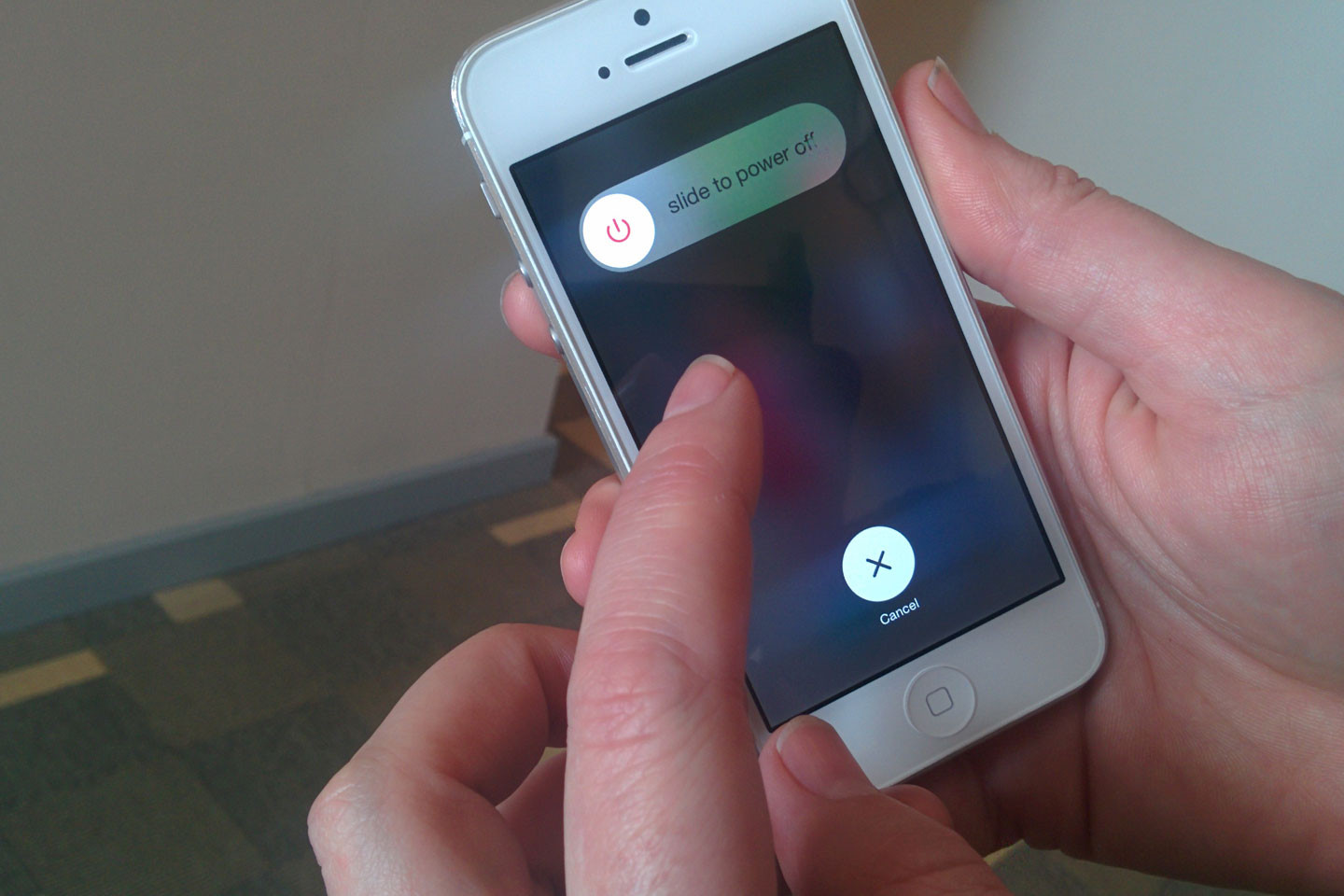
"content": "\u003cfigure id=\"attachment_39586\" class=\"wp-caption alignnone\" style=\"max-width: 640px\">\u003ca href=\"http://ww2.kqed.org/mindshift/2015/03/turned-off-how-teens-respond-to-a-no-tech-challenge/powering-off-phone-1-margot/\" rel=\"attachment wp-att-39586\">\u003cimg class=\"size-full wp-image-39586\" src=\"http://ww2.kqed.org/mindshift/wp-content/uploads/sites/23/2015/02/Powering-off-phone-1-Margot.jpg\" alt=\"Ki Sung/MindShift\" width=\"640\" height=\"960\">\u003c/a>\u003cfigcaption class=\"wp-caption-text\">Ki Sung/MindShift\u003c/figcaption>\u003c/figure>\n\u003cp class=\"dropcap-serif\">Being without a phone can be an incapacitating feeling, possibly worse than leaving a wallet at home. Many adults can remember an analog era of living without a mobile phone. But for young digital natives, taking a break from the phone, where they live and socialize, can induce all kinds of emotions.\u003c/p>\n\u003cp>Recently, a line of teenage boys were frantically sending last-minute texts and posting to Facebook one final time before grabbing a manilla envelope and sealing their devices inside. These boys volunteered to abstain from using not just their phones but \u003cem>all\u003c/em> digital devices for three days to better understand the role of technology in their lives.\u003c/p>\n\u003cp>The \u003ca href=\"http://techtimeout.com/academicchallenge/\" target=\"_blank\">Tech Timeout Academic Challenge\u003c/a> was taken by boys and girls in grades 4 through 12 at Convent & Stuart Hall in San Francisco -- along with some teachers and parents -- as part of this private school’s attempt to implement its one-to-one iPad program. The idea is to recognize that technology is often a distraction from other important things, like connecting with classmates and family, enjoying the moment or being creative.\u003c/p>\n\u003caside class=\"pullquote alignleft\">'It was almost a wake-up call for how dependent we are on technology.'\u003c/aside>\n\u003cp>“This is going to be really hard for me. I think I’m going to have some pretty intense feelings of anxiety after about an hour,” said sophomore Eli Horowitz as he sealed up his phone. Other students were also apprehensive about the timeout, citing their desire to be connected to friends through social media as one of the main temptations, but some were glad for the excuse to try putting the phone away for a while.\u003c/p>\n\u003cp>“We've really accelerated how we've developed technology here [at Stuart Hall] and I think it’s good for people to take a step back and just try to look at learning and friendships and socializing culture through a different lens,” said senior Thomas Namara. In his four years at the school, technology use has increased dramatically. He’s glad the freshmen will get a small taste of what school was like before.\u003c/p>\n\u003cp>[ad fullwidth]\u003c/p>\n\u003cp>[soundcloud url=\"https://api.soundcloud.com/tracks/195568796\" params=\"color=ff5500&auto_play=false&hide_related=false&show_comments=true&show_user=true&show_reposts=false\" width=\"100%\" height=\"166\" iframe=\"true\" /]\u003cbr>\n\u003cem>Students react to the technology-free life.\u003c/em>\u003c/p>\n\u003cp>The school’s leaders expected that some students wouldn’t make it through all three days, but they felt it was important to raise students’ awareness of how they use their devices. “I have a long history of working to promote technology,” said Howard Levin, the school’s director of educational innovation and information services. ”It’s really interesting that now the issues that are the most important to me are working to promote conscious, mindful use and learning to disconnect.”\u003c/p>\n\u003cp>Levin has no doubt that the school’s iPad program is helping students be more effective producers, creators and synthesizers of information, but he’s also aware that technology has insinuated itself deeply into his students' lives and they may not even be aware of what life could be like without it. While this tech timeout is short, just three days, he says that’s enough to get kids reflecting on how they use technology. Maybe they’ll even begin strategizing ways to regularly disconnect.\u003c/p>\n\u003cp>“A lot of what we are targeting with our tech timeout is the interruptions of social media and the pingings and the notifications that interrupt attention,” Levin said. Convent & Stuart Hall allow students to use their phones and iPads anytime during school (nothing is blocked), and teachers are trying to help students build the life skill of recognizing when it’s time to pay attention and when it’s all right to zone out.\u003c/p>\n\u003cdiv style=\"float: LEFT;margin: 0 15px 5px 0\">[soundcloud url=\"https://api.soundcloud.com/tracks/193425072\" params=\"auto_play=false&hide_related=true&show_comments=true&show_user=true&show_reposts=false&visual=true\" width=\"100%\" height=\"300\" iframe=\"true\" /]\u003c/div>\n\u003cp>\u003cstrong>HOW DID THE STUDENTS DO?\u003c/strong>\u003c/p>\n\u003cp>“It made me way more creative with my time and it gave me a sense of relief,” Horowitz said. “Whereas if I had technology, I would feel like I have to check Instagram.\" It was hard to get used to not having his phone, he said. The first day he was anxious, reflexively reaching into his pocket, but by the third day he felt something akin to freedom. He went surfing, bounced on the trampoline and went on walks.\u003c/p>\n\u003cp>“I feel very addicted to social media and stuff, or dependent is a better way to describe it,” Horowitz said. “It’s like habitual dependency, and I feel like I could do without that. It was really relieving for me to not have my technology and my phone on me.” He’s glad he made it through all three days, but isn’t sure he could force himself to take more timeouts in the future.\u003c/p>\n\u003cp>Other students weren't so strong. It wasn’t as hard to abstain from technology at school, said Ryley Aceret, because he was around his friends, who were also taking the challenge. But on Friday night, when he found himself alone, the temptation was too great.\u003c/p>\n\u003cp>“On the bus home it was getting late,\" said Aceret. \"And just that temptation on the bus, [there was] no one to talk to, and so I had to pull out my phone, turn it on for the first time, rip open the seal,” he said.\u003c/p>\n\u003cp>[contextly_sidebar id=\"Ygs3I8wpkq2bkaC4rHHOPb80IzqjMmsz\"]\u003c/p>\n\u003cp>“I felt normal again,” Aceret said of regaining his phone. “When I wasn't with my phone I felt different, like I was naked all the time.” His phone makes him feel secure. He was also imagining that his friends had already caved and were back on social media without him -- he had the fear of missing out.\u003c/p>\n\u003cp>That doesn’t mean he didn’t learn some valuable lessons from the time spent tech-free. “I usually take a really long time doing homework and that’s because I get sidetracked with technology and my phone,” Aceret said.\u003c/p>\n\u003cp>Recently he’s taken to shutting his phone off and secluding himself away from TVs or other \u003ca href=\"http://ww2.kqed.org/mindshift/2013/12/age-of-distraction-why-its-crucial-for-students-to-learn-to-focus/\" target=\"_blank\">distractions so he can concentrate\u003c/a> on homework. With his technology distracting him, Aceret said homework can take up to five hours, but without it he can whip out his assignments in an hour and a half.\u003c/p>\n\u003cp>\u003cstrong>SURPRISING ANALOG CONNECTIONS\u003c/strong>\u003c/p>\n\u003cp>Technology has the odd distinction of both connecting people in unprecedented ways at the same time that it isolates them. Several students noticed that when they didn't have their phones or iPads, they were more ready to connect with friends and family, and more aware when those people were themselves wrapped up in devices.\u003c/p>\n\u003cp>“It was very ironic to see the generation that often criticizes our use of technology addicted to it when I wasn't using it,” Catherine Heinen said.\u003c/p>\n\u003cp>“It kind of changed the whole way we interact with each other,” Namara said. Because students always have their iPads or phones with them, they often play games at lunch or check fantasy sports stats. When no one had devices, Namara talked to his friends more and interacted with people he usually doesn't.\u003c/p>\n\u003cdiv style=\"float: LEFT;margin: 0 15px 5px 0\">[soundcloud url=\"https://api.soundcloud.com/tracks/193432560\" params=\"auto_play=false&hide_related=true&show_comments=true&show_user=true&show_reposts=false&visual=true\" width=\"100%\" height=\"300\" iframe=\"true\" /]\u003c/div>\n\u003cp>“I noticed interacting with people was a lot different,” Namara said. “People take out their phones as a way to mask the awkwardness of the conversation. But I noticed people looked up more.”\u003c/p>\n\u003cp>Without technology, Namara was also more dependent on his parents. His AP government teacher assigned homework to look up an interest group and be ready to explain what it was and how it got its money. Normally, Namara would just look up that information, take some notes and be done. But without technology he had to ask his mom to look it up for him.\u003c/p>\n\u003cp>“Half an hour down the line, my mother and I just had a conversation about politics,” Namara said. “And it went from special interest groups to the environment, and the economy, and what’s happening in the Middle East, and then my dad joined in. An hour in, we had a really good conversation about politics.”\u003c/p>\n\u003cp>That never would have happened normally, Namara said.\u003c/p>\n\u003cp>All the students recognized that class was different without technology, too. “It almost seemed like the whole school was on hold,” he said. “Every class we went to, it seemed like there was one point when we couldn't move on.” Instead, teachers led discussions about current events, played games requiring students to make persuasive arguments or practiced meditation.\u003c/p>\n\u003cp>“It was almost a wakeup call for how dependent we are on technology,” Namara said.\u003c/p>\n\u003cp>[ad floatright]\u003c/p>\n\u003cp>Teachers and students at Convent & Stuart Hall have become so used to using technology for everything that even when teachers knew there would be two days of class without it, the lessons stalled. Students reported enjoying the reprieve from digital notetaking, Apple TVs and online homework, but they recognized they may have been responding to the lighter load in general.\u003c/p>\n\n",
"disqusIdentifier": "39528 http://blogs.kqed.org/mindshift/?p=39528",
"disqusUrl": "https://ww2.kqed.org/mindshift/2015/03/06/turned-off-how-teens-respond-to-a-no-tech-challenge/",
"stats": {
"hasVideo": false,
"hasChartOrMap": false,
"hasAudio": false,
"hasPolis": false,
"wordCount": 1606,
"hasGoogleForm": false,
"hasGallery": false,
"hasHearkenModule": false,
"iframeSrcs": [],
"paragraphCount": 30
},
"modified": 1426193627,
"excerpt": "When students sealed up their phones in manilla envelopes for three days, they had a chance to reflect on the role of tech in their relationships and their lives.",
"headData": {
"twImgId": "",
"twTitle": "",
"ogTitle": "",
"ogImgId": "",
"twDescription": "",
"description": "When students sealed up their phones in manilla envelopes for three days, they had a chance to reflect on the role of tech in their relationships and their lives.",
"title": "What Happens When Teens Try to Disconnect From Tech For Three Days | KQED",
"ogDescription": "",
"schema": {
"@context": "https://schema.org",
"@type": "Article",
"headline": "What Happens When Teens Try to Disconnect From Tech For Three Days",
"datePublished": "2015-03-06T05:36:41-08:00",
"dateModified": "2015-03-12T13:53:47-07:00",
"image": "https://cdn.kqed.org/wp-content/uploads/2020/02/KQED-OG-Image@1x.png"
}
},
"guestAuthors": [],
"slug": "turned-off-how-teens-respond-to-a-no-tech-challenge",
"status": "publish",
"path": "/mindshift/39528/turned-off-how-teens-respond-to-a-no-tech-challenge",
"audioTrackLength": null,
"parsedContent": [
{
"type": "contentString",
"content": "\u003cdiv class=\"post-body\">\u003cp>\u003cfigure id=\"attachment_39586\" class=\"wp-caption alignnone\" style=\"max-width: 640px\">\u003ca href=\"http://ww2.kqed.org/mindshift/2015/03/turned-off-how-teens-respond-to-a-no-tech-challenge/powering-off-phone-1-margot/\" rel=\"attachment wp-att-39586\">\u003cimg class=\"size-full wp-image-39586\" src=\"http://ww2.kqed.org/mindshift/wp-content/uploads/sites/23/2015/02/Powering-off-phone-1-Margot.jpg\" alt=\"Ki Sung/MindShift\" width=\"640\" height=\"960\">\u003c/a>\u003cfigcaption class=\"wp-caption-text\">Ki Sung/MindShift\u003c/figcaption>\u003c/figure>\n\u003cp class=\"dropcap-serif\">Being without a phone can be an incapacitating feeling, possibly worse than leaving a wallet at home. Many adults can remember an analog era of living without a mobile phone. But for young digital natives, taking a break from the phone, where they live and socialize, can induce all kinds of emotions.\u003c/p>\n\u003cp>Recently, a line of teenage boys were frantically sending last-minute texts and posting to Facebook one final time before grabbing a manilla envelope and sealing their devices inside. These boys volunteered to abstain from using not just their phones but \u003cem>all\u003c/em> digital devices for three days to better understand the role of technology in their lives.\u003c/p>\n\u003cp>The \u003ca href=\"http://techtimeout.com/academicchallenge/\" target=\"_blank\">Tech Timeout Academic Challenge\u003c/a> was taken by boys and girls in grades 4 through 12 at Convent & Stuart Hall in San Francisco -- along with some teachers and parents -- as part of this private school’s attempt to implement its one-to-one iPad program. The idea is to recognize that technology is often a distraction from other important things, like connecting with classmates and family, enjoying the moment or being creative.\u003c/p>\n\u003caside class=\"pullquote alignleft\">'It was almost a wake-up call for how dependent we are on technology.'\u003c/aside>\n\u003cp>“This is going to be really hard for me. I think I’m going to have some pretty intense feelings of anxiety after about an hour,” said sophomore Eli Horowitz as he sealed up his phone. Other students were also apprehensive about the timeout, citing their desire to be connected to friends through social media as one of the main temptations, but some were glad for the excuse to try putting the phone away for a while.\u003c/p>\n\u003cp>“We've really accelerated how we've developed technology here [at Stuart Hall] and I think it’s good for people to take a step back and just try to look at learning and friendships and socializing culture through a different lens,” said senior Thomas Namara. In his four years at the school, technology use has increased dramatically. He’s glad the freshmen will get a small taste of what school was like before.\u003c/p>\n\u003cp>\u003c/p>\u003c/div>",
"attributes": {
"named": {},
"numeric": []
}
},
{
"type": "component",
"content": "",
"name": "ad",
"attributes": {
"named": {
"label": "fullwidth"
},
"numeric": [
"fullwidth"
]
}
},
{
"type": "contentString",
"content": "\u003cdiv class=\"post-body\">\u003cp>\u003c/p>\n\u003cp>\u003c/p>\u003cp>\u003cdiv class='utils-parseShortcode-shortcodes-__shortcodes__shortcodeWrapper'>\n \u003ciframe width='100%' height='166'\n scrolling='no' frameborder='no'\n src='https://w.soundcloud.com/player/?url=https://api.soundcloud.com/tracks/195568796&visual=true&color=ff5500&auto_play=false&hide_related=false&show_comments=true&show_user=true&show_reposts=false'\n title='https://api.soundcloud.com/tracks/195568796'>\n \u003c/iframe>\n \u003c/div>\u003c/p>\u003cp>\u003cbr>\n\u003cem>Students react to the technology-free life.\u003c/em>\u003c/p>\n\u003cp>The school’s leaders expected that some students wouldn’t make it through all three days, but they felt it was important to raise students’ awareness of how they use their devices. “I have a long history of working to promote technology,” said Howard Levin, the school’s director of educational innovation and information services. ”It’s really interesting that now the issues that are the most important to me are working to promote conscious, mindful use and learning to disconnect.”\u003c/p>\n\u003cp>Levin has no doubt that the school’s iPad program is helping students be more effective producers, creators and synthesizers of information, but he’s also aware that technology has insinuated itself deeply into his students' lives and they may not even be aware of what life could be like without it. While this tech timeout is short, just three days, he says that’s enough to get kids reflecting on how they use technology. Maybe they’ll even begin strategizing ways to regularly disconnect.\u003c/p>\n\u003cp>“A lot of what we are targeting with our tech timeout is the interruptions of social media and the pingings and the notifications that interrupt attention,” Levin said. Convent & Stuart Hall allow students to use their phones and iPads anytime during school (nothing is blocked), and teachers are trying to help students build the life skill of recognizing when it’s time to pay attention and when it’s all right to zone out.\u003c/p>\n\u003cdiv style=\"float: LEFT;margin: 0 15px 5px 0\">\u003c/p>\u003cp>\u003cdiv class='utils-parseShortcode-shortcodes-__shortcodes__shortcodeWrapper'>\n \u003ciframe width='100%' height='300'\n scrolling='no' frameborder='no'\n src='https://w.soundcloud.com/player/?url=https://api.soundcloud.com/tracks/193425072&visual=true&auto_play=false&hide_related=true&show_comments=true&show_user=true&show_reposts=false&visual=true'\n title='https://api.soundcloud.com/tracks/193425072'>\n \u003c/iframe>\n \u003c/div>\u003c/p>\u003cp>\u003c/div>\n\u003cp>\u003cstrong>HOW DID THE STUDENTS DO?\u003c/strong>\u003c/p>\n\u003cp>“It made me way more creative with my time and it gave me a sense of relief,” Horowitz said. “Whereas if I had technology, I would feel like I have to check Instagram.\" It was hard to get used to not having his phone, he said. The first day he was anxious, reflexively reaching into his pocket, but by the third day he felt something akin to freedom. He went surfing, bounced on the trampoline and went on walks.\u003c/p>\n\u003cp>“I feel very addicted to social media and stuff, or dependent is a better way to describe it,” Horowitz said. “It’s like habitual dependency, and I feel like I could do without that. It was really relieving for me to not have my technology and my phone on me.” He’s glad he made it through all three days, but isn’t sure he could force himself to take more timeouts in the future.\u003c/p>\n\u003cp>Other students weren't so strong. It wasn’t as hard to abstain from technology at school, said Ryley Aceret, because he was around his friends, who were also taking the challenge. But on Friday night, when he found himself alone, the temptation was too great.\u003c/p>\n\u003cp>“On the bus home it was getting late,\" said Aceret. \"And just that temptation on the bus, [there was] no one to talk to, and so I had to pull out my phone, turn it on for the first time, rip open the seal,” he said.\u003c/p>\n\u003cp>\u003c/p>\u003cp>\u003c/p>\u003cp>\u003c/p>\n\u003cp>“I felt normal again,” Aceret said of regaining his phone. “When I wasn't with my phone I felt different, like I was naked all the time.” His phone makes him feel secure. He was also imagining that his friends had already caved and were back on social media without him -- he had the fear of missing out.\u003c/p>\n\u003cp>That doesn’t mean he didn’t learn some valuable lessons from the time spent tech-free. “I usually take a really long time doing homework and that’s because I get sidetracked with technology and my phone,” Aceret said.\u003c/p>\n\u003cp>Recently he’s taken to shutting his phone off and secluding himself away from TVs or other \u003ca href=\"http://ww2.kqed.org/mindshift/2013/12/age-of-distraction-why-its-crucial-for-students-to-learn-to-focus/\" target=\"_blank\">distractions so he can concentrate\u003c/a> on homework. With his technology distracting him, Aceret said homework can take up to five hours, but without it he can whip out his assignments in an hour and a half.\u003c/p>\n\u003cp>\u003cstrong>SURPRISING ANALOG CONNECTIONS\u003c/strong>\u003c/p>\n\u003cp>Technology has the odd distinction of both connecting people in unprecedented ways at the same time that it isolates them. Several students noticed that when they didn't have their phones or iPads, they were more ready to connect with friends and family, and more aware when those people were themselves wrapped up in devices.\u003c/p>\n\u003cp>“It was very ironic to see the generation that often criticizes our use of technology addicted to it when I wasn't using it,” Catherine Heinen said.\u003c/p>\n\u003cp>“It kind of changed the whole way we interact with each other,” Namara said. Because students always have their iPads or phones with them, they often play games at lunch or check fantasy sports stats. When no one had devices, Namara talked to his friends more and interacted with people he usually doesn't.\u003c/p>\n\u003cdiv style=\"float: LEFT;margin: 0 15px 5px 0\">\u003c/p>\u003cp>\u003cdiv class='utils-parseShortcode-shortcodes-__shortcodes__shortcodeWrapper'>\n \u003ciframe width='100%' height='300'\n scrolling='no' frameborder='no'\n src='https://w.soundcloud.com/player/?url=https://api.soundcloud.com/tracks/193432560&visual=true&auto_play=false&hide_related=true&show_comments=true&show_user=true&show_reposts=false&visual=true'\n title='https://api.soundcloud.com/tracks/193432560'>\n \u003c/iframe>\n \u003c/div>\u003c/p>\u003cp>\u003c/div>\n\u003cp>“I noticed interacting with people was a lot different,” Namara said. “People take out their phones as a way to mask the awkwardness of the conversation. But I noticed people looked up more.”\u003c/p>\n\u003cp>Without technology, Namara was also more dependent on his parents. His AP government teacher assigned homework to look up an interest group and be ready to explain what it was and how it got its money. Normally, Namara would just look up that information, take some notes and be done. But without technology he had to ask his mom to look it up for him.\u003c/p>\n\u003cp>“Half an hour down the line, my mother and I just had a conversation about politics,” Namara said. “And it went from special interest groups to the environment, and the economy, and what’s happening in the Middle East, and then my dad joined in. An hour in, we had a really good conversation about politics.”\u003c/p>\n\u003cp>That never would have happened normally, Namara said.\u003c/p>\n\u003cp>All the students recognized that class was different without technology, too. “It almost seemed like the whole school was on hold,” he said. “Every class we went to, it seemed like there was one point when we couldn't move on.” Instead, teachers led discussions about current events, played games requiring students to make persuasive arguments or practiced meditation.\u003c/p>\n\u003cp>“It was almost a wakeup call for how dependent we are on technology,” Namara said.\u003c/p>\n\u003cp>\u003c/p>\u003c/div>",
"attributes": {
"named": {},
"numeric": []
}
},
{
"type": "component",
"content": "",
"name": "ad",
"attributes": {
"named": {
"label": "floatright"
},
"numeric": [
"floatright"
]
}
},
{
"type": "contentString",
"content": "\u003cdiv class=\"post-body\">\u003cp>\u003c/p>\n\u003cp>Teachers and students at Convent & Stuart Hall have become so used to using technology for everything that even when teachers knew there would be two days of class without it, the lessons stalled. Students reported enjoying the reprieve from digital notetaking, Apple TVs and online homework, but they recognized they may have been responding to the lighter load in general.\u003c/p>\n\n\u003c/div>\u003c/p>",
"attributes": {
"named": {},
"numeric": []
}
}
],
"link": "/mindshift/39528/turned-off-how-teens-respond-to-a-no-tech-challenge",
"authors": [
"234"
],
"categories": [
"mindshift_195"
],
"tags": [
"mindshift_20811",
"mindshift_822",
"mindshift_20784",
"mindshift_1040",
"mindshift_20820"
],
"featImg": "mindshift_39586",
"label": "mindshift"
},
"mindshift_39556": {
"type": "posts",
"id": "mindshift_39556",
"meta": {
"index": "posts_1716263798",
"site": "mindshift",
"id": "39556",
"score": null,
"sort": [
1425565919000
]
},
"parent": 0,
"labelTerm": {
"site": "mindshift"
},
"blocks": [],
"publishDate": 1425565919,
"format": "aside",
"disqusTitle": "How to Grow a Classroom Culture That Supports Blended Learning",
"title": "How to Grow a Classroom Culture That Supports Blended Learning",
"headTitle": "MindShift | KQED News",
"content": "\u003cp>\u003ca href=\"http://ww2.kqed.org/mindshift/2015/03/how-to-grow-a-classroom-culture-that-supports-blended-learning/pencil-tree/\" rel=\"attachment wp-att-39578\">\u003cimg src=\"http://ww2.kqed.org/mindshift/wp-content/uploads/sites/23/2015/03/Pencil-tree.jpg\" alt=\"Pencil-tree\" width=\"640\" height=\"960\" class=\"alignnone size-full wp-image-39578\">\u003c/a>\u003c/p>\n\u003cp>\u003cem>The excerpt below is from the book “\u003ca href=\"http://www.amazon.com/Moonshots-Education-Launching-Learning-Classroom/dp/1934276200\">Moonshots in Education: Launching Blended Learning in the Classroom\u003c/a>,” by Esther Wojcicki, Lance Izumi and Alicia Chang. This excerpt is from the chapter entitled “Trick in the Blended Classroom,” written by Wojcicki.\u003c/em> \u003c/p>\n\u003cp class=\"dropcap-serif\">It all started in 1987, when I got a grant from the State of California. The state sent me eight Macintosh computers, never asking if I knew how to use them, and when they arrived I had no idea how to even turn them on. I realized then that I was going to fail if I didn’t get some help quickly. I looked around for colleagues who could help, but none of them had any idea. Our school had no IT department. So I took a leap of faith and confessed to my students that I had no idea how to use the new computers and that I needed help. This turned out to be a stroke of good luck, even though I did not see it that way at the time. It was the beginning of my new teaching methodology.\u003c/p>\n\u003cp>The students were absolutely thrilled to help me (can you imagine being asked to help a teacher?!), and that was the beginning of my collaborative teaching model. Only, at that point, it did not have a name, and in fact I had to hide it from other teachers who might have frowned on what I was doing. The students and I ended up spending hours after school and on weekends figuring out the computers and how to network them. I had never even heard the word “network” in a computer context. I was one of the first teachers in California to use computers in the classroom, and possibly the first in the nation to use computers in a journalism classroom.\u003c/p>\n\u003cp>I was soon sold on the idea of collaboration, respect, and trust in the classroom. And it turns out that building a culture of collaboration, respect, and trust is key to a successful blended classroom. The first action a teacher needs to take in the fall when school starts is to set up the culture. On the surface, this may sound like a waste of time, but in fact its importance cannot be overemphasized. Part of such a culture is understanding that the teacher is not the only expert in the room; in fact, students can know more than the teacher about some aspects of what they will be doing together.\u003c/p>\n\u003cp>[ad fullwidth]\u003c/p>\n\u003cp>Computers, tablets, and other electronic devices alone are not going to change the classroom. It is the change in culture that will make the difference.\u003c/p>\n\u003cp>To help everyone remember what it takes to set up a culture that works, I have come up with an acronym, TRICK. Each letter stands for an important part of the culture.\u003c/p>\n\u003cp>T = trust \u003cbr>\nR = respect\u003cbr>\n I = independence\u003cbr>\nC = collaboration\u003cbr>\nK = kindness\u003c/p>\n\u003cp>\u003cstrong>Trust\u003c/strong>\u003cbr>\nThe first thing to establish in the classroom is a culture of trust. That does not mean the students are given complete freedom to run wild and do what they want; it means the students trust each other to help in the learning process and the teacher trusts the students. The boundaries need to be established early in the semester. There are a variety of exercises to build trust that a teacher can use, ranging from the blind man’s game to walking into walls.\u003c/p>\n\u003cp>Since the teacher is the one in control, it is he or she who must take the initiative. Teachers need to put themselves into situations that require students to be trustworthy. Opportunities arise every day. For example, having students work in teams and be responsible to the team teaches trust. Creating a group blog or website gives students a natural way to develop trust in the team, and, if the teacher trusts the team, it builds a community of trust in the classroom.\u003c/p>\n\u003cp>[contextly_sidebar id=\"UAYTedL6j1TwtBx1ziBdjUJipSmnwzQO\"]\u003c/p>\n\u003cp>However, the key to building trust is to actually trust the students. While that may seem counterintuitive to many teachers, it is really the only way to effectively build trust. For example, in my advanced journalism class, the students each have an individual story assignment, so no two students are doing the same thing. Some of the stories are particularly sensitive about issues in the school, the district, or the city. It takes a leap of faith on my part to trust students to get the information right and to write it up in an objective way. We publish the results online— typically garnering thousands of views—and in hard copy for three thousand local residents. Students have told me that trusting them to write the stories is significant in building their self-esteem.\u003c/p>\n\u003cp>The students also put out a newspaper or magazine. The newspaper class has an enrollment of seventy students, who work in teams on the paper. Six editors-in-chief are in charge of the class, giving the students critical leadership experience and a sense of control over the publication. The magazine classes have an enrollment of thirty-five and an editorial board of three editors. Each student in each class has a title that correlates to his or her responsibilities. Examples are news editor, editorial-page editor, feature-page editor, or reporter.\u003c/p>\n\u003cp>Besides having the students produce actual publications, a second suggestion is to allow the students to teach the class on a regular basis. For example, the teacher can designate one day a week when the kids take over the class for an hour or so. Having kids teach each other in small groups on a regular basis also creates a sense of trust in the class.\u003c/p>\n\u003cp>I also encourage the students to help with the technological side of the program. I use Google Docs to create documents and Adobe software to publish. New products come out daily, and many of those might be useful for me, but I have little time to investigate them. Thus, I ask my students to watch out for new software that might be useful for the program, tell me about it, and, if it seems appropriate, learn how to use it. They then share it with the rest of the class.\u003c/p>\n\u003cp>A third suggestion to enhance trust is to give students your home phone number, cell number, and e-mail and tell them to contact you when they have problems, but not later than a specified time in the evening. Just giving out that information provides for a culture of trust and caring. All students also have the same contact information for all other students including home phones, cell phones and addresses as well as my contact information.\u003c/p>\n\u003cp>A fourth suggestion is for the teacher to laugh at his or her own mistakes on a regular basis. We all make mistakes, and teaching students that mistakes are part of life is an important lesson in helping them accept themselves. I do that every day in class, and the mistakes are not difficult to find: Every day there is something that does not go as planned. Teachers who are willing to show that they are not perfect, don’t know everything, and can laugh at themselves can more easily develop trust.\u003c/p>\n\u003cp>Finally, and perhaps most important, is to put students in situations requiring them to think for themselves. They may stumble and have difficulties, but the key is to support them in their efforts while letting them solve the problem themselves. This builds trust in themselves, in the class as a whole, and between teacher and students.\u003c/p>\n\u003cp>\u003cstrong>Respect\u003c/strong>\u003cbr>\nTeachers need to have sincere respect for their students, especially in today’s world, where the members of a class may come from very different backgrounds and experiences. But each one has unique gifts even if he or she also has unique problems. As a teacher I know how difficult it can be to respect students who create problems in the classroom, but it is up to the teacher to show respect. It goes a long way in making the student feel better about themselves.\u003c/p>\n\u003cp>Respect is part of trust. I trust the kids and respect them, and in turn they trust and respect me. Someone has to start the process, and it cannot be the students, since the teacher is in charge.\u003c/p>\n\u003cp>Giving students respect does not mean letting go of expectations. In fact, it means the opposite.\u003c/p>\n\u003cfigure id=\"attachment_39560\" class=\"wp-caption alignright\" style=\"max-width: 300px\">\u003ca href=\"http://ww2.kqed.org/mindshift/2015/03/how-to-grow-a-classroom-culture-that-supports-blended-learning/esther-wojcicki-joi-ito/\" rel=\"attachment wp-att-39560\">\u003cimg src=\"http://ww2.kqed.org/mindshift/wp-content/uploads/sites/23/2015/03/Esther-Wojcicki-Joi-Ito-300x300.jpg\" alt=\"Esther Wojcicki (Credit: Joi Ito/Flickr)\" width=\"300\" height=\"300\" class=\"size-medium wp-image-39560\">\u003c/a>\u003cfigcaption class=\"wp-caption-text\">Esther Wojcicki (Credit: \u003ca href=\"https://www.flickr.com/photos/joi/2593396471/in/photolist-anWWLG-aoRV5G-aoRUpE-cv31m1-4XaQqg-4X97qF-7X231d-anLvZq-q6QteJ-iw3kqX-6Fg42Y-cveWoU-anXjzj-5CEgTq-inW4pR-4Xehjt-inW2Zh-5CEfH3-5CzY3i\">Joi Ito/Flickr\u003c/a>)\u003c/figcaption>\u003c/figure>\n\u003cp>Teachers need to respect them as individuals and expect them to achieve at a high level. My expectations are high and I encourage my students to reach those standards by giving them the opportunity to revise their work on a regular basis. I use the mastery system model (which means students work on a skill until they master it) and grade only when students have finally mastered the standard. An innovative internet company called MasteryConnect.com has software that sup- ports this pedagogy. Grades can be very discouraging for kids but if teachers return an assignment with suggestions on how to improve or correct the errors and kids understand it is part of the process of learning, they will still be excited to learn.\u003c/p>\n\u003cp>Famed psychologists Albert Bandura talks about the power of self-efficacy and how a student’s self image determines how they feel about themselves. He defines self-efficacy as a person’s belief in their ability to succeed in specific situations and says that self efficacy plays a major role in how people (especially students) approaches goals, tasks, and challenges. According to Bandura’s theory, people with high self-efficacy—that is, those who believe they can perform well—are more likely to view difficult tasks as something to be mastered rather than something to be avoided.\u003c/p>\n\u003cp>http://en.wikipedia.org/wiki/Albert_Bandura\u003c/p>\n\u003cp>David Kelley, CEO of IDEO and head of Stanford University’s d.school, has a similar philosophy which he calls Creative Confidence. He says the key to being creative and achieving is “believing in your ability to create change in the world around you. It is the conviction that you can achieve what you set out to do. We think this self-assurance, this belief in your creative capacity, lies at the heart of innovation. Creative confidence is like a muscle--it can be strengthened and nurtured through effort and experience.”\u003c/p>\n\u003cp>http://en.wikipedia.org/wiki/David_M._Kelley\u003c/p>\n\u003cp>Carol Dweck, social psychologist from Stanford University, talks about the power of “mindset” and how if people think their intelligence is flexible and can grow, they will achieve, but if they think it is fixed and there is nothing they can do about it, they tend to be afraid to try. People with a growth mindset understand that their talents and abilities can be developed through effort, good teaching and persistence. They think that if they persevere, (mastery learning concept) they will succeed.\u003c/p>\n\u003cp>http://en.wikipedia.org/wiki/Carol_Dweck\u003c/p>\n\u003cp>This is nothing new, but it is harder to do than to say. Students will rise to meet the expectations of their teachers and parents. By giving students the respect and having the expectation, teachers will be empowering kids. In my experience, students will achieve at levels far beyond what is expected if you give them the opportunity. Just believing in them helps them believe in themselves.\u003c/p>\n\u003cp>\u003cstrong>Independence\u003c/strong>\u003c/p>\n\u003cp>We all like independence; it is the foundation of our nation. For most children it starts when they are two years old and want to do everything themselves—to the chagrin of their parents. In elementary school, students want to be independent too, but as they progress through the system, they become more dependent on the teacher. By the time they are in high school—if they have been taught according to the old model—they are waiting to be told what to do. However, high school is a time when the students’ drive for independence should be at its peak. One way teachers can encourage this drive is to give students an opportunity to come up with their own projects within defined guidelines. For example, students could have a writing assignment, but one in which they pick the topic. It could be a restaurant review, with each student reviewing a restaurant of his or her choice.\u003c/p>\n\u003cp>\u003ca href=\"http://ww2.kqed.org/mindshift/2015/03/how-to-grow-a-classroom-culture-that-supports-blended-learning/moonshots-cover/\" rel=\"attachment wp-att-39581\">\u003cimg src=\"http://ww2.kqed.org/mindshift/wp-content/uploads/sites/23/2015/03/moonshots-cover-300x368.png\" alt=\"moonshots cover\" width=\"300\" height=\"368\" class=\"alignleft size-medium wp-image-39581\">\u003c/a>\u003cstrong>Collaboration\u003c/strong>\u003c/p>\n\u003cp>Collaboration is an important part of the culture of the blended classroom. Students love to work with their peers, especially if they are working on a project they selected themselves. In fact, the main attraction of school for most students is being with their peers. So if teachers can make the environment a friendly, collaborative work space in which students feel comfortable, more learning will take place.\u003c/p>\n\u003cp>This type of learning is important for several reasons: 1) most workplaces today require collaboration and students need to practice those skills at school 2) students learn more when they are responsible for another students work 3) collaboration increases student interest in learning especially if it is on a common project such as a newspaper, magazine, video, or website.\u003c/p>\n\u003cp>\u003cstrong>Kindness\u003c/strong>\u003c/p>\n\u003cp>Kindness is self-evident. If students feel that the teacher is kind, they want to learn. I can remember many instances of being kind to students who had made mistakes. It paid off a hundred times, because the students were so grateful, it made them feel relaxed and accepted. Being kind not only in school, but in life in general, makes the difference. As the American religious leader William J. H. Boetcker (1873–1962) put it: “Your greatness is measured by your kindness; your education and intellect by your modesty; your ignorance is betrayed by your suspicions and prejudices, and your real caliber is measured by the consideration and tolerance you have for others.”\u003c/p>\n\u003cp>[ad floatright]\u003c/p>\n\u003cp>\u003cem>\u003ca href=\"http://en.wikipedia.org/wiki/Esther_Wojcicki\">Esther Wojcicki\u003c/a> teaches journalism and English at Palo Alto High School in California. She served as Chair of Creative Commons and is currently a vice-chair of Creative Commons and an advisor to The University of the People, a global online non-profit free university. You can follower her on Twitter \u003ca href=\"https://twitter.com/estherwojcicki\">@EstherWojcicki\u003c/a>.\u003cbr>\n\u003c/em>\u003c/p>\n\n",
"disqusIdentifier": "39556 http://blogs.kqed.org/mindshift/?p=39556",
"disqusUrl": "https://ww2.kqed.org/mindshift/2015/03/05/how-to-grow-a-classroom-culture-that-supports-blended-learning/",
"stats": {
"hasVideo": false,
"hasChartOrMap": false,
"hasAudio": false,
"hasPolis": false,
"wordCount": 2372,
"hasGoogleForm": false,
"hasGallery": false,
"hasHearkenModule": false,
"iframeSrcs": [],
"paragraphCount": 35
},
"modified": 1425565922,
"excerpt": "Palo Alto High School teacher Esther Wojcicki shares her guidelines on creating a culture of trust, respect and independence for blended learning. ",
"headData": {
"twImgId": "",
"twTitle": "",
"ogTitle": "",
"ogImgId": "",
"twDescription": "",
"description": "Palo Alto High School teacher Esther Wojcicki shares her guidelines on creating a culture of trust, respect and independence for blended learning. ",
"title": "How to Grow a Classroom Culture That Supports Blended Learning | KQED",
"ogDescription": "",
"schema": {
"@context": "https://schema.org",
"@type": "Article",
"headline": "How to Grow a Classroom Culture That Supports Blended Learning",
"datePublished": "2015-03-05T06:31:59-08:00",
"dateModified": "2015-03-05T06:32:02-08:00",
"image": "https://cdn.kqed.org/wp-content/uploads/2020/02/KQED-OG-Image@1x.png"
}
},
"guestAuthors": [],
"slug": "how-to-grow-a-classroom-culture-that-supports-blended-learning",
"status": "publish",
"path": "/mindshift/39556/how-to-grow-a-classroom-culture-that-supports-blended-learning",
"audioTrackLength": null,
"parsedContent": [
{
"type": "contentString",
"content": "\u003cdiv class=\"post-body\">\u003cp>\u003cp>\u003ca href=\"http://ww2.kqed.org/mindshift/2015/03/how-to-grow-a-classroom-culture-that-supports-blended-learning/pencil-tree/\" rel=\"attachment wp-att-39578\">\u003cimg src=\"http://ww2.kqed.org/mindshift/wp-content/uploads/sites/23/2015/03/Pencil-tree.jpg\" alt=\"Pencil-tree\" width=\"640\" height=\"960\" class=\"alignnone size-full wp-image-39578\">\u003c/a>\u003c/p>\n\u003cp>\u003cem>The excerpt below is from the book “\u003ca href=\"http://www.amazon.com/Moonshots-Education-Launching-Learning-Classroom/dp/1934276200\">Moonshots in Education: Launching Blended Learning in the Classroom\u003c/a>,” by Esther Wojcicki, Lance Izumi and Alicia Chang. This excerpt is from the chapter entitled “Trick in the Blended Classroom,” written by Wojcicki.\u003c/em> \u003c/p>\n\u003cp class=\"dropcap-serif\">It all started in 1987, when I got a grant from the State of California. The state sent me eight Macintosh computers, never asking if I knew how to use them, and when they arrived I had no idea how to even turn them on. I realized then that I was going to fail if I didn’t get some help quickly. I looked around for colleagues who could help, but none of them had any idea. Our school had no IT department. So I took a leap of faith and confessed to my students that I had no idea how to use the new computers and that I needed help. This turned out to be a stroke of good luck, even though I did not see it that way at the time. It was the beginning of my new teaching methodology.\u003c/p>\n\u003cp>The students were absolutely thrilled to help me (can you imagine being asked to help a teacher?!), and that was the beginning of my collaborative teaching model. Only, at that point, it did not have a name, and in fact I had to hide it from other teachers who might have frowned on what I was doing. The students and I ended up spending hours after school and on weekends figuring out the computers and how to network them. I had never even heard the word “network” in a computer context. I was one of the first teachers in California to use computers in the classroom, and possibly the first in the nation to use computers in a journalism classroom.\u003c/p>\n\u003cp>I was soon sold on the idea of collaboration, respect, and trust in the classroom. And it turns out that building a culture of collaboration, respect, and trust is key to a successful blended classroom. The first action a teacher needs to take in the fall when school starts is to set up the culture. On the surface, this may sound like a waste of time, but in fact its importance cannot be overemphasized. Part of such a culture is understanding that the teacher is not the only expert in the room; in fact, students can know more than the teacher about some aspects of what they will be doing together.\u003c/p>\n\u003cp>\u003c/p>\u003c/div>",
"attributes": {
"named": {},
"numeric": []
}
},
{
"type": "component",
"content": "",
"name": "ad",
"attributes": {
"named": {
"label": "fullwidth"
},
"numeric": [
"fullwidth"
]
}
},
{
"type": "contentString",
"content": "\u003cdiv class=\"post-body\">\u003cp>\u003c/p>\n\u003cp>Computers, tablets, and other electronic devices alone are not going to change the classroom. It is the change in culture that will make the difference.\u003c/p>\n\u003cp>To help everyone remember what it takes to set up a culture that works, I have come up with an acronym, TRICK. Each letter stands for an important part of the culture.\u003c/p>\n\u003cp>T = trust \u003cbr>\nR = respect\u003cbr>\n I = independence\u003cbr>\nC = collaboration\u003cbr>\nK = kindness\u003c/p>\n\u003cp>\u003cstrong>Trust\u003c/strong>\u003cbr>\nThe first thing to establish in the classroom is a culture of trust. That does not mean the students are given complete freedom to run wild and do what they want; it means the students trust each other to help in the learning process and the teacher trusts the students. The boundaries need to be established early in the semester. There are a variety of exercises to build trust that a teacher can use, ranging from the blind man’s game to walking into walls.\u003c/p>\n\u003cp>Since the teacher is the one in control, it is he or she who must take the initiative. Teachers need to put themselves into situations that require students to be trustworthy. Opportunities arise every day. For example, having students work in teams and be responsible to the team teaches trust. Creating a group blog or website gives students a natural way to develop trust in the team, and, if the teacher trusts the team, it builds a community of trust in the classroom.\u003c/p>\n\u003cp>\u003c/p>\u003cp>\u003c/p>\u003cp>\u003c/p>\n\u003cp>However, the key to building trust is to actually trust the students. While that may seem counterintuitive to many teachers, it is really the only way to effectively build trust. For example, in my advanced journalism class, the students each have an individual story assignment, so no two students are doing the same thing. Some of the stories are particularly sensitive about issues in the school, the district, or the city. It takes a leap of faith on my part to trust students to get the information right and to write it up in an objective way. We publish the results online— typically garnering thousands of views—and in hard copy for three thousand local residents. Students have told me that trusting them to write the stories is significant in building their self-esteem.\u003c/p>\n\u003cp>The students also put out a newspaper or magazine. The newspaper class has an enrollment of seventy students, who work in teams on the paper. Six editors-in-chief are in charge of the class, giving the students critical leadership experience and a sense of control over the publication. The magazine classes have an enrollment of thirty-five and an editorial board of three editors. Each student in each class has a title that correlates to his or her responsibilities. Examples are news editor, editorial-page editor, feature-page editor, or reporter.\u003c/p>\n\u003cp>Besides having the students produce actual publications, a second suggestion is to allow the students to teach the class on a regular basis. For example, the teacher can designate one day a week when the kids take over the class for an hour or so. Having kids teach each other in small groups on a regular basis also creates a sense of trust in the class.\u003c/p>\n\u003cp>I also encourage the students to help with the technological side of the program. I use Google Docs to create documents and Adobe software to publish. New products come out daily, and many of those might be useful for me, but I have little time to investigate them. Thus, I ask my students to watch out for new software that might be useful for the program, tell me about it, and, if it seems appropriate, learn how to use it. They then share it with the rest of the class.\u003c/p>\n\u003cp>A third suggestion to enhance trust is to give students your home phone number, cell number, and e-mail and tell them to contact you when they have problems, but not later than a specified time in the evening. Just giving out that information provides for a culture of trust and caring. All students also have the same contact information for all other students including home phones, cell phones and addresses as well as my contact information.\u003c/p>\n\u003cp>A fourth suggestion is for the teacher to laugh at his or her own mistakes on a regular basis. We all make mistakes, and teaching students that mistakes are part of life is an important lesson in helping them accept themselves. I do that every day in class, and the mistakes are not difficult to find: Every day there is something that does not go as planned. Teachers who are willing to show that they are not perfect, don’t know everything, and can laugh at themselves can more easily develop trust.\u003c/p>\n\u003cp>Finally, and perhaps most important, is to put students in situations requiring them to think for themselves. They may stumble and have difficulties, but the key is to support them in their efforts while letting them solve the problem themselves. This builds trust in themselves, in the class as a whole, and between teacher and students.\u003c/p>\n\u003cp>\u003cstrong>Respect\u003c/strong>\u003cbr>\nTeachers need to have sincere respect for their students, especially in today’s world, where the members of a class may come from very different backgrounds and experiences. But each one has unique gifts even if he or she also has unique problems. As a teacher I know how difficult it can be to respect students who create problems in the classroom, but it is up to the teacher to show respect. It goes a long way in making the student feel better about themselves.\u003c/p>\n\u003cp>Respect is part of trust. I trust the kids and respect them, and in turn they trust and respect me. Someone has to start the process, and it cannot be the students, since the teacher is in charge.\u003c/p>\n\u003cp>Giving students respect does not mean letting go of expectations. In fact, it means the opposite.\u003c/p>\n\u003cfigure id=\"attachment_39560\" class=\"wp-caption alignright\" style=\"max-width: 300px\">\u003ca href=\"http://ww2.kqed.org/mindshift/2015/03/how-to-grow-a-classroom-culture-that-supports-blended-learning/esther-wojcicki-joi-ito/\" rel=\"attachment wp-att-39560\">\u003cimg src=\"http://ww2.kqed.org/mindshift/wp-content/uploads/sites/23/2015/03/Esther-Wojcicki-Joi-Ito-300x300.jpg\" alt=\"Esther Wojcicki (Credit: Joi Ito/Flickr)\" width=\"300\" height=\"300\" class=\"size-medium wp-image-39560\">\u003c/a>\u003cfigcaption class=\"wp-caption-text\">Esther Wojcicki (Credit: \u003ca href=\"https://www.flickr.com/photos/joi/2593396471/in/photolist-anWWLG-aoRV5G-aoRUpE-cv31m1-4XaQqg-4X97qF-7X231d-anLvZq-q6QteJ-iw3kqX-6Fg42Y-cveWoU-anXjzj-5CEgTq-inW4pR-4Xehjt-inW2Zh-5CEfH3-5CzY3i\">Joi Ito/Flickr\u003c/a>)\u003c/figcaption>\u003c/figure>\n\u003cp>Teachers need to respect them as individuals and expect them to achieve at a high level. My expectations are high and I encourage my students to reach those standards by giving them the opportunity to revise their work on a regular basis. I use the mastery system model (which means students work on a skill until they master it) and grade only when students have finally mastered the standard. An innovative internet company called MasteryConnect.com has software that sup- ports this pedagogy. Grades can be very discouraging for kids but if teachers return an assignment with suggestions on how to improve or correct the errors and kids understand it is part of the process of learning, they will still be excited to learn.\u003c/p>\n\u003cp>Famed psychologists Albert Bandura talks about the power of self-efficacy and how a student’s self image determines how they feel about themselves. He defines self-efficacy as a person’s belief in their ability to succeed in specific situations and says that self efficacy plays a major role in how people (especially students) approaches goals, tasks, and challenges. According to Bandura’s theory, people with high self-efficacy—that is, those who believe they can perform well—are more likely to view difficult tasks as something to be mastered rather than something to be avoided.\u003c/p>\n\u003cp>http://en.wikipedia.org/wiki/Albert_Bandura\u003c/p>\n\u003cp>David Kelley, CEO of IDEO and head of Stanford University’s d.school, has a similar philosophy which he calls Creative Confidence. He says the key to being creative and achieving is “believing in your ability to create change in the world around you. It is the conviction that you can achieve what you set out to do. We think this self-assurance, this belief in your creative capacity, lies at the heart of innovation. Creative confidence is like a muscle--it can be strengthened and nurtured through effort and experience.”\u003c/p>\n\u003cp>http://en.wikipedia.org/wiki/David_M._Kelley\u003c/p>\n\u003cp>Carol Dweck, social psychologist from Stanford University, talks about the power of “mindset” and how if people think their intelligence is flexible and can grow, they will achieve, but if they think it is fixed and there is nothing they can do about it, they tend to be afraid to try. People with a growth mindset understand that their talents and abilities can be developed through effort, good teaching and persistence. They think that if they persevere, (mastery learning concept) they will succeed.\u003c/p>\n\u003cp>http://en.wikipedia.org/wiki/Carol_Dweck\u003c/p>\n\u003cp>This is nothing new, but it is harder to do than to say. Students will rise to meet the expectations of their teachers and parents. By giving students the respect and having the expectation, teachers will be empowering kids. In my experience, students will achieve at levels far beyond what is expected if you give them the opportunity. Just believing in them helps them believe in themselves.\u003c/p>\n\u003cp>\u003cstrong>Independence\u003c/strong>\u003c/p>\n\u003cp>We all like independence; it is the foundation of our nation. For most children it starts when they are two years old and want to do everything themselves—to the chagrin of their parents. In elementary school, students want to be independent too, but as they progress through the system, they become more dependent on the teacher. By the time they are in high school—if they have been taught according to the old model—they are waiting to be told what to do. However, high school is a time when the students’ drive for independence should be at its peak. One way teachers can encourage this drive is to give students an opportunity to come up with their own projects within defined guidelines. For example, students could have a writing assignment, but one in which they pick the topic. It could be a restaurant review, with each student reviewing a restaurant of his or her choice.\u003c/p>\n\u003cp>\u003ca href=\"http://ww2.kqed.org/mindshift/2015/03/how-to-grow-a-classroom-culture-that-supports-blended-learning/moonshots-cover/\" rel=\"attachment wp-att-39581\">\u003cimg src=\"http://ww2.kqed.org/mindshift/wp-content/uploads/sites/23/2015/03/moonshots-cover-300x368.png\" alt=\"moonshots cover\" width=\"300\" height=\"368\" class=\"alignleft size-medium wp-image-39581\">\u003c/a>\u003cstrong>Collaboration\u003c/strong>\u003c/p>\n\u003cp>Collaboration is an important part of the culture of the blended classroom. Students love to work with their peers, especially if they are working on a project they selected themselves. In fact, the main attraction of school for most students is being with their peers. So if teachers can make the environment a friendly, collaborative work space in which students feel comfortable, more learning will take place.\u003c/p>\n\u003cp>This type of learning is important for several reasons: 1) most workplaces today require collaboration and students need to practice those skills at school 2) students learn more when they are responsible for another students work 3) collaboration increases student interest in learning especially if it is on a common project such as a newspaper, magazine, video, or website.\u003c/p>\n\u003cp>\u003cstrong>Kindness\u003c/strong>\u003c/p>\n\u003cp>Kindness is self-evident. If students feel that the teacher is kind, they want to learn. I can remember many instances of being kind to students who had made mistakes. It paid off a hundred times, because the students were so grateful, it made them feel relaxed and accepted. Being kind not only in school, but in life in general, makes the difference. As the American religious leader William J. H. Boetcker (1873–1962) put it: “Your greatness is measured by your kindness; your education and intellect by your modesty; your ignorance is betrayed by your suspicions and prejudices, and your real caliber is measured by the consideration and tolerance you have for others.”\u003c/p>\n\u003cp>\u003c/p>\u003c/div>",
"attributes": {
"named": {},
"numeric": []
}
},
{
"type": "component",
"content": "",
"name": "ad",
"attributes": {
"named": {
"label": "floatright"
},
"numeric": [
"floatright"
]
}
},
{
"type": "contentString",
"content": "\u003cdiv class=\"post-body\">\u003cp>\u003c/p>\n\u003cp>\u003cem>\u003ca href=\"http://en.wikipedia.org/wiki/Esther_Wojcicki\">Esther Wojcicki\u003c/a> teaches journalism and English at Palo Alto High School in California. She served as Chair of Creative Commons and is currently a vice-chair of Creative Commons and an advisor to The University of the People, a global online non-profit free university. You can follower her on Twitter \u003ca href=\"https://twitter.com/estherwojcicki\">@EstherWojcicki\u003c/a>.\u003cbr>\n\u003c/em>\u003c/p>\n\n\u003c/div>\u003c/p>",
"attributes": {
"named": {},
"numeric": []
}
}
],
"link": "/mindshift/39556/how-to-grow-a-classroom-culture-that-supports-blended-learning",
"authors": [
"4354"
],
"categories": [
"mindshift_192",
"mindshift_20546"
],
"tags": [
"mindshift_399",
"mindshift_20784",
"mindshift_1040"
],
"featImg": "mindshift_39578",
"label": "mindshift"
},
"mindshift_39565": {
"type": "posts",
"id": "mindshift_39565",
"meta": {
"index": "posts_1716263798",
"site": "mindshift",
"id": "39565",
"score": null,
"sort": [
1425480033000
]
},
"parent": 0,
"labelTerm": {
"site": "mindshift"
},
"blocks": [],
"publishDate": 1425480033,
"format": "aside",
"disqusTitle": "How Tech Enables College-Level Learning ‘Everywhere’",
"title": "How Tech Enables College-Level Learning ‘Everywhere’",
"headTitle": "MindShift | KQED News",
"content": "\u003cfigure id=\"attachment_39568\" class=\"wp-caption alignnone\" style=\"max-width: 640px\">\u003ca href=\"http://ww2.kqed.org/mindshift/2015/03/how-tech-spreads-college-learning-everywhere/mit-campus-tour/\" rel=\"attachment wp-att-39568\">\u003cimg src=\"http://ww2.kqed.org/mindshift/wp-content/uploads/sites/23/2015/03/MIT-Campus-tour.jpg\" alt=\"il.irenelee/Flickr\" width=\"640\" height=\"960\" class=\"size-full wp-image-39568\">\u003c/a>\u003cfigcaption class=\"wp-caption-text\">\u003ca href=\"https://www.flickr.com/photos/ireneillee/6045539287/in/photolist-addYcZ-4wQgpC-bF537U-5tuLWU-6j52Zh-oAHax1-omfdfs-oCJUH4-oCtkFD-omfcXy-oCwqms-omfA6Q-oAHaLN-oAHaME-oCwq8b-omfA2G-oCwqkA-omfd3J-omfzxA-oCtker-2gyZKs-oCHgGu-omfA1Q-oCtkur-omfzZY-oCtkNc-omfd3y-omfd6Q-oCtkt4-oAHaJU-oAHayJ-omfzWG-omfyox-4GMba5-oEuWrt-omfAdo-omfzsq-oAHbbW-omfAj5-oCJVmt-oCHgHS-omg2K4-oCJUBx-omfAkN-oCwqA5-omfyu4-oAHbeb-omfApL-omfduL-omg2Z2\">il.irenelee/Flickr\u003c/a>\u003c/figcaption>\u003c/figure>\n\u003cp>\u003ca href=\"http://www.npr.org/blogs/ed/2015/03/03/390167950/prepare-for-the-end-of-college-heres-what-free-higher-ed-looks-like\">\u003cstrong>By NPR Staff\u003c/strong>\u003c/a>\u003c/p>\n\u003cp>A lot of parents start worrying about paying for college education soon after their child is born. After that, there's the stressful process of applying to colleges, and then, for those lucky enough to get admitted into a good college, there's college debt.\u003c/p>\n\u003cp>But author Kevin Carey argues that those problems might be overcome in the future with online higher education. Carey directs the Education Policy Program at the New America Foundation. In his new book, \u003cem>The End of College: Creating the Future of Learning and the University of Everywhere\u003c/em>, Carey envisions a future in which \"the idea of 'admission' to college will become an anachronism, because the University of Everywhere will be open to everyone\" and \"educational resources that have been scarce and expensive for centuries will be abundant and free.\"\u003c/p>\n\u003cp>As an example of how the University of Everywhere might work, Carey points to an online course he took through the Massachusetts Institute of Technology. He tells \u003cem>Fresh Air\u003c/em>'s Terry Gross, \"It [was] the basic intro to biology class. ... The course was taught by a man named Eric Lander, who was the leader of the Human Genome Project in the 1990s. ... The amazing thing ... is that it was essentially in all respects exactly the same class that MIT freshmen take — so all of the same lectures that they saw were actually taped live while MIT students were taking them and then broadcast over this class a couple of weeks later. Both myself and tens of thousands of people around the world from almost every country on Earth who were taking this class online did the same homework, read the same textbooks, took the same exams — both the midterm and the final — and were graded on the same scale. It was an amazing class. I learned a tremendous amount.\"\u003c/p>\n\u003chr>\n\u003ch3>\u003cstrong>Interview Highlights\u003c/strong>\u003c/h3>\n\u003cp>\u003cstrong>On why the majority of American college students decide to go to college\u003c/strong>\u003c/p>\n\u003cp>[ad fullwidth]\u003c/p>\n\u003cp>When you ask people why they're going to college, overwhelmingly the answer is, \"So I can get a better job,\" because you really can't make it in today's economy without some kind of credential from a post-secondary institution. So partly this [is] being driven by the fact that people need to go to college in order to make their way in the world and get credentials for, frankly, not the tens or even hundreds of thousands of dollars that colleges charge today.\u003c/p>\n\u003cp>\u003cstrong>On how college \"replicates privilege\"\u003c/strong>\u003c/p>\n\u003cp>You just have to look at the numbers and you see that people who attend America's most elite universities are disproportionately wealthy, disproportionately well-off, in many cases disproportionately white; their parents both have college degrees, which is unusual. And because college is getting more and more expensive, it's less of a meritocracy, I would argue. If only the rich can afford to go to the \"good colleges,\" then we don't have a system of opportunity; we have a system of replicating privilege that already exists. I think that — given the wider trend of growing inequality in the United States of America — is a huge, huge problem.\u003c/p>\n\u003cp>\u003cstrong>On what's wrong with college admissions \u003c/strong>\u003c/p>\n\u003cfigure id=\"attachment_39566\" class=\"wp-caption alignright\" style=\"max-width: 140px\">\u003ca href=\"http://ww2.kqed.org/mindshift/2015/03/how-tech-spreads-college-learning-everywhere/kevin-carey%c2%80%c2%99s-writing-has-appeared-in-the-new-york-times-slate-and-the-chronicle-of-higher-education/\" rel=\"attachment wp-att-39566\">\u003cimg src=\"http://ww2.kqed.org/mindshift/wp-content/uploads/sites/23/2015/03/kevin-carey-cc-by-4.0-amanda-r.-gaines_custom-364534e1b1fe52e93f6855b6ac16faac3148b102-140x140.jpg\" alt=\"Kevin Carey'€™s writing has appeared in The New York Times, Slate and The Chronicle of Higher Education. Amanda Gaines/Courtesy of Riverhead\" width=\"140\" height=\"140\" class=\"size-thumbnail wp-image-39566\">\u003c/a>\u003cfigcaption class=\"wp-caption-text\">Kevin Carey'€™s writing has appeared in The New York Times, Slate and The Chronicle of Higher Education.\u003cbr>Amanda Gaines/Courtesy of Riverhead\u003c/figcaption>\u003c/figure>\n\u003cp>The problem with college admissions is that colleges don't really know that much about students. All they kind of have to go on is an SAT [or ACT] score, which is kind of a blunt instrument ... a high school transcript, which is sort of hard to figure out, [and] maybe a personal essay, who knows who wrote the personal essay. So they tend to fall back on, \"Is this person a legacy? Did they go to a 'good high school?'\" Well, everyone figures out where \"good high schools\" are and people pay a lot of money in tuition if it's a private high school, or in the real estate market to buy a house near the good high school. And so again the opportunities for students to go to particularly elite colleges that are often the stepping stone toward the best jobs in government or business are in many ways constricted to a narrow band of people.\u003c/p>\n\u003cp>\u003cstrong>On why college is so expensive \u003c/strong>\u003c/p>\n\u003cp>Colleges are expensive because they can be, because they want to be and because they were built to be that way. ... Colleges are expensive because they occupy a very privileged position in American society. The economy has changed so much, a lot of the blue-collar jobs have disappeared such that people can really only succeed and make a different kind of living if they have some kind of college credential. So if you're in a position where you're the only kind of organization that will sell those experiences and those credentials, then you have a lot of power over the market. Colleges are also driven to compete with one another for status and prestige. Most colleges are nonprofit: They're not trying to maximize their revenue, what they're trying to do is maximize how important they are so that people who work there seem important and like special people.\u003c/p>\n\u003cp>\u003cstrong>On the term \"University of Everywhere\" \u003c/strong>\u003c/p>\n\u003cp>The University of Everywhere is the university that I think my children and future generations will attend when they go to college. ... They will look very different in some ways, although not in other ways, from the colleges that I went to and that many of us have become familiar with. This will be driven by advances in information technology: So whereas historically you went to college in a specific place and only studied with the other people who could afford to go [to] that place, in the future we're going to study with people all over the world, interconnected over global learning networks and in organizations that in some cases aren't colleges as we know them today, but rather 21st-century learning organizations that take advantage of all of the educational tools that are rapidly becoming available to offer great college experiences for much less money.\u003c/p>\n\u003cp>[contextly_sidebar id=\"tdvYz5tTHdspqIRDIb0vWdj5mLFk8FTf\"]\u003c/p>\n\u003cp>\u003cstrong>On the advantage of online education\u003c/strong> \u003cstrong>programs like \u003ca href=\"https://www.edx.org/\">edX\u003c/a>, which he took his MIT class through\u003c/strong>\u003c/p>\n\u003cp>They will and should be much, much less expensive than the tens of thousands of dollars that people are now obligated to pay for college. The online class that I took from MIT — and again, this is exactly the same class that MIT teaches to its own students — cost me nothing. It was free. I signed up and I took the class. All of the classes offered, hundreds of the classes offered by edX from Harvard, MIT, some of the best universities in the world ... they're free. And the reason is because it doesn't cost them any more money to let one more person take the class. Once they've made the investment of building it and taping all the lectures, the marginal cost of letting an additional person take it is nothing. So this kind of marginal cost pricing — where people only pay the marginal cost of what it costs to provide them with the service — is going to drive a lot of the economics of higher education in the future.\u003c/p>\n\u003cp>Second, people will have a far broader access to educational materials and to other students than they have in the past. ... The design of the university is a design that comes from scarcity, so if you wanted to learn, traditionally, until very recently, you had to go someplace where the other students were, where the smart professors were and where the books were. It was expensive to put all of those things together in one place. ... So there could only ever be a relatively small number of places like that and if you ran a place like that you could decide who comes in the gates and who doesn't, and charge people a lot of money.\u003c/p>\n\u003cp>[ad floatright]\u003c/p>\n\u003cp>We are now headed into a time of abundance when it comes to educational resources. All the books in the world are now available on your iPad or your phone or your computer, or will be soon. The same is true for all of the lectures of all of the smartest people in the world, and the course notes and the problem sets. ... Once they're built, the cost of providing them to the 10,000th student or the millionth student is almost nothing. One aspect of the University of Everywhere is it isn't going to cost nearly as much as $60,000 a year, which is what a private college would charge you today. \u003c/p>\n\u003cdiv class=\"fullattribution\">Copyright 2015 NPR. To see more, visit http://www.npr.org/.\u003cimg src=\"http://www.google-analytics.com/__utm.gif?utmac=UA-5828686-4&utmdt=Prepare+For+%27The+End+Of+College%27%3A+Here%27s+What+Free+Higher+Ed+Looks+Like&utme=8(APIKey)9(MDAxOTAwOTE4MDEyMTkxMDAzNjczZDljZA004)\">\u003c/div>\n\n",
"disqusIdentifier": "39565 http://blogs.kqed.org/mindshift/?p=39565",
"disqusUrl": "https://ww2.kqed.org/mindshift/2015/03/04/how-tech-spreads-college-learning-everywhere/",
"stats": {
"hasVideo": false,
"hasChartOrMap": false,
"hasAudio": false,
"hasPolis": false,
"wordCount": 1480,
"hasGoogleForm": false,
"hasGallery": false,
"hasHearkenModule": false,
"iframeSrcs": [],
"paragraphCount": 21
},
"modified": 1425480083,
"excerpt": "In his new book, Kevin Carey envisions a future in which online education programs solve two of colleges' biggest problems: costs and admissions.",
"headData": {
"twImgId": "",
"twTitle": "",
"ogTitle": "",
"ogImgId": "",
"twDescription": "",
"description": "In his new book, Kevin Carey envisions a future in which online education programs solve two of colleges' biggest problems: costs and admissions.",
"title": "How Tech Enables College-Level Learning ‘Everywhere’ | KQED",
"ogDescription": "",
"schema": {
"@context": "https://schema.org",
"@type": "Article",
"headline": "How Tech Enables College-Level Learning ‘Everywhere’",
"datePublished": "2015-03-04T06:40:33-08:00",
"dateModified": "2015-03-04T06:41:23-08:00",
"image": "https://cdn.kqed.org/wp-content/uploads/2020/02/KQED-OG-Image@1x.png"
}
},
"guestAuthors": [],
"slug": "how-tech-spreads-college-learning-everywhere",
"status": "publish",
"nprApiLink": "http://api.npr.org/query?id=390167950&apiKey=MDAxOTAwOTE4MDEyMTkxMDAzNjczZDljZA004",
"nprStoryDate": "Tue, 03 Mar 2015 14:09:00 -0500",
"nprLastModifiedDate": "Tue, 03 Mar 2015 16:58:21 -0500",
"nprHtmlLink": "http://www.npr.org/blogs/ed/2015/03/03/390167950/prepare-for-the-end-of-college-heres-what-free-higher-ed-looks-like?ft=nprml&f=390167950",
"nprAudio": "http://pd.npr.org/anon.npr-mp3/npr/fa/2015/03/20150303_fa_01.mp3?orgId=1&topicId=1033&e=390167950&d=1789&ft=nprml&f=390167950",
"nprAudioM3u": "http://api.npr.org/m3u/1390469936-24f3f9.m3u?orgId=1&topicId=1033&e=390167950&d=1789&ft=nprml&f=390167950",
"nprStoryId": "390167950",
"nprRetrievedStory": "1",
"nprPubDate": "Tue, 03 Mar 2015 16:58:00 -0500",
"path": "/mindshift/39565/how-tech-spreads-college-learning-everywhere",
"audioUrl": "http://pd.npr.org/anon.npr-mp3/npr/fa/2015/03/20150303_fa_01.mp3?orgId=1&topicId=1033&e=390167950&d=1789&ft=nprml&f=390167950",
"audioTrackLength": null,
"parsedContent": [
{
"type": "contentString",
"content": "\u003cdiv class=\"post-body\">\u003cp>\u003cfigure id=\"attachment_39568\" class=\"wp-caption alignnone\" style=\"max-width: 640px\">\u003ca href=\"http://ww2.kqed.org/mindshift/2015/03/how-tech-spreads-college-learning-everywhere/mit-campus-tour/\" rel=\"attachment wp-att-39568\">\u003cimg src=\"http://ww2.kqed.org/mindshift/wp-content/uploads/sites/23/2015/03/MIT-Campus-tour.jpg\" alt=\"il.irenelee/Flickr\" width=\"640\" height=\"960\" class=\"size-full wp-image-39568\">\u003c/a>\u003cfigcaption class=\"wp-caption-text\">\u003ca href=\"https://www.flickr.com/photos/ireneillee/6045539287/in/photolist-addYcZ-4wQgpC-bF537U-5tuLWU-6j52Zh-oAHax1-omfdfs-oCJUH4-oCtkFD-omfcXy-oCwqms-omfA6Q-oAHaLN-oAHaME-oCwq8b-omfA2G-oCwqkA-omfd3J-omfzxA-oCtker-2gyZKs-oCHgGu-omfA1Q-oCtkur-omfzZY-oCtkNc-omfd3y-omfd6Q-oCtkt4-oAHaJU-oAHayJ-omfzWG-omfyox-4GMba5-oEuWrt-omfAdo-omfzsq-oAHbbW-omfAj5-oCJVmt-oCHgHS-omg2K4-oCJUBx-omfAkN-oCwqA5-omfyu4-oAHbeb-omfApL-omfduL-omg2Z2\">il.irenelee/Flickr\u003c/a>\u003c/figcaption>\u003c/figure>\n\u003cp>\u003ca href=\"http://www.npr.org/blogs/ed/2015/03/03/390167950/prepare-for-the-end-of-college-heres-what-free-higher-ed-looks-like\">\u003cstrong>By NPR Staff\u003c/strong>\u003c/a>\u003c/p>\n\u003cp>A lot of parents start worrying about paying for college education soon after their child is born. After that, there's the stressful process of applying to colleges, and then, for those lucky enough to get admitted into a good college, there's college debt.\u003c/p>\n\u003cp>But author Kevin Carey argues that those problems might be overcome in the future with online higher education. Carey directs the Education Policy Program at the New America Foundation. In his new book, \u003cem>The End of College: Creating the Future of Learning and the University of Everywhere\u003c/em>, Carey envisions a future in which \"the idea of 'admission' to college will become an anachronism, because the University of Everywhere will be open to everyone\" and \"educational resources that have been scarce and expensive for centuries will be abundant and free.\"\u003c/p>\n\u003cp>As an example of how the University of Everywhere might work, Carey points to an online course he took through the Massachusetts Institute of Technology. He tells \u003cem>Fresh Air\u003c/em>'s Terry Gross, \"It [was] the basic intro to biology class. ... The course was taught by a man named Eric Lander, who was the leader of the Human Genome Project in the 1990s. ... The amazing thing ... is that it was essentially in all respects exactly the same class that MIT freshmen take — so all of the same lectures that they saw were actually taped live while MIT students were taking them and then broadcast over this class a couple of weeks later. Both myself and tens of thousands of people around the world from almost every country on Earth who were taking this class online did the same homework, read the same textbooks, took the same exams — both the midterm and the final — and were graded on the same scale. It was an amazing class. I learned a tremendous amount.\"\u003c/p>\n\u003chr>\n\u003ch3>\u003cstrong>Interview Highlights\u003c/strong>\u003c/h3>\n\u003cp>\u003cstrong>On why the majority of American college students decide to go to college\u003c/strong>\u003c/p>\n\u003cp>\u003c/p>\u003c/div>",
"attributes": {
"named": {},
"numeric": []
}
},
{
"type": "component",
"content": "",
"name": "ad",
"attributes": {
"named": {
"label": "fullwidth"
},
"numeric": [
"fullwidth"
]
}
},
{
"type": "contentString",
"content": "\u003cdiv class=\"post-body\">\u003cp>\u003c/p>\n\u003cp>When you ask people why they're going to college, overwhelmingly the answer is, \"So I can get a better job,\" because you really can't make it in today's economy without some kind of credential from a post-secondary institution. So partly this [is] being driven by the fact that people need to go to college in order to make their way in the world and get credentials for, frankly, not the tens or even hundreds of thousands of dollars that colleges charge today.\u003c/p>\n\u003cp>\u003cstrong>On how college \"replicates privilege\"\u003c/strong>\u003c/p>\n\u003cp>You just have to look at the numbers and you see that people who attend America's most elite universities are disproportionately wealthy, disproportionately well-off, in many cases disproportionately white; their parents both have college degrees, which is unusual. And because college is getting more and more expensive, it's less of a meritocracy, I would argue. If only the rich can afford to go to the \"good colleges,\" then we don't have a system of opportunity; we have a system of replicating privilege that already exists. I think that — given the wider trend of growing inequality in the United States of America — is a huge, huge problem.\u003c/p>\n\u003cp>\u003cstrong>On what's wrong with college admissions \u003c/strong>\u003c/p>\n\u003cfigure id=\"attachment_39566\" class=\"wp-caption alignright\" style=\"max-width: 140px\">\u003ca href=\"http://ww2.kqed.org/mindshift/2015/03/how-tech-spreads-college-learning-everywhere/kevin-carey%c2%80%c2%99s-writing-has-appeared-in-the-new-york-times-slate-and-the-chronicle-of-higher-education/\" rel=\"attachment wp-att-39566\">\u003cimg src=\"http://ww2.kqed.org/mindshift/wp-content/uploads/sites/23/2015/03/kevin-carey-cc-by-4.0-amanda-r.-gaines_custom-364534e1b1fe52e93f6855b6ac16faac3148b102-140x140.jpg\" alt=\"Kevin Carey'€™s writing has appeared in The New York Times, Slate and The Chronicle of Higher Education. Amanda Gaines/Courtesy of Riverhead\" width=\"140\" height=\"140\" class=\"size-thumbnail wp-image-39566\">\u003c/a>\u003cfigcaption class=\"wp-caption-text\">Kevin Carey'€™s writing has appeared in The New York Times, Slate and The Chronicle of Higher Education.\u003cbr>Amanda Gaines/Courtesy of Riverhead\u003c/figcaption>\u003c/figure>\n\u003cp>The problem with college admissions is that colleges don't really know that much about students. All they kind of have to go on is an SAT [or ACT] score, which is kind of a blunt instrument ... a high school transcript, which is sort of hard to figure out, [and] maybe a personal essay, who knows who wrote the personal essay. So they tend to fall back on, \"Is this person a legacy? Did they go to a 'good high school?'\" Well, everyone figures out where \"good high schools\" are and people pay a lot of money in tuition if it's a private high school, or in the real estate market to buy a house near the good high school. And so again the opportunities for students to go to particularly elite colleges that are often the stepping stone toward the best jobs in government or business are in many ways constricted to a narrow band of people.\u003c/p>\n\u003cp>\u003cstrong>On why college is so expensive \u003c/strong>\u003c/p>\n\u003cp>Colleges are expensive because they can be, because they want to be and because they were built to be that way. ... Colleges are expensive because they occupy a very privileged position in American society. The economy has changed so much, a lot of the blue-collar jobs have disappeared such that people can really only succeed and make a different kind of living if they have some kind of college credential. So if you're in a position where you're the only kind of organization that will sell those experiences and those credentials, then you have a lot of power over the market. Colleges are also driven to compete with one another for status and prestige. Most colleges are nonprofit: They're not trying to maximize their revenue, what they're trying to do is maximize how important they are so that people who work there seem important and like special people.\u003c/p>\n\u003cp>\u003cstrong>On the term \"University of Everywhere\" \u003c/strong>\u003c/p>\n\u003cp>The University of Everywhere is the university that I think my children and future generations will attend when they go to college. ... They will look very different in some ways, although not in other ways, from the colleges that I went to and that many of us have become familiar with. This will be driven by advances in information technology: So whereas historically you went to college in a specific place and only studied with the other people who could afford to go [to] that place, in the future we're going to study with people all over the world, interconnected over global learning networks and in organizations that in some cases aren't colleges as we know them today, but rather 21st-century learning organizations that take advantage of all of the educational tools that are rapidly becoming available to offer great college experiences for much less money.\u003c/p>\n\u003cp>\u003c/p>\u003cp>\u003c/p>\u003cp>\u003c/p>\n\u003cp>\u003cstrong>On the advantage of online education\u003c/strong> \u003cstrong>programs like \u003ca href=\"https://www.edx.org/\">edX\u003c/a>, which he took his MIT class through\u003c/strong>\u003c/p>\n\u003cp>They will and should be much, much less expensive than the tens of thousands of dollars that people are now obligated to pay for college. The online class that I took from MIT — and again, this is exactly the same class that MIT teaches to its own students — cost me nothing. It was free. I signed up and I took the class. All of the classes offered, hundreds of the classes offered by edX from Harvard, MIT, some of the best universities in the world ... they're free. And the reason is because it doesn't cost them any more money to let one more person take the class. Once they've made the investment of building it and taping all the lectures, the marginal cost of letting an additional person take it is nothing. So this kind of marginal cost pricing — where people only pay the marginal cost of what it costs to provide them with the service — is going to drive a lot of the economics of higher education in the future.\u003c/p>\n\u003cp>Second, people will have a far broader access to educational materials and to other students than they have in the past. ... The design of the university is a design that comes from scarcity, so if you wanted to learn, traditionally, until very recently, you had to go someplace where the other students were, where the smart professors were and where the books were. It was expensive to put all of those things together in one place. ... So there could only ever be a relatively small number of places like that and if you ran a place like that you could decide who comes in the gates and who doesn't, and charge people a lot of money.\u003c/p>\n\u003cp>\u003c/p>\u003c/div>",
"attributes": {
"named": {},
"numeric": []
}
},
{
"type": "component",
"content": "",
"name": "ad",
"attributes": {
"named": {
"label": "floatright"
},
"numeric": [
"floatright"
]
}
},
{
"type": "contentString",
"content": "\u003cdiv class=\"post-body\">\u003cp>\u003c/p>\n\u003cp>We are now headed into a time of abundance when it comes to educational resources. All the books in the world are now available on your iPad or your phone or your computer, or will be soon. The same is true for all of the lectures of all of the smartest people in the world, and the course notes and the problem sets. ... Once they're built, the cost of providing them to the 10,000th student or the millionth student is almost nothing. One aspect of the University of Everywhere is it isn't going to cost nearly as much as $60,000 a year, which is what a private college would charge you today. \u003c/p>\n\u003cdiv class=\"fullattribution\">Copyright 2015 NPR. To see more, visit http://www.npr.org/.\u003cimg src=\"http://www.google-analytics.com/__utm.gif?utmac=UA-5828686-4&utmdt=Prepare+For+%27The+End+Of+College%27%3A+Here%27s+What+Free+Higher+Ed+Looks+Like&utme=8(APIKey)9(MDAxOTAwOTE4MDEyMTkxMDAzNjczZDljZA004)\">\u003c/div>\n\n\u003c/div>\u003c/p>",
"attributes": {
"named": {},
"numeric": []
}
}
],
"link": "/mindshift/39565/how-tech-spreads-college-learning-everywhere",
"authors": [
"4354"
],
"categories": [
"mindshift_20746"
],
"tags": [
"mindshift_20784",
"mindshift_1040",
"mindshift_68",
"mindshift_556",
"mindshift_654"
],
"featImg": "mindshift_39568",
"label": "mindshift"
},
"mindshift_39491": {
"type": "posts",
"id": "mindshift_39491",
"meta": {
"index": "posts_1716263798",
"site": "mindshift",
"id": "39491",
"score": null,
"sort": [
1425390919000
]
},
"parent": 0,
"labelTerm": {
"site": "mindshift"
},
"blocks": [],
"publishDate": 1425390919,
"format": "aside",
"disqusTitle": "When School Leaders Empower Teachers, Better Ideas Emerge",
"title": "When School Leaders Empower Teachers, Better Ideas Emerge",
"headTitle": "MindShift | KQED News",
"content": "\u003cfigure id=\"attachment_39511\" class=\"wp-caption aligncenter\" style=\"max-width: 640px\">\u003ca href=\"https://www.flickr.com/photos/lollyman/4424552903\">\u003cimg class=\"size-large wp-image-39511\" src=\"http://ww2.kqed.org/mindshift/wp-content/uploads/sites/23/2015/02/lego-collaboration-640x360.jpg\" alt=\"Lollyman/Flickr\" width=\"640\" height=\"360\">\u003c/a>\u003cfigcaption class=\"wp-caption-text\">Lollyman/Flickr\u003c/figcaption>\u003c/figure>\n\u003cp class=\"dropcap-serif\">Teachers are increasingly being pushed into new roles as their ability to connect online opens up new opportunities. Educators are \u003ca href=\"http://ww2.kqed.org/mindshift/2012/08/can-twitter-replace-traditional-professional-development/\" target=\"_blank\">finding their own professional development\u003c/a>, sharing lesson plans and teaching tips with colleagues around the world, and have often become \u003ca href=\"http://ww2.kqed.org/mindshift/2014/02/how-opening-up-classroom-doors-can-push-education-forward/\" target=\"_blank\">ambassadors to the public on new approaches to teaching and learning\u003c/a>. Easy access to information has empowered many educators to think and teach differently, but often those innovations remain isolated inside classrooms. Without a school leader who trusts his or her teachers, it is difficult to convert pockets of innovation into a \u003ca href=\"http://ww2.kqed.org/mindshift/2014/05/how-transparency-can-transform-school-culture/\" target=\"_blank\">school culture of empowered teachers\u003c/a>.\u003c/p>\n\u003cp>One way of building that kind of unified school culture is through distributed leadership, the idea that no one person at the top of the hierarchy makes all the decisions that will affect the work lives of the adults in the building. Instead, the school principal or district superintendent empowers teachers and staff to run crucial aspects of a school, such as admissions, professional development and new teacher mentoring.\u003c/p>\n\u003caside class=\"pullquote alignleft\">'You can seek to control or you can seek to support, but very rarely can you do both'\u003c/aside>\n\u003cp>“Distributed leadership is not ‘I empower you to do exactly what I say,’ ” said Chris Lehmann, principal of Science Leadership Academy in an \u003ca href=\"http://2015.educon.org/\" target=\"_blank\">EduCon\u003c/a> session about how to effectively distribute power. Often leaders believe they are distributing power, but they are actually just delegating. For teachers to buy into a system like this, which asks more of their time outside class, they must feel they are professionals trusted by leadership.\u003c/p>\n\u003cp>“Teachers have to really own what they are in charge of,” said Aaron Gerwer, intern principal at SLA. “They have to be invested in what they’re doing.” To get that investment, teachers have to know that support from leadership won’t be pulled away at the first bump or disagreement. There has to be space for different perspectives.\u003c/p>\n\u003cp>“It is a shared belief in the big ideas,” Lehmann said. “However, within the manifestation of the big ideas there’s a lot of room.” It’s the leader’s job to listen and include different viewpoints in a school’s vision statement, and once that structure is set it should guide every decision. If school staff are constantly re-examining core beliefs, there is \u003ca href=\"http://ww2.kqed.org/mindshift/2014/01/why-some-teachers-may-question-new-education-trends/\" target=\"_blank\">no time to get good\u003c/a> at anything. Through flexibility and distributed leadership, staff can work together to improve the teaching practices that help them reach those big goals.\u003c/p>\n\u003cp>[ad fullwidth]\u003c/p>\n\u003cp>[contextly_sidebar id=\"Kpnhh6NInn9YfLu2Od9bQRUWFmz3Cj2h\"]\u003c/p>\n\u003cp>“Just because you are empowered to take responsibility, there’s still that need for support,” said educator Lisa Williams. “That has to come from on top, on bottom and from left and right.” Other educators acknowledged that when power is distributed and then ripped away, it often results in disenchanted teachers disinclined to participate again.\u003c/p>\n\u003cp>When teachers are part of the decision-making process, it also makes it \u003ca href=\"http://ww2.kqed.org/mindshift/2014/09/what-if-teachers-were-charged-with-setting-school-direction/\" target=\"_blank\">harder to complain\u003c/a>. And while not everyone in a school is going to agree on how to approach every problem, if the process is consistent, individuals can trust that even when they don’t get their way it will be OK. However, it is just as important for a strong leader to recognize when certain difficult decisions must be made solo -- like layoffs, for example. In a community like SLA, Lehmann has to take responsibility for that decision to preserve the working relationships of the rest of his staff.\u003c/p>\n\u003cp>\u003cstrong>HABITS OF MIND OF A DISTRIBUTED LEADER\u003c/strong>\u003c/p>\n\u003cp>Educators at EduCon had a lot of ideas about how leaders can gain the trust of their staff and genuinely hand over some decision-making power. Good leaders are out in the hallways and classrooms, staying connected to the real work in schools. Leaders model vulnerability, making it OK for their staff to admit a unit didn’t work as well as they’d planned or to ask for help supporting a difficult student. And, while many leaders want to be visible and timely, sometimes taking in information and reflecting before making a decision is the best course of action. Strong leaders try not to say “no” to ideas from teachers, but rather push them to refine their ideas until they are actionable.\u003c/p>\n\u003cp>“You have to be a planner and you have to be strategic,” Lehmann said. As with teaching, if a leader is constantly in crisis mode there won’t be the time and space to make the most strategic decisions or the strongest lessons. “Planning doesn’t mean having the answers,” Lehmann said. “It often means having the questions.” It also means anticipating the challenges and sticking with the hard work it takes to lead in this unconventional way.\u003c/p>\n\u003cp>\u003cstrong>IF IT’S SO HARD, WHY DO IT?\u003c/strong>\u003c/p>\n\u003cp>When done well, distributing leadership creates a community of people on the same page, working hard toward defined goals. And \u003ca href=\"http://ww2.kqed.org/mindshift/2013/06/how-leadership-can-make-or-break-classroom-innovation/\" target=\"_blank\">when teachers feel valued and trusted\u003c/a>, they are more likely to trust and empower their students. “The way that SLA is led by Chris is the way that teachers teach,” said SLA teacher Tim Best. And when students are empowered to lead, they not only learn to trust their own capabilities -- they also produce their best work.\u003c/p>\n\u003cp>Shifting school culture is not easy or quick. Often it is impossible to keep all the original staff and still make a culture change. “The people make the culture, so people are either going to come on board with you or you’ll have to coach them out,” Lehmann said. It takes careful and strategic scaffolding over a number of years (as many as seven) to shift and sustain a new school culture, he said.\u003c/p>\n\u003cp>Setting up the systems is the easy part. “The years it takes to get buy-in to make sure the change stays is the hard part,” Lehmann said. And ultimately, as with so many things in education, the success of a leader comes down to the strength of relationships.\u003c/p>\n\u003cp>[ad floatright]\u003c/p>\n\u003cp>“You can seek to control or you can seek to support, but very rarely can you do both,” Lehmann said. One underrated quality he says leaders need is the ability to say, “I’m sorry,” and mean it.\u003c/p>\n\n",
"disqusIdentifier": "39491 http://blogs.kqed.org/mindshift/?p=39491",
"disqusUrl": "https://ww2.kqed.org/mindshift/2015/03/03/when-school-leaders-empower-teachers-better-ideas-emerge/",
"stats": {
"hasVideo": false,
"hasChartOrMap": false,
"hasAudio": false,
"hasPolis": false,
"wordCount": 1076,
"hasGoogleForm": false,
"hasGallery": false,
"hasHearkenModule": false,
"iframeSrcs": [],
"paragraphCount": 17
},
"modified": 1425488956,
"excerpt": "Distributed leadership is not about delegating tasks, but giving individuals ownership over outcomes and creating a culture of innovation. ",
"headData": {
"twImgId": "",
"twTitle": "",
"ogTitle": "",
"ogImgId": "",
"twDescription": "",
"description": "Distributed leadership is not about delegating tasks, but giving individuals ownership over outcomes and creating a culture of innovation. ",
"title": "When School Leaders Empower Teachers, Better Ideas Emerge | KQED",
"ogDescription": "",
"schema": {
"@context": "https://schema.org",
"@type": "Article",
"headline": "When School Leaders Empower Teachers, Better Ideas Emerge",
"datePublished": "2015-03-03T05:55:19-08:00",
"dateModified": "2015-03-04T09:09:16-08:00",
"image": "https://cdn.kqed.org/wp-content/uploads/2020/02/KQED-OG-Image@1x.png"
}
},
"guestAuthors": [],
"slug": "when-school-leaders-empower-teachers-better-ideas-emerge",
"status": "publish",
"path": "/mindshift/39491/when-school-leaders-empower-teachers-better-ideas-emerge",
"audioTrackLength": null,
"parsedContent": [
{
"type": "contentString",
"content": "\u003cdiv class=\"post-body\">\u003cp>\u003cfigure id=\"attachment_39511\" class=\"wp-caption aligncenter\" style=\"max-width: 640px\">\u003ca href=\"https://www.flickr.com/photos/lollyman/4424552903\">\u003cimg class=\"size-large wp-image-39511\" src=\"http://ww2.kqed.org/mindshift/wp-content/uploads/sites/23/2015/02/lego-collaboration-640x360.jpg\" alt=\"Lollyman/Flickr\" width=\"640\" height=\"360\">\u003c/a>\u003cfigcaption class=\"wp-caption-text\">Lollyman/Flickr\u003c/figcaption>\u003c/figure>\n\u003cp class=\"dropcap-serif\">Teachers are increasingly being pushed into new roles as their ability to connect online opens up new opportunities. Educators are \u003ca href=\"http://ww2.kqed.org/mindshift/2012/08/can-twitter-replace-traditional-professional-development/\" target=\"_blank\">finding their own professional development\u003c/a>, sharing lesson plans and teaching tips with colleagues around the world, and have often become \u003ca href=\"http://ww2.kqed.org/mindshift/2014/02/how-opening-up-classroom-doors-can-push-education-forward/\" target=\"_blank\">ambassadors to the public on new approaches to teaching and learning\u003c/a>. Easy access to information has empowered many educators to think and teach differently, but often those innovations remain isolated inside classrooms. Without a school leader who trusts his or her teachers, it is difficult to convert pockets of innovation into a \u003ca href=\"http://ww2.kqed.org/mindshift/2014/05/how-transparency-can-transform-school-culture/\" target=\"_blank\">school culture of empowered teachers\u003c/a>.\u003c/p>\n\u003cp>One way of building that kind of unified school culture is through distributed leadership, the idea that no one person at the top of the hierarchy makes all the decisions that will affect the work lives of the adults in the building. Instead, the school principal or district superintendent empowers teachers and staff to run crucial aspects of a school, such as admissions, professional development and new teacher mentoring.\u003c/p>\n\u003caside class=\"pullquote alignleft\">'You can seek to control or you can seek to support, but very rarely can you do both'\u003c/aside>\n\u003cp>“Distributed leadership is not ‘I empower you to do exactly what I say,’ ” said Chris Lehmann, principal of Science Leadership Academy in an \u003ca href=\"http://2015.educon.org/\" target=\"_blank\">EduCon\u003c/a> session about how to effectively distribute power. Often leaders believe they are distributing power, but they are actually just delegating. For teachers to buy into a system like this, which asks more of their time outside class, they must feel they are professionals trusted by leadership.\u003c/p>\n\u003cp>“Teachers have to really own what they are in charge of,” said Aaron Gerwer, intern principal at SLA. “They have to be invested in what they’re doing.” To get that investment, teachers have to know that support from leadership won’t be pulled away at the first bump or disagreement. There has to be space for different perspectives.\u003c/p>\n\u003cp>“It is a shared belief in the big ideas,” Lehmann said. “However, within the manifestation of the big ideas there’s a lot of room.” It’s the leader’s job to listen and include different viewpoints in a school’s vision statement, and once that structure is set it should guide every decision. If school staff are constantly re-examining core beliefs, there is \u003ca href=\"http://ww2.kqed.org/mindshift/2014/01/why-some-teachers-may-question-new-education-trends/\" target=\"_blank\">no time to get good\u003c/a> at anything. Through flexibility and distributed leadership, staff can work together to improve the teaching practices that help them reach those big goals.\u003c/p>\n\u003cp>\u003c/p>\u003c/div>",
"attributes": {
"named": {},
"numeric": []
}
},
{
"type": "component",
"content": "",
"name": "ad",
"attributes": {
"named": {
"label": "fullwidth"
},
"numeric": [
"fullwidth"
]
}
},
{
"type": "contentString",
"content": "\u003cdiv class=\"post-body\">\u003cp>\u003c/p>\n\u003cp>\u003c/p>\u003cp>\u003c/p>\u003cp>\u003c/p>\n\u003cp>“Just because you are empowered to take responsibility, there’s still that need for support,” said educator Lisa Williams. “That has to come from on top, on bottom and from left and right.” Other educators acknowledged that when power is distributed and then ripped away, it often results in disenchanted teachers disinclined to participate again.\u003c/p>\n\u003cp>When teachers are part of the decision-making process, it also makes it \u003ca href=\"http://ww2.kqed.org/mindshift/2014/09/what-if-teachers-were-charged-with-setting-school-direction/\" target=\"_blank\">harder to complain\u003c/a>. And while not everyone in a school is going to agree on how to approach every problem, if the process is consistent, individuals can trust that even when they don’t get their way it will be OK. However, it is just as important for a strong leader to recognize when certain difficult decisions must be made solo -- like layoffs, for example. In a community like SLA, Lehmann has to take responsibility for that decision to preserve the working relationships of the rest of his staff.\u003c/p>\n\u003cp>\u003cstrong>HABITS OF MIND OF A DISTRIBUTED LEADER\u003c/strong>\u003c/p>\n\u003cp>Educators at EduCon had a lot of ideas about how leaders can gain the trust of their staff and genuinely hand over some decision-making power. Good leaders are out in the hallways and classrooms, staying connected to the real work in schools. Leaders model vulnerability, making it OK for their staff to admit a unit didn’t work as well as they’d planned or to ask for help supporting a difficult student. And, while many leaders want to be visible and timely, sometimes taking in information and reflecting before making a decision is the best course of action. Strong leaders try not to say “no” to ideas from teachers, but rather push them to refine their ideas until they are actionable.\u003c/p>\n\u003cp>“You have to be a planner and you have to be strategic,” Lehmann said. As with teaching, if a leader is constantly in crisis mode there won’t be the time and space to make the most strategic decisions or the strongest lessons. “Planning doesn’t mean having the answers,” Lehmann said. “It often means having the questions.” It also means anticipating the challenges and sticking with the hard work it takes to lead in this unconventional way.\u003c/p>\n\u003cp>\u003cstrong>IF IT’S SO HARD, WHY DO IT?\u003c/strong>\u003c/p>\n\u003cp>When done well, distributing leadership creates a community of people on the same page, working hard toward defined goals. And \u003ca href=\"http://ww2.kqed.org/mindshift/2013/06/how-leadership-can-make-or-break-classroom-innovation/\" target=\"_blank\">when teachers feel valued and trusted\u003c/a>, they are more likely to trust and empower their students. “The way that SLA is led by Chris is the way that teachers teach,” said SLA teacher Tim Best. And when students are empowered to lead, they not only learn to trust their own capabilities -- they also produce their best work.\u003c/p>\n\u003cp>Shifting school culture is not easy or quick. Often it is impossible to keep all the original staff and still make a culture change. “The people make the culture, so people are either going to come on board with you or you’ll have to coach them out,” Lehmann said. It takes careful and strategic scaffolding over a number of years (as many as seven) to shift and sustain a new school culture, he said.\u003c/p>\n\u003cp>Setting up the systems is the easy part. “The years it takes to get buy-in to make sure the change stays is the hard part,” Lehmann said. And ultimately, as with so many things in education, the success of a leader comes down to the strength of relationships.\u003c/p>\n\u003cp>\u003c/p>\u003c/div>",
"attributes": {
"named": {},
"numeric": []
}
},
{
"type": "component",
"content": "",
"name": "ad",
"attributes": {
"named": {
"label": "floatright"
},
"numeric": [
"floatright"
]
}
},
{
"type": "contentString",
"content": "\u003cdiv class=\"post-body\">\u003cp>\u003c/p>\n\u003cp>“You can seek to control or you can seek to support, but very rarely can you do both,” Lehmann said. One underrated quality he says leaders need is the ability to say, “I’m sorry,” and mean it.\u003c/p>\n\n\u003c/div>\u003c/p>",
"attributes": {
"named": {},
"numeric": []
}
}
],
"link": "/mindshift/39491/when-school-leaders-empower-teachers-better-ideas-emerge",
"authors": [
"234"
],
"categories": [
"mindshift_192"
],
"tags": [
"mindshift_997",
"mindshift_20784",
"mindshift_1040",
"mindshift_1041"
],
"featImg": "mindshift_39511",
"label": "mindshift"
},
"mindshift_39489": {
"type": "posts",
"id": "mindshift_39489",
"meta": {
"index": "posts_1716263798",
"site": "mindshift",
"id": "39489",
"score": null,
"sort": [
1425066542000
]
},
"parent": 0,
"labelTerm": {
"site": "mindshift"
},
"blocks": [],
"publishDate": 1425066542,
"format": "aside",
"disqusTitle": "How Latino Families Use Educational Content and What That Means for Communities",
"title": "How Latino Families Use Educational Content and What That Means for Communities",
"headTitle": "MindShift | KQED News",
"content": "\u003cfigure id=\"attachment_39523\" class=\"wp-caption alignnone\" style=\"max-width: 640px\">\u003ca href=\"http://ww2.kqed.org/mindshift/2015/02/how-latino-families-use-educational-content-and-what-that-means-for-communities/desktop-ipads/\" rel=\"attachment wp-att-39523\">\u003cimg src=\"http://ww2.kqed.org/mindshift/wp-content/uploads/sites/23/2015/02/Desktop-ipads.jpg\" alt=\"Getty Images\" width=\"640\" height=\"960\" class=\"size-full wp-image-39523\">\u003c/a>\u003cfigcaption class=\"wp-caption-text\">Getty Images\u003c/figcaption>\u003c/figure>\n\u003cp class=\"dropcap-serif\">Technology has enabled the spread of options for how children can learn, but in many cases, the research has yet to catch up. When it comes to educational content, not all families consume media in the same way and differences can exist within ethnic and socioeconomic groups. \u003c/p>\n\u003cp>The \u003ca href=\"http://www.joanganzcooneycenter.org/\">Joan Ganz Cooney Center at Sesame Workshop\u003c/a> released the results of a survey that takes a deeper dive into how Hispanic-Latino families use educational content and the platforms by which they experience it. The Cooney Center surveyed 682 Hispanic-Latino parents of children ages 2-10, and the results may inform the development of educational content, policy and technology.\u003c/p>\n\u003cp>According to the survey, “educational content was defined for the parent as ‘products that teach a child some type of lesson, such as an academic or social skill, or are good for a child’s learning or growth.’ ”\u003c/p>\n\u003cp> The survey was part of a larger nationally representative survey of family media use of 1,577 parents. Hispanic-Latino respondents were categorized as English-only, bilingual and Spanish-only. Here are some of the findings:\u003c/p>\n\u003cp>\u003cstrong>Spanish-only families had the least access to digital technologies.\u003cbr>\n\u003c/strong>Among Hispanic-Latino populations, 43 percent of Spanish-only parents had computers versus 98 percent English-only and 73 percent bilingual. High-speed Internet, which is crucial to connecting the devices, was used by 43 percent of Spanish-only parents versus 86 percent English-only and 68 percent bilingual. Television ownership was nearly ubiquitous at 98 percent, and that was the dominant platform for Spanish-only families to get educational content. Of those surveyed, 71 percent of Spanish-only parents had less than a high school education, compared with 30 percent of bilingual respondents and 10 percent of English-only speakers.\u003c/p>\n\u003cp>[ad fullwidth]\u003c/p>\n\u003cp>\u003cstrong>Educational television is engaging.\u003c/strong>\u003cbr>\nContrary to its perception as a passive medium (versus phones, tablets and computers that often require physical interaction with the content), educational television can be highly engaging because of the opportunities for families to sit together to talk about what they’re seeing and experiencing.\u003c/p>\n\u003cp>Through joint media engagement, families can talk about what the children are viewing and discuss how it relates to their lives. This stands in contrast to electronic devices, which can often be a solitary experience, though some activities can be shared. According to the survey, 76 percent of children who watched educational TV with a parent did so for an average of 104 minutes. On the computer, 47 percent of children shared that time with a parent for an average of 64 minutes.\u003c/p>\n\u003cp>“TV viewing looks passive. People are sitting in front of the TV and the children are not physically interactive. But it is certainly not cognitively passive,” said report co-author June Lee, describing what happens when children are watching educational content with engaged adults. \u003c/p>\n\u003cfigure id=\"attachment_39515\" class=\"wp-caption alignnone\" style=\"max-width: 1118px\">\u003ca href=\"http://ww2.kqed.org/mindshift/2015/02/how-latino-families-use-educational-content-and-what-that-means-for-communities/figure-7-aprendiendo/\" rel=\"attachment wp-att-39515\">\u003cimg src=\"http://ww2.kqed.org/mindshift/wp-content/uploads/sites/23/2015/02/Figure-7-Aprendiendo.png\" alt=\"From Aprendiendo en Casa: Media as a Resource for Learning Among Hispanic-Latino Families. \" width=\"1118\" height=\"541\" class=\"size-full wp-image-39515\" srcset=\"https://ww2.kqed.org/app/uploads/sites/23/2015/02/Figure-7-Aprendiendo.png 1118w, https://ww2.kqed.org/app/uploads/sites/23/2015/02/Figure-7-Aprendiendo-400x194.png 400w, https://ww2.kqed.org/app/uploads/sites/23/2015/02/Figure-7-Aprendiendo-800x387.png 800w, https://ww2.kqed.org/app/uploads/sites/23/2015/02/Figure-7-Aprendiendo-768x372.png 768w, https://ww2.kqed.org/app/uploads/sites/23/2015/02/Figure-7-Aprendiendo-320x155.png 320w\" sizes=\"(max-width: 1118px) 100vw, 1118px\">\u003c/a>\u003cfigcaption class=\"wp-caption-text\">From Aprendiendo en Casa: Media as a Resource for Learning Among Hispanic-Latino Families.\u003c/figcaption>\u003c/figure>\n\u003cp>\u003cstrong>Parental engagement is platform agnostic.\u003c/strong>\u003cbr>\nFor all households, discussing what is being viewed can open up opportunities to talk about language and learn new words. This can also lead to imaginative play because kids create stories out of what they saw.\u003c/p>\n\u003cp>“What we’re finding more broadly is that when there’s a common interest, there’s more conversation, and activity that’s sparked by doing that activity together,” said report co-author Brigid Barron. But the results around TV viewing don’t mean that there aren’t opportunities for families to interact on other devices. There’s a great range of resources that are available for imaginative play. People can search and find things that are aligned with their interests, according to Barron. “YouTube leads to real-world activities.”\u003c/p>\n\u003cfigure id=\"attachment_39516\" class=\"wp-caption alignnone\" style=\"max-width: 1104px\">\u003ca href=\"http://ww2.kqed.org/mindshift/2015/02/how-latino-families-use-educational-content-and-what-that-means-for-communities/cooney-figure-13-aprendiendo/\" rel=\"attachment wp-att-39516\">\u003cimg src=\"http://ww2.kqed.org/mindshift/wp-content/uploads/sites/23/2015/02/Cooney-figure-13-Aprendiendo.png\" alt=\"From Aprendiendo en Casa: Media as a Resource for Learning Among Hispanic-Latino Families.\" width=\"1104\" height=\"485\" class=\"size-full wp-image-39516\" srcset=\"https://ww2.kqed.org/app/uploads/sites/23/2015/02/Cooney-figure-13-Aprendiendo.png 1104w, https://ww2.kqed.org/app/uploads/sites/23/2015/02/Cooney-figure-13-Aprendiendo-400x176.png 400w, https://ww2.kqed.org/app/uploads/sites/23/2015/02/Cooney-figure-13-Aprendiendo-800x351.png 800w, https://ww2.kqed.org/app/uploads/sites/23/2015/02/Cooney-figure-13-Aprendiendo-768x337.png 768w, https://ww2.kqed.org/app/uploads/sites/23/2015/02/Cooney-figure-13-Aprendiendo-320x141.png 320w\" sizes=\"(max-width: 1104px) 100vw, 1104px\">\u003c/a>\u003cfigcaption class=\"wp-caption-text\">From Aprendiendo en Casa: Media as a Resource for Learning Among Hispanic-Latino Families.\u003c/figcaption>\u003c/figure>\n\u003cp>\u003cstrong>Strong desire for resources for finding educational content and understanding technology.\u003c/strong>\u003cbr>\nLatino parents are looking for help in finding educational content for their kids on all platforms. About 79 percent of Hispanic-Latino respondents said they were looking for how to find good educational content, versus 49 percent of white parents and 69 percent of black parents. Among the Hispanic-Latino respondents, 91 percent of Spanish-only speakers are looking for that help, versus 55 percent of English-only respondents.\u003c/p>\n\u003cp>On digital platforms, parents may not have the experience to judge what makes an app educational. \u003cspan style=\"line-height: 1.5\">Apps are often self-described as educational, so what constitutes educational is dependent on the company that creates the app.\u003c/span>\u003c/p>\n\u003cp>“Parents are trained to know the educational value of TV over time,” said Cooney Center executive director Michael Levine, but they may not be as experienced with evaluating apps. “The level of mistrust is well placed because a lot of the stuff that’s being developed in the apps market is not connected to the research process or an intentional educational process.”\u003c/p>\n\u003cp>Parents can turn to several educational content curation sites, such as \u003ca href=\"https://www.commonsensemedia.org\">Common Sense Media\u003c/a>, \u003ca href=\"https://www.graphite.org/\">Graphite\u003c/a> or \u003ca href=\"http://childrenstech.com/\">Children’s Technology Review\u003c/a> for guidance, according to an \u003ca href=\"http://www.joanganzcooneycenter.org/publication/digital-media-and-latino-families-new-channels-for-learning-parenting-and-organizing/\">additional report published by the Cooney Center\u003c/a>, authored by Bruce Fuller, Jose Ramon Lizarraga and James H. Gray. However, while sites offer search results in Spanish, the services are not specifically tailored to Latino students, parents or educators.\u003c/p>\n\u003cp>In addition to websites, researchers identified the role community organizations can play in sharing what content is educational and provide an opening for greater learning opportunities. “One of the things we talk about is the implications for community organizations and libraries to find ways to help everyone by learning and always being reflective of what the choices are,” said Brigid Barron. “There’s a lot of high-quality media and there’s a lot of junk.”\u003c/p>\n\u003cp>You can find the detailed reports and recommendations below:\u003c/p>\n\u003cp>\u003cstrong>\u003ca href=\"http://www.joanganzcooneycenter.org/publication/digital-media-and-latino-families-new-channels-for-learning-parenting-and-organizing/\">Digital Media and Latino Families: New Channels for Learning, Parenting, and Local Organizing\u003cbr>\n\u003c/a>\u003c/strong>\u003c/p>\n\u003cp>\u003cstrong>\u003ca href=\"http://www.joanganzcooneycenter.org/publication/aprendiendo-en-casa-media-as-a-learning-tool-among-hispanic-latino-families/\">Aprendiendo en Casa: Media as a Resource for Learning Among Hispanic-Latino Families\u003c/a>\u003c/strong>\u003c/p>\n\u003cp>\u003c/p>\n\u003cp>\u003cstrong>\u003ca href=\"http://www.joanganzcooneycenter.org/publication/connecting-to-learn-promoting-digital-equity-for-americas-hispanic-families/\">Connecting to Learn: Promoting Digital Equity for America’s Hispanic Families\u003cbr>\n\u003c/a>\u003cbr>\n\u003c/strong>\u003cstrong>\u003ca href=\"http://www.joanganzcooneycenter.org/publication/learning-at-home/\">Learning at Home: Families’ Educational Media Use in America\u003cbr>\n\u003c/a>\u003c/strong>\u003c/p>\n\n",
"disqusIdentifier": "39489 http://blogs.kqed.org/mindshift/?p=39489",
"disqusUrl": "https://ww2.kqed.org/mindshift/2015/02/27/how-latino-families-use-educational-content-and-what-that-means-for-communities/",
"stats": {
"hasVideo": false,
"hasChartOrMap": false,
"hasAudio": false,
"hasPolis": false,
"wordCount": 1049,
"hasGoogleForm": false,
"hasGallery": false,
"hasHearkenModule": false,
"iframeSrcs": [],
"paragraphCount": 20
},
"modified": 1425066545,
"excerpt": "Learning more about how Hispanic-Latino families use educational content can help inform the development of content, policy and tools. ",
"headData": {
"twImgId": "",
"twTitle": "",
"ogTitle": "",
"ogImgId": "",
"twDescription": "",
"description": "Learning more about how Hispanic-Latino families use educational content can help inform the development of content, policy and tools. ",
"title": "How Latino Families Use Educational Content and What That Means for Communities | KQED",
"ogDescription": "",
"schema": {
"@context": "https://schema.org",
"@type": "Article",
"headline": "How Latino Families Use Educational Content and What That Means for Communities",
"datePublished": "2015-02-27T11:49:02-08:00",
"dateModified": "2015-02-27T11:49:05-08:00",
"image": "https://cdn.kqed.org/wp-content/uploads/2020/02/KQED-OG-Image@1x.png"
}
},
"guestAuthors": [],
"slug": "how-latino-families-use-educational-content-and-what-that-means-for-communities",
"status": "publish",
"path": "/mindshift/39489/how-latino-families-use-educational-content-and-what-that-means-for-communities",
"audioTrackLength": null,
"parsedContent": [
{
"type": "contentString",
"content": "\u003cdiv class=\"post-body\">\u003cp>\u003cfigure id=\"attachment_39523\" class=\"wp-caption alignnone\" style=\"max-width: 640px\">\u003ca href=\"http://ww2.kqed.org/mindshift/2015/02/how-latino-families-use-educational-content-and-what-that-means-for-communities/desktop-ipads/\" rel=\"attachment wp-att-39523\">\u003cimg src=\"http://ww2.kqed.org/mindshift/wp-content/uploads/sites/23/2015/02/Desktop-ipads.jpg\" alt=\"Getty Images\" width=\"640\" height=\"960\" class=\"size-full wp-image-39523\">\u003c/a>\u003cfigcaption class=\"wp-caption-text\">Getty Images\u003c/figcaption>\u003c/figure>\n\u003cp class=\"dropcap-serif\">Technology has enabled the spread of options for how children can learn, but in many cases, the research has yet to catch up. When it comes to educational content, not all families consume media in the same way and differences can exist within ethnic and socioeconomic groups. \u003c/p>\n\u003cp>The \u003ca href=\"http://www.joanganzcooneycenter.org/\">Joan Ganz Cooney Center at Sesame Workshop\u003c/a> released the results of a survey that takes a deeper dive into how Hispanic-Latino families use educational content and the platforms by which they experience it. The Cooney Center surveyed 682 Hispanic-Latino parents of children ages 2-10, and the results may inform the development of educational content, policy and technology.\u003c/p>\n\u003cp>According to the survey, “educational content was defined for the parent as ‘products that teach a child some type of lesson, such as an academic or social skill, or are good for a child’s learning or growth.’ ”\u003c/p>\n\u003cp> The survey was part of a larger nationally representative survey of family media use of 1,577 parents. Hispanic-Latino respondents were categorized as English-only, bilingual and Spanish-only. Here are some of the findings:\u003c/p>\n\u003cp>\u003cstrong>Spanish-only families had the least access to digital technologies.\u003cbr>\n\u003c/strong>Among Hispanic-Latino populations, 43 percent of Spanish-only parents had computers versus 98 percent English-only and 73 percent bilingual. High-speed Internet, which is crucial to connecting the devices, was used by 43 percent of Spanish-only parents versus 86 percent English-only and 68 percent bilingual. Television ownership was nearly ubiquitous at 98 percent, and that was the dominant platform for Spanish-only families to get educational content. Of those surveyed, 71 percent of Spanish-only parents had less than a high school education, compared with 30 percent of bilingual respondents and 10 percent of English-only speakers.\u003c/p>\n\u003cp>\u003c/p>\u003c/div>",
"attributes": {
"named": {},
"numeric": []
}
},
{
"type": "component",
"content": "",
"name": "ad",
"attributes": {
"named": {
"label": "fullwidth"
},
"numeric": [
"fullwidth"
]
}
},
{
"type": "contentString",
"content": "\u003cdiv class=\"post-body\">\u003cp>\u003c/p>\n\u003cp>\u003cstrong>Educational television is engaging.\u003c/strong>\u003cbr>\nContrary to its perception as a passive medium (versus phones, tablets and computers that often require physical interaction with the content), educational television can be highly engaging because of the opportunities for families to sit together to talk about what they’re seeing and experiencing.\u003c/p>\n\u003cp>Through joint media engagement, families can talk about what the children are viewing and discuss how it relates to their lives. This stands in contrast to electronic devices, which can often be a solitary experience, though some activities can be shared. According to the survey, 76 percent of children who watched educational TV with a parent did so for an average of 104 minutes. On the computer, 47 percent of children shared that time with a parent for an average of 64 minutes.\u003c/p>\n\u003cp>“TV viewing looks passive. People are sitting in front of the TV and the children are not physically interactive. But it is certainly not cognitively passive,” said report co-author June Lee, describing what happens when children are watching educational content with engaged adults. \u003c/p>\n\u003cfigure id=\"attachment_39515\" class=\"wp-caption alignnone\" style=\"max-width: 1118px\">\u003ca href=\"http://ww2.kqed.org/mindshift/2015/02/how-latino-families-use-educational-content-and-what-that-means-for-communities/figure-7-aprendiendo/\" rel=\"attachment wp-att-39515\">\u003cimg src=\"http://ww2.kqed.org/mindshift/wp-content/uploads/sites/23/2015/02/Figure-7-Aprendiendo.png\" alt=\"From Aprendiendo en Casa: Media as a Resource for Learning Among Hispanic-Latino Families. \" width=\"1118\" height=\"541\" class=\"size-full wp-image-39515\" srcset=\"https://ww2.kqed.org/app/uploads/sites/23/2015/02/Figure-7-Aprendiendo.png 1118w, https://ww2.kqed.org/app/uploads/sites/23/2015/02/Figure-7-Aprendiendo-400x194.png 400w, https://ww2.kqed.org/app/uploads/sites/23/2015/02/Figure-7-Aprendiendo-800x387.png 800w, https://ww2.kqed.org/app/uploads/sites/23/2015/02/Figure-7-Aprendiendo-768x372.png 768w, https://ww2.kqed.org/app/uploads/sites/23/2015/02/Figure-7-Aprendiendo-320x155.png 320w\" sizes=\"(max-width: 1118px) 100vw, 1118px\">\u003c/a>\u003cfigcaption class=\"wp-caption-text\">From Aprendiendo en Casa: Media as a Resource for Learning Among Hispanic-Latino Families.\u003c/figcaption>\u003c/figure>\n\u003cp>\u003cstrong>Parental engagement is platform agnostic.\u003c/strong>\u003cbr>\nFor all households, discussing what is being viewed can open up opportunities to talk about language and learn new words. This can also lead to imaginative play because kids create stories out of what they saw.\u003c/p>\n\u003cp>“What we’re finding more broadly is that when there’s a common interest, there’s more conversation, and activity that’s sparked by doing that activity together,” said report co-author Brigid Barron. But the results around TV viewing don’t mean that there aren’t opportunities for families to interact on other devices. There’s a great range of resources that are available for imaginative play. People can search and find things that are aligned with their interests, according to Barron. “YouTube leads to real-world activities.”\u003c/p>\n\u003cfigure id=\"attachment_39516\" class=\"wp-caption alignnone\" style=\"max-width: 1104px\">\u003ca href=\"http://ww2.kqed.org/mindshift/2015/02/how-latino-families-use-educational-content-and-what-that-means-for-communities/cooney-figure-13-aprendiendo/\" rel=\"attachment wp-att-39516\">\u003cimg src=\"http://ww2.kqed.org/mindshift/wp-content/uploads/sites/23/2015/02/Cooney-figure-13-Aprendiendo.png\" alt=\"From Aprendiendo en Casa: Media as a Resource for Learning Among Hispanic-Latino Families.\" width=\"1104\" height=\"485\" class=\"size-full wp-image-39516\" srcset=\"https://ww2.kqed.org/app/uploads/sites/23/2015/02/Cooney-figure-13-Aprendiendo.png 1104w, https://ww2.kqed.org/app/uploads/sites/23/2015/02/Cooney-figure-13-Aprendiendo-400x176.png 400w, https://ww2.kqed.org/app/uploads/sites/23/2015/02/Cooney-figure-13-Aprendiendo-800x351.png 800w, https://ww2.kqed.org/app/uploads/sites/23/2015/02/Cooney-figure-13-Aprendiendo-768x337.png 768w, https://ww2.kqed.org/app/uploads/sites/23/2015/02/Cooney-figure-13-Aprendiendo-320x141.png 320w\" sizes=\"(max-width: 1104px) 100vw, 1104px\">\u003c/a>\u003cfigcaption class=\"wp-caption-text\">From Aprendiendo en Casa: Media as a Resource for Learning Among Hispanic-Latino Families.\u003c/figcaption>\u003c/figure>\n\u003cp>\u003cstrong>Strong desire for resources for finding educational content and understanding technology.\u003c/strong>\u003cbr>\nLatino parents are looking for help in finding educational content for their kids on all platforms. About 79 percent of Hispanic-Latino respondents said they were looking for how to find good educational content, versus 49 percent of white parents and 69 percent of black parents. Among the Hispanic-Latino respondents, 91 percent of Spanish-only speakers are looking for that help, versus 55 percent of English-only respondents.\u003c/p>\n\u003cp>On digital platforms, parents may not have the experience to judge what makes an app educational. \u003cspan style=\"line-height: 1.5\">Apps are often self-described as educational, so what constitutes educational is dependent on the company that creates the app.\u003c/span>\u003c/p>\n\u003cp>“Parents are trained to know the educational value of TV over time,” said Cooney Center executive director Michael Levine, but they may not be as experienced with evaluating apps. “The level of mistrust is well placed because a lot of the stuff that’s being developed in the apps market is not connected to the research process or an intentional educational process.”\u003c/p>\n\u003cp>Parents can turn to several educational content curation sites, such as \u003ca href=\"https://www.commonsensemedia.org\">Common Sense Media\u003c/a>, \u003ca href=\"https://www.graphite.org/\">Graphite\u003c/a> or \u003ca href=\"http://childrenstech.com/\">Children’s Technology Review\u003c/a> for guidance, according to an \u003ca href=\"http://www.joanganzcooneycenter.org/publication/digital-media-and-latino-families-new-channels-for-learning-parenting-and-organizing/\">additional report published by the Cooney Center\u003c/a>, authored by Bruce Fuller, Jose Ramon Lizarraga and James H. Gray. However, while sites offer search results in Spanish, the services are not specifically tailored to Latino students, parents or educators.\u003c/p>\n\u003cp>In addition to websites, researchers identified the role community organizations can play in sharing what content is educational and provide an opening for greater learning opportunities. “One of the things we talk about is the implications for community organizations and libraries to find ways to help everyone by learning and always being reflective of what the choices are,” said Brigid Barron. “There’s a lot of high-quality media and there’s a lot of junk.”\u003c/p>\n\u003cp>You can find the detailed reports and recommendations below:\u003c/p>\n\u003cp>\u003cstrong>\u003ca href=\"http://www.joanganzcooneycenter.org/publication/digital-media-and-latino-families-new-channels-for-learning-parenting-and-organizing/\">Digital Media and Latino Families: New Channels for Learning, Parenting, and Local Organizing\u003cbr>\n\u003c/a>\u003c/strong>\u003c/p>\n\u003cp>\u003cstrong>\u003ca href=\"http://www.joanganzcooneycenter.org/publication/aprendiendo-en-casa-media-as-a-learning-tool-among-hispanic-latino-families/\">Aprendiendo en Casa: Media as a Resource for Learning Among Hispanic-Latino Families\u003c/a>\u003c/strong>\u003c/p>\n\u003cp>\u003c/p>\n\u003cp>\u003cstrong>\u003ca href=\"http://www.joanganzcooneycenter.org/publication/connecting-to-learn-promoting-digital-equity-for-americas-hispanic-families/\">Connecting to Learn: Promoting Digital Equity for America’s Hispanic Families\u003cbr>\n\u003c/a>\u003cbr>\n\u003c/strong>\u003cstrong>\u003ca href=\"http://www.joanganzcooneycenter.org/publication/learning-at-home/\">Learning at Home: Families’ Educational Media Use in America\u003cbr>\n\u003c/a>\u003c/strong>\u003c/p>\n\n\u003c/div>\u003c/p>",
"attributes": {
"named": {},
"numeric": []
}
}
],
"link": "/mindshift/39489/how-latino-families-use-educational-content-and-what-that-means-for-communities",
"authors": [
"4596"
],
"categories": [
"mindshift_192",
"mindshift_195"
],
"tags": [
"mindshift_252",
"mindshift_397",
"mindshift_20784",
"mindshift_1040",
"mindshift_20819",
"mindshift_498"
],
"featImg": "mindshift_39523",
"label": "mindshift"
},
"mindshift_39427": {
"type": "posts",
"id": "mindshift_39427",
"meta": {
"index": "posts_1716263798",
"site": "mindshift",
"id": "39427",
"score": null,
"sort": [
1424959295000
]
},
"parent": 0,
"labelTerm": {
"site": "mindshift"
},
"blocks": [],
"publishDate": 1424959295,
"format": "aside",
"disqusTitle": "Steps to Create the Conditions for Deep, Rigorous, Applied Learning",
"title": "Steps to Create the Conditions for Deep, Rigorous, Applied Learning",
"headTitle": "MindShift | KQED News",
"content": "\u003cp class=\"dropcap-serif\">Many school administrators, teachers and parents want the education provided to children to be \u003ca href=\"http://ww2.kqed.org/mindshift/2012/09/how-do-we-define-and-measure-deeper-learning/\" target=\"_blank\">high quality, rigorous and connected to the world outside the classroom\u003c/a>. Teachers are trying to provide these elements in various ways, but a group of schools calling itself the \"Deeper Learning Network\" has codified some of what its members believe are essential qualities of deep learning (check out how \u003ca href=\"http://ww2.kqed.org/mindshift/2014/09/why-students-should-take-the-lead-in-parent-teacher-conferences/\" target=\"_blank\">students lead parent teacher conferences in this model\u003c/a>). Some of the goals include learning designated content, critical thinking, communication skills, collaborating effectively and connecting learning to real-world experiences.\u003c/p>\n\u003cp>To better understand what schools in the Deeper Learning Network were doing differently, Monica Martinez and Dennis McGrath visited several schools and wrote a book about what they found: \u003cem>\u003ca href=\"http://thenewpress.com/books/deeper-learning\" target=\"_blank\">\"Deeper Learning How Eight Innovative Public Schools Are Transforming Education in the Twenty-First Century.\"\u003c/a>\u003c/em> They've also \u003ca href=\"http://dlplanningguide.com/user-guide/\" target=\"_blank\">put together a guide\u003c/a> to help interested educators create the conditions necessary to make this model thrive. As the \u003ca href=\"http://dlplanningguide.com/4-components-of-the-theory-of-action-infographic/\" target=\"_blank\">infographic\u003c/a> below shows, the model requires a big shift from traditional school and rests on positive school culture and collaborative professional teams of teachers who are committed to the vision of the school.\u003c/p>\n\u003cp>The introduction to \u003ca href=\"http://dlplanningguide.com/user-guide/\" target=\"_blank\">the guide\u003c/a> makes the immensity of the task clear: \"The Guide offers a framework for planning that addresses the reality that school transformation is an incredibly challenging task that will not work as a top-down mandate and requires time, collective effort, and a shared focus on vision and goals.\" The authors hope it will be a resource for educators looking to start this type of transformation, but who are uncertain how to get started.\u003c/p>\n\u003cp>\u003ca href=\"http://dlplanningguide.com/4-components-of-the-theory-of-action-infographic/\">\u003cimg class=\"aligncenter size-large wp-image-39428\" src=\"http://ww2.kqed.org/mindshift/wp-content/uploads/sites/23/2015/02/Martinez-DLinfographic-640x971.jpg\" alt=\"Martinez-DLinfographic\" width=\"640\" height=\"971\">\u003c/a>\u003c/p>\n\u003cp>[ad fullwidth]\u003c/p>\u003cp>\u003c/p>\n",
"disqusIdentifier": "39427 http://blogs.kqed.org/mindshift/?p=39427",
"disqusUrl": "https://ww2.kqed.org/mindshift/2015/02/26/steps-to-creating-the-conditions-for-deep-rigorous-applied-learning/",
"stats": {
"hasVideo": false,
"hasChartOrMap": false,
"hasAudio": false,
"hasPolis": false,
"wordCount": 275,
"hasGoogleForm": false,
"hasGallery": false,
"hasHearkenModule": false,
"iframeSrcs": [],
"paragraphCount": 5
},
"modified": 1424998530,
"excerpt": "Check out some resources meant to help education leaders find ways transform the vision and goals of schools to move towards applied, connected and real-world learning opportunities for students.",
"headData": {
"twImgId": "",
"twTitle": "",
"ogTitle": "",
"ogImgId": "",
"twDescription": "",
"description": "Check out some resources meant to help education leaders find ways transform the vision and goals of schools to move towards applied, connected and real-world learning opportunities for students.",
"title": "Steps to Create the Conditions for Deep, Rigorous, Applied Learning | KQED",
"ogDescription": "",
"schema": {
"@context": "https://schema.org",
"@type": "Article",
"headline": "Steps to Create the Conditions for Deep, Rigorous, Applied Learning",
"datePublished": "2015-02-26T06:01:35-08:00",
"dateModified": "2015-02-26T16:55:30-08:00",
"image": "https://cdn.kqed.org/wp-content/uploads/2020/02/KQED-OG-Image@1x.png"
}
},
"guestAuthors": [],
"slug": "steps-to-creating-the-conditions-for-deep-rigorous-applied-learning",
"status": "publish",
"path": "/mindshift/39427/steps-to-creating-the-conditions-for-deep-rigorous-applied-learning",
"audioTrackLength": null,
"parsedContent": [
{
"type": "contentString",
"content": "\u003cdiv class=\"post-body\">\u003cp>\u003cp class=\"dropcap-serif\">Many school administrators, teachers and parents want the education provided to children to be \u003ca href=\"http://ww2.kqed.org/mindshift/2012/09/how-do-we-define-and-measure-deeper-learning/\" target=\"_blank\">high quality, rigorous and connected to the world outside the classroom\u003c/a>. Teachers are trying to provide these elements in various ways, but a group of schools calling itself the \"Deeper Learning Network\" has codified some of what its members believe are essential qualities of deep learning (check out how \u003ca href=\"http://ww2.kqed.org/mindshift/2014/09/why-students-should-take-the-lead-in-parent-teacher-conferences/\" target=\"_blank\">students lead parent teacher conferences in this model\u003c/a>). Some of the goals include learning designated content, critical thinking, communication skills, collaborating effectively and connecting learning to real-world experiences.\u003c/p>\n\u003cp>To better understand what schools in the Deeper Learning Network were doing differently, Monica Martinez and Dennis McGrath visited several schools and wrote a book about what they found: \u003cem>\u003ca href=\"http://thenewpress.com/books/deeper-learning\" target=\"_blank\">\"Deeper Learning How Eight Innovative Public Schools Are Transforming Education in the Twenty-First Century.\"\u003c/a>\u003c/em> They've also \u003ca href=\"http://dlplanningguide.com/user-guide/\" target=\"_blank\">put together a guide\u003c/a> to help interested educators create the conditions necessary to make this model thrive. As the \u003ca href=\"http://dlplanningguide.com/4-components-of-the-theory-of-action-infographic/\" target=\"_blank\">infographic\u003c/a> below shows, the model requires a big shift from traditional school and rests on positive school culture and collaborative professional teams of teachers who are committed to the vision of the school.\u003c/p>\n\u003cp>The introduction to \u003ca href=\"http://dlplanningguide.com/user-guide/\" target=\"_blank\">the guide\u003c/a> makes the immensity of the task clear: \"The Guide offers a framework for planning that addresses the reality that school transformation is an incredibly challenging task that will not work as a top-down mandate and requires time, collective effort, and a shared focus on vision and goals.\" The authors hope it will be a resource for educators looking to start this type of transformation, but who are uncertain how to get started.\u003c/p>\n\u003cp>\u003ca href=\"http://dlplanningguide.com/4-components-of-the-theory-of-action-infographic/\">\u003cimg class=\"aligncenter size-large wp-image-39428\" src=\"http://ww2.kqed.org/mindshift/wp-content/uploads/sites/23/2015/02/Martinez-DLinfographic-640x971.jpg\" alt=\"Martinez-DLinfographic\" width=\"640\" height=\"971\">\u003c/a>\u003c/p>\n\u003cp>\u003c/p>\u003c/div>",
"attributes": {
"named": {},
"numeric": []
}
},
{
"type": "component",
"content": "",
"name": "ad",
"attributes": {
"named": {
"label": "fullwidth"
},
"numeric": [
"fullwidth"
]
}
},
{
"type": "contentString",
"content": "\u003cdiv class=\"post-body\">\u003cp>\u003c/p>\u003cp>\u003c/p>\n\u003c/div>\u003c/p>",
"attributes": {
"named": {},
"numeric": []
}
}
],
"link": "/mindshift/39427/steps-to-creating-the-conditions-for-deep-rigorous-applied-learning",
"authors": [
"234"
],
"categories": [
"mindshift_193"
],
"tags": [
"mindshift_939",
"mindshift_20784",
"mindshift_1040"
],
"featImg": "mindshift_39432",
"label": "mindshift"
},
"mindshift_39446": {
"type": "posts",
"id": "mindshift_39446",
"meta": {
"index": "posts_1716263798",
"site": "mindshift",
"id": "39446",
"score": null,
"sort": [
1424805933000
]
},
"parent": 0,
"labelTerm": {
"site": "mindshift"
},
"blocks": [],
"publishDate": 1424805933,
"format": "aside",
"disqusTitle": "Why The Teacher’s Pet Resembles The Teacher",
"title": "Why The Teacher’s Pet Resembles The Teacher",
"headTitle": "MindShift | KQED News",
"content": "\u003cfigure id=\"attachment_39450\" class=\"wp-caption alignnone\" style=\"max-width: 640px\">\u003ca href=\"http://ww2.kqed.org/mindshift/2015/02/if-your-teacher-likes-you-you-might-get-a-better-grade/the-teachers-pet-2/\" rel=\"attachment wp-att-39450\">\u003cimg class=\"size-full wp-image-39450\" src=\"http://ww2.kqed.org/mindshift/wp-content/uploads/sites/23/2015/02/teachers-pet_slide-e5b6b0ba34a365514b5f5ae913a1e1e1d0df22d01-e1424805430496.jpg\" alt=\"LA Johnson/NPR\" width=\"640\" height=\"960\">\u003c/a>\u003cfigcaption class=\"wp-caption-text\">LA Johnson/NPR\u003c/figcaption>\u003c/figure>\n\u003cp>Were you ever the teacher's pet? Or did you just sit behind the teacher's pet and roll your eyes from time to time?\u003c/p>\n\u003cp>A \u003ca href=\"http://www.tandfonline.com/doi/full/10.1080/01443410.2014.998629#abstract\">newly published paper\u003c/a> suggests that personality similarity affects teachers' estimation of student achievement. That is, how much you are like your teacher contributes to his or her feelings about you — and your abilities.\u003c/p>\n\u003cp>\"Astonishingly, little is known about the formation of teacher judgments and therefore about the biases in judgments,\" says Tobias Rausch, an author of the study and a research scientist at the Otto-Friedrich-Universität Bamberg in Germany. \"However, research tells us that teacher judgments often are not accurate.\"\u003c/p>\n\u003cp>This study looked at a group of 93 teachers and 294 students in eighth grade in Germany. Everyone took a short test to establish basic features of their personalities: extraversion, agreeableness and the like.\u003c/p>\n\u003cp>[contextly_sidebar id=\"HQHsDSgEarIyJHxKuYeHM9gUqNEpjn0H\"]\u003c/p>\n\u003cp>They gave the students reading and math tests too, sharing the test items with the teachers. Then they asked the teachers two questions: How good is this student compared to an average eighth grader? How well will this student do on this test?\u003c/p>\n\u003cp>[ad fullwidth]\u003c/p>\n\u003cp>In other words, the first question asked the teacher to give a global judgment; the second asked for a task-specific judgment.\u003c/p>\n\u003cp>The study found that when teachers and students were peas in a pod, the teachers overestimated the students' general abilities. Conversely, students who were dissimilar from their teachers were judged less positively.\u003c/p>\n\u003cp>But when the judgment was grounded to a specific test, the effect disappeared.\u003c/p>\n\u003cp>This finding is maybe not that surprising. But it's important for two reasons.\u003c/p>\n\u003cp>First, there's concern that teacher bias of many kinds may unfairly hold back groups of students.\u003c/p>\n\u003cp>For example, a \u003ca href=\"http://www.slate.com/blogs/xx_factor/2015/02/10/teacher_bias_in_math_new_study_finds_teachers_grade_boys_more_generously.html\">recent study from Israel\u003c/a> showed that teachers gave girls lower grades on math tests when they knew their gender. And lots of researchers have looked at the importance of having teachers who share the racial and socio-economic backgrounds of their students.\u003c/p>\n\u003cp>If teachers give students who are similar to them better grades, or even just maintain higher expectations of those students, what does that do for the students who don't look or act like their teachers?\u003c/p>\n\u003cp>Second, as Rausch, the co-author, points out, this study points to the importance of balancing teachers' \"holistic\" evaluations with standardized assessments, or at least assessments that aren't graded by a student's own teacher.\u003c/p>\n\u003cp>\u003c/p>\n\u003cp>Rausch also says it might be a good idea to spend more time training teachers to notice their biases. \"The best way to control for is probably raising teachers' awareness concerning the way they assess their students' competencies and their awareness concerning typical judgment biases and tendencies,\" he says.Human judgment, after all, is only human.\u003c/p>\n\u003cdiv class=\"fullattribution\">Copyright 2015 NPR. To see more, visit http://www.npr.org/.\u003cimg src=\"http://www.google-analytics.com/__utm.gif?utmac=UA-5828686-4&utmdt=If+Your+Teacher+Likes+You%2C+You+Might+Get+A+Better+Grade+&utme=8(APIKey)9(MDAxOTAwOTE4MDEyMTkxMDAzNjczZDljZA004)\" alt=\"\">\u003c/div>\n\n",
"disqusIdentifier": "39446 http://blogs.kqed.org/mindshift/?p=39446",
"disqusUrl": "https://ww2.kqed.org/mindshift/2015/02/24/why-the-teachers-pet-often-resembles-the-teacher/",
"stats": {
"hasVideo": false,
"hasChartOrMap": false,
"hasAudio": false,
"hasPolis": false,
"wordCount": 477,
"hasGoogleForm": false,
"hasGallery": false,
"hasHearkenModule": false,
"iframeSrcs": [],
"paragraphCount": 17
},
"modified": 1519759566,
"excerpt": "Students who are viewed as having a lot in common with their teachers can have an advantage in the classroom. ",
"headData": {
"twImgId": "",
"twTitle": "",
"ogTitle": "",
"ogImgId": "",
"twDescription": "",
"description": "Students who are viewed as having a lot in common with their teachers can have an advantage in the classroom. ",
"title": "Why The Teacher’s Pet Resembles The Teacher | KQED",
"ogDescription": "",
"schema": {
"@context": "https://schema.org",
"@type": "Article",
"headline": "Why The Teacher’s Pet Resembles The Teacher",
"datePublished": "2015-02-24T11:25:33-08:00",
"dateModified": "2018-02-27T11:26:06-08:00",
"image": "https://cdn.kqed.org/wp-content/uploads/2020/02/KQED-OG-Image@1x.png"
}
},
"guestAuthors": [],
"slug": "why-the-teachers-pet-often-resembles-the-teacher",
"status": "publish",
"nprApiLink": "http://api.npr.org/query?id=387481854&apiKey=MDAxOTAwOTE4MDEyMTkxMDAzNjczZDljZA004",
"nprByline": "Anya Kamenetz",
"nprStoryDate": "Sun, 22 Feb 2015 05:55:00 -0500",
"nprLastModifiedDate": "Mon, 23 Feb 2015 10:59:18 -0500",
"nprHtmlLink": "http://www.npr.org/blogs/ed/2015/02/22/387481854/if-your-teacher-likes-you-you-might-get-a-better-grade?ft=nprml&f=387481854",
"nprStoryId": "387481854",
"nprRetrievedStory": "1",
"nprPubDate": "Mon, 23 Feb 2015 10:59:00 -0500",
"path": "/mindshift/39446/why-the-teachers-pet-often-resembles-the-teacher",
"audioTrackLength": null,
"parsedContent": [
{
"type": "contentString",
"content": "\u003cdiv class=\"post-body\">\u003cp>\u003cfigure id=\"attachment_39450\" class=\"wp-caption alignnone\" style=\"max-width: 640px\">\u003ca href=\"http://ww2.kqed.org/mindshift/2015/02/if-your-teacher-likes-you-you-might-get-a-better-grade/the-teachers-pet-2/\" rel=\"attachment wp-att-39450\">\u003cimg class=\"size-full wp-image-39450\" src=\"http://ww2.kqed.org/mindshift/wp-content/uploads/sites/23/2015/02/teachers-pet_slide-e5b6b0ba34a365514b5f5ae913a1e1e1d0df22d01-e1424805430496.jpg\" alt=\"LA Johnson/NPR\" width=\"640\" height=\"960\">\u003c/a>\u003cfigcaption class=\"wp-caption-text\">LA Johnson/NPR\u003c/figcaption>\u003c/figure>\n\u003cp>Were you ever the teacher's pet? Or did you just sit behind the teacher's pet and roll your eyes from time to time?\u003c/p>\n\u003cp>A \u003ca href=\"http://www.tandfonline.com/doi/full/10.1080/01443410.2014.998629#abstract\">newly published paper\u003c/a> suggests that personality similarity affects teachers' estimation of student achievement. That is, how much you are like your teacher contributes to his or her feelings about you — and your abilities.\u003c/p>\n\u003cp>\"Astonishingly, little is known about the formation of teacher judgments and therefore about the biases in judgments,\" says Tobias Rausch, an author of the study and a research scientist at the Otto-Friedrich-Universität Bamberg in Germany. \"However, research tells us that teacher judgments often are not accurate.\"\u003c/p>\n\u003cp>This study looked at a group of 93 teachers and 294 students in eighth grade in Germany. Everyone took a short test to establish basic features of their personalities: extraversion, agreeableness and the like.\u003c/p>\n\u003cp>\u003c/p>\u003cp>\u003c/p>\u003cp>\u003c/p>\n\u003cp>They gave the students reading and math tests too, sharing the test items with the teachers. Then they asked the teachers two questions: How good is this student compared to an average eighth grader? How well will this student do on this test?\u003c/p>\n\u003cp>\u003c/p>\u003c/div>",
"attributes": {
"named": {},
"numeric": []
}
},
{
"type": "component",
"content": "",
"name": "ad",
"attributes": {
"named": {
"label": "fullwidth"
},
"numeric": [
"fullwidth"
]
}
},
{
"type": "contentString",
"content": "\u003cdiv class=\"post-body\">\u003cp>\u003c/p>\n\u003cp>In other words, the first question asked the teacher to give a global judgment; the second asked for a task-specific judgment.\u003c/p>\n\u003cp>The study found that when teachers and students were peas in a pod, the teachers overestimated the students' general abilities. Conversely, students who were dissimilar from their teachers were judged less positively.\u003c/p>\n\u003cp>But when the judgment was grounded to a specific test, the effect disappeared.\u003c/p>\n\u003cp>This finding is maybe not that surprising. But it's important for two reasons.\u003c/p>\n\u003cp>First, there's concern that teacher bias of many kinds may unfairly hold back groups of students.\u003c/p>\n\u003cp>For example, a \u003ca href=\"http://www.slate.com/blogs/xx_factor/2015/02/10/teacher_bias_in_math_new_study_finds_teachers_grade_boys_more_generously.html\">recent study from Israel\u003c/a> showed that teachers gave girls lower grades on math tests when they knew their gender. And lots of researchers have looked at the importance of having teachers who share the racial and socio-economic backgrounds of their students.\u003c/p>\n\u003cp>If teachers give students who are similar to them better grades, or even just maintain higher expectations of those students, what does that do for the students who don't look or act like their teachers?\u003c/p>\n\u003cp>Second, as Rausch, the co-author, points out, this study points to the importance of balancing teachers' \"holistic\" evaluations with standardized assessments, or at least assessments that aren't graded by a student's own teacher.\u003c/p>\n\u003cp>\u003c/p>\n\u003cp>Rausch also says it might be a good idea to spend more time training teachers to notice their biases. \"The best way to control for is probably raising teachers' awareness concerning the way they assess their students' competencies and their awareness concerning typical judgment biases and tendencies,\" he says.Human judgment, after all, is only human.\u003c/p>\n\u003cdiv class=\"fullattribution\">Copyright 2015 NPR. To see more, visit http://www.npr.org/.\u003cimg src=\"http://www.google-analytics.com/__utm.gif?utmac=UA-5828686-4&utmdt=If+Your+Teacher+Likes+You%2C+You+Might+Get+A+Better+Grade+&utme=8(APIKey)9(MDAxOTAwOTE4MDEyMTkxMDAzNjczZDljZA004)\" alt=\"\">\u003c/div>\n\n\u003c/div>\u003c/p>",
"attributes": {
"named": {},
"numeric": []
}
}
],
"link": "/mindshift/39446/why-the-teachers-pet-often-resembles-the-teacher",
"authors": [
"byline_mindshift_39446"
],
"categories": [
"mindshift_192",
"mindshift_194"
],
"tags": [
"mindshift_20818",
"mindshift_20784",
"mindshift_1040",
"mindshift_943"
],
"featImg": "mindshift_39448",
"label": "mindshift"
},
"mindshift_39119": {
"type": "posts",
"id": "mindshift_39119",
"meta": {
"index": "posts_1716263798",
"site": "mindshift",
"id": "39119",
"score": null,
"sort": [
1424787919000
]
},
"parent": 0,
"labelTerm": {
"site": "mindshift"
},
"blocks": [],
"publishDate": 1424787919,
"format": "aside",
"disqusTitle": "Teaching Kids How to Learn Without Study Drugs",
"title": "Teaching Kids How to Learn Without Study Drugs",
"headTitle": "MindShift | KQED News",
"content": "\u003cfigure id=\"attachment_39437\" class=\"wp-caption alignnone\" style=\"max-width: 640px\">\u003ca href=\"http://ww2.kqed.org/mindshift/2015/02/teaching-kids-to-learn-without-study-drugs/study-drug/\" rel=\"attachment wp-att-39437\">\u003cimg class=\"size-full wp-image-39437\" src=\"http://ww2.kqed.org/mindshift/wp-content/uploads/sites/23/2015/02/Study-drug.jpg\" alt=\"Getty Images\" width=\"640\" height=\"960\">\u003c/a>\u003cfigcaption class=\"wp-caption-text\">Getty Images\u003c/figcaption>\u003c/figure>\n\u003cp class=\"dropcap-serif\">In a shifting economy without any assurances of success, there's a lot of pressure on students to succeed in school. More and more kids are going to college and the application process is competitive. To help stand out, students are taking on tougher course loads, along with extracurricular activities and leadership roles. In order to pack everything in, some kids \u003ca href=\"http://www.nytimes.com/2012/06/10/education/seeking-academic-edge-teenagers-abuse-stimulants.html?pagewanted=all&_r=2&\" target=\"_blank\">turn to prescription drugs like Adderall and Ritalin\u003c/a> to stay awake and focus on school work and test prep. They can obtain the medication from doctors, peers and sources they find \u003ca href=\"http://www.newyorker.com/magazine/2009/04/27/brain-gain\">online\u003c/a>. However, many of these students, both in high school and in college, don’t know the physical or neurological ramifications of taking drugs that haven’t been prescribed to them by a doctor.\u003c/p>\n\u003cp>“We live in this culture of excellence,” said Michael McCutcheon, a counseling psychology phD candidate at New York University, on \u003ca href=\"http://www.kqed.org/a/forum/R201412180900\" target=\"_blank\">KQED’s Forum\u003c/a>, “and if you are at a competitive high school and you know the culture really only celebrates success or money, then everything is riding on this test.” That overwhelming pressure – the feeling that every test and grade matters for ones future – combined with ease of access to these drugs makes their use seductive. Stanford Graduate School of Education senior lecturer \u003ca href=\"https://ed.stanford.edu/faculty/dpope\" target=\"_blank\">Denise Pope\u003c/a> found similar experiences among thousands of high school students she has interviewed or observed in her work.\u003c/p>\n\u003caside class=\"pullquote alignleft\">'I'm not smarter when I'm using these drugs. It simply allows me to focus in a system with such stress on excellence.'\u003c/aside>\n\u003cp>“These kids are completely overloaded,” Pope said. “They come from high achieving schools, but these kids feel like there’s more homework than there is time in a day.” She cited increased pressure to take \u003ca href=\"https://teensneedsleep.files.wordpress.com/2011/04/galloway-nonacademic-effects-of-homework-in-privileged-high-performing-high-schools.pdf\" target=\"_blank\">Advanced Placement or honors classes that require lots of homework\u003c/a>, along with the explosion of extracurricular activities and the time students devote to them as some of the reasons for increased stress.\u003c/p>\n\u003cp>“The kids who cheat in high school, absolutely cheat in college,” Pope said. “My guess would be that if this is negative coping strategy that you are employing, it’s your go-to strategy when you have the stress and overload in college.”\u003c/p>\n\u003cp>Indeed, study drugs are most often used by high achieving high school students and among college student-athletes and those who participate in the Greek system. A \u003ca href=\"http://www.sciencedirect.com/science/article/pii/S0890856709620815\" target=\"_blank\">2009 review of the literature\u003c/a> on study drugs found that anywhere between five and nine percent of middle and high school students, and five to 35 percent of college students use prescription drugs to stay awake and focus longer than they would normally.\u003c/p>\n\u003cp>[ad fullwidth]\u003c/p>\n\u003cp>\u003cstrong>WHAT STUDY DRUGS DO TO THE BRAIN\u003c/strong>\u003c/p>\n\u003cp>Drugs like Adderall and Ritalin are prescribed to kids with Attention Deficit Disorder (ADD) or Attention Deficit Hyperactivity Disorder (ADHD). These kids are easily distracted by visual or auditory background noises, which can overwhelm them and make it hard to focus. People with ADD or ADHD don’t produce enough dopamine in the brain, which the drugs help correct.\u003c/p>\n\u003cp>[contextly_sidebar id=\"1CiYPZ8kWQnWefWGJUkyBbLtdoT2CNds\"]\u003c/p>\n\u003cp>“They are meant to increase dopamine in the brain, which regulates two things: executive functioning and the rewards system in the brain,” said Michelle Goldsmith, assistant clinical professor at Stanford. “Both of those things come into play when we talk about attention.”\u003c/p>\n\u003cp>For kids who actually need Adderall or Ritalin, the brain’s dopamine pathways aren’t strong enough to circulate the neural signals that make certain mental processes go. For those kids the added dopamine can have a huge influence on ability to focus, but also comes with some less desirable side effects when the drug wears off like fatigue, depression and mood-swings. There’s a lot less known about how the drug affects brains that start out with normal dopamine levels because clinicians consider it too risky to conduct a study that would subject “normal” students to the drug.\u003c/p>\n\u003cp>“The question is do they really help normal people with learning,” Goldsmith said, “There hasn’t been any reason to study them because the risks are so significant.” Those risks include depression, psychosis, mood swings, suicidal thoughts, seizures, decreased appetite and insomnia.\u003c/p>\n\u003cp>\u003cstrong>DO STUDY DRUGS IMPROVE LEARNING?\u003c/strong>\u003c/p>\n\u003cp>Students certainly think so, but they may be misjudging the quality of their performance when taking study drugs.\u003c/p>\n\u003cp>“Students who are misusing are actually more likely to have a lower grade point average,” said Niloofar Bavarian, assistant professor in the Health Science Department at California State University, Long Beach. Bavarian conducted a study of 554 UC Berkeley undergraduates and \u003ca href=\"http://uhs.berkeley.edu/students/healthpromotion/pdf/prescriptiondrug_pressrelease.pdf\" target=\"_blank\">found about 17 percent\u003c/a> of those surveyed were misusing prescription stimulants. While the drugs may help students stay awake to study, research shows they don’t enhance brain functioning. Hurriedly done work still looks like rushed work.\u003c/p>\n\u003caside class=\"pullquote alignleft\">'These kids are completely overloaded.'\u003c/aside>\n\u003cp>“There are a lot of things that make up learning and there are some small studies with adults that show improvement in working memory, but it’s shown not to be helpful for long term memory and assimilation,” Goldsmith said. She’s also quick to point out that \u003ca href=\"http://www.mitpressjournals.org/doi/abs/10.1162/jocn_a_00776#.VOvJK_nF98E\" target=\"_blank\">other studies\u003c/a> contradict those showing improved short-term memory.\u003c/p>\n\u003cp>“There are studies that counter each other,” she said. “Some show a positive result in this very small aspect of learning and others showed impairment.” It all depends on the dose a person takes, the individual brain, and any knowledge brought to the table.\u003c/p>\n\u003cp>In other words, the drugs might help a student stay awake to cram information into short-term memory for a test, but it’s \u003ca href=\"http://www.ncbi.nlm.nih.gov/pmc/articles/PMC3591814/\" target=\"_blank\">not helping them truly learn the material\u003c/a>. And the drugs could prevent students from doing important things for brain health, like sleeping and eating.\u003c/p>\n\u003cp>\u003cstrong>SOLUTIONS \u003c/strong>\u003c/p>\n\u003cp>The adults in students' lives play a big role in how much stress they experience. A balanced life that includes strong time management skills, at least \u003ca href=\"http://www.theguardian.com/lifeandstyle/2013/nov/03/how-much-sleep-teenagers-need\">9.5 hours of sleep\u003c/a> per night and a moderate number of extracurricular commitments can help students feel like their lives are manageable. In some cases, students feel they have to keep up with their peers and can’t imagine doing so without the aid of stimulants.\u003c/p>\n\u003cp>“I do think it creates an unfair advantage where I’m able to focus for an extra period of time when ordinarily I wouldn't be able to,” said Aiden, a senior at a University of California school on Forum. “But I think it speaks to our culture. Every single grade matters for our future.”\u003c/p>\n\u003cp>Denise Pope notes that she hears the same thing from the high school students she studies. They don’t want to take study drugs, but they feel that they have to in order to keep up.\u003c/p>\n\u003cp>“I’m not smarter when I’m using these drugs,” Aiden said. “It simply allows me to focus in a system with such stress on excellence.”\u003c/p>\n\u003cp>So, how can parents and teachers reduce stress on the teens and young adults in their lives? One way is stop confusing rigor with workload. Pope said she knows one high school Advanced Placement teacher who cut the homework load in half and didn't see any change in students’ AP scores.\u003c/p>\n\u003cp>“If you look at the protective factors for kids it’s very clear that every kid needs play time, down time and family time,” Pope said. She’s also found that \u003ca href=\"https://www.scribd.com/doc/254002778/Not-Just-RoboStudents-Conner-Pope-pdf-Final\" target=\"_blank\">genuine motivation and engagement with school decreases stress and academic anxiety\u003c/a>.\u003c/p>\n\u003cp>[ad floatright]\u003c/p>\n\u003cp>Many kids want to meet the high expectations of their teachers and parents, but may not be able to handle the stress of taking all advanced courses with heavy homework loads and participate in multiple extracurricular activities. Adults need to help model healthy schedules and make students see it’s okay to be a kid too.\u003c/p>\n\n",
"disqusIdentifier": "39119 http://blogs.kqed.org/mindshift/?p=39119",
"disqusUrl": "https://ww2.kqed.org/mindshift/2015/02/24/teaching-kids-to-learn-without-study-drugs/",
"stats": {
"hasVideo": false,
"hasChartOrMap": false,
"hasAudio": false,
"hasPolis": false,
"wordCount": 1364,
"hasGoogleForm": false,
"hasGallery": false,
"hasHearkenModule": false,
"iframeSrcs": [],
"paragraphCount": 26
},
"modified": 1424802933,
"excerpt": "How can parents and teachers reduce stress on the teens and young adults in their lives? One way is stop confusing rigor with workload.",
"headData": {
"twImgId": "",
"twTitle": "",
"ogTitle": "",
"ogImgId": "",
"twDescription": "",
"description": "How can parents and teachers reduce stress on the teens and young adults in their lives? One way is stop confusing rigor with workload.",
"title": "Teaching Kids How to Learn Without Study Drugs | KQED",
"ogDescription": "",
"schema": {
"@context": "https://schema.org",
"@type": "Article",
"headline": "Teaching Kids How to Learn Without Study Drugs",
"datePublished": "2015-02-24T06:25:19-08:00",
"dateModified": "2015-02-24T10:35:33-08:00",
"image": "https://cdn.kqed.org/wp-content/uploads/2020/02/KQED-OG-Image@1x.png"
}
},
"guestAuthors": [],
"slug": "teaching-kids-to-learn-without-study-drugs",
"status": "publish",
"path": "/mindshift/39119/teaching-kids-to-learn-without-study-drugs",
"audioTrackLength": null,
"parsedContent": [
{
"type": "contentString",
"content": "\u003cdiv class=\"post-body\">\u003cp>\u003cfigure id=\"attachment_39437\" class=\"wp-caption alignnone\" style=\"max-width: 640px\">\u003ca href=\"http://ww2.kqed.org/mindshift/2015/02/teaching-kids-to-learn-without-study-drugs/study-drug/\" rel=\"attachment wp-att-39437\">\u003cimg class=\"size-full wp-image-39437\" src=\"http://ww2.kqed.org/mindshift/wp-content/uploads/sites/23/2015/02/Study-drug.jpg\" alt=\"Getty Images\" width=\"640\" height=\"960\">\u003c/a>\u003cfigcaption class=\"wp-caption-text\">Getty Images\u003c/figcaption>\u003c/figure>\n\u003cp class=\"dropcap-serif\">In a shifting economy without any assurances of success, there's a lot of pressure on students to succeed in school. More and more kids are going to college and the application process is competitive. To help stand out, students are taking on tougher course loads, along with extracurricular activities and leadership roles. In order to pack everything in, some kids \u003ca href=\"http://www.nytimes.com/2012/06/10/education/seeking-academic-edge-teenagers-abuse-stimulants.html?pagewanted=all&_r=2&\" target=\"_blank\">turn to prescription drugs like Adderall and Ritalin\u003c/a> to stay awake and focus on school work and test prep. They can obtain the medication from doctors, peers and sources they find \u003ca href=\"http://www.newyorker.com/magazine/2009/04/27/brain-gain\">online\u003c/a>. However, many of these students, both in high school and in college, don’t know the physical or neurological ramifications of taking drugs that haven’t been prescribed to them by a doctor.\u003c/p>\n\u003cp>“We live in this culture of excellence,” said Michael McCutcheon, a counseling psychology phD candidate at New York University, on \u003ca href=\"http://www.kqed.org/a/forum/R201412180900\" target=\"_blank\">KQED’s Forum\u003c/a>, “and if you are at a competitive high school and you know the culture really only celebrates success or money, then everything is riding on this test.” That overwhelming pressure – the feeling that every test and grade matters for ones future – combined with ease of access to these drugs makes their use seductive. Stanford Graduate School of Education senior lecturer \u003ca href=\"https://ed.stanford.edu/faculty/dpope\" target=\"_blank\">Denise Pope\u003c/a> found similar experiences among thousands of high school students she has interviewed or observed in her work.\u003c/p>\n\u003caside class=\"pullquote alignleft\">'I'm not smarter when I'm using these drugs. It simply allows me to focus in a system with such stress on excellence.'\u003c/aside>\n\u003cp>“These kids are completely overloaded,” Pope said. “They come from high achieving schools, but these kids feel like there’s more homework than there is time in a day.” She cited increased pressure to take \u003ca href=\"https://teensneedsleep.files.wordpress.com/2011/04/galloway-nonacademic-effects-of-homework-in-privileged-high-performing-high-schools.pdf\" target=\"_blank\">Advanced Placement or honors classes that require lots of homework\u003c/a>, along with the explosion of extracurricular activities and the time students devote to them as some of the reasons for increased stress.\u003c/p>\n\u003cp>“The kids who cheat in high school, absolutely cheat in college,” Pope said. “My guess would be that if this is negative coping strategy that you are employing, it’s your go-to strategy when you have the stress and overload in college.”\u003c/p>\n\u003cp>Indeed, study drugs are most often used by high achieving high school students and among college student-athletes and those who participate in the Greek system. A \u003ca href=\"http://www.sciencedirect.com/science/article/pii/S0890856709620815\" target=\"_blank\">2009 review of the literature\u003c/a> on study drugs found that anywhere between five and nine percent of middle and high school students, and five to 35 percent of college students use prescription drugs to stay awake and focus longer than they would normally.\u003c/p>\n\u003cp>\u003c/p>\u003c/div>",
"attributes": {
"named": {},
"numeric": []
}
},
{
"type": "component",
"content": "",
"name": "ad",
"attributes": {
"named": {
"label": "fullwidth"
},
"numeric": [
"fullwidth"
]
}
},
{
"type": "contentString",
"content": "\u003cdiv class=\"post-body\">\u003cp>\u003c/p>\n\u003cp>\u003cstrong>WHAT STUDY DRUGS DO TO THE BRAIN\u003c/strong>\u003c/p>\n\u003cp>Drugs like Adderall and Ritalin are prescribed to kids with Attention Deficit Disorder (ADD) or Attention Deficit Hyperactivity Disorder (ADHD). These kids are easily distracted by visual or auditory background noises, which can overwhelm them and make it hard to focus. People with ADD or ADHD don’t produce enough dopamine in the brain, which the drugs help correct.\u003c/p>\n\u003cp>\u003c/p>\u003cp>\u003c/p>\u003cp>\u003c/p>\n\u003cp>“They are meant to increase dopamine in the brain, which regulates two things: executive functioning and the rewards system in the brain,” said Michelle Goldsmith, assistant clinical professor at Stanford. “Both of those things come into play when we talk about attention.”\u003c/p>\n\u003cp>For kids who actually need Adderall or Ritalin, the brain’s dopamine pathways aren’t strong enough to circulate the neural signals that make certain mental processes go. For those kids the added dopamine can have a huge influence on ability to focus, but also comes with some less desirable side effects when the drug wears off like fatigue, depression and mood-swings. There’s a lot less known about how the drug affects brains that start out with normal dopamine levels because clinicians consider it too risky to conduct a study that would subject “normal” students to the drug.\u003c/p>\n\u003cp>“The question is do they really help normal people with learning,” Goldsmith said, “There hasn’t been any reason to study them because the risks are so significant.” Those risks include depression, psychosis, mood swings, suicidal thoughts, seizures, decreased appetite and insomnia.\u003c/p>\n\u003cp>\u003cstrong>DO STUDY DRUGS IMPROVE LEARNING?\u003c/strong>\u003c/p>\n\u003cp>Students certainly think so, but they may be misjudging the quality of their performance when taking study drugs.\u003c/p>\n\u003cp>“Students who are misusing are actually more likely to have a lower grade point average,” said Niloofar Bavarian, assistant professor in the Health Science Department at California State University, Long Beach. Bavarian conducted a study of 554 UC Berkeley undergraduates and \u003ca href=\"http://uhs.berkeley.edu/students/healthpromotion/pdf/prescriptiondrug_pressrelease.pdf\" target=\"_blank\">found about 17 percent\u003c/a> of those surveyed were misusing prescription stimulants. While the drugs may help students stay awake to study, research shows they don’t enhance brain functioning. Hurriedly done work still looks like rushed work.\u003c/p>\n\u003caside class=\"pullquote alignleft\">'These kids are completely overloaded.'\u003c/aside>\n\u003cp>“There are a lot of things that make up learning and there are some small studies with adults that show improvement in working memory, but it’s shown not to be helpful for long term memory and assimilation,” Goldsmith said. She’s also quick to point out that \u003ca href=\"http://www.mitpressjournals.org/doi/abs/10.1162/jocn_a_00776#.VOvJK_nF98E\" target=\"_blank\">other studies\u003c/a> contradict those showing improved short-term memory.\u003c/p>\n\u003cp>“There are studies that counter each other,” she said. “Some show a positive result in this very small aspect of learning and others showed impairment.” It all depends on the dose a person takes, the individual brain, and any knowledge brought to the table.\u003c/p>\n\u003cp>In other words, the drugs might help a student stay awake to cram information into short-term memory for a test, but it’s \u003ca href=\"http://www.ncbi.nlm.nih.gov/pmc/articles/PMC3591814/\" target=\"_blank\">not helping them truly learn the material\u003c/a>. And the drugs could prevent students from doing important things for brain health, like sleeping and eating.\u003c/p>\n\u003cp>\u003cstrong>SOLUTIONS \u003c/strong>\u003c/p>\n\u003cp>The adults in students' lives play a big role in how much stress they experience. A balanced life that includes strong time management skills, at least \u003ca href=\"http://www.theguardian.com/lifeandstyle/2013/nov/03/how-much-sleep-teenagers-need\">9.5 hours of sleep\u003c/a> per night and a moderate number of extracurricular commitments can help students feel like their lives are manageable. In some cases, students feel they have to keep up with their peers and can’t imagine doing so without the aid of stimulants.\u003c/p>\n\u003cp>“I do think it creates an unfair advantage where I’m able to focus for an extra period of time when ordinarily I wouldn't be able to,” said Aiden, a senior at a University of California school on Forum. “But I think it speaks to our culture. Every single grade matters for our future.”\u003c/p>\n\u003cp>Denise Pope notes that she hears the same thing from the high school students she studies. They don’t want to take study drugs, but they feel that they have to in order to keep up.\u003c/p>\n\u003cp>“I’m not smarter when I’m using these drugs,” Aiden said. “It simply allows me to focus in a system with such stress on excellence.”\u003c/p>\n\u003cp>So, how can parents and teachers reduce stress on the teens and young adults in their lives? One way is stop confusing rigor with workload. Pope said she knows one high school Advanced Placement teacher who cut the homework load in half and didn't see any change in students’ AP scores.\u003c/p>\n\u003cp>“If you look at the protective factors for kids it’s very clear that every kid needs play time, down time and family time,” Pope said. She’s also found that \u003ca href=\"https://www.scribd.com/doc/254002778/Not-Just-RoboStudents-Conner-Pope-pdf-Final\" target=\"_blank\">genuine motivation and engagement with school decreases stress and academic anxiety\u003c/a>.\u003c/p>\n\u003cp>\u003c/p>\u003c/div>",
"attributes": {
"named": {},
"numeric": []
}
},
{
"type": "component",
"content": "",
"name": "ad",
"attributes": {
"named": {
"label": "floatright"
},
"numeric": [
"floatright"
]
}
},
{
"type": "contentString",
"content": "\u003cdiv class=\"post-body\">\u003cp>\u003c/p>\n\u003cp>Many kids want to meet the high expectations of their teachers and parents, but may not be able to handle the stress of taking all advanced courses with heavy homework loads and participate in multiple extracurricular activities. Adults need to help model healthy schedules and make students see it’s okay to be a kid too.\u003c/p>\n\n\u003c/div>\u003c/p>",
"attributes": {
"named": {},
"numeric": []
}
}
],
"link": "/mindshift/39119/teaching-kids-to-learn-without-study-drugs",
"authors": [
"234"
],
"categories": [
"mindshift_194"
],
"tags": [
"mindshift_20811",
"mindshift_767",
"mindshift_20784",
"mindshift_1040",
"mindshift_20810"
],
"featImg": "mindshift_39437",
"label": "mindshift"
},
"mindshift_39397": {
"type": "posts",
"id": "mindshift_39397",
"meta": {
"index": "posts_1716263798",
"site": "mindshift",
"id": "39397",
"score": null,
"sort": [
1424697546000
]
},
"parent": 0,
"labelTerm": {
"site": "mindshift"
},
"blocks": [],
"publishDate": 1424697546,
"format": "aside",
"disqusTitle": "Steps for Applying Design Thinking to Build and Evolve Schools",
"title": "Steps for Applying Design Thinking to Build and Evolve Schools",
"headTitle": "MindShift | KQED News",
"content": "\u003cfigure id=\"attachment_39399\" class=\"wp-caption alignnone\" style=\"max-width: 640px\">\u003ca href=\"http://ww2.kqed.org/mindshift/2015/02/steps-for-applying-design-thinking-to-build-and-evolve-schools/alpha-2/\" rel=\"attachment wp-att-39399\">\u003cimg class=\"size-full wp-image-39399\" src=\"http://ww2.kqed.org/mindshift/wp-content/uploads/sites/23/2015/02/Alpha-2.gif\" alt=\"High School design team members check out ideas written on post-it notes during a brainstorming session. (Photo: Courtesy of Will Eden) \" width=\"640\" height=\"960\">\u003c/a>\u003cfigcaption class=\"wp-caption-text\">High School design team members check out ideas written on post-it notes during a brainstorming session. (Photo: Courtesy of Will Eden)\u003c/figcaption>\u003c/figure>\n\u003cp>\u003cstrong>By Lillian Mongeau, \u003ca href=\"http://hechingerreport.org/\">The Hechinger Report\u003c/a>\u003c/strong>\u003c/p>\n\u003cp class=\"dropcap-serif\">Students don’t usually get to design their own high schools. Neither do parents or community members who lack experience in education. But, in what could become a national model, all of these people have been asked to weigh in on the plan for a new high school in San Jose, Calif.\u003c/p>\n\u003cp>That’s because the school, soon to be the first high school in the \u003ca href=\"http://www.alphapublicschools.org/\">Alpha Public Schools charter network\u003c/a>, is using a process called “design thinking,” which puts the user’s needs first. In this case, the users will be students and parents.\u003c/p>\n\u003cp>“Every community is unique and presents unique assets and unique challenges and we needed to be ready to leverage those assets and address those challenges,” said Will Eden, who will be the principal of Alpha: Cindy Avitia High School.\u003c/p>\n\u003cp>Design thinking is a method of problem solving developed largely by Stanford University professors who sought to codify a product design process that emphasized creative solutions to meet users’ needs. Since its conception under the tiled roofs of Stanford, the idea has spread across the country and across disciplines. Eden first heard about design thinking in an undergraduate class on urban planning at the University of Virginia. As a teacher, he used the process with his students to develop a disciplinary system that made sense to them. When he was hired to launch Alpha’s first high school, in the heart of Silicon Valley, he decided to apply design thinking to the entire process.\u003c/p>\n\u003cp>[ad fullwidth]\u003c/p>\n\u003cp>“I heard it’s never been used for a whole high school,” he said.\u003c/p>\n\u003cp>The steps of design thinking can be described in several ways, but a basic list asks that designers:\u003c/p>\n\u003col>\n\u003cli>Understand the users.\u003c/li>\n\u003cli>Observe the current status quo.\u003c/li>\n\u003cli>Define the problem.\u003c/li>\n\u003cli>Brainstorm solutions.\u003c/li>\n\u003cli>Sketch or build a model of a rough plan.\u003c/li>\n\u003cli>Test new solutions.\u003c/li>\n\u003c/ol>\n\u003cp>In San Jose, Eden said following the process meant conducting dozens of student and parent interviews, holding extended discussions on how to define the problems with current high school offerings in the neighborhood, brainstorming long lists of possible solutions and, finally, pulling all that work together into a cohesive plan that will, it is hoped, successfully educate the school’s inaugural class of ninth graders next school year.\u003c/p>\n\u003cp>Using design thinking to solve education problems may not come naturally, said Susie Wise, director of the \u003ca href=\"http://www.k12lab.org/\">K12 Lab\u003c/a> at the Hasso Plattner Institute of Design at Stanford, known on campus as the d.school.\u003c/p>\n\u003cp>“Education is not that nimble,” Wise said. But she thinks it can be.\u003c/p>\n\u003cp>[contextly_sidebar id=\"DAmfkdjvJfWRdgautBoyBcfVUfcKQ9ER\"]\u003c/p>\n\u003cp>Wise said she and her team at the d.school’s K12 Lab, which focuses on helping teachers apply design thinking in their classrooms, were already experimenting with the idea of expanding this training to school leaders when they heard about Eden’s school design project.\u003c/p>\n\u003cp>At the time, Wise said she thought, “Oh, here’s someone already using it. I wonder what we can learn from him?”\u003c/p>\n\u003cp>Intrigued, Wise invited Eden to participate in a one-day d.school seminar for school leaders that her team conducted last October. Wise said Eden’s participation in the seminar may have helped the other Bay Area school leaders in attendance more than it helped him. He was already a year into his two-year planning process for Cindy Avitia High School, so he was able to explain to other principals how the somewhat esoteric methods of design thinking could be applied to real life issues at schools.\u003c/p>\n\u003cp>Wise was so pleased with the response she received from school leaders at the October seminar, and at a few other one-day seminars held at the d.school, that she’s now expanding the program. A three-month fellowship, dubbed “\u003ca href=\"http://www.schoolretool.org/\">School Retool\u003c/a>” will launch this month with 20 Bay Area principals. The idea is to help leaders change the way their schools operate by making small, transformative changes, called “hacks” in d.school parlance, without overhauling the whole system at once—something Wise sees far too often.\u003c/p>\n\u003cp>“[Principals] start to create these huge programs and we’re like, ‘No, no, what could you do next week?’” Wise said.\u003c/p>\n\u003cp>For example, one middle school principal who attended the seminars wanted to hear more student voices on campus, not just those of the kids on the student council. Rather than create a new student association or attempt to survey all of her students or some other “huge program,” she tried a hack. The principal asked a random selection of students from different social groups to join her for snacks and a movie after school, Wise said. Conversation flowed naturally after that. The next day, a student who had attended came to the principal and asked for help improving study habits -- something the principal told Wise wouldn’t have happened otherwise.\u003c/p>\n\u003cp>“It was a very different way of working for her,” Wise said. “It was a whole new way of thinking about what role she could have at her school. We fundamentally changed her perspective on many things.”\u003c/p>\n\u003cp>Principals participating in the upcoming School Retool fellowship will meet at the K12 Lab for five days of training and collaboration over the course of the program. In the meantime, they’ll be putting their new hacks into practice at their schools.\u003c/p>\n\u003cp>If it’s a success, Wise said she will consider expanding again, to a national program with locally funded fellowships for regional groups of principals.\u003c/p>\n\u003cp>Eden said the most powerful part of the process was the early effort he and his team made to understand where local students and parents were coming from. Before making any plans about how the San Jose high school would be run, the design team interviewed 80 community members about what they needed from a neighborhood high school.\u003c/p>\n\u003cp>Gloria Sermeno, a member of the design team and the mother of an eighth grader at one of Alpha’s middle schools, said this was an opportunity for parents and others to talk openly about problems.\u003c/p>\n\u003cp>“[People] have such a low expectation of Latinos here in our community,” Sermeno said. “We have minds. We have smart kids. And that was the purpose of planning for a high school -- to show that our kids are going to go to college.”\u003c/p>\n\u003cp>Sermeno was one of a group of \u003ca href=\"http://www.mercurynews.com/ci_18874407\">parents who petitioned in 2010 for the Alpha middle schools\u003c/a> as an alternative to the traditional public school available in her low-income, largely Hispanic neighborhood. The first Alpha school opened in 2012 with a focus on blended learning, using digital and online media in the classroom. Set to open at the beginning of the 2015-2016 school year, Cindy Avitia High will be the first high school in the Alpha charter network.\u003c/p>\n\u003cfigure id=\"attachment_39420\" class=\"wp-caption alignnone\" style=\"max-width: 640px\">\u003ca href=\"http://ww2.kqed.org/mindshift/2015/02/steps-for-applying-design-thinking-to-build-and-evolve-schools/alpha-2-2/\" rel=\"attachment wp-att-39420\">\u003cimg src=\"http://ww2.kqed.org/mindshift/wp-content/uploads/sites/23/2015/02/Alpha-2.2.gif\" alt=\"Soon-to-be principal Will Eden, left, and student Ana Wallace, a member of the Alpha: Cindy Avitia High School design team, stand outside one of two Alpha middle schools in East San Jose, Calif. (Photo: Lillian Mongeau)\" width=\"640\" height=\"960\" class=\"size-full wp-image-39420\">\u003c/a>\u003cfigcaption class=\"wp-caption-text\">Soon-to-be principal Will Eden, left, and student Ana Wallace, a member of the Alpha: Cindy Avitia High School design team, stand outside one of two Alpha middle schools in East San Jose, Calif. (Photo by Lillian Mongeau)\u003c/figcaption>\u003c/figure>\n\u003cp>Eden said he wasn’t surprised to hear in design team discussions that getting kids to attend and then stick with college was an issue. But he was surprised to find out he didn’t really understand the crux of the problem as local parents understood it.\u003c/p>\n\u003cp>For one thing, it turned out many parents completely misunderstood what their children needed to accomplish in high school to qualify for a state college or university. A shortage of high school counselors in California has resulted in many students completing high school without sufficient credits to move on to college, often to the bewilderment of their parents.\u003c/p>\n\u003cp>“Some parents come here and they are farmers and they trust you blind,” Sermeno said. “They assume the school is going to take care of their kid.”\u003c/p>\n\u003cp>And then there’s the problem of students who get into to college but flounder soon after arriving on campus. Many of the families Eden and his team interviewed told stories of college freshmen they knew who “called home to ask for help, and mom or dad told them they should [quit school and] come home,” Eden said. “Even when the financial end was in place, when the academic end was in place, that emotional end was frequently what stifled the success of these kids.”\u003c/p>\n\u003cp>Eden and his team realized offering families a few sessions that explain financial aid options for college would not be enough. Parents and families need support earlier, and more of it. That realization led to the creation of the Cindy Avitia High School Parent Center, which will provide parents with information on things like required credits and financial aid forms, as well as guidance on how to deal with the sudden physical separation from their children. The center is to be staffed primarily by parent volunteers who understand the process and can help teach other parents how to help their children navigate the system.\u003c/p>\n\u003cp>The details of how the parent center will work are still being hammered out, but that’s part of the process. With design thinking, the goal is to try things that might work on a small scale and then quickly ditch the ideas that don’t work.\u003c/p>\n\u003cp>Charter schools have often been slammed for using similar small-change processes. Some educators argue the frequent changes can be disruptive for students, who can start to feel like lab rats. Ana Wallace, a student member of the Alpha design team who attended school in a different charter system, said she wouldn’t use that term exactly, but she knows what it’s like to be “experimented” on.\u003c/p>\n\u003cp>“I saw what didn’t work and what was working at my school because they were basically trying out all these different models on us,” Wallace said.\u003c/p>\n\u003cp>Wallace, 18, is too old to have attended an Alpha middle school. She’s a senior at a nearby Summit Academy charter school. Wallace said that despite the rough start, she’s loved her time at Summit and, overall, feels she’s received a strong education. Her brother Jesus, 13, now attends an Alpha middle school; Wallace is glad she can contribute her thoughts on how his high school should be run.\u003c/p>\n\u003cp>“At my school and at Alpha they want to know, ‘What is working for you? What can we do to make it better?’” she said. “Finally, students have that voice and parents have that voice, which is fantastic.”\u003c/p>\n\u003cp>[ad floatright]\u003c/p>\n\u003cp>\u003cem>This story was written by \u003c/em>\u003ca href=\"http://hechingerreport.org/\">The Hechinger Report\u003c/a>\u003cem>, a nonprofit, independent news organization focused on inequality and innovation in education. Read more about \u003c/em>\u003ca href=\"http://hechingerreport.org/special-reports/california/\">\u003cem>California schools.\u003c/em>\u003c/a>\u003c/p>\n\n",
"disqusIdentifier": "39397 http://blogs.kqed.org/mindshift/?p=39397",
"disqusUrl": "https://ww2.kqed.org/mindshift/2015/02/23/steps-for-applying-design-thinking-to-build-and-evolve-schools/",
"stats": {
"hasVideo": false,
"hasChartOrMap": false,
"hasAudio": false,
"hasPolis": false,
"wordCount": 1866,
"hasGoogleForm": false,
"hasGallery": false,
"hasHearkenModule": false,
"iframeSrcs": [],
"paragraphCount": 36
},
"modified": 1424697549,
"excerpt": "Asking users about their needs can open up the possibilities of what can be addressed by schools. As a result of design thinking, one school created a separate parents' center. ",
"headData": {
"twImgId": "",
"twTitle": "",
"ogTitle": "",
"ogImgId": "",
"twDescription": "",
"description": "Asking users about their needs can open up the possibilities of what can be addressed by schools. As a result of design thinking, one school created a separate parents' center. ",
"title": "Steps for Applying Design Thinking to Build and Evolve Schools | KQED",
"ogDescription": "",
"schema": {
"@context": "https://schema.org",
"@type": "Article",
"headline": "Steps for Applying Design Thinking to Build and Evolve Schools",
"datePublished": "2015-02-23T05:19:06-08:00",
"dateModified": "2015-02-23T05:19:09-08:00",
"image": "https://cdn.kqed.org/wp-content/uploads/2020/02/KQED-OG-Image@1x.png"
}
},
"guestAuthors": [],
"slug": "steps-for-applying-design-thinking-to-build-and-evolve-schools",
"status": "publish",
"path": "/mindshift/39397/steps-for-applying-design-thinking-to-build-and-evolve-schools",
"audioTrackLength": null,
"parsedContent": [
{
"type": "contentString",
"content": "\u003cdiv class=\"post-body\">\u003cp>\u003cfigure id=\"attachment_39399\" class=\"wp-caption alignnone\" style=\"max-width: 640px\">\u003ca href=\"http://ww2.kqed.org/mindshift/2015/02/steps-for-applying-design-thinking-to-build-and-evolve-schools/alpha-2/\" rel=\"attachment wp-att-39399\">\u003cimg class=\"size-full wp-image-39399\" src=\"http://ww2.kqed.org/mindshift/wp-content/uploads/sites/23/2015/02/Alpha-2.gif\" alt=\"High School design team members check out ideas written on post-it notes during a brainstorming session. (Photo: Courtesy of Will Eden) \" width=\"640\" height=\"960\">\u003c/a>\u003cfigcaption class=\"wp-caption-text\">High School design team members check out ideas written on post-it notes during a brainstorming session. (Photo: Courtesy of Will Eden)\u003c/figcaption>\u003c/figure>\n\u003cp>\u003cstrong>By Lillian Mongeau, \u003ca href=\"http://hechingerreport.org/\">The Hechinger Report\u003c/a>\u003c/strong>\u003c/p>\n\u003cp class=\"dropcap-serif\">Students don’t usually get to design their own high schools. Neither do parents or community members who lack experience in education. But, in what could become a national model, all of these people have been asked to weigh in on the plan for a new high school in San Jose, Calif.\u003c/p>\n\u003cp>That’s because the school, soon to be the first high school in the \u003ca href=\"http://www.alphapublicschools.org/\">Alpha Public Schools charter network\u003c/a>, is using a process called “design thinking,” which puts the user’s needs first. In this case, the users will be students and parents.\u003c/p>\n\u003cp>“Every community is unique and presents unique assets and unique challenges and we needed to be ready to leverage those assets and address those challenges,” said Will Eden, who will be the principal of Alpha: Cindy Avitia High School.\u003c/p>\n\u003cp>Design thinking is a method of problem solving developed largely by Stanford University professors who sought to codify a product design process that emphasized creative solutions to meet users’ needs. Since its conception under the tiled roofs of Stanford, the idea has spread across the country and across disciplines. Eden first heard about design thinking in an undergraduate class on urban planning at the University of Virginia. As a teacher, he used the process with his students to develop a disciplinary system that made sense to them. When he was hired to launch Alpha’s first high school, in the heart of Silicon Valley, he decided to apply design thinking to the entire process.\u003c/p>\n\u003cp>\u003c/p>\u003c/div>",
"attributes": {
"named": {},
"numeric": []
}
},
{
"type": "component",
"content": "",
"name": "ad",
"attributes": {
"named": {
"label": "fullwidth"
},
"numeric": [
"fullwidth"
]
}
},
{
"type": "contentString",
"content": "\u003cdiv class=\"post-body\">\u003cp>\u003c/p>\n\u003cp>“I heard it’s never been used for a whole high school,” he said.\u003c/p>\n\u003cp>The steps of design thinking can be described in several ways, but a basic list asks that designers:\u003c/p>\n\u003col>\n\u003cli>Understand the users.\u003c/li>\n\u003cli>Observe the current status quo.\u003c/li>\n\u003cli>Define the problem.\u003c/li>\n\u003cli>Brainstorm solutions.\u003c/li>\n\u003cli>Sketch or build a model of a rough plan.\u003c/li>\n\u003cli>Test new solutions.\u003c/li>\n\u003c/ol>\n\u003cp>In San Jose, Eden said following the process meant conducting dozens of student and parent interviews, holding extended discussions on how to define the problems with current high school offerings in the neighborhood, brainstorming long lists of possible solutions and, finally, pulling all that work together into a cohesive plan that will, it is hoped, successfully educate the school’s inaugural class of ninth graders next school year.\u003c/p>\n\u003cp>Using design thinking to solve education problems may not come naturally, said Susie Wise, director of the \u003ca href=\"http://www.k12lab.org/\">K12 Lab\u003c/a> at the Hasso Plattner Institute of Design at Stanford, known on campus as the d.school.\u003c/p>\n\u003cp>“Education is not that nimble,” Wise said. But she thinks it can be.\u003c/p>\n\u003cp>\u003c/p>\u003cp>\u003c/p>\u003cp>\u003c/p>\n\u003cp>Wise said she and her team at the d.school’s K12 Lab, which focuses on helping teachers apply design thinking in their classrooms, were already experimenting with the idea of expanding this training to school leaders when they heard about Eden’s school design project.\u003c/p>\n\u003cp>At the time, Wise said she thought, “Oh, here’s someone already using it. I wonder what we can learn from him?”\u003c/p>\n\u003cp>Intrigued, Wise invited Eden to participate in a one-day d.school seminar for school leaders that her team conducted last October. Wise said Eden’s participation in the seminar may have helped the other Bay Area school leaders in attendance more than it helped him. He was already a year into his two-year planning process for Cindy Avitia High School, so he was able to explain to other principals how the somewhat esoteric methods of design thinking could be applied to real life issues at schools.\u003c/p>\n\u003cp>Wise was so pleased with the response she received from school leaders at the October seminar, and at a few other one-day seminars held at the d.school, that she’s now expanding the program. A three-month fellowship, dubbed “\u003ca href=\"http://www.schoolretool.org/\">School Retool\u003c/a>” will launch this month with 20 Bay Area principals. The idea is to help leaders change the way their schools operate by making small, transformative changes, called “hacks” in d.school parlance, without overhauling the whole system at once—something Wise sees far too often.\u003c/p>\n\u003cp>“[Principals] start to create these huge programs and we’re like, ‘No, no, what could you do next week?’” Wise said.\u003c/p>\n\u003cp>For example, one middle school principal who attended the seminars wanted to hear more student voices on campus, not just those of the kids on the student council. Rather than create a new student association or attempt to survey all of her students or some other “huge program,” she tried a hack. The principal asked a random selection of students from different social groups to join her for snacks and a movie after school, Wise said. Conversation flowed naturally after that. The next day, a student who had attended came to the principal and asked for help improving study habits -- something the principal told Wise wouldn’t have happened otherwise.\u003c/p>\n\u003cp>“It was a very different way of working for her,” Wise said. “It was a whole new way of thinking about what role she could have at her school. We fundamentally changed her perspective on many things.”\u003c/p>\n\u003cp>Principals participating in the upcoming School Retool fellowship will meet at the K12 Lab for five days of training and collaboration over the course of the program. In the meantime, they’ll be putting their new hacks into practice at their schools.\u003c/p>\n\u003cp>If it’s a success, Wise said she will consider expanding again, to a national program with locally funded fellowships for regional groups of principals.\u003c/p>\n\u003cp>Eden said the most powerful part of the process was the early effort he and his team made to understand where local students and parents were coming from. Before making any plans about how the San Jose high school would be run, the design team interviewed 80 community members about what they needed from a neighborhood high school.\u003c/p>\n\u003cp>Gloria Sermeno, a member of the design team and the mother of an eighth grader at one of Alpha’s middle schools, said this was an opportunity for parents and others to talk openly about problems.\u003c/p>\n\u003cp>“[People] have such a low expectation of Latinos here in our community,” Sermeno said. “We have minds. We have smart kids. And that was the purpose of planning for a high school -- to show that our kids are going to go to college.”\u003c/p>\n\u003cp>Sermeno was one of a group of \u003ca href=\"http://www.mercurynews.com/ci_18874407\">parents who petitioned in 2010 for the Alpha middle schools\u003c/a> as an alternative to the traditional public school available in her low-income, largely Hispanic neighborhood. The first Alpha school opened in 2012 with a focus on blended learning, using digital and online media in the classroom. Set to open at the beginning of the 2015-2016 school year, Cindy Avitia High will be the first high school in the Alpha charter network.\u003c/p>\n\u003cfigure id=\"attachment_39420\" class=\"wp-caption alignnone\" style=\"max-width: 640px\">\u003ca href=\"http://ww2.kqed.org/mindshift/2015/02/steps-for-applying-design-thinking-to-build-and-evolve-schools/alpha-2-2/\" rel=\"attachment wp-att-39420\">\u003cimg src=\"http://ww2.kqed.org/mindshift/wp-content/uploads/sites/23/2015/02/Alpha-2.2.gif\" alt=\"Soon-to-be principal Will Eden, left, and student Ana Wallace, a member of the Alpha: Cindy Avitia High School design team, stand outside one of two Alpha middle schools in East San Jose, Calif. (Photo: Lillian Mongeau)\" width=\"640\" height=\"960\" class=\"size-full wp-image-39420\">\u003c/a>\u003cfigcaption class=\"wp-caption-text\">Soon-to-be principal Will Eden, left, and student Ana Wallace, a member of the Alpha: Cindy Avitia High School design team, stand outside one of two Alpha middle schools in East San Jose, Calif. (Photo by Lillian Mongeau)\u003c/figcaption>\u003c/figure>\n\u003cp>Eden said he wasn’t surprised to hear in design team discussions that getting kids to attend and then stick with college was an issue. But he was surprised to find out he didn’t really understand the crux of the problem as local parents understood it.\u003c/p>\n\u003cp>For one thing, it turned out many parents completely misunderstood what their children needed to accomplish in high school to qualify for a state college or university. A shortage of high school counselors in California has resulted in many students completing high school without sufficient credits to move on to college, often to the bewilderment of their parents.\u003c/p>\n\u003cp>“Some parents come here and they are farmers and they trust you blind,” Sermeno said. “They assume the school is going to take care of their kid.”\u003c/p>\n\u003cp>And then there’s the problem of students who get into to college but flounder soon after arriving on campus. Many of the families Eden and his team interviewed told stories of college freshmen they knew who “called home to ask for help, and mom or dad told them they should [quit school and] come home,” Eden said. “Even when the financial end was in place, when the academic end was in place, that emotional end was frequently what stifled the success of these kids.”\u003c/p>\n\u003cp>Eden and his team realized offering families a few sessions that explain financial aid options for college would not be enough. Parents and families need support earlier, and more of it. That realization led to the creation of the Cindy Avitia High School Parent Center, which will provide parents with information on things like required credits and financial aid forms, as well as guidance on how to deal with the sudden physical separation from their children. The center is to be staffed primarily by parent volunteers who understand the process and can help teach other parents how to help their children navigate the system.\u003c/p>\n\u003cp>The details of how the parent center will work are still being hammered out, but that’s part of the process. With design thinking, the goal is to try things that might work on a small scale and then quickly ditch the ideas that don’t work.\u003c/p>\n\u003cp>Charter schools have often been slammed for using similar small-change processes. Some educators argue the frequent changes can be disruptive for students, who can start to feel like lab rats. Ana Wallace, a student member of the Alpha design team who attended school in a different charter system, said she wouldn’t use that term exactly, but she knows what it’s like to be “experimented” on.\u003c/p>\n\u003cp>“I saw what didn’t work and what was working at my school because they were basically trying out all these different models on us,” Wallace said.\u003c/p>\n\u003cp>Wallace, 18, is too old to have attended an Alpha middle school. She’s a senior at a nearby Summit Academy charter school. Wallace said that despite the rough start, she’s loved her time at Summit and, overall, feels she’s received a strong education. Her brother Jesus, 13, now attends an Alpha middle school; Wallace is glad she can contribute her thoughts on how his high school should be run.\u003c/p>\n\u003cp>“At my school and at Alpha they want to know, ‘What is working for you? What can we do to make it better?’” she said. “Finally, students have that voice and parents have that voice, which is fantastic.”\u003c/p>\n\u003cp>\u003c/p>\u003c/div>",
"attributes": {
"named": {},
"numeric": []
}
},
{
"type": "component",
"content": "",
"name": "ad",
"attributes": {
"named": {
"label": "floatright"
},
"numeric": [
"floatright"
]
}
},
{
"type": "contentString",
"content": "\u003cdiv class=\"post-body\">\u003cp>\u003c/p>\n\u003cp>\u003cem>This story was written by \u003c/em>\u003ca href=\"http://hechingerreport.org/\">The Hechinger Report\u003c/a>\u003cem>, a nonprofit, independent news organization focused on inequality and innovation in education. Read more about \u003c/em>\u003ca href=\"http://hechingerreport.org/special-reports/california/\">\u003cem>California schools.\u003c/em>\u003c/a>\u003c/p>\n\n\u003c/div>\u003c/p>",
"attributes": {
"named": {},
"numeric": []
}
}
],
"link": "/mindshift/39397/steps-for-applying-design-thinking-to-build-and-evolve-schools",
"authors": [
"4354"
],
"categories": [
"mindshift_20523"
],
"tags": [
"mindshift_167",
"mindshift_20784",
"mindshift_1040"
],
"featImg": "mindshift_39399",
"label": "mindshift"
},
"mindshift_39079": {
"type": "posts",
"id": "mindshift_39079",
"meta": {
"index": "posts_1716263798",
"site": "mindshift",
"id": "39079",
"score": null,
"sort": [
1424441986000
]
},
"parent": 0,
"labelTerm": {
"site": "mindshift"
},
"blocks": [],
"publishDate": 1424441986,
"format": "aside",
"disqusTitle": "How Neighbors Can Grow a Community-Centered School to Teach Kids and Adults",
"title": "How Neighbors Can Grow a Community-Centered School to Teach Kids and Adults",
"headTitle": "MindShift | KQED News",
"content": "\u003cfigure id=\"attachment_39082\" class=\"wp-caption alignnone\" style=\"max-width: 640px\">\u003ca href=\"http://ww2.kqed.org/mindshift/2015/02/how-neighbors-can-grow-a-community-centered-school-to-teach-kids-and-adults/bible-truth-ministries-academy/\" rel=\"attachment wp-att-39082\">\u003cimg class=\"size-full wp-image-39082\" src=\"http://ww2.kqed.org/mindshift/wp-content/uploads/sites/23/2015/01/Bible-Truth-Ministries-Academy.gif\" alt=\"Courtesy of Bible Truth Ministries Academy.\" width=\"640\" height=\"960\">\u003c/a>\u003cfigcaption class=\"wp-caption-text\">Students working in the community garden alongside David Whitwam of Whitwam Organics. Courtesy of Bible Truth Ministries Academy.\u003c/figcaption>\u003c/figure>\n\u003cp class=\"dropcap-serif\">Suzette Dean’s tutoring sessions -- which she provided free of charge to children in an economically depressed section of Tampa, Florida -- were known for two things: a warm, nurturing environment, and the strides the children made, despite their struggles in conventional schools. After seeing her impact with the kids, the families urged Dean and her husband Daniel, who is a pastor, to start their own school, the \u003ca href=\"http://www.btministry.com/\">Bible Truth Ministries Academy\u003c/a>. The preK - 12 school opened in 1999 with Suzette Dean serving as principal and Daniel as administrator.\u003c/p>\n\u003cp>The Deans say they’ve taken good ideas wherever they’ve found them, so long as they can help empower children to succeed in life. The result is that the school’s two primary guiding philosophies are the behavior code of the Bible, plus evolutionary science findings about how humans are wired to learn. The two approaches may stem from different foundations, but they have a lot of common ground and build on each other very effectively, says Jerry Lieberman, one of the members of the Evolution Institute think tank who has worked with the Deans over the years.\u003c/p>\n\u003cp>Both approaches emphasize collaboration and community, so it’s no accident that the academy feels more like a home than an institution, Lieberman says. And the students and their parents feel ownership of the school, in part because families requested it and have continued to be involved. Some even helped the Deans to build it, in exchange for tuition credit.\u003c/p>\n\u003cp>But the Deans take the community service ethos even further. Instead of being an island unto itself that caters to only one segment of the population, the academy has expanded into a larger complex that serves the entire community. In addition to the school, the complex includes day care, as well as a church and the H.O.P.E. community center, learning center and community garden, which are open to all.\u003c/p>\n\u003cp>“While we are helping the child [at the school], some of the social issues parents struggle with, they can come to the [community center] and benefit from that,” Daniel Dean says. For example, residents of all ages go there to work on their GEDs, get help with food stamps, use the computers and search for jobs. Public school students also stop by the center after school to work in the community garden, play chess or pursue other hobbies.\u003c/p>\n\u003cp>[ad fullwidth]\u003c/p>\n\u003cp>\u003cstrong>It Takes a Village\u003c/strong>\u003c/p>\n\u003cp>The school, which employs four teachers and two administrative staffers, is private but caters to a mostly low-income population. It keeps its costs low and its community ties strong by relying on volunteers. All parents are expected to volunteer at the school for at least five hours per year, and many of the older students fulfill their state-mandated community service requirements by helping out with day care, cleaning up, or doing other tasks in the afternoons.\u003c/p>\n\u003cp>The school also uses volunteers, vetted by Suzette Dean, from the wider community. They include students from nearby public schools who choose to carry out their community service at the academy; young adults who are reciprocating with labor in exchange for receiving government benefits while they try to make the transition to independent living; and numerous others -- whether retirees or working men and women — who want to contribute in some way. Similarly, the community center was built with volunteer labor and is staffed almost entirely by volunteers.\u003c/p>\n\u003cp>“When people see we give of ourselves, it inspires many to do the same,” Suzette Dean says. “It’s an opportunity to be part of something.”\u003c/p>\n\u003cp>Reciprocity and a focus on the greater good are evident in other ways too. Most of the school’s 100 students cannot afford the $4,700 annual tuition and attend with the help of public money, including the Florida Tax Credit Scholarship for low- and middle-income families to pay for private school. Most of the money is drawn from a fund for disadvantaged children who haven’t been successful in school. Some of the kids have been labeled as special needs, but that doesn’t deter the Deans, except in severe cases they are not equipped to handle, even with the help of state-funded special education aides. However Daniel Dean says one of their first tasks is “to decondition the parents that if their kid has a special need, they just get [government] checks -- no, they still have to play a role in society.”\u003c/p>\n\u003cp>\u003cstrong>Creating an Empowering Environment\u003c/strong>\u003c/p>\n\u003cfigure id=\"attachment_39084\" class=\"wp-caption alignright\" style=\"max-width: 300px\">\u003ca href=\"http://ww2.kqed.org/mindshift/2015/02/how-neighbors-can-grow-a-community-centered-school-to-teach-kids-and-adults/suzette-dean-img_0195/\" rel=\"attachment wp-att-39084\">\u003cimg class=\"size-medium wp-image-39084\" src=\"http://ww2.kqed.org/mindshift/wp-content/uploads/sites/23/2015/01/Suzette-Dean-IMG_0195-300x225.jpg\" alt=\"Courtesy of Bible Truth Ministries Academy. \" width=\"300\" height=\"225\">\u003c/a>\u003cfigcaption class=\"wp-caption-text\">Courtesy of Bible Truth Ministries Academy.\u003c/figcaption>\u003c/figure>\n\u003cp>The Deans are hoping not only to empower the children to grow up to provide for themselves and their dependents to the best of their abilities, but also to fulfill their greater purpose. “Our motto is that we need to make a difference in this world,” says Suzette Dean. “That is what we tell the kids: Your purpose is not just to eat, sleep and die. Find out what your purpose is and start working to achieve it.”\u003c/p>\n\u003cp>Undergirding this journey is a strict code of behavior whose essence is “people respecting each other,” Daniel Dean says. Although the school’s code is Biblically based, “our emphasis is not on religion, but more on the discipline of the Bible. … As long as students don’t use their position to condemn or change our school, through confrontation or argument, it doesn’t matter what religion they are, or if they are atheist.”\u003c/p>\n\u003cp>This meshes with the circumstances in which evolutionary scientists say humans learn best -- in an environment where there is respect for personal differences and choices, within a larger context that emphasizes collaboration rather than competition. The academy has mixed-age classrooms, lets students work at their own pace and encourages peer-to-peer learning. At the recommendation of the Evolution Institute, it has also introduced more opportunities for unstructured play into each day because of its beneficial effects on both academic learning and social development, and has added a science laboratory.\u003c/p>\n\u003cp>\u003cstrong>Inspiring Progress\u003c/strong>\u003c/p>\n\u003cp>The academy’s “main selection criteria is not where [the child] came from, but the commitment of the parents and the child,” Daniel Dean explains. “If the parents and child are willing to do what they need to do, it’s the beginning of a new day.”\u003c/p>\n\u003cp>Mentors and instructors can exert a strong influence on children’s lives, he says, but the nature of the effect hinges on their attitude. “A negative approach breeds resistance, but if the approach is positive, effort will follow.” As a result, children at the academy who are not learning according to state mandates are not held back, because “that is not coming up with a solution for that child,” Daniel Dean notes. “We’re here for the child to do better, not to reinforce the darkness already in them.” Punitive policies tend to precipitate a downward spiral of kids acting out their frustrations, then being pawned off to detention centers that lack inspiring influences or the expectation of a better future. It’s a path that all too typically ends in a very grim place: prison.\u003c/p>\n\u003cp>[contextly_sidebar id=\"DLgIE5iT0GhcXEXK8fJOlmPuHNgUO9gF\"]\u003c/p>\n\u003cp>On the other hand, “the mere fact that they now have respect [at the academy] makes them a better person,” he continues. That’s not to say there aren’t problems. “If they become complacent, we may give a warning. But at the end of the day, we are there to protect the quality of education for all, not just for one person. If they pose a threat to that, we have to ask them to move on.”\u003c/p>\n\u003cp>One way the academy seeks to provide solutions rather than punishment is by harnessing the power of peer-to-peer learning (another key element of how humans learned effectively through the millenia, Lieberman says). Students who are behind their same-age peers in reading are given opportunities to read to younger children. “They become more inspired, and they become a source of inspiration to the other kids,” Daniel Dean says. “Now they don’t look at reading as something that reflects inadequacy, but as a source of motivation because they’re helping someone else.” The younger children also “learn things quicker, because they have the older child as a source of inspiration. It develops a community sense of learning.”\u003c/p>\n\u003cp>Same-age peers are also encouraged to help each other. This generates additional benefits, Dean says. “It’s difficult to create bullying situations, because they see each other as mentor or mentee.”\u003c/p>\n\u003cp>\u003cstrong>A Holistic View of Outcomes \u003c/strong>\u003c/p>\n\u003cp>Daniel Dean says the school evaluates outcomes based on both academic and social behavior benchmarks. “We look at [the students] in terms of their history -- how they were noted to act in their other school, what they got in trouble for, and how often. When they leave our school with a better transcript, that is a benchmark. Also, every year we have the students take the Stanford Achievement Test, which lets us know what grade level they are on.”\u003c/p>\n\u003cp>“They do very well compared to schools in the region with similar populations,” Lieberman notes. More significantly, he has personally witnessed many instances of children who were not performing well elsewhere become “much more cognitively successful, and healthier, both mentally and physically,” after a few years at the academy.\u003c/p>\n\u003cp>Keisha Thomas, whose two daughters attend the academy, says the self-paced system also benefits children who are ostensibly doing well in a conventional school. Her older daughter easily earned A’s in her previous school and was bored in her classes. At the academy, “she’s definitely challenged; they’re not held back,” Thomas says. “The greatest thing is that they can grow in this school.” The downside is that because of the school’s small size, it can’t offer all the sports and other extracurricular activities her daughter enjoyed in her larger school.\u003c/p>\n\u003cp>Boston College professor and author Peter Gray, another member of the Evolution Institute who has advised the Deans, says the academy has also greatly impressed him, even though it’s not a \u003ca href=\"http://ww2.kqed.org/mindshift/tag/democratic-school/\">democratic school\u003c/a> of the sort he typically favors. “The kids seem happy and very much alive at the school,” he says. “It is a school that works in this neighborhood, because it was started by people in this neighborhood, people who knew what they wanted. … The school works, I think, because the families themselves are behind it and feel ownership for it.”\u003c/p>\n\u003cp>“Ms. Dean loves all those children like they’re hers, and she looks out for them,” Thomas says. “That makes a difference. They have to live up to their responsibilities, and take consequences for their actions.”\u003c/p>\n\u003cp>\u003cstrong>Lessons Learned\u003c/strong>\u003c/p>\n\u003cp>The Deans and the Evolution Institute had both been working in the area for many years before the Deans started the school, establishing relationships and earning the trust of the community. “I’m like family to these folks,” Daniel Dean says, “but that takes a while. One thing people are used to in this community is quick changes -- people coming in and out of their lives fast. When they see consistency, then they feel more secure.”\u003c/p>\n\u003cp>Similar schools could be established elsewhere, he says, by “individuals who understand that it requires a commitment over days, weeks and months.” Another success factor, he adds, is that “it must be driven more by the community’s purpose than by its problems. If you focus on the problems, you won’t fulfill the purpose.”\u003c/p>\n\u003cp>Lieberman, who has prepared a report on what ideal schools should look like, has similar advice. “It should be a really well thought-out community endeavor,” he says. “The most important thing is to engage people in the community first and foremost, not last — not to create it and then invite them to come and just be part of the PTA. They should help design the school and understand the choices. This raises the expectations about what they can contribute, and how they can help themselves. The school should also be concerned about the parents; there should be no boundary between the school and community.” This includes employing only residents of the community, “so it’s not a bunch of outsiders coming in.”\u003c/p>\n\u003cp>[ad floatright]\u003c/p>\n\u003cp>Schools that already exist should have a “real conversation” with the community about what changes might be needed, he continues. A place that “is open from 7 a.m. to 4 p.m., with sign-in sheets and appointments, is in the community physically, but not there for people in the community to look at as a resource. It’s not fully used, and not used creatively. People should think about how assets in the community can be assets to the school, and vice versa.”\u003c/p>\n\n",
"disqusIdentifier": "39079 http://blogs.kqed.org/mindshift/?p=39079",
"disqusUrl": "https://ww2.kqed.org/mindshift/2015/02/20/how-neighbors-can-grow-a-community-centered-school-to-teach-kids-and-adults/",
"stats": {
"hasVideo": false,
"hasChartOrMap": false,
"hasAudio": false,
"hasPolis": false,
"wordCount": 2246,
"hasGoogleForm": false,
"hasGallery": false,
"hasHearkenModule": false,
"iframeSrcs": [],
"paragraphCount": 33
},
"modified": 1424459345,
"excerpt": "A school in a low-income neighborhood in Tampa is tapping into community members to be a part of the learning experience for the children and the adults. ",
"headData": {
"twImgId": "",
"twTitle": "",
"ogTitle": "",
"ogImgId": "",
"twDescription": "",
"description": "A school in a low-income neighborhood in Tampa is tapping into community members to be a part of the learning experience for the children and the adults. ",
"title": "How Neighbors Can Grow a Community-Centered School to Teach Kids and Adults | KQED",
"ogDescription": "",
"schema": {
"@context": "https://schema.org",
"@type": "Article",
"headline": "How Neighbors Can Grow a Community-Centered School to Teach Kids and Adults",
"datePublished": "2015-02-20T06:19:46-08:00",
"dateModified": "2015-02-20T11:09:05-08:00",
"image": "https://cdn.kqed.org/wp-content/uploads/2020/02/KQED-OG-Image@1x.png"
}
},
"guestAuthors": [],
"slug": "how-neighbors-can-grow-a-community-centered-school-to-teach-kids-and-adults",
"status": "publish",
"path": "/mindshift/39079/how-neighbors-can-grow-a-community-centered-school-to-teach-kids-and-adults",
"audioTrackLength": null,
"parsedContent": [
{
"type": "contentString",
"content": "\u003cdiv class=\"post-body\">\u003cp>\u003cfigure id=\"attachment_39082\" class=\"wp-caption alignnone\" style=\"max-width: 640px\">\u003ca href=\"http://ww2.kqed.org/mindshift/2015/02/how-neighbors-can-grow-a-community-centered-school-to-teach-kids-and-adults/bible-truth-ministries-academy/\" rel=\"attachment wp-att-39082\">\u003cimg class=\"size-full wp-image-39082\" src=\"http://ww2.kqed.org/mindshift/wp-content/uploads/sites/23/2015/01/Bible-Truth-Ministries-Academy.gif\" alt=\"Courtesy of Bible Truth Ministries Academy.\" width=\"640\" height=\"960\">\u003c/a>\u003cfigcaption class=\"wp-caption-text\">Students working in the community garden alongside David Whitwam of Whitwam Organics. Courtesy of Bible Truth Ministries Academy.\u003c/figcaption>\u003c/figure>\n\u003cp class=\"dropcap-serif\">Suzette Dean’s tutoring sessions -- which she provided free of charge to children in an economically depressed section of Tampa, Florida -- were known for two things: a warm, nurturing environment, and the strides the children made, despite their struggles in conventional schools. After seeing her impact with the kids, the families urged Dean and her husband Daniel, who is a pastor, to start their own school, the \u003ca href=\"http://www.btministry.com/\">Bible Truth Ministries Academy\u003c/a>. The preK - 12 school opened in 1999 with Suzette Dean serving as principal and Daniel as administrator.\u003c/p>\n\u003cp>The Deans say they’ve taken good ideas wherever they’ve found them, so long as they can help empower children to succeed in life. The result is that the school’s two primary guiding philosophies are the behavior code of the Bible, plus evolutionary science findings about how humans are wired to learn. The two approaches may stem from different foundations, but they have a lot of common ground and build on each other very effectively, says Jerry Lieberman, one of the members of the Evolution Institute think tank who has worked with the Deans over the years.\u003c/p>\n\u003cp>Both approaches emphasize collaboration and community, so it’s no accident that the academy feels more like a home than an institution, Lieberman says. And the students and their parents feel ownership of the school, in part because families requested it and have continued to be involved. Some even helped the Deans to build it, in exchange for tuition credit.\u003c/p>\n\u003cp>But the Deans take the community service ethos even further. Instead of being an island unto itself that caters to only one segment of the population, the academy has expanded into a larger complex that serves the entire community. In addition to the school, the complex includes day care, as well as a church and the H.O.P.E. community center, learning center and community garden, which are open to all.\u003c/p>\n\u003cp>“While we are helping the child [at the school], some of the social issues parents struggle with, they can come to the [community center] and benefit from that,” Daniel Dean says. For example, residents of all ages go there to work on their GEDs, get help with food stamps, use the computers and search for jobs. Public school students also stop by the center after school to work in the community garden, play chess or pursue other hobbies.\u003c/p>\n\u003cp>\u003c/p>\u003c/div>",
"attributes": {
"named": {},
"numeric": []
}
},
{
"type": "component",
"content": "",
"name": "ad",
"attributes": {
"named": {
"label": "fullwidth"
},
"numeric": [
"fullwidth"
]
}
},
{
"type": "contentString",
"content": "\u003cdiv class=\"post-body\">\u003cp>\u003c/p>\n\u003cp>\u003cstrong>It Takes a Village\u003c/strong>\u003c/p>\n\u003cp>The school, which employs four teachers and two administrative staffers, is private but caters to a mostly low-income population. It keeps its costs low and its community ties strong by relying on volunteers. All parents are expected to volunteer at the school for at least five hours per year, and many of the older students fulfill their state-mandated community service requirements by helping out with day care, cleaning up, or doing other tasks in the afternoons.\u003c/p>\n\u003cp>The school also uses volunteers, vetted by Suzette Dean, from the wider community. They include students from nearby public schools who choose to carry out their community service at the academy; young adults who are reciprocating with labor in exchange for receiving government benefits while they try to make the transition to independent living; and numerous others -- whether retirees or working men and women — who want to contribute in some way. Similarly, the community center was built with volunteer labor and is staffed almost entirely by volunteers.\u003c/p>\n\u003cp>“When people see we give of ourselves, it inspires many to do the same,” Suzette Dean says. “It’s an opportunity to be part of something.”\u003c/p>\n\u003cp>Reciprocity and a focus on the greater good are evident in other ways too. Most of the school’s 100 students cannot afford the $4,700 annual tuition and attend with the help of public money, including the Florida Tax Credit Scholarship for low- and middle-income families to pay for private school. Most of the money is drawn from a fund for disadvantaged children who haven’t been successful in school. Some of the kids have been labeled as special needs, but that doesn’t deter the Deans, except in severe cases they are not equipped to handle, even with the help of state-funded special education aides. However Daniel Dean says one of their first tasks is “to decondition the parents that if their kid has a special need, they just get [government] checks -- no, they still have to play a role in society.”\u003c/p>\n\u003cp>\u003cstrong>Creating an Empowering Environment\u003c/strong>\u003c/p>\n\u003cfigure id=\"attachment_39084\" class=\"wp-caption alignright\" style=\"max-width: 300px\">\u003ca href=\"http://ww2.kqed.org/mindshift/2015/02/how-neighbors-can-grow-a-community-centered-school-to-teach-kids-and-adults/suzette-dean-img_0195/\" rel=\"attachment wp-att-39084\">\u003cimg class=\"size-medium wp-image-39084\" src=\"http://ww2.kqed.org/mindshift/wp-content/uploads/sites/23/2015/01/Suzette-Dean-IMG_0195-300x225.jpg\" alt=\"Courtesy of Bible Truth Ministries Academy. \" width=\"300\" height=\"225\">\u003c/a>\u003cfigcaption class=\"wp-caption-text\">Courtesy of Bible Truth Ministries Academy.\u003c/figcaption>\u003c/figure>\n\u003cp>The Deans are hoping not only to empower the children to grow up to provide for themselves and their dependents to the best of their abilities, but also to fulfill their greater purpose. “Our motto is that we need to make a difference in this world,” says Suzette Dean. “That is what we tell the kids: Your purpose is not just to eat, sleep and die. Find out what your purpose is and start working to achieve it.”\u003c/p>\n\u003cp>Undergirding this journey is a strict code of behavior whose essence is “people respecting each other,” Daniel Dean says. Although the school’s code is Biblically based, “our emphasis is not on religion, but more on the discipline of the Bible. … As long as students don’t use their position to condemn or change our school, through confrontation or argument, it doesn’t matter what religion they are, or if they are atheist.”\u003c/p>\n\u003cp>This meshes with the circumstances in which evolutionary scientists say humans learn best -- in an environment where there is respect for personal differences and choices, within a larger context that emphasizes collaboration rather than competition. The academy has mixed-age classrooms, lets students work at their own pace and encourages peer-to-peer learning. At the recommendation of the Evolution Institute, it has also introduced more opportunities for unstructured play into each day because of its beneficial effects on both academic learning and social development, and has added a science laboratory.\u003c/p>\n\u003cp>\u003cstrong>Inspiring Progress\u003c/strong>\u003c/p>\n\u003cp>The academy’s “main selection criteria is not where [the child] came from, but the commitment of the parents and the child,” Daniel Dean explains. “If the parents and child are willing to do what they need to do, it’s the beginning of a new day.”\u003c/p>\n\u003cp>Mentors and instructors can exert a strong influence on children’s lives, he says, but the nature of the effect hinges on their attitude. “A negative approach breeds resistance, but if the approach is positive, effort will follow.” As a result, children at the academy who are not learning according to state mandates are not held back, because “that is not coming up with a solution for that child,” Daniel Dean notes. “We’re here for the child to do better, not to reinforce the darkness already in them.” Punitive policies tend to precipitate a downward spiral of kids acting out their frustrations, then being pawned off to detention centers that lack inspiring influences or the expectation of a better future. It’s a path that all too typically ends in a very grim place: prison.\u003c/p>\n\u003cp>\u003c/p>\u003cp>\u003c/p>\u003cp>\u003c/p>\n\u003cp>On the other hand, “the mere fact that they now have respect [at the academy] makes them a better person,” he continues. That’s not to say there aren’t problems. “If they become complacent, we may give a warning. But at the end of the day, we are there to protect the quality of education for all, not just for one person. If they pose a threat to that, we have to ask them to move on.”\u003c/p>\n\u003cp>One way the academy seeks to provide solutions rather than punishment is by harnessing the power of peer-to-peer learning (another key element of how humans learned effectively through the millenia, Lieberman says). Students who are behind their same-age peers in reading are given opportunities to read to younger children. “They become more inspired, and they become a source of inspiration to the other kids,” Daniel Dean says. “Now they don’t look at reading as something that reflects inadequacy, but as a source of motivation because they’re helping someone else.” The younger children also “learn things quicker, because they have the older child as a source of inspiration. It develops a community sense of learning.”\u003c/p>\n\u003cp>Same-age peers are also encouraged to help each other. This generates additional benefits, Dean says. “It’s difficult to create bullying situations, because they see each other as mentor or mentee.”\u003c/p>\n\u003cp>\u003cstrong>A Holistic View of Outcomes \u003c/strong>\u003c/p>\n\u003cp>Daniel Dean says the school evaluates outcomes based on both academic and social behavior benchmarks. “We look at [the students] in terms of their history -- how they were noted to act in their other school, what they got in trouble for, and how often. When they leave our school with a better transcript, that is a benchmark. Also, every year we have the students take the Stanford Achievement Test, which lets us know what grade level they are on.”\u003c/p>\n\u003cp>“They do very well compared to schools in the region with similar populations,” Lieberman notes. More significantly, he has personally witnessed many instances of children who were not performing well elsewhere become “much more cognitively successful, and healthier, both mentally and physically,” after a few years at the academy.\u003c/p>\n\u003cp>Keisha Thomas, whose two daughters attend the academy, says the self-paced system also benefits children who are ostensibly doing well in a conventional school. Her older daughter easily earned A’s in her previous school and was bored in her classes. At the academy, “she’s definitely challenged; they’re not held back,” Thomas says. “The greatest thing is that they can grow in this school.” The downside is that because of the school’s small size, it can’t offer all the sports and other extracurricular activities her daughter enjoyed in her larger school.\u003c/p>\n\u003cp>Boston College professor and author Peter Gray, another member of the Evolution Institute who has advised the Deans, says the academy has also greatly impressed him, even though it’s not a \u003ca href=\"http://ww2.kqed.org/mindshift/tag/democratic-school/\">democratic school\u003c/a> of the sort he typically favors. “The kids seem happy and very much alive at the school,” he says. “It is a school that works in this neighborhood, because it was started by people in this neighborhood, people who knew what they wanted. … The school works, I think, because the families themselves are behind it and feel ownership for it.”\u003c/p>\n\u003cp>“Ms. Dean loves all those children like they’re hers, and she looks out for them,” Thomas says. “That makes a difference. They have to live up to their responsibilities, and take consequences for their actions.”\u003c/p>\n\u003cp>\u003cstrong>Lessons Learned\u003c/strong>\u003c/p>\n\u003cp>The Deans and the Evolution Institute had both been working in the area for many years before the Deans started the school, establishing relationships and earning the trust of the community. “I’m like family to these folks,” Daniel Dean says, “but that takes a while. One thing people are used to in this community is quick changes -- people coming in and out of their lives fast. When they see consistency, then they feel more secure.”\u003c/p>\n\u003cp>Similar schools could be established elsewhere, he says, by “individuals who understand that it requires a commitment over days, weeks and months.” Another success factor, he adds, is that “it must be driven more by the community’s purpose than by its problems. If you focus on the problems, you won’t fulfill the purpose.”\u003c/p>\n\u003cp>Lieberman, who has prepared a report on what ideal schools should look like, has similar advice. “It should be a really well thought-out community endeavor,” he says. “The most important thing is to engage people in the community first and foremost, not last — not to create it and then invite them to come and just be part of the PTA. They should help design the school and understand the choices. This raises the expectations about what they can contribute, and how they can help themselves. The school should also be concerned about the parents; there should be no boundary between the school and community.” This includes employing only residents of the community, “so it’s not a bunch of outsiders coming in.”\u003c/p>\n\u003cp>\u003c/p>\u003c/div>",
"attributes": {
"named": {},
"numeric": []
}
},
{
"type": "component",
"content": "",
"name": "ad",
"attributes": {
"named": {
"label": "floatright"
},
"numeric": [
"floatright"
]
}
},
{
"type": "contentString",
"content": "\u003cdiv class=\"post-body\">\u003cp>\u003c/p>\n\u003cp>Schools that already exist should have a “real conversation” with the community about what changes might be needed, he continues. A place that “is open from 7 a.m. to 4 p.m., with sign-in sheets and appointments, is in the community physically, but not there for people in the community to look at as a resource. It’s not fully used, and not used creatively. People should think about how assets in the community can be assets to the school, and vice versa.”\u003c/p>\n\n\u003c/div>\u003c/p>",
"attributes": {
"named": {},
"numeric": []
}
}
],
"link": "/mindshift/39079/how-neighbors-can-grow-a-community-centered-school-to-teach-kids-and-adults",
"authors": [
"4537"
],
"categories": [
"mindshift_192"
],
"tags": [
"mindshift_20808",
"mindshift_20806",
"mindshift_20807",
"mindshift_20784",
"mindshift_1040"
],
"featImg": "mindshift_39082",
"label": "mindshift"
},
"mindshift_39385": {
"type": "posts",
"id": "mindshift_39385",
"meta": {
"index": "posts_1716263798",
"site": "mindshift",
"id": "39385",
"score": null,
"sort": [
1424265664000
]
},
"parent": 0,
"labelTerm": {
"site": "mindshift"
},
"blocks": [],
"publishDate": 1424265664,
"format": "aside",
"disqusTitle": "Why More African American Families Are Choosing Homeschool",
"title": "Why More African American Families Are Choosing Homeschool",
"headTitle": "MindShift | KQED News",
"content": "\u003cp>Parents choose to homeschool their kids for a variety of reasons: religion, dissatisfaction with existing options, more personalized instruction. But according to the \u003ca href=\"http://hechingerreport.org/black-parents-homeschooling-children/\">Hechinger Report\u003c/a>, for some African American families, racism, a school culture of low expectations for their kids and the poor treatment of boys in particular, are contributing to their growing exit from the public school system. This shift has created some tension for those who have struggled for greater inclusion within schools as part of their civil rights. Jessica Huseman's report includes the work of Ama Mazama, an African American Studies professor at Temple University: \u003c/p>\n\u003cblockquote>\u003cp>In a 2012 report published in the Journal of Black Studies, she surveyed black homeschooling families from around the country and found most chose to educate their children at home, at least in part, to avoid school-related racism. Mazama calls this rationale “racial protectionism” and said it is a response to the inability of schools to meet the needs of black students.\u003c/p>\n\u003cp>“We have all heard that the American education system is not the best and is falling behind in terms of international standards,” she said. “But this is compounded for black children, who are treated as though they are not as intelligent and cannot perform as well, and therefore the standards for them should be lower.”\n\u003c/p>\u003c/blockquote>\n\u003cp>\u003ca class=\"embedly-card\" href=\"http://hechingerreport.org/black-parents-homeschooling-children/\">Why more black parents are homeschooling their children - The Hechinger Report\u003c/a>\u003c/p>\n\u003cp>[ad fullwidth]\u003c/p>\u003cp>\u003c/p>\n",
"disqusIdentifier": "39385 http://blogs.kqed.org/mindshift/?p=39385",
"disqusUrl": "https://ww2.kqed.org/mindshift/2015/02/18/why-more-african-american-families-are-choosing-homeschool/",
"stats": {
"hasVideo": false,
"hasChartOrMap": false,
"hasAudio": false,
"hasPolis": false,
"wordCount": 236,
"hasGoogleForm": false,
"hasGallery": false,
"hasHearkenModule": false,
"iframeSrcs": [],
"paragraphCount": 6
},
"modified": 1424267921,
"excerpt": "A survey of African American homeschooling families found that most left traditional school to avoid racism. ",
"headData": {
"twImgId": "",
"twTitle": "",
"ogTitle": "",
"ogImgId": "",
"twDescription": "",
"description": "A survey of African American homeschooling families found that most left traditional school to avoid racism. ",
"title": "Why More African American Families Are Choosing Homeschool | KQED",
"ogDescription": "",
"schema": {
"@context": "https://schema.org",
"@type": "Article",
"headline": "Why More African American Families Are Choosing Homeschool",
"datePublished": "2015-02-18T05:21:04-08:00",
"dateModified": "2015-02-18T05:58:41-08:00",
"image": "https://cdn.kqed.org/wp-content/uploads/2020/02/KQED-OG-Image@1x.png"
}
},
"guestAuthors": [],
"slug": "why-more-african-american-families-are-choosing-homeschool",
"status": "publish",
"path": "/mindshift/39385/why-more-african-american-families-are-choosing-homeschool",
"audioTrackLength": null,
"parsedContent": [
{
"type": "contentString",
"content": "\u003cdiv class=\"post-body\">\u003cp>\u003cp>Parents choose to homeschool their kids for a variety of reasons: religion, dissatisfaction with existing options, more personalized instruction. But according to the \u003ca href=\"http://hechingerreport.org/black-parents-homeschooling-children/\">Hechinger Report\u003c/a>, for some African American families, racism, a school culture of low expectations for their kids and the poor treatment of boys in particular, are contributing to their growing exit from the public school system. This shift has created some tension for those who have struggled for greater inclusion within schools as part of their civil rights. Jessica Huseman's report includes the work of Ama Mazama, an African American Studies professor at Temple University: \u003c/p>\n\u003cblockquote>\u003cp>In a 2012 report published in the Journal of Black Studies, she surveyed black homeschooling families from around the country and found most chose to educate their children at home, at least in part, to avoid school-related racism. Mazama calls this rationale “racial protectionism” and said it is a response to the inability of schools to meet the needs of black students.\u003c/p>\n\u003cp>“We have all heard that the American education system is not the best and is falling behind in terms of international standards,” she said. “But this is compounded for black children, who are treated as though they are not as intelligent and cannot perform as well, and therefore the standards for them should be lower.”\n\u003c/p>\u003c/blockquote>\n\u003cp>\u003ca class=\"embedly-card\" href=\"http://hechingerreport.org/black-parents-homeschooling-children/\">Why more black parents are homeschooling their children - The Hechinger Report\u003c/a>\u003c/p>\n\u003cp>\u003c/p>\u003c/div>",
"attributes": {
"named": {},
"numeric": []
}
},
{
"type": "component",
"content": "",
"name": "ad",
"attributes": {
"named": {
"label": "fullwidth"
},
"numeric": [
"fullwidth"
]
}
},
{
"type": "contentString",
"content": "\u003cdiv class=\"post-body\">\u003cp>\u003c/p>\u003cp>\u003c/p>\n\u003c/div>\u003c/p>",
"attributes": {
"named": {},
"numeric": []
}
}
],
"link": "/mindshift/39385/why-more-african-american-families-are-choosing-homeschool",
"authors": [
"4354"
],
"categories": [
"mindshift_192",
"mindshift_194"
],
"tags": [
"mindshift_20701",
"mindshift_20784",
"mindshift_1040",
"mindshift_289"
],
"featImg": "mindshift_39389",
"label": "mindshift"
},
"mindshift_39375": {
"type": "posts",
"id": "mindshift_39375",
"meta": {
"index": "posts_1716263798",
"site": "mindshift",
"id": "39375",
"score": null,
"sort": [
1424185776000
]
},
"parent": 0,
"labelTerm": {
"site": "mindshift"
},
"blocks": [],
"publishDate": 1424185776,
"format": "aside",
"disqusTitle": "Slowing Down to Learn: Mindful Pauses That Can Help Student Engagement",
"title": "Slowing Down to Learn: Mindful Pauses That Can Help Student Engagement",
"headTitle": "MindShift | KQED News",
"content": "\u003cp>\u003ca href=\"http://ww2.kqed.org/mindshift/wp-content/uploads/sites/23/2015/02/Closed-Eye.jpg\">\u003cimg class=\"alignnone size-full wp-image-40703\" src=\"http://ww2.kqed.org/mindshift/wp-content/uploads/sites/23/2015/02/Closed-Eye.jpg\" alt=\"Closed-Eye\" width=\"1920\" height=\"1080\" srcset=\"https://ww2.kqed.org/app/uploads/sites/23/2015/02/Closed-Eye.jpg 1920w, https://ww2.kqed.org/app/uploads/sites/23/2015/02/Closed-Eye-400x225.jpg 400w, https://ww2.kqed.org/app/uploads/sites/23/2015/02/Closed-Eye-800x450.jpg 800w, https://ww2.kqed.org/app/uploads/sites/23/2015/02/Closed-Eye-1440x810.jpg 1440w, https://ww2.kqed.org/app/uploads/sites/23/2015/02/Closed-Eye-1180x664.jpg 1180w, https://ww2.kqed.org/app/uploads/sites/23/2015/02/Closed-Eye-960x540.jpg 960w\" sizes=\"(max-width: 1920px) 100vw, 1920px\">\u003c/a>\u003c/p>\n\u003cp>\u003cem>The excerpt below is from the book “\u003ca href=\"http://books.wwnorton.com/books/Mindfulness-for-Teachers/\">Mindfulness for Teachers: Simple Skills for Peace and Productivity in the Classroom\u003c/a>,” by Patricia A. Jennings. This section is from the chapter entitled \"Orchestrating Classroom Dynamics.\"\u003c/em>\u003c/p>\n\u003cp>\u003cstrong>Mindful Wait Time\u003c/strong>\u003c/p>\n\u003cp class=\"p2\">One way to promote engagement and learning is to consciously create pauses throughout the day. We can create a sense of spaciousness in our classroom by slowing down the pace of our speech and punctuating our lessons with silence. Introduced well, this practice can improve classroom discourse.\u003c/p>\n\u003cp class=\"p2\">The speed at which we can process information varies from person to person (Droit-Volet, Meck, & Penney, 2007). Some people process auditory information very quickly, while others tend to have more visual or sensorimotor strengths. In any case, when we have more time to process information, the quality of our thinking and learning improves. Younger children require more time to process than do older children, and adults often forget this as they zoom through content as if they were speaking to other adults. No matter what their ages, when we give our students just a little more time to process information, they learn better.\u003c/p>\n\u003cp>[ad fullwidth]\u003c/p>\n\u003cp class=\"p2\">When I introduce this idea to teachers, I often hear concerns that they will be wasting valuable time doing nothing. It’s important to recognize that during the pauses, you and your students are not “doing nothing.” Your students may be considering several alternatives; they may be mulling a picture over in their mind; they may be making associations, comparisons, and contrasts. They may be trying to drudge up the right word from their vocabulary. When we give them this time, their processing becomes richer, deeper, and more abstract. When you rush through a lesson, you may deliver content more quickly and efficiently, but your students may not absorb the content very well, if at all.\u003c/p>\n\u003cp>[contextly_sidebar id=\"6U200PQEeF6bShcsDF9b3wsW0AV2R0SI\"]\u003c/p>\n\u003cp class=\"p2\">The added bonus of these pause punctuations is that they give us as teachers a few moments to practice mindfulness. When this becomes an intentional part of our lessons, we can take the time to notice our body in space, the whole classroom, each student, and the small details that surrounds us, in the present moment. We give ourselves a short break—a micro-vacation from the constant activity of a busy classroom.\u003c/p>\n\u003cp class=\"p2\">We can use the time to tune in to ourselves and our students. We can ask ourselves, “How am I feeling right now? How are the students feeling? What’s happening right now? What do my students need? How can I explain this better?” By taking mindful pauses, we are modeling mindful behavior for our students and letting us all have some time to process the information we are exploring together.\u003c/p>\n\u003cp class=\"p2\">Typically we pause after we ask a question and before we call on someone to answer. Most of the time, this pause is only about one second long. Students who process information quickly are at an advantage under these conditions. They tend to be the ones who always raise their hands immediately. While the speedy students are answering the question, the slower students are still trying to process the question, so they may not hear and comprehend the answer or be able to assimilate it into their existing knowledge. If the quick pace of the session continues, some students may feel left behind.\u003c/p>\n\u003cp class=\"p2\">However, educational researchers have discovered that if the pause between the teacher’s question and the student’s answer lasts between three and five seconds, significant changes occur in student behavior (Rowe, 1987). Students are more likely to respond appropriately to the questions, answer the questions correctly, and offer longer and more complex answers. There are fewer “I don’t know” or non-answer responses. Over time, many more students show higher levels of engagement (Honea, 1982; Swift & Gooding, 1983) and achievement test scores and school retention levels increase (Tobin & Capie, 1982).\u003c/p>\n\u003cp class=\"p2\">Wait time has a positive effect on teachers as well. With conscious use of wait time, teachers’ questioning strategies become more varied and flexible, and they ask follow-up questions that require more complex information processing and higher-order thinking (Casteel & Stahl, 1973; Rowe, 1972; Stahl, 1990; Tobin, 1987).\u003c/p>\n\u003cp class=\"p2\">Robert Stahl (1990) identified eight categories of wait time. When we formally introduce wait time, these periods of silence are trans- formed from periods of awkwardness into valuable moments of silence. The first category is the type of wait time we’ve already discussed: the time between a teacher’s question and the student’s answer. The other seven are as follows:\u003c/p>\n\u003cp class=\"p2\">\u003ci>Within-student’s-response pause time\u003c/i>. This is a three-second or longer pause that occurs when a student pauses or hesitates during the process of delivering a response to a teacher’s question. Teachers tend to interrupt students when they are thinking through their answers and take time to pause. However, when given the time, students often follow these periods of silence by successfully completing their responses.\u003c/p>\n\u003cp class=\"p2\">\u003ci>Post-student’s-response wait time\u003c/i>. This is a pause after a student has finished a response and other students are considering adding comments or reactions. This gives the other students time to think about what was said and to decide if they have anything to add.\u003c/p>\n\u003cp class=\"p2\">\u003ci>Student pause time\u003c/i>. This is a pause after a student has initiated a question, statement, or comment but doesn’t complete the thought. It may seem strange to formalize this type of pause, but this situation arises more often than we might realize because the tendency is to ignore the question rather than allow for a pause. This happens to me a lot. I have a thought, idea, or question. I’m getting ready to tell someone, and my mind goes blank. I can’t remember what I was going to say. When this happens to one of our students, we can give ourselves and the student a little time to recover, rather than just letting it drop.\u003c/p>\n\u003cp class=\"p2\">\u003ci>Teacher pause time\u003c/i>. This is a pause that the teacher intentionally initiates to consider what is happening, appraise the situation, and consider the best course of action. A particularly beneficial time for a teacher to pause is when a student has asked a question and the answer requires a complex answer. Taking time to consider how to frame the answer can improve student learning.\u003c/p>\n\u003cp class=\"p2\">\u003ci>Within-teacher-presentation pause time\u003c/i>. This is a pause that the teacher intentionally initiates during lecture presentations or other extended periods of content output. The teacher intentionally stops the flow of information to give students three to five seconds of silence to absorb the information and to consolidate their thinking. This type of pause requires no response from the students; it’s simply processing time. Using silence this way, teachers can chunk their content into bite-sized pieces to help students absorb and process the information better.\u003c/p>\n\u003cp class=\"p2\">\u003ci>Student task completion work time\u003c/i>. This is pause time intended to allow students to complete an academic task that demands undivided attention. The length of the pause should be related to the time it takes to complete a task. The challenge involved in this type of pause is how to handle the variation in completion time among students. If students learn the value of pausing and some of them finish early, they can use the time to extend their thinking about the subject in some way.\u003c/p>\n\u003cp class=\"p2\">\u003ci>Impact pause time\u003c/i>. This is the use of pause time to create impact or drama. When we pause, we can create a mood of anticipation. A dramatic pause can generate feelings of suspense and expectation.\u003c/p>\n\u003cp class=\"p2\">Wait time can be challenging. Many of us get so excited about sharing our own thoughts and ideas that we tend to interrupt students, leaving no space in the discussion for students to process information and respond thoughtfully. In the skill-building practices at the end of this chapter, you will learn more about how to apply wait time in your classroom.\u003c/p>\n\u003cp>[ad floatright]\u003c/p>\n\u003cp>\u003cem>\u003ca href=\"https://twitter.com/tishjennings\">Patricia A. Jennings\u003c/a> is an associate professor at the \u003ca href=\"http://curry.virginia.edu/about/directory/patricia-a.-jennings\">Curry School of Education at the University of Virginia\u003c/a>.\u003c/em>\u003c/p>\n\n",
"disqusIdentifier": "39375 http://blogs.kqed.org/mindshift/?p=39375",
"disqusUrl": "https://ww2.kqed.org/mindshift/2015/02/17/slowing-down-to-learn-mindful-pauses-that-can-help-student-engagement/",
"stats": {
"hasVideo": false,
"hasChartOrMap": false,
"hasAudio": false,
"hasPolis": false,
"wordCount": 1376,
"hasGoogleForm": false,
"hasGallery": false,
"hasHearkenModule": false,
"iframeSrcs": [],
"paragraphCount": 7
},
"modified": 1432919730,
"excerpt": "Inserting longer pauses throughout classroom instruction time can help students and educators open up to greater possibilities. ",
"headData": {
"twImgId": "",
"twTitle": "",
"ogTitle": "",
"ogImgId": "",
"twDescription": "",
"description": "Inserting longer pauses throughout classroom instruction time can help students and educators open up to greater possibilities. ",
"title": "Slowing Down to Learn: Mindful Pauses That Can Help Student Engagement | KQED",
"ogDescription": "",
"schema": {
"@context": "https://schema.org",
"@type": "Article",
"headline": "Slowing Down to Learn: Mindful Pauses That Can Help Student Engagement",
"datePublished": "2015-02-17T07:09:36-08:00",
"dateModified": "2015-05-29T10:15:30-07:00",
"image": "https://cdn.kqed.org/wp-content/uploads/2020/02/KQED-OG-Image@1x.png"
}
},
"guestAuthors": [],
"slug": "slowing-down-to-learn-mindful-pauses-that-can-help-student-engagement",
"status": "publish",
"path": "/mindshift/39375/slowing-down-to-learn-mindful-pauses-that-can-help-student-engagement",
"audioTrackLength": null,
"parsedContent": [
{
"type": "contentString",
"content": "\u003cdiv class=\"post-body\">\u003cp>\u003cp>\u003ca href=\"http://ww2.kqed.org/mindshift/wp-content/uploads/sites/23/2015/02/Closed-Eye.jpg\">\u003cimg class=\"alignnone size-full wp-image-40703\" src=\"http://ww2.kqed.org/mindshift/wp-content/uploads/sites/23/2015/02/Closed-Eye.jpg\" alt=\"Closed-Eye\" width=\"1920\" height=\"1080\" srcset=\"https://ww2.kqed.org/app/uploads/sites/23/2015/02/Closed-Eye.jpg 1920w, https://ww2.kqed.org/app/uploads/sites/23/2015/02/Closed-Eye-400x225.jpg 400w, https://ww2.kqed.org/app/uploads/sites/23/2015/02/Closed-Eye-800x450.jpg 800w, https://ww2.kqed.org/app/uploads/sites/23/2015/02/Closed-Eye-1440x810.jpg 1440w, https://ww2.kqed.org/app/uploads/sites/23/2015/02/Closed-Eye-1180x664.jpg 1180w, https://ww2.kqed.org/app/uploads/sites/23/2015/02/Closed-Eye-960x540.jpg 960w\" sizes=\"(max-width: 1920px) 100vw, 1920px\">\u003c/a>\u003c/p>\n\u003cp>\u003cem>The excerpt below is from the book “\u003ca href=\"http://books.wwnorton.com/books/Mindfulness-for-Teachers/\">Mindfulness for Teachers: Simple Skills for Peace and Productivity in the Classroom\u003c/a>,” by Patricia A. Jennings. This section is from the chapter entitled \"Orchestrating Classroom Dynamics.\"\u003c/em>\u003c/p>\n\u003cp>\u003cstrong>Mindful Wait Time\u003c/strong>\u003c/p>\n\u003cp class=\"p2\">One way to promote engagement and learning is to consciously create pauses throughout the day. We can create a sense of spaciousness in our classroom by slowing down the pace of our speech and punctuating our lessons with silence. Introduced well, this practice can improve classroom discourse.\u003c/p>\n\u003cp class=\"p2\">The speed at which we can process information varies from person to person (Droit-Volet, Meck, & Penney, 2007). Some people process auditory information very quickly, while others tend to have more visual or sensorimotor strengths. In any case, when we have more time to process information, the quality of our thinking and learning improves. Younger children require more time to process than do older children, and adults often forget this as they zoom through content as if they were speaking to other adults. No matter what their ages, when we give our students just a little more time to process information, they learn better.\u003c/p>\n\u003cp>\u003c/p>\u003c/div>",
"attributes": {
"named": {},
"numeric": []
}
},
{
"type": "component",
"content": "",
"name": "ad",
"attributes": {
"named": {
"label": "fullwidth"
},
"numeric": [
"fullwidth"
]
}
},
{
"type": "contentString",
"content": "\u003cdiv class=\"post-body\">\u003cp>\u003c/p>\n\u003cp class=\"p2\">When I introduce this idea to teachers, I often hear concerns that they will be wasting valuable time doing nothing. It’s important to recognize that during the pauses, you and your students are not “doing nothing.” Your students may be considering several alternatives; they may be mulling a picture over in their mind; they may be making associations, comparisons, and contrasts. They may be trying to drudge up the right word from their vocabulary. When we give them this time, their processing becomes richer, deeper, and more abstract. When you rush through a lesson, you may deliver content more quickly and efficiently, but your students may not absorb the content very well, if at all.\u003c/p>\n\u003cp>\u003c/p>\u003cp>\u003c/p>\u003cp>\u003c/p>\n\u003cp class=\"p2\">The added bonus of these pause punctuations is that they give us as teachers a few moments to practice mindfulness. When this becomes an intentional part of our lessons, we can take the time to notice our body in space, the whole classroom, each student, and the small details that surrounds us, in the present moment. We give ourselves a short break—a micro-vacation from the constant activity of a busy classroom.\u003c/p>\n\u003cp class=\"p2\">We can use the time to tune in to ourselves and our students. We can ask ourselves, “How am I feeling right now? How are the students feeling? What’s happening right now? What do my students need? How can I explain this better?” By taking mindful pauses, we are modeling mindful behavior for our students and letting us all have some time to process the information we are exploring together.\u003c/p>\n\u003cp class=\"p2\">Typically we pause after we ask a question and before we call on someone to answer. Most of the time, this pause is only about one second long. Students who process information quickly are at an advantage under these conditions. They tend to be the ones who always raise their hands immediately. While the speedy students are answering the question, the slower students are still trying to process the question, so they may not hear and comprehend the answer or be able to assimilate it into their existing knowledge. If the quick pace of the session continues, some students may feel left behind.\u003c/p>\n\u003cp class=\"p2\">However, educational researchers have discovered that if the pause between the teacher’s question and the student’s answer lasts between three and five seconds, significant changes occur in student behavior (Rowe, 1987). Students are more likely to respond appropriately to the questions, answer the questions correctly, and offer longer and more complex answers. There are fewer “I don’t know” or non-answer responses. Over time, many more students show higher levels of engagement (Honea, 1982; Swift & Gooding, 1983) and achievement test scores and school retention levels increase (Tobin & Capie, 1982).\u003c/p>\n\u003cp class=\"p2\">Wait time has a positive effect on teachers as well. With conscious use of wait time, teachers’ questioning strategies become more varied and flexible, and they ask follow-up questions that require more complex information processing and higher-order thinking (Casteel & Stahl, 1973; Rowe, 1972; Stahl, 1990; Tobin, 1987).\u003c/p>\n\u003cp class=\"p2\">Robert Stahl (1990) identified eight categories of wait time. When we formally introduce wait time, these periods of silence are trans- formed from periods of awkwardness into valuable moments of silence. The first category is the type of wait time we’ve already discussed: the time between a teacher’s question and the student’s answer. The other seven are as follows:\u003c/p>\n\u003cp class=\"p2\">\u003ci>Within-student’s-response pause time\u003c/i>. This is a three-second or longer pause that occurs when a student pauses or hesitates during the process of delivering a response to a teacher’s question. Teachers tend to interrupt students when they are thinking through their answers and take time to pause. However, when given the time, students often follow these periods of silence by successfully completing their responses.\u003c/p>\n\u003cp class=\"p2\">\u003ci>Post-student’s-response wait time\u003c/i>. This is a pause after a student has finished a response and other students are considering adding comments or reactions. This gives the other students time to think about what was said and to decide if they have anything to add.\u003c/p>\n\u003cp class=\"p2\">\u003ci>Student pause time\u003c/i>. This is a pause after a student has initiated a question, statement, or comment but doesn’t complete the thought. It may seem strange to formalize this type of pause, but this situation arises more often than we might realize because the tendency is to ignore the question rather than allow for a pause. This happens to me a lot. I have a thought, idea, or question. I’m getting ready to tell someone, and my mind goes blank. I can’t remember what I was going to say. When this happens to one of our students, we can give ourselves and the student a little time to recover, rather than just letting it drop.\u003c/p>\n\u003cp class=\"p2\">\u003ci>Teacher pause time\u003c/i>. This is a pause that the teacher intentionally initiates to consider what is happening, appraise the situation, and consider the best course of action. A particularly beneficial time for a teacher to pause is when a student has asked a question and the answer requires a complex answer. Taking time to consider how to frame the answer can improve student learning.\u003c/p>\n\u003cp class=\"p2\">\u003ci>Within-teacher-presentation pause time\u003c/i>. This is a pause that the teacher intentionally initiates during lecture presentations or other extended periods of content output. The teacher intentionally stops the flow of information to give students three to five seconds of silence to absorb the information and to consolidate their thinking. This type of pause requires no response from the students; it’s simply processing time. Using silence this way, teachers can chunk their content into bite-sized pieces to help students absorb and process the information better.\u003c/p>\n\u003cp class=\"p2\">\u003ci>Student task completion work time\u003c/i>. This is pause time intended to allow students to complete an academic task that demands undivided attention. The length of the pause should be related to the time it takes to complete a task. The challenge involved in this type of pause is how to handle the variation in completion time among students. If students learn the value of pausing and some of them finish early, they can use the time to extend their thinking about the subject in some way.\u003c/p>\n\u003cp class=\"p2\">\u003ci>Impact pause time\u003c/i>. This is the use of pause time to create impact or drama. When we pause, we can create a mood of anticipation. A dramatic pause can generate feelings of suspense and expectation.\u003c/p>\n\u003cp class=\"p2\">Wait time can be challenging. Many of us get so excited about sharing our own thoughts and ideas that we tend to interrupt students, leaving no space in the discussion for students to process information and respond thoughtfully. In the skill-building practices at the end of this chapter, you will learn more about how to apply wait time in your classroom.\u003c/p>\n\u003cp>\u003c/p>\u003c/div>",
"attributes": {
"named": {},
"numeric": []
}
},
{
"type": "component",
"content": "",
"name": "ad",
"attributes": {
"named": {
"label": "floatright"
},
"numeric": [
"floatright"
]
}
},
{
"type": "contentString",
"content": "\u003cdiv class=\"post-body\">\u003cp>\u003c/p>\n\u003cp>\u003cem>\u003ca href=\"https://twitter.com/tishjennings\">Patricia A. Jennings\u003c/a> is an associate professor at the \u003ca href=\"http://curry.virginia.edu/about/directory/patricia-a.-jennings\">Curry School of Education at the University of Virginia\u003c/a>.\u003c/em>\u003c/p>\n\n\u003c/div>\u003c/p>",
"attributes": {
"named": {},
"numeric": []
}
}
],
"link": "/mindshift/39375/slowing-down-to-learn-mindful-pauses-that-can-help-student-engagement",
"authors": [
"4354"
],
"categories": [
"mindshift_192"
],
"tags": [
"mindshift_20784",
"mindshift_1040",
"mindshift_841"
],
"featImg": "mindshift_40703",
"label": "mindshift"
}
},
"podcastsReducer": {
"isFetching": false,
"fetchFailed": false,
"hasFetched": false,
"podcasts": {}
},
"radioProgramsReducer": {
"isFetching": false,
"fetchFailed": false,
"hasFetched": false,
"radioPrograms": {}
},
"radioSearchSegmentsReducer": {},
"programsReducer": {
"all-things-considered": {
"id": "all-things-considered",
"title": "All Things Considered",
"info": "Every weekday, \u003cem>All Things Considered\u003c/em> hosts Robert Siegel, Audie Cornish, Ari Shapiro, and Kelly McEvers present the program's trademark mix of news, interviews, commentaries, reviews, and offbeat features. Michel Martin hosts on the weekends.",
"airtime": "MON-FRI 1pm-2pm, 4:30pm-6:30pm\u003cbr />SAT-SUN 5pm-6pm",
"imageSrc": "https://cdn.kqed.org/wp-content/uploads/2024/04/All-Things-Considered-Podcast-Tile-360x360-1.jpg",
"officialWebsiteLink": "https://www.npr.org/programs/all-things-considered/",
"meta": {
"site": "news",
"source": "npr"
},
"link": "/radio/program/all-things-considered"
},
"american-suburb-podcast": {
"id": "american-suburb-podcast",
"title": "American Suburb: The Podcast",
"tagline": "The flip side of gentrification, told through one town",
"info": "Gentrification is changing cities across America, forcing people from neighborhoods they have long called home. Call them the displaced. Now those priced out of the Bay Area are looking for a better life in an unlikely place. American Suburb follows this migration to one California town along the Delta, 45 miles from San Francisco. But is this once sleepy suburb ready for them?",
"imageSrc": "https://cdn.kqed.org/wp-content/uploads/2024/04/American-Suburb-Podcast-Tile-703x703-1.jpg",
"officialWebsiteLink": "/news/series/american-suburb-podcast",
"meta": {
"site": "news",
"source": "kqed",
"order": 19
},
"link": "/news/series/american-suburb-podcast/",
"subscribe": {
"npr": "https://rpb3r.app.goo.gl/RBrW",
"apple": "https://itunes.apple.com/WebObjects/MZStore.woa/wa/viewPodcast?mt=2&id=1287748328",
"tuneIn": "https://tunein.com/radio/American-Suburb-p1086805/",
"rss": "https://ww2.kqed.org/news/series/american-suburb-podcast/feed/podcast",
"google": "https://podcasts.google.com/feed/aHR0cHM6Ly9mZWVkcy5tZWdhcGhvbmUuZm0vS1FJTkMzMDExODgxNjA5"
}
},
"baycurious": {
"id": "baycurious",
"title": "Bay Curious",
"tagline": "Exploring the Bay Area, one question at a time",
"info": "KQED’s new podcast, Bay Curious, gets to the bottom of the mysteries — both profound and peculiar — that give the Bay Area its unique identity. And we’ll do it with your help! You ask the questions. You decide what Bay Curious investigates. And you join us on the journey to find the answers.",
"imageSrc": "https://cdn.kqed.org/wp-content/uploads/2024/04/Bay-Curious-Podcast-Tile-703x703-1.jpg",
"imageAlt": "KQED Bay Curious",
"officialWebsiteLink": "/news/series/baycurious",
"meta": {
"site": "news",
"source": "kqed",
"order": 3
},
"link": "/podcasts/baycurious",
"subscribe": {
"apple": "https://podcasts.apple.com/us/podcast/bay-curious/id1172473406",
"npr": "https://www.npr.org/podcasts/500557090/bay-curious",
"rss": "https://ww2.kqed.org/news/category/bay-curious-podcast/feed/podcast",
"amazon": "https://music.amazon.com/podcasts/9a90d476-aa04-455d-9a4c-0871ed6216d4/bay-curious",
"stitcher": "https://www.stitcher.com/podcast/kqed/bay-curious",
"spotify": "https://open.spotify.com/show/6O76IdmhixfijmhTZLIJ8k"
}
},
"bbc-world-service": {
"id": "bbc-world-service",
"title": "BBC World Service",
"info": "The day's top stories from BBC News compiled twice daily in the week, once at weekends.",
"airtime": "MON-FRI 9pm-10pm, TUE-FRI 1am-2am",
"imageSrc": "https://cdn.kqed.org/wp-content/uploads/2024/04/BBC-World-Service-Podcast-Tile-360x360-1.jpg",
"officialWebsiteLink": "https://www.bbc.co.uk/sounds/play/live:bbc_world_service",
"meta": {
"site": "news",
"source": "BBC World Service"
},
"link": "/radio/program/bbc-world-service",
"subscribe": {
"apple": "https://itunes.apple.com/us/podcast/global-news-podcast/id135067274?mt=2",
"tuneIn": "https://tunein.com/radio/BBC-World-Service-p455581/",
"rss": "https://podcasts.files.bbci.co.uk/p02nq0gn.rss"
}
},
"californiareport": {
"id": "californiareport",
"title": "The California Report",
"tagline": "California, day by day",
"info": "KQED’s statewide radio news program providing daily coverage of issues, trends and public policy decisions.",
"imageSrc": "https://cdn.kqed.org/wp-content/uploads/2024/04/The-California-Report-Podcast-Tile-703x703-1.jpg",
"imageAlt": "KQED The California Report",
"officialWebsiteLink": "/californiareport",
"meta": {
"site": "news",
"source": "kqed",
"order": 8
},
"link": "/californiareport",
"subscribe": {
"apple": "https://podcasts.apple.com/us/podcast/kqeds-the-california-report/id79681292",
"amazon": "https://music.amazon.com/podcasts/26099305-72af-4542-9dde-ac1807fe36d5/kqed-s-the-california-report",
"npr": "https://www.npr.org/podcasts/432285393/the-california-report",
"stitcher": "https://www.stitcher.com/podcast/kqedfm-kqeds-the-california-report-podcast-8838",
"rss": "https://ww2.kqed.org/news/tag/tcram/feed/podcast"
}
},
"californiareportmagazine": {
"id": "californiareportmagazine",
"title": "The California Report Magazine",
"tagline": "Your state, your stories",
"info": "Every week, The California Report Magazine takes you on a road trip for the ears: to visit the places and meet the people who make California unique. The in-depth storytelling podcast from the California Report.",
"airtime": "FRI 4:30pm-5pm, 6:30pm-7pm, 11pm-11:30pm",
"imageSrc": "https://cdn.kqed.org/wp-content/uploads/2024/04/The-California-Report-Magazine-Podcast-Tile-703x703-1.jpg",
"imageAlt": "KQED The California Report Magazine",
"officialWebsiteLink": "/californiareportmagazine",
"meta": {
"site": "news",
"source": "kqed",
"order": 10
},
"link": "/californiareportmagazine",
"subscribe": {
"apple": "https://podcasts.apple.com/us/podcast/the-california-report-magazine/id1314750545",
"google": "https://podcasts.google.com/feed/aHR0cHM6Ly9mZWVkcy5tZWdhcGhvbmUuZm0vS1FJTkM3NjkwNjk1OTAz",
"npr": "https://www.npr.org/podcasts/564733126/the-california-report-magazine",
"stitcher": "https://www.stitcher.com/podcast/kqed/the-california-report-magazine",
"rss": "https://ww2.kqed.org/news/tag/tcrmag/feed/podcast"
}
},
"city-arts": {
"id": "city-arts",
"title": "City Arts & Lectures",
"info": "A one-hour radio program to hear celebrated writers, artists and thinkers address contemporary ideas and values, often discussing the creative process. Please note: tapes or transcripts are not available",
"imageSrc": "https://ww2.kqed.org/radio/wp-content/uploads/sites/50/2018/05/cityartsandlecture-300x300.jpg",
"officialWebsiteLink": "https://www.cityarts.net/",
"airtime": "SUN 1pm-2pm, TUE 10pm, WED 1am",
"meta": {
"site": "news",
"source": "City Arts & Lectures"
},
"link": "https://www.cityarts.net",
"subscribe": {
"tuneIn": "https://tunein.com/radio/City-Arts-and-Lectures-p692/",
"rss": "https://www.cityarts.net/feed/"
}
},
"closealltabs": {
"id": "closealltabs",
"title": "Close All Tabs",
"tagline": "Your irreverent guide to the trends redefining our world",
"info": "Close All Tabs breaks down how digital culture shapes our world through thoughtful insights and irreverent humor.",
"imageSrc": "https://cdn.kqed.org/wp-content/uploads/2025/02/CAT_2_Tile-scaled.jpg",
"imageAlt": "KQED Close All Tabs",
"officialWebsiteLink": "/podcasts/closealltabs",
"meta": {
"site": "news",
"source": "kqed",
"order": 1
},
"link": "/podcasts/closealltabs",
"subscribe": {
"apple": "https://podcasts.apple.com/us/podcast/close-all-tabs/id214663465",
"rss": "https://feeds.megaphone.fm/KQINC6993880386",
"amazon": "https://music.amazon.com/podcasts/92d9d4ac-67a3-4eed-b10a-fb45d45b1ef2/close-all-tabs",
"spotify": "https://open.spotify.com/show/6LAJFHnGK1pYXYzv6SIol6?si=deb0cae19813417c"
}
},
"code-switch-life-kit": {
"id": "code-switch-life-kit",
"title": "Code Switch / Life Kit",
"info": "\u003cem>Code Switch\u003c/em>, which listeners will hear in the first part of the hour, has fearless and much-needed conversations about race. Hosted by journalists of color, the show tackles the subject of race head-on, exploring how it impacts every part of society — from politics and pop culture to history, sports and more.\u003cbr />\u003cbr />\u003cem>Life Kit\u003c/em>, which will be in the second part of the hour, guides you through spaces and feelings no one prepares you for — from finances to mental health, from workplace microaggressions to imposter syndrome, from relationships to parenting. The show features experts with real world experience and shares their knowledge. Because everyone needs a little help being human.\u003cbr />\u003cbr />\u003ca href=\"https://www.npr.org/podcasts/510312/codeswitch\">\u003cem>Code Switch\u003c/em> offical site and podcast\u003c/a>\u003cbr />\u003ca href=\"https://www.npr.org/lifekit\">\u003cem>Life Kit\u003c/em> offical site and podcast\u003c/a>\u003cbr />",
"airtime": "SUN 9pm-10pm",
"imageSrc": "https://cdn.kqed.org/wp-content/uploads/2024/04/Code-Switch-Life-Kit-Podcast-Tile-360x360-1.jpg",
"meta": {
"site": "radio",
"source": "npr"
},
"link": "/radio/program/code-switch-life-kit",
"subscribe": {
"apple": "https://podcasts.apple.com/podcast/1112190608?mt=2&at=11l79Y&ct=nprdirectory",
"google": "https://podcasts.google.com/feed/aHR0cHM6Ly93d3cubnByLm9yZy9yc3MvcG9kY2FzdC5waHA_aWQ9NTEwMzEy",
"spotify": "https://open.spotify.com/show/3bExJ9JQpkwNhoHvaIIuyV",
"rss": "https://feeds.npr.org/510312/podcast.xml"
}
},
"commonwealth-club": {
"id": "commonwealth-club",
"title": "Commonwealth Club of California Podcast",
"info": "The Commonwealth Club of California is the nation's oldest and largest public affairs forum. As a non-partisan forum, The Club brings to the public airwaves diverse viewpoints on important topics. The Club's weekly radio broadcast - the oldest in the U.S., dating back to 1924 - is carried across the nation on public radio stations and is now podcasting. Our website archive features audio of our recent programs, as well as selected speeches from our long and distinguished history. This podcast feed is usually updated twice a week and is always un-edited.",
"airtime": "THU 10pm, FRI 1am",
"imageSrc": "https://cdn.kqed.org/wp-content/uploads/2024/04/Commonwealth-Club-Podcast-Tile-360x360-1.jpg",
"officialWebsiteLink": "https://www.commonwealthclub.org/podcasts",
"meta": {
"site": "news",
"source": "Commonwealth Club of California"
},
"link": "/radio/program/commonwealth-club",
"subscribe": {
"apple": "https://itunes.apple.com/us/podcast/commonwealth-club-of-california-podcast/id976334034?mt=2",
"google": "https://podcasts.google.com/feed/aHR0cDovL3d3dy5jb21tb253ZWFsdGhjbHViLm9yZy9hdWRpby9wb2RjYXN0L3dlZWtseS54bWw",
"tuneIn": "https://tunein.com/radio/Commonwealth-Club-of-California-p1060/"
}
},
"forum": {
"id": "forum",
"title": "Forum",
"tagline": "The conversation starts here",
"info": "KQED’s live call-in program discussing local, state, national and international issues, as well as in-depth interviews.",
"airtime": "MON-FRI 9am-11am, 10pm-11pm",
"imageSrc": "https://cdn.kqed.org/wp-content/uploads/2024/04/Forum-Podcast-Tile-703x703-1.jpg",
"imageAlt": "KQED Forum with Mina Kim and Alexis Madrigal",
"officialWebsiteLink": "/forum",
"meta": {
"site": "news",
"source": "kqed",
"order": 9
},
"link": "/forum",
"subscribe": {
"apple": "https://podcasts.apple.com/us/podcast/kqeds-forum/id73329719",
"google": "https://podcasts.google.com/feed/aHR0cHM6Ly9mZWVkcy5tZWdhcGhvbmUuZm0vS1FJTkM5NTU3MzgxNjMz",
"npr": "https://www.npr.org/podcasts/432307980/forum",
"stitcher": "https://www.stitcher.com/podcast/kqedfm-kqeds-forum-podcast",
"rss": "https://feeds.megaphone.fm/KQINC9557381633"
}
},
"freakonomics-radio": {
"id": "freakonomics-radio",
"title": "Freakonomics Radio",
"info": "Freakonomics Radio is a one-hour award-winning podcast and public-radio project hosted by Stephen Dubner, with co-author Steve Levitt as a regular guest. It is produced in partnership with WNYC.",
"imageSrc": "https://ww2.kqed.org/news/wp-content/uploads/sites/10/2018/05/freakonomicsRadio.png",
"officialWebsiteLink": "http://freakonomics.com/",
"airtime": "SUN 1am-2am, SAT 3pm-4pm",
"meta": {
"site": "radio",
"source": "WNYC"
},
"link": "/radio/program/freakonomics-radio",
"subscribe": {
"npr": "https://rpb3r.app.goo.gl/4s8b",
"apple": "https://itunes.apple.com/us/podcast/freakonomics-radio/id354668519",
"tuneIn": "https://tunein.com/podcasts/WNYC-Podcasts/Freakonomics-Radio-p272293/",
"rss": "https://feeds.feedburner.com/freakonomicsradio"
}
},
"fresh-air": {
"id": "fresh-air",
"title": "Fresh Air",
"info": "Hosted by Terry Gross, \u003cem>Fresh Air from WHYY\u003c/em> is the Peabody Award-winning weekday magazine of contemporary arts and issues. One of public radio's most popular programs, Fresh Air features intimate conversations with today's biggest luminaries.",
"airtime": "MON-FRI 7pm-8pm",
"imageSrc": "https://cdn.kqed.org/wp-content/uploads/2024/04/Fresh-Air-Podcast-Tile-360x360-1.jpg",
"officialWebsiteLink": "https://www.npr.org/programs/fresh-air/",
"meta": {
"site": "radio",
"source": "npr"
},
"link": "/radio/program/fresh-air",
"subscribe": {
"npr": "https://rpb3r.app.goo.gl/4s8b",
"apple": "https://itunes.apple.com/WebObjects/MZStore.woa/wa/viewPodcast?s=143441&mt=2&id=214089682&at=11l79Y&ct=nprdirectory",
"tuneIn": "https://tunein.com/radio/Fresh-Air-p17/",
"rss": "https://feeds.npr.org/381444908/podcast.xml"
}
},
"here-and-now": {
"id": "here-and-now",
"title": "Here & Now",
"info": "A live production of NPR and WBUR Boston, in collaboration with stations across the country, Here & Now reflects the fluid world of news as it's happening in the middle of the day, with timely, in-depth news, interviews and conversation. Hosted by Robin Young, Jeremy Hobson and Tonya Mosley.",
"airtime": "MON-THU 11am-12pm",
"imageSrc": "https://cdn.kqed.org/wp-content/uploads/2024/04/Here-And-Now-Podcast-Tile-360x360-1.jpg",
"officialWebsiteLink": "http://www.wbur.org/hereandnow",
"meta": {
"site": "news",
"source": "npr"
},
"link": "/radio/program/here-and-now",
"subsdcribe": {
"apple": "https://itunes.apple.com/WebObjects/MZStore.woa/wa/viewPodcast?mt=2&id=426698661",
"tuneIn": "https://tunein.com/radio/Here--Now-p211/",
"rss": "https://feeds.npr.org/510051/podcast.xml"
}
},
"hidden-brain": {
"id": "hidden-brain",
"title": "Hidden Brain",
"info": "Shankar Vedantam uses science and storytelling to reveal the unconscious patterns that drive human behavior, shape our choices and direct our relationships.",
"imageSrc": "https://ww2.kqed.org/radio/wp-content/uploads/sites/50/2018/05/hiddenbrain.jpg",
"officialWebsiteLink": "https://www.npr.org/series/423302056/hidden-brain",
"airtime": "SUN 7pm-8pm",
"meta": {
"site": "news",
"source": "NPR"
},
"link": "/radio/program/hidden-brain",
"subscribe": {
"apple": "https://itunes.apple.com/us/podcast/hidden-brain/id1028908750?mt=2",
"tuneIn": "https://tunein.com/podcasts/Science-Podcasts/Hidden-Brain-p787503/",
"rss": "https://feeds.npr.org/510308/podcast.xml"
}
},
"how-i-built-this": {
"id": "how-i-built-this",
"title": "How I Built This with Guy Raz",
"info": "Guy Raz dives into the stories behind some of the world's best known companies. How I Built This weaves a narrative journey about innovators, entrepreneurs and idealists—and the movements they built.",
"imageSrc": "https://ww2.kqed.org/news/wp-content/uploads/sites/10/2018/05/howIBuiltThis.png",
"officialWebsiteLink": "https://www.npr.org/podcasts/510313/how-i-built-this",
"airtime": "SUN 7:30pm-8pm",
"meta": {
"site": "news",
"source": "npr"
},
"link": "/radio/program/how-i-built-this",
"subscribe": {
"npr": "https://rpb3r.app.goo.gl/3zxy",
"apple": "https://itunes.apple.com/us/podcast/how-i-built-this-with-guy-raz/id1150510297?mt=2",
"tuneIn": "https://tunein.com/podcasts/Arts--Culture-Podcasts/How-I-Built-This-p910896/",
"rss": "https://feeds.npr.org/510313/podcast.xml"
}
},
"hyphenacion": {
"id": "hyphenacion",
"title": "Hyphenación",
"tagline": "Where conversation and cultura meet",
"info": "What kind of no sabo word is Hyphenación? For us, it’s about living within a hyphenation. Like being a third-gen Mexican-American from the Texas border now living that Bay Area Chicano life. Like Xorje! Each week we bring together a couple of hyphenated Latinos to talk all about personal life choices: family, careers, relationships, belonging … everything is on the table. ",
"imageSrc": "https://cdn.kqed.org/wp-content/uploads/2025/03/Hyphenacion_FinalAssets_PodcastTile.png",
"imageAlt": "KQED Hyphenación",
"officialWebsiteLink": "/podcasts/hyphenacion",
"meta": {
"site": "news",
"source": "kqed",
"order": 15
},
"link": "/podcasts/hyphenacion",
"subscribe": {
"apple": "https://podcasts.apple.com/us/podcast/hyphenaci%C3%B3n/id1191591838",
"spotify": "https://open.spotify.com/show/2p3Fifq96nw9BPcmFdIq0o?si=39209f7b25774f38",
"youtube": "https://www.youtube.com/c/kqedarts",
"amazon": "https://music.amazon.com/podcasts/6c3dd23c-93fb-4aab-97ba-1725fa6315f1/hyphenaci%C3%B3n",
"rss": "https://feeds.megaphone.fm/KQINC2275451163"
}
},
"jerrybrown": {
"id": "jerrybrown",
"title": "The Political Mind of Jerry Brown",
"tagline": "Lessons from a lifetime in politics",
"info": "The Political Mind of Jerry Brown brings listeners the wisdom of the former Governor, Mayor, and presidential candidate. Scott Shafer interviewed Brown for more than 40 hours, covering the former governor's life and half-century in the political game – and Brown has some lessons he'd like to share. ",
"imageSrc": "https://cdn.kqed.org/wp-content/uploads/2024/04/The-Political-Mind-of-Jerry-Brown-Podcast-Tile-703x703-1.jpg",
"imageAlt": "KQED The Political Mind of Jerry Brown",
"officialWebsiteLink": "/podcasts/jerrybrown",
"meta": {
"site": "news",
"source": "kqed",
"order": 18
},
"link": "/podcasts/jerrybrown",
"subscribe": {
"npr": "https://www.npr.org/podcasts/790253322/the-political-mind-of-jerry-brown",
"apple": "https://itunes.apple.com/us/podcast/id1492194549",
"rss": "https://ww2.kqed.org/news/series/jerrybrown/feed/podcast/",
"tuneIn": "http://tun.in/pjGcK",
"stitcher": "https://www.stitcher.com/podcast/kqed/the-political-mind-of-jerry-brown",
"spotify": "https://open.spotify.com/show/54C1dmuyFyKMFttY6X2j6r?si=K8SgRCoISNK6ZbjpXrX5-w",
"amazon": "https://music.amazon.com/podcasts/44420f75-3b0e-4301-ab3b-16da6b09e543/the-political-mind-of-jerry-brown"
}
},
"latino-usa": {
"id": "latino-usa",
"title": "Latino USA",
"airtime": "MON 1am-2am, SUN 6pm-7pm",
"info": "Latino USA, the radio journal of news and culture, is the only national, English-language radio program produced from a Latino perspective.",
"imageSrc": "https://ww2.kqed.org/radio/wp-content/uploads/sites/50/2018/04/latinoUsa.jpg",
"officialWebsiteLink": "http://latinousa.org/",
"meta": {
"site": "news",
"source": "npr"
},
"link": "/radio/program/latino-usa",
"subscribe": {
"npr": "https://rpb3r.app.goo.gl/xtTd",
"apple": "https://itunes.apple.com/WebObjects/MZStore.woa/wa/viewPodcast?s=143441&mt=2&id=79681317&at=11l79Y&ct=nprdirectory",
"tuneIn": "https://tunein.com/radio/Latino-USA-p621/",
"rss": "https://feeds.npr.org/510016/podcast.xml"
}
},
"marketplace": {
"id": "marketplace",
"title": "Marketplace",
"info": "Our flagship program, helmed by Kai Ryssdal, examines what the day in money delivered, through stories, conversations, newsworthy numbers and more. Updated Monday through Friday at about 3:30 p.m. PT.",
"airtime": "MON-FRI 4pm-4:30pm, MON-WED 6:30pm-7pm",
"imageSrc": "https://cdn.kqed.org/wp-content/uploads/2024/04/Marketplace-Podcast-Tile-360x360-1.jpg",
"officialWebsiteLink": "https://www.marketplace.org/",
"meta": {
"site": "news",
"source": "American Public Media"
},
"link": "/radio/program/marketplace",
"subscribe": {
"apple": "https://itunes.apple.com/WebObjects/MZStore.woa/wa/viewPodcast?s=143441&mt=2&id=201853034&at=11l79Y&ct=nprdirectory",
"tuneIn": "https://tunein.com/radio/APM-Marketplace-p88/",
"rss": "https://feeds.publicradio.org/public_feeds/marketplace-pm/rss/rss"
}
},
"masters-of-scale": {
"id": "masters-of-scale",
"title": "Masters of Scale",
"info": "Masters of Scale is an original podcast in which LinkedIn co-founder and Greylock Partner Reid Hoffman sets out to describe and prove theories that explain how great entrepreneurs take their companies from zero to a gazillion in ingenious fashion.",
"airtime": "Every other Wednesday June 12 through October 16 at 8pm (repeats Thursdays at 2am)",
"imageSrc": "https://cdn.kqed.org/wp-content/uploads/2024/04/Masters-of-Scale-Podcast-Tile-360x360-1.jpg",
"officialWebsiteLink": "https://mastersofscale.com/",
"meta": {
"site": "radio",
"source": "WaitWhat"
},
"link": "/radio/program/masters-of-scale",
"subscribe": {
"apple": "http://mastersofscale.app.link/",
"rss": "https://rss.art19.com/masters-of-scale"
}
},
"mindshift": {
"id": "mindshift",
"title": "MindShift",
"tagline": "A podcast about the future of learning and how we raise our kids",
"info": "The MindShift podcast explores the innovations in education that are shaping how kids learn. Hosts Ki Sung and Katrina Schwartz introduce listeners to educators, researchers, parents and students who are developing effective ways to improve how kids learn. We cover topics like how fed-up administrators are developing surprising tactics to deal with classroom disruptions; how listening to podcasts are helping kids develop reading skills; the consequences of overparenting; and why interdisciplinary learning can engage students on all ends of the traditional achievement spectrum. This podcast is part of the MindShift education site, a division of KQED News. KQED is an NPR/PBS member station based in San Francisco. You can also visit the MindShift website for episodes and supplemental blog posts or tweet us \u003ca href=\"https://twitter.com/MindShiftKQED\">@MindShiftKQED\u003c/a> or visit us at \u003ca href=\"/mindshift\">MindShift.KQED.org\u003c/a>",
"imageSrc": "https://cdn.kqed.org/wp-content/uploads/2024/04/Mindshift-Podcast-Tile-703x703-1.jpg",
"imageAlt": "KQED MindShift: How We Will Learn",
"officialWebsiteLink": "/mindshift/",
"meta": {
"site": "news",
"source": "kqed",
"order": 12
},
"link": "/podcasts/mindshift",
"subscribe": {
"apple": "https://podcasts.apple.com/us/podcast/mindshift-podcast/id1078765985",
"google": "https://podcasts.google.com/feed/aHR0cHM6Ly9mZWVkcy5tZWdhcGhvbmUuZm0vS1FJTkM1NzY0NjAwNDI5",
"npr": "https://www.npr.org/podcasts/464615685/mind-shift-podcast",
"stitcher": "https://www.stitcher.com/podcast/kqed/stories-teachers-share",
"spotify": "https://open.spotify.com/show/0MxSpNYZKNprFLCl7eEtyx"
}
},
"morning-edition": {
"id": "morning-edition",
"title": "Morning Edition",
"info": "\u003cem>Morning Edition\u003c/em> takes listeners around the country and the world with multi-faceted stories and commentaries every weekday. Hosts Steve Inskeep, David Greene and Rachel Martin bring you the latest breaking news and features to prepare you for the day.",
"airtime": "MON-FRI 3am-9am",
"imageSrc": "https://cdn.kqed.org/wp-content/uploads/2024/04/Morning-Edition-Podcast-Tile-360x360-1.jpg",
"officialWebsiteLink": "https://www.npr.org/programs/morning-edition/",
"meta": {
"site": "news",
"source": "npr"
},
"link": "/radio/program/morning-edition"
},
"onourwatch": {
"id": "onourwatch",
"title": "On Our Watch",
"tagline": "Deeply-reported investigative journalism",
"info": "For decades, the process for how police police themselves has been inconsistent – if not opaque. In some states, like California, these proceedings were completely hidden. After a new police transparency law unsealed scores of internal affairs files, our reporters set out to examine these cases and the shadow world of police discipline. On Our Watch brings listeners into the rooms where officers are questioned and witnesses are interrogated to find out who this system is really protecting. Is it the officers, or the public they've sworn to serve?",
"imageSrc": "https://cdn.kqed.org/wp-content/uploads/2024/04/On-Our-Watch-Podcast-Tile-703x703-1.jpg",
"imageAlt": "On Our Watch from NPR and KQED",
"officialWebsiteLink": "/podcasts/onourwatch",
"meta": {
"site": "news",
"source": "kqed",
"order": 11
},
"link": "/podcasts/onourwatch",
"subscribe": {
"apple": "https://podcasts.apple.com/podcast/id1567098962",
"google": "https://podcasts.google.com/feed/aHR0cHM6Ly9mZWVkcy5ucHIub3JnLzUxMDM2MC9wb2RjYXN0LnhtbD9zYz1nb29nbGVwb2RjYXN0cw",
"npr": "https://rpb3r.app.goo.gl/onourwatch",
"spotify": "https://open.spotify.com/show/0OLWoyizopu6tY1XiuX70x",
"tuneIn": "https://tunein.com/radio/On-Our-Watch-p1436229/",
"stitcher": "https://www.stitcher.com/show/on-our-watch",
"rss": "https://feeds.npr.org/510360/podcast.xml"
}
},
"on-the-media": {
"id": "on-the-media",
"title": "On The Media",
"info": "Our weekly podcast explores how the media 'sausage' is made, casts an incisive eye on fluctuations in the marketplace of ideas, and examines threats to the freedom of information and expression in America and abroad. For one hour a week, the show tries to lift the veil from the process of \"making media,\" especially news media, because it's through that lens that we see the world and the world sees us",
"airtime": "SUN 2pm-3pm, MON 12am-1am",
"imageSrc": "https://ww2.kqed.org/radio/wp-content/uploads/sites/50/2018/04/onTheMedia.png",
"officialWebsiteLink": "https://www.wnycstudios.org/shows/otm",
"meta": {
"site": "news",
"source": "wnyc"
},
"link": "/radio/program/on-the-media",
"subscribe": {
"apple": "https://itunes.apple.com/us/podcast/on-the-media/id73330715?mt=2",
"tuneIn": "https://tunein.com/radio/On-the-Media-p69/",
"rss": "http://feeds.wnyc.org/onthemedia"
}
},
"pbs-newshour": {
"id": "pbs-newshour",
"title": "PBS NewsHour",
"info": "Analysis, background reports and updates from the PBS NewsHour putting today's news in context.",
"airtime": "MON-FRI 3pm-4pm",
"imageSrc": "https://cdn.kqed.org/wp-content/uploads/2024/04/PBS-News-Hour-Podcast-Tile-360x360-1.jpg",
"officialWebsiteLink": "https://www.pbs.org/newshour/",
"meta": {
"site": "news",
"source": "pbs"
},
"link": "/radio/program/pbs-newshour",
"subscribe": {
"apple": "https://itunes.apple.com/us/podcast/pbs-newshour-full-show/id394432287?mt=2",
"tuneIn": "https://tunein.com/radio/PBS-NewsHour---Full-Show-p425698/",
"rss": "https://www.pbs.org/newshour/feeds/rss/podcasts/show"
}
},
"perspectives": {
"id": "perspectives",
"title": "Perspectives",
"tagline": "KQED's series of daily listener commentaries since 1991",
"info": "KQED's series of daily listener commentaries since 1991.",
"imageSrc": "https://cdn.kqed.org/wp-content/uploads/2025/01/Perspectives_Tile_Final.jpg",
"imageAlt": "KQED Perspectives",
"officialWebsiteLink": "/perspectives/",
"meta": {
"site": "radio",
"source": "kqed",
"order": 14
},
"link": "/perspectives",
"subscribe": {
"apple": "https://podcasts.apple.com/us/podcast/id73801135",
"npr": "https://www.npr.org/podcasts/432309616/perspectives",
"rss": "https://ww2.kqed.org/perspectives/category/perspectives/feed/",
"google": "https://podcasts.google.com/feed/aHR0cHM6Ly93dzIua3FlZC5vcmcvcGVyc3BlY3RpdmVzL2NhdGVnb3J5L3BlcnNwZWN0aXZlcy9mZWVkLw"
}
},
"planet-money": {
"id": "planet-money",
"title": "Planet Money",
"info": "The economy explained. Imagine you could call up a friend and say, Meet me at the bar and tell me what's going on with the economy. Now imagine that's actually a fun evening.",
"airtime": "SUN 3pm-4pm",
"imageSrc": "https://ww2.kqed.org/radio/wp-content/uploads/sites/50/2018/04/planetmoney.jpg",
"officialWebsiteLink": "https://www.npr.org/sections/money/",
"meta": {
"site": "news",
"source": "npr"
},
"link": "/radio/program/planet-money",
"subscribe": {
"npr": "https://rpb3r.app.goo.gl/M4f5",
"apple": "https://itunes.apple.com/us/podcast/planet-money/id290783428?mt=2",
"tuneIn": "https://tunein.com/podcasts/Business--Economics-Podcasts/Planet-Money-p164680/",
"rss": "https://feeds.npr.org/510289/podcast.xml"
}
},
"politicalbreakdown": {
"id": "politicalbreakdown",
"title": "Political Breakdown",
"tagline": "Politics from a personal perspective",
"info": "Political Breakdown is a new series that explores the political intersection of California and the nation. Each week hosts Scott Shafer and Marisa Lagos are joined with a new special guest to unpack politics -- with personality — and offer an insider’s glimpse at how politics happens.",
"airtime": "THU 6:30pm-7pm",
"imageSrc": "https://cdn.kqed.org/wp-content/uploads/2024/04/Political-Breakdown-2024-Podcast-Tile-703x703-1.jpg",
"imageAlt": "KQED Political Breakdown",
"officialWebsiteLink": "/podcasts/politicalbreakdown",
"meta": {
"site": "radio",
"source": "kqed",
"order": 5
},
"link": "/podcasts/politicalbreakdown",
"subscribe": {
"apple": "https://podcasts.apple.com/us/podcast/political-breakdown/id1327641087",
"amazon": "https://music.amazon.com/podcasts/e0c2d153-ad36-4c8d-901d-f1da6a724824/political-breakdown",
"npr": "https://www.npr.org/podcasts/572155894/political-breakdown",
"stitcher": "https://www.stitcher.com/podcast/kqed/political-breakdown",
"spotify": "https://open.spotify.com/show/07RVyIjIdk2WDuVehvBMoN",
"rss": "https://ww2.kqed.org/news/tag/political-breakdown/feed/podcast"
}
},
"possible": {
"id": "possible",
"title": "Possible",
"info": "Possible is hosted by entrepreneur Reid Hoffman and writer Aria Finger. Together in Possible, Hoffman and Finger lead enlightening discussions about building a brighter collective future. The show features interviews with visionary guests like Trevor Noah, Sam Altman and Janette Sadik-Khan. Possible paints an optimistic portrait of the world we can create through science, policy, business, art and our shared humanity. It asks: What if everything goes right for once? How can we get there? Each episode also includes a short fiction story generated by advanced AI GPT-4, serving as a thought-provoking springboard to speculate how humanity could leverage technology for good.",
"airtime": "SUN 2pm",
"imageSrc": "https://cdn.kqed.org/wp-content/uploads/2024/04/Possible-Podcast-Tile-360x360-1.jpg",
"officialWebsiteLink": "https://www.possible.fm/",
"meta": {
"site": "news",
"source": "Possible"
},
"link": "/radio/program/possible",
"subscribe": {
"apple": "https://podcasts.apple.com/us/podcast/possible/id1677184070",
"spotify": "https://open.spotify.com/show/730YpdUSNlMyPQwNnyjp4k"
}
},
"pri-the-world": {
"id": "pri-the-world",
"title": "PRI's The World: Latest Edition",
"info": "Each weekday, host Marco Werman and his team of producers bring you the world's most interesting stories in an hour of radio that reminds us just how small our planet really is.",
"airtime": "MON-FRI 2pm-3pm",
"imageSrc": "https://cdn.kqed.org/wp-content/uploads/2024/04/The-World-Podcast-Tile-360x360-1.jpg",
"officialWebsiteLink": "https://www.pri.org/programs/the-world",
"meta": {
"site": "news",
"source": "PRI"
},
"link": "/radio/program/pri-the-world",
"subscribe": {
"apple": "https://itunes.apple.com/us/podcast/pris-the-world-latest-edition/id278196007?mt=2",
"tuneIn": "https://tunein.com/podcasts/News--Politics-Podcasts/PRIs-The-World-p24/",
"rss": "http://feeds.feedburner.com/pri/theworld"
}
},
"radiolab": {
"id": "radiolab",
"title": "Radiolab",
"info": "A two-time Peabody Award-winner, Radiolab is an investigation told through sounds and stories, and centered around one big idea. In the Radiolab world, information sounds like music and science and culture collide. Hosted by Jad Abumrad and Robert Krulwich, the show is designed for listeners who demand skepticism, but appreciate wonder. WNYC Studios is the producer of other leading podcasts including Freakonomics Radio, Death, Sex & Money, On the Media and many more.",
"airtime": "SUN 12am-1am, SAT 2pm-3pm",
"imageSrc": "https://ww2.kqed.org/radio/wp-content/uploads/sites/50/2018/04/radiolab1400.png",
"officialWebsiteLink": "https://www.wnycstudios.org/shows/radiolab/",
"meta": {
"site": "science",
"source": "WNYC"
},
"link": "/radio/program/radiolab",
"subscribe": {
"apple": "https://itunes.apple.com/us/podcast/radiolab/id152249110?mt=2",
"tuneIn": "https://tunein.com/radio/RadioLab-p68032/",
"rss": "https://feeds.wnyc.org/radiolab"
}
},
"reveal": {
"id": "reveal",
"title": "Reveal",
"info": "Created by The Center for Investigative Reporting and PRX, Reveal is public radios first one-hour weekly radio show and podcast dedicated to investigative reporting. Credible, fact based and without a partisan agenda, Reveal combines the power and artistry of driveway moment storytelling with data-rich reporting on critically important issues. The result is stories that inform and inspire, arming our listeners with information to right injustices, hold the powerful accountable and improve lives.Reveal is hosted by Al Letson and showcases the award-winning work of CIR and newsrooms large and small across the nation. In a radio and podcast market crowded with choices, Reveal focuses on important and often surprising stories that illuminate the world for our listeners.",
"airtime": "SAT 4pm-5pm",
"imageSrc": "https://ww2.kqed.org/radio/wp-content/uploads/sites/50/2018/04/reveal300px.png",
"officialWebsiteLink": "https://www.revealnews.org/episodes/",
"meta": {
"site": "news",
"source": "npr"
},
"link": "/radio/program/reveal",
"subscribe": {
"apple": "https://itunes.apple.com/us/podcast/reveal/id886009669",
"tuneIn": "https://tunein.com/radio/Reveal-p679597/",
"rss": "http://feeds.revealradio.org/revealpodcast"
}
},
"rightnowish": {
"id": "rightnowish",
"title": "Rightnowish",
"tagline": "Art is where you find it",
"info": "Rightnowish digs into life in the Bay Area right now… ish. Journalist Pendarvis Harshaw takes us to galleries painted on the sides of liquor stores in West Oakland. We'll dance in warehouses in the Bayview, make smoothies with kids in South Berkeley, and listen to classical music in a 1984 Cutlass Supreme in Richmond. Every week, Pen talks to movers and shakers about how the Bay Area shapes what they create, and how they shape the place we call home.",
"imageSrc": "https://cdn.kqed.org/wp-content/uploads/2024/04/Rightnowish-Podcast-Tile-500x500-1.jpg",
"imageAlt": "KQED Rightnowish with Pendarvis Harshaw",
"officialWebsiteLink": "/podcasts/rightnowish",
"meta": {
"site": "arts",
"source": "kqed",
"order": 16
},
"link": "/podcasts/rightnowish",
"subscribe": {
"npr": "https://www.npr.org/podcasts/721590300/rightnowish",
"rss": "https://ww2.kqed.org/arts/programs/rightnowish/feed/podcast",
"apple": "https://podcasts.apple.com/us/podcast/rightnowish/id1482187648",
"stitcher": "https://www.stitcher.com/podcast/kqed/rightnowish",
"google": "https://podcasts.google.com/feed/aHR0cHM6Ly9mZWVkcy5tZWdhcGhvbmUuZm0vS1FJTkMxMjU5MTY3NDc4",
"spotify": "https://open.spotify.com/show/7kEJuafTzTVan7B78ttz1I"
}
},
"science-friday": {
"id": "science-friday",
"title": "Science Friday",
"info": "Science Friday is a weekly science talk show, broadcast live over public radio stations nationwide. Each week, the show focuses on science topics that are in the news and tries to bring an educated, balanced discussion to bear on the scientific issues at hand. Panels of expert guests join host Ira Flatow, a veteran science journalist, to discuss science and to take questions from listeners during the call-in portion of the program.",
"airtime": "FRI 11am-1pm",
"imageSrc": "https://cdn.kqed.org/wp-content/uploads/2024/04/Science-Friday-Podcast-Tile-360x360-1.jpg",
"officialWebsiteLink": "https://www.wnycstudios.org/shows/science-friday",
"meta": {
"site": "news",
"source": "npr"
},
"link": "/radio/program/science-friday",
"subscribe": {
"apple": "https://itunes.apple.com/WebObjects/MZStore.woa/wa/viewPodcast?s=143441&mt=2&id=73329284&at=11l79Y&ct=nprdirectory",
"tuneIn": "https://tunein.com/radio/Science-Friday-p394/",
"rss": "http://feeds.wnyc.org/science-friday"
}
},
"snap-judgment": {
"id": "snap-judgment",
"title": "Snap Judgment",
"tagline": "Real stories with killer beats",
"info": "The Snap Judgment radio show and podcast mixes real stories with killer beats to produce cinematic, dramatic radio. Snap's musical brand of storytelling dares listeners to see the world through the eyes of another. This is storytelling... with a BEAT!! Snap first aired on public radio stations nationwide in July 2010. Today, Snap Judgment airs on over 450 public radio stations and is brought to the airwaves by KQED & PRX.",
"airtime": "SAT 1pm-2pm, 9pm-10pm",
"imageSrc": "https://cdn.kqed.org/wp-content/uploads/2024/05/Snap-Judgment-Podcast-Tile-703x703-1.jpg",
"imageAlt": "KQED Snap Judgment",
"officialWebsiteLink": "https://snapjudgment.org",
"meta": {
"site": "arts",
"source": "kqed",
"order": 4
},
"link": "https://snapjudgment.org",
"subscribe": {
"apple": "https://podcasts.apple.com/us/podcast/snap-judgment/id283657561",
"npr": "https://www.npr.org/podcasts/449018144/snap-judgment",
"stitcher": "https://www.pandora.com/podcast/snap-judgment/PC:241?source=stitcher-sunset",
"spotify": "https://open.spotify.com/show/3Cct7ZWmxHNAtLgBTqjC5v",
"rss": "https://snap.feed.snapjudgment.org/"
}
},
"soldout": {
"id": "soldout",
"title": "SOLD OUT: Rethinking Housing in America",
"tagline": "A new future for housing",
"info": "Sold Out: Rethinking Housing in America",
"imageSrc": "https://cdn.kqed.org/wp-content/uploads/2024/04/Sold-Out-Podcast-Tile-703x703-1.jpg",
"imageAlt": "KQED Sold Out: Rethinking Housing in America",
"officialWebsiteLink": "/podcasts/soldout",
"meta": {
"site": "news",
"source": "kqed",
"order": 13
},
"link": "/podcasts/soldout",
"subscribe": {
"npr": "https://www.npr.org/podcasts/911586047/s-o-l-d-o-u-t-a-new-future-for-housing",
"apple": "https://podcasts.apple.com/us/podcast/introducing-sold-out-rethinking-housing-in-america/id1531354937",
"rss": "https://feeds.megaphone.fm/soldout",
"spotify": "https://open.spotify.com/show/38dTBSk2ISFoPiyYNoKn1X",
"stitcher": "https://www.stitcher.com/podcast/kqed/sold-out-rethinking-housing-in-america",
"tunein": "https://tunein.com/radio/SOLD-OUT-Rethinking-Housing-in-America-p1365871/"
}
},
"spooked": {
"id": "spooked",
"title": "Spooked",
"tagline": "True-life supernatural stories",
"info": "",
"imageSrc": "https://cdn.kqed.org/wp-content/uploads/2024/10/Spooked-Podcast-Tile-703x703-1.jpg",
"imageAlt": "KQED Spooked",
"officialWebsiteLink": "https://spookedpodcast.org/",
"meta": {
"site": "news",
"source": "kqed",
"order": 7
},
"link": "https://spookedpodcast.org/",
"subscribe": {
"apple": "https://podcasts.apple.com/us/podcast/spooked/id1279361017",
"npr": "https://www.npr.org/podcasts/549547848/snap-judgment-presents-spooked",
"spotify": "https://open.spotify.com/show/76571Rfl3m7PLJQZKQIGCT",
"rss": "https://feeds.simplecast.com/TBotaapn"
}
},
"tech-nation": {
"id": "tech-nation",
"title": "Tech Nation Radio Podcast",
"info": "Tech Nation is a weekly public radio program, hosted by Dr. Moira Gunn. Founded in 1993, it has grown from a simple interview show to a multi-faceted production, featuring conversations with noted technology and science leaders, and a weekly science and technology-related commentary.",
"airtime": "FRI 10pm",
"imageSrc": "https://cdn.kqed.org/wp-content/uploads/2024/04/Tech-Nation-Radio-Podcast-Tile-360x360-1.jpg",
"officialWebsiteLink": "http://technation.podomatic.com/",
"meta": {
"site": "science",
"source": "Tech Nation Media"
},
"link": "/radio/program/tech-nation",
"subscribe": {
"rss": "https://technation.podomatic.com/rss2.xml"
}
},
"ted-radio-hour": {
"id": "ted-radio-hour",
"title": "TED Radio Hour",
"info": "The TED Radio Hour is a journey through fascinating ideas, astonishing inventions, fresh approaches to old problems, and new ways to think and create.",
"airtime": "SUN 3pm-4pm, SAT 10pm-11pm",
"imageSrc": "https://ww2.kqed.org/radio/wp-content/uploads/sites/50/2018/04/tedRadioHour.jpg",
"officialWebsiteLink": "https://www.npr.org/programs/ted-radio-hour/?showDate=2018-06-22",
"meta": {
"site": "news",
"source": "npr"
},
"link": "/radio/program/ted-radio-hour",
"subscribe": {
"npr": "https://rpb3r.app.goo.gl/8vsS",
"apple": "https://itunes.apple.com/WebObjects/MZStore.woa/wa/viewPodcast?s=143441&mt=2&id=523121474&at=11l79Y&ct=nprdirectory",
"tuneIn": "https://tunein.com/radio/TED-Radio-Hour-p418021/",
"rss": "https://feeds.npr.org/510298/podcast.xml"
}
},
"thebay": {
"id": "thebay",
"title": "The Bay",
"tagline": "Local news to keep you rooted",
"info": "Host Devin Katayama walks you through the biggest story of the day with reporters and newsmakers.",
"imageSrc": "https://cdn.kqed.org/wp-content/uploads/2024/04/The-Bay-Podcast-Tile-703x703-1.jpg",
"imageAlt": "KQED The Bay",
"officialWebsiteLink": "/podcasts/thebay",
"meta": {
"site": "radio",
"source": "kqed",
"order": 2
},
"link": "/podcasts/thebay",
"subscribe": {
"apple": "https://podcasts.apple.com/us/podcast/the-bay/id1350043452",
"amazon": "https://music.amazon.com/podcasts/d800ea4c-7a2c-42f2-b861-edaf78a5db0b/the-bay",
"npr": "https://www.npr.org/podcasts/586725995/the-bay",
"stitcher": "https://www.stitcher.com/podcast/kqed/the-bay",
"spotify": "https://open.spotify.com/show/4BIKBKIujizLHlIlBNaAqQ",
"rss": "https://feeds.megaphone.fm/KQINC8259786327"
}
},
"thelatest": {
"id": "thelatest",
"title": "The Latest",
"tagline": "Trusted local news in real time",
"info": "",
"imageSrc": "https://cdn.kqed.org/wp-content/uploads/2025/05/The-Latest-2025-Podcast-Tile-703x703-1.jpg",
"imageAlt": "KQED The Latest",
"officialWebsiteLink": "/thelatest",
"meta": {
"site": "news",
"source": "kqed",
"order": 6
},
"link": "/thelatest",
"subscribe": {
"apple": "https://podcasts.apple.com/us/podcast/the-latest-from-kqed/id1197721799",
"npr": "https://www.npr.org/podcasts/1257949365/the-latest-from-k-q-e-d",
"spotify": "https://open.spotify.com/show/5KIIXMgM9GTi5AepwOYvIZ?si=bd3053fec7244dba",
"rss": "https://feeds.megaphone.fm/KQINC9137121918"
}
},
"theleap": {
"id": "theleap",
"title": "The Leap",
"tagline": "What if you closed your eyes, and jumped?",
"info": "Stories about people making dramatic, risky changes, told by award-winning public radio reporter Judy Campbell.",
"imageSrc": "https://cdn.kqed.org/wp-content/uploads/2024/04/The-Leap-Podcast-Tile-703x703-1.jpg",
"imageAlt": "KQED The Leap",
"officialWebsiteLink": "/podcasts/theleap",
"meta": {
"site": "news",
"source": "kqed",
"order": 17
},
"link": "/podcasts/theleap",
"subscribe": {
"apple": "https://podcasts.apple.com/us/podcast/the-leap/id1046668171",
"npr": "https://www.npr.org/podcasts/447248267/the-leap",
"stitcher": "https://www.stitcher.com/podcast/kqed/the-leap",
"spotify": "https://open.spotify.com/show/3sSlVHHzU0ytLwuGs1SD1U",
"rss": "https://ww2.kqed.org/news/programs/the-leap/feed/podcast"
}
},
"the-moth-radio-hour": {
"id": "the-moth-radio-hour",
"title": "The Moth Radio Hour",
"info": "Since its launch in 1997, The Moth has presented thousands of true stories, told live and without notes, to standing-room-only crowds worldwide. Moth storytellers stand alone, under a spotlight, with only a microphone and a roomful of strangers. The storyteller and the audience embark on a high-wire act of shared experience which is both terrifying and exhilarating. Since 2008, The Moth podcast has featured many of our favorite stories told live on Moth stages around the country. For information on all of our programs and live events, visit themoth.org.",
"airtime": "SAT 8pm-9pm and SUN 11am-12pm",
"imageSrc": "https://ww2.kqed.org/radio/wp-content/uploads/sites/50/2018/04/theMoth.jpg",
"officialWebsiteLink": "https://themoth.org/",
"meta": {
"site": "arts",
"source": "prx"
},
"link": "/radio/program/the-moth-radio-hour",
"subscribe": {
"apple": "https://itunes.apple.com/us/podcast/the-moth-podcast/id275699983?mt=2",
"tuneIn": "https://tunein.com/radio/The-Moth-p273888/",
"rss": "http://feeds.themoth.org/themothpodcast"
}
},
"the-new-yorker-radio-hour": {
"id": "the-new-yorker-radio-hour",
"title": "The New Yorker Radio Hour",
"info": "The New Yorker Radio Hour is a weekly program presented by the magazine's editor, David Remnick, and produced by WNYC Studios and The New Yorker. Each episode features a diverse mix of interviews, profiles, storytelling, and an occasional burst of humor inspired by the magazine, and shaped by its writers, artists, and editors. This isn't a radio version of a magazine, but something all its own, reflecting the rich possibilities of audio storytelling and conversation. Theme music for the show was composed and performed by Merrill Garbus of tUnE-YArDs.",
"airtime": "SAT 10am-11am",
"imageSrc": "https://cdn.kqed.org/wp-content/uploads/2024/04/The-New-Yorker-Podcast-Tile-360x360-1.jpg",
"officialWebsiteLink": "https://www.wnycstudios.org/shows/tnyradiohour",
"meta": {
"site": "arts",
"source": "WNYC"
},
"link": "/radio/program/the-new-yorker-radio-hour",
"subscribe": {
"apple": "https://itunes.apple.com/us/podcast/id1050430296",
"tuneIn": "https://tunein.com/podcasts/WNYC-Podcasts/New-Yorker-Radio-Hour-p803804/",
"rss": "https://feeds.feedburner.com/newyorkerradiohour"
}
},
"the-sam-sanders-show": {
"id": "the-sam-sanders-show",
"title": "The Sam Sanders Show",
"info": "One of public radio's most dynamic voices, Sam Sanders helped launch The NPR Politics Podcast and hosted NPR's hit show It's Been A Minute. Now, the award-winning host returns with something brand new, The Sam Sanders Show. Every week, Sam Sanders and friends dig into the culture that shapes our lives: what's driving the biggest trends, how artists really think, and even the memes you can't stop scrolling past. Sam is beloved for his way of unpacking the world and bringing you up close to fresh currents and engaging conversations. The Sam Sanders Show is smart, funny and always a good time.",
"airtime": "FRI 12-1pm AND SAT 11am-12pm",
"imageSrc": "https://cdn.kqed.org/wp-content/uploads/2025/11/The-Sam-Sanders-Show-Podcast-Tile-400x400-1.jpg",
"officialWebsiteLink": "https://www.kcrw.com/shows/the-sam-sanders-show/latest",
"meta": {
"site": "arts",
"source": "KCRW"
},
"link": "https://www.kcrw.com/shows/the-sam-sanders-show/latest",
"subscribe": {
"rss": "https://feed.cdnstream1.com/zjb/feed/download/ac/28/59/ac28594c-e1d0-4231-8728-61865cdc80e8.xml"
}
},
"the-splendid-table": {
"id": "the-splendid-table",
"title": "The Splendid Table",
"info": "\u003cem>The Splendid Table\u003c/em> hosts our nation's conversations about cooking, sustainability and food culture.",
"imageSrc": "https://cdn.kqed.org/wp-content/uploads/2024/04/The-Splendid-Table-Podcast-Tile-360x360-1.jpg",
"officialWebsiteLink": "https://www.splendidtable.org/",
"airtime": "SUN 10-11 pm",
"meta": {
"site": "radio",
"source": "npr"
},
"link": "/radio/program/the-splendid-table"
},
"this-american-life": {
"id": "this-american-life",
"title": "This American Life",
"info": "This American Life is a weekly public radio show, heard by 2.2 million people on more than 500 stations. Another 2.5 million people download the weekly podcast. It is hosted by Ira Glass, produced in collaboration with Chicago Public Media, delivered to stations by PRX The Public Radio Exchange, and has won all of the major broadcasting awards.",
"airtime": "SAT 12pm-1pm, 7pm-8pm",
"imageSrc": "https://ww2.kqed.org/radio/wp-content/uploads/sites/50/2018/04/thisAmericanLife.png",
"officialWebsiteLink": "https://www.thisamericanlife.org/",
"meta": {
"site": "news",
"source": "wbez"
},
"link": "/radio/program/this-american-life",
"subscribe": {
"apple": "https://itunes.apple.com/WebObjects/MZStore.woa/wa/viewPodcast?s=143441&mt=2&id=201671138&at=11l79Y&ct=nprdirectory",
"rss": "https://www.thisamericanlife.org/podcast/rss.xml"
}
},
"tinydeskradio": {
"id": "tinydeskradio",
"title": "Tiny Desk Radio",
"info": "We're bringing the best of Tiny Desk to the airwaves, only on public radio.",
"airtime": "SUN 8pm and SAT 9pm",
"imageSrc": "https://cdn.kqed.org/wp-content/uploads/2025/04/300x300-For-Member-Station-Logo-Tiny-Desk-Radio-@2x.png",
"officialWebsiteLink": "https://www.npr.org/series/g-s1-52030/tiny-desk-radio",
"meta": {
"site": "news",
"source": "npr"
},
"link": "/radio/program/tinydeskradio",
"subscribe": {
"rss": "https://feeds.npr.org/g-s1-52030/rss.xml"
}
},
"wait-wait-dont-tell-me": {
"id": "wait-wait-dont-tell-me",
"title": "Wait Wait... Don't Tell Me!",
"info": "Peter Sagal and Bill Kurtis host the weekly NPR News quiz show alongside some of the best and brightest news and entertainment personalities.",
"airtime": "SUN 10am-11am, SAT 11am-12pm, SAT 6pm-7pm",
"imageSrc": "https://cdn.kqed.org/wp-content/uploads/2024/04/Wait-Wait-Podcast-Tile-300x300-1.jpg",
"officialWebsiteLink": "https://www.npr.org/programs/wait-wait-dont-tell-me/",
"meta": {
"site": "news",
"source": "npr"
},
"link": "/radio/program/wait-wait-dont-tell-me",
"subscribe": {
"npr": "https://rpb3r.app.goo.gl/Xogv",
"apple": "https://itunes.apple.com/WebObjects/MZStore.woa/wa/viewPodcast?s=143441&mt=2&id=121493804&at=11l79Y&ct=nprdirectory",
"tuneIn": "https://tunein.com/radio/Wait-Wait-Dont-Tell-Me-p46/",
"rss": "https://feeds.npr.org/344098539/podcast.xml"
}
},
"weekend-edition-saturday": {
"id": "weekend-edition-saturday",
"title": "Weekend Edition Saturday",
"info": "Weekend Edition Saturday wraps up the week's news and offers a mix of analysis and features on a wide range of topics, including arts, sports, entertainment, and human interest stories. The two-hour program is hosted by NPR's Peabody Award-winning Scott Simon.",
"airtime": "SAT 5am-10am",
"imageSrc": "https://cdn.kqed.org/wp-content/uploads/2024/04/Weekend-Edition-Podcast-Tile-360x360-1.jpg",
"officialWebsiteLink": "https://www.npr.org/programs/weekend-edition-saturday/",
"meta": {
"site": "news",
"source": "npr"
},
"link": "/radio/program/weekend-edition-saturday"
},
"weekend-edition-sunday": {
"id": "weekend-edition-sunday",
"title": "Weekend Edition Sunday",
"info": "Weekend Edition Sunday features interviews with newsmakers, artists, scientists, politicians, musicians, writers, theologians and historians. The program has covered news events from Nelson Mandela's 1990 release from a South African prison to the capture of Saddam Hussein.",
"airtime": "SUN 5am-10am",
"imageSrc": "https://cdn.kqed.org/wp-content/uploads/2024/04/Weekend-Edition-Podcast-Tile-360x360-1.jpg",
"officialWebsiteLink": "https://www.npr.org/programs/weekend-edition-sunday/",
"meta": {
"site": "news",
"source": "npr"
},
"link": "/radio/program/weekend-edition-sunday"
}
},
"racesReducer": {},
"racesGenElectionReducer": {},
"racesGenElection2026Reducer": {},
"racesGeneralEl2026Reducer": {},
"radioSchedulesReducer": {},
"listsReducer": {
"posts/mindshift?tag=featured": {
"isFetching": false,
"latestQuery": {
"from": 1008,
"size": 12
},
"vitalsOnly": false,
"totalRequested": 12,
"isLoading": false,
"isLoadingMore": true,
"total": {
"value": 1082,
"relation": "eq"
},
"items": [
"mindshift_39528",
"mindshift_39556",
"mindshift_39565",
"mindshift_39491",
"mindshift_39489",
"mindshift_39427",
"mindshift_39446",
"mindshift_39119",
"mindshift_39397",
"mindshift_39079",
"mindshift_39385",
"mindshift_39375"
],
"complete": true
}
},
"recallGuideReducer": {
"intros": {},
"policy": {},
"candidates": {}
},
"savedArticleReducer": {
"articles": [],
"status": {}
},
"newslettersReducer": {
"isFetching": false,
"fetchFailed": false,
"hasFetched": false,
"newsletters": {},
"isSubscribing": false,
"isUnsubscribing": false,
"subscribedNewsletters": {}
},
"termsReducer": {
"about": {
"name": "About",
"type": "terms",
"id": "about",
"slug": "about",
"link": "/about",
"taxonomy": "site"
},
"arts": {
"name": "Arts & Culture",
"grouping": [
"arts",
"pop",
"trulyca"
],
"description": "KQED Arts provides daily in-depth coverage of the Bay Area's music, art, film, performing arts, literature and arts news, as well as cultural commentary and criticism.",
"type": "terms",
"id": "arts",
"slug": "arts",
"link": "/arts",
"taxonomy": "site"
},
"artschool": {
"name": "Art School",
"parent": "arts",
"type": "terms",
"id": "artschool",
"slug": "artschool",
"link": "/artschool",
"taxonomy": "site"
},
"bayareabites": {
"name": "KQED food",
"grouping": [
"food",
"bayareabites",
"checkplease"
],
"parent": "food",
"type": "terms",
"id": "bayareabites",
"slug": "bayareabites",
"link": "/food",
"taxonomy": "site"
},
"bayareahiphop": {
"name": "Bay Area Hiphop",
"type": "terms",
"id": "bayareahiphop",
"slug": "bayareahiphop",
"link": "/bayareahiphop",
"taxonomy": "site"
},
"campaign21": {
"name": "Campaign 21",
"type": "terms",
"id": "campaign21",
"slug": "campaign21",
"link": "/campaign21",
"taxonomy": "site"
},
"careers": {
"name": "Careers",
"type": "terms",
"id": "careers",
"slug": "careers",
"link": "/careers",
"taxonomy": "site"
},
"checkplease": {
"name": "KQED food",
"grouping": [
"food",
"bayareabites",
"checkplease"
],
"parent": "food",
"type": "terms",
"id": "checkplease",
"slug": "checkplease",
"link": "/food",
"taxonomy": "site"
},
"education": {
"name": "Education",
"grouping": [
"education"
],
"type": "terms",
"id": "education",
"slug": "education",
"link": "/education",
"taxonomy": "site"
},
"elections": {
"name": "Elections",
"type": "terms",
"id": "elections",
"slug": "elections",
"link": "/elections",
"taxonomy": "site"
},
"events": {
"name": "Events",
"type": "terms",
"id": "events",
"slug": "events",
"link": "/events",
"taxonomy": "site"
},
"event": {
"name": "Event",
"alias": "events",
"type": "terms",
"id": "event",
"slug": "event",
"link": "/event",
"taxonomy": "site"
},
"filmschoolshorts": {
"name": "Film School Shorts",
"type": "terms",
"id": "filmschoolshorts",
"slug": "filmschoolshorts",
"link": "/filmschoolshorts",
"taxonomy": "site"
},
"food": {
"name": "KQED food",
"grouping": [
"food",
"bayareabites",
"checkplease"
],
"type": "terms",
"id": "food",
"slug": "food",
"link": "/food",
"taxonomy": "site"
},
"forum": {
"name": "Forum",
"relatedContentQuery": "posts/forum?",
"parent": "news",
"type": "terms",
"id": "forum",
"slug": "forum",
"link": "/forum",
"taxonomy": "site"
},
"futureofyou": {
"name": "Future of You",
"grouping": [
"science",
"futureofyou"
],
"parent": "science",
"type": "terms",
"id": "futureofyou",
"slug": "futureofyou",
"link": "/futureofyou",
"taxonomy": "site"
},
"jpepinheart": {
"name": "KQED food",
"relatedContentQuery": "posts/food,bayareabites,checkplease",
"parent": "food",
"type": "terms",
"id": "jpepinheart",
"slug": "jpepinheart",
"link": "/food",
"taxonomy": "site"
},
"liveblog": {
"name": "Live Blog",
"type": "terms",
"id": "liveblog",
"slug": "liveblog",
"link": "/liveblog",
"taxonomy": "site"
},
"livetv": {
"name": "Live TV",
"parent": "tv",
"type": "terms",
"id": "livetv",
"slug": "livetv",
"link": "/livetv",
"taxonomy": "site"
},
"lowdown": {
"name": "The Lowdown",
"relatedContentQuery": "posts/lowdown?",
"parent": "news",
"type": "terms",
"id": "lowdown",
"slug": "lowdown",
"link": "/lowdown",
"taxonomy": "site"
},
"mindshift": {
"name": "Mindshift",
"parent": "news",
"description": "MindShift explores the future of education by highlighting the innovative – and sometimes counterintuitive – ways educators and parents are helping all children succeed.",
"type": "terms",
"id": "mindshift",
"slug": "mindshift",
"link": "/mindshift",
"taxonomy": "site"
},
"news": {
"name": "News",
"grouping": [
"news",
"forum"
],
"type": "terms",
"id": "news",
"slug": "news",
"link": "/news",
"taxonomy": "site"
},
"newsletters": {
"name": "newsletters",
"type": "terms",
"id": "newsletters",
"slug": "newsletters",
"link": "/newsletters",
"taxonomy": "site"
},
"perspectives": {
"name": "Perspectives",
"parent": "radio",
"type": "terms",
"id": "perspectives",
"slug": "perspectives",
"link": "/perspectives",
"taxonomy": "site"
},
"podcasts": {
"name": "Podcasts",
"type": "terms",
"id": "podcasts",
"slug": "podcasts",
"link": "/podcasts",
"taxonomy": "site"
},
"pop": {
"name": "Pop",
"parent": "arts",
"type": "terms",
"id": "pop",
"slug": "pop",
"link": "/pop",
"taxonomy": "site"
},
"pressroom": {
"name": "Pressroom",
"type": "terms",
"id": "pressroom",
"slug": "pressroom",
"link": "/pressroom",
"taxonomy": "site"
},
"quest": {
"name": "Quest",
"parent": "science",
"type": "terms",
"id": "quest",
"slug": "quest",
"link": "/quest",
"taxonomy": "site"
},
"radio": {
"name": "Radio",
"grouping": [
"forum",
"perspectives"
],
"description": "Listen to KQED Public Radio – home of Forum and The California Report – on 88.5 FM in San Francisco, 89.3 FM in Sacramento, 88.3 FM in Santa Rosa and 88.1 FM in Martinez.",
"type": "terms",
"id": "radio",
"slug": "radio",
"link": "/radio",
"taxonomy": "site"
},
"root": {
"name": "KQED",
"image": "https://ww2.kqed.org/app/uploads/2020/02/KQED-OG-Image@1x.png",
"imageWidth": 1200,
"imageHeight": 630,
"headData": {
"title": "KQED | News, Radio, Podcasts, TV | Public Media for Northern California",
"description": "KQED provides public radio, television, and independent reporting on issues that matter to the Bay Area. We’re the NPR and PBS member station for Northern California."
},
"type": "terms",
"id": "root",
"slug": "root",
"link": "/root",
"taxonomy": "site"
},
"science": {
"name": "Science",
"grouping": [
"science",
"futureofyou"
],
"description": "KQED Science brings you award-winning science and environment coverage from the Bay Area and beyond.",
"type": "terms",
"id": "science",
"slug": "science",
"link": "/science",
"taxonomy": "site"
},
"stateofhealth": {
"name": "State of Health",
"parent": "science",
"type": "terms",
"id": "stateofhealth",
"slug": "stateofhealth",
"link": "/stateofhealth",
"taxonomy": "site"
},
"support": {
"name": "Support",
"type": "terms",
"id": "support",
"slug": "support",
"link": "/support",
"taxonomy": "site"
},
"thedolist": {
"name": "The Do List",
"parent": "arts",
"type": "terms",
"id": "thedolist",
"slug": "thedolist",
"link": "/thedolist",
"taxonomy": "site"
},
"trulyca": {
"name": "Truly CA",
"grouping": [
"arts",
"pop",
"trulyca"
],
"parent": "arts",
"type": "terms",
"id": "trulyca",
"slug": "trulyca",
"link": "/trulyca",
"taxonomy": "site"
},
"tv": {
"name": "TV",
"type": "terms",
"id": "tv",
"slug": "tv",
"link": "/tv",
"taxonomy": "site"
},
"voterguide": {
"name": "Voter Guide",
"parent": "elections",
"alias": "elections",
"type": "terms",
"id": "voterguide",
"slug": "voterguide",
"link": "/voterguide",
"taxonomy": "site"
},
"guiaelectoral": {
"name": "Guia Electoral",
"parent": "elections",
"alias": "elections",
"type": "terms",
"id": "guiaelectoral",
"slug": "guiaelectoral",
"link": "/guiaelectoral",
"taxonomy": "site"
},
"mindshift_tag_featured": {
"isLoading": true
},
"mindshift_20784": {
"type": "terms",
"id": "mindshift_20784",
"meta": {
"index": "terms_1716263798",
"site": "mindshift",
"id": "20784",
"found": true
},
"relationships": {},
"featImg": null,
"name": "featured",
"description": null,
"taxonomy": "tag",
"headData": {
"twImgId": null,
"twTitle": null,
"ogTitle": null,
"ogImgId": null,
"twDescription": null,
"description": null,
"title": "featured Archives | KQED Mindshift",
"ogDescription": null
},
"ttid": 20061,
"slug": "featured",
"isLoading": false,
"link": "/mindshift/tag/featured"
},
"mindshift_195": {
"type": "terms",
"id": "mindshift_195",
"meta": {
"index": "terms_1716263798",
"site": "mindshift",
"id": "195",
"found": true
},
"relationships": {},
"featImg": null,
"name": "Digital Tools",
"description": "How devices, software, and the Internet are changing the classroom dynamic.",
"taxonomy": "category",
"headData": {
"twImgId": null,
"twTitle": null,
"ogTitle": null,
"ogImgId": null,
"twDescription": null,
"description": "How devices, software, and the Internet are changing the classroom dynamic.",
"title": "Digital Tools Archives | KQED Mindshift",
"ogDescription": null
},
"ttid": 195,
"slug": "digital-tools",
"isLoading": false,
"link": "/mindshift/category/digital-tools"
},
"mindshift_20811": {
"type": "terms",
"id": "mindshift_20811",
"meta": {
"index": "terms_1716263798",
"site": "mindshift",
"id": "20811",
"found": true
},
"relationships": {},
"featImg": null,
"name": "adolescents",
"description": null,
"taxonomy": "tag",
"headData": {
"twImgId": null,
"twTitle": null,
"ogTitle": null,
"ogImgId": null,
"twDescription": null,
"description": null,
"title": "adolescents Archives | KQED Mindshift",
"ogDescription": null
},
"ttid": 20088,
"slug": "adolescents",
"isLoading": false,
"link": "/mindshift/tag/adolescents"
},
"mindshift_822": {
"type": "terms",
"id": "mindshift_822",
"meta": {
"index": "terms_1716263798",
"site": "mindshift",
"id": "822",
"found": true
},
"relationships": {},
"featImg": null,
"name": "digital citizenship",
"description": null,
"taxonomy": "tag",
"headData": {
"twImgId": null,
"twTitle": null,
"ogTitle": null,
"ogImgId": null,
"twDescription": null,
"description": null,
"title": "digital citizenship Archives | KQED Mindshift",
"ogDescription": null
},
"ttid": 825,
"slug": "digital-citizenship",
"isLoading": false,
"link": "/mindshift/tag/digital-citizenship"
},
"mindshift_1040": {
"type": "terms",
"id": "mindshift_1040",
"meta": {
"index": "terms_1716263798",
"site": "mindshift",
"id": "1040",
"found": true
},
"relationships": {},
"featImg": null,
"name": "full-image",
"description": null,
"taxonomy": "tag",
"headData": {
"twImgId": null,
"twTitle": null,
"ogTitle": null,
"ogImgId": null,
"twDescription": null,
"description": null,
"title": "full-image Archives | KQED Mindshift",
"ogDescription": null
},
"ttid": 1045,
"slug": "full-image",
"isLoading": false,
"link": "/mindshift/tag/full-image"
},
"mindshift_20820": {
"type": "terms",
"id": "mindshift_20820",
"meta": {
"index": "terms_1716263798",
"site": "mindshift",
"id": "20820",
"found": true
},
"relationships": {},
"featImg": null,
"name": "Tech Timeout",
"description": null,
"taxonomy": "tag",
"headData": {
"twImgId": null,
"twTitle": null,
"ogTitle": null,
"ogImgId": null,
"twDescription": null,
"description": null,
"title": "Tech Timeout Archives | KQED Mindshift",
"ogDescription": null
},
"ttid": 20097,
"slug": "tech-timeout",
"isLoading": false,
"link": "/mindshift/tag/tech-timeout"
},
"mindshift_192": {
"type": "terms",
"id": "mindshift_192",
"meta": {
"index": "terms_1716263798",
"site": "mindshift",
"id": "192",
"found": true
},
"relationships": {},
"featImg": null,
"name": "Big Ideas",
"description": "The latest findings from experts in the field related to the future of learning.",
"taxonomy": "category",
"headData": {
"twImgId": null,
"twTitle": null,
"ogTitle": null,
"ogImgId": null,
"twDescription": null,
"description": "The latest findings from experts in the field related to the future of learning.",
"title": "Big Ideas Archives | KQED Mindshift",
"ogDescription": null
},
"ttid": 192,
"slug": "big-ideas",
"isLoading": false,
"link": "/mindshift/category/big-ideas"
},
"mindshift_20546": {
"type": "terms",
"id": "mindshift_20546",
"meta": {
"index": "terms_1716263798",
"site": "mindshift",
"id": "20546",
"found": true
},
"relationships": {},
"featImg": null,
"name": "Blended Learning",
"description": null,
"taxonomy": "category",
"headData": {
"twImgId": null,
"twTitle": null,
"ogTitle": null,
"ogImgId": null,
"twDescription": null,
"description": null,
"title": "Blended Learning Archives | KQED Mindshift",
"ogDescription": null
},
"ttid": 19823,
"slug": "blended-learning-2",
"isLoading": false,
"link": "/mindshift/category/blended-learning-2"
},
"mindshift_399": {
"type": "terms",
"id": "mindshift_399",
"meta": {
"index": "terms_1716263798",
"site": "mindshift",
"id": "399",
"found": true
},
"relationships": {},
"featImg": null,
"name": "blended learning",
"description": null,
"taxonomy": "tag",
"headData": {
"twImgId": null,
"twTitle": null,
"ogTitle": null,
"ogImgId": null,
"twDescription": null,
"description": null,
"title": "blended learning Archives | KQED Mindshift",
"ogDescription": null
},
"ttid": 400,
"slug": "blended-learning",
"isLoading": false,
"link": "/mindshift/tag/blended-learning"
},
"mindshift_20746": {
"type": "terms",
"id": "mindshift_20746",
"meta": {
"index": "terms_1716263798",
"site": "mindshift",
"id": "20746",
"found": true
},
"relationships": {},
"featImg": null,
"name": "CONNECTED EDUCATORS",
"description": null,
"taxonomy": "category",
"headData": {
"twImgId": null,
"twTitle": null,
"ogTitle": null,
"ogImgId": null,
"twDescription": null,
"description": null,
"title": "CONNECTED EDUCATORS Archives | KQED Mindshift",
"ogDescription": null
},
"ttid": 20023,
"slug": "connected-educators",
"isLoading": false,
"link": "/mindshift/category/connected-educators"
},
"mindshift_68": {
"type": "terms",
"id": "mindshift_68",
"meta": {
"index": "terms_1716263798",
"site": "mindshift",
"id": "68",
"found": true
},
"relationships": {},
"featImg": null,
"name": "Higher Education",
"description": null,
"taxonomy": "tag",
"headData": {
"twImgId": null,
"twTitle": null,
"ogTitle": null,
"ogImgId": null,
"twDescription": null,
"description": null,
"title": "Higher Education Archives - KQED Mindshift",
"ogDescription": null
},
"ttid": 68,
"slug": "higher-education",
"isLoading": false,
"link": "/mindshift/tag/higher-education"
},
"mindshift_556": {
"type": "terms",
"id": "mindshift_556",
"meta": {
"index": "terms_1716263798",
"site": "mindshift",
"id": "556",
"found": true
},
"relationships": {},
"featImg": null,
"name": "MIT",
"description": null,
"taxonomy": "tag",
"headData": {
"twImgId": null,
"twTitle": null,
"ogTitle": null,
"ogImgId": null,
"twDescription": null,
"description": null,
"title": "MIT Archives | KQED Mindshift",
"ogDescription": null
},
"ttid": 559,
"slug": "mit",
"isLoading": false,
"link": "/mindshift/tag/mit"
},
"mindshift_654": {
"type": "terms",
"id": "mindshift_654",
"meta": {
"index": "terms_1716263798",
"site": "mindshift",
"id": "654",
"found": true
},
"relationships": {},
"featImg": null,
"name": "MOOC",
"description": null,
"taxonomy": "tag",
"headData": {
"twImgId": null,
"twTitle": null,
"ogTitle": null,
"ogImgId": null,
"twDescription": null,
"description": null,
"title": "MOOC Archives | KQED Mindshift",
"ogDescription": null
},
"ttid": 657,
"slug": "mooc",
"isLoading": false,
"link": "/mindshift/tag/mooc"
},
"mindshift_997": {
"type": "terms",
"id": "mindshift_997",
"meta": {
"index": "terms_1716263798",
"site": "mindshift",
"id": "997",
"found": true
},
"relationships": {},
"featImg": null,
"name": "Educon",
"description": null,
"taxonomy": "tag",
"headData": {
"twImgId": null,
"twTitle": null,
"ogTitle": null,
"ogImgId": null,
"twDescription": null,
"description": null,
"title": "Educon Archives | KQED Mindshift",
"ogDescription": null
},
"ttid": 1002,
"slug": "educon",
"isLoading": false,
"link": "/mindshift/tag/educon"
},
"mindshift_1041": {
"type": "terms",
"id": "mindshift_1041",
"meta": {
"index": "terms_1716263798",
"site": "mindshift",
"id": "1041",
"found": true
},
"relationships": {},
"featImg": null,
"name": "leadership",
"description": null,
"taxonomy": "tag",
"headData": {
"twImgId": null,
"twTitle": null,
"ogTitle": null,
"ogImgId": null,
"twDescription": null,
"description": null,
"title": "leadership Archives | KQED Mindshift",
"ogDescription": null
},
"ttid": 1046,
"slug": "leadership",
"isLoading": false,
"link": "/mindshift/tag/leadership"
},
"mindshift_252": {
"type": "terms",
"id": "mindshift_252",
"meta": {
"index": "terms_1716263798",
"site": "mindshift",
"id": "252",
"found": true
},
"relationships": {},
"featImg": null,
"name": "digital-divide",
"description": null,
"taxonomy": "tag",
"headData": {
"twImgId": null,
"twTitle": null,
"ogTitle": null,
"ogImgId": null,
"twDescription": null,
"description": null,
"title": "digital-divide Archives | KQED Mindshift",
"ogDescription": null
},
"ttid": 252,
"slug": "digital-divide",
"isLoading": false,
"link": "/mindshift/tag/digital-divide"
},
"mindshift_397": {
"type": "terms",
"id": "mindshift_397",
"meta": {
"index": "terms_1716263798",
"site": "mindshift",
"id": "397",
"found": true
},
"relationships": {},
"featImg": null,
"name": "English language learning",
"description": null,
"taxonomy": "tag",
"headData": {
"twImgId": null,
"twTitle": null,
"ogTitle": null,
"ogImgId": null,
"twDescription": null,
"description": null,
"title": "English language learning Archives | KQED Mindshift",
"ogDescription": null
},
"ttid": 398,
"slug": "english-language-learning",
"isLoading": false,
"link": "/mindshift/tag/english-language-learning"
},
"mindshift_20819": {
"type": "terms",
"id": "mindshift_20819",
"meta": {
"index": "terms_1716263798",
"site": "mindshift",
"id": "20819",
"found": true
},
"relationships": {},
"featImg": null,
"name": "latino",
"description": null,
"taxonomy": "tag",
"headData": {
"twImgId": null,
"twTitle": null,
"ogTitle": null,
"ogImgId": null,
"twDescription": null,
"description": null,
"title": "latino Archives | KQED Mindshift",
"ogDescription": null
},
"ttid": 20096,
"slug": "latino",
"isLoading": false,
"link": "/mindshift/tag/latino"
},
"mindshift_498": {
"type": "terms",
"id": "mindshift_498",
"meta": {
"index": "terms_1716263798",
"site": "mindshift",
"id": "498",
"found": true
},
"relationships": {},
"featImg": null,
"name": "play",
"description": null,
"taxonomy": "tag",
"headData": {
"twImgId": null,
"twTitle": null,
"ogTitle": null,
"ogImgId": null,
"twDescription": null,
"description": null,
"title": "play Archives | KQED Mindshift",
"ogDescription": null
},
"ttid": 501,
"slug": "play",
"isLoading": false,
"link": "/mindshift/tag/play"
},
"mindshift_193": {
"type": "terms",
"id": "mindshift_193",
"meta": {
"index": "terms_1716263798",
"site": "mindshift",
"id": "193",
"found": true
},
"relationships": {},
"featImg": null,
"name": "Teaching Strategies",
"description": "Innovative ideas - projects, processes, curricula, and more - that are transforming how we teach and learn.",
"taxonomy": "category",
"headData": {
"twImgId": null,
"twTitle": null,
"ogTitle": null,
"ogImgId": null,
"twDescription": null,
"description": "Innovative ideas - projects, processes, curricula, and more - that are transforming how we teach and learn.",
"title": "Teaching Strategies Archives | KQED Mindshift",
"ogDescription": null
},
"ttid": 193,
"slug": "teaching-strategies",
"isLoading": false,
"link": "/mindshift/category/teaching-strategies"
},
"mindshift_939": {
"type": "terms",
"id": "mindshift_939",
"meta": {
"index": "terms_1716263798",
"site": "mindshift",
"id": "939",
"found": true
},
"relationships": {},
"featImg": null,
"name": "deeper learning",
"description": null,
"taxonomy": "tag",
"headData": {
"twImgId": null,
"twTitle": null,
"ogTitle": null,
"ogImgId": null,
"twDescription": null,
"description": null,
"title": "deeper learning Archives | KQED Mindshift",
"ogDescription": null
},
"ttid": 944,
"slug": "deeper-learning",
"isLoading": false,
"link": "/mindshift/tag/deeper-learning"
},
"mindshift_194": {
"type": "terms",
"id": "mindshift_194",
"meta": {
"index": "terms_1716263798",
"site": "mindshift",
"id": "194",
"found": true
},
"relationships": {},
"featImg": null,
"name": "Culture",
"description": "How trends in technology – social networks, Internet privacy, cyberbullying – influence education.",
"taxonomy": "category",
"headData": {
"twImgId": null,
"twTitle": null,
"ogTitle": null,
"ogImgId": null,
"twDescription": null,
"description": "How trends in technology – social networks, Internet privacy, cyberbullying – influence education.",
"title": "Culture Archives | KQED Mindshift",
"ogDescription": null
},
"ttid": 194,
"slug": "culture",
"isLoading": false,
"link": "/mindshift/category/culture"
},
"mindshift_20818": {
"type": "terms",
"id": "mindshift_20818",
"meta": {
"index": "terms_1716263798",
"site": "mindshift",
"id": "20818",
"found": true
},
"relationships": {},
"featImg": null,
"name": "bias",
"description": null,
"taxonomy": "tag",
"headData": {
"twImgId": null,
"twTitle": null,
"ogTitle": null,
"ogImgId": null,
"twDescription": null,
"description": null,
"title": "bias Archives | KQED Mindshift",
"ogDescription": null
},
"ttid": 20095,
"slug": "bias",
"isLoading": false,
"link": "/mindshift/tag/bias"
},
"mindshift_943": {
"type": "terms",
"id": "mindshift_943",
"meta": {
"index": "terms_1716263798",
"site": "mindshift",
"id": "943",
"found": true
},
"relationships": {},
"featImg": null,
"name": "social emotional learning",
"description": null,
"taxonomy": "tag",
"headData": {
"twImgId": null,
"twTitle": null,
"ogTitle": null,
"ogImgId": null,
"twDescription": null,
"description": null,
"title": "social emotional learning Archives - KQED Mindshift",
"ogDescription": null
},
"ttid": 948,
"slug": "social-emotional-learning",
"isLoading": false,
"link": "/mindshift/tag/social-emotional-learning"
},
"mindshift_767": {
"type": "terms",
"id": "mindshift_767",
"meta": {
"index": "terms_1716263798",
"site": "mindshift",
"id": "767",
"found": true
},
"relationships": {},
"featImg": null,
"name": "brain research",
"description": null,
"taxonomy": "tag",
"headData": {
"twImgId": null,
"twTitle": null,
"ogTitle": null,
"ogImgId": null,
"twDescription": null,
"description": null,
"title": "brain research Archives | KQED Mindshift",
"ogDescription": null
},
"ttid": 770,
"slug": "brain-research",
"isLoading": false,
"link": "/mindshift/tag/brain-research"
},
"mindshift_20810": {
"type": "terms",
"id": "mindshift_20810",
"meta": {
"index": "terms_1716263798",
"site": "mindshift",
"id": "20810",
"found": true
},
"relationships": {},
"featImg": null,
"name": "study drugs",
"description": null,
"taxonomy": "tag",
"headData": {
"twImgId": null,
"twTitle": null,
"ogTitle": null,
"ogImgId": null,
"twDescription": null,
"description": null,
"title": "study drugs Archives | KQED Mindshift",
"ogDescription": null
},
"ttid": 20087,
"slug": "study-drugs",
"isLoading": false,
"link": "/mindshift/tag/study-drugs"
},
"mindshift_20523": {
"type": "terms",
"id": "mindshift_20523",
"meta": {
"index": "terms_1716263798",
"site": "mindshift",
"id": "20523",
"found": true
},
"relationships": {},
"featImg": null,
"name": "Design Thinking",
"description": null,
"taxonomy": "category",
"headData": {
"twImgId": null,
"twTitle": null,
"ogTitle": null,
"ogImgId": null,
"twDescription": null,
"description": null,
"title": "Design Thinking Archives | KQED Mindshift",
"ogDescription": null
},
"ttid": 19800,
"slug": "design-thinking-2",
"isLoading": false,
"link": "/mindshift/category/design-thinking-2"
},
"mindshift_167": {
"type": "terms",
"id": "mindshift_167",
"meta": {
"index": "terms_1716263798",
"site": "mindshift",
"id": "167",
"found": true
},
"relationships": {},
"featImg": null,
"name": "design thinking",
"description": null,
"taxonomy": "tag",
"headData": {
"twImgId": null,
"twTitle": null,
"ogTitle": null,
"ogImgId": null,
"twDescription": null,
"description": null,
"title": "design thinking Archives | KQED Mindshift",
"ogDescription": null
},
"ttid": 167,
"slug": "design-thinking",
"isLoading": false,
"link": "/mindshift/tag/design-thinking"
},
"mindshift_20808": {
"type": "terms",
"id": "mindshift_20808",
"meta": {
"index": "terms_1716263798",
"site": "mindshift",
"id": "20808",
"found": true
},
"relationships": {},
"featImg": null,
"name": "Bible",
"description": null,
"taxonomy": "tag",
"headData": {
"twImgId": null,
"twTitle": null,
"ogTitle": null,
"ogImgId": null,
"twDescription": null,
"description": null,
"title": "Bible Archives | KQED Mindshift",
"ogDescription": null
},
"ttid": 20085,
"slug": "bible",
"isLoading": false,
"link": "/mindshift/tag/bible"
},
"mindshift_20806": {
"type": "terms",
"id": "mindshift_20806",
"meta": {
"index": "terms_1716263798",
"site": "mindshift",
"id": "20806",
"found": true
},
"relationships": {},
"featImg": null,
"name": "community school",
"description": null,
"taxonomy": "tag",
"headData": {
"twImgId": null,
"twTitle": null,
"ogTitle": null,
"ogImgId": null,
"twDescription": null,
"description": null,
"title": "community school Archives | KQED Mindshift",
"ogDescription": null
},
"ttid": 20083,
"slug": "community-school",
"isLoading": false,
"link": "/mindshift/tag/community-school"
},
"mindshift_20807": {
"type": "terms",
"id": "mindshift_20807",
"meta": {
"index": "terms_1716263798",
"site": "mindshift",
"id": "20807",
"found": true
},
"relationships": {},
"featImg": null,
"name": "evolution",
"description": null,
"taxonomy": "tag",
"headData": {
"twImgId": null,
"twTitle": null,
"ogTitle": null,
"ogImgId": null,
"twDescription": null,
"description": null,
"title": "evolution Archives | KQED Mindshift",
"ogDescription": null
},
"ttid": 20084,
"slug": "evolution",
"isLoading": false,
"link": "/mindshift/tag/evolution"
},
"mindshift_20701": {
"type": "terms",
"id": "mindshift_20701",
"meta": {
"index": "terms_1716263798",
"site": "mindshift",
"id": "20701",
"found": true
},
"relationships": {},
"featImg": null,
"name": "equity",
"description": null,
"taxonomy": "tag",
"headData": {
"twImgId": null,
"twTitle": null,
"ogTitle": null,
"ogImgId": null,
"twDescription": null,
"description": null,
"title": "equity Archives - KQED Mindshift",
"ogDescription": null
},
"ttid": 19978,
"slug": "equity",
"isLoading": false,
"link": "/mindshift/tag/equity"
},
"mindshift_289": {
"type": "terms",
"id": "mindshift_289",
"meta": {
"index": "terms_1716263798",
"site": "mindshift",
"id": "289",
"found": true
},
"relationships": {},
"featImg": null,
"name": "homeschool",
"description": null,
"taxonomy": "tag",
"headData": {
"twImgId": null,
"twTitle": null,
"ogTitle": null,
"ogImgId": null,
"twDescription": null,
"description": null,
"title": "homeschool Archives | KQED Mindshift",
"ogDescription": null
},
"ttid": 290,
"slug": "homeschool",
"isLoading": false,
"link": "/mindshift/tag/homeschool"
},
"mindshift_841": {
"type": "terms",
"id": "mindshift_841",
"meta": {
"index": "terms_1716263798",
"site": "mindshift",
"id": "841",
"found": true
},
"relationships": {},
"featImg": null,
"name": "mindfulness",
"description": null,
"taxonomy": "tag",
"headData": {
"twImgId": null,
"twTitle": null,
"ogTitle": null,
"ogImgId": null,
"twDescription": null,
"description": null,
"title": "mindfulness Archives - KQED Mindshift",
"ogDescription": null
},
"ttid": 844,
"slug": "mindfulness",
"isLoading": false,
"link": "/mindshift/tag/mindfulness"
}
},
"userPermissionsReducer": {
"wpLoggedIn": false
},
"eventsReducer": {},
"fssReducer": {},
"tvDailyScheduleReducer": {},
"tvWeeklyScheduleReducer": {},
"tvPrimetimeScheduleReducer": {},
"tvMonthlyScheduleReducer": {},
"userAccountReducer": {
"user": {
"email": null,
"emailStatus": "EMAIL_UNVALIDATED",
"loggedStatus": "LOGGED_OUT",
"loggingChecked": false,
"articles": [],
"firstName": null,
"lastName": null,
"phoneNumber": null,
"fetchingMembership": false,
"membershipError": false,
"memberships": [
{
"id": null,
"startDate": null,
"firstName": null,
"lastName": null,
"familyNumber": null,
"memberNumber": null,
"memberSince": null,
"expirationDate": null,
"pfsEligible": false,
"isSustaining": false,
"membershipLevel": "Prospect",
"membershipStatus": "Non Member",
"lastGiftDate": null,
"renewalDate": null,
"lastDonationAmount": null
}
]
},
"authModal": {
"isOpen": false,
"view": "LANDING_VIEW"
},
"error": null
},
"youthMediaReducer": {},
"checkPleaseReducer": {
"filterData": {
"region": {
"key": "Restaurant Region",
"filters": [
"Any Region"
]
},
"cuisine": {
"key": "Restaurant Cuisine",
"filters": [
"Any Cuisine"
]
}
},
"restaurantDataById": {},
"restaurantIdsSorted": [],
"error": null
},
"userAgentReducer": {
"userAgent": "Mozilla/5.0 AppleWebKit/537.36 (KHTML, like Gecko; compatible; ClaudeBot/1.0; +claudebot@anthropic.com)",
"isBot": true
},
"requestOutcomesReducer": {
"notFound": []
},
"navPromosReducer": {
"isFetching": false,
"fetchFailed": false,
"hasFetched": true,
"promos": {
"news": {},
"podcasts-radio": {},
"video-tv": {},
"events": {},
"support": {
"name": "Shop exclusive Bay Area offers",
"link": "https://shop.kqed.org/",
"imageURL": "https://cdn.kqed.org/wp-content/uploads/2026/11/Nav-Support-KQED-Marketplace@2x-e29b8111.png",
"description": "100% of net proceeds go to support KQED’s mission."
}
}
}
}