window.__IS_SSR__=true
window.__INITIAL_STATE__={
"attachmentsReducer": {
"audio_0": {
"type": "attachments",
"id": "audio_0",
"imgSizes": {
"kqedFullSize": {
"file": "https://ww2.kqed.org/news/wp-content/themes/KQED-unified/img/audio_bgs/background0.jpg"
}
}
},
"audio_1": {
"type": "attachments",
"id": "audio_1",
"imgSizes": {
"kqedFullSize": {
"file": "https://ww2.kqed.org/news/wp-content/themes/KQED-unified/img/audio_bgs/background1.jpg"
}
}
},
"audio_2": {
"type": "attachments",
"id": "audio_2",
"imgSizes": {
"kqedFullSize": {
"file": "https://ww2.kqed.org/news/wp-content/themes/KQED-unified/img/audio_bgs/background2.jpg"
}
}
},
"audio_3": {
"type": "attachments",
"id": "audio_3",
"imgSizes": {
"kqedFullSize": {
"file": "https://ww2.kqed.org/news/wp-content/themes/KQED-unified/img/audio_bgs/background3.jpg"
}
}
},
"audio_4": {
"type": "attachments",
"id": "audio_4",
"imgSizes": {
"kqedFullSize": {
"file": "https://ww2.kqed.org/news/wp-content/themes/KQED-unified/img/audio_bgs/background4.jpg"
}
}
},
"placeholder": {
"type": "attachments",
"id": "placeholder",
"imgSizes": {
"thumbnail": {
"file": "https://cdn.kqed.org/wp-content/uploads/2024/12/KQED-Default-Image-816638274-2000x1333-1-160x107.jpg",
"width": 160,
"height": 107,
"mimeType": "image/jpeg"
},
"medium": {
"file": "https://cdn.kqed.org/wp-content/uploads/2024/12/KQED-Default-Image-816638274-2000x1333-1-800x533.jpg",
"width": 800,
"height": 533,
"mimeType": "image/jpeg"
},
"medium_large": {
"file": "https://cdn.kqed.org/wp-content/uploads/2024/12/KQED-Default-Image-816638274-2000x1333-1-768x512.jpg",
"width": 768,
"height": 512,
"mimeType": "image/jpeg"
},
"large": {
"file": "https://cdn.kqed.org/wp-content/uploads/2024/12/KQED-Default-Image-816638274-2000x1333-1-1020x680.jpg",
"width": 1020,
"height": 680,
"mimeType": "image/jpeg"
},
"1536x1536": {
"file": "https://cdn.kqed.org/wp-content/uploads/2024/12/KQED-Default-Image-816638274-2000x1333-1-1536x1024.jpg",
"width": 1536,
"height": 1024,
"mimeType": "image/jpeg"
},
"fd-lrg": {
"file": "https://cdn.kqed.org/wp-content/uploads/2024/12/KQED-Default-Image-816638274-2000x1333-1-1536x1024.jpg",
"width": 1536,
"height": 1024,
"mimeType": "image/jpeg"
},
"fd-med": {
"file": "https://cdn.kqed.org/wp-content/uploads/2024/12/KQED-Default-Image-816638274-2000x1333-1-1020x680.jpg",
"width": 1020,
"height": 680,
"mimeType": "image/jpeg"
},
"fd-sm": {
"file": "https://cdn.kqed.org/wp-content/uploads/2024/12/KQED-Default-Image-816638274-2000x1333-1-800x533.jpg",
"width": 800,
"height": 533,
"mimeType": "image/jpeg"
},
"post-thumbnail": {
"file": "https://cdn.kqed.org/wp-content/uploads/2024/12/KQED-Default-Image-816638274-2000x1333-1-672x372.jpg",
"width": 672,
"height": 372,
"mimeType": "image/jpeg"
},
"twentyfourteen-full-width": {
"file": "https://cdn.kqed.org/wp-content/uploads/2024/12/KQED-Default-Image-816638274-2000x1333-1-1038x576.jpg",
"width": 1038,
"height": 576,
"mimeType": "image/jpeg"
},
"xxsmall": {
"file": "https://cdn.kqed.org/wp-content/uploads/2024/12/KQED-Default-Image-816638274-2000x1333-1-160x107.jpg",
"width": 160,
"height": 107,
"mimeType": "image/jpeg"
},
"xsmall": {
"file": "https://cdn.kqed.org/wp-content/uploads/2024/12/KQED-Default-Image-816638274-2000x1333-1-672x372.jpg",
"width": 672,
"height": 372,
"mimeType": "image/jpeg"
},
"small": {
"file": "https://cdn.kqed.org/wp-content/uploads/2024/12/KQED-Default-Image-816638274-2000x1333-1-672x372.jpg",
"width": 672,
"height": 372,
"mimeType": "image/jpeg"
},
"xlarge": {
"file": "https://cdn.kqed.org/wp-content/uploads/2024/12/KQED-Default-Image-816638274-2000x1333-1-1020x680.jpg",
"width": 1020,
"height": 680,
"mimeType": "image/jpeg"
},
"full-width": {
"file": "https://cdn.kqed.org/wp-content/uploads/2024/12/KQED-Default-Image-816638274-2000x1333-1-1920x1280.jpg",
"width": 1920,
"height": 1280,
"mimeType": "image/jpeg"
},
"guest-author-32": {
"file": "https://cdn.kqed.org/wp-content/uploads/2025/01/KQED-Default-Image-816638274-1333x1333-1-160x160.jpg",
"width": 32,
"height": 32,
"mimeType": "image/jpeg"
},
"guest-author-50": {
"file": "https://cdn.kqed.org/wp-content/uploads/2025/01/KQED-Default-Image-816638274-1333x1333-1-160x160.jpg",
"width": 50,
"height": 50,
"mimeType": "image/jpeg"
},
"guest-author-64": {
"file": "https://cdn.kqed.org/wp-content/uploads/2025/01/KQED-Default-Image-816638274-1333x1333-1-160x160.jpg",
"width": 64,
"height": 64,
"mimeType": "image/jpeg"
},
"guest-author-96": {
"file": "https://cdn.kqed.org/wp-content/uploads/2025/01/KQED-Default-Image-816638274-1333x1333-1-160x160.jpg",
"width": 96,
"height": 96,
"mimeType": "image/jpeg"
},
"guest-author-128": {
"file": "https://cdn.kqed.org/wp-content/uploads/2025/01/KQED-Default-Image-816638274-1333x1333-1-160x160.jpg",
"width": 128,
"height": 128,
"mimeType": "image/jpeg"
},
"detail": {
"file": "https://cdn.kqed.org/wp-content/uploads/2025/01/KQED-Default-Image-816638274-1333x1333-1-160x160.jpg",
"width": 160,
"height": 160,
"mimeType": "image/jpeg"
},
"kqedFullSize": {
"file": "https://cdn.kqed.org/wp-content/uploads/2024/12/KQED-Default-Image-816638274-2000x1333-1.jpg",
"width": 2000,
"height": 1333
}
}
},
"mindshift_41703": {
"type": "attachments",
"id": "mindshift_41703",
"meta": {
"index": "attachments_1716263798",
"site": "mindshift",
"id": "41703",
"found": true
},
"parent": 41700,
"imgSizes": {
"twentyfourteen-full-width": {
"file": "https://ww2.kqed.org/app/uploads/sites/23/2015/08/PERTS-1038x576.jpg",
"width": 1038,
"mimeType": "image/jpeg",
"height": 576
},
"thumbnail": {
"file": "https://ww2.kqed.org/app/uploads/sites/23/2015/08/PERTS-400x225.jpg",
"width": 400,
"mimeType": "image/jpeg",
"height": 225
},
"fd-sm": {
"file": "https://ww2.kqed.org/app/uploads/sites/23/2015/08/PERTS-960x540.jpg",
"width": 960,
"mimeType": "image/jpeg",
"height": 540
},
"post-thumbnail": {
"file": "https://ww2.kqed.org/app/uploads/sites/23/2015/08/PERTS-672x372.jpg",
"width": 672,
"mimeType": "image/jpeg",
"height": 372
},
"kqedFullSize": {
"file": "https://ww2.kqed.org/app/uploads/sites/23/2015/08/PERTS.jpg",
"width": 1920,
"height": 1080
},
"large": {
"file": "https://ww2.kqed.org/app/uploads/sites/23/2015/08/PERTS-1440x810.jpg",
"width": 1440,
"mimeType": "image/jpeg",
"height": 810
},
"guest-author-96": {
"file": "https://ww2.kqed.org/app/uploads/sites/23/2015/08/PERTS-96x96.jpg",
"width": 96,
"mimeType": "image/jpeg",
"height": 96
},
"medium": {
"file": "https://ww2.kqed.org/app/uploads/sites/23/2015/08/PERTS-800x450.jpg",
"width": 800,
"mimeType": "image/jpeg",
"height": 450
},
"guest-author-64": {
"file": "https://ww2.kqed.org/app/uploads/sites/23/2015/08/PERTS-64x64.jpg",
"width": 64,
"mimeType": "image/jpeg",
"height": 64
},
"guest-author-32": {
"file": "https://ww2.kqed.org/app/uploads/sites/23/2015/08/PERTS-32x32.jpg",
"width": 32,
"mimeType": "image/jpeg",
"height": 32
},
"cat_post_thumb_sizecategory-posts-2": {
"file": "https://ww2.kqed.org/app/uploads/sites/23/2015/08/PERTS-50x50.jpg",
"width": 50,
"mimeType": "image/jpeg",
"height": 50
},
"fd-lrg": {
"file": "https://ww2.kqed.org/app/uploads/sites/23/2015/08/PERTS-1920x1080.jpg",
"width": 1920,
"mimeType": "image/jpeg",
"height": 1080
},
"fd-med": {
"file": "https://ww2.kqed.org/app/uploads/sites/23/2015/08/PERTS-1180x664.jpg",
"width": 1180,
"mimeType": "image/jpeg",
"height": 664
},
"detail": {
"file": "https://ww2.kqed.org/app/uploads/sites/23/2015/08/PERTS-75x75.jpg",
"width": 75,
"mimeType": "image/jpeg",
"height": 75
},
"guest-author-128": {
"file": "https://ww2.kqed.org/app/uploads/sites/23/2015/08/PERTS-128x128.jpg",
"width": 128,
"mimeType": "image/jpeg",
"height": 128
}
},
"publishDate": 1440105714,
"modified": 1440400645,
"caption": "Second grade teacher Maricela Montoy-Wilson listens as students explain how they solved a number sense problem.",
"description": null,
"title": "PERTS",
"credit": "Teaching Channel/PERTS",
"status": "inherit",
"isLoading": false,
"fetchFailed": false
},
"mindshift_41715": {
"type": "attachments",
"id": "mindshift_41715",
"meta": {
"index": "attachments_1716263798",
"site": "mindshift",
"id": "41715",
"found": true
},
"parent": 41713,
"imgSizes": {
"twentyfourteen-full-width": {
"file": "https://ww2.kqed.org/app/uploads/sites/23/2015/08/independent-1038x576.jpg",
"width": 1038,
"mimeType": "image/jpeg",
"height": 576
},
"thumbnail": {
"file": "https://ww2.kqed.org/app/uploads/sites/23/2015/08/independent-400x225.jpg",
"width": 400,
"mimeType": "image/jpeg",
"height": 225
},
"fd-sm": {
"file": "https://ww2.kqed.org/app/uploads/sites/23/2015/08/independent-960x540.jpg",
"width": 960,
"mimeType": "image/jpeg",
"height": 540
},
"post-thumbnail": {
"file": "https://ww2.kqed.org/app/uploads/sites/23/2015/08/independent-672x372.jpg",
"width": 672,
"mimeType": "image/jpeg",
"height": 372
},
"kqedFullSize": {
"file": "https://ww2.kqed.org/app/uploads/sites/23/2015/08/independent.jpg",
"width": 1920,
"height": 1080
},
"large": {
"file": "https://ww2.kqed.org/app/uploads/sites/23/2015/08/independent-1440x810.jpg",
"width": 1440,
"mimeType": "image/jpeg",
"height": 810
},
"guest-author-96": {
"file": "https://ww2.kqed.org/app/uploads/sites/23/2015/08/independent-96x96.jpg",
"width": 96,
"mimeType": "image/jpeg",
"height": 96
},
"medium": {
"file": "https://ww2.kqed.org/app/uploads/sites/23/2015/08/independent-800x450.jpg",
"width": 800,
"mimeType": "image/jpeg",
"height": 450
},
"guest-author-64": {
"file": "https://ww2.kqed.org/app/uploads/sites/23/2015/08/independent-64x64.jpg",
"width": 64,
"mimeType": "image/jpeg",
"height": 64
},
"guest-author-32": {
"file": "https://ww2.kqed.org/app/uploads/sites/23/2015/08/independent-32x32.jpg",
"width": 32,
"mimeType": "image/jpeg",
"height": 32
},
"cat_post_thumb_sizecategory-posts-2": {
"file": "https://ww2.kqed.org/app/uploads/sites/23/2015/08/independent-50x50.jpg",
"width": 50,
"mimeType": "image/jpeg",
"height": 50
},
"fd-lrg": {
"file": "https://ww2.kqed.org/app/uploads/sites/23/2015/08/independent-1920x1080.jpg",
"width": 1920,
"mimeType": "image/jpeg",
"height": 1080
},
"fd-med": {
"file": "https://ww2.kqed.org/app/uploads/sites/23/2015/08/independent-1180x664.jpg",
"width": 1180,
"mimeType": "image/jpeg",
"height": 664
},
"detail": {
"file": "https://ww2.kqed.org/app/uploads/sites/23/2015/08/independent-75x75.jpg",
"width": 75,
"mimeType": "image/jpeg",
"height": 75
},
"guest-author-128": {
"file": "https://ww2.kqed.org/app/uploads/sites/23/2015/08/independent-128x128.jpg",
"width": 128,
"mimeType": "image/jpeg",
"height": 128
}
},
"publishDate": 1440164285,
"modified": 1440164293,
"caption": null,
"description": null,
"title": "independent",
"credit": "Getty Images",
"status": "inherit",
"isLoading": false,
"fetchFailed": false
},
"mindshift_41641": {
"type": "attachments",
"id": "mindshift_41641",
"meta": {
"index": "attachments_1716263798",
"site": "mindshift",
"id": "41641",
"found": true
},
"parent": 41639,
"imgSizes": {
"twentyfourteen-full-width": {
"file": "https://ww2.kqed.org/app/uploads/sites/23/2015/08/math-anxiety-1038x576.jpg",
"width": 1038,
"mimeType": "image/jpeg",
"height": 576
},
"thumbnail": {
"file": "https://ww2.kqed.org/app/uploads/sites/23/2015/08/math-anxiety-400x225.jpg",
"width": 400,
"mimeType": "image/jpeg",
"height": 225
},
"fd-sm": {
"file": "https://ww2.kqed.org/app/uploads/sites/23/2015/08/math-anxiety-960x540.jpg",
"width": 960,
"mimeType": "image/jpeg",
"height": 540
},
"post-thumbnail": {
"file": "https://ww2.kqed.org/app/uploads/sites/23/2015/08/math-anxiety-672x372.jpg",
"width": 672,
"mimeType": "image/jpeg",
"height": 372
},
"kqedFullSize": {
"file": "https://ww2.kqed.org/app/uploads/sites/23/2015/08/math-anxiety.jpg",
"width": 1920,
"height": 1080
},
"large": {
"file": "https://ww2.kqed.org/app/uploads/sites/23/2015/08/math-anxiety-1440x810.jpg",
"width": 1440,
"mimeType": "image/jpeg",
"height": 810
},
"guest-author-96": {
"file": "https://ww2.kqed.org/app/uploads/sites/23/2015/08/math-anxiety-96x96.jpg",
"width": 96,
"mimeType": "image/jpeg",
"height": 96
},
"medium": {
"file": "https://ww2.kqed.org/app/uploads/sites/23/2015/08/math-anxiety-800x450.jpg",
"width": 800,
"mimeType": "image/jpeg",
"height": 450
},
"guest-author-64": {
"file": "https://ww2.kqed.org/app/uploads/sites/23/2015/08/math-anxiety-64x64.jpg",
"width": 64,
"mimeType": "image/jpeg",
"height": 64
},
"guest-author-32": {
"file": "https://ww2.kqed.org/app/uploads/sites/23/2015/08/math-anxiety-32x32.jpg",
"width": 32,
"mimeType": "image/jpeg",
"height": 32
},
"cat_post_thumb_sizecategory-posts-2": {
"file": "https://ww2.kqed.org/app/uploads/sites/23/2015/08/math-anxiety-50x50.jpg",
"width": 50,
"mimeType": "image/jpeg",
"height": 50
},
"fd-lrg": {
"file": "https://ww2.kqed.org/app/uploads/sites/23/2015/08/math-anxiety-1920x1080.jpg",
"width": 1920,
"mimeType": "image/jpeg",
"height": 1080
},
"fd-med": {
"file": "https://ww2.kqed.org/app/uploads/sites/23/2015/08/math-anxiety-1180x664.jpg",
"width": 1180,
"mimeType": "image/jpeg",
"height": 664
},
"detail": {
"file": "https://ww2.kqed.org/app/uploads/sites/23/2015/08/math-anxiety-75x75.jpg",
"width": 75,
"mimeType": "image/jpeg",
"height": 75
},
"guest-author-128": {
"file": "https://ww2.kqed.org/app/uploads/sites/23/2015/08/math-anxiety-128x128.jpg",
"width": 128,
"mimeType": "image/jpeg",
"height": 128
}
},
"publishDate": 1439592033,
"modified": 1439592053,
"caption": null,
"description": null,
"title": "math-anxiety",
"credit": "Bindaas Madhavi/Flickr",
"status": "inherit",
"isLoading": false,
"fetchFailed": false
},
"mindshift_41674": {
"type": "attachments",
"id": "mindshift_41674",
"meta": {
"index": "attachments_1716263798",
"site": "mindshift",
"id": "41674",
"found": true
},
"parent": 41671,
"imgSizes": {
"twentyfourteen-full-width": {
"file": "https://ww2.kqed.org/app/uploads/sites/23/2015/08/pit-f977b6ebc92943b3ec098365ccd17dc420f2abd1-799x576.jpg",
"width": 799,
"mimeType": "image/jpeg",
"height": 576
},
"thumbnail": {
"file": "https://ww2.kqed.org/app/uploads/sites/23/2015/08/pit-f977b6ebc92943b3ec098365ccd17dc420f2abd1-400x300.jpg",
"width": 400,
"mimeType": "image/jpeg",
"height": 300
},
"post-thumbnail": {
"file": "https://ww2.kqed.org/app/uploads/sites/23/2015/08/pit-f977b6ebc92943b3ec098365ccd17dc420f2abd1-672x372.jpg",
"width": 672,
"mimeType": "image/jpeg",
"height": 372
},
"kqedFullSize": {
"file": "https://ww2.kqed.org/app/uploads/sites/23/2015/08/pit-f977b6ebc92943b3ec098365ccd17dc420f2abd1.jpg",
"width": 799,
"height": 599
},
"cat_post_thumb_sizecategory-posts-2": {
"file": "https://ww2.kqed.org/app/uploads/sites/23/2015/08/pit-f977b6ebc92943b3ec098365ccd17dc420f2abd1-50x50.jpg",
"width": 50,
"mimeType": "image/jpeg",
"height": 50
},
"guest-author-96": {
"file": "https://ww2.kqed.org/app/uploads/sites/23/2015/08/pit-f977b6ebc92943b3ec098365ccd17dc420f2abd1-96x96.jpg",
"width": 96,
"mimeType": "image/jpeg",
"height": 96
},
"guest-author-64": {
"file": "https://ww2.kqed.org/app/uploads/sites/23/2015/08/pit-f977b6ebc92943b3ec098365ccd17dc420f2abd1-64x64.jpg",
"width": 64,
"mimeType": "image/jpeg",
"height": 64
},
"detail": {
"file": "https://ww2.kqed.org/app/uploads/sites/23/2015/08/pit-f977b6ebc92943b3ec098365ccd17dc420f2abd1-75x75.jpg",
"width": 75,
"mimeType": "image/jpeg",
"height": 75
},
"guest-author-32": {
"file": "https://ww2.kqed.org/app/uploads/sites/23/2015/08/pit-f977b6ebc92943b3ec098365ccd17dc420f2abd1-32x32.jpg",
"width": 32,
"mimeType": "image/jpeg",
"height": 32
},
"guest-author-128": {
"file": "https://ww2.kqed.org/app/uploads/sites/23/2015/08/pit-f977b6ebc92943b3ec098365ccd17dc420f2abd1-128x128.jpg",
"width": 128,
"mimeType": "image/jpeg",
"height": 128
}
},
"publishDate": 1439966062,
"modified": 1439966291,
"caption": "The Pit is a modular space for debate and discussion.",
"description": "The Pit is a modular space for debate and discussion.",
"title": "The Pit is a modular space for debate and discussion.",
"credit": "Kurani",
"status": "inherit",
"isLoading": false,
"fetchFailed": false
},
"mindshift_41644": {
"type": "attachments",
"id": "mindshift_41644",
"meta": {
"index": "attachments_1716263798",
"site": "mindshift",
"id": "41644",
"found": true
},
"parent": 41637,
"imgSizes": {
"twentyfourteen-full-width": {
"file": "https://ww2.kqed.org/app/uploads/sites/23/2015/08/notetaking-1038x576.jpg",
"width": 1038,
"mimeType": "image/jpeg",
"height": 576
},
"thumbnail": {
"file": "https://ww2.kqed.org/app/uploads/sites/23/2015/08/notetaking-400x225.jpg",
"width": 400,
"mimeType": "image/jpeg",
"height": 225
},
"fd-sm": {
"file": "https://ww2.kqed.org/app/uploads/sites/23/2015/08/notetaking-960x540.jpg",
"width": 960,
"mimeType": "image/jpeg",
"height": 540
},
"post-thumbnail": {
"file": "https://ww2.kqed.org/app/uploads/sites/23/2015/08/notetaking-672x372.jpg",
"width": 672,
"mimeType": "image/jpeg",
"height": 372
},
"kqedFullSize": {
"file": "https://ww2.kqed.org/app/uploads/sites/23/2015/08/notetaking.jpg",
"width": 1920,
"height": 1080
},
"large": {
"file": "https://ww2.kqed.org/app/uploads/sites/23/2015/08/notetaking-1440x810.jpg",
"width": 1440,
"mimeType": "image/jpeg",
"height": 810
},
"guest-author-96": {
"file": "https://ww2.kqed.org/app/uploads/sites/23/2015/08/notetaking-96x96.jpg",
"width": 96,
"mimeType": "image/jpeg",
"height": 96
},
"medium": {
"file": "https://ww2.kqed.org/app/uploads/sites/23/2015/08/notetaking-800x450.jpg",
"width": 800,
"mimeType": "image/jpeg",
"height": 450
},
"guest-author-64": {
"file": "https://ww2.kqed.org/app/uploads/sites/23/2015/08/notetaking-64x64.jpg",
"width": 64,
"mimeType": "image/jpeg",
"height": 64
},
"guest-author-32": {
"file": "https://ww2.kqed.org/app/uploads/sites/23/2015/08/notetaking-32x32.jpg",
"width": 32,
"mimeType": "image/jpeg",
"height": 32
},
"cat_post_thumb_sizecategory-posts-2": {
"file": "https://ww2.kqed.org/app/uploads/sites/23/2015/08/notetaking-50x50.jpg",
"width": 50,
"mimeType": "image/jpeg",
"height": 50
},
"fd-lrg": {
"file": "https://ww2.kqed.org/app/uploads/sites/23/2015/08/notetaking-1920x1080.jpg",
"width": 1920,
"mimeType": "image/jpeg",
"height": 1080
},
"fd-med": {
"file": "https://ww2.kqed.org/app/uploads/sites/23/2015/08/notetaking-1180x664.jpg",
"width": 1180,
"mimeType": "image/jpeg",
"height": 664
},
"detail": {
"file": "https://ww2.kqed.org/app/uploads/sites/23/2015/08/notetaking-75x75.jpg",
"width": 75,
"mimeType": "image/jpeg",
"height": 75
},
"guest-author-128": {
"file": "https://ww2.kqed.org/app/uploads/sites/23/2015/08/notetaking-128x128.jpg",
"width": 128,
"mimeType": "image/jpeg",
"height": 128
}
},
"publishDate": 1439592875,
"modified": 1439592898,
"caption": null,
"description": null,
"title": "notetaking",
"credit": "Chung Ho Leung/Flickr",
"status": "inherit",
"isLoading": false,
"fetchFailed": false
},
"mindshift_41195": {
"type": "attachments",
"id": "mindshift_41195",
"meta": {
"index": "attachments_1716263798",
"site": "mindshift",
"id": "41195",
"found": true
},
"parent": 41157,
"imgSizes": {
"twentyfourteen-full-width": {
"file": "https://ww2.kqed.org/app/uploads/sites/23/2015/07/Minecraft-Mission-San-Miguel-1038x576.png",
"width": 1038,
"mimeType": "image/png",
"height": 576
},
"thumbnail": {
"file": "https://ww2.kqed.org/app/uploads/sites/23/2015/07/Minecraft-Mission-San-Miguel-400x225.png",
"width": 400,
"mimeType": "image/png",
"height": 225
},
"fd-sm": {
"file": "https://ww2.kqed.org/app/uploads/sites/23/2015/07/Minecraft-Mission-San-Miguel-960x540.png",
"width": 960,
"mimeType": "image/png",
"height": 540
},
"post-thumbnail": {
"file": "https://ww2.kqed.org/app/uploads/sites/23/2015/07/Minecraft-Mission-San-Miguel-672x372.png",
"width": 672,
"mimeType": "image/png",
"height": 372
},
"kqedFullSize": {
"file": "https://ww2.kqed.org/app/uploads/sites/23/2015/07/Minecraft-Mission-San-Miguel.png",
"width": 1366,
"height": 768
},
"guest-author-96": {
"file": "https://ww2.kqed.org/app/uploads/sites/23/2015/07/Minecraft-Mission-San-Miguel-96x96.png",
"width": 96,
"mimeType": "image/png",
"height": 96
},
"medium": {
"file": "https://ww2.kqed.org/app/uploads/sites/23/2015/07/Minecraft-Mission-San-Miguel-800x450.png",
"width": 800,
"mimeType": "image/png",
"height": 450
},
"guest-author-64": {
"file": "https://ww2.kqed.org/app/uploads/sites/23/2015/07/Minecraft-Mission-San-Miguel-64x64.png",
"width": 64,
"mimeType": "image/png",
"height": 64
},
"guest-author-32": {
"file": "https://ww2.kqed.org/app/uploads/sites/23/2015/07/Minecraft-Mission-San-Miguel-32x32.png",
"width": 32,
"mimeType": "image/png",
"height": 32
},
"cat_post_thumb_sizecategory-posts-2": {
"file": "https://ww2.kqed.org/app/uploads/sites/23/2015/07/Minecraft-Mission-San-Miguel-50x50.png",
"width": 50,
"mimeType": "image/png",
"height": 50
},
"fd-med": {
"file": "https://ww2.kqed.org/app/uploads/sites/23/2015/07/Minecraft-Mission-San-Miguel-1180x663.png",
"width": 1180,
"mimeType": "image/png",
"height": 663
},
"detail": {
"file": "https://ww2.kqed.org/app/uploads/sites/23/2015/07/Minecraft-Mission-San-Miguel-75x75.png",
"width": 75,
"mimeType": "image/png",
"height": 75
},
"guest-author-128": {
"file": "https://ww2.kqed.org/app/uploads/sites/23/2015/07/Minecraft-Mission-San-Miguel-128x128.png",
"width": 128,
"mimeType": "image/png",
"height": 128
}
},
"publishDate": 1437083664,
"modified": 1437083775,
"caption": "Mission San Miguel Arcangel built in Minecraft by DavinMaas.",
"description": null,
"title": "Minecraft Mission San Miguel",
"credit": null,
"status": "inherit",
"isLoading": false,
"fetchFailed": false
},
"mindshift_41617": {
"type": "attachments",
"id": "mindshift_41617",
"meta": {
"index": "attachments_1716263798",
"site": "mindshift",
"id": "41617",
"found": true
},
"parent": 41614,
"imgSizes": {
"twentyfourteen-full-width": {
"file": "https://ww2.kqed.org/app/uploads/sites/23/2015/08/Coney-Island-1038x576.jpg",
"width": 1038,
"mimeType": "image/jpeg",
"height": 576
},
"thumbnail": {
"file": "https://ww2.kqed.org/app/uploads/sites/23/2015/08/Coney-Island-400x225.jpg",
"width": 400,
"mimeType": "image/jpeg",
"height": 225
},
"fd-sm": {
"file": "https://ww2.kqed.org/app/uploads/sites/23/2015/08/Coney-Island-960x540.jpg",
"width": 960,
"mimeType": "image/jpeg",
"height": 540
},
"post-thumbnail": {
"file": "https://ww2.kqed.org/app/uploads/sites/23/2015/08/Coney-Island-672x372.jpg",
"width": 672,
"mimeType": "image/jpeg",
"height": 372
},
"kqedFullSize": {
"file": "https://ww2.kqed.org/app/uploads/sites/23/2015/08/Coney-Island.jpg",
"width": 1920,
"height": 1080
},
"large": {
"file": "https://ww2.kqed.org/app/uploads/sites/23/2015/08/Coney-Island-1440x810.jpg",
"width": 1440,
"mimeType": "image/jpeg",
"height": 810
},
"guest-author-96": {
"file": "https://ww2.kqed.org/app/uploads/sites/23/2015/08/Coney-Island-96x96.jpg",
"width": 96,
"mimeType": "image/jpeg",
"height": 96
},
"medium": {
"file": "https://ww2.kqed.org/app/uploads/sites/23/2015/08/Coney-Island-800x450.jpg",
"width": 800,
"mimeType": "image/jpeg",
"height": 450
},
"guest-author-64": {
"file": "https://ww2.kqed.org/app/uploads/sites/23/2015/08/Coney-Island-64x64.jpg",
"width": 64,
"mimeType": "image/jpeg",
"height": 64
},
"guest-author-32": {
"file": "https://ww2.kqed.org/app/uploads/sites/23/2015/08/Coney-Island-32x32.jpg",
"width": 32,
"mimeType": "image/jpeg",
"height": 32
},
"cat_post_thumb_sizecategory-posts-2": {
"file": "https://ww2.kqed.org/app/uploads/sites/23/2015/08/Coney-Island-50x50.jpg",
"width": 50,
"mimeType": "image/jpeg",
"height": 50
},
"fd-lrg": {
"file": "https://ww2.kqed.org/app/uploads/sites/23/2015/08/Coney-Island-1920x1080.jpg",
"width": 1920,
"mimeType": "image/jpeg",
"height": 1080
},
"fd-med": {
"file": "https://ww2.kqed.org/app/uploads/sites/23/2015/08/Coney-Island-1180x664.jpg",
"width": 1180,
"mimeType": "image/jpeg",
"height": 664
},
"detail": {
"file": "https://ww2.kqed.org/app/uploads/sites/23/2015/08/Coney-Island-75x75.jpg",
"width": 75,
"mimeType": "image/jpeg",
"height": 75
},
"guest-author-128": {
"file": "https://ww2.kqed.org/app/uploads/sites/23/2015/08/Coney-Island-128x128.jpg",
"width": 128,
"mimeType": "image/jpeg",
"height": 128
}
},
"publishDate": 1439445162,
"modified": 1439445202,
"caption": "Etai Kurtzman, 12, center, and his group of Quest to Learn school students arrive at Coney Island in Brooklyn, NY May 28, 2015. The group of students from Quest to Learn School took the day trip to Coney Island to analyze user experience on games and rides at Luna Park as part of their late-spring school curriculum. \n",
"description": null,
"title": "Coney-Island",
"credit": "Kevin Hagen for The Hechinger Report",
"status": "inherit",
"isLoading": false,
"fetchFailed": false
},
"mindshift_41601": {
"type": "attachments",
"id": "mindshift_41601",
"meta": {
"index": "attachments_1716263798",
"site": "mindshift",
"id": "41601",
"found": true
},
"parent": 41560,
"imgSizes": {
"twentyfourteen-full-width": {
"file": "https://ww2.kqed.org/app/uploads/sites/23/2015/08/Failure-Breaking-Bridge-Kari-1038x576.jpg",
"width": 1038,
"mimeType": "image/jpeg",
"height": 576
},
"thumbnail": {
"file": "https://ww2.kqed.org/app/uploads/sites/23/2015/08/Failure-Breaking-Bridge-Kari-400x225.jpg",
"width": 400,
"mimeType": "image/jpeg",
"height": 225
},
"fd-sm": {
"file": "https://ww2.kqed.org/app/uploads/sites/23/2015/08/Failure-Breaking-Bridge-Kari-960x540.jpg",
"width": 960,
"mimeType": "image/jpeg",
"height": 540
},
"post-thumbnail": {
"file": "https://ww2.kqed.org/app/uploads/sites/23/2015/08/Failure-Breaking-Bridge-Kari-672x372.jpg",
"width": 672,
"mimeType": "image/jpeg",
"height": 372
},
"kqedFullSize": {
"file": "https://ww2.kqed.org/app/uploads/sites/23/2015/08/Failure-Breaking-Bridge-Kari.jpg",
"width": 1920,
"height": 1080
},
"large": {
"file": "https://ww2.kqed.org/app/uploads/sites/23/2015/08/Failure-Breaking-Bridge-Kari-1440x810.jpg",
"width": 1440,
"mimeType": "image/jpeg",
"height": 810
},
"guest-author-96": {
"file": "https://ww2.kqed.org/app/uploads/sites/23/2015/08/Failure-Breaking-Bridge-Kari-96x96.jpg",
"width": 96,
"mimeType": "image/jpeg",
"height": 96
},
"medium": {
"file": "https://ww2.kqed.org/app/uploads/sites/23/2015/08/Failure-Breaking-Bridge-Kari-800x450.jpg",
"width": 800,
"mimeType": "image/jpeg",
"height": 450
},
"guest-author-64": {
"file": "https://ww2.kqed.org/app/uploads/sites/23/2015/08/Failure-Breaking-Bridge-Kari-64x64.jpg",
"width": 64,
"mimeType": "image/jpeg",
"height": 64
},
"guest-author-32": {
"file": "https://ww2.kqed.org/app/uploads/sites/23/2015/08/Failure-Breaking-Bridge-Kari-32x32.jpg",
"width": 32,
"mimeType": "image/jpeg",
"height": 32
},
"cat_post_thumb_sizecategory-posts-2": {
"file": "https://ww2.kqed.org/app/uploads/sites/23/2015/08/Failure-Breaking-Bridge-Kari-50x50.jpg",
"width": 50,
"mimeType": "image/jpeg",
"height": 50
},
"fd-lrg": {
"file": "https://ww2.kqed.org/app/uploads/sites/23/2015/08/Failure-Breaking-Bridge-Kari-1920x1080.jpg",
"width": 1920,
"mimeType": "image/jpeg",
"height": 1080
},
"fd-med": {
"file": "https://ww2.kqed.org/app/uploads/sites/23/2015/08/Failure-Breaking-Bridge-Kari-1180x664.jpg",
"width": 1180,
"mimeType": "image/jpeg",
"height": 664
},
"detail": {
"file": "https://ww2.kqed.org/app/uploads/sites/23/2015/08/Failure-Breaking-Bridge-Kari-75x75.jpg",
"width": 75,
"mimeType": "image/jpeg",
"height": 75
},
"guest-author-128": {
"file": "https://ww2.kqed.org/app/uploads/sites/23/2015/08/Failure-Breaking-Bridge-Kari-128x128.jpg",
"width": 128,
"mimeType": "image/jpeg",
"height": 128
}
},
"publishDate": 1439336171,
"modified": 1439336237,
"caption": null,
"description": null,
"title": "Failure-Breaking-Bridge Kari",
"credit": "Kari/Flickr",
"status": "inherit",
"isLoading": false,
"fetchFailed": false
},
"mindshift_41581": {
"type": "attachments",
"id": "mindshift_41581",
"meta": {
"index": "attachments_1716263798",
"site": "mindshift",
"id": "41581",
"found": true
},
"parent": 41277,
"imgSizes": {
"twentyfourteen-full-width": {
"file": "https://ww2.kqed.org/app/uploads/sites/23/2015/08/Light-Bulb-1038x576.jpg",
"width": 1038,
"mimeType": "image/jpeg",
"height": 576
},
"thumbnail": {
"file": "https://ww2.kqed.org/app/uploads/sites/23/2015/08/Light-Bulb-400x225.jpg",
"width": 400,
"mimeType": "image/jpeg",
"height": 225
},
"fd-sm": {
"file": "https://ww2.kqed.org/app/uploads/sites/23/2015/08/Light-Bulb-960x540.jpg",
"width": 960,
"mimeType": "image/jpeg",
"height": 540
},
"post-thumbnail": {
"file": "https://ww2.kqed.org/app/uploads/sites/23/2015/08/Light-Bulb-672x372.jpg",
"width": 672,
"mimeType": "image/jpeg",
"height": 372
},
"kqedFullSize": {
"file": "https://ww2.kqed.org/app/uploads/sites/23/2015/08/Light-Bulb.jpg",
"width": 1920,
"height": 1080
},
"large": {
"file": "https://ww2.kqed.org/app/uploads/sites/23/2015/08/Light-Bulb-1440x810.jpg",
"width": 1440,
"mimeType": "image/jpeg",
"height": 810
},
"guest-author-96": {
"file": "https://ww2.kqed.org/app/uploads/sites/23/2015/08/Light-Bulb-96x96.jpg",
"width": 96,
"mimeType": "image/jpeg",
"height": 96
},
"medium": {
"file": "https://ww2.kqed.org/app/uploads/sites/23/2015/08/Light-Bulb-800x450.jpg",
"width": 800,
"mimeType": "image/jpeg",
"height": 450
},
"guest-author-64": {
"file": "https://ww2.kqed.org/app/uploads/sites/23/2015/08/Light-Bulb-64x64.jpg",
"width": 64,
"mimeType": "image/jpeg",
"height": 64
},
"guest-author-32": {
"file": "https://ww2.kqed.org/app/uploads/sites/23/2015/08/Light-Bulb-32x32.jpg",
"width": 32,
"mimeType": "image/jpeg",
"height": 32
},
"cat_post_thumb_sizecategory-posts-2": {
"file": "https://ww2.kqed.org/app/uploads/sites/23/2015/08/Light-Bulb-50x50.jpg",
"width": 50,
"mimeType": "image/jpeg",
"height": 50
},
"fd-lrg": {
"file": "https://ww2.kqed.org/app/uploads/sites/23/2015/08/Light-Bulb-1920x1080.jpg",
"width": 1920,
"mimeType": "image/jpeg",
"height": 1080
},
"fd-med": {
"file": "https://ww2.kqed.org/app/uploads/sites/23/2015/08/Light-Bulb-1180x664.jpg",
"width": 1180,
"mimeType": "image/jpeg",
"height": 664
},
"detail": {
"file": "https://ww2.kqed.org/app/uploads/sites/23/2015/08/Light-Bulb-75x75.jpg",
"width": 75,
"mimeType": "image/jpeg",
"height": 75
},
"guest-author-128": {
"file": "https://ww2.kqed.org/app/uploads/sites/23/2015/08/Light-Bulb-128x128.jpg",
"width": 128,
"mimeType": "image/jpeg",
"height": 128
}
},
"publishDate": 1439277462,
"modified": 1439277475,
"caption": null,
"description": null,
"title": "Light-Bulb",
"credit": "Getty Images",
"status": "inherit",
"isLoading": false,
"fetchFailed": false
},
"mindshift_41505": {
"type": "attachments",
"id": "mindshift_41505",
"meta": {
"index": "attachments_1716263798",
"site": "mindshift",
"id": "41505",
"found": true
},
"parent": 41500,
"imgSizes": {
"twentyfourteen-full-width": {
"file": "https://ww2.kqed.org/app/uploads/sites/23/2015/08/shipyard-1038x576.jpg",
"width": 1038,
"mimeType": "image/jpeg",
"height": 576
},
"thumbnail": {
"file": "https://ww2.kqed.org/app/uploads/sites/23/2015/08/shipyard-400x225.jpg",
"width": 400,
"mimeType": "image/jpeg",
"height": 225
},
"fd-sm": {
"file": "https://ww2.kqed.org/app/uploads/sites/23/2015/08/shipyard-960x540.jpg",
"width": 960,
"mimeType": "image/jpeg",
"height": 540
},
"post-thumbnail": {
"file": "https://ww2.kqed.org/app/uploads/sites/23/2015/08/shipyard-672x372.jpg",
"width": 672,
"mimeType": "image/jpeg",
"height": 372
},
"kqedFullSize": {
"file": "https://ww2.kqed.org/app/uploads/sites/23/2015/08/shipyard.jpg",
"width": 1920,
"height": 1080
},
"large": {
"file": "https://ww2.kqed.org/app/uploads/sites/23/2015/08/shipyard-1440x810.jpg",
"width": 1440,
"mimeType": "image/jpeg",
"height": 810
},
"guest-author-96": {
"file": "https://ww2.kqed.org/app/uploads/sites/23/2015/08/shipyard-96x96.jpg",
"width": 96,
"mimeType": "image/jpeg",
"height": 96
},
"medium": {
"file": "https://ww2.kqed.org/app/uploads/sites/23/2015/08/shipyard-800x450.jpg",
"width": 800,
"mimeType": "image/jpeg",
"height": 450
},
"guest-author-64": {
"file": "https://ww2.kqed.org/app/uploads/sites/23/2015/08/shipyard-64x64.jpg",
"width": 64,
"mimeType": "image/jpeg",
"height": 64
},
"guest-author-32": {
"file": "https://ww2.kqed.org/app/uploads/sites/23/2015/08/shipyard-32x32.jpg",
"width": 32,
"mimeType": "image/jpeg",
"height": 32
},
"cat_post_thumb_sizecategory-posts-2": {
"file": "https://ww2.kqed.org/app/uploads/sites/23/2015/08/shipyard-50x50.jpg",
"width": 50,
"mimeType": "image/jpeg",
"height": 50
},
"fd-lrg": {
"file": "https://ww2.kqed.org/app/uploads/sites/23/2015/08/shipyard-1920x1080.jpg",
"width": 1920,
"mimeType": "image/jpeg",
"height": 1080
},
"fd-med": {
"file": "https://ww2.kqed.org/app/uploads/sites/23/2015/08/shipyard-1180x664.jpg",
"width": 1180,
"mimeType": "image/jpeg",
"height": 664
},
"detail": {
"file": "https://ww2.kqed.org/app/uploads/sites/23/2015/08/shipyard-75x75.jpg",
"width": 75,
"mimeType": "image/jpeg",
"height": 75
},
"guest-author-128": {
"file": "https://ww2.kqed.org/app/uploads/sites/23/2015/08/shipyard-128x128.jpg",
"width": 128,
"mimeType": "image/jpeg",
"height": 128
}
},
"publishDate": 1438732947,
"modified": 1438732992,
"caption": "Screenshot from \"For Crown or Colony?\"",
"description": null,
"title": "shipyard",
"credit": "Mission US",
"status": "inherit",
"isLoading": false,
"fetchFailed": false
},
"mindshift_41523": {
"type": "attachments",
"id": "mindshift_41523",
"meta": {
"index": "attachments_1716263798",
"site": "mindshift",
"id": "41523",
"found": true
},
"parent": 41508,
"imgSizes": {
"twentyfourteen-full-width": {
"file": "https://ww2.kqed.org/app/uploads/sites/23/2015/08/Dive-Dive-Dive-1038x576.jpg",
"width": 1038,
"mimeType": "image/jpeg",
"height": 576
},
"thumbnail": {
"file": "https://ww2.kqed.org/app/uploads/sites/23/2015/08/Dive-Dive-Dive-400x225.jpg",
"width": 400,
"mimeType": "image/jpeg",
"height": 225
},
"fd-sm": {
"file": "https://ww2.kqed.org/app/uploads/sites/23/2015/08/Dive-Dive-Dive-960x540.jpg",
"width": 960,
"mimeType": "image/jpeg",
"height": 540
},
"post-thumbnail": {
"file": "https://ww2.kqed.org/app/uploads/sites/23/2015/08/Dive-Dive-Dive-672x372.jpg",
"width": 672,
"mimeType": "image/jpeg",
"height": 372
},
"kqedFullSize": {
"file": "https://ww2.kqed.org/app/uploads/sites/23/2015/08/Dive-Dive-Dive.jpg",
"width": 1920,
"height": 1080
},
"large": {
"file": "https://ww2.kqed.org/app/uploads/sites/23/2015/08/Dive-Dive-Dive-1440x810.jpg",
"width": 1440,
"mimeType": "image/jpeg",
"height": 810
},
"guest-author-96": {
"file": "https://ww2.kqed.org/app/uploads/sites/23/2015/08/Dive-Dive-Dive-96x96.jpg",
"width": 96,
"mimeType": "image/jpeg",
"height": 96
},
"medium": {
"file": "https://ww2.kqed.org/app/uploads/sites/23/2015/08/Dive-Dive-Dive-800x450.jpg",
"width": 800,
"mimeType": "image/jpeg",
"height": 450
},
"guest-author-64": {
"file": "https://ww2.kqed.org/app/uploads/sites/23/2015/08/Dive-Dive-Dive-64x64.jpg",
"width": 64,
"mimeType": "image/jpeg",
"height": 64
},
"guest-author-32": {
"file": "https://ww2.kqed.org/app/uploads/sites/23/2015/08/Dive-Dive-Dive-32x32.jpg",
"width": 32,
"mimeType": "image/jpeg",
"height": 32
},
"cat_post_thumb_sizecategory-posts-2": {
"file": "https://ww2.kqed.org/app/uploads/sites/23/2015/08/Dive-Dive-Dive-50x50.jpg",
"width": 50,
"mimeType": "image/jpeg",
"height": 50
},
"fd-lrg": {
"file": "https://ww2.kqed.org/app/uploads/sites/23/2015/08/Dive-Dive-Dive-1920x1080.jpg",
"width": 1920,
"mimeType": "image/jpeg",
"height": 1080
},
"fd-med": {
"file": "https://ww2.kqed.org/app/uploads/sites/23/2015/08/Dive-Dive-Dive-1180x664.jpg",
"width": 1180,
"mimeType": "image/jpeg",
"height": 664
},
"detail": {
"file": "https://ww2.kqed.org/app/uploads/sites/23/2015/08/Dive-Dive-Dive-75x75.jpg",
"width": 75,
"mimeType": "image/jpeg",
"height": 75
},
"guest-author-128": {
"file": "https://ww2.kqed.org/app/uploads/sites/23/2015/08/Dive-Dive-Dive-128x128.jpg",
"width": 128,
"mimeType": "image/jpeg",
"height": 128
}
},
"publishDate": 1438804751,
"modified": 1438878358,
"caption": "Screen grab of a coin collecting game created by a middle school student using Gamestar Mechanic. ",
"description": null,
"title": "Dive-Dive-Dive",
"credit": null,
"status": "inherit",
"isLoading": false,
"fetchFailed": false
},
"mindshift_40551": {
"type": "attachments",
"id": "mindshift_40551",
"meta": {
"index": "attachments_1716263798",
"site": "mindshift",
"id": "40551",
"found": true
},
"parent": 40537,
"imgSizes": {
"twentyfourteen-full-width": {
"file": "https://ww2.kqed.org/app/uploads/sites/23/2015/05/hopscotch-1038x576.jpg",
"width": 1038,
"mimeType": "image/jpeg",
"height": 576
},
"thumbnail": {
"file": "https://ww2.kqed.org/app/uploads/sites/23/2015/05/hopscotch-400x225.jpg",
"width": 400,
"mimeType": "image/jpeg",
"height": 225
},
"fd-sm": {
"file": "https://ww2.kqed.org/app/uploads/sites/23/2015/05/hopscotch-960x540.jpg",
"width": 960,
"mimeType": "image/jpeg",
"height": 540
},
"post-thumbnail": {
"file": "https://ww2.kqed.org/app/uploads/sites/23/2015/05/hopscotch-672x372.jpg",
"width": 672,
"mimeType": "image/jpeg",
"height": 372
},
"kqedFullSize": {
"file": "https://ww2.kqed.org/app/uploads/sites/23/2015/05/hopscotch.jpg",
"width": 1920,
"height": 1080
},
"large": {
"file": "https://ww2.kqed.org/app/uploads/sites/23/2015/05/hopscotch-1440x810.jpg",
"width": 1440,
"mimeType": "image/jpeg",
"height": 810
},
"guest-author-96": {
"file": "https://ww2.kqed.org/app/uploads/sites/23/2015/05/hopscotch-96x96.jpg",
"width": 96,
"mimeType": "image/jpeg",
"height": 96
},
"medium": {
"file": "https://ww2.kqed.org/app/uploads/sites/23/2015/05/hopscotch-800x450.jpg",
"width": 800,
"mimeType": "image/jpeg",
"height": 450
},
"guest-author-64": {
"file": "https://ww2.kqed.org/app/uploads/sites/23/2015/05/hopscotch-64x64.jpg",
"width": 64,
"mimeType": "image/jpeg",
"height": 64
},
"guest-author-32": {
"file": "https://ww2.kqed.org/app/uploads/sites/23/2015/05/hopscotch-32x32.jpg",
"width": 32,
"mimeType": "image/jpeg",
"height": 32
},
"cat_post_thumb_sizecategory-posts-2": {
"file": "https://ww2.kqed.org/app/uploads/sites/23/2015/05/hopscotch-50x50.jpg",
"width": 50,
"mimeType": "image/jpeg",
"height": 50
},
"fd-med": {
"file": "https://ww2.kqed.org/app/uploads/sites/23/2015/05/hopscotch-1180x664.jpg",
"width": 1180,
"mimeType": "image/jpeg",
"height": 664
},
"detail": {
"file": "https://ww2.kqed.org/app/uploads/sites/23/2015/05/hopscotch-75x75.jpg",
"width": 75,
"mimeType": "image/jpeg",
"height": 75
},
"guest-author-128": {
"file": "https://ww2.kqed.org/app/uploads/sites/23/2015/05/hopscotch-128x128.jpg",
"width": 128,
"mimeType": "image/jpeg",
"height": 128
}
},
"publishDate": 1431559204,
"modified": 1431559248,
"caption": null,
"description": null,
"title": "hopscotch",
"credit": "\u003ca href=\"https://www.flickr.com/photos/waltjabsco/5580341814/in/photolist-9v7HcU-61R7jt-oPqDjc-oPrnxZ-2aSpee-4czEfm-4Wcygn-p6VSNP-p6TP2w-oPru7F-oPqGvc-oPr2Sj-p6Eo64-p6TF5Q-pX9HM-p6TRMG-p6EwwT-oPrzAh-oPrz2b-p4TM8h-p4TLBN-oPqKBc-oPrwMG-p6Ergn-hpLchS-hpL9UW-hpLsyb-hpLsib-gr3kHB-kD4GZ9-bDaimD-4A8XXc-p3TGtJ-KzwvJ-pmVcUP-4DQ7G6-p6EnbZ-a3i75x-6bhvP-3KGNZY-hpLtdh-hpKUKH-61Ewwu-hpLbHL-pixn7g-7ek2kN-mMGBjm-9X7QwK-a41PJW-kW83X\">Walt Jabsco/Flickr\u003c/a>",
"status": "inherit",
"isLoading": false,
"fetchFailed": false
}
},
"audioPlayerReducer": {
"postId": "stream_live",
"isPaused": true,
"isPlaying": false,
"pfsActive": false,
"pledgeModalIsOpen": true,
"playerDrawerIsOpen": false,
"liveAudioPlayStartedAt": 0,
"liveAudioPlayContext": ""
},
"authorsReducer": {
"byline_mindshift_41713": {
"type": "authors",
"id": "byline_mindshift_41713",
"meta": {
"override": true
},
"slug": "byline_mindshift_41713",
"name": "Jenny Brundin, \u003ca href=\"http://www.cpr.org/\">Colorado Public Radio\u003c/a>",
"isLoading": false
},
"byline_mindshift_41671": {
"type": "authors",
"id": "byline_mindshift_41671",
"meta": {
"override": true
},
"slug": "byline_mindshift_41671",
"name": "Zoe Balaconis, \u003ca href=\"http://www.npr.org/sections/ed/2015/08/18/432082407/a-design-firm-rethinks-learning-spaces\">NPR\u003c/a>",
"isLoading": false
},
"katrinaschwartz": {
"type": "authors",
"id": "234",
"meta": {
"index": "authors_1716337520",
"id": "234",
"found": true
},
"name": "Katrina Schwartz",
"firstName": "Katrina",
"lastName": "Schwartz",
"slug": "katrinaschwartz",
"email": "kschwartz@kqed.org",
"display_author_email": false,
"staff_mastheads": [
"news"
],
"title": "Producer",
"bio": "Katrina Schwartz is a journalist based in San Francisco. She's worked at KPCC public radio in LA and has reported on air and online for KQED since 2010. She covered how teaching and learning is changing for MindShift between 2012 and 2020. She is the co-host of the MindShift podcast and now produces KQED's Bay Curious podcast.",
"avatar": "https://secure.gravatar.com/avatar/edb4ee79070447a018538c9aae6eeecf28786515b8a0c30e43b6b7dce5aa44c8?s=600&d=blank&r=g",
"twitter": "kschwart",
"bluesky": null,
"facebook": null,
"instagram": null,
"linkedin": null,
"sites": [
{
"site": "",
"roles": [
"editor"
]
},
{
"site": "news",
"roles": [
"editor"
]
},
{
"site": "mindshift",
"roles": [
"administrator"
]
},
{
"site": "stateofhealth",
"roles": [
"author"
]
},
{
"site": "science",
"roles": [
"editor"
]
}
],
"headData": {
"title": "Katrina Schwartz | KQED",
"description": "Producer",
"ogImgSrc": "https://secure.gravatar.com/avatar/edb4ee79070447a018538c9aae6eeecf28786515b8a0c30e43b6b7dce5aa44c8?s=600&d=blank&r=g",
"twImgSrc": "https://secure.gravatar.com/avatar/edb4ee79070447a018538c9aae6eeecf28786515b8a0c30e43b6b7dce5aa44c8?s=600&d=blank&r=g"
},
"isLoading": false,
"link": "/author/katrinaschwartz"
},
"hollykorbey": {
"type": "authors",
"id": "4445",
"meta": {
"index": "authors_1716337520",
"id": "4445",
"found": true
},
"name": "Holly Korbey",
"firstName": "Holly",
"lastName": "Korbey",
"slug": "hollykorbey",
"email": "holly@hollykorbey.com",
"display_author_email": false,
"staff_mastheads": [],
"title": null,
"bio": "Holly Korbey's work on parenting and education has appeared in The New York Times, The Atlantic, Babble, Brain, Child Magazine, and others. She lives in Nashville with her family. Follow her on Twitter: @HKorbey",
"avatar": "https://secure.gravatar.com/avatar/f385f7a3b90e52ecd5e85c24fbd0a363?s=600&d=blank&r=g",
"twitter": null,
"facebook": null,
"instagram": null,
"linkedin": null,
"sites": [
{
"site": "mindshift",
"roles": [
"contributor"
]
}
],
"headData": {
"title": "Holly Korbey | KQED",
"description": null,
"ogImgSrc": "https://secure.gravatar.com/avatar/f385f7a3b90e52ecd5e85c24fbd0a363?s=600&d=blank&r=g",
"twImgSrc": "https://secure.gravatar.com/avatar/f385f7a3b90e52ecd5e85c24fbd0a363?s=600&d=blank&r=g"
},
"isLoading": false,
"link": "/author/hollykorbey"
},
"ksung": {
"type": "authors",
"id": "4596",
"meta": {
"index": "authors_1716337520",
"id": "4596",
"found": true
},
"name": "Ki Sung",
"firstName": "Ki",
"lastName": "Sung",
"slug": "ksung",
"email": "ksung@kqed.org",
"display_author_email": false,
"staff_mastheads": [
"news"
],
"title": "KQED Contributor",
"bio": "Ki Sung is Managing Editor of Digital News at KQED. She is former Senior Editor of MindShift and worked at NPR before joining KQED in 2014.",
"avatar": "https://secure.gravatar.com/avatar/64271e01dc95486c133be56937739045b7c00c990525bf9add12d3dd4f0433c9?s=600&d=blank&r=g",
"twitter": null,
"bluesky": null,
"facebook": null,
"instagram": null,
"linkedin": null,
"sites": [
{
"site": "arts",
"roles": [
"administrator"
]
},
{
"site": "news",
"roles": [
"administrator"
]
},
{
"site": "mindshift",
"roles": [
"administrator"
]
},
{
"site": "science",
"roles": [
"administrator"
]
},
{
"site": "forum",
"roles": [
"administrator"
]
},
{
"site": "perspectives",
"roles": [
"administrator"
]
},
{
"site": "elections",
"roles": [
"administrator"
]
}
],
"headData": {
"title": "Ki Sung | KQED",
"description": "KQED Contributor",
"ogImgSrc": "https://secure.gravatar.com/avatar/64271e01dc95486c133be56937739045b7c00c990525bf9add12d3dd4f0433c9?s=600&d=blank&r=g",
"twImgSrc": "https://secure.gravatar.com/avatar/64271e01dc95486c133be56937739045b7c00c990525bf9add12d3dd4f0433c9?s=600&d=blank&r=g"
},
"isLoading": false,
"link": "/author/ksung"
}
},
"pagesReducer": {
"mindshift_tag_featured": {
"type": "terms",
"id": "mindshift_20784",
"meta": {
"index": "terms_1716263798",
"site": "mindshift",
"id": "20784",
"score": 7.656306
},
"featImg": null,
"name": "featured",
"description": null,
"taxonomy": "tag",
"headData": {
"twImgId": null,
"twTitle": null,
"ogTitle": null,
"ogImgId": null,
"twDescription": null,
"description": null,
"title": "featured Archives | KQED Mindshift",
"ogDescription": null
},
"ttid": 20061,
"slug": "featured",
"isLoading": false,
"title": "featured",
"pageMeta": {
"site": "mindshift",
"WpPageTemplate": "page-topic-editorial",
"currentPage": 77
},
"blocks": [
{
"blockName": "kqed/post-list",
"attrs": {
"layout": "cardArticle2",
"query": "posts/mindshift?tag=featured",
"seeMore": false,
"paginated": true,
"page": 77
}
},
{
"blockName": "kqed/ad"
}
]
}
},
"pfsSessionReducer": {},
"postsReducer": {
"stream_live": {
"type": "live",
"id": "stream_live",
"audioUrl": "https://hls.kqed.org/hls/kqed_app/playlist.m3u8",
"title": "Live Stream",
"excerpt": "Live Stream information currently unavailable.",
"link": "/radio",
"featImg": "",
"label": {
"name": "KQED Live",
"link": "/"
}
},
"stream_kqedNewscast": {
"type": "posts",
"id": "stream_kqedNewscast",
"audioUrl": "https://www.kqed.org/.stream/anon/radio/RDnews/newscast.mp3?_=1",
"title": "KQED Newscast",
"featImg": "",
"label": {
"name": "88.5 FM",
"link": "/"
}
},
"mindshift_41700": {
"type": "posts",
"id": "mindshift_41700",
"meta": {
"index": "posts_1716263798",
"site": "mindshift",
"id": "41700",
"score": null,
"sort": [
1440401474000
]
},
"parent": 0,
"labelTerm": {
"site": "mindshift",
"term": 20659
},
"blocks": [],
"publishDate": 1440401474,
"format": "standard",
"disqusTitle": "Growth Mindset: How to Normalize Mistake Making and Struggle in Class",
"title": "Growth Mindset: How to Normalize Mistake Making and Struggle in Class",
"headTitle": "GROWTH MINDSET | MindShift | KQED News",
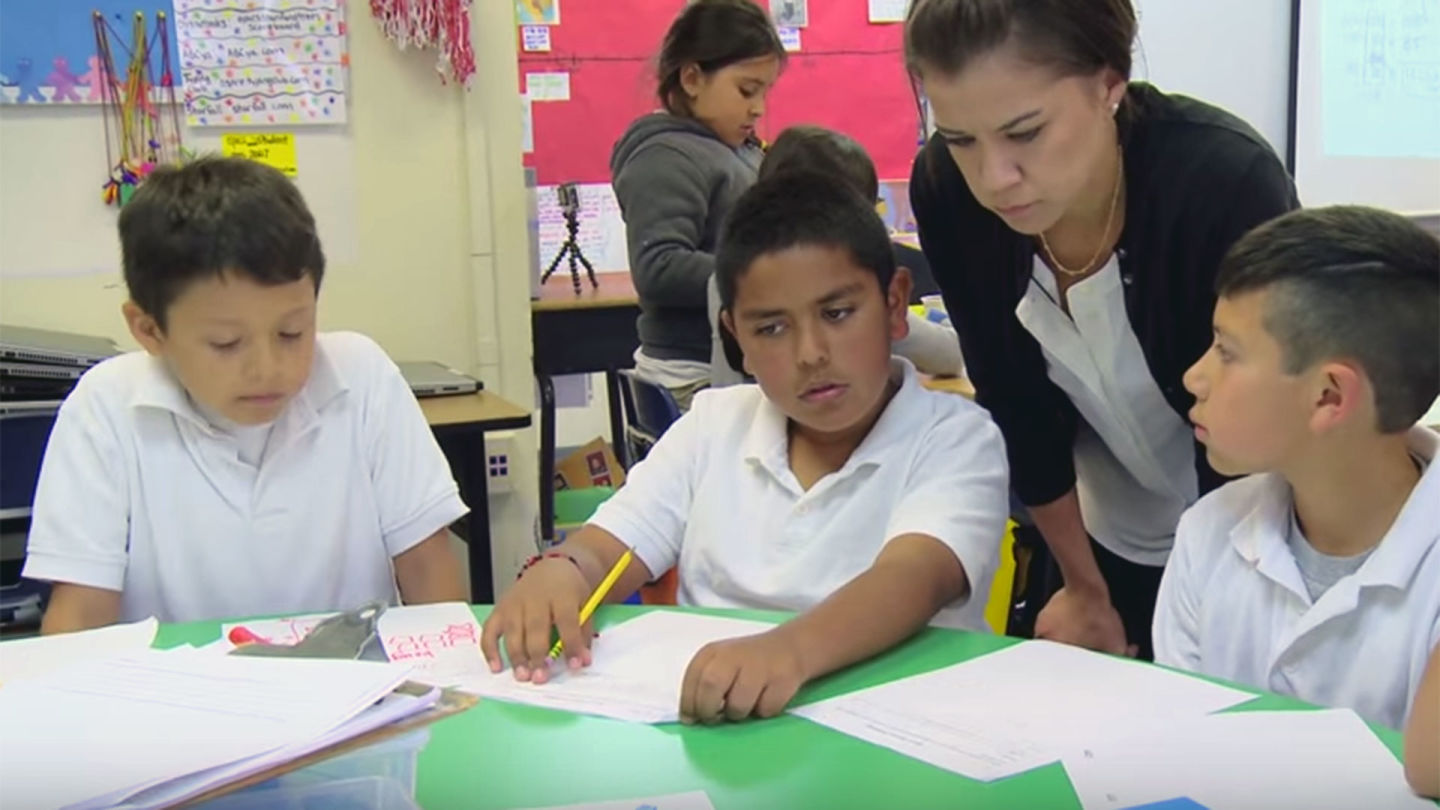
"content": "\u003cp>Carol Dweck's \u003ca href=\"http://ww2.kqed.org/mindshift/2014/07/16/new-research-students-benefit-from-learning-that-intelligence-is-not-fixed/\" target=\"_blank\">research on growth mindset\u003c/a> has become essential knowledge in education circles. The Stanford psychologist found that children who understand that their brains are malleable and can change when working through challenging problems can do better in school. Now, many school districts are attempting to teach growth mindset to their students. At the core of this practice is the idea of \"productive failure\" (a concept \u003ca href=\"http://www.manukapur.com/\" target=\"_blank\">Dr. Manu Kapur\u003c/a> has been studying for over a decade)* and giving students the \u003ca href=\"https://www.mindsetkit.org/growth-mindset/celebrate-mistakes/give-work-encourages-mistakes-see-action\" target=\"_blank\">time and space to work through difficult problems\u003c/a>. Another key idea is to \u003ca href=\"https://www.mindsetkit.org/growth-mindset/praise-process-not-person/praising-process-see-action\" target=\"_blank\">praise the process\u003c/a> and effort a child puts in, not the final product.\u003c/p>\n\u003cp>These mindset changes are easy to describe and dictate, but more challenging to implement. To help both teachers and parents, \u003ca href=\"https://www.perts.net/about\" target=\"_blank\">Stanford's PERTS Center\u003c/a> has teamed up with the Teaching Channel to produce videos that demonstrate process praise and productive struggle. PERTS has developed \u003ca href=\"https://www.mindsetkit.org/\" target=\"_blank\">a toolkit\u003c/a> to support the adults in children's lives who are struggling to change their practice.\u003c/p>\n\u003cp>[contextly_sidebar id=\"cQKpZUE8Ga3k3ey2y5fH3lMIRO9KcVjD\"]\u003c/p>\n\u003cp>In the video below on classroom struggle, second grade teacher Maricela Montoy-Wilson repeatedly asks her students to justify their thinking using reasoning and evidence. She encourages students to critique one another's thinking and ask for specific kinds of help. She highlights that problems can be solved in different ways and normalizes struggle in her classroom so students don't feel bad if they don't understand.\u003c/p>\n\u003cp>\"Everyone is going to feel stuck,\" Montoy-Wilson said. \"Everyone is going to feel challenged by it. So they can get excited and think about the strategies they can implement to tackle the problem.\"\u003c/p>\n\u003cp>[ad fullwidth]\u003c/p>\n\u003cp>Look out for the moment near the end of the video when Montoy-Wilson checks in with a group of students who haven't even been able to solve the first problem. She asks them how they feel and they respond \"good\" because \"we're working hard.\" She calls attention to the struggling group in front of the whole classroom, prompting one boy to say, \"We were happy because we were growing our brains.\"\u003c/p>\n\u003cp>\u003c!-- iframe plugin v.4.3 wordpress.org/plugins/iframe/ -->\u003cbr>\n\u003ciframe width=\"640\" height=\"360\" src=\"//www.youtube.com/embed/voa0F2C_hjY?rel=0\" frameborder=\"0\" scrolling=\"yes\" class=\"iframe-class\">\u003c/iframe>\u003c/p>\n\u003cp>\u003c/p>\n\u003cp>\u003cem>*A previous version of this article neglected to mention the scholarship of Dr. Manu Kapur who is an authority on the concept and design theory of productive failure. We regret the omission.\u003c/em>\u003c/p>\n\n",
"disqusIdentifier": "41700 http://ww2.kqed.org/mindshift/?p=41700",
"disqusUrl": "https://ww2.kqed.org/mindshift/2015/08/24/growth-mindset-how-to-normalize-mistake-making-and-struggle-in-class/",
"stats": {
"hasVideo": true,
"hasChartOrMap": true,
"hasAudio": false,
"hasPolis": false,
"wordCount": 392,
"hasGoogleForm": false,
"hasGallery": false,
"hasHearkenModule": false,
"iframeSrcs": [
"//www.youtube.com/embed/voa0F2C_hjY"
],
"paragraphCount": 10
},
"modified": 1485545024,
"excerpt": "We hear a lot about how students need space to fail when learning, but how can teachers make their classrooms feel safe enough for that kind of risk? Take a peek inside East Palo Alto Charter School.",
"headData": {
"twImgId": "",
"twTitle": "",
"ogTitle": "",
"ogImgId": "",
"twDescription": "",
"description": "We hear a lot about how students need space to fail when learning, but how can teachers make their classrooms feel safe enough for that kind of risk? Take a peek inside East Palo Alto Charter School.",
"title": "Growth Mindset: How to Normalize Mistake Making and Struggle in Class | KQED",
"ogDescription": "",
"schema": {
"@context": "https://schema.org",
"@type": "Article",
"headline": "Growth Mindset: How to Normalize Mistake Making and Struggle in Class",
"datePublished": "2015-08-24T00:31:14-07:00",
"dateModified": "2017-01-27T11:23:44-08:00",
"image": "https://cdn.kqed.org/wp-content/uploads/2020/02/KQED-OG-Image@1x.png"
}
},
"guestAuthors": [],
"slug": "growth-mindset-how-to-normalize-mistake-making-and-struggle-in-class",
"status": "publish",
"path": "/mindshift/41700/growth-mindset-how-to-normalize-mistake-making-and-struggle-in-class",
"audioTrackLength": null,
"parsedContent": [
{
"type": "contentString",
"content": "\u003cdiv class=\"post-body\">\u003cp>\u003cp>Carol Dweck's \u003ca href=\"http://ww2.kqed.org/mindshift/2014/07/16/new-research-students-benefit-from-learning-that-intelligence-is-not-fixed/\" target=\"_blank\">research on growth mindset\u003c/a> has become essential knowledge in education circles. The Stanford psychologist found that children who understand that their brains are malleable and can change when working through challenging problems can do better in school. Now, many school districts are attempting to teach growth mindset to their students. At the core of this practice is the idea of \"productive failure\" (a concept \u003ca href=\"http://www.manukapur.com/\" target=\"_blank\">Dr. Manu Kapur\u003c/a> has been studying for over a decade)* and giving students the \u003ca href=\"https://www.mindsetkit.org/growth-mindset/celebrate-mistakes/give-work-encourages-mistakes-see-action\" target=\"_blank\">time and space to work through difficult problems\u003c/a>. Another key idea is to \u003ca href=\"https://www.mindsetkit.org/growth-mindset/praise-process-not-person/praising-process-see-action\" target=\"_blank\">praise the process\u003c/a> and effort a child puts in, not the final product.\u003c/p>\n\u003cp>These mindset changes are easy to describe and dictate, but more challenging to implement. To help both teachers and parents, \u003ca href=\"https://www.perts.net/about\" target=\"_blank\">Stanford's PERTS Center\u003c/a> has teamed up with the Teaching Channel to produce videos that demonstrate process praise and productive struggle. PERTS has developed \u003ca href=\"https://www.mindsetkit.org/\" target=\"_blank\">a toolkit\u003c/a> to support the adults in children's lives who are struggling to change their practice.\u003c/p>\n\u003cp>\u003c/p>\u003cp>\u003c/p>\u003cp>\u003c/p>\n\u003cp>In the video below on classroom struggle, second grade teacher Maricela Montoy-Wilson repeatedly asks her students to justify their thinking using reasoning and evidence. She encourages students to critique one another's thinking and ask for specific kinds of help. She highlights that problems can be solved in different ways and normalizes struggle in her classroom so students don't feel bad if they don't understand.\u003c/p>\n\u003cp>\"Everyone is going to feel stuck,\" Montoy-Wilson said. \"Everyone is going to feel challenged by it. So they can get excited and think about the strategies they can implement to tackle the problem.\"\u003c/p>\n\u003cp>\u003c/p>\u003c/div>",
"attributes": {
"named": {},
"numeric": []
}
},
{
"type": "component",
"content": "",
"name": "ad",
"attributes": {
"named": {
"label": "fullwidth"
},
"numeric": [
"fullwidth"
]
}
},
{
"type": "contentString",
"content": "\u003cdiv class=\"post-body\">\u003cp>\u003c/p>\n\u003cp>Look out for the moment near the end of the video when Montoy-Wilson checks in with a group of students who haven't even been able to solve the first problem. She asks them how they feel and they respond \"good\" because \"we're working hard.\" She calls attention to the struggling group in front of the whole classroom, prompting one boy to say, \"We were happy because we were growing our brains.\"\u003c/p>\n\u003cp>\u003c!-- iframe plugin v.4.3 wordpress.org/plugins/iframe/ -->\u003cbr>\n\u003ciframe width=\"640\" height=\"360\" src=\"//www.youtube.com/embed/voa0F2C_hjY?rel=0\" frameborder=\"0\" scrolling=\"yes\" class=\"iframe-class\">\u003c/iframe>\u003c/p>\n\u003cp>\u003c/p>\n\u003cp>\u003cem>*A previous version of this article neglected to mention the scholarship of Dr. Manu Kapur who is an authority on the concept and design theory of productive failure. We regret the omission.\u003c/em>\u003c/p>\n\n\u003c/div>\u003c/p>",
"attributes": {
"named": {},
"numeric": []
}
}
],
"link": "/mindshift/41700/growth-mindset-how-to-normalize-mistake-making-and-struggle-in-class",
"authors": [
"234"
],
"series": [
"mindshift_20659"
],
"categories": [
"mindshift_20827",
"mindshift_193"
],
"tags": [
"mindshift_870",
"mindshift_20784",
"mindshift_1040",
"mindshift_20512"
],
"featImg": "mindshift_41703",
"label": "mindshift_20659"
},
"mindshift_41713": {
"type": "posts",
"id": "mindshift_41713",
"meta": {
"index": "posts_1716263798",
"site": "mindshift",
"id": "41713",
"score": null,
"sort": [
1440164683000
]
},
"parent": 0,
"labelTerm": {
"site": "mindshift"
},
"blocks": [],
"publishDate": 1440164683,
"format": "standard",
"disqusTitle": "What a Student Learned From a Short Experiment in Self-Directed Learning",
"title": "What a Student Learned From a Short Experiment in Self-Directed Learning",
"headTitle": "MindShift | KQED News",
"content": "\u003cp>Like a lot of students, 17-year-old Nick Bain says he really likes his school, but sometimes it can feel like a chore.\u003c/p>\n\u003cp>\"It just feels a little bit like you just have to keep doing one thing after another, but without a whole lot of thinking about an education in general,\" says Nick.\u003c/p>\n\u003cp>So one day he decided to write down what he was doing every 15 minutes at the Colorado Academy in Denver.\u003c/p>\n\u003cp>And in his seven-hour school day, Nick says there were only \"2 1/2 to three hours that you actually really do need to be in class,\" to get instructions from the teacher. The rest of the time was spent at lunch, getting books from his locker or reading.\u003c/p>\n\u003cp>\"It occurred to me that maybe the way school is now is not the perfect way,\" he says.\u003c/p>\n\u003cp>[ad fullwidth]\u003c/p>\n\u003cp>\u003cstrong>Motivation As A Powerful Force\u003c/strong>\u003c/p>\n\u003cp>Nick saw \u003ca href=\"http://www.ted.com/talks/sugata_mitra_shows_how_kids_teach_themselves?language=en\" target=\"_blank\">\u003cstrong>a TED Talk\u003c/strong>\u003c/a> by education researcher Sugata Mitra about his famous experiment in India. It showed how children living in Indian slums could teach themselves to use a computer.\u003c/p>\n\u003cp>\"It's just incredible that that sort of intrinsic motivation exists,\" Nick says. \"It seems like a really, really powerful force.\"\u003c/p>\n\u003cp>That led him to come up with his own unusual experiment in learning. He would spend the final trimester of his junior year learning on his own.\u003c/p>\n\u003cp>With enough convincing, he got his school and parents to sign off on the plan.\u003c/p>\n\u003cp>[contextly_sidebar id=\"NpIRhIU7NE2mmPxlHH5PQS9JcoGx4i0p\"]\u003c/p>\n\u003cp>He'd take the same tests and write the same essays as other students, but wouldn't attend class. He'd be graded on a pass/fail basis. It would be a self-taught and self-paced journey.\u003c/p>\n\u003cp>Nick would take seven courses, instead of the normal four, including calculus, Advanced Placement physics and advanced French.\u003c/p>\n\u003cp>He also designed some of his own courses: In one, he worked with local scientists on a climate change project; in another, he built a one-seat model aircraft.\u003c/p>\n\u003cp>He journaled along the way.\u003c/p>\n\u003cp>\u003cem>\u003cstrong>Nick's Journal — March 24, 2015\u003c/strong>\u003c/em>\u003c/p>\n\u003cp>\u003cem>\"I'm again feeling that I'm not efficient enough, but maybe efficiency isn't the most important thing. I definitely feel like I'm learning. But there isn't that sense of constant urgency that causes one to save time in all sorts of ways when one is under the gun. But what that also means is that I can walk through the park, for example, to the gardens without feeling constant anxiousness about things.\"\u003c/em>\u003c/p>\n\u003cp>\u003cstrong>Thinking In French\u003c/strong>\u003c/p>\n\u003cp>Nick experimented with different ways to learn. First he tried to learn a bit of a subject every day. That didn't go so well. Then he asked, \"What if I spent 10 hours a day on one subject?\"\u003c/p>\n\u003cp>Eventually, he found that being steeped in one subject all day led to more learning.\u003c/p>\n\u003cp>He figured that out one day at the Denver Botanic Gardens while reading Jules Verne's \u003cem>Around the World in 80 Days\u003c/em> — in French.\u003c/p>\n\u003cp>\"I'd been reading it, and reading, and I wasn't really liking it because I wasn't understanding some things,\" he recalls. And then by the end of the day, \"I realized I was reading the French as fast as the English.\"\u003c/p>\n\u003cp>He discovered his learning wasn't more efficient on his own because he was spending every waking hour learning. His mother, Lisa Bain, said this last trimester was the hardest she's ever seen Nick work.\u003c/p>\n\u003cp>\"It was hard to get him to relax,\" she says. \"It's important to have downtime, and school sometimes allows you to have the downtime. But when you are self-directed, there's no time that's not something you could be doing.\"\u003c/p>\n\u003cp>\u003cstrong>\u003cem>Nick's Journal — March 6, 2015\u003c/em>\u003c/strong>\u003c/p>\n\u003cp>\u003cem>\"Noticed that I'm actually under a lot of pressure. Thought flexibility would make things less of a strain, but actually causes more of a strain. Constantly thinking: Is what I'm doing right now the best possible use of my time, and that seems to make me highly inefficient, actually. So it's a lot harder than I thought, and less efficient than I thought. Realizing that I don't ever feel finished with something, that there is always something I can be doing.\"\u003c/em>\u003c/p>\n\u003cp>\u003cstrong>Learning More Deeply\u003c/strong>\u003c/p>\n\u003cp>At the same time, Nick said his learning was more satisfying outside of school. It had more purpose and he was learning more deeply.\u003c/p>\n\u003cp>As the days passed, he started to relax into the joy of learning. He realized he wasn't feeling that anxiousness he felt in school with a conveyor belt of assignments coming at him.\u003c/p>\n\u003cp>And because Nick was on a pass/fail system, he didn't worry about the best way to get a good grade. Instead, he realized he was working hard at something because he \u003cem>wanted\u003c/em> to.\u003c/p>\n\u003cp>\u003cstrong>\u003cem>Nick's Journal — March 18, 2015\u003c/em>\u003c/strong>\u003c/p>\n\u003cp>\u003cem>\"I've been hesitating to note this (because of the possibility that it might not hold true), but I feel exactly as Nate Newman said he felt at Stanford: 'This is the happiest I've ever been in my life.' It's always risky to say things like that because they may turn out differently with time. But I have never been so enthralled by learning, ever. I wish only that I could do it for years and years.\"\u003c/em>\u003c/p>\n\u003cp>\u003cstrong>The Value Of School\u003c/strong>\u003c/p>\n\u003cp>Nick is heading back to class for his senior year this fall, but that's not because the experiment was a failure. In fact, he kept up with his classmates, passing his exams and classes. But one of the unexpected results of the experiment, he says, is that now he can see his school — and teachers — in a different light. He appreciates the role teachers play as curators of the best material.\u003c/p>\n\u003cp>\"[There are] some huge benefits to learning with people that I really missed and I'm going to be glad to go back to,\" he says.\u003c/p>\n\u003cp>\"The greatest thing is really this,\" he says of his experience: \"I can be 45 years old, or 27, any age, or doing anything and become an expert on anything.\"\u003c/p>\n\u003cp>\"It makes me really excited for the rest of my life, I guess, because I know that it doesn't have to stop when I stop school.\"\u003c/p>\n\u003cp>\u003cem>\u003cstrong>Nick's Journal — June 2, 2015\u003c/strong>\u003c/em>\u003c/p>\n\u003cp>\u003cem>\"Today was the last day of school. It did not feel like the last day of school. It was very strange. I rode my bicycle home, ate some fruit (it was a half-day), and wrote a 3 page essay on Kant and Voltaire. I think I would have laughed at myself pretty hard at doing something like this last year at this time.\u003c/em>\u003c/p>\n\u003cp>[ad floatright]\u003c/p>\n\u003cp>\u003cem>\"I think today is probably an appropriate time to end this log. Maybe I'll sporadically note developments and general time usage over the next few weeks — at least some data would probably be helpful, I think. Otherwise, I don't think I should even try to describe in a few broad statements the effect of these past months. Neatly summing it up here would not capture the magnitude of its value.\"\u003c/em>\u003c/p>\n\u003cdiv class=\"fullattribution\">Copyright 2015 Colorado Public Radio. To see more, visit \u003ca href=\"http://www.cpr.org\">http://www.cpr.org\u003c/a>.\u003cimg src=\"http://www.google-analytics.com/__utm.gif?utmac=UA-5828686-4&utmdt=To+Learn+More%2C+This+High-Schooler+Left+The+Classroom&utme=8(APIKey)9(MDAxOTAwOTE4MDEyMTkxMDAzNjczZDljZA004)\" alt=\"\">\u003c/div>\n\n",
"disqusIdentifier": "41713 http://ww2.kqed.org/mindshift/?p=41713",
"disqusUrl": "https://ww2.kqed.org/mindshift/2015/08/21/what-a-student-learned-from-a-short-experiment-in-self-directed-learning/",
"stats": {
"hasVideo": false,
"hasChartOrMap": false,
"hasAudio": false,
"hasPolis": false,
"wordCount": 1219,
"hasGoogleForm": false,
"hasGallery": false,
"hasHearkenModule": false,
"iframeSrcs": [],
"paragraphCount": 42
},
"modified": 1440164683,
"excerpt": "Nick Bain, 17, was in class one day when he calculated that only \"2 1/2 to three hours\" was actually useful instruction. So he decided to go out on his own to learn.",
"headData": {
"twImgId": "",
"twTitle": "",
"ogTitle": "",
"ogImgId": "",
"twDescription": "",
"description": "Nick Bain, 17, was in class one day when he calculated that only "2 1/2 to three hours" was actually useful instruction. So he decided to go out on his own to learn.",
"title": "What a Student Learned From a Short Experiment in Self-Directed Learning | KQED",
"ogDescription": "",
"schema": {
"@context": "https://schema.org",
"@type": "Article",
"headline": "What a Student Learned From a Short Experiment in Self-Directed Learning",
"datePublished": "2015-08-21T06:44:43-07:00",
"dateModified": "2015-08-21T06:44:43-07:00",
"image": "https://cdn.kqed.org/wp-content/uploads/2020/02/KQED-OG-Image@1x.png"
}
},
"guestAuthors": [],
"slug": "what-a-student-learned-from-a-short-experiment-in-self-directed-learning",
"status": "publish",
"nprApiLink": "http://api.npr.org/query?id=432582341&apiKey=MDAxOTAwOTE4MDEyMTkxMDAzNjczZDljZA004",
"nprByline": "Jenny Brundin, \u003ca href=\"http://www.cpr.org/\">Colorado Public Radio\u003c/a>",
"nprStoryDate": "Wed, 19 Aug 2015 16:47:00 -0400",
"nprLastModifiedDate": "Wed, 19 Aug 2015 22:29:46 -0400",
"nprHtmlLink": "http://www.npr.org/sections/ed/2015/08/19/432582341/to-learn-more-this-high-schooler-left-the-classroom?ft=nprml&f=432582341",
"nprAudio": "http://pd.npr.org/anon.npr-mp3/npr/atc/2015/08/20150819_atc_to_learn_more_this_high-schooler_left_the_classroom.mp3?orgId=32&topicId=1013&d=281&p=2&story=432582341&t=progseg&e=432835368&seg=7&ft=nprml&f=432582341",
"nprAudioM3u": "http://api.npr.org/m3u/1432910352-b3dd7d.m3u?orgId=32&topicId=1013&d=281&p=2&story=432582341&t=progseg&e=432835368&seg=7&ft=nprml&f=432582341",
"nprStoryId": "432582341",
"nprRetrievedStory": "1",
"nprPubDate": "Wed, 19 Aug 2015 22:29:00 -0400",
"path": "/mindshift/41713/what-a-student-learned-from-a-short-experiment-in-self-directed-learning",
"audioUrl": "http://pd.npr.org/anon.npr-mp3/npr/atc/2015/08/20150819_atc_to_learn_more_this_high-schooler_left_the_classroom.mp3?orgId=32&topicId=1013&d=281&p=2&story=432582341&t=progseg&e=432835368&seg=7&ft=nprml&f=432582341",
"audioTrackLength": null,
"parsedContent": [
{
"type": "contentString",
"content": "\u003cdiv class=\"post-body\">\u003cp>\u003cp>Like a lot of students, 17-year-old Nick Bain says he really likes his school, but sometimes it can feel like a chore.\u003c/p>\n\u003cp>\"It just feels a little bit like you just have to keep doing one thing after another, but without a whole lot of thinking about an education in general,\" says Nick.\u003c/p>\n\u003cp>So one day he decided to write down what he was doing every 15 minutes at the Colorado Academy in Denver.\u003c/p>\n\u003cp>And in his seven-hour school day, Nick says there were only \"2 1/2 to three hours that you actually really do need to be in class,\" to get instructions from the teacher. The rest of the time was spent at lunch, getting books from his locker or reading.\u003c/p>\n\u003cp>\"It occurred to me that maybe the way school is now is not the perfect way,\" he says.\u003c/p>\n\u003cp>\u003c/p>\u003c/div>",
"attributes": {
"named": {},
"numeric": []
}
},
{
"type": "component",
"content": "",
"name": "ad",
"attributes": {
"named": {
"label": "fullwidth"
},
"numeric": [
"fullwidth"
]
}
},
{
"type": "contentString",
"content": "\u003cdiv class=\"post-body\">\u003cp>\u003c/p>\n\u003cp>\u003cstrong>Motivation As A Powerful Force\u003c/strong>\u003c/p>\n\u003cp>Nick saw \u003ca href=\"http://www.ted.com/talks/sugata_mitra_shows_how_kids_teach_themselves?language=en\" target=\"_blank\">\u003cstrong>a TED Talk\u003c/strong>\u003c/a> by education researcher Sugata Mitra about his famous experiment in India. It showed how children living in Indian slums could teach themselves to use a computer.\u003c/p>\n\u003cp>\"It's just incredible that that sort of intrinsic motivation exists,\" Nick says. \"It seems like a really, really powerful force.\"\u003c/p>\n\u003cp>That led him to come up with his own unusual experiment in learning. He would spend the final trimester of his junior year learning on his own.\u003c/p>\n\u003cp>With enough convincing, he got his school and parents to sign off on the plan.\u003c/p>\n\u003cp>\u003c/p>\u003cp>\u003c/p>\u003cp>\u003c/p>\n\u003cp>He'd take the same tests and write the same essays as other students, but wouldn't attend class. He'd be graded on a pass/fail basis. It would be a self-taught and self-paced journey.\u003c/p>\n\u003cp>Nick would take seven courses, instead of the normal four, including calculus, Advanced Placement physics and advanced French.\u003c/p>\n\u003cp>He also designed some of his own courses: In one, he worked with local scientists on a climate change project; in another, he built a one-seat model aircraft.\u003c/p>\n\u003cp>He journaled along the way.\u003c/p>\n\u003cp>\u003cem>\u003cstrong>Nick's Journal — March 24, 2015\u003c/strong>\u003c/em>\u003c/p>\n\u003cp>\u003cem>\"I'm again feeling that I'm not efficient enough, but maybe efficiency isn't the most important thing. I definitely feel like I'm learning. But there isn't that sense of constant urgency that causes one to save time in all sorts of ways when one is under the gun. But what that also means is that I can walk through the park, for example, to the gardens without feeling constant anxiousness about things.\"\u003c/em>\u003c/p>\n\u003cp>\u003cstrong>Thinking In French\u003c/strong>\u003c/p>\n\u003cp>Nick experimented with different ways to learn. First he tried to learn a bit of a subject every day. That didn't go so well. Then he asked, \"What if I spent 10 hours a day on one subject?\"\u003c/p>\n\u003cp>Eventually, he found that being steeped in one subject all day led to more learning.\u003c/p>\n\u003cp>He figured that out one day at the Denver Botanic Gardens while reading Jules Verne's \u003cem>Around the World in 80 Days\u003c/em> — in French.\u003c/p>\n\u003cp>\"I'd been reading it, and reading, and I wasn't really liking it because I wasn't understanding some things,\" he recalls. And then by the end of the day, \"I realized I was reading the French as fast as the English.\"\u003c/p>\n\u003cp>He discovered his learning wasn't more efficient on his own because he was spending every waking hour learning. His mother, Lisa Bain, said this last trimester was the hardest she's ever seen Nick work.\u003c/p>\n\u003cp>\"It was hard to get him to relax,\" she says. \"It's important to have downtime, and school sometimes allows you to have the downtime. But when you are self-directed, there's no time that's not something you could be doing.\"\u003c/p>\n\u003cp>\u003cstrong>\u003cem>Nick's Journal — March 6, 2015\u003c/em>\u003c/strong>\u003c/p>\n\u003cp>\u003cem>\"Noticed that I'm actually under a lot of pressure. Thought flexibility would make things less of a strain, but actually causes more of a strain. Constantly thinking: Is what I'm doing right now the best possible use of my time, and that seems to make me highly inefficient, actually. So it's a lot harder than I thought, and less efficient than I thought. Realizing that I don't ever feel finished with something, that there is always something I can be doing.\"\u003c/em>\u003c/p>\n\u003cp>\u003cstrong>Learning More Deeply\u003c/strong>\u003c/p>\n\u003cp>At the same time, Nick said his learning was more satisfying outside of school. It had more purpose and he was learning more deeply.\u003c/p>\n\u003cp>As the days passed, he started to relax into the joy of learning. He realized he wasn't feeling that anxiousness he felt in school with a conveyor belt of assignments coming at him.\u003c/p>\n\u003cp>And because Nick was on a pass/fail system, he didn't worry about the best way to get a good grade. Instead, he realized he was working hard at something because he \u003cem>wanted\u003c/em> to.\u003c/p>\n\u003cp>\u003cstrong>\u003cem>Nick's Journal — March 18, 2015\u003c/em>\u003c/strong>\u003c/p>\n\u003cp>\u003cem>\"I've been hesitating to note this (because of the possibility that it might not hold true), but I feel exactly as Nate Newman said he felt at Stanford: 'This is the happiest I've ever been in my life.' It's always risky to say things like that because they may turn out differently with time. But I have never been so enthralled by learning, ever. I wish only that I could do it for years and years.\"\u003c/em>\u003c/p>\n\u003cp>\u003cstrong>The Value Of School\u003c/strong>\u003c/p>\n\u003cp>Nick is heading back to class for his senior year this fall, but that's not because the experiment was a failure. In fact, he kept up with his classmates, passing his exams and classes. But one of the unexpected results of the experiment, he says, is that now he can see his school — and teachers — in a different light. He appreciates the role teachers play as curators of the best material.\u003c/p>\n\u003cp>\"[There are] some huge benefits to learning with people that I really missed and I'm going to be glad to go back to,\" he says.\u003c/p>\n\u003cp>\"The greatest thing is really this,\" he says of his experience: \"I can be 45 years old, or 27, any age, or doing anything and become an expert on anything.\"\u003c/p>\n\u003cp>\"It makes me really excited for the rest of my life, I guess, because I know that it doesn't have to stop when I stop school.\"\u003c/p>\n\u003cp>\u003cem>\u003cstrong>Nick's Journal — June 2, 2015\u003c/strong>\u003c/em>\u003c/p>\n\u003cp>\u003cem>\"Today was the last day of school. It did not feel like the last day of school. It was very strange. I rode my bicycle home, ate some fruit (it was a half-day), and wrote a 3 page essay on Kant and Voltaire. I think I would have laughed at myself pretty hard at doing something like this last year at this time.\u003c/em>\u003c/p>\n\u003cp>\u003c/p>\u003c/div>",
"attributes": {
"named": {},
"numeric": []
}
},
{
"type": "component",
"content": "",
"name": "ad",
"attributes": {
"named": {
"label": "floatright"
},
"numeric": [
"floatright"
]
}
},
{
"type": "contentString",
"content": "\u003cdiv class=\"post-body\">\u003cp>\u003c/p>\n\u003cp>\u003cem>\"I think today is probably an appropriate time to end this log. Maybe I'll sporadically note developments and general time usage over the next few weeks — at least some data would probably be helpful, I think. Otherwise, I don't think I should even try to describe in a few broad statements the effect of these past months. Neatly summing it up here would not capture the magnitude of its value.\"\u003c/em>\u003c/p>\n\u003cdiv class=\"fullattribution\">Copyright 2015 Colorado Public Radio. To see more, visit \u003ca href=\"http://www.cpr.org\">http://www.cpr.org\u003c/a>.\u003cimg src=\"http://www.google-analytics.com/__utm.gif?utmac=UA-5828686-4&utmdt=To+Learn+More%2C+This+High-Schooler+Left+The+Classroom&utme=8(APIKey)9(MDAxOTAwOTE4MDEyMTkxMDAzNjczZDljZA004)\" alt=\"\">\u003c/div>\n\n\u003c/div>\u003c/p>",
"attributes": {
"named": {},
"numeric": []
}
}
],
"link": "/mindshift/41713/what-a-student-learned-from-a-short-experiment-in-self-directed-learning",
"authors": [
"byline_mindshift_41713"
],
"categories": [
"mindshift_192",
"mindshift_194"
],
"tags": [
"mindshift_939",
"mindshift_20784",
"mindshift_1040",
"mindshift_20772",
"mindshift_20764",
"mindshift_20557",
"mindshift_263"
],
"featImg": "mindshift_41715",
"label": "mindshift"
},
"mindshift_41639": {
"type": "posts",
"id": "mindshift_41639",
"meta": {
"index": "posts_1716263798",
"site": "mindshift",
"id": "41639",
"score": null,
"sort": [
1440078868000
]
},
"parent": 0,
"labelTerm": {
"site": "mindshift"
},
"blocks": [],
"publishDate": 1440078868,
"format": "standard",
"disqusTitle": "Homework Battles: When Parent Help Negatively Affects Students",
"title": "Homework Battles: When Parent Help Negatively Affects Students",
"headTitle": "MindShift | KQED News",
"content": "\u003cp>Homework has become as much work for parents as it is for kids in many families when parents slog through assignments together with their kids every night. They see it as part of their parental duty to help their children. But when it comes to assisting kids with challenging subjects or an unfamiliar way of learning -- like the new Common Core math standards and homework that requires approaches very different from those learned in previous generations -- frustration that builds from struggling over the homework can foster anxiety.\u003c/p>\n\u003cp>\u003ca href=\"http://pss.sagepub.com/content/early/2015/08/06/0956797615592630.abstract\" target=\"_blank\">A study\u003c/a> conducted by researchers at the \u003ca href=\"https://hpl.uchicago.edu/\" target=\"_blank\">Human Performance Lab\u003c/a> at the University of Chicago has found that if parents have high levels of math anxiety and give a lot of homework help (more than two to three times a week), they can have a negative impact on their child’s math achievement and increase their child’s math anxiety.\u003c/p>\n\u003caside class=\"pullquote alignright\">\"When parents are really high in math anxiety their children -- both boys and girls -- learn less math over the school year and become more anxious.\"\u003c/aside>\n\u003cp>“This is one of the first studies to look at how math anxiety is produced,” said Erin Maloney, lead author on the study. Researchers have already established that a \u003ca href=\"http://ww2.kqed.org/mindshift/2013/10/21/why-kids-take-on-adults-math-anxiety/\" target=\"_blank\">teacher’s math anxiety\u003c/a> negatively affects student performance over the course of the year and leads female students to endorse negative stereotypes about girls’ math abilities. For this study, Maloney and her co-authors Gerardo Ramirez, Elizabeth A. Gunderson, Susan C. Levine and Sian L. Beilock statistically controlled for teachers' math anxiety and content knowledge, along with the socioeconomic status of the children.\u003c/p>\n\u003cp>“Kids as young as first grade really do report high anxiety about math and that anxiety is linked to their math achievement,” Maloney said. The study found a caregiver’s math anxiety negatively impacted both male and female children equally. And, the effects were bigger the more anxious a parent was and the more often they helped with homework. While not a study of female caregivers in particular, 89 percent of primary caregivers in this study were women.\u003c/p>\n\u003cp>[contextly_sidebar id=\"ce7Lg4XUzJK3GYLjalC27E74nV1fiFtu\"]\u003c/p>\n\u003cp>The study was done with a large sample size of children in first and second grade that was designed to be representative of the Illinois state population. Students in the study completed tests measuring math, reading and math anxiety in the first 12 weeks of school. They were tested again in the last 8 weeks of school. Parents were given a 25-question survey that asked questions about how they feel in various real-world situations requiring math, like tipping at a restaurant.\u003c/p>\n\u003cp>[ad fullwidth]\u003c/p>\n\u003cp>“When parents are really high in math anxiety, their children, both boys and girls, learn less math over the school year and become more anxious over the school year,” Maloney said, but only in cases where the primary care provider helped with homework frequently.\u003c/p>\n\u003cp>The effects of \u003ca href=\"http://ww2.kqed.org/mindshift/2012/03/29/how-to-deal-with-kids-math-anxiety/\" target=\"_blank\">math anxiety on achievement\u003c/a> are well documented. Stanford researchers did brain scans of children solving math problems. In math-anxious children, the part of the brain tasked with handling negative emotions was overactive, whereas the math problem solving parts of the brain were diminished. The children’s fear was interfering with their ability to use problem solving skills.\u003c/p>\n\u003cp>Sian Beilock and her colleagues at the Human Performance Lab posited that math anxiety was taking up students’ working memory, impeding their ability to succeed on tests. They asked students to \u003ca href=\"http://www.apa.org/science/about/psa/2011/09/academic-stress.aspx\" target=\"_blank\">write about their math anxiety before a test\u003c/a>. By offloading those negative emotions first, the intervention has produced encouraging results in the classroom.\u003c/p>\n\u003cp>But what are parents to do with this new information?\u003c/p>\n\u003cp>\u003c/p>\n\u003cp>“It’s really not enough for us as educators to just say ‘get involved,’” Maloney said. She believes researchers and educators need to develop better tools for parents to understand the math their children are working on so they can help appropriately. Unfamiliar teaching methods heighten the math anxiety that’s already found in many American adults.\u003c/p>\n\n",
"disqusIdentifier": "41639 http://ww2.kqed.org/mindshift/?p=41639",
"disqusUrl": "https://ww2.kqed.org/mindshift/2015/08/20/homework-battles-when-parent-help-negatively-affects-students/",
"stats": {
"hasVideo": false,
"hasChartOrMap": false,
"hasAudio": false,
"hasPolis": false,
"wordCount": 687,
"hasGoogleForm": false,
"hasGallery": false,
"hasHearkenModule": false,
"iframeSrcs": [],
"paragraphCount": 13
},
"modified": 1461629049,
"excerpt": "A study finds that a parent's anxiety over math transfers to their kids if the parent spends a lot of time helping the kids with their homework. ",
"headData": {
"twImgId": "",
"twTitle": "",
"ogTitle": "",
"ogImgId": "",
"twDescription": "",
"description": "A study finds that a parent's anxiety over math transfers to their kids if the parent spends a lot of time helping the kids with their homework. ",
"title": "Homework Battles: When Parent Help Negatively Affects Students | KQED",
"ogDescription": "",
"schema": {
"@context": "https://schema.org",
"@type": "Article",
"headline": "Homework Battles: When Parent Help Negatively Affects Students",
"datePublished": "2015-08-20T06:54:28-07:00",
"dateModified": "2016-04-25T17:04:09-07:00",
"image": "https://cdn.kqed.org/wp-content/uploads/2020/02/KQED-OG-Image@1x.png"
}
},
"guestAuthors": [],
"slug": "homework-battles-when-parent-help-negatively-affects-students",
"status": "publish",
"path": "/mindshift/41639/homework-battles-when-parent-help-negatively-affects-students",
"audioTrackLength": null,
"parsedContent": [
{
"type": "contentString",
"content": "\u003cdiv class=\"post-body\">\u003cp>\u003cp>Homework has become as much work for parents as it is for kids in many families when parents slog through assignments together with their kids every night. They see it as part of their parental duty to help their children. But when it comes to assisting kids with challenging subjects or an unfamiliar way of learning -- like the new Common Core math standards and homework that requires approaches very different from those learned in previous generations -- frustration that builds from struggling over the homework can foster anxiety.\u003c/p>\n\u003cp>\u003ca href=\"http://pss.sagepub.com/content/early/2015/08/06/0956797615592630.abstract\" target=\"_blank\">A study\u003c/a> conducted by researchers at the \u003ca href=\"https://hpl.uchicago.edu/\" target=\"_blank\">Human Performance Lab\u003c/a> at the University of Chicago has found that if parents have high levels of math anxiety and give a lot of homework help (more than two to three times a week), they can have a negative impact on their child’s math achievement and increase their child’s math anxiety.\u003c/p>\n\u003caside class=\"pullquote alignright\">\"When parents are really high in math anxiety their children -- both boys and girls -- learn less math over the school year and become more anxious.\"\u003c/aside>\n\u003cp>“This is one of the first studies to look at how math anxiety is produced,” said Erin Maloney, lead author on the study. Researchers have already established that a \u003ca href=\"http://ww2.kqed.org/mindshift/2013/10/21/why-kids-take-on-adults-math-anxiety/\" target=\"_blank\">teacher’s math anxiety\u003c/a> negatively affects student performance over the course of the year and leads female students to endorse negative stereotypes about girls’ math abilities. For this study, Maloney and her co-authors Gerardo Ramirez, Elizabeth A. Gunderson, Susan C. Levine and Sian L. Beilock statistically controlled for teachers' math anxiety and content knowledge, along with the socioeconomic status of the children.\u003c/p>\n\u003cp>“Kids as young as first grade really do report high anxiety about math and that anxiety is linked to their math achievement,” Maloney said. The study found a caregiver’s math anxiety negatively impacted both male and female children equally. And, the effects were bigger the more anxious a parent was and the more often they helped with homework. While not a study of female caregivers in particular, 89 percent of primary caregivers in this study were women.\u003c/p>\n\u003cp>\u003c/p>\u003cp>\u003c/p>\u003cp>\u003c/p>\n\u003cp>The study was done with a large sample size of children in first and second grade that was designed to be representative of the Illinois state population. Students in the study completed tests measuring math, reading and math anxiety in the first 12 weeks of school. They were tested again in the last 8 weeks of school. Parents were given a 25-question survey that asked questions about how they feel in various real-world situations requiring math, like tipping at a restaurant.\u003c/p>\n\u003cp>\u003c/p>\u003c/div>",
"attributes": {
"named": {},
"numeric": []
}
},
{
"type": "component",
"content": "",
"name": "ad",
"attributes": {
"named": {
"label": "fullwidth"
},
"numeric": [
"fullwidth"
]
}
},
{
"type": "contentString",
"content": "\u003cdiv class=\"post-body\">\u003cp>\u003c/p>\n\u003cp>“When parents are really high in math anxiety, their children, both boys and girls, learn less math over the school year and become more anxious over the school year,” Maloney said, but only in cases where the primary care provider helped with homework frequently.\u003c/p>\n\u003cp>The effects of \u003ca href=\"http://ww2.kqed.org/mindshift/2012/03/29/how-to-deal-with-kids-math-anxiety/\" target=\"_blank\">math anxiety on achievement\u003c/a> are well documented. Stanford researchers did brain scans of children solving math problems. In math-anxious children, the part of the brain tasked with handling negative emotions was overactive, whereas the math problem solving parts of the brain were diminished. The children’s fear was interfering with their ability to use problem solving skills.\u003c/p>\n\u003cp>Sian Beilock and her colleagues at the Human Performance Lab posited that math anxiety was taking up students’ working memory, impeding their ability to succeed on tests. They asked students to \u003ca href=\"http://www.apa.org/science/about/psa/2011/09/academic-stress.aspx\" target=\"_blank\">write about their math anxiety before a test\u003c/a>. By offloading those negative emotions first, the intervention has produced encouraging results in the classroom.\u003c/p>\n\u003cp>But what are parents to do with this new information?\u003c/p>\n\u003cp>\u003c/p>\n\u003cp>“It’s really not enough for us as educators to just say ‘get involved,’” Maloney said. She believes researchers and educators need to develop better tools for parents to understand the math their children are working on so they can help appropriately. Unfamiliar teaching methods heighten the math anxiety that’s already found in many American adults.\u003c/p>\n\n\u003c/div>\u003c/p>",
"attributes": {
"named": {},
"numeric": []
}
}
],
"link": "/mindshift/41639/homework-battles-when-parent-help-negatively-affects-students",
"authors": [
"234"
],
"categories": [
"mindshift_192",
"mindshift_194"
],
"tags": [
"mindshift_20784",
"mindshift_1040",
"mindshift_563",
"mindshift_392",
"mindshift_20893"
],
"featImg": "mindshift_41641",
"label": "mindshift"
},
"mindshift_41671": {
"type": "posts",
"id": "mindshift_41671",
"meta": {
"index": "posts_1716263798",
"site": "mindshift",
"id": "41671",
"score": null,
"sort": [
1439967621000
]
},
"parent": 0,
"labelTerm": {
"site": "mindshift"
},
"blocks": [],
"publishDate": 1439967621,
"format": "standard",
"disqusTitle": "For Aging Schools: What ‘Community-Centric Design’ Could Look Like",
"title": "For Aging Schools: What ‘Community-Centric Design’ Could Look Like",
"headTitle": "MindShift | KQED News",
"content": "\u003cp>When Danish Kurani left his large architecture firm in 2011 to study urban design at Harvard, he began to conceive of a design firm that would tackle almost every social issue imaginable: inequality, access to housing and clean water, health, you name it.\u003c/p>\n\u003cp>That idea would become \u003ca href=\"http://www.kurani.us/\">Kurani\u003c/a>, which he founded in 2013 in Atlanta. Eventually the firm decided to focus, by taking on what it saw as the root of so many social ailments: education.\u003c/p>\n\u003cp>\"We treat the symptoms,\" Kurani says. \"Working towards better education is the most proactive thing we can do.\"\u003c/p>\n\u003cp>Kurani's partners — mainly schools and adult education centers in places like Houston, Denver and as far away as Victoria, Australia — share that belief.\u003c/p>\n\u003cp>Many schools are relegated to working in outdated facilities, in forms that no longer follow their function. Kurani saw an opportunity for design to make a difference.\u003c/p>\n\u003cp>[ad fullwidth]\u003c/p>\n\u003cp>\"Because of the baby boomers, lots of schools were built in the 1950s and 1960s,\" he says. \"Those are coming to the end of their shelf life. And since the 1960s, education has changed so much, both in the way we approach it and the way we participate in it. Learning has changed but facilities haven't. That's where we come in.\"\u003c/p>\n\u003cfigure id=\"attachment_41673\" class=\"wp-caption alignnone\" style=\"max-width: 793px\">\u003cimg class=\"size-full wp-image-41673\" src=\"http://ww2.kqed.org/mindshift/wp-content/uploads/sites/23/2015/08/students-help-5cb8a550c668cbc733385a97f1b2e2fde9052882.png\" alt=\"Students get involved in Kurani's design process.\" width=\"793\" height=\"595\" srcset=\"https://ww2.kqed.org/app/uploads/sites/23/2015/08/students-help-5cb8a550c668cbc733385a97f1b2e2fde9052882.png 793w, https://ww2.kqed.org/app/uploads/sites/23/2015/08/students-help-5cb8a550c668cbc733385a97f1b2e2fde9052882-400x300.png 400w\" sizes=\"(max-width: 793px) 100vw, 793px\">\u003cfigcaption class=\"wp-caption-text\">Students get involved in Kurani's design process. \u003ccite>(Kurani)\u003c/cite>\u003c/figcaption>\u003c/figure>\n\u003cp>When Kurani was tasked recently with creating a campus design for EPIC Schools, a new and expanding network of public high schools in New York City, the firm was faced with the usual challenges: lack of funding, lack of space, old buildings. The sites they were given to work with were what you might expect of a city school: low ceilings, small communal spaces and rows of identical 28-foot-by-28-foot classrooms.\u003c/p>\n\u003cp>EPIC High Schools are one of New York City's answers to low college and career readiness for African-American and Latino students. The city's Department of Education envisioned an experience unlike the test-based curriculum of so many other public schools.\u003c/p>\n\u003cp>EPIC focuses instead on early college exposure, social responsibility, critical thinking, connecting students to industry, and one-on-one mentoring. EPIC aimed for a more project-based, interdisciplinary curriculum.\u003c/p>\n\u003cp>The campus design started from the logic that if lines between subjects are no longer clear, then lines between classrooms should not be either.\u003c/p>\n\u003cp>Working with schools especially, Kurani sees the value of \"taking the school and nearby residents through a period of research, observation, and self-discovery,\" he says. \"It allows us to base design on meaningful insights about the project's users and their daily lives.\"\u003c/p>\n\u003cp>He calls this \"community-centric design,\" and it has dictated all of his projects so far.\u003c/p>\n\u003cfigure id=\"attachment_41672\" class=\"wp-caption alignnone\" style=\"max-width: 794px\">\u003cimg class=\"size-full wp-image-41672\" src=\"http://ww2.kqed.org/mindshift/wp-content/uploads/sites/23/2015/08/students-help2-324a7563f58549faffd7da90b8f56cd056811308.jpg\" alt=\"Students help Kurani designers learn about their neighborhood.\" width=\"794\" height=\"595\" srcset=\"https://ww2.kqed.org/app/uploads/sites/23/2015/08/students-help2-324a7563f58549faffd7da90b8f56cd056811308.jpg 794w, https://ww2.kqed.org/app/uploads/sites/23/2015/08/students-help2-324a7563f58549faffd7da90b8f56cd056811308-400x300.jpg 400w\" sizes=\"(max-width: 794px) 100vw, 794px\">\u003cfigcaption class=\"wp-caption-text\">Students help Kurani designers learn about their neighborhood. \u003ccite>(Kurani)\u003c/cite>\u003c/figcaption>\u003c/figure>\n\u003cp>Working with teachers, administrators, students and parents, Kurani developed a campus plan to reflect EPIC's goals. Teachers touched on the difficulty of carrying out project-based lessons without the necessary spaces to support them.\u003c/p>\n\u003cp>Kurani had to keep the 28-by-28 classroom grid, but the solution was to make each of those spaces unique.\u003c/p>\n\u003cp>A room designed for debates and discussions has a sunken \"pit\" filled with foam cubes that can be arranged into various seating options, from a round table to an amphitheater.\u003c/p>\n\u003cfigure id=\"attachment_41675\" class=\"wp-caption alignnone\" style=\"max-width: 788px\">\u003cimg class=\"size-full wp-image-41675\" src=\"http://ww2.kqed.org/mindshift/wp-content/uploads/sites/23/2015/08/commons-cc7d1778505b957ab58fd5df855837fd1314347c.jpg\" alt=\"Kurani\" width=\"788\" height=\"591\" srcset=\"https://ww2.kqed.org/app/uploads/sites/23/2015/08/commons-cc7d1778505b957ab58fd5df855837fd1314347c.jpg 788w, https://ww2.kqed.org/app/uploads/sites/23/2015/08/commons-cc7d1778505b957ab58fd5df855837fd1314347c-400x300.jpg 400w\" sizes=\"(max-width: 788px) 100vw, 788px\">\u003cfigcaption class=\"wp-caption-text\">The school's commons has many breakout spaces.\u003c/figcaption>\u003c/figure>\n\u003cp>The Living Room, Coworking Dens and Rolling Pods are all \"breakout spaces\" configurable for group work or one-on-one coaching.\u003c/p>\n\u003cp>There is also an area called the \"Learning Partner Incubator,\" a workspace where individuals or organizations from outside the school will take up temporary residence for a term, with the goal of engaging students in real-world projects.\u003c/p>\n\u003cp>Now that the design is ready, the EPIC Schools just need the money to put it into practice. They are actively fundraising.\u003c/p>\n\u003cp>\u003c/p>\n\u003cp>\"Working with Danish was really valuable,\" says John Duval, who directs the team at the city's Department of Education that oversaw the collaboration. \"The concepts in the EPIC prototype give us real glimpses into what these could look like based on designing them around the needs of the people who go there every day — students, teachers and parents.\"\u003c/p>\n\u003cfigure id=\"attachment_41676\" class=\"wp-caption alignnone\" style=\"max-width: 792px\">\u003cimg class=\"size-full wp-image-41676\" src=\"http://ww2.kqed.org/mindshift/wp-content/uploads/sites/23/2015/08/build-barn-04608fa274db8ebca7a7f7cb9e4ae61b0db8a6f3.jpg\" alt=\"The Build Barn is a workshop for projects.\" width=\"792\" height=\"594\" srcset=\"https://ww2.kqed.org/app/uploads/sites/23/2015/08/build-barn-04608fa274db8ebca7a7f7cb9e4ae61b0db8a6f3.jpg 792w, https://ww2.kqed.org/app/uploads/sites/23/2015/08/build-barn-04608fa274db8ebca7a7f7cb9e4ae61b0db8a6f3-400x300.jpg 400w\" sizes=\"(max-width: 792px) 100vw, 792px\">\u003cfigcaption class=\"wp-caption-text\">The Build Barn is a workshop for projects. \u003ccite>(Kurani)\u003c/cite>\u003c/figcaption>\u003c/figure>\n\u003cdiv class=\"fullattribution\">Copyright 2015 NPR. To see more, visit http://www.npr.org/.\u003cimg src=\"http://www.google-analytics.com/__utm.gif?utmac=UA-5828686-4&utmdt=A+Design+Firm+Rethinks+Learning+Spaces&utme=8(APIKey)9(MDAxOTAwOTE4MDEyMTkxMDAzNjczZDljZA004)\" alt=\"\">\u003c/div>\n\n",
"disqusIdentifier": "41671 http://ww2.kqed.org/mindshift/?p=41671",
"disqusUrl": "https://ww2.kqed.org/mindshift/2015/08/19/for-aging-schools-what-community-centric-design-could-look-like/",
"stats": {
"hasVideo": false,
"hasChartOrMap": false,
"hasAudio": false,
"hasPolis": false,
"wordCount": 715,
"hasGoogleForm": false,
"hasGallery": false,
"hasHearkenModule": false,
"iframeSrcs": [],
"paragraphCount": 21
},
"modified": 1439967621,
"excerpt": "A design firm takes a fresh approach to existing school space by creating environments for project-based learning, mentoring and character development. ",
"headData": {
"twImgId": "",
"twTitle": "",
"ogTitle": "",
"ogImgId": "",
"twDescription": "",
"description": "A design firm takes a fresh approach to existing school space by creating environments for project-based learning, mentoring and character development. ",
"title": "For Aging Schools: What ‘Community-Centric Design’ Could Look Like | KQED",
"ogDescription": "",
"schema": {
"@context": "https://schema.org",
"@type": "Article",
"headline": "For Aging Schools: What ‘Community-Centric Design’ Could Look Like",
"datePublished": "2015-08-19T00:00:21-07:00",
"dateModified": "2015-08-19T00:00:21-07:00",
"image": "https://cdn.kqed.org/wp-content/uploads/2020/02/KQED-OG-Image@1x.png"
}
},
"guestAuthors": [],
"slug": "for-aging-schools-what-community-centric-design-could-look-like",
"status": "publish",
"nprApiLink": "http://api.npr.org/query?id=432082407&apiKey=MDAxOTAwOTE4MDEyMTkxMDAzNjczZDljZA004",
"nprByline": "Zoe Balaconis, \u003ca href=\"http://www.npr.org/sections/ed/2015/08/18/432082407/a-design-firm-rethinks-learning-spaces\">NPR\u003c/a>",
"nprStoryDate": "Tue, 18 Aug 2015 07:13:38 -0400",
"nprLastModifiedDate": "Tue, 18 Aug 2015 07:13:38 -0400",
"nprHtmlLink": "http://www.npr.org/sections/ed/2015/08/18/432082407/a-design-firm-rethinks-learning-spaces?ft=nprml&f=432082407",
"nprStoryId": "432082407",
"nprRetrievedStory": "1",
"nprPubDate": "Tue, 18 Aug 2015 07:13:00 -0400",
"path": "/mindshift/41671/for-aging-schools-what-community-centric-design-could-look-like",
"audioTrackLength": null,
"parsedContent": [
{
"type": "contentString",
"content": "\u003cdiv class=\"post-body\">\u003cp>\u003cp>When Danish Kurani left his large architecture firm in 2011 to study urban design at Harvard, he began to conceive of a design firm that would tackle almost every social issue imaginable: inequality, access to housing and clean water, health, you name it.\u003c/p>\n\u003cp>That idea would become \u003ca href=\"http://www.kurani.us/\">Kurani\u003c/a>, which he founded in 2013 in Atlanta. Eventually the firm decided to focus, by taking on what it saw as the root of so many social ailments: education.\u003c/p>\n\u003cp>\"We treat the symptoms,\" Kurani says. \"Working towards better education is the most proactive thing we can do.\"\u003c/p>\n\u003cp>Kurani's partners — mainly schools and adult education centers in places like Houston, Denver and as far away as Victoria, Australia — share that belief.\u003c/p>\n\u003cp>Many schools are relegated to working in outdated facilities, in forms that no longer follow their function. Kurani saw an opportunity for design to make a difference.\u003c/p>\n\u003cp>\u003c/p>\u003c/div>",
"attributes": {
"named": {},
"numeric": []
}
},
{
"type": "component",
"content": "",
"name": "ad",
"attributes": {
"named": {
"label": "fullwidth"
},
"numeric": [
"fullwidth"
]
}
},
{
"type": "contentString",
"content": "\u003cdiv class=\"post-body\">\u003cp>\u003c/p>\n\u003cp>\"Because of the baby boomers, lots of schools were built in the 1950s and 1960s,\" he says. \"Those are coming to the end of their shelf life. And since the 1960s, education has changed so much, both in the way we approach it and the way we participate in it. Learning has changed but facilities haven't. That's where we come in.\"\u003c/p>\n\u003cfigure id=\"attachment_41673\" class=\"wp-caption alignnone\" style=\"max-width: 793px\">\u003cimg class=\"size-full wp-image-41673\" src=\"http://ww2.kqed.org/mindshift/wp-content/uploads/sites/23/2015/08/students-help-5cb8a550c668cbc733385a97f1b2e2fde9052882.png\" alt=\"Students get involved in Kurani's design process.\" width=\"793\" height=\"595\" srcset=\"https://ww2.kqed.org/app/uploads/sites/23/2015/08/students-help-5cb8a550c668cbc733385a97f1b2e2fde9052882.png 793w, https://ww2.kqed.org/app/uploads/sites/23/2015/08/students-help-5cb8a550c668cbc733385a97f1b2e2fde9052882-400x300.png 400w\" sizes=\"(max-width: 793px) 100vw, 793px\">\u003cfigcaption class=\"wp-caption-text\">Students get involved in Kurani's design process. \u003ccite>(Kurani)\u003c/cite>\u003c/figcaption>\u003c/figure>\n\u003cp>When Kurani was tasked recently with creating a campus design for EPIC Schools, a new and expanding network of public high schools in New York City, the firm was faced with the usual challenges: lack of funding, lack of space, old buildings. The sites they were given to work with were what you might expect of a city school: low ceilings, small communal spaces and rows of identical 28-foot-by-28-foot classrooms.\u003c/p>\n\u003cp>EPIC High Schools are one of New York City's answers to low college and career readiness for African-American and Latino students. The city's Department of Education envisioned an experience unlike the test-based curriculum of so many other public schools.\u003c/p>\n\u003cp>EPIC focuses instead on early college exposure, social responsibility, critical thinking, connecting students to industry, and one-on-one mentoring. EPIC aimed for a more project-based, interdisciplinary curriculum.\u003c/p>\n\u003cp>The campus design started from the logic that if lines between subjects are no longer clear, then lines between classrooms should not be either.\u003c/p>\n\u003cp>Working with schools especially, Kurani sees the value of \"taking the school and nearby residents through a period of research, observation, and self-discovery,\" he says. \"It allows us to base design on meaningful insights about the project's users and their daily lives.\"\u003c/p>\n\u003cp>He calls this \"community-centric design,\" and it has dictated all of his projects so far.\u003c/p>\n\u003cfigure id=\"attachment_41672\" class=\"wp-caption alignnone\" style=\"max-width: 794px\">\u003cimg class=\"size-full wp-image-41672\" src=\"http://ww2.kqed.org/mindshift/wp-content/uploads/sites/23/2015/08/students-help2-324a7563f58549faffd7da90b8f56cd056811308.jpg\" alt=\"Students help Kurani designers learn about their neighborhood.\" width=\"794\" height=\"595\" srcset=\"https://ww2.kqed.org/app/uploads/sites/23/2015/08/students-help2-324a7563f58549faffd7da90b8f56cd056811308.jpg 794w, https://ww2.kqed.org/app/uploads/sites/23/2015/08/students-help2-324a7563f58549faffd7da90b8f56cd056811308-400x300.jpg 400w\" sizes=\"(max-width: 794px) 100vw, 794px\">\u003cfigcaption class=\"wp-caption-text\">Students help Kurani designers learn about their neighborhood. \u003ccite>(Kurani)\u003c/cite>\u003c/figcaption>\u003c/figure>\n\u003cp>Working with teachers, administrators, students and parents, Kurani developed a campus plan to reflect EPIC's goals. Teachers touched on the difficulty of carrying out project-based lessons without the necessary spaces to support them.\u003c/p>\n\u003cp>Kurani had to keep the 28-by-28 classroom grid, but the solution was to make each of those spaces unique.\u003c/p>\n\u003cp>A room designed for debates and discussions has a sunken \"pit\" filled with foam cubes that can be arranged into various seating options, from a round table to an amphitheater.\u003c/p>\n\u003cfigure id=\"attachment_41675\" class=\"wp-caption alignnone\" style=\"max-width: 788px\">\u003cimg class=\"size-full wp-image-41675\" src=\"http://ww2.kqed.org/mindshift/wp-content/uploads/sites/23/2015/08/commons-cc7d1778505b957ab58fd5df855837fd1314347c.jpg\" alt=\"Kurani\" width=\"788\" height=\"591\" srcset=\"https://ww2.kqed.org/app/uploads/sites/23/2015/08/commons-cc7d1778505b957ab58fd5df855837fd1314347c.jpg 788w, https://ww2.kqed.org/app/uploads/sites/23/2015/08/commons-cc7d1778505b957ab58fd5df855837fd1314347c-400x300.jpg 400w\" sizes=\"(max-width: 788px) 100vw, 788px\">\u003cfigcaption class=\"wp-caption-text\">The school's commons has many breakout spaces.\u003c/figcaption>\u003c/figure>\n\u003cp>The Living Room, Coworking Dens and Rolling Pods are all \"breakout spaces\" configurable for group work or one-on-one coaching.\u003c/p>\n\u003cp>There is also an area called the \"Learning Partner Incubator,\" a workspace where individuals or organizations from outside the school will take up temporary residence for a term, with the goal of engaging students in real-world projects.\u003c/p>\n\u003cp>Now that the design is ready, the EPIC Schools just need the money to put it into practice. They are actively fundraising.\u003c/p>\n\u003cp>\u003c/p>\n\u003cp>\"Working with Danish was really valuable,\" says John Duval, who directs the team at the city's Department of Education that oversaw the collaboration. \"The concepts in the EPIC prototype give us real glimpses into what these could look like based on designing them around the needs of the people who go there every day — students, teachers and parents.\"\u003c/p>\n\u003cfigure id=\"attachment_41676\" class=\"wp-caption alignnone\" style=\"max-width: 792px\">\u003cimg class=\"size-full wp-image-41676\" src=\"http://ww2.kqed.org/mindshift/wp-content/uploads/sites/23/2015/08/build-barn-04608fa274db8ebca7a7f7cb9e4ae61b0db8a6f3.jpg\" alt=\"The Build Barn is a workshop for projects.\" width=\"792\" height=\"594\" srcset=\"https://ww2.kqed.org/app/uploads/sites/23/2015/08/build-barn-04608fa274db8ebca7a7f7cb9e4ae61b0db8a6f3.jpg 792w, https://ww2.kqed.org/app/uploads/sites/23/2015/08/build-barn-04608fa274db8ebca7a7f7cb9e4ae61b0db8a6f3-400x300.jpg 400w\" sizes=\"(max-width: 792px) 100vw, 792px\">\u003cfigcaption class=\"wp-caption-text\">The Build Barn is a workshop for projects. \u003ccite>(Kurani)\u003c/cite>\u003c/figcaption>\u003c/figure>\n\u003cdiv class=\"fullattribution\">Copyright 2015 NPR. To see more, visit http://www.npr.org/.\u003cimg src=\"http://www.google-analytics.com/__utm.gif?utmac=UA-5828686-4&utmdt=A+Design+Firm+Rethinks+Learning+Spaces&utme=8(APIKey)9(MDAxOTAwOTE4MDEyMTkxMDAzNjczZDljZA004)\" alt=\"\">\u003c/div>\n\n\u003c/div>\u003c/p>",
"attributes": {
"named": {},
"numeric": []
}
}
],
"link": "/mindshift/41671/for-aging-schools-what-community-centric-design-could-look-like",
"authors": [
"byline_mindshift_41671"
],
"categories": [
"mindshift_192"
],
"tags": [
"mindshift_167",
"mindshift_20896",
"mindshift_20784",
"mindshift_1040"
],
"featImg": "mindshift_41674",
"label": "mindshift"
},
"mindshift_41637": {
"type": "posts",
"id": "mindshift_41637",
"meta": {
"index": "posts_1716263798",
"site": "mindshift",
"id": "41637",
"score": null,
"sort": [
1439905033000
]
},
"parent": 0,
"labelTerm": {
"site": "mindshift"
},
"blocks": [],
"publishDate": 1439905033,
"format": "standard",
"disqusTitle": "Taking Notes: Is The Pen Still Mightier Than the Keyboard?",
"title": "Taking Notes: Is The Pen Still Mightier Than the Keyboard?",
"headTitle": "MindShift | KQED News",
"content": "\u003cp>Educators are eager to know how the computers popping up in their classrooms actually affect student learning. Much of the research has focused on how computers and other digital devices increase the \u003ca href=\"http://ww2.kqed.org/mindshift/2013/05/03/how-does-multitasking-change-the-way-kids-learn/\" target=\"_blank\">temptation and likelihood of multitasking\u003c/a>, leading to lower comprehension and reduced productivity. But until now, few people have looked into whether the method of note-taking a student uses, such as typing on a computer or writing in longhand, affects how well he or she comprehends the lecture.\u003c/p>\n\u003cp>A recent \u003ca href=\"http://pss.sagepub.com/content/early/2014/04/22/0956797614524581\" target=\"_blank\">study published in Psychological Science\u003c/a> confronts the issue head-on. Researchers Pam Mueller and Daniel Oppenheimer asked students to take notes on a 20-minute video lecture using either longhand or a computer that had been disabled for any other use. They wanted to remove the distractions that have given note-taking on computers lower marks for memory and comprehension. “Even if you are using computers exactly as they’re supposed to be used, might that still be hurting learning?” is the question Mueller sought out to answer.\u003c/p>\n\u003cp>Mueller said she got the idea for the experiment when she was a teaching assistant for an undergraduate class and forgot to bring her computer one day. She took notes by hand instead and felt a noticeable difference in her retention of the material. The experience made her wonder if others would react the same way.\u003c/p>\n\u003cp>[contextly_sidebar id=\"NkJRUcz8Ybd9TK2piTVaLJ7N5QQu67co\"]\u003c/p>\n\u003cp>The two researchers set up three studies to test various conditions. In the first study, one group of undergraduate college students were told to watch a 20-minute TED Talk on a subject they weren’t likely to know much about and take notes by hand. The other group took notes on the computer.\u003c/p>\n\u003cp>[ad fullwidth]\u003c/p>\n\u003cp>“Students who took notes on laptops tended to transcribe the content verbatim,” Mueller said. Those students took many more notes, but seemed to process what they heard much less. In a test taken a few minutes after completing the lecture, students who had taken notes using longhand performed much better. The difference was particularly striking on conceptual questions, where students had to take two pieces of information they’d heard in the lecture and synthesize them into a conclusion.\u003c/p>\n\u003cp>The researchers then tested another intervention, telling a third group of students taking notes on a computer that verbatim notes aren’t a good way to remember and that they should slow down. The other two groups remained the same as in the first study. The intervention group performed almost exactly the same as the computer note-takers who hadn’t received the intervention, leading Mueller and Oppenheimer to believe that simply telling students not to take notes verbatim doesn’t work.\u003c/p>\n\u003cp>Since the verbatim note-takers were recording more information than those taking longhand notes, Mueller reasoned that maybe that group would do better if given a chance to study their notes. So in a third study, the researchers asked both groups of note-takers to come back a week later, review their notes for 15 minutes and then take the test.\u003c/p>\n\u003cp>To Mueller’s surprise, the longhand note-takers still performed better. She also hypothesizes that since longhand note takers had to be more selective about what they wrote, they had processed the information better as it came in, making the recall easier.\u003c/p>\n\u003cp>These findings align with neuroscience research on memory reconsolidation. When information is called up into the short term memory after having been hardwired into the long term memory, it sticks better the second time.\u003c/p>\n\u003cp>“If you processed [the information] as it was coming in, then there’s more in your brain for the refresher to hang on to,” Mueller said.\u003c/p>\n\u003cp>\u003cstrong>Making it Stick in the Classroom\u003c/strong>\u003c/p>\n\u003cp>The typing versus handwriting debate recalls a related, heated discussion over whether students \u003ca href=\"http://ww2.kqed.org/mindshift/2014/06/05/does-losing-handwriting-in-school-mean-losing-other-skills-too/\" target=\"_blank\">should continue to learn handwriting\u003c/a>. While the research is not conclusive, several researchers contend that writing by hand stimulates special neural circuits, leading to stronger reading ability, new idea generation and retention of information.\u003c/p>\n\u003cp>Mueller thinks there’s still hope for digital note-taking, but says students must be taught how to slow down and process information as they take it in. She thinks there could be promise in stylus technology, which would slow the pace at which a person can take notes, but would still allow for digital storage.\u003c/p>\n\u003cp>Some educators are taking long form notes to new levels, \u003ca href=\"http://ww2.kqed.org/mindshift/2015/07/15/making-learning-visible-doodling-helps-memories-stick/\" target=\"_blank\">embracing the idea of sketchnotes\u003c/a>, in which the ideas presented in a lecture are captured as a combination of words and images.\u003c/p>\n\u003cp>“I sat through two 45-minute lectures in high school social studies and not only was I super focused because I was doodling, I could also basically give the lecture afterwards,” said Shelley Paul, who at the time was director of learning design at Woodward Academy. “And if I look at the doodle again today for three to four minutes, I can basically remember it all again.”\u003c/p>\n\u003cp>Paul admits it can be hard to keep up with a fast paced lecture, but even the things she decides not to depict end up getting connected to the images she does draw. She’s been implementing the practice with students who love the freedom to doodle in class and who are making great connections between information in the process.\u003c/p>\n\u003cp>\u003c/p>\n\u003cp>While unconventional, drawing as note-taking makes sense based on memory research, which shows that if multiple ideas can be condensed into an image, the brain stores all those related ideas as one. The image acts as a zip file for multiple ideas, helping to fit more into the limited short term memory.\u003c/p>\n\n",
"disqusIdentifier": "41637 http://ww2.kqed.org/mindshift/?p=41637",
"disqusUrl": "https://ww2.kqed.org/mindshift/2015/08/18/taking-notes-is-the-pen-still-mightier-than-the-keyboard/",
"stats": {
"hasVideo": false,
"hasChartOrMap": false,
"hasAudio": false,
"hasPolis": false,
"wordCount": 957,
"hasGoogleForm": false,
"hasGallery": false,
"hasHearkenModule": false,
"iframeSrcs": [],
"paragraphCount": 20
},
"modified": 1440262046,
"excerpt": "Longhand note-takng results in a better conceptual understanding of the material and is easier to recall later.",
"headData": {
"twImgId": "",
"twTitle": "",
"ogTitle": "",
"ogImgId": "",
"twDescription": "",
"description": "Longhand note-takng results in a better conceptual understanding of the material and is easier to recall later.",
"title": "Taking Notes: Is The Pen Still Mightier Than the Keyboard? | KQED",
"ogDescription": "",
"schema": {
"@context": "https://schema.org",
"@type": "Article",
"headline": "Taking Notes: Is The Pen Still Mightier Than the Keyboard?",
"datePublished": "2015-08-18T06:37:13-07:00",
"dateModified": "2015-08-22T09:47:26-07:00",
"image": "https://cdn.kqed.org/wp-content/uploads/2020/02/KQED-OG-Image@1x.png"
}
},
"guestAuthors": [],
"slug": "taking-notes-is-the-pen-still-mightier-than-the-keyboard",
"status": "publish",
"path": "/mindshift/41637/taking-notes-is-the-pen-still-mightier-than-the-keyboard",
"audioTrackLength": null,
"parsedContent": [
{
"type": "contentString",
"content": "\u003cdiv class=\"post-body\">\u003cp>\u003cp>Educators are eager to know how the computers popping up in their classrooms actually affect student learning. Much of the research has focused on how computers and other digital devices increase the \u003ca href=\"http://ww2.kqed.org/mindshift/2013/05/03/how-does-multitasking-change-the-way-kids-learn/\" target=\"_blank\">temptation and likelihood of multitasking\u003c/a>, leading to lower comprehension and reduced productivity. But until now, few people have looked into whether the method of note-taking a student uses, such as typing on a computer or writing in longhand, affects how well he or she comprehends the lecture.\u003c/p>\n\u003cp>A recent \u003ca href=\"http://pss.sagepub.com/content/early/2014/04/22/0956797614524581\" target=\"_blank\">study published in Psychological Science\u003c/a> confronts the issue head-on. Researchers Pam Mueller and Daniel Oppenheimer asked students to take notes on a 20-minute video lecture using either longhand or a computer that had been disabled for any other use. They wanted to remove the distractions that have given note-taking on computers lower marks for memory and comprehension. “Even if you are using computers exactly as they’re supposed to be used, might that still be hurting learning?” is the question Mueller sought out to answer.\u003c/p>\n\u003cp>Mueller said she got the idea for the experiment when she was a teaching assistant for an undergraduate class and forgot to bring her computer one day. She took notes by hand instead and felt a noticeable difference in her retention of the material. The experience made her wonder if others would react the same way.\u003c/p>\n\u003cp>\u003c/p>\u003cp>\u003c/p>\u003cp>\u003c/p>\n\u003cp>The two researchers set up three studies to test various conditions. In the first study, one group of undergraduate college students were told to watch a 20-minute TED Talk on a subject they weren’t likely to know much about and take notes by hand. The other group took notes on the computer.\u003c/p>\n\u003cp>\u003c/p>\u003c/div>",
"attributes": {
"named": {},
"numeric": []
}
},
{
"type": "component",
"content": "",
"name": "ad",
"attributes": {
"named": {
"label": "fullwidth"
},
"numeric": [
"fullwidth"
]
}
},
{
"type": "contentString",
"content": "\u003cdiv class=\"post-body\">\u003cp>\u003c/p>\n\u003cp>“Students who took notes on laptops tended to transcribe the content verbatim,” Mueller said. Those students took many more notes, but seemed to process what they heard much less. In a test taken a few minutes after completing the lecture, students who had taken notes using longhand performed much better. The difference was particularly striking on conceptual questions, where students had to take two pieces of information they’d heard in the lecture and synthesize them into a conclusion.\u003c/p>\n\u003cp>The researchers then tested another intervention, telling a third group of students taking notes on a computer that verbatim notes aren’t a good way to remember and that they should slow down. The other two groups remained the same as in the first study. The intervention group performed almost exactly the same as the computer note-takers who hadn’t received the intervention, leading Mueller and Oppenheimer to believe that simply telling students not to take notes verbatim doesn’t work.\u003c/p>\n\u003cp>Since the verbatim note-takers were recording more information than those taking longhand notes, Mueller reasoned that maybe that group would do better if given a chance to study their notes. So in a third study, the researchers asked both groups of note-takers to come back a week later, review their notes for 15 minutes and then take the test.\u003c/p>\n\u003cp>To Mueller’s surprise, the longhand note-takers still performed better. She also hypothesizes that since longhand note takers had to be more selective about what they wrote, they had processed the information better as it came in, making the recall easier.\u003c/p>\n\u003cp>These findings align with neuroscience research on memory reconsolidation. When information is called up into the short term memory after having been hardwired into the long term memory, it sticks better the second time.\u003c/p>\n\u003cp>“If you processed [the information] as it was coming in, then there’s more in your brain for the refresher to hang on to,” Mueller said.\u003c/p>\n\u003cp>\u003cstrong>Making it Stick in the Classroom\u003c/strong>\u003c/p>\n\u003cp>The typing versus handwriting debate recalls a related, heated discussion over whether students \u003ca href=\"http://ww2.kqed.org/mindshift/2014/06/05/does-losing-handwriting-in-school-mean-losing-other-skills-too/\" target=\"_blank\">should continue to learn handwriting\u003c/a>. While the research is not conclusive, several researchers contend that writing by hand stimulates special neural circuits, leading to stronger reading ability, new idea generation and retention of information.\u003c/p>\n\u003cp>Mueller thinks there’s still hope for digital note-taking, but says students must be taught how to slow down and process information as they take it in. She thinks there could be promise in stylus technology, which would slow the pace at which a person can take notes, but would still allow for digital storage.\u003c/p>\n\u003cp>Some educators are taking long form notes to new levels, \u003ca href=\"http://ww2.kqed.org/mindshift/2015/07/15/making-learning-visible-doodling-helps-memories-stick/\" target=\"_blank\">embracing the idea of sketchnotes\u003c/a>, in which the ideas presented in a lecture are captured as a combination of words and images.\u003c/p>\n\u003cp>“I sat through two 45-minute lectures in high school social studies and not only was I super focused because I was doodling, I could also basically give the lecture afterwards,” said Shelley Paul, who at the time was director of learning design at Woodward Academy. “And if I look at the doodle again today for three to four minutes, I can basically remember it all again.”\u003c/p>\n\u003cp>Paul admits it can be hard to keep up with a fast paced lecture, but even the things she decides not to depict end up getting connected to the images she does draw. She’s been implementing the practice with students who love the freedom to doodle in class and who are making great connections between information in the process.\u003c/p>\n\u003cp>\u003c/p>\n\u003cp>While unconventional, drawing as note-taking makes sense based on memory research, which shows that if multiple ideas can be condensed into an image, the brain stores all those related ideas as one. The image acts as a zip file for multiple ideas, helping to fit more into the limited short term memory.\u003c/p>\n\n\u003c/div>\u003c/p>",
"attributes": {
"named": {},
"numeric": []
}
}
],
"link": "/mindshift/41637/taking-notes-is-the-pen-still-mightier-than-the-keyboard",
"authors": [
"234"
],
"categories": [
"mindshift_192"
],
"tags": [
"mindshift_20784",
"mindshift_1040",
"mindshift_20637",
"mindshift_20837"
],
"featImg": "mindshift_41644",
"label": "mindshift"
},
"mindshift_41157": {
"type": "posts",
"id": "mindshift_41157",
"meta": {
"index": "posts_1716263798",
"site": "mindshift",
"id": "41157",
"score": null,
"sort": [
1439811041000
]
},
"parent": 0,
"labelTerm": {
"site": "mindshift"
},
"blocks": [],
"publishDate": 1439811041,
"format": "standard",
"disqusTitle": "Five Critical Skills to Empower Students in the Digital Age",
"title": "Five Critical Skills to Empower Students in the Digital Age",
"headTitle": "MindShift | KQED News",
"content": "\u003cp>The beginning of the school year is a time to set the tone for a student’s learning experience, including what teachers expect from students and families. But that first week of school is also the time to teach valuable learning skills that will be used throughout the year. \u003ca href=\"http://novemberlearning.com/\">Alan November\u003c/a>, a former teacher turned lecturer, consultant and author, challenged teachers to rethink how they start the school year by outlining skills that are crucial to students to learn in the first five days of school. He shared his vision at the International Society for Technology in Education \u003ca href=\"https://www.isteconference.org/2015/\">conference\u003c/a> in Philadelphia.\u003c/p>\n\u003cp>\u003cstrong>1. Learn How to Ask the Right Questions\u003c/strong>\u003c/p>\n\u003cp>Questions are at the heart of learning, but some questions create a narrow lens while others widen the field of inquiry. November displayed “\u003ca href=\"http://www.fno.org/nov97/toolkit.html\">A Questioning Toolkit\u003c/a>” developed by Jamie McKenzie that explains the many types of questions. McKenzie uses the toolkit with students as young as kindergarten to help stretch young minds think beyond the ‘right’ answer in all their learning. Varieties of questions include probing, subsidiary, organizing, divergent, sorting, etc.\u003c/p>\n\u003cp>\u003ca href=\"http://www.fno.org/nov97/toolkit.html\">\u003cimg class=\"alignnone size-full wp-image-41158\" src=\"http://ww2.kqed.org/mindshift/wp-content/uploads/sites/23/2015/07/Questioning-Toolkit.png\" alt=\"Questioning Toolkit\" width=\"845\" height=\"313\" srcset=\"https://ww2.kqed.org/app/uploads/sites/23/2015/07/Questioning-Toolkit.png 845w, https://ww2.kqed.org/app/uploads/sites/23/2015/07/Questioning-Toolkit-400x148.png 400w, https://ww2.kqed.org/app/uploads/sites/23/2015/07/Questioning-Toolkit-800x296.png 800w\" sizes=\"(max-width: 845px) 100vw, 845px\">\u003c/a>\u003c/p>\n\u003cp>“I’m pretty confident that during the entire year, some kids might only ask the same questions over and over again,\" November said. \"They don’t have the repertoire of \u003cem>all\u003c/em> these questions.”\u003c/p>\n\u003cp>[ad fullwidth]\u003c/p>\n\u003cp>\u003cstrong>2. Know How to Get Answers\u003c/strong>\u003c/p>\n\u003cp>Search engine results are determined by several factors, including user location and search history. But to dig deeper and find better answers, students need training on how to do advanced searches. This means becoming skilled at using search operators, understanding sources and thinking carefully about search terms. Everyone assumes they know how to use Google with confidence, but knowing how to search for specific information well takes practice. On the \u003ca href=\"http://ww2.kqed.org/mindshift/2014/08/21/four-skills-to-teach-students-in-the-first-five-days-of-school-alan-november/\">first day of school\u003c/a>, November said he would teach students how to properly query documents, images, music, maps, etc.\u003c/p>\n\u003cp>\"I have this sinking feeling that we’ve never taught them to design good queries in Google,\" he said. \"We didn’t build a rigorous creative curriculum in teaching children the algorithm and coding you need to understand how to use it and the creative imagination that kicks in to understand perspective from another place where you do not live.”\u003c/p>\n\u003cp>Knowing how to find information on other platforms is also important. For example, asking questions on Twitter using a hashtag or mentioning experts could yield far more interesting results than a general search engine query.\u003c/p>\n\u003cp>“A lot of students do not understand how to use Twitter for school,\" he said. \"They’ve never been taught to follow the best minds in the world in the subject they’re taking. They’ve never been taught to ask a question on Twitter because that’s a different kind of question than Google.”\u003c/p>\n\u003cp>\u003cstrong>3. Learn About Work Created by Other Students\u003c/strong>\u003c/p>\n\u003cp>Digital tools allow students to have access to all kinds of work created by others. When students realize someone their own age created something amazing, it inspires them to do the same. November pointed to the work of fourth graders who are reimagining the classic California school project of recreating the state's Spanish missions. Some students are doing the project in Minecraft, expressing their creativity through the digital media that excites them. November urged educators to show students a broad sampling of work.\u003c/p>\n\u003cp>“We’re going to show them a range of medium with work by children so they understand during the whole year there are choices of media to use in order to express themselves and what they’ve learned,” he said.\u003c/p>\n\u003cp>https://www.youtube.com/watch?v=G-9M4I1HRt8\u003c/p>\n\u003cp>There are other Minecraft California mission videos, but here’s one that demonstrates the building process at 8:00:\u003c/p>\n\u003cp>https://www.youtube.com/watch?v=R7SatupLTqs\u003c/p>\n\u003cp>Knowing what other students are doing is important, November said, because “student work is sometimes more motivating than an assignment the teacher gives.”\u003c/p>\n\u003cp>\u003cstrong>4. Know How to Work with People Around the World\u003c/strong>\u003c/p>\n\u003cp>November shared the work of \u003ca href=\"http://kathycassidy.com/\">Kathy Cassidy\u003c/a>, a first grade teacher in Moose Jaw, Saskatchewan, Canada. She uses a \u003ca href=\"http://mscassidysclass.edublogs.org/\">blog\u003c/a> and Twitter to help her students communicate and learn with other classrooms around the world. Under the Twitter handle \u003ca href=\"https://twitter.com/mscassidysclass\">@MsCassidysClass\u003c/a>, her students are sharing their work with a global audience, such as this sample of one of four LEGO experiments.\u003c/p>\n\u003cp>https://twitter.com/mscassidysclass/status/613444628021297152\u003c/p>\n\u003cp>The students also reached out to global peers in Milan, Italy to learn math and play games using the hashtag #guessmynumber.\u003c/p>\n\u003cp>https://twitter.com/MsDiaz1stGrade/status/422644942058422272\u003c/p>\n\u003cp>Through the exchanges, young students are learning about other cultures and one another. November said teachers haven't tapped the full potential of digital tools like Twitter to help students connect globally in part because of concerns over creating safe learning environments.\u003c/p>\n\u003cp>\"Eventually, we need to get past this,\" said November. \"We need to realize that when they’re young is the time to teach them the ethics and moral high ground of using something like Twitter.”\u003c/p>\n\u003cp>\u003cstrong>5. Self-Reflect Upon Their Work\u003c/strong>\u003c/p>\n\u003cp>Traditionally teachers are in charge of assessing student performance. But what would happen if the student were to evaluate her own work? What if self-reflection became a skill as important as reading?\u003c/p>\n\u003cp>November cited John Hattie's work analyzing the effect of \u003ca href=\"http://visible-learning.org/hattie-ranking-influences-effect-sizes-learning-achievement/\">138 influences on student achievement\u003c/a>. Homework, class size, gender and motivation are some of the influencers on the list. But according to Hattie’s findings, the ability to “self-report grades” has the greatest effect on student achievement.\u003c/p>\n\u003cp>Even as educators are turning to technology to offer ever more granular data on children's learning, November maintains teaching them to assess their own performance is more useful. Students could grade themselves, providing evidence to support conclusions and comparing the grades against the findings of the teacher.\u003c/p>\n\u003cp>After all, November said, kids won't be in school forever and when they are in college or at their first job, the ability to self-assess will be invaluable.\u003c/p>\n\u003cp>\u003c/p>\n\u003cp> \u003c/p>\n\n",
"disqusIdentifier": "41157 http://ww2.kqed.org/mindshift/?p=41157",
"disqusUrl": "https://ww2.kqed.org/mindshift/2015/08/17/five-critical-skills-to-empower-students-in-the-digital-age/",
"stats": {
"hasVideo": true,
"hasChartOrMap": false,
"hasAudio": false,
"hasPolis": false,
"wordCount": 1054,
"hasGoogleForm": false,
"hasGallery": false,
"hasHearkenModule": false,
"iframeSrcs": [],
"paragraphCount": 27
},
"modified": 1439795870,
"excerpt": "Using the first five days of school to teach learning skills that will be used throughout the course is a great way to start the new school year.",
"headData": {
"twImgId": "",
"twTitle": "",
"ogTitle": "",
"ogImgId": "",
"twDescription": "",
"description": "Using the first five days of school to teach learning skills that will be used throughout the course is a great way to start the new school year.",
"title": "Five Critical Skills to Empower Students in the Digital Age | KQED",
"ogDescription": "",
"schema": {
"@context": "https://schema.org",
"@type": "Article",
"headline": "Five Critical Skills to Empower Students in the Digital Age",
"datePublished": "2015-08-17T04:30:41-07:00",
"dateModified": "2015-08-17T00:17:50-07:00",
"image": "https://cdn.kqed.org/wp-content/uploads/2020/02/KQED-OG-Image@1x.png"
}
},
"guestAuthors": [],
"slug": "five-critical-skills-to-empower-students-in-the-digital-age",
"status": "publish",
"path": "/mindshift/41157/five-critical-skills-to-empower-students-in-the-digital-age",
"audioTrackLength": null,
"parsedContent": [
{
"type": "contentString",
"content": "\u003cdiv class=\"post-body\">\u003cp>\u003cp>The beginning of the school year is a time to set the tone for a student’s learning experience, including what teachers expect from students and families. But that first week of school is also the time to teach valuable learning skills that will be used throughout the year. \u003ca href=\"http://novemberlearning.com/\">Alan November\u003c/a>, a former teacher turned lecturer, consultant and author, challenged teachers to rethink how they start the school year by outlining skills that are crucial to students to learn in the first five days of school. He shared his vision at the International Society for Technology in Education \u003ca href=\"https://www.isteconference.org/2015/\">conference\u003c/a> in Philadelphia.\u003c/p>\n\u003cp>\u003cstrong>1. Learn How to Ask the Right Questions\u003c/strong>\u003c/p>\n\u003cp>Questions are at the heart of learning, but some questions create a narrow lens while others widen the field of inquiry. November displayed “\u003ca href=\"http://www.fno.org/nov97/toolkit.html\">A Questioning Toolkit\u003c/a>” developed by Jamie McKenzie that explains the many types of questions. McKenzie uses the toolkit with students as young as kindergarten to help stretch young minds think beyond the ‘right’ answer in all their learning. Varieties of questions include probing, subsidiary, organizing, divergent, sorting, etc.\u003c/p>\n\u003cp>\u003ca href=\"http://www.fno.org/nov97/toolkit.html\">\u003cimg class=\"alignnone size-full wp-image-41158\" src=\"http://ww2.kqed.org/mindshift/wp-content/uploads/sites/23/2015/07/Questioning-Toolkit.png\" alt=\"Questioning Toolkit\" width=\"845\" height=\"313\" srcset=\"https://ww2.kqed.org/app/uploads/sites/23/2015/07/Questioning-Toolkit.png 845w, https://ww2.kqed.org/app/uploads/sites/23/2015/07/Questioning-Toolkit-400x148.png 400w, https://ww2.kqed.org/app/uploads/sites/23/2015/07/Questioning-Toolkit-800x296.png 800w\" sizes=\"(max-width: 845px) 100vw, 845px\">\u003c/a>\u003c/p>\n\u003cp>“I’m pretty confident that during the entire year, some kids might only ask the same questions over and over again,\" November said. \"They don’t have the repertoire of \u003cem>all\u003c/em> these questions.”\u003c/p>\n\u003cp>\u003c/p>\u003c/div>",
"attributes": {
"named": {},
"numeric": []
}
},
{
"type": "component",
"content": "",
"name": "ad",
"attributes": {
"named": {
"label": "fullwidth"
},
"numeric": [
"fullwidth"
]
}
},
{
"type": "contentString",
"content": "\u003cdiv class=\"post-body\">\u003cp>\u003c/p>\n\u003cp>\u003cstrong>2. Know How to Get Answers\u003c/strong>\u003c/p>\n\u003cp>Search engine results are determined by several factors, including user location and search history. But to dig deeper and find better answers, students need training on how to do advanced searches. This means becoming skilled at using search operators, understanding sources and thinking carefully about search terms. Everyone assumes they know how to use Google with confidence, but knowing how to search for specific information well takes practice. On the \u003ca href=\"http://ww2.kqed.org/mindshift/2014/08/21/four-skills-to-teach-students-in-the-first-five-days-of-school-alan-november/\">first day of school\u003c/a>, November said he would teach students how to properly query documents, images, music, maps, etc.\u003c/p>\n\u003cp>\"I have this sinking feeling that we’ve never taught them to design good queries in Google,\" he said. \"We didn’t build a rigorous creative curriculum in teaching children the algorithm and coding you need to understand how to use it and the creative imagination that kicks in to understand perspective from another place where you do not live.”\u003c/p>\n\u003cp>Knowing how to find information on other platforms is also important. For example, asking questions on Twitter using a hashtag or mentioning experts could yield far more interesting results than a general search engine query.\u003c/p>\n\u003cp>“A lot of students do not understand how to use Twitter for school,\" he said. \"They’ve never been taught to follow the best minds in the world in the subject they’re taking. They’ve never been taught to ask a question on Twitter because that’s a different kind of question than Google.”\u003c/p>\n\u003cp>\u003cstrong>3. Learn About Work Created by Other Students\u003c/strong>\u003c/p>\n\u003cp>Digital tools allow students to have access to all kinds of work created by others. When students realize someone their own age created something amazing, it inspires them to do the same. November pointed to the work of fourth graders who are reimagining the classic California school project of recreating the state's Spanish missions. Some students are doing the project in Minecraft, expressing their creativity through the digital media that excites them. November urged educators to show students a broad sampling of work.\u003c/p>\n\u003cp>“We’re going to show them a range of medium with work by children so they understand during the whole year there are choices of media to use in order to express themselves and what they’ve learned,” he said.\u003c/p>\u003c/p>\u003cp>\u003cspan class='utils-parseShortcode-shortcodes-__youtubeShortcode__embedYoutube'>\n \u003cspan class='utils-parseShortcode-shortcodes-__youtubeShortcode__embedYoutubeInside'>\n \u003ciframe\n loading='lazy'\n class='utils-parseShortcode-shortcodes-__youtubeShortcode__youtubePlayer'\n type='text/html'\n src='//www.youtube.com/embed/G-9M4I1HRt8'\n title='//www.youtube.com/embed/G-9M4I1HRt8'\n allowfullscreen='true'\n style='border:0;'>\u003c/iframe>\n \u003c/span>\n \u003c/span>\u003c/p>\u003cp>\u003cp>There are other Minecraft California mission videos, but here’s one that demonstrates the building process at 8:00:\u003c/p>\u003c/p>\u003cp>\u003cspan class='utils-parseShortcode-shortcodes-__youtubeShortcode__embedYoutube'>\n \u003cspan class='utils-parseShortcode-shortcodes-__youtubeShortcode__embedYoutubeInside'>\n \u003ciframe\n loading='lazy'\n class='utils-parseShortcode-shortcodes-__youtubeShortcode__youtubePlayer'\n type='text/html'\n src='//www.youtube.com/embed/R7SatupLTqs'\n title='//www.youtube.com/embed/R7SatupLTqs'\n allowfullscreen='true'\n style='border:0;'>\u003c/iframe>\n \u003c/span>\n \u003c/span>\u003c/p>\u003cp>\u003cp>Knowing what other students are doing is important, November said, because “student work is sometimes more motivating than an assignment the teacher gives.”\u003c/p>\n\u003cp>\u003cstrong>4. Know How to Work with People Around the World\u003c/strong>\u003c/p>\n\u003cp>November shared the work of \u003ca href=\"http://kathycassidy.com/\">Kathy Cassidy\u003c/a>, a first grade teacher in Moose Jaw, Saskatchewan, Canada. She uses a \u003ca href=\"http://mscassidysclass.edublogs.org/\">blog\u003c/a> and Twitter to help her students communicate and learn with other classrooms around the world. Under the Twitter handle \u003ca href=\"https://twitter.com/mscassidysclass\">@MsCassidysClass\u003c/a>, her students are sharing their work with a global audience, such as this sample of one of four LEGO experiments.\u003c/p>\u003c/p>\u003c/div>",
"attributes": {
"named": {},
"numeric": []
}
},
{
"type": "component",
"content": "",
"name": "singleTwitterStatus",
"attributes": {
"named": {
"id": "613444628021297152"
},
"numeric": []
}
},
{
"type": "contentString",
"content": "\u003cdiv class=\"post-body\">\u003cp>\n\u003cp>The students also reached out to global peers in Milan, Italy to learn math and play games using the hashtag #guessmynumber.\u003c/p>\u003c/p>\u003c/div>",
"attributes": {
"named": {},
"numeric": []
}
},
{
"type": "component",
"content": "",
"name": "singleTwitterStatus",
"attributes": {
"named": {
"id": "422644942058422272"
},
"numeric": []
}
},
{
"type": "contentString",
"content": "\u003cdiv class=\"post-body\">\u003cp>\n\u003cp>Through the exchanges, young students are learning about other cultures and one another. November said teachers haven't tapped the full potential of digital tools like Twitter to help students connect globally in part because of concerns over creating safe learning environments.\u003c/p>\n\u003cp>\"Eventually, we need to get past this,\" said November. \"We need to realize that when they’re young is the time to teach them the ethics and moral high ground of using something like Twitter.”\u003c/p>\n\u003cp>\u003cstrong>5. Self-Reflect Upon Their Work\u003c/strong>\u003c/p>\n\u003cp>Traditionally teachers are in charge of assessing student performance. But what would happen if the student were to evaluate her own work? What if self-reflection became a skill as important as reading?\u003c/p>\n\u003cp>November cited John Hattie's work analyzing the effect of \u003ca href=\"http://visible-learning.org/hattie-ranking-influences-effect-sizes-learning-achievement/\">138 influences on student achievement\u003c/a>. Homework, class size, gender and motivation are some of the influencers on the list. But according to Hattie’s findings, the ability to “self-report grades” has the greatest effect on student achievement.\u003c/p>\n\u003cp>Even as educators are turning to technology to offer ever more granular data on children's learning, November maintains teaching them to assess their own performance is more useful. Students could grade themselves, providing evidence to support conclusions and comparing the grades against the findings of the teacher.\u003c/p>\n\u003cp>After all, November said, kids won't be in school forever and when they are in college or at their first job, the ability to self-assess will be invaluable.\u003c/p>\n\u003cp>\u003c/p>\n\u003cp> \u003c/p>\n\n\u003c/div>\u003c/p>",
"attributes": {
"named": {},
"numeric": []
}
}
],
"link": "/mindshift/41157/five-critical-skills-to-empower-students-in-the-digital-age",
"authors": [
"4596"
],
"categories": [
"mindshift_192",
"mindshift_195",
"mindshift_193"
],
"tags": [
"mindshift_20707",
"mindshift_108",
"mindshift_1015",
"mindshift_20784",
"mindshift_1040",
"mindshift_32"
],
"featImg": "mindshift_41195",
"label": "mindshift"
},
"mindshift_41614": {
"type": "posts",
"id": "mindshift_41614",
"meta": {
"index": "posts_1716263798",
"site": "mindshift",
"id": "41614",
"score": null,
"sort": [
1439472969000
]
},
"parent": 0,
"labelTerm": {
"site": "mindshift"
},
"blocks": [],
"publishDate": 1439472969,
"format": "standard",
"disqusTitle": "What Do Sixth Graders Say About Learning With Games? It Works",
"title": "What Do Sixth Graders Say About Learning With Games? It Works",
"headTitle": "MindShift | KQED News",
"content": "\u003cp>By Alexandria Neason\u003c/p>\n\u003cp>\u003cem>This story was produced by \u003c/em>\u003ca href=\"http://hechingerreport.org/\">The Hechinger Report\u003c/a>\u003cem>, a nonprofit, independent news organization focused on inequality and innovation in education. Read more about \u003c/em>\u003ca href=\"http://hechingerreport.org/special-reports/blended-learning/\">\u003cem>technology in the classroom\u003c/em>\u003c/a>\u003cem>.\u003c/em>\u003c/p>\n\u003cp>NEW YORK — One morning, just before classes at New York City’s \u003ca href=\"http://q2l.org/\">Quest to Learn\u003c/a> Middle School broke for lunch, Etai Kurtzman found himself transformed into a lemon tree.\u003c/p>\n\u003cp>It was a warm day in late April, and his chatty sixth-grade class had been corralled from a narrow hallway into a classroom at the end of a short hall. Etai, tall and lanky, lugged a gray backpack to a desk that had been pushed up against a wall.\u003c/p>\n\u003cp>Each student had been cast for a role-playing game either as a honeybee sent out from the hive or as a plant. In a flurry of organized chaos, the students simulated the pollination process: student honey bees, wearing pipe-cleaner antennae, approached classmates pretending to be plants and received small, colored building blocks. When a plant ran out of blocks, it meant their flowers had been pollinated. But the bees had to be careful: some of the plants randomly gave them white blocks, which represented pesticides and caused the bees to die.\u003c/p>\n\u003cp>[ad fullwidth]\u003c/p>\n\u003cp>Their teacher, Kate Selkirk, was using this game as a starting point for an eight-week unit on math concepts — data analysis and graphing, proportions, probability and slope. But what does a beehive or a lemon tree have to do with any of that?\u003c/p>\n\u003cp>The designers behind Quest to Learn believe that student engagement is so significantly enhanced by narrative role-play, analog games and digital games that every subject — from health to math — begins or ends with a game.\u003c/p>\n\u003cp>[contextly_sidebar id=\"GlWxhCUW0jgcNTQbOsMGKovi0xHKoV78\"]\u003c/p>\n\u003cp>A lesson about power and privilege, for example, might begin with a card game in which some players are deliberately and arbitrarily more disadvantaged than others. This type of simulation creates real empathy, which helps to make abstract concepts more concrete — and boosts engagement as a result.\u003c/p>\n\u003cp>But while blended learning — a mix of teacher-led and computerized instruction — is proliferating across the country, schools that wholeheartedly embrace games-based learning remain rare.\u003c/p>\n\u003cp>“There are a very small number if schools that really try to redesign the school around games-based learning,” said Justin Leites, vice-president of Amplify Learning, a company that makes digital education games. One of the biggest challenges, he says, is bringing games into schools that are bogged down by accountability demands—often ones that rely heavily on standardized testing. Attempts to use games as assessments ruin the playful experiences that make them an effective learning tool, he said. And designing good games is no easy task.\u003c/p>\n\u003cp>“It’s very hard to design a good game of any sort,” he said. “And a really good learning experience, that’s even harder.” The training teachers need to design strong games for the classroom takes time and money—a hard sell at schools strapped for cash and resources.\u003c/p>\n\u003cp>But this type of classroom, while unusual, makes perfect sense to Etai and his classmates. At the core of gaming is the concept of a challenge, and a player’s journey to meet it. That makes perfect sense inside a school building, Etai told me.\u003c/p>\n\u003cp>“It’s not competitive,” he said. “It’s more about ‘let’s figure it out.’”\u003c/p>\n\u003cfigure id=\"attachment_41618\" class=\"wp-caption alignnone\" style=\"max-width: 1920px\">\u003cimg class=\"size-full wp-image-41618\" src=\"http://ww2.kqed.org/mindshift/wp-content/uploads/sites/23/2015/08/GamesStudent-173-e1439445468256.jpg\" alt=\"Etai Kurtzman, 12, at Luna Park in Coney Island in Brooklyn, NY May 28, 2015. The group of students from Quest to Learn School took the day trip to Coney Island to analyze user experience on games and rides at Luna Park as part of their late-spring school curriculum. \" width=\"1920\" height=\"1280\">\u003cfigcaption class=\"wp-caption-text\">Etai Kurtzman, 12, at Luna Park in Coney Island in Brooklyn, NY May 28, 2015. The group of students from Quest to Learn School took the day trip to Coney Island to analyze user experience on games and rides at Luna Park as part of their late-spring school curriculum. \u003ccite>(Kevin Hagen for The Hechinger Report)\u003c/cite>\u003c/figcaption>\u003c/figure>\n\u003cp>Quest to Learn is housed in the Bayard Rustin Educational Complex, a massive brick fortress that is home to six schools on West 18th Street in Chelsea. The overlapping schedules of each school create a steady echo of activity in the hallways: a couple of teens who showed up late for school explaining themselves to a school safety officer, teachers ushering wayward kids into classrooms, the sharp beeping of the heavy service elevators.\u003c/p>\n\u003cp>On that day in late April, the new unit in Etai’s “Codeworlds” math class was built around a narrative about a restless honey bee named Buzz, who leaves the monotony of the hive in search of real fun. The obvious metaphor for bored kids stuck inside a stuffy school building all day immediately seemed to resonate with the class.\u003c/p>\n\u003cp>The “roll out,” as it’s known in Quest lingo, was intended to get the class invested in the plight of Buzz. The actual math concepts would be delivered as the class returned again and again to this character.\u003c/p>\n\u003cp>In Etai’s old school, P.S. 41 in Greenwich Village, these concepts would likely have been taught through daily lessons and note-taking. There were no games or role-playing. There were workbooks and worksheets.\u003c/p>\n\u003cp>“I definitely learned a lot, but it was not as fun, not as interesting,” he said.\u003c/p>\n\u003cp>Mor Armony-Kurtzman, Etai’s mother, said he rarely talked about school while at P.S. 41. “I expected that when he got to middle school, we’d start hearing [even] less about school,” she said. “It’s the exact opposite.”\u003c/p>\n\u003cfigure id=\"attachment_41619\" class=\"wp-caption alignnone\" style=\"max-width: 1920px\">\u003cimg class=\"size-full wp-image-41619\" src=\"http://ww2.kqed.org/mindshift/wp-content/uploads/sites/23/2015/08/GamesStudent-100-e1439445680375.jpg\" alt=\"Etai Kurtzman, 12, and Terrell Gantt, 12, on a ride at Luna Park in Coney Island in Brooklyn, NY May 28, 2015. The group of students from Quest to Learn School took the day trip to Coney Island to analyze user experience on games and rides at Luna Park as part of their late-spring school curriculum. \" width=\"1920\" height=\"1280\">\u003cfigcaption class=\"wp-caption-text\">Etai Kurtzman, 12, and Terrell Gantt, 12, on a ride at Luna Park in Coney Island in Brooklyn, NY May 28, 2015. The group of students from Quest to Learn School took the day trip to Coney Island to analyze user experience on games and rides at Luna Park as part of their late-spring school curriculum. \u003ccite>(Kevin Hagen for The Hechinger Report)\u003c/cite>\u003c/figcaption>\u003c/figure>\n\u003cp>When I visited his class again, during lunch one day early in May, Etai munched on mini bagels slathered in cream cheese while he taught me to play a dice game.\u003c/p>\n\u003cp>The game, called Skunk, was a primer for a lesson in probability. Students roll dice to earn points. You can roll the dice as many times as you want through each of five rounds, but if you roll a one on either die, you earn no points. And a roll of double ones erases all your points. When I asked Etai what the purpose was, he said that he was supposed to learn about the relationship between choice and chance. These two concepts later helped him understand how calculating probability could help him make a decision about whether or not to take a risk.\u003c/p>\n\u003cp>For Etai, it is easy to find places in his life outside school where probability matters. In games he plays for fun, like Monopoly and another board game called Settlers of Catan, players make strategic decisions that can be more expertly executed if they understand the probability of rolling a particular combination of numbers on the dice.\u003c/p>\n\u003cp>In Settlers of Catan, Etai explained, players choose which parts of an imaginary new world to settle. Different types of terrain come paired with different numbers.\u003c/p>\n\u003cp>“In that game, you strategize where you place pieces based on the likelihood of numbers you’ll roll,” he said. “I never took into account the number of choices, the possibilities when rolling the dice. I thought the numbers were there just because. Now I know.”\u003c/p>\n\u003cp>And suddenly, the bee role-playing game that he had participated in weeks earlier also made sense. “I realized that the activity actually had something to do with probability, because there were only three white blocks,” he said.\u003c/p>\n\u003cp>This sort of indirect entry into a Common Core standard — in which students are supposed to realize the \u003cem>usefulness\u003c/em> of a concept before they learn how to use it — is at the root of all teaching instruction at Quest, according to Rebecca Rufo-Tepper, the director of professional development for the Institute of Play, which promotes gaming in schools and designed Quest to Learn. The old mantra that demands kids work before they play doesn’t apply. Here, playing enables the learning. But the two cannot exist in isolation. Traditional learning must still happen to help students master standards.\u003c/p>\n\u003cp>“A game can’t do everything, and that’s a mistake we often see,” said Rufo-Tepper. “The game has a very specific role.”\u003c/p>\n\u003cp>In Skunk, that role was to get kids thinking about how and when they can use choice to beat chance. Only then were the kids ready — eager, even — to learn how to mathematically calculate the likelihood of rolling any particular combination on the dice.\u003c/p>\n\u003cp>The games demonstrate to the kids why the skills they’ll soon learn matter beyond tests and grades. Teachers then move on to use more traditional, straightforward teaching practices. Warm-up and group activities and quizzes appear regularly in Etai’s class, sometimes to help settle the kids after a rowdy lunch period.\u003c/p>\n\u003cfigure id=\"attachment_41621\" class=\"wp-caption alignnone\" style=\"max-width: 1920px\">\u003cimg class=\"size-full wp-image-41621\" src=\"http://ww2.kqed.org/mindshift/wp-content/uploads/sites/23/2015/08/GamesStudent-1194-e1439446077925.jpg\" alt=\"Students fill out games analysis worksheets at the Roll-A-Ball game during a trip to Coney Island in Brooklyn, NY May 28, 2015. The group of students from Quest to Learn School took the day trip to Coney Island to analyze user experience on games and rides at Luna Park as part of their late-spring school curriculum. \" width=\"1920\" height=\"1280\">\u003cfigcaption class=\"wp-caption-text\">Students fill out games analysis worksheets at the Roll-A-Ball game during a trip to Coney Island in Brooklyn, NY May 28, 2015. The group of students from Quest to Learn School took the day trip to Coney Island to analyze user experience on games and rides at Luna Park as part of their late-spring school curriculum. \u003ccite>(Kevin Hagen for The Hechinger Report )\u003c/cite>\u003c/figcaption>\u003c/figure>\n\u003cp>In the sticky May humidity, Selkirk wrote definitions on the whiteboard with a squeaky black marker while the class fidgeted and copied them down. Video lessons, worksheets and group work followed.\u003c/p>\n\u003cp>These are, after all, sixth-graders. “There is a routine, a regular structure,” Selkirk said. “You can’t abandon traditional teaching practices. It’s not ‘Play a game and you’re never going to have to demonstrate that you’ve learned anything.’”\u003c/p>\n\u003cp>After playing Skunk, the kids had two days of more straightforward math lessons. They charted all the potential combinations they could roll on two dice to help them visualize how probable it was to roll any particular combination. They practiced expressing probability in fractions, in their notebooks and on worksheets. That learning was then reinforced with yet another game, called Caterpillar.\u003c/p>\n\u003cp>In Caterpillar, students used their knowledge of how likely it is to roll a specific dice combination to place blocks, called mushrooms, on a plastic game board. Etai’s favorite parts of this game? Doing the math quickly. Strategizing. And winning as a result.\u003c/p>\n\u003cp>And then it was time for the quiz.\u003c/p>\n\u003cp>Etai peered at the screen of a silver MacBook laptop, his notebook open on the desk next to him. He moved quickly through the multiple-choice questions, including one very confusing-looking chart full of fractions; he told me that it was a frequency chart. He scanned it, considered his options and paused. Click. Swipe. Remembering the chart he’d completed with his class a few days earlier, he answered all but one of the questions correctly.\u003c/p>\n\u003cp>But the class average score on the probability quiz was just 76 percent, a reflection of the sometimes-difficult task of getting kids to use game strategies when no games are present.\u003c/p>\n\u003cp>And yet, middle schoolers at Quest perform well on state standardized tests. For example, in 2013, the school reports, 56 percent of Quest middle school students scored higher than their citywide peers on the statewide English language arts test. Richard Arum, an education researcher based at New York University, is working with the school to study its efficiency by tracking things like student test scores over time. But administrators stress that test scores are not the primary clue that a school is working. The games teach students how to think and how to design their own learning opportunities—skills not easily measured on a test.\u003c/p>\n\u003cp>By May 20, Buzz, the honeybee who fled the hive, had tried new food at a picnic (a lesson in proportions and bar graphs) and evaded the Queen Bee’s scheme to lure him back. The class had created line graphs and histograms, and had also learned about how bees see color differently from humans.\u003c/p>\n\u003cp>At the beginning of one lesson, Etai worked on a crossword puzzle filled with algebraic terms like “linear,” “absolute” and “y-axis.” I asked why he thought they were reviewing the terms, and what this had to do with Buzz. “In the beginning of the year, we learned about coordinates, so I think this may eventually get into that,” he said.\u003c/p>\n\u003cp>For the rest of the period, he sat hunched over a table with his classmates Alex, Sydney and Kevin. Linear equations flashed on a laptop screen. The game, called Get to the Point, required them to solve equations and plot all the possible coordinates on an oversized plastic graph. For example, “If x+y = 6” appears, the players put cubes on all the potential answers. It was a fast-moving game, but Etai seemed less concerned with winning than with getting the problems right.\u003c/p>\n\u003cp>They used quick mental math, their pens and notebooks banished to the corners of the desk, until one problem stumped them. “The product of x and y is positive or negative 12” flashed across the screen. Etai and Sydney reached for their pencils while the others worked through the math out loud, brows furrowed.\u003c/p>\n\u003cp>I stood by, the most confused in the bunch, while the boys tentatively placed blocks on the board, looking for validation in one another’s eyes. Kevin and Etai placed their last pieces on the board and peered at each other. “Are we done?” one boy asked.\u003c/p>\n\u003cp>As it turns out, they weren’t. An answer key on the laptop revealed that they’d forgotten one coordinate — grounds for lost points, according to the rules of the game. The next few minutes were spent arguing over who exactly would lose the point. And then they clicked to the next challenge.\u003c/p>\n\u003cfigure id=\"attachment_41624\" class=\"wp-caption alignnone\" style=\"max-width: 1920px\">\u003cimg class=\"size-full wp-image-41624\" src=\"http://ww2.kqed.org/mindshift/wp-content/uploads/sites/23/2015/08/GamesStudent-1217-e1439446276692.jpg\" alt=\"Student Etai Kurtzman, 12, wins a bear at the Roll-A-Ball game at Coney Island in Brooklyn, NY May 28, 2015. The group of students from Quest to Learn School took the day trip to Coney Island to analyze user experience on games and rides at Luna Park as part of their late-spring school curriculum. \" width=\"1920\" height=\"1280\">\u003cfigcaption class=\"wp-caption-text\">Student Etai Kurtzman, 12, wins a bear at the Roll-A-Ball game at Coney Island in Brooklyn, NY May 28, 2015. The group of students from Quest to Learn School took the day trip to Coney Island to analyze user experience on games and rides at Luna Park as part of their late-spring school curriculum. \u003ccite>(Kevin Hagen for The Hechinger Report )\u003c/cite>\u003c/figcaption>\u003c/figure>\n\u003cp>In two years, Etai will start the high school application rat race in New York City. While Quest does extend to high school (they’ll graduate their first senior class next year), whether Etai will stick around that long remains to be seen.\u003c/p>\n\u003cp>His parents say the games have made him a risk-taker, unaffected by the frustration he often felt in elementary school if something didn’t work the first time. It was not until he got to Quest that he realized just how good he was at math, said Armony-Kurtzman.\u003c/p>\n\u003cp>But some parents worry that if their children leave Quest for a more conventional classroom, the absence of games could be detrimental to their learning.\u003c/p>\n\u003cp>Anita Ramsey, whose daughter Mia is in Etai’s class, said her daughter used to be shy and reluctant to participate in class. Now she raises her hand frequently and comes home energized about her schoolwork. Ramsey worries that a return to rote memorization might push her daughter back into her shell, putting her at a disadvantage.\u003c/p>\n\u003cp>In 2014, according to Rufo-Tepper, 52 percent of Quest eighth-graders returned for ninth grade, while a sizeable 28 percent went to selective or specialized high schools around the city, a sign that the model is working well so far. Although 20 percent of students left after middle school, that is partly attributable to the fact that Quest to Learn has no track record yet for high school (it will graduate its first senior class next year).\u003c/p>\n\u003cp>Selkirk said narratives like the one about Buzz the bee teach her students creativity and problem-solving. “Those are skills that will lead them to be successful in any classroom,” she said.\u003c/p>\n\u003cp>Etai agrees. When I asked him if he thought that growing accustomed to learning with games would make high school harder if he left Quest, the answer was a definitive no. And for high school, he has no doubt he’ll be at least as prepared as anyone else — no matter what kind of school he attends.\u003c/p>\n\u003cp>At the end of May, the sixth-grade class left the bubble of their school. They’d spent three humid days drudging through lessons about slope — where to find it and how to calculate it. Now Buzz was on the hunt for something fun to do.\u003c/p>\n\u003cp>A long, noisy subway ride dropped them off at Brooklyn’s Coney Island for a good old-fashioned field trip. Chaperones ran after Etai and crew as they zipped on and off of rides at Luna Park. The students huddled together to answer questions from a handout about how they’d experienced slope in real time on the rides, and about how the games they had played illustrated probability and other terms they’d learned.\u003c/p>\n\u003cfigure id=\"attachment_41623\" class=\"wp-caption alignnone\" style=\"max-width: 1920px\">\u003cimg class=\"size-full wp-image-41623\" src=\"http://ww2.kqed.org/mindshift/wp-content/uploads/sites/23/2015/08/GamesStudent-466-e1439446030700.jpg\" alt=\"Thea Jones, 12, at left, Etai Kurtzman, 12, Seth Samuel, 12 and Terrell Gantt, 12, fill out game analysis worksheets at Coney Island in Brooklyn, NY May 28, 2015. The group of students from Quest to Learn School took the day trip to Coney Island to analyze user experience on games and rides at Luna Park as part of their late-spring school curriculum. \" width=\"1920\" height=\"1280\">\u003cfigcaption class=\"wp-caption-text\">Thea Jones, 12, at left, Etai Kurtzman, 12, Seth Samuel, 12 and Terrell Gantt, 12, fill out game analysis worksheets at Coney Island in Brooklyn, NY May 28, 2015. The group of students from Quest to Learn School took the day trip to Coney Island to analyze user experience on games and rides at Luna Park as part of their late-spring school curriculum. \u003ccite>(Kevin Hagen for The Hechinger Report)\u003c/cite>\u003c/figcaption>\u003c/figure>\n\u003cp>After a ride on a bumpy red roller coaster that dipped up and down and spun around sharp corners, Etai crouched near the exit and pulled out a pencil.\u003c/p>\n\u003cp>“No-slope is more thrilling because you’re going against gravity and it kind of makes you feel weird,” he wrote.\u003c/p>\n\u003cp>But after waiting in line for another ride, he changed his mind, darting out of his seat and bolting for the exit. That ride — mini-airplanes that spun and flipped their passengers vertically — had no slope, he told me. And no slope was a no-go.\u003c/p>\n\u003cp>The experience at the park would later help him design his own roller coaster in class — complete with an example of each different type of slope — using Minecraft.\u003c/p>\n\u003cp>At the park, Etai and his classmates looked like kids from any other middle school: energetic, loud, a little bit hyper. They seemed as concerned with re-riding the Steeplechase roller coaster as many times as possible as they were with finishing their assignment packets. They laughed and ate candy, but they were also talking about math, even while on the rides. When Selkirk rode a roller coaster with a group of students, they shouted out the different kinds of slopes as the ride whipped up and down.\u003c/p>\n\u003cfigure id=\"attachment_41622\" class=\"wp-caption alignnone\" style=\"max-width: 1920px\">\u003cimg class=\"size-full wp-image-41622\" src=\"http://ww2.kqed.org/mindshift/wp-content/uploads/sites/23/2015/08/GamesStudent-1412-e1439446361299.jpg\" alt=\"Students Terrell Gantt, left, and Etai Kurtzman, 12, share an Icee during a class trip to Coney Island in Brooklyn, NY May 28, 2015. The group of students from Quest to Learn School took the day trip to Coney Island to analyze user experience on games and rides at Luna Park as part of their late-spring school curriculum. \" width=\"1920\" height=\"1280\">\u003cfigcaption class=\"wp-caption-text\">Students Terrell Gantt, left, and Etai Kurtzman, 12, share an Icee during a class trip to Coney Island in Brooklyn, NY May 28, 2015. The group of students from Quest to Learn School took the day trip to Coney Island to analyze user experience on games and rides at Luna Park as part of their late-spring school curriculum. \u003ccite>(Kevin Hagen for The Hechinger Report )\u003c/cite>\u003c/figcaption>\u003c/figure>\n\u003cp>The larger point of the trip — to see where math happens in real life — didn’t seem lost on the bunch. Playing games, whether at an amusement park or in the classroom, is no gimmick, said Ella Reyl, a classmate who was in Etai’s group for the trip. The games and activities and trips, Ella said, are for the future.\u003c/p>\n\u003cp>“It’s not to just copy stuff down,” she said. “It’s for next time, when we don’t have a game. We have a way to think about it.”\u003c/p>\n\u003cp>And learning how to think is arguably the point of it all.\u003c/p>\n\u003cp>[ad floatright]\u003c/p>\n\u003cp>\u003cem>This story was produced by \u003c/em>\u003ca href=\"http://hechingerreport.org/\">The Hechinger Report\u003c/a>\u003cem>, a nonprofit, independent news organization focused on inequality and innovation in education. Read more about \u003c/em>\u003ca href=\"http://hechingerreport.org/special-reports/blended-learning/\">\u003cem>technology in the classroom\u003c/em>\u003c/a>\u003cem>.\u003c/em>\u003c/p>\n\n",
"disqusIdentifier": "41614 http://ww2.kqed.org/mindshift/?p=41614",
"disqusUrl": "https://ww2.kqed.org/mindshift/2015/08/13/what-do-sixth-graders-say-about-learning-with-games-it-works/",
"stats": {
"hasVideo": false,
"hasChartOrMap": false,
"hasAudio": false,
"hasPolis": false,
"wordCount": 3958,
"hasGoogleForm": false,
"hasGallery": false,
"hasHearkenModule": false,
"iframeSrcs": [],
"paragraphCount": 64
},
"modified": 1439473929,
"excerpt": "At Quest to Learn, the school applies games to help kids learn more deeply and feel engaged about what they're learning. ",
"headData": {
"twImgId": "",
"twTitle": "",
"ogTitle": "",
"ogImgId": "",
"twDescription": "",
"description": "At Quest to Learn, the school applies games to help kids learn more deeply and feel engaged about what they're learning. ",
"title": "What Do Sixth Graders Say About Learning With Games? It Works | KQED",
"ogDescription": "",
"schema": {
"@context": "https://schema.org",
"@type": "Article",
"headline": "What Do Sixth Graders Say About Learning With Games? It Works",
"datePublished": "2015-08-13T06:36:09-07:00",
"dateModified": "2015-08-13T06:52:09-07:00",
"image": "https://cdn.kqed.org/wp-content/uploads/2020/02/KQED-OG-Image@1x.png"
}
},
"guestAuthors": [],
"slug": "what-do-sixth-graders-say-about-learning-with-games-it-works",
"status": "publish",
"path": "/mindshift/41614/what-do-sixth-graders-say-about-learning-with-games-it-works",
"audioTrackLength": null,
"parsedContent": [
{
"type": "contentString",
"content": "\u003cdiv class=\"post-body\">\u003cp>\u003cp>By Alexandria Neason\u003c/p>\n\u003cp>\u003cem>This story was produced by \u003c/em>\u003ca href=\"http://hechingerreport.org/\">The Hechinger Report\u003c/a>\u003cem>, a nonprofit, independent news organization focused on inequality and innovation in education. Read more about \u003c/em>\u003ca href=\"http://hechingerreport.org/special-reports/blended-learning/\">\u003cem>technology in the classroom\u003c/em>\u003c/a>\u003cem>.\u003c/em>\u003c/p>\n\u003cp>NEW YORK — One morning, just before classes at New York City’s \u003ca href=\"http://q2l.org/\">Quest to Learn\u003c/a> Middle School broke for lunch, Etai Kurtzman found himself transformed into a lemon tree.\u003c/p>\n\u003cp>It was a warm day in late April, and his chatty sixth-grade class had been corralled from a narrow hallway into a classroom at the end of a short hall. Etai, tall and lanky, lugged a gray backpack to a desk that had been pushed up against a wall.\u003c/p>\n\u003cp>Each student had been cast for a role-playing game either as a honeybee sent out from the hive or as a plant. In a flurry of organized chaos, the students simulated the pollination process: student honey bees, wearing pipe-cleaner antennae, approached classmates pretending to be plants and received small, colored building blocks. When a plant ran out of blocks, it meant their flowers had been pollinated. But the bees had to be careful: some of the plants randomly gave them white blocks, which represented pesticides and caused the bees to die.\u003c/p>\n\u003cp>\u003c/p>\u003c/div>",
"attributes": {
"named": {},
"numeric": []
}
},
{
"type": "component",
"content": "",
"name": "ad",
"attributes": {
"named": {
"label": "fullwidth"
},
"numeric": [
"fullwidth"
]
}
},
{
"type": "contentString",
"content": "\u003cdiv class=\"post-body\">\u003cp>\u003c/p>\n\u003cp>Their teacher, Kate Selkirk, was using this game as a starting point for an eight-week unit on math concepts — data analysis and graphing, proportions, probability and slope. But what does a beehive or a lemon tree have to do with any of that?\u003c/p>\n\u003cp>The designers behind Quest to Learn believe that student engagement is so significantly enhanced by narrative role-play, analog games and digital games that every subject — from health to math — begins or ends with a game.\u003c/p>\n\u003cp>\u003c/p>\u003cp>\u003c/p>\u003cp>\u003c/p>\n\u003cp>A lesson about power and privilege, for example, might begin with a card game in which some players are deliberately and arbitrarily more disadvantaged than others. This type of simulation creates real empathy, which helps to make abstract concepts more concrete — and boosts engagement as a result.\u003c/p>\n\u003cp>But while blended learning — a mix of teacher-led and computerized instruction — is proliferating across the country, schools that wholeheartedly embrace games-based learning remain rare.\u003c/p>\n\u003cp>“There are a very small number if schools that really try to redesign the school around games-based learning,” said Justin Leites, vice-president of Amplify Learning, a company that makes digital education games. One of the biggest challenges, he says, is bringing games into schools that are bogged down by accountability demands—often ones that rely heavily on standardized testing. Attempts to use games as assessments ruin the playful experiences that make them an effective learning tool, he said. And designing good games is no easy task.\u003c/p>\n\u003cp>“It’s very hard to design a good game of any sort,” he said. “And a really good learning experience, that’s even harder.” The training teachers need to design strong games for the classroom takes time and money—a hard sell at schools strapped for cash and resources.\u003c/p>\n\u003cp>But this type of classroom, while unusual, makes perfect sense to Etai and his classmates. At the core of gaming is the concept of a challenge, and a player’s journey to meet it. That makes perfect sense inside a school building, Etai told me.\u003c/p>\n\u003cp>“It’s not competitive,” he said. “It’s more about ‘let’s figure it out.’”\u003c/p>\n\u003cfigure id=\"attachment_41618\" class=\"wp-caption alignnone\" style=\"max-width: 1920px\">\u003cimg class=\"size-full wp-image-41618\" src=\"http://ww2.kqed.org/mindshift/wp-content/uploads/sites/23/2015/08/GamesStudent-173-e1439445468256.jpg\" alt=\"Etai Kurtzman, 12, at Luna Park in Coney Island in Brooklyn, NY May 28, 2015. The group of students from Quest to Learn School took the day trip to Coney Island to analyze user experience on games and rides at Luna Park as part of their late-spring school curriculum. \" width=\"1920\" height=\"1280\">\u003cfigcaption class=\"wp-caption-text\">Etai Kurtzman, 12, at Luna Park in Coney Island in Brooklyn, NY May 28, 2015. The group of students from Quest to Learn School took the day trip to Coney Island to analyze user experience on games and rides at Luna Park as part of their late-spring school curriculum. \u003ccite>(Kevin Hagen for The Hechinger Report)\u003c/cite>\u003c/figcaption>\u003c/figure>\n\u003cp>Quest to Learn is housed in the Bayard Rustin Educational Complex, a massive brick fortress that is home to six schools on West 18th Street in Chelsea. The overlapping schedules of each school create a steady echo of activity in the hallways: a couple of teens who showed up late for school explaining themselves to a school safety officer, teachers ushering wayward kids into classrooms, the sharp beeping of the heavy service elevators.\u003c/p>\n\u003cp>On that day in late April, the new unit in Etai’s “Codeworlds” math class was built around a narrative about a restless honey bee named Buzz, who leaves the monotony of the hive in search of real fun. The obvious metaphor for bored kids stuck inside a stuffy school building all day immediately seemed to resonate with the class.\u003c/p>\n\u003cp>The “roll out,” as it’s known in Quest lingo, was intended to get the class invested in the plight of Buzz. The actual math concepts would be delivered as the class returned again and again to this character.\u003c/p>\n\u003cp>In Etai’s old school, P.S. 41 in Greenwich Village, these concepts would likely have been taught through daily lessons and note-taking. There were no games or role-playing. There were workbooks and worksheets.\u003c/p>\n\u003cp>“I definitely learned a lot, but it was not as fun, not as interesting,” he said.\u003c/p>\n\u003cp>Mor Armony-Kurtzman, Etai’s mother, said he rarely talked about school while at P.S. 41. “I expected that when he got to middle school, we’d start hearing [even] less about school,” she said. “It’s the exact opposite.”\u003c/p>\n\u003cfigure id=\"attachment_41619\" class=\"wp-caption alignnone\" style=\"max-width: 1920px\">\u003cimg class=\"size-full wp-image-41619\" src=\"http://ww2.kqed.org/mindshift/wp-content/uploads/sites/23/2015/08/GamesStudent-100-e1439445680375.jpg\" alt=\"Etai Kurtzman, 12, and Terrell Gantt, 12, on a ride at Luna Park in Coney Island in Brooklyn, NY May 28, 2015. The group of students from Quest to Learn School took the day trip to Coney Island to analyze user experience on games and rides at Luna Park as part of their late-spring school curriculum. \" width=\"1920\" height=\"1280\">\u003cfigcaption class=\"wp-caption-text\">Etai Kurtzman, 12, and Terrell Gantt, 12, on a ride at Luna Park in Coney Island in Brooklyn, NY May 28, 2015. The group of students from Quest to Learn School took the day trip to Coney Island to analyze user experience on games and rides at Luna Park as part of their late-spring school curriculum. \u003ccite>(Kevin Hagen for The Hechinger Report)\u003c/cite>\u003c/figcaption>\u003c/figure>\n\u003cp>When I visited his class again, during lunch one day early in May, Etai munched on mini bagels slathered in cream cheese while he taught me to play a dice game.\u003c/p>\n\u003cp>The game, called Skunk, was a primer for a lesson in probability. Students roll dice to earn points. You can roll the dice as many times as you want through each of five rounds, but if you roll a one on either die, you earn no points. And a roll of double ones erases all your points. When I asked Etai what the purpose was, he said that he was supposed to learn about the relationship between choice and chance. These two concepts later helped him understand how calculating probability could help him make a decision about whether or not to take a risk.\u003c/p>\n\u003cp>For Etai, it is easy to find places in his life outside school where probability matters. In games he plays for fun, like Monopoly and another board game called Settlers of Catan, players make strategic decisions that can be more expertly executed if they understand the probability of rolling a particular combination of numbers on the dice.\u003c/p>\n\u003cp>In Settlers of Catan, Etai explained, players choose which parts of an imaginary new world to settle. Different types of terrain come paired with different numbers.\u003c/p>\n\u003cp>“In that game, you strategize where you place pieces based on the likelihood of numbers you’ll roll,” he said. “I never took into account the number of choices, the possibilities when rolling the dice. I thought the numbers were there just because. Now I know.”\u003c/p>\n\u003cp>And suddenly, the bee role-playing game that he had participated in weeks earlier also made sense. “I realized that the activity actually had something to do with probability, because there were only three white blocks,” he said.\u003c/p>\n\u003cp>This sort of indirect entry into a Common Core standard — in which students are supposed to realize the \u003cem>usefulness\u003c/em> of a concept before they learn how to use it — is at the root of all teaching instruction at Quest, according to Rebecca Rufo-Tepper, the director of professional development for the Institute of Play, which promotes gaming in schools and designed Quest to Learn. The old mantra that demands kids work before they play doesn’t apply. Here, playing enables the learning. But the two cannot exist in isolation. Traditional learning must still happen to help students master standards.\u003c/p>\n\u003cp>“A game can’t do everything, and that’s a mistake we often see,” said Rufo-Tepper. “The game has a very specific role.”\u003c/p>\n\u003cp>In Skunk, that role was to get kids thinking about how and when they can use choice to beat chance. Only then were the kids ready — eager, even — to learn how to mathematically calculate the likelihood of rolling any particular combination on the dice.\u003c/p>\n\u003cp>The games demonstrate to the kids why the skills they’ll soon learn matter beyond tests and grades. Teachers then move on to use more traditional, straightforward teaching practices. Warm-up and group activities and quizzes appear regularly in Etai’s class, sometimes to help settle the kids after a rowdy lunch period.\u003c/p>\n\u003cfigure id=\"attachment_41621\" class=\"wp-caption alignnone\" style=\"max-width: 1920px\">\u003cimg class=\"size-full wp-image-41621\" src=\"http://ww2.kqed.org/mindshift/wp-content/uploads/sites/23/2015/08/GamesStudent-1194-e1439446077925.jpg\" alt=\"Students fill out games analysis worksheets at the Roll-A-Ball game during a trip to Coney Island in Brooklyn, NY May 28, 2015. The group of students from Quest to Learn School took the day trip to Coney Island to analyze user experience on games and rides at Luna Park as part of their late-spring school curriculum. \" width=\"1920\" height=\"1280\">\u003cfigcaption class=\"wp-caption-text\">Students fill out games analysis worksheets at the Roll-A-Ball game during a trip to Coney Island in Brooklyn, NY May 28, 2015. The group of students from Quest to Learn School took the day trip to Coney Island to analyze user experience on games and rides at Luna Park as part of their late-spring school curriculum. \u003ccite>(Kevin Hagen for The Hechinger Report )\u003c/cite>\u003c/figcaption>\u003c/figure>\n\u003cp>In the sticky May humidity, Selkirk wrote definitions on the whiteboard with a squeaky black marker while the class fidgeted and copied them down. Video lessons, worksheets and group work followed.\u003c/p>\n\u003cp>These are, after all, sixth-graders. “There is a routine, a regular structure,” Selkirk said. “You can’t abandon traditional teaching practices. It’s not ‘Play a game and you’re never going to have to demonstrate that you’ve learned anything.’”\u003c/p>\n\u003cp>After playing Skunk, the kids had two days of more straightforward math lessons. They charted all the potential combinations they could roll on two dice to help them visualize how probable it was to roll any particular combination. They practiced expressing probability in fractions, in their notebooks and on worksheets. That learning was then reinforced with yet another game, called Caterpillar.\u003c/p>\n\u003cp>In Caterpillar, students used their knowledge of how likely it is to roll a specific dice combination to place blocks, called mushrooms, on a plastic game board. Etai’s favorite parts of this game? Doing the math quickly. Strategizing. And winning as a result.\u003c/p>\n\u003cp>And then it was time for the quiz.\u003c/p>\n\u003cp>Etai peered at the screen of a silver MacBook laptop, his notebook open on the desk next to him. He moved quickly through the multiple-choice questions, including one very confusing-looking chart full of fractions; he told me that it was a frequency chart. He scanned it, considered his options and paused. Click. Swipe. Remembering the chart he’d completed with his class a few days earlier, he answered all but one of the questions correctly.\u003c/p>\n\u003cp>But the class average score on the probability quiz was just 76 percent, a reflection of the sometimes-difficult task of getting kids to use game strategies when no games are present.\u003c/p>\n\u003cp>And yet, middle schoolers at Quest perform well on state standardized tests. For example, in 2013, the school reports, 56 percent of Quest middle school students scored higher than their citywide peers on the statewide English language arts test. Richard Arum, an education researcher based at New York University, is working with the school to study its efficiency by tracking things like student test scores over time. But administrators stress that test scores are not the primary clue that a school is working. The games teach students how to think and how to design their own learning opportunities—skills not easily measured on a test.\u003c/p>\n\u003cp>By May 20, Buzz, the honeybee who fled the hive, had tried new food at a picnic (a lesson in proportions and bar graphs) and evaded the Queen Bee’s scheme to lure him back. The class had created line graphs and histograms, and had also learned about how bees see color differently from humans.\u003c/p>\n\u003cp>At the beginning of one lesson, Etai worked on a crossword puzzle filled with algebraic terms like “linear,” “absolute” and “y-axis.” I asked why he thought they were reviewing the terms, and what this had to do with Buzz. “In the beginning of the year, we learned about coordinates, so I think this may eventually get into that,” he said.\u003c/p>\n\u003cp>For the rest of the period, he sat hunched over a table with his classmates Alex, Sydney and Kevin. Linear equations flashed on a laptop screen. The game, called Get to the Point, required them to solve equations and plot all the possible coordinates on an oversized plastic graph. For example, “If x+y = 6” appears, the players put cubes on all the potential answers. It was a fast-moving game, but Etai seemed less concerned with winning than with getting the problems right.\u003c/p>\n\u003cp>They used quick mental math, their pens and notebooks banished to the corners of the desk, until one problem stumped them. “The product of x and y is positive or negative 12” flashed across the screen. Etai and Sydney reached for their pencils while the others worked through the math out loud, brows furrowed.\u003c/p>\n\u003cp>I stood by, the most confused in the bunch, while the boys tentatively placed blocks on the board, looking for validation in one another’s eyes. Kevin and Etai placed their last pieces on the board and peered at each other. “Are we done?” one boy asked.\u003c/p>\n\u003cp>As it turns out, they weren’t. An answer key on the laptop revealed that they’d forgotten one coordinate — grounds for lost points, according to the rules of the game. The next few minutes were spent arguing over who exactly would lose the point. And then they clicked to the next challenge.\u003c/p>\n\u003cfigure id=\"attachment_41624\" class=\"wp-caption alignnone\" style=\"max-width: 1920px\">\u003cimg class=\"size-full wp-image-41624\" src=\"http://ww2.kqed.org/mindshift/wp-content/uploads/sites/23/2015/08/GamesStudent-1217-e1439446276692.jpg\" alt=\"Student Etai Kurtzman, 12, wins a bear at the Roll-A-Ball game at Coney Island in Brooklyn, NY May 28, 2015. The group of students from Quest to Learn School took the day trip to Coney Island to analyze user experience on games and rides at Luna Park as part of their late-spring school curriculum. \" width=\"1920\" height=\"1280\">\u003cfigcaption class=\"wp-caption-text\">Student Etai Kurtzman, 12, wins a bear at the Roll-A-Ball game at Coney Island in Brooklyn, NY May 28, 2015. The group of students from Quest to Learn School took the day trip to Coney Island to analyze user experience on games and rides at Luna Park as part of their late-spring school curriculum. \u003ccite>(Kevin Hagen for The Hechinger Report )\u003c/cite>\u003c/figcaption>\u003c/figure>\n\u003cp>In two years, Etai will start the high school application rat race in New York City. While Quest does extend to high school (they’ll graduate their first senior class next year), whether Etai will stick around that long remains to be seen.\u003c/p>\n\u003cp>His parents say the games have made him a risk-taker, unaffected by the frustration he often felt in elementary school if something didn’t work the first time. It was not until he got to Quest that he realized just how good he was at math, said Armony-Kurtzman.\u003c/p>\n\u003cp>But some parents worry that if their children leave Quest for a more conventional classroom, the absence of games could be detrimental to their learning.\u003c/p>\n\u003cp>Anita Ramsey, whose daughter Mia is in Etai’s class, said her daughter used to be shy and reluctant to participate in class. Now she raises her hand frequently and comes home energized about her schoolwork. Ramsey worries that a return to rote memorization might push her daughter back into her shell, putting her at a disadvantage.\u003c/p>\n\u003cp>In 2014, according to Rufo-Tepper, 52 percent of Quest eighth-graders returned for ninth grade, while a sizeable 28 percent went to selective or specialized high schools around the city, a sign that the model is working well so far. Although 20 percent of students left after middle school, that is partly attributable to the fact that Quest to Learn has no track record yet for high school (it will graduate its first senior class next year).\u003c/p>\n\u003cp>Selkirk said narratives like the one about Buzz the bee teach her students creativity and problem-solving. “Those are skills that will lead them to be successful in any classroom,” she said.\u003c/p>\n\u003cp>Etai agrees. When I asked him if he thought that growing accustomed to learning with games would make high school harder if he left Quest, the answer was a definitive no. And for high school, he has no doubt he’ll be at least as prepared as anyone else — no matter what kind of school he attends.\u003c/p>\n\u003cp>At the end of May, the sixth-grade class left the bubble of their school. They’d spent three humid days drudging through lessons about slope — where to find it and how to calculate it. Now Buzz was on the hunt for something fun to do.\u003c/p>\n\u003cp>A long, noisy subway ride dropped them off at Brooklyn’s Coney Island for a good old-fashioned field trip. Chaperones ran after Etai and crew as they zipped on and off of rides at Luna Park. The students huddled together to answer questions from a handout about how they’d experienced slope in real time on the rides, and about how the games they had played illustrated probability and other terms they’d learned.\u003c/p>\n\u003cfigure id=\"attachment_41623\" class=\"wp-caption alignnone\" style=\"max-width: 1920px\">\u003cimg class=\"size-full wp-image-41623\" src=\"http://ww2.kqed.org/mindshift/wp-content/uploads/sites/23/2015/08/GamesStudent-466-e1439446030700.jpg\" alt=\"Thea Jones, 12, at left, Etai Kurtzman, 12, Seth Samuel, 12 and Terrell Gantt, 12, fill out game analysis worksheets at Coney Island in Brooklyn, NY May 28, 2015. The group of students from Quest to Learn School took the day trip to Coney Island to analyze user experience on games and rides at Luna Park as part of their late-spring school curriculum. \" width=\"1920\" height=\"1280\">\u003cfigcaption class=\"wp-caption-text\">Thea Jones, 12, at left, Etai Kurtzman, 12, Seth Samuel, 12 and Terrell Gantt, 12, fill out game analysis worksheets at Coney Island in Brooklyn, NY May 28, 2015. The group of students from Quest to Learn School took the day trip to Coney Island to analyze user experience on games and rides at Luna Park as part of their late-spring school curriculum. \u003ccite>(Kevin Hagen for The Hechinger Report)\u003c/cite>\u003c/figcaption>\u003c/figure>\n\u003cp>After a ride on a bumpy red roller coaster that dipped up and down and spun around sharp corners, Etai crouched near the exit and pulled out a pencil.\u003c/p>\n\u003cp>“No-slope is more thrilling because you’re going against gravity and it kind of makes you feel weird,” he wrote.\u003c/p>\n\u003cp>But after waiting in line for another ride, he changed his mind, darting out of his seat and bolting for the exit. That ride — mini-airplanes that spun and flipped their passengers vertically — had no slope, he told me. And no slope was a no-go.\u003c/p>\n\u003cp>The experience at the park would later help him design his own roller coaster in class — complete with an example of each different type of slope — using Minecraft.\u003c/p>\n\u003cp>At the park, Etai and his classmates looked like kids from any other middle school: energetic, loud, a little bit hyper. They seemed as concerned with re-riding the Steeplechase roller coaster as many times as possible as they were with finishing their assignment packets. They laughed and ate candy, but they were also talking about math, even while on the rides. When Selkirk rode a roller coaster with a group of students, they shouted out the different kinds of slopes as the ride whipped up and down.\u003c/p>\n\u003cfigure id=\"attachment_41622\" class=\"wp-caption alignnone\" style=\"max-width: 1920px\">\u003cimg class=\"size-full wp-image-41622\" src=\"http://ww2.kqed.org/mindshift/wp-content/uploads/sites/23/2015/08/GamesStudent-1412-e1439446361299.jpg\" alt=\"Students Terrell Gantt, left, and Etai Kurtzman, 12, share an Icee during a class trip to Coney Island in Brooklyn, NY May 28, 2015. The group of students from Quest to Learn School took the day trip to Coney Island to analyze user experience on games and rides at Luna Park as part of their late-spring school curriculum. \" width=\"1920\" height=\"1280\">\u003cfigcaption class=\"wp-caption-text\">Students Terrell Gantt, left, and Etai Kurtzman, 12, share an Icee during a class trip to Coney Island in Brooklyn, NY May 28, 2015. The group of students from Quest to Learn School took the day trip to Coney Island to analyze user experience on games and rides at Luna Park as part of their late-spring school curriculum. \u003ccite>(Kevin Hagen for The Hechinger Report )\u003c/cite>\u003c/figcaption>\u003c/figure>\n\u003cp>The larger point of the trip — to see where math happens in real life — didn’t seem lost on the bunch. Playing games, whether at an amusement park or in the classroom, is no gimmick, said Ella Reyl, a classmate who was in Etai’s group for the trip. The games and activities and trips, Ella said, are for the future.\u003c/p>\n\u003cp>“It’s not to just copy stuff down,” she said. “It’s for next time, when we don’t have a game. We have a way to think about it.”\u003c/p>\n\u003cp>And learning how to think is arguably the point of it all.\u003c/p>\n\u003cp>\u003c/p>\u003c/div>",
"attributes": {
"named": {},
"numeric": []
}
},
{
"type": "component",
"content": "",
"name": "ad",
"attributes": {
"named": {
"label": "floatright"
},
"numeric": [
"floatright"
]
}
},
{
"type": "contentString",
"content": "\u003cdiv class=\"post-body\">\u003cp>\u003c/p>\n\u003cp>\u003cem>This story was produced by \u003c/em>\u003ca href=\"http://hechingerreport.org/\">The Hechinger Report\u003c/a>\u003cem>, a nonprofit, independent news organization focused on inequality and innovation in education. Read more about \u003c/em>\u003ca href=\"http://hechingerreport.org/special-reports/blended-learning/\">\u003cem>technology in the classroom\u003c/em>\u003c/a>\u003cem>.\u003c/em>\u003c/p>\n\n\u003c/div>\u003c/p>",
"attributes": {
"named": {},
"numeric": []
}
}
],
"link": "/mindshift/41614/what-do-sixth-graders-say-about-learning-with-games-it-works",
"authors": [
"4354"
],
"categories": [
"mindshift_192",
"mindshift_195"
],
"tags": [
"mindshift_20784",
"mindshift_1040",
"mindshift_548",
"mindshift_930"
],
"featImg": "mindshift_41617",
"label": "mindshift"
},
"mindshift_41560": {
"type": "posts",
"id": "mindshift_41560",
"meta": {
"index": "posts_1716263798",
"site": "mindshift",
"id": "41560",
"score": null,
"sort": [
1439381747000
]
},
"parent": 0,
"labelTerm": {
"site": "mindshift"
},
"blocks": [],
"publishDate": 1439381747,
"format": "standard",
"disqusTitle": "What do Students Lose by Being Perfect? Valuable Failure",
"title": "What do Students Lose by Being Perfect? Valuable Failure",
"headTitle": "MindShift | KQED News",
"content": "\u003cp>In the first pages of \u003ci>\u003ca href=\"http://www.amazon.com/Being-Wrong-Adventures-Margin-Error/dp/0061176052\">Being Wrong\u003c/a>\u003c/i>, Kathryn Schulz writes, “In our collective imagination, error is associated not just with shame and stupidity but also with ignorance, indolence, psychopathology, and moral degeneracy.” This cultural terror of messing up, combined with modern modes of parenting and schooling obsessed with narrow versions of academic and career “success,” are making students more than risk-averse.\u003c/p>\n\u003cp>Books like \u003ci>\u003ca href=\"http://ww2.kqed.org/mindshift/2015/06/09/what-overparenting-looks-like-from-a-stanford-deans-perspective/\">How to Raise an Adult\u003c/a>\u003c/i> and \u003ci>\u003ca href=\"http://www.amazon.com/Teach-Your-Children-Well-Envelopes/dp/0062196847\">Teach Your Children Well\u003c/a>\u003c/i> say kids are coming to college “underconstructed,” at best unsure of who they are and where they fit, at worst anxious and depressed, because their parents have protected them from the uncomfortable and unacceptable state of being wrong. Focused on getting the grades or winning the game and excused from helping out around the house, these children have internalized the pressure, and it’s morphed into a monster that paralyzes kids in their ability to take risks, screw up, find out the consequences and learn from their \u003ca href=\"http://ww2.kqed.org/mindshift/2012/11/15/struggle-means-learning-difference-in-eastern-and-western-cultures/\">mistakes\u003c/a>.\u003c/p>\n\u003cp>Parent and educator Jessica Lahey, author of the new book \u003ca href=\"http://www.amazon.com/Gift-Failure-Parents-Children-Succeed/dp/0062299239/ref=sr_1_1?s=books&ie=UTF8&qid=1439224300&sr=1-1&keywords=the+gift+of+failure+jessica+lahey\">\u003ci>The Gift of Failure\u003c/i>\u003c/a>, wants parents (and teachers) to back off. She said it’s time for adults to do the responsible thing and let the children fail. Trying something and failing, she writes, is how children learn and make discoveries about themselves and the world around them. This applies to unloading the dishwasher as well as the science fair. Becoming autonomous gives children pride in themselves and their abilities, and makes them independent thinkers and doers who can cope with the ups and downs of life.\u003c/p>\n\u003caside class=\"pullquote alignleft\">Stop bringing forgotten homework to school, Lahey tells the parents of her students.\u003c/aside>\n\u003cp>But it will be messy, and adults should expect as much. To Lahey’s credit,\u003ci> The Gift of Failure\u003c/i> defiantly rejects the binary choices of either \u003ca href=\"http://www.nytimes.com/2015/06/21/books/review/how-to-raise-an-adult-by-julie-lythcott-haims.html?_r=0\">“triumphant or bumbling adulthood”\u003c/a> as end goals, and sees growing up as a series of peaks and valleys with lots of time to figure things out in between. Instead, she offers practical advice, steeped in the latest research, on how to let kids find their own way as parents and teachers guide them, the key word being \u003ci>guide \u003c/i>-- not instruct, dictate, or enable. Giving kids autonomy may or may not make them a big “success,” but the research supports that it will make kids happier, less anxious and depressed, and more fulfilled to work towards agency in their own lives.\u003c/p>\n\u003cp>Lahey taught middle school for more than a dozen years, and said that in that period of time, she watched as kids went from cautious to take risks to too terrified to even make a move -- write a sentence, for example -- without considering what people might think or how it would affect their grade.\u003c/p>\n\u003cp>[ad fullwidth]\u003c/p>\n\u003cp>“The thing I began to notice was not the fear of an ‘F’, it was the fear of any mistake,” she said. “It’s not that students couldn’t get to a final draft, they couldn’t get even their ideas down. From a teacher’s point of view, that’s a nightmare! If they can’t take a risk, then certainly they aren’t raising their hand with an I-wanna-try-this-idea-out kind of thing.”\u003c/p>\n\u003cp>Many educators already know this, but what to do about it? Educators can play a crucial part in helping kids to get comfortable with failure, which Lahey calls “autonomy-supportive teaching” and goes hand-in-hand with “autonomy-supportive parenting.” She says there are ways educators can encourage parents to let go, and here are a few:\u003c/p>\n\u003cp>\u003cb>Encourage parents to think of raising a child as a long-haul job\u003c/b>\u003c/p>\n\u003cp>Stop bringing forgotten homework to school, Lahey tells the parents of her students. And stop stressing over how your daughter will do on next week’s quiz: instead, focus on what your daughter can learn if she does it all herself, without nagging and pestering and pressure. If she does indeed fail the quiz, she may be forced to ask herself what went wrong, and what she could do better next time. Parenting is a long-haul job, Lahey says, and parents and teachers need to think more about what’s going to make kids happy in the long term. In the case of the quiz, the short-term goal is getting an ‘A,’ but the long-term goal of self-sufficiency eclipses that minor ‘A’ by a long shot.\u003c/p>\n\u003cp>“It’s so freeing!” she said. “You can stop worrying about the stupid details of the moment-to-moment junk, and start focusing on the big things. Just think about where your kid was one year ago today. They’re amazing!” Lahey said she’s not sure if adults just forget, or worry that’s not true. She suspects, though, that parents don’t see the amazing growth in kids because they aren’t given the opportunity to show it very often.\u003c/p>\n\u003cp>\u003cb>Focus on Process Instead of Product \u003c/b>\u003c/p>\n\u003cp>Lahey confesses this is a tricky balance, especially since schools today are inherently -- almost obsessively -- focused on product (and may inadvertently be contributing to parents’ anxieties over academic success). But there are ways to get around that, she says.\u003c/p>\n\u003cp>Adjust expectations (and grades) to make room for real student work. In the book, Lahey asks a kindergarten teacher what her kids can do that their parents don’t think they can. She responds: “Everything!” In autonomy-supportive teaching, work that students plan and orchestrate themselves will look like -- well, like a kid did it. That means no more science projects worthy of their own Nobel. “Teachers need to move their expectations as well. Our lines for where grades should be have creeped up anyway, based on our expectations for what the product should look like. Our expectations have been skewed by the work of the parents.”\u003c/p>\n\u003cp>Lahey knows that teachers love to hear that a parent has decided to make the child more responsible for his own learning: “If you tell your teacher you’re making the move to more autonomy-supportive parenting, and to please hold your child to consequences without letting the kid off the hook? If you ask the teacher to help you through this -- that this is the only way your child is going to learn? Just knowing when a parent is interested in supporting a student’s voice and ability to speak up for themselves: a teacher will kiss you on the lips for that!”\u003c/p>\n\u003cp>[contextly_sidebar id=\"DJ4nI5CFNffHsL1nodUM2J6ruHQWatwL\"]\u003c/p>\n\u003cp>\u003cb>Back away from the parent portal\u003c/b>\u003c/p>\n\u003cp>One of the biggest pitfalls to autonomy-supportive parenting, Lahey says, are the parent portal websites, with access to up-to-the-minute feedback about scores and grades. Lahey and her husband decided to forgo the parent portal for their older child. They handed the password over to their son, telling him he’d need to let them know if he was in academic trouble. Some of her friends were shocked, “as if we were defaulting on our parental duty,” she writes. “I disagree. Checking in on children’s grades is a type of surveillance, which is one of the forms of control and is often mentioned in the research as an enemy of autonomy and intrinsic motivation.”\u003c/p>\n\u003cp>For parents who decide to forego the parent portal (or only check it occasionally), Lahey recommends sending a note to teachers about the decision, explaining that your student is now responsible for her own communication information.\u003c/p>\n\u003cp>\u003cb>Consider the Fear of Failure May Affect More Kids Than You Think\u003c/b>\u003c/p>\n\u003cp>Some educators have called out the rash of overparenting books as only written for a few upper-class parents; some have called The Overstressed American Child\u003ca href=\"http://www.usnews.com/opinion/knowledge-bank/2015/07/31/the-overstressed-american-student-is-a-myth\"> “a myth.”\u003c/a> Many students are well-acquainted with failure, both their own personal shortcomings as well as the systemic failures of their schools and homes. While Lahey openly admits that \u003cem>The Gift of Failure\u003c/em> doesn’t apply to everyone, she cautions that it’s not just the 1% who are terrified of their kids failing: “What I did find out by talking to teachers, is that it’s far more pervasive than we thought,” Lahey said. “We’re talking about a big chunk, a lot of middle class kids are getting the same kind of pressure,” as kids at the top. Many times, she said, the pressure’s even greater if a family doesn’t have the means to pay for college -- especially when it comes to sports and scholarships.\u003c/p>\n\u003cp>\u003cb>Fear of failure destroys the love of learning\u003c/b>\u003c/p>\n\u003cp>In chapter 2, Lahey relates the story of one of her students, capable and intelligent Marianna, who has “sacrificed her natural curiosity and and love of learning at the altar of achievement, and it’s our fault.”\u003c/p>\n\u003cp>\u003ci>We taught her that her potential is tied to her intellect, and her intellect is more important than her character. We taught her to protect her academic and extracurricular perfection at all costs and that it’s better to quit when things get challenging rather than risk marring that perfection.\u003c/i>\u003c/p>\n\u003cp>\u003ci>Above all else, we have taught her to fear failure, and that fear has destroyed her love of learning.\u003c/i>\u003c/p>\n\u003cp>[ad floatright]\u003c/p>\n\u003cp>And this is the real shame: fear of failure taints the waters of learning, keeping kids from taking risks. Making failure normal -- even celebrated -- Lahey contends, may be uncomfortable in the short-term, but in the long haul makes for happier, more confident kids.\u003c/p>\n\n",
"disqusIdentifier": "41560 http://ww2.kqed.org/mindshift/?p=41560",
"disqusUrl": "https://ww2.kqed.org/mindshift/2015/08/12/what-do-students-lose-by-being-perfect-valuable-failure/",
"stats": {
"hasVideo": false,
"hasChartOrMap": false,
"hasAudio": false,
"hasPolis": false,
"wordCount": 1646,
"hasGoogleForm": false,
"hasGallery": false,
"hasHearkenModule": false,
"iframeSrcs": [],
"paragraphCount": 27
},
"modified": 1439399213,
"excerpt": "The drive to perfection has made children risk averse for fear of failure. Parents and teachers can work together to give kids more autonomy and opportunities for agency. ",
"headData": {
"twImgId": "",
"twTitle": "",
"ogTitle": "",
"ogImgId": "",
"twDescription": "",
"description": "The drive to perfection has made children risk averse for fear of failure. Parents and teachers can work together to give kids more autonomy and opportunities for agency. ",
"title": "What do Students Lose by Being Perfect? Valuable Failure | KQED",
"ogDescription": "",
"schema": {
"@context": "https://schema.org",
"@type": "Article",
"headline": "What do Students Lose by Being Perfect? Valuable Failure",
"datePublished": "2015-08-12T05:15:47-07:00",
"dateModified": "2015-08-12T10:06:53-07:00",
"image": "https://cdn.kqed.org/wp-content/uploads/2020/02/KQED-OG-Image@1x.png"
}
},
"guestAuthors": [],
"slug": "what-do-students-lose-by-being-perfect-valuable-failure",
"status": "publish",
"path": "/mindshift/41560/what-do-students-lose-by-being-perfect-valuable-failure",
"audioTrackLength": null,
"parsedContent": [
{
"type": "contentString",
"content": "\u003cdiv class=\"post-body\">\u003cp>\u003cp>In the first pages of \u003ci>\u003ca href=\"http://www.amazon.com/Being-Wrong-Adventures-Margin-Error/dp/0061176052\">Being Wrong\u003c/a>\u003c/i>, Kathryn Schulz writes, “In our collective imagination, error is associated not just with shame and stupidity but also with ignorance, indolence, psychopathology, and moral degeneracy.” This cultural terror of messing up, combined with modern modes of parenting and schooling obsessed with narrow versions of academic and career “success,” are making students more than risk-averse.\u003c/p>\n\u003cp>Books like \u003ci>\u003ca href=\"http://ww2.kqed.org/mindshift/2015/06/09/what-overparenting-looks-like-from-a-stanford-deans-perspective/\">How to Raise an Adult\u003c/a>\u003c/i> and \u003ci>\u003ca href=\"http://www.amazon.com/Teach-Your-Children-Well-Envelopes/dp/0062196847\">Teach Your Children Well\u003c/a>\u003c/i> say kids are coming to college “underconstructed,” at best unsure of who they are and where they fit, at worst anxious and depressed, because their parents have protected them from the uncomfortable and unacceptable state of being wrong. Focused on getting the grades or winning the game and excused from helping out around the house, these children have internalized the pressure, and it’s morphed into a monster that paralyzes kids in their ability to take risks, screw up, find out the consequences and learn from their \u003ca href=\"http://ww2.kqed.org/mindshift/2012/11/15/struggle-means-learning-difference-in-eastern-and-western-cultures/\">mistakes\u003c/a>.\u003c/p>\n\u003cp>Parent and educator Jessica Lahey, author of the new book \u003ca href=\"http://www.amazon.com/Gift-Failure-Parents-Children-Succeed/dp/0062299239/ref=sr_1_1?s=books&ie=UTF8&qid=1439224300&sr=1-1&keywords=the+gift+of+failure+jessica+lahey\">\u003ci>The Gift of Failure\u003c/i>\u003c/a>, wants parents (and teachers) to back off. She said it’s time for adults to do the responsible thing and let the children fail. Trying something and failing, she writes, is how children learn and make discoveries about themselves and the world around them. This applies to unloading the dishwasher as well as the science fair. Becoming autonomous gives children pride in themselves and their abilities, and makes them independent thinkers and doers who can cope with the ups and downs of life.\u003c/p>\n\u003caside class=\"pullquote alignleft\">Stop bringing forgotten homework to school, Lahey tells the parents of her students.\u003c/aside>\n\u003cp>But it will be messy, and adults should expect as much. To Lahey’s credit,\u003ci> The Gift of Failure\u003c/i> defiantly rejects the binary choices of either \u003ca href=\"http://www.nytimes.com/2015/06/21/books/review/how-to-raise-an-adult-by-julie-lythcott-haims.html?_r=0\">“triumphant or bumbling adulthood”\u003c/a> as end goals, and sees growing up as a series of peaks and valleys with lots of time to figure things out in between. Instead, she offers practical advice, steeped in the latest research, on how to let kids find their own way as parents and teachers guide them, the key word being \u003ci>guide \u003c/i>-- not instruct, dictate, or enable. Giving kids autonomy may or may not make them a big “success,” but the research supports that it will make kids happier, less anxious and depressed, and more fulfilled to work towards agency in their own lives.\u003c/p>\n\u003cp>Lahey taught middle school for more than a dozen years, and said that in that period of time, she watched as kids went from cautious to take risks to too terrified to even make a move -- write a sentence, for example -- without considering what people might think or how it would affect their grade.\u003c/p>\n\u003cp>\u003c/p>\u003c/div>",
"attributes": {
"named": {},
"numeric": []
}
},
{
"type": "component",
"content": "",
"name": "ad",
"attributes": {
"named": {
"label": "fullwidth"
},
"numeric": [
"fullwidth"
]
}
},
{
"type": "contentString",
"content": "\u003cdiv class=\"post-body\">\u003cp>\u003c/p>\n\u003cp>“The thing I began to notice was not the fear of an ‘F’, it was the fear of any mistake,” she said. “It’s not that students couldn’t get to a final draft, they couldn’t get even their ideas down. From a teacher’s point of view, that’s a nightmare! If they can’t take a risk, then certainly they aren’t raising their hand with an I-wanna-try-this-idea-out kind of thing.”\u003c/p>\n\u003cp>Many educators already know this, but what to do about it? Educators can play a crucial part in helping kids to get comfortable with failure, which Lahey calls “autonomy-supportive teaching” and goes hand-in-hand with “autonomy-supportive parenting.” She says there are ways educators can encourage parents to let go, and here are a few:\u003c/p>\n\u003cp>\u003cb>Encourage parents to think of raising a child as a long-haul job\u003c/b>\u003c/p>\n\u003cp>Stop bringing forgotten homework to school, Lahey tells the parents of her students. And stop stressing over how your daughter will do on next week’s quiz: instead, focus on what your daughter can learn if she does it all herself, without nagging and pestering and pressure. If she does indeed fail the quiz, she may be forced to ask herself what went wrong, and what she could do better next time. Parenting is a long-haul job, Lahey says, and parents and teachers need to think more about what’s going to make kids happy in the long term. In the case of the quiz, the short-term goal is getting an ‘A,’ but the long-term goal of self-sufficiency eclipses that minor ‘A’ by a long shot.\u003c/p>\n\u003cp>“It’s so freeing!” she said. “You can stop worrying about the stupid details of the moment-to-moment junk, and start focusing on the big things. Just think about where your kid was one year ago today. They’re amazing!” Lahey said she’s not sure if adults just forget, or worry that’s not true. She suspects, though, that parents don’t see the amazing growth in kids because they aren’t given the opportunity to show it very often.\u003c/p>\n\u003cp>\u003cb>Focus on Process Instead of Product \u003c/b>\u003c/p>\n\u003cp>Lahey confesses this is a tricky balance, especially since schools today are inherently -- almost obsessively -- focused on product (and may inadvertently be contributing to parents’ anxieties over academic success). But there are ways to get around that, she says.\u003c/p>\n\u003cp>Adjust expectations (and grades) to make room for real student work. In the book, Lahey asks a kindergarten teacher what her kids can do that their parents don’t think they can. She responds: “Everything!” In autonomy-supportive teaching, work that students plan and orchestrate themselves will look like -- well, like a kid did it. That means no more science projects worthy of their own Nobel. “Teachers need to move their expectations as well. Our lines for where grades should be have creeped up anyway, based on our expectations for what the product should look like. Our expectations have been skewed by the work of the parents.”\u003c/p>\n\u003cp>Lahey knows that teachers love to hear that a parent has decided to make the child more responsible for his own learning: “If you tell your teacher you’re making the move to more autonomy-supportive parenting, and to please hold your child to consequences without letting the kid off the hook? If you ask the teacher to help you through this -- that this is the only way your child is going to learn? Just knowing when a parent is interested in supporting a student’s voice and ability to speak up for themselves: a teacher will kiss you on the lips for that!”\u003c/p>\n\u003cp>\u003c/p>\u003cp>\u003c/p>\u003cp>\u003c/p>\n\u003cp>\u003cb>Back away from the parent portal\u003c/b>\u003c/p>\n\u003cp>One of the biggest pitfalls to autonomy-supportive parenting, Lahey says, are the parent portal websites, with access to up-to-the-minute feedback about scores and grades. Lahey and her husband decided to forgo the parent portal for their older child. They handed the password over to their son, telling him he’d need to let them know if he was in academic trouble. Some of her friends were shocked, “as if we were defaulting on our parental duty,” she writes. “I disagree. Checking in on children’s grades is a type of surveillance, which is one of the forms of control and is often mentioned in the research as an enemy of autonomy and intrinsic motivation.”\u003c/p>\n\u003cp>For parents who decide to forego the parent portal (or only check it occasionally), Lahey recommends sending a note to teachers about the decision, explaining that your student is now responsible for her own communication information.\u003c/p>\n\u003cp>\u003cb>Consider the Fear of Failure May Affect More Kids Than You Think\u003c/b>\u003c/p>\n\u003cp>Some educators have called out the rash of overparenting books as only written for a few upper-class parents; some have called The Overstressed American Child\u003ca href=\"http://www.usnews.com/opinion/knowledge-bank/2015/07/31/the-overstressed-american-student-is-a-myth\"> “a myth.”\u003c/a> Many students are well-acquainted with failure, both their own personal shortcomings as well as the systemic failures of their schools and homes. While Lahey openly admits that \u003cem>The Gift of Failure\u003c/em> doesn’t apply to everyone, she cautions that it’s not just the 1% who are terrified of their kids failing: “What I did find out by talking to teachers, is that it’s far more pervasive than we thought,” Lahey said. “We’re talking about a big chunk, a lot of middle class kids are getting the same kind of pressure,” as kids at the top. Many times, she said, the pressure’s even greater if a family doesn’t have the means to pay for college -- especially when it comes to sports and scholarships.\u003c/p>\n\u003cp>\u003cb>Fear of failure destroys the love of learning\u003c/b>\u003c/p>\n\u003cp>In chapter 2, Lahey relates the story of one of her students, capable and intelligent Marianna, who has “sacrificed her natural curiosity and and love of learning at the altar of achievement, and it’s our fault.”\u003c/p>\n\u003cp>\u003ci>We taught her that her potential is tied to her intellect, and her intellect is more important than her character. We taught her to protect her academic and extracurricular perfection at all costs and that it’s better to quit when things get challenging rather than risk marring that perfection.\u003c/i>\u003c/p>\n\u003cp>\u003ci>Above all else, we have taught her to fear failure, and that fear has destroyed her love of learning.\u003c/i>\u003c/p>\n\u003cp>\u003c/p>\u003c/div>",
"attributes": {
"named": {},
"numeric": []
}
},
{
"type": "component",
"content": "",
"name": "ad",
"attributes": {
"named": {
"label": "floatright"
},
"numeric": [
"floatright"
]
}
},
{
"type": "contentString",
"content": "\u003cdiv class=\"post-body\">\u003cp>\u003c/p>\n\u003cp>And this is the real shame: fear of failure taints the waters of learning, keeping kids from taking risks. Making failure normal -- even celebrated -- Lahey contends, may be uncomfortable in the short-term, but in the long haul makes for happier, more confident kids.\u003c/p>\n\n\u003c/div>\u003c/p>",
"attributes": {
"named": {},
"numeric": []
}
}
],
"link": "/mindshift/41560/what-do-students-lose-by-being-perfect-valuable-failure",
"authors": [
"4445"
],
"categories": [
"mindshift_193"
],
"tags": [
"mindshift_20892",
"mindshift_20784",
"mindshift_1040",
"mindshift_20867",
"mindshift_20870",
"mindshift_20872"
],
"featImg": "mindshift_41601",
"label": "mindshift"
},
"mindshift_41277": {
"type": "posts",
"id": "mindshift_41277",
"meta": {
"index": "posts_1716263798",
"site": "mindshift",
"id": "41277",
"score": null,
"sort": [
1439295412000
]
},
"parent": 0,
"labelTerm": {
"site": "mindshift"
},
"blocks": [],
"publishDate": 1439295412,
"format": "standard",
"disqusTitle": "Listening to Teachers: How School Districts Can Adopt Meaningful Change",
"title": "Listening to Teachers: How School Districts Can Adopt Meaningful Change",
"headTitle": "MindShift | KQED News",
"content": "\u003cp>Dr. Harry Fensom became the interim superintendent of White Mountains Regional School District in rural New Hampshire at a time when the district was designated failing and morale was low. He had two choices: focus on the symptoms (test scores) or dig a little deeper.\u003c/p>\n\u003cp>In the end he did a bit of both, throwing together some measures to quickly raise test scores and inject some pride back into the district, but also listening to teachers who said there’s more to learning than doing well on standardized tests. That plea prompted White Mountains educators and administrators to implement a \u003ca href=\"http://www.antiochne.edu/acsr/criticalskills/\" target=\"_blank\">Critical Skills Program\u003c/a> that uses collaborative problem-based learning. All teachers and administrators districtwide took the training.\u003c/p>\n\u003caside class=\"pullquote alignright\">\"The average teacher moves into an awkward stage and then doesn’t have time to move through it.\"\u003c/aside>\n\u003cp>“I think it has paid off,” Fensom said. “We do see critical skill strategies being used throughout the district. Our administrators do have a good understanding of them from the trainings.”\u003c/p>\n\u003cp>Administrators took the same course as teachers so they’d not only know what to look for in the classroom, but have a common vocabulary to discuss it.\u003c/p>\n\u003cp>“If we don’t monitor it we shouldn’t require it,” Fensom said.\u003c/p>\n\u003cp>[ad fullwidth]\u003c/p>\n\u003cp>The district collaboratively developed a set of critical skills, habits and dispositions students should have when they graduate from White Mountains. Some of those include critical thinking, collaboration and problem solving skills, along with curiosity, optimism, zest, gratitude, grit, social intelligence and self-reflection. While many districts profess to want those same qualities in students, most still only monitor test scores. Fensom believes that by training administrators along with teachers, the whole culture of the district has changed.\u003c/p>\n\u003cp>“As things become somewhat institutionalized and comfortable with the strategies, there’s an ease that develops, and that’s really when a program takes off,” Fensom said. Five years into the experience, teachers and administrators alike are pushing for more training to address aspects of the approach that have been slower to develop.\u003c/p>\n\u003cp>Rather than using a challenging problem as the vehicle for learning, many educators \u003ca href=\"http://ww2.kqed.org/mindshift/2013/01/02/what-project-based-learning-is-and-isnt/\" target=\"_blank\">misunderstood the idea\u003c/a> and were creating an experience that came after the lesson. White Mountains administrators are continually supporting and coaching teachers to define how the challenges connect to standards and the defined learning objectives. Often times that means starting with the desired standards and working backwards to create a challenge question that doesn’t have one answer, but will inspire discussion after students research and analyze and present.\u003c/p>\n\u003cp>“We make assumptions about learning and they’re not always true,” Fensom said. “We talk about problem solving, but we fail to really demonstrate a model for problem solving.” Creating space for authentic problem solving and recognizing when it is happening is another area White Mountains administrators identified for further growth.\u003c/p>\n\u003cp>\u003cstrong>WHAT TO LOOK FOR\u003c/strong>\u003c/p>\n\u003cp>In a training over the summer, administrators worked with problem-based learning coach Maura Hart, from the \u003ca href=\"http://www.antiochne.edu/acsr/\" target=\"_blank\">Antioch Center For School Renewal\u003c/a>, to define what critical thinking and problem solving look like -- the first step to identifying it in the classroom.\u003c/p>\n\u003cp>[contextly_sidebar id=\"ILJQT1I4zOY6ItuoeLBT0YJa1jY0Puhr\"]\u003c/p>\n\u003cp>“They’re struggling with the idea that they are evaluators, while recognizing that coaching happens from a non-evaluative standpoint,” Hart said.\u003c/p>\n\u003cp>The district is committed to building on its approach and knows that teachers will need time to make the transition. Administrators are trying to support teachers to push beyond their comfort zones and take risks. They're also fully aware of teachers' evaluation needs. To walk this line, administrators wanted to identify types of student behavior that would indicate work at the highest levels of \u003ca href=\"http://ww2.kqed.org/mindshift/2014/06/22/take-action-verbs-that-define-blooms-taxonomy/\" target=\"_blank\">Bloom’s Taxonomy\u003c/a>.\u003c/p>\n\u003cp>“In looking at what students are doing, it also provides the administrators the ability to collect data on whether students are actually getting to where we want them to be,” Hart said. “It’s evaluative of the program and whether it’s working.”\u003c/p>\n\u003cp>Hart identified some behaviors that indicate a well-run problem-based classroom:\u003c/p>\n\u003cul>\n\u003cli>Student are asking other students questions.\u003c/li>\n\u003cli>Students are brainstorming and identifying tools they can use to achieve their goal.\u003c/li>\n\u003cli>Students are dividing up work based on skill level and strengths, or based on where they want to learn themselves.\u003c/li>\n\u003cli>Student answers are accurate.\u003c/li>\n\u003cli>Students are going into depth on the project the teacher laid out.\u003c/li>\n\u003c/ul>\n\u003cp>Hart says these behaviors, among others, give an observer insight into a child’s \u003ca href=\"http://ww2.kqed.org/mindshift/2013/10/07/smart-strategies-that-help-students-learn-how-to-learn/\">metacognition\u003c/a> and demonstrate where that student is on the progression of problem solving and critical thinking skill development.\u003c/p>\n\u003cp>Often times those \u003ca href=\"http://ww2.kqed.org/mindshift/tag/non-cognitive-skills/\">non-cognitive skills\u003c/a> are interstitial, showing up in how students organize themselves to complete the work. It’s not like content, which can be taught, because students build these skills through practice.\u003c/p>\n\u003cp>“When they figure out this stuff, they end up using very important communication and problem-solving skills,” Hart said.\u003c/p>\n\u003cp>Teachers can encourage problem solving and critical thinking by designing learning experiences that address the standards, but are ambiguous and loose enough in structure that kids have to figure out how to accomplish the task on their own. If a child is told exactly what elements to include, who to work with, and how to divide up his time, then he isn’t learning any of the process skills along the way. And, while not every student will successfully complete every challenge, all this work is taking place in a \u003ca href=\"http://ww2.kqed.org/mindshift/2015/05/06/how-to-create-the-learning-community-project-based-learning-demands/\" target=\"_blank\">safe learning community \u003c/a>that gives students multiple chances to show growth.\u003c/p>\n\u003cp>What should administrators be looking for in the teacher of a collaborative problem-based classroom? Hart said in this kind of environment teachers should never directly answer a question if possible. Instead they can respond to student questions with their own questions, pushing the student to reflect, think deeper or find the information for himself. Observers can also look for how much students are interacting with each other, instead of with the teacher. It’s a continuum from all-eyes-on-teacher, to all students engaging with one another about the problem.\u003c/p>\n\u003cp>\u003cstrong>CHANGE TAKES TIME AND EFFORT\u003c/strong>\u003c/p>\n\u003cp>Educators in White Mountains are excited by the changes they are seeing in their students and the energy for teaching showing up in the classroom. It hasn’t been easy, but the district has shown a long-term commitment to the process that’s slowly yielding results.\u003c/p>\n\u003cp>“Our teachers have done a nice job of getting their feet wet and trying some pieces out,” said Michael Cronin, principal of Whitefield K-8 school. He doesn't expect to see every element in every lesson, but he expects to see them trying out different pieces. A big part of his job is to help teachers set goals for themselves and work with them through the awkward, uncomfortable moments that come with trying something new.\u003c/p>\n\u003cp>Hart applauds White Mountains administrators for their coaching approach to leadership. She draws an analogy to student learning. No teacher would expect a student to hear a lesson one time and then go and perform perfectly on a very high-stakes exam. And yet that’s what a lot of professional development for teachers looks like, unless a teacher has consistent coaching to work through issues as they arise.\u003c/p>\n\u003cp>[ad floatright]\u003c/p>\n\u003cp>“The average teacher moves into an awkward stage and then doesn’t have time to move through it,” Hart said. Just like students, teachers need time to reflect, tinker, modify and try again.\u003c/p>\n\n",
"disqusIdentifier": "41277 http://ww2.kqed.org/mindshift/?p=41277",
"disqusUrl": "https://ww2.kqed.org/mindshift/2015/08/11/listening-to-teachers-how-school-districts-can-adopt-meaningful-change/",
"stats": {
"hasVideo": false,
"hasChartOrMap": false,
"hasAudio": false,
"hasPolis": false,
"wordCount": 1281,
"hasGoogleForm": false,
"hasGallery": false,
"hasHearkenModule": false,
"iframeSrcs": [],
"paragraphCount": 28
},
"modified": 1439277547,
"excerpt": "Training administrators on what to look for and how to support teachers is critical to a strong project-based learning program.",
"headData": {
"twImgId": "",
"twTitle": "",
"ogTitle": "",
"ogImgId": "",
"twDescription": "",
"description": "Training administrators on what to look for and how to support teachers is critical to a strong project-based learning program.",
"title": "Listening to Teachers: How School Districts Can Adopt Meaningful Change | KQED",
"ogDescription": "",
"schema": {
"@context": "https://schema.org",
"@type": "Article",
"headline": "Listening to Teachers: How School Districts Can Adopt Meaningful Change",
"datePublished": "2015-08-11T05:16:52-07:00",
"dateModified": "2015-08-11T00:19:07-07:00",
"image": "https://cdn.kqed.org/wp-content/uploads/2020/02/KQED-OG-Image@1x.png"
}
},
"guestAuthors": [],
"slug": "listening-to-teachers-how-school-districts-can-adopt-meaningful-change",
"status": "publish",
"path": "/mindshift/41277/listening-to-teachers-how-school-districts-can-adopt-meaningful-change",
"audioTrackLength": null,
"parsedContent": [
{
"type": "contentString",
"content": "\u003cdiv class=\"post-body\">\u003cp>\u003cp>Dr. Harry Fensom became the interim superintendent of White Mountains Regional School District in rural New Hampshire at a time when the district was designated failing and morale was low. He had two choices: focus on the symptoms (test scores) or dig a little deeper.\u003c/p>\n\u003cp>In the end he did a bit of both, throwing together some measures to quickly raise test scores and inject some pride back into the district, but also listening to teachers who said there’s more to learning than doing well on standardized tests. That plea prompted White Mountains educators and administrators to implement a \u003ca href=\"http://www.antiochne.edu/acsr/criticalskills/\" target=\"_blank\">Critical Skills Program\u003c/a> that uses collaborative problem-based learning. All teachers and administrators districtwide took the training.\u003c/p>\n\u003caside class=\"pullquote alignright\">\"The average teacher moves into an awkward stage and then doesn’t have time to move through it.\"\u003c/aside>\n\u003cp>“I think it has paid off,” Fensom said. “We do see critical skill strategies being used throughout the district. Our administrators do have a good understanding of them from the trainings.”\u003c/p>\n\u003cp>Administrators took the same course as teachers so they’d not only know what to look for in the classroom, but have a common vocabulary to discuss it.\u003c/p>\n\u003cp>“If we don’t monitor it we shouldn’t require it,” Fensom said.\u003c/p>\n\u003cp>\u003c/p>\u003c/div>",
"attributes": {
"named": {},
"numeric": []
}
},
{
"type": "component",
"content": "",
"name": "ad",
"attributes": {
"named": {
"label": "fullwidth"
},
"numeric": [
"fullwidth"
]
}
},
{
"type": "contentString",
"content": "\u003cdiv class=\"post-body\">\u003cp>\u003c/p>\n\u003cp>The district collaboratively developed a set of critical skills, habits and dispositions students should have when they graduate from White Mountains. Some of those include critical thinking, collaboration and problem solving skills, along with curiosity, optimism, zest, gratitude, grit, social intelligence and self-reflection. While many districts profess to want those same qualities in students, most still only monitor test scores. Fensom believes that by training administrators along with teachers, the whole culture of the district has changed.\u003c/p>\n\u003cp>“As things become somewhat institutionalized and comfortable with the strategies, there’s an ease that develops, and that’s really when a program takes off,” Fensom said. Five years into the experience, teachers and administrators alike are pushing for more training to address aspects of the approach that have been slower to develop.\u003c/p>\n\u003cp>Rather than using a challenging problem as the vehicle for learning, many educators \u003ca href=\"http://ww2.kqed.org/mindshift/2013/01/02/what-project-based-learning-is-and-isnt/\" target=\"_blank\">misunderstood the idea\u003c/a> and were creating an experience that came after the lesson. White Mountains administrators are continually supporting and coaching teachers to define how the challenges connect to standards and the defined learning objectives. Often times that means starting with the desired standards and working backwards to create a challenge question that doesn’t have one answer, but will inspire discussion after students research and analyze and present.\u003c/p>\n\u003cp>“We make assumptions about learning and they’re not always true,” Fensom said. “We talk about problem solving, but we fail to really demonstrate a model for problem solving.” Creating space for authentic problem solving and recognizing when it is happening is another area White Mountains administrators identified for further growth.\u003c/p>\n\u003cp>\u003cstrong>WHAT TO LOOK FOR\u003c/strong>\u003c/p>\n\u003cp>In a training over the summer, administrators worked with problem-based learning coach Maura Hart, from the \u003ca href=\"http://www.antiochne.edu/acsr/\" target=\"_blank\">Antioch Center For School Renewal\u003c/a>, to define what critical thinking and problem solving look like -- the first step to identifying it in the classroom.\u003c/p>\n\u003cp>\u003c/p>\u003cp>\u003c/p>\u003cp>\u003c/p>\n\u003cp>“They’re struggling with the idea that they are evaluators, while recognizing that coaching happens from a non-evaluative standpoint,” Hart said.\u003c/p>\n\u003cp>The district is committed to building on its approach and knows that teachers will need time to make the transition. Administrators are trying to support teachers to push beyond their comfort zones and take risks. They're also fully aware of teachers' evaluation needs. To walk this line, administrators wanted to identify types of student behavior that would indicate work at the highest levels of \u003ca href=\"http://ww2.kqed.org/mindshift/2014/06/22/take-action-verbs-that-define-blooms-taxonomy/\" target=\"_blank\">Bloom’s Taxonomy\u003c/a>.\u003c/p>\n\u003cp>“In looking at what students are doing, it also provides the administrators the ability to collect data on whether students are actually getting to where we want them to be,” Hart said. “It’s evaluative of the program and whether it’s working.”\u003c/p>\n\u003cp>Hart identified some behaviors that indicate a well-run problem-based classroom:\u003c/p>\n\u003cul>\n\u003cli>Student are asking other students questions.\u003c/li>\n\u003cli>Students are brainstorming and identifying tools they can use to achieve their goal.\u003c/li>\n\u003cli>Students are dividing up work based on skill level and strengths, or based on where they want to learn themselves.\u003c/li>\n\u003cli>Student answers are accurate.\u003c/li>\n\u003cli>Students are going into depth on the project the teacher laid out.\u003c/li>\n\u003c/ul>\n\u003cp>Hart says these behaviors, among others, give an observer insight into a child’s \u003ca href=\"http://ww2.kqed.org/mindshift/2013/10/07/smart-strategies-that-help-students-learn-how-to-learn/\">metacognition\u003c/a> and demonstrate where that student is on the progression of problem solving and critical thinking skill development.\u003c/p>\n\u003cp>Often times those \u003ca href=\"http://ww2.kqed.org/mindshift/tag/non-cognitive-skills/\">non-cognitive skills\u003c/a> are interstitial, showing up in how students organize themselves to complete the work. It’s not like content, which can be taught, because students build these skills through practice.\u003c/p>\n\u003cp>“When they figure out this stuff, they end up using very important communication and problem-solving skills,” Hart said.\u003c/p>\n\u003cp>Teachers can encourage problem solving and critical thinking by designing learning experiences that address the standards, but are ambiguous and loose enough in structure that kids have to figure out how to accomplish the task on their own. If a child is told exactly what elements to include, who to work with, and how to divide up his time, then he isn’t learning any of the process skills along the way. And, while not every student will successfully complete every challenge, all this work is taking place in a \u003ca href=\"http://ww2.kqed.org/mindshift/2015/05/06/how-to-create-the-learning-community-project-based-learning-demands/\" target=\"_blank\">safe learning community \u003c/a>that gives students multiple chances to show growth.\u003c/p>\n\u003cp>What should administrators be looking for in the teacher of a collaborative problem-based classroom? Hart said in this kind of environment teachers should never directly answer a question if possible. Instead they can respond to student questions with their own questions, pushing the student to reflect, think deeper or find the information for himself. Observers can also look for how much students are interacting with each other, instead of with the teacher. It’s a continuum from all-eyes-on-teacher, to all students engaging with one another about the problem.\u003c/p>\n\u003cp>\u003cstrong>CHANGE TAKES TIME AND EFFORT\u003c/strong>\u003c/p>\n\u003cp>Educators in White Mountains are excited by the changes they are seeing in their students and the energy for teaching showing up in the classroom. It hasn’t been easy, but the district has shown a long-term commitment to the process that’s slowly yielding results.\u003c/p>\n\u003cp>“Our teachers have done a nice job of getting their feet wet and trying some pieces out,” said Michael Cronin, principal of Whitefield K-8 school. He doesn't expect to see every element in every lesson, but he expects to see them trying out different pieces. A big part of his job is to help teachers set goals for themselves and work with them through the awkward, uncomfortable moments that come with trying something new.\u003c/p>\n\u003cp>Hart applauds White Mountains administrators for their coaching approach to leadership. She draws an analogy to student learning. No teacher would expect a student to hear a lesson one time and then go and perform perfectly on a very high-stakes exam. And yet that’s what a lot of professional development for teachers looks like, unless a teacher has consistent coaching to work through issues as they arise.\u003c/p>\n\u003cp>\u003c/p>\u003c/div>",
"attributes": {
"named": {},
"numeric": []
}
},
{
"type": "component",
"content": "",
"name": "ad",
"attributes": {
"named": {
"label": "floatright"
},
"numeric": [
"floatright"
]
}
},
{
"type": "contentString",
"content": "\u003cdiv class=\"post-body\">\u003cp>\u003c/p>\n\u003cp>“The average teacher moves into an awkward stage and then doesn’t have time to move through it,” Hart said. Just like students, teachers need time to reflect, tinker, modify and try again.\u003c/p>\n\n\u003c/div>\u003c/p>",
"attributes": {
"named": {},
"numeric": []
}
}
],
"link": "/mindshift/41277/listening-to-teachers-how-school-districts-can-adopt-meaningful-change",
"authors": [
"234"
],
"categories": [
"mindshift_192",
"mindshift_193"
],
"tags": [
"mindshift_20882",
"mindshift_843",
"mindshift_20784",
"mindshift_1040",
"mindshift_20790",
"mindshift_20703",
"mindshift_96",
"mindshift_256"
],
"featImg": "mindshift_41581",
"label": "mindshift"
},
"mindshift_41500": {
"type": "posts",
"id": "mindshift_41500",
"meta": {
"index": "posts_1716263798",
"site": "mindshift",
"id": "41500",
"score": null,
"sort": [
1438954533000
]
},
"parent": 0,
"labelTerm": {
"site": "mindshift"
},
"blocks": [],
"publishDate": 1438954533,
"format": "standard",
"disqusTitle": "Can an Immersive Video Game Teach the Nuances of American History?",
"title": "Can an Immersive Video Game Teach the Nuances of American History?",
"headTitle": "MindShift | KQED News",
"content": "\u003cp>The students in Scott Jackson’s eleventh grade American History class have almost no common knowledge about the country’s early beginnings and important moments. His students at \u003ca href=\"http://www.mybihs.org/\" target=\"_blank\">Brooklyn International High School\u003c/a> are recent immigrants to this country who are learning English and how to be American school students at the same time. Jackson uses the immersive role-playing game \u003ca href=\"http://www.mission-us.org/\" target=\"_blank\">Mission US\u003c/a> to give his students a common experience of what it would have been like to live during important historical moments. The game is designed to encourage students to empathize with the game’s characters, make connections to their own experiences and ultimately remember what happened in history.\u003c/p>\n\u003cp>“It levels the playing field,” Jackson said. “Everyone is able to see the history, jump into the history and describe what they’re seeing.” Even if one student can read and understand 95 percent of what’s happening in the game and another student only gets 15 percent because his language skills are less developed, they can each talk about what they saw in the game. The game becomes a shared experience to discuss the choices each made in the game and how those choices changed their experience of the historical moment.\u003c/p>\n\u003caside class=\"pullquote alignleft\">The most encouraging to see is the games being launchpads for really in-depth conversations in which kids at varying academic levels feel equipped to participate and draw on their experiences with the game and the learning materials.\"\u003c/aside>\n\u003cp>Mission US currently has four missions based around different important points in history. Jackson has found the game to be such an \u003ca href=\"http://ww2.kqed.org/mindshift/2014/01/16/forget-the-textbook-video-games-as-social-studies-content/\" target=\"_blank\">effective stand-in for a textbook \u003c/a>that he structures several units around the game’s themes, using them as the basis of inquiry that branches far beyond the core narrative of the missions, and most importantly, giving his students lots of chances to use their language skills.\u003c/p>\n\u003cp>The first Mission called “For Crown or Colony?” is set in pre-Revolutionary War Boston and leads up to the Boston Massacre. Students take on the identity of Nat Wheeler, an apprentice in a printshop. As they play, students make choices in the game that build up a personality for their version of Nat Wheeler. Aside from the specific knowledge about the events of the Boston Massacre, the game asks students to consider how history changes when told from different perspectives.\u003c/p>\n\u003cp>\u003c!-- iframe plugin v.4.3 wordpress.org/plugins/iframe/ -->\u003cbr>\n\u003ciframe width=\"640\" height=\"360\" src=\"https://www.youtube.com/embed/wyHiNU3oBmc\" frameborder=\"0\" scrolling=\"yes\" class=\"iframe-class\">\u003c/iframe>\u003c/p>\n\u003cp>[ad fullwidth]\u003c/p>\n\u003cp>“When students experience the Boston Massacre in the world of the game, students in the same classroom may have very different experiences of the same event,” said Chris Czajka, senior director of education at WNET on an edWeb webinar about games and learning. WNET, the public television station in New York City, produces Mission US in collaboration with video game designers at \u003ca href=\"http://electricfunstuff.com/\" target=\"_blank\">Electric Funstuff\u003c/a>.\u003c/p>\n\u003cp>The second mission, “Flight to Freedom,” places students in the shoes of Lucy King, a fourteen year old slave girl in Kentucky. This mission explores the US pre-Civil War, focusing on the idea of cause and effect. Many students think Lincoln freed the slaves with the stroke of a pen, but know little to nothing about the many people working hard to abolish slavery long before the Emancipation Proclamation was signed.\u003c/p>\n\u003cp>“'Flight to Freedom' shows that many actions by people over a long period of time and in many locations all contributed to the end of slavery,” Czajka said.\u003c/p>\n\u003cp>This mission in particular has \u003ca href=\"http://blogs.edweek.org/edweek/DigitalEducation/2015/02/slavery_simulation_digital_game.html\" target=\"_blank\">generated controversy \u003c/a>over whether it is appropriate to simulate slavery. Some educators have been trying to get the \"Flight to Freedom\" mission \u003ca href=\"http://rafranzdavis.com/because-slavery-should-not-be-edtech-gamified-slavesimulation/\" target=\"_blank\">banned from schools\u003c/a> pending further review, arguing that simulating slavery minimizes the atrocities real people faced. They also contend the game could be traumatizing to children , especially for students of color.*\u003c/p>\n\u003cp>[contextly_sidebar id=\"1za4A38PRzCHiWmoWcOI4mUSbacXnSWN\"]\u003c/p>\n\u003cp>The third mission looks at how westward expansion affected Native Americans living on the Great Plains. “A Cheyenne Odyssey” puts students in the role of Little Fox, as he and his tribe interact with colonial settlers. The mission focuses on trying to understand the various issues behind the conflicts between settlers and Plains Indian tribes.\u003c/p>\n\u003cp>“We worked very closely with the Northern Cheyenne tribe in Montana and really wanted to illustrate that this is a culture -- alive and thriving -- in the United States,” Czajka said. Jackson noted that his immigrant students particularly empathize with the story of Native Americans. It's a favorite mission, even though it makes them sad.\u003c/p>\n\u003cp>The fourth and most recent mission focuses on early twentieth century New York and the surge of immigrants entering the country at that time. In “City of Immigrants” students become Lena Brodsky as she navigates a ship voyage from Minsk to New York, settles in the Lower East Side and make choices about her employment. Along the way there are interesting themes to follow including women’s rights and the burgeoning labor movement. The big theme in this mission is turning points and how they resonate throughout history.\u003c/p>\n\u003cp>[youtube https://www.youtube.com/watch?v=MP14t7I1RpE?rel=0&start=105&end=234&w=640&h=360]\u003c/p>\n\u003cp>All these games are available both to stream online and download. They are Flash-based and won’t work on iPads or Android tablets that don’t support Flash. WNET producers said iPad compatible versions are currently under development.\u003c/p>\n\u003cp>Mission US producers are aware that bandwidth and access to technology are often issues in public schools, so they tried to provide several options for educators to access the games. In addition to the free games, each mission has hundreds of pages of supporting materials, including lesson plans, writing prompts, vocabulary lists, primary document activities and suggestions for discussion.\u003c/p>\n\u003cp>Jackson often has his students play the game in pairs so they can discuss their decisions together. The choices students make cannot change the outcome of history, but they can affect how the student-player experiences the time period. For example, when Lena arrives in New York she is given three options for work: sewing, accounting and singing. Depending on which path the student chooses Lena ends up in different places, taking on different personality traits.\u003c/p>\n\u003cp>Kids in the same class are having different experiences of history, which makes for a great classroom discussion. Seventh grade social studies teacher Matthew Farber likes to keep his students in their characters even once they aren’t playing anymore, asking them to write from the character’s perspective or to discuss historical events from the perspective of the character. He finds bringing characters into the classroom helps students transfer the historical knowledge they’ve gained beyond the game.\u003c/p>\n\u003cp>Many educational games track student clicks in a game and localize that information in a teacher dashboard. Jackson said that would be a helpful way to remind his students the choice they made, along with the accompanying consequences. Farber, on the other hand, is skeptical of any attempt to assess through the game. He points out that the game is replacing the textbook, helping to bring history alive, but it’s up to the teacher to sustain that energy and deepen students’ thinking around the themes and topics raised.\u003c/p>\n\u003cfigure id=\"attachment_41501\" class=\"wp-caption alignleft\" style=\"max-width: 800px\">\u003cimg class=\"size-medium wp-image-41501\" src=\"http://ww2.kqed.org/mindshift/wp-content/uploads/sites/23/2015/08/boston-map-800x450.jpg\" alt='Screenshot of \"For Crown or Colony?\"' width=\"800\" height=\"450\" srcset=\"https://ww2.kqed.org/app/uploads/sites/23/2015/08/boston-map-800x450.jpg 800w, https://ww2.kqed.org/app/uploads/sites/23/2015/08/boston-map-400x225.jpg 400w, https://ww2.kqed.org/app/uploads/sites/23/2015/08/boston-map-1440x810.jpg 1440w, https://ww2.kqed.org/app/uploads/sites/23/2015/08/boston-map-1180x664.jpg 1180w, https://ww2.kqed.org/app/uploads/sites/23/2015/08/boston-map-960x540.jpg 960w\" sizes=\"(max-width: 800px) 100vw, 800px\">\u003cfigcaption class=\"wp-caption-text\">Screenshot of \"For Crown or Colony?\" \u003ccite>(Mission US)\u003c/cite>\u003c/figcaption>\u003c/figure>\n\u003cp>Mission US producers say 1.3 million people play their games and that “Crown or Colony?” is the most popular. That may be because it aligns well with many middle school social studies curricula. Jackson has more freedom to use all the missions in his lessons because his school, Brooklyn International School, is part of of the \u003ca href=\"http://performanceassessment.org/\" target=\"_blank\">New York Performance Standards Consortium\u003c/a>, a group of 28 schools across the state exempted from state standardized tests. Jackson has a lot of freedom to create his own curriculum and to make it as engaging as possible. Since his students are still learning English, the middle school materials that Mission US offers are about right for his students.\u003c/p>\n\u003cp>External evaluators of the game want to ensure that students are learning the historical content, as well as the broader historical thinking skills. So far those evaluators are reporting gains in domain specific vocabulary, content knowledge and historical concepts.\u003c/p>\n\u003cp>“The most encouraging to see is the games being launchpads for really in-depth conversations in which kids at varying academic levels feel equipped to participate and draw on their experiences with the game and the learning materials,” said Leah Potter, an instructional designer with Electric Funstuff. Farber says they are great for inculcating his students with the idea that everything is connected and that changes in one arena of life affect what happens everywhere.\u003c/p>\n\u003cp>All the Mission US games and materials are free. The team is currently working on a fifth mission due out soon tentatively titled “The Hardest Times” about the Great Depression and the Dustbowl.\u003c/p>\n\u003cp>[ad floatright]\u003c/p>\n\u003cp>\u003cem>*The paragraph about controversy over \"Flight to Freedom\" was added after publication when it was brought to the author's attention by a reader.\u003c/em>\u003c/p>\n\n",
"disqusIdentifier": "41500 http://ww2.kqed.org/mindshift/?p=41500",
"disqusUrl": "https://ww2.kqed.org/mindshift/2015/08/07/can-an-immersive-video-game-teach-the-nuances-of-american-history/",
"stats": {
"hasVideo": true,
"hasChartOrMap": true,
"hasAudio": false,
"hasPolis": false,
"wordCount": 1518,
"hasGoogleForm": false,
"hasGallery": false,
"hasHearkenModule": false,
"iframeSrcs": [
"https://www.youtube.com/embed/wyHiNU3oBmc"
],
"paragraphCount": 26
},
"modified": 1455177697,
"excerpt": "This free immersive history game lets students see what it would be like to be a young person during various pivotal moments in American history.",
"headData": {
"twImgId": "",
"twTitle": "",
"ogTitle": "",
"ogImgId": "",
"twDescription": "",
"description": "This free immersive history game lets students see what it would be like to be a young person during various pivotal moments in American history.",
"title": "Can an Immersive Video Game Teach the Nuances of American History? | KQED",
"ogDescription": "",
"schema": {
"@context": "https://schema.org",
"@type": "Article",
"headline": "Can an Immersive Video Game Teach the Nuances of American History?",
"datePublished": "2015-08-07T06:35:33-07:00",
"dateModified": "2016-02-11T00:01:37-08:00",
"image": "https://cdn.kqed.org/wp-content/uploads/2020/02/KQED-OG-Image@1x.png"
}
},
"guestAuthors": [],
"slug": "can-an-immersive-video-game-teach-the-nuances-of-american-history",
"status": "publish",
"path": "/mindshift/41500/can-an-immersive-video-game-teach-the-nuances-of-american-history",
"audioTrackLength": null,
"parsedContent": [
{
"type": "contentString",
"content": "\u003cdiv class=\"post-body\">\u003cp>\u003cp>The students in Scott Jackson’s eleventh grade American History class have almost no common knowledge about the country’s early beginnings and important moments. His students at \u003ca href=\"http://www.mybihs.org/\" target=\"_blank\">Brooklyn International High School\u003c/a> are recent immigrants to this country who are learning English and how to be American school students at the same time. Jackson uses the immersive role-playing game \u003ca href=\"http://www.mission-us.org/\" target=\"_blank\">Mission US\u003c/a> to give his students a common experience of what it would have been like to live during important historical moments. The game is designed to encourage students to empathize with the game’s characters, make connections to their own experiences and ultimately remember what happened in history.\u003c/p>\n\u003cp>“It levels the playing field,” Jackson said. “Everyone is able to see the history, jump into the history and describe what they’re seeing.” Even if one student can read and understand 95 percent of what’s happening in the game and another student only gets 15 percent because his language skills are less developed, they can each talk about what they saw in the game. The game becomes a shared experience to discuss the choices each made in the game and how those choices changed their experience of the historical moment.\u003c/p>\n\u003caside class=\"pullquote alignleft\">The most encouraging to see is the games being launchpads for really in-depth conversations in which kids at varying academic levels feel equipped to participate and draw on their experiences with the game and the learning materials.\"\u003c/aside>\n\u003cp>Mission US currently has four missions based around different important points in history. Jackson has found the game to be such an \u003ca href=\"http://ww2.kqed.org/mindshift/2014/01/16/forget-the-textbook-video-games-as-social-studies-content/\" target=\"_blank\">effective stand-in for a textbook \u003c/a>that he structures several units around the game’s themes, using them as the basis of inquiry that branches far beyond the core narrative of the missions, and most importantly, giving his students lots of chances to use their language skills.\u003c/p>\n\u003cp>The first Mission called “For Crown or Colony?” is set in pre-Revolutionary War Boston and leads up to the Boston Massacre. Students take on the identity of Nat Wheeler, an apprentice in a printshop. As they play, students make choices in the game that build up a personality for their version of Nat Wheeler. Aside from the specific knowledge about the events of the Boston Massacre, the game asks students to consider how history changes when told from different perspectives.\u003c/p>\n\u003cp>\u003c!-- iframe plugin v.4.3 wordpress.org/plugins/iframe/ -->\u003cbr>\n\u003ciframe width=\"640\" height=\"360\" src=\"https://www.youtube.com/embed/wyHiNU3oBmc\" frameborder=\"0\" scrolling=\"yes\" class=\"iframe-class\">\u003c/iframe>\u003c/p>\n\u003cp>\u003c/p>\u003c/div>",
"attributes": {
"named": {},
"numeric": []
}
},
{
"type": "component",
"content": "",
"name": "ad",
"attributes": {
"named": {
"label": "fullwidth"
},
"numeric": [
"fullwidth"
]
}
},
{
"type": "contentString",
"content": "\u003cdiv class=\"post-body\">\u003cp>\u003c/p>\n\u003cp>“When students experience the Boston Massacre in the world of the game, students in the same classroom may have very different experiences of the same event,” said Chris Czajka, senior director of education at WNET on an edWeb webinar about games and learning. WNET, the public television station in New York City, produces Mission US in collaboration with video game designers at \u003ca href=\"http://electricfunstuff.com/\" target=\"_blank\">Electric Funstuff\u003c/a>.\u003c/p>\n\u003cp>The second mission, “Flight to Freedom,” places students in the shoes of Lucy King, a fourteen year old slave girl in Kentucky. This mission explores the US pre-Civil War, focusing on the idea of cause and effect. Many students think Lincoln freed the slaves with the stroke of a pen, but know little to nothing about the many people working hard to abolish slavery long before the Emancipation Proclamation was signed.\u003c/p>\n\u003cp>“'Flight to Freedom' shows that many actions by people over a long period of time and in many locations all contributed to the end of slavery,” Czajka said.\u003c/p>\n\u003cp>This mission in particular has \u003ca href=\"http://blogs.edweek.org/edweek/DigitalEducation/2015/02/slavery_simulation_digital_game.html\" target=\"_blank\">generated controversy \u003c/a>over whether it is appropriate to simulate slavery. Some educators have been trying to get the \"Flight to Freedom\" mission \u003ca href=\"http://rafranzdavis.com/because-slavery-should-not-be-edtech-gamified-slavesimulation/\" target=\"_blank\">banned from schools\u003c/a> pending further review, arguing that simulating slavery minimizes the atrocities real people faced. They also contend the game could be traumatizing to children , especially for students of color.*\u003c/p>\n\u003cp>\u003c/p>\u003cp>\u003c/p>\u003cp>\u003c/p>\n\u003cp>The third mission looks at how westward expansion affected Native Americans living on the Great Plains. “A Cheyenne Odyssey” puts students in the role of Little Fox, as he and his tribe interact with colonial settlers. The mission focuses on trying to understand the various issues behind the conflicts between settlers and Plains Indian tribes.\u003c/p>\n\u003cp>“We worked very closely with the Northern Cheyenne tribe in Montana and really wanted to illustrate that this is a culture -- alive and thriving -- in the United States,” Czajka said. Jackson noted that his immigrant students particularly empathize with the story of Native Americans. It's a favorite mission, even though it makes them sad.\u003c/p>\n\u003cp>The fourth and most recent mission focuses on early twentieth century New York and the surge of immigrants entering the country at that time. In “City of Immigrants” students become Lena Brodsky as she navigates a ship voyage from Minsk to New York, settles in the Lower East Side and make choices about her employment. Along the way there are interesting themes to follow including women’s rights and the burgeoning labor movement. The big theme in this mission is turning points and how they resonate throughout history.\u003c/p>\n\u003cp>\u003c/p>\u003cp>\u003cspan class='utils-parseShortcode-shortcodes-__youtubeShortcode__embedYoutube'>\n \u003cspan class='utils-parseShortcode-shortcodes-__youtubeShortcode__embedYoutubeInside'>\n \u003ciframe\n loading='lazy'\n class='utils-parseShortcode-shortcodes-__youtubeShortcode__youtubePlayer'\n type='text/html'\n src='//www.youtube.com/embed/MP14t7I1RpE?rel=0'\n title='//www.youtube.com/embed/MP14t7I1RpE?rel=0'\n allowfullscreen='true'\n style='border:0;'>\u003c/iframe>\n \u003c/span>\n \u003c/span>\u003c/p>\u003cp>\u003c/p>\n\u003cp>All these games are available both to stream online and download. They are Flash-based and won’t work on iPads or Android tablets that don’t support Flash. WNET producers said iPad compatible versions are currently under development.\u003c/p>\n\u003cp>Mission US producers are aware that bandwidth and access to technology are often issues in public schools, so they tried to provide several options for educators to access the games. In addition to the free games, each mission has hundreds of pages of supporting materials, including lesson plans, writing prompts, vocabulary lists, primary document activities and suggestions for discussion.\u003c/p>\n\u003cp>Jackson often has his students play the game in pairs so they can discuss their decisions together. The choices students make cannot change the outcome of history, but they can affect how the student-player experiences the time period. For example, when Lena arrives in New York she is given three options for work: sewing, accounting and singing. Depending on which path the student chooses Lena ends up in different places, taking on different personality traits.\u003c/p>\n\u003cp>Kids in the same class are having different experiences of history, which makes for a great classroom discussion. Seventh grade social studies teacher Matthew Farber likes to keep his students in their characters even once they aren’t playing anymore, asking them to write from the character’s perspective or to discuss historical events from the perspective of the character. He finds bringing characters into the classroom helps students transfer the historical knowledge they’ve gained beyond the game.\u003c/p>\n\u003cp>Many educational games track student clicks in a game and localize that information in a teacher dashboard. Jackson said that would be a helpful way to remind his students the choice they made, along with the accompanying consequences. Farber, on the other hand, is skeptical of any attempt to assess through the game. He points out that the game is replacing the textbook, helping to bring history alive, but it’s up to the teacher to sustain that energy and deepen students’ thinking around the themes and topics raised.\u003c/p>\n\u003cfigure id=\"attachment_41501\" class=\"wp-caption alignleft\" style=\"max-width: 800px\">\u003cimg class=\"size-medium wp-image-41501\" src=\"http://ww2.kqed.org/mindshift/wp-content/uploads/sites/23/2015/08/boston-map-800x450.jpg\" alt='Screenshot of \"For Crown or Colony?\"' width=\"800\" height=\"450\" srcset=\"https://ww2.kqed.org/app/uploads/sites/23/2015/08/boston-map-800x450.jpg 800w, https://ww2.kqed.org/app/uploads/sites/23/2015/08/boston-map-400x225.jpg 400w, https://ww2.kqed.org/app/uploads/sites/23/2015/08/boston-map-1440x810.jpg 1440w, https://ww2.kqed.org/app/uploads/sites/23/2015/08/boston-map-1180x664.jpg 1180w, https://ww2.kqed.org/app/uploads/sites/23/2015/08/boston-map-960x540.jpg 960w\" sizes=\"(max-width: 800px) 100vw, 800px\">\u003cfigcaption class=\"wp-caption-text\">Screenshot of \"For Crown or Colony?\" \u003ccite>(Mission US)\u003c/cite>\u003c/figcaption>\u003c/figure>\n\u003cp>Mission US producers say 1.3 million people play their games and that “Crown or Colony?” is the most popular. That may be because it aligns well with many middle school social studies curricula. Jackson has more freedom to use all the missions in his lessons because his school, Brooklyn International School, is part of of the \u003ca href=\"http://performanceassessment.org/\" target=\"_blank\">New York Performance Standards Consortium\u003c/a>, a group of 28 schools across the state exempted from state standardized tests. Jackson has a lot of freedom to create his own curriculum and to make it as engaging as possible. Since his students are still learning English, the middle school materials that Mission US offers are about right for his students.\u003c/p>\n\u003cp>External evaluators of the game want to ensure that students are learning the historical content, as well as the broader historical thinking skills. So far those evaluators are reporting gains in domain specific vocabulary, content knowledge and historical concepts.\u003c/p>\n\u003cp>“The most encouraging to see is the games being launchpads for really in-depth conversations in which kids at varying academic levels feel equipped to participate and draw on their experiences with the game and the learning materials,” said Leah Potter, an instructional designer with Electric Funstuff. Farber says they are great for inculcating his students with the idea that everything is connected and that changes in one arena of life affect what happens everywhere.\u003c/p>\n\u003cp>All the Mission US games and materials are free. The team is currently working on a fifth mission due out soon tentatively titled “The Hardest Times” about the Great Depression and the Dustbowl.\u003c/p>\n\u003cp>\u003c/p>\u003c/div>",
"attributes": {
"named": {},
"numeric": []
}
},
{
"type": "component",
"content": "",
"name": "ad",
"attributes": {
"named": {
"label": "floatright"
},
"numeric": [
"floatright"
]
}
},
{
"type": "contentString",
"content": "\u003cdiv class=\"post-body\">\u003cp>\u003c/p>\n\u003cp>\u003cem>*The paragraph about controversy over \"Flight to Freedom\" was added after publication when it was brought to the author's attention by a reader.\u003c/em>\u003c/p>\n\n\u003c/div>\u003c/p>",
"attributes": {
"named": {},
"numeric": []
}
}
],
"link": "/mindshift/41500/can-an-immersive-video-game-teach-the-nuances-of-american-history",
"authors": [
"234"
],
"categories": [
"mindshift_195"
],
"tags": [
"mindshift_20784",
"mindshift_1040",
"mindshift_548",
"mindshift_1013",
"mindshift_20774",
"mindshift_20615"
],
"featImg": "mindshift_41505",
"label": "mindshift"
},
"mindshift_41508": {
"type": "posts",
"id": "mindshift_41508",
"meta": {
"index": "posts_1716263798",
"site": "mindshift",
"id": "41508",
"score": null,
"sort": [
1438878388000
]
},
"parent": 0,
"labelTerm": {
"site": "mindshift"
},
"blocks": [],
"publishDate": 1438878388,
"format": "standard",
"disqusTitle": "Why Kids Should Make the Video Games They Love to Play",
"title": "Why Kids Should Make the Video Games They Love to Play",
"headTitle": "MindShift | KQED News",
"content": "\u003cp>When educator Lynn Koresh hears from kids that they want a career doing something with computers, she asks, “To do \u003cem>what\u003c/em> with computers?”\u003c/p>\n\u003cp>Adults often encourage kids to pursue science, technology, engineering and math (STEM) skills, and computing classes are usually a first stop. But Koresh knows it’s the real-world applications of computational thinking and coding language skills that bring such knowledge to life.\u003c/p>\n\u003cp>She reasoned that most middle school students are already playing video games and might respond well to a unit on how to design, create, test and promote video games. Along the way, she's also teaching them about digital citizenship and entrepreneurship.\u003c/p>\n\u003cp>“I wanted to give kids exposure to what it means to have a career using computers,” said Koresh, technology coordinator at Edgewood Campus School in Madison, Wisconsin.\u003c/p>\n\u003cp>She gave students the task of designing a game using \u003ca href=\"https://gamestarmechanic.com/\">Gamestar Mechanic\u003c/a>. It’s a Web tool that helps kids create games. Before any programming begins, students talk about their games, set objectives and start storyboarding on paper. They think about the game’s avatars and how the game mechanics will work. Koresh shared her experience teaching this class at the \u003ca href=\"http://glsconference.org/\">Games Learning Society\u003c/a> conference in Madison.\u003c/p>\n\u003cp>[ad fullwidth]\u003c/p>\n\u003cp>[contextly_sidebar id=\"JV265pYjEj1rLGOQTUv9AyB68XMwB1kk\"]\u003c/p>\n\u003cp>As students develop their games, they test them on one another throughout the semester. Koresh has found kids often give short and positive feedback, making it challenging to learn enough to improve the game. She says the kids respond this way mostly because they’re concerned for their friends and worry that they’ll get a bad grade, even though that’s not the case.\u003c/p>\n\u003cp>\"You have to get specific enough so they don't say, 'It's good, I liked it.' You have to force them to take a stand.\"\u003c/p>\n\u003cp>To help improve the process, she has reframed the questions around student game critiques in a consumer-oriented way, such as, “Would you pay 99 cents for this app? Would you give it three stars or four stars?”\u003c/p>\n\u003cp>To help them become more critical thinkers, the students read product reviews on blogs and business sites to learn about features that might improve the user experience. In the process, Koresh hopes the kids learn to be selective digital consumers and do research before making purchases or trusting a source.\u003c/p>\n\u003cp>It’s also an opportunity to talk about a person’s digital footprint and the types of comments, images and videos that can come back to haunt someone.\u003c/p>\n\u003cp>“If you put it online, it should be worthy of other students, grandma, everyone seeing it,” said Koresh.\u003c/p>\n\u003cp>Once the games are completed, the middle school students have three seconds to pitch their game to fourth-grade players in the form of a slide on a computer screen. Since time to persuade the audience is limited, much like in real life, game designers have to “sell” their game with one compelling slide. Students have to be selective about which elements of the game to highlight. Creating the slide is also an opportunity to talk about marketing.\u003c/p>\n\u003cp>“It’s great you’ve made something, but how do you get other people to use it?\" Koresh asks her students. They get a good idea about how well their ad has worked based on the number of plays their games receive.\u003c/p>\n\u003cp>As for whether parents object to kids spending more time on video games, she says they have been supportive of STEM activities and pre-coding skills learned in game design. Koresh has found the time students spent on the games, both inside and outside class, has helped them think about coding as an extracurricular activity. Girls who have created games in her class have gone on to enter STEM design competitions.\u003c/p>\n\u003cp>Here are some of the ads Koresh's students created that link to their games:\u003c/p>\n\u003cp>\u003cstrong>Dive, Dive, Dive\u003c/strong>\u003ca href=\"https://gamestarmechanic.com/game/shared/245461/10012f920834f982ef3768547cc47e8e\">\u003cimg class=\"alignnone size-full wp-image-41524\" src=\"http://ww2.kqed.org/mindshift/wp-content/uploads/sites/23/2015/08/Koresh-Coin-Collecting.png\" alt=\"Coin Collecting Game Dive Dive Dive\" width=\"1366\" height=\"768\" srcset=\"https://ww2.kqed.org/app/uploads/sites/23/2015/08/Koresh-Coin-Collecting.png 1366w, https://ww2.kqed.org/app/uploads/sites/23/2015/08/Koresh-Coin-Collecting-400x225.png 400w, https://ww2.kqed.org/app/uploads/sites/23/2015/08/Koresh-Coin-Collecting-800x450.png 800w, https://ww2.kqed.org/app/uploads/sites/23/2015/08/Koresh-Coin-Collecting-1180x663.png 1180w, https://ww2.kqed.org/app/uploads/sites/23/2015/08/Koresh-Coin-Collecting-960x540.png 960w\" sizes=\"(max-width: 1366px) 100vw, 1366px\">\u003c/a>\u003c/p>\n\u003cp>\u003cstrong>Those Mondays\u003c/strong>\u003cbr>\n\u003ca href=\"https://gamestarmechanic.com/game/shared/248065/26abaa1d9745aeacd566ed9bf15667a0\">\u003cimg class=\"alignnone size-full wp-image-41526\" src=\"http://ww2.kqed.org/mindshift/wp-content/uploads/sites/23/2015/08/Koresh-Mondays-game.png\" alt=\"Those Mondays game\" width=\"1366\" height=\"768\" srcset=\"https://ww2.kqed.org/app/uploads/sites/23/2015/08/Koresh-Mondays-game.png 1366w, https://ww2.kqed.org/app/uploads/sites/23/2015/08/Koresh-Mondays-game-400x225.png 400w, https://ww2.kqed.org/app/uploads/sites/23/2015/08/Koresh-Mondays-game-800x450.png 800w, https://ww2.kqed.org/app/uploads/sites/23/2015/08/Koresh-Mondays-game-1180x663.png 1180w, https://ww2.kqed.org/app/uploads/sites/23/2015/08/Koresh-Mondays-game-960x540.png 960w\" sizes=\"(max-width: 1366px) 100vw, 1366px\">\u003c/a>\u003c/p>\n\u003cp>\u003c/p>\n\u003cp>\u003cstrong>Plague Dusters\u003c/strong>\u003cimg class=\"alignnone size-full wp-image-41529\" src=\"http://ww2.kqed.org/mindshift/wp-content/uploads/sites/23/2015/08/Plaque-Dusters.png\" alt=\"Plague Dusters\" width=\"1366\" height=\"768\" srcset=\"https://ww2.kqed.org/app/uploads/sites/23/2015/08/Plaque-Dusters.png 1366w, https://ww2.kqed.org/app/uploads/sites/23/2015/08/Plaque-Dusters-400x225.png 400w, https://ww2.kqed.org/app/uploads/sites/23/2015/08/Plaque-Dusters-800x450.png 800w, https://ww2.kqed.org/app/uploads/sites/23/2015/08/Plaque-Dusters-1180x663.png 1180w, https://ww2.kqed.org/app/uploads/sites/23/2015/08/Plaque-Dusters-960x540.png 960w\" sizes=\"(max-width: 1366px) 100vw, 1366px\">\u003c/p>\n\n",
"disqusIdentifier": "41508 http://ww2.kqed.org/mindshift/?p=41508",
"disqusUrl": "https://ww2.kqed.org/mindshift/2015/08/06/why-kids-should-make-the-video-games-they-love-to-play/",
"stats": {
"hasVideo": false,
"hasChartOrMap": false,
"hasAudio": false,
"hasPolis": false,
"wordCount": 682,
"hasGoogleForm": false,
"hasGallery": false,
"hasHearkenModule": false,
"iframeSrcs": [],
"paragraphCount": 21
},
"modified": 1438878388,
"excerpt": "Making video games is a fun way to get kids coding and thinking carefully about what makes a compelling game.",
"headData": {
"twImgId": "",
"twTitle": "",
"ogTitle": "",
"ogImgId": "",
"twDescription": "",
"description": "Making video games is a fun way to get kids coding and thinking carefully about what makes a compelling game.",
"title": "Why Kids Should Make the Video Games They Love to Play | KQED",
"ogDescription": "",
"schema": {
"@context": "https://schema.org",
"@type": "Article",
"headline": "Why Kids Should Make the Video Games They Love to Play",
"datePublished": "2015-08-06T09:26:28-07:00",
"dateModified": "2015-08-06T09:26:28-07:00",
"image": "https://cdn.kqed.org/wp-content/uploads/2020/02/KQED-OG-Image@1x.png"
}
},
"guestAuthors": [],
"slug": "why-kids-should-make-the-video-games-they-love-to-play",
"status": "publish",
"path": "/mindshift/41508/why-kids-should-make-the-video-games-they-love-to-play",
"audioTrackLength": null,
"parsedContent": [
{
"type": "contentString",
"content": "\u003cdiv class=\"post-body\">\u003cp>\u003cp>When educator Lynn Koresh hears from kids that they want a career doing something with computers, she asks, “To do \u003cem>what\u003c/em> with computers?”\u003c/p>\n\u003cp>Adults often encourage kids to pursue science, technology, engineering and math (STEM) skills, and computing classes are usually a first stop. But Koresh knows it’s the real-world applications of computational thinking and coding language skills that bring such knowledge to life.\u003c/p>\n\u003cp>She reasoned that most middle school students are already playing video games and might respond well to a unit on how to design, create, test and promote video games. Along the way, she's also teaching them about digital citizenship and entrepreneurship.\u003c/p>\n\u003cp>“I wanted to give kids exposure to what it means to have a career using computers,” said Koresh, technology coordinator at Edgewood Campus School in Madison, Wisconsin.\u003c/p>\n\u003cp>She gave students the task of designing a game using \u003ca href=\"https://gamestarmechanic.com/\">Gamestar Mechanic\u003c/a>. It’s a Web tool that helps kids create games. Before any programming begins, students talk about their games, set objectives and start storyboarding on paper. They think about the game’s avatars and how the game mechanics will work. Koresh shared her experience teaching this class at the \u003ca href=\"http://glsconference.org/\">Games Learning Society\u003c/a> conference in Madison.\u003c/p>\n\u003cp>\u003c/p>\u003c/div>",
"attributes": {
"named": {},
"numeric": []
}
},
{
"type": "component",
"content": "",
"name": "ad",
"attributes": {
"named": {
"label": "fullwidth"
},
"numeric": [
"fullwidth"
]
}
},
{
"type": "contentString",
"content": "\u003cdiv class=\"post-body\">\u003cp>\u003c/p>\n\u003cp>\u003c/p>\u003cp>\u003c/p>\u003cp>\u003c/p>\n\u003cp>As students develop their games, they test them on one another throughout the semester. Koresh has found kids often give short and positive feedback, making it challenging to learn enough to improve the game. She says the kids respond this way mostly because they’re concerned for their friends and worry that they’ll get a bad grade, even though that’s not the case.\u003c/p>\n\u003cp>\"You have to get specific enough so they don't say, 'It's good, I liked it.' You have to force them to take a stand.\"\u003c/p>\n\u003cp>To help improve the process, she has reframed the questions around student game critiques in a consumer-oriented way, such as, “Would you pay 99 cents for this app? Would you give it three stars or four stars?”\u003c/p>\n\u003cp>To help them become more critical thinkers, the students read product reviews on blogs and business sites to learn about features that might improve the user experience. In the process, Koresh hopes the kids learn to be selective digital consumers and do research before making purchases or trusting a source.\u003c/p>\n\u003cp>It’s also an opportunity to talk about a person’s digital footprint and the types of comments, images and videos that can come back to haunt someone.\u003c/p>\n\u003cp>“If you put it online, it should be worthy of other students, grandma, everyone seeing it,” said Koresh.\u003c/p>\n\u003cp>Once the games are completed, the middle school students have three seconds to pitch their game to fourth-grade players in the form of a slide on a computer screen. Since time to persuade the audience is limited, much like in real life, game designers have to “sell” their game with one compelling slide. Students have to be selective about which elements of the game to highlight. Creating the slide is also an opportunity to talk about marketing.\u003c/p>\n\u003cp>“It’s great you’ve made something, but how do you get other people to use it?\" Koresh asks her students. They get a good idea about how well their ad has worked based on the number of plays their games receive.\u003c/p>\n\u003cp>As for whether parents object to kids spending more time on video games, she says they have been supportive of STEM activities and pre-coding skills learned in game design. Koresh has found the time students spent on the games, both inside and outside class, has helped them think about coding as an extracurricular activity. Girls who have created games in her class have gone on to enter STEM design competitions.\u003c/p>\n\u003cp>Here are some of the ads Koresh's students created that link to their games:\u003c/p>\n\u003cp>\u003cstrong>Dive, Dive, Dive\u003c/strong>\u003ca href=\"https://gamestarmechanic.com/game/shared/245461/10012f920834f982ef3768547cc47e8e\">\u003cimg class=\"alignnone size-full wp-image-41524\" src=\"http://ww2.kqed.org/mindshift/wp-content/uploads/sites/23/2015/08/Koresh-Coin-Collecting.png\" alt=\"Coin Collecting Game Dive Dive Dive\" width=\"1366\" height=\"768\" srcset=\"https://ww2.kqed.org/app/uploads/sites/23/2015/08/Koresh-Coin-Collecting.png 1366w, https://ww2.kqed.org/app/uploads/sites/23/2015/08/Koresh-Coin-Collecting-400x225.png 400w, https://ww2.kqed.org/app/uploads/sites/23/2015/08/Koresh-Coin-Collecting-800x450.png 800w, https://ww2.kqed.org/app/uploads/sites/23/2015/08/Koresh-Coin-Collecting-1180x663.png 1180w, https://ww2.kqed.org/app/uploads/sites/23/2015/08/Koresh-Coin-Collecting-960x540.png 960w\" sizes=\"(max-width: 1366px) 100vw, 1366px\">\u003c/a>\u003c/p>\n\u003cp>\u003cstrong>Those Mondays\u003c/strong>\u003cbr>\n\u003ca href=\"https://gamestarmechanic.com/game/shared/248065/26abaa1d9745aeacd566ed9bf15667a0\">\u003cimg class=\"alignnone size-full wp-image-41526\" src=\"http://ww2.kqed.org/mindshift/wp-content/uploads/sites/23/2015/08/Koresh-Mondays-game.png\" alt=\"Those Mondays game\" width=\"1366\" height=\"768\" srcset=\"https://ww2.kqed.org/app/uploads/sites/23/2015/08/Koresh-Mondays-game.png 1366w, https://ww2.kqed.org/app/uploads/sites/23/2015/08/Koresh-Mondays-game-400x225.png 400w, https://ww2.kqed.org/app/uploads/sites/23/2015/08/Koresh-Mondays-game-800x450.png 800w, https://ww2.kqed.org/app/uploads/sites/23/2015/08/Koresh-Mondays-game-1180x663.png 1180w, https://ww2.kqed.org/app/uploads/sites/23/2015/08/Koresh-Mondays-game-960x540.png 960w\" sizes=\"(max-width: 1366px) 100vw, 1366px\">\u003c/a>\u003c/p>\n\u003cp>\u003c/p>\n\u003cp>\u003cstrong>Plague Dusters\u003c/strong>\u003cimg class=\"alignnone size-full wp-image-41529\" src=\"http://ww2.kqed.org/mindshift/wp-content/uploads/sites/23/2015/08/Plaque-Dusters.png\" alt=\"Plague Dusters\" width=\"1366\" height=\"768\" srcset=\"https://ww2.kqed.org/app/uploads/sites/23/2015/08/Plaque-Dusters.png 1366w, https://ww2.kqed.org/app/uploads/sites/23/2015/08/Plaque-Dusters-400x225.png 400w, https://ww2.kqed.org/app/uploads/sites/23/2015/08/Plaque-Dusters-800x450.png 800w, https://ww2.kqed.org/app/uploads/sites/23/2015/08/Plaque-Dusters-1180x663.png 1180w, https://ww2.kqed.org/app/uploads/sites/23/2015/08/Plaque-Dusters-960x540.png 960w\" sizes=\"(max-width: 1366px) 100vw, 1366px\">\u003c/p>\n\n\u003c/div>\u003c/p>",
"attributes": {
"named": {},
"numeric": []
}
}
],
"link": "/mindshift/41508/why-kids-should-make-the-video-games-they-love-to-play",
"authors": [
"4596"
],
"categories": [
"mindshift_195",
"mindshift_193"
],
"tags": [
"mindshift_981",
"mindshift_20784",
"mindshift_1040",
"mindshift_548",
"mindshift_20890",
"mindshift_114"
],
"featImg": "mindshift_41523",
"label": "mindshift"
},
"mindshift_40537": {
"type": "posts",
"id": "mindshift_40537",
"meta": {
"index": "posts_1716263798",
"site": "mindshift",
"id": "40537",
"score": null,
"sort": [
1438693894000
]
},
"parent": 0,
"labelTerm": {
"site": "mindshift"
},
"blocks": [],
"publishDate": 1438693894,
"format": "standard",
"disqusTitle": "Seeing Struggling Math Learners as 'Sense Makers,' Not 'Mistake Makers'",
"title": "Seeing Struggling Math Learners as 'Sense Makers,' Not 'Mistake Makers'",
"headTitle": "MindShift | KQED News",
"content": "\u003cp>In discussions of progressive and constructivist teaching practices, math is often the odd subject out. Teachers and schools that are capable of creating real-world, contextualized, project-based learning activities in every other area of school often struggle to do the same for mathematics, even as prospective employers and universities put more emphasis on its importance.\u003c/p>\n\u003cp>This struggle may come from a fundamental misunderstanding about the discipline and how it should be taught.\u003c/p>\n\u003cp>That’s the stance David Wees has arrived at after more than 20 years of teaching at many different kinds of schools all over the world. It has taken a long time, but Wees has stopped labeling student work with the word “mistake” and has started paying attention to \u003ca href=\"http://davidwees.com/content/fractions-are-hard/\" target=\"_blank\">what he can learn about how students are thinking\u003c/a>, based on the work (right or wrong) they produce.\u003c/p>\n\u003cp>“I want to know the ways that they are thinking rather than the ways they are making mistakes,” said Wees, who now works as a formative assessment specialist in mathematics for New Visions for Public Schools, an organization supporting public school teachers in New York City. “My interpretation that they’re making a mistake is a judgment and usually ends my thinking about what they are doing.”\u003c/p>\n\u003cp>In that situation, it’s extremely tempting to tell the student where he or she went “wrong” and move on. But what does the student learn in that scenario? Not much, beyond how to memorize computational formulas, said Wees.\u003c/p>\n\u003caside class=\"pullquote alignright\">'It was clear to me that the mistakes in some cases were a function of the mathematics and the way kids think about the math rather than whether the kid is rich or poor.'\u003ccite>David Wees, Formative Assessment Specialist, New Visions for Public Schools\u003c/cite>\u003c/aside>\n\u003cp>“My goal is for them to become the truthmakers,” Wees said. “I'm trying to build a mathematical community where something is true when everyone agrees it’s true.” To do that, he asks students to talk through mathematical ideas, struggle with them and give one another feedback. “A major goal of math classrooms should be to develop people who look for evidence and try to prove that things are true or not true,” Wees said. “You can do that at any age”\u003c/p>\n\u003cp>[ad fullwidth]\u003c/p>\n\u003cp>Fundamentally, Wees wants to increase the amount of thinking “at the edge of their knowledge” that students do. “There’s lots of evidence that what we think about is what we know later,\" he said. \"I want to increase the amount of thinking going on in math class.”\u003c/p>\n\u003cp>Wees points out that while practice is important, students are repeating an action with which they are at least a little familiar.\u003c/p>\n\u003cp>He wants students to struggle in the \u003ca href=\"http://ww2.kqed.org/mindshift/2014/03/21/whats-the-sweet-spot-of-difficulty-for-learning/\" target=\"_blank\">zone of proximal development, where they don’t quite understand\u003c/a> yet but aren't frustrated. When working in New York public schools, Wees found if he gave students problems to solve that allowed for different points of entry, all students could struggle together. One student might be more advanced than another, but if each could access some element of the problem, they discussed it together and either relearned core concepts or were exposed to more advanced ones.\u003c/p>\n\u003cp>For example, Wees asked his students to solve the \u003ca href=\"http://mathforum.org/isaac/problems/bridges1.html\" target=\"_blank\">Seven Bridges of Konigsberg problem\u003c/a>. It goes like this: A river flows through the middle of Konigsberg, forming an island in the middle and then separating into two branches. The citizens of Konigsberg have built seven bridges to get from place to place. The people wondered if they could walk around the city in such a way that they would cross each bridge once and only once.\u003c/p>\n\u003cfigure id=\"attachment_40544\" class=\"wp-caption alignleft\" style=\"max-width: 388px\">\u003ca href=\"http://mathforum.org/isaac/problems/bridges1.html\">\u003cimg class=\"wp-image-40544 size-full\" src=\"http://ww2.kqed.org/mindshift/wp-content/uploads/sites/23/2015/05/Konigsberg.jpg\" alt=\"Konigsberg\" width=\"388\" height=\"145\">\u003c/a>\u003cfigcaption class=\"wp-caption-text\">Visualization of the Seven Bridges of Konigsberg problem. \u003ccite>(\u003ca href=\"http://mathforum.org/isaac/problems/bridges1.html\">Math Forum\u003c/a>)\u003c/cite>\u003c/figcaption>\u003c/figure>\n\u003cp>“The kids understood the problem and virtually all attacked it,” Wees said. “Some kids worked on it for weeks.” Wees posted it in the hallway and at one point almost all the ninth-graders were working on the problem. Students got tired of carefully drawing the bridges, river and city over and over, so they naturally began to abstract the map into something that looked like a graph.\u003c/p>\n\u003cp>No student solved the problem -- in fact, the mathematician Leonhard Euler proved it was impossible. Wees showed his students \u003ca href=\"http://mathforum.org/isaac/problems/bridges2.html\" target=\"_blank\">Euler’s proof\u003c/a>, and pointed out how similar their graphing was to his. Wees said kids were a little mad when they discovered there was no answer, but they enjoyed the experience and along the way realized that learning is about the process.\u003c/p>\n\u003cp>“Over time I tended to embed projects of various kinds because at the time I was thinking I needed to get them interested,” Wees said. “They weren’t interested directly in the mathematics itself because they’d experienced so much failure, so I was trying to get them excited.”\u003c/p>\n\u003cp>Slowly throughout his career, Wees began to see that projects could be more than just excitement builders -- they could be the \u003ca href=\"http://ww2.kqed.org/mindshift/2014/02/03/math-and-inquiry-the-importance-of-letting-students-stumble/\" target=\"_blank\">vehicle for teaching content\u003c/a> and the assessment. And the range of mathematical ideas was much broader than he thought if he used his imagination.\u003c/p>\n\u003cp>“The range of mathematical ideas the kids struggled with were pretty wide,” Wees said. After working in inner-city schools, Canadian schools and international schools for expat kids in London and Bangkok, Wees has come to the conclusion that all kids make the same kinds of mistakes.\u003c/p>\n\u003cp>“It was clear to me that the mistakes in some cases were a function of the mathematics and the way kids think about the math, rather than whether the kid is rich or poor,” he said.\u003c/p>\n\u003cp>\u003cstrong>MATHEMATICIAN'S LAMENT\u003c/strong>\u003c/p>\n\u003cp>Over the course of his career, through trial and error, Wees came to see what Paul Lockhart describes in his essay, \u003ca href=\"https://www.maa.org/external_archive/devlin/LockhartsLament.pdf\" target=\"_blank\">\"The Mathematician's Lament\"\u003c/a>:\u003c/p>\n\u003cblockquote>\u003cp>By concentrating on what, and leaving out why, mathematics is reduced to an empty shell. The art is not in the “truth” but in the explanation, the argument. It is the argument itself which gives the truth its context, and determines what is really being said and meant. Mathematics is the art of explanation. If you deny students the opportunity to engage in this activity— to pose their own problems, make their own conjectures and discoveries, to be wrong, to be creatively frustrated, to have an inspiration, and to cobble together their own explanations and proofs— you deny them mathematics itself. So no, I’m not complaining about the presence of facts and formulas in our mathematics classes, I’m complaining about the lack of mathematics in our mathematics classes.\u003c/p>\u003c/blockquote>\n\u003cp>\u003cstrong>KIDS ASK THREE KINDS OF QUESTIONS\u003c/strong>\u003c/p>\n\u003cp>When doing his master's in education technology and the pedagogy around it, Wees learned to categorize the three kinds of questions students ask and changed his teaching practice entirely. Kids ask questions: 1) to find out if they did the problem right; 2) because the teacher is standing near them and they can, and; 3) occasionally they ask “I wonder what if” questions, which show they are thinking about the math. Wees took to not answering the first two kinds of questions and encouraging the third.\u003c/p>\n\u003cp>[contextly_sidebar id=\"yU0gXwEGAsJohzmDj3ytcFIES2pvNZLG\"]\u003c/p>\n\u003cp>“I went from really trying to answer questions and support them in that way, to really trying to think of questions that would support them to learn it themselves,” Wees said. He found himself often asking the same question, whether a student had gotten the problem right or wrong. He’d ask them to explain their answer or how they could check to see if they were right or wrong.\u003c/p>\n\u003cp>“I became better at having a poker face so I wasn’t communicating whether they were right or wrong,” Wees laughed. When students asked questions because he was nearby, he deferred them to their peers, who often explained the math quite well.\u003c/p>\n\u003cp>\u003cstrong>THE TIME FACTOR\u003c/strong>\u003c/p>\n\u003cp>Many math teachers will say a community of learners like Wees describes is a fairytale classroom with no time constraints and no standards to cover. They say their jobs depend on covering all the topics on the test and helping students correct their errors, not taking days to uncover the thinking behind that error. Wees acknowledges the limitations that many math teachers struggle with, but points out the way most people teach math now doesn’t work, so it could be considered a waste of time anyway.\u003c/p>\n\u003caside class=\"pullquote alignleft\">'There's lots of evidence that what we think about is what we know later. I want to increase the amount of thinking going on in math class.'\u003c/aside>\n\u003cp>“Whatever time people are putting in to teach mathematics is kind of wasted in many cases,” Wees said. “Are [students] learning anything that they can transfer, that they can use in other contexts? If they’re not doing these things, then I don’t know what they’ve learned.”\u003c/p>\n\u003cp>He points out students often did very well on the New York Regents test when teachers focused on teaching specific kinds of problems, but whether kids learned the full range of mathematics possible that year is another thing entirely.\u003c/p>\n\u003cp>Beyond time limitations, a broader problem is that many math teachers know only one way to solve the problems they teach. Even professional development often focuses on breadth instead of depth, with the result that many teachers carry the same fundamental gaps in math understanding as their students.\u003c/p>\n\u003cp>“We have generations of math-phobia,” said Laura Thomas, director of the \u003ca href=\"http://www.antiochne.edu/acsr/\" target=\"_blank\">Antioch Center for School Renewal\u003c/a>. “A lot of teachers who teach math are second- and third-generation math-phobic, so our system is really calculation-based as opposed to applying in context.”\u003c/p>\n\u003cp>Thomas said it takes a person with deep understanding of both math and project-based pedagogy and coaching to effectively lead students through what is often a very messy process requiring students to use problem-solving skills to figure out solutions, rather than being told what skills to apply.\u003c/p>\n\u003cp>Wees is frustrated at how linear math learning has become. “The standards are a list of things the kids are supposed to do, not a list of things you have to teach,” Wees said.\u003c/p>\n\u003cp>In other words, many standards can be embedded in a problem so that students are exposed to lots of ideas in different ways. When teachers focus on clusters of standards as opposed to individual ones, “that kid who doesn't get one idea on Thursday is going to get 10 or 12 other ways of looking at the idea in the unit,” Wees said.\u003c/p>\n\u003cp>For example, a teacher might give students this math problem: “I’m traveling 50 mph. How far will I have driven in 10 minutes?” This problem does not confuse students. They know what they are being asked and in discussing it they could hit many standards -- multiplication, number lines, writing down possible solutions to think it through and fractions, to name a few.\u003c/p>\n\u003cp>“The kids get exposed to all of the standards every day in different ways,” Wees said. And more importantly, they’re having to think through the standards every day, leading to a deeper level of learning.\u003c/p>\n\u003cp>“You really have to understand math is a range of ideas and not individual standards,” Wees said.\u003c/p>\n\u003cp>[ad floatright]\u003c/p>\n\u003cp>When teachers are comfortable teaching in this more complex style, they are able to offer the multiple points of entry that allow for differentiation to take place -- but in community, not isolation. If students are segmented out to learn only with the students \"at their level,” some students will be in danger of never moving past fractions.\u003c/p>\n\n",
"disqusIdentifier": "40537 http://ww2.kqed.org/mindshift/?p=40537",
"disqusUrl": "https://ww2.kqed.org/mindshift/2015/08/04/seeing-struggling-math-learners-as-sense-makers-not-mistake-makers/",
"stats": {
"hasVideo": false,
"hasChartOrMap": false,
"hasAudio": false,
"hasPolis": false,
"wordCount": 1994,
"hasGoogleForm": false,
"hasGallery": false,
"hasHearkenModule": false,
"iframeSrcs": [],
"paragraphCount": 39
},
"modified": 1438727880,
"excerpt": "One teacher is reframing how math is taught by focusing more on how students are thinking instead right or wrong answers. ",
"headData": {
"twImgId": "",
"twTitle": "",
"ogTitle": "",
"ogImgId": "",
"twDescription": "",
"description": "One teacher is reframing how math is taught by focusing more on how students are thinking instead right or wrong answers. ",
"title": "Seeing Struggling Math Learners as 'Sense Makers,' Not 'Mistake Makers' | KQED",
"ogDescription": "",
"schema": {
"@context": "https://schema.org",
"@type": "Article",
"headline": "Seeing Struggling Math Learners as 'Sense Makers,' Not 'Mistake Makers'",
"datePublished": "2015-08-04T06:11:34-07:00",
"dateModified": "2015-08-04T15:38:00-07:00",
"image": "https://cdn.kqed.org/wp-content/uploads/2020/02/KQED-OG-Image@1x.png"
}
},
"guestAuthors": [],
"slug": "seeing-struggling-math-learners-as-sense-makers-not-mistake-makers",
"status": "publish",
"path": "/mindshift/40537/seeing-struggling-math-learners-as-sense-makers-not-mistake-makers",
"audioTrackLength": null,
"parsedContent": [
{
"type": "contentString",
"content": "\u003cdiv class=\"post-body\">\u003cp>\u003cp>In discussions of progressive and constructivist teaching practices, math is often the odd subject out. Teachers and schools that are capable of creating real-world, contextualized, project-based learning activities in every other area of school often struggle to do the same for mathematics, even as prospective employers and universities put more emphasis on its importance.\u003c/p>\n\u003cp>This struggle may come from a fundamental misunderstanding about the discipline and how it should be taught.\u003c/p>\n\u003cp>That’s the stance David Wees has arrived at after more than 20 years of teaching at many different kinds of schools all over the world. It has taken a long time, but Wees has stopped labeling student work with the word “mistake” and has started paying attention to \u003ca href=\"http://davidwees.com/content/fractions-are-hard/\" target=\"_blank\">what he can learn about how students are thinking\u003c/a>, based on the work (right or wrong) they produce.\u003c/p>\n\u003cp>“I want to know the ways that they are thinking rather than the ways they are making mistakes,” said Wees, who now works as a formative assessment specialist in mathematics for New Visions for Public Schools, an organization supporting public school teachers in New York City. “My interpretation that they’re making a mistake is a judgment and usually ends my thinking about what they are doing.”\u003c/p>\n\u003cp>In that situation, it’s extremely tempting to tell the student where he or she went “wrong” and move on. But what does the student learn in that scenario? Not much, beyond how to memorize computational formulas, said Wees.\u003c/p>\n\u003caside class=\"pullquote alignright\">'It was clear to me that the mistakes in some cases were a function of the mathematics and the way kids think about the math rather than whether the kid is rich or poor.'\u003ccite>David Wees, Formative Assessment Specialist, New Visions for Public Schools\u003c/cite>\u003c/aside>\n\u003cp>“My goal is for them to become the truthmakers,” Wees said. “I'm trying to build a mathematical community where something is true when everyone agrees it’s true.” To do that, he asks students to talk through mathematical ideas, struggle with them and give one another feedback. “A major goal of math classrooms should be to develop people who look for evidence and try to prove that things are true or not true,” Wees said. “You can do that at any age”\u003c/p>\n\u003cp>\u003c/p>\u003c/div>",
"attributes": {
"named": {},
"numeric": []
}
},
{
"type": "component",
"content": "",
"name": "ad",
"attributes": {
"named": {
"label": "fullwidth"
},
"numeric": [
"fullwidth"
]
}
},
{
"type": "contentString",
"content": "\u003cdiv class=\"post-body\">\u003cp>\u003c/p>\n\u003cp>Fundamentally, Wees wants to increase the amount of thinking “at the edge of their knowledge” that students do. “There’s lots of evidence that what we think about is what we know later,\" he said. \"I want to increase the amount of thinking going on in math class.”\u003c/p>\n\u003cp>Wees points out that while practice is important, students are repeating an action with which they are at least a little familiar.\u003c/p>\n\u003cp>He wants students to struggle in the \u003ca href=\"http://ww2.kqed.org/mindshift/2014/03/21/whats-the-sweet-spot-of-difficulty-for-learning/\" target=\"_blank\">zone of proximal development, where they don’t quite understand\u003c/a> yet but aren't frustrated. When working in New York public schools, Wees found if he gave students problems to solve that allowed for different points of entry, all students could struggle together. One student might be more advanced than another, but if each could access some element of the problem, they discussed it together and either relearned core concepts or were exposed to more advanced ones.\u003c/p>\n\u003cp>For example, Wees asked his students to solve the \u003ca href=\"http://mathforum.org/isaac/problems/bridges1.html\" target=\"_blank\">Seven Bridges of Konigsberg problem\u003c/a>. It goes like this: A river flows through the middle of Konigsberg, forming an island in the middle and then separating into two branches. The citizens of Konigsberg have built seven bridges to get from place to place. The people wondered if they could walk around the city in such a way that they would cross each bridge once and only once.\u003c/p>\n\u003cfigure id=\"attachment_40544\" class=\"wp-caption alignleft\" style=\"max-width: 388px\">\u003ca href=\"http://mathforum.org/isaac/problems/bridges1.html\">\u003cimg class=\"wp-image-40544 size-full\" src=\"http://ww2.kqed.org/mindshift/wp-content/uploads/sites/23/2015/05/Konigsberg.jpg\" alt=\"Konigsberg\" width=\"388\" height=\"145\">\u003c/a>\u003cfigcaption class=\"wp-caption-text\">Visualization of the Seven Bridges of Konigsberg problem. \u003ccite>(\u003ca href=\"http://mathforum.org/isaac/problems/bridges1.html\">Math Forum\u003c/a>)\u003c/cite>\u003c/figcaption>\u003c/figure>\n\u003cp>“The kids understood the problem and virtually all attacked it,” Wees said. “Some kids worked on it for weeks.” Wees posted it in the hallway and at one point almost all the ninth-graders were working on the problem. Students got tired of carefully drawing the bridges, river and city over and over, so they naturally began to abstract the map into something that looked like a graph.\u003c/p>\n\u003cp>No student solved the problem -- in fact, the mathematician Leonhard Euler proved it was impossible. Wees showed his students \u003ca href=\"http://mathforum.org/isaac/problems/bridges2.html\" target=\"_blank\">Euler’s proof\u003c/a>, and pointed out how similar their graphing was to his. Wees said kids were a little mad when they discovered there was no answer, but they enjoyed the experience and along the way realized that learning is about the process.\u003c/p>\n\u003cp>“Over time I tended to embed projects of various kinds because at the time I was thinking I needed to get them interested,” Wees said. “They weren’t interested directly in the mathematics itself because they’d experienced so much failure, so I was trying to get them excited.”\u003c/p>\n\u003cp>Slowly throughout his career, Wees began to see that projects could be more than just excitement builders -- they could be the \u003ca href=\"http://ww2.kqed.org/mindshift/2014/02/03/math-and-inquiry-the-importance-of-letting-students-stumble/\" target=\"_blank\">vehicle for teaching content\u003c/a> and the assessment. And the range of mathematical ideas was much broader than he thought if he used his imagination.\u003c/p>\n\u003cp>“The range of mathematical ideas the kids struggled with were pretty wide,” Wees said. After working in inner-city schools, Canadian schools and international schools for expat kids in London and Bangkok, Wees has come to the conclusion that all kids make the same kinds of mistakes.\u003c/p>\n\u003cp>“It was clear to me that the mistakes in some cases were a function of the mathematics and the way kids think about the math, rather than whether the kid is rich or poor,” he said.\u003c/p>\n\u003cp>\u003cstrong>MATHEMATICIAN'S LAMENT\u003c/strong>\u003c/p>\n\u003cp>Over the course of his career, through trial and error, Wees came to see what Paul Lockhart describes in his essay, \u003ca href=\"https://www.maa.org/external_archive/devlin/LockhartsLament.pdf\" target=\"_blank\">\"The Mathematician's Lament\"\u003c/a>:\u003c/p>\n\u003cblockquote>\u003cp>By concentrating on what, and leaving out why, mathematics is reduced to an empty shell. The art is not in the “truth” but in the explanation, the argument. It is the argument itself which gives the truth its context, and determines what is really being said and meant. Mathematics is the art of explanation. If you deny students the opportunity to engage in this activity— to pose their own problems, make their own conjectures and discoveries, to be wrong, to be creatively frustrated, to have an inspiration, and to cobble together their own explanations and proofs— you deny them mathematics itself. So no, I’m not complaining about the presence of facts and formulas in our mathematics classes, I’m complaining about the lack of mathematics in our mathematics classes.\u003c/p>\u003c/blockquote>\n\u003cp>\u003cstrong>KIDS ASK THREE KINDS OF QUESTIONS\u003c/strong>\u003c/p>\n\u003cp>When doing his master's in education technology and the pedagogy around it, Wees learned to categorize the three kinds of questions students ask and changed his teaching practice entirely. Kids ask questions: 1) to find out if they did the problem right; 2) because the teacher is standing near them and they can, and; 3) occasionally they ask “I wonder what if” questions, which show they are thinking about the math. Wees took to not answering the first two kinds of questions and encouraging the third.\u003c/p>\n\u003cp>\u003c/p>\u003cp>\u003c/p>\u003cp>\u003c/p>\n\u003cp>“I went from really trying to answer questions and support them in that way, to really trying to think of questions that would support them to learn it themselves,” Wees said. He found himself often asking the same question, whether a student had gotten the problem right or wrong. He’d ask them to explain their answer or how they could check to see if they were right or wrong.\u003c/p>\n\u003cp>“I became better at having a poker face so I wasn’t communicating whether they were right or wrong,” Wees laughed. When students asked questions because he was nearby, he deferred them to their peers, who often explained the math quite well.\u003c/p>\n\u003cp>\u003cstrong>THE TIME FACTOR\u003c/strong>\u003c/p>\n\u003cp>Many math teachers will say a community of learners like Wees describes is a fairytale classroom with no time constraints and no standards to cover. They say their jobs depend on covering all the topics on the test and helping students correct their errors, not taking days to uncover the thinking behind that error. Wees acknowledges the limitations that many math teachers struggle with, but points out the way most people teach math now doesn’t work, so it could be considered a waste of time anyway.\u003c/p>\n\u003caside class=\"pullquote alignleft\">'There's lots of evidence that what we think about is what we know later. I want to increase the amount of thinking going on in math class.'\u003c/aside>\n\u003cp>“Whatever time people are putting in to teach mathematics is kind of wasted in many cases,” Wees said. “Are [students] learning anything that they can transfer, that they can use in other contexts? If they’re not doing these things, then I don’t know what they’ve learned.”\u003c/p>\n\u003cp>He points out students often did very well on the New York Regents test when teachers focused on teaching specific kinds of problems, but whether kids learned the full range of mathematics possible that year is another thing entirely.\u003c/p>\n\u003cp>Beyond time limitations, a broader problem is that many math teachers know only one way to solve the problems they teach. Even professional development often focuses on breadth instead of depth, with the result that many teachers carry the same fundamental gaps in math understanding as their students.\u003c/p>\n\u003cp>“We have generations of math-phobia,” said Laura Thomas, director of the \u003ca href=\"http://www.antiochne.edu/acsr/\" target=\"_blank\">Antioch Center for School Renewal\u003c/a>. “A lot of teachers who teach math are second- and third-generation math-phobic, so our system is really calculation-based as opposed to applying in context.”\u003c/p>\n\u003cp>Thomas said it takes a person with deep understanding of both math and project-based pedagogy and coaching to effectively lead students through what is often a very messy process requiring students to use problem-solving skills to figure out solutions, rather than being told what skills to apply.\u003c/p>\n\u003cp>Wees is frustrated at how linear math learning has become. “The standards are a list of things the kids are supposed to do, not a list of things you have to teach,” Wees said.\u003c/p>\n\u003cp>In other words, many standards can be embedded in a problem so that students are exposed to lots of ideas in different ways. When teachers focus on clusters of standards as opposed to individual ones, “that kid who doesn't get one idea on Thursday is going to get 10 or 12 other ways of looking at the idea in the unit,” Wees said.\u003c/p>\n\u003cp>For example, a teacher might give students this math problem: “I’m traveling 50 mph. How far will I have driven in 10 minutes?” This problem does not confuse students. They know what they are being asked and in discussing it they could hit many standards -- multiplication, number lines, writing down possible solutions to think it through and fractions, to name a few.\u003c/p>\n\u003cp>“The kids get exposed to all of the standards every day in different ways,” Wees said. And more importantly, they’re having to think through the standards every day, leading to a deeper level of learning.\u003c/p>\n\u003cp>“You really have to understand math is a range of ideas and not individual standards,” Wees said.\u003c/p>\n\u003cp>\u003c/p>\u003c/div>",
"attributes": {
"named": {},
"numeric": []
}
},
{
"type": "component",
"content": "",
"name": "ad",
"attributes": {
"named": {
"label": "floatright"
},
"numeric": [
"floatright"
]
}
},
{
"type": "contentString",
"content": "\u003cdiv class=\"post-body\">\u003cp>\u003c/p>\n\u003cp>When teachers are comfortable teaching in this more complex style, they are able to offer the multiple points of entry that allow for differentiation to take place -- but in community, not isolation. If students are segmented out to learn only with the students \"at their level,” some students will be in danger of never moving past fractions.\u003c/p>\n\n\u003c/div>\u003c/p>",
"attributes": {
"named": {},
"numeric": []
}
}
],
"link": "/mindshift/40537/seeing-struggling-math-learners-as-sense-makers-not-mistake-makers",
"authors": [
"234"
],
"categories": [
"mindshift_193"
],
"tags": [
"mindshift_20784",
"mindshift_1040",
"mindshift_797",
"mindshift_392",
"mindshift_256"
],
"featImg": "mindshift_40551",
"label": "mindshift"
}
},
"podcastsReducer": {
"isFetching": false,
"fetchFailed": false,
"hasFetched": false,
"podcasts": {}
},
"radioProgramsReducer": {
"isFetching": false,
"fetchFailed": false,
"hasFetched": false,
"radioPrograms": {}
},
"radioSearchSegmentsReducer": {},
"programsReducer": {
"all-things-considered": {
"id": "all-things-considered",
"title": "All Things Considered",
"info": "Every weekday, \u003cem>All Things Considered\u003c/em> hosts Robert Siegel, Audie Cornish, Ari Shapiro, and Kelly McEvers present the program's trademark mix of news, interviews, commentaries, reviews, and offbeat features. Michel Martin hosts on the weekends.",
"airtime": "MON-FRI 1pm-2pm, 4:30pm-6:30pm\u003cbr />SAT-SUN 5pm-6pm",
"imageSrc": "https://cdn.kqed.org/wp-content/uploads/2024/04/All-Things-Considered-Podcast-Tile-360x360-1.jpg",
"officialWebsiteLink": "https://www.npr.org/programs/all-things-considered/",
"meta": {
"site": "news",
"source": "npr"
},
"link": "/radio/program/all-things-considered"
},
"american-suburb-podcast": {
"id": "american-suburb-podcast",
"title": "American Suburb: The Podcast",
"tagline": "The flip side of gentrification, told through one town",
"info": "Gentrification is changing cities across America, forcing people from neighborhoods they have long called home. Call them the displaced. Now those priced out of the Bay Area are looking for a better life in an unlikely place. American Suburb follows this migration to one California town along the Delta, 45 miles from San Francisco. But is this once sleepy suburb ready for them?",
"imageSrc": "https://cdn.kqed.org/wp-content/uploads/2024/04/American-Suburb-Podcast-Tile-703x703-1.jpg",
"officialWebsiteLink": "/news/series/american-suburb-podcast",
"meta": {
"site": "news",
"source": "kqed",
"order": 19
},
"link": "/news/series/american-suburb-podcast/",
"subscribe": {
"npr": "https://rpb3r.app.goo.gl/RBrW",
"apple": "https://itunes.apple.com/WebObjects/MZStore.woa/wa/viewPodcast?mt=2&id=1287748328",
"tuneIn": "https://tunein.com/radio/American-Suburb-p1086805/",
"rss": "https://ww2.kqed.org/news/series/american-suburb-podcast/feed/podcast",
"google": "https://podcasts.google.com/feed/aHR0cHM6Ly9mZWVkcy5tZWdhcGhvbmUuZm0vS1FJTkMzMDExODgxNjA5"
}
},
"baycurious": {
"id": "baycurious",
"title": "Bay Curious",
"tagline": "Exploring the Bay Area, one question at a time",
"info": "KQED’s new podcast, Bay Curious, gets to the bottom of the mysteries — both profound and peculiar — that give the Bay Area its unique identity. And we’ll do it with your help! You ask the questions. You decide what Bay Curious investigates. And you join us on the journey to find the answers.",
"imageSrc": "https://cdn.kqed.org/wp-content/uploads/2024/04/Bay-Curious-Podcast-Tile-703x703-1.jpg",
"imageAlt": "KQED Bay Curious",
"officialWebsiteLink": "/news/series/baycurious",
"meta": {
"site": "news",
"source": "kqed",
"order": 3
},
"link": "/podcasts/baycurious",
"subscribe": {
"apple": "https://podcasts.apple.com/us/podcast/bay-curious/id1172473406",
"npr": "https://www.npr.org/podcasts/500557090/bay-curious",
"rss": "https://ww2.kqed.org/news/category/bay-curious-podcast/feed/podcast",
"amazon": "https://music.amazon.com/podcasts/9a90d476-aa04-455d-9a4c-0871ed6216d4/bay-curious",
"stitcher": "https://www.stitcher.com/podcast/kqed/bay-curious",
"spotify": "https://open.spotify.com/show/6O76IdmhixfijmhTZLIJ8k"
}
},
"bbc-world-service": {
"id": "bbc-world-service",
"title": "BBC World Service",
"info": "The day's top stories from BBC News compiled twice daily in the week, once at weekends.",
"airtime": "MON-FRI 9pm-10pm, TUE-FRI 1am-2am",
"imageSrc": "https://cdn.kqed.org/wp-content/uploads/2024/04/BBC-World-Service-Podcast-Tile-360x360-1.jpg",
"officialWebsiteLink": "https://www.bbc.co.uk/sounds/play/live:bbc_world_service",
"meta": {
"site": "news",
"source": "BBC World Service"
},
"link": "/radio/program/bbc-world-service",
"subscribe": {
"apple": "https://itunes.apple.com/us/podcast/global-news-podcast/id135067274?mt=2",
"tuneIn": "https://tunein.com/radio/BBC-World-Service-p455581/",
"rss": "https://podcasts.files.bbci.co.uk/p02nq0gn.rss"
}
},
"californiareport": {
"id": "californiareport",
"title": "The California Report",
"tagline": "California, day by day",
"info": "KQED’s statewide radio news program providing daily coverage of issues, trends and public policy decisions.",
"imageSrc": "https://cdn.kqed.org/wp-content/uploads/2024/04/The-California-Report-Podcast-Tile-703x703-1.jpg",
"imageAlt": "KQED The California Report",
"officialWebsiteLink": "/californiareport",
"meta": {
"site": "news",
"source": "kqed",
"order": 8
},
"link": "/californiareport",
"subscribe": {
"apple": "https://podcasts.apple.com/us/podcast/kqeds-the-california-report/id79681292",
"amazon": "https://music.amazon.com/podcasts/26099305-72af-4542-9dde-ac1807fe36d5/kqed-s-the-california-report",
"npr": "https://www.npr.org/podcasts/432285393/the-california-report",
"stitcher": "https://www.stitcher.com/podcast/kqedfm-kqeds-the-california-report-podcast-8838",
"rss": "https://ww2.kqed.org/news/tag/tcram/feed/podcast"
}
},
"californiareportmagazine": {
"id": "californiareportmagazine",
"title": "The California Report Magazine",
"tagline": "Your state, your stories",
"info": "Every week, The California Report Magazine takes you on a road trip for the ears: to visit the places and meet the people who make California unique. The in-depth storytelling podcast from the California Report.",
"airtime": "FRI 4:30pm-5pm, 6:30pm-7pm, 11pm-11:30pm",
"imageSrc": "https://cdn.kqed.org/wp-content/uploads/2024/04/The-California-Report-Magazine-Podcast-Tile-703x703-1.jpg",
"imageAlt": "KQED The California Report Magazine",
"officialWebsiteLink": "/californiareportmagazine",
"meta": {
"site": "news",
"source": "kqed",
"order": 10
},
"link": "/californiareportmagazine",
"subscribe": {
"apple": "https://podcasts.apple.com/us/podcast/the-california-report-magazine/id1314750545",
"google": "https://podcasts.google.com/feed/aHR0cHM6Ly9mZWVkcy5tZWdhcGhvbmUuZm0vS1FJTkM3NjkwNjk1OTAz",
"npr": "https://www.npr.org/podcasts/564733126/the-california-report-magazine",
"stitcher": "https://www.stitcher.com/podcast/kqed/the-california-report-magazine",
"rss": "https://ww2.kqed.org/news/tag/tcrmag/feed/podcast"
}
},
"city-arts": {
"id": "city-arts",
"title": "City Arts & Lectures",
"info": "A one-hour radio program to hear celebrated writers, artists and thinkers address contemporary ideas and values, often discussing the creative process. Please note: tapes or transcripts are not available",
"imageSrc": "https://ww2.kqed.org/radio/wp-content/uploads/sites/50/2018/05/cityartsandlecture-300x300.jpg",
"officialWebsiteLink": "https://www.cityarts.net/",
"airtime": "SUN 1pm-2pm, TUE 10pm, WED 1am",
"meta": {
"site": "news",
"source": "City Arts & Lectures"
},
"link": "https://www.cityarts.net",
"subscribe": {
"tuneIn": "https://tunein.com/radio/City-Arts-and-Lectures-p692/",
"rss": "https://www.cityarts.net/feed/"
}
},
"closealltabs": {
"id": "closealltabs",
"title": "Close All Tabs",
"tagline": "Your irreverent guide to the trends redefining our world",
"info": "Close All Tabs breaks down how digital culture shapes our world through thoughtful insights and irreverent humor.",
"imageSrc": "https://cdn.kqed.org/wp-content/uploads/2025/02/CAT_2_Tile-scaled.jpg",
"imageAlt": "KQED Close All Tabs",
"officialWebsiteLink": "/podcasts/closealltabs",
"meta": {
"site": "news",
"source": "kqed",
"order": 1
},
"link": "/podcasts/closealltabs",
"subscribe": {
"apple": "https://podcasts.apple.com/us/podcast/close-all-tabs/id214663465",
"rss": "https://feeds.megaphone.fm/KQINC6993880386",
"amazon": "https://music.amazon.com/podcasts/92d9d4ac-67a3-4eed-b10a-fb45d45b1ef2/close-all-tabs",
"spotify": "https://open.spotify.com/show/6LAJFHnGK1pYXYzv6SIol6?si=deb0cae19813417c"
}
},
"code-switch-life-kit": {
"id": "code-switch-life-kit",
"title": "Code Switch / Life Kit",
"info": "\u003cem>Code Switch\u003c/em>, which listeners will hear in the first part of the hour, has fearless and much-needed conversations about race. Hosted by journalists of color, the show tackles the subject of race head-on, exploring how it impacts every part of society — from politics and pop culture to history, sports and more.\u003cbr />\u003cbr />\u003cem>Life Kit\u003c/em>, which will be in the second part of the hour, guides you through spaces and feelings no one prepares you for — from finances to mental health, from workplace microaggressions to imposter syndrome, from relationships to parenting. The show features experts with real world experience and shares their knowledge. Because everyone needs a little help being human.\u003cbr />\u003cbr />\u003ca href=\"https://www.npr.org/podcasts/510312/codeswitch\">\u003cem>Code Switch\u003c/em> offical site and podcast\u003c/a>\u003cbr />\u003ca href=\"https://www.npr.org/lifekit\">\u003cem>Life Kit\u003c/em> offical site and podcast\u003c/a>\u003cbr />",
"airtime": "SUN 9pm-10pm",
"imageSrc": "https://cdn.kqed.org/wp-content/uploads/2024/04/Code-Switch-Life-Kit-Podcast-Tile-360x360-1.jpg",
"meta": {
"site": "radio",
"source": "npr"
},
"link": "/radio/program/code-switch-life-kit",
"subscribe": {
"apple": "https://podcasts.apple.com/podcast/1112190608?mt=2&at=11l79Y&ct=nprdirectory",
"google": "https://podcasts.google.com/feed/aHR0cHM6Ly93d3cubnByLm9yZy9yc3MvcG9kY2FzdC5waHA_aWQ9NTEwMzEy",
"spotify": "https://open.spotify.com/show/3bExJ9JQpkwNhoHvaIIuyV",
"rss": "https://feeds.npr.org/510312/podcast.xml"
}
},
"commonwealth-club": {
"id": "commonwealth-club",
"title": "Commonwealth Club of California Podcast",
"info": "The Commonwealth Club of California is the nation's oldest and largest public affairs forum. As a non-partisan forum, The Club brings to the public airwaves diverse viewpoints on important topics. The Club's weekly radio broadcast - the oldest in the U.S., dating back to 1924 - is carried across the nation on public radio stations and is now podcasting. Our website archive features audio of our recent programs, as well as selected speeches from our long and distinguished history. This podcast feed is usually updated twice a week and is always un-edited.",
"airtime": "THU 10pm, FRI 1am",
"imageSrc": "https://cdn.kqed.org/wp-content/uploads/2024/04/Commonwealth-Club-Podcast-Tile-360x360-1.jpg",
"officialWebsiteLink": "https://www.commonwealthclub.org/podcasts",
"meta": {
"site": "news",
"source": "Commonwealth Club of California"
},
"link": "/radio/program/commonwealth-club",
"subscribe": {
"apple": "https://itunes.apple.com/us/podcast/commonwealth-club-of-california-podcast/id976334034?mt=2",
"google": "https://podcasts.google.com/feed/aHR0cDovL3d3dy5jb21tb253ZWFsdGhjbHViLm9yZy9hdWRpby9wb2RjYXN0L3dlZWtseS54bWw",
"tuneIn": "https://tunein.com/radio/Commonwealth-Club-of-California-p1060/"
}
},
"forum": {
"id": "forum",
"title": "Forum",
"tagline": "The conversation starts here",
"info": "KQED’s live call-in program discussing local, state, national and international issues, as well as in-depth interviews.",
"airtime": "MON-FRI 9am-11am, 10pm-11pm",
"imageSrc": "https://cdn.kqed.org/wp-content/uploads/2024/04/Forum-Podcast-Tile-703x703-1.jpg",
"imageAlt": "KQED Forum with Mina Kim and Alexis Madrigal",
"officialWebsiteLink": "/forum",
"meta": {
"site": "news",
"source": "kqed",
"order": 9
},
"link": "/forum",
"subscribe": {
"apple": "https://podcasts.apple.com/us/podcast/kqeds-forum/id73329719",
"google": "https://podcasts.google.com/feed/aHR0cHM6Ly9mZWVkcy5tZWdhcGhvbmUuZm0vS1FJTkM5NTU3MzgxNjMz",
"npr": "https://www.npr.org/podcasts/432307980/forum",
"stitcher": "https://www.stitcher.com/podcast/kqedfm-kqeds-forum-podcast",
"rss": "https://feeds.megaphone.fm/KQINC9557381633"
}
},
"freakonomics-radio": {
"id": "freakonomics-radio",
"title": "Freakonomics Radio",
"info": "Freakonomics Radio is a one-hour award-winning podcast and public-radio project hosted by Stephen Dubner, with co-author Steve Levitt as a regular guest. It is produced in partnership with WNYC.",
"imageSrc": "https://ww2.kqed.org/news/wp-content/uploads/sites/10/2018/05/freakonomicsRadio.png",
"officialWebsiteLink": "http://freakonomics.com/",
"airtime": "SUN 1am-2am, SAT 3pm-4pm",
"meta": {
"site": "radio",
"source": "WNYC"
},
"link": "/radio/program/freakonomics-radio",
"subscribe": {
"npr": "https://rpb3r.app.goo.gl/4s8b",
"apple": "https://itunes.apple.com/us/podcast/freakonomics-radio/id354668519",
"tuneIn": "https://tunein.com/podcasts/WNYC-Podcasts/Freakonomics-Radio-p272293/",
"rss": "https://feeds.feedburner.com/freakonomicsradio"
}
},
"fresh-air": {
"id": "fresh-air",
"title": "Fresh Air",
"info": "Hosted by Terry Gross, \u003cem>Fresh Air from WHYY\u003c/em> is the Peabody Award-winning weekday magazine of contemporary arts and issues. One of public radio's most popular programs, Fresh Air features intimate conversations with today's biggest luminaries.",
"airtime": "MON-FRI 7pm-8pm",
"imageSrc": "https://cdn.kqed.org/wp-content/uploads/2024/04/Fresh-Air-Podcast-Tile-360x360-1.jpg",
"officialWebsiteLink": "https://www.npr.org/programs/fresh-air/",
"meta": {
"site": "radio",
"source": "npr"
},
"link": "/radio/program/fresh-air",
"subscribe": {
"npr": "https://rpb3r.app.goo.gl/4s8b",
"apple": "https://itunes.apple.com/WebObjects/MZStore.woa/wa/viewPodcast?s=143441&mt=2&id=214089682&at=11l79Y&ct=nprdirectory",
"tuneIn": "https://tunein.com/radio/Fresh-Air-p17/",
"rss": "https://feeds.npr.org/381444908/podcast.xml"
}
},
"here-and-now": {
"id": "here-and-now",
"title": "Here & Now",
"info": "A live production of NPR and WBUR Boston, in collaboration with stations across the country, Here & Now reflects the fluid world of news as it's happening in the middle of the day, with timely, in-depth news, interviews and conversation. Hosted by Robin Young, Jeremy Hobson and Tonya Mosley.",
"airtime": "MON-THU 11am-12pm",
"imageSrc": "https://cdn.kqed.org/wp-content/uploads/2024/04/Here-And-Now-Podcast-Tile-360x360-1.jpg",
"officialWebsiteLink": "http://www.wbur.org/hereandnow",
"meta": {
"site": "news",
"source": "npr"
},
"link": "/radio/program/here-and-now",
"subsdcribe": {
"apple": "https://itunes.apple.com/WebObjects/MZStore.woa/wa/viewPodcast?mt=2&id=426698661",
"tuneIn": "https://tunein.com/radio/Here--Now-p211/",
"rss": "https://feeds.npr.org/510051/podcast.xml"
}
},
"hidden-brain": {
"id": "hidden-brain",
"title": "Hidden Brain",
"info": "Shankar Vedantam uses science and storytelling to reveal the unconscious patterns that drive human behavior, shape our choices and direct our relationships.",
"imageSrc": "https://ww2.kqed.org/radio/wp-content/uploads/sites/50/2018/05/hiddenbrain.jpg",
"officialWebsiteLink": "https://www.npr.org/series/423302056/hidden-brain",
"airtime": "SUN 7pm-8pm",
"meta": {
"site": "news",
"source": "NPR"
},
"link": "/radio/program/hidden-brain",
"subscribe": {
"apple": "https://itunes.apple.com/us/podcast/hidden-brain/id1028908750?mt=2",
"tuneIn": "https://tunein.com/podcasts/Science-Podcasts/Hidden-Brain-p787503/",
"rss": "https://feeds.npr.org/510308/podcast.xml"
}
},
"how-i-built-this": {
"id": "how-i-built-this",
"title": "How I Built This with Guy Raz",
"info": "Guy Raz dives into the stories behind some of the world's best known companies. How I Built This weaves a narrative journey about innovators, entrepreneurs and idealists—and the movements they built.",
"imageSrc": "https://ww2.kqed.org/news/wp-content/uploads/sites/10/2018/05/howIBuiltThis.png",
"officialWebsiteLink": "https://www.npr.org/podcasts/510313/how-i-built-this",
"airtime": "SUN 7:30pm-8pm",
"meta": {
"site": "news",
"source": "npr"
},
"link": "/radio/program/how-i-built-this",
"subscribe": {
"npr": "https://rpb3r.app.goo.gl/3zxy",
"apple": "https://itunes.apple.com/us/podcast/how-i-built-this-with-guy-raz/id1150510297?mt=2",
"tuneIn": "https://tunein.com/podcasts/Arts--Culture-Podcasts/How-I-Built-This-p910896/",
"rss": "https://feeds.npr.org/510313/podcast.xml"
}
},
"hyphenacion": {
"id": "hyphenacion",
"title": "Hyphenación",
"tagline": "Where conversation and cultura meet",
"info": "What kind of no sabo word is Hyphenación? For us, it’s about living within a hyphenation. Like being a third-gen Mexican-American from the Texas border now living that Bay Area Chicano life. Like Xorje! Each week we bring together a couple of hyphenated Latinos to talk all about personal life choices: family, careers, relationships, belonging … everything is on the table. ",
"imageSrc": "https://cdn.kqed.org/wp-content/uploads/2025/03/Hyphenacion_FinalAssets_PodcastTile.png",
"imageAlt": "KQED Hyphenación",
"officialWebsiteLink": "/podcasts/hyphenacion",
"meta": {
"site": "news",
"source": "kqed",
"order": 15
},
"link": "/podcasts/hyphenacion",
"subscribe": {
"apple": "https://podcasts.apple.com/us/podcast/hyphenaci%C3%B3n/id1191591838",
"spotify": "https://open.spotify.com/show/2p3Fifq96nw9BPcmFdIq0o?si=39209f7b25774f38",
"youtube": "https://www.youtube.com/c/kqedarts",
"amazon": "https://music.amazon.com/podcasts/6c3dd23c-93fb-4aab-97ba-1725fa6315f1/hyphenaci%C3%B3n",
"rss": "https://feeds.megaphone.fm/KQINC2275451163"
}
},
"jerrybrown": {
"id": "jerrybrown",
"title": "The Political Mind of Jerry Brown",
"tagline": "Lessons from a lifetime in politics",
"info": "The Political Mind of Jerry Brown brings listeners the wisdom of the former Governor, Mayor, and presidential candidate. Scott Shafer interviewed Brown for more than 40 hours, covering the former governor's life and half-century in the political game – and Brown has some lessons he'd like to share. ",
"imageSrc": "https://cdn.kqed.org/wp-content/uploads/2024/04/The-Political-Mind-of-Jerry-Brown-Podcast-Tile-703x703-1.jpg",
"imageAlt": "KQED The Political Mind of Jerry Brown",
"officialWebsiteLink": "/podcasts/jerrybrown",
"meta": {
"site": "news",
"source": "kqed",
"order": 18
},
"link": "/podcasts/jerrybrown",
"subscribe": {
"npr": "https://www.npr.org/podcasts/790253322/the-political-mind-of-jerry-brown",
"apple": "https://itunes.apple.com/us/podcast/id1492194549",
"rss": "https://ww2.kqed.org/news/series/jerrybrown/feed/podcast/",
"tuneIn": "http://tun.in/pjGcK",
"stitcher": "https://www.stitcher.com/podcast/kqed/the-political-mind-of-jerry-brown",
"spotify": "https://open.spotify.com/show/54C1dmuyFyKMFttY6X2j6r?si=K8SgRCoISNK6ZbjpXrX5-w",
"amazon": "https://music.amazon.com/podcasts/44420f75-3b0e-4301-ab3b-16da6b09e543/the-political-mind-of-jerry-brown"
}
},
"latino-usa": {
"id": "latino-usa",
"title": "Latino USA",
"airtime": "MON 1am-2am, SUN 6pm-7pm",
"info": "Latino USA, the radio journal of news and culture, is the only national, English-language radio program produced from a Latino perspective.",
"imageSrc": "https://ww2.kqed.org/radio/wp-content/uploads/sites/50/2018/04/latinoUsa.jpg",
"officialWebsiteLink": "http://latinousa.org/",
"meta": {
"site": "news",
"source": "npr"
},
"link": "/radio/program/latino-usa",
"subscribe": {
"npr": "https://rpb3r.app.goo.gl/xtTd",
"apple": "https://itunes.apple.com/WebObjects/MZStore.woa/wa/viewPodcast?s=143441&mt=2&id=79681317&at=11l79Y&ct=nprdirectory",
"tuneIn": "https://tunein.com/radio/Latino-USA-p621/",
"rss": "https://feeds.npr.org/510016/podcast.xml"
}
},
"marketplace": {
"id": "marketplace",
"title": "Marketplace",
"info": "Our flagship program, helmed by Kai Ryssdal, examines what the day in money delivered, through stories, conversations, newsworthy numbers and more. Updated Monday through Friday at about 3:30 p.m. PT.",
"airtime": "MON-FRI 4pm-4:30pm, MON-WED 6:30pm-7pm",
"imageSrc": "https://cdn.kqed.org/wp-content/uploads/2024/04/Marketplace-Podcast-Tile-360x360-1.jpg",
"officialWebsiteLink": "https://www.marketplace.org/",
"meta": {
"site": "news",
"source": "American Public Media"
},
"link": "/radio/program/marketplace",
"subscribe": {
"apple": "https://itunes.apple.com/WebObjects/MZStore.woa/wa/viewPodcast?s=143441&mt=2&id=201853034&at=11l79Y&ct=nprdirectory",
"tuneIn": "https://tunein.com/radio/APM-Marketplace-p88/",
"rss": "https://feeds.publicradio.org/public_feeds/marketplace-pm/rss/rss"
}
},
"masters-of-scale": {
"id": "masters-of-scale",
"title": "Masters of Scale",
"info": "Masters of Scale is an original podcast in which LinkedIn co-founder and Greylock Partner Reid Hoffman sets out to describe and prove theories that explain how great entrepreneurs take their companies from zero to a gazillion in ingenious fashion.",
"airtime": "Every other Wednesday June 12 through October 16 at 8pm (repeats Thursdays at 2am)",
"imageSrc": "https://cdn.kqed.org/wp-content/uploads/2024/04/Masters-of-Scale-Podcast-Tile-360x360-1.jpg",
"officialWebsiteLink": "https://mastersofscale.com/",
"meta": {
"site": "radio",
"source": "WaitWhat"
},
"link": "/radio/program/masters-of-scale",
"subscribe": {
"apple": "http://mastersofscale.app.link/",
"rss": "https://rss.art19.com/masters-of-scale"
}
},
"mindshift": {
"id": "mindshift",
"title": "MindShift",
"tagline": "A podcast about the future of learning and how we raise our kids",
"info": "The MindShift podcast explores the innovations in education that are shaping how kids learn. Hosts Ki Sung and Katrina Schwartz introduce listeners to educators, researchers, parents and students who are developing effective ways to improve how kids learn. We cover topics like how fed-up administrators are developing surprising tactics to deal with classroom disruptions; how listening to podcasts are helping kids develop reading skills; the consequences of overparenting; and why interdisciplinary learning can engage students on all ends of the traditional achievement spectrum. This podcast is part of the MindShift education site, a division of KQED News. KQED is an NPR/PBS member station based in San Francisco. You can also visit the MindShift website for episodes and supplemental blog posts or tweet us \u003ca href=\"https://twitter.com/MindShiftKQED\">@MindShiftKQED\u003c/a> or visit us at \u003ca href=\"/mindshift\">MindShift.KQED.org\u003c/a>",
"imageSrc": "https://cdn.kqed.org/wp-content/uploads/2024/04/Mindshift-Podcast-Tile-703x703-1.jpg",
"imageAlt": "KQED MindShift: How We Will Learn",
"officialWebsiteLink": "/mindshift/",
"meta": {
"site": "news",
"source": "kqed",
"order": 12
},
"link": "/podcasts/mindshift",
"subscribe": {
"apple": "https://podcasts.apple.com/us/podcast/mindshift-podcast/id1078765985",
"google": "https://podcasts.google.com/feed/aHR0cHM6Ly9mZWVkcy5tZWdhcGhvbmUuZm0vS1FJTkM1NzY0NjAwNDI5",
"npr": "https://www.npr.org/podcasts/464615685/mind-shift-podcast",
"stitcher": "https://www.stitcher.com/podcast/kqed/stories-teachers-share",
"spotify": "https://open.spotify.com/show/0MxSpNYZKNprFLCl7eEtyx"
}
},
"morning-edition": {
"id": "morning-edition",
"title": "Morning Edition",
"info": "\u003cem>Morning Edition\u003c/em> takes listeners around the country and the world with multi-faceted stories and commentaries every weekday. Hosts Steve Inskeep, David Greene and Rachel Martin bring you the latest breaking news and features to prepare you for the day.",
"airtime": "MON-FRI 3am-9am",
"imageSrc": "https://cdn.kqed.org/wp-content/uploads/2024/04/Morning-Edition-Podcast-Tile-360x360-1.jpg",
"officialWebsiteLink": "https://www.npr.org/programs/morning-edition/",
"meta": {
"site": "news",
"source": "npr"
},
"link": "/radio/program/morning-edition"
},
"onourwatch": {
"id": "onourwatch",
"title": "On Our Watch",
"tagline": "Deeply-reported investigative journalism",
"info": "For decades, the process for how police police themselves has been inconsistent – if not opaque. In some states, like California, these proceedings were completely hidden. After a new police transparency law unsealed scores of internal affairs files, our reporters set out to examine these cases and the shadow world of police discipline. On Our Watch brings listeners into the rooms where officers are questioned and witnesses are interrogated to find out who this system is really protecting. Is it the officers, or the public they've sworn to serve?",
"imageSrc": "https://cdn.kqed.org/wp-content/uploads/2024/04/On-Our-Watch-Podcast-Tile-703x703-1.jpg",
"imageAlt": "On Our Watch from NPR and KQED",
"officialWebsiteLink": "/podcasts/onourwatch",
"meta": {
"site": "news",
"source": "kqed",
"order": 11
},
"link": "/podcasts/onourwatch",
"subscribe": {
"apple": "https://podcasts.apple.com/podcast/id1567098962",
"google": "https://podcasts.google.com/feed/aHR0cHM6Ly9mZWVkcy5ucHIub3JnLzUxMDM2MC9wb2RjYXN0LnhtbD9zYz1nb29nbGVwb2RjYXN0cw",
"npr": "https://rpb3r.app.goo.gl/onourwatch",
"spotify": "https://open.spotify.com/show/0OLWoyizopu6tY1XiuX70x",
"tuneIn": "https://tunein.com/radio/On-Our-Watch-p1436229/",
"stitcher": "https://www.stitcher.com/show/on-our-watch",
"rss": "https://feeds.npr.org/510360/podcast.xml"
}
},
"on-the-media": {
"id": "on-the-media",
"title": "On The Media",
"info": "Our weekly podcast explores how the media 'sausage' is made, casts an incisive eye on fluctuations in the marketplace of ideas, and examines threats to the freedom of information and expression in America and abroad. For one hour a week, the show tries to lift the veil from the process of \"making media,\" especially news media, because it's through that lens that we see the world and the world sees us",
"airtime": "SUN 2pm-3pm, MON 12am-1am",
"imageSrc": "https://ww2.kqed.org/radio/wp-content/uploads/sites/50/2018/04/onTheMedia.png",
"officialWebsiteLink": "https://www.wnycstudios.org/shows/otm",
"meta": {
"site": "news",
"source": "wnyc"
},
"link": "/radio/program/on-the-media",
"subscribe": {
"apple": "https://itunes.apple.com/us/podcast/on-the-media/id73330715?mt=2",
"tuneIn": "https://tunein.com/radio/On-the-Media-p69/",
"rss": "http://feeds.wnyc.org/onthemedia"
}
},
"pbs-newshour": {
"id": "pbs-newshour",
"title": "PBS NewsHour",
"info": "Analysis, background reports and updates from the PBS NewsHour putting today's news in context.",
"airtime": "MON-FRI 3pm-4pm",
"imageSrc": "https://cdn.kqed.org/wp-content/uploads/2024/04/PBS-News-Hour-Podcast-Tile-360x360-1.jpg",
"officialWebsiteLink": "https://www.pbs.org/newshour/",
"meta": {
"site": "news",
"source": "pbs"
},
"link": "/radio/program/pbs-newshour",
"subscribe": {
"apple": "https://itunes.apple.com/us/podcast/pbs-newshour-full-show/id394432287?mt=2",
"tuneIn": "https://tunein.com/radio/PBS-NewsHour---Full-Show-p425698/",
"rss": "https://www.pbs.org/newshour/feeds/rss/podcasts/show"
}
},
"perspectives": {
"id": "perspectives",
"title": "Perspectives",
"tagline": "KQED's series of daily listener commentaries since 1991",
"info": "KQED's series of daily listener commentaries since 1991.",
"imageSrc": "https://cdn.kqed.org/wp-content/uploads/2025/01/Perspectives_Tile_Final.jpg",
"imageAlt": "KQED Perspectives",
"officialWebsiteLink": "/perspectives/",
"meta": {
"site": "radio",
"source": "kqed",
"order": 14
},
"link": "/perspectives",
"subscribe": {
"apple": "https://podcasts.apple.com/us/podcast/id73801135",
"npr": "https://www.npr.org/podcasts/432309616/perspectives",
"rss": "https://ww2.kqed.org/perspectives/category/perspectives/feed/",
"google": "https://podcasts.google.com/feed/aHR0cHM6Ly93dzIua3FlZC5vcmcvcGVyc3BlY3RpdmVzL2NhdGVnb3J5L3BlcnNwZWN0aXZlcy9mZWVkLw"
}
},
"planet-money": {
"id": "planet-money",
"title": "Planet Money",
"info": "The economy explained. Imagine you could call up a friend and say, Meet me at the bar and tell me what's going on with the economy. Now imagine that's actually a fun evening.",
"airtime": "SUN 3pm-4pm",
"imageSrc": "https://ww2.kqed.org/radio/wp-content/uploads/sites/50/2018/04/planetmoney.jpg",
"officialWebsiteLink": "https://www.npr.org/sections/money/",
"meta": {
"site": "news",
"source": "npr"
},
"link": "/radio/program/planet-money",
"subscribe": {
"npr": "https://rpb3r.app.goo.gl/M4f5",
"apple": "https://itunes.apple.com/us/podcast/planet-money/id290783428?mt=2",
"tuneIn": "https://tunein.com/podcasts/Business--Economics-Podcasts/Planet-Money-p164680/",
"rss": "https://feeds.npr.org/510289/podcast.xml"
}
},
"politicalbreakdown": {
"id": "politicalbreakdown",
"title": "Political Breakdown",
"tagline": "Politics from a personal perspective",
"info": "Political Breakdown is a new series that explores the political intersection of California and the nation. Each week hosts Scott Shafer and Marisa Lagos are joined with a new special guest to unpack politics -- with personality — and offer an insider’s glimpse at how politics happens.",
"airtime": "THU 6:30pm-7pm",
"imageSrc": "https://cdn.kqed.org/wp-content/uploads/2024/04/Political-Breakdown-2024-Podcast-Tile-703x703-1.jpg",
"imageAlt": "KQED Political Breakdown",
"officialWebsiteLink": "/podcasts/politicalbreakdown",
"meta": {
"site": "radio",
"source": "kqed",
"order": 5
},
"link": "/podcasts/politicalbreakdown",
"subscribe": {
"apple": "https://podcasts.apple.com/us/podcast/political-breakdown/id1327641087",
"amazon": "https://music.amazon.com/podcasts/e0c2d153-ad36-4c8d-901d-f1da6a724824/political-breakdown",
"npr": "https://www.npr.org/podcasts/572155894/political-breakdown",
"stitcher": "https://www.stitcher.com/podcast/kqed/political-breakdown",
"spotify": "https://open.spotify.com/show/07RVyIjIdk2WDuVehvBMoN",
"rss": "https://ww2.kqed.org/news/tag/political-breakdown/feed/podcast"
}
},
"possible": {
"id": "possible",
"title": "Possible",
"info": "Possible is hosted by entrepreneur Reid Hoffman and writer Aria Finger. Together in Possible, Hoffman and Finger lead enlightening discussions about building a brighter collective future. The show features interviews with visionary guests like Trevor Noah, Sam Altman and Janette Sadik-Khan. Possible paints an optimistic portrait of the world we can create through science, policy, business, art and our shared humanity. It asks: What if everything goes right for once? How can we get there? Each episode also includes a short fiction story generated by advanced AI GPT-4, serving as a thought-provoking springboard to speculate how humanity could leverage technology for good.",
"airtime": "SUN 2pm",
"imageSrc": "https://cdn.kqed.org/wp-content/uploads/2024/04/Possible-Podcast-Tile-360x360-1.jpg",
"officialWebsiteLink": "https://www.possible.fm/",
"meta": {
"site": "news",
"source": "Possible"
},
"link": "/radio/program/possible",
"subscribe": {
"apple": "https://podcasts.apple.com/us/podcast/possible/id1677184070",
"spotify": "https://open.spotify.com/show/730YpdUSNlMyPQwNnyjp4k"
}
},
"pri-the-world": {
"id": "pri-the-world",
"title": "PRI's The World: Latest Edition",
"info": "Each weekday, host Marco Werman and his team of producers bring you the world's most interesting stories in an hour of radio that reminds us just how small our planet really is.",
"airtime": "MON-FRI 2pm-3pm",
"imageSrc": "https://cdn.kqed.org/wp-content/uploads/2024/04/The-World-Podcast-Tile-360x360-1.jpg",
"officialWebsiteLink": "https://www.pri.org/programs/the-world",
"meta": {
"site": "news",
"source": "PRI"
},
"link": "/radio/program/pri-the-world",
"subscribe": {
"apple": "https://itunes.apple.com/us/podcast/pris-the-world-latest-edition/id278196007?mt=2",
"tuneIn": "https://tunein.com/podcasts/News--Politics-Podcasts/PRIs-The-World-p24/",
"rss": "http://feeds.feedburner.com/pri/theworld"
}
},
"radiolab": {
"id": "radiolab",
"title": "Radiolab",
"info": "A two-time Peabody Award-winner, Radiolab is an investigation told through sounds and stories, and centered around one big idea. In the Radiolab world, information sounds like music and science and culture collide. Hosted by Jad Abumrad and Robert Krulwich, the show is designed for listeners who demand skepticism, but appreciate wonder. WNYC Studios is the producer of other leading podcasts including Freakonomics Radio, Death, Sex & Money, On the Media and many more.",
"airtime": "SUN 12am-1am, SAT 2pm-3pm",
"imageSrc": "https://ww2.kqed.org/radio/wp-content/uploads/sites/50/2018/04/radiolab1400.png",
"officialWebsiteLink": "https://www.wnycstudios.org/shows/radiolab/",
"meta": {
"site": "science",
"source": "WNYC"
},
"link": "/radio/program/radiolab",
"subscribe": {
"apple": "https://itunes.apple.com/us/podcast/radiolab/id152249110?mt=2",
"tuneIn": "https://tunein.com/radio/RadioLab-p68032/",
"rss": "https://feeds.wnyc.org/radiolab"
}
},
"reveal": {
"id": "reveal",
"title": "Reveal",
"info": "Created by The Center for Investigative Reporting and PRX, Reveal is public radios first one-hour weekly radio show and podcast dedicated to investigative reporting. Credible, fact based and without a partisan agenda, Reveal combines the power and artistry of driveway moment storytelling with data-rich reporting on critically important issues. The result is stories that inform and inspire, arming our listeners with information to right injustices, hold the powerful accountable and improve lives.Reveal is hosted by Al Letson and showcases the award-winning work of CIR and newsrooms large and small across the nation. In a radio and podcast market crowded with choices, Reveal focuses on important and often surprising stories that illuminate the world for our listeners.",
"airtime": "SAT 4pm-5pm",
"imageSrc": "https://ww2.kqed.org/radio/wp-content/uploads/sites/50/2018/04/reveal300px.png",
"officialWebsiteLink": "https://www.revealnews.org/episodes/",
"meta": {
"site": "news",
"source": "npr"
},
"link": "/radio/program/reveal",
"subscribe": {
"apple": "https://itunes.apple.com/us/podcast/reveal/id886009669",
"tuneIn": "https://tunein.com/radio/Reveal-p679597/",
"rss": "http://feeds.revealradio.org/revealpodcast"
}
},
"rightnowish": {
"id": "rightnowish",
"title": "Rightnowish",
"tagline": "Art is where you find it",
"info": "Rightnowish digs into life in the Bay Area right now… ish. Journalist Pendarvis Harshaw takes us to galleries painted on the sides of liquor stores in West Oakland. We'll dance in warehouses in the Bayview, make smoothies with kids in South Berkeley, and listen to classical music in a 1984 Cutlass Supreme in Richmond. Every week, Pen talks to movers and shakers about how the Bay Area shapes what they create, and how they shape the place we call home.",
"imageSrc": "https://cdn.kqed.org/wp-content/uploads/2024/04/Rightnowish-Podcast-Tile-500x500-1.jpg",
"imageAlt": "KQED Rightnowish with Pendarvis Harshaw",
"officialWebsiteLink": "/podcasts/rightnowish",
"meta": {
"site": "arts",
"source": "kqed",
"order": 16
},
"link": "/podcasts/rightnowish",
"subscribe": {
"npr": "https://www.npr.org/podcasts/721590300/rightnowish",
"rss": "https://ww2.kqed.org/arts/programs/rightnowish/feed/podcast",
"apple": "https://podcasts.apple.com/us/podcast/rightnowish/id1482187648",
"stitcher": "https://www.stitcher.com/podcast/kqed/rightnowish",
"google": "https://podcasts.google.com/feed/aHR0cHM6Ly9mZWVkcy5tZWdhcGhvbmUuZm0vS1FJTkMxMjU5MTY3NDc4",
"spotify": "https://open.spotify.com/show/7kEJuafTzTVan7B78ttz1I"
}
},
"science-friday": {
"id": "science-friday",
"title": "Science Friday",
"info": "Science Friday is a weekly science talk show, broadcast live over public radio stations nationwide. Each week, the show focuses on science topics that are in the news and tries to bring an educated, balanced discussion to bear on the scientific issues at hand. Panels of expert guests join host Ira Flatow, a veteran science journalist, to discuss science and to take questions from listeners during the call-in portion of the program.",
"airtime": "FRI 11am-1pm",
"imageSrc": "https://cdn.kqed.org/wp-content/uploads/2024/04/Science-Friday-Podcast-Tile-360x360-1.jpg",
"officialWebsiteLink": "https://www.wnycstudios.org/shows/science-friday",
"meta": {
"site": "news",
"source": "npr"
},
"link": "/radio/program/science-friday",
"subscribe": {
"apple": "https://itunes.apple.com/WebObjects/MZStore.woa/wa/viewPodcast?s=143441&mt=2&id=73329284&at=11l79Y&ct=nprdirectory",
"tuneIn": "https://tunein.com/radio/Science-Friday-p394/",
"rss": "http://feeds.wnyc.org/science-friday"
}
},
"snap-judgment": {
"id": "snap-judgment",
"title": "Snap Judgment",
"tagline": "Real stories with killer beats",
"info": "The Snap Judgment radio show and podcast mixes real stories with killer beats to produce cinematic, dramatic radio. Snap's musical brand of storytelling dares listeners to see the world through the eyes of another. This is storytelling... with a BEAT!! Snap first aired on public radio stations nationwide in July 2010. Today, Snap Judgment airs on over 450 public radio stations and is brought to the airwaves by KQED & PRX.",
"airtime": "SAT 1pm-2pm, 9pm-10pm",
"imageSrc": "https://cdn.kqed.org/wp-content/uploads/2024/05/Snap-Judgment-Podcast-Tile-703x703-1.jpg",
"imageAlt": "KQED Snap Judgment",
"officialWebsiteLink": "https://snapjudgment.org",
"meta": {
"site": "arts",
"source": "kqed",
"order": 4
},
"link": "https://snapjudgment.org",
"subscribe": {
"apple": "https://podcasts.apple.com/us/podcast/snap-judgment/id283657561",
"npr": "https://www.npr.org/podcasts/449018144/snap-judgment",
"stitcher": "https://www.pandora.com/podcast/snap-judgment/PC:241?source=stitcher-sunset",
"spotify": "https://open.spotify.com/show/3Cct7ZWmxHNAtLgBTqjC5v",
"rss": "https://snap.feed.snapjudgment.org/"
}
},
"soldout": {
"id": "soldout",
"title": "SOLD OUT: Rethinking Housing in America",
"tagline": "A new future for housing",
"info": "Sold Out: Rethinking Housing in America",
"imageSrc": "https://cdn.kqed.org/wp-content/uploads/2024/04/Sold-Out-Podcast-Tile-703x703-1.jpg",
"imageAlt": "KQED Sold Out: Rethinking Housing in America",
"officialWebsiteLink": "/podcasts/soldout",
"meta": {
"site": "news",
"source": "kqed",
"order": 13
},
"link": "/podcasts/soldout",
"subscribe": {
"npr": "https://www.npr.org/podcasts/911586047/s-o-l-d-o-u-t-a-new-future-for-housing",
"apple": "https://podcasts.apple.com/us/podcast/introducing-sold-out-rethinking-housing-in-america/id1531354937",
"rss": "https://feeds.megaphone.fm/soldout",
"spotify": "https://open.spotify.com/show/38dTBSk2ISFoPiyYNoKn1X",
"stitcher": "https://www.stitcher.com/podcast/kqed/sold-out-rethinking-housing-in-america",
"tunein": "https://tunein.com/radio/SOLD-OUT-Rethinking-Housing-in-America-p1365871/"
}
},
"spooked": {
"id": "spooked",
"title": "Spooked",
"tagline": "True-life supernatural stories",
"info": "",
"imageSrc": "https://cdn.kqed.org/wp-content/uploads/2024/10/Spooked-Podcast-Tile-703x703-1.jpg",
"imageAlt": "KQED Spooked",
"officialWebsiteLink": "https://spookedpodcast.org/",
"meta": {
"site": "news",
"source": "kqed",
"order": 7
},
"link": "https://spookedpodcast.org/",
"subscribe": {
"apple": "https://podcasts.apple.com/us/podcast/spooked/id1279361017",
"npr": "https://www.npr.org/podcasts/549547848/snap-judgment-presents-spooked",
"spotify": "https://open.spotify.com/show/76571Rfl3m7PLJQZKQIGCT",
"rss": "https://feeds.simplecast.com/TBotaapn"
}
},
"tech-nation": {
"id": "tech-nation",
"title": "Tech Nation Radio Podcast",
"info": "Tech Nation is a weekly public radio program, hosted by Dr. Moira Gunn. Founded in 1993, it has grown from a simple interview show to a multi-faceted production, featuring conversations with noted technology and science leaders, and a weekly science and technology-related commentary.",
"airtime": "FRI 10pm",
"imageSrc": "https://cdn.kqed.org/wp-content/uploads/2024/04/Tech-Nation-Radio-Podcast-Tile-360x360-1.jpg",
"officialWebsiteLink": "http://technation.podomatic.com/",
"meta": {
"site": "science",
"source": "Tech Nation Media"
},
"link": "/radio/program/tech-nation",
"subscribe": {
"rss": "https://technation.podomatic.com/rss2.xml"
}
},
"ted-radio-hour": {
"id": "ted-radio-hour",
"title": "TED Radio Hour",
"info": "The TED Radio Hour is a journey through fascinating ideas, astonishing inventions, fresh approaches to old problems, and new ways to think and create.",
"airtime": "SUN 3pm-4pm, SAT 10pm-11pm",
"imageSrc": "https://ww2.kqed.org/radio/wp-content/uploads/sites/50/2018/04/tedRadioHour.jpg",
"officialWebsiteLink": "https://www.npr.org/programs/ted-radio-hour/?showDate=2018-06-22",
"meta": {
"site": "news",
"source": "npr"
},
"link": "/radio/program/ted-radio-hour",
"subscribe": {
"npr": "https://rpb3r.app.goo.gl/8vsS",
"apple": "https://itunes.apple.com/WebObjects/MZStore.woa/wa/viewPodcast?s=143441&mt=2&id=523121474&at=11l79Y&ct=nprdirectory",
"tuneIn": "https://tunein.com/radio/TED-Radio-Hour-p418021/",
"rss": "https://feeds.npr.org/510298/podcast.xml"
}
},
"thebay": {
"id": "thebay",
"title": "The Bay",
"tagline": "Local news to keep you rooted",
"info": "Host Devin Katayama walks you through the biggest story of the day with reporters and newsmakers.",
"imageSrc": "https://cdn.kqed.org/wp-content/uploads/2024/04/The-Bay-Podcast-Tile-703x703-1.jpg",
"imageAlt": "KQED The Bay",
"officialWebsiteLink": "/podcasts/thebay",
"meta": {
"site": "radio",
"source": "kqed",
"order": 2
},
"link": "/podcasts/thebay",
"subscribe": {
"apple": "https://podcasts.apple.com/us/podcast/the-bay/id1350043452",
"amazon": "https://music.amazon.com/podcasts/d800ea4c-7a2c-42f2-b861-edaf78a5db0b/the-bay",
"npr": "https://www.npr.org/podcasts/586725995/the-bay",
"stitcher": "https://www.stitcher.com/podcast/kqed/the-bay",
"spotify": "https://open.spotify.com/show/4BIKBKIujizLHlIlBNaAqQ",
"rss": "https://feeds.megaphone.fm/KQINC8259786327"
}
},
"thelatest": {
"id": "thelatest",
"title": "The Latest",
"tagline": "Trusted local news in real time",
"info": "",
"imageSrc": "https://cdn.kqed.org/wp-content/uploads/2025/05/The-Latest-2025-Podcast-Tile-703x703-1.jpg",
"imageAlt": "KQED The Latest",
"officialWebsiteLink": "/thelatest",
"meta": {
"site": "news",
"source": "kqed",
"order": 6
},
"link": "/thelatest",
"subscribe": {
"apple": "https://podcasts.apple.com/us/podcast/the-latest-from-kqed/id1197721799",
"npr": "https://www.npr.org/podcasts/1257949365/the-latest-from-k-q-e-d",
"spotify": "https://open.spotify.com/show/5KIIXMgM9GTi5AepwOYvIZ?si=bd3053fec7244dba",
"rss": "https://feeds.megaphone.fm/KQINC9137121918"
}
},
"theleap": {
"id": "theleap",
"title": "The Leap",
"tagline": "What if you closed your eyes, and jumped?",
"info": "Stories about people making dramatic, risky changes, told by award-winning public radio reporter Judy Campbell.",
"imageSrc": "https://cdn.kqed.org/wp-content/uploads/2024/04/The-Leap-Podcast-Tile-703x703-1.jpg",
"imageAlt": "KQED The Leap",
"officialWebsiteLink": "/podcasts/theleap",
"meta": {
"site": "news",
"source": "kqed",
"order": 17
},
"link": "/podcasts/theleap",
"subscribe": {
"apple": "https://podcasts.apple.com/us/podcast/the-leap/id1046668171",
"npr": "https://www.npr.org/podcasts/447248267/the-leap",
"stitcher": "https://www.stitcher.com/podcast/kqed/the-leap",
"spotify": "https://open.spotify.com/show/3sSlVHHzU0ytLwuGs1SD1U",
"rss": "https://ww2.kqed.org/news/programs/the-leap/feed/podcast"
}
},
"the-moth-radio-hour": {
"id": "the-moth-radio-hour",
"title": "The Moth Radio Hour",
"info": "Since its launch in 1997, The Moth has presented thousands of true stories, told live and without notes, to standing-room-only crowds worldwide. Moth storytellers stand alone, under a spotlight, with only a microphone and a roomful of strangers. The storyteller and the audience embark on a high-wire act of shared experience which is both terrifying and exhilarating. Since 2008, The Moth podcast has featured many of our favorite stories told live on Moth stages around the country. For information on all of our programs and live events, visit themoth.org.",
"airtime": "SAT 8pm-9pm and SUN 11am-12pm",
"imageSrc": "https://ww2.kqed.org/radio/wp-content/uploads/sites/50/2018/04/theMoth.jpg",
"officialWebsiteLink": "https://themoth.org/",
"meta": {
"site": "arts",
"source": "prx"
},
"link": "/radio/program/the-moth-radio-hour",
"subscribe": {
"apple": "https://itunes.apple.com/us/podcast/the-moth-podcast/id275699983?mt=2",
"tuneIn": "https://tunein.com/radio/The-Moth-p273888/",
"rss": "http://feeds.themoth.org/themothpodcast"
}
},
"the-new-yorker-radio-hour": {
"id": "the-new-yorker-radio-hour",
"title": "The New Yorker Radio Hour",
"info": "The New Yorker Radio Hour is a weekly program presented by the magazine's editor, David Remnick, and produced by WNYC Studios and The New Yorker. Each episode features a diverse mix of interviews, profiles, storytelling, and an occasional burst of humor inspired by the magazine, and shaped by its writers, artists, and editors. This isn't a radio version of a magazine, but something all its own, reflecting the rich possibilities of audio storytelling and conversation. Theme music for the show was composed and performed by Merrill Garbus of tUnE-YArDs.",
"airtime": "SAT 10am-11am",
"imageSrc": "https://cdn.kqed.org/wp-content/uploads/2024/04/The-New-Yorker-Podcast-Tile-360x360-1.jpg",
"officialWebsiteLink": "https://www.wnycstudios.org/shows/tnyradiohour",
"meta": {
"site": "arts",
"source": "WNYC"
},
"link": "/radio/program/the-new-yorker-radio-hour",
"subscribe": {
"apple": "https://itunes.apple.com/us/podcast/id1050430296",
"tuneIn": "https://tunein.com/podcasts/WNYC-Podcasts/New-Yorker-Radio-Hour-p803804/",
"rss": "https://feeds.feedburner.com/newyorkerradiohour"
}
},
"the-sam-sanders-show": {
"id": "the-sam-sanders-show",
"title": "The Sam Sanders Show",
"info": "One of public radio's most dynamic voices, Sam Sanders helped launch The NPR Politics Podcast and hosted NPR's hit show It's Been A Minute. Now, the award-winning host returns with something brand new, The Sam Sanders Show. Every week, Sam Sanders and friends dig into the culture that shapes our lives: what's driving the biggest trends, how artists really think, and even the memes you can't stop scrolling past. Sam is beloved for his way of unpacking the world and bringing you up close to fresh currents and engaging conversations. The Sam Sanders Show is smart, funny and always a good time.",
"airtime": "FRI 12-1pm AND SAT 11am-12pm",
"imageSrc": "https://cdn.kqed.org/wp-content/uploads/2025/11/The-Sam-Sanders-Show-Podcast-Tile-400x400-1.jpg",
"officialWebsiteLink": "https://www.kcrw.com/shows/the-sam-sanders-show/latest",
"meta": {
"site": "arts",
"source": "KCRW"
},
"link": "https://www.kcrw.com/shows/the-sam-sanders-show/latest",
"subscribe": {
"rss": "https://feed.cdnstream1.com/zjb/feed/download/ac/28/59/ac28594c-e1d0-4231-8728-61865cdc80e8.xml"
}
},
"the-splendid-table": {
"id": "the-splendid-table",
"title": "The Splendid Table",
"info": "\u003cem>The Splendid Table\u003c/em> hosts our nation's conversations about cooking, sustainability and food culture.",
"imageSrc": "https://cdn.kqed.org/wp-content/uploads/2024/04/The-Splendid-Table-Podcast-Tile-360x360-1.jpg",
"officialWebsiteLink": "https://www.splendidtable.org/",
"airtime": "SUN 10-11 pm",
"meta": {
"site": "radio",
"source": "npr"
},
"link": "/radio/program/the-splendid-table"
},
"this-american-life": {
"id": "this-american-life",
"title": "This American Life",
"info": "This American Life is a weekly public radio show, heard by 2.2 million people on more than 500 stations. Another 2.5 million people download the weekly podcast. It is hosted by Ira Glass, produced in collaboration with Chicago Public Media, delivered to stations by PRX The Public Radio Exchange, and has won all of the major broadcasting awards.",
"airtime": "SAT 12pm-1pm, 7pm-8pm",
"imageSrc": "https://ww2.kqed.org/radio/wp-content/uploads/sites/50/2018/04/thisAmericanLife.png",
"officialWebsiteLink": "https://www.thisamericanlife.org/",
"meta": {
"site": "news",
"source": "wbez"
},
"link": "/radio/program/this-american-life",
"subscribe": {
"apple": "https://itunes.apple.com/WebObjects/MZStore.woa/wa/viewPodcast?s=143441&mt=2&id=201671138&at=11l79Y&ct=nprdirectory",
"rss": "https://www.thisamericanlife.org/podcast/rss.xml"
}
},
"tinydeskradio": {
"id": "tinydeskradio",
"title": "Tiny Desk Radio",
"info": "We're bringing the best of Tiny Desk to the airwaves, only on public radio.",
"airtime": "SUN 8pm and SAT 9pm",
"imageSrc": "https://cdn.kqed.org/wp-content/uploads/2025/04/300x300-For-Member-Station-Logo-Tiny-Desk-Radio-@2x.png",
"officialWebsiteLink": "https://www.npr.org/series/g-s1-52030/tiny-desk-radio",
"meta": {
"site": "news",
"source": "npr"
},
"link": "/radio/program/tinydeskradio",
"subscribe": {
"rss": "https://feeds.npr.org/g-s1-52030/rss.xml"
}
},
"wait-wait-dont-tell-me": {
"id": "wait-wait-dont-tell-me",
"title": "Wait Wait... Don't Tell Me!",
"info": "Peter Sagal and Bill Kurtis host the weekly NPR News quiz show alongside some of the best and brightest news and entertainment personalities.",
"airtime": "SUN 10am-11am, SAT 11am-12pm, SAT 6pm-7pm",
"imageSrc": "https://cdn.kqed.org/wp-content/uploads/2024/04/Wait-Wait-Podcast-Tile-300x300-1.jpg",
"officialWebsiteLink": "https://www.npr.org/programs/wait-wait-dont-tell-me/",
"meta": {
"site": "news",
"source": "npr"
},
"link": "/radio/program/wait-wait-dont-tell-me",
"subscribe": {
"npr": "https://rpb3r.app.goo.gl/Xogv",
"apple": "https://itunes.apple.com/WebObjects/MZStore.woa/wa/viewPodcast?s=143441&mt=2&id=121493804&at=11l79Y&ct=nprdirectory",
"tuneIn": "https://tunein.com/radio/Wait-Wait-Dont-Tell-Me-p46/",
"rss": "https://feeds.npr.org/344098539/podcast.xml"
}
},
"weekend-edition-saturday": {
"id": "weekend-edition-saturday",
"title": "Weekend Edition Saturday",
"info": "Weekend Edition Saturday wraps up the week's news and offers a mix of analysis and features on a wide range of topics, including arts, sports, entertainment, and human interest stories. The two-hour program is hosted by NPR's Peabody Award-winning Scott Simon.",
"airtime": "SAT 5am-10am",
"imageSrc": "https://cdn.kqed.org/wp-content/uploads/2024/04/Weekend-Edition-Podcast-Tile-360x360-1.jpg",
"officialWebsiteLink": "https://www.npr.org/programs/weekend-edition-saturday/",
"meta": {
"site": "news",
"source": "npr"
},
"link": "/radio/program/weekend-edition-saturday"
},
"weekend-edition-sunday": {
"id": "weekend-edition-sunday",
"title": "Weekend Edition Sunday",
"info": "Weekend Edition Sunday features interviews with newsmakers, artists, scientists, politicians, musicians, writers, theologians and historians. The program has covered news events from Nelson Mandela's 1990 release from a South African prison to the capture of Saddam Hussein.",
"airtime": "SUN 5am-10am",
"imageSrc": "https://cdn.kqed.org/wp-content/uploads/2024/04/Weekend-Edition-Podcast-Tile-360x360-1.jpg",
"officialWebsiteLink": "https://www.npr.org/programs/weekend-edition-sunday/",
"meta": {
"site": "news",
"source": "npr"
},
"link": "/radio/program/weekend-edition-sunday"
}
},
"racesReducer": {},
"racesGenElectionReducer": {},
"racesGenElection2026Reducer": {},
"racesGeneralEl2026Reducer": {},
"radioSchedulesReducer": {},
"listsReducer": {
"posts/mindshift?tag=featured": {
"isFetching": false,
"latestQuery": {
"from": 912,
"size": 12
},
"vitalsOnly": false,
"totalRequested": 12,
"isLoading": false,
"isLoadingMore": true,
"total": {
"value": 1082,
"relation": "eq"
},
"items": [
"mindshift_41700",
"mindshift_41713",
"mindshift_41639",
"mindshift_41671",
"mindshift_41637",
"mindshift_41157",
"mindshift_41614",
"mindshift_41560",
"mindshift_41277",
"mindshift_41500",
"mindshift_41508",
"mindshift_40537"
],
"complete": true
}
},
"recallGuideReducer": {
"intros": {},
"policy": {},
"candidates": {}
},
"savedArticleReducer": {
"articles": [],
"status": {}
},
"newslettersReducer": {
"isFetching": false,
"fetchFailed": false,
"hasFetched": false,
"newsletters": {},
"isSubscribing": false,
"isUnsubscribing": false,
"subscribedNewsletters": {}
},
"termsReducer": {
"about": {
"name": "About",
"type": "terms",
"id": "about",
"slug": "about",
"link": "/about",
"taxonomy": "site"
},
"arts": {
"name": "Arts & Culture",
"grouping": [
"arts",
"pop",
"trulyca"
],
"description": "KQED Arts provides daily in-depth coverage of the Bay Area's music, art, film, performing arts, literature and arts news, as well as cultural commentary and criticism.",
"type": "terms",
"id": "arts",
"slug": "arts",
"link": "/arts",
"taxonomy": "site"
},
"artschool": {
"name": "Art School",
"parent": "arts",
"type": "terms",
"id": "artschool",
"slug": "artschool",
"link": "/artschool",
"taxonomy": "site"
},
"bayareabites": {
"name": "KQED food",
"grouping": [
"food",
"bayareabites",
"checkplease"
],
"parent": "food",
"type": "terms",
"id": "bayareabites",
"slug": "bayareabites",
"link": "/food",
"taxonomy": "site"
},
"bayareahiphop": {
"name": "Bay Area Hiphop",
"type": "terms",
"id": "bayareahiphop",
"slug": "bayareahiphop",
"link": "/bayareahiphop",
"taxonomy": "site"
},
"campaign21": {
"name": "Campaign 21",
"type": "terms",
"id": "campaign21",
"slug": "campaign21",
"link": "/campaign21",
"taxonomy": "site"
},
"careers": {
"name": "Careers",
"type": "terms",
"id": "careers",
"slug": "careers",
"link": "/careers",
"taxonomy": "site"
},
"checkplease": {
"name": "KQED food",
"grouping": [
"food",
"bayareabites",
"checkplease"
],
"parent": "food",
"type": "terms",
"id": "checkplease",
"slug": "checkplease",
"link": "/food",
"taxonomy": "site"
},
"education": {
"name": "Education",
"grouping": [
"education"
],
"type": "terms",
"id": "education",
"slug": "education",
"link": "/education",
"taxonomy": "site"
},
"elections": {
"name": "Elections",
"type": "terms",
"id": "elections",
"slug": "elections",
"link": "/elections",
"taxonomy": "site"
},
"events": {
"name": "Events",
"type": "terms",
"id": "events",
"slug": "events",
"link": "/events",
"taxonomy": "site"
},
"event": {
"name": "Event",
"alias": "events",
"type": "terms",
"id": "event",
"slug": "event",
"link": "/event",
"taxonomy": "site"
},
"filmschoolshorts": {
"name": "Film School Shorts",
"type": "terms",
"id": "filmschoolshorts",
"slug": "filmschoolshorts",
"link": "/filmschoolshorts",
"taxonomy": "site"
},
"food": {
"name": "KQED food",
"grouping": [
"food",
"bayareabites",
"checkplease"
],
"type": "terms",
"id": "food",
"slug": "food",
"link": "/food",
"taxonomy": "site"
},
"forum": {
"name": "Forum",
"relatedContentQuery": "posts/forum?",
"parent": "news",
"type": "terms",
"id": "forum",
"slug": "forum",
"link": "/forum",
"taxonomy": "site"
},
"futureofyou": {
"name": "Future of You",
"grouping": [
"science",
"futureofyou"
],
"parent": "science",
"type": "terms",
"id": "futureofyou",
"slug": "futureofyou",
"link": "/futureofyou",
"taxonomy": "site"
},
"jpepinheart": {
"name": "KQED food",
"relatedContentQuery": "posts/food,bayareabites,checkplease",
"parent": "food",
"type": "terms",
"id": "jpepinheart",
"slug": "jpepinheart",
"link": "/food",
"taxonomy": "site"
},
"liveblog": {
"name": "Live Blog",
"type": "terms",
"id": "liveblog",
"slug": "liveblog",
"link": "/liveblog",
"taxonomy": "site"
},
"livetv": {
"name": "Live TV",
"parent": "tv",
"type": "terms",
"id": "livetv",
"slug": "livetv",
"link": "/livetv",
"taxonomy": "site"
},
"lowdown": {
"name": "The Lowdown",
"relatedContentQuery": "posts/lowdown?",
"parent": "news",
"type": "terms",
"id": "lowdown",
"slug": "lowdown",
"link": "/lowdown",
"taxonomy": "site"
},
"mindshift": {
"name": "Mindshift",
"parent": "news",
"description": "MindShift explores the future of education by highlighting the innovative – and sometimes counterintuitive – ways educators and parents are helping all children succeed.",
"type": "terms",
"id": "mindshift",
"slug": "mindshift",
"link": "/mindshift",
"taxonomy": "site"
},
"news": {
"name": "News",
"grouping": [
"news",
"forum"
],
"type": "terms",
"id": "news",
"slug": "news",
"link": "/news",
"taxonomy": "site"
},
"newsletters": {
"name": "newsletters",
"type": "terms",
"id": "newsletters",
"slug": "newsletters",
"link": "/newsletters",
"taxonomy": "site"
},
"perspectives": {
"name": "Perspectives",
"parent": "radio",
"type": "terms",
"id": "perspectives",
"slug": "perspectives",
"link": "/perspectives",
"taxonomy": "site"
},
"podcasts": {
"name": "Podcasts",
"type": "terms",
"id": "podcasts",
"slug": "podcasts",
"link": "/podcasts",
"taxonomy": "site"
},
"pop": {
"name": "Pop",
"parent": "arts",
"type": "terms",
"id": "pop",
"slug": "pop",
"link": "/pop",
"taxonomy": "site"
},
"pressroom": {
"name": "Pressroom",
"type": "terms",
"id": "pressroom",
"slug": "pressroom",
"link": "/pressroom",
"taxonomy": "site"
},
"quest": {
"name": "Quest",
"parent": "science",
"type": "terms",
"id": "quest",
"slug": "quest",
"link": "/quest",
"taxonomy": "site"
},
"radio": {
"name": "Radio",
"grouping": [
"forum",
"perspectives"
],
"description": "Listen to KQED Public Radio – home of Forum and The California Report – on 88.5 FM in San Francisco, 89.3 FM in Sacramento, 88.3 FM in Santa Rosa and 88.1 FM in Martinez.",
"type": "terms",
"id": "radio",
"slug": "radio",
"link": "/radio",
"taxonomy": "site"
},
"root": {
"name": "KQED",
"image": "https://ww2.kqed.org/app/uploads/2020/02/KQED-OG-Image@1x.png",
"imageWidth": 1200,
"imageHeight": 630,
"headData": {
"title": "KQED | News, Radio, Podcasts, TV | Public Media for Northern California",
"description": "KQED provides public radio, television, and independent reporting on issues that matter to the Bay Area. We’re the NPR and PBS member station for Northern California."
},
"type": "terms",
"id": "root",
"slug": "root",
"link": "/root",
"taxonomy": "site"
},
"science": {
"name": "Science",
"grouping": [
"science",
"futureofyou"
],
"description": "KQED Science brings you award-winning science and environment coverage from the Bay Area and beyond.",
"type": "terms",
"id": "science",
"slug": "science",
"link": "/science",
"taxonomy": "site"
},
"stateofhealth": {
"name": "State of Health",
"parent": "science",
"type": "terms",
"id": "stateofhealth",
"slug": "stateofhealth",
"link": "/stateofhealth",
"taxonomy": "site"
},
"support": {
"name": "Support",
"type": "terms",
"id": "support",
"slug": "support",
"link": "/support",
"taxonomy": "site"
},
"thedolist": {
"name": "The Do List",
"parent": "arts",
"type": "terms",
"id": "thedolist",
"slug": "thedolist",
"link": "/thedolist",
"taxonomy": "site"
},
"trulyca": {
"name": "Truly CA",
"grouping": [
"arts",
"pop",
"trulyca"
],
"parent": "arts",
"type": "terms",
"id": "trulyca",
"slug": "trulyca",
"link": "/trulyca",
"taxonomy": "site"
},
"tv": {
"name": "TV",
"type": "terms",
"id": "tv",
"slug": "tv",
"link": "/tv",
"taxonomy": "site"
},
"voterguide": {
"name": "Voter Guide",
"parent": "elections",
"alias": "elections",
"type": "terms",
"id": "voterguide",
"slug": "voterguide",
"link": "/voterguide",
"taxonomy": "site"
},
"guiaelectoral": {
"name": "Guia Electoral",
"parent": "elections",
"alias": "elections",
"type": "terms",
"id": "guiaelectoral",
"slug": "guiaelectoral",
"link": "/guiaelectoral",
"taxonomy": "site"
},
"mindshift_tag_featured": {
"isLoading": true
},
"mindshift_20784": {
"type": "terms",
"id": "mindshift_20784",
"meta": {
"index": "terms_1716263798",
"site": "mindshift",
"id": "20784",
"found": true
},
"relationships": {},
"featImg": null,
"name": "featured",
"description": null,
"taxonomy": "tag",
"headData": {
"twImgId": null,
"twTitle": null,
"ogTitle": null,
"ogImgId": null,
"twDescription": null,
"description": null,
"title": "featured Archives | KQED Mindshift",
"ogDescription": null
},
"ttid": 20061,
"slug": "featured",
"isLoading": false,
"link": "/mindshift/tag/featured"
},
"mindshift_20659": {
"type": "terms",
"id": "mindshift_20659",
"meta": {
"index": "terms_1716263798",
"site": "mindshift",
"id": "20659",
"found": true
},
"relationships": {},
"featImg": null,
"name": "GROWTH MINDSET",
"description": "Stanford psychologist Carol Dweck coined the term \u003ci>growth mindset\u003c/i> to describe student \u003ca href=\"http://blogs.kqed.org/mindshift/2014/03/whats-your-learning-disposition-how-to-foster-students-mindsets/\">belief that intelligence and ability can grow with effort\u003c/a>. If students believe the brain is a muscle that must be exercised, they’re more likely to interpret setbacks as opportunities to learn and improve. Conversely, students with a fixed mindset believe their ability is limited and show less motivation to take on new challenges.\r\n\r\nFostering a growth mindset has become increasingly central to many school cultures, especially for female students. Girls are more likely to believe that their ability is fixed, \u003ca href=\"http://blogs.kqed.org/mindshift/2012/01/girls-and-math-busting-the-stereotype/\">especially in math\u003c/a>. Helping them to develop a growth mindset can give girls the \u003ca href=\"http://blogs.kqed.org/mindshift/2013/04/giving-good-praise-to-girls-what-messages-stick/\">motivation to persevere in areas of study they find challenging\u003c/a> because they understand through hard work they can improve and succeed.\r\n\r\nThe notion of \u003ca href=\"http://blogs.kqed.org/mindshift/2012/11/struggle-means-learning-difference-in-eastern-and-western-cultures/\">struggle as it pertains to learning\u003c/a> is also a big component of the growth mindset idea: in many cultures, the point of struggle is when learning happens, and studies have shown that students have \u003ca href=\"http://blogs.kqed.org/mindshift/2014/02/bigger-gains-for-students-who-dont-have-help-solving-problems-struggle-to-learn/\">bigger gains in learning and understanding\u003c/a> if they’re left to figure it out on their own without teachers’ help.\r\n\r\nTake a look at the posts below, which include ideas for fostering growth mindsets, an \u003ca href=\"http://blogs.kqed.org/mindshift/2013/02/how-to-foster-grit-tenacity-and-perseverance-an-educators-guide/\">educators guide to fostering perseverance\u003c/a> and a discussion of why \u003ca href=\"http://blogs.kqed.org/mindshift/2012/11/beyond-talent-and-smarts-why-even-geniuses-struggle/\">even geniuses struggle\u003c/a>.\r\n\r\n\u003cstrong>DIG INTO GROWTH MINDSET\u003c/strong>\r\n\r\n1. \u003ca href=\"http://blogs.kqed.org/mindshift/2014/03/whats-your-learning-disposition-how-to-foster-students-mindsets/\">What’s Your Learning Disposition? How to Foster Students’ Mindsets\u003c/a>\r\n\r\n2. \u003ca href=\"http://blogs.kqed.org/mindshift/2012/11/beyond-talent-and-smarts-why-even-geniuses-struggle/\">Beyond Talent And Smarts: Why Even Geniuses Struggle\u003c/a>\r\n\r\n3. \u003ca href=\"http://blogs.kqed.org/mindshift/2012/11/struggle-means-learning-difference-in-eastern-and-western-cultures/\">Struggle Means Learning: Difference in Eastern and Western Cultures\u003c/a>\r\n\r\n4. \u003ca href=\"http://blogs.kqed.org/mindshift/2014/03/the-science-of-character-developing-positive-learning-traits/\">The Science of Character: Developing Positive Learning Traits\u003c/a>\r\n\r\n5. \u003ca href=\"http://blogs.kqed.org/mindshift/2013/04/giving-good-praise-to-girls-what-messages-stick/\">Giving Good Praise to Girls: What Messages Stick\u003c/a>\r\n\r\n6. \u003ca href=\"http://blogs.kqed.org/mindshift/2012/11/beyond-talent-and-smarts-why-even-geniuses-struggle/\">Beyond Talent and Smarts: Why Even Geniuses Struggle\u003c/a>\r\n\r\n7. \u003ca>Girls and Math: Busting the Stereotype\u003c/a>\r\n\r\n8. \u003ca href=\"http://blogs.kqed.org/mindshift/2013/06/eight-ways-of-looking-at-intelligence/\">Eight Ways of Looking at Intelligence\u003c/a>\r\n\r\n9. \u003ca href=\"http://blogs.kqed.org/mindshift/2011/11/can-everyone-be-smart-at-everything/\">Can Everyone Be Smart At Everything?\u003c/a>",
"taxonomy": "series",
"headData": {
"twImgId": null,
"twTitle": null,
"ogTitle": null,
"ogImgId": null,
"twDescription": null,
"description": "Learn from Carol Dweck, the world-renowned psychologist who coined the term \"growth mindset,\" about how to help your child develop a love of learning and a belief that they can succeed.",
"title": "Growth Mindset: A New Way to Think About Learning | KQED",
"ogDescription": null
},
"ttid": 19936,
"slug": "growth-academic-mindset-carol-dweck",
"isLoading": false,
"link": "/mindshift/series/growth-academic-mindset-carol-dweck"
},
"mindshift_20827": {
"type": "terms",
"id": "mindshift_20827",
"meta": {
"index": "terms_1716263798",
"site": "mindshift",
"id": "20827",
"found": true
},
"relationships": {},
"featImg": null,
"name": "Motivation",
"description": null,
"taxonomy": "category",
"headData": {
"twImgId": null,
"twTitle": null,
"ogTitle": null,
"ogImgId": null,
"twDescription": null,
"description": null,
"title": "Motivation Archives | KQED Mindshift",
"ogDescription": null
},
"ttid": 20105,
"slug": "motivation",
"isLoading": false,
"link": "/mindshift/category/motivation"
},
"mindshift_193": {
"type": "terms",
"id": "mindshift_193",
"meta": {
"index": "terms_1716263798",
"site": "mindshift",
"id": "193",
"found": true
},
"relationships": {},
"featImg": null,
"name": "Teaching Strategies",
"description": "Innovative ideas - projects, processes, curricula, and more - that are transforming how we teach and learn.",
"taxonomy": "category",
"headData": {
"twImgId": null,
"twTitle": null,
"ogTitle": null,
"ogImgId": null,
"twDescription": null,
"description": "Innovative ideas - projects, processes, curricula, and more - that are transforming how we teach and learn.",
"title": "Teaching Strategies Archives | KQED Mindshift",
"ogDescription": null
},
"ttid": 193,
"slug": "teaching-strategies",
"isLoading": false,
"link": "/mindshift/category/teaching-strategies"
},
"mindshift_870": {
"type": "terms",
"id": "mindshift_870",
"meta": {
"index": "terms_1716263798",
"site": "mindshift",
"id": "870",
"found": true
},
"relationships": {},
"featImg": null,
"name": "Failure",
"description": null,
"taxonomy": "tag",
"headData": {
"twImgId": null,
"twTitle": null,
"ogTitle": null,
"ogImgId": null,
"twDescription": null,
"description": null,
"title": "Failure Archives | KQED Mindshift",
"ogDescription": null
},
"ttid": 873,
"slug": "failure",
"isLoading": false,
"link": "/mindshift/tag/failure"
},
"mindshift_1040": {
"type": "terms",
"id": "mindshift_1040",
"meta": {
"index": "terms_1716263798",
"site": "mindshift",
"id": "1040",
"found": true
},
"relationships": {},
"featImg": null,
"name": "full-image",
"description": null,
"taxonomy": "tag",
"headData": {
"twImgId": null,
"twTitle": null,
"ogTitle": null,
"ogImgId": null,
"twDescription": null,
"description": null,
"title": "full-image Archives | KQED Mindshift",
"ogDescription": null
},
"ttid": 1045,
"slug": "full-image",
"isLoading": false,
"link": "/mindshift/tag/full-image"
},
"mindshift_20512": {
"type": "terms",
"id": "mindshift_20512",
"meta": {
"index": "terms_1716263798",
"site": "mindshift",
"id": "20512",
"found": true
},
"relationships": {},
"featImg": null,
"name": "growth mindset",
"description": null,
"taxonomy": "tag",
"headData": {
"twImgId": null,
"twTitle": null,
"ogTitle": null,
"ogImgId": null,
"twDescription": null,
"description": null,
"title": "growth mindset Archives - KQED Mindshift",
"ogDescription": null
},
"ttid": 19789,
"slug": "growth-mindset",
"isLoading": false,
"link": "/mindshift/tag/growth-mindset"
},
"mindshift_192": {
"type": "terms",
"id": "mindshift_192",
"meta": {
"index": "terms_1716263798",
"site": "mindshift",
"id": "192",
"found": true
},
"relationships": {},
"featImg": null,
"name": "Big Ideas",
"description": "The latest findings from experts in the field related to the future of learning.",
"taxonomy": "category",
"headData": {
"twImgId": null,
"twTitle": null,
"ogTitle": null,
"ogImgId": null,
"twDescription": null,
"description": "The latest findings from experts in the field related to the future of learning.",
"title": "Big Ideas Archives | KQED Mindshift",
"ogDescription": null
},
"ttid": 192,
"slug": "big-ideas",
"isLoading": false,
"link": "/mindshift/category/big-ideas"
},
"mindshift_194": {
"type": "terms",
"id": "mindshift_194",
"meta": {
"index": "terms_1716263798",
"site": "mindshift",
"id": "194",
"found": true
},
"relationships": {},
"featImg": null,
"name": "Culture",
"description": "How trends in technology – social networks, Internet privacy, cyberbullying – influence education.",
"taxonomy": "category",
"headData": {
"twImgId": null,
"twTitle": null,
"ogTitle": null,
"ogImgId": null,
"twDescription": null,
"description": "How trends in technology – social networks, Internet privacy, cyberbullying – influence education.",
"title": "Culture Archives | KQED Mindshift",
"ogDescription": null
},
"ttid": 194,
"slug": "culture",
"isLoading": false,
"link": "/mindshift/category/culture"
},
"mindshift_939": {
"type": "terms",
"id": "mindshift_939",
"meta": {
"index": "terms_1716263798",
"site": "mindshift",
"id": "939",
"found": true
},
"relationships": {},
"featImg": null,
"name": "deeper learning",
"description": null,
"taxonomy": "tag",
"headData": {
"twImgId": null,
"twTitle": null,
"ogTitle": null,
"ogImgId": null,
"twDescription": null,
"description": null,
"title": "deeper learning Archives | KQED Mindshift",
"ogDescription": null
},
"ttid": 944,
"slug": "deeper-learning",
"isLoading": false,
"link": "/mindshift/tag/deeper-learning"
},
"mindshift_20772": {
"type": "terms",
"id": "mindshift_20772",
"meta": {
"index": "terms_1716263798",
"site": "mindshift",
"id": "20772",
"found": true
},
"relationships": {},
"featImg": null,
"name": "intrinsic motivation",
"description": null,
"taxonomy": "tag",
"headData": {
"twImgId": null,
"twTitle": null,
"ogTitle": null,
"ogImgId": null,
"twDescription": null,
"description": null,
"title": "intrinsic motivation Archives | KQED Mindshift",
"ogDescription": null
},
"ttid": 20049,
"slug": "intrinsic-motivation",
"isLoading": false,
"link": "/mindshift/tag/intrinsic-motivation"
},
"mindshift_20764": {
"type": "terms",
"id": "mindshift_20764",
"meta": {
"index": "terms_1716263798",
"site": "mindshift",
"id": "20764",
"found": true
},
"relationships": {},
"featImg": null,
"name": "self-directed learning",
"description": null,
"taxonomy": "tag",
"headData": {
"twImgId": null,
"twTitle": null,
"ogTitle": null,
"ogImgId": null,
"twDescription": null,
"description": null,
"title": "self-directed learning Archives | KQED Mindshift",
"ogDescription": null
},
"ttid": 20041,
"slug": "self-directed-learning",
"isLoading": false,
"link": "/mindshift/tag/self-directed-learning"
},
"mindshift_20557": {
"type": "terms",
"id": "mindshift_20557",
"meta": {
"index": "terms_1716263798",
"site": "mindshift",
"id": "20557",
"found": true
},
"relationships": {},
"featImg": null,
"name": "student motivation",
"description": null,
"taxonomy": "tag",
"headData": {
"twImgId": null,
"twTitle": null,
"ogTitle": null,
"ogImgId": null,
"twDescription": null,
"description": null,
"title": "student motivation Archives | KQED Mindshift",
"ogDescription": null
},
"ttid": 19834,
"slug": "student-motivation",
"isLoading": false,
"link": "/mindshift/tag/student-motivation"
},
"mindshift_263": {
"type": "terms",
"id": "mindshift_263",
"meta": {
"index": "terms_1716263798",
"site": "mindshift",
"id": "263",
"found": true
},
"relationships": {},
"featImg": null,
"name": "Sugata Mitra",
"description": null,
"taxonomy": "tag",
"headData": {
"twImgId": null,
"twTitle": null,
"ogTitle": null,
"ogImgId": null,
"twDescription": null,
"description": null,
"title": "Sugata Mitra Archives | KQED Mindshift",
"ogDescription": null
},
"ttid": 263,
"slug": "sugata-mitra",
"isLoading": false,
"link": "/mindshift/tag/sugata-mitra"
},
"mindshift_563": {
"type": "terms",
"id": "mindshift_563",
"meta": {
"index": "terms_1716263798",
"site": "mindshift",
"id": "563",
"found": true
},
"relationships": {},
"featImg": null,
"name": "homework",
"description": null,
"taxonomy": "tag",
"headData": {
"twImgId": null,
"twTitle": null,
"ogTitle": null,
"ogImgId": null,
"twDescription": null,
"description": null,
"title": "homework Archives | KQED Mindshift",
"ogDescription": null
},
"ttid": 566,
"slug": "homework",
"isLoading": false,
"link": "/mindshift/tag/homework"
},
"mindshift_392": {
"type": "terms",
"id": "mindshift_392",
"meta": {
"index": "terms_1716263798",
"site": "mindshift",
"id": "392",
"found": true
},
"relationships": {},
"featImg": null,
"name": "math",
"description": null,
"taxonomy": "tag",
"headData": {
"twImgId": null,
"twTitle": null,
"ogTitle": null,
"ogImgId": null,
"twDescription": null,
"description": null,
"title": "math Archives - KQED Mindshift",
"ogDescription": null
},
"ttid": 393,
"slug": "math",
"isLoading": false,
"link": "/mindshift/tag/math"
},
"mindshift_20893": {
"type": "terms",
"id": "mindshift_20893",
"meta": {
"index": "terms_1716263798",
"site": "mindshift",
"id": "20893",
"found": true
},
"relationships": {},
"featImg": null,
"name": "math anxiety",
"description": null,
"taxonomy": "tag",
"headData": {
"twImgId": null,
"twTitle": null,
"ogTitle": null,
"ogImgId": null,
"twDescription": null,
"description": null,
"title": "math anxiety Archives | KQED Mindshift",
"ogDescription": null
},
"ttid": 20171,
"slug": "math-anxiety",
"isLoading": false,
"link": "/mindshift/tag/math-anxiety"
},
"mindshift_167": {
"type": "terms",
"id": "mindshift_167",
"meta": {
"index": "terms_1716263798",
"site": "mindshift",
"id": "167",
"found": true
},
"relationships": {},
"featImg": null,
"name": "design thinking",
"description": null,
"taxonomy": "tag",
"headData": {
"twImgId": null,
"twTitle": null,
"ogTitle": null,
"ogImgId": null,
"twDescription": null,
"description": null,
"title": "design thinking Archives | KQED Mindshift",
"ogDescription": null
},
"ttid": 167,
"slug": "design-thinking",
"isLoading": false,
"link": "/mindshift/tag/design-thinking"
},
"mindshift_20896": {
"type": "terms",
"id": "mindshift_20896",
"meta": {
"index": "terms_1716263798",
"site": "mindshift",
"id": "20896",
"found": true
},
"relationships": {},
"featImg": null,
"name": "EPIC",
"description": null,
"taxonomy": "tag",
"headData": {
"twImgId": null,
"twTitle": null,
"ogTitle": null,
"ogImgId": null,
"twDescription": null,
"description": null,
"title": "EPIC Archives | KQED Mindshift",
"ogDescription": null
},
"ttid": 20174,
"slug": "epic",
"isLoading": false,
"link": "/mindshift/tag/epic"
},
"mindshift_20637": {
"type": "terms",
"id": "mindshift_20637",
"meta": {
"index": "terms_1716263798",
"site": "mindshift",
"id": "20637",
"found": true
},
"relationships": {},
"featImg": null,
"name": "handwriting",
"description": null,
"taxonomy": "tag",
"headData": {
"twImgId": null,
"twTitle": null,
"ogTitle": null,
"ogImgId": null,
"twDescription": null,
"description": null,
"title": "handwriting Archives | KQED Mindshift",
"ogDescription": null
},
"ttid": 19914,
"slug": "handwriting",
"isLoading": false,
"link": "/mindshift/tag/handwriting"
},
"mindshift_20837": {
"type": "terms",
"id": "mindshift_20837",
"meta": {
"index": "terms_1716263798",
"site": "mindshift",
"id": "20837",
"found": true
},
"relationships": {},
"featImg": null,
"name": "sketchnotes",
"description": null,
"taxonomy": "tag",
"headData": {
"twImgId": null,
"twTitle": null,
"ogTitle": null,
"ogImgId": null,
"twDescription": null,
"description": null,
"title": "sketchnotes Archives | KQED Mindshift",
"ogDescription": null
},
"ttid": 20115,
"slug": "sketchnotes",
"isLoading": false,
"link": "/mindshift/tag/sketchnotes"
},
"mindshift_195": {
"type": "terms",
"id": "mindshift_195",
"meta": {
"index": "terms_1716263798",
"site": "mindshift",
"id": "195",
"found": true
},
"relationships": {},
"featImg": null,
"name": "Digital Tools",
"description": "How devices, software, and the Internet are changing the classroom dynamic.",
"taxonomy": "category",
"headData": {
"twImgId": null,
"twTitle": null,
"ogTitle": null,
"ogImgId": null,
"twDescription": null,
"description": "How devices, software, and the Internet are changing the classroom dynamic.",
"title": "Digital Tools Archives | KQED Mindshift",
"ogDescription": null
},
"ttid": 195,
"slug": "digital-tools",
"isLoading": false,
"link": "/mindshift/category/digital-tools"
},
"mindshift_20707": {
"type": "terms",
"id": "mindshift_20707",
"meta": {
"index": "terms_1716263798",
"site": "mindshift",
"id": "20707",
"found": true
},
"relationships": {},
"featImg": null,
"name": "Alan November",
"description": null,
"taxonomy": "tag",
"headData": {
"twImgId": null,
"twTitle": null,
"ogTitle": null,
"ogImgId": null,
"twDescription": null,
"description": null,
"title": "Alan November Archives | KQED Mindshift",
"ogDescription": null
},
"ttid": 19984,
"slug": "alan-november",
"isLoading": false,
"link": "/mindshift/tag/alan-november"
},
"mindshift_108": {
"type": "terms",
"id": "mindshift_108",
"meta": {
"index": "terms_1716263798",
"site": "mindshift",
"id": "108",
"found": true
},
"relationships": {},
"featImg": null,
"name": "assessment",
"description": null,
"taxonomy": "tag",
"headData": {
"twImgId": null,
"twTitle": null,
"ogTitle": null,
"ogImgId": null,
"twDescription": null,
"description": null,
"title": "assessment Archives | KQED Mindshift",
"ogDescription": null
},
"ttid": 108,
"slug": "assessments",
"isLoading": false,
"link": "/mindshift/tag/assessments"
},
"mindshift_1015": {
"type": "terms",
"id": "mindshift_1015",
"meta": {
"index": "terms_1716263798",
"site": "mindshift",
"id": "1015",
"found": true
},
"relationships": {},
"featImg": null,
"name": "connected learning",
"description": null,
"taxonomy": "tag",
"headData": {
"twImgId": null,
"twTitle": null,
"ogTitle": null,
"ogImgId": null,
"twDescription": null,
"description": null,
"title": "connected learning Archives | KQED Mindshift",
"ogDescription": null
},
"ttid": 1020,
"slug": "connected-learning",
"isLoading": false,
"link": "/mindshift/tag/connected-learning"
},
"mindshift_32": {
"type": "terms",
"id": "mindshift_32",
"meta": {
"index": "terms_1716263798",
"site": "mindshift",
"id": "32",
"found": true
},
"relationships": {},
"featImg": null,
"name": "Twitter",
"description": null,
"taxonomy": "tag",
"headData": {
"twImgId": null,
"twTitle": null,
"ogTitle": null,
"ogImgId": null,
"twDescription": null,
"description": null,
"title": "Twitter Archives | KQED Mindshift",
"ogDescription": null
},
"ttid": 32,
"slug": "twitter",
"isLoading": false,
"link": "/mindshift/tag/twitter"
},
"mindshift_548": {
"type": "terms",
"id": "mindshift_548",
"meta": {
"index": "terms_1716263798",
"site": "mindshift",
"id": "548",
"found": true
},
"relationships": {},
"featImg": null,
"name": "game-based learning",
"description": null,
"taxonomy": "tag",
"headData": {
"twImgId": null,
"twTitle": null,
"ogTitle": null,
"ogImgId": null,
"twDescription": null,
"description": null,
"title": "game-based learning Archives | KQED Mindshift",
"ogDescription": null
},
"ttid": 551,
"slug": "game-based-learning",
"isLoading": false,
"link": "/mindshift/tag/game-based-learning"
},
"mindshift_930": {
"type": "terms",
"id": "mindshift_930",
"meta": {
"index": "terms_1716263798",
"site": "mindshift",
"id": "930",
"found": true
},
"relationships": {},
"featImg": null,
"name": "Quest to Learn",
"description": null,
"taxonomy": "tag",
"headData": {
"twImgId": null,
"twTitle": null,
"ogTitle": null,
"ogImgId": null,
"twDescription": null,
"description": null,
"title": "Quest to Learn Archives | KQED Mindshift",
"ogDescription": null
},
"ttid": 934,
"slug": "quest-to-learn",
"isLoading": false,
"link": "/mindshift/tag/quest-to-learn"
},
"mindshift_20892": {
"type": "terms",
"id": "mindshift_20892",
"meta": {
"index": "terms_1716263798",
"site": "mindshift",
"id": "20892",
"found": true
},
"relationships": {},
"featImg": null,
"name": "autonomy",
"description": null,
"taxonomy": "tag",
"headData": {
"twImgId": null,
"twTitle": null,
"ogTitle": null,
"ogImgId": null,
"twDescription": null,
"description": null,
"title": "autonomy Archives | KQED Mindshift",
"ogDescription": null
},
"ttid": 20170,
"slug": "autonomy",
"isLoading": false,
"link": "/mindshift/tag/autonomy"
},
"mindshift_20867": {
"type": "terms",
"id": "mindshift_20867",
"meta": {
"index": "terms_1716263798",
"site": "mindshift",
"id": "20867",
"found": true
},
"relationships": {},
"featImg": null,
"name": "non-cognitive skills",
"description": null,
"taxonomy": "tag",
"headData": {
"twImgId": null,
"twTitle": null,
"ogTitle": null,
"ogImgId": null,
"twDescription": null,
"description": null,
"title": "non-cognitive skills Archives | KQED Mindshift",
"ogDescription": null
},
"ttid": 20145,
"slug": "non-cognitive-skills",
"isLoading": false,
"link": "/mindshift/tag/non-cognitive-skills"
},
"mindshift_20870": {
"type": "terms",
"id": "mindshift_20870",
"meta": {
"index": "terms_1716263798",
"site": "mindshift",
"id": "20870",
"found": true
},
"relationships": {},
"featImg": null,
"name": "overparenting",
"description": null,
"taxonomy": "tag",
"headData": {
"twImgId": null,
"twTitle": null,
"ogTitle": null,
"ogImgId": null,
"twDescription": null,
"description": null,
"title": "overparenting Archives | KQED Mindshift",
"ogDescription": null
},
"ttid": 20148,
"slug": "overparenting",
"isLoading": false,
"link": "/mindshift/tag/overparenting"
},
"mindshift_20872": {
"type": "terms",
"id": "mindshift_20872",
"meta": {
"index": "terms_1716263798",
"site": "mindshift",
"id": "20872",
"found": true
},
"relationships": {},
"featImg": null,
"name": "process praise",
"description": null,
"taxonomy": "tag",
"headData": {
"twImgId": null,
"twTitle": null,
"ogTitle": null,
"ogImgId": null,
"twDescription": null,
"description": null,
"title": "process praise Archives | KQED Mindshift",
"ogDescription": null
},
"ttid": 20150,
"slug": "process-praise",
"isLoading": false,
"link": "/mindshift/tag/process-praise"
},
"mindshift_20882": {
"type": "terms",
"id": "mindshift_20882",
"meta": {
"index": "terms_1716263798",
"site": "mindshift",
"id": "20882",
"found": true
},
"relationships": {},
"featImg": null,
"name": "coaching",
"description": null,
"taxonomy": "tag",
"headData": {
"twImgId": null,
"twTitle": null,
"ogTitle": null,
"ogImgId": null,
"twDescription": null,
"description": null,
"title": "coaching Archives | KQED Mindshift",
"ogDescription": null
},
"ttid": 20160,
"slug": "coaching",
"isLoading": false,
"link": "/mindshift/tag/coaching"
},
"mindshift_843": {
"type": "terms",
"id": "mindshift_843",
"meta": {
"index": "terms_1716263798",
"site": "mindshift",
"id": "843",
"found": true
},
"relationships": {},
"featImg": null,
"name": "critical thinking",
"description": null,
"taxonomy": "tag",
"headData": {
"twImgId": null,
"twTitle": null,
"ogTitle": null,
"ogImgId": null,
"twDescription": null,
"description": null,
"title": "critical thinking Archives | KQED Mindshift",
"ogDescription": null
},
"ttid": 846,
"slug": "critical-thinking",
"isLoading": false,
"link": "/mindshift/tag/critical-thinking"
},
"mindshift_20790": {
"type": "terms",
"id": "mindshift_20790",
"meta": {
"index": "terms_1716263798",
"site": "mindshift",
"id": "20790",
"found": true
},
"relationships": {},
"featImg": null,
"name": "metacognition",
"description": null,
"taxonomy": "tag",
"headData": {
"twImgId": null,
"twTitle": null,
"ogTitle": null,
"ogImgId": null,
"twDescription": null,
"description": null,
"title": "metacognition Archives | KQED Mindshift",
"ogDescription": null
},
"ttid": 20067,
"slug": "metacognition",
"isLoading": false,
"link": "/mindshift/tag/metacognition"
},
"mindshift_20703": {
"type": "terms",
"id": "mindshift_20703",
"meta": {
"index": "terms_1716263798",
"site": "mindshift",
"id": "20703",
"found": true
},
"relationships": {},
"featImg": null,
"name": "problem solving",
"description": null,
"taxonomy": "tag",
"headData": {
"twImgId": null,
"twTitle": null,
"ogTitle": null,
"ogImgId": null,
"twDescription": null,
"description": null,
"title": "problem solving Archives | KQED Mindshift",
"ogDescription": null
},
"ttid": 19980,
"slug": "problem-solving",
"isLoading": false,
"link": "/mindshift/tag/problem-solving"
},
"mindshift_96": {
"type": "terms",
"id": "mindshift_96",
"meta": {
"index": "terms_1716263798",
"site": "mindshift",
"id": "96",
"found": true
},
"relationships": {},
"featImg": null,
"name": "professional development",
"description": null,
"taxonomy": "tag",
"headData": {
"twImgId": null,
"twTitle": null,
"ogTitle": null,
"ogImgId": null,
"twDescription": null,
"description": null,
"title": "professional development Archives | KQED Mindshift",
"ogDescription": null
},
"ttid": 96,
"slug": "professional-development",
"isLoading": false,
"link": "/mindshift/tag/professional-development"
},
"mindshift_256": {
"type": "terms",
"id": "mindshift_256",
"meta": {
"index": "terms_1716263798",
"site": "mindshift",
"id": "256",
"found": true
},
"relationships": {},
"featImg": null,
"name": "Project Based Learning",
"description": "Educators use Project Based Learning to allow students to make projects as they learn certain subjects.",
"taxonomy": "tag",
"headData": {
"twImgId": null,
"twTitle": null,
"ogTitle": null,
"ogImgId": null,
"twDescription": null,
"description": "Educators use Project Based Learning to allow students to make projects as they learn certain subjects.",
"title": "Project Based Learning Archives - KQED Mindshift",
"ogDescription": null
},
"ttid": 256,
"slug": "project-based-learning",
"isLoading": false,
"link": "/mindshift/tag/project-based-learning"
},
"mindshift_1013": {
"type": "terms",
"id": "mindshift_1013",
"meta": {
"index": "terms_1716263798",
"site": "mindshift",
"id": "1013",
"found": true
},
"relationships": {},
"featImg": null,
"name": "history",
"description": null,
"taxonomy": "tag",
"headData": {
"twImgId": null,
"twTitle": null,
"ogTitle": null,
"ogImgId": null,
"twDescription": null,
"description": null,
"title": "history Archives | KQED Mindshift",
"ogDescription": null
},
"ttid": 1018,
"slug": "history",
"isLoading": false,
"link": "/mindshift/tag/history"
},
"mindshift_20774": {
"type": "terms",
"id": "mindshift_20774",
"meta": {
"index": "terms_1716263798",
"site": "mindshift",
"id": "20774",
"found": true
},
"relationships": {},
"featImg": null,
"name": "role-playing games",
"description": null,
"taxonomy": "tag",
"headData": {
"twImgId": null,
"twTitle": null,
"ogTitle": null,
"ogImgId": null,
"twDescription": null,
"description": null,
"title": "role-playing games Archives | KQED Mindshift",
"ogDescription": null
},
"ttid": 20051,
"slug": "role-playing-games",
"isLoading": false,
"link": "/mindshift/tag/role-playing-games"
},
"mindshift_20615": {
"type": "terms",
"id": "mindshift_20615",
"meta": {
"index": "terms_1716263798",
"site": "mindshift",
"id": "20615",
"found": true
},
"relationships": {},
"featImg": null,
"name": "social studies",
"description": null,
"taxonomy": "tag",
"headData": {
"twImgId": null,
"twTitle": null,
"ogTitle": null,
"ogImgId": null,
"twDescription": null,
"description": null,
"title": "social studies Archives | KQED Mindshift",
"ogDescription": null
},
"ttid": 19892,
"slug": "social-studies",
"isLoading": false,
"link": "/mindshift/tag/social-studies"
},
"mindshift_981": {
"type": "terms",
"id": "mindshift_981",
"meta": {
"index": "terms_1716263798",
"site": "mindshift",
"id": "981",
"found": true
},
"relationships": {},
"featImg": null,
"name": "coding",
"description": null,
"taxonomy": "tag",
"headData": {
"twImgId": null,
"twTitle": null,
"ogTitle": null,
"ogImgId": null,
"twDescription": null,
"description": null,
"title": "coding Archives | KQED Mindshift",
"ogDescription": null
},
"ttid": 986,
"slug": "coding",
"isLoading": false,
"link": "/mindshift/tag/coding"
},
"mindshift_20890": {
"type": "terms",
"id": "mindshift_20890",
"meta": {
"index": "terms_1716263798",
"site": "mindshift",
"id": "20890",
"found": true
},
"relationships": {},
"featImg": null,
"name": "GameStar Mechanic",
"description": null,
"taxonomy": "tag",
"headData": {
"twImgId": null,
"twTitle": null,
"ogTitle": null,
"ogImgId": null,
"twDescription": null,
"description": null,
"title": "GameStar Mechanic Archives | KQED Mindshift",
"ogDescription": null
},
"ttid": 20168,
"slug": "gamestar-mechanic",
"isLoading": false,
"link": "/mindshift/tag/gamestar-mechanic"
},
"mindshift_114": {
"type": "terms",
"id": "mindshift_114",
"meta": {
"index": "terms_1716263798",
"site": "mindshift",
"id": "114",
"found": true
},
"relationships": {},
"featImg": null,
"name": "video games",
"description": null,
"taxonomy": "tag",
"headData": {
"twImgId": null,
"twTitle": null,
"ogTitle": null,
"ogImgId": null,
"twDescription": null,
"description": null,
"title": "video games Archives | KQED Mindshift",
"ogDescription": null
},
"ttid": 114,
"slug": "video-games",
"isLoading": false,
"link": "/mindshift/tag/video-games"
},
"mindshift_797": {
"type": "terms",
"id": "mindshift_797",
"meta": {
"index": "terms_1716263798",
"site": "mindshift",
"id": "797",
"found": true
},
"relationships": {},
"featImg": null,
"name": "inquiry learning",
"description": null,
"taxonomy": "tag",
"headData": {
"twImgId": null,
"twTitle": null,
"ogTitle": null,
"ogImgId": null,
"twDescription": null,
"description": null,
"title": "inquiry learning Archives - KQED Mindshift",
"ogDescription": null
},
"ttid": 800,
"slug": "inquiry-learning",
"isLoading": false,
"link": "/mindshift/tag/inquiry-learning"
}
},
"userPermissionsReducer": {
"wpLoggedIn": false
},
"eventsReducer": {},
"fssReducer": {},
"tvDailyScheduleReducer": {},
"tvWeeklyScheduleReducer": {},
"tvPrimetimeScheduleReducer": {},
"tvMonthlyScheduleReducer": {},
"userAccountReducer": {
"user": {
"email": null,
"emailStatus": "EMAIL_UNVALIDATED",
"loggedStatus": "LOGGED_OUT",
"loggingChecked": false,
"articles": [],
"firstName": null,
"lastName": null,
"phoneNumber": null,
"fetchingMembership": false,
"membershipError": false,
"memberships": [
{
"id": null,
"startDate": null,
"firstName": null,
"lastName": null,
"familyNumber": null,
"memberNumber": null,
"memberSince": null,
"expirationDate": null,
"pfsEligible": false,
"isSustaining": false,
"membershipLevel": "Prospect",
"membershipStatus": "Non Member",
"lastGiftDate": null,
"renewalDate": null,
"lastDonationAmount": null
}
]
},
"authModal": {
"isOpen": false,
"view": "LANDING_VIEW"
},
"error": null
},
"youthMediaReducer": {},
"checkPleaseReducer": {
"filterData": {
"region": {
"key": "Restaurant Region",
"filters": [
"Any Region"
]
},
"cuisine": {
"key": "Restaurant Cuisine",
"filters": [
"Any Cuisine"
]
}
},
"restaurantDataById": {},
"restaurantIdsSorted": [],
"error": null
},
"userAgentReducer": {
"userAgent": "Mozilla/5.0 AppleWebKit/537.36 (KHTML, like Gecko; compatible; ClaudeBot/1.0; +claudebot@anthropic.com)",
"isBot": true
},
"requestOutcomesReducer": {
"notFound": []
},
"navPromosReducer": {
"isFetching": false,
"fetchFailed": false,
"hasFetched": true,
"promos": {
"news": {},
"podcasts-radio": {},
"video-tv": {},
"events": {},
"support": {
"name": "Shop exclusive Bay Area offers",
"link": "https://shop.kqed.org/",
"imageURL": "https://cdn.kqed.org/wp-content/uploads/2026/11/Nav-Support-KQED-Marketplace@2x-e29b8111.png",
"description": "100% of net proceeds go to support KQED’s mission."
}
}
}
}