window.__IS_SSR__=true
window.__INITIAL_STATE__={
"attachmentsReducer": {
"audio_0": {
"type": "attachments",
"id": "audio_0",
"imgSizes": {
"kqedFullSize": {
"file": "https://ww2.kqed.org/news/wp-content/themes/KQED-unified/img/audio_bgs/background0.jpg"
}
}
},
"audio_1": {
"type": "attachments",
"id": "audio_1",
"imgSizes": {
"kqedFullSize": {
"file": "https://ww2.kqed.org/news/wp-content/themes/KQED-unified/img/audio_bgs/background1.jpg"
}
}
},
"audio_2": {
"type": "attachments",
"id": "audio_2",
"imgSizes": {
"kqedFullSize": {
"file": "https://ww2.kqed.org/news/wp-content/themes/KQED-unified/img/audio_bgs/background2.jpg"
}
}
},
"audio_3": {
"type": "attachments",
"id": "audio_3",
"imgSizes": {
"kqedFullSize": {
"file": "https://ww2.kqed.org/news/wp-content/themes/KQED-unified/img/audio_bgs/background3.jpg"
}
}
},
"audio_4": {
"type": "attachments",
"id": "audio_4",
"imgSizes": {
"kqedFullSize": {
"file": "https://ww2.kqed.org/news/wp-content/themes/KQED-unified/img/audio_bgs/background4.jpg"
}
}
},
"placeholder": {
"type": "attachments",
"id": "placeholder",
"imgSizes": {
"thumbnail": {
"file": "https://cdn.kqed.org/wp-content/uploads/2024/12/KQED-Default-Image-816638274-2000x1333-1-160x107.jpg",
"width": 160,
"height": 107,
"mimeType": "image/jpeg"
},
"medium": {
"file": "https://cdn.kqed.org/wp-content/uploads/2024/12/KQED-Default-Image-816638274-2000x1333-1-800x533.jpg",
"width": 800,
"height": 533,
"mimeType": "image/jpeg"
},
"medium_large": {
"file": "https://cdn.kqed.org/wp-content/uploads/2024/12/KQED-Default-Image-816638274-2000x1333-1-768x512.jpg",
"width": 768,
"height": 512,
"mimeType": "image/jpeg"
},
"large": {
"file": "https://cdn.kqed.org/wp-content/uploads/2024/12/KQED-Default-Image-816638274-2000x1333-1-1020x680.jpg",
"width": 1020,
"height": 680,
"mimeType": "image/jpeg"
},
"1536x1536": {
"file": "https://cdn.kqed.org/wp-content/uploads/2024/12/KQED-Default-Image-816638274-2000x1333-1-1536x1024.jpg",
"width": 1536,
"height": 1024,
"mimeType": "image/jpeg"
},
"fd-lrg": {
"file": "https://cdn.kqed.org/wp-content/uploads/2024/12/KQED-Default-Image-816638274-2000x1333-1-1536x1024.jpg",
"width": 1536,
"height": 1024,
"mimeType": "image/jpeg"
},
"fd-med": {
"file": "https://cdn.kqed.org/wp-content/uploads/2024/12/KQED-Default-Image-816638274-2000x1333-1-1020x680.jpg",
"width": 1020,
"height": 680,
"mimeType": "image/jpeg"
},
"fd-sm": {
"file": "https://cdn.kqed.org/wp-content/uploads/2024/12/KQED-Default-Image-816638274-2000x1333-1-800x533.jpg",
"width": 800,
"height": 533,
"mimeType": "image/jpeg"
},
"post-thumbnail": {
"file": "https://cdn.kqed.org/wp-content/uploads/2024/12/KQED-Default-Image-816638274-2000x1333-1-672x372.jpg",
"width": 672,
"height": 372,
"mimeType": "image/jpeg"
},
"twentyfourteen-full-width": {
"file": "https://cdn.kqed.org/wp-content/uploads/2024/12/KQED-Default-Image-816638274-2000x1333-1-1038x576.jpg",
"width": 1038,
"height": 576,
"mimeType": "image/jpeg"
},
"xxsmall": {
"file": "https://cdn.kqed.org/wp-content/uploads/2024/12/KQED-Default-Image-816638274-2000x1333-1-160x107.jpg",
"width": 160,
"height": 107,
"mimeType": "image/jpeg"
},
"xsmall": {
"file": "https://cdn.kqed.org/wp-content/uploads/2024/12/KQED-Default-Image-816638274-2000x1333-1-672x372.jpg",
"width": 672,
"height": 372,
"mimeType": "image/jpeg"
},
"small": {
"file": "https://cdn.kqed.org/wp-content/uploads/2024/12/KQED-Default-Image-816638274-2000x1333-1-672x372.jpg",
"width": 672,
"height": 372,
"mimeType": "image/jpeg"
},
"xlarge": {
"file": "https://cdn.kqed.org/wp-content/uploads/2024/12/KQED-Default-Image-816638274-2000x1333-1-1020x680.jpg",
"width": 1020,
"height": 680,
"mimeType": "image/jpeg"
},
"full-width": {
"file": "https://cdn.kqed.org/wp-content/uploads/2024/12/KQED-Default-Image-816638274-2000x1333-1-1920x1280.jpg",
"width": 1920,
"height": 1280,
"mimeType": "image/jpeg"
},
"guest-author-32": {
"file": "https://cdn.kqed.org/wp-content/uploads/2025/01/KQED-Default-Image-816638274-1333x1333-1-160x160.jpg",
"width": 32,
"height": 32,
"mimeType": "image/jpeg"
},
"guest-author-50": {
"file": "https://cdn.kqed.org/wp-content/uploads/2025/01/KQED-Default-Image-816638274-1333x1333-1-160x160.jpg",
"width": 50,
"height": 50,
"mimeType": "image/jpeg"
},
"guest-author-64": {
"file": "https://cdn.kqed.org/wp-content/uploads/2025/01/KQED-Default-Image-816638274-1333x1333-1-160x160.jpg",
"width": 64,
"height": 64,
"mimeType": "image/jpeg"
},
"guest-author-96": {
"file": "https://cdn.kqed.org/wp-content/uploads/2025/01/KQED-Default-Image-816638274-1333x1333-1-160x160.jpg",
"width": 96,
"height": 96,
"mimeType": "image/jpeg"
},
"guest-author-128": {
"file": "https://cdn.kqed.org/wp-content/uploads/2025/01/KQED-Default-Image-816638274-1333x1333-1-160x160.jpg",
"width": 128,
"height": 128,
"mimeType": "image/jpeg"
},
"detail": {
"file": "https://cdn.kqed.org/wp-content/uploads/2025/01/KQED-Default-Image-816638274-1333x1333-1-160x160.jpg",
"width": 160,
"height": 160,
"mimeType": "image/jpeg"
},
"kqedFullSize": {
"file": "https://cdn.kqed.org/wp-content/uploads/2024/12/KQED-Default-Image-816638274-2000x1333-1.jpg",
"width": 2000,
"height": 1333
}
}
},
"mindshift_45925": {
"type": "attachments",
"id": "mindshift_45925",
"meta": {
"index": "attachments_1716263798",
"site": "mindshift",
"id": "45925",
"found": true
},
"parent": 45900,
"imgSizes": {
"twentyfourteen-full-width": {
"file": "https://ww2.kqed.org/app/uploads/sites/23/2016/07/Posterized-makerspace-1038x576.png",
"width": 1038,
"mimeType": "image/png",
"height": 576
},
"thumbnail": {
"file": "https://ww2.kqed.org/app/uploads/sites/23/2016/07/Posterized-makerspace-400x225.png",
"width": 400,
"mimeType": "image/png",
"height": 225
},
"fd-sm": {
"file": "https://ww2.kqed.org/app/uploads/sites/23/2016/07/Posterized-makerspace-960x540.png",
"width": 960,
"mimeType": "image/png",
"height": 540
},
"post-thumbnail": {
"file": "https://ww2.kqed.org/app/uploads/sites/23/2016/07/Posterized-makerspace-672x372.png",
"width": 672,
"mimeType": "image/png",
"height": 372
},
"kqedFullSize": {
"file": "https://ww2.kqed.org/app/uploads/sites/23/2016/07/Posterized-makerspace.png",
"width": 1920,
"height": 1080
},
"large": {
"file": "https://ww2.kqed.org/app/uploads/sites/23/2016/07/Posterized-makerspace-1440x810.png",
"width": 1440,
"mimeType": "image/png",
"height": 810
},
"guest-author-50": {
"file": "https://ww2.kqed.org/app/uploads/sites/23/2016/07/Posterized-makerspace-50x50.png",
"width": 50,
"mimeType": "image/png",
"height": 50
},
"guest-author-96": {
"file": "https://ww2.kqed.org/app/uploads/sites/23/2016/07/Posterized-makerspace-96x96.png",
"width": 96,
"mimeType": "image/png",
"height": 96
},
"medium": {
"file": "https://ww2.kqed.org/app/uploads/sites/23/2016/07/Posterized-makerspace-800x450.png",
"width": 800,
"mimeType": "image/png",
"height": 450
},
"guest-author-64": {
"file": "https://ww2.kqed.org/app/uploads/sites/23/2016/07/Posterized-makerspace-64x64.png",
"width": 64,
"mimeType": "image/png",
"height": 64
},
"guest-author-32": {
"file": "https://ww2.kqed.org/app/uploads/sites/23/2016/07/Posterized-makerspace-32x32.png",
"width": 32,
"mimeType": "image/png",
"height": 32
},
"cat_post_thumb_sizecategory-posts-2": {
"file": "https://ww2.kqed.org/app/uploads/sites/23/2016/07/Posterized-makerspace-50x50.png",
"width": 50,
"mimeType": "image/png",
"height": 50
},
"fd-lrg": {
"file": "https://ww2.kqed.org/app/uploads/sites/23/2016/07/Posterized-makerspace-1920x1080.png",
"width": 1920,
"mimeType": "image/png",
"height": 1080
},
"fd-med": {
"file": "https://ww2.kqed.org/app/uploads/sites/23/2016/07/Posterized-makerspace-1180x664.png",
"width": 1180,
"mimeType": "image/png",
"height": 664
},
"detail": {
"file": "https://ww2.kqed.org/app/uploads/sites/23/2016/07/Posterized-makerspace-150x150.png",
"width": 150,
"mimeType": "image/png",
"height": 150
},
"medium_large": {
"file": "https://ww2.kqed.org/app/uploads/sites/23/2016/07/Posterized-makerspace-768x432.png",
"width": 768,
"mimeType": "image/png",
"height": 432
},
"guest-author-128": {
"file": "https://ww2.kqed.org/app/uploads/sites/23/2016/07/Posterized-makerspace-128x128.png",
"width": 128,
"mimeType": "image/png",
"height": 128
}
},
"publishDate": 1469471206,
"modified": 1469472208,
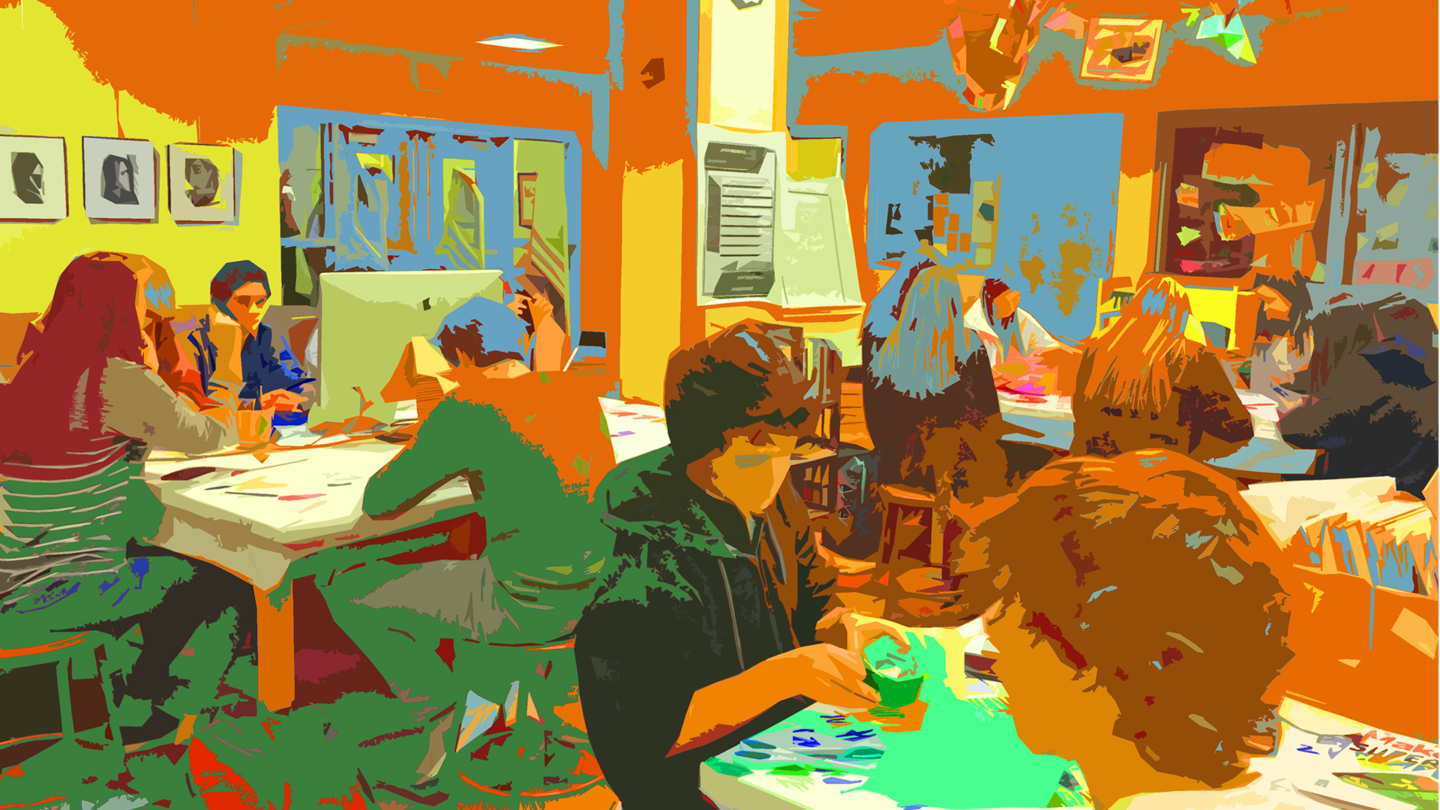
"caption": "A \"posterized\" version of New Canaan high school students at work in the makerspace.",
"description": null,
"title": "Posterized-makerspace",
"credit": "Courtesy Michelle Luhtala",
"status": "inherit",
"isLoading": false,
"fetchFailed": false
},
"mindshift_45835": {
"type": "attachments",
"id": "mindshift_45835",
"meta": {
"index": "attachments_1716263798",
"site": "mindshift",
"id": "45835",
"found": true
},
"parent": 45834,
"imgSizes": {
"twentyfourteen-full-width": {
"file": "https://ww2.kqed.org/app/uploads/sites/23/2016/07/SpheroELA-1038x576.png",
"width": 1038,
"mimeType": "image/png",
"height": 576
},
"thumbnail": {
"file": "https://ww2.kqed.org/app/uploads/sites/23/2016/07/SpheroELA-400x225.png",
"width": 400,
"mimeType": "image/png",
"height": 225
},
"fd-sm": {
"file": "https://ww2.kqed.org/app/uploads/sites/23/2016/07/SpheroELA-960x540.png",
"width": 960,
"mimeType": "image/png",
"height": 540
},
"post-thumbnail": {
"file": "https://ww2.kqed.org/app/uploads/sites/23/2016/07/SpheroELA-672x372.png",
"width": 672,
"mimeType": "image/png",
"height": 372
},
"kqedFullSize": {
"file": "https://ww2.kqed.org/app/uploads/sites/23/2016/07/SpheroELA.png",
"width": 1920,
"height": 1080
},
"large": {
"file": "https://ww2.kqed.org/app/uploads/sites/23/2016/07/SpheroELA-1440x810.png",
"width": 1440,
"mimeType": "image/png",
"height": 810
},
"guest-author-50": {
"file": "https://ww2.kqed.org/app/uploads/sites/23/2016/07/SpheroELA-50x50.png",
"width": 50,
"mimeType": "image/png",
"height": 50
},
"guest-author-96": {
"file": "https://ww2.kqed.org/app/uploads/sites/23/2016/07/SpheroELA-96x96.png",
"width": 96,
"mimeType": "image/png",
"height": 96
},
"medium": {
"file": "https://ww2.kqed.org/app/uploads/sites/23/2016/07/SpheroELA-800x450.png",
"width": 800,
"mimeType": "image/png",
"height": 450
},
"guest-author-64": {
"file": "https://ww2.kqed.org/app/uploads/sites/23/2016/07/SpheroELA-64x64.png",
"width": 64,
"mimeType": "image/png",
"height": 64
},
"guest-author-32": {
"file": "https://ww2.kqed.org/app/uploads/sites/23/2016/07/SpheroELA-32x32.png",
"width": 32,
"mimeType": "image/png",
"height": 32
},
"cat_post_thumb_sizecategory-posts-2": {
"file": "https://ww2.kqed.org/app/uploads/sites/23/2016/07/SpheroELA-50x50.png",
"width": 50,
"mimeType": "image/png",
"height": 50
},
"fd-lrg": {
"file": "https://ww2.kqed.org/app/uploads/sites/23/2016/07/SpheroELA-1920x1080.png",
"width": 1920,
"mimeType": "image/png",
"height": 1080
},
"fd-med": {
"file": "https://ww2.kqed.org/app/uploads/sites/23/2016/07/SpheroELA-1180x664.png",
"width": 1180,
"mimeType": "image/png",
"height": 664
},
"detail": {
"file": "https://ww2.kqed.org/app/uploads/sites/23/2016/07/SpheroELA-150x150.png",
"width": 150,
"mimeType": "image/png",
"height": 150
},
"medium_large": {
"file": "https://ww2.kqed.org/app/uploads/sites/23/2016/07/SpheroELA-768x432.png",
"width": 768,
"mimeType": "image/png",
"height": 432
},
"guest-author-128": {
"file": "https://ww2.kqed.org/app/uploads/sites/23/2016/07/SpheroELA-128x128.png",
"width": 128,
"mimeType": "image/png",
"height": 128
}
},
"publishDate": 1468960118,
"modified": 1469140629,
"caption": "Jessica Herring's students work together to program a Sphero robot to represent the emotions and actions of characters in Huckleberry Finn.",
"description": null,
"title": "SpheroELA",
"credit": "Courtesy Michael Mills",
"status": "inherit",
"isLoading": false,
"fetchFailed": false
},
"mindshift_45846": {
"type": "attachments",
"id": "mindshift_45846",
"meta": {
"index": "attachments_1716263798",
"site": "mindshift",
"id": "45846",
"found": true
},
"parent": 45819,
"imgSizes": {
"twentyfourteen-full-width": {
"file": "https://ww2.kqed.org/app/uploads/sites/23/2016/07/poetry-1038x576.png",
"width": 1038,
"mimeType": "image/png",
"height": 576
},
"thumbnail": {
"file": "https://ww2.kqed.org/app/uploads/sites/23/2016/07/poetry-400x225.png",
"width": 400,
"mimeType": "image/png",
"height": 225
},
"fd-sm": {
"file": "https://ww2.kqed.org/app/uploads/sites/23/2016/07/poetry-960x540.png",
"width": 960,
"mimeType": "image/png",
"height": 540
},
"post-thumbnail": {
"file": "https://ww2.kqed.org/app/uploads/sites/23/2016/07/poetry-672x372.png",
"width": 672,
"mimeType": "image/png",
"height": 372
},
"kqedFullSize": {
"file": "https://ww2.kqed.org/app/uploads/sites/23/2016/07/poetry.png",
"width": 1920,
"height": 1080
},
"large": {
"file": "https://ww2.kqed.org/app/uploads/sites/23/2016/07/poetry-1440x810.png",
"width": 1440,
"mimeType": "image/png",
"height": 810
},
"guest-author-50": {
"file": "https://ww2.kqed.org/app/uploads/sites/23/2016/07/poetry-50x50.png",
"width": 50,
"mimeType": "image/png",
"height": 50
},
"guest-author-96": {
"file": "https://ww2.kqed.org/app/uploads/sites/23/2016/07/poetry-96x96.png",
"width": 96,
"mimeType": "image/png",
"height": 96
},
"medium": {
"file": "https://ww2.kqed.org/app/uploads/sites/23/2016/07/poetry-800x450.png",
"width": 800,
"mimeType": "image/png",
"height": 450
},
"guest-author-64": {
"file": "https://ww2.kqed.org/app/uploads/sites/23/2016/07/poetry-64x64.png",
"width": 64,
"mimeType": "image/png",
"height": 64
},
"guest-author-32": {
"file": "https://ww2.kqed.org/app/uploads/sites/23/2016/07/poetry-32x32.png",
"width": 32,
"mimeType": "image/png",
"height": 32
},
"cat_post_thumb_sizecategory-posts-2": {
"file": "https://ww2.kqed.org/app/uploads/sites/23/2016/07/poetry-50x50.png",
"width": 50,
"mimeType": "image/png",
"height": 50
},
"fd-lrg": {
"file": "https://ww2.kqed.org/app/uploads/sites/23/2016/07/poetry-1920x1080.png",
"width": 1920,
"mimeType": "image/png",
"height": 1080
},
"fd-med": {
"file": "https://ww2.kqed.org/app/uploads/sites/23/2016/07/poetry-1180x664.png",
"width": 1180,
"mimeType": "image/png",
"height": 664
},
"detail": {
"file": "https://ww2.kqed.org/app/uploads/sites/23/2016/07/poetry-150x150.png",
"width": 150,
"mimeType": "image/png",
"height": 150
},
"medium_large": {
"file": "https://ww2.kqed.org/app/uploads/sites/23/2016/07/poetry-768x432.png",
"width": 768,
"mimeType": "image/png",
"height": 432
},
"guest-author-128": {
"file": "https://ww2.kqed.org/app/uploads/sites/23/2016/07/poetry-128x128.png",
"width": 128,
"mimeType": "image/png",
"height": 128
}
},
"publishDate": 1468966000,
"modified": 1468966066,
"caption": null,
"description": null,
"title": "poetry",
"credit": "\u003ca href=\"https://www.flickr.com/photos/sarabiljana/8746993901/in/photostream/\">Sara Biljana Gaon (off)\u003c/a>/Flickr",
"status": "inherit",
"isLoading": false,
"fetchFailed": false
},
"mindshift_45955": {
"type": "attachments",
"id": "mindshift_45955",
"meta": {
"index": "attachments_1716263798",
"site": "mindshift",
"id": "45955",
"found": true
},
"parent": 45952,
"imgSizes": {
"twentyfourteen-full-width": {
"file": "https://ww2.kqed.org/app/uploads/sites/23/2016/07/puzzle-brain-1038x576.png",
"width": 1038,
"mimeType": "image/png",
"height": 576
},
"thumbnail": {
"file": "https://ww2.kqed.org/app/uploads/sites/23/2016/07/puzzle-brain-400x225.png",
"width": 400,
"mimeType": "image/png",
"height": 225
},
"fd-sm": {
"file": "https://ww2.kqed.org/app/uploads/sites/23/2016/07/puzzle-brain-960x540.png",
"width": 960,
"mimeType": "image/png",
"height": 540
},
"post-thumbnail": {
"file": "https://ww2.kqed.org/app/uploads/sites/23/2016/07/puzzle-brain-672x372.png",
"width": 672,
"mimeType": "image/png",
"height": 372
},
"kqedFullSize": {
"file": "https://ww2.kqed.org/app/uploads/sites/23/2016/07/puzzle-brain.png",
"width": 1920,
"height": 1080
},
"large": {
"file": "https://ww2.kqed.org/app/uploads/sites/23/2016/07/puzzle-brain-1440x810.png",
"width": 1440,
"mimeType": "image/png",
"height": 810
},
"guest-author-50": {
"file": "https://ww2.kqed.org/app/uploads/sites/23/2016/07/puzzle-brain-50x50.png",
"width": 50,
"mimeType": "image/png",
"height": 50
},
"guest-author-96": {
"file": "https://ww2.kqed.org/app/uploads/sites/23/2016/07/puzzle-brain-96x96.png",
"width": 96,
"mimeType": "image/png",
"height": 96
},
"medium": {
"file": "https://ww2.kqed.org/app/uploads/sites/23/2016/07/puzzle-brain-800x450.png",
"width": 800,
"mimeType": "image/png",
"height": 450
},
"guest-author-64": {
"file": "https://ww2.kqed.org/app/uploads/sites/23/2016/07/puzzle-brain-64x64.png",
"width": 64,
"mimeType": "image/png",
"height": 64
},
"guest-author-32": {
"file": "https://ww2.kqed.org/app/uploads/sites/23/2016/07/puzzle-brain-32x32.png",
"width": 32,
"mimeType": "image/png",
"height": 32
},
"cat_post_thumb_sizecategory-posts-2": {
"file": "https://ww2.kqed.org/app/uploads/sites/23/2016/07/puzzle-brain-50x50.png",
"width": 50,
"mimeType": "image/png",
"height": 50
},
"fd-lrg": {
"file": "https://ww2.kqed.org/app/uploads/sites/23/2016/07/puzzle-brain-1920x1080.png",
"width": 1920,
"mimeType": "image/png",
"height": 1080
},
"fd-med": {
"file": "https://ww2.kqed.org/app/uploads/sites/23/2016/07/puzzle-brain-1180x664.png",
"width": 1180,
"mimeType": "image/png",
"height": 664
},
"detail": {
"file": "https://ww2.kqed.org/app/uploads/sites/23/2016/07/puzzle-brain-150x150.png",
"width": 150,
"mimeType": "image/png",
"height": 150
},
"medium_large": {
"file": "https://ww2.kqed.org/app/uploads/sites/23/2016/07/puzzle-brain-768x432.png",
"width": 768,
"mimeType": "image/png",
"height": 432
},
"guest-author-128": {
"file": "https://ww2.kqed.org/app/uploads/sites/23/2016/07/puzzle-brain-128x128.png",
"width": 128,
"mimeType": "image/png",
"height": 128
}
},
"publishDate": 1469488992,
"modified": 1469489012,
"caption": null,
"description": null,
"title": "puzzle-brain",
"credit": "iStock",
"status": "inherit",
"isLoading": false,
"fetchFailed": false
},
"mindshift_45915": {
"type": "attachments",
"id": "mindshift_45915",
"meta": {
"index": "attachments_1716263798",
"site": "mindshift",
"id": "45915",
"found": true
},
"parent": 0,
"imgSizes": {
"twentyfourteen-full-width": {
"file": "https://ww2.kqed.org/app/uploads/sites/23/2016/07/STS-Podcast-1038x576.jpg",
"width": 1038,
"mimeType": "image/jpeg",
"height": 576
},
"thumbnail": {
"file": "https://ww2.kqed.org/app/uploads/sites/23/2016/07/STS-Podcast-400x306.jpg",
"width": 400,
"mimeType": "image/jpeg",
"height": 306
},
"fd-sm": {
"file": "https://ww2.kqed.org/app/uploads/sites/23/2016/07/STS-Podcast-960x735.jpg",
"width": 960,
"mimeType": "image/jpeg",
"height": 735
},
"post-thumbnail": {
"file": "https://ww2.kqed.org/app/uploads/sites/23/2016/07/STS-Podcast-672x372.jpg",
"width": 672,
"mimeType": "image/jpeg",
"height": 372
},
"kqedFullSize": {
"file": "https://ww2.kqed.org/app/uploads/sites/23/2016/07/STS-Podcast.jpg",
"width": 1920,
"height": 1470
},
"large": {
"file": "https://ww2.kqed.org/app/uploads/sites/23/2016/07/STS-Podcast-1440x1103.jpg",
"width": 1440,
"mimeType": "image/jpeg",
"height": 1103
},
"guest-author-50": {
"file": "https://ww2.kqed.org/app/uploads/sites/23/2016/07/STS-Podcast-50x50.jpg",
"width": 50,
"mimeType": "image/jpeg",
"height": 50
},
"guest-author-96": {
"file": "https://ww2.kqed.org/app/uploads/sites/23/2016/07/STS-Podcast-96x96.jpg",
"width": 96,
"mimeType": "image/jpeg",
"height": 96
},
"medium": {
"file": "https://ww2.kqed.org/app/uploads/sites/23/2016/07/STS-Podcast-800x613.jpg",
"width": 800,
"mimeType": "image/jpeg",
"height": 613
},
"guest-author-64": {
"file": "https://ww2.kqed.org/app/uploads/sites/23/2016/07/STS-Podcast-64x64.jpg",
"width": 64,
"mimeType": "image/jpeg",
"height": 64
},
"guest-author-32": {
"file": "https://ww2.kqed.org/app/uploads/sites/23/2016/07/STS-Podcast-32x32.jpg",
"width": 32,
"mimeType": "image/jpeg",
"height": 32
},
"cat_post_thumb_sizecategory-posts-2": {
"file": "https://ww2.kqed.org/app/uploads/sites/23/2016/07/STS-Podcast-50x50.jpg",
"width": 50,
"mimeType": "image/jpeg",
"height": 50
},
"fd-lrg": {
"file": "https://ww2.kqed.org/app/uploads/sites/23/2016/07/STS-Podcast-1920x1470.jpg",
"width": 1920,
"mimeType": "image/jpeg",
"height": 1470
},
"fd-med": {
"file": "https://ww2.kqed.org/app/uploads/sites/23/2016/07/STS-Podcast-1180x903.jpg",
"width": 1180,
"mimeType": "image/jpeg",
"height": 903
},
"detail": {
"file": "https://ww2.kqed.org/app/uploads/sites/23/2016/07/STS-Podcast-150x150.jpg",
"width": 150,
"mimeType": "image/jpeg",
"height": 150
},
"medium_large": {
"file": "https://ww2.kqed.org/app/uploads/sites/23/2016/07/STS-Podcast-768x588.jpg",
"width": 768,
"mimeType": "image/jpeg",
"height": 588
},
"guest-author-128": {
"file": "https://ww2.kqed.org/app/uploads/sites/23/2016/07/STS-Podcast-128x128.jpg",
"width": 128,
"mimeType": "image/jpeg",
"height": 128
}
},
"publishDate": 1469461547,
"modified": 1469461547,
"caption": null,
"description": null,
"title": "STS-Podcast",
"credit": null,
"status": "inherit",
"isLoading": false,
"fetchFailed": false
},
"mindshift_45911": {
"type": "attachments",
"id": "mindshift_45911",
"meta": {
"index": "attachments_1716263798",
"site": "mindshift",
"id": "45911",
"found": true
},
"parent": 45761,
"imgSizes": {
"twentyfourteen-full-width": {
"file": "https://ww2.kqed.org/app/uploads/sites/23/2016/07/WordPlay-Romeo-and-Juliet-1038x576.jpg",
"width": 1038,
"mimeType": "image/jpeg",
"height": 576
},
"thumbnail": {
"file": "https://ww2.kqed.org/app/uploads/sites/23/2016/07/WordPlay-Romeo-and-Juliet-400x225.jpg",
"width": 400,
"mimeType": "image/jpeg",
"height": 225
},
"fd-sm": {
"file": "https://ww2.kqed.org/app/uploads/sites/23/2016/07/WordPlay-Romeo-and-Juliet-960x540.jpg",
"width": 960,
"mimeType": "image/jpeg",
"height": 540
},
"post-thumbnail": {
"file": "https://ww2.kqed.org/app/uploads/sites/23/2016/07/WordPlay-Romeo-and-Juliet-672x372.jpg",
"width": 672,
"mimeType": "image/jpeg",
"height": 372
},
"kqedFullSize": {
"file": "https://ww2.kqed.org/app/uploads/sites/23/2016/07/WordPlay-Romeo-and-Juliet.jpg",
"width": 1920,
"height": 1080
},
"large": {
"file": "https://ww2.kqed.org/app/uploads/sites/23/2016/07/WordPlay-Romeo-and-Juliet-1440x810.jpg",
"width": 1440,
"mimeType": "image/jpeg",
"height": 810
},
"guest-author-50": {
"file": "https://ww2.kqed.org/app/uploads/sites/23/2016/07/WordPlay-Romeo-and-Juliet-50x50.jpg",
"width": 50,
"mimeType": "image/jpeg",
"height": 50
},
"guest-author-96": {
"file": "https://ww2.kqed.org/app/uploads/sites/23/2016/07/WordPlay-Romeo-and-Juliet-96x96.jpg",
"width": 96,
"mimeType": "image/jpeg",
"height": 96
},
"medium": {
"file": "https://ww2.kqed.org/app/uploads/sites/23/2016/07/WordPlay-Romeo-and-Juliet-800x450.jpg",
"width": 800,
"mimeType": "image/jpeg",
"height": 450
},
"guest-author-64": {
"file": "https://ww2.kqed.org/app/uploads/sites/23/2016/07/WordPlay-Romeo-and-Juliet-64x64.jpg",
"width": 64,
"mimeType": "image/jpeg",
"height": 64
},
"guest-author-32": {
"file": "https://ww2.kqed.org/app/uploads/sites/23/2016/07/WordPlay-Romeo-and-Juliet-32x32.jpg",
"width": 32,
"mimeType": "image/jpeg",
"height": 32
},
"cat_post_thumb_sizecategory-posts-2": {
"file": "https://ww2.kqed.org/app/uploads/sites/23/2016/07/WordPlay-Romeo-and-Juliet-50x50.jpg",
"width": 50,
"mimeType": "image/jpeg",
"height": 50
},
"fd-lrg": {
"file": "https://ww2.kqed.org/app/uploads/sites/23/2016/07/WordPlay-Romeo-and-Juliet-1920x1080.jpg",
"width": 1920,
"mimeType": "image/jpeg",
"height": 1080
},
"fd-med": {
"file": "https://ww2.kqed.org/app/uploads/sites/23/2016/07/WordPlay-Romeo-and-Juliet-1180x664.jpg",
"width": 1180,
"mimeType": "image/jpeg",
"height": 664
},
"detail": {
"file": "https://ww2.kqed.org/app/uploads/sites/23/2016/07/WordPlay-Romeo-and-Juliet-150x150.jpg",
"width": 150,
"mimeType": "image/jpeg",
"height": 150
},
"medium_large": {
"file": "https://ww2.kqed.org/app/uploads/sites/23/2016/07/WordPlay-Romeo-and-Juliet-768x432.jpg",
"width": 768,
"mimeType": "image/jpeg",
"height": 432
},
"guest-author-128": {
"file": "https://ww2.kqed.org/app/uploads/sites/23/2016/07/WordPlay-Romeo-and-Juliet-128x128.jpg",
"width": 128,
"mimeType": "image/jpeg",
"height": 128
}
},
"publishDate": 1469432336,
"modified": 1469432409,
"caption": null,
"description": null,
"title": "WordPlay-Romeo-and-Juliet",
"credit": "WordPlay Shakespeare Romeo and Juliet screengrab",
"status": "inherit",
"isLoading": false,
"fetchFailed": false
},
"mindshift_45882": {
"type": "attachments",
"id": "mindshift_45882",
"meta": {
"index": "attachments_1716263798",
"site": "mindshift",
"id": "45882",
"found": true
},
"parent": 45657,
"imgSizes": {
"twentyfourteen-full-width": {
"file": "https://ww2.kqed.org/app/uploads/sites/23/2016/06/Larry-Ferlazzo-1038x576.jpg",
"width": 1038,
"mimeType": "image/jpeg",
"height": 576
},
"thumbnail": {
"file": "https://ww2.kqed.org/app/uploads/sites/23/2016/06/Larry-Ferlazzo-400x225.jpg",
"width": 400,
"mimeType": "image/jpeg",
"height": 225
},
"fd-sm": {
"file": "https://ww2.kqed.org/app/uploads/sites/23/2016/06/Larry-Ferlazzo-960x540.jpg",
"width": 960,
"mimeType": "image/jpeg",
"height": 540
},
"post-thumbnail": {
"file": "https://ww2.kqed.org/app/uploads/sites/23/2016/06/Larry-Ferlazzo-672x372.jpg",
"width": 672,
"mimeType": "image/jpeg",
"height": 372
},
"kqedFullSize": {
"file": "https://ww2.kqed.org/app/uploads/sites/23/2016/06/Larry-Ferlazzo.jpg",
"width": 1920,
"height": 1080
},
"large": {
"file": "https://ww2.kqed.org/app/uploads/sites/23/2016/06/Larry-Ferlazzo-1440x810.jpg",
"width": 1440,
"mimeType": "image/jpeg",
"height": 810
},
"guest-author-50": {
"file": "https://ww2.kqed.org/app/uploads/sites/23/2016/06/Larry-Ferlazzo-50x50.jpg",
"width": 50,
"mimeType": "image/jpeg",
"height": 50
},
"guest-author-96": {
"file": "https://ww2.kqed.org/app/uploads/sites/23/2016/06/Larry-Ferlazzo-96x96.jpg",
"width": 96,
"mimeType": "image/jpeg",
"height": 96
},
"medium": {
"file": "https://ww2.kqed.org/app/uploads/sites/23/2016/06/Larry-Ferlazzo-800x450.jpg",
"width": 800,
"mimeType": "image/jpeg",
"height": 450
},
"guest-author-64": {
"file": "https://ww2.kqed.org/app/uploads/sites/23/2016/06/Larry-Ferlazzo-64x64.jpg",
"width": 64,
"mimeType": "image/jpeg",
"height": 64
},
"guest-author-32": {
"file": "https://ww2.kqed.org/app/uploads/sites/23/2016/06/Larry-Ferlazzo-32x32.jpg",
"width": 32,
"mimeType": "image/jpeg",
"height": 32
},
"cat_post_thumb_sizecategory-posts-2": {
"file": "https://ww2.kqed.org/app/uploads/sites/23/2016/06/Larry-Ferlazzo-50x50.jpg",
"width": 50,
"mimeType": "image/jpeg",
"height": 50
},
"fd-lrg": {
"file": "https://ww2.kqed.org/app/uploads/sites/23/2016/06/Larry-Ferlazzo-1920x1080.jpg",
"width": 1920,
"mimeType": "image/jpeg",
"height": 1080
},
"fd-med": {
"file": "https://ww2.kqed.org/app/uploads/sites/23/2016/06/Larry-Ferlazzo-1180x664.jpg",
"width": 1180,
"mimeType": "image/jpeg",
"height": 664
},
"detail": {
"file": "https://ww2.kqed.org/app/uploads/sites/23/2016/06/Larry-Ferlazzo-150x150.jpg",
"width": 150,
"mimeType": "image/jpeg",
"height": 150
},
"medium_large": {
"file": "https://ww2.kqed.org/app/uploads/sites/23/2016/06/Larry-Ferlazzo-768x432.jpg",
"width": 768,
"mimeType": "image/jpeg",
"height": 432
},
"guest-author-128": {
"file": "https://ww2.kqed.org/app/uploads/sites/23/2016/06/Larry-Ferlazzo-128x128.jpg",
"width": 128,
"mimeType": "image/jpeg",
"height": 128
}
},
"publishDate": 1469192400,
"modified": 1469192421,
"caption": null,
"description": null,
"title": "Larry-Ferlazzo",
"credit": "Courtesy of Larry Ferlazzo",
"status": "inherit",
"isLoading": false,
"fetchFailed": false
},
"mindshift_45824": {
"type": "attachments",
"id": "mindshift_45824",
"meta": {
"index": "attachments_1716263798",
"site": "mindshift",
"id": "45824",
"found": true
},
"parent": 45805,
"imgSizes": {
"twentyfourteen-full-width": {
"file": "https://ww2.kqed.org/app/uploads/sites/23/2016/07/Papers-Please-1038x576.png",
"width": 1038,
"mimeType": "image/png",
"height": 576
},
"thumbnail": {
"file": "https://ww2.kqed.org/app/uploads/sites/23/2016/07/Papers-Please-400x225.png",
"width": 400,
"mimeType": "image/png",
"height": 225
},
"fd-sm": {
"file": "https://ww2.kqed.org/app/uploads/sites/23/2016/07/Papers-Please-960x540.png",
"width": 960,
"mimeType": "image/png",
"height": 540
},
"post-thumbnail": {
"file": "https://ww2.kqed.org/app/uploads/sites/23/2016/07/Papers-Please-672x372.png",
"width": 672,
"mimeType": "image/png",
"height": 372
},
"kqedFullSize": {
"file": "https://ww2.kqed.org/app/uploads/sites/23/2016/07/Papers-Please.png",
"width": 1288,
"height": 725
},
"guest-author-50": {
"file": "https://ww2.kqed.org/app/uploads/sites/23/2016/07/Papers-Please-50x50.png",
"width": 50,
"mimeType": "image/png",
"height": 50
},
"guest-author-96": {
"file": "https://ww2.kqed.org/app/uploads/sites/23/2016/07/Papers-Please-96x96.png",
"width": 96,
"mimeType": "image/png",
"height": 96
},
"medium": {
"file": "https://ww2.kqed.org/app/uploads/sites/23/2016/07/Papers-Please-800x450.png",
"width": 800,
"mimeType": "image/png",
"height": 450
},
"guest-author-64": {
"file": "https://ww2.kqed.org/app/uploads/sites/23/2016/07/Papers-Please-64x64.png",
"width": 64,
"mimeType": "image/png",
"height": 64
},
"guest-author-32": {
"file": "https://ww2.kqed.org/app/uploads/sites/23/2016/07/Papers-Please-32x32.png",
"width": 32,
"mimeType": "image/png",
"height": 32
},
"cat_post_thumb_sizecategory-posts-2": {
"file": "https://ww2.kqed.org/app/uploads/sites/23/2016/07/Papers-Please-50x50.png",
"width": 50,
"mimeType": "image/png",
"height": 50
},
"fd-med": {
"file": "https://ww2.kqed.org/app/uploads/sites/23/2016/07/Papers-Please-1180x664.png",
"width": 1180,
"mimeType": "image/png",
"height": 664
},
"detail": {
"file": "https://ww2.kqed.org/app/uploads/sites/23/2016/07/Papers-Please-150x150.png",
"width": 150,
"mimeType": "image/png",
"height": 150
},
"medium_large": {
"file": "https://ww2.kqed.org/app/uploads/sites/23/2016/07/Papers-Please-768x432.png",
"width": 768,
"mimeType": "image/png",
"height": 432
},
"guest-author-128": {
"file": "https://ww2.kqed.org/app/uploads/sites/23/2016/07/Papers-Please-128x128.png",
"width": 128,
"mimeType": "image/png",
"height": 128
}
},
"publishDate": 1468908313,
"modified": 1468908313,
"caption": null,
"description": null,
"title": "Papers Please",
"credit": null,
"status": "inherit",
"isLoading": false,
"fetchFailed": false
},
"mindshift_43471": {
"type": "attachments",
"id": "mindshift_43471",
"meta": {
"index": "attachments_1716263798",
"site": "mindshift",
"id": "43471",
"found": true
},
"parent": 43193,
"imgSizes": {
"twentyfourteen-full-width": {
"file": "https://ww2.kqed.org/app/uploads/sites/23/2016/01/Hands-1038x576.jpg",
"width": 1038,
"mimeType": "image/jpeg",
"height": 576
},
"thumbnail": {
"file": "https://ww2.kqed.org/app/uploads/sites/23/2016/01/Hands-400x225.jpg",
"width": 400,
"mimeType": "image/jpeg",
"height": 225
},
"fd-sm": {
"file": "https://ww2.kqed.org/app/uploads/sites/23/2016/01/Hands-960x540.jpg",
"width": 960,
"mimeType": "image/jpeg",
"height": 540
},
"post-thumbnail": {
"file": "https://ww2.kqed.org/app/uploads/sites/23/2016/01/Hands-672x372.jpg",
"width": 672,
"mimeType": "image/jpeg",
"height": 372
},
"kqedFullSize": {
"file": "https://ww2.kqed.org/app/uploads/sites/23/2016/01/Hands.jpg",
"width": 1920,
"height": 1080
},
"large": {
"file": "https://ww2.kqed.org/app/uploads/sites/23/2016/01/Hands-1440x810.jpg",
"width": 1440,
"mimeType": "image/jpeg",
"height": 810
},
"guest-author-96": {
"file": "https://ww2.kqed.org/app/uploads/sites/23/2016/01/Hands-96x96.jpg",
"width": 96,
"mimeType": "image/jpeg",
"height": 96
},
"medium": {
"file": "https://ww2.kqed.org/app/uploads/sites/23/2016/01/Hands-800x450.jpg",
"width": 800,
"mimeType": "image/jpeg",
"height": 450
},
"guest-author-64": {
"file": "https://ww2.kqed.org/app/uploads/sites/23/2016/01/Hands-64x64.jpg",
"width": 64,
"mimeType": "image/jpeg",
"height": 64
},
"guest-author-32": {
"file": "https://ww2.kqed.org/app/uploads/sites/23/2016/01/Hands-32x32.jpg",
"width": 32,
"mimeType": "image/jpeg",
"height": 32
},
"cat_post_thumb_sizecategory-posts-2": {
"file": "https://ww2.kqed.org/app/uploads/sites/23/2016/01/Hands-50x50.jpg",
"width": 50,
"mimeType": "image/jpeg",
"height": 50
},
"fd-lrg": {
"file": "https://ww2.kqed.org/app/uploads/sites/23/2016/01/Hands-1920x1080.jpg",
"width": 1920,
"mimeType": "image/jpeg",
"height": 1080
},
"fd-med": {
"file": "https://ww2.kqed.org/app/uploads/sites/23/2016/01/Hands-1180x664.jpg",
"width": 1180,
"mimeType": "image/jpeg",
"height": 664
},
"detail": {
"file": "https://ww2.kqed.org/app/uploads/sites/23/2016/01/Hands-75x75.jpg",
"width": 75,
"mimeType": "image/jpeg",
"height": 75
},
"medium_large": {
"file": "https://ww2.kqed.org/app/uploads/sites/23/2016/01/Hands-768x432.jpg",
"width": 768,
"mimeType": "image/jpeg",
"height": 432
},
"guest-author-128": {
"file": "https://ww2.kqed.org/app/uploads/sites/23/2016/01/Hands-128x128.jpg",
"width": 128,
"mimeType": "image/jpeg",
"height": 128
}
},
"publishDate": 1453706816,
"modified": 1453706824,
"caption": null,
"description": null,
"title": "Hands",
"credit": "iStock",
"status": "inherit",
"isLoading": false,
"fetchFailed": false
},
"mindshift_45814": {
"type": "attachments",
"id": "mindshift_45814",
"meta": {
"index": "attachments_1716263798",
"site": "mindshift",
"id": "45814",
"found": true
},
"parent": 45798,
"imgSizes": {
"twentyfourteen-full-width": {
"file": "https://ww2.kqed.org/app/uploads/sites/23/2016/07/Playground-1038x576.jpg",
"width": 1038,
"mimeType": "image/jpeg",
"height": 576
},
"thumbnail": {
"file": "https://ww2.kqed.org/app/uploads/sites/23/2016/07/Playground-400x225.jpg",
"width": 400,
"mimeType": "image/jpeg",
"height": 225
},
"fd-sm": {
"file": "https://ww2.kqed.org/app/uploads/sites/23/2016/07/Playground-960x540.jpg",
"width": 960,
"mimeType": "image/jpeg",
"height": 540
},
"post-thumbnail": {
"file": "https://ww2.kqed.org/app/uploads/sites/23/2016/07/Playground-672x372.jpg",
"width": 672,
"mimeType": "image/jpeg",
"height": 372
},
"kqedFullSize": {
"file": "https://ww2.kqed.org/app/uploads/sites/23/2016/07/Playground.jpg",
"width": 1920,
"height": 1080
},
"large": {
"file": "https://ww2.kqed.org/app/uploads/sites/23/2016/07/Playground-1440x810.jpg",
"width": 1440,
"mimeType": "image/jpeg",
"height": 810
},
"guest-author-50": {
"file": "https://ww2.kqed.org/app/uploads/sites/23/2016/07/Playground-50x50.jpg",
"width": 50,
"mimeType": "image/jpeg",
"height": 50
},
"guest-author-96": {
"file": "https://ww2.kqed.org/app/uploads/sites/23/2016/07/Playground-96x96.jpg",
"width": 96,
"mimeType": "image/jpeg",
"height": 96
},
"medium": {
"file": "https://ww2.kqed.org/app/uploads/sites/23/2016/07/Playground-800x450.jpg",
"width": 800,
"mimeType": "image/jpeg",
"height": 450
},
"guest-author-64": {
"file": "https://ww2.kqed.org/app/uploads/sites/23/2016/07/Playground-64x64.jpg",
"width": 64,
"mimeType": "image/jpeg",
"height": 64
},
"guest-author-32": {
"file": "https://ww2.kqed.org/app/uploads/sites/23/2016/07/Playground-32x32.jpg",
"width": 32,
"mimeType": "image/jpeg",
"height": 32
},
"cat_post_thumb_sizecategory-posts-2": {
"file": "https://ww2.kqed.org/app/uploads/sites/23/2016/07/Playground-50x50.jpg",
"width": 50,
"mimeType": "image/jpeg",
"height": 50
},
"fd-lrg": {
"file": "https://ww2.kqed.org/app/uploads/sites/23/2016/07/Playground-1920x1080.jpg",
"width": 1920,
"mimeType": "image/jpeg",
"height": 1080
},
"fd-med": {
"file": "https://ww2.kqed.org/app/uploads/sites/23/2016/07/Playground-1180x664.jpg",
"width": 1180,
"mimeType": "image/jpeg",
"height": 664
},
"detail": {
"file": "https://ww2.kqed.org/app/uploads/sites/23/2016/07/Playground-150x150.jpg",
"width": 150,
"mimeType": "image/jpeg",
"height": 150
},
"medium_large": {
"file": "https://ww2.kqed.org/app/uploads/sites/23/2016/07/Playground-768x432.jpg",
"width": 768,
"mimeType": "image/jpeg",
"height": 432
},
"guest-author-128": {
"file": "https://ww2.kqed.org/app/uploads/sites/23/2016/07/Playground-128x128.jpg",
"width": 128,
"mimeType": "image/jpeg",
"height": 128
}
},
"publishDate": 1468827543,
"modified": 1468827558,
"caption": null,
"description": null,
"title": "Playground",
"credit": "iStock",
"status": "inherit",
"isLoading": false,
"fetchFailed": false
},
"mindshift_45768": {
"type": "attachments",
"id": "mindshift_45768",
"meta": {
"index": "attachments_1716263798",
"site": "mindshift",
"id": "45768",
"found": true
},
"parent": 45731,
"imgSizes": {
"twentyfourteen-full-width": {
"file": "https://ww2.kqed.org/app/uploads/sites/23/2016/07/Shawna_Coppola-BTS-1038x576.jpg",
"width": 1038,
"mimeType": "image/jpeg",
"height": 576
},
"thumbnail": {
"file": "https://ww2.kqed.org/app/uploads/sites/23/2016/07/Shawna_Coppola-BTS-400x225.jpg",
"width": 400,
"mimeType": "image/jpeg",
"height": 225
},
"fd-sm": {
"file": "https://ww2.kqed.org/app/uploads/sites/23/2016/07/Shawna_Coppola-BTS-960x540.jpg",
"width": 960,
"mimeType": "image/jpeg",
"height": 540
},
"post-thumbnail": {
"file": "https://ww2.kqed.org/app/uploads/sites/23/2016/07/Shawna_Coppola-BTS-672x372.jpg",
"width": 672,
"mimeType": "image/jpeg",
"height": 372
},
"kqedFullSize": {
"file": "https://ww2.kqed.org/app/uploads/sites/23/2016/07/Shawna_Coppola-BTS.jpg",
"width": 1920,
"height": 1080
},
"large": {
"file": "https://ww2.kqed.org/app/uploads/sites/23/2016/07/Shawna_Coppola-BTS-1440x810.jpg",
"width": 1440,
"mimeType": "image/jpeg",
"height": 810
},
"guest-author-50": {
"file": "https://ww2.kqed.org/app/uploads/sites/23/2016/07/Shawna_Coppola-BTS-50x50.jpg",
"width": 50,
"mimeType": "image/jpeg",
"height": 50
},
"guest-author-96": {
"file": "https://ww2.kqed.org/app/uploads/sites/23/2016/07/Shawna_Coppola-BTS-96x96.jpg",
"width": 96,
"mimeType": "image/jpeg",
"height": 96
},
"medium": {
"file": "https://ww2.kqed.org/app/uploads/sites/23/2016/07/Shawna_Coppola-BTS-800x450.jpg",
"width": 800,
"mimeType": "image/jpeg",
"height": 450
},
"guest-author-64": {
"file": "https://ww2.kqed.org/app/uploads/sites/23/2016/07/Shawna_Coppola-BTS-64x64.jpg",
"width": 64,
"mimeType": "image/jpeg",
"height": 64
},
"guest-author-32": {
"file": "https://ww2.kqed.org/app/uploads/sites/23/2016/07/Shawna_Coppola-BTS-32x32.jpg",
"width": 32,
"mimeType": "image/jpeg",
"height": 32
},
"cat_post_thumb_sizecategory-posts-2": {
"file": "https://ww2.kqed.org/app/uploads/sites/23/2016/07/Shawna_Coppola-BTS-50x50.jpg",
"width": 50,
"mimeType": "image/jpeg",
"height": 50
},
"fd-lrg": {
"file": "https://ww2.kqed.org/app/uploads/sites/23/2016/07/Shawna_Coppola-BTS-1920x1080.jpg",
"width": 1920,
"mimeType": "image/jpeg",
"height": 1080
},
"fd-med": {
"file": "https://ww2.kqed.org/app/uploads/sites/23/2016/07/Shawna_Coppola-BTS-1180x664.jpg",
"width": 1180,
"mimeType": "image/jpeg",
"height": 664
},
"detail": {
"file": "https://ww2.kqed.org/app/uploads/sites/23/2016/07/Shawna_Coppola-BTS-150x150.jpg",
"width": 150,
"mimeType": "image/jpeg",
"height": 150
},
"medium_large": {
"file": "https://ww2.kqed.org/app/uploads/sites/23/2016/07/Shawna_Coppola-BTS-768x432.jpg",
"width": 768,
"mimeType": "image/jpeg",
"height": 432
},
"guest-author-128": {
"file": "https://ww2.kqed.org/app/uploads/sites/23/2016/07/Shawna_Coppola-BTS-128x128.jpg",
"width": 128,
"mimeType": "image/jpeg",
"height": 128
}
},
"publishDate": 1468007908,
"modified": 1468007929,
"caption": null,
"description": null,
"title": "Shawna_Coppola-BTS",
"credit": "Courtesy of Shawna Coppola",
"status": "inherit",
"isLoading": false,
"fetchFailed": false
},
"mindshift_45789": {
"type": "attachments",
"id": "mindshift_45789",
"meta": {
"index": "attachments_1716263798",
"site": "mindshift",
"id": "45789",
"found": true
},
"parent": 45687,
"imgSizes": {
"twentyfourteen-full-width": {
"file": "https://ww2.kqed.org/app/uploads/sites/23/2016/06/5092388020_29b17e96e8_o-1038x576.jpg",
"width": 1038,
"mimeType": "image/jpeg",
"height": 576
},
"thumbnail": {
"file": "https://ww2.kqed.org/app/uploads/sites/23/2016/06/5092388020_29b17e96e8_o-400x266.jpg",
"width": 400,
"mimeType": "image/jpeg",
"height": 266
},
"fd-sm": {
"file": "https://ww2.kqed.org/app/uploads/sites/23/2016/06/5092388020_29b17e96e8_o-960x638.jpg",
"width": 960,
"mimeType": "image/jpeg",
"height": 638
},
"post-thumbnail": {
"file": "https://ww2.kqed.org/app/uploads/sites/23/2016/06/5092388020_29b17e96e8_o-672x372.jpg",
"width": 672,
"mimeType": "image/jpeg",
"height": 372
},
"kqedFullSize": {
"file": "https://ww2.kqed.org/app/uploads/sites/23/2016/06/5092388020_29b17e96e8_o-e1468497632406.jpg",
"width": 1920,
"height": 1275
},
"large": {
"file": "https://ww2.kqed.org/app/uploads/sites/23/2016/06/5092388020_29b17e96e8_o-1440x956.jpg",
"width": 1440,
"mimeType": "image/jpeg",
"height": 956
},
"guest-author-50": {
"file": "https://ww2.kqed.org/app/uploads/sites/23/2016/06/5092388020_29b17e96e8_o-50x50.jpg",
"width": 50,
"mimeType": "image/jpeg",
"height": 50
},
"guest-author-96": {
"file": "https://ww2.kqed.org/app/uploads/sites/23/2016/06/5092388020_29b17e96e8_o-96x96.jpg",
"width": 96,
"mimeType": "image/jpeg",
"height": 96
},
"medium": {
"file": "https://ww2.kqed.org/app/uploads/sites/23/2016/06/5092388020_29b17e96e8_o-800x531.jpg",
"width": 800,
"mimeType": "image/jpeg",
"height": 531
},
"guest-author-64": {
"file": "https://ww2.kqed.org/app/uploads/sites/23/2016/06/5092388020_29b17e96e8_o-64x64.jpg",
"width": 64,
"mimeType": "image/jpeg",
"height": 64
},
"guest-author-32": {
"file": "https://ww2.kqed.org/app/uploads/sites/23/2016/06/5092388020_29b17e96e8_o-32x32.jpg",
"width": 32,
"mimeType": "image/jpeg",
"height": 32
},
"cat_post_thumb_sizecategory-posts-2": {
"file": "https://ww2.kqed.org/app/uploads/sites/23/2016/06/5092388020_29b17e96e8_o-50x50.jpg",
"width": 50,
"mimeType": "image/jpeg",
"height": 50
},
"fd-lrg": {
"file": "https://ww2.kqed.org/app/uploads/sites/23/2016/06/5092388020_29b17e96e8_o-1920x1275.jpg",
"width": 1920,
"mimeType": "image/jpeg",
"height": 1275
},
"fd-med": {
"file": "https://ww2.kqed.org/app/uploads/sites/23/2016/06/5092388020_29b17e96e8_o-1180x784.jpg",
"width": 1180,
"mimeType": "image/jpeg",
"height": 784
},
"detail": {
"file": "https://ww2.kqed.org/app/uploads/sites/23/2016/06/5092388020_29b17e96e8_o-150x150.jpg",
"width": 150,
"mimeType": "image/jpeg",
"height": 150
},
"medium_large": {
"file": "https://ww2.kqed.org/app/uploads/sites/23/2016/06/5092388020_29b17e96e8_o-768x510.jpg",
"width": 768,
"mimeType": "image/jpeg",
"height": 510
},
"guest-author-128": {
"file": "https://ww2.kqed.org/app/uploads/sites/23/2016/06/5092388020_29b17e96e8_o-128x128.jpg",
"width": 128,
"mimeType": "image/jpeg",
"height": 128
}
},
"publishDate": 1468497611,
"modified": 1468497711,
"caption": null,
"description": null,
"title": "5092388020_29b17e96e8_o",
"credit": "\u003ca href=\"https://www.flickr.com/photos/rachelpasch/5092388020/in/photolist-8KZPxs-4z5AY2-5LztEk-5rZAFL-8uFnxt-m8nDN4-nEtr4H-bHfg6B-chmJDC-44Bof3-4z9NVY-4z5xaM-4z9LTQ-cmLs2u-6oabWt-4A6FWp-nBLac-dNV6u9-qt1kWp-qDvMA3-aiMjsU-8GbTFd-pfUqFp-nqegmH-47LZyG-4YBjcx-mBxq4-7Nes2e-4z5wrn-2EB6g3-5JY9oH-5JY9qM-9ySdEq-59PRZ1-5K3qwq-hBpyoD-npoUWi-AWgtVJ-8NQJ6g-8fDvi1-Nx925-cyT9K-5ZGjyN-iUAv9k-k6wQnV-4z9Kkf-8NTYBy-5K3pUf-sq8LAW-6YR2Nk\">Flickr/Rachel\u003c/a>",
"status": "inherit",
"isLoading": false,
"fetchFailed": false
}
},
"audioPlayerReducer": {
"postId": "stream_live",
"isPaused": true,
"isPlaying": false,
"pfsActive": false,
"pledgeModalIsOpen": true,
"playerDrawerIsOpen": false,
"liveAudioPlayStartedAt": 0,
"liveAudioPlayContext": ""
},
"authorsReducer": {
"katrinaschwartz": {
"type": "authors",
"id": "234",
"meta": {
"index": "authors_1716337520",
"id": "234",
"found": true
},
"name": "Katrina Schwartz",
"firstName": "Katrina",
"lastName": "Schwartz",
"slug": "katrinaschwartz",
"email": "kschwartz@kqed.org",
"display_author_email": false,
"staff_mastheads": [
"news"
],
"title": "Producer",
"bio": "Katrina Schwartz is a journalist based in San Francisco. She's worked at KPCC public radio in LA and has reported on air and online for KQED since 2010. She covered how teaching and learning is changing for MindShift between 2012 and 2020. She is the co-host of the MindShift podcast and now produces KQED's Bay Curious podcast.",
"avatar": "https://secure.gravatar.com/avatar/edb4ee79070447a018538c9aae6eeecf28786515b8a0c30e43b6b7dce5aa44c8?s=600&d=blank&r=g",
"twitter": "kschwart",
"bluesky": null,
"facebook": null,
"instagram": null,
"linkedin": null,
"sites": [
{
"site": "",
"roles": [
"editor"
]
},
{
"site": "news",
"roles": [
"editor"
]
},
{
"site": "mindshift",
"roles": [
"administrator"
]
},
{
"site": "stateofhealth",
"roles": [
"author"
]
},
{
"site": "science",
"roles": [
"editor"
]
}
],
"headData": {
"title": "Katrina Schwartz | KQED",
"description": "Producer",
"ogImgSrc": "https://secure.gravatar.com/avatar/edb4ee79070447a018538c9aae6eeecf28786515b8a0c30e43b6b7dce5aa44c8?s=600&d=blank&r=g",
"twImgSrc": "https://secure.gravatar.com/avatar/edb4ee79070447a018538c9aae6eeecf28786515b8a0c30e43b6b7dce5aa44c8?s=600&d=blank&r=g"
},
"isLoading": false,
"link": "/author/katrinaschwartz"
},
"hollykorbey": {
"type": "authors",
"id": "4445",
"meta": {
"index": "authors_1716337520",
"id": "4445",
"found": true
},
"name": "Holly Korbey",
"firstName": "Holly",
"lastName": "Korbey",
"slug": "hollykorbey",
"email": "holly@hollykorbey.com",
"display_author_email": false,
"staff_mastheads": [],
"title": null,
"bio": "Holly Korbey's work on parenting and education has appeared in The New York Times, The Atlantic, Babble, Brain, Child Magazine, and others. She lives in Nashville with her family. Follow her on Twitter: @HKorbey",
"avatar": "https://secure.gravatar.com/avatar/f385f7a3b90e52ecd5e85c24fbd0a363?s=600&d=blank&r=g",
"twitter": null,
"facebook": null,
"instagram": null,
"linkedin": null,
"sites": [
{
"site": "mindshift",
"roles": [
"contributor"
]
}
],
"headData": {
"title": "Holly Korbey | KQED",
"description": null,
"ogImgSrc": "https://secure.gravatar.com/avatar/f385f7a3b90e52ecd5e85c24fbd0a363?s=600&d=blank&r=g",
"twImgSrc": "https://secure.gravatar.com/avatar/f385f7a3b90e52ecd5e85c24fbd0a363?s=600&d=blank&r=g"
},
"isLoading": false,
"link": "/author/hollykorbey"
},
"ksung": {
"type": "authors",
"id": "4596",
"meta": {
"index": "authors_1716337520",
"id": "4596",
"found": true
},
"name": "Ki Sung",
"firstName": "Ki",
"lastName": "Sung",
"slug": "ksung",
"email": "ksung@kqed.org",
"display_author_email": false,
"staff_mastheads": [
"news"
],
"title": "KQED Contributor",
"bio": "Ki Sung is Managing Editor of Digital News at KQED. She is former Senior Editor of MindShift and worked at NPR before joining KQED in 2014.",
"avatar": "https://secure.gravatar.com/avatar/64271e01dc95486c133be56937739045b7c00c990525bf9add12d3dd4f0433c9?s=600&d=blank&r=g",
"twitter": null,
"bluesky": null,
"facebook": null,
"instagram": null,
"linkedin": null,
"sites": [
{
"site": "arts",
"roles": [
"administrator"
]
},
{
"site": "news",
"roles": [
"administrator"
]
},
{
"site": "mindshift",
"roles": [
"administrator"
]
},
{
"site": "science",
"roles": [
"administrator"
]
},
{
"site": "forum",
"roles": [
"administrator"
]
},
{
"site": "perspectives",
"roles": [
"administrator"
]
},
{
"site": "elections",
"roles": [
"administrator"
]
}
],
"headData": {
"title": "Ki Sung | KQED",
"description": "KQED Contributor",
"ogImgSrc": "https://secure.gravatar.com/avatar/64271e01dc95486c133be56937739045b7c00c990525bf9add12d3dd4f0433c9?s=600&d=blank&r=g",
"twImgSrc": "https://secure.gravatar.com/avatar/64271e01dc95486c133be56937739045b7c00c990525bf9add12d3dd4f0433c9?s=600&d=blank&r=g"
},
"isLoading": false,
"link": "/author/ksung"
}
},
"pagesReducer": {
"mindshift_tag_featured": {
"type": "terms",
"id": "mindshift_20784",
"meta": {
"index": "terms_1716263798",
"site": "mindshift",
"id": "20784",
"score": 7.6563077
},
"featImg": null,
"name": "featured",
"description": null,
"taxonomy": "tag",
"headData": {
"twImgId": null,
"twTitle": null,
"ogTitle": null,
"ogImgId": null,
"twDescription": null,
"description": null,
"title": "featured Archives | KQED Mindshift",
"ogDescription": null
},
"ttid": 20061,
"slug": "featured",
"isLoading": false,
"title": "featured",
"pageMeta": {
"site": "mindshift",
"WpPageTemplate": "page-topic-editorial",
"currentPage": 60
},
"blocks": [
{
"blockName": "kqed/post-list",
"attrs": {
"layout": "cardArticle2",
"query": "posts/mindshift?tag=featured",
"seeMore": false,
"paginated": true,
"page": 60
}
},
{
"blockName": "kqed/ad"
}
]
}
},
"pfsSessionReducer": {},
"postsReducer": {
"stream_live": {
"type": "live",
"id": "stream_live",
"audioUrl": "https://hls.kqed.org/hls/kqed_app/playlist.m3u8",
"title": "Live Stream",
"excerpt": "Live Stream information currently unavailable.",
"link": "/radio",
"featImg": "",
"label": {
"name": "KQED Live",
"link": "/"
}
},
"stream_kqedNewscast": {
"type": "posts",
"id": "stream_kqedNewscast",
"audioUrl": "https://www.kqed.org/.stream/anon/radio/RDnews/newscast.mp3?_=1",
"title": "KQED Newscast",
"featImg": "",
"label": {
"name": "88.5 FM",
"link": "/"
}
},
"mindshift_45900": {
"type": "posts",
"id": "mindshift_45900",
"meta": {
"index": "posts_1716263798",
"site": "mindshift",
"id": "45900",
"score": null,
"sort": [
1470027049000
]
},
"parent": 0,
"labelTerm": {
"site": "mindshift"
},
"blocks": [],
"publishDate": 1470027049,
"format": "standard",
"disqusTitle": "Launching a Makerspace: Lessons Learned From a Transformed School Library",
"title": "Launching a Makerspace: Lessons Learned From a Transformed School Library",
"headTitle": "MindShift | KQED News",
"content": "\u003cp>Excitement about \u003ca href=\"http://renovatedlearning.com/2015/04/02/defining-makerspaces-part-1/\" target=\"_blank\">school makerspaces \u003c/a>has been in the air, but many educators eager to create hands-on learning spaces in their schools still aren’t sure how to get started or why it’s worth the effort. New Canaan High School librarian Michelle Luhtala recently jumped headfirst into creating a makerspace in her library and documented what she learned, how her space changed and how it affected students along the way. Her experience was very different from elementary school librarian \u003ca href=\"https://expectmiraculous.com/\" target=\"_blank\">Andy Plemmons\u003c/a>, whose makerspace started with a 3-D printer obtained through a grant and blossomed into a core teaching resource at his school.\u003c/p>\n\u003cp>\u003cstrong>GETTING RID OF BOOKS\u003c/strong>\u003c/p>\n\u003cp>Luhtala is blessed with a big library, but for most of her career it has been dominated by large bookshelves. Over time, Luhtala has pared down her collection as she increased the digital reading material the library offers, but in order to make room for a makerspace she cleared out 7,000 books. She might not have had the courage to make such a drastic change if she hadn’t had the firm support, and indeed push, from her principal to create a makerspace. Luhtala kept most of her fiction and donated a lot of the nonfiction, which kids are now mostly accessing digitally anyway.\u003c/p>\n\u003cp>[gallery type=\"columns\" columns=\"2\" ids=\"45926,45937\"]\u003c/p>\n\u003cp>While Luhtala wanted open space for big making projects, she also made sure her library has comfortable sofas, quiet study carrels and a few collaborative workrooms where students can meet. She also sent a letter to students at the start of the school year explaining the changes in the library and asking them for their help throughout the year to make it the space they wanted.\u003c/p>\n\u003cfigure id=\"attachment_45929\" class=\"wp-caption aligncenter\" style=\"max-width: 640px\">\u003cimg class=\"wp-image-45929 size-large\" src=\"http://ww2.kqed.org/mindshift/wp-content/uploads/sites/23/2016/07/IMG_3141-1440x403.jpg\" alt=\"The New Canaan library tries to create different spaces throughout the library where students can work quietly, in collaboration, or on innovative projects.\" width=\"640\" height=\"179\" srcset=\"https://ww2.kqed.org/app/uploads/sites/23/2016/07/IMG_3141-1440x403.jpg 1440w, https://ww2.kqed.org/app/uploads/sites/23/2016/07/IMG_3141-400x112.jpg 400w, https://ww2.kqed.org/app/uploads/sites/23/2016/07/IMG_3141-800x224.jpg 800w, https://ww2.kqed.org/app/uploads/sites/23/2016/07/IMG_3141-768x215.jpg 768w, https://ww2.kqed.org/app/uploads/sites/23/2016/07/IMG_3141-1180x330.jpg 1180w, https://ww2.kqed.org/app/uploads/sites/23/2016/07/IMG_3141-960x269.jpg 960w\" sizes=\"(max-width: 640px) 100vw, 640px\">\u003cfigcaption class=\"wp-caption-text\">The New Canaan Library tries to create different spaces throughout the library where students can work quietly, in collaboration, or on innovative projects. \u003ccite>(Courtesy Michelle Luhtala)\u003c/cite>\u003c/figcaption>\u003c/figure>\n\u003cp>\u003cstrong>IMPROVISE\u003c/strong>\u003c/p>\n\u003cp>[ad fullwidth]\u003c/p>\n\u003cp>“We had no budget for furniture, zero, none,” Luhtala said in an edWeb webinar. “I had this big empty space, but no furniture.” But, she found some old science tables in the district’s storage area and some unused stools to go with them. That was enough.\u003c/p>\n\u003cp>“Find the storage space for your district and see what’s available because chances are there’s stuff no one wants,” Luhtala said. “Those are conversations worth having. I encourage you to be bold.”\u003c/p>\n\u003cp>Luhtala also didn't want to over-plan what would happen in the makerspace. She wanted it to develop naturally from student interests. So, she didn’t spend much money buying materials at the outset. She picked up a few things like basic craft supplies and Legos that other teachers had recommended, but she took her cues from the students.\u003c/p>\n\u003cp>\u003cimg class=\"aligncenter size-large wp-image-45931\" src=\"http://ww2.kqed.org/mindshift/wp-content/uploads/sites/23/2016/07/20523920853_4e4ead0ae5_k-1440x1080.jpg\" alt=\"20523920853_4e4ead0ae5_k\" width=\"640\" height=\"480\" srcset=\"https://ww2.kqed.org/app/uploads/sites/23/2016/07/20523920853_4e4ead0ae5_k-1440x1080.jpg 1440w, https://ww2.kqed.org/app/uploads/sites/23/2016/07/20523920853_4e4ead0ae5_k-400x300.jpg 400w, https://ww2.kqed.org/app/uploads/sites/23/2016/07/20523920853_4e4ead0ae5_k-800x600.jpg 800w, https://ww2.kqed.org/app/uploads/sites/23/2016/07/20523920853_4e4ead0ae5_k-768x576.jpg 768w, https://ww2.kqed.org/app/uploads/sites/23/2016/07/20523920853_4e4ead0ae5_k-1180x885.jpg 1180w, https://ww2.kqed.org/app/uploads/sites/23/2016/07/20523920853_4e4ead0ae5_k-960x720.jpg 960w\" sizes=\"(max-width: 640px) 100vw, 640px\">\u003c/p>\n\u003cp>“I really didn’t want to go beyond that because I wanted to see what the kids wanted,” Luhtala said.\u003c/p>\n\u003cp>Early in the school year students immediately took over the sofa spaces, but they didn’t really know what to do with the rest of it. One day a student asked Luhtala what she was planning to do with the space. She asked what he wanted. He suggested Legos. She had those, so she brought them out. Another student suggested craft supplies. Luhtala brought those out, too. Pretty soon students were asking for all kinds of things, mostly recyclables, and Luhtala now keeps track of requests on a spreadsheet.\u003c/p>\n\u003cp>\u003cstrong>\u003cbr>\nEVOLUTION OF THE SPACE\u003c/strong>\u003c/p>\n\u003cp>Luhtala soon started covering the tables with butcher paper to hide the old, scratched surfaces. Teachers would often meet in the makerspace and sometimes doodle on the butcher paper. Students recognized their teachers’ artwork and soon students started doodling, too, sometimes adding to each other’s designs, but mostly respecting whatever artwork was already there.\u003c/p>\n\u003cp>\u003cimg class=\"aligncenter size-large wp-image-45932\" src=\"http://ww2.kqed.org/mindshift/wp-content/uploads/sites/23/2016/07/IMG_2831-e1469474562681-1440x908.jpg\" alt=\"IMG_2831\" width=\"640\" height=\"404\">\u003c/p>\n\u003cp>“That students and the teachers started to make those connections in the space was really important,” Luhtala said. The makerspace became a neutral place where students and teachers could create together and interact more casually. New Canaan High School has an open campus, so students come to the makerspace in their free time. Sometimes they use the space to work quietly on a project alone; other times they come in groups.\u003c/p>\n\u003cp>“Sometimes de-stressing alone is really important,” Luhtala said. She’s also found that there’s an ebb and flow to the popularity of the makerspace throughout the week. It’s usually slow on Mondays, but busy on Fridays, which Luhtala believes indicates students are prioritizing their time well. “By Friday they are ready to unwind and they are ready to get more creative,” Luhtala said.\u003c/p>\n\u003cp>\u003cimg class=\"aligncenter size-medium wp-image-45933\" src=\"http://ww2.kqed.org/mindshift/wp-content/uploads/sites/23/2016/07/IMG_0923-800x233.jpg\" alt=\"IMG_0923\" width=\"800\" height=\"233\" srcset=\"https://ww2.kqed.org/app/uploads/sites/23/2016/07/IMG_0923-800x233.jpg 800w, https://ww2.kqed.org/app/uploads/sites/23/2016/07/IMG_0923-400x116.jpg 400w, https://ww2.kqed.org/app/uploads/sites/23/2016/07/IMG_0923-768x223.jpg 768w, https://ww2.kqed.org/app/uploads/sites/23/2016/07/IMG_0923-1440x419.jpg 1440w, https://ww2.kqed.org/app/uploads/sites/23/2016/07/IMG_0923-1180x343.jpg 1180w, https://ww2.kqed.org/app/uploads/sites/23/2016/07/IMG_0923-960x279.jpg 960w\" sizes=\"(max-width: 800px) 100vw, 800px\">\u003c/p>\n\u003cp>Some students work on projects for class in the makerspace, and some teachers assign projects with the knowledge that the makerspace can be a resource for students. For example, students in a ninth-grade class were each assigned a planet and had to create an extraterrestrial who could survive on the conditions of that planet. Another time an English teacher asked students to create something that represented a theme or character from the most recent book they’d read.\u003c/p>\n\u003cfigure id=\"attachment_45934\" class=\"wp-caption aligncenter\" style=\"max-width: 640px\">\u003cimg class=\"size-large wp-image-45934\" src=\"http://ww2.kqed.org/mindshift/wp-content/uploads/sites/23/2016/07/24746560421_9adce84e22_k-1440x1080.jpg\" alt=\"A student creation.\" width=\"640\" height=\"480\" srcset=\"https://ww2.kqed.org/app/uploads/sites/23/2016/07/24746560421_9adce84e22_k-1440x1080.jpg 1440w, https://ww2.kqed.org/app/uploads/sites/23/2016/07/24746560421_9adce84e22_k-400x300.jpg 400w, https://ww2.kqed.org/app/uploads/sites/23/2016/07/24746560421_9adce84e22_k-800x600.jpg 800w, https://ww2.kqed.org/app/uploads/sites/23/2016/07/24746560421_9adce84e22_k-768x576.jpg 768w, https://ww2.kqed.org/app/uploads/sites/23/2016/07/24746560421_9adce84e22_k-1180x885.jpg 1180w, https://ww2.kqed.org/app/uploads/sites/23/2016/07/24746560421_9adce84e22_k-960x720.jpg 960w\" sizes=\"(max-width: 640px) 100vw, 640px\">\u003cfigcaption class=\"wp-caption-text\">A student creation. \u003ccite>(Courtesy Michelle Luhtala)\u003c/cite>\u003c/figcaption>\u003c/figure>\n\u003cp>“They invent their own learning,” Luhtala said of the students. A few students asked for pullback motors to use with the Lego cars they had built. Luhtala immediately saw the motors were well worth the investment because they turn a Lego project into a physics experiment. Students got interested in questions of friction and started researching on their own how speed and weight affected the movement of their cars.\u003c/p>\n\u003cp>By the end of the year, the makerspace was a casual meetup area. Luhtala might be teaching a group of students about citations in the same area as another student working to build a monster truck. And teachers would sometimes hold book discussions in the makerspace, finding that students were more engaged in the conversation when they could doodle on the butcher paper or make a Lego structure at the same time.\u003c/p>\n\u003cp>\u003cstrong>TECHXPERTS\u003c/strong>\u003c/p>\n\u003cp>“\u003ca href=\"http://www.ncps-k12.org/Page/1076\" target=\"_blank\">TechXperts\u003c/a>” are student-experts that help out in the library. With the advent of the makerspace, Luhtala asked this group of students to work on a bigger project to solve a problem around the school. They decided garbage was an issue and programmed a zumba to roam around the school hallways and yell out, “hurray,” whenever someone threw a piece of garbage in the can.\u003c/p>\n\u003cp>The TechXperts have also been a huge help managing the makerspace. Each student naturally gravitated toward certain materials and tools and became the go-to person when anyone had a question about how to use them.\u003c/p>\n\u003cfigure id=\"attachment_45935\" class=\"wp-caption aligncenter\" style=\"max-width: 640px\">\u003cimg class=\"size-large wp-image-45935\" src=\"http://ww2.kqed.org/mindshift/wp-content/uploads/sites/23/2016/07/24472389839_d7e119577a_k-1440x1080.jpg\" alt=\"Luhtala turned her old office into a media production room with a green screen. Students love it.\" width=\"640\" height=\"480\" srcset=\"https://ww2.kqed.org/app/uploads/sites/23/2016/07/24472389839_d7e119577a_k-1440x1080.jpg 1440w, https://ww2.kqed.org/app/uploads/sites/23/2016/07/24472389839_d7e119577a_k-400x300.jpg 400w, https://ww2.kqed.org/app/uploads/sites/23/2016/07/24472389839_d7e119577a_k-800x600.jpg 800w, https://ww2.kqed.org/app/uploads/sites/23/2016/07/24472389839_d7e119577a_k-768x576.jpg 768w, https://ww2.kqed.org/app/uploads/sites/23/2016/07/24472389839_d7e119577a_k-1180x885.jpg 1180w, https://ww2.kqed.org/app/uploads/sites/23/2016/07/24472389839_d7e119577a_k-960x720.jpg 960w\" sizes=\"(max-width: 640px) 100vw, 640px\">\u003cfigcaption class=\"wp-caption-text\">Luhtala turned her old office into a media production room with a green screen. Students love it. \u003ccite>(Courtesy Michelle Luhtala)\u003c/cite>\u003c/figcaption>\u003c/figure>\n\u003cp>Luhtala’s careful way of making sure students direct what happens in the makerspace has paid off in a number of ways. Students feel like the space is their own and work to keep it clean. Luhtala allows food in this part of the library, a move she was worried would lead to the makerspace looking like the pigsty that is the school’s cafeteria. But instead, students are careful with their food and trash. Luhtala found that when she gave students the trust and responsibility to take care of the space, they rose to the challenge.\u003c/p>\n\u003cfigure id=\"attachment_45938\" class=\"wp-caption alignleft\" style=\"max-width: 400px\">\u003cimg class=\"size-thumbnail wp-image-45938\" src=\"http://ww2.kqed.org/mindshift/wp-content/uploads/sites/23/2016/07/maker-major-400x560.png\" alt='Materials Miles put together to promote the \"Maker Major\" he helped design.' width=\"400\" height=\"560\" srcset=\"https://ww2.kqed.org/app/uploads/sites/23/2016/07/maker-major-400x560.png 400w, https://ww2.kqed.org/app/uploads/sites/23/2016/07/maker-major.png 632w\" sizes=\"(max-width: 400px) 100vw, 400px\">\u003cfigcaption class=\"wp-caption-text\">Materials Miles put together to promote the \"Maker Major\" he helped design. \u003ccite>(Courtesy Michelle Luhtala)\u003c/cite>\u003c/figcaption>\u003c/figure>\n\u003cp>One student, Miles, was so excited about the makerspace that he spent an entire semester laying the groundwork for a program that would allow students to get credit for doing a large, long-term project in the makerspace. He wrote a curriculum that would require students to write a paper about their project as well as lead a workshop. He made a wiki, set up a blog, created a Twitter handle and even gathered articles and other ideas for coursework.\u003c/p>\n\u003cp>“He set up the groundwork for us to really make this meaningful so we can carry this forward,” Luhtala said. Miles will be a freshman at Duke next year. When the university accepted him they made specific note of how impressed they were at his involvement in the makerspace.\u003c/p>\n\u003cp>\u003cstrong>LOGISTICS\u003c/strong>\u003c/p>\n\u003cp>Luhtala has found that the space works best when she puts out one project at a time and rotates them frequently. That doesn’t mean students can’t use other tools, but she does try to intentionally offer up a project to spark interest. The materials are stored in labeled bins and Luhtala has put together a photo album with a picture of the item and where it is located.\u003c/p>\n\u003cp>Luhtala didn’t buy a 3-D printer until January. “I would love to say it was transformational, but it wasn’t,” Luhtala said. Students seemed more excited to make things out of recycled materials than they were about the fancier technology. That may not be true in other makerspaces, but Luhtala found that engagement and buy-in throughout the building was very high at relatively small expense in her first year of running a makerspace.\u003c/p>\n\u003cp>\u003cstrong>AN ELEMENTARY SCHOOL MAKERSPACE\u003c/strong>\u003c/p>\n\u003cp>Makerspaces can be a positive experience for kids at all ages, but there are different considerations for different grade levels. In elementary school students all have the same schedule, so a library makerspace may need to be part of the formal library program. And, unlike high school where students can manage the space, little kids need more supervision.\u003c/p>\n\u003cfigure id=\"attachment_45902\" class=\"wp-caption aligncenter\" style=\"max-width: 640px\">\u003cimg class=\"wp-image-45902 size-full\" src=\"http://ww2.kqed.org/mindshift/wp-content/uploads/sites/23/2016/07/plemmons.png\" alt=\"plemmons\" width=\"640\" height=\"480\" srcset=\"https://ww2.kqed.org/app/uploads/sites/23/2016/07/plemmons.png 640w, https://ww2.kqed.org/app/uploads/sites/23/2016/07/plemmons-400x300.png 400w\" sizes=\"(max-width: 640px) 100vw, 640px\">\u003cfigcaption class=\"wp-caption-text\">Courtesy Andy Plemmons \u003ccite>(Courtesy of Andy Plemmons)\u003c/cite>\u003c/figcaption>\u003c/figure>\n\u003cp>“My first big challenge was how to balance matching curriculum and giving students some free opportunity to explore,” said Andy Plemmons, the librarian at David C Barrow Elementary in Athens, Georgia. He has facilitated a makerspace for the past several years. Demand is so high he often must choose between using the space to support teachers in curriculum-based projects and honoring the learning that happens when kids have freedom to tinker and pursue their own projects.\u003c/p>\n\u003cp>“It seems to me that when kids come into the makerspace, they sort of all get put on the same level,” Plemmons said. “Most of the stuff is new to all of them.” He says the makerspace has helped him connect with students who didn’t seem to have any interests or who are seen as behavior problems in class. Anyone can excel at making, and many kids show a different side of themselves when given the chance.\u003c/p>\n\u003cp>“You see kids jump in and start trying things and taking risks that they might not take in other subject areas,” Plemmons said. Students often have perceptions of themselves as certain kinds of learners that the makerspace can disrupt. Plemmons likes to remind students of how they struggled through a making problem when they encountered difficulty in an academic subject.\u003c/p>\n\u003cp>“When you move into an area where a student puts up a wall, you can go back to the makerspace and help them make that connection that it’s really the same type of skill for approaching a problem in another area of life,” Plemmons said.\u003c/p>\n\u003cp>Like most teachers and librarians, Plemmons wears many hats and running the makerspace is just part of his job. He encourages teachers to come to him if they have even the seed of an idea to see how the makerspace might be able to add a quality hands-on element to a unit. And, he has partnered with the University of Georgia school of education to bring in student teachers who help run the makerspace during open tinkering times. Kids come in at recess to tinker, and some teachers will even let students go to open-tinker times while the class is doing something else.\u003c/p>\n\u003cp>[ad floatright]\u003c/p>\n\u003cp>While not every school will have a teaching college right next door, Plemmons encourages anyone planning a makerspace to think broadly about possible community partners. “A lot of times there are people who want to volunteer but don’t know what to do,” Plemmons said. He also hopes people won’t get too hung up on having a separate space. To him, a makerspace is more of an attitude and approach to learning than a physical space.\u003c/p>\n\n",
"disqusIdentifier": "45900 http://ww2.kqed.org/mindshift/?p=45900",
"disqusUrl": "https://ww2.kqed.org/mindshift/2016/07/31/launching-a-makerspace-lessons-learned-from-a-transformed-school-library/",
"stats": {
"hasVideo": false,
"hasChartOrMap": false,
"hasAudio": false,
"hasPolis": false,
"wordCount": 2076,
"hasGoogleForm": false,
"hasGallery": true,
"hasHearkenModule": false,
"iframeSrcs": [],
"paragraphCount": 40
},
"modified": 1470070353,
"excerpt": "Educators share stories of year one with a school makerspace, emphasizing that the spaces thrive when they are flexible enough to meet the needs of students and teachers.",
"headData": {
"twImgId": "",
"twTitle": "",
"ogTitle": "",
"ogImgId": "",
"twDescription": "",
"description": "Educators share stories of year one with a school makerspace, emphasizing that the spaces thrive when they are flexible enough to meet the needs of students and teachers.",
"title": "Launching a Makerspace: Lessons Learned From a Transformed School Library | KQED",
"ogDescription": "",
"schema": {
"@context": "https://schema.org",
"@type": "Article",
"headline": "Launching a Makerspace: Lessons Learned From a Transformed School Library",
"datePublished": "2016-07-31T21:50:49-07:00",
"dateModified": "2016-08-01T09:52:33-07:00",
"image": "https://cdn.kqed.org/wp-content/uploads/2020/02/KQED-OG-Image@1x.png"
}
},
"guestAuthors": [],
"slug": "launching-a-makerspace-lessons-learned-from-a-transformed-school-library",
"status": "publish",
"path": "/mindshift/45900/launching-a-makerspace-lessons-learned-from-a-transformed-school-library",
"audioTrackLength": null,
"parsedContent": [
{
"type": "contentString",
"content": "\u003cdiv class=\"post-body\">\u003cp>\u003cp>Excitement about \u003ca href=\"http://renovatedlearning.com/2015/04/02/defining-makerspaces-part-1/\" target=\"_blank\">school makerspaces \u003c/a>has been in the air, but many educators eager to create hands-on learning spaces in their schools still aren’t sure how to get started or why it’s worth the effort. New Canaan High School librarian Michelle Luhtala recently jumped headfirst into creating a makerspace in her library and documented what she learned, how her space changed and how it affected students along the way. Her experience was very different from elementary school librarian \u003ca href=\"https://expectmiraculous.com/\" target=\"_blank\">Andy Plemmons\u003c/a>, whose makerspace started with a 3-D printer obtained through a grant and blossomed into a core teaching resource at his school.\u003c/p>\n\u003cp>\u003cstrong>GETTING RID OF BOOKS\u003c/strong>\u003c/p>\n\u003cp>Luhtala is blessed with a big library, but for most of her career it has been dominated by large bookshelves. Over time, Luhtala has pared down her collection as she increased the digital reading material the library offers, but in order to make room for a makerspace she cleared out 7,000 books. She might not have had the courage to make such a drastic change if she hadn’t had the firm support, and indeed push, from her principal to create a makerspace. Luhtala kept most of her fiction and donated a lot of the nonfiction, which kids are now mostly accessing digitally anyway.\u003c/p>\n\u003cp>\u003c/p>\u003c/div>",
"attributes": {
"named": {},
"numeric": []
}
},
{
"type": "component",
"content": "",
"name": "gallery",
"attributes": {
"named": {
"type": "columns",
"columns": "2",
"ids": "45926,45937",
"label": ""
},
"numeric": []
}
},
{
"type": "contentString",
"content": "\u003cdiv class=\"post-body\">\u003cp>\u003c/p>\n\u003cp>While Luhtala wanted open space for big making projects, she also made sure her library has comfortable sofas, quiet study carrels and a few collaborative workrooms where students can meet. She also sent a letter to students at the start of the school year explaining the changes in the library and asking them for their help throughout the year to make it the space they wanted.\u003c/p>\n\u003cfigure id=\"attachment_45929\" class=\"wp-caption aligncenter\" style=\"max-width: 640px\">\u003cimg class=\"wp-image-45929 size-large\" src=\"http://ww2.kqed.org/mindshift/wp-content/uploads/sites/23/2016/07/IMG_3141-1440x403.jpg\" alt=\"The New Canaan library tries to create different spaces throughout the library where students can work quietly, in collaboration, or on innovative projects.\" width=\"640\" height=\"179\" srcset=\"https://ww2.kqed.org/app/uploads/sites/23/2016/07/IMG_3141-1440x403.jpg 1440w, https://ww2.kqed.org/app/uploads/sites/23/2016/07/IMG_3141-400x112.jpg 400w, https://ww2.kqed.org/app/uploads/sites/23/2016/07/IMG_3141-800x224.jpg 800w, https://ww2.kqed.org/app/uploads/sites/23/2016/07/IMG_3141-768x215.jpg 768w, https://ww2.kqed.org/app/uploads/sites/23/2016/07/IMG_3141-1180x330.jpg 1180w, https://ww2.kqed.org/app/uploads/sites/23/2016/07/IMG_3141-960x269.jpg 960w\" sizes=\"(max-width: 640px) 100vw, 640px\">\u003cfigcaption class=\"wp-caption-text\">The New Canaan Library tries to create different spaces throughout the library where students can work quietly, in collaboration, or on innovative projects. \u003ccite>(Courtesy Michelle Luhtala)\u003c/cite>\u003c/figcaption>\u003c/figure>\n\u003cp>\u003cstrong>IMPROVISE\u003c/strong>\u003c/p>\n\u003cp>\u003c/p>\u003c/div>",
"attributes": {
"named": {},
"numeric": []
}
},
{
"type": "component",
"content": "",
"name": "ad",
"attributes": {
"named": {
"label": "fullwidth"
},
"numeric": [
"fullwidth"
]
}
},
{
"type": "contentString",
"content": "\u003cdiv class=\"post-body\">\u003cp>\u003c/p>\n\u003cp>“We had no budget for furniture, zero, none,” Luhtala said in an edWeb webinar. “I had this big empty space, but no furniture.” But, she found some old science tables in the district’s storage area and some unused stools to go with them. That was enough.\u003c/p>\n\u003cp>“Find the storage space for your district and see what’s available because chances are there’s stuff no one wants,” Luhtala said. “Those are conversations worth having. I encourage you to be bold.”\u003c/p>\n\u003cp>Luhtala also didn't want to over-plan what would happen in the makerspace. She wanted it to develop naturally from student interests. So, she didn’t spend much money buying materials at the outset. She picked up a few things like basic craft supplies and Legos that other teachers had recommended, but she took her cues from the students.\u003c/p>\n\u003cp>\u003cimg class=\"aligncenter size-large wp-image-45931\" src=\"http://ww2.kqed.org/mindshift/wp-content/uploads/sites/23/2016/07/20523920853_4e4ead0ae5_k-1440x1080.jpg\" alt=\"20523920853_4e4ead0ae5_k\" width=\"640\" height=\"480\" srcset=\"https://ww2.kqed.org/app/uploads/sites/23/2016/07/20523920853_4e4ead0ae5_k-1440x1080.jpg 1440w, https://ww2.kqed.org/app/uploads/sites/23/2016/07/20523920853_4e4ead0ae5_k-400x300.jpg 400w, https://ww2.kqed.org/app/uploads/sites/23/2016/07/20523920853_4e4ead0ae5_k-800x600.jpg 800w, https://ww2.kqed.org/app/uploads/sites/23/2016/07/20523920853_4e4ead0ae5_k-768x576.jpg 768w, https://ww2.kqed.org/app/uploads/sites/23/2016/07/20523920853_4e4ead0ae5_k-1180x885.jpg 1180w, https://ww2.kqed.org/app/uploads/sites/23/2016/07/20523920853_4e4ead0ae5_k-960x720.jpg 960w\" sizes=\"(max-width: 640px) 100vw, 640px\">\u003c/p>\n\u003cp>“I really didn’t want to go beyond that because I wanted to see what the kids wanted,” Luhtala said.\u003c/p>\n\u003cp>Early in the school year students immediately took over the sofa spaces, but they didn’t really know what to do with the rest of it. One day a student asked Luhtala what she was planning to do with the space. She asked what he wanted. He suggested Legos. She had those, so she brought them out. Another student suggested craft supplies. Luhtala brought those out, too. Pretty soon students were asking for all kinds of things, mostly recyclables, and Luhtala now keeps track of requests on a spreadsheet.\u003c/p>\n\u003cp>\u003cstrong>\u003cbr>\nEVOLUTION OF THE SPACE\u003c/strong>\u003c/p>\n\u003cp>Luhtala soon started covering the tables with butcher paper to hide the old, scratched surfaces. Teachers would often meet in the makerspace and sometimes doodle on the butcher paper. Students recognized their teachers’ artwork and soon students started doodling, too, sometimes adding to each other’s designs, but mostly respecting whatever artwork was already there.\u003c/p>\n\u003cp>\u003cimg class=\"aligncenter size-large wp-image-45932\" src=\"http://ww2.kqed.org/mindshift/wp-content/uploads/sites/23/2016/07/IMG_2831-e1469474562681-1440x908.jpg\" alt=\"IMG_2831\" width=\"640\" height=\"404\">\u003c/p>\n\u003cp>“That students and the teachers started to make those connections in the space was really important,” Luhtala said. The makerspace became a neutral place where students and teachers could create together and interact more casually. New Canaan High School has an open campus, so students come to the makerspace in their free time. Sometimes they use the space to work quietly on a project alone; other times they come in groups.\u003c/p>\n\u003cp>“Sometimes de-stressing alone is really important,” Luhtala said. She’s also found that there’s an ebb and flow to the popularity of the makerspace throughout the week. It’s usually slow on Mondays, but busy on Fridays, which Luhtala believes indicates students are prioritizing their time well. “By Friday they are ready to unwind and they are ready to get more creative,” Luhtala said.\u003c/p>\n\u003cp>\u003cimg class=\"aligncenter size-medium wp-image-45933\" src=\"http://ww2.kqed.org/mindshift/wp-content/uploads/sites/23/2016/07/IMG_0923-800x233.jpg\" alt=\"IMG_0923\" width=\"800\" height=\"233\" srcset=\"https://ww2.kqed.org/app/uploads/sites/23/2016/07/IMG_0923-800x233.jpg 800w, https://ww2.kqed.org/app/uploads/sites/23/2016/07/IMG_0923-400x116.jpg 400w, https://ww2.kqed.org/app/uploads/sites/23/2016/07/IMG_0923-768x223.jpg 768w, https://ww2.kqed.org/app/uploads/sites/23/2016/07/IMG_0923-1440x419.jpg 1440w, https://ww2.kqed.org/app/uploads/sites/23/2016/07/IMG_0923-1180x343.jpg 1180w, https://ww2.kqed.org/app/uploads/sites/23/2016/07/IMG_0923-960x279.jpg 960w\" sizes=\"(max-width: 800px) 100vw, 800px\">\u003c/p>\n\u003cp>Some students work on projects for class in the makerspace, and some teachers assign projects with the knowledge that the makerspace can be a resource for students. For example, students in a ninth-grade class were each assigned a planet and had to create an extraterrestrial who could survive on the conditions of that planet. Another time an English teacher asked students to create something that represented a theme or character from the most recent book they’d read.\u003c/p>\n\u003cfigure id=\"attachment_45934\" class=\"wp-caption aligncenter\" style=\"max-width: 640px\">\u003cimg class=\"size-large wp-image-45934\" src=\"http://ww2.kqed.org/mindshift/wp-content/uploads/sites/23/2016/07/24746560421_9adce84e22_k-1440x1080.jpg\" alt=\"A student creation.\" width=\"640\" height=\"480\" srcset=\"https://ww2.kqed.org/app/uploads/sites/23/2016/07/24746560421_9adce84e22_k-1440x1080.jpg 1440w, https://ww2.kqed.org/app/uploads/sites/23/2016/07/24746560421_9adce84e22_k-400x300.jpg 400w, https://ww2.kqed.org/app/uploads/sites/23/2016/07/24746560421_9adce84e22_k-800x600.jpg 800w, https://ww2.kqed.org/app/uploads/sites/23/2016/07/24746560421_9adce84e22_k-768x576.jpg 768w, https://ww2.kqed.org/app/uploads/sites/23/2016/07/24746560421_9adce84e22_k-1180x885.jpg 1180w, https://ww2.kqed.org/app/uploads/sites/23/2016/07/24746560421_9adce84e22_k-960x720.jpg 960w\" sizes=\"(max-width: 640px) 100vw, 640px\">\u003cfigcaption class=\"wp-caption-text\">A student creation. \u003ccite>(Courtesy Michelle Luhtala)\u003c/cite>\u003c/figcaption>\u003c/figure>\n\u003cp>“They invent their own learning,” Luhtala said of the students. A few students asked for pullback motors to use with the Lego cars they had built. Luhtala immediately saw the motors were well worth the investment because they turn a Lego project into a physics experiment. Students got interested in questions of friction and started researching on their own how speed and weight affected the movement of their cars.\u003c/p>\n\u003cp>By the end of the year, the makerspace was a casual meetup area. Luhtala might be teaching a group of students about citations in the same area as another student working to build a monster truck. And teachers would sometimes hold book discussions in the makerspace, finding that students were more engaged in the conversation when they could doodle on the butcher paper or make a Lego structure at the same time.\u003c/p>\n\u003cp>\u003cstrong>TECHXPERTS\u003c/strong>\u003c/p>\n\u003cp>“\u003ca href=\"http://www.ncps-k12.org/Page/1076\" target=\"_blank\">TechXperts\u003c/a>” are student-experts that help out in the library. With the advent of the makerspace, Luhtala asked this group of students to work on a bigger project to solve a problem around the school. They decided garbage was an issue and programmed a zumba to roam around the school hallways and yell out, “hurray,” whenever someone threw a piece of garbage in the can.\u003c/p>\n\u003cp>The TechXperts have also been a huge help managing the makerspace. Each student naturally gravitated toward certain materials and tools and became the go-to person when anyone had a question about how to use them.\u003c/p>\n\u003cfigure id=\"attachment_45935\" class=\"wp-caption aligncenter\" style=\"max-width: 640px\">\u003cimg class=\"size-large wp-image-45935\" src=\"http://ww2.kqed.org/mindshift/wp-content/uploads/sites/23/2016/07/24472389839_d7e119577a_k-1440x1080.jpg\" alt=\"Luhtala turned her old office into a media production room with a green screen. Students love it.\" width=\"640\" height=\"480\" srcset=\"https://ww2.kqed.org/app/uploads/sites/23/2016/07/24472389839_d7e119577a_k-1440x1080.jpg 1440w, https://ww2.kqed.org/app/uploads/sites/23/2016/07/24472389839_d7e119577a_k-400x300.jpg 400w, https://ww2.kqed.org/app/uploads/sites/23/2016/07/24472389839_d7e119577a_k-800x600.jpg 800w, https://ww2.kqed.org/app/uploads/sites/23/2016/07/24472389839_d7e119577a_k-768x576.jpg 768w, https://ww2.kqed.org/app/uploads/sites/23/2016/07/24472389839_d7e119577a_k-1180x885.jpg 1180w, https://ww2.kqed.org/app/uploads/sites/23/2016/07/24472389839_d7e119577a_k-960x720.jpg 960w\" sizes=\"(max-width: 640px) 100vw, 640px\">\u003cfigcaption class=\"wp-caption-text\">Luhtala turned her old office into a media production room with a green screen. Students love it. \u003ccite>(Courtesy Michelle Luhtala)\u003c/cite>\u003c/figcaption>\u003c/figure>\n\u003cp>Luhtala’s careful way of making sure students direct what happens in the makerspace has paid off in a number of ways. Students feel like the space is their own and work to keep it clean. Luhtala allows food in this part of the library, a move she was worried would lead to the makerspace looking like the pigsty that is the school’s cafeteria. But instead, students are careful with their food and trash. Luhtala found that when she gave students the trust and responsibility to take care of the space, they rose to the challenge.\u003c/p>\n\u003cfigure id=\"attachment_45938\" class=\"wp-caption alignleft\" style=\"max-width: 400px\">\u003cimg class=\"size-thumbnail wp-image-45938\" src=\"http://ww2.kqed.org/mindshift/wp-content/uploads/sites/23/2016/07/maker-major-400x560.png\" alt='Materials Miles put together to promote the \"Maker Major\" he helped design.' width=\"400\" height=\"560\" srcset=\"https://ww2.kqed.org/app/uploads/sites/23/2016/07/maker-major-400x560.png 400w, https://ww2.kqed.org/app/uploads/sites/23/2016/07/maker-major.png 632w\" sizes=\"(max-width: 400px) 100vw, 400px\">\u003cfigcaption class=\"wp-caption-text\">Materials Miles put together to promote the \"Maker Major\" he helped design. \u003ccite>(Courtesy Michelle Luhtala)\u003c/cite>\u003c/figcaption>\u003c/figure>\n\u003cp>One student, Miles, was so excited about the makerspace that he spent an entire semester laying the groundwork for a program that would allow students to get credit for doing a large, long-term project in the makerspace. He wrote a curriculum that would require students to write a paper about their project as well as lead a workshop. He made a wiki, set up a blog, created a Twitter handle and even gathered articles and other ideas for coursework.\u003c/p>\n\u003cp>“He set up the groundwork for us to really make this meaningful so we can carry this forward,” Luhtala said. Miles will be a freshman at Duke next year. When the university accepted him they made specific note of how impressed they were at his involvement in the makerspace.\u003c/p>\n\u003cp>\u003cstrong>LOGISTICS\u003c/strong>\u003c/p>\n\u003cp>Luhtala has found that the space works best when she puts out one project at a time and rotates them frequently. That doesn’t mean students can’t use other tools, but she does try to intentionally offer up a project to spark interest. The materials are stored in labeled bins and Luhtala has put together a photo album with a picture of the item and where it is located.\u003c/p>\n\u003cp>Luhtala didn’t buy a 3-D printer until January. “I would love to say it was transformational, but it wasn’t,” Luhtala said. Students seemed more excited to make things out of recycled materials than they were about the fancier technology. That may not be true in other makerspaces, but Luhtala found that engagement and buy-in throughout the building was very high at relatively small expense in her first year of running a makerspace.\u003c/p>\n\u003cp>\u003cstrong>AN ELEMENTARY SCHOOL MAKERSPACE\u003c/strong>\u003c/p>\n\u003cp>Makerspaces can be a positive experience for kids at all ages, but there are different considerations for different grade levels. In elementary school students all have the same schedule, so a library makerspace may need to be part of the formal library program. And, unlike high school where students can manage the space, little kids need more supervision.\u003c/p>\n\u003cfigure id=\"attachment_45902\" class=\"wp-caption aligncenter\" style=\"max-width: 640px\">\u003cimg class=\"wp-image-45902 size-full\" src=\"http://ww2.kqed.org/mindshift/wp-content/uploads/sites/23/2016/07/plemmons.png\" alt=\"plemmons\" width=\"640\" height=\"480\" srcset=\"https://ww2.kqed.org/app/uploads/sites/23/2016/07/plemmons.png 640w, https://ww2.kqed.org/app/uploads/sites/23/2016/07/plemmons-400x300.png 400w\" sizes=\"(max-width: 640px) 100vw, 640px\">\u003cfigcaption class=\"wp-caption-text\">Courtesy Andy Plemmons \u003ccite>(Courtesy of Andy Plemmons)\u003c/cite>\u003c/figcaption>\u003c/figure>\n\u003cp>“My first big challenge was how to balance matching curriculum and giving students some free opportunity to explore,” said Andy Plemmons, the librarian at David C Barrow Elementary in Athens, Georgia. He has facilitated a makerspace for the past several years. Demand is so high he often must choose between using the space to support teachers in curriculum-based projects and honoring the learning that happens when kids have freedom to tinker and pursue their own projects.\u003c/p>\n\u003cp>“It seems to me that when kids come into the makerspace, they sort of all get put on the same level,” Plemmons said. “Most of the stuff is new to all of them.” He says the makerspace has helped him connect with students who didn’t seem to have any interests or who are seen as behavior problems in class. Anyone can excel at making, and many kids show a different side of themselves when given the chance.\u003c/p>\n\u003cp>“You see kids jump in and start trying things and taking risks that they might not take in other subject areas,” Plemmons said. Students often have perceptions of themselves as certain kinds of learners that the makerspace can disrupt. Plemmons likes to remind students of how they struggled through a making problem when they encountered difficulty in an academic subject.\u003c/p>\n\u003cp>“When you move into an area where a student puts up a wall, you can go back to the makerspace and help them make that connection that it’s really the same type of skill for approaching a problem in another area of life,” Plemmons said.\u003c/p>\n\u003cp>Like most teachers and librarians, Plemmons wears many hats and running the makerspace is just part of his job. He encourages teachers to come to him if they have even the seed of an idea to see how the makerspace might be able to add a quality hands-on element to a unit. And, he has partnered with the University of Georgia school of education to bring in student teachers who help run the makerspace during open tinkering times. Kids come in at recess to tinker, and some teachers will even let students go to open-tinker times while the class is doing something else.\u003c/p>\n\u003cp>\u003c/p>\u003c/div>",
"attributes": {
"named": {},
"numeric": []
}
},
{
"type": "component",
"content": "",
"name": "ad",
"attributes": {
"named": {
"label": "floatright"
},
"numeric": [
"floatright"
]
}
},
{
"type": "contentString",
"content": "\u003cdiv class=\"post-body\">\u003cp>\u003c/p>\n\u003cp>While not every school will have a teaching college right next door, Plemmons encourages anyone planning a makerspace to think broadly about possible community partners. “A lot of times there are people who want to volunteer but don’t know what to do,” Plemmons said. He also hopes people won’t get too hung up on having a separate space. To him, a makerspace is more of an attitude and approach to learning than a physical space.\u003c/p>\n\n\u003c/div>\u003c/p>",
"attributes": {
"named": {},
"numeric": []
}
}
],
"link": "/mindshift/45900/launching-a-makerspace-lessons-learned-from-a-transformed-school-library",
"authors": [
"234"
],
"categories": [
"mindshift_20579"
],
"tags": [
"mindshift_20784",
"mindshift_1040",
"mindshift_20797",
"mindshift_470",
"mindshift_20945",
"mindshift_21020",
"mindshift_975"
],
"featImg": "mindshift_45925",
"label": "mindshift"
},
"mindshift_45834": {
"type": "posts",
"id": "mindshift_45834",
"meta": {
"index": "posts_1716263798",
"site": "mindshift",
"id": "45834",
"score": null,
"sort": [
1469691845000
]
},
"parent": 0,
"labelTerm": {
"site": "mindshift"
},
"blocks": [],
"publishDate": 1469691845,
"format": "standard",
"disqusTitle": "How Robots in English Class Can Spark Empathy and Improve Writing",
"title": "How Robots in English Class Can Spark Empathy and Improve Writing",
"headTitle": "MindShift | KQED News",
"content": "\u003cp>Mention robots to many English teachers and they’ll immediately point down the hall to the science classroom or to the makerspace, if they have one. At many schools, if there’s a robot at all, it’s located in a science or math classroom or is being built by an after-school robotics club. It’s not usually a fixture in English classrooms. But as teachers continue to work at finding new entry points to old material for their students, \u003ca href=\"http://www.newyorker.com/magazine/2016/05/16/sphero-teaches-kids-to-code\" target=\"_blank\">robots are proving to be a great interdisciplinary tool\u003c/a> that builds collaboration and literacy skills.\u003c/p>\n\u003cp>“For someone like me who teaches literature by lots of dead white guys, teaching programming adds relevance to my class,” said Jessica Herring, a high school English teacher at Benton High School in Arkansas. Herring first experimented using \u003ca href=\"http://www.sphero.com/\" target=\"_blank\">Sphero\u003c/a>, essentially a programmable ball, when her American literature class was studying the writing of early settlers. Herring pushed the desks back and drew a maze on the floor with tape representing the journey from Europe to the New World. Her students used class iPads and an introductory manually guided app to steer their Spheros through the maze.\u003c/p>\n\u003cp>Herring, like many English teachers, was skeptical about how the Sphero robot could be a useful teaching tool in her classroom. She thought that type of technology would distract students from the core skills of reading, writing and analyzing literature. But she decided to try it after hearing about the success of another English teacher across the country.\u003c/p>\n\u003cfigure id=\"attachment_45836\" class=\"wp-caption aligncenter\" style=\"max-width: 640px\">\u003cimg class=\"wp-image-45836 size-large\" src=\"http://ww2.kqed.org/mindshift/wp-content/uploads/sites/23/2016/07/IMG_6291-1440x1440.jpg\" alt=\"Students experiment with the Spheros, learning how to manipulate them through a maze representing the journey from Europe to the New World.\" width=\"640\" height=\"640\" srcset=\"https://ww2.kqed.org/app/uploads/sites/23/2016/07/IMG_6291-1440x1440.jpg 1440w, https://ww2.kqed.org/app/uploads/sites/23/2016/07/IMG_6291-400x400.jpg 400w, https://ww2.kqed.org/app/uploads/sites/23/2016/07/IMG_6291-800x800.jpg 800w, https://ww2.kqed.org/app/uploads/sites/23/2016/07/IMG_6291-768x768.jpg 768w, https://ww2.kqed.org/app/uploads/sites/23/2016/07/IMG_6291-1180x1180.jpg 1180w, https://ww2.kqed.org/app/uploads/sites/23/2016/07/IMG_6291-960x960.jpg 960w, https://ww2.kqed.org/app/uploads/sites/23/2016/07/IMG_6291-50x50.jpg 50w, https://ww2.kqed.org/app/uploads/sites/23/2016/07/IMG_6291-32x32.jpg 32w, https://ww2.kqed.org/app/uploads/sites/23/2016/07/IMG_6291-64x64.jpg 64w, https://ww2.kqed.org/app/uploads/sites/23/2016/07/IMG_6291-96x96.jpg 96w, https://ww2.kqed.org/app/uploads/sites/23/2016/07/IMG_6291-128x128.jpg 128w, https://ww2.kqed.org/app/uploads/sites/23/2016/07/IMG_6291-150x150.jpg 150w\" sizes=\"(max-width: 640px) 100vw, 640px\">\u003cfigcaption class=\"wp-caption-text\">Students experiment with the Spheros, learning how to manipulate them through a maze representing the journey from Europe to the New World. \u003ccite>(Jessica Herring)\u003c/cite>\u003c/figcaption>\u003c/figure>\n\u003cp>“The conversation we had afterwards about those explorers coming to the New World was really amazing,” Herring said during a presentation on her experiences at the International Society for Technology in Education (ISTE) conference. Because students had struggled to keep their Spheros in the maze, they understood in a personal way how frustrating it must have been for early settlers who got lost, backtracked and eventually made it to a new land.\u003c/p>\n\u003cp>“They went from piloting these robots to talking about these bigger ideas and having this empathy for people in history,” Herring said. Students commented that they could understand why the Puritans had to believe in a higher power while making the journey, and expressed respect for their tenacity. Herring began to see how the Spheros could give students a more visceral point of connection to themes in the books they were studying, and began scheming more ways to connect programming to reflection and writing.\u003c/p>\n\u003cp>[ad fullwidth]\u003c/p>\n\u003cp>\u003c!-- iframe plugin v.4.3 wordpress.org/plugins/iframe/ -->\u003cbr>\n\u003ciframe width=\"640\" height=\"360\" src=\"https://www.youtube.com/embed/AxsZouCwnPc?rel=0\" frameborder=\"0\" scrolling=\"yes\" class=\"iframe-class\">\u003c/iframe>\u003c/p>\n\u003cp>\u003cstrong>PROGRAMMING MIRRORS WRITING PROCESS\u003c/strong>\u003c/p>\n\u003cp>After her students had that initial experience exploring with the Spheros, Herring decided to increase the complexity. For the next Spheros project, students chose a character from Mark Twain’s classic novel \u003cem>Adventures of Huckleberry Finn\u003c/em> and programmed their Spheros to represent the personality, emotions and journey of that character. To do this, students had to go back to the text and use close-reading strategies to find textual evidence that would back up their interpretation of the setting, motivations and feelings of the character. Then they had to decide how the Spheros, a simple round ball that can light up, could represent those qualities.\u003c/p>\n\u003cp>For example, one group chose “drunk Pap” as their character. They programmed their Sphero to zigzag across the river (marked out on the floor with tape), stop at the house, and then shake and turn red. As students went through the process they soon realized their graphic organizers of ideas were more like hypotheses; they had to adjust and add detail as they tried things in the programming language.\u003c/p>\n\u003cfigure id=\"attachment_45838\" class=\"wp-caption alignleft\" style=\"max-width: 400px\">\u003cimg class=\"size-thumbnail wp-image-45838\" src=\"http://ww2.kqed.org/mindshift/wp-content/uploads/sites/23/2016/07/Sphero-17-of-60-e1469588894594-400x283.jpg\" alt=\"Students filled in graphic organizers to justify their programming choices with textual evidence.\" width=\"400\" height=\"283\">\u003cfigcaption class=\"wp-caption-text\">Students filled in graphic organizers to justify their programming choices with textual evidence. \u003ccite>(Jessica Herring)\u003c/cite>\u003c/figcaption>\u003c/figure>\n\u003cp>“The programming process models the writing process,” Herring said. Many of her students struggle to see writing as an iterative process -- they prefer to dash something off and never look at it again. But as they collaboratively planned their storylines, tried programming different representations into the Spheros and modified their approaches, they began to see the importance of revision.\u003c/p>\n\u003cp>“When they could make that connection between writing and programming, it really changed their approach to writing,” Herring said. “It made them more open to that process.”\u003c/p>\n\u003cp>In her honors class, Herring used the Spheros for a project on \u003cem>Beowulf\u003c/em>. Together the class studied the three different battles between Beowulf and Grendel. Then students split into groups and chose different battles to represent. They had to code their Spheros to not only represent the actions of their character in the battle, but also collaborate with the group representing their opponent so that the interactions in the battle matched up. “The alignment of the two programs was really challenging and they liked it,” Herring said.\u003c/p>\n\u003cp>Herring tried the Spheros activities with both her honors British literature class and an on-level class. The two groups of students reacted differently to the assignment. The honors students were more reluctant to jump into the project, seeing it as “playing around,” not serious work. They wanted to continue doing what they were used to -- analyzing text and writing papers.\u003c/p>\n\u003cp>“When we think about higher-level kids, we think they’re really reflective and understand how they’re learning,” Herring said. “But sometimes they’re so overwhelmed by all these highly rigorous courses that demand a lot of them that they don’t have time to think.” As their teacher, she could see that they were digging into the text, closely reading, listening to one another, articulating their opinions and collaborating, but she had to actively point out these aspects to students.\u003c/p>\n\u003cp>In contrast, the on-level group was more engaged than Herring had ever seen them. “On-level kids were just so excited that someone let them get out of a desk,” Herring said. “They really saw it as impacting their understanding of the text. They saw this deep connection and change in their learning experience.”\u003c/p>\n\u003cp>Many of these students had struggled to care about English class, but when Herring let them show their thoughts in a different way and discuss before writing, their ideas flowed on paper more easily. And Herring is intentional about allowing students to revise work for a new grade to make sure her grading policies for writing mirror the kind of growth mindset she seeded with the Spheros programming.\u003c/p>\n\u003cp>Herring admits that she likes to keep her assignments fairly open, and that lack of structure can fluster students who have been told exactly how to complete assignments in the past. But Herring tells them she’s giving them freedom because she believes in their ability to impress her, that they can come up with far more creative approaches if she doesn’t give them a framework.\u003c/p>\n\u003cp>\u003cimg class=\"aligncenter size-large wp-image-45839\" src=\"http://ww2.kqed.org/mindshift/wp-content/uploads/sites/23/2016/07/IMG_7930-1440x771.jpg\" alt=\"IMG_7930\" width=\"640\" height=\"343\" srcset=\"https://ww2.kqed.org/app/uploads/sites/23/2016/07/IMG_7930-1440x771.jpg 1440w, https://ww2.kqed.org/app/uploads/sites/23/2016/07/IMG_7930-400x214.jpg 400w, https://ww2.kqed.org/app/uploads/sites/23/2016/07/IMG_7930-800x428.jpg 800w, https://ww2.kqed.org/app/uploads/sites/23/2016/07/IMG_7930-768x411.jpg 768w, https://ww2.kqed.org/app/uploads/sites/23/2016/07/IMG_7930-1180x632.jpg 1180w, https://ww2.kqed.org/app/uploads/sites/23/2016/07/IMG_7930-960x514.jpg 960w\" sizes=\"(max-width: 640px) 100vw, 640px\">\u003c/p>\n\u003cp>“It was so incredible to see how that freed them up to see that ‘my brain has value. I’m a creative person,’ \" Herring said. She also found that when students got out of their desks and worked together, different students tended to shine. She saw leadership and innovative ideas out of students who previously seemed checked out.\u003c/p>\n\u003cp>“I think it changed their perspective of themselves as learners,” Herring said. “They felt more confident. They were more willing to take risks.” Some of the students in her on-level class are now planning to take honors classes next year.\u003c/p>\n\u003cp>Throughout the year Herring experimented with different programming apps of various complexity to scaffold her students in their programming skills, as well as their literary analysis. She started them out on the manual app, which isn’t really programming, but gave students a chance to play with the technology and get over its novelty. For the next project she asked students to use \u003ca href=\"https://play.google.com/store/apps/details?id=orbotix.draw&hl=en\" target=\"_blank\">Sphero Drive N Draw\u003c/a>, an app that takes a step toward block-based programming by letting students draw the path the Sphero will follow. Most of Herrings projects used the free app \u003ca href=\"https://play.google.com/store/apps/details?id=com.sphero.sprk&hl=en\" target=\"_blank\">SPRK Lightning Lab\u003c/a>, a block-based coding app.\u003c/p>\n\u003cp>For students who want more control over the code, \u003ca href=\"https://edshelf.com/tool/sphero-macrolab/\" target=\"_blank\">Sphero Macrolab\u003c/a> and \u003ca href=\"https://play.google.com/store/apps/details?id=com.orbotix.orbbasic&hl=en\" target=\"_blank\">orbBasic for Sphero\u003c/a> require the user to actually write code. Herring didn’t use these two apps because she worried if the coding got too complicated and challenging, it would distract from the literature focus of the project. Herring herself had almost no experience with coding when she launched this project.\u003c/p>\n\u003cp>“We really didn’t go in with me as an expert,” she said. “I think that might have ruined it.” When she was learning alongside her students it gave them a chance to become the experts, to show her things they had figured out, and to reinforce the playful nature of trying something, improving on the design and working toward an ultimate product that made them all proud.\u003c/p>\n\u003cp>\u003cstrong>LEARNING FROM OTHER EDUCATORS\u003c/strong>\u003c/p>\n\u003cp>When Herring introduced the Spheros experiment it was her first year teaching high school after several years at the local middle school. She first learned about \u003ca href=\"https://itunes.apple.com/us/book/robotic-adventures-in-english/id1053472110?mt=11\" target=\"_blank\">Spheros in the classroom\u003c/a> from another educator teaching in New York state.\u003c/p>\n\u003cp>Veteran teacher Richard Perry was frustrated that his upper-level AP English students weren’t connecting with the heart of John Steinbeck’s novel \u003cem>The Grapes of Wrath\u003c/em>. They weren’t having trouble analyzing text, but he could see that they didn’t seem to have much empathy for the experiences of the Joad family. He hypothesized that there was too much distance between students’ privileged socioeconomic backgrounds and the experience of the Joad family; instead of empathy for the characters, students felt annoyed that so many bad things happened to them throughout the book.\u003c/p>\n\u003cp>Perry decided to build a mountain and assign student groups a Sphero that represented their family traveling over the mountain. “The whole idea was to make sure the kids understood you can be a good, hard-working person and sometimes the situation is still going to be aligned against you,” Perry said.\u003c/p>\n\u003cp>\u003c!-- iframe plugin v.4.3 wordpress.org/plugins/iframe/ -->\u003cbr>\n\u003ciframe width=\"640\" height=\"360\" src=\"https://www.youtube.com/embed/a0N7-lYW8Us?rel=0\" frameborder=\"0\" scrolling=\"yes\" class=\"iframe-class\">\u003c/iframe>\u003c/p>\n\u003cp>Perry gave student groups a few class periods to get familiar with the Spheros, then he brought out the \u003ca href=\"https://www.youtube.com/watch?v=a0N7-lYW8Us\" target=\"_blank\">mountain he had made\u003c/a> out of cardboard and AstroTurf. Students got a few class periods to work on programming their Sphero to get over the mountain and were expected to document their successes and failures. Finally, each group got five minutes to try to navigate their “Joad family” over the mountain. Perry had built in traps and at times the Sphero would cut out, as the Joad family car had done.\u003c/p>\n\u003cp>“The first year none of the families succeeded,” Perry said. But students had gained a lot of empathy for the Joad family, which showed up in their writing. The second year, Perry used the same activity, which was also an inclusion class. Perry said one of the students in that class was blind, and although incredibly bright, struggled with being seen as “disabled” by peers. He explored the mountain by touch and ended up identifying some of the tricks for his group.\u003c/p>\n\u003cp>“He became the hero for the entire unit,” Perry said. His group was the only one to successfully cross the mountain. Students saw the student’s blindness as an asset in this situation; he had the tools to understand the world around him in different and necessary ways. “That had an impact on me, too,” Perry said. “He beat me at this task because he had this ability that I don’t have, and it impressed the hell of me.”\u003c/p>\n\u003cp>Perry took the Spheros activity to the next level when his 10th-grade students were reading \u003cem>Lord of the Flies\u003c/em>. In discussions, it was clear that students were having a hard time connecting with the themes of the book. They didn’t believe humans would act the way the boys on the island did, and had no perception of what survival would have been like.\u003c/p>\n\u003cp>Perry \u003ca href=\"https://padlet-uploads.s3.amazonaws.com/prod/118719535/459c2c745bb168359e3ea3300609925f37e1ddc7/f4effeb28c5c19fcab85b1b92e70c178.pdf\" target=\"_blank\">designed three challenges\u003c/a> to represent surviving on the island: a shelter challenge, fire challenge and a pig hunt. He then assigned each student a character and doled out \u003ca href=\"https://padlet-uploads.s3.amazonaws.com/prod/118719535/dbb1a3bb576a98e376edd51c4d50cc83154da6db/68a45f57179878ff1048b382e19a21ff.pdf\" target=\"_blank\">different abilities and resources\u003c/a> depending on the character’s personality. For example, the Sphero representing Piggy was programmed to go half as fast as the fastest boy’s Sphero, but because he is a resourceful, smart character he had more tools to complete the challenges.\u003c/p>\n\u003cp>\u003c!-- iframe plugin v.4.3 wordpress.org/plugins/iframe/ -->\u003cbr>\n\u003ciframe width=\"640\" height=\"360\" src=\"https://www.youtube.com/embed/KRYv0DW4rZU?rel=0\" frameborder=\"0\" scrolling=\"yes\" class=\"iframe-class\">\u003c/iframe>\u003c/p>\n\u003cp>“We gave them the chance to really step into the shoes of those kids,” Perry said. And when it came to the pig hunt, a culminating scene in the book, the students “went all \u003cem>Lord of the Flies\u003c/em> on each other,” ganging up on the weakest among them in order to win.\u003c/p>\n\u003cp>“We had that moment when the light came on,” Perry said. Students had unwittingly acted exactly as the characters did in the book. Suddenly all the theoretical arguments they made before the activity fell flat. To improve the project next year, Perry plans to have students set the parameters for the different characters based on textual analysis.\u003c/p>\n\u003cp>Both Herring and Perry are excited at how such a simple robot like the Sphero could activate student thinking, discussion, excitement and empathy in their classrooms. They’re thinking about how they might have their classes collaborate and learn from one another, especially because Herring’s students are more ethnically and socioeconomically diverse than Perry’s.\u003c/p>\n\u003cp>[ad floatright]\u003c/p>\n\u003cp>“I feel like what we’re doing is really transformative and can be applied to other classes that are not literacy,” Herring said. She sees history as a natural application, but also realizes her students were using geometry and physics, among other disciplines, when programming their Spheros. The interdisciplinary nature of the project is part of its strength in her mind. She hopes more teachers will be open-minded about letting students have a kinesthetic experience that gets them out of their desks to grow into more confident learners.\u003c/p>\n\n",
"disqusIdentifier": "45834 http://ww2.kqed.org/mindshift/?p=45834",
"disqusUrl": "https://ww2.kqed.org/mindshift/2016/07/28/how-robots-in-english-class-can-spark-empathy-and-improve-writing/",
"stats": {
"hasVideo": true,
"hasChartOrMap": true,
"hasAudio": false,
"hasPolis": false,
"wordCount": 2389,
"hasGoogleForm": false,
"hasGallery": false,
"hasHearkenModule": false,
"iframeSrcs": [
"https://www.youtube.com/embed/AxsZouCwnPc",
"https://www.youtube.com/embed/a0N7-lYW8Us",
"https://www.youtube.com/embed/KRYv0DW4rZU"
],
"paragraphCount": 40
},
"modified": 1469692377,
"excerpt": "English teachers are finding hands-on interdisciplinary approaches for teaching literature that get kids empathizing with characters and excited to show off their best work.",
"headData": {
"twImgId": "",
"twTitle": "",
"ogTitle": "",
"ogImgId": "",
"twDescription": "",
"description": "English teachers are finding hands-on interdisciplinary approaches for teaching literature that get kids empathizing with characters and excited to show off their best work.",
"title": "How Robots in English Class Can Spark Empathy and Improve Writing | KQED",
"ogDescription": "",
"schema": {
"@context": "https://schema.org",
"@type": "Article",
"headline": "How Robots in English Class Can Spark Empathy and Improve Writing",
"datePublished": "2016-07-28T00:44:05-07:00",
"dateModified": "2016-07-28T00:52:57-07:00",
"image": "https://cdn.kqed.org/wp-content/uploads/2020/02/KQED-OG-Image@1x.png"
}
},
"guestAuthors": [],
"slug": "how-robots-in-english-class-can-spark-empathy-and-improve-writing",
"status": "publish",
"path": "/mindshift/45834/how-robots-in-english-class-can-spark-empathy-and-improve-writing",
"audioTrackLength": null,
"parsedContent": [
{
"type": "contentString",
"content": "\u003cdiv class=\"post-body\">\u003cp>\u003cp>Mention robots to many English teachers and they’ll immediately point down the hall to the science classroom or to the makerspace, if they have one. At many schools, if there’s a robot at all, it’s located in a science or math classroom or is being built by an after-school robotics club. It’s not usually a fixture in English classrooms. But as teachers continue to work at finding new entry points to old material for their students, \u003ca href=\"http://www.newyorker.com/magazine/2016/05/16/sphero-teaches-kids-to-code\" target=\"_blank\">robots are proving to be a great interdisciplinary tool\u003c/a> that builds collaboration and literacy skills.\u003c/p>\n\u003cp>“For someone like me who teaches literature by lots of dead white guys, teaching programming adds relevance to my class,” said Jessica Herring, a high school English teacher at Benton High School in Arkansas. Herring first experimented using \u003ca href=\"http://www.sphero.com/\" target=\"_blank\">Sphero\u003c/a>, essentially a programmable ball, when her American literature class was studying the writing of early settlers. Herring pushed the desks back and drew a maze on the floor with tape representing the journey from Europe to the New World. Her students used class iPads and an introductory manually guided app to steer their Spheros through the maze.\u003c/p>\n\u003cp>Herring, like many English teachers, was skeptical about how the Sphero robot could be a useful teaching tool in her classroom. She thought that type of technology would distract students from the core skills of reading, writing and analyzing literature. But she decided to try it after hearing about the success of another English teacher across the country.\u003c/p>\n\u003cfigure id=\"attachment_45836\" class=\"wp-caption aligncenter\" style=\"max-width: 640px\">\u003cimg class=\"wp-image-45836 size-large\" src=\"http://ww2.kqed.org/mindshift/wp-content/uploads/sites/23/2016/07/IMG_6291-1440x1440.jpg\" alt=\"Students experiment with the Spheros, learning how to manipulate them through a maze representing the journey from Europe to the New World.\" width=\"640\" height=\"640\" srcset=\"https://ww2.kqed.org/app/uploads/sites/23/2016/07/IMG_6291-1440x1440.jpg 1440w, https://ww2.kqed.org/app/uploads/sites/23/2016/07/IMG_6291-400x400.jpg 400w, https://ww2.kqed.org/app/uploads/sites/23/2016/07/IMG_6291-800x800.jpg 800w, https://ww2.kqed.org/app/uploads/sites/23/2016/07/IMG_6291-768x768.jpg 768w, https://ww2.kqed.org/app/uploads/sites/23/2016/07/IMG_6291-1180x1180.jpg 1180w, https://ww2.kqed.org/app/uploads/sites/23/2016/07/IMG_6291-960x960.jpg 960w, https://ww2.kqed.org/app/uploads/sites/23/2016/07/IMG_6291-50x50.jpg 50w, https://ww2.kqed.org/app/uploads/sites/23/2016/07/IMG_6291-32x32.jpg 32w, https://ww2.kqed.org/app/uploads/sites/23/2016/07/IMG_6291-64x64.jpg 64w, https://ww2.kqed.org/app/uploads/sites/23/2016/07/IMG_6291-96x96.jpg 96w, https://ww2.kqed.org/app/uploads/sites/23/2016/07/IMG_6291-128x128.jpg 128w, https://ww2.kqed.org/app/uploads/sites/23/2016/07/IMG_6291-150x150.jpg 150w\" sizes=\"(max-width: 640px) 100vw, 640px\">\u003cfigcaption class=\"wp-caption-text\">Students experiment with the Spheros, learning how to manipulate them through a maze representing the journey from Europe to the New World. \u003ccite>(Jessica Herring)\u003c/cite>\u003c/figcaption>\u003c/figure>\n\u003cp>“The conversation we had afterwards about those explorers coming to the New World was really amazing,” Herring said during a presentation on her experiences at the International Society for Technology in Education (ISTE) conference. Because students had struggled to keep their Spheros in the maze, they understood in a personal way how frustrating it must have been for early settlers who got lost, backtracked and eventually made it to a new land.\u003c/p>\n\u003cp>“They went from piloting these robots to talking about these bigger ideas and having this empathy for people in history,” Herring said. Students commented that they could understand why the Puritans had to believe in a higher power while making the journey, and expressed respect for their tenacity. Herring began to see how the Spheros could give students a more visceral point of connection to themes in the books they were studying, and began scheming more ways to connect programming to reflection and writing.\u003c/p>\n\u003cp>\u003c/p>\u003c/div>",
"attributes": {
"named": {},
"numeric": []
}
},
{
"type": "component",
"content": "",
"name": "ad",
"attributes": {
"named": {
"label": "fullwidth"
},
"numeric": [
"fullwidth"
]
}
},
{
"type": "contentString",
"content": "\u003cdiv class=\"post-body\">\u003cp>\u003c/p>\n\u003cp>\u003c!-- iframe plugin v.4.3 wordpress.org/plugins/iframe/ -->\u003cbr>\n\u003ciframe width=\"640\" height=\"360\" src=\"https://www.youtube.com/embed/AxsZouCwnPc?rel=0\" frameborder=\"0\" scrolling=\"yes\" class=\"iframe-class\">\u003c/iframe>\u003c/p>\n\u003cp>\u003cstrong>PROGRAMMING MIRRORS WRITING PROCESS\u003c/strong>\u003c/p>\n\u003cp>After her students had that initial experience exploring with the Spheros, Herring decided to increase the complexity. For the next Spheros project, students chose a character from Mark Twain’s classic novel \u003cem>Adventures of Huckleberry Finn\u003c/em> and programmed their Spheros to represent the personality, emotions and journey of that character. To do this, students had to go back to the text and use close-reading strategies to find textual evidence that would back up their interpretation of the setting, motivations and feelings of the character. Then they had to decide how the Spheros, a simple round ball that can light up, could represent those qualities.\u003c/p>\n\u003cp>For example, one group chose “drunk Pap” as their character. They programmed their Sphero to zigzag across the river (marked out on the floor with tape), stop at the house, and then shake and turn red. As students went through the process they soon realized their graphic organizers of ideas were more like hypotheses; they had to adjust and add detail as they tried things in the programming language.\u003c/p>\n\u003cfigure id=\"attachment_45838\" class=\"wp-caption alignleft\" style=\"max-width: 400px\">\u003cimg class=\"size-thumbnail wp-image-45838\" src=\"http://ww2.kqed.org/mindshift/wp-content/uploads/sites/23/2016/07/Sphero-17-of-60-e1469588894594-400x283.jpg\" alt=\"Students filled in graphic organizers to justify their programming choices with textual evidence.\" width=\"400\" height=\"283\">\u003cfigcaption class=\"wp-caption-text\">Students filled in graphic organizers to justify their programming choices with textual evidence. \u003ccite>(Jessica Herring)\u003c/cite>\u003c/figcaption>\u003c/figure>\n\u003cp>“The programming process models the writing process,” Herring said. Many of her students struggle to see writing as an iterative process -- they prefer to dash something off and never look at it again. But as they collaboratively planned their storylines, tried programming different representations into the Spheros and modified their approaches, they began to see the importance of revision.\u003c/p>\n\u003cp>“When they could make that connection between writing and programming, it really changed their approach to writing,” Herring said. “It made them more open to that process.”\u003c/p>\n\u003cp>In her honors class, Herring used the Spheros for a project on \u003cem>Beowulf\u003c/em>. Together the class studied the three different battles between Beowulf and Grendel. Then students split into groups and chose different battles to represent. They had to code their Spheros to not only represent the actions of their character in the battle, but also collaborate with the group representing their opponent so that the interactions in the battle matched up. “The alignment of the two programs was really challenging and they liked it,” Herring said.\u003c/p>\n\u003cp>Herring tried the Spheros activities with both her honors British literature class and an on-level class. The two groups of students reacted differently to the assignment. The honors students were more reluctant to jump into the project, seeing it as “playing around,” not serious work. They wanted to continue doing what they were used to -- analyzing text and writing papers.\u003c/p>\n\u003cp>“When we think about higher-level kids, we think they’re really reflective and understand how they’re learning,” Herring said. “But sometimes they’re so overwhelmed by all these highly rigorous courses that demand a lot of them that they don’t have time to think.” As their teacher, she could see that they were digging into the text, closely reading, listening to one another, articulating their opinions and collaborating, but she had to actively point out these aspects to students.\u003c/p>\n\u003cp>In contrast, the on-level group was more engaged than Herring had ever seen them. “On-level kids were just so excited that someone let them get out of a desk,” Herring said. “They really saw it as impacting their understanding of the text. They saw this deep connection and change in their learning experience.”\u003c/p>\n\u003cp>Many of these students had struggled to care about English class, but when Herring let them show their thoughts in a different way and discuss before writing, their ideas flowed on paper more easily. And Herring is intentional about allowing students to revise work for a new grade to make sure her grading policies for writing mirror the kind of growth mindset she seeded with the Spheros programming.\u003c/p>\n\u003cp>Herring admits that she likes to keep her assignments fairly open, and that lack of structure can fluster students who have been told exactly how to complete assignments in the past. But Herring tells them she’s giving them freedom because she believes in their ability to impress her, that they can come up with far more creative approaches if she doesn’t give them a framework.\u003c/p>\n\u003cp>\u003cimg class=\"aligncenter size-large wp-image-45839\" src=\"http://ww2.kqed.org/mindshift/wp-content/uploads/sites/23/2016/07/IMG_7930-1440x771.jpg\" alt=\"IMG_7930\" width=\"640\" height=\"343\" srcset=\"https://ww2.kqed.org/app/uploads/sites/23/2016/07/IMG_7930-1440x771.jpg 1440w, https://ww2.kqed.org/app/uploads/sites/23/2016/07/IMG_7930-400x214.jpg 400w, https://ww2.kqed.org/app/uploads/sites/23/2016/07/IMG_7930-800x428.jpg 800w, https://ww2.kqed.org/app/uploads/sites/23/2016/07/IMG_7930-768x411.jpg 768w, https://ww2.kqed.org/app/uploads/sites/23/2016/07/IMG_7930-1180x632.jpg 1180w, https://ww2.kqed.org/app/uploads/sites/23/2016/07/IMG_7930-960x514.jpg 960w\" sizes=\"(max-width: 640px) 100vw, 640px\">\u003c/p>\n\u003cp>“It was so incredible to see how that freed them up to see that ‘my brain has value. I’m a creative person,’ \" Herring said. She also found that when students got out of their desks and worked together, different students tended to shine. She saw leadership and innovative ideas out of students who previously seemed checked out.\u003c/p>\n\u003cp>“I think it changed their perspective of themselves as learners,” Herring said. “They felt more confident. They were more willing to take risks.” Some of the students in her on-level class are now planning to take honors classes next year.\u003c/p>\n\u003cp>Throughout the year Herring experimented with different programming apps of various complexity to scaffold her students in their programming skills, as well as their literary analysis. She started them out on the manual app, which isn’t really programming, but gave students a chance to play with the technology and get over its novelty. For the next project she asked students to use \u003ca href=\"https://play.google.com/store/apps/details?id=orbotix.draw&hl=en\" target=\"_blank\">Sphero Drive N Draw\u003c/a>, an app that takes a step toward block-based programming by letting students draw the path the Sphero will follow. Most of Herrings projects used the free app \u003ca href=\"https://play.google.com/store/apps/details?id=com.sphero.sprk&hl=en\" target=\"_blank\">SPRK Lightning Lab\u003c/a>, a block-based coding app.\u003c/p>\n\u003cp>For students who want more control over the code, \u003ca href=\"https://edshelf.com/tool/sphero-macrolab/\" target=\"_blank\">Sphero Macrolab\u003c/a> and \u003ca href=\"https://play.google.com/store/apps/details?id=com.orbotix.orbbasic&hl=en\" target=\"_blank\">orbBasic for Sphero\u003c/a> require the user to actually write code. Herring didn’t use these two apps because she worried if the coding got too complicated and challenging, it would distract from the literature focus of the project. Herring herself had almost no experience with coding when she launched this project.\u003c/p>\n\u003cp>“We really didn’t go in with me as an expert,” she said. “I think that might have ruined it.” When she was learning alongside her students it gave them a chance to become the experts, to show her things they had figured out, and to reinforce the playful nature of trying something, improving on the design and working toward an ultimate product that made them all proud.\u003c/p>\n\u003cp>\u003cstrong>LEARNING FROM OTHER EDUCATORS\u003c/strong>\u003c/p>\n\u003cp>When Herring introduced the Spheros experiment it was her first year teaching high school after several years at the local middle school. She first learned about \u003ca href=\"https://itunes.apple.com/us/book/robotic-adventures-in-english/id1053472110?mt=11\" target=\"_blank\">Spheros in the classroom\u003c/a> from another educator teaching in New York state.\u003c/p>\n\u003cp>Veteran teacher Richard Perry was frustrated that his upper-level AP English students weren’t connecting with the heart of John Steinbeck’s novel \u003cem>The Grapes of Wrath\u003c/em>. They weren’t having trouble analyzing text, but he could see that they didn’t seem to have much empathy for the experiences of the Joad family. He hypothesized that there was too much distance between students’ privileged socioeconomic backgrounds and the experience of the Joad family; instead of empathy for the characters, students felt annoyed that so many bad things happened to them throughout the book.\u003c/p>\n\u003cp>Perry decided to build a mountain and assign student groups a Sphero that represented their family traveling over the mountain. “The whole idea was to make sure the kids understood you can be a good, hard-working person and sometimes the situation is still going to be aligned against you,” Perry said.\u003c/p>\n\u003cp>\u003c!-- iframe plugin v.4.3 wordpress.org/plugins/iframe/ -->\u003cbr>\n\u003ciframe width=\"640\" height=\"360\" src=\"https://www.youtube.com/embed/a0N7-lYW8Us?rel=0\" frameborder=\"0\" scrolling=\"yes\" class=\"iframe-class\">\u003c/iframe>\u003c/p>\n\u003cp>Perry gave student groups a few class periods to get familiar with the Spheros, then he brought out the \u003ca href=\"https://www.youtube.com/watch?v=a0N7-lYW8Us\" target=\"_blank\">mountain he had made\u003c/a> out of cardboard and AstroTurf. Students got a few class periods to work on programming their Sphero to get over the mountain and were expected to document their successes and failures. Finally, each group got five minutes to try to navigate their “Joad family” over the mountain. Perry had built in traps and at times the Sphero would cut out, as the Joad family car had done.\u003c/p>\n\u003cp>“The first year none of the families succeeded,” Perry said. But students had gained a lot of empathy for the Joad family, which showed up in their writing. The second year, Perry used the same activity, which was also an inclusion class. Perry said one of the students in that class was blind, and although incredibly bright, struggled with being seen as “disabled” by peers. He explored the mountain by touch and ended up identifying some of the tricks for his group.\u003c/p>\n\u003cp>“He became the hero for the entire unit,” Perry said. His group was the only one to successfully cross the mountain. Students saw the student’s blindness as an asset in this situation; he had the tools to understand the world around him in different and necessary ways. “That had an impact on me, too,” Perry said. “He beat me at this task because he had this ability that I don’t have, and it impressed the hell of me.”\u003c/p>\n\u003cp>Perry took the Spheros activity to the next level when his 10th-grade students were reading \u003cem>Lord of the Flies\u003c/em>. In discussions, it was clear that students were having a hard time connecting with the themes of the book. They didn’t believe humans would act the way the boys on the island did, and had no perception of what survival would have been like.\u003c/p>\n\u003cp>Perry \u003ca href=\"https://padlet-uploads.s3.amazonaws.com/prod/118719535/459c2c745bb168359e3ea3300609925f37e1ddc7/f4effeb28c5c19fcab85b1b92e70c178.pdf\" target=\"_blank\">designed three challenges\u003c/a> to represent surviving on the island: a shelter challenge, fire challenge and a pig hunt. He then assigned each student a character and doled out \u003ca href=\"https://padlet-uploads.s3.amazonaws.com/prod/118719535/dbb1a3bb576a98e376edd51c4d50cc83154da6db/68a45f57179878ff1048b382e19a21ff.pdf\" target=\"_blank\">different abilities and resources\u003c/a> depending on the character’s personality. For example, the Sphero representing Piggy was programmed to go half as fast as the fastest boy’s Sphero, but because he is a resourceful, smart character he had more tools to complete the challenges.\u003c/p>\n\u003cp>\u003c!-- iframe plugin v.4.3 wordpress.org/plugins/iframe/ -->\u003cbr>\n\u003ciframe width=\"640\" height=\"360\" src=\"https://www.youtube.com/embed/KRYv0DW4rZU?rel=0\" frameborder=\"0\" scrolling=\"yes\" class=\"iframe-class\">\u003c/iframe>\u003c/p>\n\u003cp>“We gave them the chance to really step into the shoes of those kids,” Perry said. And when it came to the pig hunt, a culminating scene in the book, the students “went all \u003cem>Lord of the Flies\u003c/em> on each other,” ganging up on the weakest among them in order to win.\u003c/p>\n\u003cp>“We had that moment when the light came on,” Perry said. Students had unwittingly acted exactly as the characters did in the book. Suddenly all the theoretical arguments they made before the activity fell flat. To improve the project next year, Perry plans to have students set the parameters for the different characters based on textual analysis.\u003c/p>\n\u003cp>Both Herring and Perry are excited at how such a simple robot like the Sphero could activate student thinking, discussion, excitement and empathy in their classrooms. They’re thinking about how they might have their classes collaborate and learn from one another, especially because Herring’s students are more ethnically and socioeconomically diverse than Perry’s.\u003c/p>\n\u003cp>\u003c/p>\u003c/div>",
"attributes": {
"named": {},
"numeric": []
}
},
{
"type": "component",
"content": "",
"name": "ad",
"attributes": {
"named": {
"label": "floatright"
},
"numeric": [
"floatright"
]
}
},
{
"type": "contentString",
"content": "\u003cdiv class=\"post-body\">\u003cp>\u003c/p>\n\u003cp>“I feel like what we’re doing is really transformative and can be applied to other classes that are not literacy,” Herring said. She sees history as a natural application, but also realizes her students were using geometry and physics, among other disciplines, when programming their Spheros. The interdisciplinary nature of the project is part of its strength in her mind. She hopes more teachers will be open-minded about letting students have a kinesthetic experience that gets them out of their desks to grow into more confident learners.\u003c/p>\n\n\u003c/div>\u003c/p>",
"attributes": {
"named": {},
"numeric": []
}
}
],
"link": "/mindshift/45834/how-robots-in-english-class-can-spark-empathy-and-improve-writing",
"authors": [
"234"
],
"categories": [
"mindshift_195",
"mindshift_193"
],
"tags": [
"mindshift_20646",
"mindshift_20784",
"mindshift_1040",
"mindshift_20797",
"mindshift_546",
"mindshift_20564",
"mindshift_434",
"mindshift_47"
],
"featImg": "mindshift_45835",
"label": "mindshift"
},
"mindshift_45819": {
"type": "posts",
"id": "mindshift_45819",
"meta": {
"index": "posts_1716263798",
"site": "mindshift",
"id": "45819",
"score": null,
"sort": [
1469601597000
]
},
"parent": 0,
"labelTerm": {
"site": "mindshift"
},
"blocks": [],
"publishDate": 1469601597,
"format": "standard",
"disqusTitle": "Language Unleashed: The Powerful Poetry of Multilingual Students",
"title": "Language Unleashed: The Powerful Poetry of Multilingual Students",
"headTitle": "MindShift | KQED News",
"content": "\u003cp>Knowing what's going on in the life of a quiet student can be a difficult challenge for educators, and getting to know that child can be further complicated by language barriers. If the student came from another country as a refugee, there is the added layer of trauma. These factors may create a challenging academic environment, but for one educator, poetry was a transformative outlet for immigrant kids who are struggling with issues of language, identity and trauma.\u003c/p>\n\u003cp>In \u003ca href=\"https://www.theguardian.com/society/2016/jul/14/very-quiet-foreign-girls-poetry-foyle-young-poets-kate-clanchy\" target=\"_blank\">an article for \u003cem>The Guardian\u003c/em>\u003c/a>, Kate Clanchy chronicles her experience teaching poetry to students who have recently immigrated to England from all over the world. Some of her students' families fled poverty, others war zones, and many still struggled with English. But through poetry her students were able to express themselves in English on deeply personal themes like the scents of home and the struggles of arriving in a new place. Clanchy writes:\u003c/p>\n\u003cblockquote>\u003cp>Miss B had sent me off with a small group to work on Carol Ann Duffy’s poem Originally (“the city, / the street, the house, the vacant rooms / where we didn’t live any more”), and we were remaking and breaking the line-breaks on a computer screen, finding out how they worked. In the cheerful noise, Priya was silent, and it was not till the end of the lesson that I leaned over and saw what she was working on:\u003c/p>\n\u003cp>\u003cem>There is that strange smell again, the tang of\u003cbr>\nthe cars on the road screeching, not like\u003cbr>\nthe laborious rickshaw in Bangladesh\u003c/em>\u003c/p>\n\u003cp>Look ahead, jump, skip and hop. Hide the fact\u003cbr>\nyou are alienated. Chew on the candy floss.\u003cbr>\nIt melts in your mouth. Such foreign stuff!\u003c/p>\n\u003cp>She typed it in front of me, exactly like that, audacious line breaks, eccentric vocabulary, disturbing punctuation – the lot. The echo of Duffy was precise, but the original force of the poem even stronger. Priya was in the lower set because her critical skills were, at best, ragged, yet when it came to poetry it was as if she were listening, with extra ears, as much to the sounds of the words as their sense. I thought it might be to do with the loss of a language: Priya moved from Bangladesh when she was six. If that was the case, there might be more students like her in our school. In fact, we might have a wealth of them. Poets.\u003c/p>\u003c/blockquote>\n\u003cp>Clanchy's article is a meditation on the strengths that can come with being a dual-language speaker and the power a creative outlet like poetry can have on students who have experienced trauma and are trying to find stability.\u003c/p>\n\u003cp>https://www.theguardian.com/society/2016/jul/14/very-quiet-foreign-girls-poetry-foyle-young-poets-kate-clanchy\u003c/p>\n\u003cp>[ad fullwidth]\u003c/p>\u003cp>\u003c/p>\n",
"disqusIdentifier": "45819 http://ww2.kqed.org/mindshift/?p=45819",
"disqusUrl": "https://ww2.kqed.org/mindshift/2016/07/26/language-unleashed-the-powerful-poetry-of-multilingual-students/",
"stats": {
"hasVideo": false,
"hasChartOrMap": false,
"hasAudio": false,
"hasPolis": false,
"wordCount": 473,
"hasGoogleForm": false,
"hasGallery": false,
"hasHearkenModule": false,
"iframeSrcs": [],
"paragraphCount": 9
},
"modified": 1469601597,
"excerpt": "English teachers are required to focus more on non-fiction texts now. But what is lost when students no longer express their voices in poetry?",
"headData": {
"twImgId": "",
"twTitle": "",
"ogTitle": "",
"ogImgId": "",
"twDescription": "",
"description": "English teachers are required to focus more on non-fiction texts now. But what is lost when students no longer express their voices in poetry?",
"title": "Language Unleashed: The Powerful Poetry of Multilingual Students | KQED",
"ogDescription": "",
"schema": {
"@context": "https://schema.org",
"@type": "Article",
"headline": "Language Unleashed: The Powerful Poetry of Multilingual Students",
"datePublished": "2016-07-26T23:39:57-07:00",
"dateModified": "2016-07-26T23:39:57-07:00",
"image": "https://cdn.kqed.org/wp-content/uploads/2020/02/KQED-OG-Image@1x.png"
}
},
"guestAuthors": [],
"slug": "language-unleashed-the-powerful-poetry-of-multilingual-students",
"status": "publish",
"path": "/mindshift/45819/language-unleashed-the-powerful-poetry-of-multilingual-students",
"audioTrackLength": null,
"parsedContent": [
{
"type": "contentString",
"content": "\u003cdiv class=\"post-body\">\u003cp>\u003cp>Knowing what's going on in the life of a quiet student can be a difficult challenge for educators, and getting to know that child can be further complicated by language barriers. If the student came from another country as a refugee, there is the added layer of trauma. These factors may create a challenging academic environment, but for one educator, poetry was a transformative outlet for immigrant kids who are struggling with issues of language, identity and trauma.\u003c/p>\n\u003cp>In \u003ca href=\"https://www.theguardian.com/society/2016/jul/14/very-quiet-foreign-girls-poetry-foyle-young-poets-kate-clanchy\" target=\"_blank\">an article for \u003cem>The Guardian\u003c/em>\u003c/a>, Kate Clanchy chronicles her experience teaching poetry to students who have recently immigrated to England from all over the world. Some of her students' families fled poverty, others war zones, and many still struggled with English. But through poetry her students were able to express themselves in English on deeply personal themes like the scents of home and the struggles of arriving in a new place. Clanchy writes:\u003c/p>\n\u003cblockquote>\u003cp>Miss B had sent me off with a small group to work on Carol Ann Duffy’s poem Originally (“the city, / the street, the house, the vacant rooms / where we didn’t live any more”), and we were remaking and breaking the line-breaks on a computer screen, finding out how they worked. In the cheerful noise, Priya was silent, and it was not till the end of the lesson that I leaned over and saw what she was working on:\u003c/p>\n\u003cp>\u003cem>There is that strange smell again, the tang of\u003cbr>\nthe cars on the road screeching, not like\u003cbr>\nthe laborious rickshaw in Bangladesh\u003c/em>\u003c/p>\n\u003cp>Look ahead, jump, skip and hop. Hide the fact\u003cbr>\nyou are alienated. Chew on the candy floss.\u003cbr>\nIt melts in your mouth. Such foreign stuff!\u003c/p>\n\u003cp>She typed it in front of me, exactly like that, audacious line breaks, eccentric vocabulary, disturbing punctuation – the lot. The echo of Duffy was precise, but the original force of the poem even stronger. Priya was in the lower set because her critical skills were, at best, ragged, yet when it came to poetry it was as if she were listening, with extra ears, as much to the sounds of the words as their sense. I thought it might be to do with the loss of a language: Priya moved from Bangladesh when she was six. If that was the case, there might be more students like her in our school. In fact, we might have a wealth of them. Poets.\u003c/p>\u003c/blockquote>\n\u003cp>Clanchy's article is a meditation on the strengths that can come with being a dual-language speaker and the power a creative outlet like poetry can have on students who have experienced trauma and are trying to find stability.\u003c/p>\n\u003cp>https://www.theguardian.com/society/2016/jul/14/very-quiet-foreign-girls-poetry-foyle-young-poets-kate-clanchy\u003c/p>\n\u003cp>\u003c/p>\u003c/div>",
"attributes": {
"named": {},
"numeric": []
}
},
{
"type": "component",
"content": "",
"name": "ad",
"attributes": {
"named": {
"label": "fullwidth"
},
"numeric": [
"fullwidth"
]
}
},
{
"type": "contentString",
"content": "\u003cdiv class=\"post-body\">\u003cp>\u003c/p>\u003cp>\u003c/p>\n\u003c/div>\u003c/p>",
"attributes": {
"named": {},
"numeric": []
}
}
],
"link": "/mindshift/45819/language-unleashed-the-powerful-poetry-of-multilingual-students",
"authors": [
"4354"
],
"categories": [
"mindshift_20579"
],
"tags": [
"mindshift_862",
"mindshift_20646",
"mindshift_20784",
"mindshift_1040",
"mindshift_21016",
"mindshift_20779",
"mindshift_851"
],
"featImg": "mindshift_45846",
"label": "mindshift"
},
"mindshift_45952": {
"type": "posts",
"id": "mindshift_45952",
"meta": {
"index": "posts_1716263798",
"site": "mindshift",
"id": "45952",
"score": null,
"sort": [
1469517143000
]
},
"parent": 0,
"labelTerm": {
"site": "mindshift",
"term": 20659
},
"blocks": [],
"publishDate": 1469517143,
"format": "standard",
"disqusTitle": "A Growth Mindset Could Buffer Kids From Negative Academic Effects of Poverty",
"title": "A Growth Mindset Could Buffer Kids From Negative Academic Effects of Poverty",
"headTitle": "GROWTH MINDSET | MindShift | KQED News",
"content": "\u003cp>Stanford psychologist \u003ca href=\"https://ww2.kqed.org/mindshift/2014/12/23/why-talking-about-the-brain-can-empower-learners/\" target=\"_blank\">Carol Dweck\u003c/a>, along with other education researchers interested in growth mindset, have done \u003ca href=\"http://mindsetscholarsnetwork.org/research-library/?string=growth+mindset&authors=&stages=&types=\" target=\"_blank\">numerous studies\u003c/a> showing that when students believe their intelligence can grow and change with effort, they perform better on academic tests. These findings have sparked interest and debate about how to \u003ca href=\"https://ww2.kqed.org/mindshift/2015/11/16/growth-mindset-clearing-up-some-common-confusions/\" target=\"_blank\">encourage a growth mindset in students\u003c/a> both at home and at school.\u003c/p>\n\u003cp>Now, a national study of tenth-graders in Chile \u003ca href=\"http://mindsetscholarsnetwork.org/wp-content/uploads/2016/07/Mindsets_on_a_National_Scale-Chile.pdf\" target=\"_blank\">found student mindsets are correlated to achievement\u003c/a> on language and math tests. And students from low-income families were less likely to hold a growth mindset than their more affluent peers. However, if a low-income student did have a growth mindset, it worked as a buffer against the negative effects of poverty on achievement.\u003c/p>\n\u003cp>“This is not a sample; this is everyone in school,” said Susana Claro, a doctoral candidate at Stanford's Graduate School of Education and lead author of the article “\u003ca href=\"http://www.pnas.org/content/early/2016/07/13/1608207113.abstract?sid=bc5e721e-26ee-4d03-b646-8dc8d5fbb3ca\" target=\"_blank\">Growth Mindset Tempers the Effects of Poverty on Academic Achievement\u003c/a>,” published in the Proceedings of the National Academy of Sciences. Claro, along with Stanford scholars David Paunesku and Carol Dweck, wanted to know if at a very large-scale (168,000 students) growth mindset would correlate with academic performance. They found that it did at almost every school in Chile, a correlation stronger than they expected to find.\u003c/p>\n\u003caside class=\"pullquote alignright\">'This is the first time that we can see the landscape of growth mindset in a complete population.'\u003ccite>Susana Claro, Stanford doctoral candidate\u003c/cite>\u003c/aside>\n\u003cp>When students in Chile take national exams measuring language and math, they are also obligated to fill out a lengthy survey from the Ministry of Education on a range of subjects, from bullying to healthy eating, sports and how well they liked their teachers. The survey questions change every year, and in 2012 Claro convinced the ministry to include two questions on growth mindset. Teachers and parents are also surveyed, which is why Claro and her colleagues have such detailed income information for each student.\u003c/p>\n\u003cp>“This is the first time that we can see the landscape of growth mindset in a complete population,” Claro said. “We’ve always been using samples before.” She and her colleagues wanted to know if a study this large would reveal the same correlations seen in representative samples in the U.S. or whether the large sample size would be “too noisy.” To Claro’s surprise, the findings were very clear.\u003c/p>\n\u003cp>[ad fullwidth]\u003c/p>\n\u003cp>“This is the first time that we measured that there is a growth mindset gap across socioeconomic groups,” she said. Researchers are convinced that growth mindsets are socially created, not biologically, so these findings suggest that something in the environment of children from poor families is fostering a fixed mindset.\u003c/p>\n\u003cp>“Children are capturing messages that are in their environment,” Claro said. Whether those messages are coming from \u003ca href=\"https://ww2.kqed.org/mindshift/2016/05/08/talking-about-failure-what-parents-can-do-to-motivate-kids-in-school/\" target=\"_blank\">parents\u003c/a>, teachers, the general environment or all of the above is unknown, but Claro said pinpointing where the messages are coming from and trying to change them could be an important strategy for improving academic achievement. And, the easiest place to start is school.\u003c/p>\n\u003cp>“We don’t really know if changing mindsets of students is possible at a larger scale and how to work with teachers,” Claro said. She acknowledged that even when teachers are well intentioned, they might be sending messages to students that don’t promote a growth mindset. But, “good teachers do this naturally,” she said. “They send growth mindset messages, and we are learning from them and trying to disaggregate what they do.”\u003c/p>\n\u003cp>Claro acknowledged that whether students achieve academically or not is a result of a complicated mix of factors that include poverty, \u003ca href=\"http://ww2.kqed.org/mindshift/2016/06/06/how-trauma-informed-teaching-builds-a-sense-of-safety-and-care/\" target=\"_blank\">trauma\u003c/a> and \u003ca href=\"https://ww2.kqed.org/mindshift/tag/student-motivation/\" target=\"_blank\">motivation\u003c/a>, among other factors. But she believes that these growth mindset findings indicate that, at the very least, focusing on building growth mindsets in students should be part of the conversation.\u003c/p>\n\u003cp>“The main message is that this is not the solution, but we can’t ignore this,” Claro said. She herself is from Chile and helped found a non-profit there to train teachers. She said she doesn’t remember receiving growth mindset-oriented messages during her days in school and says even now growth mindset is not a popular concept among teachers in Chile the way it has become in the U.S. Even the phrase “growth mindset” doesn’t transfer well into Spanish.\u003c/p>\n\u003cp>\u003c/p>\n\u003cp>The Chilean Ministry of Education has not included the growth mindset questions in its national survey again and hasn’t done anything with the information gathered from the 2012 data that Claro and her Stanford colleagues analyzed. Claro hopes the findings of her study will prompt the ministry to look more closely at how they can support teachers to include growth mindset in their classrooms.\u003c/p>\n\n",
"disqusIdentifier": "45952 http://ww2.kqed.org/mindshift/?p=45952",
"disqusUrl": "https://ww2.kqed.org/mindshift/2016/07/26/a-growth-mindset-could-buffer-kids-from-negative-academic-effects-of-poverty/",
"stats": {
"hasVideo": false,
"hasChartOrMap": false,
"hasAudio": false,
"hasPolis": false,
"wordCount": 820,
"hasGoogleForm": false,
"hasGallery": false,
"hasHearkenModule": false,
"iframeSrcs": [],
"paragraphCount": 13
},
"modified": 1483575790,
"excerpt": "A national study of almost every tenth-grader in Chile found that having a growth mindset strongly correlates to academic achievement. Students from low-income families were also less likely to report a growth mindset.",
"headData": {
"twImgId": "",
"twTitle": "",
"ogTitle": "",
"ogImgId": "",
"twDescription": "",
"description": "A national study of almost every tenth-grader in Chile found that having a growth mindset strongly correlates to academic achievement. Students from low-income families were also less likely to report a growth mindset.",
"title": "A Growth Mindset Could Buffer Kids From Negative Academic Effects of Poverty | KQED",
"ogDescription": "",
"schema": {
"@context": "https://schema.org",
"@type": "Article",
"headline": "A Growth Mindset Could Buffer Kids From Negative Academic Effects of Poverty",
"datePublished": "2016-07-26T00:12:23-07:00",
"dateModified": "2017-01-04T16:23:10-08:00",
"image": "https://cdn.kqed.org/wp-content/uploads/2020/02/KQED-OG-Image@1x.png"
}
},
"guestAuthors": [],
"slug": "a-growth-mindset-could-buffer-kids-from-negative-academic-effects-of-poverty",
"status": "publish",
"path": "/mindshift/45952/a-growth-mindset-could-buffer-kids-from-negative-academic-effects-of-poverty",
"audioTrackLength": null,
"parsedContent": [
{
"type": "contentString",
"content": "\u003cdiv class=\"post-body\">\u003cp>\u003cp>Stanford psychologist \u003ca href=\"https://ww2.kqed.org/mindshift/2014/12/23/why-talking-about-the-brain-can-empower-learners/\" target=\"_blank\">Carol Dweck\u003c/a>, along with other education researchers interested in growth mindset, have done \u003ca href=\"http://mindsetscholarsnetwork.org/research-library/?string=growth+mindset&authors=&stages=&types=\" target=\"_blank\">numerous studies\u003c/a> showing that when students believe their intelligence can grow and change with effort, they perform better on academic tests. These findings have sparked interest and debate about how to \u003ca href=\"https://ww2.kqed.org/mindshift/2015/11/16/growth-mindset-clearing-up-some-common-confusions/\" target=\"_blank\">encourage a growth mindset in students\u003c/a> both at home and at school.\u003c/p>\n\u003cp>Now, a national study of tenth-graders in Chile \u003ca href=\"http://mindsetscholarsnetwork.org/wp-content/uploads/2016/07/Mindsets_on_a_National_Scale-Chile.pdf\" target=\"_blank\">found student mindsets are correlated to achievement\u003c/a> on language and math tests. And students from low-income families were less likely to hold a growth mindset than their more affluent peers. However, if a low-income student did have a growth mindset, it worked as a buffer against the negative effects of poverty on achievement.\u003c/p>\n\u003cp>“This is not a sample; this is everyone in school,” said Susana Claro, a doctoral candidate at Stanford's Graduate School of Education and lead author of the article “\u003ca href=\"http://www.pnas.org/content/early/2016/07/13/1608207113.abstract?sid=bc5e721e-26ee-4d03-b646-8dc8d5fbb3ca\" target=\"_blank\">Growth Mindset Tempers the Effects of Poverty on Academic Achievement\u003c/a>,” published in the Proceedings of the National Academy of Sciences. Claro, along with Stanford scholars David Paunesku and Carol Dweck, wanted to know if at a very large-scale (168,000 students) growth mindset would correlate with academic performance. They found that it did at almost every school in Chile, a correlation stronger than they expected to find.\u003c/p>\n\u003caside class=\"pullquote alignright\">'This is the first time that we can see the landscape of growth mindset in a complete population.'\u003ccite>Susana Claro, Stanford doctoral candidate\u003c/cite>\u003c/aside>\n\u003cp>When students in Chile take national exams measuring language and math, they are also obligated to fill out a lengthy survey from the Ministry of Education on a range of subjects, from bullying to healthy eating, sports and how well they liked their teachers. The survey questions change every year, and in 2012 Claro convinced the ministry to include two questions on growth mindset. Teachers and parents are also surveyed, which is why Claro and her colleagues have such detailed income information for each student.\u003c/p>\n\u003cp>“This is the first time that we can see the landscape of growth mindset in a complete population,” Claro said. “We’ve always been using samples before.” She and her colleagues wanted to know if a study this large would reveal the same correlations seen in representative samples in the U.S. or whether the large sample size would be “too noisy.” To Claro’s surprise, the findings were very clear.\u003c/p>\n\u003cp>\u003c/p>\u003c/div>",
"attributes": {
"named": {},
"numeric": []
}
},
{
"type": "component",
"content": "",
"name": "ad",
"attributes": {
"named": {
"label": "fullwidth"
},
"numeric": [
"fullwidth"
]
}
},
{
"type": "contentString",
"content": "\u003cdiv class=\"post-body\">\u003cp>\u003c/p>\n\u003cp>“This is the first time that we measured that there is a growth mindset gap across socioeconomic groups,” she said. Researchers are convinced that growth mindsets are socially created, not biologically, so these findings suggest that something in the environment of children from poor families is fostering a fixed mindset.\u003c/p>\n\u003cp>“Children are capturing messages that are in their environment,” Claro said. Whether those messages are coming from \u003ca href=\"https://ww2.kqed.org/mindshift/2016/05/08/talking-about-failure-what-parents-can-do-to-motivate-kids-in-school/\" target=\"_blank\">parents\u003c/a>, teachers, the general environment or all of the above is unknown, but Claro said pinpointing where the messages are coming from and trying to change them could be an important strategy for improving academic achievement. And, the easiest place to start is school.\u003c/p>\n\u003cp>“We don’t really know if changing mindsets of students is possible at a larger scale and how to work with teachers,” Claro said. She acknowledged that even when teachers are well intentioned, they might be sending messages to students that don’t promote a growth mindset. But, “good teachers do this naturally,” she said. “They send growth mindset messages, and we are learning from them and trying to disaggregate what they do.”\u003c/p>\n\u003cp>Claro acknowledged that whether students achieve academically or not is a result of a complicated mix of factors that include poverty, \u003ca href=\"http://ww2.kqed.org/mindshift/2016/06/06/how-trauma-informed-teaching-builds-a-sense-of-safety-and-care/\" target=\"_blank\">trauma\u003c/a> and \u003ca href=\"https://ww2.kqed.org/mindshift/tag/student-motivation/\" target=\"_blank\">motivation\u003c/a>, among other factors. But she believes that these growth mindset findings indicate that, at the very least, focusing on building growth mindsets in students should be part of the conversation.\u003c/p>\n\u003cp>“The main message is that this is not the solution, but we can’t ignore this,” Claro said. She herself is from Chile and helped found a non-profit there to train teachers. She said she doesn’t remember receiving growth mindset-oriented messages during her days in school and says even now growth mindset is not a popular concept among teachers in Chile the way it has become in the U.S. Even the phrase “growth mindset” doesn’t transfer well into Spanish.\u003c/p>\n\u003cp>\u003c/p>\n\u003cp>The Chilean Ministry of Education has not included the growth mindset questions in its national survey again and hasn’t done anything with the information gathered from the 2012 data that Claro and her Stanford colleagues analyzed. Claro hopes the findings of her study will prompt the ministry to look more closely at how they can support teachers to include growth mindset in their classrooms.\u003c/p>\n\n\u003c/div>\u003c/p>",
"attributes": {
"named": {},
"numeric": []
}
}
],
"link": "/mindshift/45952/a-growth-mindset-could-buffer-kids-from-negative-academic-effects-of-poverty",
"authors": [
"234"
],
"series": [
"mindshift_20659"
],
"categories": [
"mindshift_192"
],
"tags": [
"mindshift_796",
"mindshift_20784",
"mindshift_1040",
"mindshift_20512"
],
"featImg": "mindshift_45955",
"label": "mindshift_20659"
},
"mindshift_45916": {
"type": "posts",
"id": "mindshift_45916",
"meta": {
"index": "posts_1716263798",
"site": "mindshift",
"id": "45916",
"score": null,
"sort": [
1469466017000
]
},
"parent": 0,
"labelTerm": {
"site": "mindshift"
},
"blocks": [],
"publishDate": 1469466017,
"format": "standard",
"disqusTitle": "A Podcast About Teachers : 'Stories Teachers Share'",
"title": "A Podcast About Teachers : 'Stories Teachers Share'",
"headTitle": "MindShift | KQED News",
"content": "\u003cp>Teachers see first-hand how we grow and learn; each experience is as unique as the individual. And teachers have a trove of stories we don't ever get to hear for a multitude of reasons, like lack of time or interest in knowing what teachers experience first-hand. It's tough to hear the personal stories when so much attention is focused on test scores and standards.\u003c/p>\n\u003cp>At MindShift and KQED, we want to make space for real dialogue about teaching. So we created a podcast, \"Stories Teachers Share.\" Each episode features a teacher recalling a moment that defined his or her teaching experience. You'll also hear from the people in their lives who were affected by that individual's teaching.\u003c/p>\n\u003cp>\u003ca href=\"https://itunes.apple.com/us/podcast/stories-teachers-share-mindshift/id1078765985\">\u003cimg class=\"alignnone size-full wp-image-43529\" src=\"http://ww2.kqed.org/mindshift/wp-content/uploads/sites/23/2016/01/Teachers-compilation.jpg\" alt=\"Teachers-compilation\" width=\"1920\" height=\"1080\" srcset=\"https://ww2.kqed.org/app/uploads/sites/23/2016/01/Teachers-compilation.jpg 1920w, https://ww2.kqed.org/app/uploads/sites/23/2016/01/Teachers-compilation-400x225.jpg 400w, https://ww2.kqed.org/app/uploads/sites/23/2016/01/Teachers-compilation-800x450.jpg 800w, https://ww2.kqed.org/app/uploads/sites/23/2016/01/Teachers-compilation-768x432.jpg 768w, https://ww2.kqed.org/app/uploads/sites/23/2016/01/Teachers-compilation-1440x810.jpg 1440w, https://ww2.kqed.org/app/uploads/sites/23/2016/01/Teachers-compilation-1180x664.jpg 1180w, https://ww2.kqed.org/app/uploads/sites/23/2016/01/Teachers-compilation-960x540.jpg 960w\" sizes=\"(max-width: 1920px) 100vw, 1920px\">\u003c/a>\u003c/p>\n\u003cp>There's\u003ca href=\"http://ww2.kqed.org/mindshift/2016/01/25/wet-sundays/\"> Sadie, a special education teacher \u003c/a>who leaned on her mom (who also works with students who have disabilities) to get through her first year. You can also meet Alex and Al, who concocted an epic \u003ca href=\"http://ww2.kqed.org/mindshift/2016/03/15/the-epic-april-fools-day-prank/\">April Fool's Day\u003c/a> prank on their high school students, which resulted in handcuffs. English teacher Alexa made an incredible discovery in front of her class while reading a student's \u003ca href=\"http://ww2.kqed.org/mindshift/2016/01/25/the-creative-writing-assignment/\">creative writing assignment\u003c/a> on a Chrome Book. \u003ca href=\"http://ww2.kqed.org/mindshift/2016/01/26/the-puberty-lady/\">The Puberty Lady\u003c/a> and \u003ca href=\"http://ww2.kqed.org/mindshift/2016/02/02/questions-adolescent-boys-ask-about-puberty/\">Dr. Rob\u003c/a> teach parents, especially, about how to talk with their adolescent kids about puberty. Basketball \u003ca href=\"http://ww2.kqed.org/mindshift/2016/02/09/the-coach/\">coach Jim\u003c/a> guided one player with dreams of NCAA sports through a smaller college experience. We also helped a former student who had been \u003ca href=\"http://ww2.kqed.org/mindshift/2016/02/23/what-makes-a-teacher-special-to-a-student/\">searching\u003c/a>\u003ca href=\"http://ww2.kqed.org/mindshift/2016/02/23/what-makes-a-teacher-special-to-a-student/\"> for his middle school teacher\u003c/a> for decades to share his appreciation .\u003c/p>\n\u003cp>If you have an experience you’d like to share, email us at MindShiftStories@kqed.org. You can even record yourself on your smartphone and send the file to us. We’ll try to include these stories on an upcoming episode. You can also call us and leave a message at: 415-553-2200.\u003c/p>\n\u003cp>[ad fullwidth]\u003c/p>\n\u003cp>The more we learn about the people impacted by teachers, the more we learn about what makes a great teacher. We invite you to take a \u003ca href=\"https://itunes.apple.com/us/podcast/stories-teachers-share-mindshift/id1078765985\">listen on iTunes\u003c/a> or wherever you get your podcasts and find out more about the stories teachers share with friends, students, parents, loved ones and us.\u003c/p>\n\u003cp>--Ki & Katrina\u003c/p>\n\u003cp>\u003cimg class=\"alignleft\" src=\"http://ww2.kqed.org/mindshift/wp-content/uploads/sites/23/2016/01/MindShift-graphic-e1453796424833.png\" alt=\"\">\u003c/p>\n\u003ch3>\u003ca href=\"https://itunes.apple.com/us/podcast/id1078765985\">Subscribe in iTunes\u003c/a>\u003c/h3>\n\u003cp>Don't miss an episode of \u003cem>Stories Teachers Share\u003c/em>.\u003c/p>\n\u003cp>\u003c/p>\n\u003cp>Also available via \u003ca href=\"https://ww2.kqed.org/mindshift/category/stories-teachers-share/feed/\">RSS\u003c/a>.\u003c/p>\n\n",
"disqusIdentifier": "45916 http://ww2.kqed.org/mindshift/?p=45916",
"disqusUrl": "https://ww2.kqed.org/mindshift/2016/07/25/a-podcast-about-teachers-stories-teachers-share/",
"stats": {
"hasVideo": false,
"hasChartOrMap": false,
"hasAudio": false,
"hasPolis": false,
"wordCount": 402,
"hasGoogleForm": false,
"hasGallery": false,
"hasHearkenModule": false,
"iframeSrcs": [],
"paragraphCount": 12
},
"modified": 1469480917,
"excerpt": "\"Stories Teachers Share\" is a podcast about teachers and the people in their lives who see the impact of great teaching. ",
"headData": {
"twImgId": "",
"twTitle": "",
"ogTitle": "",
"ogImgId": "",
"twDescription": "",
"description": ""Stories Teachers Share" is a podcast about teachers and the people in their lives who see the impact of great teaching. ",
"title": "A Podcast About Teachers : 'Stories Teachers Share' | KQED",
"ogDescription": "",
"schema": {
"@context": "https://schema.org",
"@type": "Article",
"headline": "A Podcast About Teachers : 'Stories Teachers Share'",
"datePublished": "2016-07-25T10:00:17-07:00",
"dateModified": "2016-07-25T14:08:37-07:00",
"image": "https://cdn.kqed.org/wp-content/uploads/2020/02/KQED-OG-Image@1x.png"
}
},
"guestAuthors": [],
"slug": "a-podcast-about-teachers-stories-teachers-share",
"status": "publish",
"path": "/mindshift/45916/a-podcast-about-teachers-stories-teachers-share",
"audioTrackLength": null,
"parsedContent": [
{
"type": "contentString",
"content": "\u003cdiv class=\"post-body\">\u003cp>\u003cp>Teachers see first-hand how we grow and learn; each experience is as unique as the individual. And teachers have a trove of stories we don't ever get to hear for a multitude of reasons, like lack of time or interest in knowing what teachers experience first-hand. It's tough to hear the personal stories when so much attention is focused on test scores and standards.\u003c/p>\n\u003cp>At MindShift and KQED, we want to make space for real dialogue about teaching. So we created a podcast, \"Stories Teachers Share.\" Each episode features a teacher recalling a moment that defined his or her teaching experience. You'll also hear from the people in their lives who were affected by that individual's teaching.\u003c/p>\n\u003cp>\u003ca href=\"https://itunes.apple.com/us/podcast/stories-teachers-share-mindshift/id1078765985\">\u003cimg class=\"alignnone size-full wp-image-43529\" src=\"http://ww2.kqed.org/mindshift/wp-content/uploads/sites/23/2016/01/Teachers-compilation.jpg\" alt=\"Teachers-compilation\" width=\"1920\" height=\"1080\" srcset=\"https://ww2.kqed.org/app/uploads/sites/23/2016/01/Teachers-compilation.jpg 1920w, https://ww2.kqed.org/app/uploads/sites/23/2016/01/Teachers-compilation-400x225.jpg 400w, https://ww2.kqed.org/app/uploads/sites/23/2016/01/Teachers-compilation-800x450.jpg 800w, https://ww2.kqed.org/app/uploads/sites/23/2016/01/Teachers-compilation-768x432.jpg 768w, https://ww2.kqed.org/app/uploads/sites/23/2016/01/Teachers-compilation-1440x810.jpg 1440w, https://ww2.kqed.org/app/uploads/sites/23/2016/01/Teachers-compilation-1180x664.jpg 1180w, https://ww2.kqed.org/app/uploads/sites/23/2016/01/Teachers-compilation-960x540.jpg 960w\" sizes=\"(max-width: 1920px) 100vw, 1920px\">\u003c/a>\u003c/p>\n\u003cp>There's\u003ca href=\"http://ww2.kqed.org/mindshift/2016/01/25/wet-sundays/\"> Sadie, a special education teacher \u003c/a>who leaned on her mom (who also works with students who have disabilities) to get through her first year. You can also meet Alex and Al, who concocted an epic \u003ca href=\"http://ww2.kqed.org/mindshift/2016/03/15/the-epic-april-fools-day-prank/\">April Fool's Day\u003c/a> prank on their high school students, which resulted in handcuffs. English teacher Alexa made an incredible discovery in front of her class while reading a student's \u003ca href=\"http://ww2.kqed.org/mindshift/2016/01/25/the-creative-writing-assignment/\">creative writing assignment\u003c/a> on a Chrome Book. \u003ca href=\"http://ww2.kqed.org/mindshift/2016/01/26/the-puberty-lady/\">The Puberty Lady\u003c/a> and \u003ca href=\"http://ww2.kqed.org/mindshift/2016/02/02/questions-adolescent-boys-ask-about-puberty/\">Dr. Rob\u003c/a> teach parents, especially, about how to talk with their adolescent kids about puberty. Basketball \u003ca href=\"http://ww2.kqed.org/mindshift/2016/02/09/the-coach/\">coach Jim\u003c/a> guided one player with dreams of NCAA sports through a smaller college experience. We also helped a former student who had been \u003ca href=\"http://ww2.kqed.org/mindshift/2016/02/23/what-makes-a-teacher-special-to-a-student/\">searching\u003c/a>\u003ca href=\"http://ww2.kqed.org/mindshift/2016/02/23/what-makes-a-teacher-special-to-a-student/\"> for his middle school teacher\u003c/a> for decades to share his appreciation .\u003c/p>\n\u003cp>If you have an experience you’d like to share, email us at MindShiftStories@kqed.org. You can even record yourself on your smartphone and send the file to us. We’ll try to include these stories on an upcoming episode. You can also call us and leave a message at: 415-553-2200.\u003c/p>\n\u003cp>\u003c/p>\u003c/div>",
"attributes": {
"named": {},
"numeric": []
}
},
{
"type": "component",
"content": "",
"name": "ad",
"attributes": {
"named": {
"label": "fullwidth"
},
"numeric": [
"fullwidth"
]
}
},
{
"type": "contentString",
"content": "\u003cdiv class=\"post-body\">\u003cp>\u003c/p>\n\u003cp>The more we learn about the people impacted by teachers, the more we learn about what makes a great teacher. We invite you to take a \u003ca href=\"https://itunes.apple.com/us/podcast/stories-teachers-share-mindshift/id1078765985\">listen on iTunes\u003c/a> or wherever you get your podcasts and find out more about the stories teachers share with friends, students, parents, loved ones and us.\u003c/p>\n\u003cp>--Ki & Katrina\u003c/p>\n\u003cp>\u003cimg class=\"alignleft\" src=\"http://ww2.kqed.org/mindshift/wp-content/uploads/sites/23/2016/01/MindShift-graphic-e1453796424833.png\" alt=\"\">\u003c/p>\n\u003ch3>\u003ca href=\"https://itunes.apple.com/us/podcast/id1078765985\">Subscribe in iTunes\u003c/a>\u003c/h3>\n\u003cp>Don't miss an episode of \u003cem>Stories Teachers Share\u003c/em>.\u003c/p>\n\u003cp>\u003c/p>\n\u003cp>Also available via \u003ca href=\"https://ww2.kqed.org/mindshift/category/stories-teachers-share/feed/\">RSS\u003c/a>.\u003c/p>\n\n\u003c/div>\u003c/p>",
"attributes": {
"named": {},
"numeric": []
}
}
],
"link": "/mindshift/45916/a-podcast-about-teachers-stories-teachers-share",
"authors": [
"4596",
"234"
],
"categories": [
"mindshift_195"
],
"tags": [
"mindshift_20784",
"mindshift_1040"
],
"featImg": "mindshift_45915",
"label": "mindshift"
},
"mindshift_45761": {
"type": "posts",
"id": "mindshift_45761",
"meta": {
"index": "posts_1716263798",
"site": "mindshift",
"id": "45761",
"score": null,
"sort": [
1469433894000
]
},
"parent": 0,
"labelTerm": {
"site": "mindshift"
},
"blocks": [],
"publishDate": 1469433894,
"format": "standard",
"disqusTitle": "For Digital Natives, Appreciating Shakespeare's Words with Performances",
"title": "For Digital Natives, Appreciating Shakespeare's Words with Performances",
"headTitle": "MindShift | KQED News",
"content": "\u003cp>While we may not exactly know all the ways Shakespeare was taught to classrooms 200 or even 100 years ago, we do know that many of today’s high schoolers, increasingly engaged in the more visual communications of the digital world and the language of texting, find Shakespeare difficult to read and even more difficult to comprehend.\u003c/p>\n\u003cp>And while today’s teens have become more tethered to visual and digital means of communication, the teaching of Shakespeare in US classrooms hasn’t changed much, according to secondary English Language Arts curriculum specialist Kristen Nance, who facilitates resource use for one of the largest school districts in Texas.\u003c/p>\n\u003cp>“A lot of very traditional instruction goes along with teaching Shakespeare,\" she said, such as reading the plays, showing movie clips to help with visualizing, or reading parts in class to read out loud. \"Getting it new and fresh sometimes is a struggle.”\u003c/p>\n\u003cp class=\"p1\">Nance also said keeping kids engaged in the text can also be demanding; between understanding the archaic language and deciphering the vocabulary, and teachers trying to fill in the gaps as best they can, some kids find it a challenge to keep up.\u003c/p>\n\u003cp class=\"p1\">Then last year, Nance’s superior brought in Alexander Parker, who had developed a digital product for teaching Shakespeare that appeared to bring the best of two worlds together. Parker’s invention, a series of web-based ebooks called \u003ca href=\"http://thenewbookpress.com/TNBP/Home.html\">WordPlay Shakespeare\u003c/a>, offered something Nance had never seen before: Shakespearean text alongside a performance of the play. Instead of just studying the text or watching the performance, the ebook provided a way for students to do both at the same time side-by-side, which enhanced both the reading and the watching. The performances were simple and stripped down, so as not to distract from the text, and the text had some helpful features built in to help students, like a built in dictionary, scene-by-scene synopsis, on-page annotations, and even a modern translation.\u003c/p>\n\u003cp>[ad fullwidth]\u003c/p>\n\u003cp>https://www.youtube.com/watch?v=LjCsNcfcZeA\u003c/p>\n\u003cp class=\"p1\">Parker, who had once been an English teacher, got his Masters from Harvard in the Technology in Education Program, and after graduation worked building large-scale websites for the school. But it was post-graduate work, helping faculty in the humanities department figure out how to use technology in their research, where the idea for WordPlay first occurred to him.\u003c/p>\n\u003cp class=\"p1\">“I spent a lot of time talking to people who were working on the history of the book,” Parker said. “I adore books, I’m surrounded by them, and I still by and large do read paper books. My general interest being in technology and its role in education, books are something that are the symbol of education, and the carrier of knowledge. And it’s obvious to me that’s changing or expanding.”\u003c/p>\n\u003cp class=\"p1\">He hired all the actors and a director to stage the three plays on video—\u003ci>MacBeth\u003c/i>, \u003ci>Romeo and Juliet, and A Midsummer Night’s Dream\u003c/i>—and then worked on making sure that both performance and text weren’t competing, but complimenting one another. “We didn’t want this to be a primarily visual or filmic performance. It is trying to blend text and performance in a way that each informs the other without overwhelming the other,” Parker said.\u003c/p>\n\u003cp class=\"p1\">Nance’s team chose three high schools of varying student populations and socio-economic backgrounds to pilot WordPlay, to see how teachers and students used the ebooks. From focus groups, Nance learned that both teachers and students overall enjoyed the ebook. Teachers liked it because embedded in the plays were links to Wikipedia and visual links, so, for example, students could get an idea of what a described weapon looked like. They also had control to turn certain features on or off based on their preferences, like the modern translation.\u003c/p>\n\u003cp class=\"p1\">One frustration among teachers that Nance found was not with the product itself, but the district’s infrastructure. Even using the campus’s lightning-fast new wifi, with 2,500 students in the building, students sometimes would get kicked off the wifi and lose their focus. In addition, their district’s schools aren’t 1:1, so teachers sometimes had to cobble together the devices for students to use.\u003c/p>\n\u003cp class=\"p1\">Together, Nance and Parker created a blind study to see if WordPlay was effective for students: they split a focus group into two, and gave one group of students a page of \u003cem>A Midsummer Night’s Dream\u003c/em> that they’d never seen before, and five questions to answer; the other group got the same page of text and questions, only they were reading it on WordPlay. Both groups were given the same simple instructions: read the text, then answer the questions.\u003c/p>\n\u003cp class=\"p1\">“That’s where we went, 'whoa, this is something special,'” Nance said. “The kids who were on the computer not only interacted with the text in multiple ways, they went in and out multiple times, which is something [in class] we often begged them to do. They went to the text, then the video, then back. And they collaborated with each other naturally, they would talk to each other about the text before they answered [the questions], and spent more time, at least double, sometimes triple, the time with the text that the kids with paper and pen did.”\u003c/p>\n\u003cp class=\"p1\">With the success of the pilot, Nance cautiously hopes to slowly grow WordPlay into all her district schools. “It’s almost automatic differentiation,” she said.\u003c/p>\n\u003cp class=\"p1\">Parker is hoping to gain funding to produce even more plays in the ebook format, maybe even expand his reach to other archaic classics like \u003ci>Beowulf\u003c/i>. “I’m just over 50,” he said, “and my contemporaries always say, slightly wistful, ‘I wish I’d had this when I was reading Shakespeare for the first time.’”\u003c/p>\n\u003cp>\u003c/p>\n\u003cp class=\"p1\">\n\u003c/p>\n",
"disqusIdentifier": "45761 http://ww2.kqed.org/mindshift/?p=45761",
"disqusUrl": "https://ww2.kqed.org/mindshift/2016/07/25/for-digital-natives-appreciating-shakespeares-words-with-performances/",
"stats": {
"hasVideo": true,
"hasChartOrMap": false,
"hasAudio": false,
"hasPolis": false,
"wordCount": 1016,
"hasGoogleForm": false,
"hasGallery": false,
"hasHearkenModule": false,
"iframeSrcs": [],
"paragraphCount": 5
},
"modified": 1469456027,
"excerpt": "WordPlay Shakespeare presents the bard's words alongside stripped down performances in an ebook to help students with comprehension. ",
"headData": {
"twImgId": "",
"twTitle": "",
"ogTitle": "",
"ogImgId": "",
"twDescription": "",
"description": "WordPlay Shakespeare presents the bard's words alongside stripped down performances in an ebook to help students with comprehension. ",
"title": "For Digital Natives, Appreciating Shakespeare's Words with Performances | KQED",
"ogDescription": "",
"schema": {
"@context": "https://schema.org",
"@type": "Article",
"headline": "For Digital Natives, Appreciating Shakespeare's Words with Performances",
"datePublished": "2016-07-25T01:04:54-07:00",
"dateModified": "2016-07-25T07:13:47-07:00",
"image": "https://cdn.kqed.org/wp-content/uploads/2020/02/KQED-OG-Image@1x.png"
}
},
"guestAuthors": [],
"slug": "for-digital-natives-appreciating-shakespeares-words-with-performances",
"status": "publish",
"path": "/mindshift/45761/for-digital-natives-appreciating-shakespeares-words-with-performances",
"audioTrackLength": null,
"parsedContent": [
{
"type": "contentString",
"content": "\u003cdiv class=\"post-body\">\u003cp>\u003cp>While we may not exactly know all the ways Shakespeare was taught to classrooms 200 or even 100 years ago, we do know that many of today’s high schoolers, increasingly engaged in the more visual communications of the digital world and the language of texting, find Shakespeare difficult to read and even more difficult to comprehend.\u003c/p>\n\u003cp>And while today’s teens have become more tethered to visual and digital means of communication, the teaching of Shakespeare in US classrooms hasn’t changed much, according to secondary English Language Arts curriculum specialist Kristen Nance, who facilitates resource use for one of the largest school districts in Texas.\u003c/p>\n\u003cp>“A lot of very traditional instruction goes along with teaching Shakespeare,\" she said, such as reading the plays, showing movie clips to help with visualizing, or reading parts in class to read out loud. \"Getting it new and fresh sometimes is a struggle.”\u003c/p>\n\u003cp class=\"p1\">Nance also said keeping kids engaged in the text can also be demanding; between understanding the archaic language and deciphering the vocabulary, and teachers trying to fill in the gaps as best they can, some kids find it a challenge to keep up.\u003c/p>\n\u003cp class=\"p1\">Then last year, Nance’s superior brought in Alexander Parker, who had developed a digital product for teaching Shakespeare that appeared to bring the best of two worlds together. Parker’s invention, a series of web-based ebooks called \u003ca href=\"http://thenewbookpress.com/TNBP/Home.html\">WordPlay Shakespeare\u003c/a>, offered something Nance had never seen before: Shakespearean text alongside a performance of the play. Instead of just studying the text or watching the performance, the ebook provided a way for students to do both at the same time side-by-side, which enhanced both the reading and the watching. The performances were simple and stripped down, so as not to distract from the text, and the text had some helpful features built in to help students, like a built in dictionary, scene-by-scene synopsis, on-page annotations, and even a modern translation.\u003c/p>\n\u003cp>\u003c/p>\u003c/div>",
"attributes": {
"named": {},
"numeric": []
}
},
{
"type": "component",
"content": "",
"name": "ad",
"attributes": {
"named": {
"label": "fullwidth"
},
"numeric": [
"fullwidth"
]
}
},
{
"type": "contentString",
"content": "\u003cdiv class=\"post-body\">\u003cp>\u003c/p>\u003c/p>\u003cp>\u003cspan class='utils-parseShortcode-shortcodes-__youtubeShortcode__embedYoutube'>\n \u003cspan class='utils-parseShortcode-shortcodes-__youtubeShortcode__embedYoutubeInside'>\n \u003ciframe\n loading='lazy'\n class='utils-parseShortcode-shortcodes-__youtubeShortcode__youtubePlayer'\n type='text/html'\n src='//www.youtube.com/embed/LjCsNcfcZeA'\n title='//www.youtube.com/embed/LjCsNcfcZeA'\n allowfullscreen='true'\n style='border:0;'>\u003c/iframe>\n \u003c/span>\n \u003c/span>\u003c/p>\u003cp>\u003cp class=\"p1\">Parker, who had once been an English teacher, got his Masters from Harvard in the Technology in Education Program, and after graduation worked building large-scale websites for the school. But it was post-graduate work, helping faculty in the humanities department figure out how to use technology in their research, where the idea for WordPlay first occurred to him.\u003c/p>\n\u003cp class=\"p1\">“I spent a lot of time talking to people who were working on the history of the book,” Parker said. “I adore books, I’m surrounded by them, and I still by and large do read paper books. My general interest being in technology and its role in education, books are something that are the symbol of education, and the carrier of knowledge. And it’s obvious to me that’s changing or expanding.”\u003c/p>\n\u003cp class=\"p1\">He hired all the actors and a director to stage the three plays on video—\u003ci>MacBeth\u003c/i>, \u003ci>Romeo and Juliet, and A Midsummer Night’s Dream\u003c/i>—and then worked on making sure that both performance and text weren’t competing, but complimenting one another. “We didn’t want this to be a primarily visual or filmic performance. It is trying to blend text and performance in a way that each informs the other without overwhelming the other,” Parker said.\u003c/p>\n\u003cp class=\"p1\">Nance’s team chose three high schools of varying student populations and socio-economic backgrounds to pilot WordPlay, to see how teachers and students used the ebooks. From focus groups, Nance learned that both teachers and students overall enjoyed the ebook. Teachers liked it because embedded in the plays were links to Wikipedia and visual links, so, for example, students could get an idea of what a described weapon looked like. They also had control to turn certain features on or off based on their preferences, like the modern translation.\u003c/p>\n\u003cp class=\"p1\">One frustration among teachers that Nance found was not with the product itself, but the district’s infrastructure. Even using the campus’s lightning-fast new wifi, with 2,500 students in the building, students sometimes would get kicked off the wifi and lose their focus. In addition, their district’s schools aren’t 1:1, so teachers sometimes had to cobble together the devices for students to use.\u003c/p>\n\u003cp class=\"p1\">Together, Nance and Parker created a blind study to see if WordPlay was effective for students: they split a focus group into two, and gave one group of students a page of \u003cem>A Midsummer Night’s Dream\u003c/em> that they’d never seen before, and five questions to answer; the other group got the same page of text and questions, only they were reading it on WordPlay. Both groups were given the same simple instructions: read the text, then answer the questions.\u003c/p>\n\u003cp class=\"p1\">“That’s where we went, 'whoa, this is something special,'” Nance said. “The kids who were on the computer not only interacted with the text in multiple ways, they went in and out multiple times, which is something [in class] we often begged them to do. They went to the text, then the video, then back. And they collaborated with each other naturally, they would talk to each other about the text before they answered [the questions], and spent more time, at least double, sometimes triple, the time with the text that the kids with paper and pen did.”\u003c/p>\n\u003cp class=\"p1\">With the success of the pilot, Nance cautiously hopes to slowly grow WordPlay into all her district schools. “It’s almost automatic differentiation,” she said.\u003c/p>\n\u003cp class=\"p1\">Parker is hoping to gain funding to produce even more plays in the ebook format, maybe even expand his reach to other archaic classics like \u003ci>Beowulf\u003c/i>. “I’m just over 50,” he said, “and my contemporaries always say, slightly wistful, ‘I wish I’d had this when I was reading Shakespeare for the first time.’”\u003c/p>\n\u003cp>\u003c/p>\n\u003cp class=\"p1\">\n\u003c/p>\n\u003c/div>\u003c/p>",
"attributes": {
"named": {},
"numeric": []
}
}
],
"link": "/mindshift/45761/for-digital-natives-appreciating-shakespeares-words-with-performances",
"authors": [
"4445"
],
"categories": [
"mindshift_195"
],
"tags": [
"mindshift_950",
"mindshift_20991",
"mindshift_20646",
"mindshift_20784",
"mindshift_1040",
"mindshift_21016",
"mindshift_978"
],
"featImg": "mindshift_45911",
"label": "mindshift"
},
"mindshift_45657": {
"type": "posts",
"id": "mindshift_45657",
"meta": {
"index": "posts_1716263798",
"site": "mindshift",
"id": "45657",
"score": null,
"sort": [
1469192865000
]
},
"parent": 0,
"labelTerm": {
"site": "mindshift"
},
"blocks": [],
"publishDate": 1469192865,
"format": "standard",
"disqusTitle": "Books Teachers Share: Larry Ferlazzo and Rules for Radicals",
"title": "Books Teachers Share: Larry Ferlazzo and Rules for Radicals",
"headTitle": "MindShift | KQED News",
"content": "\u003cp>\u003cspan style=\"font-weight: 400\">Educator, blogger and author \u003c/span>\u003ca href=\"http://larryferlazzo.edublogs.org/\">\u003cspan style=\"font-weight: 400\">Larry Ferlazzo\u003c/span>\u003c/a>\u003cspan style=\"font-weight: 400\"> teaches high school English and social studies, along with English language development, to a mostly English Language Learner population at Luther Burbank High School in Sacramento, California. He also writes columns for \u003c/span>\u003ca href=\"http://blogs.edweek.org/teachers/classroom_qa_with_larry_ferlazzo/\">\u003cspan style=\"font-weight: 400\">Education Week\u003c/span>\u003c/a>\u003cspan style=\"font-weight: 400\"> and \u003c/span>\u003ca href=\"http://learning.blogs.nytimes.com/author/larry-ferlazzo/?_r=0\">\u003cspan style=\"font-weight: 400\">The New York Times Learning Network\u003c/span>\u003c/a>\u003cspan style=\"font-weight: 400\">. Ferlazzo said the book that has made the biggest impact on his life is \u003c/span>\u003ci>\u003cspan style=\"font-weight: 400\">Rules for Radicals\u003c/span>\u003c/i>\u003cspan style=\"font-weight: 400\">, by sociologist and community organizer Saul Alinsky. Written in the early ‘70s as a successor to \u003c/span>\u003ci>\u003cspan style=\"font-weight: 400\">Reverie for Radicals\u003c/span>\u003c/i>\u003cspan style=\"font-weight: 400\">, Alinsky's \u003c/span>\u003ci>\u003cspan style=\"font-weight: 400\">Rules for Radicals\u003c/span>\u003c/i>\u003cspan style=\"font-weight: 400\"> presents what Ferlazzo calls “a very pragmatic perspective on how to make change.” Ferlazzo said that reading the book changed the course of his life, and the book stepped in to articulate what he had been feeling about how to make change in communities. \u003c/span>\u003c/p>\n\u003cp>\u003cspan style=\"font-weight: 400\">Ferlazzo recently told MindShift how the book has impacted his life as both a community organizer and educator. The interview has been edited for clarity and length. \u003c/span>\u003c/p>\n\u003cp>\u003cspan style=\"font-weight: 400\">Ferlazzo: \u003c/span>\u003ci>\u003cspan style=\"font-weight: 400\">Rules for Radicals\u003c/span>\u003c/i>\u003cspan style=\"font-weight: 400\"> is a non-fiction book written by a man named Saul Alinsky, and it was written in the early 70s. He is sort of considered the father of modern-day community organizing. I was a community organizer for 19 years before becoming a teacher. \u003c/span>\u003c/p>\n\u003cp>But prior to becoming an organizer, I spent seven years as part of the Catholic Worker Movement. The social justice perspective of the Worker is prophetic witness, that you’ve witnessed the world through civil disobedience and nonviolent protests. I think certainly there’s value in that, but I was feeling increasingly discontented with the idea of prophetic witness, it didn’t feel it was producing change in the world. And I heard about Alinsky and read his book and learned more about it, the perspective of: do you want to be right? Or do you want to be effective?\u003c/p>\n\u003cp>\u003cspan style=\"font-weight: 400\">That’s the subject of the book: a very pragmatic perspective on how to make change. How I apply that to schools, and how I applied that to when I was organizing, was, you start where people are, not where you are. You build relationships, get to know what their self-interests are, and go from there. \u003c/span>\u003c/p>\n\u003cfigure id=\"attachment_45879\" class=\"wp-caption alignright\" style=\"max-width: 250px\">\u003cimg class=\"wp-image-45879\" src=\"http://ww2.kqed.org/mindshift/wp-content/uploads/sites/23/2016/06/Ferlazzo-2-e1469191291675-400x533.jpg\" alt=\"Ferlazzo 2\" width=\"250\" height=\"333\" srcset=\"https://ww2.kqed.org/app/uploads/sites/23/2016/06/Ferlazzo-2-e1469191291675-400x533.jpg 400w, https://ww2.kqed.org/app/uploads/sites/23/2016/06/Ferlazzo-2-e1469191291675-800x1067.jpg 800w, https://ww2.kqed.org/app/uploads/sites/23/2016/06/Ferlazzo-2-e1469191291675-768x1024.jpg 768w, https://ww2.kqed.org/app/uploads/sites/23/2016/06/Ferlazzo-2-e1469191291675-1180x1573.jpg 1180w, https://ww2.kqed.org/app/uploads/sites/23/2016/06/Ferlazzo-2-e1469191291675-960x1280.jpg 960w, https://ww2.kqed.org/app/uploads/sites/23/2016/06/Ferlazzo-2-e1469191291675.jpg 1224w\" sizes=\"(max-width: 250px) 100vw, 250px\">\u003cfigcaption class=\"wp-caption-text\">Courtesy of Larry Ferlazzo\u003c/figcaption>\u003c/figure>\n\u003cp>\u003cspan style=\"font-weight: 400\">For example, in the classroom, I’m teaching one day, we were doing a natural disasters unit in 9th grade, and students were supposed to write what they felt was the worst natural disaster to experience, and there was a student who refused to do it. He’d never done much writing. And I had really gone through developing relationships -- part of what Alinsky pushed was that you get to know people and get to know their self-interests, so I knew that he was really interested in sports. I said, “Well, why don’t you write an essay about who you think the best football team is?” He said, “I could do that?” I said, “Yeah!” You know, keeping my eye on the prize, the focus was helping students develop the ability to write a persuasive essay, not to really write about what the worst natural disaster is. He got very enthusiastic about that, and after he completed that he said, “Hey, Mr. Ferlazzo, can I write one about my favorite basketball team?” So I said, sure. A week or two later, there was an all-teacher meeting with this child’s parent, and she had tears in her eyes holding one of his essays, and she said it was the first essay that he had ever written in any school.\u003c/span>\u003c/p>\n\u003cp>[ad fullwidth]\u003c/p>\n\u003cp>\u003cspan style=\"font-weight: 400\"> And that’s the idea of starting where people are, and living in the world, recognizing that we live in the world as it is, not as we’d like it to be. Now, there’s tension between the two, and we always want to move towards the way we want it to be, but too often, idealogues, and teachers -- and I’m not saying all teachers are idealogues! -- and even parents, say people \u003c/span>\u003ci>\u003cspan style=\"font-weight: 400\">should\u003c/span>\u003c/i>\u003cspan style=\"font-weight: 400\"> do things, we want people to do things because it’s the right thing to do, right? You know, a kid should clean their room because it’s the right thing to do. But it’s not because we want to be right all the time, it’s because we want to be effective. \u003c/span>\u003c/p>\n\u003cp>\u003cspan style=\"font-weight: 400\">Alinsky is particularly famous for something called the Iron Rule: never do anything for others that they can do for themselves. So I’m always looking for those kinds of opportunities. I’m a big advocate for what’s called ‘assisted discovery’ learning in the classroom. It’s not just throwing stuff in front of students, and then they have to do it all themselves, but they do a lot of inductive learning, or what’s called concept attainment: for example, when you’re teaching grammar, there are a bunch of “yes” examples and a bunch of “no” examples, you figure out the rule of why these are “yes” and these are “no.” It’s assisted discovery, but that’s an example of the Iron Rule. \u003c/span>\u003c/p>\n\u003cp>\u003cspan style=\"font-weight: 400\">Some of the stuff in the book is applicable to the world today, and some isn’t. But I think that the essence of what Alinsky wrote then is accurate, it’s been 60 years, our world has changed and the political dynamics have changed, and we’ve got to change a little bit with the times. But the universals are there, including one thing Alinsky recognized: that too many of us make too many things into principles. Once you make something into a principle, you can’t compromise. Teachers do that all the time in classrooms! Another key thing Alinsky pushed, which is applicable politically and in the classroom: everything we do, we want to do as a step towards getting to an agreement, to getting toward a compromise, getting to the table. \u003c/span>\u003c/p>\n\u003cp>\u003cimg class=\"wp-image-45881 alignright\" src=\"http://ww2.kqed.org/mindshift/wp-content/uploads/sites/23/2016/06/Ferlazzo-Radicals.jpg\" alt=\"Ferlazzo Radicals\" width=\"250\" height=\"333\" srcset=\"https://ww2.kqed.org/app/uploads/sites/23/2016/06/Ferlazzo-Radicals.jpg 480w, https://ww2.kqed.org/app/uploads/sites/23/2016/06/Ferlazzo-Radicals-400x533.jpg 400w\" sizes=\"(max-width: 250px) 100vw, 250px\">Even though I’ve never taught the whole book, I have used quotes of it in IB [International Baccalaureate] Theory of Knowledge class. One thing Alinsky really pushes is to always have an element of doubt in your beliefs. Be wary of anyone who doesn’t. In Theory of Knowledge, that’s a really important part, is always to recognize the difference between knowledge and beliefs.\u003c/p>\n\u003cp>[ad floatright]\u003c/p>\n\u003cp>\u003cspan style=\"font-weight: 400\">Alinsky writes:\u003c/span>\u003c/p>\n\u003cblockquote>\u003cp>\u003cspan style=\"font-weight: 400\">The basic requirement for the understanding of the politics of change is to recognize the world as it is. We must work with it on its terms if we are to change it to the kind of world we would like it to be. We must first see the world as it is and not as we would like it to be. We must see the world as all political realists have, in terms of “what men do and not what they ought to do,” as Machiavelli and others have put it.\u003c/span>\u003c/p>\u003c/blockquote>\n\n",
"disqusIdentifier": "45657 http://ww2.kqed.org/mindshift/?p=45657",
"disqusUrl": "https://ww2.kqed.org/mindshift/2016/07/22/books-teachers-share-larry-ferlazzo-and-rules-for-radicals/",
"stats": {
"hasVideo": false,
"hasChartOrMap": false,
"hasAudio": false,
"hasPolis": false,
"wordCount": 1198,
"hasGoogleForm": false,
"hasGallery": false,
"hasHearkenModule": false,
"iframeSrcs": [],
"paragraphCount": 14
},
"modified": 1469192978,
"excerpt": "English teacher Larry Ferlazzo applies some of the tactics and values he learned as a community organizer to how he teaches students. ",
"headData": {
"twImgId": "",
"twTitle": "",
"ogTitle": "",
"ogImgId": "",
"twDescription": "",
"description": "English teacher Larry Ferlazzo applies some of the tactics and values he learned as a community organizer to how he teaches students. ",
"title": "Books Teachers Share: Larry Ferlazzo and Rules for Radicals | KQED",
"ogDescription": "",
"schema": {
"@context": "https://schema.org",
"@type": "Article",
"headline": "Books Teachers Share: Larry Ferlazzo and Rules for Radicals",
"datePublished": "2016-07-22T06:07:45-07:00",
"dateModified": "2016-07-22T06:09:38-07:00",
"image": "https://cdn.kqed.org/wp-content/uploads/2020/02/KQED-OG-Image@1x.png"
}
},
"guestAuthors": [],
"slug": "books-teachers-share-larry-ferlazzo-and-rules-for-radicals",
"status": "publish",
"path": "/mindshift/45657/books-teachers-share-larry-ferlazzo-and-rules-for-radicals",
"audioTrackLength": null,
"parsedContent": [
{
"type": "contentString",
"content": "\u003cdiv class=\"post-body\">\u003cp>\u003cp>\u003cspan style=\"font-weight: 400\">Educator, blogger and author \u003c/span>\u003ca href=\"http://larryferlazzo.edublogs.org/\">\u003cspan style=\"font-weight: 400\">Larry Ferlazzo\u003c/span>\u003c/a>\u003cspan style=\"font-weight: 400\"> teaches high school English and social studies, along with English language development, to a mostly English Language Learner population at Luther Burbank High School in Sacramento, California. He also writes columns for \u003c/span>\u003ca href=\"http://blogs.edweek.org/teachers/classroom_qa_with_larry_ferlazzo/\">\u003cspan style=\"font-weight: 400\">Education Week\u003c/span>\u003c/a>\u003cspan style=\"font-weight: 400\"> and \u003c/span>\u003ca href=\"http://learning.blogs.nytimes.com/author/larry-ferlazzo/?_r=0\">\u003cspan style=\"font-weight: 400\">The New York Times Learning Network\u003c/span>\u003c/a>\u003cspan style=\"font-weight: 400\">. Ferlazzo said the book that has made the biggest impact on his life is \u003c/span>\u003ci>\u003cspan style=\"font-weight: 400\">Rules for Radicals\u003c/span>\u003c/i>\u003cspan style=\"font-weight: 400\">, by sociologist and community organizer Saul Alinsky. Written in the early ‘70s as a successor to \u003c/span>\u003ci>\u003cspan style=\"font-weight: 400\">Reverie for Radicals\u003c/span>\u003c/i>\u003cspan style=\"font-weight: 400\">, Alinsky's \u003c/span>\u003ci>\u003cspan style=\"font-weight: 400\">Rules for Radicals\u003c/span>\u003c/i>\u003cspan style=\"font-weight: 400\"> presents what Ferlazzo calls “a very pragmatic perspective on how to make change.” Ferlazzo said that reading the book changed the course of his life, and the book stepped in to articulate what he had been feeling about how to make change in communities. \u003c/span>\u003c/p>\n\u003cp>\u003cspan style=\"font-weight: 400\">Ferlazzo recently told MindShift how the book has impacted his life as both a community organizer and educator. The interview has been edited for clarity and length. \u003c/span>\u003c/p>\n\u003cp>\u003cspan style=\"font-weight: 400\">Ferlazzo: \u003c/span>\u003ci>\u003cspan style=\"font-weight: 400\">Rules for Radicals\u003c/span>\u003c/i>\u003cspan style=\"font-weight: 400\"> is a non-fiction book written by a man named Saul Alinsky, and it was written in the early 70s. He is sort of considered the father of modern-day community organizing. I was a community organizer for 19 years before becoming a teacher. \u003c/span>\u003c/p>\n\u003cp>But prior to becoming an organizer, I spent seven years as part of the Catholic Worker Movement. The social justice perspective of the Worker is prophetic witness, that you’ve witnessed the world through civil disobedience and nonviolent protests. I think certainly there’s value in that, but I was feeling increasingly discontented with the idea of prophetic witness, it didn’t feel it was producing change in the world. And I heard about Alinsky and read his book and learned more about it, the perspective of: do you want to be right? Or do you want to be effective?\u003c/p>\n\u003cp>\u003cspan style=\"font-weight: 400\">That’s the subject of the book: a very pragmatic perspective on how to make change. How I apply that to schools, and how I applied that to when I was organizing, was, you start where people are, not where you are. You build relationships, get to know what their self-interests are, and go from there. \u003c/span>\u003c/p>\n\u003cfigure id=\"attachment_45879\" class=\"wp-caption alignright\" style=\"max-width: 250px\">\u003cimg class=\"wp-image-45879\" src=\"http://ww2.kqed.org/mindshift/wp-content/uploads/sites/23/2016/06/Ferlazzo-2-e1469191291675-400x533.jpg\" alt=\"Ferlazzo 2\" width=\"250\" height=\"333\" srcset=\"https://ww2.kqed.org/app/uploads/sites/23/2016/06/Ferlazzo-2-e1469191291675-400x533.jpg 400w, https://ww2.kqed.org/app/uploads/sites/23/2016/06/Ferlazzo-2-e1469191291675-800x1067.jpg 800w, https://ww2.kqed.org/app/uploads/sites/23/2016/06/Ferlazzo-2-e1469191291675-768x1024.jpg 768w, https://ww2.kqed.org/app/uploads/sites/23/2016/06/Ferlazzo-2-e1469191291675-1180x1573.jpg 1180w, https://ww2.kqed.org/app/uploads/sites/23/2016/06/Ferlazzo-2-e1469191291675-960x1280.jpg 960w, https://ww2.kqed.org/app/uploads/sites/23/2016/06/Ferlazzo-2-e1469191291675.jpg 1224w\" sizes=\"(max-width: 250px) 100vw, 250px\">\u003cfigcaption class=\"wp-caption-text\">Courtesy of Larry Ferlazzo\u003c/figcaption>\u003c/figure>\n\u003cp>\u003cspan style=\"font-weight: 400\">For example, in the classroom, I’m teaching one day, we were doing a natural disasters unit in 9th grade, and students were supposed to write what they felt was the worst natural disaster to experience, and there was a student who refused to do it. He’d never done much writing. And I had really gone through developing relationships -- part of what Alinsky pushed was that you get to know people and get to know their self-interests, so I knew that he was really interested in sports. I said, “Well, why don’t you write an essay about who you think the best football team is?” He said, “I could do that?” I said, “Yeah!” You know, keeping my eye on the prize, the focus was helping students develop the ability to write a persuasive essay, not to really write about what the worst natural disaster is. He got very enthusiastic about that, and after he completed that he said, “Hey, Mr. Ferlazzo, can I write one about my favorite basketball team?” So I said, sure. A week or two later, there was an all-teacher meeting with this child’s parent, and she had tears in her eyes holding one of his essays, and she said it was the first essay that he had ever written in any school.\u003c/span>\u003c/p>\n\u003cp>\u003c/p>\u003c/div>",
"attributes": {
"named": {},
"numeric": []
}
},
{
"type": "component",
"content": "",
"name": "ad",
"attributes": {
"named": {
"label": "fullwidth"
},
"numeric": [
"fullwidth"
]
}
},
{
"type": "contentString",
"content": "\u003cdiv class=\"post-body\">\u003cp>\u003c/p>\n\u003cp>\u003cspan style=\"font-weight: 400\"> And that’s the idea of starting where people are, and living in the world, recognizing that we live in the world as it is, not as we’d like it to be. Now, there’s tension between the two, and we always want to move towards the way we want it to be, but too often, idealogues, and teachers -- and I’m not saying all teachers are idealogues! -- and even parents, say people \u003c/span>\u003ci>\u003cspan style=\"font-weight: 400\">should\u003c/span>\u003c/i>\u003cspan style=\"font-weight: 400\"> do things, we want people to do things because it’s the right thing to do, right? You know, a kid should clean their room because it’s the right thing to do. But it’s not because we want to be right all the time, it’s because we want to be effective. \u003c/span>\u003c/p>\n\u003cp>\u003cspan style=\"font-weight: 400\">Alinsky is particularly famous for something called the Iron Rule: never do anything for others that they can do for themselves. So I’m always looking for those kinds of opportunities. I’m a big advocate for what’s called ‘assisted discovery’ learning in the classroom. It’s not just throwing stuff in front of students, and then they have to do it all themselves, but they do a lot of inductive learning, or what’s called concept attainment: for example, when you’re teaching grammar, there are a bunch of “yes” examples and a bunch of “no” examples, you figure out the rule of why these are “yes” and these are “no.” It’s assisted discovery, but that’s an example of the Iron Rule. \u003c/span>\u003c/p>\n\u003cp>\u003cspan style=\"font-weight: 400\">Some of the stuff in the book is applicable to the world today, and some isn’t. But I think that the essence of what Alinsky wrote then is accurate, it’s been 60 years, our world has changed and the political dynamics have changed, and we’ve got to change a little bit with the times. But the universals are there, including one thing Alinsky recognized: that too many of us make too many things into principles. Once you make something into a principle, you can’t compromise. Teachers do that all the time in classrooms! Another key thing Alinsky pushed, which is applicable politically and in the classroom: everything we do, we want to do as a step towards getting to an agreement, to getting toward a compromise, getting to the table. \u003c/span>\u003c/p>\n\u003cp>\u003cimg class=\"wp-image-45881 alignright\" src=\"http://ww2.kqed.org/mindshift/wp-content/uploads/sites/23/2016/06/Ferlazzo-Radicals.jpg\" alt=\"Ferlazzo Radicals\" width=\"250\" height=\"333\" srcset=\"https://ww2.kqed.org/app/uploads/sites/23/2016/06/Ferlazzo-Radicals.jpg 480w, https://ww2.kqed.org/app/uploads/sites/23/2016/06/Ferlazzo-Radicals-400x533.jpg 400w\" sizes=\"(max-width: 250px) 100vw, 250px\">Even though I’ve never taught the whole book, I have used quotes of it in IB [International Baccalaureate] Theory of Knowledge class. One thing Alinsky really pushes is to always have an element of doubt in your beliefs. Be wary of anyone who doesn’t. In Theory of Knowledge, that’s a really important part, is always to recognize the difference between knowledge and beliefs.\u003c/p>\n\u003cp>\u003c/p>\u003c/div>",
"attributes": {
"named": {},
"numeric": []
}
},
{
"type": "component",
"content": "",
"name": "ad",
"attributes": {
"named": {
"label": "floatright"
},
"numeric": [
"floatright"
]
}
},
{
"type": "contentString",
"content": "\u003cdiv class=\"post-body\">\u003cp>\u003c/p>\n\u003cp>\u003cspan style=\"font-weight: 400\">Alinsky writes:\u003c/span>\u003c/p>\n\u003cblockquote>\u003cp>\u003cspan style=\"font-weight: 400\">The basic requirement for the understanding of the politics of change is to recognize the world as it is. We must work with it on its terms if we are to change it to the kind of world we would like it to be. We must first see the world as it is and not as we would like it to be. We must see the world as all political realists have, in terms of “what men do and not what they ought to do,” as Machiavelli and others have put it.\u003c/span>\u003c/p>\u003c/blockquote>\n\n\u003c/div>\u003c/p>",
"attributes": {
"named": {},
"numeric": []
}
}
],
"link": "/mindshift/45657/books-teachers-share-larry-ferlazzo-and-rules-for-radicals",
"authors": [
"4445"
],
"categories": [
"mindshift_21014"
],
"tags": [
"mindshift_21003",
"mindshift_20784",
"mindshift_1040",
"mindshift_21019"
],
"featImg": "mindshift_45882",
"label": "mindshift"
},
"mindshift_45805": {
"type": "posts",
"id": "mindshift_45805",
"meta": {
"index": "posts_1716263798",
"site": "mindshift",
"id": "45805",
"score": null,
"sort": [
1468999028000
]
},
"parent": 0,
"labelTerm": {
"site": "mindshift"
},
"blocks": [],
"publishDate": 1468999028,
"format": "standard",
"disqusTitle": "3 Digital Tools for Helping Students Gain Perspective on Immigration",
"title": "3 Digital Tools for Helping Students Gain Perspective on Immigration",
"headTitle": "MindShift | KQED News",
"content": "\u003cp>\u003cstrong>By Erin Wilkey Oh, Common Sense Education \u003c/strong>\u003c/p>\n\u003cp>\u003cspan style=\"font-weight: 400\">As the debate over U.S. immigration policy continues to divide voters across the country, more and more online resources are popping up to help us understand this complex, emotionally charged issue. \u003c/span>\u003c/p>\n\u003cp>\u003cspan style=\"font-weight: 400\">For young people without a personal connection to an immigration story, these websites, games, multimedia news pieces, and more, can help put a human face on an abstract debate. For students with first-hand knowledge of the immigrant experience, they can find validation of their stories and/or those of their friends and family.\u003c/span>\u003c/p>\n\u003cp>\u003cspan style=\"font-weight: 400\">The three tools below give teachers a few ways to approach the topic of immigration in the classroom. While none of these resources offers a complete picture of the situation on its own, they can help students step back for a big-picture, historical perspective on U.S. immigration, as well as zoom in for the details of the lived experience.\u003c/span>\u003c/p>\n\u003cp>\u003ca href=\"https://www.commonsense.org/education/website/american-panorama\">\u003cimg class=\"alignnone wp-image-45822 size-full\" src=\"http://ww2.kqed.org/mindshift/wp-content/uploads/sites/23/2016/07/Panorama.png\" alt=\"Panorama\" width=\"1300\" height=\"678\" srcset=\"https://ww2.kqed.org/app/uploads/sites/23/2016/07/Panorama.png 1300w, https://ww2.kqed.org/app/uploads/sites/23/2016/07/Panorama-400x209.png 400w, https://ww2.kqed.org/app/uploads/sites/23/2016/07/Panorama-800x417.png 800w, https://ww2.kqed.org/app/uploads/sites/23/2016/07/Panorama-768x401.png 768w, https://ww2.kqed.org/app/uploads/sites/23/2016/07/Panorama-1180x615.png 1180w, https://ww2.kqed.org/app/uploads/sites/23/2016/07/Panorama-960x501.png 960w\" sizes=\"(max-width: 1300px) 100vw, 1300px\">\u003c/a>\u003c/p>\n\u003cp>[ad fullwidth]\u003c/p>\n\u003cp>\u003ca href=\"https://www.graphite.org/website/american-panorama\">\u003cb>American Panorama\u003c/b>\u003c/a>\u003c/p>\n\u003cp>\u003cspan style=\"font-weight: 400\">With American Panorama’s foreign-born population map, students can analyze migration patterns for the whole country over time as well as zoom in on a specific year or location to see detailed data on countries of origin. This unique interactive resource can be a valuable supplement to a lesson or unit about U.S. immigration.\u003c/span>\u003c/p>\n\u003cp>\u003ca href=\"http://apps.npr.org/borderland/\">\u003cimg class=\"alignnone size-full wp-image-45825\" src=\"http://ww2.kqed.org/mindshift/wp-content/uploads/sites/23/2016/07/NPR.png\" alt=\"NPR\" width=\"1300\" height=\"634\" srcset=\"https://ww2.kqed.org/app/uploads/sites/23/2016/07/NPR.png 1300w, https://ww2.kqed.org/app/uploads/sites/23/2016/07/NPR-400x195.png 400w, https://ww2.kqed.org/app/uploads/sites/23/2016/07/NPR-800x390.png 800w, https://ww2.kqed.org/app/uploads/sites/23/2016/07/NPR-768x375.png 768w, https://ww2.kqed.org/app/uploads/sites/23/2016/07/NPR-1180x575.png 1180w, https://ww2.kqed.org/app/uploads/sites/23/2016/07/NPR-960x468.png 960w\" sizes=\"(max-width: 1300px) 100vw, 1300px\">\u003c/a>\u003c/p>\n\u003cp>\u003ca href=\"https://www.graphite.org/website/npr-borderland\">\u003cb>NPR: Borderland\u003c/b>\u003c/a>\u003c/p>\n\u003cp>\u003cspan style=\"font-weight: 400\">This collection of 12 multimedia stories as well as 22 podcasts offers an illuminating, intimate visit to the U.S.-Mexico border. Students can read or hear first-hand accounts of life on both sides of the border along with stories of crossing -- some successful, others not. Teachers can use Borderland for whole-class discussion and exploration, or give students time to experience these powerful stories on their own.\u003c/span>\u003c/p>\n\u003cp>\u003ca href=\"https://www.graphite.org/game/papers-please\">\u003cimg class=\"alignnone size-full wp-image-45824\" src=\"http://ww2.kqed.org/mindshift/wp-content/uploads/sites/23/2016/07/Papers-Please.png\" alt=\"Papers Please\" width=\"1288\" height=\"725\" srcset=\"https://ww2.kqed.org/app/uploads/sites/23/2016/07/Papers-Please.png 1288w, https://ww2.kqed.org/app/uploads/sites/23/2016/07/Papers-Please-400x225.png 400w, https://ww2.kqed.org/app/uploads/sites/23/2016/07/Papers-Please-800x450.png 800w, https://ww2.kqed.org/app/uploads/sites/23/2016/07/Papers-Please-768x432.png 768w, https://ww2.kqed.org/app/uploads/sites/23/2016/07/Papers-Please-1180x664.png 1180w, https://ww2.kqed.org/app/uploads/sites/23/2016/07/Papers-Please-960x540.png 960w\" sizes=\"(max-width: 1288px) 100vw, 1288px\">\u003c/a>\u003c/p>\n\u003cp>\u003ca href=\"https://www.graphite.org/game/papers-please\">\u003cb>Papers, Please\u003c/b>\u003c/a>\u003c/p>\n\u003cp>\u003cspan style=\"font-weight: 400\">Put students in the role of an immigration officer in this mature simulation game that forces tough ethical choices and explores the grim systems underpinning border control. Players approve or deny someone entry to a fictional country, basing their decisions on an ever-increasing number of virtual documents they must read and analyze. Teachers can help students contextualize their experiences with the game by facilitating extension activities, class discussion, research projects, and writing assignments focused on real-world border and immigration issues.\u003c/span>\u003c/p>\n\u003cp>\u003c/p>\n\u003cp>\u003cem>Erin Wilkey Oh is executive editor of \u003ca href=\"https://www.commonsensemedia.org/educators\" target=\"_blank\">Common Sense Education\u003c/a>, which helps educators find the best ed-tech tools, learn best practices for teaching with tech, and equip students with the skills they need to use technology safely and responsibly. Go to \u003ca href=\"https://www.commonsensemedia.org/educators\" target=\"_blank\">Common Sense Education\u003c/a> for free resources, including full reviews of digital tools.\u003c/em>\u003c/p>\n\n",
"disqusIdentifier": "45805 http://ww2.kqed.org/mindshift/?p=45805",
"disqusUrl": "https://ww2.kqed.org/mindshift/2016/07/20/3-digital-tools-for-helping-students-gain-perspective-on-immigration/",
"stats": {
"hasVideo": false,
"hasChartOrMap": false,
"hasAudio": false,
"hasPolis": false,
"wordCount": 426,
"hasGoogleForm": false,
"hasGallery": false,
"hasHearkenModule": false,
"iframeSrcs": [],
"paragraphCount": 16
},
"modified": 1468999270,
"excerpt": "Podcasts, websites and games can help students explore immigration issues more deeply. ",
"headData": {
"twImgId": "",
"twTitle": "",
"ogTitle": "",
"ogImgId": "",
"twDescription": "",
"description": "Podcasts, websites and games can help students explore immigration issues more deeply. ",
"title": "3 Digital Tools for Helping Students Gain Perspective on Immigration | KQED",
"ogDescription": "",
"schema": {
"@context": "https://schema.org",
"@type": "Article",
"headline": "3 Digital Tools for Helping Students Gain Perspective on Immigration",
"datePublished": "2016-07-20T00:17:08-07:00",
"dateModified": "2016-07-20T00:21:10-07:00",
"image": "https://cdn.kqed.org/wp-content/uploads/2020/02/KQED-OG-Image@1x.png"
}
},
"guestAuthors": [],
"slug": "3-digital-tools-for-helping-students-gain-perspective-on-immigration",
"status": "publish",
"path": "/mindshift/45805/3-digital-tools-for-helping-students-gain-perspective-on-immigration",
"audioTrackLength": null,
"parsedContent": [
{
"type": "contentString",
"content": "\u003cdiv class=\"post-body\">\u003cp>\u003cp>\u003cstrong>By Erin Wilkey Oh, Common Sense Education \u003c/strong>\u003c/p>\n\u003cp>\u003cspan style=\"font-weight: 400\">As the debate over U.S. immigration policy continues to divide voters across the country, more and more online resources are popping up to help us understand this complex, emotionally charged issue. \u003c/span>\u003c/p>\n\u003cp>\u003cspan style=\"font-weight: 400\">For young people without a personal connection to an immigration story, these websites, games, multimedia news pieces, and more, can help put a human face on an abstract debate. For students with first-hand knowledge of the immigrant experience, they can find validation of their stories and/or those of their friends and family.\u003c/span>\u003c/p>\n\u003cp>\u003cspan style=\"font-weight: 400\">The three tools below give teachers a few ways to approach the topic of immigration in the classroom. While none of these resources offers a complete picture of the situation on its own, they can help students step back for a big-picture, historical perspective on U.S. immigration, as well as zoom in for the details of the lived experience.\u003c/span>\u003c/p>\n\u003cp>\u003ca href=\"https://www.commonsense.org/education/website/american-panorama\">\u003cimg class=\"alignnone wp-image-45822 size-full\" src=\"http://ww2.kqed.org/mindshift/wp-content/uploads/sites/23/2016/07/Panorama.png\" alt=\"Panorama\" width=\"1300\" height=\"678\" srcset=\"https://ww2.kqed.org/app/uploads/sites/23/2016/07/Panorama.png 1300w, https://ww2.kqed.org/app/uploads/sites/23/2016/07/Panorama-400x209.png 400w, https://ww2.kqed.org/app/uploads/sites/23/2016/07/Panorama-800x417.png 800w, https://ww2.kqed.org/app/uploads/sites/23/2016/07/Panorama-768x401.png 768w, https://ww2.kqed.org/app/uploads/sites/23/2016/07/Panorama-1180x615.png 1180w, https://ww2.kqed.org/app/uploads/sites/23/2016/07/Panorama-960x501.png 960w\" sizes=\"(max-width: 1300px) 100vw, 1300px\">\u003c/a>\u003c/p>\n\u003cp>\u003c/p>\u003c/div>",
"attributes": {
"named": {},
"numeric": []
}
},
{
"type": "component",
"content": "",
"name": "ad",
"attributes": {
"named": {
"label": "fullwidth"
},
"numeric": [
"fullwidth"
]
}
},
{
"type": "contentString",
"content": "\u003cdiv class=\"post-body\">\u003cp>\u003c/p>\n\u003cp>\u003ca href=\"https://www.graphite.org/website/american-panorama\">\u003cb>American Panorama\u003c/b>\u003c/a>\u003c/p>\n\u003cp>\u003cspan style=\"font-weight: 400\">With American Panorama’s foreign-born population map, students can analyze migration patterns for the whole country over time as well as zoom in on a specific year or location to see detailed data on countries of origin. This unique interactive resource can be a valuable supplement to a lesson or unit about U.S. immigration.\u003c/span>\u003c/p>\n\u003cp>\u003ca href=\"http://apps.npr.org/borderland/\">\u003cimg class=\"alignnone size-full wp-image-45825\" src=\"http://ww2.kqed.org/mindshift/wp-content/uploads/sites/23/2016/07/NPR.png\" alt=\"NPR\" width=\"1300\" height=\"634\" srcset=\"https://ww2.kqed.org/app/uploads/sites/23/2016/07/NPR.png 1300w, https://ww2.kqed.org/app/uploads/sites/23/2016/07/NPR-400x195.png 400w, https://ww2.kqed.org/app/uploads/sites/23/2016/07/NPR-800x390.png 800w, https://ww2.kqed.org/app/uploads/sites/23/2016/07/NPR-768x375.png 768w, https://ww2.kqed.org/app/uploads/sites/23/2016/07/NPR-1180x575.png 1180w, https://ww2.kqed.org/app/uploads/sites/23/2016/07/NPR-960x468.png 960w\" sizes=\"(max-width: 1300px) 100vw, 1300px\">\u003c/a>\u003c/p>\n\u003cp>\u003ca href=\"https://www.graphite.org/website/npr-borderland\">\u003cb>NPR: Borderland\u003c/b>\u003c/a>\u003c/p>\n\u003cp>\u003cspan style=\"font-weight: 400\">This collection of 12 multimedia stories as well as 22 podcasts offers an illuminating, intimate visit to the U.S.-Mexico border. Students can read or hear first-hand accounts of life on both sides of the border along with stories of crossing -- some successful, others not. Teachers can use Borderland for whole-class discussion and exploration, or give students time to experience these powerful stories on their own.\u003c/span>\u003c/p>\n\u003cp>\u003ca href=\"https://www.graphite.org/game/papers-please\">\u003cimg class=\"alignnone size-full wp-image-45824\" src=\"http://ww2.kqed.org/mindshift/wp-content/uploads/sites/23/2016/07/Papers-Please.png\" alt=\"Papers Please\" width=\"1288\" height=\"725\" srcset=\"https://ww2.kqed.org/app/uploads/sites/23/2016/07/Papers-Please.png 1288w, https://ww2.kqed.org/app/uploads/sites/23/2016/07/Papers-Please-400x225.png 400w, https://ww2.kqed.org/app/uploads/sites/23/2016/07/Papers-Please-800x450.png 800w, https://ww2.kqed.org/app/uploads/sites/23/2016/07/Papers-Please-768x432.png 768w, https://ww2.kqed.org/app/uploads/sites/23/2016/07/Papers-Please-1180x664.png 1180w, https://ww2.kqed.org/app/uploads/sites/23/2016/07/Papers-Please-960x540.png 960w\" sizes=\"(max-width: 1288px) 100vw, 1288px\">\u003c/a>\u003c/p>\n\u003cp>\u003ca href=\"https://www.graphite.org/game/papers-please\">\u003cb>Papers, Please\u003c/b>\u003c/a>\u003c/p>\n\u003cp>\u003cspan style=\"font-weight: 400\">Put students in the role of an immigration officer in this mature simulation game that forces tough ethical choices and explores the grim systems underpinning border control. Players approve or deny someone entry to a fictional country, basing their decisions on an ever-increasing number of virtual documents they must read and analyze. Teachers can help students contextualize their experiences with the game by facilitating extension activities, class discussion, research projects, and writing assignments focused on real-world border and immigration issues.\u003c/span>\u003c/p>\n\u003cp>\u003c/p>\n\u003cp>\u003cem>Erin Wilkey Oh is executive editor of \u003ca href=\"https://www.commonsensemedia.org/educators\" target=\"_blank\">Common Sense Education\u003c/a>, which helps educators find the best ed-tech tools, learn best practices for teaching with tech, and equip students with the skills they need to use technology safely and responsibly. Go to \u003ca href=\"https://www.commonsensemedia.org/educators\" target=\"_blank\">Common Sense Education\u003c/a> for free resources, including full reviews of digital tools.\u003c/em>\u003c/p>\n\n\u003c/div>\u003c/p>",
"attributes": {
"named": {},
"numeric": []
}
}
],
"link": "/mindshift/45805/3-digital-tools-for-helping-students-gain-perspective-on-immigration",
"authors": [
"4354"
],
"categories": [
"mindshift_195"
],
"tags": [
"mindshift_20912",
"mindshift_962",
"mindshift_20784",
"mindshift_1040",
"mindshift_548",
"mindshift_21017",
"mindshift_74"
],
"featImg": "mindshift_45824",
"label": "mindshift"
},
"mindshift_45524": {
"type": "posts",
"id": "mindshift_45524",
"meta": {
"index": "posts_1716263798",
"site": "mindshift",
"id": "45524",
"score": null,
"sort": [
1468912071000
]
},
"parent": 0,
"labelTerm": {
"site": "mindshift"
},
"blocks": [],
"publishDate": 1468912071,
"format": "standard",
"disqusTitle": "How Teachers Can See Students' Identities As Learning Strengths",
"title": "How Teachers Can See Students' Identities As Learning Strengths",
"headTitle": "MindShift | KQED News",
"content": "\u003cp>Time and again both research and anecdotal stories from impactful teachers show that trust and respect are crucial ingredients to high functioning classrooms. But reaching that level of deep understanding with a diverse group of learners requires more than acting professionally or expertise in academic content. Often the disconnect between a teacher’s culture and his or her students’ culture unintentionally creates a divide.\u003c/p>\n\u003cp>In his new book \u003ca href=\"http://www.beacon.org/For-White-Folks-Who-Teach-in-the-Hoodand-the-Rest-of-Yall-Too-P1187.aspx\">\u003cem>For White Folks Who Teach in the Hood: and the Rest of Y’all Too\u003c/em>\u003c/a>, Dr. Christopher Emdin writes that when teachers adopt \u003ca href=\"http://ww2.kqed.org/mindshift/2016/04/18/what-teachers-can-gain-when-students-design-the-lessons/\" target=\"_blank\" rel=\"noopener noreferrer\">what he calls “reality pedagogy” \u003c/a>they can bridge the gap between themselves and their students and reach deeper levels of content learning. Teaching with reality pedagogy means, in part, opening up space for, and actively valuing, students’ expertise on their own lives, communities and ways of learning.\u003c/p>\n\u003cp>Emdin acknowledges these practices can be difficult for teachers schooled in a more traditional approach to education, but his work as a professor at \u003ca href=\"http://www.tc.columbia.edu/faculty/ce2165/\" target=\"_blank\" rel=\"noopener noreferrer\">Teachers College, Columbia University\u003c/a> has convinced him that teachers from all backgrounds are capable of using this approach effectively. He not only uses the practices with his own graduate students, but he has watched them go out into classrooms around the country and do the same.\u003c/p>\n\u003cp>\u003c!-- iframe plugin v.4.3 wordpress.org/plugins/iframe/ -->\u003cbr>\n\u003ciframe width=\"640\" height=\"360\" src=\"https://www.youtube.com/embed/bIgAEqG_UwY\" frameborder=\"0\" scrolling=\"yes\" class=\"iframe-class\">\u003c/iframe>\u003c/p>\n\u003cp>\u003cstrong>GIVING STUDENTS A MEANINGFUL VOICE\u003c/strong>\u003c/p>\n\u003cp>[ad fullwidth]\u003c/p>\n\u003cp>George Sirrakos’ first teaching experience was in the Bronx, and although he grew up in New York City, he had rarely been to the neighborhoods his students called home. As a white, male teacher, his experience growing up as a New Yorker did not mirror those of his students, and he wanted to try out some of the reality pedagogy techniques he learned in Dr. Emdin’s class.\u003c/p>\n\u003cp>Sirrakos said he first tried a core practice Emdin calls “co-generative dialogue,” where teachers select students who represent a variety of classroom experiences to give feedback on the class. The teacher actively listens and solicits solutions students believe would help them. Sirrakos said when he first tried this, students just complained.\u003c/p>\n\u003cp>“As a new teacher, I was spending a lot of time on my lesson plans, so when you think you’re spinning this brilliance to students and then they spend an hour telling you why this class sucks so much, it’s kind of eye opening,” Sirrakos said. Naturally, he immediately felt defensive, but he worked hard to hold those feelings at bay and focused on listening to what the students were saying.\u003c/p>\n\u003cp>For example, Sirrakos had spent a lot of time and his own money to decorate his science classroom with posters and quotes he hoped would inspire his science students. In a dialogue, one student told him that his class environment was boring. Sirrakos was confused and pointed out all the decorations on the walls meant to liven up the room. His students explained those images represented him, not them. Sirrakos was still confused, but he asked his students to help him fix the problem.\u003c/p>\n\u003cp>Students started bringing in their own posters, including things they made. The one rule was it had to be related to science in some way. Immediately students were more cheerful. “They have to be part of the solution,” Sirrakos said. “That’s where we talk about having these co-generative plans of action.” In this example, the solution didn’t require a big shift, it only required that Sirrakos recognize he wasn’t achieving the result he thought he was, and be open to students’ owning their classroom space.\u003c/p>\n\u003cp>In his first two years of teaching, Sirrakos felt like he was being pulled in two directions. His first year went fairly well, although he realized he was using a hyper-standardized way of teaching with lots of rote memorization. Students took to it well because they were used to that approach. But as he gradually began using more reality pedagogy, he noticed students were more involved in their learning.\u003c/p>\n\u003cp>It was a big shift when he really started to believe that, “whatever the students are telling me does have some value,” Sirrakos said. “I still position myself as the expert when it comes to pedagogy and learning, but I don’t position myself as the sole holder of that knowledge.”\u003c/p>\n\u003cp>Practically, this means Sirrakos continues to do co-generative dialogues to get student input and then acts on the feedback he receives. He lets them choose how they will display their knowledge, not always insisting on a standardized assignment. He encourages student questions, even if they take the conversation beyond the curriculum. And, he admits to students when he’s not an expert.\u003c/p>\n\u003cp>Trained as a biologist, Sirrakos has less depth of knowledge about physics. So, when students asked questions that were beyond his knowledge he told them he didn’t know and encouraged them to try to find the answers on their own and report back. He’d give them extra credit when they did their own research to answer student-posed questions.\u003c/p>\n\u003cp>The core part of this approach has little to do with how teachers invite students to participate in creating the class -- co-generative dialogues are just one way -- but giving students authentic voice matters. When teachers insist that class be structured one way, with a single measure of success, and materials created from one point of view, it doesn’t feel designed for the students themselves. Listening to their input, acting on it, and valuing who they are and what they bring to the classroom without preconceived notions about their identities is a core part of implementing this approach.\u003c/p>\n\u003cp>\u003c!-- iframe plugin v.4.3 wordpress.org/plugins/iframe/ -->\u003cbr>\n\u003ciframe width=\"640\" height=\"360\" src=\"https://www.youtube.com/embed/YQrj4NPefd8\" frameborder=\"0\" scrolling=\"yes\" class=\"iframe-class\">\u003c/iframe>\u003c/p>\n\u003cp>\u003cstrong>\u003cbr>\nLETTING STUDENTS TAKE THE LEAD\u003c/strong>\u003c/p>\n\u003cp>Another core strategy Emdin discusses in his book is co-teaching, in which teachers ask students to master material and teach it to their peers. In his book Emdin writes, “the fundamental principle of co-teaching in reality pedagogy is that the neoindigenous student is the expert on the best way to deliver information to others who are part of their culture.” This is true any time the teacher’s culture is not the same as their students, regardless of race and class.\u003c/p>\n\u003cp>Emdin writes about the disconnect he felt from his mostly white Ivy-league graduate students. They didn’t connect to his style of teaching, but when he let them teach each other parts of the curriculum they responded much better. It’s important to note that when Emdin watched students teach, he felt the pace was too slow and that it wasn’t how he would teach, but that didn’t make it wrong. The other students in the class responded very positively to these experiences because the teaching was of their culture. And Emdin learned some things he could use to reach his students better.\u003c/p>\n\u003cp>Sirrakos has had success using co-teaching methods with both his Bronx students and students an an elite international school in Germany, although he says it requires more time and effort. Students aren’t teachers, even though they often communicate with one another more clearly than their teacher can. When asking students to design and give a lesson, the teacher has to be prepared to give them plenty of time to master the content, and provide support with materials and lesson formats. Sirrakos found it was important to share with students that he wanted to learn from their styles of teaching.\u003c/p>\n\u003cp>“What I learned was having students undergo that iterative process, they were able to function as ambassadors for future students,” Sirrakos said. This was a side benefit because it empowered students to play an even more invested role in the culture and function of the classroom.\u003c/p>\n\u003cp>Sirrakos remembers one student teaching a lesson about the process of photosynthesis, which involves chloroplast and chlorophyll within the plant cell. The student put up a picture of a Twinkie. He asked his classmates what was on the outside of a Twinkie; they answered, a plastic wrapper. Good, he said, so you’re going to remember that chloro-\"plast,” like plastic, is on the outside. Then he asked what was on the inside of a Twinkie; creme filling they answered. So chloro-\"phyll,” like filling, is on the inside. Students immediately got it and when they took exams Sirrakos would sometimes notice students writing those analogies in the margin so they could remember.\u003c/p>\n\u003cp>Sirrakos used the analogy with many future classes, although he discovered it didn’t work with his students in Germany who weren’t familiar with Twinkies because they came from a different culture. Sirrakos also learned from his students that his PowerPoints were boring compared to theirs and that his body language and positioning in the classroom was holding him at a distance. He noticed that when students taught, they moved around, joining their peers in the middle of the room, whereas when he was teaching he would often stay at the front.\u003c/p>\n\u003cp>He began incorporating all these ideas into his own teaching and his students gradually became more engaged with the material and seemed to learn it better too. Interestingly, many of the more progressive teaching practices were already in place at the German international school and Sirrakos unconsciously began teaching more traditionally, perhaps because his students were more affluent and he thought they’d get it on their own.\u003c/p>\n\u003cp>But his students started acting out in class and showing other signs of disengagement. Emdin reminded Sirrakos that he was a foreigner in their culture and needed to use the same reality pedagogy strategies to reach these students as he had with the inner city New York City students who had a different culture. This was an important lesson -- the reality of students each year is going to be different.\u003c/p>\n\u003cp>“The content may not change, but your ability to make the connections between their realities and the content is going to be different,” Sirrakos said.\u003cbr>\n\u003cstrong>\u003cbr>\nHIP HOP AS A TEACHING VEHICLE\u003c/strong>\u003c/p>\n\u003cp>\u003c!-- iframe plugin v.4.3 wordpress.org/plugins/iframe/ -->\u003cbr>\n\u003ciframe width=\"640\" height=\"360\" src=\"https://www.youtube.com/embed/1-5aQQ5SriE\" frameborder=\"0\" scrolling=\"yes\" class=\"iframe-class\">\u003c/iframe>\u003c/p>\n\u003cp>Wauwatosa is a suburban area outside Milwaukee. And in this environment, high school English teacher Jon Balcerak is having a lot of success teaching hip hop.\u003c/p>\n\u003cp>Most teenagers are aware of and often listen to hip hop music. “When I play a song, it’s not like part of the student population gets it and everyone else is wondering what’s this strange music,” Balcerak said. Not only do kids everywhere listen to hip hop, but many are aware of hip hop culture too, including things like ciphers, where lyricists trade off rhyming in a collaborative circle. Balcerak has found there are important lessons about the give and take of ideas, sharing the floor, and listening embedded in a tradition that isn’t part of the culture he grew up in.\u003c/p>\n\u003cp>Balcerak doesn’t infuse hip hop in everything, but he does often hold up a verse or a rhyme as a valuable text to study. For example, when he teaches American literature he inevitably touches on transcendentalism and the writing of white men like Emerson and Thoreau. Alongside those older texts, Balcerak will ask students to examine a hip hop verse to show the ideas are present in pop culture as well.\u003c/p>\n\u003cp>“It’s very much the object of that lesson, it’s not a bridge to some canonical text,” Balcerak said. He’s found that teaching through hip hop is a good way to open up conversations with students about some of the social justice issues relevant to their lives today.\u003c/p>\n\u003cp>“This is culture and music and art that kids are already attuned to,” Balcerak said. “You get to meet them where they are.”\u003c/p>\n\u003cp>More than merely teaching with hip hop, thinking through these ideas has helped Balcerak to open himself up to his students, listen to their suggestions, trust them, and to see respect as a multidimensional gift that goes far beyond mere obedience.\u003c/p>\n\u003cp>“The first thing is about creating a culture of respect,” Balcerak said. “You can do that without any hip hop aspects at all.”\u003c/p>\n\u003cp>In fact, assuming kids like hip hop can actually be the opposite of respectful. George Sirrakos now teaches education at Kutztown University in Pennsylvania and he coaches many teachers. He remembers one well-meaning teacher who assigned students to write a rap about evolution. He was impressed by her alternative assignment and asked her how she had come up with it. She replied that her students were of color so they all liked hip hop music.\u003c/p>\n\u003cp>When Sirrakos asked the class whether they liked hip hop, about three quarters said they listened to it and the rest named a variety of other types of music. But the students assumed the teacher had assigned them raps because of who they were.\u003c/p>\n\u003cp>[ad floatright]\u003c/p>\n\u003cp>“They’re not dumb; they can see through the instructors’ attempts,” Sirrakos said. In this case, the teacher made assumptions about her students using her own cultural lens, rather than getting to know her students well enough to be sure of her conclusion.\u003c/p>\n\n",
"disqusIdentifier": "45524 http://ww2.kqed.org/mindshift/?p=45524",
"disqusUrl": "https://ww2.kqed.org/mindshift/2016/07/19/how-teachers-can-see-students-identities-as-learning-strengths/",
"stats": {
"hasVideo": true,
"hasChartOrMap": false,
"hasAudio": false,
"hasPolis": false,
"wordCount": 2221,
"hasGoogleForm": false,
"hasGallery": false,
"hasHearkenModule": false,
"iframeSrcs": [],
"paragraphCount": 39
},
"modified": 1595852600,
"excerpt": "Teachers develop lessons that are more relevant by asking students for critiques and giving them some teaching responsibilities. ",
"headData": {
"twImgId": "",
"twTitle": "",
"ogTitle": "",
"ogImgId": "",
"twDescription": "",
"description": "Teachers develop lessons that are more relevant by asking students for critiques and giving them some teaching responsibilities. ",
"title": "How Teachers Can See Students' Identities As Learning Strengths - MindShift",
"ogDescription": "",
"schema": {
"@context": "https://schema.org",
"@type": "Article",
"headline": "How Teachers Can See Students' Identities As Learning Strengths",
"datePublished": "2016-07-19T00:07:51-07:00",
"dateModified": "2020-07-27T05:23:20-07:00",
"image": "https://cdn.kqed.org/wp-content/uploads/2020/02/KQED-OG-Image@1x.png"
}
},
"guestAuthors": [],
"slug": "how-teachers-can-see-students-identities-as-learning-strengths",
"status": "publish",
"templateType": "standard",
"featuredImageType": "standard",
"path": "/mindshift/45524/how-teachers-can-see-students-identities-as-learning-strengths",
"audioTrackLength": null,
"parsedContent": [
{
"type": "contentString",
"content": "\u003cdiv class=\"post-body\">\u003cp>\u003cp>Time and again both research and anecdotal stories from impactful teachers show that trust and respect are crucial ingredients to high functioning classrooms. But reaching that level of deep understanding with a diverse group of learners requires more than acting professionally or expertise in academic content. Often the disconnect between a teacher’s culture and his or her students’ culture unintentionally creates a divide.\u003c/p>\n\u003cp>In his new book \u003ca href=\"http://www.beacon.org/For-White-Folks-Who-Teach-in-the-Hoodand-the-Rest-of-Yall-Too-P1187.aspx\">\u003cem>For White Folks Who Teach in the Hood: and the Rest of Y’all Too\u003c/em>\u003c/a>, Dr. Christopher Emdin writes that when teachers adopt \u003ca href=\"http://ww2.kqed.org/mindshift/2016/04/18/what-teachers-can-gain-when-students-design-the-lessons/\" target=\"_blank\" rel=\"noopener noreferrer\">what he calls “reality pedagogy” \u003c/a>they can bridge the gap between themselves and their students and reach deeper levels of content learning. Teaching with reality pedagogy means, in part, opening up space for, and actively valuing, students’ expertise on their own lives, communities and ways of learning.\u003c/p>\n\u003cp>Emdin acknowledges these practices can be difficult for teachers schooled in a more traditional approach to education, but his work as a professor at \u003ca href=\"http://www.tc.columbia.edu/faculty/ce2165/\" target=\"_blank\" rel=\"noopener noreferrer\">Teachers College, Columbia University\u003c/a> has convinced him that teachers from all backgrounds are capable of using this approach effectively. He not only uses the practices with his own graduate students, but he has watched them go out into classrooms around the country and do the same.\u003c/p>\n\u003cp>\u003c!-- iframe plugin v.4.3 wordpress.org/plugins/iframe/ -->\u003cbr>\n\u003ciframe width=\"640\" height=\"360\" src=\"https://www.youtube.com/embed/bIgAEqG_UwY\" frameborder=\"0\" scrolling=\"yes\" class=\"iframe-class\">\u003c/iframe>\u003c/p>\n\u003cp>\u003cstrong>GIVING STUDENTS A MEANINGFUL VOICE\u003c/strong>\u003c/p>\n\u003cp>\u003c/p>\u003c/div>",
"attributes": {
"named": {},
"numeric": []
}
},
{
"type": "component",
"content": "",
"name": "ad",
"attributes": {
"named": {
"label": "fullwidth"
},
"numeric": [
"fullwidth"
]
}
},
{
"type": "contentString",
"content": "\u003cdiv class=\"post-body\">\u003cp>\u003c/p>\n\u003cp>George Sirrakos’ first teaching experience was in the Bronx, and although he grew up in New York City, he had rarely been to the neighborhoods his students called home. As a white, male teacher, his experience growing up as a New Yorker did not mirror those of his students, and he wanted to try out some of the reality pedagogy techniques he learned in Dr. Emdin’s class.\u003c/p>\n\u003cp>Sirrakos said he first tried a core practice Emdin calls “co-generative dialogue,” where teachers select students who represent a variety of classroom experiences to give feedback on the class. The teacher actively listens and solicits solutions students believe would help them. Sirrakos said when he first tried this, students just complained.\u003c/p>\n\u003cp>“As a new teacher, I was spending a lot of time on my lesson plans, so when you think you’re spinning this brilliance to students and then they spend an hour telling you why this class sucks so much, it’s kind of eye opening,” Sirrakos said. Naturally, he immediately felt defensive, but he worked hard to hold those feelings at bay and focused on listening to what the students were saying.\u003c/p>\n\u003cp>For example, Sirrakos had spent a lot of time and his own money to decorate his science classroom with posters and quotes he hoped would inspire his science students. In a dialogue, one student told him that his class environment was boring. Sirrakos was confused and pointed out all the decorations on the walls meant to liven up the room. His students explained those images represented him, not them. Sirrakos was still confused, but he asked his students to help him fix the problem.\u003c/p>\n\u003cp>Students started bringing in their own posters, including things they made. The one rule was it had to be related to science in some way. Immediately students were more cheerful. “They have to be part of the solution,” Sirrakos said. “That’s where we talk about having these co-generative plans of action.” In this example, the solution didn’t require a big shift, it only required that Sirrakos recognize he wasn’t achieving the result he thought he was, and be open to students’ owning their classroom space.\u003c/p>\n\u003cp>In his first two years of teaching, Sirrakos felt like he was being pulled in two directions. His first year went fairly well, although he realized he was using a hyper-standardized way of teaching with lots of rote memorization. Students took to it well because they were used to that approach. But as he gradually began using more reality pedagogy, he noticed students were more involved in their learning.\u003c/p>\n\u003cp>It was a big shift when he really started to believe that, “whatever the students are telling me does have some value,” Sirrakos said. “I still position myself as the expert when it comes to pedagogy and learning, but I don’t position myself as the sole holder of that knowledge.”\u003c/p>\n\u003cp>Practically, this means Sirrakos continues to do co-generative dialogues to get student input and then acts on the feedback he receives. He lets them choose how they will display their knowledge, not always insisting on a standardized assignment. He encourages student questions, even if they take the conversation beyond the curriculum. And, he admits to students when he’s not an expert.\u003c/p>\n\u003cp>Trained as a biologist, Sirrakos has less depth of knowledge about physics. So, when students asked questions that were beyond his knowledge he told them he didn’t know and encouraged them to try to find the answers on their own and report back. He’d give them extra credit when they did their own research to answer student-posed questions.\u003c/p>\n\u003cp>The core part of this approach has little to do with how teachers invite students to participate in creating the class -- co-generative dialogues are just one way -- but giving students authentic voice matters. When teachers insist that class be structured one way, with a single measure of success, and materials created from one point of view, it doesn’t feel designed for the students themselves. Listening to their input, acting on it, and valuing who they are and what they bring to the classroom without preconceived notions about their identities is a core part of implementing this approach.\u003c/p>\n\u003cp>\u003c!-- iframe plugin v.4.3 wordpress.org/plugins/iframe/ -->\u003cbr>\n\u003ciframe width=\"640\" height=\"360\" src=\"https://www.youtube.com/embed/YQrj4NPefd8\" frameborder=\"0\" scrolling=\"yes\" class=\"iframe-class\">\u003c/iframe>\u003c/p>\n\u003cp>\u003cstrong>\u003cbr>\nLETTING STUDENTS TAKE THE LEAD\u003c/strong>\u003c/p>\n\u003cp>Another core strategy Emdin discusses in his book is co-teaching, in which teachers ask students to master material and teach it to their peers. In his book Emdin writes, “the fundamental principle of co-teaching in reality pedagogy is that the neoindigenous student is the expert on the best way to deliver information to others who are part of their culture.” This is true any time the teacher’s culture is not the same as their students, regardless of race and class.\u003c/p>\n\u003cp>Emdin writes about the disconnect he felt from his mostly white Ivy-league graduate students. They didn’t connect to his style of teaching, but when he let them teach each other parts of the curriculum they responded much better. It’s important to note that when Emdin watched students teach, he felt the pace was too slow and that it wasn’t how he would teach, but that didn’t make it wrong. The other students in the class responded very positively to these experiences because the teaching was of their culture. And Emdin learned some things he could use to reach his students better.\u003c/p>\n\u003cp>Sirrakos has had success using co-teaching methods with both his Bronx students and students an an elite international school in Germany, although he says it requires more time and effort. Students aren’t teachers, even though they often communicate with one another more clearly than their teacher can. When asking students to design and give a lesson, the teacher has to be prepared to give them plenty of time to master the content, and provide support with materials and lesson formats. Sirrakos found it was important to share with students that he wanted to learn from their styles of teaching.\u003c/p>\n\u003cp>“What I learned was having students undergo that iterative process, they were able to function as ambassadors for future students,” Sirrakos said. This was a side benefit because it empowered students to play an even more invested role in the culture and function of the classroom.\u003c/p>\n\u003cp>Sirrakos remembers one student teaching a lesson about the process of photosynthesis, which involves chloroplast and chlorophyll within the plant cell. The student put up a picture of a Twinkie. He asked his classmates what was on the outside of a Twinkie; they answered, a plastic wrapper. Good, he said, so you’re going to remember that chloro-\"plast,” like plastic, is on the outside. Then he asked what was on the inside of a Twinkie; creme filling they answered. So chloro-\"phyll,” like filling, is on the inside. Students immediately got it and when they took exams Sirrakos would sometimes notice students writing those analogies in the margin so they could remember.\u003c/p>\n\u003cp>Sirrakos used the analogy with many future classes, although he discovered it didn’t work with his students in Germany who weren’t familiar with Twinkies because they came from a different culture. Sirrakos also learned from his students that his PowerPoints were boring compared to theirs and that his body language and positioning in the classroom was holding him at a distance. He noticed that when students taught, they moved around, joining their peers in the middle of the room, whereas when he was teaching he would often stay at the front.\u003c/p>\n\u003cp>He began incorporating all these ideas into his own teaching and his students gradually became more engaged with the material and seemed to learn it better too. Interestingly, many of the more progressive teaching practices were already in place at the German international school and Sirrakos unconsciously began teaching more traditionally, perhaps because his students were more affluent and he thought they’d get it on their own.\u003c/p>\n\u003cp>But his students started acting out in class and showing other signs of disengagement. Emdin reminded Sirrakos that he was a foreigner in their culture and needed to use the same reality pedagogy strategies to reach these students as he had with the inner city New York City students who had a different culture. This was an important lesson -- the reality of students each year is going to be different.\u003c/p>\n\u003cp>“The content may not change, but your ability to make the connections between their realities and the content is going to be different,” Sirrakos said.\u003cbr>\n\u003cstrong>\u003cbr>\nHIP HOP AS A TEACHING VEHICLE\u003c/strong>\u003c/p>\n\u003cp>\u003c!-- iframe plugin v.4.3 wordpress.org/plugins/iframe/ -->\u003cbr>\n\u003ciframe width=\"640\" height=\"360\" src=\"https://www.youtube.com/embed/1-5aQQ5SriE\" frameborder=\"0\" scrolling=\"yes\" class=\"iframe-class\">\u003c/iframe>\u003c/p>\n\u003cp>Wauwatosa is a suburban area outside Milwaukee. And in this environment, high school English teacher Jon Balcerak is having a lot of success teaching hip hop.\u003c/p>\n\u003cp>Most teenagers are aware of and often listen to hip hop music. “When I play a song, it’s not like part of the student population gets it and everyone else is wondering what’s this strange music,” Balcerak said. Not only do kids everywhere listen to hip hop, but many are aware of hip hop culture too, including things like ciphers, where lyricists trade off rhyming in a collaborative circle. Balcerak has found there are important lessons about the give and take of ideas, sharing the floor, and listening embedded in a tradition that isn’t part of the culture he grew up in.\u003c/p>\n\u003cp>Balcerak doesn’t infuse hip hop in everything, but he does often hold up a verse or a rhyme as a valuable text to study. For example, when he teaches American literature he inevitably touches on transcendentalism and the writing of white men like Emerson and Thoreau. Alongside those older texts, Balcerak will ask students to examine a hip hop verse to show the ideas are present in pop culture as well.\u003c/p>\n\u003cp>“It’s very much the object of that lesson, it’s not a bridge to some canonical text,” Balcerak said. He’s found that teaching through hip hop is a good way to open up conversations with students about some of the social justice issues relevant to their lives today.\u003c/p>\n\u003cp>“This is culture and music and art that kids are already attuned to,” Balcerak said. “You get to meet them where they are.”\u003c/p>\n\u003cp>More than merely teaching with hip hop, thinking through these ideas has helped Balcerak to open himself up to his students, listen to their suggestions, trust them, and to see respect as a multidimensional gift that goes far beyond mere obedience.\u003c/p>\n\u003cp>“The first thing is about creating a culture of respect,” Balcerak said. “You can do that without any hip hop aspects at all.”\u003c/p>\n\u003cp>In fact, assuming kids like hip hop can actually be the opposite of respectful. George Sirrakos now teaches education at Kutztown University in Pennsylvania and he coaches many teachers. He remembers one well-meaning teacher who assigned students to write a rap about evolution. He was impressed by her alternative assignment and asked her how she had come up with it. She replied that her students were of color so they all liked hip hop music.\u003c/p>\n\u003cp>When Sirrakos asked the class whether they liked hip hop, about three quarters said they listened to it and the rest named a variety of other types of music. But the students assumed the teacher had assigned them raps because of who they were.\u003c/p>\n\u003cp>\u003c/p>\u003c/div>",
"attributes": {
"named": {},
"numeric": []
}
},
{
"type": "component",
"content": "",
"name": "ad",
"attributes": {
"named": {
"label": "floatright"
},
"numeric": [
"floatright"
]
}
},
{
"type": "contentString",
"content": "\u003cdiv class=\"post-body\">\u003cp>\u003c/p>\n\u003cp>“They’re not dumb; they can see through the instructors’ attempts,” Sirrakos said. In this case, the teacher made assumptions about her students using her own cultural lens, rather than getting to know her students well enough to be sure of her conclusion.\u003c/p>\n\n\u003c/div>\u003c/p>",
"attributes": {
"named": {},
"numeric": []
}
}
],
"link": "/mindshift/45524/how-teachers-can-see-students-identities-as-learning-strengths",
"authors": [
"234"
],
"categories": [
"mindshift_192",
"mindshift_194"
],
"tags": [
"mindshift_20984",
"mindshift_20784",
"mindshift_1040",
"mindshift_20682",
"mindshift_21015",
"mindshift_20852"
],
"featImg": "mindshift_43471",
"label": "mindshift"
},
"mindshift_45798": {
"type": "posts",
"id": "mindshift_45798",
"meta": {
"index": "posts_1716263798",
"site": "mindshift",
"id": "45798",
"score": null,
"sort": [
1468827986000
]
},
"parent": 0,
"labelTerm": {
"site": "mindshift"
},
"blocks": [],
"publishDate": 1468827986,
"format": "standard",
"disqusTitle": "How Can Schools Prioritize For The Best Ways Kids Learn?",
"title": "How Can Schools Prioritize For The Best Ways Kids Learn?",
"headTitle": "MindShift | KQED News",
"content": "\u003cp>The education world is full of incremental change -- the slow process of individuals learning about new strategies and approaches, trying them out, improving on their skills, and hopefully sharing their learning with colleagues to continue growth. While that process is necessary and good, if the changes to education are all in the service of doing the same thing better, they may be missing the point. The world has changed since education became compulsory and the current moment necessitates an education system that isn’t just better, but different.\u003c/p>\n\u003cp>“We are at a point in schools when we have to change our internal reality,” said \u003ca href=\"https://www.youtube.com/watch?v=sxyKNMrhEvY&feature=youtu.be\">Will Richardson\u003c/a>, a former English teacher turned speaker and school consultant, at the 2016 \u003ca href=\"https://conference.iste.org/2016/\" target=\"_blank\">International Society for Technology in Education (ISTE)\u003c/a> conference, during a session. He was frustrated by the focus on using new technologies to educate children the way it has been done for years, without recognizing that the current context demands a \u003ca href=\"http://ww2.kqed.org/mindshift/2014/02/21/what-would-be-a-radically-different-vision-of-school/\" target=\"_blank\">radically different vision of learning\u003c/a>.\u003c/p>\n\u003cp>The internet has made learning more accessible than ever, and often outside of school, making school activities feel increasingly restrictive and irrelevant to students. In the current context, kids are finding teachers and mentors through their passions and are able to connect with them more easily than ever before. There are powerful search engines that spit back answers to questions that used to only be found in books. And kids know which apps will solve their math equations for them.\u003c/p>\n\u003cp>Educators know the world has changed and are increasingly acknowledging that it’s time to be asking different questions about what it means to improve education. Richardson travels around the world for his work and can point to examples of schools and districts that are asking themselves difficult questions to propel change. The successful ones are letting the answer to the question, “How do kids learn best?” drive everything they do in schools.\u003c/p>\n\u003cp>\u003c!-- iframe plugin v.4.3 wordpress.org/plugins/iframe/ -->\u003cbr>\n\u003ciframe width=\"640\" height=\"360\" src=\"https://www.youtube.com/embed/sxyKNMrhEvY?rel=0\" frameborder=\"0\" scrolling=\"yes\" class=\"iframe-class\">\u003c/iframe>\u003c/p>\n\u003cp>[ad fullwidth]\u003c/p>\n\u003cp>He pointed to the Canadian province of \u003ca href=\"https://curriculum.gov.bc.ca/curriculum-info\" target=\"_blank\">British Columbia\u003c/a> and its stated goal to offer education that is student-initiated, interdisciplinary and co-planned by students and teachers together. Ontario, Canada’s Ministry of Education is \u003ca href=\"http://www.cmec.ca/Publications/lists/publications/attachments/282/play-based-learning_statement_EN.pdf\" target=\"_blank\">embracing collaborative inquiry through play\u003c/a>. And \u003ca href=\"https://www2.k12albemarle.org/Pages/default.aspx\" target=\"_blank\">Albemarle County Public Schools\u003c/a> in Virginia are thriving under the visionary leadership of \u003ca href=\"https://twitter.com/pammoran?ref_src=twsrc%5Egoogle%7Ctwcamp%5Eserp%7Ctwgr%5Eauthor\" target=\"_blank\">Pam Moran\u003c/a>. “If you go through and look at things they are valuing, it is based on a core set of beliefs and the world around them,” Richardson said.\u003c/p>\n\u003cfigure id=\"attachment_45799\" class=\"wp-caption aligncenter\" style=\"max-width: 800px\">\u003ca href=\"https://www.youtube.com/watch?v=sxyKNMrhEvY&feature=youtu.be\">\u003cimg class=\"size-medium wp-image-45799\" src=\"http://ww2.kqed.org/mindshift/wp-content/uploads/sites/23/2016/07/willrichchart-800x605.png\" alt=\"On the left are qualities many people list when describing meaningful learning experiences. On the right is a list of things done in schools.\" width=\"800\" height=\"605\" srcset=\"https://ww2.kqed.org/app/uploads/sites/23/2016/07/willrichchart-800x605.png 800w, https://ww2.kqed.org/app/uploads/sites/23/2016/07/willrichchart-400x303.png 400w, https://ww2.kqed.org/app/uploads/sites/23/2016/07/willrichchart-768x581.png 768w, https://ww2.kqed.org/app/uploads/sites/23/2016/07/willrichchart-960x726.png 960w, https://ww2.kqed.org/app/uploads/sites/23/2016/07/willrichchart.png 1055w\" sizes=\"(max-width: 800px) 100vw, 800px\">\u003c/a>\u003cfigcaption class=\"wp-caption-text\">On the left are qualities many people list when describing meaningful learning experiences. On the right is a list of things done in schools. \u003ccite>(Will Richardson)\u003c/cite>\u003c/figcaption>\u003c/figure>\n\u003cp>Schools need to have a clear vision, rooted in today’s context and a set of practices that reflect those two things. When he consults with schools, Richardson said he most commonly sees a lack of vision based in how students learn. In his many talks he shares a list of things educators know intuitively about how kids learn best alongside a list of things schools do because it’s easier for adults. He says if educators want to shift education to the modern context, they need to prioritize things that help students learn best.\u003c/p>\n\u003cp>“It’s about doing work that matters,” Richardson said. “It’s about connections. It’s about play. It’s about cultures where kids and teachers are learners.” When schools have a set of beliefs about learning and enact those beliefs through practice, but don’t anchor what they are doing in today’s context, they may be doing something progressive, but also a little irrelevant. Beliefs and contexts without practice leads to ineffective teaching. The sweet spot for a very different type of education system lies in the Venn diagram of all three: beliefs, context and practice.\u003c/p>\n\u003cp>\u003ca href=\"https://www.youtube.com/watch?v=sxyKNMrhEvY&feature=youtu.be\">\u003cimg class=\"aligncenter size-medium wp-image-45800\" src=\"http://ww2.kqed.org/mindshift/wp-content/uploads/sites/23/2016/07/willrichvenn-800x603.png\" alt=\"willrichvenn\" width=\"800\" height=\"603\" srcset=\"https://ww2.kqed.org/app/uploads/sites/23/2016/07/willrichvenn-800x603.png 800w, https://ww2.kqed.org/app/uploads/sites/23/2016/07/willrichvenn-400x301.png 400w, https://ww2.kqed.org/app/uploads/sites/23/2016/07/willrichvenn-768x579.png 768w, https://ww2.kqed.org/app/uploads/sites/23/2016/07/willrichvenn-960x724.png 960w, https://ww2.kqed.org/app/uploads/sites/23/2016/07/willrichvenn.png 1068w\" sizes=\"(max-width: 800px) 100vw, 800px\">\u003c/a>\u003c/p>\n\u003cp>“Kids deserve consistency that is grounded in a belief system,” Richardson said. He has talked with students who hate that they have to adapt to completely different expectations, structures, and rules in every class. When a school isn’t \u003ca href=\"http://ww2.kqed.org/mindshift/2015/03/03/when-school-leaders-empower-teachers-better-ideas-emerge/\" target=\"_blank\">unified around a vision\u003c/a> the experience for students can be very disorienting.\u003c/p>\n\u003cp>To begin moving towards what Richardson calls a “modern education” system, he says educators need to learn, educate, articulate, and then do it.\u003c/p>\n\u003cp>\u003cstrong>LEARN\u003c/strong>\u003c/p>\n\u003cp>It’s no longer enough for teachers to get a credential and then sit back and teach the same content year after year. Richardson says to be part of modern learning, teachers need to actively educate themselves about the context students live in and how they can improve as educators.\u003c/p>\n\u003cp>“There’s never been a more amazing time to be a learner,” Richardson said. “How are we in education not running towards that in our own personal lives and embracing that?”\u003c/p>\n\u003cp>It’s not just about connecting on Twitter with other educators or asking for professional development about technology. If teachers are waiting for a planned PD about something they are probably already stuck. “You have to have the disposition of an eight-year old to find your own learning,” Richardson said.\u003c/p>\n\u003cp>\u003cstrong>EDUCATE\u003c/strong>\u003c/p>\n\u003cp>“You probably aren’t going to be able to do this by yourself, so go out and build capacity,” Richardson said. Parents, community members, students and school board members can be allies for making the shift. Richardson points to \u003ca href=\"http://www.ccsd59.org/\">CCSD59\u003c/a> as an example of a district that reaches out to all parent populations, communicates about vision and practice through \u003ca href=\"http://www.ccsd59.org/news/\" target=\"_blank\">a blog \u003c/a>and educates with its \u003ca href=\"https://www.facebook.com/ccsd59/\" target=\"_blank\">Facebook page\u003c/a>. “They are constantly putting practice in front of people to build their capacity to engage,” Richardson said.\u003c/p>\n\u003cp>\u003cstrong>ARTICULATE\u003c/strong>\u003c/p>\n\u003cp>Articulating a mission statement about where students should be when they graduate and actualizing it with a vision that lays out how to get there, is a key step in slowly making the shift Richardson describes. It can be difficult to interrogate longstanding policies and choices, but if districts, schools and individual educators can’t reflect on what’s working and what isn’t, articulate a change, and begin doing it, the education system as a whole will become irrelevant.\u003c/p>\n\u003cp>\u003cstrong>DO IT\u003c/strong>\u003c/p>\n\u003cp>[ad floatright]\u003c/p>\n\u003cp>“This is really hard, but I think it’s worth it,” Richardson said. Teachers can start by picking one area of the curriculum and letting students own it. Then advocate for that practice, and connect with other educators who are doing it. There comes a point when talking about the need to change is no longer enough; educators who resonate with Richardson’s message, have to jump in and try it.\u003c/p>\n\n",
"disqusIdentifier": "45798 http://ww2.kqed.org/mindshift/?p=45798",
"disqusUrl": "https://ww2.kqed.org/mindshift/2016/07/18/how-can-schools-prioritize-for-the-best-ways-kids-learn/",
"stats": {
"hasVideo": true,
"hasChartOrMap": true,
"hasAudio": false,
"hasPolis": false,
"wordCount": 1119,
"hasGoogleForm": false,
"hasGallery": false,
"hasHearkenModule": false,
"iframeSrcs": [
"https://www.youtube.com/embed/sxyKNMrhEvY"
],
"paragraphCount": 23
},
"modified": 1468827986,
"excerpt": "Educator and consultant Will Richardson says it's time to change our internal working models about what education should be and focus around the question: \"How do kids learn best?\"",
"headData": {
"twImgId": "",
"twTitle": "",
"ogTitle": "",
"ogImgId": "",
"twDescription": "",
"description": "Educator and consultant Will Richardson says it's time to change our internal working models about what education should be and focus around the question: "How do kids learn best?"",
"title": "How Can Schools Prioritize For The Best Ways Kids Learn? | KQED",
"ogDescription": "",
"schema": {
"@context": "https://schema.org",
"@type": "Article",
"headline": "How Can Schools Prioritize For The Best Ways Kids Learn?",
"datePublished": "2016-07-18T00:46:26-07:00",
"dateModified": "2016-07-18T00:46:26-07:00",
"image": "https://cdn.kqed.org/wp-content/uploads/2020/02/KQED-OG-Image@1x.png"
}
},
"guestAuthors": [],
"slug": "how-can-schools-prioritize-for-the-best-ways-kids-learn",
"status": "publish",
"path": "/mindshift/45798/how-can-schools-prioritize-for-the-best-ways-kids-learn",
"audioTrackLength": null,
"parsedContent": [
{
"type": "contentString",
"content": "\u003cdiv class=\"post-body\">\u003cp>\u003cp>The education world is full of incremental change -- the slow process of individuals learning about new strategies and approaches, trying them out, improving on their skills, and hopefully sharing their learning with colleagues to continue growth. While that process is necessary and good, if the changes to education are all in the service of doing the same thing better, they may be missing the point. The world has changed since education became compulsory and the current moment necessitates an education system that isn’t just better, but different.\u003c/p>\n\u003cp>“We are at a point in schools when we have to change our internal reality,” said \u003ca href=\"https://www.youtube.com/watch?v=sxyKNMrhEvY&feature=youtu.be\">Will Richardson\u003c/a>, a former English teacher turned speaker and school consultant, at the 2016 \u003ca href=\"https://conference.iste.org/2016/\" target=\"_blank\">International Society for Technology in Education (ISTE)\u003c/a> conference, during a session. He was frustrated by the focus on using new technologies to educate children the way it has been done for years, without recognizing that the current context demands a \u003ca href=\"http://ww2.kqed.org/mindshift/2014/02/21/what-would-be-a-radically-different-vision-of-school/\" target=\"_blank\">radically different vision of learning\u003c/a>.\u003c/p>\n\u003cp>The internet has made learning more accessible than ever, and often outside of school, making school activities feel increasingly restrictive and irrelevant to students. In the current context, kids are finding teachers and mentors through their passions and are able to connect with them more easily than ever before. There are powerful search engines that spit back answers to questions that used to only be found in books. And kids know which apps will solve their math equations for them.\u003c/p>\n\u003cp>Educators know the world has changed and are increasingly acknowledging that it’s time to be asking different questions about what it means to improve education. Richardson travels around the world for his work and can point to examples of schools and districts that are asking themselves difficult questions to propel change. The successful ones are letting the answer to the question, “How do kids learn best?” drive everything they do in schools.\u003c/p>\n\u003cp>\u003c!-- iframe plugin v.4.3 wordpress.org/plugins/iframe/ -->\u003cbr>\n\u003ciframe width=\"640\" height=\"360\" src=\"https://www.youtube.com/embed/sxyKNMrhEvY?rel=0\" frameborder=\"0\" scrolling=\"yes\" class=\"iframe-class\">\u003c/iframe>\u003c/p>\n\u003cp>\u003c/p>\u003c/div>",
"attributes": {
"named": {},
"numeric": []
}
},
{
"type": "component",
"content": "",
"name": "ad",
"attributes": {
"named": {
"label": "fullwidth"
},
"numeric": [
"fullwidth"
]
}
},
{
"type": "contentString",
"content": "\u003cdiv class=\"post-body\">\u003cp>\u003c/p>\n\u003cp>He pointed to the Canadian province of \u003ca href=\"https://curriculum.gov.bc.ca/curriculum-info\" target=\"_blank\">British Columbia\u003c/a> and its stated goal to offer education that is student-initiated, interdisciplinary and co-planned by students and teachers together. Ontario, Canada’s Ministry of Education is \u003ca href=\"http://www.cmec.ca/Publications/lists/publications/attachments/282/play-based-learning_statement_EN.pdf\" target=\"_blank\">embracing collaborative inquiry through play\u003c/a>. And \u003ca href=\"https://www2.k12albemarle.org/Pages/default.aspx\" target=\"_blank\">Albemarle County Public Schools\u003c/a> in Virginia are thriving under the visionary leadership of \u003ca href=\"https://twitter.com/pammoran?ref_src=twsrc%5Egoogle%7Ctwcamp%5Eserp%7Ctwgr%5Eauthor\" target=\"_blank\">Pam Moran\u003c/a>. “If you go through and look at things they are valuing, it is based on a core set of beliefs and the world around them,” Richardson said.\u003c/p>\n\u003cfigure id=\"attachment_45799\" class=\"wp-caption aligncenter\" style=\"max-width: 800px\">\u003ca href=\"https://www.youtube.com/watch?v=sxyKNMrhEvY&feature=youtu.be\">\u003cimg class=\"size-medium wp-image-45799\" src=\"http://ww2.kqed.org/mindshift/wp-content/uploads/sites/23/2016/07/willrichchart-800x605.png\" alt=\"On the left are qualities many people list when describing meaningful learning experiences. On the right is a list of things done in schools.\" width=\"800\" height=\"605\" srcset=\"https://ww2.kqed.org/app/uploads/sites/23/2016/07/willrichchart-800x605.png 800w, https://ww2.kqed.org/app/uploads/sites/23/2016/07/willrichchart-400x303.png 400w, https://ww2.kqed.org/app/uploads/sites/23/2016/07/willrichchart-768x581.png 768w, https://ww2.kqed.org/app/uploads/sites/23/2016/07/willrichchart-960x726.png 960w, https://ww2.kqed.org/app/uploads/sites/23/2016/07/willrichchart.png 1055w\" sizes=\"(max-width: 800px) 100vw, 800px\">\u003c/a>\u003cfigcaption class=\"wp-caption-text\">On the left are qualities many people list when describing meaningful learning experiences. On the right is a list of things done in schools. \u003ccite>(Will Richardson)\u003c/cite>\u003c/figcaption>\u003c/figure>\n\u003cp>Schools need to have a clear vision, rooted in today’s context and a set of practices that reflect those two things. When he consults with schools, Richardson said he most commonly sees a lack of vision based in how students learn. In his many talks he shares a list of things educators know intuitively about how kids learn best alongside a list of things schools do because it’s easier for adults. He says if educators want to shift education to the modern context, they need to prioritize things that help students learn best.\u003c/p>\n\u003cp>“It’s about doing work that matters,” Richardson said. “It’s about connections. It’s about play. It’s about cultures where kids and teachers are learners.” When schools have a set of beliefs about learning and enact those beliefs through practice, but don’t anchor what they are doing in today’s context, they may be doing something progressive, but also a little irrelevant. Beliefs and contexts without practice leads to ineffective teaching. The sweet spot for a very different type of education system lies in the Venn diagram of all three: beliefs, context and practice.\u003c/p>\n\u003cp>\u003ca href=\"https://www.youtube.com/watch?v=sxyKNMrhEvY&feature=youtu.be\">\u003cimg class=\"aligncenter size-medium wp-image-45800\" src=\"http://ww2.kqed.org/mindshift/wp-content/uploads/sites/23/2016/07/willrichvenn-800x603.png\" alt=\"willrichvenn\" width=\"800\" height=\"603\" srcset=\"https://ww2.kqed.org/app/uploads/sites/23/2016/07/willrichvenn-800x603.png 800w, https://ww2.kqed.org/app/uploads/sites/23/2016/07/willrichvenn-400x301.png 400w, https://ww2.kqed.org/app/uploads/sites/23/2016/07/willrichvenn-768x579.png 768w, https://ww2.kqed.org/app/uploads/sites/23/2016/07/willrichvenn-960x724.png 960w, https://ww2.kqed.org/app/uploads/sites/23/2016/07/willrichvenn.png 1068w\" sizes=\"(max-width: 800px) 100vw, 800px\">\u003c/a>\u003c/p>\n\u003cp>“Kids deserve consistency that is grounded in a belief system,” Richardson said. He has talked with students who hate that they have to adapt to completely different expectations, structures, and rules in every class. When a school isn’t \u003ca href=\"http://ww2.kqed.org/mindshift/2015/03/03/when-school-leaders-empower-teachers-better-ideas-emerge/\" target=\"_blank\">unified around a vision\u003c/a> the experience for students can be very disorienting.\u003c/p>\n\u003cp>To begin moving towards what Richardson calls a “modern education” system, he says educators need to learn, educate, articulate, and then do it.\u003c/p>\n\u003cp>\u003cstrong>LEARN\u003c/strong>\u003c/p>\n\u003cp>It’s no longer enough for teachers to get a credential and then sit back and teach the same content year after year. Richardson says to be part of modern learning, teachers need to actively educate themselves about the context students live in and how they can improve as educators.\u003c/p>\n\u003cp>“There’s never been a more amazing time to be a learner,” Richardson said. “How are we in education not running towards that in our own personal lives and embracing that?”\u003c/p>\n\u003cp>It’s not just about connecting on Twitter with other educators or asking for professional development about technology. If teachers are waiting for a planned PD about something they are probably already stuck. “You have to have the disposition of an eight-year old to find your own learning,” Richardson said.\u003c/p>\n\u003cp>\u003cstrong>EDUCATE\u003c/strong>\u003c/p>\n\u003cp>“You probably aren’t going to be able to do this by yourself, so go out and build capacity,” Richardson said. Parents, community members, students and school board members can be allies for making the shift. Richardson points to \u003ca href=\"http://www.ccsd59.org/\">CCSD59\u003c/a> as an example of a district that reaches out to all parent populations, communicates about vision and practice through \u003ca href=\"http://www.ccsd59.org/news/\" target=\"_blank\">a blog \u003c/a>and educates with its \u003ca href=\"https://www.facebook.com/ccsd59/\" target=\"_blank\">Facebook page\u003c/a>. “They are constantly putting practice in front of people to build their capacity to engage,” Richardson said.\u003c/p>\n\u003cp>\u003cstrong>ARTICULATE\u003c/strong>\u003c/p>\n\u003cp>Articulating a mission statement about where students should be when they graduate and actualizing it with a vision that lays out how to get there, is a key step in slowly making the shift Richardson describes. It can be difficult to interrogate longstanding policies and choices, but if districts, schools and individual educators can’t reflect on what’s working and what isn’t, articulate a change, and begin doing it, the education system as a whole will become irrelevant.\u003c/p>\n\u003cp>\u003cstrong>DO IT\u003c/strong>\u003c/p>\n\u003cp>\u003c/p>\u003c/div>",
"attributes": {
"named": {},
"numeric": []
}
},
{
"type": "component",
"content": "",
"name": "ad",
"attributes": {
"named": {
"label": "floatright"
},
"numeric": [
"floatright"
]
}
},
{
"type": "contentString",
"content": "\u003cdiv class=\"post-body\">\u003cp>\u003c/p>\n\u003cp>“This is really hard, but I think it’s worth it,” Richardson said. Teachers can start by picking one area of the curriculum and letting students own it. Then advocate for that practice, and connect with other educators who are doing it. There comes a point when talking about the need to change is no longer enough; educators who resonate with Richardson’s message, have to jump in and try it.\u003c/p>\n\n\u003c/div>\u003c/p>",
"attributes": {
"named": {},
"numeric": []
}
}
],
"link": "/mindshift/45798/how-can-schools-prioritize-for-the-best-ways-kids-learn",
"authors": [
"234"
],
"categories": [
"mindshift_192"
],
"tags": [
"mindshift_20892",
"mindshift_20784",
"mindshift_1040",
"mindshift_21012",
"mindshift_109"
],
"featImg": "mindshift_45814",
"label": "mindshift"
},
"mindshift_45731": {
"type": "posts",
"id": "mindshift_45731",
"meta": {
"index": "posts_1716263798",
"site": "mindshift",
"id": "45731",
"score": null,
"sort": [
1468566175000
]
},
"parent": 0,
"labelTerm": {
"site": "mindshift"
},
"blocks": [],
"publishDate": 1468566175,
"format": "standard",
"disqusTitle": "Books Teachers Share: Inspired to Join the Doodle Revolution",
"title": "Books Teachers Share: Inspired to Join the Doodle Revolution",
"headTitle": "MindShift | KQED News",
"content": "\u003cp>\u003cspan style=\"font-weight: 400\">Literacy specialist Shawna Coppola teaches at a small elementary school in Rollinsford, New Hampshire, where she focuses on universal instruction and supporting teachers, often stepping in to help plan a lesson or co-teach a unit. She said that an unlikely book has profoundly changed how she thinks about teaching reading and writing: Sunni Brown’s \u003c/span>\u003ca href=\"https://www.amazon.com/Doodle-Revolution-Unlock-Power-Differently/dp/1591847036\">\u003ci>\u003cspan style=\"font-weight: 400\">The Doodle Revolution: Unlock the Power to Think Differently\u003c/span>\u003c/i>\u003c/a>\u003ci>\u003cspan style=\"font-weight: 400\">.\u003c/span>\u003c/i>\u003c/p>\n\u003cp>\u003cspan style=\"font-weight: 400\">Coppola, who was never much of a doodler herself, said when she first started teaching 16 years ago, she often told students to stop drawing all over their papers and pay attention. But what she learned from \u003c/span>\u003ci>\u003cspan style=\"font-weight: 400\">The Doodle Revolution\u003c/span>\u003c/i>\u003cspan style=\"font-weight: 400\"> is that there is research to support the idea that doodling is actually not stealing focus, but helping to\u003c/span>\u003ci>\u003cspan style=\"font-weight: 400\"> increase\u003c/span>\u003c/i>\u003cspan style=\"font-weight: 400\"> focus by helping the doodler think deeply about what is being said. \u003c/span>\u003c/p>\n\u003cp>\u003cspan style=\"font-weight: 400\">And more than that, Coppola said, it’s fun. This conversation with MindShift has been edited for length and clarity. \u003c/span>\u003c/p>\n\u003cp>\u003cspan style=\"font-weight: 400\">Coppola: The book that has changed my life is called \u003c/span>\u003ci>\u003cspan style=\"font-weight: 400\">The Doodle Revolution: \u003c/span>\u003c/i>\u003cspan style=\"font-weight: 400\">it takes you through what doodling is, it argues for its benefits, and talks about how visual learning and visual thinking can help us become better learners, but also can be super fun. Not only is Sunni Brown a really engaging writer and speaker, but she grounds her work in research.\u003c/span>\u003c/p>\n\u003cp>https://www.ted.com/talks/sunni_brown?language=en\u003c/p>\n\u003cp>[ad fullwidth]\u003c/p>\n\u003cp>I found this book three years ago, in the business management section of the bookstore. But I could see how the ideas that Sunni was putting out there could apply to education. It really hit me in a way I didn’t expect.\u003c/p>\n\u003cp>\u003cspan style=\"font-weight: 400\">I think the book aims to break down misconceptions about doodling as being a mindless thing. Often, we think of doodlers as not paying attention. I remember when I first started teaching, I had this student who was a big doodler, and I would say to her, OK, put that away. And I had a meeting with her and her parents one day and it [doodling] came up somehow. And they tried to explain to me why she doodles, they were telling me how it helps her focus. At the time, I just wasn’t ready to hear it. I was willing to say, ok \u003c/span>\u003ci>\u003cspan style=\"font-weight: 400\">she\u003c/span>\u003c/i>\u003cspan style=\"font-weight: 400\"> can doodle, but no one else is going to doodle in my classroom! I didn’t doodle, so I saw it as something sort of subversive. And that’s what Sunni talks about, we think of doodling as something mindless and almost rude. She turns that notion on its head.\u003c/span>\u003c/p>\n\u003cp>\u003cimg class=\"alignnone size-full wp-image-45793\" src=\"http://ww2.kqed.org/mindshift/wp-content/uploads/sites/23/2016/07/Circa-2014b-e1468563706159.jpg\" alt=\"Circa 2014b\" width=\"1920\" height=\"2560\">\u003c/p>\n\u003cp>The other part of the book offers some really practical ways to learn visual thinking techniques, and that was really helpful for me, because I never thought of myself as a visual learner, but now I completely think of myself as a visual learner. She talks about using a ‘visual alphabet,’ she talks about using color when you’re taking notes, how you can differentiate between different parts of what you’re listening to or reading. She talks about using different kinds of bullets and frames. Then she gives us space as readers to kind of practice it in the book.\u003c/p>\n\u003cp>\u003cspan style=\"font-weight: 400\">This book has changed what I do so much. It’s changed how I access and synthesize information. But what’s really changed is the way I listen to information coming in. I’ve been taking pictures of my notebooks through the years to see how they’ve evolved -- and it’s become so fun for me, it helps me focus. It’s changed everything about the way I think of composition, and the way I think. It’s just been completely paradigm-shifting for me. \u003c/span>\u003c/p>\n\u003cp>And I use it in different ways with the students. Like, my colleague teaches a fifth/sixth grade classroom. She used to be a doodler and a drawer, but stopped. The book really spoke to her. She started doodling more. Then she and I explicitly taught her students some of the techniques that Sunni teaches in the book. It’s given permission to the kids: so when we’re doing math, I can doodle, and doodle what I’m hearing and that’s OK, no one’s going to be mad at me, or have to put my notebook away.\u003c/p>\n\u003cp>\u003ca href=\"https://ww2.kqed.org/mindshift/tag/books-teachers-share/\">\u003cimg class=\"alignnone size-full wp-image-45517\" src=\"http://ww2.kqed.org/mindshift/wp-content/uploads/sites/23/2016/06/BooksTeachersShare_header.png\" alt=\"BooksTeachersShare_header\" width=\"800\" height=\"150\" srcset=\"https://ww2.kqed.org/app/uploads/sites/23/2016/06/BooksTeachersShare_header.png 800w, https://ww2.kqed.org/app/uploads/sites/23/2016/06/BooksTeachersShare_header-400x75.png 400w, https://ww2.kqed.org/app/uploads/sites/23/2016/06/BooksTeachersShare_header-768x144.png 768w\" sizes=\"(max-width: 800px) 100vw, 800px\">\u003c/a>\u003c/p>\n\u003cp>\u003cspan style=\"font-weight: 400\">But it’s not only visual thinking strategies; it also helped me think differently about composition as a whole. [Because of the book], in the past couple of years, we’ve done a lot more inquiries into comics and graphic novels and illustration study. And the students are so much more engaged, I feel like I see it, and other teachers have told me how much engagement they see with their kids now. They love it. \u003c/span>\u003c/p>\n\u003cp>\u003c/p>\n\u003cp>My favorite quote: \"How do we drop like rocks off the visual language learning curve? When and why does this insidious phenomenon start? I've seen children of all ages ooze doodles and drawings onto paper as if they were vines growing with their hands. They do this easily, without prompting or training; it's as natural as walking and talking. Then, without warning--and worse, without adults noticing or caring--they seem to lose their visual language capacity as they embrace numbers and letters. Out go their loose, easy sketches, and in come the supposedly \"real\" tools, the power tools of numbers and words that will likely dominate their attention for the rest of their lives.\"\u003c/p>\n\u003cfigure id=\"attachment_45767\" class=\"wp-caption alignnone\" style=\"max-width: 1920px\">\u003cimg class=\"size-full wp-image-45767\" src=\"http://ww2.kqed.org/mindshift/wp-content/uploads/sites/23/2016/07/Quote-e1468007078441.jpg\" alt=\"Mark-up of Shawna Coppola's copy of "The Doodle Revolution."\" width=\"1920\" height=\"1289\">\u003cfigcaption class=\"wp-caption-text\">Mark-up of Shawna Coppola's copy of \"The Doodle Revolution.\" \u003ccite>(Courtesy of Shawna Coppola)\u003c/cite>\u003c/figcaption>\u003c/figure>\n\n",
"disqusIdentifier": "45731 http://ww2.kqed.org/mindshift/?p=45731",
"disqusUrl": "https://ww2.kqed.org/mindshift/2016/07/15/books-teachers-share-inspired-to-join-the-doodle-revolution/",
"stats": {
"hasVideo": false,
"hasChartOrMap": false,
"hasAudio": false,
"hasPolis": false,
"wordCount": 949,
"hasGoogleForm": false,
"hasGallery": false,
"hasHearkenModule": false,
"iframeSrcs": [],
"paragraphCount": 15
},
"modified": 1468566175,
"excerpt": "A teacher found a better way to teach by encouraging kids to doodle. ",
"headData": {
"twImgId": "",
"twTitle": "",
"ogTitle": "",
"ogImgId": "",
"twDescription": "",
"description": "A teacher found a better way to teach by encouraging kids to doodle. ",
"title": "Books Teachers Share: Inspired to Join the Doodle Revolution | KQED",
"ogDescription": "",
"schema": {
"@context": "https://schema.org",
"@type": "Article",
"headline": "Books Teachers Share: Inspired to Join the Doodle Revolution",
"datePublished": "2016-07-15T00:02:55-07:00",
"dateModified": "2016-07-15T00:02:55-07:00",
"image": "https://cdn.kqed.org/wp-content/uploads/2020/02/KQED-OG-Image@1x.png"
}
},
"guestAuthors": [],
"slug": "books-teachers-share-inspired-to-join-the-doodle-revolution",
"status": "publish",
"path": "/mindshift/45731/books-teachers-share-inspired-to-join-the-doodle-revolution",
"audioTrackLength": null,
"parsedContent": [
{
"type": "contentString",
"content": "\u003cdiv class=\"post-body\">\u003cp>\u003cp>\u003cspan style=\"font-weight: 400\">Literacy specialist Shawna Coppola teaches at a small elementary school in Rollinsford, New Hampshire, where she focuses on universal instruction and supporting teachers, often stepping in to help plan a lesson or co-teach a unit. She said that an unlikely book has profoundly changed how she thinks about teaching reading and writing: Sunni Brown’s \u003c/span>\u003ca href=\"https://www.amazon.com/Doodle-Revolution-Unlock-Power-Differently/dp/1591847036\">\u003ci>\u003cspan style=\"font-weight: 400\">The Doodle Revolution: Unlock the Power to Think Differently\u003c/span>\u003c/i>\u003c/a>\u003ci>\u003cspan style=\"font-weight: 400\">.\u003c/span>\u003c/i>\u003c/p>\n\u003cp>\u003cspan style=\"font-weight: 400\">Coppola, who was never much of a doodler herself, said when she first started teaching 16 years ago, she often told students to stop drawing all over their papers and pay attention. But what she learned from \u003c/span>\u003ci>\u003cspan style=\"font-weight: 400\">The Doodle Revolution\u003c/span>\u003c/i>\u003cspan style=\"font-weight: 400\"> is that there is research to support the idea that doodling is actually not stealing focus, but helping to\u003c/span>\u003ci>\u003cspan style=\"font-weight: 400\"> increase\u003c/span>\u003c/i>\u003cspan style=\"font-weight: 400\"> focus by helping the doodler think deeply about what is being said. \u003c/span>\u003c/p>\n\u003cp>\u003cspan style=\"font-weight: 400\">And more than that, Coppola said, it’s fun. This conversation with MindShift has been edited for length and clarity. \u003c/span>\u003c/p>\n\u003cp>\u003cspan style=\"font-weight: 400\">Coppola: The book that has changed my life is called \u003c/span>\u003ci>\u003cspan style=\"font-weight: 400\">The Doodle Revolution: \u003c/span>\u003c/i>\u003cspan style=\"font-weight: 400\">it takes you through what doodling is, it argues for its benefits, and talks about how visual learning and visual thinking can help us become better learners, but also can be super fun. Not only is Sunni Brown a really engaging writer and speaker, but she grounds her work in research.\u003c/span>\u003c/p>\n\u003cp>https://www.ted.com/talks/sunni_brown?language=en\u003c/p>\n\u003cp>\u003c/p>\u003c/div>",
"attributes": {
"named": {},
"numeric": []
}
},
{
"type": "component",
"content": "",
"name": "ad",
"attributes": {
"named": {
"label": "fullwidth"
},
"numeric": [
"fullwidth"
]
}
},
{
"type": "contentString",
"content": "\u003cdiv class=\"post-body\">\u003cp>\u003c/p>\n\u003cp>I found this book three years ago, in the business management section of the bookstore. But I could see how the ideas that Sunni was putting out there could apply to education. It really hit me in a way I didn’t expect.\u003c/p>\n\u003cp>\u003cspan style=\"font-weight: 400\">I think the book aims to break down misconceptions about doodling as being a mindless thing. Often, we think of doodlers as not paying attention. I remember when I first started teaching, I had this student who was a big doodler, and I would say to her, OK, put that away. And I had a meeting with her and her parents one day and it [doodling] came up somehow. And they tried to explain to me why she doodles, they were telling me how it helps her focus. At the time, I just wasn’t ready to hear it. I was willing to say, ok \u003c/span>\u003ci>\u003cspan style=\"font-weight: 400\">she\u003c/span>\u003c/i>\u003cspan style=\"font-weight: 400\"> can doodle, but no one else is going to doodle in my classroom! I didn’t doodle, so I saw it as something sort of subversive. And that’s what Sunni talks about, we think of doodling as something mindless and almost rude. She turns that notion on its head.\u003c/span>\u003c/p>\n\u003cp>\u003cimg class=\"alignnone size-full wp-image-45793\" src=\"http://ww2.kqed.org/mindshift/wp-content/uploads/sites/23/2016/07/Circa-2014b-e1468563706159.jpg\" alt=\"Circa 2014b\" width=\"1920\" height=\"2560\">\u003c/p>\n\u003cp>The other part of the book offers some really practical ways to learn visual thinking techniques, and that was really helpful for me, because I never thought of myself as a visual learner, but now I completely think of myself as a visual learner. She talks about using a ‘visual alphabet,’ she talks about using color when you’re taking notes, how you can differentiate between different parts of what you’re listening to or reading. She talks about using different kinds of bullets and frames. Then she gives us space as readers to kind of practice it in the book.\u003c/p>\n\u003cp>\u003cspan style=\"font-weight: 400\">This book has changed what I do so much. It’s changed how I access and synthesize information. But what’s really changed is the way I listen to information coming in. I’ve been taking pictures of my notebooks through the years to see how they’ve evolved -- and it’s become so fun for me, it helps me focus. It’s changed everything about the way I think of composition, and the way I think. It’s just been completely paradigm-shifting for me. \u003c/span>\u003c/p>\n\u003cp>And I use it in different ways with the students. Like, my colleague teaches a fifth/sixth grade classroom. She used to be a doodler and a drawer, but stopped. The book really spoke to her. She started doodling more. Then she and I explicitly taught her students some of the techniques that Sunni teaches in the book. It’s given permission to the kids: so when we’re doing math, I can doodle, and doodle what I’m hearing and that’s OK, no one’s going to be mad at me, or have to put my notebook away.\u003c/p>\n\u003cp>\u003ca href=\"https://ww2.kqed.org/mindshift/tag/books-teachers-share/\">\u003cimg class=\"alignnone size-full wp-image-45517\" src=\"http://ww2.kqed.org/mindshift/wp-content/uploads/sites/23/2016/06/BooksTeachersShare_header.png\" alt=\"BooksTeachersShare_header\" width=\"800\" height=\"150\" srcset=\"https://ww2.kqed.org/app/uploads/sites/23/2016/06/BooksTeachersShare_header.png 800w, https://ww2.kqed.org/app/uploads/sites/23/2016/06/BooksTeachersShare_header-400x75.png 400w, https://ww2.kqed.org/app/uploads/sites/23/2016/06/BooksTeachersShare_header-768x144.png 768w\" sizes=\"(max-width: 800px) 100vw, 800px\">\u003c/a>\u003c/p>\n\u003cp>\u003cspan style=\"font-weight: 400\">But it’s not only visual thinking strategies; it also helped me think differently about composition as a whole. [Because of the book], in the past couple of years, we’ve done a lot more inquiries into comics and graphic novels and illustration study. And the students are so much more engaged, I feel like I see it, and other teachers have told me how much engagement they see with their kids now. They love it. \u003c/span>\u003c/p>\n\u003cp>\u003c/p>\n\u003cp>My favorite quote: \"How do we drop like rocks off the visual language learning curve? When and why does this insidious phenomenon start? I've seen children of all ages ooze doodles and drawings onto paper as if they were vines growing with their hands. They do this easily, without prompting or training; it's as natural as walking and talking. Then, without warning--and worse, without adults noticing or caring--they seem to lose their visual language capacity as they embrace numbers and letters. Out go their loose, easy sketches, and in come the supposedly \"real\" tools, the power tools of numbers and words that will likely dominate their attention for the rest of their lives.\"\u003c/p>\n\u003cfigure id=\"attachment_45767\" class=\"wp-caption alignnone\" style=\"max-width: 1920px\">\u003cimg class=\"size-full wp-image-45767\" src=\"http://ww2.kqed.org/mindshift/wp-content/uploads/sites/23/2016/07/Quote-e1468007078441.jpg\" alt=\"Mark-up of Shawna Coppola's copy of "The Doodle Revolution."\" width=\"1920\" height=\"1289\">\u003cfigcaption class=\"wp-caption-text\">Mark-up of Shawna Coppola's copy of \"The Doodle Revolution.\" \u003ccite>(Courtesy of Shawna Coppola)\u003c/cite>\u003c/figcaption>\u003c/figure>\n\n\u003c/div>\u003c/p>",
"attributes": {
"named": {},
"numeric": []
}
}
],
"link": "/mindshift/45731/books-teachers-share-inspired-to-join-the-doodle-revolution",
"authors": [
"4445"
],
"categories": [
"mindshift_21014"
],
"tags": [
"mindshift_21003",
"mindshift_20838",
"mindshift_20784",
"mindshift_1040",
"mindshift_20837"
],
"featImg": "mindshift_45768",
"label": "mindshift"
},
"mindshift_45687": {
"type": "posts",
"id": "mindshift_45687",
"meta": {
"index": "posts_1716263798",
"site": "mindshift",
"id": "45687",
"score": null,
"sort": [
1468498324000
]
},
"parent": 0,
"labelTerm": {
"site": "mindshift"
},
"blocks": [],
"publishDate": 1468498324,
"format": "standard",
"disqusTitle": "Are Schools Really Broken Or Are We Ignoring the Built-In Inequalities?",
"title": "Are Schools Really Broken Or Are We Ignoring the Built-In Inequalities?",
"headTitle": "MindShift | KQED News",
"content": "\u003cp>There's a lot of discussion in some policy circles about how broken the education system is, but in \u003ca href=\"http://www.theatlantic.com/education/archive/2016/06/everything-in-american-education-is-broken/488189/\" target=\"_blank\">an article\u003c/a> in \u003cem>The Atlantic\u003c/em> Jack Schneider argues that phrase has more than a little myth about it. Schneider doesn't deny that there are plenty of things that need to change about how the nation's children are educated, but he cautions that the \"broken system\" message may make it easier for the public to accept half-baked ideas from reformers without recognizing the strides public education has also taken over the last hundred years.\u003c/p>\n\u003cp>Schneider also points to how this dominant narrative \"denigrates schools and communities.\" Teacher satisfaction is low, with many educators contemplating leaving the profession. And parents say they are dissatisfied with the public school system, even when they report positive direct experiences with their own child's school. Schneider writes that the campaign to change \"broken schools\" may be having an even darker effect:\u003c/p>\n\u003cblockquote>\u003cp>\"Perhaps the most serious consequence of the 'broken system' narrative is that it draws attention away from real problems that the nation has never fully addressed. The public-education system is undeniably flawed. Yet many of the deepest flaws have been deliberately cultivated. Funding inequity and racial segregation, for instance, aren't byproducts of a system that broke. They are direct consequences of an intentional concentration of privilege. Placing the blame solely on teacher training, or the curriculum, or on the design of the high school—alleging 'brokenness' —perpetuates the fiction that all schools can be made great without addressing issues of race, class, and power. This is wishful thinking at its most pernicious.\u003c/p>\n\u003cp>This is not to suggest that there is no space for criticism, or for outrage. Students, families, and activists have both the right and the responsibility to advocate for themselves and their communities. They know what they need, and their needs have merit. Policymakers have a great deal to learn from them.\"\u003c/p>\u003c/blockquote>\n\u003cp>Schneider's full article is a thought-provoking read, challenging many of the headlines that have become common.\u003c/p>\n\u003cp>http://www.theatlantic.com/education/archive/2016/06/everything-in-american-education-is-broken/488189/\u003c/p>\n\u003cp>[ad fullwidth]\u003c/p>\u003cp>\u003c/p>\n",
"disqusIdentifier": "45687 http://ww2.kqed.org/mindshift/?p=45687",
"disqusUrl": "https://ww2.kqed.org/mindshift/2016/07/14/are-schools-really-broken-or-are-we-ignoring-the-built-in-inequalities/",
"stats": {
"hasVideo": false,
"hasChartOrMap": false,
"hasAudio": false,
"hasPolis": false,
"wordCount": 361,
"hasGoogleForm": false,
"hasGallery": false,
"hasHearkenModule": false,
"iframeSrcs": [],
"paragraphCount": 7
},
"modified": 1468498410,
"excerpt": "By casting public education as a \"broken system,\" reform proposals fail to get proper scrutiny, according to author and professor Jack Schneider. ",
"headData": {
"twImgId": "",
"twTitle": "",
"ogTitle": "",
"ogImgId": "",
"twDescription": "",
"description": "By casting public education as a "broken system," reform proposals fail to get proper scrutiny, according to author and professor Jack Schneider. ",
"title": "Are Schools Really Broken Or Are We Ignoring the Built-In Inequalities? | KQED",
"ogDescription": "",
"schema": {
"@context": "https://schema.org",
"@type": "Article",
"headline": "Are Schools Really Broken Or Are We Ignoring the Built-In Inequalities?",
"datePublished": "2016-07-14T05:12:04-07:00",
"dateModified": "2016-07-14T05:13:30-07:00",
"image": "https://cdn.kqed.org/wp-content/uploads/2020/02/KQED-OG-Image@1x.png"
}
},
"guestAuthors": [],
"slug": "are-schools-really-broken-or-are-we-ignoring-the-built-in-inequalities",
"status": "publish",
"path": "/mindshift/45687/are-schools-really-broken-or-are-we-ignoring-the-built-in-inequalities",
"audioTrackLength": null,
"parsedContent": [
{
"type": "contentString",
"content": "\u003cdiv class=\"post-body\">\u003cp>\u003cp>There's a lot of discussion in some policy circles about how broken the education system is, but in \u003ca href=\"http://www.theatlantic.com/education/archive/2016/06/everything-in-american-education-is-broken/488189/\" target=\"_blank\">an article\u003c/a> in \u003cem>The Atlantic\u003c/em> Jack Schneider argues that phrase has more than a little myth about it. Schneider doesn't deny that there are plenty of things that need to change about how the nation's children are educated, but he cautions that the \"broken system\" message may make it easier for the public to accept half-baked ideas from reformers without recognizing the strides public education has also taken over the last hundred years.\u003c/p>\n\u003cp>Schneider also points to how this dominant narrative \"denigrates schools and communities.\" Teacher satisfaction is low, with many educators contemplating leaving the profession. And parents say they are dissatisfied with the public school system, even when they report positive direct experiences with their own child's school. Schneider writes that the campaign to change \"broken schools\" may be having an even darker effect:\u003c/p>\n\u003cblockquote>\u003cp>\"Perhaps the most serious consequence of the 'broken system' narrative is that it draws attention away from real problems that the nation has never fully addressed. The public-education system is undeniably flawed. Yet many of the deepest flaws have been deliberately cultivated. Funding inequity and racial segregation, for instance, aren't byproducts of a system that broke. They are direct consequences of an intentional concentration of privilege. Placing the blame solely on teacher training, or the curriculum, or on the design of the high school—alleging 'brokenness' —perpetuates the fiction that all schools can be made great without addressing issues of race, class, and power. This is wishful thinking at its most pernicious.\u003c/p>\n\u003cp>This is not to suggest that there is no space for criticism, or for outrage. Students, families, and activists have both the right and the responsibility to advocate for themselves and their communities. They know what they need, and their needs have merit. Policymakers have a great deal to learn from them.\"\u003c/p>\u003c/blockquote>\n\u003cp>Schneider's full article is a thought-provoking read, challenging many of the headlines that have become common.\u003c/p>\n\u003cp>http://www.theatlantic.com/education/archive/2016/06/everything-in-american-education-is-broken/488189/\u003c/p>\n\u003cp>\u003c/p>\u003c/div>",
"attributes": {
"named": {},
"numeric": []
}
},
{
"type": "component",
"content": "",
"name": "ad",
"attributes": {
"named": {
"label": "fullwidth"
},
"numeric": [
"fullwidth"
]
}
},
{
"type": "contentString",
"content": "\u003cdiv class=\"post-body\">\u003cp>\u003c/p>\u003cp>\u003c/p>\n\u003c/div>\u003c/p>",
"attributes": {
"named": {},
"numeric": []
}
}
],
"link": "/mindshift/45687/are-schools-really-broken-or-are-we-ignoring-the-built-in-inequalities",
"authors": [
"4354"
],
"categories": [
"mindshift_192"
],
"tags": [
"mindshift_20598",
"mindshift_20701",
"mindshift_20784",
"mindshift_1040"
],
"featImg": "mindshift_45789",
"label": "mindshift"
}
},
"podcastsReducer": {
"isFetching": false,
"fetchFailed": false,
"hasFetched": false,
"podcasts": {}
},
"radioProgramsReducer": {
"isFetching": false,
"fetchFailed": false,
"hasFetched": false,
"radioPrograms": {}
},
"radioSearchSegmentsReducer": {},
"programsReducer": {
"all-things-considered": {
"id": "all-things-considered",
"title": "All Things Considered",
"info": "Every weekday, \u003cem>All Things Considered\u003c/em> hosts Robert Siegel, Audie Cornish, Ari Shapiro, and Kelly McEvers present the program's trademark mix of news, interviews, commentaries, reviews, and offbeat features. Michel Martin hosts on the weekends.",
"airtime": "MON-FRI 1pm-2pm, 4:30pm-6:30pm\u003cbr />SAT-SUN 5pm-6pm",
"imageSrc": "https://cdn.kqed.org/wp-content/uploads/2024/04/All-Things-Considered-Podcast-Tile-360x360-1.jpg",
"officialWebsiteLink": "https://www.npr.org/programs/all-things-considered/",
"meta": {
"site": "news",
"source": "npr"
},
"link": "/radio/program/all-things-considered"
},
"american-suburb-podcast": {
"id": "american-suburb-podcast",
"title": "American Suburb: The Podcast",
"tagline": "The flip side of gentrification, told through one town",
"info": "Gentrification is changing cities across America, forcing people from neighborhoods they have long called home. Call them the displaced. Now those priced out of the Bay Area are looking for a better life in an unlikely place. American Suburb follows this migration to one California town along the Delta, 45 miles from San Francisco. But is this once sleepy suburb ready for them?",
"imageSrc": "https://cdn.kqed.org/wp-content/uploads/2024/04/American-Suburb-Podcast-Tile-703x703-1.jpg",
"officialWebsiteLink": "/news/series/american-suburb-podcast",
"meta": {
"site": "news",
"source": "kqed",
"order": 19
},
"link": "/news/series/american-suburb-podcast/",
"subscribe": {
"npr": "https://rpb3r.app.goo.gl/RBrW",
"apple": "https://itunes.apple.com/WebObjects/MZStore.woa/wa/viewPodcast?mt=2&id=1287748328",
"tuneIn": "https://tunein.com/radio/American-Suburb-p1086805/",
"rss": "https://ww2.kqed.org/news/series/american-suburb-podcast/feed/podcast",
"google": "https://podcasts.google.com/feed/aHR0cHM6Ly9mZWVkcy5tZWdhcGhvbmUuZm0vS1FJTkMzMDExODgxNjA5"
}
},
"baycurious": {
"id": "baycurious",
"title": "Bay Curious",
"tagline": "Exploring the Bay Area, one question at a time",
"info": "KQED’s new podcast, Bay Curious, gets to the bottom of the mysteries — both profound and peculiar — that give the Bay Area its unique identity. And we’ll do it with your help! You ask the questions. You decide what Bay Curious investigates. And you join us on the journey to find the answers.",
"imageSrc": "https://cdn.kqed.org/wp-content/uploads/2024/04/Bay-Curious-Podcast-Tile-703x703-1.jpg",
"imageAlt": "KQED Bay Curious",
"officialWebsiteLink": "/news/series/baycurious",
"meta": {
"site": "news",
"source": "kqed",
"order": 3
},
"link": "/podcasts/baycurious",
"subscribe": {
"apple": "https://podcasts.apple.com/us/podcast/bay-curious/id1172473406",
"npr": "https://www.npr.org/podcasts/500557090/bay-curious",
"rss": "https://ww2.kqed.org/news/category/bay-curious-podcast/feed/podcast",
"amazon": "https://music.amazon.com/podcasts/9a90d476-aa04-455d-9a4c-0871ed6216d4/bay-curious",
"stitcher": "https://www.stitcher.com/podcast/kqed/bay-curious",
"spotify": "https://open.spotify.com/show/6O76IdmhixfijmhTZLIJ8k"
}
},
"bbc-world-service": {
"id": "bbc-world-service",
"title": "BBC World Service",
"info": "The day's top stories from BBC News compiled twice daily in the week, once at weekends.",
"airtime": "MON-FRI 9pm-10pm, TUE-FRI 1am-2am",
"imageSrc": "https://cdn.kqed.org/wp-content/uploads/2024/04/BBC-World-Service-Podcast-Tile-360x360-1.jpg",
"officialWebsiteLink": "https://www.bbc.co.uk/sounds/play/live:bbc_world_service",
"meta": {
"site": "news",
"source": "BBC World Service"
},
"link": "/radio/program/bbc-world-service",
"subscribe": {
"apple": "https://itunes.apple.com/us/podcast/global-news-podcast/id135067274?mt=2",
"tuneIn": "https://tunein.com/radio/BBC-World-Service-p455581/",
"rss": "https://podcasts.files.bbci.co.uk/p02nq0gn.rss"
}
},
"californiareport": {
"id": "californiareport",
"title": "The California Report",
"tagline": "California, day by day",
"info": "KQED’s statewide radio news program providing daily coverage of issues, trends and public policy decisions.",
"imageSrc": "https://cdn.kqed.org/wp-content/uploads/2024/04/The-California-Report-Podcast-Tile-703x703-1.jpg",
"imageAlt": "KQED The California Report",
"officialWebsiteLink": "/californiareport",
"meta": {
"site": "news",
"source": "kqed",
"order": 8
},
"link": "/californiareport",
"subscribe": {
"apple": "https://podcasts.apple.com/us/podcast/kqeds-the-california-report/id79681292",
"amazon": "https://music.amazon.com/podcasts/26099305-72af-4542-9dde-ac1807fe36d5/kqed-s-the-california-report",
"npr": "https://www.npr.org/podcasts/432285393/the-california-report",
"stitcher": "https://www.stitcher.com/podcast/kqedfm-kqeds-the-california-report-podcast-8838",
"rss": "https://ww2.kqed.org/news/tag/tcram/feed/podcast"
}
},
"californiareportmagazine": {
"id": "californiareportmagazine",
"title": "The California Report Magazine",
"tagline": "Your state, your stories",
"info": "Every week, The California Report Magazine takes you on a road trip for the ears: to visit the places and meet the people who make California unique. The in-depth storytelling podcast from the California Report.",
"airtime": "FRI 4:30pm-5pm, 6:30pm-7pm, 11pm-11:30pm",
"imageSrc": "https://cdn.kqed.org/wp-content/uploads/2024/04/The-California-Report-Magazine-Podcast-Tile-703x703-1.jpg",
"imageAlt": "KQED The California Report Magazine",
"officialWebsiteLink": "/californiareportmagazine",
"meta": {
"site": "news",
"source": "kqed",
"order": 10
},
"link": "/californiareportmagazine",
"subscribe": {
"apple": "https://podcasts.apple.com/us/podcast/the-california-report-magazine/id1314750545",
"google": "https://podcasts.google.com/feed/aHR0cHM6Ly9mZWVkcy5tZWdhcGhvbmUuZm0vS1FJTkM3NjkwNjk1OTAz",
"npr": "https://www.npr.org/podcasts/564733126/the-california-report-magazine",
"stitcher": "https://www.stitcher.com/podcast/kqed/the-california-report-magazine",
"rss": "https://ww2.kqed.org/news/tag/tcrmag/feed/podcast"
}
},
"city-arts": {
"id": "city-arts",
"title": "City Arts & Lectures",
"info": "A one-hour radio program to hear celebrated writers, artists and thinkers address contemporary ideas and values, often discussing the creative process. Please note: tapes or transcripts are not available",
"imageSrc": "https://ww2.kqed.org/radio/wp-content/uploads/sites/50/2018/05/cityartsandlecture-300x300.jpg",
"officialWebsiteLink": "https://www.cityarts.net/",
"airtime": "SUN 1pm-2pm, TUE 10pm, WED 1am",
"meta": {
"site": "news",
"source": "City Arts & Lectures"
},
"link": "https://www.cityarts.net",
"subscribe": {
"tuneIn": "https://tunein.com/radio/City-Arts-and-Lectures-p692/",
"rss": "https://www.cityarts.net/feed/"
}
},
"closealltabs": {
"id": "closealltabs",
"title": "Close All Tabs",
"tagline": "Your irreverent guide to the trends redefining our world",
"info": "Close All Tabs breaks down how digital culture shapes our world through thoughtful insights and irreverent humor.",
"imageSrc": "https://cdn.kqed.org/wp-content/uploads/2025/02/CAT_2_Tile-scaled.jpg",
"imageAlt": "KQED Close All Tabs",
"officialWebsiteLink": "/podcasts/closealltabs",
"meta": {
"site": "news",
"source": "kqed",
"order": 1
},
"link": "/podcasts/closealltabs",
"subscribe": {
"apple": "https://podcasts.apple.com/us/podcast/close-all-tabs/id214663465",
"rss": "https://feeds.megaphone.fm/KQINC6993880386",
"amazon": "https://music.amazon.com/podcasts/92d9d4ac-67a3-4eed-b10a-fb45d45b1ef2/close-all-tabs",
"spotify": "https://open.spotify.com/show/6LAJFHnGK1pYXYzv6SIol6?si=deb0cae19813417c"
}
},
"code-switch-life-kit": {
"id": "code-switch-life-kit",
"title": "Code Switch / Life Kit",
"info": "\u003cem>Code Switch\u003c/em>, which listeners will hear in the first part of the hour, has fearless and much-needed conversations about race. Hosted by journalists of color, the show tackles the subject of race head-on, exploring how it impacts every part of society — from politics and pop culture to history, sports and more.\u003cbr />\u003cbr />\u003cem>Life Kit\u003c/em>, which will be in the second part of the hour, guides you through spaces and feelings no one prepares you for — from finances to mental health, from workplace microaggressions to imposter syndrome, from relationships to parenting. The show features experts with real world experience and shares their knowledge. Because everyone needs a little help being human.\u003cbr />\u003cbr />\u003ca href=\"https://www.npr.org/podcasts/510312/codeswitch\">\u003cem>Code Switch\u003c/em> offical site and podcast\u003c/a>\u003cbr />\u003ca href=\"https://www.npr.org/lifekit\">\u003cem>Life Kit\u003c/em> offical site and podcast\u003c/a>\u003cbr />",
"airtime": "SUN 9pm-10pm",
"imageSrc": "https://cdn.kqed.org/wp-content/uploads/2024/04/Code-Switch-Life-Kit-Podcast-Tile-360x360-1.jpg",
"meta": {
"site": "radio",
"source": "npr"
},
"link": "/radio/program/code-switch-life-kit",
"subscribe": {
"apple": "https://podcasts.apple.com/podcast/1112190608?mt=2&at=11l79Y&ct=nprdirectory",
"google": "https://podcasts.google.com/feed/aHR0cHM6Ly93d3cubnByLm9yZy9yc3MvcG9kY2FzdC5waHA_aWQ9NTEwMzEy",
"spotify": "https://open.spotify.com/show/3bExJ9JQpkwNhoHvaIIuyV",
"rss": "https://feeds.npr.org/510312/podcast.xml"
}
},
"commonwealth-club": {
"id": "commonwealth-club",
"title": "Commonwealth Club of California Podcast",
"info": "The Commonwealth Club of California is the nation's oldest and largest public affairs forum. As a non-partisan forum, The Club brings to the public airwaves diverse viewpoints on important topics. The Club's weekly radio broadcast - the oldest in the U.S., dating back to 1924 - is carried across the nation on public radio stations and is now podcasting. Our website archive features audio of our recent programs, as well as selected speeches from our long and distinguished history. This podcast feed is usually updated twice a week and is always un-edited.",
"airtime": "THU 10pm, FRI 1am",
"imageSrc": "https://cdn.kqed.org/wp-content/uploads/2024/04/Commonwealth-Club-Podcast-Tile-360x360-1.jpg",
"officialWebsiteLink": "https://www.commonwealthclub.org/podcasts",
"meta": {
"site": "news",
"source": "Commonwealth Club of California"
},
"link": "/radio/program/commonwealth-club",
"subscribe": {
"apple": "https://itunes.apple.com/us/podcast/commonwealth-club-of-california-podcast/id976334034?mt=2",
"google": "https://podcasts.google.com/feed/aHR0cDovL3d3dy5jb21tb253ZWFsdGhjbHViLm9yZy9hdWRpby9wb2RjYXN0L3dlZWtseS54bWw",
"tuneIn": "https://tunein.com/radio/Commonwealth-Club-of-California-p1060/"
}
},
"forum": {
"id": "forum",
"title": "Forum",
"tagline": "The conversation starts here",
"info": "KQED’s live call-in program discussing local, state, national and international issues, as well as in-depth interviews.",
"airtime": "MON-FRI 9am-11am, 10pm-11pm",
"imageSrc": "https://cdn.kqed.org/wp-content/uploads/2024/04/Forum-Podcast-Tile-703x703-1.jpg",
"imageAlt": "KQED Forum with Mina Kim and Alexis Madrigal",
"officialWebsiteLink": "/forum",
"meta": {
"site": "news",
"source": "kqed",
"order": 9
},
"link": "/forum",
"subscribe": {
"apple": "https://podcasts.apple.com/us/podcast/kqeds-forum/id73329719",
"google": "https://podcasts.google.com/feed/aHR0cHM6Ly9mZWVkcy5tZWdhcGhvbmUuZm0vS1FJTkM5NTU3MzgxNjMz",
"npr": "https://www.npr.org/podcasts/432307980/forum",
"stitcher": "https://www.stitcher.com/podcast/kqedfm-kqeds-forum-podcast",
"rss": "https://feeds.megaphone.fm/KQINC9557381633"
}
},
"freakonomics-radio": {
"id": "freakonomics-radio",
"title": "Freakonomics Radio",
"info": "Freakonomics Radio is a one-hour award-winning podcast and public-radio project hosted by Stephen Dubner, with co-author Steve Levitt as a regular guest. It is produced in partnership with WNYC.",
"imageSrc": "https://ww2.kqed.org/news/wp-content/uploads/sites/10/2018/05/freakonomicsRadio.png",
"officialWebsiteLink": "http://freakonomics.com/",
"airtime": "SUN 1am-2am, SAT 3pm-4pm",
"meta": {
"site": "radio",
"source": "WNYC"
},
"link": "/radio/program/freakonomics-radio",
"subscribe": {
"npr": "https://rpb3r.app.goo.gl/4s8b",
"apple": "https://itunes.apple.com/us/podcast/freakonomics-radio/id354668519",
"tuneIn": "https://tunein.com/podcasts/WNYC-Podcasts/Freakonomics-Radio-p272293/",
"rss": "https://feeds.feedburner.com/freakonomicsradio"
}
},
"fresh-air": {
"id": "fresh-air",
"title": "Fresh Air",
"info": "Hosted by Terry Gross, \u003cem>Fresh Air from WHYY\u003c/em> is the Peabody Award-winning weekday magazine of contemporary arts and issues. One of public radio's most popular programs, Fresh Air features intimate conversations with today's biggest luminaries.",
"airtime": "MON-FRI 7pm-8pm",
"imageSrc": "https://cdn.kqed.org/wp-content/uploads/2024/04/Fresh-Air-Podcast-Tile-360x360-1.jpg",
"officialWebsiteLink": "https://www.npr.org/programs/fresh-air/",
"meta": {
"site": "radio",
"source": "npr"
},
"link": "/radio/program/fresh-air",
"subscribe": {
"npr": "https://rpb3r.app.goo.gl/4s8b",
"apple": "https://itunes.apple.com/WebObjects/MZStore.woa/wa/viewPodcast?s=143441&mt=2&id=214089682&at=11l79Y&ct=nprdirectory",
"tuneIn": "https://tunein.com/radio/Fresh-Air-p17/",
"rss": "https://feeds.npr.org/381444908/podcast.xml"
}
},
"here-and-now": {
"id": "here-and-now",
"title": "Here & Now",
"info": "A live production of NPR and WBUR Boston, in collaboration with stations across the country, Here & Now reflects the fluid world of news as it's happening in the middle of the day, with timely, in-depth news, interviews and conversation. Hosted by Robin Young, Jeremy Hobson and Tonya Mosley.",
"airtime": "MON-THU 11am-12pm",
"imageSrc": "https://cdn.kqed.org/wp-content/uploads/2024/04/Here-And-Now-Podcast-Tile-360x360-1.jpg",
"officialWebsiteLink": "http://www.wbur.org/hereandnow",
"meta": {
"site": "news",
"source": "npr"
},
"link": "/radio/program/here-and-now",
"subsdcribe": {
"apple": "https://itunes.apple.com/WebObjects/MZStore.woa/wa/viewPodcast?mt=2&id=426698661",
"tuneIn": "https://tunein.com/radio/Here--Now-p211/",
"rss": "https://feeds.npr.org/510051/podcast.xml"
}
},
"hidden-brain": {
"id": "hidden-brain",
"title": "Hidden Brain",
"info": "Shankar Vedantam uses science and storytelling to reveal the unconscious patterns that drive human behavior, shape our choices and direct our relationships.",
"imageSrc": "https://ww2.kqed.org/radio/wp-content/uploads/sites/50/2018/05/hiddenbrain.jpg",
"officialWebsiteLink": "https://www.npr.org/series/423302056/hidden-brain",
"airtime": "SUN 7pm-8pm",
"meta": {
"site": "news",
"source": "NPR"
},
"link": "/radio/program/hidden-brain",
"subscribe": {
"apple": "https://itunes.apple.com/us/podcast/hidden-brain/id1028908750?mt=2",
"tuneIn": "https://tunein.com/podcasts/Science-Podcasts/Hidden-Brain-p787503/",
"rss": "https://feeds.npr.org/510308/podcast.xml"
}
},
"how-i-built-this": {
"id": "how-i-built-this",
"title": "How I Built This with Guy Raz",
"info": "Guy Raz dives into the stories behind some of the world's best known companies. How I Built This weaves a narrative journey about innovators, entrepreneurs and idealists—and the movements they built.",
"imageSrc": "https://ww2.kqed.org/news/wp-content/uploads/sites/10/2018/05/howIBuiltThis.png",
"officialWebsiteLink": "https://www.npr.org/podcasts/510313/how-i-built-this",
"airtime": "SUN 7:30pm-8pm",
"meta": {
"site": "news",
"source": "npr"
},
"link": "/radio/program/how-i-built-this",
"subscribe": {
"npr": "https://rpb3r.app.goo.gl/3zxy",
"apple": "https://itunes.apple.com/us/podcast/how-i-built-this-with-guy-raz/id1150510297?mt=2",
"tuneIn": "https://tunein.com/podcasts/Arts--Culture-Podcasts/How-I-Built-This-p910896/",
"rss": "https://feeds.npr.org/510313/podcast.xml"
}
},
"hyphenacion": {
"id": "hyphenacion",
"title": "Hyphenación",
"tagline": "Where conversation and cultura meet",
"info": "What kind of no sabo word is Hyphenación? For us, it’s about living within a hyphenation. Like being a third-gen Mexican-American from the Texas border now living that Bay Area Chicano life. Like Xorje! Each week we bring together a couple of hyphenated Latinos to talk all about personal life choices: family, careers, relationships, belonging … everything is on the table. ",
"imageSrc": "https://cdn.kqed.org/wp-content/uploads/2025/03/Hyphenacion_FinalAssets_PodcastTile.png",
"imageAlt": "KQED Hyphenación",
"officialWebsiteLink": "/podcasts/hyphenacion",
"meta": {
"site": "news",
"source": "kqed",
"order": 15
},
"link": "/podcasts/hyphenacion",
"subscribe": {
"apple": "https://podcasts.apple.com/us/podcast/hyphenaci%C3%B3n/id1191591838",
"spotify": "https://open.spotify.com/show/2p3Fifq96nw9BPcmFdIq0o?si=39209f7b25774f38",
"youtube": "https://www.youtube.com/c/kqedarts",
"amazon": "https://music.amazon.com/podcasts/6c3dd23c-93fb-4aab-97ba-1725fa6315f1/hyphenaci%C3%B3n",
"rss": "https://feeds.megaphone.fm/KQINC2275451163"
}
},
"jerrybrown": {
"id": "jerrybrown",
"title": "The Political Mind of Jerry Brown",
"tagline": "Lessons from a lifetime in politics",
"info": "The Political Mind of Jerry Brown brings listeners the wisdom of the former Governor, Mayor, and presidential candidate. Scott Shafer interviewed Brown for more than 40 hours, covering the former governor's life and half-century in the political game – and Brown has some lessons he'd like to share. ",
"imageSrc": "https://cdn.kqed.org/wp-content/uploads/2024/04/The-Political-Mind-of-Jerry-Brown-Podcast-Tile-703x703-1.jpg",
"imageAlt": "KQED The Political Mind of Jerry Brown",
"officialWebsiteLink": "/podcasts/jerrybrown",
"meta": {
"site": "news",
"source": "kqed",
"order": 18
},
"link": "/podcasts/jerrybrown",
"subscribe": {
"npr": "https://www.npr.org/podcasts/790253322/the-political-mind-of-jerry-brown",
"apple": "https://itunes.apple.com/us/podcast/id1492194549",
"rss": "https://ww2.kqed.org/news/series/jerrybrown/feed/podcast/",
"tuneIn": "http://tun.in/pjGcK",
"stitcher": "https://www.stitcher.com/podcast/kqed/the-political-mind-of-jerry-brown",
"spotify": "https://open.spotify.com/show/54C1dmuyFyKMFttY6X2j6r?si=K8SgRCoISNK6ZbjpXrX5-w",
"amazon": "https://music.amazon.com/podcasts/44420f75-3b0e-4301-ab3b-16da6b09e543/the-political-mind-of-jerry-brown"
}
},
"latino-usa": {
"id": "latino-usa",
"title": "Latino USA",
"airtime": "MON 1am-2am, SUN 6pm-7pm",
"info": "Latino USA, the radio journal of news and culture, is the only national, English-language radio program produced from a Latino perspective.",
"imageSrc": "https://ww2.kqed.org/radio/wp-content/uploads/sites/50/2018/04/latinoUsa.jpg",
"officialWebsiteLink": "http://latinousa.org/",
"meta": {
"site": "news",
"source": "npr"
},
"link": "/radio/program/latino-usa",
"subscribe": {
"npr": "https://rpb3r.app.goo.gl/xtTd",
"apple": "https://itunes.apple.com/WebObjects/MZStore.woa/wa/viewPodcast?s=143441&mt=2&id=79681317&at=11l79Y&ct=nprdirectory",
"tuneIn": "https://tunein.com/radio/Latino-USA-p621/",
"rss": "https://feeds.npr.org/510016/podcast.xml"
}
},
"marketplace": {
"id": "marketplace",
"title": "Marketplace",
"info": "Our flagship program, helmed by Kai Ryssdal, examines what the day in money delivered, through stories, conversations, newsworthy numbers and more. Updated Monday through Friday at about 3:30 p.m. PT.",
"airtime": "MON-FRI 4pm-4:30pm, MON-WED 6:30pm-7pm",
"imageSrc": "https://cdn.kqed.org/wp-content/uploads/2024/04/Marketplace-Podcast-Tile-360x360-1.jpg",
"officialWebsiteLink": "https://www.marketplace.org/",
"meta": {
"site": "news",
"source": "American Public Media"
},
"link": "/radio/program/marketplace",
"subscribe": {
"apple": "https://itunes.apple.com/WebObjects/MZStore.woa/wa/viewPodcast?s=143441&mt=2&id=201853034&at=11l79Y&ct=nprdirectory",
"tuneIn": "https://tunein.com/radio/APM-Marketplace-p88/",
"rss": "https://feeds.publicradio.org/public_feeds/marketplace-pm/rss/rss"
}
},
"masters-of-scale": {
"id": "masters-of-scale",
"title": "Masters of Scale",
"info": "Masters of Scale is an original podcast in which LinkedIn co-founder and Greylock Partner Reid Hoffman sets out to describe and prove theories that explain how great entrepreneurs take their companies from zero to a gazillion in ingenious fashion.",
"airtime": "Every other Wednesday June 12 through October 16 at 8pm (repeats Thursdays at 2am)",
"imageSrc": "https://cdn.kqed.org/wp-content/uploads/2024/04/Masters-of-Scale-Podcast-Tile-360x360-1.jpg",
"officialWebsiteLink": "https://mastersofscale.com/",
"meta": {
"site": "radio",
"source": "WaitWhat"
},
"link": "/radio/program/masters-of-scale",
"subscribe": {
"apple": "http://mastersofscale.app.link/",
"rss": "https://rss.art19.com/masters-of-scale"
}
},
"mindshift": {
"id": "mindshift",
"title": "MindShift",
"tagline": "A podcast about the future of learning and how we raise our kids",
"info": "The MindShift podcast explores the innovations in education that are shaping how kids learn. Hosts Ki Sung and Katrina Schwartz introduce listeners to educators, researchers, parents and students who are developing effective ways to improve how kids learn. We cover topics like how fed-up administrators are developing surprising tactics to deal with classroom disruptions; how listening to podcasts are helping kids develop reading skills; the consequences of overparenting; and why interdisciplinary learning can engage students on all ends of the traditional achievement spectrum. This podcast is part of the MindShift education site, a division of KQED News. KQED is an NPR/PBS member station based in San Francisco. You can also visit the MindShift website for episodes and supplemental blog posts or tweet us \u003ca href=\"https://twitter.com/MindShiftKQED\">@MindShiftKQED\u003c/a> or visit us at \u003ca href=\"/mindshift\">MindShift.KQED.org\u003c/a>",
"imageSrc": "https://cdn.kqed.org/wp-content/uploads/2024/04/Mindshift-Podcast-Tile-703x703-1.jpg",
"imageAlt": "KQED MindShift: How We Will Learn",
"officialWebsiteLink": "/mindshift/",
"meta": {
"site": "news",
"source": "kqed",
"order": 12
},
"link": "/podcasts/mindshift",
"subscribe": {
"apple": "https://podcasts.apple.com/us/podcast/mindshift-podcast/id1078765985",
"google": "https://podcasts.google.com/feed/aHR0cHM6Ly9mZWVkcy5tZWdhcGhvbmUuZm0vS1FJTkM1NzY0NjAwNDI5",
"npr": "https://www.npr.org/podcasts/464615685/mind-shift-podcast",
"stitcher": "https://www.stitcher.com/podcast/kqed/stories-teachers-share",
"spotify": "https://open.spotify.com/show/0MxSpNYZKNprFLCl7eEtyx"
}
},
"morning-edition": {
"id": "morning-edition",
"title": "Morning Edition",
"info": "\u003cem>Morning Edition\u003c/em> takes listeners around the country and the world with multi-faceted stories and commentaries every weekday. Hosts Steve Inskeep, David Greene and Rachel Martin bring you the latest breaking news and features to prepare you for the day.",
"airtime": "MON-FRI 3am-9am",
"imageSrc": "https://cdn.kqed.org/wp-content/uploads/2024/04/Morning-Edition-Podcast-Tile-360x360-1.jpg",
"officialWebsiteLink": "https://www.npr.org/programs/morning-edition/",
"meta": {
"site": "news",
"source": "npr"
},
"link": "/radio/program/morning-edition"
},
"onourwatch": {
"id": "onourwatch",
"title": "On Our Watch",
"tagline": "Deeply-reported investigative journalism",
"info": "For decades, the process for how police police themselves has been inconsistent – if not opaque. In some states, like California, these proceedings were completely hidden. After a new police transparency law unsealed scores of internal affairs files, our reporters set out to examine these cases and the shadow world of police discipline. On Our Watch brings listeners into the rooms where officers are questioned and witnesses are interrogated to find out who this system is really protecting. Is it the officers, or the public they've sworn to serve?",
"imageSrc": "https://cdn.kqed.org/wp-content/uploads/2024/04/On-Our-Watch-Podcast-Tile-703x703-1.jpg",
"imageAlt": "On Our Watch from NPR and KQED",
"officialWebsiteLink": "/podcasts/onourwatch",
"meta": {
"site": "news",
"source": "kqed",
"order": 11
},
"link": "/podcasts/onourwatch",
"subscribe": {
"apple": "https://podcasts.apple.com/podcast/id1567098962",
"google": "https://podcasts.google.com/feed/aHR0cHM6Ly9mZWVkcy5ucHIub3JnLzUxMDM2MC9wb2RjYXN0LnhtbD9zYz1nb29nbGVwb2RjYXN0cw",
"npr": "https://rpb3r.app.goo.gl/onourwatch",
"spotify": "https://open.spotify.com/show/0OLWoyizopu6tY1XiuX70x",
"tuneIn": "https://tunein.com/radio/On-Our-Watch-p1436229/",
"stitcher": "https://www.stitcher.com/show/on-our-watch",
"rss": "https://feeds.npr.org/510360/podcast.xml"
}
},
"on-the-media": {
"id": "on-the-media",
"title": "On The Media",
"info": "Our weekly podcast explores how the media 'sausage' is made, casts an incisive eye on fluctuations in the marketplace of ideas, and examines threats to the freedom of information and expression in America and abroad. For one hour a week, the show tries to lift the veil from the process of \"making media,\" especially news media, because it's through that lens that we see the world and the world sees us",
"airtime": "SUN 2pm-3pm, MON 12am-1am",
"imageSrc": "https://ww2.kqed.org/radio/wp-content/uploads/sites/50/2018/04/onTheMedia.png",
"officialWebsiteLink": "https://www.wnycstudios.org/shows/otm",
"meta": {
"site": "news",
"source": "wnyc"
},
"link": "/radio/program/on-the-media",
"subscribe": {
"apple": "https://itunes.apple.com/us/podcast/on-the-media/id73330715?mt=2",
"tuneIn": "https://tunein.com/radio/On-the-Media-p69/",
"rss": "http://feeds.wnyc.org/onthemedia"
}
},
"pbs-newshour": {
"id": "pbs-newshour",
"title": "PBS NewsHour",
"info": "Analysis, background reports and updates from the PBS NewsHour putting today's news in context.",
"airtime": "MON-FRI 3pm-4pm",
"imageSrc": "https://cdn.kqed.org/wp-content/uploads/2024/04/PBS-News-Hour-Podcast-Tile-360x360-1.jpg",
"officialWebsiteLink": "https://www.pbs.org/newshour/",
"meta": {
"site": "news",
"source": "pbs"
},
"link": "/radio/program/pbs-newshour",
"subscribe": {
"apple": "https://itunes.apple.com/us/podcast/pbs-newshour-full-show/id394432287?mt=2",
"tuneIn": "https://tunein.com/radio/PBS-NewsHour---Full-Show-p425698/",
"rss": "https://www.pbs.org/newshour/feeds/rss/podcasts/show"
}
},
"perspectives": {
"id": "perspectives",
"title": "Perspectives",
"tagline": "KQED's series of daily listener commentaries since 1991",
"info": "KQED's series of daily listener commentaries since 1991.",
"imageSrc": "https://cdn.kqed.org/wp-content/uploads/2025/01/Perspectives_Tile_Final.jpg",
"imageAlt": "KQED Perspectives",
"officialWebsiteLink": "/perspectives/",
"meta": {
"site": "radio",
"source": "kqed",
"order": 14
},
"link": "/perspectives",
"subscribe": {
"apple": "https://podcasts.apple.com/us/podcast/id73801135",
"npr": "https://www.npr.org/podcasts/432309616/perspectives",
"rss": "https://ww2.kqed.org/perspectives/category/perspectives/feed/",
"google": "https://podcasts.google.com/feed/aHR0cHM6Ly93dzIua3FlZC5vcmcvcGVyc3BlY3RpdmVzL2NhdGVnb3J5L3BlcnNwZWN0aXZlcy9mZWVkLw"
}
},
"planet-money": {
"id": "planet-money",
"title": "Planet Money",
"info": "The economy explained. Imagine you could call up a friend and say, Meet me at the bar and tell me what's going on with the economy. Now imagine that's actually a fun evening.",
"airtime": "SUN 3pm-4pm",
"imageSrc": "https://ww2.kqed.org/radio/wp-content/uploads/sites/50/2018/04/planetmoney.jpg",
"officialWebsiteLink": "https://www.npr.org/sections/money/",
"meta": {
"site": "news",
"source": "npr"
},
"link": "/radio/program/planet-money",
"subscribe": {
"npr": "https://rpb3r.app.goo.gl/M4f5",
"apple": "https://itunes.apple.com/us/podcast/planet-money/id290783428?mt=2",
"tuneIn": "https://tunein.com/podcasts/Business--Economics-Podcasts/Planet-Money-p164680/",
"rss": "https://feeds.npr.org/510289/podcast.xml"
}
},
"politicalbreakdown": {
"id": "politicalbreakdown",
"title": "Political Breakdown",
"tagline": "Politics from a personal perspective",
"info": "Political Breakdown is a new series that explores the political intersection of California and the nation. Each week hosts Scott Shafer and Marisa Lagos are joined with a new special guest to unpack politics -- with personality — and offer an insider’s glimpse at how politics happens.",
"airtime": "THU 6:30pm-7pm",
"imageSrc": "https://cdn.kqed.org/wp-content/uploads/2024/04/Political-Breakdown-2024-Podcast-Tile-703x703-1.jpg",
"imageAlt": "KQED Political Breakdown",
"officialWebsiteLink": "/podcasts/politicalbreakdown",
"meta": {
"site": "radio",
"source": "kqed",
"order": 5
},
"link": "/podcasts/politicalbreakdown",
"subscribe": {
"apple": "https://podcasts.apple.com/us/podcast/political-breakdown/id1327641087",
"amazon": "https://music.amazon.com/podcasts/e0c2d153-ad36-4c8d-901d-f1da6a724824/political-breakdown",
"npr": "https://www.npr.org/podcasts/572155894/political-breakdown",
"stitcher": "https://www.stitcher.com/podcast/kqed/political-breakdown",
"spotify": "https://open.spotify.com/show/07RVyIjIdk2WDuVehvBMoN",
"rss": "https://ww2.kqed.org/news/tag/political-breakdown/feed/podcast"
}
},
"possible": {
"id": "possible",
"title": "Possible",
"info": "Possible is hosted by entrepreneur Reid Hoffman and writer Aria Finger. Together in Possible, Hoffman and Finger lead enlightening discussions about building a brighter collective future. The show features interviews with visionary guests like Trevor Noah, Sam Altman and Janette Sadik-Khan. Possible paints an optimistic portrait of the world we can create through science, policy, business, art and our shared humanity. It asks: What if everything goes right for once? How can we get there? Each episode also includes a short fiction story generated by advanced AI GPT-4, serving as a thought-provoking springboard to speculate how humanity could leverage technology for good.",
"airtime": "SUN 2pm",
"imageSrc": "https://cdn.kqed.org/wp-content/uploads/2024/04/Possible-Podcast-Tile-360x360-1.jpg",
"officialWebsiteLink": "https://www.possible.fm/",
"meta": {
"site": "news",
"source": "Possible"
},
"link": "/radio/program/possible",
"subscribe": {
"apple": "https://podcasts.apple.com/us/podcast/possible/id1677184070",
"spotify": "https://open.spotify.com/show/730YpdUSNlMyPQwNnyjp4k"
}
},
"pri-the-world": {
"id": "pri-the-world",
"title": "PRI's The World: Latest Edition",
"info": "Each weekday, host Marco Werman and his team of producers bring you the world's most interesting stories in an hour of radio that reminds us just how small our planet really is.",
"airtime": "MON-FRI 2pm-3pm",
"imageSrc": "https://cdn.kqed.org/wp-content/uploads/2024/04/The-World-Podcast-Tile-360x360-1.jpg",
"officialWebsiteLink": "https://www.pri.org/programs/the-world",
"meta": {
"site": "news",
"source": "PRI"
},
"link": "/radio/program/pri-the-world",
"subscribe": {
"apple": "https://itunes.apple.com/us/podcast/pris-the-world-latest-edition/id278196007?mt=2",
"tuneIn": "https://tunein.com/podcasts/News--Politics-Podcasts/PRIs-The-World-p24/",
"rss": "http://feeds.feedburner.com/pri/theworld"
}
},
"radiolab": {
"id": "radiolab",
"title": "Radiolab",
"info": "A two-time Peabody Award-winner, Radiolab is an investigation told through sounds and stories, and centered around one big idea. In the Radiolab world, information sounds like music and science and culture collide. Hosted by Jad Abumrad and Robert Krulwich, the show is designed for listeners who demand skepticism, but appreciate wonder. WNYC Studios is the producer of other leading podcasts including Freakonomics Radio, Death, Sex & Money, On the Media and many more.",
"airtime": "SUN 12am-1am, SAT 2pm-3pm",
"imageSrc": "https://ww2.kqed.org/radio/wp-content/uploads/sites/50/2018/04/radiolab1400.png",
"officialWebsiteLink": "https://www.wnycstudios.org/shows/radiolab/",
"meta": {
"site": "science",
"source": "WNYC"
},
"link": "/radio/program/radiolab",
"subscribe": {
"apple": "https://itunes.apple.com/us/podcast/radiolab/id152249110?mt=2",
"tuneIn": "https://tunein.com/radio/RadioLab-p68032/",
"rss": "https://feeds.wnyc.org/radiolab"
}
},
"reveal": {
"id": "reveal",
"title": "Reveal",
"info": "Created by The Center for Investigative Reporting and PRX, Reveal is public radios first one-hour weekly radio show and podcast dedicated to investigative reporting. Credible, fact based and without a partisan agenda, Reveal combines the power and artistry of driveway moment storytelling with data-rich reporting on critically important issues. The result is stories that inform and inspire, arming our listeners with information to right injustices, hold the powerful accountable and improve lives.Reveal is hosted by Al Letson and showcases the award-winning work of CIR and newsrooms large and small across the nation. In a radio and podcast market crowded with choices, Reveal focuses on important and often surprising stories that illuminate the world for our listeners.",
"airtime": "SAT 4pm-5pm",
"imageSrc": "https://ww2.kqed.org/radio/wp-content/uploads/sites/50/2018/04/reveal300px.png",
"officialWebsiteLink": "https://www.revealnews.org/episodes/",
"meta": {
"site": "news",
"source": "npr"
},
"link": "/radio/program/reveal",
"subscribe": {
"apple": "https://itunes.apple.com/us/podcast/reveal/id886009669",
"tuneIn": "https://tunein.com/radio/Reveal-p679597/",
"rss": "http://feeds.revealradio.org/revealpodcast"
}
},
"rightnowish": {
"id": "rightnowish",
"title": "Rightnowish",
"tagline": "Art is where you find it",
"info": "Rightnowish digs into life in the Bay Area right now… ish. Journalist Pendarvis Harshaw takes us to galleries painted on the sides of liquor stores in West Oakland. We'll dance in warehouses in the Bayview, make smoothies with kids in South Berkeley, and listen to classical music in a 1984 Cutlass Supreme in Richmond. Every week, Pen talks to movers and shakers about how the Bay Area shapes what they create, and how they shape the place we call home.",
"imageSrc": "https://cdn.kqed.org/wp-content/uploads/2024/04/Rightnowish-Podcast-Tile-500x500-1.jpg",
"imageAlt": "KQED Rightnowish with Pendarvis Harshaw",
"officialWebsiteLink": "/podcasts/rightnowish",
"meta": {
"site": "arts",
"source": "kqed",
"order": 16
},
"link": "/podcasts/rightnowish",
"subscribe": {
"npr": "https://www.npr.org/podcasts/721590300/rightnowish",
"rss": "https://ww2.kqed.org/arts/programs/rightnowish/feed/podcast",
"apple": "https://podcasts.apple.com/us/podcast/rightnowish/id1482187648",
"stitcher": "https://www.stitcher.com/podcast/kqed/rightnowish",
"google": "https://podcasts.google.com/feed/aHR0cHM6Ly9mZWVkcy5tZWdhcGhvbmUuZm0vS1FJTkMxMjU5MTY3NDc4",
"spotify": "https://open.spotify.com/show/7kEJuafTzTVan7B78ttz1I"
}
},
"science-friday": {
"id": "science-friday",
"title": "Science Friday",
"info": "Science Friday is a weekly science talk show, broadcast live over public radio stations nationwide. Each week, the show focuses on science topics that are in the news and tries to bring an educated, balanced discussion to bear on the scientific issues at hand. Panels of expert guests join host Ira Flatow, a veteran science journalist, to discuss science and to take questions from listeners during the call-in portion of the program.",
"airtime": "FRI 11am-1pm",
"imageSrc": "https://cdn.kqed.org/wp-content/uploads/2024/04/Science-Friday-Podcast-Tile-360x360-1.jpg",
"officialWebsiteLink": "https://www.wnycstudios.org/shows/science-friday",
"meta": {
"site": "news",
"source": "npr"
},
"link": "/radio/program/science-friday",
"subscribe": {
"apple": "https://itunes.apple.com/WebObjects/MZStore.woa/wa/viewPodcast?s=143441&mt=2&id=73329284&at=11l79Y&ct=nprdirectory",
"tuneIn": "https://tunein.com/radio/Science-Friday-p394/",
"rss": "http://feeds.wnyc.org/science-friday"
}
},
"snap-judgment": {
"id": "snap-judgment",
"title": "Snap Judgment",
"tagline": "Real stories with killer beats",
"info": "The Snap Judgment radio show and podcast mixes real stories with killer beats to produce cinematic, dramatic radio. Snap's musical brand of storytelling dares listeners to see the world through the eyes of another. This is storytelling... with a BEAT!! Snap first aired on public radio stations nationwide in July 2010. Today, Snap Judgment airs on over 450 public radio stations and is brought to the airwaves by KQED & PRX.",
"airtime": "SAT 1pm-2pm, 9pm-10pm",
"imageSrc": "https://cdn.kqed.org/wp-content/uploads/2024/05/Snap-Judgment-Podcast-Tile-703x703-1.jpg",
"imageAlt": "KQED Snap Judgment",
"officialWebsiteLink": "https://snapjudgment.org",
"meta": {
"site": "arts",
"source": "kqed",
"order": 4
},
"link": "https://snapjudgment.org",
"subscribe": {
"apple": "https://podcasts.apple.com/us/podcast/snap-judgment/id283657561",
"npr": "https://www.npr.org/podcasts/449018144/snap-judgment",
"stitcher": "https://www.pandora.com/podcast/snap-judgment/PC:241?source=stitcher-sunset",
"spotify": "https://open.spotify.com/show/3Cct7ZWmxHNAtLgBTqjC5v",
"rss": "https://snap.feed.snapjudgment.org/"
}
},
"soldout": {
"id": "soldout",
"title": "SOLD OUT: Rethinking Housing in America",
"tagline": "A new future for housing",
"info": "Sold Out: Rethinking Housing in America",
"imageSrc": "https://cdn.kqed.org/wp-content/uploads/2024/04/Sold-Out-Podcast-Tile-703x703-1.jpg",
"imageAlt": "KQED Sold Out: Rethinking Housing in America",
"officialWebsiteLink": "/podcasts/soldout",
"meta": {
"site": "news",
"source": "kqed",
"order": 13
},
"link": "/podcasts/soldout",
"subscribe": {
"npr": "https://www.npr.org/podcasts/911586047/s-o-l-d-o-u-t-a-new-future-for-housing",
"apple": "https://podcasts.apple.com/us/podcast/introducing-sold-out-rethinking-housing-in-america/id1531354937",
"rss": "https://feeds.megaphone.fm/soldout",
"spotify": "https://open.spotify.com/show/38dTBSk2ISFoPiyYNoKn1X",
"stitcher": "https://www.stitcher.com/podcast/kqed/sold-out-rethinking-housing-in-america",
"tunein": "https://tunein.com/radio/SOLD-OUT-Rethinking-Housing-in-America-p1365871/"
}
},
"spooked": {
"id": "spooked",
"title": "Spooked",
"tagline": "True-life supernatural stories",
"info": "",
"imageSrc": "https://cdn.kqed.org/wp-content/uploads/2024/10/Spooked-Podcast-Tile-703x703-1.jpg",
"imageAlt": "KQED Spooked",
"officialWebsiteLink": "https://spookedpodcast.org/",
"meta": {
"site": "news",
"source": "kqed",
"order": 7
},
"link": "https://spookedpodcast.org/",
"subscribe": {
"apple": "https://podcasts.apple.com/us/podcast/spooked/id1279361017",
"npr": "https://www.npr.org/podcasts/549547848/snap-judgment-presents-spooked",
"spotify": "https://open.spotify.com/show/76571Rfl3m7PLJQZKQIGCT",
"rss": "https://feeds.simplecast.com/TBotaapn"
}
},
"tech-nation": {
"id": "tech-nation",
"title": "Tech Nation Radio Podcast",
"info": "Tech Nation is a weekly public radio program, hosted by Dr. Moira Gunn. Founded in 1993, it has grown from a simple interview show to a multi-faceted production, featuring conversations with noted technology and science leaders, and a weekly science and technology-related commentary.",
"airtime": "FRI 10pm",
"imageSrc": "https://cdn.kqed.org/wp-content/uploads/2024/04/Tech-Nation-Radio-Podcast-Tile-360x360-1.jpg",
"officialWebsiteLink": "http://technation.podomatic.com/",
"meta": {
"site": "science",
"source": "Tech Nation Media"
},
"link": "/radio/program/tech-nation",
"subscribe": {
"rss": "https://technation.podomatic.com/rss2.xml"
}
},
"ted-radio-hour": {
"id": "ted-radio-hour",
"title": "TED Radio Hour",
"info": "The TED Radio Hour is a journey through fascinating ideas, astonishing inventions, fresh approaches to old problems, and new ways to think and create.",
"airtime": "SUN 3pm-4pm, SAT 10pm-11pm",
"imageSrc": "https://ww2.kqed.org/radio/wp-content/uploads/sites/50/2018/04/tedRadioHour.jpg",
"officialWebsiteLink": "https://www.npr.org/programs/ted-radio-hour/?showDate=2018-06-22",
"meta": {
"site": "news",
"source": "npr"
},
"link": "/radio/program/ted-radio-hour",
"subscribe": {
"npr": "https://rpb3r.app.goo.gl/8vsS",
"apple": "https://itunes.apple.com/WebObjects/MZStore.woa/wa/viewPodcast?s=143441&mt=2&id=523121474&at=11l79Y&ct=nprdirectory",
"tuneIn": "https://tunein.com/radio/TED-Radio-Hour-p418021/",
"rss": "https://feeds.npr.org/510298/podcast.xml"
}
},
"thebay": {
"id": "thebay",
"title": "The Bay",
"tagline": "Local news to keep you rooted",
"info": "Host Devin Katayama walks you through the biggest story of the day with reporters and newsmakers.",
"imageSrc": "https://cdn.kqed.org/wp-content/uploads/2024/04/The-Bay-Podcast-Tile-703x703-1.jpg",
"imageAlt": "KQED The Bay",
"officialWebsiteLink": "/podcasts/thebay",
"meta": {
"site": "radio",
"source": "kqed",
"order": 2
},
"link": "/podcasts/thebay",
"subscribe": {
"apple": "https://podcasts.apple.com/us/podcast/the-bay/id1350043452",
"amazon": "https://music.amazon.com/podcasts/d800ea4c-7a2c-42f2-b861-edaf78a5db0b/the-bay",
"npr": "https://www.npr.org/podcasts/586725995/the-bay",
"stitcher": "https://www.stitcher.com/podcast/kqed/the-bay",
"spotify": "https://open.spotify.com/show/4BIKBKIujizLHlIlBNaAqQ",
"rss": "https://feeds.megaphone.fm/KQINC8259786327"
}
},
"thelatest": {
"id": "thelatest",
"title": "The Latest",
"tagline": "Trusted local news in real time",
"info": "",
"imageSrc": "https://cdn.kqed.org/wp-content/uploads/2025/05/The-Latest-2025-Podcast-Tile-703x703-1.jpg",
"imageAlt": "KQED The Latest",
"officialWebsiteLink": "/thelatest",
"meta": {
"site": "news",
"source": "kqed",
"order": 6
},
"link": "/thelatest",
"subscribe": {
"apple": "https://podcasts.apple.com/us/podcast/the-latest-from-kqed/id1197721799",
"npr": "https://www.npr.org/podcasts/1257949365/the-latest-from-k-q-e-d",
"spotify": "https://open.spotify.com/show/5KIIXMgM9GTi5AepwOYvIZ?si=bd3053fec7244dba",
"rss": "https://feeds.megaphone.fm/KQINC9137121918"
}
},
"theleap": {
"id": "theleap",
"title": "The Leap",
"tagline": "What if you closed your eyes, and jumped?",
"info": "Stories about people making dramatic, risky changes, told by award-winning public radio reporter Judy Campbell.",
"imageSrc": "https://cdn.kqed.org/wp-content/uploads/2024/04/The-Leap-Podcast-Tile-703x703-1.jpg",
"imageAlt": "KQED The Leap",
"officialWebsiteLink": "/podcasts/theleap",
"meta": {
"site": "news",
"source": "kqed",
"order": 17
},
"link": "/podcasts/theleap",
"subscribe": {
"apple": "https://podcasts.apple.com/us/podcast/the-leap/id1046668171",
"npr": "https://www.npr.org/podcasts/447248267/the-leap",
"stitcher": "https://www.stitcher.com/podcast/kqed/the-leap",
"spotify": "https://open.spotify.com/show/3sSlVHHzU0ytLwuGs1SD1U",
"rss": "https://ww2.kqed.org/news/programs/the-leap/feed/podcast"
}
},
"the-moth-radio-hour": {
"id": "the-moth-radio-hour",
"title": "The Moth Radio Hour",
"info": "Since its launch in 1997, The Moth has presented thousands of true stories, told live and without notes, to standing-room-only crowds worldwide. Moth storytellers stand alone, under a spotlight, with only a microphone and a roomful of strangers. The storyteller and the audience embark on a high-wire act of shared experience which is both terrifying and exhilarating. Since 2008, The Moth podcast has featured many of our favorite stories told live on Moth stages around the country. For information on all of our programs and live events, visit themoth.org.",
"airtime": "SAT 8pm-9pm and SUN 11am-12pm",
"imageSrc": "https://ww2.kqed.org/radio/wp-content/uploads/sites/50/2018/04/theMoth.jpg",
"officialWebsiteLink": "https://themoth.org/",
"meta": {
"site": "arts",
"source": "prx"
},
"link": "/radio/program/the-moth-radio-hour",
"subscribe": {
"apple": "https://itunes.apple.com/us/podcast/the-moth-podcast/id275699983?mt=2",
"tuneIn": "https://tunein.com/radio/The-Moth-p273888/",
"rss": "http://feeds.themoth.org/themothpodcast"
}
},
"the-new-yorker-radio-hour": {
"id": "the-new-yorker-radio-hour",
"title": "The New Yorker Radio Hour",
"info": "The New Yorker Radio Hour is a weekly program presented by the magazine's editor, David Remnick, and produced by WNYC Studios and The New Yorker. Each episode features a diverse mix of interviews, profiles, storytelling, and an occasional burst of humor inspired by the magazine, and shaped by its writers, artists, and editors. This isn't a radio version of a magazine, but something all its own, reflecting the rich possibilities of audio storytelling and conversation. Theme music for the show was composed and performed by Merrill Garbus of tUnE-YArDs.",
"airtime": "SAT 10am-11am",
"imageSrc": "https://cdn.kqed.org/wp-content/uploads/2024/04/The-New-Yorker-Podcast-Tile-360x360-1.jpg",
"officialWebsiteLink": "https://www.wnycstudios.org/shows/tnyradiohour",
"meta": {
"site": "arts",
"source": "WNYC"
},
"link": "/radio/program/the-new-yorker-radio-hour",
"subscribe": {
"apple": "https://itunes.apple.com/us/podcast/id1050430296",
"tuneIn": "https://tunein.com/podcasts/WNYC-Podcasts/New-Yorker-Radio-Hour-p803804/",
"rss": "https://feeds.feedburner.com/newyorkerradiohour"
}
},
"the-sam-sanders-show": {
"id": "the-sam-sanders-show",
"title": "The Sam Sanders Show",
"info": "One of public radio's most dynamic voices, Sam Sanders helped launch The NPR Politics Podcast and hosted NPR's hit show It's Been A Minute. Now, the award-winning host returns with something brand new, The Sam Sanders Show. Every week, Sam Sanders and friends dig into the culture that shapes our lives: what's driving the biggest trends, how artists really think, and even the memes you can't stop scrolling past. Sam is beloved for his way of unpacking the world and bringing you up close to fresh currents and engaging conversations. The Sam Sanders Show is smart, funny and always a good time.",
"airtime": "FRI 12-1pm AND SAT 11am-12pm",
"imageSrc": "https://cdn.kqed.org/wp-content/uploads/2025/11/The-Sam-Sanders-Show-Podcast-Tile-400x400-1.jpg",
"officialWebsiteLink": "https://www.kcrw.com/shows/the-sam-sanders-show/latest",
"meta": {
"site": "arts",
"source": "KCRW"
},
"link": "https://www.kcrw.com/shows/the-sam-sanders-show/latest",
"subscribe": {
"rss": "https://feed.cdnstream1.com/zjb/feed/download/ac/28/59/ac28594c-e1d0-4231-8728-61865cdc80e8.xml"
}
},
"the-splendid-table": {
"id": "the-splendid-table",
"title": "The Splendid Table",
"info": "\u003cem>The Splendid Table\u003c/em> hosts our nation's conversations about cooking, sustainability and food culture.",
"imageSrc": "https://cdn.kqed.org/wp-content/uploads/2024/04/The-Splendid-Table-Podcast-Tile-360x360-1.jpg",
"officialWebsiteLink": "https://www.splendidtable.org/",
"airtime": "SUN 10-11 pm",
"meta": {
"site": "radio",
"source": "npr"
},
"link": "/radio/program/the-splendid-table"
},
"this-american-life": {
"id": "this-american-life",
"title": "This American Life",
"info": "This American Life is a weekly public radio show, heard by 2.2 million people on more than 500 stations. Another 2.5 million people download the weekly podcast. It is hosted by Ira Glass, produced in collaboration with Chicago Public Media, delivered to stations by PRX The Public Radio Exchange, and has won all of the major broadcasting awards.",
"airtime": "SAT 12pm-1pm, 7pm-8pm",
"imageSrc": "https://ww2.kqed.org/radio/wp-content/uploads/sites/50/2018/04/thisAmericanLife.png",
"officialWebsiteLink": "https://www.thisamericanlife.org/",
"meta": {
"site": "news",
"source": "wbez"
},
"link": "/radio/program/this-american-life",
"subscribe": {
"apple": "https://itunes.apple.com/WebObjects/MZStore.woa/wa/viewPodcast?s=143441&mt=2&id=201671138&at=11l79Y&ct=nprdirectory",
"rss": "https://www.thisamericanlife.org/podcast/rss.xml"
}
},
"tinydeskradio": {
"id": "tinydeskradio",
"title": "Tiny Desk Radio",
"info": "We're bringing the best of Tiny Desk to the airwaves, only on public radio.",
"airtime": "SUN 8pm and SAT 9pm",
"imageSrc": "https://cdn.kqed.org/wp-content/uploads/2025/04/300x300-For-Member-Station-Logo-Tiny-Desk-Radio-@2x.png",
"officialWebsiteLink": "https://www.npr.org/series/g-s1-52030/tiny-desk-radio",
"meta": {
"site": "news",
"source": "npr"
},
"link": "/radio/program/tinydeskradio",
"subscribe": {
"rss": "https://feeds.npr.org/g-s1-52030/rss.xml"
}
},
"wait-wait-dont-tell-me": {
"id": "wait-wait-dont-tell-me",
"title": "Wait Wait... Don't Tell Me!",
"info": "Peter Sagal and Bill Kurtis host the weekly NPR News quiz show alongside some of the best and brightest news and entertainment personalities.",
"airtime": "SUN 10am-11am, SAT 11am-12pm, SAT 6pm-7pm",
"imageSrc": "https://cdn.kqed.org/wp-content/uploads/2024/04/Wait-Wait-Podcast-Tile-300x300-1.jpg",
"officialWebsiteLink": "https://www.npr.org/programs/wait-wait-dont-tell-me/",
"meta": {
"site": "news",
"source": "npr"
},
"link": "/radio/program/wait-wait-dont-tell-me",
"subscribe": {
"npr": "https://rpb3r.app.goo.gl/Xogv",
"apple": "https://itunes.apple.com/WebObjects/MZStore.woa/wa/viewPodcast?s=143441&mt=2&id=121493804&at=11l79Y&ct=nprdirectory",
"tuneIn": "https://tunein.com/radio/Wait-Wait-Dont-Tell-Me-p46/",
"rss": "https://feeds.npr.org/344098539/podcast.xml"
}
},
"weekend-edition-saturday": {
"id": "weekend-edition-saturday",
"title": "Weekend Edition Saturday",
"info": "Weekend Edition Saturday wraps up the week's news and offers a mix of analysis and features on a wide range of topics, including arts, sports, entertainment, and human interest stories. The two-hour program is hosted by NPR's Peabody Award-winning Scott Simon.",
"airtime": "SAT 5am-10am",
"imageSrc": "https://cdn.kqed.org/wp-content/uploads/2024/04/Weekend-Edition-Podcast-Tile-360x360-1.jpg",
"officialWebsiteLink": "https://www.npr.org/programs/weekend-edition-saturday/",
"meta": {
"site": "news",
"source": "npr"
},
"link": "/radio/program/weekend-edition-saturday"
},
"weekend-edition-sunday": {
"id": "weekend-edition-sunday",
"title": "Weekend Edition Sunday",
"info": "Weekend Edition Sunday features interviews with newsmakers, artists, scientists, politicians, musicians, writers, theologians and historians. The program has covered news events from Nelson Mandela's 1990 release from a South African prison to the capture of Saddam Hussein.",
"airtime": "SUN 5am-10am",
"imageSrc": "https://cdn.kqed.org/wp-content/uploads/2024/04/Weekend-Edition-Podcast-Tile-360x360-1.jpg",
"officialWebsiteLink": "https://www.npr.org/programs/weekend-edition-sunday/",
"meta": {
"site": "news",
"source": "npr"
},
"link": "/radio/program/weekend-edition-sunday"
}
},
"racesReducer": {},
"racesGenElectionReducer": {},
"racesGenElection2026Reducer": {},
"racesGeneralEl2026Reducer": {},
"radioSchedulesReducer": {},
"listsReducer": {
"posts/mindshift?tag=featured": {
"isFetching": false,
"latestQuery": {
"from": 708,
"size": 12
},
"vitalsOnly": false,
"totalRequested": 12,
"isLoading": false,
"isLoadingMore": true,
"total": {
"value": 1082,
"relation": "eq"
},
"items": [
"mindshift_45900",
"mindshift_45834",
"mindshift_45819",
"mindshift_45952",
"mindshift_45916",
"mindshift_45761",
"mindshift_45657",
"mindshift_45805",
"mindshift_45524",
"mindshift_45798",
"mindshift_45731",
"mindshift_45687"
],
"complete": true
}
},
"recallGuideReducer": {
"intros": {},
"policy": {},
"candidates": {}
},
"savedArticleReducer": {
"articles": [],
"status": {}
},
"newslettersReducer": {
"isFetching": false,
"fetchFailed": false,
"hasFetched": false,
"newsletters": {},
"isSubscribing": false,
"isUnsubscribing": false,
"subscribedNewsletters": {}
},
"termsReducer": {
"about": {
"name": "About",
"type": "terms",
"id": "about",
"slug": "about",
"link": "/about",
"taxonomy": "site"
},
"arts": {
"name": "Arts & Culture",
"grouping": [
"arts",
"pop",
"trulyca"
],
"description": "KQED Arts provides daily in-depth coverage of the Bay Area's music, art, film, performing arts, literature and arts news, as well as cultural commentary and criticism.",
"type": "terms",
"id": "arts",
"slug": "arts",
"link": "/arts",
"taxonomy": "site"
},
"artschool": {
"name": "Art School",
"parent": "arts",
"type": "terms",
"id": "artschool",
"slug": "artschool",
"link": "/artschool",
"taxonomy": "site"
},
"bayareabites": {
"name": "KQED food",
"grouping": [
"food",
"bayareabites",
"checkplease"
],
"parent": "food",
"type": "terms",
"id": "bayareabites",
"slug": "bayareabites",
"link": "/food",
"taxonomy": "site"
},
"bayareahiphop": {
"name": "Bay Area Hiphop",
"type": "terms",
"id": "bayareahiphop",
"slug": "bayareahiphop",
"link": "/bayareahiphop",
"taxonomy": "site"
},
"campaign21": {
"name": "Campaign 21",
"type": "terms",
"id": "campaign21",
"slug": "campaign21",
"link": "/campaign21",
"taxonomy": "site"
},
"careers": {
"name": "Careers",
"type": "terms",
"id": "careers",
"slug": "careers",
"link": "/careers",
"taxonomy": "site"
},
"checkplease": {
"name": "KQED food",
"grouping": [
"food",
"bayareabites",
"checkplease"
],
"parent": "food",
"type": "terms",
"id": "checkplease",
"slug": "checkplease",
"link": "/food",
"taxonomy": "site"
},
"education": {
"name": "Education",
"grouping": [
"education"
],
"type": "terms",
"id": "education",
"slug": "education",
"link": "/education",
"taxonomy": "site"
},
"elections": {
"name": "Elections",
"type": "terms",
"id": "elections",
"slug": "elections",
"link": "/elections",
"taxonomy": "site"
},
"events": {
"name": "Events",
"type": "terms",
"id": "events",
"slug": "events",
"link": "/events",
"taxonomy": "site"
},
"event": {
"name": "Event",
"alias": "events",
"type": "terms",
"id": "event",
"slug": "event",
"link": "/event",
"taxonomy": "site"
},
"filmschoolshorts": {
"name": "Film School Shorts",
"type": "terms",
"id": "filmschoolshorts",
"slug": "filmschoolshorts",
"link": "/filmschoolshorts",
"taxonomy": "site"
},
"food": {
"name": "KQED food",
"grouping": [
"food",
"bayareabites",
"checkplease"
],
"type": "terms",
"id": "food",
"slug": "food",
"link": "/food",
"taxonomy": "site"
},
"forum": {
"name": "Forum",
"relatedContentQuery": "posts/forum?",
"parent": "news",
"type": "terms",
"id": "forum",
"slug": "forum",
"link": "/forum",
"taxonomy": "site"
},
"futureofyou": {
"name": "Future of You",
"grouping": [
"science",
"futureofyou"
],
"parent": "science",
"type": "terms",
"id": "futureofyou",
"slug": "futureofyou",
"link": "/futureofyou",
"taxonomy": "site"
},
"jpepinheart": {
"name": "KQED food",
"relatedContentQuery": "posts/food,bayareabites,checkplease",
"parent": "food",
"type": "terms",
"id": "jpepinheart",
"slug": "jpepinheart",
"link": "/food",
"taxonomy": "site"
},
"liveblog": {
"name": "Live Blog",
"type": "terms",
"id": "liveblog",
"slug": "liveblog",
"link": "/liveblog",
"taxonomy": "site"
},
"livetv": {
"name": "Live TV",
"parent": "tv",
"type": "terms",
"id": "livetv",
"slug": "livetv",
"link": "/livetv",
"taxonomy": "site"
},
"lowdown": {
"name": "The Lowdown",
"relatedContentQuery": "posts/lowdown?",
"parent": "news",
"type": "terms",
"id": "lowdown",
"slug": "lowdown",
"link": "/lowdown",
"taxonomy": "site"
},
"mindshift": {
"name": "Mindshift",
"parent": "news",
"description": "MindShift explores the future of education by highlighting the innovative – and sometimes counterintuitive – ways educators and parents are helping all children succeed.",
"type": "terms",
"id": "mindshift",
"slug": "mindshift",
"link": "/mindshift",
"taxonomy": "site"
},
"news": {
"name": "News",
"grouping": [
"news",
"forum"
],
"type": "terms",
"id": "news",
"slug": "news",
"link": "/news",
"taxonomy": "site"
},
"newsletters": {
"name": "newsletters",
"type": "terms",
"id": "newsletters",
"slug": "newsletters",
"link": "/newsletters",
"taxonomy": "site"
},
"perspectives": {
"name": "Perspectives",
"parent": "radio",
"type": "terms",
"id": "perspectives",
"slug": "perspectives",
"link": "/perspectives",
"taxonomy": "site"
},
"podcasts": {
"name": "Podcasts",
"type": "terms",
"id": "podcasts",
"slug": "podcasts",
"link": "/podcasts",
"taxonomy": "site"
},
"pop": {
"name": "Pop",
"parent": "arts",
"type": "terms",
"id": "pop",
"slug": "pop",
"link": "/pop",
"taxonomy": "site"
},
"pressroom": {
"name": "Pressroom",
"type": "terms",
"id": "pressroom",
"slug": "pressroom",
"link": "/pressroom",
"taxonomy": "site"
},
"quest": {
"name": "Quest",
"parent": "science",
"type": "terms",
"id": "quest",
"slug": "quest",
"link": "/quest",
"taxonomy": "site"
},
"radio": {
"name": "Radio",
"grouping": [
"forum",
"perspectives"
],
"description": "Listen to KQED Public Radio – home of Forum and The California Report – on 88.5 FM in San Francisco, 89.3 FM in Sacramento, 88.3 FM in Santa Rosa and 88.1 FM in Martinez.",
"type": "terms",
"id": "radio",
"slug": "radio",
"link": "/radio",
"taxonomy": "site"
},
"root": {
"name": "KQED",
"image": "https://ww2.kqed.org/app/uploads/2020/02/KQED-OG-Image@1x.png",
"imageWidth": 1200,
"imageHeight": 630,
"headData": {
"title": "KQED | News, Radio, Podcasts, TV | Public Media for Northern California",
"description": "KQED provides public radio, television, and independent reporting on issues that matter to the Bay Area. We’re the NPR and PBS member station for Northern California."
},
"type": "terms",
"id": "root",
"slug": "root",
"link": "/root",
"taxonomy": "site"
},
"science": {
"name": "Science",
"grouping": [
"science",
"futureofyou"
],
"description": "KQED Science brings you award-winning science and environment coverage from the Bay Area and beyond.",
"type": "terms",
"id": "science",
"slug": "science",
"link": "/science",
"taxonomy": "site"
},
"stateofhealth": {
"name": "State of Health",
"parent": "science",
"type": "terms",
"id": "stateofhealth",
"slug": "stateofhealth",
"link": "/stateofhealth",
"taxonomy": "site"
},
"support": {
"name": "Support",
"type": "terms",
"id": "support",
"slug": "support",
"link": "/support",
"taxonomy": "site"
},
"thedolist": {
"name": "The Do List",
"parent": "arts",
"type": "terms",
"id": "thedolist",
"slug": "thedolist",
"link": "/thedolist",
"taxonomy": "site"
},
"trulyca": {
"name": "Truly CA",
"grouping": [
"arts",
"pop",
"trulyca"
],
"parent": "arts",
"type": "terms",
"id": "trulyca",
"slug": "trulyca",
"link": "/trulyca",
"taxonomy": "site"
},
"tv": {
"name": "TV",
"type": "terms",
"id": "tv",
"slug": "tv",
"link": "/tv",
"taxonomy": "site"
},
"voterguide": {
"name": "Voter Guide",
"parent": "elections",
"alias": "elections",
"type": "terms",
"id": "voterguide",
"slug": "voterguide",
"link": "/voterguide",
"taxonomy": "site"
},
"guiaelectoral": {
"name": "Guia Electoral",
"parent": "elections",
"alias": "elections",
"type": "terms",
"id": "guiaelectoral",
"slug": "guiaelectoral",
"link": "/guiaelectoral",
"taxonomy": "site"
},
"mindshift_tag_featured": {
"isLoading": true
},
"mindshift_20784": {
"type": "terms",
"id": "mindshift_20784",
"meta": {
"index": "terms_1716263798",
"site": "mindshift",
"id": "20784",
"found": true
},
"relationships": {},
"featImg": null,
"name": "featured",
"description": null,
"taxonomy": "tag",
"headData": {
"twImgId": null,
"twTitle": null,
"ogTitle": null,
"ogImgId": null,
"twDescription": null,
"description": null,
"title": "featured Archives | KQED Mindshift",
"ogDescription": null
},
"ttid": 20061,
"slug": "featured",
"isLoading": false,
"link": "/mindshift/tag/featured"
},
"mindshift_20579": {
"type": "terms",
"id": "mindshift_20579",
"meta": {
"index": "terms_1716263798",
"site": "mindshift",
"id": "20579",
"found": true
},
"relationships": {},
"featImg": null,
"name": "Creativity",
"description": null,
"taxonomy": "category",
"headData": {
"twImgId": null,
"twTitle": null,
"ogTitle": null,
"ogImgId": null,
"twDescription": null,
"description": null,
"title": "Creativity Archives | KQED Mindshift",
"ogDescription": null
},
"ttid": 19856,
"slug": "creativity-3",
"isLoading": false,
"link": "/mindshift/category/creativity-3"
},
"mindshift_1040": {
"type": "terms",
"id": "mindshift_1040",
"meta": {
"index": "terms_1716263798",
"site": "mindshift",
"id": "1040",
"found": true
},
"relationships": {},
"featImg": null,
"name": "full-image",
"description": null,
"taxonomy": "tag",
"headData": {
"twImgId": null,
"twTitle": null,
"ogTitle": null,
"ogImgId": null,
"twDescription": null,
"description": null,
"title": "full-image Archives | KQED Mindshift",
"ogDescription": null
},
"ttid": 1045,
"slug": "full-image",
"isLoading": false,
"link": "/mindshift/tag/full-image"
},
"mindshift_20797": {
"type": "terms",
"id": "mindshift_20797",
"meta": {
"index": "terms_1716263798",
"site": "mindshift",
"id": "20797",
"found": true
},
"relationships": {},
"featImg": null,
"name": "hands-on learning",
"description": null,
"taxonomy": "tag",
"headData": {
"twImgId": null,
"twTitle": null,
"ogTitle": null,
"ogImgId": null,
"twDescription": null,
"description": null,
"title": "hands-on learning Archives | KQED Mindshift",
"ogDescription": null
},
"ttid": 20074,
"slug": "hands-on-learning",
"isLoading": false,
"link": "/mindshift/tag/hands-on-learning"
},
"mindshift_470": {
"type": "terms",
"id": "mindshift_470",
"meta": {
"index": "terms_1716263798",
"site": "mindshift",
"id": "470",
"found": true
},
"relationships": {},
"featImg": null,
"name": "library",
"description": null,
"taxonomy": "tag",
"headData": {
"twImgId": null,
"twTitle": null,
"ogTitle": null,
"ogImgId": null,
"twDescription": null,
"description": null,
"title": "library Archives | KQED Mindshift",
"ogDescription": null
},
"ttid": 472,
"slug": "library",
"isLoading": false,
"link": "/mindshift/tag/library"
},
"mindshift_20945": {
"type": "terms",
"id": "mindshift_20945",
"meta": {
"index": "terms_1716263798",
"site": "mindshift",
"id": "20945",
"found": true
},
"relationships": {},
"featImg": null,
"name": "maker education",
"description": null,
"taxonomy": "tag",
"headData": {
"twImgId": null,
"twTitle": null,
"ogTitle": null,
"ogImgId": null,
"twDescription": null,
"description": null,
"title": "maker education Archives | KQED Mindshift",
"ogDescription": null
},
"ttid": 20217,
"slug": "maker-education",
"isLoading": false,
"link": "/mindshift/tag/maker-education"
},
"mindshift_21020": {
"type": "terms",
"id": "mindshift_21020",
"meta": {
"index": "terms_1716263798",
"site": "mindshift",
"id": "21020",
"found": true
},
"relationships": {},
"featImg": null,
"name": "makerspace",
"description": null,
"taxonomy": "tag",
"headData": {
"twImgId": null,
"twTitle": null,
"ogTitle": null,
"ogImgId": null,
"twDescription": null,
"description": null,
"title": "makerspace Archives | KQED Mindshift",
"ogDescription": null
},
"ttid": 20292,
"slug": "makerspace",
"isLoading": false,
"link": "/mindshift/tag/makerspace"
},
"mindshift_975": {
"type": "terms",
"id": "mindshift_975",
"meta": {
"index": "terms_1716263798",
"site": "mindshift",
"id": "975",
"found": true
},
"relationships": {},
"featImg": null,
"name": "tinkering",
"description": null,
"taxonomy": "tag",
"headData": {
"twImgId": null,
"twTitle": null,
"ogTitle": null,
"ogImgId": null,
"twDescription": null,
"description": null,
"title": "tinkering Archives | KQED Mindshift",
"ogDescription": null
},
"ttid": 980,
"slug": "tinkering",
"isLoading": false,
"link": "/mindshift/tag/tinkering"
},
"mindshift_195": {
"type": "terms",
"id": "mindshift_195",
"meta": {
"index": "terms_1716263798",
"site": "mindshift",
"id": "195",
"found": true
},
"relationships": {},
"featImg": null,
"name": "Digital Tools",
"description": "How devices, software, and the Internet are changing the classroom dynamic.",
"taxonomy": "category",
"headData": {
"twImgId": null,
"twTitle": null,
"ogTitle": null,
"ogImgId": null,
"twDescription": null,
"description": "How devices, software, and the Internet are changing the classroom dynamic.",
"title": "Digital Tools Archives | KQED Mindshift",
"ogDescription": null
},
"ttid": 195,
"slug": "digital-tools",
"isLoading": false,
"link": "/mindshift/category/digital-tools"
},
"mindshift_193": {
"type": "terms",
"id": "mindshift_193",
"meta": {
"index": "terms_1716263798",
"site": "mindshift",
"id": "193",
"found": true
},
"relationships": {},
"featImg": null,
"name": "Teaching Strategies",
"description": "Innovative ideas - projects, processes, curricula, and more - that are transforming how we teach and learn.",
"taxonomy": "category",
"headData": {
"twImgId": null,
"twTitle": null,
"ogTitle": null,
"ogImgId": null,
"twDescription": null,
"description": "Innovative ideas - projects, processes, curricula, and more - that are transforming how we teach and learn.",
"title": "Teaching Strategies Archives | KQED Mindshift",
"ogDescription": null
},
"ttid": 193,
"slug": "teaching-strategies",
"isLoading": false,
"link": "/mindshift/category/teaching-strategies"
},
"mindshift_20646": {
"type": "terms",
"id": "mindshift_20646",
"meta": {
"index": "terms_1716263798",
"site": "mindshift",
"id": "20646",
"found": true
},
"relationships": {},
"featImg": null,
"name": "English Language Arts",
"description": null,
"taxonomy": "tag",
"headData": {
"twImgId": null,
"twTitle": null,
"ogTitle": null,
"ogImgId": null,
"twDescription": null,
"description": null,
"title": "English Language Arts Archives | KQED Mindshift",
"ogDescription": null
},
"ttid": 19923,
"slug": "english-language-arts",
"isLoading": false,
"link": "/mindshift/tag/english-language-arts"
},
"mindshift_546": {
"type": "terms",
"id": "mindshift_546",
"meta": {
"index": "terms_1716263798",
"site": "mindshift",
"id": "546",
"found": true
},
"relationships": {},
"featImg": null,
"name": "ISTE",
"description": null,
"taxonomy": "tag",
"headData": {
"twImgId": null,
"twTitle": null,
"ogTitle": null,
"ogImgId": null,
"twDescription": null,
"description": null,
"title": "ISTE Archives | KQED Mindshift",
"ogDescription": null
},
"ttid": 549,
"slug": "iste",
"isLoading": false,
"link": "/mindshift/tag/iste"
},
"mindshift_20564": {
"type": "terms",
"id": "mindshift_20564",
"meta": {
"index": "terms_1716263798",
"site": "mindshift",
"id": "20564",
"found": true
},
"relationships": {},
"featImg": null,
"name": "literature",
"description": null,
"taxonomy": "tag",
"headData": {
"twImgId": null,
"twTitle": null,
"ogTitle": null,
"ogImgId": null,
"twDescription": null,
"description": null,
"title": "literature Archives | KQED Mindshift",
"ogDescription": null
},
"ttid": 19841,
"slug": "literature",
"isLoading": false,
"link": "/mindshift/tag/literature"
},
"mindshift_434": {
"type": "terms",
"id": "mindshift_434",
"meta": {
"index": "terms_1716263798",
"site": "mindshift",
"id": "434",
"found": true
},
"relationships": {},
"featImg": null,
"name": "robots",
"description": null,
"taxonomy": "tag",
"headData": {
"twImgId": null,
"twTitle": null,
"ogTitle": null,
"ogImgId": null,
"twDescription": null,
"description": null,
"title": "robots Archives | KQED Mindshift",
"ogDescription": null
},
"ttid": 435,
"slug": "robots",
"isLoading": false,
"link": "/mindshift/tag/robots"
},
"mindshift_47": {
"type": "terms",
"id": "mindshift_47",
"meta": {
"index": "terms_1716263798",
"site": "mindshift",
"id": "47",
"found": true
},
"relationships": {},
"featImg": null,
"name": "STEM",
"description": null,
"taxonomy": "tag",
"headData": {
"twImgId": null,
"twTitle": null,
"ogTitle": null,
"ogImgId": null,
"twDescription": null,
"description": null,
"title": "STEM Archives - KQED Mindshift",
"ogDescription": null
},
"ttid": 47,
"slug": "stem",
"isLoading": false,
"link": "/mindshift/tag/stem"
},
"mindshift_862": {
"type": "terms",
"id": "mindshift_862",
"meta": {
"index": "terms_1716263798",
"site": "mindshift",
"id": "862",
"found": true
},
"relationships": {},
"featImg": null,
"name": "creativity",
"description": null,
"taxonomy": "tag",
"headData": {
"twImgId": null,
"twTitle": null,
"ogTitle": null,
"ogImgId": null,
"twDescription": null,
"description": null,
"title": "creativity Archives | KQED Mindshift",
"ogDescription": null
},
"ttid": 865,
"slug": "creativity",
"isLoading": false,
"link": "/mindshift/tag/creativity"
},
"mindshift_21016": {
"type": "terms",
"id": "mindshift_21016",
"meta": {
"index": "terms_1716263798",
"site": "mindshift",
"id": "21016",
"found": true
},
"relationships": {},
"featImg": null,
"name": "poetry",
"description": null,
"taxonomy": "tag",
"headData": {
"twImgId": null,
"twTitle": null,
"ogTitle": null,
"ogImgId": null,
"twDescription": null,
"description": null,
"title": "poetry Archives | KQED Mindshift",
"ogDescription": null
},
"ttid": 20288,
"slug": "poetry",
"isLoading": false,
"link": "/mindshift/tag/poetry"
},
"mindshift_20779": {
"type": "terms",
"id": "mindshift_20779",
"meta": {
"index": "terms_1716263798",
"site": "mindshift",
"id": "20779",
"found": true
},
"relationships": {},
"featImg": null,
"name": "student voice",
"description": null,
"taxonomy": "tag",
"headData": {
"twImgId": null,
"twTitle": null,
"ogTitle": null,
"ogImgId": null,
"twDescription": null,
"description": null,
"title": "student voice Archives - KQED Mindshift",
"ogDescription": null
},
"ttid": 20056,
"slug": "student-voice",
"isLoading": false,
"link": "/mindshift/tag/student-voice"
},
"mindshift_851": {
"type": "terms",
"id": "mindshift_851",
"meta": {
"index": "terms_1716263798",
"site": "mindshift",
"id": "851",
"found": true
},
"relationships": {},
"featImg": null,
"name": "writing",
"description": null,
"taxonomy": "tag",
"headData": {
"twImgId": null,
"twTitle": null,
"ogTitle": null,
"ogImgId": null,
"twDescription": null,
"description": null,
"title": "writing Archives | KQED Mindshift",
"ogDescription": null
},
"ttid": 854,
"slug": "writing",
"isLoading": false,
"link": "/mindshift/tag/writing"
},
"mindshift_20659": {
"type": "terms",
"id": "mindshift_20659",
"meta": {
"index": "terms_1716263798",
"site": "mindshift",
"id": "20659",
"found": true
},
"relationships": {},
"featImg": null,
"name": "GROWTH MINDSET",
"description": "Stanford psychologist Carol Dweck coined the term \u003ci>growth mindset\u003c/i> to describe student \u003ca href=\"http://blogs.kqed.org/mindshift/2014/03/whats-your-learning-disposition-how-to-foster-students-mindsets/\">belief that intelligence and ability can grow with effort\u003c/a>. If students believe the brain is a muscle that must be exercised, they’re more likely to interpret setbacks as opportunities to learn and improve. Conversely, students with a fixed mindset believe their ability is limited and show less motivation to take on new challenges.\r\n\r\nFostering a growth mindset has become increasingly central to many school cultures, especially for female students. Girls are more likely to believe that their ability is fixed, \u003ca href=\"http://blogs.kqed.org/mindshift/2012/01/girls-and-math-busting-the-stereotype/\">especially in math\u003c/a>. Helping them to develop a growth mindset can give girls the \u003ca href=\"http://blogs.kqed.org/mindshift/2013/04/giving-good-praise-to-girls-what-messages-stick/\">motivation to persevere in areas of study they find challenging\u003c/a> because they understand through hard work they can improve and succeed.\r\n\r\nThe notion of \u003ca href=\"http://blogs.kqed.org/mindshift/2012/11/struggle-means-learning-difference-in-eastern-and-western-cultures/\">struggle as it pertains to learning\u003c/a> is also a big component of the growth mindset idea: in many cultures, the point of struggle is when learning happens, and studies have shown that students have \u003ca href=\"http://blogs.kqed.org/mindshift/2014/02/bigger-gains-for-students-who-dont-have-help-solving-problems-struggle-to-learn/\">bigger gains in learning and understanding\u003c/a> if they’re left to figure it out on their own without teachers’ help.\r\n\r\nTake a look at the posts below, which include ideas for fostering growth mindsets, an \u003ca href=\"http://blogs.kqed.org/mindshift/2013/02/how-to-foster-grit-tenacity-and-perseverance-an-educators-guide/\">educators guide to fostering perseverance\u003c/a> and a discussion of why \u003ca href=\"http://blogs.kqed.org/mindshift/2012/11/beyond-talent-and-smarts-why-even-geniuses-struggle/\">even geniuses struggle\u003c/a>.\r\n\r\n\u003cstrong>DIG INTO GROWTH MINDSET\u003c/strong>\r\n\r\n1. \u003ca href=\"http://blogs.kqed.org/mindshift/2014/03/whats-your-learning-disposition-how-to-foster-students-mindsets/\">What’s Your Learning Disposition? How to Foster Students’ Mindsets\u003c/a>\r\n\r\n2. \u003ca href=\"http://blogs.kqed.org/mindshift/2012/11/beyond-talent-and-smarts-why-even-geniuses-struggle/\">Beyond Talent And Smarts: Why Even Geniuses Struggle\u003c/a>\r\n\r\n3. \u003ca href=\"http://blogs.kqed.org/mindshift/2012/11/struggle-means-learning-difference-in-eastern-and-western-cultures/\">Struggle Means Learning: Difference in Eastern and Western Cultures\u003c/a>\r\n\r\n4. \u003ca href=\"http://blogs.kqed.org/mindshift/2014/03/the-science-of-character-developing-positive-learning-traits/\">The Science of Character: Developing Positive Learning Traits\u003c/a>\r\n\r\n5. \u003ca href=\"http://blogs.kqed.org/mindshift/2013/04/giving-good-praise-to-girls-what-messages-stick/\">Giving Good Praise to Girls: What Messages Stick\u003c/a>\r\n\r\n6. \u003ca href=\"http://blogs.kqed.org/mindshift/2012/11/beyond-talent-and-smarts-why-even-geniuses-struggle/\">Beyond Talent and Smarts: Why Even Geniuses Struggle\u003c/a>\r\n\r\n7. \u003ca>Girls and Math: Busting the Stereotype\u003c/a>\r\n\r\n8. \u003ca href=\"http://blogs.kqed.org/mindshift/2013/06/eight-ways-of-looking-at-intelligence/\">Eight Ways of Looking at Intelligence\u003c/a>\r\n\r\n9. \u003ca href=\"http://blogs.kqed.org/mindshift/2011/11/can-everyone-be-smart-at-everything/\">Can Everyone Be Smart At Everything?\u003c/a>",
"taxonomy": "series",
"headData": {
"twImgId": null,
"twTitle": null,
"ogTitle": null,
"ogImgId": null,
"twDescription": null,
"description": "Learn from Carol Dweck, the world-renowned psychologist who coined the term \"growth mindset,\" about how to help your child develop a love of learning and a belief that they can succeed.",
"title": "Growth Mindset: A New Way to Think About Learning | KQED",
"ogDescription": null
},
"ttid": 19936,
"slug": "growth-academic-mindset-carol-dweck",
"isLoading": false,
"link": "/mindshift/series/growth-academic-mindset-carol-dweck"
},
"mindshift_192": {
"type": "terms",
"id": "mindshift_192",
"meta": {
"index": "terms_1716263798",
"site": "mindshift",
"id": "192",
"found": true
},
"relationships": {},
"featImg": null,
"name": "Big Ideas",
"description": "The latest findings from experts in the field related to the future of learning.",
"taxonomy": "category",
"headData": {
"twImgId": null,
"twTitle": null,
"ogTitle": null,
"ogImgId": null,
"twDescription": null,
"description": "The latest findings from experts in the field related to the future of learning.",
"title": "Big Ideas Archives | KQED Mindshift",
"ogDescription": null
},
"ttid": 192,
"slug": "big-ideas",
"isLoading": false,
"link": "/mindshift/category/big-ideas"
},
"mindshift_796": {
"type": "terms",
"id": "mindshift_796",
"meta": {
"index": "terms_1716263798",
"site": "mindshift",
"id": "796",
"found": true
},
"relationships": {},
"featImg": null,
"name": "Carol Dweck",
"description": null,
"taxonomy": "tag",
"headData": {
"twImgId": null,
"twTitle": null,
"ogTitle": null,
"ogImgId": null,
"twDescription": null,
"description": null,
"title": "Carol Dweck Archives | KQED Mindshift",
"ogDescription": null
},
"ttid": 799,
"slug": "carol-dweck",
"isLoading": false,
"link": "/mindshift/tag/carol-dweck"
},
"mindshift_20512": {
"type": "terms",
"id": "mindshift_20512",
"meta": {
"index": "terms_1716263798",
"site": "mindshift",
"id": "20512",
"found": true
},
"relationships": {},
"featImg": null,
"name": "growth mindset",
"description": null,
"taxonomy": "tag",
"headData": {
"twImgId": null,
"twTitle": null,
"ogTitle": null,
"ogImgId": null,
"twDescription": null,
"description": null,
"title": "growth mindset Archives - KQED Mindshift",
"ogDescription": null
},
"ttid": 19789,
"slug": "growth-mindset",
"isLoading": false,
"link": "/mindshift/tag/growth-mindset"
},
"mindshift_950": {
"type": "terms",
"id": "mindshift_950",
"meta": {
"index": "terms_1716263798",
"site": "mindshift",
"id": "950",
"found": true
},
"relationships": {},
"featImg": null,
"name": "arts",
"description": null,
"taxonomy": "tag",
"headData": {
"twImgId": null,
"twTitle": null,
"ogTitle": null,
"ogImgId": null,
"twDescription": null,
"description": null,
"title": "arts Archives | KQED Mindshift",
"ogDescription": null
},
"ttid": 955,
"slug": "arts",
"isLoading": false,
"link": "/mindshift/tag/arts"
},
"mindshift_20991": {
"type": "terms",
"id": "mindshift_20991",
"meta": {
"index": "terms_1716263798",
"site": "mindshift",
"id": "20991",
"found": true
},
"relationships": {},
"featImg": null,
"name": "ebook",
"description": null,
"taxonomy": "tag",
"headData": {
"twImgId": null,
"twTitle": null,
"ogTitle": null,
"ogImgId": null,
"twDescription": null,
"description": null,
"title": "ebook Archives | KQED Mindshift",
"ogDescription": null
},
"ttid": 20263,
"slug": "ebook",
"isLoading": false,
"link": "/mindshift/tag/ebook"
},
"mindshift_978": {
"type": "terms",
"id": "mindshift_978",
"meta": {
"index": "terms_1716263798",
"site": "mindshift",
"id": "978",
"found": true
},
"relationships": {},
"featImg": null,
"name": "Shakespeare",
"description": null,
"taxonomy": "tag",
"headData": {
"twImgId": null,
"twTitle": null,
"ogTitle": null,
"ogImgId": null,
"twDescription": null,
"description": null,
"title": "Shakespeare Archives | KQED Mindshift",
"ogDescription": null
},
"ttid": 983,
"slug": "shakespeare",
"isLoading": false,
"link": "/mindshift/tag/shakespeare"
},
"mindshift_21014": {
"type": "terms",
"id": "mindshift_21014",
"meta": {
"index": "terms_1716263798",
"site": "mindshift",
"id": "21014",
"found": true
},
"relationships": {},
"featImg": null,
"name": "Books Teachers Share",
"description": null,
"taxonomy": "category",
"headData": {
"twImgId": null,
"twTitle": null,
"ogTitle": null,
"ogImgId": null,
"twDescription": null,
"description": null,
"title": "Books Teachers Share Archives | KQED Mindshift",
"ogDescription": null
},
"ttid": 20286,
"slug": "books-teachers-share",
"isLoading": false,
"link": "/mindshift/category/books-teachers-share"
},
"mindshift_21003": {
"type": "terms",
"id": "mindshift_21003",
"meta": {
"index": "terms_1716263798",
"site": "mindshift",
"id": "21003",
"found": true
},
"relationships": {},
"featImg": null,
"name": "Books Teachers Share",
"description": null,
"taxonomy": "tag",
"headData": {
"twImgId": null,
"twTitle": null,
"ogTitle": null,
"ogImgId": null,
"twDescription": null,
"description": null,
"title": "Books Teachers Share Archives | KQED Mindshift",
"ogDescription": null
},
"ttid": 20275,
"slug": "books-teachers-share",
"isLoading": false,
"link": "/mindshift/tag/books-teachers-share"
},
"mindshift_21019": {
"type": "terms",
"id": "mindshift_21019",
"meta": {
"index": "terms_1716263798",
"site": "mindshift",
"id": "21019",
"found": true
},
"relationships": {},
"featImg": null,
"name": "Larry Ferlazzo",
"description": null,
"taxonomy": "tag",
"headData": {
"twImgId": null,
"twTitle": null,
"ogTitle": null,
"ogImgId": null,
"twDescription": null,
"description": null,
"title": "Larry Ferlazzo Archives | KQED Mindshift",
"ogDescription": null
},
"ttid": 20291,
"slug": "larry-ferlazzo",
"isLoading": false,
"link": "/mindshift/tag/larry-ferlazzo"
},
"mindshift_20912": {
"type": "terms",
"id": "mindshift_20912",
"meta": {
"index": "terms_1716263798",
"site": "mindshift",
"id": "20912",
"found": true
},
"relationships": {},
"featImg": null,
"name": "Common Sense",
"description": null,
"taxonomy": "tag",
"headData": {
"twImgId": null,
"twTitle": null,
"ogTitle": null,
"ogImgId": null,
"twDescription": null,
"description": null,
"title": "Common Sense Archives | KQED Mindshift",
"ogDescription": null
},
"ttid": 20184,
"slug": "common-sense",
"isLoading": false,
"link": "/mindshift/tag/common-sense"
},
"mindshift_962": {
"type": "terms",
"id": "mindshift_962",
"meta": {
"index": "terms_1716263798",
"site": "mindshift",
"id": "962",
"found": true
},
"relationships": {},
"featImg": null,
"name": "ed tech",
"description": null,
"taxonomy": "tag",
"headData": {
"twImgId": null,
"twTitle": null,
"ogTitle": null,
"ogImgId": null,
"twDescription": null,
"description": null,
"title": "ed tech Archives | KQED Mindshift",
"ogDescription": null
},
"ttid": 967,
"slug": "ed-tech",
"isLoading": false,
"link": "/mindshift/tag/ed-tech"
},
"mindshift_548": {
"type": "terms",
"id": "mindshift_548",
"meta": {
"index": "terms_1716263798",
"site": "mindshift",
"id": "548",
"found": true
},
"relationships": {},
"featImg": null,
"name": "game-based learning",
"description": null,
"taxonomy": "tag",
"headData": {
"twImgId": null,
"twTitle": null,
"ogTitle": null,
"ogImgId": null,
"twDescription": null,
"description": null,
"title": "game-based learning Archives | KQED Mindshift",
"ogDescription": null
},
"ttid": 551,
"slug": "game-based-learning",
"isLoading": false,
"link": "/mindshift/tag/game-based-learning"
},
"mindshift_21017": {
"type": "terms",
"id": "mindshift_21017",
"meta": {
"index": "terms_1716263798",
"site": "mindshift",
"id": "21017",
"found": true
},
"relationships": {},
"featImg": null,
"name": "immigration",
"description": null,
"taxonomy": "tag",
"headData": {
"twImgId": null,
"twTitle": null,
"ogTitle": null,
"ogImgId": null,
"twDescription": null,
"description": null,
"title": "immigration Archives | KQED Mindshift",
"ogDescription": null
},
"ttid": 20289,
"slug": "immigration",
"isLoading": false,
"link": "/mindshift/tag/immigration"
},
"mindshift_74": {
"type": "terms",
"id": "mindshift_74",
"meta": {
"index": "terms_1716263798",
"site": "mindshift",
"id": "74",
"found": true
},
"relationships": {},
"featImg": null,
"name": "Podcasts",
"description": null,
"taxonomy": "tag",
"headData": {
"twImgId": null,
"twTitle": null,
"ogTitle": null,
"ogImgId": null,
"twDescription": null,
"description": null,
"title": "Podcasts Archives | KQED Mindshift",
"ogDescription": null
},
"ttid": 74,
"slug": "podcasts",
"isLoading": false,
"link": "/mindshift/tag/podcasts"
},
"mindshift_194": {
"type": "terms",
"id": "mindshift_194",
"meta": {
"index": "terms_1716263798",
"site": "mindshift",
"id": "194",
"found": true
},
"relationships": {},
"featImg": null,
"name": "Culture",
"description": "How trends in technology – social networks, Internet privacy, cyberbullying – influence education.",
"taxonomy": "category",
"headData": {
"twImgId": null,
"twTitle": null,
"ogTitle": null,
"ogImgId": null,
"twDescription": null,
"description": "How trends in technology – social networks, Internet privacy, cyberbullying – influence education.",
"title": "Culture Archives | KQED Mindshift",
"ogDescription": null
},
"ttid": 194,
"slug": "culture",
"isLoading": false,
"link": "/mindshift/category/culture"
},
"mindshift_20984": {
"type": "terms",
"id": "mindshift_20984",
"meta": {
"index": "terms_1716263798",
"site": "mindshift",
"id": "20984",
"found": true
},
"relationships": {},
"featImg": null,
"name": "agency",
"description": null,
"taxonomy": "tag",
"headData": {
"twImgId": null,
"twTitle": null,
"ogTitle": null,
"ogImgId": null,
"twDescription": null,
"description": null,
"title": "agency Archives | KQED Mindshift",
"ogDescription": null
},
"ttid": 20256,
"slug": "agency",
"isLoading": false,
"link": "/mindshift/tag/agency"
},
"mindshift_20682": {
"type": "terms",
"id": "mindshift_20682",
"meta": {
"index": "terms_1716263798",
"site": "mindshift",
"id": "20682",
"found": true
},
"relationships": {},
"featImg": null,
"name": "hip hop",
"description": null,
"taxonomy": "tag",
"headData": {
"twImgId": null,
"twTitle": null,
"ogTitle": null,
"ogImgId": null,
"twDescription": null,
"description": null,
"title": "hip hop Archives | KQED Mindshift",
"ogDescription": null
},
"ttid": 19959,
"slug": "hip-hop",
"isLoading": false,
"link": "/mindshift/tag/hip-hop"
},
"mindshift_21015": {
"type": "terms",
"id": "mindshift_21015",
"meta": {
"index": "terms_1716263798",
"site": "mindshift",
"id": "21015",
"found": true
},
"relationships": {},
"featImg": null,
"name": "identity",
"description": null,
"taxonomy": "tag",
"headData": {
"twImgId": null,
"twTitle": null,
"ogTitle": null,
"ogImgId": null,
"twDescription": null,
"description": null,
"title": "identity Archives | KQED Mindshift",
"ogDescription": null
},
"ttid": 20287,
"slug": "identity",
"isLoading": false,
"link": "/mindshift/tag/identity"
},
"mindshift_20852": {
"type": "terms",
"id": "mindshift_20852",
"meta": {
"index": "terms_1716263798",
"site": "mindshift",
"id": "20852",
"found": true
},
"relationships": {},
"featImg": null,
"name": "student-centered learning",
"description": null,
"taxonomy": "tag",
"headData": {
"twImgId": null,
"twTitle": null,
"ogTitle": null,
"ogImgId": null,
"twDescription": null,
"description": null,
"title": "student-centered learning Archives | KQED Mindshift",
"ogDescription": null
},
"ttid": 20130,
"slug": "student-centered-learning",
"isLoading": false,
"link": "/mindshift/tag/student-centered-learning"
},
"mindshift_20892": {
"type": "terms",
"id": "mindshift_20892",
"meta": {
"index": "terms_1716263798",
"site": "mindshift",
"id": "20892",
"found": true
},
"relationships": {},
"featImg": null,
"name": "autonomy",
"description": null,
"taxonomy": "tag",
"headData": {
"twImgId": null,
"twTitle": null,
"ogTitle": null,
"ogImgId": null,
"twDescription": null,
"description": null,
"title": "autonomy Archives | KQED Mindshift",
"ogDescription": null
},
"ttid": 20170,
"slug": "autonomy",
"isLoading": false,
"link": "/mindshift/tag/autonomy"
},
"mindshift_21012": {
"type": "terms",
"id": "mindshift_21012",
"meta": {
"index": "terms_1716263798",
"site": "mindshift",
"id": "21012",
"found": true
},
"relationships": {},
"featImg": null,
"name": "ISTE 2016",
"description": null,
"taxonomy": "tag",
"headData": {
"twImgId": null,
"twTitle": null,
"ogTitle": null,
"ogImgId": null,
"twDescription": null,
"description": null,
"title": "ISTE 2016 Archives | KQED Mindshift",
"ogDescription": null
},
"ttid": 20284,
"slug": "iste-2016",
"isLoading": false,
"link": "/mindshift/tag/iste-2016"
},
"mindshift_109": {
"type": "terms",
"id": "mindshift_109",
"meta": {
"index": "terms_1716263798",
"site": "mindshift",
"id": "109",
"found": true
},
"relationships": {},
"featImg": null,
"name": "Will Richardson",
"description": null,
"taxonomy": "tag",
"headData": {
"twImgId": null,
"twTitle": null,
"ogTitle": null,
"ogImgId": null,
"twDescription": null,
"description": null,
"title": "Will Richardson Archives | KQED Mindshift",
"ogDescription": null
},
"ttid": 109,
"slug": "will-richardson",
"isLoading": false,
"link": "/mindshift/tag/will-richardson"
},
"mindshift_20838": {
"type": "terms",
"id": "mindshift_20838",
"meta": {
"index": "terms_1716263798",
"site": "mindshift",
"id": "20838",
"found": true
},
"relationships": {},
"featImg": null,
"name": "doodling",
"description": null,
"taxonomy": "tag",
"headData": {
"twImgId": null,
"twTitle": null,
"ogTitle": null,
"ogImgId": null,
"twDescription": null,
"description": null,
"title": "doodling Archives | KQED Mindshift",
"ogDescription": null
},
"ttid": 20116,
"slug": "doodling",
"isLoading": false,
"link": "/mindshift/tag/doodling"
},
"mindshift_20837": {
"type": "terms",
"id": "mindshift_20837",
"meta": {
"index": "terms_1716263798",
"site": "mindshift",
"id": "20837",
"found": true
},
"relationships": {},
"featImg": null,
"name": "sketchnotes",
"description": null,
"taxonomy": "tag",
"headData": {
"twImgId": null,
"twTitle": null,
"ogTitle": null,
"ogImgId": null,
"twDescription": null,
"description": null,
"title": "sketchnotes Archives | KQED Mindshift",
"ogDescription": null
},
"ttid": 20115,
"slug": "sketchnotes",
"isLoading": false,
"link": "/mindshift/tag/sketchnotes"
},
"mindshift_20598": {
"type": "terms",
"id": "mindshift_20598",
"meta": {
"index": "terms_1716263798",
"site": "mindshift",
"id": "20598",
"found": true
},
"relationships": {},
"featImg": null,
"name": "education reform",
"description": null,
"taxonomy": "tag",
"headData": {
"twImgId": null,
"twTitle": null,
"ogTitle": null,
"ogImgId": null,
"twDescription": null,
"description": null,
"title": "education reform Archives | KQED Mindshift",
"ogDescription": null
},
"ttid": 19875,
"slug": "education-reform",
"isLoading": false,
"link": "/mindshift/tag/education-reform"
},
"mindshift_20701": {
"type": "terms",
"id": "mindshift_20701",
"meta": {
"index": "terms_1716263798",
"site": "mindshift",
"id": "20701",
"found": true
},
"relationships": {},
"featImg": null,
"name": "equity",
"description": null,
"taxonomy": "tag",
"headData": {
"twImgId": null,
"twTitle": null,
"ogTitle": null,
"ogImgId": null,
"twDescription": null,
"description": null,
"title": "equity Archives - KQED Mindshift",
"ogDescription": null
},
"ttid": 19978,
"slug": "equity",
"isLoading": false,
"link": "/mindshift/tag/equity"
}
},
"userPermissionsReducer": {
"wpLoggedIn": false
},
"eventsReducer": {},
"fssReducer": {},
"tvDailyScheduleReducer": {},
"tvWeeklyScheduleReducer": {},
"tvPrimetimeScheduleReducer": {},
"tvMonthlyScheduleReducer": {},
"userAccountReducer": {
"user": {
"email": null,
"emailStatus": "EMAIL_UNVALIDATED",
"loggedStatus": "LOGGED_OUT",
"loggingChecked": false,
"articles": [],
"firstName": null,
"lastName": null,
"phoneNumber": null,
"fetchingMembership": false,
"membershipError": false,
"memberships": [
{
"id": null,
"startDate": null,
"firstName": null,
"lastName": null,
"familyNumber": null,
"memberNumber": null,
"memberSince": null,
"expirationDate": null,
"pfsEligible": false,
"isSustaining": false,
"membershipLevel": "Prospect",
"membershipStatus": "Non Member",
"lastGiftDate": null,
"renewalDate": null,
"lastDonationAmount": null
}
]
},
"authModal": {
"isOpen": false,
"view": "LANDING_VIEW"
},
"error": null
},
"youthMediaReducer": {},
"checkPleaseReducer": {
"filterData": {
"region": {
"key": "Restaurant Region",
"filters": [
"Any Region"
]
},
"cuisine": {
"key": "Restaurant Cuisine",
"filters": [
"Any Cuisine"
]
}
},
"restaurantDataById": {},
"restaurantIdsSorted": [],
"error": null
},
"userAgentReducer": {
"userAgent": "Mozilla/5.0 AppleWebKit/537.36 (KHTML, like Gecko; compatible; ClaudeBot/1.0; +claudebot@anthropic.com)",
"isBot": true
},
"requestOutcomesReducer": {
"notFound": []
},
"navPromosReducer": {
"isFetching": false,
"fetchFailed": false,
"hasFetched": true,
"promos": {
"news": {},
"podcasts-radio": {},
"video-tv": {},
"events": {},
"support": {
"name": "Shop exclusive Bay Area offers",
"link": "https://shop.kqed.org/",
"imageURL": "https://cdn.kqed.org/wp-content/uploads/2026/11/Nav-Support-KQED-Marketplace@2x-e29b8111.png",
"description": "100% of net proceeds go to support KQED’s mission."
}
}
}
}