window.__IS_SSR__=true
window.__INITIAL_STATE__={
"attachmentsReducer": {
"audio_0": {
"type": "attachments",
"id": "audio_0",
"imgSizes": {
"kqedFullSize": {
"file": "https://ww2.kqed.org/news/wp-content/themes/KQED-unified/img/audio_bgs/background0.jpg"
}
}
},
"audio_1": {
"type": "attachments",
"id": "audio_1",
"imgSizes": {
"kqedFullSize": {
"file": "https://ww2.kqed.org/news/wp-content/themes/KQED-unified/img/audio_bgs/background1.jpg"
}
}
},
"audio_2": {
"type": "attachments",
"id": "audio_2",
"imgSizes": {
"kqedFullSize": {
"file": "https://ww2.kqed.org/news/wp-content/themes/KQED-unified/img/audio_bgs/background2.jpg"
}
}
},
"audio_3": {
"type": "attachments",
"id": "audio_3",
"imgSizes": {
"kqedFullSize": {
"file": "https://ww2.kqed.org/news/wp-content/themes/KQED-unified/img/audio_bgs/background3.jpg"
}
}
},
"audio_4": {
"type": "attachments",
"id": "audio_4",
"imgSizes": {
"kqedFullSize": {
"file": "https://ww2.kqed.org/news/wp-content/themes/KQED-unified/img/audio_bgs/background4.jpg"
}
}
},
"placeholder": {
"type": "attachments",
"id": "placeholder",
"imgSizes": {
"thumbnail": {
"file": "https://cdn.kqed.org/wp-content/uploads/2024/12/KQED-Default-Image-816638274-2000x1333-1-160x107.jpg",
"width": 160,
"height": 107,
"mimeType": "image/jpeg"
},
"medium": {
"file": "https://cdn.kqed.org/wp-content/uploads/2024/12/KQED-Default-Image-816638274-2000x1333-1-800x533.jpg",
"width": 800,
"height": 533,
"mimeType": "image/jpeg"
},
"medium_large": {
"file": "https://cdn.kqed.org/wp-content/uploads/2024/12/KQED-Default-Image-816638274-2000x1333-1-768x512.jpg",
"width": 768,
"height": 512,
"mimeType": "image/jpeg"
},
"large": {
"file": "https://cdn.kqed.org/wp-content/uploads/2024/12/KQED-Default-Image-816638274-2000x1333-1-1020x680.jpg",
"width": 1020,
"height": 680,
"mimeType": "image/jpeg"
},
"1536x1536": {
"file": "https://cdn.kqed.org/wp-content/uploads/2024/12/KQED-Default-Image-816638274-2000x1333-1-1536x1024.jpg",
"width": 1536,
"height": 1024,
"mimeType": "image/jpeg"
},
"fd-lrg": {
"file": "https://cdn.kqed.org/wp-content/uploads/2024/12/KQED-Default-Image-816638274-2000x1333-1-1536x1024.jpg",
"width": 1536,
"height": 1024,
"mimeType": "image/jpeg"
},
"fd-med": {
"file": "https://cdn.kqed.org/wp-content/uploads/2024/12/KQED-Default-Image-816638274-2000x1333-1-1020x680.jpg",
"width": 1020,
"height": 680,
"mimeType": "image/jpeg"
},
"fd-sm": {
"file": "https://cdn.kqed.org/wp-content/uploads/2024/12/KQED-Default-Image-816638274-2000x1333-1-800x533.jpg",
"width": 800,
"height": 533,
"mimeType": "image/jpeg"
},
"post-thumbnail": {
"file": "https://cdn.kqed.org/wp-content/uploads/2024/12/KQED-Default-Image-816638274-2000x1333-1-672x372.jpg",
"width": 672,
"height": 372,
"mimeType": "image/jpeg"
},
"twentyfourteen-full-width": {
"file": "https://cdn.kqed.org/wp-content/uploads/2024/12/KQED-Default-Image-816638274-2000x1333-1-1038x576.jpg",
"width": 1038,
"height": 576,
"mimeType": "image/jpeg"
},
"xxsmall": {
"file": "https://cdn.kqed.org/wp-content/uploads/2024/12/KQED-Default-Image-816638274-2000x1333-1-160x107.jpg",
"width": 160,
"height": 107,
"mimeType": "image/jpeg"
},
"xsmall": {
"file": "https://cdn.kqed.org/wp-content/uploads/2024/12/KQED-Default-Image-816638274-2000x1333-1-672x372.jpg",
"width": 672,
"height": 372,
"mimeType": "image/jpeg"
},
"small": {
"file": "https://cdn.kqed.org/wp-content/uploads/2024/12/KQED-Default-Image-816638274-2000x1333-1-672x372.jpg",
"width": 672,
"height": 372,
"mimeType": "image/jpeg"
},
"xlarge": {
"file": "https://cdn.kqed.org/wp-content/uploads/2024/12/KQED-Default-Image-816638274-2000x1333-1-1020x680.jpg",
"width": 1020,
"height": 680,
"mimeType": "image/jpeg"
},
"full-width": {
"file": "https://cdn.kqed.org/wp-content/uploads/2024/12/KQED-Default-Image-816638274-2000x1333-1-1920x1280.jpg",
"width": 1920,
"height": 1280,
"mimeType": "image/jpeg"
},
"guest-author-32": {
"file": "https://cdn.kqed.org/wp-content/uploads/2025/01/KQED-Default-Image-816638274-1333x1333-1-160x160.jpg",
"width": 32,
"height": 32,
"mimeType": "image/jpeg"
},
"guest-author-50": {
"file": "https://cdn.kqed.org/wp-content/uploads/2025/01/KQED-Default-Image-816638274-1333x1333-1-160x160.jpg",
"width": 50,
"height": 50,
"mimeType": "image/jpeg"
},
"guest-author-64": {
"file": "https://cdn.kqed.org/wp-content/uploads/2025/01/KQED-Default-Image-816638274-1333x1333-1-160x160.jpg",
"width": 64,
"height": 64,
"mimeType": "image/jpeg"
},
"guest-author-96": {
"file": "https://cdn.kqed.org/wp-content/uploads/2025/01/KQED-Default-Image-816638274-1333x1333-1-160x160.jpg",
"width": 96,
"height": 96,
"mimeType": "image/jpeg"
},
"guest-author-128": {
"file": "https://cdn.kqed.org/wp-content/uploads/2025/01/KQED-Default-Image-816638274-1333x1333-1-160x160.jpg",
"width": 128,
"height": 128,
"mimeType": "image/jpeg"
},
"detail": {
"file": "https://cdn.kqed.org/wp-content/uploads/2025/01/KQED-Default-Image-816638274-1333x1333-1-160x160.jpg",
"width": 160,
"height": 160,
"mimeType": "image/jpeg"
},
"kqedFullSize": {
"file": "https://cdn.kqed.org/wp-content/uploads/2024/12/KQED-Default-Image-816638274-2000x1333-1.jpg",
"width": 2000,
"height": 1333
}
}
},
"mindshift_55646": {
"type": "attachments",
"id": "mindshift_55646",
"meta": {
"index": "attachments_1716263798",
"site": "mindshift",
"id": "55646",
"found": true
},
"parent": 55645,
"imgSizes": {
"twentyfourteen-full-width": {
"file": "https://ww2.kqed.org/app/uploads/sites/23/2020/03/gettyimages-136400195_wide-06a5ed7e7dcb3b706155c8440bc6a78a387b490c-1038x576.jpg",
"width": 1038,
"mimeType": "image/jpeg",
"height": 576
},
"thumbnail": {
"file": "https://ww2.kqed.org/app/uploads/sites/23/2020/03/gettyimages-136400195_wide-06a5ed7e7dcb3b706155c8440bc6a78a387b490c-160x90.jpg",
"width": 160,
"mimeType": "image/jpeg",
"height": 90
},
"post-thumbnail": {
"file": "https://ww2.kqed.org/app/uploads/sites/23/2020/03/gettyimages-136400195_wide-06a5ed7e7dcb3b706155c8440bc6a78a387b490c-672x372.jpg",
"width": 672,
"mimeType": "image/jpeg",
"height": 372
},
"kqedFullSize": {
"file": "https://ww2.kqed.org/app/uploads/sites/23/2020/03/gettyimages-136400195_wide-06a5ed7e7dcb3b706155c8440bc6a78a387b490c-e1585253240269.jpg",
"width": 1920,
"height": 1080
},
"large": {
"file": "https://ww2.kqed.org/app/uploads/sites/23/2020/03/gettyimages-136400195_wide-06a5ed7e7dcb3b706155c8440bc6a78a387b490c-1020x574.jpg",
"width": 1020,
"mimeType": "image/jpeg",
"height": 574
},
"full-width": {
"file": "https://ww2.kqed.org/app/uploads/sites/23/2020/03/gettyimages-136400195_wide-06a5ed7e7dcb3b706155c8440bc6a78a387b490c-1920x1080.jpg",
"width": 1920,
"mimeType": "image/jpeg",
"height": 1080
},
"medium": {
"file": "https://ww2.kqed.org/app/uploads/sites/23/2020/03/gettyimages-136400195_wide-06a5ed7e7dcb3b706155c8440bc6a78a387b490c-800x450.jpg",
"width": 800,
"mimeType": "image/jpeg",
"height": 450
},
"medium_large": {
"file": "https://ww2.kqed.org/app/uploads/sites/23/2020/03/gettyimages-136400195_wide-06a5ed7e7dcb3b706155c8440bc6a78a387b490c-768x432.jpg",
"width": 768,
"mimeType": "image/jpeg",
"height": 432
}
},
"publishDate": 1585253181,
"modified": 1585253257,
"caption": "Physical books may be more difficult to obtain for free these days, but the nonprofit Internet Archive is trying to keep digital bookshelves stocked through the end of the national coronavirus crisis.",
"description": null,
"title": "Physical books may be more difficult to obtain for free these days, but the nonprofit Internet Archive is trying to keep digital bookshelves stocked through the end of the national coronavirus crisis.",
"credit": "Richard Newstead/Getty Images",
"status": "inherit",
"isLoading": false,
"fetchFailed": false
},
"mindshift_55633": {
"type": "attachments",
"id": "mindshift_55633",
"meta": {
"index": "attachments_1716263798",
"site": "mindshift",
"id": "55633",
"found": true
},
"parent": 55627,
"imgSizes": {
"twentyfourteen-full-width": {
"file": "https://ww2.kqed.org/app/uploads/sites/23/2020/03/A-Kids-Book-About-COVID-19-1038x576.png",
"width": 1038,
"mimeType": "image/png",
"height": 576
},
"thumbnail": {
"file": "https://ww2.kqed.org/app/uploads/sites/23/2020/03/A-Kids-Book-About-COVID-19-160x100.png",
"width": 160,
"mimeType": "image/png",
"height": 100
},
"post-thumbnail": {
"file": "https://ww2.kqed.org/app/uploads/sites/23/2020/03/A-Kids-Book-About-COVID-19-672x372.png",
"width": 672,
"mimeType": "image/png",
"height": 372
},
"kqedFullSize": {
"file": "https://ww2.kqed.org/app/uploads/sites/23/2020/03/A-Kids-Book-About-COVID-19.png",
"width": 1077,
"height": 673
},
"large": {
"file": "https://ww2.kqed.org/app/uploads/sites/23/2020/03/A-Kids-Book-About-COVID-19-1020x637.png",
"width": 1020,
"mimeType": "image/png",
"height": 637
},
"medium": {
"file": "https://ww2.kqed.org/app/uploads/sites/23/2020/03/A-Kids-Book-About-COVID-19-800x500.png",
"width": 800,
"mimeType": "image/png",
"height": 500
},
"medium_large": {
"file": "https://ww2.kqed.org/app/uploads/sites/23/2020/03/A-Kids-Book-About-COVID-19-768x480.png",
"width": 768,
"mimeType": "image/png",
"height": 480
}
},
"publishDate": 1585189847,
"modified": 1585189863,
"caption": "A Kids Book About COVID-19",
"description": null,
"title": "A Kids Book About COVID-19",
"credit": "Malia Jones",
"status": "inherit",
"isLoading": false,
"fetchFailed": false
},
"mindshift_55641": {
"type": "attachments",
"id": "mindshift_55641",
"meta": {
"index": "attachments_1716263798",
"site": "mindshift",
"id": "55641",
"found": true
},
"parent": 55625,
"imgSizes": {
"twentyfourteen-full-width": {
"file": "https://ww2.kqed.org/app/uploads/sites/23/2020/03/iStock-1090162870-1038x576.jpg",
"width": 1038,
"mimeType": "image/jpeg",
"height": 576
},
"thumbnail": {
"file": "https://ww2.kqed.org/app/uploads/sites/23/2020/03/iStock-1090162870-160x107.jpg",
"width": 160,
"mimeType": "image/jpeg",
"height": 107
},
"post-thumbnail": {
"file": "https://ww2.kqed.org/app/uploads/sites/23/2020/03/iStock-1090162870-672x372.jpg",
"width": 672,
"mimeType": "image/jpeg",
"height": 372
},
"kqedFullSize": {
"file": "https://ww2.kqed.org/app/uploads/sites/23/2020/03/iStock-1090162870-e1585204652458.jpg",
"width": 1920,
"height": 1280
},
"large": {
"file": "https://ww2.kqed.org/app/uploads/sites/23/2020/03/iStock-1090162870-1020x680.jpg",
"width": 1020,
"mimeType": "image/jpeg",
"height": 680
},
"full-width": {
"file": "https://ww2.kqed.org/app/uploads/sites/23/2020/03/iStock-1090162870-1920x1280.jpg",
"width": 1920,
"mimeType": "image/jpeg",
"height": 1280
},
"medium": {
"file": "https://ww2.kqed.org/app/uploads/sites/23/2020/03/iStock-1090162870-800x533.jpg",
"width": 800,
"mimeType": "image/jpeg",
"height": 533
},
"medium_large": {
"file": "https://ww2.kqed.org/app/uploads/sites/23/2020/03/iStock-1090162870-768x512.jpg",
"width": 768,
"mimeType": "image/jpeg",
"height": 512
}
},
"publishDate": 1585204639,
"modified": 1585204670,
"caption": null,
"description": null,
"title": null,
"credit": "sakkmesterke/iStock",
"status": "inherit",
"isLoading": false,
"fetchFailed": false
},
"mindshift_55613": {
"type": "attachments",
"id": "mindshift_55613",
"meta": {
"index": "attachments_1716263798",
"site": "mindshift",
"id": "55613",
"found": true
},
"parent": 55608,
"imgSizes": {
"twentyfourteen-full-width": {
"file": "https://ww2.kqed.org/app/uploads/sites/23/2020/03/iStock-1084854150-1038x576.jpg",
"width": 1038,
"mimeType": "image/jpeg",
"height": 576
},
"thumbnail": {
"file": "https://ww2.kqed.org/app/uploads/sites/23/2020/03/iStock-1084854150-160x107.jpg",
"width": 160,
"mimeType": "image/jpeg",
"height": 107
},
"post-thumbnail": {
"file": "https://ww2.kqed.org/app/uploads/sites/23/2020/03/iStock-1084854150-672x372.jpg",
"width": 672,
"mimeType": "image/jpeg",
"height": 372
},
"kqedFullSize": {
"file": "https://ww2.kqed.org/app/uploads/sites/23/2020/03/iStock-1084854150-e1585117112622.jpg",
"width": 1920,
"height": 1280
},
"large": {
"file": "https://ww2.kqed.org/app/uploads/sites/23/2020/03/iStock-1084854150-1020x680.jpg",
"width": 1020,
"mimeType": "image/jpeg",
"height": 680
},
"full-width": {
"file": "https://ww2.kqed.org/app/uploads/sites/23/2020/03/iStock-1084854150-1920x1280.jpg",
"width": 1920,
"mimeType": "image/jpeg",
"height": 1280
},
"medium": {
"file": "https://ww2.kqed.org/app/uploads/sites/23/2020/03/iStock-1084854150-800x533.jpg",
"width": 800,
"mimeType": "image/jpeg",
"height": 533
},
"medium_large": {
"file": "https://ww2.kqed.org/app/uploads/sites/23/2020/03/iStock-1084854150-768x512.jpg",
"width": 768,
"mimeType": "image/jpeg",
"height": 512
}
},
"publishDate": 1585117092,
"modified": 1585117122,
"caption": "Schoolboy sitting outdoors. Back view",
"description": null,
"title": "Sad alone boy sitting in the park outdoors",
"credit": "vejaa/iStock",
"status": "inherit",
"isLoading": false,
"fetchFailed": false
},
"mindshift_55592": {
"type": "attachments",
"id": "mindshift_55592",
"meta": {
"index": "attachments_1716263798",
"site": "mindshift",
"id": "55592",
"found": true
},
"parent": 0,
"imgSizes": {
"twentyfourteen-full-width": {
"file": "https://ww2.kqed.org/app/uploads/sites/23/2020/03/Elizabeth-Raff-1038x576.png",
"width": 1038,
"mimeType": "image/png",
"height": 576
},
"thumbnail": {
"file": "https://ww2.kqed.org/app/uploads/sites/23/2020/03/Elizabeth-Raff-160x90.png",
"width": 160,
"mimeType": "image/png",
"height": 90
},
"post-thumbnail": {
"file": "https://ww2.kqed.org/app/uploads/sites/23/2020/03/Elizabeth-Raff-672x372.png",
"width": 672,
"mimeType": "image/png",
"height": 372
},
"kqedFullSize": {
"file": "https://ww2.kqed.org/app/uploads/sites/23/2020/03/Elizabeth-Raff.png",
"width": 1366,
"height": 768
},
"large": {
"file": "https://ww2.kqed.org/app/uploads/sites/23/2020/03/Elizabeth-Raff-1020x573.png",
"width": 1020,
"mimeType": "image/png",
"height": 573
},
"medium": {
"file": "https://ww2.kqed.org/app/uploads/sites/23/2020/03/Elizabeth-Raff-800x450.png",
"width": 800,
"mimeType": "image/png",
"height": 450
},
"medium_large": {
"file": "https://ww2.kqed.org/app/uploads/sites/23/2020/03/Elizabeth-Raff-768x432.png",
"width": 768,
"mimeType": "image/png",
"height": 432
}
},
"publishDate": 1585031064,
"modified": 1585033863,
"caption": "Elizabeth Raff recording a video for her students during COVID-19 related school closures.",
"description": null,
"title": "Elizabeth Raff",
"credit": null,
"status": "inherit",
"isLoading": false,
"fetchFailed": false
},
"mindshift_55584": {
"type": "attachments",
"id": "mindshift_55584",
"meta": {
"index": "attachments_1716263798",
"site": "mindshift",
"id": "55584",
"found": true
},
"parent": 55583,
"imgSizes": {
"twentyfourteen-full-width": {
"file": "https://ww2.kqed.org/app/uploads/sites/23/2020/03/final-danipendergast_slide-9b4de33cec6eff3cc409964785b0be14f8b128e1-1038x576.jpg",
"width": 1038,
"mimeType": "image/jpeg",
"height": 576
},
"thumbnail": {
"file": "https://ww2.kqed.org/app/uploads/sites/23/2020/03/final-danipendergast_slide-9b4de33cec6eff3cc409964785b0be14f8b128e1-160x107.jpg",
"width": 160,
"mimeType": "image/jpeg",
"height": 107
},
"post-thumbnail": {
"file": "https://ww2.kqed.org/app/uploads/sites/23/2020/03/final-danipendergast_slide-9b4de33cec6eff3cc409964785b0be14f8b128e1-672x372.jpg",
"width": 672,
"mimeType": "image/jpeg",
"height": 372
},
"kqedFullSize": {
"file": "https://ww2.kqed.org/app/uploads/sites/23/2020/03/final-danipendergast_slide-9b4de33cec6eff3cc409964785b0be14f8b128e1-e1584945594588.jpg",
"width": 1920,
"height": 1280
},
"large": {
"file": "https://ww2.kqed.org/app/uploads/sites/23/2020/03/final-danipendergast_slide-9b4de33cec6eff3cc409964785b0be14f8b128e1-1020x680.jpg",
"width": 1020,
"mimeType": "image/jpeg",
"height": 680
},
"full-width": {
"file": "https://ww2.kqed.org/app/uploads/sites/23/2020/03/final-danipendergast_slide-9b4de33cec6eff3cc409964785b0be14f8b128e1-1920x1280.jpg",
"width": 1920,
"mimeType": "image/jpeg",
"height": 1280
},
"medium": {
"file": "https://ww2.kqed.org/app/uploads/sites/23/2020/03/final-danipendergast_slide-9b4de33cec6eff3cc409964785b0be14f8b128e1-800x533.jpg",
"width": 800,
"mimeType": "image/jpeg",
"height": 533
},
"medium_large": {
"file": "https://ww2.kqed.org/app/uploads/sites/23/2020/03/final-danipendergast_slide-9b4de33cec6eff3cc409964785b0be14f8b128e1-768x512.jpg",
"width": 768,
"mimeType": "image/jpeg",
"height": 512
}
},
"publishDate": 1584945538,
"modified": 1584945607,
"caption": "Coronavirus and inbound college students.",
"description": "Coronavirus and inbound college students.",
"title": "Coronavirus and inbound college students.",
"credit": "Dani Pendergast for NPR",
"status": "inherit",
"isLoading": false,
"fetchFailed": false
},
"mindshift_55578": {
"type": "attachments",
"id": "mindshift_55578",
"meta": {
"index": "attachments_1716263798",
"site": "mindshift",
"id": "55578",
"found": true
},
"parent": 55571,
"imgSizes": {
"twentyfourteen-full-width": {
"file": "https://ww2.kqed.org/app/uploads/sites/23/2020/03/200316_va_lunch_kenmore_turner_07_slide-a6a02cf1d46c2e5782e73f720900c9f05b9a71ae-1038x576.jpg",
"width": 1038,
"mimeType": "image/jpeg",
"height": 576
},
"thumbnail": {
"file": "https://ww2.kqed.org/app/uploads/sites/23/2020/03/200316_va_lunch_kenmore_turner_07_slide-a6a02cf1d46c2e5782e73f720900c9f05b9a71ae-160x107.jpg",
"width": 160,
"mimeType": "image/jpeg",
"height": 107
},
"post-thumbnail": {
"file": "https://ww2.kqed.org/app/uploads/sites/23/2020/03/200316_va_lunch_kenmore_turner_07_slide-a6a02cf1d46c2e5782e73f720900c9f05b9a71ae-672x372.jpg",
"width": 672,
"mimeType": "image/jpeg",
"height": 372
},
"kqedFullSize": {
"file": "https://ww2.kqed.org/app/uploads/sites/23/2020/03/200316_va_lunch_kenmore_turner_07_slide-a6a02cf1d46c2e5782e73f720900c9f05b9a71ae-e1584944882824.jpg",
"width": 1920,
"height": 1280
},
"large": {
"file": "https://ww2.kqed.org/app/uploads/sites/23/2020/03/200316_va_lunch_kenmore_turner_07_slide-a6a02cf1d46c2e5782e73f720900c9f05b9a71ae-1020x680.jpg",
"width": 1020,
"mimeType": "image/jpeg",
"height": 680
},
"full-width": {
"file": "https://ww2.kqed.org/app/uploads/sites/23/2020/03/200316_va_lunch_kenmore_turner_07_slide-a6a02cf1d46c2e5782e73f720900c9f05b9a71ae-1920x1280.jpg",
"width": 1920,
"mimeType": "image/jpeg",
"height": 1280
},
"medium": {
"file": "https://ww2.kqed.org/app/uploads/sites/23/2020/03/200316_va_lunch_kenmore_turner_07_slide-a6a02cf1d46c2e5782e73f720900c9f05b9a71ae-800x533.jpg",
"width": 800,
"mimeType": "image/jpeg",
"height": 533
},
"medium_large": {
"file": "https://ww2.kqed.org/app/uploads/sites/23/2020/03/200316_va_lunch_kenmore_turner_07_slide-a6a02cf1d46c2e5782e73f720900c9f05b9a71ae-768x512.jpg",
"width": 768,
"mimeType": "image/jpeg",
"height": 512
}
},
"publishDate": 1584944828,
"modified": 1584944923,
"caption": "Jackie Nampha, a cafeteria worker at Washington-Liberty High School, helps with meal distribution in Arlington, Va.",
"description": "Jackie Nampha, a cafeteria worker at Washington-Liberty High School, helps with meal distribution in Arlington, Va.",
"title": "Jackie Nampha, a cafeteria worker at Washington-Liberty High School, helps with meal distribution in Arlington, Va.",
"credit": null,
"status": "inherit",
"isLoading": false,
"fetchFailed": false
},
"mindshift_55565": {
"type": "attachments",
"id": "mindshift_55565",
"meta": {
"index": "attachments_1716263798",
"site": "mindshift",
"id": "55565",
"found": true
},
"parent": 55550,
"imgSizes": {
"twentyfourteen-full-width": {
"file": "https://ww2.kqed.org/app/uploads/sites/23/2020/03/iStock-947246604-1038x576.png",
"width": 1038,
"mimeType": "image/png",
"height": 576
},
"thumbnail": {
"file": "https://ww2.kqed.org/app/uploads/sites/23/2020/03/iStock-947246604-160x107.png",
"width": 160,
"mimeType": "image/png",
"height": 107
},
"post-thumbnail": {
"file": "https://ww2.kqed.org/app/uploads/sites/23/2020/03/iStock-947246604-672x372.png",
"width": 672,
"mimeType": "image/png",
"height": 372
},
"kqedFullSize": {
"file": "https://ww2.kqed.org/app/uploads/sites/23/2020/03/iStock-947246604.png",
"width": 1920,
"height": 1280
},
"large": {
"file": "https://ww2.kqed.org/app/uploads/sites/23/2020/03/iStock-947246604-1020x680.png",
"width": 1020,
"mimeType": "image/png",
"height": 680
},
"full-width": {
"file": "https://ww2.kqed.org/app/uploads/sites/23/2020/03/iStock-947246604-1920x1280.png",
"width": 1920,
"mimeType": "image/png",
"height": 1280
},
"medium": {
"file": "https://ww2.kqed.org/app/uploads/sites/23/2020/03/iStock-947246604-800x533.png",
"width": 800,
"mimeType": "image/png",
"height": 533
},
"medium_large": {
"file": "https://ww2.kqed.org/app/uploads/sites/23/2020/03/iStock-947246604-768x512.png",
"width": 768,
"mimeType": "image/png",
"height": 512
}
},
"publishDate": 1584679891,
"modified": 1584679915,
"caption": null,
"description": null,
"title": null,
"credit": "DGLimages/iStock",
"status": "inherit",
"isLoading": false,
"fetchFailed": false
},
"mindshift_55555": {
"type": "attachments",
"id": "mindshift_55555",
"meta": {
"index": "attachments_1716263798",
"site": "mindshift",
"id": "55555",
"found": true
},
"parent": 55554,
"imgSizes": {
"twentyfourteen-full-width": {
"file": "https://ww2.kqed.org/app/uploads/sites/23/2020/03/hardtoteachonline-nprlajohnson_custom-0514fb442f079c9935455c058921ce8de31e21b4-1038x576.jpg",
"width": 1038,
"mimeType": "image/jpeg",
"height": 576
},
"thumbnail": {
"file": "https://ww2.kqed.org/app/uploads/sites/23/2020/03/hardtoteachonline-nprlajohnson_custom-0514fb442f079c9935455c058921ce8de31e21b4-160x83.jpg",
"width": 160,
"mimeType": "image/jpeg",
"height": 83
},
"post-thumbnail": {
"file": "https://ww2.kqed.org/app/uploads/sites/23/2020/03/hardtoteachonline-nprlajohnson_custom-0514fb442f079c9935455c058921ce8de31e21b4-672x372.jpg",
"width": 672,
"mimeType": "image/jpeg",
"height": 372
},
"kqedFullSize": {
"file": "https://ww2.kqed.org/app/uploads/sites/23/2020/03/hardtoteachonline-nprlajohnson_custom-0514fb442f079c9935455c058921ce8de31e21b4-e1584647356193.jpg",
"width": 1920,
"height": 998
},
"large": {
"file": "https://ww2.kqed.org/app/uploads/sites/23/2020/03/hardtoteachonline-nprlajohnson_custom-0514fb442f079c9935455c058921ce8de31e21b4-1020x530.jpg",
"width": 1020,
"mimeType": "image/jpeg",
"height": 530
},
"full-width": {
"file": "https://ww2.kqed.org/app/uploads/sites/23/2020/03/hardtoteachonline-nprlajohnson_custom-0514fb442f079c9935455c058921ce8de31e21b4-1920x998.jpg",
"width": 1920,
"mimeType": "image/jpeg",
"height": 998
},
"medium": {
"file": "https://ww2.kqed.org/app/uploads/sites/23/2020/03/hardtoteachonline-nprlajohnson_custom-0514fb442f079c9935455c058921ce8de31e21b4-800x416.jpg",
"width": 800,
"mimeType": "image/jpeg",
"height": 416
},
"medium_large": {
"file": "https://ww2.kqed.org/app/uploads/sites/23/2020/03/hardtoteachonline-nprlajohnson_custom-0514fb442f079c9935455c058921ce8de31e21b4-768x399.jpg",
"width": 768,
"mimeType": "image/jpeg",
"height": 399
}
},
"publishDate": 1584644853,
"modified": 1584647379,
"caption": null,
"description": "Coronavirus",
"title": "Coronavirus",
"credit": "LA Johnson/NPR",
"status": "inherit",
"isLoading": false,
"fetchFailed": false
},
"mindshift_55545": {
"type": "attachments",
"id": "mindshift_55545",
"meta": {
"index": "attachments_1716263798",
"site": "mindshift",
"id": "55545",
"found": true
},
"parent": 55544,
"imgSizes": {
"twentyfourteen-full-width": {
"file": "https://ww2.kqed.org/app/uploads/sites/23/2020/03/gettyimages-505838978-fc21f248697bf751aada43492229fe7279d55811-1038x576.jpg",
"width": 1038,
"mimeType": "image/jpeg",
"height": 576
},
"thumbnail": {
"file": "https://ww2.kqed.org/app/uploads/sites/23/2020/03/gettyimages-505838978-fc21f248697bf751aada43492229fe7279d55811-160x120.jpg",
"width": 160,
"mimeType": "image/jpeg",
"height": 120
},
"post-thumbnail": {
"file": "https://ww2.kqed.org/app/uploads/sites/23/2020/03/gettyimages-505838978-fc21f248697bf751aada43492229fe7279d55811-672x372.jpg",
"width": 672,
"mimeType": "image/jpeg",
"height": 372
},
"kqedFullSize": {
"file": "https://ww2.kqed.org/app/uploads/sites/23/2020/03/gettyimages-505838978-fc21f248697bf751aada43492229fe7279d55811-e1584547138502.jpg",
"width": 1920,
"height": 1440
},
"large": {
"file": "https://ww2.kqed.org/app/uploads/sites/23/2020/03/gettyimages-505838978-fc21f248697bf751aada43492229fe7279d55811-1020x765.jpg",
"width": 1020,
"mimeType": "image/jpeg",
"height": 765
},
"full-width": {
"file": "https://ww2.kqed.org/app/uploads/sites/23/2020/03/gettyimages-505838978-fc21f248697bf751aada43492229fe7279d55811-1920x1440.jpg",
"width": 1920,
"mimeType": "image/jpeg",
"height": 1440
},
"medium": {
"file": "https://ww2.kqed.org/app/uploads/sites/23/2020/03/gettyimages-505838978-fc21f248697bf751aada43492229fe7279d55811-800x600.jpg",
"width": 800,
"mimeType": "image/jpeg",
"height": 600
},
"medium_large": {
"file": "https://ww2.kqed.org/app/uploads/sites/23/2020/03/gettyimages-505838978-fc21f248697bf751aada43492229fe7279d55811-768x576.jpg",
"width": 768,
"mimeType": "image/jpeg",
"height": 576
}
},
"publishDate": 1584547093,
"modified": 1584547130,
"caption": "Many parents suddenly have the task of making sure their kids learn while adjusting to a new life of managing working from home.",
"description": "Many parents suddenly have the task of making sure their kids learn while adjusting to a new life of managing working from home.",
"title": "Many parents suddenly have the task of making sure their kids learn while adjusting to a new life of managing working from home.",
"credit": "Artur Debat/Getty Images",
"status": "inherit",
"isLoading": false,
"fetchFailed": false
},
"mindshift_55536": {
"type": "attachments",
"id": "mindshift_55536",
"meta": {
"index": "attachments_1716263798",
"site": "mindshift",
"id": "55536",
"found": true
},
"parent": 55533,
"imgSizes": {
"twentyfourteen-full-width": {
"file": "https://ww2.kqed.org/app/uploads/sites/23/2020/03/GoNoodlePopSeeKo-1038x576.png",
"width": 1038,
"mimeType": "image/png",
"height": 576
},
"thumbnail": {
"file": "https://ww2.kqed.org/app/uploads/sites/23/2020/03/GoNoodlePopSeeKo-160x78.png",
"width": 160,
"mimeType": "image/png",
"height": 78
},
"post-thumbnail": {
"file": "https://ww2.kqed.org/app/uploads/sites/23/2020/03/GoNoodlePopSeeKo-672x372.png",
"width": 672,
"mimeType": "image/png",
"height": 372
},
"kqedFullSize": {
"file": "https://ww2.kqed.org/app/uploads/sites/23/2020/03/GoNoodlePopSeeKo.png",
"width": 1324,
"height": 649
},
"large": {
"file": "https://ww2.kqed.org/app/uploads/sites/23/2020/03/GoNoodlePopSeeKo-1020x500.png",
"width": 1020,
"mimeType": "image/png",
"height": 500
},
"medium": {
"file": "https://ww2.kqed.org/app/uploads/sites/23/2020/03/GoNoodlePopSeeKo-800x392.png",
"width": 800,
"mimeType": "image/png",
"height": 392
},
"medium_large": {
"file": "https://ww2.kqed.org/app/uploads/sites/23/2020/03/GoNoodlePopSeeKo-768x376.png",
"width": 768,
"mimeType": "image/png",
"height": 376
}
},
"publishDate": 1584516261,
"modified": 1584516400,
"caption": null,
"description": null,
"title": "GoNoodlePopSeeKo",
"credit": "\u003ca href=\"https://www.youtube.com/watch?v=Pwn4beja1QE\">\"Pop See Ko 2.0\" by Koo Koo Kanga Roo/GoNoodle via YouTube\u003c/a>",
"status": "inherit",
"isLoading": false,
"fetchFailed": false
},
"mindshift_55540": {
"type": "attachments",
"id": "mindshift_55540",
"meta": {
"index": "attachments_1716263798",
"site": "mindshift",
"id": "55540",
"found": true
},
"parent": 55539,
"imgSizes": {
"twentyfourteen-full-width": {
"file": "https://ww2.kqed.org/app/uploads/sites/23/2020/03/npr_coronavirus_sunset_custom-22c6bc4226b10fd9b91df019f781fb17ded8b920-1038x576.jpg",
"width": 1038,
"mimeType": "image/jpeg",
"height": 576
},
"thumbnail": {
"file": "https://ww2.kqed.org/app/uploads/sites/23/2020/03/npr_coronavirus_sunset_custom-22c6bc4226b10fd9b91df019f781fb17ded8b920-160x107.jpg",
"width": 160,
"mimeType": "image/jpeg",
"height": 107
},
"post-thumbnail": {
"file": "https://ww2.kqed.org/app/uploads/sites/23/2020/03/npr_coronavirus_sunset_custom-22c6bc4226b10fd9b91df019f781fb17ded8b920-672x372.jpg",
"width": 672,
"mimeType": "image/jpeg",
"height": 372
},
"kqedFullSize": {
"file": "https://ww2.kqed.org/app/uploads/sites/23/2020/03/npr_coronavirus_sunset_custom-22c6bc4226b10fd9b91df019f781fb17ded8b920-e1584546968687.jpg",
"width": 1920,
"height": 1279
},
"large": {
"file": "https://ww2.kqed.org/app/uploads/sites/23/2020/03/npr_coronavirus_sunset_custom-22c6bc4226b10fd9b91df019f781fb17ded8b920-1020x679.jpg",
"width": 1020,
"mimeType": "image/jpeg",
"height": 679
},
"full-width": {
"file": "https://ww2.kqed.org/app/uploads/sites/23/2020/03/npr_coronavirus_sunset_custom-22c6bc4226b10fd9b91df019f781fb17ded8b920-1920x1279.jpg",
"width": 1920,
"mimeType": "image/jpeg",
"height": 1279
},
"medium": {
"file": "https://ww2.kqed.org/app/uploads/sites/23/2020/03/npr_coronavirus_sunset_custom-22c6bc4226b10fd9b91df019f781fb17ded8b920-800x533.jpg",
"width": 800,
"mimeType": "image/jpeg",
"height": 533
},
"medium_large": {
"file": "https://ww2.kqed.org/app/uploads/sites/23/2020/03/npr_coronavirus_sunset_custom-22c6bc4226b10fd9b91df019f781fb17ded8b920-768x511.jpg",
"width": 768,
"mimeType": "image/jpeg",
"height": 511
}
},
"publishDate": 1584546892,
"modified": 1584546963,
"caption": null,
"description": "Students out side a closed college",
"title": "Students out side a closed college",
"credit": "Mai Ly Degnan for NPR",
"status": "inherit",
"isLoading": false,
"fetchFailed": false
}
},
"audioPlayerReducer": {
"postId": "stream_live",
"isPaused": true,
"isPlaying": false,
"pfsActive": false,
"pledgeModalIsOpen": true,
"playerDrawerIsOpen": false,
"liveAudioPlayStartedAt": 0,
"liveAudioPlayContext": ""
},
"authorsReducer": {
"byline_mindshift_55645": {
"type": "authors",
"id": "byline_mindshift_55645",
"meta": {
"override": true
},
"slug": "byline_mindshift_55645",
"name": "Colin Dwyer",
"isLoading": false
},
"byline_mindshift_55608": {
"type": "authors",
"id": "byline_mindshift_55608",
"meta": {
"override": true
},
"slug": "byline_mindshift_55608",
"name": "Amielle Major",
"isLoading": false
},
"byline_mindshift_55583": {
"type": "authors",
"id": "byline_mindshift_55583",
"meta": {
"override": true
},
"slug": "byline_mindshift_55583",
"name": "Elissa Nadworny ",
"isLoading": false
},
"byline_mindshift_55571": {
"type": "authors",
"id": "byline_mindshift_55571",
"meta": {
"override": true
},
"slug": "byline_mindshift_55571",
"name": "Anya Kamenetz and Cory Turner",
"isLoading": false
},
"byline_mindshift_55554": {
"type": "authors",
"id": "byline_mindshift_55554",
"meta": {
"override": true
},
"slug": "byline_mindshift_55554",
"name": "Anya Kamenetz",
"isLoading": false
},
"byline_mindshift_55544": {
"type": "authors",
"id": "byline_mindshift_55544",
"meta": {
"override": true
},
"slug": "byline_mindshift_55544",
"name": "Yuki Noguchi",
"isLoading": false
},
"byline_mindshift_55539": {
"type": "authors",
"id": "byline_mindshift_55539",
"meta": {
"override": true
},
"slug": "byline_mindshift_55539",
"name": "Anya Kamenetz",
"isLoading": false
},
"lindaflan": {
"type": "authors",
"id": "4613",
"meta": {
"index": "authors_1716337520",
"id": "4613",
"found": true
},
"name": "Linda Flanagan",
"firstName": "Linda",
"lastName": "Flanagan",
"slug": "lindaflan",
"email": "lindaflan@comcast.net",
"display_author_email": false,
"staff_mastheads": [],
"title": null,
"bio": "Linda Flanagan is a freelance writer, researcher, and editor. Her work has appeared in The Atlantic, The Wall St. Journal, Newsweek, Running Times, and Mind/Shift, and she blogs regularly for the Huffington Post. Linda writes about education, culture, athletics, youth sports, mental health, politics, college admissions, and other curiosities. She also reviews books and conducts interviews.",
"avatar": "https://secure.gravatar.com/avatar/6bca04c0736bf5eaea80654019de688f?s=600&d=blank&r=g",
"twitter": "LindaFlanagan2",
"facebook": null,
"instagram": null,
"linkedin": null,
"sites": [
{
"site": "mindshift",
"roles": [
"contributor"
]
}
],
"headData": {
"title": "Linda Flanagan | KQED",
"description": null,
"ogImgSrc": "https://secure.gravatar.com/avatar/6bca04c0736bf5eaea80654019de688f?s=600&d=blank&r=g",
"twImgSrc": "https://secure.gravatar.com/avatar/6bca04c0736bf5eaea80654019de688f?s=600&d=blank&r=g"
},
"isLoading": false,
"link": "/author/lindaflan"
},
"kdnewhouse": {
"type": "authors",
"id": "11487",
"meta": {
"index": "authors_1716337520",
"id": "11487",
"found": true
},
"name": "Kara Newhouse",
"firstName": "Kara",
"lastName": "Newhouse",
"slug": "kdnewhouse",
"email": "knewhouse@kqed.org",
"display_author_email": false,
"staff_mastheads": [],
"title": "MindShift Editor",
"bio": null,
"avatar": "https://secure.gravatar.com/avatar/3dceed6fb271527113abfa9a8e9df34e?s=600&d=blank&r=g",
"twitter": null,
"facebook": null,
"instagram": null,
"linkedin": null,
"sites": [
{
"site": "",
"roles": [
"editor"
]
},
{
"site": "mindshift",
"roles": []
}
],
"headData": {
"title": "Kara Newhouse | KQED",
"description": "MindShift Editor",
"ogImgSrc": "https://secure.gravatar.com/avatar/3dceed6fb271527113abfa9a8e9df34e?s=600&d=blank&r=g",
"twImgSrc": "https://secure.gravatar.com/avatar/3dceed6fb271527113abfa9a8e9df34e?s=600&d=blank&r=g"
},
"isLoading": false,
"link": "/author/kdnewhouse"
}
},
"pagesReducer": {
"mindshift_tag_covid-19": {
"type": "terms",
"id": "mindshift_21343",
"meta": {
"index": "terms_1716263798",
"site": "mindshift",
"id": "21343",
"score": 8.558781
},
"featImg": null,
"name": "COVID-19",
"description": null,
"taxonomy": "tag",
"headData": {
"twImgId": null,
"twTitle": null,
"ogTitle": null,
"ogImgId": null,
"twDescription": null,
"description": null,
"title": "COVID-19 Archives - KQED Mindshift",
"ogDescription": null
},
"ttid": 20615,
"slug": "covid-19",
"isLoading": false,
"title": "COVID-19",
"pageMeta": {
"site": "mindshift",
"WpPageTemplate": "page-topic-editorial",
"currentPage": 21
},
"blocks": [
{
"blockName": "kqed/post-list",
"attrs": {
"layout": "cardArticle2",
"query": "posts/mindshift?tag=covid-19",
"seeMore": false,
"paginated": true,
"page": 21
}
},
{
"blockName": "kqed/ad"
}
]
}
},
"pfsSessionReducer": {},
"postsReducer": {
"stream_live": {
"type": "live",
"id": "stream_live",
"audioUrl": "https://streams.kqed.org/kqedradio",
"title": "Live Stream",
"excerpt": "Live Stream information currently unavailable.",
"link": "/radio",
"featImg": "",
"label": {
"name": "KQED Live",
"link": "/"
}
},
"stream_kqedNewscast": {
"type": "posts",
"id": "stream_kqedNewscast",
"audioUrl": "https://www.kqed.org/.stream/anon/radio/RDnews/newscast.mp3?_=1",
"title": "KQED Newscast",
"featImg": "",
"label": {
"name": "88.5 FM",
"link": "/"
}
},
"mindshift_55645": {
"type": "posts",
"id": "mindshift_55645",
"meta": {
"index": "posts_1716263798",
"site": "mindshift",
"id": "55645",
"score": null,
"sort": [
1585253363000
]
},
"parent": 0,
"labelTerm": {
"site": "mindshift"
},
"blocks": [],
"publishDate": 1585253363,
"format": "standard",
"disqusTitle": "'National Emergency Library' Lends A Hand — And Lots Of Books! — During Pandemic",
"title": "'National Emergency Library' Lends A Hand — And Lots Of Books! — During Pandemic",
"headTitle": "MindShift | KQED News",
"content": "\u003cp>Concerns over the coronavirus have \u003ca href=\"http://www.ala.org/news/press-releases/2020/03/ala-executive-board-recommends-closing-libraries-public\">shuttered public \u003c/a>and \u003ca href=\"https://news.un.org/en/story/2020/03/1059121\">school libraries\u003c/a> around the world, depriving their regular patrons of free access to the Internet, shelter and, of course, books — just when many of them could use them the most.\u003c/p>\n\u003cp>It's difficult to replicate the \u003ca href=\"https://www.npr.org/2019/07/17/730286523/your-local-library-may-have-a-new-offering-in-stock-a-resident-social-worker\">manifold services\u003c/a> offered by your local public library. But when it comes to keeping bookshelves stocked — digitally, at least — the Internet Archive is offering one compelling alternative: a \"\u003ca href=\"https://archive.org/details/nationalemergencylibrary\">National Emergency Library.\u003c/a>\"\u003c/p>\n\u003cp>The nonprofit group, which has made some 4 million books available online for free, says that it is suspending waitlists for the 1.4 million works in its lending library. The move expedites the borrowing process through the end of June (\"or the end of the US national emergency, whichever is later\") for anybody worldwide who'd like one of those books — be they students, teachers or just average readers bored out of their wits in quarantine.\u003c/p>\n\u003cp>\"The library system, because of our national emergency, is coming to aid those that are forced to learn at home, \" Brewster Kahle, the group's digital librarian, said in a statement paired with \u003ca href=\"https://blog.archive.org/2020/03/24/announcing-a-national-emergency-library-to-provide-digitized-books-to-students-and-the-public/?iax=ntlemrlib%7ctxtlnk\">the announcement\u003c/a>. \"This was our dream for the original Internet coming to life: the Library at everyone's fingertips.\"\u003c/p>\n\u003cp>The Internet Archive says its lending library has focused on digitizing 20th century books — obtained through Marygrove College and other school libraries — that otherwise would not be available with many physical libraries closed to the public. The move has been supported by scores of individuals and schools, such as the Massachusetts Institute of Technology and \u003ca href=\"https://www.bpl.org/content/blake-tom-manager-of-content-discovery/\">Tom Blake\u003c/a> of the Boston Public Library.\u003c/p>\n\u003cp>[ad fullwidth]\u003c/p>\n\u003cp>\u003c/p>\n\u003cp>The Internet Archive also notes that the other 2.5 million books that readers can access through the group remain just as available as they ever have been, in the public domain, without a waitlist and downloadable in full.\u003c/p>\n\u003cdiv class=\"fullattribution\">Copyright 2020 NPR. To see more, visit https://www.npr.org.\u003cimg src=\"https://www.google-analytics.com/__utm.gif?utmac=UA-5828686-4&utmdt=%27National+Emergency+Library%27+Lends+A+Hand+%E2%80%94+And+Lots+Of+Books%21+%E2%80%94+During+Pandemic&utme=8(APIKey)9(MDAxOTAwOTE4MDEyMTkxMDAzNjczZDljZA004)\">\u003c/div>\n\n",
"disqusIdentifier": "55645 https://ww2.kqed.org/mindshift/?p=55645",
"disqusUrl": "https://ww2.kqed.org/mindshift/2020/03/26/national-emergency-library-lends-a-hand-and-lots-of-books-during-pandemic/",
"stats": {
"hasVideo": false,
"hasChartOrMap": false,
"hasAudio": false,
"hasPolis": false,
"wordCount": 324,
"hasGoogleForm": false,
"hasGallery": false,
"hasHearkenModule": false,
"iframeSrcs": [],
"paragraphCount": 8
},
"modified": 1585253363,
"excerpt": "With coronavirus concerns closing libraries around the world, the nonprofit Internet Archive has suspended its waitlists for the digital copies of more than a million books.",
"headData": {
"twImgId": "",
"twTitle": "",
"ogTitle": "",
"ogImgId": "",
"twDescription": "",
"description": "With coronavirus concerns closing libraries around the world, the nonprofit Internet Archive has suspended its waitlists for the digital copies of more than a million books.",
"title": "'National Emergency Library' Lends A Hand — And Lots Of Books! — During Pandemic | KQED",
"ogDescription": "",
"schema": {
"@context": "https://schema.org",
"@type": "Article",
"headline": "'National Emergency Library' Lends A Hand — And Lots Of Books! — During Pandemic",
"datePublished": "2020-03-26T13:09:23-07:00",
"dateModified": "2020-03-26T13:09:23-07:00",
"image": "https://cdn.kqed.org/wp-content/uploads/2020/02/KQED-OG-Image@1x.png"
}
},
"guestAuthors": [],
"slug": "national-emergency-library-lends-a-hand-and-lots-of-books-during-pandemic",
"status": "publish",
"nprApiLink": "http://api.npr.org/query?id=821925073&apiKey=MDAxOTAwOTE4MDEyMTkxMDAzNjczZDljZA004",
"nprByline": "Colin Dwyer",
"nprStoryDate": "Thu, 26 Mar 2020 11:44:00 -0400",
"nprLastModifiedDate": "Thu, 26 Mar 2020 12:28:01 -0400",
"nprHtmlLink": "https://www.npr.org/sections/coronavirus-live-updates/2020/03/26/821925073/national-emergency-library-lends-a-hand-and-lots-of-books-during-pandemic?ft=nprml&f=821925073",
"nprImageAgency": "Getty Images",
"nprImageCredit": "Richard Newstead",
"nprStoryId": "821925073",
"nprRetrievedStory": "1",
"nprPubDate": "Thu, 26 Mar 2020 12:28:00 -0400",
"path": "/mindshift/55645/national-emergency-library-lends-a-hand-and-lots-of-books-during-pandemic",
"audioTrackLength": null,
"parsedContent": [
{
"type": "contentString",
"content": "\u003cdiv class=\"post-body\">\u003cp>\u003cp>Concerns over the coronavirus have \u003ca href=\"http://www.ala.org/news/press-releases/2020/03/ala-executive-board-recommends-closing-libraries-public\">shuttered public \u003c/a>and \u003ca href=\"https://news.un.org/en/story/2020/03/1059121\">school libraries\u003c/a> around the world, depriving their regular patrons of free access to the Internet, shelter and, of course, books — just when many of them could use them the most.\u003c/p>\n\u003cp>It's difficult to replicate the \u003ca href=\"https://www.npr.org/2019/07/17/730286523/your-local-library-may-have-a-new-offering-in-stock-a-resident-social-worker\">manifold services\u003c/a> offered by your local public library. But when it comes to keeping bookshelves stocked — digitally, at least — the Internet Archive is offering one compelling alternative: a \"\u003ca href=\"https://archive.org/details/nationalemergencylibrary\">National Emergency Library.\u003c/a>\"\u003c/p>\n\u003cp>The nonprofit group, which has made some 4 million books available online for free, says that it is suspending waitlists for the 1.4 million works in its lending library. The move expedites the borrowing process through the end of June (\"or the end of the US national emergency, whichever is later\") for anybody worldwide who'd like one of those books — be they students, teachers or just average readers bored out of their wits in quarantine.\u003c/p>\n\u003cp>\"The library system, because of our national emergency, is coming to aid those that are forced to learn at home, \" Brewster Kahle, the group's digital librarian, said in a statement paired with \u003ca href=\"https://blog.archive.org/2020/03/24/announcing-a-national-emergency-library-to-provide-digitized-books-to-students-and-the-public/?iax=ntlemrlib%7ctxtlnk\">the announcement\u003c/a>. \"This was our dream for the original Internet coming to life: the Library at everyone's fingertips.\"\u003c/p>\n\u003cp>The Internet Archive says its lending library has focused on digitizing 20th century books — obtained through Marygrove College and other school libraries — that otherwise would not be available with many physical libraries closed to the public. The move has been supported by scores of individuals and schools, such as the Massachusetts Institute of Technology and \u003ca href=\"https://www.bpl.org/content/blake-tom-manager-of-content-discovery/\">Tom Blake\u003c/a> of the Boston Public Library.\u003c/p>\n\u003cp>\u003c/p>\u003c/div>",
"attributes": {
"named": {},
"numeric": []
}
},
{
"type": "component",
"content": "",
"name": "ad",
"attributes": {
"named": {
"label": "fullwidth"
},
"numeric": [
"fullwidth"
]
}
},
{
"type": "contentString",
"content": "\u003cdiv class=\"post-body\">\u003cp>\u003c/p>\n\u003cp>\u003c/p>\n\u003cp>The Internet Archive also notes that the other 2.5 million books that readers can access through the group remain just as available as they ever have been, in the public domain, without a waitlist and downloadable in full.\u003c/p>\n\u003cdiv class=\"fullattribution\">Copyright 2020 NPR. To see more, visit https://www.npr.org.\u003cimg src=\"https://www.google-analytics.com/__utm.gif?utmac=UA-5828686-4&utmdt=%27National+Emergency+Library%27+Lends+A+Hand+%E2%80%94+And+Lots+Of+Books%21+%E2%80%94+During+Pandemic&utme=8(APIKey)9(MDAxOTAwOTE4MDEyMTkxMDAzNjczZDljZA004)\">\u003c/div>\n\n\u003c/div>\u003c/p>",
"attributes": {
"named": {},
"numeric": []
}
}
],
"link": "/mindshift/55645/national-emergency-library-lends-a-hand-and-lots-of-books-during-pandemic",
"authors": [
"byline_mindshift_55645"
],
"categories": [
"mindshift_192"
],
"tags": [
"mindshift_21344",
"mindshift_21343",
"mindshift_273",
"mindshift_33",
"mindshift_358",
"mindshift_895"
],
"featImg": "mindshift_55646",
"label": "mindshift"
},
"mindshift_55627": {
"type": "posts",
"id": "mindshift_55627",
"meta": {
"index": "posts_1716263798",
"site": "mindshift",
"id": "55627",
"score": null,
"sort": [
1585204805000
]
},
"parent": 0,
"labelTerm": {
"site": "mindshift"
},
"blocks": [],
"publishDate": 1585204805,
"format": "standard",
"disqusTitle": "Six Age-Appropriate Books and Resources for Teaching Kids about COVID-19",
"title": "Six Age-Appropriate Books and Resources for Teaching Kids about COVID-19",
"headTitle": "MindShift | KQED News",
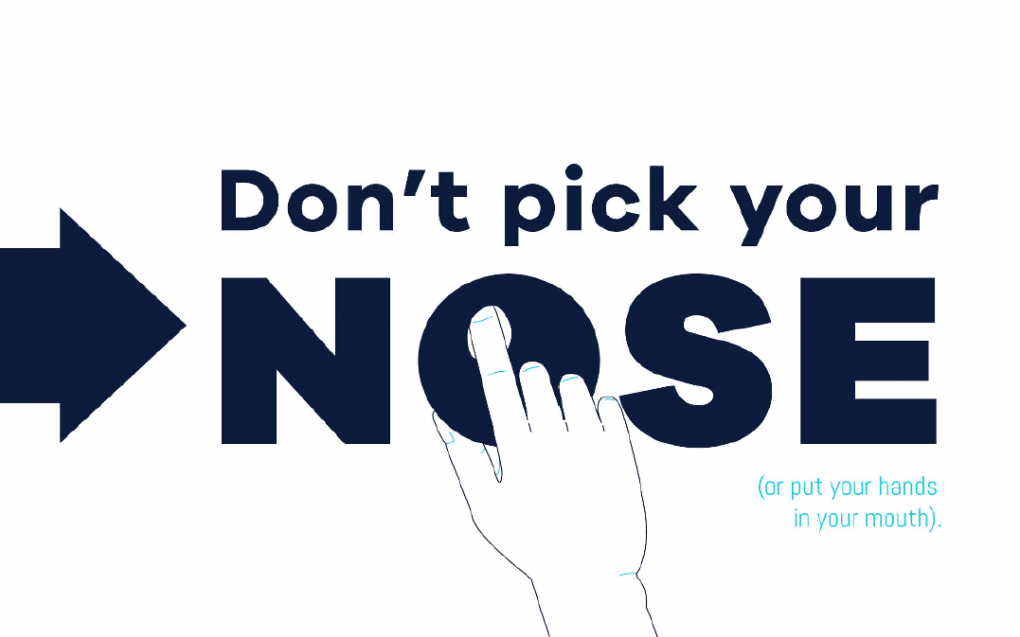
"content": "\u003cp>\u003ca href=\"https://www.kqed.org/mindshift/55571/schools-race-to-feed-students-amid-coronavirus-closures\">\u003cspan style=\"font-weight: 400\">Schools are closed\u003c/span>\u003c/a>\u003cspan style=\"font-weight: 400\">, teachers are \u003c/span>\u003ca href=\"https://www.kqed.org/mindshift/55521/resources-for-teaching-and-learning-during-this-period-of-social-distancing\">\u003cspan style=\"font-weight: 400\">adapting to distance learning\u003c/span>\u003c/a>\u003cspan style=\"font-weight: 400\">, and many parents are \u003c/span>\u003ca href=\"https://www.kqed.org/mindshift/55544/coronavirus-triple-duty-working-parenting-and-teaching-from-home\">\u003cspan style=\"font-weight: 400\">juggling child care with remote work\u003c/span>\u003c/a>\u003cspan style=\"font-weight: 400\">. Meanwhile, kids are at home navigating lots of news, as well as plenty of \u003c/span>\u003ca href=\"https://www.buzzfeednews.com/article/janelytvynenko/coronavirus-fake-news-disinformation-rumors-hoaxes\">\u003cspan style=\"font-weight: 400\">hoaxes\u003c/span>\u003c/a>\u003cspan style=\"font-weight: 400\">, about the global pandemic that has radically altered their days. What do they \u003ca href=\"https://www.kqed.org/mindshift/55625/how-to-help-kids-understand-coronavirus-during-distance-learning\">need to know\u003c/a> to understand current events without being overwhelmed?\u003c/span>\u003c/p>\n\u003cp>\u003cspan style=\"font-weight: 400\">“We always recommend that kids get their information about the news from important adults, not directly from the news,” said Jamie Howard, a senior clinical psychologist in the Anxiety Disorders Center at the \u003c/span>\u003ca href=\"https://childmind.org/\">\u003cspan style=\"font-weight: 400\">Child Mind Institute\u003c/span>\u003c/a>\u003cspan style=\"font-weight: 400\"> and the director of the Center’s Trauma and Resilience Service. Here are six age-appropriate books, videos and lesson plans that teachers and parents can use to help young people understand COVID-19 and its effects.\u003c/span>\u003c/p>\n\u003ch3>\u003ca href=\"https://akidsbookabout.com/products/a-kids-book-about-covid-19\">\u003cb>A Kids Book About Coronavirus\u003c/b>\u003c/a>\u003cb> by Malia Jones\u003c/b>\u003c/h3>\n\u003cp>\u003cspan style=\"font-weight: 400\">Written by a social epidemiologist who studies how infectious diseases spread in human populations, this ebook pairs clean, bold design with kid-friendly language to explain COVID-19. When describing how the virus spreads, for example, Jones highlights the role of snot and spit in transmitting germs: “Those germs land on all sorts of things and stick there, sometimes for a few days. Door handles, tables, tablets, and pencils. Even sandwiches.”\u003c/span>\u003c/p>\n\u003cp>\u003cspan style=\"font-weight: 400\">Jones also frankly addresses children’s emotions — “I know this all might seem really scary and you might want to panic. … It’s OK to feel whatever you are feeling” — before concluding with actionable guidance, such as “Don’t pick your nose!” and “Cocoon for a little while.” The book is appropriate for ages 6 and up and available for free as a PDF or epub file for e-readers.\u003c/span>\u003c/p>\n\u003ch3>\u003ca href=\"https://www.teacherspayteachers.com/Product/What-is-a-Pandemic-Freebie-5331387\">\u003cb>What is a Pandemic? And How Can You Stay Safe?\u003c/b>\u003c/a>\u003cb> E-book by Naomi O’Brien & LaNesha Tabb\u003c/b>\u003c/h3>\n\u003cp>\u003cspan style=\"font-weight: 400\">Created by two teachers and available for free, this 18-page e-book includes explanations about pandemics and coronavirus suited to kindergarteners through third-graders. It also includes some historical background and guidance on how to stay healthy. The downloadable PDF is accompanied by three activities: a create-your-own poster template, a feelings check-in worksheet and a songwriting exercise to \u003c/span>\u003ca href=\"https://www.npr.org/sections/goatsandsoda/2020/03/17/814221111/my-hand-washing-song-readers-offer-lyrics-for-a-20-second-scrub\">\u003cspan style=\"font-weight: 400\">make hand-washing more fun\u003c/span>\u003c/a>\u003cspan style=\"font-weight: 400\">.\u003c/span>\u003c/p>\n\u003cfigure id=\"attachment_55628\" class=\"wp-caption alignnone\" style=\"max-width: 1078px\">\u003ca href=\"https://www.teacherspayteachers.com/Product/What-is-a-Pandemic-Freebie-5331387\">\u003cimg class=\"size-full wp-image-55628\" src=\"https://ww2.kqed.org/app/uploads/sites/23/2020/03/Feelings-During-a-Pandemic-.png\" alt=\"\" width=\"1078\" height=\"674\" srcset=\"https://ww2.kqed.org/app/uploads/sites/23/2020/03/Feelings-During-a-Pandemic-.png 1078w, https://ww2.kqed.org/app/uploads/sites/23/2020/03/Feelings-During-a-Pandemic--160x100.png 160w, https://ww2.kqed.org/app/uploads/sites/23/2020/03/Feelings-During-a-Pandemic--800x500.png 800w, https://ww2.kqed.org/app/uploads/sites/23/2020/03/Feelings-During-a-Pandemic--768x480.png 768w, https://ww2.kqed.org/app/uploads/sites/23/2020/03/Feelings-During-a-Pandemic--1020x638.png 1020w\" sizes=\"(max-width: 1078px) 100vw, 1078px\">\u003c/a>\u003cfigcaption class=\"wp-caption-text\">A page from \"What is a Pandemic?\" by Naomi O’Brien & LaNesha Tabb.\u003c/figcaption>\u003c/figure>\n\u003ch3>\u003cb>TIME for Kids\u003c/b>\u003c/h3>\n\u003cp>\u003cspan style=\"font-weight: 400\">Already a classroom mainstay for studying current events, the March 20, 2020 issues of TIME for Kids took a deep dive on coronavirus. With editions for grades \u003c/span>\u003ca href=\"https://digital.emagazines.com/TIME_for_Kids_Gr_3/20200320/index.html?t=c55dced1-e090-4af3-879d-40523a2636a9&err=true\">\u003cspan style=\"font-weight: 400\">3 - 4\u003c/span>\u003c/a>\u003cspan style=\"font-weight: 400\"> and \u003c/span>\u003ca href=\"https://digital.emagazines.com/Time_for_Kids/20200320/index.html?t=a8d5aa32-f53b-43b1-a41f-c3c2c946e7f4&err=true\">\u003cspan style=\"font-weight: 400\">5 - 6\u003c/span>\u003c/a>\u003cspan style=\"font-weight: 400\">, the magazine addressed government response to the pandemic, school responses and the economic impact. Teachers guides for the same grades (\u003c/span>\u003ca href=\"https://drive.google.com/drive/folders/1nXPsua3ghXfTY1ZPuJk1S0VkYAtmEIRg\">\u003cspan style=\"font-weight: 400\">3 - 4\u003c/span>\u003c/a>\u003cspan style=\"font-weight: 400\"> and \u003c/span>\u003ca href=\"https://drive.google.com/drive/folders/1_7lW_rDHjKmjeWZMOJ4qF83ZwTP8ub1S\">\u003cspan style=\"font-weight: 400\">5 - 6\u003c/span>\u003c/a>\u003cspan style=\"font-weight: 400\">) are also available.\u003c/span>\u003c/p>\n\u003ch3>\u003ca href=\"https://www.facinghistory.org/educator-resources/current-events/coronavirus-protect-yourself-stand-against-racism\">\u003cb>Coronavirus: Protect Yourself And Stand Against Racism\u003c/b>\u003c/a>\u003cb> by Facing History and Ourselves\u003c/b>\u003c/h3>\n\u003cp>\u003cspan style=\"font-weight: 400\">In the United States and elsewhere, the spread of coronavirus has been followed closely by \u003c/span>\u003ca href=\"https://www.npr.org/2020/03/02/811363404/when-xenophobia-spreads-like-a-virus\">\u003cspan style=\"font-weight: 400\">a rise in bigotry toward people of Asian heritage\u003c/span>\u003c/a>\u003cspan style=\"font-weight: 400\">. Racist scapegoating during health crises \u003c/span>\u003ca href=\"https://www.npr.org/2020/03/09/813700167/as-coronavirus-spreads-racism-and-xenophobia-are-too\">\u003cspan style=\"font-weight: 400\">is not new\u003c/span>\u003c/a>\u003cspan style=\"font-weight: 400\">, and current events present a teachable moment on history and fighting hate. In its educator guide tackling the issue, educational nonprofit Facing History and Ourselves provides resources for covering the facts about coronavirus, discussing the consequences of discrimination and prompting student reflection and action.\u003c/span>\u003c/p>\n\u003ch3>\u003ca href=\"https://www.brainpop.com/health/diseasesinjuriesandconditions/coronavirus/\">\u003cb>Coronavirus video and lesson plan\u003c/b>\u003c/a>\u003cb> by BrainPop\u003c/b>\u003c/h3>\n\u003cp>https://www.youtube.com/watch?v=xTk_XoNQx5s\u003c/p>\n\u003cp>[ad fullwidth]\u003c/p>\n\u003cp>\u003cspan style=\"font-weight: 400\">Although it now covers a variety of academic subjects, digital learning website \u003c/span>\u003ca href=\"https://www.brainpop.com/\">\u003cspan style=\"font-weight: 400\">BrainPop\u003c/span>\u003c/a>\u003cspan style=\"font-weight: 400\"> is well-positioned to teach kids about coronavirus: the company was founded by pediatric immunologist Avraham Kadar to help kids understand difficult health subjects. The site’s coronavirus resources include a 4.5-minute animation, vocabulary flashcards, a quiz and more.\u003c/span>\u003c/p>\n\u003ch3>\u003ca href=\"https://www.npr.org/sections/goatsandsoda/2020/02/28/809580453/just-for-kids-a-comic-exploring-the-new-coronavirus\">\u003cb>A Comic Exploring The New Coronavirus\u003c/b>\u003c/a>\u003cb> by Malaka Gharib\u003c/b>\u003c/h3>\n\u003cp>\u003cspan style=\"font-weight: 400\">The onslaught of news about coronavirus might be overwhelming for some young people, but NPR Deputy Editor and Digital Strategist \u003c/span>\u003ca href=\"https://www.npr.org/people/469106148/malaka-gharib\">\u003cspan style=\"font-weight: 400\">Malaka Gharib\u003c/span>\u003c/a>\u003cspan style=\"font-weight: 400\"> has them covered. She adapted expert insights from a Morning Edition segment into a comic for kids. For more tactile learning, children can \u003c/span>\u003ca href=\"https://drive.google.com/file/d/1PYrKYfOBa4p-azI5z_46KJMbi1FSmL_Y/view\">\u003cspan style=\"font-weight: 400\">print and fold\u003c/span>\u003c/a>\u003cspan style=\"font-weight: 400\"> the comic to make a zine.\u003c/span>\u003c/p>\n\u003cp>\u003c/p>\n\u003cp>https://twitter.com/NPR/status/1236320967871401984\u003c/p>\n\n",
"disqusIdentifier": "55627 https://ww2.kqed.org/mindshift/?p=55627",
"disqusUrl": "https://ww2.kqed.org/mindshift/2020/03/25/six-age-appropriate-books-and-resources-for-teaching-kids-about-covid-19/",
"stats": {
"hasVideo": true,
"hasChartOrMap": false,
"hasAudio": false,
"hasPolis": false,
"wordCount": 690,
"hasGoogleForm": false,
"hasGallery": false,
"hasHearkenModule": false,
"iframeSrcs": [],
"paragraphCount": 11
},
"modified": 1585204898,
"excerpt": "Adults and children have a lot of questions about COVID-19. These six resources developed by teachers, epidemiologists and global journalists can help deepen a student's understanding of the topic. ",
"headData": {
"twImgId": "",
"twTitle": "",
"ogTitle": "",
"ogImgId": "",
"twDescription": "",
"description": "Adults and children have a lot of questions about COVID-19. These six resources developed by teachers, epidemiologists and global journalists can help deepen a student's understanding of the topic. ",
"title": "Six Age-Appropriate Books and Resources for Teaching Kids about COVID-19 | KQED",
"ogDescription": "",
"schema": {
"@context": "https://schema.org",
"@type": "Article",
"headline": "Six Age-Appropriate Books and Resources for Teaching Kids about COVID-19",
"datePublished": "2020-03-25T23:40:05-07:00",
"dateModified": "2020-03-25T23:41:38-07:00",
"image": "https://cdn.kqed.org/wp-content/uploads/2020/02/KQED-OG-Image@1x.png"
}
},
"guestAuthors": [],
"slug": "six-age-appropriate-books-and-resources-for-teaching-kids-about-covid-19",
"status": "publish",
"path": "/mindshift/55627/six-age-appropriate-books-and-resources-for-teaching-kids-about-covid-19",
"audioTrackLength": null,
"parsedContent": [
{
"type": "contentString",
"content": "\u003cdiv class=\"post-body\">\u003cp>\u003cp>\u003ca href=\"https://www.kqed.org/mindshift/55571/schools-race-to-feed-students-amid-coronavirus-closures\">\u003cspan style=\"font-weight: 400\">Schools are closed\u003c/span>\u003c/a>\u003cspan style=\"font-weight: 400\">, teachers are \u003c/span>\u003ca href=\"https://www.kqed.org/mindshift/55521/resources-for-teaching-and-learning-during-this-period-of-social-distancing\">\u003cspan style=\"font-weight: 400\">adapting to distance learning\u003c/span>\u003c/a>\u003cspan style=\"font-weight: 400\">, and many parents are \u003c/span>\u003ca href=\"https://www.kqed.org/mindshift/55544/coronavirus-triple-duty-working-parenting-and-teaching-from-home\">\u003cspan style=\"font-weight: 400\">juggling child care with remote work\u003c/span>\u003c/a>\u003cspan style=\"font-weight: 400\">. Meanwhile, kids are at home navigating lots of news, as well as plenty of \u003c/span>\u003ca href=\"https://www.buzzfeednews.com/article/janelytvynenko/coronavirus-fake-news-disinformation-rumors-hoaxes\">\u003cspan style=\"font-weight: 400\">hoaxes\u003c/span>\u003c/a>\u003cspan style=\"font-weight: 400\">, about the global pandemic that has radically altered their days. What do they \u003ca href=\"https://www.kqed.org/mindshift/55625/how-to-help-kids-understand-coronavirus-during-distance-learning\">need to know\u003c/a> to understand current events without being overwhelmed?\u003c/span>\u003c/p>\n\u003cp>\u003cspan style=\"font-weight: 400\">“We always recommend that kids get their information about the news from important adults, not directly from the news,” said Jamie Howard, a senior clinical psychologist in the Anxiety Disorders Center at the \u003c/span>\u003ca href=\"https://childmind.org/\">\u003cspan style=\"font-weight: 400\">Child Mind Institute\u003c/span>\u003c/a>\u003cspan style=\"font-weight: 400\"> and the director of the Center’s Trauma and Resilience Service. Here are six age-appropriate books, videos and lesson plans that teachers and parents can use to help young people understand COVID-19 and its effects.\u003c/span>\u003c/p>\n\u003ch3>\u003ca href=\"https://akidsbookabout.com/products/a-kids-book-about-covid-19\">\u003cb>A Kids Book About Coronavirus\u003c/b>\u003c/a>\u003cb> by Malia Jones\u003c/b>\u003c/h3>\n\u003cp>\u003cspan style=\"font-weight: 400\">Written by a social epidemiologist who studies how infectious diseases spread in human populations, this ebook pairs clean, bold design with kid-friendly language to explain COVID-19. When describing how the virus spreads, for example, Jones highlights the role of snot and spit in transmitting germs: “Those germs land on all sorts of things and stick there, sometimes for a few days. Door handles, tables, tablets, and pencils. Even sandwiches.”\u003c/span>\u003c/p>\n\u003cp>\u003cspan style=\"font-weight: 400\">Jones also frankly addresses children’s emotions — “I know this all might seem really scary and you might want to panic. … It’s OK to feel whatever you are feeling” — before concluding with actionable guidance, such as “Don’t pick your nose!” and “Cocoon for a little while.” The book is appropriate for ages 6 and up and available for free as a PDF or epub file for e-readers.\u003c/span>\u003c/p>\n\u003ch3>\u003ca href=\"https://www.teacherspayteachers.com/Product/What-is-a-Pandemic-Freebie-5331387\">\u003cb>What is a Pandemic? And How Can You Stay Safe?\u003c/b>\u003c/a>\u003cb> E-book by Naomi O’Brien & LaNesha Tabb\u003c/b>\u003c/h3>\n\u003cp>\u003cspan style=\"font-weight: 400\">Created by two teachers and available for free, this 18-page e-book includes explanations about pandemics and coronavirus suited to kindergarteners through third-graders. It also includes some historical background and guidance on how to stay healthy. The downloadable PDF is accompanied by three activities: a create-your-own poster template, a feelings check-in worksheet and a songwriting exercise to \u003c/span>\u003ca href=\"https://www.npr.org/sections/goatsandsoda/2020/03/17/814221111/my-hand-washing-song-readers-offer-lyrics-for-a-20-second-scrub\">\u003cspan style=\"font-weight: 400\">make hand-washing more fun\u003c/span>\u003c/a>\u003cspan style=\"font-weight: 400\">.\u003c/span>\u003c/p>\n\u003cfigure id=\"attachment_55628\" class=\"wp-caption alignnone\" style=\"max-width: 1078px\">\u003ca href=\"https://www.teacherspayteachers.com/Product/What-is-a-Pandemic-Freebie-5331387\">\u003cimg class=\"size-full wp-image-55628\" src=\"https://ww2.kqed.org/app/uploads/sites/23/2020/03/Feelings-During-a-Pandemic-.png\" alt=\"\" width=\"1078\" height=\"674\" srcset=\"https://ww2.kqed.org/app/uploads/sites/23/2020/03/Feelings-During-a-Pandemic-.png 1078w, https://ww2.kqed.org/app/uploads/sites/23/2020/03/Feelings-During-a-Pandemic--160x100.png 160w, https://ww2.kqed.org/app/uploads/sites/23/2020/03/Feelings-During-a-Pandemic--800x500.png 800w, https://ww2.kqed.org/app/uploads/sites/23/2020/03/Feelings-During-a-Pandemic--768x480.png 768w, https://ww2.kqed.org/app/uploads/sites/23/2020/03/Feelings-During-a-Pandemic--1020x638.png 1020w\" sizes=\"(max-width: 1078px) 100vw, 1078px\">\u003c/a>\u003cfigcaption class=\"wp-caption-text\">A page from \"What is a Pandemic?\" by Naomi O’Brien & LaNesha Tabb.\u003c/figcaption>\u003c/figure>\n\u003ch3>\u003cb>TIME for Kids\u003c/b>\u003c/h3>\n\u003cp>\u003cspan style=\"font-weight: 400\">Already a classroom mainstay for studying current events, the March 20, 2020 issues of TIME for Kids took a deep dive on coronavirus. With editions for grades \u003c/span>\u003ca href=\"https://digital.emagazines.com/TIME_for_Kids_Gr_3/20200320/index.html?t=c55dced1-e090-4af3-879d-40523a2636a9&err=true\">\u003cspan style=\"font-weight: 400\">3 - 4\u003c/span>\u003c/a>\u003cspan style=\"font-weight: 400\"> and \u003c/span>\u003ca href=\"https://digital.emagazines.com/Time_for_Kids/20200320/index.html?t=a8d5aa32-f53b-43b1-a41f-c3c2c946e7f4&err=true\">\u003cspan style=\"font-weight: 400\">5 - 6\u003c/span>\u003c/a>\u003cspan style=\"font-weight: 400\">, the magazine addressed government response to the pandemic, school responses and the economic impact. Teachers guides for the same grades (\u003c/span>\u003ca href=\"https://drive.google.com/drive/folders/1nXPsua3ghXfTY1ZPuJk1S0VkYAtmEIRg\">\u003cspan style=\"font-weight: 400\">3 - 4\u003c/span>\u003c/a>\u003cspan style=\"font-weight: 400\"> and \u003c/span>\u003ca href=\"https://drive.google.com/drive/folders/1_7lW_rDHjKmjeWZMOJ4qF83ZwTP8ub1S\">\u003cspan style=\"font-weight: 400\">5 - 6\u003c/span>\u003c/a>\u003cspan style=\"font-weight: 400\">) are also available.\u003c/span>\u003c/p>\n\u003ch3>\u003ca href=\"https://www.facinghistory.org/educator-resources/current-events/coronavirus-protect-yourself-stand-against-racism\">\u003cb>Coronavirus: Protect Yourself And Stand Against Racism\u003c/b>\u003c/a>\u003cb> by Facing History and Ourselves\u003c/b>\u003c/h3>\n\u003cp>\u003cspan style=\"font-weight: 400\">In the United States and elsewhere, the spread of coronavirus has been followed closely by \u003c/span>\u003ca href=\"https://www.npr.org/2020/03/02/811363404/when-xenophobia-spreads-like-a-virus\">\u003cspan style=\"font-weight: 400\">a rise in bigotry toward people of Asian heritage\u003c/span>\u003c/a>\u003cspan style=\"font-weight: 400\">. Racist scapegoating during health crises \u003c/span>\u003ca href=\"https://www.npr.org/2020/03/09/813700167/as-coronavirus-spreads-racism-and-xenophobia-are-too\">\u003cspan style=\"font-weight: 400\">is not new\u003c/span>\u003c/a>\u003cspan style=\"font-weight: 400\">, and current events present a teachable moment on history and fighting hate. In its educator guide tackling the issue, educational nonprofit Facing History and Ourselves provides resources for covering the facts about coronavirus, discussing the consequences of discrimination and prompting student reflection and action.\u003c/span>\u003c/p>\n\u003ch3>\u003ca href=\"https://www.brainpop.com/health/diseasesinjuriesandconditions/coronavirus/\">\u003cb>Coronavirus video and lesson plan\u003c/b>\u003c/a>\u003cb> by BrainPop\u003c/b>\u003c/h3>\u003c/p>\u003cp>\u003cspan class='utils-parseShortcode-shortcodes-__youtubeShortcode__embedYoutube'>\n \u003cspan class='utils-parseShortcode-shortcodes-__youtubeShortcode__embedYoutubeInside'>\n \u003ciframe\n loading='lazy'\n class='utils-parseShortcode-shortcodes-__youtubeShortcode__youtubePlayer'\n type='text/html'\n src='//www.youtube.com/embed/xTk_XoNQx5s'\n title='//www.youtube.com/embed/xTk_XoNQx5s'\n allowfullscreen='true'\n style='border:0;'>\u003c/iframe>\n \u003c/span>\n \u003c/span>\u003c/p>\u003cp>\u003cp>\u003c/p>\u003c/div>",
"attributes": {
"named": {},
"numeric": []
}
},
{
"type": "component",
"content": "",
"name": "ad",
"attributes": {
"named": {
"label": "fullwidth"
},
"numeric": [
"fullwidth"
]
}
},
{
"type": "contentString",
"content": "\u003cdiv class=\"post-body\">\u003cp>\u003c/p>\n\u003cp>\u003cspan style=\"font-weight: 400\">Although it now covers a variety of academic subjects, digital learning website \u003c/span>\u003ca href=\"https://www.brainpop.com/\">\u003cspan style=\"font-weight: 400\">BrainPop\u003c/span>\u003c/a>\u003cspan style=\"font-weight: 400\"> is well-positioned to teach kids about coronavirus: the company was founded by pediatric immunologist Avraham Kadar to help kids understand difficult health subjects. The site’s coronavirus resources include a 4.5-minute animation, vocabulary flashcards, a quiz and more.\u003c/span>\u003c/p>\n\u003ch3>\u003ca href=\"https://www.npr.org/sections/goatsandsoda/2020/02/28/809580453/just-for-kids-a-comic-exploring-the-new-coronavirus\">\u003cb>A Comic Exploring The New Coronavirus\u003c/b>\u003c/a>\u003cb> by Malaka Gharib\u003c/b>\u003c/h3>\n\u003cp>\u003cspan style=\"font-weight: 400\">The onslaught of news about coronavirus might be overwhelming for some young people, but NPR Deputy Editor and Digital Strategist \u003c/span>\u003ca href=\"https://www.npr.org/people/469106148/malaka-gharib\">\u003cspan style=\"font-weight: 400\">Malaka Gharib\u003c/span>\u003c/a>\u003cspan style=\"font-weight: 400\"> has them covered. She adapted expert insights from a Morning Edition segment into a comic for kids. For more tactile learning, children can \u003c/span>\u003ca href=\"https://drive.google.com/file/d/1PYrKYfOBa4p-azI5z_46KJMbi1FSmL_Y/view\">\u003cspan style=\"font-weight: 400\">print and fold\u003c/span>\u003c/a>\u003cspan style=\"font-weight: 400\"> the comic to make a zine.\u003c/span>\u003c/p>\n\u003cp>\u003c/p>\u003c/p>\u003c/div>",
"attributes": {
"named": {},
"numeric": []
}
},
{
"type": "component",
"content": "",
"name": "singleTwitterStatus",
"attributes": {
"named": {
"id": "1236320967871401984"
},
"numeric": []
}
},
{
"type": "contentString",
"content": "\u003cdiv class=\"post-body\">\u003cp>\n\n\u003c/div>\u003c/p>",
"attributes": {
"named": {},
"numeric": []
}
}
],
"link": "/mindshift/55627/six-age-appropriate-books-and-resources-for-teaching-kids-about-covid-19",
"authors": [
"11487"
],
"categories": [
"mindshift_21345",
"mindshift_193"
],
"tags": [
"mindshift_21344",
"mindshift_21343",
"mindshift_358",
"mindshift_20784",
"mindshift_1040"
],
"featImg": "mindshift_55633",
"label": "mindshift"
},
"mindshift_55625": {
"type": "posts",
"id": "mindshift_55625",
"meta": {
"index": "posts_1716263798",
"site": "mindshift",
"id": "55625",
"score": null,
"sort": [
1585204687000
]
},
"parent": 0,
"labelTerm": {
"site": "mindshift"
},
"blocks": [],
"publishDate": 1585204687,
"format": "standard",
"disqusTitle": "How to Help Kids Understand Coronavirus During Distance Learning",
"title": "How to Help Kids Understand Coronavirus During Distance Learning",
"headTitle": "MindShift | KQED News",
"content": "\u003cp>\u003cspan style=\"font-weight: 400\">Before schools actually shut their doors in response to coronavirus, \u003c/span>\u003ca href=\"https://www.instagram.com/readlikearockstar/\">\u003cspan style=\"font-weight: 400\">Naomi O’Brien\u003c/span>\u003c/a>\u003cspan style=\"font-weight: 400\"> was anticipating how to help teachers discuss the growing global health crisis with students. A teacher with a decade of experience in kindergarten through second grade, O’Brien took this year off to have her second child but has continued to create educational materials that she sells through \u003c/span>\u003ca href=\"https://www.teacherspayteachers.com/\">\u003cspan style=\"font-weight: 400\">Teachers Pay Teachers\u003c/span>\u003c/a>\u003cspan style=\"font-weight: 400\">. When the school where her friend and frequent collaborator \u003c/span>\u003ca href=\"https://educationwithanapron.com/about/\">\u003cspan style=\"font-weight: 400\">LaNesha Tabb\u003c/span>\u003c/a>\u003cspan style=\"font-weight: 400\"> closed, the pair “dropped everything” to produce a free, child-friendly \u003c/span>\u003ca href=\"https://www.teacherspayteachers.com/Product/What-is-a-Pandemic-Freebie-5331387\">\u003cspan style=\"font-weight: 400\">e-book on pandemics and COVID-19\u003c/span>\u003c/a>\u003cspan style=\"font-weight: 400\">. “We wanted to put something out there to give kids information, so they didn’t feel left in the dark,” O’Brien said.\u003c/span>\u003c/p>\n\u003cp>\u003cspan style=\"font-weight: 400\">As teachers \u003c/span>\u003ca href=\"https://www.kqed.org/mindshift/55521/resources-for-teaching-and-learning-during-this-period-of-social-distancing\">\u003cspan style=\"font-weight: 400\">adapt to distance learning\u003c/span>\u003c/a>\u003cspan style=\"font-weight: 400\">, they also take on responsibility for helping students understand why schools are closed in the first place. While explaining current events is familiar terrain, the rapid change and potential for misinformation involved with COVID-19 add to the challenge. O’Brien, along with other educators and experts, offered guidance for teachers on how to discuss pandemic with students.\u003c/span>\u003c/p>\n\u003ch2>\u003cb>Address the facts in a calm, rational tone\u003c/b>\u003c/h2>\n\u003cp>\u003cspan style=\"font-weight: 400\">Though some parents may want to shelter their kids from the news, it’s important that young people \u003ca href=\"https://www.kqed.org/mindshift/55627/six-age-appropriate-books-and-resources-for-teaching-kids-about-covid-19\">learn what’s happening in the world\u003c/a> from trusted adults, according to Jamie Howard, a senior clinical psychologist in the Anxiety Disorders Center at the \u003c/span>\u003ca href=\"https://childmind.org/\">\u003cspan style=\"font-weight: 400\">Child Mind Institute\u003c/span>\u003c/a>\u003cspan style=\"font-weight: 400\">. When \u003c/span>\u003ca href=\"https://www.kqed.org/mindshift/55595/staying-in-touch-why-kids-need-teachers-during-coronavirus-school-closings\">\u003cspan style=\"font-weight: 400\">communicating with students\u003c/span>\u003c/a>\u003cspan style=\"font-weight: 400\">, Howard said educators should name the elephant in the room, but be thoughtful about how they frame the situation: “A lot of times kids will think things are worse than they are. You have a responsibility to correct any misinformation and allay any fears.”\u003c/span>\u003c/p>\n\u003cp>\u003cspan style=\"font-weight: 400\">Children might think they’re staying home because of immediate danger, but prevention and social responsibility are more accurate explanations, Howard said. For the youngest learners, “You want to explain that it’s more about being helpers.” Such framing can provide a healthy counterweight to the fearful tones children may encounter online or on TV.\u003c/span>\u003c/p>\n\u003cp>\u003cspan style=\"font-weight: 400\">O’Brien said that she and Tabb chose not to talk about death or compromised immune systems in their “\u003ca href=\"https://www.teacherspayteachers.com/Product/What-is-a-Pandemic-Freebie-5331387\">What Is a Pandemic?\u003c/a>” e-book but focused on basic explanations and what students can do to stay safe. For example, they knew that with schools closed, children might want to visit friends, so they defined “quarantine” and why it’s important. They also included historical context on pandemics “to let kids know that this has happened before, and people have gotten through it, to give them a little bit of hope.”\u003c/span>\u003c/p>\n\u003ch2>\u003cb>Let kids’ questions lead\u003c/b>\u003c/h2>\n\u003cp>\u003cspan style=\"font-weight: 400\">While working on the e-book, O’Brien asked a friend what her children wanted to know about COVID-19. The second- and third-grader were concerned about how to protect themselves from infection, so the e-book concludes with two pages answering the question, “So, what can you do?”\u003c/span>\u003c/p>\n\u003cp>[ad fullwidth]\u003c/p>\n\u003cp>\u003cspan style=\"font-weight: 400\">Similarly, educators doing distance learning can let children’s questions and concerns drive conversations about coronavirus. “They’re going to have questions and you can't just pretend like nothing’s happening,” O’Brien said. “We always say, ‘Facts over fear.’ And make it age-appropriate, of course.”\u003c/span>\u003c/p>\n\u003cp>\u003cspan style=\"font-weight: 400\">Teachers also may have to address \u003c/span>\u003ca href=\"https://www.npr.org/2020/03/02/811363404/when-xenophobia-spreads-like-a-virus\">\u003cspan style=\"font-weight: 400\">xenophobia and anti-Asian discrimination\u003c/span>\u003c/a>\u003cspan style=\"font-weight: 400\"> when answering student questions. A \u003c/span>\u003ca href=\"https://www.facinghistory.org/educator-resources/current-events/coronavirus-protect-yourself-stand-against-racism#\">\u003cspan style=\"font-weight: 400\">coronavirus teaching guide\u003c/span>\u003c/a>\u003cspan style=\"font-weight: 400\"> published by the anti-hate organization \u003ca href=\"https://www.facinghistory.org/\">Facing History and Ourselves\u003c/a> recommends providing students first with facts about the virus, then opportunities to explore examples of coronavirus-linked racism and to reflect on the consequences of discrimination.\u003c/span>\u003c/p>\n\u003ch2>\u003cb>Check in on students’ emotions\u003c/b>\u003c/h2>\n\u003cp>\u003cspan style=\"font-weight: 400\">O’Brien said teachers should assess how much their class can handle when discussing coronavirus and check in on their feelings consistently. From disrupted routines to health worries to \u003c/span>\u003ca href=\"https://www.kqed.org/mindshift/55550/tips-for-managing-the-stress-of-social-distancing-as-a-family\">\u003cspan style=\"font-weight: 400\">family stress\u003c/span>\u003c/a>\u003cspan style=\"font-weight: 400\"> to missing friends, coronavirus has created many reasons for \u003c/span>\u003ca href=\"https://www.nytimes.com/2020/03/11/well/family/coronavirus-teenagers-anxiety.html\">\u003cspan style=\"font-weight: 400\">anxiety and stress among young people\u003c/span>\u003c/a>\u003cspan style=\"font-weight: 400\">. Teachers can provide a safe space for students to express those feelings, and they should be sure to validate those emotions, according to Howard.\u003c/span>\u003c/p>\n\u003cp>\u003cspan style=\"font-weight: 400\">Such check-ins can occur during video meetings, phone calls and emails, or through “Today I’m feeling …” writing prompts. Narrower questions can also be useful as students digest specific information about coronavirus. Several pages in O’Brien and Tabb’s e-book, for instance, include “Turn and Talk” prompts that can be adapted to assess not only student understanding but emotional reactions to the facts.\u003c/span>\u003c/p>\n\u003ch2>\u003cb>Promote news literacy\u003c/b>\u003c/h2>\n\u003cp>\u003cspan style=\"font-weight: 400\">As educators discuss coronavirus with students, it’s also an opportunity to teach news literacy, according to \u003c/span>\u003ca href=\"https://www.commonsensemedia.org/meet-our-team#/bio/kelly-mendoza-phd\">\u003cspan style=\"font-weight: 400\">Kelly Mendoza\u003c/span>\u003c/a>\u003cspan style=\"font-weight: 400\">, Senior Director of Education Programs at Common Sense Education. \u003c/span>\u003ca href=\"https://www.buzzfeednews.com/article/janelytvynenko/coronavirus-fake-news-disinformation-rumors-hoaxes\">\u003cspan style=\"font-weight: 400\">Rumors and hoaxes about coronavirus\u003c/span>\u003c/a>\u003cspan style=\"font-weight: 400\"> have spread rapidly, and young people need the skills to filter fact from fiction.\u003c/span>\u003c/p>\n\u003cp>\u003ca href=\"https://twitter.com/holden\">\u003cspan style=\"font-weight: 400\">Mike Caulfield\u003c/span>\u003c/a>\u003cspan style=\"font-weight: 400\">, a digital literacy expert at Washington State University, has developed a site \u003c/span>\u003ca href=\"https://infodemic.blog/\">\u003cspan style=\"font-weight: 400\">applying his SIFT model for “information hygiene” to the coronavirus\u003c/span>\u003c/a>\u003cspan style=\"font-weight: 400\">. SIFT stands for “Stop, Investigate the source, Find better coverage, and Trace claims, quotes and media to the original context.” According to the site, these skills can be learned in less than an hour. Common Sense Education also has a curated list with dozens of \u003c/span>\u003ca href=\"https://www.commonsense.org/education/articles/news-literacy-resources-for-classrooms\">\u003cspan style=\"font-weight: 400\">resources for teaching and learning about news literacy\u003c/span>\u003c/a>\u003cspan style=\"font-weight: 400\">.\u003c/span>\u003c/p>\n\u003ch2>\u003cb>Stay informed but be mindful \u003c/b>\u003c/h2>\n\u003cp>\u003cspan style=\"font-weight: 400\">While it’s important for educators to keep up with the latest information from reliable sources, such as the Centers for Disease Control, the World Health Organization and public health departments, the barrage of breaking news can be overwhelming. Teachers should set limits for themselves and help students do the same, Mendoza said. “It’s not saying don’t be informed, but when there’s breaking news we tend to just be glued to our screens and that’s not a healthy thing.”\u003c/span>\u003c/p>\n\u003cp>\u003cspan style=\"font-weight: 400\">One way to help students think critically about screen time, Mendoza said, is through a four-question framework for media balance, which asks:\u003c/span>\u003c/p>\n\u003col>\n\u003cli style=\"font-weight: 400\">\u003cspan style=\"font-weight: 400\">What media am I consuming?\u003c/span>\u003c/li>\n\u003cli style=\"font-weight: 400\">\u003cspan style=\"font-weight: 400\">When am I consuming it?\u003c/span>\u003c/li>\n\u003cli style=\"font-weight: 400\">\u003cspan style=\"font-weight: 400\">How much am I consuming?\u003c/span>\u003c/li>\n\u003cli style=\"font-weight: 400\">\u003cspan style=\"font-weight: 400\">How does it make me feel?\u003c/span>\u003c/li>\n\u003c/ol>\n\u003cp>[ad floatright]\u003c/p>\n\u003cp>\u003cspan style=\"font-weight: 400\">Students can track those questions over a few days. Teachers can then facilitate discussions on students’ observations. To go deeper, Common Sense Education offers \u003c/span>\u003ca href=\"https://www.commonsense.org/education/digital-citizenship/curriculum?topic=media-balance--well-being\">\u003cspan style=\"font-weight: 400\">lesson plans on media balance\u003c/span>\u003c/a>\u003cspan style=\"font-weight: 400\"> for grades K-12.\u003c/span>\u003c/p>\n\n",
"disqusIdentifier": "55625 https://ww2.kqed.org/mindshift/?p=55625",
"disqusUrl": "https://ww2.kqed.org/mindshift/2020/03/25/how-to-help-kids-understand-coronavirus-during-distance-learning/",
"stats": {
"hasVideo": false,
"hasChartOrMap": false,
"hasAudio": false,
"hasPolis": false,
"wordCount": 1085,
"hasGoogleForm": false,
"hasGallery": false,
"hasHearkenModule": false,
"iframeSrcs": [],
"paragraphCount": 17
},
"modified": 1585204934,
"excerpt": "There's a lot of misinformation about COVID-19 and news that's genuinely scary. By helping kids develop their media literacy skills in an age-appropriate way, caregivers and teachers can help them make sense of their world. ",
"headData": {
"twImgId": "",
"twTitle": "",
"ogTitle": "",
"ogImgId": "",
"twDescription": "",
"description": "There's a lot of misinformation about COVID-19 and news that's genuinely scary. By helping kids develop their media literacy skills in an age-appropriate way, caregivers and teachers can help them make sense of their world. ",
"title": "How to Help Kids Understand Coronavirus During Distance Learning | KQED",
"ogDescription": "",
"schema": {
"@context": "https://schema.org",
"@type": "Article",
"headline": "How to Help Kids Understand Coronavirus During Distance Learning",
"datePublished": "2020-03-25T23:38:07-07:00",
"dateModified": "2020-03-25T23:42:14-07:00",
"image": "https://cdn.kqed.org/wp-content/uploads/2020/02/KQED-OG-Image@1x.png"
}
},
"guestAuthors": [],
"slug": "how-to-help-kids-understand-coronavirus-during-distance-learning",
"status": "publish",
"path": "/mindshift/55625/how-to-help-kids-understand-coronavirus-during-distance-learning",
"audioTrackLength": null,
"parsedContent": [
{
"type": "contentString",
"content": "\u003cdiv class=\"post-body\">\u003cp>\u003cp>\u003cspan style=\"font-weight: 400\">Before schools actually shut their doors in response to coronavirus, \u003c/span>\u003ca href=\"https://www.instagram.com/readlikearockstar/\">\u003cspan style=\"font-weight: 400\">Naomi O’Brien\u003c/span>\u003c/a>\u003cspan style=\"font-weight: 400\"> was anticipating how to help teachers discuss the growing global health crisis with students. A teacher with a decade of experience in kindergarten through second grade, O’Brien took this year off to have her second child but has continued to create educational materials that she sells through \u003c/span>\u003ca href=\"https://www.teacherspayteachers.com/\">\u003cspan style=\"font-weight: 400\">Teachers Pay Teachers\u003c/span>\u003c/a>\u003cspan style=\"font-weight: 400\">. When the school where her friend and frequent collaborator \u003c/span>\u003ca href=\"https://educationwithanapron.com/about/\">\u003cspan style=\"font-weight: 400\">LaNesha Tabb\u003c/span>\u003c/a>\u003cspan style=\"font-weight: 400\"> closed, the pair “dropped everything” to produce a free, child-friendly \u003c/span>\u003ca href=\"https://www.teacherspayteachers.com/Product/What-is-a-Pandemic-Freebie-5331387\">\u003cspan style=\"font-weight: 400\">e-book on pandemics and COVID-19\u003c/span>\u003c/a>\u003cspan style=\"font-weight: 400\">. “We wanted to put something out there to give kids information, so they didn’t feel left in the dark,” O’Brien said.\u003c/span>\u003c/p>\n\u003cp>\u003cspan style=\"font-weight: 400\">As teachers \u003c/span>\u003ca href=\"https://www.kqed.org/mindshift/55521/resources-for-teaching-and-learning-during-this-period-of-social-distancing\">\u003cspan style=\"font-weight: 400\">adapt to distance learning\u003c/span>\u003c/a>\u003cspan style=\"font-weight: 400\">, they also take on responsibility for helping students understand why schools are closed in the first place. While explaining current events is familiar terrain, the rapid change and potential for misinformation involved with COVID-19 add to the challenge. O’Brien, along with other educators and experts, offered guidance for teachers on how to discuss pandemic with students.\u003c/span>\u003c/p>\n\u003ch2>\u003cb>Address the facts in a calm, rational tone\u003c/b>\u003c/h2>\n\u003cp>\u003cspan style=\"font-weight: 400\">Though some parents may want to shelter their kids from the news, it’s important that young people \u003ca href=\"https://www.kqed.org/mindshift/55627/six-age-appropriate-books-and-resources-for-teaching-kids-about-covid-19\">learn what’s happening in the world\u003c/a> from trusted adults, according to Jamie Howard, a senior clinical psychologist in the Anxiety Disorders Center at the \u003c/span>\u003ca href=\"https://childmind.org/\">\u003cspan style=\"font-weight: 400\">Child Mind Institute\u003c/span>\u003c/a>\u003cspan style=\"font-weight: 400\">. When \u003c/span>\u003ca href=\"https://www.kqed.org/mindshift/55595/staying-in-touch-why-kids-need-teachers-during-coronavirus-school-closings\">\u003cspan style=\"font-weight: 400\">communicating with students\u003c/span>\u003c/a>\u003cspan style=\"font-weight: 400\">, Howard said educators should name the elephant in the room, but be thoughtful about how they frame the situation: “A lot of times kids will think things are worse than they are. You have a responsibility to correct any misinformation and allay any fears.”\u003c/span>\u003c/p>\n\u003cp>\u003cspan style=\"font-weight: 400\">Children might think they’re staying home because of immediate danger, but prevention and social responsibility are more accurate explanations, Howard said. For the youngest learners, “You want to explain that it’s more about being helpers.” Such framing can provide a healthy counterweight to the fearful tones children may encounter online or on TV.\u003c/span>\u003c/p>\n\u003cp>\u003cspan style=\"font-weight: 400\">O’Brien said that she and Tabb chose not to talk about death or compromised immune systems in their “\u003ca href=\"https://www.teacherspayteachers.com/Product/What-is-a-Pandemic-Freebie-5331387\">What Is a Pandemic?\u003c/a>” e-book but focused on basic explanations and what students can do to stay safe. For example, they knew that with schools closed, children might want to visit friends, so they defined “quarantine” and why it’s important. They also included historical context on pandemics “to let kids know that this has happened before, and people have gotten through it, to give them a little bit of hope.”\u003c/span>\u003c/p>\n\u003ch2>\u003cb>Let kids’ questions lead\u003c/b>\u003c/h2>\n\u003cp>\u003cspan style=\"font-weight: 400\">While working on the e-book, O’Brien asked a friend what her children wanted to know about COVID-19. The second- and third-grader were concerned about how to protect themselves from infection, so the e-book concludes with two pages answering the question, “So, what can you do?”\u003c/span>\u003c/p>\n\u003cp>\u003c/p>\u003c/div>",
"attributes": {
"named": {},
"numeric": []
}
},
{
"type": "component",
"content": "",
"name": "ad",
"attributes": {
"named": {
"label": "fullwidth"
},
"numeric": [
"fullwidth"
]
}
},
{
"type": "contentString",
"content": "\u003cdiv class=\"post-body\">\u003cp>\u003c/p>\n\u003cp>\u003cspan style=\"font-weight: 400\">Similarly, educators doing distance learning can let children’s questions and concerns drive conversations about coronavirus. “They’re going to have questions and you can't just pretend like nothing’s happening,” O’Brien said. “We always say, ‘Facts over fear.’ And make it age-appropriate, of course.”\u003c/span>\u003c/p>\n\u003cp>\u003cspan style=\"font-weight: 400\">Teachers also may have to address \u003c/span>\u003ca href=\"https://www.npr.org/2020/03/02/811363404/when-xenophobia-spreads-like-a-virus\">\u003cspan style=\"font-weight: 400\">xenophobia and anti-Asian discrimination\u003c/span>\u003c/a>\u003cspan style=\"font-weight: 400\"> when answering student questions. A \u003c/span>\u003ca href=\"https://www.facinghistory.org/educator-resources/current-events/coronavirus-protect-yourself-stand-against-racism#\">\u003cspan style=\"font-weight: 400\">coronavirus teaching guide\u003c/span>\u003c/a>\u003cspan style=\"font-weight: 400\"> published by the anti-hate organization \u003ca href=\"https://www.facinghistory.org/\">Facing History and Ourselves\u003c/a> recommends providing students first with facts about the virus, then opportunities to explore examples of coronavirus-linked racism and to reflect on the consequences of discrimination.\u003c/span>\u003c/p>\n\u003ch2>\u003cb>Check in on students’ emotions\u003c/b>\u003c/h2>\n\u003cp>\u003cspan style=\"font-weight: 400\">O’Brien said teachers should assess how much their class can handle when discussing coronavirus and check in on their feelings consistently. From disrupted routines to health worries to \u003c/span>\u003ca href=\"https://www.kqed.org/mindshift/55550/tips-for-managing-the-stress-of-social-distancing-as-a-family\">\u003cspan style=\"font-weight: 400\">family stress\u003c/span>\u003c/a>\u003cspan style=\"font-weight: 400\"> to missing friends, coronavirus has created many reasons for \u003c/span>\u003ca href=\"https://www.nytimes.com/2020/03/11/well/family/coronavirus-teenagers-anxiety.html\">\u003cspan style=\"font-weight: 400\">anxiety and stress among young people\u003c/span>\u003c/a>\u003cspan style=\"font-weight: 400\">. Teachers can provide a safe space for students to express those feelings, and they should be sure to validate those emotions, according to Howard.\u003c/span>\u003c/p>\n\u003cp>\u003cspan style=\"font-weight: 400\">Such check-ins can occur during video meetings, phone calls and emails, or through “Today I’m feeling …” writing prompts. Narrower questions can also be useful as students digest specific information about coronavirus. Several pages in O’Brien and Tabb’s e-book, for instance, include “Turn and Talk” prompts that can be adapted to assess not only student understanding but emotional reactions to the facts.\u003c/span>\u003c/p>\n\u003ch2>\u003cb>Promote news literacy\u003c/b>\u003c/h2>\n\u003cp>\u003cspan style=\"font-weight: 400\">As educators discuss coronavirus with students, it’s also an opportunity to teach news literacy, according to \u003c/span>\u003ca href=\"https://www.commonsensemedia.org/meet-our-team#/bio/kelly-mendoza-phd\">\u003cspan style=\"font-weight: 400\">Kelly Mendoza\u003c/span>\u003c/a>\u003cspan style=\"font-weight: 400\">, Senior Director of Education Programs at Common Sense Education. \u003c/span>\u003ca href=\"https://www.buzzfeednews.com/article/janelytvynenko/coronavirus-fake-news-disinformation-rumors-hoaxes\">\u003cspan style=\"font-weight: 400\">Rumors and hoaxes about coronavirus\u003c/span>\u003c/a>\u003cspan style=\"font-weight: 400\"> have spread rapidly, and young people need the skills to filter fact from fiction.\u003c/span>\u003c/p>\n\u003cp>\u003ca href=\"https://twitter.com/holden\">\u003cspan style=\"font-weight: 400\">Mike Caulfield\u003c/span>\u003c/a>\u003cspan style=\"font-weight: 400\">, a digital literacy expert at Washington State University, has developed a site \u003c/span>\u003ca href=\"https://infodemic.blog/\">\u003cspan style=\"font-weight: 400\">applying his SIFT model for “information hygiene” to the coronavirus\u003c/span>\u003c/a>\u003cspan style=\"font-weight: 400\">. SIFT stands for “Stop, Investigate the source, Find better coverage, and Trace claims, quotes and media to the original context.” According to the site, these skills can be learned in less than an hour. Common Sense Education also has a curated list with dozens of \u003c/span>\u003ca href=\"https://www.commonsense.org/education/articles/news-literacy-resources-for-classrooms\">\u003cspan style=\"font-weight: 400\">resources for teaching and learning about news literacy\u003c/span>\u003c/a>\u003cspan style=\"font-weight: 400\">.\u003c/span>\u003c/p>\n\u003ch2>\u003cb>Stay informed but be mindful \u003c/b>\u003c/h2>\n\u003cp>\u003cspan style=\"font-weight: 400\">While it’s important for educators to keep up with the latest information from reliable sources, such as the Centers for Disease Control, the World Health Organization and public health departments, the barrage of breaking news can be overwhelming. Teachers should set limits for themselves and help students do the same, Mendoza said. “It’s not saying don’t be informed, but when there’s breaking news we tend to just be glued to our screens and that’s not a healthy thing.”\u003c/span>\u003c/p>\n\u003cp>\u003cspan style=\"font-weight: 400\">One way to help students think critically about screen time, Mendoza said, is through a four-question framework for media balance, which asks:\u003c/span>\u003c/p>\n\u003col>\n\u003cli style=\"font-weight: 400\">\u003cspan style=\"font-weight: 400\">What media am I consuming?\u003c/span>\u003c/li>\n\u003cli style=\"font-weight: 400\">\u003cspan style=\"font-weight: 400\">When am I consuming it?\u003c/span>\u003c/li>\n\u003cli style=\"font-weight: 400\">\u003cspan style=\"font-weight: 400\">How much am I consuming?\u003c/span>\u003c/li>\n\u003cli style=\"font-weight: 400\">\u003cspan style=\"font-weight: 400\">How does it make me feel?\u003c/span>\u003c/li>\n\u003c/ol>\n\u003cp>\u003c/p>\u003c/div>",
"attributes": {
"named": {},
"numeric": []
}
},
{
"type": "component",
"content": "",
"name": "ad",
"attributes": {
"named": {
"label": "floatright"
},
"numeric": [
"floatright"
]
}
},
{
"type": "contentString",
"content": "\u003cdiv class=\"post-body\">\u003cp>\u003c/p>\n\u003cp>\u003cspan style=\"font-weight: 400\">Students can track those questions over a few days. Teachers can then facilitate discussions on students’ observations. To go deeper, Common Sense Education offers \u003c/span>\u003ca href=\"https://www.commonsense.org/education/digital-citizenship/curriculum?topic=media-balance--well-being\">\u003cspan style=\"font-weight: 400\">lesson plans on media balance\u003c/span>\u003c/a>\u003cspan style=\"font-weight: 400\"> for grades K-12.\u003c/span>\u003c/p>\n\n\u003c/div>\u003c/p>",
"attributes": {
"named": {},
"numeric": []
}
}
],
"link": "/mindshift/55625/how-to-help-kids-understand-coronavirus-during-distance-learning",
"authors": [
"11487"
],
"categories": [
"mindshift_21345",
"mindshift_193"
],
"tags": [
"mindshift_20525",
"mindshift_21344",
"mindshift_21343",
"mindshift_968",
"mindshift_20784",
"mindshift_1040",
"mindshift_21067"
],
"featImg": "mindshift_55641",
"label": "mindshift"
},
"mindshift_55608": {
"type": "posts",
"id": "mindshift_55608",
"meta": {
"index": "posts_1716263798",
"site": "mindshift",
"id": "55608",
"score": null,
"sort": [
1585118815000
]
},
"parent": 0,
"labelTerm": {
"site": "mindshift"
},
"blocks": [],
"publishDate": 1585118815,
"format": "standard",
"disqusTitle": "14 Tips For Helping Students With Limited Internet Have Distance Learning",
"title": "14 Tips For Helping Students With Limited Internet Have Distance Learning",
"headTitle": "MindShift | KQED News",
"content": "\u003cp>\u003cspan style=\"font-weight: 400\">Schools across the nation are closing in an effort to stop the spread of COVID-19 and in the scramble to provide at-home learning, a major problem has risen to the forefront: millions of American students don’t have reliable access to the internet. \u003c/span>\u003c/p>\n\u003cp>\u003cspan style=\"font-weight: 400\">According to \u003c/span>\u003ca href=\"https://www.ntia.doc.gov/blog/2018/digital-divide-among-school-age-children-narrows-millions-still-lack-internet-connections\">\u003cspan style=\"font-weight: 400\">recent federal data\u003c/span>\u003c/a>\u003cspan style=\"font-weight: 400\">, approximately 14 percent of U.S. families with school-age children lack high-speed internet. Most of those families are low-income or live in rural areas. While there are plenty of best practice guides available for online learning, strategies for bridging the digital divide are scarce. \u003c/span>\u003c/p>\n\u003cp>\u003cspan style=\"font-weight: 400\">We asked the MindShift community to share how they’re addressing the issue and what strategies, tips or activities might they have to do distance learning with students who only have access to cellphones and limited data or internet. \u003c/span>\u003c/p>\n\u003cp>\u003cspan style=\"font-weight: 400\">Here’s what they shared, plus a few more tips we’ve found that can even be implemented today. Comments have been edited for brevity, clarity and comprehension. \u003c/span>\u003c/p>\n\u003ch2>\u003cb>Call Regularly \u003c/b>\u003c/h2>\n\u003cp>\u003cspan style=\"font-weight: 400\">During this time of distance learning, students may feel isolated or lonely. Contacting them as often as you can — by email, comments on their work or phone — can make a huge difference, especially for those students without internet access. When in doubt over-communicate, but also maintain boundaries to avoid burnout. \u003c/span>\u003c/p>\n\u003cp>[ad fullwidth]\u003c/p>\n\u003cp>https://twitter.com/cultofpedagogy/status/1241533186225704962\u003c/p>\n\u003ch2>\u003cb>Suggest Free Internet Offers But Be Mindful of Limitations\u003c/b>\u003c/h2>\n\u003cp>\u003ci>\u003cspan style=\"font-weight: 400\">Major internet providers like Spectrum and Comcast are giving students free WiFi for the next couple of months.\u003cbr>\n\u003ca href=\"https://www.facebook.com/MindShift.KQED/photos/a.285520908150502/2768190786550156/?type=3&theater\">-Jen Clayton\u003c/a>\u003cbr>\n\u003c/span>\u003c/i>\u003c/p>\n\u003cp>\u003cspan style=\"font-weight: 400\">Many providers are also \u003c/span>\u003ca href=\"https://www.abc10.com/article/news/health/coronavirus/free-wifi-hotspots/103-8002bb36-b9f8-4c32-8801-7da31bfb8449\">\u003cspan style=\"font-weight: 400\">waiving late fees for existing customers and increasing data caps for mobile hotspots\u003c/span>\u003c/a>\u003cspan style=\"font-weight: 400\">. But to gain access restrictions may apply. For example, to qualify for Comcast Internet Essentials program, which provides affordable Internet ($9.95/month) families must meet these criteria:\u003c/span>\u003c/p>\n\u003cul>\n\u003cli style=\"font-weight: 400\">\u003cspan style=\"font-weight: 400\">Eligibility for public assistance programs such as the National School Lunch Program\u003c/span>\u003c/li>\n\u003cli style=\"font-weight: 400\">\u003cspan style=\"font-weight: 400\">No outstanding debt to Comcast that is less than a year old\u003c/span>\u003c/li>\n\u003cli style=\"font-weight: 400\">\u003cspan style=\"font-weight: 400\">Live in an area where Comcast Internet service is available\u003c/span>\u003c/li>\n\u003cli style=\"font-weight: 400\">\u003cspan style=\"font-weight: 400\">Be a new customer\u003c/span>\u003c/li>\n\u003c/ul>\n\u003cp>\u003cspan style=\"font-weight: 400\">Families will need flexibility and understanding as they research and discover what options will work for them. Offers of free internet is no guarantee that families will be able to use them. \u003c/span>\u003c/p>\n\u003cp>https://twitter.com/callmeKi/status/1240876560707506176\u003c/p>\n\u003ch2>\u003cb>Seek Out Hotspots But Don’t Rely On Them\u003c/b>\u003c/h2>\n\u003cp>\u003ci>\u003cspan style=\"font-weight: 400\">Although local libraries may be closed, their routers are likely still on. We regularly use our library’s wifi from outside when it’s closed.\u003cbr>\n\u003c/span>\u003c/i>\u003cem>-\u003c/em>\u003ca href=\"https://www.facebook.com/MindShift.KQED/photos/a.285520908150502/2768190786550156/?type=3&theater\">\u003cspan style=\"font-weight: 400\">\u003cem>Lisa Vreman\u003c/em>\u003c/span>\u003c/a>\u003c/p>\n\u003cp>\u003cspan style=\"font-weight: 400\">Additionally, more and more states are developing public Wi-Fi hotspots in the wake of the COVID-19 pandemic. A\u003c/span>\u003ca href=\"https://will.illinois.edu/news/story/while-schools-are-closed-illinois-district-uses-buses-as-wi-fi-hotspots\">\u003cspan style=\"font-weight: 400\"> school district in southern Illinois \u003c/span>\u003c/a>\u003cspan style=\"font-weight: 400\">has developed a creative approach by equipping several school buses with WiFi to serve as hotspots throughout the community. Drivers park the bus near local parks between 10 a.m. and 1 p.m. every Monday through Friday.\u003c/span>\u003c/p>\n\u003cp>\u003cspan style=\"font-weight: 400\">Hotspots can be particularly effective for downloading large files that students can work on at home, but may not be reliable or feasible for long periods. \u003c/span>\u003c/p>\n\u003ch2>\u003cb>Check-in via Google Forms \u003c/b>\u003c/h2>\n\u003cp>https://twitter.com/RachelDonnald/status/1241461300045152256\u003c/p>\n\u003cp>\u003cspan style=\"font-weight: 400\">You can also use a Google Form to ask students how they’re feeling and what support they need to succeed. \u003c/span>\u003c/p>\n\u003ch2>\u003cb>WhatsApp \u003c/b>\u003c/h2>\n\u003cp>\u003ci>\u003cspan style=\"font-weight: 400\">WhatsApp is used around the globe and it doesn’t require as many GB as \u003c/span>\u003c/i>\u003cem>\u003cspan style=\"font-weight: 400\">Facebook or Google. It’s cheaper and in some countries it comes for free with the Internet plan for cell phones. Teachers can copy and paste long texts and have their students read them and answer questions. \u003c/span>\u003c/em>\u003c/p>\n\u003cp>\u003cem>\u003cspan style=\"font-weight: 400\">I teach English Lessons through WhatsApp. I send vocabulary and audios and ask them to send back audios of readings and questions.\u003c/span>\u003c/em>\u003c/p>\n\u003cp>\u003cem>-\u003cspan style=\"font-weight: 400\">\u003ca href=\"https://www.facebook.com/MindShift.KQED/photos/a.285520908150502/2768190786550156/?type=3&theater\">Davina Belisa Marcon\u003c/a>\u003c/span>\u003c/em>\u003c/p>\n\u003ch2>\u003cb>Tune In to Your Local Broadcast Station\u003c/b>\u003c/h2>\n\u003cp>https://twitter.com/toddstanzione/status/1240429976282902528\u003c/p>\n\u003cp>\u003cspan style=\"font-weight: 400\">Some districts are partnering with local PBS stations to create remote-learning opportunities through T.V. programs. For example,\u003c/span>\u003ca href=\"https://www.kqed.org/education/athomelearning\">\u003cspan style=\"font-weight: 400\"> KQED will begin broadcasting a California state\u003c/span>\u003c/a>\u003cspan style=\"font-weight: 400\"> standards-aligned educational television schedule, created by PBS SoCal/KCET and the Los Angeles Unified School District. Other states using broadcast stations include \u003c/span>\u003ca href=\"https://www.aacps.org/cms/lib/MD02215556/Centricity/Domain/1753/AACPS%20e-Lessons%20Broadcast%20Schedule.pdf\">\u003cspan style=\"font-weight: 400\">Maryland\u003c/span>\u003c/a>\u003cspan style=\"font-weight: 400\">, \u003c/span>\u003ca href=\"https://www.lpb.org/education/home/at-home-learning\">\u003cspan style=\"font-weight: 400\">Louisiana\u003c/span>\u003c/a>\u003cspan style=\"font-weight: 400\">, \u003c/span>\u003ca href=\"http://www.nysed.gov/news/2020/state-education-department-and-new-yorks-public-television-stations-announce-expanded\">\u003cspan style=\"font-weight: 400\">New York\u003c/span>\u003c/a>\u003cspan style=\"font-weight: 400\">, \u003c/span>\u003ca href=\"https://www.azpm.org/p/home-art-press/2020/3/20/168234-arizona-public-media-and-arizona-pbs-announce-at-home-learning-partnership-to-provide-educational-content-to-teachers-students-affected-by-coronavirus-covid-19-crisis/\">\u003cspan style=\"font-weight: 400\">Arizona\u003c/span>\u003c/a>\u003cspan style=\"font-weight: 400\"> and more. \u003c/span>\u003c/p>\n\u003ch2>\u003cb>Use Plain Text Instead of Attachments When Emailing\u003c/b>\u003c/h2>\n\u003cp>\u003cspan style=\"font-weight: 400\">\u003ca href=\"https://www.facebook.com/MindShift.KQED/photos/a.285520908150502/2768190786550156/?type=3&theater\">Helena Castillo\u003c/a> suggests using plain texts. Plain text is easier to access and requires less data (therefore, less money), so consolidating lesson content into the email body using plain text rather than attaching a .pdf is preferable. Whenever possible, email lesson content two to three days in advance to give students and families as much time as possible to gain access before the lesson. \u003c/span>\u003c/p>\n\u003ch2>\u003cb>Host Accessible Video Sessions But Don’t Require Attendance\u003c/b>\u003c/h2>\n\u003cp>\u003cspan style=\"font-weight: 400\">Video conference calls can be an effective tool, but they require a lot of data. Encourage kids who don’t have the internet to call in for audio and be sure to describe what’s happening on the screen so that students calling in can still feel included. \u003c/span>\u003c/p>\n\u003cp>https://twitter.com/theantitutor/status/1241093632108593152\u003c/p>\n\u003cp>\u003cspan style=\"font-weight: 400\">Avoid requiring attendance as well. Instead, find alternative ways to check in and email summaries or transcripts after video sessions if possible. \u003c/span>\u003c/p>\n\u003ch2>\u003cb>Make Transcripts Using Speech-to-Text Features\u003c/b>\u003c/h2>\n\u003cp>\u003cspan style=\"font-weight: 400\">Google Docs has a feature called Voice Typing that will dictate your voice using your computer’s microphone. To activate Voice typing, open a google document and click Tools > Voice Typing or press Ctrl + Shift + S in Windows or Command + Shift + S in macOs.\u003c/span>\u003c/p>\n\u003cp>https://twitter.com/MaryGondringer/status/1241126316965052416\u003c/p>\n\u003cp>\u003cspan style=\"font-weight: 400\">There are also other platforms and services like \u003c/span>\u003ca href=\"https://support.zoom.us/hc/en-us/articles/115004794983-Automatically-Transcribe-Cloud-Recordings-\">\u003cspan style=\"font-weight: 400\">Zoom\u003c/span>\u003c/a>\u003cspan style=\"font-weight: 400\"> that transcribe video sessions. Whichever you choose, just make sure to review content before sharing for typos and grammatical errors. \u003c/span>\u003c/p>\n\u003ch2>\u003cb>Provide Hard Copies \u003c/b>\u003c/h2>\n\u003cp>\u003cspan style=\"font-weight: 400\">Before high-speed internet, there were workbooks and handouts. \u003c/span>\u003c/p>\n\u003cp>https://twitter.com/teachulearn/status/1240441829666897920\u003c/p>\n\u003ch2>\u003cb>Add QR Codes to Paper Copies\u003c/b>\u003c/h2>\n\u003cp>\u003cspan style=\"font-weight: 400\">Providing students with handouts doesn’t have to entirely eliminate a personalized touch.\u003c/span>\u003c/p>\n\u003cp>https://twitter.com/KMS_History/status/1241085522644275200\u003c/p>\n\u003ch2>\u003cb>Share The Burden\u003c/b>\u003c/h2>\n\u003cp>\u003cspan style=\"font-weight: 400\">Not every teacher will be able to mail hardcopies of their materials. Ways to work around this may be electing designated individuals. \u003c/span>\u003c/p>\n\u003cp>\u003ci>\u003cspan style=\"font-weight: 400\">Schools can create a Google Drive. Teachers can submit lessons there and elect a person to print and mail activities to those with connectivity issues. We haven’t\u003c/span>\u003c/i>\u003cem>\u003cspan style=\"font-weight: 400\"> implemented this, just an idea I plan to share with my district. \u003c/span>\u003c/em>\u003c/p>\n\u003cp>\u003cem>-\u003cspan style=\"font-weight: 400\">\u003ca href=\"https://www.facebook.com/MindShift.KQED/photos/a.285520908150502/2768190786550156/?type=3&theater\">Lindsey Conway\u003c/a>\u003c/span>\u003c/em>\u003c/p>\n\u003cp>\u003cspan style=\"font-weight: 400\">\u003cbr>\n\u003c/span>\u003cb>Try USBs or DVDs \u003c/b>\u003c/p>\n\u003cp>\u003ci>\u003cspan style=\"font-weight: 400\">In my flipped classroom, I would provide DVD discs for DVD players, PS4, XBox or provide USBs with my video lectures to students who identified specific IT needs. It worked for chronically absent students, student athletes, etc or to just save a family’s data plan. Everyone forgets a TV is a great projector! \u003c/span>\u003c/i>\u003c/p>\n\u003cp>\u003cspan style=\"font-weight: 400\">-\u003ca href=\"https://www.facebook.com/MindShift.KQED/photos/a.285520908150502/2768190786550156/?type=3&theater\">\u003cem>Krystalynn Nasisaq Scott\u003c/em>\u003c/a>\u003cem> \u003c/em>\u003c/span>\u003c/p>\n\u003ch2>\u003cb>Avoid Harsh Punishments\u003c/b>\u003c/h2>\n\u003cp>https://twitter.com/ejrdavid/status/1241432028207185920\u003c/p>\n\u003cp>\u003cspan style=\"font-weight: 400\">In the upcoming months and years, students will need a lot of support. Even with major internet providers offering assistance to low-income families, some families still face hurdles to getting online. Some students may struggle to keep up and get the work done. Assignments may take twice as long to complete. But this doesn’t mean school isn’t a priority for those students. As much as possible, try to avoid harsh grades or punishments, offer several options for completing an assignment and be adaptable. \u003c/span>\u003c/p>\n\u003cp>\u003cspan style=\"font-weight: 400\">There’s a lot more work to be done to achieve true equity, but we’re hopeful. We’ll continue to update this list in the upcoming weeks and months. \u003c/span>\u003c/p>\n\u003cp>[ad floatright]\u003c/p>\n\u003cp>\u003cem>*Editor's note: The original call for suggestions that you see on the MindShift tweets had a typo in the graphic. We are always learning from our mistakes. \u003c/em>\u003c/p>\n\n",
"disqusIdentifier": "55608 https://ww2.kqed.org/mindshift/?p=55608",
"disqusUrl": "https://ww2.kqed.org/mindshift/2020/03/24/14-tips-for-helping-students-with-limited-internet-have-distance-learning/",
"stats": {
"hasVideo": false,
"hasChartOrMap": false,
"hasAudio": false,
"hasPolis": false,
"wordCount": 1303,
"hasGoogleForm": false,
"hasGallery": false,
"hasHearkenModule": false,
"iframeSrcs": [],
"paragraphCount": 34
},
"modified": 1585118815,
"excerpt": "As schools close because of the COVID-19 pandemic, education has gone online at many school districts. However, many students can't afford to connect to the internet with anything more than their phone. In order to help struggling students, teachers have some work-arounds to help students get what they need while staying within their data plan. ",
"headData": {
"twImgId": "",
"twTitle": "",
"ogTitle": "",
"ogImgId": "",
"twDescription": "",
"description": "As schools close because of the COVID-19 pandemic, education has gone online at many school districts. However, many students can't afford to connect to the internet with anything more than their phone. In order to help struggling students, teachers have some work-arounds to help students get what they need while staying within their data plan. ",
"title": "14 Tips For Helping Students With Limited Internet Have Distance Learning | KQED",
"ogDescription": "",
"schema": {
"@context": "https://schema.org",
"@type": "Article",
"headline": "14 Tips For Helping Students With Limited Internet Have Distance Learning",
"datePublished": "2020-03-24T23:46:55-07:00",
"dateModified": "2020-03-24T23:46:55-07:00",
"image": "https://cdn.kqed.org/wp-content/uploads/2020/02/KQED-OG-Image@1x.png"
}
},
"guestAuthors": [],
"slug": "14-tips-for-helping-students-with-limited-internet-have-distance-learning",
"status": "publish",
"nprByline": "Amielle Major",
"path": "/mindshift/55608/14-tips-for-helping-students-with-limited-internet-have-distance-learning",
"audioTrackLength": null,
"parsedContent": [
{
"type": "contentString",
"content": "\u003cdiv class=\"post-body\">\u003cp>\u003cp>\u003cspan style=\"font-weight: 400\">Schools across the nation are closing in an effort to stop the spread of COVID-19 and in the scramble to provide at-home learning, a major problem has risen to the forefront: millions of American students don’t have reliable access to the internet. \u003c/span>\u003c/p>\n\u003cp>\u003cspan style=\"font-weight: 400\">According to \u003c/span>\u003ca href=\"https://www.ntia.doc.gov/blog/2018/digital-divide-among-school-age-children-narrows-millions-still-lack-internet-connections\">\u003cspan style=\"font-weight: 400\">recent federal data\u003c/span>\u003c/a>\u003cspan style=\"font-weight: 400\">, approximately 14 percent of U.S. families with school-age children lack high-speed internet. Most of those families are low-income or live in rural areas. While there are plenty of best practice guides available for online learning, strategies for bridging the digital divide are scarce. \u003c/span>\u003c/p>\n\u003cp>\u003cspan style=\"font-weight: 400\">We asked the MindShift community to share how they’re addressing the issue and what strategies, tips or activities might they have to do distance learning with students who only have access to cellphones and limited data or internet. \u003c/span>\u003c/p>\n\u003cp>\u003cspan style=\"font-weight: 400\">Here’s what they shared, plus a few more tips we’ve found that can even be implemented today. Comments have been edited for brevity, clarity and comprehension. \u003c/span>\u003c/p>\n\u003ch2>\u003cb>Call Regularly \u003c/b>\u003c/h2>\n\u003cp>\u003cspan style=\"font-weight: 400\">During this time of distance learning, students may feel isolated or lonely. Contacting them as often as you can — by email, comments on their work or phone — can make a huge difference, especially for those students without internet access. When in doubt over-communicate, but also maintain boundaries to avoid burnout. \u003c/span>\u003c/p>\n\u003cp>\u003c/p>\u003c/div>",
"attributes": {
"named": {},
"numeric": []
}
},
{
"type": "component",
"content": "",
"name": "ad",
"attributes": {
"named": {
"label": "fullwidth"
},
"numeric": [
"fullwidth"
]
}
},
{
"type": "contentString",
"content": "\u003cdiv class=\"post-body\">\u003cp>\u003c/p>\u003c/p>\u003c/div>",
"attributes": {
"named": {},
"numeric": []
}
},
{
"type": "component",
"content": "",
"name": "singleTwitterStatus",
"attributes": {
"named": {
"id": "1241533186225704962"
},
"numeric": []
}
},
{
"type": "contentString",
"content": "\u003cdiv class=\"post-body\">\u003cp>\n\u003ch2>\u003cb>Suggest Free Internet Offers But Be Mindful of Limitations\u003c/b>\u003c/h2>\n\u003cp>\u003ci>\u003cspan style=\"font-weight: 400\">Major internet providers like Spectrum and Comcast are giving students free WiFi for the next couple of months.\u003cbr>\n\u003ca href=\"https://www.facebook.com/MindShift.KQED/photos/a.285520908150502/2768190786550156/?type=3&theater\">-Jen Clayton\u003c/a>\u003cbr>\n\u003c/span>\u003c/i>\u003c/p>\n\u003cp>\u003cspan style=\"font-weight: 400\">Many providers are also \u003c/span>\u003ca href=\"https://www.abc10.com/article/news/health/coronavirus/free-wifi-hotspots/103-8002bb36-b9f8-4c32-8801-7da31bfb8449\">\u003cspan style=\"font-weight: 400\">waiving late fees for existing customers and increasing data caps for mobile hotspots\u003c/span>\u003c/a>\u003cspan style=\"font-weight: 400\">. But to gain access restrictions may apply. For example, to qualify for Comcast Internet Essentials program, which provides affordable Internet ($9.95/month) families must meet these criteria:\u003c/span>\u003c/p>\n\u003cul>\n\u003cli style=\"font-weight: 400\">\u003cspan style=\"font-weight: 400\">Eligibility for public assistance programs such as the National School Lunch Program\u003c/span>\u003c/li>\n\u003cli style=\"font-weight: 400\">\u003cspan style=\"font-weight: 400\">No outstanding debt to Comcast that is less than a year old\u003c/span>\u003c/li>\n\u003cli style=\"font-weight: 400\">\u003cspan style=\"font-weight: 400\">Live in an area where Comcast Internet service is available\u003c/span>\u003c/li>\n\u003cli style=\"font-weight: 400\">\u003cspan style=\"font-weight: 400\">Be a new customer\u003c/span>\u003c/li>\n\u003c/ul>\n\u003cp>\u003cspan style=\"font-weight: 400\">Families will need flexibility and understanding as they research and discover what options will work for them. Offers of free internet is no guarantee that families will be able to use them. \u003c/span>\u003c/p>\u003c/p>\u003c/div>",
"attributes": {
"named": {},
"numeric": []
}
},
{
"type": "component",
"content": "",
"name": "singleTwitterStatus",
"attributes": {
"named": {
"id": "1240876560707506176"
},
"numeric": []
}
},
{
"type": "contentString",
"content": "\u003cdiv class=\"post-body\">\u003cp>\n\u003ch2>\u003cb>Seek Out Hotspots But Don’t Rely On Them\u003c/b>\u003c/h2>\n\u003cp>\u003ci>\u003cspan style=\"font-weight: 400\">Although local libraries may be closed, their routers are likely still on. We regularly use our library’s wifi from outside when it’s closed.\u003cbr>\n\u003c/span>\u003c/i>\u003cem>-\u003c/em>\u003ca href=\"https://www.facebook.com/MindShift.KQED/photos/a.285520908150502/2768190786550156/?type=3&theater\">\u003cspan style=\"font-weight: 400\">\u003cem>Lisa Vreman\u003c/em>\u003c/span>\u003c/a>\u003c/p>\n\u003cp>\u003cspan style=\"font-weight: 400\">Additionally, more and more states are developing public Wi-Fi hotspots in the wake of the COVID-19 pandemic. A\u003c/span>\u003ca href=\"https://will.illinois.edu/news/story/while-schools-are-closed-illinois-district-uses-buses-as-wi-fi-hotspots\">\u003cspan style=\"font-weight: 400\"> school district in southern Illinois \u003c/span>\u003c/a>\u003cspan style=\"font-weight: 400\">has developed a creative approach by equipping several school buses with WiFi to serve as hotspots throughout the community. Drivers park the bus near local parks between 10 a.m. and 1 p.m. every Monday through Friday.\u003c/span>\u003c/p>\n\u003cp>\u003cspan style=\"font-weight: 400\">Hotspots can be particularly effective for downloading large files that students can work on at home, but may not be reliable or feasible for long periods. \u003c/span>\u003c/p>\n\u003ch2>\u003cb>Check-in via Google Forms \u003c/b>\u003c/h2>\u003c/p>\u003c/div>",
"attributes": {
"named": {},
"numeric": []
}
},
{
"type": "component",
"content": "",
"name": "singleTwitterStatus",
"attributes": {
"named": {
"id": "1241461300045152256"
},
"numeric": []
}
},
{
"type": "contentString",
"content": "\u003cdiv class=\"post-body\">\u003cp>\n\u003cp>\u003cspan style=\"font-weight: 400\">You can also use a Google Form to ask students how they’re feeling and what support they need to succeed. \u003c/span>\u003c/p>\n\u003ch2>\u003cb>WhatsApp \u003c/b>\u003c/h2>\n\u003cp>\u003ci>\u003cspan style=\"font-weight: 400\">WhatsApp is used around the globe and it doesn’t require as many GB as \u003c/span>\u003c/i>\u003cem>\u003cspan style=\"font-weight: 400\">Facebook or Google. It’s cheaper and in some countries it comes for free with the Internet plan for cell phones. Teachers can copy and paste long texts and have their students read them and answer questions. \u003c/span>\u003c/em>\u003c/p>\n\u003cp>\u003cem>\u003cspan style=\"font-weight: 400\">I teach English Lessons through WhatsApp. I send vocabulary and audios and ask them to send back audios of readings and questions.\u003c/span>\u003c/em>\u003c/p>\n\u003cp>\u003cem>-\u003cspan style=\"font-weight: 400\">\u003ca href=\"https://www.facebook.com/MindShift.KQED/photos/a.285520908150502/2768190786550156/?type=3&theater\">Davina Belisa Marcon\u003c/a>\u003c/span>\u003c/em>\u003c/p>\n\u003ch2>\u003cb>Tune In to Your Local Broadcast Station\u003c/b>\u003c/h2>\u003c/p>\u003c/div>",
"attributes": {
"named": {},
"numeric": []
}
},
{
"type": "component",
"content": "",
"name": "singleTwitterStatus",
"attributes": {
"named": {
"id": "1240429976282902528"
},
"numeric": []
}
},
{
"type": "contentString",
"content": "\u003cdiv class=\"post-body\">\u003cp>\n\u003cp>\u003cspan style=\"font-weight: 400\">Some districts are partnering with local PBS stations to create remote-learning opportunities through T.V. programs. For example,\u003c/span>\u003ca href=\"https://www.kqed.org/education/athomelearning\">\u003cspan style=\"font-weight: 400\"> KQED will begin broadcasting a California state\u003c/span>\u003c/a>\u003cspan style=\"font-weight: 400\"> standards-aligned educational television schedule, created by PBS SoCal/KCET and the Los Angeles Unified School District. Other states using broadcast stations include \u003c/span>\u003ca href=\"https://www.aacps.org/cms/lib/MD02215556/Centricity/Domain/1753/AACPS%20e-Lessons%20Broadcast%20Schedule.pdf\">\u003cspan style=\"font-weight: 400\">Maryland\u003c/span>\u003c/a>\u003cspan style=\"font-weight: 400\">, \u003c/span>\u003ca href=\"https://www.lpb.org/education/home/at-home-learning\">\u003cspan style=\"font-weight: 400\">Louisiana\u003c/span>\u003c/a>\u003cspan style=\"font-weight: 400\">, \u003c/span>\u003ca href=\"http://www.nysed.gov/news/2020/state-education-department-and-new-yorks-public-television-stations-announce-expanded\">\u003cspan style=\"font-weight: 400\">New York\u003c/span>\u003c/a>\u003cspan style=\"font-weight: 400\">, \u003c/span>\u003ca href=\"https://www.azpm.org/p/home-art-press/2020/3/20/168234-arizona-public-media-and-arizona-pbs-announce-at-home-learning-partnership-to-provide-educational-content-to-teachers-students-affected-by-coronavirus-covid-19-crisis/\">\u003cspan style=\"font-weight: 400\">Arizona\u003c/span>\u003c/a>\u003cspan style=\"font-weight: 400\"> and more. \u003c/span>\u003c/p>\n\u003ch2>\u003cb>Use Plain Text Instead of Attachments When Emailing\u003c/b>\u003c/h2>\n\u003cp>\u003cspan style=\"font-weight: 400\">\u003ca href=\"https://www.facebook.com/MindShift.KQED/photos/a.285520908150502/2768190786550156/?type=3&theater\">Helena Castillo\u003c/a> suggests using plain texts. Plain text is easier to access and requires less data (therefore, less money), so consolidating lesson content into the email body using plain text rather than attaching a .pdf is preferable. Whenever possible, email lesson content two to three days in advance to give students and families as much time as possible to gain access before the lesson. \u003c/span>\u003c/p>\n\u003ch2>\u003cb>Host Accessible Video Sessions But Don’t Require Attendance\u003c/b>\u003c/h2>\n\u003cp>\u003cspan style=\"font-weight: 400\">Video conference calls can be an effective tool, but they require a lot of data. Encourage kids who don’t have the internet to call in for audio and be sure to describe what’s happening on the screen so that students calling in can still feel included. \u003c/span>\u003c/p>\u003c/p>\u003c/div>",
"attributes": {
"named": {},
"numeric": []
}
},
{
"type": "component",
"content": "",
"name": "singleTwitterStatus",
"attributes": {
"named": {
"id": "1241093632108593152"
},
"numeric": []
}
},
{
"type": "contentString",
"content": "\u003cdiv class=\"post-body\">\u003cp>\n\u003cp>\u003cspan style=\"font-weight: 400\">Avoid requiring attendance as well. Instead, find alternative ways to check in and email summaries or transcripts after video sessions if possible. \u003c/span>\u003c/p>\n\u003ch2>\u003cb>Make Transcripts Using Speech-to-Text Features\u003c/b>\u003c/h2>\n\u003cp>\u003cspan style=\"font-weight: 400\">Google Docs has a feature called Voice Typing that will dictate your voice using your computer’s microphone. To activate Voice typing, open a google document and click Tools > Voice Typing or press Ctrl + Shift + S in Windows or Command + Shift + S in macOs.\u003c/span>\u003c/p>\u003c/p>\u003c/div>",
"attributes": {
"named": {},
"numeric": []
}
},
{
"type": "component",
"content": "",
"name": "singleTwitterStatus",
"attributes": {
"named": {
"id": "1241126316965052416"
},
"numeric": []
}
},
{
"type": "contentString",
"content": "\u003cdiv class=\"post-body\">\u003cp>\n\u003cp>\u003cspan style=\"font-weight: 400\">There are also other platforms and services like \u003c/span>\u003ca href=\"https://support.zoom.us/hc/en-us/articles/115004794983-Automatically-Transcribe-Cloud-Recordings-\">\u003cspan style=\"font-weight: 400\">Zoom\u003c/span>\u003c/a>\u003cspan style=\"font-weight: 400\"> that transcribe video sessions. Whichever you choose, just make sure to review content before sharing for typos and grammatical errors. \u003c/span>\u003c/p>\n\u003ch2>\u003cb>Provide Hard Copies \u003c/b>\u003c/h2>\n\u003cp>\u003cspan style=\"font-weight: 400\">Before high-speed internet, there were workbooks and handouts. \u003c/span>\u003c/p>\u003c/p>\u003c/div>",
"attributes": {
"named": {},
"numeric": []
}
},
{
"type": "component",
"content": "",
"name": "singleTwitterStatus",
"attributes": {
"named": {
"id": "1240441829666897920"
},
"numeric": []
}
},
{
"type": "contentString",
"content": "\u003cdiv class=\"post-body\">\u003cp>\n\u003ch2>\u003cb>Add QR Codes to Paper Copies\u003c/b>\u003c/h2>\n\u003cp>\u003cspan style=\"font-weight: 400\">Providing students with handouts doesn’t have to entirely eliminate a personalized touch.\u003c/span>\u003c/p>\u003c/p>\u003c/div>",
"attributes": {
"named": {},
"numeric": []
}
},
{
"type": "component",
"content": "",
"name": "singleTwitterStatus",
"attributes": {
"named": {
"id": "1241085522644275200"
},
"numeric": []
}
},
{
"type": "contentString",
"content": "\u003cdiv class=\"post-body\">\u003cp>\n\u003ch2>\u003cb>Share The Burden\u003c/b>\u003c/h2>\n\u003cp>\u003cspan style=\"font-weight: 400\">Not every teacher will be able to mail hardcopies of their materials. Ways to work around this may be electing designated individuals. \u003c/span>\u003c/p>\n\u003cp>\u003ci>\u003cspan style=\"font-weight: 400\">Schools can create a Google Drive. Teachers can submit lessons there and elect a person to print and mail activities to those with connectivity issues. We haven’t\u003c/span>\u003c/i>\u003cem>\u003cspan style=\"font-weight: 400\"> implemented this, just an idea I plan to share with my district. \u003c/span>\u003c/em>\u003c/p>\n\u003cp>\u003cem>-\u003cspan style=\"font-weight: 400\">\u003ca href=\"https://www.facebook.com/MindShift.KQED/photos/a.285520908150502/2768190786550156/?type=3&theater\">Lindsey Conway\u003c/a>\u003c/span>\u003c/em>\u003c/p>\n\u003cp>\u003cspan style=\"font-weight: 400\">\u003cbr>\n\u003c/span>\u003cb>Try USBs or DVDs \u003c/b>\u003c/p>\n\u003cp>\u003ci>\u003cspan style=\"font-weight: 400\">In my flipped classroom, I would provide DVD discs for DVD players, PS4, XBox or provide USBs with my video lectures to students who identified specific IT needs. It worked for chronically absent students, student athletes, etc or to just save a family’s data plan. Everyone forgets a TV is a great projector! \u003c/span>\u003c/i>\u003c/p>\n\u003cp>\u003cspan style=\"font-weight: 400\">-\u003ca href=\"https://www.facebook.com/MindShift.KQED/photos/a.285520908150502/2768190786550156/?type=3&theater\">\u003cem>Krystalynn Nasisaq Scott\u003c/em>\u003c/a>\u003cem> \u003c/em>\u003c/span>\u003c/p>\n\u003ch2>\u003cb>Avoid Harsh Punishments\u003c/b>\u003c/h2>\u003c/p>\u003c/div>",
"attributes": {
"named": {},
"numeric": []
}
},
{
"type": "component",
"content": "",
"name": "singleTwitterStatus",
"attributes": {
"named": {
"id": "1241432028207185920"
},
"numeric": []
}
},
{
"type": "contentString",
"content": "\u003cdiv class=\"post-body\">\u003cp>\n\u003cp>\u003cspan style=\"font-weight: 400\">In the upcoming months and years, students will need a lot of support. Even with major internet providers offering assistance to low-income families, some families still face hurdles to getting online. Some students may struggle to keep up and get the work done. Assignments may take twice as long to complete. But this doesn’t mean school isn’t a priority for those students. As much as possible, try to avoid harsh grades or punishments, offer several options for completing an assignment and be adaptable. \u003c/span>\u003c/p>\n\u003cp>\u003cspan style=\"font-weight: 400\">There’s a lot more work to be done to achieve true equity, but we’re hopeful. We’ll continue to update this list in the upcoming weeks and months. \u003c/span>\u003c/p>\n\u003cp>\u003c/p>\u003c/div>",
"attributes": {
"named": {},
"numeric": []
}
},
{
"type": "component",
"content": "",
"name": "ad",
"attributes": {
"named": {
"label": "floatright"
},
"numeric": [
"floatright"
]
}
},
{
"type": "contentString",
"content": "\u003cdiv class=\"post-body\">\u003cp>\u003c/p>\n\u003cp>\u003cem>*Editor's note: The original call for suggestions that you see on the MindShift tweets had a typo in the graphic. We are always learning from our mistakes. \u003c/em>\u003c/p>\n\n\u003c/div>\u003c/p>",
"attributes": {
"named": {},
"numeric": []
}
}
],
"link": "/mindshift/55608/14-tips-for-helping-students-with-limited-internet-have-distance-learning",
"authors": [
"byline_mindshift_55608"
],
"categories": [
"mindshift_192",
"mindshift_21345"
],
"tags": [
"mindshift_21344",
"mindshift_21343",
"mindshift_631",
"mindshift_252",
"mindshift_358",
"mindshift_20701",
"mindshift_20784",
"mindshift_1040",
"mindshift_20801",
"mindshift_21213"
],
"featImg": "mindshift_55613",
"label": "mindshift"
},
"mindshift_55595": {
"type": "posts",
"id": "mindshift_55595",
"meta": {
"index": "posts_1716263798",
"site": "mindshift",
"id": "55595",
"score": null,
"sort": [
1585033864000
]
},
"parent": 0,
"labelTerm": {
"site": "mindshift"
},
"blocks": [],
"publishDate": 1585033864,
"format": "standard",
"disqusTitle": "Staying in Touch: Why Kids Need Teachers During Coronavirus School Closings",
"title": "Staying in Touch: Why Kids Need Teachers During Coronavirus School Closings",
"headTitle": "MindShift | KQED News",
"content": "\u003cp>\u003cspan style=\"font-weight: 400\">On the second day of her school’s \u003ca href=\"https://www.kqed.org/mindshift/tag/covid-19\">COVID-19\u003c/a> related closure, sixth-grade teacher Elizabeth Raff sent her students a video through \u003ca href=\"https://edu.google.com/products/classroom/?modal_active=none\">Google Classroom\u003c/a>. In it, she talked about what she had been up to, including celebrating her son’s second birthday at home, and she told her students that she missed them and wanted to hear how they were doing. She invited them to send her an email, and she promised to reply. Within a few hours, her inbox was flooded. \u003c/span>\u003c/p>\n\u003cp>\u003cspan style=\"font-weight: 400\">While some schools around the country have initiated online instruction in response to the coronavirus outbreak, \u003c/span>\u003ca href=\"https://twitter.com/pennmanor\">\u003cspan style=\"font-weight: 400\">Penn Manor School District\u003c/span>\u003c/a>\u003cspan style=\"font-weight: 400\"> where Raff teaches in central Pennsylvania, is one of many districts that has not done so because of challenges in providing distance learning for all students. In \u003c/span>\u003ca href=\"http://blogs.edweek.org/edweek/District_Dossier/2020/03/districts_varying_responses_to_coronavirus_survey.html\">\u003cspan style=\"font-weight: 400\">a survey conducted by Education Week\u003c/span>\u003c/a>\u003cspan style=\"font-weight: 400\">, 41 percent of school leaders said they could not make remote learning accessible to every student for even one day.\u003c/span>\u003c/p>\n\u003cp>\u003cspan style=\"font-weight: 400\">Though educators in such districts cannot teach classes or give assignments, they can still play a valuable role in their students’ lives by staying connected in this time of uncertainty and heightened anxiety. “We know that strong, secure bonds with our teachers are really important in social-emotional development. To suddenly lose out on that under such strange and unprecedented circumstances can be really hard on kids,” said Jamie Howard, a senior clinical psychologist in the Anxiety Disorders Center at the \u003c/span>\u003ca href=\"https://childmind.org/\">\u003cspan style=\"font-weight: 400\">Child Mind Institute\u003c/span>\u003c/a>\u003cspan style=\"font-weight: 400\"> and the director of the Center’s Trauma and Resilience Service. \u003c/span>\u003c/p>\n\u003cp>\u003cspan style=\"font-weight: 400\">“We have physical distance, but we don't have to have emotional distance,” Howard said. As Raff saw with her students, hearing from their teachers provides young people comfort and consistency amid the disruptions caused by school closings and social distancing. \u003c/span>\u003c/p>\n\u003cp>https://twitter.com/mich12420/status/1240091694768566276\u003c/p>\n\u003ch2>\u003cb>Validating emotions and offering reassurance\u003c/b>\u003c/h2>\n\u003cp>\u003cspan style=\"font-weight: 400\">By the end of the first week of her school’s closure, Raff had heard from at least 30 of the 70 sixth-graders she teaches. “It was very clear that the foundation of our classrooms is always relationships. That’s the one thing we need to focus on right now. We don’t need to focus on worksheets. We don’t need to focus on standards,” she said. “Those things will be waiting for us in the future.”\u003c/span>\u003c/p>\n\u003cp>[ad fullwidth]\u003c/p>\n\u003cp>\u003cspan style=\"font-weight: 400\">Raff’s priority in communicating with students has been to ensure that they felt “safe, heard, loved and understood.” Many of her students who emailed her said they missed school.\u003c/span>\u003c/p>\n\u003cp>\u003cspan style=\"font-weight: 400\">“I really didn't want school to close. I knew that I would miss you too much and I do. I really want to see you again,” wrote one sixth-grader, who included a picture of her dog in her email. Another student talked about watching Frozen II, then shared, “As to how I feel, I feel nervous about this. All I know is I want to get back to school and see you guys (the teachers).” \u003c/span>\u003c/p>\n\u003cp>\u003cspan style=\"font-weight: 400\">Howard said that many kids, \u003c/span>\u003ca href=\"https://www.kqed.org/mindshift/55544/coronavirus-triple-duty-working-parenting-and-teaching-from-home\">\u003cspan style=\"font-weight: 400\">like adults\u003c/span>\u003c/a>\u003cspan style=\"font-weight: 400\">, find it hard to tolerate the uncertainty about when schools will reopen. In response, she said, teachers should validate the difficulty of the situation and reassure students that they will provide more information as soon as it’s known.\u003c/span>\u003c/p>\n\u003cp>\u003cspan style=\"font-weight: 400\">Some of Raff’s students expressed more specific COVID-19 infection anxieties, too. “I'm not worried about me getting it because so far it hasn't affected younger people as much. But, I am nervous because if I could get it, I could easily spread it to my Grandfather ... I would not want him to get sick, because it has really affects older people and many have died from it,” wrote one student.\u003c/span>\u003c/p>\n\u003cp>\u003cspan style=\"font-weight: 400\">When a child expresses specific fears, teachers should validate those feelings before trying to problem-solve, Howard said. Having the ear of a trusted adult can be reassuring. For example, the student above also told Raff: “I enjoy getting to write to you about what I've been doing and what's been on my mind. It makes me feel special.”\u003c/span>\u003c/p>\n\u003cp>\u003cspan style=\"font-weight: 400\">While Raff has connected with her students via videos and emails, other teachers might choose different modes of communication. According to Howard, a five-minute phone call can provide the kind of emotional support kids need. Howard also noted that it’s important to let a child’s caregiver know when a specific fear is expressed, so those adults can follow up.\u003c/span>\u003c/p>\n\u003cp>https://twitter.com/guptonfcs_lhs/status/1241078179831394305?s=11\u003c/p>\n\u003ch2>\u003cb>Providing continuity and modeling resiliency\u003c/b>\u003c/h2>\n\u003cp>\u003cspan style=\"font-weight: 400\">Although the current public health crisis has \u003c/span>\u003ca href=\"https://www.kqed.org/mindshift/55521/resources-for-teaching-and-learning-during-this-period-of-social-distancing\">\u003cspan style=\"font-weight: 400\">demanded flexibility from kids and grown-ups alike\u003c/span>\u003c/a>\u003cspan style=\"font-weight: 400\">, small measures of routine can be comforting for students stuck at home. Raff, for example, tries to post a video check-in at the same time each day — after her son goes down for his afternoon nap.\u003c/span>\u003c/p>\n\u003cp>\u003cspan style=\"font-weight: 400\">“Kids thrive under conditions of routine and really love predictability,” said Howard. She also recommended that teachers consider ways to create continuity with what would usually be happening in the classroom right now. A teacher might, for example, might share what the classroom pet has been up to, or ask students to send pictures of artwork they’ve created at home.\u003c/span>\u003c/p>\n\u003cp>https://twitter.com/McVeyMustang5/status/1241107723724390401\u003c/p>\n\u003cp>\u003cspan style=\"font-weight: 400\">Last week Raff posted videos of herself reading new chapters from \u003c/span>\u003ca href=\"https://www.npr.org/2012/03/26/149389787/mysterious-benedict-solve-a-puzzle-save-the-world\">\u003cspan style=\"font-weight: 400\">The Mysterious Benedict Society\u003c/span>\u003c/a>\u003cspan style=\"font-weight: 400\">, the novel her classes were reading together before school closed. In their emails, many students said they appreciated the read-alouds and encouraged her not to forget the next day’s chapter.\u003c/span>\u003c/p>\n\u003cp>\u003cspan style=\"font-weight: 400\">Around midweek Raff also began \u003c/span>\u003ca href=\"https://twitter.com/elizabeth_raff/status/1240657653161959426\">\u003cspan style=\"font-weight: 400\">posting daily challenges\u003c/span>\u003c/a>\u003cspan style=\"font-weight: 400\"> to keep students engaged rather than getting \u003c/span>\u003ca href=\"https://www.kqed.org/mindshift/55533/exercise-tips-to-help-kids-teens-and-families-stay-balanced-at-home\">\u003cspan style=\"font-weight: 400\">bored at home\u003c/span>\u003c/a>\u003cspan style=\"font-weight: 400\">. One such challenge encouraged students to test the most effective ways to keep ice cubes solid outside the freezer and the fastest methods for melting them. She invited students to share their results via Flipgrid, a video app that students already use in her classroom. Getting to see and hear each other created “a really warm feeling,” Raff said. She also said she tries to make the challenges a creative outlet, not something intense or overwhelming.\u003c/span>\u003c/p>\n\u003cp>https://twitter.com/elizabeth_raff/status/1240657653161959426\u003c/p>\n\u003cp>\u003cspan style=\"font-weight: 400\">In addition to providing comfort and continuity, Raff’s communications during the first week of COVID-19 school closure modeled resilience and healthy responses to stress. “Kids learn so much from how adults respond to situations,” she said. “So seeing that we can be there for each other … I’m hoping they can see that I’m trying to respond in joy, not in fear, and that I’m trying to make the world a better place.”\u003c/span>\u003c/p>\n\u003cp>[ad floatright]\u003c/p>\n\u003cp> \u003c/p>\n\n",
"disqusIdentifier": "55595 https://ww2.kqed.org/mindshift/?p=55595",
"disqusUrl": "https://ww2.kqed.org/mindshift/2020/03/24/staying-in-touch-why-kids-need-teachers-during-coronavirus-school-closings/",
"stats": {
"hasVideo": false,
"hasChartOrMap": false,
"hasAudio": false,
"hasPolis": false,
"wordCount": 1146,
"hasGoogleForm": false,
"hasGallery": false,
"hasHearkenModule": false,
"iframeSrcs": [],
"paragraphCount": 18
},
"modified": 1585034335,
"excerpt": "While some schools remaining closed with no distance learning options, teachers find ways to stay in touch with their students through much-appreciated phone calls, video conferences, emails, etc. ",
"headData": {
"twImgId": "",
"twTitle": "",
"ogTitle": "",
"ogImgId": "",
"twDescription": "",
"description": "While some schools remaining closed with no distance learning options, teachers find ways to stay in touch with their students through much-appreciated phone calls, video conferences, emails, etc. ",
"title": "Staying in Touch: Why Kids Need Teachers During Coronavirus School Closings | KQED",
"ogDescription": "",
"schema": {
"@context": "https://schema.org",
"@type": "Article",
"headline": "Staying in Touch: Why Kids Need Teachers During Coronavirus School Closings",
"datePublished": "2020-03-24T00:11:04-07:00",
"dateModified": "2020-03-24T00:18:55-07:00",
"image": "https://cdn.kqed.org/wp-content/uploads/2020/02/KQED-OG-Image@1x.png"
}
},
"guestAuthors": [],
"slug": "staying-in-touch-why-kids-need-teachers-during-coronavirus-school-closings",
"status": "publish",
"path": "/mindshift/55595/staying-in-touch-why-kids-need-teachers-during-coronavirus-school-closings",
"audioTrackLength": null,
"parsedContent": [
{
"type": "contentString",
"content": "\u003cdiv class=\"post-body\">\u003cp>\u003cp>\u003cspan style=\"font-weight: 400\">On the second day of her school’s \u003ca href=\"https://www.kqed.org/mindshift/tag/covid-19\">COVID-19\u003c/a> related closure, sixth-grade teacher Elizabeth Raff sent her students a video through \u003ca href=\"https://edu.google.com/products/classroom/?modal_active=none\">Google Classroom\u003c/a>. In it, she talked about what she had been up to, including celebrating her son’s second birthday at home, and she told her students that she missed them and wanted to hear how they were doing. She invited them to send her an email, and she promised to reply. Within a few hours, her inbox was flooded. \u003c/span>\u003c/p>\n\u003cp>\u003cspan style=\"font-weight: 400\">While some schools around the country have initiated online instruction in response to the coronavirus outbreak, \u003c/span>\u003ca href=\"https://twitter.com/pennmanor\">\u003cspan style=\"font-weight: 400\">Penn Manor School District\u003c/span>\u003c/a>\u003cspan style=\"font-weight: 400\"> where Raff teaches in central Pennsylvania, is one of many districts that has not done so because of challenges in providing distance learning for all students. In \u003c/span>\u003ca href=\"http://blogs.edweek.org/edweek/District_Dossier/2020/03/districts_varying_responses_to_coronavirus_survey.html\">\u003cspan style=\"font-weight: 400\">a survey conducted by Education Week\u003c/span>\u003c/a>\u003cspan style=\"font-weight: 400\">, 41 percent of school leaders said they could not make remote learning accessible to every student for even one day.\u003c/span>\u003c/p>\n\u003cp>\u003cspan style=\"font-weight: 400\">Though educators in such districts cannot teach classes or give assignments, they can still play a valuable role in their students’ lives by staying connected in this time of uncertainty and heightened anxiety. “We know that strong, secure bonds with our teachers are really important in social-emotional development. To suddenly lose out on that under such strange and unprecedented circumstances can be really hard on kids,” said Jamie Howard, a senior clinical psychologist in the Anxiety Disorders Center at the \u003c/span>\u003ca href=\"https://childmind.org/\">\u003cspan style=\"font-weight: 400\">Child Mind Institute\u003c/span>\u003c/a>\u003cspan style=\"font-weight: 400\"> and the director of the Center’s Trauma and Resilience Service. \u003c/span>\u003c/p>\n\u003cp>\u003cspan style=\"font-weight: 400\">“We have physical distance, but we don't have to have emotional distance,” Howard said. As Raff saw with her students, hearing from their teachers provides young people comfort and consistency amid the disruptions caused by school closings and social distancing. \u003c/span>\u003c/p>\u003c/p>\u003c/div>",
"attributes": {
"named": {},
"numeric": []
}
},
{
"type": "component",
"content": "",
"name": "singleTwitterStatus",
"attributes": {
"named": {
"id": "1240091694768566276"
},
"numeric": []
}
},
{
"type": "contentString",
"content": "\u003cdiv class=\"post-body\">\u003cp>\n\u003ch2>\u003cb>Validating emotions and offering reassurance\u003c/b>\u003c/h2>\n\u003cp>\u003cspan style=\"font-weight: 400\">By the end of the first week of her school’s closure, Raff had heard from at least 30 of the 70 sixth-graders she teaches. “It was very clear that the foundation of our classrooms is always relationships. That’s the one thing we need to focus on right now. We don’t need to focus on worksheets. We don’t need to focus on standards,” she said. “Those things will be waiting for us in the future.”\u003c/span>\u003c/p>\n\u003cp>\u003c/p>\u003c/div>",
"attributes": {
"named": {},
"numeric": []
}
},
{
"type": "component",
"content": "",
"name": "ad",
"attributes": {
"named": {
"label": "fullwidth"
},
"numeric": [
"fullwidth"
]
}
},
{
"type": "contentString",
"content": "\u003cdiv class=\"post-body\">\u003cp>\u003c/p>\n\u003cp>\u003cspan style=\"font-weight: 400\">Raff’s priority in communicating with students has been to ensure that they felt “safe, heard, loved and understood.” Many of her students who emailed her said they missed school.\u003c/span>\u003c/p>\n\u003cp>\u003cspan style=\"font-weight: 400\">“I really didn't want school to close. I knew that I would miss you too much and I do. I really want to see you again,” wrote one sixth-grader, who included a picture of her dog in her email. Another student talked about watching Frozen II, then shared, “As to how I feel, I feel nervous about this. All I know is I want to get back to school and see you guys (the teachers).” \u003c/span>\u003c/p>\n\u003cp>\u003cspan style=\"font-weight: 400\">Howard said that many kids, \u003c/span>\u003ca href=\"https://www.kqed.org/mindshift/55544/coronavirus-triple-duty-working-parenting-and-teaching-from-home\">\u003cspan style=\"font-weight: 400\">like adults\u003c/span>\u003c/a>\u003cspan style=\"font-weight: 400\">, find it hard to tolerate the uncertainty about when schools will reopen. In response, she said, teachers should validate the difficulty of the situation and reassure students that they will provide more information as soon as it’s known.\u003c/span>\u003c/p>\n\u003cp>\u003cspan style=\"font-weight: 400\">Some of Raff’s students expressed more specific COVID-19 infection anxieties, too. “I'm not worried about me getting it because so far it hasn't affected younger people as much. But, I am nervous because if I could get it, I could easily spread it to my Grandfather ... I would not want him to get sick, because it has really affects older people and many have died from it,” wrote one student.\u003c/span>\u003c/p>\n\u003cp>\u003cspan style=\"font-weight: 400\">When a child expresses specific fears, teachers should validate those feelings before trying to problem-solve, Howard said. Having the ear of a trusted adult can be reassuring. For example, the student above also told Raff: “I enjoy getting to write to you about what I've been doing and what's been on my mind. It makes me feel special.”\u003c/span>\u003c/p>\n\u003cp>\u003cspan style=\"font-weight: 400\">While Raff has connected with her students via videos and emails, other teachers might choose different modes of communication. According to Howard, a five-minute phone call can provide the kind of emotional support kids need. Howard also noted that it’s important to let a child’s caregiver know when a specific fear is expressed, so those adults can follow up.\u003c/span>\u003c/p>\u003c/p>\u003c/div>",
"attributes": {
"named": {},
"numeric": []
}
},
{
"type": "component",
"content": "",
"name": "singleTwitterStatus",
"attributes": {
"named": {
"id": "1241078179831394305"
},
"numeric": []
}
},
{
"type": "contentString",
"content": "\u003cdiv class=\"post-body\">\u003cp>\n\u003ch2>\u003cb>Providing continuity and modeling resiliency\u003c/b>\u003c/h2>\n\u003cp>\u003cspan style=\"font-weight: 400\">Although the current public health crisis has \u003c/span>\u003ca href=\"https://www.kqed.org/mindshift/55521/resources-for-teaching-and-learning-during-this-period-of-social-distancing\">\u003cspan style=\"font-weight: 400\">demanded flexibility from kids and grown-ups alike\u003c/span>\u003c/a>\u003cspan style=\"font-weight: 400\">, small measures of routine can be comforting for students stuck at home. Raff, for example, tries to post a video check-in at the same time each day — after her son goes down for his afternoon nap.\u003c/span>\u003c/p>\n\u003cp>\u003cspan style=\"font-weight: 400\">“Kids thrive under conditions of routine and really love predictability,” said Howard. She also recommended that teachers consider ways to create continuity with what would usually be happening in the classroom right now. A teacher might, for example, might share what the classroom pet has been up to, or ask students to send pictures of artwork they’ve created at home.\u003c/span>\u003c/p>\u003c/p>\u003c/div>",
"attributes": {
"named": {},
"numeric": []
}
},
{
"type": "component",
"content": "",
"name": "singleTwitterStatus",
"attributes": {
"named": {
"id": "1241107723724390401"
},
"numeric": []
}
},
{
"type": "contentString",
"content": "\u003cdiv class=\"post-body\">\u003cp>\n\u003cp>\u003cspan style=\"font-weight: 400\">Last week Raff posted videos of herself reading new chapters from \u003c/span>\u003ca href=\"https://www.npr.org/2012/03/26/149389787/mysterious-benedict-solve-a-puzzle-save-the-world\">\u003cspan style=\"font-weight: 400\">The Mysterious Benedict Society\u003c/span>\u003c/a>\u003cspan style=\"font-weight: 400\">, the novel her classes were reading together before school closed. In their emails, many students said they appreciated the read-alouds and encouraged her not to forget the next day’s chapter.\u003c/span>\u003c/p>\n\u003cp>\u003cspan style=\"font-weight: 400\">Around midweek Raff also began \u003c/span>\u003ca href=\"https://twitter.com/elizabeth_raff/status/1240657653161959426\">\u003cspan style=\"font-weight: 400\">posting daily challenges\u003c/span>\u003c/a>\u003cspan style=\"font-weight: 400\"> to keep students engaged rather than getting \u003c/span>\u003ca href=\"https://www.kqed.org/mindshift/55533/exercise-tips-to-help-kids-teens-and-families-stay-balanced-at-home\">\u003cspan style=\"font-weight: 400\">bored at home\u003c/span>\u003c/a>\u003cspan style=\"font-weight: 400\">. One such challenge encouraged students to test the most effective ways to keep ice cubes solid outside the freezer and the fastest methods for melting them. She invited students to share their results via Flipgrid, a video app that students already use in her classroom. Getting to see and hear each other created “a really warm feeling,” Raff said. She also said she tries to make the challenges a creative outlet, not something intense or overwhelming.\u003c/span>\u003c/p>\u003c/p>\u003c/div>",
"attributes": {
"named": {},
"numeric": []
}
},
{
"type": "component",
"content": "",
"name": "singleTwitterStatus",
"attributes": {
"named": {
"id": "1240657653161959426"
},
"numeric": []
}
},
{
"type": "contentString",
"content": "\u003cdiv class=\"post-body\">\u003cp>\n\u003cp>\u003cspan style=\"font-weight: 400\">In addition to providing comfort and continuity, Raff’s communications during the first week of COVID-19 school closure modeled resilience and healthy responses to stress. “Kids learn so much from how adults respond to situations,” she said. “So seeing that we can be there for each other … I’m hoping they can see that I’m trying to respond in joy, not in fear, and that I’m trying to make the world a better place.”\u003c/span>\u003c/p>\n\u003cp>\u003c/p>\u003c/div>",
"attributes": {
"named": {},
"numeric": []
}
},
{
"type": "component",
"content": "",
"name": "ad",
"attributes": {
"named": {
"label": "floatright"
},
"numeric": [
"floatright"
]
}
},
{
"type": "contentString",
"content": "\u003cdiv class=\"post-body\">\u003cp>\u003c/p>\n\u003cp> \u003c/p>\n\n\u003c/div>\u003c/p>",
"attributes": {
"named": {},
"numeric": []
}
}
],
"link": "/mindshift/55595/staying-in-touch-why-kids-need-teachers-during-coronavirus-school-closings",
"authors": [
"11487"
],
"categories": [
"mindshift_21345",
"mindshift_193"
],
"tags": [
"mindshift_21036",
"mindshift_21344",
"mindshift_21343",
"mindshift_20784",
"mindshift_1040",
"mindshift_21213",
"mindshift_21038"
],
"featImg": "mindshift_55592",
"label": "mindshift"
},
"mindshift_55583": {
"type": "posts",
"id": "mindshift_55583",
"meta": {
"index": "posts_1716263798",
"site": "mindshift",
"id": "55583",
"score": null,
"sort": [
1584945728000
]
},
"parent": 0,
"labelTerm": {
"site": "mindshift"
},
"blocks": [],
"publishDate": 1584945728,
"format": "standard",
"disqusTitle": "For This Year's College-Bound, The Future Is In Turmoil",
"title": "For This Year's College-Bound, The Future Is In Turmoil",
"headTitle": "MindShift | KQED News",
"content": "\u003cp>This spring was supposed to be an exciting time for Xander Christou. He's a senior in high school in Austin, Texas, and was looking forward to all the fun: prom, senior skip day and of course, graduation.\u003c/p>\n\u003cp>But all that's now out the window. \"There's a sense that it's incomplete,\" says Christou. \u003ca href=\"https://www.kut.org/post/austin-isd-closes-schools-through-april-3\">The school district has closed until April 3rd\u003c/a> and Christou says he has this feeling that a unique chapter in his life — senior year — is slipping away. \"They're just parts that we may never get to experience.\" One big disruption: any attempt at making plans for next year. \"We're in the midst of college decisions,\" he says, and the coronavirus has \"really thrown a wrench into a number of things.\"\u003c/p>\n\u003cp>Christou spent most of last fall like many high school seniors: researching and applying to schools. He planned to spend the spring visiting some of the campuses he was accepted to. \"Online, the colleges are just names and logos and programs,\" he says, \"nothing will compare to actually being on campus and speaking face-to-face with current students.\"\u003c/p>\n\u003cp>But with so many colleges shutting down, all of those visits have been cancelled — including one \"candidate weekend\" on NYU's Abu Dhabi campus that was all-expense paid. \"I was very excited for that,\" he says, \"all I had to do was pack and go to the airport.\" He would have gotten back home last week. The return flight, without him on it, got cancelled too.\u003c/p>\n\u003cp>Of course it's more than just the visits — he's waiting on his financial aid offers, too. Money, and how his family is going to pay for college, has become even more important.\u003c/p>\n\u003cp>[ad fullwidth]\u003c/p>\n\u003cp>\u003cstrong>The admissions calendar, upended. \u003c/strong>\u003c/p>\n\u003cp>College admissions officials around the country are feeling much of the same sense of turmoil as students like Christou. \"There's never a good time for a pandemic, but from an admission standpoint, there really couldn't be a worse time,\" explains Jon Boeckenstedt, who oversees admissions and financial aid at Oregon State University.\u003c/p>\n\u003cp>For many schools, March and April are when they send out the bulk of acceptances or denials. Financial aid packages are sent out, too — setting up the options for how to pay. Traditionally, May 1 is \"decision day,\" the deadline for students to submit a deposit to hold their spot at a school for the following fall semester. But there's a growing movement this year to shift the deadline back a month, to June 1, to give students and families more time.\u003c/p>\n\u003cp>\"Every parent and student is going through a difficult time just managing to deal with the uncertainty,\" says Boeckenstedt. \"It's really unfair to say, well, we have our deadlines, and come hell or high water, you had better decide by May first.\"\u003c/p>\n\u003cp>Oregon State, where Boeckenstedt works, made this change and, as of Wednesday, \u003ca href=\"https://docs.google.com/document/d/1I6FRnbfPFmzNzKoPwYSFgLPB23XYdDTNk7bnpp5omjM/edit\">about 200 other schools had committed to the new deadline\u003c/a>, according to ACCEPT, a non-profit that is tracking the change.\u003c/p>\n\u003cp>\"I can't fathom any family in six weeks from now saying, 'I know where my student is going to go to college and I know I can afford it,' \" explains Marie Bigham, who runs ACCEPT and advocates for social and racial justice in the admissions process. \"There are too many unknowns and storms up in the air. Asking someone to make a really expensive decision in the midst of this is really unfair. It just feels wrong.\"\u003c/p>\n\u003cp>\u003cstrong>Other disruptions complicate admissions\u003c/strong>\u003c/p>\n\u003cp>As high schools move to online classes — \u003ca href=\"https://www.npr.org/sections/Coronavirus%20Live%20Updates/2020/03/18/817886198/kansas-becomes-the-first-state-to-end-its-school-year\">some for the remainder of the school year\u003c/a> — and in some places, letter grades transition to a simple pass or fail, many students are worried about the impact that will have on their high school transcripts. In some places, even getting a final transcript and sending it off to colleges may be difficult, with buildings closed down and office staff working remotely. Guidance counselors are also worried that it may even be hard to confirm that students have actually graduated — since many states rely on end-of-year grades and testing to confirm that status.\u003c/p>\n\u003cp>Admissions tests have also been jumbled: Advanced Placement (AP) tests will be given online, \u003ca href=\"https://twitter.com/AP_Trevor/status/1241058180890796032?s=20\">without multiple choice questions\u003c/a>. The ACT has rescheduled the April 4 test to be given in June because of COVID-19, and the College Board has cancelled the SAT test scheduled for May. For now, the SAT scheduled for June is still on the books.\u003c/p>\n\u003cp>Because of this, a number of schools, including Oregon State and Case Western Reserve University in Cleveland, have announced they will be test-optional for the class of 2021. Experts wonder whether this might be the beginning of \u003ca href=\"https://www.npr.org/2019/12/10/786257347/lawsuit-claims-sat-and-act-are-illegal-in-california-admissions\">many more schools going test-optional.\u003c/a>\u003c/p>\n\u003cp>Case Western had been weighing test-optional policies, thinking that maybe in a year or so they'd make a decision. \"Up until a week ago, I would not have predicted where we would ultimately come out on this,\" says Rick Bischoff, who oversees enrollment there. \"But understanding how much turmoil this is injecting into the process, it's just so clearly, in our view, the right thing to do.\"\u003c/p>\n\u003cp>Colleges are also bracing for an influx of adjustments to financial aid packages. For many families, their financial situations are changing. \u003ca href=\"https://www.cnn.com/2020/03/19/economy/unemployment-benefits-goldman-sachs/index.html\">Estimates predict that millions of Americans are filing for unemployment this week\u003c/a>. And the amount families thought they'd be able to pay come fall might be different now. \"This is not unusual for financial aid offices,\" explains Bischoff, but, \"the volume will be unusual.\"\u003c/p>\n\u003cp>\u003cstrong>Virtual tours and video chats\u003c/strong>\u003c/p>\n\u003cp>In addition to going test-optional, colleges are bulking up their virtual offerings in lieu of cancelled in-person events. Bischoff acknowledges that, for many students, a personal visit to campus can help in the decision process. Applicants can sit in on a lecture, or meet with current students to get a good feel for how a particular school might \"fit.\" But with these spring events cancelled, schools are moving online — with virtual tours, video chats with professors and online classes.\u003c/p>\n\u003cp>\"Admissions offices are working hard to make sure [that] even if students can't visit, they can still get a sense of a place,\" explains Bigham, who's been on the phone with admissions officers across the country.\u003c/p>\n\u003cp>She notes that campus visits have long been a source of highlighting inequity, as wealthy students are often able to take more advantage of these offerings than students who are unable to travel due to finances. Amid COVID-19 social distancing, virtual visits may be \"flattening that privilege a little bit.\"\u003c/p>\n\u003cp>But, she adds, \"that does ignore the real inequity of broadband technology; that it is difficult to find in some communities, and that families can't afford it.\" Innovations in digital ways to see the campus are exciting — unless you rely on your school or public library to give you access. Those students may still be shut out.\u003c/p>\n\u003cp>[ad floatright]\u003c/p>\n\u003cp>Shut out in another way, too: With high schools closed, it may be harder to stop by a counselor's office or get advice from a teacher regarding college. Even though many colleges are shutting their campuses, admissions and financial aid staff are still working and urge students to ask questions by phone, email or on recently-deployed chat tools on the college's website.\u003c/p>\n\u003cdiv class=\"fullattribution\">Copyright 2020 NPR. To see more, visit https://www.npr.org.\u003cimg src=\"https://www.google-analytics.com/__utm.gif?utmac=UA-5828686-4&utmdt=Graduation%2C+Financial+Aid%2C+Admissions+%E2%80%94+For+This+Year%27s+College-Bound%2C+The+Future+Is+In+Turmoil&utme=8(APIKey)9(MDAxOTAwOTE4MDEyMTkxMDAzNjczZDljZA004)\">\u003c/div>\n\n",
"disqusIdentifier": "55583 https://ww2.kqed.org/mindshift/?p=55583",
"disqusUrl": "https://ww2.kqed.org/mindshift/2020/03/22/for-this-years-college-bound-the-future-is-in-turmoil/",
"stats": {
"hasVideo": false,
"hasChartOrMap": false,
"hasAudio": false,
"hasPolis": false,
"wordCount": 1251,
"hasGoogleForm": false,
"hasGallery": false,
"hasHearkenModule": false,
"iframeSrcs": [],
"paragraphCount": 25
},
"modified": 1584945728,
"excerpt": "Colleges have extended deposit deadlines, the SAT and ACT are canceling testing dates and students and their families are navigating financial decisions amid the uncertainty. ",
"headData": {
"twImgId": "",
"twTitle": "",
"ogTitle": "",
"ogImgId": "",
"twDescription": "",
"description": "Colleges have extended deposit deadlines, the SAT and ACT are canceling testing dates and students and their families are navigating financial decisions amid the uncertainty. ",
"title": "For This Year's College-Bound, The Future Is In Turmoil | KQED",
"ogDescription": "",
"schema": {
"@context": "https://schema.org",
"@type": "Article",
"headline": "For This Year's College-Bound, The Future Is In Turmoil",
"datePublished": "2020-03-22T23:42:08-07:00",
"dateModified": "2020-03-22T23:42:08-07:00",
"image": "https://cdn.kqed.org/wp-content/uploads/2020/02/KQED-OG-Image@1x.png"
}
},
"guestAuthors": [],
"slug": "for-this-years-college-bound-the-future-is-in-turmoil",
"status": "publish",
"nprApiLink": "http://api.npr.org/query?id=818722786&apiKey=MDAxOTAwOTE4MDEyMTkxMDAzNjczZDljZA004",
"nprByline": "Elissa Nadworny ",
"nprStoryDate": "Sun, 22 Mar 2020 07:43:00 -0400",
"nprLastModifiedDate": "Sun, 22 Mar 2020 09:52:16 -0400",
"nprHtmlLink": "https://www.npr.org/2020/03/22/818722786/graduation-financial-aid-admissions-for-this-years-college-bound-the-future-is-i?ft=nprml&f=818722786",
"nprAudio": "https://ondemand.npr.org/anon.npr-mp3/npr/wesun/2020/03/20200322_wesun_graduation_financial_aid_admissions_for_this_years_college-bound_the_future_is_in_turmoil.mp3?orgId=1&topicId=1013&aggIds=812054919&d=226&p=10&story=818722786&ft=nprml&f=818722786",
"nprImageAgency": "Dani Pendergast for NPR",
"nprAudioM3u": "http://api.npr.org/m3u/1819725519-de4e39.m3u?orgId=1&topicId=1013&aggIds=812054919&d=226&p=10&story=818722786&ft=nprml&f=818722786",
"nprStoryId": "818722786",
"nprRetrievedStory": "1",
"nprPubDate": "Sun, 22 Mar 2020 07:43:00 -0400",
"path": "/mindshift/55583/for-this-years-college-bound-the-future-is-in-turmoil",
"audioUrl": "https://ondemand.npr.org/anon.npr-mp3/npr/wesun/2020/03/20200322_wesun_graduation_financial_aid_admissions_for_this_years_college-bound_the_future_is_in_turmoil.mp3?orgId=1&topicId=1013&aggIds=812054919&d=226&p=10&story=818722786&ft=nprml&f=818722786",
"audioTrackLength": null,
"parsedContent": [
{
"type": "contentString",
"content": "\u003cdiv class=\"post-body\">\u003cp>\u003cp>This spring was supposed to be an exciting time for Xander Christou. He's a senior in high school in Austin, Texas, and was looking forward to all the fun: prom, senior skip day and of course, graduation.\u003c/p>\n\u003cp>But all that's now out the window. \"There's a sense that it's incomplete,\" says Christou. \u003ca href=\"https://www.kut.org/post/austin-isd-closes-schools-through-april-3\">The school district has closed until April 3rd\u003c/a> and Christou says he has this feeling that a unique chapter in his life — senior year — is slipping away. \"They're just parts that we may never get to experience.\" One big disruption: any attempt at making plans for next year. \"We're in the midst of college decisions,\" he says, and the coronavirus has \"really thrown a wrench into a number of things.\"\u003c/p>\n\u003cp>Christou spent most of last fall like many high school seniors: researching and applying to schools. He planned to spend the spring visiting some of the campuses he was accepted to. \"Online, the colleges are just names and logos and programs,\" he says, \"nothing will compare to actually being on campus and speaking face-to-face with current students.\"\u003c/p>\n\u003cp>But with so many colleges shutting down, all of those visits have been cancelled — including one \"candidate weekend\" on NYU's Abu Dhabi campus that was all-expense paid. \"I was very excited for that,\" he says, \"all I had to do was pack and go to the airport.\" He would have gotten back home last week. The return flight, without him on it, got cancelled too.\u003c/p>\n\u003cp>Of course it's more than just the visits — he's waiting on his financial aid offers, too. Money, and how his family is going to pay for college, has become even more important.\u003c/p>\n\u003cp>\u003c/p>\u003c/div>",
"attributes": {
"named": {},
"numeric": []
}
},
{
"type": "component",
"content": "",
"name": "ad",
"attributes": {
"named": {
"label": "fullwidth"
},
"numeric": [
"fullwidth"
]
}
},
{
"type": "contentString",
"content": "\u003cdiv class=\"post-body\">\u003cp>\u003c/p>\n\u003cp>\u003cstrong>The admissions calendar, upended. \u003c/strong>\u003c/p>\n\u003cp>College admissions officials around the country are feeling much of the same sense of turmoil as students like Christou. \"There's never a good time for a pandemic, but from an admission standpoint, there really couldn't be a worse time,\" explains Jon Boeckenstedt, who oversees admissions and financial aid at Oregon State University.\u003c/p>\n\u003cp>For many schools, March and April are when they send out the bulk of acceptances or denials. Financial aid packages are sent out, too — setting up the options for how to pay. Traditionally, May 1 is \"decision day,\" the deadline for students to submit a deposit to hold their spot at a school for the following fall semester. But there's a growing movement this year to shift the deadline back a month, to June 1, to give students and families more time.\u003c/p>\n\u003cp>\"Every parent and student is going through a difficult time just managing to deal with the uncertainty,\" says Boeckenstedt. \"It's really unfair to say, well, we have our deadlines, and come hell or high water, you had better decide by May first.\"\u003c/p>\n\u003cp>Oregon State, where Boeckenstedt works, made this change and, as of Wednesday, \u003ca href=\"https://docs.google.com/document/d/1I6FRnbfPFmzNzKoPwYSFgLPB23XYdDTNk7bnpp5omjM/edit\">about 200 other schools had committed to the new deadline\u003c/a>, according to ACCEPT, a non-profit that is tracking the change.\u003c/p>\n\u003cp>\"I can't fathom any family in six weeks from now saying, 'I know where my student is going to go to college and I know I can afford it,' \" explains Marie Bigham, who runs ACCEPT and advocates for social and racial justice in the admissions process. \"There are too many unknowns and storms up in the air. Asking someone to make a really expensive decision in the midst of this is really unfair. It just feels wrong.\"\u003c/p>\n\u003cp>\u003cstrong>Other disruptions complicate admissions\u003c/strong>\u003c/p>\n\u003cp>As high schools move to online classes — \u003ca href=\"https://www.npr.org/sections/Coronavirus%20Live%20Updates/2020/03/18/817886198/kansas-becomes-the-first-state-to-end-its-school-year\">some for the remainder of the school year\u003c/a> — and in some places, letter grades transition to a simple pass or fail, many students are worried about the impact that will have on their high school transcripts. In some places, even getting a final transcript and sending it off to colleges may be difficult, with buildings closed down and office staff working remotely. Guidance counselors are also worried that it may even be hard to confirm that students have actually graduated — since many states rely on end-of-year grades and testing to confirm that status.\u003c/p>\n\u003cp>Admissions tests have also been jumbled: Advanced Placement (AP) tests will be given online, \u003ca href=\"https://twitter.com/AP_Trevor/status/1241058180890796032?s=20\">without multiple choice questions\u003c/a>. The ACT has rescheduled the April 4 test to be given in June because of COVID-19, and the College Board has cancelled the SAT test scheduled for May. For now, the SAT scheduled for June is still on the books.\u003c/p>\n\u003cp>Because of this, a number of schools, including Oregon State and Case Western Reserve University in Cleveland, have announced they will be test-optional for the class of 2021. Experts wonder whether this might be the beginning of \u003ca href=\"https://www.npr.org/2019/12/10/786257347/lawsuit-claims-sat-and-act-are-illegal-in-california-admissions\">many more schools going test-optional.\u003c/a>\u003c/p>\n\u003cp>Case Western had been weighing test-optional policies, thinking that maybe in a year or so they'd make a decision. \"Up until a week ago, I would not have predicted where we would ultimately come out on this,\" says Rick Bischoff, who oversees enrollment there. \"But understanding how much turmoil this is injecting into the process, it's just so clearly, in our view, the right thing to do.\"\u003c/p>\n\u003cp>Colleges are also bracing for an influx of adjustments to financial aid packages. For many families, their financial situations are changing. \u003ca href=\"https://www.cnn.com/2020/03/19/economy/unemployment-benefits-goldman-sachs/index.html\">Estimates predict that millions of Americans are filing for unemployment this week\u003c/a>. And the amount families thought they'd be able to pay come fall might be different now. \"This is not unusual for financial aid offices,\" explains Bischoff, but, \"the volume will be unusual.\"\u003c/p>\n\u003cp>\u003cstrong>Virtual tours and video chats\u003c/strong>\u003c/p>\n\u003cp>In addition to going test-optional, colleges are bulking up their virtual offerings in lieu of cancelled in-person events. Bischoff acknowledges that, for many students, a personal visit to campus can help in the decision process. Applicants can sit in on a lecture, or meet with current students to get a good feel for how a particular school might \"fit.\" But with these spring events cancelled, schools are moving online — with virtual tours, video chats with professors and online classes.\u003c/p>\n\u003cp>\"Admissions offices are working hard to make sure [that] even if students can't visit, they can still get a sense of a place,\" explains Bigham, who's been on the phone with admissions officers across the country.\u003c/p>\n\u003cp>She notes that campus visits have long been a source of highlighting inequity, as wealthy students are often able to take more advantage of these offerings than students who are unable to travel due to finances. Amid COVID-19 social distancing, virtual visits may be \"flattening that privilege a little bit.\"\u003c/p>\n\u003cp>But, she adds, \"that does ignore the real inequity of broadband technology; that it is difficult to find in some communities, and that families can't afford it.\" Innovations in digital ways to see the campus are exciting — unless you rely on your school or public library to give you access. Those students may still be shut out.\u003c/p>\n\u003cp>\u003c/p>\u003c/div>",
"attributes": {
"named": {},
"numeric": []
}
},
{
"type": "component",
"content": "",
"name": "ad",
"attributes": {
"named": {
"label": "floatright"
},
"numeric": [
"floatright"
]
}
},
{
"type": "contentString",
"content": "\u003cdiv class=\"post-body\">\u003cp>\u003c/p>\n\u003cp>Shut out in another way, too: With high schools closed, it may be harder to stop by a counselor's office or get advice from a teacher regarding college. Even though many colleges are shutting their campuses, admissions and financial aid staff are still working and urge students to ask questions by phone, email or on recently-deployed chat tools on the college's website.\u003c/p>\n\u003cdiv class=\"fullattribution\">Copyright 2020 NPR. To see more, visit https://www.npr.org.\u003cimg src=\"https://www.google-analytics.com/__utm.gif?utmac=UA-5828686-4&utmdt=Graduation%2C+Financial+Aid%2C+Admissions+%E2%80%94+For+This+Year%27s+College-Bound%2C+The+Future+Is+In+Turmoil&utme=8(APIKey)9(MDAxOTAwOTE4MDEyMTkxMDAzNjczZDljZA004)\">\u003c/div>\n\n\u003c/div>\u003c/p>",
"attributes": {
"named": {},
"numeric": []
}
}
],
"link": "/mindshift/55583/for-this-years-college-bound-the-future-is-in-turmoil",
"authors": [
"byline_mindshift_55583"
],
"categories": [
"mindshift_21345"
],
"tags": [
"mindshift_21189",
"mindshift_21344",
"mindshift_21343",
"mindshift_20784",
"mindshift_21310",
"mindshift_1040"
],
"featImg": "mindshift_55584",
"label": "mindshift"
},
"mindshift_55571": {
"type": "posts",
"id": "mindshift_55571",
"meta": {
"index": "posts_1716263798",
"site": "mindshift",
"id": "55571",
"score": null,
"sort": [
1584772044000
]
},
"parent": 0,
"labelTerm": {
"site": "mindshift"
},
"blocks": [],
"publishDate": 1584772044,
"format": "standard",
"disqusTitle": "Schools Race To Feed Students Amid Coronavirus Closures",
"title": "Schools Race To Feed Students Amid Coronavirus Closures",
"headTitle": "MindShift | KQED News",
"content": "\u003cp>Nearly 30 million children in the U.S. count on schools for free or low-cost breakfast, lunch, snacks and sometimes dinner — but most of those children are now at home. At least 114,000 public and private schools have been closed to slow the spread of the coronavirus, affecting the vast majority of the nation's K-12 students, according to \u003ca href=\"https://www.edweek.org/ew/section/multimedia/map-coronavirus-and-school-closures.html\">an ongoing tally by Education Week\u003c/a>.\u003c/p>\n\u003cp>The school lunch program is the \u003ca href=\"https://frac.org/programs/national-school-lunch-program\">second-biggest anti-hunger initiative in the country\u003c/a>, after SNAP, or food stamps. And while classes may be cancelled, school leaders are working hard to make sure kids have food to eat.\u003c/p>\n\u003cfigure id=\"attachment_55572\" class=\"wp-caption alignnone\" style=\"max-width: 1920px\">\u003cimg class=\"size-full wp-image-55572\" src=\"https://ww2.kqed.org/app/uploads/sites/23/2020/03/031620_npr_covidfooddelivery_jt_20_slide-886fe6ff9f8afb1245c89d9ae63320fb7d7af26f-e1584945046334.jpg\" alt=\"\" width=\"1920\" height=\"1280\">\u003cfigcaption class=\"wp-caption-text\">Franklin Pierce Schools bus driver Margie Huggler hands out free meals to students in Tacoma, Wash. \u003ccite>(Jovelle Tamayo for NPR)\u003c/cite>\u003c/figcaption>\u003c/figure>\n\u003cp> \u003c/p>\n\u003cp>\"I think that I actually am making plans in my sleep,\" says Susan Enfield, superintendent of Highline Public Schools, a district near Seattle. She says her schools are closed this week, and roughly two-thirds of her students qualify for free or low-cost school meals. \"So I'm not sure how much real sleep I'm getting, 'cause I wake up with a to-do list already ready to go.\"\u003c/p>\n\u003cp>\"This is unprecedented,\" says Lisa Davis, senior vice president of the No Kid Hungry Campaign. \"We're making up the playbook as we go along.\"\u003c/p>\n\u003cp>[ad fullwidth]\u003c/p>\n\u003cp>Katie Wilson agrees. She's executive director for the Urban School Food Alliance and a former deputy undersecretary at the U.S. Department of Agriculture under President Obama.\u003c/p>\n\u003cfigure id=\"attachment_55573\" class=\"wp-caption alignnone\" style=\"max-width: 1920px\">\u003cimg class=\"size-full wp-image-55573\" src=\"https://ww2.kqed.org/app/uploads/sites/23/2020/03/031620_npr_covidfooddelivery_jt_08_slide-809d47cb623510cd2581299bcf6123a487f8ffa8-e1584945090562.jpg\" alt=\"\" width=\"1920\" height=\"1280\">\u003cfigcaption class=\"wp-caption-text\">Nutrition staff, bus drivers, paraprofessionals and volunteers load prepared meals onto school busses on the first day of Franklin Pierce Schools' meal distribution program. \u003ccite>(Jovelle Tamayo for NPR)\u003c/cite>\u003c/figcaption>\u003c/figure>\n\u003cp>\"I've never been in a situation like this where we really are at a crisis point and where it's going to be very difficult for children to get access to food,\" Wilson says. \"I mean, we've had some situations — natural disasters, things like that — where we've dealt with things, but nothing like this where we don't see any end in sight or how we're actually going to manage it all.\"\u003c/p>\n\u003cp>Officials in many districts say they're adapting the playbook they use to feed kids in the summer: grab-and-go meals, handed out at select school sites. These bagged or boxed meals often include lunch as well as breakfast for the following day — think sandwiches and milk, supplemented with lots of nonperishables (chips, granola bars, fruit cups, juice boxes).\u003c/p>\n\u003cfigure id=\"attachment_55574\" class=\"wp-caption alignnone\" style=\"max-width: 1920px\">\u003cimg class=\"size-full wp-image-55574\" src=\"https://ww2.kqed.org/app/uploads/sites/23/2020/03/031620_npr_covidfooddelivery_jt_11_slide-31523daf6b920a97a20882fdcd22ba947691a685-e1584945151254.jpg\" alt=\"\" width=\"1920\" height=\"1280\">\u003cfigcaption class=\"wp-caption-text\">Franklin Pierce Schools bus driver Karrie Nilles (right), and nutrition services director Karen Brown look over a list of the district's meal distribution sites. \u003ccite>(Jovelle Tamayo for NPR)\u003c/cite>\u003c/figcaption>\u003c/figure>\n\u003cp>Cities around the country are using this grab-and-go model, including \u003ca href=\"https://gothamist.com/news/nyc-plans-feed-all-students-deliver-laptops-remote-learning\">New York\u003c/a>, \u003ca href=\"https://www.wabe.org/school-districts-offer-meals-to-students-while-campuses-are-closed/\">Atlanta\u003c/a>,\u003ca href=\"https://www.freep.com/story/news/education/2020/03/18/detroit-schools-distributing-free-meals-michigan-coronavirus/2865327001/\"> Detroit\u003c/a>, \u003ca href=\"https://www.wuwm.com/post/coronavirus-mps-serves-student-meals-go-families-adjust-school-closure#stream/0\">Milwaukee\u003c/a> and \u003ca href=\"https://www.fox5dc.com/news/school-buses-among-creative-methods-used-to-deliver-food-amid-coronavirus\">Washington, D.C\u003c/a>.\u003c/p>\n\u003cp>But Lisa Davis says, while schools and communities are doing \"heroic\" work, some children still won't have access to the meals they need. For example: children staying with grandparents who are isolating themselves, or those with parents who work low-wage, hourly jobs with no time off and no option to work from home or drive to school to pick up meals.\u003c/p>\n\u003cfigure id=\"attachment_55575\" class=\"wp-caption alignnone\" style=\"max-width: 1920px\">\u003cimg class=\"size-full wp-image-55575\" src=\"https://ww2.kqed.org/app/uploads/sites/23/2020/03/meals-03-16-2020_ja_823a_slide-78ed1be75d927a5c18be1eb4500d224f8e063558-e1584945193511.jpg\" alt=\"\" width=\"1920\" height=\"1279\">\u003cfigcaption class=\"wp-caption-text\">Breakfast kits sit ready for distribution to school kids in Hartford, Conn. \u003ccite>(Joe Amon/Connecticut Public/NENC)\u003c/cite>\u003c/figcaption>\u003c/figure>\n\u003cp>That's why some districts are scrambling to do something more direct:\u003c/p>\n\u003cp>\"Make the food, put it on school buses and then have our bus drivers drive routes,\" says Karen Brown, nutrition services director for Franklin Pierce Schools, in Tacoma, Wash. \"Take it to our highest-needs apartment complexes and housing areas so that way the kids can just come to the bus rather than find a way to get to the school.\"\u003c/p>\n\u003cp>\u003ca href=\"https://www.lcps.org/site/default.aspx?PageType=3&ModuleInstanceID=298483&ViewID=7b97f7ed-8e5e-4120-848f-a8b4987d588f&RenderLoc=0&FlexDataID=373072&PageID=227460\">Loudoun County Public Schools in Virginia\u003c/a> and the \u003ca href=\"https://indianapublicmedia.org/news/wayne-township-schools-sends-food-to-bus-stops-in-first-week-of-closings.php\">Metropolitan School District of Wayne Township in Indiana\u003c/a> are also using buses to deliver meals. Member station WBUR \u003ca href=\"https://www.wbur.org/edify/2020/03/15/coronavirus-school-closures-meals-students\">reports\u003c/a> that in Cambridge, Mass., the city has partnered with an anti-hunger organization to deliver food to neighborhoods where many families who rely on school lunches live.\u003c/p>\n\u003cfigure id=\"attachment_55576\" class=\"wp-caption alignnone\" style=\"max-width: 1920px\">\u003cimg class=\"size-full wp-image-55576\" src=\"https://ww2.kqed.org/app/uploads/sites/23/2020/03/031620_npr_covidfooddelivery_jt_14-toned_slide-19f5dd2b58800176e8c0859c0423b8591960b5dd-e1584945246517.jpg\" alt=\"\" width=\"1920\" height=\"1280\">\u003cfigcaption class=\"wp-caption-text\">Franklin Pierce Schools bus driver Jennie Haws-Sebree stops a passing car at one of the district's meal distribution sites to inform the driver about the free lunch program. Despite phone calls and emails, few children knew about the program on its first day. \u003ccite>(Jovelle Tamayo for NPR)\u003c/cite>\u003c/figcaption>\u003c/figure>\n\u003cp>In the Franklin Pierce school district, bus driver Tony Reed told member station KNKX that he gave out 48 lunches on his first day of delivery. He says he loves being able to maintain a daily connection with the kids.\u003c/p>\n\u003cp>\"Just to let them know that I'm here and I care, even though I'm not driving 'em today,\" Reed says. \"They get a smiling face, a great attitude. And, 'Hey, I'll be here tomorrow ... here every day. So, come on: Eat!' \"\u003c/p>\n\u003cfigure id=\"attachment_55577\" class=\"wp-caption alignnone\" style=\"max-width: 1920px\">\u003cimg class=\"size-full wp-image-55577\" src=\"https://ww2.kqed.org/app/uploads/sites/23/2020/03/meals-03-16-2020_ja_866a_slide-329d6d4c36b70563d08c0d12cf5ff00dbf4f561a-e1584945303737.jpg\" alt=\"\" width=\"1920\" height=\"1279\">\u003cfigcaption class=\"wp-caption-text\">Hartford Public Schools staff prepare breakfast and lunches for students to pick up in Hartford, Conn. \u003ccite>(Joe Amon/Connecticut Public/NENC)\u003c/cite>\u003c/figcaption>\u003c/figure>\n\u003cp>Brown says counselors may soon join Reed on his bus routes, to check in with kids.\u003c/p>\n\u003cp>The federal government is also beginning to help. One of Congress' \u003ca href=\"https://www.npr.org/2020/03/18/817737690/senate-passes-coronavirus-emergency-aid-sending-plan-to-president\">big coronavirus aid packages\u003c/a> includes a provision inspired by a program created a decade ago, during the H1N1 outbreak. It would essentially take the value of school meals and transfer it directly to families who are already enrolled in SNAP, or food stamps. The extra money would appear on their SNAP EBT cards, which work like debit cards, and can be used anywhere groceries are sold.\u003c/p>\n\u003cfigure id=\"attachment_55579\" class=\"wp-caption alignnone\" style=\"max-width: 1920px\">\u003cimg class=\"size-full wp-image-55579\" src=\"https://ww2.kqed.org/app/uploads/sites/23/2020/03/200316_va_lunch_kenmore_turner_01_slide-dfa086376f8efc2a9478e6652f1ac4e050bbb7dd-e1584945339906.jpg\" alt=\"\" width=\"1920\" height=\"1280\">\u003cfigcaption class=\"wp-caption-text\">Grab-and-go breakfasts and lunches were handed out to children 2 to 18 years old at a middle school in Arlington, Va. \u003ccite>(Tyrone Turner/WAMU)\u003c/cite>\u003c/figcaption>\u003c/figure>\n\u003cp>\u003c/p>\n\u003cp>\u003cem>The following member station reporters contributed to this report: \u003c/em>\u003ca href=\"https://www.knkx.org/people/ashley-gross\">\u003cem>Ashley Gross\u003c/em>\u003c/a>\u003cem>, \u003c/em>\u003ca href=\"https://www.wbur.org/inside/staff/carrie-jung\">\u003cem>Carrie Jung\u003c/em>\u003c/a>\u003cem>, \u003c/em>\u003ca href=\"https://www.wuwm.com/people/emily-files#stream/0\">\u003cem>Emily Files\u003c/em>\u003c/a>\u003cem>, \u003c/em>\u003ca href=\"https://wdet.org/author/85/\">\u003cem>Sascha Raiyn\u003c/em>\u003c/a>\u003cem>, \u003c/em>\u003ca href=\"https://www.wfyi.org/news/authors/eric-weddle\">\u003cem>Eric Weddle\u003c/em>\u003c/a>\u003cem>, \u003c/em>\u003ca href=\"https://wamu.org/person/debbie-truong/\">\u003cem>Debbie Truong\u003c/em>\u003c/a>\u003cem> and \u003c/em>\u003ca href=\"https://www.wabe.org/people/martha-dalton/\">\u003cem>Martha Dalton\u003c/em>\u003c/a>\u003cem>.\u003c/em>\u003c/p>\n\u003cdiv class=\"fullattribution\">Copyright 2020 NPR. To see more, visit https://www.npr.org.\u003cimg src=\"https://www.google-analytics.com/__utm.gif?utmac=UA-5828686-4&utmdt=Schools+Race+To+Feed+Students+Amid+Coronavirus+Closures&utme=8(APIKey)9(MDAxOTAwOTE4MDEyMTkxMDAzNjczZDljZA004)\">\u003c/div>\n\n",
"disqusIdentifier": "55571 https://ww2.kqed.org/mindshift/?p=55571",
"disqusUrl": "https://ww2.kqed.org/mindshift/2020/03/20/schools-race-to-feed-students-amid-coronavirus-closures/",
"stats": {
"hasVideo": false,
"hasChartOrMap": false,
"hasAudio": false,
"hasPolis": false,
"wordCount": 987,
"hasGoogleForm": false,
"hasGallery": false,
"hasHearkenModule": false,
"iframeSrcs": [],
"paragraphCount": 19
},
"modified": 1584945375,
"excerpt": "Nearly 30 million U.S. children count on schools for free or low-cost meals. Most are home now, and school leaders are working hard to make sure they have food to eat. ",
"headData": {
"twImgId": "",
"twTitle": "",
"ogTitle": "",
"ogImgId": "",
"twDescription": "",
"description": "Nearly 30 million U.S. children count on schools for free or low-cost meals. Most are home now, and school leaders are working hard to make sure they have food to eat. ",
"title": "Schools Race To Feed Students Amid Coronavirus Closures | KQED",
"ogDescription": "",
"schema": {
"@context": "https://schema.org",
"@type": "Article",
"headline": "Schools Race To Feed Students Amid Coronavirus Closures",
"datePublished": "2020-03-20T23:27:24-07:00",
"dateModified": "2020-03-22T23:36:15-07:00",
"image": "https://cdn.kqed.org/wp-content/uploads/2020/02/KQED-OG-Image@1x.png"
}
},
"guestAuthors": [],
"slug": "schools-race-to-feed-students-amid-coronavirus-closures",
"status": "publish",
"nprApiLink": "http://api.npr.org/query?id=818300504&apiKey=MDAxOTAwOTE4MDEyMTkxMDAzNjczZDljZA004",
"nprByline": "Anya Kamenetz and Cory Turner",
"nprStoryDate": "Fri, 20 Mar 2020 15:55:51 -0400",
"nprLastModifiedDate": "Fri, 20 Mar 2020 17:08:57 -0400",
"nprHtmlLink": "https://www.npr.org/2020/03/20/818300504/schools-race-to-feed-students-amid-coronavirus-closures?ft=nprml&f=818300504",
"nprAudio": "https://ondemand.npr.org/anon.npr-mp3/npr/me/2020/03/20200320_me_with_schools_closed_how_are_students_in_need_getting_meals.mp3?orgId=1&topicId=1013&aggIds=812054919&d=224&story=818300504&ft=nprml&f=818300504",
"nprImageAgency": "Jovelle Tamayo for NPR",
"nprAudioM3u": "http://api.npr.org/m3u/1819200312-8386e7.m3u?orgId=1&topicId=1013&aggIds=812054919&d=224&story=818300504&ft=nprml&f=818300504",
"nprStoryId": "818300504",
"nprRetrievedStory": "1",
"nprPubDate": "Fri, 20 Mar 2020 17:08:00 -0400",
"path": "/mindshift/55571/schools-race-to-feed-students-amid-coronavirus-closures",
"audioUrl": "https://ondemand.npr.org/anon.npr-mp3/npr/me/2020/03/20200320_me_with_schools_closed_how_are_students_in_need_getting_meals.mp3?orgId=1&topicId=1013&aggIds=812054919&d=224&story=818300504&ft=nprml&f=818300504",
"audioTrackLength": null,
"parsedContent": [
{
"type": "contentString",
"content": "\u003cdiv class=\"post-body\">\u003cp>\u003cp>Nearly 30 million children in the U.S. count on schools for free or low-cost breakfast, lunch, snacks and sometimes dinner — but most of those children are now at home. At least 114,000 public and private schools have been closed to slow the spread of the coronavirus, affecting the vast majority of the nation's K-12 students, according to \u003ca href=\"https://www.edweek.org/ew/section/multimedia/map-coronavirus-and-school-closures.html\">an ongoing tally by Education Week\u003c/a>.\u003c/p>\n\u003cp>The school lunch program is the \u003ca href=\"https://frac.org/programs/national-school-lunch-program\">second-biggest anti-hunger initiative in the country\u003c/a>, after SNAP, or food stamps. And while classes may be cancelled, school leaders are working hard to make sure kids have food to eat.\u003c/p>\n\u003cfigure id=\"attachment_55572\" class=\"wp-caption alignnone\" style=\"max-width: 1920px\">\u003cimg class=\"size-full wp-image-55572\" src=\"https://ww2.kqed.org/app/uploads/sites/23/2020/03/031620_npr_covidfooddelivery_jt_20_slide-886fe6ff9f8afb1245c89d9ae63320fb7d7af26f-e1584945046334.jpg\" alt=\"\" width=\"1920\" height=\"1280\">\u003cfigcaption class=\"wp-caption-text\">Franklin Pierce Schools bus driver Margie Huggler hands out free meals to students in Tacoma, Wash. \u003ccite>(Jovelle Tamayo for NPR)\u003c/cite>\u003c/figcaption>\u003c/figure>\n\u003cp> \u003c/p>\n\u003cp>\"I think that I actually am making plans in my sleep,\" says Susan Enfield, superintendent of Highline Public Schools, a district near Seattle. She says her schools are closed this week, and roughly two-thirds of her students qualify for free or low-cost school meals. \"So I'm not sure how much real sleep I'm getting, 'cause I wake up with a to-do list already ready to go.\"\u003c/p>\n\u003cp>\"This is unprecedented,\" says Lisa Davis, senior vice president of the No Kid Hungry Campaign. \"We're making up the playbook as we go along.\"\u003c/p>\n\u003cp>\u003c/p>\u003c/div>",
"attributes": {
"named": {},
"numeric": []
}
},
{
"type": "component",
"content": "",
"name": "ad",
"attributes": {
"named": {
"label": "fullwidth"
},
"numeric": [
"fullwidth"
]
}
},
{
"type": "contentString",
"content": "\u003cdiv class=\"post-body\">\u003cp>\u003c/p>\n\u003cp>Katie Wilson agrees. She's executive director for the Urban School Food Alliance and a former deputy undersecretary at the U.S. Department of Agriculture under President Obama.\u003c/p>\n\u003cfigure id=\"attachment_55573\" class=\"wp-caption alignnone\" style=\"max-width: 1920px\">\u003cimg class=\"size-full wp-image-55573\" src=\"https://ww2.kqed.org/app/uploads/sites/23/2020/03/031620_npr_covidfooddelivery_jt_08_slide-809d47cb623510cd2581299bcf6123a487f8ffa8-e1584945090562.jpg\" alt=\"\" width=\"1920\" height=\"1280\">\u003cfigcaption class=\"wp-caption-text\">Nutrition staff, bus drivers, paraprofessionals and volunteers load prepared meals onto school busses on the first day of Franklin Pierce Schools' meal distribution program. \u003ccite>(Jovelle Tamayo for NPR)\u003c/cite>\u003c/figcaption>\u003c/figure>\n\u003cp>\"I've never been in a situation like this where we really are at a crisis point and where it's going to be very difficult for children to get access to food,\" Wilson says. \"I mean, we've had some situations — natural disasters, things like that — where we've dealt with things, but nothing like this where we don't see any end in sight or how we're actually going to manage it all.\"\u003c/p>\n\u003cp>Officials in many districts say they're adapting the playbook they use to feed kids in the summer: grab-and-go meals, handed out at select school sites. These bagged or boxed meals often include lunch as well as breakfast for the following day — think sandwiches and milk, supplemented with lots of nonperishables (chips, granola bars, fruit cups, juice boxes).\u003c/p>\n\u003cfigure id=\"attachment_55574\" class=\"wp-caption alignnone\" style=\"max-width: 1920px\">\u003cimg class=\"size-full wp-image-55574\" src=\"https://ww2.kqed.org/app/uploads/sites/23/2020/03/031620_npr_covidfooddelivery_jt_11_slide-31523daf6b920a97a20882fdcd22ba947691a685-e1584945151254.jpg\" alt=\"\" width=\"1920\" height=\"1280\">\u003cfigcaption class=\"wp-caption-text\">Franklin Pierce Schools bus driver Karrie Nilles (right), and nutrition services director Karen Brown look over a list of the district's meal distribution sites. \u003ccite>(Jovelle Tamayo for NPR)\u003c/cite>\u003c/figcaption>\u003c/figure>\n\u003cp>Cities around the country are using this grab-and-go model, including \u003ca href=\"https://gothamist.com/news/nyc-plans-feed-all-students-deliver-laptops-remote-learning\">New York\u003c/a>, \u003ca href=\"https://www.wabe.org/school-districts-offer-meals-to-students-while-campuses-are-closed/\">Atlanta\u003c/a>,\u003ca href=\"https://www.freep.com/story/news/education/2020/03/18/detroit-schools-distributing-free-meals-michigan-coronavirus/2865327001/\"> Detroit\u003c/a>, \u003ca href=\"https://www.wuwm.com/post/coronavirus-mps-serves-student-meals-go-families-adjust-school-closure#stream/0\">Milwaukee\u003c/a> and \u003ca href=\"https://www.fox5dc.com/news/school-buses-among-creative-methods-used-to-deliver-food-amid-coronavirus\">Washington, D.C\u003c/a>.\u003c/p>\n\u003cp>But Lisa Davis says, while schools and communities are doing \"heroic\" work, some children still won't have access to the meals they need. For example: children staying with grandparents who are isolating themselves, or those with parents who work low-wage, hourly jobs with no time off and no option to work from home or drive to school to pick up meals.\u003c/p>\n\u003cfigure id=\"attachment_55575\" class=\"wp-caption alignnone\" style=\"max-width: 1920px\">\u003cimg class=\"size-full wp-image-55575\" src=\"https://ww2.kqed.org/app/uploads/sites/23/2020/03/meals-03-16-2020_ja_823a_slide-78ed1be75d927a5c18be1eb4500d224f8e063558-e1584945193511.jpg\" alt=\"\" width=\"1920\" height=\"1279\">\u003cfigcaption class=\"wp-caption-text\">Breakfast kits sit ready for distribution to school kids in Hartford, Conn. \u003ccite>(Joe Amon/Connecticut Public/NENC)\u003c/cite>\u003c/figcaption>\u003c/figure>\n\u003cp>That's why some districts are scrambling to do something more direct:\u003c/p>\n\u003cp>\"Make the food, put it on school buses and then have our bus drivers drive routes,\" says Karen Brown, nutrition services director for Franklin Pierce Schools, in Tacoma, Wash. \"Take it to our highest-needs apartment complexes and housing areas so that way the kids can just come to the bus rather than find a way to get to the school.\"\u003c/p>\n\u003cp>\u003ca href=\"https://www.lcps.org/site/default.aspx?PageType=3&ModuleInstanceID=298483&ViewID=7b97f7ed-8e5e-4120-848f-a8b4987d588f&RenderLoc=0&FlexDataID=373072&PageID=227460\">Loudoun County Public Schools in Virginia\u003c/a> and the \u003ca href=\"https://indianapublicmedia.org/news/wayne-township-schools-sends-food-to-bus-stops-in-first-week-of-closings.php\">Metropolitan School District of Wayne Township in Indiana\u003c/a> are also using buses to deliver meals. Member station WBUR \u003ca href=\"https://www.wbur.org/edify/2020/03/15/coronavirus-school-closures-meals-students\">reports\u003c/a> that in Cambridge, Mass., the city has partnered with an anti-hunger organization to deliver food to neighborhoods where many families who rely on school lunches live.\u003c/p>\n\u003cfigure id=\"attachment_55576\" class=\"wp-caption alignnone\" style=\"max-width: 1920px\">\u003cimg class=\"size-full wp-image-55576\" src=\"https://ww2.kqed.org/app/uploads/sites/23/2020/03/031620_npr_covidfooddelivery_jt_14-toned_slide-19f5dd2b58800176e8c0859c0423b8591960b5dd-e1584945246517.jpg\" alt=\"\" width=\"1920\" height=\"1280\">\u003cfigcaption class=\"wp-caption-text\">Franklin Pierce Schools bus driver Jennie Haws-Sebree stops a passing car at one of the district's meal distribution sites to inform the driver about the free lunch program. Despite phone calls and emails, few children knew about the program on its first day. \u003ccite>(Jovelle Tamayo for NPR)\u003c/cite>\u003c/figcaption>\u003c/figure>\n\u003cp>In the Franklin Pierce school district, bus driver Tony Reed told member station KNKX that he gave out 48 lunches on his first day of delivery. He says he loves being able to maintain a daily connection with the kids.\u003c/p>\n\u003cp>\"Just to let them know that I'm here and I care, even though I'm not driving 'em today,\" Reed says. \"They get a smiling face, a great attitude. And, 'Hey, I'll be here tomorrow ... here every day. So, come on: Eat!' \"\u003c/p>\n\u003cfigure id=\"attachment_55577\" class=\"wp-caption alignnone\" style=\"max-width: 1920px\">\u003cimg class=\"size-full wp-image-55577\" src=\"https://ww2.kqed.org/app/uploads/sites/23/2020/03/meals-03-16-2020_ja_866a_slide-329d6d4c36b70563d08c0d12cf5ff00dbf4f561a-e1584945303737.jpg\" alt=\"\" width=\"1920\" height=\"1279\">\u003cfigcaption class=\"wp-caption-text\">Hartford Public Schools staff prepare breakfast and lunches for students to pick up in Hartford, Conn. \u003ccite>(Joe Amon/Connecticut Public/NENC)\u003c/cite>\u003c/figcaption>\u003c/figure>\n\u003cp>Brown says counselors may soon join Reed on his bus routes, to check in with kids.\u003c/p>\n\u003cp>The federal government is also beginning to help. One of Congress' \u003ca href=\"https://www.npr.org/2020/03/18/817737690/senate-passes-coronavirus-emergency-aid-sending-plan-to-president\">big coronavirus aid packages\u003c/a> includes a provision inspired by a program created a decade ago, during the H1N1 outbreak. It would essentially take the value of school meals and transfer it directly to families who are already enrolled in SNAP, or food stamps. The extra money would appear on their SNAP EBT cards, which work like debit cards, and can be used anywhere groceries are sold.\u003c/p>\n\u003cfigure id=\"attachment_55579\" class=\"wp-caption alignnone\" style=\"max-width: 1920px\">\u003cimg class=\"size-full wp-image-55579\" src=\"https://ww2.kqed.org/app/uploads/sites/23/2020/03/200316_va_lunch_kenmore_turner_01_slide-dfa086376f8efc2a9478e6652f1ac4e050bbb7dd-e1584945339906.jpg\" alt=\"\" width=\"1920\" height=\"1280\">\u003cfigcaption class=\"wp-caption-text\">Grab-and-go breakfasts and lunches were handed out to children 2 to 18 years old at a middle school in Arlington, Va. \u003ccite>(Tyrone Turner/WAMU)\u003c/cite>\u003c/figcaption>\u003c/figure>\n\u003cp>\u003c/p>\n\u003cp>\u003cem>The following member station reporters contributed to this report: \u003c/em>\u003ca href=\"https://www.knkx.org/people/ashley-gross\">\u003cem>Ashley Gross\u003c/em>\u003c/a>\u003cem>, \u003c/em>\u003ca href=\"https://www.wbur.org/inside/staff/carrie-jung\">\u003cem>Carrie Jung\u003c/em>\u003c/a>\u003cem>, \u003c/em>\u003ca href=\"https://www.wuwm.com/people/emily-files#stream/0\">\u003cem>Emily Files\u003c/em>\u003c/a>\u003cem>, \u003c/em>\u003ca href=\"https://wdet.org/author/85/\">\u003cem>Sascha Raiyn\u003c/em>\u003c/a>\u003cem>, \u003c/em>\u003ca href=\"https://www.wfyi.org/news/authors/eric-weddle\">\u003cem>Eric Weddle\u003c/em>\u003c/a>\u003cem>, \u003c/em>\u003ca href=\"https://wamu.org/person/debbie-truong/\">\u003cem>Debbie Truong\u003c/em>\u003c/a>\u003cem> and \u003c/em>\u003ca href=\"https://www.wabe.org/people/martha-dalton/\">\u003cem>Martha Dalton\u003c/em>\u003c/a>\u003cem>.\u003c/em>\u003c/p>\n\u003cdiv class=\"fullattribution\">Copyright 2020 NPR. To see more, visit https://www.npr.org.\u003cimg src=\"https://www.google-analytics.com/__utm.gif?utmac=UA-5828686-4&utmdt=Schools+Race+To+Feed+Students+Amid+Coronavirus+Closures&utme=8(APIKey)9(MDAxOTAwOTE4MDEyMTkxMDAzNjczZDljZA004)\">\u003c/div>\n\n\u003c/div>\u003c/p>",
"attributes": {
"named": {},
"numeric": []
}
}
],
"link": "/mindshift/55571/schools-race-to-feed-students-amid-coronavirus-closures",
"authors": [
"byline_mindshift_55571"
],
"categories": [
"mindshift_1"
],
"tags": [
"mindshift_21344",
"mindshift_21343"
],
"featImg": "mindshift_55578",
"label": "mindshift"
},
"mindshift_55550": {
"type": "posts",
"id": "mindshift_55550",
"meta": {
"index": "posts_1716263798",
"site": "mindshift",
"id": "55550",
"score": null,
"sort": [
1584683790000
]
},
"parent": 0,
"labelTerm": {
"site": "mindshift"
},
"blocks": [],
"publishDate": 1584683790,
"format": "standard",
"disqusTitle": "Tips for Managing the Stress of Social Distancing as a Family",
"title": "Tips for Managing the Stress of Social Distancing as a Family",
"headTitle": "MindShift | KQED News",
"content": "\u003cp>Any parent balancing work, homeschool and the uncertainty of the COVID-19 pandemic is bound to have their limits tested by sheltering in place with kids who haven't seen their friends or participated in sports. \u003ca href=\"https://twitter.com/LDamour\">Lisa Damour\u003c/a>, a clinical psychologist and author of \u003ca href=\"https://www.drlisadamour.com/under-pressure/\">\u003ci>Under Pressure: Confronting the Epidemic of Stress and Anxiety in Girls, \u003c/i>\u003c/a>knows well about the stress families face in ordinary times. In these extraordinary times, she has the following advice for families to help get through the crisis:\u003c/p>\n\u003cp>\u003cstrong>How does the fear and uncertainty of what’s to come affect all of us? \u003c/strong>\u003c/p>\n\u003cp>Humans rely on predictability. We are built to read our environment, anticipate what comes next and prepare ourselves for it. We do it consistently to manage our day-to-day. Under normal circumstances, we feel some stress when there’s uncertainty. Usually, there’s a teaspoon of uncertainty in a gallon of routine. Now, we have a gallon of uncertainty.\u003c/p>\n\u003cp>\u003cstrong>What can parents do to help themselves during this period? \u003c/strong>\u003c/p>\n\u003cp>We know from research on chronically stressful situations—which we have already here, or will soon—is that people are better able to bear what they’re going through if they divide the causes of stress into two categories:\u003c/p>\n\u003col>\n\u003cli>Things they can do something about.\u003c/li>\n\u003cli>Things they can do nothing about.\u003c/li>\n\u003c/ol>\n\u003cp>As an example of the first, you might be worried that you’re running out of bread. You can do something about this! Get to the store, dig up a recipe, recruit others for help. An example of the second might be worry over unemployment or wondering where the next pay check will come from.\u003c/p>\n\u003cp>[ad fullwidth]\u003c/p>\n\u003cp>When stress arises in the first category, go for it. Bake the bread! When it comes to the second, there are two helpful paths. The first is acceptance, which is easy to say and hard to do. The second is finding positive distractions: talking to friends, watching funny movies, exercising, eating chocolate.\u003c/p>\n\u003cp>\u003cstrong>How can parents help their kids? \u003c/strong>\u003c/p>\n\u003cp>Create routines. It doesn’t have to be like the military, but kids need the world to be predictable more than they need it to be consistently pleasant. Anything we can do to move toward routines, the better. What’s hard is that parents have lost their routines as well. So, be gentle with yourself and our child. Have aspirational routines. Make provisional routines and assess them. Refine them until they become sturdy.\u003c/p>\n\u003cp>\u003cstrong>What should we be on the lookout for with our kids? \u003c/strong>\u003c/p>\n\u003cp>Be careful about negative coping mechanisms. These include substance abuse, self-harm, withdrawal and mistreating others. If you see negative coping mechanisms developing, it’s very helpful to recognize it as a way to cope. Even if what they’re doing is unhealthy, they’re doing it as a way to feel better. The trouble with unhealthy coping mechanisms that they offer some relief in the short term but make things worse in the long term. People who are doing this should be encouraged to feel better in ways that don’t hurt themselves or others.\u003c/p>\n\u003cp>If people feel like they can’t get away from their unhealthy coping mechanism, they can now get psychological help without leaving their homes. The Department of Health and Human Services just lifted all regulations on \u003ca href=\"https://www.hhs.gov/about/news/2020/03/17/secretary-azar-announces-historic-expansion-of-telehealth-access-to-combat-covid-19.html\">telehealth\u003c/a>. To find a practitioner, go through the same old referral system as you would in ordinary times. Call your general practitioner for recommendations. \u003cem>Psychology Today\u003c/em> also has a good \u003ca href=\"https://www.psychologytoday.com/us/therapists/new-jersey?gclid=CjwKCAjwsMzzBRACEiwAx4lLG0fEmwEpMGjnlR4_AUUMLmpDu3MSXK9rr6WJwZJNd22yfNre1U9HIhoCJC8QAvD_BwE\">marketplace\u003c/a> to find a therapist.\u003c/p>\n\u003cp>\u003cstrong>Is there anything positive for families to come out of this crisis?\u003c/strong>\u003c/p>\n\u003cp>Without minimizing the impact of unemployment or illness, this just made life easier in some ways, in terms of the complexity and demands of family life. There’s also no excuse now for not getting enough sleep. High school kids need nine hours. Middle-schoolers need ten. And elementary-school children require 11 hours of sleep.\u003c/p>\n\u003cp>\u003c/p>\n\u003cp>\u003cem>Lisa Damour is a psychologist and author of \u003ca href=\"https://www.drlisadamour.com/under-pressure/\">Under Pressure: Confronting the Epidemic of Stress and Anxiety in Girls\u003c/a>.\u003c/em>\u003c/p>\n\n",
"disqusIdentifier": "55550 https://ww2.kqed.org/mindshift/?p=55550",
"disqusUrl": "https://ww2.kqed.org/mindshift/2020/03/19/tips-for-managing-the-stress-of-social-distancing-as-a-family/",
"stats": {
"hasVideo": false,
"hasChartOrMap": false,
"hasAudio": false,
"hasPolis": false,
"wordCount": 686,
"hasGoogleForm": false,
"hasGallery": false,
"hasHearkenModule": false,
"iframeSrcs": [],
"paragraphCount": 17
},
"modified": 1597424484,
"excerpt": "As families shelter-in-place and figure out how to homeschool while juggling work and personal safety, mental health expert Lisa Damour offers some guidance on how to find balance and be alert for trouble. ",
"headData": {
"twImgId": "",
"twTitle": "",
"ogTitle": "",
"ogImgId": "",
"twDescription": "",
"description": "As families shelter-in-place and figure out how to homeschool while juggling work and personal safety, mental health expert Lisa Damour offers some guidance on how to find balance and be alert for trouble. ",
"title": "Tips for Managing the Stress of Social Distancing as a Family - MindShift",
"ogDescription": "",
"schema": {
"@context": "https://schema.org",
"@type": "Article",
"headline": "Tips for Managing the Stress of Social Distancing as a Family",
"datePublished": "2020-03-19T22:56:30-07:00",
"dateModified": "2020-08-14T10:01:24-07:00",
"image": "https://cdn.kqed.org/wp-content/uploads/2020/02/KQED-OG-Image@1x.png"
}
},
"guestAuthors": [],
"slug": "tips-for-managing-the-stress-of-social-distancing-as-a-family",
"status": "publish",
"path": "/mindshift/55550/tips-for-managing-the-stress-of-social-distancing-as-a-family",
"audioTrackLength": null,
"parsedContent": [
{
"type": "contentString",
"content": "\u003cdiv class=\"post-body\">\u003cp>\u003cp>Any parent balancing work, homeschool and the uncertainty of the COVID-19 pandemic is bound to have their limits tested by sheltering in place with kids who haven't seen their friends or participated in sports. \u003ca href=\"https://twitter.com/LDamour\">Lisa Damour\u003c/a>, a clinical psychologist and author of \u003ca href=\"https://www.drlisadamour.com/under-pressure/\">\u003ci>Under Pressure: Confronting the Epidemic of Stress and Anxiety in Girls, \u003c/i>\u003c/a>knows well about the stress families face in ordinary times. In these extraordinary times, she has the following advice for families to help get through the crisis:\u003c/p>\n\u003cp>\u003cstrong>How does the fear and uncertainty of what’s to come affect all of us? \u003c/strong>\u003c/p>\n\u003cp>Humans rely on predictability. We are built to read our environment, anticipate what comes next and prepare ourselves for it. We do it consistently to manage our day-to-day. Under normal circumstances, we feel some stress when there’s uncertainty. Usually, there’s a teaspoon of uncertainty in a gallon of routine. Now, we have a gallon of uncertainty.\u003c/p>\n\u003cp>\u003cstrong>What can parents do to help themselves during this period? \u003c/strong>\u003c/p>\n\u003cp>We know from research on chronically stressful situations—which we have already here, or will soon—is that people are better able to bear what they’re going through if they divide the causes of stress into two categories:\u003c/p>\n\u003col>\n\u003cli>Things they can do something about.\u003c/li>\n\u003cli>Things they can do nothing about.\u003c/li>\n\u003c/ol>\n\u003cp>As an example of the first, you might be worried that you’re running out of bread. You can do something about this! Get to the store, dig up a recipe, recruit others for help. An example of the second might be worry over unemployment or wondering where the next pay check will come from.\u003c/p>\n\u003cp>\u003c/p>\u003c/div>",
"attributes": {
"named": {},
"numeric": []
}
},
{
"type": "component",
"content": "",
"name": "ad",
"attributes": {
"named": {
"label": "fullwidth"
},
"numeric": [
"fullwidth"
]
}
},
{
"type": "contentString",
"content": "\u003cdiv class=\"post-body\">\u003cp>\u003c/p>\n\u003cp>When stress arises in the first category, go for it. Bake the bread! When it comes to the second, there are two helpful paths. The first is acceptance, which is easy to say and hard to do. The second is finding positive distractions: talking to friends, watching funny movies, exercising, eating chocolate.\u003c/p>\n\u003cp>\u003cstrong>How can parents help their kids? \u003c/strong>\u003c/p>\n\u003cp>Create routines. It doesn’t have to be like the military, but kids need the world to be predictable more than they need it to be consistently pleasant. Anything we can do to move toward routines, the better. What’s hard is that parents have lost their routines as well. So, be gentle with yourself and our child. Have aspirational routines. Make provisional routines and assess them. Refine them until they become sturdy.\u003c/p>\n\u003cp>\u003cstrong>What should we be on the lookout for with our kids? \u003c/strong>\u003c/p>\n\u003cp>Be careful about negative coping mechanisms. These include substance abuse, self-harm, withdrawal and mistreating others. If you see negative coping mechanisms developing, it’s very helpful to recognize it as a way to cope. Even if what they’re doing is unhealthy, they’re doing it as a way to feel better. The trouble with unhealthy coping mechanisms that they offer some relief in the short term but make things worse in the long term. People who are doing this should be encouraged to feel better in ways that don’t hurt themselves or others.\u003c/p>\n\u003cp>If people feel like they can’t get away from their unhealthy coping mechanism, they can now get psychological help without leaving their homes. The Department of Health and Human Services just lifted all regulations on \u003ca href=\"https://www.hhs.gov/about/news/2020/03/17/secretary-azar-announces-historic-expansion-of-telehealth-access-to-combat-covid-19.html\">telehealth\u003c/a>. To find a practitioner, go through the same old referral system as you would in ordinary times. Call your general practitioner for recommendations. \u003cem>Psychology Today\u003c/em> also has a good \u003ca href=\"https://www.psychologytoday.com/us/therapists/new-jersey?gclid=CjwKCAjwsMzzBRACEiwAx4lLG0fEmwEpMGjnlR4_AUUMLmpDu3MSXK9rr6WJwZJNd22yfNre1U9HIhoCJC8QAvD_BwE\">marketplace\u003c/a> to find a therapist.\u003c/p>\n\u003cp>\u003cstrong>Is there anything positive for families to come out of this crisis?\u003c/strong>\u003c/p>\n\u003cp>Without minimizing the impact of unemployment or illness, this just made life easier in some ways, in terms of the complexity and demands of family life. There’s also no excuse now for not getting enough sleep. High school kids need nine hours. Middle-schoolers need ten. And elementary-school children require 11 hours of sleep.\u003c/p>\n\u003cp>\u003c/p>\n\u003cp>\u003cem>Lisa Damour is a psychologist and author of \u003ca href=\"https://www.drlisadamour.com/under-pressure/\">Under Pressure: Confronting the Epidemic of Stress and Anxiety in Girls\u003c/a>.\u003c/em>\u003c/p>\n\n\u003c/div>\u003c/p>",
"attributes": {
"named": {},
"numeric": []
}
}
],
"link": "/mindshift/55550/tips-for-managing-the-stress-of-social-distancing-as-a-family",
"authors": [
"4613"
],
"categories": [
"mindshift_21345"
],
"tags": [
"mindshift_20589",
"mindshift_21344",
"mindshift_21343",
"mindshift_20784",
"mindshift_1040",
"mindshift_20865",
"mindshift_20568"
],
"featImg": "mindshift_55565",
"label": "mindshift"
},
"mindshift_55554": {
"type": "posts",
"id": "mindshift_55554",
"meta": {
"index": "posts_1716263798",
"site": "mindshift",
"id": "55554",
"score": null,
"sort": [
1584647393000
]
},
"parent": 0,
"labelTerm": {
"site": "mindshift"
},
"blocks": [],
"publishDate": 1584647393,
"format": "standard",
"disqusTitle": "'Panic-gogy': Teaching Online Classes During The Coronavirus Pandemic",
"title": "'Panic-gogy': Teaching Online Classes During The Coronavirus Pandemic",
"headTitle": "MindShift | KQED News",
"content": "\u003cp>As colleges across the country pivot online on very short notice, there are a host of complications — from laptops and Internet access to mental health and financial needs.\u003c/p>\n\u003cp>Digital learning experts have some surprising advice: do less.\u003c/p>\n\u003cp>\"Please Do A Bad Job Of Putting Your Courses Online\" is the title of one \u003ca href=\"https://anygoodthing.com/2020/03/12/please-do-a-bad-job-of-putting-your-courses-online/\">popular blog post\u003c/a> by Rebecca Barrett-Fox, an assistant professor of sociology at Arkansas State University. Her point: \"your class is \u003cem>not \u003c/em>the highest priority of their \u003cem>or \u003c/em>your life right now.\" She suggests not requiring students to show up online at a particular time and making all exams open-book and open-Internet.\u003c/p>\n\u003cp>Luke Waltzer, the director of the Center on Teaching and Learning at the Graduate Center, CUNY, laid out his guidelines for transitioning to a \"minimum viable course\" in a single Tweet:\u003c/p>\n\u003cp>https://twitter.com/lwaltzer/status/1238427084462178306\u003c/p>\n\u003cp>[ad fullwidth]\u003c/p>\n\u003cp>Some colleges like Duke, \u003ca href=\"https://www.smith.edu/student-life/health-wellness/coronavirus/faq\">Smith\u003c/a>, \u003ca href=\"https://covid19.mit.edu/update-from-president-l-rafael-reif-to-the-mit-community\">MIT\u003c/a>, \u003ca href=\"https://georgetownvoice.com/2020/03/13/covid19/\">Georgetown\u003c/a> and \u003ca href=\"https://www.grinnell.edu/campus-life/health-wellness/coronavirus/students/sdf\">Grinnell\u003c/a> are starting to offer students the option of taking their Spring courses pass/fail given the circumstances.\u003c/p>\n\u003cp>In a time of virtual reality classrooms and AI-enabled automated tutoring programs, why are the experts in digital teaching calling for professors to simplify?\u003c/p>\n\u003cp>\"Everyone's freaked out,\" says Sean Michael Morris. He's in the School of Education and Human Development at the University of Colorado, Denver and the director of Digital Pedagogy Lab, an organization focused on digital learning, technology and social justice.\u003c/p>\n\u003cp>Sean Michael Morris says that in this unprecedented time, \"Recognizing that we're also human, we also have to figure this out together is incredibly important. The idea of being able to just port what you're doing in a classroom into an online environment has its own problems. But trying to do that in the midst of a pandemic is another problem altogether.\"\u003c/p>\n\u003cp>Morris and other colleagues have a tongue-in-cheek name for what they're doing right now: \"Panic-gogy\" (for panic + pedagogy).\u003c/p>\n\u003cp>On one level, Panicgogy means understanding students' practicalities. Some only have smartphones. Some have family responsibilities. Some have been sent home and need to find a new place to live, new job, and new health insurance. Professors may feel that the simplest option would be transitioning to class over video chat, but for all these practical reasons \"It's not really realistic to think that students can just show up and start taking class at the same time every day in an online environment,\" says Morris.\u003c/p>\n\u003cp>Morris also suggests that professors not rely solely on the university's official software, known as a learning management system, but that they make themselves reachable by as many means as possible while preserving privacy: Facebook, Twitter, email, WhatsApp group. And make sure that students have the opportunity to be connected to each other as well.\u003c/p>\n\u003cp>He also suggests that professors make themselves as familiar as possible with all the types of help universities and communities are offering: from counseling, to emergency loans and other financial assistance.\u003c/p>\n\u003cp>Robin DeRosa is director of the Open Learning and Teaching Collaborative at Plymouth State University in New Hampshire. She says, \"I think the first thing is we are \u003cem>not \u003c/em>building online courses or converting your face to face courses to online learning. Really, what we're doing is we are trying to extend a sense of care to our students and trying to build a community that's going to be able to work together to get through the learning challenges that we have.\"\u003c/p>\n\u003cp>DeRosa points out that creating an excellent online course can take a year of development and collaboration among people with different skills.\u003c/p>\n\u003cp>\"So if people think that in three to five days they're going to rejigger their course and build some super amazing online platform, that's probably unlikely to happen,\" she says.\u003c/p>\n\u003cp>DeRosa suggests that we ask students for their own suggestions on the best ways to keep in touch.\u003c/p>\n\u003cp>\"The idea here is really to help our students feel included in the process of rethinking education for a challenging time.\"\u003c/p>\n\u003cp>DeRosa also suggests that professors bring COVID-19 into the curriculum.\u003c/p>\n\u003cp>\"Whatever field you teach, I think it's worth asking how is that field affected by the public health crisis and what contributions could the field be making right now to help people in their communities.\"\u003c/p>\n\u003cp>Even though the focus can sometimes be on technology, tools, and logistics, Morris, from the University of Colorado, Denver, says that what is really required from professors at this time is compassion.\u003c/p>\n\u003cp>\u003c/p>\n\u003cp>\"The real skill that Panicgogy requires is sort of a critical compassion, if you will, the ability to look at the situation as it really is. Figure out what's going on, how you can operate within that, and how you can be compassionate in that as well.\"\u003c/p>\n\u003cdiv class=\"fullattribution\">Copyright 2020 NPR. To see more, visit https://www.npr.org.\u003cimg src=\"https://www.google-analytics.com/__utm.gif?utmac=UA-5828686-4&utmdt=%27Panic-gogy%27%3A+Teaching+Online+Classes+During+The+Coronavirus+Pandemic+&utme=8(APIKey)9(MDAxOTAwOTE4MDEyMTkxMDAzNjczZDljZA004)\">\u003c/div>\n\n",
"disqusIdentifier": "55554 https://ww2.kqed.org/mindshift/?p=55554",
"disqusUrl": "https://ww2.kqed.org/mindshift/2020/03/19/panic-gogy-teaching-online-classes-during-the-coronavirus-pandemic/",
"stats": {
"hasVideo": false,
"hasChartOrMap": false,
"hasAudio": false,
"hasPolis": false,
"wordCount": 812,
"hasGoogleForm": false,
"hasGallery": false,
"hasHearkenModule": false,
"iframeSrcs": [],
"paragraphCount": 23
},
"modified": 1584647393,
"excerpt": "On one level, Panicgogy means understanding students' limitations. Some only have smartphones. Some have family responsibilities. But ultimately, panicgogy is about applying compassion to learning.",
"headData": {
"twImgId": "",
"twTitle": "",
"ogTitle": "",
"ogImgId": "",
"twDescription": "",
"description": "On one level, Panicgogy means understanding students' limitations. Some only have smartphones. Some have family responsibilities. But ultimately, panicgogy is about applying compassion to learning.",
"title": "'Panic-gogy': Teaching Online Classes During The Coronavirus Pandemic | KQED",
"ogDescription": "",
"schema": {
"@context": "https://schema.org",
"@type": "Article",
"headline": "'Panic-gogy': Teaching Online Classes During The Coronavirus Pandemic",
"datePublished": "2020-03-19T12:49:53-07:00",
"dateModified": "2020-03-19T12:49:53-07:00",
"image": "https://cdn.kqed.org/wp-content/uploads/2020/02/KQED-OG-Image@1x.png"
}
},
"guestAuthors": [],
"slug": "panic-gogy-teaching-online-classes-during-the-coronavirus-pandemic",
"status": "publish",
"nprApiLink": "http://api.npr.org/query?id=817885991&apiKey=MDAxOTAwOTE4MDEyMTkxMDAzNjczZDljZA004",
"nprByline": "Anya Kamenetz",
"nprStoryDate": "Thu, 19 Mar 2020 09:00:58 -0400",
"nprLastModifiedDate": "Thu, 19 Mar 2020 14:15:45 -0400",
"nprHtmlLink": "https://www.npr.org/2020/03/19/817885991/panic-gogy-teaching-online-classes-during-the-coronavirus-pandemic?ft=nprml&f=817885991",
"nprImageAgency": "NPR",
"nprImageCredit": "LA Johnson",
"nprStoryId": "817885991",
"nprRetrievedStory": "1",
"nprPubDate": "Thu, 19 Mar 2020 14:15:00 -0400",
"path": "/mindshift/55554/panic-gogy-teaching-online-classes-during-the-coronavirus-pandemic",
"audioTrackLength": null,
"parsedContent": [
{
"type": "contentString",
"content": "\u003cdiv class=\"post-body\">\u003cp>\u003cp>As colleges across the country pivot online on very short notice, there are a host of complications — from laptops and Internet access to mental health and financial needs.\u003c/p>\n\u003cp>Digital learning experts have some surprising advice: do less.\u003c/p>\n\u003cp>\"Please Do A Bad Job Of Putting Your Courses Online\" is the title of one \u003ca href=\"https://anygoodthing.com/2020/03/12/please-do-a-bad-job-of-putting-your-courses-online/\">popular blog post\u003c/a> by Rebecca Barrett-Fox, an assistant professor of sociology at Arkansas State University. Her point: \"your class is \u003cem>not \u003c/em>the highest priority of their \u003cem>or \u003c/em>your life right now.\" She suggests not requiring students to show up online at a particular time and making all exams open-book and open-Internet.\u003c/p>\n\u003cp>Luke Waltzer, the director of the Center on Teaching and Learning at the Graduate Center, CUNY, laid out his guidelines for transitioning to a \"minimum viable course\" in a single Tweet:\u003c/p>\u003c/p>\u003c/div>",
"attributes": {
"named": {},
"numeric": []
}
},
{
"type": "component",
"content": "",
"name": "singleTwitterStatus",
"attributes": {
"named": {
"id": "1238427084462178306"
},
"numeric": []
}
},
{
"type": "contentString",
"content": "\u003cdiv class=\"post-body\">\u003cp>\n\u003cp>\u003c/p>\u003c/div>",
"attributes": {
"named": {},
"numeric": []
}
},
{
"type": "component",
"content": "",
"name": "ad",
"attributes": {
"named": {
"label": "fullwidth"
},
"numeric": [
"fullwidth"
]
}
},
{
"type": "contentString",
"content": "\u003cdiv class=\"post-body\">\u003cp>\u003c/p>\n\u003cp>Some colleges like Duke, \u003ca href=\"https://www.smith.edu/student-life/health-wellness/coronavirus/faq\">Smith\u003c/a>, \u003ca href=\"https://covid19.mit.edu/update-from-president-l-rafael-reif-to-the-mit-community\">MIT\u003c/a>, \u003ca href=\"https://georgetownvoice.com/2020/03/13/covid19/\">Georgetown\u003c/a> and \u003ca href=\"https://www.grinnell.edu/campus-life/health-wellness/coronavirus/students/sdf\">Grinnell\u003c/a> are starting to offer students the option of taking their Spring courses pass/fail given the circumstances.\u003c/p>\n\u003cp>In a time of virtual reality classrooms and AI-enabled automated tutoring programs, why are the experts in digital teaching calling for professors to simplify?\u003c/p>\n\u003cp>\"Everyone's freaked out,\" says Sean Michael Morris. He's in the School of Education and Human Development at the University of Colorado, Denver and the director of Digital Pedagogy Lab, an organization focused on digital learning, technology and social justice.\u003c/p>\n\u003cp>Sean Michael Morris says that in this unprecedented time, \"Recognizing that we're also human, we also have to figure this out together is incredibly important. The idea of being able to just port what you're doing in a classroom into an online environment has its own problems. But trying to do that in the midst of a pandemic is another problem altogether.\"\u003c/p>\n\u003cp>Morris and other colleagues have a tongue-in-cheek name for what they're doing right now: \"Panic-gogy\" (for panic + pedagogy).\u003c/p>\n\u003cp>On one level, Panicgogy means understanding students' practicalities. Some only have smartphones. Some have family responsibilities. Some have been sent home and need to find a new place to live, new job, and new health insurance. Professors may feel that the simplest option would be transitioning to class over video chat, but for all these practical reasons \"It's not really realistic to think that students can just show up and start taking class at the same time every day in an online environment,\" says Morris.\u003c/p>\n\u003cp>Morris also suggests that professors not rely solely on the university's official software, known as a learning management system, but that they make themselves reachable by as many means as possible while preserving privacy: Facebook, Twitter, email, WhatsApp group. And make sure that students have the opportunity to be connected to each other as well.\u003c/p>\n\u003cp>He also suggests that professors make themselves as familiar as possible with all the types of help universities and communities are offering: from counseling, to emergency loans and other financial assistance.\u003c/p>\n\u003cp>Robin DeRosa is director of the Open Learning and Teaching Collaborative at Plymouth State University in New Hampshire. She says, \"I think the first thing is we are \u003cem>not \u003c/em>building online courses or converting your face to face courses to online learning. Really, what we're doing is we are trying to extend a sense of care to our students and trying to build a community that's going to be able to work together to get through the learning challenges that we have.\"\u003c/p>\n\u003cp>DeRosa points out that creating an excellent online course can take a year of development and collaboration among people with different skills.\u003c/p>\n\u003cp>\"So if people think that in three to five days they're going to rejigger their course and build some super amazing online platform, that's probably unlikely to happen,\" she says.\u003c/p>\n\u003cp>DeRosa suggests that we ask students for their own suggestions on the best ways to keep in touch.\u003c/p>\n\u003cp>\"The idea here is really to help our students feel included in the process of rethinking education for a challenging time.\"\u003c/p>\n\u003cp>DeRosa also suggests that professors bring COVID-19 into the curriculum.\u003c/p>\n\u003cp>\"Whatever field you teach, I think it's worth asking how is that field affected by the public health crisis and what contributions could the field be making right now to help people in their communities.\"\u003c/p>\n\u003cp>Even though the focus can sometimes be on technology, tools, and logistics, Morris, from the University of Colorado, Denver, says that what is really required from professors at this time is compassion.\u003c/p>\n\u003cp>\u003c/p>\n\u003cp>\"The real skill that Panicgogy requires is sort of a critical compassion, if you will, the ability to look at the situation as it really is. Figure out what's going on, how you can operate within that, and how you can be compassionate in that as well.\"\u003c/p>\n\u003cdiv class=\"fullattribution\">Copyright 2020 NPR. To see more, visit https://www.npr.org.\u003cimg src=\"https://www.google-analytics.com/__utm.gif?utmac=UA-5828686-4&utmdt=%27Panic-gogy%27%3A+Teaching+Online+Classes+During+The+Coronavirus+Pandemic+&utme=8(APIKey)9(MDAxOTAwOTE4MDEyMTkxMDAzNjczZDljZA004)\">\u003c/div>\n\n\u003c/div>\u003c/p>",
"attributes": {
"named": {},
"numeric": []
}
}
],
"link": "/mindshift/55554/panic-gogy-teaching-online-classes-during-the-coronavirus-pandemic",
"authors": [
"byline_mindshift_55554"
],
"categories": [
"mindshift_21345"
],
"tags": [
"mindshift_21344",
"mindshift_21343",
"mindshift_358",
"mindshift_384"
],
"featImg": "mindshift_55555",
"label": "mindshift"
},
"mindshift_55544": {
"type": "posts",
"id": "mindshift_55544",
"meta": {
"index": "posts_1716263798",
"site": "mindshift",
"id": "55544",
"score": null,
"sort": [
1584547170000
]
},
"parent": 0,
"labelTerm": {
"site": "mindshift"
},
"blocks": [],
"publishDate": 1584547170,
"format": "standard",
"disqusTitle": "Coronavirus Triple Duty: Working, Parenting And Teaching From Home",
"title": "Coronavirus Triple Duty: Working, Parenting And Teaching From Home",
"headTitle": "MindShift | KQED News",
"content": "\u003cp>Like so many other parents around the country, I was transitioning to full-time remote work last week while preparing to support my family through a crisis.\u003c/p>\n\u003cp>That's when my 10-year-old son, Kenzo, came home with a large, Ziploc bag full of school supplies.\u003c/p>\n\u003cp>It included an iPad with various apps to enable him to attend class virtually, where his teacher will take attendance at 8 a.m. Tiny icons representing his teacher and classmates will appear in the corner of the screen. She can address the class, hear students respond and track their assignments.\u003c/p>\n\u003cp>\"They try to make it as real as possible — as school-like as possible,\" Kenzo explains. It's not yet clear, he says, how a student can raise their hand to be called upon. \"She hasn't explained that to us.\"\u003c/p>\n\u003cp>This is one of the most novel — and disruptive — things about life in pandemic culture: parents and children are forced to adjust to a new rhythm of school and work at home.\u003c/p>\n\u003cp>[ad fullwidth]\u003c/p>\n\u003cp>Remote learning is a brave new world for both of us — one we've entered with little warning. And like me, parents everywhere are grappling with remote school while trying to work remotely. (To say nothing of the challenges for parents whose work requires them to be physically present and now must find child care.)\u003c/p>\n\u003cp>Some schools are sending kids home with devices, workbooks and other resources — but many others may not. Either way, parents are left with a dual challenge: managing new ways of working, while not allowing their kids to disappear into social media and video games for weeks or months.\u003c/p>\n\u003cp>Jennifer Hertrich's school district in Seattle was one of the first to cancel classes, so now she has some experience managing remote work and school under one roof.\u003c/p>\n\u003cp>\"It's interesting, a lot of what we do for work is also mirrored in the experience for my child. Having things like a schedule is very important,\" says Hertirch, an account manager for office furnishings company Steelcase. She sets multiple alarms during the day to keep everyone on task, which enables her to schedule her own calls and Web meetings.\u003c/p>\n\u003cp>\"I was having some live sessions in the morning from about 9:30 to 10:30, and then I could get my son going on some assignments,\" she says.\u003c/p>\n\u003cp>She carved her home into zones to avoid talking over each other's calls. She has a home office, her 8-year-old has set up shop in the living room, and her husband occupies the basement.\u003c/p>\n\u003cp>There are some benefits to life like this, Hertirch says: They enjoy lunch and dinner together as a family; morale and Wi-Fi have held up so far.\u003c/p>\n\u003cp>But then late last week Washington state canceled school for an additional month. Now, things aren't looking so great, Hertirch says.\u003c/p>\n\u003cp>\"When it was 14 days, you can kind of take it day by day,\" she says, but six weeks really starts to have an impact on everyone's life.\u003c/p>\n\u003cp>To minimize disruption to childrens' education, keep a strict schedule and a list of goals to meet, says Michael Rich, director of the Center on Media and Child Health at Boston Children's Hospital.\u003c/p>\n\u003cp>That will keep expectations clear, and prevent kids from spending endless hours on TikTok or watching senseless shows.\u003c/p>\n\u003cp>Not all streaming video is bad, says Rich, a father of two out-of-school teenagers. In fact, there is an opportunity to see classic films, or delve into areas of the child's personal interest. \"We could look at this as an opportunity to do a little independent study,\" Rich says.\u003c/p>\n\u003cp>But that will require parents to curate appropriate content, so it's important parents recognize they cannot do it all: parent, work and teach all at once.\u003c/p>\n\u003cp>So recognize that challenges, and plenty of distractions and interruptions will occur when there is no separation between work and home and school.\u003c/p>\n\u003cp>\"We're not going to be very good at parenting them if we're constantly frustrated that they're interrupting us,\" Rich says. \"And we do need to be able to parent and guide them and frankly, to model self-discipline and focus because they're going to learn from that much more than they will from what we tell them.\"\u003c/p>\n\u003cp>\u003c/p>\n\u003cp>In other words, as parents learn to remote work, their children will also learn — by example.\u003c/p>\n\u003cdiv class=\"fullattribution\">Copyright 2020 NPR. To see more, visit https://www.npr.org.\u003cimg src=\"https://www.google-analytics.com/__utm.gif?utmac=UA-5828686-4&utmdt=Coronavirus+Triple+Duty%3A+Working%2C+Parenting%2C+And+Teaching+From+Home+&utme=8(APIKey)9(MDAxOTAwOTE4MDEyMTkxMDAzNjczZDljZA004)\">\u003c/div>\n\n",
"disqusIdentifier": "55544 https://ww2.kqed.org/mindshift/?p=55544",
"disqusUrl": "https://ww2.kqed.org/mindshift/2020/03/18/coronavirus-triple-duty-working-parenting-and-teaching-from-home/",
"stats": {
"hasVideo": false,
"hasChartOrMap": false,
"hasAudio": false,
"hasPolis": false,
"wordCount": 759,
"hasGoogleForm": false,
"hasGallery": false,
"hasHearkenModule": false,
"iframeSrcs": [],
"paragraphCount": 23
},
"modified": 1584547170,
"excerpt": "Coronavirus life just got super real for parents. Many suddenly have the task of making sure their kids learn while adjusting to a new life of managing working exclusively from home.",
"headData": {
"twImgId": "",
"twTitle": "",
"ogTitle": "",
"ogImgId": "",
"twDescription": "",
"description": "Coronavirus life just got super real for parents. Many suddenly have the task of making sure their kids learn while adjusting to a new life of managing working exclusively from home.",
"title": "Coronavirus Triple Duty: Working, Parenting And Teaching From Home | KQED",
"ogDescription": "",
"schema": {
"@context": "https://schema.org",
"@type": "Article",
"headline": "Coronavirus Triple Duty: Working, Parenting And Teaching From Home",
"datePublished": "2020-03-18T08:59:30-07:00",
"dateModified": "2020-03-18T08:59:30-07:00",
"image": "https://cdn.kqed.org/wp-content/uploads/2020/02/KQED-OG-Image@1x.png"
}
},
"guestAuthors": [],
"slug": "coronavirus-triple-duty-working-parenting-and-teaching-from-home",
"status": "publish",
"nprApiLink": "http://api.npr.org/query?id=816631571&apiKey=MDAxOTAwOTE4MDEyMTkxMDAzNjczZDljZA004",
"nprByline": "Yuki Noguchi",
"nprStoryDate": "Tue, 17 Mar 2020 18:11:00 -0400",
"nprLastModifiedDate": "Tue, 17 Mar 2020 18:15:16 -0400",
"nprHtmlLink": "https://www.npr.org/2020/03/17/816631571/coronavirus-triple-duty-working-parenting-and-teaching-from-home?ft=nprml&f=816631571",
"nprAudio": "https://ondemand.npr.org/anon.npr-mp3/npr/atc/2020/03/20200317_atc_working_parenting_and_teaching_from_home_.mp3?orgId=1&topicId=1006&aggIds=812054919&d=241&p=2&story=816631571&ft=nprml&f=816631571",
"nprImageAgency": "Getty Images",
"nprImageCredit": "Artur Debat",
"nprAudioM3u": "http://api.npr.org/m3u/1817354478-7b265d.m3u?orgId=1&topicId=1006&aggIds=812054919&d=241&p=2&story=816631571&ft=nprml&f=816631571",
"nprStoryId": "816631571",
"nprRetrievedStory": "1",
"nprPubDate": "Tue, 17 Mar 2020 18:26:00 -0400",
"path": "/mindshift/55544/coronavirus-triple-duty-working-parenting-and-teaching-from-home",
"audioUrl": "https://ondemand.npr.org/anon.npr-mp3/npr/atc/2020/03/20200317_atc_working_parenting_and_teaching_from_home_.mp3?orgId=1&topicId=1006&aggIds=812054919&d=241&p=2&story=816631571&ft=nprml&f=816631571",
"audioTrackLength": null,
"parsedContent": [
{
"type": "contentString",
"content": "\u003cdiv class=\"post-body\">\u003cp>\u003cp>Like so many other parents around the country, I was transitioning to full-time remote work last week while preparing to support my family through a crisis.\u003c/p>\n\u003cp>That's when my 10-year-old son, Kenzo, came home with a large, Ziploc bag full of school supplies.\u003c/p>\n\u003cp>It included an iPad with various apps to enable him to attend class virtually, where his teacher will take attendance at 8 a.m. Tiny icons representing his teacher and classmates will appear in the corner of the screen. She can address the class, hear students respond and track their assignments.\u003c/p>\n\u003cp>\"They try to make it as real as possible — as school-like as possible,\" Kenzo explains. It's not yet clear, he says, how a student can raise their hand to be called upon. \"She hasn't explained that to us.\"\u003c/p>\n\u003cp>This is one of the most novel — and disruptive — things about life in pandemic culture: parents and children are forced to adjust to a new rhythm of school and work at home.\u003c/p>\n\u003cp>\u003c/p>\u003c/div>",
"attributes": {
"named": {},
"numeric": []
}
},
{
"type": "component",
"content": "",
"name": "ad",
"attributes": {
"named": {
"label": "fullwidth"
},
"numeric": [
"fullwidth"
]
}
},
{
"type": "contentString",
"content": "\u003cdiv class=\"post-body\">\u003cp>\u003c/p>\n\u003cp>Remote learning is a brave new world for both of us — one we've entered with little warning. And like me, parents everywhere are grappling with remote school while trying to work remotely. (To say nothing of the challenges for parents whose work requires them to be physically present and now must find child care.)\u003c/p>\n\u003cp>Some schools are sending kids home with devices, workbooks and other resources — but many others may not. Either way, parents are left with a dual challenge: managing new ways of working, while not allowing their kids to disappear into social media and video games for weeks or months.\u003c/p>\n\u003cp>Jennifer Hertrich's school district in Seattle was one of the first to cancel classes, so now she has some experience managing remote work and school under one roof.\u003c/p>\n\u003cp>\"It's interesting, a lot of what we do for work is also mirrored in the experience for my child. Having things like a schedule is very important,\" says Hertirch, an account manager for office furnishings company Steelcase. She sets multiple alarms during the day to keep everyone on task, which enables her to schedule her own calls and Web meetings.\u003c/p>\n\u003cp>\"I was having some live sessions in the morning from about 9:30 to 10:30, and then I could get my son going on some assignments,\" she says.\u003c/p>\n\u003cp>She carved her home into zones to avoid talking over each other's calls. She has a home office, her 8-year-old has set up shop in the living room, and her husband occupies the basement.\u003c/p>\n\u003cp>There are some benefits to life like this, Hertirch says: They enjoy lunch and dinner together as a family; morale and Wi-Fi have held up so far.\u003c/p>\n\u003cp>But then late last week Washington state canceled school for an additional month. Now, things aren't looking so great, Hertirch says.\u003c/p>\n\u003cp>\"When it was 14 days, you can kind of take it day by day,\" she says, but six weeks really starts to have an impact on everyone's life.\u003c/p>\n\u003cp>To minimize disruption to childrens' education, keep a strict schedule and a list of goals to meet, says Michael Rich, director of the Center on Media and Child Health at Boston Children's Hospital.\u003c/p>\n\u003cp>That will keep expectations clear, and prevent kids from spending endless hours on TikTok or watching senseless shows.\u003c/p>\n\u003cp>Not all streaming video is bad, says Rich, a father of two out-of-school teenagers. In fact, there is an opportunity to see classic films, or delve into areas of the child's personal interest. \"We could look at this as an opportunity to do a little independent study,\" Rich says.\u003c/p>\n\u003cp>But that will require parents to curate appropriate content, so it's important parents recognize they cannot do it all: parent, work and teach all at once.\u003c/p>\n\u003cp>So recognize that challenges, and plenty of distractions and interruptions will occur when there is no separation between work and home and school.\u003c/p>\n\u003cp>\"We're not going to be very good at parenting them if we're constantly frustrated that they're interrupting us,\" Rich says. \"And we do need to be able to parent and guide them and frankly, to model self-discipline and focus because they're going to learn from that much more than they will from what we tell them.\"\u003c/p>\n\u003cp>\u003c/p>\n\u003cp>In other words, as parents learn to remote work, their children will also learn — by example.\u003c/p>\n\u003cdiv class=\"fullattribution\">Copyright 2020 NPR. To see more, visit https://www.npr.org.\u003cimg src=\"https://www.google-analytics.com/__utm.gif?utmac=UA-5828686-4&utmdt=Coronavirus+Triple+Duty%3A+Working%2C+Parenting%2C+And+Teaching+From+Home+&utme=8(APIKey)9(MDAxOTAwOTE4MDEyMTkxMDAzNjczZDljZA004)\">\u003c/div>\n\n\u003c/div>\u003c/p>",
"attributes": {
"named": {},
"numeric": []
}
}
],
"link": "/mindshift/55544/coronavirus-triple-duty-working-parenting-and-teaching-from-home",
"authors": [
"byline_mindshift_55544"
],
"categories": [
"mindshift_21345"
],
"tags": [
"mindshift_21344",
"mindshift_21343",
"mindshift_20568"
],
"featImg": "mindshift_55545",
"label": "mindshift"
},
"mindshift_55533": {
"type": "posts",
"id": "mindshift_55533",
"meta": {
"index": "posts_1716263798",
"site": "mindshift",
"id": "55533",
"score": null,
"sort": [
1584516614000
]
},
"parent": 0,
"labelTerm": {
"site": "mindshift"
},
"blocks": [],
"publishDate": 1584516614,
"format": "standard",
"disqusTitle": "Exercise Tips To Help Kids, Teens and Families Stay Balanced at Home",
"title": "Exercise Tips To Help Kids, Teens and Families Stay Balanced at Home",
"headTitle": "MindShift | KQED News",
"content": "\u003cp>It’s no mystery that exercise boosts mental health and cognitive function in kids. A nine-month \u003ca href=\"https://www.ncbi.nlm.nih.gov/pubmed/25266425\">study\u003c/a> of children aged seven through nine found that kids who were active could think more clearly. A March 2020 report published in \u003cem>Lancet\u003c/em> \u003ca href=\"https://www.sciencedirect.com/science/article/pii/S2215036620300341\">found\u003c/a> that 12-, 14- and 16-year-olds who exercised regularly were less likely to develop depression by age 18. Brain scans of 20-year-olds \u003ca href=\"https://www.nytimes.com/2019/10/02/well/move/being-young-active-and-physically-fit-may-be-very-good-for-your-brain.html\">revealed\u003c/a> that active young adults have better recall and thinking ability. The relationship between movement and brain health is so clear that the World Health Organization \u003ca href=\"https://www.who.int/dietphysicalactivity/physical-activity-recommendations-5-17years.pdf\">recommends\u003c/a> an hour a day of moderate exercise for kids aged 5 through 17. Though most children in the United States get far less than that, regular recess and athletic teams provide at least some built-in movement for many children.\u003c/p>\n\u003cp>Along with countless other sobering repercussions, COVID-19 jeopardizes kids’ physical activity at a time when the emotional benefits that exercise provides are sorely needed. With school closures, suspension of team practices and the imperative to stay home and away from others, children and teenagers (and their agitated parents) will have to find other ways to keep moving. This is especially important now, as a global pandemic with potentially catastrophic repercussions has a way of igniting fear.\u003c/p>\n\u003cp>Some parents and athletic organizations are already making plans for how to keep kids active without schools, organized practices or games to fall back on. Ashley Quinn, a mother of three—and high-school lacrosse coach—said she’ll try to create a home routine with her young kids that includes regular exercise. “We will wake, eat breakfast, ‘attend school,’ and remain physically active with a set program of running, stick work, etc.—disguised as games for my younger daughters,” she said.\u003c/p>\n\u003cp>\u003cspan class=\"s1\">\u003ca href=\"https://uwcla.uw.edu/about/staff-bios-responsibilities/julie-mccleery-phd\">Julie McCleery\u003c/a> at the University of Washington College of Education and the \u003ca href=\"http://www.kcplayequity.org\">King County Play Equity Coalition\u003c/a> created a \u003ca href=\"https://docs.google.com/document/d/1BpR03CTq3SfrhRCyhOr_MxIW38WvXUnE2ceml_yxeJ8/edit\">list of activities\u003c/a> as a direct response to COVID-19 related social distancing measures in Washington state. \u003c/span>Some of those ideas are included in this list of resources from teachers, parents and experts on keeping kids moving while school is out.\u003c/p>\n\u003cp>\u003cstrong>For young kids: \u003c/strong>\u003c/p>\n\u003cp>[ad fullwidth]\u003c/p>\n\u003cp>Roberta Moran, the Athletic Director at Kent Place School in Summit, New Jersey, which educates girls from K-12, said that the shutdown of organized sports could mark the return of more “old-school” games for young kids: bike rides, short jogs, wall-ball, shooting baskets in the driveway, running hills at a local park. Going \u003ca href=\"https://www.theatlantic.com/family/archive/2020/03/coronavirus-what-does-social-distancing-mean/607927/\">outside\u003c/a> to exercise is fine as long as other people aren’t close by, says \u003ca href=\"https://www.cphi.upenn.edu/cphi/about/\">Carolyn Cannuscio\u003c/a>, who heads up research at the Center for Public Health Initiatives at the University of Pennsylvania.\u003c/p>\n\u003cp>For kids who may not have access to yards or parks, \u003ca href=\"https://hhph.org/h-y-p-e-at-home/\">Hip Hop Public Health\u003c/a> offers in-house alternatives. The online site promotes healthy eating and exercise through music and teaches hip hop dance moves to kids of all ages.\u003c/p>\n\u003cp>\u003ca href=\"https://www.gonoodle.com/blog/gonoodle-games-movement-app-for-kids/\">GoNoodle\u003c/a> is another free online site that engages young children with videos and games. The site describes its games as “designed to tire kids out.”\u003c/p>\n\u003cp>https://www.youtube.com/watch?v=Pwn4beja1QE\u003c/p>\n\u003cp>The \u003ca href=\"https://openphysed.org/activeschools/activehome\">Physical Education Network\u003c/a> offers a variety of games and resources for K-5 that include yoga, rhythm and movement, and mindfulness.\u003c/p>\n\u003cp>Girls on the Run of Southeastern Michigan, which ordinarily meets with grammar school girls outside to encourage running and self-esteem, created an \u003ca href=\"https://a0e4b1.emailsp.com/f/rnl.aspx/?fmg=sron5a:ee=n5bg8=nr3/8&x=pv&19f=84.95fa8&x=pp&rw7cg.e.&x=pv&n:8df&x=pv&m9a0/.l&_04d=wuxoNCLM\">in-home exercise program\u003c/a> for girls and their parents.\u003c/p>\n\u003cp>The \u003ca href=\"https://www.thewildnetwork.com/inspiration/persil-wild-explorers-app\">Persil Wild Explorers App\u003c/a> offers 100 outdoor exploring activities of varying lengths for children and families. Some of these are geared for right outside the home.\u003c/p>\n\u003cp>For parents with patience, \u003ca href=\"https://apps.apple.com/us/app/monkey-spot-scavenger-hunts/id972386385\">Monkey Spot Scavenger Hunts\u003c/a> help kids organize and carry out at-home scavenger hunts.\u003c/p>\n\u003cp>https://www.youtube.com/watch?v=L_A_HjHZxfI\u003c/p>\n\u003cp>\u003cstrong>For teenagers: \u003c/strong>\u003c/p>\n\u003cp>Author and exercise physiologist Len Saunders \u003ca href=\"https://www.care.com/c/stories/10371/fun-indoor-exercises-for-school-aged-kids-9-12-years-old-guide-to-childrens-exercise/\">recommends\u003c/a> sets of ordinary \u003ca href=\"https://www.google.com/search?q=calisthenics+chart&tbm=isch&hl=en&rlz=1C1CHBF_enUS844US844&hl=en&ved=2ahUKEwip8a3wjZ3oAhWhVjABHaxxARsQrNwCKAB6BAgBEFU&biw=1903&bih=970#imgrc=Ds52z9FCikQiBM\">calisthenics\u003c/a>. Parents could clear out space in a basement or driveway, arrange “stations” for different exercises, and then set a timer for each activity. How many push-ups, sit-ups, jumping jacks, jump-rope turns, burpees, and step-ups can a child carry out in 45 seconds? How about a minute? To keep the exercises challenging, change the amount of time at different stations, add in more exercises, and increase the number of circuits.\u003c/p>\n\u003cp>“The \u003ca href=\"https://well.blogs.nytimes.com/2013/05/09/the-scientific-7-minute-workout/\">7-minute\u003c/a> workout app and The New York Times six-minute \u003ca href=\"https://www.nytimes.com/2020/02/18/well/move/in-6-minutes-you-can-be-done-with-your-workout.html\">workouts\u003c/a> are both really good options for getting in a decent workout without needing much space or time,” said Maya Vuchic, a high-school senior and runner. “High intensity interval training in general, be it with a jump rope or running in place or strength exercises, can be highly beneficial without miles of road to run on.” \u003ca href=\"https://www.youtube.com/watch?v=_9Wls5hni0E\">Videos\u003c/a> of such workouts are available online.\u003c/p>\n\u003cp>https://www.youtube.com/watch?v=_9Wls5hni0E\u003c/p>\n\u003cp>For a more tailored approach, the app \u003ca href=\"https://www.jefit.com/\">JeFit\u003c/a> builds personalized workout programs of all kinds, including many to be done at home without equipment.\u003c/p>\n\u003cp>\u003ca href=\"https://www.freeletics.com/en/training/\">Freeletics\u003c/a> offers training programs at all levels and connects athletes with a digital coach.\u003c/p>\n\u003cp>\u003ca href=\"https://pocketyoga.com/apps/pocket-yoga/?rewrite-strtolower-url=Apps/PocketYoga\">Pocket Yoga\u003c/a> is an app for yoga enthusiasts, to be done anywhere including alone at home.\u003c/p>\n\u003cp>\u003ca href=\"https://www.downdogapp.com/\">Down Dog\u003c/a> does much the same, but adds high-intensity interval workouts and seven-minute sessions.\u003c/p>\n\u003cp>In the absence of symptoms of the virus, going to the gym is still an option, according to \u003ca href=\"https://www.theatlantic.com/family/archive/2020/03/coronavirus-what-does-social-distancing-mean/607927/\">Albert Ko\u003c/a>, the chair of the department of epidemiology at Yale. In an interview for \u003cem>The Atlantic\u003c/em>, Ko advises visiting when the gym isn’t packed, wiping down all equipment before and after use, and washing hands before and after exercise.\u003c/p>\n\u003cp>\u003c/p>\n\u003cp>Wondering how kids’ sports organizations on the national and state level are reacting? The Aspen Institute Project Play, a Washington-based think tank that keeps a close eye on such matters, has set-up a \u003ca href=\"https://www.aspenprojectplay.org/coronavirus-and-youth-sports\">page\u003c/a> to monitor these developments.\u003c/p>\n\n",
"disqusIdentifier": "55533 https://ww2.kqed.org/mindshift/?p=55533",
"disqusUrl": "https://ww2.kqed.org/mindshift/2020/03/18/exercise-tips-to-help-kids-teens-and-families-stay-balanced-at-home/",
"stats": {
"hasVideo": true,
"hasChartOrMap": false,
"hasAudio": false,
"hasPolis": false,
"wordCount": 988,
"hasGoogleForm": false,
"hasGallery": false,
"hasHearkenModule": false,
"iframeSrcs": [],
"paragraphCount": 23
},
"modified": 1596148985,
"excerpt": "Getting exercise while socially distancing yourself from others can be difficult for kids who depend on recess and sports. These apps and activities can help kids get the movement and balance needed during the extended time spent indoors. ",
"headData": {
"twImgId": "",
"twTitle": "",
"ogTitle": "",
"ogImgId": "",
"twDescription": "",
"description": "Getting exercise while socially distancing yourself from others can be difficult for kids who depend on recess and sports. These apps and activities can help kids get the movement and balance needed during the extended time spent indoors. ",
"title": "Exercise Tips To Help Kids, Teens and Families Stay Balanced at Home - MindShift",
"ogDescription": "",
"schema": {
"@context": "https://schema.org",
"@type": "Article",
"headline": "Exercise Tips To Help Kids, Teens and Families Stay Balanced at Home",
"datePublished": "2020-03-18T00:30:14-07:00",
"dateModified": "2020-07-30T15:43:05-07:00",
"image": "https://cdn.kqed.org/wp-content/uploads/2020/02/KQED-OG-Image@1x.png"
}
},
"guestAuthors": [],
"slug": "exercise-tips-to-help-kids-teens-and-families-stay-balanced-at-home",
"status": "publish",
"path": "/mindshift/55533/exercise-tips-to-help-kids-teens-and-families-stay-balanced-at-home",
"audioTrackLength": null,
"parsedContent": [
{
"type": "contentString",
"content": "\u003cdiv class=\"post-body\">\u003cp>\u003cp>It’s no mystery that exercise boosts mental health and cognitive function in kids. A nine-month \u003ca href=\"https://www.ncbi.nlm.nih.gov/pubmed/25266425\">study\u003c/a> of children aged seven through nine found that kids who were active could think more clearly. A March 2020 report published in \u003cem>Lancet\u003c/em> \u003ca href=\"https://www.sciencedirect.com/science/article/pii/S2215036620300341\">found\u003c/a> that 12-, 14- and 16-year-olds who exercised regularly were less likely to develop depression by age 18. Brain scans of 20-year-olds \u003ca href=\"https://www.nytimes.com/2019/10/02/well/move/being-young-active-and-physically-fit-may-be-very-good-for-your-brain.html\">revealed\u003c/a> that active young adults have better recall and thinking ability. The relationship between movement and brain health is so clear that the World Health Organization \u003ca href=\"https://www.who.int/dietphysicalactivity/physical-activity-recommendations-5-17years.pdf\">recommends\u003c/a> an hour a day of moderate exercise for kids aged 5 through 17. Though most children in the United States get far less than that, regular recess and athletic teams provide at least some built-in movement for many children.\u003c/p>\n\u003cp>Along with countless other sobering repercussions, COVID-19 jeopardizes kids’ physical activity at a time when the emotional benefits that exercise provides are sorely needed. With school closures, suspension of team practices and the imperative to stay home and away from others, children and teenagers (and their agitated parents) will have to find other ways to keep moving. This is especially important now, as a global pandemic with potentially catastrophic repercussions has a way of igniting fear.\u003c/p>\n\u003cp>Some parents and athletic organizations are already making plans for how to keep kids active without schools, organized practices or games to fall back on. Ashley Quinn, a mother of three—and high-school lacrosse coach—said she’ll try to create a home routine with her young kids that includes regular exercise. “We will wake, eat breakfast, ‘attend school,’ and remain physically active with a set program of running, stick work, etc.—disguised as games for my younger daughters,” she said.\u003c/p>\n\u003cp>\u003cspan class=\"s1\">\u003ca href=\"https://uwcla.uw.edu/about/staff-bios-responsibilities/julie-mccleery-phd\">Julie McCleery\u003c/a> at the University of Washington College of Education and the \u003ca href=\"http://www.kcplayequity.org\">King County Play Equity Coalition\u003c/a> created a \u003ca href=\"https://docs.google.com/document/d/1BpR03CTq3SfrhRCyhOr_MxIW38WvXUnE2ceml_yxeJ8/edit\">list of activities\u003c/a> as a direct response to COVID-19 related social distancing measures in Washington state. \u003c/span>Some of those ideas are included in this list of resources from teachers, parents and experts on keeping kids moving while school is out.\u003c/p>\n\u003cp>\u003cstrong>For young kids: \u003c/strong>\u003c/p>\n\u003cp>\u003c/p>\u003c/div>",
"attributes": {
"named": {},
"numeric": []
}
},
{
"type": "component",
"content": "",
"name": "ad",
"attributes": {
"named": {
"label": "fullwidth"
},
"numeric": [
"fullwidth"
]
}
},
{
"type": "contentString",
"content": "\u003cdiv class=\"post-body\">\u003cp>\u003c/p>\n\u003cp>Roberta Moran, the Athletic Director at Kent Place School in Summit, New Jersey, which educates girls from K-12, said that the shutdown of organized sports could mark the return of more “old-school” games for young kids: bike rides, short jogs, wall-ball, shooting baskets in the driveway, running hills at a local park. Going \u003ca href=\"https://www.theatlantic.com/family/archive/2020/03/coronavirus-what-does-social-distancing-mean/607927/\">outside\u003c/a> to exercise is fine as long as other people aren’t close by, says \u003ca href=\"https://www.cphi.upenn.edu/cphi/about/\">Carolyn Cannuscio\u003c/a>, who heads up research at the Center for Public Health Initiatives at the University of Pennsylvania.\u003c/p>\n\u003cp>For kids who may not have access to yards or parks, \u003ca href=\"https://hhph.org/h-y-p-e-at-home/\">Hip Hop Public Health\u003c/a> offers in-house alternatives. The online site promotes healthy eating and exercise through music and teaches hip hop dance moves to kids of all ages.\u003c/p>\n\u003cp>\u003ca href=\"https://www.gonoodle.com/blog/gonoodle-games-movement-app-for-kids/\">GoNoodle\u003c/a> is another free online site that engages young children with videos and games. The site describes its games as “designed to tire kids out.”\u003c/p>\u003c/p>\u003cp>\u003cspan class='utils-parseShortcode-shortcodes-__youtubeShortcode__embedYoutube'>\n \u003cspan class='utils-parseShortcode-shortcodes-__youtubeShortcode__embedYoutubeInside'>\n \u003ciframe\n loading='lazy'\n class='utils-parseShortcode-shortcodes-__youtubeShortcode__youtubePlayer'\n type='text/html'\n src='//www.youtube.com/embed/Pwn4beja1QE'\n title='//www.youtube.com/embed/Pwn4beja1QE'\n allowfullscreen='true'\n style='border:0;'>\u003c/iframe>\n \u003c/span>\n \u003c/span>\u003c/p>\u003cp>\u003cp>The \u003ca href=\"https://openphysed.org/activeschools/activehome\">Physical Education Network\u003c/a> offers a variety of games and resources for K-5 that include yoga, rhythm and movement, and mindfulness.\u003c/p>\n\u003cp>Girls on the Run of Southeastern Michigan, which ordinarily meets with grammar school girls outside to encourage running and self-esteem, created an \u003ca href=\"https://a0e4b1.emailsp.com/f/rnl.aspx/?fmg=sron5a:ee=n5bg8=nr3/8&x=pv&19f=84.95fa8&x=pp&rw7cg.e.&x=pv&n:8df&x=pv&m9a0/.l&_04d=wuxoNCLM\">in-home exercise program\u003c/a> for girls and their parents.\u003c/p>\n\u003cp>The \u003ca href=\"https://www.thewildnetwork.com/inspiration/persil-wild-explorers-app\">Persil Wild Explorers App\u003c/a> offers 100 outdoor exploring activities of varying lengths for children and families. Some of these are geared for right outside the home.\u003c/p>\n\u003cp>For parents with patience, \u003ca href=\"https://apps.apple.com/us/app/monkey-spot-scavenger-hunts/id972386385\">Monkey Spot Scavenger Hunts\u003c/a> help kids organize and carry out at-home scavenger hunts.\u003c/p>\u003c/p>\u003cp>\u003cspan class='utils-parseShortcode-shortcodes-__youtubeShortcode__embedYoutube'>\n \u003cspan class='utils-parseShortcode-shortcodes-__youtubeShortcode__embedYoutubeInside'>\n \u003ciframe\n loading='lazy'\n class='utils-parseShortcode-shortcodes-__youtubeShortcode__youtubePlayer'\n type='text/html'\n src='//www.youtube.com/embed/L_A_HjHZxfI'\n title='//www.youtube.com/embed/L_A_HjHZxfI'\n allowfullscreen='true'\n style='border:0;'>\u003c/iframe>\n \u003c/span>\n \u003c/span>\u003c/p>\u003cp>\u003cp>\u003cstrong>For teenagers: \u003c/strong>\u003c/p>\n\u003cp>Author and exercise physiologist Len Saunders \u003ca href=\"https://www.care.com/c/stories/10371/fun-indoor-exercises-for-school-aged-kids-9-12-years-old-guide-to-childrens-exercise/\">recommends\u003c/a> sets of ordinary \u003ca href=\"https://www.google.com/search?q=calisthenics+chart&tbm=isch&hl=en&rlz=1C1CHBF_enUS844US844&hl=en&ved=2ahUKEwip8a3wjZ3oAhWhVjABHaxxARsQrNwCKAB6BAgBEFU&biw=1903&bih=970#imgrc=Ds52z9FCikQiBM\">calisthenics\u003c/a>. Parents could clear out space in a basement or driveway, arrange “stations” for different exercises, and then set a timer for each activity. How many push-ups, sit-ups, jumping jacks, jump-rope turns, burpees, and step-ups can a child carry out in 45 seconds? How about a minute? To keep the exercises challenging, change the amount of time at different stations, add in more exercises, and increase the number of circuits.\u003c/p>\n\u003cp>“The \u003ca href=\"https://well.blogs.nytimes.com/2013/05/09/the-scientific-7-minute-workout/\">7-minute\u003c/a> workout app and The New York Times six-minute \u003ca href=\"https://www.nytimes.com/2020/02/18/well/move/in-6-minutes-you-can-be-done-with-your-workout.html\">workouts\u003c/a> are both really good options for getting in a decent workout without needing much space or time,” said Maya Vuchic, a high-school senior and runner. “High intensity interval training in general, be it with a jump rope or running in place or strength exercises, can be highly beneficial without miles of road to run on.” \u003ca href=\"https://www.youtube.com/watch?v=_9Wls5hni0E\">Videos\u003c/a> of such workouts are available online.\u003c/p>\u003c/p>\u003cp>\u003cspan class='utils-parseShortcode-shortcodes-__youtubeShortcode__embedYoutube'>\n \u003cspan class='utils-parseShortcode-shortcodes-__youtubeShortcode__embedYoutubeInside'>\n \u003ciframe\n loading='lazy'\n class='utils-parseShortcode-shortcodes-__youtubeShortcode__youtubePlayer'\n type='text/html'\n src='//www.youtube.com/embed/_9Wls5hni0E'\n title='//www.youtube.com/embed/_9Wls5hni0E'\n allowfullscreen='true'\n style='border:0;'>\u003c/iframe>\n \u003c/span>\n \u003c/span>\u003c/p>\u003cp>\u003cp>For a more tailored approach, the app \u003ca href=\"https://www.jefit.com/\">JeFit\u003c/a> builds personalized workout programs of all kinds, including many to be done at home without equipment.\u003c/p>\n\u003cp>\u003ca href=\"https://www.freeletics.com/en/training/\">Freeletics\u003c/a> offers training programs at all levels and connects athletes with a digital coach.\u003c/p>\n\u003cp>\u003ca href=\"https://pocketyoga.com/apps/pocket-yoga/?rewrite-strtolower-url=Apps/PocketYoga\">Pocket Yoga\u003c/a> is an app for yoga enthusiasts, to be done anywhere including alone at home.\u003c/p>\n\u003cp>\u003ca href=\"https://www.downdogapp.com/\">Down Dog\u003c/a> does much the same, but adds high-intensity interval workouts and seven-minute sessions.\u003c/p>\n\u003cp>In the absence of symptoms of the virus, going to the gym is still an option, according to \u003ca href=\"https://www.theatlantic.com/family/archive/2020/03/coronavirus-what-does-social-distancing-mean/607927/\">Albert Ko\u003c/a>, the chair of the department of epidemiology at Yale. In an interview for \u003cem>The Atlantic\u003c/em>, Ko advises visiting when the gym isn’t packed, wiping down all equipment before and after use, and washing hands before and after exercise.\u003c/p>\n\u003cp>\u003c/p>\n\u003cp>Wondering how kids’ sports organizations on the national and state level are reacting? The Aspen Institute Project Play, a Washington-based think tank that keeps a close eye on such matters, has set-up a \u003ca href=\"https://www.aspenprojectplay.org/coronavirus-and-youth-sports\">page\u003c/a> to monitor these developments.\u003c/p>\n\n\u003c/div>\u003c/p>",
"attributes": {
"named": {},
"numeric": []
}
}
],
"link": "/mindshift/55533/exercise-tips-to-help-kids-teens-and-families-stay-balanced-at-home",
"authors": [
"4613"
],
"categories": [
"mindshift_21280"
],
"tags": [
"mindshift_21344",
"mindshift_21343",
"mindshift_20711",
"mindshift_20694",
"mindshift_20784",
"mindshift_1040",
"mindshift_20865",
"mindshift_21057"
],
"featImg": "mindshift_55536",
"label": "mindshift"
},
"mindshift_55539": {
"type": "posts",
"id": "mindshift_55539",
"meta": {
"index": "posts_1716263798",
"site": "mindshift",
"id": "55539",
"score": null,
"sort": [
1584471301000
]
},
"parent": 0,
"labelTerm": {
"site": "mindshift"
},
"blocks": [],
"publishDate": 1584471301,
"format": "standard",
"disqusTitle": "When Colleges Shut Down, Some Students Have Nowhere To Go",
"title": "When Colleges Shut Down, Some Students Have Nowhere To Go",
"headTitle": "MindShift | KQED News",
"content": "\u003cp>Lee Myers is a senior at Berea College in Kentucky. Up until March 14, he was living in a dorm called Deep Green, majoring in philosophy with a minor in economics, and looking forward to a future career in social justice. Now that the campus has closed and graduation is canceled due to coronavirus, he and his classmates have bigger things to worry about.\u003c/p>\n\u003cp>\"Some people are panicking, rightly so,\" he says, \"because they don't know what they're going to do. It's sort of like a bombshell that dropped on campus.\"\u003c/p>\n\u003cp>Every day, more colleges and universities are canceling in-person classes due to the threat. Most are keeping dorms and dining halls open for now, but a growing number have asked students to pack up and leave campus indefinitely. That presents a problem for the significant fraction of students who depend on their school for basic needs — food, housing, financial aid, health insurance and on-campus jobs. And, as colleges shift to online learning for the remainder of the semester, not everyone can afford the necessary laptops and broadband.\u003c/p>\n\u003cp>The Hope Center for College, Community and Justice at Temple University does an annual survey of college students, which \u003ca href=\"https://hope4college.com/wp-content/uploads/2020/02/2019_RealCollege_Survey_Report.pdf\">found in 2019\u003c/a> that around half of all two-year students and almost one-third of four-year college students experienced housing insecurity, food insecurity or both. (The voluntary survey includes disproportionately few private colleges).\u003c/p>\n\u003cp>Around 700 colleges have established food pantries in the past several years, including Georgetown, University of California, Berkeley, and the University of Washington, according to the College and University Food Bank Alliance. .\u003c/p>\n\u003cp>[ad fullwidth]\u003c/p>\n\u003cp>Sara Goldrick-Rab, founder of the Hope Center, says now is the time for colleges to really step up.\u003c/p>\n\u003cp>\"When you're trying to help a group of people, especially during a crisis, it's really important to center the most vulnerable people.\"\u003c/p>\n\u003cp>Her organization has started an emergency fund, and released guidance for institutions, covering not only what colleges should be telling their students, but how they should be communicating it. \"The biggest problem right now is that students are stressed and scared.\"\u003c/p>\n\u003cp>At Berea College, Lee Myers agrees: \"A lot of students are really not sure whether they can actually get the housing or stay on campus. And many of them are facing the prospect of homelessness or like living with a friend for a little bit.\"\u003c/p>\n\u003cp>Berea is what's called a \"work college.\" Nearly all students come from households where the income makes them eligible for Pell Grants. Students pay no tuition, work at jobs on campus for small cash stipends, and graduate without debt.\u003c/p>\n\u003cp>Myers, who comes from White House, Tenn., also depends on the school for his health insurance — he's thinking of applying for Medicaid.\u003c/p>\n\u003cp>Tim Jordan, a spokesman for Berea College, said the school is offering financial assistance to help students with traveling home. Myers asked the college for gas money.\u003c/p>\n\u003cp>NPR contacted 86 of the hundreds of colleges that have closed so far. Most told us they're still deciding exactly what they're going to do.\u003c/p>\n\u003cp>\"Students currently are meeting with Student Life representatives who are talking with them about whether or not they have a place to live and if they need to stay on campus for the duration,\" said Vige Barrie, a spokeswoman for Hamilton College in Clinton, N.Y. \"We anticipate that there will be students - those who are homeless, who are from other countries and fear they may not be able to get back to Hamilton, etc., who will be allowed to stay on campus.\"\u003c/p>\n\u003cp>Barrie says the college will offer food service for all who stay on campus, and for those lacking laptops or wifi, \"we are giving them the necessary equipment.\" In addition, he added, \"for those who can't afford it, we are buying them tickets to fly home plus transport to the airport.\"\u003c/p>\n\u003cp>Mark Alesia, a spokesman for Indiana State University in Terre Haute, told NPR that during spring break, some students will remain in residence halls. \"They will have limited on-campus options for food, although that would have been the case regardless of COVID-19.\"\u003c/p>\n\u003cp>As official responses vary, some students and alumni are stepping up to help their classmates and build community. At Tufts University in Massachusetts, and the University of Virginia, mutual aid Facebook pages have been set up, so students and community members can help each other with money, housing, frequent flyer miles or anything else they need.\u003c/p>\n\u003cp>Isabella Liu, a 19 year old student council member at UVA, runs her school's page, which is called Hoos helping Hoos. She told NPR that in the first 48 hours, they raised $3,700 of aid and fielded $4,500 worth of requests.\u003c/p>\n\u003cp>\u003c/p>\n\u003cp>\"There are cases of students saying they cannot go home due to extenuating familial circumstances — unhealthy, toxic or even abusive environments,\" Liu says. She's back at her dad's in Atlanta for now, but says she's planning to return to campus in Charlottesville for a few days to help restock the food pantry. \"We are hoping to come in and fill in those gaps and support students.\"\u003c/p>\n\u003cdiv class=\"fullattribution\">Copyright 2020 NPR. To see more, visit https://www.npr.org.\u003cimg src=\"https://www.google-analytics.com/__utm.gif?utmac=UA-5828686-4&utmdt=When+Colleges+Shut+Down%2C+Some+Students+Have+Nowhere+To+Go&utme=8(APIKey)9(MDAxOTAwOTE4MDEyMTkxMDAzNjczZDljZA004)\">\u003c/div>\n\n",
"disqusIdentifier": "55539 https://ww2.kqed.org/mindshift/?p=55539",
"disqusUrl": "https://ww2.kqed.org/mindshift/2020/03/17/when-colleges-shut-down-some-students-have-nowhere-to-go/",
"stats": {
"hasVideo": false,
"hasChartOrMap": false,
"hasAudio": false,
"hasPolis": false,
"wordCount": 879,
"hasGoogleForm": false,
"hasGallery": false,
"hasHearkenModule": false,
"iframeSrcs": [],
"paragraphCount": 21
},
"modified": 1584547054,
"excerpt": "More colleges and universities are canceling classes due to COVID-19. Most are keeping dorms and dining halls open, but a growing number have asked students to pack up and leave campus indefinitely.",
"headData": {
"twImgId": "",
"twTitle": "",
"ogTitle": "",
"ogImgId": "",
"twDescription": "",
"description": "More colleges and universities are canceling classes due to COVID-19. Most are keeping dorms and dining halls open, but a growing number have asked students to pack up and leave campus indefinitely.",
"title": "When Colleges Shut Down, Some Students Have Nowhere To Go | KQED",
"ogDescription": "",
"schema": {
"@context": "https://schema.org",
"@type": "Article",
"headline": "When Colleges Shut Down, Some Students Have Nowhere To Go",
"datePublished": "2020-03-17T11:55:01-07:00",
"dateModified": "2020-03-18T08:57:34-07:00",
"image": "https://cdn.kqed.org/wp-content/uploads/2020/02/KQED-OG-Image@1x.png"
}
},
"guestAuthors": [],
"slug": "when-colleges-shut-down-some-students-have-nowhere-to-go",
"status": "publish",
"nprApiLink": "http://api.npr.org/query?id=816579130&apiKey=MDAxOTAwOTE4MDEyMTkxMDAzNjczZDljZA004",
"nprByline": "Anya Kamenetz",
"nprStoryDate": "Tue, 17 Mar 2020 10:07:51 -0400",
"nprLastModifiedDate": "Wed, 18 Mar 2020 10:45:30 -0400",
"nprHtmlLink": "https://www.npr.org/2020/03/17/816579130/when-colleges-shut-down-some-students-have-nowhere-to-go?ft=nprml&f=816579130",
"nprImageAgency": "Mai Ly Degnan for NPR",
"nprStoryId": "816579130",
"nprRetrievedStory": "1",
"nprPubDate": "Wed, 18 Mar 2020 10:45:00 -0400",
"path": "/mindshift/55539/when-colleges-shut-down-some-students-have-nowhere-to-go",
"audioTrackLength": null,
"parsedContent": [
{
"type": "contentString",
"content": "\u003cdiv class=\"post-body\">\u003cp>\u003cp>Lee Myers is a senior at Berea College in Kentucky. Up until March 14, he was living in a dorm called Deep Green, majoring in philosophy with a minor in economics, and looking forward to a future career in social justice. Now that the campus has closed and graduation is canceled due to coronavirus, he and his classmates have bigger things to worry about.\u003c/p>\n\u003cp>\"Some people are panicking, rightly so,\" he says, \"because they don't know what they're going to do. It's sort of like a bombshell that dropped on campus.\"\u003c/p>\n\u003cp>Every day, more colleges and universities are canceling in-person classes due to the threat. Most are keeping dorms and dining halls open for now, but a growing number have asked students to pack up and leave campus indefinitely. That presents a problem for the significant fraction of students who depend on their school for basic needs — food, housing, financial aid, health insurance and on-campus jobs. And, as colleges shift to online learning for the remainder of the semester, not everyone can afford the necessary laptops and broadband.\u003c/p>\n\u003cp>The Hope Center for College, Community and Justice at Temple University does an annual survey of college students, which \u003ca href=\"https://hope4college.com/wp-content/uploads/2020/02/2019_RealCollege_Survey_Report.pdf\">found in 2019\u003c/a> that around half of all two-year students and almost one-third of four-year college students experienced housing insecurity, food insecurity or both. (The voluntary survey includes disproportionately few private colleges).\u003c/p>\n\u003cp>Around 700 colleges have established food pantries in the past several years, including Georgetown, University of California, Berkeley, and the University of Washington, according to the College and University Food Bank Alliance. .\u003c/p>\n\u003cp>\u003c/p>\u003c/div>",
"attributes": {
"named": {},
"numeric": []
}
},
{
"type": "component",
"content": "",
"name": "ad",
"attributes": {
"named": {
"label": "fullwidth"
},
"numeric": [
"fullwidth"
]
}
},
{
"type": "contentString",
"content": "\u003cdiv class=\"post-body\">\u003cp>\u003c/p>\n\u003cp>Sara Goldrick-Rab, founder of the Hope Center, says now is the time for colleges to really step up.\u003c/p>\n\u003cp>\"When you're trying to help a group of people, especially during a crisis, it's really important to center the most vulnerable people.\"\u003c/p>\n\u003cp>Her organization has started an emergency fund, and released guidance for institutions, covering not only what colleges should be telling their students, but how they should be communicating it. \"The biggest problem right now is that students are stressed and scared.\"\u003c/p>\n\u003cp>At Berea College, Lee Myers agrees: \"A lot of students are really not sure whether they can actually get the housing or stay on campus. And many of them are facing the prospect of homelessness or like living with a friend for a little bit.\"\u003c/p>\n\u003cp>Berea is what's called a \"work college.\" Nearly all students come from households where the income makes them eligible for Pell Grants. Students pay no tuition, work at jobs on campus for small cash stipends, and graduate without debt.\u003c/p>\n\u003cp>Myers, who comes from White House, Tenn., also depends on the school for his health insurance — he's thinking of applying for Medicaid.\u003c/p>\n\u003cp>Tim Jordan, a spokesman for Berea College, said the school is offering financial assistance to help students with traveling home. Myers asked the college for gas money.\u003c/p>\n\u003cp>NPR contacted 86 of the hundreds of colleges that have closed so far. Most told us they're still deciding exactly what they're going to do.\u003c/p>\n\u003cp>\"Students currently are meeting with Student Life representatives who are talking with them about whether or not they have a place to live and if they need to stay on campus for the duration,\" said Vige Barrie, a spokeswoman for Hamilton College in Clinton, N.Y. \"We anticipate that there will be students - those who are homeless, who are from other countries and fear they may not be able to get back to Hamilton, etc., who will be allowed to stay on campus.\"\u003c/p>\n\u003cp>Barrie says the college will offer food service for all who stay on campus, and for those lacking laptops or wifi, \"we are giving them the necessary equipment.\" In addition, he added, \"for those who can't afford it, we are buying them tickets to fly home plus transport to the airport.\"\u003c/p>\n\u003cp>Mark Alesia, a spokesman for Indiana State University in Terre Haute, told NPR that during spring break, some students will remain in residence halls. \"They will have limited on-campus options for food, although that would have been the case regardless of COVID-19.\"\u003c/p>\n\u003cp>As official responses vary, some students and alumni are stepping up to help their classmates and build community. At Tufts University in Massachusetts, and the University of Virginia, mutual aid Facebook pages have been set up, so students and community members can help each other with money, housing, frequent flyer miles or anything else they need.\u003c/p>\n\u003cp>Isabella Liu, a 19 year old student council member at UVA, runs her school's page, which is called Hoos helping Hoos. She told NPR that in the first 48 hours, they raised $3,700 of aid and fielded $4,500 worth of requests.\u003c/p>\n\u003cp>\u003c/p>\n\u003cp>\"There are cases of students saying they cannot go home due to extenuating familial circumstances — unhealthy, toxic or even abusive environments,\" Liu says. She's back at her dad's in Atlanta for now, but says she's planning to return to campus in Charlottesville for a few days to help restock the food pantry. \"We are hoping to come in and fill in those gaps and support students.\"\u003c/p>\n\u003cdiv class=\"fullattribution\">Copyright 2020 NPR. To see more, visit https://www.npr.org.\u003cimg src=\"https://www.google-analytics.com/__utm.gif?utmac=UA-5828686-4&utmdt=When+Colleges+Shut+Down%2C+Some+Students+Have+Nowhere+To+Go&utme=8(APIKey)9(MDAxOTAwOTE4MDEyMTkxMDAzNjczZDljZA004)\">\u003c/div>\n\n\u003c/div>\u003c/p>",
"attributes": {
"named": {},
"numeric": []
}
}
],
"link": "/mindshift/55539/when-colleges-shut-down-some-students-have-nowhere-to-go",
"authors": [
"byline_mindshift_55539"
],
"categories": [
"mindshift_21345"
],
"tags": [
"mindshift_21261",
"mindshift_21344",
"mindshift_21343"
],
"featImg": "mindshift_55540",
"label": "mindshift"
}
},
"podcastsReducer": {
"isFetching": false,
"fetchFailed": false,
"hasFetched": false,
"podcasts": {}
},
"radioProgramsReducer": {
"isFetching": false,
"fetchFailed": false,
"hasFetched": false,
"radioPrograms": {}
},
"radioSearchSegmentsReducer": {},
"programsReducer": {
"all-things-considered": {
"id": "all-things-considered",
"title": "All Things Considered",
"info": "Every weekday, \u003cem>All Things Considered\u003c/em> hosts Robert Siegel, Audie Cornish, Ari Shapiro, and Kelly McEvers present the program's trademark mix of news, interviews, commentaries, reviews, and offbeat features. Michel Martin hosts on the weekends.",
"airtime": "MON-FRI 1pm-2pm, 4:30pm-6:30pm\u003cbr />SAT-SUN 5pm-6pm",
"imageSrc": "https://cdn.kqed.org/wp-content/uploads/2024/04/All-Things-Considered-Podcast-Tile-360x360-1.jpg",
"officialWebsiteLink": "https://www.npr.org/programs/all-things-considered/",
"meta": {
"site": "news",
"source": "npr"
},
"link": "/radio/program/all-things-considered"
},
"american-suburb-podcast": {
"id": "american-suburb-podcast",
"title": "American Suburb: The Podcast",
"tagline": "The flip side of gentrification, told through one town",
"info": "Gentrification is changing cities across America, forcing people from neighborhoods they have long called home. Call them the displaced. Now those priced out of the Bay Area are looking for a better life in an unlikely place. American Suburb follows this migration to one California town along the Delta, 45 miles from San Francisco. But is this once sleepy suburb ready for them?",
"imageSrc": "https://cdn.kqed.org/wp-content/uploads/2024/04/American-Suburb-Podcast-Tile-703x703-1.jpg",
"officialWebsiteLink": "/news/series/american-suburb-podcast",
"meta": {
"site": "news",
"source": "kqed",
"order": 19
},
"link": "/news/series/american-suburb-podcast/",
"subscribe": {
"npr": "https://rpb3r.app.goo.gl/RBrW",
"apple": "https://itunes.apple.com/WebObjects/MZStore.woa/wa/viewPodcast?mt=2&id=1287748328",
"tuneIn": "https://tunein.com/radio/American-Suburb-p1086805/",
"rss": "https://ww2.kqed.org/news/series/american-suburb-podcast/feed/podcast",
"google": "https://podcasts.google.com/feed/aHR0cHM6Ly9mZWVkcy5tZWdhcGhvbmUuZm0vS1FJTkMzMDExODgxNjA5"
}
},
"baycurious": {
"id": "baycurious",
"title": "Bay Curious",
"tagline": "Exploring the Bay Area, one question at a time",
"info": "KQED’s new podcast, Bay Curious, gets to the bottom of the mysteries — both profound and peculiar — that give the Bay Area its unique identity. And we’ll do it with your help! You ask the questions. You decide what Bay Curious investigates. And you join us on the journey to find the answers.",
"imageSrc": "https://cdn.kqed.org/wp-content/uploads/2024/04/Bay-Curious-Podcast-Tile-703x703-1.jpg",
"imageAlt": "KQED Bay Curious",
"officialWebsiteLink": "/news/series/baycurious",
"meta": {
"site": "news",
"source": "kqed",
"order": 3
},
"link": "/podcasts/baycurious",
"subscribe": {
"apple": "https://podcasts.apple.com/us/podcast/bay-curious/id1172473406",
"npr": "https://www.npr.org/podcasts/500557090/bay-curious",
"rss": "https://ww2.kqed.org/news/category/bay-curious-podcast/feed/podcast",
"amazon": "https://music.amazon.com/podcasts/9a90d476-aa04-455d-9a4c-0871ed6216d4/bay-curious",
"stitcher": "https://www.stitcher.com/podcast/kqed/bay-curious",
"spotify": "https://open.spotify.com/show/6O76IdmhixfijmhTZLIJ8k"
}
},
"bbc-world-service": {
"id": "bbc-world-service",
"title": "BBC World Service",
"info": "The day's top stories from BBC News compiled twice daily in the week, once at weekends.",
"airtime": "MON-FRI 9pm-10pm, TUE-FRI 1am-2am",
"imageSrc": "https://cdn.kqed.org/wp-content/uploads/2024/04/BBC-World-Service-Podcast-Tile-360x360-1.jpg",
"officialWebsiteLink": "https://www.bbc.co.uk/sounds/play/live:bbc_world_service",
"meta": {
"site": "news",
"source": "BBC World Service"
},
"link": "/radio/program/bbc-world-service",
"subscribe": {
"apple": "https://itunes.apple.com/us/podcast/global-news-podcast/id135067274?mt=2",
"tuneIn": "https://tunein.com/radio/BBC-World-Service-p455581/",
"rss": "https://podcasts.files.bbci.co.uk/p02nq0gn.rss"
}
},
"californiareport": {
"id": "californiareport",
"title": "The California Report",
"tagline": "California, day by day",
"info": "KQED’s statewide radio news program providing daily coverage of issues, trends and public policy decisions.",
"imageSrc": "https://cdn.kqed.org/wp-content/uploads/2024/04/The-California-Report-Podcast-Tile-703x703-1.jpg",
"imageAlt": "KQED The California Report",
"officialWebsiteLink": "/californiareport",
"meta": {
"site": "news",
"source": "kqed",
"order": 8
},
"link": "/californiareport",
"subscribe": {
"apple": "https://podcasts.apple.com/us/podcast/kqeds-the-california-report/id79681292",
"amazon": "https://music.amazon.com/podcasts/26099305-72af-4542-9dde-ac1807fe36d5/kqed-s-the-california-report",
"npr": "https://www.npr.org/podcasts/432285393/the-california-report",
"stitcher": "https://www.stitcher.com/podcast/kqedfm-kqeds-the-california-report-podcast-8838",
"rss": "https://ww2.kqed.org/news/tag/tcram/feed/podcast"
}
},
"californiareportmagazine": {
"id": "californiareportmagazine",
"title": "The California Report Magazine",
"tagline": "Your state, your stories",
"info": "Every week, The California Report Magazine takes you on a road trip for the ears: to visit the places and meet the people who make California unique. The in-depth storytelling podcast from the California Report.",
"airtime": "FRI 4:30pm-5pm, 6:30pm-7pm, 11pm-11:30pm",
"imageSrc": "https://cdn.kqed.org/wp-content/uploads/2024/04/The-California-Report-Magazine-Podcast-Tile-703x703-1.jpg",
"imageAlt": "KQED The California Report Magazine",
"officialWebsiteLink": "/californiareportmagazine",
"meta": {
"site": "news",
"source": "kqed",
"order": 10
},
"link": "/californiareportmagazine",
"subscribe": {
"apple": "https://podcasts.apple.com/us/podcast/the-california-report-magazine/id1314750545",
"google": "https://podcasts.google.com/feed/aHR0cHM6Ly9mZWVkcy5tZWdhcGhvbmUuZm0vS1FJTkM3NjkwNjk1OTAz",
"npr": "https://www.npr.org/podcasts/564733126/the-california-report-magazine",
"stitcher": "https://www.stitcher.com/podcast/kqed/the-california-report-magazine",
"rss": "https://ww2.kqed.org/news/tag/tcrmag/feed/podcast"
}
},
"city-arts": {
"id": "city-arts",
"title": "City Arts & Lectures",
"info": "A one-hour radio program to hear celebrated writers, artists and thinkers address contemporary ideas and values, often discussing the creative process. Please note: tapes or transcripts are not available",
"imageSrc": "https://ww2.kqed.org/radio/wp-content/uploads/sites/50/2018/05/cityartsandlecture-300x300.jpg",
"officialWebsiteLink": "https://www.cityarts.net/",
"airtime": "SUN 1pm-2pm, TUE 10pm, WED 1am",
"meta": {
"site": "news",
"source": "City Arts & Lectures"
},
"link": "https://www.cityarts.net",
"subscribe": {
"tuneIn": "https://tunein.com/radio/City-Arts-and-Lectures-p692/",
"rss": "https://www.cityarts.net/feed/"
}
},
"closealltabs": {
"id": "closealltabs",
"title": "Close All Tabs",
"tagline": "Your irreverent guide to the trends redefining our world",
"info": "Close All Tabs breaks down how digital culture shapes our world through thoughtful insights and irreverent humor.",
"imageSrc": "https://cdn.kqed.org/wp-content/uploads/2025/02/CAT_2_Tile-scaled.jpg",
"imageAlt": "KQED Close All Tabs",
"officialWebsiteLink": "/podcasts/closealltabs",
"meta": {
"site": "news",
"source": "kqed",
"order": 1
},
"link": "/podcasts/closealltabs",
"subscribe": {
"apple": "https://podcasts.apple.com/us/podcast/close-all-tabs/id214663465",
"rss": "https://feeds.megaphone.fm/KQINC6993880386",
"amazon": "https://music.amazon.com/podcasts/92d9d4ac-67a3-4eed-b10a-fb45d45b1ef2/close-all-tabs",
"spotify": "https://open.spotify.com/show/6LAJFHnGK1pYXYzv6SIol6?si=deb0cae19813417c"
}
},
"code-switch-life-kit": {
"id": "code-switch-life-kit",
"title": "Code Switch / Life Kit",
"info": "\u003cem>Code Switch\u003c/em>, which listeners will hear in the first part of the hour, has fearless and much-needed conversations about race. Hosted by journalists of color, the show tackles the subject of race head-on, exploring how it impacts every part of society — from politics and pop culture to history, sports and more.\u003cbr />\u003cbr />\u003cem>Life Kit\u003c/em>, which will be in the second part of the hour, guides you through spaces and feelings no one prepares you for — from finances to mental health, from workplace microaggressions to imposter syndrome, from relationships to parenting. The show features experts with real world experience and shares their knowledge. Because everyone needs a little help being human.\u003cbr />\u003cbr />\u003ca href=\"https://www.npr.org/podcasts/510312/codeswitch\">\u003cem>Code Switch\u003c/em> offical site and podcast\u003c/a>\u003cbr />\u003ca href=\"https://www.npr.org/lifekit\">\u003cem>Life Kit\u003c/em> offical site and podcast\u003c/a>\u003cbr />",
"airtime": "SUN 9pm-10pm",
"imageSrc": "https://cdn.kqed.org/wp-content/uploads/2024/04/Code-Switch-Life-Kit-Podcast-Tile-360x360-1.jpg",
"meta": {
"site": "radio",
"source": "npr"
},
"link": "/radio/program/code-switch-life-kit",
"subscribe": {
"apple": "https://podcasts.apple.com/podcast/1112190608?mt=2&at=11l79Y&ct=nprdirectory",
"google": "https://podcasts.google.com/feed/aHR0cHM6Ly93d3cubnByLm9yZy9yc3MvcG9kY2FzdC5waHA_aWQ9NTEwMzEy",
"spotify": "https://open.spotify.com/show/3bExJ9JQpkwNhoHvaIIuyV",
"rss": "https://feeds.npr.org/510312/podcast.xml"
}
},
"commonwealth-club": {
"id": "commonwealth-club",
"title": "Commonwealth Club of California Podcast",
"info": "The Commonwealth Club of California is the nation's oldest and largest public affairs forum. As a non-partisan forum, The Club brings to the public airwaves diverse viewpoints on important topics. The Club's weekly radio broadcast - the oldest in the U.S., dating back to 1924 - is carried across the nation on public radio stations and is now podcasting. Our website archive features audio of our recent programs, as well as selected speeches from our long and distinguished history. This podcast feed is usually updated twice a week and is always un-edited.",
"airtime": "THU 10pm, FRI 1am",
"imageSrc": "https://cdn.kqed.org/wp-content/uploads/2024/04/Commonwealth-Club-Podcast-Tile-360x360-1.jpg",
"officialWebsiteLink": "https://www.commonwealthclub.org/podcasts",
"meta": {
"site": "news",
"source": "Commonwealth Club of California"
},
"link": "/radio/program/commonwealth-club",
"subscribe": {
"apple": "https://itunes.apple.com/us/podcast/commonwealth-club-of-california-podcast/id976334034?mt=2",
"google": "https://podcasts.google.com/feed/aHR0cDovL3d3dy5jb21tb253ZWFsdGhjbHViLm9yZy9hdWRpby9wb2RjYXN0L3dlZWtseS54bWw",
"tuneIn": "https://tunein.com/radio/Commonwealth-Club-of-California-p1060/"
}
},
"forum": {
"id": "forum",
"title": "Forum",
"tagline": "The conversation starts here",
"info": "KQED’s live call-in program discussing local, state, national and international issues, as well as in-depth interviews.",
"airtime": "MON-FRI 9am-11am, 10pm-11pm",
"imageSrc": "https://cdn.kqed.org/wp-content/uploads/2024/04/Forum-Podcast-Tile-703x703-1.jpg",
"imageAlt": "KQED Forum with Mina Kim and Alexis Madrigal",
"officialWebsiteLink": "/forum",
"meta": {
"site": "news",
"source": "kqed",
"order": 9
},
"link": "/forum",
"subscribe": {
"apple": "https://podcasts.apple.com/us/podcast/kqeds-forum/id73329719",
"google": "https://podcasts.google.com/feed/aHR0cHM6Ly9mZWVkcy5tZWdhcGhvbmUuZm0vS1FJTkM5NTU3MzgxNjMz",
"npr": "https://www.npr.org/podcasts/432307980/forum",
"stitcher": "https://www.stitcher.com/podcast/kqedfm-kqeds-forum-podcast",
"rss": "https://feeds.megaphone.fm/KQINC9557381633"
}
},
"freakonomics-radio": {
"id": "freakonomics-radio",
"title": "Freakonomics Radio",
"info": "Freakonomics Radio is a one-hour award-winning podcast and public-radio project hosted by Stephen Dubner, with co-author Steve Levitt as a regular guest. It is produced in partnership with WNYC.",
"imageSrc": "https://ww2.kqed.org/news/wp-content/uploads/sites/10/2018/05/freakonomicsRadio.png",
"officialWebsiteLink": "http://freakonomics.com/",
"airtime": "SUN 1am-2am, SAT 3pm-4pm",
"meta": {
"site": "radio",
"source": "WNYC"
},
"link": "/radio/program/freakonomics-radio",
"subscribe": {
"npr": "https://rpb3r.app.goo.gl/4s8b",
"apple": "https://itunes.apple.com/us/podcast/freakonomics-radio/id354668519",
"tuneIn": "https://tunein.com/podcasts/WNYC-Podcasts/Freakonomics-Radio-p272293/",
"rss": "https://feeds.feedburner.com/freakonomicsradio"
}
},
"fresh-air": {
"id": "fresh-air",
"title": "Fresh Air",
"info": "Hosted by Terry Gross, \u003cem>Fresh Air from WHYY\u003c/em> is the Peabody Award-winning weekday magazine of contemporary arts and issues. One of public radio's most popular programs, Fresh Air features intimate conversations with today's biggest luminaries.",
"airtime": "MON-FRI 7pm-8pm",
"imageSrc": "https://cdn.kqed.org/wp-content/uploads/2024/04/Fresh-Air-Podcast-Tile-360x360-1.jpg",
"officialWebsiteLink": "https://www.npr.org/programs/fresh-air/",
"meta": {
"site": "radio",
"source": "npr"
},
"link": "/radio/program/fresh-air",
"subscribe": {
"npr": "https://rpb3r.app.goo.gl/4s8b",
"apple": "https://itunes.apple.com/WebObjects/MZStore.woa/wa/viewPodcast?s=143441&mt=2&id=214089682&at=11l79Y&ct=nprdirectory",
"tuneIn": "https://tunein.com/radio/Fresh-Air-p17/",
"rss": "https://feeds.npr.org/381444908/podcast.xml"
}
},
"here-and-now": {
"id": "here-and-now",
"title": "Here & Now",
"info": "A live production of NPR and WBUR Boston, in collaboration with stations across the country, Here & Now reflects the fluid world of news as it's happening in the middle of the day, with timely, in-depth news, interviews and conversation. Hosted by Robin Young, Jeremy Hobson and Tonya Mosley.",
"airtime": "MON-THU 11am-12pm",
"imageSrc": "https://cdn.kqed.org/wp-content/uploads/2024/04/Here-And-Now-Podcast-Tile-360x360-1.jpg",
"officialWebsiteLink": "http://www.wbur.org/hereandnow",
"meta": {
"site": "news",
"source": "npr"
},
"link": "/radio/program/here-and-now",
"subsdcribe": {
"apple": "https://itunes.apple.com/WebObjects/MZStore.woa/wa/viewPodcast?mt=2&id=426698661",
"tuneIn": "https://tunein.com/radio/Here--Now-p211/",
"rss": "https://feeds.npr.org/510051/podcast.xml"
}
},
"hidden-brain": {
"id": "hidden-brain",
"title": "Hidden Brain",
"info": "Shankar Vedantam uses science and storytelling to reveal the unconscious patterns that drive human behavior, shape our choices and direct our relationships.",
"imageSrc": "https://ww2.kqed.org/radio/wp-content/uploads/sites/50/2018/05/hiddenbrain.jpg",
"officialWebsiteLink": "https://www.npr.org/series/423302056/hidden-brain",
"airtime": "SUN 7pm-8pm",
"meta": {
"site": "news",
"source": "NPR"
},
"link": "/radio/program/hidden-brain",
"subscribe": {
"apple": "https://itunes.apple.com/us/podcast/hidden-brain/id1028908750?mt=2",
"tuneIn": "https://tunein.com/podcasts/Science-Podcasts/Hidden-Brain-p787503/",
"rss": "https://feeds.npr.org/510308/podcast.xml"
}
},
"how-i-built-this": {
"id": "how-i-built-this",
"title": "How I Built This with Guy Raz",
"info": "Guy Raz dives into the stories behind some of the world's best known companies. How I Built This weaves a narrative journey about innovators, entrepreneurs and idealists—and the movements they built.",
"imageSrc": "https://ww2.kqed.org/news/wp-content/uploads/sites/10/2018/05/howIBuiltThis.png",
"officialWebsiteLink": "https://www.npr.org/podcasts/510313/how-i-built-this",
"airtime": "SUN 7:30pm-8pm",
"meta": {
"site": "news",
"source": "npr"
},
"link": "/radio/program/how-i-built-this",
"subscribe": {
"npr": "https://rpb3r.app.goo.gl/3zxy",
"apple": "https://itunes.apple.com/us/podcast/how-i-built-this-with-guy-raz/id1150510297?mt=2",
"tuneIn": "https://tunein.com/podcasts/Arts--Culture-Podcasts/How-I-Built-This-p910896/",
"rss": "https://feeds.npr.org/510313/podcast.xml"
}
},
"hyphenacion": {
"id": "hyphenacion",
"title": "Hyphenación",
"tagline": "Where conversation and cultura meet",
"info": "What kind of no sabo word is Hyphenación? For us, it’s about living within a hyphenation. Like being a third-gen Mexican-American from the Texas border now living that Bay Area Chicano life. Like Xorje! Each week we bring together a couple of hyphenated Latinos to talk all about personal life choices: family, careers, relationships, belonging … everything is on the table. ",
"imageSrc": "https://cdn.kqed.org/wp-content/uploads/2025/03/Hyphenacion_FinalAssets_PodcastTile.png",
"imageAlt": "KQED Hyphenación",
"officialWebsiteLink": "/podcasts/hyphenacion",
"meta": {
"site": "news",
"source": "kqed",
"order": 15
},
"link": "/podcasts/hyphenacion",
"subscribe": {
"apple": "https://podcasts.apple.com/us/podcast/hyphenaci%C3%B3n/id1191591838",
"spotify": "https://open.spotify.com/show/2p3Fifq96nw9BPcmFdIq0o?si=39209f7b25774f38",
"youtube": "https://www.youtube.com/c/kqedarts",
"amazon": "https://music.amazon.com/podcasts/6c3dd23c-93fb-4aab-97ba-1725fa6315f1/hyphenaci%C3%B3n",
"rss": "https://feeds.megaphone.fm/KQINC2275451163"
}
},
"jerrybrown": {
"id": "jerrybrown",
"title": "The Political Mind of Jerry Brown",
"tagline": "Lessons from a lifetime in politics",
"info": "The Political Mind of Jerry Brown brings listeners the wisdom of the former Governor, Mayor, and presidential candidate. Scott Shafer interviewed Brown for more than 40 hours, covering the former governor's life and half-century in the political game – and Brown has some lessons he'd like to share. ",
"imageSrc": "https://cdn.kqed.org/wp-content/uploads/2024/04/The-Political-Mind-of-Jerry-Brown-Podcast-Tile-703x703-1.jpg",
"imageAlt": "KQED The Political Mind of Jerry Brown",
"officialWebsiteLink": "/podcasts/jerrybrown",
"meta": {
"site": "news",
"source": "kqed",
"order": 18
},
"link": "/podcasts/jerrybrown",
"subscribe": {
"npr": "https://www.npr.org/podcasts/790253322/the-political-mind-of-jerry-brown",
"apple": "https://itunes.apple.com/us/podcast/id1492194549",
"rss": "https://ww2.kqed.org/news/series/jerrybrown/feed/podcast/",
"tuneIn": "http://tun.in/pjGcK",
"stitcher": "https://www.stitcher.com/podcast/kqed/the-political-mind-of-jerry-brown",
"spotify": "https://open.spotify.com/show/54C1dmuyFyKMFttY6X2j6r?si=K8SgRCoISNK6ZbjpXrX5-w",
"amazon": "https://music.amazon.com/podcasts/44420f75-3b0e-4301-ab3b-16da6b09e543/the-political-mind-of-jerry-brown"
}
},
"latino-usa": {
"id": "latino-usa",
"title": "Latino USA",
"airtime": "MON 1am-2am, SUN 6pm-7pm",
"info": "Latino USA, the radio journal of news and culture, is the only national, English-language radio program produced from a Latino perspective.",
"imageSrc": "https://ww2.kqed.org/radio/wp-content/uploads/sites/50/2018/04/latinoUsa.jpg",
"officialWebsiteLink": "http://latinousa.org/",
"meta": {
"site": "news",
"source": "npr"
},
"link": "/radio/program/latino-usa",
"subscribe": {
"npr": "https://rpb3r.app.goo.gl/xtTd",
"apple": "https://itunes.apple.com/WebObjects/MZStore.woa/wa/viewPodcast?s=143441&mt=2&id=79681317&at=11l79Y&ct=nprdirectory",
"tuneIn": "https://tunein.com/radio/Latino-USA-p621/",
"rss": "https://feeds.npr.org/510016/podcast.xml"
}
},
"marketplace": {
"id": "marketplace",
"title": "Marketplace",
"info": "Our flagship program, helmed by Kai Ryssdal, examines what the day in money delivered, through stories, conversations, newsworthy numbers and more. Updated Monday through Friday at about 3:30 p.m. PT.",
"airtime": "MON-FRI 4pm-4:30pm, MON-WED 6:30pm-7pm",
"imageSrc": "https://cdn.kqed.org/wp-content/uploads/2024/04/Marketplace-Podcast-Tile-360x360-1.jpg",
"officialWebsiteLink": "https://www.marketplace.org/",
"meta": {
"site": "news",
"source": "American Public Media"
},
"link": "/radio/program/marketplace",
"subscribe": {
"apple": "https://itunes.apple.com/WebObjects/MZStore.woa/wa/viewPodcast?s=143441&mt=2&id=201853034&at=11l79Y&ct=nprdirectory",
"tuneIn": "https://tunein.com/radio/APM-Marketplace-p88/",
"rss": "https://feeds.publicradio.org/public_feeds/marketplace-pm/rss/rss"
}
},
"masters-of-scale": {
"id": "masters-of-scale",
"title": "Masters of Scale",
"info": "Masters of Scale is an original podcast in which LinkedIn co-founder and Greylock Partner Reid Hoffman sets out to describe and prove theories that explain how great entrepreneurs take their companies from zero to a gazillion in ingenious fashion.",
"airtime": "Every other Wednesday June 12 through October 16 at 8pm (repeats Thursdays at 2am)",
"imageSrc": "https://cdn.kqed.org/wp-content/uploads/2024/04/Masters-of-Scale-Podcast-Tile-360x360-1.jpg",
"officialWebsiteLink": "https://mastersofscale.com/",
"meta": {
"site": "radio",
"source": "WaitWhat"
},
"link": "/radio/program/masters-of-scale",
"subscribe": {
"apple": "http://mastersofscale.app.link/",
"rss": "https://rss.art19.com/masters-of-scale"
}
},
"mindshift": {
"id": "mindshift",
"title": "MindShift",
"tagline": "A podcast about the future of learning and how we raise our kids",
"info": "The MindShift podcast explores the innovations in education that are shaping how kids learn. Hosts Ki Sung and Katrina Schwartz introduce listeners to educators, researchers, parents and students who are developing effective ways to improve how kids learn. We cover topics like how fed-up administrators are developing surprising tactics to deal with classroom disruptions; how listening to podcasts are helping kids develop reading skills; the consequences of overparenting; and why interdisciplinary learning can engage students on all ends of the traditional achievement spectrum. This podcast is part of the MindShift education site, a division of KQED News. KQED is an NPR/PBS member station based in San Francisco. You can also visit the MindShift website for episodes and supplemental blog posts or tweet us \u003ca href=\"https://twitter.com/MindShiftKQED\">@MindShiftKQED\u003c/a> or visit us at \u003ca href=\"/mindshift\">MindShift.KQED.org\u003c/a>",
"imageSrc": "https://cdn.kqed.org/wp-content/uploads/2024/04/Mindshift-Podcast-Tile-703x703-1.jpg",
"imageAlt": "KQED MindShift: How We Will Learn",
"officialWebsiteLink": "/mindshift/",
"meta": {
"site": "news",
"source": "kqed",
"order": 12
},
"link": "/podcasts/mindshift",
"subscribe": {
"apple": "https://podcasts.apple.com/us/podcast/mindshift-podcast/id1078765985",
"google": "https://podcasts.google.com/feed/aHR0cHM6Ly9mZWVkcy5tZWdhcGhvbmUuZm0vS1FJTkM1NzY0NjAwNDI5",
"npr": "https://www.npr.org/podcasts/464615685/mind-shift-podcast",
"stitcher": "https://www.stitcher.com/podcast/kqed/stories-teachers-share",
"spotify": "https://open.spotify.com/show/0MxSpNYZKNprFLCl7eEtyx"
}
},
"morning-edition": {
"id": "morning-edition",
"title": "Morning Edition",
"info": "\u003cem>Morning Edition\u003c/em> takes listeners around the country and the world with multi-faceted stories and commentaries every weekday. Hosts Steve Inskeep, David Greene and Rachel Martin bring you the latest breaking news and features to prepare you for the day.",
"airtime": "MON-FRI 3am-9am",
"imageSrc": "https://cdn.kqed.org/wp-content/uploads/2024/04/Morning-Edition-Podcast-Tile-360x360-1.jpg",
"officialWebsiteLink": "https://www.npr.org/programs/morning-edition/",
"meta": {
"site": "news",
"source": "npr"
},
"link": "/radio/program/morning-edition"
},
"onourwatch": {
"id": "onourwatch",
"title": "On Our Watch",
"tagline": "Deeply-reported investigative journalism",
"info": "For decades, the process for how police police themselves has been inconsistent – if not opaque. In some states, like California, these proceedings were completely hidden. After a new police transparency law unsealed scores of internal affairs files, our reporters set out to examine these cases and the shadow world of police discipline. On Our Watch brings listeners into the rooms where officers are questioned and witnesses are interrogated to find out who this system is really protecting. Is it the officers, or the public they've sworn to serve?",
"imageSrc": "https://cdn.kqed.org/wp-content/uploads/2024/04/On-Our-Watch-Podcast-Tile-703x703-1.jpg",
"imageAlt": "On Our Watch from NPR and KQED",
"officialWebsiteLink": "/podcasts/onourwatch",
"meta": {
"site": "news",
"source": "kqed",
"order": 11
},
"link": "/podcasts/onourwatch",
"subscribe": {
"apple": "https://podcasts.apple.com/podcast/id1567098962",
"google": "https://podcasts.google.com/feed/aHR0cHM6Ly9mZWVkcy5ucHIub3JnLzUxMDM2MC9wb2RjYXN0LnhtbD9zYz1nb29nbGVwb2RjYXN0cw",
"npr": "https://rpb3r.app.goo.gl/onourwatch",
"spotify": "https://open.spotify.com/show/0OLWoyizopu6tY1XiuX70x",
"tuneIn": "https://tunein.com/radio/On-Our-Watch-p1436229/",
"stitcher": "https://www.stitcher.com/show/on-our-watch",
"rss": "https://feeds.npr.org/510360/podcast.xml"
}
},
"on-the-media": {
"id": "on-the-media",
"title": "On The Media",
"info": "Our weekly podcast explores how the media 'sausage' is made, casts an incisive eye on fluctuations in the marketplace of ideas, and examines threats to the freedom of information and expression in America and abroad. For one hour a week, the show tries to lift the veil from the process of \"making media,\" especially news media, because it's through that lens that we see the world and the world sees us",
"airtime": "SUN 2pm-3pm, MON 12am-1am",
"imageSrc": "https://ww2.kqed.org/radio/wp-content/uploads/sites/50/2018/04/onTheMedia.png",
"officialWebsiteLink": "https://www.wnycstudios.org/shows/otm",
"meta": {
"site": "news",
"source": "wnyc"
},
"link": "/radio/program/on-the-media",
"subscribe": {
"apple": "https://itunes.apple.com/us/podcast/on-the-media/id73330715?mt=2",
"tuneIn": "https://tunein.com/radio/On-the-Media-p69/",
"rss": "http://feeds.wnyc.org/onthemedia"
}
},
"pbs-newshour": {
"id": "pbs-newshour",
"title": "PBS NewsHour",
"info": "Analysis, background reports and updates from the PBS NewsHour putting today's news in context.",
"airtime": "MON-FRI 3pm-4pm",
"imageSrc": "https://cdn.kqed.org/wp-content/uploads/2024/04/PBS-News-Hour-Podcast-Tile-360x360-1.jpg",
"officialWebsiteLink": "https://www.pbs.org/newshour/",
"meta": {
"site": "news",
"source": "pbs"
},
"link": "/radio/program/pbs-newshour",
"subscribe": {
"apple": "https://itunes.apple.com/us/podcast/pbs-newshour-full-show/id394432287?mt=2",
"tuneIn": "https://tunein.com/radio/PBS-NewsHour---Full-Show-p425698/",
"rss": "https://www.pbs.org/newshour/feeds/rss/podcasts/show"
}
},
"perspectives": {
"id": "perspectives",
"title": "Perspectives",
"tagline": "KQED's series of daily listener commentaries since 1991",
"info": "KQED's series of daily listener commentaries since 1991.",
"imageSrc": "https://cdn.kqed.org/wp-content/uploads/2025/01/Perspectives_Tile_Final.jpg",
"imageAlt": "KQED Perspectives",
"officialWebsiteLink": "/perspectives/",
"meta": {
"site": "radio",
"source": "kqed",
"order": 14
},
"link": "/perspectives",
"subscribe": {
"apple": "https://podcasts.apple.com/us/podcast/id73801135",
"npr": "https://www.npr.org/podcasts/432309616/perspectives",
"rss": "https://ww2.kqed.org/perspectives/category/perspectives/feed/",
"google": "https://podcasts.google.com/feed/aHR0cHM6Ly93dzIua3FlZC5vcmcvcGVyc3BlY3RpdmVzL2NhdGVnb3J5L3BlcnNwZWN0aXZlcy9mZWVkLw"
}
},
"planet-money": {
"id": "planet-money",
"title": "Planet Money",
"info": "The economy explained. Imagine you could call up a friend and say, Meet me at the bar and tell me what's going on with the economy. Now imagine that's actually a fun evening.",
"airtime": "SUN 3pm-4pm",
"imageSrc": "https://ww2.kqed.org/radio/wp-content/uploads/sites/50/2018/04/planetmoney.jpg",
"officialWebsiteLink": "https://www.npr.org/sections/money/",
"meta": {
"site": "news",
"source": "npr"
},
"link": "/radio/program/planet-money",
"subscribe": {
"npr": "https://rpb3r.app.goo.gl/M4f5",
"apple": "https://itunes.apple.com/us/podcast/planet-money/id290783428?mt=2",
"tuneIn": "https://tunein.com/podcasts/Business--Economics-Podcasts/Planet-Money-p164680/",
"rss": "https://feeds.npr.org/510289/podcast.xml"
}
},
"politicalbreakdown": {
"id": "politicalbreakdown",
"title": "Political Breakdown",
"tagline": "Politics from a personal perspective",
"info": "Political Breakdown is a new series that explores the political intersection of California and the nation. Each week hosts Scott Shafer and Marisa Lagos are joined with a new special guest to unpack politics -- with personality — and offer an insider’s glimpse at how politics happens.",
"airtime": "THU 6:30pm-7pm",
"imageSrc": "https://cdn.kqed.org/wp-content/uploads/2024/04/Political-Breakdown-2024-Podcast-Tile-703x703-1.jpg",
"imageAlt": "KQED Political Breakdown",
"officialWebsiteLink": "/podcasts/politicalbreakdown",
"meta": {
"site": "radio",
"source": "kqed",
"order": 5
},
"link": "/podcasts/politicalbreakdown",
"subscribe": {
"apple": "https://podcasts.apple.com/us/podcast/political-breakdown/id1327641087",
"amazon": "https://music.amazon.com/podcasts/e0c2d153-ad36-4c8d-901d-f1da6a724824/political-breakdown",
"npr": "https://www.npr.org/podcasts/572155894/political-breakdown",
"stitcher": "https://www.stitcher.com/podcast/kqed/political-breakdown",
"spotify": "https://open.spotify.com/show/07RVyIjIdk2WDuVehvBMoN",
"rss": "https://ww2.kqed.org/news/tag/political-breakdown/feed/podcast"
}
},
"possible": {
"id": "possible",
"title": "Possible",
"info": "Possible is hosted by entrepreneur Reid Hoffman and writer Aria Finger. Together in Possible, Hoffman and Finger lead enlightening discussions about building a brighter collective future. The show features interviews with visionary guests like Trevor Noah, Sam Altman and Janette Sadik-Khan. Possible paints an optimistic portrait of the world we can create through science, policy, business, art and our shared humanity. It asks: What if everything goes right for once? How can we get there? Each episode also includes a short fiction story generated by advanced AI GPT-4, serving as a thought-provoking springboard to speculate how humanity could leverage technology for good.",
"airtime": "SUN 2pm",
"imageSrc": "https://cdn.kqed.org/wp-content/uploads/2024/04/Possible-Podcast-Tile-360x360-1.jpg",
"officialWebsiteLink": "https://www.possible.fm/",
"meta": {
"site": "news",
"source": "Possible"
},
"link": "/radio/program/possible",
"subscribe": {
"apple": "https://podcasts.apple.com/us/podcast/possible/id1677184070",
"spotify": "https://open.spotify.com/show/730YpdUSNlMyPQwNnyjp4k"
}
},
"pri-the-world": {
"id": "pri-the-world",
"title": "PRI's The World: Latest Edition",
"info": "Each weekday, host Marco Werman and his team of producers bring you the world's most interesting stories in an hour of radio that reminds us just how small our planet really is.",
"airtime": "MON-FRI 2pm-3pm",
"imageSrc": "https://cdn.kqed.org/wp-content/uploads/2024/04/The-World-Podcast-Tile-360x360-1.jpg",
"officialWebsiteLink": "https://www.pri.org/programs/the-world",
"meta": {
"site": "news",
"source": "PRI"
},
"link": "/radio/program/pri-the-world",
"subscribe": {
"apple": "https://itunes.apple.com/us/podcast/pris-the-world-latest-edition/id278196007?mt=2",
"tuneIn": "https://tunein.com/podcasts/News--Politics-Podcasts/PRIs-The-World-p24/",
"rss": "http://feeds.feedburner.com/pri/theworld"
}
},
"radiolab": {
"id": "radiolab",
"title": "Radiolab",
"info": "A two-time Peabody Award-winner, Radiolab is an investigation told through sounds and stories, and centered around one big idea. In the Radiolab world, information sounds like music and science and culture collide. Hosted by Jad Abumrad and Robert Krulwich, the show is designed for listeners who demand skepticism, but appreciate wonder. WNYC Studios is the producer of other leading podcasts including Freakonomics Radio, Death, Sex & Money, On the Media and many more.",
"airtime": "SUN 12am-1am, SAT 2pm-3pm",
"imageSrc": "https://ww2.kqed.org/radio/wp-content/uploads/sites/50/2018/04/radiolab1400.png",
"officialWebsiteLink": "https://www.wnycstudios.org/shows/radiolab/",
"meta": {
"site": "science",
"source": "WNYC"
},
"link": "/radio/program/radiolab",
"subscribe": {
"apple": "https://itunes.apple.com/us/podcast/radiolab/id152249110?mt=2",
"tuneIn": "https://tunein.com/radio/RadioLab-p68032/",
"rss": "https://feeds.wnyc.org/radiolab"
}
},
"reveal": {
"id": "reveal",
"title": "Reveal",
"info": "Created by The Center for Investigative Reporting and PRX, Reveal is public radios first one-hour weekly radio show and podcast dedicated to investigative reporting. Credible, fact based and without a partisan agenda, Reveal combines the power and artistry of driveway moment storytelling with data-rich reporting on critically important issues. The result is stories that inform and inspire, arming our listeners with information to right injustices, hold the powerful accountable and improve lives.Reveal is hosted by Al Letson and showcases the award-winning work of CIR and newsrooms large and small across the nation. In a radio and podcast market crowded with choices, Reveal focuses on important and often surprising stories that illuminate the world for our listeners.",
"airtime": "SAT 4pm-5pm",
"imageSrc": "https://ww2.kqed.org/radio/wp-content/uploads/sites/50/2018/04/reveal300px.png",
"officialWebsiteLink": "https://www.revealnews.org/episodes/",
"meta": {
"site": "news",
"source": "npr"
},
"link": "/radio/program/reveal",
"subscribe": {
"apple": "https://itunes.apple.com/us/podcast/reveal/id886009669",
"tuneIn": "https://tunein.com/radio/Reveal-p679597/",
"rss": "http://feeds.revealradio.org/revealpodcast"
}
},
"rightnowish": {
"id": "rightnowish",
"title": "Rightnowish",
"tagline": "Art is where you find it",
"info": "Rightnowish digs into life in the Bay Area right now… ish. Journalist Pendarvis Harshaw takes us to galleries painted on the sides of liquor stores in West Oakland. We'll dance in warehouses in the Bayview, make smoothies with kids in South Berkeley, and listen to classical music in a 1984 Cutlass Supreme in Richmond. Every week, Pen talks to movers and shakers about how the Bay Area shapes what they create, and how they shape the place we call home.",
"imageSrc": "https://cdn.kqed.org/wp-content/uploads/2024/04/Rightnowish-Podcast-Tile-500x500-1.jpg",
"imageAlt": "KQED Rightnowish with Pendarvis Harshaw",
"officialWebsiteLink": "/podcasts/rightnowish",
"meta": {
"site": "arts",
"source": "kqed",
"order": 16
},
"link": "/podcasts/rightnowish",
"subscribe": {
"npr": "https://www.npr.org/podcasts/721590300/rightnowish",
"rss": "https://ww2.kqed.org/arts/programs/rightnowish/feed/podcast",
"apple": "https://podcasts.apple.com/us/podcast/rightnowish/id1482187648",
"stitcher": "https://www.stitcher.com/podcast/kqed/rightnowish",
"google": "https://podcasts.google.com/feed/aHR0cHM6Ly9mZWVkcy5tZWdhcGhvbmUuZm0vS1FJTkMxMjU5MTY3NDc4",
"spotify": "https://open.spotify.com/show/7kEJuafTzTVan7B78ttz1I"
}
},
"science-friday": {
"id": "science-friday",
"title": "Science Friday",
"info": "Science Friday is a weekly science talk show, broadcast live over public radio stations nationwide. Each week, the show focuses on science topics that are in the news and tries to bring an educated, balanced discussion to bear on the scientific issues at hand. Panels of expert guests join host Ira Flatow, a veteran science journalist, to discuss science and to take questions from listeners during the call-in portion of the program.",
"airtime": "FRI 11am-1pm",
"imageSrc": "https://cdn.kqed.org/wp-content/uploads/2024/04/Science-Friday-Podcast-Tile-360x360-1.jpg",
"officialWebsiteLink": "https://www.wnycstudios.org/shows/science-friday",
"meta": {
"site": "news",
"source": "npr"
},
"link": "/radio/program/science-friday",
"subscribe": {
"apple": "https://itunes.apple.com/WebObjects/MZStore.woa/wa/viewPodcast?s=143441&mt=2&id=73329284&at=11l79Y&ct=nprdirectory",
"tuneIn": "https://tunein.com/radio/Science-Friday-p394/",
"rss": "http://feeds.wnyc.org/science-friday"
}
},
"snap-judgment": {
"id": "snap-judgment",
"title": "Snap Judgment",
"tagline": "Real stories with killer beats",
"info": "The Snap Judgment radio show and podcast mixes real stories with killer beats to produce cinematic, dramatic radio. Snap's musical brand of storytelling dares listeners to see the world through the eyes of another. This is storytelling... with a BEAT!! Snap first aired on public radio stations nationwide in July 2010. Today, Snap Judgment airs on over 450 public radio stations and is brought to the airwaves by KQED & PRX.",
"airtime": "SAT 1pm-2pm, 9pm-10pm",
"imageSrc": "https://cdn.kqed.org/wp-content/uploads/2024/05/Snap-Judgment-Podcast-Tile-703x703-1.jpg",
"imageAlt": "KQED Snap Judgment",
"officialWebsiteLink": "https://snapjudgment.org",
"meta": {
"site": "arts",
"source": "kqed",
"order": 4
},
"link": "https://snapjudgment.org",
"subscribe": {
"apple": "https://podcasts.apple.com/us/podcast/snap-judgment/id283657561",
"npr": "https://www.npr.org/podcasts/449018144/snap-judgment",
"stitcher": "https://www.pandora.com/podcast/snap-judgment/PC:241?source=stitcher-sunset",
"spotify": "https://open.spotify.com/show/3Cct7ZWmxHNAtLgBTqjC5v",
"rss": "https://snap.feed.snapjudgment.org/"
}
},
"soldout": {
"id": "soldout",
"title": "SOLD OUT: Rethinking Housing in America",
"tagline": "A new future for housing",
"info": "Sold Out: Rethinking Housing in America",
"imageSrc": "https://cdn.kqed.org/wp-content/uploads/2024/04/Sold-Out-Podcast-Tile-703x703-1.jpg",
"imageAlt": "KQED Sold Out: Rethinking Housing in America",
"officialWebsiteLink": "/podcasts/soldout",
"meta": {
"site": "news",
"source": "kqed",
"order": 13
},
"link": "/podcasts/soldout",
"subscribe": {
"npr": "https://www.npr.org/podcasts/911586047/s-o-l-d-o-u-t-a-new-future-for-housing",
"apple": "https://podcasts.apple.com/us/podcast/introducing-sold-out-rethinking-housing-in-america/id1531354937",
"rss": "https://feeds.megaphone.fm/soldout",
"spotify": "https://open.spotify.com/show/38dTBSk2ISFoPiyYNoKn1X",
"stitcher": "https://www.stitcher.com/podcast/kqed/sold-out-rethinking-housing-in-america",
"tunein": "https://tunein.com/radio/SOLD-OUT-Rethinking-Housing-in-America-p1365871/"
}
},
"spooked": {
"id": "spooked",
"title": "Spooked",
"tagline": "True-life supernatural stories",
"info": "",
"imageSrc": "https://cdn.kqed.org/wp-content/uploads/2024/10/Spooked-Podcast-Tile-703x703-1.jpg",
"imageAlt": "KQED Spooked",
"officialWebsiteLink": "https://spookedpodcast.org/",
"meta": {
"site": "news",
"source": "kqed",
"order": 7
},
"link": "https://spookedpodcast.org/",
"subscribe": {
"apple": "https://podcasts.apple.com/us/podcast/spooked/id1279361017",
"npr": "https://www.npr.org/podcasts/549547848/snap-judgment-presents-spooked",
"spotify": "https://open.spotify.com/show/76571Rfl3m7PLJQZKQIGCT",
"rss": "https://feeds.simplecast.com/TBotaapn"
}
},
"tech-nation": {
"id": "tech-nation",
"title": "Tech Nation Radio Podcast",
"info": "Tech Nation is a weekly public radio program, hosted by Dr. Moira Gunn. Founded in 1993, it has grown from a simple interview show to a multi-faceted production, featuring conversations with noted technology and science leaders, and a weekly science and technology-related commentary.",
"airtime": "FRI 10pm",
"imageSrc": "https://cdn.kqed.org/wp-content/uploads/2024/04/Tech-Nation-Radio-Podcast-Tile-360x360-1.jpg",
"officialWebsiteLink": "http://technation.podomatic.com/",
"meta": {
"site": "science",
"source": "Tech Nation Media"
},
"link": "/radio/program/tech-nation",
"subscribe": {
"rss": "https://technation.podomatic.com/rss2.xml"
}
},
"ted-radio-hour": {
"id": "ted-radio-hour",
"title": "TED Radio Hour",
"info": "The TED Radio Hour is a journey through fascinating ideas, astonishing inventions, fresh approaches to old problems, and new ways to think and create.",
"airtime": "SUN 3pm-4pm, SAT 10pm-11pm",
"imageSrc": "https://ww2.kqed.org/radio/wp-content/uploads/sites/50/2018/04/tedRadioHour.jpg",
"officialWebsiteLink": "https://www.npr.org/programs/ted-radio-hour/?showDate=2018-06-22",
"meta": {
"site": "news",
"source": "npr"
},
"link": "/radio/program/ted-radio-hour",
"subscribe": {
"npr": "https://rpb3r.app.goo.gl/8vsS",
"apple": "https://itunes.apple.com/WebObjects/MZStore.woa/wa/viewPodcast?s=143441&mt=2&id=523121474&at=11l79Y&ct=nprdirectory",
"tuneIn": "https://tunein.com/radio/TED-Radio-Hour-p418021/",
"rss": "https://feeds.npr.org/510298/podcast.xml"
}
},
"thebay": {
"id": "thebay",
"title": "The Bay",
"tagline": "Local news to keep you rooted",
"info": "Host Devin Katayama walks you through the biggest story of the day with reporters and newsmakers.",
"imageSrc": "https://cdn.kqed.org/wp-content/uploads/2024/04/The-Bay-Podcast-Tile-703x703-1.jpg",
"imageAlt": "KQED The Bay",
"officialWebsiteLink": "/podcasts/thebay",
"meta": {
"site": "radio",
"source": "kqed",
"order": 2
},
"link": "/podcasts/thebay",
"subscribe": {
"apple": "https://podcasts.apple.com/us/podcast/the-bay/id1350043452",
"amazon": "https://music.amazon.com/podcasts/d800ea4c-7a2c-42f2-b861-edaf78a5db0b/the-bay",
"npr": "https://www.npr.org/podcasts/586725995/the-bay",
"stitcher": "https://www.stitcher.com/podcast/kqed/the-bay",
"spotify": "https://open.spotify.com/show/4BIKBKIujizLHlIlBNaAqQ",
"rss": "https://feeds.megaphone.fm/KQINC8259786327"
}
},
"thelatest": {
"id": "thelatest",
"title": "The Latest",
"tagline": "Trusted local news in real time",
"info": "",
"imageSrc": "https://cdn.kqed.org/wp-content/uploads/2025/05/The-Latest-2025-Podcast-Tile-703x703-1.jpg",
"imageAlt": "KQED The Latest",
"officialWebsiteLink": "/thelatest",
"meta": {
"site": "news",
"source": "kqed",
"order": 6
},
"link": "/thelatest",
"subscribe": {
"apple": "https://podcasts.apple.com/us/podcast/the-latest-from-kqed/id1197721799",
"npr": "https://www.npr.org/podcasts/1257949365/the-latest-from-k-q-e-d",
"spotify": "https://open.spotify.com/show/5KIIXMgM9GTi5AepwOYvIZ?si=bd3053fec7244dba",
"rss": "https://feeds.megaphone.fm/KQINC9137121918"
}
},
"theleap": {
"id": "theleap",
"title": "The Leap",
"tagline": "What if you closed your eyes, and jumped?",
"info": "Stories about people making dramatic, risky changes, told by award-winning public radio reporter Judy Campbell.",
"imageSrc": "https://cdn.kqed.org/wp-content/uploads/2024/04/The-Leap-Podcast-Tile-703x703-1.jpg",
"imageAlt": "KQED The Leap",
"officialWebsiteLink": "/podcasts/theleap",
"meta": {
"site": "news",
"source": "kqed",
"order": 17
},
"link": "/podcasts/theleap",
"subscribe": {
"apple": "https://podcasts.apple.com/us/podcast/the-leap/id1046668171",
"npr": "https://www.npr.org/podcasts/447248267/the-leap",
"stitcher": "https://www.stitcher.com/podcast/kqed/the-leap",
"spotify": "https://open.spotify.com/show/3sSlVHHzU0ytLwuGs1SD1U",
"rss": "https://ww2.kqed.org/news/programs/the-leap/feed/podcast"
}
},
"the-moth-radio-hour": {
"id": "the-moth-radio-hour",
"title": "The Moth Radio Hour",
"info": "Since its launch in 1997, The Moth has presented thousands of true stories, told live and without notes, to standing-room-only crowds worldwide. Moth storytellers stand alone, under a spotlight, with only a microphone and a roomful of strangers. The storyteller and the audience embark on a high-wire act of shared experience which is both terrifying and exhilarating. Since 2008, The Moth podcast has featured many of our favorite stories told live on Moth stages around the country. For information on all of our programs and live events, visit themoth.org.",
"airtime": "SAT 8pm-9pm and SUN 11am-12pm",
"imageSrc": "https://ww2.kqed.org/radio/wp-content/uploads/sites/50/2018/04/theMoth.jpg",
"officialWebsiteLink": "https://themoth.org/",
"meta": {
"site": "arts",
"source": "prx"
},
"link": "/radio/program/the-moth-radio-hour",
"subscribe": {
"apple": "https://itunes.apple.com/us/podcast/the-moth-podcast/id275699983?mt=2",
"tuneIn": "https://tunein.com/radio/The-Moth-p273888/",
"rss": "http://feeds.themoth.org/themothpodcast"
}
},
"the-new-yorker-radio-hour": {
"id": "the-new-yorker-radio-hour",
"title": "The New Yorker Radio Hour",
"info": "The New Yorker Radio Hour is a weekly program presented by the magazine's editor, David Remnick, and produced by WNYC Studios and The New Yorker. Each episode features a diverse mix of interviews, profiles, storytelling, and an occasional burst of humor inspired by the magazine, and shaped by its writers, artists, and editors. This isn't a radio version of a magazine, but something all its own, reflecting the rich possibilities of audio storytelling and conversation. Theme music for the show was composed and performed by Merrill Garbus of tUnE-YArDs.",
"airtime": "SAT 10am-11am",
"imageSrc": "https://cdn.kqed.org/wp-content/uploads/2024/04/The-New-Yorker-Podcast-Tile-360x360-1.jpg",
"officialWebsiteLink": "https://www.wnycstudios.org/shows/tnyradiohour",
"meta": {
"site": "arts",
"source": "WNYC"
},
"link": "/radio/program/the-new-yorker-radio-hour",
"subscribe": {
"apple": "https://itunes.apple.com/us/podcast/id1050430296",
"tuneIn": "https://tunein.com/podcasts/WNYC-Podcasts/New-Yorker-Radio-Hour-p803804/",
"rss": "https://feeds.feedburner.com/newyorkerradiohour"
}
},
"the-sam-sanders-show": {
"id": "the-sam-sanders-show",
"title": "The Sam Sanders Show",
"info": "One of public radio's most dynamic voices, Sam Sanders helped launch The NPR Politics Podcast and hosted NPR's hit show It's Been A Minute. Now, the award-winning host returns with something brand new, The Sam Sanders Show. Every week, Sam Sanders and friends dig into the culture that shapes our lives: what's driving the biggest trends, how artists really think, and even the memes you can't stop scrolling past. Sam is beloved for his way of unpacking the world and bringing you up close to fresh currents and engaging conversations. The Sam Sanders Show is smart, funny and always a good time.",
"airtime": "FRI 12-1pm AND SAT 11am-12pm",
"imageSrc": "https://cdn.kqed.org/wp-content/uploads/2025/11/The-Sam-Sanders-Show-Podcast-Tile-400x400-1.jpg",
"officialWebsiteLink": "https://www.kcrw.com/shows/the-sam-sanders-show/latest",
"meta": {
"site": "arts",
"source": "KCRW"
},
"link": "https://www.kcrw.com/shows/the-sam-sanders-show/latest",
"subscribe": {
"rss": "https://feed.cdnstream1.com/zjb/feed/download/ac/28/59/ac28594c-e1d0-4231-8728-61865cdc80e8.xml"
}
},
"the-splendid-table": {
"id": "the-splendid-table",
"title": "The Splendid Table",
"info": "\u003cem>The Splendid Table\u003c/em> hosts our nation's conversations about cooking, sustainability and food culture.",
"imageSrc": "https://cdn.kqed.org/wp-content/uploads/2024/04/The-Splendid-Table-Podcast-Tile-360x360-1.jpg",
"officialWebsiteLink": "https://www.splendidtable.org/",
"airtime": "SUN 10-11 pm",
"meta": {
"site": "radio",
"source": "npr"
},
"link": "/radio/program/the-splendid-table"
},
"this-american-life": {
"id": "this-american-life",
"title": "This American Life",
"info": "This American Life is a weekly public radio show, heard by 2.2 million people on more than 500 stations. Another 2.5 million people download the weekly podcast. It is hosted by Ira Glass, produced in collaboration with Chicago Public Media, delivered to stations by PRX The Public Radio Exchange, and has won all of the major broadcasting awards.",
"airtime": "SAT 12pm-1pm, 7pm-8pm",
"imageSrc": "https://ww2.kqed.org/radio/wp-content/uploads/sites/50/2018/04/thisAmericanLife.png",
"officialWebsiteLink": "https://www.thisamericanlife.org/",
"meta": {
"site": "news",
"source": "wbez"
},
"link": "/radio/program/this-american-life",
"subscribe": {
"apple": "https://itunes.apple.com/WebObjects/MZStore.woa/wa/viewPodcast?s=143441&mt=2&id=201671138&at=11l79Y&ct=nprdirectory",
"rss": "https://www.thisamericanlife.org/podcast/rss.xml"
}
},
"tinydeskradio": {
"id": "tinydeskradio",
"title": "Tiny Desk Radio",
"info": "We're bringing the best of Tiny Desk to the airwaves, only on public radio.",
"airtime": "SUN 8pm and SAT 9pm",
"imageSrc": "https://cdn.kqed.org/wp-content/uploads/2025/04/300x300-For-Member-Station-Logo-Tiny-Desk-Radio-@2x.png",
"officialWebsiteLink": "https://www.npr.org/series/g-s1-52030/tiny-desk-radio",
"meta": {
"site": "news",
"source": "npr"
},
"link": "/radio/program/tinydeskradio",
"subscribe": {
"rss": "https://feeds.npr.org/g-s1-52030/rss.xml"
}
},
"wait-wait-dont-tell-me": {
"id": "wait-wait-dont-tell-me",
"title": "Wait Wait... Don't Tell Me!",
"info": "Peter Sagal and Bill Kurtis host the weekly NPR News quiz show alongside some of the best and brightest news and entertainment personalities.",
"airtime": "SUN 10am-11am, SAT 11am-12pm, SAT 6pm-7pm",
"imageSrc": "https://cdn.kqed.org/wp-content/uploads/2024/04/Wait-Wait-Podcast-Tile-300x300-1.jpg",
"officialWebsiteLink": "https://www.npr.org/programs/wait-wait-dont-tell-me/",
"meta": {
"site": "news",
"source": "npr"
},
"link": "/radio/program/wait-wait-dont-tell-me",
"subscribe": {
"npr": "https://rpb3r.app.goo.gl/Xogv",
"apple": "https://itunes.apple.com/WebObjects/MZStore.woa/wa/viewPodcast?s=143441&mt=2&id=121493804&at=11l79Y&ct=nprdirectory",
"tuneIn": "https://tunein.com/radio/Wait-Wait-Dont-Tell-Me-p46/",
"rss": "https://feeds.npr.org/344098539/podcast.xml"
}
},
"weekend-edition-saturday": {
"id": "weekend-edition-saturday",
"title": "Weekend Edition Saturday",
"info": "Weekend Edition Saturday wraps up the week's news and offers a mix of analysis and features on a wide range of topics, including arts, sports, entertainment, and human interest stories. The two-hour program is hosted by NPR's Peabody Award-winning Scott Simon.",
"airtime": "SAT 5am-10am",
"imageSrc": "https://cdn.kqed.org/wp-content/uploads/2024/04/Weekend-Edition-Podcast-Tile-360x360-1.jpg",
"officialWebsiteLink": "https://www.npr.org/programs/weekend-edition-saturday/",
"meta": {
"site": "news",
"source": "npr"
},
"link": "/radio/program/weekend-edition-saturday"
},
"weekend-edition-sunday": {
"id": "weekend-edition-sunday",
"title": "Weekend Edition Sunday",
"info": "Weekend Edition Sunday features interviews with newsmakers, artists, scientists, politicians, musicians, writers, theologians and historians. The program has covered news events from Nelson Mandela's 1990 release from a South African prison to the capture of Saddam Hussein.",
"airtime": "SUN 5am-10am",
"imageSrc": "https://cdn.kqed.org/wp-content/uploads/2024/04/Weekend-Edition-Podcast-Tile-360x360-1.jpg",
"officialWebsiteLink": "https://www.npr.org/programs/weekend-edition-sunday/",
"meta": {
"site": "news",
"source": "npr"
},
"link": "/radio/program/weekend-edition-sunday"
}
},
"racesReducer": {},
"racesGenElectionReducer": {},
"racesGenElection2026Reducer": {},
"racesGenElection2026PresidentialReducer": {},
"radioSchedulesReducer": {},
"listsReducer": {
"posts/mindshift?tag=covid-19": {
"isFetching": false,
"latestQuery": {
"from": 240,
"size": 12
},
"vitalsOnly": false,
"totalRequested": 12,
"isLoading": false,
"isLoadingMore": true,
"total": {
"value": 255,
"relation": "eq"
},
"items": [
"mindshift_55645",
"mindshift_55627",
"mindshift_55625",
"mindshift_55608",
"mindshift_55595",
"mindshift_55583",
"mindshift_55571",
"mindshift_55550",
"mindshift_55554",
"mindshift_55544",
"mindshift_55533",
"mindshift_55539"
],
"complete": true
}
},
"recallGuideReducer": {
"intros": {},
"policy": {},
"candidates": {}
},
"savedArticleReducer": {
"articles": [],
"status": {}
},
"newslettersReducer": {
"isFetching": false,
"fetchFailed": false,
"hasFetched": false,
"newsletters": {},
"isSubscribing": false,
"isUnsubscribing": false,
"subscribedNewsletters": {}
},
"termsReducer": {
"about": {
"name": "About",
"type": "terms",
"id": "about",
"slug": "about",
"link": "/about",
"taxonomy": "site"
},
"arts": {
"name": "Arts & Culture",
"grouping": [
"arts",
"pop",
"trulyca"
],
"description": "KQED Arts provides daily in-depth coverage of the Bay Area's music, art, film, performing arts, literature and arts news, as well as cultural commentary and criticism.",
"type": "terms",
"id": "arts",
"slug": "arts",
"link": "/arts",
"taxonomy": "site"
},
"artschool": {
"name": "Art School",
"parent": "arts",
"type": "terms",
"id": "artschool",
"slug": "artschool",
"link": "/artschool",
"taxonomy": "site"
},
"bayareabites": {
"name": "KQED food",
"grouping": [
"food",
"bayareabites",
"checkplease"
],
"parent": "food",
"type": "terms",
"id": "bayareabites",
"slug": "bayareabites",
"link": "/food",
"taxonomy": "site"
},
"bayareahiphop": {
"name": "Bay Area Hiphop",
"type": "terms",
"id": "bayareahiphop",
"slug": "bayareahiphop",
"link": "/bayareahiphop",
"taxonomy": "site"
},
"campaign21": {
"name": "Campaign 21",
"type": "terms",
"id": "campaign21",
"slug": "campaign21",
"link": "/campaign21",
"taxonomy": "site"
},
"careers": {
"name": "Careers",
"type": "terms",
"id": "careers",
"slug": "careers",
"link": "/careers",
"taxonomy": "site"
},
"checkplease": {
"name": "KQED food",
"grouping": [
"food",
"bayareabites",
"checkplease"
],
"parent": "food",
"type": "terms",
"id": "checkplease",
"slug": "checkplease",
"link": "/food",
"taxonomy": "site"
},
"education": {
"name": "Education",
"grouping": [
"education"
],
"type": "terms",
"id": "education",
"slug": "education",
"link": "/education",
"taxonomy": "site"
},
"elections": {
"name": "Elections",
"type": "terms",
"id": "elections",
"slug": "elections",
"link": "/elections",
"taxonomy": "site"
},
"events": {
"name": "Events",
"type": "terms",
"id": "events",
"slug": "events",
"link": "/events",
"taxonomy": "site"
},
"event": {
"name": "Event",
"alias": "events",
"type": "terms",
"id": "event",
"slug": "event",
"link": "/event",
"taxonomy": "site"
},
"filmschoolshorts": {
"name": "Film School Shorts",
"type": "terms",
"id": "filmschoolshorts",
"slug": "filmschoolshorts",
"link": "/filmschoolshorts",
"taxonomy": "site"
},
"food": {
"name": "KQED food",
"grouping": [
"food",
"bayareabites",
"checkplease"
],
"type": "terms",
"id": "food",
"slug": "food",
"link": "/food",
"taxonomy": "site"
},
"forum": {
"name": "Forum",
"relatedContentQuery": "posts/forum?",
"parent": "news",
"type": "terms",
"id": "forum",
"slug": "forum",
"link": "/forum",
"taxonomy": "site"
},
"futureofyou": {
"name": "Future of You",
"grouping": [
"science",
"futureofyou"
],
"parent": "science",
"type": "terms",
"id": "futureofyou",
"slug": "futureofyou",
"link": "/futureofyou",
"taxonomy": "site"
},
"jpepinheart": {
"name": "KQED food",
"relatedContentQuery": "posts/food,bayareabites,checkplease",
"parent": "food",
"type": "terms",
"id": "jpepinheart",
"slug": "jpepinheart",
"link": "/food",
"taxonomy": "site"
},
"liveblog": {
"name": "Live Blog",
"type": "terms",
"id": "liveblog",
"slug": "liveblog",
"link": "/liveblog",
"taxonomy": "site"
},
"livetv": {
"name": "Live TV",
"parent": "tv",
"type": "terms",
"id": "livetv",
"slug": "livetv",
"link": "/livetv",
"taxonomy": "site"
},
"lowdown": {
"name": "The Lowdown",
"relatedContentQuery": "posts/lowdown?",
"parent": "news",
"type": "terms",
"id": "lowdown",
"slug": "lowdown",
"link": "/lowdown",
"taxonomy": "site"
},
"mindshift": {
"name": "Mindshift",
"parent": "news",
"description": "MindShift explores the future of education by highlighting the innovative – and sometimes counterintuitive – ways educators and parents are helping all children succeed.",
"type": "terms",
"id": "mindshift",
"slug": "mindshift",
"link": "/mindshift",
"taxonomy": "site"
},
"news": {
"name": "News",
"grouping": [
"news",
"forum"
],
"type": "terms",
"id": "news",
"slug": "news",
"link": "/news",
"taxonomy": "site"
},
"newsletters": {
"name": "newsletters",
"type": "terms",
"id": "newsletters",
"slug": "newsletters",
"link": "/newsletters",
"taxonomy": "site"
},
"perspectives": {
"name": "Perspectives",
"parent": "radio",
"type": "terms",
"id": "perspectives",
"slug": "perspectives",
"link": "/perspectives",
"taxonomy": "site"
},
"podcasts": {
"name": "Podcasts",
"type": "terms",
"id": "podcasts",
"slug": "podcasts",
"link": "/podcasts",
"taxonomy": "site"
},
"pop": {
"name": "Pop",
"parent": "arts",
"type": "terms",
"id": "pop",
"slug": "pop",
"link": "/pop",
"taxonomy": "site"
},
"pressroom": {
"name": "Pressroom",
"type": "terms",
"id": "pressroom",
"slug": "pressroom",
"link": "/pressroom",
"taxonomy": "site"
},
"quest": {
"name": "Quest",
"parent": "science",
"type": "terms",
"id": "quest",
"slug": "quest",
"link": "/quest",
"taxonomy": "site"
},
"radio": {
"name": "Radio",
"grouping": [
"forum",
"perspectives"
],
"description": "Listen to KQED Public Radio – home of Forum and The California Report – on 88.5 FM in San Francisco, 89.3 FM in Sacramento, 88.3 FM in Santa Rosa and 88.1 FM in Martinez.",
"type": "terms",
"id": "radio",
"slug": "radio",
"link": "/radio",
"taxonomy": "site"
},
"root": {
"name": "KQED",
"image": "https://ww2.kqed.org/app/uploads/2020/02/KQED-OG-Image@1x.png",
"imageWidth": 1200,
"imageHeight": 630,
"headData": {
"title": "KQED | News, Radio, Podcasts, TV | Public Media for Northern California",
"description": "KQED provides public radio, television, and independent reporting on issues that matter to the Bay Area. We’re the NPR and PBS member station for Northern California."
},
"type": "terms",
"id": "root",
"slug": "root",
"link": "/root",
"taxonomy": "site"
},
"science": {
"name": "Science",
"grouping": [
"science",
"futureofyou"
],
"description": "KQED Science brings you award-winning science and environment coverage from the Bay Area and beyond.",
"type": "terms",
"id": "science",
"slug": "science",
"link": "/science",
"taxonomy": "site"
},
"stateofhealth": {
"name": "State of Health",
"parent": "science",
"type": "terms",
"id": "stateofhealth",
"slug": "stateofhealth",
"link": "/stateofhealth",
"taxonomy": "site"
},
"support": {
"name": "Support",
"type": "terms",
"id": "support",
"slug": "support",
"link": "/support",
"taxonomy": "site"
},
"thedolist": {
"name": "The Do List",
"parent": "arts",
"type": "terms",
"id": "thedolist",
"slug": "thedolist",
"link": "/thedolist",
"taxonomy": "site"
},
"trulyca": {
"name": "Truly CA",
"grouping": [
"arts",
"pop",
"trulyca"
],
"parent": "arts",
"type": "terms",
"id": "trulyca",
"slug": "trulyca",
"link": "/trulyca",
"taxonomy": "site"
},
"tv": {
"name": "TV",
"type": "terms",
"id": "tv",
"slug": "tv",
"link": "/tv",
"taxonomy": "site"
},
"voterguide": {
"name": "Voter Guide",
"parent": "elections",
"alias": "elections",
"type": "terms",
"id": "voterguide",
"slug": "voterguide",
"link": "/voterguide",
"taxonomy": "site"
},
"guiaelectoral": {
"name": "Guia Electoral",
"parent": "elections",
"alias": "elections",
"type": "terms",
"id": "guiaelectoral",
"slug": "guiaelectoral",
"link": "/guiaelectoral",
"taxonomy": "site"
},
"mindshift_tag_covid-19": {
"isLoading": true
},
"mindshift_21343": {
"type": "terms",
"id": "mindshift_21343",
"meta": {
"index": "terms_1716263798",
"site": "mindshift",
"id": "21343",
"found": true
},
"relationships": {},
"featImg": null,
"name": "COVID-19",
"description": null,
"taxonomy": "tag",
"headData": {
"twImgId": null,
"twTitle": null,
"ogTitle": null,
"ogImgId": null,
"twDescription": null,
"description": null,
"title": "COVID-19 Archives - KQED Mindshift",
"ogDescription": null
},
"ttid": 20615,
"slug": "covid-19",
"isLoading": false,
"link": "/mindshift/tag/covid-19"
},
"mindshift_192": {
"type": "terms",
"id": "mindshift_192",
"meta": {
"index": "terms_1716263798",
"site": "mindshift",
"id": "192",
"found": true
},
"relationships": {},
"featImg": null,
"name": "Big Ideas",
"description": "The latest findings from experts in the field related to the future of learning.",
"taxonomy": "category",
"headData": {
"twImgId": null,
"twTitle": null,
"ogTitle": null,
"ogImgId": null,
"twDescription": null,
"description": "The latest findings from experts in the field related to the future of learning.",
"title": "Big Ideas Archives | KQED Mindshift",
"ogDescription": null
},
"ttid": 192,
"slug": "big-ideas",
"isLoading": false,
"link": "/mindshift/category/big-ideas"
},
"mindshift_21344": {
"type": "terms",
"id": "mindshift_21344",
"meta": {
"index": "terms_1716263798",
"site": "mindshift",
"id": "21344",
"found": true
},
"relationships": {},
"featImg": null,
"name": "coronavirus",
"description": null,
"taxonomy": "tag",
"headData": {
"twImgId": null,
"twTitle": null,
"ogTitle": null,
"ogImgId": null,
"twDescription": null,
"description": null,
"title": "coronavirus Archives | KQED Mindshift",
"ogDescription": null
},
"ttid": 20616,
"slug": "coronavirus",
"isLoading": false,
"link": "/mindshift/tag/coronavirus"
},
"mindshift_273": {
"type": "terms",
"id": "mindshift_273",
"meta": {
"index": "terms_1716263798",
"site": "mindshift",
"id": "273",
"found": true
},
"relationships": {},
"featImg": null,
"name": "digital media",
"description": null,
"taxonomy": "tag",
"headData": {
"twImgId": null,
"twTitle": null,
"ogTitle": null,
"ogImgId": null,
"twDescription": null,
"description": null,
"title": "digital media Archives | KQED Mindshift",
"ogDescription": null
},
"ttid": 274,
"slug": "digital-media",
"isLoading": false,
"link": "/mindshift/tag/digital-media"
},
"mindshift_33": {
"type": "terms",
"id": "mindshift_33",
"meta": {
"index": "terms_1716263798",
"site": "mindshift",
"id": "33",
"found": true
},
"relationships": {},
"featImg": null,
"name": "digital textbooks",
"description": null,
"taxonomy": "tag",
"headData": {
"twImgId": null,
"twTitle": null,
"ogTitle": null,
"ogImgId": null,
"twDescription": null,
"description": null,
"title": "digital textbooks Archives | KQED Mindshift",
"ogDescription": null
},
"ttid": 33,
"slug": "digital-textbooks",
"isLoading": false,
"link": "/mindshift/tag/digital-textbooks"
},
"mindshift_358": {
"type": "terms",
"id": "mindshift_358",
"meta": {
"index": "terms_1716263798",
"site": "mindshift",
"id": "358",
"found": true
},
"relationships": {},
"featImg": null,
"name": "distance learning",
"description": null,
"taxonomy": "tag",
"headData": {
"twImgId": null,
"twTitle": null,
"ogTitle": null,
"ogImgId": null,
"twDescription": null,
"description": null,
"title": "distance learning Archives - KQED Mindshift",
"ogDescription": null
},
"ttid": 359,
"slug": "distance-learning",
"isLoading": false,
"link": "/mindshift/tag/distance-learning"
},
"mindshift_895": {
"type": "terms",
"id": "mindshift_895",
"meta": {
"index": "terms_1716263798",
"site": "mindshift",
"id": "895",
"found": true
},
"relationships": {},
"featImg": null,
"name": "libraries",
"description": null,
"taxonomy": "tag",
"headData": {
"twImgId": null,
"twTitle": null,
"ogTitle": null,
"ogImgId": null,
"twDescription": null,
"description": null,
"title": "libraries Archives | KQED Mindshift",
"ogDescription": null
},
"ttid": 899,
"slug": "libraries",
"isLoading": false,
"link": "/mindshift/tag/libraries"
},
"mindshift_21345": {
"type": "terms",
"id": "mindshift_21345",
"meta": {
"index": "terms_1716263798",
"site": "mindshift",
"id": "21345",
"found": true
},
"relationships": {},
"featImg": null,
"name": "COVID-19",
"description": null,
"taxonomy": "category",
"headData": {
"twImgId": null,
"twTitle": null,
"ogTitle": null,
"ogImgId": null,
"twDescription": null,
"description": null,
"title": "COVID-19 Archives | KQED Mindshift",
"ogDescription": null
},
"ttid": 20617,
"slug": "covid-19",
"isLoading": false,
"link": "/mindshift/category/covid-19"
},
"mindshift_193": {
"type": "terms",
"id": "mindshift_193",
"meta": {
"index": "terms_1716263798",
"site": "mindshift",
"id": "193",
"found": true
},
"relationships": {},
"featImg": null,
"name": "Teaching Strategies",
"description": "Innovative ideas - projects, processes, curricula, and more - that are transforming how we teach and learn.",
"taxonomy": "category",
"headData": {
"twImgId": null,
"twTitle": null,
"ogTitle": null,
"ogImgId": null,
"twDescription": null,
"description": "Innovative ideas - projects, processes, curricula, and more - that are transforming how we teach and learn.",
"title": "Teaching Strategies Archives | KQED Mindshift",
"ogDescription": null
},
"ttid": 193,
"slug": "teaching-strategies",
"isLoading": false,
"link": "/mindshift/category/teaching-strategies"
},
"mindshift_20784": {
"type": "terms",
"id": "mindshift_20784",
"meta": {
"index": "terms_1716263798",
"site": "mindshift",
"id": "20784",
"found": true
},
"relationships": {},
"featImg": null,
"name": "featured",
"description": null,
"taxonomy": "tag",
"headData": {
"twImgId": null,
"twTitle": null,
"ogTitle": null,
"ogImgId": null,
"twDescription": null,
"description": null,
"title": "featured Archives | KQED Mindshift",
"ogDescription": null
},
"ttid": 20061,
"slug": "featured",
"isLoading": false,
"link": "/mindshift/tag/featured"
},
"mindshift_1040": {
"type": "terms",
"id": "mindshift_1040",
"meta": {
"index": "terms_1716263798",
"site": "mindshift",
"id": "1040",
"found": true
},
"relationships": {},
"featImg": null,
"name": "full-image",
"description": null,
"taxonomy": "tag",
"headData": {
"twImgId": null,
"twTitle": null,
"ogTitle": null,
"ogImgId": null,
"twDescription": null,
"description": null,
"title": "full-image Archives | KQED Mindshift",
"ogDescription": null
},
"ttid": 1045,
"slug": "full-image",
"isLoading": false,
"link": "/mindshift/tag/full-image"
},
"mindshift_20525": {
"type": "terms",
"id": "mindshift_20525",
"meta": {
"index": "terms_1716263798",
"site": "mindshift",
"id": "20525",
"found": true
},
"relationships": {},
"featImg": null,
"name": "Common Sense Media",
"description": null,
"taxonomy": "tag",
"headData": {
"twImgId": null,
"twTitle": null,
"ogTitle": null,
"ogImgId": null,
"twDescription": null,
"description": null,
"title": "Common Sense Media Archives | KQED Mindshift",
"ogDescription": null
},
"ttid": 19802,
"slug": "common-sense-media",
"isLoading": false,
"link": "/mindshift/tag/common-sense-media"
},
"mindshift_968": {
"type": "terms",
"id": "mindshift_968",
"meta": {
"index": "terms_1716263798",
"site": "mindshift",
"id": "968",
"found": true
},
"relationships": {},
"featImg": null,
"name": "digital literacy",
"description": null,
"taxonomy": "tag",
"headData": {
"twImgId": null,
"twTitle": null,
"ogTitle": null,
"ogImgId": null,
"twDescription": null,
"description": null,
"title": "digital literacy Archives | KQED Mindshift",
"ogDescription": null
},
"ttid": 973,
"slug": "digital-literacy",
"isLoading": false,
"link": "/mindshift/tag/digital-literacy"
},
"mindshift_21067": {
"type": "terms",
"id": "mindshift_21067",
"meta": {
"index": "terms_1716263798",
"site": "mindshift",
"id": "21067",
"found": true
},
"relationships": {},
"featImg": null,
"name": "media literacy",
"description": null,
"taxonomy": "tag",
"headData": {
"twImgId": null,
"twTitle": null,
"ogTitle": null,
"ogImgId": null,
"twDescription": null,
"description": null,
"title": "media literacy Archives | KQED Mindshift",
"ogDescription": null
},
"ttid": 20339,
"slug": "media-literacy",
"isLoading": false,
"link": "/mindshift/tag/media-literacy"
},
"mindshift_631": {
"type": "terms",
"id": "mindshift_631",
"meta": {
"index": "terms_1716263798",
"site": "mindshift",
"id": "631",
"found": true
},
"relationships": {},
"featImg": null,
"name": "data",
"description": null,
"taxonomy": "tag",
"headData": {
"twImgId": null,
"twTitle": null,
"ogTitle": null,
"ogImgId": null,
"twDescription": null,
"description": null,
"title": "data Archives | KQED Mindshift",
"ogDescription": null
},
"ttid": 634,
"slug": "data",
"isLoading": false,
"link": "/mindshift/tag/data"
},
"mindshift_252": {
"type": "terms",
"id": "mindshift_252",
"meta": {
"index": "terms_1716263798",
"site": "mindshift",
"id": "252",
"found": true
},
"relationships": {},
"featImg": null,
"name": "digital-divide",
"description": null,
"taxonomy": "tag",
"headData": {
"twImgId": null,
"twTitle": null,
"ogTitle": null,
"ogImgId": null,
"twDescription": null,
"description": null,
"title": "digital-divide Archives | KQED Mindshift",
"ogDescription": null
},
"ttid": 252,
"slug": "digital-divide",
"isLoading": false,
"link": "/mindshift/tag/digital-divide"
},
"mindshift_20701": {
"type": "terms",
"id": "mindshift_20701",
"meta": {
"index": "terms_1716263798",
"site": "mindshift",
"id": "20701",
"found": true
},
"relationships": {},
"featImg": null,
"name": "equity",
"description": null,
"taxonomy": "tag",
"headData": {
"twImgId": null,
"twTitle": null,
"ogTitle": null,
"ogImgId": null,
"twDescription": null,
"description": null,
"title": "equity Archives - KQED Mindshift",
"ogDescription": null
},
"ttid": 19978,
"slug": "equity",
"isLoading": false,
"link": "/mindshift/tag/equity"
},
"mindshift_20801": {
"type": "terms",
"id": "mindshift_20801",
"meta": {
"index": "terms_1716263798",
"site": "mindshift",
"id": "20801",
"found": true
},
"relationships": {},
"featImg": null,
"name": "internet access",
"description": null,
"taxonomy": "tag",
"headData": {
"twImgId": null,
"twTitle": null,
"ogTitle": null,
"ogImgId": null,
"twDescription": null,
"description": null,
"title": "internet access Archives | KQED Mindshift",
"ogDescription": null
},
"ttid": 20078,
"slug": "internet-access",
"isLoading": false,
"link": "/mindshift/tag/internet-access"
},
"mindshift_21213": {
"type": "terms",
"id": "mindshift_21213",
"meta": {
"index": "terms_1716263798",
"site": "mindshift",
"id": "21213",
"found": true
},
"relationships": {},
"featImg": null,
"name": "relationships",
"description": null,
"taxonomy": "tag",
"headData": {
"twImgId": null,
"twTitle": null,
"ogTitle": null,
"ogImgId": null,
"twDescription": null,
"description": null,
"title": "relationships Archives - KQED Mindshift",
"ogDescription": null
},
"ttid": 20485,
"slug": "relationships",
"isLoading": false,
"link": "/mindshift/tag/relationships"
},
"mindshift_21036": {
"type": "terms",
"id": "mindshift_21036",
"meta": {
"index": "terms_1716263798",
"site": "mindshift",
"id": "21036",
"found": true
},
"relationships": {},
"featImg": null,
"name": "communication",
"description": null,
"taxonomy": "tag",
"headData": {
"twImgId": null,
"twTitle": null,
"ogTitle": null,
"ogImgId": null,
"twDescription": null,
"description": null,
"title": "communication Archives | KQED Mindshift",
"ogDescription": null
},
"ttid": 20308,
"slug": "communication",
"isLoading": false,
"link": "/mindshift/tag/communication"
},
"mindshift_21038": {
"type": "terms",
"id": "mindshift_21038",
"meta": {
"index": "terms_1716263798",
"site": "mindshift",
"id": "21038",
"found": true
},
"relationships": {},
"featImg": null,
"name": "resilience",
"description": null,
"taxonomy": "tag",
"headData": {
"twImgId": null,
"twTitle": null,
"ogTitle": null,
"ogImgId": null,
"twDescription": null,
"description": null,
"title": "resilience Archives | KQED Mindshift",
"ogDescription": null
},
"ttid": 20310,
"slug": "resilience",
"isLoading": false,
"link": "/mindshift/tag/resilience"
},
"mindshift_21189": {
"type": "terms",
"id": "mindshift_21189",
"meta": {
"index": "terms_1716263798",
"site": "mindshift",
"id": "21189",
"found": true
},
"relationships": {},
"featImg": null,
"name": "college admissions",
"description": null,
"taxonomy": "tag",
"headData": {
"twImgId": null,
"twTitle": null,
"ogTitle": null,
"ogImgId": null,
"twDescription": null,
"description": null,
"title": "college admissions Archives | KQED Mindshift",
"ogDescription": null
},
"ttid": 20461,
"slug": "college-admissions",
"isLoading": false,
"link": "/mindshift/tag/college-admissions"
},
"mindshift_21310": {
"type": "terms",
"id": "mindshift_21310",
"meta": {
"index": "terms_1716263798",
"site": "mindshift",
"id": "21310",
"found": true
},
"relationships": {},
"featImg": null,
"name": "First Generation College Students",
"description": null,
"taxonomy": "tag",
"headData": {
"twImgId": null,
"twTitle": null,
"ogTitle": null,
"ogImgId": null,
"twDescription": null,
"description": null,
"title": "First Generation College Students Archives | KQED Mindshift",
"ogDescription": null
},
"ttid": 20582,
"slug": "first-generation-college-students",
"isLoading": false,
"link": "/mindshift/tag/first-generation-college-students"
},
"mindshift_1": {
"type": "terms",
"id": "mindshift_1",
"meta": {
"index": "terms_1716263798",
"site": "mindshift",
"id": "1",
"found": true
},
"relationships": {},
"featImg": null,
"name": "Uncategorized",
"description": null,
"taxonomy": "category",
"headData": {
"twImgId": null,
"twTitle": null,
"ogTitle": null,
"ogImgId": null,
"twDescription": null,
"description": null,
"title": "Uncategorized Archives | KQED Mindshift",
"ogDescription": null
},
"ttid": 1,
"slug": "uncategorized",
"isLoading": false,
"link": "/mindshift/category/uncategorized"
},
"mindshift_20589": {
"type": "terms",
"id": "mindshift_20589",
"meta": {
"index": "terms_1716263798",
"site": "mindshift",
"id": "20589",
"found": true
},
"relationships": {},
"featImg": null,
"name": "anxiety",
"description": null,
"taxonomy": "tag",
"headData": {
"twImgId": null,
"twTitle": null,
"ogTitle": null,
"ogImgId": null,
"twDescription": null,
"description": null,
"title": "anxiety Archives | KQED Mindshift",
"ogDescription": null
},
"ttid": 19866,
"slug": "anxiety",
"isLoading": false,
"link": "/mindshift/tag/anxiety"
},
"mindshift_20865": {
"type": "terms",
"id": "mindshift_20865",
"meta": {
"index": "terms_1716263798",
"site": "mindshift",
"id": "20865",
"found": true
},
"relationships": {},
"featImg": null,
"name": "mental health",
"description": null,
"taxonomy": "tag",
"headData": {
"twImgId": null,
"twTitle": null,
"ogTitle": null,
"ogImgId": null,
"twDescription": null,
"description": null,
"title": "mental health Archives - KQED Mindshift",
"ogDescription": null
},
"ttid": 20143,
"slug": "mental-health",
"isLoading": false,
"link": "/mindshift/tag/mental-health"
},
"mindshift_20568": {
"type": "terms",
"id": "mindshift_20568",
"meta": {
"index": "terms_1716263798",
"site": "mindshift",
"id": "20568",
"found": true
},
"relationships": {},
"featImg": null,
"name": "parenting",
"description": null,
"taxonomy": "tag",
"headData": {
"twImgId": null,
"twTitle": null,
"ogTitle": null,
"ogImgId": null,
"twDescription": null,
"description": null,
"title": "parenting Archives - KQED Mindshift",
"ogDescription": null
},
"ttid": 19845,
"slug": "parenting",
"isLoading": false,
"link": "/mindshift/tag/parenting"
},
"mindshift_384": {
"type": "terms",
"id": "mindshift_384",
"meta": {
"index": "terms_1716263798",
"site": "mindshift",
"id": "384",
"found": true
},
"relationships": {},
"featImg": null,
"name": "online education",
"description": null,
"taxonomy": "tag",
"headData": {
"twImgId": null,
"twTitle": null,
"ogTitle": null,
"ogImgId": null,
"twDescription": null,
"description": null,
"title": "online education Archives | KQED Mindshift",
"ogDescription": null
},
"ttid": 385,
"slug": "online-education",
"isLoading": false,
"link": "/mindshift/tag/online-education"
},
"mindshift_21280": {
"type": "terms",
"id": "mindshift_21280",
"meta": {
"index": "terms_1716263798",
"site": "mindshift",
"id": "21280",
"found": true
},
"relationships": {},
"featImg": null,
"name": "Mental Health",
"description": null,
"taxonomy": "category",
"headData": {
"twImgId": null,
"twTitle": null,
"ogTitle": null,
"ogImgId": null,
"twDescription": null,
"description": null,
"title": "Mental Health Archives | KQED Mindshift",
"ogDescription": null
},
"ttid": 20552,
"slug": "mental-health",
"isLoading": false,
"link": "/mindshift/category/mental-health"
},
"mindshift_20711": {
"type": "terms",
"id": "mindshift_20711",
"meta": {
"index": "terms_1716263798",
"site": "mindshift",
"id": "20711",
"found": true
},
"relationships": {},
"featImg": null,
"name": "embodied learning",
"description": null,
"taxonomy": "tag",
"headData": {
"twImgId": null,
"twTitle": null,
"ogTitle": null,
"ogImgId": null,
"twDescription": null,
"description": null,
"title": "embodied learning Archives | KQED Mindshift",
"ogDescription": null
},
"ttid": 19988,
"slug": "embodied-learning",
"isLoading": false,
"link": "/mindshift/tag/embodied-learning"
},
"mindshift_20694": {
"type": "terms",
"id": "mindshift_20694",
"meta": {
"index": "terms_1716263798",
"site": "mindshift",
"id": "20694",
"found": true
},
"relationships": {},
"featImg": null,
"name": "exercise",
"description": null,
"taxonomy": "tag",
"headData": {
"twImgId": null,
"twTitle": null,
"ogTitle": null,
"ogImgId": null,
"twDescription": null,
"description": null,
"title": "exercise Archives | KQED Mindshift",
"ogDescription": null
},
"ttid": 19971,
"slug": "exercise",
"isLoading": false,
"link": "/mindshift/tag/exercise"
},
"mindshift_21057": {
"type": "terms",
"id": "mindshift_21057",
"meta": {
"index": "terms_1716263798",
"site": "mindshift",
"id": "21057",
"found": true
},
"relationships": {},
"featImg": null,
"name": "physical education",
"description": null,
"taxonomy": "tag",
"headData": {
"twImgId": null,
"twTitle": null,
"ogTitle": null,
"ogImgId": null,
"twDescription": null,
"description": null,
"title": "physical education Archives | KQED Mindshift",
"ogDescription": null
},
"ttid": 20329,
"slug": "physical-education",
"isLoading": false,
"link": "/mindshift/tag/physical-education"
},
"mindshift_21261": {
"type": "terms",
"id": "mindshift_21261",
"meta": {
"index": "terms_1716263798",
"site": "mindshift",
"id": "21261",
"found": true
},
"relationships": {},
"featImg": null,
"name": "college",
"description": null,
"taxonomy": "tag",
"headData": {
"twImgId": null,
"twTitle": null,
"ogTitle": null,
"ogImgId": null,
"twDescription": null,
"description": null,
"title": "college Archives | KQED Mindshift",
"ogDescription": null
},
"ttid": 20533,
"slug": "college",
"isLoading": false,
"link": "/mindshift/tag/college"
}
},
"userPermissionsReducer": {
"wpLoggedIn": false
},
"eventsReducer": {},
"fssReducer": {},
"tvDailyScheduleReducer": {},
"tvWeeklyScheduleReducer": {},
"tvPrimetimeScheduleReducer": {},
"tvMonthlyScheduleReducer": {},
"userAccountReducer": {
"user": {
"email": null,
"emailStatus": "EMAIL_UNVALIDATED",
"loggedStatus": "LOGGED_OUT",
"loggingChecked": false,
"articles": [],
"firstName": null,
"lastName": null,
"phoneNumber": null,
"fetchingMembership": false,
"membershipError": false,
"memberships": [
{
"id": null,
"startDate": null,
"firstName": null,
"lastName": null,
"familyNumber": null,
"memberNumber": null,
"memberSince": null,
"expirationDate": null,
"pfsEligible": false,
"isSustaining": false,
"membershipLevel": "Prospect",
"membershipStatus": "Non Member",
"lastGiftDate": null,
"renewalDate": null,
"lastDonationAmount": null
}
]
},
"authModal": {
"isOpen": false,
"view": "LANDING_VIEW"
},
"error": null
},
"youthMediaReducer": {},
"checkPleaseReducer": {
"filterData": {
"region": {
"key": "Restaurant Region",
"filters": [
"Any Region"
]
},
"cuisine": {
"key": "Restaurant Cuisine",
"filters": [
"Any Cuisine"
]
}
},
"restaurantDataById": {},
"restaurantIdsSorted": [],
"error": null
},
"userAgentReducer": {
"userAgent": "Mozilla/5.0 AppleWebKit/537.36 (KHTML, like Gecko; compatible; ClaudeBot/1.0; +claudebot@anthropic.com)",
"isBot": true
},
"requestOutcomesReducer": {
"notFound": []
}
}