window.__IS_SSR__=true
window.__INITIAL_STATE__={
"attachmentsReducer": {
"audio_0": {
"type": "attachments",
"id": "audio_0",
"imgSizes": {
"kqedFullSize": {
"file": "https://ww2.kqed.org/news/wp-content/themes/KQED-unified/img/audio_bgs/background0.jpg"
}
}
},
"audio_1": {
"type": "attachments",
"id": "audio_1",
"imgSizes": {
"kqedFullSize": {
"file": "https://ww2.kqed.org/news/wp-content/themes/KQED-unified/img/audio_bgs/background1.jpg"
}
}
},
"audio_2": {
"type": "attachments",
"id": "audio_2",
"imgSizes": {
"kqedFullSize": {
"file": "https://ww2.kqed.org/news/wp-content/themes/KQED-unified/img/audio_bgs/background2.jpg"
}
}
},
"audio_3": {
"type": "attachments",
"id": "audio_3",
"imgSizes": {
"kqedFullSize": {
"file": "https://ww2.kqed.org/news/wp-content/themes/KQED-unified/img/audio_bgs/background3.jpg"
}
}
},
"audio_4": {
"type": "attachments",
"id": "audio_4",
"imgSizes": {
"kqedFullSize": {
"file": "https://ww2.kqed.org/news/wp-content/themes/KQED-unified/img/audio_bgs/background4.jpg"
}
}
},
"placeholder": {
"type": "attachments",
"id": "placeholder",
"imgSizes": {
"thumbnail": {
"file": "https://cdn.kqed.org/wp-content/uploads/2024/12/KQED-Default-Image-816638274-2000x1333-1-160x107.jpg",
"width": 160,
"height": 107,
"mimeType": "image/jpeg"
},
"medium": {
"file": "https://cdn.kqed.org/wp-content/uploads/2024/12/KQED-Default-Image-816638274-2000x1333-1-800x533.jpg",
"width": 800,
"height": 533,
"mimeType": "image/jpeg"
},
"medium_large": {
"file": "https://cdn.kqed.org/wp-content/uploads/2024/12/KQED-Default-Image-816638274-2000x1333-1-768x512.jpg",
"width": 768,
"height": 512,
"mimeType": "image/jpeg"
},
"large": {
"file": "https://cdn.kqed.org/wp-content/uploads/2024/12/KQED-Default-Image-816638274-2000x1333-1-1020x680.jpg",
"width": 1020,
"height": 680,
"mimeType": "image/jpeg"
},
"1536x1536": {
"file": "https://cdn.kqed.org/wp-content/uploads/2024/12/KQED-Default-Image-816638274-2000x1333-1-1536x1024.jpg",
"width": 1536,
"height": 1024,
"mimeType": "image/jpeg"
},
"fd-lrg": {
"file": "https://cdn.kqed.org/wp-content/uploads/2024/12/KQED-Default-Image-816638274-2000x1333-1-1536x1024.jpg",
"width": 1536,
"height": 1024,
"mimeType": "image/jpeg"
},
"fd-med": {
"file": "https://cdn.kqed.org/wp-content/uploads/2024/12/KQED-Default-Image-816638274-2000x1333-1-1020x680.jpg",
"width": 1020,
"height": 680,
"mimeType": "image/jpeg"
},
"fd-sm": {
"file": "https://cdn.kqed.org/wp-content/uploads/2024/12/KQED-Default-Image-816638274-2000x1333-1-800x533.jpg",
"width": 800,
"height": 533,
"mimeType": "image/jpeg"
},
"post-thumbnail": {
"file": "https://cdn.kqed.org/wp-content/uploads/2024/12/KQED-Default-Image-816638274-2000x1333-1-672x372.jpg",
"width": 672,
"height": 372,
"mimeType": "image/jpeg"
},
"twentyfourteen-full-width": {
"file": "https://cdn.kqed.org/wp-content/uploads/2024/12/KQED-Default-Image-816638274-2000x1333-1-1038x576.jpg",
"width": 1038,
"height": 576,
"mimeType": "image/jpeg"
},
"xxsmall": {
"file": "https://cdn.kqed.org/wp-content/uploads/2024/12/KQED-Default-Image-816638274-2000x1333-1-160x107.jpg",
"width": 160,
"height": 107,
"mimeType": "image/jpeg"
},
"xsmall": {
"file": "https://cdn.kqed.org/wp-content/uploads/2024/12/KQED-Default-Image-816638274-2000x1333-1-672x372.jpg",
"width": 672,
"height": 372,
"mimeType": "image/jpeg"
},
"small": {
"file": "https://cdn.kqed.org/wp-content/uploads/2024/12/KQED-Default-Image-816638274-2000x1333-1-672x372.jpg",
"width": 672,
"height": 372,
"mimeType": "image/jpeg"
},
"xlarge": {
"file": "https://cdn.kqed.org/wp-content/uploads/2024/12/KQED-Default-Image-816638274-2000x1333-1-1020x680.jpg",
"width": 1020,
"height": 680,
"mimeType": "image/jpeg"
},
"full-width": {
"file": "https://cdn.kqed.org/wp-content/uploads/2024/12/KQED-Default-Image-816638274-2000x1333-1-1920x1280.jpg",
"width": 1920,
"height": 1280,
"mimeType": "image/jpeg"
},
"guest-author-32": {
"file": "https://cdn.kqed.org/wp-content/uploads/2025/01/KQED-Default-Image-816638274-1333x1333-1-160x160.jpg",
"width": 32,
"height": 32,
"mimeType": "image/jpeg"
},
"guest-author-50": {
"file": "https://cdn.kqed.org/wp-content/uploads/2025/01/KQED-Default-Image-816638274-1333x1333-1-160x160.jpg",
"width": 50,
"height": 50,
"mimeType": "image/jpeg"
},
"guest-author-64": {
"file": "https://cdn.kqed.org/wp-content/uploads/2025/01/KQED-Default-Image-816638274-1333x1333-1-160x160.jpg",
"width": 64,
"height": 64,
"mimeType": "image/jpeg"
},
"guest-author-96": {
"file": "https://cdn.kqed.org/wp-content/uploads/2025/01/KQED-Default-Image-816638274-1333x1333-1-160x160.jpg",
"width": 96,
"height": 96,
"mimeType": "image/jpeg"
},
"guest-author-128": {
"file": "https://cdn.kqed.org/wp-content/uploads/2025/01/KQED-Default-Image-816638274-1333x1333-1-160x160.jpg",
"width": 128,
"height": 128,
"mimeType": "image/jpeg"
},
"detail": {
"file": "https://cdn.kqed.org/wp-content/uploads/2025/01/KQED-Default-Image-816638274-1333x1333-1-160x160.jpg",
"width": 160,
"height": 160,
"mimeType": "image/jpeg"
},
"kqedFullSize": {
"file": "https://cdn.kqed.org/wp-content/uploads/2024/12/KQED-Default-Image-816638274-2000x1333-1.jpg",
"width": 2000,
"height": 1333
}
}
},
"mindshift_65824": {
"type": "attachments",
"id": "mindshift_65824",
"meta": {
"index": "attachments_1716263798",
"site": "mindshift",
"id": "65824",
"found": true
},
"title": "IMG_8561 (1)",
"publishDate": 1758604156,
"status": "inherit",
"parent": 65817,
"modified": 1758604156,
"caption": null,
"credit": null,
"altTag": null,
"description": null,
"imgSizes": {
"thumbnail": {
"file": "https://cdn.kqed.org/wp-content/uploads/sites/23/2025/09/IMG_8561-1-160x170.jpg",
"width": 160,
"height": 170,
"mimeType": "image/jpeg"
},
"medium_large": {
"file": "https://cdn.kqed.org/wp-content/uploads/sites/23/2025/09/IMG_8561-1-768x817.jpg",
"width": 768,
"height": 817,
"mimeType": "image/jpeg"
},
"post-thumbnail": {
"file": "https://cdn.kqed.org/wp-content/uploads/sites/23/2025/09/IMG_8561-1-672x372.jpg",
"width": 672,
"height": 372,
"mimeType": "image/jpeg"
},
"twentyfourteen-full-width": {
"file": "https://cdn.kqed.org/wp-content/uploads/sites/23/2025/09/IMG_8561-1-1038x576.jpg",
"width": 1038,
"height": 576,
"mimeType": "image/jpeg"
},
"kqedFullSize": {
"file": "https://cdn.kqed.org/wp-content/uploads/sites/23/2025/09/IMG_8561-1.jpg",
"width": 1290,
"height": 1373
}
},
"isLoading": false,
"fetchFailed": false
},
"mindshift_65775": {
"type": "attachments",
"id": "mindshift_65775",
"meta": {
"index": "attachments_1716263798",
"site": "mindshift",
"id": "65775",
"found": true
},
"title": "Composite photo collage of two hands people hold colorful bubble communication speech notification mind isolated on painted background",
"publishDate": 1757368238,
"status": "inherit",
"parent": 65767,
"modified": 1757368264,
"caption": null,
"credit": "Deagreez/ iStock",
"altTag": "Composite photo collage of two hands people hold colorful bubble communication speech notification mind isolated on painted background.",
"description": null,
"imgSizes": {
"medium": {
"file": "https://cdn.kqed.org/wp-content/uploads/sites/23/2025/09/dialogue-2000x1333.jpg",
"width": 2000,
"height": 1333,
"mimeType": "image/jpeg"
},
"large": {
"file": "https://cdn.kqed.org/wp-content/uploads/sites/23/2025/09/dialogue-2000x1333.jpg",
"width": 2000,
"height": 1333,
"mimeType": "image/jpeg"
},
"thumbnail": {
"file": "https://cdn.kqed.org/wp-content/uploads/sites/23/2025/09/dialogue-160x107.jpg",
"width": 160,
"height": 107,
"mimeType": "image/jpeg"
},
"medium_large": {
"file": "https://cdn.kqed.org/wp-content/uploads/sites/23/2025/09/dialogue-768x512.jpg",
"width": 768,
"height": 512,
"mimeType": "image/jpeg"
},
"1536x1536": {
"file": "https://cdn.kqed.org/wp-content/uploads/sites/23/2025/09/dialogue-1536x1024.jpg",
"width": 1536,
"height": 1024,
"mimeType": "image/jpeg"
},
"2048x2048": {
"file": "https://cdn.kqed.org/wp-content/uploads/sites/23/2025/09/dialogue-2048x1365.jpg",
"width": 2048,
"height": 1365,
"mimeType": "image/jpeg"
},
"post-thumbnail": {
"file": "https://cdn.kqed.org/wp-content/uploads/sites/23/2025/09/dialogue-672x372.jpg",
"width": 672,
"height": 372,
"mimeType": "image/jpeg"
},
"twentyfourteen-full-width": {
"file": "https://cdn.kqed.org/wp-content/uploads/sites/23/2025/09/dialogue-1038x576.jpg",
"width": 1038,
"height": 576,
"mimeType": "image/jpeg"
},
"full-width": {
"file": "https://cdn.kqed.org/wp-content/uploads/sites/23/2025/09/dialogue-2000x1333.jpg",
"width": 2000,
"height": 1333,
"mimeType": "image/jpeg"
},
"kqedFullSize": {
"file": "https://cdn.kqed.org/wp-content/uploads/sites/23/2025/09/dialogue.jpg",
"width": 2121,
"height": 1414
}
},
"isLoading": false,
"fetchFailed": false
},
"mindshift_65726": {
"type": "attachments",
"id": "mindshift_65726",
"meta": {
"index": "attachments_1716263798",
"site": "mindshift",
"id": "65726",
"found": true
},
"title": null,
"publishDate": 1755714722,
"status": "inherit",
"parent": 65725,
"modified": 1755714750,
"caption": null,
"credit": "raduga21/ iStock",
"altTag": "rainbow bracelet from threads on a background of blue sky",
"description": null,
"imgSizes": {
"medium": {
"file": "https://cdn.kqed.org/wp-content/uploads/sites/23/2025/08/friendship-bracelet-2000x1331.jpg",
"width": 2000,
"height": 1331,
"mimeType": "image/jpeg"
},
"large": {
"file": "https://cdn.kqed.org/wp-content/uploads/sites/23/2025/08/friendship-bracelet-2000x1331.jpg",
"width": 2000,
"height": 1331,
"mimeType": "image/jpeg"
},
"thumbnail": {
"file": "https://cdn.kqed.org/wp-content/uploads/sites/23/2025/08/friendship-bracelet-160x106.jpg",
"width": 160,
"height": 106,
"mimeType": "image/jpeg"
},
"medium_large": {
"file": "https://cdn.kqed.org/wp-content/uploads/sites/23/2025/08/friendship-bracelet-768x511.jpg",
"width": 768,
"height": 511,
"mimeType": "image/jpeg"
},
"1536x1536": {
"file": "https://cdn.kqed.org/wp-content/uploads/sites/23/2025/08/friendship-bracelet-1536x1022.jpg",
"width": 1536,
"height": 1022,
"mimeType": "image/jpeg"
},
"2048x2048": {
"file": "https://cdn.kqed.org/wp-content/uploads/sites/23/2025/08/friendship-bracelet-2048x1363.jpg",
"width": 2048,
"height": 1363,
"mimeType": "image/jpeg"
},
"post-thumbnail": {
"file": "https://cdn.kqed.org/wp-content/uploads/sites/23/2025/08/friendship-bracelet-672x372.jpg",
"width": 672,
"height": 372,
"mimeType": "image/jpeg"
},
"twentyfourteen-full-width": {
"file": "https://cdn.kqed.org/wp-content/uploads/sites/23/2025/08/friendship-bracelet-1038x576.jpg",
"width": 1038,
"height": 576,
"mimeType": "image/jpeg"
},
"full-width": {
"file": "https://cdn.kqed.org/wp-content/uploads/sites/23/2025/08/friendship-bracelet-2000x1331.jpg",
"width": 2000,
"height": 1331,
"mimeType": "image/jpeg"
},
"kqedFullSize": {
"file": "https://cdn.kqed.org/wp-content/uploads/sites/23/2025/08/friendship-bracelet-e1755714773576.jpg",
"width": 1920,
"height": 1278
}
},
"isLoading": false,
"fetchFailed": false
},
"mindshift_65706": {
"type": "attachments",
"id": "mindshift_65706",
"meta": {
"index": "attachments_1716263798",
"site": "mindshift",
"id": "65706",
"found": true
},
"title": "IMG_6927",
"publishDate": 1754978889,
"status": "inherit",
"parent": 65703,
"modified": 1754980640,
"caption": "History teacher Karalee Wong Nakatsuka applies empathy to her classroom lessons to make history feel relevant and contemporary.",
"credit": "Ki Sung/KQED",
"altTag": "Teacher standing at lectern in front of class",
"description": null,
"imgSizes": {
"medium": {
"file": "https://cdn.kqed.org/wp-content/uploads/sites/23/2025/08/IMG_6927-2000x1500.jpg",
"width": 2000,
"height": 1500,
"mimeType": "image/jpeg"
},
"large": {
"file": "https://cdn.kqed.org/wp-content/uploads/sites/23/2025/08/IMG_6927-2000x1500.jpg",
"width": 2000,
"height": 1500,
"mimeType": "image/jpeg"
},
"thumbnail": {
"file": "https://cdn.kqed.org/wp-content/uploads/sites/23/2025/08/IMG_6927-160x120.jpg",
"width": 160,
"height": 120,
"mimeType": "image/jpeg"
},
"medium_large": {
"file": "https://cdn.kqed.org/wp-content/uploads/sites/23/2025/08/IMG_6927-768x576.jpg",
"width": 768,
"height": 576,
"mimeType": "image/jpeg"
},
"1536x1536": {
"file": "https://cdn.kqed.org/wp-content/uploads/sites/23/2025/08/IMG_6927-1536x1152.jpg",
"width": 1536,
"height": 1152,
"mimeType": "image/jpeg"
},
"2048x2048": {
"file": "https://cdn.kqed.org/wp-content/uploads/sites/23/2025/08/IMG_6927-2048x1536.jpg",
"width": 2048,
"height": 1536,
"mimeType": "image/jpeg"
},
"post-thumbnail": {
"file": "https://cdn.kqed.org/wp-content/uploads/sites/23/2025/08/IMG_6927-672x372.jpg",
"width": 672,
"height": 372,
"mimeType": "image/jpeg"
},
"twentyfourteen-full-width": {
"file": "https://cdn.kqed.org/wp-content/uploads/sites/23/2025/08/IMG_6927-1038x576.jpg",
"width": 1038,
"height": 576,
"mimeType": "image/jpeg"
},
"full-width": {
"file": "https://cdn.kqed.org/wp-content/uploads/sites/23/2025/08/IMG_6927-2000x1500.jpg",
"width": 2000,
"height": 1500,
"mimeType": "image/jpeg"
},
"kqedFullSize": {
"file": "https://cdn.kqed.org/wp-content/uploads/sites/23/2025/08/IMG_6927-scaled.jpg",
"width": 2560,
"height": 1920
}
},
"isLoading": false,
"fetchFailed": false
},
"mindshift_65654": {
"type": "attachments",
"id": "mindshift_65654",
"meta": {
"index": "attachments_1716263798",
"site": "mindshift",
"id": "65654",
"found": true
},
"title": "Diverse group of men and women communicating with each other. Doodle set of happy people. Communication concept. Simple vector illustration",
"publishDate": 1753474036,
"status": "inherit",
"parent": 65652,
"modified": 1753474632,
"caption": null,
"credit": "Olena Kudinova/ iStock",
"altTag": "Diverse group of men and women communicating with each other. Doodle set of happy people. Communication concept. Simple vector illustration",
"description": null,
"imgSizes": {
"medium": {
"file": "https://cdn.kqed.org/wp-content/uploads/sites/23/2025/07/people-talking-and-being-nice-2000x1000.jpg",
"width": 2000,
"height": 1000,
"mimeType": "image/jpeg"
},
"large": {
"file": "https://cdn.kqed.org/wp-content/uploads/sites/23/2025/07/people-talking-and-being-nice-2000x1000.jpg",
"width": 2000,
"height": 1000,
"mimeType": "image/jpeg"
},
"thumbnail": {
"file": "https://cdn.kqed.org/wp-content/uploads/sites/23/2025/07/people-talking-and-being-nice-160x80.jpg",
"width": 160,
"height": 80,
"mimeType": "image/jpeg"
},
"medium_large": {
"file": "https://cdn.kqed.org/wp-content/uploads/sites/23/2025/07/people-talking-and-being-nice-768x384.jpg",
"width": 768,
"height": 384,
"mimeType": "image/jpeg"
},
"1536x1536": {
"file": "https://cdn.kqed.org/wp-content/uploads/sites/23/2025/07/people-talking-and-being-nice-1536x768.jpg",
"width": 1536,
"height": 768,
"mimeType": "image/jpeg"
},
"2048x2048": {
"file": "https://cdn.kqed.org/wp-content/uploads/sites/23/2025/07/people-talking-and-being-nice-2048x1024.jpg",
"width": 2048,
"height": 1024,
"mimeType": "image/jpeg"
},
"post-thumbnail": {
"file": "https://cdn.kqed.org/wp-content/uploads/sites/23/2025/07/people-talking-and-being-nice-672x372.jpg",
"width": 672,
"height": 372,
"mimeType": "image/jpeg"
},
"twentyfourteen-full-width": {
"file": "https://cdn.kqed.org/wp-content/uploads/sites/23/2025/07/people-talking-and-being-nice-1038x576.jpg",
"width": 1038,
"height": 576,
"mimeType": "image/jpeg"
},
"full-width": {
"file": "https://cdn.kqed.org/wp-content/uploads/sites/23/2025/07/people-talking-and-being-nice-2000x1000.jpg",
"width": 2000,
"height": 1000,
"mimeType": "image/jpeg"
},
"kqedFullSize": {
"file": "https://cdn.kqed.org/wp-content/uploads/sites/23/2025/07/people-talking-and-being-nice-e1753474652899.jpg",
"width": 1920,
"height": 960
}
},
"isLoading": false,
"fetchFailed": false
},
"mindshift_65617": {
"type": "attachments",
"id": "mindshift_65617",
"meta": {
"index": "attachments_1716263798",
"site": "mindshift",
"id": "65617",
"found": true
},
"title": "Lifshitz Outside of School",
"publishDate": 1752519909,
"status": "inherit",
"parent": 65612,
"modified": 1752557200,
"caption": "Teacher Jess Lifshitz developed a personal narrative unit based on \"The Moth\" podcast to tap into the personal stories students were so excited to share that weren't entirely captured in traditional writing prompts.",
"credit": "Courtesy of Jess Lifshitz",
"altTag": "Woman sitting at bench",
"description": null,
"imgSizes": {
"medium": {
"file": "https://cdn.kqed.org/wp-content/uploads/sites/23/2025/07/Lifshitz-Outside-of-School-2000x2667.jpg",
"width": 2000,
"height": 2667,
"mimeType": "image/jpeg"
},
"large": {
"file": "https://cdn.kqed.org/wp-content/uploads/sites/23/2025/07/Lifshitz-Outside-of-School-2000x2667.jpg",
"width": 2000,
"height": 2667,
"mimeType": "image/jpeg"
},
"thumbnail": {
"file": "https://cdn.kqed.org/wp-content/uploads/sites/23/2025/07/Lifshitz-Outside-of-School-scaled-e1752520128963-160x117.jpg",
"width": 160,
"height": 117,
"mimeType": "image/jpeg"
},
"medium_large": {
"file": "https://cdn.kqed.org/wp-content/uploads/sites/23/2025/07/Lifshitz-Outside-of-School-scaled-e1752520128963-768x563.jpg",
"width": 768,
"height": 563,
"mimeType": "image/jpeg"
},
"1536x1536": {
"file": "https://cdn.kqed.org/wp-content/uploads/sites/23/2025/07/Lifshitz-Outside-of-School-scaled-e1752520128963-1536x1126.jpg",
"width": 1536,
"height": 1126,
"mimeType": "image/jpeg"
},
"2048x2048": {
"file": "https://cdn.kqed.org/wp-content/uploads/sites/23/2025/07/Lifshitz-Outside-of-School-1536x2048.jpg",
"width": 1536,
"height": 2048,
"mimeType": "image/jpeg"
},
"post-thumbnail": {
"file": "https://cdn.kqed.org/wp-content/uploads/sites/23/2025/07/Lifshitz-Outside-of-School-scaled-e1752520128963-672x372.jpg",
"width": 672,
"height": 372,
"mimeType": "image/jpeg"
},
"twentyfourteen-full-width": {
"file": "https://cdn.kqed.org/wp-content/uploads/sites/23/2025/07/Lifshitz-Outside-of-School-scaled-e1752520128963-1038x576.jpg",
"width": 1038,
"height": 576,
"mimeType": "image/jpeg"
},
"full-width": {
"file": "https://cdn.kqed.org/wp-content/uploads/sites/23/2025/07/Lifshitz-Outside-of-School-2000x2667.jpg",
"width": 2000,
"height": 2667,
"mimeType": "image/jpeg"
},
"kqedFullSize": {
"file": "https://cdn.kqed.org/wp-content/uploads/sites/23/2025/07/Lifshitz-Outside-of-School-scaled-e1752520128963.jpg",
"width": 1920,
"height": 1408
}
},
"isLoading": false,
"fetchFailed": false
},
"mindshift_65505": {
"type": "attachments",
"id": "mindshift_65505",
"meta": {
"index": "attachments_1716263798",
"site": "mindshift",
"id": "65505",
"found": true
},
"title": "Middle school history class",
"publishDate": 1747075797,
"status": "inherit",
"parent": 65502,
"modified": 1747075834,
"caption": null,
"credit": "Photo by Allison Shelley for EDUimages",
"altTag": "Students at Sutton Middle School use online research to answer questions during a lesson in history class.",
"description": null,
"imgSizes": {
"medium": {
"file": "https://cdn.kqed.org/wp-content/uploads/sites/23/2025/05/AMERICANED_SUTTON_067-800x533.jpg",
"width": 800,
"height": 533,
"mimeType": "image/jpeg"
},
"large": {
"file": "https://cdn.kqed.org/wp-content/uploads/sites/23/2025/05/AMERICANED_SUTTON_067-1020x680.jpg",
"width": 1020,
"height": 680,
"mimeType": "image/jpeg"
},
"thumbnail": {
"file": "https://cdn.kqed.org/wp-content/uploads/sites/23/2025/05/AMERICANED_SUTTON_067-160x107.jpg",
"width": 160,
"height": 107,
"mimeType": "image/jpeg"
},
"medium_large": {
"file": "https://cdn.kqed.org/wp-content/uploads/sites/23/2025/05/AMERICANED_SUTTON_067-768x512.jpg",
"width": 768,
"height": 512,
"mimeType": "image/jpeg"
},
"1536x1536": {
"file": "https://cdn.kqed.org/wp-content/uploads/sites/23/2025/05/AMERICANED_SUTTON_067-1536x1024.jpg",
"width": 1536,
"height": 1024,
"mimeType": "image/jpeg"
},
"2048x2048": {
"file": "https://cdn.kqed.org/wp-content/uploads/sites/23/2025/05/AMERICANED_SUTTON_067-2048x1365.jpg",
"width": 2048,
"height": 1365,
"mimeType": "image/jpeg"
},
"post-thumbnail": {
"file": "https://cdn.kqed.org/wp-content/uploads/sites/23/2025/05/AMERICANED_SUTTON_067-672x372.jpg",
"width": 672,
"height": 372,
"mimeType": "image/jpeg"
},
"twentyfourteen-full-width": {
"file": "https://cdn.kqed.org/wp-content/uploads/sites/23/2025/05/AMERICANED_SUTTON_067-1038x576.jpg",
"width": 1038,
"height": 576,
"mimeType": "image/jpeg"
},
"full-width": {
"file": "https://cdn.kqed.org/wp-content/uploads/sites/23/2025/05/AMERICANED_SUTTON_067-1920x1280.jpg",
"width": 1920,
"height": 1280,
"mimeType": "image/jpeg"
},
"kqedFullSize": {
"file": "https://cdn.kqed.org/wp-content/uploads/sites/23/2025/05/AMERICANED_SUTTON_067-scaled-e1747075845961.jpg",
"width": 1920,
"height": 1280
}
},
"isLoading": false,
"fetchFailed": false
},
"mindshift_65391": {
"type": "attachments",
"id": "mindshift_65391",
"meta": {
"index": "attachments_1716263798",
"site": "mindshift",
"id": "65391",
"found": true
},
"title": "Minnie Phan Simone",
"publishDate": 1744089449,
"status": "inherit",
"parent": 65390,
"modified": 1744089520,
"caption": null,
"credit": "Courtesy of Minnie Phan",
"altTag": "Book jacket featuring a girl holding sketchbook on the left, a female author on the right.",
"description": null,
"imgSizes": {
"medium": {
"file": "https://cdn.kqed.org/wp-content/uploads/sites/23/2025/04/Minnie-Phan-Simone-800x486.jpg",
"width": 800,
"height": 486,
"mimeType": "image/jpeg"
},
"large": {
"file": "https://cdn.kqed.org/wp-content/uploads/sites/23/2025/04/Minnie-Phan-Simone-1020x619.jpg",
"width": 1020,
"height": 619,
"mimeType": "image/jpeg"
},
"thumbnail": {
"file": "https://cdn.kqed.org/wp-content/uploads/sites/23/2025/04/Minnie-Phan-Simone-160x97.jpg",
"width": 160,
"height": 97,
"mimeType": "image/jpeg"
},
"medium_large": {
"file": "https://cdn.kqed.org/wp-content/uploads/sites/23/2025/04/Minnie-Phan-Simone-768x466.jpg",
"width": 768,
"height": 466,
"mimeType": "image/jpeg"
},
"1536x1536": {
"file": "https://cdn.kqed.org/wp-content/uploads/sites/23/2025/04/Minnie-Phan-Simone-1536x932.jpg",
"width": 1536,
"height": 932,
"mimeType": "image/jpeg"
},
"2048x2048": {
"file": "https://cdn.kqed.org/wp-content/uploads/sites/23/2025/04/Minnie-Phan-Simone-2048x1243.jpg",
"width": 2048,
"height": 1243,
"mimeType": "image/jpeg"
},
"post-thumbnail": {
"file": "https://cdn.kqed.org/wp-content/uploads/sites/23/2025/04/Minnie-Phan-Simone-672x372.jpg",
"width": 672,
"height": 372,
"mimeType": "image/jpeg"
},
"twentyfourteen-full-width": {
"file": "https://cdn.kqed.org/wp-content/uploads/sites/23/2025/04/Minnie-Phan-Simone-1038x576.jpg",
"width": 1038,
"height": 576,
"mimeType": "image/jpeg"
},
"full-width": {
"file": "https://cdn.kqed.org/wp-content/uploads/sites/23/2025/04/Minnie-Phan-Simone-1920x1165.jpg",
"width": 1920,
"height": 1165,
"mimeType": "image/jpeg"
},
"kqedFullSize": {
"file": "https://cdn.kqed.org/wp-content/uploads/sites/23/2025/04/Minnie-Phan-Simone-scaled.jpg",
"width": 2560,
"height": 1554
}
},
"isLoading": false,
"fetchFailed": false
},
"mindshift_65037": {
"type": "attachments",
"id": "mindshift_65037",
"meta": {
"index": "attachments_1716263798",
"site": "mindshift",
"id": "65037",
"found": true
},
"title": "Traci Thomas of The Stacks 3 - credit Claire Leahy",
"publishDate": 1733796511,
"status": "inherit",
"parent": 65035,
"modified": 1733796572,
"caption": "The Stacks host Traci Thomas ",
"credit": "Claire Leahy",
"altTag": "Woman holding a book sitting at a desk with microphone",
"description": null,
"imgSizes": {
"medium": {
"file": "https://cdn.kqed.org/wp-content/uploads/sites/23/2024/12/Traci-Thomas-of-The-Stacks-3-credit-Claire-Leahy-800x534.jpg",
"width": 800,
"height": 534,
"mimeType": "image/jpeg"
},
"large": {
"file": "https://cdn.kqed.org/wp-content/uploads/sites/23/2024/12/Traci-Thomas-of-The-Stacks-3-credit-Claire-Leahy-1020x680.jpg",
"width": 1020,
"height": 680,
"mimeType": "image/jpeg"
},
"thumbnail": {
"file": "https://cdn.kqed.org/wp-content/uploads/sites/23/2024/12/Traci-Thomas-of-The-Stacks-3-credit-Claire-Leahy-160x107.jpg",
"width": 160,
"height": 107,
"mimeType": "image/jpeg"
},
"medium_large": {
"file": "https://cdn.kqed.org/wp-content/uploads/sites/23/2024/12/Traci-Thomas-of-The-Stacks-3-credit-Claire-Leahy-768x512.jpg",
"width": 768,
"height": 512,
"mimeType": "image/jpeg"
},
"1536x1536": {
"file": "https://cdn.kqed.org/wp-content/uploads/sites/23/2024/12/Traci-Thomas-of-The-Stacks-3-credit-Claire-Leahy-1536x1025.jpg",
"width": 1536,
"height": 1025,
"mimeType": "image/jpeg"
},
"2048x2048": {
"file": "https://cdn.kqed.org/wp-content/uploads/sites/23/2024/12/Traci-Thomas-of-The-Stacks-3-credit-Claire-Leahy-2048x1366.jpg",
"width": 2048,
"height": 1366,
"mimeType": "image/jpeg"
},
"post-thumbnail": {
"file": "https://cdn.kqed.org/wp-content/uploads/sites/23/2024/12/Traci-Thomas-of-The-Stacks-3-credit-Claire-Leahy-672x372.jpg",
"width": 672,
"height": 372,
"mimeType": "image/jpeg"
},
"twentyfourteen-full-width": {
"file": "https://cdn.kqed.org/wp-content/uploads/sites/23/2024/12/Traci-Thomas-of-The-Stacks-3-credit-Claire-Leahy-1038x576.jpg",
"width": 1038,
"height": 576,
"mimeType": "image/jpeg"
},
"full-width": {
"file": "https://cdn.kqed.org/wp-content/uploads/sites/23/2024/12/Traci-Thomas-of-The-Stacks-3-credit-Claire-Leahy-1920x1281.jpg",
"width": 1920,
"height": 1281,
"mimeType": "image/jpeg"
},
"kqedFullSize": {
"file": "https://cdn.kqed.org/wp-content/uploads/sites/23/2024/12/Traci-Thomas-of-The-Stacks-3-credit-Claire-Leahy-scaled.jpg",
"width": 2560,
"height": 1708
}
},
"isLoading": false,
"fetchFailed": false
},
"mindshift_64955": {
"type": "attachments",
"id": "mindshift_64955",
"meta": {
"index": "attachments_1716263798",
"site": "mindshift",
"id": "64955",
"found": true
},
"title": "Close-up of middle school girl in library stacks",
"publishDate": 1731091329,
"status": "inherit",
"parent": 64953,
"modified": 1731091358,
"caption": null,
"credit": "Allison Shelley/The Verbatim Agency for EDUimages",
"altTag": "A seventh-grade student reads a book in the library stacks at Sutton Middle School.",
"description": null,
"imgSizes": {
"medium": {
"file": "https://cdn.kqed.org/wp-content/uploads/sites/23/2024/11/AMERICANED_SUTTON_078-800x533.jpg",
"width": 800,
"height": 533,
"mimeType": "image/jpeg"
},
"large": {
"file": "https://cdn.kqed.org/wp-content/uploads/sites/23/2024/11/AMERICANED_SUTTON_078-1020x680.jpg",
"width": 1020,
"height": 680,
"mimeType": "image/jpeg"
},
"thumbnail": {
"file": "https://cdn.kqed.org/wp-content/uploads/sites/23/2024/11/AMERICANED_SUTTON_078-160x107.jpg",
"width": 160,
"height": 107,
"mimeType": "image/jpeg"
},
"medium_large": {
"file": "https://cdn.kqed.org/wp-content/uploads/sites/23/2024/11/AMERICANED_SUTTON_078-768x512.jpg",
"width": 768,
"height": 512,
"mimeType": "image/jpeg"
},
"1536x1536": {
"file": "https://cdn.kqed.org/wp-content/uploads/sites/23/2024/11/AMERICANED_SUTTON_078-1536x1024.jpg",
"width": 1536,
"height": 1024,
"mimeType": "image/jpeg"
},
"2048x2048": {
"file": "https://cdn.kqed.org/wp-content/uploads/sites/23/2024/11/AMERICANED_SUTTON_078-2048x1365.jpg",
"width": 2048,
"height": 1365,
"mimeType": "image/jpeg"
},
"post-thumbnail": {
"file": "https://cdn.kqed.org/wp-content/uploads/sites/23/2024/11/AMERICANED_SUTTON_078-672x372.jpg",
"width": 672,
"height": 372,
"mimeType": "image/jpeg"
},
"twentyfourteen-full-width": {
"file": "https://cdn.kqed.org/wp-content/uploads/sites/23/2024/11/AMERICANED_SUTTON_078-1038x576.jpg",
"width": 1038,
"height": 576,
"mimeType": "image/jpeg"
},
"full-width": {
"file": "https://cdn.kqed.org/wp-content/uploads/sites/23/2024/11/AMERICANED_SUTTON_078-1920x1280.jpg",
"width": 1920,
"height": 1280,
"mimeType": "image/jpeg"
},
"kqedFullSize": {
"file": "https://cdn.kqed.org/wp-content/uploads/sites/23/2024/11/AMERICANED_SUTTON_078-scaled-e1731091366202.jpg",
"width": 1920,
"height": 1280
}
},
"isLoading": false,
"fetchFailed": false
},
"mindshift_64740": {
"type": "attachments",
"id": "mindshift_64740",
"meta": {
"index": "attachments_1716263798",
"site": "mindshift",
"id": "64740",
"found": true
},
"title": "DSC_6358",
"publishDate": 1726795002,
"status": "inherit",
"parent": 64621,
"modified": 1726795371,
"caption": "Students in Melissa Smith's class at Lake Norman Charter High School add food coloring to bottles of warm water during a poetry analysis activity.",
"credit": "David Boraks for KQED",
"altTag": "A group of high school students gathered around a classroom table holding plastic bottles. Small containers of food color are arranged on the table.",
"description": null,
"imgSizes": {
"medium": {
"file": "https://cdn.kqed.org/wp-content/uploads/sites/23/2024/09/DSC_6358-800x533.jpg",
"width": 800,
"height": 533,
"mimeType": "image/jpeg"
},
"large": {
"file": "https://cdn.kqed.org/wp-content/uploads/sites/23/2024/09/DSC_6358-1020x680.jpg",
"width": 1020,
"height": 680,
"mimeType": "image/jpeg"
},
"thumbnail": {
"file": "https://cdn.kqed.org/wp-content/uploads/sites/23/2024/09/DSC_6358-160x107.jpg",
"width": 160,
"height": 107,
"mimeType": "image/jpeg"
},
"medium_large": {
"file": "https://cdn.kqed.org/wp-content/uploads/sites/23/2024/09/DSC_6358-768x512.jpg",
"width": 768,
"height": 512,
"mimeType": "image/jpeg"
},
"1536x1536": {
"file": "https://cdn.kqed.org/wp-content/uploads/sites/23/2024/09/DSC_6358-1536x1024.jpg",
"width": 1536,
"height": 1024,
"mimeType": "image/jpeg"
},
"2048x2048": {
"file": "https://cdn.kqed.org/wp-content/uploads/sites/23/2024/09/DSC_6358-2048x1365.jpg",
"width": 2048,
"height": 1365,
"mimeType": "image/jpeg"
},
"post-thumbnail": {
"file": "https://cdn.kqed.org/wp-content/uploads/sites/23/2024/09/DSC_6358-672x372.jpg",
"width": 672,
"height": 372,
"mimeType": "image/jpeg"
},
"twentyfourteen-full-width": {
"file": "https://cdn.kqed.org/wp-content/uploads/sites/23/2024/09/DSC_6358-1038x576.jpg",
"width": 1038,
"height": 576,
"mimeType": "image/jpeg"
},
"full-width": {
"file": "https://cdn.kqed.org/wp-content/uploads/sites/23/2024/09/DSC_6358-1920x1280.jpg",
"width": 1920,
"height": 1280,
"mimeType": "image/jpeg"
},
"kqedFullSize": {
"file": "https://cdn.kqed.org/wp-content/uploads/sites/23/2024/09/DSC_6358-scaled.jpg",
"width": 2560,
"height": 1707
}
},
"isLoading": false,
"fetchFailed": false
},
"mindshift_64638": {
"type": "attachments",
"id": "mindshift_64638",
"meta": {
"index": "attachments_1716263798",
"site": "mindshift",
"id": "64638",
"found": true
},
"title": null,
"publishDate": 1725847988,
"status": "inherit",
"parent": 64572,
"modified": 1725848276,
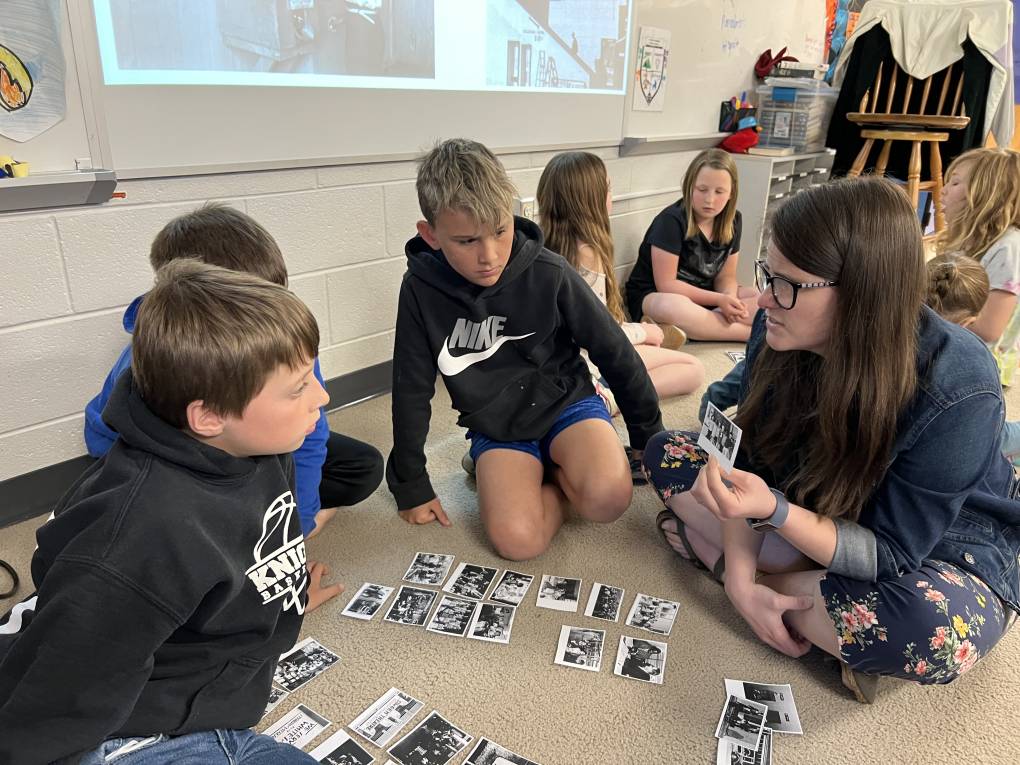
"caption": "Teacher Miranda Lyle asks students in her fourth grade class what they notice about a historical photo during a social studies lesson on segregation and integration.",
"credit": "Kara Newhouse/KQED",
"altTag": "A teacher sits cross legged on a carpet in a circle with three young students. She holds and points to a printout of a black and white photo. Similar printouts are on the rug in the center of the circle. Another circle of students sit in the background.",
"description": null,
"imgSizes": {
"medium": {
"file": "https://cdn.kqed.org/wp-content/uploads/sites/23/2024/09/4-800x600.jpg",
"width": 800,
"height": 600,
"mimeType": "image/jpeg"
},
"large": {
"file": "https://cdn.kqed.org/wp-content/uploads/sites/23/2024/09/4-1020x765.jpg",
"width": 1020,
"height": 765,
"mimeType": "image/jpeg"
},
"thumbnail": {
"file": "https://cdn.kqed.org/wp-content/uploads/sites/23/2024/09/4-160x120.jpg",
"width": 160,
"height": 120,
"mimeType": "image/jpeg"
},
"medium_large": {
"file": "https://cdn.kqed.org/wp-content/uploads/sites/23/2024/09/4-768x576.jpg",
"width": 768,
"height": 576,
"mimeType": "image/jpeg"
},
"1536x1536": {
"file": "https://cdn.kqed.org/wp-content/uploads/sites/23/2024/09/4-1536x1152.jpg",
"width": 1536,
"height": 1152,
"mimeType": "image/jpeg"
},
"2048x2048": {
"file": "https://cdn.kqed.org/wp-content/uploads/sites/23/2024/09/4-2048x1536.jpg",
"width": 2048,
"height": 1536,
"mimeType": "image/jpeg"
},
"post-thumbnail": {
"file": "https://cdn.kqed.org/wp-content/uploads/sites/23/2024/09/4-672x372.jpg",
"width": 672,
"height": 372,
"mimeType": "image/jpeg"
},
"twentyfourteen-full-width": {
"file": "https://cdn.kqed.org/wp-content/uploads/sites/23/2024/09/4-1038x576.jpg",
"width": 1038,
"height": 576,
"mimeType": "image/jpeg"
},
"full-width": {
"file": "https://cdn.kqed.org/wp-content/uploads/sites/23/2024/09/4-1920x1440.jpg",
"width": 1920,
"height": 1440,
"mimeType": "image/jpeg"
},
"kqedFullSize": {
"file": "https://cdn.kqed.org/wp-content/uploads/sites/23/2024/09/4-scaled.jpg",
"width": 2560,
"height": 1920
}
},
"isLoading": false,
"fetchFailed": false
}
},
"audioPlayerReducer": {
"postId": "stream_live",
"isPaused": true,
"isPlaying": false,
"pfsActive": false,
"pledgeModalIsOpen": true,
"playerDrawerIsOpen": false,
"liveAudioPlayStartedAt": 0,
"liveAudioPlayContext": ""
},
"authorsReducer": {
"ksung": {
"type": "authors",
"id": "4596",
"meta": {
"index": "authors_1716337520",
"id": "4596",
"found": true
},
"name": "Ki Sung",
"firstName": "Ki",
"lastName": "Sung",
"slug": "ksung",
"email": "ksung@kqed.org",
"display_author_email": false,
"staff_mastheads": [
"news"
],
"title": "KQED Contributor",
"bio": "Ki Sung is Managing Editor of Digital News at KQED. She is former Senior Editor of MindShift and worked at NPR before joining KQED in 2014.",
"avatar": "https://secure.gravatar.com/avatar/64271e01dc95486c133be56937739045b7c00c990525bf9add12d3dd4f0433c9?s=600&d=blank&r=g",
"twitter": null,
"bluesky": null,
"facebook": null,
"instagram": null,
"linkedin": null,
"sites": [
{
"site": "news",
"roles": [
"editor"
]
},
{
"site": "mindshift",
"roles": [
"administrator"
]
},
{
"site": "elections",
"roles": [
"administrator"
]
}
],
"headData": {
"title": "Ki Sung | KQED",
"description": "KQED Contributor",
"ogImgSrc": "https://secure.gravatar.com/avatar/64271e01dc95486c133be56937739045b7c00c990525bf9add12d3dd4f0433c9?s=600&d=blank&r=g",
"twImgSrc": "https://secure.gravatar.com/avatar/64271e01dc95486c133be56937739045b7c00c990525bf9add12d3dd4f0433c9?s=600&d=blank&r=g"
},
"isLoading": false,
"link": "/author/ksung"
},
"kdnewhouse": {
"type": "authors",
"id": "11487",
"meta": {
"index": "authors_1716337520",
"id": "11487",
"found": true
},
"name": "Kara Newhouse",
"firstName": "Kara",
"lastName": "Newhouse",
"slug": "kdnewhouse",
"email": "knewhouse@kqed.org",
"display_author_email": false,
"staff_mastheads": [],
"title": "MindShift Editor",
"bio": null,
"avatar": "https://secure.gravatar.com/avatar/3dceed6fb271527113abfa9a8e9df34e?s=600&d=blank&r=g",
"twitter": null,
"facebook": null,
"instagram": null,
"linkedin": null,
"sites": [
{
"site": "",
"roles": [
"editor"
]
},
{
"site": "mindshift",
"roles": []
}
],
"headData": {
"title": "Kara Newhouse | KQED",
"description": "MindShift Editor",
"ogImgSrc": "https://secure.gravatar.com/avatar/3dceed6fb271527113abfa9a8e9df34e?s=600&d=blank&r=g",
"twImgSrc": "https://secure.gravatar.com/avatar/3dceed6fb271527113abfa9a8e9df34e?s=600&d=blank&r=g"
},
"isLoading": false,
"link": "/author/kdnewhouse"
},
"ngobir": {
"type": "authors",
"id": "11721",
"meta": {
"index": "authors_1716337520",
"id": "11721",
"found": true
},
"name": "Nimah Gobir",
"firstName": "Nimah",
"lastName": "Gobir",
"slug": "ngobir",
"email": "ngobir@kqed.org",
"display_author_email": false,
"staff_mastheads": [],
"title": "KQED Contributor",
"bio": null,
"avatar": "https://secure.gravatar.com/avatar/837f5df7045c59f3ec097cdf7ac391373ab75d5ec936dd7099b8cb6f0af1b0e9?s=600&d=blank&r=g",
"twitter": null,
"bluesky": null,
"facebook": null,
"instagram": null,
"linkedin": null,
"sites": [
{
"site": "mindshift",
"roles": [
"editor"
]
}
],
"headData": {
"title": "Nimah Gobir | KQED",
"description": "KQED Contributor",
"ogImgSrc": "https://secure.gravatar.com/avatar/837f5df7045c59f3ec097cdf7ac391373ab75d5ec936dd7099b8cb6f0af1b0e9?s=600&d=blank&r=g",
"twImgSrc": "https://secure.gravatar.com/avatar/837f5df7045c59f3ec097cdf7ac391373ab75d5ec936dd7099b8cb6f0af1b0e9?s=600&d=blank&r=g"
},
"isLoading": false,
"link": "/author/ngobir"
},
"mjacksonretondo": {
"type": "authors",
"id": "11759",
"meta": {
"index": "authors_1716337520",
"id": "11759",
"found": true
},
"name": "Marlena Jackson-Retondo",
"firstName": "Marlena",
"lastName": "Jackson-Retondo",
"slug": "mjacksonretondo",
"email": "mjacksonretondo@kqed.org",
"display_author_email": false,
"staff_mastheads": [],
"title": "Engagement Producer",
"bio": "Marlena Jackson-Retondo is the engagement producer for KQED's \u003cem>Forum \u003c/em>and \u003cem>Mindshift\u003c/em>. Prior to joining the team in 2022, Marlena was an intern with the KQED Digital News Engagement team. She grew up in the Bay Area.\u003cem> \u003c/em>",
"avatar": "https://secure.gravatar.com/avatar/94ab429312e9a676559e31d1894130df?s=600&d=blank&r=g",
"twitter": null,
"facebook": null,
"instagram": null,
"linkedin": null,
"sites": [
{
"site": "arts",
"roles": [
"editor"
]
},
{
"site": "news",
"roles": [
"contributor"
]
},
{
"site": "mindshift",
"roles": [
"editor"
]
},
{
"site": "forum",
"roles": [
"editor"
]
}
],
"headData": {
"title": "Marlena Jackson-Retondo | KQED",
"description": "Engagement Producer",
"ogImgSrc": "https://secure.gravatar.com/avatar/94ab429312e9a676559e31d1894130df?s=600&d=blank&r=g",
"twImgSrc": "https://secure.gravatar.com/avatar/94ab429312e9a676559e31d1894130df?s=600&d=blank&r=g"
},
"isLoading": false,
"link": "/author/mjacksonretondo"
}
},
"pagesReducer": {
"mindshift_program_mindshiftpodcast": {
"type": "terms",
"id": "mindshift_21942",
"meta": {
"index": "terms_1716263798",
"site": "mindshift",
"id": "21942",
"score": 15.874031
},
"name": "Mindshift Podcast",
"slug": "mindshiftpodcast",
"taxonomy": "program",
"description": null,
"featImg": null,
"headData": {
"title": "Mindshift Podcast - KQED Mindshift",
"description": null,
"ogTitle": null,
"ogDescription": null,
"ogImgId": null,
"twTitle": null,
"twDescription": null,
"twImgId": null
},
"ttid": 21214,
"isLoading": false,
"title": "Mindshift Podcast",
"pageMeta": {
"site": "mindshift",
"WpPageTemplate": "page-topic-editorial",
"currentPage": 2
},
"blocks": [
{
"blockName": "kqed/post-list",
"attrs": {
"layout": "cardArticle2",
"query": "posts/mindshift?program=mindshiftpodcast",
"seeMore": false,
"paginated": true,
"page": 2
}
},
{
"blockName": "kqed/ad"
}
]
}
},
"pfsSessionReducer": {},
"postsReducer": {
"stream_live": {
"type": "live",
"id": "stream_live",
"audioUrl": "https://streams.kqed.org/kqedradio",
"title": "Live Stream",
"excerpt": "Live Stream information currently unavailable.",
"link": "/radio",
"featImg": "",
"label": {
"name": "KQED Live",
"link": "/"
}
},
"stream_kqedNewscast": {
"type": "posts",
"id": "stream_kqedNewscast",
"audioUrl": "https://www.kqed.org/.stream/anon/radio/RDnews/newscast.mp3?_=1",
"title": "KQED Newscast",
"featImg": "",
"label": {
"name": "88.5 FM",
"link": "/"
}
},
"mindshift_65817": {
"type": "posts",
"id": "mindshift_65817",
"meta": {
"index": "posts_1716263798",
"site": "mindshift",
"id": "65817",
"score": null,
"sort": [
1758621621000
]
},
"guestAuthors": [],
"slug": "why-teens-love-to-hang-out-at-the-library",
"title": "Why Teens Love to Hang Out at the Library",
"publishDate": 1758621621,
"format": "aside",
"headTitle": "Why Teens Love to Hang Out at the Library | KQED",
"labelTerm": {
"term": 21942,
"site": "mindshift"
},
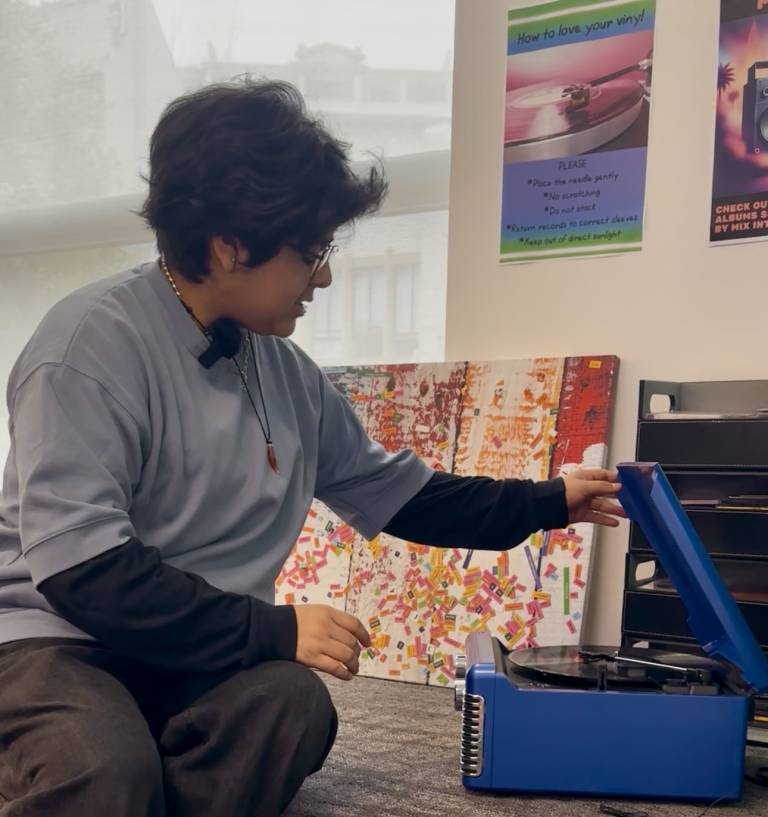
"content": "\u003cfigure id=\"attachment_65821\" class=\"wp-caption alignnone\" style=\"max-width: 1290px\">\u003cimg loading=\"lazy\" decoding=\"async\" class=\"size-full wp-image-65821\" src=\"https://cdn.kqed.org/wp-content/uploads/sites/23/2025/09/IMG_8561.jpg\" alt=\"Teen opening record player with crate of records at his feet.\" width=\"1290\" height=\"2275\" srcset=\"https://cdn.kqed.org/wp-content/uploads/sites/23/2025/09/IMG_8561.jpg 1290w, https://cdn.kqed.org/wp-content/uploads/sites/23/2025/09/IMG_8561-160x282.jpg 160w, https://cdn.kqed.org/wp-content/uploads/sites/23/2025/09/IMG_8561-768x1354.jpg 768w, https://cdn.kqed.org/wp-content/uploads/sites/23/2025/09/IMG_8561-871x1536.jpg 871w, https://cdn.kqed.org/wp-content/uploads/sites/23/2025/09/IMG_8561-1161x2048.jpg 1161w\" sizes=\"auto, (max-width: 1290px) 100vw, 1290px\">\u003cfigcaption class=\"wp-caption-text\">Student Shane Solis plays a record at The Mix, the teen-only section of the San Francisco Public Library main branch. \u003ccite>(Ki Sung/KQED)\u003c/cite>\u003c/figcaption>\u003c/figure>\n\u003cp>\u003ca href=\"#episode-transcript\">\u003ci>View the full episode transcript.\u003c/i>\u003c/a>\u003c/p>\n\u003cp>Public libraries have made significant transformations over the past decade to better serve community needs in the wake of technological and social change. Now, as public school funding faces an uncertain future, how will libraries step in? We’ll talk to some library kids who go to teen-only spaces after school and hear about how librarians are working hard to meet their needs.\u003c/p>\n\u003cp>\u003c!-- iframe plugin v.4.3 wordpress.org/plugins/iframe/ -->\u003cbr>\n\u003ciframe loading=\"lazy\" frameborder=\"0\" height=\"200\" scrolling=\"no\" src=\"https://playlist.megaphone.fm?e=KQINC3269390167\" width=\"100%\" class=\"iframe-class\">\u003c/iframe>\u003c/p>\n\u003ch2 id=\"episode-transcript\">Episode Transcript\u003c/h2>\n\u003cp>\u003cstrong>Ki Sung\u003c/strong>: Welcome to the MindShift Podcast where we explore the future of learning and how we raise our kids. I’m Ki Sung.\u003c/p>\n\u003cp>In San Francisco, there is a really cool place where teens love to hang out; no parents are allowed. There is no fee for admission but you gotta be checked in. What is this place?\u003cbr>\nIt’s \u003ca href=\"https://sfpl.org/teens/the-mix\">The Mix,\u003c/a> the teen only space inside the main branch of the San Francisco Public Library.\u003c/p>\n\u003cp>[ad fullwidth]\u003c/p>\n\u003cp>Student Maelynn likes the hands-on activities\u003c/p>\n\u003cp>\u003cstrong>Maelynn: \u003c/strong>I just paint a canvas or I make, like, some bracelets, which is really cool to me. And then also, they have, like, video games, which is cool because I love playing Mario Kart.\u003c/p>\n\u003cp>\u003cstrong>Ki Sung\u003c/strong>: 14-year-old Adam likes to make online content, after he finishes his homework, of course.\u003c/p>\n\u003cp>\u003cstrong>Adam: \u003c/strong>I just record gameplay sometimes with my voice and it’s really fun because I’m pretty good at it, but and the games I like to play just makes me happy.\u003c/p>\n\u003cp>\u003cstrong>Maelynn: \u003c/strong>Like I don’t ever hear nobody say like oh We’re gonna hang out at library. It’s just be like, oh, I’m gonna hang out at The Mix but also not many people know about The Mix.\u003c/p>\n\u003cp>\u003cstrong>Ki Sung\u003c/strong>: The Mix has its own entrance on the second floor of the library. Inside there’s everything you can imagine to foster creativity. There’s a room with 3-d printers, sewing machines, mannequins and cabinets full of art supplies.\u003c/p>\n\u003cp>There are two soundproof rooms with instruments where teens can make studio quality music recordings, podcasts or make green screen videos. There are tables for playing games like dungeons and dragons, a “carpet garden” lounge area for chilling or scrolling on phones; nooks with seating for large and small groups; a row of computers for playing video games; and of course bookshelves full of manga.\u003c/p>\n\u003cp>While I’m there, I see teens occupying every section of The Mix doing activities or just happily hanging out\u003c/p>\n\u003cp>On today’s episode of the MindShift Podcast, you’ll hear about how three libraries have transformed their services to create third spaces, that are neither home nor school, where teens can flourish. Stay with us.\u003c/p>\n\u003cp>\u003cstrong>Ki Sung\u003c/strong>: In order to understand The Mix in San Francisco, you have to go back in time to 2009 in Chicago.\u003c/p>\n\u003cp>\u003cstrong>Ki Sung\u003c/strong>: That was when Chicago Public Libraries embarked on a bold plan through a program called YOUMedia. It was part of a broader initiative called \u003ca href=\"https://www.macfound.org/programs/pastwork/learning/\">Digital Media and Learning\u003c/a>. YOUMedia was designed to give students access to tech and digital media while in a safe environment with trusted adult mentors. Remember, this was in an era when there were fewer computers with WiFi at home for kids, so having these services at libraries made a lot of sense.\u003c/p>\n\u003cp>The idea was to lean into tech and build a bridge between letting teens do what they want, and making sure teens are in a positive environment. And it was a really new idea at the time.\u003c/p>\n\u003cp>In order to teach digital media skills, educators tried a structured curriculum similar to school but found that that wasn’t widely popular with youth.\u003cbr>\nSo they rolled out workshop models that teens could explore at their own pace.\u003c/p>\n\u003cp>Eric Brown who helped conduct research about YOUmedia’s impact, explained how staff gets teens to engage with technology, during a 2013 seminar:\u003c/p>\n\u003cp>\u003cstrong>Eric Brown:\u003c/strong> they’re not forcing it down your throat. It’s a good place that gives you the option. You can pursue it or you can just chill. And you pursue it when you’re ready. And that’s very much the ethos of teens who go to YOU media.\u003c/p>\n\u003cp>\u003cstrong>Ki Sung\u003c/strong>:The YOUmedia model was so successful that the Chicago Public Library system expanded it to \u003ca href=\"https://www.chipublib.org/programs-and-partnerships/youmedia/\">29 branch locations\u003c/a>.\u003c/p>\n\u003cp>Other library systems around the country soon followed their example.\u003c/p>\n\u003cp>But teens will always keep you on your toes. So being on the look out for what they need is something librarians are always focused on. And in New York, they saw one of those needs emerge recently. Here’s Siva Ramakrishnan, director of young adult services at the New York Public Library.\u003c/p>\n\u003cp>\u003cstrong>Siva Ramakrishnan: \u003c/strong>The pandemic really like brought into sharp relief the need for spaces where teens can build community again.\u003c/p>\n\u003cp>\u003cstrong>Siva Ramakrishnan: \u003c/strong>After all of that isolation, you know, it was such a difficult and weird and for many teens like traumatic time, right? And so at NYPL, we have done a number of things.\u003cbr>\n\u003cstrong>\u003cbr>\nSiva Ramakrishnan: \u003c/strong>So one is that we have really invested in our spaces. This is kind of a, you know, historically a trend in libraries nationwide is that often there isn’t a space that is actually reserved for teenagers, right? Just historically there might be a general children’s area and that tends to skew, fairly young and adorable, right? But then there’s an adult area, right? And that tends to be very quiet with adults who are like in deep focus, right?\u003c/p>\n\u003cp>Siva Ramakrishnan: So we have really engaged in work over the past few years in carving out spaces in our libraries that are for teens.\u003c/p>\n\u003cp>\u003cstrong>Ki Sung\u003c/strong>: What’s important is that the library isn’t just a space, but offers programming. \u003ca href=\"https://www.nypl.org/blog/2024/05/01/siva-ramakrishnan-and-steven-mahoney-receive-movers-shakers-honor-library-journal\">And in the new york public library’s teen centers, that are in several branches all over the city, they focus on\u003c/a> programs that teach civic engagement, college and career readiness along with cool things like how to run a 3d printer or facilitate a banned book club, or how to organize fashion design boot camps.\u003c/p>\n\u003cp>\u003cstrong>Siva Ramakrishnan:\u003c/strong> We actually see a ton of teens across our libraries. NYPL has like over 90 neighborhood libraries. And like last school year in summer, we saw almost 120,000 teens who chose after a super long day at school to come to the library to their local branch and to participate in an after school program.\u003c/p>\n\u003cp>\u003cstrong>Ki Sung\u003c/strong>: Critics of teen spaces that focus on things other than literacy can take heart because there’s one really fascinating upside about the teens in New York. According to Ramakrishnan, they’re not only coming to the library more, these teens actually read more.\u003c/p>\n\u003cp>\u003cstrong>Doreen:\u003c/strong> Hmm, There are so many types of different media that we consume now.\u003c/p>\n\u003cp>\u003cstrong>Ki Sung\u003c/strong>: That’s Doreen, a New York Public Library student ambassador whose job is to tutor kids.\u003c/p>\n\u003cp>\u003cstrong>Doreen: \u003c/strong>I think that people perceive reading only as books or physical books. I know a lot of people who read on their Kindles or me personally, I have a heavy book bag. I take my iPad and I download a PDF of my book or my textbook and I read through there.\u003c/p>\n\u003cp>\u003cstrong>MUSIC\u003c/strong>\u003c/p>\n\u003cp>\u003cstrong>Ki Sung\u003c/strong>: It turns out, being IN a library can help facilitate reading even if your original reason for showing up is totally unrelated.\u003c/p>\n\u003cp>\u003cstrong>Ki Sung\u003c/strong>: Back in San Francisco at The Mix, student library ambassador Shane Macias considers his current relationship with reading.\u003c/p>\n\u003cp>\u003cstrong>Shane: \u003c/strong>Like I’ve checked out books and taken books that were there, they get for free. I read them at home.\u003c/p>\n\u003cp>\u003cstrong>Ki Sung\u003c/strong>: The Mix really reinvented what a library could be to its community. But when it started about a decade ago, the concept behind a teen space also ran counter to a traditional understanding of libraries as a place that houses books.\u003c/p>\n\u003cp>\u003cstrong>Eric Hannan: \u003c/strong>Some people were against this project in the community and voiced concern, like this sounds like a rec center and a daycare center for teenagers.\u003c/p>\n\u003cp>\u003cstrong>Ki Sung\u003c/strong>: That’s Eric Hannan, a librarian who helped start The Mix.\u003c/p>\n\u003cp>\u003cstrong>Eric Hannan: \u003c/strong>And I’ve worked in libraries 35 years, that isn’t what libraries are supposed to do, but often it ends up being part of your job that you have what we used to call latchkey kids in the library after school, they have nowhere to go, both parents working or single parent working, they go chill in the libraries. So they’re gonna be there anyway, so we might as well kind of cater to that.\u003c/p>\n\u003cp>\u003cstrong>Ki Sung\u003c/strong>: In order to cater to teens, the library got input from them. \u003ca href=\"https://youmedia.org/blog/in-san-francisco-teens-design-a-living-room-for-high-tech-learning-at-the-public-library/\">a board of advising youth (bay) weighed in and designed the San Francisco space around the idea of HoMaGo (ho-mah-go), an acronum for hang out, mess around, geek out. This board got final say on specific aspects of the space\u003c/a> like furniture preferences, programming and they even advocated for a dedicated bathroom in the mix. For Shane, a teen-designed space fits the bill.\u003cbr>\n\u003cstrong>\u003cbr>\nShane:\u003c/strong> I’d say to have space like this is very important because for me, in school and other libraries I’ve went to, I was either stuck with adults or little kids, which wasn’t uncomfortable, but it’s like, I wasn’t around people my age, so it felt really awkward and I guess did feel uncomfortable. It just kind of bothered me why the teens don’t have many places to go. Like, obviously we can go chill at the park or go back home but sometimes maybe we want more, I’d say.\u003c/p>\n\u003cp>\u003cstrong>Ki Sung\u003c/strong>: It turns out, as more libraries act as community centers for teens, they are meeting needs that schools, among other institutions, are unable to serve.\u003c/p>\n\u003cp>\u003cstrong>Eric Hannan: \u003c/strong>The Library has a big role to play in helping teens in particular adapt to stress, stressors in life, be they political or, you know, biological COVID or just developmental. They’re just going through a unique time that is very short in their life, six or seven-ish years. And there’s a lot libraries can do to help ease some of the pain.\u003c/p>\n\u003cp>\u003cstrong>Ki Sung\u003c/strong>: The MindShift team includes me, Ki Sung, Nimah Gobir, Marlena Jackson-Retondo and Marnette Federis. Our editor is Chris Hambrick. Seth Samuel is our sound designer. Jen Chien is our head of podcasts. Katie Sprenger is podcast operations manager and Ethan Toven Lindsey is our editor in chief. We receive additional support from Maha Sanad.\u003c/p>\n\u003cp>MindShift is supported in part by the generosity of the William & Flora Hewlett Foundation and members of KQED.”\u003c/p>\n\u003cp>Some members of the KQED podcast team are represented by The Screen Actors Guild, American Federation of Television and Radio Artists. San Francisco Northern California Local.\u003c/p>\n\u003cp>[ad floatright]\u003c/p>\n\u003cp>Thanks for listening to MindShift.\u003c/p>\n\n",
"blocks": [],
"excerpt": "Libraries across the country have embraced teen input and created spaces where teens can relax, study, play games, eat and be creative, at their own pace. ",
"status": "publish",
"parent": 0,
"modified": 1776098652,
"stats": {
"hasAudio": true,
"hasVideo": false,
"hasChartOrMap": false,
"iframeSrcs": [],
"hasGoogleForm": false,
"hasGallery": false,
"hasHearkenModule": false,
"hasPolis": false,
"paragraphCount": 49,
"wordCount": 1892
},
"headData": {
"title": "Why Teens Love to Hang Out at the Library | KQED",
"description": "Libraries across the country have embraced teen input and created spaces where teens can relax, study, play games, eat and be creative, at their own pace. ",
"ogTitle": "",
"ogDescription": "",
"ogImgId": "",
"twTitle": "",
"twDescription": "",
"twImgId": "",
"schema": {
"@context": "https://schema.org",
"@type": "Article",
"headline": "Why Teens Love to Hang Out at the Library",
"datePublished": "2025-09-23T03:00:21-07:00",
"dateModified": "2026-04-13T09:44:12-07:00",
"image": "https://cdn.kqed.org/wp-content/uploads/2020/02/KQED-OG-Image@1x.png"
}
},
"primaryCategory": {
"termId": 192,
"slug": "big-ideas",
"name": "Big Ideas"
},
"audioUrl": "https://www.podtrac.com/pts/redirect.mp3/chrt.fm/track/G6C7C3/traffic.megaphone.fm/KQINC3269390167.mp3?updated=1758584826",
"sticky": false,
"nprStoryId": "kqed-65817",
"templateType": "standard",
"featuredImageType": "standard",
"excludeFromSiteSearch": "Include",
"articleAge": "0",
"path": "/mindshift/65817/why-teens-love-to-hang-out-at-the-library",
"audioTrackLength": null,
"parsedContent": [
{
"type": "contentString",
"content": "\u003cdiv class=\"post-body\">\u003cp>\u003cfigure id=\"attachment_65821\" class=\"wp-caption alignnone\" style=\"max-width: 1290px\">\u003cimg loading=\"lazy\" decoding=\"async\" class=\"size-full wp-image-65821\" src=\"https://cdn.kqed.org/wp-content/uploads/sites/23/2025/09/IMG_8561.jpg\" alt=\"Teen opening record player with crate of records at his feet.\" width=\"1290\" height=\"2275\" srcset=\"https://cdn.kqed.org/wp-content/uploads/sites/23/2025/09/IMG_8561.jpg 1290w, https://cdn.kqed.org/wp-content/uploads/sites/23/2025/09/IMG_8561-160x282.jpg 160w, https://cdn.kqed.org/wp-content/uploads/sites/23/2025/09/IMG_8561-768x1354.jpg 768w, https://cdn.kqed.org/wp-content/uploads/sites/23/2025/09/IMG_8561-871x1536.jpg 871w, https://cdn.kqed.org/wp-content/uploads/sites/23/2025/09/IMG_8561-1161x2048.jpg 1161w\" sizes=\"auto, (max-width: 1290px) 100vw, 1290px\">\u003cfigcaption class=\"wp-caption-text\">Student Shane Solis plays a record at The Mix, the teen-only section of the San Francisco Public Library main branch. \u003ccite>(Ki Sung/KQED)\u003c/cite>\u003c/figcaption>\u003c/figure>\n\u003cp>\u003ca href=\"#episode-transcript\">\u003ci>View the full episode transcript.\u003c/i>\u003c/a>\u003c/p>\n\u003cp>Public libraries have made significant transformations over the past decade to better serve community needs in the wake of technological and social change. Now, as public school funding faces an uncertain future, how will libraries step in? We’ll talk to some library kids who go to teen-only spaces after school and hear about how librarians are working hard to meet their needs.\u003c/p>\n\u003cp>\u003c!-- iframe plugin v.4.3 wordpress.org/plugins/iframe/ -->\u003cbr>\n\u003ciframe loading=\"lazy\" frameborder=\"0\" height=\"200\" scrolling=\"no\" src=\"https://playlist.megaphone.fm?e=KQINC3269390167\" width=\"100%\" class=\"iframe-class\">\u003c/iframe>\u003c/div>",
"attributes": {
"named": {},
"numeric": []
}
},
{
"type": "contentString",
"content": "\u003cdiv class=\"post-content post-body\">\u003ch2 id=\"episode-transcript\">Episode Transcript\u003c/h2>\n\u003cp>\u003cstrong>Ki Sung\u003c/strong>: Welcome to the MindShift Podcast where we explore the future of learning and how we raise our kids. I’m Ki Sung.\u003c/p>\n\u003cp>In San Francisco, there is a really cool place where teens love to hang out; no parents are allowed. There is no fee for admission but you gotta be checked in. What is this place?\u003cbr>\nIt’s \u003ca href=\"https://sfpl.org/teens/the-mix\">The Mix,\u003c/a> the teen only space inside the main branch of the San Francisco Public Library.\u003c/p>\n\u003cp>\u003c/p>\n\u003cp>Student Maelynn likes the hands-on activities\u003c/p>\n\u003cp>\u003cstrong>Maelynn: \u003c/strong>I just paint a canvas or I make, like, some bracelets, which is really cool to me. And then also, they have, like, video games, which is cool because I love playing Mario Kart.\u003c/p>\n\u003cp>\u003cstrong>Ki Sung\u003c/strong>: 14-year-old Adam likes to make online content, after he finishes his homework, of course.\u003c/p>\n\u003cp>\u003cstrong>Adam: \u003c/strong>I just record gameplay sometimes with my voice and it’s really fun because I’m pretty good at it, but and the games I like to play just makes me happy.\u003c/p>\n\u003cp>\u003cstrong>Maelynn: \u003c/strong>Like I don’t ever hear nobody say like oh We’re gonna hang out at library. It’s just be like, oh, I’m gonna hang out at The Mix but also not many people know about The Mix.\u003c/p>\n\u003cp>\u003cstrong>Ki Sung\u003c/strong>: The Mix has its own entrance on the second floor of the library. Inside there’s everything you can imagine to foster creativity. There’s a room with 3-d printers, sewing machines, mannequins and cabinets full of art supplies.\u003c/p>\n\u003cp>There are two soundproof rooms with instruments where teens can make studio quality music recordings, podcasts or make green screen videos. There are tables for playing games like dungeons and dragons, a “carpet garden” lounge area for chilling or scrolling on phones; nooks with seating for large and small groups; a row of computers for playing video games; and of course bookshelves full of manga.\u003c/p>\n\u003cp>While I’m there, I see teens occupying every section of The Mix doing activities or just happily hanging out\u003c/p>\n\u003cp>On today’s episode of the MindShift Podcast, you’ll hear about how three libraries have transformed their services to create third spaces, that are neither home nor school, where teens can flourish. Stay with us.\u003c/p>\n\u003cp>\u003cstrong>Ki Sung\u003c/strong>: In order to understand The Mix in San Francisco, you have to go back in time to 2009 in Chicago.\u003c/p>\n\u003cp>\u003cstrong>Ki Sung\u003c/strong>: That was when Chicago Public Libraries embarked on a bold plan through a program called YOUMedia. It was part of a broader initiative called \u003ca href=\"https://www.macfound.org/programs/pastwork/learning/\">Digital Media and Learning\u003c/a>. YOUMedia was designed to give students access to tech and digital media while in a safe environment with trusted adult mentors. Remember, this was in an era when there were fewer computers with WiFi at home for kids, so having these services at libraries made a lot of sense.\u003c/p>\n\u003cp>The idea was to lean into tech and build a bridge between letting teens do what they want, and making sure teens are in a positive environment. And it was a really new idea at the time.\u003c/p>\n\u003cp>In order to teach digital media skills, educators tried a structured curriculum similar to school but found that that wasn’t widely popular with youth.\u003cbr>\nSo they rolled out workshop models that teens could explore at their own pace.\u003c/p>\n\u003cp>Eric Brown who helped conduct research about YOUmedia’s impact, explained how staff gets teens to engage with technology, during a 2013 seminar:\u003c/p>\n\u003cp>\u003cstrong>Eric Brown:\u003c/strong> they’re not forcing it down your throat. It’s a good place that gives you the option. You can pursue it or you can just chill. And you pursue it when you’re ready. And that’s very much the ethos of teens who go to YOU media.\u003c/p>\n\u003cp>\u003cstrong>Ki Sung\u003c/strong>:The YOUmedia model was so successful that the Chicago Public Library system expanded it to \u003ca href=\"https://www.chipublib.org/programs-and-partnerships/youmedia/\">29 branch locations\u003c/a>.\u003c/p>\n\u003cp>Other library systems around the country soon followed their example.\u003c/p>\n\u003cp>But teens will always keep you on your toes. So being on the look out for what they need is something librarians are always focused on. And in New York, they saw one of those needs emerge recently. Here’s Siva Ramakrishnan, director of young adult services at the New York Public Library.\u003c/p>\n\u003cp>\u003cstrong>Siva Ramakrishnan: \u003c/strong>The pandemic really like brought into sharp relief the need for spaces where teens can build community again.\u003c/p>\n\u003cp>\u003cstrong>Siva Ramakrishnan: \u003c/strong>After all of that isolation, you know, it was such a difficult and weird and for many teens like traumatic time, right? And so at NYPL, we have done a number of things.\u003cbr>\n\u003cstrong>\u003cbr>\nSiva Ramakrishnan: \u003c/strong>So one is that we have really invested in our spaces. This is kind of a, you know, historically a trend in libraries nationwide is that often there isn’t a space that is actually reserved for teenagers, right? Just historically there might be a general children’s area and that tends to skew, fairly young and adorable, right? But then there’s an adult area, right? And that tends to be very quiet with adults who are like in deep focus, right?\u003c/p>\n\u003cp>Siva Ramakrishnan: So we have really engaged in work over the past few years in carving out spaces in our libraries that are for teens.\u003c/p>\n\u003cp>\u003cstrong>Ki Sung\u003c/strong>: What’s important is that the library isn’t just a space, but offers programming. \u003ca href=\"https://www.nypl.org/blog/2024/05/01/siva-ramakrishnan-and-steven-mahoney-receive-movers-shakers-honor-library-journal\">And in the new york public library’s teen centers, that are in several branches all over the city, they focus on\u003c/a> programs that teach civic engagement, college and career readiness along with cool things like how to run a 3d printer or facilitate a banned book club, or how to organize fashion design boot camps.\u003c/p>\n\u003cp>\u003cstrong>Siva Ramakrishnan:\u003c/strong> We actually see a ton of teens across our libraries. NYPL has like over 90 neighborhood libraries. And like last school year in summer, we saw almost 120,000 teens who chose after a super long day at school to come to the library to their local branch and to participate in an after school program.\u003c/p>\n\u003cp>\u003cstrong>Ki Sung\u003c/strong>: Critics of teen spaces that focus on things other than literacy can take heart because there’s one really fascinating upside about the teens in New York. According to Ramakrishnan, they’re not only coming to the library more, these teens actually read more.\u003c/p>\n\u003cp>\u003cstrong>Doreen:\u003c/strong> Hmm, There are so many types of different media that we consume now.\u003c/p>\n\u003cp>\u003cstrong>Ki Sung\u003c/strong>: That’s Doreen, a New York Public Library student ambassador whose job is to tutor kids.\u003c/p>\n\u003cp>\u003cstrong>Doreen: \u003c/strong>I think that people perceive reading only as books or physical books. I know a lot of people who read on their Kindles or me personally, I have a heavy book bag. I take my iPad and I download a PDF of my book or my textbook and I read through there.\u003c/p>\n\u003cp>\u003cstrong>MUSIC\u003c/strong>\u003c/p>\n\u003cp>\u003cstrong>Ki Sung\u003c/strong>: It turns out, being IN a library can help facilitate reading even if your original reason for showing up is totally unrelated.\u003c/p>\n\u003cp>\u003cstrong>Ki Sung\u003c/strong>: Back in San Francisco at The Mix, student library ambassador Shane Macias considers his current relationship with reading.\u003c/p>\n\u003cp>\u003cstrong>Shane: \u003c/strong>Like I’ve checked out books and taken books that were there, they get for free. I read them at home.\u003c/p>\n\u003cp>\u003cstrong>Ki Sung\u003c/strong>: The Mix really reinvented what a library could be to its community. But when it started about a decade ago, the concept behind a teen space also ran counter to a traditional understanding of libraries as a place that houses books.\u003c/p>\n\u003cp>\u003cstrong>Eric Hannan: \u003c/strong>Some people were against this project in the community and voiced concern, like this sounds like a rec center and a daycare center for teenagers.\u003c/p>\n\u003cp>\u003cstrong>Ki Sung\u003c/strong>: That’s Eric Hannan, a librarian who helped start The Mix.\u003c/p>\n\u003cp>\u003cstrong>Eric Hannan: \u003c/strong>And I’ve worked in libraries 35 years, that isn’t what libraries are supposed to do, but often it ends up being part of your job that you have what we used to call latchkey kids in the library after school, they have nowhere to go, both parents working or single parent working, they go chill in the libraries. So they’re gonna be there anyway, so we might as well kind of cater to that.\u003c/p>\n\u003cp>\u003cstrong>Ki Sung\u003c/strong>: In order to cater to teens, the library got input from them. \u003ca href=\"https://youmedia.org/blog/in-san-francisco-teens-design-a-living-room-for-high-tech-learning-at-the-public-library/\">a board of advising youth (bay) weighed in and designed the San Francisco space around the idea of HoMaGo (ho-mah-go), an acronum for hang out, mess around, geek out. This board got final say on specific aspects of the space\u003c/a> like furniture preferences, programming and they even advocated for a dedicated bathroom in the mix. For Shane, a teen-designed space fits the bill.\u003cbr>\n\u003cstrong>\u003cbr>\nShane:\u003c/strong> I’d say to have space like this is very important because for me, in school and other libraries I’ve went to, I was either stuck with adults or little kids, which wasn’t uncomfortable, but it’s like, I wasn’t around people my age, so it felt really awkward and I guess did feel uncomfortable. It just kind of bothered me why the teens don’t have many places to go. Like, obviously we can go chill at the park or go back home but sometimes maybe we want more, I’d say.\u003c/p>\n\u003cp>\u003cstrong>Ki Sung\u003c/strong>: It turns out, as more libraries act as community centers for teens, they are meeting needs that schools, among other institutions, are unable to serve.\u003c/p>\n\u003cp>\u003cstrong>Eric Hannan: \u003c/strong>The Library has a big role to play in helping teens in particular adapt to stress, stressors in life, be they political or, you know, biological COVID or just developmental. They’re just going through a unique time that is very short in their life, six or seven-ish years. And there’s a lot libraries can do to help ease some of the pain.\u003c/p>\n\u003cp>\u003cstrong>Ki Sung\u003c/strong>: The MindShift team includes me, Ki Sung, Nimah Gobir, Marlena Jackson-Retondo and Marnette Federis. Our editor is Chris Hambrick. Seth Samuel is our sound designer. Jen Chien is our head of podcasts. Katie Sprenger is podcast operations manager and Ethan Toven Lindsey is our editor in chief. We receive additional support from Maha Sanad.\u003c/p>\n\u003cp>MindShift is supported in part by the generosity of the William & Flora Hewlett Foundation and members of KQED.”\u003c/p>\n\u003cp>Some members of the KQED podcast team are represented by The Screen Actors Guild, American Federation of Television and Radio Artists. San Francisco Northern California Local.\u003c/p>\n\u003cp>\u003c/p>\n\u003cp>Thanks for listening to MindShift.\u003c/p>\n\n\u003c/div>"
}
],
"link": "/mindshift/65817/why-teens-love-to-hang-out-at-the-library",
"authors": [
"4596"
],
"programs": [
"mindshift_21847",
"mindshift_21942"
],
"categories": [
"mindshift_192",
"mindshift_21130"
],
"tags": [
"mindshift_21093",
"mindshift_895",
"mindshift_21132",
"mindshift_1038"
],
"featImg": "mindshift_65824",
"label": "mindshift_21942"
},
"mindshift_65767": {
"type": "posts",
"id": "mindshift_65767",
"meta": {
"index": "posts_1716263798",
"site": "mindshift",
"id": "65767",
"score": null,
"sort": [
1757412057000
]
},
"guestAuthors": [],
"slug": "teaching-civics-in-a-divided-age-intergenerational-dialogue-should-go-both-ways",
"title": "Teaching Civics in a Divided Age? Intergenerational Dialogue Should Go Both Ways",
"publishDate": 1757412057,
"format": "audio",
"headTitle": "Teaching Civics in a Divided Age? Intergenerational Dialogue Should Go Both Ways | KQED",
"labelTerm": {
"term": 21942,
"site": "mindshift"
},
"content": "\u003cp>\u003ca href=\"#episode-transcript\">\u003ci>View the full episode transcript.\u003c/i>\u003c/a>\u003c/p>\n\u003cp>Teacher Ivy Mitchell has spent two decades helping students understand how government works. But recently, her \u003ca href=\"https://www.kqed.org/mindshift/58660/teaching-civics-soft-skills-how-do-civics-education-and-social-emotional-learning-overlap\">eighth-grade civics students \u003c/a>didn’t see a clear role for themselves in democracy, particularly because they were learning within the confines of the classroom.\u003c/p>\n\u003cp>So, she tried something new – she invited \u003ca href=\"https://secure.smore.com/n/x2yqe\">older adults into her classroom to participate on a panel to answer a basic question\u003c/a>, “Why do we have civics?”\u003c/p>\n\u003cp>Panelists shared first-hand stories about the Vietnam War, the Civil Rights Movement and women’s rights, which brought history to life for students in a way textbooks rarely do. In turn, the older adults asked students about their views on \u003ca href=\"https://www.kqed.org/mindshift/65296/with-ai-changing-everything-heres-how-teachers-can-shape-the-new-culture-of-learning\">artificial intelligence\u003c/a> and whether they were interested in civic life and volunteering.\u003c/p>\n\u003cp>Her hope for both the older adults and students was that they would connect with one another through learning about each other and start building community connections.\u003c/p>\n\u003cp>[ad fullwidth]\u003c/p>\n\u003cp>\u003ca href=\"https://pmc.ncbi.nlm.nih.gov/articles/PMC6728408/\">Research shows intergenerational programs\u003c/a> can improve students’ empathy, literacy and\u003ca href=\"https://www.kqed.org/mindshift/54968/how-classroom-political-discussions-controversies-too-prepare-students-for-needed-civic-participation\"> civic engagement\u003c/a>, but opportunities to develop those relationships outside of the home are hard to come by.\u003c/p>\n\u003cfigure id=\"attachment_65780\" class=\"wp-caption alignright\" style=\"max-width: 249px\">\u003cimg loading=\"lazy\" decoding=\"async\" class=\" wp-image-65780\" src=\"https://cdn.kqed.org/wp-content/uploads/sites/23/2025/09/0780.jpg\" alt=\"\" width=\"249\" height=\"311\" srcset=\"https://cdn.kqed.org/wp-content/uploads/sites/23/2025/09/0780.jpg 640w, https://cdn.kqed.org/wp-content/uploads/sites/23/2025/09/0780-160x200.jpg 160w\" sizes=\"auto, (max-width: 249px) 100vw, 249px\">\u003cfigcaption class=\"wp-caption-text\">Ivy Mitchell has spent two decades helping students understand how government works.\u003c/figcaption>\u003c/figure>\n\u003cp>“We are the \u003ca href=\"https://cogenerate.org/wp-content/uploads/2023/02/Beyond-Passing-The-Torch.pdf\">most age segregated society,” said Mitchell.\u003c/a> “There’s a lot of research out there on how seniors are dealing with their lack of connection to the community, because a lot of those community resources have eroded over time.”\u003c/p>\n\u003cp>While some schools like \u003ca href=\"https://www.jenksps.org/o/west-elementary/page/grace-skilled-nursing-and-therapy-center\">Jenks West Elementary in Oklahoma\u003c/a> have built daily intergenerational interaction into their infrastructure, Mitchell shows that powerful learning experiences can happen within a single classroom. Her approach to intergenerational learning is supported by four takeaways.\u003c/p>\n\u003cp>\u003cstrong style=\"font-size: 24px;color: #2b2b2b\">1. Have Conversations With Students Before An Event\u003c/strong>\u003cbr>\nBefore the panel, Mitchell guided students through a structured \u003ca href=\"https://www.kqed.org/mindshift/54378/how-to-create-deeper-student-learning-experiences-through-questions\">question-generating process\u003c/a>. She gave them broad topics to brainstorm around and encouraged them to think about what they were genuinely curious to ask someone from an older generation. After reviewing their suggestions, she selected the questions that would work best for the event and assigned student volunteers to ask them.\u003c/p>\n\u003cp>To help the older adult panelists feel comfortable, Mitchell also hosted a brunch before the event. It gave panelists a chance to meet each other and ease into the school environment before stepping in front of a room full of eighth graders.\u003c/p>\n\u003cp>That kind of preparation makes a big difference, said Ruby Belle Booth, a researcher from the \u003ca href=\"https://circle.tufts.edu/\">Center for Information and Research on Civic Learning and Engagement\u003c/a> at Tufts University. “Having really clear goals and expectations is one of the easiest ways to facilitate this process for young people or for older adults,” she said. When students know what to expect, they’re more confident stepping into unfamiliar conversations.\u003c/p>\n\u003cp>That scaffolding helped students ask thoughtful, big-picture questions like: “What were the major civic issues of your life?” and “What was it like to be in a country at war?”\u003c/p>\n\u003ch2>\u003cstrong>2. Build Connections Into Work You’re Already Doing\u003c/strong>\u003c/h2>\n\u003cp>Mitchell didn’t start from scratch. In the past, she had assigned students to interview older adults. But she noticed those conversations often stayed surface level. “How’s school? How’s soccer?” Mitchell said, summarizing the questions often asked. “The moment for reflecting on your life and sharing that is pretty rare.”\u003c/p>\n\u003cp>She saw an opportunity to go deeper. By bringing those intergenerational conversations into her civics class, Mitchell hoped students would hear first-hand how older adults experienced civic life and begin to see themselves as future voters and engaged citizens. “\u003ca href=\"https://www.democraticknowledgeproject.org/\">[A majority] of baby boomers believe that democracy is the best system\u003c/a>,” she said. “But a third of young people are like, ‘Yeah, we don’t really have to vote.’”\u003c/p>\n\u003cp>Integrating this work into existing curriculum can be practical and powerful. “Thinking about how you can start with what you have is a really great way to implement this kind of intergenerational learning without fully reinventing the wheel,” said Booth.\u003c/p>\n\u003cp>That could mean taking a guest speaker visit and building in time for students to ask questions or even inviting the speaker to ask questions of the students. The key, said Booth, is shifting from one-way learning to a more reciprocal exchange. “Start to think about little places where you can implement this, or where these intergenerational connections might already be happening, and try to enhance the benefits and learning outcomes,” she said.\u003c/p>\n\u003cfigure id=\"attachment_65769\" class=\"wp-caption alignnone\" style=\"max-width: 960px\">\u003cimg loading=\"lazy\" decoding=\"async\" class=\"wp-image-65769 size-full\" src=\"https://cdn.kqed.org/wp-content/uploads/sites/23/2025/09/Ivy-Mitchel-2.jpg\" alt=\"\" width=\"960\" height=\"540\" srcset=\"https://cdn.kqed.org/wp-content/uploads/sites/23/2025/09/Ivy-Mitchel-2.jpg 960w, https://cdn.kqed.org/wp-content/uploads/sites/23/2025/09/Ivy-Mitchel-2-160x90.jpg 160w, https://cdn.kqed.org/wp-content/uploads/sites/23/2025/09/Ivy-Mitchel-2-768x432.jpg 768w\" sizes=\"auto, (max-width: 960px) 100vw, 960px\">\u003cfigcaption class=\"wp-caption-text\">Panelists from Ivy Mitchell’s intergenerational event shared first-hand stories about the Vietnam War, the Civil Rights Movement and women’s rights.\u003c/figcaption>\u003c/figure>\n\u003ch2>\u003cstrong>3. Don’t Get Into Divisive Issues Off The Bat\u003c/strong>\u003c/h2>\n\u003cp>For the first event, Mitchell and her students intentionally stayed away from \u003ca href=\"https://www.kqed.org/mindshift/63250/politicians-love-to-talk-about-race-and-lgbtq-issues-in-school-teachers-and-teens-not-so-much\">controversial topics\u003c/a>. That decision helped create a space where both panelists and students could feel more at ease. Booth agreed that it’s important to start slow. “You don’t want to jump headfirst into some of these more sensitive issues,” she said.\u003ca href=\"https://www.kqed.org/mindshift/65502/how-better-conversations-can-help-fight-misinformation-and-build-media-literacy\"> A structured conversation\u003c/a> can help build comfort and trust, which lays the groundwork for deeper, more challenging discussions down the line.\u003c/p>\n\u003cp>It’s also important to prepare older adults for how certain topics may be deeply personal to students. “A big one that we see divides with between generations is \u003ca href=\"https://www.kqed.org/mindshift/61031/teen-girls-and-lgbtq-youth-plagued-by-violence-and-trauma-survey-says\">LGBTQ identities\u003c/a>,” said Booth. “Being a young person with one of those identities in the classroom and then talking to older adults who may not have this similar understanding of the expansiveness of gender identity or sexuality can be challenging.”\u003c/p>\n\u003cp>Even without diving into the most divisive topics, Mitchell felt the panel sparked rich and meaningful conversation.\u003c/p>\n\u003ch2>\u003cstrong>4. Leave Time For Reflection Afterwards\u003c/strong>\u003c/h2>\n\u003cp>Leaving \u003ca href=\"https://www.kqed.org/mindshift/60009/keep-those-diaries-strategies-for-centering-student-voices-and-improving-reflection-habits\">space for students to reflect\u003c/a> after an intergenerational event is crucial, said Booth. “Talking about how it went — not just about the things you talked about, but the process of having this intergenerational conversation — is vital,” she said. “It helps cement and deepen the learnings and takeaways.”\u003c/p>\n\u003cp>Mitchell could tell the event resonated with her students in real time. “In our auditorium, the chairs are squeaky,” she said. “Whenever we have an event they’re not interested in, the squeaking starts and you know they’re not focused. And we didn’t have that.”\u003c/p>\n\u003cp>Afterward, Mitchell invited students to write thank-you notes to the senior panelists and reflect on the experience. The feedback was overwhelmingly positive with one common theme. “All my students said consistently, ‘We wish we had more time,’” Mitchell said. “‘And we wish we’d been able to have a more authentic conversation with them.’” That feedback is shaping how Mitchell plans her next event. She wants to loosen the structure and give students more space to guide the dialogue.\u003c/p>\n\u003cp>For Mitchell, the impact is clear. “The intergenerational voice brings so much more value and deepens the meaning of what you’re trying to do,” she said. “It makes civics come alive when you bring in people who have lived a civic life to talk about the things they’ve done and the ways they’ve connected to their community. And that can inspire kids to also connect to their community.”\u003c/p>\n\u003cp>\u003c!-- iframe plugin v.4.3 wordpress.org/plugins/iframe/ -->\u003cbr>\n\u003ciframe loading=\"lazy\" frameborder=\"0\" height=\"200\" scrolling=\"no\" src=\"https://playlist.megaphone.fm?e=KQINC2332768897\" width=\"100%\" class=\"iframe-class\">\u003c/iframe>\u003c/p>\n\u003ch2 id=\"episode-transcript\">Episode Transcript\u003c/h2>\n\u003cp>\u003cstrong>Nimah Gobir:\u003c/strong> It’s 10am at Grace Skilled Nursing Facility in Oklahoma and a cluster of 4- and 5-year-olds bounce with excitement, their sneakers squeaking on the linoleum floor of the rec room. Around them, seniors in wheelchairs and armchairs follow along as a teacher counts off stretches. They shake out limb by limb and every once in a while a kid adds a silly flair to one of the movements and everyone cracks a little smile as they try and keep up.\u003c/p>\n\u003cp data-start=\"633\" data-end=\"678\">\u003cem data-start=\"633\" data-end=\"676\">[Audio of teacher counting with students]\u003c/em>\u003c/p>\n\u003cp data-start=\"680\" data-end=\"786\">\u003cstrong data-start=\"680\" data-end=\"696\">Nimah Gobir:\u003c/strong> Kids and seniors are moving together in rhythm. This is just another Wednesday morning.\u003c/p>\n\u003cp data-start=\"788\" data-end=\"820\">\u003cem data-start=\"788\" data-end=\"818\">[Audio of grands exercising]\u003c/em>\u003c/p>\n\u003cp data-start=\"822\" data-end=\"1094\">\u003cstrong data-start=\"822\" data-end=\"838\">Nimah Gobir:\u003c/strong> These preschoolers and kindergartners go to school here, inside of the senior living facility. The children are here every day—learning their ABCs, doing art projects, and eating snacks alongside the senior residents of Grace – who they call the grands.\u003c/p>\n\u003cp data-start=\"1096\" data-end=\"1390\">\u003cstrong data-start=\"1096\" data-end=\"1113\">Amanda Moore:\u003c/strong> When it originally started, it was the nursing home. And beside the nursing home was an early childhood center, which was like a daycare that was tied to our district. And so the residents and the students there at our early childhood center started making some connections.\u003c/p>\n\u003cp data-start=\"1392\" data-end=\"1694\">\u003cstrong data-start=\"1392\" data-end=\"1408\">Nimah Gobir:\u003c/strong> This is Amanda Moore, the principal of Jenks West Elementary, the school inside of Grace. In the early days, the childhood center noticed the bonds that were forming between the youngest and oldest members of the community. The owners of Grace saw how much it meant to the residents.\u003c/p>\n\u003cp data-start=\"1696\" data-end=\"1784\">\u003cstrong data-start=\"1696\" data-end=\"1713\">Amanda Moore:\u003c/strong> They decided, okay, what can we do to make this a full-time program?\u003c/p>\n\u003cp data-start=\"1786\" data-end=\"1930\">\u003cstrong data-start=\"1786\" data-end=\"1803\">Amanda Moore:\u003c/strong> They did a renovation and they built on space so that we could have our students there housed in the nursing home every day.\u003c/p>\n\u003cp data-start=\"1953\" data-end=\"2075\">\u003cstrong data-start=\"1953\" data-end=\"1969\">Nimah Gobir:\u003c/strong> This is MindShift, the podcast about the future of learning and how we raise our kids. I’m Nimah Gobir. Today we’ll explore how intergenerational learning works and why it might be exactly what schools need more of.\u003c/p>\n\u003cp data-start=\"2300\" data-end=\"2518\">\u003cstrong data-start=\"2300\" data-end=\"2316\">Nimah Gobir:\u003c/strong> Book Buddies is one of the regular activities students at Jenks West Elementary do with the grands. Every other week, kids walk in an orderly line through the facility to meet their reading partners.\u003c/p>\n\u003cp data-start=\"2520\" data-end=\"2660\">\u003cstrong data-start=\"2520\" data-end=\"2536\">Nimah Gobir:\u003c/strong> Katy Wilson, a Kindergarten teacher at the school, says just being around older adults changes how students move and act.\u003c/p>\n\u003cp data-start=\"2662\" data-end=\"2742\">\u003cstrong data-start=\"2662\" data-end=\"2678\">Katy Wilson:\u003c/strong> They start to learn body control more than a typical student.\u003c/p>\n\u003cp data-start=\"2744\" data-end=\"2933\">\u003cstrong data-start=\"2744\" data-end=\"2760\">Katy Wilson:\u003c/strong> We know we can’t run out there with the grands. We know it’s not safe. We could trip somebody. They could get hurt. We learn that balance more because it’s higher stakes.\u003c/p>\n\u003cp data-start=\"2935\" data-end=\"2987\">\u003cem data-start=\"2935\" data-end=\"2985\">[Mariah giving students their grands assignment]\u003c/em>\u003c/p>\n\u003cp data-start=\"2989\" data-end=\"3098\">\u003cstrong data-start=\"2989\" data-end=\"3005\">Nimah Gobir:\u003c/strong> In the common room, kids settle in at tables. A teacher pairs students up with the grands.\u003c/p>\n\u003cp data-start=\"3208\" data-end=\"3276\">\u003cstrong data-start=\"3208\" data-end=\"3224\">Nimah Gobir:\u003c/strong> Sometimes the kids read. Sometimes the grands do.\u003c/p>\n\u003cp data-start=\"3278\" data-end=\"3351\">\u003cstrong data-start=\"3278\" data-end=\"3294\">Nimah Gobir:\u003c/strong> Either way, it’s one-on-one time with a trusted adult.\u003c/p>\n\u003cp data-start=\"3377\" data-end=\"3528\">\u003cstrong data-start=\"3377\" data-end=\"3393\">Katy Wilson:\u003c/strong> And that’s something that I couldn’t accomplish in a typical classroom without all those tutors essentially built in to the program.\u003c/p>\n\u003cp data-start=\"3530\" data-end=\"3701\">\u003cstrong data-start=\"3530\" data-end=\"3546\">Nimah Gobir:\u003c/strong> And it’s working. Jenks West has tracked student progress. Kids who go through the program tend to score higher on reading assessments than their peers.\u003c/p>\n\u003cp data-start=\"3703\" data-end=\"3952\">\u003cstrong data-start=\"3703\" data-end=\"3719\">Katy Wilson:\u003c/strong> They get to read books that maybe we don’t cover on the academic side that are more fun books, which is great because they get to read about what they’re interested in that maybe we wouldn’t have time for in the typical classroom.\u003c/p>\n\u003cp data-start=\"3954\" data-end=\"4020\">\u003cstrong data-start=\"3954\" data-end=\"3970\">Nimah Gobir:\u003c/strong> Grandma Margaret enjoys her time with the kids.\u003c/p>\n\u003cp data-start=\"4022\" data-end=\"4191\">\u003cstrong data-start=\"4022\" data-end=\"4043\">Grandma Margaret:\u003c/strong> I get to work with the children, and you’ll go down to read a book. Sometimes they’ll read it to you because they’ve got it memorized. Life would be kind of boring without them.\u003c/p>\n\u003cp data-start=\"4262\" data-end=\"4409\">\u003cstrong data-start=\"4262\" data-end=\"4278\">Nimah Gobir:\u003c/strong> There’s also research that kids in these types of programs are more likely to have better attendance and stronger social skills. One of the long-term benefits is that students become more comfortable being around people who are different from them. Like a grand in a wheelchair, or one who doesn’t communicate easily.\u003c/p>\n\u003cp data-start=\"4624\" data-end=\"4740\">\u003cstrong data-start=\"4624\" data-end=\"4640\">Nimah Gobir:\u003c/strong> Amanda told me a story about a student who left Jenks West and later attended a different school.\u003c/p>\n\u003cp data-start=\"4742\" data-end=\"5230\">\u003cstrong data-start=\"4742\" data-end=\"4759\">Amanda Moore:\u003c/strong> There were some students in her class that were in wheelchairs. She said her daughter naturally befriended these students and the teacher had actually recognized that and told the mom that. And she said, I truly believe it was the interactions that she had with the residents at Grace that helped her to have that understanding and empathy and not feel like there was anything that she needed to be worried about or afraid of, that it was just a part of her every day.\u003c/p>\n\u003cp data-start=\"5232\" data-end=\"5418\">\u003cstrong data-start=\"5232\" data-end=\"5248\">Nimah Gobir:\u003c/strong> The program benefits the grands too. There’s evidence that older adults experience improved mental health and less social isolation when they spend time with children.\u003c/p>\n\u003cp data-start=\"5467\" data-end=\"5628\">\u003cstrong data-start=\"5467\" data-end=\"5483\">Nimah Gobir:\u003c/strong> Even the grands who are bedbound benefit. Just having kids in the building—hearing their laughter and songs in the hallway—makes a difference.\u003c/p>\n\u003cp data-start=\"5630\" data-end=\"5694\">\u003cstrong data-start=\"5630\" data-end=\"5646\">Nimah Gobir:\u003c/strong> So why don’t more places have these programs?\u003c/p>\n\u003cp data-start=\"5696\" data-end=\"5759\">\u003cstrong data-start=\"5696\" data-end=\"5713\">Amanda Moore:\u003c/strong> You really have to have everybody on board.\u003c/p>\n\u003cp data-start=\"5761\" data-end=\"5800\">\u003cstrong data-start=\"5761\" data-end=\"5777\">Nimah Gobir:\u003c/strong> Here’s Amanda again.\u003c/p>\n\u003cp data-start=\"5802\" data-end=\"5908\">\u003cstrong data-start=\"5802\" data-end=\"5819\">Amanda Moore:\u003c/strong> Because both sides saw the benefits, we were able to create that partnership together.\u003c/p>\n\u003cp data-start=\"5910\" data-end=\"5989\">\u003cstrong data-start=\"5910\" data-end=\"5926\">Nimah Gobir:\u003c/strong> It’s likely not something that a school could do on its own.\u003c/p>\n\u003cp data-start=\"5991\" data-end=\"6200\">\u003cstrong data-start=\"5991\" data-end=\"6008\">Amanda Moore:\u003c/strong> Because it is expensive. They maintain that facility for us. If anything goes wrong in the rooms, they’re the ones that are taking care of all of that. They built a playground there for us.\u003c/p>\n\u003cp data-start=\"6202\" data-end=\"6335\">\u003cstrong data-start=\"6202\" data-end=\"6218\">Nimah Gobir:\u003c/strong> Grace even employs a full-time liaison, who is in charge of communication between the nursing home and the school.\u003c/p>\n\u003cp data-start=\"6337\" data-end=\"6503\">\u003cstrong data-start=\"6337\" data-end=\"6354\">Amanda Moore:\u003c/strong> She is always there and she helps organize our activities. We meet monthly to plan out the activities residents are going to do with the students.\u003c/p>\n\u003cp data-start=\"6526\" data-end=\"6814\">\u003cstrong data-start=\"6526\" data-end=\"6542\">Nimah Gobir:\u003c/strong> Younger people interacting with older people has tons of advantages. But what if your school doesn’t have the resources to build a senior center? After the break, we look at how a middle school is making intergenerational learning work in a different way. Stay with us.\u003c/p>\n\u003cp data-start=\"6856\" data-end=\"7206\">\u003cstrong data-start=\"6856\" data-end=\"6872\">Nimah Gobir:\u003c/strong> Before the break we learned about how intergenerational learning can boost literacy and empathy in younger children, not to mention a bunch of benefits for older adults. In a middle school classroom, those same ideas are being used in a new way—to help strengthen something that many people worry is on shaky ground: our democracy.\u003c/p>\n\u003cp data-start=\"7229\" data-end=\"7319\">\u003cstrong data-start=\"7229\" data-end=\"7246\">Ivy Mitchell:\u003c/strong> My name is Ivy Mitchell. I teach eighth grade civics in Massachusetts.\u003c/p>\n\u003cp data-start=\"7321\" data-end=\"7642\">\u003cstrong data-start=\"7321\" data-end=\"7337\">Nimah Gobir:\u003c/strong> In Ivy’s civics class, students learn how to be active members of the community. They also learn that they’ll need to work with people of all ages. After more than 20 years of teaching, Ivy noticed that older and younger generations don’t often get a chance to talk to each other—unless they’re family.\u003c/p>\n\u003cp data-start=\"7644\" data-end=\"7949\">\u003cstrong data-start=\"7644\" data-end=\"7661\">Ivy Mitchell:\u003c/strong> We are the most age-segregated society. This is the time when our age segregation has been the most extreme. There’s a lot of research out there on how seniors are dealing with their lack of connection to the community, because a lot of those community resources have eroded over time.\u003c/p>\n\u003cp data-start=\"7974\" data-end=\"8047\">\u003cstrong data-start=\"7974\" data-end=\"7990\">Nimah Gobir:\u003c/strong> When kids do talk to adults, it’s often surface level.\u003c/p>\n\u003cp data-start=\"8049\" data-end=\"8168\">\u003cstrong data-start=\"8049\" data-end=\"8066\">Ivy Mitchell:\u003c/strong> How’s school? How’s soccer? The moment for reflecting on your life and sharing that is pretty rare.\u003c/p>\n\u003cp data-start=\"8170\" data-end=\"8567\">\u003cstrong data-start=\"8170\" data-end=\"8186\">Nimah Gobir:\u003c/strong> That’s a missed opportunity for all kinds of reasons. But as a civics teacher Ivy is especially concerned about one thing: cultivating students who are interested in voting when they get older. She believes that having deeper conversations with older adults about their experiences can help students better understand the past—and maybe feel more invested in shaping the future.\u003c/p>\n\u003cp data-start=\"8569\" data-end=\"8764\">\u003cstrong data-start=\"8569\" data-end=\"8586\">Ivy Mitchell:\u003c/strong> Ninety percent of baby boomers believe that democracy is the best way, the only best way. Whereas like a third of young people are like, yeah, you know, we don’t have to vote.\u003c/p>\n\u003cp data-start=\"8766\" data-end=\"8839\">\u003cstrong data-start=\"8766\" data-end=\"8782\">Nimah Gobir:\u003c/strong> Ivy wants to close that gap by connecting generations.\u003c/p>\n\u003cp data-start=\"8862\" data-end=\"9109\">\u003cstrong data-start=\"8862\" data-end=\"8879\">Ivy Mitchell:\u003c/strong> Democracy is a very valuable thing. And the only place my students are hearing it is in my classroom. And if I could bring more voices in to say no, democracy has its flaws, but it’s still the best system we’ve ever discovered.\u003c/p>\n\u003cp data-start=\"9111\" data-end=\"9228\">\u003cstrong data-start=\"9111\" data-end=\"9127\">Nimah Gobir:\u003c/strong> The idea that civic learning can come from cross-generational relationships is backed by research.\u003c/p>\n\u003cp data-start=\"9230\" data-end=\"9421\">\u003cstrong data-start=\"9230\" data-end=\"9250\">Ruby Belle Booth:\u003c/strong> I do a lot of thinking about youth voice and institutions, youth civic development, and how young people can be more involved in our democracy and in their communities.\u003c/p>\n\u003cp data-start=\"9446\" data-end=\"9525\">\u003cstrong data-start=\"9446\" data-end=\"9462\">Nimah Gobir:\u003c/strong> Ruby Belle Booth wrote a report about youth civic engagement. In it she says together young people and older adults can tackle big challenges facing our democracy—like polarization, culture wars, extremism, and misinformation. But sometimes, misunderstandings between generations get in the way.\u003c/p>\n\u003cp data-start=\"9764\" data-end=\"10137\">\u003cstrong data-start=\"9764\" data-end=\"9784\">Ruby Belle Booth:\u003c/strong> Young people, I think, tend to look at older generations as having sort of antiquated views on everything. And that’s largely in part because younger generations have different views on issues. They have different experiences. They have different understandings of modern technology. And as a result, they sort of judge older generations accordingly.\u003c/p>\n\u003cp data-start=\"10139\" data-end=\"10249\">\u003cstrong data-start=\"10139\" data-end=\"10155\">Nimah Gobir:\u003c/strong> Young people’s feelings towards older generations can be summed up in two dismissive words.\u003c/p>\n\u003cp data-start=\"10272\" data-end=\"10375\">\u003cstrong data-start=\"10272\" data-end=\"10288\">Nimah Gobir:\u003c/strong> “OK, Boomer,” which is often said in response to an older person being out of touch.\u003c/p>\n\u003cp data-start=\"10377\" data-end=\"10506\">\u003cstrong data-start=\"10377\" data-end=\"10397\">Ruby Belle Booth:\u003c/strong> There’s a lot of humor and sass and attitude that young people bring to that relationship and that divide.\u003c/p>\n\u003cp data-start=\"10508\" data-end=\"10698\">\u003cstrong data-start=\"10508\" data-end=\"10528\">Ruby Belle Booth:\u003c/strong> It speaks to the challenges that young people face in feeling like they have a voice and they feel like they’re often dismissed by older people—because often they are.\u003c/p>\n\u003cp data-start=\"10700\" data-end=\"10780\">\u003cstrong data-start=\"10700\" data-end=\"10716\">Nimah Gobir:\u003c/strong> And older people have thoughts about younger generations too.\u003c/p>\n\u003cp data-start=\"10782\" data-end=\"10890\">\u003cstrong data-start=\"10782\" data-end=\"10802\">Ruby Belle Booth:\u003c/strong> Sometimes older generations are like, okay, it’s all good. Gen Z is going to save us.\u003c/p>\n\u003cp data-start=\"10892\" data-end=\"11053\">\u003cstrong data-start=\"10892\" data-end=\"10912\">Ruby Belle Booth:\u003c/strong> That puts a lot of pressure on the very small group of Gen Z who is really activist and engaged and trying to make a lot of social change.\u003c/p>\n\u003cp data-start=\"11055\" data-end=\"11255\">\u003cstrong data-start=\"11055\" data-end=\"11071\">Nimah Gobir:\u003c/strong> One of the big challenges that educators face in creating intergenerational learning opportunities is the power imbalance between adults and students. And schools only amplify that.\u003c/p>\n\u003cp data-start=\"11257\" data-end=\"11611\">\u003cstrong data-start=\"11257\" data-end=\"11277\">Ruby Belle Booth:\u003c/strong> When you move that already existing age dynamic into a school setting where all the adults in the room are holding additional power—teachers giving out grades, principals calling students to their office and having disciplinary powers—it makes it so that those already entrenched age dynamics are even more challenging to overcome.\u003c/p>\n\u003cp data-start=\"11636\" data-end=\"11839\">\u003cstrong data-start=\"11636\" data-end=\"11652\">Nimah Gobir:\u003c/strong> One way to offset this power imbalance could be bringing people from outside of the school into the classroom, which is exactly what Ivy Mitchell, our teacher in Boston, decided to do.\u003c/p>\n\u003cp data-start=\"11841\" data-end=\"11896\">\u003cstrong data-start=\"11841\" data-end=\"11866\">Ivy Mitchell :\u003c/strong> Thank you for coming today.\u003c/p>\n\u003cp data-start=\"11898\" data-end=\"12021\">\u003cstrong data-start=\"11898\" data-end=\"11914\">Nimah Gobir:\u003c/strong> Her students came up with a list of questions, and Ivy assembled a panel of older adults to answer them.\u003c/p>\n\u003cp data-start=\"12023\" data-end=\"12377\">\u003cstrong data-start=\"12023\" data-end=\"12048\">Ivy Mitchell (event):\u003c/strong> The idea behind this event is I saw a problem and I’m trying to solve it. And the idea is to bring the generations together to help answer the question, why do we have civics? I know a lot of you wonder about that. And also to have them share their life experience and start building community connections, which are so vital.\u003c/p>\n\u003cp data-start=\"12379\" data-end=\"12510\">\u003cstrong data-start=\"12379\" data-end=\"12395\">Nimah Gobir:\u003c/strong> One by one, students took the mic and asked questions to Berta, Steve, Tony, Eileen, and Jane. Questions like…\u003c/p>\n\u003cp data-start=\"12512\" data-end=\"12570\">\u003cstrong data-start=\"12512\" data-end=\"12524\">Student:\u003c/strong> Do any of you think it’s hard to pay taxes?\u003c/p>\n\u003cp data-start=\"12572\" data-end=\"12655\">\u003cstrong data-start=\"12572\" data-end=\"12584\">Student:\u003c/strong> What is it like to be in a country at war, either at home or abroad?\u003c/p>\n\u003cp data-start=\"12657\" data-end=\"12774\">\u003cstrong data-start=\"12657\" data-end=\"12669\">Student:\u003c/strong> What were the major civic issues of your life, and what experiences shaped your views on these issues?\u003c/p>\n\u003cp data-start=\"12776\" data-end=\"12844\">\u003cstrong data-start=\"12776\" data-end=\"12792\">Nimah Gobir:\u003c/strong> And one by one they gave answers to the students.\u003c/p>\n\u003cp data-start=\"12846\" data-end=\"13001\">\u003cstrong data-start=\"12846\" data-end=\"12865\">Steve Humphrey:\u003c/strong> I mean, I think for me, the Vietnam War, for example, was a huge issue in my lifetime, and, you know, still is. I mean, it shaped us.\u003c/p>\n\u003cp data-start=\"13003\" data-end=\"13311\">\u003cstrong data-start=\"13003\" data-end=\"13018\">Tony Surge:\u003c/strong> Yeah, we had, in our generation, we had a lot going on at once. We also had a big civil rights movement, Martin Luther King, that you probably will study, all very historical, if you go back and look at that. So during our generation, we saw a lot of major changes inside the United States.\u003c/p>\n\u003cp data-start=\"13313\" data-end=\"13546\">\u003cstrong data-start=\"13313\" data-end=\"13329\">Eileen Hill:\u003c/strong> The one that I kind of remember, I was young during the Vietnam War, but women’s rights. So back in ‘74 is when women could actually get a credit card without—if they were married—without their husband’s signature.\u003c/p>\n\u003cp data-start=\"13548\" data-end=\"13648\">\u003cstrong data-start=\"13548\" data-end=\"13564\">Nimah Gobir:\u003c/strong> And then they flipped the panel around so elders could ask questions to students.\u003c/p>\n\u003cp data-start=\"13650\" data-end=\"13728\">\u003cstrong data-start=\"13650\" data-end=\"13666\">Eileen Hill:\u003c/strong> What are the concerns that those of you in school have now?\u003c/p>\n\u003cp data-start=\"13730\" data-end=\"13897\">\u003cstrong data-start=\"13730\" data-end=\"13746\">Eileen Hill:\u003c/strong> I mean, especially with computers and AI—does the AI scare any of you? Or do you feel that this is something you can really adapt to and understand?\u003c/p>\n\u003cp data-start=\"13899\" data-end=\"14200\">\u003cstrong data-start=\"13899\" data-end=\"13911\">Student:\u003c/strong> AI is starting to do new things. It can start to take over people’s jobs, which is concerning. There’s AI music now and my dad’s a musician, and that’s concerning because it’s not good right now, but it’s starting to get better. And it could end up taking over people’s jobs eventually.\u003c/p>\n\u003cp data-start=\"14202\" data-end=\"14416\">\u003cstrong data-start=\"14202\" data-end=\"14214\">Student:\u003c/strong> I think it really depends on how you’re using it. Like, it can definitely be used for good and helpful things, but if you’re using it to fake images of people or things that they said, it’s not good.\u003c/p>\n\u003cp data-start=\"14439\" data-end=\"14607\">\u003cstrong data-start=\"14439\" data-end=\"14455\">Nimah Gobir:\u003c/strong> When Ivy debriefed with students after the event, they had overwhelmingly positive things to say. But there was one piece of feedback that stood out.\u003c/p>\n\u003cp data-start=\"14609\" data-end=\"14764\">\u003cstrong data-start=\"14609\" data-end=\"14626\">Ivy Mitchell:\u003c/strong> All my students said consistently, we wish we had more time and we wish we’d been able to have a more authentic conversation with them.\u003c/p>\n\u003cp data-start=\"14766\" data-end=\"14840\">\u003cstrong data-start=\"14766\" data-end=\"14783\">Ivy Mitchell:\u003c/strong> They wanted to be able to talk, to really get into it.\u003c/p>\n\u003cp data-start=\"14842\" data-end=\"14950\">\u003cstrong data-start=\"14842\" data-end=\"14858\">Nimah Gobir:\u003c/strong> Next time, she’s planning to loosen the reins and make space for more authentic dialogue.\u003c/p>\n\u003cp data-start=\"14952\" data-end=\"15115\">Some of Ruby Belle Booth’s research inspired Ivy’s project. She noted some things that make intergenerational activities a success. Ivy did a lot of these things!\u003c/p>\n\u003cp data-start=\"15117\" data-end=\"15341\">\u003cstrong data-start=\"15117\" data-end=\"15133\">Nimah Gobir:\u003c/strong> One: Ivy had conversations with her students where they came up with questions and talked about the event with students and older folks. This can make everyone feel a lot more comfortable and less nervous.\u003c/p>\n\u003cp data-start=\"15343\" data-end=\"15500\">\u003cstrong data-start=\"15343\" data-end=\"15363\">Ruby Belle Booth:\u003c/strong> Having really clear goals and expectations is one of the easiest ways to facilitate this process for young people or for older adults.\u003c/p>\n\u003cp data-start=\"15502\" data-end=\"15681\">\u003cstrong data-start=\"15502\" data-end=\"15518\">Nimah Gobir:\u003c/strong> Two: They didn’t get into tough and divisive questions during this first event. Maybe you don’t want to jump headfirst into some of these more sensitive issues.\u003c/p>\n\u003cp data-start=\"15683\" data-end=\"15919\">\u003cstrong data-start=\"15683\" data-end=\"15699\">Nimah Gobir:\u003c/strong> Three: Ivy built these connections into the work she was already doing. Ivy had assigned students to interview older adults before, but she wanted to take it further. So she made those conversations part of her class.\u003c/p>\n\u003cp data-start=\"15921\" data-end=\"16124\">\u003cstrong data-start=\"15921\" data-end=\"15941\">Ruby Belle Booth:\u003c/strong> Thinking about how you can start with what you have I think is a really great way to start to implement this kind of intergenerational learning without fully reinventing the wheel.\u003c/p>\n\u003cp data-start=\"16126\" data-end=\"16202\">\u003cstrong data-start=\"16126\" data-end=\"16142\">Nimah Gobir:\u003c/strong> Four: Ivy had time for reflection and feedback afterward.\u003c/p>\n\u003cp data-start=\"16204\" data-end=\"16472\">\u003cstrong data-start=\"16204\" data-end=\"16224\">Ruby Belle Booth:\u003c/strong> Talking about how it went—not just about the things you talked about, but the process of having this intergenerational conversation for both parties—is vital to really cement, deepen, and further the learnings and takeaways from the opportunity.\u003c/p>\n\u003cp data-start=\"16474\" data-end=\"16641\">\u003cstrong data-start=\"16474\" data-end=\"16490\">Nimah Gobir:\u003c/strong> Ruby doesn’t say that intergenerational connections are the only solution for the problems our democracy faces. In fact, on its own it’s not enough.\u003c/p>\n\u003cp data-start=\"16664\" data-end=\"17207\">\u003cstrong data-start=\"16664\" data-end=\"16684\">Ruby Belle Booth:\u003c/strong> I think that when we’re thinking about the long-term health of democracy, it needs to be grounded in communities and connection and reciprocity. A piece of that, when we’re thinking about including more young people in democracy—having more young people turn out to vote, having more young people who see a pathway to create change in their communities—we have to be thinking about what an inclusive democracy looks like, what a democracy that welcomes young voices looks like. Our democracy has to be intergenerational.\u003c/p>\n\u003cp>[ad floatright]\u003c/p>\n\u003cp data-start=\"17209\" data-end=\"17477\">\u003cstrong data-start=\"17209\" data-end=\"17225\">Nimah Gobir:\u003c/strong> For the students, having conversations with older adults can help make history feel personal. And for the older adults, it’s a chance to share their stories and maybe even see the future a little more clearly through the eyes of the next generation.\u003c/p>\n\n",
"blocks": [],
"excerpt": "A middle school teacher is using intergenerational conversations between students and older adults to make civics education more engaging.",
"status": "publish",
"parent": 0,
"modified": 1783009567,
"stats": {
"hasAudio": true,
"hasVideo": false,
"hasChartOrMap": false,
"iframeSrcs": [],
"hasGoogleForm": false,
"hasGallery": false,
"hasHearkenModule": false,
"hasPolis": false,
"paragraphCount": 27,
"wordCount": 4175
},
"headData": {
"title": "Teaching Civics in a Divided Age? Intergenerational Dialogue Should Go Both Ways | KQED",
"description": "A middle school teacher is using intergenerational conversations between students and older adults to make civics education more engaging",
"ogTitle": "",
"ogDescription": "",
"ogImgId": "",
"twTitle": "",
"twDescription": "",
"twImgId": "",
"socialDescription": "A middle school teacher is using intergenerational conversations between students and older adults to make civics education more engaging",
"schema": {
"@context": "https://schema.org",
"@type": "Article",
"headline": "Teaching Civics in a Divided Age? Intergenerational Dialogue Should Go Both Ways",
"datePublished": "2025-09-09T03:00:57-07:00",
"dateModified": "2026-07-02T09:26:07-07:00",
"image": "https://cdn.kqed.org/wp-content/uploads/2020/02/KQED-OG-Image@1x.png"
}
},
"primaryCategory": {
"termId": 21130,
"slug": "mindshiftpodcast",
"name": "MindShift Podcast"
},
"audioUrl": "https://www.podtrac.com/pts/redirect.mp3/chrt.fm/track/G6C7C3/traffic.megaphone.fm/KQINC2332768897.mp3?updated=1757120717",
"sticky": false,
"nprStoryId": "kqed-65767",
"templateType": "standard",
"featuredImageType": "standard",
"excludeFromSiteSearch": "Include",
"articleAge": "0",
"path": "/mindshift/65767/teaching-civics-in-a-divided-age-intergenerational-dialogue-should-go-both-ways",
"audioTrackLength": null,
"parsedContent": [
{
"type": "contentString",
"content": "\u003cdiv class=\"post-body\">\u003cp>\u003cp>\u003ca href=\"#episode-transcript\">\u003ci>View the full episode transcript.\u003c/i>\u003c/a>\u003c/p>\n\u003cp>Teacher Ivy Mitchell has spent two decades helping students understand how government works. But recently, her \u003ca href=\"https://www.kqed.org/mindshift/58660/teaching-civics-soft-skills-how-do-civics-education-and-social-emotional-learning-overlap\">eighth-grade civics students \u003c/a>didn’t see a clear role for themselves in democracy, particularly because they were learning within the confines of the classroom.\u003c/p>\n\u003cp>So, she tried something new – she invited \u003ca href=\"https://secure.smore.com/n/x2yqe\">older adults into her classroom to participate on a panel to answer a basic question\u003c/a>, “Why do we have civics?”\u003c/p>\n\u003cp>Panelists shared first-hand stories about the Vietnam War, the Civil Rights Movement and women’s rights, which brought history to life for students in a way textbooks rarely do. In turn, the older adults asked students about their views on \u003ca href=\"https://www.kqed.org/mindshift/65296/with-ai-changing-everything-heres-how-teachers-can-shape-the-new-culture-of-learning\">artificial intelligence\u003c/a> and whether they were interested in civic life and volunteering.\u003c/p>\n\u003cp>Her hope for both the older adults and students was that they would connect with one another through learning about each other and start building community connections.\u003c/p>\n\u003cp>\u003c/p>\u003c/div>",
"attributes": {
"named": {},
"numeric": []
}
},
{
"type": "component",
"content": "",
"name": "ad",
"attributes": {
"named": {
"label": "fullwidth"
},
"numeric": [
"fullwidth"
]
}
},
{
"type": "contentString",
"content": "\u003cdiv class=\"post-body\">\u003cp>\u003c/p>\n\u003cp>\u003ca href=\"https://pmc.ncbi.nlm.nih.gov/articles/PMC6728408/\">Research shows intergenerational programs\u003c/a> can improve students’ empathy, literacy and\u003ca href=\"https://www.kqed.org/mindshift/54968/how-classroom-political-discussions-controversies-too-prepare-students-for-needed-civic-participation\"> civic engagement\u003c/a>, but opportunities to develop those relationships outside of the home are hard to come by.\u003c/p>\n\u003cfigure id=\"attachment_65780\" class=\"wp-caption alignright\" style=\"max-width: 249px\">\u003cimg loading=\"lazy\" decoding=\"async\" class=\" wp-image-65780\" src=\"https://cdn.kqed.org/wp-content/uploads/sites/23/2025/09/0780.jpg\" alt=\"\" width=\"249\" height=\"311\" srcset=\"https://cdn.kqed.org/wp-content/uploads/sites/23/2025/09/0780.jpg 640w, https://cdn.kqed.org/wp-content/uploads/sites/23/2025/09/0780-160x200.jpg 160w\" sizes=\"auto, (max-width: 249px) 100vw, 249px\">\u003cfigcaption class=\"wp-caption-text\">Ivy Mitchell has spent two decades helping students understand how government works.\u003c/figcaption>\u003c/figure>\n\u003cp>“We are the \u003ca href=\"https://cogenerate.org/wp-content/uploads/2023/02/Beyond-Passing-The-Torch.pdf\">most age segregated society,” said Mitchell.\u003c/a> “There’s a lot of research out there on how seniors are dealing with their lack of connection to the community, because a lot of those community resources have eroded over time.”\u003c/p>\n\u003cp>While some schools like \u003ca href=\"https://www.jenksps.org/o/west-elementary/page/grace-skilled-nursing-and-therapy-center\">Jenks West Elementary in Oklahoma\u003c/a> have built daily intergenerational interaction into their infrastructure, Mitchell shows that powerful learning experiences can happen within a single classroom. Her approach to intergenerational learning is supported by four takeaways.\u003c/p>\n\u003cp>\u003cstrong style=\"font-size: 24px;color: #2b2b2b\">1. Have Conversations With Students Before An Event\u003c/strong>\u003cbr>\nBefore the panel, Mitchell guided students through a structured \u003ca href=\"https://www.kqed.org/mindshift/54378/how-to-create-deeper-student-learning-experiences-through-questions\">question-generating process\u003c/a>. She gave them broad topics to brainstorm around and encouraged them to think about what they were genuinely curious to ask someone from an older generation. After reviewing their suggestions, she selected the questions that would work best for the event and assigned student volunteers to ask them.\u003c/p>\n\u003cp>To help the older adult panelists feel comfortable, Mitchell also hosted a brunch before the event. It gave panelists a chance to meet each other and ease into the school environment before stepping in front of a room full of eighth graders.\u003c/p>\n\u003cp>That kind of preparation makes a big difference, said Ruby Belle Booth, a researcher from the \u003ca href=\"https://circle.tufts.edu/\">Center for Information and Research on Civic Learning and Engagement\u003c/a> at Tufts University. “Having really clear goals and expectations is one of the easiest ways to facilitate this process for young people or for older adults,” she said. When students know what to expect, they’re more confident stepping into unfamiliar conversations.\u003c/p>\n\u003cp>That scaffolding helped students ask thoughtful, big-picture questions like: “What were the major civic issues of your life?” and “What was it like to be in a country at war?”\u003c/p>\n\u003ch2>\u003cstrong>2. Build Connections Into Work You’re Already Doing\u003c/strong>\u003c/h2>\n\u003cp>Mitchell didn’t start from scratch. In the past, she had assigned students to interview older adults. But she noticed those conversations often stayed surface level. “How’s school? How’s soccer?” Mitchell said, summarizing the questions often asked. “The moment for reflecting on your life and sharing that is pretty rare.”\u003c/p>\n\u003cp>She saw an opportunity to go deeper. By bringing those intergenerational conversations into her civics class, Mitchell hoped students would hear first-hand how older adults experienced civic life and begin to see themselves as future voters and engaged citizens. “\u003ca href=\"https://www.democraticknowledgeproject.org/\">[A majority] of baby boomers believe that democracy is the best system\u003c/a>,” she said. “But a third of young people are like, ‘Yeah, we don’t really have to vote.’”\u003c/p>\n\u003cp>Integrating this work into existing curriculum can be practical and powerful. “Thinking about how you can start with what you have is a really great way to implement this kind of intergenerational learning without fully reinventing the wheel,” said Booth.\u003c/p>\n\u003cp>That could mean taking a guest speaker visit and building in time for students to ask questions or even inviting the speaker to ask questions of the students. The key, said Booth, is shifting from one-way learning to a more reciprocal exchange. “Start to think about little places where you can implement this, or where these intergenerational connections might already be happening, and try to enhance the benefits and learning outcomes,” she said.\u003c/p>\n\u003cfigure id=\"attachment_65769\" class=\"wp-caption alignnone\" style=\"max-width: 960px\">\u003cimg loading=\"lazy\" decoding=\"async\" class=\"wp-image-65769 size-full\" src=\"https://cdn.kqed.org/wp-content/uploads/sites/23/2025/09/Ivy-Mitchel-2.jpg\" alt=\"\" width=\"960\" height=\"540\" srcset=\"https://cdn.kqed.org/wp-content/uploads/sites/23/2025/09/Ivy-Mitchel-2.jpg 960w, https://cdn.kqed.org/wp-content/uploads/sites/23/2025/09/Ivy-Mitchel-2-160x90.jpg 160w, https://cdn.kqed.org/wp-content/uploads/sites/23/2025/09/Ivy-Mitchel-2-768x432.jpg 768w\" sizes=\"auto, (max-width: 960px) 100vw, 960px\">\u003cfigcaption class=\"wp-caption-text\">Panelists from Ivy Mitchell’s intergenerational event shared first-hand stories about the Vietnam War, the Civil Rights Movement and women’s rights.\u003c/figcaption>\u003c/figure>\n\u003ch2>\u003cstrong>3. Don’t Get Into Divisive Issues Off The Bat\u003c/strong>\u003c/h2>\n\u003cp>For the first event, Mitchell and her students intentionally stayed away from \u003ca href=\"https://www.kqed.org/mindshift/63250/politicians-love-to-talk-about-race-and-lgbtq-issues-in-school-teachers-and-teens-not-so-much\">controversial topics\u003c/a>. That decision helped create a space where both panelists and students could feel more at ease. Booth agreed that it’s important to start slow. “You don’t want to jump headfirst into some of these more sensitive issues,” she said.\u003ca href=\"https://www.kqed.org/mindshift/65502/how-better-conversations-can-help-fight-misinformation-and-build-media-literacy\"> A structured conversation\u003c/a> can help build comfort and trust, which lays the groundwork for deeper, more challenging discussions down the line.\u003c/p>\n\u003cp>It’s also important to prepare older adults for how certain topics may be deeply personal to students. “A big one that we see divides with between generations is \u003ca href=\"https://www.kqed.org/mindshift/61031/teen-girls-and-lgbtq-youth-plagued-by-violence-and-trauma-survey-says\">LGBTQ identities\u003c/a>,” said Booth. “Being a young person with one of those identities in the classroom and then talking to older adults who may not have this similar understanding of the expansiveness of gender identity or sexuality can be challenging.”\u003c/p>\n\u003cp>Even without diving into the most divisive topics, Mitchell felt the panel sparked rich and meaningful conversation.\u003c/p>\n\u003ch2>\u003cstrong>4. Leave Time For Reflection Afterwards\u003c/strong>\u003c/h2>\n\u003cp>Leaving \u003ca href=\"https://www.kqed.org/mindshift/60009/keep-those-diaries-strategies-for-centering-student-voices-and-improving-reflection-habits\">space for students to reflect\u003c/a> after an intergenerational event is crucial, said Booth. “Talking about how it went — not just about the things you talked about, but the process of having this intergenerational conversation — is vital,” she said. “It helps cement and deepen the learnings and takeaways.”\u003c/p>\n\u003cp>Mitchell could tell the event resonated with her students in real time. “In our auditorium, the chairs are squeaky,” she said. “Whenever we have an event they’re not interested in, the squeaking starts and you know they’re not focused. And we didn’t have that.”\u003c/p>\n\u003cp>Afterward, Mitchell invited students to write thank-you notes to the senior panelists and reflect on the experience. The feedback was overwhelmingly positive with one common theme. “All my students said consistently, ‘We wish we had more time,’” Mitchell said. “‘And we wish we’d been able to have a more authentic conversation with them.’” That feedback is shaping how Mitchell plans her next event. She wants to loosen the structure and give students more space to guide the dialogue.\u003c/p>\n\u003cp>For Mitchell, the impact is clear. “The intergenerational voice brings so much more value and deepens the meaning of what you’re trying to do,” she said. “It makes civics come alive when you bring in people who have lived a civic life to talk about the things they’ve done and the ways they’ve connected to their community. And that can inspire kids to also connect to their community.”\u003c/p>\n\u003cp>\u003c!-- iframe plugin v.4.3 wordpress.org/plugins/iframe/ -->\u003cbr>\n\u003ciframe loading=\"lazy\" frameborder=\"0\" height=\"200\" scrolling=\"no\" src=\"https://playlist.megaphone.fm?e=KQINC2332768897\" width=\"100%\" class=\"iframe-class\">\u003c/iframe>\u003c/div>",
"attributes": {
"named": {},
"numeric": []
}
},
{
"type": "contentString",
"content": "\u003cdiv class=\"post-content post-body\">\u003ch2 id=\"episode-transcript\">Episode Transcript\u003c/h2>\n\u003cp>\u003cstrong>Nimah Gobir:\u003c/strong> It’s 10am at Grace Skilled Nursing Facility in Oklahoma and a cluster of 4- and 5-year-olds bounce with excitement, their sneakers squeaking on the linoleum floor of the rec room. Around them, seniors in wheelchairs and armchairs follow along as a teacher counts off stretches. They shake out limb by limb and every once in a while a kid adds a silly flair to one of the movements and everyone cracks a little smile as they try and keep up.\u003c/p>\n\u003cp data-start=\"633\" data-end=\"678\">\u003cem data-start=\"633\" data-end=\"676\">[Audio of teacher counting with students]\u003c/em>\u003c/p>\n\u003cp data-start=\"680\" data-end=\"786\">\u003cstrong data-start=\"680\" data-end=\"696\">Nimah Gobir:\u003c/strong> Kids and seniors are moving together in rhythm. This is just another Wednesday morning.\u003c/p>\n\u003cp data-start=\"788\" data-end=\"820\">\u003cem data-start=\"788\" data-end=\"818\">[Audio of grands exercising]\u003c/em>\u003c/p>\n\u003cp data-start=\"822\" data-end=\"1094\">\u003cstrong data-start=\"822\" data-end=\"838\">Nimah Gobir:\u003c/strong> These preschoolers and kindergartners go to school here, inside of the senior living facility. The children are here every day—learning their ABCs, doing art projects, and eating snacks alongside the senior residents of Grace – who they call the grands.\u003c/p>\n\u003cp data-start=\"1096\" data-end=\"1390\">\u003cstrong data-start=\"1096\" data-end=\"1113\">Amanda Moore:\u003c/strong> When it originally started, it was the nursing home. And beside the nursing home was an early childhood center, which was like a daycare that was tied to our district. And so the residents and the students there at our early childhood center started making some connections.\u003c/p>\n\u003cp data-start=\"1392\" data-end=\"1694\">\u003cstrong data-start=\"1392\" data-end=\"1408\">Nimah Gobir:\u003c/strong> This is Amanda Moore, the principal of Jenks West Elementary, the school inside of Grace. In the early days, the childhood center noticed the bonds that were forming between the youngest and oldest members of the community. The owners of Grace saw how much it meant to the residents.\u003c/p>\n\u003cp data-start=\"1696\" data-end=\"1784\">\u003cstrong data-start=\"1696\" data-end=\"1713\">Amanda Moore:\u003c/strong> They decided, okay, what can we do to make this a full-time program?\u003c/p>\n\u003cp data-start=\"1786\" data-end=\"1930\">\u003cstrong data-start=\"1786\" data-end=\"1803\">Amanda Moore:\u003c/strong> They did a renovation and they built on space so that we could have our students there housed in the nursing home every day.\u003c/p>\n\u003cp data-start=\"1953\" data-end=\"2075\">\u003cstrong data-start=\"1953\" data-end=\"1969\">Nimah Gobir:\u003c/strong> This is MindShift, the podcast about the future of learning and how we raise our kids. I’m Nimah Gobir. Today we’ll explore how intergenerational learning works and why it might be exactly what schools need more of.\u003c/p>\n\u003cp data-start=\"2300\" data-end=\"2518\">\u003cstrong data-start=\"2300\" data-end=\"2316\">Nimah Gobir:\u003c/strong> Book Buddies is one of the regular activities students at Jenks West Elementary do with the grands. Every other week, kids walk in an orderly line through the facility to meet their reading partners.\u003c/p>\n\u003cp data-start=\"2520\" data-end=\"2660\">\u003cstrong data-start=\"2520\" data-end=\"2536\">Nimah Gobir:\u003c/strong> Katy Wilson, a Kindergarten teacher at the school, says just being around older adults changes how students move and act.\u003c/p>\n\u003cp data-start=\"2662\" data-end=\"2742\">\u003cstrong data-start=\"2662\" data-end=\"2678\">Katy Wilson:\u003c/strong> They start to learn body control more than a typical student.\u003c/p>\n\u003cp data-start=\"2744\" data-end=\"2933\">\u003cstrong data-start=\"2744\" data-end=\"2760\">Katy Wilson:\u003c/strong> We know we can’t run out there with the grands. We know it’s not safe. We could trip somebody. They could get hurt. We learn that balance more because it’s higher stakes.\u003c/p>\n\u003cp data-start=\"2935\" data-end=\"2987\">\u003cem data-start=\"2935\" data-end=\"2985\">[Mariah giving students their grands assignment]\u003c/em>\u003c/p>\n\u003cp data-start=\"2989\" data-end=\"3098\">\u003cstrong data-start=\"2989\" data-end=\"3005\">Nimah Gobir:\u003c/strong> In the common room, kids settle in at tables. A teacher pairs students up with the grands.\u003c/p>\n\u003cp data-start=\"3208\" data-end=\"3276\">\u003cstrong data-start=\"3208\" data-end=\"3224\">Nimah Gobir:\u003c/strong> Sometimes the kids read. Sometimes the grands do.\u003c/p>\n\u003cp data-start=\"3278\" data-end=\"3351\">\u003cstrong data-start=\"3278\" data-end=\"3294\">Nimah Gobir:\u003c/strong> Either way, it’s one-on-one time with a trusted adult.\u003c/p>\n\u003cp data-start=\"3377\" data-end=\"3528\">\u003cstrong data-start=\"3377\" data-end=\"3393\">Katy Wilson:\u003c/strong> And that’s something that I couldn’t accomplish in a typical classroom without all those tutors essentially built in to the program.\u003c/p>\n\u003cp data-start=\"3530\" data-end=\"3701\">\u003cstrong data-start=\"3530\" data-end=\"3546\">Nimah Gobir:\u003c/strong> And it’s working. Jenks West has tracked student progress. Kids who go through the program tend to score higher on reading assessments than their peers.\u003c/p>\n\u003cp data-start=\"3703\" data-end=\"3952\">\u003cstrong data-start=\"3703\" data-end=\"3719\">Katy Wilson:\u003c/strong> They get to read books that maybe we don’t cover on the academic side that are more fun books, which is great because they get to read about what they’re interested in that maybe we wouldn’t have time for in the typical classroom.\u003c/p>\n\u003cp data-start=\"3954\" data-end=\"4020\">\u003cstrong data-start=\"3954\" data-end=\"3970\">Nimah Gobir:\u003c/strong> Grandma Margaret enjoys her time with the kids.\u003c/p>\n\u003cp data-start=\"4022\" data-end=\"4191\">\u003cstrong data-start=\"4022\" data-end=\"4043\">Grandma Margaret:\u003c/strong> I get to work with the children, and you’ll go down to read a book. Sometimes they’ll read it to you because they’ve got it memorized. Life would be kind of boring without them.\u003c/p>\n\u003cp data-start=\"4262\" data-end=\"4409\">\u003cstrong data-start=\"4262\" data-end=\"4278\">Nimah Gobir:\u003c/strong> There’s also research that kids in these types of programs are more likely to have better attendance and stronger social skills. One of the long-term benefits is that students become more comfortable being around people who are different from them. Like a grand in a wheelchair, or one who doesn’t communicate easily.\u003c/p>\n\u003cp data-start=\"4624\" data-end=\"4740\">\u003cstrong data-start=\"4624\" data-end=\"4640\">Nimah Gobir:\u003c/strong> Amanda told me a story about a student who left Jenks West and later attended a different school.\u003c/p>\n\u003cp data-start=\"4742\" data-end=\"5230\">\u003cstrong data-start=\"4742\" data-end=\"4759\">Amanda Moore:\u003c/strong> There were some students in her class that were in wheelchairs. She said her daughter naturally befriended these students and the teacher had actually recognized that and told the mom that. And she said, I truly believe it was the interactions that she had with the residents at Grace that helped her to have that understanding and empathy and not feel like there was anything that she needed to be worried about or afraid of, that it was just a part of her every day.\u003c/p>\n\u003cp data-start=\"5232\" data-end=\"5418\">\u003cstrong data-start=\"5232\" data-end=\"5248\">Nimah Gobir:\u003c/strong> The program benefits the grands too. There’s evidence that older adults experience improved mental health and less social isolation when they spend time with children.\u003c/p>\n\u003cp data-start=\"5467\" data-end=\"5628\">\u003cstrong data-start=\"5467\" data-end=\"5483\">Nimah Gobir:\u003c/strong> Even the grands who are bedbound benefit. Just having kids in the building—hearing their laughter and songs in the hallway—makes a difference.\u003c/p>\n\u003cp data-start=\"5630\" data-end=\"5694\">\u003cstrong data-start=\"5630\" data-end=\"5646\">Nimah Gobir:\u003c/strong> So why don’t more places have these programs?\u003c/p>\n\u003cp data-start=\"5696\" data-end=\"5759\">\u003cstrong data-start=\"5696\" data-end=\"5713\">Amanda Moore:\u003c/strong> You really have to have everybody on board.\u003c/p>\n\u003cp data-start=\"5761\" data-end=\"5800\">\u003cstrong data-start=\"5761\" data-end=\"5777\">Nimah Gobir:\u003c/strong> Here’s Amanda again.\u003c/p>\n\u003cp data-start=\"5802\" data-end=\"5908\">\u003cstrong data-start=\"5802\" data-end=\"5819\">Amanda Moore:\u003c/strong> Because both sides saw the benefits, we were able to create that partnership together.\u003c/p>\n\u003cp data-start=\"5910\" data-end=\"5989\">\u003cstrong data-start=\"5910\" data-end=\"5926\">Nimah Gobir:\u003c/strong> It’s likely not something that a school could do on its own.\u003c/p>\n\u003cp data-start=\"5991\" data-end=\"6200\">\u003cstrong data-start=\"5991\" data-end=\"6008\">Amanda Moore:\u003c/strong> Because it is expensive. They maintain that facility for us. If anything goes wrong in the rooms, they’re the ones that are taking care of all of that. They built a playground there for us.\u003c/p>\n\u003cp data-start=\"6202\" data-end=\"6335\">\u003cstrong data-start=\"6202\" data-end=\"6218\">Nimah Gobir:\u003c/strong> Grace even employs a full-time liaison, who is in charge of communication between the nursing home and the school.\u003c/p>\n\u003cp data-start=\"6337\" data-end=\"6503\">\u003cstrong data-start=\"6337\" data-end=\"6354\">Amanda Moore:\u003c/strong> She is always there and she helps organize our activities. We meet monthly to plan out the activities residents are going to do with the students.\u003c/p>\n\u003cp data-start=\"6526\" data-end=\"6814\">\u003cstrong data-start=\"6526\" data-end=\"6542\">Nimah Gobir:\u003c/strong> Younger people interacting with older people has tons of advantages. But what if your school doesn’t have the resources to build a senior center? After the break, we look at how a middle school is making intergenerational learning work in a different way. Stay with us.\u003c/p>\n\u003cp data-start=\"6856\" data-end=\"7206\">\u003cstrong data-start=\"6856\" data-end=\"6872\">Nimah Gobir:\u003c/strong> Before the break we learned about how intergenerational learning can boost literacy and empathy in younger children, not to mention a bunch of benefits for older adults. In a middle school classroom, those same ideas are being used in a new way—to help strengthen something that many people worry is on shaky ground: our democracy.\u003c/p>\n\u003cp data-start=\"7229\" data-end=\"7319\">\u003cstrong data-start=\"7229\" data-end=\"7246\">Ivy Mitchell:\u003c/strong> My name is Ivy Mitchell. I teach eighth grade civics in Massachusetts.\u003c/p>\n\u003cp data-start=\"7321\" data-end=\"7642\">\u003cstrong data-start=\"7321\" data-end=\"7337\">Nimah Gobir:\u003c/strong> In Ivy’s civics class, students learn how to be active members of the community. They also learn that they’ll need to work with people of all ages. After more than 20 years of teaching, Ivy noticed that older and younger generations don’t often get a chance to talk to each other—unless they’re family.\u003c/p>\n\u003cp data-start=\"7644\" data-end=\"7949\">\u003cstrong data-start=\"7644\" data-end=\"7661\">Ivy Mitchell:\u003c/strong> We are the most age-segregated society. This is the time when our age segregation has been the most extreme. There’s a lot of research out there on how seniors are dealing with their lack of connection to the community, because a lot of those community resources have eroded over time.\u003c/p>\n\u003cp data-start=\"7974\" data-end=\"8047\">\u003cstrong data-start=\"7974\" data-end=\"7990\">Nimah Gobir:\u003c/strong> When kids do talk to adults, it’s often surface level.\u003c/p>\n\u003cp data-start=\"8049\" data-end=\"8168\">\u003cstrong data-start=\"8049\" data-end=\"8066\">Ivy Mitchell:\u003c/strong> How’s school? How’s soccer? The moment for reflecting on your life and sharing that is pretty rare.\u003c/p>\n\u003cp data-start=\"8170\" data-end=\"8567\">\u003cstrong data-start=\"8170\" data-end=\"8186\">Nimah Gobir:\u003c/strong> That’s a missed opportunity for all kinds of reasons. But as a civics teacher Ivy is especially concerned about one thing: cultivating students who are interested in voting when they get older. She believes that having deeper conversations with older adults about their experiences can help students better understand the past—and maybe feel more invested in shaping the future.\u003c/p>\n\u003cp data-start=\"8569\" data-end=\"8764\">\u003cstrong data-start=\"8569\" data-end=\"8586\">Ivy Mitchell:\u003c/strong> Ninety percent of baby boomers believe that democracy is the best way, the only best way. Whereas like a third of young people are like, yeah, you know, we don’t have to vote.\u003c/p>\n\u003cp data-start=\"8766\" data-end=\"8839\">\u003cstrong data-start=\"8766\" data-end=\"8782\">Nimah Gobir:\u003c/strong> Ivy wants to close that gap by connecting generations.\u003c/p>\n\u003cp data-start=\"8862\" data-end=\"9109\">\u003cstrong data-start=\"8862\" data-end=\"8879\">Ivy Mitchell:\u003c/strong> Democracy is a very valuable thing. And the only place my students are hearing it is in my classroom. And if I could bring more voices in to say no, democracy has its flaws, but it’s still the best system we’ve ever discovered.\u003c/p>\n\u003cp data-start=\"9111\" data-end=\"9228\">\u003cstrong data-start=\"9111\" data-end=\"9127\">Nimah Gobir:\u003c/strong> The idea that civic learning can come from cross-generational relationships is backed by research.\u003c/p>\n\u003cp data-start=\"9230\" data-end=\"9421\">\u003cstrong data-start=\"9230\" data-end=\"9250\">Ruby Belle Booth:\u003c/strong> I do a lot of thinking about youth voice and institutions, youth civic development, and how young people can be more involved in our democracy and in their communities.\u003c/p>\n\u003cp data-start=\"9446\" data-end=\"9525\">\u003cstrong data-start=\"9446\" data-end=\"9462\">Nimah Gobir:\u003c/strong> Ruby Belle Booth wrote a report about youth civic engagement. In it she says together young people and older adults can tackle big challenges facing our democracy—like polarization, culture wars, extremism, and misinformation. But sometimes, misunderstandings between generations get in the way.\u003c/p>\n\u003cp data-start=\"9764\" data-end=\"10137\">\u003cstrong data-start=\"9764\" data-end=\"9784\">Ruby Belle Booth:\u003c/strong> Young people, I think, tend to look at older generations as having sort of antiquated views on everything. And that’s largely in part because younger generations have different views on issues. They have different experiences. They have different understandings of modern technology. And as a result, they sort of judge older generations accordingly.\u003c/p>\n\u003cp data-start=\"10139\" data-end=\"10249\">\u003cstrong data-start=\"10139\" data-end=\"10155\">Nimah Gobir:\u003c/strong> Young people’s feelings towards older generations can be summed up in two dismissive words.\u003c/p>\n\u003cp data-start=\"10272\" data-end=\"10375\">\u003cstrong data-start=\"10272\" data-end=\"10288\">Nimah Gobir:\u003c/strong> “OK, Boomer,” which is often said in response to an older person being out of touch.\u003c/p>\n\u003cp data-start=\"10377\" data-end=\"10506\">\u003cstrong data-start=\"10377\" data-end=\"10397\">Ruby Belle Booth:\u003c/strong> There’s a lot of humor and sass and attitude that young people bring to that relationship and that divide.\u003c/p>\n\u003cp data-start=\"10508\" data-end=\"10698\">\u003cstrong data-start=\"10508\" data-end=\"10528\">Ruby Belle Booth:\u003c/strong> It speaks to the challenges that young people face in feeling like they have a voice and they feel like they’re often dismissed by older people—because often they are.\u003c/p>\n\u003cp data-start=\"10700\" data-end=\"10780\">\u003cstrong data-start=\"10700\" data-end=\"10716\">Nimah Gobir:\u003c/strong> And older people have thoughts about younger generations too.\u003c/p>\n\u003cp data-start=\"10782\" data-end=\"10890\">\u003cstrong data-start=\"10782\" data-end=\"10802\">Ruby Belle Booth:\u003c/strong> Sometimes older generations are like, okay, it’s all good. Gen Z is going to save us.\u003c/p>\n\u003cp data-start=\"10892\" data-end=\"11053\">\u003cstrong data-start=\"10892\" data-end=\"10912\">Ruby Belle Booth:\u003c/strong> That puts a lot of pressure on the very small group of Gen Z who is really activist and engaged and trying to make a lot of social change.\u003c/p>\n\u003cp data-start=\"11055\" data-end=\"11255\">\u003cstrong data-start=\"11055\" data-end=\"11071\">Nimah Gobir:\u003c/strong> One of the big challenges that educators face in creating intergenerational learning opportunities is the power imbalance between adults and students. And schools only amplify that.\u003c/p>\n\u003cp data-start=\"11257\" data-end=\"11611\">\u003cstrong data-start=\"11257\" data-end=\"11277\">Ruby Belle Booth:\u003c/strong> When you move that already existing age dynamic into a school setting where all the adults in the room are holding additional power—teachers giving out grades, principals calling students to their office and having disciplinary powers—it makes it so that those already entrenched age dynamics are even more challenging to overcome.\u003c/p>\n\u003cp data-start=\"11636\" data-end=\"11839\">\u003cstrong data-start=\"11636\" data-end=\"11652\">Nimah Gobir:\u003c/strong> One way to offset this power imbalance could be bringing people from outside of the school into the classroom, which is exactly what Ivy Mitchell, our teacher in Boston, decided to do.\u003c/p>\n\u003cp data-start=\"11841\" data-end=\"11896\">\u003cstrong data-start=\"11841\" data-end=\"11866\">Ivy Mitchell :\u003c/strong> Thank you for coming today.\u003c/p>\n\u003cp data-start=\"11898\" data-end=\"12021\">\u003cstrong data-start=\"11898\" data-end=\"11914\">Nimah Gobir:\u003c/strong> Her students came up with a list of questions, and Ivy assembled a panel of older adults to answer them.\u003c/p>\n\u003cp data-start=\"12023\" data-end=\"12377\">\u003cstrong data-start=\"12023\" data-end=\"12048\">Ivy Mitchell (event):\u003c/strong> The idea behind this event is I saw a problem and I’m trying to solve it. And the idea is to bring the generations together to help answer the question, why do we have civics? I know a lot of you wonder about that. And also to have them share their life experience and start building community connections, which are so vital.\u003c/p>\n\u003cp data-start=\"12379\" data-end=\"12510\">\u003cstrong data-start=\"12379\" data-end=\"12395\">Nimah Gobir:\u003c/strong> One by one, students took the mic and asked questions to Berta, Steve, Tony, Eileen, and Jane. Questions like…\u003c/p>\n\u003cp data-start=\"12512\" data-end=\"12570\">\u003cstrong data-start=\"12512\" data-end=\"12524\">Student:\u003c/strong> Do any of you think it’s hard to pay taxes?\u003c/p>\n\u003cp data-start=\"12572\" data-end=\"12655\">\u003cstrong data-start=\"12572\" data-end=\"12584\">Student:\u003c/strong> What is it like to be in a country at war, either at home or abroad?\u003c/p>\n\u003cp data-start=\"12657\" data-end=\"12774\">\u003cstrong data-start=\"12657\" data-end=\"12669\">Student:\u003c/strong> What were the major civic issues of your life, and what experiences shaped your views on these issues?\u003c/p>\n\u003cp data-start=\"12776\" data-end=\"12844\">\u003cstrong data-start=\"12776\" data-end=\"12792\">Nimah Gobir:\u003c/strong> And one by one they gave answers to the students.\u003c/p>\n\u003cp data-start=\"12846\" data-end=\"13001\">\u003cstrong data-start=\"12846\" data-end=\"12865\">Steve Humphrey:\u003c/strong> I mean, I think for me, the Vietnam War, for example, was a huge issue in my lifetime, and, you know, still is. I mean, it shaped us.\u003c/p>\n\u003cp data-start=\"13003\" data-end=\"13311\">\u003cstrong data-start=\"13003\" data-end=\"13018\">Tony Surge:\u003c/strong> Yeah, we had, in our generation, we had a lot going on at once. We also had a big civil rights movement, Martin Luther King, that you probably will study, all very historical, if you go back and look at that. So during our generation, we saw a lot of major changes inside the United States.\u003c/p>\n\u003cp data-start=\"13313\" data-end=\"13546\">\u003cstrong data-start=\"13313\" data-end=\"13329\">Eileen Hill:\u003c/strong> The one that I kind of remember, I was young during the Vietnam War, but women’s rights. So back in ‘74 is when women could actually get a credit card without—if they were married—without their husband’s signature.\u003c/p>\n\u003cp data-start=\"13548\" data-end=\"13648\">\u003cstrong data-start=\"13548\" data-end=\"13564\">Nimah Gobir:\u003c/strong> And then they flipped the panel around so elders could ask questions to students.\u003c/p>\n\u003cp data-start=\"13650\" data-end=\"13728\">\u003cstrong data-start=\"13650\" data-end=\"13666\">Eileen Hill:\u003c/strong> What are the concerns that those of you in school have now?\u003c/p>\n\u003cp data-start=\"13730\" data-end=\"13897\">\u003cstrong data-start=\"13730\" data-end=\"13746\">Eileen Hill:\u003c/strong> I mean, especially with computers and AI—does the AI scare any of you? Or do you feel that this is something you can really adapt to and understand?\u003c/p>\n\u003cp data-start=\"13899\" data-end=\"14200\">\u003cstrong data-start=\"13899\" data-end=\"13911\">Student:\u003c/strong> AI is starting to do new things. It can start to take over people’s jobs, which is concerning. There’s AI music now and my dad’s a musician, and that’s concerning because it’s not good right now, but it’s starting to get better. And it could end up taking over people’s jobs eventually.\u003c/p>\n\u003cp data-start=\"14202\" data-end=\"14416\">\u003cstrong data-start=\"14202\" data-end=\"14214\">Student:\u003c/strong> I think it really depends on how you’re using it. Like, it can definitely be used for good and helpful things, but if you’re using it to fake images of people or things that they said, it’s not good.\u003c/p>\n\u003cp data-start=\"14439\" data-end=\"14607\">\u003cstrong data-start=\"14439\" data-end=\"14455\">Nimah Gobir:\u003c/strong> When Ivy debriefed with students after the event, they had overwhelmingly positive things to say. But there was one piece of feedback that stood out.\u003c/p>\n\u003cp data-start=\"14609\" data-end=\"14764\">\u003cstrong data-start=\"14609\" data-end=\"14626\">Ivy Mitchell:\u003c/strong> All my students said consistently, we wish we had more time and we wish we’d been able to have a more authentic conversation with them.\u003c/p>\n\u003cp data-start=\"14766\" data-end=\"14840\">\u003cstrong data-start=\"14766\" data-end=\"14783\">Ivy Mitchell:\u003c/strong> They wanted to be able to talk, to really get into it.\u003c/p>\n\u003cp data-start=\"14842\" data-end=\"14950\">\u003cstrong data-start=\"14842\" data-end=\"14858\">Nimah Gobir:\u003c/strong> Next time, she’s planning to loosen the reins and make space for more authentic dialogue.\u003c/p>\n\u003cp data-start=\"14952\" data-end=\"15115\">Some of Ruby Belle Booth’s research inspired Ivy’s project. She noted some things that make intergenerational activities a success. Ivy did a lot of these things!\u003c/p>\n\u003cp data-start=\"15117\" data-end=\"15341\">\u003cstrong data-start=\"15117\" data-end=\"15133\">Nimah Gobir:\u003c/strong> One: Ivy had conversations with her students where they came up with questions and talked about the event with students and older folks. This can make everyone feel a lot more comfortable and less nervous.\u003c/p>\n\u003cp data-start=\"15343\" data-end=\"15500\">\u003cstrong data-start=\"15343\" data-end=\"15363\">Ruby Belle Booth:\u003c/strong> Having really clear goals and expectations is one of the easiest ways to facilitate this process for young people or for older adults.\u003c/p>\n\u003cp data-start=\"15502\" data-end=\"15681\">\u003cstrong data-start=\"15502\" data-end=\"15518\">Nimah Gobir:\u003c/strong> Two: They didn’t get into tough and divisive questions during this first event. Maybe you don’t want to jump headfirst into some of these more sensitive issues.\u003c/p>\n\u003cp data-start=\"15683\" data-end=\"15919\">\u003cstrong data-start=\"15683\" data-end=\"15699\">Nimah Gobir:\u003c/strong> Three: Ivy built these connections into the work she was already doing. Ivy had assigned students to interview older adults before, but she wanted to take it further. So she made those conversations part of her class.\u003c/p>\n\u003cp data-start=\"15921\" data-end=\"16124\">\u003cstrong data-start=\"15921\" data-end=\"15941\">Ruby Belle Booth:\u003c/strong> Thinking about how you can start with what you have I think is a really great way to start to implement this kind of intergenerational learning without fully reinventing the wheel.\u003c/p>\n\u003cp data-start=\"16126\" data-end=\"16202\">\u003cstrong data-start=\"16126\" data-end=\"16142\">Nimah Gobir:\u003c/strong> Four: Ivy had time for reflection and feedback afterward.\u003c/p>\n\u003cp data-start=\"16204\" data-end=\"16472\">\u003cstrong data-start=\"16204\" data-end=\"16224\">Ruby Belle Booth:\u003c/strong> Talking about how it went—not just about the things you talked about, but the process of having this intergenerational conversation for both parties—is vital to really cement, deepen, and further the learnings and takeaways from the opportunity.\u003c/p>\n\u003cp data-start=\"16474\" data-end=\"16641\">\u003cstrong data-start=\"16474\" data-end=\"16490\">Nimah Gobir:\u003c/strong> Ruby doesn’t say that intergenerational connections are the only solution for the problems our democracy faces. In fact, on its own it’s not enough.\u003c/p>\n\u003cp data-start=\"16664\" data-end=\"17207\">\u003cstrong data-start=\"16664\" data-end=\"16684\">Ruby Belle Booth:\u003c/strong> I think that when we’re thinking about the long-term health of democracy, it needs to be grounded in communities and connection and reciprocity. A piece of that, when we’re thinking about including more young people in democracy—having more young people turn out to vote, having more young people who see a pathway to create change in their communities—we have to be thinking about what an inclusive democracy looks like, what a democracy that welcomes young voices looks like. Our democracy has to be intergenerational.\u003c/p>\n\u003cp>\u003c/p>\n\u003cp data-start=\"17209\" data-end=\"17477\">\u003cstrong data-start=\"17209\" data-end=\"17225\">Nimah Gobir:\u003c/strong> For the students, having conversations with older adults can help make history feel personal. And for the older adults, it’s a chance to share their stories and maybe even see the future a little more clearly through the eyes of the next generation.\u003c/p>\n\n\u003c/div>"
}
],
"link": "/mindshift/65767/teaching-civics-in-a-divided-age-intergenerational-dialogue-should-go-both-ways",
"authors": [
"11721"
],
"programs": [
"mindshift_21942"
],
"categories": [
"mindshift_21130",
"mindshift_193"
],
"tags": [
"mindshift_20533",
"mindshift_20558",
"mindshift_20779"
],
"featImg": "mindshift_65775",
"label": "mindshift_21942"
},
"mindshift_65725": {
"type": "posts",
"id": "mindshift_65725",
"meta": {
"index": "posts_1716263798",
"site": "mindshift",
"id": "65725",
"score": null,
"sort": [
1756202420000
]
},
"guestAuthors": [],
"slug": "friendship-break-ups-can-be-devastating-for-tweens-heres-how-adults-can-help",
"title": "Friendship Break Ups Can Be Devastating for Tweens. Here’s How Adults Can Help",
"publishDate": 1756202420,
"format": "audio",
"headTitle": "Friendship Break Ups Can Be Devastating for Tweens. Here’s How Adults Can Help | KQED",
"labelTerm": {
"term": 21942,
"site": "mindshift"
},
"content": "\u003cp>\u003ca href=\"#episode-transcript\">\u003ci>\u003cspan style=\"font-weight: 400;\">View the full episode transcript.\u003c/span>\u003c/i>\u003c/a>\u003c/p>\n\u003cp>Leanne Davis, a researcher at Education Northwest, found out her 10-year-old son had made a sad playlist to cope with his best friend moving away. He’d listen to it at night and cry himself to sleep. “It just kind of crushed me,” she said.\u003c/p>\n\u003cp>Davis had known the transition would be tough, but she hadn’t realized just how deep the loss would feel. Like many adults, she underestimated how intense \u003ca href=\"https://www.kqed.org/mindshift/65569/the-secret-to-staying-best-friends-forever-dont-deep-score\">childhood friendships\u003c/a> – and their endings – can be.\u003c/p>\n\u003cp>Friendship “breakups” are a common part of growing up. One \u003ca href=\"https://pubmed.ncbi.nlm.nih.gov/30558749/\">study of sixth graders\u003c/a> in the Los Angeles Unified School District found that two-thirds of students changed friend groups between September and June. These shifts often happen during big transitions, like starting middle or high school or developing new interests. But just because they’re common doesn’t mean they’re easy, especially during adolescence, which neuroscientists define as the period from age 10 to 25.\u003c/p>\n\u003cp>\u003ca href=\"https://lydiadenworth.com/\">Science journalist Lydia Denworth\u003c/a> has spent years researching how friendships develop across the lifespan. She says the adolescent brain is especially tuned into social dynamics. “Friendship is everything,” she said. “When it’s going well, that matters hugely. And when it’s going badly, sometimes they can’t think about anything else.” Different situations call for different kinds of support. Denworth offers insights on how adults can show up thoughtfully when friendships shift.\u003c/p>\n\u003ch2>\u003cstrong>Talk About Friendship Early\u003c/strong>\u003c/h2>\n\u003cp>Denworth encourages adults to be proactive about \u003ca href=\"https://www.kqed.org/mindshift/63184/when-parents-know-these-4-phases-of-friendship-they-can-help-their-child-make-friends-more-easily\">supporting kids’ friendships\u003c/a>. That means talking about what healthy friendship looks like even when everything seems fine. “We ask about their grades, we ask about their activities,” she said. “We should be talking about [friendship] at least as much as we’re talking about what you got on your math test.”\u003c/p>\n\u003cp>[ad fullwidth]\u003c/p>\n\u003cp>\u003ca href=\"https://www.kqed.org/mindshift/63456/6-ways-educators-can-bolster-boys-social-skills\">Friendship is a skill set\u003c/a>, according to Denworth, and kids don’t automatically arrive with all the tools they need. A healthy friendship, she added, is positive, long-lasting and cooperative with mutual kindness, emotional support and reciprocity.\u003c/p>\n\u003cp>At Martin Luther King Jr. Middle School in Berkeley, \u003ca href=\"https://www.kqed.org/mindshift/59757/with-classroom-behavior-issues-on-the-rise-restorative-justice-offers-solutions\">restorative justice counselor\u003c/a> Chau Tran tells students early in the school year that she’s available to help with friendship issues. She’s learned that small miscommunications can quickly snowball. Support from adults can help students \u003ca href=\"https://www.kqed.org/mindshift/65502/how-better-conversations-can-help-fight-misinformation-and-build-media-literacy\">express themselves clearly\u003c/a> and set better boundaries.\u003c/p>\n\u003cp>“At this age, they’re still kind of learning how to navigate a conflict. They’re still figuring out how to speak their truth while also learning how to sit and actively listen,” Tran said.\u003c/p>\n\u003ch2>\u003cstrong>When a Kid Is Going Through a Breakup\u003c/strong>\u003c/h2>\n\u003cp>If a child is being broken up with, it’s natural for adults to want to fix it. But Denworth says the best thing adults can do is slow down and validate the hurt. She noted that there is a tendency to minimize the pain, but developmentally their brains are responding to this social change differently than adults. “knowing that should help us\u003ca href=\"https://www.kqed.org/mindshift/64516/to-raise-empathetic-children-parents-must-practice-empathy-themselves\"> have more empathy\u003c/a>,” said Denworth. “I’d say, ‘Yeah, this really hurts.’ And then just let it. Let it hurt, but be there.”\u003c/p>\n\u003cp>It’s necessary for kids to go through these experiences as \u003ca href=\"https://www.kqed.org/mindshift/57010/how-understanding-middle-school-friendships-can-help-students\">part of the growing up process\u003c/a>. Where adults can be helpful is by providing some context and talking about the fact that there will be a lot of change in friendships over time, according to Denworth.\u003c/p>\n\u003cp>Saachi, a 14-year-old in Menlo Park, experienced a painful friendship fallout during her freshman year. “I just noticed they were giving signs that they just didn’t want to hang around me,” she said. Saachi was sad and confused, but she appreciated how her mom helped by staying calm and sharing similar stories from her own life. She encouraged Saachi to connect with other students.\u003c/p>\n\u003cp>“I made a lot of new friends in high school. And I’m glad I was able to branch out because of those friendship breakups,” Saachi said.\u003c/p>\n\u003ch2>\u003cstrong>When Your Kid Is the One Ending Things\u003c/strong>\u003c/h2>\n\u003cp>Friendship breakups can also be hard for the person doing the breaking up. Isabel, 17, ended a friendship in high school. “When this friend got more comfortable with me, they started showing more concerning signs,” Isabel said, adding that their friend would do things without caring about consequences. “That’s where I was like, I’m not comfortable with that.”\u003c/p>\n\u003cp>Isabel didn’t talk to an adult about it because they had bad experiences with adults brushing it off in the past. They sent a text to end the friendship, then wrestled with guilt and doubt for weeks.\u003c/p>\n\u003cp>Denworth said that’s where parents can help—not by deciding whether a friendship should end, but by helping kids think through how they’re ending it. She recommends that parents check in with kids about whether they are being kind when they break things off with a friend. “That doesn’t mean feelings won’t get hurt. But there’s no need to be unnecessarily nasty,” Denworth said. “And I do think it’s really important for parents to set some ground rules about how we treat other people.”\u003c/p>\n\u003ch2>\u003cstrong>If you have more time, you can plan\u003c/strong>\u003c/h2>\n\u003cp>Leanne Davis’s son is facing another friend’s move this year, but this time, she’s planning ahead. Knowing her son and how deep his reactions were when his last friend moved away is making her think about ways that she can support him during what she knows will be a hard transition. “We’re just trying to make sure that we’re building in a lot of time for them to be together,” said Davis.\u003c/p>\n\u003cp>She is helping her son and his friend make time to create things so that they both have tangible memories of the friendship. Additionally they are planning for what her son might send his friend when the friend moves away. “So that when he sees it, it reminds him of him and reminds him of the joy in their friendship,” added Davis.\u003c/p>\n\u003cp>She is also ensuring lines of communication like texting or online messaging are established so that her son and his friend can communicate after the move, even if their communication eventually peters out.\u003c/p>\n\u003cp>Like so many parents, Davis is figuring out how to walk the line between supportive and overbearing. So far, there is no perfect formula. “We need to be prepared to support him and who he is and the reactions that he’s going to have,” said Davis.\u003c/p>\n\u003cp>\u003c!-- iframe plugin v.4.3 wordpress.org/plugins/iframe/ -->\u003cbr>\n\u003ciframe loading=\"lazy\" frameborder=\"0\" height=\"200\" scrolling=\"no\" src=\"https://playlist.megaphone.fm?e=KQINC3169186124\" width=\"100%\" class=\"iframe-class\">\u003c/iframe>\u003c/p>\n\u003ch2 id=\"episode-transcript\">Episode Transcript\u003c/h2>\n\u003cp>\u003cstrong>Nimah Gobir: \u003c/strong>Welcome to MindShift where we explore the future of learning and how we raise our kids. I’m Nimah Gobir. Think back to when you were a kid—did you ever have a good friend move away? One day you’re hanging out at recess, planning your next sleepover, and then suddenly… they’re just gone. No more playdates, No more inside jokes, and no say in the matter. How unfair is that?\u003c/p>\n\u003cp>\u003cstrong>Nimah Gobir:\u003c/strong> Leanne Davis, a parent in Washington State, watched her 10 year old son go through exactly that not too long ago WHEN His good friend moved to Spain. To Leanne’s surprise, her son grieved.\u003c/p>\n\u003cp>\u003cstrong>Leanne Davis:\u003c/strong> He made himself a sad playlist on Spotify. He listens to his playlist when he’s feeling like just really in his emotions about his friend and like his friend leaving.\u003c/p>\n\u003cp>\u003cstrong>Nimah Gobir:\u003c/strong> She caught him listening to it at night, crying himself to sleep.\u003c/p>\n\u003cp>\u003cstrong>Leanne Davis:\u003c/strong> It just kind of crushed me and then I realized like how important this these friendships were and it actually wasn’t something that we were talking about.\u003c/p>\n\u003cp>\u003cstrong>Nimah Gobir:\u003c/strong> Today on MindShift, we’re diving into the ups and downs of friendship breakups—and how the adults in kids’ lives can help them navigate it. We’ll hear from Leanne, researchers, and teens about how to strike the right balance. All that after the break.\u003c/p>\n\u003cp>\u003cstrong>Nimah Gobir:\u003c/strong> When a kid loses a friend, it can feel heartbreaking—for them and for the parent trying to support them. But these shifts in friendship are not only common they are actually expected.\u003c/p>\n\u003cp>\u003cstrong>Nimah Gobir: \u003c/strong>Science journalist Lydia Denworth has spent years researching how friendships develop and function throughout all stages of life. She says that friendship during adolescence — a period neuroscientists define as spanning ages 10 to 25 — is especially unique.\u003c/p>\n\u003cp>\u003cstrong>Lydia Denworth:\u003c/strong> In adolescence in particular, the brain is. Undergoing a lot of change. Most of which makes you far more attentive to social cues, to friendship, to what everybody else is doing, what they might think of you. And it’s just it’s all about friends, friends, friends, friends, friends, basically.\u003c/p>\n\u003cp>\u003cstrong>Nimah Gobir:\u003c/strong> That hyper-focus on friends is biological. And it’s a growing up process.\u003c/p>\n\u003cp>\u003cstrong>Lydia Denworth: \u003c/strong>We want adolescents to begin to explore life outside their immediate family. We want them to learn to be independent and to take some risks.\u003c/p>\n\u003cp>\u003cstrong>Lydia Denworth: \u003c/strong>And the focus on friends and the importance of their social lives is part of that. It’s finding their way in the larger social world and making sense of their own identity within that.\u003c/p>\n\u003cp>\u003cstrong>Nimah Gobir:\u003c/strong> It’s common for students to go through big friendship breakups when they are going through a school transition.\u003c/p>\n\u003cp>\u003cstrong>Lydia Denworth: \u003c/strong>One of the studies that I think is most surprising was done with thousands of middle schoolers in the Los Angeles School Unified School District, and they found that two thirds of sixth graders changed friends from September to June.\u003c/p>\n\u003cp>\u003cstrong>Nimah Gobir: \u003c/strong>Kids make friends where they spend their time—on the soccer field, in the band room, at robotics club. And as interests change, friendships can too.\u003c/p>\n\u003cp>\u003cstrong>Lydia Denworth: \u003c/strong>When kids are going through it, or if you went through that in sixth grade or seventh grade, you thought it was only you, right? That was that was losing your friends or feeling at sea a little bit or getting interested in—maybe you’re the you were the kid or your kid is the one who is seeking out the new relationships. But the the really important message is just how normal that is.\u003c/p>\n\u003cp>\u003cstrong>Nimah Gobir:\u003c/strong> Saachi, a 14 year old from Menlo Park, had a close knit group of friends when she started high school\u003c/p>\n\u003cp>\u003cstrong>Saachi Kaur Dhillon:\u003c/strong> We had come from middle school we all knew each other so we were just like, okay, like we’re gonna stick together.\u003c/p>\n\u003cp>\u003cstrong>Nimah Gobir:\u003c/strong> A few months into the school year, something shifted.\u003c/p>\n\u003cp>\u003cstrong>Saachi Kaur Dhillon: \u003c/strong>I just noticed like they were giving signs that they just didn’t want to hang around me.\u003c/p>\n\u003cp>\u003cstrong>Saachi Kaur Dhillon:\u003c/strong> They would be talking to people and then i would try to talk to them, and be like oh hey like what would we like just like telling them about stuff that happened um throughout the school day and then they would just like look at me like oh yeah whatever like uh-huh uh-uh and like quickly like turn away and like dismiss me constantly and i was just like they didn’t really acknowledge my presence anymore. It was as if like I just wasn’t really there.\u003c/p>\n\u003cp>\u003cstrong>Nimah Gobir\u003c/strong>: It was especially painful because their friendship had once felt effortless—full of energy and care.\u003c/p>\n\u003cp>\u003cstrong>Saachi Kaur Dhillon:\u003c/strong> We used to like talk so much like if we had if like one of us had something to say like we would sit there we’d listen we’d have like so much to say about the other person’s like story.\u003c/p>\n\u003cp>\u003cstrong>Nimah Gobir:\u003c/strong> When that dynamic disappeared, it left Saachi feeling something she didn’t expect.\u003c/p>\n\u003cp>\u003cstrong>Saachi Kaur Dhillon: \u003c/strong>I was kind of sad, but I was more so confused.\u003c/p>\n\u003cp>\u003cstrong>Saachi Kaur Dhillon:\u003c/strong> I would have liked to know what they were thinking.\u003c/p>\n\u003cp>\u003cstrong>Saachi Kaur Dhillon: \u003c/strong>If they had just talked to me you know maybe we would have still been friends i don’t know.\u003c/p>\n\u003cp>\u003cstrong>Nimah Gobir:\u003c/strong> In Saachi’s case, she was left to piece together what went wrong. In other cases, ending the friendship is a conscious choice. Isabel Daniels, a 17 year old, shared their story\u003c/p>\n\u003cp>\u003cstrong>Isabel Daniels: \u003c/strong>I met this friend like pretty much in like middle school.\u003c/p>\n\u003cp>\u003cstrong>Isabel Daniels: \u003c/strong>This friendship, it’s, like, Oh, someone finally understands me and like, we finally see each other.\u003c/p>\n\u003cp>\u003cstrong>Nimah Gobir:\u003c/strong> Isabel was drawn to their friend’s free spirit—the way they didn’t seem weighed down by other people’s opinions.\u003c/p>\n\u003cp>\u003cstrong>Isabel Daniels: \u003c/strong>When this friend got more comfortable with me, they started showing more like…concerning signs, like that lack of care for how society thinks it’s like a double edged sword and so it’s nice in a way that like, oh, you’re free from these and expectations, but also you don’t. Like you don’t care about consequences, which can lead to a lot of like dangerous behavior. And that’s where I was like, I’m not like comfortable with that. Just because I also don’t like being labeled or having a lot of expectations put on me, it doesn’t mean I’m want to go out of my way and be like a menace in like a not fun and silly way\u003c/p>\n\u003cp>\u003cstrong>Nimah Gobir:\u003c/strong> What began as carefree fun started to feel unsafe. Isabel knew they needed to end the friendship.\u003c/p>\n\u003cp>\u003cstrong>Isabel Daniels: \u003c/strong>It’s like fun while it lasts, but then you realize that fun comes with a cost.\u003c/p>\n\u003cp>\u003cstrong>Nimah Gobir:\u003c/strong> When the time came to break things off, Isabel didn’t feel like they could do it in person.\u003c/p>\n\u003cp>\u003cstrong>Isabel Daniels:\u003c/strong> I unfortunately broke up with this friend over text, blocked their number and then didn’t look back after that which only added to the guilt, because I didn’t give this friend a chance to explain, to give their piece. Like we didn’t have a conversation. I just like sent it, blocked, and then tried to move on.\u003c/p>\n\u003cp>\u003cstrong>Nimah Gobir: \u003c/strong>Isabel was certain the friendship needed to end, and they haven’t talked to the friend since, but they were left with lingering questions.\u003c/p>\n\u003cp>\u003cstrong>Isabel Daniels:\u003c/strong> What if, like, what would this person say? Could have things been different if we both just talked?\u003c/p>\n\u003cp>\u003cstrong>Nimah Gobir:\u003c/strong> Even though Isabel was grappling with some big questions, they did not reach out for support.\u003c/p>\n\u003cp>\u003cstrong>Isabel Daniels:\u003c/strong> I was very against asking help, especially from adults.\u003c/p>\n\u003cp>\u003cstrong>Nimah Gobir: \u003c/strong>To Isabel, adults didn’t feel like a helpful option. They worried they wouldn’t be understood, or that the advice would miss the nuance of what they were going through.\u003c/p>\n\u003cp>\u003cstrong>Isabel Daniels: \u003c/strong>Things tend to be watered down when you are talking to someone older than you because they view you as like oh you’re just not like fully mentally developed you just haven’t um seen life enough and that this is just part of that, but these are significant moments in our life.\u003c/p>\n\u003cp>\u003cstrong>Nimah Gobir:\u003c/strong> They had memories of adults falling short when it came to helping with friendships. For example, Isabel has this story from when they were younger\u003c/p>\n\u003cp>\u003cstrong>Isabel Daniels:\u003c/strong> I was telling an adult that this kid was being a bit too rough with me when we were playing. This kid was a boy so you know what the adults told me? Oh that just means he likes you.\u003c/p>\n\u003cp>\u003cstrong>Nimah Gobir:\u003c/strong> Lydia Denworth, the science journalist we heard from earlier, has some helpful insights about where adults often go wrong—and what they can do instead. She recommends adults have conversations with kids about friendship before things go wrong.\u003c/p>\n\u003cp>\u003cstrong>Lydia Denworth:\u003c/strong> We should be talking about that at least as much as we’re talking about what you got on your math test or, you know, whether you got the main lead role in the musical.\u003c/p>\n\u003cp>\u003cstrong>Lydia Denworth:\u003c/strong> We ask about their grades, we ask about their activities and what they’re doing. And we put pressure on those things and we want to know about their friends too, but what we don’t realize is that\u003c/p>\n\u003cp>\u003cstrong>Lydia Denworth:\u003c/strong> We can help kids understand that friendship is a set of social skills and that it is those are skills that we benefit from practice and that kids don’t necessarily come into the world having all of them ready to go.\u003c/p>\n\u003cp>\u003cstrong>Nimah Gobir:\u003c/strong> Defining what a good and healthy friendship looks like early on can not only help them have stronger friendships, but also better romantic and family relationships.\u003c/p>\n\u003cp>\u003cstrong>Lydia Denworth:\u003c/strong> A really good quality friendship has three things. It’s long lasting, it’s positive and it’s cooperative. So that means that a good friend is a steady, stable presence in your life. They make you feel good. So they’re kind. They say nice things.\u003c/p>\n\u003cp>\u003cstrong>Lydia Denworth: \u003c/strong>And then the co operative piece is the reciprocity, the the back and forth, the helpfulness, the sort of showing up and listening and and not having a relationship that’s lopsided.\u003c/p>\n\u003cp>\u003cstrong>Nimah Gobir:\u003c/strong> And just because someone’s been your friend for a long time, doesn’t mean they’re still a good friend.\u003c/p>\n\u003cp>\u003cstrong>Lydia Denworth:\u003c/strong> The longer term relationships we often just sort of stick with because we have that shared history piece. But if they’re not positive any more, if they’re not making you feel better, then they might not be a really healthy relationship.\u003c/p>\n\u003cp>\u003cstrong>Nimah Gobir:\u003c/strong> When a child is experiencing a friendship breakup, Lydia suggests adults resist the urge to fix it.\u003c/p>\n\u003cp>\u003cstrong>Lydia Denworth: \u003c/strong>You can’t necessarily just make it all better.\u003c/p>\n\u003cp>\u003cstrong>Lydia Denworth: \u003c/strong>We need to understand that kids need to go through these experiences and this process. But where adults can be helpful is by providing some context, by talking about the fact that there will be a lot of change in friendships over time.\u003c/p>\n\u003cp>\u003cstrong>Nimah Gobir:\u003c/strong> That also means validating the pain kids are feeling. It’ll be hard, but don’t jump in and convince kids that it isn’t a big deal. Downplaying the situation is well intentioned but it can backfire.\u003c/p>\n\u003cp>\u003cstrong>Lydia Denworth: \u003c/strong>I spoke earlier about how much the adolescent brain is changing. It’s almost at the same level that a toddler’s brain is changing.\u003c/p>\n\u003cp>\u003cstrong>Lydia Denworth:\u003c/strong> The result is that not only are they really primed for social things, but they’re also their emotions are literally heightened.\u003c/p>\n\u003cp>\u003cstrong>Lydia Denworth:\u003c/strong> Friendship is everything. And so when it’s going well, that matters hugely. And when it’s going badly, sometimes they can’t think about anything else.\u003c/p>\n\u003cp>\u003cstrong>Nimah Gobir:\u003c/strong> In other words the feelings that kids are bringing to their social relationships are real for them and they aren’t the same for us adults.\u003c/p>\n\u003cp>\u003cstrong>Lydia Denworth: \u003c/strong>Literally our brains are responding differently and knowing that should help us have more empathy\u003c/p>\n\u003cp>\u003cstrong>Lydia Denworth:\u003c/strong> I’d say, Yeah, this really hurts. You know, I’m. And then just just let it, let it hurt like and, but be there.\u003c/p>\n\u003cp>\u003cstrong>Nimah Gobir:\u003c/strong> And if a child wants to keep talking you can follow their lead by sharing your own experiences with friendship.\u003c/p>\n\u003cp>\u003cstrong>Lydia Denworth: \u003c/strong>Talk about maybe a time that you had a friendship that that fell apart or where somebody got hurt and what you did to mend it if you did or or why you didn’t.\u003c/p>\n\u003cp>\u003cstrong>Nimah Gobir:\u003c/strong> Saachi, the freshman I talked to earlier, told me that she appreciated the way her mom did this.\u003c/p>\n\u003cp>\u003cstrong>Saachi Kaur Dhillon:\u003c/strong> My mom she’s always been a very like calm individual like it takes a lot to tip her over the edge like she’s very like she wasn’t freaking out because she’s had a lot of like life experience.\u003c/p>\n\u003cp>\u003cstrong>Saachi Kaur Dhillon:\u003c/strong> She’s like i had friends like that like i dealt with that and it’s just like she was calm and that made me calm.\u003c/p>\n\u003cp>\u003cstrong>Nimah Gobir: \u003c/strong>When her mom said she’d eventually make new friends who treated her better, Saachi wasn’t so sure. But she tried to talk to new people in her classes\u003c/p>\n\u003cp>\u003cstrong>Saachi Kaur Dhillon:\u003c/strong> She was right, because I made a lot of new friends in high school. And I’m glad I was able to branch out because of those friendship breakups.\u003c/p>\n\u003cp>\u003cstrong>Nimah Gobir: \u003c/strong>If your child is the one ending a friendship, it’s worth checking in—not to control their choice, but to help them think through how they’re doing it.\u003c/p>\n\u003cp>\u003cstrong>Lydia Denworth:\u003c/strong> Are they being kind? Are they being thoughtful? That doesn’t mean feelings won’t get hurt. But but there’s no need to be unnecessarily nasty.\u003c/p>\n\u003cp>\u003cstrong>Lydia Denworth:\u003c/strong> And I do think it’s really important for parents to set some ground rules about how we treat other people.\u003c/p>\n\u003cp>\u003cstrong>Nimah Gobir:\u003c/strong> Let’s return to Leanne Davis, the mom we heard from earlier. When she saw how hard her son took the loss, she realized she’d underestimated the seriousness of childhood friendships.\u003c/p>\n\u003cp>\u003cstrong>Leanne Davis:\u003c/strong> I moved a lot as an adult. My husband moved a a lot and I think we were tending, it took us a couple steps to be like, well, wait a minute, this is this kid and this kid is very different than other kid and. very different than maybe how we would do this. I need to be prepared to support him and who he is and like the reactions that he’s going to have.\u003c/p>\n\u003cp>\u003cstrong>Nimah Gobir: \u003c/strong>This year another one of her son’s friends is moving away. And …this kid can’t catch a break…his friend is moving to Australia. But this time, Leanne is thinking about it differently.\u003c/p>\n\u003cp>\u003cstrong>Leanne Davis:\u003c/strong> Now, knowing that this is happening and this is gonna be really rough we’re just trying to make sure that we’re building in a lot of time, for them to be together.\u003c/p>\n\u003cp>\u003cstrong>Nimah Gobir:\u003c/strong> She’s helping him make memories—something tangible to remember the friendship by.\u003c/p>\n\u003cp>\u003cstrong>Leanne Davis:\u003c/strong> Finding ways to like document some of their memories and things they’re doing together. Like he and I are planning for what would he like to send his friend when his friend leaves, or something that he’d like to make that, you know, that when he sees it, it reminds him of him and reminds him of like the joy in their friendship.\u003c/p>\n\u003cp>\u003cstrong>Nimah Gobir:\u003c/strong> And she’s also planning for what happens after the move.\u003c/p>\n\u003cp>\u003cstrong>Leanne Davis: \u003c/strong>He does text his friends, like on, he can like message him from the computer. So making sure that they’re able to communicate that way. and that it’s established before they leave, knowing that it may eventually fade out, but that that’s a way for them to know that they can get in touch with each other.\u003c/p>\n\u003cp>\u003cstrong>Nimah Gobir\u003c/strong>: Like so many parents, Leanne’s figuring out how to walk the line between supportive and overbearing.\u003c/p>\n\u003cp>\u003cstrong>Nimah Gobir:\u003c/strong> And maybe that’s the real work of showing up for kids—not having the perfect response, but staying close enough to notice what they need, and giving them space to figure the rest out themselves. Because in the end, friendship breakups are just part of growing up. But having someone who sees you through it can make all the difference.\u003c/p>\n\u003cp> \u003c/p>\n\u003cp>[ad floatright]\u003c/p>\n\u003cp> \u003c/p>\n\n",
"blocks": [],
"excerpt": "From teens’ stories to expert advice, this episode dives into how young people cope with friendship breakups and what adults can do to help.",
"status": "publish",
"parent": 0,
"modified": 1756186281,
"stats": {
"hasAudio": true,
"hasVideo": false,
"hasChartOrMap": false,
"iframeSrcs": [],
"hasGoogleForm": false,
"hasGallery": false,
"hasHearkenModule": false,
"hasPolis": false,
"paragraphCount": 106,
"wordCount": 4120
},
"headData": {
"title": "Friendship Break Ups Can Be Devastating for Tweens. Here’s How Adults Can Help | KQED",
"description": "From teens’ stories to expert advice, this episode dives into how young people cope with friendship breakups and what adults can do to help.",
"ogTitle": "",
"ogDescription": "",
"ogImgId": "",
"twTitle": "",
"twDescription": "",
"twImgId": "",
"socialDescription": "From teens’ stories to expert advice, this episode dives into how young people cope with friendship breakups and what adults can do to help.",
"schema": {
"@context": "https://schema.org",
"@type": "Article",
"headline": "Friendship Break Ups Can Be Devastating for Tweens. Here’s How Adults Can Help",
"datePublished": "2025-08-26T03:00:20-07:00",
"dateModified": "2025-08-25T22:31:21-07:00",
"image": "https://cdn.kqed.org/wp-content/uploads/2020/02/KQED-OG-Image@1x.png"
}
},
"primaryCategory": {
"termId": 21512,
"slug": "belonging",
"name": "Belonging"
},
"audioUrl": "https://www.podtrac.com/pts/redirect.mp3/chrt.fm/track/G6C7C3/traffic.megaphone.fm/KQINC3169186124.mp3?updated=1756156084",
"sticky": false,
"templateType": "standard",
"featuredImageType": "standard",
"excludeFromSiteSearch": "Include",
"articleAge": "0",
"path": "/mindshift/65725/friendship-break-ups-can-be-devastating-for-tweens-heres-how-adults-can-help",
"audioTrackLength": null,
"parsedContent": [
{
"type": "contentString",
"content": "\u003cdiv class=\"post-body\">\u003cp>\u003cp>\u003ca href=\"#episode-transcript\">\u003ci>\u003cspan style=\"font-weight: 400;\">View the full episode transcript.\u003c/span>\u003c/i>\u003c/a>\u003c/p>\n\u003cp>Leanne Davis, a researcher at Education Northwest, found out her 10-year-old son had made a sad playlist to cope with his best friend moving away. He’d listen to it at night and cry himself to sleep. “It just kind of crushed me,” she said.\u003c/p>\n\u003cp>Davis had known the transition would be tough, but she hadn’t realized just how deep the loss would feel. Like many adults, she underestimated how intense \u003ca href=\"https://www.kqed.org/mindshift/65569/the-secret-to-staying-best-friends-forever-dont-deep-score\">childhood friendships\u003c/a> – and their endings – can be.\u003c/p>\n\u003cp>Friendship “breakups” are a common part of growing up. One \u003ca href=\"https://pubmed.ncbi.nlm.nih.gov/30558749/\">study of sixth graders\u003c/a> in the Los Angeles Unified School District found that two-thirds of students changed friend groups between September and June. These shifts often happen during big transitions, like starting middle or high school or developing new interests. But just because they’re common doesn’t mean they’re easy, especially during adolescence, which neuroscientists define as the period from age 10 to 25.\u003c/p>\n\u003cp>\u003ca href=\"https://lydiadenworth.com/\">Science journalist Lydia Denworth\u003c/a> has spent years researching how friendships develop across the lifespan. She says the adolescent brain is especially tuned into social dynamics. “Friendship is everything,” she said. “When it’s going well, that matters hugely. And when it’s going badly, sometimes they can’t think about anything else.” Different situations call for different kinds of support. Denworth offers insights on how adults can show up thoughtfully when friendships shift.\u003c/p>\n\u003ch2>\u003cstrong>Talk About Friendship Early\u003c/strong>\u003c/h2>\n\u003cp>Denworth encourages adults to be proactive about \u003ca href=\"https://www.kqed.org/mindshift/63184/when-parents-know-these-4-phases-of-friendship-they-can-help-their-child-make-friends-more-easily\">supporting kids’ friendships\u003c/a>. That means talking about what healthy friendship looks like even when everything seems fine. “We ask about their grades, we ask about their activities,” she said. “We should be talking about [friendship] at least as much as we’re talking about what you got on your math test.”\u003c/p>\n\u003cp>\u003c/p>\u003c/div>",
"attributes": {
"named": {},
"numeric": []
}
},
{
"type": "component",
"content": "",
"name": "ad",
"attributes": {
"named": {
"label": "fullwidth"
},
"numeric": [
"fullwidth"
]
}
},
{
"type": "contentString",
"content": "\u003cdiv class=\"post-body\">\u003cp>\u003c/p>\n\u003cp>\u003ca href=\"https://www.kqed.org/mindshift/63456/6-ways-educators-can-bolster-boys-social-skills\">Friendship is a skill set\u003c/a>, according to Denworth, and kids don’t automatically arrive with all the tools they need. A healthy friendship, she added, is positive, long-lasting and cooperative with mutual kindness, emotional support and reciprocity.\u003c/p>\n\u003cp>At Martin Luther King Jr. Middle School in Berkeley, \u003ca href=\"https://www.kqed.org/mindshift/59757/with-classroom-behavior-issues-on-the-rise-restorative-justice-offers-solutions\">restorative justice counselor\u003c/a> Chau Tran tells students early in the school year that she’s available to help with friendship issues. She’s learned that small miscommunications can quickly snowball. Support from adults can help students \u003ca href=\"https://www.kqed.org/mindshift/65502/how-better-conversations-can-help-fight-misinformation-and-build-media-literacy\">express themselves clearly\u003c/a> and set better boundaries.\u003c/p>\n\u003cp>“At this age, they’re still kind of learning how to navigate a conflict. They’re still figuring out how to speak their truth while also learning how to sit and actively listen,” Tran said.\u003c/p>\n\u003ch2>\u003cstrong>When a Kid Is Going Through a Breakup\u003c/strong>\u003c/h2>\n\u003cp>If a child is being broken up with, it’s natural for adults to want to fix it. But Denworth says the best thing adults can do is slow down and validate the hurt. She noted that there is a tendency to minimize the pain, but developmentally their brains are responding to this social change differently than adults. “knowing that should help us\u003ca href=\"https://www.kqed.org/mindshift/64516/to-raise-empathetic-children-parents-must-practice-empathy-themselves\"> have more empathy\u003c/a>,” said Denworth. “I’d say, ‘Yeah, this really hurts.’ And then just let it. Let it hurt, but be there.”\u003c/p>\n\u003cp>It’s necessary for kids to go through these experiences as \u003ca href=\"https://www.kqed.org/mindshift/57010/how-understanding-middle-school-friendships-can-help-students\">part of the growing up process\u003c/a>. Where adults can be helpful is by providing some context and talking about the fact that there will be a lot of change in friendships over time, according to Denworth.\u003c/p>\n\u003cp>Saachi, a 14-year-old in Menlo Park, experienced a painful friendship fallout during her freshman year. “I just noticed they were giving signs that they just didn’t want to hang around me,” she said. Saachi was sad and confused, but she appreciated how her mom helped by staying calm and sharing similar stories from her own life. She encouraged Saachi to connect with other students.\u003c/p>\n\u003cp>“I made a lot of new friends in high school. And I’m glad I was able to branch out because of those friendship breakups,” Saachi said.\u003c/p>\n\u003ch2>\u003cstrong>When Your Kid Is the One Ending Things\u003c/strong>\u003c/h2>\n\u003cp>Friendship breakups can also be hard for the person doing the breaking up. Isabel, 17, ended a friendship in high school. “When this friend got more comfortable with me, they started showing more concerning signs,” Isabel said, adding that their friend would do things without caring about consequences. “That’s where I was like, I’m not comfortable with that.”\u003c/p>\n\u003cp>Isabel didn’t talk to an adult about it because they had bad experiences with adults brushing it off in the past. They sent a text to end the friendship, then wrestled with guilt and doubt for weeks.\u003c/p>\n\u003cp>Denworth said that’s where parents can help—not by deciding whether a friendship should end, but by helping kids think through how they’re ending it. She recommends that parents check in with kids about whether they are being kind when they break things off with a friend. “That doesn’t mean feelings won’t get hurt. But there’s no need to be unnecessarily nasty,” Denworth said. “And I do think it’s really important for parents to set some ground rules about how we treat other people.”\u003c/p>\n\u003ch2>\u003cstrong>If you have more time, you can plan\u003c/strong>\u003c/h2>\n\u003cp>Leanne Davis’s son is facing another friend’s move this year, but this time, she’s planning ahead. Knowing her son and how deep his reactions were when his last friend moved away is making her think about ways that she can support him during what she knows will be a hard transition. “We’re just trying to make sure that we’re building in a lot of time for them to be together,” said Davis.\u003c/p>\n\u003cp>She is helping her son and his friend make time to create things so that they both have tangible memories of the friendship. Additionally they are planning for what her son might send his friend when the friend moves away. “So that when he sees it, it reminds him of him and reminds him of the joy in their friendship,” added Davis.\u003c/p>\n\u003cp>She is also ensuring lines of communication like texting or online messaging are established so that her son and his friend can communicate after the move, even if their communication eventually peters out.\u003c/p>\n\u003cp>Like so many parents, Davis is figuring out how to walk the line between supportive and overbearing. So far, there is no perfect formula. “We need to be prepared to support him and who he is and the reactions that he’s going to have,” said Davis.\u003c/p>\n\u003cp>\u003c!-- iframe plugin v.4.3 wordpress.org/plugins/iframe/ -->\u003cbr>\n\u003ciframe loading=\"lazy\" frameborder=\"0\" height=\"200\" scrolling=\"no\" src=\"https://playlist.megaphone.fm?e=KQINC3169186124\" width=\"100%\" class=\"iframe-class\">\u003c/iframe>\u003c/div>",
"attributes": {
"named": {},
"numeric": []
}
},
{
"type": "contentString",
"content": "\u003cdiv class=\"post-content post-body\">\u003ch2 id=\"episode-transcript\">Episode Transcript\u003c/h2>\n\u003cp>\u003cstrong>Nimah Gobir: \u003c/strong>Welcome to MindShift where we explore the future of learning and how we raise our kids. I’m Nimah Gobir. Think back to when you were a kid—did you ever have a good friend move away? One day you’re hanging out at recess, planning your next sleepover, and then suddenly… they’re just gone. No more playdates, No more inside jokes, and no say in the matter. How unfair is that?\u003c/p>\n\u003cp>\u003cstrong>Nimah Gobir:\u003c/strong> Leanne Davis, a parent in Washington State, watched her 10 year old son go through exactly that not too long ago WHEN His good friend moved to Spain. To Leanne’s surprise, her son grieved.\u003c/p>\n\u003cp>\u003cstrong>Leanne Davis:\u003c/strong> He made himself a sad playlist on Spotify. He listens to his playlist when he’s feeling like just really in his emotions about his friend and like his friend leaving.\u003c/p>\n\u003cp>\u003cstrong>Nimah Gobir:\u003c/strong> She caught him listening to it at night, crying himself to sleep.\u003c/p>\n\u003cp>\u003cstrong>Leanne Davis:\u003c/strong> It just kind of crushed me and then I realized like how important this these friendships were and it actually wasn’t something that we were talking about.\u003c/p>\n\u003cp>\u003cstrong>Nimah Gobir:\u003c/strong> Today on MindShift, we’re diving into the ups and downs of friendship breakups—and how the adults in kids’ lives can help them navigate it. We’ll hear from Leanne, researchers, and teens about how to strike the right balance. All that after the break.\u003c/p>\n\u003cp>\u003cstrong>Nimah Gobir:\u003c/strong> When a kid loses a friend, it can feel heartbreaking—for them and for the parent trying to support them. But these shifts in friendship are not only common they are actually expected.\u003c/p>\n\u003cp>\u003cstrong>Nimah Gobir: \u003c/strong>Science journalist Lydia Denworth has spent years researching how friendships develop and function throughout all stages of life. She says that friendship during adolescence — a period neuroscientists define as spanning ages 10 to 25 — is especially unique.\u003c/p>\n\u003cp>\u003cstrong>Lydia Denworth:\u003c/strong> In adolescence in particular, the brain is. Undergoing a lot of change. Most of which makes you far more attentive to social cues, to friendship, to what everybody else is doing, what they might think of you. And it’s just it’s all about friends, friends, friends, friends, friends, basically.\u003c/p>\n\u003cp>\u003cstrong>Nimah Gobir:\u003c/strong> That hyper-focus on friends is biological. And it’s a growing up process.\u003c/p>\n\u003cp>\u003cstrong>Lydia Denworth: \u003c/strong>We want adolescents to begin to explore life outside their immediate family. We want them to learn to be independent and to take some risks.\u003c/p>\n\u003cp>\u003cstrong>Lydia Denworth: \u003c/strong>And the focus on friends and the importance of their social lives is part of that. It’s finding their way in the larger social world and making sense of their own identity within that.\u003c/p>\n\u003cp>\u003cstrong>Nimah Gobir:\u003c/strong> It’s common for students to go through big friendship breakups when they are going through a school transition.\u003c/p>\n\u003cp>\u003cstrong>Lydia Denworth: \u003c/strong>One of the studies that I think is most surprising was done with thousands of middle schoolers in the Los Angeles School Unified School District, and they found that two thirds of sixth graders changed friends from September to June.\u003c/p>\n\u003cp>\u003cstrong>Nimah Gobir: \u003c/strong>Kids make friends where they spend their time—on the soccer field, in the band room, at robotics club. And as interests change, friendships can too.\u003c/p>\n\u003cp>\u003cstrong>Lydia Denworth: \u003c/strong>When kids are going through it, or if you went through that in sixth grade or seventh grade, you thought it was only you, right? That was that was losing your friends or feeling at sea a little bit or getting interested in—maybe you’re the you were the kid or your kid is the one who is seeking out the new relationships. But the the really important message is just how normal that is.\u003c/p>\n\u003cp>\u003cstrong>Nimah Gobir:\u003c/strong> Saachi, a 14 year old from Menlo Park, had a close knit group of friends when she started high school\u003c/p>\n\u003cp>\u003cstrong>Saachi Kaur Dhillon:\u003c/strong> We had come from middle school we all knew each other so we were just like, okay, like we’re gonna stick together.\u003c/p>\n\u003cp>\u003cstrong>Nimah Gobir:\u003c/strong> A few months into the school year, something shifted.\u003c/p>\n\u003cp>\u003cstrong>Saachi Kaur Dhillon: \u003c/strong>I just noticed like they were giving signs that they just didn’t want to hang around me.\u003c/p>\n\u003cp>\u003cstrong>Saachi Kaur Dhillon:\u003c/strong> They would be talking to people and then i would try to talk to them, and be like oh hey like what would we like just like telling them about stuff that happened um throughout the school day and then they would just like look at me like oh yeah whatever like uh-huh uh-uh and like quickly like turn away and like dismiss me constantly and i was just like they didn’t really acknowledge my presence anymore. It was as if like I just wasn’t really there.\u003c/p>\n\u003cp>\u003cstrong>Nimah Gobir\u003c/strong>: It was especially painful because their friendship had once felt effortless—full of energy and care.\u003c/p>\n\u003cp>\u003cstrong>Saachi Kaur Dhillon:\u003c/strong> We used to like talk so much like if we had if like one of us had something to say like we would sit there we’d listen we’d have like so much to say about the other person’s like story.\u003c/p>\n\u003cp>\u003cstrong>Nimah Gobir:\u003c/strong> When that dynamic disappeared, it left Saachi feeling something she didn’t expect.\u003c/p>\n\u003cp>\u003cstrong>Saachi Kaur Dhillon: \u003c/strong>I was kind of sad, but I was more so confused.\u003c/p>\n\u003cp>\u003cstrong>Saachi Kaur Dhillon:\u003c/strong> I would have liked to know what they were thinking.\u003c/p>\n\u003cp>\u003cstrong>Saachi Kaur Dhillon: \u003c/strong>If they had just talked to me you know maybe we would have still been friends i don’t know.\u003c/p>\n\u003cp>\u003cstrong>Nimah Gobir:\u003c/strong> In Saachi’s case, she was left to piece together what went wrong. In other cases, ending the friendship is a conscious choice. Isabel Daniels, a 17 year old, shared their story\u003c/p>\n\u003cp>\u003cstrong>Isabel Daniels: \u003c/strong>I met this friend like pretty much in like middle school.\u003c/p>\n\u003cp>\u003cstrong>Isabel Daniels: \u003c/strong>This friendship, it’s, like, Oh, someone finally understands me and like, we finally see each other.\u003c/p>\n\u003cp>\u003cstrong>Nimah Gobir:\u003c/strong> Isabel was drawn to their friend’s free spirit—the way they didn’t seem weighed down by other people’s opinions.\u003c/p>\n\u003cp>\u003cstrong>Isabel Daniels: \u003c/strong>When this friend got more comfortable with me, they started showing more like…concerning signs, like that lack of care for how society thinks it’s like a double edged sword and so it’s nice in a way that like, oh, you’re free from these and expectations, but also you don’t. Like you don’t care about consequences, which can lead to a lot of like dangerous behavior. And that’s where I was like, I’m not like comfortable with that. Just because I also don’t like being labeled or having a lot of expectations put on me, it doesn’t mean I’m want to go out of my way and be like a menace in like a not fun and silly way\u003c/p>\n\u003cp>\u003cstrong>Nimah Gobir:\u003c/strong> What began as carefree fun started to feel unsafe. Isabel knew they needed to end the friendship.\u003c/p>\n\u003cp>\u003cstrong>Isabel Daniels: \u003c/strong>It’s like fun while it lasts, but then you realize that fun comes with a cost.\u003c/p>\n\u003cp>\u003cstrong>Nimah Gobir:\u003c/strong> When the time came to break things off, Isabel didn’t feel like they could do it in person.\u003c/p>\n\u003cp>\u003cstrong>Isabel Daniels:\u003c/strong> I unfortunately broke up with this friend over text, blocked their number and then didn’t look back after that which only added to the guilt, because I didn’t give this friend a chance to explain, to give their piece. Like we didn’t have a conversation. I just like sent it, blocked, and then tried to move on.\u003c/p>\n\u003cp>\u003cstrong>Nimah Gobir: \u003c/strong>Isabel was certain the friendship needed to end, and they haven’t talked to the friend since, but they were left with lingering questions.\u003c/p>\n\u003cp>\u003cstrong>Isabel Daniels:\u003c/strong> What if, like, what would this person say? Could have things been different if we both just talked?\u003c/p>\n\u003cp>\u003cstrong>Nimah Gobir:\u003c/strong> Even though Isabel was grappling with some big questions, they did not reach out for support.\u003c/p>\n\u003cp>\u003cstrong>Isabel Daniels:\u003c/strong> I was very against asking help, especially from adults.\u003c/p>\n\u003cp>\u003cstrong>Nimah Gobir: \u003c/strong>To Isabel, adults didn’t feel like a helpful option. They worried they wouldn’t be understood, or that the advice would miss the nuance of what they were going through.\u003c/p>\n\u003cp>\u003cstrong>Isabel Daniels: \u003c/strong>Things tend to be watered down when you are talking to someone older than you because they view you as like oh you’re just not like fully mentally developed you just haven’t um seen life enough and that this is just part of that, but these are significant moments in our life.\u003c/p>\n\u003cp>\u003cstrong>Nimah Gobir:\u003c/strong> They had memories of adults falling short when it came to helping with friendships. For example, Isabel has this story from when they were younger\u003c/p>\n\u003cp>\u003cstrong>Isabel Daniels:\u003c/strong> I was telling an adult that this kid was being a bit too rough with me when we were playing. This kid was a boy so you know what the adults told me? Oh that just means he likes you.\u003c/p>\n\u003cp>\u003cstrong>Nimah Gobir:\u003c/strong> Lydia Denworth, the science journalist we heard from earlier, has some helpful insights about where adults often go wrong—and what they can do instead. She recommends adults have conversations with kids about friendship before things go wrong.\u003c/p>\n\u003cp>\u003cstrong>Lydia Denworth:\u003c/strong> We should be talking about that at least as much as we’re talking about what you got on your math test or, you know, whether you got the main lead role in the musical.\u003c/p>\n\u003cp>\u003cstrong>Lydia Denworth:\u003c/strong> We ask about their grades, we ask about their activities and what they’re doing. And we put pressure on those things and we want to know about their friends too, but what we don’t realize is that\u003c/p>\n\u003cp>\u003cstrong>Lydia Denworth:\u003c/strong> We can help kids understand that friendship is a set of social skills and that it is those are skills that we benefit from practice and that kids don’t necessarily come into the world having all of them ready to go.\u003c/p>\n\u003cp>\u003cstrong>Nimah Gobir:\u003c/strong> Defining what a good and healthy friendship looks like early on can not only help them have stronger friendships, but also better romantic and family relationships.\u003c/p>\n\u003cp>\u003cstrong>Lydia Denworth:\u003c/strong> A really good quality friendship has three things. It’s long lasting, it’s positive and it’s cooperative. So that means that a good friend is a steady, stable presence in your life. They make you feel good. So they’re kind. They say nice things.\u003c/p>\n\u003cp>\u003cstrong>Lydia Denworth: \u003c/strong>And then the co operative piece is the reciprocity, the the back and forth, the helpfulness, the sort of showing up and listening and and not having a relationship that’s lopsided.\u003c/p>\n\u003cp>\u003cstrong>Nimah Gobir:\u003c/strong> And just because someone’s been your friend for a long time, doesn’t mean they’re still a good friend.\u003c/p>\n\u003cp>\u003cstrong>Lydia Denworth:\u003c/strong> The longer term relationships we often just sort of stick with because we have that shared history piece. But if they’re not positive any more, if they’re not making you feel better, then they might not be a really healthy relationship.\u003c/p>\n\u003cp>\u003cstrong>Nimah Gobir:\u003c/strong> When a child is experiencing a friendship breakup, Lydia suggests adults resist the urge to fix it.\u003c/p>\n\u003cp>\u003cstrong>Lydia Denworth: \u003c/strong>You can’t necessarily just make it all better.\u003c/p>\n\u003cp>\u003cstrong>Lydia Denworth: \u003c/strong>We need to understand that kids need to go through these experiences and this process. But where adults can be helpful is by providing some context, by talking about the fact that there will be a lot of change in friendships over time.\u003c/p>\n\u003cp>\u003cstrong>Nimah Gobir:\u003c/strong> That also means validating the pain kids are feeling. It’ll be hard, but don’t jump in and convince kids that it isn’t a big deal. Downplaying the situation is well intentioned but it can backfire.\u003c/p>\n\u003cp>\u003cstrong>Lydia Denworth: \u003c/strong>I spoke earlier about how much the adolescent brain is changing. It’s almost at the same level that a toddler’s brain is changing.\u003c/p>\n\u003cp>\u003cstrong>Lydia Denworth:\u003c/strong> The result is that not only are they really primed for social things, but they’re also their emotions are literally heightened.\u003c/p>\n\u003cp>\u003cstrong>Lydia Denworth:\u003c/strong> Friendship is everything. And so when it’s going well, that matters hugely. And when it’s going badly, sometimes they can’t think about anything else.\u003c/p>\n\u003cp>\u003cstrong>Nimah Gobir:\u003c/strong> In other words the feelings that kids are bringing to their social relationships are real for them and they aren’t the same for us adults.\u003c/p>\n\u003cp>\u003cstrong>Lydia Denworth: \u003c/strong>Literally our brains are responding differently and knowing that should help us have more empathy\u003c/p>\n\u003cp>\u003cstrong>Lydia Denworth:\u003c/strong> I’d say, Yeah, this really hurts. You know, I’m. And then just just let it, let it hurt like and, but be there.\u003c/p>\n\u003cp>\u003cstrong>Nimah Gobir:\u003c/strong> And if a child wants to keep talking you can follow their lead by sharing your own experiences with friendship.\u003c/p>\n\u003cp>\u003cstrong>Lydia Denworth: \u003c/strong>Talk about maybe a time that you had a friendship that that fell apart or where somebody got hurt and what you did to mend it if you did or or why you didn’t.\u003c/p>\n\u003cp>\u003cstrong>Nimah Gobir:\u003c/strong> Saachi, the freshman I talked to earlier, told me that she appreciated the way her mom did this.\u003c/p>\n\u003cp>\u003cstrong>Saachi Kaur Dhillon:\u003c/strong> My mom she’s always been a very like calm individual like it takes a lot to tip her over the edge like she’s very like she wasn’t freaking out because she’s had a lot of like life experience.\u003c/p>\n\u003cp>\u003cstrong>Saachi Kaur Dhillon:\u003c/strong> She’s like i had friends like that like i dealt with that and it’s just like she was calm and that made me calm.\u003c/p>\n\u003cp>\u003cstrong>Nimah Gobir: \u003c/strong>When her mom said she’d eventually make new friends who treated her better, Saachi wasn’t so sure. But she tried to talk to new people in her classes\u003c/p>\n\u003cp>\u003cstrong>Saachi Kaur Dhillon:\u003c/strong> She was right, because I made a lot of new friends in high school. And I’m glad I was able to branch out because of those friendship breakups.\u003c/p>\n\u003cp>\u003cstrong>Nimah Gobir: \u003c/strong>If your child is the one ending a friendship, it’s worth checking in—not to control their choice, but to help them think through how they’re doing it.\u003c/p>\n\u003cp>\u003cstrong>Lydia Denworth:\u003c/strong> Are they being kind? Are they being thoughtful? That doesn’t mean feelings won’t get hurt. But but there’s no need to be unnecessarily nasty.\u003c/p>\n\u003cp>\u003cstrong>Lydia Denworth:\u003c/strong> And I do think it’s really important for parents to set some ground rules about how we treat other people.\u003c/p>\n\u003cp>\u003cstrong>Nimah Gobir:\u003c/strong> Let’s return to Leanne Davis, the mom we heard from earlier. When she saw how hard her son took the loss, she realized she’d underestimated the seriousness of childhood friendships.\u003c/p>\n\u003cp>\u003cstrong>Leanne Davis:\u003c/strong> I moved a lot as an adult. My husband moved a a lot and I think we were tending, it took us a couple steps to be like, well, wait a minute, this is this kid and this kid is very different than other kid and. very different than maybe how we would do this. I need to be prepared to support him and who he is and like the reactions that he’s going to have.\u003c/p>\n\u003cp>\u003cstrong>Nimah Gobir: \u003c/strong>This year another one of her son’s friends is moving away. And …this kid can’t catch a break…his friend is moving to Australia. But this time, Leanne is thinking about it differently.\u003c/p>\n\u003cp>\u003cstrong>Leanne Davis:\u003c/strong> Now, knowing that this is happening and this is gonna be really rough we’re just trying to make sure that we’re building in a lot of time, for them to be together.\u003c/p>\n\u003cp>\u003cstrong>Nimah Gobir:\u003c/strong> She’s helping him make memories—something tangible to remember the friendship by.\u003c/p>\n\u003cp>\u003cstrong>Leanne Davis:\u003c/strong> Finding ways to like document some of their memories and things they’re doing together. Like he and I are planning for what would he like to send his friend when his friend leaves, or something that he’d like to make that, you know, that when he sees it, it reminds him of him and reminds him of like the joy in their friendship.\u003c/p>\n\u003cp>\u003cstrong>Nimah Gobir:\u003c/strong> And she’s also planning for what happens after the move.\u003c/p>\n\u003cp>\u003cstrong>Leanne Davis: \u003c/strong>He does text his friends, like on, he can like message him from the computer. So making sure that they’re able to communicate that way. and that it’s established before they leave, knowing that it may eventually fade out, but that that’s a way for them to know that they can get in touch with each other.\u003c/p>\n\u003cp>\u003cstrong>Nimah Gobir\u003c/strong>: Like so many parents, Leanne’s figuring out how to walk the line between supportive and overbearing.\u003c/p>\n\u003cp>\u003cstrong>Nimah Gobir:\u003c/strong> And maybe that’s the real work of showing up for kids—not having the perfect response, but staying close enough to notice what they need, and giving them space to figure the rest out themselves. Because in the end, friendship breakups are just part of growing up. But having someone who sees you through it can make all the difference.\u003c/p>\n\u003cp> \u003c/p>\n\u003cp>\u003c/p>\n\u003cp> \u003c/p>\n\n\u003c/div>"
}
],
"link": "/mindshift/65725/friendship-break-ups-can-be-devastating-for-tweens-heres-how-adults-can-help",
"authors": [
"11721"
],
"programs": [
"mindshift_21942"
],
"categories": [
"mindshift_21512",
"mindshift_21130"
],
"tags": [
"mindshift_20699",
"mindshift_21336",
"mindshift_20568",
"mindshift_381"
],
"featImg": "mindshift_65726",
"label": "mindshift_21942"
},
"mindshift_65703": {
"type": "posts",
"id": "mindshift_65703",
"meta": {
"index": "posts_1716263798",
"site": "mindshift",
"id": "65703",
"score": null,
"sort": [
1754992829000
]
},
"guestAuthors": [],
"slug": "when-teachers-learn-a-complete-view-of-asian-american-history-students-benefit",
"title": "When Teachers Learn a Complete View of Asian American History, Students Benefit ",
"publishDate": 1754992829,
"format": "audio",
"headTitle": "When Teachers Learn a Complete View of Asian American History, Students Benefit | KQED",
"labelTerm": {
"term": 21942,
"site": "mindshift"
},
"content": "\u003cp>\u003ca href=\"#episode-transcript\">\u003ci>View the full episode transcript.\u003c/i>\u003c/a>\u003c/p>\n\u003cp>\u003ca href=\"https://sites.google.com/view/historyfrogedu/home\">Karalee Wong Nakatsuka\u003c/a> has been a history teacher at the same middle school in Arcadia – a community with a population that’s \u003ca href=\"https://censusreporter.org/profiles/16000US0602462-arcadia-ca/\">57% Asian\u003c/a> – since 1990. She had felt well-versed in American history throughout much of her career, but it wasn’t until a pivotal year in the lives of so many that she developed an even deeper understanding of Asian American history: 2020.\u003c/p>\n\u003cp>The spread of COVID-19 and the anti-China sentiment that ensued spilled over to Asian Americans. There was also the murder of George Floyd, which was enabled by an Asian American police \u003ca href=\"https://www.nbcnews.com/news/asian-america/officer-who-stood-george-floyd-died-asian-american-we-need-n1221311\">officer\u003c/a>. Asian elders were being targeted with violence, including one 84-year-old man who was \u003ca href=\"https://www.npr.org/2021/02/12/966940217/anger-and-fear-as-asian-american-seniors-targeted-in-bay-area-attacks\">pushed\u003c/a> to his death. In 2021, six women of Asian descent were killed in the Atlanta spa shooting.\u003c/p>\n\u003cp>\u003c!-- iframe plugin v.4.3 wordpress.org/plugins/iframe/ -->\u003cbr>\n\u003ciframe loading=\"lazy\" frameborder=\"0\" height=\"200\" scrolling=\"no\" src=\"https://playlist.megaphone.fm?e=KQINC4056354895\" width=\"100%\" class=\"iframe-class\">\u003c/iframe>\u003c/p>\n\u003cp>The lack of understanding of the Asian American experience propelled Nakatsuka to contribute to a \u003ca href=\"https://www.gilderlehrman.org/professional-development/summer-pd/neh-summer-institute/pacific-crossings-asian-american-pacific-islander-histories\">summer program\u003c/a> to help 36 middle and high school teachers teach the richness of AAPI history. The program became a welcome resource, especially for Asian American students who were not learning about AAPI history at home.\u003c/p>\n\u003cp>[ad fullwidth]\u003c/p>\n\u003cp>Listen to the latest episode of the MindShift podcast to learn about how students are learning about the broader contributions of Asian Americans and their activism and what that means for civic engagement.\u003c/p>\n\u003cp>\u003c!-- iframe plugin v.4.3 wordpress.org/plugins/iframe/ -->\u003cbr>\n\u003ciframe loading=\"lazy\" frameborder=\"0\" height=\"200\" scrolling=\"no\" src=\"https://playlist.megaphone.fm?e=KQINC4056354895\" width=\"100%\" class=\"iframe-class\">\u003c/iframe>\u003c/p>\n\u003ch2>Episode Transcript\u003c/h2>\n\u003cp>\u003cem>This is a computer-generated transcript. While our team has reviewed it, there may be errors.\u003c/em>\u003c/p>\n\u003cp>\u003cstrong>Ki Sung:\u003c/strong> Welcome to the MindShift Podcast where we explore the future of learning and how we raise our kids. I’m Ki Sung.\u003c/p>\n\u003cp>\u003cstrong>Ki Sung: \u003c/strong>Today, I want to take you to a middle school in a Los Angeles suburb so you can meet Karalee Wong Nakatsuka, an 8th grade history teacher at First Avenue Middle School. I visited back in May, which marked the beginning of a very special month.\u003c/p>\n\u003cp>\u003cstrong>Karalee Nakatsuka: \u003c/strong>Morning. Happy AANHPI Heritage Month. No Phones!\u003c/p>\n\u003cp>\u003cstrong>Ki Sung: \u003c/strong>Ms. Nakatsuka, greeting students at the door, was especially enthusiastic for Asian American Native Hawaiian Pacific Islander Heritage month.\u003c/p>\n\u003cp>\u003cstrong>Ki Sung:\u003c/strong> I’ve known her for about a year now, and let me tell you she is very passionate about her work.\u003c/p>\n\u003cp>\u003cstrong>Karalee Nakatsuka:\u003c/strong>\u003c/p>\n\u003cp>So, we’re talking about citizenship and remember Joanne Furman says citizenship is about belonging.\u003c/p>\n\u003cp>\u003cstrong>Ki Sung: \u003c/strong>This lesson is about a Chinese American man named Wong Kim Ark. Before this year, most people hadn’t heard of him. But anyone born in the United States over the past 127 years – has him and the 14th amendment to thank for U.S. citizenship.\u003c/p>\n\u003cp>\u003cstrong>Karalee Nakatsuka: \u003c/strong>Wong Kim Ark was born of Chinese immigrants. And he says, I am an American, right? And they’re challenged, they test him whether or not he can be in America. And what do they say? They say no.\u003c/p>\n\u003cp>\u003cstrong>Ki Sung: \u003c/strong>Wong, with the support of the Chinese community in San Francisco, fought for HIS AND their right to citizenship.\u003c/p>\n\u003cp>\u003cstrong>Karalee Nakatsuka: \u003c/strong>But he challenges it, goes to the Supreme Court, and they say what? Yes, you are an American.\u003c/p>\n\u003cp>\u003cstrong>Ki Sung: \u003c/strong>But Asian Americans like Wong Kim Ark, and their activism, are rarely remembered. Students may spend a lot of time on social media, but he doesn’t pop up on anyone’s feed. I asked some of Karalee’s students about times they’ve discussed AAPI history outside of her class.\u003c/p>\n\u003cp>\u003cstrong>Student: \u003c/strong>I think in seventh grade I might have like heard the term once or twice,\u003c/p>\n\u003cp>\u003cstrong>Student: \u003c/strong> I never really like understood it. I think the first time I actually started learning about it was in Ms. Nakatsuka’s class.\u003c/p>\n\u003cp>\u003cstrong>Student: \u003c/strong>Like, we did Black history, obviously, and white history. And then also Native American.\u003c/p>\n\u003cp>\u003cstrong>Student:\u003c/strong> I think in Virginia when I grew up, I was surrounded by like an all white school and we did learn a lot about, like slavery and Black history but we never learned about anything like this.\u003c/p>\n\u003cp>\u003cstrong>Ki Sung:\u003c/strong> These students are surrounded by information because they have phones and have social media. But AAPI history? That’s a tougher subject to learn about. Even in their Asian American families.\u003c/p>\n\u003cp>\u003cstrong>Student: \u003c/strong>My parents immigrated here and I was born in India. I feel like overall, we just never really have the chance to talk about other races and AAPI history. We just are more secluded, so that’s why it was for me a big deal when we actually started learning about more.\u003c/p>\n\u003cp>\u003cstrong>Ki Sung:\u003c/strong> Coming up, what inspired one teacher to speak up about AAPI History. Stay with us.\u003c/p>\n\u003cp>\u003cstrong>Ki Sung:\u003c/strong> Karalee Nakatsuka has been teaching history since 1990, and brings her own personal history to the subject.\u003c/p>\n\u003cp>\u003cstrong>Karalee Nakatsuka:\u003c/strong>\u003c/p>\n\u003cp>Chinese exclusion is my jam, because when my grandfather came, he was a paper son.\u003c/p>\n\u003cp>\u003cstrong>Ki Sung: \u003c/strong>Meaning, he came to this country by asserting that he was a relative of someone already in the United States. Up until the Chinese Exclusion Act in 1882, specific immigrant groups weren’t targeted by exclusionary laws – anyone who showed up in this country just did so. But laws specifically excluding people of Chinese descent made impossible things like civic participation, justice, police protection, fair wages, home ownership. Adding to that, there were racist killings and calls for mass deportations all fanned by the media, pitting low wage workers against one another –\u003c/p>\n\u003cp>\u003cstrong>Karalee Nakatsuka: \u003c/strong>I, myself, because I didn’t understand history as well as I hope I understand it better now, like I’m talking with my students, like seeing the patterns, remembering– I mean, I’ve been teaching Chinese exclusion, I think probably from the beginning, but then connecting those lines and connecting to the present, that these view of the perpetual foreigners, view of yellow peril, these attitudes are still there and it’s really hard to shake.\u003c/p>\n\u003cp>\u003cstrong>Ki Sung: \u003c/strong>Despite her family history, Nakatsuka didn’t just learn how to teach AAPI history overnight. She didn’t instinctively know how to do this. It required professional development and a professional network – something she acquired only in recent years.\u003c/p>\n\u003cp>There are several programs throughout the country that will train teachers on certain eras of US history – the early colonial period, the American revolution, the civil rights movement. However…\u003c/p>\n\u003cp>\u003cstrong>Jane Hong:\u003c/strong> The reality is there’s very little training in Asian American history generally,\u003c/p>\n\u003cp>\u003cstrong>Ki Sung:\u003c/strong> That’s Jane Hong, a professor of history at Occidental College.\u003c/p>\n\u003cp>\u003cstrong>Jane Hong :\u003c/strong> When you get to Native Hawaiian Pacific Islander histories, there’s even less training and even fewer opportunities and resources I think, for teachers, especially teachers outside of Hawaii, kind of the West, you know.\u003c/p>\n\u003cp>\u003cstrong>Ki Sung: \u003c/strong>For context about her own school experience, Professor Hong grew up in a vibrant Asian American community on the East Coast\u003c/p>\n\u003cp>\u003cstrong>Jane Hong: \u003c/strong>I don’t think I learned any Asian American history.\u003c/p>\n\u003cp>\u003cstrong>Jane Hong: \u003c/strong>I did take AP US History. The AP US history exam does cover the kind of greatest hits version of Asian American history so the Chinese Exclusion Act Japanese American incarceration and that might be it right it’s really those two topics and then sometimes right the Spanish American War and so the US colonization of the Philippines but even those topics don’t go really deep.\u003c/p>\n\u003cp>\u003cstrong>Ki Sung:\u003c/strong> Last year, she hosted a two-week training for about 36 middle and high school teachers on how to teach AAPI history. It was held at Occidental College as a pilot program. So, Why did she develop this program?\u003c/p>\n\u003cp>Teachers, like students, benefit from having a facilitated experience when learning about any topic.\u003c/p>\n\u003cp>\u003cstrong>Ki Sung:\u003c/strong> In Hong’s training, teaching strategies are taught alongside history.\u003c/p>\n\u003cp>The teachers read books, visited historic sites and watched sections of documentary films, such as “Free Chol Soo Lee.” The documentary is about a wrongly convicted Korean American man whom police insisted was a Chinatown gang member in the 1970s. The documentary is also about the Asian American activism that helped eventually free him from prison.\u003c/p>\n\u003cp>Teacher Karalee Nakatsuka helped as a master teacher in Hong’s training. She realized she needed something like this after a pivotal year in the lives of so many: 2020.\u003c/p>\n\u003cp>\u003cstrong>Ki Sung: \u003c/strong>While the murder of George Floyd sparked a racial reckoning, AAPI hate was steeply rising. Asian Americans were blamed for COVID, Asian elders were pushed violently on sidewalks, sometimes to their death. Others onto subway tracks and killed.\u003c/p>\n\u003cp>\u003cstrong>Karalee Nakatsuka: \u003c/strong>My kids were, during the pandemic, someone yelled Wuhan at them when they were in the store with my husband, with their dad, and like, I thought we were in a very safe neighborhood.\u003c/p>\n\u003cp>\u003cstrong>Karalee Nakatsuka: \u003c/strong>And then, the Atlanta spa shootings happened.\u003c/p>\n\u003cp>Newsclip sound\u003c/p>\n\u003cp>\u003cstrong>Ki Sung: \u003c/strong>In March 2021, A white gunman killed 8 people, 6 of them women of Asian descent. Investigators said the killings weren’t racially motivated, but that’s not how Asian American women perceived it.\u003c/p>\n\u003cp>\u003cstrong>Karalee Nakatsuka: \u003c/strong>And across the country, all these teachers across, because I had met these really, really cool people important people, history people, civics people, and they reached out to me from across the country saying, are you okay? And I was like, “Oh, yeah, I’m okay. You should reach out to your other AAPI folks.” But then I was… I was like, I’m not okay.\u003c/p>\n\u003cp>\u003cstrong>Ki Sung: \u003c/strong>After a series of exchanges with professional friends, Karalee took action. She became more visible.\u003c/p>\n\u003cp>\u003cstrong>Karalee Nakatsuka:\u003c/strong> This is not normal Karalee. This is what Karalee normally does. But I felt so compelled to use my voice.\u003c/p>\n\u003cp>\u003cstrong>Ki Sung: \u003c/strong>She also became more outspoken about her experience. Like on the Let’s K12 Better Podcast with host Amber Coleman Mortley.\u003c/p>\n\u003cp>\u003cstrong>Amber Coleman Mortley:\u003c/strong> Does anyone else I just want to jump in on the question that I had posed or.\u003c/p>\n\u003cp>\u003cstrong>Karalee Nakatsuka:\u003c/strong> I’ll speak up. When you say empathy, that’s like one of my favorite words. And that’s huge because after Atlanta, people, it’s just all these wounds that we’ve had that have been festering that we don’t look at. I mean that as Asians, we are like taught, put your head down and just do everything and do it the best, do it better, because we always have to prove ourselves. And so we just live our lives and that’s just how it is. But we’ve been really introspective. And we’ve suffered microaggressions and harms and we just kind of keep on going. But after Atlanta, we’re like, maybe we need to speak up.\u003c/p>\n\u003cp>\u003cstrong>Ki Sung: \u003c/strong>And there was a letter written to colleagues – which a lot of Asian American women did at the time – in an attempt for understanding from their community.\u003c/p>\n\u003cp>\u003cstrong>Karalee Nakatsuka: \u003c/strong>…and I said, I just want to let you know what it’s like to be Asian- American during this time. And if I read that letter now, it feels very personal, it feels very raw and sharing just experiences of getting the wrong report card for my kid because they’re giving it to the Asian parent or my You know, different things, people mixing up Asian American people. So all those things came together to just make me feel like, hey, I need to respond. So also in my classroom, I said I need to, I need to teach anti-Asian hate. And these are all things that I don’t remember being formally taught.\u003c/p>\n\u003cp>\u003cstrong>Ki Sung: \u003c/strong>Karalee’s passion for AAPI history soon got an even bigger audience. She was already a Gilda Lehrman California history teacher of the year. But then she spoke out at more conferences and webinars and ran a professional community. She was featured in the New York Times and Time Magazine. She wrote a book called “Bringing History and Civics to Life,” which centers student empathy in lessons about people in American history.\u003c/p>\n\u003cp>\u003cstrong>Ki Sung: \u003c/strong>Back in her classroom, history from the 1800s feels contemporary.\u003c/p>\n\u003cp>\u003cstrong>Karalee Nakatsuka: \u003c/strong>Okay, so in the 1870s, what is the attitude towards the Chinese after the railroad is already built? They’re villains.\u003c/p>\n\u003cp>\u003cstrong>Karalee Nakatsuka:\u003c/strong> They’re villains. What else? They’re taking our jobs. They’re taking over our country. We don’t want them, right? And as a result of this anti-Chinese sentiment from across the country, they decide, okay, we’re going to exclude the Chinese. So 1882, Chinese Exclusion Act. All Chinese are excluded. But was the 14th Amendment still written in 1882? Yeah, it was written in 1868. So what do we do about that birthright citizenship thing? And they challenge it under Wong Kim Ark.\u003c/p>\n\u003cp>\u003cstrong>Ki Sung:\u003c/strong> The 1800s is relevant again because of the executive order signed by President Trump in his second term to redefine birthright citizenship. This executive order is making its way through the courts right now AND upends the 127-year old application of birthright citizenship as granting U.S. citizenship to individuals born within the United States.\u003c/p>\n\u003cp>Nakatsuka uses the news to make history more relatable through an exercise. She starts by showing slides and video clips to help explain the executive order.\u003c/p>\n\u003cp>\u003cstrong>Karalee Nakatsuka:\u003c/strong> On his first day in office, President Donald Trump sent an executive order to end universal birthright citizenship and limit it at birth to people with at least one parent who is a permanent resident or citizen.\u003c/p>\n\u003cp>\u003cstrong>Ki Sung: \u003c/strong>The president wants to grant citizenship based on the parents’ immigration status.\u003c/p>\n\u003cp>\u003cstrong>Karalee Nakatsuka: \u003c/strong>Trump’s move could upend a 120-year-old Supreme Court precedent.\u003c/p>\n\u003cp>\u003cstrong>Ki Sung: \u003c/strong>Nakasutka has the students apply the executive order to real or fictitious people.\u003c/p>\n\u003cp>\u003cstrong>Karalee Nakatsuka: \u003c/strong>Get out your post-it notes and look at what Trump is saying about who is allowed to be in America\u003c/p>\n\u003cp>\u003cstrong>Ki Sung: \u003c/strong>She then asks her students to write down those names, while she takes a poster and draws two columns: a “yes” column and a “no” column.\u003c/p>\n\u003cp>\u003cstrong>Karalee Nakatsuka: \u003c/strong>So if according to the Trump order, your person can be in America, that’s a yes\u003c/p>\n\u003cp>\u003cstrong>Ki Sung: \u003c/strong>Would that person be a citizen under the executive order? Or not.\u003c/p>\n\u003cp>\u003cstrong>Karalee Nakatsuka: \u003c/strong>And according to His executive order, your person would not be, they have to have one parent who’s a permanent resident or citizen.\u003c/p>\n\u003cp>\u003cstrong>Ki Sung: \u003c/strong>The students discuss among themselves the people they chose and what category they fall into. Then, while the students start putting their Post-it notes in the yes or no columns, Nakatsuka shares insights about herself about who in her family would be considered a citizen under the executive order.\u003c/p>\n\u003cp>\u003cstrong>Karalee Nakatsuka: \u003c/strong>So a lot of no’s are like my mom, like my mom wouldn’t have been able to be a citizen.\u003c/p>\n\u003cp>Does this order affect us? Yeah, it does. I mean it depends on people that you that you that you chose, right? so.\u003c/p>\n\u003cp>Trump, Trump’s birthright order, if it was back when my mom was being born, my all my uncles and aunties wouldn’t be here, then I wouldn’t be here if they weren’t allowed to be citizens.\u003c/p>\n\u003cp>\u003cstrong>Ki Sung:\u003c/strong> Nakatsuka reminds them about the central question in this activity.\u003c/p>\n\u003cp>\u003cstrong>Karalee Nakatsuka: \u003c/strong>You might know some friends, it might be your parents, right? And so that birthright citizen order is just like how we looked at the past. Who’s allowed to be here, who’s not allowed to be here? Who belongs in America, who is part of the we? Right?\u003c/p>\n\u003cp>\u003cstrong>Ki Sung: \u003c/strong>Some of the students’ post-its under the NOs, as in, no, they wouldn’t be citizens under the executive order are “mom,” “dad,” “My friends” and “Wong Kim Ark.”\u003c/p>\n\u003cp>At the root of this lesson in history, though, is a lesson students can apply every day.\u003c/p>\n\u003cp>\u003cstrong>Karalee Nakatsuka: \u003c/strong>Alright, so citizenship is about belonging. What kind of America do we want to be? And we’ve been talking about that from the beginning, right? In the beginning , who is the we?\u003c/p>\n\u003cp>\u003cstrong>Ki Sung: \u003c/strong>Learning about AAPI history has broader implications, Here’s professor Jane Hong again.\u003c/p>\n\u003cp>\u003cstrong>Jane Hong:\u003c/strong> Because of Asian American’s very specific history of being excluded from US citizenship, learning how much it took for folks to be able to engage kind of in the political process but also just in society more generally, knowing that history I would hope would inspire them to take advantage of the the rights and the privileges that they do have knowing how many people have fought and died for their right to do so like for me that that’s one of the most kind of weighty and important lessons of US history\u003c/p>\n\u003cp>\u003cstrong>Ki Sung:\u003c/strong> And this understanding isn’t just about AAPI history, but all American history.\u003c/p>\n\u003cp>\u003cstrong>Jane Hong: \u003c/strong>I think the more you understand about your own history and where you fit into kind of larger American society, the more likely it is that you will feel some kind of connection and desire to engage in like what you might call civic society.\u003c/p>\n\u003cp>\u003cstrong>Ki Sung: \u003c/strong>About a dozen states have requirements to make AAPI history part of the curriculum in K-12 schools. If you’re looking for ways to learn more about AAPI history, Jane Hong has a couple of resources for you.\u003c/p>\n\u003cp>\u003cstrong>Jane Hong: \u003c/strong>One docuseries that I always recommend is the Asian-Americans docuseries on PBS. It’s five episodes, covers a long expanse of Asian-American history.\u003c/p>\n\u003cp>\u003cstrong>Ki Sung:\u003c/strong> Her second resource recommendation?\u003c/p>\n\u003cp>\u003cstrong>Jane Hong: \u003c/strong>The AAPI multimedia textbook that’s published and being published by the UCLA Asian American Studies Center. It is a massive enterprise with really dozens and dozens of historians, scholars from across the United States and the world. It’s peer reviewed, so everything that’s written by folks is peer reviewed by other experts in the field.\u003c/p>\n\u003cp>\u003cstrong>Ki Sung:\u003c/strong> For Jane and others committed to Asian American Pacific Islander history, the hope is that the complexity of American history is better understood.\u003c/p>\n\u003cp>\u003cstrong>Ki Sung:\u003c/strong> The MindShift team includes me, Ki Sung, Nimah Gobir, Marlena Jackson-Retondo and Marnette Federis. Our editor is Chris Hambrick. Seth Samuel is our sound designer. Jen Chien is our head of podcasts. Katie Sprenger is podcast operations manager and Ethan Toven Lindsey is our editor in chief. We receive additional support from Maha Sanad.\u003c/p>\n\u003cp>MindShift is supported in part by the generosity of the William & Flora Hewlett Foundation and members of KQED. This episode was made possible by the Stuart Foundation.\u003c/p>\n\u003cp>Some members of the KQED podcast team are represented by The Screen Actors Guild, American Federation of Television and Radio Artists. San Francisco Northern California Local.\u003c/p>\n\u003cp>[ad floatright]\u003c/p>\n\u003cp>Thanks for listening to MindShift.\u003c/p>\n\n",
"blocks": [],
"excerpt": "There is a common perception that Asian Americans don’t participate in civic life, but a closer read of history illuminates many examples of Asian Americans making history while making their voices heard.",
"status": "publish",
"parent": 0,
"modified": 1754981999,
"stats": {
"hasAudio": true,
"hasVideo": false,
"hasChartOrMap": false,
"iframeSrcs": [],
"hasGoogleForm": false,
"hasGallery": false,
"hasHearkenModule": false,
"hasPolis": false,
"paragraphCount": 97,
"wordCount": 3237
},
"headData": {
"title": "When Teachers Learn a Complete View of Asian American History, Students Benefit | KQED",
"description": "There is a common perception that Asian Americans don’t participate in civic life, but a closer read of history illuminates many examples of Asian Americans making history while making their voices heard.",
"ogTitle": "",
"ogDescription": "",
"ogImgId": "",
"twTitle": "",
"twDescription": "",
"twImgId": "",
"schema": {
"@context": "https://schema.org",
"@type": "Article",
"headline": "When Teachers Learn a Complete View of Asian American History, Students Benefit ",
"datePublished": "2025-08-12T03:00:29-07:00",
"dateModified": "2025-08-11T23:59:59-07:00",
"image": "https://cdn.kqed.org/wp-content/uploads/2020/02/KQED-OG-Image@1x.png"
}
},
"primaryCategory": {
"termId": 21512,
"slug": "belonging",
"name": "Belonging"
},
"audioUrl": "https://www.podtrac.com/pts/redirect.mp3/chrt.fm/track/G6C7C3/traffic.megaphone.fm/KQINC4056354895.mp3?updated=1754957740",
"sticky": false,
"templateType": "standard",
"featuredImageType": "standard",
"excludeFromSiteSearch": "Include",
"articleAge": "0",
"path": "/mindshift/65703/when-teachers-learn-a-complete-view-of-asian-american-history-students-benefit",
"audioTrackLength": null,
"parsedContent": [
{
"type": "contentString",
"content": "\u003cdiv class=\"post-body\">\u003cp>\u003cp>\u003ca href=\"#episode-transcript\">\u003ci>View the full episode transcript.\u003c/i>\u003c/a>\u003c/p>\n\u003cp>\u003ca href=\"https://sites.google.com/view/historyfrogedu/home\">Karalee Wong Nakatsuka\u003c/a> has been a history teacher at the same middle school in Arcadia – a community with a population that’s \u003ca href=\"https://censusreporter.org/profiles/16000US0602462-arcadia-ca/\">57% Asian\u003c/a> – since 1990. She had felt well-versed in American history throughout much of her career, but it wasn’t until a pivotal year in the lives of so many that she developed an even deeper understanding of Asian American history: 2020.\u003c/p>\n\u003cp>The spread of COVID-19 and the anti-China sentiment that ensued spilled over to Asian Americans. There was also the murder of George Floyd, which was enabled by an Asian American police \u003ca href=\"https://www.nbcnews.com/news/asian-america/officer-who-stood-george-floyd-died-asian-american-we-need-n1221311\">officer\u003c/a>. Asian elders were being targeted with violence, including one 84-year-old man who was \u003ca href=\"https://www.npr.org/2021/02/12/966940217/anger-and-fear-as-asian-american-seniors-targeted-in-bay-area-attacks\">pushed\u003c/a> to his death. In 2021, six women of Asian descent were killed in the Atlanta spa shooting.\u003c/p>\n\u003cp>\u003c!-- iframe plugin v.4.3 wordpress.org/plugins/iframe/ -->\u003cbr>\n\u003ciframe loading=\"lazy\" frameborder=\"0\" height=\"200\" scrolling=\"no\" src=\"https://playlist.megaphone.fm?e=KQINC4056354895\" width=\"100%\" class=\"iframe-class\">\u003c/iframe>\u003c/p>\n\u003cp>The lack of understanding of the Asian American experience propelled Nakatsuka to contribute to a \u003ca href=\"https://www.gilderlehrman.org/professional-development/summer-pd/neh-summer-institute/pacific-crossings-asian-american-pacific-islander-histories\">summer program\u003c/a> to help 36 middle and high school teachers teach the richness of AAPI history. The program became a welcome resource, especially for Asian American students who were not learning about AAPI history at home.\u003c/p>\n\u003cp>\u003c/p>\u003c/div>",
"attributes": {
"named": {},
"numeric": []
}
},
{
"type": "component",
"content": "",
"name": "ad",
"attributes": {
"named": {
"label": "fullwidth"
},
"numeric": [
"fullwidth"
]
}
},
{
"type": "contentString",
"content": "\u003cdiv class=\"post-body\">\u003cp>\u003c/p>\n\u003cp>Listen to the latest episode of the MindShift podcast to learn about how students are learning about the broader contributions of Asian Americans and their activism and what that means for civic engagement.\u003c/p>\n\u003cp>\u003c!-- iframe plugin v.4.3 wordpress.org/plugins/iframe/ -->\u003cbr>\n\u003ciframe loading=\"lazy\" frameborder=\"0\" height=\"200\" scrolling=\"no\" src=\"https://playlist.megaphone.fm?e=KQINC4056354895\" width=\"100%\" class=\"iframe-class\">\u003c/iframe>\u003c/p>\n\u003ch2>Episode Transcript\u003c/h2>\n\u003cp>\u003cem>This is a computer-generated transcript. While our team has reviewed it, there may be errors.\u003c/em>\u003c/p>\n\u003cp>\u003cstrong>Ki Sung:\u003c/strong> Welcome to the MindShift Podcast where we explore the future of learning and how we raise our kids. I’m Ki Sung.\u003c/p>\n\u003cp>\u003cstrong>Ki Sung: \u003c/strong>Today, I want to take you to a middle school in a Los Angeles suburb so you can meet Karalee Wong Nakatsuka, an 8th grade history teacher at First Avenue Middle School. I visited back in May, which marked the beginning of a very special month.\u003c/p>\n\u003cp>\u003cstrong>Karalee Nakatsuka: \u003c/strong>Morning. Happy AANHPI Heritage Month. No Phones!\u003c/p>\n\u003cp>\u003cstrong>Ki Sung: \u003c/strong>Ms. Nakatsuka, greeting students at the door, was especially enthusiastic for Asian American Native Hawaiian Pacific Islander Heritage month.\u003c/p>\n\u003cp>\u003cstrong>Ki Sung:\u003c/strong> I’ve known her for about a year now, and let me tell you she is very passionate about her work.\u003c/p>\n\u003cp>\u003cstrong>Karalee Nakatsuka:\u003c/strong>\u003c/p>\n\u003cp>So, we’re talking about citizenship and remember Joanne Furman says citizenship is about belonging.\u003c/p>\n\u003cp>\u003cstrong>Ki Sung: \u003c/strong>This lesson is about a Chinese American man named Wong Kim Ark. Before this year, most people hadn’t heard of him. But anyone born in the United States over the past 127 years – has him and the 14th amendment to thank for U.S. citizenship.\u003c/p>\n\u003cp>\u003cstrong>Karalee Nakatsuka: \u003c/strong>Wong Kim Ark was born of Chinese immigrants. And he says, I am an American, right? And they’re challenged, they test him whether or not he can be in America. And what do they say? They say no.\u003c/p>\n\u003cp>\u003cstrong>Ki Sung: \u003c/strong>Wong, with the support of the Chinese community in San Francisco, fought for HIS AND their right to citizenship.\u003c/p>\n\u003cp>\u003cstrong>Karalee Nakatsuka: \u003c/strong>But he challenges it, goes to the Supreme Court, and they say what? Yes, you are an American.\u003c/p>\n\u003cp>\u003cstrong>Ki Sung: \u003c/strong>But Asian Americans like Wong Kim Ark, and their activism, are rarely remembered. Students may spend a lot of time on social media, but he doesn’t pop up on anyone’s feed. I asked some of Karalee’s students about times they’ve discussed AAPI history outside of her class.\u003c/p>\n\u003cp>\u003cstrong>Student: \u003c/strong>I think in seventh grade I might have like heard the term once or twice,\u003c/p>\n\u003cp>\u003cstrong>Student: \u003c/strong> I never really like understood it. I think the first time I actually started learning about it was in Ms. Nakatsuka’s class.\u003c/p>\n\u003cp>\u003cstrong>Student: \u003c/strong>Like, we did Black history, obviously, and white history. And then also Native American.\u003c/p>\n\u003cp>\u003cstrong>Student:\u003c/strong> I think in Virginia when I grew up, I was surrounded by like an all white school and we did learn a lot about, like slavery and Black history but we never learned about anything like this.\u003c/p>\n\u003cp>\u003cstrong>Ki Sung:\u003c/strong> These students are surrounded by information because they have phones and have social media. But AAPI history? That’s a tougher subject to learn about. Even in their Asian American families.\u003c/p>\n\u003cp>\u003cstrong>Student: \u003c/strong>My parents immigrated here and I was born in India. I feel like overall, we just never really have the chance to talk about other races and AAPI history. We just are more secluded, so that’s why it was for me a big deal when we actually started learning about more.\u003c/p>\n\u003cp>\u003cstrong>Ki Sung:\u003c/strong> Coming up, what inspired one teacher to speak up about AAPI History. Stay with us.\u003c/p>\n\u003cp>\u003cstrong>Ki Sung:\u003c/strong> Karalee Nakatsuka has been teaching history since 1990, and brings her own personal history to the subject.\u003c/p>\n\u003cp>\u003cstrong>Karalee Nakatsuka:\u003c/strong>\u003c/p>\n\u003cp>Chinese exclusion is my jam, because when my grandfather came, he was a paper son.\u003c/p>\n\u003cp>\u003cstrong>Ki Sung: \u003c/strong>Meaning, he came to this country by asserting that he was a relative of someone already in the United States. Up until the Chinese Exclusion Act in 1882, specific immigrant groups weren’t targeted by exclusionary laws – anyone who showed up in this country just did so. But laws specifically excluding people of Chinese descent made impossible things like civic participation, justice, police protection, fair wages, home ownership. Adding to that, there were racist killings and calls for mass deportations all fanned by the media, pitting low wage workers against one another –\u003c/p>\n\u003cp>\u003cstrong>Karalee Nakatsuka: \u003c/strong>I, myself, because I didn’t understand history as well as I hope I understand it better now, like I’m talking with my students, like seeing the patterns, remembering– I mean, I’ve been teaching Chinese exclusion, I think probably from the beginning, but then connecting those lines and connecting to the present, that these view of the perpetual foreigners, view of yellow peril, these attitudes are still there and it’s really hard to shake.\u003c/p>\n\u003cp>\u003cstrong>Ki Sung: \u003c/strong>Despite her family history, Nakatsuka didn’t just learn how to teach AAPI history overnight. She didn’t instinctively know how to do this. It required professional development and a professional network – something she acquired only in recent years.\u003c/p>\n\u003cp>There are several programs throughout the country that will train teachers on certain eras of US history – the early colonial period, the American revolution, the civil rights movement. However…\u003c/p>\n\u003cp>\u003cstrong>Jane Hong:\u003c/strong> The reality is there’s very little training in Asian American history generally,\u003c/p>\n\u003cp>\u003cstrong>Ki Sung:\u003c/strong> That’s Jane Hong, a professor of history at Occidental College.\u003c/p>\n\u003cp>\u003cstrong>Jane Hong :\u003c/strong> When you get to Native Hawaiian Pacific Islander histories, there’s even less training and even fewer opportunities and resources I think, for teachers, especially teachers outside of Hawaii, kind of the West, you know.\u003c/p>\n\u003cp>\u003cstrong>Ki Sung: \u003c/strong>For context about her own school experience, Professor Hong grew up in a vibrant Asian American community on the East Coast\u003c/p>\n\u003cp>\u003cstrong>Jane Hong: \u003c/strong>I don’t think I learned any Asian American history.\u003c/p>\n\u003cp>\u003cstrong>Jane Hong: \u003c/strong>I did take AP US History. The AP US history exam does cover the kind of greatest hits version of Asian American history so the Chinese Exclusion Act Japanese American incarceration and that might be it right it’s really those two topics and then sometimes right the Spanish American War and so the US colonization of the Philippines but even those topics don’t go really deep.\u003c/p>\n\u003cp>\u003cstrong>Ki Sung:\u003c/strong> Last year, she hosted a two-week training for about 36 middle and high school teachers on how to teach AAPI history. It was held at Occidental College as a pilot program. So, Why did she develop this program?\u003c/p>\n\u003cp>Teachers, like students, benefit from having a facilitated experience when learning about any topic.\u003c/p>\n\u003cp>\u003cstrong>Ki Sung:\u003c/strong> In Hong’s training, teaching strategies are taught alongside history.\u003c/p>\n\u003cp>The teachers read books, visited historic sites and watched sections of documentary films, such as “Free Chol Soo Lee.” The documentary is about a wrongly convicted Korean American man whom police insisted was a Chinatown gang member in the 1970s. The documentary is also about the Asian American activism that helped eventually free him from prison.\u003c/p>\n\u003cp>Teacher Karalee Nakatsuka helped as a master teacher in Hong’s training. She realized she needed something like this after a pivotal year in the lives of so many: 2020.\u003c/p>\n\u003cp>\u003cstrong>Ki Sung: \u003c/strong>While the murder of George Floyd sparked a racial reckoning, AAPI hate was steeply rising. Asian Americans were blamed for COVID, Asian elders were pushed violently on sidewalks, sometimes to their death. Others onto subway tracks and killed.\u003c/p>\n\u003cp>\u003cstrong>Karalee Nakatsuka: \u003c/strong>My kids were, during the pandemic, someone yelled Wuhan at them when they were in the store with my husband, with their dad, and like, I thought we were in a very safe neighborhood.\u003c/p>\n\u003cp>\u003cstrong>Karalee Nakatsuka: \u003c/strong>And then, the Atlanta spa shootings happened.\u003c/p>\n\u003cp>Newsclip sound\u003c/p>\n\u003cp>\u003cstrong>Ki Sung: \u003c/strong>In March 2021, A white gunman killed 8 people, 6 of them women of Asian descent. Investigators said the killings weren’t racially motivated, but that’s not how Asian American women perceived it.\u003c/p>\n\u003cp>\u003cstrong>Karalee Nakatsuka: \u003c/strong>And across the country, all these teachers across, because I had met these really, really cool people important people, history people, civics people, and they reached out to me from across the country saying, are you okay? And I was like, “Oh, yeah, I’m okay. You should reach out to your other AAPI folks.” But then I was… I was like, I’m not okay.\u003c/p>\n\u003cp>\u003cstrong>Ki Sung: \u003c/strong>After a series of exchanges with professional friends, Karalee took action. She became more visible.\u003c/p>\n\u003cp>\u003cstrong>Karalee Nakatsuka:\u003c/strong> This is not normal Karalee. This is what Karalee normally does. But I felt so compelled to use my voice.\u003c/p>\n\u003cp>\u003cstrong>Ki Sung: \u003c/strong>She also became more outspoken about her experience. Like on the Let’s K12 Better Podcast with host Amber Coleman Mortley.\u003c/p>\n\u003cp>\u003cstrong>Amber Coleman Mortley:\u003c/strong> Does anyone else I just want to jump in on the question that I had posed or.\u003c/p>\n\u003cp>\u003cstrong>Karalee Nakatsuka:\u003c/strong> I’ll speak up. When you say empathy, that’s like one of my favorite words. And that’s huge because after Atlanta, people, it’s just all these wounds that we’ve had that have been festering that we don’t look at. I mean that as Asians, we are like taught, put your head down and just do everything and do it the best, do it better, because we always have to prove ourselves. And so we just live our lives and that’s just how it is. But we’ve been really introspective. And we’ve suffered microaggressions and harms and we just kind of keep on going. But after Atlanta, we’re like, maybe we need to speak up.\u003c/p>\n\u003cp>\u003cstrong>Ki Sung: \u003c/strong>And there was a letter written to colleagues – which a lot of Asian American women did at the time – in an attempt for understanding from their community.\u003c/p>\n\u003cp>\u003cstrong>Karalee Nakatsuka: \u003c/strong>…and I said, I just want to let you know what it’s like to be Asian- American during this time. And if I read that letter now, it feels very personal, it feels very raw and sharing just experiences of getting the wrong report card for my kid because they’re giving it to the Asian parent or my You know, different things, people mixing up Asian American people. So all those things came together to just make me feel like, hey, I need to respond. So also in my classroom, I said I need to, I need to teach anti-Asian hate. And these are all things that I don’t remember being formally taught.\u003c/p>\n\u003cp>\u003cstrong>Ki Sung: \u003c/strong>Karalee’s passion for AAPI history soon got an even bigger audience. She was already a Gilda Lehrman California history teacher of the year. But then she spoke out at more conferences and webinars and ran a professional community. She was featured in the New York Times and Time Magazine. She wrote a book called “Bringing History and Civics to Life,” which centers student empathy in lessons about people in American history.\u003c/p>\n\u003cp>\u003cstrong>Ki Sung: \u003c/strong>Back in her classroom, history from the 1800s feels contemporary.\u003c/p>\n\u003cp>\u003cstrong>Karalee Nakatsuka: \u003c/strong>Okay, so in the 1870s, what is the attitude towards the Chinese after the railroad is already built? They’re villains.\u003c/p>\n\u003cp>\u003cstrong>Karalee Nakatsuka:\u003c/strong> They’re villains. What else? They’re taking our jobs. They’re taking over our country. We don’t want them, right? And as a result of this anti-Chinese sentiment from across the country, they decide, okay, we’re going to exclude the Chinese. So 1882, Chinese Exclusion Act. All Chinese are excluded. But was the 14th Amendment still written in 1882? Yeah, it was written in 1868. So what do we do about that birthright citizenship thing? And they challenge it under Wong Kim Ark.\u003c/p>\n\u003cp>\u003cstrong>Ki Sung:\u003c/strong> The 1800s is relevant again because of the executive order signed by President Trump in his second term to redefine birthright citizenship. This executive order is making its way through the courts right now AND upends the 127-year old application of birthright citizenship as granting U.S. citizenship to individuals born within the United States.\u003c/p>\n\u003cp>Nakatsuka uses the news to make history more relatable through an exercise. She starts by showing slides and video clips to help explain the executive order.\u003c/p>\n\u003cp>\u003cstrong>Karalee Nakatsuka:\u003c/strong> On his first day in office, President Donald Trump sent an executive order to end universal birthright citizenship and limit it at birth to people with at least one parent who is a permanent resident or citizen.\u003c/p>\n\u003cp>\u003cstrong>Ki Sung: \u003c/strong>The president wants to grant citizenship based on the parents’ immigration status.\u003c/p>\n\u003cp>\u003cstrong>Karalee Nakatsuka: \u003c/strong>Trump’s move could upend a 120-year-old Supreme Court precedent.\u003c/p>\n\u003cp>\u003cstrong>Ki Sung: \u003c/strong>Nakasutka has the students apply the executive order to real or fictitious people.\u003c/p>\n\u003cp>\u003cstrong>Karalee Nakatsuka: \u003c/strong>Get out your post-it notes and look at what Trump is saying about who is allowed to be in America\u003c/p>\n\u003cp>\u003cstrong>Ki Sung: \u003c/strong>She then asks her students to write down those names, while she takes a poster and draws two columns: a “yes” column and a “no” column.\u003c/p>\n\u003cp>\u003cstrong>Karalee Nakatsuka: \u003c/strong>So if according to the Trump order, your person can be in America, that’s a yes\u003c/p>\n\u003cp>\u003cstrong>Ki Sung: \u003c/strong>Would that person be a citizen under the executive order? Or not.\u003c/p>\n\u003cp>\u003cstrong>Karalee Nakatsuka: \u003c/strong>And according to His executive order, your person would not be, they have to have one parent who’s a permanent resident or citizen.\u003c/p>\n\u003cp>\u003cstrong>Ki Sung: \u003c/strong>The students discuss among themselves the people they chose and what category they fall into. Then, while the students start putting their Post-it notes in the yes or no columns, Nakatsuka shares insights about herself about who in her family would be considered a citizen under the executive order.\u003c/p>\n\u003cp>\u003cstrong>Karalee Nakatsuka: \u003c/strong>So a lot of no’s are like my mom, like my mom wouldn’t have been able to be a citizen.\u003c/p>\n\u003cp>Does this order affect us? Yeah, it does. I mean it depends on people that you that you that you chose, right? so.\u003c/p>\n\u003cp>Trump, Trump’s birthright order, if it was back when my mom was being born, my all my uncles and aunties wouldn’t be here, then I wouldn’t be here if they weren’t allowed to be citizens.\u003c/p>\n\u003cp>\u003cstrong>Ki Sung:\u003c/strong> Nakatsuka reminds them about the central question in this activity.\u003c/p>\n\u003cp>\u003cstrong>Karalee Nakatsuka: \u003c/strong>You might know some friends, it might be your parents, right? And so that birthright citizen order is just like how we looked at the past. Who’s allowed to be here, who’s not allowed to be here? Who belongs in America, who is part of the we? Right?\u003c/p>\n\u003cp>\u003cstrong>Ki Sung: \u003c/strong>Some of the students’ post-its under the NOs, as in, no, they wouldn’t be citizens under the executive order are “mom,” “dad,” “My friends” and “Wong Kim Ark.”\u003c/p>\n\u003cp>At the root of this lesson in history, though, is a lesson students can apply every day.\u003c/p>\n\u003cp>\u003cstrong>Karalee Nakatsuka: \u003c/strong>Alright, so citizenship is about belonging. What kind of America do we want to be? And we’ve been talking about that from the beginning, right? In the beginning , who is the we?\u003c/p>\n\u003cp>\u003cstrong>Ki Sung: \u003c/strong>Learning about AAPI history has broader implications, Here’s professor Jane Hong again.\u003c/p>\n\u003cp>\u003cstrong>Jane Hong:\u003c/strong> Because of Asian American’s very specific history of being excluded from US citizenship, learning how much it took for folks to be able to engage kind of in the political process but also just in society more generally, knowing that history I would hope would inspire them to take advantage of the the rights and the privileges that they do have knowing how many people have fought and died for their right to do so like for me that that’s one of the most kind of weighty and important lessons of US history\u003c/p>\n\u003cp>\u003cstrong>Ki Sung:\u003c/strong> And this understanding isn’t just about AAPI history, but all American history.\u003c/p>\n\u003cp>\u003cstrong>Jane Hong: \u003c/strong>I think the more you understand about your own history and where you fit into kind of larger American society, the more likely it is that you will feel some kind of connection and desire to engage in like what you might call civic society.\u003c/p>\n\u003cp>\u003cstrong>Ki Sung: \u003c/strong>About a dozen states have requirements to make AAPI history part of the curriculum in K-12 schools. If you’re looking for ways to learn more about AAPI history, Jane Hong has a couple of resources for you.\u003c/p>\n\u003cp>\u003cstrong>Jane Hong: \u003c/strong>One docuseries that I always recommend is the Asian-Americans docuseries on PBS. It’s five episodes, covers a long expanse of Asian-American history.\u003c/p>\n\u003cp>\u003cstrong>Ki Sung:\u003c/strong> Her second resource recommendation?\u003c/p>\n\u003cp>\u003cstrong>Jane Hong: \u003c/strong>The AAPI multimedia textbook that’s published and being published by the UCLA Asian American Studies Center. It is a massive enterprise with really dozens and dozens of historians, scholars from across the United States and the world. It’s peer reviewed, so everything that’s written by folks is peer reviewed by other experts in the field.\u003c/p>\n\u003cp>\u003cstrong>Ki Sung:\u003c/strong> For Jane and others committed to Asian American Pacific Islander history, the hope is that the complexity of American history is better understood.\u003c/p>\n\u003cp>\u003cstrong>Ki Sung:\u003c/strong> The MindShift team includes me, Ki Sung, Nimah Gobir, Marlena Jackson-Retondo and Marnette Federis. Our editor is Chris Hambrick. Seth Samuel is our sound designer. Jen Chien is our head of podcasts. Katie Sprenger is podcast operations manager and Ethan Toven Lindsey is our editor in chief. We receive additional support from Maha Sanad.\u003c/p>\n\u003cp>MindShift is supported in part by the generosity of the William & Flora Hewlett Foundation and members of KQED. This episode was made possible by the Stuart Foundation.\u003c/p>\n\u003cp>Some members of the KQED podcast team are represented by The Screen Actors Guild, American Federation of Television and Radio Artists. San Francisco Northern California Local.\u003c/p>\n\u003cp>\u003c/p>\u003c/div>",
"attributes": {
"named": {},
"numeric": []
}
},
{
"type": "component",
"content": "",
"name": "ad",
"attributes": {
"named": {
"label": "floatright"
},
"numeric": [
"floatright"
]
}
},
{
"type": "contentString",
"content": "\u003cdiv class=\"post-body\">\u003cp>\u003c/p>\n\u003cp>Thanks for listening to MindShift.\u003c/p>\n\n\u003c/div>\u003c/p>",
"attributes": {
"named": {},
"numeric": []
}
}
],
"link": "/mindshift/65703/when-teachers-learn-a-complete-view-of-asian-american-history-students-benefit",
"authors": [
"4596"
],
"programs": [
"mindshift_21847",
"mindshift_21942"
],
"categories": [
"mindshift_21512"
],
"tags": [
"mindshift_21425",
"mindshift_21250",
"mindshift_1013",
"mindshift_145",
"mindshift_21278"
],
"featImg": "mindshift_65706",
"label": "mindshift_21942"
},
"mindshift_65652": {
"type": "posts",
"id": "mindshift_65652",
"meta": {
"index": "posts_1716263798",
"site": "mindshift",
"id": "65652",
"score": null,
"sort": [
1753783239000
]
},
"guestAuthors": [],
"slug": "in-debate-club-teens-are-learning-the-skills-adults-may-have-forgotten",
"title": "In Debate Club, Teens Are Learning the Skills Adults May Have Forgotten",
"publishDate": 1753783239,
"format": "audio",
"headTitle": "In Debate Club, Teens Are Learning the Skills Adults May Have Forgotten | KQED",
"labelTerm": {
"term": 21942,
"site": "mindshift"
},
"content": "\u003cp>\u003ca href=\"#episode-transcript\">\u003ci>\u003cspan style=\"font-weight: 400\">View the full episode transcript.\u003c/span>\u003c/i>\u003c/a>\u003c/p>\n\u003cp>When Kyle, a 10th grader at Palo Alto High School, walked into his final debate of the day, he was hoping for an easy finish to a long tournament. Instead, he found himself face-to-face with an opponent known for being challenging and loud. “The entire round she was screaming at the top of her lungs,” Kyle recalled. “It really tested my ability to stay calm. There were so many times I wanted to scream back, but I didn’t.”\u003c/p>\n\u003cp>Kyle’s experience isn’t unique. From school board meetings to online comment sections, many people have been in situations where emotions take over and voices rise. At a time when \u003ca href=\"https://www.kqed.org/mindshift/58660/teaching-civics-soft-skills-how-do-civics-education-and-social-emotional-learning-overlap\">public discourse often feels combative and chaotic\u003c/a>, high school speech and debate helps students learn how to stay composed in these moments, to speak with intention, and to listen when tensions run high.\u003c/p>\n\u003cp>“Speech and debate offers this amazing gift,” said Kyle Hietala, a speech and debate coach at Palo Alto High School. “No matter what event you’re in, you’re guaranteed a set amount of time to speak. No interruptions. No shouting over you. Your voice will be heard.” Additionally, speech and debate allows students to experiment with different communication styles, source reliable information and practice public speaking.\u003c/p>\n\u003cp>For Kyle, the student, the experience has been transformative.\u003c/p>\n\u003cp>[ad fullwidth]\u003c/p>\n\u003cp>“My grandfather once called me wishy-washy, which I interpret as him saying I didn’t really mean it when I said something,” he said. But after joining speech and debate, he improved his communication skills in several ways. “I became more confident, less shy; it got easier to get my point across.”\u003c/p>\n\u003ch2>\u003cstrong>Learning to Think Critically About Information\u003c/strong>\u003c/h2>\n\u003cp>Speech and debate can teach students how to think critically about the information they use to build an argument, which includes learning how to evaluate sources. Fewer young people rely on traditional news, and \u003ca href=\"https://www.pewresearch.org/journalism/fact-sheet/social-media-and-news-fact-sheet/\">many Gen Z students get information from social media platforms\u003c/a> where algorithms can reinforce existing beliefs. But that approach won’t work in a debate round. Since students are expected to back up their claims with credible sources, they quickly learn the difference between reliable information and content that won’t hold up under scrutiny. If a student cites a TikTok in a debate, their opponent will be quick to call it “not verifiable,” said Priya Garcia, a speech and debate coach at Leland High School\u003c/p>\n\u003cp>Removing social media as a primary source is one of several ways speech and debate can expand students’ information diets.\u003c/p>\n\u003cp>“You’re forced to passionately engage in a bunch of research and learn more about the world overall,” said Samit, a twelfth grader from Nueva School. “You aren’t biased by social media because you’ve done the research and advocated for the perspectives that go both for and against that media.”\u003c/p>\n\u003cp>Students may not always change their minds, but they become more aware of what shapes their thinking as they question their assumptions, consider multiple viewpoints, and build arguments rooted in evidence. “I didn’t keep up with the news when I started high school,” said Tessa, a student at Palo Alto High School who reads the news daily. “Now I feel so much more educated about what’s going on around me.”\u003c/p>\n\u003ch2>\u003cstrong>Finding the Right Format for Every Student\u003c/strong>\u003c/h2>\n\u003cp>The range of events available in high school speech and debate clubs allows students to find formats that suit their unique personalities, research styles, and interests. Coach Garcia compares it to track and field. Students can pick and choose the events that fit them best and they can do more than one, she said. For example, a student who enjoys philosophical questions might gravitate toward Lincoln-Douglas debate, which focuses on moral and ethical dilemmas. Someone more interested in current events might choose policy debate, which centers on government action and real-world proposals.\u003c/p>\n\u003cp>Although students are often assigned a side in debate events, they usually study both sides of the issue to prepare counterarguments and strengthen their position. “You’re open to \u003ca href=\"https://www.kqed.org/mindshift/50983/how-debate-structures-allow-english-learners-brilliance-to-shine\">more arguments and more sources\u003c/a>. It kind of opens you up to a lot more ideas,” said Narendra, a twelfth grader from Archbishop Mitty.\u003c/p>\n\u003cp>While many students \u003ca href=\"https://www.kqed.org/mindshift/52590/why-debate-may-be-the-best-way-to-save-constructive-disagreement\">grow by exploring different sides of an argument\u003c/a>, coaches understand that not everyone is comfortable defending an argument they do not agree with. “If a student is hesitant to defend a position they don’t agree with,” said Garcia, “We’ll often guide them toward a speech event, or something like Congressional Debate. It’s called a debate, but it allows for a lot more personal choice in what topics students prepare and argue.”\u003c/p>\n\u003cp>Garcia said usually students’ beliefs do not hamper their ability to debate. “Having opinions isn’t a bad thing. It can actually fuel their research.” She encourages students to use their discomfort as a tool for deeper inquiry and ask themselves questions like, “What are the sub-arguments on this side of the resolution that make me feel weird or uneasy? Why do I feel that way? And how can I find sources that still support my side, but in a way that aligns with my values?”\u003c/p>\n\u003ch2>\u003cstrong>Facing the Fear and Finding Your Voice\u003c/strong>\u003c/h2>\n\u003cp>Debate isn’t just for extroverts. In fact, many quieter or more \u003ca href=\"https://www.kqed.org/mindshift/62119/how-extroverted-teachers-can-engage-introverted-students\">introverted students thrive\u003c/a> in debate. Their thoughtfulness often becomes an asset in constructing well-reasoned, creative arguments, said coach Hietala.\u003c/p>\n\u003cp>\u003ca href=\"https://pmc.ncbi.nlm.nih.gov/articles/PMC6447508/#:~:text=Age%2Dof%2Donset%20data%20point,lead%20to%20better%20treatment%20outcomes.\">Fear of public speaking is common, especially for teenagers\u003c/a>. Many students develop this fear in adolescence, and it can persist into adulthood, limiting career and leadership opportunities. Students noted that speech and debate gave them the tools to work through that fear, even in interpersonal relationships.\u003c/p>\n\u003cp>Alejandro, a ninth grade student from Palo Alto High School, said that he’s always liked to talk, but since starting speech and debate his confidence has expanded. “I’m confident about talking not just about jokes and funny things, but actually about complicated topics and sad topics,” he said.\u003c/p>\n\u003cp>Those who participate in debate may still get nervous when they speak. However, they learn that nervousness is something they can work through. “Speech and debate has definitely helped me control my own emotions around that,” said Motoko, a student at Palo Alto High School. “I’m more comfortable talking in front of people and sharing my own ideas.”\u003c/p>\n\u003cp>\u003c!-- iframe plugin v.4.3 wordpress.org/plugins/iframe/ -->\u003cbr>\n\u003ciframe loading=\"lazy\" frameborder=\"0\" height=\"200\" scrolling=\"no\" src=\"https://playlist.megaphone.fm?e=KQINC5130606911\" width=\"100%\" class=\"iframe-class\">\u003c/iframe>\u003c/p>\n\u003ch2 id=\"episode-transcript\">Episode Transcript\u003c/h2>\n\u003cp>\u003cstrong>Nimah Gobir:\u003c/strong> Welcome to MindShift where we explore the future of learning and how we raise our kids. I’m Nimah Gobir.\u003c/p>\n\u003cp>\u003cstrong>Nimah Gobir:\u003c/strong> When I walk into Palo Alto High School, the energy is electric. I’ve been to basketball games, school plays, even science fairs, but I’ve never seen anything quite like this. This is a high school debate tournament. Students in suits pace the hallways, whispering arguments under their breath. Some are huddled over laptops, scrolling through pages of notes. Others repeatedly refresh a website, waiting to see their next opponent. And in a few minutes, I’m about to step into my first round as a spectator.\u003c/p>\n\u003cp>\u003cstrong>Nimah Gobir:\u003c/strong> I’ll be watching Holden, a senior at Palo Alto High School, debate a student from another school. When I talked to Holden a few weeks before, it was over Zoom. He was casual, funny, and relaxed. But today, as I spot him across the crowded school hallway, he’s buttoned-up in a suit, laptop in hand. He looks focused\u003c/p>\n\u003cp>\u003cstrong>Holden:\u003c/strong> It can be kind of stressful when you’re waiting for results to come out or you’re just waiting for the next round to drop, which I’m waiting for right now. But kind of distracting yourself with other things and not focusing on debate all the time is very, very helpful, especially since you’re at these tournaments for so long.\u003c/p>\n\u003cp>\u003cstrong>Nimah Gobir:\u003c/strong> In speech and debate clubs across the country, students like Holden are learning to craft strong, structured arguments—they’re developing skills that will serve them well in school, careers, and life.\u003c/p>\n\u003cp>\u003cstrong>Nimah Gobir:\u003c/strong> The program everyone in the hallway is refreshing tells students where to go, who they’ll be debating, and which side of the argument they’ll take. Holden sees his opponent’s name pop up—Hannah. He’s met her in other tournaments before.\u003c/p>\n\u003cp>\u003cstrong>Holden:\u003c/strong> Hannah’s a really great debater and so I think overall, yeah she, I mean very persuasive, very articulate, so we’ll see, I have no clue.\u003c/p>\n\u003cp>\u003cstrong>Nimah Gobir:\u003c/strong> He shuts his laptop and motions for me to follow him. We weave through the crowd to a classroom where two judges sit at student desks. Hannah, also in a suit, is poised with her laptop open. The room is expectant, a little tense. Then, the round begins with Hannah\u003c/p>\n\u003cp>\u003cstrong>Hannah:\u003c/strong> This will be a six minute affirmative speech. I’ll just be going over my contentions. And time starts now.\u003c/p>\n\u003cp>\u003cstrong>Nimah Gobir:\u003c/strong> This is Lincoln-Douglas style debate. One person argues for a resolution—a big, philosophical statement—while the other argues against it. Today’s resolution? Well… I’ll let Hannah tell you\u003c/p>\n\u003cp>\u003cstrong>Hannah:\u003c/strong> The development of artificial general intelligence is immoral.\u003c/p>\n\u003cp>\u003cstrong>Nimah Gobir:\u003c/strong> The development of artificial general intelligence is immoral. Hannah is arguing for the affirmative. She lays out her case: Artificial General Intelligence – also called AGI- threatens jobs, accelerates inequality, and consumes massive amounts of energy. She cites sources, scanning her laptop while keeping her focus on the judges. Holden listens carefully, scribbling down notes and then stands up for cross-examination, which means he’ll ask Hannah some clarifying questions.\u003c/p>\n\u003cp>\u003cstrong>Holden:\u003c/strong> Let’s first talk about your first contention about economics.You talk about how AGI will replace workers. Could you read me a specific piece of evidence from your case that says that AGI will displace many workers and not just AI?\u003c/p>\n\u003cp>\u003cstrong>Hannah:\u003c/strong> Yes, That’s specifically the first part in the affirmative contention…..\u003c/p>\n\u003cp>\u003cstrong>Nimah Gobir:\u003c/strong> Then it’s his turn to argue.\u003c/p>\n\u003cp>\u003cstrong>Holden Lee:\u003c/strong> the affirmative must prove that AGI development is inherently that…\u003c/p>\n\u003cp>\u003cstrong>Nimah Gobir:\u003c/strong> He counters that AGI can enhance human well-being, improve healthcare, and make agriculture more sustainable. He questions whether AGI development is inherently immoral, pointing out that misuse doesn’t mean the technology itself is bad.\u003c/p>\n\u003cp>\u003cstrong>Holden:\u003c/strong> There are three main areas AGI would benefit human health: Disease diagnosis, cancer treatment, and drug innovation.\u003c/p>\n\u003cp>\u003cstrong>Nimah Gobir:\u003c/strong> For 40 minutes, they go back and forth, quickly challenging each other’s claims, quoting studies, asking sharp questions. And here’s what surprises me: They’re arguing hard, but they’re listening, too. They don’t interrupt. They engage with each other’s ideas. It’s not the shouting match I’ve come to expect from political debates on TV or the kind of back-and-forth you see online, where people talk past each other instead of truly listening.\u003c/p>\n\u003cp>\u003cstrong>Hannah:\u003c/strong> AGI poses an unprecedented threat to workers and the economy at large. Siphonover25 explains that AGI possesses the capability to fully replace cognitive and physical labor, rendering human employment obsolete across numerous industries.\u003c/p>\n\u003cp>\u003cstrong>Holden:\u003c/strong> I find it very hard to believe that everyone is just going to lose their job with AGI. That’s exactly what people said when tractors and other forms of agriculture, agricultural innovations displaced millions of Americans from the agricultural sector. But Americans aren’t all unemployed today.\u003c/p>\n\u003cp>\u003cstrong>Nimah Gobir:\u003c/strong> Then, just like that, it’s over. They shake hands, gather their papers, and walk out.\u003c/p>\n\u003cp>\u003cstrong>Hannah and Holden:\u003c/strong> thanks, good debate\u003c/p>\n\u003cp>\u003cstrong>Nimah Gobir:\u003c/strong> I find Holden in the hallway after. He looks calm and collected. Meanwhile, as a person who does not like confrontation, I’ve been sweating from just watching.\u003c/p>\n\u003cp>\u003cstrong>Holden:\u003c/strong> I think overall the debate was very high quality, lots of substance, lot of new points that I didn’t prep for and so I had to kind of think on my feet.\u003c/p>\n\u003cp>\u003cstrong>Nimah Gobir:\u003c/strong> Lincoln Douglass debaters know the topic beforehand and they have a few weeks to research it, but they don’t know if they will be asked to argue the affirmative or the negative. Holden could just as easily have been asked to argue the other side. Lincoln-Douglas debaters have to prepare for both positions.\u003c/p>\n\u003cp>\u003cstrong>Holden:\u003c/strong> The flip -flopping’s kind of hard. You have to get adjusted to it. You have to go from being fervently, you know, denying it, you know, an argument into the affirmative affirmation of it. And so it’s a really good skill to develop, though, to be able to flip -flop and kind of see. just kind of a broader perspective of how it works.\u003c/p>\n\u003cp>\u003cstrong>Nimah Gobir:\u003c/strong> Speech and debate clubs give students the chance to communicate ideas that might be different from their actual opinions and there’s room for everyone to practice that skill in a way that fits their style.\u003c/p>\n\u003cp>\u003cstrong>Nimah Gobir:\u003c/strong> We’ll hear from students who specialize in different speech and debate events, explore what keeps them motivated, and ask a bigger question: Could learning to debate make all of us better at having tough conversations? That’s coming up next on MindShift.\u003c/p>\n\u003cp>\u003cstrong>Nimah Gobir:\u003c/strong> Many of us avoid tough conversations. Not because we don’t care, but because we’re afraid. Afraid of being judged, of saying the wrong thing, of facing backlash. But avoiding these conversations doesn’t keep us safe. In fact, it keeps us disconnected. Knowing how to express your views and truly engage with others is a skill that helps students build deeper relationships, shape their thinking, and even change the way they see the world.\u003c/p>\n\u003cp>\u003cstrong>Nimah Gobir:\u003c/strong> Kyle Hietala, one of the debate coaches at Palo Alto High School told me that the structure students have to follow is helpful for making sure everyone can say their piece\u003c/p>\n\u003cp>\u003cstrong>Kyle Hietala:\u003c/strong> Speech and debate offers this amazing gift where you are guaranteed an exact number of minutes to speak regardless of the type of speech and debate event that you’re in. You’re guaranteed to not be interrupted or shouted over or shouted down in your speaking time.\u003c/p>\n\u003cp>\u003cstrong>Nimah Gobir:\u003c/strong> It’s uncommon for a debate to go off the rails the way conversations might at a tense Thanksgiving dinner.\u003c/p>\n\u003cp>\u003cstrong>Kyle Hietala:\u003c/strong> The students generally check each other on it. It’s really rare that I have to step in and kind of say like, Whoa, chill or like let’s step back for a second\u003c/p>\n\u003cp>\u003cstrong>Nimah Gobir:\u003c/strong> It also helps that there are a variety of speech and debate events, so students can explore what feels best for them.\u003c/p>\n\u003cp>\u003cstrong>Priya Garcia:\u003c/strong> I like to use the comparison of like track and field.\u003c/p>\n\u003cp>\u003cstrong>Nimah Gobir:\u003c/strong> This is Priya Garcia, one of the speech and debate coaches at Leland High School,which is a school that participated in the tournament.\u003c/p>\n\u003cp>\u003cstrong>Priya Garcia:\u003c/strong> Not every student does shot put, not every student does javelin, not every student does the hurdles like Students get to pick and choose which events are best suited for them. They’re testing out different styles of athleticism and different skills. There’s different preparation involved for each of those track and field events. Speech and debate is similar in that there are, at least on the California level, 17 different events that are available… national level is a little bit different. And I do have students who do a speech event and a debate event\u003c/p>\n\u003cp>\u003cstrong>Nimah Gobir:\u003c/strong> Lincoln-Douglas is about philosophy and big-picture thinking, whereas Policy Debate is a two-on-two debate where teams research and argue for or against a specific policy. Like in this round on the language used when describing abuse in schools.\u003c/p>\n\u003cp>\u003cstrong>Nimah Gobir:\u003c/strong> And then there’s Public Forum Debate, which is more like what you might expect from a political debate—teams of two arguing over real-world policy issues. LIke here where students are arguing over us trade agreements.\u003c/p>\n\u003cp>\u003cem>[Soundbite from a Public Forum debate]\u003c/em>\u003c/p>\n\u003cp>\u003cstrong>Nimah Gobir:\u003c/strong> Everyone has their own style. Some people love the technical aspects of Policy, others like the philosophy of Lincoln-Douglas. And then there are speech events—where you perform, almost like theater.\u003c/p>\n\u003cp>\u003cem>[Soundbite from a speech event]\u003c/em>\u003c/p>\n\u003cp>\u003cstrong>Nimah Gobir:\u003c/strong> Interestingly enough, when I talked to students who participate in speech and debate about whether they have changed their mind about something, they said no, not really. They described it as more of an expansion of their knowledge about certain topics and ability to think about things in new ways. Here’s Priya\u003c/p>\n\u003cp>\u003cstrong>Priya Garcia:\u003c/strong> Most of the time we have students who are able to set aside their personal opinions for the sake of the debate. And for them, for the sake of winning, because that’s what they care about at their age.\u003c/p>\n\u003cp>\u003cstrong>Nimah Gobir:\u003c/strong> Occasionally, students don’t want to argue for beliefs they disagree with. In that case, a coach might steer them toward a different style of speech or debate.\u003c/p>\n\u003cp>\u003cstrong>Priya Garcia:\u003c/strong> We’ll lean them more towards a speech event where they get to pick their side. towards a congressional debate, which is, it’s called a debate, but they get to do a lot of preparation on the stuff that they actually care about in that round.\u003c/p>\n\u003cp>\u003cstrong>Nimah Gobir:\u003c/strong> But in general, having opinions about a topic is a strength that coaches help students use to their advantage.\u003c/p>\n\u003cp>\u003cstrong>Priya Garcia:\u003c/strong> They’re also able to use those opinions to fuel their research. They’re able to take and think about like, wait, why do I feel like that? What are some of the sub arguments within this side of the resolution that make me feel like a little weird maybe, or maybe make me feel a little bit bad about the side that I’m advocating for? And why do I feel that way? And how can I channel that into picking? Evidence and sources that don’t make me feel that way and yet are trying to prove a similar point.\u003c/p>\n\u003cp>\u003cstrong>Tessa:\u003c/strong> You learn how to think fast on your feet\u003c/p>\n\u003cp>\u003cstrong>Nimah Gobir:\u003c/strong> This is Tessa. She’s a sophomore from Palo Alto High School, who does an event called extemporaneous speech.\u003c/p>\n\u003cp>\u003cstrong>Tessa:\u003c/strong> you also have to learn how to be fluent and not stumble over yourself. And if you do make a mistake, then you got to recover really fast\u003c/p>\n\u003cp>\u003cstrong>Nimah Gobir:\u003c/strong> Fear of public speaking is common. Many students develop this fear in adolescence, and it can persist into adulthood, limiting career and leadership opportunities. Students who participate in debate club may still get nervous when they are speaking, but they know it’s only temporary.\u003c/p>\n\u003cp>\u003cstrong>Tessa:\u003c/strong> I think this translates very well into your classes and giving presentations. Also, my coach jokes around that like if you forget to do your slideshow, just like pull up an image and then you can give that speech and then just like make the whole thing up on the spot.\u003c/p>\n\u003cp>\u003cstrong>Nimah Gobir:\u003c/strong> Another major benefit? Debate keeps students engaged with current events.\u003c/p>\n\u003cp>\u003cstrong>Tessa:\u003c/strong> I did not keep up with the news when I was going into high school and I feel like now I’m so much more educated in what’s going on around me and even like with the elections, I’d say this was the first election that I actually cared about because I was reading the news over and over again and looking at polls and like, oh my God, Trump, Kamala, Trump, Kamala, like what’s going on?\u003c/p>\n\u003cp>\u003cstrong>Nimah Gobir:\u003c/strong> The number of young people who read or watch traditional news has been declining. But citing TikTok in a debate round? That won’t fly. Here’s Priya again.\u003c/p>\n\u003cp>\u003cstrong>Priya Garcia:\u003c/strong> I like to tell them that social media is a tool, much like a pen. I can use it to write a nice poem or I can use it to poke someone’s eye out. So with that same vein, any of their interest in social media has actually led them to a variety of new pieces of evidence and new sources. but then at the same time, me being like, oh, make sure that that thing that you saw on TikTok actually has a citation in the description, and then go to the citation in the description instead of just citing the TikTok as is. Making sure that they’re kind of doing all of that backtracking, finding out what the original source was, because rest assured, their opponents are gonna tell them in round, wait a second, you just got this from TikTok? That’s not verifiable.\u003c/p>\n\u003cp>\u003cstrong>Nimah Gobir:\u003c/strong> One of the most critical skills that speech and debate teaches students is how to regulate their emotions in high-stress situations. Kyle, a freshman at Palo Alto High School, told me about a time he had to learn this firsthand.\u003c/p>\n\u003cp>\u003cstrong>Kyle:\u003c/strong> I walked into my last round of the day and i thought i could finally breathe a sigh of relief but what ended up happening was my opponent was very good and she actually is quite well renowned for being a bit mean to her opponents and so the entire round she was screaming at the top of her lungs\u003c/p>\n\u003cp>\u003cstrong>Kyle:\u003c/strong> It was really kind of a trial of my ability to stay calm because there were countless times where I wanted to like stand up and scream at her too but I didn’t end up doing that.\u003c/p>\n\u003cp>\u003cstrong>Nimah Gobir:\u003c/strong> I just want to emphasize Kyle is 14 years old, and he’s already mastered something that many adults struggle with: how to stay engaged in tough conversations without making them personal. He understands that debating an issue passionately doesn’t mean attacking the person on the other side. Last year’s presidential debates show how badly this lesson is needed\u003c/p>\n\u003cp>\u003cem>[Snipes from presidential debates]\u003c/em>\u003c/p>\n\u003cp>\u003cstrong>Kyle:\u003c/strong> Yeah, they do not follow the rules of debate in the presidential election.\u003c/p>\n\u003cp>\u003cstrong>Nimah Gobir:\u003c/strong> Our politicians aren’t exactly setting the best example for constructive discussion. But students? They’re leading the way—debate by debate, tournament by tournament. Speech and Debate is giving them the space to practice not just the fundamentals of argumentation, but the fundamentals of democracy and strong relationships.\u003c/p>\n\u003cp>\u003cstrong>Byron R. Arthur:\u003c/strong> There are so many benefits to your students in starting this.\u003c/p>\n\u003cp>\u003cstrong>Nimah Gobir:\u003c/strong> This is Byron R. Arthur. He’s Board President of the National Speech and Debate Association.\u003c/p>\n\u003cp>\u003cstrong>Byron R. Arthur:\u003c/strong> There’s some studies that have been done, particularly around young people of color or young people that are called, quote, unquote, at risk, where those students who’ve been involved in debate have significantly better academic and social behavioral outcomes than their similarly situated peers who do not. You’re going to see it in your test scores. You will see it in your attendance at school.You will see it in a decrease in suspensions.\u003c/p>\n\u003cp>\u003cstrong>Nimah Gobir:\u003c/strong> If you’re listening to this and thinking, “I wish I had done debate in high school” or maybe “I wish my school had a debate program,” there’s good news. You don’t need to wait for an official team to get started.\u003c/p>\n\u003cp>\u003cstrong>Byron R. Arthur:\u003c/strong> if the question is, should we start one? My answer would be, oh, hell, yes! Reach out to the National Speech and Debate Association. Our goal is that every school in this country will one day have a speech and debate program. Every one of them. That’s what we’re aiming for.\u003c/p>\n\u003cp>\u003cstrong>Byron R. Arthur:\u003c/strong> And so if a school wants to start it, there’s no excuse. There’s absolutely no excuse. Reach out to the office, reach out to the organization. And we’ve got people there who help.\u003c/p>\n\u003cp>\u003cstrong>Nimah Gobir:\u003c/strong> Before I went to this tournament, I thought debate was all about being the loudest, the most confident, the quickest on your feet. But after watching these students, I realized it’s actually about curiosity, the ability to hold two ideas in your head at once. The skill of truly listening. That’s something we could all use a little more of.\u003c/p>\n\u003cp>\u003cstrong>Nimah Gobir:\u003c/strong> This episode would not have been possible without Palo Alto High School: Kyle Hietala, Tessa, Motoko, Kyle the student and Holden. Thank you to Priya Garcia and Students at Leeland. Thank you to student at Archbishop Midi and Nueva, including Hannah. Thank you Byron R. Arthur\u003c/p>\n\u003cp>\u003cstrong>Nimah Gobir:\u003c/strong> The MindShift team includes me, Nimah Gobir, Marlena Jackson-Retondo, Marnette Federis and Ki Sung. Our editor is Chris Hambrick, Seth Samuel is our sound designer, Jen Chien is our head of podcasts, Katie Sprenger is podcast operations manager and Holly Kernan is KQED’s chief content officer. We receive additional support from Maha Sanad and Alana Walker.\u003c/p>\n\u003cp>\u003cstrong>Nimah Gobir:\u003c/strong> Some members of the KQED podcast team are represented by The Screen Actors Guild, American Federation of Television and Radio Artists. San Francisco Northern California Local.\u003c/p>\n\u003cp>\u003cstrong>Nimah Gobir:\u003c/strong> MindShift is supported in part by the generosity of the William & Flora Hewlett Foundation and members of KQED. This episode was made possible by the Stuart Foundation.\u003c/p>\n\u003cp>[ad floatright]\u003c/p>\n\u003cp>\u003cstrong>Nimah Gobir:\u003c/strong> Thanks for listening to MindShift.\u003c/p>\n\n",
"blocks": [],
"excerpt": "High school debate clubs are teaching students how to stay calm under pressure, think critically, and engage in civil discourse skills. ",
"status": "publish",
"parent": 0,
"modified": 1783009639,
"stats": {
"hasAudio": true,
"hasVideo": false,
"hasChartOrMap": false,
"iframeSrcs": [],
"hasGoogleForm": false,
"hasGallery": false,
"hasHearkenModule": false,
"hasPolis": false,
"paragraphCount": 98,
"wordCount": 4384
},
"headData": {
"title": "In Debate Club, Teens Are Learning the Skills Adults May Have Forgotten | KQED",
"description": "High school debate clubs are teaching students how to stay calm under pressure, think critically, and engage in civil discourse skills.",
"ogTitle": "",
"ogDescription": "",
"ogImgId": "",
"twTitle": "",
"twDescription": "",
"twImgId": "",
"socialDescription": "High school debate clubs are teaching students how to stay calm under pressure, think critically, and engage in civil discourse skills.",
"schema": {
"@context": "https://schema.org",
"@type": "Article",
"headline": "In Debate Club, Teens Are Learning the Skills Adults May Have Forgotten",
"datePublished": "2025-07-29T03:00:39-07:00",
"dateModified": "2026-07-02T09:27:19-07:00",
"image": "https://cdn.kqed.org/wp-content/uploads/2020/02/KQED-OG-Image@1x.png"
}
},
"primaryCategory": {
"termId": 21130,
"slug": "mindshiftpodcast",
"name": "MindShift Podcast"
},
"audioUrl": "https://www.podtrac.com/pts/redirect.mp3/chrt.fm/track/G6C7C3/traffic.megaphone.fm/KQINC5130606911.mp3?updated=1753479788",
"sticky": false,
"nprStoryId": "kqed-65652",
"templateType": "standard",
"featuredImageType": "standard",
"excludeFromSiteSearch": "Include",
"articleAge": "0",
"path": "/mindshift/65652/in-debate-club-teens-are-learning-the-skills-adults-may-have-forgotten",
"audioTrackLength": null,
"parsedContent": [
{
"type": "contentString",
"content": "\u003cdiv class=\"post-body\">\u003cp>\u003cp>\u003ca href=\"#episode-transcript\">\u003ci>\u003cspan style=\"font-weight: 400\">View the full episode transcript.\u003c/span>\u003c/i>\u003c/a>\u003c/p>\n\u003cp>When Kyle, a 10th grader at Palo Alto High School, walked into his final debate of the day, he was hoping for an easy finish to a long tournament. Instead, he found himself face-to-face with an opponent known for being challenging and loud. “The entire round she was screaming at the top of her lungs,” Kyle recalled. “It really tested my ability to stay calm. There were so many times I wanted to scream back, but I didn’t.”\u003c/p>\n\u003cp>Kyle’s experience isn’t unique. From school board meetings to online comment sections, many people have been in situations where emotions take over and voices rise. At a time when \u003ca href=\"https://www.kqed.org/mindshift/58660/teaching-civics-soft-skills-how-do-civics-education-and-social-emotional-learning-overlap\">public discourse often feels combative and chaotic\u003c/a>, high school speech and debate helps students learn how to stay composed in these moments, to speak with intention, and to listen when tensions run high.\u003c/p>\n\u003cp>“Speech and debate offers this amazing gift,” said Kyle Hietala, a speech and debate coach at Palo Alto High School. “No matter what event you’re in, you’re guaranteed a set amount of time to speak. No interruptions. No shouting over you. Your voice will be heard.” Additionally, speech and debate allows students to experiment with different communication styles, source reliable information and practice public speaking.\u003c/p>\n\u003cp>For Kyle, the student, the experience has been transformative.\u003c/p>\n\u003cp>\u003c/p>\u003c/div>",
"attributes": {
"named": {},
"numeric": []
}
},
{
"type": "component",
"content": "",
"name": "ad",
"attributes": {
"named": {
"label": "fullwidth"
},
"numeric": [
"fullwidth"
]
}
},
{
"type": "contentString",
"content": "\u003cdiv class=\"post-body\">\u003cp>\u003c/p>\n\u003cp>“My grandfather once called me wishy-washy, which I interpret as him saying I didn’t really mean it when I said something,” he said. But after joining speech and debate, he improved his communication skills in several ways. “I became more confident, less shy; it got easier to get my point across.”\u003c/p>\n\u003ch2>\u003cstrong>Learning to Think Critically About Information\u003c/strong>\u003c/h2>\n\u003cp>Speech and debate can teach students how to think critically about the information they use to build an argument, which includes learning how to evaluate sources. Fewer young people rely on traditional news, and \u003ca href=\"https://www.pewresearch.org/journalism/fact-sheet/social-media-and-news-fact-sheet/\">many Gen Z students get information from social media platforms\u003c/a> where algorithms can reinforce existing beliefs. But that approach won’t work in a debate round. Since students are expected to back up their claims with credible sources, they quickly learn the difference between reliable information and content that won’t hold up under scrutiny. If a student cites a TikTok in a debate, their opponent will be quick to call it “not verifiable,” said Priya Garcia, a speech and debate coach at Leland High School\u003c/p>\n\u003cp>Removing social media as a primary source is one of several ways speech and debate can expand students’ information diets.\u003c/p>\n\u003cp>“You’re forced to passionately engage in a bunch of research and learn more about the world overall,” said Samit, a twelfth grader from Nueva School. “You aren’t biased by social media because you’ve done the research and advocated for the perspectives that go both for and against that media.”\u003c/p>\n\u003cp>Students may not always change their minds, but they become more aware of what shapes their thinking as they question their assumptions, consider multiple viewpoints, and build arguments rooted in evidence. “I didn’t keep up with the news when I started high school,” said Tessa, a student at Palo Alto High School who reads the news daily. “Now I feel so much more educated about what’s going on around me.”\u003c/p>\n\u003ch2>\u003cstrong>Finding the Right Format for Every Student\u003c/strong>\u003c/h2>\n\u003cp>The range of events available in high school speech and debate clubs allows students to find formats that suit their unique personalities, research styles, and interests. Coach Garcia compares it to track and field. Students can pick and choose the events that fit them best and they can do more than one, she said. For example, a student who enjoys philosophical questions might gravitate toward Lincoln-Douglas debate, which focuses on moral and ethical dilemmas. Someone more interested in current events might choose policy debate, which centers on government action and real-world proposals.\u003c/p>\n\u003cp>Although students are often assigned a side in debate events, they usually study both sides of the issue to prepare counterarguments and strengthen their position. “You’re open to \u003ca href=\"https://www.kqed.org/mindshift/50983/how-debate-structures-allow-english-learners-brilliance-to-shine\">more arguments and more sources\u003c/a>. It kind of opens you up to a lot more ideas,” said Narendra, a twelfth grader from Archbishop Mitty.\u003c/p>\n\u003cp>While many students \u003ca href=\"https://www.kqed.org/mindshift/52590/why-debate-may-be-the-best-way-to-save-constructive-disagreement\">grow by exploring different sides of an argument\u003c/a>, coaches understand that not everyone is comfortable defending an argument they do not agree with. “If a student is hesitant to defend a position they don’t agree with,” said Garcia, “We’ll often guide them toward a speech event, or something like Congressional Debate. It’s called a debate, but it allows for a lot more personal choice in what topics students prepare and argue.”\u003c/p>\n\u003cp>Garcia said usually students’ beliefs do not hamper their ability to debate. “Having opinions isn’t a bad thing. It can actually fuel their research.” She encourages students to use their discomfort as a tool for deeper inquiry and ask themselves questions like, “What are the sub-arguments on this side of the resolution that make me feel weird or uneasy? Why do I feel that way? And how can I find sources that still support my side, but in a way that aligns with my values?”\u003c/p>\n\u003ch2>\u003cstrong>Facing the Fear and Finding Your Voice\u003c/strong>\u003c/h2>\n\u003cp>Debate isn’t just for extroverts. In fact, many quieter or more \u003ca href=\"https://www.kqed.org/mindshift/62119/how-extroverted-teachers-can-engage-introverted-students\">introverted students thrive\u003c/a> in debate. Their thoughtfulness often becomes an asset in constructing well-reasoned, creative arguments, said coach Hietala.\u003c/p>\n\u003cp>\u003ca href=\"https://pmc.ncbi.nlm.nih.gov/articles/PMC6447508/#:~:text=Age%2Dof%2Donset%20data%20point,lead%20to%20better%20treatment%20outcomes.\">Fear of public speaking is common, especially for teenagers\u003c/a>. Many students develop this fear in adolescence, and it can persist into adulthood, limiting career and leadership opportunities. Students noted that speech and debate gave them the tools to work through that fear, even in interpersonal relationships.\u003c/p>\n\u003cp>Alejandro, a ninth grade student from Palo Alto High School, said that he’s always liked to talk, but since starting speech and debate his confidence has expanded. “I’m confident about talking not just about jokes and funny things, but actually about complicated topics and sad topics,” he said.\u003c/p>\n\u003cp>Those who participate in debate may still get nervous when they speak. However, they learn that nervousness is something they can work through. “Speech and debate has definitely helped me control my own emotions around that,” said Motoko, a student at Palo Alto High School. “I’m more comfortable talking in front of people and sharing my own ideas.”\u003c/p>\n\u003cp>\u003c!-- iframe plugin v.4.3 wordpress.org/plugins/iframe/ -->\u003cbr>\n\u003ciframe loading=\"lazy\" frameborder=\"0\" height=\"200\" scrolling=\"no\" src=\"https://playlist.megaphone.fm?e=KQINC5130606911\" width=\"100%\" class=\"iframe-class\">\u003c/iframe>\u003c/div>",
"attributes": {
"named": {},
"numeric": []
}
},
{
"type": "contentString",
"content": "\u003cdiv class=\"post-content post-body\">\u003ch2 id=\"episode-transcript\">Episode Transcript\u003c/h2>\n\u003cp>\u003cstrong>Nimah Gobir:\u003c/strong> Welcome to MindShift where we explore the future of learning and how we raise our kids. I’m Nimah Gobir.\u003c/p>\n\u003cp>\u003cstrong>Nimah Gobir:\u003c/strong> When I walk into Palo Alto High School, the energy is electric. I’ve been to basketball games, school plays, even science fairs, but I’ve never seen anything quite like this. This is a high school debate tournament. Students in suits pace the hallways, whispering arguments under their breath. Some are huddled over laptops, scrolling through pages of notes. Others repeatedly refresh a website, waiting to see their next opponent. And in a few minutes, I’m about to step into my first round as a spectator.\u003c/p>\n\u003cp>\u003cstrong>Nimah Gobir:\u003c/strong> I’ll be watching Holden, a senior at Palo Alto High School, debate a student from another school. When I talked to Holden a few weeks before, it was over Zoom. He was casual, funny, and relaxed. But today, as I spot him across the crowded school hallway, he’s buttoned-up in a suit, laptop in hand. He looks focused\u003c/p>\n\u003cp>\u003cstrong>Holden:\u003c/strong> It can be kind of stressful when you’re waiting for results to come out or you’re just waiting for the next round to drop, which I’m waiting for right now. But kind of distracting yourself with other things and not focusing on debate all the time is very, very helpful, especially since you’re at these tournaments for so long.\u003c/p>\n\u003cp>\u003cstrong>Nimah Gobir:\u003c/strong> In speech and debate clubs across the country, students like Holden are learning to craft strong, structured arguments—they’re developing skills that will serve them well in school, careers, and life.\u003c/p>\n\u003cp>\u003cstrong>Nimah Gobir:\u003c/strong> The program everyone in the hallway is refreshing tells students where to go, who they’ll be debating, and which side of the argument they’ll take. Holden sees his opponent’s name pop up—Hannah. He’s met her in other tournaments before.\u003c/p>\n\u003cp>\u003cstrong>Holden:\u003c/strong> Hannah’s a really great debater and so I think overall, yeah she, I mean very persuasive, very articulate, so we’ll see, I have no clue.\u003c/p>\n\u003cp>\u003cstrong>Nimah Gobir:\u003c/strong> He shuts his laptop and motions for me to follow him. We weave through the crowd to a classroom where two judges sit at student desks. Hannah, also in a suit, is poised with her laptop open. The room is expectant, a little tense. Then, the round begins with Hannah\u003c/p>\n\u003cp>\u003cstrong>Hannah:\u003c/strong> This will be a six minute affirmative speech. I’ll just be going over my contentions. And time starts now.\u003c/p>\n\u003cp>\u003cstrong>Nimah Gobir:\u003c/strong> This is Lincoln-Douglas style debate. One person argues for a resolution—a big, philosophical statement—while the other argues against it. Today’s resolution? Well… I’ll let Hannah tell you\u003c/p>\n\u003cp>\u003cstrong>Hannah:\u003c/strong> The development of artificial general intelligence is immoral.\u003c/p>\n\u003cp>\u003cstrong>Nimah Gobir:\u003c/strong> The development of artificial general intelligence is immoral. Hannah is arguing for the affirmative. She lays out her case: Artificial General Intelligence – also called AGI- threatens jobs, accelerates inequality, and consumes massive amounts of energy. She cites sources, scanning her laptop while keeping her focus on the judges. Holden listens carefully, scribbling down notes and then stands up for cross-examination, which means he’ll ask Hannah some clarifying questions.\u003c/p>\n\u003cp>\u003cstrong>Holden:\u003c/strong> Let’s first talk about your first contention about economics.You talk about how AGI will replace workers. Could you read me a specific piece of evidence from your case that says that AGI will displace many workers and not just AI?\u003c/p>\n\u003cp>\u003cstrong>Hannah:\u003c/strong> Yes, That’s specifically the first part in the affirmative contention…..\u003c/p>\n\u003cp>\u003cstrong>Nimah Gobir:\u003c/strong> Then it’s his turn to argue.\u003c/p>\n\u003cp>\u003cstrong>Holden Lee:\u003c/strong> the affirmative must prove that AGI development is inherently that…\u003c/p>\n\u003cp>\u003cstrong>Nimah Gobir:\u003c/strong> He counters that AGI can enhance human well-being, improve healthcare, and make agriculture more sustainable. He questions whether AGI development is inherently immoral, pointing out that misuse doesn’t mean the technology itself is bad.\u003c/p>\n\u003cp>\u003cstrong>Holden:\u003c/strong> There are three main areas AGI would benefit human health: Disease diagnosis, cancer treatment, and drug innovation.\u003c/p>\n\u003cp>\u003cstrong>Nimah Gobir:\u003c/strong> For 40 minutes, they go back and forth, quickly challenging each other’s claims, quoting studies, asking sharp questions. And here’s what surprises me: They’re arguing hard, but they’re listening, too. They don’t interrupt. They engage with each other’s ideas. It’s not the shouting match I’ve come to expect from political debates on TV or the kind of back-and-forth you see online, where people talk past each other instead of truly listening.\u003c/p>\n\u003cp>\u003cstrong>Hannah:\u003c/strong> AGI poses an unprecedented threat to workers and the economy at large. Siphonover25 explains that AGI possesses the capability to fully replace cognitive and physical labor, rendering human employment obsolete across numerous industries.\u003c/p>\n\u003cp>\u003cstrong>Holden:\u003c/strong> I find it very hard to believe that everyone is just going to lose their job with AGI. That’s exactly what people said when tractors and other forms of agriculture, agricultural innovations displaced millions of Americans from the agricultural sector. But Americans aren’t all unemployed today.\u003c/p>\n\u003cp>\u003cstrong>Nimah Gobir:\u003c/strong> Then, just like that, it’s over. They shake hands, gather their papers, and walk out.\u003c/p>\n\u003cp>\u003cstrong>Hannah and Holden:\u003c/strong> thanks, good debate\u003c/p>\n\u003cp>\u003cstrong>Nimah Gobir:\u003c/strong> I find Holden in the hallway after. He looks calm and collected. Meanwhile, as a person who does not like confrontation, I’ve been sweating from just watching.\u003c/p>\n\u003cp>\u003cstrong>Holden:\u003c/strong> I think overall the debate was very high quality, lots of substance, lot of new points that I didn’t prep for and so I had to kind of think on my feet.\u003c/p>\n\u003cp>\u003cstrong>Nimah Gobir:\u003c/strong> Lincoln Douglass debaters know the topic beforehand and they have a few weeks to research it, but they don’t know if they will be asked to argue the affirmative or the negative. Holden could just as easily have been asked to argue the other side. Lincoln-Douglas debaters have to prepare for both positions.\u003c/p>\n\u003cp>\u003cstrong>Holden:\u003c/strong> The flip -flopping’s kind of hard. You have to get adjusted to it. You have to go from being fervently, you know, denying it, you know, an argument into the affirmative affirmation of it. And so it’s a really good skill to develop, though, to be able to flip -flop and kind of see. just kind of a broader perspective of how it works.\u003c/p>\n\u003cp>\u003cstrong>Nimah Gobir:\u003c/strong> Speech and debate clubs give students the chance to communicate ideas that might be different from their actual opinions and there’s room for everyone to practice that skill in a way that fits their style.\u003c/p>\n\u003cp>\u003cstrong>Nimah Gobir:\u003c/strong> We’ll hear from students who specialize in different speech and debate events, explore what keeps them motivated, and ask a bigger question: Could learning to debate make all of us better at having tough conversations? That’s coming up next on MindShift.\u003c/p>\n\u003cp>\u003cstrong>Nimah Gobir:\u003c/strong> Many of us avoid tough conversations. Not because we don’t care, but because we’re afraid. Afraid of being judged, of saying the wrong thing, of facing backlash. But avoiding these conversations doesn’t keep us safe. In fact, it keeps us disconnected. Knowing how to express your views and truly engage with others is a skill that helps students build deeper relationships, shape their thinking, and even change the way they see the world.\u003c/p>\n\u003cp>\u003cstrong>Nimah Gobir:\u003c/strong> Kyle Hietala, one of the debate coaches at Palo Alto High School told me that the structure students have to follow is helpful for making sure everyone can say their piece\u003c/p>\n\u003cp>\u003cstrong>Kyle Hietala:\u003c/strong> Speech and debate offers this amazing gift where you are guaranteed an exact number of minutes to speak regardless of the type of speech and debate event that you’re in. You’re guaranteed to not be interrupted or shouted over or shouted down in your speaking time.\u003c/p>\n\u003cp>\u003cstrong>Nimah Gobir:\u003c/strong> It’s uncommon for a debate to go off the rails the way conversations might at a tense Thanksgiving dinner.\u003c/p>\n\u003cp>\u003cstrong>Kyle Hietala:\u003c/strong> The students generally check each other on it. It’s really rare that I have to step in and kind of say like, Whoa, chill or like let’s step back for a second\u003c/p>\n\u003cp>\u003cstrong>Nimah Gobir:\u003c/strong> It also helps that there are a variety of speech and debate events, so students can explore what feels best for them.\u003c/p>\n\u003cp>\u003cstrong>Priya Garcia:\u003c/strong> I like to use the comparison of like track and field.\u003c/p>\n\u003cp>\u003cstrong>Nimah Gobir:\u003c/strong> This is Priya Garcia, one of the speech and debate coaches at Leland High School,which is a school that participated in the tournament.\u003c/p>\n\u003cp>\u003cstrong>Priya Garcia:\u003c/strong> Not every student does shot put, not every student does javelin, not every student does the hurdles like Students get to pick and choose which events are best suited for them. They’re testing out different styles of athleticism and different skills. There’s different preparation involved for each of those track and field events. Speech and debate is similar in that there are, at least on the California level, 17 different events that are available… national level is a little bit different. And I do have students who do a speech event and a debate event\u003c/p>\n\u003cp>\u003cstrong>Nimah Gobir:\u003c/strong> Lincoln-Douglas is about philosophy and big-picture thinking, whereas Policy Debate is a two-on-two debate where teams research and argue for or against a specific policy. Like in this round on the language used when describing abuse in schools.\u003c/p>\n\u003cp>\u003cstrong>Nimah Gobir:\u003c/strong> And then there’s Public Forum Debate, which is more like what you might expect from a political debate—teams of two arguing over real-world policy issues. LIke here where students are arguing over us trade agreements.\u003c/p>\n\u003cp>\u003cem>[Soundbite from a Public Forum debate]\u003c/em>\u003c/p>\n\u003cp>\u003cstrong>Nimah Gobir:\u003c/strong> Everyone has their own style. Some people love the technical aspects of Policy, others like the philosophy of Lincoln-Douglas. And then there are speech events—where you perform, almost like theater.\u003c/p>\n\u003cp>\u003cem>[Soundbite from a speech event]\u003c/em>\u003c/p>\n\u003cp>\u003cstrong>Nimah Gobir:\u003c/strong> Interestingly enough, when I talked to students who participate in speech and debate about whether they have changed their mind about something, they said no, not really. They described it as more of an expansion of their knowledge about certain topics and ability to think about things in new ways. Here’s Priya\u003c/p>\n\u003cp>\u003cstrong>Priya Garcia:\u003c/strong> Most of the time we have students who are able to set aside their personal opinions for the sake of the debate. And for them, for the sake of winning, because that’s what they care about at their age.\u003c/p>\n\u003cp>\u003cstrong>Nimah Gobir:\u003c/strong> Occasionally, students don’t want to argue for beliefs they disagree with. In that case, a coach might steer them toward a different style of speech or debate.\u003c/p>\n\u003cp>\u003cstrong>Priya Garcia:\u003c/strong> We’ll lean them more towards a speech event where they get to pick their side. towards a congressional debate, which is, it’s called a debate, but they get to do a lot of preparation on the stuff that they actually care about in that round.\u003c/p>\n\u003cp>\u003cstrong>Nimah Gobir:\u003c/strong> But in general, having opinions about a topic is a strength that coaches help students use to their advantage.\u003c/p>\n\u003cp>\u003cstrong>Priya Garcia:\u003c/strong> They’re also able to use those opinions to fuel their research. They’re able to take and think about like, wait, why do I feel like that? What are some of the sub arguments within this side of the resolution that make me feel like a little weird maybe, or maybe make me feel a little bit bad about the side that I’m advocating for? And why do I feel that way? And how can I channel that into picking? Evidence and sources that don’t make me feel that way and yet are trying to prove a similar point.\u003c/p>\n\u003cp>\u003cstrong>Tessa:\u003c/strong> You learn how to think fast on your feet\u003c/p>\n\u003cp>\u003cstrong>Nimah Gobir:\u003c/strong> This is Tessa. She’s a sophomore from Palo Alto High School, who does an event called extemporaneous speech.\u003c/p>\n\u003cp>\u003cstrong>Tessa:\u003c/strong> you also have to learn how to be fluent and not stumble over yourself. And if you do make a mistake, then you got to recover really fast\u003c/p>\n\u003cp>\u003cstrong>Nimah Gobir:\u003c/strong> Fear of public speaking is common. Many students develop this fear in adolescence, and it can persist into adulthood, limiting career and leadership opportunities. Students who participate in debate club may still get nervous when they are speaking, but they know it’s only temporary.\u003c/p>\n\u003cp>\u003cstrong>Tessa:\u003c/strong> I think this translates very well into your classes and giving presentations. Also, my coach jokes around that like if you forget to do your slideshow, just like pull up an image and then you can give that speech and then just like make the whole thing up on the spot.\u003c/p>\n\u003cp>\u003cstrong>Nimah Gobir:\u003c/strong> Another major benefit? Debate keeps students engaged with current events.\u003c/p>\n\u003cp>\u003cstrong>Tessa:\u003c/strong> I did not keep up with the news when I was going into high school and I feel like now I’m so much more educated in what’s going on around me and even like with the elections, I’d say this was the first election that I actually cared about because I was reading the news over and over again and looking at polls and like, oh my God, Trump, Kamala, Trump, Kamala, like what’s going on?\u003c/p>\n\u003cp>\u003cstrong>Nimah Gobir:\u003c/strong> The number of young people who read or watch traditional news has been declining. But citing TikTok in a debate round? That won’t fly. Here’s Priya again.\u003c/p>\n\u003cp>\u003cstrong>Priya Garcia:\u003c/strong> I like to tell them that social media is a tool, much like a pen. I can use it to write a nice poem or I can use it to poke someone’s eye out. So with that same vein, any of their interest in social media has actually led them to a variety of new pieces of evidence and new sources. but then at the same time, me being like, oh, make sure that that thing that you saw on TikTok actually has a citation in the description, and then go to the citation in the description instead of just citing the TikTok as is. Making sure that they’re kind of doing all of that backtracking, finding out what the original source was, because rest assured, their opponents are gonna tell them in round, wait a second, you just got this from TikTok? That’s not verifiable.\u003c/p>\n\u003cp>\u003cstrong>Nimah Gobir:\u003c/strong> One of the most critical skills that speech and debate teaches students is how to regulate their emotions in high-stress situations. Kyle, a freshman at Palo Alto High School, told me about a time he had to learn this firsthand.\u003c/p>\n\u003cp>\u003cstrong>Kyle:\u003c/strong> I walked into my last round of the day and i thought i could finally breathe a sigh of relief but what ended up happening was my opponent was very good and she actually is quite well renowned for being a bit mean to her opponents and so the entire round she was screaming at the top of her lungs\u003c/p>\n\u003cp>\u003cstrong>Kyle:\u003c/strong> It was really kind of a trial of my ability to stay calm because there were countless times where I wanted to like stand up and scream at her too but I didn’t end up doing that.\u003c/p>\n\u003cp>\u003cstrong>Nimah Gobir:\u003c/strong> I just want to emphasize Kyle is 14 years old, and he’s already mastered something that many adults struggle with: how to stay engaged in tough conversations without making them personal. He understands that debating an issue passionately doesn’t mean attacking the person on the other side. Last year’s presidential debates show how badly this lesson is needed\u003c/p>\n\u003cp>\u003cem>[Snipes from presidential debates]\u003c/em>\u003c/p>\n\u003cp>\u003cstrong>Kyle:\u003c/strong> Yeah, they do not follow the rules of debate in the presidential election.\u003c/p>\n\u003cp>\u003cstrong>Nimah Gobir:\u003c/strong> Our politicians aren’t exactly setting the best example for constructive discussion. But students? They’re leading the way—debate by debate, tournament by tournament. Speech and Debate is giving them the space to practice not just the fundamentals of argumentation, but the fundamentals of democracy and strong relationships.\u003c/p>\n\u003cp>\u003cstrong>Byron R. Arthur:\u003c/strong> There are so many benefits to your students in starting this.\u003c/p>\n\u003cp>\u003cstrong>Nimah Gobir:\u003c/strong> This is Byron R. Arthur. He’s Board President of the National Speech and Debate Association.\u003c/p>\n\u003cp>\u003cstrong>Byron R. Arthur:\u003c/strong> There’s some studies that have been done, particularly around young people of color or young people that are called, quote, unquote, at risk, where those students who’ve been involved in debate have significantly better academic and social behavioral outcomes than their similarly situated peers who do not. You’re going to see it in your test scores. You will see it in your attendance at school.You will see it in a decrease in suspensions.\u003c/p>\n\u003cp>\u003cstrong>Nimah Gobir:\u003c/strong> If you’re listening to this and thinking, “I wish I had done debate in high school” or maybe “I wish my school had a debate program,” there’s good news. You don’t need to wait for an official team to get started.\u003c/p>\n\u003cp>\u003cstrong>Byron R. Arthur:\u003c/strong> if the question is, should we start one? My answer would be, oh, hell, yes! Reach out to the National Speech and Debate Association. Our goal is that every school in this country will one day have a speech and debate program. Every one of them. That’s what we’re aiming for.\u003c/p>\n\u003cp>\u003cstrong>Byron R. Arthur:\u003c/strong> And so if a school wants to start it, there’s no excuse. There’s absolutely no excuse. Reach out to the office, reach out to the organization. And we’ve got people there who help.\u003c/p>\n\u003cp>\u003cstrong>Nimah Gobir:\u003c/strong> Before I went to this tournament, I thought debate was all about being the loudest, the most confident, the quickest on your feet. But after watching these students, I realized it’s actually about curiosity, the ability to hold two ideas in your head at once. The skill of truly listening. That’s something we could all use a little more of.\u003c/p>\n\u003cp>\u003cstrong>Nimah Gobir:\u003c/strong> This episode would not have been possible without Palo Alto High School: Kyle Hietala, Tessa, Motoko, Kyle the student and Holden. Thank you to Priya Garcia and Students at Leeland. Thank you to student at Archbishop Midi and Nueva, including Hannah. Thank you Byron R. Arthur\u003c/p>\n\u003cp>\u003cstrong>Nimah Gobir:\u003c/strong> The MindShift team includes me, Nimah Gobir, Marlena Jackson-Retondo, Marnette Federis and Ki Sung. Our editor is Chris Hambrick, Seth Samuel is our sound designer, Jen Chien is our head of podcasts, Katie Sprenger is podcast operations manager and Holly Kernan is KQED’s chief content officer. We receive additional support from Maha Sanad and Alana Walker.\u003c/p>\n\u003cp>\u003cstrong>Nimah Gobir:\u003c/strong> Some members of the KQED podcast team are represented by The Screen Actors Guild, American Federation of Television and Radio Artists. San Francisco Northern California Local.\u003c/p>\n\u003cp>\u003cstrong>Nimah Gobir:\u003c/strong> MindShift is supported in part by the generosity of the William & Flora Hewlett Foundation and members of KQED. This episode was made possible by the Stuart Foundation.\u003c/p>\n\u003cp>\u003c/p>\n\u003cp>\u003cstrong>Nimah Gobir:\u003c/strong> Thanks for listening to MindShift.\u003c/p>\n\n\u003c/div>"
}
],
"link": "/mindshift/65652/in-debate-club-teens-are-learning-the-skills-adults-may-have-forgotten",
"authors": [
"11721"
],
"programs": [
"mindshift_21942"
],
"categories": [
"mindshift_21130"
],
"tags": [
"mindshift_20533",
"mindshift_21233",
"mindshift_21067"
],
"featImg": "mindshift_65654",
"label": "mindshift_21942"
},
"mindshift_65612": {
"type": "posts",
"id": "mindshift_65612",
"meta": {
"index": "posts_1716263798",
"site": "mindshift",
"id": "65612",
"score": null,
"sort": [
1752573633000
]
},
"guestAuthors": [],
"slug": "finding-your-voice-isnt-just-for-students-its-for-teachers-too",
"title": "Finding Your Voice Isn't Just For Students. It's For Teachers, Too",
"publishDate": 1752573633,
"format": "audio",
"headTitle": "Finding Your Voice Isn’t Just For Students. It’s For Teachers, Too | KQED",
"labelTerm": {
"term": 21942,
"site": "mindshift"
},
"content": "\u003cp>\u003ca href=\"#episode-transcript\">\u003ci>View the full episode transcript.\u003c/i>\u003c/a>\u003c/p>\n\u003cp>Jessica Lifshitz noticed a shift in the writing stamina of her fifth graders in recent years. Students weren’t connecting to text-heavy personal narratives in the way that they used to.\u003c/p>\n\u003cp>She couldn’t pinpoint the reason for this steady decline in writing stamina, but the disconnect was clear. “Our kids are just having a harder time writing longer pieces compared to what they used to be able to do,” said Lifshitz, who has been teaching for 21 years.\u003c/p>\n\u003cp>Looking at examples of writing and storytelling is an important element of building students’ literacy and writing skills. Since her students were struggling with the existing material, she decided to do something different: have her students rely on themselves and their voices for that narrative.\u003c/p>\n\u003cp>Last fall, Lifshitz decided to introduce the first writing unit of the year using “\u003ca href=\"https://themoth.org/\">The Moth\u003c/a>,” the popular podcast, public radio program and event.\u003c/p>\n\u003cp>[ad fullwidth]\u003c/p>\n\u003cp>Students spent six weeks listening to, watching, developing, writing and eventually recording their own stories. The unit was a success; it sparked the young readers’ and writers’ storytelling abilities and offered lessons in empathy, courage and multi-modal literacy.\u003c/p>\n\u003cp>“We certainly practice [responding to prompts about short readings] in other ways, but I also wanted to just bring the joy of storytelling back to kids,” said Lifshitz.\u003c/p>\n\u003cp>In an age where writing in school is often focused on fulfilling standardized test requirements, personal narrative writing units can offer a more personalized approach to literacy.\u003c/p>\n\u003cp>\u003cstrong>Personal Narrative Unit\u003c/strong>\u003c/p>\n\u003cp>Lifshitz starts the unit by introducing her students to examples of personal narratives from The Moth’s archives. The fifth graders then sample more of the pre-approved stories on their own. As the students listened to the stories, watched the videos and read the transcripts, they worked on annotating the text and answered questions like: What is this story about? How can this story help others?\u003c/p>\n\u003cp>Then students brainstormed stories from their own lives and shared these stories with their peers. Lifshitz said the energy from her students during the brainstorming was palpable and resulted in stories with titles like, “When Petsitting Goes Wrong,” “The Hardest Math Problem” and “Grandpa and Grandma Day.”\u003c/p>\n\u003cp>Once each student landed on a story they wanted to develop further, they mapped them out using a graphic organizer and studied four storytelling strategies. “Snapshots” describe in detail things that could be seen; “Thought-shots” describe the thoughts and emotions that the writer was experiencing; “Exploding important moments” magnified significant parts of the story; And “Adding in reflection” encouraged students to share a lesson that their story could teach.\u003c/p>\n\u003cp>Additionally, Lifshitz reflected on her own journey using The Moth in our latest episode of the MindShift Podcast. She describes the community of teachers she developed as she started sharing her own teaching stories with the world, and the difference it made in reigniting her excitement with teaching.\u003c/p>\n\u003cp>“As my voice found an audience, as our stories formed the basis for a strong community, my teaching began to change and I began to grow, and writing was such a huge part of that for me,” Lifshitz said in the podcast. “Maybe that is why storytelling is so important to me, because it was this storytelling that allowed me to connect with audiences, to develop community, to be challenged, to be exposed to others in the world.”\u003c/p>\n\u003cp>\u003c!-- iframe plugin v.4.3 wordpress.org/plugins/iframe/ -->\u003cbr>\n\u003ciframe loading=\"lazy\" frameborder=\"0\" height=\"200\" scrolling=\"no\" src=\"https://playlist.megaphone.fm?e=KQINC8799077194\" width=\"100%\" class=\"iframe-class\">\u003c/iframe>\u003c/p>\n\u003cp>\u003cstrong>The Moth Model\u003c/strong>\u003c/p>\n\u003cp>While Lifshitz developed her own unit, \u003ca href=\"https://themoth.org/the-moths-education-program\">The Moth has a curriculum for K-12 teachers\u003c/a> who are a part of their Teacher’s Lounge program. The Moth also hosts in-person afterschool and summer programs for teens, as well as virtual workshops.\u003c/p>\n\u003cp>It’s rare for teens to find a space where they are free to tell their own stories, uninterrupted, for five minutes “unless you’re talking to the internet in a void,” said Ana Stern, The Moth’s senior manager of education. At the end of the eight-week sessions, the teens share their stories for the whole group. The “slam,” as they call it, is also recorded. The recordings are given to each student and they get to decide what they want to do with them.\u003c/p>\n\u003cp>Some teens perform their story at the slam and never look at the recording again, said Stern, and that’s okay.\u003c/p>\n\u003cp>According to Stern, building a community comes first because storytelling can be a vulnerable experience. “We really spend a lot of time concentrating on building as brave and as safe a space as possible,” she said. And the program encourages students to lead with curiosity and withhold judgement when giving peer-to-peer feedback, she continued. Often, by the end of the eight-week program Stern hears feedback from students like, “I never thought my story would matter” and “I never thought I had anything to say.”\u003c/p>\n\u003cp>“Through the workshop, they’re realizing not only do they have something to say, but they have folks who want to hear them as well,” said Stern.\u003c/p>\n\u003cp>\u003c!-- iframe plugin v.4.3 wordpress.org/plugins/iframe/ -->\u003cbr>\n\u003ciframe loading=\"lazy\" frameborder=\"0\" height=\"200\" scrolling=\"no\" src=\"https://playlist.megaphone.fm?e=KQINC8799077194\" width=\"100%\" class=\"iframe-class\">\u003c/iframe>\u003c/p>\n\u003ch2 id=\"episode-transcript\">Episode Transcript\u003c/h2>\n\u003cp>\u003ci>This is a computer-generated transcript. While our team has reviewed it, there may be errors.\u003c/i>\u003c/p>\n\u003cp>\u003cstrong>Ki Sung:\u003c/strong> Welcome to MindShift, the podcast about the future of learning and how we raise our kids. I’m Ki Sung, and with me today is MindShift reporter Marlena Jackson-Retondo.\u003c/p>\n\u003cp>\u003cstrong>Marlena Jackson-Retondo: \u003c/strong>Hi, Ki.\u003c/p>\n\u003cp>\u003cstrong>Ki Sung: \u003c/strong>Hi, Marlena. So you have a story today that’s about writing, but it’s really about something else. Tell us more.\u003c/p>\n\u003cp>\u003cstrong>Marlena Jackson-Retondo: \u003c/strong>Yeah, I’m here to tell you about a teacher named Jessica Lifshitz. Jessica has been teaching for two decades, but over time, she began to notice a shift in the writing stamina of her fifth graders. They were petering out and not really interested in writing.\u003c/p>\n\u003cp>\u003cstrong>Ki Sung:\u003c/strong> Struggling with student engagement, that sounds like a really familiar problem teachers have, especially post pandemic.\u003c/p>\n\u003cp>\u003cstrong>Marlena Jackson-Retondo:\u003c/strong> Yeah, students weren’t connecting to traditional writing prompts for personal narratives in the way that they used to. Like how did the student spend their summer? What was their favorite memory? Something was missing, both from the text prompts and the student assignments, so she out an idea from the moth. In the moth, adults perform their stories in front of a live audience, usually about three stories per episode, and these stories are grouped by themes like timeless love, football, and grocery trips.\u003c/p>\n\u003cp>Jess’s students read their moth-style stories about fifth grade stuff, with titles like When Pet Sitting Goes Wrong.\u003c/p>\n\u003cp>\u003cstrong>Speaker: \u003c/strong>When I got into the backyard, I couldn’t find the pit bull. I was just like, oh my god, oh god, oh my God, oh God, Oh my God.\u003c/p>\n\u003cp>\u003cstrong>Marlena Jackson-Retondo\u003c/strong>: Grandpa and grandma day.\u003c/p>\n\u003cp>\u003cstrong>Speaker: \u003c/strong>Grandma always makes the best lunches. Cucumbers, mango, watermelon, tuna, croissants, grapes. I would put it all on my plate and start making food monsters.\u003c/p>\n\u003cp>\u003cstrong>Marlena Jackson-Retondo\u003c/strong>: And the hardest math problem.\u003c/p>\n\u003cp>\u003cstrong>Speaker:\u003c/strong> Once, when I was doing math, my teacher introduced me to an indescribably hard math problem. If my head had a fuse, like where a bomb would be, it would blow.\u003c/p>\n\u003cp>\u003cstrong>Marlena Jackson-Retondo: \u003c/strong>We’ll tell you why Jessica wanted to do this after the break.\u003c/p>\n\u003cp>\u003cstrong>Announcer: \u003c/strong>Support for MindShift comes from Landmark College. Landmark college’s fully online certificate in learning differences and neurodiversity provides educators with research-based skills and strategies that improve learning outcomes for neurodivergent students. Earn up to 15 graduate level credits and specialize in one of the following areas, post-secondary disability services, executive function, or autism on campus or online. Learn more at landmark.edu slash certificate.\u003c/p>\n\u003cp>\u003cstrong>Marlena Jackson-Retondo:\u003c/strong> Teacher Jessica Lifshitz does something special in her classroom. Instead of having her students respond to boring writing prompts on paper, she has them tell stories about their lives to each other.\u003c/p>\n\u003cp>\u003cstrong>Ki Sung:\u003c/strong> Okay Marlena, that sounds great. So what’s the real reason Jess has her students do this?\u003c/p>\n\u003cp>\u003cstrong>Marlena Jackson-Retondo:\u003c/strong> Well, I thought we’d get a little meta, so I asked Jess Lifshitz to do something a little different for you, our listeners. I asked just to tell the story of why she came to teach her students about narrative storytelling all of the month. She performed her piece in front of a tiny audience live near Chicago. Please welcome Jess Lifshitz.\u003c/p>\n\u003cp>\u003cstrong>Jess Lifshitz:\u003c/strong> My students are storytellers.\u003c/p>\n\u003cp>Their stories fill the spaces in which we learn. And when I think of my storytellers, I think of one student in particular. She is a master storyteller and her name is Lucy. Every morning we begin our days with a check-in question, a quick way to ease into our morning, a way for everyone to have their voice heard before we dig into the harder work of the day.\u003c/p>\n\u003cp>The questions are simple. What is the thing you are most proud of or what is your biggest fear?\u003c/p>\n\u003cp>And Lucy, she turns every answer into an adventure. Like the time when the question asked about your scariest moment. And Lucy launched into the ordeal that ensued when her dog ran away and she searched her entire neighborhood to find her only to return home and find her dog waiting for her in the backyard. Or the time she was answering a question about the worst injury you’ve ever had and it turned into a five minute retelling. Or the time she was wrapped in a mermaid blanket and turned over in her bed and fell directly onto her humidifier, smacking her face and leaving her with a permanent scar on her cheek.\u003c/p>\n\u003cp>There is rarely a day that goes by where she doesn’t give us all a good story.\u003c/p>\n\u003cp>Now I’ve been a teacher for more than 20 years. In those 20 years, I have heard my share of childhood adventures told through the dramatic voices of my students. But in those 20 years, I have also had to read the often dry words of those same students as they write in response to the boring prompts that we are required to assign from time to time. You know the kind. Prompts like, ‘What is something you did this summer?’ Or ‘What is an important moment you spent with someone you love?’\u003c/p>\n\u003cp>I don’t know what it is, but something about those prompts just sucks the soul out of a story. All that heart, all that voice that students like Lucy naturally pour into their stories seems to disappear when they are asked to write those same stories out for an assignment.\u003c/p>\n\u003cp>And after 20 years of watching the joy slip out of a story, I decided that I needed to do something to try to recapture the energy that filled my students’ stories when they were not writing for an an assignment, I wanted their classroom writing to be filled with the same kind of energy that filled every one of Lucy’s stories.\u003c/p>\n\u003cp>As I began to wrestle with how to bring this joy back to my students and to their stories, I started to think about my own history with writing. When I was a kid, I never saw myself as a writer. I saw writing as something I had to do, a task that I had complete. But at a certain point in my life, that changed. At some point, writing became a way for me to process the world.\u003c/p>\n\u003cp>Writing brought me peace. Writing became so much more than a task. It became a way to connect with myself and with others. Writing become a way for me to form community.\u003c/p>\n\u003cp>So when did that happen? For me, that transformation occurred when I started to write about my life as a fifth grade literacy teacher. This was in the days when the internet was a kinder place, when blogging wasn’t a career, when we weren’t worried about being influencers.\u003c/p>\n\u003cp>And this amazing thing happened through my writing. In a time when I felt isolated as a teacher, stagnant and bored with the teaching I was doing, I found others who opened up a whole new world for me through the sharing of their stories. I read the stories of others and they inspired me to think about teaching in a whole way.\u003c/p>\n\u003cp>As my voice found an audience, as our stories formed the basis for a strong community, my teaching began to change and I began to grow. And writing was such a huge part of that for me. Maybe that is why storytelling is so important to me, because it was this storytelling that allowed me to connect with audiences, to develop community, to be challenged, to be exposed to others in the world.\u003c/p>\n\u003cp>I was fine until I learned what else was out there. And then I became better because of it.\u003c/p>\n\u003cp>That is what I wanted for my students. I wanted my students to see storytelling as a way to connect with others. As a way to feel less alone in this world.\u003c/p>\n\u003cp>So I started to think about how to cultivate the same kind of experience for my students. And I kept thinking about the role that an audience plays in our storytelling. When our stories have a place to land, a place where they matter and can cause others to see the world in a new or different way, that is when our stories feel the most worthwhile.\u003c/p>\n\u003cp>And in all those boring writing prompts, the only audience my students saw for their stories was me, their teacher.\u003c/p>\n\u003cp>I needed to find a way to give them an audience beyond just me and to make their stories matter. And as I started to think about telling stories for an audience, my mind began to wander to one of my favorite public radio podcasts, the Moth Radio Hour.\u003c/p>\n\u003cp>How many times did I sat in my car at the end of a long day needing to hear the end of a Moth radio hour story? Sometimes those driveway moments were filled with laughter and sometimes with tears, but every one of those moments had one thing in common, a compelling story told in front of an audience that caused me to feel something in connection with the person telling the story.\u003c/p>\n\u003cp>It was those thoughts of the purpose of storytelling and of the Moth radio hour that led me to the realization that this year, my fifth graders and I would start our writing year with our very own Moth story hour. We would find a way to tell our stories, to use our stories to connect us, to learn from one another’s stories and to build our classroom community on the foundation of the stories that we would share.\u003c/p>\n\u003cp>I have a lot of hopes for my students and I had a lot hopes of what a Moth Story Hour might be able to do for my student and for me.\u003c/p>\n\u003cp>Let me share a few of those hopes with you.\u003c/p>\n\u003cp>Hope number one. In a world where far too much of the writing we ask our students to do in school is connected to the tests that they will take, it is my hope that my students can find a way to use writing to connect us to each other instead.\u003c/p>\n\u003cp>Hope number two, it is hope that if my students are able to feel the ways in which writing can serve a genuine purpose, that it can make them better, they will see the other benefits of writing on their own.\u003c/p>\n\u003cp>And finally, hope number three is really a hope for myself and my fellow educators. In order for our students to be able to feel the ways in which writing can serve these genuine purposes, we as educators must have the freedom to craft for our student the kinds of writing experiences that cultivate those possibilities.\u003c/p>\n\u003cp>And for me and for my fifth grade students, the Moth story hour was just that kind of experience.\u003c/p>\n\u003cp>\u003cstrong>Marlena Jackson-Retondo:\u003c/strong> That was Jess Lifshitz, a fifth grade teacher near Chicago. When I talked with her earlier this year, she said that this revamped writing unit not only allowed her students to connect with their own stories, but also help them develop empathy for one another. And who doesn’t love that?\u003c/p>\n\u003cp>\u003cstrong>Ki Sung: \u003c/strong>Sounds like a happy ending. Thanks Marlena for sharing that story with us.\u003c/p>\n\u003cp>\u003cstrong>Marlena Jackson-Retondo:\u003c/strong> You’re welcome.\u003c/p>\n\u003cp>[ad floatright]\u003c/p>\n\u003cp>\u003cstrong>Ki Sung: \u003c/strong>That was MindShift reporter Marlena Jackson-Retondo. We’ll bring you more ideas and innovations from experts in education and beyond. Hit follow on your favorite podcast app so you don’t miss a thing. The MindShift team includes me, Ki Sung, Nima Gobier, Marlena Jackson- Retondo, and Marnette Federis. Our editor is Chris Hambrick. Seth Samuel is our sound designer. Additional support from Jen Chien, Katie Sprenger, and Maha Sanad. MindShift is supported in part by the generosity of the William and Flora Hewlett Foundation and members of KQED. Some members of the KQED podcast team are represented by the Screen Actors Guild American Federation of Television and Radio Artists, San Francisco, Northern California Local. Thanks for listening.\u003c/p>\n\n",
"blocks": [],
"excerpt": "The Moth podcast resonated with teacher Jessica Lifshitz as a teaching tool because speaking in front of an audience can be the pathway to finding community.",
"status": "publish",
"parent": 0,
"modified": 1752868365,
"stats": {
"hasAudio": true,
"hasVideo": false,
"hasChartOrMap": false,
"iframeSrcs": [],
"hasGoogleForm": false,
"hasGallery": false,
"hasHearkenModule": false,
"hasPolis": false,
"paragraphCount": 72,
"wordCount": 2950
},
"headData": {
"title": "Finding Your Voice Isn't Just For Students. It's For Teachers, Too | KQED",
"description": "The Moth podcast resonated with teacher Jessica Lifshitz as a teaching tool because speaking in front of an audience can be the pathway to finding community.",
"ogTitle": "",
"ogDescription": "",
"ogImgId": "",
"twTitle": "",
"twDescription": "",
"twImgId": "",
"schema": {
"@context": "https://schema.org",
"@type": "Article",
"headline": "Finding Your Voice Isn't Just For Students. It's For Teachers, Too",
"datePublished": "2025-07-15T03:00:33-07:00",
"dateModified": "2025-07-18T12:52:45-07:00",
"image": "https://cdn.kqed.org/wp-content/uploads/2020/02/KQED-OG-Image@1x.png"
}
},
"primaryCategory": {
"termId": 193,
"slug": "teaching-strategies",
"name": "Teaching Strategies"
},
"audioUrl": "https://www.podtrac.com/pts/redirect.mp3/chrt.fm/track/G6C7C3/traffic.megaphone.fm/KQINC8799077194.mp3?updated=1751525407",
"sticky": false,
"nprStoryId": "kqed-65612",
"templateType": "standard",
"featuredImageType": "standard",
"excludeFromSiteSearch": "Include",
"articleAge": "0",
"path": "/mindshift/65612/finding-your-voice-isnt-just-for-students-its-for-teachers-too",
"audioTrackLength": null,
"parsedContent": [
{
"type": "contentString",
"content": "\u003cdiv class=\"post-body\">\u003cp>\u003cp>\u003ca href=\"#episode-transcript\">\u003ci>View the full episode transcript.\u003c/i>\u003c/a>\u003c/p>\n\u003cp>Jessica Lifshitz noticed a shift in the writing stamina of her fifth graders in recent years. Students weren’t connecting to text-heavy personal narratives in the way that they used to.\u003c/p>\n\u003cp>She couldn’t pinpoint the reason for this steady decline in writing stamina, but the disconnect was clear. “Our kids are just having a harder time writing longer pieces compared to what they used to be able to do,” said Lifshitz, who has been teaching for 21 years.\u003c/p>\n\u003cp>Looking at examples of writing and storytelling is an important element of building students’ literacy and writing skills. Since her students were struggling with the existing material, she decided to do something different: have her students rely on themselves and their voices for that narrative.\u003c/p>\n\u003cp>Last fall, Lifshitz decided to introduce the first writing unit of the year using “\u003ca href=\"https://themoth.org/\">The Moth\u003c/a>,” the popular podcast, public radio program and event.\u003c/p>\n\u003cp>\u003c/p>\u003c/div>",
"attributes": {
"named": {},
"numeric": []
}
},
{
"type": "component",
"content": "",
"name": "ad",
"attributes": {
"named": {
"label": "fullwidth"
},
"numeric": [
"fullwidth"
]
}
},
{
"type": "contentString",
"content": "\u003cdiv class=\"post-body\">\u003cp>\u003c/p>\n\u003cp>Students spent six weeks listening to, watching, developing, writing and eventually recording their own stories. The unit was a success; it sparked the young readers’ and writers’ storytelling abilities and offered lessons in empathy, courage and multi-modal literacy.\u003c/p>\n\u003cp>“We certainly practice [responding to prompts about short readings] in other ways, but I also wanted to just bring the joy of storytelling back to kids,” said Lifshitz.\u003c/p>\n\u003cp>In an age where writing in school is often focused on fulfilling standardized test requirements, personal narrative writing units can offer a more personalized approach to literacy.\u003c/p>\n\u003cp>\u003cstrong>Personal Narrative Unit\u003c/strong>\u003c/p>\n\u003cp>Lifshitz starts the unit by introducing her students to examples of personal narratives from The Moth’s archives. The fifth graders then sample more of the pre-approved stories on their own. As the students listened to the stories, watched the videos and read the transcripts, they worked on annotating the text and answered questions like: What is this story about? How can this story help others?\u003c/p>\n\u003cp>Then students brainstormed stories from their own lives and shared these stories with their peers. Lifshitz said the energy from her students during the brainstorming was palpable and resulted in stories with titles like, “When Petsitting Goes Wrong,” “The Hardest Math Problem” and “Grandpa and Grandma Day.”\u003c/p>\n\u003cp>Once each student landed on a story they wanted to develop further, they mapped them out using a graphic organizer and studied four storytelling strategies. “Snapshots” describe in detail things that could be seen; “Thought-shots” describe the thoughts and emotions that the writer was experiencing; “Exploding important moments” magnified significant parts of the story; And “Adding in reflection” encouraged students to share a lesson that their story could teach.\u003c/p>\n\u003cp>Additionally, Lifshitz reflected on her own journey using The Moth in our latest episode of the MindShift Podcast. She describes the community of teachers she developed as she started sharing her own teaching stories with the world, and the difference it made in reigniting her excitement with teaching.\u003c/p>\n\u003cp>“As my voice found an audience, as our stories formed the basis for a strong community, my teaching began to change and I began to grow, and writing was such a huge part of that for me,” Lifshitz said in the podcast. “Maybe that is why storytelling is so important to me, because it was this storytelling that allowed me to connect with audiences, to develop community, to be challenged, to be exposed to others in the world.”\u003c/p>\n\u003cp>\u003c!-- iframe plugin v.4.3 wordpress.org/plugins/iframe/ -->\u003cbr>\n\u003ciframe loading=\"lazy\" frameborder=\"0\" height=\"200\" scrolling=\"no\" src=\"https://playlist.megaphone.fm?e=KQINC8799077194\" width=\"100%\" class=\"iframe-class\">\u003c/iframe>\u003c/p>\n\u003cp>\u003cstrong>The Moth Model\u003c/strong>\u003c/p>\n\u003cp>While Lifshitz developed her own unit, \u003ca href=\"https://themoth.org/the-moths-education-program\">The Moth has a curriculum for K-12 teachers\u003c/a> who are a part of their Teacher’s Lounge program. The Moth also hosts in-person afterschool and summer programs for teens, as well as virtual workshops.\u003c/p>\n\u003cp>It’s rare for teens to find a space where they are free to tell their own stories, uninterrupted, for five minutes “unless you’re talking to the internet in a void,” said Ana Stern, The Moth’s senior manager of education. At the end of the eight-week sessions, the teens share their stories for the whole group. The “slam,” as they call it, is also recorded. The recordings are given to each student and they get to decide what they want to do with them.\u003c/p>\n\u003cp>Some teens perform their story at the slam and never look at the recording again, said Stern, and that’s okay.\u003c/p>\n\u003cp>According to Stern, building a community comes first because storytelling can be a vulnerable experience. “We really spend a lot of time concentrating on building as brave and as safe a space as possible,” she said. And the program encourages students to lead with curiosity and withhold judgement when giving peer-to-peer feedback, she continued. Often, by the end of the eight-week program Stern hears feedback from students like, “I never thought my story would matter” and “I never thought I had anything to say.”\u003c/p>\n\u003cp>“Through the workshop, they’re realizing not only do they have something to say, but they have folks who want to hear them as well,” said Stern.\u003c/p>\n\u003cp>\u003c!-- iframe plugin v.4.3 wordpress.org/plugins/iframe/ -->\u003cbr>\n\u003ciframe loading=\"lazy\" frameborder=\"0\" height=\"200\" scrolling=\"no\" src=\"https://playlist.megaphone.fm?e=KQINC8799077194\" width=\"100%\" class=\"iframe-class\">\u003c/iframe>\u003c/div>",
"attributes": {
"named": {},
"numeric": []
}
},
{
"type": "contentString",
"content": "\u003cdiv class=\"post-content post-body\">\u003ch2 id=\"episode-transcript\">Episode Transcript\u003c/h2>\n\u003cp>\u003ci>This is a computer-generated transcript. While our team has reviewed it, there may be errors.\u003c/i>\u003c/p>\n\u003cp>\u003cstrong>Ki Sung:\u003c/strong> Welcome to MindShift, the podcast about the future of learning and how we raise our kids. I’m Ki Sung, and with me today is MindShift reporter Marlena Jackson-Retondo.\u003c/p>\n\u003cp>\u003cstrong>Marlena Jackson-Retondo: \u003c/strong>Hi, Ki.\u003c/p>\n\u003cp>\u003cstrong>Ki Sung: \u003c/strong>Hi, Marlena. So you have a story today that’s about writing, but it’s really about something else. Tell us more.\u003c/p>\n\u003cp>\u003cstrong>Marlena Jackson-Retondo: \u003c/strong>Yeah, I’m here to tell you about a teacher named Jessica Lifshitz. Jessica has been teaching for two decades, but over time, she began to notice a shift in the writing stamina of her fifth graders. They were petering out and not really interested in writing.\u003c/p>\n\u003cp>\u003cstrong>Ki Sung:\u003c/strong> Struggling with student engagement, that sounds like a really familiar problem teachers have, especially post pandemic.\u003c/p>\n\u003cp>\u003cstrong>Marlena Jackson-Retondo:\u003c/strong> Yeah, students weren’t connecting to traditional writing prompts for personal narratives in the way that they used to. Like how did the student spend their summer? What was their favorite memory? Something was missing, both from the text prompts and the student assignments, so she out an idea from the moth. In the moth, adults perform their stories in front of a live audience, usually about three stories per episode, and these stories are grouped by themes like timeless love, football, and grocery trips.\u003c/p>\n\u003cp>Jess’s students read their moth-style stories about fifth grade stuff, with titles like When Pet Sitting Goes Wrong.\u003c/p>\n\u003cp>\u003cstrong>Speaker: \u003c/strong>When I got into the backyard, I couldn’t find the pit bull. I was just like, oh my god, oh god, oh my God, oh God, Oh my God.\u003c/p>\n\u003cp>\u003cstrong>Marlena Jackson-Retondo\u003c/strong>: Grandpa and grandma day.\u003c/p>\n\u003cp>\u003cstrong>Speaker: \u003c/strong>Grandma always makes the best lunches. Cucumbers, mango, watermelon, tuna, croissants, grapes. I would put it all on my plate and start making food monsters.\u003c/p>\n\u003cp>\u003cstrong>Marlena Jackson-Retondo\u003c/strong>: And the hardest math problem.\u003c/p>\n\u003cp>\u003cstrong>Speaker:\u003c/strong> Once, when I was doing math, my teacher introduced me to an indescribably hard math problem. If my head had a fuse, like where a bomb would be, it would blow.\u003c/p>\n\u003cp>\u003cstrong>Marlena Jackson-Retondo: \u003c/strong>We’ll tell you why Jessica wanted to do this after the break.\u003c/p>\n\u003cp>\u003cstrong>Announcer: \u003c/strong>Support for MindShift comes from Landmark College. Landmark college’s fully online certificate in learning differences and neurodiversity provides educators with research-based skills and strategies that improve learning outcomes for neurodivergent students. Earn up to 15 graduate level credits and specialize in one of the following areas, post-secondary disability services, executive function, or autism on campus or online. Learn more at landmark.edu slash certificate.\u003c/p>\n\u003cp>\u003cstrong>Marlena Jackson-Retondo:\u003c/strong> Teacher Jessica Lifshitz does something special in her classroom. Instead of having her students respond to boring writing prompts on paper, she has them tell stories about their lives to each other.\u003c/p>\n\u003cp>\u003cstrong>Ki Sung:\u003c/strong> Okay Marlena, that sounds great. So what’s the real reason Jess has her students do this?\u003c/p>\n\u003cp>\u003cstrong>Marlena Jackson-Retondo:\u003c/strong> Well, I thought we’d get a little meta, so I asked Jess Lifshitz to do something a little different for you, our listeners. I asked just to tell the story of why she came to teach her students about narrative storytelling all of the month. She performed her piece in front of a tiny audience live near Chicago. Please welcome Jess Lifshitz.\u003c/p>\n\u003cp>\u003cstrong>Jess Lifshitz:\u003c/strong> My students are storytellers.\u003c/p>\n\u003cp>Their stories fill the spaces in which we learn. And when I think of my storytellers, I think of one student in particular. She is a master storyteller and her name is Lucy. Every morning we begin our days with a check-in question, a quick way to ease into our morning, a way for everyone to have their voice heard before we dig into the harder work of the day.\u003c/p>\n\u003cp>The questions are simple. What is the thing you are most proud of or what is your biggest fear?\u003c/p>\n\u003cp>And Lucy, she turns every answer into an adventure. Like the time when the question asked about your scariest moment. And Lucy launched into the ordeal that ensued when her dog ran away and she searched her entire neighborhood to find her only to return home and find her dog waiting for her in the backyard. Or the time she was answering a question about the worst injury you’ve ever had and it turned into a five minute retelling. Or the time she was wrapped in a mermaid blanket and turned over in her bed and fell directly onto her humidifier, smacking her face and leaving her with a permanent scar on her cheek.\u003c/p>\n\u003cp>There is rarely a day that goes by where she doesn’t give us all a good story.\u003c/p>\n\u003cp>Now I’ve been a teacher for more than 20 years. In those 20 years, I have heard my share of childhood adventures told through the dramatic voices of my students. But in those 20 years, I have also had to read the often dry words of those same students as they write in response to the boring prompts that we are required to assign from time to time. You know the kind. Prompts like, ‘What is something you did this summer?’ Or ‘What is an important moment you spent with someone you love?’\u003c/p>\n\u003cp>I don’t know what it is, but something about those prompts just sucks the soul out of a story. All that heart, all that voice that students like Lucy naturally pour into their stories seems to disappear when they are asked to write those same stories out for an assignment.\u003c/p>\n\u003cp>And after 20 years of watching the joy slip out of a story, I decided that I needed to do something to try to recapture the energy that filled my students’ stories when they were not writing for an an assignment, I wanted their classroom writing to be filled with the same kind of energy that filled every one of Lucy’s stories.\u003c/p>\n\u003cp>As I began to wrestle with how to bring this joy back to my students and to their stories, I started to think about my own history with writing. When I was a kid, I never saw myself as a writer. I saw writing as something I had to do, a task that I had complete. But at a certain point in my life, that changed. At some point, writing became a way for me to process the world.\u003c/p>\n\u003cp>Writing brought me peace. Writing became so much more than a task. It became a way to connect with myself and with others. Writing become a way for me to form community.\u003c/p>\n\u003cp>So when did that happen? For me, that transformation occurred when I started to write about my life as a fifth grade literacy teacher. This was in the days when the internet was a kinder place, when blogging wasn’t a career, when we weren’t worried about being influencers.\u003c/p>\n\u003cp>And this amazing thing happened through my writing. In a time when I felt isolated as a teacher, stagnant and bored with the teaching I was doing, I found others who opened up a whole new world for me through the sharing of their stories. I read the stories of others and they inspired me to think about teaching in a whole way.\u003c/p>\n\u003cp>As my voice found an audience, as our stories formed the basis for a strong community, my teaching began to change and I began to grow. And writing was such a huge part of that for me. Maybe that is why storytelling is so important to me, because it was this storytelling that allowed me to connect with audiences, to develop community, to be challenged, to be exposed to others in the world.\u003c/p>\n\u003cp>I was fine until I learned what else was out there. And then I became better because of it.\u003c/p>\n\u003cp>That is what I wanted for my students. I wanted my students to see storytelling as a way to connect with others. As a way to feel less alone in this world.\u003c/p>\n\u003cp>So I started to think about how to cultivate the same kind of experience for my students. And I kept thinking about the role that an audience plays in our storytelling. When our stories have a place to land, a place where they matter and can cause others to see the world in a new or different way, that is when our stories feel the most worthwhile.\u003c/p>\n\u003cp>And in all those boring writing prompts, the only audience my students saw for their stories was me, their teacher.\u003c/p>\n\u003cp>I needed to find a way to give them an audience beyond just me and to make their stories matter. And as I started to think about telling stories for an audience, my mind began to wander to one of my favorite public radio podcasts, the Moth Radio Hour.\u003c/p>\n\u003cp>How many times did I sat in my car at the end of a long day needing to hear the end of a Moth radio hour story? Sometimes those driveway moments were filled with laughter and sometimes with tears, but every one of those moments had one thing in common, a compelling story told in front of an audience that caused me to feel something in connection with the person telling the story.\u003c/p>\n\u003cp>It was those thoughts of the purpose of storytelling and of the Moth radio hour that led me to the realization that this year, my fifth graders and I would start our writing year with our very own Moth story hour. We would find a way to tell our stories, to use our stories to connect us, to learn from one another’s stories and to build our classroom community on the foundation of the stories that we would share.\u003c/p>\n\u003cp>I have a lot of hopes for my students and I had a lot hopes of what a Moth Story Hour might be able to do for my student and for me.\u003c/p>\n\u003cp>Let me share a few of those hopes with you.\u003c/p>\n\u003cp>Hope number one. In a world where far too much of the writing we ask our students to do in school is connected to the tests that they will take, it is my hope that my students can find a way to use writing to connect us to each other instead.\u003c/p>\n\u003cp>Hope number two, it is hope that if my students are able to feel the ways in which writing can serve a genuine purpose, that it can make them better, they will see the other benefits of writing on their own.\u003c/p>\n\u003cp>And finally, hope number three is really a hope for myself and my fellow educators. In order for our students to be able to feel the ways in which writing can serve these genuine purposes, we as educators must have the freedom to craft for our student the kinds of writing experiences that cultivate those possibilities.\u003c/p>\n\u003cp>And for me and for my fifth grade students, the Moth story hour was just that kind of experience.\u003c/p>\n\u003cp>\u003cstrong>Marlena Jackson-Retondo:\u003c/strong> That was Jess Lifshitz, a fifth grade teacher near Chicago. When I talked with her earlier this year, she said that this revamped writing unit not only allowed her students to connect with their own stories, but also help them develop empathy for one another. And who doesn’t love that?\u003c/p>\n\u003cp>\u003cstrong>Ki Sung: \u003c/strong>Sounds like a happy ending. Thanks Marlena for sharing that story with us.\u003c/p>\n\u003cp>\u003cstrong>Marlena Jackson-Retondo:\u003c/strong> You’re welcome.\u003c/p>\n\u003cp>\u003c/p>\n\u003cp>\u003cstrong>Ki Sung: \u003c/strong>That was MindShift reporter Marlena Jackson-Retondo. We’ll bring you more ideas and innovations from experts in education and beyond. Hit follow on your favorite podcast app so you don’t miss a thing. The MindShift team includes me, Ki Sung, Nima Gobier, Marlena Jackson- Retondo, and Marnette Federis. Our editor is Chris Hambrick. Seth Samuel is our sound designer. Additional support from Jen Chien, Katie Sprenger, and Maha Sanad. MindShift is supported in part by the generosity of the William and Flora Hewlett Foundation and members of KQED. Some members of the KQED podcast team are represented by the Screen Actors Guild American Federation of Television and Radio Artists, San Francisco, Northern California Local. Thanks for listening.\u003c/p>\n\n\u003c/div>"
}
],
"link": "/mindshift/65612/finding-your-voice-isnt-just-for-students-its-for-teachers-too",
"authors": [
"11759",
"4596"
],
"programs": [
"mindshift_21847",
"mindshift_21942"
],
"categories": [
"mindshift_193"
],
"tags": [
"mindshift_20822",
"mindshift_21052",
"mindshift_21132",
"mindshift_74",
"mindshift_21166"
],
"featImg": "mindshift_65617",
"label": "mindshift_21942"
},
"mindshift_65502": {
"type": "posts",
"id": "mindshift_65502",
"meta": {
"index": "posts_1716263798",
"site": "mindshift",
"id": "65502",
"score": null,
"sort": [
1747130443000
]
},
"guestAuthors": [],
"slug": "how-better-conversations-can-help-fight-misinformation-and-build-media-literacy",
"title": "How Better Conversations Can Help Fight Misinformation and Build Media Literacy",
"publishDate": 1747130443,
"format": "audio",
"headTitle": "How Better Conversations Can Help Fight Misinformation and Build Media Literacy | KQED",
"labelTerm": {
"term": 21942,
"site": "mindshift"
},
"content": "\u003cp>\u003ca href=\"#episode-transcript\">View the full episode transcript.\u003c/a>\u003c/p>\n\u003cp>As he was scrolling through social media, Steve Saltwick came across a video of protesting students ripping up the Constitution. “I’m a conservative,” said Saltwick, who works at \u003ca href=\"https://braverangels.org/\">Braver Angels\u003c/a>, a national nonprofit focused on bridging political divides. “The Constitution is a pretty serious document for me. So with righteous indignation, I [reposted] it.”\u003c/p>\n\u003cp>But the video was fake. “I fell for it immediately,” he admitted. The experience drove home just how easy it is to be misled and how crucial it is to \u003ca href=\"https://www.kqed.org/mindshift/63681/how-do-you-counter-misinformation-critical-thinking-is-step-one\">think critically about the media we consume\u003c/a>.\u003c/p>\n\u003cp>At the \u003ca href=\"https://www.sxswedu.com/\">2025 SXSW EDU conference\u003c/a>, a panel moderated by MindShift brought together experts on media literacy to discuss what young people and the adults who teach them need now. Panelists included Saltwick, a senior fellow of Braver Angels; \u003ca href=\"https://www.tannerhiggin.com/\">Tanner Higgin\u003c/a>, a senior educational technology researcher at WestEd; and Kiera Beddes, a Utah-based digital teaching and learning specialist. Together, they painted a picture of how media literacy has evolved and how educators can make it a meaningful, integrated part of their teaching.\u003c/p>\n\u003ch2>\u003cstrong>Media literacy is for everyone\u003c/strong>\u003c/h2>\n\u003cp>Media literacy has traditionally been associated with fact-checking and spotting misinformation. But as Higgin pointed out, it has often been framed around fear, particularly in response to the spread of new technology. Sometimes it can seem like setting up fences, he said, about how there is often an emphasis on making sure students can filter information. “We can be less reactive and more proactive in media literacy education,” added Higgin. Today media literacy also includes understanding how identity, community and algorithms shape our experience of information.\u003c/p>\n\u003cp>[ad fullwidth]\u003c/p>\n\u003cp>While media literacy can seem politically charged, its core goals are widely shared. Words like “fake news” or “misinformation” may raise alarms, but “everyone wants kids to be knowledgeable, thoughtful, critical thinkers,” said Higgin. He cited data from \u003ca href=\"https://medialiteracynow.org/nationalsurvey2022/\">Media Literacy Now that said 84%\u003c/a> of surveyed adults believe media literacy should be a required part of school, while a study from the \u003ca href=\"https://newslit.org/news-literacy-in-america/\">News Literacy Project found that 94%\u003c/a> of teens agree.\u003c/p>\n\u003cp>Despite widespread support, many educators feel unsure how to approach the topic, especially in polarized environments. Beddes noted that most teachers don’t have a background in media studies, and discomfort around addressing controversial topics can lead to media literacy being sidelined. \u003ca href=\"https://digitalthriving.gse.harvard.edu/\">The Center for Digital Thriving\u003c/a> offers a possible solution with resources that help educators take a nonpartisan, student-led approach, including classroom-ready lesson plans and teacher training.\u003c/p>\n\u003ch2>\u003cstrong>Build a Culture of Respectful Conversation\u003c/strong>\u003c/h2>\n\u003cp>Media literacy isn’t just about analyzing content; it also requires students to discuss what they’re seeing and feeling, especially when they disagree. “What we find is many people are hesitant to share a view, especially a view that might be in the minority in a given group,” said Saltwick. “But with a few simple techniques, you can really get a good dialogue going to make sure all these perspectives are heard.”\u003c/p>\n\u003cp>Saltwick recommended using a clear structure for these conversations. He teaches the LAPP technique — Listen, Acknowledge, Pivot, Perspective — as a way to model respectful disagreement and build trust. “The tenor of the conversation changes dramatically,” he said. “So it’s not a battle of wills: ‘I’m right, you’re wrong.’ It’s ‘let’s understand.’”\u003c/p>\n\u003cp>Beddes agreed that structure can help students navigate difficult discussions. She provides sentence stems to help them express curiosity and respond without escalating conflict. In her classroom, she also uses the \u003ca href=\"https://static1.squarespace.com/static/63335c5039fd1568331b8332/t/67b758dd1695b75d62b81307/1740069086806/DI+Card+v2.2.pdf\">Dignity Index\u003c/a>, a tool that evaluates the tone of speech, to help students ground their arguments in mutual respect.\u003c/p>\n\u003cp>When media literacy conversations touch on identity, they can be particularly challenging. “False belief systems, conspiracy theories, can fuse to people’s identities now. And that is something that any number of skills can’t unwind,” said Higgin. “That’s why I think media literacy needs to not just be about skills—it needs to be about \u003ca href=\"https://www.kqed.org/mindshift/54286/how-a-school-prioritizes-character-as-much-as-academics\">character\u003c/a> and \u003ca href=\"https://www.kqed.org/mindshift/62501/want-your-kids-to-be-happier-and-healthier-start-talking-with-them-about-uncomfortable-emotions\">social-emotional learning\u003c/a>.”\u003c/p>\n\u003ch2>\u003cstrong>Use Real Media, Not Hypotheticals\u003c/strong>\u003c/h2>\n\u003cp>To be effective, \u003ca href=\"https://www.kqed.org/mindshift/63390/ai-images-and-conspiracy-theories-are-driving-a-push-for-media-literacy-education\">media literacy education must engage with the actual media\u003c/a> students encounter in their daily lives. While there are tools that recreate media and try to approximate what a newsfeed would look like, “it can be very challenging to get something that feels authentic,” said Higgin. “We need to increasingly figure out how to manage the privacy and safety and maturity level of kids, but get them as much exposure to the actual media and thinking through the media in authentic environments as possible.” That includes analyzing the \u003ca href=\"https://www.kqed.org/mindshift/62233/how-to-help-your-kids-navigate-social-media-without-getting-lost\">social media platforms\u003c/a> students already use since algorithms often present a partial view of a topic as if it’s the whole truth and may reinforce students’ existing beliefs.\u003c/p>\n\u003cp>To push back against those filters, Saltwick leads an activity called \u003cem>Walk a Mile in My News,\u003c/em> in which students exchange the media they consume, such as a favorite news outlet or influencer, and reflect on the differences in perspective. Exploring news sources outside of their usual echo chambers helps students realize what perspectives might be missing from their own sources.\u003c/p>\n\u003cp>Beddes offered a similar activity to encourage critical thinking and highlight bias. She shares \u003ca href=\"https://www.kqed.org/mindshift/62710/like-it-or-not-kids-hear-the-news-heres-how-teachers-help-them-understand-it\">news articles\u003c/a> from outlets with different political leanings, removes the names of the publications and authors and asks students to guess the source. “It’s helping the students recognize who’s not part of this conversation,” she said.\u003c/p>\n\u003cp>Additionally, starting small can make the work more sustainable and more impactful. That could mean doing a short “media moment” where students reflect on how a recent viral post relates to what they’re learning in history or science. According to Beddes, resources like The \u003ca href=\"https://newslit.org/educators/sift/\">SIFT newsletter from the News Literacy Project\u003c/a> can support this kind of integration by providing timely examples and analysis of real media.\u003c/p>\n\u003cp>Teachers are often hesitant to take on media literacy because it can feel like another box to check, but Beddes says it doesn’t have to be that way. “Make media the lens through which you teach your subject matter so that it is not just another thing,” she advised.\u003c/p>\n\u003cp>\u003c!-- iframe plugin v.4.3 wordpress.org/plugins/iframe/ -->\u003cbr>\n\u003ciframe loading=\"lazy\" frameborder=\"0\" height=\"200\" scrolling=\"no\" src=\"https://playlist.megaphone.fm?e=KQINC5161212251\" width=\"100%\" class=\"iframe-class\">\u003c/iframe>\u003c/p>\n\u003ch2 id=\"episode-transcript\">Episode Transcript\u003c/h2>\n\u003cp>\u003cstrong>Nimah Gobir: \u003c/strong>Welcome to Mind Shift, the podcast about the future of learning and how we raise our kids. I’m Nimah Gobir. This year, I went to the South by Southwest EDU conference in Austin, Texas.\u003c/p>\n\u003cp>\u003cstrong>Nimah Gobir:\u003c/strong> I moderated a panel all about media literacy and I got to talk to three amazing people who are really thinking about this work.\u003c/p>\n\u003cp>\u003cstrong>Tanner Higgin: \u003c/strong>Hey everybody, I’m Tanner Higgin. I’m a senior educational technology researcher at WestEd which is a large and old education research organization focused on all ages and stages.\u003c/p>\n\u003cp>\u003cstrong>Kiera Beddes: \u003c/strong>Hi everyone, my name is Kiera Beddes. I’m a digital teaching and learning specialist in Utah. Been in education for about 15 years.\u003c/p>\n\u003cp>\u003cstrong>Steve Saltwick:\u003c/strong> And my name is Steve Saltwick and I volunteer pretty much full time for an organization called Braver Angels, which is a national nonprofit totally focused on bridging the political divide in all demographic areas because we feel that is essential in strengthening our democratic republic.\u003c/p>\n\u003cp>\u003cstrong>Nimah Gobir: \u003c/strong>Together, they brought a lot of insight and heart to that conversation. And today we’re sharing an excerpt of that panel. Stay with us.\u003c/p>\n\u003cp>\u003cstrong>Nimah Gobir:\u003c/strong> I wanted to start with a question that you all could answer about a moment that made you realize how important media literacy is today.\u003c/p>\n\u003cp>\u003cstrong>Steve Saltwick:\u003c/strong> Right after the mass shooting at the Marjory Stoner Douglas, where several of the students became quite active and well-known on social media. I remember seeing a post on my social feeds of those students ripping up a copy of the Constitution. And I’m a conservative. I mean, the Constitution’s a pretty serious document for me. So with righteous indignation, I posted this thing. And then came to find out from several of my friends who posted saying that’s a fake video and it just absolutely stunned me. So I withdrew, you know, I apologized it withdrew the post You know, and it made me really think my goodness How powerful a video image was of something like that and I fell for it immediately. I realized I needed to be a lot more mature, if you will, I guess in the way I consumed media.\u003c/p>\n\u003cp>\u003cstrong>Kiera Beddes:\u003c/strong> I have kind of a similar experience. I was at my nail tech and I was a captive audience because, you know, when you’re there for a couple of hours getting your nails done. And she’d be telling me, “Oh, I saw this thing on TikTok and isn’t that the craziest thing you’ve ever heard?” And I’d be like, “I don’t think that’s real.” And so one-handedly I’d be like hurriedly like googling something on my phone So I could be like this article says that’s not true or or these things also say kind of the opposite and so it was this really kind of aha moment that I had where She was seeing things and her algorithm was telling her things that were not crossing my dashboard And I just realized that like oh if she is is thinking these things and having these conversations in her home, what does that look like in my classroom? What are my kids seeing and what’s impacting them? And I realized the skills of lateral reading, of fact checking, but even going beyond that to say why is it so easy to kind of fall for these things? And so that was my aha moment. I was like, this is important and we need to do more about it.\u003c/p>\n\u003cp>\u003cstrong>Tanner Higgin: \u003c/strong>Yeah, it may come at this from a different angle, which is, my academic background is more in the media studies world. And one thing I love about media literacy is that when done well, it sort of unlocks a whole new layer of meaning in the world. The world comes alive once you start to understand audiovisual media and how to interpret it and unpack it. And the different systems for understanding that by looking at the medium itself, right, as part of the architecture of the meaning of something. I had some great intro to film professors who sort of gave me this new media studies and media literacy lens, tapped into the, you know, the whole notion of film language, and it felt like I’d been let into this sort of secret knowledge that exists and can really make meaning everywhere you look once you tap into it.\u003c/p>\n\u003cp>\u003cstrong>Nimah Gobir:\u003c/strong> Thank you. And I do want to start with asking you a question, Tanner, because you actually brought to my attention when we were first discussing this session that media literacy has transformed throughout time because our world is also changing. Like the technology that we have, even in the past like two years, has grown by leaps and bounds. So can you kind of frame for us the way that media literacy has evolved over time? Maybe even what historical trends have shaped the way that we teach it today.\u003c/p>\n\u003cp>\u003cstrong>Tanner Higgin:\u003c/strong> What I love about media literacy is that it kind of reflects culture at that time, but then shapes it as well. Media literacy education, interestingly, is a whole other thing. And it really grows out of policy. And policy, as I think everyone knows, especially in education, often, needs to get pushed. And it often gets pushed from a standpoint of fear, I would argue, especially media literacy.\u003c/p>\n\u003cp>\u003cstrong>Tanner Higgin:\u003c/strong> You know, these new technologies pop up and with it you see a new spark and interest in media literacy but it’s often from a feeling of “We need to do something for the children because this new technology is scary and is transforming everything we see.” You know, television to internet, web publishing, eroding the whole idea of authority.\u003c/p>\n\u003cp>\u003cstrong>Tanner Higgin:\u003c/strong> Whereas traditional literacy, ELA kind of instruction is all about like building bridges, opening up worlds for kids to like see and read the world.\u003c/p>\n\u003cp>\u003cstrong>Tanner Higgin:\u003c/strong> Media literacy education when it gets operationalized through policy is like setting up fences. Like let’s protect and filter information and let’s make sure kids have that capability—Very, very important, but it cuts off all of the amazing extraordinary aspects of media literacy.\u003c/p>\n\u003cp>\u003cstrong>Tanner Higgin:\u003c/strong> So that’s kinda been my passion. And the way I sort of think through media history, media literacy history is this battle between what happens in the media studies world and what happens in the Media Literacy Education world. And how maybe we can be less reactive and more proactive in media literacy education.\u003c/p>\n\u003cp>\u003cstrong>Nimah Gobir:\u003c/strong> I want to bring it to Kiera, who I’m so happy to have on this panel, because I feel like when we get up in theories and ideas, you being at school really brings us back down to the rubber meets the road, ‘what does this look like in classrooms?’ So can you maybe talk about some of the challenges that you’re seeing with media literacy in your position in schools?\u003c/p>\n\u003cp>\u003cstrong>Kiera Beddes:\u003c/strong> The biggest thing that teachers are always gonna say is that they need time. And then also, they say I can’t add one more thing onto my plate. And so the problem with that though is that when we see media literacy as some sort of other, then it gets left by the wayside because they’re gonna focus on their content.\u003c/p>\n\u003cp>\u003cstrong>Kiera Beddes: \u003c/strong>Whereas like I try to emphasize with my teachers, media literacy isn’t another thing, it becomes the lens through which you can teach your content. Media literacy, when it’s done well, you’re not just looking at the film or the message or the content of whatever you’re looking at, whatever media that you’re interacting with, but you’re also looking at the form and the choices that were made in production that impact how you, the viewer, you, the consumer, interacts with that media.\u003c/p>\n\u003cp>\u003cstrong>Nimah Gobir:\u003c/strong> Thank you, and I’m curious, Steve, if you have anything to add to that, because I know that Braver Angels is in the business of creating containers for better conversations, which I think is a big part of media literacy.\u003c/p>\n\u003cp>\u003cstrong>Steve Saltwick: \u003c/strong>What we’re focused on is the idea that everyone has a perspective and a point of view, including the media you consume. We have one program called Walk a Mile in My News. So you take two people who have very different viewpoints, and they actually switch the kinds of media they consume. And then they talk about that. And they realize, well, wait a minute, I’m missing things, because I’m not reading what the other person is reading, and much of this is not that one is right or one is wrong, it’s just to appreciate the fact that others have perspectives that are quite different from you, and if you have ground rules that set the stage for a respectful dialog about that, you can really get to a further appreciation of what the topic is.\u003c/p>\n\u003cp>\u003cstrong>Nimah Gobir: \u003c/strong>I’ve heard of other teachers doing activities where they have their students swap phones and go through each other’s feeds to see what are you seeing? How is it different from what I’m seeing? Kiera, have you seen any activities that have actually been successful in having students realize that what I see is not what everybody sees?\u003c/p>\n\u003cp>\u003cstrong>Kiera Beddes:\u003c/strong> I’ve heard teachers where they will print out articles and they remove all identifying features of the article so that they’re just looking at the language that is used in the article. And based on the word choice, you can kind of see, oh, based on how they’re talking about this topic, you can guess, is it left leaning, is right leaning? And it kind of calls to mind the ultimate promise of media literacy, which is like looking at the form, right? What is the structure and how is it used and what choices are being used. But there’s also perspectives that are noticeably absent and it’s helping the students recognize who’s not part of this conversation. Just being aware of like, oh, there is more to this and how can I go out and find that missing perspective and bring it in.\u003c/p>\n\u003cp>\u003cstrong>Nimah Gobir:\u003c/strong> And I want to bring you into this too, Tanner. Are there tech tools or ed tech tools that can kind of foster this idea that, like I might be seeing like a certain thing, but I am aware that there is a bigger story or a bigger narrative out there beyond what I see on my own feeds.\u003c/p>\n\u003cp>\u003cstrong>Tanner Higgin:\u003c/strong> Since I would say 2016, there’s been a growing sector within ed tech specifically focused on various approaches to what one might call fake news. I’m of two minds about these tools because I think one of the tricky things with media literacy in particular is if the medium is the message. Then you need to engage with the medium to understand it. Tools that recreate media and try and like, especially for younger kids, approximate what a newsfeed would look like. I think it can be very challenging to get something that feels authentic to them.\u003c/p>\n\u003cp>\u003cstrong>Tanner Higgin: \u003c/strong>My recommendation is when possible to get kids engaging with the actual media itself. Otherwise, it’s like you’re teaching film studies by having students reading film synopses or something instead of looking at the actual film.\u003c/p>\n\u003cp>\u003cstrong>Tanner Higgin: \u003c/strong>I think we need to increasingly figure out how to manage privacy and safety and maturity level of kids, but get them as much exposure to the actual media and thinking through the media in authentic environments as possible, because that’s what’s actually gonna serve them well when they are. You know, maybe sneaking some usage of things that we otherwise might not approve of.\u003c/p>\n\u003cp>\u003cstrong>Nimah Gobir:\u003c/strong> When you were speaking, my brain snagged on, you mentioned fake news and I think even the words misinformation and disinformation can be kind of like politically coded and can feel a little bit divisive. Media literacy, I think we talked about this too, can be a non-partisan issue. What are some shared concerns that parents and educators across ideological lines can actually come together on?\u003c/p>\n\u003cp>\u003cstrong>Tanner Higgin:\u003c/strong> Yeah, I think particularly at this moment in time, it can feel like in education, there’s no common ground. But media literacy is one of, it has universal support. I think it’s somewhere around, media literacy now did a survey, like 84% of adults think it should be required in classrooms. And when you ask teens, 94% think it should be require in classrooms.\u003c/p>\n\u003cp>\u003cstrong>Tanner Higgin: \u003c/strong>Everyone wants kids to be knowledgeable, thoughtful, critical thinkers. I mean, everyone wants that. It’s at the heart of education, right? Media literacy is at the core of what we want education to do, which is to empower people to be self-determined, to think for themselves, and to explore and engage with the world thoughtfully. There is no debate around whether that’s important or not.\u003c/p>\n\u003cp>\u003cstrong>Kiera Beddes:\u003c/strong> I would add to that, for the average teacher, they don’t have the background of media studies to then feel comfortable talking about it in their classes. And so it gets put onto the wayside. And so I think it’s interesting that we see this universal need for it. But then the question is, how do we empower teachers to do it?\u003c/p>\n\u003cp>\u003cstrong>Steve Saltwick:\u003c/strong> What we find in the classroom, both in secondary schools and university, and really adults as well, is that with a few simple techniques, you can really get a good dialog going to make sure all these perspectives are heard and things like that. I mean, so a couple of just simple ground rules, right, of respectful conversation, especially body language, so no rolling of your eyes, sighing and things that, and just state them is a big deal. And then what we use is a very simple technique called LAPP for listen, acknowledge, pivot and perspective. And really the main thing about all of that is that the speaker needs to feel that they are understood. So when you listen, you’re not listening to frame a reply, you’re listening to understand. In Texas we call it, you listen to understand not reload. You know, and so, and that’s hard work. That’s hard, right? And then the pivot is to actually ask permission before you share your perspective. So someone would say, I hear you. This is what, you know, there’s an element I agree with. At the very least, you can say, it’s clearly an emotional topic for you. And then along, something along the lines of, you know I’ve been doing some reading on this, or I’ve seen some things on this. Would you mind if I share my perspective? And then if the other person says, sure, well then you now have permission to share a differing perspective. And that is handled differently than if the first reply you have is let me tell you my perspective, let me you what the truth is, right? That’s gonna be resisted. We find that as an amazingly powerful technique to use in these discussions.\u003c/p>\n\u003cp>\u003cstrong>Nimah Gobir: \u003c/strong>It sounds like that process slows down the conversation in a way where it’s not as reactive. And that seems like a really important component of a conversation not kind of devolving into, I don’t know, finger pointing or talking past each other.\u003c/p>\n\u003cp>\u003cstrong>Steve Saltwick: \u003c/strong>What we find is many people are hesitant to share a view, especially a view that might be in the minority in a given group, right? And if they feel heard, if someone says what you’re saying is blah, right, whether you agree with blah or not, right. But I now feel heard. Then there’s all sorts of trust that starts being built. There’s all sorts of personalization that starts being built. And the tenor of the conversation changes dramatically. So it’s not a battle of wills. “I’m right, you’re wrong.” It’s “Let’s understand each other” because both of us probably missed something in understanding this complicated thing, whatever it is, right?\u003c/p>\n\u003cp>\u003cstrong>Nimah Gobir:\u003c/strong> And I wonder, this is maybe something that Steve, you, and maybe Kiera, you as well, can weigh in on. I do feel like when we get into things that are related to maybe identity, social identity, things that are seen as values or like close to personhood, those can get really, really emotional very fast and they’re kind of unwieldy. It can be hard, I would think as an educator, to facilitate those conversations, and I know it’s really hard to be in those conversations. Do you have any strategies for, it sounds like LAPP could work for something like that. Are there any other things you’ve found that work?\u003c/p>\n\u003cp>\u003cstrong>Kiera Beddes:\u003c/strong> One of my favorites, and it sounds so simple, but having sentence stems available for students… I’ve seen elementary school teachers through middle and high school, when you’re going to have a conversation, and if it’s going to be about a heated topic, you have kind of these sentence starters of like, okay, I see where you’re coming from, or this is my perspective, or. And there’s like a whole list of them. But I think it helps give students a framework for having a conversation, right? And I loved what you said about slowing the conversation down because a lot of what we see online is people share immediately out of strong emotion, right, either anger or fear or whatever the case may be. And so slowing down the reaction and really getting at “why do I react this way? Why am I feeling this way?”\u003c/p>\n\u003cp>\u003cstrong>Steve Saltwick:\u003c/strong> One thing we’ve found with Braver Angels is that the importance of structure, right? So we will have some simple ground rules and there’s also a clear structure to the conversation. You know, here’s what we’re doing, here is how we’re going to do it, you know, here’s some very simple ground roles but it’s not just a free for all of everybody jumping in, talking over one another, all of that. By having ground rules and a structure to the conversation, you create a much open space for people to share their ideas.\u003c/p>\n\u003cp>\u003cstrong>Nimah Gobir: \u003c/strong>Tanner, was there anything you wanted to add to that?\u003c/p>\n\u003cp>\u003cstrong>Tanner Higgin:\u003c/strong> I’m really struck by this notion of identity and values and how it comes into play in the interpretation of media and how we receive it and understand it and what we cling to. And one thing I’ve really been doing a lot of thinking about is like, I picture this as a relatively modern phenomenon, I think spurred by social media and how as a medium, conditions culture in a way, where false beliefs, false belief systems, conspiracy theories, can fuse to people’s identities now. And that is something that any number of skills can’t unwind.\u003c/p>\n\u003cp>\u003cstrong>Tanner Higgin: \u003c/strong>You can teach people in that position all of the media literacy skills in the world and Dana Boyd had a great talk on this, titled, “Did Media Literacy Backfire?” because she was observing how in some of these communities, critical thinking skills get applied. They just go the wrong way. But I believe, I hypothesize, that to untether false belief from identity takes humility. And that is in very short supply in the world of social media. We’re almost conditioned against it. And people with false beliefs that are tethered to their identity, it becomes like their entire world can come crumbling down if they are to take a different view.\u003c/p>\n\u003cp>\u003cstrong>Tanner Higgin: \u003c/strong>And that’s why I think media literacy needs to not just be about skills, it needs to be about character. And social-emotional learning and that I haven’t seen many approaches that really take that seriously. I think there are some but I think a lot more work to be done and there’s a lot of research to be done in maybe proving me correct or half correct or completely false.\u003c/p>\n\u003cp>\u003cstrong>Nimah Gobir: \u003c/strong>That does make me think of, Kiera, you posed a question when you were answering a question earlier, which was teachers need to be kind of empowered to kind of take on media literacy. And from what Tanner said, it is kind of a tall order. What do you think teachers need to get that work started?\u003c/p>\n\u003cp>\u003cstrong>Kiera Beddes: \u003c/strong>My answer to this is always to start small, because I don’t want to overwhelm teachers, but I do want to start, right? Find a direction and head in that direction. The resources, The SIFT from the news literacy project, so it’s a newsletter they put out each week. In it, they have rumor guard where they take a viral piece of media and they break down why it went viral and what was true and what is false and kind of helping reinforce those skills. That we want our students to gain.\u003c/p>\n\u003cp>\u003cstrong>Kiera Beddes: \u003c/strong>And I think something as simple as a media moment, right? Where a teacher could be a classroom starter, it could be an exit ticket, it could anything that you just have two minutes, three minutes, pop up a piece of media, and this can be anything, right, because text is very broadly based. But then you have your students practice those skills, you’re reinforcing those skills. And as a teacher, you don’t have to have a degree in media analyzes, but you’re helping them break down not only what are they seeing, like what is the content, but you also ask them questions about how it was created and what is meaning behind how it is created.\u003c/p>\n\u003cp>\u003cstrong>Nimah Gobir:\u003c/strong> MindShift is all about solutions. I think it’s easy to get kind of mired in the work that needs to be done. But I’m wondering, for all three of you, if you can share an example of someone who’s doing this work well, whether it’s an organization or an experience that you’ve had where it’s gone really positively. You got one, Steve?\u003c/p>\n\u003cp>\u003cstrong>Steve Saltwick: \u003c/strong>Well, I would say Braver Angels, right? I mean, what a layup, okay, right, but I certainly know one thing that strikes me about Braver Angels. It started in 2016 where a group of Trump voters and a group Hillary voters got very worried about the state of the country and it was all adults, right-typically retired adults and all of that. And then subsequently has branched out to college campuses, high schools, some middle schools. And we do workshops, and I’ve moderated many of those workshops. I’ve probably seen about 100 workshops, and probably 20%, 30% of them have been in the high school and college area. What always strikes me is really unbelievable is the thirst that I see in students to have real conversations about this.\u003c/p>\n\u003cp>\u003cstrong>Kiera Beddes:\u003c/strong> I have two that came to mind. One is very similar to the work that Braver Angels is doing, so the Dignity Index, they’ve developed this ranking scale of public speech and whether or not it gives dignity to the people that they’re talking about, which is a fascinating way of looking at how we talk about other people, especially people we disagree with.\u003c/p>\n\u003cp>\u003cstrong>Kiera Beddes: \u003c/strong>You can look at articles, you can look at speech, you can also look at conversations between students, right? What kind of dignity are you offering the other person and how are you validating their perspective? So that’s one.\u003c/p>\n\u003cp>\u003cstrong>Kiera Beddes: \u003c/strong>The second one and I’m not just saying this but I honestly believe this: KQED teach has a whole bunch of mini courses for educators about this very topic. One is how to teach students how to look at the form and how to analyze media and how did look at bias and And how to like share their perspectives, which is great. That’s kind of the back end, the theory behind media literacy. But then they also offer very practical, like, this is how to do video projects in your class. This is how do photo projects in our class. Like you learn the theory and then you apply it and I love it. So those are my two.\u003c/p>\n\u003cp>\u003cstrong>Nimah Gobir:\u003c/strong> We did not pay Kiera to say that.\u003c/p>\n\u003cp>\u003cstrong>Kiera Beddes:\u003c/strong> I honestly love it so much.\u003c/p>\n\u003cp>\u003cstrong>Tanner Higgin:\u003c/strong> I’ll point to the Center for Digital Thriving out of Harvard, I think, is doing some really path-breaking work around digital well-being specifically, which I think is an increasingly important part of media literacy, is getting students to reflect on the presence of smartphones in their lives and to think critically about it and decide for themselves what purpose it should serve and if it’s serving those purposes.\u003c/p>\n\u003cp>\u003cstrong>Tanner Higgin: \u003c/strong>And to that end, that research group at the Center for Digital Thriving developed an activity that’s rooted in Harvard’s long-term Project Zero Thinking Routines framework, like real simple pedagogical moves anyone can apply to just about any learning scenario. And they’ve developed one of these called The Value Sort, where you get students to choose from a big board of values which ones kind of represent them, like which ones they hold really dear. And then you can use that as a sort of critical lens to apply to just about anything in the media world.\u003c/p>\n\u003cp>\u003cstrong>Tanner Higgin: \u003c/strong>So their example is using that value sort to get students to think about their usage of smartphones, track like what they’re doing on their smartphones, and then go, hey, remember those values that you hold dear? Like how are those being represented in that activity or not, right? And I think that’s a way of. Of providing students with a really interesting lens to make sure that like what they’re consuming and doing is in standing with what they truly believe and their image of themselves. And I think that’s like, to me that’s a picture of the future of media literacy is this merging of traditional critical thinking skills with values and character-based education.\u003c/p>\n\u003cp>\u003cstrong>Nimah Gobir:\u003c/strong> Can we give a round of applause to our panelists?\u003c/p>\n\u003cp>\u003cstrong>Nimah Gobir:\u003c/strong> That was Tanner Higgin, Kiera Bettes, and Steve Saltwick at the SXSW EDU Conference in Austin, Texas.\u003c/p>\n\u003cp>[ad floatright]\u003c/p>\n\u003cp> \u003c/p>\n\n",
"blocks": [],
"excerpt": "At the SXSW EDU conference, MindShift and a panel of experts discussed how to teach media literacy in a polarized world.",
"status": "publish",
"parent": 0,
"modified": 1747155310,
"stats": {
"hasAudio": true,
"hasVideo": false,
"hasChartOrMap": false,
"iframeSrcs": [],
"hasGoogleForm": false,
"hasGallery": false,
"hasHearkenModule": false,
"hasPolis": false,
"paragraphCount": 75,
"wordCount": 5750
},
"headData": {
"title": "How Better Conversations Can Help Fight Misinformation and Build Media Literacy | KQED",
"description": "Learn how to teach media literacy in a polarized world through real-world media, respectful dialogue, and student-led learning.",
"ogTitle": "",
"ogDescription": "",
"ogImgId": "",
"twTitle": "",
"twDescription": "",
"twImgId": "",
"socialDescription": "Learn how to teach media literacy in a polarized world through real-world media, respectful dialogue, and student-led learning.",
"schema": {
"@context": "https://schema.org",
"@type": "Article",
"headline": "How Better Conversations Can Help Fight Misinformation and Build Media Literacy",
"datePublished": "2025-05-13T03:00:43-07:00",
"dateModified": "2025-05-13T09:55:10-07:00",
"image": "https://cdn.kqed.org/wp-content/uploads/2020/02/KQED-OG-Image@1x.png"
}
},
"audioUrl": "https://www.podtrac.com/pts/redirect.mp3/chrt.fm/track/G6C7C3/traffic.megaphone.fm/KQINC5161212251.mp3?updated=1747097529",
"sticky": false,
"nprStoryId": "kqed-65502",
"templateType": "standard",
"featuredImageType": "standard",
"excludeFromSiteSearch": "Include",
"articleAge": "0",
"path": "/mindshift/65502/how-better-conversations-can-help-fight-misinformation-and-build-media-literacy",
"audioTrackLength": null,
"parsedContent": [
{
"type": "contentString",
"content": "\u003cdiv class=\"post-body\">\u003cp>\u003cp>\u003ca href=\"#episode-transcript\">View the full episode transcript.\u003c/a>\u003c/p>\n\u003cp>As he was scrolling through social media, Steve Saltwick came across a video of protesting students ripping up the Constitution. “I’m a conservative,” said Saltwick, who works at \u003ca href=\"https://braverangels.org/\">Braver Angels\u003c/a>, a national nonprofit focused on bridging political divides. “The Constitution is a pretty serious document for me. So with righteous indignation, I [reposted] it.”\u003c/p>\n\u003cp>But the video was fake. “I fell for it immediately,” he admitted. The experience drove home just how easy it is to be misled and how crucial it is to \u003ca href=\"https://www.kqed.org/mindshift/63681/how-do-you-counter-misinformation-critical-thinking-is-step-one\">think critically about the media we consume\u003c/a>.\u003c/p>\n\u003cp>At the \u003ca href=\"https://www.sxswedu.com/\">2025 SXSW EDU conference\u003c/a>, a panel moderated by MindShift brought together experts on media literacy to discuss what young people and the adults who teach them need now. Panelists included Saltwick, a senior fellow of Braver Angels; \u003ca href=\"https://www.tannerhiggin.com/\">Tanner Higgin\u003c/a>, a senior educational technology researcher at WestEd; and Kiera Beddes, a Utah-based digital teaching and learning specialist. Together, they painted a picture of how media literacy has evolved and how educators can make it a meaningful, integrated part of their teaching.\u003c/p>\n\u003ch2>\u003cstrong>Media literacy is for everyone\u003c/strong>\u003c/h2>\n\u003cp>Media literacy has traditionally been associated with fact-checking and spotting misinformation. But as Higgin pointed out, it has often been framed around fear, particularly in response to the spread of new technology. Sometimes it can seem like setting up fences, he said, about how there is often an emphasis on making sure students can filter information. “We can be less reactive and more proactive in media literacy education,” added Higgin. Today media literacy also includes understanding how identity, community and algorithms shape our experience of information.\u003c/p>\n\u003cp>\u003c/p>\u003c/div>",
"attributes": {
"named": {},
"numeric": []
}
},
{
"type": "component",
"content": "",
"name": "ad",
"attributes": {
"named": {
"label": "fullwidth"
},
"numeric": [
"fullwidth"
]
}
},
{
"type": "contentString",
"content": "\u003cdiv class=\"post-body\">\u003cp>\u003c/p>\n\u003cp>While media literacy can seem politically charged, its core goals are widely shared. Words like “fake news” or “misinformation” may raise alarms, but “everyone wants kids to be knowledgeable, thoughtful, critical thinkers,” said Higgin. He cited data from \u003ca href=\"https://medialiteracynow.org/nationalsurvey2022/\">Media Literacy Now that said 84%\u003c/a> of surveyed adults believe media literacy should be a required part of school, while a study from the \u003ca href=\"https://newslit.org/news-literacy-in-america/\">News Literacy Project found that 94%\u003c/a> of teens agree.\u003c/p>\n\u003cp>Despite widespread support, many educators feel unsure how to approach the topic, especially in polarized environments. Beddes noted that most teachers don’t have a background in media studies, and discomfort around addressing controversial topics can lead to media literacy being sidelined. \u003ca href=\"https://digitalthriving.gse.harvard.edu/\">The Center for Digital Thriving\u003c/a> offers a possible solution with resources that help educators take a nonpartisan, student-led approach, including classroom-ready lesson plans and teacher training.\u003c/p>\n\u003ch2>\u003cstrong>Build a Culture of Respectful Conversation\u003c/strong>\u003c/h2>\n\u003cp>Media literacy isn’t just about analyzing content; it also requires students to discuss what they’re seeing and feeling, especially when they disagree. “What we find is many people are hesitant to share a view, especially a view that might be in the minority in a given group,” said Saltwick. “But with a few simple techniques, you can really get a good dialogue going to make sure all these perspectives are heard.”\u003c/p>\n\u003cp>Saltwick recommended using a clear structure for these conversations. He teaches the LAPP technique — Listen, Acknowledge, Pivot, Perspective — as a way to model respectful disagreement and build trust. “The tenor of the conversation changes dramatically,” he said. “So it’s not a battle of wills: ‘I’m right, you’re wrong.’ It’s ‘let’s understand.’”\u003c/p>\n\u003cp>Beddes agreed that structure can help students navigate difficult discussions. She provides sentence stems to help them express curiosity and respond without escalating conflict. In her classroom, she also uses the \u003ca href=\"https://static1.squarespace.com/static/63335c5039fd1568331b8332/t/67b758dd1695b75d62b81307/1740069086806/DI+Card+v2.2.pdf\">Dignity Index\u003c/a>, a tool that evaluates the tone of speech, to help students ground their arguments in mutual respect.\u003c/p>\n\u003cp>When media literacy conversations touch on identity, they can be particularly challenging. “False belief systems, conspiracy theories, can fuse to people’s identities now. And that is something that any number of skills can’t unwind,” said Higgin. “That’s why I think media literacy needs to not just be about skills—it needs to be about \u003ca href=\"https://www.kqed.org/mindshift/54286/how-a-school-prioritizes-character-as-much-as-academics\">character\u003c/a> and \u003ca href=\"https://www.kqed.org/mindshift/62501/want-your-kids-to-be-happier-and-healthier-start-talking-with-them-about-uncomfortable-emotions\">social-emotional learning\u003c/a>.”\u003c/p>\n\u003ch2>\u003cstrong>Use Real Media, Not Hypotheticals\u003c/strong>\u003c/h2>\n\u003cp>To be effective, \u003ca href=\"https://www.kqed.org/mindshift/63390/ai-images-and-conspiracy-theories-are-driving-a-push-for-media-literacy-education\">media literacy education must engage with the actual media\u003c/a> students encounter in their daily lives. While there are tools that recreate media and try to approximate what a newsfeed would look like, “it can be very challenging to get something that feels authentic,” said Higgin. “We need to increasingly figure out how to manage the privacy and safety and maturity level of kids, but get them as much exposure to the actual media and thinking through the media in authentic environments as possible.” That includes analyzing the \u003ca href=\"https://www.kqed.org/mindshift/62233/how-to-help-your-kids-navigate-social-media-without-getting-lost\">social media platforms\u003c/a> students already use since algorithms often present a partial view of a topic as if it’s the whole truth and may reinforce students’ existing beliefs.\u003c/p>\n\u003cp>To push back against those filters, Saltwick leads an activity called \u003cem>Walk a Mile in My News,\u003c/em> in which students exchange the media they consume, such as a favorite news outlet or influencer, and reflect on the differences in perspective. Exploring news sources outside of their usual echo chambers helps students realize what perspectives might be missing from their own sources.\u003c/p>\n\u003cp>Beddes offered a similar activity to encourage critical thinking and highlight bias. She shares \u003ca href=\"https://www.kqed.org/mindshift/62710/like-it-or-not-kids-hear-the-news-heres-how-teachers-help-them-understand-it\">news articles\u003c/a> from outlets with different political leanings, removes the names of the publications and authors and asks students to guess the source. “It’s helping the students recognize who’s not part of this conversation,” she said.\u003c/p>\n\u003cp>Additionally, starting small can make the work more sustainable and more impactful. That could mean doing a short “media moment” where students reflect on how a recent viral post relates to what they’re learning in history or science. According to Beddes, resources like The \u003ca href=\"https://newslit.org/educators/sift/\">SIFT newsletter from the News Literacy Project\u003c/a> can support this kind of integration by providing timely examples and analysis of real media.\u003c/p>\n\u003cp>Teachers are often hesitant to take on media literacy because it can feel like another box to check, but Beddes says it doesn’t have to be that way. “Make media the lens through which you teach your subject matter so that it is not just another thing,” she advised.\u003c/p>\n\u003cp>\u003c!-- iframe plugin v.4.3 wordpress.org/plugins/iframe/ -->\u003cbr>\n\u003ciframe loading=\"lazy\" frameborder=\"0\" height=\"200\" scrolling=\"no\" src=\"https://playlist.megaphone.fm?e=KQINC5161212251\" width=\"100%\" class=\"iframe-class\">\u003c/iframe>\u003c/div>",
"attributes": {
"named": {},
"numeric": []
}
},
{
"type": "contentString",
"content": "\u003cdiv class=\"post-content post-body\">\u003ch2 id=\"episode-transcript\">Episode Transcript\u003c/h2>\n\u003cp>\u003cstrong>Nimah Gobir: \u003c/strong>Welcome to Mind Shift, the podcast about the future of learning and how we raise our kids. I’m Nimah Gobir. This year, I went to the South by Southwest EDU conference in Austin, Texas.\u003c/p>\n\u003cp>\u003cstrong>Nimah Gobir:\u003c/strong> I moderated a panel all about media literacy and I got to talk to three amazing people who are really thinking about this work.\u003c/p>\n\u003cp>\u003cstrong>Tanner Higgin: \u003c/strong>Hey everybody, I’m Tanner Higgin. I’m a senior educational technology researcher at WestEd which is a large and old education research organization focused on all ages and stages.\u003c/p>\n\u003cp>\u003cstrong>Kiera Beddes: \u003c/strong>Hi everyone, my name is Kiera Beddes. I’m a digital teaching and learning specialist in Utah. Been in education for about 15 years.\u003c/p>\n\u003cp>\u003cstrong>Steve Saltwick:\u003c/strong> And my name is Steve Saltwick and I volunteer pretty much full time for an organization called Braver Angels, which is a national nonprofit totally focused on bridging the political divide in all demographic areas because we feel that is essential in strengthening our democratic republic.\u003c/p>\n\u003cp>\u003cstrong>Nimah Gobir: \u003c/strong>Together, they brought a lot of insight and heart to that conversation. And today we’re sharing an excerpt of that panel. Stay with us.\u003c/p>\n\u003cp>\u003cstrong>Nimah Gobir:\u003c/strong> I wanted to start with a question that you all could answer about a moment that made you realize how important media literacy is today.\u003c/p>\n\u003cp>\u003cstrong>Steve Saltwick:\u003c/strong> Right after the mass shooting at the Marjory Stoner Douglas, where several of the students became quite active and well-known on social media. I remember seeing a post on my social feeds of those students ripping up a copy of the Constitution. And I’m a conservative. I mean, the Constitution’s a pretty serious document for me. So with righteous indignation, I posted this thing. And then came to find out from several of my friends who posted saying that’s a fake video and it just absolutely stunned me. So I withdrew, you know, I apologized it withdrew the post You know, and it made me really think my goodness How powerful a video image was of something like that and I fell for it immediately. I realized I needed to be a lot more mature, if you will, I guess in the way I consumed media.\u003c/p>\n\u003cp>\u003cstrong>Kiera Beddes:\u003c/strong> I have kind of a similar experience. I was at my nail tech and I was a captive audience because, you know, when you’re there for a couple of hours getting your nails done. And she’d be telling me, “Oh, I saw this thing on TikTok and isn’t that the craziest thing you’ve ever heard?” And I’d be like, “I don’t think that’s real.” And so one-handedly I’d be like hurriedly like googling something on my phone So I could be like this article says that’s not true or or these things also say kind of the opposite and so it was this really kind of aha moment that I had where She was seeing things and her algorithm was telling her things that were not crossing my dashboard And I just realized that like oh if she is is thinking these things and having these conversations in her home, what does that look like in my classroom? What are my kids seeing and what’s impacting them? And I realized the skills of lateral reading, of fact checking, but even going beyond that to say why is it so easy to kind of fall for these things? And so that was my aha moment. I was like, this is important and we need to do more about it.\u003c/p>\n\u003cp>\u003cstrong>Tanner Higgin: \u003c/strong>Yeah, it may come at this from a different angle, which is, my academic background is more in the media studies world. And one thing I love about media literacy is that when done well, it sort of unlocks a whole new layer of meaning in the world. The world comes alive once you start to understand audiovisual media and how to interpret it and unpack it. And the different systems for understanding that by looking at the medium itself, right, as part of the architecture of the meaning of something. I had some great intro to film professors who sort of gave me this new media studies and media literacy lens, tapped into the, you know, the whole notion of film language, and it felt like I’d been let into this sort of secret knowledge that exists and can really make meaning everywhere you look once you tap into it.\u003c/p>\n\u003cp>\u003cstrong>Nimah Gobir:\u003c/strong> Thank you. And I do want to start with asking you a question, Tanner, because you actually brought to my attention when we were first discussing this session that media literacy has transformed throughout time because our world is also changing. Like the technology that we have, even in the past like two years, has grown by leaps and bounds. So can you kind of frame for us the way that media literacy has evolved over time? Maybe even what historical trends have shaped the way that we teach it today.\u003c/p>\n\u003cp>\u003cstrong>Tanner Higgin:\u003c/strong> What I love about media literacy is that it kind of reflects culture at that time, but then shapes it as well. Media literacy education, interestingly, is a whole other thing. And it really grows out of policy. And policy, as I think everyone knows, especially in education, often, needs to get pushed. And it often gets pushed from a standpoint of fear, I would argue, especially media literacy.\u003c/p>\n\u003cp>\u003cstrong>Tanner Higgin:\u003c/strong> You know, these new technologies pop up and with it you see a new spark and interest in media literacy but it’s often from a feeling of “We need to do something for the children because this new technology is scary and is transforming everything we see.” You know, television to internet, web publishing, eroding the whole idea of authority.\u003c/p>\n\u003cp>\u003cstrong>Tanner Higgin:\u003c/strong> Whereas traditional literacy, ELA kind of instruction is all about like building bridges, opening up worlds for kids to like see and read the world.\u003c/p>\n\u003cp>\u003cstrong>Tanner Higgin:\u003c/strong> Media literacy education when it gets operationalized through policy is like setting up fences. Like let’s protect and filter information and let’s make sure kids have that capability—Very, very important, but it cuts off all of the amazing extraordinary aspects of media literacy.\u003c/p>\n\u003cp>\u003cstrong>Tanner Higgin:\u003c/strong> So that’s kinda been my passion. And the way I sort of think through media history, media literacy history is this battle between what happens in the media studies world and what happens in the Media Literacy Education world. And how maybe we can be less reactive and more proactive in media literacy education.\u003c/p>\n\u003cp>\u003cstrong>Nimah Gobir:\u003c/strong> I want to bring it to Kiera, who I’m so happy to have on this panel, because I feel like when we get up in theories and ideas, you being at school really brings us back down to the rubber meets the road, ‘what does this look like in classrooms?’ So can you maybe talk about some of the challenges that you’re seeing with media literacy in your position in schools?\u003c/p>\n\u003cp>\u003cstrong>Kiera Beddes:\u003c/strong> The biggest thing that teachers are always gonna say is that they need time. And then also, they say I can’t add one more thing onto my plate. And so the problem with that though is that when we see media literacy as some sort of other, then it gets left by the wayside because they’re gonna focus on their content.\u003c/p>\n\u003cp>\u003cstrong>Kiera Beddes: \u003c/strong>Whereas like I try to emphasize with my teachers, media literacy isn’t another thing, it becomes the lens through which you can teach your content. Media literacy, when it’s done well, you’re not just looking at the film or the message or the content of whatever you’re looking at, whatever media that you’re interacting with, but you’re also looking at the form and the choices that were made in production that impact how you, the viewer, you, the consumer, interacts with that media.\u003c/p>\n\u003cp>\u003cstrong>Nimah Gobir:\u003c/strong> Thank you, and I’m curious, Steve, if you have anything to add to that, because I know that Braver Angels is in the business of creating containers for better conversations, which I think is a big part of media literacy.\u003c/p>\n\u003cp>\u003cstrong>Steve Saltwick: \u003c/strong>What we’re focused on is the idea that everyone has a perspective and a point of view, including the media you consume. We have one program called Walk a Mile in My News. So you take two people who have very different viewpoints, and they actually switch the kinds of media they consume. And then they talk about that. And they realize, well, wait a minute, I’m missing things, because I’m not reading what the other person is reading, and much of this is not that one is right or one is wrong, it’s just to appreciate the fact that others have perspectives that are quite different from you, and if you have ground rules that set the stage for a respectful dialog about that, you can really get to a further appreciation of what the topic is.\u003c/p>\n\u003cp>\u003cstrong>Nimah Gobir: \u003c/strong>I’ve heard of other teachers doing activities where they have their students swap phones and go through each other’s feeds to see what are you seeing? How is it different from what I’m seeing? Kiera, have you seen any activities that have actually been successful in having students realize that what I see is not what everybody sees?\u003c/p>\n\u003cp>\u003cstrong>Kiera Beddes:\u003c/strong> I’ve heard teachers where they will print out articles and they remove all identifying features of the article so that they’re just looking at the language that is used in the article. And based on the word choice, you can kind of see, oh, based on how they’re talking about this topic, you can guess, is it left leaning, is right leaning? And it kind of calls to mind the ultimate promise of media literacy, which is like looking at the form, right? What is the structure and how is it used and what choices are being used. But there’s also perspectives that are noticeably absent and it’s helping the students recognize who’s not part of this conversation. Just being aware of like, oh, there is more to this and how can I go out and find that missing perspective and bring it in.\u003c/p>\n\u003cp>\u003cstrong>Nimah Gobir:\u003c/strong> And I want to bring you into this too, Tanner. Are there tech tools or ed tech tools that can kind of foster this idea that, like I might be seeing like a certain thing, but I am aware that there is a bigger story or a bigger narrative out there beyond what I see on my own feeds.\u003c/p>\n\u003cp>\u003cstrong>Tanner Higgin:\u003c/strong> Since I would say 2016, there’s been a growing sector within ed tech specifically focused on various approaches to what one might call fake news. I’m of two minds about these tools because I think one of the tricky things with media literacy in particular is if the medium is the message. Then you need to engage with the medium to understand it. Tools that recreate media and try and like, especially for younger kids, approximate what a newsfeed would look like. I think it can be very challenging to get something that feels authentic to them.\u003c/p>\n\u003cp>\u003cstrong>Tanner Higgin: \u003c/strong>My recommendation is when possible to get kids engaging with the actual media itself. Otherwise, it’s like you’re teaching film studies by having students reading film synopses or something instead of looking at the actual film.\u003c/p>\n\u003cp>\u003cstrong>Tanner Higgin: \u003c/strong>I think we need to increasingly figure out how to manage privacy and safety and maturity level of kids, but get them as much exposure to the actual media and thinking through the media in authentic environments as possible, because that’s what’s actually gonna serve them well when they are. You know, maybe sneaking some usage of things that we otherwise might not approve of.\u003c/p>\n\u003cp>\u003cstrong>Nimah Gobir:\u003c/strong> When you were speaking, my brain snagged on, you mentioned fake news and I think even the words misinformation and disinformation can be kind of like politically coded and can feel a little bit divisive. Media literacy, I think we talked about this too, can be a non-partisan issue. What are some shared concerns that parents and educators across ideological lines can actually come together on?\u003c/p>\n\u003cp>\u003cstrong>Tanner Higgin:\u003c/strong> Yeah, I think particularly at this moment in time, it can feel like in education, there’s no common ground. But media literacy is one of, it has universal support. I think it’s somewhere around, media literacy now did a survey, like 84% of adults think it should be required in classrooms. And when you ask teens, 94% think it should be require in classrooms.\u003c/p>\n\u003cp>\u003cstrong>Tanner Higgin: \u003c/strong>Everyone wants kids to be knowledgeable, thoughtful, critical thinkers. I mean, everyone wants that. It’s at the heart of education, right? Media literacy is at the core of what we want education to do, which is to empower people to be self-determined, to think for themselves, and to explore and engage with the world thoughtfully. There is no debate around whether that’s important or not.\u003c/p>\n\u003cp>\u003cstrong>Kiera Beddes:\u003c/strong> I would add to that, for the average teacher, they don’t have the background of media studies to then feel comfortable talking about it in their classes. And so it gets put onto the wayside. And so I think it’s interesting that we see this universal need for it. But then the question is, how do we empower teachers to do it?\u003c/p>\n\u003cp>\u003cstrong>Steve Saltwick:\u003c/strong> What we find in the classroom, both in secondary schools and university, and really adults as well, is that with a few simple techniques, you can really get a good dialog going to make sure all these perspectives are heard and things like that. I mean, so a couple of just simple ground rules, right, of respectful conversation, especially body language, so no rolling of your eyes, sighing and things that, and just state them is a big deal. And then what we use is a very simple technique called LAPP for listen, acknowledge, pivot and perspective. And really the main thing about all of that is that the speaker needs to feel that they are understood. So when you listen, you’re not listening to frame a reply, you’re listening to understand. In Texas we call it, you listen to understand not reload. You know, and so, and that’s hard work. That’s hard, right? And then the pivot is to actually ask permission before you share your perspective. So someone would say, I hear you. This is what, you know, there’s an element I agree with. At the very least, you can say, it’s clearly an emotional topic for you. And then along, something along the lines of, you know I’ve been doing some reading on this, or I’ve seen some things on this. Would you mind if I share my perspective? And then if the other person says, sure, well then you now have permission to share a differing perspective. And that is handled differently than if the first reply you have is let me tell you my perspective, let me you what the truth is, right? That’s gonna be resisted. We find that as an amazingly powerful technique to use in these discussions.\u003c/p>\n\u003cp>\u003cstrong>Nimah Gobir: \u003c/strong>It sounds like that process slows down the conversation in a way where it’s not as reactive. And that seems like a really important component of a conversation not kind of devolving into, I don’t know, finger pointing or talking past each other.\u003c/p>\n\u003cp>\u003cstrong>Steve Saltwick: \u003c/strong>What we find is many people are hesitant to share a view, especially a view that might be in the minority in a given group, right? And if they feel heard, if someone says what you’re saying is blah, right, whether you agree with blah or not, right. But I now feel heard. Then there’s all sorts of trust that starts being built. There’s all sorts of personalization that starts being built. And the tenor of the conversation changes dramatically. So it’s not a battle of wills. “I’m right, you’re wrong.” It’s “Let’s understand each other” because both of us probably missed something in understanding this complicated thing, whatever it is, right?\u003c/p>\n\u003cp>\u003cstrong>Nimah Gobir:\u003c/strong> And I wonder, this is maybe something that Steve, you, and maybe Kiera, you as well, can weigh in on. I do feel like when we get into things that are related to maybe identity, social identity, things that are seen as values or like close to personhood, those can get really, really emotional very fast and they’re kind of unwieldy. It can be hard, I would think as an educator, to facilitate those conversations, and I know it’s really hard to be in those conversations. Do you have any strategies for, it sounds like LAPP could work for something like that. Are there any other things you’ve found that work?\u003c/p>\n\u003cp>\u003cstrong>Kiera Beddes:\u003c/strong> One of my favorites, and it sounds so simple, but having sentence stems available for students… I’ve seen elementary school teachers through middle and high school, when you’re going to have a conversation, and if it’s going to be about a heated topic, you have kind of these sentence starters of like, okay, I see where you’re coming from, or this is my perspective, or. And there’s like a whole list of them. But I think it helps give students a framework for having a conversation, right? And I loved what you said about slowing the conversation down because a lot of what we see online is people share immediately out of strong emotion, right, either anger or fear or whatever the case may be. And so slowing down the reaction and really getting at “why do I react this way? Why am I feeling this way?”\u003c/p>\n\u003cp>\u003cstrong>Steve Saltwick:\u003c/strong> One thing we’ve found with Braver Angels is that the importance of structure, right? So we will have some simple ground rules and there’s also a clear structure to the conversation. You know, here’s what we’re doing, here is how we’re going to do it, you know, here’s some very simple ground roles but it’s not just a free for all of everybody jumping in, talking over one another, all of that. By having ground rules and a structure to the conversation, you create a much open space for people to share their ideas.\u003c/p>\n\u003cp>\u003cstrong>Nimah Gobir: \u003c/strong>Tanner, was there anything you wanted to add to that?\u003c/p>\n\u003cp>\u003cstrong>Tanner Higgin:\u003c/strong> I’m really struck by this notion of identity and values and how it comes into play in the interpretation of media and how we receive it and understand it and what we cling to. And one thing I’ve really been doing a lot of thinking about is like, I picture this as a relatively modern phenomenon, I think spurred by social media and how as a medium, conditions culture in a way, where false beliefs, false belief systems, conspiracy theories, can fuse to people’s identities now. And that is something that any number of skills can’t unwind.\u003c/p>\n\u003cp>\u003cstrong>Tanner Higgin: \u003c/strong>You can teach people in that position all of the media literacy skills in the world and Dana Boyd had a great talk on this, titled, “Did Media Literacy Backfire?” because she was observing how in some of these communities, critical thinking skills get applied. They just go the wrong way. But I believe, I hypothesize, that to untether false belief from identity takes humility. And that is in very short supply in the world of social media. We’re almost conditioned against it. And people with false beliefs that are tethered to their identity, it becomes like their entire world can come crumbling down if they are to take a different view.\u003c/p>\n\u003cp>\u003cstrong>Tanner Higgin: \u003c/strong>And that’s why I think media literacy needs to not just be about skills, it needs to be about character. And social-emotional learning and that I haven’t seen many approaches that really take that seriously. I think there are some but I think a lot more work to be done and there’s a lot of research to be done in maybe proving me correct or half correct or completely false.\u003c/p>\n\u003cp>\u003cstrong>Nimah Gobir: \u003c/strong>That does make me think of, Kiera, you posed a question when you were answering a question earlier, which was teachers need to be kind of empowered to kind of take on media literacy. And from what Tanner said, it is kind of a tall order. What do you think teachers need to get that work started?\u003c/p>\n\u003cp>\u003cstrong>Kiera Beddes: \u003c/strong>My answer to this is always to start small, because I don’t want to overwhelm teachers, but I do want to start, right? Find a direction and head in that direction. The resources, The SIFT from the news literacy project, so it’s a newsletter they put out each week. In it, they have rumor guard where they take a viral piece of media and they break down why it went viral and what was true and what is false and kind of helping reinforce those skills. That we want our students to gain.\u003c/p>\n\u003cp>\u003cstrong>Kiera Beddes: \u003c/strong>And I think something as simple as a media moment, right? Where a teacher could be a classroom starter, it could be an exit ticket, it could anything that you just have two minutes, three minutes, pop up a piece of media, and this can be anything, right, because text is very broadly based. But then you have your students practice those skills, you’re reinforcing those skills. And as a teacher, you don’t have to have a degree in media analyzes, but you’re helping them break down not only what are they seeing, like what is the content, but you also ask them questions about how it was created and what is meaning behind how it is created.\u003c/p>\n\u003cp>\u003cstrong>Nimah Gobir:\u003c/strong> MindShift is all about solutions. I think it’s easy to get kind of mired in the work that needs to be done. But I’m wondering, for all three of you, if you can share an example of someone who’s doing this work well, whether it’s an organization or an experience that you’ve had where it’s gone really positively. You got one, Steve?\u003c/p>\n\u003cp>\u003cstrong>Steve Saltwick: \u003c/strong>Well, I would say Braver Angels, right? I mean, what a layup, okay, right, but I certainly know one thing that strikes me about Braver Angels. It started in 2016 where a group of Trump voters and a group Hillary voters got very worried about the state of the country and it was all adults, right-typically retired adults and all of that. And then subsequently has branched out to college campuses, high schools, some middle schools. And we do workshops, and I’ve moderated many of those workshops. I’ve probably seen about 100 workshops, and probably 20%, 30% of them have been in the high school and college area. What always strikes me is really unbelievable is the thirst that I see in students to have real conversations about this.\u003c/p>\n\u003cp>\u003cstrong>Kiera Beddes:\u003c/strong> I have two that came to mind. One is very similar to the work that Braver Angels is doing, so the Dignity Index, they’ve developed this ranking scale of public speech and whether or not it gives dignity to the people that they’re talking about, which is a fascinating way of looking at how we talk about other people, especially people we disagree with.\u003c/p>\n\u003cp>\u003cstrong>Kiera Beddes: \u003c/strong>You can look at articles, you can look at speech, you can also look at conversations between students, right? What kind of dignity are you offering the other person and how are you validating their perspective? So that’s one.\u003c/p>\n\u003cp>\u003cstrong>Kiera Beddes: \u003c/strong>The second one and I’m not just saying this but I honestly believe this: KQED teach has a whole bunch of mini courses for educators about this very topic. One is how to teach students how to look at the form and how to analyze media and how did look at bias and And how to like share their perspectives, which is great. That’s kind of the back end, the theory behind media literacy. But then they also offer very practical, like, this is how to do video projects in your class. This is how do photo projects in our class. Like you learn the theory and then you apply it and I love it. So those are my two.\u003c/p>\n\u003cp>\u003cstrong>Nimah Gobir:\u003c/strong> We did not pay Kiera to say that.\u003c/p>\n\u003cp>\u003cstrong>Kiera Beddes:\u003c/strong> I honestly love it so much.\u003c/p>\n\u003cp>\u003cstrong>Tanner Higgin:\u003c/strong> I’ll point to the Center for Digital Thriving out of Harvard, I think, is doing some really path-breaking work around digital well-being specifically, which I think is an increasingly important part of media literacy, is getting students to reflect on the presence of smartphones in their lives and to think critically about it and decide for themselves what purpose it should serve and if it’s serving those purposes.\u003c/p>\n\u003cp>\u003cstrong>Tanner Higgin: \u003c/strong>And to that end, that research group at the Center for Digital Thriving developed an activity that’s rooted in Harvard’s long-term Project Zero Thinking Routines framework, like real simple pedagogical moves anyone can apply to just about any learning scenario. And they’ve developed one of these called The Value Sort, where you get students to choose from a big board of values which ones kind of represent them, like which ones they hold really dear. And then you can use that as a sort of critical lens to apply to just about anything in the media world.\u003c/p>\n\u003cp>\u003cstrong>Tanner Higgin: \u003c/strong>So their example is using that value sort to get students to think about their usage of smartphones, track like what they’re doing on their smartphones, and then go, hey, remember those values that you hold dear? Like how are those being represented in that activity or not, right? And I think that’s a way of. Of providing students with a really interesting lens to make sure that like what they’re consuming and doing is in standing with what they truly believe and their image of themselves. And I think that’s like, to me that’s a picture of the future of media literacy is this merging of traditional critical thinking skills with values and character-based education.\u003c/p>\n\u003cp>\u003cstrong>Nimah Gobir:\u003c/strong> Can we give a round of applause to our panelists?\u003c/p>\n\u003cp>\u003cstrong>Nimah Gobir:\u003c/strong> That was Tanner Higgin, Kiera Bettes, and Steve Saltwick at the SXSW EDU Conference in Austin, Texas.\u003c/p>\n\u003cp>\u003c/p>\n\u003cp> \u003c/p>\n\n\u003c/div>"
}
],
"link": "/mindshift/65502/how-better-conversations-can-help-fight-misinformation-and-build-media-literacy",
"authors": [
"11721"
],
"programs": [
"mindshift_21847",
"mindshift_21942"
],
"categories": [
"mindshift_21130"
],
"tags": [
"mindshift_20558",
"mindshift_273",
"mindshift_21067",
"mindshift_21908",
"mindshift_30"
],
"featImg": "mindshift_65505",
"label": "mindshift_21942"
},
"mindshift_65390": {
"type": "posts",
"id": "mindshift_65390",
"meta": {
"index": "posts_1716263798",
"site": "mindshift",
"id": "65390",
"score": null,
"sort": [
1744106415000
]
},
"guestAuthors": [],
"slug": "minnie-phan-a-young-girl-and-the-power-of-art",
"title": "Minnie Phan: A Young Girl and the Power of Art",
"publishDate": 1744106415,
"format": "audio",
"headTitle": "Minnie Phan: A Young Girl and the Power of Art | KQED",
"labelTerm": {
"term": 21942,
"site": "mindshift"
},
"content": "\u003cp>\u003ca href=\"#episode-transcript\">\u003ci>View the full episode transcript.\u003c/i>\u003c/a>\u003c/p>\n\u003cp>Artist \u003ca href=\"https://www.minniephan.com/\">Minnie Phan\u003c/a> has been honing her craft for many years, but her journey to becoming an artist meant better understanding herself, her heritage and her family. On the MindShift Podcast, she discussed how the Vietnamese diaspora inspired her to pursue art. She also shares what motivated her to create the book “\u003ca href=\"https://www.penguinrandomhouse.com/books/735246/simone-by-viet-thanh-nguyen-illustrated-by-minnie-phan/\">Simone\u003c/a>” with Pulitzer-prize winning author \u003ca href=\"https://www.penguinrandomhouse.com/books/735246/simone-by-viet-thanh-nguyen-illustrated-by-minnie-phan/\">Viet Thanh Nguyen\u003c/a>. The book follows a young child who has to evacuate her home because of a wildfire. In the process, she learns about how her mother had to evacuate her home when she lived in Vietnam because of a flood. The book also shares how kids can process displacement and see who is helping them during tough times.\u003c/p>\n\u003cp>\u003c!-- iframe plugin v.4.3 wordpress.org/plugins/iframe/ -->\u003cbr>\n\u003ciframe loading=\"lazy\" frameborder=\"0\" height=\"200\" scrolling=\"no\" src=\"https://playlist.megaphone.fm?e=KQINC3930425690\" width=\"100%\" class=\"iframe-class\">\u003c/iframe>\u003c/p>\n\u003cp>Phan also shared some of her favorite books by Vietnamese American authors:\u003c/p>\n\u003cp>“\u003ca href=\"https://www.muonthivan.com/p/wishes.html\">Wishes\u003c/a>,” by Muon Thi Van and Victo Ngai\u003c/p>\n\u003cp>[ad fullwidth]\u003c/p>\n\u003cp>“\u003ca href=\"https://www.goodreads.com/book/show/29936927-the-best-we-could-do\">The Best We Could Do\u003c/a>,” by Thi Bui\u003c/p>\n\u003cp>“\u003ca href=\"https://www.penguinrandomhouse.com/books/602718/the-magic-fish-by-trung-le-nguyen/\">The Magic Fish\u003c/a>,” by Trung Le Nguyen\u003c/p>\n\u003cp>\u003ca href=\"https://us.macmillan.com/books/9781250809728/familystyle/\">“Family Style: Memories of an American from Vietnam\u003c/a>,” by Thien Pham\u003c/p>\n\u003cp>“\u003ca href=\"https://threeroomspress.com/product/my-vietnam-your-vietnam-by-christina-vo-and-nghia-m-vo/\">My Vietnam, Your Vietnam\u003c/a>,” by Christina Vo and Nghia M. Vo\u003cbr>\n[aside postID=mindshift_50874 hero=’https://ww2.kqed.org/app/uploads/sites/23/2018/03/iStock-696810722-1180×787.jpg’]\u003c/p>\n\u003ch2 id=\"episode-transcript\">Episode Transcript\u003c/h2>\n\u003cp>\u003ci>This is a computer-generated transcript. While our team has reviewed it, there may be errors.\u003c/i>\u003c/p>\n\u003cp>\u003cstrong>Ki Sung : \u003c/strong>Welcome to the MindShift Podcast where we explore the future of learning and how we raise our kids. I’m Ki Sung. This month marks 50 years since the fall of Saigon, the end of the Vietnam War. And while the Vietnamese-American community here has flourished and grown, their representation in children’s books is catching up with the population. In today’s episode, we’ll hear from children’s book illustrator Minnie Phan, who illustrated the book, Simone. The story of Simone is set in California and brings to life some of the decisions a young girl is forced to make when evacuating her home because of a wildfire. Minnie Phan illustrated the book, but the text of the story was written by Pulitzer Prize-winning author Viet Thanh Nguyen.\u003c/p>\n\u003cp>\u003cstrong>Ki Sung: \u003c/strong>Minnie Phan, welcome to Mind Shift. Tell us about your book, Simone, and what inspired you to tell this story.\u003c/p>\n\u003cp>\u003cstrong>Minnie Phan: \u003c/strong>Hi, it’s so great to be here. I’m thrilled. It’s an honor. And Simone actually came from 2020 during a very intense time for I think everyone across the globe where especially especially in the Bay Area where we had not just the pandemic but the wildfires as well. So as I’m processing and and going through the motions I was leaning into myself as an adult I was leading into what I’ve always which was drawing and painting and writing. And I thought, what are kids doing? And I had a feeling kids were doing the exact same thing. They were drawing and writing and recording, reflecting. And so I wrote a short book about wildfires and this experience of this little girl who is trying to understand the world through her sketchbook. I pitched it to my agent and she said, I love the art, but the story is somewhere, it’s not quite there yet. Do you wanna work with a writer? in, you know, I guess I’ve got guts because I suddenly said, I know a writer and I suggested, I suggested Viet Thanh Nguyen who I met 10 years ago and he’s one of my literary heroes and I was there at the launch of The Sympathizer before it won the Pulitzer and I followed his career for almost a decade over and I just always knew that one day I wanted to work with him. So when this opportunity came up, I said, try to ask Viet. And I remember before any editors or publishers or any contracts, anything happened, Viet got the email from his agent about my project and Viet said, call me. So I call him, I pitch him this wordless storybook, this word less storyboard. And, I swear in that moment, I thought, I bombed, I blew it, he’s never gonna work with me. And then 20 minutes later, I got an email and he said, Okay, let’s go.\u003c/p>\n\u003cp>\u003cstrong>Ki Sung:\u003c/strong> Congrats on landing such a big fish.\u003c/p>\n\u003cp>\u003cstrong>Minnie Phan: \u003c/strong>My family’s from a fishing village, so I’ve got it in my bones.\u003c/p>\n\u003cp>\u003cstrong>Ki Sung:\u003c/strong> Awesome.\u003c/p>\n\u003cp>\u003cstrong>Minnie Phan: \u003c/strong>So, I often pitch the book as a young girl facing intergenerational… experiences with climate change. But Viet often says, I think it’s more about a young girl and the power of art and how art is used to connect with herself and other people. Because the book is more than just about this terrifying fire that threatens her home. It’s about how she’s able to connect with other people who are going through similar experiences by saying, hey, draw with me, tell me your story. Let’s draw your house. What does it look like? Do you want to go home? What does your home look like?\u003c/p>\n\u003cp>\u003cstrong>Ki Sung: \u003c/strong>I do love that contrast maybe between the kids’ experience versus the adults because there is one page where adults are using big words that kids may have seen. But this is really about processing events that happen in kids’ lives that may be out of their control.\u003c/p>\n\u003cp>\u003cstrong>Minnie Phan: \u003c/strong>Absolutely, for sure. I mean, I’m thinking about, can I go into my favorite children’s book?\u003c/p>\n\u003cp>\u003cstrong>Ki Sung: \u003c/strong>Absolutely.\u003c/p>\n\u003cp>\u003cstrong>Minnie Phan: \u003c/strong>Okay. I’m think about when I was a kid, I actually did not read very much. My parents are like many Vietnamese immigrants, refugees from Vietnam, specifically central Vietnam. And I remember I didn’t really have very many avenues for for communication, connection, understanding, but there was one book that I remember so clearly. I’m gonna read the title. Alexander and the Terrible, Horrible, No Good, Very Bad Day. And I remember, so clearly, picking up this book and saying, this is how I feel on a really bad day. This is how feel. And it didn’t matter, really, what happened that day, but it was that I could connect and identify what was going on. And that was because of a picture book. You know, my parents and I… We didn’t have a very strong shared language. I moved a lot as a kid in the Bay Area. I was born in Stockton, but went to five elementary schools all over the Bay Area. So I didn’t have a lot of stable connections, but I always had books, drawing, writing, and sketchbooks.\u003c/p>\n\u003cp>\u003cstrong>Ki Sung:\u003c/strong> To be honest, this is inspiring to me because I think there are a lot of educators who do teach students who have struggles communicating with their parents, who maybe are the translator for their family, translating very important documents, who move from place to place, don’t ever really feel settled. So this is really great to hear your reflection on your personal experience and help other kids access that as well through this book.\u003c/p>\n\u003cp>\u003cstrong>Minnie Phan: \u003c/strong>Absolutely. Representation is vital to my work, of course, but really, I think the core of why I do what I do is to connect with my inner child, which I think all of us have within. And I think, the closer you are to your inner child the better you are able to make media and art for children, because you really understand the experience. Being a kid is both joyful and beautiful and exciting and fun, of cause, but I think adults underplay, underappreciate the deep. feelings that children have, the deep ability that children are capable of. Not many people go through growing up in a refugee immigrant family. It’s a lonely experience, and it’s scary. But I did it, and so many millions of other have. And I think that’s also why we need art in the Vietnamese diaspora, because it captures this experience that is truly unique and special. And I could go into my journey.\u003c/p>\n\u003cp>\u003cstrong>Ki Sung \u003c/strong>: Yeah, let’s hear it. I know you just got back from a big trip to Japan and Korea, is that right? And a few years ago you had also gone to Vietnam. Can you talk about your travels?\u003c/p>\n\u003cp>\u003cstrong>Minnie Phan: \u003c/strong>Okay, yeah, this is big, we’re gonna get into it. So, I mentioned I’ve moved a lot as a kid, five elementary schools. I actually ended up going to high school in Pleasanton and I struggled a lot in high school. I almost didn’t graduate, I had a terrible GPA and I was just in the wrong crowd. But my art teacher really saw something in me and he believed in me. Shout out to Mr. Doyle at Amateur Valley High, He’s phenomenal. changed my life. He really showed me what art could do and I found passion and meaning and direction and so I applied to art school my senior year and I got a full-ride scholarship to California College of the Arts. And I remember it broke my parents heart. They were so upset they couldn’t believe it even if it was a full- ride scholarship to a private art school. They felt that I was choosing hunger in a way where They did not choose hunger. It was forced upon them. My parents grew up in central Vietnam in a small village in a province called Quang Thi, which I’m so sorry to the Vietnamese people listening. I know my Vietnamese is not good, but that’s okay. But they’re from a small fishing village. And my mother had to drop out of school when she was in third grade. My father, when he was in fifth grade, because they were surviving a famine, war. They’ve lost loved ones. Hunger was not an option. It was a reality. And so when I chose art school, all they could see was she’s choosing a difficult life. But they did not understand at that moment that what I was choosing was to tell our stories, was to heal so many of the intergenerational wounds or at least attempt to heal through a chorus of artists’ voices, the wounds that the Vietnamese diaspora across the globe has. And it has been a beautiful journey. I think my life wouldn’t be what it is if I didn’t go to art school. When I was a junior at CCA, I won a scholarship that was no strings attached money. I could do anything, pay tuition, get art supplies. And I decided to go to Vietnam for the first time by myself. Three weeks, I had no idea what I was doing. I’d never been on a plane alone before and I’d ever been to a rural place, a developing country, I’ve never met so many family members. But I had to, I have to because my parents really just wanted to lift us up economically in a safe place where we didn’t have to worry about. disease, war, et cetera. But I wanted to know, who am I? Who are we? How do we get here? Why are we here? And there’s so many things that we did not learn in school, in high school, et cetera. So I had to really, I think I wanted to be brave and do hard things. And that experience changed my life. I was 21 and I met so many kind relatives. People were so sweet and I saw wealth inequality and poverty at a scale I’d never experienced before. But I also saw love and joy and affection in a way that only a village, a true village could provide. And also, The experience humanized my parents because my parents were so upset about my choice to go to art school. But when I went to Vietnam, I was staying at the home of my parents, my mother’s childhood home, and I suddenly could see, I could suddenly see her little kid feet running through the sand. And I remember this elder came to visit the house and she had lost her sight and she actually had raised my mother when my grandmother had died. And this woman, she lifts her hands and she touches my face and she goes, I know who this is. This is Tay’s daughter. I know her. And so then I suddenly had this opportunity to ask, what was my mother like when she was a girl? What was she like when was little? There were suddenly so many avenues and I needed that healing. And I think I could not make it through or be there at that place if I weren’t an artist, seeing the world through an artist’s lens. I was there to bear witness to the lives of the people around me and also my own life. It really changed me going back to Vietnam. I came back and I think I held a lot more forgiveness and understanding and love for my parents and my family best they could do.\u003c/p>\n\u003cp>\u003cstrong>Ki Sung:\u003c/strong> I know teenage years are hard for everybody, but when you’re able to look at the longer arc of a relationship, those moments of recovery, right, of healing can be so beneficial in the longer term. So I’m glad you had that experience. And the art that you make is also how people can recall and process their experiences. So you’re imprinting your message on to. kids and adults as well when they go through the hardship and think about how to recover from that.\u003c/p>\n\u003cp>\u003cstrong>Minnie Phan:\u003c/strong> Hmm. Yeah, it’s interesting. Actually, I think the going so thinking about the picture book space as specifically about diversity and representation. I Think the most successful books are the ones that capture The child experience or the experience of an individual in that moment I’ve noticed a few directions in the picturebook Community that’s about diversity or diverse picture books one is the writer healing a trauma, the really specific things that they wish they had seen when they were a kid. And they want this book to exist because it’s important. And it’s like, if this book exists now, my younger child self can have it. And I think there are also other books where it’s specifically about the experience of the kid. I also illustrated a book called The Yellow Aoi with Han Bui. And the Aoi, that’s… Al-Yai. Al-yai. OK. And that book was about another metaphor for intergenerational connection about a young girl who finds her mother’s al-yaj and dances in it and then tears it, and she feels so bad. But an essential part of that book is forgiveness. I think that’s part of the healing that I think kids want to hear, like it’s OK to make mistakes. It’s OK. And so I think those are the stories that I really, really connect with.\u003c/p>\n\u003cp>\u003cstrong>Ki Sung:\u003c/strong> Yeah, and breaking something of your parents or tearing something that is always terrifying as a kid. Definitely. Okay, so what books can you recommend that feature Vietnamese American characters?\u003c/p>\n\u003cp>\u003cstrong>Minnie Phan:\u003c/strong> Oh, there’s so many. I really love the book Wishes. I believe that one’s by Monty. And I also I love, I loved The Best We Could Do by Tee Bui. It’s been my North star. I actually met Tee when she was still working on it and I was there at the launch of her book and it’s just been so beautiful seeing the reception to her graphic novel. And also I feel like we’re in a I’m in a sance right now. I see creative power, cultural power, building in the Vietnamese community. And I love it, I love. And Viet talks about this often, narrative plentitude, for us to have many, many voices and to eventually go beyond the pain and trauma of war, which of course is vital and important and must be honored. But for us, to move forward as individuals and as a community, we have to see beyond the heartache, the pain and see the potential, the joy, the future. And so much of our future is in our young people who get to have so many opportunities that we and our parents didn’t get to have, but they get right this second. Any other books you want to recommend? Yeah. Oh, let’s see. There’s the Magic Fish, which is about coming out and being queer. There’s Family Style about food. Oh, there’s a great, really interesting book called My Vietnam, Your Vietnam by Christina Vo, or Vo. And it’s It’s told, this is actually maybe more of an adult book, but it’s her perspective of living in Vietnam and her father’s experience of living in Vietnam. So it’s both of their experiences living abroad and the book eventually converges in the center where they meet. It’s very interesting. It’s like a dual memoir. Oh, you know what? I wanna give a big shout out. I wanna to give a shout out UN, UNFAM, UNfam. So when I graduated art school, I was brand new to the field. I had no examples of Vietnamese people in the arts. And I was browsing spectator books in Oakland one day and I picked up this book and I just loved the art. It was watercolors. It was playful. It was cute. And it was just so good. I believe it was Vampirina Ballerina. but I picked it up and I suddenly saw the name and it was a Vietnamese name, the last name Pham. And it was such a beautiful, inspiring moment where I remember saying, if she can do it, I can do. And actually I had this beautiful full circle moment where I was on stage with her last year at the Viet Book Fest, presented by Vala. And I got to tell her the story and it was just beautiful that she was a trailblazer. She’s a Vietnamese American illustrator and writer making it happen. If my 18 year old self could see her and just know that even though my community has no idea what I’m pursuing, it is possible. I can be an artist. And I hope whoever’s listening to this, it really does not give up telling their story, making art, being creative. And if you see your little, if you your little making art and being creative, let that flourish. It’s gonna show up in so many different ways.\u003c/p>\n\u003cp>\u003cstrong>Ki Sung\u003c/strong>: Those are great recommendations. I hope that more kids and parents read those books. I hope they see themselves in the stories and also embody what gives them joy. And at every age, art is that, and it can unlock so many other experiences, much like what you have learned throughout your career. So thank you, Minnie Phan, for being here with us on Mind Shift.\u003c/p>\n\u003cp>\u003cstrong>Minnie Phan: \u003c/strong>Thank you so much.\u003c/p>\n\u003cp>\u003cstrong>Ki Sung\u003c/strong>: Minnie Phan is a children’s book illustrator who recently published Simone with Viet Thanh Nguyen, and she’s a writer and artist based in Oakland. We’ll bring you more ideas and innovations from experts in education and beyond. Hit follow on your favorite podcast app so you don’t miss a thing. The MindShift team includes me, Ki Sung, Nima Gobier, Marlena Jackson-Retondo, and Marnette Federis. Our editor is Chris Hamburg. Seth Samuel is our sound designer. Additional support from Jen Chien, Katie Springer, Maha Sanad, and Holly Kernan. MindShift is supported in part by the generosity of the William and Flora Hewlett Foundation and members of KQED. Thank you so much for listening.\u003c/p>\n\u003cp>[ad floatright]\u003c/p>\n\u003cp> \u003c/p>\n\n",
"blocks": [],
"excerpt": "A wildfire prompted Minnie Phan to create a book about the healing power of art. ",
"status": "publish",
"parent": 0,
"modified": 1744135873,
"stats": {
"hasAudio": true,
"hasVideo": false,
"hasChartOrMap": false,
"iframeSrcs": [],
"hasGoogleForm": false,
"hasGallery": false,
"hasHearkenModule": false,
"hasPolis": false,
"paragraphCount": 34,
"wordCount": 3485
},
"headData": {
"title": "Minnie Phan: A Young Girl and the Power of Art | KQED",
"description": "A wildfire prompted Minnie Phan to create a book about the healing power of art. ",
"ogTitle": "",
"ogDescription": "",
"ogImgId": "",
"twTitle": "",
"twDescription": "",
"twImgId": "",
"schema": {
"@context": "https://schema.org",
"@type": "Article",
"headline": "Minnie Phan: A Young Girl and the Power of Art",
"datePublished": "2025-04-08T03:00:15-07:00",
"dateModified": "2025-04-08T11:11:13-07:00",
"image": "https://cdn.kqed.org/wp-content/uploads/2020/02/KQED-OG-Image@1x.png"
}
},
"audioUrl": "https://www.podtrac.com/pts/redirect.mp3/chrt.fm/track/G6C7C3/traffic.megaphone.fm/KQINC3930425690.mp3?updated=1744059168 ",
"sticky": false,
"nprStoryId": "kqed-65390",
"templateType": "standard",
"featuredImageType": "standard",
"excludeFromSiteSearch": "Include",
"articleAge": "0",
"path": "/mindshift/65390/minnie-phan-a-young-girl-and-the-power-of-art",
"audioTrackLength": null,
"parsedContent": [
{
"type": "contentString",
"content": "\u003cdiv class=\"post-body\">\u003cp>\u003cp>\u003ca href=\"#episode-transcript\">\u003ci>View the full episode transcript.\u003c/i>\u003c/a>\u003c/p>\n\u003cp>Artist \u003ca href=\"https://www.minniephan.com/\">Minnie Phan\u003c/a> has been honing her craft for many years, but her journey to becoming an artist meant better understanding herself, her heritage and her family. On the MindShift Podcast, she discussed how the Vietnamese diaspora inspired her to pursue art. She also shares what motivated her to create the book “\u003ca href=\"https://www.penguinrandomhouse.com/books/735246/simone-by-viet-thanh-nguyen-illustrated-by-minnie-phan/\">Simone\u003c/a>” with Pulitzer-prize winning author \u003ca href=\"https://www.penguinrandomhouse.com/books/735246/simone-by-viet-thanh-nguyen-illustrated-by-minnie-phan/\">Viet Thanh Nguyen\u003c/a>. The book follows a young child who has to evacuate her home because of a wildfire. In the process, she learns about how her mother had to evacuate her home when she lived in Vietnam because of a flood. The book also shares how kids can process displacement and see who is helping them during tough times.\u003c/p>\n\u003cp>\u003c!-- iframe plugin v.4.3 wordpress.org/plugins/iframe/ -->\u003cbr>\n\u003ciframe loading=\"lazy\" frameborder=\"0\" height=\"200\" scrolling=\"no\" src=\"https://playlist.megaphone.fm?e=KQINC3930425690\" width=\"100%\" class=\"iframe-class\">\u003c/iframe>\u003c/p>\n\u003cp>Phan also shared some of her favorite books by Vietnamese American authors:\u003c/p>\n\u003cp>“\u003ca href=\"https://www.muonthivan.com/p/wishes.html\">Wishes\u003c/a>,” by Muon Thi Van and Victo Ngai\u003c/p>\n\u003cp>\u003c/p>\u003c/div>",
"attributes": {
"named": {},
"numeric": []
}
},
{
"type": "component",
"content": "",
"name": "ad",
"attributes": {
"named": {
"label": "fullwidth"
},
"numeric": [
"fullwidth"
]
}
},
{
"type": "contentString",
"content": "\u003cdiv class=\"post-body\">\u003cp>\u003c/p>\n\u003cp>“\u003ca href=\"https://www.goodreads.com/book/show/29936927-the-best-we-could-do\">The Best We Could Do\u003c/a>,” by Thi Bui\u003c/p>\n\u003cp>“\u003ca href=\"https://www.penguinrandomhouse.com/books/602718/the-magic-fish-by-trung-le-nguyen/\">The Magic Fish\u003c/a>,” by Trung Le Nguyen\u003c/p>\n\u003cp>\u003ca href=\"https://us.macmillan.com/books/9781250809728/familystyle/\">“Family Style: Memories of an American from Vietnam\u003c/a>,” by Thien Pham\u003c/p>\n\u003cp>“\u003ca href=\"https://threeroomspress.com/product/my-vietnam-your-vietnam-by-christina-vo-and-nghia-m-vo/\">My Vietnam, Your Vietnam\u003c/a>,” by Christina Vo and Nghia M. Vo\u003cbr>\n\u003c/p>\u003c/div>",
"attributes": {
"named": {},
"numeric": []
}
},
{
"type": "component",
"content": "",
"name": "aside",
"attributes": {
"named": {
"postid": "mindshift_50874",
"hero": "’https://ww2.kqed.org/app/uploads/sites/23/2018/03/iStock-696810722-1180×787.jpg’",
"label": ""
},
"numeric": []
}
},
{
"type": "contentString",
"content": "\u003cdiv class=\"post-body\">\u003c/div>",
"attributes": {
"named": {},
"numeric": []
}
},
{
"type": "contentString",
"content": "\u003cdiv class=\"post-content post-body\">\u003ch2 id=\"episode-transcript\">Episode Transcript\u003c/h2>\n\u003cp>\u003ci>This is a computer-generated transcript. While our team has reviewed it, there may be errors.\u003c/i>\u003c/p>\n\u003cp>\u003cstrong>Ki Sung : \u003c/strong>Welcome to the MindShift Podcast where we explore the future of learning and how we raise our kids. I’m Ki Sung. This month marks 50 years since the fall of Saigon, the end of the Vietnam War. And while the Vietnamese-American community here has flourished and grown, their representation in children’s books is catching up with the population. In today’s episode, we’ll hear from children’s book illustrator Minnie Phan, who illustrated the book, Simone. The story of Simone is set in California and brings to life some of the decisions a young girl is forced to make when evacuating her home because of a wildfire. Minnie Phan illustrated the book, but the text of the story was written by Pulitzer Prize-winning author Viet Thanh Nguyen.\u003c/p>\n\u003cp>\u003cstrong>Ki Sung: \u003c/strong>Minnie Phan, welcome to Mind Shift. Tell us about your book, Simone, and what inspired you to tell this story.\u003c/p>\n\u003cp>\u003cstrong>Minnie Phan: \u003c/strong>Hi, it’s so great to be here. I’m thrilled. It’s an honor. And Simone actually came from 2020 during a very intense time for I think everyone across the globe where especially especially in the Bay Area where we had not just the pandemic but the wildfires as well. So as I’m processing and and going through the motions I was leaning into myself as an adult I was leading into what I’ve always which was drawing and painting and writing. And I thought, what are kids doing? And I had a feeling kids were doing the exact same thing. They were drawing and writing and recording, reflecting. And so I wrote a short book about wildfires and this experience of this little girl who is trying to understand the world through her sketchbook. I pitched it to my agent and she said, I love the art, but the story is somewhere, it’s not quite there yet. Do you wanna work with a writer? in, you know, I guess I’ve got guts because I suddenly said, I know a writer and I suggested, I suggested Viet Thanh Nguyen who I met 10 years ago and he’s one of my literary heroes and I was there at the launch of The Sympathizer before it won the Pulitzer and I followed his career for almost a decade over and I just always knew that one day I wanted to work with him. So when this opportunity came up, I said, try to ask Viet. And I remember before any editors or publishers or any contracts, anything happened, Viet got the email from his agent about my project and Viet said, call me. So I call him, I pitch him this wordless storybook, this word less storyboard. And, I swear in that moment, I thought, I bombed, I blew it, he’s never gonna work with me. And then 20 minutes later, I got an email and he said, Okay, let’s go.\u003c/p>\n\u003cp>\u003cstrong>Ki Sung:\u003c/strong> Congrats on landing such a big fish.\u003c/p>\n\u003cp>\u003cstrong>Minnie Phan: \u003c/strong>My family’s from a fishing village, so I’ve got it in my bones.\u003c/p>\n\u003cp>\u003cstrong>Ki Sung:\u003c/strong> Awesome.\u003c/p>\n\u003cp>\u003cstrong>Minnie Phan: \u003c/strong>So, I often pitch the book as a young girl facing intergenerational… experiences with climate change. But Viet often says, I think it’s more about a young girl and the power of art and how art is used to connect with herself and other people. Because the book is more than just about this terrifying fire that threatens her home. It’s about how she’s able to connect with other people who are going through similar experiences by saying, hey, draw with me, tell me your story. Let’s draw your house. What does it look like? Do you want to go home? What does your home look like?\u003c/p>\n\u003cp>\u003cstrong>Ki Sung: \u003c/strong>I do love that contrast maybe between the kids’ experience versus the adults because there is one page where adults are using big words that kids may have seen. But this is really about processing events that happen in kids’ lives that may be out of their control.\u003c/p>\n\u003cp>\u003cstrong>Minnie Phan: \u003c/strong>Absolutely, for sure. I mean, I’m thinking about, can I go into my favorite children’s book?\u003c/p>\n\u003cp>\u003cstrong>Ki Sung: \u003c/strong>Absolutely.\u003c/p>\n\u003cp>\u003cstrong>Minnie Phan: \u003c/strong>Okay. I’m think about when I was a kid, I actually did not read very much. My parents are like many Vietnamese immigrants, refugees from Vietnam, specifically central Vietnam. And I remember I didn’t really have very many avenues for for communication, connection, understanding, but there was one book that I remember so clearly. I’m gonna read the title. Alexander and the Terrible, Horrible, No Good, Very Bad Day. And I remember, so clearly, picking up this book and saying, this is how I feel on a really bad day. This is how feel. And it didn’t matter, really, what happened that day, but it was that I could connect and identify what was going on. And that was because of a picture book. You know, my parents and I… We didn’t have a very strong shared language. I moved a lot as a kid in the Bay Area. I was born in Stockton, but went to five elementary schools all over the Bay Area. So I didn’t have a lot of stable connections, but I always had books, drawing, writing, and sketchbooks.\u003c/p>\n\u003cp>\u003cstrong>Ki Sung:\u003c/strong> To be honest, this is inspiring to me because I think there are a lot of educators who do teach students who have struggles communicating with their parents, who maybe are the translator for their family, translating very important documents, who move from place to place, don’t ever really feel settled. So this is really great to hear your reflection on your personal experience and help other kids access that as well through this book.\u003c/p>\n\u003cp>\u003cstrong>Minnie Phan: \u003c/strong>Absolutely. Representation is vital to my work, of course, but really, I think the core of why I do what I do is to connect with my inner child, which I think all of us have within. And I think, the closer you are to your inner child the better you are able to make media and art for children, because you really understand the experience. Being a kid is both joyful and beautiful and exciting and fun, of cause, but I think adults underplay, underappreciate the deep. feelings that children have, the deep ability that children are capable of. Not many people go through growing up in a refugee immigrant family. It’s a lonely experience, and it’s scary. But I did it, and so many millions of other have. And I think that’s also why we need art in the Vietnamese diaspora, because it captures this experience that is truly unique and special. And I could go into my journey.\u003c/p>\n\u003cp>\u003cstrong>Ki Sung \u003c/strong>: Yeah, let’s hear it. I know you just got back from a big trip to Japan and Korea, is that right? And a few years ago you had also gone to Vietnam. Can you talk about your travels?\u003c/p>\n\u003cp>\u003cstrong>Minnie Phan: \u003c/strong>Okay, yeah, this is big, we’re gonna get into it. So, I mentioned I’ve moved a lot as a kid, five elementary schools. I actually ended up going to high school in Pleasanton and I struggled a lot in high school. I almost didn’t graduate, I had a terrible GPA and I was just in the wrong crowd. But my art teacher really saw something in me and he believed in me. Shout out to Mr. Doyle at Amateur Valley High, He’s phenomenal. changed my life. He really showed me what art could do and I found passion and meaning and direction and so I applied to art school my senior year and I got a full-ride scholarship to California College of the Arts. And I remember it broke my parents heart. They were so upset they couldn’t believe it even if it was a full- ride scholarship to a private art school. They felt that I was choosing hunger in a way where They did not choose hunger. It was forced upon them. My parents grew up in central Vietnam in a small village in a province called Quang Thi, which I’m so sorry to the Vietnamese people listening. I know my Vietnamese is not good, but that’s okay. But they’re from a small fishing village. And my mother had to drop out of school when she was in third grade. My father, when he was in fifth grade, because they were surviving a famine, war. They’ve lost loved ones. Hunger was not an option. It was a reality. And so when I chose art school, all they could see was she’s choosing a difficult life. But they did not understand at that moment that what I was choosing was to tell our stories, was to heal so many of the intergenerational wounds or at least attempt to heal through a chorus of artists’ voices, the wounds that the Vietnamese diaspora across the globe has. And it has been a beautiful journey. I think my life wouldn’t be what it is if I didn’t go to art school. When I was a junior at CCA, I won a scholarship that was no strings attached money. I could do anything, pay tuition, get art supplies. And I decided to go to Vietnam for the first time by myself. Three weeks, I had no idea what I was doing. I’d never been on a plane alone before and I’d ever been to a rural place, a developing country, I’ve never met so many family members. But I had to, I have to because my parents really just wanted to lift us up economically in a safe place where we didn’t have to worry about. disease, war, et cetera. But I wanted to know, who am I? Who are we? How do we get here? Why are we here? And there’s so many things that we did not learn in school, in high school, et cetera. So I had to really, I think I wanted to be brave and do hard things. And that experience changed my life. I was 21 and I met so many kind relatives. People were so sweet and I saw wealth inequality and poverty at a scale I’d never experienced before. But I also saw love and joy and affection in a way that only a village, a true village could provide. And also, The experience humanized my parents because my parents were so upset about my choice to go to art school. But when I went to Vietnam, I was staying at the home of my parents, my mother’s childhood home, and I suddenly could see, I could suddenly see her little kid feet running through the sand. And I remember this elder came to visit the house and she had lost her sight and she actually had raised my mother when my grandmother had died. And this woman, she lifts her hands and she touches my face and she goes, I know who this is. This is Tay’s daughter. I know her. And so then I suddenly had this opportunity to ask, what was my mother like when she was a girl? What was she like when was little? There were suddenly so many avenues and I needed that healing. And I think I could not make it through or be there at that place if I weren’t an artist, seeing the world through an artist’s lens. I was there to bear witness to the lives of the people around me and also my own life. It really changed me going back to Vietnam. I came back and I think I held a lot more forgiveness and understanding and love for my parents and my family best they could do.\u003c/p>\n\u003cp>\u003cstrong>Ki Sung:\u003c/strong> I know teenage years are hard for everybody, but when you’re able to look at the longer arc of a relationship, those moments of recovery, right, of healing can be so beneficial in the longer term. So I’m glad you had that experience. And the art that you make is also how people can recall and process their experiences. So you’re imprinting your message on to. kids and adults as well when they go through the hardship and think about how to recover from that.\u003c/p>\n\u003cp>\u003cstrong>Minnie Phan:\u003c/strong> Hmm. Yeah, it’s interesting. Actually, I think the going so thinking about the picture book space as specifically about diversity and representation. I Think the most successful books are the ones that capture The child experience or the experience of an individual in that moment I’ve noticed a few directions in the picturebook Community that’s about diversity or diverse picture books one is the writer healing a trauma, the really specific things that they wish they had seen when they were a kid. And they want this book to exist because it’s important. And it’s like, if this book exists now, my younger child self can have it. And I think there are also other books where it’s specifically about the experience of the kid. I also illustrated a book called The Yellow Aoi with Han Bui. And the Aoi, that’s… Al-Yai. Al-yai. OK. And that book was about another metaphor for intergenerational connection about a young girl who finds her mother’s al-yaj and dances in it and then tears it, and she feels so bad. But an essential part of that book is forgiveness. I think that’s part of the healing that I think kids want to hear, like it’s OK to make mistakes. It’s OK. And so I think those are the stories that I really, really connect with.\u003c/p>\n\u003cp>\u003cstrong>Ki Sung:\u003c/strong> Yeah, and breaking something of your parents or tearing something that is always terrifying as a kid. Definitely. Okay, so what books can you recommend that feature Vietnamese American characters?\u003c/p>\n\u003cp>\u003cstrong>Minnie Phan:\u003c/strong> Oh, there’s so many. I really love the book Wishes. I believe that one’s by Monty. And I also I love, I loved The Best We Could Do by Tee Bui. It’s been my North star. I actually met Tee when she was still working on it and I was there at the launch of her book and it’s just been so beautiful seeing the reception to her graphic novel. And also I feel like we’re in a I’m in a sance right now. I see creative power, cultural power, building in the Vietnamese community. And I love it, I love. And Viet talks about this often, narrative plentitude, for us to have many, many voices and to eventually go beyond the pain and trauma of war, which of course is vital and important and must be honored. But for us, to move forward as individuals and as a community, we have to see beyond the heartache, the pain and see the potential, the joy, the future. And so much of our future is in our young people who get to have so many opportunities that we and our parents didn’t get to have, but they get right this second. Any other books you want to recommend? Yeah. Oh, let’s see. There’s the Magic Fish, which is about coming out and being queer. There’s Family Style about food. Oh, there’s a great, really interesting book called My Vietnam, Your Vietnam by Christina Vo, or Vo. And it’s It’s told, this is actually maybe more of an adult book, but it’s her perspective of living in Vietnam and her father’s experience of living in Vietnam. So it’s both of their experiences living abroad and the book eventually converges in the center where they meet. It’s very interesting. It’s like a dual memoir. Oh, you know what? I wanna give a big shout out. I wanna to give a shout out UN, UNFAM, UNfam. So when I graduated art school, I was brand new to the field. I had no examples of Vietnamese people in the arts. And I was browsing spectator books in Oakland one day and I picked up this book and I just loved the art. It was watercolors. It was playful. It was cute. And it was just so good. I believe it was Vampirina Ballerina. but I picked it up and I suddenly saw the name and it was a Vietnamese name, the last name Pham. And it was such a beautiful, inspiring moment where I remember saying, if she can do it, I can do. And actually I had this beautiful full circle moment where I was on stage with her last year at the Viet Book Fest, presented by Vala. And I got to tell her the story and it was just beautiful that she was a trailblazer. She’s a Vietnamese American illustrator and writer making it happen. If my 18 year old self could see her and just know that even though my community has no idea what I’m pursuing, it is possible. I can be an artist. And I hope whoever’s listening to this, it really does not give up telling their story, making art, being creative. And if you see your little, if you your little making art and being creative, let that flourish. It’s gonna show up in so many different ways.\u003c/p>\n\u003cp>\u003cstrong>Ki Sung\u003c/strong>: Those are great recommendations. I hope that more kids and parents read those books. I hope they see themselves in the stories and also embody what gives them joy. And at every age, art is that, and it can unlock so many other experiences, much like what you have learned throughout your career. So thank you, Minnie Phan, for being here with us on Mind Shift.\u003c/p>\n\u003cp>\u003cstrong>Minnie Phan: \u003c/strong>Thank you so much.\u003c/p>\n\u003cp>\u003cstrong>Ki Sung\u003c/strong>: Minnie Phan is a children’s book illustrator who recently published Simone with Viet Thanh Nguyen, and she’s a writer and artist based in Oakland. We’ll bring you more ideas and innovations from experts in education and beyond. Hit follow on your favorite podcast app so you don’t miss a thing. The MindShift team includes me, Ki Sung, Nima Gobier, Marlena Jackson-Retondo, and Marnette Federis. Our editor is Chris Hamburg. Seth Samuel is our sound designer. Additional support from Jen Chien, Katie Springer, Maha Sanad, and Holly Kernan. MindShift is supported in part by the generosity of the William and Flora Hewlett Foundation and members of KQED. Thank you so much for listening.\u003c/p>\n\u003cp>\u003c/p>\n\u003cp> \u003c/p>\n\n\u003c/div>"
}
],
"link": "/mindshift/65390/minnie-phan-a-young-girl-and-the-power-of-art",
"authors": [
"4596"
],
"programs": [
"mindshift_21942"
],
"categories": [
"mindshift_21130"
],
"tags": [
"mindshift_21425",
"mindshift_20997",
"mindshift_21371",
"mindshift_21423"
],
"featImg": "mindshift_65391",
"label": "mindshift_21942"
},
"mindshift_65035": {
"type": "posts",
"id": "mindshift_65035",
"meta": {
"index": "posts_1716263798",
"site": "mindshift",
"id": "65035",
"score": null,
"sort": [
1733828623000
]
},
"guestAuthors": [],
"slug": "book-reading-goals-for-young-readers-with-traci-thomas",
"title": "Book Reading Goals for Young Readers with Traci Thomas",
"publishDate": 1733828623,
"format": "audio",
"headTitle": "Book Reading Goals for Young Readers with Traci Thomas | KQED",
"labelTerm": {
"term": 21942,
"site": "mindshift"
},
"content": "\u003cp>As host of \u003ca href=\"https://www.thestackspodcast.com/\">The Stacks\u003c/a> podcast and book club, Traci Thomas reads a lot of books, mostly for adults. So when it’s time to read with her young children, she finds herself learning new things about old classics, like “Charlotte’s Web.” Listen to the latest episode of the MindShift Podcast to hear how Thomas sources books suggestions, and what books she hopes her kids read when they’re older.\u003c/p>\n\u003cp>\u003c!-- iframe plugin v.4.3 wordpress.org/plugins/iframe/ -->\u003cbr>\n\u003ciframe loading=\"lazy\" frameborder=\"0\" height=\"200\" scrolling=\"no\" src=\"https://playlist.megaphone.fm?e=KQINC2847341218\" width=\"100%\" class=\"iframe-class\">\u003c/iframe>\u003c/p>\n\u003ch2>Episode Transcript\u003c/h2>\n\u003cp>\u003cem>This is a computer-generated transcript. While our team has reviewed it, there may be errors.\u003c/em>\u003c/p>\n\u003cp>\u003cstrong>Ki Sung: \u003c/strong>Welcome to the Mind Shift podcast, where we explore the future of learning and how we raise our kids. I’m Ki Sung. Today, we are going to talk about books for young readers with Tracy Thomas. She’s the host of the Stacks podcast which is all about books and the people who read and write them. She’s interviewed so many great authors, every week, and has a book club, newsletter and Discord with avid readers. We’ll hear about some books she’s reading with her young kids and what she hopes they read in the future. Stay with us.\u003c/p>\n\u003cp>\u003cstrong>BREAK\u003c/strong>\u003c/p>\n\u003cp>[ad fullwidth]\u003c/p>\n\u003cp>\u003cstrong>Ki Sung: \u003c/strong>Traci Thomas, you read a lot of books, and in your podcast, you also talk about a book you’re reading with your twin boys – the minis as you call them. I don’t know if you’re done with that book, but tell me about your experience reading it with your kids.\u003c/p>\n\u003cp>\u003cstrong>Traci Thomas:\u003c/strong> Yes. So I call my kids the mini stacks. They are almost five now, identical twin boys. And we are reading Charlotte’s Web, which was one of my favorite books as a kid. And we started reading it out loud, chapter by chapter. We’re not super far. And there’s about, I think, 35 chapters in the book. So we’re around chapter five right now. Some nights we just read a picture book. But it’s been really special because I wasn’t sure they were old enough to read a chapter book. And they’re loving it. When they’re at the end of each chapter, I say to them, So what happened? And they’ll say they were going to get rid of the pig because he was small, but the girl kept them. So it’s been really fun to kind of listen to them as they take in one of my absolute favorite books.\u003c/p>\n\u003cp>\u003cstrong>Ki Sung:\u003c/strong> And why is it a favorite of yours? What is your memory of Charlotte’s Web?\u003c/p>\n\u003cp>\u003cstrong>Traci Thomas:\u003c/strong> So my memory as a child of Charlotte’s Web was just that. I loved the characters. I loved Charlotte, I loved Wilbur. I loved the mouse so much. The rat who eats the Smorgasbord, which is like my favorite word that I learned from a book as a child. And I also loved the friendship at the center of it. And then I went back and reread it as an adult a few years ago. And I’ve decided it is this great feminist manifesto, which I was sort of surprised by in my rereading, how much I was impacted by Charlotte and Fern and how they got stuff done.\u003c/p>\n\u003cp>\u003cstrong>Ki Sung:\u003c/strong> I’m going to have to go back and read that book with that with an eye on that as well. So thanks for putting that out. So Tracy, what do you look for in a children’s book? Are you looking at Amazon rankings buzz from a top ten list or thinking about the classics?\u003c/p>\n\u003cp>\u003cstrong>Traci Thomas:\u003c/strong> So when I go to the bookstore to buy children’s books, I’m always asking the booksellers what they’re into. I read mostly adult books, but obviously now that I have children, I do read a quite a bit of children’s books and it’s not my, you know, my lane professionally. So I’m relying on librarians, booksellers. There’s a great Instagram account called \u003ca href=\"https://hereweeread.com/\">Here Wee Read\u003c/a>. It’s run by Charnaie Gordon, and she focuses on reading children’s books that are by diverse ranges of authors, whether that’s racially ability, wise, gender, all of these things. And I rely on her a lot to kind of put me on to stuff that’s coming or stuff that’s brand new. I’m rarely looking at Amazon lists. I’m mostly relying on people that I know in my community, whether that’s a librarian or a bookseller or friends.\u003c/p>\n\u003cp>\u003cstrong>Ki Sung: \u003c/strong>Great. And I think you’re a millennial.\u003c/p>\n\u003cp>\u003cstrong>Traci Thomas: \u003c/strong>I am.\u003c/p>\n\u003cp>\u003cstrong>Ki Sung:\u003c/strong> I’m in Gen X.\u003c/p>\n\u003cp>\u003cstrong>Traci Thomas:\u003c/strong> Okay.\u003c/p>\n\u003cp>\u003cstrong>Ki Sung: \u003c/strong>And as parents, you know, we get to make up for our own childhoods, Right?\u003c/p>\n\u003cp>\u003cstrong>Traci Thomas: \u003c/strong>Yeah.\u003c/p>\n\u003cp>\u003cstrong>Ki Sung: \u003c/strong>And at least, like, try to make sure our kids have what was missing from our own upbringing. That’s why I bought a lot of Linda Sue Park books. How are you doing that with the book choices you make?\u003c/p>\n\u003cp>\u003cstrong>Traci Thomas:\u003c/strong> That’s so interesting. You know, I. I had a really lovely childhood. My parents did a really good job of reading to me and also always reading around me. So I don’t really think about it as making up for my childhood. But I do think that, you know, as a I’m sort of an elder millennial, I guess we were we were reading a lot of books that were canonical that were written by white men and didn’t deal with the stories of people from marginalized backgrounds. And so I do think that I’m always sort of looking towards that. A thing that I have noticed with children’s books, especially the picture books, is that sometimes you’ll get a picture book and you’ll look at the cover and there will be a Black child on the cover. And I’m like, my gosh, a book about a Black kid by Black people. And then you flip to the back to see who the authors are and there’s no picture. And then you Google them and you’re like, these are white people writing books about Black children, which isn’t inherently bad or wrong. But it is an interesting trend that I’ve noticed in the children’s book space because there is this need for diverse books. So that’s something that I’m really more focused on, is making sure that I’m finding stories that are, you know, own voices stories, stories about groups of people by those groups of people.\u003c/p>\n\u003cp>\u003cstrong>Ki Sung:\u003c/strong> And I used to know the stat off the top of my head. I think it was University of Wisconsin. There’s a children’s book organization there. And they had a stat that showed I think it was like the racial ethnic breakdown of children’s book characters and that animals had a big representation, whereas, like people of color, were highly marginal, marginalized compared to the rest of the population.\u003c/p>\n\u003cp>\u003cstrong>Traci Thomas:\u003c/strong> And also, even when the when the protagonists of children’s books are non-humans, they’re almost always male. They’re almost always like boy dragons or boy donkeys or boy rocks or whatever the the object is or the animal is. And so that’s another thing that’s sort of lacking. I don’t have a study for that. This is more of just something that I’ve noticed as I’m reading and I’m seeing the pronouns and I’m like, why is this unicorn a boy? Why is this, you know, grocery store cart a boy?\u003c/p>\n\u003cp>\u003cstrong>Ki Sung:\u003c/strong> I hope that organization explores that as well. So thank you for pointing that out. Obviously, you love books. So am I correct in assuming you’re stockpiling books for when your kids are older say like middle grades? Or do you have like a long, very long wish list in your notes?\u003c/p>\n\u003cp>\u003cstrong>Traci Thomas:\u003c/strong> I have this community called the Stacks Pack, and there’s so many wonderful educators and parents in that community and we have a thread on our Discord for kids book recommendations. So I have been paying attention to the middle grade suggestions, and I know as I get closer and closer, I will be adding to this list. But it’s a pretty small list so far, I have to say.\u003c/p>\n\u003cp>\u003cstrong>Ki Sung: \u003c/strong>What what books are you thinking of? What, what popped out that made it to your list?\u003c/p>\n\u003cp>\u003cstrong>Traci Thomas:\u003c/strong> \u003ca href=\"https://podcasts.apple.com/td/podcast/ep-345-the-fear-of-vulnerability-with-jason-reynolds/id1362164483?i=1000676767473\">Jason Reynolds\u003c/a>, is my fave. I love him. He’s been on the show a few times, most recently in November. And he’s got this book\u003cem> Look Both Ways\u003c/em>, which I have read, but I cannot wait to read it to my children. It’s a it’s a short story collection, really, about ten different stories about kids who he calls the walkers. And those are kids who walk to school. And it’s all about their journeys after school headed home. And it is so sweet and so tender and it made me cry, which is hard to do. So that’s one. And he’s got a few other middle grade books that I’m excited about. I know Nick Stone has some middle grade books that I want to check out as well.\u003c/p>\n\u003cp>\u003cstrong>Ki Sung:\u003c/strong> And what about like when they’re older, like teenagers? What what what are you thinking about for teenagers?\u003c/p>\n\u003cp>\u003cstrong>Traci Thomas:\u003c/strong> Yeah. So I definitely have read a lot more Y.A. books for that sort of older teen age range. And you know, as I mentioned before, I’m always really excited about Own Voices stories because I think as a parent I can only do so much and I can only provide so much information and I can try to teach them how to be empathetic and show them, you know, my experiences. But I think especially as they get into that teen age, relying on the books to kind of open up their eyes to what’s bigger and what’s possible. So I’m always looking at own voices, stories, especially at that age group.\u003c/p>\n\u003cp>But I also have a passion for nonfiction and there’s not a lot of nonfiction for young adult readers. There’s sort of some nonfiction stuff like National Geographic-y kind of books for that middle grade age of like, here’s every fact you need to know about a swordfish. But when it gets to be that middle grade and they’re looking for more of a narrative nonfiction, there’s not a ton. But some of the books that I have flagged that I really, really hope my kids will be interested in, there’s a book called \u003cem>The 57 Bus\u003c/em> by Dashka Slater, which is about a crime that happened in my hometown of Oakland, California, where a child lit another child who was non-binary on fire on the 57 bus. And it’s all about sort of what happened between these two kids, but also about gender and about race and sort of sociopolitical implications of the geography of Oakland. And it’s a really great book so I’m hoping my kids will read that one.\u003c/p>\n\u003cp>\u003cstrong>Ki Sung:\u003c/strong> The one thing I appreciated about that book is it’s set in a place that you are familiar with. And, you know, maybe that’s something that people can get from local library or bookseller recommendations, you know, books that students can see where they live in the story.\u003c/p>\n\u003cp>\u003cstrong>Traci Thomas:\u003c/strong> Yeah, yeah, for sure. I mean, other books, other nonfiction that pops into my head for young adults is there’s an author named Paula Yoo, and she just released a book called \u003cem>Rising from the Ashes\u003c/em>, which is all about the 1992 uprisings in Los Angeles after the beating of Rodney King and the acquittal of the people who beat him. And she wrote another book about a hate crime that took place in the 80s in Michigan called, it’s about Vincent Chen and it’s called \u003cem>From a Whisper to a Rallying Cry\u003c/em>. And both of these books are such beautiful history, narrative, nonfiction. They are for young readers. I devoured both of them and was just so taken by them. And I really, really hope and also these also have really strong senses of place, Los Angeles and in Detroit. And they also really contextualize the time. And I think especially, you know, as I get older and I start to read about history that took place before I was born and I think, wow, how come nobody taught me about this? I hope that my kids will find books like these for themselves to learn about times before they were alive.\u003c/p>\n\u003cp>\u003cstrong>Ki Sung:\u003c/strong> Tracy, you’ve interviewed hundreds of authors, maybe thousands, and I’m sure like no matter the genre, the topic of their experiences with reading, you know, as they were children growing up comes up. What are some books or experiences you’ve heard, identified that have inspired those authors to be creative and share their stories with the world?\u003c/p>\n\u003cp>\u003cstrong>Traci Thomas:\u003c/strong> Yeah, I have interviewed a lot of people. Not quite a thousand, not yet, but maybe we’ll get there. One of the things that I find really interesting about the show and what keeps me doing it every single week for the last seven, almost seven years, is that writers come to the work in so many different ways and they have such different relationships to books, which has actually made me feel better about being a parent, thinking, Well, if my kid isn’t into reading now, that doesn’t mean that they’re not ever going to get there.\u003c/p>\n\u003cp>Someone like Jason Reynolds, he famously has talked about how he’d never read a book until he was an adult. He has gone back since and read. And then there’s also Mitchell Jackson, who’s a Pulitzer Prize winner. He also said he never read books growing up and he’s now, you know, reads books as an adult, but he reads them in a really different way. He’s reading them for craft and looking at it in a way that maybe it isn’t. He said he’s never read a book for pleasure. That’s how he said it, which I thought was really interesting.\u003c/p>\n\u003cp>And then on the flip side, you know, there’s hundreds of authors who have been on the show who talked about being voracious readers as children who have such strong memories of going to the library as kids. I’m thinking of Professor Eve Dunbar, who is a teacher of African-American literature at Vassar, and she talked about how the library basically raised her. Her parents took her there instead of getting her a babysitter. And she would sit and she would read. And she talked about reading so many books for children. But also as she got older, finding a love for adult books, which I could really relate to because I read a lot of adult books as a kid and I found so much excitement in both the sort of taboo nature of that, but also in the ability to sort of expand what I was allowed to read. So many authors have talked about loving Charlotte’s Web along with me, but also the books of Roald Dahl have been really impactful for people.\u003c/p>\n\u003cp>People have talked about reading the same books over and over and over. This idea of a comfort read which was sort of foreign to me. I don’t really reread books from my childhood. And people also talk a lot on my show about hating the books they are assigned as kids, hating books like Catcher in the Rye or Moby Dick. And I think that’s really fun and exciting, too, because I hope that young people feel comfortable in having strong opinions about literature, whether it’s things that they love or hate and that, you know, the adults in their lives, the teachers, the parents, caregivers, whoever, are encouraging them to have strong and full opinions about books.\u003c/p>\n\u003cp>\u003cstrong>Ki Sung:\u003c/strong> If you were to focus on the love of reading, where do you think that comes from based on all these interviews you’ve done, like, where does that spark come from?\u003c/p>\n\u003cp>\u003cstrong>Traci Thomas:\u003c/strong> I think it comes from a lot of different places for different people. I think some people love getting lost in the story. I think some people love the possibility of something they’ve never heard of, like that unfolding in front of their eyes as they’re reading. I think some people love words like truly just from a young age, love sentences and the way that words feel and move and are able to communicate things. And I think for some people, books are a way to build community, right? Like getting to know your librarian or getting to talk about books with a fellow classmate or in the classroom, getting to have these debates. So I think it can come from a lot of different places, and I think that’s good. I think that sometimes we get bogged down in this idea that books are one thing for everybody, and I think that the love of it can come from so many different places and that it can change over time.\u003c/p>\n\u003cp>\u003cstrong>Ki Sung:\u003c/strong> And I think that’s why you’ve encouraged, you know, manga and audio books, different ways of interacting with text.\u003c/p>\n\u003cp>\u003cstrong>Traci Thomas:\u003c/strong> Yeah, for sure. I know that people have a lot of strong opinions about what is reading and what isn’t reading. I believe that it’s all reading. I believe that it’s all good. I think we have to meet, especially for young people, I think we have to meet kids where they are. There’s a lot of conversation right now around kids aren’t reading enough. They’re not reading full length novels in school. There was just an article about that. And I think part of it is that A, their parents, us, we’re on our phones all the time. Why would they think that reading is something fun to do, whenever they look over at their caregivers and they’re on a device, right? So that’s part one. And I think part two is that we yuck their yum. We tell them that graphic novel is that’s not really reading. Those are just pictures. And I think that’s so dismissive and disrespectful not only to kids and their taste, but also to the authors and illustrators who create these fantastic books. I think many kids, all of us have different learning styles. Some people are auditory. Some people can learn really well with their eyes. And I think limiting reading to being something that can only be done off of a page, out of a physical thing is is not fair to kids who maybe don’t like to read off of the page, but then discovered they love books if they have the opportunity to listen to them. So I encourage it all. I think it’s all reading and I think that parents sometimes have to just let their kids like what they like because once they discover that they do like graphic novels, that’s going to open up the world to them in a whole new way. And maybe it will lead them to read books that don’t have illustrations, or maybe it will lead them to find even more exciting graphic books as they get older, and that that whole genre sort of develops and matures for adult readers.\u003c/p>\n\u003cp>\u003cstrong>Ki Sung:\u003c/strong> Last question. Is there a book you hope someone gets for you this holiday season?\u003c/p>\n\u003cp>\u003cstrong>Traci Thomas:\u003c/strong> My gosh. You’re asking the question that everyone in my family wants to know.\u003c/p>\n\u003cp>There are, the true answer is no. I have so many books in my home and I don’t need anybody to get me a book. But I love cookbooks and I don’t cover a lot of cookbooks on my podcast, so I don’t get a lot of cookbooks sent to me. So I think that if someone in my family went out and was cookbook shopping, maybe they could find me something that would be really exciting to me. Maybe there’s a book, an older book by Claire Saffitz called \u003cem>Dessert Person \u003c/em>that I’ve always wanted, and I just never buy it for myself because again, I don’t need more books and I probably don’t need to be spending time all day baking. But that’s a that’s a cookbook that I sort of sneakily would love.\u003c/p>\n\u003cp>\u003cstrong>Ki Sung:\u003c/strong> Can I make a cookbook recommendation? Yes. To you. Okay. So America’s Test Kitchen has a great line of children’s cookbooks. And I find the recipes a lot simpler. Like, you know, and findable. Right? It’s narrowed down to, I don’t know, like 150, a couple hundred recipes. Whereas like, the adult cookbooks are just massive and it’s too much. It’s overwhelming. And like the kids stuff, you know, the portions are good and it’s not fancy. It gets the job done. So America’s Test Kitchen Kids section.\u003c/p>\n\u003cp>\u003cstrong>Traci Thomas:\u003c/strong> Okay, I have to tell you this. Those cookbooks are those books have been bandied about in our Discord under the children’s book recommendation tab. Someone was asking for cookbooks for kids. So I’m telling you, the stacks pack my community. They, they know a good kids book. So I love that you’re vouching for them. Now. I’m like, okay, I have to get it.\u003c/p>\n\u003cp>\u003cstrong>Ki Sung:\u003c/strong> Highly recommend. All right. Tracy, thank you so much for sharing about your podcast, your experiences and a little bit about your author interviews that I hope everyone goes and take a listen to.\u003c/p>\n\u003cp>\u003cstrong>Traci Thomas:\u003c/strong> Thank you so much for having me.\u003c/p>\n\u003cp>[ad floatright]\u003c/p>\n\u003cp>\u003cstrong>Ki Sung:\u003c/strong> Tracy Thomas is the host and founder of The Stacks. It’s a podcast, book club, newsletter, Discord, and an overall experience. You can hear her also on NPR and Be Yours here and now. We’ll bring you more ideas and innovations from experts in education and beyond. Hit follow on your favorite podcast app so you don’t miss a thing. The MindShift team includes me, Ki Sung, Nimah Gobir, Marlena Jackson Retondo and Marnette Federis. Our editor is Chris Hambrick. Seth Samuel is our sound designer. Additional support from Jen Chien, Katie Sprenger, Maha Sanad and Holly Kernan. MindShift is supported in part by the generosity of the William and Flora Hewlett Foundation and members of KQED. Thank you for listening.\u003c/p>\n\n",
"blocks": [],
"excerpt": "We talk with The Stacks Podcast host Traci Thomas about books she hopes to read with her young children when they're older. ",
"status": "publish",
"parent": 0,
"modified": 1733813057,
"stats": {
"hasAudio": true,
"hasVideo": false,
"hasChartOrMap": false,
"iframeSrcs": [],
"hasGoogleForm": false,
"hasGallery": false,
"hasHearkenModule": false,
"hasPolis": false,
"paragraphCount": 49,
"wordCount": 4042
},
"headData": {
"title": "Book Reading Goals for Young Readers with Traci Thomas | KQED",
"description": "We talk with The Stacks Podcast host Traci Thomas about books she hopes to read with her young children when they're older. ",
"ogTitle": "",
"ogDescription": "",
"ogImgId": "",
"twTitle": "",
"twDescription": "",
"twImgId": "",
"schema": {
"@context": "https://schema.org",
"@type": "Article",
"headline": "Book Reading Goals for Young Readers with Traci Thomas",
"datePublished": "2024-12-10T03:03:43-08:00",
"dateModified": "2024-12-09T22:44:17-08:00",
"image": "https://cdn.kqed.org/wp-content/uploads/2020/02/KQED-OG-Image@1x.png"
}
},
"audioUrl": "https://www.podtrac.com/pts/redirect.mp3/chrt.fm/track/G6C7C3/traffic.megaphone.fm/KQINC2847341218.mp3?updated=1733792396",
"sticky": false,
"excludeFromSiteSearch": "Include",
"articleAge": "0",
"path": "/mindshift/65035/book-reading-goals-for-young-readers-with-traci-thomas",
"audioTrackLength": null,
"parsedContent": [
{
"type": "contentString",
"content": "\u003cdiv class=\"post-body\">\u003cp>\u003cp>As host of \u003ca href=\"https://www.thestackspodcast.com/\">The Stacks\u003c/a> podcast and book club, Traci Thomas reads a lot of books, mostly for adults. So when it’s time to read with her young children, she finds herself learning new things about old classics, like “Charlotte’s Web.” Listen to the latest episode of the MindShift Podcast to hear how Thomas sources books suggestions, and what books she hopes her kids read when they’re older.\u003c/p>\n\u003cp>\u003c!-- iframe plugin v.4.3 wordpress.org/plugins/iframe/ -->\u003cbr>\n\u003ciframe loading=\"lazy\" frameborder=\"0\" height=\"200\" scrolling=\"no\" src=\"https://playlist.megaphone.fm?e=KQINC2847341218\" width=\"100%\" class=\"iframe-class\">\u003c/iframe>\u003c/p>\n\u003ch2>Episode Transcript\u003c/h2>\n\u003cp>\u003cem>This is a computer-generated transcript. While our team has reviewed it, there may be errors.\u003c/em>\u003c/p>\n\u003cp>\u003cstrong>Ki Sung: \u003c/strong>Welcome to the Mind Shift podcast, where we explore the future of learning and how we raise our kids. I’m Ki Sung. Today, we are going to talk about books for young readers with Tracy Thomas. She’s the host of the Stacks podcast which is all about books and the people who read and write them. She’s interviewed so many great authors, every week, and has a book club, newsletter and Discord with avid readers. We’ll hear about some books she’s reading with her young kids and what she hopes they read in the future. Stay with us.\u003c/p>\n\u003cp>\u003cstrong>BREAK\u003c/strong>\u003c/p>\n\u003cp>\u003c/p>\u003c/div>",
"attributes": {
"named": {},
"numeric": []
}
},
{
"type": "component",
"content": "",
"name": "ad",
"attributes": {
"named": {
"label": "fullwidth"
},
"numeric": [
"fullwidth"
]
}
},
{
"type": "contentString",
"content": "\u003cdiv class=\"post-body\">\u003cp>\u003c/p>\n\u003cp>\u003cstrong>Ki Sung: \u003c/strong>Traci Thomas, you read a lot of books, and in your podcast, you also talk about a book you’re reading with your twin boys – the minis as you call them. I don’t know if you’re done with that book, but tell me about your experience reading it with your kids.\u003c/p>\n\u003cp>\u003cstrong>Traci Thomas:\u003c/strong> Yes. So I call my kids the mini stacks. They are almost five now, identical twin boys. And we are reading Charlotte’s Web, which was one of my favorite books as a kid. And we started reading it out loud, chapter by chapter. We’re not super far. And there’s about, I think, 35 chapters in the book. So we’re around chapter five right now. Some nights we just read a picture book. But it’s been really special because I wasn’t sure they were old enough to read a chapter book. And they’re loving it. When they’re at the end of each chapter, I say to them, So what happened? And they’ll say they were going to get rid of the pig because he was small, but the girl kept them. So it’s been really fun to kind of listen to them as they take in one of my absolute favorite books.\u003c/p>\n\u003cp>\u003cstrong>Ki Sung:\u003c/strong> And why is it a favorite of yours? What is your memory of Charlotte’s Web?\u003c/p>\n\u003cp>\u003cstrong>Traci Thomas:\u003c/strong> So my memory as a child of Charlotte’s Web was just that. I loved the characters. I loved Charlotte, I loved Wilbur. I loved the mouse so much. The rat who eats the Smorgasbord, which is like my favorite word that I learned from a book as a child. And I also loved the friendship at the center of it. And then I went back and reread it as an adult a few years ago. And I’ve decided it is this great feminist manifesto, which I was sort of surprised by in my rereading, how much I was impacted by Charlotte and Fern and how they got stuff done.\u003c/p>\n\u003cp>\u003cstrong>Ki Sung:\u003c/strong> I’m going to have to go back and read that book with that with an eye on that as well. So thanks for putting that out. So Tracy, what do you look for in a children’s book? Are you looking at Amazon rankings buzz from a top ten list or thinking about the classics?\u003c/p>\n\u003cp>\u003cstrong>Traci Thomas:\u003c/strong> So when I go to the bookstore to buy children’s books, I’m always asking the booksellers what they’re into. I read mostly adult books, but obviously now that I have children, I do read a quite a bit of children’s books and it’s not my, you know, my lane professionally. So I’m relying on librarians, booksellers. There’s a great Instagram account called \u003ca href=\"https://hereweeread.com/\">Here Wee Read\u003c/a>. It’s run by Charnaie Gordon, and she focuses on reading children’s books that are by diverse ranges of authors, whether that’s racially ability, wise, gender, all of these things. And I rely on her a lot to kind of put me on to stuff that’s coming or stuff that’s brand new. I’m rarely looking at Amazon lists. I’m mostly relying on people that I know in my community, whether that’s a librarian or a bookseller or friends.\u003c/p>\n\u003cp>\u003cstrong>Ki Sung: \u003c/strong>Great. And I think you’re a millennial.\u003c/p>\n\u003cp>\u003cstrong>Traci Thomas: \u003c/strong>I am.\u003c/p>\n\u003cp>\u003cstrong>Ki Sung:\u003c/strong> I’m in Gen X.\u003c/p>\n\u003cp>\u003cstrong>Traci Thomas:\u003c/strong> Okay.\u003c/p>\n\u003cp>\u003cstrong>Ki Sung: \u003c/strong>And as parents, you know, we get to make up for our own childhoods, Right?\u003c/p>\n\u003cp>\u003cstrong>Traci Thomas: \u003c/strong>Yeah.\u003c/p>\n\u003cp>\u003cstrong>Ki Sung: \u003c/strong>And at least, like, try to make sure our kids have what was missing from our own upbringing. That’s why I bought a lot of Linda Sue Park books. How are you doing that with the book choices you make?\u003c/p>\n\u003cp>\u003cstrong>Traci Thomas:\u003c/strong> That’s so interesting. You know, I. I had a really lovely childhood. My parents did a really good job of reading to me and also always reading around me. So I don’t really think about it as making up for my childhood. But I do think that, you know, as a I’m sort of an elder millennial, I guess we were we were reading a lot of books that were canonical that were written by white men and didn’t deal with the stories of people from marginalized backgrounds. And so I do think that I’m always sort of looking towards that. A thing that I have noticed with children’s books, especially the picture books, is that sometimes you’ll get a picture book and you’ll look at the cover and there will be a Black child on the cover. And I’m like, my gosh, a book about a Black kid by Black people. And then you flip to the back to see who the authors are and there’s no picture. And then you Google them and you’re like, these are white people writing books about Black children, which isn’t inherently bad or wrong. But it is an interesting trend that I’ve noticed in the children’s book space because there is this need for diverse books. So that’s something that I’m really more focused on, is making sure that I’m finding stories that are, you know, own voices stories, stories about groups of people by those groups of people.\u003c/p>\n\u003cp>\u003cstrong>Ki Sung:\u003c/strong> And I used to know the stat off the top of my head. I think it was University of Wisconsin. There’s a children’s book organization there. And they had a stat that showed I think it was like the racial ethnic breakdown of children’s book characters and that animals had a big representation, whereas, like people of color, were highly marginal, marginalized compared to the rest of the population.\u003c/p>\n\u003cp>\u003cstrong>Traci Thomas:\u003c/strong> And also, even when the when the protagonists of children’s books are non-humans, they’re almost always male. They’re almost always like boy dragons or boy donkeys or boy rocks or whatever the the object is or the animal is. And so that’s another thing that’s sort of lacking. I don’t have a study for that. This is more of just something that I’ve noticed as I’m reading and I’m seeing the pronouns and I’m like, why is this unicorn a boy? Why is this, you know, grocery store cart a boy?\u003c/p>\n\u003cp>\u003cstrong>Ki Sung:\u003c/strong> I hope that organization explores that as well. So thank you for pointing that out. Obviously, you love books. So am I correct in assuming you’re stockpiling books for when your kids are older say like middle grades? Or do you have like a long, very long wish list in your notes?\u003c/p>\n\u003cp>\u003cstrong>Traci Thomas:\u003c/strong> I have this community called the Stacks Pack, and there’s so many wonderful educators and parents in that community and we have a thread on our Discord for kids book recommendations. So I have been paying attention to the middle grade suggestions, and I know as I get closer and closer, I will be adding to this list. But it’s a pretty small list so far, I have to say.\u003c/p>\n\u003cp>\u003cstrong>Ki Sung: \u003c/strong>What what books are you thinking of? What, what popped out that made it to your list?\u003c/p>\n\u003cp>\u003cstrong>Traci Thomas:\u003c/strong> \u003ca href=\"https://podcasts.apple.com/td/podcast/ep-345-the-fear-of-vulnerability-with-jason-reynolds/id1362164483?i=1000676767473\">Jason Reynolds\u003c/a>, is my fave. I love him. He’s been on the show a few times, most recently in November. And he’s got this book\u003cem> Look Both Ways\u003c/em>, which I have read, but I cannot wait to read it to my children. It’s a it’s a short story collection, really, about ten different stories about kids who he calls the walkers. And those are kids who walk to school. And it’s all about their journeys after school headed home. And it is so sweet and so tender and it made me cry, which is hard to do. So that’s one. And he’s got a few other middle grade books that I’m excited about. I know Nick Stone has some middle grade books that I want to check out as well.\u003c/p>\n\u003cp>\u003cstrong>Ki Sung:\u003c/strong> And what about like when they’re older, like teenagers? What what what are you thinking about for teenagers?\u003c/p>\n\u003cp>\u003cstrong>Traci Thomas:\u003c/strong> Yeah. So I definitely have read a lot more Y.A. books for that sort of older teen age range. And you know, as I mentioned before, I’m always really excited about Own Voices stories because I think as a parent I can only do so much and I can only provide so much information and I can try to teach them how to be empathetic and show them, you know, my experiences. But I think especially as they get into that teen age, relying on the books to kind of open up their eyes to what’s bigger and what’s possible. So I’m always looking at own voices, stories, especially at that age group.\u003c/p>\n\u003cp>But I also have a passion for nonfiction and there’s not a lot of nonfiction for young adult readers. There’s sort of some nonfiction stuff like National Geographic-y kind of books for that middle grade age of like, here’s every fact you need to know about a swordfish. But when it gets to be that middle grade and they’re looking for more of a narrative nonfiction, there’s not a ton. But some of the books that I have flagged that I really, really hope my kids will be interested in, there’s a book called \u003cem>The 57 Bus\u003c/em> by Dashka Slater, which is about a crime that happened in my hometown of Oakland, California, where a child lit another child who was non-binary on fire on the 57 bus. And it’s all about sort of what happened between these two kids, but also about gender and about race and sort of sociopolitical implications of the geography of Oakland. And it’s a really great book so I’m hoping my kids will read that one.\u003c/p>\n\u003cp>\u003cstrong>Ki Sung:\u003c/strong> The one thing I appreciated about that book is it’s set in a place that you are familiar with. And, you know, maybe that’s something that people can get from local library or bookseller recommendations, you know, books that students can see where they live in the story.\u003c/p>\n\u003cp>\u003cstrong>Traci Thomas:\u003c/strong> Yeah, yeah, for sure. I mean, other books, other nonfiction that pops into my head for young adults is there’s an author named Paula Yoo, and she just released a book called \u003cem>Rising from the Ashes\u003c/em>, which is all about the 1992 uprisings in Los Angeles after the beating of Rodney King and the acquittal of the people who beat him. And she wrote another book about a hate crime that took place in the 80s in Michigan called, it’s about Vincent Chen and it’s called \u003cem>From a Whisper to a Rallying Cry\u003c/em>. And both of these books are such beautiful history, narrative, nonfiction. They are for young readers. I devoured both of them and was just so taken by them. And I really, really hope and also these also have really strong senses of place, Los Angeles and in Detroit. And they also really contextualize the time. And I think especially, you know, as I get older and I start to read about history that took place before I was born and I think, wow, how come nobody taught me about this? I hope that my kids will find books like these for themselves to learn about times before they were alive.\u003c/p>\n\u003cp>\u003cstrong>Ki Sung:\u003c/strong> Tracy, you’ve interviewed hundreds of authors, maybe thousands, and I’m sure like no matter the genre, the topic of their experiences with reading, you know, as they were children growing up comes up. What are some books or experiences you’ve heard, identified that have inspired those authors to be creative and share their stories with the world?\u003c/p>\n\u003cp>\u003cstrong>Traci Thomas:\u003c/strong> Yeah, I have interviewed a lot of people. Not quite a thousand, not yet, but maybe we’ll get there. One of the things that I find really interesting about the show and what keeps me doing it every single week for the last seven, almost seven years, is that writers come to the work in so many different ways and they have such different relationships to books, which has actually made me feel better about being a parent, thinking, Well, if my kid isn’t into reading now, that doesn’t mean that they’re not ever going to get there.\u003c/p>\n\u003cp>Someone like Jason Reynolds, he famously has talked about how he’d never read a book until he was an adult. He has gone back since and read. And then there’s also Mitchell Jackson, who’s a Pulitzer Prize winner. He also said he never read books growing up and he’s now, you know, reads books as an adult, but he reads them in a really different way. He’s reading them for craft and looking at it in a way that maybe it isn’t. He said he’s never read a book for pleasure. That’s how he said it, which I thought was really interesting.\u003c/p>\n\u003cp>And then on the flip side, you know, there’s hundreds of authors who have been on the show who talked about being voracious readers as children who have such strong memories of going to the library as kids. I’m thinking of Professor Eve Dunbar, who is a teacher of African-American literature at Vassar, and she talked about how the library basically raised her. Her parents took her there instead of getting her a babysitter. And she would sit and she would read. And she talked about reading so many books for children. But also as she got older, finding a love for adult books, which I could really relate to because I read a lot of adult books as a kid and I found so much excitement in both the sort of taboo nature of that, but also in the ability to sort of expand what I was allowed to read. So many authors have talked about loving Charlotte’s Web along with me, but also the books of Roald Dahl have been really impactful for people.\u003c/p>\n\u003cp>People have talked about reading the same books over and over and over. This idea of a comfort read which was sort of foreign to me. I don’t really reread books from my childhood. And people also talk a lot on my show about hating the books they are assigned as kids, hating books like Catcher in the Rye or Moby Dick. And I think that’s really fun and exciting, too, because I hope that young people feel comfortable in having strong opinions about literature, whether it’s things that they love or hate and that, you know, the adults in their lives, the teachers, the parents, caregivers, whoever, are encouraging them to have strong and full opinions about books.\u003c/p>\n\u003cp>\u003cstrong>Ki Sung:\u003c/strong> If you were to focus on the love of reading, where do you think that comes from based on all these interviews you’ve done, like, where does that spark come from?\u003c/p>\n\u003cp>\u003cstrong>Traci Thomas:\u003c/strong> I think it comes from a lot of different places for different people. I think some people love getting lost in the story. I think some people love the possibility of something they’ve never heard of, like that unfolding in front of their eyes as they’re reading. I think some people love words like truly just from a young age, love sentences and the way that words feel and move and are able to communicate things. And I think for some people, books are a way to build community, right? Like getting to know your librarian or getting to talk about books with a fellow classmate or in the classroom, getting to have these debates. So I think it can come from a lot of different places, and I think that’s good. I think that sometimes we get bogged down in this idea that books are one thing for everybody, and I think that the love of it can come from so many different places and that it can change over time.\u003c/p>\n\u003cp>\u003cstrong>Ki Sung:\u003c/strong> And I think that’s why you’ve encouraged, you know, manga and audio books, different ways of interacting with text.\u003c/p>\n\u003cp>\u003cstrong>Traci Thomas:\u003c/strong> Yeah, for sure. I know that people have a lot of strong opinions about what is reading and what isn’t reading. I believe that it’s all reading. I believe that it’s all good. I think we have to meet, especially for young people, I think we have to meet kids where they are. There’s a lot of conversation right now around kids aren’t reading enough. They’re not reading full length novels in school. There was just an article about that. And I think part of it is that A, their parents, us, we’re on our phones all the time. Why would they think that reading is something fun to do, whenever they look over at their caregivers and they’re on a device, right? So that’s part one. And I think part two is that we yuck their yum. We tell them that graphic novel is that’s not really reading. Those are just pictures. And I think that’s so dismissive and disrespectful not only to kids and their taste, but also to the authors and illustrators who create these fantastic books. I think many kids, all of us have different learning styles. Some people are auditory. Some people can learn really well with their eyes. And I think limiting reading to being something that can only be done off of a page, out of a physical thing is is not fair to kids who maybe don’t like to read off of the page, but then discovered they love books if they have the opportunity to listen to them. So I encourage it all. I think it’s all reading and I think that parents sometimes have to just let their kids like what they like because once they discover that they do like graphic novels, that’s going to open up the world to them in a whole new way. And maybe it will lead them to read books that don’t have illustrations, or maybe it will lead them to find even more exciting graphic books as they get older, and that that whole genre sort of develops and matures for adult readers.\u003c/p>\n\u003cp>\u003cstrong>Ki Sung:\u003c/strong> Last question. Is there a book you hope someone gets for you this holiday season?\u003c/p>\n\u003cp>\u003cstrong>Traci Thomas:\u003c/strong> My gosh. You’re asking the question that everyone in my family wants to know.\u003c/p>\n\u003cp>There are, the true answer is no. I have so many books in my home and I don’t need anybody to get me a book. But I love cookbooks and I don’t cover a lot of cookbooks on my podcast, so I don’t get a lot of cookbooks sent to me. So I think that if someone in my family went out and was cookbook shopping, maybe they could find me something that would be really exciting to me. Maybe there’s a book, an older book by Claire Saffitz called \u003cem>Dessert Person \u003c/em>that I’ve always wanted, and I just never buy it for myself because again, I don’t need more books and I probably don’t need to be spending time all day baking. But that’s a that’s a cookbook that I sort of sneakily would love.\u003c/p>\n\u003cp>\u003cstrong>Ki Sung:\u003c/strong> Can I make a cookbook recommendation? Yes. To you. Okay. So America’s Test Kitchen has a great line of children’s cookbooks. And I find the recipes a lot simpler. Like, you know, and findable. Right? It’s narrowed down to, I don’t know, like 150, a couple hundred recipes. Whereas like, the adult cookbooks are just massive and it’s too much. It’s overwhelming. And like the kids stuff, you know, the portions are good and it’s not fancy. It gets the job done. So America’s Test Kitchen Kids section.\u003c/p>\n\u003cp>\u003cstrong>Traci Thomas:\u003c/strong> Okay, I have to tell you this. Those cookbooks are those books have been bandied about in our Discord under the children’s book recommendation tab. Someone was asking for cookbooks for kids. So I’m telling you, the stacks pack my community. They, they know a good kids book. So I love that you’re vouching for them. Now. I’m like, okay, I have to get it.\u003c/p>\n\u003cp>\u003cstrong>Ki Sung:\u003c/strong> Highly recommend. All right. Tracy, thank you so much for sharing about your podcast, your experiences and a little bit about your author interviews that I hope everyone goes and take a listen to.\u003c/p>\n\u003cp>\u003cstrong>Traci Thomas:\u003c/strong> Thank you so much for having me.\u003c/p>\n\u003cp>\u003c/p>\u003c/div>",
"attributes": {
"named": {},
"numeric": []
}
},
{
"type": "component",
"content": "",
"name": "ad",
"attributes": {
"named": {
"label": "floatright"
},
"numeric": [
"floatright"
]
}
},
{
"type": "contentString",
"content": "\u003cdiv class=\"post-body\">\u003cp>\u003c/p>\n\u003cp>\u003cstrong>Ki Sung:\u003c/strong> Tracy Thomas is the host and founder of The Stacks. It’s a podcast, book club, newsletter, Discord, and an overall experience. You can hear her also on NPR and Be Yours here and now. We’ll bring you more ideas and innovations from experts in education and beyond. Hit follow on your favorite podcast app so you don’t miss a thing. The MindShift team includes me, Ki Sung, Nimah Gobir, Marlena Jackson Retondo and Marnette Federis. Our editor is Chris Hambrick. Seth Samuel is our sound designer. Additional support from Jen Chien, Katie Sprenger, Maha Sanad and Holly Kernan. MindShift is supported in part by the generosity of the William and Flora Hewlett Foundation and members of KQED. Thank you for listening.\u003c/p>\n\n\u003c/div>\u003c/p>",
"attributes": {
"named": {},
"numeric": []
}
}
],
"link": "/mindshift/65035/book-reading-goals-for-young-readers-with-traci-thomas",
"authors": [
"4596"
],
"programs": [
"mindshift_21942"
],
"categories": [
"mindshift_21130"
],
"tags": [
"mindshift_21023",
"mindshift_21405",
"mindshift_20997",
"mindshift_21618"
],
"featImg": "mindshift_65037",
"label": "mindshift_21942"
},
"mindshift_64953": {
"type": "posts",
"id": "mindshift_64953",
"meta": {
"index": "posts_1716263798",
"site": "mindshift",
"id": "64953",
"score": null,
"sort": [
1731412858000
]
},
"guestAuthors": [],
"slug": "its-not-too-late-to-read-that-entire-book-with-your-students",
"title": "It’s Not Too Late to Read That Entire Book With Your Students",
"publishDate": 1731412858,
"format": "audio",
"headTitle": "It’s Not Too Late to Read That Entire Book With Your Students | KQED",
"labelTerm": {
"term": 21942,
"site": "mindshift"
},
"content": "\u003cp>\u003ca href=\"#episode-transcript\">\u003ci>\u003cspan style=\"font-weight: 400\">View the full episode transcript.\u003c/span>\u003c/i>\u003c/a>\u003c/p>\n\u003cp>\u003cspan style=\"font-weight: 400\">When former educator \u003c/span>\u003ca href=\"https://www.daniellebayardjackson.com/home\">\u003cspan style=\"font-weight: 400\">Danielle Bayard Jackson\u003c/span>\u003c/a>\u003cspan style=\"font-weight: 400\"> was called into the principal’s office, she was told to stop reading whole books with her students. She was advised to focus on chapters and summaries instead, in preparation for upcoming standardized tests that emphasized shorter passages. \u003c/span>\u003c/p>\n\u003cp>\u003cspan style=\"font-weight: 400\">“I knew I was being asked to do something that would be a disservice to my kids,” Jackson recalled. She continued to read full books with her students, who later scored well on the standardized tests. Jackson’s experience is common; many teachers face pressure to use excerpts rather than complete works, which aligns with test formats but \u003c/span>\u003ca href=\"https://www.theatlantic.com/magazine/archive/2024/11/the-elite-college-students-who-cant-read-books/679945/\">\u003cspan style=\"font-weight: 400\">may impact students’ reading endurance and comprehension\u003c/span>\u003c/a>\u003cspan style=\"font-weight: 400\">, according to journalist Rose Horowitch in The Atlantic.\u003c/span>\u003c/p>\n\u003cp>\u003cspan style=\"font-weight: 400\">Horowitch’s interviews with college professors reveal concerns about students’ reading skills, even at elite institutions. “Professors were clear-eyed about the fact that students have probably never done all of the reading,” she said. Yet today’s students struggle with vocabulary and understanding a book’s overarching structure, often losing track of plots and complex narratives.\u003c/span>\u003c/p>\n\u003cp>\u003cspan style=\"font-weight: 400\">Despite \u003c/span>\u003ca href=\"https://www.kqed.org/mindshift/61018/want-kids-to-love-reading-authors-grace-lin-and-kate-messner-share-how-to-find-wonder-in-books\">\u003cspan style=\"font-weight: 400\">well-documented benefits of reading\u003c/span>\u003c/a>\u003cspan style=\"font-weight: 400\">, the focus on testing has pushed many to bypass the unique advantages of full-length books. However, reintroducing full-length texts may unlock the rewards of sustained reading.\u003c/span>\u003c/p>\n\u003ch2>\u003cb>Making connections and Cultivating Empathy\u003c/b>\u003c/h2>\n\u003cp>\u003cspan style=\"font-weight: 400\">Full books are particularly effective at fostering empathy in readers and students may miss out on developing these qualities when they only read shorter passages. Additionally, \u003c/span>\u003ca href=\"https://pmc.ncbi.nlm.nih.gov/articles/PMC3559433/\">\u003cspan style=\"font-weight: 400\">research shows\u003c/span>\u003c/a>\u003cspan style=\"font-weight: 400\"> that fiction elicits emotions from readers, who are likely to get “lost” in the narrative and identify with characters. “You could read about somebody and connect with them even if they lived a thousand years ago or far away or had such a different life,” Horowitch said. Discussions about characters and storylines, experts noted, can nurture these skills.\u003c/span>\u003c/p>\n\u003cp>[ad fullwidth]\u003c/p>\n\u003cp>\u003cspan style=\"font-weight: 400\">Reading also enables students to make broader connections to the world, whether it has to do with global events, personal conflicts, or societal dynamics. These connections to real life events are called \u003c/span>\u003ca href=\"https://www.facinghistory.org/resource-library/text-text-text-self-text-world-0\">\u003cspan style=\"font-weight: 400\">text-to-world connections\u003c/span>\u003c/a>\u003cspan style=\"font-weight: 400\">. According to \u003c/span>\u003ca href=\"https://firstbook.org/solutions/diverse-books-study/\">\u003cspan style=\"font-weight: 400\">a recent study\u003c/span>\u003c/a>\u003cspan style=\"font-weight: 400\">, students engage more deeply when books have \u003c/span>\u003ca href=\"https://www.kqed.org/mindshift/55039/how-the-disrupttexts-movement-can-help-english-teachers-be-more-inclusive\">\u003cspan style=\"font-weight: 400\">diverse characters and relatable topics\u003c/span>\u003c/a>\u003cspan style=\"font-weight: 400\">.\u003c/span>\u003c/p>\n\u003cp>\u003cspan style=\"font-weight: 400\">Jackson recalled teaching \u003c/span>\u003ci>\u003cspan style=\"font-weight: 400\">Lord of the Flies\u003c/span>\u003c/i>\u003cspan style=\"font-weight: 400\"> to her high schoolers. “It’s just such a cool and very important book about governing and groupthink,” she said. Through class discussions about personal experiences and acting out sections from the book, her students saw parallels between the characters’ experiences and situations they observe around them.\u003c/span>\u003c/p>\n\u003cp>\u003cspan style=\"font-weight: 400\">Books also teach students to recognize how events unfold. “You’re noticing foreshadowing from chapter one, and then seeing it all come together in chapter 16,” Jackson noted as she recalled the excitement students will feel when they recognize a connection. \u003c/span>\u003c/p>\n\u003cp>\u003cspan style=\"font-weight: 400\">This emotional engagement helps students develop skills beyond reading, such as navigating nuanced arguments and reflecting on their own experiences, Horowitch said. \u003c/span>\u003ca href=\"https://virginialibrariesjournal.org/articles/10.21061/valib.v63i1.1474\">\u003cspan style=\"font-weight: 400\">Reading fiction is shown to make people more open to changing their minds\u003c/span>\u003c/a>\u003cspan style=\"font-weight: 400\"> —a valuable trait, especially as empathy-related activities like volunteerism decline and issues such as bullying increase.\u003c/span>\u003c/p>\n\u003ch2>\u003cb>Building Endurance\u003c/b>\u003c/h2>\n\u003cp>\u003cspan style=\"font-weight: 400\">Reading entire books strengthens students’ endurance and focus, according to Horowitch. \u003c/span>\u003c/p>\n\u003cp>\u003cspan style=\"font-weight: 400\">“It’s really a skill to stay on one task for an extended period,” she said, sharing a professor’s observation that some students even struggle to focus on a 14-line sonnet.\u003c/span>\u003c/p>\n\u003cp>\u003cspan style=\"font-weight: 400\">While technology’s role in diminishing attention spans isn’t definitive, studies suggest people \u003c/span>\u003ca href=\"https://www.kqed.org/mindshift/59602/paper-books-linked-to-stronger-readers-in-an-international-study\">\u003cspan style=\"font-weight: 400\">read more deeply in physical books\u003c/span>\u003c/a>\u003cspan style=\"font-weight: 400\"> than on digital devices, which can \u003c/span>\u003ca href=\"https://www.kqed.org/mindshift/57734/distracted-these-four-learning-strategies-can-help\">\u003cspan style=\"font-weight: 400\">distract with notifications\u003c/span>\u003c/a>\u003cspan style=\"font-weight: 400\">. Although students might \u003c/span>\u003ca href=\"https://www.kqed.org/mindshift/61287/beyond-reading-logs-and-lexile-levels-supporting-students-multifaceted-reading-lives\">\u003cspan style=\"font-weight: 400\">read more than ever through social media\u003c/span>\u003c/a>\u003cspan style=\"font-weight: 400\">, the fragmented format doesn’t build reading stamina. “I don’t think anybody’s deep-reading Twitter comments,” Horowitch said. \u003c/span>\u003c/p>\n\u003cp>\u003cspan style=\"font-weight: 400\">“You’re good at what you practice. And the more time you spend reading these really small snippets of little words, whether it’s an Instagram comment or watching a TikTok video, that’s just what you’re used to,” said Horowitch. She added that sometimes it can be hard to read something that isn’t immediately rewarding the way that social media is. Students also spend \u003c/span>\u003ca href=\"https://www.nytimes.com/2022/03/24/well/family/child-social-media-use.html\">\u003cspan style=\"font-weight: 400\">more time on social media than they ever have before\u003c/span>\u003c/a>\u003cspan style=\"font-weight: 400\">, leaving less time for reading for fun. \u003c/span>\u003c/p>\n\u003cp>\u003cspan style=\"font-weight: 400\">It is possible to gain that reading stamina back. Horowitch said that some people have experimented with committing to read a certain amount of pages and then steadily increasing the number of pages they read in one sitting. Danielle also said that it could be helpful for teachers to relate to students’ experiences when they struggle with a text. “When I read this in school, it kind of threw me off, too,” she would say, “But I’ve got you. I’m here with you.”\u003c/span>\u003c/p>\n\u003cp>\u003c!-- iframe plugin v.4.3 wordpress.org/plugins/iframe/ -->\u003cbr>\n\u003ciframe loading=\"lazy\" frameborder=\"0\" height=\"200\" scrolling=\"no\" src=\"https://playlist.megaphone.fm?e=KQINC2189171731\" width=\"100%\" class=\"iframe-class\">\u003c/iframe>\u003c/p>\n\u003ch2 id=\"episode-transcript\">Episode Transcript\u003c/h2>\n\u003cp>\u003ci>\u003cspan style=\"font-weight: 400\">This is a computer-generated transcript. While our team has reviewed it, there may be errors.\u003c/span>\u003c/i>\u003c/p>\n\u003cp>\u003cstrong>Nimah Gobir:\u003c/strong> Welcome to MindShift. Where we discuss the future of learning and how we raise our kids. I’m Nimah Gobir. You might’ve heard about The Atlantic article making waves lately. The headline? Some students—even those at elite universities—are struggling to read entire books. Whether you’ve read it yourself or just caught bits of the buzz, we’re here to break it down and get to the core of what’s really going on. Is this a crisis we need to worry about? Or is it just headline hype? Rose Horowitch wrote the article.\u003c/p>\n\u003cp>\u003cstrong>Rose Horowitch:\u003c/strong> I write primarily about education with some politics and general interest stories mixed in. I kept hearing scattered reports from professors that they were really noticing a change in their students reading habits over the past decade. And I was curious to see, you know, whether this was something that just a few people were experiencing or whether it was a much broader phenomenon.\u003c/p>\n\u003cp>\u003cstrong>Nimah Gobir:\u003c/strong> Rose talked to professors and learned that it wasn’t that college students don’t know how to read.\u003c/p>\n\u003cp>\u003cstrong>Rose Horowitch:\u003c/strong> Their students are literate, you know, they can decode words and read sentences, but they have much narrower vocabularies than they used to. They really struggle digging into a text, getting through a text that might, you know, be sort of challenging that they kind of reached their limit much earlier, that they struggle to and even deal sort of with the architecture of a book and focus on small details while keeping in mind the overall plot and how they fit together.\u003c/p>\n\u003cp>\u003cstrong>Nimah Gobir:\u003c/strong> And surprisingly, it’s not just books that students are struggling with.\u003c/p>\n\u003cp>\u003cstrong>Rose Horowitch:\u003c/strong> One thing that was sort of jaw-dropping for me was speaking with the chair of Georgetown University’s English department, and he was saying that he really notices these changes even when students are reading a sonnet and that, you know, it can be you can be reading something that’s 14 lines and it’s still just can be really hard for them to focus on it and get through it and really wrestle with it.\u003c/p>\n\u003cp>\u003cstrong>Nimah Gobir:\u003c/strong> I asked Rose about the possible causes, and one was a usual suspect: digital media and technology.\u003c/p>\n\u003cp>\u003cstrong>Rose Horowitch:\u003c/strong> In speaking with experts, you know, they definitely did think that smartphones and social media played a role. You know, it seems that there was some disagreement over whether smartphones are really kind of rewiring people’s brains.\u003c/p>\n\u003cp>\u003cstrong>Nimah Gobir:\u003c/strong> There are so many things that affect a person’s attention span, that it’s hard to definitively say tech hurts learning. However, research by the National Library of Medicine shows that some tech is designed to draw people’s attention. These are known as persuasive technologies.\u003c/p>\n\u003cp>\u003cstrong>Rose Horowitch: \u003c/strong> It’s always engaging, always fun. And so it’s very hard to to kind of read something that’s not immediately rewarding. And another aspect of that is just that it’s like being on your smartphone just takes up so much time that, you know, people also seem to be reading a lot less just for fun because, you know, they’re spending their time on social media instead.\u003c/p>\n\u003cp>\u003cstrong>Nimah Gobir:\u003c/strong> But, on the other hand, some literacy experts say we’re reading more than ever.\u003c/p>\n\u003cp>\u003cstrong>Rose Horowitch:\u003c/strong> Just in shorter bursts and, you know, with less kind of care. I mean, I don’t think anybody’s like deep reading their Twitter comments. Um There’s a lot of research that people sort of do tend to read more deeply when they’re reading on a print page instead of on a screen. Because it is really a skill to just stay on one task for an extended period of time.\u003c/p>\n\u003cp>\u003cstrong>Nimah Gobir:\u003c/strong> While it’s easy to blame technology, it’s not the only factor here.There’s also the role of schools and teaching. We’re going to take a quick break, and when we’re back, we’ll look at how education might be playing a part in this trend and what teachers can do to help. Stay with us.\u003c/p>\n\u003cp>Nimah Gobir: I thought we could just blame everything on tech and call it a day, but high schools and middle school play a role in students’ reading abilities too. The subtitle on Rose Horowitch’s article in the Atlantic says, “To read a book in college, it helps to have read a book in high school.” And when I saw that I got a little chill because It’s like when the character in a scary movie realizes the call is coming from inside the house… or should i say inside our grade school buildings?\u003c/p>\n\u003cp>\u003cstrong>Rose Horowitch:\u003c/strong> Professors that I spoke with also thought that the preparation that students were getting was, you know, an equally large, if not, you know, even more significant factor in it. There was a lot of emphasis, too, on, you know, preparing students for these standardized tests, you know, instead and just, you know, reading wasn’t something that was valued as much.\u003c/p>\n\u003cp>\u003cstrong>Nimah Gobir:\u003c/strong> For decades, standardized testing has emphasized shorter passages, encouraging teachers to focus on excerpts rather than full texts. But while this may boost test scores, it may also erode the endurance students need for book-length reading.\u003c/p>\n\u003cp>\u003cstrong>Danielle Bayard Jackson: \u003c/strong> It started because a teacher came to observe my classroom. She called me down the next day. She told me that she noticed I was reading full books with the students. She asked politely that I not do that.\u003c/p>\n\u003cp>\u003cstrong>Nimah Gobir:\u003c/strong> This is Danielle Bayard Jackson, talking about her experience as an English teacher.\u003c/p>\n\u003cp>\u003cstrong>Danielle Bayard Jackson: \u003c/strong>She suggested, “How about you read a chapter with the students and just summarize the rest? Because we’ve really got to focus on that test.” I think what’s so disturbing is you have teachers who are oftentimes not being treated like the experts that they are. I went to school for that. My degree is in that I know best practices. I know about how to maximize and optimize things for students’ learning.\u003c/p>\n\u003cp>\u003cstrong>Nimah Gobir:\u003c/strong> Danielle decided to push back.\u003c/p>\n\u003cp>\u003cstrong>Danielle Bayard Jackson:\u003c/strong> And it became a matter of personal integrity for me in that moment because I knew I was being asked to do something that would be that would be a disservice to my kids. I began to go to the library on campus and and ask the, you know, media center, you know, librarian, if I could get class sets of different books, one of them being \u003cem>Lord of the Flies\u003c/em>. I mean, that is a classic. And it’s so much fun to read. And so I did that a couple times for months. And she was in on it with me. And I’m pushing the cart to the room and pushing it back so they don’t see class sets in my classroom. And a couple of months later, they called me down and they let me know that my students scored the highest in the school on that assessment. And they asked me, “What did you do? What’s the secret?” And I have goosebumps now even recalling the moment because I told them, I said, “We’ve been reading.”\u003c/p>\n\u003cp>\u003cstrong>Nimah Gobir:\u003c/strong> This raises the question: what’s lost when students can’t engage with full books? Is it really such a big deal?\u003c/p>\n\u003cp>\u003cstrong>Danielle Bayard Jackson:\u003c/strong> They don’t get a chance to develop a certain endurance, right, to stick with something over time. So that skill in and of itself is really important and is transferable to a lot of other spaces. It’s not about the book. It’s about all the things that come with journeying through a book. So the first is a certain mental endurance because it’s mentally laborious sometimes to read through a text. They also miss making exciting connections, you know, because maybe it takes us, you know, couple of weeks to read through a book, but it’s really settling in with you more deeply. You’re starting to make connections to it. To the outside world. You can think about things more deeply. You’re noticing foreshadowing from chapter one, something felt a little a little odd. And then we see it all come together in Chapter 16. Character development, right? So we’re watching this person, this character over time and how they change. And we can unpack that.\u003c/p>\n\u003cp>\u003cstrong>Nimah Gobir:\u003c/strong> It’s possible that the shift in reading habits has less to do with skills and more to do with values. Students today are more focused on getting ready to enter the workforce and may feel like they have less time for reading for reading sake. Danielle now has a job that is coveted by young people. She’s a TikTok influencer who makes videos about how women can develop better communication practices. I asked her if reading plays a role in her current work.\u003c/p>\n\u003cp>\u003cstrong>Danielle Bayard Jackson:\u003c/strong> I’m surprised to see that, you know, a lot of my after coming out of the classroom to see the way that my personal career journey has developed, you know, coaching people through friendships, studying friendship research, I didn’t see that for myself. I’m traveling across the country speaking and getting paid for videos on TikTok. I mean, that’s a part of it as a content creator, I suppose. I have to read those contracts, which are lengthy. I have to, you know, read through the research papers that I’m then going and sharing with people. Reading is a part of everything that we do. And you have to have a certain stamina to get through hearty things. You have to have the skill of pausing and to go back and to review and to make sure you’ve got clarity. It’s great that some things are coming in a bite size way, but then other things are are are not going to come in that way. But we need the skill to do both. And a lot of times what we don’t realize is a lot of these things that are coming in these bite sized packages are excerpts from larger things. So even teaching young people about context. So maybe you saw this TikTok video or this little essay or this little article. But a lot of times it’s being pulled from larger texts.\u003c/p>\n\u003cp>\u003cstrong>Nimah Gobir:\u003c/strong> It seems like reading can only benefit students when they enter the workforce, whether they are trying to be a content creator or an educator. Here’s Rose again\u003c/p>\n\u003cp>\u003cstrong>Rose Horowitch:\u003c/strong> Reading kind of trains you to deal with more nuanced arguments and also to reflect on yourself and and learn lessons about yourself through, you know, reading about someone else. What the professors that I spoke with were most worried about who was just what would what, if anything, would kind of take the place of reading in, in giving us these, you know, kind of, I guess, values or lessons that so far sort of reading has. And it’s not readily clear what what could be a substitute.\u003c/p>\n\u003cp>\u003cstrong>Nimah Gobir:\u003c/strong> It is worth remembering that people have been concerned about students’ academic skills for centuries. Even Socrates in 400 BC warned that writing would weaken memory.\u003c/p>\n\u003cp>\u003cstrong>Rose Horowitch:\u003c/strong> A lot of people brought up that that example of Socrates talking about how writing would destroy memory because people wouldn’t need to use it anymore. Socrates was right. Like I could never memorize \u003cem>The Iliad\u003c/em>, you know, in the way that people who were used to memorizing things all the time could. But at the same time, like, I think it shows that, you know, the way that we read or write, you know, and kind of interface with information really does change. But, you know, you can still find a way to pass those ideas down. No matter what, we’ll potentially adapt to something new but there maybe is room for hope in that.\u003c/p>\n\u003cp>[ad floatright]\u003c/p>\n\u003cp>\u003cstrong>Nimah Gobir:\u003c/strong> That was Rose Horowitch and Danielle Bayard Jackson. We’ll have more minisodes coming down the pipeline to bring you ideas and innovations from experts in education and beyond. Hit follow on your favorite podcast app so you don’t miss a thing.\u003c/p>\n\n",
"blocks": [],
"excerpt": "Full-length books offer students invaluable benefits that are often lost when reading is reduced to test-prep passages and excerpts.",
"status": "publish",
"parent": 0,
"modified": 1731390639,
"stats": {
"hasAudio": true,
"hasVideo": false,
"hasChartOrMap": false,
"iframeSrcs": [],
"hasGoogleForm": false,
"hasGallery": false,
"hasHearkenModule": false,
"hasPolis": false,
"paragraphCount": 49,
"wordCount": 3026
},
"headData": {
"title": "It’s Not Too Late to Read That Entire Book With Your Students | KQED",
"description": "Full-length books offer students invaluable benefits that are often lost when reading is reduced to test-prep passages and excerpts.",
"ogTitle": "",
"ogDescription": "",
"ogImgId": "",
"twTitle": "",
"twDescription": "",
"twImgId": "",
"socialDescription": "Full-length books offer students invaluable benefits that are often lost when reading is reduced to test-prep passages and excerpts.",
"schema": {
"@context": "https://schema.org",
"@type": "Article",
"headline": "It’s Not Too Late to Read That Entire Book With Your Students",
"datePublished": "2024-11-12T04:00:58-08:00",
"dateModified": "2024-11-11T21:50:39-08:00",
"image": "https://cdn.kqed.org/wp-content/uploads/2020/02/KQED-OG-Image@1x.png"
}
},
"audioUrl": "https://www.podtrac.com/pts/redirect.mp3/chrt.fm/track/G6C7C3/traffic.megaphone.fm/KQINC2189171731.mp3?updated=1731368317",
"sticky": false,
"excludeFromSiteSearch": "Include",
"articleAge": "0",
"path": "/mindshift/64953/its-not-too-late-to-read-that-entire-book-with-your-students",
"audioTrackLength": null,
"parsedContent": [
{
"type": "contentString",
"content": "\u003cdiv class=\"post-body\">\u003cp>\u003cp>\u003ca href=\"#episode-transcript\">\u003ci>\u003cspan style=\"font-weight: 400\">View the full episode transcript.\u003c/span>\u003c/i>\u003c/a>\u003c/p>\n\u003cp>\u003cspan style=\"font-weight: 400\">When former educator \u003c/span>\u003ca href=\"https://www.daniellebayardjackson.com/home\">\u003cspan style=\"font-weight: 400\">Danielle Bayard Jackson\u003c/span>\u003c/a>\u003cspan style=\"font-weight: 400\"> was called into the principal’s office, she was told to stop reading whole books with her students. She was advised to focus on chapters and summaries instead, in preparation for upcoming standardized tests that emphasized shorter passages. \u003c/span>\u003c/p>\n\u003cp>\u003cspan style=\"font-weight: 400\">“I knew I was being asked to do something that would be a disservice to my kids,” Jackson recalled. She continued to read full books with her students, who later scored well on the standardized tests. Jackson’s experience is common; many teachers face pressure to use excerpts rather than complete works, which aligns with test formats but \u003c/span>\u003ca href=\"https://www.theatlantic.com/magazine/archive/2024/11/the-elite-college-students-who-cant-read-books/679945/\">\u003cspan style=\"font-weight: 400\">may impact students’ reading endurance and comprehension\u003c/span>\u003c/a>\u003cspan style=\"font-weight: 400\">, according to journalist Rose Horowitch in The Atlantic.\u003c/span>\u003c/p>\n\u003cp>\u003cspan style=\"font-weight: 400\">Horowitch’s interviews with college professors reveal concerns about students’ reading skills, even at elite institutions. “Professors were clear-eyed about the fact that students have probably never done all of the reading,” she said. Yet today’s students struggle with vocabulary and understanding a book’s overarching structure, often losing track of plots and complex narratives.\u003c/span>\u003c/p>\n\u003cp>\u003cspan style=\"font-weight: 400\">Despite \u003c/span>\u003ca href=\"https://www.kqed.org/mindshift/61018/want-kids-to-love-reading-authors-grace-lin-and-kate-messner-share-how-to-find-wonder-in-books\">\u003cspan style=\"font-weight: 400\">well-documented benefits of reading\u003c/span>\u003c/a>\u003cspan style=\"font-weight: 400\">, the focus on testing has pushed many to bypass the unique advantages of full-length books. However, reintroducing full-length texts may unlock the rewards of sustained reading.\u003c/span>\u003c/p>\n\u003ch2>\u003cb>Making connections and Cultivating Empathy\u003c/b>\u003c/h2>\n\u003cp>\u003cspan style=\"font-weight: 400\">Full books are particularly effective at fostering empathy in readers and students may miss out on developing these qualities when they only read shorter passages. Additionally, \u003c/span>\u003ca href=\"https://pmc.ncbi.nlm.nih.gov/articles/PMC3559433/\">\u003cspan style=\"font-weight: 400\">research shows\u003c/span>\u003c/a>\u003cspan style=\"font-weight: 400\"> that fiction elicits emotions from readers, who are likely to get “lost” in the narrative and identify with characters. “You could read about somebody and connect with them even if they lived a thousand years ago or far away or had such a different life,” Horowitch said. Discussions about characters and storylines, experts noted, can nurture these skills.\u003c/span>\u003c/p>\n\u003cp>\u003c/p>\u003c/div>",
"attributes": {
"named": {},
"numeric": []
}
},
{
"type": "component",
"content": "",
"name": "ad",
"attributes": {
"named": {
"label": "fullwidth"
},
"numeric": [
"fullwidth"
]
}
},
{
"type": "contentString",
"content": "\u003cdiv class=\"post-body\">\u003cp>\u003c/p>\n\u003cp>\u003cspan style=\"font-weight: 400\">Reading also enables students to make broader connections to the world, whether it has to do with global events, personal conflicts, or societal dynamics. These connections to real life events are called \u003c/span>\u003ca href=\"https://www.facinghistory.org/resource-library/text-text-text-self-text-world-0\">\u003cspan style=\"font-weight: 400\">text-to-world connections\u003c/span>\u003c/a>\u003cspan style=\"font-weight: 400\">. According to \u003c/span>\u003ca href=\"https://firstbook.org/solutions/diverse-books-study/\">\u003cspan style=\"font-weight: 400\">a recent study\u003c/span>\u003c/a>\u003cspan style=\"font-weight: 400\">, students engage more deeply when books have \u003c/span>\u003ca href=\"https://www.kqed.org/mindshift/55039/how-the-disrupttexts-movement-can-help-english-teachers-be-more-inclusive\">\u003cspan style=\"font-weight: 400\">diverse characters and relatable topics\u003c/span>\u003c/a>\u003cspan style=\"font-weight: 400\">.\u003c/span>\u003c/p>\n\u003cp>\u003cspan style=\"font-weight: 400\">Jackson recalled teaching \u003c/span>\u003ci>\u003cspan style=\"font-weight: 400\">Lord of the Flies\u003c/span>\u003c/i>\u003cspan style=\"font-weight: 400\"> to her high schoolers. “It’s just such a cool and very important book about governing and groupthink,” she said. Through class discussions about personal experiences and acting out sections from the book, her students saw parallels between the characters’ experiences and situations they observe around them.\u003c/span>\u003c/p>\n\u003cp>\u003cspan style=\"font-weight: 400\">Books also teach students to recognize how events unfold. “You’re noticing foreshadowing from chapter one, and then seeing it all come together in chapter 16,” Jackson noted as she recalled the excitement students will feel when they recognize a connection. \u003c/span>\u003c/p>\n\u003cp>\u003cspan style=\"font-weight: 400\">This emotional engagement helps students develop skills beyond reading, such as navigating nuanced arguments and reflecting on their own experiences, Horowitch said. \u003c/span>\u003ca href=\"https://virginialibrariesjournal.org/articles/10.21061/valib.v63i1.1474\">\u003cspan style=\"font-weight: 400\">Reading fiction is shown to make people more open to changing their minds\u003c/span>\u003c/a>\u003cspan style=\"font-weight: 400\"> —a valuable trait, especially as empathy-related activities like volunteerism decline and issues such as bullying increase.\u003c/span>\u003c/p>\n\u003ch2>\u003cb>Building Endurance\u003c/b>\u003c/h2>\n\u003cp>\u003cspan style=\"font-weight: 400\">Reading entire books strengthens students’ endurance and focus, according to Horowitch. \u003c/span>\u003c/p>\n\u003cp>\u003cspan style=\"font-weight: 400\">“It’s really a skill to stay on one task for an extended period,” she said, sharing a professor’s observation that some students even struggle to focus on a 14-line sonnet.\u003c/span>\u003c/p>\n\u003cp>\u003cspan style=\"font-weight: 400\">While technology’s role in diminishing attention spans isn’t definitive, studies suggest people \u003c/span>\u003ca href=\"https://www.kqed.org/mindshift/59602/paper-books-linked-to-stronger-readers-in-an-international-study\">\u003cspan style=\"font-weight: 400\">read more deeply in physical books\u003c/span>\u003c/a>\u003cspan style=\"font-weight: 400\"> than on digital devices, which can \u003c/span>\u003ca href=\"https://www.kqed.org/mindshift/57734/distracted-these-four-learning-strategies-can-help\">\u003cspan style=\"font-weight: 400\">distract with notifications\u003c/span>\u003c/a>\u003cspan style=\"font-weight: 400\">. Although students might \u003c/span>\u003ca href=\"https://www.kqed.org/mindshift/61287/beyond-reading-logs-and-lexile-levels-supporting-students-multifaceted-reading-lives\">\u003cspan style=\"font-weight: 400\">read more than ever through social media\u003c/span>\u003c/a>\u003cspan style=\"font-weight: 400\">, the fragmented format doesn’t build reading stamina. “I don’t think anybody’s deep-reading Twitter comments,” Horowitch said. \u003c/span>\u003c/p>\n\u003cp>\u003cspan style=\"font-weight: 400\">“You’re good at what you practice. And the more time you spend reading these really small snippets of little words, whether it’s an Instagram comment or watching a TikTok video, that’s just what you’re used to,” said Horowitch. She added that sometimes it can be hard to read something that isn’t immediately rewarding the way that social media is. Students also spend \u003c/span>\u003ca href=\"https://www.nytimes.com/2022/03/24/well/family/child-social-media-use.html\">\u003cspan style=\"font-weight: 400\">more time on social media than they ever have before\u003c/span>\u003c/a>\u003cspan style=\"font-weight: 400\">, leaving less time for reading for fun. \u003c/span>\u003c/p>\n\u003cp>\u003cspan style=\"font-weight: 400\">It is possible to gain that reading stamina back. Horowitch said that some people have experimented with committing to read a certain amount of pages and then steadily increasing the number of pages they read in one sitting. Danielle also said that it could be helpful for teachers to relate to students’ experiences when they struggle with a text. “When I read this in school, it kind of threw me off, too,” she would say, “But I’ve got you. I’m here with you.”\u003c/span>\u003c/p>\n\u003cp>\u003c!-- iframe plugin v.4.3 wordpress.org/plugins/iframe/ -->\u003cbr>\n\u003ciframe loading=\"lazy\" frameborder=\"0\" height=\"200\" scrolling=\"no\" src=\"https://playlist.megaphone.fm?e=KQINC2189171731\" width=\"100%\" class=\"iframe-class\">\u003c/iframe>\u003c/div>",
"attributes": {
"named": {},
"numeric": []
}
},
{
"type": "contentString",
"content": "\u003cdiv class=\"post-content post-body\">\u003ch2 id=\"episode-transcript\">Episode Transcript\u003c/h2>\n\u003cp>\u003ci>\u003cspan style=\"font-weight: 400\">This is a computer-generated transcript. While our team has reviewed it, there may be errors.\u003c/span>\u003c/i>\u003c/p>\n\u003cp>\u003cstrong>Nimah Gobir:\u003c/strong> Welcome to MindShift. Where we discuss the future of learning and how we raise our kids. I’m Nimah Gobir. You might’ve heard about The Atlantic article making waves lately. The headline? Some students—even those at elite universities—are struggling to read entire books. Whether you’ve read it yourself or just caught bits of the buzz, we’re here to break it down and get to the core of what’s really going on. Is this a crisis we need to worry about? Or is it just headline hype? Rose Horowitch wrote the article.\u003c/p>\n\u003cp>\u003cstrong>Rose Horowitch:\u003c/strong> I write primarily about education with some politics and general interest stories mixed in. I kept hearing scattered reports from professors that they were really noticing a change in their students reading habits over the past decade. And I was curious to see, you know, whether this was something that just a few people were experiencing or whether it was a much broader phenomenon.\u003c/p>\n\u003cp>\u003cstrong>Nimah Gobir:\u003c/strong> Rose talked to professors and learned that it wasn’t that college students don’t know how to read.\u003c/p>\n\u003cp>\u003cstrong>Rose Horowitch:\u003c/strong> Their students are literate, you know, they can decode words and read sentences, but they have much narrower vocabularies than they used to. They really struggle digging into a text, getting through a text that might, you know, be sort of challenging that they kind of reached their limit much earlier, that they struggle to and even deal sort of with the architecture of a book and focus on small details while keeping in mind the overall plot and how they fit together.\u003c/p>\n\u003cp>\u003cstrong>Nimah Gobir:\u003c/strong> And surprisingly, it’s not just books that students are struggling with.\u003c/p>\n\u003cp>\u003cstrong>Rose Horowitch:\u003c/strong> One thing that was sort of jaw-dropping for me was speaking with the chair of Georgetown University’s English department, and he was saying that he really notices these changes even when students are reading a sonnet and that, you know, it can be you can be reading something that’s 14 lines and it’s still just can be really hard for them to focus on it and get through it and really wrestle with it.\u003c/p>\n\u003cp>\u003cstrong>Nimah Gobir:\u003c/strong> I asked Rose about the possible causes, and one was a usual suspect: digital media and technology.\u003c/p>\n\u003cp>\u003cstrong>Rose Horowitch:\u003c/strong> In speaking with experts, you know, they definitely did think that smartphones and social media played a role. You know, it seems that there was some disagreement over whether smartphones are really kind of rewiring people’s brains.\u003c/p>\n\u003cp>\u003cstrong>Nimah Gobir:\u003c/strong> There are so many things that affect a person’s attention span, that it’s hard to definitively say tech hurts learning. However, research by the National Library of Medicine shows that some tech is designed to draw people’s attention. These are known as persuasive technologies.\u003c/p>\n\u003cp>\u003cstrong>Rose Horowitch: \u003c/strong> It’s always engaging, always fun. And so it’s very hard to to kind of read something that’s not immediately rewarding. And another aspect of that is just that it’s like being on your smartphone just takes up so much time that, you know, people also seem to be reading a lot less just for fun because, you know, they’re spending their time on social media instead.\u003c/p>\n\u003cp>\u003cstrong>Nimah Gobir:\u003c/strong> But, on the other hand, some literacy experts say we’re reading more than ever.\u003c/p>\n\u003cp>\u003cstrong>Rose Horowitch:\u003c/strong> Just in shorter bursts and, you know, with less kind of care. I mean, I don’t think anybody’s like deep reading their Twitter comments. Um There’s a lot of research that people sort of do tend to read more deeply when they’re reading on a print page instead of on a screen. Because it is really a skill to just stay on one task for an extended period of time.\u003c/p>\n\u003cp>\u003cstrong>Nimah Gobir:\u003c/strong> While it’s easy to blame technology, it’s not the only factor here.There’s also the role of schools and teaching. We’re going to take a quick break, and when we’re back, we’ll look at how education might be playing a part in this trend and what teachers can do to help. Stay with us.\u003c/p>\n\u003cp>Nimah Gobir: I thought we could just blame everything on tech and call it a day, but high schools and middle school play a role in students’ reading abilities too. The subtitle on Rose Horowitch’s article in the Atlantic says, “To read a book in college, it helps to have read a book in high school.” And when I saw that I got a little chill because It’s like when the character in a scary movie realizes the call is coming from inside the house… or should i say inside our grade school buildings?\u003c/p>\n\u003cp>\u003cstrong>Rose Horowitch:\u003c/strong> Professors that I spoke with also thought that the preparation that students were getting was, you know, an equally large, if not, you know, even more significant factor in it. There was a lot of emphasis, too, on, you know, preparing students for these standardized tests, you know, instead and just, you know, reading wasn’t something that was valued as much.\u003c/p>\n\u003cp>\u003cstrong>Nimah Gobir:\u003c/strong> For decades, standardized testing has emphasized shorter passages, encouraging teachers to focus on excerpts rather than full texts. But while this may boost test scores, it may also erode the endurance students need for book-length reading.\u003c/p>\n\u003cp>\u003cstrong>Danielle Bayard Jackson: \u003c/strong> It started because a teacher came to observe my classroom. She called me down the next day. She told me that she noticed I was reading full books with the students. She asked politely that I not do that.\u003c/p>\n\u003cp>\u003cstrong>Nimah Gobir:\u003c/strong> This is Danielle Bayard Jackson, talking about her experience as an English teacher.\u003c/p>\n\u003cp>\u003cstrong>Danielle Bayard Jackson: \u003c/strong>She suggested, “How about you read a chapter with the students and just summarize the rest? Because we’ve really got to focus on that test.” I think what’s so disturbing is you have teachers who are oftentimes not being treated like the experts that they are. I went to school for that. My degree is in that I know best practices. I know about how to maximize and optimize things for students’ learning.\u003c/p>\n\u003cp>\u003cstrong>Nimah Gobir:\u003c/strong> Danielle decided to push back.\u003c/p>\n\u003cp>\u003cstrong>Danielle Bayard Jackson:\u003c/strong> And it became a matter of personal integrity for me in that moment because I knew I was being asked to do something that would be that would be a disservice to my kids. I began to go to the library on campus and and ask the, you know, media center, you know, librarian, if I could get class sets of different books, one of them being \u003cem>Lord of the Flies\u003c/em>. I mean, that is a classic. And it’s so much fun to read. And so I did that a couple times for months. And she was in on it with me. And I’m pushing the cart to the room and pushing it back so they don’t see class sets in my classroom. And a couple of months later, they called me down and they let me know that my students scored the highest in the school on that assessment. And they asked me, “What did you do? What’s the secret?” And I have goosebumps now even recalling the moment because I told them, I said, “We’ve been reading.”\u003c/p>\n\u003cp>\u003cstrong>Nimah Gobir:\u003c/strong> This raises the question: what’s lost when students can’t engage with full books? Is it really such a big deal?\u003c/p>\n\u003cp>\u003cstrong>Danielle Bayard Jackson:\u003c/strong> They don’t get a chance to develop a certain endurance, right, to stick with something over time. So that skill in and of itself is really important and is transferable to a lot of other spaces. It’s not about the book. It’s about all the things that come with journeying through a book. So the first is a certain mental endurance because it’s mentally laborious sometimes to read through a text. They also miss making exciting connections, you know, because maybe it takes us, you know, couple of weeks to read through a book, but it’s really settling in with you more deeply. You’re starting to make connections to it. To the outside world. You can think about things more deeply. You’re noticing foreshadowing from chapter one, something felt a little a little odd. And then we see it all come together in Chapter 16. Character development, right? So we’re watching this person, this character over time and how they change. And we can unpack that.\u003c/p>\n\u003cp>\u003cstrong>Nimah Gobir:\u003c/strong> It’s possible that the shift in reading habits has less to do with skills and more to do with values. Students today are more focused on getting ready to enter the workforce and may feel like they have less time for reading for reading sake. Danielle now has a job that is coveted by young people. She’s a TikTok influencer who makes videos about how women can develop better communication practices. I asked her if reading plays a role in her current work.\u003c/p>\n\u003cp>\u003cstrong>Danielle Bayard Jackson:\u003c/strong> I’m surprised to see that, you know, a lot of my after coming out of the classroom to see the way that my personal career journey has developed, you know, coaching people through friendships, studying friendship research, I didn’t see that for myself. I’m traveling across the country speaking and getting paid for videos on TikTok. I mean, that’s a part of it as a content creator, I suppose. I have to read those contracts, which are lengthy. I have to, you know, read through the research papers that I’m then going and sharing with people. Reading is a part of everything that we do. And you have to have a certain stamina to get through hearty things. You have to have the skill of pausing and to go back and to review and to make sure you’ve got clarity. It’s great that some things are coming in a bite size way, but then other things are are are not going to come in that way. But we need the skill to do both. And a lot of times what we don’t realize is a lot of these things that are coming in these bite sized packages are excerpts from larger things. So even teaching young people about context. So maybe you saw this TikTok video or this little essay or this little article. But a lot of times it’s being pulled from larger texts.\u003c/p>\n\u003cp>\u003cstrong>Nimah Gobir:\u003c/strong> It seems like reading can only benefit students when they enter the workforce, whether they are trying to be a content creator or an educator. Here’s Rose again\u003c/p>\n\u003cp>\u003cstrong>Rose Horowitch:\u003c/strong> Reading kind of trains you to deal with more nuanced arguments and also to reflect on yourself and and learn lessons about yourself through, you know, reading about someone else. What the professors that I spoke with were most worried about who was just what would what, if anything, would kind of take the place of reading in, in giving us these, you know, kind of, I guess, values or lessons that so far sort of reading has. And it’s not readily clear what what could be a substitute.\u003c/p>\n\u003cp>\u003cstrong>Nimah Gobir:\u003c/strong> It is worth remembering that people have been concerned about students’ academic skills for centuries. Even Socrates in 400 BC warned that writing would weaken memory.\u003c/p>\n\u003cp>\u003cstrong>Rose Horowitch:\u003c/strong> A lot of people brought up that that example of Socrates talking about how writing would destroy memory because people wouldn’t need to use it anymore. Socrates was right. Like I could never memorize \u003cem>The Iliad\u003c/em>, you know, in the way that people who were used to memorizing things all the time could. But at the same time, like, I think it shows that, you know, the way that we read or write, you know, and kind of interface with information really does change. But, you know, you can still find a way to pass those ideas down. No matter what, we’ll potentially adapt to something new but there maybe is room for hope in that.\u003c/p>\n\u003cp>\u003c/p>\n\u003cp>\u003cstrong>Nimah Gobir:\u003c/strong> That was Rose Horowitch and Danielle Bayard Jackson. We’ll have more minisodes coming down the pipeline to bring you ideas and innovations from experts in education and beyond. Hit follow on your favorite podcast app so you don’t miss a thing.\u003c/p>\n\n\u003c/div>"
}
],
"link": "/mindshift/64953/its-not-too-late-to-read-that-entire-book-with-your-students",
"authors": [
"11721"
],
"programs": [
"mindshift_21847",
"mindshift_21942"
],
"categories": [
"mindshift_21504",
"mindshift_21694",
"mindshift_21130",
"mindshift_21579",
"mindshift_193"
],
"tags": [
"mindshift_20699",
"mindshift_68",
"mindshift_21128",
"mindshift_21465",
"mindshift_291"
],
"featImg": "mindshift_64955",
"label": "mindshift_21942"
},
"mindshift_64621": {
"type": "posts",
"id": "mindshift_64621",
"meta": {
"index": "posts_1716263798",
"site": "mindshift",
"id": "64621",
"score": null,
"sort": [
1727172054000
]
},
"guestAuthors": [],
"slug": "why-poetry-is-making-a-comeback-in-schools",
"title": "Why Poetry Is Making a Comeback in Schools",
"publishDate": 1727172054,
"format": "standard",
"headTitle": "Why Poetry Is Making a Comeback in Schools | KQED",
"labelTerm": {
"term": 21942,
"site": "mindshift"
},
"content": "\u003cp>\u003ca href=\"#episode-transcript\">\u003ci>View the full episode transcript.\u003c/i>\u003c/a>\u003c/p>\n\u003cp>\u003cspan style=\"font-weight: 400\">On a spring afternoon last year, students in \u003ca href=\"https://x.com/MelAlterSmith\">Melissa Alter Smith\u003c/a>’s class bustled around the room, filling 16 ounce plastic bottles with hot water, food dye, glitter and glue.\u003c/span>\u003c/p>\n\u003cp>\u003cspan style=\"font-weight: 400\">“You can mix colors if you want. Just use one whatever you think represents the theme of your poem,” Smith instructed as students moved between stations.\u003c/span>\u003c/p>\n\u003cp>\u003cspan style=\"font-weight: 400\">This was English, not art class, and the goal was not just to make a pretty, \u003c/span>\u003ca href=\"https://www.instructables.com/Calm-Bottle-aka-Glitter-Jar/\">\u003cspan style=\"font-weight: 400\">calming\u003c/span>\u003c/a>\u003cspan style=\"font-weight: 400\"> bottle. Each student had selected a contemporary poem to analyze, and they chose food coloring and glitter that would represent the tone of the poem. When finished with their bottles, they wrote a paragraph on an index card, explaining their choices.\u003c/span>\u003c/p>\n\u003cp>\u003cspan style=\"font-weight: 400\">One student, Christina, chose a poem called, “Like When Passing Graveyards” by \u003c/span>\u003ca href=\"https://www.nebraskapress.unl.edu/nebraska/9780803296381/reliquaria/\">\u003cspan style=\"font-weight: 400\">R.A. Villanueva\u003c/span>\u003c/a>\u003cspan style=\"font-weight: 400\">. In it, the poet recalls holding his breath when riding past cemeteries as a child. “The sparkles are for nostalgia and your childhood and looking back when you have like, you’re growing up with your siblings,” Christina said as she held up her bottle. “But then also the dark color is the whole point of the poem is it’s about a childhood fear. So I wanted to do something that shows the darkness of a graveyard and the fear behind it.”\u003c/span>\u003c/p>\n\u003cp>[ad fullwidth]\u003c/p>\n\u003cp>\u003cspan style=\"font-weight: 400\">The “\u003c/span>\u003ca href=\"https://teachlivingpoets.com/2019/05/31/tone-bottles-explore-tone-in-poetry-with-this-engaging-hands-on-activity/\">\u003cspan style=\"font-weight: 400\">tone bottles\u003c/span>\u003c/a>\u003cspan style=\"font-weight: 400\">” exercise, which was created by teacher Valerie A. Person, is one of dozens on Smith’s \u003c/span>\u003ca href=\"https://teachlivingpoets.com/\">\u003cspan style=\"font-weight: 400\">Teach Living Poets\u003c/span>\u003c/a>\u003cspan style=\"font-weight: 400\"> website. Smith created the website as a place for teachers to share lesson plans as her hashtag, #teachlivingpoets, took off on social media in the late 2010s. The idea behind both the website and the hashtag is to encourage teachers to diversify the literary canon and expose students to the vibrant world of contemporary poetry. \u003c/span>\u003c/p>\n\u003cfigure id=\"attachment_64741\" class=\"wp-caption aligncenter\" style=\"max-width: 2560px\">\u003cimg loading=\"lazy\" decoding=\"async\" class=\"size-full wp-image-64741\" src=\"https://cdn.kqed.org/wp-content/uploads/sites/23/2024/09/DSC_6337-scaled.jpg\" alt=\"A white woman in a polka dot dress holds a pen and pad of sticky notes. She stands in front of a white board.\" width=\"2560\" height=\"1707\" srcset=\"https://cdn.kqed.org/wp-content/uploads/sites/23/2024/09/DSC_6337-scaled.jpg 2560w, https://cdn.kqed.org/wp-content/uploads/sites/23/2024/09/DSC_6337-800x533.jpg 800w, https://cdn.kqed.org/wp-content/uploads/sites/23/2024/09/DSC_6337-1020x680.jpg 1020w, https://cdn.kqed.org/wp-content/uploads/sites/23/2024/09/DSC_6337-160x107.jpg 160w, https://cdn.kqed.org/wp-content/uploads/sites/23/2024/09/DSC_6337-768x512.jpg 768w, https://cdn.kqed.org/wp-content/uploads/sites/23/2024/09/DSC_6337-1536x1024.jpg 1536w, https://cdn.kqed.org/wp-content/uploads/sites/23/2024/09/DSC_6337-2048x1365.jpg 2048w, https://cdn.kqed.org/wp-content/uploads/sites/23/2024/09/DSC_6337-1920x1280.jpg 1920w\" sizes=\"(max-width: 2560px) 100vw, 2560px\">\u003cfigcaption class=\"wp-caption-text\">High school teacher Melissa Smith is the creator of the #teachlivingpoets hashtag and website. \u003ccite>(David Boraks for KQED)\u003c/cite>\u003c/figcaption>\u003c/figure>\n\u003cp>\u003cspan style=\"font-weight: 400\">Smith began using the #teachlivingpoets hashtag about eight years ago, after seeing how actively her students tuned in when she invited real poets to class to give readings and talk about their craft. After a few students asked to borrow her poetry books over spring break, she tweeted about it, and tagged the poets. One of them, Kaveh Akbar, replied: “Thank you for teaching living poets.”\u003c/span>\u003c/p>\n\u003cp>\u003cspan style=\"font-weight: 400\">“I was like, that has a real ring to it, doesn’t it? And so that’s how the hashtag was born,” Smith said. “So every time I would share then, anything I was doing in my classroom regarding living poets, I included that hashtag with it, and teachers were liking it. They were sharing it, they were replying to it, they were eating it up.”\u003c/span>\u003c/p>\n\u003cp>\u003cspan style=\"font-weight: 400\">As the idea and hashtag grew, so, too, did the need for lesson plans to teach the work of living poets. “You can easily find a curriculum guide for Robert Frost’s work or for Shakespeare’s sonnets, right? But if you’re going to teach a poem that was just published a month ago, there’s no SparkNotes for that,” Smith said.\u003c/span>\u003c/p>\n\u003cp>\u003cspan style=\"font-weight: 400\">Filling that gap meant getting creative, even weird, Smith said, whether that means asking students to \u003c/span>\u003ca href=\"https://teachlivingpoets.com/2023/11/30/exploring-structure-in-hanif-abdurraqibs-poem-it-is-maybe-time-to-admit-that-michael-jordan-definitely-pushed-off/\">\u003cspan style=\"font-weight: 400\">“walk a poem”\u003c/span>\u003c/a>\u003cspan style=\"font-weight: 400\"> to feel the rhythm and patterns, having them \u003c/span>\u003ca href=\"https://teachlivingpoets.com/2024/03/06/shoe-design-as-poetry-analysis/\">\u003cspan style=\"font-weight: 400\">design shoes based on a poem\u003c/span>\u003c/a>\u003cspan style=\"font-weight: 400\">, or facilitating a \u003c/span>\u003ca href=\"https://teachlivingpoets.com/2024/03/07/new-march-madness-poetry-bracket-2024/\">\u003cspan style=\"font-weight: 400\">March-Madness-style poetry smackdown\u003c/span>\u003c/a>\u003cspan style=\"font-weight: 400\">.\u003c/span>\u003c/p>\n\u003cp>https://twitter.com/StanfillKristin/status/1791633632274055590\u003c/p>\n\u003cp>\u003cspan style=\"font-weight: 400\">For Christina, making the tone bottle reminded her of kindergarten – in a good way. “It makes it honestly a little bit more fun,” she said. “When you notice the colors and you’re able to point out more techniques and, like, the smaller details of a poem, especially when we’re looking for certain lines and certain words, rather than just ‘Oh, what’s the theme? What’s the tone?’ You’re looking for more specifics.”\u003c/span>\u003c/p>\n\u003cp>\u003cspan style=\"font-weight: 400\">According to Smith and former students, teaching and studying living poets not only makes poetry more fun; it also makes it more accessible and relevant to current generations and empowers them to find themselves as readers and writers.\u003c/span>\u003c/p>\n\u003ch2>\u003cb>Opening up the canon\u003c/b>\u003c/h2>\n\u003cp>\u003cspan style=\"font-weight: 400\">Aaliyah Farmer, a former student of Smith’s and recent college graduate, remembers loving poetry as a kid – when her classes read whimsical poetry by Shel Silverstein. “In elementary school and middle school, we’re so used to reading poetry like that. And then whenever we got to, like, ninth grade, 10th grade, 11th grade, it was immediately like, oh, you’re reading Shakespeare or like Shakespeare-esque poets from previous, before, like, way before we could even think about.”\u003c/span>\u003c/p>\n\u003cp>\u003cspan style=\"font-weight: 400\">Farmer said that when she read centuries-old poetry, the language and the themes felt disconnected from her life. But things changed when she took Smith’s AP literature class at Lake Norman Charter High School. Reading books by contemporary poets, like \u003c/span>\u003ca href=\"https://www.clintsmithiii.com/about\">\u003cspan style=\"font-weight: 400\">Clint Smith\u003c/span>\u003c/a>\u003cspan style=\"font-weight: 400\"> and \u003c/span>\u003ca href=\"https://aimeenez.net/bio\">\u003cspan style=\"font-weight: 400\">Aimee Nezhukumatathil\u003c/span>\u003c/a>\u003cspan style=\"font-weight: 400\">, reminded Farmer of her early love for the form. “18-year-old, 17-year-old Aaliyah, reading Clint Smith and Aimee, I’m so excited to read it because I just understand it better than other poets I had read before,” she said.\u003c/span>\u003c/p>\n\u003cp>\u003cspan style=\"font-weight: 400\">For Farmer, Clint Smith’s writing did something the classics did not: It reflected the world she was growing up in. “For me and I would say my other friends that I had the class with that were also African-American, we had a pride in what he was saying in the book,” she explained. “If he was talking about, like his father or his grandfather or influential people in his life, we all have like that same person in our lives, so we were just able to build that pride and then also … how there’s also duality between slavery, but also everything that everything else that we’ve overcome, we were able to connect. And I think the pride for me came out in that sense as well.”\u003c/span>\u003c/p>\n\u003cfigure id=\"attachment_64739\" class=\"wp-caption aligncenter\" style=\"max-width: 2560px\">\u003cimg loading=\"lazy\" decoding=\"async\" class=\"size-full wp-image-64739\" src=\"https://cdn.kqed.org/wp-content/uploads/sites/23/2024/09/DSC_6260-scaled.jpg\" alt=\"Students in desks and on a couch in a classroom take notes. A person appears on smartboard screen at the front of the room.\" width=\"2560\" height=\"1707\" srcset=\"https://cdn.kqed.org/wp-content/uploads/sites/23/2024/09/DSC_6260-scaled.jpg 2560w, https://cdn.kqed.org/wp-content/uploads/sites/23/2024/09/DSC_6260-800x533.jpg 800w, https://cdn.kqed.org/wp-content/uploads/sites/23/2024/09/DSC_6260-1020x680.jpg 1020w, https://cdn.kqed.org/wp-content/uploads/sites/23/2024/09/DSC_6260-160x107.jpg 160w, https://cdn.kqed.org/wp-content/uploads/sites/23/2024/09/DSC_6260-768x512.jpg 768w, https://cdn.kqed.org/wp-content/uploads/sites/23/2024/09/DSC_6260-1536x1024.jpg 1536w, https://cdn.kqed.org/wp-content/uploads/sites/23/2024/09/DSC_6260-2048x1365.jpg 2048w, https://cdn.kqed.org/wp-content/uploads/sites/23/2024/09/DSC_6260-1920x1280.jpg 1920w\" sizes=\"(max-width: 2560px) 100vw, 2560px\">\u003cfigcaption class=\"wp-caption-text\">Students in Melissa Smith’s class at Lake Norman Charter High School take notes while watching Rudy Francisco recite “My Honest Poem.” \u003ccite>(David Boraks for KQED)\u003c/cite>\u003c/figcaption>\u003c/figure>\n\u003cp>\u003cspan style=\"font-weight: 400\">Giving students a chance to see themselves in the literary canon is one of the biggest benefits of teaching living poets, according to Smith. She has a lot of stories about her students finding personal connections to living poets. Like when she gave a blog writing assignment and two transgender students chose to write about the trans poet H. Melt. With permission from her students, Smith shared the blog posts with H. Melt, who in turn sent signed book copies to the students.\u003c/span>\u003c/p>\n\u003cp>\u003cspan style=\"font-weight: 400\">One of Kaveh Akbar’s poems about addiction resonated with another student. “One of my students’ father was struggling with alcoholism, and the way that the poem hit her was very different than how I took in the poem,” Smith said. “Hers was just more raw and emotional and personal, and really beautiful, actually, in the way that she processed it, and tied it to her own experiences with her family.”\u003c/span>\u003c/p>\n\u003cp>\u003cspan style=\"font-weight: 400\">A Latina student told Melissa that her class was the first time in her entire schooling she’d been assigned a book by a Latino writer. “And she’s a senior. So it’s moments like that that make all of this – the Teach Living Poets hashtag, movement, website, all the things happening in the classroom – worth it,” Smith said.\u003c/span>\u003c/p>\n\u003cp>\u003cspan style=\"font-weight: 400\">Farmer said Clint Smith’s \u003c/span>\u003ci>\u003cspan style=\"font-weight: 400\">Counting Descent\u003c/span>\u003c/i>\u003cspan style=\"font-weight: 400\"> has stuck with her. “A lot of the books from high school, I’m not going to lie, I did not keep. But that one I did keep.”\u003c/span>\u003c/p>\n\u003ch2>\u003cb>Empowering young writers\u003c/b>\u003c/h2>\n\u003cp>\u003cspan style=\"font-weight: 400\">Another powerful effect of teaching living poets, according to Smith, is empowering students as writers. Every spring, she organizes a big workshop where guest poets visit in person to give readings and discuss their craft with her students.\u003c/span>\u003c/p>\n\u003cp>\u003cspan style=\"font-weight: 400\">“It was probably one of my favorite days of high school. It was like a full day and we had lunch with them,” said Jenna Johnson, another of Melissa’s former students. “I sat at a table with R.A. Villanueva and I was just, like, freaked out the whole time, like kind of starstruck.”\u003c/span>\u003c/p>\n\u003cp>\u003cspan style=\"font-weight: 400\">Johnson started writing poetry around age 15. “It felt important in the moment. But looking back, it’s like reading your embarrassing diary. Like a lot of just melodramatic high school love poems, breakup poems, all that stuff,” she said.\u003c/span>\u003c/p>\n\u003cp>\u003cspan style=\"font-weight: 400\">Early in high school, Johnson planned to become a nurse. But when she didn’t like AP bio and loved AP lit, she started rethinking her path. “One of the big things that I didn’t realize until I read contemporary poets is kind of like the lawlessness of poetry. You don’t have to adhere to strict forms or rhyme schemes or – kind of knowing that you can literally just write a poem and there’s so many different forms, you can do literally anything with it. That was a huge thing to me that felt like that made it something I could do,” she said.\u003c/span>\u003c/p>\n\u003cp>\u003cspan style=\"font-weight: 400\">The workshop in Smith’s class was Johnson’s first time hearing poets read their work live. “That just changes how you can approach someone’s work completely. Kind of hearing the tone and the voice that they intend for it to be read.”\u003c/span>\u003c/p>\n\u003cp>\u003cspan style=\"font-weight: 400\">Johnson is now in a creative writing master’s program at New York University. She wants to continue writing poetry and become a professor. This fall, she’s teaching a writing class for undergraduates. Heading into the semester, Smith’s influence was still present.\u003c/span>\u003c/p>\n\u003cp>\u003cspan style=\"font-weight: 400\">“I felt like I had a really good education in poetry because of her. And I felt really well prepared going into undergrad and grad school that I knew of these contemporary poets,” Johnson said. “So when I was writing my syllabus, I was thinking a lot about it, and including as many living poets as possible that I felt like my students will be able to feel close to and feel like they can relate to a lot more.”\u003c/span>\u003c/p>\n\u003ch2>\u003cb>Embracing joy and rigor\u003c/b>\u003c/h2>\n\u003cp>\u003cspan style=\"font-weight: 400\">\u003ca href=\"http://caesura.nu/\">Villanueva\u003c/a> – the writer whose poem Christina analyzed and who Johnson met during the workshop – is not only a living poet. He’s also a middle school English teacher and a professor at Sarah Lawrence College. He met Smith on Twitter, around the time she started the #teachlivingpoets hashtag. He said it was inspiring to see that conversation spread among teachers.\u003c/span>\u003c/p>\n\u003cp>\u003cspan style=\"font-weight: 400\">“Melissa’s pedagogy really continues to vivify and bring to life over and over again, the fact that poetry is not some ancient, antiquated form for us to to be archeologists and dig around in. But it’s that and something else. It’s something contemporary, it’s something modern. It’s something that people do because they love and are frustrated by language,” he said.\u003c/span>\u003c/p>\n\u003cp>\u003cspan style=\"font-weight: 400\">Villanueva is a recurring guest at Melissa’s poetry workshop. He said her classroom is special because of the way she challenges students academically while also centering joy. He thinks teachers are too often told that joy and rigor can’t co-exist.\u003c/span>\u003c/p>\n\u003cp>\u003cspan style=\"font-weight: 400\">“What if rigor is not just pain?” He asked. “What if … what you’re actually trying to say is there’s a certain intensity? But intensity can also be imagination. And that’s what her classroom feels like. … There are skills that are being tested, muscles that are being stretched. But it’s not done only through trauma or grief or like rote memorization and then regurgitation. It’s something else. It’s something weirder. And I think that is what we should allow teachers to have space to try.”\u003c/span>\u003c/p>\n\u003cp>\u003cspan style=\"font-weight: 400\">Smith said teaching living poets has transformed not only what she teaches, but how she teaches. “It has re-sparked my passion for teaching in general. I have loosened up my sense of the need for control over the lesson and the learning and giving some of that control over to my students,” she said. “I have come to realize for me in my classroom that the best learning happens when I actually don’t say a thing, right? Where I allow my students to have a conversation, to collaborate and to explore a poem together, and then to share it with me.”\u003c/span>\u003c/p>\n\u003cp>\u003c!-- iframe plugin v.4.3 wordpress.org/plugins/iframe/ -->\u003cbr>\n\u003ciframe loading=\"lazy\" frameborder=\"0\" height=\"200\" scrolling=\"no\" src=\"https://playlist.megaphone.fm/?e=KQINC7494279697\" width=\"100%\" class=\"iframe-class\">\u003c/iframe>\u003c/p>\n\u003ch2 id=\"episode-transcript\">Episode Transcript\u003c/h2>\n\u003cp>\u003cb>Shel Silverstein: \u003c/b>\u003cspan style=\"font-weight: 400\">“I cannot go to school today!” / Said little Peggy Ann McKay / “I have the measles and the mumps / A gash, a rash, and purple bumps / My mouth…\u003c/span>\u003c/p>\n\u003cp>\u003cb>Kara Newhouse: \u003c/b>\u003cspan style=\"font-weight: 400\">That’s the voice of Shel Silverstein, who’s been one of the most popular poets for elementary schoolers – for multiple generations now. Recent college graduate Aaliyah Farmer remembers loving Silverstein’s poems when she was young.\u003c/span>\u003c/p>\n\u003cp>\u003cb>Aaliyah Farmer: \u003c/b>\u003cspan style=\"font-weight: 400\">In elementary school and like middle school, we’re so used to reading poetry like that. And then whenever we got to, like, ninth grade, 10th grade, 11th grade, it was immediately like, oh, you’re reading Shakespeare or like Shakespeare-esque poets from previous, before, like way before we could even think about.\u003c/span>\u003c/p>\n\u003cp>\u003cb>Kara Newhouse: \u003c/b>\u003cspan style=\"font-weight: 400\">Aaliyah says that when she read poetry from several centuries ago, the language and the themes felt disconnected from her life. \u003c/span>\u003cspan style=\"font-weight: 400\">But things changed during her senior year of high school. That’s when Aaliyah took AP literature, and her teacher assigned books by contemporary poets, like Clint Smith and Aimee Nezhukumatathil.\u003c/span>\u003c/p>\n\u003cp>\u003cb>Aaliyah Farmer: \u003c/b>\u003cspan style=\"font-weight: 400\">That was like a comparable experience, like five-year-old or six year old Aaliyah reading Shel Silverstein, like, I was so excited to read poetry. 18-year-old, 17-year-old Aaliyah, reading Clint Smith and Aimee, like, I’m so excited to read it because I just understand it better than other poets I had read before.\u003c/span>\u003ci>\u003cspan style=\"font-weight: 400\"> \u003c/span>\u003c/i>\u003c/p>\n\u003cp>\u003cb>Kara Newhouse: \u003c/b>\u003cspan style=\"font-weight: 400\">For Aaliyah, Clint Smith’s writing did something older poetry did not: It reflected the world she was growing up in. Here’s an excerpt from Smith’s poetry collection, \u003c/span>\u003ci>\u003cspan style=\"font-weight: 400\">Counting Descent\u003c/span>\u003c/i>\u003cspan style=\"font-weight: 400\">, which\u003c/span> \u003cspan style=\"font-weight: 400\">explores themes of lineage, tradition and Black humanity.\u003c/span>\u003c/p>\n\u003cp>\u003cb>Clint Smith: \u003c/b>\u003cspan style=\"font-weight: 400\">My grandfather is a quarter century / older than his right to vote & two / decades younger than the president / who signed the paper that made it so. / He married my grandmother when they / Were four years younger than I am now / & were twice as sure about each other / As I’ve ever been about most things.\u003c/span>\u003c/p>\n\u003cp>\u003cspan style=\"font-weight: 400\">[\u003c/span>\u003ci>\u003cspan style=\"font-weight: 400\">Music\u003c/span>\u003c/i>\u003cspan style=\"font-weight: 400\">]\u003c/span>\u003c/p>\n\u003cp>\u003cb>Aaliyah Farmer: \u003c/b>\u003cspan style=\"font-weight: 400\">For me and I would say my other friends that I had the class with that were like also African American, we like, had a pride in what he was saying in the book. If he was talking about, like his father, or his grandfather, or influential people in his life, we all have like that same person in our lives, like so we were just able to build that pride and then also, like, how there’s, like, also duality between slavery, but also everything that everything else that we’ve overcome, um, we were able to connect. And I think the pride for me came out in that sense as well.\u003c/span>\u003ci>\u003cspan style=\"font-weight: 400\"> \u003c/span>\u003c/i>\u003c/p>\n\u003cp>\u003cb>Kara Newhouse: \u003c/b>\u003cspan style=\"font-weight: 400\">Aaliyah says \u003c/span>\u003ci>\u003cspan style=\"font-weight: 400\">Counting Descent\u003c/span>\u003c/i>\u003cspan style=\"font-weight: 400\"> has stuck with her.\u003c/span>\u003c/p>\n\u003cp>\u003cb>Aaliyah Farmer: \u003c/b>\u003cspan style=\"font-weight: 400\">A lot of the books from high school, I’m not going to lie, I did not keep. But that one I did keep.\u003c/span>\u003c/p>\n\u003cp>\u003cb>Kara Newhouse:\u003c/b>\u003cspan style=\"font-weight: 400\"> This is MindShift, where we explore the future of learning and how we raise our kids. I’m Kara Newhouse.\u003c/span>\u003c/p>\n\u003cp>\u003cspan style=\"font-weight: 400\">[\u003c/span>\u003ci>\u003cspan style=\"font-weight: 400\">Music\u003c/span>\u003c/i>\u003cspan style=\"font-weight: 400\">]\u003c/span>\u003c/p>\n\u003cp>\u003cb>Kara Newhouse: \u003c/b>\u003cspan style=\"font-weight: 400\">Aaliyah Farmer read Clint Smith’s book in a class at Lake Norman Charter High School in North Carolina. Her teacher, Melissa Smith, has made it her mission to bring vibrant contemporary poetry into her classroom. She encourages other teachers to do this too – through the social media hashtag #teachinglivingpoets. She’s written a book and created a website with the same name.\u003c/span>\u003c/p>\n\u003cp>\u003cb>Melissa Smith: \u003c/b>\u003cspan style=\"font-weight: 400\">When I say teach living poets, I don’t mean to completely cut off those traditional canonical poets. To discover how they’re in conversation with poets today is actually really brilliant and amazing. It’s just we need to open the door wider to let more voices into our classrooms and who we’re teaching in our poetry curriculum.\u003c/span>\u003ci>\u003cspan style=\"font-weight: 400\"> \u003c/span>\u003c/i>\u003c/p>\n\u003cp>\u003cb>Kara Newhouse: \u003c/b>\u003cspan style=\"font-weight: 400\">Melissa first observed the power of teaching living poets about eight years ago.\u003c/span>\u003c/p>\n\u003cp>\u003cspan style=\"font-weight: 400\">That’s when she found out that Pulitzer Prize finalist Morri Creech taught at a university not far from her school. She invited him to visit her classes.\u003c/span>\u003c/p>\n\u003cp>\u003cb>Melissa Smith: \u003c/b>\u003cspan style=\"font-weight: 400\">He was like, here, sitting in front of us and having conversation with us about his poems. And I distinctly remember one of my boys, he was decked out in his soccer uniform because he had a game later that day, and at the end of that class he said, ‘Miss Smith, that was the coolest class I ever had.’ And I was like, by golly, I’ve unlocked some sort of secret, right? I was like, I need to do this more and more.\u003c/span>\u003c/p>\n\u003cp>\u003cspan style=\"font-weight: 400\">[\u003c/span>\u003ci>\u003cspan style=\"font-weight: 400\">Music\u003c/span>\u003c/i>\u003cspan style=\"font-weight: 400\">]\u003c/span>\u003c/p>\n\u003cp>\u003cb>Kara Newhouse: \u003c/b>\u003cspan style=\"font-weight: 400\">So she reached out to poets who were active online. She invited them to speak with her students in person and on Skype.\u003c/span>\u003c/p>\n\u003cp>\u003cb>Melissa Smith: \u003c/b>\u003cspan style=\"font-weight: 400\">I saw just the energy change in my classroom. I saw their eyes light up. I saw them actually being interested. \u003c/span>\u003c/p>\n\u003cp>\u003cb>Kara Newhouse: \u003c/b>\u003cspan style=\"font-weight: 400\">When some of Melissa’s students wanted to borrow her poetry books over spring break, she was thrilled. She tweeted about it, and tagged the poets.\u003c/span>\u003c/p>\n\u003cp>\u003cb>Melissa Smith: \u003c/b>\u003cspan style=\"font-weight: 400\">And Kaveh Akbar, one of my favorite, most favorite poets ever retweeted and said, ‘Thank you for teaching living poets.’ And I was like, huh, that has a real ring to it, doesn’t it? And so that’s how the hashtag was born, was out of his, retweet, ‘Thank you for teaching living poets.’ And so every time I would share then, anything I was doing in my classroom regarding living poets, I included that hashtag with it, and teachers were liking it, they were sharing it, they were replying to it. They were eating it up.\u003c/span>\u003ci>\u003cspan style=\"font-weight: 400\"> \u003c/span>\u003c/i>\u003c/p>\n\u003cp>\u003cb>Kara Newhouse: \u003c/b>\u003cspan style=\"font-weight: 400\">As the #teachlivingpoets hashtag grew, Melissa realized there weren’t a lot of materials for teaching contemporary poetry in high school English.\u003c/span>\u003c/p>\n\u003cp>\u003cb>Melissa Smith:\u003c/b> \u003cspan style=\"font-weight: 400\">You can easily find a curriculum guide for Robert Frost’s work or for Shakespeare’s sonnets, right? But if you’re going to teach a poem that was just published a month ago, there’s no SparkNotes for that. Right? And so I think a lot of teachers are – I don’t want to use the word fearful, but for lack of a better word, nervous or uncomfortable with teaching contemporary poetry, because it’s, they feel like they have to have all the answers. And that’s really not the case. \u003c/span>\u003c/p>\n\u003cp>\u003cb>Kara Newhouse: \u003c/b>\u003cspan style=\"font-weight: 400\">Melissa created the Teach Living Poets website\u003c/span>\u003cspan style=\"font-weight: 400\"> to fill the gap. She and other English teachers share free lesson plans there.\u003c/span>\u003c/p>\n\u003cp>\u003cb>Melissa Smith:\u003c/b>\u003cspan style=\"font-weight: 400\"> Sometimes as a teacher it can be a very isolating job, especially in our current climate, with teachers being attacked by angry parents and, you know, trying to ban books at school board meetings and whatnot. To have a community that you feel supported by and included in can be a game changer for some teachers. \u003c/span>\u003c/p>\n\u003cp>\u003cspan style=\"font-weight: 400\">[\u003c/span>\u003ci>\u003cspan style=\"font-weight: 400\">Music\u003c/span>\u003c/i>\u003cspan style=\"font-weight: 400\">]\u003c/span>\u003c/p>\n\u003cp>\u003cb>Kara Newhouse: \u003c/b>\u003cspan style=\"font-weight: 400\">One activity Melissa’s students enjoy is a March Madness Poetry Bracket.\u003c/span>\u003cspan style=\"font-weight: 400\"> It’s like the March Madness basketball tournaments. But instead of athletes competing, it’s poetry.\u003c/span>\u003c/p>\n\u003cp>\u003cb>Melissa Smith: \u003c/b>\u003cspan style=\"font-weight: 400\">So first thing we’re going to do is we’re going to watch the poems one last time.\u003c/span>\u003c/p>\n\u003cp>\u003cb>Kara Newhouse:\u003c/b>\u003cspan style=\"font-weight: 400\"> Each day Melissa’s classes watch two poetry videos. Students decide which poem they think is best and try to persuade their classmates in an informal debate. Then they vote.\u003c/span>\u003c/p>\n\u003cp>\u003cspan style=\"font-weight: 400\">Melissa tallies the votes across all periods. The winners from one week go head-to-head the next week, and so on. Until only two remain for the final round.\u003c/span>\u003c/p>\n\u003cp>\u003cspan style=\"font-weight: 400\">That’s where things stand today. The students are going to vote for the big winner.\u003c/span>\u003c/p>\n\u003cp>\u003cb>Melissa Smith: \u003c/b>\u003cspan style=\"font-weight: 400\">OMG. A true battle of champions.\u003c/span>\u003ci>\u003cspan style=\"font-weight: 400\"> \u003c/span>\u003c/i>\u003c/p>\n\u003cp>\u003cb>Kara Newhouse: \u003c/b>\u003cspan style=\"font-weight: 400\">The first contender is “My Honest Poem” by Rudy Francisco. It’s an exploration of his fears and flaws. Here’s an excerpt.\u003c/span>\u003c/p>\n\u003cp>\u003cb>Rudy Francisco: \u003c/b>\u003cspan style=\"font-weight: 400\">I’m still learning how to whisper\u003c/span>\u003cspan style=\"font-weight: 400\"> / \u003c/span>\u003cspan style=\"font-weight: 400\">\u003cbr>\n\u003c/span>\u003cspan style=\"font-weight: 400\">I’m often loud in places where I should be quiet, \u003c/span>\u003cspan style=\"font-weight: 400\"> / \u003c/span>\u003cspan style=\"font-weight: 400\">I’m often quiet in places where I should be loud.\u003c/span>\u003cspan style=\"font-weight: 400\"> / \u003c/span>\u003cspan style=\"font-weight: 400\">I was born feet first and I’ve been backwards ever since.\u003c/span>\u003c/p>\n\u003cp>\u003cb>Kara Newhouse: \u003c/b>\u003cspan style=\"font-weight: 400\">The other finalist in today’s showdown is called “Touchscreen” by Marshall Davis Jones. It’s about how technology is reshaping our lives.\u003c/span>\u003c/p>\n\u003cp>\u003cb>Marshall Davis Jones: \u003c/b>\u003cspan style=\"font-weight: 400\">Introducing the new Apple iPerson / complete with multitouch and volume control / doesn’t it feel good to touch? / doesn’t it feel good to touch? / doesn’t it feel good to touch? / my world is so digital / that I have forgotten what that feels like\u003c/span>\u003c/p>\n\u003cp>\u003cb>Kara Newhouse: \u003c/b>\u003cspan style=\"font-weight: 400\">Some of Melissa’s students take notes at desks around the edge of the room. Others lounge on comfy chairs in the middle, using lap pads to write on. When the second poem finishes playing, they dive into discussion.\u003c/span>\u003c/p>\n\u003cp>\u003cb>Xuting: \u003c/b>\u003cspan style=\"font-weight: 400\">There’s this one line where he says, ‘We used to be in the trees. We swung down, and then someone slipped a disc, and now we’re hunched over touchscreens.’ Right. And if you think of that image of, like, the human evolution, right. What is hunched over is the ape, the primates. And what is standing up is the human. And if we’re hunched over again, then, I mean, does that mean we’re going backwards? \u003c/span>\u003c/p>\n\u003cp>\u003cb>Kara Newhouse: \u003c/b>\u003cspan style=\"font-weight: 400\">They debate how well each poem conveys its message.\u003c/span>\u003c/p>\n\u003cp>\u003cb>Collin: \u003c/b>\u003cspan style=\"font-weight: 400\">Some of the quotes, for example, ‘I wonder what my bedsheets say when I’m not around.’ I feel like that’s kind of one of those things when you don’t know your own identity. So it’s kind of a broader message that Rudy is speaking, and I feel like that makes it where it’s easier to relate to.\u003c/span>\u003c/p>\n\u003cp>\u003cb>Kara Newhouse: \u003c/b>\u003cspan style=\"font-weight: 400\">And they reflect on bigger issues raised by the poets.\u003c/span>\u003c/p>\n\u003cp>\u003cb>Emma: \u003c/b>\u003cspan style=\"font-weight: 400\">I, I think that, um, the fact that technology is such a prevalent problem, like everybody knows. You are constantly told not to be on your phone, to limit your screen time, over and over and over. What isn’t talked about is how all of us face our own, like internal issues. That’s and I think that’s what makes, like ‘My Honest Poem’ more impactful because nobody really talks about that. \u003c/span>\u003c/p>\n\u003cp>\u003cb>Sam: \u003c/b>\u003cspan style=\"font-weight: 400\">I’d like to say that I think a lot of these internal issues, at least in modern society, are being intensified by the technology talked about in ‘Touchscreen.’\u003c/span>\u003c/p>\n\u003cp>\u003cb>Kara Newhouse: \u003c/b>\u003cspan style=\"font-weight: 400\">These high school seniors are identifying literary devices, citing evidence to support their arguments, and connecting what they’ve heard to their own lives. These are all the things English teachers want to hear in class. They’re also laughing and being playful with each other. Melissa says that’s typical.\u003c/span>\u003c/p>\n\u003cp>\u003cb>Melissa Smith: \u003c/b>\u003cspan style=\"font-weight: 400\">At first, the kids are like, oh, yeah, this is fine. This is cool. But once we get down to, like, the Final Four and especially the last two poems, they start arguing. They start getting really, you know, invested in the poem that they like better. They, they try to convince their neighbor like, ‘no man, vote for the other one.’ \u003c/span>\u003c/p>\n\u003cp>\u003cb>Kara Newhouse: \u003c/b>\u003cspan style=\"font-weight: 400\">After 15 minutes of discussion, it’s time to pick a winner.\u003c/span>\u003c/p>\n\u003cp>\u003cb>Melissa Smith: \u003c/b>\u003cspan style=\"font-weight: 400\">All right. Heads down. Secret vote. Raise your hand if you want to vote for Rudy Francisco, ‘My Honest Poem.’ Raise your hand if you want to vote for Marshall Jones, ‘Touchscreen.’\u003c/span>\u003ci>\u003cspan style=\"font-weight: 400\"> \u003c/span>\u003c/i>\u003c/p>\n\u003cp>\u003cb>Kara Newhouse: \u003c/b>\u003cspan style=\"font-weight: 400\">The students won’t hear the winner until the next day, but when Melissa counts votes across all her classes, “Touchscreen,” the poem about technology, comes out on top.\u003c/span>\u003c/p>\n\u003cp>\u003cspan style=\"font-weight: 400\">[\u003c/span>\u003ci>\u003cspan style=\"font-weight: 400\">Music\u003c/span>\u003c/i>\u003cspan style=\"font-weight: 400\">]\u003c/span>\u003c/p>\n\u003cp>\u003cb>Kara Newhouse: \u003c/b>\u003cspan style=\"font-weight: 400\">After the vote, they move on to an activity called tone bottles.\u003c/span>\u003c/p>\n\u003cp>\u003cb>Melissa Smith: \u003c/b>\u003cspan style=\"font-weight: 400\">And so, one of your glitter choices is going to represent the tone before the shift.\u003c/span>\u003ci>\u003cspan style=\"font-weight: 400\"> \u003c/span>\u003c/i>\u003c/p>\n\u003cp>\u003cb>Kara Newhouse: \u003c/b>\u003cspan style=\"font-weight: 400\">This lesson plan was created by another teacher, Valerie A. Person. She shared it on Melissa’s Teach Living Poets website.\u003c/span>\u003cspan style=\"font-weight: 400\"> It’s meant to help students capture the tone of a poem.\u003c/span>\u003c/p>\n\u003cp>\u003cb>Melissa Smith: \u003c/b>\u003cspan style=\"font-weight: 400\">Right, so what is the author’s attitude towards his subject before the shift? And then the other type of glitter you’re adding into your bottle is the tone after the shift, right? \u003c/span>\u003c/p>\n\u003cp>\u003cb>Kara Newhouse: \u003c/b>\u003cspan style=\"font-weight: 400\">Each student has picked a poem to analyze. They fill a 16-ounce bottle with hot water and glue. Then add food dye, glitter and sequins.\u003c/span>\u003c/p>\n\u003cp>\u003cb>Melissa Smith: \u003c/b>\u003cspan style=\"font-weight: 400\">You can mix colors if you want, just use one, whatever you think represents the theme of your poem.\u003c/span>\u003ci>\u003cspan style=\"font-weight: 400\"> \u003c/span>\u003c/i>\u003c/p>\n\u003cp>\u003cb>Kara Newhouse: \u003c/b>\u003cspan style=\"font-weight: 400\">When they’re finished, Melissa adds mineral oil and hand soap to the bottles to create viscosity. Students shake up their bottles to see the glitter and sequins swirl around. They also write a paragraph on an index card, explaining how their tone bottle reflects their poem.\u003c/span>\u003c/p>\n\u003cp>\u003cb>Kara Newhouse: \u003c/b>\u003cspan style=\"font-weight: 400\">A student named Dean based his bottle on “Looking for the Golf Motel” by Richard Blanco.\u003c/span>\u003c/p>\n\u003cp>\u003cb>Melissa Smith: \u003c/b>\u003cspan style=\"font-weight: 400\">And why did you pick orange for your liquid? \u003c/span>\u003c/p>\n\u003cp>\u003cb>Dean: \u003c/b>\u003cspan style=\"font-weight: 400\">Because it reminds me of, like, the sunset that he was describing. \u003c/span>\u003c/p>\n\u003cp>\u003cb>Melissa Smith: \u003c/b>\u003cspan style=\"font-weight: 400\">And what what glitter do you have in there? \u003c/span>\u003c/p>\n\u003cp>\u003cb>Dean: \u003c/b>\u003cspan style=\"font-weight: 400\">I have, like, a mixture of red and yellow to go, like, counteract the orange. But then I also like black describing his feelings when he couldn’t find it. \u003c/span>\u003c/p>\n\u003cp>\u003cb>Melissa Smith: \u003c/b>\u003cspan style=\"font-weight: 400\">Aw, that’s really good. \u003c/span>\u003c/p>\n\u003cp>\u003cb>Dean: \u003c/b>\u003cspan style=\"font-weight: 400\">Yeah. \u003c/span>\u003c/p>\n\u003cp>\u003cb>Melissa Smith: \u003c/b>\u003cspan style=\"font-weight: 400\">Nice job, Dean.\u003c/span>\u003ci>\u003cspan style=\"font-weight: 400\"> \u003c/span>\u003c/i>\u003c/p>\n\u003cp>\u003cb>Kara Newhouse: \u003c/b>\u003cspan style=\"font-weight: 400\">Another student, Christina, chose a poem called, “Like When Passing Graveyards” by R.A. Villanueva. In it, the poet recalls holding his breath when riding past cemeteries as a child.\u003c/span>\u003c/p>\n\u003cp>\u003cb>Christina: \u003c/b>\u003cspan style=\"font-weight: 400\">So the sparkles are for nostalgia and your childhood, but then also the dark color is the whole point of the poem is like it’s about a childhood fear. So I wanted to do something that shows, like, the darkness of a graveyard and the fear behind it. But it’s also like the nostalgia of growing up with your siblings and, like, having these connections and these little fears that you like, create off each other.\u003c/span>\u003ci>\u003cspan style=\"font-weight: 400\"> \u003c/span>\u003c/i>\u003c/p>\n\u003cp>\u003cb>Kara Newhouse: \u003c/b>\u003cspan style=\"font-weight: 400\">Christina says she enjoys this approach to analyzing a poem.\u003c/span>\u003c/p>\n\u003cp>\u003cb>Christina: \u003c/b>\u003cspan style=\"font-weight: 400\">I feel like it makes it honestly a\u003c/span> \u003cspan style=\"font-weight: 400\"> little bit more fun. It’s like kindergarten, but also it makes it more visual, because a lot of the time when you’re just writing what you feel from a poem or what you imagine, it’s when you notice, like, the colors and, like, you’re able to point out more techniques and, like, the smaller details of a poem, especially when we’re looking for certain lines and certain words, rather than just oh, what’s the theme? What’s the tone? Like, you’re looking for more specifics. \u003c/span>\u003c/p>\n\u003cp>\u003cspan style=\"font-weight: 400\">[\u003c/span>\u003ci>\u003cspan style=\"font-weight: 400\">Music\u003c/span>\u003c/i>\u003cspan style=\"font-weight: 400\">]\u003c/span>\u003c/p>\n\u003cp>\u003cb>Kara Newhouse: \u003c/b>\u003cspan style=\"font-weight: 400\">With these activities, students are practicing the same academic skills as when they study any other piece of literature. But Melissa says focusing on living poets does two things that studying dead poets does not.\u003c/span>\u003c/p>\n\u003cp>\u003cspan style=\"font-weight: 400\">The first is that it diversifies the literary canon. We heard a little about that from Aaliyah, the former student who identified with Clint Smith’s poems about his experiences as an African American.\u003c/span>\u003c/p>\n\u003cp>\u003cspan style=\"font-weight: 400\">Melissa has a lot of stories about her students finding personal connections to living poets. Like when she gave a blog writing assignment and two transgender students chose to write about the trans poet H. Melt. Here’s an excerpt from H. Melt.\u003c/span>\u003c/p>\n\u003cp>\u003cb>H. Melt: \u003c/b>When they say “we are all trapped in the wrong body” / Imposter, impossible / No. / We are on the bus next to you / In the cubicle next to you…\u003c/p>\n\u003cp>\u003cb>Kara Newhouse: \u003c/b>\u003cspan style=\"font-weight: 400\">H. Melt sent signed book copies to Melissa’s two students after she shared their blogs.\u003c/span>\u003c/p>\n\u003cp>\u003cb>Melissa Smith: \u003c/b>\u003cspan style=\"font-weight: 400\">And it was really special that now they have this signed copy of a, of a poet that they studied in class and, and just fell in love with and felt that common bond with because that’s like part of their identity. \u003c/span>\u003c/p>\n\u003cp>\u003cb>Kara Newhouse: \u003c/b>\u003cspan style=\"font-weight: 400\">Kaveh Akbar’s poem about addiction resonated with another student. \u003c/span>\u003c/p>\n\u003cp>\u003cb>Kaveh Akbar: \u003c/b>\u003cspan style=\"font-weight: 400\">In Fort Wayne I drank the seniors / Old Milwaukee Old Crow / in Indianapolis I stopped / now I regret / every drink I never took \u003c/span>\u003c/p>\n\u003cp>\u003cb>Melissa Smith: \u003c/b>\u003cspan style=\"font-weight: 400\">One of my students’ father was struggling with alcoholism, and the way that the poem hit her was very different than how I took in the poem. Hers was just more raw and emotional and personal, and really beautiful, actually, in the way that she processed it and tied it to her own experiences with her family. \u003c/span>\u003c/p>\n\u003cp>\u003cb>Kara Newhouse: \u003c/b>\u003cspan style=\"font-weight: 400\">A Latina student told Melissa that her class was the first time in her entire schooling she’d been assigned a book by a Latino writer.\u003c/span>\u003c/p>\n\u003cp>\u003cb>Melissa Smith: \u003c/b>\u003cspan style=\"font-weight: 400\">And she’s a senior. So it’s moments like that that are – make all of this, the Teach Living Poets hashtag, movement, website, all the things happening in the classroom, worth it.\u003c/span>\u003ci>\u003cspan style=\"font-weight: 400\"> \u003c/span>\u003c/i>\u003c/p>\n\u003cp>\u003cspan style=\"font-weight: 400\">[\u003c/span>\u003ci>\u003cspan style=\"font-weight: 400\">Music\u003c/span>\u003c/i>\u003cspan style=\"font-weight: 400\">]\u003c/span>\u003c/p>\n\u003cp>\u003cb>Kara Newhouse: \u003c/b>\u003cspan style=\"font-weight: 400\">The second big thing Melissa says teaching living poets can do is empower students as writers. Every spring, she organizes a big workshop where guest poets visit in person to give readings and discuss their craft with her students.\u003c/span>\u003c/p>\n\u003cp>\u003cb>Jenna Johnson: \u003c/b>\u003cspan style=\"font-weight: 400\">It was probably one of my favorite days of high school. I sat at a table with R.A. Villanueva and I was just, like, freaked out the whole time, like kind of starstruck.\u003c/span>\u003ci>\u003cspan style=\"font-weight: 400\"> \u003c/span>\u003c/i>\u003c/p>\n\u003cp>\u003cb>Kara Newhouse: \u003c/b>\u003cspan style=\"font-weight: 400\">This is Jenna Johnson, another of Melissa’s former students.\u003c/span>\u003c/p>\n\u003cp>\u003cb>Jenna Johnson: \u003c/b>\u003cspan style=\"font-weight: 400\">I started writing when I was about 15. \u003c/span>\u003cspan style=\"font-weight: 400\">And,\u003c/span>\u003cspan style=\"font-weight: 400\"> like, it felt important in the moment. But looking back, it’s like reading your embarrassing, like, diary. Like a lot of just, like, melodramatic, like high school love poems, breakup poems, all that stuff.\u003c/span>\u003ci>\u003cspan style=\"font-weight: 400\"> \u003c/span>\u003c/i>\u003c/p>\n\u003cp>\u003cb>Kara Newhouse: \u003c/b>\u003cspan style=\"font-weight: 400\">The workshop was her first time hearing poets read their work live.\u003c/span>\u003c/p>\n\u003cp>\u003cb>Jenna Johnson: \u003c/b>\u003cspan style=\"font-weight: 400\">That just, like, changes how you can approach someone’s work completely. Hearing, like, the tone and like the voice that they intend for it to be read.\u003c/span>\u003c/p>\n\u003cp>\u003cb>Kara Newhouse: \u003c/b>\u003cspan style=\"font-weight: 400\">Early in high school, Jenna planned to become a nurse. But when she didn’t like AP bio and loved AP lit, she started rethinking her path.\u003c/span>\u003c/p>\n\u003cp>\u003cb>Jenna Johnson: \u003c/b>\u003cspan style=\"font-weight: 400\">One of the big things that, like I didn’t realize until I read contemporary poets is kind of like the lawlessness of poetry. Like, you don’t have to like, um, adhere to, like, strict forms or rhyme schemes or – kind of knowing that you can literally just write a poem and there’s so many different forms, you can do literally anything with it. That was a huge thing to me that felt like that made it something I could do. \u003c/span>\u003c/p>\n\u003cp>\u003cb>Kara Newhouse: \u003c/b>\u003cspan style=\"font-weight: 400\">Jenna is now in a creative writing master’s program at New York University. She wants to continue writing poetry and become a professor. This fall, she’s teaching a writing class for undergraduates.\u003c/span>\u003c/p>\n\u003cp>\u003cb>Jenna Johnson: \u003c/b>\u003cspan style=\"font-weight: 400\">I’ve been thinking a lot about Miss Smith, because I know that, like, I felt like I had a really good education in poetry because of her. And like, I felt really well prepared going into undergrad and grad school that I knew of these contemporary poets and stuff. So when I was writing my syllabus I was thinking a lot about it. And like including as many living poets as possible, that I felt like my students could or will be able to, like, feel close to and feel like they can relate to a lot more. \u003c/span>\u003c/p>\n\u003cp>\u003cspan style=\"font-weight: 400\">[\u003c/span>\u003ci>\u003cspan style=\"font-weight: 400\">Music\u003c/span>\u003c/i>\u003cspan style=\"font-weight: 400\">]\u003c/span>\u003c/p>\n\u003cp>\u003cb>Kara Newhouse: \u003c/b>\u003cspan style=\"font-weight: 400\">Remember how Jenna said she felt starstruck sitting next to a guest writer at the poetry workshop?\u003c/span>\u003c/p>\n\u003cp>\u003cb>Kara Newhouse:\u003c/b>\u003cspan style=\"font-weight: 400\"> I spoke with that poet – R.A. Villanueva, whose first name is Ron.\u003c/span>\u003c/p>\n\u003cp>\u003cstrong>Ron Villanueva: \u003c/strong>We open class with still images where / by the thousands above Costa Brava / starlings flock and tumble, swirl in answer / to some unseen danger, their looping dark / against that bonfire sky, shifting\u003c/p>\n\u003cp>\u003cspan style=\"font-weight: 400\">\u003cb>Kara Newhouse:\u003c/b> Ron is not only a living poet. He’s also a middle school English teacher and a professor at Sarah Lawrence College. He met Melissa on Twitter, around the time she started the #teachlivingpoets hashtag. He says it was inspiring to see that conversation spread among teachers.\u003c/span>\u003c/p>\n\u003cp>\u003cb>Ron Villanueva: \u003c/b>\u003cspan style=\"font-weight: 400\">Melissa’s pedagogy really continues to vivify and bring to life over and over again, the fact that poetry is not some ancient, antiquated form for us to to be archeologists and dig around in. But it’s it’s that and something else. It’s something contemporary, it’s something modern. It’s something that people do because they love and are frustrated by language.\u003c/span>\u003ci>\u003cspan style=\"font-weight: 400\"> \u003c/span>\u003c/i>\u003c/p>\n\u003cp>\u003cb>Kara Newhouse: \u003c/b>\u003cspan style=\"font-weight: 400\">Ron is a recurring guest at Melissa’s poetry workshop. He says her classroom is special because of the way she challenges students academically while also centering joy. He thinks, too often, teachers are told that joy and rigor can’t co-exist.\u003c/span>\u003c/p>\n\u003cp>\u003cb>Ron Villanueva: \u003c/b>\u003cspan style=\"font-weight: 400\">What if rigor is not just pain? And like, what if rigor is what you’re actually trying to say is like – there’s a certain intensity. But intensity can also be imagination. And that’s what her classroom feels like. There are skills that are being tested, muscles that are being stretched. Um, but it’s not done only through trauma or grief or like rote memorization and then regurgitation.\u003c/span> \u003cspan style=\"font-weight: 400\">It’s something else. It’s something weirder. And I think that is what we should allow teachers to have space to, to try. \u003c/span>\u003c/p>\n\u003cp>\u003cspan style=\"font-weight: 400\">[\u003c/span>\u003ci>\u003cspan style=\"font-weight: 400\">Music\u003c/span>\u003c/i>\u003cspan style=\"font-weight: 400\">]\u003c/span>\u003c/p>\n\u003cp>\u003cb>Kara Newhouse: \u003c/b>\u003cspan style=\"font-weight: 400\">Melissa says teaching living poets has transformed not only what she teaches, but how she teaches.\u003c/span>\u003c/p>\n\u003cp>\u003cb>Melissa Smith: \u003c/b>\u003cspan style=\"font-weight: 400\">It has re-sparked my passion for teaching in general. I have loosened up my sense of the need for control over the lesson and the learning and giving some of that control over to my students. I have come to realize for me in my classroom that the best learning happens when I actually don’t say a thing. Right? Where I allow my students to have a conversation, to collaborate and to explore a poem together, and then to share it with me.\u003c/span>\u003ci>\u003cspan style=\"font-weight: 400\"> \u003c/span>\u003c/i>\u003c/p>\n\u003cp>\u003cb>Kara Newhouse: \u003c/b>\u003cspan style=\"font-weight: 400\">The contemporary poetry scene is full of innovative and diverse writers. By inviting those voices into their classrooms, teachers can open doors for students to connect with the rhythms and rhymes of poetry. And that can help them grow as readers, writers, and people.\u003c/span>\u003c/p>\n\u003cp>\u003cb>Kara Newhouse: \u003c/b>\u003cspan style=\"font-weight: 400\">This episode would not have been possible without Melissa Smith. To learn more, you can read the book she wrote with Lindsay Illich. It’s called \u003c/span>\u003ci>\u003cspan style=\"font-weight: 400\">Teach Living Poets.\u003c/span>\u003c/i>\u003c/p>\n\u003cp>\u003cspan style=\"font-weight: 400\">The students you heard in this episode were: Xuting, Collin, Emma, Sam, Dean and Christina.\u003c/span>\u003c/p>\n\u003cp>\u003cspan style=\"font-weight: 400\">Thanks also to Aaliyah Farmer, Jenna Johnson and Ron Villanueva.\u003c/span>\u003c/p>\n\u003cp>\u003cspan style=\"font-weight: 400\">I’m Kara Newhouse.\u003c/span>\u003c/p>\n\u003cp>\u003cspan style=\"font-weight: 400\">The rest of the MindShift team includes Ki Sung, Marlena Jackson-Retondo, Nimah Gobir and Jennifer Ng.\u003c/span>\u003c/p>\n\u003cp>\u003cspan style=\"font-weight: 400\">Our editor is Chris Hambrick. Seth Samuel is our sound designer.\u003c/span>\u003c/p>\n\u003cp>\u003cspan style=\"font-weight: 400\">Additional support from Jen Chien, Katie Sprenger, Maha Sanad and Holly Kernan.\u003c/span>\u003c/p>\n\u003cp>\u003cspan style=\"font-weight: 400\">David Boraks provided field recording.\u003c/span>\u003c/p>\n\u003cp>\u003cspan style=\"font-weight: 400\">MindShift is supported in part by the generosity of the William & Flora Hewlett Foundation and members of KQED.\u003c/span>\u003c/p>\n\u003cp>\u003cspan style=\"font-weight: 400\">If you love MindShift, and enjoyed this episode, please share it with a friend. We really appreciate it. You can also read more or subscribe to our newsletter at K-Q-E-D-dot-org-slash-MindShift.\u003c/span>\u003c/p>\n\u003cp>\u003cspan style=\"font-weight: 400\">Thank you for listening to Season 9 of the MindShift podcast. That’s it for these deep dive episodes. MindShift will be back soon with new episodes featuring conversations about big ideas in education. Be sure to follow the show so you don’t miss a thing.\u003c/span>\u003c/p>\n\u003cp>[ad floatright]\u003c/p>\n\u003cp>\u003cem>*Editor’s note: R.A. Villanueva’s poem ‘We open class with still images where’ first appeared in the fall 2024 issue of Mānoa: A Pacific Journal of International Writing.\u003c/em>\u003c/p>\n\n",
"blocks": [],
"excerpt": "Teaching living poets not only makes poetry more fun; it also makes it more accessible and relevant to students and empowers them as readers and writers.\r\n",
"status": "publish",
"parent": 0,
"modified": 1729134513,
"stats": {
"hasAudio": true,
"hasVideo": false,
"hasChartOrMap": false,
"iframeSrcs": [],
"hasGoogleForm": false,
"hasGallery": false,
"hasHearkenModule": false,
"hasPolis": false,
"paragraphCount": 151,
"wordCount": 6362
},
"headData": {
"title": "Why Poetry Is Making a Comeback in Schools | KQED",
"description": "Teaching living poets not only makes poetry more fun; it also makes it more accessible and relevant to students and empowers them as readers and writers.",
"ogTitle": "",
"ogDescription": "",
"ogImgId": "",
"twTitle": "",
"twDescription": "",
"twImgId": "",
"socialDescription": "Teaching living poets not only makes poetry more fun; it also makes it more accessible and relevant to students and empowers them as readers and writers.",
"schema": {
"@context": "https://schema.org",
"@type": "Article",
"headline": "Why Poetry Is Making a Comeback in Schools",
"datePublished": "2024-09-24T03:00:54-07:00",
"dateModified": "2024-10-16T20:08:33-07:00",
"image": "https://cdn.kqed.org/wp-content/uploads/2020/02/KQED-OG-Image@1x.png"
}
},
"audioUrl": "https://www.podtrac.com/pts/redirect.mp3/chrt.fm/track/G6C7C3/traffic.megaphone.fm/KQINC7494279697.mp3?updated=1726863821",
"sticky": false,
"nprStoryId": "kqed-64621",
"excludeFromSiteSearch": "Include",
"articleAge": "0",
"path": "/mindshift/64621/why-poetry-is-making-a-comeback-in-schools",
"audioTrackLength": null,
"parsedContent": [
{
"type": "contentString",
"content": "\u003cdiv class=\"post-body\">\u003cp>\u003cp>\u003ca href=\"#episode-transcript\">\u003ci>View the full episode transcript.\u003c/i>\u003c/a>\u003c/p>\n\u003cp>\u003cspan style=\"font-weight: 400\">On a spring afternoon last year, students in \u003ca href=\"https://x.com/MelAlterSmith\">Melissa Alter Smith\u003c/a>’s class bustled around the room, filling 16 ounce plastic bottles with hot water, food dye, glitter and glue.\u003c/span>\u003c/p>\n\u003cp>\u003cspan style=\"font-weight: 400\">“You can mix colors if you want. Just use one whatever you think represents the theme of your poem,” Smith instructed as students moved between stations.\u003c/span>\u003c/p>\n\u003cp>\u003cspan style=\"font-weight: 400\">This was English, not art class, and the goal was not just to make a pretty, \u003c/span>\u003ca href=\"https://www.instructables.com/Calm-Bottle-aka-Glitter-Jar/\">\u003cspan style=\"font-weight: 400\">calming\u003c/span>\u003c/a>\u003cspan style=\"font-weight: 400\"> bottle. Each student had selected a contemporary poem to analyze, and they chose food coloring and glitter that would represent the tone of the poem. When finished with their bottles, they wrote a paragraph on an index card, explaining their choices.\u003c/span>\u003c/p>\n\u003cp>\u003cspan style=\"font-weight: 400\">One student, Christina, chose a poem called, “Like When Passing Graveyards” by \u003c/span>\u003ca href=\"https://www.nebraskapress.unl.edu/nebraska/9780803296381/reliquaria/\">\u003cspan style=\"font-weight: 400\">R.A. Villanueva\u003c/span>\u003c/a>\u003cspan style=\"font-weight: 400\">. In it, the poet recalls holding his breath when riding past cemeteries as a child. “The sparkles are for nostalgia and your childhood and looking back when you have like, you’re growing up with your siblings,” Christina said as she held up her bottle. “But then also the dark color is the whole point of the poem is it’s about a childhood fear. So I wanted to do something that shows the darkness of a graveyard and the fear behind it.”\u003c/span>\u003c/p>\n\u003cp>\u003c/p>\u003c/div>",
"attributes": {
"named": {},
"numeric": []
}
},
{
"type": "component",
"content": "",
"name": "ad",
"attributes": {
"named": {
"label": "fullwidth"
},
"numeric": [
"fullwidth"
]
}
},
{
"type": "contentString",
"content": "\u003cdiv class=\"post-body\">\u003cp>\u003c/p>\n\u003cp>\u003cspan style=\"font-weight: 400\">The “\u003c/span>\u003ca href=\"https://teachlivingpoets.com/2019/05/31/tone-bottles-explore-tone-in-poetry-with-this-engaging-hands-on-activity/\">\u003cspan style=\"font-weight: 400\">tone bottles\u003c/span>\u003c/a>\u003cspan style=\"font-weight: 400\">” exercise, which was created by teacher Valerie A. Person, is one of dozens on Smith’s \u003c/span>\u003ca href=\"https://teachlivingpoets.com/\">\u003cspan style=\"font-weight: 400\">Teach Living Poets\u003c/span>\u003c/a>\u003cspan style=\"font-weight: 400\"> website. Smith created the website as a place for teachers to share lesson plans as her hashtag, #teachlivingpoets, took off on social media in the late 2010s. The idea behind both the website and the hashtag is to encourage teachers to diversify the literary canon and expose students to the vibrant world of contemporary poetry. \u003c/span>\u003c/p>\n\u003cfigure id=\"attachment_64741\" class=\"wp-caption aligncenter\" style=\"max-width: 2560px\">\u003cimg loading=\"lazy\" decoding=\"async\" class=\"size-full wp-image-64741\" src=\"https://cdn.kqed.org/wp-content/uploads/sites/23/2024/09/DSC_6337-scaled.jpg\" alt=\"A white woman in a polka dot dress holds a pen and pad of sticky notes. She stands in front of a white board.\" width=\"2560\" height=\"1707\" srcset=\"https://cdn.kqed.org/wp-content/uploads/sites/23/2024/09/DSC_6337-scaled.jpg 2560w, https://cdn.kqed.org/wp-content/uploads/sites/23/2024/09/DSC_6337-800x533.jpg 800w, https://cdn.kqed.org/wp-content/uploads/sites/23/2024/09/DSC_6337-1020x680.jpg 1020w, https://cdn.kqed.org/wp-content/uploads/sites/23/2024/09/DSC_6337-160x107.jpg 160w, https://cdn.kqed.org/wp-content/uploads/sites/23/2024/09/DSC_6337-768x512.jpg 768w, https://cdn.kqed.org/wp-content/uploads/sites/23/2024/09/DSC_6337-1536x1024.jpg 1536w, https://cdn.kqed.org/wp-content/uploads/sites/23/2024/09/DSC_6337-2048x1365.jpg 2048w, https://cdn.kqed.org/wp-content/uploads/sites/23/2024/09/DSC_6337-1920x1280.jpg 1920w\" sizes=\"(max-width: 2560px) 100vw, 2560px\">\u003cfigcaption class=\"wp-caption-text\">High school teacher Melissa Smith is the creator of the #teachlivingpoets hashtag and website. \u003ccite>(David Boraks for KQED)\u003c/cite>\u003c/figcaption>\u003c/figure>\n\u003cp>\u003cspan style=\"font-weight: 400\">Smith began using the #teachlivingpoets hashtag about eight years ago, after seeing how actively her students tuned in when she invited real poets to class to give readings and talk about their craft. After a few students asked to borrow her poetry books over spring break, she tweeted about it, and tagged the poets. One of them, Kaveh Akbar, replied: “Thank you for teaching living poets.”\u003c/span>\u003c/p>\n\u003cp>\u003cspan style=\"font-weight: 400\">“I was like, that has a real ring to it, doesn’t it? And so that’s how the hashtag was born,” Smith said. “So every time I would share then, anything I was doing in my classroom regarding living poets, I included that hashtag with it, and teachers were liking it. They were sharing it, they were replying to it, they were eating it up.”\u003c/span>\u003c/p>\n\u003cp>\u003cspan style=\"font-weight: 400\">As the idea and hashtag grew, so, too, did the need for lesson plans to teach the work of living poets. “You can easily find a curriculum guide for Robert Frost’s work or for Shakespeare’s sonnets, right? But if you’re going to teach a poem that was just published a month ago, there’s no SparkNotes for that,” Smith said.\u003c/span>\u003c/p>\n\u003cp>\u003cspan style=\"font-weight: 400\">Filling that gap meant getting creative, even weird, Smith said, whether that means asking students to \u003c/span>\u003ca href=\"https://teachlivingpoets.com/2023/11/30/exploring-structure-in-hanif-abdurraqibs-poem-it-is-maybe-time-to-admit-that-michael-jordan-definitely-pushed-off/\">\u003cspan style=\"font-weight: 400\">“walk a poem”\u003c/span>\u003c/a>\u003cspan style=\"font-weight: 400\"> to feel the rhythm and patterns, having them \u003c/span>\u003ca href=\"https://teachlivingpoets.com/2024/03/06/shoe-design-as-poetry-analysis/\">\u003cspan style=\"font-weight: 400\">design shoes based on a poem\u003c/span>\u003c/a>\u003cspan style=\"font-weight: 400\">, or facilitating a \u003c/span>\u003ca href=\"https://teachlivingpoets.com/2024/03/07/new-march-madness-poetry-bracket-2024/\">\u003cspan style=\"font-weight: 400\">March-Madness-style poetry smackdown\u003c/span>\u003c/a>\u003cspan style=\"font-weight: 400\">.\u003c/span>\u003c/p>\u003c/p>\u003c/div>",
"attributes": {
"named": {},
"numeric": []
}
},
{
"type": "component",
"content": "",
"name": "singleTwitterStatus",
"attributes": {
"named": {
"id": "1791633632274055590"
},
"numeric": []
}
},
{
"type": "contentString",
"content": "\u003cdiv class=\"post-body\">\u003cp>\n\u003cp>\u003cspan style=\"font-weight: 400\">For Christina, making the tone bottle reminded her of kindergarten – in a good way. “It makes it honestly a little bit more fun,” she said. “When you notice the colors and you’re able to point out more techniques and, like, the smaller details of a poem, especially when we’re looking for certain lines and certain words, rather than just ‘Oh, what’s the theme? What’s the tone?’ You’re looking for more specifics.”\u003c/span>\u003c/p>\n\u003cp>\u003cspan style=\"font-weight: 400\">According to Smith and former students, teaching and studying living poets not only makes poetry more fun; it also makes it more accessible and relevant to current generations and empowers them to find themselves as readers and writers.\u003c/span>\u003c/p>\n\u003ch2>\u003cb>Opening up the canon\u003c/b>\u003c/h2>\n\u003cp>\u003cspan style=\"font-weight: 400\">Aaliyah Farmer, a former student of Smith’s and recent college graduate, remembers loving poetry as a kid – when her classes read whimsical poetry by Shel Silverstein. “In elementary school and middle school, we’re so used to reading poetry like that. And then whenever we got to, like, ninth grade, 10th grade, 11th grade, it was immediately like, oh, you’re reading Shakespeare or like Shakespeare-esque poets from previous, before, like, way before we could even think about.”\u003c/span>\u003c/p>\n\u003cp>\u003cspan style=\"font-weight: 400\">Farmer said that when she read centuries-old poetry, the language and the themes felt disconnected from her life. But things changed when she took Smith’s AP literature class at Lake Norman Charter High School. Reading books by contemporary poets, like \u003c/span>\u003ca href=\"https://www.clintsmithiii.com/about\">\u003cspan style=\"font-weight: 400\">Clint Smith\u003c/span>\u003c/a>\u003cspan style=\"font-weight: 400\"> and \u003c/span>\u003ca href=\"https://aimeenez.net/bio\">\u003cspan style=\"font-weight: 400\">Aimee Nezhukumatathil\u003c/span>\u003c/a>\u003cspan style=\"font-weight: 400\">, reminded Farmer of her early love for the form. “18-year-old, 17-year-old Aaliyah, reading Clint Smith and Aimee, I’m so excited to read it because I just understand it better than other poets I had read before,” she said.\u003c/span>\u003c/p>\n\u003cp>\u003cspan style=\"font-weight: 400\">For Farmer, Clint Smith’s writing did something the classics did not: It reflected the world she was growing up in. “For me and I would say my other friends that I had the class with that were also African-American, we had a pride in what he was saying in the book,” she explained. “If he was talking about, like his father or his grandfather or influential people in his life, we all have like that same person in our lives, so we were just able to build that pride and then also … how there’s also duality between slavery, but also everything that everything else that we’ve overcome, we were able to connect. And I think the pride for me came out in that sense as well.”\u003c/span>\u003c/p>\n\u003cfigure id=\"attachment_64739\" class=\"wp-caption aligncenter\" style=\"max-width: 2560px\">\u003cimg loading=\"lazy\" decoding=\"async\" class=\"size-full wp-image-64739\" src=\"https://cdn.kqed.org/wp-content/uploads/sites/23/2024/09/DSC_6260-scaled.jpg\" alt=\"Students in desks and on a couch in a classroom take notes. A person appears on smartboard screen at the front of the room.\" width=\"2560\" height=\"1707\" srcset=\"https://cdn.kqed.org/wp-content/uploads/sites/23/2024/09/DSC_6260-scaled.jpg 2560w, https://cdn.kqed.org/wp-content/uploads/sites/23/2024/09/DSC_6260-800x533.jpg 800w, https://cdn.kqed.org/wp-content/uploads/sites/23/2024/09/DSC_6260-1020x680.jpg 1020w, https://cdn.kqed.org/wp-content/uploads/sites/23/2024/09/DSC_6260-160x107.jpg 160w, https://cdn.kqed.org/wp-content/uploads/sites/23/2024/09/DSC_6260-768x512.jpg 768w, https://cdn.kqed.org/wp-content/uploads/sites/23/2024/09/DSC_6260-1536x1024.jpg 1536w, https://cdn.kqed.org/wp-content/uploads/sites/23/2024/09/DSC_6260-2048x1365.jpg 2048w, https://cdn.kqed.org/wp-content/uploads/sites/23/2024/09/DSC_6260-1920x1280.jpg 1920w\" sizes=\"(max-width: 2560px) 100vw, 2560px\">\u003cfigcaption class=\"wp-caption-text\">Students in Melissa Smith’s class at Lake Norman Charter High School take notes while watching Rudy Francisco recite “My Honest Poem.” \u003ccite>(David Boraks for KQED)\u003c/cite>\u003c/figcaption>\u003c/figure>\n\u003cp>\u003cspan style=\"font-weight: 400\">Giving students a chance to see themselves in the literary canon is one of the biggest benefits of teaching living poets, according to Smith. She has a lot of stories about her students finding personal connections to living poets. Like when she gave a blog writing assignment and two transgender students chose to write about the trans poet H. Melt. With permission from her students, Smith shared the blog posts with H. Melt, who in turn sent signed book copies to the students.\u003c/span>\u003c/p>\n\u003cp>\u003cspan style=\"font-weight: 400\">One of Kaveh Akbar’s poems about addiction resonated with another student. “One of my students’ father was struggling with alcoholism, and the way that the poem hit her was very different than how I took in the poem,” Smith said. “Hers was just more raw and emotional and personal, and really beautiful, actually, in the way that she processed it, and tied it to her own experiences with her family.”\u003c/span>\u003c/p>\n\u003cp>\u003cspan style=\"font-weight: 400\">A Latina student told Melissa that her class was the first time in her entire schooling she’d been assigned a book by a Latino writer. “And she’s a senior. So it’s moments like that that make all of this – the Teach Living Poets hashtag, movement, website, all the things happening in the classroom – worth it,” Smith said.\u003c/span>\u003c/p>\n\u003cp>\u003cspan style=\"font-weight: 400\">Farmer said Clint Smith’s \u003c/span>\u003ci>\u003cspan style=\"font-weight: 400\">Counting Descent\u003c/span>\u003c/i>\u003cspan style=\"font-weight: 400\"> has stuck with her. “A lot of the books from high school, I’m not going to lie, I did not keep. But that one I did keep.”\u003c/span>\u003c/p>\n\u003ch2>\u003cb>Empowering young writers\u003c/b>\u003c/h2>\n\u003cp>\u003cspan style=\"font-weight: 400\">Another powerful effect of teaching living poets, according to Smith, is empowering students as writers. Every spring, she organizes a big workshop where guest poets visit in person to give readings and discuss their craft with her students.\u003c/span>\u003c/p>\n\u003cp>\u003cspan style=\"font-weight: 400\">“It was probably one of my favorite days of high school. It was like a full day and we had lunch with them,” said Jenna Johnson, another of Melissa’s former students. “I sat at a table with R.A. Villanueva and I was just, like, freaked out the whole time, like kind of starstruck.”\u003c/span>\u003c/p>\n\u003cp>\u003cspan style=\"font-weight: 400\">Johnson started writing poetry around age 15. “It felt important in the moment. But looking back, it’s like reading your embarrassing diary. Like a lot of just melodramatic high school love poems, breakup poems, all that stuff,” she said.\u003c/span>\u003c/p>\n\u003cp>\u003cspan style=\"font-weight: 400\">Early in high school, Johnson planned to become a nurse. But when she didn’t like AP bio and loved AP lit, she started rethinking her path. “One of the big things that I didn’t realize until I read contemporary poets is kind of like the lawlessness of poetry. You don’t have to adhere to strict forms or rhyme schemes or – kind of knowing that you can literally just write a poem and there’s so many different forms, you can do literally anything with it. That was a huge thing to me that felt like that made it something I could do,” she said.\u003c/span>\u003c/p>\n\u003cp>\u003cspan style=\"font-weight: 400\">The workshop in Smith’s class was Johnson’s first time hearing poets read their work live. “That just changes how you can approach someone’s work completely. Kind of hearing the tone and the voice that they intend for it to be read.”\u003c/span>\u003c/p>\n\u003cp>\u003cspan style=\"font-weight: 400\">Johnson is now in a creative writing master’s program at New York University. She wants to continue writing poetry and become a professor. This fall, she’s teaching a writing class for undergraduates. Heading into the semester, Smith’s influence was still present.\u003c/span>\u003c/p>\n\u003cp>\u003cspan style=\"font-weight: 400\">“I felt like I had a really good education in poetry because of her. And I felt really well prepared going into undergrad and grad school that I knew of these contemporary poets,” Johnson said. “So when I was writing my syllabus, I was thinking a lot about it, and including as many living poets as possible that I felt like my students will be able to feel close to and feel like they can relate to a lot more.”\u003c/span>\u003c/p>\n\u003ch2>\u003cb>Embracing joy and rigor\u003c/b>\u003c/h2>\n\u003cp>\u003cspan style=\"font-weight: 400\">\u003ca href=\"http://caesura.nu/\">Villanueva\u003c/a> – the writer whose poem Christina analyzed and who Johnson met during the workshop – is not only a living poet. He’s also a middle school English teacher and a professor at Sarah Lawrence College. He met Smith on Twitter, around the time she started the #teachlivingpoets hashtag. He said it was inspiring to see that conversation spread among teachers.\u003c/span>\u003c/p>\n\u003cp>\u003cspan style=\"font-weight: 400\">“Melissa’s pedagogy really continues to vivify and bring to life over and over again, the fact that poetry is not some ancient, antiquated form for us to to be archeologists and dig around in. But it’s that and something else. It’s something contemporary, it’s something modern. It’s something that people do because they love and are frustrated by language,” he said.\u003c/span>\u003c/p>\n\u003cp>\u003cspan style=\"font-weight: 400\">Villanueva is a recurring guest at Melissa’s poetry workshop. He said her classroom is special because of the way she challenges students academically while also centering joy. He thinks teachers are too often told that joy and rigor can’t co-exist.\u003c/span>\u003c/p>\n\u003cp>\u003cspan style=\"font-weight: 400\">“What if rigor is not just pain?” He asked. “What if … what you’re actually trying to say is there’s a certain intensity? But intensity can also be imagination. And that’s what her classroom feels like. … There are skills that are being tested, muscles that are being stretched. But it’s not done only through trauma or grief or like rote memorization and then regurgitation. It’s something else. It’s something weirder. And I think that is what we should allow teachers to have space to try.”\u003c/span>\u003c/p>\n\u003cp>\u003cspan style=\"font-weight: 400\">Smith said teaching living poets has transformed not only what she teaches, but how she teaches. “It has re-sparked my passion for teaching in general. I have loosened up my sense of the need for control over the lesson and the learning and giving some of that control over to my students,” she said. “I have come to realize for me in my classroom that the best learning happens when I actually don’t say a thing, right? Where I allow my students to have a conversation, to collaborate and to explore a poem together, and then to share it with me.”\u003c/span>\u003c/p>\n\u003cp>\u003c!-- iframe plugin v.4.3 wordpress.org/plugins/iframe/ -->\u003cbr>\n\u003ciframe loading=\"lazy\" frameborder=\"0\" height=\"200\" scrolling=\"no\" src=\"https://playlist.megaphone.fm/?e=KQINC7494279697\" width=\"100%\" class=\"iframe-class\">\u003c/iframe>\u003c/div>",
"attributes": {
"named": {},
"numeric": []
}
},
{
"type": "contentString",
"content": "\u003cdiv class=\"post-content post-body\">\u003ch2 id=\"episode-transcript\">Episode Transcript\u003c/h2>\n\u003cp>\u003cb>Shel Silverstein: \u003c/b>\u003cspan style=\"font-weight: 400\">“I cannot go to school today!” / Said little Peggy Ann McKay / “I have the measles and the mumps / A gash, a rash, and purple bumps / My mouth…\u003c/span>\u003c/p>\n\u003cp>\u003cb>Kara Newhouse: \u003c/b>\u003cspan style=\"font-weight: 400\">That’s the voice of Shel Silverstein, who’s been one of the most popular poets for elementary schoolers – for multiple generations now. Recent college graduate Aaliyah Farmer remembers loving Silverstein’s poems when she was young.\u003c/span>\u003c/p>\n\u003cp>\u003cb>Aaliyah Farmer: \u003c/b>\u003cspan style=\"font-weight: 400\">In elementary school and like middle school, we’re so used to reading poetry like that. And then whenever we got to, like, ninth grade, 10th grade, 11th grade, it was immediately like, oh, you’re reading Shakespeare or like Shakespeare-esque poets from previous, before, like way before we could even think about.\u003c/span>\u003c/p>\n\u003cp>\u003cb>Kara Newhouse: \u003c/b>\u003cspan style=\"font-weight: 400\">Aaliyah says that when she read poetry from several centuries ago, the language and the themes felt disconnected from her life. \u003c/span>\u003cspan style=\"font-weight: 400\">But things changed during her senior year of high school. That’s when Aaliyah took AP literature, and her teacher assigned books by contemporary poets, like Clint Smith and Aimee Nezhukumatathil.\u003c/span>\u003c/p>\n\u003cp>\u003cb>Aaliyah Farmer: \u003c/b>\u003cspan style=\"font-weight: 400\">That was like a comparable experience, like five-year-old or six year old Aaliyah reading Shel Silverstein, like, I was so excited to read poetry. 18-year-old, 17-year-old Aaliyah, reading Clint Smith and Aimee, like, I’m so excited to read it because I just understand it better than other poets I had read before.\u003c/span>\u003ci>\u003cspan style=\"font-weight: 400\"> \u003c/span>\u003c/i>\u003c/p>\n\u003cp>\u003cb>Kara Newhouse: \u003c/b>\u003cspan style=\"font-weight: 400\">For Aaliyah, Clint Smith’s writing did something older poetry did not: It reflected the world she was growing up in. Here’s an excerpt from Smith’s poetry collection, \u003c/span>\u003ci>\u003cspan style=\"font-weight: 400\">Counting Descent\u003c/span>\u003c/i>\u003cspan style=\"font-weight: 400\">, which\u003c/span> \u003cspan style=\"font-weight: 400\">explores themes of lineage, tradition and Black humanity.\u003c/span>\u003c/p>\n\u003cp>\u003cb>Clint Smith: \u003c/b>\u003cspan style=\"font-weight: 400\">My grandfather is a quarter century / older than his right to vote & two / decades younger than the president / who signed the paper that made it so. / He married my grandmother when they / Were four years younger than I am now / & were twice as sure about each other / As I’ve ever been about most things.\u003c/span>\u003c/p>\n\u003cp>\u003cspan style=\"font-weight: 400\">[\u003c/span>\u003ci>\u003cspan style=\"font-weight: 400\">Music\u003c/span>\u003c/i>\u003cspan style=\"font-weight: 400\">]\u003c/span>\u003c/p>\n\u003cp>\u003cb>Aaliyah Farmer: \u003c/b>\u003cspan style=\"font-weight: 400\">For me and I would say my other friends that I had the class with that were like also African American, we like, had a pride in what he was saying in the book. If he was talking about, like his father, or his grandfather, or influential people in his life, we all have like that same person in our lives, like so we were just able to build that pride and then also, like, how there’s, like, also duality between slavery, but also everything that everything else that we’ve overcome, um, we were able to connect. And I think the pride for me came out in that sense as well.\u003c/span>\u003ci>\u003cspan style=\"font-weight: 400\"> \u003c/span>\u003c/i>\u003c/p>\n\u003cp>\u003cb>Kara Newhouse: \u003c/b>\u003cspan style=\"font-weight: 400\">Aaliyah says \u003c/span>\u003ci>\u003cspan style=\"font-weight: 400\">Counting Descent\u003c/span>\u003c/i>\u003cspan style=\"font-weight: 400\"> has stuck with her.\u003c/span>\u003c/p>\n\u003cp>\u003cb>Aaliyah Farmer: \u003c/b>\u003cspan style=\"font-weight: 400\">A lot of the books from high school, I’m not going to lie, I did not keep. But that one I did keep.\u003c/span>\u003c/p>\n\u003cp>\u003cb>Kara Newhouse:\u003c/b>\u003cspan style=\"font-weight: 400\"> This is MindShift, where we explore the future of learning and how we raise our kids. I’m Kara Newhouse.\u003c/span>\u003c/p>\n\u003cp>\u003cspan style=\"font-weight: 400\">[\u003c/span>\u003ci>\u003cspan style=\"font-weight: 400\">Music\u003c/span>\u003c/i>\u003cspan style=\"font-weight: 400\">]\u003c/span>\u003c/p>\n\u003cp>\u003cb>Kara Newhouse: \u003c/b>\u003cspan style=\"font-weight: 400\">Aaliyah Farmer read Clint Smith’s book in a class at Lake Norman Charter High School in North Carolina. Her teacher, Melissa Smith, has made it her mission to bring vibrant contemporary poetry into her classroom. She encourages other teachers to do this too – through the social media hashtag #teachinglivingpoets. She’s written a book and created a website with the same name.\u003c/span>\u003c/p>\n\u003cp>\u003cb>Melissa Smith: \u003c/b>\u003cspan style=\"font-weight: 400\">When I say teach living poets, I don’t mean to completely cut off those traditional canonical poets. To discover how they’re in conversation with poets today is actually really brilliant and amazing. It’s just we need to open the door wider to let more voices into our classrooms and who we’re teaching in our poetry curriculum.\u003c/span>\u003ci>\u003cspan style=\"font-weight: 400\"> \u003c/span>\u003c/i>\u003c/p>\n\u003cp>\u003cb>Kara Newhouse: \u003c/b>\u003cspan style=\"font-weight: 400\">Melissa first observed the power of teaching living poets about eight years ago.\u003c/span>\u003c/p>\n\u003cp>\u003cspan style=\"font-weight: 400\">That’s when she found out that Pulitzer Prize finalist Morri Creech taught at a university not far from her school. She invited him to visit her classes.\u003c/span>\u003c/p>\n\u003cp>\u003cb>Melissa Smith: \u003c/b>\u003cspan style=\"font-weight: 400\">He was like, here, sitting in front of us and having conversation with us about his poems. And I distinctly remember one of my boys, he was decked out in his soccer uniform because he had a game later that day, and at the end of that class he said, ‘Miss Smith, that was the coolest class I ever had.’ And I was like, by golly, I’ve unlocked some sort of secret, right? I was like, I need to do this more and more.\u003c/span>\u003c/p>\n\u003cp>\u003cspan style=\"font-weight: 400\">[\u003c/span>\u003ci>\u003cspan style=\"font-weight: 400\">Music\u003c/span>\u003c/i>\u003cspan style=\"font-weight: 400\">]\u003c/span>\u003c/p>\n\u003cp>\u003cb>Kara Newhouse: \u003c/b>\u003cspan style=\"font-weight: 400\">So she reached out to poets who were active online. She invited them to speak with her students in person and on Skype.\u003c/span>\u003c/p>\n\u003cp>\u003cb>Melissa Smith: \u003c/b>\u003cspan style=\"font-weight: 400\">I saw just the energy change in my classroom. I saw their eyes light up. I saw them actually being interested. \u003c/span>\u003c/p>\n\u003cp>\u003cb>Kara Newhouse: \u003c/b>\u003cspan style=\"font-weight: 400\">When some of Melissa’s students wanted to borrow her poetry books over spring break, she was thrilled. She tweeted about it, and tagged the poets.\u003c/span>\u003c/p>\n\u003cp>\u003cb>Melissa Smith: \u003c/b>\u003cspan style=\"font-weight: 400\">And Kaveh Akbar, one of my favorite, most favorite poets ever retweeted and said, ‘Thank you for teaching living poets.’ And I was like, huh, that has a real ring to it, doesn’t it? And so that’s how the hashtag was born, was out of his, retweet, ‘Thank you for teaching living poets.’ And so every time I would share then, anything I was doing in my classroom regarding living poets, I included that hashtag with it, and teachers were liking it, they were sharing it, they were replying to it. They were eating it up.\u003c/span>\u003ci>\u003cspan style=\"font-weight: 400\"> \u003c/span>\u003c/i>\u003c/p>\n\u003cp>\u003cb>Kara Newhouse: \u003c/b>\u003cspan style=\"font-weight: 400\">As the #teachlivingpoets hashtag grew, Melissa realized there weren’t a lot of materials for teaching contemporary poetry in high school English.\u003c/span>\u003c/p>\n\u003cp>\u003cb>Melissa Smith:\u003c/b> \u003cspan style=\"font-weight: 400\">You can easily find a curriculum guide for Robert Frost’s work or for Shakespeare’s sonnets, right? But if you’re going to teach a poem that was just published a month ago, there’s no SparkNotes for that. Right? And so I think a lot of teachers are – I don’t want to use the word fearful, but for lack of a better word, nervous or uncomfortable with teaching contemporary poetry, because it’s, they feel like they have to have all the answers. And that’s really not the case. \u003c/span>\u003c/p>\n\u003cp>\u003cb>Kara Newhouse: \u003c/b>\u003cspan style=\"font-weight: 400\">Melissa created the Teach Living Poets website\u003c/span>\u003cspan style=\"font-weight: 400\"> to fill the gap. She and other English teachers share free lesson plans there.\u003c/span>\u003c/p>\n\u003cp>\u003cb>Melissa Smith:\u003c/b>\u003cspan style=\"font-weight: 400\"> Sometimes as a teacher it can be a very isolating job, especially in our current climate, with teachers being attacked by angry parents and, you know, trying to ban books at school board meetings and whatnot. To have a community that you feel supported by and included in can be a game changer for some teachers. \u003c/span>\u003c/p>\n\u003cp>\u003cspan style=\"font-weight: 400\">[\u003c/span>\u003ci>\u003cspan style=\"font-weight: 400\">Music\u003c/span>\u003c/i>\u003cspan style=\"font-weight: 400\">]\u003c/span>\u003c/p>\n\u003cp>\u003cb>Kara Newhouse: \u003c/b>\u003cspan style=\"font-weight: 400\">One activity Melissa’s students enjoy is a March Madness Poetry Bracket.\u003c/span>\u003cspan style=\"font-weight: 400\"> It’s like the March Madness basketball tournaments. But instead of athletes competing, it’s poetry.\u003c/span>\u003c/p>\n\u003cp>\u003cb>Melissa Smith: \u003c/b>\u003cspan style=\"font-weight: 400\">So first thing we’re going to do is we’re going to watch the poems one last time.\u003c/span>\u003c/p>\n\u003cp>\u003cb>Kara Newhouse:\u003c/b>\u003cspan style=\"font-weight: 400\"> Each day Melissa’s classes watch two poetry videos. Students decide which poem they think is best and try to persuade their classmates in an informal debate. Then they vote.\u003c/span>\u003c/p>\n\u003cp>\u003cspan style=\"font-weight: 400\">Melissa tallies the votes across all periods. The winners from one week go head-to-head the next week, and so on. Until only two remain for the final round.\u003c/span>\u003c/p>\n\u003cp>\u003cspan style=\"font-weight: 400\">That’s where things stand today. The students are going to vote for the big winner.\u003c/span>\u003c/p>\n\u003cp>\u003cb>Melissa Smith: \u003c/b>\u003cspan style=\"font-weight: 400\">OMG. A true battle of champions.\u003c/span>\u003ci>\u003cspan style=\"font-weight: 400\"> \u003c/span>\u003c/i>\u003c/p>\n\u003cp>\u003cb>Kara Newhouse: \u003c/b>\u003cspan style=\"font-weight: 400\">The first contender is “My Honest Poem” by Rudy Francisco. It’s an exploration of his fears and flaws. Here’s an excerpt.\u003c/span>\u003c/p>\n\u003cp>\u003cb>Rudy Francisco: \u003c/b>\u003cspan style=\"font-weight: 400\">I’m still learning how to whisper\u003c/span>\u003cspan style=\"font-weight: 400\"> / \u003c/span>\u003cspan style=\"font-weight: 400\">\u003cbr>\n\u003c/span>\u003cspan style=\"font-weight: 400\">I’m often loud in places where I should be quiet, \u003c/span>\u003cspan style=\"font-weight: 400\"> / \u003c/span>\u003cspan style=\"font-weight: 400\">I’m often quiet in places where I should be loud.\u003c/span>\u003cspan style=\"font-weight: 400\"> / \u003c/span>\u003cspan style=\"font-weight: 400\">I was born feet first and I’ve been backwards ever since.\u003c/span>\u003c/p>\n\u003cp>\u003cb>Kara Newhouse: \u003c/b>\u003cspan style=\"font-weight: 400\">The other finalist in today’s showdown is called “Touchscreen” by Marshall Davis Jones. It’s about how technology is reshaping our lives.\u003c/span>\u003c/p>\n\u003cp>\u003cb>Marshall Davis Jones: \u003c/b>\u003cspan style=\"font-weight: 400\">Introducing the new Apple iPerson / complete with multitouch and volume control / doesn’t it feel good to touch? / doesn’t it feel good to touch? / doesn’t it feel good to touch? / my world is so digital / that I have forgotten what that feels like\u003c/span>\u003c/p>\n\u003cp>\u003cb>Kara Newhouse: \u003c/b>\u003cspan style=\"font-weight: 400\">Some of Melissa’s students take notes at desks around the edge of the room. Others lounge on comfy chairs in the middle, using lap pads to write on. When the second poem finishes playing, they dive into discussion.\u003c/span>\u003c/p>\n\u003cp>\u003cb>Xuting: \u003c/b>\u003cspan style=\"font-weight: 400\">There’s this one line where he says, ‘We used to be in the trees. We swung down, and then someone slipped a disc, and now we’re hunched over touchscreens.’ Right. And if you think of that image of, like, the human evolution, right. What is hunched over is the ape, the primates. And what is standing up is the human. And if we’re hunched over again, then, I mean, does that mean we’re going backwards? \u003c/span>\u003c/p>\n\u003cp>\u003cb>Kara Newhouse: \u003c/b>\u003cspan style=\"font-weight: 400\">They debate how well each poem conveys its message.\u003c/span>\u003c/p>\n\u003cp>\u003cb>Collin: \u003c/b>\u003cspan style=\"font-weight: 400\">Some of the quotes, for example, ‘I wonder what my bedsheets say when I’m not around.’ I feel like that’s kind of one of those things when you don’t know your own identity. So it’s kind of a broader message that Rudy is speaking, and I feel like that makes it where it’s easier to relate to.\u003c/span>\u003c/p>\n\u003cp>\u003cb>Kara Newhouse: \u003c/b>\u003cspan style=\"font-weight: 400\">And they reflect on bigger issues raised by the poets.\u003c/span>\u003c/p>\n\u003cp>\u003cb>Emma: \u003c/b>\u003cspan style=\"font-weight: 400\">I, I think that, um, the fact that technology is such a prevalent problem, like everybody knows. You are constantly told not to be on your phone, to limit your screen time, over and over and over. What isn’t talked about is how all of us face our own, like internal issues. That’s and I think that’s what makes, like ‘My Honest Poem’ more impactful because nobody really talks about that. \u003c/span>\u003c/p>\n\u003cp>\u003cb>Sam: \u003c/b>\u003cspan style=\"font-weight: 400\">I’d like to say that I think a lot of these internal issues, at least in modern society, are being intensified by the technology talked about in ‘Touchscreen.’\u003c/span>\u003c/p>\n\u003cp>\u003cb>Kara Newhouse: \u003c/b>\u003cspan style=\"font-weight: 400\">These high school seniors are identifying literary devices, citing evidence to support their arguments, and connecting what they’ve heard to their own lives. These are all the things English teachers want to hear in class. They’re also laughing and being playful with each other. Melissa says that’s typical.\u003c/span>\u003c/p>\n\u003cp>\u003cb>Melissa Smith: \u003c/b>\u003cspan style=\"font-weight: 400\">At first, the kids are like, oh, yeah, this is fine. This is cool. But once we get down to, like, the Final Four and especially the last two poems, they start arguing. They start getting really, you know, invested in the poem that they like better. They, they try to convince their neighbor like, ‘no man, vote for the other one.’ \u003c/span>\u003c/p>\n\u003cp>\u003cb>Kara Newhouse: \u003c/b>\u003cspan style=\"font-weight: 400\">After 15 minutes of discussion, it’s time to pick a winner.\u003c/span>\u003c/p>\n\u003cp>\u003cb>Melissa Smith: \u003c/b>\u003cspan style=\"font-weight: 400\">All right. Heads down. Secret vote. Raise your hand if you want to vote for Rudy Francisco, ‘My Honest Poem.’ Raise your hand if you want to vote for Marshall Jones, ‘Touchscreen.’\u003c/span>\u003ci>\u003cspan style=\"font-weight: 400\"> \u003c/span>\u003c/i>\u003c/p>\n\u003cp>\u003cb>Kara Newhouse: \u003c/b>\u003cspan style=\"font-weight: 400\">The students won’t hear the winner until the next day, but when Melissa counts votes across all her classes, “Touchscreen,” the poem about technology, comes out on top.\u003c/span>\u003c/p>\n\u003cp>\u003cspan style=\"font-weight: 400\">[\u003c/span>\u003ci>\u003cspan style=\"font-weight: 400\">Music\u003c/span>\u003c/i>\u003cspan style=\"font-weight: 400\">]\u003c/span>\u003c/p>\n\u003cp>\u003cb>Kara Newhouse: \u003c/b>\u003cspan style=\"font-weight: 400\">After the vote, they move on to an activity called tone bottles.\u003c/span>\u003c/p>\n\u003cp>\u003cb>Melissa Smith: \u003c/b>\u003cspan style=\"font-weight: 400\">And so, one of your glitter choices is going to represent the tone before the shift.\u003c/span>\u003ci>\u003cspan style=\"font-weight: 400\"> \u003c/span>\u003c/i>\u003c/p>\n\u003cp>\u003cb>Kara Newhouse: \u003c/b>\u003cspan style=\"font-weight: 400\">This lesson plan was created by another teacher, Valerie A. Person. She shared it on Melissa’s Teach Living Poets website.\u003c/span>\u003cspan style=\"font-weight: 400\"> It’s meant to help students capture the tone of a poem.\u003c/span>\u003c/p>\n\u003cp>\u003cb>Melissa Smith: \u003c/b>\u003cspan style=\"font-weight: 400\">Right, so what is the author’s attitude towards his subject before the shift? And then the other type of glitter you’re adding into your bottle is the tone after the shift, right? \u003c/span>\u003c/p>\n\u003cp>\u003cb>Kara Newhouse: \u003c/b>\u003cspan style=\"font-weight: 400\">Each student has picked a poem to analyze. They fill a 16-ounce bottle with hot water and glue. Then add food dye, glitter and sequins.\u003c/span>\u003c/p>\n\u003cp>\u003cb>Melissa Smith: \u003c/b>\u003cspan style=\"font-weight: 400\">You can mix colors if you want, just use one, whatever you think represents the theme of your poem.\u003c/span>\u003ci>\u003cspan style=\"font-weight: 400\"> \u003c/span>\u003c/i>\u003c/p>\n\u003cp>\u003cb>Kara Newhouse: \u003c/b>\u003cspan style=\"font-weight: 400\">When they’re finished, Melissa adds mineral oil and hand soap to the bottles to create viscosity. Students shake up their bottles to see the glitter and sequins swirl around. They also write a paragraph on an index card, explaining how their tone bottle reflects their poem.\u003c/span>\u003c/p>\n\u003cp>\u003cb>Kara Newhouse: \u003c/b>\u003cspan style=\"font-weight: 400\">A student named Dean based his bottle on “Looking for the Golf Motel” by Richard Blanco.\u003c/span>\u003c/p>\n\u003cp>\u003cb>Melissa Smith: \u003c/b>\u003cspan style=\"font-weight: 400\">And why did you pick orange for your liquid? \u003c/span>\u003c/p>\n\u003cp>\u003cb>Dean: \u003c/b>\u003cspan style=\"font-weight: 400\">Because it reminds me of, like, the sunset that he was describing. \u003c/span>\u003c/p>\n\u003cp>\u003cb>Melissa Smith: \u003c/b>\u003cspan style=\"font-weight: 400\">And what what glitter do you have in there? \u003c/span>\u003c/p>\n\u003cp>\u003cb>Dean: \u003c/b>\u003cspan style=\"font-weight: 400\">I have, like, a mixture of red and yellow to go, like, counteract the orange. But then I also like black describing his feelings when he couldn’t find it. \u003c/span>\u003c/p>\n\u003cp>\u003cb>Melissa Smith: \u003c/b>\u003cspan style=\"font-weight: 400\">Aw, that’s really good. \u003c/span>\u003c/p>\n\u003cp>\u003cb>Dean: \u003c/b>\u003cspan style=\"font-weight: 400\">Yeah. \u003c/span>\u003c/p>\n\u003cp>\u003cb>Melissa Smith: \u003c/b>\u003cspan style=\"font-weight: 400\">Nice job, Dean.\u003c/span>\u003ci>\u003cspan style=\"font-weight: 400\"> \u003c/span>\u003c/i>\u003c/p>\n\u003cp>\u003cb>Kara Newhouse: \u003c/b>\u003cspan style=\"font-weight: 400\">Another student, Christina, chose a poem called, “Like When Passing Graveyards” by R.A. Villanueva. In it, the poet recalls holding his breath when riding past cemeteries as a child.\u003c/span>\u003c/p>\n\u003cp>\u003cb>Christina: \u003c/b>\u003cspan style=\"font-weight: 400\">So the sparkles are for nostalgia and your childhood, but then also the dark color is the whole point of the poem is like it’s about a childhood fear. So I wanted to do something that shows, like, the darkness of a graveyard and the fear behind it. But it’s also like the nostalgia of growing up with your siblings and, like, having these connections and these little fears that you like, create off each other.\u003c/span>\u003ci>\u003cspan style=\"font-weight: 400\"> \u003c/span>\u003c/i>\u003c/p>\n\u003cp>\u003cb>Kara Newhouse: \u003c/b>\u003cspan style=\"font-weight: 400\">Christina says she enjoys this approach to analyzing a poem.\u003c/span>\u003c/p>\n\u003cp>\u003cb>Christina: \u003c/b>\u003cspan style=\"font-weight: 400\">I feel like it makes it honestly a\u003c/span> \u003cspan style=\"font-weight: 400\"> little bit more fun. It’s like kindergarten, but also it makes it more visual, because a lot of the time when you’re just writing what you feel from a poem or what you imagine, it’s when you notice, like, the colors and, like, you’re able to point out more techniques and, like, the smaller details of a poem, especially when we’re looking for certain lines and certain words, rather than just oh, what’s the theme? What’s the tone? Like, you’re looking for more specifics. \u003c/span>\u003c/p>\n\u003cp>\u003cspan style=\"font-weight: 400\">[\u003c/span>\u003ci>\u003cspan style=\"font-weight: 400\">Music\u003c/span>\u003c/i>\u003cspan style=\"font-weight: 400\">]\u003c/span>\u003c/p>\n\u003cp>\u003cb>Kara Newhouse: \u003c/b>\u003cspan style=\"font-weight: 400\">With these activities, students are practicing the same academic skills as when they study any other piece of literature. But Melissa says focusing on living poets does two things that studying dead poets does not.\u003c/span>\u003c/p>\n\u003cp>\u003cspan style=\"font-weight: 400\">The first is that it diversifies the literary canon. We heard a little about that from Aaliyah, the former student who identified with Clint Smith’s poems about his experiences as an African American.\u003c/span>\u003c/p>\n\u003cp>\u003cspan style=\"font-weight: 400\">Melissa has a lot of stories about her students finding personal connections to living poets. Like when she gave a blog writing assignment and two transgender students chose to write about the trans poet H. Melt. Here’s an excerpt from H. Melt.\u003c/span>\u003c/p>\n\u003cp>\u003cb>H. Melt: \u003c/b>When they say “we are all trapped in the wrong body” / Imposter, impossible / No. / We are on the bus next to you / In the cubicle next to you…\u003c/p>\n\u003cp>\u003cb>Kara Newhouse: \u003c/b>\u003cspan style=\"font-weight: 400\">H. Melt sent signed book copies to Melissa’s two students after she shared their blogs.\u003c/span>\u003c/p>\n\u003cp>\u003cb>Melissa Smith: \u003c/b>\u003cspan style=\"font-weight: 400\">And it was really special that now they have this signed copy of a, of a poet that they studied in class and, and just fell in love with and felt that common bond with because that’s like part of their identity. \u003c/span>\u003c/p>\n\u003cp>\u003cb>Kara Newhouse: \u003c/b>\u003cspan style=\"font-weight: 400\">Kaveh Akbar’s poem about addiction resonated with another student. \u003c/span>\u003c/p>\n\u003cp>\u003cb>Kaveh Akbar: \u003c/b>\u003cspan style=\"font-weight: 400\">In Fort Wayne I drank the seniors / Old Milwaukee Old Crow / in Indianapolis I stopped / now I regret / every drink I never took \u003c/span>\u003c/p>\n\u003cp>\u003cb>Melissa Smith: \u003c/b>\u003cspan style=\"font-weight: 400\">One of my students’ father was struggling with alcoholism, and the way that the poem hit her was very different than how I took in the poem. Hers was just more raw and emotional and personal, and really beautiful, actually, in the way that she processed it and tied it to her own experiences with her family. \u003c/span>\u003c/p>\n\u003cp>\u003cb>Kara Newhouse: \u003c/b>\u003cspan style=\"font-weight: 400\">A Latina student told Melissa that her class was the first time in her entire schooling she’d been assigned a book by a Latino writer.\u003c/span>\u003c/p>\n\u003cp>\u003cb>Melissa Smith: \u003c/b>\u003cspan style=\"font-weight: 400\">And she’s a senior. So it’s moments like that that are – make all of this, the Teach Living Poets hashtag, movement, website, all the things happening in the classroom, worth it.\u003c/span>\u003ci>\u003cspan style=\"font-weight: 400\"> \u003c/span>\u003c/i>\u003c/p>\n\u003cp>\u003cspan style=\"font-weight: 400\">[\u003c/span>\u003ci>\u003cspan style=\"font-weight: 400\">Music\u003c/span>\u003c/i>\u003cspan style=\"font-weight: 400\">]\u003c/span>\u003c/p>\n\u003cp>\u003cb>Kara Newhouse: \u003c/b>\u003cspan style=\"font-weight: 400\">The second big thing Melissa says teaching living poets can do is empower students as writers. Every spring, she organizes a big workshop where guest poets visit in person to give readings and discuss their craft with her students.\u003c/span>\u003c/p>\n\u003cp>\u003cb>Jenna Johnson: \u003c/b>\u003cspan style=\"font-weight: 400\">It was probably one of my favorite days of high school. I sat at a table with R.A. Villanueva and I was just, like, freaked out the whole time, like kind of starstruck.\u003c/span>\u003ci>\u003cspan style=\"font-weight: 400\"> \u003c/span>\u003c/i>\u003c/p>\n\u003cp>\u003cb>Kara Newhouse: \u003c/b>\u003cspan style=\"font-weight: 400\">This is Jenna Johnson, another of Melissa’s former students.\u003c/span>\u003c/p>\n\u003cp>\u003cb>Jenna Johnson: \u003c/b>\u003cspan style=\"font-weight: 400\">I started writing when I was about 15. \u003c/span>\u003cspan style=\"font-weight: 400\">And,\u003c/span>\u003cspan style=\"font-weight: 400\"> like, it felt important in the moment. But looking back, it’s like reading your embarrassing, like, diary. Like a lot of just, like, melodramatic, like high school love poems, breakup poems, all that stuff.\u003c/span>\u003ci>\u003cspan style=\"font-weight: 400\"> \u003c/span>\u003c/i>\u003c/p>\n\u003cp>\u003cb>Kara Newhouse: \u003c/b>\u003cspan style=\"font-weight: 400\">The workshop was her first time hearing poets read their work live.\u003c/span>\u003c/p>\n\u003cp>\u003cb>Jenna Johnson: \u003c/b>\u003cspan style=\"font-weight: 400\">That just, like, changes how you can approach someone’s work completely. Hearing, like, the tone and like the voice that they intend for it to be read.\u003c/span>\u003c/p>\n\u003cp>\u003cb>Kara Newhouse: \u003c/b>\u003cspan style=\"font-weight: 400\">Early in high school, Jenna planned to become a nurse. But when she didn’t like AP bio and loved AP lit, she started rethinking her path.\u003c/span>\u003c/p>\n\u003cp>\u003cb>Jenna Johnson: \u003c/b>\u003cspan style=\"font-weight: 400\">One of the big things that, like I didn’t realize until I read contemporary poets is kind of like the lawlessness of poetry. Like, you don’t have to like, um, adhere to, like, strict forms or rhyme schemes or – kind of knowing that you can literally just write a poem and there’s so many different forms, you can do literally anything with it. That was a huge thing to me that felt like that made it something I could do. \u003c/span>\u003c/p>\n\u003cp>\u003cb>Kara Newhouse: \u003c/b>\u003cspan style=\"font-weight: 400\">Jenna is now in a creative writing master’s program at New York University. She wants to continue writing poetry and become a professor. This fall, she’s teaching a writing class for undergraduates.\u003c/span>\u003c/p>\n\u003cp>\u003cb>Jenna Johnson: \u003c/b>\u003cspan style=\"font-weight: 400\">I’ve been thinking a lot about Miss Smith, because I know that, like, I felt like I had a really good education in poetry because of her. And like, I felt really well prepared going into undergrad and grad school that I knew of these contemporary poets and stuff. So when I was writing my syllabus I was thinking a lot about it. And like including as many living poets as possible, that I felt like my students could or will be able to, like, feel close to and feel like they can relate to a lot more. \u003c/span>\u003c/p>\n\u003cp>\u003cspan style=\"font-weight: 400\">[\u003c/span>\u003ci>\u003cspan style=\"font-weight: 400\">Music\u003c/span>\u003c/i>\u003cspan style=\"font-weight: 400\">]\u003c/span>\u003c/p>\n\u003cp>\u003cb>Kara Newhouse: \u003c/b>\u003cspan style=\"font-weight: 400\">Remember how Jenna said she felt starstruck sitting next to a guest writer at the poetry workshop?\u003c/span>\u003c/p>\n\u003cp>\u003cb>Kara Newhouse:\u003c/b>\u003cspan style=\"font-weight: 400\"> I spoke with that poet – R.A. Villanueva, whose first name is Ron.\u003c/span>\u003c/p>\n\u003cp>\u003cstrong>Ron Villanueva: \u003c/strong>We open class with still images where / by the thousands above Costa Brava / starlings flock and tumble, swirl in answer / to some unseen danger, their looping dark / against that bonfire sky, shifting\u003c/p>\n\u003cp>\u003cspan style=\"font-weight: 400\">\u003cb>Kara Newhouse:\u003c/b> Ron is not only a living poet. He’s also a middle school English teacher and a professor at Sarah Lawrence College. He met Melissa on Twitter, around the time she started the #teachlivingpoets hashtag. He says it was inspiring to see that conversation spread among teachers.\u003c/span>\u003c/p>\n\u003cp>\u003cb>Ron Villanueva: \u003c/b>\u003cspan style=\"font-weight: 400\">Melissa’s pedagogy really continues to vivify and bring to life over and over again, the fact that poetry is not some ancient, antiquated form for us to to be archeologists and dig around in. But it’s it’s that and something else. It’s something contemporary, it’s something modern. It’s something that people do because they love and are frustrated by language.\u003c/span>\u003ci>\u003cspan style=\"font-weight: 400\"> \u003c/span>\u003c/i>\u003c/p>\n\u003cp>\u003cb>Kara Newhouse: \u003c/b>\u003cspan style=\"font-weight: 400\">Ron is a recurring guest at Melissa’s poetry workshop. He says her classroom is special because of the way she challenges students academically while also centering joy. He thinks, too often, teachers are told that joy and rigor can’t co-exist.\u003c/span>\u003c/p>\n\u003cp>\u003cb>Ron Villanueva: \u003c/b>\u003cspan style=\"font-weight: 400\">What if rigor is not just pain? And like, what if rigor is what you’re actually trying to say is like – there’s a certain intensity. But intensity can also be imagination. And that’s what her classroom feels like. There are skills that are being tested, muscles that are being stretched. Um, but it’s not done only through trauma or grief or like rote memorization and then regurgitation.\u003c/span> \u003cspan style=\"font-weight: 400\">It’s something else. It’s something weirder. And I think that is what we should allow teachers to have space to, to try. \u003c/span>\u003c/p>\n\u003cp>\u003cspan style=\"font-weight: 400\">[\u003c/span>\u003ci>\u003cspan style=\"font-weight: 400\">Music\u003c/span>\u003c/i>\u003cspan style=\"font-weight: 400\">]\u003c/span>\u003c/p>\n\u003cp>\u003cb>Kara Newhouse: \u003c/b>\u003cspan style=\"font-weight: 400\">Melissa says teaching living poets has transformed not only what she teaches, but how she teaches.\u003c/span>\u003c/p>\n\u003cp>\u003cb>Melissa Smith: \u003c/b>\u003cspan style=\"font-weight: 400\">It has re-sparked my passion for teaching in general. I have loosened up my sense of the need for control over the lesson and the learning and giving some of that control over to my students. I have come to realize for me in my classroom that the best learning happens when I actually don’t say a thing. Right? Where I allow my students to have a conversation, to collaborate and to explore a poem together, and then to share it with me.\u003c/span>\u003ci>\u003cspan style=\"font-weight: 400\"> \u003c/span>\u003c/i>\u003c/p>\n\u003cp>\u003cb>Kara Newhouse: \u003c/b>\u003cspan style=\"font-weight: 400\">The contemporary poetry scene is full of innovative and diverse writers. By inviting those voices into their classrooms, teachers can open doors for students to connect with the rhythms and rhymes of poetry. And that can help them grow as readers, writers, and people.\u003c/span>\u003c/p>\n\u003cp>\u003cb>Kara Newhouse: \u003c/b>\u003cspan style=\"font-weight: 400\">This episode would not have been possible without Melissa Smith. To learn more, you can read the book she wrote with Lindsay Illich. It’s called \u003c/span>\u003ci>\u003cspan style=\"font-weight: 400\">Teach Living Poets.\u003c/span>\u003c/i>\u003c/p>\n\u003cp>\u003cspan style=\"font-weight: 400\">The students you heard in this episode were: Xuting, Collin, Emma, Sam, Dean and Christina.\u003c/span>\u003c/p>\n\u003cp>\u003cspan style=\"font-weight: 400\">Thanks also to Aaliyah Farmer, Jenna Johnson and Ron Villanueva.\u003c/span>\u003c/p>\n\u003cp>\u003cspan style=\"font-weight: 400\">I’m Kara Newhouse.\u003c/span>\u003c/p>\n\u003cp>\u003cspan style=\"font-weight: 400\">The rest of the MindShift team includes Ki Sung, Marlena Jackson-Retondo, Nimah Gobir and Jennifer Ng.\u003c/span>\u003c/p>\n\u003cp>\u003cspan style=\"font-weight: 400\">Our editor is Chris Hambrick. Seth Samuel is our sound designer.\u003c/span>\u003c/p>\n\u003cp>\u003cspan style=\"font-weight: 400\">Additional support from Jen Chien, Katie Sprenger, Maha Sanad and Holly Kernan.\u003c/span>\u003c/p>\n\u003cp>\u003cspan style=\"font-weight: 400\">David Boraks provided field recording.\u003c/span>\u003c/p>\n\u003cp>\u003cspan style=\"font-weight: 400\">MindShift is supported in part by the generosity of the William & Flora Hewlett Foundation and members of KQED.\u003c/span>\u003c/p>\n\u003cp>\u003cspan style=\"font-weight: 400\">If you love MindShift, and enjoyed this episode, please share it with a friend. We really appreciate it. You can also read more or subscribe to our newsletter at K-Q-E-D-dot-org-slash-MindShift.\u003c/span>\u003c/p>\n\u003cp>\u003cspan style=\"font-weight: 400\">Thank you for listening to Season 9 of the MindShift podcast. That’s it for these deep dive episodes. MindShift will be back soon with new episodes featuring conversations about big ideas in education. Be sure to follow the show so you don’t miss a thing.\u003c/span>\u003c/p>\n\u003cp>\u003c/p>\n\u003cp>\u003cem>*Editor’s note: R.A. Villanueva’s poem ‘We open class with still images where’ first appeared in the fall 2024 issue of Mānoa: A Pacific Journal of International Writing.\u003c/em>\u003c/p>\n\n\u003c/div>"
}
],
"link": "/mindshift/64621/why-poetry-is-making-a-comeback-in-schools",
"authors": [
"11487"
],
"programs": [
"mindshift_21942"
],
"categories": [
"mindshift_21130",
"mindshift_21848",
"mindshift_193"
],
"tags": [
"mindshift_21016"
],
"featImg": "mindshift_64740",
"label": "mindshift_21942"
},
"mindshift_64572": {
"type": "posts",
"id": "mindshift_64572",
"meta": {
"index": "posts_1716263798",
"site": "mindshift",
"id": "64572",
"score": null,
"sort": [
1725962434000
]
},
"guestAuthors": [],
"slug": "humanizing-history-by-learning-with-primary-sources",
"title": "Humanizing History by Teaching with Primary Sources",
"publishDate": 1725962434,
"format": "standard",
"headTitle": "Humanizing History by Teaching with Primary Sources | KQED",
"labelTerm": {
"term": 21942,
"site": "mindshift"
},
"content": "\u003cp>\u003ca href=\"#episode-transcript\">\u003ci>View the full episode transcript.\u003c/i>\u003c/a>\u003c/p>\n\u003cp>\u003cspan style=\"font-weight: 400\">To an outside observer, there’s nothing particularly special about the beige rug at the front of Miranda Lyle’s fourth grade classroom. But for Lyle, it’s the best spot in the room. It’s where students gather for morning meetings, read-alouds, and when Lyle wants to facilitate an intimate learning conversation instead of a lecture. Lyle compared the feeling on the rug to that of gathering around a campfire. “They’re all kind of sitting in a relaxed, comfortable place, there’s proximity, but there’s also, you know, just like a shared comfort level of having the rug,” she said. That makes it easier for her students to test new ideas, \u003ca href=\"https://www.kqed.org/mindshift/62501/want-your-kids-to-be-happier-and-healthier-start-talking-with-them-about-uncomfortable-emotions\">express emotions\u003c/a> and \u003ca href=\"https://www.kqed.org/mindshift/52590/why-debate-may-be-the-best-way-to-save-constructive-disagreement\">disagree civilly\u003c/a>. “It’s been a very intentional place for us every year to see each other as equals and see each other as people,” Lyle said.\u003c/span>\u003c/p>\n\u003cp>\u003cspan style=\"font-weight: 400\">Last spring, her students gathered on the rug as they kicked off a social studies unit on school desegregation in Virginia, where they live. Lyle projected vocabulary words, like segregation, prejudice and integration on the smartboard above their heads, and the class practiced saying them together. Then Lyle clicked forward to a \u003ca href=\"https://motonmuseum.org/learn/moton-school-story-digital-exhibit/\">black and white photo of a group of teenagers\u003c/a>.\u003c/span>\u003cspan style=\"font-weight: 400\"> Lyle asked the fourth graders to study the image closely. “I want you to observe and see as many things as you can before we even start today,” she said.\u003c/span>\u003c/p>\n\u003cp>\u003cspan style=\"font-weight: 400\">The teenagers in the photo were students at R.R. Moton High School – a segregated school in Farmville, Virginia, just over two hours southeast of where the fourth graders attended school.\u003c/span>\u003cspan style=\"font-weight: 400\"> In 1951, the Moton students \u003ca href=\"https://motonmuseum.org/about/the-moton-story/\">went on strike to demand better school conditions\u003c/a>, which the white school board denied them. Their activism led to them becoming the only student plaintiffs in Brown v. Board of Education – the Supreme Court case that found school segregation unconstitutional \u003ca href=\"https://www.kqed.org/mindshift/63692/5-takeaways-on-school-segregation-70-years-after-brown-v-board\">70 years ago\u003c/a>.\u003c/span>\u003c/p>\n\u003cp>\u003cspan style=\"font-weight: 400\">Instead of reading about the Moton student strike in a textbook, fourth graders in Rockingham County Public Schools, where Lyle teaches, learn about it through photographs, diary entries and stories of the young people involved. These first-hand accounts of history are called primary sources. “A primary source at its very core is the raw material of history,” said Lee Ann Potter, the Director of Professional Learning and Outreach Initiatives at the Library of Congress.\u003c/span>\u003c/p>\n\u003cp>[ad fullwidth]\u003c/p>\n\u003cp>\u003cspan style=\"font-weight: 400\">Many students today are \u003ca href=\"https://www.socialstudies.org/tps\">learning history through primary sources\u003c/a>. That shift, according to Potter, arose in the last two decades as museums and archival institutions began digitizing their collections, making them accessible to teachers and students online. At the Library of Congress, Potter and her team develop resources to help teachers use primary sources in their classrooms. \u003c/span>\u003c/p>\n\u003cfigure id=\"attachment_64657\" class=\"wp-caption alignright\" style=\"max-width: 300px\">\u003cimg loading=\"lazy\" decoding=\"async\" class=\"wp-image-64657\" src=\"https://cdn.kqed.org/wp-content/uploads/sites/23/2024/09/exit-ticket-800x1067.jpg\" alt=\"\" width=\"300\" height=\"400\" srcset=\"https://cdn.kqed.org/wp-content/uploads/sites/23/2024/09/exit-ticket-800x1067.jpg 800w, https://cdn.kqed.org/wp-content/uploads/sites/23/2024/09/exit-ticket-1020x1360.jpg 1020w, https://cdn.kqed.org/wp-content/uploads/sites/23/2024/09/exit-ticket-160x213.jpg 160w, https://cdn.kqed.org/wp-content/uploads/sites/23/2024/09/exit-ticket-768x1024.jpg 768w, https://cdn.kqed.org/wp-content/uploads/sites/23/2024/09/exit-ticket-1152x1536.jpg 1152w, https://cdn.kqed.org/wp-content/uploads/sites/23/2024/09/exit-ticket-1536x2048.jpg 1536w, https://cdn.kqed.org/wp-content/uploads/sites/23/2024/09/exit-ticket-scaled.jpg 1920w\" sizes=\"(max-width: 300px) 100vw, 300px\">\u003cfigcaption class=\"wp-caption-text\">An exit ticket for a fourth grade lesson on segregation and integration at Rockingham County Public Schools. \u003ccite>(Kara Newhouse/KQED)\u003c/cite>\u003c/figcaption>\u003c/figure>\n\u003cp>\u003cspan style=\"font-weight: 400\">In Rockingham County, Lyle and a team of teachers designed a fourth grade civil rights unit\u003c/span>\u003cspan style=\"font-weight: 400\"> using the \u003c/span>\u003ca href=\"https://c3teachers.org/inquiry-design-model/\">\u003cspan style=\"font-weight: 400\">Inquiry Design Model\u003c/span>\u003c/a>\u003cspan style=\"font-weight: 400\">, an instructional approach that encourages students to explore and investigate topics, rather than being passive recipients of information. In the civil rights unit, primary sources prompt that inquiry and exploration. That’s possible because, according to Lyle and her colleagues, primary sources can make \u003ca href=\"https://www.kqed.org/mindshift/62588/how-two-teachers-spark-a-love-of-history-with-their-wardrobes\">people and events from history\u003c/a> feel more real and more textured for students. They can also help kids learn to think critically about the information they’re consuming. That’s increasingly \u003ca href=\"https://www.kqed.org/mindshift/63390/ai-images-and-conspiracy-theories-are-driving-a-push-for-media-literacy-education\">necessary\u003c/a> as young people \u003ca href=\"https://www.kqed.org/mindshift/63681/how-do-you-counter-misinformation-critical-thinking-is-step-one\">navigate a digital world\u003c/a> filled with misinformation and disinformation from both humans and artificial intelligence.\u003c/span>\u003c/p>\n\u003ch2>\u003cb>Building empathy with historical figures\u003c/b>\u003c/h2>\n\u003cp>\u003cspan style=\"font-weight: 400\">On the first day of the civil rights unit last spring, Lyle didn’t tell her students all the details about the Moton student strike. That would come later. Looking at the photo of the students was a preview amid a broader introduction to racial segregation. After answering some initial questions, Lyle clicked through slides that included background information on the Jim Crow era and more black and white photos of segregated water fountains, buses and neighborhoods. With each slide, the fourth graders pointed out details and asked questions. As the images marched on, their frustration with the injustices of the past rose.\u003c/span>\u003c/p>\n\u003cfigure id=\"attachment_64640\" class=\"wp-caption alignleft\" style=\"max-width: 350px\">\u003cimg loading=\"lazy\" decoding=\"async\" class=\"wp-image-64640\" src=\"https://cdn.kqed.org/wp-content/uploads/sites/23/2024/09/asa-alex-best-1020x1360.jpg\" alt=\"\" width=\"350\" height=\"467\" srcset=\"https://cdn.kqed.org/wp-content/uploads/sites/23/2024/09/asa-alex-best-1020x1360.jpg 1020w, https://cdn.kqed.org/wp-content/uploads/sites/23/2024/09/asa-alex-best-800x1067.jpg 800w, https://cdn.kqed.org/wp-content/uploads/sites/23/2024/09/asa-alex-best-160x213.jpg 160w, https://cdn.kqed.org/wp-content/uploads/sites/23/2024/09/asa-alex-best-768x1024.jpg 768w, https://cdn.kqed.org/wp-content/uploads/sites/23/2024/09/asa-alex-best-1152x1536.jpg 1152w, https://cdn.kqed.org/wp-content/uploads/sites/23/2024/09/asa-alex-best-1536x2048.jpg 1536w, https://cdn.kqed.org/wp-content/uploads/sites/23/2024/09/asa-alex-best-scaled.jpg 1920w\" sizes=\"(max-width: 350px) 100vw, 350px\">\u003cfigcaption class=\"wp-caption-text\">Fourth graders in Miranda Lyle’s class sort through historical photos trying to identify which ones reflect segregation and which ones reflect integration. The activity was part of a lesson on the Civil Rights Movement in Virginia. \u003ccite>(Kara Newhouse/KQED)\u003c/cite>\u003c/figcaption>\u003c/figure>\n\u003cp>\u003cspan style=\"font-weight: 400\">“So far, are you guys feeling like ‘separate but equal’ is fair?” Lyle asked.\u003c/span>\u003c/p>\n\u003cp>\u003cspan style=\"font-weight: 400\">“Nooo! No!” The students shouted before she even finished the question.\u003c/span>\u003c/p>\n\u003cp>\u003cspan style=\"font-weight: 400\">“I think that’s a lie,” said one student, Alex.\u003c/span>\u003c/p>\n\u003cp>\u003cspan style=\"font-weight: 400\">Lyle said their reactions illustrated how photographs can help students empathize with people and events of the past. “Giving kids primary sources is one of the biggest signs of respect we can show the kids and the story,” she said. “I think it tells [them] we trust them. We know they can do it. And it gives them the opportunity to not just sit back and listen, but to become detectives, to uncover the story that might be deeper than what we were going to present them to begin with.”\u003c/span>\u003c/p>\n\u003ch2>\u003cb>Examining agency and decision making\u003c/b>\u003c/h2>\n\u003cp>\u003cspan style=\"font-weight: 400\">At another fourth grade classroom in Rockingham County, students know teacher Carrie Lillard as a history buff who will occasionally bust out a rap from \u003c/span>\u003ci>\u003cspan style=\"font-weight: 400\">Hamilton\u003c/span>\u003c/i>\u003cspan style=\"font-weight: 400\">. On one wall of her room, a bulletin board says “History is storytelling” and features over a dozen cards highlighting notable people and events in \u003ca href=\"https://www.kqed.org/mindshift/61095/how-a-virginia-educator-teaches-black-history-with-joy\">Virginia history\u003c/a>. By framing history as storytelling, Lillard said she wants students to see that the past is composed of people who made choices. And to be able to analyze the consequences – good, bad or complicated.\u003c/span>\u003c/p>\n\u003cfigure id=\"attachment_64658\" class=\"wp-caption alignright\" style=\"max-width: 800px\">\u003cimg loading=\"lazy\" decoding=\"async\" class=\"size-medium wp-image-64658\" src=\"https://cdn.kqed.org/wp-content/uploads/sites/23/2024/09/historystorytelling-800x600.jpg\" alt=\"\" width=\"800\" height=\"600\" srcset=\"https://cdn.kqed.org/wp-content/uploads/sites/23/2024/09/historystorytelling-800x600.jpg 800w, https://cdn.kqed.org/wp-content/uploads/sites/23/2024/09/historystorytelling-1020x765.jpg 1020w, https://cdn.kqed.org/wp-content/uploads/sites/23/2024/09/historystorytelling-160x120.jpg 160w, https://cdn.kqed.org/wp-content/uploads/sites/23/2024/09/historystorytelling-768x576.jpg 768w, https://cdn.kqed.org/wp-content/uploads/sites/23/2024/09/historystorytelling-1536x1152.jpg 1536w, https://cdn.kqed.org/wp-content/uploads/sites/23/2024/09/historystorytelling-2048x1536.jpg 2048w, https://cdn.kqed.org/wp-content/uploads/sites/23/2024/09/historystorytelling-1920x1440.jpg 1920w\" sizes=\"(max-width: 800px) 100vw, 800px\">\u003cfigcaption class=\"wp-caption-text\">A bulletin board in Carrie Lillard’s fourth grade classroom at Mountain View Elementary School in Rockingham County, Virginia. \u003ccite>(Kara Newhouse/KQED)\u003c/cite>\u003c/figcaption>\u003c/figure>\n\u003cp>\u003cspan style=\"font-weight: 400\">One of the historical characters the fourth graders learn the most about in the civil rights unit is \u003ca href=\"https://motonmuseum.org/learn/biography-barbara-rose-johns-powell/\">Barbara Johns\u003c/a>, the quiet 16-year-old\u003c/span>\u003cspan style=\"font-weight: 400\"> who led her \u003ca href=\"https://motonschoolstory.org/home/\">Moton High School classmates\u003c/a>\u003c/span>\u003cspan style=\"font-weight: 400\"> in the strike for better school facilities and resources. According to the \u003ca href=\"https://motonmuseum.org/\">Robert Russa Moton Museum\u003c/a>, Moton High School was constructed for about 200 students. But by the 1950s it held more than 450.\u003c/span>\u003cspan style=\"font-weight: 400\"> And that wasn’t the only challenge. The roofs of the buildings leaked. Students had to hold umbrellas over their heads on rainy days. The only heat was from a potbelly stove. Anyone who sat near it got too hot, and kids who sat far away shivered in their winter coats.\u003c/span>\u003c/p>\n\u003cp>\u003cspan style=\"font-weight: 400\">None of these problems existed at the nearby high school attended by white students. But despite lobbying by parents, the school board refused to build a new school for Black students. When Johns and her classmates went on strike, they wrote to the NAACP for help\u003c/span>\u003cspan style=\"font-weight: 400\"> and eventually sued the school board. Their case became one of five that made up Brown v. Board of Education.\u003c/span>\u003c/p>\n\u003cp>\u003cspan style=\"font-weight: 400\">“For a nine and ten year old, it’s hard to wrap your head around the idea that someone their age, or slightly older, or sometimes slightly younger, \u003ca href=\"https://www.kqed.org/mindshift/62224/student-activists-go-to-summer-camp-to-learn-how-to-help-institute-a-green-new-deal-on-their-campuses\">can change the world\u003c/a> and with just one small decision. And that’s exactly what she did. So kids really grasp onto that,” said Lillard. \u003c/span>\u003c/p>\n\u003cfigure id=\"attachment_64647\" class=\"wp-caption alignright\" style=\"max-width: 800px\">\u003cimg loading=\"lazy\" decoding=\"async\" class=\"size-medium wp-image-64647\" src=\"https://cdn.kqed.org/wp-content/uploads/sites/23/2024/09/BarbaraJohns1-800x500.jpg\" alt=\"Black and white photo of a smiling woman shown from shoulders up. Grass, bushes and a house are in the background.\" width=\"800\" height=\"500\" srcset=\"https://cdn.kqed.org/wp-content/uploads/sites/23/2024/09/BarbaraJohns1-800x500.jpg 800w, https://cdn.kqed.org/wp-content/uploads/sites/23/2024/09/BarbaraJohns1-160x100.jpg 160w, https://cdn.kqed.org/wp-content/uploads/sites/23/2024/09/BarbaraJohns1-768x480.jpg 768w, https://cdn.kqed.org/wp-content/uploads/sites/23/2024/09/BarbaraJohns1.jpg 1000w\" sizes=\"(max-width: 800px) 100vw, 800px\">\u003cfigcaption class=\"wp-caption-text\">Barbara Johns led classmates at Moton High School in a fight for better school facilities that they took all the way to the Supreme Court. She is shown here as an adult. \u003ccite>(Courtesy of the Robert Russa Moton Museum)\u003c/cite>\u003c/figcaption>\u003c/figure>\n\u003cp>\u003cspan style=\"font-weight: 400\">In addition to photos, the Rockingham County fourth graders learn about Johns’ motivations through another primary source: her diary. They read entries that Johns wrote later in life, recounting her time in high school. In one entry, she recalled missing the school bus one morning and trying to hitch a ride.\u003c/span>\u003c/p>\n\u003cp>\u003ci>\u003cspan style=\"font-weight: 400\">“One morning I was so busy rushing my brothers and sister down the hill to school that I forgot my own lunch and had to rush back up the hill to retrieve it. In the meantime, the bus arrived, picked them up and left me standing there by the roadside waiting to thumb a ride with whomever came by. About an hour later, I was still waiting when the white school bus drives by half empty on its way to Farmville High School. It would have to pass by my school to get to that school, and I couldn’t ride with them. Right then and there, I decided, indeed, something had to be done about this inequality – and I still didn’t know what.”\u003c/span>\u003c/i>\u003c/p>\n\u003cp>\u003cspan style=\"font-weight: 400\">For Emery, a fourth grader in Lillard’s class, reading Johns’ own words brought this history to life. “I liked how it was, in particular, how it was [the story of] a young girl,” Emery said. “Normally we learn about older people. But no, we learned about a 16-year-old, still a teenager.”\u003c/span>\u003c/p>\n\u003cp>\u003cspan style=\"font-weight: 400\">Although the Moton students and other Brown v. Board plaintiffs were successful, school segregation didn’t end immediately in Virginia. Local and state officials there actively defied the court ruling, even closing schools in several counties instead of integrating.\u003c/span>\u003cspan style=\"font-weight: 400\"> It took more protests\u003c/span>\u003cspan style=\"font-weight: 400\"> and more court cases,\u003c/span>\u003cspan style=\"font-weight: 400\"> for schools to actually integrate.\u003c/span>\u003c/p>\n\u003cp>\u003cspan style=\"font-weight: 400\">Lillard said her emphasis on viewing historical figures as people who had agency and made choices helps her students process this complex history. “I’m like, OK, so, you know, think about the same people who weren’t just automatically okay with the Civil War being over? They still harbor a lot of anger and resentment the same way, just because you’re forced to \u003ca href=\"https://www.kqed.org/mindshift/62290/teaching-kids-the-right-way-to-say-im-sorry\">apologize to a friend\u003c/a> doesn’t automatically fix it,” she said.\u003c/span>\u003c/p>\n\u003ch2>\u003cb>Fostering critical thinking skills\u003c/b>\u003c/h2>\n\u003cp>\u003cspan style=\"font-weight: 400\">Lillard and Lyle said that their former students still bring up Barbara Johns even when they leave fourth grade. For Lyle, that’s different from when she covered this topic without primary sources. “They knew her role. They knew her name. That was really it,” she said of earlier students. “I’m not even sure if they remember her story at all. Because they were passive in that process.”\u003c/span>\u003c/p>\n\u003cp>\u003cspan style=\"font-weight: 400\">The goal of social studies isn’t just to memorize a list of names and dates. It’s also to help kids learn skills like analyzing information sources, using evidence to distinguish fact from opinion, and comparing and contrasting people, places and events.\u003c/span>\u003cspan style=\"font-weight: 400\"> An example of that kind of \u003ca href=\"https://www.kqed.org/mindshift/54470/why-content-knowledge-is-crucial-to-effective-critical-thinking\">critical thinking\u003c/a> occurred as Lyle’s students studied old photos of segregation. While examining a photo of a sign for a whites-only neighborhood, a student named Lily raised her hand.\u003c/span>\u003c/p>\n\u003cp>\u003cspan style=\"font-weight: 400\">“What makes me mad is that when the sign says, ‘We want white tenants in our white community,’ it has American flags on it,” Lily said. “And the Black people … are a part of America. So why do the white people say they’re usually more a part of America than the Black people?”\u003c/span>\u003c/p>\n\u003cp>\u003cspan style=\"font-weight: 400\">Lyle said that Lily’s observation and question impressed her: “I was kind of sitting back there like, ‘Oh my goodness, that’s brilliance.’ And that’s because she had the opportunity to just stare at a picture and stare long enough to see the little details that otherwise could be missed.”\u003c/span>\u003c/p>\n\u003cp>\u003cspan style=\"font-weight: 400\">Potter, the Library of Congress educator, agreed that giving students opportunities to study primary sources can foster critical thinking. “The fact that you can go to the source where the information originated and get the context of the source and the rest of the story – if you can get kids interested and excited about that, then what we’re going to do is train a generation of young people to constantly question where information is coming from,” she said. “That is absolutely what primary sources can do for young people. And goodness knows we need more of that.”\u003c/span>\u003c/p>\n\u003cp>\u003cspan style=\"font-weight: 400\">For teachers \u003c/span>\u003ca href=\"https://www.loc.gov/programs/teachers/getting-started-with-primary-sources/\">\u003cspan style=\"font-weight: 400\">new to primary sources\u003c/span>\u003c/a>\u003cspan style=\"font-weight: 400\">, Potter recommended picking one item or document that complements the secondary sources in the curriculum. Teachers can invite students to observe, reflect and ask questions about the primary source using a \u003c/span>\u003ca href=\"https://www.loc.gov/static/programs/teachers/getting-started-with-primary-sources/documents/Primary_Source_Analysis_Tool_LOC.pdf\">\u003cspan style=\"font-weight: 400\">one-page worksheet\u003c/span>\u003c/a>\u003cspan style=\"font-weight: 400\"> developed by her team. The library’s website also contains \u003c/span>\u003ca href=\"https://www.loc.gov/classroom-materials/?fa=partof_type:primary+source+set\">\u003cspan style=\"font-weight: 400\">curated sets of primary sources\u003c/span>\u003c/a>\u003cspan style=\"font-weight: 400\"> related to popular curriculum topics, such as \u003c/span>\u003ca href=\"https://www.loc.gov/classroom-materials/new-deal/\">\u003cspan style=\"font-weight: 400\">the New Deal\u003c/span>\u003c/a>\u003cspan style=\"font-weight: 400\">, \u003c/span>\u003ca href=\"https://www.loc.gov/classroom-materials/womens-suffrage/\">\u003cspan style=\"font-weight: 400\">women’s suffrage\u003c/span>\u003c/a>\u003cspan style=\"font-weight: 400\"> and \u003c/span>\u003ca href=\"https://www.loc.gov/classroom-materials/rosa-parks/\">\u003cspan style=\"font-weight: 400\">Rosa Parks\u003c/span>\u003c/a>\u003cspan style=\"font-weight: 400\">. \u003c/span>\u003ca href=\"https://blogs.loc.gov/teachers/\">\u003cspan style=\"font-weight: 400\">Blog posts\u003c/span>\u003c/a>\u003cspan style=\"font-weight: 400\"> offer tips for how to use those resources.\u003c/span>\u003c/p>\n\u003cp>\u003c!-- iframe plugin v.4.3 wordpress.org/plugins/iframe/ -->\u003cbr>\n\u003ciframe loading=\"lazy\" frameborder=\"0\" height=\"200\" scrolling=\"no\" src=\"https://playlist.megaphone.fm/?e=KQINC8008383152\" width=\"100%\" class=\"iframe-class\">\u003c/iframe>\u003c/p>\n\u003ch2 id=\"episode-transcript\">Episode transcript\u003c/h2>\n\u003cp>\u003cb>Kara Newhouse:\u003c/b>\u003cspan style=\"font-weight: 400\"> Welcome to MindShift, where we explore the future of learning and how we raise our kids. I’m Kara Newhouse.\u003c/span>\u003c/p>\n\u003cp>\u003cb>Nimah Gobir: \u003c/b>\u003cspan style=\"font-weight: 400\">And I’m Nimah Gobir.\u003c/span>\u003c/p>\n\u003cp>\u003cb>Kara Newhouse:\u003c/b>\u003cspan style=\"font-weight: 400\"> Nimah, do you like to make pancakes?\u003c/span>\u003c/p>\n\u003cp>\u003cb>Nimah Gobir: \u003c/b>\u003cspan style=\"font-weight: 400\">I do! They’re one of my favorite foods.\u003c/span>\u003c/p>\n\u003cp>\u003cb>Kara Newhouse:\u003c/b>\u003cspan style=\"font-weight: 400\"> Have you ever put peanut butter in your pancakes?\u003c/span>\u003c/p>\n\u003cp>\u003cb>Nimah Gobir: \u003c/b>\u003cspan style=\"font-weight: 400\">No. It sounds delicious, but Kara, why do you ask?\u003c/span>\u003c/p>\n\u003cp>\u003cb>Kara Newhouse:\u003c/b>\u003cspan style=\"font-weight: 400\"> I recently learned that civil rights icon Rosa Parks put peanut butter in her pancake batter. Her recipe is handwritten on the back of a bank envelope.\u003c/span>\u003c/p>\n\u003cp>\u003cb>Lee Ann Potter: \u003c/b>\u003cspan style=\"font-weight: 400\">And the recipe itself is terrific. It really is. If you need a good pancake recipe, add some peanut butter to it, and you will love them.\u003c/span>\u003c/p>\n\u003cp>\u003cb>Kara Newhouse: \u003c/b>\u003cspan style=\"font-weight: 400\">That’s Lee Ann Potter. She’s the Director of Professional Learning and Outreach Initiatives at the Library of Congress in Washington, DC, where the Rosa Parks papers are held.\u003c/span>\u003c/p>\n\u003cp>\u003cb>Nimah Gobir: \u003c/b>\u003cspan style=\"font-weight: 400\">The Library of Congress is home to all sorts of documents from America’s past. They range from legal records\u003c/span>\u003cspan style=\"font-weight: 400\"> to items that reflect the daily life of historical figures.\u003c/span>\u003c/p>\n\u003cp>\u003cb>Kara Newhouse: \u003c/b>\u003cspan style=\"font-weight: 400\">The Rosa Parks collection includes a date book\u003c/span>\u003cspan style=\"font-weight: 400\">, photos of her with family,\u003c/span>\u003cspan style=\"font-weight: 400\"> birthday cards sent to her by admiring children\u003c/span>\u003cspan style=\"font-weight: 400\">, and more. \u003c/span>\u003c/p>\n\u003cp>\u003cb>Lee Ann Potter: \u003c/b>\u003cspan style=\"font-weight: 400\">There’s a series in her papers of her membership cards. And, you know, you see her membership card for AARP. And it’s like, never occurred to me that Rosa Parks might be a member of AARP. But her membership card is in her papers.\u003c/span>\u003c/p>\n\u003cp>\u003cb>Kara Newhouse:\u003c/b>\u003cspan style=\"font-weight: 400\"> Lee Ann and her team develop resources\u003c/span>\u003cspan style=\"font-weight: 400\"> to help teachers use Library of Congress materials like these\u003c/span>\u003cspan style=\"font-weight: 400\"> in their classrooms.\u003c/span>\u003c/p>\n\u003cp>\u003cb>Lee Ann Potter:\u003c/b> \u003cspan style=\"font-weight: 400\">There is not a day that goes by when I don’t stumble on something in the collection that either catches my breath or makes me think, oh, who can I tell about this cool thing? And\u003c/span> \u003cspan style=\"font-weight: 400\">the former classroom teacher in me is always thinking about, what is the thing that might have captured student attention or gotten students to think differently or deeply about something?\u003c/span>\u003c/p>\n\u003cp>\u003cb>Kara Newhouse:\u003c/b>\u003cspan style=\"font-weight: 400\"> The materials at the Library of Congress are what we call primary sources. Unlike textbooks, they are first-hand accounts of the past.\u003c/span>\u003c/p>\n\u003cp>\u003cspan style=\"font-weight: 400\">[\u003c/span>\u003ci>\u003cspan style=\"font-weight: 400\">Music\u003c/span>\u003c/i>\u003cspan style=\"font-weight: 400\">]\u003c/span>\u003c/p>\n\u003cp>\u003cb>Lee Ann Potter: \u003c/b>\u003cspan style=\"font-weight: 400\">A primary source at its very core is the raw material of history. They can be newspapers. They can be photographs, maps, architectural drawings, sound recordings. They can be receipts. They can be memos. They can be scribbles. They can be doodles. They can be, truly, objects.\u003c/span>\u003c/p>\n\u003cp>\u003cb>Kara Newhouse: \u003c/b>\u003cspan style=\"font-weight: 400\">Many students today are learning history through primary sources. That wasn’t always the norm.\u003c/span>\u003c/p>\n\u003cp>\u003cb>Nimah Gobir:\u003c/b>\u003cspan style=\"font-weight: 400\"> In the past two decades, museums and archival institutions started digitizing their collections and putting them online.\u003c/span>\u003c/p>\n\u003cp>\u003cb>Lee Ann Potter: \u003c/b>\u003cspan style=\"font-weight: 400\">I think as soon as the materials became available and more and more of these organizations worked in partnership with educators to really start building some pedagogy and tools around using these materials as classroom tools, as exercises, as opportunities for students, that’s when everything started to change.\u003c/span>\u003c/p>\n\u003cp>\u003cb>Kara Newhouse: \u003c/b>\u003cspan style=\"font-weight: 400\">Primary sources can make people and events of the past feel more real and more textured for students.\u003c/span>\u003c/p>\n\u003cp>\u003cb>Nimah Gobir: \u003c/b>\u003cspan style=\"font-weight: 400\">They can also help kids learn to think critically about the information they’re consuming. That’s increasingly necessary as young people navigate a digital world filled with misinformation and disinformation from both humans and artificial intelligence.\u003c/span>\u003c/p>\n\u003cp>\u003cb>Lee Ann Potter:\u003c/b> \u003cspan style=\"font-weight: 400\">The fact that you can go to the source where the information originated and get the context of the source and the rest of the story – if you can get kids interested and excited about that, then what we’re going to do is, is train a generation of young people to constantly question where information is coming from and constantly wonder, what is the original source for this bit of information that someone is trying to convey to me? And I think that is absolutely what primary sources can do for young people. And and goodness knows we need more of that.\u003c/span>\u003c/p>\n\u003cp>\u003cspan style=\"font-weight: 400\">[\u003c/span>\u003ci>\u003cspan style=\"font-weight: 400\">Music\u003c/span>\u003c/i>\u003cspan style=\"font-weight: 400\">]\u003c/span>\u003c/p>\n\u003cp>\u003cb>Kara Newhouse: \u003c/b>\u003cspan style=\"font-weight: 400\">In this episode of MindShift, we’re going to hear how primary sources can bring history to life and deepen students’ understanding of the past.\u003c/span>\u003c/p>\n\u003cp>\u003cb>Nimah Gobir: \u003c/b>\u003cspan style=\"font-weight: 400\">We’ll do that by visiting two schools in Virginia where students are learning about the Civil Rights Movement. Stay with us.\u003c/span>\u003c/p>\n\u003cp>\u003cb>Miranda Lyle:\u003c/b>\u003cspan style=\"font-weight: 400\"> What happened after the Civil war?\u003c/span>\u003c/p>\n\u003cp>\u003cb>Whole class:\u003c/b>\u003cspan style=\"font-weight: 400\"> Reconstruction!\u003c/span>\u003c/p>\n\u003cp>\u003cb>Kara Newhouse: \u003c/b>\u003cspan style=\"font-weight: 400\">To dig into the power of learning with primary sources, we’re visiting a fourth grade classroom in Rockingham County, Virginia.\u003c/span>\u003c/p>\n\u003cp>\u003cb>Miranda Lyle: \u003c/b>\u003cspan style=\"font-weight: 400\">So what are the words we’re gonna talk about today?\u003c/span>\u003c/p>\n\u003cp>\u003cb>Whole class:\u003c/b> \u003cspan style=\"font-weight: 400\">Amendment, segregation, and pre-\u003c/span>\u003c/p>\n\u003cp>\u003cb>Miranda Lyle:\u003c/b> \u003cspan style=\"font-weight: 400\">Prejudice.\u003c/span>\u003c/p>\n\u003cp>\u003cb>Kara Newhouse: \u003c/b>\u003cspan style=\"font-weight: 400\">Amendment, segregation and prejudice. \u003c/span>\u003c/p>\n\u003cp>\u003cb>Whole class:\u003c/b> \u003cspan style=\"font-weight: 400\">Prejudice.\u003c/span>\u003c/p>\n\u003cp>\u003cb>Kara Newhouse: \u003c/b>\u003cspan style=\"font-weight: 400\">Those are the vocab words that students are learning in Miranda Lyle’s fourth grade class. The class is gathered on a beige rug at the front of the room.\u003c/span>\u003c/p>\n\u003cp>\u003cb>Miranda Lyle:\u003c/b>\u003cspan style=\"font-weight: 400\"> You think you know what segregation means? What do you think it means?\u003c/span>\u003c/p>\n\u003cp>\u003cb>Nimah Gobir: \u003c/b>\u003cspan style=\"font-weight: 400\">This is the start of a social studies unit about school desegregation. \u003c/span>\u003c/p>\n\u003cp>\u003cb>Miranda Lyle: \u003c/b>\u003cspan style=\"font-weight: 400\">White and Black people were separated from each other based on race, right?\u003c/span>\u003c/p>\n\u003cp>\u003cb>Nimah Gobir: \u003c/b>\u003cspan style=\"font-weight: 400\">Next, Miranda projects a black and white photo of a group of teenagers onto the smart board.\u003c/span>\u003c/p>\n\u003cp>\u003cb>Miranda Lyle:\u003c/b> \u003cspan style=\"font-weight: 400\">You’re going to read this picture. I want you to observe and see as many things as you can before we even start today. What do you, what do you notice? Why don’t you have a quiet thumb up. Keep looking at the screen. See if you can give me more than one idea.\u003c/span>\u003c/p>\n\u003cp>\u003cb>Kara Newhouse: \u003c/b>\u003cspan style=\"font-weight: 400\">The photograph is from 1951. It shows about 40 African-American teenagers standing outside looking at the camera. The boys wear collared shirts and in some cases ties. The girls wear dresses or long skirts and blouses. Many also wear long coats. In the background there are two buildings and a sidewalk flanked by mud and puddles.\u003c/span>\u003cspan style=\"font-weight: 400\"> \u003c/span>\u003c/p>\n\u003cp>\u003cb>Levi: \u003c/b>\u003cspan style=\"font-weight: 400\">They look like they’re going to school.\u003c/span>\u003c/p>\n\u003cp>\u003cb>Miranda Lyle: \u003c/b>\u003cspan style=\"font-weight: 400\">They look like they’re going to school. What makes you think they’re going to school?\u003c/span>\u003c/p>\n\u003cp>\u003cb>Levi: \u003c/b>\u003cspan style=\"font-weight: 400\">Because they have, like, uniforms on. Well, like they have clothes that look school-y.\u003c/span>\u003c/p>\n\u003cp>\u003cb>Miranda Lyle: \u003c/b>\u003cspan style=\"font-weight: 400\">They have clothes that look kind of professional, kind of ready for school, I like that.\u003c/span>\u003c/p>\n\u003cp>\u003cb>Nimah Gobir:\u003c/b>\u003cspan style=\"font-weight: 400\"> These teenagers were students at R.R. Moton High School.\u003c/span>\u003cspan style=\"font-weight: 400\"> That was a segregated school in Farmville, Virginia – just over two hours southeast of where the fourth graders are sitting now.\u003c/span>\u003c/p>\n\u003cp>\u003cb>Kara Newhouse:\u003c/b>\u003cspan style=\"font-weight: 400\"> Miranda’s students don’t know it yet, but the young people they’re looking at were some of the plaintiffs in Brown v. Board of Education – the Supreme Court case that found school segregation unconstitutional 70 years ago.\u003c/span>\u003c/p>\n\u003cp>\u003cb>Miranda Lyle: \u003c/b>\u003cspan style=\"font-weight: 400\">Abigail.\u003c/span>\u003c/p>\n\u003cp>\u003cb>Abigail: \u003c/b>\u003cspan style=\"font-weight: 400\">It looks like, like, in the background those are like schools. Like the schools that they were in, like those small buildings.\u003c/span>\u003c/p>\n\u003cp>\u003cb>Unidentified student: \u003c/b>\u003cspan style=\"font-weight: 400\">Like cabins.\u003c/span>\u003c/p>\n\u003cp>\u003cb>Miranda Lyle: \u003c/b>\u003cspan style=\"font-weight: 400\">It looks like schools, smaller buildings, you notice they kind of look like cabins. What makes you think cabins when you look at that?\u003c/span>\u003c/p>\n\u003cp>\u003cb>Unidentified student: \u003c/b>\u003cspan style=\"font-weight: 400\">Like they’re made out of, like, wood and, like, it doesn’t really look like somewhere you’d want to live.\u003c/span>\u003c/p>\n\u003cp>\u003cspan style=\"font-weight: 400\">[\u003c/span>\u003ci>\u003cspan style=\"font-weight: 400\">Music\u003c/span>\u003c/i>\u003cspan style=\"font-weight: 400\">]\u003c/span>\u003c/p>\n\u003cp>\u003cb>Kara Newhouse:\u003c/b>\u003cspan style=\"font-weight: 400\"> The buildings they’re discussing were temporary classrooms made with cheap tar paper siding. Some people in Farmville said they looked like chicken coops. County officials built them to deal with overcrowding at Moton High School.\u003c/span>\u003c/p>\n\u003cp>\u003cb>Nimah Gobir: \u003c/b>\u003cspan style=\"font-weight: 400\">The school was constructed for about 200 students. But by the 1950s it held more than 450.\u003c/span>\u003cspan style=\"font-weight: 400\"> And that wasn’t the only challenge. The roofs of the buildings leaked. Students had to hold umbrellas over their heads on rainy days.\u003c/span> \u003cspan style=\"font-weight: 400\">The only heat was from a potbelly stove. Anyone who sat near it got too hot, and kids who sat far away shivered in their winter coats.\u003c/span>\u003c/p>\n\u003cp>\u003cb>Kara Newhouse: \u003c/b>\u003cspan style=\"font-weight: 400\">None of these problems existed at the nearby high school attended by white students. But despite lobbying by parents, the school board refused to build a new school for Black students.\u003c/span>\u003cspan style=\"font-weight: 400\"> To protest the disparities, a quiet 16-year-old named Barbara Johns led her classmates in a two-week\u003c/span>\u003cspan style=\"font-weight: 400\"> strike in 1951.\u003c/span>\u003c/p>\n\u003cp>\u003cb>Nimah Gobir: \u003c/b>\u003cspan style=\"font-weight: 400\">The students wrote to the NAACP for help\u003c/span>\u003cspan style=\"font-weight: 400\"> and eventually sued the school board. Their case became one of five that made up Brown v. Board of Education.\u003c/span>\u003c/p>\n\u003cp>\u003cb>Kara Newhouse: \u003c/b>\u003cspan style=\"font-weight: 400\">Miranda’s fourth grade class will learn about all of that during this social studies unit. For now, this photo of the R. R. Moton students is just a teaser. Today is all about understanding the historical context of the Jim Crow era.\u003c/span>\u003c/p>\n\u003cp>\u003cb>Miranda Lyle:\u003c/b>\u003cspan style=\"font-weight: 400\"> We’re going to keep going because today we’re going to be looking at a lot of different pictures and a lot of different primary sources like this one.\u003c/span>\u003c/p>\n\u003cp>\u003cb>Nimah Gobir: \u003c/b>\u003cspan style=\"font-weight: 400\">Miranda clicks through slides that include background info and more black and white photos depicting segregated water fountains, buses and neighborhoods. The fourth graders point out details and ask questions.\u003c/span>\u003c/p>\n\u003cp>\u003cb>Kara Newhouse: \u003c/b>\u003cspan style=\"font-weight: 400\">As they study the photos, they’re getting a strong sense of what racial segregation looked like. And they are not happy about it.\u003c/span>\u003c/p>\n\u003cp>\u003cb>Miranda Lyle: \u003c/b>\u003cspan style=\"font-weight: 400\">So, so far, are you guys feeling like separate but equal …\u003c/span>\u003c/p>\n\u003cp>\u003cb>Alex: \u003c/b>\u003cspan style=\"font-weight: 400\">Is really a lie.\u003c/span>\u003c/p>\n\u003cp>\u003cb>Miranda Lyle: \u003c/b>\u003cspan style=\"font-weight: 400\">Is fair?\u003c/span>\u003c/p>\n\u003cp>\u003cb>Whole class: \u003c/b>\u003cspan style=\"font-weight: 400\">No. No!\u003c/span>\u003c/p>\n\u003cp>\u003cb>Miranda Lyle: \u003c/b>\u003cspan style=\"font-weight: 400\">What are you feeling so far, Alex?\u003c/span>\u003c/p>\n\u003cp>\u003cb>Alex: \u003c/b>\u003cspan style=\"font-weight: 400\">It’s like, I think that’s a lie.\u003c/span>\u003c/p>\n\u003cp>\u003cb>Miranda Lyle:\u003c/b> \u003cspan style=\"font-weight: 400\">You think that separate but equal is a lie.\u003c/span>\u003c/p>\n\u003cp>\u003cb>Kara Newhouse: \u003c/b>\u003cspan style=\"font-weight: 400\">Miranda says, these photographs help students empathize with people and events of the past.\u003c/span>\u003c/p>\n\u003cp>\u003cb>Miranda Lyle: \u003c/b>\u003cspan style=\"font-weight: 400\">Actually giving kids primary sources is one of the biggest signs of respect we can show the kids and the story. I think it tells us we trust them. We know they can do it. And it gives them the opportunity to not just sit back and listen, but to become detectives, to uncover the story that might be deeper than what we were going to present them to begin with.\u003c/span>\u003c/p>\n\u003cp>\u003cb>Kara Newhouse: \u003c/b>\u003cspan style=\"font-weight: 400\">Here’s one student, Lily, responding to a photo of a sign for a whites-only neighborhood.\u003c/span>\u003c/p>\n\u003cp>\u003cb>Lily: \u003c/b>\u003cspan style=\"font-weight: 400\">What makes me mad is that when the sign says ‘We want white people in our white community,’ it has American flags on it. And the Black people are a part of America. So why do the white people say they’re usually more a part of America than the Black people?\u003c/span>\u003c/p>\n\u003cp>\u003cb>Miranda Lyle:\u003c/b> \u003cspan style=\"font-weight: 400\">You’re angry because those flags are for the United States, right? And you’re saying all races live in the United States. And at this point, remember, this is after that 15, 13, 14, the 15th amendment. So the Constitution says, yeah, these people are Americans, too.\u003c/span>\u003c/p>\n\u003cp>\u003cb>Nimah Gobir:\u003c/b>\u003cspan style=\"font-weight: 400\"> Miranda and a team of teachers in Rockingham County designed this civil rights unit using inquiry-based teaching. That’s a method that encourages students to ask questions about the world and develop analytical thinking skills.\u003c/span>\u003c/p>\n\u003cp>\u003cb>Kara Newhouse: \u003c/b>\u003cspan style=\"font-weight: 400\">Lily’s observation about the flag is an example of how primary sources can drive inquiry.\u003c/span>\u003c/p>\n\u003cp>\u003cb>Miranda Lyle: \u003c/b>\u003cspan style=\"font-weight: 400\">I was really impressed. I was I was kind of, like, sitting back there like, oh my goodness, that’s brilliance. And that’s because she had the, you know, like, had the opportunity to just stare at a picture and stare long enough to see the little details that otherwise could be missed.\u003c/span>\u003c/p>\n\u003cp>\u003cspan style=\"font-weight: 400\">[\u003c/span>\u003ci>\u003cspan style=\"font-weight: 400\">Music\u003c/span>\u003c/i>\u003cspan style=\"font-weight: 400\">]\u003c/span>\u003c/p>\n\u003cp>\u003cb>Kara Newhouse: \u003c/b>\u003cspan style=\"font-weight: 400\">Learning with primary sources has some great benefits, but it also comes with challenges.\u003c/span>\u003c/p>\n\u003cp>\u003cb>Nimah Gobir: \u003c/b>\u003cspan style=\"font-weight: 400\">One of the big ones is that documents from the past may use language we wouldn’t use today. \u003c/span>\u003c/p>\n\u003cp>\u003cb>Kara Newhouse: \u003c/b>\u003cspan style=\"font-weight: 400\">For instance, some of the photos that Miranda’s students were looking at included signs referring to Black people as “colored.”\u003c/span>\u003c/p>\n\u003cp>\u003cb>Miranda Lyle: \u003c/b>\u003cspan style=\"font-weight: 400\">Which is a sign that we’re going to see in a lot of different primary sources we look at. But remember, we talked last week about that Maya Angelou quote in, um, growth mindset that said, ‘know better and do better.’ Remember how we talked about how that’s something that was on those signs, but are we going to use that term? No, because we know better than that, so we’re going to do better than that. So using terms like African-American, even saying things like Black people or brown people, that’s allowed. But we want to stray away from using words that aren’t used anymore.\u003c/span>\u003c/p>\n\u003cp>\u003cb>Nimah Gobir: \u003c/b>\u003cspan style=\"font-weight: 400\">Even with the upfront discussion about appropriate language, these are fourth graders. They’re still learning. And things can come up that require gentle correction.\u003c/span>\u003c/p>\n\u003cp>\u003cb>Unidentified student:\u003c/b>\u003cspan style=\"font-weight: 400\"> … that the Blacks are not getting treated very nicely because they have like —\u003c/span>\u003c/p>\n\u003cp>\u003cb>Miranda Lyle:\u003c/b>\u003cspan style=\"font-weight: 400\"> Black people – we want to make sure we have that ‘people’ word at the end there. The Black people.\u003c/span>\u003c/p>\n\u003cp>\u003cb>Unidentified student:\u003c/b>\u003cspan style=\"font-weight: 400\"> Mmhm.\u003c/span>\u003c/p>\n\u003cp>\u003cb>Kara Newhouse: \u003c/b>\u003cspan style=\"font-weight: 400\">Miranda tries to model the “know better, do better” idea herself, too. During their Civil War study, she had a slide that used the term “runaway slaves.”\u003c/span>\u003c/p>\n\u003cp>\u003cb>Miranda Lyle:\u003c/b> \u003cspan style=\"font-weight: 400\">And I was talking with my class one day. I was like, I don’t like how that sounds, because, you know, and they’re like, ‘Well, yeah, runaway sounds like it’s a bad thing.’\u003c/span>\u003c/p>\n\u003cp>\u003cb>Kara Newhouse: \u003c/b>\u003cspan style=\"font-weight: 400\">She went online and looked for alternate terms.\u003c/span>\u003c/p>\n\u003cp>\u003cb>Miranda Lyle: \u003c/b>\u003cspan style=\"font-weight: 400\">And one that I found that my kids have really attached to was freedom seekers, because we talked about how ‘runaway’ sounds like they’re doing something wrong and they’re not doing anything wrong. They’re trying to, you know, gives them just a different way of looking at the entire situation.\u003c/span>\u003c/p>\n\u003cp>\u003cspan style=\"font-weight: 400\">[\u003c/span>\u003ci>\u003cspan style=\"font-weight: 400\">Music\u003c/span>\u003c/i>\u003cspan style=\"font-weight: 400\">]\u003c/span>\u003c/p>\n\u003cp>\u003cb>Nimah Gobir: \u003c/b>\u003cspan style=\"font-weight: 400\">It’s not just language that can be hard in social studies. Topics like slavery and segregation reveal difficult truths about violence and injustice in American history. These topics have also become politicized in recent years.\u003c/span>\u003c/p>\n\u003cp>\u003cb>Kara Newhouse: \u003c/b>\u003cspan style=\"font-weight: 400\">According to the news outlet Education Week, 17 states have passed bills or other policies that limit teachers’ ability to discuss racism in school.\u003c/span>\u003c/p>\n\u003cp>\u003cb>Nimah Gobir: \u003c/b>\u003cspan style=\"font-weight: 400\">That includes here in Virginia, where the governor issued an executive order that bans so-called “divisive concepts,” such as critical race theory – which is an academic and legal framework.\u003c/span>\u003c/p>\n\u003cp>\u003cb>Kara Newhouse: \u003c/b>\u003cspan style=\"font-weight: 400\">Proponents of such policies often say that talking about racial injustice will make white children feel guilty. Miranda’s school is predominantly white\u003c/span>\u003cspan style=\"font-weight: 400\">, and that hasn’t been her experience.\u003c/span>\u003c/p>\n\u003cp>\u003cb>Miranda Lyle: \u003c/b>\u003cspan style=\"font-weight: 400\">I had a student put on a study guide, ‘Which side did Virginia support?’ It was like ‘Virginia,’ he outlined in a heart, and then ‘supported the Confederacy’ and then had a broken heart. So they’re able to see, like, it’s not ‘you’re the problem’ or ‘Virginia today is the problem.’ They’re able to kind of see these, yeah, that was a big mistake people made for a long time. That was actually really detrimental. Why? Because kids, I think even our age, when we were children would have had the same, ‘That’s not fair’ had it been presented as, look at these primary sources. Look at these actual pictures.\u003c/span>\u003c/p>\n\u003cp>\u003cb>Kara Newhouse: \u003c/b>\u003cspan style=\"font-weight: 400\">Miranda also makes sure her students know that even though the R.R. Moton facilities were unequal, the students there were smart and had teachers who maintained high expectations for them. She doesn’t want her students to unconsciously equate bad conditions with people being downtrodden.\u003c/span>\u003c/p>\n\u003cp>\u003cb>Miranda Lyle: \u003c/b>\u003cspan style=\"font-weight: 400\">Just because they had more supplies or they had better buildings or things like that, does that mean that the students weren’t as good?\u003c/span>\u003c/p>\n\u003cp>\u003cb>Whole class: \u003c/b>\u003cspan style=\"font-weight: 400\">No.\u003c/span>\u003c/p>\n\u003cp>\u003cb>Miranda Lyle: \u003c/b>\u003cspan style=\"font-weight: 400\">Does it mean that the teachers weren’t as good?\u003c/span>\u003c/p>\n\u003cp>\u003cb>Whole class: \u003c/b>\u003cspan style=\"font-weight: 400\">No, no.\u003c/span>\u003c/p>\n\u003cp>\u003cb>Miranda Lyle: \u003c/b>\u003cspan style=\"font-weight: 400\">Remember we talked about at one of the schools we’re going to discuss, at R.R. Moton high school, one of the teachers would go on to work for NASA. Does that sound like somebody who’s going to be a good science teacher? Somebody who goes to NASA?\u003c/span>\u003c/p>\n\u003cp>\u003cb>Unidentified student:\u003c/b>\u003cspan style=\"font-weight: 400\"> Yeah.\u003c/span>\u003c/p>\n\u003cp>\u003cb>Miranda Lyle: \u003c/b>\u003cspan style=\"font-weight: 400\">A good math teacher?\u003c/span> \u003cspan style=\"font-weight: 400\">Yeah. So we’re going to keep talking about these things.\u003c/span>\u003c/p>\n\u003cp>\u003cspan style=\"font-weight: 400\">[\u003c/span>\u003ci>\u003cspan style=\"font-weight: 400\">Music\u003c/span>\u003c/i>\u003cspan style=\"font-weight: 400\">]\u003c/span>\u003c/p>\n\u003cp>\u003cb>Kara Newhouse: \u003c/b>\u003cspan style=\"font-weight: 400\">After this introduction to segregation, the fourth graders will learn about Barbara Johns, the 16-year-old I mentioned earlier. She led her classmates in a fight for equal education that they took all the way to the Supreme Court.\u003c/span>\u003cspan style=\"font-weight: 400\"> That story is the beating heart\u003c/span> \u003cspan style=\"font-weight: 400\">of this unit.\u003c/span>\u003c/p>\n\u003cp>\u003cb>Carrie Lillard: \u003c/b>\u003cspan style=\"font-weight: 400\">One of the coolest things about Barbara Johns is that she was one, a student. She was not the same age as my own kids that I teach, but she was still a student who saw a problem in her school, which was in Virginia.\u003c/span>\u003c/p>\n\u003cp>\u003cb>Kara Newhouse: \u003c/b>\u003cspan style=\"font-weight: 400\">This is Carrie Lillard. She’s another fourth grade teacher in Rockingham County. She was on the same team as Miranda that created this unit about Barbara Johns and her classmates.\u003c/span>\u003c/p>\n\u003cp>\u003cb>Carrie Lillard: \u003c/b>\u003cspan style=\"font-weight: 400\">For a nine and ten year old, it’s hard to wrap your head around the idea that someone their age or slightly older, or sometimes slightly younger, can change the world and with just one small decision. And that’s exactly what she did. So kids really grasp onto that.\u003c/span>\u003c/p>\n\u003cp>\u003cb>Nimah Gobir: \u003c/b>\u003cspan style=\"font-weight: 400\">One way the fourth graders learn about Barbara Johns is from another primary source: her diary.\u003c/span>\u003c/p>\n\u003cp>\u003cb>Lily: \u003c/b>\u003cspan style=\"font-weight: 400\">One morning I was so busy rushing my brothers and sister down the hill to school that I forgot my own lunch and had to rush back up the hill to retrieve it.\u003c/span>\u003c/p>\n\u003cp>\u003cb>Kara Newhouse: \u003c/b>\u003cspan style=\"font-weight: 400\">That’s one of Carrie’s students, Lily. She’s reading a diary entry that Barbara Johns wrote later in life recounting her time in high school. In it, Barbara recalls missing the school bus one morning and trying to hitch a ride.\u003c/span>\u003c/p>\n\u003cp>\u003cb>Lily: \u003c/b>\u003cspan style=\"font-weight: 400\">About an hour later, I was still waiting when the white school bus drives by half empty on its way to Farmville High School. It would have to pass by my school to get to that school, and I couldn’t ride with them. Right then and there, I decided, indeed, something had to be done about this inequality.\u003c/span>\u003c/p>\n\u003cp>\u003cb>Kara Newhouse: \u003c/b>\u003cspan style=\"font-weight: 400\">Here’s another student, Emery, recalling what Barbara did after the day she missed the bus.\u003c/span>\u003c/p>\n\u003cp>\u003cb>Emery: \u003c/b>\u003cspan style=\"font-weight: 400\">She went up to her music teacher and said, ‘Hey, I have a problem’. And the teacher and she told her the problem. And the music teacher said, ‘If you have a problem, why don’t you fix it?’ And she gathered all these people in the auditorium and said, ‘If you want to be with me, you can be with me.’ And then she led a strike.\u003c/span>\u003c/p>\n\u003cp>\u003cb>Kara Newhouse: \u003c/b>\u003cspan style=\"font-weight: 400\">Reading the diary entries helped Emery connect with Barbara Johns and the Brown v. Board case on a personal level.\u003c/span>\u003c/p>\n\u003cp>\u003cb>Emery: \u003c/b>\u003cspan style=\"font-weight: 400\">I liked how it was, in particular, how it was a young girl. Normally when we, we learn about, like, older people. But no, we learned about a 16 year old. Still a teenager.\u003c/span>\u003c/p>\n\u003cp>\u003cb>Kara Newhouse: \u003c/b>\u003cspan style=\"font-weight: 400\">Why did that stand out to you?\u003c/span>\u003c/p>\n\u003cp>\u003cb>Emery: \u003c/b>\u003cspan style=\"font-weight: 400\">Because usually to teenagers, like these days in 2024, do some dumb stuff.\u003c/span>\u003c/p>\n\u003cp>\u003cb>Kara Newhouse: \u003c/b>\u003cspan style=\"font-weight: 400\">[\u003c/span>\u003ci>\u003cspan style=\"font-weight: 400\">laughs\u003c/span>\u003c/i>\u003cspan style=\"font-weight: 400\">]\u003c/span> \u003cspan style=\"font-weight: 400\">But Barbara Johns wasn’t doing dumb stuff?\u003c/span>\u003c/p>\n\u003cp>\u003cb>Emery: \u003c/b>\u003cspan style=\"font-weight: 400\">No, she was doing brilliant stuff.\u003c/span>\u003c/p>\n\u003cp>\u003cb>Kara Newhouse: \u003c/b>\u003cspan style=\"font-weight: 400\">The Rockingham County teachers told me that their former students still bring up Barbara Johns even when they leave fourth grade. Miranda says that’s different from when she covered this topic without primary sources.\u003c/span>\u003c/p>\n\u003cp>\u003cb>Miranda Lyle:\u003c/b> \u003cspan style=\"font-weight: 400\">They knew her role. They knew her name. That was really it. And if they held onto it, what I could say about it now. I’m not even sure if they remember her story at all. Because it was more, they were passive in that process.\u003c/span>\u003c/p>\n\u003cp>\u003cb>Nimah Gobir: \u003c/b>\u003cspan style=\"font-weight: 400\">The goal of social studies isn’t just to memorize a list of names and dates. It’s also to help kids learn skills like analyzing information sources, using evidence to distinguish fact from opinion, and comparing and contrasting people, places and events.\u003c/span>\u003c/p>\n\u003cp>\u003cb>Kara Newhouse: \u003c/b>\u003cspan style=\"font-weight: 400\">I heard examples of all of those skills as the fourth graders discussed photos and diary entries from Virginia’s history.\u003c/span>\u003c/p>\n\u003cp>\u003cb>Miranda Lyle: \u003c/b>\u003cspan style=\"font-weight: 400\">They’re not just sitting back and being passive listeners to a story. They’re seeing the actual actions and the consequences of those actions.\u003c/span>\u003c/p>\n\u003cp>\u003cspan style=\"font-weight: 400\">[\u003c/span>\u003ci>\u003cspan style=\"font-weight: 400\">Music\u003c/span>\u003c/i>\u003cspan style=\"font-weight: 400\">]\u003c/span>\u003c/p>\n\u003cp>\u003cb>Kara Newhouse: \u003c/b>\u003cspan style=\"font-weight: 400\">Those critical thinking skills also help students wrestle with the complexity of the past. Like the fact that schools did not immediately integrate after Brown v. Board of Education.\u003c/span>\u003c/p>\n\u003cp>\u003cb>Nimah Gobir: \u003c/b>\u003cspan style=\"font-weight: 400\">In Virginia, local and state officials actively defied the court ruling. They even closed schools in several counties instead of integrating.\u003c/span>\u003c/p>\n\u003cp>\u003cb>Kara Newhouse: \u003c/b>\u003cspan style=\"font-weight: 400\">It took more protests\u003c/span>\u003cspan style=\"font-weight: 400\"> and more court cases,\u003c/span>\u003cspan style=\"font-weight: 400\"> for schools to actually integrate in Virginia.\u003c/span>\u003cspan style=\"font-weight: 400\"> Carrie says the fourth graders learn about all of that.\u003c/span>\u003c/p>\n\u003cp>\u003cb>Carrie Lillard: \u003c/b>\u003cspan style=\"font-weight: 400\">Approaching history from ‘we are we are a combination of all of the choices we make’ helps when we get to this point. I’m like, OK, so, you know, think about the same people who weren’t just automatically okay with the Civil War being over, they still harbor a lot of anger and resentment the same way, just because you’re forced to apologize to a friend doesn’t automatically fix it.\u003c/span>\u003c/p>\n\u003cp>\u003cb>Kara Newhouse: \u003c/b>\u003cspan style=\"font-weight: 400\">For their final assignment, the fourth graders write a letter to Barbara Johns’ sister, Joan Johns Cobbs. She participated in the Moton student strike and is still alive today.\u003c/span>\u003c/p>\n\u003cp>\u003cb>Leigha: \u003c/b>\u003cspan style=\"font-weight: 400\">Dear Mrs. Johns Cobbs. We have been learning about your sister Barbara Johns’ legacy in my history class and the impacts she has made in our lives. She was brave by doing what is right because she felt like she had to do something.\u003c/span>\u003c/p>\n\u003cp>\u003cb>Kara Newhouse: \u003c/b>\u003cspan style=\"font-weight: 400\">That’s Leigha, now a fifth grader. She’s reading the letter she wrote a year earlier in Carrie’s class.\u003c/span>\u003c/p>\n\u003cp>\u003cb>Leigha: \u003c/b>\u003cspan style=\"font-weight: 400\">… I’m going to defend girls because she inspired me to say ‘no’ when boys say girls can’t run or play sports, but they can. Barbara Johns has inspired me to stand up for what I believe in. Thank you for making the USA what it is today. Thanks for everything.\u003c/span>\u003c/p>\n\u003cp>\u003cspan style=\"font-weight: 400\">[\u003c/span>\u003ci>\u003cspan style=\"font-weight: 400\">Music\u003c/span>\u003c/i>\u003cspan style=\"font-weight: 400\">]\u003c/span>\u003c/p>\n\u003cp>\u003cb>Kara Newhouse: \u003c/b>\u003cspan style=\"font-weight: 400\">We just heard about an entire social studies unit centered around primary sources. But teachers don’t have to overhaul the whole curriculum to get started teaching this way.\u003c/span>\u003c/p>\n\u003cp>\u003cb>Nimah Gobir:\u003c/b>\u003cspan style=\"font-weight: 400\"> Lee Ann Potter’s team at the Library of Congress recommends picking one primary source that complements the secondary sources schools are using.\u003c/span>\u003cspan style=\"font-weight: 400\"> Teachers can invite students to observe, reflect and ask questions about the primary source.\u003c/span>\u003c/p>\n\u003cp>\u003cb>Kara Newhouse: \u003c/b>\u003cspan style=\"font-weight: 400\">The Library of Congress’s website for teachers has a one-page worksheet to walk students through that observe-reflect-question cycle.\u003c/span>\u003cspan style=\"font-weight: 400\"> The website also has curated sets of primary sources related to popular curriculum topics.\u003c/span>\u003cspan style=\"font-weight: 400\"> And lots of tips for how to use those resources.\u003c/span>\u003c/p>\n\u003cp>\u003cb>Nimah Gobir: \u003c/b>\u003cspan style=\"font-weight: 400\">History is rich with stories. Primary sources can unlock those stories by humanizing the people who came before us.\u003c/span>\u003c/p>\n\u003cp>\u003cb>Kara Newhouse: \u003c/b>\u003cspan style=\"font-weight: 400\">When young people form connections with the past, it helps them understand our world today and determine the future they want to create.\u003c/span>\u003c/p>\n\u003cp>\u003cb>Kara Newhouse:\u003c/b>\u003cspan style=\"font-weight: 400\"> Thank you to Miranda Lyle, Carrie Lillard and all of their fourth grade students. The students you heard in this episode were:\u003c/span>\u003c/p>\n\u003cp>\u003cspan style=\"font-weight: 400\">Levi, Abigail, Alex, Lily D., Lilly J., Emery and Leigha.\u003c/span>\u003c/p>\n\u003cp>\u003cspan style=\"font-weight: 400\">Thanks also to Lee Ann Potter at the Library of Congress and Beau Dickenson at Rockingham County Public Schools.\u003c/span>\u003c/p>\n\u003cp>\u003cspan style=\"font-weight: 400\">If you want to learn more about Barbara Johns, you can visit the Robert Russa Moton Museum in Farmville, Virginia\u003c/span>\u003ci>\u003cspan style=\"font-weight: 400\">.\u003c/span>\u003c/i>\u003c/p>\n\u003cp>\u003cspan style=\"font-weight: 400\">I’m Kara Newhouse.\u003c/span>\u003c/p>\n\u003cp>\u003cb>Nimah Gobir:\u003c/b>\u003cspan style=\"font-weight: 400\"> And I’m Nimah Gobir.\u003c/span>\u003c/p>\n\u003cp>\u003cb>Kara Newhouse:\u003c/b>\u003cspan style=\"font-weight: 400\"> The rest of the MindShift team includes Ki Sung, Marlena Jackson-Retondo and Jennifer Ng.\u003c/span>\u003c/p>\n\u003cp>\u003cspan style=\"font-weight: 400\">Our editor is Chris Hambrick. Seth Samuel is our sound designer.\u003c/span>\u003c/p>\n\u003cp>\u003cspan style=\"font-weight: 400\">Additional support from Jen Chien, Katie Sprenger, Maha Sanad, and Holly Kernan.\u003c/span>\u003c/p>\n\u003cp>\u003cb>Nimah Gobir:\u003c/b>\u003cspan style=\"font-weight: 400\"> MindShift is supported in part by the generosity of the William & Flora Hewlett Foundation and members of KQED.\u003c/span>\u003c/p>\n\u003cp>\u003cb>Kara Newhouse:\u003c/b>\u003cspan style=\"font-weight: 400\"> If you love MindShift, and enjoyed this episode, please share it with a friend. We really appreciate it. You can also read more or subscribe to our newsletter at K-Q-E-D-dot-org-slash-MindShift.\u003c/span>\u003c/p>\n\u003cp>[ad floatright]\u003c/p>\n\u003cp>\u003cspan style=\"font-weight: 400\">Thanks for listening!\u003c/span>\u003c/p>\n\n",
"blocks": [],
"excerpt": "At a school district in Virginia, fourth graders learn about segregation and the Civil Rights Movement by studying historical photos and diary entries.",
"status": "publish",
"parent": 0,
"modified": 1726872221,
"stats": {
"hasAudio": true,
"hasVideo": false,
"hasChartOrMap": false,
"iframeSrcs": [],
"hasGoogleForm": false,
"hasGallery": false,
"hasHearkenModule": false,
"hasPolis": false,
"paragraphCount": 182,
"wordCount": 6410
},
"headData": {
"title": "Humanizing History by Teaching with Primary Sources | KQED",
"description": "At a school district in Virginia, fourth graders learn about segregation and the Civil Rights Movement by studying historical photos and diary entries.",
"ogTitle": "",
"ogDescription": "",
"ogImgId": "",
"twTitle": "",
"twDescription": "",
"twImgId": "",
"socialDescription": "At a school district in Virginia, fourth graders learn about segregation and the Civil Rights Movement by studying historical photos and diary entries.",
"schema": {
"@context": "https://schema.org",
"@type": "Article",
"headline": "Humanizing History by Teaching with Primary Sources",
"datePublished": "2024-09-10T03:00:34-07:00",
"dateModified": "2024-09-20T15:43:41-07:00",
"image": "https://cdn.kqed.org/wp-content/uploads/2020/02/KQED-OG-Image@1x.png"
}
},
"audioUrl": "https://www.podtrac.com/pts/redirect.mp3/chrt.fm/track/G6C7C3/traffic.megaphone.fm/KQINC8008383152.mp3?updated=1725914762",
"sticky": false,
"nprStoryId": "kqed-64572",
"excludeFromSiteSearch": "Include",
"articleAge": "0",
"path": "/mindshift/64572/humanizing-history-by-learning-with-primary-sources",
"audioTrackLength": null,
"parsedContent": [
{
"type": "contentString",
"content": "\u003cdiv class=\"post-body\">\u003cp>\u003cp>\u003ca href=\"#episode-transcript\">\u003ci>View the full episode transcript.\u003c/i>\u003c/a>\u003c/p>\n\u003cp>\u003cspan style=\"font-weight: 400\">To an outside observer, there’s nothing particularly special about the beige rug at the front of Miranda Lyle’s fourth grade classroom. But for Lyle, it’s the best spot in the room. It’s where students gather for morning meetings, read-alouds, and when Lyle wants to facilitate an intimate learning conversation instead of a lecture. Lyle compared the feeling on the rug to that of gathering around a campfire. “They’re all kind of sitting in a relaxed, comfortable place, there’s proximity, but there’s also, you know, just like a shared comfort level of having the rug,” she said. That makes it easier for her students to test new ideas, \u003ca href=\"https://www.kqed.org/mindshift/62501/want-your-kids-to-be-happier-and-healthier-start-talking-with-them-about-uncomfortable-emotions\">express emotions\u003c/a> and \u003ca href=\"https://www.kqed.org/mindshift/52590/why-debate-may-be-the-best-way-to-save-constructive-disagreement\">disagree civilly\u003c/a>. “It’s been a very intentional place for us every year to see each other as equals and see each other as people,” Lyle said.\u003c/span>\u003c/p>\n\u003cp>\u003cspan style=\"font-weight: 400\">Last spring, her students gathered on the rug as they kicked off a social studies unit on school desegregation in Virginia, where they live. Lyle projected vocabulary words, like segregation, prejudice and integration on the smartboard above their heads, and the class practiced saying them together. Then Lyle clicked forward to a \u003ca href=\"https://motonmuseum.org/learn/moton-school-story-digital-exhibit/\">black and white photo of a group of teenagers\u003c/a>.\u003c/span>\u003cspan style=\"font-weight: 400\"> Lyle asked the fourth graders to study the image closely. “I want you to observe and see as many things as you can before we even start today,” she said.\u003c/span>\u003c/p>\n\u003cp>\u003cspan style=\"font-weight: 400\">The teenagers in the photo were students at R.R. Moton High School – a segregated school in Farmville, Virginia, just over two hours southeast of where the fourth graders attended school.\u003c/span>\u003cspan style=\"font-weight: 400\"> In 1951, the Moton students \u003ca href=\"https://motonmuseum.org/about/the-moton-story/\">went on strike to demand better school conditions\u003c/a>, which the white school board denied them. Their activism led to them becoming the only student plaintiffs in Brown v. Board of Education – the Supreme Court case that found school segregation unconstitutional \u003ca href=\"https://www.kqed.org/mindshift/63692/5-takeaways-on-school-segregation-70-years-after-brown-v-board\">70 years ago\u003c/a>.\u003c/span>\u003c/p>\n\u003cp>\u003cspan style=\"font-weight: 400\">Instead of reading about the Moton student strike in a textbook, fourth graders in Rockingham County Public Schools, where Lyle teaches, learn about it through photographs, diary entries and stories of the young people involved. These first-hand accounts of history are called primary sources. “A primary source at its very core is the raw material of history,” said Lee Ann Potter, the Director of Professional Learning and Outreach Initiatives at the Library of Congress.\u003c/span>\u003c/p>\n\u003cp>\u003c/p>\u003c/div>",
"attributes": {
"named": {},
"numeric": []
}
},
{
"type": "component",
"content": "",
"name": "ad",
"attributes": {
"named": {
"label": "fullwidth"
},
"numeric": [
"fullwidth"
]
}
},
{
"type": "contentString",
"content": "\u003cdiv class=\"post-body\">\u003cp>\u003c/p>\n\u003cp>\u003cspan style=\"font-weight: 400\">Many students today are \u003ca href=\"https://www.socialstudies.org/tps\">learning history through primary sources\u003c/a>. That shift, according to Potter, arose in the last two decades as museums and archival institutions began digitizing their collections, making them accessible to teachers and students online. At the Library of Congress, Potter and her team develop resources to help teachers use primary sources in their classrooms. \u003c/span>\u003c/p>\n\u003cfigure id=\"attachment_64657\" class=\"wp-caption alignright\" style=\"max-width: 300px\">\u003cimg loading=\"lazy\" decoding=\"async\" class=\"wp-image-64657\" src=\"https://cdn.kqed.org/wp-content/uploads/sites/23/2024/09/exit-ticket-800x1067.jpg\" alt=\"\" width=\"300\" height=\"400\" srcset=\"https://cdn.kqed.org/wp-content/uploads/sites/23/2024/09/exit-ticket-800x1067.jpg 800w, https://cdn.kqed.org/wp-content/uploads/sites/23/2024/09/exit-ticket-1020x1360.jpg 1020w, https://cdn.kqed.org/wp-content/uploads/sites/23/2024/09/exit-ticket-160x213.jpg 160w, https://cdn.kqed.org/wp-content/uploads/sites/23/2024/09/exit-ticket-768x1024.jpg 768w, https://cdn.kqed.org/wp-content/uploads/sites/23/2024/09/exit-ticket-1152x1536.jpg 1152w, https://cdn.kqed.org/wp-content/uploads/sites/23/2024/09/exit-ticket-1536x2048.jpg 1536w, https://cdn.kqed.org/wp-content/uploads/sites/23/2024/09/exit-ticket-scaled.jpg 1920w\" sizes=\"(max-width: 300px) 100vw, 300px\">\u003cfigcaption class=\"wp-caption-text\">An exit ticket for a fourth grade lesson on segregation and integration at Rockingham County Public Schools. \u003ccite>(Kara Newhouse/KQED)\u003c/cite>\u003c/figcaption>\u003c/figure>\n\u003cp>\u003cspan style=\"font-weight: 400\">In Rockingham County, Lyle and a team of teachers designed a fourth grade civil rights unit\u003c/span>\u003cspan style=\"font-weight: 400\"> using the \u003c/span>\u003ca href=\"https://c3teachers.org/inquiry-design-model/\">\u003cspan style=\"font-weight: 400\">Inquiry Design Model\u003c/span>\u003c/a>\u003cspan style=\"font-weight: 400\">, an instructional approach that encourages students to explore and investigate topics, rather than being passive recipients of information. In the civil rights unit, primary sources prompt that inquiry and exploration. That’s possible because, according to Lyle and her colleagues, primary sources can make \u003ca href=\"https://www.kqed.org/mindshift/62588/how-two-teachers-spark-a-love-of-history-with-their-wardrobes\">people and events from history\u003c/a> feel more real and more textured for students. They can also help kids learn to think critically about the information they’re consuming. That’s increasingly \u003ca href=\"https://www.kqed.org/mindshift/63390/ai-images-and-conspiracy-theories-are-driving-a-push-for-media-literacy-education\">necessary\u003c/a> as young people \u003ca href=\"https://www.kqed.org/mindshift/63681/how-do-you-counter-misinformation-critical-thinking-is-step-one\">navigate a digital world\u003c/a> filled with misinformation and disinformation from both humans and artificial intelligence.\u003c/span>\u003c/p>\n\u003ch2>\u003cb>Building empathy with historical figures\u003c/b>\u003c/h2>\n\u003cp>\u003cspan style=\"font-weight: 400\">On the first day of the civil rights unit last spring, Lyle didn’t tell her students all the details about the Moton student strike. That would come later. Looking at the photo of the students was a preview amid a broader introduction to racial segregation. After answering some initial questions, Lyle clicked through slides that included background information on the Jim Crow era and more black and white photos of segregated water fountains, buses and neighborhoods. With each slide, the fourth graders pointed out details and asked questions. As the images marched on, their frustration with the injustices of the past rose.\u003c/span>\u003c/p>\n\u003cfigure id=\"attachment_64640\" class=\"wp-caption alignleft\" style=\"max-width: 350px\">\u003cimg loading=\"lazy\" decoding=\"async\" class=\"wp-image-64640\" src=\"https://cdn.kqed.org/wp-content/uploads/sites/23/2024/09/asa-alex-best-1020x1360.jpg\" alt=\"\" width=\"350\" height=\"467\" srcset=\"https://cdn.kqed.org/wp-content/uploads/sites/23/2024/09/asa-alex-best-1020x1360.jpg 1020w, https://cdn.kqed.org/wp-content/uploads/sites/23/2024/09/asa-alex-best-800x1067.jpg 800w, https://cdn.kqed.org/wp-content/uploads/sites/23/2024/09/asa-alex-best-160x213.jpg 160w, https://cdn.kqed.org/wp-content/uploads/sites/23/2024/09/asa-alex-best-768x1024.jpg 768w, https://cdn.kqed.org/wp-content/uploads/sites/23/2024/09/asa-alex-best-1152x1536.jpg 1152w, https://cdn.kqed.org/wp-content/uploads/sites/23/2024/09/asa-alex-best-1536x2048.jpg 1536w, https://cdn.kqed.org/wp-content/uploads/sites/23/2024/09/asa-alex-best-scaled.jpg 1920w\" sizes=\"(max-width: 350px) 100vw, 350px\">\u003cfigcaption class=\"wp-caption-text\">Fourth graders in Miranda Lyle’s class sort through historical photos trying to identify which ones reflect segregation and which ones reflect integration. The activity was part of a lesson on the Civil Rights Movement in Virginia. \u003ccite>(Kara Newhouse/KQED)\u003c/cite>\u003c/figcaption>\u003c/figure>\n\u003cp>\u003cspan style=\"font-weight: 400\">“So far, are you guys feeling like ‘separate but equal’ is fair?” Lyle asked.\u003c/span>\u003c/p>\n\u003cp>\u003cspan style=\"font-weight: 400\">“Nooo! No!” The students shouted before she even finished the question.\u003c/span>\u003c/p>\n\u003cp>\u003cspan style=\"font-weight: 400\">“I think that’s a lie,” said one student, Alex.\u003c/span>\u003c/p>\n\u003cp>\u003cspan style=\"font-weight: 400\">Lyle said their reactions illustrated how photographs can help students empathize with people and events of the past. “Giving kids primary sources is one of the biggest signs of respect we can show the kids and the story,” she said. “I think it tells [them] we trust them. We know they can do it. And it gives them the opportunity to not just sit back and listen, but to become detectives, to uncover the story that might be deeper than what we were going to present them to begin with.”\u003c/span>\u003c/p>\n\u003ch2>\u003cb>Examining agency and decision making\u003c/b>\u003c/h2>\n\u003cp>\u003cspan style=\"font-weight: 400\">At another fourth grade classroom in Rockingham County, students know teacher Carrie Lillard as a history buff who will occasionally bust out a rap from \u003c/span>\u003ci>\u003cspan style=\"font-weight: 400\">Hamilton\u003c/span>\u003c/i>\u003cspan style=\"font-weight: 400\">. On one wall of her room, a bulletin board says “History is storytelling” and features over a dozen cards highlighting notable people and events in \u003ca href=\"https://www.kqed.org/mindshift/61095/how-a-virginia-educator-teaches-black-history-with-joy\">Virginia history\u003c/a>. By framing history as storytelling, Lillard said she wants students to see that the past is composed of people who made choices. And to be able to analyze the consequences – good, bad or complicated.\u003c/span>\u003c/p>\n\u003cfigure id=\"attachment_64658\" class=\"wp-caption alignright\" style=\"max-width: 800px\">\u003cimg loading=\"lazy\" decoding=\"async\" class=\"size-medium wp-image-64658\" src=\"https://cdn.kqed.org/wp-content/uploads/sites/23/2024/09/historystorytelling-800x600.jpg\" alt=\"\" width=\"800\" height=\"600\" srcset=\"https://cdn.kqed.org/wp-content/uploads/sites/23/2024/09/historystorytelling-800x600.jpg 800w, https://cdn.kqed.org/wp-content/uploads/sites/23/2024/09/historystorytelling-1020x765.jpg 1020w, https://cdn.kqed.org/wp-content/uploads/sites/23/2024/09/historystorytelling-160x120.jpg 160w, https://cdn.kqed.org/wp-content/uploads/sites/23/2024/09/historystorytelling-768x576.jpg 768w, https://cdn.kqed.org/wp-content/uploads/sites/23/2024/09/historystorytelling-1536x1152.jpg 1536w, https://cdn.kqed.org/wp-content/uploads/sites/23/2024/09/historystorytelling-2048x1536.jpg 2048w, https://cdn.kqed.org/wp-content/uploads/sites/23/2024/09/historystorytelling-1920x1440.jpg 1920w\" sizes=\"(max-width: 800px) 100vw, 800px\">\u003cfigcaption class=\"wp-caption-text\">A bulletin board in Carrie Lillard’s fourth grade classroom at Mountain View Elementary School in Rockingham County, Virginia. \u003ccite>(Kara Newhouse/KQED)\u003c/cite>\u003c/figcaption>\u003c/figure>\n\u003cp>\u003cspan style=\"font-weight: 400\">One of the historical characters the fourth graders learn the most about in the civil rights unit is \u003ca href=\"https://motonmuseum.org/learn/biography-barbara-rose-johns-powell/\">Barbara Johns\u003c/a>, the quiet 16-year-old\u003c/span>\u003cspan style=\"font-weight: 400\"> who led her \u003ca href=\"https://motonschoolstory.org/home/\">Moton High School classmates\u003c/a>\u003c/span>\u003cspan style=\"font-weight: 400\"> in the strike for better school facilities and resources. According to the \u003ca href=\"https://motonmuseum.org/\">Robert Russa Moton Museum\u003c/a>, Moton High School was constructed for about 200 students. But by the 1950s it held more than 450.\u003c/span>\u003cspan style=\"font-weight: 400\"> And that wasn’t the only challenge. The roofs of the buildings leaked. Students had to hold umbrellas over their heads on rainy days. The only heat was from a potbelly stove. Anyone who sat near it got too hot, and kids who sat far away shivered in their winter coats.\u003c/span>\u003c/p>\n\u003cp>\u003cspan style=\"font-weight: 400\">None of these problems existed at the nearby high school attended by white students. But despite lobbying by parents, the school board refused to build a new school for Black students. When Johns and her classmates went on strike, they wrote to the NAACP for help\u003c/span>\u003cspan style=\"font-weight: 400\"> and eventually sued the school board. Their case became one of five that made up Brown v. Board of Education.\u003c/span>\u003c/p>\n\u003cp>\u003cspan style=\"font-weight: 400\">“For a nine and ten year old, it’s hard to wrap your head around the idea that someone their age, or slightly older, or sometimes slightly younger, \u003ca href=\"https://www.kqed.org/mindshift/62224/student-activists-go-to-summer-camp-to-learn-how-to-help-institute-a-green-new-deal-on-their-campuses\">can change the world\u003c/a> and with just one small decision. And that’s exactly what she did. So kids really grasp onto that,” said Lillard. \u003c/span>\u003c/p>\n\u003cfigure id=\"attachment_64647\" class=\"wp-caption alignright\" style=\"max-width: 800px\">\u003cimg loading=\"lazy\" decoding=\"async\" class=\"size-medium wp-image-64647\" src=\"https://cdn.kqed.org/wp-content/uploads/sites/23/2024/09/BarbaraJohns1-800x500.jpg\" alt=\"Black and white photo of a smiling woman shown from shoulders up. Grass, bushes and a house are in the background.\" width=\"800\" height=\"500\" srcset=\"https://cdn.kqed.org/wp-content/uploads/sites/23/2024/09/BarbaraJohns1-800x500.jpg 800w, https://cdn.kqed.org/wp-content/uploads/sites/23/2024/09/BarbaraJohns1-160x100.jpg 160w, https://cdn.kqed.org/wp-content/uploads/sites/23/2024/09/BarbaraJohns1-768x480.jpg 768w, https://cdn.kqed.org/wp-content/uploads/sites/23/2024/09/BarbaraJohns1.jpg 1000w\" sizes=\"(max-width: 800px) 100vw, 800px\">\u003cfigcaption class=\"wp-caption-text\">Barbara Johns led classmates at Moton High School in a fight for better school facilities that they took all the way to the Supreme Court. She is shown here as an adult. \u003ccite>(Courtesy of the Robert Russa Moton Museum)\u003c/cite>\u003c/figcaption>\u003c/figure>\n\u003cp>\u003cspan style=\"font-weight: 400\">In addition to photos, the Rockingham County fourth graders learn about Johns’ motivations through another primary source: her diary. They read entries that Johns wrote later in life, recounting her time in high school. In one entry, she recalled missing the school bus one morning and trying to hitch a ride.\u003c/span>\u003c/p>\n\u003cp>\u003ci>\u003cspan style=\"font-weight: 400\">“One morning I was so busy rushing my brothers and sister down the hill to school that I forgot my own lunch and had to rush back up the hill to retrieve it. In the meantime, the bus arrived, picked them up and left me standing there by the roadside waiting to thumb a ride with whomever came by. About an hour later, I was still waiting when the white school bus drives by half empty on its way to Farmville High School. It would have to pass by my school to get to that school, and I couldn’t ride with them. Right then and there, I decided, indeed, something had to be done about this inequality – and I still didn’t know what.”\u003c/span>\u003c/i>\u003c/p>\n\u003cp>\u003cspan style=\"font-weight: 400\">For Emery, a fourth grader in Lillard’s class, reading Johns’ own words brought this history to life. “I liked how it was, in particular, how it was [the story of] a young girl,” Emery said. “Normally we learn about older people. But no, we learned about a 16-year-old, still a teenager.”\u003c/span>\u003c/p>\n\u003cp>\u003cspan style=\"font-weight: 400\">Although the Moton students and other Brown v. Board plaintiffs were successful, school segregation didn’t end immediately in Virginia. Local and state officials there actively defied the court ruling, even closing schools in several counties instead of integrating.\u003c/span>\u003cspan style=\"font-weight: 400\"> It took more protests\u003c/span>\u003cspan style=\"font-weight: 400\"> and more court cases,\u003c/span>\u003cspan style=\"font-weight: 400\"> for schools to actually integrate.\u003c/span>\u003c/p>\n\u003cp>\u003cspan style=\"font-weight: 400\">Lillard said her emphasis on viewing historical figures as people who had agency and made choices helps her students process this complex history. “I’m like, OK, so, you know, think about the same people who weren’t just automatically okay with the Civil War being over? They still harbor a lot of anger and resentment the same way, just because you’re forced to \u003ca href=\"https://www.kqed.org/mindshift/62290/teaching-kids-the-right-way-to-say-im-sorry\">apologize to a friend\u003c/a> doesn’t automatically fix it,” she said.\u003c/span>\u003c/p>\n\u003ch2>\u003cb>Fostering critical thinking skills\u003c/b>\u003c/h2>\n\u003cp>\u003cspan style=\"font-weight: 400\">Lillard and Lyle said that their former students still bring up Barbara Johns even when they leave fourth grade. For Lyle, that’s different from when she covered this topic without primary sources. “They knew her role. They knew her name. That was really it,” she said of earlier students. “I’m not even sure if they remember her story at all. Because they were passive in that process.”\u003c/span>\u003c/p>\n\u003cp>\u003cspan style=\"font-weight: 400\">The goal of social studies isn’t just to memorize a list of names and dates. It’s also to help kids learn skills like analyzing information sources, using evidence to distinguish fact from opinion, and comparing and contrasting people, places and events.\u003c/span>\u003cspan style=\"font-weight: 400\"> An example of that kind of \u003ca href=\"https://www.kqed.org/mindshift/54470/why-content-knowledge-is-crucial-to-effective-critical-thinking\">critical thinking\u003c/a> occurred as Lyle’s students studied old photos of segregation. While examining a photo of a sign for a whites-only neighborhood, a student named Lily raised her hand.\u003c/span>\u003c/p>\n\u003cp>\u003cspan style=\"font-weight: 400\">“What makes me mad is that when the sign says, ‘We want white tenants in our white community,’ it has American flags on it,” Lily said. “And the Black people … are a part of America. So why do the white people say they’re usually more a part of America than the Black people?”\u003c/span>\u003c/p>\n\u003cp>\u003cspan style=\"font-weight: 400\">Lyle said that Lily’s observation and question impressed her: “I was kind of sitting back there like, ‘Oh my goodness, that’s brilliance.’ And that’s because she had the opportunity to just stare at a picture and stare long enough to see the little details that otherwise could be missed.”\u003c/span>\u003c/p>\n\u003cp>\u003cspan style=\"font-weight: 400\">Potter, the Library of Congress educator, agreed that giving students opportunities to study primary sources can foster critical thinking. “The fact that you can go to the source where the information originated and get the context of the source and the rest of the story – if you can get kids interested and excited about that, then what we’re going to do is train a generation of young people to constantly question where information is coming from,” she said. “That is absolutely what primary sources can do for young people. And goodness knows we need more of that.”\u003c/span>\u003c/p>\n\u003cp>\u003cspan style=\"font-weight: 400\">For teachers \u003c/span>\u003ca href=\"https://www.loc.gov/programs/teachers/getting-started-with-primary-sources/\">\u003cspan style=\"font-weight: 400\">new to primary sources\u003c/span>\u003c/a>\u003cspan style=\"font-weight: 400\">, Potter recommended picking one item or document that complements the secondary sources in the curriculum. Teachers can invite students to observe, reflect and ask questions about the primary source using a \u003c/span>\u003ca href=\"https://www.loc.gov/static/programs/teachers/getting-started-with-primary-sources/documents/Primary_Source_Analysis_Tool_LOC.pdf\">\u003cspan style=\"font-weight: 400\">one-page worksheet\u003c/span>\u003c/a>\u003cspan style=\"font-weight: 400\"> developed by her team. The library’s website also contains \u003c/span>\u003ca href=\"https://www.loc.gov/classroom-materials/?fa=partof_type:primary+source+set\">\u003cspan style=\"font-weight: 400\">curated sets of primary sources\u003c/span>\u003c/a>\u003cspan style=\"font-weight: 400\"> related to popular curriculum topics, such as \u003c/span>\u003ca href=\"https://www.loc.gov/classroom-materials/new-deal/\">\u003cspan style=\"font-weight: 400\">the New Deal\u003c/span>\u003c/a>\u003cspan style=\"font-weight: 400\">, \u003c/span>\u003ca href=\"https://www.loc.gov/classroom-materials/womens-suffrage/\">\u003cspan style=\"font-weight: 400\">women’s suffrage\u003c/span>\u003c/a>\u003cspan style=\"font-weight: 400\"> and \u003c/span>\u003ca href=\"https://www.loc.gov/classroom-materials/rosa-parks/\">\u003cspan style=\"font-weight: 400\">Rosa Parks\u003c/span>\u003c/a>\u003cspan style=\"font-weight: 400\">. \u003c/span>\u003ca href=\"https://blogs.loc.gov/teachers/\">\u003cspan style=\"font-weight: 400\">Blog posts\u003c/span>\u003c/a>\u003cspan style=\"font-weight: 400\"> offer tips for how to use those resources.\u003c/span>\u003c/p>\n\u003cp>\u003c!-- iframe plugin v.4.3 wordpress.org/plugins/iframe/ -->\u003cbr>\n\u003ciframe loading=\"lazy\" frameborder=\"0\" height=\"200\" scrolling=\"no\" src=\"https://playlist.megaphone.fm/?e=KQINC8008383152\" width=\"100%\" class=\"iframe-class\">\u003c/iframe>\u003c/div>",
"attributes": {
"named": {},
"numeric": []
}
},
{
"type": "contentString",
"content": "\u003cdiv class=\"post-content post-body\">\u003ch2 id=\"episode-transcript\">Episode transcript\u003c/h2>\n\u003cp>\u003cb>Kara Newhouse:\u003c/b>\u003cspan style=\"font-weight: 400\"> Welcome to MindShift, where we explore the future of learning and how we raise our kids. I’m Kara Newhouse.\u003c/span>\u003c/p>\n\u003cp>\u003cb>Nimah Gobir: \u003c/b>\u003cspan style=\"font-weight: 400\">And I’m Nimah Gobir.\u003c/span>\u003c/p>\n\u003cp>\u003cb>Kara Newhouse:\u003c/b>\u003cspan style=\"font-weight: 400\"> Nimah, do you like to make pancakes?\u003c/span>\u003c/p>\n\u003cp>\u003cb>Nimah Gobir: \u003c/b>\u003cspan style=\"font-weight: 400\">I do! They’re one of my favorite foods.\u003c/span>\u003c/p>\n\u003cp>\u003cb>Kara Newhouse:\u003c/b>\u003cspan style=\"font-weight: 400\"> Have you ever put peanut butter in your pancakes?\u003c/span>\u003c/p>\n\u003cp>\u003cb>Nimah Gobir: \u003c/b>\u003cspan style=\"font-weight: 400\">No. It sounds delicious, but Kara, why do you ask?\u003c/span>\u003c/p>\n\u003cp>\u003cb>Kara Newhouse:\u003c/b>\u003cspan style=\"font-weight: 400\"> I recently learned that civil rights icon Rosa Parks put peanut butter in her pancake batter. Her recipe is handwritten on the back of a bank envelope.\u003c/span>\u003c/p>\n\u003cp>\u003cb>Lee Ann Potter: \u003c/b>\u003cspan style=\"font-weight: 400\">And the recipe itself is terrific. It really is. If you need a good pancake recipe, add some peanut butter to it, and you will love them.\u003c/span>\u003c/p>\n\u003cp>\u003cb>Kara Newhouse: \u003c/b>\u003cspan style=\"font-weight: 400\">That’s Lee Ann Potter. She’s the Director of Professional Learning and Outreach Initiatives at the Library of Congress in Washington, DC, where the Rosa Parks papers are held.\u003c/span>\u003c/p>\n\u003cp>\u003cb>Nimah Gobir: \u003c/b>\u003cspan style=\"font-weight: 400\">The Library of Congress is home to all sorts of documents from America’s past. They range from legal records\u003c/span>\u003cspan style=\"font-weight: 400\"> to items that reflect the daily life of historical figures.\u003c/span>\u003c/p>\n\u003cp>\u003cb>Kara Newhouse: \u003c/b>\u003cspan style=\"font-weight: 400\">The Rosa Parks collection includes a date book\u003c/span>\u003cspan style=\"font-weight: 400\">, photos of her with family,\u003c/span>\u003cspan style=\"font-weight: 400\"> birthday cards sent to her by admiring children\u003c/span>\u003cspan style=\"font-weight: 400\">, and more. \u003c/span>\u003c/p>\n\u003cp>\u003cb>Lee Ann Potter: \u003c/b>\u003cspan style=\"font-weight: 400\">There’s a series in her papers of her membership cards. And, you know, you see her membership card for AARP. And it’s like, never occurred to me that Rosa Parks might be a member of AARP. But her membership card is in her papers.\u003c/span>\u003c/p>\n\u003cp>\u003cb>Kara Newhouse:\u003c/b>\u003cspan style=\"font-weight: 400\"> Lee Ann and her team develop resources\u003c/span>\u003cspan style=\"font-weight: 400\"> to help teachers use Library of Congress materials like these\u003c/span>\u003cspan style=\"font-weight: 400\"> in their classrooms.\u003c/span>\u003c/p>\n\u003cp>\u003cb>Lee Ann Potter:\u003c/b> \u003cspan style=\"font-weight: 400\">There is not a day that goes by when I don’t stumble on something in the collection that either catches my breath or makes me think, oh, who can I tell about this cool thing? And\u003c/span> \u003cspan style=\"font-weight: 400\">the former classroom teacher in me is always thinking about, what is the thing that might have captured student attention or gotten students to think differently or deeply about something?\u003c/span>\u003c/p>\n\u003cp>\u003cb>Kara Newhouse:\u003c/b>\u003cspan style=\"font-weight: 400\"> The materials at the Library of Congress are what we call primary sources. Unlike textbooks, they are first-hand accounts of the past.\u003c/span>\u003c/p>\n\u003cp>\u003cspan style=\"font-weight: 400\">[\u003c/span>\u003ci>\u003cspan style=\"font-weight: 400\">Music\u003c/span>\u003c/i>\u003cspan style=\"font-weight: 400\">]\u003c/span>\u003c/p>\n\u003cp>\u003cb>Lee Ann Potter: \u003c/b>\u003cspan style=\"font-weight: 400\">A primary source at its very core is the raw material of history. They can be newspapers. They can be photographs, maps, architectural drawings, sound recordings. They can be receipts. They can be memos. They can be scribbles. They can be doodles. They can be, truly, objects.\u003c/span>\u003c/p>\n\u003cp>\u003cb>Kara Newhouse: \u003c/b>\u003cspan style=\"font-weight: 400\">Many students today are learning history through primary sources. That wasn’t always the norm.\u003c/span>\u003c/p>\n\u003cp>\u003cb>Nimah Gobir:\u003c/b>\u003cspan style=\"font-weight: 400\"> In the past two decades, museums and archival institutions started digitizing their collections and putting them online.\u003c/span>\u003c/p>\n\u003cp>\u003cb>Lee Ann Potter: \u003c/b>\u003cspan style=\"font-weight: 400\">I think as soon as the materials became available and more and more of these organizations worked in partnership with educators to really start building some pedagogy and tools around using these materials as classroom tools, as exercises, as opportunities for students, that’s when everything started to change.\u003c/span>\u003c/p>\n\u003cp>\u003cb>Kara Newhouse: \u003c/b>\u003cspan style=\"font-weight: 400\">Primary sources can make people and events of the past feel more real and more textured for students.\u003c/span>\u003c/p>\n\u003cp>\u003cb>Nimah Gobir: \u003c/b>\u003cspan style=\"font-weight: 400\">They can also help kids learn to think critically about the information they’re consuming. That’s increasingly necessary as young people navigate a digital world filled with misinformation and disinformation from both humans and artificial intelligence.\u003c/span>\u003c/p>\n\u003cp>\u003cb>Lee Ann Potter:\u003c/b> \u003cspan style=\"font-weight: 400\">The fact that you can go to the source where the information originated and get the context of the source and the rest of the story – if you can get kids interested and excited about that, then what we’re going to do is, is train a generation of young people to constantly question where information is coming from and constantly wonder, what is the original source for this bit of information that someone is trying to convey to me? And I think that is absolutely what primary sources can do for young people. And and goodness knows we need more of that.\u003c/span>\u003c/p>\n\u003cp>\u003cspan style=\"font-weight: 400\">[\u003c/span>\u003ci>\u003cspan style=\"font-weight: 400\">Music\u003c/span>\u003c/i>\u003cspan style=\"font-weight: 400\">]\u003c/span>\u003c/p>\n\u003cp>\u003cb>Kara Newhouse: \u003c/b>\u003cspan style=\"font-weight: 400\">In this episode of MindShift, we’re going to hear how primary sources can bring history to life and deepen students’ understanding of the past.\u003c/span>\u003c/p>\n\u003cp>\u003cb>Nimah Gobir: \u003c/b>\u003cspan style=\"font-weight: 400\">We’ll do that by visiting two schools in Virginia where students are learning about the Civil Rights Movement. Stay with us.\u003c/span>\u003c/p>\n\u003cp>\u003cb>Miranda Lyle:\u003c/b>\u003cspan style=\"font-weight: 400\"> What happened after the Civil war?\u003c/span>\u003c/p>\n\u003cp>\u003cb>Whole class:\u003c/b>\u003cspan style=\"font-weight: 400\"> Reconstruction!\u003c/span>\u003c/p>\n\u003cp>\u003cb>Kara Newhouse: \u003c/b>\u003cspan style=\"font-weight: 400\">To dig into the power of learning with primary sources, we’re visiting a fourth grade classroom in Rockingham County, Virginia.\u003c/span>\u003c/p>\n\u003cp>\u003cb>Miranda Lyle: \u003c/b>\u003cspan style=\"font-weight: 400\">So what are the words we’re gonna talk about today?\u003c/span>\u003c/p>\n\u003cp>\u003cb>Whole class:\u003c/b> \u003cspan style=\"font-weight: 400\">Amendment, segregation, and pre-\u003c/span>\u003c/p>\n\u003cp>\u003cb>Miranda Lyle:\u003c/b> \u003cspan style=\"font-weight: 400\">Prejudice.\u003c/span>\u003c/p>\n\u003cp>\u003cb>Kara Newhouse: \u003c/b>\u003cspan style=\"font-weight: 400\">Amendment, segregation and prejudice. \u003c/span>\u003c/p>\n\u003cp>\u003cb>Whole class:\u003c/b> \u003cspan style=\"font-weight: 400\">Prejudice.\u003c/span>\u003c/p>\n\u003cp>\u003cb>Kara Newhouse: \u003c/b>\u003cspan style=\"font-weight: 400\">Those are the vocab words that students are learning in Miranda Lyle’s fourth grade class. The class is gathered on a beige rug at the front of the room.\u003c/span>\u003c/p>\n\u003cp>\u003cb>Miranda Lyle:\u003c/b>\u003cspan style=\"font-weight: 400\"> You think you know what segregation means? What do you think it means?\u003c/span>\u003c/p>\n\u003cp>\u003cb>Nimah Gobir: \u003c/b>\u003cspan style=\"font-weight: 400\">This is the start of a social studies unit about school desegregation. \u003c/span>\u003c/p>\n\u003cp>\u003cb>Miranda Lyle: \u003c/b>\u003cspan style=\"font-weight: 400\">White and Black people were separated from each other based on race, right?\u003c/span>\u003c/p>\n\u003cp>\u003cb>Nimah Gobir: \u003c/b>\u003cspan style=\"font-weight: 400\">Next, Miranda projects a black and white photo of a group of teenagers onto the smart board.\u003c/span>\u003c/p>\n\u003cp>\u003cb>Miranda Lyle:\u003c/b> \u003cspan style=\"font-weight: 400\">You’re going to read this picture. I want you to observe and see as many things as you can before we even start today. What do you, what do you notice? Why don’t you have a quiet thumb up. Keep looking at the screen. See if you can give me more than one idea.\u003c/span>\u003c/p>\n\u003cp>\u003cb>Kara Newhouse: \u003c/b>\u003cspan style=\"font-weight: 400\">The photograph is from 1951. It shows about 40 African-American teenagers standing outside looking at the camera. The boys wear collared shirts and in some cases ties. The girls wear dresses or long skirts and blouses. Many also wear long coats. In the background there are two buildings and a sidewalk flanked by mud and puddles.\u003c/span>\u003cspan style=\"font-weight: 400\"> \u003c/span>\u003c/p>\n\u003cp>\u003cb>Levi: \u003c/b>\u003cspan style=\"font-weight: 400\">They look like they’re going to school.\u003c/span>\u003c/p>\n\u003cp>\u003cb>Miranda Lyle: \u003c/b>\u003cspan style=\"font-weight: 400\">They look like they’re going to school. What makes you think they’re going to school?\u003c/span>\u003c/p>\n\u003cp>\u003cb>Levi: \u003c/b>\u003cspan style=\"font-weight: 400\">Because they have, like, uniforms on. Well, like they have clothes that look school-y.\u003c/span>\u003c/p>\n\u003cp>\u003cb>Miranda Lyle: \u003c/b>\u003cspan style=\"font-weight: 400\">They have clothes that look kind of professional, kind of ready for school, I like that.\u003c/span>\u003c/p>\n\u003cp>\u003cb>Nimah Gobir:\u003c/b>\u003cspan style=\"font-weight: 400\"> These teenagers were students at R.R. Moton High School.\u003c/span>\u003cspan style=\"font-weight: 400\"> That was a segregated school in Farmville, Virginia – just over two hours southeast of where the fourth graders are sitting now.\u003c/span>\u003c/p>\n\u003cp>\u003cb>Kara Newhouse:\u003c/b>\u003cspan style=\"font-weight: 400\"> Miranda’s students don’t know it yet, but the young people they’re looking at were some of the plaintiffs in Brown v. Board of Education – the Supreme Court case that found school segregation unconstitutional 70 years ago.\u003c/span>\u003c/p>\n\u003cp>\u003cb>Miranda Lyle: \u003c/b>\u003cspan style=\"font-weight: 400\">Abigail.\u003c/span>\u003c/p>\n\u003cp>\u003cb>Abigail: \u003c/b>\u003cspan style=\"font-weight: 400\">It looks like, like, in the background those are like schools. Like the schools that they were in, like those small buildings.\u003c/span>\u003c/p>\n\u003cp>\u003cb>Unidentified student: \u003c/b>\u003cspan style=\"font-weight: 400\">Like cabins.\u003c/span>\u003c/p>\n\u003cp>\u003cb>Miranda Lyle: \u003c/b>\u003cspan style=\"font-weight: 400\">It looks like schools, smaller buildings, you notice they kind of look like cabins. What makes you think cabins when you look at that?\u003c/span>\u003c/p>\n\u003cp>\u003cb>Unidentified student: \u003c/b>\u003cspan style=\"font-weight: 400\">Like they’re made out of, like, wood and, like, it doesn’t really look like somewhere you’d want to live.\u003c/span>\u003c/p>\n\u003cp>\u003cspan style=\"font-weight: 400\">[\u003c/span>\u003ci>\u003cspan style=\"font-weight: 400\">Music\u003c/span>\u003c/i>\u003cspan style=\"font-weight: 400\">]\u003c/span>\u003c/p>\n\u003cp>\u003cb>Kara Newhouse:\u003c/b>\u003cspan style=\"font-weight: 400\"> The buildings they’re discussing were temporary classrooms made with cheap tar paper siding. Some people in Farmville said they looked like chicken coops. County officials built them to deal with overcrowding at Moton High School.\u003c/span>\u003c/p>\n\u003cp>\u003cb>Nimah Gobir: \u003c/b>\u003cspan style=\"font-weight: 400\">The school was constructed for about 200 students. But by the 1950s it held more than 450.\u003c/span>\u003cspan style=\"font-weight: 400\"> And that wasn’t the only challenge. The roofs of the buildings leaked. Students had to hold umbrellas over their heads on rainy days.\u003c/span> \u003cspan style=\"font-weight: 400\">The only heat was from a potbelly stove. Anyone who sat near it got too hot, and kids who sat far away shivered in their winter coats.\u003c/span>\u003c/p>\n\u003cp>\u003cb>Kara Newhouse: \u003c/b>\u003cspan style=\"font-weight: 400\">None of these problems existed at the nearby high school attended by white students. But despite lobbying by parents, the school board refused to build a new school for Black students.\u003c/span>\u003cspan style=\"font-weight: 400\"> To protest the disparities, a quiet 16-year-old named Barbara Johns led her classmates in a two-week\u003c/span>\u003cspan style=\"font-weight: 400\"> strike in 1951.\u003c/span>\u003c/p>\n\u003cp>\u003cb>Nimah Gobir: \u003c/b>\u003cspan style=\"font-weight: 400\">The students wrote to the NAACP for help\u003c/span>\u003cspan style=\"font-weight: 400\"> and eventually sued the school board. Their case became one of five that made up Brown v. Board of Education.\u003c/span>\u003c/p>\n\u003cp>\u003cb>Kara Newhouse: \u003c/b>\u003cspan style=\"font-weight: 400\">Miranda’s fourth grade class will learn about all of that during this social studies unit. For now, this photo of the R. R. Moton students is just a teaser. Today is all about understanding the historical context of the Jim Crow era.\u003c/span>\u003c/p>\n\u003cp>\u003cb>Miranda Lyle:\u003c/b>\u003cspan style=\"font-weight: 400\"> We’re going to keep going because today we’re going to be looking at a lot of different pictures and a lot of different primary sources like this one.\u003c/span>\u003c/p>\n\u003cp>\u003cb>Nimah Gobir: \u003c/b>\u003cspan style=\"font-weight: 400\">Miranda clicks through slides that include background info and more black and white photos depicting segregated water fountains, buses and neighborhoods. The fourth graders point out details and ask questions.\u003c/span>\u003c/p>\n\u003cp>\u003cb>Kara Newhouse: \u003c/b>\u003cspan style=\"font-weight: 400\">As they study the photos, they’re getting a strong sense of what racial segregation looked like. And they are not happy about it.\u003c/span>\u003c/p>\n\u003cp>\u003cb>Miranda Lyle: \u003c/b>\u003cspan style=\"font-weight: 400\">So, so far, are you guys feeling like separate but equal …\u003c/span>\u003c/p>\n\u003cp>\u003cb>Alex: \u003c/b>\u003cspan style=\"font-weight: 400\">Is really a lie.\u003c/span>\u003c/p>\n\u003cp>\u003cb>Miranda Lyle: \u003c/b>\u003cspan style=\"font-weight: 400\">Is fair?\u003c/span>\u003c/p>\n\u003cp>\u003cb>Whole class: \u003c/b>\u003cspan style=\"font-weight: 400\">No. No!\u003c/span>\u003c/p>\n\u003cp>\u003cb>Miranda Lyle: \u003c/b>\u003cspan style=\"font-weight: 400\">What are you feeling so far, Alex?\u003c/span>\u003c/p>\n\u003cp>\u003cb>Alex: \u003c/b>\u003cspan style=\"font-weight: 400\">It’s like, I think that’s a lie.\u003c/span>\u003c/p>\n\u003cp>\u003cb>Miranda Lyle:\u003c/b> \u003cspan style=\"font-weight: 400\">You think that separate but equal is a lie.\u003c/span>\u003c/p>\n\u003cp>\u003cb>Kara Newhouse: \u003c/b>\u003cspan style=\"font-weight: 400\">Miranda says, these photographs help students empathize with people and events of the past.\u003c/span>\u003c/p>\n\u003cp>\u003cb>Miranda Lyle: \u003c/b>\u003cspan style=\"font-weight: 400\">Actually giving kids primary sources is one of the biggest signs of respect we can show the kids and the story. I think it tells us we trust them. We know they can do it. And it gives them the opportunity to not just sit back and listen, but to become detectives, to uncover the story that might be deeper than what we were going to present them to begin with.\u003c/span>\u003c/p>\n\u003cp>\u003cb>Kara Newhouse: \u003c/b>\u003cspan style=\"font-weight: 400\">Here’s one student, Lily, responding to a photo of a sign for a whites-only neighborhood.\u003c/span>\u003c/p>\n\u003cp>\u003cb>Lily: \u003c/b>\u003cspan style=\"font-weight: 400\">What makes me mad is that when the sign says ‘We want white people in our white community,’ it has American flags on it. And the Black people are a part of America. So why do the white people say they’re usually more a part of America than the Black people?\u003c/span>\u003c/p>\n\u003cp>\u003cb>Miranda Lyle:\u003c/b> \u003cspan style=\"font-weight: 400\">You’re angry because those flags are for the United States, right? And you’re saying all races live in the United States. And at this point, remember, this is after that 15, 13, 14, the 15th amendment. So the Constitution says, yeah, these people are Americans, too.\u003c/span>\u003c/p>\n\u003cp>\u003cb>Nimah Gobir:\u003c/b>\u003cspan style=\"font-weight: 400\"> Miranda and a team of teachers in Rockingham County designed this civil rights unit using inquiry-based teaching. That’s a method that encourages students to ask questions about the world and develop analytical thinking skills.\u003c/span>\u003c/p>\n\u003cp>\u003cb>Kara Newhouse: \u003c/b>\u003cspan style=\"font-weight: 400\">Lily’s observation about the flag is an example of how primary sources can drive inquiry.\u003c/span>\u003c/p>\n\u003cp>\u003cb>Miranda Lyle: \u003c/b>\u003cspan style=\"font-weight: 400\">I was really impressed. I was I was kind of, like, sitting back there like, oh my goodness, that’s brilliance. And that’s because she had the, you know, like, had the opportunity to just stare at a picture and stare long enough to see the little details that otherwise could be missed.\u003c/span>\u003c/p>\n\u003cp>\u003cspan style=\"font-weight: 400\">[\u003c/span>\u003ci>\u003cspan style=\"font-weight: 400\">Music\u003c/span>\u003c/i>\u003cspan style=\"font-weight: 400\">]\u003c/span>\u003c/p>\n\u003cp>\u003cb>Kara Newhouse: \u003c/b>\u003cspan style=\"font-weight: 400\">Learning with primary sources has some great benefits, but it also comes with challenges.\u003c/span>\u003c/p>\n\u003cp>\u003cb>Nimah Gobir: \u003c/b>\u003cspan style=\"font-weight: 400\">One of the big ones is that documents from the past may use language we wouldn’t use today. \u003c/span>\u003c/p>\n\u003cp>\u003cb>Kara Newhouse: \u003c/b>\u003cspan style=\"font-weight: 400\">For instance, some of the photos that Miranda’s students were looking at included signs referring to Black people as “colored.”\u003c/span>\u003c/p>\n\u003cp>\u003cb>Miranda Lyle: \u003c/b>\u003cspan style=\"font-weight: 400\">Which is a sign that we’re going to see in a lot of different primary sources we look at. But remember, we talked last week about that Maya Angelou quote in, um, growth mindset that said, ‘know better and do better.’ Remember how we talked about how that’s something that was on those signs, but are we going to use that term? No, because we know better than that, so we’re going to do better than that. So using terms like African-American, even saying things like Black people or brown people, that’s allowed. But we want to stray away from using words that aren’t used anymore.\u003c/span>\u003c/p>\n\u003cp>\u003cb>Nimah Gobir: \u003c/b>\u003cspan style=\"font-weight: 400\">Even with the upfront discussion about appropriate language, these are fourth graders. They’re still learning. And things can come up that require gentle correction.\u003c/span>\u003c/p>\n\u003cp>\u003cb>Unidentified student:\u003c/b>\u003cspan style=\"font-weight: 400\"> … that the Blacks are not getting treated very nicely because they have like —\u003c/span>\u003c/p>\n\u003cp>\u003cb>Miranda Lyle:\u003c/b>\u003cspan style=\"font-weight: 400\"> Black people – we want to make sure we have that ‘people’ word at the end there. The Black people.\u003c/span>\u003c/p>\n\u003cp>\u003cb>Unidentified student:\u003c/b>\u003cspan style=\"font-weight: 400\"> Mmhm.\u003c/span>\u003c/p>\n\u003cp>\u003cb>Kara Newhouse: \u003c/b>\u003cspan style=\"font-weight: 400\">Miranda tries to model the “know better, do better” idea herself, too. During their Civil War study, she had a slide that used the term “runaway slaves.”\u003c/span>\u003c/p>\n\u003cp>\u003cb>Miranda Lyle:\u003c/b> \u003cspan style=\"font-weight: 400\">And I was talking with my class one day. I was like, I don’t like how that sounds, because, you know, and they’re like, ‘Well, yeah, runaway sounds like it’s a bad thing.’\u003c/span>\u003c/p>\n\u003cp>\u003cb>Kara Newhouse: \u003c/b>\u003cspan style=\"font-weight: 400\">She went online and looked for alternate terms.\u003c/span>\u003c/p>\n\u003cp>\u003cb>Miranda Lyle: \u003c/b>\u003cspan style=\"font-weight: 400\">And one that I found that my kids have really attached to was freedom seekers, because we talked about how ‘runaway’ sounds like they’re doing something wrong and they’re not doing anything wrong. They’re trying to, you know, gives them just a different way of looking at the entire situation.\u003c/span>\u003c/p>\n\u003cp>\u003cspan style=\"font-weight: 400\">[\u003c/span>\u003ci>\u003cspan style=\"font-weight: 400\">Music\u003c/span>\u003c/i>\u003cspan style=\"font-weight: 400\">]\u003c/span>\u003c/p>\n\u003cp>\u003cb>Nimah Gobir: \u003c/b>\u003cspan style=\"font-weight: 400\">It’s not just language that can be hard in social studies. Topics like slavery and segregation reveal difficult truths about violence and injustice in American history. These topics have also become politicized in recent years.\u003c/span>\u003c/p>\n\u003cp>\u003cb>Kara Newhouse: \u003c/b>\u003cspan style=\"font-weight: 400\">According to the news outlet Education Week, 17 states have passed bills or other policies that limit teachers’ ability to discuss racism in school.\u003c/span>\u003c/p>\n\u003cp>\u003cb>Nimah Gobir: \u003c/b>\u003cspan style=\"font-weight: 400\">That includes here in Virginia, where the governor issued an executive order that bans so-called “divisive concepts,” such as critical race theory – which is an academic and legal framework.\u003c/span>\u003c/p>\n\u003cp>\u003cb>Kara Newhouse: \u003c/b>\u003cspan style=\"font-weight: 400\">Proponents of such policies often say that talking about racial injustice will make white children feel guilty. Miranda’s school is predominantly white\u003c/span>\u003cspan style=\"font-weight: 400\">, and that hasn’t been her experience.\u003c/span>\u003c/p>\n\u003cp>\u003cb>Miranda Lyle: \u003c/b>\u003cspan style=\"font-weight: 400\">I had a student put on a study guide, ‘Which side did Virginia support?’ It was like ‘Virginia,’ he outlined in a heart, and then ‘supported the Confederacy’ and then had a broken heart. So they’re able to see, like, it’s not ‘you’re the problem’ or ‘Virginia today is the problem.’ They’re able to kind of see these, yeah, that was a big mistake people made for a long time. That was actually really detrimental. Why? Because kids, I think even our age, when we were children would have had the same, ‘That’s not fair’ had it been presented as, look at these primary sources. Look at these actual pictures.\u003c/span>\u003c/p>\n\u003cp>\u003cb>Kara Newhouse: \u003c/b>\u003cspan style=\"font-weight: 400\">Miranda also makes sure her students know that even though the R.R. Moton facilities were unequal, the students there were smart and had teachers who maintained high expectations for them. She doesn’t want her students to unconsciously equate bad conditions with people being downtrodden.\u003c/span>\u003c/p>\n\u003cp>\u003cb>Miranda Lyle: \u003c/b>\u003cspan style=\"font-weight: 400\">Just because they had more supplies or they had better buildings or things like that, does that mean that the students weren’t as good?\u003c/span>\u003c/p>\n\u003cp>\u003cb>Whole class: \u003c/b>\u003cspan style=\"font-weight: 400\">No.\u003c/span>\u003c/p>\n\u003cp>\u003cb>Miranda Lyle: \u003c/b>\u003cspan style=\"font-weight: 400\">Does it mean that the teachers weren’t as good?\u003c/span>\u003c/p>\n\u003cp>\u003cb>Whole class: \u003c/b>\u003cspan style=\"font-weight: 400\">No, no.\u003c/span>\u003c/p>\n\u003cp>\u003cb>Miranda Lyle: \u003c/b>\u003cspan style=\"font-weight: 400\">Remember we talked about at one of the schools we’re going to discuss, at R.R. Moton high school, one of the teachers would go on to work for NASA. Does that sound like somebody who’s going to be a good science teacher? Somebody who goes to NASA?\u003c/span>\u003c/p>\n\u003cp>\u003cb>Unidentified student:\u003c/b>\u003cspan style=\"font-weight: 400\"> Yeah.\u003c/span>\u003c/p>\n\u003cp>\u003cb>Miranda Lyle: \u003c/b>\u003cspan style=\"font-weight: 400\">A good math teacher?\u003c/span> \u003cspan style=\"font-weight: 400\">Yeah. So we’re going to keep talking about these things.\u003c/span>\u003c/p>\n\u003cp>\u003cspan style=\"font-weight: 400\">[\u003c/span>\u003ci>\u003cspan style=\"font-weight: 400\">Music\u003c/span>\u003c/i>\u003cspan style=\"font-weight: 400\">]\u003c/span>\u003c/p>\n\u003cp>\u003cb>Kara Newhouse: \u003c/b>\u003cspan style=\"font-weight: 400\">After this introduction to segregation, the fourth graders will learn about Barbara Johns, the 16-year-old I mentioned earlier. She led her classmates in a fight for equal education that they took all the way to the Supreme Court.\u003c/span>\u003cspan style=\"font-weight: 400\"> That story is the beating heart\u003c/span> \u003cspan style=\"font-weight: 400\">of this unit.\u003c/span>\u003c/p>\n\u003cp>\u003cb>Carrie Lillard: \u003c/b>\u003cspan style=\"font-weight: 400\">One of the coolest things about Barbara Johns is that she was one, a student. She was not the same age as my own kids that I teach, but she was still a student who saw a problem in her school, which was in Virginia.\u003c/span>\u003c/p>\n\u003cp>\u003cb>Kara Newhouse: \u003c/b>\u003cspan style=\"font-weight: 400\">This is Carrie Lillard. She’s another fourth grade teacher in Rockingham County. She was on the same team as Miranda that created this unit about Barbara Johns and her classmates.\u003c/span>\u003c/p>\n\u003cp>\u003cb>Carrie Lillard: \u003c/b>\u003cspan style=\"font-weight: 400\">For a nine and ten year old, it’s hard to wrap your head around the idea that someone their age or slightly older, or sometimes slightly younger, can change the world and with just one small decision. And that’s exactly what she did. So kids really grasp onto that.\u003c/span>\u003c/p>\n\u003cp>\u003cb>Nimah Gobir: \u003c/b>\u003cspan style=\"font-weight: 400\">One way the fourth graders learn about Barbara Johns is from another primary source: her diary.\u003c/span>\u003c/p>\n\u003cp>\u003cb>Lily: \u003c/b>\u003cspan style=\"font-weight: 400\">One morning I was so busy rushing my brothers and sister down the hill to school that I forgot my own lunch and had to rush back up the hill to retrieve it.\u003c/span>\u003c/p>\n\u003cp>\u003cb>Kara Newhouse: \u003c/b>\u003cspan style=\"font-weight: 400\">That’s one of Carrie’s students, Lily. She’s reading a diary entry that Barbara Johns wrote later in life recounting her time in high school. In it, Barbara recalls missing the school bus one morning and trying to hitch a ride.\u003c/span>\u003c/p>\n\u003cp>\u003cb>Lily: \u003c/b>\u003cspan style=\"font-weight: 400\">About an hour later, I was still waiting when the white school bus drives by half empty on its way to Farmville High School. It would have to pass by my school to get to that school, and I couldn’t ride with them. Right then and there, I decided, indeed, something had to be done about this inequality.\u003c/span>\u003c/p>\n\u003cp>\u003cb>Kara Newhouse: \u003c/b>\u003cspan style=\"font-weight: 400\">Here’s another student, Emery, recalling what Barbara did after the day she missed the bus.\u003c/span>\u003c/p>\n\u003cp>\u003cb>Emery: \u003c/b>\u003cspan style=\"font-weight: 400\">She went up to her music teacher and said, ‘Hey, I have a problem’. And the teacher and she told her the problem. And the music teacher said, ‘If you have a problem, why don’t you fix it?’ And she gathered all these people in the auditorium and said, ‘If you want to be with me, you can be with me.’ And then she led a strike.\u003c/span>\u003c/p>\n\u003cp>\u003cb>Kara Newhouse: \u003c/b>\u003cspan style=\"font-weight: 400\">Reading the diary entries helped Emery connect with Barbara Johns and the Brown v. Board case on a personal level.\u003c/span>\u003c/p>\n\u003cp>\u003cb>Emery: \u003c/b>\u003cspan style=\"font-weight: 400\">I liked how it was, in particular, how it was a young girl. Normally when we, we learn about, like, older people. But no, we learned about a 16 year old. Still a teenager.\u003c/span>\u003c/p>\n\u003cp>\u003cb>Kara Newhouse: \u003c/b>\u003cspan style=\"font-weight: 400\">Why did that stand out to you?\u003c/span>\u003c/p>\n\u003cp>\u003cb>Emery: \u003c/b>\u003cspan style=\"font-weight: 400\">Because usually to teenagers, like these days in 2024, do some dumb stuff.\u003c/span>\u003c/p>\n\u003cp>\u003cb>Kara Newhouse: \u003c/b>\u003cspan style=\"font-weight: 400\">[\u003c/span>\u003ci>\u003cspan style=\"font-weight: 400\">laughs\u003c/span>\u003c/i>\u003cspan style=\"font-weight: 400\">]\u003c/span> \u003cspan style=\"font-weight: 400\">But Barbara Johns wasn’t doing dumb stuff?\u003c/span>\u003c/p>\n\u003cp>\u003cb>Emery: \u003c/b>\u003cspan style=\"font-weight: 400\">No, she was doing brilliant stuff.\u003c/span>\u003c/p>\n\u003cp>\u003cb>Kara Newhouse: \u003c/b>\u003cspan style=\"font-weight: 400\">The Rockingham County teachers told me that their former students still bring up Barbara Johns even when they leave fourth grade. Miranda says that’s different from when she covered this topic without primary sources.\u003c/span>\u003c/p>\n\u003cp>\u003cb>Miranda Lyle:\u003c/b> \u003cspan style=\"font-weight: 400\">They knew her role. They knew her name. That was really it. And if they held onto it, what I could say about it now. I’m not even sure if they remember her story at all. Because it was more, they were passive in that process.\u003c/span>\u003c/p>\n\u003cp>\u003cb>Nimah Gobir: \u003c/b>\u003cspan style=\"font-weight: 400\">The goal of social studies isn’t just to memorize a list of names and dates. It’s also to help kids learn skills like analyzing information sources, using evidence to distinguish fact from opinion, and comparing and contrasting people, places and events.\u003c/span>\u003c/p>\n\u003cp>\u003cb>Kara Newhouse: \u003c/b>\u003cspan style=\"font-weight: 400\">I heard examples of all of those skills as the fourth graders discussed photos and diary entries from Virginia’s history.\u003c/span>\u003c/p>\n\u003cp>\u003cb>Miranda Lyle: \u003c/b>\u003cspan style=\"font-weight: 400\">They’re not just sitting back and being passive listeners to a story. They’re seeing the actual actions and the consequences of those actions.\u003c/span>\u003c/p>\n\u003cp>\u003cspan style=\"font-weight: 400\">[\u003c/span>\u003ci>\u003cspan style=\"font-weight: 400\">Music\u003c/span>\u003c/i>\u003cspan style=\"font-weight: 400\">]\u003c/span>\u003c/p>\n\u003cp>\u003cb>Kara Newhouse: \u003c/b>\u003cspan style=\"font-weight: 400\">Those critical thinking skills also help students wrestle with the complexity of the past. Like the fact that schools did not immediately integrate after Brown v. Board of Education.\u003c/span>\u003c/p>\n\u003cp>\u003cb>Nimah Gobir: \u003c/b>\u003cspan style=\"font-weight: 400\">In Virginia, local and state officials actively defied the court ruling. They even closed schools in several counties instead of integrating.\u003c/span>\u003c/p>\n\u003cp>\u003cb>Kara Newhouse: \u003c/b>\u003cspan style=\"font-weight: 400\">It took more protests\u003c/span>\u003cspan style=\"font-weight: 400\"> and more court cases,\u003c/span>\u003cspan style=\"font-weight: 400\"> for schools to actually integrate in Virginia.\u003c/span>\u003cspan style=\"font-weight: 400\"> Carrie says the fourth graders learn about all of that.\u003c/span>\u003c/p>\n\u003cp>\u003cb>Carrie Lillard: \u003c/b>\u003cspan style=\"font-weight: 400\">Approaching history from ‘we are we are a combination of all of the choices we make’ helps when we get to this point. I’m like, OK, so, you know, think about the same people who weren’t just automatically okay with the Civil War being over, they still harbor a lot of anger and resentment the same way, just because you’re forced to apologize to a friend doesn’t automatically fix it.\u003c/span>\u003c/p>\n\u003cp>\u003cb>Kara Newhouse: \u003c/b>\u003cspan style=\"font-weight: 400\">For their final assignment, the fourth graders write a letter to Barbara Johns’ sister, Joan Johns Cobbs. She participated in the Moton student strike and is still alive today.\u003c/span>\u003c/p>\n\u003cp>\u003cb>Leigha: \u003c/b>\u003cspan style=\"font-weight: 400\">Dear Mrs. Johns Cobbs. We have been learning about your sister Barbara Johns’ legacy in my history class and the impacts she has made in our lives. She was brave by doing what is right because she felt like she had to do something.\u003c/span>\u003c/p>\n\u003cp>\u003cb>Kara Newhouse: \u003c/b>\u003cspan style=\"font-weight: 400\">That’s Leigha, now a fifth grader. She’s reading the letter she wrote a year earlier in Carrie’s class.\u003c/span>\u003c/p>\n\u003cp>\u003cb>Leigha: \u003c/b>\u003cspan style=\"font-weight: 400\">… I’m going to defend girls because she inspired me to say ‘no’ when boys say girls can’t run or play sports, but they can. Barbara Johns has inspired me to stand up for what I believe in. Thank you for making the USA what it is today. Thanks for everything.\u003c/span>\u003c/p>\n\u003cp>\u003cspan style=\"font-weight: 400\">[\u003c/span>\u003ci>\u003cspan style=\"font-weight: 400\">Music\u003c/span>\u003c/i>\u003cspan style=\"font-weight: 400\">]\u003c/span>\u003c/p>\n\u003cp>\u003cb>Kara Newhouse: \u003c/b>\u003cspan style=\"font-weight: 400\">We just heard about an entire social studies unit centered around primary sources. But teachers don’t have to overhaul the whole curriculum to get started teaching this way.\u003c/span>\u003c/p>\n\u003cp>\u003cb>Nimah Gobir:\u003c/b>\u003cspan style=\"font-weight: 400\"> Lee Ann Potter’s team at the Library of Congress recommends picking one primary source that complements the secondary sources schools are using.\u003c/span>\u003cspan style=\"font-weight: 400\"> Teachers can invite students to observe, reflect and ask questions about the primary source.\u003c/span>\u003c/p>\n\u003cp>\u003cb>Kara Newhouse: \u003c/b>\u003cspan style=\"font-weight: 400\">The Library of Congress’s website for teachers has a one-page worksheet to walk students through that observe-reflect-question cycle.\u003c/span>\u003cspan style=\"font-weight: 400\"> The website also has curated sets of primary sources related to popular curriculum topics.\u003c/span>\u003cspan style=\"font-weight: 400\"> And lots of tips for how to use those resources.\u003c/span>\u003c/p>\n\u003cp>\u003cb>Nimah Gobir: \u003c/b>\u003cspan style=\"font-weight: 400\">History is rich with stories. Primary sources can unlock those stories by humanizing the people who came before us.\u003c/span>\u003c/p>\n\u003cp>\u003cb>Kara Newhouse: \u003c/b>\u003cspan style=\"font-weight: 400\">When young people form connections with the past, it helps them understand our world today and determine the future they want to create.\u003c/span>\u003c/p>\n\u003cp>\u003cb>Kara Newhouse:\u003c/b>\u003cspan style=\"font-weight: 400\"> Thank you to Miranda Lyle, Carrie Lillard and all of their fourth grade students. The students you heard in this episode were:\u003c/span>\u003c/p>\n\u003cp>\u003cspan style=\"font-weight: 400\">Levi, Abigail, Alex, Lily D., Lilly J., Emery and Leigha.\u003c/span>\u003c/p>\n\u003cp>\u003cspan style=\"font-weight: 400\">Thanks also to Lee Ann Potter at the Library of Congress and Beau Dickenson at Rockingham County Public Schools.\u003c/span>\u003c/p>\n\u003cp>\u003cspan style=\"font-weight: 400\">If you want to learn more about Barbara Johns, you can visit the Robert Russa Moton Museum in Farmville, Virginia\u003c/span>\u003ci>\u003cspan style=\"font-weight: 400\">.\u003c/span>\u003c/i>\u003c/p>\n\u003cp>\u003cspan style=\"font-weight: 400\">I’m Kara Newhouse.\u003c/span>\u003c/p>\n\u003cp>\u003cb>Nimah Gobir:\u003c/b>\u003cspan style=\"font-weight: 400\"> And I’m Nimah Gobir.\u003c/span>\u003c/p>\n\u003cp>\u003cb>Kara Newhouse:\u003c/b>\u003cspan style=\"font-weight: 400\"> The rest of the MindShift team includes Ki Sung, Marlena Jackson-Retondo and Jennifer Ng.\u003c/span>\u003c/p>\n\u003cp>\u003cspan style=\"font-weight: 400\">Our editor is Chris Hambrick. Seth Samuel is our sound designer.\u003c/span>\u003c/p>\n\u003cp>\u003cspan style=\"font-weight: 400\">Additional support from Jen Chien, Katie Sprenger, Maha Sanad, and Holly Kernan.\u003c/span>\u003c/p>\n\u003cp>\u003cb>Nimah Gobir:\u003c/b>\u003cspan style=\"font-weight: 400\"> MindShift is supported in part by the generosity of the William & Flora Hewlett Foundation and members of KQED.\u003c/span>\u003c/p>\n\u003cp>\u003cb>Kara Newhouse:\u003c/b>\u003cspan style=\"font-weight: 400\"> If you love MindShift, and enjoyed this episode, please share it with a friend. We really appreciate it. You can also read more or subscribe to our newsletter at K-Q-E-D-dot-org-slash-MindShift.\u003c/span>\u003c/p>\n\u003cp>\u003c/p>\n\u003cp>\u003cspan style=\"font-weight: 400\">Thanks for listening!\u003c/span>\u003c/p>\n\n\u003c/div>"
}
],
"link": "/mindshift/64572/humanizing-history-by-learning-with-primary-sources",
"authors": [
"11487"
],
"programs": [
"mindshift_21942"
],
"categories": [
"mindshift_21130",
"mindshift_21848",
"mindshift_193"
],
"tags": [
"mindshift_648",
"mindshift_1013",
"mindshift_21281",
"mindshift_20615"
],
"featImg": "mindshift_64638",
"label": "mindshift_21942"
}
},
"podcastsReducer": {
"isFetching": false,
"fetchFailed": false,
"hasFetched": false,
"podcasts": {}
},
"radioProgramsReducer": {
"isFetching": false,
"fetchFailed": false,
"hasFetched": false,
"radioPrograms": {}
},
"radioSearchSegmentsReducer": {},
"programsReducer": {
"all-things-considered": {
"id": "all-things-considered",
"title": "All Things Considered",
"info": "Every weekday, \u003cem>All Things Considered\u003c/em> hosts Robert Siegel, Audie Cornish, Ari Shapiro, and Kelly McEvers present the program's trademark mix of news, interviews, commentaries, reviews, and offbeat features. Michel Martin hosts on the weekends.",
"airtime": "MON-FRI 1pm-2pm, 4:30pm-6:30pm\u003cbr />SAT-SUN 5pm-6pm",
"imageSrc": "https://cdn.kqed.org/wp-content/uploads/2024/04/All-Things-Considered-Podcast-Tile-360x360-1.jpg",
"officialWebsiteLink": "https://www.npr.org/programs/all-things-considered/",
"meta": {
"site": "news",
"source": "npr"
},
"link": "/radio/program/all-things-considered"
},
"american-suburb-podcast": {
"id": "american-suburb-podcast",
"title": "American Suburb: The Podcast",
"tagline": "The flip side of gentrification, told through one town",
"info": "Gentrification is changing cities across America, forcing people from neighborhoods they have long called home. Call them the displaced. Now those priced out of the Bay Area are looking for a better life in an unlikely place. American Suburb follows this migration to one California town along the Delta, 45 miles from San Francisco. But is this once sleepy suburb ready for them?",
"imageSrc": "https://cdn.kqed.org/wp-content/uploads/2024/04/American-Suburb-Podcast-Tile-703x703-1.jpg",
"officialWebsiteLink": "/news/series/american-suburb-podcast",
"meta": {
"site": "news",
"source": "kqed",
"order": 19
},
"link": "/news/series/american-suburb-podcast/",
"subscribe": {
"npr": "https://rpb3r.app.goo.gl/RBrW",
"apple": "https://itunes.apple.com/WebObjects/MZStore.woa/wa/viewPodcast?mt=2&id=1287748328",
"tuneIn": "https://tunein.com/radio/American-Suburb-p1086805/",
"rss": "https://ww2.kqed.org/news/series/american-suburb-podcast/feed/podcast",
"google": "https://podcasts.google.com/feed/aHR0cHM6Ly9mZWVkcy5tZWdhcGhvbmUuZm0vS1FJTkMzMDExODgxNjA5"
}
},
"baycurious": {
"id": "baycurious",
"title": "Bay Curious",
"tagline": "Exploring the Bay Area, one question at a time",
"info": "KQED’s new podcast, Bay Curious, gets to the bottom of the mysteries — both profound and peculiar — that give the Bay Area its unique identity. And we’ll do it with your help! You ask the questions. You decide what Bay Curious investigates. And you join us on the journey to find the answers.",
"imageSrc": "https://cdn.kqed.org/wp-content/uploads/2024/04/Bay-Curious-Podcast-Tile-703x703-1.jpg",
"imageAlt": "KQED Bay Curious",
"officialWebsiteLink": "/news/series/baycurious",
"meta": {
"site": "news",
"source": "kqed",
"order": 3
},
"link": "/podcasts/baycurious",
"subscribe": {
"apple": "https://podcasts.apple.com/us/podcast/bay-curious/id1172473406",
"npr": "https://www.npr.org/podcasts/500557090/bay-curious",
"rss": "https://ww2.kqed.org/news/category/bay-curious-podcast/feed/podcast",
"amazon": "https://music.amazon.com/podcasts/9a90d476-aa04-455d-9a4c-0871ed6216d4/bay-curious",
"stitcher": "https://www.stitcher.com/podcast/kqed/bay-curious",
"spotify": "https://open.spotify.com/show/6O76IdmhixfijmhTZLIJ8k"
}
},
"bbc-world-service": {
"id": "bbc-world-service",
"title": "BBC World Service",
"info": "The day's top stories from BBC News compiled twice daily in the week, once at weekends.",
"airtime": "MON-FRI 9pm-10pm, TUE-FRI 1am-2am",
"imageSrc": "https://cdn.kqed.org/wp-content/uploads/2024/04/BBC-World-Service-Podcast-Tile-360x360-1.jpg",
"officialWebsiteLink": "https://www.bbc.co.uk/sounds/play/live:bbc_world_service",
"meta": {
"site": "news",
"source": "BBC World Service"
},
"link": "/radio/program/bbc-world-service",
"subscribe": {
"apple": "https://itunes.apple.com/us/podcast/global-news-podcast/id135067274?mt=2",
"tuneIn": "https://tunein.com/radio/BBC-World-Service-p455581/",
"rss": "https://podcasts.files.bbci.co.uk/p02nq0gn.rss"
}
},
"californiareport": {
"id": "californiareport",
"title": "The California Report",
"tagline": "California, day by day",
"info": "KQED’s statewide radio news program providing daily coverage of issues, trends and public policy decisions.",
"imageSrc": "https://cdn.kqed.org/wp-content/uploads/2024/04/The-California-Report-Podcast-Tile-703x703-1.jpg",
"imageAlt": "KQED The California Report",
"officialWebsiteLink": "/californiareport",
"meta": {
"site": "news",
"source": "kqed",
"order": 8
},
"link": "/californiareport",
"subscribe": {
"apple": "https://podcasts.apple.com/us/podcast/kqeds-the-california-report/id79681292",
"amazon": "https://music.amazon.com/podcasts/26099305-72af-4542-9dde-ac1807fe36d5/kqed-s-the-california-report",
"npr": "https://www.npr.org/podcasts/432285393/the-california-report",
"stitcher": "https://www.stitcher.com/podcast/kqedfm-kqeds-the-california-report-podcast-8838",
"rss": "https://ww2.kqed.org/news/tag/tcram/feed/podcast"
}
},
"californiareportmagazine": {
"id": "californiareportmagazine",
"title": "The California Report Magazine",
"tagline": "Your state, your stories",
"info": "Every week, The California Report Magazine takes you on a road trip for the ears: to visit the places and meet the people who make California unique. The in-depth storytelling podcast from the California Report.",
"airtime": "FRI 4:30pm-5pm, 6:30pm-7pm, 11pm-11:30pm",
"imageSrc": "https://cdn.kqed.org/wp-content/uploads/2024/04/The-California-Report-Magazine-Podcast-Tile-703x703-1.jpg",
"imageAlt": "KQED The California Report Magazine",
"officialWebsiteLink": "/californiareportmagazine",
"meta": {
"site": "news",
"source": "kqed",
"order": 10
},
"link": "/californiareportmagazine",
"subscribe": {
"apple": "https://podcasts.apple.com/us/podcast/the-california-report-magazine/id1314750545",
"google": "https://podcasts.google.com/feed/aHR0cHM6Ly9mZWVkcy5tZWdhcGhvbmUuZm0vS1FJTkM3NjkwNjk1OTAz",
"npr": "https://www.npr.org/podcasts/564733126/the-california-report-magazine",
"stitcher": "https://www.stitcher.com/podcast/kqed/the-california-report-magazine",
"rss": "https://ww2.kqed.org/news/tag/tcrmag/feed/podcast"
}
},
"city-arts": {
"id": "city-arts",
"title": "City Arts & Lectures",
"info": "A one-hour radio program to hear celebrated writers, artists and thinkers address contemporary ideas and values, often discussing the creative process. Please note: tapes or transcripts are not available",
"imageSrc": "https://ww2.kqed.org/radio/wp-content/uploads/sites/50/2018/05/cityartsandlecture-300x300.jpg",
"officialWebsiteLink": "https://www.cityarts.net/",
"airtime": "SUN 1pm-2pm, TUE 10pm, WED 1am",
"meta": {
"site": "news",
"source": "City Arts & Lectures"
},
"link": "https://www.cityarts.net",
"subscribe": {
"tuneIn": "https://tunein.com/radio/City-Arts-and-Lectures-p692/",
"rss": "https://www.cityarts.net/feed/"
}
},
"closealltabs": {
"id": "closealltabs",
"title": "Close All Tabs",
"tagline": "Your irreverent guide to the trends redefining our world",
"info": "Close All Tabs breaks down how digital culture shapes our world through thoughtful insights and irreverent humor.",
"imageSrc": "https://cdn.kqed.org/wp-content/uploads/2025/02/CAT_2_Tile-scaled.jpg",
"imageAlt": "KQED Close All Tabs",
"officialWebsiteLink": "/podcasts/closealltabs",
"meta": {
"site": "news",
"source": "kqed",
"order": 1
},
"link": "/podcasts/closealltabs",
"subscribe": {
"apple": "https://podcasts.apple.com/us/podcast/close-all-tabs/id214663465",
"rss": "https://feeds.megaphone.fm/KQINC6993880386",
"amazon": "https://music.amazon.com/podcasts/92d9d4ac-67a3-4eed-b10a-fb45d45b1ef2/close-all-tabs",
"spotify": "https://open.spotify.com/show/6LAJFHnGK1pYXYzv6SIol6?si=deb0cae19813417c"
}
},
"code-switch-life-kit": {
"id": "code-switch-life-kit",
"title": "Code Switch / Life Kit",
"info": "\u003cem>Code Switch\u003c/em>, which listeners will hear in the first part of the hour, has fearless and much-needed conversations about race. Hosted by journalists of color, the show tackles the subject of race head-on, exploring how it impacts every part of society — from politics and pop culture to history, sports and more.\u003cbr />\u003cbr />\u003cem>Life Kit\u003c/em>, which will be in the second part of the hour, guides you through spaces and feelings no one prepares you for — from finances to mental health, from workplace microaggressions to imposter syndrome, from relationships to parenting. The show features experts with real world experience and shares their knowledge. Because everyone needs a little help being human.\u003cbr />\u003cbr />\u003ca href=\"https://www.npr.org/podcasts/510312/codeswitch\">\u003cem>Code Switch\u003c/em> offical site and podcast\u003c/a>\u003cbr />\u003ca href=\"https://www.npr.org/lifekit\">\u003cem>Life Kit\u003c/em> offical site and podcast\u003c/a>\u003cbr />",
"airtime": "SUN 9pm-10pm",
"imageSrc": "https://cdn.kqed.org/wp-content/uploads/2024/04/Code-Switch-Life-Kit-Podcast-Tile-360x360-1.jpg",
"meta": {
"site": "radio",
"source": "npr"
},
"link": "/radio/program/code-switch-life-kit",
"subscribe": {
"apple": "https://podcasts.apple.com/podcast/1112190608?mt=2&at=11l79Y&ct=nprdirectory",
"google": "https://podcasts.google.com/feed/aHR0cHM6Ly93d3cubnByLm9yZy9yc3MvcG9kY2FzdC5waHA_aWQ9NTEwMzEy",
"spotify": "https://open.spotify.com/show/3bExJ9JQpkwNhoHvaIIuyV",
"rss": "https://feeds.npr.org/510312/podcast.xml"
}
},
"commonwealth-club": {
"id": "commonwealth-club",
"title": "Commonwealth Club of California Podcast",
"info": "The Commonwealth Club of California is the nation's oldest and largest public affairs forum. As a non-partisan forum, The Club brings to the public airwaves diverse viewpoints on important topics. The Club's weekly radio broadcast - the oldest in the U.S., dating back to 1924 - is carried across the nation on public radio stations and is now podcasting. Our website archive features audio of our recent programs, as well as selected speeches from our long and distinguished history. This podcast feed is usually updated twice a week and is always un-edited.",
"airtime": "THU 10pm, FRI 1am",
"imageSrc": "https://cdn.kqed.org/wp-content/uploads/2024/04/Commonwealth-Club-Podcast-Tile-360x360-1.jpg",
"officialWebsiteLink": "https://www.commonwealthclub.org/podcasts",
"meta": {
"site": "news",
"source": "Commonwealth Club of California"
},
"link": "/radio/program/commonwealth-club",
"subscribe": {
"apple": "https://itunes.apple.com/us/podcast/commonwealth-club-of-california-podcast/id976334034?mt=2",
"google": "https://podcasts.google.com/feed/aHR0cDovL3d3dy5jb21tb253ZWFsdGhjbHViLm9yZy9hdWRpby9wb2RjYXN0L3dlZWtseS54bWw",
"tuneIn": "https://tunein.com/radio/Commonwealth-Club-of-California-p1060/"
}
},
"forum": {
"id": "forum",
"title": "Forum",
"tagline": "The conversation starts here",
"info": "KQED’s live call-in program discussing local, state, national and international issues, as well as in-depth interviews.",
"airtime": "MON-FRI 9am-11am, 10pm-11pm",
"imageSrc": "https://cdn.kqed.org/wp-content/uploads/2024/04/Forum-Podcast-Tile-703x703-1.jpg",
"imageAlt": "KQED Forum with Mina Kim and Alexis Madrigal",
"officialWebsiteLink": "/forum",
"meta": {
"site": "news",
"source": "kqed",
"order": 9
},
"link": "/forum",
"subscribe": {
"apple": "https://podcasts.apple.com/us/podcast/kqeds-forum/id73329719",
"google": "https://podcasts.google.com/feed/aHR0cHM6Ly9mZWVkcy5tZWdhcGhvbmUuZm0vS1FJTkM5NTU3MzgxNjMz",
"npr": "https://www.npr.org/podcasts/432307980/forum",
"stitcher": "https://www.stitcher.com/podcast/kqedfm-kqeds-forum-podcast",
"rss": "https://feeds.megaphone.fm/KQINC9557381633"
}
},
"freakonomics-radio": {
"id": "freakonomics-radio",
"title": "Freakonomics Radio",
"info": "Freakonomics Radio is a one-hour award-winning podcast and public-radio project hosted by Stephen Dubner, with co-author Steve Levitt as a regular guest. It is produced in partnership with WNYC.",
"imageSrc": "https://ww2.kqed.org/news/wp-content/uploads/sites/10/2018/05/freakonomicsRadio.png",
"officialWebsiteLink": "http://freakonomics.com/",
"airtime": "SUN 1am-2am, SAT 3pm-4pm",
"meta": {
"site": "radio",
"source": "WNYC"
},
"link": "/radio/program/freakonomics-radio",
"subscribe": {
"npr": "https://rpb3r.app.goo.gl/4s8b",
"apple": "https://itunes.apple.com/us/podcast/freakonomics-radio/id354668519",
"tuneIn": "https://tunein.com/podcasts/WNYC-Podcasts/Freakonomics-Radio-p272293/",
"rss": "https://feeds.feedburner.com/freakonomicsradio"
}
},
"fresh-air": {
"id": "fresh-air",
"title": "Fresh Air",
"info": "Hosted by Terry Gross, \u003cem>Fresh Air from WHYY\u003c/em> is the Peabody Award-winning weekday magazine of contemporary arts and issues. One of public radio's most popular programs, Fresh Air features intimate conversations with today's biggest luminaries.",
"airtime": "MON-FRI 7pm-8pm",
"imageSrc": "https://cdn.kqed.org/wp-content/uploads/2024/04/Fresh-Air-Podcast-Tile-360x360-1.jpg",
"officialWebsiteLink": "https://www.npr.org/programs/fresh-air/",
"meta": {
"site": "radio",
"source": "npr"
},
"link": "/radio/program/fresh-air",
"subscribe": {
"npr": "https://rpb3r.app.goo.gl/4s8b",
"apple": "https://itunes.apple.com/WebObjects/MZStore.woa/wa/viewPodcast?s=143441&mt=2&id=214089682&at=11l79Y&ct=nprdirectory",
"tuneIn": "https://tunein.com/radio/Fresh-Air-p17/",
"rss": "https://feeds.npr.org/381444908/podcast.xml"
}
},
"here-and-now": {
"id": "here-and-now",
"title": "Here & Now",
"info": "A live production of NPR and WBUR Boston, in collaboration with stations across the country, Here & Now reflects the fluid world of news as it's happening in the middle of the day, with timely, in-depth news, interviews and conversation. Hosted by Robin Young, Jeremy Hobson and Tonya Mosley.",
"airtime": "MON-THU 11am-12pm",
"imageSrc": "https://cdn.kqed.org/wp-content/uploads/2024/04/Here-And-Now-Podcast-Tile-360x360-1.jpg",
"officialWebsiteLink": "http://www.wbur.org/hereandnow",
"meta": {
"site": "news",
"source": "npr"
},
"link": "/radio/program/here-and-now",
"subsdcribe": {
"apple": "https://itunes.apple.com/WebObjects/MZStore.woa/wa/viewPodcast?mt=2&id=426698661",
"tuneIn": "https://tunein.com/radio/Here--Now-p211/",
"rss": "https://feeds.npr.org/510051/podcast.xml"
}
},
"hidden-brain": {
"id": "hidden-brain",
"title": "Hidden Brain",
"info": "Shankar Vedantam uses science and storytelling to reveal the unconscious patterns that drive human behavior, shape our choices and direct our relationships.",
"imageSrc": "https://ww2.kqed.org/radio/wp-content/uploads/sites/50/2018/05/hiddenbrain.jpg",
"officialWebsiteLink": "https://www.npr.org/series/423302056/hidden-brain",
"airtime": "SUN 7pm-8pm",
"meta": {
"site": "news",
"source": "NPR"
},
"link": "/radio/program/hidden-brain",
"subscribe": {
"apple": "https://itunes.apple.com/us/podcast/hidden-brain/id1028908750?mt=2",
"tuneIn": "https://tunein.com/podcasts/Science-Podcasts/Hidden-Brain-p787503/",
"rss": "https://feeds.npr.org/510308/podcast.xml"
}
},
"how-i-built-this": {
"id": "how-i-built-this",
"title": "How I Built This with Guy Raz",
"info": "Guy Raz dives into the stories behind some of the world's best known companies. How I Built This weaves a narrative journey about innovators, entrepreneurs and idealists—and the movements they built.",
"imageSrc": "https://ww2.kqed.org/news/wp-content/uploads/sites/10/2018/05/howIBuiltThis.png",
"officialWebsiteLink": "https://www.npr.org/podcasts/510313/how-i-built-this",
"airtime": "SUN 7:30pm-8pm",
"meta": {
"site": "news",
"source": "npr"
},
"link": "/radio/program/how-i-built-this",
"subscribe": {
"npr": "https://rpb3r.app.goo.gl/3zxy",
"apple": "https://itunes.apple.com/us/podcast/how-i-built-this-with-guy-raz/id1150510297?mt=2",
"tuneIn": "https://tunein.com/podcasts/Arts--Culture-Podcasts/How-I-Built-This-p910896/",
"rss": "https://feeds.npr.org/510313/podcast.xml"
}
},
"hyphenacion": {
"id": "hyphenacion",
"title": "Hyphenación",
"tagline": "Where conversation and cultura meet",
"info": "What kind of no sabo word is Hyphenación? For us, it’s about living within a hyphenation. Like being a third-gen Mexican-American from the Texas border now living that Bay Area Chicano life. Like Xorje! Each week we bring together a couple of hyphenated Latinos to talk all about personal life choices: family, careers, relationships, belonging … everything is on the table. ",
"imageSrc": "https://cdn.kqed.org/wp-content/uploads/2025/03/Hyphenacion_FinalAssets_PodcastTile.png",
"imageAlt": "KQED Hyphenación",
"officialWebsiteLink": "/podcasts/hyphenacion",
"meta": {
"site": "news",
"source": "kqed",
"order": 15
},
"link": "/podcasts/hyphenacion",
"subscribe": {
"apple": "https://podcasts.apple.com/us/podcast/hyphenaci%C3%B3n/id1191591838",
"spotify": "https://open.spotify.com/show/2p3Fifq96nw9BPcmFdIq0o?si=39209f7b25774f38",
"youtube": "https://www.youtube.com/c/kqedarts",
"amazon": "https://music.amazon.com/podcasts/6c3dd23c-93fb-4aab-97ba-1725fa6315f1/hyphenaci%C3%B3n",
"rss": "https://feeds.megaphone.fm/KQINC2275451163"
}
},
"jerrybrown": {
"id": "jerrybrown",
"title": "The Political Mind of Jerry Brown",
"tagline": "Lessons from a lifetime in politics",
"info": "The Political Mind of Jerry Brown brings listeners the wisdom of the former Governor, Mayor, and presidential candidate. Scott Shafer interviewed Brown for more than 40 hours, covering the former governor's life and half-century in the political game – and Brown has some lessons he'd like to share. ",
"imageSrc": "https://cdn.kqed.org/wp-content/uploads/2024/04/The-Political-Mind-of-Jerry-Brown-Podcast-Tile-703x703-1.jpg",
"imageAlt": "KQED The Political Mind of Jerry Brown",
"officialWebsiteLink": "/podcasts/jerrybrown",
"meta": {
"site": "news",
"source": "kqed",
"order": 18
},
"link": "/podcasts/jerrybrown",
"subscribe": {
"npr": "https://www.npr.org/podcasts/790253322/the-political-mind-of-jerry-brown",
"apple": "https://itunes.apple.com/us/podcast/id1492194549",
"rss": "https://ww2.kqed.org/news/series/jerrybrown/feed/podcast/",
"tuneIn": "http://tun.in/pjGcK",
"stitcher": "https://www.stitcher.com/podcast/kqed/the-political-mind-of-jerry-brown",
"spotify": "https://open.spotify.com/show/54C1dmuyFyKMFttY6X2j6r?si=K8SgRCoISNK6ZbjpXrX5-w",
"amazon": "https://music.amazon.com/podcasts/44420f75-3b0e-4301-ab3b-16da6b09e543/the-political-mind-of-jerry-brown"
}
},
"latino-usa": {
"id": "latino-usa",
"title": "Latino USA",
"airtime": "MON 1am-2am, SUN 6pm-7pm",
"info": "Latino USA, the radio journal of news and culture, is the only national, English-language radio program produced from a Latino perspective.",
"imageSrc": "https://ww2.kqed.org/radio/wp-content/uploads/sites/50/2018/04/latinoUsa.jpg",
"officialWebsiteLink": "http://latinousa.org/",
"meta": {
"site": "news",
"source": "npr"
},
"link": "/radio/program/latino-usa",
"subscribe": {
"npr": "https://rpb3r.app.goo.gl/xtTd",
"apple": "https://itunes.apple.com/WebObjects/MZStore.woa/wa/viewPodcast?s=143441&mt=2&id=79681317&at=11l79Y&ct=nprdirectory",
"tuneIn": "https://tunein.com/radio/Latino-USA-p621/",
"rss": "https://feeds.npr.org/510016/podcast.xml"
}
},
"marketplace": {
"id": "marketplace",
"title": "Marketplace",
"info": "Our flagship program, helmed by Kai Ryssdal, examines what the day in money delivered, through stories, conversations, newsworthy numbers and more. Updated Monday through Friday at about 3:30 p.m. PT.",
"airtime": "MON-FRI 4pm-4:30pm, MON-WED 6:30pm-7pm",
"imageSrc": "https://cdn.kqed.org/wp-content/uploads/2024/04/Marketplace-Podcast-Tile-360x360-1.jpg",
"officialWebsiteLink": "https://www.marketplace.org/",
"meta": {
"site": "news",
"source": "American Public Media"
},
"link": "/radio/program/marketplace",
"subscribe": {
"apple": "https://itunes.apple.com/WebObjects/MZStore.woa/wa/viewPodcast?s=143441&mt=2&id=201853034&at=11l79Y&ct=nprdirectory",
"tuneIn": "https://tunein.com/radio/APM-Marketplace-p88/",
"rss": "https://feeds.publicradio.org/public_feeds/marketplace-pm/rss/rss"
}
},
"masters-of-scale": {
"id": "masters-of-scale",
"title": "Masters of Scale",
"info": "Masters of Scale is an original podcast in which LinkedIn co-founder and Greylock Partner Reid Hoffman sets out to describe and prove theories that explain how great entrepreneurs take their companies from zero to a gazillion in ingenious fashion.",
"airtime": "Every other Wednesday June 12 through October 16 at 8pm (repeats Thursdays at 2am)",
"imageSrc": "https://cdn.kqed.org/wp-content/uploads/2024/04/Masters-of-Scale-Podcast-Tile-360x360-1.jpg",
"officialWebsiteLink": "https://mastersofscale.com/",
"meta": {
"site": "radio",
"source": "WaitWhat"
},
"link": "/radio/program/masters-of-scale",
"subscribe": {
"apple": "http://mastersofscale.app.link/",
"rss": "https://rss.art19.com/masters-of-scale"
}
},
"mindshift": {
"id": "mindshift",
"title": "MindShift",
"tagline": "A podcast about the future of learning and how we raise our kids",
"info": "The MindShift podcast explores the innovations in education that are shaping how kids learn. Hosts Ki Sung and Katrina Schwartz introduce listeners to educators, researchers, parents and students who are developing effective ways to improve how kids learn. We cover topics like how fed-up administrators are developing surprising tactics to deal with classroom disruptions; how listening to podcasts are helping kids develop reading skills; the consequences of overparenting; and why interdisciplinary learning can engage students on all ends of the traditional achievement spectrum. This podcast is part of the MindShift education site, a division of KQED News. KQED is an NPR/PBS member station based in San Francisco. You can also visit the MindShift website for episodes and supplemental blog posts or tweet us \u003ca href=\"https://twitter.com/MindShiftKQED\">@MindShiftKQED\u003c/a> or visit us at \u003ca href=\"/mindshift\">MindShift.KQED.org\u003c/a>",
"imageSrc": "https://cdn.kqed.org/wp-content/uploads/2024/04/Mindshift-Podcast-Tile-703x703-1.jpg",
"imageAlt": "KQED MindShift: How We Will Learn",
"officialWebsiteLink": "/mindshift/",
"meta": {
"site": "news",
"source": "kqed",
"order": 12
},
"link": "/podcasts/mindshift",
"subscribe": {
"apple": "https://podcasts.apple.com/us/podcast/mindshift-podcast/id1078765985",
"google": "https://podcasts.google.com/feed/aHR0cHM6Ly9mZWVkcy5tZWdhcGhvbmUuZm0vS1FJTkM1NzY0NjAwNDI5",
"npr": "https://www.npr.org/podcasts/464615685/mind-shift-podcast",
"stitcher": "https://www.stitcher.com/podcast/kqed/stories-teachers-share",
"spotify": "https://open.spotify.com/show/0MxSpNYZKNprFLCl7eEtyx"
}
},
"morning-edition": {
"id": "morning-edition",
"title": "Morning Edition",
"info": "\u003cem>Morning Edition\u003c/em> takes listeners around the country and the world with multi-faceted stories and commentaries every weekday. Hosts Steve Inskeep, David Greene and Rachel Martin bring you the latest breaking news and features to prepare you for the day.",
"airtime": "MON-FRI 3am-9am",
"imageSrc": "https://cdn.kqed.org/wp-content/uploads/2024/04/Morning-Edition-Podcast-Tile-360x360-1.jpg",
"officialWebsiteLink": "https://www.npr.org/programs/morning-edition/",
"meta": {
"site": "news",
"source": "npr"
},
"link": "/radio/program/morning-edition"
},
"onourwatch": {
"id": "onourwatch",
"title": "On Our Watch",
"tagline": "Deeply-reported investigative journalism",
"info": "For decades, the process for how police police themselves has been inconsistent – if not opaque. In some states, like California, these proceedings were completely hidden. After a new police transparency law unsealed scores of internal affairs files, our reporters set out to examine these cases and the shadow world of police discipline. On Our Watch brings listeners into the rooms where officers are questioned and witnesses are interrogated to find out who this system is really protecting. Is it the officers, or the public they've sworn to serve?",
"imageSrc": "https://cdn.kqed.org/wp-content/uploads/2024/04/On-Our-Watch-Podcast-Tile-703x703-1.jpg",
"imageAlt": "On Our Watch from NPR and KQED",
"officialWebsiteLink": "/podcasts/onourwatch",
"meta": {
"site": "news",
"source": "kqed",
"order": 11
},
"link": "/podcasts/onourwatch",
"subscribe": {
"apple": "https://podcasts.apple.com/podcast/id1567098962",
"google": "https://podcasts.google.com/feed/aHR0cHM6Ly9mZWVkcy5ucHIub3JnLzUxMDM2MC9wb2RjYXN0LnhtbD9zYz1nb29nbGVwb2RjYXN0cw",
"npr": "https://rpb3r.app.goo.gl/onourwatch",
"spotify": "https://open.spotify.com/show/0OLWoyizopu6tY1XiuX70x",
"tuneIn": "https://tunein.com/radio/On-Our-Watch-p1436229/",
"stitcher": "https://www.stitcher.com/show/on-our-watch",
"rss": "https://feeds.npr.org/510360/podcast.xml"
}
},
"on-the-media": {
"id": "on-the-media",
"title": "On The Media",
"info": "Our weekly podcast explores how the media 'sausage' is made, casts an incisive eye on fluctuations in the marketplace of ideas, and examines threats to the freedom of information and expression in America and abroad. For one hour a week, the show tries to lift the veil from the process of \"making media,\" especially news media, because it's through that lens that we see the world and the world sees us",
"airtime": "SUN 2pm-3pm, MON 12am-1am",
"imageSrc": "https://ww2.kqed.org/radio/wp-content/uploads/sites/50/2018/04/onTheMedia.png",
"officialWebsiteLink": "https://www.wnycstudios.org/shows/otm",
"meta": {
"site": "news",
"source": "wnyc"
},
"link": "/radio/program/on-the-media",
"subscribe": {
"apple": "https://itunes.apple.com/us/podcast/on-the-media/id73330715?mt=2",
"tuneIn": "https://tunein.com/radio/On-the-Media-p69/",
"rss": "http://feeds.wnyc.org/onthemedia"
}
},
"pbs-newshour": {
"id": "pbs-newshour",
"title": "PBS NewsHour",
"info": "Analysis, background reports and updates from the PBS NewsHour putting today's news in context.",
"airtime": "MON-FRI 3pm-4pm",
"imageSrc": "https://cdn.kqed.org/wp-content/uploads/2024/04/PBS-News-Hour-Podcast-Tile-360x360-1.jpg",
"officialWebsiteLink": "https://www.pbs.org/newshour/",
"meta": {
"site": "news",
"source": "pbs"
},
"link": "/radio/program/pbs-newshour",
"subscribe": {
"apple": "https://itunes.apple.com/us/podcast/pbs-newshour-full-show/id394432287?mt=2",
"tuneIn": "https://tunein.com/radio/PBS-NewsHour---Full-Show-p425698/",
"rss": "https://www.pbs.org/newshour/feeds/rss/podcasts/show"
}
},
"perspectives": {
"id": "perspectives",
"title": "Perspectives",
"tagline": "KQED's series of daily listener commentaries since 1991",
"info": "KQED's series of daily listener commentaries since 1991.",
"imageSrc": "https://cdn.kqed.org/wp-content/uploads/2025/01/Perspectives_Tile_Final.jpg",
"imageAlt": "KQED Perspectives",
"officialWebsiteLink": "/perspectives/",
"meta": {
"site": "radio",
"source": "kqed",
"order": 14
},
"link": "/perspectives",
"subscribe": {
"apple": "https://podcasts.apple.com/us/podcast/id73801135",
"npr": "https://www.npr.org/podcasts/432309616/perspectives",
"rss": "https://ww2.kqed.org/perspectives/category/perspectives/feed/",
"google": "https://podcasts.google.com/feed/aHR0cHM6Ly93dzIua3FlZC5vcmcvcGVyc3BlY3RpdmVzL2NhdGVnb3J5L3BlcnNwZWN0aXZlcy9mZWVkLw"
}
},
"planet-money": {
"id": "planet-money",
"title": "Planet Money",
"info": "The economy explained. Imagine you could call up a friend and say, Meet me at the bar and tell me what's going on with the economy. Now imagine that's actually a fun evening.",
"airtime": "SUN 3pm-4pm",
"imageSrc": "https://ww2.kqed.org/radio/wp-content/uploads/sites/50/2018/04/planetmoney.jpg",
"officialWebsiteLink": "https://www.npr.org/sections/money/",
"meta": {
"site": "news",
"source": "npr"
},
"link": "/radio/program/planet-money",
"subscribe": {
"npr": "https://rpb3r.app.goo.gl/M4f5",
"apple": "https://itunes.apple.com/us/podcast/planet-money/id290783428?mt=2",
"tuneIn": "https://tunein.com/podcasts/Business--Economics-Podcasts/Planet-Money-p164680/",
"rss": "https://feeds.npr.org/510289/podcast.xml"
}
},
"politicalbreakdown": {
"id": "politicalbreakdown",
"title": "Political Breakdown",
"tagline": "Politics from a personal perspective",
"info": "Political Breakdown is a new series that explores the political intersection of California and the nation. Each week hosts Scott Shafer and Marisa Lagos are joined with a new special guest to unpack politics -- with personality — and offer an insider’s glimpse at how politics happens.",
"airtime": "THU 6:30pm-7pm",
"imageSrc": "https://cdn.kqed.org/wp-content/uploads/2024/04/Political-Breakdown-2024-Podcast-Tile-703x703-1.jpg",
"imageAlt": "KQED Political Breakdown",
"officialWebsiteLink": "/podcasts/politicalbreakdown",
"meta": {
"site": "radio",
"source": "kqed",
"order": 5
},
"link": "/podcasts/politicalbreakdown",
"subscribe": {
"apple": "https://podcasts.apple.com/us/podcast/political-breakdown/id1327641087",
"amazon": "https://music.amazon.com/podcasts/e0c2d153-ad36-4c8d-901d-f1da6a724824/political-breakdown",
"npr": "https://www.npr.org/podcasts/572155894/political-breakdown",
"stitcher": "https://www.stitcher.com/podcast/kqed/political-breakdown",
"spotify": "https://open.spotify.com/show/07RVyIjIdk2WDuVehvBMoN",
"rss": "https://ww2.kqed.org/news/tag/political-breakdown/feed/podcast"
}
},
"possible": {
"id": "possible",
"title": "Possible",
"info": "Possible is hosted by entrepreneur Reid Hoffman and writer Aria Finger. Together in Possible, Hoffman and Finger lead enlightening discussions about building a brighter collective future. The show features interviews with visionary guests like Trevor Noah, Sam Altman and Janette Sadik-Khan. Possible paints an optimistic portrait of the world we can create through science, policy, business, art and our shared humanity. It asks: What if everything goes right for once? How can we get there? Each episode also includes a short fiction story generated by advanced AI GPT-4, serving as a thought-provoking springboard to speculate how humanity could leverage technology for good.",
"airtime": "SUN 2pm",
"imageSrc": "https://cdn.kqed.org/wp-content/uploads/2024/04/Possible-Podcast-Tile-360x360-1.jpg",
"officialWebsiteLink": "https://www.possible.fm/",
"meta": {
"site": "news",
"source": "Possible"
},
"link": "/radio/program/possible",
"subscribe": {
"apple": "https://podcasts.apple.com/us/podcast/possible/id1677184070",
"spotify": "https://open.spotify.com/show/730YpdUSNlMyPQwNnyjp4k"
}
},
"pri-the-world": {
"id": "pri-the-world",
"title": "PRI's The World: Latest Edition",
"info": "Each weekday, host Marco Werman and his team of producers bring you the world's most interesting stories in an hour of radio that reminds us just how small our planet really is.",
"airtime": "MON-FRI 2pm-3pm",
"imageSrc": "https://cdn.kqed.org/wp-content/uploads/2024/04/The-World-Podcast-Tile-360x360-1.jpg",
"officialWebsiteLink": "https://www.pri.org/programs/the-world",
"meta": {
"site": "news",
"source": "PRI"
},
"link": "/radio/program/pri-the-world",
"subscribe": {
"apple": "https://itunes.apple.com/us/podcast/pris-the-world-latest-edition/id278196007?mt=2",
"tuneIn": "https://tunein.com/podcasts/News--Politics-Podcasts/PRIs-The-World-p24/",
"rss": "http://feeds.feedburner.com/pri/theworld"
}
},
"radiolab": {
"id": "radiolab",
"title": "Radiolab",
"info": "A two-time Peabody Award-winner, Radiolab is an investigation told through sounds and stories, and centered around one big idea. In the Radiolab world, information sounds like music and science and culture collide. Hosted by Jad Abumrad and Robert Krulwich, the show is designed for listeners who demand skepticism, but appreciate wonder. WNYC Studios is the producer of other leading podcasts including Freakonomics Radio, Death, Sex & Money, On the Media and many more.",
"airtime": "SUN 12am-1am, SAT 2pm-3pm",
"imageSrc": "https://ww2.kqed.org/radio/wp-content/uploads/sites/50/2018/04/radiolab1400.png",
"officialWebsiteLink": "https://www.wnycstudios.org/shows/radiolab/",
"meta": {
"site": "science",
"source": "WNYC"
},
"link": "/radio/program/radiolab",
"subscribe": {
"apple": "https://itunes.apple.com/us/podcast/radiolab/id152249110?mt=2",
"tuneIn": "https://tunein.com/radio/RadioLab-p68032/",
"rss": "https://feeds.wnyc.org/radiolab"
}
},
"reveal": {
"id": "reveal",
"title": "Reveal",
"info": "Created by The Center for Investigative Reporting and PRX, Reveal is public radios first one-hour weekly radio show and podcast dedicated to investigative reporting. Credible, fact based and without a partisan agenda, Reveal combines the power and artistry of driveway moment storytelling with data-rich reporting on critically important issues. The result is stories that inform and inspire, arming our listeners with information to right injustices, hold the powerful accountable and improve lives.Reveal is hosted by Al Letson and showcases the award-winning work of CIR and newsrooms large and small across the nation. In a radio and podcast market crowded with choices, Reveal focuses on important and often surprising stories that illuminate the world for our listeners.",
"airtime": "SAT 4pm-5pm",
"imageSrc": "https://ww2.kqed.org/radio/wp-content/uploads/sites/50/2018/04/reveal300px.png",
"officialWebsiteLink": "https://www.revealnews.org/episodes/",
"meta": {
"site": "news",
"source": "npr"
},
"link": "/radio/program/reveal",
"subscribe": {
"apple": "https://itunes.apple.com/us/podcast/reveal/id886009669",
"tuneIn": "https://tunein.com/radio/Reveal-p679597/",
"rss": "http://feeds.revealradio.org/revealpodcast"
}
},
"rightnowish": {
"id": "rightnowish",
"title": "Rightnowish",
"tagline": "Art is where you find it",
"info": "Rightnowish digs into life in the Bay Area right now… ish. Journalist Pendarvis Harshaw takes us to galleries painted on the sides of liquor stores in West Oakland. We'll dance in warehouses in the Bayview, make smoothies with kids in South Berkeley, and listen to classical music in a 1984 Cutlass Supreme in Richmond. Every week, Pen talks to movers and shakers about how the Bay Area shapes what they create, and how they shape the place we call home.",
"imageSrc": "https://cdn.kqed.org/wp-content/uploads/2024/04/Rightnowish-Podcast-Tile-500x500-1.jpg",
"imageAlt": "KQED Rightnowish with Pendarvis Harshaw",
"officialWebsiteLink": "/podcasts/rightnowish",
"meta": {
"site": "arts",
"source": "kqed",
"order": 16
},
"link": "/podcasts/rightnowish",
"subscribe": {
"npr": "https://www.npr.org/podcasts/721590300/rightnowish",
"rss": "https://ww2.kqed.org/arts/programs/rightnowish/feed/podcast",
"apple": "https://podcasts.apple.com/us/podcast/rightnowish/id1482187648",
"stitcher": "https://www.stitcher.com/podcast/kqed/rightnowish",
"google": "https://podcasts.google.com/feed/aHR0cHM6Ly9mZWVkcy5tZWdhcGhvbmUuZm0vS1FJTkMxMjU5MTY3NDc4",
"spotify": "https://open.spotify.com/show/7kEJuafTzTVan7B78ttz1I"
}
},
"science-friday": {
"id": "science-friday",
"title": "Science Friday",
"info": "Science Friday is a weekly science talk show, broadcast live over public radio stations nationwide. Each week, the show focuses on science topics that are in the news and tries to bring an educated, balanced discussion to bear on the scientific issues at hand. Panels of expert guests join host Ira Flatow, a veteran science journalist, to discuss science and to take questions from listeners during the call-in portion of the program.",
"airtime": "FRI 11am-1pm",
"imageSrc": "https://cdn.kqed.org/wp-content/uploads/2024/04/Science-Friday-Podcast-Tile-360x360-1.jpg",
"officialWebsiteLink": "https://www.wnycstudios.org/shows/science-friday",
"meta": {
"site": "news",
"source": "npr"
},
"link": "/radio/program/science-friday",
"subscribe": {
"apple": "https://itunes.apple.com/WebObjects/MZStore.woa/wa/viewPodcast?s=143441&mt=2&id=73329284&at=11l79Y&ct=nprdirectory",
"tuneIn": "https://tunein.com/radio/Science-Friday-p394/",
"rss": "http://feeds.wnyc.org/science-friday"
}
},
"snap-judgment": {
"id": "snap-judgment",
"title": "Snap Judgment",
"tagline": "Real stories with killer beats",
"info": "The Snap Judgment radio show and podcast mixes real stories with killer beats to produce cinematic, dramatic radio. Snap's musical brand of storytelling dares listeners to see the world through the eyes of another. This is storytelling... with a BEAT!! Snap first aired on public radio stations nationwide in July 2010. Today, Snap Judgment airs on over 450 public radio stations and is brought to the airwaves by KQED & PRX.",
"airtime": "SAT 1pm-2pm, 9pm-10pm",
"imageSrc": "https://cdn.kqed.org/wp-content/uploads/2024/05/Snap-Judgment-Podcast-Tile-703x703-1.jpg",
"imageAlt": "KQED Snap Judgment",
"officialWebsiteLink": "https://snapjudgment.org",
"meta": {
"site": "arts",
"source": "kqed",
"order": 4
},
"link": "https://snapjudgment.org",
"subscribe": {
"apple": "https://podcasts.apple.com/us/podcast/snap-judgment/id283657561",
"npr": "https://www.npr.org/podcasts/449018144/snap-judgment",
"stitcher": "https://www.pandora.com/podcast/snap-judgment/PC:241?source=stitcher-sunset",
"spotify": "https://open.spotify.com/show/3Cct7ZWmxHNAtLgBTqjC5v",
"rss": "https://snap.feed.snapjudgment.org/"
}
},
"soldout": {
"id": "soldout",
"title": "SOLD OUT: Rethinking Housing in America",
"tagline": "A new future for housing",
"info": "Sold Out: Rethinking Housing in America",
"imageSrc": "https://cdn.kqed.org/wp-content/uploads/2024/04/Sold-Out-Podcast-Tile-703x703-1.jpg",
"imageAlt": "KQED Sold Out: Rethinking Housing in America",
"officialWebsiteLink": "/podcasts/soldout",
"meta": {
"site": "news",
"source": "kqed",
"order": 13
},
"link": "/podcasts/soldout",
"subscribe": {
"npr": "https://www.npr.org/podcasts/911586047/s-o-l-d-o-u-t-a-new-future-for-housing",
"apple": "https://podcasts.apple.com/us/podcast/introducing-sold-out-rethinking-housing-in-america/id1531354937",
"rss": "https://feeds.megaphone.fm/soldout",
"spotify": "https://open.spotify.com/show/38dTBSk2ISFoPiyYNoKn1X",
"stitcher": "https://www.stitcher.com/podcast/kqed/sold-out-rethinking-housing-in-america",
"tunein": "https://tunein.com/radio/SOLD-OUT-Rethinking-Housing-in-America-p1365871/"
}
},
"spooked": {
"id": "spooked",
"title": "Spooked",
"tagline": "True-life supernatural stories",
"info": "",
"imageSrc": "https://cdn.kqed.org/wp-content/uploads/2024/10/Spooked-Podcast-Tile-703x703-1.jpg",
"imageAlt": "KQED Spooked",
"officialWebsiteLink": "https://spookedpodcast.org/",
"meta": {
"site": "news",
"source": "kqed",
"order": 7
},
"link": "https://spookedpodcast.org/",
"subscribe": {
"apple": "https://podcasts.apple.com/us/podcast/spooked/id1279361017",
"npr": "https://www.npr.org/podcasts/549547848/snap-judgment-presents-spooked",
"spotify": "https://open.spotify.com/show/76571Rfl3m7PLJQZKQIGCT",
"rss": "https://feeds.simplecast.com/TBotaapn"
}
},
"tech-nation": {
"id": "tech-nation",
"title": "Tech Nation Radio Podcast",
"info": "Tech Nation is a weekly public radio program, hosted by Dr. Moira Gunn. Founded in 1993, it has grown from a simple interview show to a multi-faceted production, featuring conversations with noted technology and science leaders, and a weekly science and technology-related commentary.",
"airtime": "FRI 10pm",
"imageSrc": "https://cdn.kqed.org/wp-content/uploads/2024/04/Tech-Nation-Radio-Podcast-Tile-360x360-1.jpg",
"officialWebsiteLink": "http://technation.podomatic.com/",
"meta": {
"site": "science",
"source": "Tech Nation Media"
},
"link": "/radio/program/tech-nation",
"subscribe": {
"rss": "https://technation.podomatic.com/rss2.xml"
}
},
"ted-radio-hour": {
"id": "ted-radio-hour",
"title": "TED Radio Hour",
"info": "The TED Radio Hour is a journey through fascinating ideas, astonishing inventions, fresh approaches to old problems, and new ways to think and create.",
"airtime": "SUN 3pm-4pm, SAT 10pm-11pm",
"imageSrc": "https://ww2.kqed.org/radio/wp-content/uploads/sites/50/2018/04/tedRadioHour.jpg",
"officialWebsiteLink": "https://www.npr.org/programs/ted-radio-hour/?showDate=2018-06-22",
"meta": {
"site": "news",
"source": "npr"
},
"link": "/radio/program/ted-radio-hour",
"subscribe": {
"npr": "https://rpb3r.app.goo.gl/8vsS",
"apple": "https://itunes.apple.com/WebObjects/MZStore.woa/wa/viewPodcast?s=143441&mt=2&id=523121474&at=11l79Y&ct=nprdirectory",
"tuneIn": "https://tunein.com/radio/TED-Radio-Hour-p418021/",
"rss": "https://feeds.npr.org/510298/podcast.xml"
}
},
"thebay": {
"id": "thebay",
"title": "The Bay",
"tagline": "Local news to keep you rooted",
"info": "Host Devin Katayama walks you through the biggest story of the day with reporters and newsmakers.",
"imageSrc": "https://cdn.kqed.org/wp-content/uploads/2024/04/The-Bay-Podcast-Tile-703x703-1.jpg",
"imageAlt": "KQED The Bay",
"officialWebsiteLink": "/podcasts/thebay",
"meta": {
"site": "radio",
"source": "kqed",
"order": 2
},
"link": "/podcasts/thebay",
"subscribe": {
"apple": "https://podcasts.apple.com/us/podcast/the-bay/id1350043452",
"amazon": "https://music.amazon.com/podcasts/d800ea4c-7a2c-42f2-b861-edaf78a5db0b/the-bay",
"npr": "https://www.npr.org/podcasts/586725995/the-bay",
"stitcher": "https://www.stitcher.com/podcast/kqed/the-bay",
"spotify": "https://open.spotify.com/show/4BIKBKIujizLHlIlBNaAqQ",
"rss": "https://feeds.megaphone.fm/KQINC8259786327"
}
},
"thelatest": {
"id": "thelatest",
"title": "The Latest",
"tagline": "Trusted local news in real time",
"info": "",
"imageSrc": "https://cdn.kqed.org/wp-content/uploads/2025/05/The-Latest-2025-Podcast-Tile-703x703-1.jpg",
"imageAlt": "KQED The Latest",
"officialWebsiteLink": "/thelatest",
"meta": {
"site": "news",
"source": "kqed",
"order": 6
},
"link": "/thelatest",
"subscribe": {
"apple": "https://podcasts.apple.com/us/podcast/the-latest-from-kqed/id1197721799",
"npr": "https://www.npr.org/podcasts/1257949365/the-latest-from-k-q-e-d",
"spotify": "https://open.spotify.com/show/5KIIXMgM9GTi5AepwOYvIZ?si=bd3053fec7244dba",
"rss": "https://feeds.megaphone.fm/KQINC9137121918"
}
},
"theleap": {
"id": "theleap",
"title": "The Leap",
"tagline": "What if you closed your eyes, and jumped?",
"info": "Stories about people making dramatic, risky changes, told by award-winning public radio reporter Judy Campbell.",
"imageSrc": "https://cdn.kqed.org/wp-content/uploads/2024/04/The-Leap-Podcast-Tile-703x703-1.jpg",
"imageAlt": "KQED The Leap",
"officialWebsiteLink": "/podcasts/theleap",
"meta": {
"site": "news",
"source": "kqed",
"order": 17
},
"link": "/podcasts/theleap",
"subscribe": {
"apple": "https://podcasts.apple.com/us/podcast/the-leap/id1046668171",
"npr": "https://www.npr.org/podcasts/447248267/the-leap",
"stitcher": "https://www.stitcher.com/podcast/kqed/the-leap",
"spotify": "https://open.spotify.com/show/3sSlVHHzU0ytLwuGs1SD1U",
"rss": "https://ww2.kqed.org/news/programs/the-leap/feed/podcast"
}
},
"the-moth-radio-hour": {
"id": "the-moth-radio-hour",
"title": "The Moth Radio Hour",
"info": "Since its launch in 1997, The Moth has presented thousands of true stories, told live and without notes, to standing-room-only crowds worldwide. Moth storytellers stand alone, under a spotlight, with only a microphone and a roomful of strangers. The storyteller and the audience embark on a high-wire act of shared experience which is both terrifying and exhilarating. Since 2008, The Moth podcast has featured many of our favorite stories told live on Moth stages around the country. For information on all of our programs and live events, visit themoth.org.",
"airtime": "SAT 8pm-9pm and SUN 11am-12pm",
"imageSrc": "https://ww2.kqed.org/radio/wp-content/uploads/sites/50/2018/04/theMoth.jpg",
"officialWebsiteLink": "https://themoth.org/",
"meta": {
"site": "arts",
"source": "prx"
},
"link": "/radio/program/the-moth-radio-hour",
"subscribe": {
"apple": "https://itunes.apple.com/us/podcast/the-moth-podcast/id275699983?mt=2",
"tuneIn": "https://tunein.com/radio/The-Moth-p273888/",
"rss": "http://feeds.themoth.org/themothpodcast"
}
},
"the-new-yorker-radio-hour": {
"id": "the-new-yorker-radio-hour",
"title": "The New Yorker Radio Hour",
"info": "The New Yorker Radio Hour is a weekly program presented by the magazine's editor, David Remnick, and produced by WNYC Studios and The New Yorker. Each episode features a diverse mix of interviews, profiles, storytelling, and an occasional burst of humor inspired by the magazine, and shaped by its writers, artists, and editors. This isn't a radio version of a magazine, but something all its own, reflecting the rich possibilities of audio storytelling and conversation. Theme music for the show was composed and performed by Merrill Garbus of tUnE-YArDs.",
"airtime": "SAT 10am-11am",
"imageSrc": "https://cdn.kqed.org/wp-content/uploads/2024/04/The-New-Yorker-Podcast-Tile-360x360-1.jpg",
"officialWebsiteLink": "https://www.wnycstudios.org/shows/tnyradiohour",
"meta": {
"site": "arts",
"source": "WNYC"
},
"link": "/radio/program/the-new-yorker-radio-hour",
"subscribe": {
"apple": "https://itunes.apple.com/us/podcast/id1050430296",
"tuneIn": "https://tunein.com/podcasts/WNYC-Podcasts/New-Yorker-Radio-Hour-p803804/",
"rss": "https://feeds.feedburner.com/newyorkerradiohour"
}
},
"the-sam-sanders-show": {
"id": "the-sam-sanders-show",
"title": "The Sam Sanders Show",
"info": "One of public radio's most dynamic voices, Sam Sanders helped launch The NPR Politics Podcast and hosted NPR's hit show It's Been A Minute. Now, the award-winning host returns with something brand new, The Sam Sanders Show. Every week, Sam Sanders and friends dig into the culture that shapes our lives: what's driving the biggest trends, how artists really think, and even the memes you can't stop scrolling past. Sam is beloved for his way of unpacking the world and bringing you up close to fresh currents and engaging conversations. The Sam Sanders Show is smart, funny and always a good time.",
"airtime": "FRI 12-1pm AND SAT 11am-12pm",
"imageSrc": "https://cdn.kqed.org/wp-content/uploads/2025/11/The-Sam-Sanders-Show-Podcast-Tile-400x400-1.jpg",
"officialWebsiteLink": "https://www.kcrw.com/shows/the-sam-sanders-show/latest",
"meta": {
"site": "arts",
"source": "KCRW"
},
"link": "https://www.kcrw.com/shows/the-sam-sanders-show/latest",
"subscribe": {
"rss": "https://feed.cdnstream1.com/zjb/feed/download/ac/28/59/ac28594c-e1d0-4231-8728-61865cdc80e8.xml"
}
},
"the-splendid-table": {
"id": "the-splendid-table",
"title": "The Splendid Table",
"info": "\u003cem>The Splendid Table\u003c/em> hosts our nation's conversations about cooking, sustainability and food culture.",
"imageSrc": "https://cdn.kqed.org/wp-content/uploads/2024/04/The-Splendid-Table-Podcast-Tile-360x360-1.jpg",
"officialWebsiteLink": "https://www.splendidtable.org/",
"airtime": "SUN 10-11 pm",
"meta": {
"site": "radio",
"source": "npr"
},
"link": "/radio/program/the-splendid-table"
},
"this-american-life": {
"id": "this-american-life",
"title": "This American Life",
"info": "This American Life is a weekly public radio show, heard by 2.2 million people on more than 500 stations. Another 2.5 million people download the weekly podcast. It is hosted by Ira Glass, produced in collaboration with Chicago Public Media, delivered to stations by PRX The Public Radio Exchange, and has won all of the major broadcasting awards.",
"airtime": "SAT 12pm-1pm, 7pm-8pm",
"imageSrc": "https://ww2.kqed.org/radio/wp-content/uploads/sites/50/2018/04/thisAmericanLife.png",
"officialWebsiteLink": "https://www.thisamericanlife.org/",
"meta": {
"site": "news",
"source": "wbez"
},
"link": "/radio/program/this-american-life",
"subscribe": {
"apple": "https://itunes.apple.com/WebObjects/MZStore.woa/wa/viewPodcast?s=143441&mt=2&id=201671138&at=11l79Y&ct=nprdirectory",
"rss": "https://www.thisamericanlife.org/podcast/rss.xml"
}
},
"tinydeskradio": {
"id": "tinydeskradio",
"title": "Tiny Desk Radio",
"info": "We're bringing the best of Tiny Desk to the airwaves, only on public radio.",
"airtime": "SUN 8pm and SAT 9pm",
"imageSrc": "https://cdn.kqed.org/wp-content/uploads/2025/04/300x300-For-Member-Station-Logo-Tiny-Desk-Radio-@2x.png",
"officialWebsiteLink": "https://www.npr.org/series/g-s1-52030/tiny-desk-radio",
"meta": {
"site": "news",
"source": "npr"
},
"link": "/radio/program/tinydeskradio",
"subscribe": {
"rss": "https://feeds.npr.org/g-s1-52030/rss.xml"
}
},
"wait-wait-dont-tell-me": {
"id": "wait-wait-dont-tell-me",
"title": "Wait Wait... Don't Tell Me!",
"info": "Peter Sagal and Bill Kurtis host the weekly NPR News quiz show alongside some of the best and brightest news and entertainment personalities.",
"airtime": "SUN 10am-11am, SAT 11am-12pm, SAT 6pm-7pm",
"imageSrc": "https://cdn.kqed.org/wp-content/uploads/2024/04/Wait-Wait-Podcast-Tile-300x300-1.jpg",
"officialWebsiteLink": "https://www.npr.org/programs/wait-wait-dont-tell-me/",
"meta": {
"site": "news",
"source": "npr"
},
"link": "/radio/program/wait-wait-dont-tell-me",
"subscribe": {
"npr": "https://rpb3r.app.goo.gl/Xogv",
"apple": "https://itunes.apple.com/WebObjects/MZStore.woa/wa/viewPodcast?s=143441&mt=2&id=121493804&at=11l79Y&ct=nprdirectory",
"tuneIn": "https://tunein.com/radio/Wait-Wait-Dont-Tell-Me-p46/",
"rss": "https://feeds.npr.org/344098539/podcast.xml"
}
},
"weekend-edition-saturday": {
"id": "weekend-edition-saturday",
"title": "Weekend Edition Saturday",
"info": "Weekend Edition Saturday wraps up the week's news and offers a mix of analysis and features on a wide range of topics, including arts, sports, entertainment, and human interest stories. The two-hour program is hosted by NPR's Peabody Award-winning Scott Simon.",
"airtime": "SAT 5am-10am",
"imageSrc": "https://cdn.kqed.org/wp-content/uploads/2024/04/Weekend-Edition-Podcast-Tile-360x360-1.jpg",
"officialWebsiteLink": "https://www.npr.org/programs/weekend-edition-saturday/",
"meta": {
"site": "news",
"source": "npr"
},
"link": "/radio/program/weekend-edition-saturday"
},
"weekend-edition-sunday": {
"id": "weekend-edition-sunday",
"title": "Weekend Edition Sunday",
"info": "Weekend Edition Sunday features interviews with newsmakers, artists, scientists, politicians, musicians, writers, theologians and historians. The program has covered news events from Nelson Mandela's 1990 release from a South African prison to the capture of Saddam Hussein.",
"airtime": "SUN 5am-10am",
"imageSrc": "https://cdn.kqed.org/wp-content/uploads/2024/04/Weekend-Edition-Podcast-Tile-360x360-1.jpg",
"officialWebsiteLink": "https://www.npr.org/programs/weekend-edition-sunday/",
"meta": {
"site": "news",
"source": "npr"
},
"link": "/radio/program/weekend-edition-sunday"
}
},
"racesReducer": {},
"racesGenElectionReducer": {},
"racesGenElection2026Reducer": {},
"radioSchedulesReducer": {},
"listsReducer": {
"posts/mindshift?program=mindshiftpodcast": {
"isFetching": false,
"latestQuery": {
"from": 12,
"size": 12
},
"vitalsOnly": false,
"totalRequested": 12,
"isLoading": false,
"isLoadingMore": true,
"total": {
"value": 100,
"relation": "eq"
},
"items": [
"mindshift_65817",
"mindshift_65767",
"mindshift_65725",
"mindshift_65703",
"mindshift_65652",
"mindshift_65612",
"mindshift_65502",
"mindshift_65390",
"mindshift_65035",
"mindshift_64953",
"mindshift_64621",
"mindshift_64572"
],
"complete": true
}
},
"recallGuideReducer": {
"intros": {},
"policy": {},
"candidates": {}
},
"savedArticleReducer": {
"articles": [],
"status": {}
},
"newslettersReducer": {
"isFetching": false,
"fetchFailed": false,
"hasFetched": false,
"newsletters": {},
"isSubscribing": false,
"isUnsubscribing": false,
"subscribedNewsletters": {}
},
"termsReducer": {
"about": {
"name": "About",
"type": "terms",
"id": "about",
"slug": "about",
"link": "/about",
"taxonomy": "site"
},
"arts": {
"name": "Arts & Culture",
"grouping": [
"arts",
"pop",
"trulyca"
],
"description": "KQED Arts provides daily in-depth coverage of the Bay Area's music, art, film, performing arts, literature and arts news, as well as cultural commentary and criticism.",
"type": "terms",
"id": "arts",
"slug": "arts",
"link": "/arts",
"taxonomy": "site"
},
"artschool": {
"name": "Art School",
"parent": "arts",
"type": "terms",
"id": "artschool",
"slug": "artschool",
"link": "/artschool",
"taxonomy": "site"
},
"bayareabites": {
"name": "KQED food",
"grouping": [
"food",
"bayareabites",
"checkplease"
],
"parent": "food",
"type": "terms",
"id": "bayareabites",
"slug": "bayareabites",
"link": "/food",
"taxonomy": "site"
},
"bayareahiphop": {
"name": "Bay Area Hiphop",
"type": "terms",
"id": "bayareahiphop",
"slug": "bayareahiphop",
"link": "/bayareahiphop",
"taxonomy": "site"
},
"campaign21": {
"name": "Campaign 21",
"type": "terms",
"id": "campaign21",
"slug": "campaign21",
"link": "/campaign21",
"taxonomy": "site"
},
"careers": {
"name": "Careers",
"type": "terms",
"id": "careers",
"slug": "careers",
"link": "/careers",
"taxonomy": "site"
},
"checkplease": {
"name": "KQED food",
"grouping": [
"food",
"bayareabites",
"checkplease"
],
"parent": "food",
"type": "terms",
"id": "checkplease",
"slug": "checkplease",
"link": "/food",
"taxonomy": "site"
},
"education": {
"name": "Education",
"grouping": [
"education"
],
"type": "terms",
"id": "education",
"slug": "education",
"link": "/education",
"taxonomy": "site"
},
"elections": {
"name": "Elections",
"type": "terms",
"id": "elections",
"slug": "elections",
"link": "/elections",
"taxonomy": "site"
},
"events": {
"name": "Events",
"type": "terms",
"id": "events",
"slug": "events",
"link": "/events",
"taxonomy": "site"
},
"event": {
"name": "Event",
"alias": "events",
"type": "terms",
"id": "event",
"slug": "event",
"link": "/event",
"taxonomy": "site"
},
"filmschoolshorts": {
"name": "Film School Shorts",
"type": "terms",
"id": "filmschoolshorts",
"slug": "filmschoolshorts",
"link": "/filmschoolshorts",
"taxonomy": "site"
},
"food": {
"name": "KQED food",
"grouping": [
"food",
"bayareabites",
"checkplease"
],
"type": "terms",
"id": "food",
"slug": "food",
"link": "/food",
"taxonomy": "site"
},
"forum": {
"name": "Forum",
"relatedContentQuery": "posts/forum?",
"parent": "news",
"type": "terms",
"id": "forum",
"slug": "forum",
"link": "/forum",
"taxonomy": "site"
},
"futureofyou": {
"name": "Future of You",
"grouping": [
"science",
"futureofyou"
],
"parent": "science",
"type": "terms",
"id": "futureofyou",
"slug": "futureofyou",
"link": "/futureofyou",
"taxonomy": "site"
},
"jpepinheart": {
"name": "KQED food",
"relatedContentQuery": "posts/food,bayareabites,checkplease",
"parent": "food",
"type": "terms",
"id": "jpepinheart",
"slug": "jpepinheart",
"link": "/food",
"taxonomy": "site"
},
"liveblog": {
"name": "Live Blog",
"type": "terms",
"id": "liveblog",
"slug": "liveblog",
"link": "/liveblog",
"taxonomy": "site"
},
"livetv": {
"name": "Live TV",
"parent": "tv",
"type": "terms",
"id": "livetv",
"slug": "livetv",
"link": "/livetv",
"taxonomy": "site"
},
"lowdown": {
"name": "The Lowdown",
"relatedContentQuery": "posts/lowdown?",
"parent": "news",
"type": "terms",
"id": "lowdown",
"slug": "lowdown",
"link": "/lowdown",
"taxonomy": "site"
},
"mindshift": {
"name": "Mindshift",
"parent": "news",
"description": "MindShift explores the future of education by highlighting the innovative – and sometimes counterintuitive – ways educators and parents are helping all children succeed.",
"type": "terms",
"id": "mindshift",
"slug": "mindshift",
"link": "/mindshift",
"taxonomy": "site"
},
"news": {
"name": "News",
"grouping": [
"news",
"forum"
],
"type": "terms",
"id": "news",
"slug": "news",
"link": "/news",
"taxonomy": "site"
},
"newsletters": {
"name": "newsletters",
"type": "terms",
"id": "newsletters",
"slug": "newsletters",
"link": "/newsletters",
"taxonomy": "site"
},
"perspectives": {
"name": "Perspectives",
"parent": "radio",
"type": "terms",
"id": "perspectives",
"slug": "perspectives",
"link": "/perspectives",
"taxonomy": "site"
},
"podcasts": {
"name": "Podcasts",
"type": "terms",
"id": "podcasts",
"slug": "podcasts",
"link": "/podcasts",
"taxonomy": "site"
},
"pop": {
"name": "Pop",
"parent": "arts",
"type": "terms",
"id": "pop",
"slug": "pop",
"link": "/pop",
"taxonomy": "site"
},
"pressroom": {
"name": "Pressroom",
"type": "terms",
"id": "pressroom",
"slug": "pressroom",
"link": "/pressroom",
"taxonomy": "site"
},
"quest": {
"name": "Quest",
"parent": "science",
"type": "terms",
"id": "quest",
"slug": "quest",
"link": "/quest",
"taxonomy": "site"
},
"radio": {
"name": "Radio",
"grouping": [
"forum",
"perspectives"
],
"description": "Listen to KQED Public Radio – home of Forum and The California Report – on 88.5 FM in San Francisco, 89.3 FM in Sacramento, 88.3 FM in Santa Rosa and 88.1 FM in Martinez.",
"type": "terms",
"id": "radio",
"slug": "radio",
"link": "/radio",
"taxonomy": "site"
},
"root": {
"name": "KQED",
"image": "https://ww2.kqed.org/app/uploads/2020/02/KQED-OG-Image@1x.png",
"imageWidth": 1200,
"imageHeight": 630,
"headData": {
"title": "KQED | News, Radio, Podcasts, TV | Public Media for Northern California",
"description": "KQED provides public radio, television, and independent reporting on issues that matter to the Bay Area. We’re the NPR and PBS member station for Northern California."
},
"type": "terms",
"id": "root",
"slug": "root",
"link": "/root",
"taxonomy": "site"
},
"science": {
"name": "Science",
"grouping": [
"science",
"futureofyou"
],
"description": "KQED Science brings you award-winning science and environment coverage from the Bay Area and beyond.",
"type": "terms",
"id": "science",
"slug": "science",
"link": "/science",
"taxonomy": "site"
},
"stateofhealth": {
"name": "State of Health",
"parent": "science",
"type": "terms",
"id": "stateofhealth",
"slug": "stateofhealth",
"link": "/stateofhealth",
"taxonomy": "site"
},
"support": {
"name": "Support",
"type": "terms",
"id": "support",
"slug": "support",
"link": "/support",
"taxonomy": "site"
},
"thedolist": {
"name": "The Do List",
"parent": "arts",
"type": "terms",
"id": "thedolist",
"slug": "thedolist",
"link": "/thedolist",
"taxonomy": "site"
},
"trulyca": {
"name": "Truly CA",
"grouping": [
"arts",
"pop",
"trulyca"
],
"parent": "arts",
"type": "terms",
"id": "trulyca",
"slug": "trulyca",
"link": "/trulyca",
"taxonomy": "site"
},
"tv": {
"name": "TV",
"type": "terms",
"id": "tv",
"slug": "tv",
"link": "/tv",
"taxonomy": "site"
},
"voterguide": {
"name": "Voter Guide",
"parent": "elections",
"alias": "elections",
"type": "terms",
"id": "voterguide",
"slug": "voterguide",
"link": "/voterguide",
"taxonomy": "site"
},
"guiaelectoral": {
"name": "Guia Electoral",
"parent": "elections",
"alias": "elections",
"type": "terms",
"id": "guiaelectoral",
"slug": "guiaelectoral",
"link": "/guiaelectoral",
"taxonomy": "site"
},
"mindshift_program_mindshiftpodcast": {
"isLoading": true
},
"mindshift_21942": {
"type": "terms",
"id": "mindshift_21942",
"meta": {
"index": "terms_1716263798",
"site": "mindshift",
"id": "21942",
"found": true
},
"relationships": {},
"name": "Mindshift Podcast",
"slug": "mindshiftpodcast",
"taxonomy": "program",
"description": null,
"featImg": null,
"headData": {
"title": "Mindshift Podcast - KQED Mindshift",
"description": null,
"ogTitle": null,
"ogDescription": null,
"ogImgId": null,
"twTitle": null,
"twDescription": null,
"twImgId": null
},
"ttid": 21214,
"isLoading": false,
"link": "/mindshift/program/mindshiftpodcast"
},
"mindshift_21847": {
"type": "terms",
"id": "mindshift_21847",
"meta": {
"index": "terms_1716263798",
"site": "mindshift",
"id": "21847",
"found": true
},
"relationships": {},
"featImg": null,
"name": "MindShift",
"description": null,
"taxonomy": "program",
"headData": {
"twImgId": null,
"twTitle": null,
"ogTitle": null,
"ogImgId": null,
"twDescription": null,
"description": null,
"title": "MindShift Archives - KQED Mindshift",
"ogDescription": null
},
"ttid": 21119,
"slug": "mindshift",
"isLoading": false,
"link": "/mindshift/program/mindshift"
},
"mindshift_192": {
"type": "terms",
"id": "mindshift_192",
"meta": {
"index": "terms_1716263798",
"site": "mindshift",
"id": "192",
"found": true
},
"relationships": {},
"featImg": null,
"name": "Big Ideas",
"description": "The latest findings from experts in the field related to the future of learning.",
"taxonomy": "category",
"headData": {
"twImgId": null,
"twTitle": null,
"ogTitle": null,
"ogImgId": null,
"twDescription": null,
"description": "The latest findings from experts in the field related to the future of learning.",
"title": "Big Ideas Archives | KQED Mindshift",
"ogDescription": null
},
"ttid": 192,
"slug": "big-ideas",
"isLoading": false,
"link": "/mindshift/category/big-ideas"
},
"mindshift_21130": {
"type": "terms",
"id": "mindshift_21130",
"meta": {
"index": "terms_1716263798",
"site": "mindshift",
"id": "21130",
"found": true
},
"relationships": {},
"featImg": "https://ww2.kqed.org/app/uploads/sites/23/2017/08/Mindshift_KQEDorg_1440x1103_02-1.jpg",
"name": "MindShift Podcast",
"description": "It’s easy to see a child’s education as a path determined by grades, test scores and extra curricular activities. But genuine learning is about so much more than the points schools tally. MindShift explores the future of education by investigating innovations and issues that are shaping how kids learn.\r\nEmotional safety, trust, and relationships: this season, we investigate the intangible, and often overlooked, elements of academic success. You’ll hear how teacher home visits can help parents see themselves as a valued a partner in their child’s education; how far a public high school goes to develop an inclusive experience for the crucial transition to ninth grade; how parents and schools can address childhood trauma so it doesn’t become an obstacle to learning, and what parents and communities can do to help kids grow.\r\nThis podcast is part of the MindShift education site, a division of KQED News. KQED is an NPR/PBS member station based in San Francisco. You can also visit the MindShift website for episodes and supplemental blog posts or tweet us @MindShiftKQED or visit us at MindShift.KQED.org.",
"taxonomy": "category",
"headData": {
"twImgId": null,
"twTitle": null,
"ogTitle": null,
"ogImgId": null,
"twDescription": null,
"description": "It’s easy to see a child’s education as a path determined by grades, test scores and extra curricular activities. But genuine learning is about so much more than the points schools tally. MindShift explores the future of education by investigating innovations and issues that are shaping how kids learn. Emotional safety, trust, and relationships: this season, we investigate the intangible, and often overlooked, elements of academic success. You’ll hear how teacher home visits can help parents see themselves as a valued a partner in their child’s education; how far a public high school goes to develop an inclusive experience for the crucial transition to ninth grade; how parents and schools can address childhood trauma so it doesn’t become an obstacle to learning, and what parents and communities can do to help kids grow. This podcast is part of the MindShift education site, a division of KQED News. KQED is an NPR/PBS member station based in San Francisco. You can also visit the MindShift website for episodes and supplemental blog posts or tweet us @MindShiftKQED or visit us at MindShift.KQED.org.",
"title": "MindShift Podcast Archives | KQED Mindshift",
"ogDescription": null
},
"ttid": 20402,
"slug": "mindshiftpodcast",
"isLoading": false,
"link": "/mindshift/category/mindshiftpodcast"
},
"mindshift_21093": {
"type": "terms",
"id": "mindshift_21093",
"meta": {
"index": "terms_1716263798",
"site": "mindshift",
"id": "21093",
"found": true
},
"relationships": {},
"featImg": null,
"name": "adolescence",
"description": null,
"taxonomy": "tag",
"headData": {
"twImgId": null,
"twTitle": null,
"ogTitle": null,
"ogImgId": null,
"twDescription": null,
"description": null,
"title": "adolescence Archives | KQED Mindshift",
"ogDescription": null
},
"ttid": 20365,
"slug": "adolescence",
"isLoading": false,
"link": "/mindshift/tag/adolescence"
},
"mindshift_895": {
"type": "terms",
"id": "mindshift_895",
"meta": {
"index": "terms_1716263798",
"site": "mindshift",
"id": "895",
"found": true
},
"relationships": {},
"featImg": null,
"name": "libraries",
"description": null,
"taxonomy": "tag",
"headData": {
"twImgId": null,
"twTitle": null,
"ogTitle": null,
"ogImgId": null,
"twDescription": null,
"description": null,
"title": "libraries Archives | KQED Mindshift",
"ogDescription": null
},
"ttid": 899,
"slug": "libraries",
"isLoading": false,
"link": "/mindshift/tag/libraries"
},
"mindshift_21132": {
"type": "terms",
"id": "mindshift_21132",
"meta": {
"index": "terms_1716263798",
"site": "mindshift",
"id": "21132",
"found": true
},
"relationships": {},
"featImg": null,
"name": "MindShift Podcast",
"description": null,
"taxonomy": "tag",
"headData": {
"twImgId": null,
"twTitle": null,
"ogTitle": null,
"ogImgId": null,
"twDescription": null,
"description": null,
"title": "MindShift Podcast Archives | KQED Mindshift",
"ogDescription": null
},
"ttid": 20404,
"slug": "mindshift-podcast",
"isLoading": false,
"link": "/mindshift/tag/mindshift-podcast"
},
"mindshift_1038": {
"type": "terms",
"id": "mindshift_1038",
"meta": {
"index": "terms_1716263798",
"site": "mindshift",
"id": "1038",
"found": true
},
"relationships": {},
"featImg": null,
"name": "teens",
"description": null,
"taxonomy": "tag",
"headData": {
"twImgId": null,
"twTitle": null,
"ogTitle": null,
"ogImgId": null,
"twDescription": null,
"description": null,
"title": "teens Archives | KQED Mindshift",
"ogDescription": null
},
"ttid": 1043,
"slug": "teens",
"isLoading": false,
"link": "/mindshift/tag/teens"
},
"mindshift_21892": {
"type": "terms",
"id": "mindshift_21892",
"meta": {
"index": "terms_1716263798",
"site": "mindshift",
"id": "21892",
"found": true
},
"relationships": {},
"featImg": null,
"name": "Education",
"description": null,
"taxonomy": "interest",
"headData": {
"twImgId": null,
"twTitle": null,
"ogTitle": null,
"ogImgId": null,
"twDescription": null,
"description": null,
"title": "Education Archives - MindShift",
"ogDescription": null
},
"ttid": 21164,
"slug": "education",
"isLoading": false,
"link": "/mindshift/interest/education"
},
"mindshift_193": {
"type": "terms",
"id": "mindshift_193",
"meta": {
"index": "terms_1716263798",
"site": "mindshift",
"id": "193",
"found": true
},
"relationships": {},
"featImg": null,
"name": "Teaching Strategies",
"description": "Innovative ideas - projects, processes, curricula, and more - that are transforming how we teach and learn.",
"taxonomy": "category",
"headData": {
"twImgId": null,
"twTitle": null,
"ogTitle": null,
"ogImgId": null,
"twDescription": null,
"description": "Innovative ideas - projects, processes, curricula, and more - that are transforming how we teach and learn.",
"title": "Teaching Strategies Archives | KQED Mindshift",
"ogDescription": null
},
"ttid": 193,
"slug": "teaching-strategies",
"isLoading": false,
"link": "/mindshift/category/teaching-strategies"
},
"mindshift_20533": {
"type": "terms",
"id": "mindshift_20533",
"meta": {
"index": "terms_1716263798",
"site": "mindshift",
"id": "20533",
"found": true
},
"relationships": {},
"featImg": null,
"name": "civics",
"description": null,
"taxonomy": "tag",
"headData": {
"twImgId": null,
"twTitle": null,
"ogTitle": null,
"ogImgId": null,
"twDescription": null,
"description": null,
"title": "civics Archives | KQED Mindshift",
"ogDescription": null
},
"ttid": 19810,
"slug": "civics",
"isLoading": false,
"link": "/mindshift/tag/civics"
},
"mindshift_20558": {
"type": "terms",
"id": "mindshift_20558",
"meta": {
"index": "terms_1716263798",
"site": "mindshift",
"id": "20558",
"found": true
},
"relationships": {},
"featImg": null,
"name": "conversation",
"description": null,
"taxonomy": "tag",
"headData": {
"twImgId": null,
"twTitle": null,
"ogTitle": null,
"ogImgId": null,
"twDescription": null,
"description": null,
"title": "conversation Archives | KQED Mindshift",
"ogDescription": null
},
"ttid": 19835,
"slug": "conversation",
"isLoading": false,
"link": "/mindshift/tag/conversation"
},
"mindshift_20779": {
"type": "terms",
"id": "mindshift_20779",
"meta": {
"index": "terms_1716263798",
"site": "mindshift",
"id": "20779",
"found": true
},
"relationships": {},
"featImg": null,
"name": "student voice",
"description": null,
"taxonomy": "tag",
"headData": {
"twImgId": null,
"twTitle": null,
"ogTitle": null,
"ogImgId": null,
"twDescription": null,
"description": null,
"title": "student voice Archives - KQED Mindshift",
"ogDescription": null
},
"ttid": 20056,
"slug": "student-voice",
"isLoading": false,
"link": "/mindshift/tag/student-voice"
},
"mindshift_21512": {
"type": "terms",
"id": "mindshift_21512",
"meta": {
"index": "terms_1716263798",
"site": "mindshift",
"id": "21512",
"found": true
},
"relationships": {},
"featImg": null,
"name": "Belonging",
"description": null,
"taxonomy": "category",
"headData": {
"twImgId": null,
"twTitle": null,
"ogTitle": null,
"ogImgId": null,
"twDescription": null,
"description": null,
"title": "Belonging Archives | KQED Mindshift",
"ogDescription": null
},
"ttid": 20784,
"slug": "belonging",
"isLoading": false,
"link": "/mindshift/category/belonging"
},
"mindshift_20699": {
"type": "terms",
"id": "mindshift_20699",
"meta": {
"index": "terms_1716263798",
"site": "mindshift",
"id": "20699",
"found": true
},
"relationships": {},
"featImg": null,
"name": "empathy",
"description": null,
"taxonomy": "tag",
"headData": {
"twImgId": null,
"twTitle": null,
"ogTitle": null,
"ogImgId": null,
"twDescription": null,
"description": null,
"title": "empathy Archives | KQED Mindshift",
"ogDescription": null
},
"ttid": 19976,
"slug": "empathy",
"isLoading": false,
"link": "/mindshift/tag/empathy"
},
"mindshift_21336": {
"type": "terms",
"id": "mindshift_21336",
"meta": {
"index": "terms_1716263798",
"site": "mindshift",
"id": "21336",
"found": true
},
"relationships": {},
"featImg": null,
"name": "friendships",
"description": null,
"taxonomy": "tag",
"headData": {
"twImgId": null,
"twTitle": null,
"ogTitle": null,
"ogImgId": null,
"twDescription": null,
"description": null,
"title": "friendships Archives - KQED Mindshift",
"ogDescription": null
},
"ttid": 20608,
"slug": "friendships",
"isLoading": false,
"link": "/mindshift/tag/friendships"
},
"mindshift_20568": {
"type": "terms",
"id": "mindshift_20568",
"meta": {
"index": "terms_1716263798",
"site": "mindshift",
"id": "20568",
"found": true
},
"relationships": {},
"featImg": null,
"name": "parenting",
"description": null,
"taxonomy": "tag",
"headData": {
"twImgId": null,
"twTitle": null,
"ogTitle": null,
"ogImgId": null,
"twDescription": null,
"description": null,
"title": "parenting Archives - KQED Mindshift",
"ogDescription": null
},
"ttid": 19845,
"slug": "parenting",
"isLoading": false,
"link": "/mindshift/tag/parenting"
},
"mindshift_381": {
"type": "terms",
"id": "mindshift_381",
"meta": {
"index": "terms_1716263798",
"site": "mindshift",
"id": "381",
"found": true
},
"relationships": {},
"featImg": null,
"name": "research",
"description": null,
"taxonomy": "tag",
"headData": {
"twImgId": null,
"twTitle": null,
"ogTitle": null,
"ogImgId": null,
"twDescription": null,
"description": null,
"title": "research Archives | KQED Mindshift",
"ogDescription": null
},
"ttid": 382,
"slug": "research-2",
"isLoading": false,
"link": "/mindshift/tag/research-2"
},
"mindshift_21425": {
"type": "terms",
"id": "mindshift_21425",
"meta": {
"index": "terms_1716263798",
"site": "mindshift",
"id": "21425",
"found": true
},
"relationships": {},
"featImg": null,
"name": "Asian Americans",
"description": null,
"taxonomy": "tag",
"headData": {
"twImgId": null,
"twTitle": null,
"ogTitle": null,
"ogImgId": null,
"twDescription": null,
"description": null,
"title": "Asian Americans Archives | KQED Mindshift",
"ogDescription": null
},
"ttid": 20697,
"slug": "asian-americans",
"isLoading": false,
"link": "/mindshift/tag/asian-americans"
},
"mindshift_21250": {
"type": "terms",
"id": "mindshift_21250",
"meta": {
"index": "terms_1716263798",
"site": "mindshift",
"id": "21250",
"found": true
},
"relationships": {},
"featImg": null,
"name": "belonging",
"description": null,
"taxonomy": "tag",
"headData": {
"twImgId": null,
"twTitle": null,
"ogTitle": null,
"ogImgId": null,
"twDescription": null,
"description": null,
"title": "belonging Archives | KQED Mindshift",
"ogDescription": null
},
"ttid": 20522,
"slug": "belonging",
"isLoading": false,
"link": "/mindshift/tag/belonging"
},
"mindshift_1013": {
"type": "terms",
"id": "mindshift_1013",
"meta": {
"index": "terms_1716263798",
"site": "mindshift",
"id": "1013",
"found": true
},
"relationships": {},
"featImg": null,
"name": "history",
"description": null,
"taxonomy": "tag",
"headData": {
"twImgId": null,
"twTitle": null,
"ogTitle": null,
"ogImgId": null,
"twDescription": null,
"description": null,
"title": "history Archives | KQED Mindshift",
"ogDescription": null
},
"ttid": 1018,
"slug": "history",
"isLoading": false,
"link": "/mindshift/tag/history"
},
"mindshift_145": {
"type": "terms",
"id": "mindshift_145",
"meta": {
"index": "terms_1716263798",
"site": "mindshift",
"id": "145",
"found": true
},
"relationships": {},
"featImg": null,
"name": "Middle School",
"description": null,
"taxonomy": "tag",
"headData": {
"twImgId": null,
"twTitle": null,
"ogTitle": null,
"ogImgId": null,
"twDescription": null,
"description": null,
"title": "Middle School Archives | KQED Mindshift",
"ogDescription": null
},
"ttid": 145,
"slug": "middle-school",
"isLoading": false,
"link": "/mindshift/tag/middle-school"
},
"mindshift_21278": {
"type": "terms",
"id": "mindshift_21278",
"meta": {
"index": "terms_1716263798",
"site": "mindshift",
"id": "21278",
"found": true
},
"relationships": {},
"featImg": null,
"name": "student activism",
"description": null,
"taxonomy": "tag",
"headData": {
"twImgId": null,
"twTitle": null,
"ogTitle": null,
"ogImgId": null,
"twDescription": null,
"description": null,
"title": "student activism Archives | KQED Mindshift",
"ogDescription": null
},
"ttid": 20550,
"slug": "student-activism",
"isLoading": false,
"link": "/mindshift/tag/student-activism"
},
"mindshift_21233": {
"type": "terms",
"id": "mindshift_21233",
"meta": {
"index": "terms_1716263798",
"site": "mindshift",
"id": "21233",
"found": true
},
"relationships": {},
"featImg": null,
"name": "debate",
"description": null,
"taxonomy": "tag",
"headData": {
"twImgId": null,
"twTitle": null,
"ogTitle": null,
"ogImgId": null,
"twDescription": null,
"description": null,
"title": "debate Archives | KQED Mindshift",
"ogDescription": null
},
"ttid": 20505,
"slug": "debate",
"isLoading": false,
"link": "/mindshift/tag/debate"
},
"mindshift_21067": {
"type": "terms",
"id": "mindshift_21067",
"meta": {
"index": "terms_1716263798",
"site": "mindshift",
"id": "21067",
"found": true
},
"relationships": {},
"featImg": null,
"name": "media literacy",
"description": null,
"taxonomy": "tag",
"headData": {
"twImgId": null,
"twTitle": null,
"ogTitle": null,
"ogImgId": null,
"twDescription": null,
"description": null,
"title": "media literacy Archives | KQED Mindshift",
"ogDescription": null
},
"ttid": 20339,
"slug": "media-literacy",
"isLoading": false,
"link": "/mindshift/tag/media-literacy"
},
"mindshift_20822": {
"type": "terms",
"id": "mindshift_20822",
"meta": {
"index": "terms_1716263798",
"site": "mindshift",
"id": "20822",
"found": true
},
"relationships": {},
"featImg": null,
"name": "audio",
"description": null,
"taxonomy": "tag",
"headData": {
"twImgId": null,
"twTitle": null,
"ogTitle": null,
"ogImgId": null,
"twDescription": null,
"description": null,
"title": "audio Archives | KQED Mindshift",
"ogDescription": null
},
"ttid": 20099,
"slug": "audio",
"isLoading": false,
"link": "/mindshift/tag/audio"
},
"mindshift_21052": {
"type": "terms",
"id": "mindshift_21052",
"meta": {
"index": "terms_1716263798",
"site": "mindshift",
"id": "21052",
"found": true
},
"relationships": {},
"featImg": null,
"name": "auditory learning",
"description": null,
"taxonomy": "tag",
"headData": {
"twImgId": null,
"twTitle": null,
"ogTitle": null,
"ogImgId": null,
"twDescription": null,
"description": null,
"title": "auditory learning Archives | KQED Mindshift",
"ogDescription": null
},
"ttid": 20324,
"slug": "auditory-learning",
"isLoading": false,
"link": "/mindshift/tag/auditory-learning"
},
"mindshift_74": {
"type": "terms",
"id": "mindshift_74",
"meta": {
"index": "terms_1716263798",
"site": "mindshift",
"id": "74",
"found": true
},
"relationships": {},
"featImg": null,
"name": "Podcasts",
"description": null,
"taxonomy": "tag",
"headData": {
"twImgId": null,
"twTitle": null,
"ogTitle": null,
"ogImgId": null,
"twDescription": null,
"description": null,
"title": "Podcasts Archives | KQED Mindshift",
"ogDescription": null
},
"ttid": 74,
"slug": "podcasts",
"isLoading": false,
"link": "/mindshift/tag/podcasts"
},
"mindshift_21166": {
"type": "terms",
"id": "mindshift_21166",
"meta": {
"index": "terms_1716263798",
"site": "mindshift",
"id": "21166",
"found": true
},
"relationships": {},
"featImg": null,
"name": "storytelling",
"description": null,
"taxonomy": "tag",
"headData": {
"twImgId": null,
"twTitle": null,
"ogTitle": null,
"ogImgId": null,
"twDescription": null,
"description": null,
"title": "storytelling Archives | KQED Mindshift",
"ogDescription": null
},
"ttid": 20438,
"slug": "storytelling",
"isLoading": false,
"link": "/mindshift/tag/storytelling"
},
"mindshift_273": {
"type": "terms",
"id": "mindshift_273",
"meta": {
"index": "terms_1716263798",
"site": "mindshift",
"id": "273",
"found": true
},
"relationships": {},
"featImg": null,
"name": "digital media",
"description": null,
"taxonomy": "tag",
"headData": {
"twImgId": null,
"twTitle": null,
"ogTitle": null,
"ogImgId": null,
"twDescription": null,
"description": null,
"title": "digital media Archives | KQED Mindshift",
"ogDescription": null
},
"ttid": 274,
"slug": "digital-media",
"isLoading": false,
"link": "/mindshift/tag/digital-media"
},
"mindshift_21908": {
"type": "terms",
"id": "mindshift_21908",
"meta": {
"index": "terms_1716263798",
"site": "mindshift",
"id": "21908",
"found": true
},
"relationships": {},
"featImg": null,
"name": "misinformation",
"description": null,
"taxonomy": "tag",
"headData": {
"twImgId": null,
"twTitle": null,
"ogTitle": null,
"ogImgId": null,
"twDescription": null,
"description": null,
"title": "misinformation Archives - KQED Mindshift",
"ogDescription": null
},
"ttid": 21180,
"slug": "misinformation",
"isLoading": false,
"link": "/mindshift/tag/misinformation"
},
"mindshift_30": {
"type": "terms",
"id": "mindshift_30",
"meta": {
"index": "terms_1716263798",
"site": "mindshift",
"id": "30",
"found": true
},
"relationships": {},
"featImg": null,
"name": "Social Media",
"description": null,
"taxonomy": "tag",
"headData": {
"twImgId": null,
"twTitle": null,
"ogTitle": null,
"ogImgId": null,
"twDescription": null,
"description": null,
"title": "Social Media Archives | KQED Mindshift",
"ogDescription": null
},
"ttid": 30,
"slug": "social-media",
"isLoading": false,
"link": "/mindshift/tag/social-media"
},
"mindshift_20997": {
"type": "terms",
"id": "mindshift_20997",
"meta": {
"index": "terms_1716263798",
"site": "mindshift",
"id": "20997",
"found": true
},
"relationships": {},
"featImg": null,
"name": "children's books",
"description": null,
"taxonomy": "tag",
"headData": {
"twImgId": null,
"twTitle": null,
"ogTitle": null,
"ogImgId": null,
"twDescription": null,
"description": null,
"title": "children's books Archives | KQED Mindshift",
"ogDescription": null
},
"ttid": 20269,
"slug": "childrens-books",
"isLoading": false,
"link": "/mindshift/tag/childrens-books"
},
"mindshift_21371": {
"type": "terms",
"id": "mindshift_21371",
"meta": {
"index": "terms_1716263798",
"site": "mindshift",
"id": "21371",
"found": true
},
"relationships": {},
"featImg": null,
"name": "culturally relevant teaching",
"description": null,
"taxonomy": "tag",
"headData": {
"twImgId": null,
"twTitle": null,
"ogTitle": null,
"ogImgId": null,
"twDescription": null,
"description": null,
"title": "culturally relevant teaching Archives | KQED Mindshift",
"ogDescription": null
},
"ttid": 20643,
"slug": "culturally-relevant-teaching",
"isLoading": false,
"link": "/mindshift/tag/culturally-relevant-teaching"
},
"mindshift_21423": {
"type": "terms",
"id": "mindshift_21423",
"meta": {
"index": "terms_1716263798",
"site": "mindshift",
"id": "21423",
"found": true
},
"relationships": {},
"featImg": null,
"name": "picture books",
"description": null,
"taxonomy": "tag",
"headData": {
"twImgId": null,
"twTitle": null,
"ogTitle": null,
"ogImgId": null,
"twDescription": null,
"description": null,
"title": "picture books Archives | KQED Mindshift",
"ogDescription": null
},
"ttid": 20695,
"slug": "picture-books",
"isLoading": false,
"link": "/mindshift/tag/picture-books"
},
"mindshift_21023": {
"type": "terms",
"id": "mindshift_21023",
"meta": {
"index": "terms_1716263798",
"site": "mindshift",
"id": "21023",
"found": true
},
"relationships": {},
"featImg": null,
"name": "audio books",
"description": null,
"taxonomy": "tag",
"headData": {
"twImgId": null,
"twTitle": null,
"ogTitle": null,
"ogImgId": null,
"twDescription": null,
"description": null,
"title": "audio books Archives | KQED Mindshift",
"ogDescription": null
},
"ttid": 20295,
"slug": "audio-books",
"isLoading": false,
"link": "/mindshift/tag/audio-books"
},
"mindshift_21405": {
"type": "terms",
"id": "mindshift_21405",
"meta": {
"index": "terms_1716263798",
"site": "mindshift",
"id": "21405",
"found": true
},
"relationships": {},
"featImg": null,
"name": "book club",
"description": null,
"taxonomy": "tag",
"headData": {
"twImgId": null,
"twTitle": null,
"ogTitle": null,
"ogImgId": null,
"twDescription": null,
"description": null,
"title": "book club Archives | KQED Mindshift",
"ogDescription": null
},
"ttid": 20677,
"slug": "book-club",
"isLoading": false,
"link": "/mindshift/tag/book-club"
},
"mindshift_21618": {
"type": "terms",
"id": "mindshift_21618",
"meta": {
"index": "terms_1716263798",
"site": "mindshift",
"id": "21618",
"found": true
},
"relationships": {},
"featImg": null,
"name": "school libraries",
"description": null,
"taxonomy": "tag",
"headData": {
"twImgId": null,
"twTitle": null,
"ogTitle": null,
"ogImgId": null,
"twDescription": null,
"description": null,
"title": "school libraries Archives - KQED Mindshift",
"ogDescription": null
},
"ttid": 20890,
"slug": "school-libraries",
"isLoading": false,
"link": "/mindshift/tag/school-libraries"
},
"mindshift_21504": {
"type": "terms",
"id": "mindshift_21504",
"meta": {
"index": "terms_1716263798",
"site": "mindshift",
"id": "21504",
"found": true
},
"relationships": {},
"featImg": null,
"name": "Education research",
"description": null,
"taxonomy": "category",
"headData": {
"twImgId": null,
"twTitle": null,
"ogTitle": null,
"ogImgId": null,
"twDescription": null,
"description": null,
"title": "Education research Archives | KQED Mindshift",
"ogDescription": null
},
"ttid": 20776,
"slug": "education-research",
"isLoading": false,
"link": "/mindshift/category/education-research"
},
"mindshift_21694": {
"type": "terms",
"id": "mindshift_21694",
"meta": {
"index": "terms_1716263798",
"site": "mindshift",
"id": "21694",
"found": true
},
"relationships": {},
"featImg": null,
"name": "Higher Education",
"description": null,
"taxonomy": "category",
"headData": {
"twImgId": null,
"twTitle": null,
"ogTitle": null,
"ogImgId": null,
"twDescription": null,
"description": null,
"title": "Higher Education Archives - KQED Mindshift",
"ogDescription": null
},
"ttid": 20966,
"slug": "higher-education",
"isLoading": false,
"link": "/mindshift/category/higher-education"
},
"mindshift_21579": {
"type": "terms",
"id": "mindshift_21579",
"meta": {
"index": "terms_1716263798",
"site": "mindshift",
"id": "21579",
"found": true
},
"relationships": {},
"featImg": null,
"name": "Schoolwide Solutions",
"description": null,
"taxonomy": "category",
"headData": {
"twImgId": null,
"twTitle": null,
"ogTitle": null,
"ogImgId": null,
"twDescription": null,
"description": null,
"title": "Schoolwide Solutions Archives - KQED Mindshift",
"ogDescription": null
},
"ttid": 20851,
"slug": "schoolwide-solutions",
"isLoading": false,
"link": "/mindshift/category/schoolwide-solutions"
},
"mindshift_68": {
"type": "terms",
"id": "mindshift_68",
"meta": {
"index": "terms_1716263798",
"site": "mindshift",
"id": "68",
"found": true
},
"relationships": {},
"featImg": null,
"name": "Higher Education",
"description": null,
"taxonomy": "tag",
"headData": {
"twImgId": null,
"twTitle": null,
"ogTitle": null,
"ogImgId": null,
"twDescription": null,
"description": null,
"title": "Higher Education Archives - KQED Mindshift",
"ogDescription": null
},
"ttid": 68,
"slug": "higher-education",
"isLoading": false,
"link": "/mindshift/tag/higher-education"
},
"mindshift_21128": {
"type": "terms",
"id": "mindshift_21128",
"meta": {
"index": "terms_1716263798",
"site": "mindshift",
"id": "21128",
"found": true
},
"relationships": {},
"featImg": null,
"name": "reading comprehension",
"description": null,
"taxonomy": "tag",
"headData": {
"twImgId": null,
"twTitle": null,
"ogTitle": null,
"ogImgId": null,
"twDescription": null,
"description": null,
"title": "reading comprehension Archives | KQED Mindshift",
"ogDescription": null
},
"ttid": 20400,
"slug": "reading-comprehension",
"isLoading": false,
"link": "/mindshift/tag/reading-comprehension"
},
"mindshift_21465": {
"type": "terms",
"id": "mindshift_21465",
"meta": {
"index": "terms_1716263798",
"site": "mindshift",
"id": "21465",
"found": true
},
"relationships": {},
"featImg": null,
"name": "reading instruction",
"description": null,
"taxonomy": "tag",
"headData": {
"twImgId": null,
"twTitle": null,
"ogTitle": null,
"ogImgId": null,
"twDescription": null,
"description": null,
"title": "reading instruction Archives | KQED Mindshift",
"ogDescription": null
},
"ttid": 20737,
"slug": "reading-instruction",
"isLoading": false,
"link": "/mindshift/tag/reading-instruction"
},
"mindshift_291": {
"type": "terms",
"id": "mindshift_291",
"meta": {
"index": "terms_1716263798",
"site": "mindshift",
"id": "291",
"found": true
},
"relationships": {},
"featImg": null,
"name": "test preparation",
"description": null,
"taxonomy": "tag",
"headData": {
"twImgId": null,
"twTitle": null,
"ogTitle": null,
"ogImgId": null,
"twDescription": null,
"description": null,
"title": "test preparation Archives | KQED Mindshift",
"ogDescription": null
},
"ttid": 292,
"slug": "test-preparation",
"isLoading": false,
"link": "/mindshift/tag/test-preparation"
},
"mindshift_21848": {
"type": "terms",
"id": "mindshift_21848",
"meta": {
"index": "terms_1716263798",
"site": "mindshift",
"id": "21848",
"found": true
},
"relationships": {},
"featImg": null,
"name": "Podcast",
"description": null,
"taxonomy": "category",
"headData": {
"twImgId": null,
"twTitle": null,
"ogTitle": null,
"ogImgId": null,
"twDescription": null,
"description": null,
"title": "Podcast Archives - KQED Mindshift",
"ogDescription": null
},
"ttid": 21120,
"slug": "podcast",
"isLoading": false,
"link": "/mindshift/category/podcast"
},
"mindshift_21016": {
"type": "terms",
"id": "mindshift_21016",
"meta": {
"index": "terms_1716263798",
"site": "mindshift",
"id": "21016",
"found": true
},
"relationships": {},
"featImg": null,
"name": "poetry",
"description": null,
"taxonomy": "tag",
"headData": {
"twImgId": null,
"twTitle": null,
"ogTitle": null,
"ogImgId": null,
"twDescription": null,
"description": null,
"title": "poetry Archives | KQED Mindshift",
"ogDescription": null
},
"ttid": 20288,
"slug": "poetry",
"isLoading": false,
"link": "/mindshift/tag/poetry"
},
"mindshift_648": {
"type": "terms",
"id": "mindshift_648",
"meta": {
"index": "terms_1716263798",
"site": "mindshift",
"id": "648",
"found": true
},
"relationships": {},
"featImg": null,
"name": "Civil Rights Movement",
"description": null,
"taxonomy": "tag",
"headData": {
"twImgId": null,
"twTitle": null,
"ogTitle": null,
"ogImgId": null,
"twDescription": null,
"description": null,
"title": "Civil Rights Movement Archives | KQED Mindshift",
"ogDescription": null
},
"ttid": 651,
"slug": "civil-rights-movement",
"isLoading": false,
"link": "/mindshift/tag/civil-rights-movement"
},
"mindshift_21281": {
"type": "terms",
"id": "mindshift_21281",
"meta": {
"index": "terms_1716263798",
"site": "mindshift",
"id": "21281",
"found": true
},
"relationships": {},
"featImg": null,
"name": "school segregation",
"description": null,
"taxonomy": "tag",
"headData": {
"twImgId": null,
"twTitle": null,
"ogTitle": null,
"ogImgId": null,
"twDescription": null,
"description": null,
"title": "school segregation Archives | KQED Mindshift",
"ogDescription": null
},
"ttid": 20553,
"slug": "school-segregation",
"isLoading": false,
"link": "/mindshift/tag/school-segregation"
},
"mindshift_20615": {
"type": "terms",
"id": "mindshift_20615",
"meta": {
"index": "terms_1716263798",
"site": "mindshift",
"id": "20615",
"found": true
},
"relationships": {},
"featImg": null,
"name": "social studies",
"description": null,
"taxonomy": "tag",
"headData": {
"twImgId": null,
"twTitle": null,
"ogTitle": null,
"ogImgId": null,
"twDescription": null,
"description": null,
"title": "social studies Archives | KQED Mindshift",
"ogDescription": null
},
"ttid": 19892,
"slug": "social-studies",
"isLoading": false,
"link": "/mindshift/tag/social-studies"
}
},
"userPermissionsReducer": {
"wpLoggedIn": false
},
"eventsReducer": {},
"fssReducer": {},
"tvDailyScheduleReducer": {},
"tvWeeklyScheduleReducer": {},
"tvPrimetimeScheduleReducer": {},
"tvMonthlyScheduleReducer": {},
"userAccountReducer": {
"user": {
"email": null,
"emailStatus": "EMAIL_UNVALIDATED",
"loggedStatus": "LOGGED_OUT",
"loggingChecked": false,
"articles": [],
"firstName": null,
"lastName": null,
"phoneNumber": null,
"fetchingMembership": false,
"membershipError": false,
"memberships": [
{
"id": null,
"startDate": null,
"firstName": null,
"lastName": null,
"familyNumber": null,
"memberNumber": null,
"memberSince": null,
"expirationDate": null,
"pfsEligible": false,
"isSustaining": false,
"membershipLevel": "Prospect",
"membershipStatus": "Non Member",
"lastGiftDate": null,
"renewalDate": null,
"lastDonationAmount": null
}
]
},
"authModal": {
"isOpen": false,
"view": "LANDING_VIEW"
},
"error": null
},
"youthMediaReducer": {},
"checkPleaseReducer": {
"filterData": {
"region": {
"key": "Restaurant Region",
"filters": [
"Any Region"
]
},
"cuisine": {
"key": "Restaurant Cuisine",
"filters": [
"Any Cuisine"
]
}
},
"restaurantDataById": {},
"restaurantIdsSorted": [],
"error": null
},
"userAgentReducer": {
"userAgent": "Mozilla/5.0 AppleWebKit/537.36 (KHTML, like Gecko; compatible; ClaudeBot/1.0; +claudebot@anthropic.com)",
"isBot": true
},
"requestOutcomesReducer": {
"notFound": []
}
}