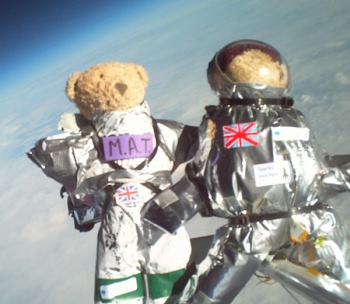
window.__IS_SSR__=true
window.__INITIAL_STATE__={
"attachmentsReducer": {
"audio_0": {
"type": "attachments",
"id": "audio_0",
"imgSizes": {
"kqedFullSize": {
"file": "https://ww2.kqed.org/news/wp-content/themes/KQED-unified/img/audio_bgs/background0.jpg"
}
}
},
"audio_1": {
"type": "attachments",
"id": "audio_1",
"imgSizes": {
"kqedFullSize": {
"file": "https://ww2.kqed.org/news/wp-content/themes/KQED-unified/img/audio_bgs/background1.jpg"
}
}
},
"audio_2": {
"type": "attachments",
"id": "audio_2",
"imgSizes": {
"kqedFullSize": {
"file": "https://ww2.kqed.org/news/wp-content/themes/KQED-unified/img/audio_bgs/background2.jpg"
}
}
},
"audio_3": {
"type": "attachments",
"id": "audio_3",
"imgSizes": {
"kqedFullSize": {
"file": "https://ww2.kqed.org/news/wp-content/themes/KQED-unified/img/audio_bgs/background3.jpg"
}
}
},
"audio_4": {
"type": "attachments",
"id": "audio_4",
"imgSizes": {
"kqedFullSize": {
"file": "https://ww2.kqed.org/news/wp-content/themes/KQED-unified/img/audio_bgs/background4.jpg"
}
}
},
"placeholder": {
"type": "attachments",
"id": "placeholder",
"imgSizes": {
"thumbnail": {
"file": "https://cdn.kqed.org/wp-content/uploads/2024/12/KQED-Default-Image-816638274-2000x1333-1-160x107.jpg",
"width": 160,
"height": 107,
"mimeType": "image/jpeg"
},
"medium": {
"file": "https://cdn.kqed.org/wp-content/uploads/2024/12/KQED-Default-Image-816638274-2000x1333-1-800x533.jpg",
"width": 800,
"height": 533,
"mimeType": "image/jpeg"
},
"medium_large": {
"file": "https://cdn.kqed.org/wp-content/uploads/2024/12/KQED-Default-Image-816638274-2000x1333-1-768x512.jpg",
"width": 768,
"height": 512,
"mimeType": "image/jpeg"
},
"large": {
"file": "https://cdn.kqed.org/wp-content/uploads/2024/12/KQED-Default-Image-816638274-2000x1333-1-1020x680.jpg",
"width": 1020,
"height": 680,
"mimeType": "image/jpeg"
},
"1536x1536": {
"file": "https://cdn.kqed.org/wp-content/uploads/2024/12/KQED-Default-Image-816638274-2000x1333-1-1536x1024.jpg",
"width": 1536,
"height": 1024,
"mimeType": "image/jpeg"
},
"fd-lrg": {
"file": "https://cdn.kqed.org/wp-content/uploads/2024/12/KQED-Default-Image-816638274-2000x1333-1-1536x1024.jpg",
"width": 1536,
"height": 1024,
"mimeType": "image/jpeg"
},
"fd-med": {
"file": "https://cdn.kqed.org/wp-content/uploads/2024/12/KQED-Default-Image-816638274-2000x1333-1-1020x680.jpg",
"width": 1020,
"height": 680,
"mimeType": "image/jpeg"
},
"fd-sm": {
"file": "https://cdn.kqed.org/wp-content/uploads/2024/12/KQED-Default-Image-816638274-2000x1333-1-800x533.jpg",
"width": 800,
"height": 533,
"mimeType": "image/jpeg"
},
"post-thumbnail": {
"file": "https://cdn.kqed.org/wp-content/uploads/2024/12/KQED-Default-Image-816638274-2000x1333-1-672x372.jpg",
"width": 672,
"height": 372,
"mimeType": "image/jpeg"
},
"twentyfourteen-full-width": {
"file": "https://cdn.kqed.org/wp-content/uploads/2024/12/KQED-Default-Image-816638274-2000x1333-1-1038x576.jpg",
"width": 1038,
"height": 576,
"mimeType": "image/jpeg"
},
"xxsmall": {
"file": "https://cdn.kqed.org/wp-content/uploads/2024/12/KQED-Default-Image-816638274-2000x1333-1-160x107.jpg",
"width": 160,
"height": 107,
"mimeType": "image/jpeg"
},
"xsmall": {
"file": "https://cdn.kqed.org/wp-content/uploads/2024/12/KQED-Default-Image-816638274-2000x1333-1-672x372.jpg",
"width": 672,
"height": 372,
"mimeType": "image/jpeg"
},
"small": {
"file": "https://cdn.kqed.org/wp-content/uploads/2024/12/KQED-Default-Image-816638274-2000x1333-1-672x372.jpg",
"width": 672,
"height": 372,
"mimeType": "image/jpeg"
},
"xlarge": {
"file": "https://cdn.kqed.org/wp-content/uploads/2024/12/KQED-Default-Image-816638274-2000x1333-1-1020x680.jpg",
"width": 1020,
"height": 680,
"mimeType": "image/jpeg"
},
"full-width": {
"file": "https://cdn.kqed.org/wp-content/uploads/2024/12/KQED-Default-Image-816638274-2000x1333-1-1920x1280.jpg",
"width": 1920,
"height": 1280,
"mimeType": "image/jpeg"
},
"guest-author-32": {
"file": "https://cdn.kqed.org/wp-content/uploads/2025/01/KQED-Default-Image-816638274-1333x1333-1-160x160.jpg",
"width": 32,
"height": 32,
"mimeType": "image/jpeg"
},
"guest-author-50": {
"file": "https://cdn.kqed.org/wp-content/uploads/2025/01/KQED-Default-Image-816638274-1333x1333-1-160x160.jpg",
"width": 50,
"height": 50,
"mimeType": "image/jpeg"
},
"guest-author-64": {
"file": "https://cdn.kqed.org/wp-content/uploads/2025/01/KQED-Default-Image-816638274-1333x1333-1-160x160.jpg",
"width": 64,
"height": 64,
"mimeType": "image/jpeg"
},
"guest-author-96": {
"file": "https://cdn.kqed.org/wp-content/uploads/2025/01/KQED-Default-Image-816638274-1333x1333-1-160x160.jpg",
"width": 96,
"height": 96,
"mimeType": "image/jpeg"
},
"guest-author-128": {
"file": "https://cdn.kqed.org/wp-content/uploads/2025/01/KQED-Default-Image-816638274-1333x1333-1-160x160.jpg",
"width": 128,
"height": 128,
"mimeType": "image/jpeg"
},
"detail": {
"file": "https://cdn.kqed.org/wp-content/uploads/2025/01/KQED-Default-Image-816638274-1333x1333-1-160x160.jpg",
"width": 160,
"height": 160,
"mimeType": "image/jpeg"
},
"kqedFullSize": {
"file": "https://cdn.kqed.org/wp-content/uploads/2024/12/KQED-Default-Image-816638274-2000x1333-1.jpg",
"width": 2000,
"height": 1333
}
}
},
"mindshift_15638": {
"type": "attachments",
"id": "mindshift_15638",
"meta": {
"index": "attachments_1716263798",
"site": "mindshift",
"id": "15638",
"found": true
},
"parent": 15637,
"imgSizes": {
"fd-sm": {
"file": "https://ww2.kqed.org/app/uploads/sites/23/2011/09/teddy_space-320x278.jpg",
"width": 320,
"mimeType": "image/jpeg",
"height": 278
},
"kqedFullSize": {
"file": "https://ww2.kqed.org/app/uploads/sites/23/2011/09/teddy_space.jpg",
"width": 350,
"height": 304
},
"guest-author-96": {
"file": "https://ww2.kqed.org/app/uploads/sites/23/2011/09/teddy_space-96x96.jpg",
"width": 96,
"mimeType": "image/jpeg",
"height": 96
},
"guest-author-64": {
"file": "https://ww2.kqed.org/app/uploads/sites/23/2011/09/teddy_space-64x64.jpg",
"width": 64,
"mimeType": "image/jpeg",
"height": 64
},
"detail": {
"file": "https://ww2.kqed.org/app/uploads/sites/23/2011/09/teddy_space-75x75.jpg",
"width": 75,
"mimeType": "image/jpeg",
"height": 75
},
"guest-author-32": {
"file": "https://ww2.kqed.org/app/uploads/sites/23/2011/09/teddy_space-32x32.jpg",
"width": 32,
"mimeType": "image/jpeg",
"height": 32
},
"guest-author-128": {
"file": "https://ww2.kqed.org/app/uploads/sites/23/2011/09/teddy_space-128x128.jpg",
"width": 128,
"mimeType": "image/jpeg",
"height": 128
}
},
"publishDate": 1317185020,
"modified": 1317185020,
"caption": null,
"description": null,
"title": "teddy_space",
"credit": null,
"status": "inherit",
"isLoading": false,
"fetchFailed": false
},
"mindshift_15593": {
"type": "attachments",
"id": "mindshift_15593",
"meta": {
"index": "attachments_1716263798",
"site": "mindshift",
"id": "15593",
"found": true
},
"parent": 15573,
"imgSizes": {
"thumbnail": {
"file": "https://ww2.kqed.org/app/uploads/sites/23/2011/09/3502480391_36f467ae3f-400x266.jpg",
"width": 400,
"mimeType": "image/jpeg",
"height": 266
},
"fd-sm": {
"file": "https://ww2.kqed.org/app/uploads/sites/23/2011/09/3502480391_36f467ae3f-320x213.jpg",
"width": 320,
"mimeType": "image/jpeg",
"height": 213
},
"kqedFullSize": {
"file": "https://ww2.kqed.org/app/uploads/sites/23/2011/09/3502480391_36f467ae3f.jpg",
"width": 500,
"height": 333
},
"guest-author-96": {
"file": "https://ww2.kqed.org/app/uploads/sites/23/2011/09/3502480391_36f467ae3f-96x96.jpg",
"width": 96,
"mimeType": "image/jpeg",
"height": 96
},
"guest-author-64": {
"file": "https://ww2.kqed.org/app/uploads/sites/23/2011/09/3502480391_36f467ae3f-64x64.jpg",
"width": 64,
"mimeType": "image/jpeg",
"height": 64
},
"detail": {
"file": "https://ww2.kqed.org/app/uploads/sites/23/2011/09/3502480391_36f467ae3f-75x75.jpg",
"width": 75,
"mimeType": "image/jpeg",
"height": 75
},
"guest-author-32": {
"file": "https://ww2.kqed.org/app/uploads/sites/23/2011/09/3502480391_36f467ae3f-32x32.jpg",
"width": 32,
"mimeType": "image/jpeg",
"height": 32
},
"guest-author-128": {
"file": "https://ww2.kqed.org/app/uploads/sites/23/2011/09/3502480391_36f467ae3f-128x128.jpg",
"width": 128,
"mimeType": "image/jpeg",
"height": 128
}
},
"publishDate": 1317039623,
"modified": 1317039623,
"caption": null,
"description": null,
"title": "3502480391_36f467ae3f",
"credit": null,
"status": "inherit",
"isLoading": false,
"fetchFailed": false
},
"mindshift_15522": {
"type": "attachments",
"id": "mindshift_15522",
"meta": {
"index": "attachments_1716263798",
"site": "mindshift",
"id": "15522",
"found": true
},
"parent": 15520,
"imgSizes": {
"fd-sm": {
"file": "https://ww2.kqed.org/app/uploads/sites/23/2011/09/Screen-shot-2011-09-22-at-11.41.23-AM-320x257.png",
"width": 320,
"mimeType": "image/png",
"height": 257
},
"kqedFullSize": {
"file": "https://ww2.kqed.org/app/uploads/sites/23/2011/09/Screen-shot-2011-09-22-at-11.41.23-AM.png",
"width": 388,
"height": 312
},
"guest-author-96": {
"file": "https://ww2.kqed.org/app/uploads/sites/23/2011/09/Screen-shot-2011-09-22-at-11.41.23-AM-96x96.png",
"width": 96,
"mimeType": "image/png",
"height": 96
},
"guest-author-64": {
"file": "https://ww2.kqed.org/app/uploads/sites/23/2011/09/Screen-shot-2011-09-22-at-11.41.23-AM-64x64.png",
"width": 64,
"mimeType": "image/png",
"height": 64
},
"detail": {
"file": "https://ww2.kqed.org/app/uploads/sites/23/2011/09/Screen-shot-2011-09-22-at-11.41.23-AM-75x75.png",
"width": 75,
"mimeType": "image/png",
"height": 75
},
"guest-author-32": {
"file": "https://ww2.kqed.org/app/uploads/sites/23/2011/09/Screen-shot-2011-09-22-at-11.41.23-AM-32x32.png",
"width": 32,
"mimeType": "image/png",
"height": 32
},
"guest-author-128": {
"file": "https://ww2.kqed.org/app/uploads/sites/23/2011/09/Screen-shot-2011-09-22-at-11.41.23-AM-128x128.png",
"width": 128,
"mimeType": "image/png",
"height": 128
}
},
"publishDate": 1316716909,
"modified": 1316716909,
"caption": null,
"description": null,
"title": "Screen shot 2011-09-22 at 11.41.23 AM",
"credit": null,
"status": "inherit",
"isLoading": false,
"fetchFailed": false
},
"mindshift_15507": {
"type": "attachments",
"id": "mindshift_15507",
"meta": {
"index": "attachments_1716263798",
"site": "mindshift",
"id": "15507",
"found": true
},
"parent": 15499,
"imgSizes": {
"fd-sm": {
"file": "https://ww2.kqed.org/app/uploads/sites/23/2011/09/Screen-shot-2011-09-22-at-9.45.24-AM-320x232.png",
"width": 320,
"mimeType": "image/png",
"height": 232
},
"kqedFullSize": {
"file": "https://ww2.kqed.org/app/uploads/sites/23/2011/09/Screen-shot-2011-09-22-at-9.45.24-AM.png",
"width": 329,
"height": 239
},
"guest-author-96": {
"file": "https://ww2.kqed.org/app/uploads/sites/23/2011/09/Screen-shot-2011-09-22-at-9.45.24-AM-96x96.png",
"width": 96,
"mimeType": "image/png",
"height": 96
},
"guest-author-64": {
"file": "https://ww2.kqed.org/app/uploads/sites/23/2011/09/Screen-shot-2011-09-22-at-9.45.24-AM-64x64.png",
"width": 64,
"mimeType": "image/png",
"height": 64
},
"detail": {
"file": "https://ww2.kqed.org/app/uploads/sites/23/2011/09/Screen-shot-2011-09-22-at-9.45.24-AM-75x75.png",
"width": 75,
"mimeType": "image/png",
"height": 75
},
"guest-author-32": {
"file": "https://ww2.kqed.org/app/uploads/sites/23/2011/09/Screen-shot-2011-09-22-at-9.45.24-AM-32x32.png",
"width": 32,
"mimeType": "image/png",
"height": 32
},
"guest-author-128": {
"file": "https://ww2.kqed.org/app/uploads/sites/23/2011/09/Screen-shot-2011-09-22-at-9.45.24-AM-128x128.png",
"width": 128,
"mimeType": "image/png",
"height": 128
}
},
"publishDate": 1316710671,
"modified": 1316710671,
"caption": "Josniel",
"description": null,
"title": "Screen shot 2011-09-22 at 9.45.24 AM",
"credit": null,
"status": "inherit",
"isLoading": false,
"fetchFailed": false
},
"mindshift_15463": {
"type": "attachments",
"id": "mindshift_15463",
"meta": {
"index": "attachments_1716263798",
"site": "mindshift",
"id": "15463",
"found": true
},
"parent": 15445,
"imgSizes": {
"thumbnail": {
"file": "https://ww2.kqed.org/app/uploads/sites/23/2011/09/4337785648_87b22452cf-400x413.jpg",
"width": 400,
"mimeType": "image/jpeg",
"height": 413
},
"fd-sm": {
"file": "https://ww2.kqed.org/app/uploads/sites/23/2011/09/4337785648_87b22452cf-320x331.jpg",
"width": 320,
"mimeType": "image/jpeg",
"height": 331
},
"post-thumbnail": {
"file": "https://ww2.kqed.org/app/uploads/sites/23/2011/09/4337785648_87b22452cf-484x372.jpg",
"width": 484,
"mimeType": "image/jpeg",
"height": 372
},
"kqedFullSize": {
"file": "https://ww2.kqed.org/app/uploads/sites/23/2011/09/4337785648_87b22452cf.jpg",
"width": 484,
"height": 500
},
"guest-author-96": {
"file": "https://ww2.kqed.org/app/uploads/sites/23/2011/09/4337785648_87b22452cf-96x96.jpg",
"width": 96,
"mimeType": "image/jpeg",
"height": 96
},
"guest-author-64": {
"file": "https://ww2.kqed.org/app/uploads/sites/23/2011/09/4337785648_87b22452cf-64x64.jpg",
"width": 64,
"mimeType": "image/jpeg",
"height": 64
},
"detail": {
"file": "https://ww2.kqed.org/app/uploads/sites/23/2011/09/4337785648_87b22452cf-75x75.jpg",
"width": 75,
"mimeType": "image/jpeg",
"height": 75
},
"guest-author-32": {
"file": "https://ww2.kqed.org/app/uploads/sites/23/2011/09/4337785648_87b22452cf-32x32.jpg",
"width": 32,
"mimeType": "image/jpeg",
"height": 32
},
"guest-author-128": {
"file": "https://ww2.kqed.org/app/uploads/sites/23/2011/09/4337785648_87b22452cf-128x128.jpg",
"width": 128,
"mimeType": "image/jpeg",
"height": 128
}
},
"publishDate": 1316638846,
"modified": 1316638846,
"caption": null,
"description": null,
"title": "4337785648_87b22452cf",
"credit": null,
"status": "inherit",
"isLoading": false,
"fetchFailed": false
},
"mindshift_15439": {
"type": "attachments",
"id": "mindshift_15439",
"meta": {
"index": "attachments_1716263798",
"site": "mindshift",
"id": "15439",
"found": true
},
"parent": 15434,
"imgSizes": {
"thumbnail": {
"file": "https://ww2.kqed.org/app/uploads/sites/23/2011/09/Screen-shot-2011-09-21-at-10.54.51-AM-400x303.png",
"width": 400,
"mimeType": "image/png",
"height": 303
},
"fd-sm": {
"file": "https://ww2.kqed.org/app/uploads/sites/23/2011/09/Screen-shot-2011-09-21-at-10.54.51-AM-320x243.png",
"width": 320,
"mimeType": "image/png",
"height": 243
},
"post-thumbnail": {
"file": "https://ww2.kqed.org/app/uploads/sites/23/2011/09/Screen-shot-2011-09-21-at-10.54.51-AM-630x372.png",
"width": 630,
"mimeType": "image/png",
"height": 372
},
"kqedFullSize": {
"file": "https://ww2.kqed.org/app/uploads/sites/23/2011/09/Screen-shot-2011-09-21-at-10.54.51-AM.png",
"width": 630,
"height": 478
},
"guest-author-96": {
"file": "https://ww2.kqed.org/app/uploads/sites/23/2011/09/Screen-shot-2011-09-21-at-10.54.51-AM-96x96.png",
"width": 96,
"mimeType": "image/png",
"height": 96
},
"guest-author-64": {
"file": "https://ww2.kqed.org/app/uploads/sites/23/2011/09/Screen-shot-2011-09-21-at-10.54.51-AM-64x64.png",
"width": 64,
"mimeType": "image/png",
"height": 64
},
"detail": {
"file": "https://ww2.kqed.org/app/uploads/sites/23/2011/09/Screen-shot-2011-09-21-at-10.54.51-AM-75x75.png",
"width": 75,
"mimeType": "image/png",
"height": 75
},
"guest-author-32": {
"file": "https://ww2.kqed.org/app/uploads/sites/23/2011/09/Screen-shot-2011-09-21-at-10.54.51-AM-32x32.png",
"width": 32,
"mimeType": "image/png",
"height": 32
},
"guest-author-128": {
"file": "https://ww2.kqed.org/app/uploads/sites/23/2011/09/Screen-shot-2011-09-21-at-10.54.51-AM-128x128.png",
"width": 128,
"mimeType": "image/png",
"height": 128
}
},
"publishDate": 1316627933,
"modified": 1316627933,
"caption": null,
"description": null,
"title": "Screen shot 2011-09-21 at 10.54.51 AM",
"credit": null,
"status": "inherit",
"isLoading": false,
"fetchFailed": false
},
"mindshift_15419": {
"type": "attachments",
"id": "mindshift_15419",
"meta": {
"index": "attachments_1716263798",
"site": "mindshift",
"id": "15419",
"found": true
},
"parent": 15418,
"imgSizes": {
"kqedFullSize": {
"file": "https://ww2.kqed.org/app/uploads/sites/23/2011/09/fountainpen.jpg",
"width": 300,
"height": 225
},
"guest-author-96": {
"file": "https://ww2.kqed.org/app/uploads/sites/23/2011/09/fountainpen-96x96.jpg",
"width": 96,
"mimeType": "image/jpeg",
"height": 96
},
"guest-author-64": {
"file": "https://ww2.kqed.org/app/uploads/sites/23/2011/09/fountainpen-64x64.jpg",
"width": 64,
"mimeType": "image/jpeg",
"height": 64
},
"detail": {
"file": "https://ww2.kqed.org/app/uploads/sites/23/2011/09/fountainpen-75x75.jpg",
"width": 75,
"mimeType": "image/jpeg",
"height": 75
},
"guest-author-32": {
"file": "https://ww2.kqed.org/app/uploads/sites/23/2011/09/fountainpen-32x32.jpg",
"width": 32,
"mimeType": "image/jpeg",
"height": 32
},
"guest-author-128": {
"file": "https://ww2.kqed.org/app/uploads/sites/23/2011/09/fountainpen-128x128.jpg",
"width": 128,
"mimeType": "image/jpeg",
"height": 128
}
},
"publishDate": 1316571927,
"modified": 1316571927,
"caption": null,
"description": null,
"title": "fountainpen",
"credit": null,
"status": "inherit",
"isLoading": false,
"fetchFailed": false
},
"mindshift_15416": {
"type": "attachments",
"id": "mindshift_15416",
"meta": {
"index": "attachments_1716263798",
"site": "mindshift",
"id": "15416",
"found": true
},
"parent": 15411,
"imgSizes": {
"kqedFullSize": {
"file": "https://ww2.kqed.org/app/uploads/sites/23/2011/09/10_11.15_newtech_06061-300x199.jpg",
"width": 300,
"height": 199
},
"guest-author-96": {
"file": "https://ww2.kqed.org/app/uploads/sites/23/2011/09/10_11.15_newtech_06061-300x199-96x96.jpg",
"width": 96,
"mimeType": "image/jpeg",
"height": 96
},
"guest-author-64": {
"file": "https://ww2.kqed.org/app/uploads/sites/23/2011/09/10_11.15_newtech_06061-300x199-64x64.jpg",
"width": 64,
"mimeType": "image/jpeg",
"height": 64
},
"detail": {
"file": "https://ww2.kqed.org/app/uploads/sites/23/2011/09/10_11.15_newtech_06061-300x199-75x75.jpg",
"width": 75,
"mimeType": "image/jpeg",
"height": 75
},
"guest-author-32": {
"file": "https://ww2.kqed.org/app/uploads/sites/23/2011/09/10_11.15_newtech_06061-300x199-32x32.jpg",
"width": 32,
"mimeType": "image/jpeg",
"height": 32
},
"guest-author-128": {
"file": "https://ww2.kqed.org/app/uploads/sites/23/2011/09/10_11.15_newtech_06061-300x199-128x128.jpg",
"width": 128,
"mimeType": "image/jpeg",
"height": 128
}
},
"publishDate": 1316550426,
"modified": 1316550426,
"caption": null,
"description": null,
"title": "10_11.15_newtech_06061-300x199",
"credit": null,
"status": "inherit",
"isLoading": false,
"fetchFailed": false
},
"mindshift_15342": {
"type": "attachments",
"id": "mindshift_15342",
"meta": {
"index": "attachments_1716263798",
"site": "mindshift",
"id": "15342",
"found": true
},
"parent": 15341,
"imgSizes": {
"fd-sm": {
"file": "https://ww2.kqed.org/app/uploads/sites/23/2011/09/StudySessionScreenShot-320x280.png",
"width": 320,
"mimeType": "image/png",
"height": 280
},
"kqedFullSize": {
"file": "https://ww2.kqed.org/app/uploads/sites/23/2011/09/StudySessionScreenShot.png",
"width": 350,
"height": 306
},
"guest-author-96": {
"file": "https://ww2.kqed.org/app/uploads/sites/23/2011/09/StudySessionScreenShot-96x96.png",
"width": 96,
"mimeType": "image/png",
"height": 96
},
"guest-author-64": {
"file": "https://ww2.kqed.org/app/uploads/sites/23/2011/09/StudySessionScreenShot-64x64.png",
"width": 64,
"mimeType": "image/png",
"height": 64
},
"detail": {
"file": "https://ww2.kqed.org/app/uploads/sites/23/2011/09/StudySessionScreenShot-75x75.png",
"width": 75,
"mimeType": "image/png",
"height": 75
},
"guest-author-32": {
"file": "https://ww2.kqed.org/app/uploads/sites/23/2011/09/StudySessionScreenShot-32x32.png",
"width": 32,
"mimeType": "image/png",
"height": 32
},
"guest-author-128": {
"file": "https://ww2.kqed.org/app/uploads/sites/23/2011/09/StudySessionScreenShot-128x128.png",
"width": 128,
"mimeType": "image/png",
"height": 128
}
},
"publishDate": 1316389294,
"modified": 1316389294,
"caption": null,
"description": null,
"title": "StudySessionScreenShot",
"credit": null,
"status": "inherit",
"isLoading": false,
"fetchFailed": false
},
"mindshift_15328": {
"type": "attachments",
"id": "mindshift_15328",
"meta": {
"index": "attachments_1716263798",
"site": "mindshift",
"id": "15328",
"found": true
},
"parent": 15326,
"imgSizes": {
"fd-sm": {
"file": "https://ww2.kqed.org/app/uploads/sites/23/2011/09/scones-320x213.jpg",
"width": 320,
"mimeType": "image/jpeg",
"height": 213
},
"kqedFullSize": {
"file": "https://ww2.kqed.org/app/uploads/sites/23/2011/09/scones.jpg",
"width": 350,
"height": 233
},
"guest-author-96": {
"file": "https://ww2.kqed.org/app/uploads/sites/23/2011/09/scones-96x96.jpg",
"width": 96,
"mimeType": "image/jpeg",
"height": 96
},
"guest-author-64": {
"file": "https://ww2.kqed.org/app/uploads/sites/23/2011/09/scones-64x64.jpg",
"width": 64,
"mimeType": "image/jpeg",
"height": 64
},
"detail": {
"file": "https://ww2.kqed.org/app/uploads/sites/23/2011/09/scones-75x75.jpg",
"width": 75,
"mimeType": "image/jpeg",
"height": 75
},
"guest-author-32": {
"file": "https://ww2.kqed.org/app/uploads/sites/23/2011/09/scones-32x32.jpg",
"width": 32,
"mimeType": "image/jpeg",
"height": 32
},
"guest-author-128": {
"file": "https://ww2.kqed.org/app/uploads/sites/23/2011/09/scones-128x128.jpg",
"width": 128,
"mimeType": "image/jpeg",
"height": 128
}
},
"publishDate": 1316321521,
"modified": 1316321521,
"caption": null,
"description": null,
"title": "scones",
"credit": null,
"status": "inherit",
"isLoading": false,
"fetchFailed": false
},
"mindshift_15310": {
"type": "attachments",
"id": "mindshift_15310",
"meta": {
"index": "attachments_1716263798",
"site": "mindshift",
"id": "15310",
"found": true
},
"parent": 15309,
"imgSizes": {
"twentyfourteen-full-width": {
"file": "https://ww2.kqed.org/app/uploads/sites/23/2011/09/11_1.21_Ipad_Algebra_0238-1038x576.jpg",
"width": 1038,
"mimeType": "image/jpeg",
"height": 576
},
"thumbnail": {
"file": "https://ww2.kqed.org/app/uploads/sites/23/2011/09/11_1.21_Ipad_Algebra_0238-400x266.jpg",
"width": 400,
"mimeType": "image/jpeg",
"height": 266
},
"fd-sm": {
"file": "https://ww2.kqed.org/app/uploads/sites/23/2011/09/11_1.21_Ipad_Algebra_0238-320x213.jpg",
"width": 320,
"mimeType": "image/jpeg",
"height": 213
},
"post-thumbnail": {
"file": "https://ww2.kqed.org/app/uploads/sites/23/2011/09/11_1.21_Ipad_Algebra_0238-672x372.jpg",
"width": 672,
"mimeType": "image/jpeg",
"height": 372
},
"kqedFullSize": {
"file": "https://ww2.kqed.org/app/uploads/sites/23/2011/09/11_1.21_Ipad_Algebra_0238.jpg",
"width": 1440,
"height": 958
},
"large": {
"file": "https://ww2.kqed.org/app/uploads/sites/23/2011/09/11_1.21_Ipad_Algebra_0238-1440x958.jpg",
"width": 1440,
"mimeType": "image/jpeg",
"height": 958
},
"guest-author-96": {
"file": "https://ww2.kqed.org/app/uploads/sites/23/2011/09/11_1.21_Ipad_Algebra_0238-96x96.jpg",
"width": 96,
"mimeType": "image/jpeg",
"height": 96
},
"medium": {
"file": "https://ww2.kqed.org/app/uploads/sites/23/2011/09/11_1.21_Ipad_Algebra_0238-800x532.jpg",
"width": 800,
"mimeType": "image/jpeg",
"height": 532
},
"guest-author-64": {
"file": "https://ww2.kqed.org/app/uploads/sites/23/2011/09/11_1.21_Ipad_Algebra_0238-64x64.jpg",
"width": 64,
"mimeType": "image/jpeg",
"height": 64
},
"guest-author-32": {
"file": "https://ww2.kqed.org/app/uploads/sites/23/2011/09/11_1.21_Ipad_Algebra_0238-32x32.jpg",
"width": 32,
"mimeType": "image/jpeg",
"height": 32
},
"fd-lrg": {
"file": "https://ww2.kqed.org/app/uploads/sites/23/2011/09/11_1.21_Ipad_Algebra_0238-1180x785.jpg",
"width": 1180,
"mimeType": "image/jpeg",
"height": 785
},
"fd-med": {
"file": "https://ww2.kqed.org/app/uploads/sites/23/2011/09/11_1.21_Ipad_Algebra_0238-768x511.jpg",
"width": 768,
"mimeType": "image/jpeg",
"height": 511
},
"detail": {
"file": "https://ww2.kqed.org/app/uploads/sites/23/2011/09/11_1.21_Ipad_Algebra_0238-75x75.jpg",
"width": 75,
"mimeType": "image/jpeg",
"height": 75
},
"guest-author-128": {
"file": "https://ww2.kqed.org/app/uploads/sites/23/2011/09/11_1.21_Ipad_Algebra_0238-128x128.jpg",
"width": 128,
"mimeType": "image/jpeg",
"height": 128
}
},
"publishDate": 1316191371,
"modified": 1316191371,
"caption": "San Francisco middle school students watch instructional videos on their school-issued iPads.",
"description": null,
"title": "11_1.21_Ipad_Algebra_0238",
"credit": null,
"status": "inherit",
"isLoading": false,
"fetchFailed": false
}
},
"audioPlayerReducer": {
"postId": "stream_live",
"isPaused": true,
"isPlaying": false,
"pfsActive": false,
"pledgeModalIsOpen": true,
"playerDrawerIsOpen": false,
"liveAudioPlayStartedAt": 0,
"liveAudioPlayContext": ""
},
"authorsReducer": {
"tbarseghian": {
"type": "authors",
"id": "180",
"meta": {
"index": "authors_1716337520",
"id": "180",
"found": true
},
"name": "Tina Barseghian",
"firstName": "Tina",
"lastName": "Barseghian",
"slug": "tbarseghian",
"email": "tbarseghian@kqed.org",
"display_author_email": false,
"staff_mastheads": [],
"title": null,
"bio": null,
"avatar": "https://secure.gravatar.com/avatar/de7e6ced1239b7018fe4d2b61f723c90?s=600&d=blank&r=g",
"twitter": null,
"facebook": null,
"instagram": null,
"linkedin": null,
"sites": [
{
"site": "styleguide",
"roles": [
"contributor"
]
},
{
"site": "news",
"roles": [
"subscriber"
]
},
{
"site": "mindshift",
"roles": [
"subscriber"
]
},
{
"site": "bayareabites",
"roles": [
"subscriber"
]
}
],
"headData": {
"title": "Tina Barseghian | KQED",
"description": null,
"ogImgSrc": "https://secure.gravatar.com/avatar/de7e6ced1239b7018fe4d2b61f723c90?s=600&d=blank&r=g",
"twImgSrc": "https://secure.gravatar.com/avatar/de7e6ced1239b7018fe4d2b61f723c90?s=600&d=blank&r=g"
},
"isLoading": false,
"link": "/author/tbarseghian"
},
"awatters": {
"type": "authors",
"id": "4352",
"meta": {
"index": "authors_1716337520",
"id": "4352",
"found": true
},
"name": "Audrey Watters",
"firstName": "Audrey",
"lastName": "Watters",
"slug": "awatters",
"email": "awatters@kqed.org",
"display_author_email": false,
"staff_mastheads": [],
"title": null,
"bio": null,
"avatar": "https://secure.gravatar.com/avatar/fb6ac91bb93632725bfa683c1de71bee?s=600&d=blank&r=g",
"twitter": null,
"facebook": null,
"instagram": null,
"linkedin": null,
"sites": [
{
"site": "mindshift",
"roles": [
"subscriber"
]
}
],
"headData": {
"title": "Audrey Watters | KQED",
"description": null,
"ogImgSrc": "https://secure.gravatar.com/avatar/fb6ac91bb93632725bfa683c1de71bee?s=600&d=blank&r=g",
"twImgSrc": "https://secure.gravatar.com/avatar/fb6ac91bb93632725bfa683c1de71bee?s=600&d=blank&r=g"
},
"isLoading": false,
"link": "/author/awatters"
}
},
"pagesReducer": {
"mindshift_category_teaching-strategies": {
"type": "terms",
"id": "mindshift_193",
"meta": {
"index": "terms_1716263798",
"site": "mindshift",
"id": "193",
"score": 14.406914
},
"featImg": null,
"name": "Teaching Strategies",
"description": "Innovative ideas - projects, processes, curricula, and more - that are transforming how we teach and learn.",
"taxonomy": "category",
"headData": {
"twImgId": null,
"twTitle": null,
"ogTitle": null,
"ogImgId": null,
"twDescription": null,
"description": "Innovative ideas - projects, processes, curricula, and more - that are transforming how we teach and learn.",
"title": "Teaching Strategies Archives | KQED Mindshift",
"ogDescription": null
},
"ttid": 193,
"slug": "teaching-strategies",
"isLoading": false,
"title": "Teaching Strategies",
"pageMeta": {
"site": "mindshift",
"WpPageTemplate": "page-topic-editorial",
"currentPage": 83
},
"blocks": [
{
"blockName": "kqed/company-paragraph",
"content": "Innovative ideas - projects, processes, curricula, and more - that are transforming how we teach and learn."
},
{
"blockName": "kqed/post-list",
"attrs": {
"layout": "cardArticle2",
"query": "posts/mindshift?category=teaching-strategies",
"seeMore": false,
"paginated": true,
"page": 83
}
},
{
"blockName": "kqed/ad"
}
]
}
},
"pfsSessionReducer": {},
"postsReducer": {
"stream_live": {
"type": "live",
"id": "stream_live",
"audioUrl": "https://streams.kqed.org/kqedradio",
"title": "Live Stream",
"excerpt": "Live Stream information currently unavailable.",
"link": "/radio",
"featImg": "",
"label": {
"name": "KQED Live",
"link": "/"
}
},
"stream_kqedNewscast": {
"type": "posts",
"id": "stream_kqedNewscast",
"audioUrl": "https://www.kqed.org/.stream/anon/radio/RDnews/newscast.mp3?_=1",
"title": "KQED Newscast",
"featImg": "",
"label": {
"name": "88.5 FM",
"link": "/"
}
},
"mindshift_15637": {
"type": "posts",
"id": "mindshift_15637",
"meta": {
"index": "posts_1716263798",
"site": "mindshift",
"id": "15637",
"score": null,
"sort": [
1317230385000
]
},
"parent": 0,
"labelTerm": {
"site": "mindshift"
},
"blocks": [],
"publishDate": 1317230385,
"format": "aside",
"disqusTitle": "Space Exploration is Not Just for Astronauts",
"title": "Space Exploration is Not Just for Astronauts",
"headTitle": "MindShift | KQED News",
"content": "\u003cdiv class=\"module image alignleft mceTemp\" style=\"width: 350px\">\u003ca href=\"http://www.mirror.co.uk/news/top-stories/2008/12/05/teddy-bears-in-space-amazing-picture-115875-20946478/\">\u003cimg class=\"size-full wp-image-15638\" src=\"http://ww2.kqed.org/mindshift/wp-content/uploads/sites/23/2011/09/teddy_space.jpg\" alt=\"\" width=\"350\" height=\"304\" srcset=\"https://ww2.kqed.org/app/uploads/sites/23/2011/09/teddy_space.jpg 350w, https://ww2.kqed.org/app/uploads/sites/23/2011/09/teddy_space-320x278.jpg 320w\" sizes=\"(max-width: 350px) 100vw, 350px\">\u003c/a>\n\u003cp class=\"wp-media-credit\">Teddy bears in space, via Mirror UK\u003c/p>\n\u003c/div>\n\u003cp>With the end of the \u003ca href=\"http://www.nasa.gov/mission_pages/shuttle/main/index.html\">U.S. Space Shuttle\u003c/a> program this summer, there's been a lot of talk about the future of manned space exploration. As the name \"shuttle\" would suggest, the Space Shuttle program was supposed to mark the beginning of space missions that were more regular and less expensive, an opportunity for both scientific and commercial space travel. But now that the program has ended, we've lost what has been, arguably, one of the more glamorous occupations that could entice students into thinking about a future career in space exploration: the job of space shuttle astronaut.\u003c/p>\n\u003cp>But as \u003ca href=\"http://spacehack.org\">Spacehack\u003c/a>'s Ariel Waldman is quick to point out, we might be placing too much emphasis on the \"astronaut\" when we think about the possibilities of exploring space. After all, after 50 some-odd years of space missions, humans have only sent 500 people into space. When we think about the impact of the Internet, a technology that's just about as old as the space mission, we can see that the latter has had a far greater and far more democratizing impact.\u003c/p>\n\u003caside class=\"pullquote alignleft\">We're about to see a renaissance of citizen science, where people are able to participate more and take an active role in dictating the direction of scientific exploration.\u003c/aside>\n\u003cp>How then can we take the lessons and the opportunities of the Internet -- all its democratizing potential -- and use that to re-think space exploration? Are there ways in which we can continue to explore space even though the opportunities to send humans there seem, for the near future at \u003c!--more-->least, to have diminished?\u003c/p>\n\u003cp>Yes, there are, says Waldman, whose Spacehack website helps highlight a variety of space projects in which anyone can readily participate.\u003c/p>\n\u003cp>The projects on Spacehack range from the well-known \u003ca href=\"http://setiquest.org/\">SETIQuest\u003c/a> search for intelligent life in the universe to the \u003ca href=\"http://interorbital.com/TubeSat_1.htm\">TubeSat Personal Satellite kit\u003c/a>, which as the name suggests is a way to build your own satellite.\u003c/p>\n\u003cp>[ad fullwidth]\u003c/p>\n\u003cp>With Spacehack, Waldman has compiled projects in which people can actively contribute to scientific discoveries. Some space exploration projects, like those long associated with SETI, have often involved people turning over their computing resources for scientists to use or involved people doing rather mindless, repetitive tasks that aid others in their discoveries. But Waldman is committed to promoting projects in which people get to actively participate and contribute -- and just as importantly, projects for which they get credit for their discoveries.\u003c/p>\n\u003cp>An example of this is \u003ca href=\"http://www.galaxyzoo.org/\">GalaxyZoo\u003c/a>, a site that takes data from millions of galaxies that have been imaged by space telescopes and has human volunteers assess and classify the imagery. GalaxyZoo shows you images and you're asked to identify the patterns of the stars. It's a way to crowdsource the identification of galaxies, and the citizen scientists who've participated have done just that, making several important discoveries including \u003ca href=\"http://www.sciencedaily.com/releases/2009/07/090727135527.htm\">identifying (and naming) the \"Green Peas\" galaxies\u003c/a>.\u003c/p>\n\u003cp>Participating in projects like Galaxy Zoo doesn't require an engineering or astronomy background. And as Waldman notes, it's a good reminder that there are lots of jobs associated with space exploration that don't either. After all, not everyone who works at NASA is an astronaut or astrophysicist.\u003c/p>\n\u003cp>Part of the work of Spacehack is also helping space exploration programs make their offerings more accessible and available to the public -- removing some of the barriers and jargon that make participation intimidating, if not impossible. This is important for getting kids engaged in STEM careers, but it's also just as important for keeping adults engaged in scientific work -- even if they don't themselves opt for STEM careers. As a recent \u003ca href=\"http://boingboing.net/2011/09/23/science-museums-are-failing-grown-ups.html\">BoingBoing article\u003c/a> by Maggie Koerth-Baker contends, we're failing to reach adults with science museums and science education just as much as we're failing to reach children.\u003c/p>\n\u003cp>Nonetheless, Waldman believes we're about to see a renaissance of citizen science, where people are able to participate more and, as such, take an active role in dictating the direction of scientific exploration. Pointing to the success of sites like Galaxy Zoo, Waldman argues that citizen scientists will be empowered to speak up and help actively engage in these sorts of efforts, without feeling intimidated or left out of these important discussions.\u003c/p>\n\u003cp>\u003c/p>\n\u003cp>If this sounds like something you're interested in, keep an eye out for \u003ca href=\"http://sciencehackday.com/\">Science Hack Day\u003c/a>, a weekend-long event that brings together scientists, engineers, designers, developers, geeks and enthusiasts to -- as the name suggests -- work on hands-on, DIY science projects. The next Science Hack Day in San Francisco will be November 12 and 13. Adults and kids, scientists and citizen scientists are welcome to attend.\u003c/p>\n\n",
"disqusIdentifier": "15637 http://blogs.kqed.org/mindshift/?p=15637",
"disqusUrl": "https://ww2.kqed.org/mindshift/2011/09/28/space-exploration-is-not-just-for-astronauts/",
"stats": {
"hasVideo": false,
"hasChartOrMap": false,
"hasAudio": false,
"hasPolis": false,
"wordCount": 787,
"hasGoogleForm": false,
"hasGallery": false,
"hasHearkenModule": false,
"iframeSrcs": [],
"paragraphCount": 13
},
"modified": 1317230385,
"excerpt": null,
"headData": {
"twImgId": "",
"twTitle": "",
"ogTitle": "",
"ogImgId": "",
"twDescription": "",
"description": "Teddy bears in space, via Mirror UK With the end of the U.S. Space Shuttle program this summer, there's been a lot of talk about the future of manned space exploration. As the name "shuttle" would suggest, the Space Shuttle program was supposed to mark the beginning of space missions that were more regular and",
"title": "Space Exploration is Not Just for Astronauts | KQED",
"ogDescription": "",
"schema": {
"@context": "https://schema.org",
"@type": "Article",
"headline": "Space Exploration is Not Just for Astronauts",
"datePublished": "2011-09-28T10:19:45-07:00",
"dateModified": "2011-09-28T10:19:45-07:00",
"image": "https://cdn.kqed.org/wp-content/uploads/2020/02/KQED-OG-Image@1x.png"
}
},
"guestAuthors": [],
"slug": "space-exploration-is-not-just-for-astronauts",
"status": "publish",
"path": "/mindshift/15637/space-exploration-is-not-just-for-astronauts",
"audioTrackLength": null,
"parsedContent": [
{
"type": "contentString",
"content": "\u003cdiv class=\"post-body\">\u003cp>\u003cdiv class=\"module image alignleft mceTemp\" style=\"width: 350px\">\u003ca href=\"http://www.mirror.co.uk/news/top-stories/2008/12/05/teddy-bears-in-space-amazing-picture-115875-20946478/\">\u003cimg class=\"size-full wp-image-15638\" src=\"http://ww2.kqed.org/mindshift/wp-content/uploads/sites/23/2011/09/teddy_space.jpg\" alt=\"\" width=\"350\" height=\"304\" srcset=\"https://ww2.kqed.org/app/uploads/sites/23/2011/09/teddy_space.jpg 350w, https://ww2.kqed.org/app/uploads/sites/23/2011/09/teddy_space-320x278.jpg 320w\" sizes=\"(max-width: 350px) 100vw, 350px\">\u003c/a>\n\u003cp class=\"wp-media-credit\">Teddy bears in space, via Mirror UK\u003c/p>\n\u003c/div>\n\u003cp>With the end of the \u003ca href=\"http://www.nasa.gov/mission_pages/shuttle/main/index.html\">U.S. Space Shuttle\u003c/a> program this summer, there's been a lot of talk about the future of manned space exploration. As the name \"shuttle\" would suggest, the Space Shuttle program was supposed to mark the beginning of space missions that were more regular and less expensive, an opportunity for both scientific and commercial space travel. But now that the program has ended, we've lost what has been, arguably, one of the more glamorous occupations that could entice students into thinking about a future career in space exploration: the job of space shuttle astronaut.\u003c/p>\n\u003cp>But as \u003ca href=\"http://spacehack.org\">Spacehack\u003c/a>'s Ariel Waldman is quick to point out, we might be placing too much emphasis on the \"astronaut\" when we think about the possibilities of exploring space. After all, after 50 some-odd years of space missions, humans have only sent 500 people into space. When we think about the impact of the Internet, a technology that's just about as old as the space mission, we can see that the latter has had a far greater and far more democratizing impact.\u003c/p>\n\u003caside class=\"pullquote alignleft\">We're about to see a renaissance of citizen science, where people are able to participate more and take an active role in dictating the direction of scientific exploration.\u003c/aside>\n\u003cp>How then can we take the lessons and the opportunities of the Internet -- all its democratizing potential -- and use that to re-think space exploration? Are there ways in which we can continue to explore space even though the opportunities to send humans there seem, for the near future at \u003c!--more-->least, to have diminished?\u003c/p>\n\u003cp>Yes, there are, says Waldman, whose Spacehack website helps highlight a variety of space projects in which anyone can readily participate.\u003c/p>\n\u003cp>The projects on Spacehack range from the well-known \u003ca href=\"http://setiquest.org/\">SETIQuest\u003c/a> search for intelligent life in the universe to the \u003ca href=\"http://interorbital.com/TubeSat_1.htm\">TubeSat Personal Satellite kit\u003c/a>, which as the name suggests is a way to build your own satellite.\u003c/p>\n\u003cp>\u003c/p>\u003c/div>",
"attributes": {
"named": {},
"numeric": []
}
},
{
"type": "component",
"content": "",
"name": "ad",
"attributes": {
"named": {
"label": "fullwidth"
},
"numeric": [
"fullwidth"
]
}
},
{
"type": "contentString",
"content": "\u003cdiv class=\"post-body\">\u003cp>\u003c/p>\n\u003cp>With Spacehack, Waldman has compiled projects in which people can actively contribute to scientific discoveries. Some space exploration projects, like those long associated with SETI, have often involved people turning over their computing resources for scientists to use or involved people doing rather mindless, repetitive tasks that aid others in their discoveries. But Waldman is committed to promoting projects in which people get to actively participate and contribute -- and just as importantly, projects for which they get credit for their discoveries.\u003c/p>\n\u003cp>An example of this is \u003ca href=\"http://www.galaxyzoo.org/\">GalaxyZoo\u003c/a>, a site that takes data from millions of galaxies that have been imaged by space telescopes and has human volunteers assess and classify the imagery. GalaxyZoo shows you images and you're asked to identify the patterns of the stars. It's a way to crowdsource the identification of galaxies, and the citizen scientists who've participated have done just that, making several important discoveries including \u003ca href=\"http://www.sciencedaily.com/releases/2009/07/090727135527.htm\">identifying (and naming) the \"Green Peas\" galaxies\u003c/a>.\u003c/p>\n\u003cp>Participating in projects like Galaxy Zoo doesn't require an engineering or astronomy background. And as Waldman notes, it's a good reminder that there are lots of jobs associated with space exploration that don't either. After all, not everyone who works at NASA is an astronaut or astrophysicist.\u003c/p>\n\u003cp>Part of the work of Spacehack is also helping space exploration programs make their offerings more accessible and available to the public -- removing some of the barriers and jargon that make participation intimidating, if not impossible. This is important for getting kids engaged in STEM careers, but it's also just as important for keeping adults engaged in scientific work -- even if they don't themselves opt for STEM careers. As a recent \u003ca href=\"http://boingboing.net/2011/09/23/science-museums-are-failing-grown-ups.html\">BoingBoing article\u003c/a> by Maggie Koerth-Baker contends, we're failing to reach adults with science museums and science education just as much as we're failing to reach children.\u003c/p>\n\u003cp>Nonetheless, Waldman believes we're about to see a renaissance of citizen science, where people are able to participate more and, as such, take an active role in dictating the direction of scientific exploration. Pointing to the success of sites like Galaxy Zoo, Waldman argues that citizen scientists will be empowered to speak up and help actively engage in these sorts of efforts, without feeling intimidated or left out of these important discussions.\u003c/p>\n\u003cp>\u003c/p>\n\u003cp>If this sounds like something you're interested in, keep an eye out for \u003ca href=\"http://sciencehackday.com/\">Science Hack Day\u003c/a>, a weekend-long event that brings together scientists, engineers, designers, developers, geeks and enthusiasts to -- as the name suggests -- work on hands-on, DIY science projects. The next Science Hack Day in San Francisco will be November 12 and 13. Adults and kids, scientists and citizen scientists are welcome to attend.\u003c/p>\n\n\u003c/div>\u003c/p>",
"attributes": {
"named": {},
"numeric": []
}
}
],
"link": "/mindshift/15637/space-exploration-is-not-just-for-astronauts",
"authors": [
"4352"
],
"categories": [
"mindshift_195",
"mindshift_193"
],
"tags": [
"mindshift_350",
"mindshift_719",
"mindshift_718",
"mindshift_47"
],
"featImg": "mindshift_15638",
"label": "mindshift"
},
"mindshift_15573": {
"type": "posts",
"id": "mindshift_15573",
"meta": {
"index": "posts_1716263798",
"site": "mindshift",
"id": "15573",
"score": null,
"sort": [
1317038427000
]
},
"parent": 0,
"labelTerm": {
"site": "mindshift"
},
"blocks": [],
"publishDate": 1317038427,
"format": "aside",
"disqusTitle": "A Case for Lifelong Kindergarten",
"title": "A Case for Lifelong Kindergarten",
"headTitle": "MindShift | KQED News",
"content": "\u003cdiv class=\"module image alignleft mceTemp\" style=\"width: 300px\">\u003ca href=\"http://www.flickr.com/photos/wwworks/3502480391/sizes/m/in/photostream/\">\u003cimg class=\"size-medium wp-image-15593\" src=\"http://ww2.kqed.org/mindshift/wp-content/uploads/sites/23/2011/09/3502480391_36f467ae3f-300x199.jpg\" alt=\"\" width=\"300\" height=\"199\">\u003c/a>\n\u003cp class=\"wp-media-credit\">Flickr:wwworks\u003c/p>\n\u003c/div>\n\u003cp>Could it be that the best way to learn happens in kindergarten? It's an intriguing proposition, one that's being explored at M.I.T. by folks like Mitch Resnick, the creator of the famous computer programming site for beginners called \u003ca href=\"http://www.scratch.mit.edu\">Scratch\u003c/a>.\u003c/p>\n\u003cp>Resnick brought up the idea last week at the \u003ca href=\"http://ww2.kqed.org/mindshift/2011/09/an-attempt-at-describing-the-schools-of-tomorrow/\">New York Times' School for Tomorrow summit\u003c/a>, and proclaimed that \"schools should be on the edge of chaos,\" a comment that lit up the Twitterverse.\u003c/p>\n\u003cp>Resnick is one of three recipients, including Robert Beichner, a physics professor at North Carolina State University, and Julie Young, president of Florida Virtual School, of the \u003ca href=\"http://www.mcgraw-hill.com/site/about-us/mcgraw-prize\">McGraw Prize in\u003cbr>\nEducation.\u003c/a> The three of them worked on a paper that exemplifies how technology should work seamlessly with learning.\u003c/p>\n\u003cp>Here's Resnick's excerpt from the \u003ca href=\"http://www.mcgrawprizeined.com\">paper\u003c/a>\u003cstrong>, \u003c/strong>which in turn excerpts parts of \u003ca href=\"http://www.newcultureoflearning.com/\">\u003cem>A New Culture of Learning: Cultivating the Imagination for a World of Constant Change\u003c/em>\u003c/a> by Doug Thomas and John Seely Brown.\u003c/p>\n\u003ch5>By Mitch Resnick:\u003c/h5>\n\u003cp>At the \u003ca href=\"http://www.media.mit.edu/\">Media Lab at the Massachusetts Institute of Technology\u003c/a> our goal is to design technologies that empower people to explore, experiment, and express themselves in new ways. My \u003ca href=\"http://llk.media.mit.edu/\">Lifelong Kindergarten group\u003c/a> develops tools that engage people in creative learning experiences, emphasizing the type of interest-driven, collaborative activities that traditionally exist in kindergarten.\u003c/p>\n\u003caside class=\"pullquote alignleft\">\"In the spirit of the blocks and finger paint of kindergarten, [let's] expand the range of what people can design, create, and learn.\"\u003c/aside>\n\u003cp>We are inspired by the way kindergarten students learn through a spiraling process in which they imagine what they want to do, create a project based on their ideas, play with their creations, share their ideas and creations with others, and reflect on their experiences – all of which leads them to imagine new ideas and new projects. This iterative learning process is ideal preparation for today’s \u003c!--more-->fast-changing society in which people must continually come up with innovative solutions to unexpected situations in their lives.\u003c/p>\n\u003cp>[ad fullwidth]\u003c/p>\n\u003cp>We work to develop new technologies that, in the spirit of the blocks and finger paint of kindergarten, expand the range of what people can design, create, and learn – thus sowing the seeds for a more creative society. Our goal is to help children learn to think creatively, reason systematically, work collaboratively, and learn continuously – essential skills for success in the 21st century. We are developing a new generation of technologies that not only enable children to connect with new concepts and ideas but also enable them to connect with other people, providing new pathways for sharing, collaborating, and empathizing with one another.\u003c/p>\n\u003cp>Examples from two of my projects – Scratch and the Computer Clubhouse – illustrate this point.\u003cbr>\nScratch is a graphical programming environment that makes it easy for children ages eight and up to create their own interactive stories, games, animations, and simulations – and then share their creations with one another online. Roughly one million children have joined the \u003ca href=\"http://scratch.mit.edu\">Scratch\u003c/a> online community, where they share more than 2,000 new Scratch projects each day.\u003c/p>\n\u003cp>The way students use this online community provides a compelling example of how valuable human connections can be fostered by new digital tools. Participants in the Scratch community serve alternately as peers and teachers, solving problems and perfecting programs together. The following excerpt from \u003ca href=\"http://www.newcultureoflearning.com/\">\u003cem>A New Culture of Learning: Cultivating the Imagination for a World of Constant Change\u003c/em>\u003c/a>, a recent book by Doug Thomas and John Seely Brown, describes the experiences of nine-year-old Sam, who uses Scratch to create his own animations and games:\u003c/p>\n\u003cp style=\"padding-left: 30px\">\u003cem>Scratch has an additional element that takes the experience to a different level: a collective, a community of similarly minded people who helped Sam learn and meet the very particular set of needs that he had. When Sam posted his game online to that community, it became accessible to thousands of other kids who were also working with Scratch, and that’s when some very interesting things started to happen. The other players were able not only to play Sam’s game, but also, with the click of a button, to download it into the Scratch interface, see the code, and modify it if they wished.\u003c/em>\u003c/p>\n\u003cp style=\"padding-left: 30px\">\u003cem>Perhaps the most important aspect of all, however, was the users’ ability to comment on projects they liked by clicking a “Love it?” button. What Sam found when he joined the online community was that he was no longer simply creating animations or games; he was part of a larger conversation. He was excited about receiving his first comment, of course. But when we asked Sam what it meant to be a good member of the Scratch community, we were surprised by his answer. It had nothing to do with building games or posting animations. Instead, Sam told us that the single most important thing was to “not be mean” in your comments and to make sure that you commented on something good when you came across it, as well. The game does not just teach programming; it cultivated citizenship...\u003c/em>\u003c/p>\n\u003cp style=\"padding-left: 30px\">\u003cem>Sam made perhaps the most revealing comment, one that tells us the most about the new culture of learning, when we asked him what he looks for in other people’s programs. He told us, “something really cool that you could never know yourself.” While playing Scratch, Sam has learned a lot about programming and a lot about participating in online communities. But what he has learned most of all is how to learn from others.\u003c/em>\u003c/p>\n\u003cp>The following example illustrates how a 13-year-old girl, identified as “BalaBethany,” learned to program through interactions with peers online:\u003c/p>\n\u003cp style=\"padding-left: 30px\">\u003cem>BalaBethany enjoys drawing anime characters. So when she started using Scratch, it was natural for her to program animated stories featuring these characters. She began sharing her projects on the Scratch Web site, and other members of the community responded positively, posting glowing comments under her projects (such as “Awesome!” and “OMG I LUV IT!!!!!!”), along with questions about how she achieved certain visual effects (such as “How do you make a sprite look see-through?”). Encouraged, BalaBethany then created and shared new Scratch projects on a regular basis, like episodes in a TV series.\u003c/em>\u003c/p>\n\u003cp style=\"padding-left: 30px\">\u003cem>She periodically added new characters to her series and at one point asked why not involve the whole Scratch community in the process? She created and uploaded a new Scratch project that announced a “contest,” asking other community members to design a sister for one of her characters. The project listed a set of requirements for the new character, including “Must have red or blue hair, please choose” and “Has to have either cat or ram horns, or a combo of both.”\u003c/em>\u003cbr>\n\u003cem> The project received more than 100 comments. One was from a community member who wanted to enter the contest but said she didn’t know how to draw anime characters. So BalaBethany produced another Scratch project, a step-by step tutorial, demonstrating a 13-step process for drawing and coloring anime characters.\u003c/em>\u003c/p>\n\u003cp style=\"padding-left: 30px\">\u003cem>Over the course of a year, BalaBethany programmed and shared more than 200 Scratch projects, covering a range of project types (stories, contests, tutorials, and more). Her programming and artistic skills progressed, and her projects clearly resonated with the Scratch community, receiving more than 12,000 comments.\u003c/em>\u003c/p>\n\u003cp>Our group at MIT also founded the \u003ca href=\"http://www.computerclubhouse.org/\">Computer Clubhouse project\u003c/a>, an international network of 100 after-school centers where low-income youth ages 10-18 learn to express themselves creatively with new technologies. With support from adult mentors, participants create interactive stories, music videos, and robotic constructions. The following excerpt underscores how technology can help children forge their identities and establish themselves as part of a community:\u003c/p>\n\u003cp style=\"padding-left: 30px\">\u003cem>Consider Mike Lee, who spent time at the original Computer Clubhouse in Boston. Mike first came to the Clubhouse after he had dropped out of high school. His true passion was drawing. He filled up notebook after notebook with sketches of cartoon characters. At the Clubhouse, Mike developed a new method for his artwork. First, he would draw black-and-white sketches by hand. Then, he would scan the sketches into the computer and use the computer to color them in. His work often involved comic-book images of himself and his friends.\u003c/em>\u003c/p>\n\u003cp style=\"padding-left: 30px\">\u003cem>Over time, Mike learned to use more advanced computer techniques in his artwork. Everyone in the Clubhouse was impressed with Mike’s creations, and other youth began to come to him for advice. Some members explicitly mimicked Mike’s artistic style. Before long, a collection of “Mike Lee style” artwork filled the bulletin boards of the Clubhouse. “It’s kind of flattering,” said Mike.\u003c/em>\u003c/p>\n\u003cp style=\"padding-left: 30px\">\u003cem>For the first time in Mike’s life, other people were looking up to him. He began to feel a new sense of responsibility. He decided to stop using guns in his artwork, feeling that it was a bad influence on the younger Clubhouse members. “My own personal artwork is more hard core, about street violence. I had a close friend who was shot and died,” Mike explained. “But I don’t want to bring that here. I have an extra responsibility. Kids don’t understand about guns; they think it’s cool. They see a fight, it’s natural they want to go see it. They don't understand. They’re just kids.”\u003c/em>\u003c/p>\n\u003cp style=\"padding-left: 30px\">\u003cem>Mike began working with others at the Clubhouse on collaborative projects. Together, they created an Online Art Gallery on the Web. Once a week, they met with a local artist who agreed to be a mentor for the project. After a year, their online art show was accepted as an exhibition at Siggraph, the world’s premiere computer-graphics conference.\u003c/em>\u003c/p>\n\u003cp style=\"padding-left: 30px\">\u003cem>As Mike worked with others at the Clubhouse, he began to experiment with new artistic techniques. He added more computer effects, and he began working on digital collages combining photographs and graphics, while still maintaining his distinctive style. Over time, Mike explored how he might use his artwork as a form of social commentary and political expression.\u003c/em>\u003c/p>\n\u003cp style=\"padding-left: 30px\">\u003cem>As he worked at the Clubhouse, Mike Lee clearly learned a lot about computers and about graphic design. But he also began to develop his own ideas about teaching and learning. “At the Clubhouse, I was free to do what I wanted, learn what I wanted,” said Mike. “Whatever I did was just for me. If I had taken computer courses [in school], there would have been all those assignments. Here I could be totally creative.” Mike remembers – and appreciates – how the Clubhouse staff members treated him when he first started at the Clubhouse. They asked him to design the sign for the entrance to the Clubhouse, and looked to him as a resource. They never thought of him as a “high-school dropout” but as an artist.\u003c/em>\u003c/p>\n\u003cp style=\"padding-left: 30px\">\u003cem>After several years of volunteer work at the Clubhouse, Mike earned his high- school equivalency diploma, then landed a job as a graphic designer at a high- tech company near Boston, designing graphics for the company’s web pages, stationery, catalogs, and brochures.\u003c/em>\u003c/p>\n\u003cp>[ad floatright]\u003c/p>\n\u003cp>Mike’s experiences at the Computer Clubhouse illustrate the power of human interaction and digital learning to support and encourage a learner who felt alienated by his traditional school experience. With access to the technology and social support at the Computer Clubhouse, Mike learned how to develop his artistic skills, to share his expertise with others, and to become an active and productive member of his community.\u003c/p>\n\n",
"disqusIdentifier": "15573 http://blogs.kqed.org/mindshift/?p=15573",
"disqusUrl": "https://ww2.kqed.org/mindshift/2011/09/26/a-case-for-lifelong-kindergarten/",
"stats": {
"hasVideo": false,
"hasChartOrMap": false,
"hasAudio": false,
"hasPolis": false,
"wordCount": 1965,
"hasGoogleForm": false,
"hasGallery": false,
"hasHearkenModule": false,
"iframeSrcs": [],
"paragraphCount": 14
},
"modified": 1381534044,
"excerpt": null,
"headData": {
"twImgId": "",
"twTitle": "",
"ogTitle": "",
"ogImgId": "",
"twDescription": "",
"description": "Flickr:wwworks Could it be that the best way to learn happens in kindergarten? It's an intriguing proposition, one that's being explored at M.I.T. by folks like Mitch Resnick, the creator of the famous computer programming site for beginners called Scratch. Resnick brought up the idea last week at the New York Times' School for Tomorrow",
"title": "A Case for Lifelong Kindergarten | KQED",
"ogDescription": "",
"schema": {
"@context": "https://schema.org",
"@type": "Article",
"headline": "A Case for Lifelong Kindergarten",
"datePublished": "2011-09-26T05:00:27-07:00",
"dateModified": "2013-10-11T16:27:24-07:00",
"image": "https://cdn.kqed.org/wp-content/uploads/2020/02/KQED-OG-Image@1x.png"
}
},
"guestAuthors": [],
"slug": "a-case-for-lifelong-kindergarten",
"status": "publish",
"path": "/mindshift/15573/a-case-for-lifelong-kindergarten",
"audioTrackLength": null,
"parsedContent": [
{
"type": "contentString",
"content": "\u003cdiv class=\"post-body\">\u003cp>\u003cdiv class=\"module image alignleft mceTemp\" style=\"width: 300px\">\u003ca href=\"http://www.flickr.com/photos/wwworks/3502480391/sizes/m/in/photostream/\">\u003cimg class=\"size-medium wp-image-15593\" src=\"http://ww2.kqed.org/mindshift/wp-content/uploads/sites/23/2011/09/3502480391_36f467ae3f-300x199.jpg\" alt=\"\" width=\"300\" height=\"199\">\u003c/a>\n\u003cp class=\"wp-media-credit\">Flickr:wwworks\u003c/p>\n\u003c/div>\n\u003cp>Could it be that the best way to learn happens in kindergarten? It's an intriguing proposition, one that's being explored at M.I.T. by folks like Mitch Resnick, the creator of the famous computer programming site for beginners called \u003ca href=\"http://www.scratch.mit.edu\">Scratch\u003c/a>.\u003c/p>\n\u003cp>Resnick brought up the idea last week at the \u003ca href=\"http://ww2.kqed.org/mindshift/2011/09/an-attempt-at-describing-the-schools-of-tomorrow/\">New York Times' School for Tomorrow summit\u003c/a>, and proclaimed that \"schools should be on the edge of chaos,\" a comment that lit up the Twitterverse.\u003c/p>\n\u003cp>Resnick is one of three recipients, including Robert Beichner, a physics professor at North Carolina State University, and Julie Young, president of Florida Virtual School, of the \u003ca href=\"http://www.mcgraw-hill.com/site/about-us/mcgraw-prize\">McGraw Prize in\u003cbr>\nEducation.\u003c/a> The three of them worked on a paper that exemplifies how technology should work seamlessly with learning.\u003c/p>\n\u003cp>Here's Resnick's excerpt from the \u003ca href=\"http://www.mcgrawprizeined.com\">paper\u003c/a>\u003cstrong>, \u003c/strong>which in turn excerpts parts of \u003ca href=\"http://www.newcultureoflearning.com/\">\u003cem>A New Culture of Learning: Cultivating the Imagination for a World of Constant Change\u003c/em>\u003c/a> by Doug Thomas and John Seely Brown.\u003c/p>\n\u003ch5>By Mitch Resnick:\u003c/h5>\n\u003cp>At the \u003ca href=\"http://www.media.mit.edu/\">Media Lab at the Massachusetts Institute of Technology\u003c/a> our goal is to design technologies that empower people to explore, experiment, and express themselves in new ways. My \u003ca href=\"http://llk.media.mit.edu/\">Lifelong Kindergarten group\u003c/a> develops tools that engage people in creative learning experiences, emphasizing the type of interest-driven, collaborative activities that traditionally exist in kindergarten.\u003c/p>\n\u003caside class=\"pullquote alignleft\">\"In the spirit of the blocks and finger paint of kindergarten, [let's] expand the range of what people can design, create, and learn.\"\u003c/aside>\n\u003cp>We are inspired by the way kindergarten students learn through a spiraling process in which they imagine what they want to do, create a project based on their ideas, play with their creations, share their ideas and creations with others, and reflect on their experiences – all of which leads them to imagine new ideas and new projects. This iterative learning process is ideal preparation for today’s \u003c!--more-->fast-changing society in which people must continually come up with innovative solutions to unexpected situations in their lives.\u003c/p>\n\u003cp>\u003c/p>\u003c/div>",
"attributes": {
"named": {},
"numeric": []
}
},
{
"type": "component",
"content": "",
"name": "ad",
"attributes": {
"named": {
"label": "fullwidth"
},
"numeric": [
"fullwidth"
]
}
},
{
"type": "contentString",
"content": "\u003cdiv class=\"post-body\">\u003cp>\u003c/p>\n\u003cp>We work to develop new technologies that, in the spirit of the blocks and finger paint of kindergarten, expand the range of what people can design, create, and learn – thus sowing the seeds for a more creative society. Our goal is to help children learn to think creatively, reason systematically, work collaboratively, and learn continuously – essential skills for success in the 21st century. We are developing a new generation of technologies that not only enable children to connect with new concepts and ideas but also enable them to connect with other people, providing new pathways for sharing, collaborating, and empathizing with one another.\u003c/p>\n\u003cp>Examples from two of my projects – Scratch and the Computer Clubhouse – illustrate this point.\u003cbr>\nScratch is a graphical programming environment that makes it easy for children ages eight and up to create their own interactive stories, games, animations, and simulations – and then share their creations with one another online. Roughly one million children have joined the \u003ca href=\"http://scratch.mit.edu\">Scratch\u003c/a> online community, where they share more than 2,000 new Scratch projects each day.\u003c/p>\n\u003cp>The way students use this online community provides a compelling example of how valuable human connections can be fostered by new digital tools. Participants in the Scratch community serve alternately as peers and teachers, solving problems and perfecting programs together. The following excerpt from \u003ca href=\"http://www.newcultureoflearning.com/\">\u003cem>A New Culture of Learning: Cultivating the Imagination for a World of Constant Change\u003c/em>\u003c/a>, a recent book by Doug Thomas and John Seely Brown, describes the experiences of nine-year-old Sam, who uses Scratch to create his own animations and games:\u003c/p>\n\u003cp style=\"padding-left: 30px\">\u003cem>Scratch has an additional element that takes the experience to a different level: a collective, a community of similarly minded people who helped Sam learn and meet the very particular set of needs that he had. When Sam posted his game online to that community, it became accessible to thousands of other kids who were also working with Scratch, and that’s when some very interesting things started to happen. The other players were able not only to play Sam’s game, but also, with the click of a button, to download it into the Scratch interface, see the code, and modify it if they wished.\u003c/em>\u003c/p>\n\u003cp style=\"padding-left: 30px\">\u003cem>Perhaps the most important aspect of all, however, was the users’ ability to comment on projects they liked by clicking a “Love it?” button. What Sam found when he joined the online community was that he was no longer simply creating animations or games; he was part of a larger conversation. He was excited about receiving his first comment, of course. But when we asked Sam what it meant to be a good member of the Scratch community, we were surprised by his answer. It had nothing to do with building games or posting animations. Instead, Sam told us that the single most important thing was to “not be mean” in your comments and to make sure that you commented on something good when you came across it, as well. The game does not just teach programming; it cultivated citizenship...\u003c/em>\u003c/p>\n\u003cp style=\"padding-left: 30px\">\u003cem>Sam made perhaps the most revealing comment, one that tells us the most about the new culture of learning, when we asked him what he looks for in other people’s programs. He told us, “something really cool that you could never know yourself.” While playing Scratch, Sam has learned a lot about programming and a lot about participating in online communities. But what he has learned most of all is how to learn from others.\u003c/em>\u003c/p>\n\u003cp>The following example illustrates how a 13-year-old girl, identified as “BalaBethany,” learned to program through interactions with peers online:\u003c/p>\n\u003cp style=\"padding-left: 30px\">\u003cem>BalaBethany enjoys drawing anime characters. So when she started using Scratch, it was natural for her to program animated stories featuring these characters. She began sharing her projects on the Scratch Web site, and other members of the community responded positively, posting glowing comments under her projects (such as “Awesome!” and “OMG I LUV IT!!!!!!”), along with questions about how she achieved certain visual effects (such as “How do you make a sprite look see-through?”). Encouraged, BalaBethany then created and shared new Scratch projects on a regular basis, like episodes in a TV series.\u003c/em>\u003c/p>\n\u003cp style=\"padding-left: 30px\">\u003cem>She periodically added new characters to her series and at one point asked why not involve the whole Scratch community in the process? She created and uploaded a new Scratch project that announced a “contest,” asking other community members to design a sister for one of her characters. The project listed a set of requirements for the new character, including “Must have red or blue hair, please choose” and “Has to have either cat or ram horns, or a combo of both.”\u003c/em>\u003cbr>\n\u003cem> The project received more than 100 comments. One was from a community member who wanted to enter the contest but said she didn’t know how to draw anime characters. So BalaBethany produced another Scratch project, a step-by step tutorial, demonstrating a 13-step process for drawing and coloring anime characters.\u003c/em>\u003c/p>\n\u003cp style=\"padding-left: 30px\">\u003cem>Over the course of a year, BalaBethany programmed and shared more than 200 Scratch projects, covering a range of project types (stories, contests, tutorials, and more). Her programming and artistic skills progressed, and her projects clearly resonated with the Scratch community, receiving more than 12,000 comments.\u003c/em>\u003c/p>\n\u003cp>Our group at MIT also founded the \u003ca href=\"http://www.computerclubhouse.org/\">Computer Clubhouse project\u003c/a>, an international network of 100 after-school centers where low-income youth ages 10-18 learn to express themselves creatively with new technologies. With support from adult mentors, participants create interactive stories, music videos, and robotic constructions. The following excerpt underscores how technology can help children forge their identities and establish themselves as part of a community:\u003c/p>\n\u003cp style=\"padding-left: 30px\">\u003cem>Consider Mike Lee, who spent time at the original Computer Clubhouse in Boston. Mike first came to the Clubhouse after he had dropped out of high school. His true passion was drawing. He filled up notebook after notebook with sketches of cartoon characters. At the Clubhouse, Mike developed a new method for his artwork. First, he would draw black-and-white sketches by hand. Then, he would scan the sketches into the computer and use the computer to color them in. His work often involved comic-book images of himself and his friends.\u003c/em>\u003c/p>\n\u003cp style=\"padding-left: 30px\">\u003cem>Over time, Mike learned to use more advanced computer techniques in his artwork. Everyone in the Clubhouse was impressed with Mike’s creations, and other youth began to come to him for advice. Some members explicitly mimicked Mike’s artistic style. Before long, a collection of “Mike Lee style” artwork filled the bulletin boards of the Clubhouse. “It’s kind of flattering,” said Mike.\u003c/em>\u003c/p>\n\u003cp style=\"padding-left: 30px\">\u003cem>For the first time in Mike’s life, other people were looking up to him. He began to feel a new sense of responsibility. He decided to stop using guns in his artwork, feeling that it was a bad influence on the younger Clubhouse members. “My own personal artwork is more hard core, about street violence. I had a close friend who was shot and died,” Mike explained. “But I don’t want to bring that here. I have an extra responsibility. Kids don’t understand about guns; they think it’s cool. They see a fight, it’s natural they want to go see it. They don't understand. They’re just kids.”\u003c/em>\u003c/p>\n\u003cp style=\"padding-left: 30px\">\u003cem>Mike began working with others at the Clubhouse on collaborative projects. Together, they created an Online Art Gallery on the Web. Once a week, they met with a local artist who agreed to be a mentor for the project. After a year, their online art show was accepted as an exhibition at Siggraph, the world’s premiere computer-graphics conference.\u003c/em>\u003c/p>\n\u003cp style=\"padding-left: 30px\">\u003cem>As Mike worked with others at the Clubhouse, he began to experiment with new artistic techniques. He added more computer effects, and he began working on digital collages combining photographs and graphics, while still maintaining his distinctive style. Over time, Mike explored how he might use his artwork as a form of social commentary and political expression.\u003c/em>\u003c/p>\n\u003cp style=\"padding-left: 30px\">\u003cem>As he worked at the Clubhouse, Mike Lee clearly learned a lot about computers and about graphic design. But he also began to develop his own ideas about teaching and learning. “At the Clubhouse, I was free to do what I wanted, learn what I wanted,” said Mike. “Whatever I did was just for me. If I had taken computer courses [in school], there would have been all those assignments. Here I could be totally creative.” Mike remembers – and appreciates – how the Clubhouse staff members treated him when he first started at the Clubhouse. They asked him to design the sign for the entrance to the Clubhouse, and looked to him as a resource. They never thought of him as a “high-school dropout” but as an artist.\u003c/em>\u003c/p>\n\u003cp style=\"padding-left: 30px\">\u003cem>After several years of volunteer work at the Clubhouse, Mike earned his high- school equivalency diploma, then landed a job as a graphic designer at a high- tech company near Boston, designing graphics for the company’s web pages, stationery, catalogs, and brochures.\u003c/em>\u003c/p>\n\u003cp>\u003c/p>\u003c/div>",
"attributes": {
"named": {},
"numeric": []
}
},
{
"type": "component",
"content": "",
"name": "ad",
"attributes": {
"named": {
"label": "floatright"
},
"numeric": [
"floatright"
]
}
},
{
"type": "contentString",
"content": "\u003cdiv class=\"post-body\">\u003cp>\u003c/p>\n\u003cp>Mike’s experiences at the Computer Clubhouse illustrate the power of human interaction and digital learning to support and encourage a learner who felt alienated by his traditional school experience. With access to the technology and social support at the Computer Clubhouse, Mike learned how to develop his artistic skills, to share his expertise with others, and to become an active and productive member of his community.\u003c/p>\n\n\u003c/div>\u003c/p>",
"attributes": {
"named": {},
"numeric": []
}
}
],
"link": "/mindshift/15573/a-case-for-lifelong-kindergarten",
"authors": [
"180"
],
"categories": [
"mindshift_194",
"mindshift_193"
],
"tags": [
"mindshift_862",
"mindshift_556",
"mindshift_713",
"mindshift_500"
],
"featImg": "mindshift_15593",
"label": "mindshift"
},
"mindshift_15520": {
"type": "posts",
"id": "mindshift_15520",
"meta": {
"index": "posts_1716263798",
"site": "mindshift",
"id": "15520",
"score": null,
"sort": [
1316717122000
]
},
"parent": 0,
"labelTerm": {
"site": "mindshift"
},
"blocks": [],
"publishDate": 1316717122,
"format": "aside",
"disqusTitle": "Grockit and Facebook: the Friendship Blooms",
"title": "Grockit and Facebook: the Friendship Blooms",
"headTitle": "MindShift | KQED News",
"content": "\u003cfigure id=\"attachment_15522\" class=\"wp-caption left\" style=\"max-width: 300px\">\u003ca href=\"http://ww2.kqed.org/mindshift/2011/09/grockit-and-facebook-friends-at-last/screen-shot-2011-09-22-at-11-41-23-am/\" rel=\"attachment wp-att-15522\">\u003cimg class=\"size-medium wp-image-15522\" src=\"http://ww2.kqed.org/mindshift/wp-content/uploads/sites/23/2011/09/Screen-shot-2011-09-22-at-11.41.23-AM-300x241.png\" alt=\"\" width=\"300\" height=\"241\">\u003c/a>\u003cfigcaption class=\"wp-caption-text\"> \u003c/figcaption>\u003c/figure>\n\u003cp>On the heels of \u003ca href=\"http://ww2.kqed.org/mindshift/2011/09/distractions-set-aside-facebook-as-a-study-tool/\">Monday's story about a new Facebook app\u003c/a> called Hoot.me that focuses students on lessons at hand, and away from distractions, here's some news \u003ca>from Grockit\u003c/a> in the same realm:\u003c/p>\n\u003cblockquote>\u003cp>Facebook’s developer conference, Grockit, a social learning company, announced a new integration with Facebook that will make it even easier for students around the world to create Grockit study groups with their friends. Now people using Grockit can quickly create “Study Rooms,” invite their Facebook friends and prepare together for college entrance examinations, such as the SAT, ACT, LSATs, GMATs, GREs, and more. Students can also track and share academic progress and milestone achievements towards their academic goals on their Facebook profiles.\u003c/p>\n\u003cp>“Millions of students are on Facebook, but they aren’t just socializing. They are helping each other with homework, sharing school resources, and in general hacking together a social \u003c!--more-->learning experience online,” said Farbood Nivi, founder and Chief Product Officer, Grockit. “The cool thing about our new Facebook integration is that students can create, control, and access Grockit Study Rooms right from their Facebook profiles. Study Rooms include tons of content to help with studying, from practice questions, to video lessons, and even personal tutoring.”\u003c/p>\n\u003cp>Earlier this year, Grockit released research showing that students who study together on Grockit do twice as much work — and get answers correct more often — as students who study alone.\u003c/p>\n\u003cp>In addition to creating new study groups, people using Grockit can share the total number of hours spent studying, the total number of questions attempted, and their progress studying within Grockit via their Facebook profiles. People can control how their activity is shared with friends on Facebook from their Facebook privacy settings.\u003c/p>\n\u003cp>To learn more about Grockit’s Facebook integration, please visit: Grockit.com/social\u003c/p>\u003c/blockquote>\n\u003cp>[ad fullwidth]\u003c/p>\u003cp>\u003c/p>\n",
"disqusIdentifier": "15520 http://blogs.kqed.org/mindshift/?p=15520",
"disqusUrl": "https://ww2.kqed.org/mindshift/2011/09/22/grockit-and-facebook-friends-at-last/",
"stats": {
"hasVideo": false,
"hasChartOrMap": false,
"hasAudio": false,
"hasPolis": false,
"wordCount": 312,
"hasGoogleForm": false,
"hasGallery": false,
"hasHearkenModule": false,
"iframeSrcs": [],
"paragraphCount": 8
},
"modified": 1316719702,
"excerpt": null,
"headData": {
"twImgId": "",
"twTitle": "",
"ogTitle": "",
"ogImgId": "",
"twDescription": "",
"description": "On the heels of Monday's story about a new Facebook app called Hoot.me that focuses students on lessons at hand, and away from distractions, here's some news from Grockit in the same realm: Facebook’s developer conference, Grockit, a social learning company, announced a new integration with Facebook that will make it even easier for students",
"title": "Grockit and Facebook: the Friendship Blooms | KQED",
"ogDescription": "",
"schema": {
"@context": "https://schema.org",
"@type": "Article",
"headline": "Grockit and Facebook: the Friendship Blooms",
"datePublished": "2011-09-22T11:45:22-07:00",
"dateModified": "2011-09-22T12:28:22-07:00",
"image": "https://cdn.kqed.org/wp-content/uploads/2020/02/KQED-OG-Image@1x.png"
}
},
"guestAuthors": [],
"slug": "grockit-and-facebook-friends-at-last",
"status": "publish",
"path": "/mindshift/15520/grockit-and-facebook-friends-at-last",
"audioTrackLength": null,
"parsedContent": [
{
"type": "contentString",
"content": "\u003cdiv class=\"post-body\">\u003cp>\u003cfigure id=\"attachment_15522\" class=\"wp-caption left\" style=\"max-width: 300px\">\u003ca href=\"http://ww2.kqed.org/mindshift/2011/09/grockit-and-facebook-friends-at-last/screen-shot-2011-09-22-at-11-41-23-am/\" rel=\"attachment wp-att-15522\">\u003cimg class=\"size-medium wp-image-15522\" src=\"http://ww2.kqed.org/mindshift/wp-content/uploads/sites/23/2011/09/Screen-shot-2011-09-22-at-11.41.23-AM-300x241.png\" alt=\"\" width=\"300\" height=\"241\">\u003c/a>\u003cfigcaption class=\"wp-caption-text\"> \u003c/figcaption>\u003c/figure>\n\u003cp>On the heels of \u003ca href=\"http://ww2.kqed.org/mindshift/2011/09/distractions-set-aside-facebook-as-a-study-tool/\">Monday's story about a new Facebook app\u003c/a> called Hoot.me that focuses students on lessons at hand, and away from distractions, here's some news \u003ca>from Grockit\u003c/a> in the same realm:\u003c/p>\n\u003cblockquote>\u003cp>Facebook’s developer conference, Grockit, a social learning company, announced a new integration with Facebook that will make it even easier for students around the world to create Grockit study groups with their friends. Now people using Grockit can quickly create “Study Rooms,” invite their Facebook friends and prepare together for college entrance examinations, such as the SAT, ACT, LSATs, GMATs, GREs, and more. Students can also track and share academic progress and milestone achievements towards their academic goals on their Facebook profiles.\u003c/p>\n\u003cp>“Millions of students are on Facebook, but they aren’t just socializing. They are helping each other with homework, sharing school resources, and in general hacking together a social \u003c!--more-->learning experience online,” said Farbood Nivi, founder and Chief Product Officer, Grockit. “The cool thing about our new Facebook integration is that students can create, control, and access Grockit Study Rooms right from their Facebook profiles. Study Rooms include tons of content to help with studying, from practice questions, to video lessons, and even personal tutoring.”\u003c/p>\n\u003cp>Earlier this year, Grockit released research showing that students who study together on Grockit do twice as much work — and get answers correct more often — as students who study alone.\u003c/p>\n\u003cp>In addition to creating new study groups, people using Grockit can share the total number of hours spent studying, the total number of questions attempted, and their progress studying within Grockit via their Facebook profiles. People can control how their activity is shared with friends on Facebook from their Facebook privacy settings.\u003c/p>\n\u003cp>To learn more about Grockit’s Facebook integration, please visit: Grockit.com/social\u003c/p>\u003c/blockquote>\n\u003cp>\u003c/p>\u003c/div>",
"attributes": {
"named": {},
"numeric": []
}
},
{
"type": "component",
"content": "",
"name": "ad",
"attributes": {
"named": {
"label": "fullwidth"
},
"numeric": [
"fullwidth"
]
}
},
{
"type": "contentString",
"content": "\u003cdiv class=\"post-body\">\u003cp>\u003c/p>\u003cp>\u003c/p>\n\u003c/div>\u003c/p>",
"attributes": {
"named": {},
"numeric": []
}
}
],
"link": "/mindshift/15520/grockit-and-facebook-friends-at-last",
"authors": [
"180"
],
"categories": [
"mindshift_195",
"mindshift_193"
],
"tags": [
"mindshift_31",
"mindshift_712",
"mindshift_30"
],
"featImg": "mindshift_15522",
"label": "mindshift"
},
"mindshift_15499": {
"type": "posts",
"id": "mindshift_15499",
"meta": {
"index": "posts_1716263798",
"site": "mindshift",
"id": "15499",
"score": null,
"sort": [
1316711037000
]
},
"parent": 0,
"labelTerm": {
"site": "mindshift"
},
"blocks": [],
"publishDate": 1316711037,
"format": "aside",
"disqusTitle": "Will the DOE's Digital Promise Reach Every Student?",
"title": "Will the DOE's Digital Promise Reach Every Student?",
"headTitle": "MindShift | KQED News",
"content": "\u003cfigure id=\"attachment_15507\" class=\"wp-caption left\" style=\"max-width: 300px\">\u003ca href=\"http://ww2.kqed.org/mindshift/2011/09/will-the-does-digital-promise-reach-every-student/screen-shot-2011-09-22-at-9-45-24-am/\" rel=\"attachment wp-att-15507\">\u003cimg class=\"size-medium wp-image-15507\" src=\"http://ww2.kqed.org/mindshift/wp-content/uploads/sites/23/2011/09/Screen-shot-2011-09-22-at-9.45.24-AM-300x217.png\" alt=\"\" width=\"300\" height=\"217\">\u003c/a>\u003cfigcaption class=\"wp-caption-text\">Josniel Martinez\u003c/figcaption>\u003c/figure>\n\u003ch5>\u003ca href=\"http://www.edsurge.com\">By Betsy Corcoran, EdSurge\u003c/a>\u003c/h5>\n\u003cp>\u003cem>\u003c/em>Seventh-grader Josniel Martinez, leaned toward the microphone and spoke clearly.\u003c/p>\n\u003cp>\"I did pretty well in elementary school. But it was hard for me to accept that as a sixth-grader, I had more responsibility and more homework….at my new school in East Harlem.\" He paused. \"And if you didn't hear me, I said East Harlem!\"\u003c/p>\n\u003cp>His audience, which included at least one U.S. Congressman, a number of people who measure their net worth with at least seven digits and the U.S. Secretary of Education, Arne Duncan, heard him.\u003c/p>\n\u003cp>Last Friday, the group gathered in Washington's grand federal building, the Old Executive Office building, to kick off a project that literally germinated around the same time that 11-year old Josniel was born: a non-profit organization to help shepherd digital technology into classrooms. And Josniel's story was the thread that wrapped all those hopes and ideas together.\u003c/p>\n\u003cp>Named \u003ca href=\"http://www.digitalpromise.org/\">Digital Promise\u003c/a>, the group has a modest dowry from the federal government and an ambitious agenda: To advance technologies that can transform teaching and learning.\u003c/p>\n\u003cp>[ad fullwidth]\u003c/p>\n\u003cp>Using technology to power learning still provokes plenty of debate -- but not in Josniel's home. At the Digital Promise kickoff, Josniel described how he started to fall off track in middle school. \"Just \u003c!--more-->imagine this: Your boss sends you a letter saying, if you don't work hard enough you're going to be fired. Now wouldn't you want to roll down on the floor, start crying, saying Noooo!\" recalled Josniel. \"I did,\" he added with a nod.\u003c/p>\n\u003cp>It took a village -- a digital village -- to get him back on track. The nonprofit, \u003ca href=\"http://cfy.org\">CFY\u003c/a>, provided access to \u003ca href=\"http://www.powermylearning.com\">Power My Learning\u003c/a>, which has games for practicing academic skills. Josniel's mother made sure he used the site regularly and cut his television time. The teachers and principal at his school, pitched in, too. The digital technology, Josniel said, enabled the people around him to collaborate -- and he wound up acing his tests and feeling in command of school.\u003c/p>\n\u003cp>Coincident with the kickoff of Digital Promise, the Council of Economic Advisers released \u003ca href=\"http://www.whitehouse.gov/sites/default/files/edtechpaper09-16-2011_final_2.pdf\">this report \u003c/a> describing why innovation has been slow in ed tech. It fingered two key culprits: a fractured marketplace that makes selling innovative tools challenging and a dearth of \"credible\" and independent evaluations of most educational technology products.\u003c/p>\n\u003cp>\"Traditional evaluations of educational technology products are both time-consuming and expensive, and many educational technologies have received no external assessment,\" the report states.\u003c/p>\n\u003cp>Just how Digital Promise will tackle these issues is still a work in progress. So far, the group is putting its weight behind a couple of promising -- if nascent -- projects, including:\u003c/p>\n\u003cul>\n\u003cli>Helping schools experiment with technology, share their experiences and collectively articulate their needs to industry--through venues such as the fledgling \u003ca href=\"http://www.digitalpromise.org/league\">League of Innovative Schools\u003c/a>.\u003c/li>\n\u003cli>Bolstering advanced research--through programs such as National Science Foundation's $15 million \u003ca href=\"http://1.usa.gov/qNASBt\">cyberlearning initiative\u003c/a>.\u003c/li>\n\u003cli>Supporting research on effectiveness, through studies conducted by the likes of the Urban Education Lab (led by the University of Chicago's Urban Education Institute).\u003c/li>\n\u003cli>Encouraging development, such as by supporting the 2012 \u003ca href=\"http://stemchallenge.org\">National STEM Video Game Challenge\u003c/a> (which awards prices to students who develop cool science and tech-related video games) and a challenge to create new levels of \u003ca href=\"http://www.learnwith%20portals.com\">Portal 2\u003c/a>, a puzzle game.\u003c/li>\n\u003cli>Digital Promise is also convening a \"commission\" of industry leaders to help it chart its research and development and policy initiatives. Most challenging may be finding funding. When the idea was broached more than a decade ago by Lawrence K. Grossman, former president of NBC News and PBS, and Newton Minow, former chairman of the FCC and PBS, they had hoped to channel federal revenues from licensing or selling electromagnetic spectrum into spending for \u003ca href=\"http://www.brookings.edu/press/Books/2001/digital_gift.aspx\">digital tools for schools\u003c/a>. Now the nonprofit will seek support from private foundations and philanthropists.\u003c/li>\n\u003c/ul>\n\u003cp>Those gyrations don't mean much to Josniel, who has his eye fixed on a different horizon. \"Now look at me in 10 years, Secretary Arne Duncan,\" Josniel said, wrapping up his speech. \"Because I'm going to college, and maybe even work for a President. And maybe one day, you'll be working for me.\" Rock on, Josniel.\u003c/p>\n\u003cp>Watch Josniel and Arne Duncan at the Digital Promise debut:\u003cbr>\nhttp://youtu.be/DyYWvyPJvF8\u003c/p>\n\u003cp>\u003c/p>\n\u003cp>\u003cem>Betsy Corcoran is cofounder of \u003ca href=\"http://www.edsurge.com/\">EdSurge\u003c/a>,\u003c/em>\u003cem> a free weekly newsletter on educational technology. A similar version of this story appeared on EdSurge.\u003c/em>\u003c/p>\n\n",
"disqusIdentifier": "15499 http://blogs.kqed.org/mindshift/?p=15499",
"disqusUrl": "https://ww2.kqed.org/mindshift/2011/09/22/will-the-does-digital-promise-reach-every-student/",
"stats": {
"hasVideo": false,
"hasChartOrMap": false,
"hasAudio": false,
"hasPolis": false,
"wordCount": 748,
"hasGoogleForm": false,
"hasGallery": false,
"hasHearkenModule": false,
"iframeSrcs": [],
"paragraphCount": 15
},
"modified": 1316711215,
"excerpt": null,
"headData": {
"twImgId": "",
"twTitle": "",
"ogTitle": "",
"ogImgId": "",
"twDescription": "",
"description": "By Betsy Corcoran, EdSurge Seventh-grader Josniel Martinez, leaned toward the microphone and spoke clearly. "I did pretty well in elementary school. But it was hard for me to accept that as a sixth-grader, I had more responsibility and more homework….at my new school in East Harlem." He paused. "And if you didn't hear me, I",
"title": "Will the DOE's Digital Promise Reach Every Student? | KQED",
"ogDescription": "",
"schema": {
"@context": "https://schema.org",
"@type": "Article",
"headline": "Will the DOE's Digital Promise Reach Every Student?",
"datePublished": "2011-09-22T10:03:57-07:00",
"dateModified": "2011-09-22T10:06:55-07:00",
"image": "https://cdn.kqed.org/wp-content/uploads/2020/02/KQED-OG-Image@1x.png"
}
},
"guestAuthors": [],
"slug": "will-the-does-digital-promise-reach-every-student",
"status": "publish",
"path": "/mindshift/15499/will-the-does-digital-promise-reach-every-student",
"audioTrackLength": null,
"parsedContent": [
{
"type": "contentString",
"content": "\u003cdiv class=\"post-body\">\u003cp>\u003cfigure id=\"attachment_15507\" class=\"wp-caption left\" style=\"max-width: 300px\">\u003ca href=\"http://ww2.kqed.org/mindshift/2011/09/will-the-does-digital-promise-reach-every-student/screen-shot-2011-09-22-at-9-45-24-am/\" rel=\"attachment wp-att-15507\">\u003cimg class=\"size-medium wp-image-15507\" src=\"http://ww2.kqed.org/mindshift/wp-content/uploads/sites/23/2011/09/Screen-shot-2011-09-22-at-9.45.24-AM-300x217.png\" alt=\"\" width=\"300\" height=\"217\">\u003c/a>\u003cfigcaption class=\"wp-caption-text\">Josniel Martinez\u003c/figcaption>\u003c/figure>\n\u003ch5>\u003ca href=\"http://www.edsurge.com\">By Betsy Corcoran, EdSurge\u003c/a>\u003c/h5>\n\u003cp>\u003cem>\u003c/em>Seventh-grader Josniel Martinez, leaned toward the microphone and spoke clearly.\u003c/p>\n\u003cp>\"I did pretty well in elementary school. But it was hard for me to accept that as a sixth-grader, I had more responsibility and more homework….at my new school in East Harlem.\" He paused. \"And if you didn't hear me, I said East Harlem!\"\u003c/p>\n\u003cp>His audience, which included at least one U.S. Congressman, a number of people who measure their net worth with at least seven digits and the U.S. Secretary of Education, Arne Duncan, heard him.\u003c/p>\n\u003cp>Last Friday, the group gathered in Washington's grand federal building, the Old Executive Office building, to kick off a project that literally germinated around the same time that 11-year old Josniel was born: a non-profit organization to help shepherd digital technology into classrooms. And Josniel's story was the thread that wrapped all those hopes and ideas together.\u003c/p>\n\u003cp>Named \u003ca href=\"http://www.digitalpromise.org/\">Digital Promise\u003c/a>, the group has a modest dowry from the federal government and an ambitious agenda: To advance technologies that can transform teaching and learning.\u003c/p>\n\u003cp>\u003c/p>\u003c/div>",
"attributes": {
"named": {},
"numeric": []
}
},
{
"type": "component",
"content": "",
"name": "ad",
"attributes": {
"named": {
"label": "fullwidth"
},
"numeric": [
"fullwidth"
]
}
},
{
"type": "contentString",
"content": "\u003cdiv class=\"post-body\">\u003cp>\u003c/p>\n\u003cp>Using technology to power learning still provokes plenty of debate -- but not in Josniel's home. At the Digital Promise kickoff, Josniel described how he started to fall off track in middle school. \"Just \u003c!--more-->imagine this: Your boss sends you a letter saying, if you don't work hard enough you're going to be fired. Now wouldn't you want to roll down on the floor, start crying, saying Noooo!\" recalled Josniel. \"I did,\" he added with a nod.\u003c/p>\n\u003cp>It took a village -- a digital village -- to get him back on track. The nonprofit, \u003ca href=\"http://cfy.org\">CFY\u003c/a>, provided access to \u003ca href=\"http://www.powermylearning.com\">Power My Learning\u003c/a>, which has games for practicing academic skills. Josniel's mother made sure he used the site regularly and cut his television time. The teachers and principal at his school, pitched in, too. The digital technology, Josniel said, enabled the people around him to collaborate -- and he wound up acing his tests and feeling in command of school.\u003c/p>\n\u003cp>Coincident with the kickoff of Digital Promise, the Council of Economic Advisers released \u003ca href=\"http://www.whitehouse.gov/sites/default/files/edtechpaper09-16-2011_final_2.pdf\">this report \u003c/a> describing why innovation has been slow in ed tech. It fingered two key culprits: a fractured marketplace that makes selling innovative tools challenging and a dearth of \"credible\" and independent evaluations of most educational technology products.\u003c/p>\n\u003cp>\"Traditional evaluations of educational technology products are both time-consuming and expensive, and many educational technologies have received no external assessment,\" the report states.\u003c/p>\n\u003cp>Just how Digital Promise will tackle these issues is still a work in progress. So far, the group is putting its weight behind a couple of promising -- if nascent -- projects, including:\u003c/p>\n\u003cul>\n\u003cli>Helping schools experiment with technology, share their experiences and collectively articulate their needs to industry--through venues such as the fledgling \u003ca href=\"http://www.digitalpromise.org/league\">League of Innovative Schools\u003c/a>.\u003c/li>\n\u003cli>Bolstering advanced research--through programs such as National Science Foundation's $15 million \u003ca href=\"http://1.usa.gov/qNASBt\">cyberlearning initiative\u003c/a>.\u003c/li>\n\u003cli>Supporting research on effectiveness, through studies conducted by the likes of the Urban Education Lab (led by the University of Chicago's Urban Education Institute).\u003c/li>\n\u003cli>Encouraging development, such as by supporting the 2012 \u003ca href=\"http://stemchallenge.org\">National STEM Video Game Challenge\u003c/a> (which awards prices to students who develop cool science and tech-related video games) and a challenge to create new levels of \u003ca href=\"http://www.learnwith%20portals.com\">Portal 2\u003c/a>, a puzzle game.\u003c/li>\n\u003cli>Digital Promise is also convening a \"commission\" of industry leaders to help it chart its research and development and policy initiatives. Most challenging may be finding funding. When the idea was broached more than a decade ago by Lawrence K. Grossman, former president of NBC News and PBS, and Newton Minow, former chairman of the FCC and PBS, they had hoped to channel federal revenues from licensing or selling electromagnetic spectrum into spending for \u003ca href=\"http://www.brookings.edu/press/Books/2001/digital_gift.aspx\">digital tools for schools\u003c/a>. Now the nonprofit will seek support from private foundations and philanthropists.\u003c/li>\n\u003c/ul>\n\u003cp>Those gyrations don't mean much to Josniel, who has his eye fixed on a different horizon. \"Now look at me in 10 years, Secretary Arne Duncan,\" Josniel said, wrapping up his speech. \"Because I'm going to college, and maybe even work for a President. And maybe one day, you'll be working for me.\" Rock on, Josniel.\u003c/p>\n\u003cp>Watch Josniel and Arne Duncan at the Digital Promise debut:\u003cbr>\u003c/p>\u003cp>\u003cspan class='utils-parseShortcode-shortcodes-__youtubeShortcode__embedYoutube'>\n \u003cspan class='utils-parseShortcode-shortcodes-__youtubeShortcode__embedYoutubeInside'>\n \u003ciframe\n loading='lazy'\n class='utils-parseShortcode-shortcodes-__youtubeShortcode__youtubePlayer'\n type='text/html'\n src='//www.youtube.com/embed/DyYWvyPJvF8'\n title='//www.youtube.com/embed/DyYWvyPJvF8'\n allowfullscreen='true'\n style='border:0;'>\u003c/iframe>\n \u003c/span>\n \u003c/span>\u003c/p>\u003cp>\u003cp>\u003c/p>\n\u003cp>\u003cem>Betsy Corcoran is cofounder of \u003ca href=\"http://www.edsurge.com/\">EdSurge\u003c/a>,\u003c/em>\u003cem> a free weekly newsletter on educational technology. A similar version of this story appeared on EdSurge.\u003c/em>\u003c/p>\n\n\u003c/div>\u003c/p>",
"attributes": {
"named": {},
"numeric": []
}
}
],
"link": "/mindshift/15499/will-the-does-digital-promise-reach-every-student",
"authors": [
"180"
],
"categories": [
"mindshift_193"
],
"featImg": "mindshift_15507",
"label": "mindshift"
},
"mindshift_15445": {
"type": "posts",
"id": "mindshift_15445",
"meta": {
"index": "posts_1716263798",
"site": "mindshift",
"id": "15445",
"score": null,
"sort": [
1316639220000
]
},
"parent": 0,
"labelTerm": {
"site": "mindshift"
},
"blocks": [],
"publishDate": 1316639220,
"format": "aside",
"disqusTitle": "School Will Change, With or Without Following Rules",
"title": "School Will Change, With or Without Following Rules",
"headTitle": "MindShift | KQED News",
"content": "\u003cdiv class=\"module image alignleft mceTemp\" style=\"width: 300px\">\u003ca href=\"http://www.flickr.com/photos/crunchyfootsteps/4337785648/sizes/m/in/photostream/\">\u003cimg class=\"size-medium wp-image-15463\" src=\"http://ww2.kqed.org/mindshift/wp-content/uploads/sites/23/2011/09/4337785648_87b22452cf-300x309.jpg\" alt=\"\" width=\"300\" height=\"309\">\u003c/a>\n\u003cp class=\"wp-media-credit\">Flickr:CrunchyFootsteps\u003c/p>\n\u003c/div>\n\u003cp>Public education is, by its very nature, tangled with policy, dependent on rules and regulations set by federal, state, and district mandates. What most students do in school at any given moment has been prescribed by legislation passed years before they -- or their parents -- entered kindergarten.\u003c/p>\n\u003cp>But things are changing -- and quickly. With access to the Internet and learning devices in the hands of kids and teachers, and with technology ever-evolving and becoming ever more affordable and ubiquitous, the school experience will have to change.\u003c/p>\n\u003caside class=\"pullquote alignleft\">\"We can create much more dynamic results that will change with time if we're flexible than if we take the top-down approach from the smartest people in the world.\"\u003c/aside>\n\u003cp>This was the big message echoed yesterday by folks like the Department of Education's Director of Technology Karen Cator, Innosight Institute's Michael Horn, former Governor \u003ca href=\"http://www.all4ed.org/about_the_alliance/bob-wise\">Bob Wise\u003c/a> who's now president of the Alliance of Excellent Education, and former Governor Jeb Bush, of the \u003ca href=\"http://www.excelined.org/\">Foundation for Excellent Education\u003c/a>. They were gathered to talk to journalists from around the country about how and where these changes are happening.\u003c/p>\n\u003cp>What's unusual about this moment in time is the collision between a number of forces at work: a strong-voiced, growing grassroots movement of teachers who object to having their hands tied by \u003c!--more-->an obsolete testing system, a hungry tech industry eager to jump into the education sector, a receptive Secretary of Education who wants to provide incentives for innovations, and successful examples of school models that are showing signs of high student achievement AND engagement.\u003c/p>\n\u003cp>But these changes will happen whether or not government on any level or the entrenched public education system mandates them.\u003c/p>\n\u003cp>[ad fullwidth]\u003c/p>\n\u003cp>\"My recommendation is not to try to prescribe anything,\" Bush said in reply to my question about schools' trepidation in using fast-changing technology and the disruption of bring-your-own-devices models. \"I think we should not do what public education has done for over 100 years -- to prescribe how it needs to be. We need to make sure that we don't pick winners and losers. We need to assume that technology will change, assume that there will be adaptive software, assume that there will be demand and there will be supply fulfilled.\"\u003c/p>\n\u003cp>He continued: \"I think we have a tendency to try to take our core beliefs and prescribe rules around how it will work. But we can create much more dynamic results that will change with time if we're flexible than if we take the top-down approach from the smartest people in the world.\"\u003c/p>\n\u003cp>Wise added another important point: \"Legislators cannot legislate technology,\" he said. \"By the time you get to a consensus, that technology has leapfrogged over you. What you have to do is to provide flexibility that allows systems to move. It’s recognizing that technology is like water, it finds its levels, it moves.\"\u003c/p>\n\u003cp>By far more important than waiting for rules to be created is to jump in. \"The alternative is not to, and that's a fatal mistake,\" Wise said.\u003c/p>\n\u003cp>Mistakes will be made, no question. As a \u003ca href=\"http://ww2.kqed.org/mindshift/2011/07/beyond-the-bubble-test-how-will-we-measure-learning/\">new testing system is created\u003c/a>, how we measure learning will change, but all the steps to get to that ideal will go through lots of iterations, too. Whether we'll go to competency-based rather than age-based assessments (at the moment it's comparing apples to oranges), whether the textbook industry will crumble in the wake of free, \u003ca href=\"http://ww2.kqed.org/mindshift/2011/05/10-open-education-resources-you-may-not-know-about-but-should/\">open-source content\u003c/a> or if it will adapt, how teachers will respond to new blended-learning models, whether the majority of online schools will prove to provide high-quality education -- none of these issues will be resolved cleanly.\u003c/p>\n\u003cp>But from what I'm seeing, the momentum has been set in motion.\u003c/p>\n\u003cp>\u003c/p>\n\u003cp> \u003c/p>\n\n",
"disqusIdentifier": "15445 http://blogs.kqed.org/mindshift/?p=15445",
"disqusUrl": "https://ww2.kqed.org/mindshift/2011/09/21/school-will-change-with-or-without-following-rules/",
"stats": {
"hasVideo": false,
"hasChartOrMap": false,
"hasAudio": false,
"hasPolis": false,
"wordCount": 638,
"hasGoogleForm": false,
"hasGallery": false,
"hasHearkenModule": false,
"iframeSrcs": [],
"paragraphCount": 13
},
"modified": 1316639220,
"excerpt": null,
"headData": {
"twImgId": "",
"twTitle": "",
"ogTitle": "",
"ogImgId": "",
"twDescription": "",
"description": "Flickr:CrunchyFootsteps Public education is, by its very nature, tangled with policy, dependent on rules and regulations set by federal, state, and district mandates. What most students do in school at any given moment has been prescribed by legislation passed years before they -- or their parents -- entered kindergarten. But things are changing -- and",
"title": "School Will Change, With or Without Following Rules | KQED",
"ogDescription": "",
"schema": {
"@context": "https://schema.org",
"@type": "Article",
"headline": "School Will Change, With or Without Following Rules",
"datePublished": "2011-09-21T14:07:00-07:00",
"dateModified": "2011-09-21T14:07:00-07:00",
"image": "https://cdn.kqed.org/wp-content/uploads/2020/02/KQED-OG-Image@1x.png"
}
},
"guestAuthors": [],
"slug": "school-will-change-with-or-without-following-rules",
"status": "publish",
"path": "/mindshift/15445/school-will-change-with-or-without-following-rules",
"audioTrackLength": null,
"parsedContent": [
{
"type": "contentString",
"content": "\u003cdiv class=\"post-body\">\u003cp>\u003cdiv class=\"module image alignleft mceTemp\" style=\"width: 300px\">\u003ca href=\"http://www.flickr.com/photos/crunchyfootsteps/4337785648/sizes/m/in/photostream/\">\u003cimg class=\"size-medium wp-image-15463\" src=\"http://ww2.kqed.org/mindshift/wp-content/uploads/sites/23/2011/09/4337785648_87b22452cf-300x309.jpg\" alt=\"\" width=\"300\" height=\"309\">\u003c/a>\n\u003cp class=\"wp-media-credit\">Flickr:CrunchyFootsteps\u003c/p>\n\u003c/div>\n\u003cp>Public education is, by its very nature, tangled with policy, dependent on rules and regulations set by federal, state, and district mandates. What most students do in school at any given moment has been prescribed by legislation passed years before they -- or their parents -- entered kindergarten.\u003c/p>\n\u003cp>But things are changing -- and quickly. With access to the Internet and learning devices in the hands of kids and teachers, and with technology ever-evolving and becoming ever more affordable and ubiquitous, the school experience will have to change.\u003c/p>\n\u003caside class=\"pullquote alignleft\">\"We can create much more dynamic results that will change with time if we're flexible than if we take the top-down approach from the smartest people in the world.\"\u003c/aside>\n\u003cp>This was the big message echoed yesterday by folks like the Department of Education's Director of Technology Karen Cator, Innosight Institute's Michael Horn, former Governor \u003ca href=\"http://www.all4ed.org/about_the_alliance/bob-wise\">Bob Wise\u003c/a> who's now president of the Alliance of Excellent Education, and former Governor Jeb Bush, of the \u003ca href=\"http://www.excelined.org/\">Foundation for Excellent Education\u003c/a>. They were gathered to talk to journalists from around the country about how and where these changes are happening.\u003c/p>\n\u003cp>What's unusual about this moment in time is the collision between a number of forces at work: a strong-voiced, growing grassroots movement of teachers who object to having their hands tied by \u003c!--more-->an obsolete testing system, a hungry tech industry eager to jump into the education sector, a receptive Secretary of Education who wants to provide incentives for innovations, and successful examples of school models that are showing signs of high student achievement AND engagement.\u003c/p>\n\u003cp>But these changes will happen whether or not government on any level or the entrenched public education system mandates them.\u003c/p>\n\u003cp>\u003c/p>\u003c/div>",
"attributes": {
"named": {},
"numeric": []
}
},
{
"type": "component",
"content": "",
"name": "ad",
"attributes": {
"named": {
"label": "fullwidth"
},
"numeric": [
"fullwidth"
]
}
},
{
"type": "contentString",
"content": "\u003cdiv class=\"post-body\">\u003cp>\u003c/p>\n\u003cp>\"My recommendation is not to try to prescribe anything,\" Bush said in reply to my question about schools' trepidation in using fast-changing technology and the disruption of bring-your-own-devices models. \"I think we should not do what public education has done for over 100 years -- to prescribe how it needs to be. We need to make sure that we don't pick winners and losers. We need to assume that technology will change, assume that there will be adaptive software, assume that there will be demand and there will be supply fulfilled.\"\u003c/p>\n\u003cp>He continued: \"I think we have a tendency to try to take our core beliefs and prescribe rules around how it will work. But we can create much more dynamic results that will change with time if we're flexible than if we take the top-down approach from the smartest people in the world.\"\u003c/p>\n\u003cp>Wise added another important point: \"Legislators cannot legislate technology,\" he said. \"By the time you get to a consensus, that technology has leapfrogged over you. What you have to do is to provide flexibility that allows systems to move. It’s recognizing that technology is like water, it finds its levels, it moves.\"\u003c/p>\n\u003cp>By far more important than waiting for rules to be created is to jump in. \"The alternative is not to, and that's a fatal mistake,\" Wise said.\u003c/p>\n\u003cp>Mistakes will be made, no question. As a \u003ca href=\"http://ww2.kqed.org/mindshift/2011/07/beyond-the-bubble-test-how-will-we-measure-learning/\">new testing system is created\u003c/a>, how we measure learning will change, but all the steps to get to that ideal will go through lots of iterations, too. Whether we'll go to competency-based rather than age-based assessments (at the moment it's comparing apples to oranges), whether the textbook industry will crumble in the wake of free, \u003ca href=\"http://ww2.kqed.org/mindshift/2011/05/10-open-education-resources-you-may-not-know-about-but-should/\">open-source content\u003c/a> or if it will adapt, how teachers will respond to new blended-learning models, whether the majority of online schools will prove to provide high-quality education -- none of these issues will be resolved cleanly.\u003c/p>\n\u003cp>But from what I'm seeing, the momentum has been set in motion.\u003c/p>\n\u003cp>\u003c/p>\n\u003cp> \u003c/p>\n\n\u003c/div>\u003c/p>",
"attributes": {
"named": {},
"numeric": []
}
}
],
"link": "/mindshift/15445/school-will-change-with-or-without-following-rules",
"authors": [
"180"
],
"categories": [
"mindshift_194",
"mindshift_193"
],
"tags": [
"mindshift_708",
"mindshift_29",
"mindshift_710",
"mindshift_709",
"mindshift_221",
"mindshift_711"
],
"featImg": "mindshift_15463",
"label": "mindshift"
},
"mindshift_15434": {
"type": "posts",
"id": "mindshift_15434",
"meta": {
"index": "posts_1716263798",
"site": "mindshift",
"id": "15434",
"score": null,
"sort": [
1316628098000
]
},
"parent": 0,
"labelTerm": {
"site": "mindshift"
},
"blocks": [],
"publishDate": 1316628098,
"format": "aside",
"disqusTitle": "YouTube Launches Site Specifically for Teachers",
"title": "YouTube Launches Site Specifically for Teachers",
"headTitle": "MindShift | KQED News",
"content": "\u003cdiv class=\"module image alignleft mceTemp\" style=\"width: 300px\">\u003cimg class=\"size-medium wp-image-15439\" src=\"http://ww2.kqed.org/mindshift/wp-content/uploads/sites/23/2011/09/Screen-shot-2011-09-21-at-10.54.51-AM-300x227.png\" alt=\"\" width=\"300\" height=\"227\">\n\u003cp class=\"wp-media-credit\">YouTube.com/teachers\u003c/p>\n\u003c/div>\n\u003cp>Educators who've been wanting to use YouTube videos in class can now find an easy way in. Today, YouTube launched its own teacher's channel: \u003ca href=\"http://www.youtube.com/teachers\">YouTube.com/Teachers\u003c/a>, a guide to using videos in class.\u003c/p>\n\u003cp>Teachers can follow tips that show everything from organizing videos to sparking lively discussions to help struggling students through videos.\u003c/p>\n\u003cp>Teachers can also sign up to become part of the YouTube Teachers Community, a mailing list that allows them to share ideas and best practices.\u003c/p>\n\u003cp>The new teachers site is part one of two big initiatives on the part of YouTube geared towards educators. In the next couple of weeks, a bigger announcement will be made about huge changes that will address many of the concerns teachers have had about using YouTube videos (you know what they are). Stay tuned for more news in two weeks.\u003c/p>\n\u003cp>Until then, check out some of the new features on the \u003ca href=\"http://www.youtube.com/teachers\">teachers site\u003c/a>, like this one, a rap video about the infamously dry subject of the Krebs cycle (that's biochemistry, for those of us unfamiliar with the term).\u003c/p>\n\u003cp>[ad fullwidth]\u003c/p>\n\u003cp>\u003c/p>\n\u003cp>http://youtu.be/VCpNk92uswY\u003c/p>\n\n",
"disqusIdentifier": "15434 http://blogs.kqed.org/mindshift/?p=15434",
"disqusUrl": "https://ww2.kqed.org/mindshift/2011/09/21/youtube-launches-site-specifically-for-teachers/",
"stats": {
"hasVideo": false,
"hasChartOrMap": false,
"hasAudio": false,
"hasPolis": false,
"wordCount": 190,
"hasGoogleForm": false,
"hasGallery": false,
"hasHearkenModule": false,
"iframeSrcs": [],
"paragraphCount": 7
},
"modified": 1316632745,
"excerpt": null,
"headData": {
"twImgId": "",
"twTitle": "",
"ogTitle": "",
"ogImgId": "",
"twDescription": "",
"description": "YouTube.com/teachers Educators who've been wanting to use YouTube videos in class can now find an easy way in. Today, YouTube launched its own teacher's channel: YouTube.com/Teachers, a guide to using videos in class. Teachers can follow tips that show everything from organizing videos to sparking lively discussions to help struggling students through videos. Teachers can",
"title": "YouTube Launches Site Specifically for Teachers | KQED",
"ogDescription": "",
"schema": {
"@context": "https://schema.org",
"@type": "Article",
"headline": "YouTube Launches Site Specifically for Teachers",
"datePublished": "2011-09-21T11:01:38-07:00",
"dateModified": "2011-09-21T12:19:05-07:00",
"image": "https://cdn.kqed.org/wp-content/uploads/2020/02/KQED-OG-Image@1x.png"
}
},
"guestAuthors": [],
"slug": "youtube-launches-site-specifically-for-teachers",
"status": "publish",
"path": "/mindshift/15434/youtube-launches-site-specifically-for-teachers",
"audioTrackLength": null,
"parsedContent": [
{
"type": "contentString",
"content": "\u003cdiv class=\"post-body\">\u003cp>\u003cdiv class=\"module image alignleft mceTemp\" style=\"width: 300px\">\u003cimg class=\"size-medium wp-image-15439\" src=\"http://ww2.kqed.org/mindshift/wp-content/uploads/sites/23/2011/09/Screen-shot-2011-09-21-at-10.54.51-AM-300x227.png\" alt=\"\" width=\"300\" height=\"227\">\n\u003cp class=\"wp-media-credit\">YouTube.com/teachers\u003c/p>\n\u003c/div>\n\u003cp>Educators who've been wanting to use YouTube videos in class can now find an easy way in. Today, YouTube launched its own teacher's channel: \u003ca href=\"http://www.youtube.com/teachers\">YouTube.com/Teachers\u003c/a>, a guide to using videos in class.\u003c/p>\n\u003cp>Teachers can follow tips that show everything from organizing videos to sparking lively discussions to help struggling students through videos.\u003c/p>\n\u003cp>Teachers can also sign up to become part of the YouTube Teachers Community, a mailing list that allows them to share ideas and best practices.\u003c/p>\n\u003cp>The new teachers site is part one of two big initiatives on the part of YouTube geared towards educators. In the next couple of weeks, a bigger announcement will be made about huge changes that will address many of the concerns teachers have had about using YouTube videos (you know what they are). Stay tuned for more news in two weeks.\u003c/p>\n\u003cp>Until then, check out some of the new features on the \u003ca href=\"http://www.youtube.com/teachers\">teachers site\u003c/a>, like this one, a rap video about the infamously dry subject of the Krebs cycle (that's biochemistry, for those of us unfamiliar with the term).\u003c/p>\n\u003cp>\u003c/p>\u003c/div>",
"attributes": {
"named": {},
"numeric": []
}
},
{
"type": "component",
"content": "",
"name": "ad",
"attributes": {
"named": {
"label": "fullwidth"
},
"numeric": [
"fullwidth"
]
}
},
{
"type": "contentString",
"content": "\u003cdiv class=\"post-body\">\u003cp>\u003c/p>\n\u003cp>\u003c/p>\u003c/p>\u003cp>\u003cspan class='utils-parseShortcode-shortcodes-__youtubeShortcode__embedYoutube'>\n \u003cspan class='utils-parseShortcode-shortcodes-__youtubeShortcode__embedYoutubeInside'>\n \u003ciframe\n loading='lazy'\n class='utils-parseShortcode-shortcodes-__youtubeShortcode__youtubePlayer'\n type='text/html'\n src='//www.youtube.com/embed/VCpNk92uswY'\n title='//www.youtube.com/embed/VCpNk92uswY'\n allowfullscreen='true'\n style='border:0;'>\u003c/iframe>\n \u003c/span>\n \u003c/span>\u003c/p>\u003cp>\n\u003c/div>\u003c/p>",
"attributes": {
"named": {},
"numeric": []
}
}
],
"link": "/mindshift/15434/youtube-launches-site-specifically-for-teachers",
"authors": [
"180"
],
"categories": [
"mindshift_195",
"mindshift_193"
],
"tags": [
"mindshift_707",
"mindshift_56",
"mindshift_706"
],
"featImg": "mindshift_15439",
"label": "mindshift"
},
"mindshift_15418": {
"type": "posts",
"id": "mindshift_15418",
"meta": {
"index": "posts_1716263798",
"site": "mindshift",
"id": "15418",
"score": null,
"sort": [
1316625050000
]
},
"parent": 0,
"labelTerm": {
"site": "mindshift"
},
"blocks": [],
"publishDate": 1316625050,
"format": "aside",
"disqusTitle": "Should We Still Teach Students to Write in Cursive?",
"title": "Should We Still Teach Students to Write in Cursive?",
"headTitle": "MindShift | KQED News",
"content": "\u003cfigure id=\"attachment_15419\" class=\"wp-caption left\" style=\"max-width: 300px\">\u003ca href=\"http://www.flickr.com/photos/brightmeadow/281659324/\">\u003cimg class=\"size-full wp-image-15419\" src=\"http://ww2.kqed.org/mindshift/wp-content/uploads/sites/23/2011/09/fountainpen.jpg\" alt=\"\" width=\"300\" height=\"225\">\u003c/a>\u003cfigcaption class=\"wp-caption-text\"> \u003c/figcaption>\u003c/figure>\n\u003cp>Reading and writing are fundamental to learning. But as more kids read and write via some sort of computing device -- laptop, tablet, cellphone -- how we teach those skills is changing, and one significant change is the decision to teach cursive. When it comes to equipping students with \"21st century skills,\" typing is in, cursive is out.\u003c/p>\n\u003cp>In part, the disappearance of cursive from the curriculum stems from the \u003ca href=\"http://www.corestandards.org/\">Common Core State Standards\u003c/a> (now adopted by the majority of U.S. states), which no longer requires cursive as part of language arts and writing instruction. According to the Common Core's mission: \"The standards are designed to be robust and relevant to the real world, reflecting the knowledge and skills that our young people need for success in college and careers. With American students fully prepared for the future, our communities will be best positioned to compete successfully in the global economy.\" And the global economy, so the argument goes, requires students to be prepared to type, not prepared to write in cursive.\u003c/p>\n\u003caside class=\"pullquote alignleft\">\n\u003cp>The global economy, so the argument goes, requires students to be prepared to type, not prepared to write in cursive.\u003c/p>\n\u003c/aside>\n\u003cp> \u003c/p>\n\u003cp>This isn't to say, of course, that handwriting instruction itself is scrapped. Students will still learn to craft their letters, and plenty of students are still likely to curse the requirements for neat penmanship. But in lieu of requiring students to specifically learn cursive, the imperative now is to \u003c!--more-->teach students to produce and publish their written work by typing and word processing.\u003c/p>\n\u003cp>Knowing how to type and how to create documents on a computer is obviously important. And for most people, writing in cursive is a rare event. Once touted as more efficient than print, typing is more efficient than either form of writing by hand. And as such cursive may seem like an extraneous skill.\u003c/p>\n\u003cp>[ad fullwidth]\u003c/p>\n\u003cp>Nevertheless, removing cursive from the curriculum has been controversial. Some have argued that learning cursive isn't simply about learning how to write efficiently. It's about learning how to write beautifully. It's about fine motor skills. It's about expression. And according to a report in \u003ca href=\"http://online.wsj.com/article/SB10001424052748704631504575531932754922518.html\">The Wall Street Journal\u003c/a> last year, there are a number of benefits to cognition and memory that come from writing by hand.\u003c/p>\n\u003cp>Some fear that if we stop teaching students to write in cursive, they'll no longer be able to read cursive either, leaving a swath of written materials that will be undecipherable. Arguably, that's something historians and archeologists have long faced; whether it's cursive, calligraphy or otherwise, handwriting has changed immensely over the years.\u003c/p>\n\u003cp>And without cursive, how will people be able to sign their names, some argue, pointing to the one place where most adults probably do regularly use cursive in lieu of print. Of course, teaching cursive just so we can all add our personalized squiggle to the bottom of official documents probably isn't an effective use of class time.\u003c/p>\n\u003cp>\u003c/p>\n\u003cp>So is it time for cursive to go? Or should we retain it as part of the curriculum?\u003c/p>\n\n",
"disqusIdentifier": "15418 http://blogs.kqed.org/mindshift/?p=15418",
"disqusUrl": "https://ww2.kqed.org/mindshift/2011/09/21/should-we-still-teach-students-to-write-in-cursive/",
"stats": {
"hasVideo": false,
"hasChartOrMap": false,
"hasAudio": false,
"hasPolis": false,
"wordCount": 516,
"hasGoogleForm": false,
"hasGallery": false,
"hasHearkenModule": false,
"iframeSrcs": [],
"paragraphCount": 11
},
"modified": 1316625050,
"excerpt": null,
"headData": {
"twImgId": "",
"twTitle": "",
"ogTitle": "",
"ogImgId": "",
"twDescription": "",
"description": "Reading and writing are fundamental to learning. But as more kids read and write via some sort of computing device -- laptop, tablet, cellphone -- how we teach those skills is changing, and one significant change is the decision to teach cursive. When it comes to equipping students with "21st century skills," typing is in,",
"title": "Should We Still Teach Students to Write in Cursive? | KQED",
"ogDescription": "",
"schema": {
"@context": "https://schema.org",
"@type": "Article",
"headline": "Should We Still Teach Students to Write in Cursive?",
"datePublished": "2011-09-21T10:10:50-07:00",
"dateModified": "2011-09-21T10:10:50-07:00",
"image": "https://cdn.kqed.org/wp-content/uploads/2020/02/KQED-OG-Image@1x.png"
}
},
"guestAuthors": [],
"slug": "should-we-still-teach-students-to-write-in-cursive",
"status": "publish",
"path": "/mindshift/15418/should-we-still-teach-students-to-write-in-cursive",
"audioTrackLength": null,
"parsedContent": [
{
"type": "contentString",
"content": "\u003cdiv class=\"post-body\">\u003cp>\u003cfigure id=\"attachment_15419\" class=\"wp-caption left\" style=\"max-width: 300px\">\u003ca href=\"http://www.flickr.com/photos/brightmeadow/281659324/\">\u003cimg class=\"size-full wp-image-15419\" src=\"http://ww2.kqed.org/mindshift/wp-content/uploads/sites/23/2011/09/fountainpen.jpg\" alt=\"\" width=\"300\" height=\"225\">\u003c/a>\u003cfigcaption class=\"wp-caption-text\"> \u003c/figcaption>\u003c/figure>\n\u003cp>Reading and writing are fundamental to learning. But as more kids read and write via some sort of computing device -- laptop, tablet, cellphone -- how we teach those skills is changing, and one significant change is the decision to teach cursive. When it comes to equipping students with \"21st century skills,\" typing is in, cursive is out.\u003c/p>\n\u003cp>In part, the disappearance of cursive from the curriculum stems from the \u003ca href=\"http://www.corestandards.org/\">Common Core State Standards\u003c/a> (now adopted by the majority of U.S. states), which no longer requires cursive as part of language arts and writing instruction. According to the Common Core's mission: \"The standards are designed to be robust and relevant to the real world, reflecting the knowledge and skills that our young people need for success in college and careers. With American students fully prepared for the future, our communities will be best positioned to compete successfully in the global economy.\" And the global economy, so the argument goes, requires students to be prepared to type, not prepared to write in cursive.\u003c/p>\n\u003caside class=\"pullquote alignleft\">\n\u003cp>The global economy, so the argument goes, requires students to be prepared to type, not prepared to write in cursive.\u003c/p>\n\u003c/aside>\n\u003cp> \u003c/p>\n\u003cp>This isn't to say, of course, that handwriting instruction itself is scrapped. Students will still learn to craft their letters, and plenty of students are still likely to curse the requirements for neat penmanship. But in lieu of requiring students to specifically learn cursive, the imperative now is to \u003c!--more-->teach students to produce and publish their written work by typing and word processing.\u003c/p>\n\u003cp>Knowing how to type and how to create documents on a computer is obviously important. And for most people, writing in cursive is a rare event. Once touted as more efficient than print, typing is more efficient than either form of writing by hand. And as such cursive may seem like an extraneous skill.\u003c/p>\n\u003cp>\u003c/p>\u003c/div>",
"attributes": {
"named": {},
"numeric": []
}
},
{
"type": "component",
"content": "",
"name": "ad",
"attributes": {
"named": {
"label": "fullwidth"
},
"numeric": [
"fullwidth"
]
}
},
{
"type": "contentString",
"content": "\u003cdiv class=\"post-body\">\u003cp>\u003c/p>\n\u003cp>Nevertheless, removing cursive from the curriculum has been controversial. Some have argued that learning cursive isn't simply about learning how to write efficiently. It's about learning how to write beautifully. It's about fine motor skills. It's about expression. And according to a report in \u003ca href=\"http://online.wsj.com/article/SB10001424052748704631504575531932754922518.html\">The Wall Street Journal\u003c/a> last year, there are a number of benefits to cognition and memory that come from writing by hand.\u003c/p>\n\u003cp>Some fear that if we stop teaching students to write in cursive, they'll no longer be able to read cursive either, leaving a swath of written materials that will be undecipherable. Arguably, that's something historians and archeologists have long faced; whether it's cursive, calligraphy or otherwise, handwriting has changed immensely over the years.\u003c/p>\n\u003cp>And without cursive, how will people be able to sign their names, some argue, pointing to the one place where most adults probably do regularly use cursive in lieu of print. Of course, teaching cursive just so we can all add our personalized squiggle to the bottom of official documents probably isn't an effective use of class time.\u003c/p>\n\u003cp>\u003c/p>\n\u003cp>So is it time for cursive to go? Or should we retain it as part of the curriculum?\u003c/p>\n\n\u003c/div>\u003c/p>",
"attributes": {
"named": {},
"numeric": []
}
}
],
"link": "/mindshift/15418/should-we-still-teach-students-to-write-in-cursive",
"authors": [
"4352"
],
"categories": [
"mindshift_193"
],
"tags": [
"mindshift_705"
],
"featImg": "mindshift_15419",
"label": "mindshift"
},
"mindshift_15411": {
"type": "posts",
"id": "mindshift_15411",
"meta": {
"index": "posts_1716263798",
"site": "mindshift",
"id": "15411",
"score": null,
"sort": [
1316550586000
]
},
"parent": 0,
"labelTerm": {
"site": "mindshift"
},
"blocks": [],
"publishDate": 1316550586,
"format": "aside",
"disqusTitle": "Dispelling Myths About Blocked Websites in Schools",
"title": "Dispelling Myths About Blocked Websites in Schools",
"headTitle": "MindShift | KQED News",
"content": "\u003cdiv class=\"module image alignleft mceTemp\" style=\"width: 300px\">\u003cimg class=\"size-full wp-image-15416\" src=\"http://ww2.kqed.org/mindshift/wp-content/uploads/sites/23/2011/09/10_11.15_newtech_06061-300x199.jpg\" alt=\"\" width=\"300\" height=\"199\">\n\u003cp class=\"wp-media-credit\">Larry Gonzalez\u003c/p>\n\u003c/div>\n\u003cp>I'm at a small gathering of education journalists, policymakers and school leaders today, and in attendance is the Department of Education's Director of Education Technology, Karen Cator.\u003c/p>\n\u003cp>Cator told me that teachers continue to thank her for outlining these important clarifications about schools blocking access to Web sites. For those who haven't seen \u003ca href=\"http://ww2.kqed.org/mindshift/2011/04/straight-from-the-doe-facts-about-blocking-sites-in-schools/\">the original article, \u003c/a>which followed an article about \u003ca href=\"http://ww2.kqed.org/mindshift/2011/04/eight-surprising-webites-schools-cant-access/\">surprising blocked Web sites\u003c/a>, here it is again.\u003c/p>\n\u003cp>Cator parsed the rules of the \u003ca href=\"http://www.fcc.gov/cgb/consumerfacts/cipa.html\">Childrens Internet Protection Act\u003c/a>, and provided guidance for teachers on how to proceed when it comes to interpreting the rules. To that end, here are six surprising rules that educators, administrators, parents and students might not know about website filtering in schools.\u003c/p>\n\u003col>\n\u003cli>\u003cstrong>Accessing YouTube is not violating CIPA rules.\u003c/strong> “Absolutely it’s not circumventing the rules,” Cator says. “The rule is to block inappropriate sites. All sorts of YouTube videos are helpful in explaining complex concepts or telling a story, or for hearing an expert or an authentic voice — they present learning opportunities that are really helpful.”\u003c/li>\n\u003cli>\u003cstrong>Websites don’t have to be blocked for teachers\u003c/strong>. “Some of the comments I saw online had to do with teachers wondering why they can’t access these sites,” she says. “They absolutely can. There’s nothing that says that sites have to be blocked for \u003c!--more-->adults.”\u003c/li>\n\u003cli>\u003cstrong>Broad filters are not helpful\u003c/strong>. “What we have had is what I consider brute force technologies that shut down wide swaths of the Internet, like all of YouTube, for example. Or they may shut down anything that has anything to do with social media, or anything that is a game,” she said. “These broad filters aren’t actually very helpful, because we need much more nuanced filtering.”\u003c/li>\n\u003cli>\u003cstrong>Schools will not lose \u003ca href=\"http://www.fcc.gov/learnnet/\">E-rate\u003c/a> funding by unblocking appropriate sites. \u003c/strong>Cator said she’s never heard of a school losing E-rate funding due to allowing appropriate sites blocked by filters. See the excerpt below from the \u003ca href=\"http://www.ed.gov/technology/netp-2010\">National Education Technology Plan\u003c/a>, approved by officials who dictate E-rate rules.\u003c/li>\n\u003cli>\u003cstrong>Kids need to be taught how to be responsible digital citizens. \u003c/strong>“[We need to] address the topic at school or home in the form of education,” Cator says. “How do we educate this generation of young people to be safe online, to be secure online, to protect their personal information, to understand privacy, and how that all plays out when they’re in an online space?”\u003c/li>\n\u003cli>\u003cstrong>Teachers should be trusted.\u003c/strong> “If the technology fails us and filters something appropriate and useful, and if teachers in their professional judgment think it’s appropriate, they should be able to show it,” she said. “Teachers need to impose their professional judgment on materials that are available to their students.”\u003c/li>\n\u003c/ol>\n\u003cp>Here’s the full transcript of my Q&A with Karen Cator.\u003c/p>\n\u003cp>\u003cem>\u003cstrong>Q. Please describe what CIPA does and does not mandate.\u003c/strong>\u003c/em>\u003c/p>\n\u003cp>[ad fullwidth]\u003c/p>\n\u003cp>A. CIPA does require that any school that funds Internet access or their internal network connections with E-rate has to implement filters to block students’ access to content that could be harmful to minors.\u003c/p>\n\u003cp>The best way of thinking about this whole topic is in terms of “rules, tools and schools.”\u003cbr>\nThere are rules in place for a good reason. CIPA does require that we block or filter inappropriate sites, \u003cstrong>but if sites are found that are deemed appropriate they can be unblocked\u003c/strong>. So having the process in place for unblocking sites is definitely important.\u003c/p>\n\u003cp>\u003cem>\u003cstrong>Q. Is it illegal for teachers to access these sites, too? \u003c/strong>\u003c/em>\u003c/p>\n\u003cp>A. These sites don’t have to be blocked for teachers. Some of the comments I saw online had to do with teachers wondering why they can’t access these sites. They absolutely can. There’s nothing that says that sites have to be blocked for adults.\u003c/p>\n\u003cp>\u003cstrong>Rules are in place to attempt to protect minors form inappropriate materials.\u003c/strong> We also need school-based rules – usually in the form of acceptable use policies that students sign that say, “I will use this computer or access the Internet, and I agree to abide by rules in my school.” Sometimes it will say that if you come across something inappropriate that you shut it down immediately and tell an adult.\u003c/p>\n\u003cp> \u003c/p>\n\u003cp>The second way to address this topic is by thinking about tools. These are technology tools that are put in place to filter sites that are inappropriate. These filters are getting better and better. What we have had is what I consider brute force technologies that shut down wide swaths of the Internet, like all of YouTube, for example. Or they may shut down anything that has anything to do with social media, or anything that is a game. These broad filters aren’t actually very helpful, because we need much more nuanced filtering. Better filters would be incredibly helpful.\u003c/p>\n\u003cp>The third way to address the topic is at school or home in the form of education.\u003cbr>\nHow do we educate this generation of young people to be safe online, to be secure online, to protect their personal information, to understand privacy, and how that all plays out when they’re in an online space. We also want students to be nice to each other, and not to engage in bullying, in an online space where their voice is amplified and persistent. We want students to grow up to be good digital citizen.\u003c/p>\n\u003cp>So there are rules that are in place, the technology tools in the form of more intelligent filters, and then it is an absolute necessity to provide good digital education for this generation of students. And that requires providing professional development for adults working with these students.\u003c/p>\n\u003cp>\u003cem>\u003cstrong>Q. Just to be clear, are schools or teachers circumventing rules if they show YouTube videos or other blocked sites to students?\u003c/strong>\u003c/em>\u003c/p>\n\u003cp>A. Absolutely it’s not circumventing the rules. The rule is to block inappropriate sites. If the technology fails us and filters something appropriate and useful, and if teachers in their professional judgment think it’s appropriate, they should be able to show it. Teachers need to impose their professional judgment on materials that are available to their students.\u003c/p>\n\u003cp>All sorts of YouTube videos are helpful in explaining complex concepts or telling a story, or for hearing an expert or an authentic voice — they present learning opportunities that are really helpful.\u003c/p>\n\u003cp>[ad floatright]\u003c/p>\n\u003cp>If a filtering system is not intelligent enough to sort sites out, then the teacher is the next best one to do so. If a site is blocked for a teacher, then the I.T. person can unblock it if that’s the way the network is set up.\u003c/p>\n\u003ch4>From the DOE’s National Education Technology Plan:\u003c/h4>\n\u003ch5>\u003cem>Balancing Connectivity and Student Safety on the Internet\u003c/em>\u003c/h5>\n\u003cblockquote>\u003cp>E-Rate is a federal program that supports connectivity in elementary and secondary schools and libraries by providing discounts on Internet access, telecommunications services, internal network connections, and basic maintenance. Schools, school districts, and consortia can receive discounts on these services ranging from 20 to 90 percent depending on their level of poverty and geographic location.\u003c/p>\n\u003cp>Schools’ eligibility for E-Rate money is contingent on compliance with several federal laws designed to ensure student privacy and safety on the Internet. The Children’s Internet Protection Act (CIPA) requires any school that funds Internet access or internal network connections with E-Rate money to implement filters that block students’ access to content that may be harmful to minors, including obscenity and pornography. CIPA also requires schools receiving E-Rate discounts to teach online safety to students and to monitor their online activities.\u003c/p>\n\u003cp>\u003cstrong>Ensuring student safety on the Internet is a critical concern, but many filters designed to protect students also block access to legitimate learning content and such tools as blogs, wikis, and social networks that have the potential to support student learning and engagement. \u003c/strong>More flexible, intelligent filtering systems can give teachers (to whom CIPA restrictions do not apply) access to educationally valuable content. On the other end of the spectrum, some schools and districts filter students’ online activities with proxy servers that meet CIPA requirements but are easy to get around, minimizing their utility for managing and monitoring students’ online activity.\u003c/p>\n\u003cp>CIPA also has posed challenges to accessing school networks through students’ own cell phones, laptop computers, and other Internet access devices to support learning activities when schools cannot afford to purchase devices for each student. Applying CIPA-required network filters to a variety of student-owned devices is a technical challenge that may take schools months or years to implement. However, districts such as Florida’s Escambia County Schools have created technical solutions and accompanying acceptable use policies (AUPs) that comply with CIPA regulations, allowing Web-based learning on student devices to run on networks supported by federal E-Rate funding.\u003c/p>\n\u003cp>Source: Universal Service Administrative Company 2008.\u003c/p>\u003c/blockquote>\n\n",
"disqusIdentifier": "15411 http://blogs.kqed.org/mindshift/?p=15411",
"disqusUrl": "https://ww2.kqed.org/mindshift/2011/09/20/dispelling-myths-about-blocked-websites-in-schools/",
"stats": {
"hasVideo": false,
"hasChartOrMap": false,
"hasAudio": false,
"hasPolis": false,
"wordCount": 1531,
"hasGoogleForm": false,
"hasGallery": false,
"hasHearkenModule": false,
"iframeSrcs": [],
"paragraphCount": 24
},
"modified": 1316550587,
"excerpt": null,
"headData": {
"twImgId": "",
"twTitle": "",
"ogTitle": "",
"ogImgId": "",
"twDescription": "",
"description": "Larry Gonzalez I'm at a small gathering of education journalists, policymakers and school leaders today, and in attendance is the Department of Education's Director of Education Technology, Karen Cator. Cator told me that teachers continue to thank her for outlining these important clarifications about schools blocking access to Web sites. For those who haven't seen",
"title": "Dispelling Myths About Blocked Websites in Schools | KQED",
"ogDescription": "",
"schema": {
"@context": "https://schema.org",
"@type": "Article",
"headline": "Dispelling Myths About Blocked Websites in Schools",
"datePublished": "2011-09-20T13:29:46-07:00",
"dateModified": "2011-09-20T13:29:47-07:00",
"image": "https://cdn.kqed.org/wp-content/uploads/2020/02/KQED-OG-Image@1x.png"
}
},
"guestAuthors": [],
"slug": "dispelling-myths-about-blocked-websites-in-schools",
"status": "publish",
"path": "/mindshift/15411/dispelling-myths-about-blocked-websites-in-schools",
"audioTrackLength": null,
"parsedContent": [
{
"type": "contentString",
"content": "\u003cdiv class=\"post-body\">\u003cp>\u003cdiv class=\"module image alignleft mceTemp\" style=\"width: 300px\">\u003cimg class=\"size-full wp-image-15416\" src=\"http://ww2.kqed.org/mindshift/wp-content/uploads/sites/23/2011/09/10_11.15_newtech_06061-300x199.jpg\" alt=\"\" width=\"300\" height=\"199\">\n\u003cp class=\"wp-media-credit\">Larry Gonzalez\u003c/p>\n\u003c/div>\n\u003cp>I'm at a small gathering of education journalists, policymakers and school leaders today, and in attendance is the Department of Education's Director of Education Technology, Karen Cator.\u003c/p>\n\u003cp>Cator told me that teachers continue to thank her for outlining these important clarifications about schools blocking access to Web sites. For those who haven't seen \u003ca href=\"http://ww2.kqed.org/mindshift/2011/04/straight-from-the-doe-facts-about-blocking-sites-in-schools/\">the original article, \u003c/a>which followed an article about \u003ca href=\"http://ww2.kqed.org/mindshift/2011/04/eight-surprising-webites-schools-cant-access/\">surprising blocked Web sites\u003c/a>, here it is again.\u003c/p>\n\u003cp>Cator parsed the rules of the \u003ca href=\"http://www.fcc.gov/cgb/consumerfacts/cipa.html\">Childrens Internet Protection Act\u003c/a>, and provided guidance for teachers on how to proceed when it comes to interpreting the rules. To that end, here are six surprising rules that educators, administrators, parents and students might not know about website filtering in schools.\u003c/p>\n\u003col>\n\u003cli>\u003cstrong>Accessing YouTube is not violating CIPA rules.\u003c/strong> “Absolutely it’s not circumventing the rules,” Cator says. “The rule is to block inappropriate sites. All sorts of YouTube videos are helpful in explaining complex concepts or telling a story, or for hearing an expert or an authentic voice — they present learning opportunities that are really helpful.”\u003c/li>\n\u003cli>\u003cstrong>Websites don’t have to be blocked for teachers\u003c/strong>. “Some of the comments I saw online had to do with teachers wondering why they can’t access these sites,” she says. “They absolutely can. There’s nothing that says that sites have to be blocked for \u003c!--more-->adults.”\u003c/li>\n\u003cli>\u003cstrong>Broad filters are not helpful\u003c/strong>. “What we have had is what I consider brute force technologies that shut down wide swaths of the Internet, like all of YouTube, for example. Or they may shut down anything that has anything to do with social media, or anything that is a game,” she said. “These broad filters aren’t actually very helpful, because we need much more nuanced filtering.”\u003c/li>\n\u003cli>\u003cstrong>Schools will not lose \u003ca href=\"http://www.fcc.gov/learnnet/\">E-rate\u003c/a> funding by unblocking appropriate sites. \u003c/strong>Cator said she’s never heard of a school losing E-rate funding due to allowing appropriate sites blocked by filters. See the excerpt below from the \u003ca href=\"http://www.ed.gov/technology/netp-2010\">National Education Technology Plan\u003c/a>, approved by officials who dictate E-rate rules.\u003c/li>\n\u003cli>\u003cstrong>Kids need to be taught how to be responsible digital citizens. \u003c/strong>“[We need to] address the topic at school or home in the form of education,” Cator says. “How do we educate this generation of young people to be safe online, to be secure online, to protect their personal information, to understand privacy, and how that all plays out when they’re in an online space?”\u003c/li>\n\u003cli>\u003cstrong>Teachers should be trusted.\u003c/strong> “If the technology fails us and filters something appropriate and useful, and if teachers in their professional judgment think it’s appropriate, they should be able to show it,” she said. “Teachers need to impose their professional judgment on materials that are available to their students.”\u003c/li>\n\u003c/ol>\n\u003cp>Here’s the full transcript of my Q&A with Karen Cator.\u003c/p>\n\u003cp>\u003cem>\u003cstrong>Q. Please describe what CIPA does and does not mandate.\u003c/strong>\u003c/em>\u003c/p>\n\u003cp>\u003c/p>\u003c/div>",
"attributes": {
"named": {},
"numeric": []
}
},
{
"type": "component",
"content": "",
"name": "ad",
"attributes": {
"named": {
"label": "fullwidth"
},
"numeric": [
"fullwidth"
]
}
},
{
"type": "contentString",
"content": "\u003cdiv class=\"post-body\">\u003cp>\u003c/p>\n\u003cp>A. CIPA does require that any school that funds Internet access or their internal network connections with E-rate has to implement filters to block students’ access to content that could be harmful to minors.\u003c/p>\n\u003cp>The best way of thinking about this whole topic is in terms of “rules, tools and schools.”\u003cbr>\nThere are rules in place for a good reason. CIPA does require that we block or filter inappropriate sites, \u003cstrong>but if sites are found that are deemed appropriate they can be unblocked\u003c/strong>. So having the process in place for unblocking sites is definitely important.\u003c/p>\n\u003cp>\u003cem>\u003cstrong>Q. Is it illegal for teachers to access these sites, too? \u003c/strong>\u003c/em>\u003c/p>\n\u003cp>A. These sites don’t have to be blocked for teachers. Some of the comments I saw online had to do with teachers wondering why they can’t access these sites. They absolutely can. There’s nothing that says that sites have to be blocked for adults.\u003c/p>\n\u003cp>\u003cstrong>Rules are in place to attempt to protect minors form inappropriate materials.\u003c/strong> We also need school-based rules – usually in the form of acceptable use policies that students sign that say, “I will use this computer or access the Internet, and I agree to abide by rules in my school.” Sometimes it will say that if you come across something inappropriate that you shut it down immediately and tell an adult.\u003c/p>\n\u003cp> \u003c/p>\n\u003cp>The second way to address this topic is by thinking about tools. These are technology tools that are put in place to filter sites that are inappropriate. These filters are getting better and better. What we have had is what I consider brute force technologies that shut down wide swaths of the Internet, like all of YouTube, for example. Or they may shut down anything that has anything to do with social media, or anything that is a game. These broad filters aren’t actually very helpful, because we need much more nuanced filtering. Better filters would be incredibly helpful.\u003c/p>\n\u003cp>The third way to address the topic is at school or home in the form of education.\u003cbr>\nHow do we educate this generation of young people to be safe online, to be secure online, to protect their personal information, to understand privacy, and how that all plays out when they’re in an online space. We also want students to be nice to each other, and not to engage in bullying, in an online space where their voice is amplified and persistent. We want students to grow up to be good digital citizen.\u003c/p>\n\u003cp>So there are rules that are in place, the technology tools in the form of more intelligent filters, and then it is an absolute necessity to provide good digital education for this generation of students. And that requires providing professional development for adults working with these students.\u003c/p>\n\u003cp>\u003cem>\u003cstrong>Q. Just to be clear, are schools or teachers circumventing rules if they show YouTube videos or other blocked sites to students?\u003c/strong>\u003c/em>\u003c/p>\n\u003cp>A. Absolutely it’s not circumventing the rules. The rule is to block inappropriate sites. If the technology fails us and filters something appropriate and useful, and if teachers in their professional judgment think it’s appropriate, they should be able to show it. Teachers need to impose their professional judgment on materials that are available to their students.\u003c/p>\n\u003cp>All sorts of YouTube videos are helpful in explaining complex concepts or telling a story, or for hearing an expert or an authentic voice — they present learning opportunities that are really helpful.\u003c/p>\n\u003cp>\u003c/p>\u003c/div>",
"attributes": {
"named": {},
"numeric": []
}
},
{
"type": "component",
"content": "",
"name": "ad",
"attributes": {
"named": {
"label": "floatright"
},
"numeric": [
"floatright"
]
}
},
{
"type": "contentString",
"content": "\u003cdiv class=\"post-body\">\u003cp>\u003c/p>\n\u003cp>If a filtering system is not intelligent enough to sort sites out, then the teacher is the next best one to do so. If a site is blocked for a teacher, then the I.T. person can unblock it if that’s the way the network is set up.\u003c/p>\n\u003ch4>From the DOE’s National Education Technology Plan:\u003c/h4>\n\u003ch5>\u003cem>Balancing Connectivity and Student Safety on the Internet\u003c/em>\u003c/h5>\n\u003cblockquote>\u003cp>E-Rate is a federal program that supports connectivity in elementary and secondary schools and libraries by providing discounts on Internet access, telecommunications services, internal network connections, and basic maintenance. Schools, school districts, and consortia can receive discounts on these services ranging from 20 to 90 percent depending on their level of poverty and geographic location.\u003c/p>\n\u003cp>Schools’ eligibility for E-Rate money is contingent on compliance with several federal laws designed to ensure student privacy and safety on the Internet. The Children’s Internet Protection Act (CIPA) requires any school that funds Internet access or internal network connections with E-Rate money to implement filters that block students’ access to content that may be harmful to minors, including obscenity and pornography. CIPA also requires schools receiving E-Rate discounts to teach online safety to students and to monitor their online activities.\u003c/p>\n\u003cp>\u003cstrong>Ensuring student safety on the Internet is a critical concern, but many filters designed to protect students also block access to legitimate learning content and such tools as blogs, wikis, and social networks that have the potential to support student learning and engagement. \u003c/strong>More flexible, intelligent filtering systems can give teachers (to whom CIPA restrictions do not apply) access to educationally valuable content. On the other end of the spectrum, some schools and districts filter students’ online activities with proxy servers that meet CIPA requirements but are easy to get around, minimizing their utility for managing and monitoring students’ online activity.\u003c/p>\n\u003cp>CIPA also has posed challenges to accessing school networks through students’ own cell phones, laptop computers, and other Internet access devices to support learning activities when schools cannot afford to purchase devices for each student. Applying CIPA-required network filters to a variety of student-owned devices is a technical challenge that may take schools months or years to implement. However, districts such as Florida’s Escambia County Schools have created technical solutions and accompanying acceptable use policies (AUPs) that comply with CIPA regulations, allowing Web-based learning on student devices to run on networks supported by federal E-Rate funding.\u003c/p>\n\u003cp>Source: Universal Service Administrative Company 2008.\u003c/p>\u003c/blockquote>\n\n\u003c/div>\u003c/p>",
"attributes": {
"named": {},
"numeric": []
}
}
],
"link": "/mindshift/15411/dispelling-myths-about-blocked-websites-in-schools",
"authors": [
"180"
],
"categories": [
"mindshift_195",
"mindshift_193"
],
"tags": [
"mindshift_227",
"mindshift_226",
"mindshift_221",
"mindshift_35"
],
"featImg": "mindshift_15416",
"label": "mindshift"
},
"mindshift_15341": {
"type": "posts",
"id": "mindshift_15341",
"meta": {
"index": "posts_1716263798",
"site": "mindshift",
"id": "15341",
"score": null,
"sort": [
1316536231000
]
},
"parent": 0,
"labelTerm": {
"site": "mindshift"
},
"blocks": [],
"publishDate": 1316536231,
"format": "aside",
"disqusTitle": "Distractions Begone! Facebook as a Study Tool",
"title": "Distractions Begone! Facebook as a Study Tool",
"headTitle": "MindShift | KQED News",
"content": "\u003cp>\u003ca href=\"http://ww2.kqed.org/mindshift/2011/09/distractions-set-aside-facebook-as-a-study-tool/studysessionscreenshot/\" rel=\"attachment wp-att-15342\">\u003cimg class=\"alignleft size-full wp-image-15342\" src=\"http://ww2.kqed.org/mindshift/wp-content/uploads/sites/23/2011/09/StudySessionScreenShot.png\" alt=\"\" width=\"350\" height=\"306\" srcset=\"https://ww2.kqed.org/app/uploads/sites/23/2011/09/StudySessionScreenShot.png 350w, https://ww2.kqed.org/app/uploads/sites/23/2011/09/StudySessionScreenShot-320x280.png 320w\" sizes=\"(max-width: 350px) 100vw, 350px\">\u003c/a>Protecting student safety has been the rationale behind the recent spate of \u003ca href=\"http://ww2.kqed.org/mindshift/2011/09/facebook-students-and-teachers-a-question-of-free-speech/\">laws restricting teachers' and students' communication\u003c/a> via social networking. The laws call into into question once again the educational value of these sorts of online social tools: Why do teachers need to talk to students on Facebook? Shouldn't students be studying? Isn't Facebook just a waste of time?\u003c/p>\n\u003cp>There are many arguments \u003cem>for\u003c/em> using social media in education. (For example, here are \u003ca href=\"http://ww2.kqed.org/mindshift/2011/08/50-reasons-to-invite-facebook-into-your-classroom/\">50 reasons\u003c/a> to allow Facebook in your classroom.) One of the most powerful arguments is simply because Facebook is, and has been since its creation, a Web site that students want to use. Remember, though its audience has exploded to \u003ca href=\"https://www.facebook.com/press/info.php?statistics\">750 million,\u003c/a> Facebook was created exclusively for college students.\u003c/p>\n\u003caside class=\"pullquote alignleft\">\n\u003cp>Instead of the typical Facebook prompt, \"What's on your mind?\" Hoot.me asks its users \"What are you working on?\"\u003c/p>\n\u003c/aside>\n\u003cp>The question is: how to leverage Facebook for learning purposes? There are a number of new tools that aim to blend social and studying aspects. One of them is \u003ca href=\"http://hoot.me\">Hoot.me\u003c/a>, a Facebook application that turns the social networking site into \"study mode.\"\u003c/p>\n\u003cp>Like other Facebook apps, Hoot.me keeps you inside Facebook but moves you away from your wall and news feed. Instead of the typical Facebook prompt, \"What's on your mind?\" Hoot.me asks its users \"What are you working on?\" From there, students can join the live \u003c!--more-->study sessions on that topic.\u003c/p>\n\u003cp>These sessions can use group video-conferencing, which Facebook itself doesn't yet offer, as well as the \"smart chat\" function. Smart chat allows you to type mathematical formulas in English, which are then automatically translated into mathematical notation. A screen-sharing option is coming soon, too.\u003c/p>\n\u003cp>[ad fullwidth]\u003c/p>\n\u003cp>Hoot.me also saves and archives the study sessions so that people can search for answers in other, older study sessions.\u003c/p>\n\u003cp>Using the Facebook \"\u003ca href=\"https://developers.facebook.com/docs/reference/api/\">social graph\u003c/a>\" (that is, the information in your Facebook profile -- where you live, where you go to school, your friends, your likes), Hoot.me tries to match students with others from the same school or from within your social network.\u003c/p>\n\u003cp>Hoot.me was initially created as a student-oriented tool: the co-founder and CEO Michael Koetting said he came up with the idea during a late-night study session at UT Austin when he couldn't solve a calculus problem, couldn't find anyone in his dorm to help and couldn't text an intricate math problem, even if he knew whom to text. But as the startup has developed, Koetting recognized that it can be useful for educators to communicate with students this way too. As such, Hoot.me has added new features that make it possible for teachers to hold \"virtual office hours\" of sorts. These sorts of sessions can be private, should participants choose, which means that they won't show up in the news feed. And Hoot.me makes study session invitations available through a short-link, so that you don't have to \"friend\" a student to invite her or him to a group.\u003c/p>\n\u003cp>Koetting says he plans to add private tutoring services through the app in the near future, and this will be the means by which the startup will monetize its efforts.\u003c/p>\n\u003cp>\u003c/p>\n\u003cp>Tutoring via Facebook. Studying via Facebook. Textbooks via Facebook (a recent addition to the textbook app \u003ca href=\"http://kno.com\">Kno\u003c/a>). It's pretty clear that despite the dismissal of Facebook as a danger or a distraction, it is the place where students are turning to collaborate and communicate about their school work.\u003c/p>\n\n",
"disqusIdentifier": "15341 http://blogs.kqed.org/mindshift/?p=15341",
"disqusUrl": "https://ww2.kqed.org/mindshift/2011/09/20/distractions-set-aside-facebook-as-a-study-tool/",
"stats": {
"hasVideo": false,
"hasChartOrMap": false,
"hasAudio": false,
"hasPolis": false,
"wordCount": 596,
"hasGoogleForm": false,
"hasGallery": false,
"hasHearkenModule": false,
"iframeSrcs": [],
"paragraphCount": 13
},
"modified": 1316544655,
"excerpt": null,
"headData": {
"twImgId": "",
"twTitle": "",
"ogTitle": "",
"ogImgId": "",
"twDescription": "",
"description": "Protecting student safety has been the rationale behind the recent spate of laws restricting teachers' and students' communication via social networking. The laws call into into question once again the educational value of these sorts of online social tools: Why do teachers need to talk to students on Facebook? Shouldn't students be studying? Isn't Facebook",
"title": "Distractions Begone! Facebook as a Study Tool | KQED",
"ogDescription": "",
"schema": {
"@context": "https://schema.org",
"@type": "Article",
"headline": "Distractions Begone! Facebook as a Study Tool",
"datePublished": "2011-09-20T09:30:31-07:00",
"dateModified": "2011-09-20T11:50:55-07:00",
"image": "https://cdn.kqed.org/wp-content/uploads/2020/02/KQED-OG-Image@1x.png"
}
},
"guestAuthors": [],
"slug": "distractions-set-aside-facebook-as-a-study-tool",
"status": "publish",
"path": "/mindshift/15341/distractions-set-aside-facebook-as-a-study-tool",
"audioTrackLength": null,
"parsedContent": [
{
"type": "contentString",
"content": "\u003cdiv class=\"post-body\">\u003cp>\u003cp>\u003ca href=\"http://ww2.kqed.org/mindshift/2011/09/distractions-set-aside-facebook-as-a-study-tool/studysessionscreenshot/\" rel=\"attachment wp-att-15342\">\u003cimg class=\"alignleft size-full wp-image-15342\" src=\"http://ww2.kqed.org/mindshift/wp-content/uploads/sites/23/2011/09/StudySessionScreenShot.png\" alt=\"\" width=\"350\" height=\"306\" srcset=\"https://ww2.kqed.org/app/uploads/sites/23/2011/09/StudySessionScreenShot.png 350w, https://ww2.kqed.org/app/uploads/sites/23/2011/09/StudySessionScreenShot-320x280.png 320w\" sizes=\"(max-width: 350px) 100vw, 350px\">\u003c/a>Protecting student safety has been the rationale behind the recent spate of \u003ca href=\"http://ww2.kqed.org/mindshift/2011/09/facebook-students-and-teachers-a-question-of-free-speech/\">laws restricting teachers' and students' communication\u003c/a> via social networking. The laws call into into question once again the educational value of these sorts of online social tools: Why do teachers need to talk to students on Facebook? Shouldn't students be studying? Isn't Facebook just a waste of time?\u003c/p>\n\u003cp>There are many arguments \u003cem>for\u003c/em> using social media in education. (For example, here are \u003ca href=\"http://ww2.kqed.org/mindshift/2011/08/50-reasons-to-invite-facebook-into-your-classroom/\">50 reasons\u003c/a> to allow Facebook in your classroom.) One of the most powerful arguments is simply because Facebook is, and has been since its creation, a Web site that students want to use. Remember, though its audience has exploded to \u003ca href=\"https://www.facebook.com/press/info.php?statistics\">750 million,\u003c/a> Facebook was created exclusively for college students.\u003c/p>\n\u003caside class=\"pullquote alignleft\">\n\u003cp>Instead of the typical Facebook prompt, \"What's on your mind?\" Hoot.me asks its users \"What are you working on?\"\u003c/p>\n\u003c/aside>\n\u003cp>The question is: how to leverage Facebook for learning purposes? There are a number of new tools that aim to blend social and studying aspects. One of them is \u003ca href=\"http://hoot.me\">Hoot.me\u003c/a>, a Facebook application that turns the social networking site into \"study mode.\"\u003c/p>\n\u003cp>Like other Facebook apps, Hoot.me keeps you inside Facebook but moves you away from your wall and news feed. Instead of the typical Facebook prompt, \"What's on your mind?\" Hoot.me asks its users \"What are you working on?\" From there, students can join the live \u003c!--more-->study sessions on that topic.\u003c/p>\n\u003cp>These sessions can use group video-conferencing, which Facebook itself doesn't yet offer, as well as the \"smart chat\" function. Smart chat allows you to type mathematical formulas in English, which are then automatically translated into mathematical notation. A screen-sharing option is coming soon, too.\u003c/p>\n\u003cp>\u003c/p>\u003c/div>",
"attributes": {
"named": {},
"numeric": []
}
},
{
"type": "component",
"content": "",
"name": "ad",
"attributes": {
"named": {
"label": "fullwidth"
},
"numeric": [
"fullwidth"
]
}
},
{
"type": "contentString",
"content": "\u003cdiv class=\"post-body\">\u003cp>\u003c/p>\n\u003cp>Hoot.me also saves and archives the study sessions so that people can search for answers in other, older study sessions.\u003c/p>\n\u003cp>Using the Facebook \"\u003ca href=\"https://developers.facebook.com/docs/reference/api/\">social graph\u003c/a>\" (that is, the information in your Facebook profile -- where you live, where you go to school, your friends, your likes), Hoot.me tries to match students with others from the same school or from within your social network.\u003c/p>\n\u003cp>Hoot.me was initially created as a student-oriented tool: the co-founder and CEO Michael Koetting said he came up with the idea during a late-night study session at UT Austin when he couldn't solve a calculus problem, couldn't find anyone in his dorm to help and couldn't text an intricate math problem, even if he knew whom to text. But as the startup has developed, Koetting recognized that it can be useful for educators to communicate with students this way too. As such, Hoot.me has added new features that make it possible for teachers to hold \"virtual office hours\" of sorts. These sorts of sessions can be private, should participants choose, which means that they won't show up in the news feed. And Hoot.me makes study session invitations available through a short-link, so that you don't have to \"friend\" a student to invite her or him to a group.\u003c/p>\n\u003cp>Koetting says he plans to add private tutoring services through the app in the near future, and this will be the means by which the startup will monetize its efforts.\u003c/p>\n\u003cp>\u003c/p>\n\u003cp>Tutoring via Facebook. Studying via Facebook. Textbooks via Facebook (a recent addition to the textbook app \u003ca href=\"http://kno.com\">Kno\u003c/a>). It's pretty clear that despite the dismissal of Facebook as a danger or a distraction, it is the place where students are turning to collaborate and communicate about their school work.\u003c/p>\n\n\u003c/div>\u003c/p>",
"attributes": {
"named": {},
"numeric": []
}
}
],
"link": "/mindshift/15341/distractions-set-aside-facebook-as-a-study-tool",
"authors": [
"4352"
],
"categories": [
"mindshift_195",
"mindshift_193"
],
"tags": [
"mindshift_31",
"mindshift_704"
],
"featImg": "mindshift_15342",
"label": "mindshift"
},
"mindshift_15326": {
"type": "posts",
"id": "mindshift_15326",
"meta": {
"index": "posts_1716263798",
"site": "mindshift",
"id": "15326",
"score": null,
"sort": [
1316449800000
]
},
"parent": 0,
"labelTerm": {
"site": "mindshift"
},
"blocks": [],
"publishDate": 1316449800,
"format": "aside",
"disqusTitle": "Have a Skill to Share? Collect a Class and Start Teaching",
"title": "Have a Skill to Share? Collect a Class and Start Teaching",
"headTitle": "MindShift | KQED News",
"content": "\u003cdiv class=\"module image left mceTemp\" style=\"width: 300px\">\u003ca href=\"http://www.flickr.com/photos/skillshare/6033930222/in/set-72157626609682529\">\u003cimg class=\"size-medium wp-image-15328\" src=\"http://ww2.kqed.org/mindshift/wp-content/uploads/sites/23/2011/09/scones-300x199.jpg\" alt=\"\" width=\"300\" height=\"199\">\u003c/a>\n\u003cp class=\"wp-media-credit\">Scone-baking class, by Skillshare HQ\u003c/p>\n\u003c/div>\n\u003cp>The Internet has become a powerful platform for sharing educational content and for finding information about almost every topic imaginable. But even with all the opportunities for teaching and learning online, the value of face-to-face instruction from a knowledgeable teacher can't be discounted.\u003c/p>\n\u003cp>That's the premise behind the New York City peer-to-peer learning company \u003ca href=\"http://skillshare.com\">Skillshare\u003c/a>. Skillshare builds on a basic premise proven by the immeasurable amount of content on the Internet: there are a lot of smart people with valuable skills to teach -- and leverages the Internet's grassroots community-building function. The result is a wide selection of person-to-person classes on any number of topics -- from wire jewelry, to scone-baking, to Web development, to Bayesian statistics.\u003c/p>\n\u003caside class=\"pullquote alignleft\">If enough people show an interest in what you have to offer, your class is a go. \u003c/aside>\n\u003cp>It's a cross between \u003ca href=\"http://www.etsy.com/\">Etsy\u003c/a>, an online marketplace for handmade goods, and \u003ca href=\"http://www.kickstarter.com/\">Kickstarter\u003c/a>, an online fundraising tool. If enough people show an interest in what you have to offer, your class is a go. Classes run an average of $20 per student, and the startup takes a 15% cut. Skillshare doesn't \u003c!--more-->provide classroom space, but it does offer guidelines on finding a good venue to hold class.\u003c/p>\n\u003cp>So far, the startup has been focused solely in New York City, but it has recently expanded to San Francisco and Philadelphia. Skillshare is asking people all over the country to nominate their cities and with enough interest, the goal is to continue expanding.\u003c/p>\n\u003cp>But as the startup does so, it'll have to maintain the type of quality classes that have made it so popular in its native New York City. I talked to the company's community manager Danya Cheskis-Gold about Skillshare's mission and vision for peer-to-peer instruction and lifelong learning.\u003c/p>\n\u003cp>[ad fullwidth]\u003c/p>\n\u003cp>\u003cstrong>Q. Why did you opt for offline instruction?\u003c/strong>\u003c/p>\n\u003cp>Danya: There's something truly unique and magical about learning in-person with other people who geek out on the same things you do. Scott Heiferman, the founder and CEO of \u003ca href=\"http://www.meetup.com\">Meetup.com\u003c/a>, sent out an email to the entire Meetup community on 9/11, and he reminisced about his inspiration for starting that effort. After 9/11, he was talking to his neighbors more than ever and he saw people actually helping each other out in a world where we were increasingly becoming solitary and virtually connected. He had this brilliant idea to use the Web to actually get off the Web and grow local communities. Skillshare's all about that. Literally any location can be a place where people come together over learning -- any public space like a park, coffee shop, bar, restaurant, or office would work. It's incredible to see student staying after Skillshare classes for 30 minutes, 45 minutes, an hour...just getting to know each other and bonding over how they can apply the skills they just acquired.\u003c/p>\n\u003cp>\u003cstrong>Q. Why do you say \"no\" to tutoring and test-prep?\u003c/strong>\u003c/p>\n\u003cp>Danya: Sir Ken Robinson says that the current education system is “educating people out of their creativity.” For Skillshare, creativity in learning -- from designing 3-D printed models to cooking with color -- is at the top of the educational food chain. Creativity is about making something new, something of value, something so wacky or absurd that it challenges our stodgy intellectual constructs and forces us into open-mindedness and innovative thinking. We're really focused on fostering new and innovative ways of learning while providing people with the skills they need to actually get that job they want in design or get that promotion at work.\u003c/p>\n\u003cp style=\"text-align: center\">\u003ca href=\"http://ww2.kqed.org/mindshift/2011/09/have-a-skill-to-share-collect-a-class-and-start-teaching/skillshare_ss/\" rel=\"attachment wp-att-15329\">\u003cimg class=\"aligncenter size-full wp-image-15329\" src=\"http://ww2.kqed.org/mindshift/wp-content/uploads/sites/23/2011/09/Skillshare_ss.jpg\" alt=\"\" width=\"458\" height=\"310\" srcset=\"https://ww2.kqed.org/app/uploads/sites/23/2011/09/Skillshare_ss.jpg 573w, https://ww2.kqed.org/app/uploads/sites/23/2011/09/Skillshare_ss-400x270.jpg 400w, https://ww2.kqed.org/app/uploads/sites/23/2011/09/Skillshare_ss-320x216.jpg 320w\" sizes=\"(max-width: 458px) 100vw, 458px\">\u003c/a>\u003c/p>\n\u003cp>\u003cstrong>Q. What are some of the classes/topics that the Skillshare community has offered that have surprised you the most?\u003c/strong>\u003c/p>\n\u003cp>Danya: More than being surprised about the topics, it's more about the incredibly original things people have done with their use of our classes. For instance, Zach Klein, founder of \u003ca href=\"http://www.vimeo.com\">Vimeo\u003c/a> and \u003ca href=\"http://www.svpply.com/\">Svpply\u003c/a>, was so into Skillshare classes that he offered up $1,000 of his own money to give a scholarship of sorts to anyone who wanted to take classes. Wesley Verhoeve, founder of \u003ca href=\"http://www.thefamilyrecords.com/\">The Family Records,\u003c/a> recently just announced that he's giving all of his employees a stipend to take Skillshare classes for professional development purposes.\u003c/p>\n\u003cp>\u003cstrong>Q. How do you help \"amateur\" teachers teach? (The flipside: How do you help \"amateur\" students learn better -- or take the reigns of their own learning?)\u003c/strong>\u003c/p>\n\u003cp>\u003c/p>\n\u003cp>Danya: We've got a whole slew of resources in our Support Center on everything from how to pick a topic to how to create an appealing class description that'll attract students to what to do if something comes up and you need to cancel a class. We've also got some exciting stuff in the works -- we want to be an essential go-to for info and inspiration about education, innovation, productivity, efficiency, creativity...all of the things we believe in and think will be valuable for both teachers and students.\u003c/p>\n\n",
"disqusIdentifier": "15326 http://blogs.kqed.org/mindshift/?p=15326",
"disqusUrl": "https://ww2.kqed.org/mindshift/2011/09/19/have-a-skill-to-share-collect-a-class-and-start-teaching/",
"stats": {
"hasVideo": false,
"hasChartOrMap": false,
"hasAudio": false,
"hasPolis": false,
"wordCount": 847,
"hasGoogleForm": false,
"hasGallery": false,
"hasHearkenModule": false,
"iframeSrcs": [],
"paragraphCount": 15
},
"modified": 1316449804,
"excerpt": null,
"headData": {
"twImgId": "",
"twTitle": "",
"ogTitle": "",
"ogImgId": "",
"twDescription": "",
"description": "Scone-baking class, by Skillshare HQ The Internet has become a powerful platform for sharing educational content and for finding information about almost every topic imaginable. But even with all the opportunities for teaching and learning online, the value of face-to-face instruction from a knowledgeable teacher can't be discounted. That's the premise behind the New York",
"title": "Have a Skill to Share? Collect a Class and Start Teaching | KQED",
"ogDescription": "",
"schema": {
"@context": "https://schema.org",
"@type": "Article",
"headline": "Have a Skill to Share? Collect a Class and Start Teaching",
"datePublished": "2011-09-19T09:30:00-07:00",
"dateModified": "2011-09-19T09:30:04-07:00",
"image": "https://cdn.kqed.org/wp-content/uploads/2020/02/KQED-OG-Image@1x.png"
}
},
"guestAuthors": [],
"slug": "have-a-skill-to-share-collect-a-class-and-start-teaching",
"status": "publish",
"path": "/mindshift/15326/have-a-skill-to-share-collect-a-class-and-start-teaching",
"audioTrackLength": null,
"parsedContent": [
{
"type": "contentString",
"content": "\u003cdiv class=\"post-body\">\u003cp>\u003cdiv class=\"module image left mceTemp\" style=\"width: 300px\">\u003ca href=\"http://www.flickr.com/photos/skillshare/6033930222/in/set-72157626609682529\">\u003cimg class=\"size-medium wp-image-15328\" src=\"http://ww2.kqed.org/mindshift/wp-content/uploads/sites/23/2011/09/scones-300x199.jpg\" alt=\"\" width=\"300\" height=\"199\">\u003c/a>\n\u003cp class=\"wp-media-credit\">Scone-baking class, by Skillshare HQ\u003c/p>\n\u003c/div>\n\u003cp>The Internet has become a powerful platform for sharing educational content and for finding information about almost every topic imaginable. But even with all the opportunities for teaching and learning online, the value of face-to-face instruction from a knowledgeable teacher can't be discounted.\u003c/p>\n\u003cp>That's the premise behind the New York City peer-to-peer learning company \u003ca href=\"http://skillshare.com\">Skillshare\u003c/a>. Skillshare builds on a basic premise proven by the immeasurable amount of content on the Internet: there are a lot of smart people with valuable skills to teach -- and leverages the Internet's grassroots community-building function. The result is a wide selection of person-to-person classes on any number of topics -- from wire jewelry, to scone-baking, to Web development, to Bayesian statistics.\u003c/p>\n\u003caside class=\"pullquote alignleft\">If enough people show an interest in what you have to offer, your class is a go. \u003c/aside>\n\u003cp>It's a cross between \u003ca href=\"http://www.etsy.com/\">Etsy\u003c/a>, an online marketplace for handmade goods, and \u003ca href=\"http://www.kickstarter.com/\">Kickstarter\u003c/a>, an online fundraising tool. If enough people show an interest in what you have to offer, your class is a go. Classes run an average of $20 per student, and the startup takes a 15% cut. Skillshare doesn't \u003c!--more-->provide classroom space, but it does offer guidelines on finding a good venue to hold class.\u003c/p>\n\u003cp>So far, the startup has been focused solely in New York City, but it has recently expanded to San Francisco and Philadelphia. Skillshare is asking people all over the country to nominate their cities and with enough interest, the goal is to continue expanding.\u003c/p>\n\u003cp>But as the startup does so, it'll have to maintain the type of quality classes that have made it so popular in its native New York City. I talked to the company's community manager Danya Cheskis-Gold about Skillshare's mission and vision for peer-to-peer instruction and lifelong learning.\u003c/p>\n\u003cp>\u003c/p>\u003c/div>",
"attributes": {
"named": {},
"numeric": []
}
},
{
"type": "component",
"content": "",
"name": "ad",
"attributes": {
"named": {
"label": "fullwidth"
},
"numeric": [
"fullwidth"
]
}
},
{
"type": "contentString",
"content": "\u003cdiv class=\"post-body\">\u003cp>\u003c/p>\n\u003cp>\u003cstrong>Q. Why did you opt for offline instruction?\u003c/strong>\u003c/p>\n\u003cp>Danya: There's something truly unique and magical about learning in-person with other people who geek out on the same things you do. Scott Heiferman, the founder and CEO of \u003ca href=\"http://www.meetup.com\">Meetup.com\u003c/a>, sent out an email to the entire Meetup community on 9/11, and he reminisced about his inspiration for starting that effort. After 9/11, he was talking to his neighbors more than ever and he saw people actually helping each other out in a world where we were increasingly becoming solitary and virtually connected. He had this brilliant idea to use the Web to actually get off the Web and grow local communities. Skillshare's all about that. Literally any location can be a place where people come together over learning -- any public space like a park, coffee shop, bar, restaurant, or office would work. It's incredible to see student staying after Skillshare classes for 30 minutes, 45 minutes, an hour...just getting to know each other and bonding over how they can apply the skills they just acquired.\u003c/p>\n\u003cp>\u003cstrong>Q. Why do you say \"no\" to tutoring and test-prep?\u003c/strong>\u003c/p>\n\u003cp>Danya: Sir Ken Robinson says that the current education system is “educating people out of their creativity.” For Skillshare, creativity in learning -- from designing 3-D printed models to cooking with color -- is at the top of the educational food chain. Creativity is about making something new, something of value, something so wacky or absurd that it challenges our stodgy intellectual constructs and forces us into open-mindedness and innovative thinking. We're really focused on fostering new and innovative ways of learning while providing people with the skills they need to actually get that job they want in design or get that promotion at work.\u003c/p>\n\u003cp style=\"text-align: center\">\u003ca href=\"http://ww2.kqed.org/mindshift/2011/09/have-a-skill-to-share-collect-a-class-and-start-teaching/skillshare_ss/\" rel=\"attachment wp-att-15329\">\u003cimg class=\"aligncenter size-full wp-image-15329\" src=\"http://ww2.kqed.org/mindshift/wp-content/uploads/sites/23/2011/09/Skillshare_ss.jpg\" alt=\"\" width=\"458\" height=\"310\" srcset=\"https://ww2.kqed.org/app/uploads/sites/23/2011/09/Skillshare_ss.jpg 573w, https://ww2.kqed.org/app/uploads/sites/23/2011/09/Skillshare_ss-400x270.jpg 400w, https://ww2.kqed.org/app/uploads/sites/23/2011/09/Skillshare_ss-320x216.jpg 320w\" sizes=\"(max-width: 458px) 100vw, 458px\">\u003c/a>\u003c/p>\n\u003cp>\u003cstrong>Q. What are some of the classes/topics that the Skillshare community has offered that have surprised you the most?\u003c/strong>\u003c/p>\n\u003cp>Danya: More than being surprised about the topics, it's more about the incredibly original things people have done with their use of our classes. For instance, Zach Klein, founder of \u003ca href=\"http://www.vimeo.com\">Vimeo\u003c/a> and \u003ca href=\"http://www.svpply.com/\">Svpply\u003c/a>, was so into Skillshare classes that he offered up $1,000 of his own money to give a scholarship of sorts to anyone who wanted to take classes. Wesley Verhoeve, founder of \u003ca href=\"http://www.thefamilyrecords.com/\">The Family Records,\u003c/a> recently just announced that he's giving all of his employees a stipend to take Skillshare classes for professional development purposes.\u003c/p>\n\u003cp>\u003cstrong>Q. How do you help \"amateur\" teachers teach? (The flipside: How do you help \"amateur\" students learn better -- or take the reigns of their own learning?)\u003c/strong>\u003c/p>\n\u003cp>\u003c/p>\n\u003cp>Danya: We've got a whole slew of resources in our Support Center on everything from how to pick a topic to how to create an appealing class description that'll attract students to what to do if something comes up and you need to cancel a class. We've also got some exciting stuff in the works -- we want to be an essential go-to for info and inspiration about education, innovation, productivity, efficiency, creativity...all of the things we believe in and think will be valuable for both teachers and students.\u003c/p>\n\n\u003c/div>\u003c/p>",
"attributes": {
"named": {},
"numeric": []
}
}
],
"link": "/mindshift/15326/have-a-skill-to-share-collect-a-class-and-start-teaching",
"authors": [
"4352"
],
"categories": [
"mindshift_194",
"mindshift_193"
],
"tags": [
"mindshift_703"
],
"featImg": "mindshift_15328",
"label": "mindshift"
},
"mindshift_15309": {
"type": "posts",
"id": "mindshift_15309",
"meta": {
"index": "posts_1716263798",
"site": "mindshift",
"id": "15309",
"score": null,
"sort": [
1316198967000
]
},
"parent": 0,
"labelTerm": {
"site": "mindshift"
},
"blocks": [],
"publishDate": 1316198967,
"format": "aside",
"disqusTitle": "How Technology Fuels Learning",
"title": "How Technology Fuels Learning",
"headTitle": "MindShift | KQED News",
"content": "\u003cfigure id=\"attachment_15310\" class=\"wp-caption alignright\" style=\"max-width: 300px\">\u003cimg class=\"size-medium wp-image-15310\" src=\"http://ww2.kqed.org/mindshift/wp-content/uploads/sites/23/2011/09/11_1.21_Ipad_Algebra_0238-300x199.jpg\" alt=\"\" width=\"300\" height=\"199\">\u003cfigcaption class=\"wp-caption-text\">San Francisco middle school students watch instructional videos on their school-issued iPads.\u003c/figcaption>\u003c/figure>\n\u003ch5>By Sara Nolan\u003c/h5>\n\u003cp>What do today’s students need to learn to find success and fulfillment? In a recent report on the \u003ca href=\"http://www.eschoolnews.com/2011/08/11/ten-skills-every-student-should-learn/?\">top ten skills that teachers think students need to learn\u003c/a>, the belief that “the more things change…” was front and center: things like reading, writing, and critical thinking. While some squint selectively at recent reports on \u003ca href=\"http://www.nytimes.com/2011/09/04/technology/technology-in-schools-faces-questions-on-value.html?ref=education\">standardized test scores in tech-rich schools\u003c/a>, common-sense use of technology in the classroom clearly presents opportunities for building up these essential skills. Here are just a few examples.\u003c/p>\n\u003cul>\n\u003cli>\u003cstrong>HOW TO READ: \u003c/strong>“Reading is the gateway to all knowledge,” wrote one respondent to the E-School News \u003ca href=\"http://www.eschoolnews.com/2011/08/11/ten-skills-every-student-should-learn/?\">survey\u003c/a>. And technology is a gateway to reading. Basic visual and audio components like books on tape in conjunction with text or \u003ca href=\"http://ww2.kqed.org/mindshift/2011/06/boredom-busters-50-fantastic-play-and-learn-apps-sites-and-toys/\">any number of reading apps \u003c/a>supports word recognition and fluency. More specialized technology like \u003ca href=\"http://highlighter.com/\">Highlighter\u003c/a> gives students the chance to practice reading comprehension tactics, like annotating and questioning text, and allows them to start and share discussions about the text with classmates and even publishers. This kind of tech does more than help students learn how to read; it helps them read to learn.\u003c/li>\n\u003c/ul>\n\u003cul>\n\u003cli>\u003cstrong>HOW TO WRITE:\u003c/strong> In many traditional classrooms, writing instruction is more about product than process. Limited time, resources, and energy make it hard for even the most dedicated teacher to engage students in all the different steps of the writing process, including multiple \u003c!--more-->drafts, meaningful peer and teacher review, editing, and proofreading – even formatting and layout. Using the premise of Web 2.0 – \u003ca href=\"http://ww2.kqed.org/mindshift/2011/04/jumping-into-the-21st-century-one-teachers-account/\">collaboration and peer-input \u003c/a>– places the emphasis back on process. For instance, using Google Docs for writing exercises allows teachers to use time-consuming but valuable processes without limiting the exercise to a single 50-minute class period.\u003c/li>\n\u003c/ul>\n\u003cul>\n\u003cli>\u003cstrong>HOW TO COMMUNICATE: \u003c/strong>Walk into just about any classroom and you’re likely to find a list of school or class rules and expectations about behavior – including policies about negative comments, gossip, and bullying. Those same lessons can be taught in a way that’s relevant in kids’ lives by \u003ca href=\"http://ww2.kqed.org/mindshift/2010/11/6-ways-social-media-is-changing-education/\">using social networking sites\u003c/a>. This way, adults are able to guide students to respectful and meaningful communication – both online and off.\u003c/li>\n\u003c/ul>\n\u003cul>\n\u003cli>\u003cstrong>HOW TO QUESTION: \u003c/strong>Questioning has become a bit more complicated for this generation of students. One reader \u003ca href=\"http://ww2.kqed.org/mindshift/2011/08/what-rules-are-worth-circumventing/#comment-295094514\">commented on a MindShift post\u003c/a> about which rules are worth circumventing for teachers that his kindergartener was instructed not to ask the question “why.” It’s a different story altogether online. Though Google makes it simple to immediately find options for answers – plural – the process of thinking about the right question to ask and spotting the best answers in a long list of choices is what critical thinking is all about. (Read \u003ca href=\"http://ww2.kqed.org/mindshift/2011/09/cracking-the-code-to-the-best-google-search/\">12 Ways to Be More Search Savvy\u003c/a>.)\u003c/li>\n\u003c/ul>\n\u003cul>\n\u003cli>\u003cstrong>HOW TO BE RESOURCEFUL: \u003c/strong>Ever since Mario and Luigi went after the princess in the tower, kids playing video games have known that the key – and the fun – is in finding the Easter eggs, those hidden nuggets that take the player and the game to a new level. In order to find them, players need to think like the game, creatively and with a firm grasp of both what information the game presents, and how to out-smart it. With low-risk consequences, they build their resilience to “failure,” and try harder to be more resourceful. Read more about how \u003ca href=\"http://ww2.kqed.org/mindshift/2011/02/ten-surprising-truths-about-video-games-and-learning/\">video games work as learning tools\u003c/a>.\u003c/li>\n\u003c/ul>\n\u003cul>\n\u003cli>\u003cstrong>HOW TO BE ACCOUNTABLE\u003c/strong>. When students are held responsible for working together on online group projects and documents, there’s a noticeable shift of the center of responsibility for learning from the teacher to the students. And with responsibility comes accountability for themselves and their classmates.\u003c/li>\n\u003c/ul>\n\u003cul>\n\u003cli>\u003cstrong>HOW TO LEARN. \u003c/strong>One of the many reasons there’s no one-size-fits-all answer to education is because there’s no one-size-fits-all way to learn. Learning is a highly personal and individualized process that’s linked to who you are, where you’re from, what you already know and your learning style. At its best, and when used in smartly, \u003ca href=\"http://ww2.kqed.org/mindshift/2011/02/three-trends-that-define-the-future-of-teaching-and-learning/\">tech tools help students to learn in ways that suit them best\u003c/a>. And because they’re already comfortable and well-versed with the different media, the process of learning becomes more relevant in their lives. \u003cstrong>\u003c/strong>\u003c/li>\n\u003c/ul>\n\u003cul>\n\u003cli>\u003cstrong>HOW TO ENJOY LEARNING:\u003c/strong> Technology is no substitute for the human connections that help build a sense of well-being and satisfaction. But as all of the tech tie-ins listed above suggest, technology creates opportunities for students to explore, try different tactics, and exercise increments of freedom. It’s just one piece of the happiness puzzle, but it’s a piece every student should have the opportunity to find.\u003c/li>\n\u003c/ul>\n\u003ch5>\u003cem>Sara Porto Nolan is a writer and Language Arts teacher who has worked with Bay Area students in high-need schools.\u003c/em>\u003c/h5>\n\u003cp>[ad fullwidth]\u003c/p>\u003cp>\u003c/p>\n",
"disqusIdentifier": "15309 http://blogs.kqed.org/mindshift/?p=15309",
"disqusUrl": "https://ww2.kqed.org/mindshift/2011/09/16/how-technology-fuels-learning/",
"stats": {
"hasVideo": false,
"hasChartOrMap": false,
"hasAudio": false,
"hasPolis": false,
"wordCount": 848,
"hasGoogleForm": false,
"hasGallery": false,
"hasHearkenModule": false,
"iframeSrcs": [],
"paragraphCount": 3
},
"modified": 1316198891,
"excerpt": null,
"headData": {
"twImgId": "",
"twTitle": "",
"ogTitle": "",
"ogImgId": "",
"twDescription": "",
"description": "By Sara Nolan What do today’s students need to learn to find success and fulfillment? In a recent report on the top ten skills that teachers think students need to learn, the belief that “the more things change…” was front and center: things like reading, writing, and critical thinking. While some squint selectively at recent",
"title": "How Technology Fuels Learning | KQED",
"ogDescription": "",
"schema": {
"@context": "https://schema.org",
"@type": "Article",
"headline": "How Technology Fuels Learning",
"datePublished": "2011-09-16T11:49:27-07:00",
"dateModified": "2011-09-16T11:48:11-07:00",
"image": "https://cdn.kqed.org/wp-content/uploads/2020/02/KQED-OG-Image@1x.png"
}
},
"guestAuthors": [],
"slug": "how-technology-fuels-learning",
"status": "publish",
"path": "/mindshift/15309/how-technology-fuels-learning",
"audioTrackLength": null,
"parsedContent": [
{
"type": "contentString",
"content": "\u003cdiv class=\"post-body\">\u003cp>\u003cfigure id=\"attachment_15310\" class=\"wp-caption alignright\" style=\"max-width: 300px\">\u003cimg class=\"size-medium wp-image-15310\" src=\"http://ww2.kqed.org/mindshift/wp-content/uploads/sites/23/2011/09/11_1.21_Ipad_Algebra_0238-300x199.jpg\" alt=\"\" width=\"300\" height=\"199\">\u003cfigcaption class=\"wp-caption-text\">San Francisco middle school students watch instructional videos on their school-issued iPads.\u003c/figcaption>\u003c/figure>\n\u003ch5>By Sara Nolan\u003c/h5>\n\u003cp>What do today’s students need to learn to find success and fulfillment? In a recent report on the \u003ca href=\"http://www.eschoolnews.com/2011/08/11/ten-skills-every-student-should-learn/?\">top ten skills that teachers think students need to learn\u003c/a>, the belief that “the more things change…” was front and center: things like reading, writing, and critical thinking. While some squint selectively at recent reports on \u003ca href=\"http://www.nytimes.com/2011/09/04/technology/technology-in-schools-faces-questions-on-value.html?ref=education\">standardized test scores in tech-rich schools\u003c/a>, common-sense use of technology in the classroom clearly presents opportunities for building up these essential skills. Here are just a few examples.\u003c/p>\n\u003cul>\n\u003cli>\u003cstrong>HOW TO READ: \u003c/strong>“Reading is the gateway to all knowledge,” wrote one respondent to the E-School News \u003ca href=\"http://www.eschoolnews.com/2011/08/11/ten-skills-every-student-should-learn/?\">survey\u003c/a>. And technology is a gateway to reading. Basic visual and audio components like books on tape in conjunction with text or \u003ca href=\"http://ww2.kqed.org/mindshift/2011/06/boredom-busters-50-fantastic-play-and-learn-apps-sites-and-toys/\">any number of reading apps \u003c/a>supports word recognition and fluency. More specialized technology like \u003ca href=\"http://highlighter.com/\">Highlighter\u003c/a> gives students the chance to practice reading comprehension tactics, like annotating and questioning text, and allows them to start and share discussions about the text with classmates and even publishers. This kind of tech does more than help students learn how to read; it helps them read to learn.\u003c/li>\n\u003c/ul>\n\u003cul>\n\u003cli>\u003cstrong>HOW TO WRITE:\u003c/strong> In many traditional classrooms, writing instruction is more about product than process. Limited time, resources, and energy make it hard for even the most dedicated teacher to engage students in all the different steps of the writing process, including multiple \u003c!--more-->drafts, meaningful peer and teacher review, editing, and proofreading – even formatting and layout. Using the premise of Web 2.0 – \u003ca href=\"http://ww2.kqed.org/mindshift/2011/04/jumping-into-the-21st-century-one-teachers-account/\">collaboration and peer-input \u003c/a>– places the emphasis back on process. For instance, using Google Docs for writing exercises allows teachers to use time-consuming but valuable processes without limiting the exercise to a single 50-minute class period.\u003c/li>\n\u003c/ul>\n\u003cul>\n\u003cli>\u003cstrong>HOW TO COMMUNICATE: \u003c/strong>Walk into just about any classroom and you’re likely to find a list of school or class rules and expectations about behavior – including policies about negative comments, gossip, and bullying. Those same lessons can be taught in a way that’s relevant in kids’ lives by \u003ca href=\"http://ww2.kqed.org/mindshift/2010/11/6-ways-social-media-is-changing-education/\">using social networking sites\u003c/a>. This way, adults are able to guide students to respectful and meaningful communication – both online and off.\u003c/li>\n\u003c/ul>\n\u003cul>\n\u003cli>\u003cstrong>HOW TO QUESTION: \u003c/strong>Questioning has become a bit more complicated for this generation of students. One reader \u003ca href=\"http://ww2.kqed.org/mindshift/2011/08/what-rules-are-worth-circumventing/#comment-295094514\">commented on a MindShift post\u003c/a> about which rules are worth circumventing for teachers that his kindergartener was instructed not to ask the question “why.” It’s a different story altogether online. Though Google makes it simple to immediately find options for answers – plural – the process of thinking about the right question to ask and spotting the best answers in a long list of choices is what critical thinking is all about. (Read \u003ca href=\"http://ww2.kqed.org/mindshift/2011/09/cracking-the-code-to-the-best-google-search/\">12 Ways to Be More Search Savvy\u003c/a>.)\u003c/li>\n\u003c/ul>\n\u003cul>\n\u003cli>\u003cstrong>HOW TO BE RESOURCEFUL: \u003c/strong>Ever since Mario and Luigi went after the princess in the tower, kids playing video games have known that the key – and the fun – is in finding the Easter eggs, those hidden nuggets that take the player and the game to a new level. In order to find them, players need to think like the game, creatively and with a firm grasp of both what information the game presents, and how to out-smart it. With low-risk consequences, they build their resilience to “failure,” and try harder to be more resourceful. Read more about how \u003ca href=\"http://ww2.kqed.org/mindshift/2011/02/ten-surprising-truths-about-video-games-and-learning/\">video games work as learning tools\u003c/a>.\u003c/li>\n\u003c/ul>\n\u003cul>\n\u003cli>\u003cstrong>HOW TO BE ACCOUNTABLE\u003c/strong>. When students are held responsible for working together on online group projects and documents, there’s a noticeable shift of the center of responsibility for learning from the teacher to the students. And with responsibility comes accountability for themselves and their classmates.\u003c/li>\n\u003c/ul>\n\u003cul>\n\u003cli>\u003cstrong>HOW TO LEARN. \u003c/strong>One of the many reasons there’s no one-size-fits-all answer to education is because there’s no one-size-fits-all way to learn. Learning is a highly personal and individualized process that’s linked to who you are, where you’re from, what you already know and your learning style. At its best, and when used in smartly, \u003ca href=\"http://ww2.kqed.org/mindshift/2011/02/three-trends-that-define-the-future-of-teaching-and-learning/\">tech tools help students to learn in ways that suit them best\u003c/a>. And because they’re already comfortable and well-versed with the different media, the process of learning becomes more relevant in their lives. \u003cstrong>\u003c/strong>\u003c/li>\n\u003c/ul>\n\u003cul>\n\u003cli>\u003cstrong>HOW TO ENJOY LEARNING:\u003c/strong> Technology is no substitute for the human connections that help build a sense of well-being and satisfaction. But as all of the tech tie-ins listed above suggest, technology creates opportunities for students to explore, try different tactics, and exercise increments of freedom. It’s just one piece of the happiness puzzle, but it’s a piece every student should have the opportunity to find.\u003c/li>\n\u003c/ul>\n\u003ch5>\u003cem>Sara Porto Nolan is a writer and Language Arts teacher who has worked with Bay Area students in high-need schools.\u003c/em>\u003c/h5>\n\u003cp>\u003c/p>\u003c/div>",
"attributes": {
"named": {},
"numeric": []
}
},
{
"type": "component",
"content": "",
"name": "ad",
"attributes": {
"named": {
"label": "fullwidth"
},
"numeric": [
"fullwidth"
]
}
},
{
"type": "contentString",
"content": "\u003cdiv class=\"post-body\">\u003cp>\u003c/p>\u003cp>\u003c/p>\n\u003c/div>\u003c/p>",
"attributes": {
"named": {},
"numeric": []
}
}
],
"link": "/mindshift/15309/how-technology-fuels-learning",
"authors": [
"180"
],
"categories": [
"mindshift_195",
"mindshift_193"
],
"featImg": "mindshift_15310",
"label": "mindshift"
},
"mindshift_15287": {
"type": "posts",
"id": "mindshift_15287",
"meta": {
"index": "posts_1716263798",
"site": "mindshift",
"id": "15287",
"score": null,
"sort": [
1316116856000
]
},
"parent": 0,
"labelTerm": {
"site": "mindshift"
},
"blocks": [],
"publishDate": 1316116856,
"format": "aside",
"disqusTitle": "How Video Games are Changing Education",
"title": "How Video Games are Changing Education",
"headTitle": "MindShift | KQED News",
"content": "\u003cp>\u003ca href=\"http://www.onlinecolleges.net/2011/08/25/how-video-games-are-changing-education\">\u003cimg src=\"https://s3.amazonaws.com/infographics/VideoGamesEducation3_page.png\" alt=\"Video Games and Education\" width=\"500\" border=\"0\">\u003c/a>\u003cbr>Via: \u003ca href=\"http://www.onlinecolleges.net\">Online Colleges Guide\u003c/a>\u003c/p>\n\u003cp>[ad fullwidth]\u003c/p>\u003cp>\u003c/p>\n",
"disqusIdentifier": "15287 http://blogs.kqed.org/mindshift/?p=15287",
"disqusUrl": "https://ww2.kqed.org/mindshift/2011/09/15/how-video-games-are-changing-education/",
"stats": {
"hasVideo": false,
"hasChartOrMap": false,
"hasAudio": false,
"hasPolis": false,
"wordCount": 6,
"hasGoogleForm": false,
"hasGallery": false,
"hasHearkenModule": false,
"iframeSrcs": [],
"paragraphCount": 3
},
"modified": 1316042744,
"excerpt": null,
"headData": {
"twImgId": "",
"twTitle": "",
"ogTitle": "",
"ogImgId": "",
"twDescription": "",
"description": "Via: Online Colleges Guide",
"title": "How Video Games are Changing Education | KQED",
"ogDescription": "",
"schema": {
"@context": "https://schema.org",
"@type": "Article",
"headline": "How Video Games are Changing Education",
"datePublished": "2011-09-15T13:00:56-07:00",
"dateModified": "2011-09-14T16:25:44-07:00",
"image": "https://cdn.kqed.org/wp-content/uploads/2020/02/KQED-OG-Image@1x.png"
}
},
"guestAuthors": [],
"slug": "how-video-games-are-changing-education",
"status": "publish",
"path": "/mindshift/15287/how-video-games-are-changing-education",
"audioTrackLength": null,
"parsedContent": [
{
"type": "contentString",
"content": "\u003cdiv class=\"post-body\">\u003cp>\u003cp>\u003ca href=\"http://www.onlinecolleges.net/2011/08/25/how-video-games-are-changing-education\">\u003cimg src=\"https://s3.amazonaws.com/infographics/VideoGamesEducation3_page.png\" alt=\"Video Games and Education\" width=\"500\" border=\"0\">\u003c/a>\u003cbr>Via: \u003ca href=\"http://www.onlinecolleges.net\">Online Colleges Guide\u003c/a>\u003c/p>\n\u003cp>\u003c/p>\u003c/div>",
"attributes": {
"named": {},
"numeric": []
}
},
{
"type": "component",
"content": "",
"name": "ad",
"attributes": {
"named": {
"label": "fullwidth"
},
"numeric": [
"fullwidth"
]
}
},
{
"type": "contentString",
"content": "\u003cdiv class=\"post-body\">\u003cp>\u003c/p>\u003cp>\u003c/p>\n\u003c/div>\u003c/p>",
"attributes": {
"named": {},
"numeric": []
}
}
],
"link": "/mindshift/15287/how-video-games-are-changing-education",
"authors": [
"180"
],
"categories": [
"mindshift_193"
],
"tags": [
"mindshift_20902",
"mindshift_114"
],
"label": "mindshift"
}
},
"podcastsReducer": {
"isFetching": false,
"fetchFailed": false,
"hasFetched": false,
"podcasts": {}
},
"radioProgramsReducer": {
"isFetching": false,
"fetchFailed": false,
"hasFetched": false,
"radioPrograms": {}
},
"radioSearchSegmentsReducer": {},
"programsReducer": {
"all-things-considered": {
"id": "all-things-considered",
"title": "All Things Considered",
"info": "Every weekday, \u003cem>All Things Considered\u003c/em> hosts Robert Siegel, Audie Cornish, Ari Shapiro, and Kelly McEvers present the program's trademark mix of news, interviews, commentaries, reviews, and offbeat features. Michel Martin hosts on the weekends.",
"airtime": "MON-FRI 1pm-2pm, 4:30pm-6:30pm\u003cbr />SAT-SUN 5pm-6pm",
"imageSrc": "https://cdn.kqed.org/wp-content/uploads/2024/04/All-Things-Considered-Podcast-Tile-360x360-1.jpg",
"officialWebsiteLink": "https://www.npr.org/programs/all-things-considered/",
"meta": {
"site": "news",
"source": "npr"
},
"link": "/radio/program/all-things-considered"
},
"american-suburb-podcast": {
"id": "american-suburb-podcast",
"title": "American Suburb: The Podcast",
"tagline": "The flip side of gentrification, told through one town",
"info": "Gentrification is changing cities across America, forcing people from neighborhoods they have long called home. Call them the displaced. Now those priced out of the Bay Area are looking for a better life in an unlikely place. American Suburb follows this migration to one California town along the Delta, 45 miles from San Francisco. But is this once sleepy suburb ready for them?",
"imageSrc": "https://cdn.kqed.org/wp-content/uploads/2024/04/American-Suburb-Podcast-Tile-703x703-1.jpg",
"officialWebsiteLink": "/news/series/american-suburb-podcast",
"meta": {
"site": "news",
"source": "kqed",
"order": 19
},
"link": "/news/series/american-suburb-podcast/",
"subscribe": {
"npr": "https://rpb3r.app.goo.gl/RBrW",
"apple": "https://itunes.apple.com/WebObjects/MZStore.woa/wa/viewPodcast?mt=2&id=1287748328",
"tuneIn": "https://tunein.com/radio/American-Suburb-p1086805/",
"rss": "https://ww2.kqed.org/news/series/american-suburb-podcast/feed/podcast",
"google": "https://podcasts.google.com/feed/aHR0cHM6Ly9mZWVkcy5tZWdhcGhvbmUuZm0vS1FJTkMzMDExODgxNjA5"
}
},
"baycurious": {
"id": "baycurious",
"title": "Bay Curious",
"tagline": "Exploring the Bay Area, one question at a time",
"info": "KQED’s new podcast, Bay Curious, gets to the bottom of the mysteries — both profound and peculiar — that give the Bay Area its unique identity. And we’ll do it with your help! You ask the questions. You decide what Bay Curious investigates. And you join us on the journey to find the answers.",
"imageSrc": "https://cdn.kqed.org/wp-content/uploads/2024/04/Bay-Curious-Podcast-Tile-703x703-1.jpg",
"imageAlt": "KQED Bay Curious",
"officialWebsiteLink": "/news/series/baycurious",
"meta": {
"site": "news",
"source": "kqed",
"order": 3
},
"link": "/podcasts/baycurious",
"subscribe": {
"apple": "https://podcasts.apple.com/us/podcast/bay-curious/id1172473406",
"npr": "https://www.npr.org/podcasts/500557090/bay-curious",
"rss": "https://ww2.kqed.org/news/category/bay-curious-podcast/feed/podcast",
"amazon": "https://music.amazon.com/podcasts/9a90d476-aa04-455d-9a4c-0871ed6216d4/bay-curious",
"stitcher": "https://www.stitcher.com/podcast/kqed/bay-curious",
"spotify": "https://open.spotify.com/show/6O76IdmhixfijmhTZLIJ8k"
}
},
"bbc-world-service": {
"id": "bbc-world-service",
"title": "BBC World Service",
"info": "The day's top stories from BBC News compiled twice daily in the week, once at weekends.",
"airtime": "MON-FRI 9pm-10pm, TUE-FRI 1am-2am",
"imageSrc": "https://cdn.kqed.org/wp-content/uploads/2024/04/BBC-World-Service-Podcast-Tile-360x360-1.jpg",
"officialWebsiteLink": "https://www.bbc.co.uk/sounds/play/live:bbc_world_service",
"meta": {
"site": "news",
"source": "BBC World Service"
},
"link": "/radio/program/bbc-world-service",
"subscribe": {
"apple": "https://itunes.apple.com/us/podcast/global-news-podcast/id135067274?mt=2",
"tuneIn": "https://tunein.com/radio/BBC-World-Service-p455581/",
"rss": "https://podcasts.files.bbci.co.uk/p02nq0gn.rss"
}
},
"californiareport": {
"id": "californiareport",
"title": "The California Report",
"tagline": "California, day by day",
"info": "KQED’s statewide radio news program providing daily coverage of issues, trends and public policy decisions.",
"imageSrc": "https://cdn.kqed.org/wp-content/uploads/2024/04/The-California-Report-Podcast-Tile-703x703-1.jpg",
"imageAlt": "KQED The California Report",
"officialWebsiteLink": "/californiareport",
"meta": {
"site": "news",
"source": "kqed",
"order": 8
},
"link": "/californiareport",
"subscribe": {
"apple": "https://podcasts.apple.com/us/podcast/kqeds-the-california-report/id79681292",
"amazon": "https://music.amazon.com/podcasts/26099305-72af-4542-9dde-ac1807fe36d5/kqed-s-the-california-report",
"npr": "https://www.npr.org/podcasts/432285393/the-california-report",
"stitcher": "https://www.stitcher.com/podcast/kqedfm-kqeds-the-california-report-podcast-8838",
"rss": "https://ww2.kqed.org/news/tag/tcram/feed/podcast"
}
},
"californiareportmagazine": {
"id": "californiareportmagazine",
"title": "The California Report Magazine",
"tagline": "Your state, your stories",
"info": "Every week, The California Report Magazine takes you on a road trip for the ears: to visit the places and meet the people who make California unique. The in-depth storytelling podcast from the California Report.",
"airtime": "FRI 4:30pm-5pm, 6:30pm-7pm, 11pm-11:30pm",
"imageSrc": "https://cdn.kqed.org/wp-content/uploads/2024/04/The-California-Report-Magazine-Podcast-Tile-703x703-1.jpg",
"imageAlt": "KQED The California Report Magazine",
"officialWebsiteLink": "/californiareportmagazine",
"meta": {
"site": "news",
"source": "kqed",
"order": 10
},
"link": "/californiareportmagazine",
"subscribe": {
"apple": "https://podcasts.apple.com/us/podcast/the-california-report-magazine/id1314750545",
"google": "https://podcasts.google.com/feed/aHR0cHM6Ly9mZWVkcy5tZWdhcGhvbmUuZm0vS1FJTkM3NjkwNjk1OTAz",
"npr": "https://www.npr.org/podcasts/564733126/the-california-report-magazine",
"stitcher": "https://www.stitcher.com/podcast/kqed/the-california-report-magazine",
"rss": "https://ww2.kqed.org/news/tag/tcrmag/feed/podcast"
}
},
"city-arts": {
"id": "city-arts",
"title": "City Arts & Lectures",
"info": "A one-hour radio program to hear celebrated writers, artists and thinkers address contemporary ideas and values, often discussing the creative process. Please note: tapes or transcripts are not available",
"imageSrc": "https://ww2.kqed.org/radio/wp-content/uploads/sites/50/2018/05/cityartsandlecture-300x300.jpg",
"officialWebsiteLink": "https://www.cityarts.net/",
"airtime": "SUN 1pm-2pm, TUE 10pm, WED 1am",
"meta": {
"site": "news",
"source": "City Arts & Lectures"
},
"link": "https://www.cityarts.net",
"subscribe": {
"tuneIn": "https://tunein.com/radio/City-Arts-and-Lectures-p692/",
"rss": "https://www.cityarts.net/feed/"
}
},
"closealltabs": {
"id": "closealltabs",
"title": "Close All Tabs",
"tagline": "Your irreverent guide to the trends redefining our world",
"info": "Close All Tabs breaks down how digital culture shapes our world through thoughtful insights and irreverent humor.",
"imageSrc": "https://cdn.kqed.org/wp-content/uploads/2025/02/CAT_2_Tile-scaled.jpg",
"imageAlt": "KQED Close All Tabs",
"officialWebsiteLink": "/podcasts/closealltabs",
"meta": {
"site": "news",
"source": "kqed",
"order": 1
},
"link": "/podcasts/closealltabs",
"subscribe": {
"apple": "https://podcasts.apple.com/us/podcast/close-all-tabs/id214663465",
"rss": "https://feeds.megaphone.fm/KQINC6993880386",
"amazon": "https://music.amazon.com/podcasts/92d9d4ac-67a3-4eed-b10a-fb45d45b1ef2/close-all-tabs",
"spotify": "https://open.spotify.com/show/6LAJFHnGK1pYXYzv6SIol6?si=deb0cae19813417c"
}
},
"code-switch-life-kit": {
"id": "code-switch-life-kit",
"title": "Code Switch / Life Kit",
"info": "\u003cem>Code Switch\u003c/em>, which listeners will hear in the first part of the hour, has fearless and much-needed conversations about race. Hosted by journalists of color, the show tackles the subject of race head-on, exploring how it impacts every part of society — from politics and pop culture to history, sports and more.\u003cbr />\u003cbr />\u003cem>Life Kit\u003c/em>, which will be in the second part of the hour, guides you through spaces and feelings no one prepares you for — from finances to mental health, from workplace microaggressions to imposter syndrome, from relationships to parenting. The show features experts with real world experience and shares their knowledge. Because everyone needs a little help being human.\u003cbr />\u003cbr />\u003ca href=\"https://www.npr.org/podcasts/510312/codeswitch\">\u003cem>Code Switch\u003c/em> offical site and podcast\u003c/a>\u003cbr />\u003ca href=\"https://www.npr.org/lifekit\">\u003cem>Life Kit\u003c/em> offical site and podcast\u003c/a>\u003cbr />",
"airtime": "SUN 9pm-10pm",
"imageSrc": "https://cdn.kqed.org/wp-content/uploads/2024/04/Code-Switch-Life-Kit-Podcast-Tile-360x360-1.jpg",
"meta": {
"site": "radio",
"source": "npr"
},
"link": "/radio/program/code-switch-life-kit",
"subscribe": {
"apple": "https://podcasts.apple.com/podcast/1112190608?mt=2&at=11l79Y&ct=nprdirectory",
"google": "https://podcasts.google.com/feed/aHR0cHM6Ly93d3cubnByLm9yZy9yc3MvcG9kY2FzdC5waHA_aWQ9NTEwMzEy",
"spotify": "https://open.spotify.com/show/3bExJ9JQpkwNhoHvaIIuyV",
"rss": "https://feeds.npr.org/510312/podcast.xml"
}
},
"commonwealth-club": {
"id": "commonwealth-club",
"title": "Commonwealth Club of California Podcast",
"info": "The Commonwealth Club of California is the nation's oldest and largest public affairs forum. As a non-partisan forum, The Club brings to the public airwaves diverse viewpoints on important topics. The Club's weekly radio broadcast - the oldest in the U.S., dating back to 1924 - is carried across the nation on public radio stations and is now podcasting. Our website archive features audio of our recent programs, as well as selected speeches from our long and distinguished history. This podcast feed is usually updated twice a week and is always un-edited.",
"airtime": "THU 10pm, FRI 1am",
"imageSrc": "https://cdn.kqed.org/wp-content/uploads/2024/04/Commonwealth-Club-Podcast-Tile-360x360-1.jpg",
"officialWebsiteLink": "https://www.commonwealthclub.org/podcasts",
"meta": {
"site": "news",
"source": "Commonwealth Club of California"
},
"link": "/radio/program/commonwealth-club",
"subscribe": {
"apple": "https://itunes.apple.com/us/podcast/commonwealth-club-of-california-podcast/id976334034?mt=2",
"google": "https://podcasts.google.com/feed/aHR0cDovL3d3dy5jb21tb253ZWFsdGhjbHViLm9yZy9hdWRpby9wb2RjYXN0L3dlZWtseS54bWw",
"tuneIn": "https://tunein.com/radio/Commonwealth-Club-of-California-p1060/"
}
},
"forum": {
"id": "forum",
"title": "Forum",
"tagline": "The conversation starts here",
"info": "KQED’s live call-in program discussing local, state, national and international issues, as well as in-depth interviews.",
"airtime": "MON-FRI 9am-11am, 10pm-11pm",
"imageSrc": "https://cdn.kqed.org/wp-content/uploads/2024/04/Forum-Podcast-Tile-703x703-1.jpg",
"imageAlt": "KQED Forum with Mina Kim and Alexis Madrigal",
"officialWebsiteLink": "/forum",
"meta": {
"site": "news",
"source": "kqed",
"order": 9
},
"link": "/forum",
"subscribe": {
"apple": "https://podcasts.apple.com/us/podcast/kqeds-forum/id73329719",
"google": "https://podcasts.google.com/feed/aHR0cHM6Ly9mZWVkcy5tZWdhcGhvbmUuZm0vS1FJTkM5NTU3MzgxNjMz",
"npr": "https://www.npr.org/podcasts/432307980/forum",
"stitcher": "https://www.stitcher.com/podcast/kqedfm-kqeds-forum-podcast",
"rss": "https://feeds.megaphone.fm/KQINC9557381633"
}
},
"freakonomics-radio": {
"id": "freakonomics-radio",
"title": "Freakonomics Radio",
"info": "Freakonomics Radio is a one-hour award-winning podcast and public-radio project hosted by Stephen Dubner, with co-author Steve Levitt as a regular guest. It is produced in partnership with WNYC.",
"imageSrc": "https://ww2.kqed.org/news/wp-content/uploads/sites/10/2018/05/freakonomicsRadio.png",
"officialWebsiteLink": "http://freakonomics.com/",
"airtime": "SUN 1am-2am, SAT 3pm-4pm",
"meta": {
"site": "radio",
"source": "WNYC"
},
"link": "/radio/program/freakonomics-radio",
"subscribe": {
"npr": "https://rpb3r.app.goo.gl/4s8b",
"apple": "https://itunes.apple.com/us/podcast/freakonomics-radio/id354668519",
"tuneIn": "https://tunein.com/podcasts/WNYC-Podcasts/Freakonomics-Radio-p272293/",
"rss": "https://feeds.feedburner.com/freakonomicsradio"
}
},
"fresh-air": {
"id": "fresh-air",
"title": "Fresh Air",
"info": "Hosted by Terry Gross, \u003cem>Fresh Air from WHYY\u003c/em> is the Peabody Award-winning weekday magazine of contemporary arts and issues. One of public radio's most popular programs, Fresh Air features intimate conversations with today's biggest luminaries.",
"airtime": "MON-FRI 7pm-8pm",
"imageSrc": "https://cdn.kqed.org/wp-content/uploads/2024/04/Fresh-Air-Podcast-Tile-360x360-1.jpg",
"officialWebsiteLink": "https://www.npr.org/programs/fresh-air/",
"meta": {
"site": "radio",
"source": "npr"
},
"link": "/radio/program/fresh-air",
"subscribe": {
"npr": "https://rpb3r.app.goo.gl/4s8b",
"apple": "https://itunes.apple.com/WebObjects/MZStore.woa/wa/viewPodcast?s=143441&mt=2&id=214089682&at=11l79Y&ct=nprdirectory",
"tuneIn": "https://tunein.com/radio/Fresh-Air-p17/",
"rss": "https://feeds.npr.org/381444908/podcast.xml"
}
},
"here-and-now": {
"id": "here-and-now",
"title": "Here & Now",
"info": "A live production of NPR and WBUR Boston, in collaboration with stations across the country, Here & Now reflects the fluid world of news as it's happening in the middle of the day, with timely, in-depth news, interviews and conversation. Hosted by Robin Young, Jeremy Hobson and Tonya Mosley.",
"airtime": "MON-THU 11am-12pm",
"imageSrc": "https://cdn.kqed.org/wp-content/uploads/2024/04/Here-And-Now-Podcast-Tile-360x360-1.jpg",
"officialWebsiteLink": "http://www.wbur.org/hereandnow",
"meta": {
"site": "news",
"source": "npr"
},
"link": "/radio/program/here-and-now",
"subsdcribe": {
"apple": "https://itunes.apple.com/WebObjects/MZStore.woa/wa/viewPodcast?mt=2&id=426698661",
"tuneIn": "https://tunein.com/radio/Here--Now-p211/",
"rss": "https://feeds.npr.org/510051/podcast.xml"
}
},
"hidden-brain": {
"id": "hidden-brain",
"title": "Hidden Brain",
"info": "Shankar Vedantam uses science and storytelling to reveal the unconscious patterns that drive human behavior, shape our choices and direct our relationships.",
"imageSrc": "https://ww2.kqed.org/radio/wp-content/uploads/sites/50/2018/05/hiddenbrain.jpg",
"officialWebsiteLink": "https://www.npr.org/series/423302056/hidden-brain",
"airtime": "SUN 7pm-8pm",
"meta": {
"site": "news",
"source": "NPR"
},
"link": "/radio/program/hidden-brain",
"subscribe": {
"apple": "https://itunes.apple.com/us/podcast/hidden-brain/id1028908750?mt=2",
"tuneIn": "https://tunein.com/podcasts/Science-Podcasts/Hidden-Brain-p787503/",
"rss": "https://feeds.npr.org/510308/podcast.xml"
}
},
"how-i-built-this": {
"id": "how-i-built-this",
"title": "How I Built This with Guy Raz",
"info": "Guy Raz dives into the stories behind some of the world's best known companies. How I Built This weaves a narrative journey about innovators, entrepreneurs and idealists—and the movements they built.",
"imageSrc": "https://ww2.kqed.org/news/wp-content/uploads/sites/10/2018/05/howIBuiltThis.png",
"officialWebsiteLink": "https://www.npr.org/podcasts/510313/how-i-built-this",
"airtime": "SUN 7:30pm-8pm",
"meta": {
"site": "news",
"source": "npr"
},
"link": "/radio/program/how-i-built-this",
"subscribe": {
"npr": "https://rpb3r.app.goo.gl/3zxy",
"apple": "https://itunes.apple.com/us/podcast/how-i-built-this-with-guy-raz/id1150510297?mt=2",
"tuneIn": "https://tunein.com/podcasts/Arts--Culture-Podcasts/How-I-Built-This-p910896/",
"rss": "https://feeds.npr.org/510313/podcast.xml"
}
},
"hyphenacion": {
"id": "hyphenacion",
"title": "Hyphenación",
"tagline": "Where conversation and cultura meet",
"info": "What kind of no sabo word is Hyphenación? For us, it’s about living within a hyphenation. Like being a third-gen Mexican-American from the Texas border now living that Bay Area Chicano life. Like Xorje! Each week we bring together a couple of hyphenated Latinos to talk all about personal life choices: family, careers, relationships, belonging … everything is on the table. ",
"imageSrc": "https://cdn.kqed.org/wp-content/uploads/2025/03/Hyphenacion_FinalAssets_PodcastTile.png",
"imageAlt": "KQED Hyphenación",
"officialWebsiteLink": "/podcasts/hyphenacion",
"meta": {
"site": "news",
"source": "kqed",
"order": 15
},
"link": "/podcasts/hyphenacion",
"subscribe": {
"apple": "https://podcasts.apple.com/us/podcast/hyphenaci%C3%B3n/id1191591838",
"spotify": "https://open.spotify.com/show/2p3Fifq96nw9BPcmFdIq0o?si=39209f7b25774f38",
"youtube": "https://www.youtube.com/c/kqedarts",
"amazon": "https://music.amazon.com/podcasts/6c3dd23c-93fb-4aab-97ba-1725fa6315f1/hyphenaci%C3%B3n",
"rss": "https://feeds.megaphone.fm/KQINC2275451163"
}
},
"jerrybrown": {
"id": "jerrybrown",
"title": "The Political Mind of Jerry Brown",
"tagline": "Lessons from a lifetime in politics",
"info": "The Political Mind of Jerry Brown brings listeners the wisdom of the former Governor, Mayor, and presidential candidate. Scott Shafer interviewed Brown for more than 40 hours, covering the former governor's life and half-century in the political game – and Brown has some lessons he'd like to share. ",
"imageSrc": "https://cdn.kqed.org/wp-content/uploads/2024/04/The-Political-Mind-of-Jerry-Brown-Podcast-Tile-703x703-1.jpg",
"imageAlt": "KQED The Political Mind of Jerry Brown",
"officialWebsiteLink": "/podcasts/jerrybrown",
"meta": {
"site": "news",
"source": "kqed",
"order": 18
},
"link": "/podcasts/jerrybrown",
"subscribe": {
"npr": "https://www.npr.org/podcasts/790253322/the-political-mind-of-jerry-brown",
"apple": "https://itunes.apple.com/us/podcast/id1492194549",
"rss": "https://ww2.kqed.org/news/series/jerrybrown/feed/podcast/",
"tuneIn": "http://tun.in/pjGcK",
"stitcher": "https://www.stitcher.com/podcast/kqed/the-political-mind-of-jerry-brown",
"spotify": "https://open.spotify.com/show/54C1dmuyFyKMFttY6X2j6r?si=K8SgRCoISNK6ZbjpXrX5-w",
"amazon": "https://music.amazon.com/podcasts/44420f75-3b0e-4301-ab3b-16da6b09e543/the-political-mind-of-jerry-brown"
}
},
"latino-usa": {
"id": "latino-usa",
"title": "Latino USA",
"airtime": "MON 1am-2am, SUN 6pm-7pm",
"info": "Latino USA, the radio journal of news and culture, is the only national, English-language radio program produced from a Latino perspective.",
"imageSrc": "https://ww2.kqed.org/radio/wp-content/uploads/sites/50/2018/04/latinoUsa.jpg",
"officialWebsiteLink": "http://latinousa.org/",
"meta": {
"site": "news",
"source": "npr"
},
"link": "/radio/program/latino-usa",
"subscribe": {
"npr": "https://rpb3r.app.goo.gl/xtTd",
"apple": "https://itunes.apple.com/WebObjects/MZStore.woa/wa/viewPodcast?s=143441&mt=2&id=79681317&at=11l79Y&ct=nprdirectory",
"tuneIn": "https://tunein.com/radio/Latino-USA-p621/",
"rss": "https://feeds.npr.org/510016/podcast.xml"
}
},
"marketplace": {
"id": "marketplace",
"title": "Marketplace",
"info": "Our flagship program, helmed by Kai Ryssdal, examines what the day in money delivered, through stories, conversations, newsworthy numbers and more. Updated Monday through Friday at about 3:30 p.m. PT.",
"airtime": "MON-FRI 4pm-4:30pm, MON-WED 6:30pm-7pm",
"imageSrc": "https://cdn.kqed.org/wp-content/uploads/2024/04/Marketplace-Podcast-Tile-360x360-1.jpg",
"officialWebsiteLink": "https://www.marketplace.org/",
"meta": {
"site": "news",
"source": "American Public Media"
},
"link": "/radio/program/marketplace",
"subscribe": {
"apple": "https://itunes.apple.com/WebObjects/MZStore.woa/wa/viewPodcast?s=143441&mt=2&id=201853034&at=11l79Y&ct=nprdirectory",
"tuneIn": "https://tunein.com/radio/APM-Marketplace-p88/",
"rss": "https://feeds.publicradio.org/public_feeds/marketplace-pm/rss/rss"
}
},
"masters-of-scale": {
"id": "masters-of-scale",
"title": "Masters of Scale",
"info": "Masters of Scale is an original podcast in which LinkedIn co-founder and Greylock Partner Reid Hoffman sets out to describe and prove theories that explain how great entrepreneurs take their companies from zero to a gazillion in ingenious fashion.",
"airtime": "Every other Wednesday June 12 through October 16 at 8pm (repeats Thursdays at 2am)",
"imageSrc": "https://cdn.kqed.org/wp-content/uploads/2024/04/Masters-of-Scale-Podcast-Tile-360x360-1.jpg",
"officialWebsiteLink": "https://mastersofscale.com/",
"meta": {
"site": "radio",
"source": "WaitWhat"
},
"link": "/radio/program/masters-of-scale",
"subscribe": {
"apple": "http://mastersofscale.app.link/",
"rss": "https://rss.art19.com/masters-of-scale"
}
},
"mindshift": {
"id": "mindshift",
"title": "MindShift",
"tagline": "A podcast about the future of learning and how we raise our kids",
"info": "The MindShift podcast explores the innovations in education that are shaping how kids learn. Hosts Ki Sung and Katrina Schwartz introduce listeners to educators, researchers, parents and students who are developing effective ways to improve how kids learn. We cover topics like how fed-up administrators are developing surprising tactics to deal with classroom disruptions; how listening to podcasts are helping kids develop reading skills; the consequences of overparenting; and why interdisciplinary learning can engage students on all ends of the traditional achievement spectrum. This podcast is part of the MindShift education site, a division of KQED News. KQED is an NPR/PBS member station based in San Francisco. You can also visit the MindShift website for episodes and supplemental blog posts or tweet us \u003ca href=\"https://twitter.com/MindShiftKQED\">@MindShiftKQED\u003c/a> or visit us at \u003ca href=\"/mindshift\">MindShift.KQED.org\u003c/a>",
"imageSrc": "https://cdn.kqed.org/wp-content/uploads/2024/04/Mindshift-Podcast-Tile-703x703-1.jpg",
"imageAlt": "KQED MindShift: How We Will Learn",
"officialWebsiteLink": "/mindshift/",
"meta": {
"site": "news",
"source": "kqed",
"order": 12
},
"link": "/podcasts/mindshift",
"subscribe": {
"apple": "https://podcasts.apple.com/us/podcast/mindshift-podcast/id1078765985",
"google": "https://podcasts.google.com/feed/aHR0cHM6Ly9mZWVkcy5tZWdhcGhvbmUuZm0vS1FJTkM1NzY0NjAwNDI5",
"npr": "https://www.npr.org/podcasts/464615685/mind-shift-podcast",
"stitcher": "https://www.stitcher.com/podcast/kqed/stories-teachers-share",
"spotify": "https://open.spotify.com/show/0MxSpNYZKNprFLCl7eEtyx"
}
},
"morning-edition": {
"id": "morning-edition",
"title": "Morning Edition",
"info": "\u003cem>Morning Edition\u003c/em> takes listeners around the country and the world with multi-faceted stories and commentaries every weekday. Hosts Steve Inskeep, David Greene and Rachel Martin bring you the latest breaking news and features to prepare you for the day.",
"airtime": "MON-FRI 3am-9am",
"imageSrc": "https://cdn.kqed.org/wp-content/uploads/2024/04/Morning-Edition-Podcast-Tile-360x360-1.jpg",
"officialWebsiteLink": "https://www.npr.org/programs/morning-edition/",
"meta": {
"site": "news",
"source": "npr"
},
"link": "/radio/program/morning-edition"
},
"onourwatch": {
"id": "onourwatch",
"title": "On Our Watch",
"tagline": "Deeply-reported investigative journalism",
"info": "For decades, the process for how police police themselves has been inconsistent – if not opaque. In some states, like California, these proceedings were completely hidden. After a new police transparency law unsealed scores of internal affairs files, our reporters set out to examine these cases and the shadow world of police discipline. On Our Watch brings listeners into the rooms where officers are questioned and witnesses are interrogated to find out who this system is really protecting. Is it the officers, or the public they've sworn to serve?",
"imageSrc": "https://cdn.kqed.org/wp-content/uploads/2024/04/On-Our-Watch-Podcast-Tile-703x703-1.jpg",
"imageAlt": "On Our Watch from NPR and KQED",
"officialWebsiteLink": "/podcasts/onourwatch",
"meta": {
"site": "news",
"source": "kqed",
"order": 11
},
"link": "/podcasts/onourwatch",
"subscribe": {
"apple": "https://podcasts.apple.com/podcast/id1567098962",
"google": "https://podcasts.google.com/feed/aHR0cHM6Ly9mZWVkcy5ucHIub3JnLzUxMDM2MC9wb2RjYXN0LnhtbD9zYz1nb29nbGVwb2RjYXN0cw",
"npr": "https://rpb3r.app.goo.gl/onourwatch",
"spotify": "https://open.spotify.com/show/0OLWoyizopu6tY1XiuX70x",
"tuneIn": "https://tunein.com/radio/On-Our-Watch-p1436229/",
"stitcher": "https://www.stitcher.com/show/on-our-watch",
"rss": "https://feeds.npr.org/510360/podcast.xml"
}
},
"on-the-media": {
"id": "on-the-media",
"title": "On The Media",
"info": "Our weekly podcast explores how the media 'sausage' is made, casts an incisive eye on fluctuations in the marketplace of ideas, and examines threats to the freedom of information and expression in America and abroad. For one hour a week, the show tries to lift the veil from the process of \"making media,\" especially news media, because it's through that lens that we see the world and the world sees us",
"airtime": "SUN 2pm-3pm, MON 12am-1am",
"imageSrc": "https://ww2.kqed.org/radio/wp-content/uploads/sites/50/2018/04/onTheMedia.png",
"officialWebsiteLink": "https://www.wnycstudios.org/shows/otm",
"meta": {
"site": "news",
"source": "wnyc"
},
"link": "/radio/program/on-the-media",
"subscribe": {
"apple": "https://itunes.apple.com/us/podcast/on-the-media/id73330715?mt=2",
"tuneIn": "https://tunein.com/radio/On-the-Media-p69/",
"rss": "http://feeds.wnyc.org/onthemedia"
}
},
"pbs-newshour": {
"id": "pbs-newshour",
"title": "PBS NewsHour",
"info": "Analysis, background reports and updates from the PBS NewsHour putting today's news in context.",
"airtime": "MON-FRI 3pm-4pm",
"imageSrc": "https://cdn.kqed.org/wp-content/uploads/2024/04/PBS-News-Hour-Podcast-Tile-360x360-1.jpg",
"officialWebsiteLink": "https://www.pbs.org/newshour/",
"meta": {
"site": "news",
"source": "pbs"
},
"link": "/radio/program/pbs-newshour",
"subscribe": {
"apple": "https://itunes.apple.com/us/podcast/pbs-newshour-full-show/id394432287?mt=2",
"tuneIn": "https://tunein.com/radio/PBS-NewsHour---Full-Show-p425698/",
"rss": "https://www.pbs.org/newshour/feeds/rss/podcasts/show"
}
},
"perspectives": {
"id": "perspectives",
"title": "Perspectives",
"tagline": "KQED's series of daily listener commentaries since 1991",
"info": "KQED's series of daily listener commentaries since 1991.",
"imageSrc": "https://cdn.kqed.org/wp-content/uploads/2025/01/Perspectives_Tile_Final.jpg",
"imageAlt": "KQED Perspectives",
"officialWebsiteLink": "/perspectives/",
"meta": {
"site": "radio",
"source": "kqed",
"order": 14
},
"link": "/perspectives",
"subscribe": {
"apple": "https://podcasts.apple.com/us/podcast/id73801135",
"npr": "https://www.npr.org/podcasts/432309616/perspectives",
"rss": "https://ww2.kqed.org/perspectives/category/perspectives/feed/",
"google": "https://podcasts.google.com/feed/aHR0cHM6Ly93dzIua3FlZC5vcmcvcGVyc3BlY3RpdmVzL2NhdGVnb3J5L3BlcnNwZWN0aXZlcy9mZWVkLw"
}
},
"planet-money": {
"id": "planet-money",
"title": "Planet Money",
"info": "The economy explained. Imagine you could call up a friend and say, Meet me at the bar and tell me what's going on with the economy. Now imagine that's actually a fun evening.",
"airtime": "SUN 3pm-4pm",
"imageSrc": "https://ww2.kqed.org/radio/wp-content/uploads/sites/50/2018/04/planetmoney.jpg",
"officialWebsiteLink": "https://www.npr.org/sections/money/",
"meta": {
"site": "news",
"source": "npr"
},
"link": "/radio/program/planet-money",
"subscribe": {
"npr": "https://rpb3r.app.goo.gl/M4f5",
"apple": "https://itunes.apple.com/us/podcast/planet-money/id290783428?mt=2",
"tuneIn": "https://tunein.com/podcasts/Business--Economics-Podcasts/Planet-Money-p164680/",
"rss": "https://feeds.npr.org/510289/podcast.xml"
}
},
"politicalbreakdown": {
"id": "politicalbreakdown",
"title": "Political Breakdown",
"tagline": "Politics from a personal perspective",
"info": "Political Breakdown is a new series that explores the political intersection of California and the nation. Each week hosts Scott Shafer and Marisa Lagos are joined with a new special guest to unpack politics -- with personality — and offer an insider’s glimpse at how politics happens.",
"airtime": "THU 6:30pm-7pm",
"imageSrc": "https://cdn.kqed.org/wp-content/uploads/2024/04/Political-Breakdown-2024-Podcast-Tile-703x703-1.jpg",
"imageAlt": "KQED Political Breakdown",
"officialWebsiteLink": "/podcasts/politicalbreakdown",
"meta": {
"site": "radio",
"source": "kqed",
"order": 5
},
"link": "/podcasts/politicalbreakdown",
"subscribe": {
"apple": "https://podcasts.apple.com/us/podcast/political-breakdown/id1327641087",
"amazon": "https://music.amazon.com/podcasts/e0c2d153-ad36-4c8d-901d-f1da6a724824/political-breakdown",
"npr": "https://www.npr.org/podcasts/572155894/political-breakdown",
"stitcher": "https://www.stitcher.com/podcast/kqed/political-breakdown",
"spotify": "https://open.spotify.com/show/07RVyIjIdk2WDuVehvBMoN",
"rss": "https://ww2.kqed.org/news/tag/political-breakdown/feed/podcast"
}
},
"possible": {
"id": "possible",
"title": "Possible",
"info": "Possible is hosted by entrepreneur Reid Hoffman and writer Aria Finger. Together in Possible, Hoffman and Finger lead enlightening discussions about building a brighter collective future. The show features interviews with visionary guests like Trevor Noah, Sam Altman and Janette Sadik-Khan. Possible paints an optimistic portrait of the world we can create through science, policy, business, art and our shared humanity. It asks: What if everything goes right for once? How can we get there? Each episode also includes a short fiction story generated by advanced AI GPT-4, serving as a thought-provoking springboard to speculate how humanity could leverage technology for good.",
"airtime": "SUN 2pm",
"imageSrc": "https://cdn.kqed.org/wp-content/uploads/2024/04/Possible-Podcast-Tile-360x360-1.jpg",
"officialWebsiteLink": "https://www.possible.fm/",
"meta": {
"site": "news",
"source": "Possible"
},
"link": "/radio/program/possible",
"subscribe": {
"apple": "https://podcasts.apple.com/us/podcast/possible/id1677184070",
"spotify": "https://open.spotify.com/show/730YpdUSNlMyPQwNnyjp4k"
}
},
"pri-the-world": {
"id": "pri-the-world",
"title": "PRI's The World: Latest Edition",
"info": "Each weekday, host Marco Werman and his team of producers bring you the world's most interesting stories in an hour of radio that reminds us just how small our planet really is.",
"airtime": "MON-FRI 2pm-3pm",
"imageSrc": "https://cdn.kqed.org/wp-content/uploads/2024/04/The-World-Podcast-Tile-360x360-1.jpg",
"officialWebsiteLink": "https://www.pri.org/programs/the-world",
"meta": {
"site": "news",
"source": "PRI"
},
"link": "/radio/program/pri-the-world",
"subscribe": {
"apple": "https://itunes.apple.com/us/podcast/pris-the-world-latest-edition/id278196007?mt=2",
"tuneIn": "https://tunein.com/podcasts/News--Politics-Podcasts/PRIs-The-World-p24/",
"rss": "http://feeds.feedburner.com/pri/theworld"
}
},
"radiolab": {
"id": "radiolab",
"title": "Radiolab",
"info": "A two-time Peabody Award-winner, Radiolab is an investigation told through sounds and stories, and centered around one big idea. In the Radiolab world, information sounds like music and science and culture collide. Hosted by Jad Abumrad and Robert Krulwich, the show is designed for listeners who demand skepticism, but appreciate wonder. WNYC Studios is the producer of other leading podcasts including Freakonomics Radio, Death, Sex & Money, On the Media and many more.",
"airtime": "SUN 12am-1am, SAT 2pm-3pm",
"imageSrc": "https://ww2.kqed.org/radio/wp-content/uploads/sites/50/2018/04/radiolab1400.png",
"officialWebsiteLink": "https://www.wnycstudios.org/shows/radiolab/",
"meta": {
"site": "science",
"source": "WNYC"
},
"link": "/radio/program/radiolab",
"subscribe": {
"apple": "https://itunes.apple.com/us/podcast/radiolab/id152249110?mt=2",
"tuneIn": "https://tunein.com/radio/RadioLab-p68032/",
"rss": "https://feeds.wnyc.org/radiolab"
}
},
"reveal": {
"id": "reveal",
"title": "Reveal",
"info": "Created by The Center for Investigative Reporting and PRX, Reveal is public radios first one-hour weekly radio show and podcast dedicated to investigative reporting. Credible, fact based and without a partisan agenda, Reveal combines the power and artistry of driveway moment storytelling with data-rich reporting on critically important issues. The result is stories that inform and inspire, arming our listeners with information to right injustices, hold the powerful accountable and improve lives.Reveal is hosted by Al Letson and showcases the award-winning work of CIR and newsrooms large and small across the nation. In a radio and podcast market crowded with choices, Reveal focuses on important and often surprising stories that illuminate the world for our listeners.",
"airtime": "SAT 4pm-5pm",
"imageSrc": "https://ww2.kqed.org/radio/wp-content/uploads/sites/50/2018/04/reveal300px.png",
"officialWebsiteLink": "https://www.revealnews.org/episodes/",
"meta": {
"site": "news",
"source": "npr"
},
"link": "/radio/program/reveal",
"subscribe": {
"apple": "https://itunes.apple.com/us/podcast/reveal/id886009669",
"tuneIn": "https://tunein.com/radio/Reveal-p679597/",
"rss": "http://feeds.revealradio.org/revealpodcast"
}
},
"rightnowish": {
"id": "rightnowish",
"title": "Rightnowish",
"tagline": "Art is where you find it",
"info": "Rightnowish digs into life in the Bay Area right now… ish. Journalist Pendarvis Harshaw takes us to galleries painted on the sides of liquor stores in West Oakland. We'll dance in warehouses in the Bayview, make smoothies with kids in South Berkeley, and listen to classical music in a 1984 Cutlass Supreme in Richmond. Every week, Pen talks to movers and shakers about how the Bay Area shapes what they create, and how they shape the place we call home.",
"imageSrc": "https://cdn.kqed.org/wp-content/uploads/2024/04/Rightnowish-Podcast-Tile-500x500-1.jpg",
"imageAlt": "KQED Rightnowish with Pendarvis Harshaw",
"officialWebsiteLink": "/podcasts/rightnowish",
"meta": {
"site": "arts",
"source": "kqed",
"order": 16
},
"link": "/podcasts/rightnowish",
"subscribe": {
"npr": "https://www.npr.org/podcasts/721590300/rightnowish",
"rss": "https://ww2.kqed.org/arts/programs/rightnowish/feed/podcast",
"apple": "https://podcasts.apple.com/us/podcast/rightnowish/id1482187648",
"stitcher": "https://www.stitcher.com/podcast/kqed/rightnowish",
"google": "https://podcasts.google.com/feed/aHR0cHM6Ly9mZWVkcy5tZWdhcGhvbmUuZm0vS1FJTkMxMjU5MTY3NDc4",
"spotify": "https://open.spotify.com/show/7kEJuafTzTVan7B78ttz1I"
}
},
"science-friday": {
"id": "science-friday",
"title": "Science Friday",
"info": "Science Friday is a weekly science talk show, broadcast live over public radio stations nationwide. Each week, the show focuses on science topics that are in the news and tries to bring an educated, balanced discussion to bear on the scientific issues at hand. Panels of expert guests join host Ira Flatow, a veteran science journalist, to discuss science and to take questions from listeners during the call-in portion of the program.",
"airtime": "FRI 11am-1pm",
"imageSrc": "https://cdn.kqed.org/wp-content/uploads/2024/04/Science-Friday-Podcast-Tile-360x360-1.jpg",
"officialWebsiteLink": "https://www.wnycstudios.org/shows/science-friday",
"meta": {
"site": "news",
"source": "npr"
},
"link": "/radio/program/science-friday",
"subscribe": {
"apple": "https://itunes.apple.com/WebObjects/MZStore.woa/wa/viewPodcast?s=143441&mt=2&id=73329284&at=11l79Y&ct=nprdirectory",
"tuneIn": "https://tunein.com/radio/Science-Friday-p394/",
"rss": "http://feeds.wnyc.org/science-friday"
}
},
"snap-judgment": {
"id": "snap-judgment",
"title": "Snap Judgment",
"tagline": "Real stories with killer beats",
"info": "The Snap Judgment radio show and podcast mixes real stories with killer beats to produce cinematic, dramatic radio. Snap's musical brand of storytelling dares listeners to see the world through the eyes of another. This is storytelling... with a BEAT!! Snap first aired on public radio stations nationwide in July 2010. Today, Snap Judgment airs on over 450 public radio stations and is brought to the airwaves by KQED & PRX.",
"airtime": "SAT 1pm-2pm, 9pm-10pm",
"imageSrc": "https://cdn.kqed.org/wp-content/uploads/2024/05/Snap-Judgment-Podcast-Tile-703x703-1.jpg",
"imageAlt": "KQED Snap Judgment",
"officialWebsiteLink": "https://snapjudgment.org",
"meta": {
"site": "arts",
"source": "kqed",
"order": 4
},
"link": "https://snapjudgment.org",
"subscribe": {
"apple": "https://podcasts.apple.com/us/podcast/snap-judgment/id283657561",
"npr": "https://www.npr.org/podcasts/449018144/snap-judgment",
"stitcher": "https://www.pandora.com/podcast/snap-judgment/PC:241?source=stitcher-sunset",
"spotify": "https://open.spotify.com/show/3Cct7ZWmxHNAtLgBTqjC5v",
"rss": "https://snap.feed.snapjudgment.org/"
}
},
"soldout": {
"id": "soldout",
"title": "SOLD OUT: Rethinking Housing in America",
"tagline": "A new future for housing",
"info": "Sold Out: Rethinking Housing in America",
"imageSrc": "https://cdn.kqed.org/wp-content/uploads/2024/04/Sold-Out-Podcast-Tile-703x703-1.jpg",
"imageAlt": "KQED Sold Out: Rethinking Housing in America",
"officialWebsiteLink": "/podcasts/soldout",
"meta": {
"site": "news",
"source": "kqed",
"order": 13
},
"link": "/podcasts/soldout",
"subscribe": {
"npr": "https://www.npr.org/podcasts/911586047/s-o-l-d-o-u-t-a-new-future-for-housing",
"apple": "https://podcasts.apple.com/us/podcast/introducing-sold-out-rethinking-housing-in-america/id1531354937",
"rss": "https://feeds.megaphone.fm/soldout",
"spotify": "https://open.spotify.com/show/38dTBSk2ISFoPiyYNoKn1X",
"stitcher": "https://www.stitcher.com/podcast/kqed/sold-out-rethinking-housing-in-america",
"tunein": "https://tunein.com/radio/SOLD-OUT-Rethinking-Housing-in-America-p1365871/"
}
},
"spooked": {
"id": "spooked",
"title": "Spooked",
"tagline": "True-life supernatural stories",
"info": "",
"imageSrc": "https://cdn.kqed.org/wp-content/uploads/2024/10/Spooked-Podcast-Tile-703x703-1.jpg",
"imageAlt": "KQED Spooked",
"officialWebsiteLink": "https://spookedpodcast.org/",
"meta": {
"site": "news",
"source": "kqed",
"order": 7
},
"link": "https://spookedpodcast.org/",
"subscribe": {
"apple": "https://podcasts.apple.com/us/podcast/spooked/id1279361017",
"npr": "https://www.npr.org/podcasts/549547848/snap-judgment-presents-spooked",
"spotify": "https://open.spotify.com/show/76571Rfl3m7PLJQZKQIGCT",
"rss": "https://feeds.simplecast.com/TBotaapn"
}
},
"tech-nation": {
"id": "tech-nation",
"title": "Tech Nation Radio Podcast",
"info": "Tech Nation is a weekly public radio program, hosted by Dr. Moira Gunn. Founded in 1993, it has grown from a simple interview show to a multi-faceted production, featuring conversations with noted technology and science leaders, and a weekly science and technology-related commentary.",
"airtime": "FRI 10pm",
"imageSrc": "https://cdn.kqed.org/wp-content/uploads/2024/04/Tech-Nation-Radio-Podcast-Tile-360x360-1.jpg",
"officialWebsiteLink": "http://technation.podomatic.com/",
"meta": {
"site": "science",
"source": "Tech Nation Media"
},
"link": "/radio/program/tech-nation",
"subscribe": {
"rss": "https://technation.podomatic.com/rss2.xml"
}
},
"ted-radio-hour": {
"id": "ted-radio-hour",
"title": "TED Radio Hour",
"info": "The TED Radio Hour is a journey through fascinating ideas, astonishing inventions, fresh approaches to old problems, and new ways to think and create.",
"airtime": "SUN 3pm-4pm, SAT 10pm-11pm",
"imageSrc": "https://ww2.kqed.org/radio/wp-content/uploads/sites/50/2018/04/tedRadioHour.jpg",
"officialWebsiteLink": "https://www.npr.org/programs/ted-radio-hour/?showDate=2018-06-22",
"meta": {
"site": "news",
"source": "npr"
},
"link": "/radio/program/ted-radio-hour",
"subscribe": {
"npr": "https://rpb3r.app.goo.gl/8vsS",
"apple": "https://itunes.apple.com/WebObjects/MZStore.woa/wa/viewPodcast?s=143441&mt=2&id=523121474&at=11l79Y&ct=nprdirectory",
"tuneIn": "https://tunein.com/radio/TED-Radio-Hour-p418021/",
"rss": "https://feeds.npr.org/510298/podcast.xml"
}
},
"thebay": {
"id": "thebay",
"title": "The Bay",
"tagline": "Local news to keep you rooted",
"info": "Host Devin Katayama walks you through the biggest story of the day with reporters and newsmakers.",
"imageSrc": "https://cdn.kqed.org/wp-content/uploads/2024/04/The-Bay-Podcast-Tile-703x703-1.jpg",
"imageAlt": "KQED The Bay",
"officialWebsiteLink": "/podcasts/thebay",
"meta": {
"site": "radio",
"source": "kqed",
"order": 2
},
"link": "/podcasts/thebay",
"subscribe": {
"apple": "https://podcasts.apple.com/us/podcast/the-bay/id1350043452",
"amazon": "https://music.amazon.com/podcasts/d800ea4c-7a2c-42f2-b861-edaf78a5db0b/the-bay",
"npr": "https://www.npr.org/podcasts/586725995/the-bay",
"stitcher": "https://www.stitcher.com/podcast/kqed/the-bay",
"spotify": "https://open.spotify.com/show/4BIKBKIujizLHlIlBNaAqQ",
"rss": "https://feeds.megaphone.fm/KQINC8259786327"
}
},
"thelatest": {
"id": "thelatest",
"title": "The Latest",
"tagline": "Trusted local news in real time",
"info": "",
"imageSrc": "https://cdn.kqed.org/wp-content/uploads/2025/05/The-Latest-2025-Podcast-Tile-703x703-1.jpg",
"imageAlt": "KQED The Latest",
"officialWebsiteLink": "/thelatest",
"meta": {
"site": "news",
"source": "kqed",
"order": 6
},
"link": "/thelatest",
"subscribe": {
"apple": "https://podcasts.apple.com/us/podcast/the-latest-from-kqed/id1197721799",
"npr": "https://www.npr.org/podcasts/1257949365/the-latest-from-k-q-e-d",
"spotify": "https://open.spotify.com/show/5KIIXMgM9GTi5AepwOYvIZ?si=bd3053fec7244dba",
"rss": "https://feeds.megaphone.fm/KQINC9137121918"
}
},
"theleap": {
"id": "theleap",
"title": "The Leap",
"tagline": "What if you closed your eyes, and jumped?",
"info": "Stories about people making dramatic, risky changes, told by award-winning public radio reporter Judy Campbell.",
"imageSrc": "https://cdn.kqed.org/wp-content/uploads/2024/04/The-Leap-Podcast-Tile-703x703-1.jpg",
"imageAlt": "KQED The Leap",
"officialWebsiteLink": "/podcasts/theleap",
"meta": {
"site": "news",
"source": "kqed",
"order": 17
},
"link": "/podcasts/theleap",
"subscribe": {
"apple": "https://podcasts.apple.com/us/podcast/the-leap/id1046668171",
"npr": "https://www.npr.org/podcasts/447248267/the-leap",
"stitcher": "https://www.stitcher.com/podcast/kqed/the-leap",
"spotify": "https://open.spotify.com/show/3sSlVHHzU0ytLwuGs1SD1U",
"rss": "https://ww2.kqed.org/news/programs/the-leap/feed/podcast"
}
},
"the-moth-radio-hour": {
"id": "the-moth-radio-hour",
"title": "The Moth Radio Hour",
"info": "Since its launch in 1997, The Moth has presented thousands of true stories, told live and without notes, to standing-room-only crowds worldwide. Moth storytellers stand alone, under a spotlight, with only a microphone and a roomful of strangers. The storyteller and the audience embark on a high-wire act of shared experience which is both terrifying and exhilarating. Since 2008, The Moth podcast has featured many of our favorite stories told live on Moth stages around the country. For information on all of our programs and live events, visit themoth.org.",
"airtime": "SAT 8pm-9pm and SUN 11am-12pm",
"imageSrc": "https://ww2.kqed.org/radio/wp-content/uploads/sites/50/2018/04/theMoth.jpg",
"officialWebsiteLink": "https://themoth.org/",
"meta": {
"site": "arts",
"source": "prx"
},
"link": "/radio/program/the-moth-radio-hour",
"subscribe": {
"apple": "https://itunes.apple.com/us/podcast/the-moth-podcast/id275699983?mt=2",
"tuneIn": "https://tunein.com/radio/The-Moth-p273888/",
"rss": "http://feeds.themoth.org/themothpodcast"
}
},
"the-new-yorker-radio-hour": {
"id": "the-new-yorker-radio-hour",
"title": "The New Yorker Radio Hour",
"info": "The New Yorker Radio Hour is a weekly program presented by the magazine's editor, David Remnick, and produced by WNYC Studios and The New Yorker. Each episode features a diverse mix of interviews, profiles, storytelling, and an occasional burst of humor inspired by the magazine, and shaped by its writers, artists, and editors. This isn't a radio version of a magazine, but something all its own, reflecting the rich possibilities of audio storytelling and conversation. Theme music for the show was composed and performed by Merrill Garbus of tUnE-YArDs.",
"airtime": "SAT 10am-11am",
"imageSrc": "https://cdn.kqed.org/wp-content/uploads/2024/04/The-New-Yorker-Podcast-Tile-360x360-1.jpg",
"officialWebsiteLink": "https://www.wnycstudios.org/shows/tnyradiohour",
"meta": {
"site": "arts",
"source": "WNYC"
},
"link": "/radio/program/the-new-yorker-radio-hour",
"subscribe": {
"apple": "https://itunes.apple.com/us/podcast/id1050430296",
"tuneIn": "https://tunein.com/podcasts/WNYC-Podcasts/New-Yorker-Radio-Hour-p803804/",
"rss": "https://feeds.feedburner.com/newyorkerradiohour"
}
},
"the-sam-sanders-show": {
"id": "the-sam-sanders-show",
"title": "The Sam Sanders Show",
"info": "One of public radio's most dynamic voices, Sam Sanders helped launch The NPR Politics Podcast and hosted NPR's hit show It's Been A Minute. Now, the award-winning host returns with something brand new, The Sam Sanders Show. Every week, Sam Sanders and friends dig into the culture that shapes our lives: what's driving the biggest trends, how artists really think, and even the memes you can't stop scrolling past. Sam is beloved for his way of unpacking the world and bringing you up close to fresh currents and engaging conversations. The Sam Sanders Show is smart, funny and always a good time.",
"airtime": "FRI 12-1pm AND SAT 11am-12pm",
"imageSrc": "https://cdn.kqed.org/wp-content/uploads/2025/11/The-Sam-Sanders-Show-Podcast-Tile-400x400-1.jpg",
"officialWebsiteLink": "https://www.kcrw.com/shows/the-sam-sanders-show/latest",
"meta": {
"site": "arts",
"source": "KCRW"
},
"link": "https://www.kcrw.com/shows/the-sam-sanders-show/latest",
"subscribe": {
"rss": "https://feed.cdnstream1.com/zjb/feed/download/ac/28/59/ac28594c-e1d0-4231-8728-61865cdc80e8.xml"
}
},
"the-splendid-table": {
"id": "the-splendid-table",
"title": "The Splendid Table",
"info": "\u003cem>The Splendid Table\u003c/em> hosts our nation's conversations about cooking, sustainability and food culture.",
"imageSrc": "https://cdn.kqed.org/wp-content/uploads/2024/04/The-Splendid-Table-Podcast-Tile-360x360-1.jpg",
"officialWebsiteLink": "https://www.splendidtable.org/",
"airtime": "SUN 10-11 pm",
"meta": {
"site": "radio",
"source": "npr"
},
"link": "/radio/program/the-splendid-table"
},
"this-american-life": {
"id": "this-american-life",
"title": "This American Life",
"info": "This American Life is a weekly public radio show, heard by 2.2 million people on more than 500 stations. Another 2.5 million people download the weekly podcast. It is hosted by Ira Glass, produced in collaboration with Chicago Public Media, delivered to stations by PRX The Public Radio Exchange, and has won all of the major broadcasting awards.",
"airtime": "SAT 12pm-1pm, 7pm-8pm",
"imageSrc": "https://ww2.kqed.org/radio/wp-content/uploads/sites/50/2018/04/thisAmericanLife.png",
"officialWebsiteLink": "https://www.thisamericanlife.org/",
"meta": {
"site": "news",
"source": "wbez"
},
"link": "/radio/program/this-american-life",
"subscribe": {
"apple": "https://itunes.apple.com/WebObjects/MZStore.woa/wa/viewPodcast?s=143441&mt=2&id=201671138&at=11l79Y&ct=nprdirectory",
"rss": "https://www.thisamericanlife.org/podcast/rss.xml"
}
},
"tinydeskradio": {
"id": "tinydeskradio",
"title": "Tiny Desk Radio",
"info": "We're bringing the best of Tiny Desk to the airwaves, only on public radio.",
"airtime": "SUN 8pm and SAT 9pm",
"imageSrc": "https://cdn.kqed.org/wp-content/uploads/2025/04/300x300-For-Member-Station-Logo-Tiny-Desk-Radio-@2x.png",
"officialWebsiteLink": "https://www.npr.org/series/g-s1-52030/tiny-desk-radio",
"meta": {
"site": "news",
"source": "npr"
},
"link": "/radio/program/tinydeskradio",
"subscribe": {
"rss": "https://feeds.npr.org/g-s1-52030/rss.xml"
}
},
"wait-wait-dont-tell-me": {
"id": "wait-wait-dont-tell-me",
"title": "Wait Wait... Don't Tell Me!",
"info": "Peter Sagal and Bill Kurtis host the weekly NPR News quiz show alongside some of the best and brightest news and entertainment personalities.",
"airtime": "SUN 10am-11am, SAT 11am-12pm, SAT 6pm-7pm",
"imageSrc": "https://cdn.kqed.org/wp-content/uploads/2024/04/Wait-Wait-Podcast-Tile-300x300-1.jpg",
"officialWebsiteLink": "https://www.npr.org/programs/wait-wait-dont-tell-me/",
"meta": {
"site": "news",
"source": "npr"
},
"link": "/radio/program/wait-wait-dont-tell-me",
"subscribe": {
"npr": "https://rpb3r.app.goo.gl/Xogv",
"apple": "https://itunes.apple.com/WebObjects/MZStore.woa/wa/viewPodcast?s=143441&mt=2&id=121493804&at=11l79Y&ct=nprdirectory",
"tuneIn": "https://tunein.com/radio/Wait-Wait-Dont-Tell-Me-p46/",
"rss": "https://feeds.npr.org/344098539/podcast.xml"
}
},
"weekend-edition-saturday": {
"id": "weekend-edition-saturday",
"title": "Weekend Edition Saturday",
"info": "Weekend Edition Saturday wraps up the week's news and offers a mix of analysis and features on a wide range of topics, including arts, sports, entertainment, and human interest stories. The two-hour program is hosted by NPR's Peabody Award-winning Scott Simon.",
"airtime": "SAT 5am-10am",
"imageSrc": "https://cdn.kqed.org/wp-content/uploads/2024/04/Weekend-Edition-Podcast-Tile-360x360-1.jpg",
"officialWebsiteLink": "https://www.npr.org/programs/weekend-edition-saturday/",
"meta": {
"site": "news",
"source": "npr"
},
"link": "/radio/program/weekend-edition-saturday"
},
"weekend-edition-sunday": {
"id": "weekend-edition-sunday",
"title": "Weekend Edition Sunday",
"info": "Weekend Edition Sunday features interviews with newsmakers, artists, scientists, politicians, musicians, writers, theologians and historians. The program has covered news events from Nelson Mandela's 1990 release from a South African prison to the capture of Saddam Hussein.",
"airtime": "SUN 5am-10am",
"imageSrc": "https://cdn.kqed.org/wp-content/uploads/2024/04/Weekend-Edition-Podcast-Tile-360x360-1.jpg",
"officialWebsiteLink": "https://www.npr.org/programs/weekend-edition-sunday/",
"meta": {
"site": "news",
"source": "npr"
},
"link": "/radio/program/weekend-edition-sunday"
}
},
"racesReducer": {},
"racesGenElectionReducer": {},
"racesGenElection2026Reducer": {},
"racesGenElection2026PresidentialReducer": {},
"radioSchedulesReducer": {},
"listsReducer": {
"posts/mindshift?category=teaching-strategies": {
"isFetching": false,
"latestQuery": {
"from": 984,
"size": 12
},
"vitalsOnly": false,
"totalRequested": 12,
"isLoading": false,
"isLoadingMore": true,
"total": {
"value": 1188,
"relation": "eq"
},
"items": [
"mindshift_15637",
"mindshift_15573",
"mindshift_15520",
"mindshift_15499",
"mindshift_15445",
"mindshift_15434",
"mindshift_15418",
"mindshift_15411",
"mindshift_15341",
"mindshift_15326",
"mindshift_15309",
"mindshift_15287"
],
"complete": true
}
},
"recallGuideReducer": {
"intros": {},
"policy": {},
"candidates": {}
},
"savedArticleReducer": {
"articles": [],
"status": {}
},
"newslettersReducer": {
"isFetching": false,
"fetchFailed": false,
"hasFetched": false,
"newsletters": {},
"isSubscribing": false,
"isUnsubscribing": false,
"subscribedNewsletters": {}
},
"termsReducer": {
"about": {
"name": "About",
"type": "terms",
"id": "about",
"slug": "about",
"link": "/about",
"taxonomy": "site"
},
"arts": {
"name": "Arts & Culture",
"grouping": [
"arts",
"pop",
"trulyca"
],
"description": "KQED Arts provides daily in-depth coverage of the Bay Area's music, art, film, performing arts, literature and arts news, as well as cultural commentary and criticism.",
"type": "terms",
"id": "arts",
"slug": "arts",
"link": "/arts",
"taxonomy": "site"
},
"artschool": {
"name": "Art School",
"parent": "arts",
"type": "terms",
"id": "artschool",
"slug": "artschool",
"link": "/artschool",
"taxonomy": "site"
},
"bayareabites": {
"name": "KQED food",
"grouping": [
"food",
"bayareabites",
"checkplease"
],
"parent": "food",
"type": "terms",
"id": "bayareabites",
"slug": "bayareabites",
"link": "/food",
"taxonomy": "site"
},
"bayareahiphop": {
"name": "Bay Area Hiphop",
"type": "terms",
"id": "bayareahiphop",
"slug": "bayareahiphop",
"link": "/bayareahiphop",
"taxonomy": "site"
},
"campaign21": {
"name": "Campaign 21",
"type": "terms",
"id": "campaign21",
"slug": "campaign21",
"link": "/campaign21",
"taxonomy": "site"
},
"careers": {
"name": "Careers",
"type": "terms",
"id": "careers",
"slug": "careers",
"link": "/careers",
"taxonomy": "site"
},
"checkplease": {
"name": "KQED food",
"grouping": [
"food",
"bayareabites",
"checkplease"
],
"parent": "food",
"type": "terms",
"id": "checkplease",
"slug": "checkplease",
"link": "/food",
"taxonomy": "site"
},
"education": {
"name": "Education",
"grouping": [
"education"
],
"type": "terms",
"id": "education",
"slug": "education",
"link": "/education",
"taxonomy": "site"
},
"elections": {
"name": "Elections",
"type": "terms",
"id": "elections",
"slug": "elections",
"link": "/elections",
"taxonomy": "site"
},
"events": {
"name": "Events",
"type": "terms",
"id": "events",
"slug": "events",
"link": "/events",
"taxonomy": "site"
},
"event": {
"name": "Event",
"alias": "events",
"type": "terms",
"id": "event",
"slug": "event",
"link": "/event",
"taxonomy": "site"
},
"filmschoolshorts": {
"name": "Film School Shorts",
"type": "terms",
"id": "filmschoolshorts",
"slug": "filmschoolshorts",
"link": "/filmschoolshorts",
"taxonomy": "site"
},
"food": {
"name": "KQED food",
"grouping": [
"food",
"bayareabites",
"checkplease"
],
"type": "terms",
"id": "food",
"slug": "food",
"link": "/food",
"taxonomy": "site"
},
"forum": {
"name": "Forum",
"relatedContentQuery": "posts/forum?",
"parent": "news",
"type": "terms",
"id": "forum",
"slug": "forum",
"link": "/forum",
"taxonomy": "site"
},
"futureofyou": {
"name": "Future of You",
"grouping": [
"science",
"futureofyou"
],
"parent": "science",
"type": "terms",
"id": "futureofyou",
"slug": "futureofyou",
"link": "/futureofyou",
"taxonomy": "site"
},
"jpepinheart": {
"name": "KQED food",
"relatedContentQuery": "posts/food,bayareabites,checkplease",
"parent": "food",
"type": "terms",
"id": "jpepinheart",
"slug": "jpepinheart",
"link": "/food",
"taxonomy": "site"
},
"liveblog": {
"name": "Live Blog",
"type": "terms",
"id": "liveblog",
"slug": "liveblog",
"link": "/liveblog",
"taxonomy": "site"
},
"livetv": {
"name": "Live TV",
"parent": "tv",
"type": "terms",
"id": "livetv",
"slug": "livetv",
"link": "/livetv",
"taxonomy": "site"
},
"lowdown": {
"name": "The Lowdown",
"relatedContentQuery": "posts/lowdown?",
"parent": "news",
"type": "terms",
"id": "lowdown",
"slug": "lowdown",
"link": "/lowdown",
"taxonomy": "site"
},
"mindshift": {
"name": "Mindshift",
"parent": "news",
"description": "MindShift explores the future of education by highlighting the innovative – and sometimes counterintuitive – ways educators and parents are helping all children succeed.",
"type": "terms",
"id": "mindshift",
"slug": "mindshift",
"link": "/mindshift",
"taxonomy": "site"
},
"news": {
"name": "News",
"grouping": [
"news",
"forum"
],
"type": "terms",
"id": "news",
"slug": "news",
"link": "/news",
"taxonomy": "site"
},
"newsletters": {
"name": "newsletters",
"type": "terms",
"id": "newsletters",
"slug": "newsletters",
"link": "/newsletters",
"taxonomy": "site"
},
"perspectives": {
"name": "Perspectives",
"parent": "radio",
"type": "terms",
"id": "perspectives",
"slug": "perspectives",
"link": "/perspectives",
"taxonomy": "site"
},
"podcasts": {
"name": "Podcasts",
"type": "terms",
"id": "podcasts",
"slug": "podcasts",
"link": "/podcasts",
"taxonomy": "site"
},
"pop": {
"name": "Pop",
"parent": "arts",
"type": "terms",
"id": "pop",
"slug": "pop",
"link": "/pop",
"taxonomy": "site"
},
"pressroom": {
"name": "Pressroom",
"type": "terms",
"id": "pressroom",
"slug": "pressroom",
"link": "/pressroom",
"taxonomy": "site"
},
"quest": {
"name": "Quest",
"parent": "science",
"type": "terms",
"id": "quest",
"slug": "quest",
"link": "/quest",
"taxonomy": "site"
},
"radio": {
"name": "Radio",
"grouping": [
"forum",
"perspectives"
],
"description": "Listen to KQED Public Radio – home of Forum and The California Report – on 88.5 FM in San Francisco, 89.3 FM in Sacramento, 88.3 FM in Santa Rosa and 88.1 FM in Martinez.",
"type": "terms",
"id": "radio",
"slug": "radio",
"link": "/radio",
"taxonomy": "site"
},
"root": {
"name": "KQED",
"image": "https://ww2.kqed.org/app/uploads/2020/02/KQED-OG-Image@1x.png",
"imageWidth": 1200,
"imageHeight": 630,
"headData": {
"title": "KQED | News, Radio, Podcasts, TV | Public Media for Northern California",
"description": "KQED provides public radio, television, and independent reporting on issues that matter to the Bay Area. We’re the NPR and PBS member station for Northern California."
},
"type": "terms",
"id": "root",
"slug": "root",
"link": "/root",
"taxonomy": "site"
},
"science": {
"name": "Science",
"grouping": [
"science",
"futureofyou"
],
"description": "KQED Science brings you award-winning science and environment coverage from the Bay Area and beyond.",
"type": "terms",
"id": "science",
"slug": "science",
"link": "/science",
"taxonomy": "site"
},
"stateofhealth": {
"name": "State of Health",
"parent": "science",
"type": "terms",
"id": "stateofhealth",
"slug": "stateofhealth",
"link": "/stateofhealth",
"taxonomy": "site"
},
"support": {
"name": "Support",
"type": "terms",
"id": "support",
"slug": "support",
"link": "/support",
"taxonomy": "site"
},
"thedolist": {
"name": "The Do List",
"parent": "arts",
"type": "terms",
"id": "thedolist",
"slug": "thedolist",
"link": "/thedolist",
"taxonomy": "site"
},
"trulyca": {
"name": "Truly CA",
"grouping": [
"arts",
"pop",
"trulyca"
],
"parent": "arts",
"type": "terms",
"id": "trulyca",
"slug": "trulyca",
"link": "/trulyca",
"taxonomy": "site"
},
"tv": {
"name": "TV",
"type": "terms",
"id": "tv",
"slug": "tv",
"link": "/tv",
"taxonomy": "site"
},
"voterguide": {
"name": "Voter Guide",
"parent": "elections",
"alias": "elections",
"type": "terms",
"id": "voterguide",
"slug": "voterguide",
"link": "/voterguide",
"taxonomy": "site"
},
"guiaelectoral": {
"name": "Guia Electoral",
"parent": "elections",
"alias": "elections",
"type": "terms",
"id": "guiaelectoral",
"slug": "guiaelectoral",
"link": "/guiaelectoral",
"taxonomy": "site"
},
"mindshift_category_teaching-strategies": {
"isLoading": true
},
"mindshift_193": {
"type": "terms",
"id": "mindshift_193",
"meta": {
"index": "terms_1716263798",
"site": "mindshift",
"id": "193",
"found": true
},
"relationships": {},
"featImg": null,
"name": "Teaching Strategies",
"description": "Innovative ideas - projects, processes, curricula, and more - that are transforming how we teach and learn.",
"taxonomy": "category",
"headData": {
"twImgId": null,
"twTitle": null,
"ogTitle": null,
"ogImgId": null,
"twDescription": null,
"description": "Innovative ideas - projects, processes, curricula, and more - that are transforming how we teach and learn.",
"title": "Teaching Strategies Archives | KQED Mindshift",
"ogDescription": null
},
"ttid": 193,
"slug": "teaching-strategies",
"isLoading": false,
"link": "/mindshift/category/teaching-strategies"
},
"mindshift_195": {
"type": "terms",
"id": "mindshift_195",
"meta": {
"index": "terms_1716263798",
"site": "mindshift",
"id": "195",
"found": true
},
"relationships": {},
"featImg": null,
"name": "Digital Tools",
"description": "How devices, software, and the Internet are changing the classroom dynamic.",
"taxonomy": "category",
"headData": {
"twImgId": null,
"twTitle": null,
"ogTitle": null,
"ogImgId": null,
"twDescription": null,
"description": "How devices, software, and the Internet are changing the classroom dynamic.",
"title": "Digital Tools Archives | KQED Mindshift",
"ogDescription": null
},
"ttid": 195,
"slug": "digital-tools",
"isLoading": false,
"link": "/mindshift/category/digital-tools"
},
"mindshift_350": {
"type": "terms",
"id": "mindshift_350",
"meta": {
"index": "terms_1716263798",
"site": "mindshift",
"id": "350",
"found": true
},
"relationships": {},
"featImg": null,
"name": "NASA",
"description": null,
"taxonomy": "tag",
"headData": {
"twImgId": null,
"twTitle": null,
"ogTitle": null,
"ogImgId": null,
"twDescription": null,
"description": null,
"title": "NASA Archives | KQED Mindshift",
"ogDescription": null
},
"ttid": 351,
"slug": "nasa",
"isLoading": false,
"link": "/mindshift/tag/nasa"
},
"mindshift_719": {
"type": "terms",
"id": "mindshift_719",
"meta": {
"index": "terms_1716263798",
"site": "mindshift",
"id": "719",
"found": true
},
"relationships": {},
"featImg": null,
"name": "SETI",
"description": null,
"taxonomy": "tag",
"headData": {
"twImgId": null,
"twTitle": null,
"ogTitle": null,
"ogImgId": null,
"twDescription": null,
"description": null,
"title": "SETI Archives | KQED Mindshift",
"ogDescription": null
},
"ttid": 722,
"slug": "seti",
"isLoading": false,
"link": "/mindshift/tag/seti"
},
"mindshift_718": {
"type": "terms",
"id": "mindshift_718",
"meta": {
"index": "terms_1716263798",
"site": "mindshift",
"id": "718",
"found": true
},
"relationships": {},
"featImg": null,
"name": "Spacehack",
"description": null,
"taxonomy": "tag",
"headData": {
"twImgId": null,
"twTitle": null,
"ogTitle": null,
"ogImgId": null,
"twDescription": null,
"description": null,
"title": "Spacehack Archives | KQED Mindshift",
"ogDescription": null
},
"ttid": 721,
"slug": "spacehack",
"isLoading": false,
"link": "/mindshift/tag/spacehack"
},
"mindshift_47": {
"type": "terms",
"id": "mindshift_47",
"meta": {
"index": "terms_1716263798",
"site": "mindshift",
"id": "47",
"found": true
},
"relationships": {},
"featImg": null,
"name": "STEM",
"description": null,
"taxonomy": "tag",
"headData": {
"twImgId": null,
"twTitle": null,
"ogTitle": null,
"ogImgId": null,
"twDescription": null,
"description": null,
"title": "STEM Archives - KQED Mindshift",
"ogDescription": null
},
"ttid": 47,
"slug": "stem",
"isLoading": false,
"link": "/mindshift/tag/stem"
},
"mindshift_194": {
"type": "terms",
"id": "mindshift_194",
"meta": {
"index": "terms_1716263798",
"site": "mindshift",
"id": "194",
"found": true
},
"relationships": {},
"featImg": null,
"name": "Culture",
"description": "How trends in technology – social networks, Internet privacy, cyberbullying – influence education.",
"taxonomy": "category",
"headData": {
"twImgId": null,
"twTitle": null,
"ogTitle": null,
"ogImgId": null,
"twDescription": null,
"description": "How trends in technology – social networks, Internet privacy, cyberbullying – influence education.",
"title": "Culture Archives | KQED Mindshift",
"ogDescription": null
},
"ttid": 194,
"slug": "culture",
"isLoading": false,
"link": "/mindshift/category/culture"
},
"mindshift_862": {
"type": "terms",
"id": "mindshift_862",
"meta": {
"index": "terms_1716263798",
"site": "mindshift",
"id": "862",
"found": true
},
"relationships": {},
"featImg": null,
"name": "creativity",
"description": null,
"taxonomy": "tag",
"headData": {
"twImgId": null,
"twTitle": null,
"ogTitle": null,
"ogImgId": null,
"twDescription": null,
"description": null,
"title": "creativity Archives | KQED Mindshift",
"ogDescription": null
},
"ttid": 865,
"slug": "creativity",
"isLoading": false,
"link": "/mindshift/tag/creativity"
},
"mindshift_556": {
"type": "terms",
"id": "mindshift_556",
"meta": {
"index": "terms_1716263798",
"site": "mindshift",
"id": "556",
"found": true
},
"relationships": {},
"featImg": null,
"name": "MIT",
"description": null,
"taxonomy": "tag",
"headData": {
"twImgId": null,
"twTitle": null,
"ogTitle": null,
"ogImgId": null,
"twDescription": null,
"description": null,
"title": "MIT Archives | KQED Mindshift",
"ogDescription": null
},
"ttid": 559,
"slug": "mit",
"isLoading": false,
"link": "/mindshift/tag/mit"
},
"mindshift_713": {
"type": "terms",
"id": "mindshift_713",
"meta": {
"index": "terms_1716263798",
"site": "mindshift",
"id": "713",
"found": true
},
"relationships": {},
"featImg": null,
"name": "Mitch Resnick",
"description": null,
"taxonomy": "tag",
"headData": {
"twImgId": null,
"twTitle": null,
"ogTitle": null,
"ogImgId": null,
"twDescription": null,
"description": null,
"title": "Mitch Resnick Archives | KQED Mindshift",
"ogDescription": null
},
"ttid": 716,
"slug": "mitch-resnick",
"isLoading": false,
"link": "/mindshift/tag/mitch-resnick"
},
"mindshift_500": {
"type": "terms",
"id": "mindshift_500",
"meta": {
"index": "terms_1716263798",
"site": "mindshift",
"id": "500",
"found": true
},
"relationships": {},
"featImg": null,
"name": "Scratch",
"description": null,
"taxonomy": "tag",
"headData": {
"twImgId": null,
"twTitle": null,
"ogTitle": null,
"ogImgId": null,
"twDescription": null,
"description": null,
"title": "Scratch Archives | KQED Mindshift",
"ogDescription": null
},
"ttid": 503,
"slug": "scratch",
"isLoading": false,
"link": "/mindshift/tag/scratch"
},
"mindshift_31": {
"type": "terms",
"id": "mindshift_31",
"meta": {
"index": "terms_1716263798",
"site": "mindshift",
"id": "31",
"found": true
},
"relationships": {},
"featImg": null,
"name": "Facebook",
"description": null,
"taxonomy": "tag",
"headData": {
"twImgId": null,
"twTitle": null,
"ogTitle": null,
"ogImgId": null,
"twDescription": null,
"description": null,
"title": "Facebook Archives | KQED Mindshift",
"ogDescription": null
},
"ttid": 31,
"slug": "facebook",
"isLoading": false,
"link": "/mindshift/tag/facebook"
},
"mindshift_712": {
"type": "terms",
"id": "mindshift_712",
"meta": {
"index": "terms_1716263798",
"site": "mindshift",
"id": "712",
"found": true
},
"relationships": {},
"featImg": null,
"name": "Grockit",
"description": null,
"taxonomy": "tag",
"headData": {
"twImgId": null,
"twTitle": null,
"ogTitle": null,
"ogImgId": null,
"twDescription": null,
"description": null,
"title": "Grockit Archives | KQED Mindshift",
"ogDescription": null
},
"ttid": 715,
"slug": "grockit",
"isLoading": false,
"link": "/mindshift/tag/grockit"
},
"mindshift_30": {
"type": "terms",
"id": "mindshift_30",
"meta": {
"index": "terms_1716263798",
"site": "mindshift",
"id": "30",
"found": true
},
"relationships": {},
"featImg": null,
"name": "Social Media",
"description": null,
"taxonomy": "tag",
"headData": {
"twImgId": null,
"twTitle": null,
"ogTitle": null,
"ogImgId": null,
"twDescription": null,
"description": null,
"title": "Social Media Archives | KQED Mindshift",
"ogDescription": null
},
"ttid": 30,
"slug": "social-media",
"isLoading": false,
"link": "/mindshift/tag/social-media"
},
"mindshift_708": {
"type": "terms",
"id": "mindshift_708",
"meta": {
"index": "terms_1716263798",
"site": "mindshift",
"id": "708",
"found": true
},
"relationships": {},
"featImg": null,
"name": "Bob Wise",
"description": null,
"taxonomy": "tag",
"headData": {
"twImgId": null,
"twTitle": null,
"ogTitle": null,
"ogImgId": null,
"twDescription": null,
"description": null,
"title": "Bob Wise Archives | KQED Mindshift",
"ogDescription": null
},
"ttid": 711,
"slug": "bob-wise",
"isLoading": false,
"link": "/mindshift/tag/bob-wise"
},
"mindshift_29": {
"type": "terms",
"id": "mindshift_29",
"meta": {
"index": "terms_1716263798",
"site": "mindshift",
"id": "29",
"found": true
},
"relationships": {},
"featImg": null,
"name": "Department of Education",
"description": null,
"taxonomy": "tag",
"headData": {
"twImgId": null,
"twTitle": null,
"ogTitle": null,
"ogImgId": null,
"twDescription": null,
"description": null,
"title": "Department of Education Archives | KQED Mindshift",
"ogDescription": null
},
"ttid": 29,
"slug": "department-of-education",
"isLoading": false,
"link": "/mindshift/tag/department-of-education"
},
"mindshift_710": {
"type": "terms",
"id": "mindshift_710",
"meta": {
"index": "terms_1716263798",
"site": "mindshift",
"id": "710",
"found": true
},
"relationships": {},
"featImg": null,
"name": "Innosight",
"description": null,
"taxonomy": "tag",
"headData": {
"twImgId": null,
"twTitle": null,
"ogTitle": null,
"ogImgId": null,
"twDescription": null,
"description": null,
"title": "Innosight Archives | KQED Mindshift",
"ogDescription": null
},
"ttid": 713,
"slug": "innosight",
"isLoading": false,
"link": "/mindshift/tag/innosight"
},
"mindshift_709": {
"type": "terms",
"id": "mindshift_709",
"meta": {
"index": "terms_1716263798",
"site": "mindshift",
"id": "709",
"found": true
},
"relationships": {},
"featImg": null,
"name": "Jeb Bush",
"description": null,
"taxonomy": "tag",
"headData": {
"twImgId": null,
"twTitle": null,
"ogTitle": null,
"ogImgId": null,
"twDescription": null,
"description": null,
"title": "Jeb Bush Archives | KQED Mindshift",
"ogDescription": null
},
"ttid": 712,
"slug": "jeb-bush",
"isLoading": false,
"link": "/mindshift/tag/jeb-bush"
},
"mindshift_221": {
"type": "terms",
"id": "mindshift_221",
"meta": {
"index": "terms_1716263798",
"site": "mindshift",
"id": "221",
"found": true
},
"relationships": {},
"featImg": null,
"name": "Karen-Cator",
"description": null,
"taxonomy": "tag",
"headData": {
"twImgId": null,
"twTitle": null,
"ogTitle": null,
"ogImgId": null,
"twDescription": null,
"description": null,
"title": "Karen-Cator Archives | KQED Mindshift",
"ogDescription": null
},
"ttid": 221,
"slug": "karen-cator",
"isLoading": false,
"link": "/mindshift/tag/karen-cator"
},
"mindshift_711": {
"type": "terms",
"id": "mindshift_711",
"meta": {
"index": "terms_1716263798",
"site": "mindshift",
"id": "711",
"found": true
},
"relationships": {},
"featImg": null,
"name": "Michael Horn",
"description": null,
"taxonomy": "tag",
"headData": {
"twImgId": null,
"twTitle": null,
"ogTitle": null,
"ogImgId": null,
"twDescription": null,
"description": null,
"title": "Michael Horn Archives | KQED Mindshift",
"ogDescription": null
},
"ttid": 714,
"slug": "michael-horn",
"isLoading": false,
"link": "/mindshift/tag/michael-horn"
},
"mindshift_707": {
"type": "terms",
"id": "mindshift_707",
"meta": {
"index": "terms_1716263798",
"site": "mindshift",
"id": "707",
"found": true
},
"relationships": {},
"featImg": null,
"name": "videos",
"description": null,
"taxonomy": "tag",
"headData": {
"twImgId": null,
"twTitle": null,
"ogTitle": null,
"ogImgId": null,
"twDescription": null,
"description": null,
"title": "videos Archives | KQED Mindshift",
"ogDescription": null
},
"ttid": 710,
"slug": "videos",
"isLoading": false,
"link": "/mindshift/tag/videos"
},
"mindshift_56": {
"type": "terms",
"id": "mindshift_56",
"meta": {
"index": "terms_1716263798",
"site": "mindshift",
"id": "56",
"found": true
},
"relationships": {},
"featImg": null,
"name": "YouTube",
"description": null,
"taxonomy": "tag",
"headData": {
"twImgId": null,
"twTitle": null,
"ogTitle": null,
"ogImgId": null,
"twDescription": null,
"description": null,
"title": "YouTube Archives | KQED Mindshift",
"ogDescription": null
},
"ttid": 56,
"slug": "youtube",
"isLoading": false,
"link": "/mindshift/tag/youtube"
},
"mindshift_706": {
"type": "terms",
"id": "mindshift_706",
"meta": {
"index": "terms_1716263798",
"site": "mindshift",
"id": "706",
"found": true
},
"relationships": {},
"featImg": null,
"name": "YouTube.com/teachers",
"description": null,
"taxonomy": "tag",
"headData": {
"twImgId": null,
"twTitle": null,
"ogTitle": null,
"ogImgId": null,
"twDescription": null,
"description": null,
"title": "YouTube.com/teachers Archives | KQED Mindshift",
"ogDescription": null
},
"ttid": 709,
"slug": "youtube-comteachers",
"isLoading": false,
"link": "/mindshift/tag/youtube-comteachers"
},
"mindshift_705": {
"type": "terms",
"id": "mindshift_705",
"meta": {
"index": "terms_1716263798",
"site": "mindshift",
"id": "705",
"found": true
},
"relationships": {},
"featImg": null,
"name": "cursive",
"description": null,
"taxonomy": "tag",
"headData": {
"twImgId": null,
"twTitle": null,
"ogTitle": null,
"ogImgId": null,
"twDescription": null,
"description": null,
"title": "cursive Archives | KQED Mindshift",
"ogDescription": null
},
"ttid": 708,
"slug": "cursive",
"isLoading": false,
"link": "/mindshift/tag/cursive"
},
"mindshift_227": {
"type": "terms",
"id": "mindshift_227",
"meta": {
"index": "terms_1716263798",
"site": "mindshift",
"id": "227",
"found": true
},
"relationships": {},
"featImg": null,
"name": "Internet filtering",
"description": null,
"taxonomy": "tag",
"headData": {
"twImgId": null,
"twTitle": null,
"ogTitle": null,
"ogImgId": null,
"twDescription": null,
"description": null,
"title": "Internet filtering Archives | KQED Mindshift",
"ogDescription": null
},
"ttid": 227,
"slug": "internet-filtering",
"isLoading": false,
"link": "/mindshift/tag/internet-filtering"
},
"mindshift_226": {
"type": "terms",
"id": "mindshift_226",
"meta": {
"index": "terms_1716263798",
"site": "mindshift",
"id": "226",
"found": true
},
"relationships": {},
"featImg": null,
"name": "Internet safety",
"description": null,
"taxonomy": "tag",
"headData": {
"twImgId": null,
"twTitle": null,
"ogTitle": null,
"ogImgId": null,
"twDescription": null,
"description": null,
"title": "Internet safety Archives | KQED Mindshift",
"ogDescription": null
},
"ttid": 226,
"slug": "internet-safety",
"isLoading": false,
"link": "/mindshift/tag/internet-safety"
},
"mindshift_35": {
"type": "terms",
"id": "mindshift_35",
"meta": {
"index": "terms_1716263798",
"site": "mindshift",
"id": "35",
"found": true
},
"relationships": {},
"featImg": null,
"name": "Policy",
"description": null,
"taxonomy": "tag",
"headData": {
"twImgId": null,
"twTitle": null,
"ogTitle": null,
"ogImgId": null,
"twDescription": null,
"description": null,
"title": "Policy Archives | KQED Mindshift",
"ogDescription": null
},
"ttid": 35,
"slug": "policy",
"isLoading": false,
"link": "/mindshift/tag/policy"
},
"mindshift_704": {
"type": "terms",
"id": "mindshift_704",
"meta": {
"index": "terms_1716263798",
"site": "mindshift",
"id": "704",
"found": true
},
"relationships": {},
"featImg": null,
"name": "Hoot.me",
"description": null,
"taxonomy": "tag",
"headData": {
"twImgId": null,
"twTitle": null,
"ogTitle": null,
"ogImgId": null,
"twDescription": null,
"description": null,
"title": "Hoot.me Archives | KQED Mindshift",
"ogDescription": null
},
"ttid": 707,
"slug": "hoot-me",
"isLoading": false,
"link": "/mindshift/tag/hoot-me"
},
"mindshift_703": {
"type": "terms",
"id": "mindshift_703",
"meta": {
"index": "terms_1716263798",
"site": "mindshift",
"id": "703",
"found": true
},
"relationships": {},
"featImg": null,
"name": "Skillshare",
"description": null,
"taxonomy": "tag",
"headData": {
"twImgId": null,
"twTitle": null,
"ogTitle": null,
"ogImgId": null,
"twDescription": null,
"description": null,
"title": "Skillshare Archives | KQED Mindshift",
"ogDescription": null
},
"ttid": 706,
"slug": "skillshare",
"isLoading": false,
"link": "/mindshift/tag/skillshare"
},
"mindshift_20902": {
"type": "terms",
"id": "mindshift_20902",
"meta": {
"index": "terms_1716263798",
"site": "mindshift",
"id": "20902",
"found": true
},
"relationships": {},
"featImg": null,
"name": "Games",
"description": null,
"taxonomy": "tag",
"headData": {
"twImgId": null,
"twTitle": null,
"ogTitle": null,
"ogImgId": null,
"twDescription": null,
"description": null,
"title": "Games Archives - KQED Mindshift",
"ogDescription": null
},
"ttid": 67,
"slug": "games",
"isLoading": false,
"link": "/mindshift/tag/games"
},
"mindshift_114": {
"type": "terms",
"id": "mindshift_114",
"meta": {
"index": "terms_1716263798",
"site": "mindshift",
"id": "114",
"found": true
},
"relationships": {},
"featImg": null,
"name": "video games",
"description": null,
"taxonomy": "tag",
"headData": {
"twImgId": null,
"twTitle": null,
"ogTitle": null,
"ogImgId": null,
"twDescription": null,
"description": null,
"title": "video games Archives | KQED Mindshift",
"ogDescription": null
},
"ttid": 114,
"slug": "video-games",
"isLoading": false,
"link": "/mindshift/tag/video-games"
}
},
"userPermissionsReducer": {
"wpLoggedIn": false
},
"eventsReducer": {},
"fssReducer": {},
"tvDailyScheduleReducer": {},
"tvWeeklyScheduleReducer": {},
"tvPrimetimeScheduleReducer": {},
"tvMonthlyScheduleReducer": {},
"userAccountReducer": {
"user": {
"email": null,
"emailStatus": "EMAIL_UNVALIDATED",
"loggedStatus": "LOGGED_OUT",
"loggingChecked": false,
"articles": [],
"firstName": null,
"lastName": null,
"phoneNumber": null,
"fetchingMembership": false,
"membershipError": false,
"memberships": [
{
"id": null,
"startDate": null,
"firstName": null,
"lastName": null,
"familyNumber": null,
"memberNumber": null,
"memberSince": null,
"expirationDate": null,
"pfsEligible": false,
"isSustaining": false,
"membershipLevel": "Prospect",
"membershipStatus": "Non Member",
"lastGiftDate": null,
"renewalDate": null,
"lastDonationAmount": null
}
]
},
"authModal": {
"isOpen": false,
"view": "LANDING_VIEW"
},
"error": null
},
"youthMediaReducer": {},
"checkPleaseReducer": {
"filterData": {
"region": {
"key": "Restaurant Region",
"filters": [
"Any Region"
]
},
"cuisine": {
"key": "Restaurant Cuisine",
"filters": [
"Any Cuisine"
]
}
},
"restaurantDataById": {},
"restaurantIdsSorted": [],
"error": null
},
"userAgentReducer": {
"userAgent": "Mozilla/5.0 AppleWebKit/537.36 (KHTML, like Gecko; compatible; ClaudeBot/1.0; +claudebot@anthropic.com)",
"isBot": true
},
"requestOutcomesReducer": {
"notFound": []
}
}