window.__IS_SSR__=true
window.__INITIAL_STATE__={
"attachmentsReducer": {
"audio_0": {
"type": "attachments",
"id": "audio_0",
"imgSizes": {
"kqedFullSize": {
"file": "https://ww2.kqed.org/news/wp-content/themes/KQED-unified/img/audio_bgs/background0.jpg"
}
}
},
"audio_1": {
"type": "attachments",
"id": "audio_1",
"imgSizes": {
"kqedFullSize": {
"file": "https://ww2.kqed.org/news/wp-content/themes/KQED-unified/img/audio_bgs/background1.jpg"
}
}
},
"audio_2": {
"type": "attachments",
"id": "audio_2",
"imgSizes": {
"kqedFullSize": {
"file": "https://ww2.kqed.org/news/wp-content/themes/KQED-unified/img/audio_bgs/background2.jpg"
}
}
},
"audio_3": {
"type": "attachments",
"id": "audio_3",
"imgSizes": {
"kqedFullSize": {
"file": "https://ww2.kqed.org/news/wp-content/themes/KQED-unified/img/audio_bgs/background3.jpg"
}
}
},
"audio_4": {
"type": "attachments",
"id": "audio_4",
"imgSizes": {
"kqedFullSize": {
"file": "https://ww2.kqed.org/news/wp-content/themes/KQED-unified/img/audio_bgs/background4.jpg"
}
}
},
"placeholder": {
"type": "attachments",
"id": "placeholder",
"imgSizes": {
"thumbnail": {
"file": "https://cdn.kqed.org/wp-content/uploads/2024/12/KQED-Default-Image-816638274-2000x1333-1-160x107.jpg",
"width": 160,
"height": 107,
"mimeType": "image/jpeg"
},
"medium": {
"file": "https://cdn.kqed.org/wp-content/uploads/2024/12/KQED-Default-Image-816638274-2000x1333-1-800x533.jpg",
"width": 800,
"height": 533,
"mimeType": "image/jpeg"
},
"medium_large": {
"file": "https://cdn.kqed.org/wp-content/uploads/2024/12/KQED-Default-Image-816638274-2000x1333-1-768x512.jpg",
"width": 768,
"height": 512,
"mimeType": "image/jpeg"
},
"large": {
"file": "https://cdn.kqed.org/wp-content/uploads/2024/12/KQED-Default-Image-816638274-2000x1333-1-1020x680.jpg",
"width": 1020,
"height": 680,
"mimeType": "image/jpeg"
},
"1536x1536": {
"file": "https://cdn.kqed.org/wp-content/uploads/2024/12/KQED-Default-Image-816638274-2000x1333-1-1536x1024.jpg",
"width": 1536,
"height": 1024,
"mimeType": "image/jpeg"
},
"fd-lrg": {
"file": "https://cdn.kqed.org/wp-content/uploads/2024/12/KQED-Default-Image-816638274-2000x1333-1-1536x1024.jpg",
"width": 1536,
"height": 1024,
"mimeType": "image/jpeg"
},
"fd-med": {
"file": "https://cdn.kqed.org/wp-content/uploads/2024/12/KQED-Default-Image-816638274-2000x1333-1-1020x680.jpg",
"width": 1020,
"height": 680,
"mimeType": "image/jpeg"
},
"fd-sm": {
"file": "https://cdn.kqed.org/wp-content/uploads/2024/12/KQED-Default-Image-816638274-2000x1333-1-800x533.jpg",
"width": 800,
"height": 533,
"mimeType": "image/jpeg"
},
"post-thumbnail": {
"file": "https://cdn.kqed.org/wp-content/uploads/2024/12/KQED-Default-Image-816638274-2000x1333-1-672x372.jpg",
"width": 672,
"height": 372,
"mimeType": "image/jpeg"
},
"twentyfourteen-full-width": {
"file": "https://cdn.kqed.org/wp-content/uploads/2024/12/KQED-Default-Image-816638274-2000x1333-1-1038x576.jpg",
"width": 1038,
"height": 576,
"mimeType": "image/jpeg"
},
"xxsmall": {
"file": "https://cdn.kqed.org/wp-content/uploads/2024/12/KQED-Default-Image-816638274-2000x1333-1-160x107.jpg",
"width": 160,
"height": 107,
"mimeType": "image/jpeg"
},
"xsmall": {
"file": "https://cdn.kqed.org/wp-content/uploads/2024/12/KQED-Default-Image-816638274-2000x1333-1-672x372.jpg",
"width": 672,
"height": 372,
"mimeType": "image/jpeg"
},
"small": {
"file": "https://cdn.kqed.org/wp-content/uploads/2024/12/KQED-Default-Image-816638274-2000x1333-1-672x372.jpg",
"width": 672,
"height": 372,
"mimeType": "image/jpeg"
},
"xlarge": {
"file": "https://cdn.kqed.org/wp-content/uploads/2024/12/KQED-Default-Image-816638274-2000x1333-1-1020x680.jpg",
"width": 1020,
"height": 680,
"mimeType": "image/jpeg"
},
"full-width": {
"file": "https://cdn.kqed.org/wp-content/uploads/2024/12/KQED-Default-Image-816638274-2000x1333-1-1920x1280.jpg",
"width": 1920,
"height": 1280,
"mimeType": "image/jpeg"
},
"guest-author-32": {
"file": "https://cdn.kqed.org/wp-content/uploads/2025/01/KQED-Default-Image-816638274-1333x1333-1-160x160.jpg",
"width": 32,
"height": 32,
"mimeType": "image/jpeg"
},
"guest-author-50": {
"file": "https://cdn.kqed.org/wp-content/uploads/2025/01/KQED-Default-Image-816638274-1333x1333-1-160x160.jpg",
"width": 50,
"height": 50,
"mimeType": "image/jpeg"
},
"guest-author-64": {
"file": "https://cdn.kqed.org/wp-content/uploads/2025/01/KQED-Default-Image-816638274-1333x1333-1-160x160.jpg",
"width": 64,
"height": 64,
"mimeType": "image/jpeg"
},
"guest-author-96": {
"file": "https://cdn.kqed.org/wp-content/uploads/2025/01/KQED-Default-Image-816638274-1333x1333-1-160x160.jpg",
"width": 96,
"height": 96,
"mimeType": "image/jpeg"
},
"guest-author-128": {
"file": "https://cdn.kqed.org/wp-content/uploads/2025/01/KQED-Default-Image-816638274-1333x1333-1-160x160.jpg",
"width": 128,
"height": 128,
"mimeType": "image/jpeg"
},
"detail": {
"file": "https://cdn.kqed.org/wp-content/uploads/2025/01/KQED-Default-Image-816638274-1333x1333-1-160x160.jpg",
"width": 160,
"height": 160,
"mimeType": "image/jpeg"
},
"kqedFullSize": {
"file": "https://cdn.kqed.org/wp-content/uploads/2024/12/KQED-Default-Image-816638274-2000x1333-1.jpg",
"width": 2000,
"height": 1333
}
}
},
"mindshift_20813": {
"type": "attachments",
"id": "mindshift_20813",
"meta": {
"index": "attachments_1716263798",
"site": "mindshift",
"id": "20813",
"found": true
},
"parent": 20802,
"imgSizes": {
"post-thumbnail": {
"file": "https://ww2.kqed.org/app/uploads/sites/23/2012/04/ARIS_editor-300x372.jpg",
"width": 300,
"mimeType": "image/jpeg",
"height": 372
},
"kqedFullSize": {
"file": "https://ww2.kqed.org/app/uploads/sites/23/2012/04/ARIS_editor.jpg",
"width": 300,
"height": 450
},
"guest-author-96": {
"file": "https://ww2.kqed.org/app/uploads/sites/23/2012/04/ARIS_editor-96x96.jpg",
"width": 96,
"mimeType": "image/jpeg",
"height": 96
},
"guest-author-64": {
"file": "https://ww2.kqed.org/app/uploads/sites/23/2012/04/ARIS_editor-64x64.jpg",
"width": 64,
"mimeType": "image/jpeg",
"height": 64
},
"detail": {
"file": "https://ww2.kqed.org/app/uploads/sites/23/2012/04/ARIS_editor-75x75.jpg",
"width": 75,
"mimeType": "image/jpeg",
"height": 75
},
"guest-author-32": {
"file": "https://ww2.kqed.org/app/uploads/sites/23/2012/04/ARIS_editor-32x32.jpg",
"width": 32,
"mimeType": "image/jpeg",
"height": 32
},
"guest-author-128": {
"file": "https://ww2.kqed.org/app/uploads/sites/23/2012/04/ARIS_editor-128x128.jpg",
"width": 128,
"mimeType": "image/jpeg",
"height": 128
}
},
"publishDate": 1334943703,
"modified": 1334943703,
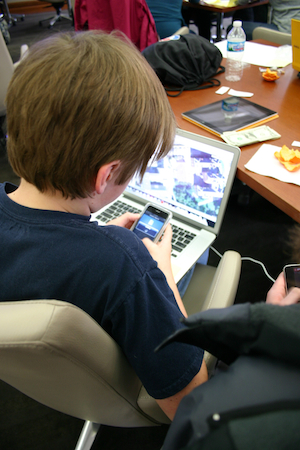
"caption": "A middle school student in Wisconsin tests his new game.",
"description": null,
"title": "ARIS",
"credit": null,
"status": "inherit",
"isLoading": false,
"fetchFailed": false
},
"mindshift_21077": {
"type": "attachments",
"id": "mindshift_21077",
"meta": {
"index": "attachments_1716263798",
"site": "mindshift",
"id": "21077",
"found": true
},
"parent": 21059,
"imgSizes": {
"thumbnail": {
"file": "https://ww2.kqed.org/app/uploads/sites/23/2012/05/Screen-shot-2012-05-01-at-6.06.53-PM-400x251.png",
"width": 400,
"mimeType": "image/png",
"height": 251
},
"fd-sm": {
"file": "https://ww2.kqed.org/app/uploads/sites/23/2012/05/Screen-shot-2012-05-01-at-6.06.53-PM-320x201.png",
"width": 320,
"mimeType": "image/png",
"height": 201
},
"kqedFullSize": {
"file": "https://ww2.kqed.org/app/uploads/sites/23/2012/05/Screen-shot-2012-05-01-at-6.06.53-PM.png",
"width": 562,
"height": 353
},
"guest-author-96": {
"file": "https://ww2.kqed.org/app/uploads/sites/23/2012/05/Screen-shot-2012-05-01-at-6.06.53-PM-96x96.png",
"width": 96,
"mimeType": "image/png",
"height": 96
},
"guest-author-64": {
"file": "https://ww2.kqed.org/app/uploads/sites/23/2012/05/Screen-shot-2012-05-01-at-6.06.53-PM-64x64.png",
"width": 64,
"mimeType": "image/png",
"height": 64
},
"detail": {
"file": "https://ww2.kqed.org/app/uploads/sites/23/2012/05/Screen-shot-2012-05-01-at-6.06.53-PM-75x75.png",
"width": 75,
"mimeType": "image/png",
"height": 75
},
"guest-author-32": {
"file": "https://ww2.kqed.org/app/uploads/sites/23/2012/05/Screen-shot-2012-05-01-at-6.06.53-PM-32x32.png",
"width": 32,
"mimeType": "image/png",
"height": 32
},
"guest-author-128": {
"file": "https://ww2.kqed.org/app/uploads/sites/23/2012/05/Screen-shot-2012-05-01-at-6.06.53-PM-128x128.png",
"width": 128,
"mimeType": "image/png",
"height": 128
}
},
"publishDate": 1335920965,
"modified": 1335920965,
"caption": null,
"description": null,
"title": "Screen shot 2012-05-01 at 6.06.53 PM",
"credit": null,
"status": "inherit",
"isLoading": false,
"fetchFailed": false
},
"mindshift_21096": {
"type": "attachments",
"id": "mindshift_21096",
"meta": {
"index": "attachments_1716263798",
"site": "mindshift",
"id": "21096",
"found": true
},
"parent": 21085,
"imgSizes": {
"thumbnail": {
"file": "https://ww2.kqed.org/app/uploads/sites/23/2012/05/6660073135_a315ee4b17-400x300.jpg",
"width": 400,
"mimeType": "image/jpeg",
"height": 300
},
"fd-sm": {
"file": "https://ww2.kqed.org/app/uploads/sites/23/2012/05/6660073135_a315ee4b17-320x240.jpg",
"width": 320,
"mimeType": "image/jpeg",
"height": 240
},
"post-thumbnail": {
"file": "https://ww2.kqed.org/app/uploads/sites/23/2012/05/6660073135_a315ee4b17-500x372.jpg",
"width": 500,
"mimeType": "image/jpeg",
"height": 372
},
"kqedFullSize": {
"file": "https://ww2.kqed.org/app/uploads/sites/23/2012/05/6660073135_a315ee4b17.jpg",
"width": 500,
"height": 375
},
"guest-author-96": {
"file": "https://ww2.kqed.org/app/uploads/sites/23/2012/05/6660073135_a315ee4b17-96x96.jpg",
"width": 96,
"mimeType": "image/jpeg",
"height": 96
},
"guest-author-64": {
"file": "https://ww2.kqed.org/app/uploads/sites/23/2012/05/6660073135_a315ee4b17-64x64.jpg",
"width": 64,
"mimeType": "image/jpeg",
"height": 64
},
"detail": {
"file": "https://ww2.kqed.org/app/uploads/sites/23/2012/05/6660073135_a315ee4b17-75x75.jpg",
"width": 75,
"mimeType": "image/jpeg",
"height": 75
},
"guest-author-32": {
"file": "https://ww2.kqed.org/app/uploads/sites/23/2012/05/6660073135_a315ee4b17-32x32.jpg",
"width": 32,
"mimeType": "image/jpeg",
"height": 32
},
"guest-author-128": {
"file": "https://ww2.kqed.org/app/uploads/sites/23/2012/05/6660073135_a315ee4b17-128x128.jpg",
"width": 128,
"mimeType": "image/jpeg",
"height": 128
}
},
"publishDate": 1335930695,
"modified": 1335930695,
"caption": null,
"description": null,
"title": "6660073135_a315ee4b17",
"credit": null,
"status": "inherit",
"isLoading": false,
"fetchFailed": false
},
"mindshift_21043": {
"type": "attachments",
"id": "mindshift_21043",
"meta": {
"index": "attachments_1716263798",
"site": "mindshift",
"id": "21043",
"found": true
},
"parent": 21034,
"imgSizes": {
"twentyfourteen-full-width": {
"file": "https://ww2.kqed.org/app/uploads/sites/23/2012/05/AnimalSelect-2-1038x576.png",
"width": 1038,
"mimeType": "image/png",
"height": 576
},
"thumbnail": {
"file": "https://ww2.kqed.org/app/uploads/sites/23/2012/05/AnimalSelect-2-400x217.png",
"width": 400,
"mimeType": "image/png",
"height": 217
},
"fd-sm": {
"file": "https://ww2.kqed.org/app/uploads/sites/23/2012/05/AnimalSelect-2-320x173.png",
"width": 320,
"mimeType": "image/png",
"height": 173
},
"post-thumbnail": {
"file": "https://ww2.kqed.org/app/uploads/sites/23/2012/05/AnimalSelect-2-672x372.png",
"width": 672,
"mimeType": "image/png",
"height": 372
},
"kqedFullSize": {
"file": "https://ww2.kqed.org/app/uploads/sites/23/2012/05/AnimalSelect-2.png",
"width": 1433,
"height": 776
},
"guest-author-96": {
"file": "https://ww2.kqed.org/app/uploads/sites/23/2012/05/AnimalSelect-2-96x96.png",
"width": 96,
"mimeType": "image/png",
"height": 96
},
"medium": {
"file": "https://ww2.kqed.org/app/uploads/sites/23/2012/05/AnimalSelect-2-800x433.png",
"width": 800,
"mimeType": "image/png",
"height": 433
},
"guest-author-64": {
"file": "https://ww2.kqed.org/app/uploads/sites/23/2012/05/AnimalSelect-2-64x64.png",
"width": 64,
"mimeType": "image/png",
"height": 64
},
"guest-author-32": {
"file": "https://ww2.kqed.org/app/uploads/sites/23/2012/05/AnimalSelect-2-32x32.png",
"width": 32,
"mimeType": "image/png",
"height": 32
},
"fd-lrg": {
"file": "https://ww2.kqed.org/app/uploads/sites/23/2012/05/AnimalSelect-2-1180x639.png",
"width": 1180,
"mimeType": "image/png",
"height": 639
},
"fd-med": {
"file": "https://ww2.kqed.org/app/uploads/sites/23/2012/05/AnimalSelect-2-768x416.png",
"width": 768,
"mimeType": "image/png",
"height": 416
},
"detail": {
"file": "https://ww2.kqed.org/app/uploads/sites/23/2012/05/AnimalSelect-2-75x75.png",
"width": 75,
"mimeType": "image/png",
"height": 75
},
"guest-author-128": {
"file": "https://ww2.kqed.org/app/uploads/sites/23/2012/05/AnimalSelect-2-128x128.png",
"width": 128,
"mimeType": "image/png",
"height": 128
}
},
"publishDate": 1335897397,
"modified": 1335897397,
"caption": null,
"description": null,
"title": "AnimalSelect 2",
"credit": null,
"status": "inherit",
"isLoading": false,
"fetchFailed": false
},
"mindshift_21025": {
"type": "attachments",
"id": "mindshift_21025",
"meta": {
"index": "attachments_1716263798",
"site": "mindshift",
"id": "21025",
"found": true
},
"parent": 20731,
"imgSizes": {
"thumbnail": {
"file": "https://ww2.kqed.org/app/uploads/sites/23/2012/05/119032857-400x297.jpg",
"width": 400,
"mimeType": "image/jpeg",
"height": 297
},
"fd-sm": {
"file": "https://ww2.kqed.org/app/uploads/sites/23/2012/05/119032857-320x237.jpg",
"width": 320,
"mimeType": "image/jpeg",
"height": 237
},
"kqedFullSize": {
"file": "https://ww2.kqed.org/app/uploads/sites/23/2012/05/119032857.jpg",
"width": 402,
"height": 298
},
"guest-author-96": {
"file": "https://ww2.kqed.org/app/uploads/sites/23/2012/05/119032857-96x96.jpg",
"width": 96,
"mimeType": "image/jpeg",
"height": 96
},
"guest-author-64": {
"file": "https://ww2.kqed.org/app/uploads/sites/23/2012/05/119032857-64x64.jpg",
"width": 64,
"mimeType": "image/jpeg",
"height": 64
},
"detail": {
"file": "https://ww2.kqed.org/app/uploads/sites/23/2012/05/119032857-75x75.jpg",
"width": 75,
"mimeType": "image/jpeg",
"height": 75
},
"guest-author-32": {
"file": "https://ww2.kqed.org/app/uploads/sites/23/2012/05/119032857-32x32.jpg",
"width": 32,
"mimeType": "image/jpeg",
"height": 32
},
"guest-author-128": {
"file": "https://ww2.kqed.org/app/uploads/sites/23/2012/05/119032857-128x128.jpg",
"width": 128,
"mimeType": "image/jpeg",
"height": 128
}
},
"publishDate": 1335889725,
"modified": 1335889725,
"caption": null,
"description": "Pretty young lady using new technologies",
"title": "119032857",
"credit": null,
"status": "inherit",
"isLoading": false,
"fetchFailed": false
},
"mindshift_20997": {
"type": "attachments",
"id": "mindshift_20997",
"meta": {
"index": "attachments_1716263798",
"site": "mindshift",
"id": "20997",
"found": true
},
"parent": 20992,
"imgSizes": {
"twentyfourteen-full-width": {
"file": "https://ww2.kqed.org/app/uploads/sites/23/2012/04/401496_10150543677451332_106352456331_9177345_451683907_n-960x576.jpg",
"width": 960,
"mimeType": "image/jpeg",
"height": 576
},
"thumbnail": {
"file": "https://ww2.kqed.org/app/uploads/sites/23/2012/04/401496_10150543677451332_106352456331_9177345_451683907_n-400x270.jpg",
"width": 400,
"mimeType": "image/jpeg",
"height": 270
},
"fd-sm": {
"file": "https://ww2.kqed.org/app/uploads/sites/23/2012/04/401496_10150543677451332_106352456331_9177345_451683907_n-320x216.jpg",
"width": 320,
"mimeType": "image/jpeg",
"height": 216
},
"post-thumbnail": {
"file": "https://ww2.kqed.org/app/uploads/sites/23/2012/04/401496_10150543677451332_106352456331_9177345_451683907_n-672x372.jpg",
"width": 672,
"mimeType": "image/jpeg",
"height": 372
},
"kqedFullSize": {
"file": "https://ww2.kqed.org/app/uploads/sites/23/2012/04/401496_10150543677451332_106352456331_9177345_451683907_n.jpg",
"width": 960,
"height": 648
},
"fd-med": {
"file": "https://ww2.kqed.org/app/uploads/sites/23/2012/04/401496_10150543677451332_106352456331_9177345_451683907_n-768x518.jpg",
"width": 768,
"mimeType": "image/jpeg",
"height": 518
},
"guest-author-96": {
"file": "https://ww2.kqed.org/app/uploads/sites/23/2012/04/401496_10150543677451332_106352456331_9177345_451683907_n-96x96.jpg",
"width": 96,
"mimeType": "image/jpeg",
"height": 96
},
"medium": {
"file": "https://ww2.kqed.org/app/uploads/sites/23/2012/04/401496_10150543677451332_106352456331_9177345_451683907_n-800x540.jpg",
"width": 800,
"mimeType": "image/jpeg",
"height": 540
},
"guest-author-64": {
"file": "https://ww2.kqed.org/app/uploads/sites/23/2012/04/401496_10150543677451332_106352456331_9177345_451683907_n-64x64.jpg",
"width": 64,
"mimeType": "image/jpeg",
"height": 64
},
"detail": {
"file": "https://ww2.kqed.org/app/uploads/sites/23/2012/04/401496_10150543677451332_106352456331_9177345_451683907_n-75x75.jpg",
"width": 75,
"mimeType": "image/jpeg",
"height": 75
},
"guest-author-32": {
"file": "https://ww2.kqed.org/app/uploads/sites/23/2012/04/401496_10150543677451332_106352456331_9177345_451683907_n-32x32.jpg",
"width": 32,
"mimeType": "image/jpeg",
"height": 32
},
"guest-author-128": {
"file": "https://ww2.kqed.org/app/uploads/sites/23/2012/04/401496_10150543677451332_106352456331_9177345_451683907_n-128x128.jpg",
"width": 128,
"mimeType": "image/jpeg",
"height": 128
}
},
"publishDate": 1335809986,
"modified": 1335809986,
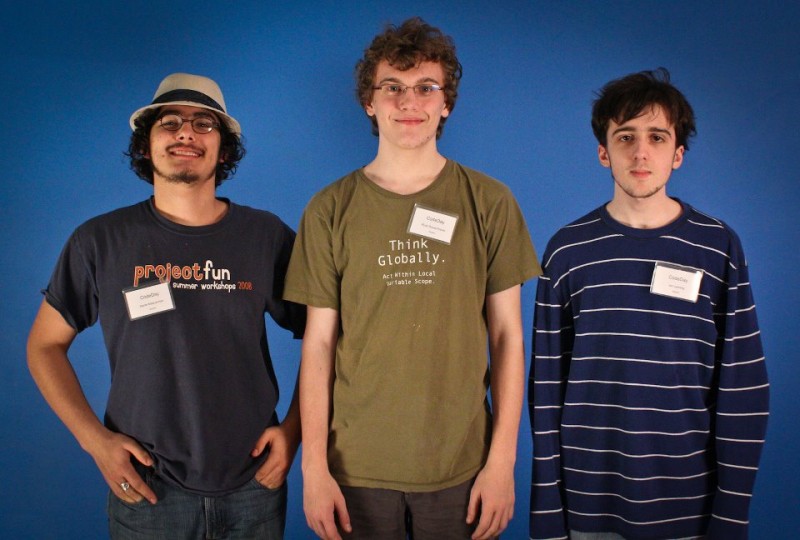
"caption": "Budding entrepreneurs from StudentRND on Code Day",
"description": null,
"title": "401496_10150543677451332_106352456331_9177345_451683907_n",
"credit": null,
"status": "inherit",
"isLoading": false,
"fetchFailed": false
},
"mindshift_20943": {
"type": "attachments",
"id": "mindshift_20943",
"meta": {
"index": "attachments_1716263798",
"site": "mindshift",
"id": "20943",
"found": true
},
"parent": 20765,
"imgSizes": {
"thumbnail": {
"file": "https://ww2.kqed.org/app/uploads/sites/23/2012/04/136325027-400x267.jpg",
"width": 400,
"mimeType": "image/jpeg",
"height": 267
},
"fd-sm": {
"file": "https://ww2.kqed.org/app/uploads/sites/23/2012/04/136325027-320x213.jpg",
"width": 320,
"mimeType": "image/jpeg",
"height": 213
},
"kqedFullSize": {
"file": "https://ww2.kqed.org/app/uploads/sites/23/2012/04/136325027.jpg",
"width": 507,
"height": 338
},
"guest-author-96": {
"file": "https://ww2.kqed.org/app/uploads/sites/23/2012/04/136325027-96x96.jpg",
"width": 96,
"mimeType": "image/jpeg",
"height": 96
},
"guest-author-64": {
"file": "https://ww2.kqed.org/app/uploads/sites/23/2012/04/136325027-64x64.jpg",
"width": 64,
"mimeType": "image/jpeg",
"height": 64
},
"detail": {
"file": "https://ww2.kqed.org/app/uploads/sites/23/2012/04/136325027-75x75.jpg",
"width": 75,
"mimeType": "image/jpeg",
"height": 75
},
"guest-author-32": {
"file": "https://ww2.kqed.org/app/uploads/sites/23/2012/04/136325027-32x32.jpg",
"width": 32,
"mimeType": "image/jpeg",
"height": 32
},
"guest-author-128": {
"file": "https://ww2.kqed.org/app/uploads/sites/23/2012/04/136325027-128x128.jpg",
"width": 128,
"mimeType": "image/jpeg",
"height": 128
}
},
"publishDate": 1335471886,
"modified": 1335471886,
"caption": null,
"description": "happy kid and computer",
"title": "136325027",
"credit": null,
"status": "inherit",
"isLoading": false,
"fetchFailed": false
},
"mindshift_20894": {
"type": "attachments",
"id": "mindshift_20894",
"meta": {
"index": "attachments_1716263798",
"site": "mindshift",
"id": "20894",
"found": true
},
"parent": 20886,
"imgSizes": {
"thumbnail": {
"file": "https://ww2.kqed.org/app/uploads/sites/23/2012/04/5227334827_80de8a689f_z-400x267.jpg",
"width": 400,
"mimeType": "image/jpeg",
"height": 267
},
"fd-sm": {
"file": "https://ww2.kqed.org/app/uploads/sites/23/2012/04/5227334827_80de8a689f_z-320x214.jpg",
"width": 320,
"mimeType": "image/jpeg",
"height": 214
},
"post-thumbnail": {
"file": "https://ww2.kqed.org/app/uploads/sites/23/2012/04/5227334827_80de8a689f_z-640x372.jpg",
"width": 640,
"mimeType": "image/jpeg",
"height": 372
},
"kqedFullSize": {
"file": "https://ww2.kqed.org/app/uploads/sites/23/2012/04/5227334827_80de8a689f_z.jpg",
"width": 640,
"height": 427
},
"guest-author-96": {
"file": "https://ww2.kqed.org/app/uploads/sites/23/2012/04/5227334827_80de8a689f_z-96x96.jpg",
"width": 96,
"mimeType": "image/jpeg",
"height": 96
},
"guest-author-64": {
"file": "https://ww2.kqed.org/app/uploads/sites/23/2012/04/5227334827_80de8a689f_z-64x64.jpg",
"width": 64,
"mimeType": "image/jpeg",
"height": 64
},
"detail": {
"file": "https://ww2.kqed.org/app/uploads/sites/23/2012/04/5227334827_80de8a689f_z-75x75.jpg",
"width": 75,
"mimeType": "image/jpeg",
"height": 75
},
"guest-author-32": {
"file": "https://ww2.kqed.org/app/uploads/sites/23/2012/04/5227334827_80de8a689f_z-32x32.jpg",
"width": 32,
"mimeType": "image/jpeg",
"height": 32
},
"guest-author-128": {
"file": "https://ww2.kqed.org/app/uploads/sites/23/2012/04/5227334827_80de8a689f_z-128x128.jpg",
"width": 128,
"mimeType": "image/jpeg",
"height": 128
}
},
"publishDate": 1335297222,
"modified": 1335297222,
"caption": "Flickr: Incase",
"description": null,
"title": "5227334827_80de8a689f_z",
"credit": null,
"status": "inherit",
"isLoading": false,
"fetchFailed": false
},
"mindshift_20863": {
"type": "attachments",
"id": "mindshift_20863",
"meta": {
"index": "attachments_1716263798",
"site": "mindshift",
"id": "20863",
"found": true
},
"parent": 20855,
"imgSizes": {
"thumbnail": {
"file": "https://ww2.kqed.org/app/uploads/sites/23/2012/04/UTCLibrary6-400x266.jpg",
"width": 400,
"mimeType": "image/jpeg",
"height": 266
},
"fd-sm": {
"file": "https://ww2.kqed.org/app/uploads/sites/23/2012/04/UTCLibrary6-320x212.jpg",
"width": 320,
"mimeType": "image/jpeg",
"height": 212
},
"kqedFullSize": {
"file": "https://ww2.kqed.org/app/uploads/sites/23/2012/04/UTCLibrary6.jpg",
"width": 500,
"height": 332
},
"guest-author-96": {
"file": "https://ww2.kqed.org/app/uploads/sites/23/2012/04/UTCLibrary6-96x96.jpg",
"width": 96,
"mimeType": "image/jpeg",
"height": 96
},
"guest-author-64": {
"file": "https://ww2.kqed.org/app/uploads/sites/23/2012/04/UTCLibrary6-64x64.jpg",
"width": 64,
"mimeType": "image/jpeg",
"height": 64
},
"detail": {
"file": "https://ww2.kqed.org/app/uploads/sites/23/2012/04/UTCLibrary6-75x75.jpg",
"width": 75,
"mimeType": "image/jpeg",
"height": 75
},
"guest-author-32": {
"file": "https://ww2.kqed.org/app/uploads/sites/23/2012/04/UTCLibrary6-32x32.jpg",
"width": 32,
"mimeType": "image/jpeg",
"height": 32
},
"guest-author-128": {
"file": "https://ww2.kqed.org/app/uploads/sites/23/2012/04/UTCLibrary6-128x128.jpg",
"width": 128,
"mimeType": "image/jpeg",
"height": 128
}
},
"publishDate": 1335286947,
"modified": 1335286947,
"caption": null,
"description": null,
"title": "UTCLibrary6",
"credit": null,
"status": "inherit",
"isLoading": false,
"fetchFailed": false
},
"mindshift_20839": {
"type": "attachments",
"id": "mindshift_20839",
"meta": {
"index": "attachments_1716263798",
"site": "mindshift",
"id": "20839",
"found": true
},
"parent": 20836,
"imgSizes": {
"thumbnail": {
"file": "https://ww2.kqed.org/app/uploads/sites/23/2012/04/Screen-shot-2012-04-23-at-9.48.07-AM-400x356.png",
"width": 400,
"mimeType": "image/png",
"height": 356
},
"fd-sm": {
"file": "https://ww2.kqed.org/app/uploads/sites/23/2012/04/Screen-shot-2012-04-23-at-9.48.07-AM-320x285.png",
"width": 320,
"mimeType": "image/png",
"height": 285
},
"kqedFullSize": {
"file": "https://ww2.kqed.org/app/uploads/sites/23/2012/04/Screen-shot-2012-04-23-at-9.48.07-AM.png",
"width": 416,
"height": 370
},
"guest-author-96": {
"file": "https://ww2.kqed.org/app/uploads/sites/23/2012/04/Screen-shot-2012-04-23-at-9.48.07-AM-96x96.png",
"width": 96,
"mimeType": "image/png",
"height": 96
},
"guest-author-64": {
"file": "https://ww2.kqed.org/app/uploads/sites/23/2012/04/Screen-shot-2012-04-23-at-9.48.07-AM-64x64.png",
"width": 64,
"mimeType": "image/png",
"height": 64
},
"detail": {
"file": "https://ww2.kqed.org/app/uploads/sites/23/2012/04/Screen-shot-2012-04-23-at-9.48.07-AM-75x75.png",
"width": 75,
"mimeType": "image/png",
"height": 75
},
"guest-author-32": {
"file": "https://ww2.kqed.org/app/uploads/sites/23/2012/04/Screen-shot-2012-04-23-at-9.48.07-AM-32x32.png",
"width": 32,
"mimeType": "image/png",
"height": 32
},
"guest-author-128": {
"file": "https://ww2.kqed.org/app/uploads/sites/23/2012/04/Screen-shot-2012-04-23-at-9.48.07-AM-128x128.png",
"width": 128,
"mimeType": "image/png",
"height": 128
}
},
"publishDate": 1335199715,
"modified": 1335199715,
"caption": null,
"description": null,
"title": "Screen-shot-2012-04-23-at-9.48.07-AM",
"credit": null,
"status": "inherit",
"isLoading": false,
"fetchFailed": false
},
"mindshift_20810": {
"type": "attachments",
"id": "mindshift_20810",
"meta": {
"index": "attachments_1716263798",
"site": "mindshift",
"id": "20810",
"found": true
},
"parent": 20802,
"imgSizes": {
"thumbnail": {
"file": "https://ww2.kqed.org/app/uploads/sites/23/2012/04/Screen-shot-2012-04-20-at-10.36.52-AM-400x253.png",
"width": 400,
"mimeType": "image/png",
"height": 253
},
"fd-sm": {
"file": "https://ww2.kqed.org/app/uploads/sites/23/2012/04/Screen-shot-2012-04-20-at-10.36.52-AM-320x202.png",
"width": 320,
"mimeType": "image/png",
"height": 202
},
"post-thumbnail": {
"file": "https://ww2.kqed.org/app/uploads/sites/23/2012/04/Screen-shot-2012-04-20-at-10.36.52-AM-672x372.png",
"width": 672,
"mimeType": "image/png",
"height": 372
},
"kqedFullSize": {
"file": "https://ww2.kqed.org/app/uploads/sites/23/2012/04/Screen-shot-2012-04-20-at-10.36.52-AM.png",
"width": 689,
"height": 436
},
"guest-author-96": {
"file": "https://ww2.kqed.org/app/uploads/sites/23/2012/04/Screen-shot-2012-04-20-at-10.36.52-AM-96x96.png",
"width": 96,
"mimeType": "image/png",
"height": 96
},
"guest-author-64": {
"file": "https://ww2.kqed.org/app/uploads/sites/23/2012/04/Screen-shot-2012-04-20-at-10.36.52-AM-64x64.png",
"width": 64,
"mimeType": "image/png",
"height": 64
},
"detail": {
"file": "https://ww2.kqed.org/app/uploads/sites/23/2012/04/Screen-shot-2012-04-20-at-10.36.52-AM-75x75.png",
"width": 75,
"mimeType": "image/png",
"height": 75
},
"guest-author-32": {
"file": "https://ww2.kqed.org/app/uploads/sites/23/2012/04/Screen-shot-2012-04-20-at-10.36.52-AM-32x32.png",
"width": 32,
"mimeType": "image/png",
"height": 32
},
"guest-author-128": {
"file": "https://ww2.kqed.org/app/uploads/sites/23/2012/04/Screen-shot-2012-04-20-at-10.36.52-AM-128x128.png",
"width": 128,
"mimeType": "image/png",
"height": 128
}
},
"publishDate": 1334943442,
"modified": 1334943442,
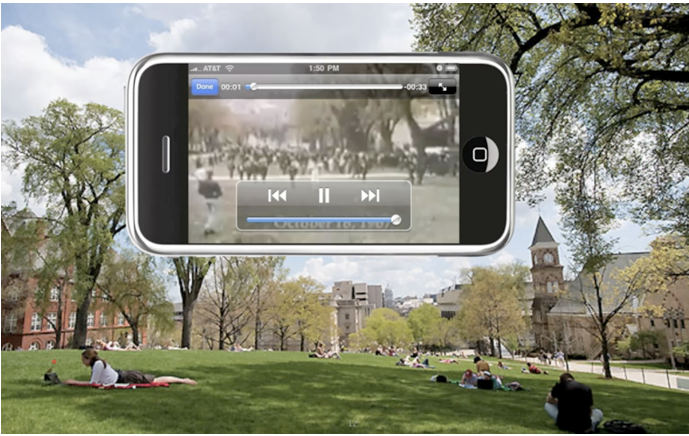
"caption": "In “Dow Day,” an augmented reality game, middle school students walk the University of Wisconsin-Madison campus using mobile phones to view footage of Vietnam war protests that occurred in the same campus locations.",
"description": null,
"title": "Screen shot 2012-04-20 at 10.36.52 AM",
"credit": null,
"status": "inherit",
"isLoading": false,
"fetchFailed": false
}
},
"audioPlayerReducer": {
"postId": "stream_live",
"isPaused": true,
"isPlaying": false,
"pfsActive": false,
"pledgeModalIsOpen": true,
"playerDrawerIsOpen": false,
"liveAudioPlayStartedAt": 0,
"liveAudioPlayContext": ""
},
"authorsReducer": {
"tbarseghian": {
"type": "authors",
"id": "180",
"meta": {
"index": "authors_1716337520",
"id": "180",
"found": true
},
"name": "Tina Barseghian",
"firstName": "Tina",
"lastName": "Barseghian",
"slug": "tbarseghian",
"email": "tbarseghian@kqed.org",
"display_author_email": false,
"staff_mastheads": [],
"title": null,
"bio": null,
"avatar": "https://secure.gravatar.com/avatar/de7e6ced1239b7018fe4d2b61f723c90?s=600&d=blank&r=g",
"twitter": null,
"facebook": null,
"instagram": null,
"linkedin": null,
"sites": [
{
"site": "styleguide",
"roles": [
"contributor"
]
},
{
"site": "news",
"roles": [
"subscriber"
]
},
{
"site": "mindshift",
"roles": [
"subscriber"
]
},
{
"site": "bayareabites",
"roles": [
"subscriber"
]
}
],
"headData": {
"title": "Tina Barseghian | KQED",
"description": null,
"ogImgSrc": "https://secure.gravatar.com/avatar/de7e6ced1239b7018fe4d2b61f723c90?s=600&d=blank&r=g",
"twImgSrc": "https://secure.gravatar.com/avatar/de7e6ced1239b7018fe4d2b61f723c90?s=600&d=blank&r=g"
},
"isLoading": false,
"link": "/author/tbarseghian"
},
"anniempaul": {
"type": "authors",
"id": "4355",
"meta": {
"index": "authors_1716337520",
"id": "4355",
"found": true
},
"name": "Annie Murphy Paul",
"firstName": "Annie",
"lastName": "Murphy Paul",
"slug": "anniempaul",
"email": "anniempaul@gmail.com",
"display_author_email": false,
"staff_mastheads": [],
"title": null,
"bio": null,
"avatar": "https://secure.gravatar.com/avatar/060ea758e9b83d478e4e6c8a0466af50?s=600&d=blank&r=g",
"twitter": null,
"facebook": null,
"instagram": null,
"linkedin": null,
"sites": [
{
"site": "mindshift",
"roles": [
"author"
]
}
],
"headData": {
"title": "Annie Murphy Paul | KQED",
"description": null,
"ogImgSrc": "https://secure.gravatar.com/avatar/060ea758e9b83d478e4e6c8a0466af50?s=600&d=blank&r=g",
"twImgSrc": "https://secure.gravatar.com/avatar/060ea758e9b83d478e4e6c8a0466af50?s=600&d=blank&r=g"
},
"isLoading": false,
"link": "/author/anniempaul"
},
"tasha": {
"type": "authors",
"id": "4359",
"meta": {
"index": "authors_1716337520",
"id": "4359",
"found": true
},
"name": "Tasha Bergson-Michelson",
"firstName": "Tasha",
"lastName": "Bergson-Michelson",
"slug": "tasha",
"email": "tbm@google.com",
"display_author_email": false,
"staff_mastheads": [],
"title": null,
"bio": "Tasha Bergson-Michelson is a member of the Google Search Education team. She is a professional librarian and searcher with a passion for helping people find, assess, and use the information they need. Contact Tasha and check out the Search Education website at: http://www.google.com/insidesearch/searcheducation/.",
"avatar": "https://secure.gravatar.com/avatar/30f3d90e1fdd837c7ad31460128e80be?s=600&d=blank&r=g",
"twitter": null,
"facebook": null,
"instagram": null,
"linkedin": null,
"sites": [
{
"site": "mindshift",
"roles": [
"edit_files",
"upload_files",
"subscriber"
]
}
],
"headData": {
"title": "Tasha Bergson-Michelson | KQED",
"description": null,
"ogImgSrc": "https://secure.gravatar.com/avatar/30f3d90e1fdd837c7ad31460128e80be?s=600&d=blank&r=g",
"twImgSrc": "https://secure.gravatar.com/avatar/30f3d90e1fdd837c7ad31460128e80be?s=600&d=blank&r=g"
},
"isLoading": false,
"link": "/author/tasha"
}
},
"pagesReducer": {
"mindshift_category_teaching-strategies": {
"type": "terms",
"id": "mindshift_193",
"meta": {
"index": "terms_1716263798",
"site": "mindshift",
"id": "193",
"score": 14.406956
},
"featImg": null,
"name": "Teaching Strategies",
"description": "Innovative ideas - projects, processes, curricula, and more - that are transforming how we teach and learn.",
"taxonomy": "category",
"headData": {
"twImgId": null,
"twTitle": null,
"ogTitle": null,
"ogImgId": null,
"twDescription": null,
"description": "Innovative ideas - projects, processes, curricula, and more - that are transforming how we teach and learn.",
"title": "Teaching Strategies Archives | KQED Mindshift",
"ogDescription": null
},
"ttid": 193,
"slug": "teaching-strategies",
"isLoading": false,
"title": "Teaching Strategies",
"pageMeta": {
"site": "mindshift",
"WpPageTemplate": "page-topic-editorial",
"currentPage": 71
},
"blocks": [
{
"blockName": "kqed/company-paragraph",
"content": "Innovative ideas - projects, processes, curricula, and more - that are transforming how we teach and learn."
},
{
"blockName": "kqed/post-list",
"attrs": {
"layout": "cardArticle2",
"query": "posts/mindshift?category=teaching-strategies",
"seeMore": false,
"paginated": true,
"page": 71
}
},
{
"blockName": "kqed/ad"
}
]
}
},
"pfsSessionReducer": {},
"postsReducer": {
"stream_live": {
"type": "live",
"id": "stream_live",
"audioUrl": "https://streams.kqed.org/kqedradio",
"title": "Live Stream",
"excerpt": "Live Stream information currently unavailable.",
"link": "/radio",
"featImg": "",
"label": {
"name": "KQED Live",
"link": "/"
}
},
"stream_kqedNewscast": {
"type": "posts",
"id": "stream_kqedNewscast",
"audioUrl": "https://www.kqed.org/.stream/anon/radio/RDnews/newscast.mp3?_=1",
"title": "KQED Newscast",
"featImg": "",
"label": {
"name": "88.5 FM",
"link": "/"
}
},
"mindshift_21124": {
"type": "posts",
"id": "mindshift_21124",
"meta": {
"index": "posts_1716263798",
"site": "mindshift",
"id": "21124",
"score": null,
"sort": [
1336068109000
]
},
"parent": 0,
"labelTerm": {
"site": "mindshift"
},
"blocks": [],
"publishDate": 1336068109,
"format": "aside",
"disqusTitle": "The Ups and Downs of Game-Based Learning",
"title": "The Ups and Downs of Game-Based Learning",
"headTitle": "MindShift | KQED News",
"content": "\u003cfigure id=\"attachment_20813\" class=\"wp-caption alignright\" style=\"max-width: 300px\">\u003ca href=\"http://ww2.kqed.org/mindshift/2012/04/augmented-reality-coming-soon-to-a-school-near-you/aris_editor/\" rel=\"attachment wp-att-20813\">\u003cimg class=\"size-full wp-image-20813\" title=\"ARIS\" src=\"http://ww2.kqed.org/mindshift/wp-content/uploads/sites/23/2012/04/ARIS_editor.jpg\" alt=\"\" width=\"300\" height=\"450\">\u003c/a>\u003cfigcaption class=\"wp-caption-text\">A middle school student in Wisconsin tests his new game.\u003c/figcaption>\u003c/figure>\n\u003ch5>By Nathan Maton\u003c/h5>\n\u003cp>Games have shown great promise for learning, but it’s not always easy to figure out the logistics of how to use them in class. Every student and teacher’s experience is unique and it takes time to calibrate and tinker to get the best out of the experience.\u003c/p>\n\u003cp>What's more, using games might lead to something neither students or teacher anticipated -- more work.\u003c/p>\n\u003cp>When it came to \u003ca href=\"http://ww2.kqed.org/mindshift/2011/11/can-an-online-game-crack-the-code-to-language-learning/\">using the game \u003c/a>\u003ca href=\"http://ww2.kqed.org/mindshift/2011/11/can-an-online-game-crack-the-code-to-language-learning/\">Operation Lapis\u003c/a> to learn Latin, the experience proved to be a mixed bag for students and teachers. In the game, students play the role of Romans in a reconstruction of ancient Pompeii (or ancient Rome) and have to learn to think, act, create and write like a Roman in order to win the game. Those are the same goals of any introductory Latin course.\u003c/p>\n\u003cp>After Kevin Ballestrini launched the game in his own class, ten other interested teachers decided to take a stab at using it in their classes. The prevailing conclusion? Students’ successes represent the environment and instructor as much as the game itself.\u003c/p>\n\u003cp>The teachers shared similar joys and frustrations with the challenges, whether it was an over-designed aspect of the game or the benefit of creating active learners. And without exception, they all said they spent more time reviewing students’ writing and were impeded by lack of technology access in the classroom.\u003c/p>\n\u003cp>[ad fullwidth]\u003c/p>\n\u003cp>Karen Zook, a Ph.D. student working under professor Roger Travis, one of the co-creators of the game, says students struggled with the new game when she first started using it in her college Latin class.\u003c/p>\n\u003caside class=\"pullquote alignleft\">\n\u003cp>\"The game provides an insurmountable problem because they cannot simply skid by not doing anything.\"\u003c/p>\n\u003c/aside>\n\u003cp>\"The first week or two is always a little rough,\" Zook says. “Trying to form the students into long-term groups is hard when it isn't clear who's going to be in the course for the first few weeks.”\u003c/p>\n\u003cp>Students were also skeptical when they learned their homework was going to take the form of a game. After that initial adjustment period, though, they came to appreciate Lapis, she said.\u003c/p>\n\u003cp>“It forces engagement, and provides for a less-frustrating classroom experience, since it compels students to prepare for class in a way that’s [different] in a more traditional setting,\" she said.\u003c/p>\n\u003cp>This \"forcing\" of student engagement was a common thread among teachers who tried the game.\u003c/p>\n\u003cp>\"There are a portion of students who refused to buy into the system and they have since failed out of the class,\" said Matthew Bennet, a high school Latin teacher and co-creator of the game. \"The \u003c!--more-->issue with those particular students is that [the game] requires students to take an active role in learning, rather than passively allow them to have the learning done to them. So, for students who do not do any sort of work, Lapis provides an insurmountable problem because they cannot simply skid by not doing anything. Lapis is constructed in such a way that not doing anything is impossible.\"\u003c/p>\n\u003cp>\u003cstrong>TEACHER WORKLOAD\u003c/strong>\u003c/p>\n\u003cp>The students weren’t the only ones adjusting to this type of class. Most teachers also found using the game to require a more active role than traditional classes. Matt Ramsby, who started using Lapis in January, enjoys the experience overall but says he’s spending much more time on this class than in other Latin classes he’s taught.\u003c/p>\n\u003cp>\"The biggest downside I've found so far is the amount of time it takes me to check on their daily inputs into the interface, which I find tedious and sometimes difficult to manage,” Ramsby said. As a result, he hasn’t used several key parts of the program, like the cards, the LPs, for instance, because he hasn’t had time.\u003c/p>\n\u003cp>Bennet agrees. \"It takes a tremendous amount of time and energy as a teacher to keep up with 60 students writing so much Latin 3 times a week,\" he said.\u003c/p>\n\u003cp>Clearly, there are positive and negative effects of the rigor of the course. Ballestrini said it took him similar amounts of time as the other teachers, but he spent it monitoring students' progress rather than grading homework after it was turned in. But not everyone has that time in the evening to spend, Zook points out. Especially at the college level when students might be working at less traditional times, like pounding out a paper at 4 a.m.\u003c/p>\n\u003caside class=\"pullquote alignleft\">\n\u003cp>\"To be honest, I am probably the limiting factor in my students' enjoyment and full appreciation of it.\"\u003c/p>\n\u003c/aside>\n\u003cp>All except for one teacher interviewed who implemented the game said students learned as much as a normal class, or more. The one teacher who stopped using the game within the first few weeks claimed his students started out with more knowledge than the game anticipated. Other teachers simply skipped some sections of it.\u003c/p>\n\u003cp>As game-based learning becomes more common, best practices and techniques will continue to develop. Perhaps a year from now each of these teachers will know exactly how to best implement Lapis in their courses and be singing its praises.\u003c/p>\n\u003cp>\u003c/p>\n\u003cp>Ramsby is still very hopeful. \"I think it the game represents a legitimate alternative to traditional curriculum models in the teaching of Latin,” he says. “I'm not really finding much success with it yet in that sense, since I'm using with students who've already had at least one year of Latin, so most of the material seems basic to them. But I like the idea, and I like it a lot, of having an electronic role-playing textbook such as this. And to be honest, I am probably the limiting factor in my students' enjoyment and full appreciation of it.\"\u003c/p>\n\n",
"disqusIdentifier": "21124 http://blogs.kqed.org/mindshift/?p=21124",
"disqusUrl": "https://ww2.kqed.org/mindshift/2012/05/03/the-ups-and-downs-of-game-based-learning/",
"stats": {
"hasVideo": false,
"hasChartOrMap": false,
"hasAudio": false,
"hasPolis": false,
"wordCount": 985,
"hasGoogleForm": false,
"hasGallery": false,
"hasHearkenModule": false,
"iframeSrcs": [],
"paragraphCount": 23
},
"modified": 1336068136,
"excerpt": null,
"headData": {
"twImgId": "",
"twTitle": "",
"ogTitle": "",
"ogImgId": "",
"twDescription": "",
"description": "By Nathan Maton Games have shown great promise for learning, but it’s not always easy to figure out the logistics of how to use them in class. Every student and teacher’s experience is unique and it takes time to calibrate and tinker to get the best out of the experience. What's more, using games might",
"title": "The Ups and Downs of Game-Based Learning | KQED",
"ogDescription": "",
"schema": {
"@context": "https://schema.org",
"@type": "Article",
"headline": "The Ups and Downs of Game-Based Learning",
"datePublished": "2012-05-03T11:01:49-07:00",
"dateModified": "2012-05-03T11:02:16-07:00",
"image": "https://cdn.kqed.org/wp-content/uploads/2020/02/KQED-OG-Image@1x.png"
}
},
"guestAuthors": [],
"slug": "the-ups-and-downs-of-game-based-learning",
"status": "publish",
"path": "/mindshift/21124/the-ups-and-downs-of-game-based-learning",
"audioTrackLength": null,
"parsedContent": [
{
"type": "contentString",
"content": "\u003cdiv class=\"post-body\">\u003cp>\u003cfigure id=\"attachment_20813\" class=\"wp-caption alignright\" style=\"max-width: 300px\">\u003ca href=\"http://ww2.kqed.org/mindshift/2012/04/augmented-reality-coming-soon-to-a-school-near-you/aris_editor/\" rel=\"attachment wp-att-20813\">\u003cimg class=\"size-full wp-image-20813\" title=\"ARIS\" src=\"http://ww2.kqed.org/mindshift/wp-content/uploads/sites/23/2012/04/ARIS_editor.jpg\" alt=\"\" width=\"300\" height=\"450\">\u003c/a>\u003cfigcaption class=\"wp-caption-text\">A middle school student in Wisconsin tests his new game.\u003c/figcaption>\u003c/figure>\n\u003ch5>By Nathan Maton\u003c/h5>\n\u003cp>Games have shown great promise for learning, but it’s not always easy to figure out the logistics of how to use them in class. Every student and teacher’s experience is unique and it takes time to calibrate and tinker to get the best out of the experience.\u003c/p>\n\u003cp>What's more, using games might lead to something neither students or teacher anticipated -- more work.\u003c/p>\n\u003cp>When it came to \u003ca href=\"http://ww2.kqed.org/mindshift/2011/11/can-an-online-game-crack-the-code-to-language-learning/\">using the game \u003c/a>\u003ca href=\"http://ww2.kqed.org/mindshift/2011/11/can-an-online-game-crack-the-code-to-language-learning/\">Operation Lapis\u003c/a> to learn Latin, the experience proved to be a mixed bag for students and teachers. In the game, students play the role of Romans in a reconstruction of ancient Pompeii (or ancient Rome) and have to learn to think, act, create and write like a Roman in order to win the game. Those are the same goals of any introductory Latin course.\u003c/p>\n\u003cp>After Kevin Ballestrini launched the game in his own class, ten other interested teachers decided to take a stab at using it in their classes. The prevailing conclusion? Students’ successes represent the environment and instructor as much as the game itself.\u003c/p>\n\u003cp>The teachers shared similar joys and frustrations with the challenges, whether it was an over-designed aspect of the game or the benefit of creating active learners. And without exception, they all said they spent more time reviewing students’ writing and were impeded by lack of technology access in the classroom.\u003c/p>\n\u003cp>\u003c/p>\u003c/div>",
"attributes": {
"named": {},
"numeric": []
}
},
{
"type": "component",
"content": "",
"name": "ad",
"attributes": {
"named": {
"label": "fullwidth"
},
"numeric": [
"fullwidth"
]
}
},
{
"type": "contentString",
"content": "\u003cdiv class=\"post-body\">\u003cp>\u003c/p>\n\u003cp>Karen Zook, a Ph.D. student working under professor Roger Travis, one of the co-creators of the game, says students struggled with the new game when she first started using it in her college Latin class.\u003c/p>\n\u003caside class=\"pullquote alignleft\">\n\u003cp>\"The game provides an insurmountable problem because they cannot simply skid by not doing anything.\"\u003c/p>\n\u003c/aside>\n\u003cp>\"The first week or two is always a little rough,\" Zook says. “Trying to form the students into long-term groups is hard when it isn't clear who's going to be in the course for the first few weeks.”\u003c/p>\n\u003cp>Students were also skeptical when they learned their homework was going to take the form of a game. After that initial adjustment period, though, they came to appreciate Lapis, she said.\u003c/p>\n\u003cp>“It forces engagement, and provides for a less-frustrating classroom experience, since it compels students to prepare for class in a way that’s [different] in a more traditional setting,\" she said.\u003c/p>\n\u003cp>This \"forcing\" of student engagement was a common thread among teachers who tried the game.\u003c/p>\n\u003cp>\"There are a portion of students who refused to buy into the system and they have since failed out of the class,\" said Matthew Bennet, a high school Latin teacher and co-creator of the game. \"The \u003c!--more-->issue with those particular students is that [the game] requires students to take an active role in learning, rather than passively allow them to have the learning done to them. So, for students who do not do any sort of work, Lapis provides an insurmountable problem because they cannot simply skid by not doing anything. Lapis is constructed in such a way that not doing anything is impossible.\"\u003c/p>\n\u003cp>\u003cstrong>TEACHER WORKLOAD\u003c/strong>\u003c/p>\n\u003cp>The students weren’t the only ones adjusting to this type of class. Most teachers also found using the game to require a more active role than traditional classes. Matt Ramsby, who started using Lapis in January, enjoys the experience overall but says he’s spending much more time on this class than in other Latin classes he’s taught.\u003c/p>\n\u003cp>\"The biggest downside I've found so far is the amount of time it takes me to check on their daily inputs into the interface, which I find tedious and sometimes difficult to manage,” Ramsby said. As a result, he hasn’t used several key parts of the program, like the cards, the LPs, for instance, because he hasn’t had time.\u003c/p>\n\u003cp>Bennet agrees. \"It takes a tremendous amount of time and energy as a teacher to keep up with 60 students writing so much Latin 3 times a week,\" he said.\u003c/p>\n\u003cp>Clearly, there are positive and negative effects of the rigor of the course. Ballestrini said it took him similar amounts of time as the other teachers, but he spent it monitoring students' progress rather than grading homework after it was turned in. But not everyone has that time in the evening to spend, Zook points out. Especially at the college level when students might be working at less traditional times, like pounding out a paper at 4 a.m.\u003c/p>\n\u003caside class=\"pullquote alignleft\">\n\u003cp>\"To be honest, I am probably the limiting factor in my students' enjoyment and full appreciation of it.\"\u003c/p>\n\u003c/aside>\n\u003cp>All except for one teacher interviewed who implemented the game said students learned as much as a normal class, or more. The one teacher who stopped using the game within the first few weeks claimed his students started out with more knowledge than the game anticipated. Other teachers simply skipped some sections of it.\u003c/p>\n\u003cp>As game-based learning becomes more common, best practices and techniques will continue to develop. Perhaps a year from now each of these teachers will know exactly how to best implement Lapis in their courses and be singing its praises.\u003c/p>\n\u003cp>\u003c/p>\n\u003cp>Ramsby is still very hopeful. \"I think it the game represents a legitimate alternative to traditional curriculum models in the teaching of Latin,” he says. “I'm not really finding much success with it yet in that sense, since I'm using with students who've already had at least one year of Latin, so most of the material seems basic to them. But I like the idea, and I like it a lot, of having an electronic role-playing textbook such as this. And to be honest, I am probably the limiting factor in my students' enjoyment and full appreciation of it.\"\u003c/p>\n\n\u003c/div>\u003c/p>",
"attributes": {
"named": {},
"numeric": []
}
}
],
"link": "/mindshift/21124/the-ups-and-downs-of-game-based-learning",
"authors": [
"4354"
],
"categories": [
"mindshift_193"
],
"tags": [
"mindshift_20902",
"mindshift_860"
],
"featImg": "mindshift_20813",
"label": "mindshift"
},
"mindshift_21059": {
"type": "posts",
"id": "mindshift_21059",
"meta": {
"index": "posts_1716263798",
"site": "mindshift",
"id": "21059",
"score": null,
"sort": [
1335975000000
]
},
"parent": 0,
"labelTerm": {
"site": "mindshift"
},
"blocks": [],
"publishDate": 1335975000,
"format": "aside",
"disqusTitle": "Google Launches New Search Education Site with Lesson Plans",
"title": "Google Launches New Search Education Site with Lesson Plans",
"headTitle": "MindShift | KQED News",
"content": "\u003cdiv>\u003ca href=\"http://ww2.kqed.org/mindshift/2012/05/google-launches-new-search-education-site-with-lesson-plans/screen-shot-2012-05-01-at-6-06-53-pm/\" rel=\"attachment wp-att-21077\">\u003cimg class=\"alignleft size-medium wp-image-21077\" title=\"Screen shot 2012-05-01 at 6.06.53 PM\" src=\"http://ww2.kqed.org/mindshift/wp-content/uploads/sites/23/2012/05/Screen-shot-2012-05-01-at-6.06.53-PM-300x188.png\" alt=\"\" width=\"300\" height=\"188\">\u003c/a>\u003c/div>\n\u003cp>Google has launched a new site called \u003ca href=\"http://www.google.com/insidesearch/searcheducation/\">Search Education\u003c/a> aimed at educators who want to teach online search strategies.\u003c/p>\n\u003cp>The site includes lesson plans geared at different levels of expertise -- \u003ca href=\"http://www.google.com/insidesearch/searcheducation/lessons.html\">beginner, intermediate and advanced\u003c/a>-- as well as training videos that walk through different strategies for subjects like using Creative Commons and Google maps.\u003c/p>\n\u003cp>The lessons cover the \u003ca href=\"http://www.google.com/insidesearch/searcheducation/lessons.html\">following topics\u003c/a>:\u003c/p>\n\u003cul>\n\u003cli>Picking the right search terms\u003c/li>\n\u003cli>Understanding search results\u003c/li>\n\u003cli>Searching for evidence for research tasks\u003c/li>\n\u003cli>Narrowing a search to get the best results\u003c/li>\n\u003cli>Evaluating the credibility of sources\u003c/li>\n\u003c/ul>\n\u003cp>For each topic, lessons for every level of searcher goes into deep detail, offering background explanations of how search works the way it does, specific examples of search words and their results, and numerous tips. There's also a short quiz at the end of each lesson.\u003c/p>\n\u003cp>The lessons are aligned with the Common Core Curriculum Standards and refer to the K-12 College and Career Readiness (CCR) Anchor Standards. According to Google, the lessons are not intended to comprise a whole research unit, but to be integrated into various units as they fit to \u003c!--more-->individual educators' needs.\u003c/p>\n\u003cp>[ad fullwidth]\u003c/p>\n\u003cp>Some methods are designed for starting from a specific question or exercise, while others are for created to launch from a topic.\u003c/p>\n\u003cp>\u003c/p>\n\u003cp>The site also features \u003ca href=\"http://www.google.com/insidesearch/searcheducation/lessons.html\">A Google A Day\u003c/a> lessons for daily search exercises, as well as a \u003ca href=\"http://www.google.com/insidesearch/searcheducation/lesson-map.html\">Lesson Plan Map\u003c/a> that shows an overarching guide to how to use the site based on factors like level, knowledge, and skills.\u003c/p>\n\n",
"disqusIdentifier": "21059 http://blogs.kqed.org/mindshift/?p=21059",
"disqusUrl": "https://ww2.kqed.org/mindshift/2012/05/02/google-launches-new-search-education-site-with-lesson-plans/",
"stats": {
"hasVideo": false,
"hasChartOrMap": false,
"hasAudio": false,
"hasPolis": false,
"wordCount": 247,
"hasGoogleForm": false,
"hasGallery": false,
"hasHearkenModule": false,
"iframeSrcs": [],
"paragraphCount": 9
},
"modified": 1337690342,
"excerpt": null,
"headData": {
"twImgId": "",
"twTitle": "",
"ogTitle": "",
"ogImgId": "",
"twDescription": "",
"description": "Google has launched a new site called Search Education aimed at educators who want to teach online search strategies. The site includes lesson plans geared at different levels of expertise -- beginner, intermediate and advanced-- as well as training videos that walk through different strategies for subjects like using Creative Commons and Google maps. The",
"title": "Google Launches New Search Education Site with Lesson Plans | KQED",
"ogDescription": "",
"schema": {
"@context": "https://schema.org",
"@type": "Article",
"headline": "Google Launches New Search Education Site with Lesson Plans",
"datePublished": "2012-05-02T09:10:00-07:00",
"dateModified": "2012-05-22T05:39:02-07:00",
"image": "https://cdn.kqed.org/wp-content/uploads/2020/02/KQED-OG-Image@1x.png"
}
},
"guestAuthors": [],
"slug": "google-launches-new-search-education-site-with-lesson-plans",
"status": "publish",
"path": "/mindshift/21059/google-launches-new-search-education-site-with-lesson-plans",
"audioTrackLength": null,
"parsedContent": [
{
"type": "contentString",
"content": "\u003cdiv class=\"post-body\">\u003cp>\u003cdiv>\u003ca href=\"http://ww2.kqed.org/mindshift/2012/05/google-launches-new-search-education-site-with-lesson-plans/screen-shot-2012-05-01-at-6-06-53-pm/\" rel=\"attachment wp-att-21077\">\u003cimg class=\"alignleft size-medium wp-image-21077\" title=\"Screen shot 2012-05-01 at 6.06.53 PM\" src=\"http://ww2.kqed.org/mindshift/wp-content/uploads/sites/23/2012/05/Screen-shot-2012-05-01-at-6.06.53-PM-300x188.png\" alt=\"\" width=\"300\" height=\"188\">\u003c/a>\u003c/div>\n\u003cp>Google has launched a new site called \u003ca href=\"http://www.google.com/insidesearch/searcheducation/\">Search Education\u003c/a> aimed at educators who want to teach online search strategies.\u003c/p>\n\u003cp>The site includes lesson plans geared at different levels of expertise -- \u003ca href=\"http://www.google.com/insidesearch/searcheducation/lessons.html\">beginner, intermediate and advanced\u003c/a>-- as well as training videos that walk through different strategies for subjects like using Creative Commons and Google maps.\u003c/p>\n\u003cp>The lessons cover the \u003ca href=\"http://www.google.com/insidesearch/searcheducation/lessons.html\">following topics\u003c/a>:\u003c/p>\n\u003cul>\n\u003cli>Picking the right search terms\u003c/li>\n\u003cli>Understanding search results\u003c/li>\n\u003cli>Searching for evidence for research tasks\u003c/li>\n\u003cli>Narrowing a search to get the best results\u003c/li>\n\u003cli>Evaluating the credibility of sources\u003c/li>\n\u003c/ul>\n\u003cp>For each topic, lessons for every level of searcher goes into deep detail, offering background explanations of how search works the way it does, specific examples of search words and their results, and numerous tips. There's also a short quiz at the end of each lesson.\u003c/p>\n\u003cp>The lessons are aligned with the Common Core Curriculum Standards and refer to the K-12 College and Career Readiness (CCR) Anchor Standards. According to Google, the lessons are not intended to comprise a whole research unit, but to be integrated into various units as they fit to \u003c!--more-->individual educators' needs.\u003c/p>\n\u003cp>\u003c/p>\u003c/div>",
"attributes": {
"named": {},
"numeric": []
}
},
{
"type": "component",
"content": "",
"name": "ad",
"attributes": {
"named": {
"label": "fullwidth"
},
"numeric": [
"fullwidth"
]
}
},
{
"type": "contentString",
"content": "\u003cdiv class=\"post-body\">\u003cp>\u003c/p>\n\u003cp>Some methods are designed for starting from a specific question or exercise, while others are for created to launch from a topic.\u003c/p>\n\u003cp>\u003c/p>\n\u003cp>The site also features \u003ca href=\"http://www.google.com/insidesearch/searcheducation/lessons.html\">A Google A Day\u003c/a> lessons for daily search exercises, as well as a \u003ca href=\"http://www.google.com/insidesearch/searcheducation/lesson-map.html\">Lesson Plan Map\u003c/a> that shows an overarching guide to how to use the site based on factors like level, knowledge, and skills.\u003c/p>\n\n\u003c/div>\u003c/p>",
"attributes": {
"named": {},
"numeric": []
}
}
],
"link": "/mindshift/21059/google-launches-new-search-education-site-with-lesson-plans",
"authors": [
"180"
],
"categories": [
"mindshift_193"
],
"tags": [
"mindshift_105",
"mindshift_859",
"mindshift_695"
],
"featImg": "mindshift_21077",
"label": "mindshift"
},
"mindshift_21085": {
"type": "posts",
"id": "mindshift_21085",
"meta": {
"index": "posts_1716263798",
"site": "mindshift",
"id": "21085",
"score": null,
"sort": [
1335974413000
]
},
"parent": 0,
"labelTerm": {
"site": "mindshift"
},
"blocks": [],
"publishDate": 1335974413,
"format": "aside",
"disqusTitle": "New Report: Half of Teachers Surveyed Use Digital Games in Class",
"title": "New Report: Half of Teachers Surveyed Use Digital Games in Class",
"headTitle": "MindShift | KQED News",
"content": "\u003cfigure id=\"attachment_21096\" class=\"wp-caption alignnone\" style=\"max-width: 500px\">\u003ca href=\"http://www.flickr.com/photos/56155476@N08/6660073135/sizes/m/in/photostream/\">\u003cimg class=\"size-full wp-image-21096\" title=\"\" src=\"http://ww2.kqed.org/mindshift/wp-content/uploads/sites/23/2012/05/6660073135_a315ee4b17.jpg\" alt=\"\" width=\"500\" height=\"375\" srcset=\"https://ww2.kqed.org/app/uploads/sites/23/2012/05/6660073135_a315ee4b17.jpg 500w, https://ww2.kqed.org/app/uploads/sites/23/2012/05/6660073135_a315ee4b17-400x300.jpg 400w, https://ww2.kqed.org/app/uploads/sites/23/2012/05/6660073135_a315ee4b17-320x240.jpg 320w\" sizes=\"(max-width: 500px) 100vw, 500px\">\u003c/a>\u003cfigcaption class=\"wp-caption-text\"> \" credit=\"Flickr: Flickingerbrad\u003c/figcaption>\u003c/figure>\n\u003cp>No longer relegated to experimental programs, digital games are becoming much more commonly used in classrooms across the country, according to \u003ca href=\"http://www.joanganzcooneycenter.org/wp-content/uploads/2012/07/jgcc_teacher_survey.pdf\">a survey by\u003c/a> the \u003ca href=\"http://www.joanganzcooneycenter.org\">Joan Ganz Cooney Center\u003c/a> released today.\u003c/p>\n\u003cp>Half of the 505 K-8 teachers surveyed said they use digital games with their students two or more days a week, and 18 percent use them daily.\u003c/p>\n\u003cp>There will be further, more in-depth coverage of this report in the coming weeks, but in the meantime, some more statistics from the study:\u003c/p>\n\u003cul>\n\u003cli>Nearly 70 percent said that \"lower-performing students engage more with subject content with use of digital games.\"\u003c/li>\n\u003cli>Three-fifths reported \"increased attention to specific tasks and improved collaborations among all students.\"\u003c/li>\n\u003cli>Sixty percent said using digital games \"helps personalize instruction and better assess student knowledge and learning.\"\u003c/li>\n\u003cli>Though most use Apple or PC computers, 25 percent said their students use iPads or tablet computers, and less than 10 percent use other mobile devices or video game consoles.\u003c/li>\n\u003cli>62% said games make it easier to level lessons and effectively teach the range of learners in \u003c!--more-->their class.\u003c/li>\n\u003c/ul>\n\u003cp>Teachers mostly used literacy (50 percent) and math (35 percent) games in class, and said the games' alignment with Common Core State Standards was the most valuable quality, the study showed.\u003c/p>\n\u003cp>\u003ca href=\"http://ww2.kqed.org/mindshift/2012/05/new-survey-half-of-teachers-use-digital-games-in-class/screen-shot-2012-05-02-at-7-27-53-am/\" rel=\"attachment wp-att-21110\">\u003cimg class=\"aligncenter size-large wp-image-21110\" title=\"Screen shot 2012-05-02 at 7.27.53 AM\" src=\"http://ww2.kqed.org/mindshift/wp-content/uploads/sites/23/2012/05/Screen-shot-2012-05-02-at-7.27.53-AM-620x478.png\" alt=\"\" width=\"620\" height=\"478\">\u003c/a>\u003c/p>\n\u003cp>[ad fullwidth]\u003c/p>\n\u003cp>Teachers said that the cost of digital games was the primary obstacle to integrating them into class. But only 17% of those surveyed said the school spent $100 or more on games, and 40 percent were not sure. Lack of access to technology resources and emphasis on preparing for standardized testing were also listed as obstacles.\u003c/p>\n\u003cp>\u003ca href=\"http://ww2.kqed.org/mindshift/2012/05/new-survey-half-of-teachers-use-digital-games-in-class/jgcc_teacher_survey_chart_barriers/\" rel=\"attachment wp-att-21093\">\u003cimg class=\"aligncenter size-large wp-image-21093\" title=\"jgcc_teacher_survey_chart_barriers\" src=\"http://ww2.kqed.org/mindshift/wp-content/uploads/sites/23/2012/05/jgcc_teacher_survey_chart_barriers-620x300.jpg\" alt=\"\" width=\"620\" height=\"300\">\u003c/a>\u003c/p>\n\u003cp>The majority of teachers surveyed taught K-5, and 86 percent teach in public schools -- 60 percent of which are Title I schools. What's more, 80 percent of teachers surveyed have been teaching for at least five years, and 20 percent have been teaching for more than 25 years.\u003c/p>\n\u003cdiv>Researchers of the study conclude that teachers need to be trained on how best to use these digital games -- not just those who are unfamiliar with them, but even those who feel they're moderately comfortable with using games.\u003c/div>\n\u003cdiv>\u003c/div>\n\u003cp>The online survey, conducted last month by VeraQuest, sampled 505 school teachers who taught kindergarten through eighth grade in the U.S., and was meant to investigate what teachers think about digital games and how games impact students beyond academic achievement. Teachers were randomly selected from a targeted panel of K-8 grade classrooms that are \"generally proportional of the demographic strata of total U.S. teachers,\" according to the news announcement.\u003c/p>\n\u003cp>The survey also included a series of videos featuring case studies that can be \u003ca href=\"http://www.youtube.com/playlist?list=PLA3C69D48D4FFE87E\">viewed here\u003c/a>.\u003c/p>\n\u003cp>The \u003cem>Teacher Attitudes about Digital Games in the Classroom \u003c/em>survey is part of research conducted by the \u003ca href=\"http://www.joanganzcooneycenter.org/Initiatives-39.html\">Games and Learning Publishing Council\u003c/a>, convened by the Cooney Center and E-Line Media, and funded by the Bill & Melinda Gates Foundation, and the John S. and James L. Knight Foundation. The survey also received additional support from BrainPOP, which creates games for classrooms.\u003c/p>\n\u003cp>\u003c/p>\n\u003cp> \u003c/p>\n\n",
"disqusIdentifier": "21085 http://blogs.kqed.org/mindshift/?p=21085",
"disqusUrl": "https://ww2.kqed.org/mindshift/2012/05/02/new-survey-half-of-teachers-use-digital-games-in-class/",
"stats": {
"hasVideo": false,
"hasChartOrMap": false,
"hasAudio": false,
"hasPolis": false,
"wordCount": 514,
"hasGoogleForm": false,
"hasGallery": false,
"hasHearkenModule": false,
"iframeSrcs": [],
"paragraphCount": 13
},
"modified": 1401749088,
"excerpt": null,
"headData": {
"twImgId": "",
"twTitle": "",
"ogTitle": "",
"ogImgId": "",
"twDescription": "",
"description": "No longer relegated to experimental programs, digital games are becoming much more commonly used in classrooms across the country, according to a survey by the Joan Ganz Cooney Center released today. Half of the 505 K-8 teachers surveyed said they use digital games with their students two or more days a week, and 18 percent",
"title": "New Report: Half of Teachers Surveyed Use Digital Games in Class | KQED",
"ogDescription": "",
"schema": {
"@context": "https://schema.org",
"@type": "Article",
"headline": "New Report: Half of Teachers Surveyed Use Digital Games in Class",
"datePublished": "2012-05-02T09:00:13-07:00",
"dateModified": "2014-06-02T15:44:48-07:00",
"image": "https://cdn.kqed.org/wp-content/uploads/2020/02/KQED-OG-Image@1x.png"
}
},
"guestAuthors": [],
"slug": "new-survey-half-of-teachers-use-digital-games-in-class",
"status": "publish",
"path": "/mindshift/21085/new-survey-half-of-teachers-use-digital-games-in-class",
"audioTrackLength": null,
"parsedContent": [
{
"type": "contentString",
"content": "\u003cdiv class=\"post-body\">\u003cp>\u003cfigure id=\"attachment_21096\" class=\"wp-caption alignnone\" style=\"max-width: 500px\">\u003ca href=\"http://www.flickr.com/photos/56155476@N08/6660073135/sizes/m/in/photostream/\">\u003cimg class=\"size-full wp-image-21096\" title=\"\" src=\"http://ww2.kqed.org/mindshift/wp-content/uploads/sites/23/2012/05/6660073135_a315ee4b17.jpg\" alt=\"\" width=\"500\" height=\"375\" srcset=\"https://ww2.kqed.org/app/uploads/sites/23/2012/05/6660073135_a315ee4b17.jpg 500w, https://ww2.kqed.org/app/uploads/sites/23/2012/05/6660073135_a315ee4b17-400x300.jpg 400w, https://ww2.kqed.org/app/uploads/sites/23/2012/05/6660073135_a315ee4b17-320x240.jpg 320w\" sizes=\"(max-width: 500px) 100vw, 500px\">\u003c/a>\u003cfigcaption class=\"wp-caption-text\"> \" credit=\"Flickr: Flickingerbrad\u003c/figcaption>\u003c/figure>\n\u003cp>No longer relegated to experimental programs, digital games are becoming much more commonly used in classrooms across the country, according to \u003ca href=\"http://www.joanganzcooneycenter.org/wp-content/uploads/2012/07/jgcc_teacher_survey.pdf\">a survey by\u003c/a> the \u003ca href=\"http://www.joanganzcooneycenter.org\">Joan Ganz Cooney Center\u003c/a> released today.\u003c/p>\n\u003cp>Half of the 505 K-8 teachers surveyed said they use digital games with their students two or more days a week, and 18 percent use them daily.\u003c/p>\n\u003cp>There will be further, more in-depth coverage of this report in the coming weeks, but in the meantime, some more statistics from the study:\u003c/p>\n\u003cul>\n\u003cli>Nearly 70 percent said that \"lower-performing students engage more with subject content with use of digital games.\"\u003c/li>\n\u003cli>Three-fifths reported \"increased attention to specific tasks and improved collaborations among all students.\"\u003c/li>\n\u003cli>Sixty percent said using digital games \"helps personalize instruction and better assess student knowledge and learning.\"\u003c/li>\n\u003cli>Though most use Apple or PC computers, 25 percent said their students use iPads or tablet computers, and less than 10 percent use other mobile devices or video game consoles.\u003c/li>\n\u003cli>62% said games make it easier to level lessons and effectively teach the range of learners in \u003c!--more-->their class.\u003c/li>\n\u003c/ul>\n\u003cp>Teachers mostly used literacy (50 percent) and math (35 percent) games in class, and said the games' alignment with Common Core State Standards was the most valuable quality, the study showed.\u003c/p>\n\u003cp>\u003ca href=\"http://ww2.kqed.org/mindshift/2012/05/new-survey-half-of-teachers-use-digital-games-in-class/screen-shot-2012-05-02-at-7-27-53-am/\" rel=\"attachment wp-att-21110\">\u003cimg class=\"aligncenter size-large wp-image-21110\" title=\"Screen shot 2012-05-02 at 7.27.53 AM\" src=\"http://ww2.kqed.org/mindshift/wp-content/uploads/sites/23/2012/05/Screen-shot-2012-05-02-at-7.27.53-AM-620x478.png\" alt=\"\" width=\"620\" height=\"478\">\u003c/a>\u003c/p>\n\u003cp>\u003c/p>\u003c/div>",
"attributes": {
"named": {},
"numeric": []
}
},
{
"type": "component",
"content": "",
"name": "ad",
"attributes": {
"named": {
"label": "fullwidth"
},
"numeric": [
"fullwidth"
]
}
},
{
"type": "contentString",
"content": "\u003cdiv class=\"post-body\">\u003cp>\u003c/p>\n\u003cp>Teachers said that the cost of digital games was the primary obstacle to integrating them into class. But only 17% of those surveyed said the school spent $100 or more on games, and 40 percent were not sure. Lack of access to technology resources and emphasis on preparing for standardized testing were also listed as obstacles.\u003c/p>\n\u003cp>\u003ca href=\"http://ww2.kqed.org/mindshift/2012/05/new-survey-half-of-teachers-use-digital-games-in-class/jgcc_teacher_survey_chart_barriers/\" rel=\"attachment wp-att-21093\">\u003cimg class=\"aligncenter size-large wp-image-21093\" title=\"jgcc_teacher_survey_chart_barriers\" src=\"http://ww2.kqed.org/mindshift/wp-content/uploads/sites/23/2012/05/jgcc_teacher_survey_chart_barriers-620x300.jpg\" alt=\"\" width=\"620\" height=\"300\">\u003c/a>\u003c/p>\n\u003cp>The majority of teachers surveyed taught K-5, and 86 percent teach in public schools -- 60 percent of which are Title I schools. What's more, 80 percent of teachers surveyed have been teaching for at least five years, and 20 percent have been teaching for more than 25 years.\u003c/p>\n\u003cdiv>Researchers of the study conclude that teachers need to be trained on how best to use these digital games -- not just those who are unfamiliar with them, but even those who feel they're moderately comfortable with using games.\u003c/div>\n\u003cdiv>\u003c/div>\n\u003cp>The online survey, conducted last month by VeraQuest, sampled 505 school teachers who taught kindergarten through eighth grade in the U.S., and was meant to investigate what teachers think about digital games and how games impact students beyond academic achievement. Teachers were randomly selected from a targeted panel of K-8 grade classrooms that are \"generally proportional of the demographic strata of total U.S. teachers,\" according to the news announcement.\u003c/p>\n\u003cp>The survey also included a series of videos featuring case studies that can be \u003ca href=\"http://www.youtube.com/playlist?list=PLA3C69D48D4FFE87E\">viewed here\u003c/a>.\u003c/p>\n\u003cp>The \u003cem>Teacher Attitudes about Digital Games in the Classroom \u003c/em>survey is part of research conducted by the \u003ca href=\"http://www.joanganzcooneycenter.org/Initiatives-39.html\">Games and Learning Publishing Council\u003c/a>, convened by the Cooney Center and E-Line Media, and funded by the Bill & Melinda Gates Foundation, and the John S. and James L. Knight Foundation. The survey also received additional support from BrainPOP, which creates games for classrooms.\u003c/p>\n\u003cp>\u003c/p>\n\u003cp> \u003c/p>\n\n\u003c/div>\u003c/p>",
"attributes": {
"named": {},
"numeric": []
}
}
],
"link": "/mindshift/21085/new-survey-half-of-teachers-use-digital-games-in-class",
"authors": [
"180"
],
"categories": [
"mindshift_192",
"mindshift_195",
"mindshift_193"
],
"tags": [
"mindshift_20902",
"mindshift_200"
],
"featImg": "mindshift_21096",
"label": "mindshift"
},
"mindshift_21034": {
"type": "posts",
"id": "mindshift_21034",
"meta": {
"index": "posts_1716263798",
"site": "mindshift",
"id": "21034",
"score": null,
"sort": [
1335902440000
]
},
"parent": 0,
"labelTerm": {
"site": "mindshift"
},
"blocks": [],
"publishDate": 1335902440,
"format": "aside",
"disqusTitle": "Create, Capture, Upload: New Site Features Kids' Digital Projects",
"title": "Create, Capture, Upload: New Site Features Kids' Digital Projects",
"headTitle": "MindShift | KQED News",
"content": "\u003cdiv id=\"attachment_21043\" class=\"module image alignright mceTemp\" style=\"width: 300px\">\u003ca href=\"http://ww2.kqed.org/mindshift/wp-content/uploads/sites/23/2012/05/AnimalSelect-2.png\">\u003cimg class=\"size-medium wp-image-21043\" title=\"AnimalSelect 2\" src=\"http://ww2.kqed.org/mindshift/wp-content/uploads/sites/23/2012/05/AnimalSelect-2-300x162.png\" alt=\"\" width=\"300\" height=\"162\">\u003c/a>\n\u003cp class=\"wp-media-credit\">DIY.org\u003c/p>\n\u003c/div>\n\u003ch5>By Katrina Schwartz\u003c/h5>\n\u003cp>Refrigerators and fireplace mantles might still be covered with children's projects, but more and more, those projects are finding a home online.\u003c/p>\n\u003cp>That's just one of the purposes for the launch of \u003ca href=\"http://blog.diy.org/\">DIY.org\u003c/a>, a site that allows kids to upload photos of their projects and share it with their friends, family, and the public.\u003c/p>\n\u003cp>Here’s how it work: Parents help their children set up a profile that's linked to the parent’s email, which gives parents access to a \u003ca href=\"https://parents.diy.org/\">dashboard\u003c/a> showing everything that's been posted on the account. To protect kids' privacy, kids choose an animal character and a nickname (the prompt clearly says \"Please don't use your real name!\") to identify themselves on the site. After that, it’s easy to click on the big upload button, choose a photo, give it a title and create a digital art portfolio. Parents, grandparents, friends or anyone else can then search for their portfolio by nickname and give the project stickers to show support.\u003c/p>\n\u003cp>That's just the beginning. The next iterations of the site will include ways for kids to create DIY videos and upload them for public view, allowing them to share projects and learn from each \u003c!--more-->other. Though there's no public gallery yet, the site will eventually open up the community to public view -- with parental permission of course, according to Zach Klein, the CEO and one of the four co-founders of the San Francisco-based company. Klein is perhaps best known for starting \u003ca href=\"http://vimeo.com/\">Vimeo\u003c/a>, a project he thinks relates to DIY.\u003c/p>\n\u003cp>\u003ca href=\"http://ww2.kqed.org/mindshift/wp-content/uploads/sites/23/2012/05/Portfolio-Full.png\">\u003cimg class=\"alignleft size-medium wp-image-21044\" title=\"Portfolio Full\" src=\"http://ww2.kqed.org/mindshift/wp-content/uploads/sites/23/2012/05/Portfolio-Full-300x269.png\" alt=\"\" width=\"300\" height=\"269\">\u003c/a>“The boldest thing we’ve done is give kids a public facing page,\" he said. \"It’s obscured, but still, the fact that kids have a URL is bold.” But he thinks it's time for parents to get comfortable with that idea, and help their kids enter the online world in a safe way.\u003c/p>\n\u003cp>[ad fullwidth]\u003c/p>\n\u003cp>The creators also wanted the comment system to be 100% positive, which is why the only way to comment on a piece of art is to give it one of four stickers: Awesome, Beautiful, Favorite, and Genius.\u003c/p>\n\u003cp>Right now, DIY is a free service. Klein said they also have a premium feature in development, available to users who who pay a monthly subscriber fee, which they hope to release in the early summer. Klein says much of the service will remain free, however, because he sees children as an “under-served” virtual population.\u003c/p>\n\u003cp>“I want to help convince kids and their parents that creativity is as fundamental to their growth as a person as anything else that they are taught,” Klein said.\u003c/p>\n\u003cp> \u003c/p>\n\u003cp>\u003c/p>\n\u003cp> \u003c/p>\n\n",
"disqusIdentifier": "21034 http://blogs.kqed.org/mindshift/?p=21034",
"disqusUrl": "https://ww2.kqed.org/mindshift/2012/05/01/create-capture-upload-new-site-keeps-kids-digital-projects/",
"stats": {
"hasVideo": false,
"hasChartOrMap": false,
"hasAudio": false,
"hasPolis": false,
"wordCount": 460,
"hasGoogleForm": false,
"hasGallery": false,
"hasHearkenModule": false,
"iframeSrcs": [],
"paragraphCount": 10
},
"modified": 1335904721,
"excerpt": null,
"headData": {
"twImgId": "",
"twTitle": "",
"ogTitle": "",
"ogImgId": "",
"twDescription": "",
"description": "DIY.org By Katrina Schwartz Refrigerators and fireplace mantles might still be covered with children's projects, but more and more, those projects are finding a home online. That's just one of the purposes for the launch of DIY.org, a site that allows kids to upload photos of their projects and share it with their friends, family,",
"title": "Create, Capture, Upload: New Site Features Kids' Digital Projects | KQED",
"ogDescription": "",
"schema": {
"@context": "https://schema.org",
"@type": "Article",
"headline": "Create, Capture, Upload: New Site Features Kids' Digital Projects",
"datePublished": "2012-05-01T13:00:40-07:00",
"dateModified": "2012-05-01T13:38:41-07:00",
"image": "https://cdn.kqed.org/wp-content/uploads/2020/02/KQED-OG-Image@1x.png"
}
},
"guestAuthors": [],
"slug": "create-capture-upload-new-site-keeps-kids-digital-projects",
"status": "publish",
"path": "/mindshift/21034/create-capture-upload-new-site-keeps-kids-digital-projects",
"audioTrackLength": null,
"parsedContent": [
{
"type": "contentString",
"content": "\u003cdiv class=\"post-body\">\u003cp>\u003cdiv id=\"attachment_21043\" class=\"module image alignright mceTemp\" style=\"width: 300px\">\u003ca href=\"http://ww2.kqed.org/mindshift/wp-content/uploads/sites/23/2012/05/AnimalSelect-2.png\">\u003cimg class=\"size-medium wp-image-21043\" title=\"AnimalSelect 2\" src=\"http://ww2.kqed.org/mindshift/wp-content/uploads/sites/23/2012/05/AnimalSelect-2-300x162.png\" alt=\"\" width=\"300\" height=\"162\">\u003c/a>\n\u003cp class=\"wp-media-credit\">DIY.org\u003c/p>\n\u003c/div>\n\u003ch5>By Katrina Schwartz\u003c/h5>\n\u003cp>Refrigerators and fireplace mantles might still be covered with children's projects, but more and more, those projects are finding a home online.\u003c/p>\n\u003cp>That's just one of the purposes for the launch of \u003ca href=\"http://blog.diy.org/\">DIY.org\u003c/a>, a site that allows kids to upload photos of their projects and share it with their friends, family, and the public.\u003c/p>\n\u003cp>Here’s how it work: Parents help their children set up a profile that's linked to the parent’s email, which gives parents access to a \u003ca href=\"https://parents.diy.org/\">dashboard\u003c/a> showing everything that's been posted on the account. To protect kids' privacy, kids choose an animal character and a nickname (the prompt clearly says \"Please don't use your real name!\") to identify themselves on the site. After that, it’s easy to click on the big upload button, choose a photo, give it a title and create a digital art portfolio. Parents, grandparents, friends or anyone else can then search for their portfolio by nickname and give the project stickers to show support.\u003c/p>\n\u003cp>That's just the beginning. The next iterations of the site will include ways for kids to create DIY videos and upload them for public view, allowing them to share projects and learn from each \u003c!--more-->other. Though there's no public gallery yet, the site will eventually open up the community to public view -- with parental permission of course, according to Zach Klein, the CEO and one of the four co-founders of the San Francisco-based company. Klein is perhaps best known for starting \u003ca href=\"http://vimeo.com/\">Vimeo\u003c/a>, a project he thinks relates to DIY.\u003c/p>\n\u003cp>\u003ca href=\"http://ww2.kqed.org/mindshift/wp-content/uploads/sites/23/2012/05/Portfolio-Full.png\">\u003cimg class=\"alignleft size-medium wp-image-21044\" title=\"Portfolio Full\" src=\"http://ww2.kqed.org/mindshift/wp-content/uploads/sites/23/2012/05/Portfolio-Full-300x269.png\" alt=\"\" width=\"300\" height=\"269\">\u003c/a>“The boldest thing we’ve done is give kids a public facing page,\" he said. \"It’s obscured, but still, the fact that kids have a URL is bold.” But he thinks it's time for parents to get comfortable with that idea, and help their kids enter the online world in a safe way.\u003c/p>\n\u003cp>\u003c/p>\u003c/div>",
"attributes": {
"named": {},
"numeric": []
}
},
{
"type": "component",
"content": "",
"name": "ad",
"attributes": {
"named": {
"label": "fullwidth"
},
"numeric": [
"fullwidth"
]
}
},
{
"type": "contentString",
"content": "\u003cdiv class=\"post-body\">\u003cp>\u003c/p>\n\u003cp>The creators also wanted the comment system to be 100% positive, which is why the only way to comment on a piece of art is to give it one of four stickers: Awesome, Beautiful, Favorite, and Genius.\u003c/p>\n\u003cp>Right now, DIY is a free service. Klein said they also have a premium feature in development, available to users who who pay a monthly subscriber fee, which they hope to release in the early summer. Klein says much of the service will remain free, however, because he sees children as an “under-served” virtual population.\u003c/p>\n\u003cp>“I want to help convince kids and their parents that creativity is as fundamental to their growth as a person as anything else that they are taught,” Klein said.\u003c/p>\n\u003cp> \u003c/p>\n\u003cp>\u003c/p>\n\u003cp> \u003c/p>\n\n\u003c/div>\u003c/p>",
"attributes": {
"named": {},
"numeric": []
}
}
],
"link": "/mindshift/21034/create-capture-upload-new-site-keeps-kids-digital-projects",
"authors": [
"4354"
],
"categories": [
"mindshift_193"
],
"tags": [
"mindshift_785",
"mindshift_856",
"mindshift_858"
],
"featImg": "mindshift_21043",
"label": "mindshift"
},
"mindshift_20731": {
"type": "posts",
"id": "mindshift_20731",
"meta": {
"index": "posts_1716263798",
"site": "mindshift",
"id": "20731",
"score": null,
"sort": [
1335890489000
]
},
"parent": 0,
"labelTerm": {
"site": "mindshift"
},
"blocks": [],
"publishDate": 1335890489,
"format": "aside",
"disqusTitle": "Search Tip for Students: Try Predicting Your Search Results",
"title": "Search Tip for Students: Try Predicting Your Search Results",
"headTitle": "MindShift | KQED News",
"content": "\u003cp>\u003ca href=\"http://ww2.kqed.org/mindshift/wp-content/uploads/sites/23/2012/05/119032857.jpg\">\u003cimg class=\"alignleft size-medium wp-image-21025\" title=\"119032857\" src=\"http://ww2.kqed.org/mindshift/wp-content/uploads/sites/23/2012/05/119032857-300x222.jpg\" alt=\"\" width=\"300\" height=\"222\">\u003c/a>Just as having \u003ca href=\"http://ww2.kqed.org/mindshift/2012/02/whats-your-best-guess-predicting-answers-leads-to-deeper-learning/\">students predict answers to math problems\u003c/a> is a way of creating more meaningful learning, prediction can be a useful strategy in successful searching too.\u003c/p>\n\u003cp>Search results can be presented any number of ways: tables and charts, videos, infographs. We teach students how to develop an understanding of the kinds of information that's best conveyed with timelines, maps, or diagrams. Using what they know about all the different kinds of content and media, they can apply the same theories of predicting what they might find on their online searches.\u003c/p>\n\u003cp>Here are some guidelines for asking predictive questions even before they launch their search.\u003c/p>\n\u003cul>\n\u003cli>\u003cstrong>When I run this search, what do I expect to appear?\u003c/strong>It's extremely useful to get in the habit of spending just an instant anticipating what kind of results you expect your search terms to find. When students do not ask this question and search terms bring back unexpected results, they often come away feeling that there's nothing there. But when students prep themselves by considering what they expect to appear and then skim the first page of results, they're better prepared to spot any clues indicating that their terms have a meaning they did not foresee. It can be fun to practice this anticipation in class. Try asking students to anticipate what will appear for the searches [\u003ca href=\"https://www.google.com/search?q=who\">\u003cspan style=\"text-decoration: underline\">who\u003c/span>\u003c/a>], [\u003ca href=\"https://www.google.com/search?q=the+who&ie=utf-8&oe=utf-8&aq=t&rls=org.mozilla:en-US:official&client=firefox-a\">\u003cspan style=\"text-decoration: underline\">the who\u003c/span>\u003c/a>], and [\u003ca href=\"https://www.google.com/search?q=a+who&ie=utf-8&oe=utf-8&aq=t&rls=org.mozilla:en-US:official&client=firefox-a\">\u003cspan style=\"text-decoration: underline\">a who\u003c/span>\u003c/a>] in turn.\u003c/li>\n\u003cli>\u003cstrong>When I find this answer, what do I expect it to look like?\u003c/strong> This is where students imagine their perfect source. First, what types of words would this trusted source use? Would a doctor write about a \u003cem>busted arm\u003c/em>, or possibly stick with the medical term \u003cem>fracture\u003c/em>? From the Common Core standards to those from the American Association of School Librarians, we aim for thoughtful searches that consider the audience and purpose and be able to determine the format and voice that will communicate information most clearly. It stands to reason that if we \u003c!--more-->teach students to look at a bunch of data and decide the best format for sharing it, with practice they should also be able to consider the information they need to find and have an idea of the format it will take when someone else has communicated it for their use. As searchers grow more sophisticated at prediction, they use anticipated language and medium in addition to \u003ca href=\"http://web.fumsi.com/go/article/find/65039\">applying advanced operators\u003c/a>, \u003ca href=\"http://ww2.kqed.org/mindshift/2012/02/search-by-color-a-little-known-trick-to-find-the-right-image/\">color filtering\u003c/a>, and other technical search features to build incisive queries.\u003c/li>\n\u003cli>\u003cstrong>When I click this link, what do I expect I will see?\u003c/strong> Asking this question also dovetails nicely with skimming the first screen or page of results. Actually seeing results and considering what you can determine about the page behind each can be helpful, as when a middle-schooler I knew was looking for information on what life was like in Colonial times, and came up with results like these:\u003c/li>\n\u003c/ul>\n\u003cp>\u003cimg src=\"https://lh4.googleusercontent.com/N5JMPZ1SsVFuWcago1A0cQ8cVwbLq9mC2zmzEOY3LmJRFl6OxnfQvOXL-EtqH2L0kaWWepgylvBWNjuWOoAE_mDDVkzvhWrJekF4rLiDhyAxW996ASw\" alt=\"\" width=\"683px;\" height=\"692px;\">\u003c/p>\n\u003cp>Not just blindly clicking, but predicting what each page would hold increased his efficiency tremendously.\u003c/p>\n\u003cp>[ad fullwidth]\u003c/p>\n\u003cp>\u003cem>Have a question for The Savvy Searcher? Contact \u003ca title=\"Tasha on Google+\" href=\"http://https://plus.google.com/113879286190138108366/posts\" target=\"_blank\">Tasha on Google+\u003c/a> or at tbm [at] google [dot] com and check out the \u003ca href=\"https://sites.google.com/site/gwebsearcheducation/\">Search Education Team’s resources\u003c/a>. Read more from \u003ca href=\"http://mindshift.kqed.org/feature/savvy-searcher/\">The Savvy Searcher\u003c/a>.\u003c/em>\u003c/p>\n\u003cp>\u003c/p>\n\u003cp>\u003cstrong>\u003cbr>\n\u003c/strong>\u003c/p>\n\n",
"disqusIdentifier": "20731 http://blogs.kqed.org/mindshift/?p=20731",
"disqusUrl": "https://ww2.kqed.org/mindshift/2012/05/01/find-it-faster-by-predicting-your-search-results/",
"stats": {
"hasVideo": false,
"hasChartOrMap": false,
"hasAudio": false,
"hasPolis": false,
"wordCount": 536,
"hasGoogleForm": false,
"hasGallery": false,
"hasHearkenModule": false,
"iframeSrcs": [],
"paragraphCount": 9
},
"modified": 1335927055,
"excerpt": null,
"headData": {
"twImgId": "",
"twTitle": "",
"ogTitle": "",
"ogImgId": "",
"twDescription": "",
"description": "Just as having students predict answers to math problems is a way of creating more meaningful learning, prediction can be a useful strategy in successful searching too. Search results can be presented any number of ways: tables and charts, videos, infographs. We teach students how to develop an understanding of the kinds of information that's",
"title": "Search Tip for Students: Try Predicting Your Search Results | KQED",
"ogDescription": "",
"schema": {
"@context": "https://schema.org",
"@type": "Article",
"headline": "Search Tip for Students: Try Predicting Your Search Results",
"datePublished": "2012-05-01T09:41:29-07:00",
"dateModified": "2012-05-01T19:50:55-07:00",
"image": "https://cdn.kqed.org/wp-content/uploads/2020/02/KQED-OG-Image@1x.png"
}
},
"guestAuthors": [],
"slug": "find-it-faster-by-predicting-your-search-results",
"status": "publish",
"path": "/mindshift/20731/find-it-faster-by-predicting-your-search-results",
"audioTrackLength": null,
"parsedContent": [
{
"type": "contentString",
"content": "\u003cdiv class=\"post-body\">\u003cp>\u003cp>\u003ca href=\"http://ww2.kqed.org/mindshift/wp-content/uploads/sites/23/2012/05/119032857.jpg\">\u003cimg class=\"alignleft size-medium wp-image-21025\" title=\"119032857\" src=\"http://ww2.kqed.org/mindshift/wp-content/uploads/sites/23/2012/05/119032857-300x222.jpg\" alt=\"\" width=\"300\" height=\"222\">\u003c/a>Just as having \u003ca href=\"http://ww2.kqed.org/mindshift/2012/02/whats-your-best-guess-predicting-answers-leads-to-deeper-learning/\">students predict answers to math problems\u003c/a> is a way of creating more meaningful learning, prediction can be a useful strategy in successful searching too.\u003c/p>\n\u003cp>Search results can be presented any number of ways: tables and charts, videos, infographs. We teach students how to develop an understanding of the kinds of information that's best conveyed with timelines, maps, or diagrams. Using what they know about all the different kinds of content and media, they can apply the same theories of predicting what they might find on their online searches.\u003c/p>\n\u003cp>Here are some guidelines for asking predictive questions even before they launch their search.\u003c/p>\n\u003cul>\n\u003cli>\u003cstrong>When I run this search, what do I expect to appear?\u003c/strong>It's extremely useful to get in the habit of spending just an instant anticipating what kind of results you expect your search terms to find. When students do not ask this question and search terms bring back unexpected results, they often come away feeling that there's nothing there. But when students prep themselves by considering what they expect to appear and then skim the first page of results, they're better prepared to spot any clues indicating that their terms have a meaning they did not foresee. It can be fun to practice this anticipation in class. Try asking students to anticipate what will appear for the searches [\u003ca href=\"https://www.google.com/search?q=who\">\u003cspan style=\"text-decoration: underline\">who\u003c/span>\u003c/a>], [\u003ca href=\"https://www.google.com/search?q=the+who&ie=utf-8&oe=utf-8&aq=t&rls=org.mozilla:en-US:official&client=firefox-a\">\u003cspan style=\"text-decoration: underline\">the who\u003c/span>\u003c/a>], and [\u003ca href=\"https://www.google.com/search?q=a+who&ie=utf-8&oe=utf-8&aq=t&rls=org.mozilla:en-US:official&client=firefox-a\">\u003cspan style=\"text-decoration: underline\">a who\u003c/span>\u003c/a>] in turn.\u003c/li>\n\u003cli>\u003cstrong>When I find this answer, what do I expect it to look like?\u003c/strong> This is where students imagine their perfect source. First, what types of words would this trusted source use? Would a doctor write about a \u003cem>busted arm\u003c/em>, or possibly stick with the medical term \u003cem>fracture\u003c/em>? From the Common Core standards to those from the American Association of School Librarians, we aim for thoughtful searches that consider the audience and purpose and be able to determine the format and voice that will communicate information most clearly. It stands to reason that if we \u003c!--more-->teach students to look at a bunch of data and decide the best format for sharing it, with practice they should also be able to consider the information they need to find and have an idea of the format it will take when someone else has communicated it for their use. As searchers grow more sophisticated at prediction, they use anticipated language and medium in addition to \u003ca href=\"http://web.fumsi.com/go/article/find/65039\">applying advanced operators\u003c/a>, \u003ca href=\"http://ww2.kqed.org/mindshift/2012/02/search-by-color-a-little-known-trick-to-find-the-right-image/\">color filtering\u003c/a>, and other technical search features to build incisive queries.\u003c/li>\n\u003cli>\u003cstrong>When I click this link, what do I expect I will see?\u003c/strong> Asking this question also dovetails nicely with skimming the first screen or page of results. Actually seeing results and considering what you can determine about the page behind each can be helpful, as when a middle-schooler I knew was looking for information on what life was like in Colonial times, and came up with results like these:\u003c/li>\n\u003c/ul>\n\u003cp>\u003cimg src=\"https://lh4.googleusercontent.com/N5JMPZ1SsVFuWcago1A0cQ8cVwbLq9mC2zmzEOY3LmJRFl6OxnfQvOXL-EtqH2L0kaWWepgylvBWNjuWOoAE_mDDVkzvhWrJekF4rLiDhyAxW996ASw\" alt=\"\" width=\"683px;\" height=\"692px;\">\u003c/p>\n\u003cp>Not just blindly clicking, but predicting what each page would hold increased his efficiency tremendously.\u003c/p>\n\u003cp>\u003c/p>\u003c/div>",
"attributes": {
"named": {},
"numeric": []
}
},
{
"type": "component",
"content": "",
"name": "ad",
"attributes": {
"named": {
"label": "fullwidth"
},
"numeric": [
"fullwidth"
]
}
},
{
"type": "contentString",
"content": "\u003cdiv class=\"post-body\">\u003cp>\u003c/p>\n\u003cp>\u003cem>Have a question for The Savvy Searcher? Contact \u003ca title=\"Tasha on Google+\" href=\"http://https://plus.google.com/113879286190138108366/posts\" target=\"_blank\">Tasha on Google+\u003c/a> or at tbm [at] google [dot] com and check out the \u003ca href=\"https://sites.google.com/site/gwebsearcheducation/\">Search Education Team’s resources\u003c/a>. Read more from \u003ca href=\"http://mindshift.kqed.org/feature/savvy-searcher/\">The Savvy Searcher\u003c/a>.\u003c/em>\u003c/p>\n\u003cp>\u003c/p>\n\u003cp>\u003cstrong>\u003cbr>\n\u003c/strong>\u003c/p>\n\n\u003c/div>\u003c/p>",
"attributes": {
"named": {},
"numeric": []
}
}
],
"link": "/mindshift/20731/find-it-faster-by-predicting-your-search-results",
"authors": [
"4359"
],
"categories": [
"mindshift_193"
],
"tags": [
"mindshift_857",
"mindshift_695"
],
"featImg": "mindshift_21025",
"label": "mindshift"
},
"mindshift_20992": {
"type": "posts",
"id": "mindshift_20992",
"meta": {
"index": "posts_1716263798",
"site": "mindshift",
"id": "20992",
"score": null,
"sort": [
1335810480000
]
},
"parent": 0,
"labelTerm": {
"site": "mindshift"
},
"blocks": [],
"publishDate": 1335810480,
"format": "aside",
"disqusTitle": "Watch Out Silicon Valley: Here Come the Tinkering Teens",
"title": "Watch Out Silicon Valley: Here Come the Tinkering Teens",
"headTitle": "MindShift | KQED News",
"content": "\u003cfigure id=\"attachment_20997\" class=\"wp-caption center\" style=\"max-width: 620px\">\u003ca href=\"http://ww2.kqed.org/mindshift/wp-content/uploads/sites/23/2012/04/401496_10150543677451332_106352456331_9177345_451683907_n.jpg\">\u003cimg class=\"size-large wp-image-20997\" title=\"\" src=\"http://ww2.kqed.org/mindshift/wp-content/uploads/sites/23/2012/04/401496_10150543677451332_106352456331_9177345_451683907_n-620x418.jpg\" alt=\"\" width=\"620\" height=\"418\">\u003c/a>\u003cfigcaption class=\"wp-caption-text\">Budding entrepreneurs from StudentRND on Code Day\u003c/figcaption>\u003c/figure>\n\u003ch5>By Kyle Palmer\u003c/h5>\n\u003cp class=\"dropcap-serif\">Entrepreneurs are getting younger and younger these days. Just a few weeks ago, more than 100 high school and college students converged on a warehouse in Bellevue, Washington, with one mission: to build a marketable mobile app in less than 24 hours.\u003c/p>\n\u003cp>By all accounts, this convening is an encouraging sign of youth exercising their creativity, technical skills, and compunction to build something on their own -- without a blueprint or instructions. For these tinkerers, the experience is arguably more educational than anything they could do at school.\u003c/p>\n\u003cp>Brandon Ramirez, a sophomore at nearby Bellevue College, said the energy at the event—called Code Day and sponsored by Seattle-based nonprofit \u003ca href=\"http://studentrnd.org/\">StudentRND\u003c/a>—was palpable. “Whether you know how to do something or not, when you have 24 hours, you have to figure it out,” he said. “You learn a lot.”\u003c/p>\n\u003cp>“The students who are successful are the ones who just go out and figure a problem out,” says Edward Jiang, a University of Washington Computer Science major and the founder of StudentRND. “A lot of the students who come here say it's way better than school because they're actually making things.”\u003c/p>\n\u003cp>Ramirez paired up with fellow Bellevue College student Kieran Brusewitz to create a mobile game called “Slide” with which players move colored blocks around on the screen trying to form lines against a ticking clock. Other participants at Code Day judged “Slide” to be “the most likely to sell” \u003c!--more-->of all the apps made at the event, which stretched to 35 hours.\u003c/p>\n\u003cp>[ad fullwidth]\u003c/p>\n\u003cp>“It was really hard at first,” Ramirez said. “When you have that little time, you really have to plan everything out step by step.”\u003c/p>\n\u003cp>The students' hard work might pay off in literal ways. The goal is to get Slide, along with other creations made in StudentRND’s Bellevue warehouse, to actually sell in the real world, possibly launching their creators into the fast-paced tech startup industry.\u003c/p>\n\u003cp>That's one of the goals of the organization, says Jiang. “We just want to give students space and resources to help them build cool stuff,” he said.\u003c/p>\n\u003caside class=\"pullquote alignleft\">\n\u003cp>\"A lot of the students who come here say it's way better than school because they're actually making things.\"\u003c/p>\n\u003c/aside>\n\u003cp>Founded in 2010, StudentRND has quickly become a popular destination for teenage tinkerers in the Seattle area. The organization—which receives funding form Google, AT&T, and Microsoft among others—offers up use of its 3,500-square foot warehouse for free to students who want to use it. The place sounds like a budding scientist’s dream-come-true: laser cutters, woodworking tools, soldering irons, oscilloscopes (used to observe electrical frequencies), audio/visual studios, and iPhone development labs are just some of the things young creators have at their disposal.\u003c/p>\n\u003cp>In the past year, tinkering teens at the StudentRND warehouse have produced an automatic door lock that can be opened via a user’s Twitter account, a robotic pipe organ made of PVC pipes and steel tubes, and a so-called plasma speaker, which plays music via an arc of super-charged electrical energy (check out the video of this on \u003ca href=\"http://www.kickstarter.com/projects/studentrnd/plasma-speaker\">YouTube\u003c/a>).\u003c/p>\n\u003cp>The high-school inventors of the plasma speaker have already sold $18,000 worth of kits, so other tinkerers can assemble their design.\u003c/p>\n\u003cp>Now, StudentRND plans to host an eight-week “Incubator” workshop this summer, with the intent of producing more “amazing stuff”.\u003c/p>\n\u003cfigure id=\"attachment_20998\" class=\"wp-caption left\" style=\"max-width: 300px\">\u003cimg class=\"size-medium wp-image-20998\" title=\"424937_10150545456061332_106352456331_9183066_1753954907_n\" src=\"http://ww2.kqed.org/mindshift/wp-content/uploads/sites/23/2012/04/424937_10150545456061332_106352456331_9183066_1753954907_n-300x200.jpg\" alt=\"\" width=\"300\" height=\"200\">\u003cfigcaption class=\"wp-caption-text\">Code Day\u003c/figcaption>\u003c/figure>\n\u003cp>“A lot of students have the mentality, ‘I don’t know how to do something,’” Jiang said, “but the mentality needs to be, ‘I don’t know how to do something, but I can go out and learn how to do it.’”\u003c/p>\n\u003cp>StudentRND has begun taking applications for the workshop, which will be hosted at the Bellevue warehouse. Jiang said he hopes to receive applications from beyond Washington and is prioritizing team proposals.\u003c/p>\n\u003cp>“We really think that if you have a great team with students who are motivated and passionate, they will turn any idea they touch into gold,” he said. “Skills and ideas come after having a good mix of people.”\u003c/p>\n\u003cp>As with StudentRND’s past Code Day events, Jiang said he hopes the summer Incubator is another chance for young creators to show off their skills to tech-savvy entrepreneurs and established companies.\u003c/p>\n\u003cp>\u003c/p>\n\u003cp>“In the past, we have had Facebook people and Microsoft reps at our events,” Jiang said. “Kids want to be the next Bill Gates, the next Steve Jobs. This is a chance for them to work on that idea that gives them a chance to start a business.”\u003c/p>\n\n",
"disqusIdentifier": "20992 http://blogs.kqed.org/mindshift/?p=20992",
"disqusUrl": "https://ww2.kqed.org/mindshift/2012/04/30/watch-out-silicon-valley-here-come-the-tinkering-teens/",
"stats": {
"hasVideo": false,
"hasChartOrMap": false,
"hasAudio": false,
"hasPolis": false,
"wordCount": 825,
"hasGoogleForm": false,
"hasGallery": false,
"hasHearkenModule": false,
"iframeSrcs": [],
"paragraphCount": 19
},
"modified": 1335891545,
"excerpt": null,
"headData": {
"twImgId": "",
"twTitle": "",
"ogTitle": "",
"ogImgId": "",
"twDescription": "",
"description": "By Kyle Palmer Entrepreneurs are getting younger and younger these days. Just a few weeks ago, more than 100 high school and college students converged on a warehouse in Bellevue, Washington, with one mission: to build a marketable mobile app in less than 24 hours. By all accounts, this convening is an encouraging sign of",
"title": "Watch Out Silicon Valley: Here Come the Tinkering Teens | KQED",
"ogDescription": "",
"schema": {
"@context": "https://schema.org",
"@type": "Article",
"headline": "Watch Out Silicon Valley: Here Come the Tinkering Teens",
"datePublished": "2012-04-30T11:28:00-07:00",
"dateModified": "2012-05-01T09:59:05-07:00",
"image": "https://cdn.kqed.org/wp-content/uploads/2020/02/KQED-OG-Image@1x.png"
}
},
"guestAuthors": [],
"slug": "watch-out-silicon-valley-here-come-the-tinkering-teens",
"status": "publish",
"path": "/mindshift/20992/watch-out-silicon-valley-here-come-the-tinkering-teens",
"audioTrackLength": null,
"parsedContent": [
{
"type": "contentString",
"content": "\u003cdiv class=\"post-body\">\u003cp>\u003cfigure id=\"attachment_20997\" class=\"wp-caption center\" style=\"max-width: 620px\">\u003ca href=\"http://ww2.kqed.org/mindshift/wp-content/uploads/sites/23/2012/04/401496_10150543677451332_106352456331_9177345_451683907_n.jpg\">\u003cimg class=\"size-large wp-image-20997\" title=\"\" src=\"http://ww2.kqed.org/mindshift/wp-content/uploads/sites/23/2012/04/401496_10150543677451332_106352456331_9177345_451683907_n-620x418.jpg\" alt=\"\" width=\"620\" height=\"418\">\u003c/a>\u003cfigcaption class=\"wp-caption-text\">Budding entrepreneurs from StudentRND on Code Day\u003c/figcaption>\u003c/figure>\n\u003ch5>By Kyle Palmer\u003c/h5>\n\u003cp class=\"dropcap-serif\">Entrepreneurs are getting younger and younger these days. Just a few weeks ago, more than 100 high school and college students converged on a warehouse in Bellevue, Washington, with one mission: to build a marketable mobile app in less than 24 hours.\u003c/p>\n\u003cp>By all accounts, this convening is an encouraging sign of youth exercising their creativity, technical skills, and compunction to build something on their own -- without a blueprint or instructions. For these tinkerers, the experience is arguably more educational than anything they could do at school.\u003c/p>\n\u003cp>Brandon Ramirez, a sophomore at nearby Bellevue College, said the energy at the event—called Code Day and sponsored by Seattle-based nonprofit \u003ca href=\"http://studentrnd.org/\">StudentRND\u003c/a>—was palpable. “Whether you know how to do something or not, when you have 24 hours, you have to figure it out,” he said. “You learn a lot.”\u003c/p>\n\u003cp>“The students who are successful are the ones who just go out and figure a problem out,” says Edward Jiang, a University of Washington Computer Science major and the founder of StudentRND. “A lot of the students who come here say it's way better than school because they're actually making things.”\u003c/p>\n\u003cp>Ramirez paired up with fellow Bellevue College student Kieran Brusewitz to create a mobile game called “Slide” with which players move colored blocks around on the screen trying to form lines against a ticking clock. Other participants at Code Day judged “Slide” to be “the most likely to sell” \u003c!--more-->of all the apps made at the event, which stretched to 35 hours.\u003c/p>\n\u003cp>\u003c/p>\u003c/div>",
"attributes": {
"named": {},
"numeric": []
}
},
{
"type": "component",
"content": "",
"name": "ad",
"attributes": {
"named": {
"label": "fullwidth"
},
"numeric": [
"fullwidth"
]
}
},
{
"type": "contentString",
"content": "\u003cdiv class=\"post-body\">\u003cp>\u003c/p>\n\u003cp>“It was really hard at first,” Ramirez said. “When you have that little time, you really have to plan everything out step by step.”\u003c/p>\n\u003cp>The students' hard work might pay off in literal ways. The goal is to get Slide, along with other creations made in StudentRND’s Bellevue warehouse, to actually sell in the real world, possibly launching their creators into the fast-paced tech startup industry.\u003c/p>\n\u003cp>That's one of the goals of the organization, says Jiang. “We just want to give students space and resources to help them build cool stuff,” he said.\u003c/p>\n\u003caside class=\"pullquote alignleft\">\n\u003cp>\"A lot of the students who come here say it's way better than school because they're actually making things.\"\u003c/p>\n\u003c/aside>\n\u003cp>Founded in 2010, StudentRND has quickly become a popular destination for teenage tinkerers in the Seattle area. The organization—which receives funding form Google, AT&T, and Microsoft among others—offers up use of its 3,500-square foot warehouse for free to students who want to use it. The place sounds like a budding scientist’s dream-come-true: laser cutters, woodworking tools, soldering irons, oscilloscopes (used to observe electrical frequencies), audio/visual studios, and iPhone development labs are just some of the things young creators have at their disposal.\u003c/p>\n\u003cp>In the past year, tinkering teens at the StudentRND warehouse have produced an automatic door lock that can be opened via a user’s Twitter account, a robotic pipe organ made of PVC pipes and steel tubes, and a so-called plasma speaker, which plays music via an arc of super-charged electrical energy (check out the video of this on \u003ca href=\"http://www.kickstarter.com/projects/studentrnd/plasma-speaker\">YouTube\u003c/a>).\u003c/p>\n\u003cp>The high-school inventors of the plasma speaker have already sold $18,000 worth of kits, so other tinkerers can assemble their design.\u003c/p>\n\u003cp>Now, StudentRND plans to host an eight-week “Incubator” workshop this summer, with the intent of producing more “amazing stuff”.\u003c/p>\n\u003cfigure id=\"attachment_20998\" class=\"wp-caption left\" style=\"max-width: 300px\">\u003cimg class=\"size-medium wp-image-20998\" title=\"424937_10150545456061332_106352456331_9183066_1753954907_n\" src=\"http://ww2.kqed.org/mindshift/wp-content/uploads/sites/23/2012/04/424937_10150545456061332_106352456331_9183066_1753954907_n-300x200.jpg\" alt=\"\" width=\"300\" height=\"200\">\u003cfigcaption class=\"wp-caption-text\">Code Day\u003c/figcaption>\u003c/figure>\n\u003cp>“A lot of students have the mentality, ‘I don’t know how to do something,’” Jiang said, “but the mentality needs to be, ‘I don’t know how to do something, but I can go out and learn how to do it.’”\u003c/p>\n\u003cp>StudentRND has begun taking applications for the workshop, which will be hosted at the Bellevue warehouse. Jiang said he hopes to receive applications from beyond Washington and is prioritizing team proposals.\u003c/p>\n\u003cp>“We really think that if you have a great team with students who are motivated and passionate, they will turn any idea they touch into gold,” he said. “Skills and ideas come after having a good mix of people.”\u003c/p>\n\u003cp>As with StudentRND’s past Code Day events, Jiang said he hopes the summer Incubator is another chance for young creators to show off their skills to tech-savvy entrepreneurs and established companies.\u003c/p>\n\u003cp>\u003c/p>\n\u003cp>“In the past, we have had Facebook people and Microsoft reps at our events,” Jiang said. “Kids want to be the next Bill Gates, the next Steve Jobs. This is a chance for them to work on that idea that gives them a chance to start a business.”\u003c/p>\n\n\u003c/div>\u003c/p>",
"attributes": {
"named": {},
"numeric": []
}
}
],
"link": "/mindshift/20992/watch-out-silicon-valley-here-come-the-tinkering-teens",
"authors": [
"4354"
],
"categories": [
"mindshift_193"
],
"tags": [
"mindshift_856",
"mindshift_855",
"mindshift_368"
],
"featImg": "mindshift_20997",
"label": "mindshift"
},
"mindshift_20954": {
"type": "posts",
"id": "mindshift_20954",
"meta": {
"index": "posts_1716263798",
"site": "mindshift",
"id": "20954",
"score": null,
"sort": [
1335550673000
]
},
"parent": 0,
"labelTerm": {
"site": "mindshift"
},
"blocks": [],
"publishDate": 1335550673,
"format": "aside",
"disqusTitle": "Movement Against Standardized Testing Grows As Parents Opt Out",
"title": "Movement Against Standardized Testing Grows As Parents Opt Out",
"headTitle": "MindShift | KQED News",
"content": "\u003cp class=\"dropcap-serif\">With the arrival of spring comes the inevitable wave of standardized tests, as public school students across the country break out their number two pencils and spend hours of class time taking math and literacy assessments.\u003c/p>\n\u003cp>But \u003ca href=\"http://www.washingtonpost.com/blogs/answer-sheet/post/education-reform-protests-pick-up-steam/2012/04/19/gIQA8KiXUT_blog.html?wprss=rss_answer-sheet\">a growing movement\u003c/a> of principals, parents, and teachers is rising up against these exams. They claim that placing so much time and emphasis on high-stakes tests robs students of valuable learning time and unfairly tangles teachers' performance evaluations with meaningless test scores. The \u003ca href=\"http://unitedoptout.com/\">opt out\u003c/a> movement is gaining momentum through \u003ca href=\"http://theinnovativeeducator.blogspot.com/2012/04/new-york-principals-are-speaking-out.html\">written protests\u003c/a> from districts and principals, through social media, including a Facebook group called \u003ca href=\"http://www.facebook.com/pages/Parents-Kids-Against-Standardized-Testing/117479641627357\">Parents and Kids Against Standardized Testing\u003c/a>, which has more than 1,700 fans, and \u003ca href=\"http://www.washingtonpost.com/blogs/answer-sheet/post/occupy-the-ed-department-starts-friday/2012/03/21/gIQAHcFrXS_blog.html\">Occupy Protests at the Department of Education\u003c/a>.\u003c/p>\n\u003cp>This vocal group is raising its voice at least partially in response to \u003ca href=\"http://www.huffingtonpost.com/2012/01/04/no-child-left-behind-10-year-anniversary_n_1184616.html\">ten years of No Child Left Behind\u003c/a>, the federal law that requires all public schools to administer standardized tests. Parents in the movement say teachers spend too much time teaching to the test while neglecting long-term projects or more creative learning strategies. They say the tests measure only what students know at a given time, not what we should be defining as \"learning.\"\u003c/p>\n\u003caside class=\"pullquote alignleft\">\"Our schools are faced with contradictory and incomplete directives regarding high-stakes testing and evaluation.\"\u003c/aside>\n\u003cp>Each school, district, and state follows different policies for testing requirements, and it's not necessarily common knowledge to parents that they can choose to opt their children out of taking these tests. In some schools, assessments determine grade promotion, qualification for gifted and talented programs, teacher evaluations, and even funding. Schools are on the hook to test at least 95% of their students every year in order to be eligible for federal funds.\u003c/p>\n\u003cp>But awareness of opting out \u003ca href=\"http://www.washingtonpost.com/blogs/answer-sheet/post/education-reform-protests-pick-up-steam/2012/04/19/gIQA8KiXUT_blog.html?wprss=rss_answer-sheet\" target=\"_blank\" rel=\"noopener\">is growing\u003c/a> in pockets around the country. In Texas, hundreds of school districts are \u003ca href=\"http://www.tasanet.org/adopted-board-resolutions\" target=\"_blank\" rel=\"noopener\">signing on to a resolution\u003c/a> against these tests. As of April 26, 412 districts representing more than 2 million students had signed on.\u003c/p>\n\u003cp>[ad fullwidth]\u003c/p>\n\u003cp>In New York this week, \u003ca href=\"http://theinnovativeeducator.blogspot.com/2012/04/new-york-principals-are-speaking-out.html\">an open letter was distributed\u003c/a> from 15 principals who describe the situation as a \"nightmare.\"\u003c/p>\n\u003cp>\"Our schools are faced with contradictory and incomplete directives regarding high-stakes testing and evaluation, our teachers are humiliated by the thought of publicized evaluation numbers and \u003c!--more-->our \u003ca href=\"http://www.washingtonpost.com/blogs/answer-sheet/post/10-year-old-i-want-to-know-why-after-vacation-i-have-to-take-test-after-test-after-test/2012/04/10/gIQA1sOz8S_blog.html\">students are stressed by the unnecessary testing \u003c/a>that has consumed precious learning time,\" the letter says.\u003c/p>\n\u003caside class=\"pullquote alignleft\">\n\u003ch5>\u003cem>\u003cstrong>RELATED READING:\u003c/strong>\u003c/em>\u003c/h5>\n\u003cul>\n\u003cli>\u003cstrong>\u003ca href=\"http://ww2.kqed.org/mindshift/2012/03/how-do-you-measure-learning/#comments\">HOW DO YOU MEASURE LEARNING?\u003c/a>\u003c/strong>\u003c/li>\n\u003cli>\u003cstrong>\u003ca href=\"http://ww2.kqed.org/mindshift/2011/07/beyond-the-bubble-test-how-will-we-measure-learning/\">BEYOND THE BUBBLE TEST: HOW WILL WE MEASURE LEARNING IN THE FUTURE?\u003c/a>\u003c/strong>\u003c/li>\n\u003c/ul>\n\u003c/aside>\n\u003cp>At Seattle Hill Elementary in Snohomish, a suburb of Seattle, the parents of at least 70 students have \u003ca href=\"http://seattletimes.nwsource.com/html/dannywestneat/2017902194_danny04.html\" target=\"_blank\" rel=\"noopener\">banded together to opt out\u003c/a> of this year's Measurement of Student Progress (MSP) test given at the end of April. Protestors take issue with the costs of testing during a grave time of limited resources – $37.5 million annually in Washington State – along with serious questions about its efficacy. Kids take the test in the spring, but don’t get the results until next fall when they’ve moved on to another grade and teacher, making the results irrelevant.\u003c/p>\n\u003cp>Opt-out parents say that children’s learning can be \u003ca href=\"http://theinnovativeeducator.blogspot.com/2012/04/8-ways-to-assess-without-standardized.html\">judged more effectively\u003c/a> through a portfolio, teacher's own evaluations of students, and class participation. Those methods are used in addition to the test in some schools, but the test is mandatory. School administrators find themselves at a loss for how to deal with the protesters since No Child Left Behind is still the prevailing law.\u003c/p>\n\u003cp>\u003c/p>\n\u003cp>\u003cem>-With additional reporting by Katrina Schwartz\u003c/em>\u003c/p>\n\n",
"disqusIdentifier": "20954 http://blogs.kqed.org/mindshift/?p=20954",
"disqusUrl": "https://ww2.kqed.org/mindshift/2012/04/27/movement-against-standardized-testing-grows-as-parents-opt-out/",
"stats": {
"hasVideo": false,
"hasChartOrMap": false,
"hasAudio": false,
"hasPolis": false,
"wordCount": 592,
"hasGoogleForm": false,
"hasGallery": false,
"hasHearkenModule": false,
"iframeSrcs": [],
"paragraphCount": 11
},
"modified": 1531344421,
"excerpt": "A growing movement of principals, parents, and teachers is rising up against standardized, high-stakes test.",
"headData": {
"twImgId": "",
"twTitle": "",
"ogTitle": "",
"ogImgId": "",
"twDescription": "",
"description": "A growing movement of principals, parents, and teachers is rising up against standardized, high-stakes test.",
"title": "Movement Against Standardized Testing Grows As Parents Opt Out | KQED",
"ogDescription": "",
"schema": {
"@context": "https://schema.org",
"@type": "Article",
"headline": "Movement Against Standardized Testing Grows As Parents Opt Out",
"datePublished": "2012-04-27T11:17:53-07:00",
"dateModified": "2018-07-11T14:27:01-07:00",
"image": "https://cdn.kqed.org/wp-content/uploads/2020/02/KQED-OG-Image@1x.png"
}
},
"guestAuthors": [],
"slug": "movement-against-standardized-testing-grows-as-parents-opt-out",
"status": "publish",
"path": "/mindshift/20954/movement-against-standardized-testing-grows-as-parents-opt-out",
"audioTrackLength": null,
"parsedContent": [
{
"type": "contentString",
"content": "\u003cdiv class=\"post-body\">\u003cp>\u003cp class=\"dropcap-serif\">With the arrival of spring comes the inevitable wave of standardized tests, as public school students across the country break out their number two pencils and spend hours of class time taking math and literacy assessments.\u003c/p>\n\u003cp>But \u003ca href=\"http://www.washingtonpost.com/blogs/answer-sheet/post/education-reform-protests-pick-up-steam/2012/04/19/gIQA8KiXUT_blog.html?wprss=rss_answer-sheet\">a growing movement\u003c/a> of principals, parents, and teachers is rising up against these exams. They claim that placing so much time and emphasis on high-stakes tests robs students of valuable learning time and unfairly tangles teachers' performance evaluations with meaningless test scores. The \u003ca href=\"http://unitedoptout.com/\">opt out\u003c/a> movement is gaining momentum through \u003ca href=\"http://theinnovativeeducator.blogspot.com/2012/04/new-york-principals-are-speaking-out.html\">written protests\u003c/a> from districts and principals, through social media, including a Facebook group called \u003ca href=\"http://www.facebook.com/pages/Parents-Kids-Against-Standardized-Testing/117479641627357\">Parents and Kids Against Standardized Testing\u003c/a>, which has more than 1,700 fans, and \u003ca href=\"http://www.washingtonpost.com/blogs/answer-sheet/post/occupy-the-ed-department-starts-friday/2012/03/21/gIQAHcFrXS_blog.html\">Occupy Protests at the Department of Education\u003c/a>.\u003c/p>\n\u003cp>This vocal group is raising its voice at least partially in response to \u003ca href=\"http://www.huffingtonpost.com/2012/01/04/no-child-left-behind-10-year-anniversary_n_1184616.html\">ten years of No Child Left Behind\u003c/a>, the federal law that requires all public schools to administer standardized tests. Parents in the movement say teachers spend too much time teaching to the test while neglecting long-term projects or more creative learning strategies. They say the tests measure only what students know at a given time, not what we should be defining as \"learning.\"\u003c/p>\n\u003caside class=\"pullquote alignleft\">\"Our schools are faced with contradictory and incomplete directives regarding high-stakes testing and evaluation.\"\u003c/aside>\n\u003cp>Each school, district, and state follows different policies for testing requirements, and it's not necessarily common knowledge to parents that they can choose to opt their children out of taking these tests. In some schools, assessments determine grade promotion, qualification for gifted and talented programs, teacher evaluations, and even funding. Schools are on the hook to test at least 95% of their students every year in order to be eligible for federal funds.\u003c/p>\n\u003cp>But awareness of opting out \u003ca href=\"http://www.washingtonpost.com/blogs/answer-sheet/post/education-reform-protests-pick-up-steam/2012/04/19/gIQA8KiXUT_blog.html?wprss=rss_answer-sheet\" target=\"_blank\" rel=\"noopener\">is growing\u003c/a> in pockets around the country. In Texas, hundreds of school districts are \u003ca href=\"http://www.tasanet.org/adopted-board-resolutions\" target=\"_blank\" rel=\"noopener\">signing on to a resolution\u003c/a> against these tests. As of April 26, 412 districts representing more than 2 million students had signed on.\u003c/p>\n\u003cp>\u003c/p>\u003c/div>",
"attributes": {
"named": {},
"numeric": []
}
},
{
"type": "component",
"content": "",
"name": "ad",
"attributes": {
"named": {
"label": "fullwidth"
},
"numeric": [
"fullwidth"
]
}
},
{
"type": "contentString",
"content": "\u003cdiv class=\"post-body\">\u003cp>\u003c/p>\n\u003cp>In New York this week, \u003ca href=\"http://theinnovativeeducator.blogspot.com/2012/04/new-york-principals-are-speaking-out.html\">an open letter was distributed\u003c/a> from 15 principals who describe the situation as a \"nightmare.\"\u003c/p>\n\u003cp>\"Our schools are faced with contradictory and incomplete directives regarding high-stakes testing and evaluation, our teachers are humiliated by the thought of publicized evaluation numbers and \u003c!--more-->our \u003ca href=\"http://www.washingtonpost.com/blogs/answer-sheet/post/10-year-old-i-want-to-know-why-after-vacation-i-have-to-take-test-after-test-after-test/2012/04/10/gIQA1sOz8S_blog.html\">students are stressed by the unnecessary testing \u003c/a>that has consumed precious learning time,\" the letter says.\u003c/p>\n\u003caside class=\"pullquote alignleft\">\n\u003ch5>\u003cem>\u003cstrong>RELATED READING:\u003c/strong>\u003c/em>\u003c/h5>\n\u003cul>\n\u003cli>\u003cstrong>\u003ca href=\"http://ww2.kqed.org/mindshift/2012/03/how-do-you-measure-learning/#comments\">HOW DO YOU MEASURE LEARNING?\u003c/a>\u003c/strong>\u003c/li>\n\u003cli>\u003cstrong>\u003ca href=\"http://ww2.kqed.org/mindshift/2011/07/beyond-the-bubble-test-how-will-we-measure-learning/\">BEYOND THE BUBBLE TEST: HOW WILL WE MEASURE LEARNING IN THE FUTURE?\u003c/a>\u003c/strong>\u003c/li>\n\u003c/ul>\n\u003c/aside>\n\u003cp>At Seattle Hill Elementary in Snohomish, a suburb of Seattle, the parents of at least 70 students have \u003ca href=\"http://seattletimes.nwsource.com/html/dannywestneat/2017902194_danny04.html\" target=\"_blank\" rel=\"noopener\">banded together to opt out\u003c/a> of this year's Measurement of Student Progress (MSP) test given at the end of April. Protestors take issue with the costs of testing during a grave time of limited resources – $37.5 million annually in Washington State – along with serious questions about its efficacy. Kids take the test in the spring, but don’t get the results until next fall when they’ve moved on to another grade and teacher, making the results irrelevant.\u003c/p>\n\u003cp>Opt-out parents say that children’s learning can be \u003ca href=\"http://theinnovativeeducator.blogspot.com/2012/04/8-ways-to-assess-without-standardized.html\">judged more effectively\u003c/a> through a portfolio, teacher's own evaluations of students, and class participation. Those methods are used in addition to the test in some schools, but the test is mandatory. School administrators find themselves at a loss for how to deal with the protesters since No Child Left Behind is still the prevailing law.\u003c/p>\n\u003cp>\u003c/p>\n\u003cp>\u003cem>-With additional reporting by Katrina Schwartz\u003c/em>\u003c/p>\n\n\u003c/div>\u003c/p>",
"attributes": {
"named": {},
"numeric": []
}
}
],
"link": "/mindshift/20954/movement-against-standardized-testing-grows-as-parents-opt-out",
"authors": [
"180"
],
"categories": [
"mindshift_193"
],
"tags": [
"mindshift_108",
"mindshift_854"
],
"label": "mindshift"
},
"mindshift_20765": {
"type": "posts",
"id": "mindshift_20765",
"meta": {
"index": "posts_1716263798",
"site": "mindshift",
"id": "20765",
"score": null,
"sort": [
1335472190000
]
},
"parent": 0,
"labelTerm": {
"site": "mindshift"
},
"blocks": [],
"publishDate": 1335472190,
"format": "aside",
"disqusTitle": "What's the Secret Sauce to a Great Educational Game?",
"title": "What's the Secret Sauce to a Great Educational Game?",
"headTitle": "MindShift | KQED News",
"content": "\u003cdiv id=\"attachment_20943\" class=\"module image center mceTemp\" style=\"width: 507px\">\n\u003cp>\u003cimg class=\"size-full wp-image-20943\" title=\"136325027\" src=\"http://ww2.kqed.org/mindshift/wp-content/uploads/sites/23/2012/04/136325027.jpg\" alt=\"\" width=\"507\" height=\"338\" srcset=\"https://ww2.kqed.org/app/uploads/sites/23/2012/04/136325027.jpg 507w, https://ww2.kqed.org/app/uploads/sites/23/2012/04/136325027-400x267.jpg 400w, https://ww2.kqed.org/app/uploads/sites/23/2012/04/136325027-320x213.jpg 320w\" sizes=\"(max-width: 507px) 100vw, 507px\">\u003c/p>\n\u003cp class=\"wp-media-credit\">Getty\u003c/p>\n\u003c/div>\n\u003cp class=\"dropcap-serif\">Chocolate-covered broccoli. That’s what designers of educational games call digital products that drape dull academic instruction in the superficially appealing disguise of a game. Instead of placing the fun of discovery and mastery at the heart of the game, these imposters use the trappings of games “as a sugar coating” for their otherwise unappetizing content, note Jacob Habgood and Shaaron Ainsworth.\u003c/p>\n\u003cp>The two researchers, from the University of Nottingham in England, recently decided to find out whether children could detect such subterfuge, and whether they benefited more from lessons that masquerade as games—or from games that make learning an end in itself.\u003c/p>\n\u003cp>Habgood and Ainsworth began by creating a game, called \u003ca href=\"http://zombiedivision.co.uk/\">Zombie Division\u003c/a>, that aimed to teach math to students aged seven to 11. In the authors’ words, Zombie Division “is a 3D adventure game based around sword fighting in which the player (acting as the hero Matrices) must use different attacks to mathematically divide opponents according to the numbers on their chests.”\u003c/p>\n\u003cp>The scientists designed two different variants of the game: an “intrinsic” version, in which mastery of mathematical challenges produced rewards within the game, and an “extrinsic” version, in which a period of play was followed by an online math quiz. Both types contained the same instructional content, but in the extrinsic version that content was “delivered away from flow-inducing\u003c/p>\n\u003caside class=\"pullquote alignleft\">\n\u003cp>Ineffective games bestow gold stars for good performance instead of making the incentives internal to the game.\u003c/p>\n\u003c/aside>\n\u003cp>game-play, and presented as abstract mathematical questions,” the researchers note. (“Flow,” as many gamers know, is a psychological state characterized by energetic, engaged immersion.) In the intrinsic model of the game, for example, a player who correctly divided his opponent with his sword would be rewarded by seeing his foe split into a proportional number of ghosts. In the quiz built into the extrinsic model, a player would simply be notified that her answer to a division problem was correct.\u003c/p>\n\u003cp>[ad fullwidth]\u003c/p>\n\u003cp>In Habgood and Ainsworth’s experiment, \u003ca href=\"http://shura.shu.ac.uk/3556/\">reported in the Journal of the Learning Sciences\u003c/a>, one group of students was assigned to play the intrinsic version of Zombie Division for two hours. A \u003c!--more-->second group played the extrinsic version for the same length of time. Afterward, both groups were tested on their knowledge of division.\u003c/p>\n\u003cp>The results were clear: The children who had played the intrinsically-rewarding game learned more math. Next, the researchers allowed another group of children to choose the option they preferred. The verdict here was even more definitive: The pupils spent seven times longer playing the intrinsic version of Zombie Division.\u003c/p>\n\u003cp>\u003c/p>\n\u003cp>Many educational games fail to live up to their promise of effective, enjoyable learning; Habgood and Ainsworth suggest that’s because the games rely on an extrinsic reward structure, bestowing gold stars for good performance instead of making the incentives internal to the game. The key to creating a successful educational game, the authors conclude, is what they call “intrinsic integration”: ensuring that the mechanics of the game mesh tightly with the content the game is trying to teach. It’s a lesson that applies to offline education, too: Make the vegetables themselves taste good, and you won’t have to bribe kids with chocolate.\u003c/p>\n\n",
"disqusIdentifier": "20765 http://blogs.kqed.org/mindshift/?p=20765",
"disqusUrl": "https://ww2.kqed.org/mindshift/2012/04/26/whats-the-secret-sauce-to-a-great-educational-game/",
"stats": {
"hasVideo": false,
"hasChartOrMap": false,
"hasAudio": false,
"hasPolis": false,
"wordCount": 557,
"hasGoogleForm": false,
"hasGallery": false,
"hasHearkenModule": false,
"iframeSrcs": [],
"paragraphCount": 11
},
"modified": 1335472190,
"excerpt": null,
"headData": {
"twImgId": "",
"twTitle": "",
"ogTitle": "",
"ogImgId": "",
"twDescription": "",
"description": "Getty Chocolate-covered broccoli. That’s what designers of educational games call digital products that drape dull academic instruction in the superficially appealing disguise of a game. Instead of placing the fun of discovery and mastery at the heart of the game, these imposters use the trappings of games “as a sugar coating” for their otherwise unappetizing",
"title": "What's the Secret Sauce to a Great Educational Game? | KQED",
"ogDescription": "",
"schema": {
"@context": "https://schema.org",
"@type": "Article",
"headline": "What's the Secret Sauce to a Great Educational Game?",
"datePublished": "2012-04-26T13:29:50-07:00",
"dateModified": "2012-04-26T13:29:50-07:00",
"image": "https://cdn.kqed.org/wp-content/uploads/2020/02/KQED-OG-Image@1x.png"
}
},
"guestAuthors": [],
"slug": "whats-the-secret-sauce-to-a-great-educational-game",
"status": "publish",
"path": "/mindshift/20765/whats-the-secret-sauce-to-a-great-educational-game",
"audioTrackLength": null,
"parsedContent": [
{
"type": "contentString",
"content": "\u003cdiv class=\"post-body\">\u003cp>\u003cdiv id=\"attachment_20943\" class=\"module image center mceTemp\" style=\"width: 507px\">\n\u003cp>\u003cimg class=\"size-full wp-image-20943\" title=\"136325027\" src=\"http://ww2.kqed.org/mindshift/wp-content/uploads/sites/23/2012/04/136325027.jpg\" alt=\"\" width=\"507\" height=\"338\" srcset=\"https://ww2.kqed.org/app/uploads/sites/23/2012/04/136325027.jpg 507w, https://ww2.kqed.org/app/uploads/sites/23/2012/04/136325027-400x267.jpg 400w, https://ww2.kqed.org/app/uploads/sites/23/2012/04/136325027-320x213.jpg 320w\" sizes=\"(max-width: 507px) 100vw, 507px\">\u003c/p>\n\u003cp class=\"wp-media-credit\">Getty\u003c/p>\n\u003c/div>\n\u003cp class=\"dropcap-serif\">Chocolate-covered broccoli. That’s what designers of educational games call digital products that drape dull academic instruction in the superficially appealing disguise of a game. Instead of placing the fun of discovery and mastery at the heart of the game, these imposters use the trappings of games “as a sugar coating” for their otherwise unappetizing content, note Jacob Habgood and Shaaron Ainsworth.\u003c/p>\n\u003cp>The two researchers, from the University of Nottingham in England, recently decided to find out whether children could detect such subterfuge, and whether they benefited more from lessons that masquerade as games—or from games that make learning an end in itself.\u003c/p>\n\u003cp>Habgood and Ainsworth began by creating a game, called \u003ca href=\"http://zombiedivision.co.uk/\">Zombie Division\u003c/a>, that aimed to teach math to students aged seven to 11. In the authors’ words, Zombie Division “is a 3D adventure game based around sword fighting in which the player (acting as the hero Matrices) must use different attacks to mathematically divide opponents according to the numbers on their chests.”\u003c/p>\n\u003cp>The scientists designed two different variants of the game: an “intrinsic” version, in which mastery of mathematical challenges produced rewards within the game, and an “extrinsic” version, in which a period of play was followed by an online math quiz. Both types contained the same instructional content, but in the extrinsic version that content was “delivered away from flow-inducing\u003c/p>\n\u003caside class=\"pullquote alignleft\">\n\u003cp>Ineffective games bestow gold stars for good performance instead of making the incentives internal to the game.\u003c/p>\n\u003c/aside>\n\u003cp>game-play, and presented as abstract mathematical questions,” the researchers note. (“Flow,” as many gamers know, is a psychological state characterized by energetic, engaged immersion.) In the intrinsic model of the game, for example, a player who correctly divided his opponent with his sword would be rewarded by seeing his foe split into a proportional number of ghosts. In the quiz built into the extrinsic model, a player would simply be notified that her answer to a division problem was correct.\u003c/p>\n\u003cp>\u003c/p>\u003c/div>",
"attributes": {
"named": {},
"numeric": []
}
},
{
"type": "component",
"content": "",
"name": "ad",
"attributes": {
"named": {
"label": "fullwidth"
},
"numeric": [
"fullwidth"
]
}
},
{
"type": "contentString",
"content": "\u003cdiv class=\"post-body\">\u003cp>\u003c/p>\n\u003cp>In Habgood and Ainsworth’s experiment, \u003ca href=\"http://shura.shu.ac.uk/3556/\">reported in the Journal of the Learning Sciences\u003c/a>, one group of students was assigned to play the intrinsic version of Zombie Division for two hours. A \u003c!--more-->second group played the extrinsic version for the same length of time. Afterward, both groups were tested on their knowledge of division.\u003c/p>\n\u003cp>The results were clear: The children who had played the intrinsically-rewarding game learned more math. Next, the researchers allowed another group of children to choose the option they preferred. The verdict here was even more definitive: The pupils spent seven times longer playing the intrinsic version of Zombie Division.\u003c/p>\n\u003cp>\u003c/p>\n\u003cp>Many educational games fail to live up to their promise of effective, enjoyable learning; Habgood and Ainsworth suggest that’s because the games rely on an extrinsic reward structure, bestowing gold stars for good performance instead of making the incentives internal to the game. The key to creating a successful educational game, the authors conclude, is what they call “intrinsic integration”: ensuring that the mechanics of the game mesh tightly with the content the game is trying to teach. It’s a lesson that applies to offline education, too: Make the vegetables themselves taste good, and you won’t have to bribe kids with chocolate.\u003c/p>\n\n\u003c/div>\u003c/p>",
"attributes": {
"named": {},
"numeric": []
}
}
],
"link": "/mindshift/20765/whats-the-secret-sauce-to-a-great-educational-game",
"authors": [
"4355"
],
"categories": [
"mindshift_193"
],
"tags": [
"mindshift_20902",
"mindshift_478"
],
"featImg": "mindshift_20943",
"label": "mindshift"
},
"mindshift_20886": {
"type": "posts",
"id": "mindshift_20886",
"meta": {
"index": "posts_1716263798",
"site": "mindshift",
"id": "20886",
"score": null,
"sort": [
1335297701000
]
},
"parent": 0,
"labelTerm": {
"site": "mindshift"
},
"blocks": [],
"publishDate": 1335297701,
"format": "aside",
"disqusTitle": "Is Peer Input as Important as Content for Online Learning?",
"title": "Is Peer Input as Important as Content for Online Learning?",
"headTitle": "MindShift | KQED News",
"content": "\u003cfigure id=\"attachment_20894\" class=\"wp-caption center\" style=\"max-width: 620px\">\u003ca href=\"http://www.flickr.com/photos/goincase/5227334827/sizes/z/in/photostream/\">\u003cimg class=\"size-large wp-image-20894\" title=\"5227334827_80de8a689f_z\" src=\"http://ww2.kqed.org/mindshift/wp-content/uploads/sites/23/2012/04/5227334827_80de8a689f_z-620x413.jpg\" alt=\"\" width=\"620\" height=\"413\">\u003c/a>\u003cfigcaption class=\"wp-caption-text\">Flickr: Incase\u003c/figcaption>\u003c/figure>\n\u003ch5>By Nathan Maton\u003c/h5>\n\u003cp class=\"dropcap-serif\">Back in 2001, MIT launched \u003ca href=\"http://www.ocw.mit.edu/\">OpenCourseWare\u003c/a>, a bold idea to put world-class MIT professors’ lectures, syllabi and resources online \u003ca href=\"http://ww2.kqed.org/mindshift/2011/04/10-ways-open-courseware-has-freed-education/\">to the world for free\u003c/a>. Today, \u003ca href=\"http://ww2.kqed.org/mindshift/tag/open-education-resources/\">Open Education Resources\u003c/a> (OER) industry leaders \u003ca href=\"http://www.kqed.org/a/forum/R201204091000\">are arguing that the free content \u003c/a>is only the starting point.\u003c/p>\n\u003cp>The next stage of the open education movement has evolved into Massive Online Open Courses (MOOCs) -- the key word being \"massive,\" as in drawing tens or hundreds of thousands of students. Last fall, Sebastian Thrun's Artificial Intelligence course \u003ca href=\"http://ww2.kqed.org/mindshift/2011/08/stanford-for-everyone-more-than-120000-enroll-in-free-classes/\">enrolled 160,000 students\u003c/a> and Thrun recently gave up tenure at Stanford to start \u003ca href=\"mailto:http://www.udacity.com/\">Udacity\u003c/a>, a company that will offer more MOOCs.\u003c/p>\n\u003cp>But at such a huge scale, what are the digital methods of teaching that work best? Philipp Schmidt, founder of the free online university \u003ca href=\"mailto:http://p2pu.org/en/\">P2PU,\u003c/a> preaches three building blocks: community, recognition and content.\u003c/p>\n\u003cp>\"It was totally clear to me [several years ago] that content is only the starting point,” Schmidt said at recently at a SXSW session. “The really exciting stuff is going to be the learning, the assessments and the stuff that you need the content for. In a way, we started P2PU because institutions weren't doing it. How do we build community around it and recognition for this open content is my question.\"\u003c/p>\n\u003cp>The Stanford professors \u003ca href=\"http://www.youtube.com/watch?v=LtmdiPUGGe8\">readily admit \u003c/a>that some of the students who participated in their online courses provided their peers with deeper, more comprehensive answers than they were able to.\u003c/p>\n\u003caside class=\"pullquote alignleft\">\n\u003cp>\"It was totally clear to me that content is only the starting point.\"\u003c/p>\n\u003c/aside>\n\u003cp>You’d expect MIT to tout its content as the solution. But that’s not how Steve Carson, director of external affairs for OpenCourseWare, describes the benefits of their project.\u003c/p>\n\u003cp>[ad fullwidth]\u003c/p>\n\u003cp>“The most exciting thing is that the last six months of open education have been spectacularly disruptive,” Carson says. “It was kind of a sleepy enterprise for the last 10 years where MIT was doing its thing and there were other projects doing their thing. It was all good and there were positive global benefits, but in the past 10 years I've heard people say campus-based education \u003c!--more-->better look out, that this will be threatening to their business model, and I've never really felt that until the last six months. The pace of change in open education is qualitatively different than it was even a few months ago.\"\u003c/p>\n\u003cp>Carson argues that MIT’s work is merely a necessary transitory experiment. It only puts classes and course material online, but you still have to watch, frequently from the back of the room, as the professor lectures students. He compares it to Wikipedia. MIT’s videos and materials provide deep references on a subject -- but not the actual courses themselves.\u003c/p>\n\u003cp>Carson is a big fan of Schmidt’s work. At P2PU, they run online courses that can be taught by a peer (you can create your own course), and they heavily promote the social part of learning. They have a peer mentor program to help students get through their courses and have the most users teaching web development courses, although Schmidt says they'll be doing less of that. Schmidt believes that even with all the OER in the world, the way people learn is by being excited about it, by making things (even if it is just a blog post) and working together.\u003c/p>\n\u003cp>\"The things I care most about is collaborative skills, are you a good communicator, can you get stuff done?” Schmidt says. “I think that's the number one thing that isn't being assessed anywhere that is super important. That's what you ask when someone wants a job from you: do they get stuff done.\"\u003c/p>\n\u003cp>Carson likes Schmidt’s focus on community, recognition and content because he argues it is more important to discover successful learning techniques rather than merely sign up 100,000 students online. He sees promoting big-sized classes as a way to bring attention to the issue.\u003c/p>\n\u003cp>\"I think one of the higher level struggles these MOOCs are injecting themselves into is to change the way higher education as it is practiced on campus,\" Carson said. \"It is an opportunity to show faculty members different ways the Internet can support learning.\"\u003c/p>\n\u003cp>And what exactly is the problem all these groups are trying to solve? It's the sudden acceleration of global higher education demand.\u003c/p>\n\u003caside class=\"pullquote alignleft\">\n\u003cp>\"[MOOCs] are changing the way higher education as it is practiced on campus.\"\u003c/p>\n\u003c/aside>\n\u003cp>\"If you look at the scope and scale of the educational need in the world we're going to need all of our educational systems firing on all cylinders to come close to even meeting the educational demand emerging in the world,” Carson said. “You could offer a thousand courses enrolling a 100,000 students each and you would not even be scratching the surface of the need in India and China and other developing regions. So we need these educational techniques to solve this problem.”\u003c/p>\n\u003cp>It took 11 years to get from the launch of OpenCourseWare to the point where a Stanford professor would walk away from a tenure position to launch another online learning venture. So how long will it take to build this next phase? For computer science, experiments like Thrun’s suggest that it may not take that long. Other types of courses Schmidt describes as important don't yet exist. And P2PU is still a relatively small community of around 30,000 members. Other countries have small experiments building \u003ca href=\"mailto:http://www.nytimes.com/2012/03/19/world/europe/19iht-educlede19.html%3Fpagewanted=2\">OER and digital courses using high tech solutions like 3-D simulations\u003c/a>, but no strong business model to scale their open efforts.\u003c/p>\n\u003cp>\"We probably haven't fully made the transition to digitally native pedagogies and learning approaches,\" Carson said. \"The first generation of distance learning is basically an attempt to move the classroom online, and I think that part of the scalable learning of these massive courses is the breakdown of that model.”\u003c/p>\n\u003cp>\u003c/p>\n\u003cp> \u003c/p>\n\n",
"disqusIdentifier": "20886 http://blogs.kqed.org/mindshift/?p=20886",
"disqusUrl": "https://ww2.kqed.org/mindshift/2012/04/24/is-community-as-important-as-content-for-online-learning/",
"stats": {
"hasVideo": false,
"hasChartOrMap": false,
"hasAudio": false,
"hasPolis": false,
"wordCount": 1015,
"hasGoogleForm": false,
"hasGallery": false,
"hasHearkenModule": false,
"iframeSrcs": [],
"paragraphCount": 19
},
"modified": 1346965726,
"excerpt": "Today, Open Education Resources (OER) industry leaders are arguing that the free content is only the starting point.",
"headData": {
"twImgId": "",
"twTitle": "",
"ogTitle": "",
"ogImgId": "",
"twDescription": "",
"description": "Today, Open Education Resources (OER) industry leaders are arguing that the free content is only the starting point.",
"title": "Is Peer Input as Important as Content for Online Learning? | KQED",
"ogDescription": "",
"schema": {
"@context": "https://schema.org",
"@type": "Article",
"headline": "Is Peer Input as Important as Content for Online Learning?",
"datePublished": "2012-04-24T13:01:41-07:00",
"dateModified": "2012-09-06T14:08:46-07:00",
"image": "https://cdn.kqed.org/wp-content/uploads/2020/02/KQED-OG-Image@1x.png"
}
},
"guestAuthors": [],
"slug": "is-community-as-important-as-content-for-online-learning",
"status": "publish",
"path": "/mindshift/20886/is-community-as-important-as-content-for-online-learning",
"audioTrackLength": null,
"parsedContent": [
{
"type": "contentString",
"content": "\u003cdiv class=\"post-body\">\u003cp>\u003cfigure id=\"attachment_20894\" class=\"wp-caption center\" style=\"max-width: 620px\">\u003ca href=\"http://www.flickr.com/photos/goincase/5227334827/sizes/z/in/photostream/\">\u003cimg class=\"size-large wp-image-20894\" title=\"5227334827_80de8a689f_z\" src=\"http://ww2.kqed.org/mindshift/wp-content/uploads/sites/23/2012/04/5227334827_80de8a689f_z-620x413.jpg\" alt=\"\" width=\"620\" height=\"413\">\u003c/a>\u003cfigcaption class=\"wp-caption-text\">Flickr: Incase\u003c/figcaption>\u003c/figure>\n\u003ch5>By Nathan Maton\u003c/h5>\n\u003cp class=\"dropcap-serif\">Back in 2001, MIT launched \u003ca href=\"http://www.ocw.mit.edu/\">OpenCourseWare\u003c/a>, a bold idea to put world-class MIT professors’ lectures, syllabi and resources online \u003ca href=\"http://ww2.kqed.org/mindshift/2011/04/10-ways-open-courseware-has-freed-education/\">to the world for free\u003c/a>. Today, \u003ca href=\"http://ww2.kqed.org/mindshift/tag/open-education-resources/\">Open Education Resources\u003c/a> (OER) industry leaders \u003ca href=\"http://www.kqed.org/a/forum/R201204091000\">are arguing that the free content \u003c/a>is only the starting point.\u003c/p>\n\u003cp>The next stage of the open education movement has evolved into Massive Online Open Courses (MOOCs) -- the key word being \"massive,\" as in drawing tens or hundreds of thousands of students. Last fall, Sebastian Thrun's Artificial Intelligence course \u003ca href=\"http://ww2.kqed.org/mindshift/2011/08/stanford-for-everyone-more-than-120000-enroll-in-free-classes/\">enrolled 160,000 students\u003c/a> and Thrun recently gave up tenure at Stanford to start \u003ca href=\"mailto:http://www.udacity.com/\">Udacity\u003c/a>, a company that will offer more MOOCs.\u003c/p>\n\u003cp>But at such a huge scale, what are the digital methods of teaching that work best? Philipp Schmidt, founder of the free online university \u003ca href=\"mailto:http://p2pu.org/en/\">P2PU,\u003c/a> preaches three building blocks: community, recognition and content.\u003c/p>\n\u003cp>\"It was totally clear to me [several years ago] that content is only the starting point,” Schmidt said at recently at a SXSW session. “The really exciting stuff is going to be the learning, the assessments and the stuff that you need the content for. In a way, we started P2PU because institutions weren't doing it. How do we build community around it and recognition for this open content is my question.\"\u003c/p>\n\u003cp>The Stanford professors \u003ca href=\"http://www.youtube.com/watch?v=LtmdiPUGGe8\">readily admit \u003c/a>that some of the students who participated in their online courses provided their peers with deeper, more comprehensive answers than they were able to.\u003c/p>\n\u003caside class=\"pullquote alignleft\">\n\u003cp>\"It was totally clear to me that content is only the starting point.\"\u003c/p>\n\u003c/aside>\n\u003cp>You’d expect MIT to tout its content as the solution. But that’s not how Steve Carson, director of external affairs for OpenCourseWare, describes the benefits of their project.\u003c/p>\n\u003cp>\u003c/p>\u003c/div>",
"attributes": {
"named": {},
"numeric": []
}
},
{
"type": "component",
"content": "",
"name": "ad",
"attributes": {
"named": {
"label": "fullwidth"
},
"numeric": [
"fullwidth"
]
}
},
{
"type": "contentString",
"content": "\u003cdiv class=\"post-body\">\u003cp>\u003c/p>\n\u003cp>“The most exciting thing is that the last six months of open education have been spectacularly disruptive,” Carson says. “It was kind of a sleepy enterprise for the last 10 years where MIT was doing its thing and there were other projects doing their thing. It was all good and there were positive global benefits, but in the past 10 years I've heard people say campus-based education \u003c!--more-->better look out, that this will be threatening to their business model, and I've never really felt that until the last six months. The pace of change in open education is qualitatively different than it was even a few months ago.\"\u003c/p>\n\u003cp>Carson argues that MIT’s work is merely a necessary transitory experiment. It only puts classes and course material online, but you still have to watch, frequently from the back of the room, as the professor lectures students. He compares it to Wikipedia. MIT’s videos and materials provide deep references on a subject -- but not the actual courses themselves.\u003c/p>\n\u003cp>Carson is a big fan of Schmidt’s work. At P2PU, they run online courses that can be taught by a peer (you can create your own course), and they heavily promote the social part of learning. They have a peer mentor program to help students get through their courses and have the most users teaching web development courses, although Schmidt says they'll be doing less of that. Schmidt believes that even with all the OER in the world, the way people learn is by being excited about it, by making things (even if it is just a blog post) and working together.\u003c/p>\n\u003cp>\"The things I care most about is collaborative skills, are you a good communicator, can you get stuff done?” Schmidt says. “I think that's the number one thing that isn't being assessed anywhere that is super important. That's what you ask when someone wants a job from you: do they get stuff done.\"\u003c/p>\n\u003cp>Carson likes Schmidt’s focus on community, recognition and content because he argues it is more important to discover successful learning techniques rather than merely sign up 100,000 students online. He sees promoting big-sized classes as a way to bring attention to the issue.\u003c/p>\n\u003cp>\"I think one of the higher level struggles these MOOCs are injecting themselves into is to change the way higher education as it is practiced on campus,\" Carson said. \"It is an opportunity to show faculty members different ways the Internet can support learning.\"\u003c/p>\n\u003cp>And what exactly is the problem all these groups are trying to solve? It's the sudden acceleration of global higher education demand.\u003c/p>\n\u003caside class=\"pullquote alignleft\">\n\u003cp>\"[MOOCs] are changing the way higher education as it is practiced on campus.\"\u003c/p>\n\u003c/aside>\n\u003cp>\"If you look at the scope and scale of the educational need in the world we're going to need all of our educational systems firing on all cylinders to come close to even meeting the educational demand emerging in the world,” Carson said. “You could offer a thousand courses enrolling a 100,000 students each and you would not even be scratching the surface of the need in India and China and other developing regions. So we need these educational techniques to solve this problem.”\u003c/p>\n\u003cp>It took 11 years to get from the launch of OpenCourseWare to the point where a Stanford professor would walk away from a tenure position to launch another online learning venture. So how long will it take to build this next phase? For computer science, experiments like Thrun’s suggest that it may not take that long. Other types of courses Schmidt describes as important don't yet exist. And P2PU is still a relatively small community of around 30,000 members. Other countries have small experiments building \u003ca href=\"mailto:http://www.nytimes.com/2012/03/19/world/europe/19iht-educlede19.html%3Fpagewanted=2\">OER and digital courses using high tech solutions like 3-D simulations\u003c/a>, but no strong business model to scale their open efforts.\u003c/p>\n\u003cp>\"We probably haven't fully made the transition to digitally native pedagogies and learning approaches,\" Carson said. \"The first generation of distance learning is basically an attempt to move the classroom online, and I think that part of the scalable learning of these massive courses is the breakdown of that model.”\u003c/p>\n\u003cp>\u003c/p>\n\u003cp> \u003c/p>\n\n\u003c/div>\u003c/p>",
"attributes": {
"named": {},
"numeric": []
}
}
],
"link": "/mindshift/20886/is-community-as-important-as-content-for-online-learning",
"authors": [
"4354"
],
"categories": [
"mindshift_194",
"mindshift_195",
"mindshift_193"
],
"tags": [
"mindshift_556",
"mindshift_346",
"mindshift_654",
"mindshift_159",
"mindshift_76",
"mindshift_79"
],
"featImg": "mindshift_20894",
"label": "mindshift"
},
"mindshift_20855": {
"type": "posts",
"id": "mindshift_20855",
"meta": {
"index": "posts_1716263798",
"site": "mindshift",
"id": "20855",
"score": null,
"sort": [
1335287208000
]
},
"parent": 0,
"labelTerm": {
"site": "mindshift"
},
"blocks": [],
"publishDate": 1335287208,
"format": "aside",
"disqusTitle": "Ivy League Poetry Professor Will Try Yelp-Style Crowd-Sourcing",
"title": "Ivy League Poetry Professor Will Try Yelp-Style Crowd-Sourcing",
"headTitle": "MindShift | KQED News",
"content": "\u003cdiv id=\"attachment_20863\" class=\"module image alignright mceTemp\" style=\"width: 300px\">\u003ca href=\"http://ww2.kqed.org/mindshift/wp-content/uploads/sites/23/2012/04/UTCLibrary6.jpg\">\u003cimg class=\"size-medium wp-image-20863\" title=\"\" src=\"http://ww2.kqed.org/mindshift/wp-content/uploads/sites/23/2012/04/UTCLibrary6-300x199.jpg\" alt=\"\" width=\"300\" height=\"199\">\u003c/a>\n\u003cp class=\"wp-media-credit\">Flickr: UTCLibrary\u003c/p>\n\u003c/div>\n\u003ch5>By Steve Henn\u003c/h5>\n\u003cp>Last year when Andrew Ng, a computer science professor at Stanford University, put his machine learning class online and opened enrollment to the world, more than 100,000 students signed up.\u003c/p>\n\u003cp>\"I think all of us were surprised,\" he says.\u003c/p>\n\u003cp>Ng had posted lectures online before, but this class was different.\u003c/p>\n\u003cp>\"This was actually a class where you can participate as a student and get homework and assessments,\" he said.\u003c/p>\n\u003cp>The class was interactive. There were quizzes and online forums where teaching assistants, fellow students and Ng answered questions. In the end, tens of thousands of students did all the same work and took the same tests that Stanford students took; thousands passed.\u003ca name=\"more\">\u003c/a>\u003c/p>\n\u003caside class=\"pullquote alignleft\">\n\u003cp>\"By providing what is a truly high-quality educational experience to so many students for free, I think we can really change many people's lives.\"\u003c/p>\n\u003c/aside>\n\u003cp>\"Stanford has always been a place where we were not afraid to try bold new things, often without knowing exactly what the consequences were going to be,\" said Jim Plummer, the dean of engineering. \"And this is an instance of that.\"\u003c/p>\n\u003cp>[ad fullwidth]\u003c/p>\n\u003cp>Now Ng and Daphne Koller, a Stanford colleague, are launching a company called \u003ca href=\"http://www.coursera.com/\">Coursera\u003c/a> to bring more classes from elite universities to students around the world for free online.\u003c/p>\n\u003cp>\"By providing what is a truly high-quality educational experience to so many students for free, I think we can really change many, many people's lives,\" Koller says.\u003c/p>\n\u003cp>Princeton, the University of Pennsylvania and the University of Michigan will join Stanford. Two \u003c!--more-->Venture capitalists are investing more than $15 million in the company.\u003c/p>\n\u003cp>Koller says she believes online classes could bring university classes to millions of people who are now effectively cut off.\u003c/p>\n\u003cp>But to do this, these classes have to be effective at teaching more than just computer science. How will they teach hundreds of thousands of students to write?\u003c/p>\n\u003cp>\"You've asked the right question,\" asks Al Filreis, a poetry professor at the University of Pennsylvania, \"which is: You are really going to try to do a poetry course?\"\u003c/p>\n\u003cp>They are. In fact, Filreis is the guy they have roped into doing just that. He will teach modern and contemporary American poetry online for free starting in the fall. He says he knows he's not going to be able to grade thousands of essays.\u003c/p>\n\u003cp>But \"I am really, really game and open to other ways of understanding whether people are getting it because my university has decided to let me free,\" he says.\u003c/p>\n\u003cp>Filreis isn't looking for correct answers. He wants people to think about the poems he's teaching and engage one another.\u003c/p>\n\u003cp>\"Poetry is really good in this setting because you can read it alone and get so much out of it, and be perfectly fine with it, but the next step was [to] hang out with some intuitively smart people and collectively — together, collaboratively — let's read the poem together,\" he says.\u003c/p>\n\u003cp>In his class this fall, Filreis will discuss poetry with a small group of students while potentially thousands make comments online. Coursera is building a system like Yelp that will let these students value each others comments; the most valued and respected will rise to the top.\u003c/p>\n\u003cp>\u003c/p>\n\u003cp>Will all this work? Is this a way to teach poetry or anything else? Filreis isn't sure, but he's excited to give it a try. And it's possible this fall he could reach more students with poetry than he has in his entire career.\u003c/p>\n\u003ch5>\u003cem>This post originally appeared \u003ca href=\"http://www.npr.org/blogs/alltechconsidered/2012/04/18/150846845/from-silicon-valley-a-new-approach-to-education\">on NPR\u003c/a>.\u003c/em>\u003c/h5>\n\n",
"disqusIdentifier": "20855 http://blogs.kqed.org/mindshift/?p=20855",
"disqusUrl": "https://ww2.kqed.org/mindshift/2012/04/24/ivy-league-poetry-professor-will-try-yelp-style-crowd-sourcing/",
"stats": {
"hasVideo": false,
"hasChartOrMap": false,
"hasAudio": false,
"hasPolis": false,
"wordCount": 598,
"hasGoogleForm": false,
"hasGallery": false,
"hasHearkenModule": false,
"iframeSrcs": [],
"paragraphCount": 21
},
"modified": 1335289155,
"excerpt": "Princeton, the University of Pennsylvania and the University of Michigan will join Stanford in the new online venture Coursera. Two venture capitalists are investing more than $15 million in the company.",
"headData": {
"twImgId": "",
"twTitle": "",
"ogTitle": "",
"ogImgId": "",
"twDescription": "",
"description": "Princeton, the University of Pennsylvania and the University of Michigan will join Stanford in the new online venture Coursera. Two venture capitalists are investing more than $15 million in the company.",
"title": "Ivy League Poetry Professor Will Try Yelp-Style Crowd-Sourcing | KQED",
"ogDescription": "",
"schema": {
"@context": "https://schema.org",
"@type": "Article",
"headline": "Ivy League Poetry Professor Will Try Yelp-Style Crowd-Sourcing",
"datePublished": "2012-04-24T10:06:48-07:00",
"dateModified": "2012-04-24T10:39:15-07:00",
"image": "https://cdn.kqed.org/wp-content/uploads/2020/02/KQED-OG-Image@1x.png"
}
},
"guestAuthors": [],
"slug": "ivy-league-poetry-professor-will-try-yelp-style-crowd-sourcing",
"status": "publish",
"path": "/mindshift/20855/ivy-league-poetry-professor-will-try-yelp-style-crowd-sourcing",
"audioTrackLength": null,
"parsedContent": [
{
"type": "contentString",
"content": "\u003cdiv class=\"post-body\">\u003cp>\u003cdiv id=\"attachment_20863\" class=\"module image alignright mceTemp\" style=\"width: 300px\">\u003ca href=\"http://ww2.kqed.org/mindshift/wp-content/uploads/sites/23/2012/04/UTCLibrary6.jpg\">\u003cimg class=\"size-medium wp-image-20863\" title=\"\" src=\"http://ww2.kqed.org/mindshift/wp-content/uploads/sites/23/2012/04/UTCLibrary6-300x199.jpg\" alt=\"\" width=\"300\" height=\"199\">\u003c/a>\n\u003cp class=\"wp-media-credit\">Flickr: UTCLibrary\u003c/p>\n\u003c/div>\n\u003ch5>By Steve Henn\u003c/h5>\n\u003cp>Last year when Andrew Ng, a computer science professor at Stanford University, put his machine learning class online and opened enrollment to the world, more than 100,000 students signed up.\u003c/p>\n\u003cp>\"I think all of us were surprised,\" he says.\u003c/p>\n\u003cp>Ng had posted lectures online before, but this class was different.\u003c/p>\n\u003cp>\"This was actually a class where you can participate as a student and get homework and assessments,\" he said.\u003c/p>\n\u003cp>The class was interactive. There were quizzes and online forums where teaching assistants, fellow students and Ng answered questions. In the end, tens of thousands of students did all the same work and took the same tests that Stanford students took; thousands passed.\u003ca name=\"more\">\u003c/a>\u003c/p>\n\u003caside class=\"pullquote alignleft\">\n\u003cp>\"By providing what is a truly high-quality educational experience to so many students for free, I think we can really change many people's lives.\"\u003c/p>\n\u003c/aside>\n\u003cp>\"Stanford has always been a place where we were not afraid to try bold new things, often without knowing exactly what the consequences were going to be,\" said Jim Plummer, the dean of engineering. \"And this is an instance of that.\"\u003c/p>\n\u003cp>\u003c/p>\u003c/div>",
"attributes": {
"named": {},
"numeric": []
}
},
{
"type": "component",
"content": "",
"name": "ad",
"attributes": {
"named": {
"label": "fullwidth"
},
"numeric": [
"fullwidth"
]
}
},
{
"type": "contentString",
"content": "\u003cdiv class=\"post-body\">\u003cp>\u003c/p>\n\u003cp>Now Ng and Daphne Koller, a Stanford colleague, are launching a company called \u003ca href=\"http://www.coursera.com/\">Coursera\u003c/a> to bring more classes from elite universities to students around the world for free online.\u003c/p>\n\u003cp>\"By providing what is a truly high-quality educational experience to so many students for free, I think we can really change many, many people's lives,\" Koller says.\u003c/p>\n\u003cp>Princeton, the University of Pennsylvania and the University of Michigan will join Stanford. Two \u003c!--more-->Venture capitalists are investing more than $15 million in the company.\u003c/p>\n\u003cp>Koller says she believes online classes could bring university classes to millions of people who are now effectively cut off.\u003c/p>\n\u003cp>But to do this, these classes have to be effective at teaching more than just computer science. How will they teach hundreds of thousands of students to write?\u003c/p>\n\u003cp>\"You've asked the right question,\" asks Al Filreis, a poetry professor at the University of Pennsylvania, \"which is: You are really going to try to do a poetry course?\"\u003c/p>\n\u003cp>They are. In fact, Filreis is the guy they have roped into doing just that. He will teach modern and contemporary American poetry online for free starting in the fall. He says he knows he's not going to be able to grade thousands of essays.\u003c/p>\n\u003cp>But \"I am really, really game and open to other ways of understanding whether people are getting it because my university has decided to let me free,\" he says.\u003c/p>\n\u003cp>Filreis isn't looking for correct answers. He wants people to think about the poems he's teaching and engage one another.\u003c/p>\n\u003cp>\"Poetry is really good in this setting because you can read it alone and get so much out of it, and be perfectly fine with it, but the next step was [to] hang out with some intuitively smart people and collectively — together, collaboratively — let's read the poem together,\" he says.\u003c/p>\n\u003cp>In his class this fall, Filreis will discuss poetry with a small group of students while potentially thousands make comments online. Coursera is building a system like Yelp that will let these students value each others comments; the most valued and respected will rise to the top.\u003c/p>\n\u003cp>\u003c/p>\n\u003cp>Will all this work? Is this a way to teach poetry or anything else? Filreis isn't sure, but he's excited to give it a try. And it's possible this fall he could reach more students with poetry than he has in his entire career.\u003c/p>\n\u003ch5>\u003cem>This post originally appeared \u003ca href=\"http://www.npr.org/blogs/alltechconsidered/2012/04/18/150846845/from-silicon-valley-a-new-approach-to-education\">on NPR\u003c/a>.\u003c/em>\u003c/h5>\n\n\u003c/div>\u003c/p>",
"attributes": {
"named": {},
"numeric": []
}
}
],
"link": "/mindshift/20855/ivy-league-poetry-professor-will-try-yelp-style-crowd-sourcing",
"authors": [
"4354"
],
"categories": [
"mindshift_193"
],
"tags": [
"mindshift_852",
"mindshift_122",
"mindshift_79"
],
"featImg": "mindshift_20863",
"label": "mindshift"
},
"mindshift_20836": {
"type": "posts",
"id": "mindshift_20836",
"meta": {
"index": "posts_1716263798",
"site": "mindshift",
"id": "20836",
"score": null,
"sort": [
1335200003000
]
},
"parent": 0,
"labelTerm": {
"site": "mindshift"
},
"blocks": [],
"publishDate": 1335200003,
"format": "aside",
"disqusTitle": "Budding Writers Benefit from Sharing Their Work Online",
"title": "Budding Writers Benefit from Sharing Their Work Online",
"headTitle": "MindShift | KQED News",
"content": "\u003cdiv id=\"attachment_20839\" class=\"module image alignleft mceTemp\" style=\"width: 416px\">\n\u003cp>\u003ca href=\"http://ww2.kqed.org/mindshift/wp-content/uploads/sites/23/2012/04/Screen-shot-2012-04-23-at-9.48.07-AM.png\">\u003cimg class=\"size-full wp-image-20839\" title=\"\" src=\"http://ww2.kqed.org/mindshift/wp-content/uploads/sites/23/2012/04/Screen-shot-2012-04-23-at-9.48.07-AM.png\" alt=\"\" width=\"416\" height=\"370\" srcset=\"https://ww2.kqed.org/app/uploads/sites/23/2012/04/Screen-shot-2012-04-23-at-9.48.07-AM.png 416w, https://ww2.kqed.org/app/uploads/sites/23/2012/04/Screen-shot-2012-04-23-at-9.48.07-AM-400x356.png 400w, https://ww2.kqed.org/app/uploads/sites/23/2012/04/Screen-shot-2012-04-23-at-9.48.07-AM-320x285.png 320w\" sizes=\"(max-width: 416px) 100vw, 416px\">\u003c/a>\u003c/p>\n\u003cp class=\"wp-media-credit\">Figment\u003c/p>\n\u003c/div>\n\u003ch5>By Kyle Palmer\u003c/h5>\n\u003cp class=\"dropcap-serif\">When Jacob Lewis was growing up, he liked to write “really terrible Stephen King-like fiction stories.” Looking back on those early works, the former managing editor of \u003cem>The New Yorker\u003c/em> said he’s glad they never saw the light of day. But for thousands of teenage writers across the country, Lewis has helped do the exact opposite.\u003c/p>\n\u003cp>The Web site \u003ca href=\"http://figment.com/\">Figment\u003c/a>—founded by Lewis and \u003cem>New Yorker \u003c/em>staff writer Dana Goodyear in 2010—gives young writers a forum to freely publish their work. The site now boasts more than 220,000 registered users and has stocked a library of more than 350,000 individual pieces, ranging from reflective poetry to multi-chapter novellas.\u003c/p>\n\u003cp>“We really thought at first that it would be more of a social network site,” Lewis said. “But it has been all about project creation. The amount of new content our users produce is amazing.”\u003c/p>\n\u003cp>Lewis said Figment users post more than 1,000 new original pieces every week, many of them only a few hundred words representing a large range of genres, from heart-tugging romance to dystopian fantasy.\u003c/p>\n\u003cp>“It takes a lot of guts to put yourself out there like they have,” Lewis said. “We knew there was a need for this, but we've been surprised at the passion and the ownership our users have shown.”\u003c/p>\n\u003caside class=\"pullquote alignright\">\n\u003cp>\"We just want these young writers to see how empowering it is to be able to share your ideas.”\u003c/p>\n\u003c/aside>\n\u003cp>Similar to Facebook, Figment users—most of whom are between 13 and 24 years old—create a profile and upload their work, giving it a title and picking from a large selection of stock images to use as cover art. Other users can read the pieces online and leave comments and provide feedback.\u003c/p>\n\u003cp>[ad fullwidth]\u003c/p>\n\u003cp>Not all pieces are read widely, but some works, like \u003ca href=\"http://figment.com/books/84898-Diamonds-in-the-Rough\">\u003cem>Diamonds in the Rough\u003c/em>\u003c/a> by a user from Wisconsin who goes by the screen name Fish Fingers, have received 130 comments and more than 200 “Hearts” (Figments’ version of Facebook’s Like button).\u003c/p>\n\u003cp>“Wow! This [story] is beautifully sad!” one user commented about Fish Finger’s work.\u003c/p>\n\u003cp>“Your similes are impeccably accurate,” wrote another.\u003c/p>\n\u003cp>“The one negative thing I'd say is that I think it would've been better if you had let people figure out the moral for themselves then say what it is at the end of the story,” posted another user.\u003c!--more-->\u003c/p>\n\u003cp>Dana Goodyear, who has written for \u003cem>The New Yorker\u003c/em> and teaches literary nonfiction at USC, said this kind of genuine feedback is common on Figment.\u003c/p>\n\u003cp>“What’s most exciting is the intensity of the usage,” she said. “These writers are getting a really deep experience receiving this feedback. Having an audience is so crucial to support young writers.\"\u003c/p>\n\u003cp>Goodyear said Figment is beginning to explore more uses for educators, too. The site already has a “Groups” function, which can allow teachers to set up online workshops for their classes.\u003c/p>\n\u003cp>Meenoo Rami, a National Board certified English teacher in Philadelphia who hosts the teacher blog #engchat, said Figment is the “perfect platform” for her students.\u003c/p>\n\u003cp>“It's important for students to know that their work is viewed by more than just their teacher. For my students, the idea that a larger audience is being exposed to their work is important to them,” Rami said. “This gives them an authentic reason to write.”\u003c/p>\n\u003cp>Goodyear said she and the other Figment staffers hope to continue evolving the site. She said they want to work on adding “in-text editing” features so that users can change their work in real time online.\u003c/p>\n\u003cp>She also said Figment will continue to bring in professional writers and published authors for online Q&A sessions, live chats, and blog posts, to connect them to Figment’s aspiring teenage writers.\u003c/p>\n\u003cp>One Figment user, Blake Nelson, has already received an offer for a book deal for the poetry he posted to the site. Figment also hosts regular contests in different genres in order to feature fresh young talent.\u003c/p>\n\u003cp>Yet, Lewis said Figment should remain at its heart a place for teens to express themselves.\u003c/p>\n\u003cp>“Our mission is to not take amateur writers and make them pros,” he said. “We don’t want to set up a hierarchy. We just want these young writers to see how empowering it is to be able to share your ideas.”\u003c/p>\n\u003cp>\u003c/p>\n\u003cp> \u003c/p>\n\n",
"disqusIdentifier": "20836 http://blogs.kqed.org/mindshift/?p=20836",
"disqusUrl": "https://ww2.kqed.org/mindshift/2012/04/23/budding-writers-benefit-from-sharing-their-work-online/",
"stats": {
"hasVideo": false,
"hasChartOrMap": false,
"hasAudio": false,
"hasPolis": false,
"wordCount": 781,
"hasGoogleForm": false,
"hasGallery": false,
"hasHearkenModule": false,
"iframeSrcs": [],
"paragraphCount": 23
},
"modified": 1335200304,
"excerpt": "\"We just want these young writers to see how empowering it is to be able to share your ideas.”",
"headData": {
"twImgId": "",
"twTitle": "",
"ogTitle": "",
"ogImgId": "",
"twDescription": "",
"description": ""We just want these young writers to see how empowering it is to be able to share your ideas.”",
"title": "Budding Writers Benefit from Sharing Their Work Online | KQED",
"ogDescription": "",
"schema": {
"@context": "https://schema.org",
"@type": "Article",
"headline": "Budding Writers Benefit from Sharing Their Work Online",
"datePublished": "2012-04-23T09:53:23-07:00",
"dateModified": "2012-04-23T09:58:24-07:00",
"image": "https://cdn.kqed.org/wp-content/uploads/2020/02/KQED-OG-Image@1x.png"
}
},
"guestAuthors": [],
"slug": "budding-writers-benefit-from-sharing-their-work-online",
"status": "publish",
"path": "/mindshift/20836/budding-writers-benefit-from-sharing-their-work-online",
"audioTrackLength": null,
"parsedContent": [
{
"type": "contentString",
"content": "\u003cdiv class=\"post-body\">\u003cp>\u003cdiv id=\"attachment_20839\" class=\"module image alignleft mceTemp\" style=\"width: 416px\">\n\u003cp>\u003ca href=\"http://ww2.kqed.org/mindshift/wp-content/uploads/sites/23/2012/04/Screen-shot-2012-04-23-at-9.48.07-AM.png\">\u003cimg class=\"size-full wp-image-20839\" title=\"\" src=\"http://ww2.kqed.org/mindshift/wp-content/uploads/sites/23/2012/04/Screen-shot-2012-04-23-at-9.48.07-AM.png\" alt=\"\" width=\"416\" height=\"370\" srcset=\"https://ww2.kqed.org/app/uploads/sites/23/2012/04/Screen-shot-2012-04-23-at-9.48.07-AM.png 416w, https://ww2.kqed.org/app/uploads/sites/23/2012/04/Screen-shot-2012-04-23-at-9.48.07-AM-400x356.png 400w, https://ww2.kqed.org/app/uploads/sites/23/2012/04/Screen-shot-2012-04-23-at-9.48.07-AM-320x285.png 320w\" sizes=\"(max-width: 416px) 100vw, 416px\">\u003c/a>\u003c/p>\n\u003cp class=\"wp-media-credit\">Figment\u003c/p>\n\u003c/div>\n\u003ch5>By Kyle Palmer\u003c/h5>\n\u003cp class=\"dropcap-serif\">When Jacob Lewis was growing up, he liked to write “really terrible Stephen King-like fiction stories.” Looking back on those early works, the former managing editor of \u003cem>The New Yorker\u003c/em> said he’s glad they never saw the light of day. But for thousands of teenage writers across the country, Lewis has helped do the exact opposite.\u003c/p>\n\u003cp>The Web site \u003ca href=\"http://figment.com/\">Figment\u003c/a>—founded by Lewis and \u003cem>New Yorker \u003c/em>staff writer Dana Goodyear in 2010—gives young writers a forum to freely publish their work. The site now boasts more than 220,000 registered users and has stocked a library of more than 350,000 individual pieces, ranging from reflective poetry to multi-chapter novellas.\u003c/p>\n\u003cp>“We really thought at first that it would be more of a social network site,” Lewis said. “But it has been all about project creation. The amount of new content our users produce is amazing.”\u003c/p>\n\u003cp>Lewis said Figment users post more than 1,000 new original pieces every week, many of them only a few hundred words representing a large range of genres, from heart-tugging romance to dystopian fantasy.\u003c/p>\n\u003cp>“It takes a lot of guts to put yourself out there like they have,” Lewis said. “We knew there was a need for this, but we've been surprised at the passion and the ownership our users have shown.”\u003c/p>\n\u003caside class=\"pullquote alignright\">\n\u003cp>\"We just want these young writers to see how empowering it is to be able to share your ideas.”\u003c/p>\n\u003c/aside>\n\u003cp>Similar to Facebook, Figment users—most of whom are between 13 and 24 years old—create a profile and upload their work, giving it a title and picking from a large selection of stock images to use as cover art. Other users can read the pieces online and leave comments and provide feedback.\u003c/p>\n\u003cp>\u003c/p>\u003c/div>",
"attributes": {
"named": {},
"numeric": []
}
},
{
"type": "component",
"content": "",
"name": "ad",
"attributes": {
"named": {
"label": "fullwidth"
},
"numeric": [
"fullwidth"
]
}
},
{
"type": "contentString",
"content": "\u003cdiv class=\"post-body\">\u003cp>\u003c/p>\n\u003cp>Not all pieces are read widely, but some works, like \u003ca href=\"http://figment.com/books/84898-Diamonds-in-the-Rough\">\u003cem>Diamonds in the Rough\u003c/em>\u003c/a> by a user from Wisconsin who goes by the screen name Fish Fingers, have received 130 comments and more than 200 “Hearts” (Figments’ version of Facebook’s Like button).\u003c/p>\n\u003cp>“Wow! This [story] is beautifully sad!” one user commented about Fish Finger’s work.\u003c/p>\n\u003cp>“Your similes are impeccably accurate,” wrote another.\u003c/p>\n\u003cp>“The one negative thing I'd say is that I think it would've been better if you had let people figure out the moral for themselves then say what it is at the end of the story,” posted another user.\u003c!--more-->\u003c/p>\n\u003cp>Dana Goodyear, who has written for \u003cem>The New Yorker\u003c/em> and teaches literary nonfiction at USC, said this kind of genuine feedback is common on Figment.\u003c/p>\n\u003cp>“What’s most exciting is the intensity of the usage,” she said. “These writers are getting a really deep experience receiving this feedback. Having an audience is so crucial to support young writers.\"\u003c/p>\n\u003cp>Goodyear said Figment is beginning to explore more uses for educators, too. The site already has a “Groups” function, which can allow teachers to set up online workshops for their classes.\u003c/p>\n\u003cp>Meenoo Rami, a National Board certified English teacher in Philadelphia who hosts the teacher blog #engchat, said Figment is the “perfect platform” for her students.\u003c/p>\n\u003cp>“It's important for students to know that their work is viewed by more than just their teacher. For my students, the idea that a larger audience is being exposed to their work is important to them,” Rami said. “This gives them an authentic reason to write.”\u003c/p>\n\u003cp>Goodyear said she and the other Figment staffers hope to continue evolving the site. She said they want to work on adding “in-text editing” features so that users can change their work in real time online.\u003c/p>\n\u003cp>She also said Figment will continue to bring in professional writers and published authors for online Q&A sessions, live chats, and blog posts, to connect them to Figment’s aspiring teenage writers.\u003c/p>\n\u003cp>One Figment user, Blake Nelson, has already received an offer for a book deal for the poetry he posted to the site. Figment also hosts regular contests in different genres in order to feature fresh young talent.\u003c/p>\n\u003cp>Yet, Lewis said Figment should remain at its heart a place for teens to express themselves.\u003c/p>\n\u003cp>“Our mission is to not take amateur writers and make them pros,” he said. “We don’t want to set up a hierarchy. We just want these young writers to see how empowering it is to be able to share your ideas.”\u003c/p>\n\u003cp>\u003c/p>\n\u003cp> \u003c/p>\n\n\u003c/div>\u003c/p>",
"attributes": {
"named": {},
"numeric": []
}
}
],
"link": "/mindshift/20836/budding-writers-benefit-from-sharing-their-work-online",
"authors": [
"4354"
],
"categories": [
"mindshift_195",
"mindshift_193"
],
"tags": [
"mindshift_850",
"mindshift_30",
"mindshift_851"
],
"featImg": "mindshift_20839",
"label": "mindshift"
},
"mindshift_20802": {
"type": "posts",
"id": "mindshift_20802",
"meta": {
"index": "posts_1716263798",
"site": "mindshift",
"id": "20802",
"score": null,
"sort": [
1334943978000
]
},
"parent": 0,
"labelTerm": {
"site": "mindshift"
},
"blocks": [],
"publishDate": 1334943978,
"format": "aside",
"disqusTitle": "Augmented Reality: Coming Soon to a School Near You?",
"title": "Augmented Reality: Coming Soon to a School Near You?",
"headTitle": "MindShift | KQED News",
"content": "\u003cfigure id=\"attachment_20810\" class=\"wp-caption center\" style=\"max-width: 620px\">\u003cimg class=\"size-large wp-image-20810\" title=\"Screen shot 2012-04-20 at 10.36.52 AM\" src=\"http://ww2.kqed.org/mindshift/wp-content/uploads/sites/23/2012/04/Screen-shot-2012-04-20-at-10.36.52-AM-620x392.png\" alt=\"\" width=\"620\" height=\"392\">\u003cfigcaption class=\"wp-caption-text\">In “Dow Day,” an augmented reality game, middle school students walk the University of Wisconsin-Madison campus using mobile phones to view footage of Vietnam war protests that occurred in the same campus locations.\u003c/figcaption>\u003c/figure>\n\u003ch5>By Sarah Jackson\u003c/h5>\n\u003cp class=\"dropcap-serif\">David Gagnon is talking to a group of educators about how to use mobile devices for learning. In his work as an instructional designer with the University of Wisconsin’s \u003ca title=\"ENGAGE\" href=\"http://engage.wisc.edu/\">ENGAGE\u003c/a> program, Gagnon has given this workshop many times. But these days, he says, things are starting to change.\u003c/p>\n\u003cp>“How many of you are currently using an iPhone, iPad, or iPod touch?” Gagnon asks the teachers, who are participating in a webinar through ISTE, the International Society for Technology in Education.\u003c/p>\n\u003caside class=\"pullquote alignleft\">\n\u003cp>\u003cstrong>GUIDE \u003c/strong>\u003ca href=\"http://ww2.kqed.org/mindshift/wp-content/uploads/sites/23/2012/04/Mobile-Mind-Shift-Icon1.png\">\u003cimg class=\"alignleft size-thumbnail wp-image-20803\" title=\"Mobile Mind Shift Icon\" src=\"http://ww2.kqed.org/mindshift/wp-content/uploads/sites/23/2012/04/Mobile-Mind-Shift-Icon1-140x140.png\" alt=\"\" width=\"86\" height=\"86\">\u003c/a>\u003cstrong>TO MOBILE LEARNING: \u003c/strong>This is part three of a series exploring mobile learning co-produced by \u003ca title=\"MindShift\" href=\"../\">MindShift\u003c/a> and \u003ca title=\"Spotlight on Digital Media & Learning\" href=\"http://spotlight.macfound.org/\">Spotlight on Digital Media & Learning\u003c/a>.\u003c/p>\n\u003cp>Other posts in this series include: \u003ca title=\"Amidst a Mobile Revolution in Schools, Will Old Teaching Tactics Work?\" href=\"http://ww2.kqed.org/mindshift/2012/03/amidst-a-mobile-revolution-in-schools-will-old-teaching-tactics-prevail/\">Amidst a Mobile Revolution in Schools, Will Old Teaching Tactics Work?\u003c/a> and \u003ca href=\"http://ww2.kqed.org/mindshift/2012/04/in-the-digital-age-welcoming-cell-phones-in-the-class/\">In the Digital Age, Welcoming Cell Phones in the Class\u003c/a>\u003ca title=\"Welcoming Mobile: More Districts Are Rewriting Acceptable Use Policies, Embracing Smartphones and Social Media in Schools\" href=\"http://spotlight.macfound.org/featured-stories/entry/welcoming-mobile-rewriting-acceptable-use-smartphones-and-social-media/\">.\u003c/a>\u003c/p>\n\u003c/aside>\n\u003cp>What happens next demonstrates how the availability of communications technology has grown exponentially in recent years: 89 percent of this group owns a mobile device, and they want to know how to use it in their classrooms.\u003c/p>\n\u003cp>“Two years ago, when we would do a workshop with 20 people, we would have to bring 10 devices. Now,” Gagnon says, “the 10 devices sit in the front of the room, and everyone pulls out their own. It’s just amazing.”\u003c/p>\n\u003cp>As schools’ acceptance of mobile tools such as smartphones and tablets becomes more widespread, educators are \u003ca title=\"struggling with how to incorporate them into current teaching models\" href=\"http://spotlight.macfound.org/featured-stories/entry/amidst-a-mobile-revolution-in-schools-will-old-teaching-tactics-work/\">struggling with how to incorporate them into current teaching models\u003c/a>. Experts say schools need to get beyond the technology cart—treating these tools as accessories that get wheeled in and wheeled out an hour later—and educators need guidance on how to change their teaching practices to take advantage of what mobile learning has to offer. Yet examples of what these new pedagogical models might look like are hard to come by.\u003c/p>\n\u003cp>[ad fullwidth]\u003c/p>\n\u003cp>Gagnon and his team may be able to help. As the minds behind \u003ca title=\"Augmented Reality and Interactive Storytelling\" href=\"http://arisgames.org/\">Augmented Reality and Interactive Storytelling\u003c/a> (ARIS), they’ve developed an open-source mobile learning platform educators can download onto an iPhone, iPad or iPod Touch to create place-based and narrative gaming activities that can be incorporated into classroom curriculum.\u003c/p>\n\u003cp>For example, Chris Holden, an assistant professor in the University Honors Program at the University of New Mexico, and Julie Sykes, an assistant professor of Hispanic linguistics, used ARIS to create the game “\u003ca title=\"Mentira\" href=\"http://www.mentira.org/\">Mentira\u003c/a>.” Designed to help Spanish-language students learn in a real-world context, players talk with real people and virtual characters while visiting the Los \u003c!--more-->Griegos neighborhood in Albuquerque, where they must solve a fictional murder mystery based on current and historical events.\u003c/p>\n\u003cfigure id=\"attachment_20812\" class=\"wp-caption alignright\" style=\"max-width: 300px\">\u003ca href=\"http://ww2.kqed.org/mindshift/wp-content/uploads/sites/23/2012/04/dow_day_300.jpg\">\u003cimg class=\"size-full wp-image-20812\" title=\"dow_day_300\" src=\"http://ww2.kqed.org/mindshift/wp-content/uploads/sites/23/2012/04/dow_day_300.jpg\" alt=\"\" width=\"300\" height=\"450\">\u003c/a>\u003cfigcaption class=\"wp-caption-text\">Playing \"Dow Day.\"\u003c/figcaption>\u003c/figure>\n\u003cp>In Oregon, Wisc., Heidi Pankratz and her students from the Oregon Middle School designed the “Henry Vilas Virus.” Using their phones, students go on a quest through the local zoo to help identify a mysterious virus that is plaguing the animals, while learning about local ecology and biology.\u003c/p>\n\u003cp>How is this possible? Thanks to technologies like GPS and QR codes, these games combine real-world experiences with virtual information. The games can capture geo-tagged audio recordings, for example, or photos and videos that student players can view when they reach a particular place or meet a particular character. Characters can talk with students, provide information, exchange items or respond to tasks. Authors can also create virtual items that players can retrieve and exchange.\u003c/p>\n\u003cp>The key is the ARIS platform, which enables teachers, designers, artists, and students to create place-based narratives. Game designers say the open-source platform is easy to use; educators don’t need a programming background to get started because the work is done with an online authoring tool.\u003c/p>\n\u003cp>When we first reported on ARIS in 2009, the developer community was small. Gagnon estimates that the number of users around the world has grown to more than 5,700 players and 2,000 authors. And he expects this number to double in the next six months.\u003c/p>\n\u003cp>The games that educators are developing, Gagnon says, have the potential to tell us a lot about the possibilities of mobile learning, and what works and what doesn’t when educators partner with technology. As he puts it, “We’re looking at this as a big distributed research question: ‘What in mobile learning might be amazing for education?’”\u003c/p>\n\u003ch4>The Power of Place\u003c/h4>\n\u003cp>Jim Mathews is a teacher at Middleton Alternative Senior High School in Middleton, Wisc., and a UW graduate student. As an ARIS designer, Mathews says he believes in the power of narrative and place to bring learning to life.\u003c/p>\n\u003cp>In 2009, Mathews created “\u003ca title=\"Dow Day\" href=\"http://arisgames.org/featured/dow-day/\">Dow Day\u003c/a>,” one of the first ARIS games. Players can walk the University of Wisconsin-Madison campus using iPhones to view footage of Vietnam War protests that occurred in the same campus locations. The students also learn how the press covered the war and how that colored the protests.\u003c/p>\n\u003caside class=\"pullquote alignleft\">\n\u003cp>\"The value is to understand what are the stories out there in the community, around ecological issues, contested issues, political issues.”\u003c/p>\n\u003c/aside>\n\u003cp>These location-based games, explains Matthews, allow kids to engage with their community in new and powerful ways.\u003c/p>\n\u003cp>Along with his high school colleagues, Mathews designed a game to teach students about the city of Middleton and urban planning principles. His students explored downtown Middleton using smartphones and tablets. They looked at photos of the downtown neighborhood from the past and “met” virtual characters from the city’s history. As part of the lesson, students were encouraged to gather images, videos and interviews to investigate elements of urban design, and learn how the city has changed over time in terms of density and housing. This also led them to examine the city’s transportation, architecture, and land use patterns.\u003c/p>\n\u003cp>Mathews said that placing students in a real-world community context helps them develop a broader understanding of the curriculum content—and create their own meaning.\u003c/p>\n\u003cp>Place-based learning, he said, leads game developers to ask: “How does this tool help us investigate place and help us tell stories about place? The value is not only in me telling my own personal story, but to understand what are the stories out there in the community, around ecological issues, contested issues, political issues.”\u003c/p>\n\u003cp>Mathews says he has seen how participation in the augmented reality game has changed how students view history and shifted their perspectives about their own community.\u003c/p>\n\u003cp>Of course, history teachers have known for a long time that real world experience can bring content to life. But what is it about the mobile tool makes this experience different? How does it change how teachers can teach?\u003c/p>\n\u003cp>Game designers say that as a narrative tool, ARIS is especially primed for helping educators create structures that allow students to go out into new environments, collect information, and then to aggregate, find patterns, and make meaning of that information.\u003c/p>\n\u003cp>Designed experiences, says Matthews, provide an “entry point” into neighborhoods. The games invite users to visit places they may not otherwise go, such as shopping at a local bodega without advanced Spanish language skills, or examining a neighborhood’s vacant lot for historical context, or interviewing residents they’ve never met.\u003c/p>\n\u003cp>“Mobile is, in that way, scaffolding,” he says. “The narrative helps students understand why they should care about collecting these data points. And hopefully that encourages them to do other stuff, to get a microscope and collect more data on their own.”\u003c/p>\n\u003cfigure id=\"attachment_20813\" class=\"wp-caption left\" style=\"max-width: 300px\">\u003cimg class=\"size-full wp-image-20813\" title=\"ARIS\" src=\"http://ww2.kqed.org/mindshift/wp-content/uploads/sites/23/2012/04/ARIS_editor.jpg\" alt=\"\" width=\"300\" height=\"450\">\u003cfigcaption class=\"wp-caption-text\">A middle school student in Wisconsin tests his new game.\u003c/figcaption>\u003c/figure>\n\u003ch4>Students As Designers\u003c/h4>\n\u003cp>But there’s another, perhaps even more important way that this mobile design platform can facilitate complex learning. And that’s when students step into the role of designer.\u003c/p>\n\u003cp>Alice Leung, a teacher at Merrylands High School in Sydney, Australia, recently used ARIS with a group of students to design a tour of the school’s main landmarks for student orientation day. Leung divided students into teams—programmers, narrative writers, and media collectors—to take on different roles in the game’s development process. The students designed several quests, each containing items that players had to collect by scanning QR codes. The players exchanged the found items with a series of “guardians” in order to collect badges and win the game.\u003c/p>\n\u003cp>“For me, this experience is much more than making a game and playing a game on iPhones,” Leung wrote in a \u003ca title=\"post on her blog\" href=\"http://missaliceleung.wordpress.com/2011/12/05/its-more-than-just-a-game/\">post on her blog\u003c/a>. “Watching the students create the game has shown me how much young people can thrive when given a challenging task in a stimulating environment. Something that traditional classroom experiences can’t offer.”\u003c/p>\n\u003cp>The students, she adds, “had to constantly communicate with each other (face-to-face and on Edmodo) and complete their tasks according to a timeline, which was created by the students.”\u003c/p>\n\u003cp>Students developed literacy and teamwork skills, she writes, along with learning project management and problem solving.\u003c/p>\n\u003ch4>Design Thinking, A 21st Century Skill\u003c/h4>\n\u003cp>ARIS designers in Madison have held several “game design jams.” Game makers from around the world gather in-person and online for three-day game-making sessions to try out ARIS and to create their own games. At the 2011 ARIS Global Game Jam, middle and high school students joined in along with their teachers. More than 100 participants, from four countries and 11 states, created 127 games. The team held a smaller event this past October, and more events are planned for later this year.\u003c/p>\n\u003cp>Matthews notes that students gain a lot from taking part in the process. “The rich area for kids is really designing,” he says. “Being part of community, play testing, learning about content, science, civics, social studies. It’s a really rich space where people move from players to designers and back. People are rallying around them and commenting on each other’s work.”\u003c/p>\n\u003cp>Games and learning scholar James Paul Gee has pointed to the collaborative skills students gain when they play and design their own online games. These skills are considered by many to be crucial for success in 21st-century work spaces.\u003c/p>\n\u003cp>“In the world of high-tech work, this is called a ‘cross-functional’ team,” \u003ca title=\"Gee said recently\" href=\"http://spotlight.macfound.org/blog/entry/jim-gee-on-the-use-of-video-games-for-learning-about-learning/\">Gee said recently\u003c/a>. “If you go look at the new capitalism and the high-tech workplaces, they are almost all organized in cross-functional teams, which means every member of the team has to be an absolute expert but able to understand everybody else’s role, so they can integrate with it and even replace them if they’re gone.”\u003c/p>\n\u003cp>Similarly, in order to build a successful game using ARIS, Leong, the teacher from Sydney, and other educators say students must understand the testing phase, during which they solve problems and tackle debugging—isolating the issue causing the problem and figuring out how to solve it. This kind of systems-based thinking is hard to teach and yet crucial for today’s students to understand.\u003c/p>\n\u003cp>“There is so much learning that takes place in design,” Gagnon says, citing media editing, HTML coding, archival research, interviewing, and learning how to work with Arduino (an open-source tool that makes using electronics easier). Then there are the softer but no less important skills, like project management, teamwork, and learning how to ask for and receive feedback from peers and mentors.\u003c/p>\n\u003cp>“Games design does not allow you to do one-draft wonders,” says Gagnon.\u003c/p>\n\u003cp>[ad floatright]\u003c/p>\n\u003cp>\u003cem>Feeling intimidated about using an augmented reality tool like ARIS? Don’t be! The ARIS team has a dynamic and active \u003ca title=\"Google group\" href=\"https://groups.google.com/forum/?fromgroups#%21forum/arisgames\">Google group\u003c/a>, and designers make themselves available to answer questions. ARIS developers recommend starting small and not being afraid to jump right in and experiment. For more information, read this helpful intro by Jim Matthews: “\u003ca title=\"How to Get Started Designing Mobile Games For Your Classroom\" href=\"http://spotlight.macfound.org/blog/entry/how-to-get-started-designing-mobile-games-for-your-classroom\">How to Get Started Designing Mobile Games For Your Classroom\u003c/a>.”\u003c/em>\u003c/p>\n\n",
"disqusIdentifier": "20802 http://blogs.kqed.org/mindshift/?p=20802",
"disqusUrl": "https://ww2.kqed.org/mindshift/2012/04/20/augmented-reality-coming-soon-to-a-school-near-you/",
"stats": {
"hasVideo": false,
"hasChartOrMap": false,
"hasAudio": false,
"hasPolis": false,
"wordCount": 2067,
"hasGoogleForm": false,
"hasGallery": false,
"hasHearkenModule": false,
"iframeSrcs": [],
"paragraphCount": 40
},
"modified": 1339190308,
"excerpt": "A new augmented reality platform is connecting students to their community and putting them in the driver’s seat of their learning experience.",
"headData": {
"twImgId": "",
"twTitle": "",
"ogTitle": "",
"ogImgId": "",
"twDescription": "",
"description": "A new augmented reality platform is connecting students to their community and putting them in the driver’s seat of their learning experience.",
"title": "Augmented Reality: Coming Soon to a School Near You? | KQED",
"ogDescription": "",
"schema": {
"@context": "https://schema.org",
"@type": "Article",
"headline": "Augmented Reality: Coming Soon to a School Near You?",
"datePublished": "2012-04-20T10:46:18-07:00",
"dateModified": "2012-06-08T14:18:28-07:00",
"image": "https://cdn.kqed.org/wp-content/uploads/2020/02/KQED-OG-Image@1x.png"
}
},
"guestAuthors": [],
"slug": "augmented-reality-coming-soon-to-a-school-near-you",
"status": "publish",
"path": "/mindshift/20802/augmented-reality-coming-soon-to-a-school-near-you",
"audioTrackLength": null,
"parsedContent": [
{
"type": "contentString",
"content": "\u003cdiv class=\"post-body\">\u003cp>\u003cfigure id=\"attachment_20810\" class=\"wp-caption center\" style=\"max-width: 620px\">\u003cimg class=\"size-large wp-image-20810\" title=\"Screen shot 2012-04-20 at 10.36.52 AM\" src=\"http://ww2.kqed.org/mindshift/wp-content/uploads/sites/23/2012/04/Screen-shot-2012-04-20-at-10.36.52-AM-620x392.png\" alt=\"\" width=\"620\" height=\"392\">\u003cfigcaption class=\"wp-caption-text\">In “Dow Day,” an augmented reality game, middle school students walk the University of Wisconsin-Madison campus using mobile phones to view footage of Vietnam war protests that occurred in the same campus locations.\u003c/figcaption>\u003c/figure>\n\u003ch5>By Sarah Jackson\u003c/h5>\n\u003cp class=\"dropcap-serif\">David Gagnon is talking to a group of educators about how to use mobile devices for learning. In his work as an instructional designer with the University of Wisconsin’s \u003ca title=\"ENGAGE\" href=\"http://engage.wisc.edu/\">ENGAGE\u003c/a> program, Gagnon has given this workshop many times. But these days, he says, things are starting to change.\u003c/p>\n\u003cp>“How many of you are currently using an iPhone, iPad, or iPod touch?” Gagnon asks the teachers, who are participating in a webinar through ISTE, the International Society for Technology in Education.\u003c/p>\n\u003caside class=\"pullquote alignleft\">\n\u003cp>\u003cstrong>GUIDE \u003c/strong>\u003ca href=\"http://ww2.kqed.org/mindshift/wp-content/uploads/sites/23/2012/04/Mobile-Mind-Shift-Icon1.png\">\u003cimg class=\"alignleft size-thumbnail wp-image-20803\" title=\"Mobile Mind Shift Icon\" src=\"http://ww2.kqed.org/mindshift/wp-content/uploads/sites/23/2012/04/Mobile-Mind-Shift-Icon1-140x140.png\" alt=\"\" width=\"86\" height=\"86\">\u003c/a>\u003cstrong>TO MOBILE LEARNING: \u003c/strong>This is part three of a series exploring mobile learning co-produced by \u003ca title=\"MindShift\" href=\"../\">MindShift\u003c/a> and \u003ca title=\"Spotlight on Digital Media & Learning\" href=\"http://spotlight.macfound.org/\">Spotlight on Digital Media & Learning\u003c/a>.\u003c/p>\n\u003cp>Other posts in this series include: \u003ca title=\"Amidst a Mobile Revolution in Schools, Will Old Teaching Tactics Work?\" href=\"http://ww2.kqed.org/mindshift/2012/03/amidst-a-mobile-revolution-in-schools-will-old-teaching-tactics-prevail/\">Amidst a Mobile Revolution in Schools, Will Old Teaching Tactics Work?\u003c/a> and \u003ca href=\"http://ww2.kqed.org/mindshift/2012/04/in-the-digital-age-welcoming-cell-phones-in-the-class/\">In the Digital Age, Welcoming Cell Phones in the Class\u003c/a>\u003ca title=\"Welcoming Mobile: More Districts Are Rewriting Acceptable Use Policies, Embracing Smartphones and Social Media in Schools\" href=\"http://spotlight.macfound.org/featured-stories/entry/welcoming-mobile-rewriting-acceptable-use-smartphones-and-social-media/\">.\u003c/a>\u003c/p>\n\u003c/aside>\n\u003cp>What happens next demonstrates how the availability of communications technology has grown exponentially in recent years: 89 percent of this group owns a mobile device, and they want to know how to use it in their classrooms.\u003c/p>\n\u003cp>“Two years ago, when we would do a workshop with 20 people, we would have to bring 10 devices. Now,” Gagnon says, “the 10 devices sit in the front of the room, and everyone pulls out their own. It’s just amazing.”\u003c/p>\n\u003cp>As schools’ acceptance of mobile tools such as smartphones and tablets becomes more widespread, educators are \u003ca title=\"struggling with how to incorporate them into current teaching models\" href=\"http://spotlight.macfound.org/featured-stories/entry/amidst-a-mobile-revolution-in-schools-will-old-teaching-tactics-work/\">struggling with how to incorporate them into current teaching models\u003c/a>. Experts say schools need to get beyond the technology cart—treating these tools as accessories that get wheeled in and wheeled out an hour later—and educators need guidance on how to change their teaching practices to take advantage of what mobile learning has to offer. Yet examples of what these new pedagogical models might look like are hard to come by.\u003c/p>\n\u003cp>\u003c/p>\u003c/div>",
"attributes": {
"named": {},
"numeric": []
}
},
{
"type": "component",
"content": "",
"name": "ad",
"attributes": {
"named": {
"label": "fullwidth"
},
"numeric": [
"fullwidth"
]
}
},
{
"type": "contentString",
"content": "\u003cdiv class=\"post-body\">\u003cp>\u003c/p>\n\u003cp>Gagnon and his team may be able to help. As the minds behind \u003ca title=\"Augmented Reality and Interactive Storytelling\" href=\"http://arisgames.org/\">Augmented Reality and Interactive Storytelling\u003c/a> (ARIS), they’ve developed an open-source mobile learning platform educators can download onto an iPhone, iPad or iPod Touch to create place-based and narrative gaming activities that can be incorporated into classroom curriculum.\u003c/p>\n\u003cp>For example, Chris Holden, an assistant professor in the University Honors Program at the University of New Mexico, and Julie Sykes, an assistant professor of Hispanic linguistics, used ARIS to create the game “\u003ca title=\"Mentira\" href=\"http://www.mentira.org/\">Mentira\u003c/a>.” Designed to help Spanish-language students learn in a real-world context, players talk with real people and virtual characters while visiting the Los \u003c!--more-->Griegos neighborhood in Albuquerque, where they must solve a fictional murder mystery based on current and historical events.\u003c/p>\n\u003cfigure id=\"attachment_20812\" class=\"wp-caption alignright\" style=\"max-width: 300px\">\u003ca href=\"http://ww2.kqed.org/mindshift/wp-content/uploads/sites/23/2012/04/dow_day_300.jpg\">\u003cimg class=\"size-full wp-image-20812\" title=\"dow_day_300\" src=\"http://ww2.kqed.org/mindshift/wp-content/uploads/sites/23/2012/04/dow_day_300.jpg\" alt=\"\" width=\"300\" height=\"450\">\u003c/a>\u003cfigcaption class=\"wp-caption-text\">Playing \"Dow Day.\"\u003c/figcaption>\u003c/figure>\n\u003cp>In Oregon, Wisc., Heidi Pankratz and her students from the Oregon Middle School designed the “Henry Vilas Virus.” Using their phones, students go on a quest through the local zoo to help identify a mysterious virus that is plaguing the animals, while learning about local ecology and biology.\u003c/p>\n\u003cp>How is this possible? Thanks to technologies like GPS and QR codes, these games combine real-world experiences with virtual information. The games can capture geo-tagged audio recordings, for example, or photos and videos that student players can view when they reach a particular place or meet a particular character. Characters can talk with students, provide information, exchange items or respond to tasks. Authors can also create virtual items that players can retrieve and exchange.\u003c/p>\n\u003cp>The key is the ARIS platform, which enables teachers, designers, artists, and students to create place-based narratives. Game designers say the open-source platform is easy to use; educators don’t need a programming background to get started because the work is done with an online authoring tool.\u003c/p>\n\u003cp>When we first reported on ARIS in 2009, the developer community was small. Gagnon estimates that the number of users around the world has grown to more than 5,700 players and 2,000 authors. And he expects this number to double in the next six months.\u003c/p>\n\u003cp>The games that educators are developing, Gagnon says, have the potential to tell us a lot about the possibilities of mobile learning, and what works and what doesn’t when educators partner with technology. As he puts it, “We’re looking at this as a big distributed research question: ‘What in mobile learning might be amazing for education?’”\u003c/p>\n\u003ch4>The Power of Place\u003c/h4>\n\u003cp>Jim Mathews is a teacher at Middleton Alternative Senior High School in Middleton, Wisc., and a UW graduate student. As an ARIS designer, Mathews says he believes in the power of narrative and place to bring learning to life.\u003c/p>\n\u003cp>In 2009, Mathews created “\u003ca title=\"Dow Day\" href=\"http://arisgames.org/featured/dow-day/\">Dow Day\u003c/a>,” one of the first ARIS games. Players can walk the University of Wisconsin-Madison campus using iPhones to view footage of Vietnam War protests that occurred in the same campus locations. The students also learn how the press covered the war and how that colored the protests.\u003c/p>\n\u003caside class=\"pullquote alignleft\">\n\u003cp>\"The value is to understand what are the stories out there in the community, around ecological issues, contested issues, political issues.”\u003c/p>\n\u003c/aside>\n\u003cp>These location-based games, explains Matthews, allow kids to engage with their community in new and powerful ways.\u003c/p>\n\u003cp>Along with his high school colleagues, Mathews designed a game to teach students about the city of Middleton and urban planning principles. His students explored downtown Middleton using smartphones and tablets. They looked at photos of the downtown neighborhood from the past and “met” virtual characters from the city’s history. As part of the lesson, students were encouraged to gather images, videos and interviews to investigate elements of urban design, and learn how the city has changed over time in terms of density and housing. This also led them to examine the city’s transportation, architecture, and land use patterns.\u003c/p>\n\u003cp>Mathews said that placing students in a real-world community context helps them develop a broader understanding of the curriculum content—and create their own meaning.\u003c/p>\n\u003cp>Place-based learning, he said, leads game developers to ask: “How does this tool help us investigate place and help us tell stories about place? The value is not only in me telling my own personal story, but to understand what are the stories out there in the community, around ecological issues, contested issues, political issues.”\u003c/p>\n\u003cp>Mathews says he has seen how participation in the augmented reality game has changed how students view history and shifted their perspectives about their own community.\u003c/p>\n\u003cp>Of course, history teachers have known for a long time that real world experience can bring content to life. But what is it about the mobile tool makes this experience different? How does it change how teachers can teach?\u003c/p>\n\u003cp>Game designers say that as a narrative tool, ARIS is especially primed for helping educators create structures that allow students to go out into new environments, collect information, and then to aggregate, find patterns, and make meaning of that information.\u003c/p>\n\u003cp>Designed experiences, says Matthews, provide an “entry point” into neighborhoods. The games invite users to visit places they may not otherwise go, such as shopping at a local bodega without advanced Spanish language skills, or examining a neighborhood’s vacant lot for historical context, or interviewing residents they’ve never met.\u003c/p>\n\u003cp>“Mobile is, in that way, scaffolding,” he says. “The narrative helps students understand why they should care about collecting these data points. And hopefully that encourages them to do other stuff, to get a microscope and collect more data on their own.”\u003c/p>\n\u003cfigure id=\"attachment_20813\" class=\"wp-caption left\" style=\"max-width: 300px\">\u003cimg class=\"size-full wp-image-20813\" title=\"ARIS\" src=\"http://ww2.kqed.org/mindshift/wp-content/uploads/sites/23/2012/04/ARIS_editor.jpg\" alt=\"\" width=\"300\" height=\"450\">\u003cfigcaption class=\"wp-caption-text\">A middle school student in Wisconsin tests his new game.\u003c/figcaption>\u003c/figure>\n\u003ch4>Students As Designers\u003c/h4>\n\u003cp>But there’s another, perhaps even more important way that this mobile design platform can facilitate complex learning. And that’s when students step into the role of designer.\u003c/p>\n\u003cp>Alice Leung, a teacher at Merrylands High School in Sydney, Australia, recently used ARIS with a group of students to design a tour of the school’s main landmarks for student orientation day. Leung divided students into teams—programmers, narrative writers, and media collectors—to take on different roles in the game’s development process. The students designed several quests, each containing items that players had to collect by scanning QR codes. The players exchanged the found items with a series of “guardians” in order to collect badges and win the game.\u003c/p>\n\u003cp>“For me, this experience is much more than making a game and playing a game on iPhones,” Leung wrote in a \u003ca title=\"post on her blog\" href=\"http://missaliceleung.wordpress.com/2011/12/05/its-more-than-just-a-game/\">post on her blog\u003c/a>. “Watching the students create the game has shown me how much young people can thrive when given a challenging task in a stimulating environment. Something that traditional classroom experiences can’t offer.”\u003c/p>\n\u003cp>The students, she adds, “had to constantly communicate with each other (face-to-face and on Edmodo) and complete their tasks according to a timeline, which was created by the students.”\u003c/p>\n\u003cp>Students developed literacy and teamwork skills, she writes, along with learning project management and problem solving.\u003c/p>\n\u003ch4>Design Thinking, A 21st Century Skill\u003c/h4>\n\u003cp>ARIS designers in Madison have held several “game design jams.” Game makers from around the world gather in-person and online for three-day game-making sessions to try out ARIS and to create their own games. At the 2011 ARIS Global Game Jam, middle and high school students joined in along with their teachers. More than 100 participants, from four countries and 11 states, created 127 games. The team held a smaller event this past October, and more events are planned for later this year.\u003c/p>\n\u003cp>Matthews notes that students gain a lot from taking part in the process. “The rich area for kids is really designing,” he says. “Being part of community, play testing, learning about content, science, civics, social studies. It’s a really rich space where people move from players to designers and back. People are rallying around them and commenting on each other’s work.”\u003c/p>\n\u003cp>Games and learning scholar James Paul Gee has pointed to the collaborative skills students gain when they play and design their own online games. These skills are considered by many to be crucial for success in 21st-century work spaces.\u003c/p>\n\u003cp>“In the world of high-tech work, this is called a ‘cross-functional’ team,” \u003ca title=\"Gee said recently\" href=\"http://spotlight.macfound.org/blog/entry/jim-gee-on-the-use-of-video-games-for-learning-about-learning/\">Gee said recently\u003c/a>. “If you go look at the new capitalism and the high-tech workplaces, they are almost all organized in cross-functional teams, which means every member of the team has to be an absolute expert but able to understand everybody else’s role, so they can integrate with it and even replace them if they’re gone.”\u003c/p>\n\u003cp>Similarly, in order to build a successful game using ARIS, Leong, the teacher from Sydney, and other educators say students must understand the testing phase, during which they solve problems and tackle debugging—isolating the issue causing the problem and figuring out how to solve it. This kind of systems-based thinking is hard to teach and yet crucial for today’s students to understand.\u003c/p>\n\u003cp>“There is so much learning that takes place in design,” Gagnon says, citing media editing, HTML coding, archival research, interviewing, and learning how to work with Arduino (an open-source tool that makes using electronics easier). Then there are the softer but no less important skills, like project management, teamwork, and learning how to ask for and receive feedback from peers and mentors.\u003c/p>\n\u003cp>“Games design does not allow you to do one-draft wonders,” says Gagnon.\u003c/p>\n\u003cp>\u003c/p>\u003c/div>",
"attributes": {
"named": {},
"numeric": []
}
},
{
"type": "component",
"content": "",
"name": "ad",
"attributes": {
"named": {
"label": "floatright"
},
"numeric": [
"floatright"
]
}
},
{
"type": "contentString",
"content": "\u003cdiv class=\"post-body\">\u003cp>\u003c/p>\n\u003cp>\u003cem>Feeling intimidated about using an augmented reality tool like ARIS? Don’t be! The ARIS team has a dynamic and active \u003ca title=\"Google group\" href=\"https://groups.google.com/forum/?fromgroups#%21forum/arisgames\">Google group\u003c/a>, and designers make themselves available to answer questions. ARIS developers recommend starting small and not being afraid to jump right in and experiment. For more information, read this helpful intro by Jim Matthews: “\u003ca title=\"How to Get Started Designing Mobile Games For Your Classroom\" href=\"http://spotlight.macfound.org/blog/entry/how-to-get-started-designing-mobile-games-for-your-classroom\">How to Get Started Designing Mobile Games For Your Classroom\u003c/a>.”\u003c/em>\u003c/p>\n\n\u003c/div>\u003c/p>",
"attributes": {
"named": {},
"numeric": []
}
}
],
"link": "/mindshift/20802/augmented-reality-coming-soon-to-a-school-near-you",
"authors": [
"4354"
],
"categories": [
"mindshift_195",
"mindshift_193"
],
"tags": [
"mindshift_849",
"mindshift_335",
"mindshift_187"
],
"featImg": "mindshift_20810",
"label": "mindshift"
}
},
"podcastsReducer": {
"isFetching": false,
"fetchFailed": false,
"hasFetched": false,
"podcasts": {}
},
"radioProgramsReducer": {
"isFetching": false,
"fetchFailed": false,
"hasFetched": false,
"radioPrograms": {}
},
"radioSearchSegmentsReducer": {},
"programsReducer": {
"all-things-considered": {
"id": "all-things-considered",
"title": "All Things Considered",
"info": "Every weekday, \u003cem>All Things Considered\u003c/em> hosts Robert Siegel, Audie Cornish, Ari Shapiro, and Kelly McEvers present the program's trademark mix of news, interviews, commentaries, reviews, and offbeat features. Michel Martin hosts on the weekends.",
"airtime": "MON-FRI 1pm-2pm, 4:30pm-6:30pm\u003cbr />SAT-SUN 5pm-6pm",
"imageSrc": "https://cdn.kqed.org/wp-content/uploads/2024/04/All-Things-Considered-Podcast-Tile-360x360-1.jpg",
"officialWebsiteLink": "https://www.npr.org/programs/all-things-considered/",
"meta": {
"site": "news",
"source": "npr"
},
"link": "/radio/program/all-things-considered"
},
"american-suburb-podcast": {
"id": "american-suburb-podcast",
"title": "American Suburb: The Podcast",
"tagline": "The flip side of gentrification, told through one town",
"info": "Gentrification is changing cities across America, forcing people from neighborhoods they have long called home. Call them the displaced. Now those priced out of the Bay Area are looking for a better life in an unlikely place. American Suburb follows this migration to one California town along the Delta, 45 miles from San Francisco. But is this once sleepy suburb ready for them?",
"imageSrc": "https://cdn.kqed.org/wp-content/uploads/2024/04/American-Suburb-Podcast-Tile-703x703-1.jpg",
"officialWebsiteLink": "/news/series/american-suburb-podcast",
"meta": {
"site": "news",
"source": "kqed",
"order": 19
},
"link": "/news/series/american-suburb-podcast/",
"subscribe": {
"npr": "https://rpb3r.app.goo.gl/RBrW",
"apple": "https://itunes.apple.com/WebObjects/MZStore.woa/wa/viewPodcast?mt=2&id=1287748328",
"tuneIn": "https://tunein.com/radio/American-Suburb-p1086805/",
"rss": "https://ww2.kqed.org/news/series/american-suburb-podcast/feed/podcast",
"google": "https://podcasts.google.com/feed/aHR0cHM6Ly9mZWVkcy5tZWdhcGhvbmUuZm0vS1FJTkMzMDExODgxNjA5"
}
},
"baycurious": {
"id": "baycurious",
"title": "Bay Curious",
"tagline": "Exploring the Bay Area, one question at a time",
"info": "KQED’s new podcast, Bay Curious, gets to the bottom of the mysteries — both profound and peculiar — that give the Bay Area its unique identity. And we’ll do it with your help! You ask the questions. You decide what Bay Curious investigates. And you join us on the journey to find the answers.",
"imageSrc": "https://cdn.kqed.org/wp-content/uploads/2024/04/Bay-Curious-Podcast-Tile-703x703-1.jpg",
"imageAlt": "KQED Bay Curious",
"officialWebsiteLink": "/news/series/baycurious",
"meta": {
"site": "news",
"source": "kqed",
"order": 3
},
"link": "/podcasts/baycurious",
"subscribe": {
"apple": "https://podcasts.apple.com/us/podcast/bay-curious/id1172473406",
"npr": "https://www.npr.org/podcasts/500557090/bay-curious",
"rss": "https://ww2.kqed.org/news/category/bay-curious-podcast/feed/podcast",
"amazon": "https://music.amazon.com/podcasts/9a90d476-aa04-455d-9a4c-0871ed6216d4/bay-curious",
"stitcher": "https://www.stitcher.com/podcast/kqed/bay-curious",
"spotify": "https://open.spotify.com/show/6O76IdmhixfijmhTZLIJ8k"
}
},
"bbc-world-service": {
"id": "bbc-world-service",
"title": "BBC World Service",
"info": "The day's top stories from BBC News compiled twice daily in the week, once at weekends.",
"airtime": "MON-FRI 9pm-10pm, TUE-FRI 1am-2am",
"imageSrc": "https://cdn.kqed.org/wp-content/uploads/2024/04/BBC-World-Service-Podcast-Tile-360x360-1.jpg",
"officialWebsiteLink": "https://www.bbc.co.uk/sounds/play/live:bbc_world_service",
"meta": {
"site": "news",
"source": "BBC World Service"
},
"link": "/radio/program/bbc-world-service",
"subscribe": {
"apple": "https://itunes.apple.com/us/podcast/global-news-podcast/id135067274?mt=2",
"tuneIn": "https://tunein.com/radio/BBC-World-Service-p455581/",
"rss": "https://podcasts.files.bbci.co.uk/p02nq0gn.rss"
}
},
"californiareport": {
"id": "californiareport",
"title": "The California Report",
"tagline": "California, day by day",
"info": "KQED’s statewide radio news program providing daily coverage of issues, trends and public policy decisions.",
"imageSrc": "https://cdn.kqed.org/wp-content/uploads/2024/04/The-California-Report-Podcast-Tile-703x703-1.jpg",
"imageAlt": "KQED The California Report",
"officialWebsiteLink": "/californiareport",
"meta": {
"site": "news",
"source": "kqed",
"order": 8
},
"link": "/californiareport",
"subscribe": {
"apple": "https://podcasts.apple.com/us/podcast/kqeds-the-california-report/id79681292",
"amazon": "https://music.amazon.com/podcasts/26099305-72af-4542-9dde-ac1807fe36d5/kqed-s-the-california-report",
"npr": "https://www.npr.org/podcasts/432285393/the-california-report",
"stitcher": "https://www.stitcher.com/podcast/kqedfm-kqeds-the-california-report-podcast-8838",
"rss": "https://ww2.kqed.org/news/tag/tcram/feed/podcast"
}
},
"californiareportmagazine": {
"id": "californiareportmagazine",
"title": "The California Report Magazine",
"tagline": "Your state, your stories",
"info": "Every week, The California Report Magazine takes you on a road trip for the ears: to visit the places and meet the people who make California unique. The in-depth storytelling podcast from the California Report.",
"airtime": "FRI 4:30pm-5pm, 6:30pm-7pm, 11pm-11:30pm",
"imageSrc": "https://cdn.kqed.org/wp-content/uploads/2024/04/The-California-Report-Magazine-Podcast-Tile-703x703-1.jpg",
"imageAlt": "KQED The California Report Magazine",
"officialWebsiteLink": "/californiareportmagazine",
"meta": {
"site": "news",
"source": "kqed",
"order": 10
},
"link": "/californiareportmagazine",
"subscribe": {
"apple": "https://podcasts.apple.com/us/podcast/the-california-report-magazine/id1314750545",
"google": "https://podcasts.google.com/feed/aHR0cHM6Ly9mZWVkcy5tZWdhcGhvbmUuZm0vS1FJTkM3NjkwNjk1OTAz",
"npr": "https://www.npr.org/podcasts/564733126/the-california-report-magazine",
"stitcher": "https://www.stitcher.com/podcast/kqed/the-california-report-magazine",
"rss": "https://ww2.kqed.org/news/tag/tcrmag/feed/podcast"
}
},
"city-arts": {
"id": "city-arts",
"title": "City Arts & Lectures",
"info": "A one-hour radio program to hear celebrated writers, artists and thinkers address contemporary ideas and values, often discussing the creative process. Please note: tapes or transcripts are not available",
"imageSrc": "https://ww2.kqed.org/radio/wp-content/uploads/sites/50/2018/05/cityartsandlecture-300x300.jpg",
"officialWebsiteLink": "https://www.cityarts.net/",
"airtime": "SUN 1pm-2pm, TUE 10pm, WED 1am",
"meta": {
"site": "news",
"source": "City Arts & Lectures"
},
"link": "https://www.cityarts.net",
"subscribe": {
"tuneIn": "https://tunein.com/radio/City-Arts-and-Lectures-p692/",
"rss": "https://www.cityarts.net/feed/"
}
},
"closealltabs": {
"id": "closealltabs",
"title": "Close All Tabs",
"tagline": "Your irreverent guide to the trends redefining our world",
"info": "Close All Tabs breaks down how digital culture shapes our world through thoughtful insights and irreverent humor.",
"imageSrc": "https://cdn.kqed.org/wp-content/uploads/2025/02/CAT_2_Tile-scaled.jpg",
"imageAlt": "KQED Close All Tabs",
"officialWebsiteLink": "/podcasts/closealltabs",
"meta": {
"site": "news",
"source": "kqed",
"order": 1
},
"link": "/podcasts/closealltabs",
"subscribe": {
"apple": "https://podcasts.apple.com/us/podcast/close-all-tabs/id214663465",
"rss": "https://feeds.megaphone.fm/KQINC6993880386",
"amazon": "https://music.amazon.com/podcasts/92d9d4ac-67a3-4eed-b10a-fb45d45b1ef2/close-all-tabs",
"spotify": "https://open.spotify.com/show/6LAJFHnGK1pYXYzv6SIol6?si=deb0cae19813417c"
}
},
"code-switch-life-kit": {
"id": "code-switch-life-kit",
"title": "Code Switch / Life Kit",
"info": "\u003cem>Code Switch\u003c/em>, which listeners will hear in the first part of the hour, has fearless and much-needed conversations about race. Hosted by journalists of color, the show tackles the subject of race head-on, exploring how it impacts every part of society — from politics and pop culture to history, sports and more.\u003cbr />\u003cbr />\u003cem>Life Kit\u003c/em>, which will be in the second part of the hour, guides you through spaces and feelings no one prepares you for — from finances to mental health, from workplace microaggressions to imposter syndrome, from relationships to parenting. The show features experts with real world experience and shares their knowledge. Because everyone needs a little help being human.\u003cbr />\u003cbr />\u003ca href=\"https://www.npr.org/podcasts/510312/codeswitch\">\u003cem>Code Switch\u003c/em> offical site and podcast\u003c/a>\u003cbr />\u003ca href=\"https://www.npr.org/lifekit\">\u003cem>Life Kit\u003c/em> offical site and podcast\u003c/a>\u003cbr />",
"airtime": "SUN 9pm-10pm",
"imageSrc": "https://cdn.kqed.org/wp-content/uploads/2024/04/Code-Switch-Life-Kit-Podcast-Tile-360x360-1.jpg",
"meta": {
"site": "radio",
"source": "npr"
},
"link": "/radio/program/code-switch-life-kit",
"subscribe": {
"apple": "https://podcasts.apple.com/podcast/1112190608?mt=2&at=11l79Y&ct=nprdirectory",
"google": "https://podcasts.google.com/feed/aHR0cHM6Ly93d3cubnByLm9yZy9yc3MvcG9kY2FzdC5waHA_aWQ9NTEwMzEy",
"spotify": "https://open.spotify.com/show/3bExJ9JQpkwNhoHvaIIuyV",
"rss": "https://feeds.npr.org/510312/podcast.xml"
}
},
"commonwealth-club": {
"id": "commonwealth-club",
"title": "Commonwealth Club of California Podcast",
"info": "The Commonwealth Club of California is the nation's oldest and largest public affairs forum. As a non-partisan forum, The Club brings to the public airwaves diverse viewpoints on important topics. The Club's weekly radio broadcast - the oldest in the U.S., dating back to 1924 - is carried across the nation on public radio stations and is now podcasting. Our website archive features audio of our recent programs, as well as selected speeches from our long and distinguished history. This podcast feed is usually updated twice a week and is always un-edited.",
"airtime": "THU 10pm, FRI 1am",
"imageSrc": "https://cdn.kqed.org/wp-content/uploads/2024/04/Commonwealth-Club-Podcast-Tile-360x360-1.jpg",
"officialWebsiteLink": "https://www.commonwealthclub.org/podcasts",
"meta": {
"site": "news",
"source": "Commonwealth Club of California"
},
"link": "/radio/program/commonwealth-club",
"subscribe": {
"apple": "https://itunes.apple.com/us/podcast/commonwealth-club-of-california-podcast/id976334034?mt=2",
"google": "https://podcasts.google.com/feed/aHR0cDovL3d3dy5jb21tb253ZWFsdGhjbHViLm9yZy9hdWRpby9wb2RjYXN0L3dlZWtseS54bWw",
"tuneIn": "https://tunein.com/radio/Commonwealth-Club-of-California-p1060/"
}
},
"forum": {
"id": "forum",
"title": "Forum",
"tagline": "The conversation starts here",
"info": "KQED’s live call-in program discussing local, state, national and international issues, as well as in-depth interviews.",
"airtime": "MON-FRI 9am-11am, 10pm-11pm",
"imageSrc": "https://cdn.kqed.org/wp-content/uploads/2024/04/Forum-Podcast-Tile-703x703-1.jpg",
"imageAlt": "KQED Forum with Mina Kim and Alexis Madrigal",
"officialWebsiteLink": "/forum",
"meta": {
"site": "news",
"source": "kqed",
"order": 9
},
"link": "/forum",
"subscribe": {
"apple": "https://podcasts.apple.com/us/podcast/kqeds-forum/id73329719",
"google": "https://podcasts.google.com/feed/aHR0cHM6Ly9mZWVkcy5tZWdhcGhvbmUuZm0vS1FJTkM5NTU3MzgxNjMz",
"npr": "https://www.npr.org/podcasts/432307980/forum",
"stitcher": "https://www.stitcher.com/podcast/kqedfm-kqeds-forum-podcast",
"rss": "https://feeds.megaphone.fm/KQINC9557381633"
}
},
"freakonomics-radio": {
"id": "freakonomics-radio",
"title": "Freakonomics Radio",
"info": "Freakonomics Radio is a one-hour award-winning podcast and public-radio project hosted by Stephen Dubner, with co-author Steve Levitt as a regular guest. It is produced in partnership with WNYC.",
"imageSrc": "https://ww2.kqed.org/news/wp-content/uploads/sites/10/2018/05/freakonomicsRadio.png",
"officialWebsiteLink": "http://freakonomics.com/",
"airtime": "SUN 1am-2am, SAT 3pm-4pm",
"meta": {
"site": "radio",
"source": "WNYC"
},
"link": "/radio/program/freakonomics-radio",
"subscribe": {
"npr": "https://rpb3r.app.goo.gl/4s8b",
"apple": "https://itunes.apple.com/us/podcast/freakonomics-radio/id354668519",
"tuneIn": "https://tunein.com/podcasts/WNYC-Podcasts/Freakonomics-Radio-p272293/",
"rss": "https://feeds.feedburner.com/freakonomicsradio"
}
},
"fresh-air": {
"id": "fresh-air",
"title": "Fresh Air",
"info": "Hosted by Terry Gross, \u003cem>Fresh Air from WHYY\u003c/em> is the Peabody Award-winning weekday magazine of contemporary arts and issues. One of public radio's most popular programs, Fresh Air features intimate conversations with today's biggest luminaries.",
"airtime": "MON-FRI 7pm-8pm",
"imageSrc": "https://cdn.kqed.org/wp-content/uploads/2024/04/Fresh-Air-Podcast-Tile-360x360-1.jpg",
"officialWebsiteLink": "https://www.npr.org/programs/fresh-air/",
"meta": {
"site": "radio",
"source": "npr"
},
"link": "/radio/program/fresh-air",
"subscribe": {
"npr": "https://rpb3r.app.goo.gl/4s8b",
"apple": "https://itunes.apple.com/WebObjects/MZStore.woa/wa/viewPodcast?s=143441&mt=2&id=214089682&at=11l79Y&ct=nprdirectory",
"tuneIn": "https://tunein.com/radio/Fresh-Air-p17/",
"rss": "https://feeds.npr.org/381444908/podcast.xml"
}
},
"here-and-now": {
"id": "here-and-now",
"title": "Here & Now",
"info": "A live production of NPR and WBUR Boston, in collaboration with stations across the country, Here & Now reflects the fluid world of news as it's happening in the middle of the day, with timely, in-depth news, interviews and conversation. Hosted by Robin Young, Jeremy Hobson and Tonya Mosley.",
"airtime": "MON-THU 11am-12pm",
"imageSrc": "https://cdn.kqed.org/wp-content/uploads/2024/04/Here-And-Now-Podcast-Tile-360x360-1.jpg",
"officialWebsiteLink": "http://www.wbur.org/hereandnow",
"meta": {
"site": "news",
"source": "npr"
},
"link": "/radio/program/here-and-now",
"subsdcribe": {
"apple": "https://itunes.apple.com/WebObjects/MZStore.woa/wa/viewPodcast?mt=2&id=426698661",
"tuneIn": "https://tunein.com/radio/Here--Now-p211/",
"rss": "https://feeds.npr.org/510051/podcast.xml"
}
},
"hidden-brain": {
"id": "hidden-brain",
"title": "Hidden Brain",
"info": "Shankar Vedantam uses science and storytelling to reveal the unconscious patterns that drive human behavior, shape our choices and direct our relationships.",
"imageSrc": "https://ww2.kqed.org/radio/wp-content/uploads/sites/50/2018/05/hiddenbrain.jpg",
"officialWebsiteLink": "https://www.npr.org/series/423302056/hidden-brain",
"airtime": "SUN 7pm-8pm",
"meta": {
"site": "news",
"source": "NPR"
},
"link": "/radio/program/hidden-brain",
"subscribe": {
"apple": "https://itunes.apple.com/us/podcast/hidden-brain/id1028908750?mt=2",
"tuneIn": "https://tunein.com/podcasts/Science-Podcasts/Hidden-Brain-p787503/",
"rss": "https://feeds.npr.org/510308/podcast.xml"
}
},
"how-i-built-this": {
"id": "how-i-built-this",
"title": "How I Built This with Guy Raz",
"info": "Guy Raz dives into the stories behind some of the world's best known companies. How I Built This weaves a narrative journey about innovators, entrepreneurs and idealists—and the movements they built.",
"imageSrc": "https://ww2.kqed.org/news/wp-content/uploads/sites/10/2018/05/howIBuiltThis.png",
"officialWebsiteLink": "https://www.npr.org/podcasts/510313/how-i-built-this",
"airtime": "SUN 7:30pm-8pm",
"meta": {
"site": "news",
"source": "npr"
},
"link": "/radio/program/how-i-built-this",
"subscribe": {
"npr": "https://rpb3r.app.goo.gl/3zxy",
"apple": "https://itunes.apple.com/us/podcast/how-i-built-this-with-guy-raz/id1150510297?mt=2",
"tuneIn": "https://tunein.com/podcasts/Arts--Culture-Podcasts/How-I-Built-This-p910896/",
"rss": "https://feeds.npr.org/510313/podcast.xml"
}
},
"hyphenacion": {
"id": "hyphenacion",
"title": "Hyphenación",
"tagline": "Where conversation and cultura meet",
"info": "What kind of no sabo word is Hyphenación? For us, it’s about living within a hyphenation. Like being a third-gen Mexican-American from the Texas border now living that Bay Area Chicano life. Like Xorje! Each week we bring together a couple of hyphenated Latinos to talk all about personal life choices: family, careers, relationships, belonging … everything is on the table. ",
"imageSrc": "https://cdn.kqed.org/wp-content/uploads/2025/03/Hyphenacion_FinalAssets_PodcastTile.png",
"imageAlt": "KQED Hyphenación",
"officialWebsiteLink": "/podcasts/hyphenacion",
"meta": {
"site": "news",
"source": "kqed",
"order": 15
},
"link": "/podcasts/hyphenacion",
"subscribe": {
"apple": "https://podcasts.apple.com/us/podcast/hyphenaci%C3%B3n/id1191591838",
"spotify": "https://open.spotify.com/show/2p3Fifq96nw9BPcmFdIq0o?si=39209f7b25774f38",
"youtube": "https://www.youtube.com/c/kqedarts",
"amazon": "https://music.amazon.com/podcasts/6c3dd23c-93fb-4aab-97ba-1725fa6315f1/hyphenaci%C3%B3n",
"rss": "https://feeds.megaphone.fm/KQINC2275451163"
}
},
"jerrybrown": {
"id": "jerrybrown",
"title": "The Political Mind of Jerry Brown",
"tagline": "Lessons from a lifetime in politics",
"info": "The Political Mind of Jerry Brown brings listeners the wisdom of the former Governor, Mayor, and presidential candidate. Scott Shafer interviewed Brown for more than 40 hours, covering the former governor's life and half-century in the political game – and Brown has some lessons he'd like to share. ",
"imageSrc": "https://cdn.kqed.org/wp-content/uploads/2024/04/The-Political-Mind-of-Jerry-Brown-Podcast-Tile-703x703-1.jpg",
"imageAlt": "KQED The Political Mind of Jerry Brown",
"officialWebsiteLink": "/podcasts/jerrybrown",
"meta": {
"site": "news",
"source": "kqed",
"order": 18
},
"link": "/podcasts/jerrybrown",
"subscribe": {
"npr": "https://www.npr.org/podcasts/790253322/the-political-mind-of-jerry-brown",
"apple": "https://itunes.apple.com/us/podcast/id1492194549",
"rss": "https://ww2.kqed.org/news/series/jerrybrown/feed/podcast/",
"tuneIn": "http://tun.in/pjGcK",
"stitcher": "https://www.stitcher.com/podcast/kqed/the-political-mind-of-jerry-brown",
"spotify": "https://open.spotify.com/show/54C1dmuyFyKMFttY6X2j6r?si=K8SgRCoISNK6ZbjpXrX5-w",
"amazon": "https://music.amazon.com/podcasts/44420f75-3b0e-4301-ab3b-16da6b09e543/the-political-mind-of-jerry-brown"
}
},
"latino-usa": {
"id": "latino-usa",
"title": "Latino USA",
"airtime": "MON 1am-2am, SUN 6pm-7pm",
"info": "Latino USA, the radio journal of news and culture, is the only national, English-language radio program produced from a Latino perspective.",
"imageSrc": "https://ww2.kqed.org/radio/wp-content/uploads/sites/50/2018/04/latinoUsa.jpg",
"officialWebsiteLink": "http://latinousa.org/",
"meta": {
"site": "news",
"source": "npr"
},
"link": "/radio/program/latino-usa",
"subscribe": {
"npr": "https://rpb3r.app.goo.gl/xtTd",
"apple": "https://itunes.apple.com/WebObjects/MZStore.woa/wa/viewPodcast?s=143441&mt=2&id=79681317&at=11l79Y&ct=nprdirectory",
"tuneIn": "https://tunein.com/radio/Latino-USA-p621/",
"rss": "https://feeds.npr.org/510016/podcast.xml"
}
},
"marketplace": {
"id": "marketplace",
"title": "Marketplace",
"info": "Our flagship program, helmed by Kai Ryssdal, examines what the day in money delivered, through stories, conversations, newsworthy numbers and more. Updated Monday through Friday at about 3:30 p.m. PT.",
"airtime": "MON-FRI 4pm-4:30pm, MON-WED 6:30pm-7pm",
"imageSrc": "https://cdn.kqed.org/wp-content/uploads/2024/04/Marketplace-Podcast-Tile-360x360-1.jpg",
"officialWebsiteLink": "https://www.marketplace.org/",
"meta": {
"site": "news",
"source": "American Public Media"
},
"link": "/radio/program/marketplace",
"subscribe": {
"apple": "https://itunes.apple.com/WebObjects/MZStore.woa/wa/viewPodcast?s=143441&mt=2&id=201853034&at=11l79Y&ct=nprdirectory",
"tuneIn": "https://tunein.com/radio/APM-Marketplace-p88/",
"rss": "https://feeds.publicradio.org/public_feeds/marketplace-pm/rss/rss"
}
},
"masters-of-scale": {
"id": "masters-of-scale",
"title": "Masters of Scale",
"info": "Masters of Scale is an original podcast in which LinkedIn co-founder and Greylock Partner Reid Hoffman sets out to describe and prove theories that explain how great entrepreneurs take their companies from zero to a gazillion in ingenious fashion.",
"airtime": "Every other Wednesday June 12 through October 16 at 8pm (repeats Thursdays at 2am)",
"imageSrc": "https://cdn.kqed.org/wp-content/uploads/2024/04/Masters-of-Scale-Podcast-Tile-360x360-1.jpg",
"officialWebsiteLink": "https://mastersofscale.com/",
"meta": {
"site": "radio",
"source": "WaitWhat"
},
"link": "/radio/program/masters-of-scale",
"subscribe": {
"apple": "http://mastersofscale.app.link/",
"rss": "https://rss.art19.com/masters-of-scale"
}
},
"mindshift": {
"id": "mindshift",
"title": "MindShift",
"tagline": "A podcast about the future of learning and how we raise our kids",
"info": "The MindShift podcast explores the innovations in education that are shaping how kids learn. Hosts Ki Sung and Katrina Schwartz introduce listeners to educators, researchers, parents and students who are developing effective ways to improve how kids learn. We cover topics like how fed-up administrators are developing surprising tactics to deal with classroom disruptions; how listening to podcasts are helping kids develop reading skills; the consequences of overparenting; and why interdisciplinary learning can engage students on all ends of the traditional achievement spectrum. This podcast is part of the MindShift education site, a division of KQED News. KQED is an NPR/PBS member station based in San Francisco. You can also visit the MindShift website for episodes and supplemental blog posts or tweet us \u003ca href=\"https://twitter.com/MindShiftKQED\">@MindShiftKQED\u003c/a> or visit us at \u003ca href=\"/mindshift\">MindShift.KQED.org\u003c/a>",
"imageSrc": "https://cdn.kqed.org/wp-content/uploads/2024/04/Mindshift-Podcast-Tile-703x703-1.jpg",
"imageAlt": "KQED MindShift: How We Will Learn",
"officialWebsiteLink": "/mindshift/",
"meta": {
"site": "news",
"source": "kqed",
"order": 12
},
"link": "/podcasts/mindshift",
"subscribe": {
"apple": "https://podcasts.apple.com/us/podcast/mindshift-podcast/id1078765985",
"google": "https://podcasts.google.com/feed/aHR0cHM6Ly9mZWVkcy5tZWdhcGhvbmUuZm0vS1FJTkM1NzY0NjAwNDI5",
"npr": "https://www.npr.org/podcasts/464615685/mind-shift-podcast",
"stitcher": "https://www.stitcher.com/podcast/kqed/stories-teachers-share",
"spotify": "https://open.spotify.com/show/0MxSpNYZKNprFLCl7eEtyx"
}
},
"morning-edition": {
"id": "morning-edition",
"title": "Morning Edition",
"info": "\u003cem>Morning Edition\u003c/em> takes listeners around the country and the world with multi-faceted stories and commentaries every weekday. Hosts Steve Inskeep, David Greene and Rachel Martin bring you the latest breaking news and features to prepare you for the day.",
"airtime": "MON-FRI 3am-9am",
"imageSrc": "https://cdn.kqed.org/wp-content/uploads/2024/04/Morning-Edition-Podcast-Tile-360x360-1.jpg",
"officialWebsiteLink": "https://www.npr.org/programs/morning-edition/",
"meta": {
"site": "news",
"source": "npr"
},
"link": "/radio/program/morning-edition"
},
"onourwatch": {
"id": "onourwatch",
"title": "On Our Watch",
"tagline": "Deeply-reported investigative journalism",
"info": "For decades, the process for how police police themselves has been inconsistent – if not opaque. In some states, like California, these proceedings were completely hidden. After a new police transparency law unsealed scores of internal affairs files, our reporters set out to examine these cases and the shadow world of police discipline. On Our Watch brings listeners into the rooms where officers are questioned and witnesses are interrogated to find out who this system is really protecting. Is it the officers, or the public they've sworn to serve?",
"imageSrc": "https://cdn.kqed.org/wp-content/uploads/2024/04/On-Our-Watch-Podcast-Tile-703x703-1.jpg",
"imageAlt": "On Our Watch from NPR and KQED",
"officialWebsiteLink": "/podcasts/onourwatch",
"meta": {
"site": "news",
"source": "kqed",
"order": 11
},
"link": "/podcasts/onourwatch",
"subscribe": {
"apple": "https://podcasts.apple.com/podcast/id1567098962",
"google": "https://podcasts.google.com/feed/aHR0cHM6Ly9mZWVkcy5ucHIub3JnLzUxMDM2MC9wb2RjYXN0LnhtbD9zYz1nb29nbGVwb2RjYXN0cw",
"npr": "https://rpb3r.app.goo.gl/onourwatch",
"spotify": "https://open.spotify.com/show/0OLWoyizopu6tY1XiuX70x",
"tuneIn": "https://tunein.com/radio/On-Our-Watch-p1436229/",
"stitcher": "https://www.stitcher.com/show/on-our-watch",
"rss": "https://feeds.npr.org/510360/podcast.xml"
}
},
"on-the-media": {
"id": "on-the-media",
"title": "On The Media",
"info": "Our weekly podcast explores how the media 'sausage' is made, casts an incisive eye on fluctuations in the marketplace of ideas, and examines threats to the freedom of information and expression in America and abroad. For one hour a week, the show tries to lift the veil from the process of \"making media,\" especially news media, because it's through that lens that we see the world and the world sees us",
"airtime": "SUN 2pm-3pm, MON 12am-1am",
"imageSrc": "https://ww2.kqed.org/radio/wp-content/uploads/sites/50/2018/04/onTheMedia.png",
"officialWebsiteLink": "https://www.wnycstudios.org/shows/otm",
"meta": {
"site": "news",
"source": "wnyc"
},
"link": "/radio/program/on-the-media",
"subscribe": {
"apple": "https://itunes.apple.com/us/podcast/on-the-media/id73330715?mt=2",
"tuneIn": "https://tunein.com/radio/On-the-Media-p69/",
"rss": "http://feeds.wnyc.org/onthemedia"
}
},
"pbs-newshour": {
"id": "pbs-newshour",
"title": "PBS NewsHour",
"info": "Analysis, background reports and updates from the PBS NewsHour putting today's news in context.",
"airtime": "MON-FRI 3pm-4pm",
"imageSrc": "https://cdn.kqed.org/wp-content/uploads/2024/04/PBS-News-Hour-Podcast-Tile-360x360-1.jpg",
"officialWebsiteLink": "https://www.pbs.org/newshour/",
"meta": {
"site": "news",
"source": "pbs"
},
"link": "/radio/program/pbs-newshour",
"subscribe": {
"apple": "https://itunes.apple.com/us/podcast/pbs-newshour-full-show/id394432287?mt=2",
"tuneIn": "https://tunein.com/radio/PBS-NewsHour---Full-Show-p425698/",
"rss": "https://www.pbs.org/newshour/feeds/rss/podcasts/show"
}
},
"perspectives": {
"id": "perspectives",
"title": "Perspectives",
"tagline": "KQED's series of daily listener commentaries since 1991",
"info": "KQED's series of daily listener commentaries since 1991.",
"imageSrc": "https://cdn.kqed.org/wp-content/uploads/2025/01/Perspectives_Tile_Final.jpg",
"imageAlt": "KQED Perspectives",
"officialWebsiteLink": "/perspectives/",
"meta": {
"site": "radio",
"source": "kqed",
"order": 14
},
"link": "/perspectives",
"subscribe": {
"apple": "https://podcasts.apple.com/us/podcast/id73801135",
"npr": "https://www.npr.org/podcasts/432309616/perspectives",
"rss": "https://ww2.kqed.org/perspectives/category/perspectives/feed/",
"google": "https://podcasts.google.com/feed/aHR0cHM6Ly93dzIua3FlZC5vcmcvcGVyc3BlY3RpdmVzL2NhdGVnb3J5L3BlcnNwZWN0aXZlcy9mZWVkLw"
}
},
"planet-money": {
"id": "planet-money",
"title": "Planet Money",
"info": "The economy explained. Imagine you could call up a friend and say, Meet me at the bar and tell me what's going on with the economy. Now imagine that's actually a fun evening.",
"airtime": "SUN 3pm-4pm",
"imageSrc": "https://ww2.kqed.org/radio/wp-content/uploads/sites/50/2018/04/planetmoney.jpg",
"officialWebsiteLink": "https://www.npr.org/sections/money/",
"meta": {
"site": "news",
"source": "npr"
},
"link": "/radio/program/planet-money",
"subscribe": {
"npr": "https://rpb3r.app.goo.gl/M4f5",
"apple": "https://itunes.apple.com/us/podcast/planet-money/id290783428?mt=2",
"tuneIn": "https://tunein.com/podcasts/Business--Economics-Podcasts/Planet-Money-p164680/",
"rss": "https://feeds.npr.org/510289/podcast.xml"
}
},
"politicalbreakdown": {
"id": "politicalbreakdown",
"title": "Political Breakdown",
"tagline": "Politics from a personal perspective",
"info": "Political Breakdown is a new series that explores the political intersection of California and the nation. Each week hosts Scott Shafer and Marisa Lagos are joined with a new special guest to unpack politics -- with personality — and offer an insider’s glimpse at how politics happens.",
"airtime": "THU 6:30pm-7pm",
"imageSrc": "https://cdn.kqed.org/wp-content/uploads/2024/04/Political-Breakdown-2024-Podcast-Tile-703x703-1.jpg",
"imageAlt": "KQED Political Breakdown",
"officialWebsiteLink": "/podcasts/politicalbreakdown",
"meta": {
"site": "radio",
"source": "kqed",
"order": 5
},
"link": "/podcasts/politicalbreakdown",
"subscribe": {
"apple": "https://podcasts.apple.com/us/podcast/political-breakdown/id1327641087",
"amazon": "https://music.amazon.com/podcasts/e0c2d153-ad36-4c8d-901d-f1da6a724824/political-breakdown",
"npr": "https://www.npr.org/podcasts/572155894/political-breakdown",
"stitcher": "https://www.stitcher.com/podcast/kqed/political-breakdown",
"spotify": "https://open.spotify.com/show/07RVyIjIdk2WDuVehvBMoN",
"rss": "https://ww2.kqed.org/news/tag/political-breakdown/feed/podcast"
}
},
"possible": {
"id": "possible",
"title": "Possible",
"info": "Possible is hosted by entrepreneur Reid Hoffman and writer Aria Finger. Together in Possible, Hoffman and Finger lead enlightening discussions about building a brighter collective future. The show features interviews with visionary guests like Trevor Noah, Sam Altman and Janette Sadik-Khan. Possible paints an optimistic portrait of the world we can create through science, policy, business, art and our shared humanity. It asks: What if everything goes right for once? How can we get there? Each episode also includes a short fiction story generated by advanced AI GPT-4, serving as a thought-provoking springboard to speculate how humanity could leverage technology for good.",
"airtime": "SUN 2pm",
"imageSrc": "https://cdn.kqed.org/wp-content/uploads/2024/04/Possible-Podcast-Tile-360x360-1.jpg",
"officialWebsiteLink": "https://www.possible.fm/",
"meta": {
"site": "news",
"source": "Possible"
},
"link": "/radio/program/possible",
"subscribe": {
"apple": "https://podcasts.apple.com/us/podcast/possible/id1677184070",
"spotify": "https://open.spotify.com/show/730YpdUSNlMyPQwNnyjp4k"
}
},
"pri-the-world": {
"id": "pri-the-world",
"title": "PRI's The World: Latest Edition",
"info": "Each weekday, host Marco Werman and his team of producers bring you the world's most interesting stories in an hour of radio that reminds us just how small our planet really is.",
"airtime": "MON-FRI 2pm-3pm",
"imageSrc": "https://cdn.kqed.org/wp-content/uploads/2024/04/The-World-Podcast-Tile-360x360-1.jpg",
"officialWebsiteLink": "https://www.pri.org/programs/the-world",
"meta": {
"site": "news",
"source": "PRI"
},
"link": "/radio/program/pri-the-world",
"subscribe": {
"apple": "https://itunes.apple.com/us/podcast/pris-the-world-latest-edition/id278196007?mt=2",
"tuneIn": "https://tunein.com/podcasts/News--Politics-Podcasts/PRIs-The-World-p24/",
"rss": "http://feeds.feedburner.com/pri/theworld"
}
},
"radiolab": {
"id": "radiolab",
"title": "Radiolab",
"info": "A two-time Peabody Award-winner, Radiolab is an investigation told through sounds and stories, and centered around one big idea. In the Radiolab world, information sounds like music and science and culture collide. Hosted by Jad Abumrad and Robert Krulwich, the show is designed for listeners who demand skepticism, but appreciate wonder. WNYC Studios is the producer of other leading podcasts including Freakonomics Radio, Death, Sex & Money, On the Media and many more.",
"airtime": "SUN 12am-1am, SAT 2pm-3pm",
"imageSrc": "https://ww2.kqed.org/radio/wp-content/uploads/sites/50/2018/04/radiolab1400.png",
"officialWebsiteLink": "https://www.wnycstudios.org/shows/radiolab/",
"meta": {
"site": "science",
"source": "WNYC"
},
"link": "/radio/program/radiolab",
"subscribe": {
"apple": "https://itunes.apple.com/us/podcast/radiolab/id152249110?mt=2",
"tuneIn": "https://tunein.com/radio/RadioLab-p68032/",
"rss": "https://feeds.wnyc.org/radiolab"
}
},
"reveal": {
"id": "reveal",
"title": "Reveal",
"info": "Created by The Center for Investigative Reporting and PRX, Reveal is public radios first one-hour weekly radio show and podcast dedicated to investigative reporting. Credible, fact based and without a partisan agenda, Reveal combines the power and artistry of driveway moment storytelling with data-rich reporting on critically important issues. The result is stories that inform and inspire, arming our listeners with information to right injustices, hold the powerful accountable and improve lives.Reveal is hosted by Al Letson and showcases the award-winning work of CIR and newsrooms large and small across the nation. In a radio and podcast market crowded with choices, Reveal focuses on important and often surprising stories that illuminate the world for our listeners.",
"airtime": "SAT 4pm-5pm",
"imageSrc": "https://ww2.kqed.org/radio/wp-content/uploads/sites/50/2018/04/reveal300px.png",
"officialWebsiteLink": "https://www.revealnews.org/episodes/",
"meta": {
"site": "news",
"source": "npr"
},
"link": "/radio/program/reveal",
"subscribe": {
"apple": "https://itunes.apple.com/us/podcast/reveal/id886009669",
"tuneIn": "https://tunein.com/radio/Reveal-p679597/",
"rss": "http://feeds.revealradio.org/revealpodcast"
}
},
"rightnowish": {
"id": "rightnowish",
"title": "Rightnowish",
"tagline": "Art is where you find it",
"info": "Rightnowish digs into life in the Bay Area right now… ish. Journalist Pendarvis Harshaw takes us to galleries painted on the sides of liquor stores in West Oakland. We'll dance in warehouses in the Bayview, make smoothies with kids in South Berkeley, and listen to classical music in a 1984 Cutlass Supreme in Richmond. Every week, Pen talks to movers and shakers about how the Bay Area shapes what they create, and how they shape the place we call home.",
"imageSrc": "https://cdn.kqed.org/wp-content/uploads/2024/04/Rightnowish-Podcast-Tile-500x500-1.jpg",
"imageAlt": "KQED Rightnowish with Pendarvis Harshaw",
"officialWebsiteLink": "/podcasts/rightnowish",
"meta": {
"site": "arts",
"source": "kqed",
"order": 16
},
"link": "/podcasts/rightnowish",
"subscribe": {
"npr": "https://www.npr.org/podcasts/721590300/rightnowish",
"rss": "https://ww2.kqed.org/arts/programs/rightnowish/feed/podcast",
"apple": "https://podcasts.apple.com/us/podcast/rightnowish/id1482187648",
"stitcher": "https://www.stitcher.com/podcast/kqed/rightnowish",
"google": "https://podcasts.google.com/feed/aHR0cHM6Ly9mZWVkcy5tZWdhcGhvbmUuZm0vS1FJTkMxMjU5MTY3NDc4",
"spotify": "https://open.spotify.com/show/7kEJuafTzTVan7B78ttz1I"
}
},
"science-friday": {
"id": "science-friday",
"title": "Science Friday",
"info": "Science Friday is a weekly science talk show, broadcast live over public radio stations nationwide. Each week, the show focuses on science topics that are in the news and tries to bring an educated, balanced discussion to bear on the scientific issues at hand. Panels of expert guests join host Ira Flatow, a veteran science journalist, to discuss science and to take questions from listeners during the call-in portion of the program.",
"airtime": "FRI 11am-1pm",
"imageSrc": "https://cdn.kqed.org/wp-content/uploads/2024/04/Science-Friday-Podcast-Tile-360x360-1.jpg",
"officialWebsiteLink": "https://www.wnycstudios.org/shows/science-friday",
"meta": {
"site": "news",
"source": "npr"
},
"link": "/radio/program/science-friday",
"subscribe": {
"apple": "https://itunes.apple.com/WebObjects/MZStore.woa/wa/viewPodcast?s=143441&mt=2&id=73329284&at=11l79Y&ct=nprdirectory",
"tuneIn": "https://tunein.com/radio/Science-Friday-p394/",
"rss": "http://feeds.wnyc.org/science-friday"
}
},
"snap-judgment": {
"id": "snap-judgment",
"title": "Snap Judgment",
"tagline": "Real stories with killer beats",
"info": "The Snap Judgment radio show and podcast mixes real stories with killer beats to produce cinematic, dramatic radio. Snap's musical brand of storytelling dares listeners to see the world through the eyes of another. This is storytelling... with a BEAT!! Snap first aired on public radio stations nationwide in July 2010. Today, Snap Judgment airs on over 450 public radio stations and is brought to the airwaves by KQED & PRX.",
"airtime": "SAT 1pm-2pm, 9pm-10pm",
"imageSrc": "https://cdn.kqed.org/wp-content/uploads/2024/05/Snap-Judgment-Podcast-Tile-703x703-1.jpg",
"imageAlt": "KQED Snap Judgment",
"officialWebsiteLink": "https://snapjudgment.org",
"meta": {
"site": "arts",
"source": "kqed",
"order": 4
},
"link": "https://snapjudgment.org",
"subscribe": {
"apple": "https://podcasts.apple.com/us/podcast/snap-judgment/id283657561",
"npr": "https://www.npr.org/podcasts/449018144/snap-judgment",
"stitcher": "https://www.pandora.com/podcast/snap-judgment/PC:241?source=stitcher-sunset",
"spotify": "https://open.spotify.com/show/3Cct7ZWmxHNAtLgBTqjC5v",
"rss": "https://snap.feed.snapjudgment.org/"
}
},
"soldout": {
"id": "soldout",
"title": "SOLD OUT: Rethinking Housing in America",
"tagline": "A new future for housing",
"info": "Sold Out: Rethinking Housing in America",
"imageSrc": "https://cdn.kqed.org/wp-content/uploads/2024/04/Sold-Out-Podcast-Tile-703x703-1.jpg",
"imageAlt": "KQED Sold Out: Rethinking Housing in America",
"officialWebsiteLink": "/podcasts/soldout",
"meta": {
"site": "news",
"source": "kqed",
"order": 13
},
"link": "/podcasts/soldout",
"subscribe": {
"npr": "https://www.npr.org/podcasts/911586047/s-o-l-d-o-u-t-a-new-future-for-housing",
"apple": "https://podcasts.apple.com/us/podcast/introducing-sold-out-rethinking-housing-in-america/id1531354937",
"rss": "https://feeds.megaphone.fm/soldout",
"spotify": "https://open.spotify.com/show/38dTBSk2ISFoPiyYNoKn1X",
"stitcher": "https://www.stitcher.com/podcast/kqed/sold-out-rethinking-housing-in-america",
"tunein": "https://tunein.com/radio/SOLD-OUT-Rethinking-Housing-in-America-p1365871/"
}
},
"spooked": {
"id": "spooked",
"title": "Spooked",
"tagline": "True-life supernatural stories",
"info": "",
"imageSrc": "https://cdn.kqed.org/wp-content/uploads/2024/10/Spooked-Podcast-Tile-703x703-1.jpg",
"imageAlt": "KQED Spooked",
"officialWebsiteLink": "https://spookedpodcast.org/",
"meta": {
"site": "news",
"source": "kqed",
"order": 7
},
"link": "https://spookedpodcast.org/",
"subscribe": {
"apple": "https://podcasts.apple.com/us/podcast/spooked/id1279361017",
"npr": "https://www.npr.org/podcasts/549547848/snap-judgment-presents-spooked",
"spotify": "https://open.spotify.com/show/76571Rfl3m7PLJQZKQIGCT",
"rss": "https://feeds.simplecast.com/TBotaapn"
}
},
"tech-nation": {
"id": "tech-nation",
"title": "Tech Nation Radio Podcast",
"info": "Tech Nation is a weekly public radio program, hosted by Dr. Moira Gunn. Founded in 1993, it has grown from a simple interview show to a multi-faceted production, featuring conversations with noted technology and science leaders, and a weekly science and technology-related commentary.",
"airtime": "FRI 10pm",
"imageSrc": "https://cdn.kqed.org/wp-content/uploads/2024/04/Tech-Nation-Radio-Podcast-Tile-360x360-1.jpg",
"officialWebsiteLink": "http://technation.podomatic.com/",
"meta": {
"site": "science",
"source": "Tech Nation Media"
},
"link": "/radio/program/tech-nation",
"subscribe": {
"rss": "https://technation.podomatic.com/rss2.xml"
}
},
"ted-radio-hour": {
"id": "ted-radio-hour",
"title": "TED Radio Hour",
"info": "The TED Radio Hour is a journey through fascinating ideas, astonishing inventions, fresh approaches to old problems, and new ways to think and create.",
"airtime": "SUN 3pm-4pm, SAT 10pm-11pm",
"imageSrc": "https://ww2.kqed.org/radio/wp-content/uploads/sites/50/2018/04/tedRadioHour.jpg",
"officialWebsiteLink": "https://www.npr.org/programs/ted-radio-hour/?showDate=2018-06-22",
"meta": {
"site": "news",
"source": "npr"
},
"link": "/radio/program/ted-radio-hour",
"subscribe": {
"npr": "https://rpb3r.app.goo.gl/8vsS",
"apple": "https://itunes.apple.com/WebObjects/MZStore.woa/wa/viewPodcast?s=143441&mt=2&id=523121474&at=11l79Y&ct=nprdirectory",
"tuneIn": "https://tunein.com/radio/TED-Radio-Hour-p418021/",
"rss": "https://feeds.npr.org/510298/podcast.xml"
}
},
"thebay": {
"id": "thebay",
"title": "The Bay",
"tagline": "Local news to keep you rooted",
"info": "Host Devin Katayama walks you through the biggest story of the day with reporters and newsmakers.",
"imageSrc": "https://cdn.kqed.org/wp-content/uploads/2024/04/The-Bay-Podcast-Tile-703x703-1.jpg",
"imageAlt": "KQED The Bay",
"officialWebsiteLink": "/podcasts/thebay",
"meta": {
"site": "radio",
"source": "kqed",
"order": 2
},
"link": "/podcasts/thebay",
"subscribe": {
"apple": "https://podcasts.apple.com/us/podcast/the-bay/id1350043452",
"amazon": "https://music.amazon.com/podcasts/d800ea4c-7a2c-42f2-b861-edaf78a5db0b/the-bay",
"npr": "https://www.npr.org/podcasts/586725995/the-bay",
"stitcher": "https://www.stitcher.com/podcast/kqed/the-bay",
"spotify": "https://open.spotify.com/show/4BIKBKIujizLHlIlBNaAqQ",
"rss": "https://feeds.megaphone.fm/KQINC8259786327"
}
},
"thelatest": {
"id": "thelatest",
"title": "The Latest",
"tagline": "Trusted local news in real time",
"info": "",
"imageSrc": "https://cdn.kqed.org/wp-content/uploads/2025/05/The-Latest-2025-Podcast-Tile-703x703-1.jpg",
"imageAlt": "KQED The Latest",
"officialWebsiteLink": "/thelatest",
"meta": {
"site": "news",
"source": "kqed",
"order": 6
},
"link": "/thelatest",
"subscribe": {
"apple": "https://podcasts.apple.com/us/podcast/the-latest-from-kqed/id1197721799",
"npr": "https://www.npr.org/podcasts/1257949365/the-latest-from-k-q-e-d",
"spotify": "https://open.spotify.com/show/5KIIXMgM9GTi5AepwOYvIZ?si=bd3053fec7244dba",
"rss": "https://feeds.megaphone.fm/KQINC9137121918"
}
},
"theleap": {
"id": "theleap",
"title": "The Leap",
"tagline": "What if you closed your eyes, and jumped?",
"info": "Stories about people making dramatic, risky changes, told by award-winning public radio reporter Judy Campbell.",
"imageSrc": "https://cdn.kqed.org/wp-content/uploads/2024/04/The-Leap-Podcast-Tile-703x703-1.jpg",
"imageAlt": "KQED The Leap",
"officialWebsiteLink": "/podcasts/theleap",
"meta": {
"site": "news",
"source": "kqed",
"order": 17
},
"link": "/podcasts/theleap",
"subscribe": {
"apple": "https://podcasts.apple.com/us/podcast/the-leap/id1046668171",
"npr": "https://www.npr.org/podcasts/447248267/the-leap",
"stitcher": "https://www.stitcher.com/podcast/kqed/the-leap",
"spotify": "https://open.spotify.com/show/3sSlVHHzU0ytLwuGs1SD1U",
"rss": "https://ww2.kqed.org/news/programs/the-leap/feed/podcast"
}
},
"the-moth-radio-hour": {
"id": "the-moth-radio-hour",
"title": "The Moth Radio Hour",
"info": "Since its launch in 1997, The Moth has presented thousands of true stories, told live and without notes, to standing-room-only crowds worldwide. Moth storytellers stand alone, under a spotlight, with only a microphone and a roomful of strangers. The storyteller and the audience embark on a high-wire act of shared experience which is both terrifying and exhilarating. Since 2008, The Moth podcast has featured many of our favorite stories told live on Moth stages around the country. For information on all of our programs and live events, visit themoth.org.",
"airtime": "SAT 8pm-9pm and SUN 11am-12pm",
"imageSrc": "https://ww2.kqed.org/radio/wp-content/uploads/sites/50/2018/04/theMoth.jpg",
"officialWebsiteLink": "https://themoth.org/",
"meta": {
"site": "arts",
"source": "prx"
},
"link": "/radio/program/the-moth-radio-hour",
"subscribe": {
"apple": "https://itunes.apple.com/us/podcast/the-moth-podcast/id275699983?mt=2",
"tuneIn": "https://tunein.com/radio/The-Moth-p273888/",
"rss": "http://feeds.themoth.org/themothpodcast"
}
},
"the-new-yorker-radio-hour": {
"id": "the-new-yorker-radio-hour",
"title": "The New Yorker Radio Hour",
"info": "The New Yorker Radio Hour is a weekly program presented by the magazine's editor, David Remnick, and produced by WNYC Studios and The New Yorker. Each episode features a diverse mix of interviews, profiles, storytelling, and an occasional burst of humor inspired by the magazine, and shaped by its writers, artists, and editors. This isn't a radio version of a magazine, but something all its own, reflecting the rich possibilities of audio storytelling and conversation. Theme music for the show was composed and performed by Merrill Garbus of tUnE-YArDs.",
"airtime": "SAT 10am-11am",
"imageSrc": "https://cdn.kqed.org/wp-content/uploads/2024/04/The-New-Yorker-Podcast-Tile-360x360-1.jpg",
"officialWebsiteLink": "https://www.wnycstudios.org/shows/tnyradiohour",
"meta": {
"site": "arts",
"source": "WNYC"
},
"link": "/radio/program/the-new-yorker-radio-hour",
"subscribe": {
"apple": "https://itunes.apple.com/us/podcast/id1050430296",
"tuneIn": "https://tunein.com/podcasts/WNYC-Podcasts/New-Yorker-Radio-Hour-p803804/",
"rss": "https://feeds.feedburner.com/newyorkerradiohour"
}
},
"the-sam-sanders-show": {
"id": "the-sam-sanders-show",
"title": "The Sam Sanders Show",
"info": "One of public radio's most dynamic voices, Sam Sanders helped launch The NPR Politics Podcast and hosted NPR's hit show It's Been A Minute. Now, the award-winning host returns with something brand new, The Sam Sanders Show. Every week, Sam Sanders and friends dig into the culture that shapes our lives: what's driving the biggest trends, how artists really think, and even the memes you can't stop scrolling past. Sam is beloved for his way of unpacking the world and bringing you up close to fresh currents and engaging conversations. The Sam Sanders Show is smart, funny and always a good time.",
"airtime": "FRI 12-1pm AND SAT 11am-12pm",
"imageSrc": "https://cdn.kqed.org/wp-content/uploads/2025/11/The-Sam-Sanders-Show-Podcast-Tile-400x400-1.jpg",
"officialWebsiteLink": "https://www.kcrw.com/shows/the-sam-sanders-show/latest",
"meta": {
"site": "arts",
"source": "KCRW"
},
"link": "https://www.kcrw.com/shows/the-sam-sanders-show/latest",
"subscribe": {
"rss": "https://feed.cdnstream1.com/zjb/feed/download/ac/28/59/ac28594c-e1d0-4231-8728-61865cdc80e8.xml"
}
},
"the-splendid-table": {
"id": "the-splendid-table",
"title": "The Splendid Table",
"info": "\u003cem>The Splendid Table\u003c/em> hosts our nation's conversations about cooking, sustainability and food culture.",
"imageSrc": "https://cdn.kqed.org/wp-content/uploads/2024/04/The-Splendid-Table-Podcast-Tile-360x360-1.jpg",
"officialWebsiteLink": "https://www.splendidtable.org/",
"airtime": "SUN 10-11 pm",
"meta": {
"site": "radio",
"source": "npr"
},
"link": "/radio/program/the-splendid-table"
},
"this-american-life": {
"id": "this-american-life",
"title": "This American Life",
"info": "This American Life is a weekly public radio show, heard by 2.2 million people on more than 500 stations. Another 2.5 million people download the weekly podcast. It is hosted by Ira Glass, produced in collaboration with Chicago Public Media, delivered to stations by PRX The Public Radio Exchange, and has won all of the major broadcasting awards.",
"airtime": "SAT 12pm-1pm, 7pm-8pm",
"imageSrc": "https://ww2.kqed.org/radio/wp-content/uploads/sites/50/2018/04/thisAmericanLife.png",
"officialWebsiteLink": "https://www.thisamericanlife.org/",
"meta": {
"site": "news",
"source": "wbez"
},
"link": "/radio/program/this-american-life",
"subscribe": {
"apple": "https://itunes.apple.com/WebObjects/MZStore.woa/wa/viewPodcast?s=143441&mt=2&id=201671138&at=11l79Y&ct=nprdirectory",
"rss": "https://www.thisamericanlife.org/podcast/rss.xml"
}
},
"tinydeskradio": {
"id": "tinydeskradio",
"title": "Tiny Desk Radio",
"info": "We're bringing the best of Tiny Desk to the airwaves, only on public radio.",
"airtime": "SUN 8pm and SAT 9pm",
"imageSrc": "https://cdn.kqed.org/wp-content/uploads/2025/04/300x300-For-Member-Station-Logo-Tiny-Desk-Radio-@2x.png",
"officialWebsiteLink": "https://www.npr.org/series/g-s1-52030/tiny-desk-radio",
"meta": {
"site": "news",
"source": "npr"
},
"link": "/radio/program/tinydeskradio",
"subscribe": {
"rss": "https://feeds.npr.org/g-s1-52030/rss.xml"
}
},
"wait-wait-dont-tell-me": {
"id": "wait-wait-dont-tell-me",
"title": "Wait Wait... Don't Tell Me!",
"info": "Peter Sagal and Bill Kurtis host the weekly NPR News quiz show alongside some of the best and brightest news and entertainment personalities.",
"airtime": "SUN 10am-11am, SAT 11am-12pm, SAT 6pm-7pm",
"imageSrc": "https://cdn.kqed.org/wp-content/uploads/2024/04/Wait-Wait-Podcast-Tile-300x300-1.jpg",
"officialWebsiteLink": "https://www.npr.org/programs/wait-wait-dont-tell-me/",
"meta": {
"site": "news",
"source": "npr"
},
"link": "/radio/program/wait-wait-dont-tell-me",
"subscribe": {
"npr": "https://rpb3r.app.goo.gl/Xogv",
"apple": "https://itunes.apple.com/WebObjects/MZStore.woa/wa/viewPodcast?s=143441&mt=2&id=121493804&at=11l79Y&ct=nprdirectory",
"tuneIn": "https://tunein.com/radio/Wait-Wait-Dont-Tell-Me-p46/",
"rss": "https://feeds.npr.org/344098539/podcast.xml"
}
},
"weekend-edition-saturday": {
"id": "weekend-edition-saturday",
"title": "Weekend Edition Saturday",
"info": "Weekend Edition Saturday wraps up the week's news and offers a mix of analysis and features on a wide range of topics, including arts, sports, entertainment, and human interest stories. The two-hour program is hosted by NPR's Peabody Award-winning Scott Simon.",
"airtime": "SAT 5am-10am",
"imageSrc": "https://cdn.kqed.org/wp-content/uploads/2024/04/Weekend-Edition-Podcast-Tile-360x360-1.jpg",
"officialWebsiteLink": "https://www.npr.org/programs/weekend-edition-saturday/",
"meta": {
"site": "news",
"source": "npr"
},
"link": "/radio/program/weekend-edition-saturday"
},
"weekend-edition-sunday": {
"id": "weekend-edition-sunday",
"title": "Weekend Edition Sunday",
"info": "Weekend Edition Sunday features interviews with newsmakers, artists, scientists, politicians, musicians, writers, theologians and historians. The program has covered news events from Nelson Mandela's 1990 release from a South African prison to the capture of Saddam Hussein.",
"airtime": "SUN 5am-10am",
"imageSrc": "https://cdn.kqed.org/wp-content/uploads/2024/04/Weekend-Edition-Podcast-Tile-360x360-1.jpg",
"officialWebsiteLink": "https://www.npr.org/programs/weekend-edition-sunday/",
"meta": {
"site": "news",
"source": "npr"
},
"link": "/radio/program/weekend-edition-sunday"
}
},
"racesReducer": {},
"racesGenElectionReducer": {},
"racesGenElection2026Reducer": {},
"racesGenElection2026PresidentialReducer": {},
"radioSchedulesReducer": {},
"listsReducer": {
"posts/mindshift?category=teaching-strategies": {
"isFetching": false,
"latestQuery": {
"from": 840,
"size": 12
},
"vitalsOnly": false,
"totalRequested": 12,
"isLoading": false,
"isLoadingMore": true,
"total": {
"value": 1188,
"relation": "eq"
},
"items": [
"mindshift_21124",
"mindshift_21059",
"mindshift_21085",
"mindshift_21034",
"mindshift_20731",
"mindshift_20992",
"mindshift_20954",
"mindshift_20765",
"mindshift_20886",
"mindshift_20855",
"mindshift_20836",
"mindshift_20802"
],
"complete": true
}
},
"recallGuideReducer": {
"intros": {},
"policy": {},
"candidates": {}
},
"savedArticleReducer": {
"articles": [],
"status": {}
},
"newslettersReducer": {
"isFetching": false,
"fetchFailed": false,
"hasFetched": false,
"newsletters": {},
"isSubscribing": false,
"isUnsubscribing": false,
"subscribedNewsletters": {}
},
"termsReducer": {
"about": {
"name": "About",
"type": "terms",
"id": "about",
"slug": "about",
"link": "/about",
"taxonomy": "site"
},
"arts": {
"name": "Arts & Culture",
"grouping": [
"arts",
"pop",
"trulyca"
],
"description": "KQED Arts provides daily in-depth coverage of the Bay Area's music, art, film, performing arts, literature and arts news, as well as cultural commentary and criticism.",
"type": "terms",
"id": "arts",
"slug": "arts",
"link": "/arts",
"taxonomy": "site"
},
"artschool": {
"name": "Art School",
"parent": "arts",
"type": "terms",
"id": "artschool",
"slug": "artschool",
"link": "/artschool",
"taxonomy": "site"
},
"bayareabites": {
"name": "KQED food",
"grouping": [
"food",
"bayareabites",
"checkplease"
],
"parent": "food",
"type": "terms",
"id": "bayareabites",
"slug": "bayareabites",
"link": "/food",
"taxonomy": "site"
},
"bayareahiphop": {
"name": "Bay Area Hiphop",
"type": "terms",
"id": "bayareahiphop",
"slug": "bayareahiphop",
"link": "/bayareahiphop",
"taxonomy": "site"
},
"campaign21": {
"name": "Campaign 21",
"type": "terms",
"id": "campaign21",
"slug": "campaign21",
"link": "/campaign21",
"taxonomy": "site"
},
"careers": {
"name": "Careers",
"type": "terms",
"id": "careers",
"slug": "careers",
"link": "/careers",
"taxonomy": "site"
},
"checkplease": {
"name": "KQED food",
"grouping": [
"food",
"bayareabites",
"checkplease"
],
"parent": "food",
"type": "terms",
"id": "checkplease",
"slug": "checkplease",
"link": "/food",
"taxonomy": "site"
},
"education": {
"name": "Education",
"grouping": [
"education"
],
"type": "terms",
"id": "education",
"slug": "education",
"link": "/education",
"taxonomy": "site"
},
"elections": {
"name": "Elections",
"type": "terms",
"id": "elections",
"slug": "elections",
"link": "/elections",
"taxonomy": "site"
},
"events": {
"name": "Events",
"type": "terms",
"id": "events",
"slug": "events",
"link": "/events",
"taxonomy": "site"
},
"event": {
"name": "Event",
"alias": "events",
"type": "terms",
"id": "event",
"slug": "event",
"link": "/event",
"taxonomy": "site"
},
"filmschoolshorts": {
"name": "Film School Shorts",
"type": "terms",
"id": "filmschoolshorts",
"slug": "filmschoolshorts",
"link": "/filmschoolshorts",
"taxonomy": "site"
},
"food": {
"name": "KQED food",
"grouping": [
"food",
"bayareabites",
"checkplease"
],
"type": "terms",
"id": "food",
"slug": "food",
"link": "/food",
"taxonomy": "site"
},
"forum": {
"name": "Forum",
"relatedContentQuery": "posts/forum?",
"parent": "news",
"type": "terms",
"id": "forum",
"slug": "forum",
"link": "/forum",
"taxonomy": "site"
},
"futureofyou": {
"name": "Future of You",
"grouping": [
"science",
"futureofyou"
],
"parent": "science",
"type": "terms",
"id": "futureofyou",
"slug": "futureofyou",
"link": "/futureofyou",
"taxonomy": "site"
},
"jpepinheart": {
"name": "KQED food",
"relatedContentQuery": "posts/food,bayareabites,checkplease",
"parent": "food",
"type": "terms",
"id": "jpepinheart",
"slug": "jpepinheart",
"link": "/food",
"taxonomy": "site"
},
"liveblog": {
"name": "Live Blog",
"type": "terms",
"id": "liveblog",
"slug": "liveblog",
"link": "/liveblog",
"taxonomy": "site"
},
"livetv": {
"name": "Live TV",
"parent": "tv",
"type": "terms",
"id": "livetv",
"slug": "livetv",
"link": "/livetv",
"taxonomy": "site"
},
"lowdown": {
"name": "The Lowdown",
"relatedContentQuery": "posts/lowdown?",
"parent": "news",
"type": "terms",
"id": "lowdown",
"slug": "lowdown",
"link": "/lowdown",
"taxonomy": "site"
},
"mindshift": {
"name": "Mindshift",
"parent": "news",
"description": "MindShift explores the future of education by highlighting the innovative – and sometimes counterintuitive – ways educators and parents are helping all children succeed.",
"type": "terms",
"id": "mindshift",
"slug": "mindshift",
"link": "/mindshift",
"taxonomy": "site"
},
"news": {
"name": "News",
"grouping": [
"news",
"forum"
],
"type": "terms",
"id": "news",
"slug": "news",
"link": "/news",
"taxonomy": "site"
},
"newsletters": {
"name": "newsletters",
"type": "terms",
"id": "newsletters",
"slug": "newsletters",
"link": "/newsletters",
"taxonomy": "site"
},
"perspectives": {
"name": "Perspectives",
"parent": "radio",
"type": "terms",
"id": "perspectives",
"slug": "perspectives",
"link": "/perspectives",
"taxonomy": "site"
},
"podcasts": {
"name": "Podcasts",
"type": "terms",
"id": "podcasts",
"slug": "podcasts",
"link": "/podcasts",
"taxonomy": "site"
},
"pop": {
"name": "Pop",
"parent": "arts",
"type": "terms",
"id": "pop",
"slug": "pop",
"link": "/pop",
"taxonomy": "site"
},
"pressroom": {
"name": "Pressroom",
"type": "terms",
"id": "pressroom",
"slug": "pressroom",
"link": "/pressroom",
"taxonomy": "site"
},
"quest": {
"name": "Quest",
"parent": "science",
"type": "terms",
"id": "quest",
"slug": "quest",
"link": "/quest",
"taxonomy": "site"
},
"radio": {
"name": "Radio",
"grouping": [
"forum",
"perspectives"
],
"description": "Listen to KQED Public Radio – home of Forum and The California Report – on 88.5 FM in San Francisco, 89.3 FM in Sacramento, 88.3 FM in Santa Rosa and 88.1 FM in Martinez.",
"type": "terms",
"id": "radio",
"slug": "radio",
"link": "/radio",
"taxonomy": "site"
},
"root": {
"name": "KQED",
"image": "https://ww2.kqed.org/app/uploads/2020/02/KQED-OG-Image@1x.png",
"imageWidth": 1200,
"imageHeight": 630,
"headData": {
"title": "KQED | News, Radio, Podcasts, TV | Public Media for Northern California",
"description": "KQED provides public radio, television, and independent reporting on issues that matter to the Bay Area. We’re the NPR and PBS member station for Northern California."
},
"type": "terms",
"id": "root",
"slug": "root",
"link": "/root",
"taxonomy": "site"
},
"science": {
"name": "Science",
"grouping": [
"science",
"futureofyou"
],
"description": "KQED Science brings you award-winning science and environment coverage from the Bay Area and beyond.",
"type": "terms",
"id": "science",
"slug": "science",
"link": "/science",
"taxonomy": "site"
},
"stateofhealth": {
"name": "State of Health",
"parent": "science",
"type": "terms",
"id": "stateofhealth",
"slug": "stateofhealth",
"link": "/stateofhealth",
"taxonomy": "site"
},
"support": {
"name": "Support",
"type": "terms",
"id": "support",
"slug": "support",
"link": "/support",
"taxonomy": "site"
},
"thedolist": {
"name": "The Do List",
"parent": "arts",
"type": "terms",
"id": "thedolist",
"slug": "thedolist",
"link": "/thedolist",
"taxonomy": "site"
},
"trulyca": {
"name": "Truly CA",
"grouping": [
"arts",
"pop",
"trulyca"
],
"parent": "arts",
"type": "terms",
"id": "trulyca",
"slug": "trulyca",
"link": "/trulyca",
"taxonomy": "site"
},
"tv": {
"name": "TV",
"type": "terms",
"id": "tv",
"slug": "tv",
"link": "/tv",
"taxonomy": "site"
},
"voterguide": {
"name": "Voter Guide",
"parent": "elections",
"alias": "elections",
"type": "terms",
"id": "voterguide",
"slug": "voterguide",
"link": "/voterguide",
"taxonomy": "site"
},
"guiaelectoral": {
"name": "Guia Electoral",
"parent": "elections",
"alias": "elections",
"type": "terms",
"id": "guiaelectoral",
"slug": "guiaelectoral",
"link": "/guiaelectoral",
"taxonomy": "site"
},
"mindshift_category_teaching-strategies": {
"isLoading": true
},
"mindshift_193": {
"type": "terms",
"id": "mindshift_193",
"meta": {
"index": "terms_1716263798",
"site": "mindshift",
"id": "193",
"found": true
},
"relationships": {},
"featImg": null,
"name": "Teaching Strategies",
"description": "Innovative ideas - projects, processes, curricula, and more - that are transforming how we teach and learn.",
"taxonomy": "category",
"headData": {
"twImgId": null,
"twTitle": null,
"ogTitle": null,
"ogImgId": null,
"twDescription": null,
"description": "Innovative ideas - projects, processes, curricula, and more - that are transforming how we teach and learn.",
"title": "Teaching Strategies Archives | KQED Mindshift",
"ogDescription": null
},
"ttid": 193,
"slug": "teaching-strategies",
"isLoading": false,
"link": "/mindshift/category/teaching-strategies"
},
"mindshift_20902": {
"type": "terms",
"id": "mindshift_20902",
"meta": {
"index": "terms_1716263798",
"site": "mindshift",
"id": "20902",
"found": true
},
"relationships": {},
"featImg": null,
"name": "Games",
"description": null,
"taxonomy": "tag",
"headData": {
"twImgId": null,
"twTitle": null,
"ogTitle": null,
"ogImgId": null,
"twDescription": null,
"description": null,
"title": "Games Archives - KQED Mindshift",
"ogDescription": null
},
"ttid": 67,
"slug": "games",
"isLoading": false,
"link": "/mindshift/tag/games"
},
"mindshift_860": {
"type": "terms",
"id": "mindshift_860",
"meta": {
"index": "terms_1716263798",
"site": "mindshift",
"id": "860",
"found": true
},
"relationships": {},
"featImg": null,
"name": "Lapis",
"description": null,
"taxonomy": "tag",
"headData": {
"twImgId": null,
"twTitle": null,
"ogTitle": null,
"ogImgId": null,
"twDescription": null,
"description": null,
"title": "Lapis Archives | KQED Mindshift",
"ogDescription": null
},
"ttid": 863,
"slug": "lapis",
"isLoading": false,
"link": "/mindshift/tag/lapis"
},
"mindshift_105": {
"type": "terms",
"id": "mindshift_105",
"meta": {
"index": "terms_1716263798",
"site": "mindshift",
"id": "105",
"found": true
},
"relationships": {},
"featImg": null,
"name": "Google",
"description": null,
"taxonomy": "tag",
"headData": {
"twImgId": null,
"twTitle": null,
"ogTitle": null,
"ogImgId": null,
"twDescription": null,
"description": null,
"title": "Google Archives | KQED Mindshift",
"ogDescription": null
},
"ttid": 105,
"slug": "google",
"isLoading": false,
"link": "/mindshift/tag/google"
},
"mindshift_859": {
"type": "terms",
"id": "mindshift_859",
"meta": {
"index": "terms_1716263798",
"site": "mindshift",
"id": "859",
"found": true
},
"relationships": {},
"featImg": null,
"name": "Google Search Education",
"description": null,
"taxonomy": "tag",
"headData": {
"twImgId": null,
"twTitle": null,
"ogTitle": null,
"ogImgId": null,
"twDescription": null,
"description": null,
"title": "Google Search Education Archives | KQED Mindshift",
"ogDescription": null
},
"ttid": 862,
"slug": "google-search-education",
"isLoading": false,
"link": "/mindshift/tag/google-search-education"
},
"mindshift_695": {
"type": "terms",
"id": "mindshift_695",
"meta": {
"index": "terms_1716263798",
"site": "mindshift",
"id": "695",
"found": true
},
"relationships": {},
"featImg": null,
"name": "search",
"description": null,
"taxonomy": "tag",
"headData": {
"twImgId": null,
"twTitle": null,
"ogTitle": null,
"ogImgId": null,
"twDescription": null,
"description": null,
"title": "search Archives | KQED Mindshift",
"ogDescription": null
},
"ttid": 698,
"slug": "search",
"isLoading": false,
"link": "/mindshift/tag/search"
},
"mindshift_192": {
"type": "terms",
"id": "mindshift_192",
"meta": {
"index": "terms_1716263798",
"site": "mindshift",
"id": "192",
"found": true
},
"relationships": {},
"featImg": null,
"name": "Big Ideas",
"description": "The latest findings from experts in the field related to the future of learning.",
"taxonomy": "category",
"headData": {
"twImgId": null,
"twTitle": null,
"ogTitle": null,
"ogImgId": null,
"twDescription": null,
"description": "The latest findings from experts in the field related to the future of learning.",
"title": "Big Ideas Archives | KQED Mindshift",
"ogDescription": null
},
"ttid": 192,
"slug": "big-ideas",
"isLoading": false,
"link": "/mindshift/category/big-ideas"
},
"mindshift_195": {
"type": "terms",
"id": "mindshift_195",
"meta": {
"index": "terms_1716263798",
"site": "mindshift",
"id": "195",
"found": true
},
"relationships": {},
"featImg": null,
"name": "Digital Tools",
"description": "How devices, software, and the Internet are changing the classroom dynamic.",
"taxonomy": "category",
"headData": {
"twImgId": null,
"twTitle": null,
"ogTitle": null,
"ogImgId": null,
"twDescription": null,
"description": "How devices, software, and the Internet are changing the classroom dynamic.",
"title": "Digital Tools Archives | KQED Mindshift",
"ogDescription": null
},
"ttid": 195,
"slug": "digital-tools",
"isLoading": false,
"link": "/mindshift/category/digital-tools"
},
"mindshift_200": {
"type": "terms",
"id": "mindshift_200",
"meta": {
"index": "terms_1716263798",
"site": "mindshift",
"id": "200",
"found": true
},
"relationships": {},
"featImg": null,
"name": "Joan Ganz Cooney Center",
"description": null,
"taxonomy": "tag",
"headData": {
"twImgId": null,
"twTitle": null,
"ogTitle": null,
"ogImgId": null,
"twDescription": null,
"description": null,
"title": "Joan Ganz Cooney Center Archives | KQED Mindshift",
"ogDescription": null
},
"ttid": 200,
"slug": "joan-ganz-cooney-center",
"isLoading": false,
"link": "/mindshift/tag/joan-ganz-cooney-center"
},
"mindshift_785": {
"type": "terms",
"id": "mindshift_785",
"meta": {
"index": "terms_1716263798",
"site": "mindshift",
"id": "785",
"found": true
},
"relationships": {},
"featImg": null,
"name": "digital portfolio",
"description": null,
"taxonomy": "tag",
"headData": {
"twImgId": null,
"twTitle": null,
"ogTitle": null,
"ogImgId": null,
"twDescription": null,
"description": null,
"title": "digital portfolio Archives | KQED Mindshift",
"ogDescription": null
},
"ttid": 788,
"slug": "digital-portfolio",
"isLoading": false,
"link": "/mindshift/tag/digital-portfolio"
},
"mindshift_856": {
"type": "terms",
"id": "mindshift_856",
"meta": {
"index": "terms_1716263798",
"site": "mindshift",
"id": "856",
"found": true
},
"relationships": {},
"featImg": null,
"name": "DIY",
"description": null,
"taxonomy": "tag",
"headData": {
"twImgId": null,
"twTitle": null,
"ogTitle": null,
"ogImgId": null,
"twDescription": null,
"description": null,
"title": "DIY Archives | KQED Mindshift",
"ogDescription": null
},
"ttid": 859,
"slug": "diy",
"isLoading": false,
"link": "/mindshift/tag/diy"
},
"mindshift_858": {
"type": "terms",
"id": "mindshift_858",
"meta": {
"index": "terms_1716263798",
"site": "mindshift",
"id": "858",
"found": true
},
"relationships": {},
"featImg": null,
"name": "DIY.org",
"description": null,
"taxonomy": "tag",
"headData": {
"twImgId": null,
"twTitle": null,
"ogTitle": null,
"ogImgId": null,
"twDescription": null,
"description": null,
"title": "DIY.org Archives | KQED Mindshift",
"ogDescription": null
},
"ttid": 861,
"slug": "diy-org",
"isLoading": false,
"link": "/mindshift/tag/diy-org"
},
"mindshift_857": {
"type": "terms",
"id": "mindshift_857",
"meta": {
"index": "terms_1716263798",
"site": "mindshift",
"id": "857",
"found": true
},
"relationships": {},
"featImg": null,
"name": "predictive search",
"description": null,
"taxonomy": "tag",
"headData": {
"twImgId": null,
"twTitle": null,
"ogTitle": null,
"ogImgId": null,
"twDescription": null,
"description": null,
"title": "predictive search Archives | KQED Mindshift",
"ogDescription": null
},
"ttid": 860,
"slug": "predictive-search",
"isLoading": false,
"link": "/mindshift/tag/predictive-search"
},
"mindshift_855": {
"type": "terms",
"id": "mindshift_855",
"meta": {
"index": "terms_1716263798",
"site": "mindshift",
"id": "855",
"found": true
},
"relationships": {},
"featImg": null,
"name": "StudentRND",
"description": null,
"taxonomy": "tag",
"headData": {
"twImgId": null,
"twTitle": null,
"ogTitle": null,
"ogImgId": null,
"twDescription": null,
"description": null,
"title": "StudentRND Archives | KQED Mindshift",
"ogDescription": null
},
"ttid": 858,
"slug": "studentrnd",
"isLoading": false,
"link": "/mindshift/tag/studentrnd"
},
"mindshift_368": {
"type": "terms",
"id": "mindshift_368",
"meta": {
"index": "terms_1716263798",
"site": "mindshift",
"id": "368",
"found": true
},
"relationships": {},
"featImg": null,
"name": "young entrepreneurs",
"description": null,
"taxonomy": "tag",
"headData": {
"twImgId": null,
"twTitle": null,
"ogTitle": null,
"ogImgId": null,
"twDescription": null,
"description": null,
"title": "young entrepreneurs Archives | KQED Mindshift",
"ogDescription": null
},
"ttid": 369,
"slug": "young-entrepreneurs",
"isLoading": false,
"link": "/mindshift/tag/young-entrepreneurs"
},
"mindshift_108": {
"type": "terms",
"id": "mindshift_108",
"meta": {
"index": "terms_1716263798",
"site": "mindshift",
"id": "108",
"found": true
},
"relationships": {},
"featImg": null,
"name": "assessment",
"description": null,
"taxonomy": "tag",
"headData": {
"twImgId": null,
"twTitle": null,
"ogTitle": null,
"ogImgId": null,
"twDescription": null,
"description": null,
"title": "assessment Archives | KQED Mindshift",
"ogDescription": null
},
"ttid": 108,
"slug": "assessments",
"isLoading": false,
"link": "/mindshift/tag/assessments"
},
"mindshift_854": {
"type": "terms",
"id": "mindshift_854",
"meta": {
"index": "terms_1716263798",
"site": "mindshift",
"id": "854",
"found": true
},
"relationships": {},
"featImg": null,
"name": "opt-out",
"description": null,
"taxonomy": "tag",
"headData": {
"twImgId": null,
"twTitle": null,
"ogTitle": null,
"ogImgId": null,
"twDescription": null,
"description": null,
"title": "opt-out Archives | KQED Mindshift",
"ogDescription": null
},
"ttid": 857,
"slug": "opt-out",
"isLoading": false,
"link": "/mindshift/tag/opt-out"
},
"mindshift_478": {
"type": "terms",
"id": "mindshift_478",
"meta": {
"index": "terms_1716263798",
"site": "mindshift",
"id": "478",
"found": true
},
"relationships": {},
"featImg": null,
"name": "gamification",
"description": null,
"taxonomy": "tag",
"headData": {
"twImgId": null,
"twTitle": null,
"ogTitle": null,
"ogImgId": null,
"twDescription": null,
"description": null,
"title": "gamification Archives | KQED Mindshift",
"ogDescription": null
},
"ttid": 480,
"slug": "gamification",
"isLoading": false,
"link": "/mindshift/tag/gamification"
},
"mindshift_194": {
"type": "terms",
"id": "mindshift_194",
"meta": {
"index": "terms_1716263798",
"site": "mindshift",
"id": "194",
"found": true
},
"relationships": {},
"featImg": null,
"name": "Culture",
"description": "How trends in technology – social networks, Internet privacy, cyberbullying – influence education.",
"taxonomy": "category",
"headData": {
"twImgId": null,
"twTitle": null,
"ogTitle": null,
"ogImgId": null,
"twDescription": null,
"description": "How trends in technology – social networks, Internet privacy, cyberbullying – influence education.",
"title": "Culture Archives | KQED Mindshift",
"ogDescription": null
},
"ttid": 194,
"slug": "culture",
"isLoading": false,
"link": "/mindshift/category/culture"
},
"mindshift_556": {
"type": "terms",
"id": "mindshift_556",
"meta": {
"index": "terms_1716263798",
"site": "mindshift",
"id": "556",
"found": true
},
"relationships": {},
"featImg": null,
"name": "MIT",
"description": null,
"taxonomy": "tag",
"headData": {
"twImgId": null,
"twTitle": null,
"ogTitle": null,
"ogImgId": null,
"twDescription": null,
"description": null,
"title": "MIT Archives | KQED Mindshift",
"ogDescription": null
},
"ttid": 559,
"slug": "mit",
"isLoading": false,
"link": "/mindshift/tag/mit"
},
"mindshift_346": {
"type": "terms",
"id": "mindshift_346",
"meta": {
"index": "terms_1716263798",
"site": "mindshift",
"id": "346",
"found": true
},
"relationships": {},
"featImg": null,
"name": "MIT OpenCourseWare",
"description": null,
"taxonomy": "tag",
"headData": {
"twImgId": null,
"twTitle": null,
"ogTitle": null,
"ogImgId": null,
"twDescription": null,
"description": null,
"title": "MIT OpenCourseWare Archives | KQED Mindshift",
"ogDescription": null
},
"ttid": 347,
"slug": "mit-opencourseware",
"isLoading": false,
"link": "/mindshift/tag/mit-opencourseware"
},
"mindshift_654": {
"type": "terms",
"id": "mindshift_654",
"meta": {
"index": "terms_1716263798",
"site": "mindshift",
"id": "654",
"found": true
},
"relationships": {},
"featImg": null,
"name": "MOOC",
"description": null,
"taxonomy": "tag",
"headData": {
"twImgId": null,
"twTitle": null,
"ogTitle": null,
"ogImgId": null,
"twDescription": null,
"description": null,
"title": "MOOC Archives | KQED Mindshift",
"ogDescription": null
},
"ttid": 657,
"slug": "mooc",
"isLoading": false,
"link": "/mindshift/tag/mooc"
},
"mindshift_159": {
"type": "terms",
"id": "mindshift_159",
"meta": {
"index": "terms_1716263798",
"site": "mindshift",
"id": "159",
"found": true
},
"relationships": {},
"featImg": null,
"name": "open education resources",
"description": null,
"taxonomy": "tag",
"headData": {
"twImgId": null,
"twTitle": null,
"ogTitle": null,
"ogImgId": null,
"twDescription": null,
"description": null,
"title": "open education resources Archives | KQED Mindshift",
"ogDescription": null
},
"ttid": 159,
"slug": "open-education-resources",
"isLoading": false,
"link": "/mindshift/tag/open-education-resources"
},
"mindshift_76": {
"type": "terms",
"id": "mindshift_76",
"meta": {
"index": "terms_1716263798",
"site": "mindshift",
"id": "76",
"found": true
},
"relationships": {},
"featImg": null,
"name": "Open Source",
"description": null,
"taxonomy": "tag",
"headData": {
"twImgId": null,
"twTitle": null,
"ogTitle": null,
"ogImgId": null,
"twDescription": null,
"description": null,
"title": "Open Source Archives | KQED Mindshift",
"ogDescription": null
},
"ttid": 76,
"slug": "open-source",
"isLoading": false,
"link": "/mindshift/tag/open-source"
},
"mindshift_79": {
"type": "terms",
"id": "mindshift_79",
"meta": {
"index": "terms_1716263798",
"site": "mindshift",
"id": "79",
"found": true
},
"relationships": {},
"featImg": null,
"name": "Stanford",
"description": null,
"taxonomy": "tag",
"headData": {
"twImgId": null,
"twTitle": null,
"ogTitle": null,
"ogImgId": null,
"twDescription": null,
"description": null,
"title": "Stanford Archives | KQED Mindshift",
"ogDescription": null
},
"ttid": 79,
"slug": "stanford",
"isLoading": false,
"link": "/mindshift/tag/stanford"
},
"mindshift_852": {
"type": "terms",
"id": "mindshift_852",
"meta": {
"index": "terms_1716263798",
"site": "mindshift",
"id": "852",
"found": true
},
"relationships": {},
"featImg": null,
"name": "Coursera",
"description": null,
"taxonomy": "tag",
"headData": {
"twImgId": null,
"twTitle": null,
"ogTitle": null,
"ogImgId": null,
"twDescription": null,
"description": null,
"title": "Coursera Archives | KQED Mindshift",
"ogDescription": null
},
"ttid": 855,
"slug": "coursera",
"isLoading": false,
"link": "/mindshift/tag/coursera"
},
"mindshift_122": {
"type": "terms",
"id": "mindshift_122",
"meta": {
"index": "terms_1716263798",
"site": "mindshift",
"id": "122",
"found": true
},
"relationships": {},
"featImg": null,
"name": "online learning",
"description": null,
"taxonomy": "tag",
"headData": {
"twImgId": null,
"twTitle": null,
"ogTitle": null,
"ogImgId": null,
"twDescription": null,
"description": null,
"title": "online learning Archives | KQED Mindshift",
"ogDescription": null
},
"ttid": 122,
"slug": "online-learning",
"isLoading": false,
"link": "/mindshift/tag/online-learning"
},
"mindshift_850": {
"type": "terms",
"id": "mindshift_850",
"meta": {
"index": "terms_1716263798",
"site": "mindshift",
"id": "850",
"found": true
},
"relationships": {},
"featImg": null,
"name": "Figment",
"description": null,
"taxonomy": "tag",
"headData": {
"twImgId": null,
"twTitle": null,
"ogTitle": null,
"ogImgId": null,
"twDescription": null,
"description": null,
"title": "Figment Archives | KQED Mindshift",
"ogDescription": null
},
"ttid": 853,
"slug": "figment",
"isLoading": false,
"link": "/mindshift/tag/figment"
},
"mindshift_30": {
"type": "terms",
"id": "mindshift_30",
"meta": {
"index": "terms_1716263798",
"site": "mindshift",
"id": "30",
"found": true
},
"relationships": {},
"featImg": null,
"name": "Social Media",
"description": null,
"taxonomy": "tag",
"headData": {
"twImgId": null,
"twTitle": null,
"ogTitle": null,
"ogImgId": null,
"twDescription": null,
"description": null,
"title": "Social Media Archives | KQED Mindshift",
"ogDescription": null
},
"ttid": 30,
"slug": "social-media",
"isLoading": false,
"link": "/mindshift/tag/social-media"
},
"mindshift_851": {
"type": "terms",
"id": "mindshift_851",
"meta": {
"index": "terms_1716263798",
"site": "mindshift",
"id": "851",
"found": true
},
"relationships": {},
"featImg": null,
"name": "writing",
"description": null,
"taxonomy": "tag",
"headData": {
"twImgId": null,
"twTitle": null,
"ogTitle": null,
"ogImgId": null,
"twDescription": null,
"description": null,
"title": "writing Archives | KQED Mindshift",
"ogDescription": null
},
"ttid": 854,
"slug": "writing",
"isLoading": false,
"link": "/mindshift/tag/writing"
},
"mindshift_849": {
"type": "terms",
"id": "mindshift_849",
"meta": {
"index": "terms_1716263798",
"site": "mindshift",
"id": "849",
"found": true
},
"relationships": {},
"featImg": null,
"name": "ARIS",
"description": null,
"taxonomy": "tag",
"headData": {
"twImgId": null,
"twTitle": null,
"ogTitle": null,
"ogImgId": null,
"twDescription": null,
"description": null,
"title": "ARIS Archives | KQED Mindshift",
"ogDescription": null
},
"ttid": 852,
"slug": "aris",
"isLoading": false,
"link": "/mindshift/tag/aris"
},
"mindshift_335": {
"type": "terms",
"id": "mindshift_335",
"meta": {
"index": "terms_1716263798",
"site": "mindshift",
"id": "335",
"found": true
},
"relationships": {},
"featImg": null,
"name": "Augmented Reality",
"description": null,
"taxonomy": "tag",
"headData": {
"twImgId": null,
"twTitle": null,
"ogTitle": null,
"ogImgId": null,
"twDescription": null,
"description": null,
"title": "Augmented Reality Archives | KQED Mindshift",
"ogDescription": null
},
"ttid": 336,
"slug": "augmented-reality",
"isLoading": false,
"link": "/mindshift/tag/augmented-reality"
},
"mindshift_187": {
"type": "terms",
"id": "mindshift_187",
"meta": {
"index": "terms_1716263798",
"site": "mindshift",
"id": "187",
"found": true
},
"relationships": {},
"featImg": null,
"name": "Mobile Learning",
"description": null,
"taxonomy": "tag",
"headData": {
"twImgId": null,
"twTitle": null,
"ogTitle": null,
"ogImgId": null,
"twDescription": null,
"description": null,
"title": "Mobile Learning Archives | KQED Mindshift",
"ogDescription": null
},
"ttid": 187,
"slug": "mobile-learning",
"isLoading": false,
"link": "/mindshift/tag/mobile-learning"
}
},
"userPermissionsReducer": {
"wpLoggedIn": false
},
"eventsReducer": {},
"fssReducer": {},
"tvDailyScheduleReducer": {},
"tvWeeklyScheduleReducer": {},
"tvPrimetimeScheduleReducer": {},
"tvMonthlyScheduleReducer": {},
"userAccountReducer": {
"user": {
"email": null,
"emailStatus": "EMAIL_UNVALIDATED",
"loggedStatus": "LOGGED_OUT",
"loggingChecked": false,
"articles": [],
"firstName": null,
"lastName": null,
"phoneNumber": null,
"fetchingMembership": false,
"membershipError": false,
"memberships": [
{
"id": null,
"startDate": null,
"firstName": null,
"lastName": null,
"familyNumber": null,
"memberNumber": null,
"memberSince": null,
"expirationDate": null,
"pfsEligible": false,
"isSustaining": false,
"membershipLevel": "Prospect",
"membershipStatus": "Non Member",
"lastGiftDate": null,
"renewalDate": null,
"lastDonationAmount": null
}
]
},
"authModal": {
"isOpen": false,
"view": "LANDING_VIEW"
},
"error": null
},
"youthMediaReducer": {},
"checkPleaseReducer": {
"filterData": {
"region": {
"key": "Restaurant Region",
"filters": [
"Any Region"
]
},
"cuisine": {
"key": "Restaurant Cuisine",
"filters": [
"Any Cuisine"
]
}
},
"restaurantDataById": {},
"restaurantIdsSorted": [],
"error": null
},
"userAgentReducer": {
"userAgent": "Mozilla/5.0 AppleWebKit/537.36 (KHTML, like Gecko; compatible; ClaudeBot/1.0; +claudebot@anthropic.com)",
"isBot": true
},
"requestOutcomesReducer": {
"notFound": []
}
}