window.__IS_SSR__=true
window.__INITIAL_STATE__={
"attachmentsReducer": {
"audio_0": {
"type": "attachments",
"id": "audio_0",
"imgSizes": {
"kqedFullSize": {
"file": "https://ww2.kqed.org/news/wp-content/themes/KQED-unified/img/audio_bgs/background0.jpg"
}
}
},
"audio_1": {
"type": "attachments",
"id": "audio_1",
"imgSizes": {
"kqedFullSize": {
"file": "https://ww2.kqed.org/news/wp-content/themes/KQED-unified/img/audio_bgs/background1.jpg"
}
}
},
"audio_2": {
"type": "attachments",
"id": "audio_2",
"imgSizes": {
"kqedFullSize": {
"file": "https://ww2.kqed.org/news/wp-content/themes/KQED-unified/img/audio_bgs/background2.jpg"
}
}
},
"audio_3": {
"type": "attachments",
"id": "audio_3",
"imgSizes": {
"kqedFullSize": {
"file": "https://ww2.kqed.org/news/wp-content/themes/KQED-unified/img/audio_bgs/background3.jpg"
}
}
},
"audio_4": {
"type": "attachments",
"id": "audio_4",
"imgSizes": {
"kqedFullSize": {
"file": "https://ww2.kqed.org/news/wp-content/themes/KQED-unified/img/audio_bgs/background4.jpg"
}
}
},
"placeholder": {
"type": "attachments",
"id": "placeholder",
"imgSizes": {
"thumbnail": {
"file": "https://cdn.kqed.org/wp-content/uploads/2024/12/KQED-Default-Image-816638274-2000x1333-1-160x107.jpg",
"width": 160,
"height": 107,
"mimeType": "image/jpeg"
},
"medium": {
"file": "https://cdn.kqed.org/wp-content/uploads/2024/12/KQED-Default-Image-816638274-2000x1333-1-800x533.jpg",
"width": 800,
"height": 533,
"mimeType": "image/jpeg"
},
"medium_large": {
"file": "https://cdn.kqed.org/wp-content/uploads/2024/12/KQED-Default-Image-816638274-2000x1333-1-768x512.jpg",
"width": 768,
"height": 512,
"mimeType": "image/jpeg"
},
"large": {
"file": "https://cdn.kqed.org/wp-content/uploads/2024/12/KQED-Default-Image-816638274-2000x1333-1-1020x680.jpg",
"width": 1020,
"height": 680,
"mimeType": "image/jpeg"
},
"1536x1536": {
"file": "https://cdn.kqed.org/wp-content/uploads/2024/12/KQED-Default-Image-816638274-2000x1333-1-1536x1024.jpg",
"width": 1536,
"height": 1024,
"mimeType": "image/jpeg"
},
"fd-lrg": {
"file": "https://cdn.kqed.org/wp-content/uploads/2024/12/KQED-Default-Image-816638274-2000x1333-1-1536x1024.jpg",
"width": 1536,
"height": 1024,
"mimeType": "image/jpeg"
},
"fd-med": {
"file": "https://cdn.kqed.org/wp-content/uploads/2024/12/KQED-Default-Image-816638274-2000x1333-1-1020x680.jpg",
"width": 1020,
"height": 680,
"mimeType": "image/jpeg"
},
"fd-sm": {
"file": "https://cdn.kqed.org/wp-content/uploads/2024/12/KQED-Default-Image-816638274-2000x1333-1-800x533.jpg",
"width": 800,
"height": 533,
"mimeType": "image/jpeg"
},
"post-thumbnail": {
"file": "https://cdn.kqed.org/wp-content/uploads/2024/12/KQED-Default-Image-816638274-2000x1333-1-672x372.jpg",
"width": 672,
"height": 372,
"mimeType": "image/jpeg"
},
"twentyfourteen-full-width": {
"file": "https://cdn.kqed.org/wp-content/uploads/2024/12/KQED-Default-Image-816638274-2000x1333-1-1038x576.jpg",
"width": 1038,
"height": 576,
"mimeType": "image/jpeg"
},
"xxsmall": {
"file": "https://cdn.kqed.org/wp-content/uploads/2024/12/KQED-Default-Image-816638274-2000x1333-1-160x107.jpg",
"width": 160,
"height": 107,
"mimeType": "image/jpeg"
},
"xsmall": {
"file": "https://cdn.kqed.org/wp-content/uploads/2024/12/KQED-Default-Image-816638274-2000x1333-1-672x372.jpg",
"width": 672,
"height": 372,
"mimeType": "image/jpeg"
},
"small": {
"file": "https://cdn.kqed.org/wp-content/uploads/2024/12/KQED-Default-Image-816638274-2000x1333-1-672x372.jpg",
"width": 672,
"height": 372,
"mimeType": "image/jpeg"
},
"xlarge": {
"file": "https://cdn.kqed.org/wp-content/uploads/2024/12/KQED-Default-Image-816638274-2000x1333-1-1020x680.jpg",
"width": 1020,
"height": 680,
"mimeType": "image/jpeg"
},
"full-width": {
"file": "https://cdn.kqed.org/wp-content/uploads/2024/12/KQED-Default-Image-816638274-2000x1333-1-1920x1280.jpg",
"width": 1920,
"height": 1280,
"mimeType": "image/jpeg"
},
"guest-author-32": {
"file": "https://cdn.kqed.org/wp-content/uploads/2025/01/KQED-Default-Image-816638274-1333x1333-1-160x160.jpg",
"width": 32,
"height": 32,
"mimeType": "image/jpeg"
},
"guest-author-50": {
"file": "https://cdn.kqed.org/wp-content/uploads/2025/01/KQED-Default-Image-816638274-1333x1333-1-160x160.jpg",
"width": 50,
"height": 50,
"mimeType": "image/jpeg"
},
"guest-author-64": {
"file": "https://cdn.kqed.org/wp-content/uploads/2025/01/KQED-Default-Image-816638274-1333x1333-1-160x160.jpg",
"width": 64,
"height": 64,
"mimeType": "image/jpeg"
},
"guest-author-96": {
"file": "https://cdn.kqed.org/wp-content/uploads/2025/01/KQED-Default-Image-816638274-1333x1333-1-160x160.jpg",
"width": 96,
"height": 96,
"mimeType": "image/jpeg"
},
"guest-author-128": {
"file": "https://cdn.kqed.org/wp-content/uploads/2025/01/KQED-Default-Image-816638274-1333x1333-1-160x160.jpg",
"width": 128,
"height": 128,
"mimeType": "image/jpeg"
},
"detail": {
"file": "https://cdn.kqed.org/wp-content/uploads/2025/01/KQED-Default-Image-816638274-1333x1333-1-160x160.jpg",
"width": 160,
"height": 160,
"mimeType": "image/jpeg"
},
"kqedFullSize": {
"file": "https://cdn.kqed.org/wp-content/uploads/2024/12/KQED-Default-Image-816638274-2000x1333-1.jpg",
"width": 2000,
"height": 1333
}
}
},
"mindshift_40054": {
"type": "attachments",
"id": "mindshift_40054",
"meta": {
"index": "attachments_1716263798",
"site": "mindshift",
"id": "40054",
"found": true
},
"parent": 39677,
"imgSizes": {
"twentyfourteen-full-width": {
"file": "https://ww2.kqed.org/app/uploads/sites/23/2015/04/Water-Light-Graffiti-Pekka-Nikrus-1038x576.jpg",
"width": 1038,
"mimeType": "image/jpeg",
"height": 576
},
"thumbnail": {
"file": "https://ww2.kqed.org/app/uploads/sites/23/2015/04/Water-Light-Graffiti-Pekka-Nikrus-400x225.jpg",
"width": 400,
"mimeType": "image/jpeg",
"height": 225
},
"fd-sm": {
"file": "https://ww2.kqed.org/app/uploads/sites/23/2015/04/Water-Light-Graffiti-Pekka-Nikrus-320x180.jpg",
"width": 320,
"mimeType": "image/jpeg",
"height": 180
},
"post-thumbnail": {
"file": "https://ww2.kqed.org/app/uploads/sites/23/2015/04/Water-Light-Graffiti-Pekka-Nikrus-672x372.jpg",
"width": 672,
"mimeType": "image/jpeg",
"height": 372
},
"kqedFullSize": {
"file": "https://ww2.kqed.org/app/uploads/sites/23/2015/04/Water-Light-Graffiti-Pekka-Nikrus.jpg",
"width": 1920,
"height": 1081
},
"large": {
"file": "https://ww2.kqed.org/app/uploads/sites/23/2015/04/Water-Light-Graffiti-Pekka-Nikrus-1440x811.jpg",
"width": 1440,
"mimeType": "image/jpeg",
"height": 811
},
"guest-author-96": {
"file": "https://ww2.kqed.org/app/uploads/sites/23/2015/04/Water-Light-Graffiti-Pekka-Nikrus-96x96.jpg",
"width": 96,
"mimeType": "image/jpeg",
"height": 96
},
"medium": {
"file": "https://ww2.kqed.org/app/uploads/sites/23/2015/04/Water-Light-Graffiti-Pekka-Nikrus-800x450.jpg",
"width": 800,
"mimeType": "image/jpeg",
"height": 450
},
"guest-author-64": {
"file": "https://ww2.kqed.org/app/uploads/sites/23/2015/04/Water-Light-Graffiti-Pekka-Nikrus-64x64.jpg",
"width": 64,
"mimeType": "image/jpeg",
"height": 64
},
"guest-author-32": {
"file": "https://ww2.kqed.org/app/uploads/sites/23/2015/04/Water-Light-Graffiti-Pekka-Nikrus-32x32.jpg",
"width": 32,
"mimeType": "image/jpeg",
"height": 32
},
"cat_post_thumb_sizecategory-posts-2": {
"file": "https://ww2.kqed.org/app/uploads/sites/23/2015/04/Water-Light-Graffiti-Pekka-Nikrus-50x50.jpg",
"width": 50,
"mimeType": "image/jpeg",
"height": 50
},
"fd-lrg": {
"file": "https://ww2.kqed.org/app/uploads/sites/23/2015/04/Water-Light-Graffiti-Pekka-Nikrus-1180x664.jpg",
"width": 1180,
"mimeType": "image/jpeg",
"height": 664
},
"fd-med": {
"file": "https://ww2.kqed.org/app/uploads/sites/23/2015/04/Water-Light-Graffiti-Pekka-Nikrus-768x432.jpg",
"width": 768,
"mimeType": "image/jpeg",
"height": 432
},
"detail": {
"file": "https://ww2.kqed.org/app/uploads/sites/23/2015/04/Water-Light-Graffiti-Pekka-Nikrus-75x75.jpg",
"width": 75,
"mimeType": "image/jpeg",
"height": 75
},
"guest-author-128": {
"file": "https://ww2.kqed.org/app/uploads/sites/23/2015/04/Water-Light-Graffiti-Pekka-Nikrus-128x128.jpg",
"width": 128,
"mimeType": "image/jpeg",
"height": 128
}
},
"publishDate": 1428586673,
"modified": 1465237964,
"caption": null,
"description": null,
"title": "Water Light-Graffiti-Pekka-Nikrus",
"credit": "\u003ca href=\"https://www.flickr.com/photos/skrubu/15581064984\">Flickr/Pekka Nikrus\u003c/a>",
"status": "inherit",
"isLoading": false,
"fetchFailed": false
},
"mindshift_39992": {
"type": "attachments",
"id": "mindshift_39992",
"meta": {
"index": "attachments_1716263798",
"site": "mindshift",
"id": "39992",
"found": true
},
"parent": 39169,
"imgSizes": {
"twentyfourteen-full-width": {
"file": "https://ww2.kqed.org/app/uploads/sites/23/2015/04/Incarceration-by-Race-by-Zack-1038x576.jpg",
"width": 1038,
"mimeType": "image/jpeg",
"height": 576
},
"thumbnail": {
"file": "https://ww2.kqed.org/app/uploads/sites/23/2015/04/Incarceration-by-Race-by-Zack-400x267.jpg",
"width": 400,
"mimeType": "image/jpeg",
"height": 267
},
"fd-sm": {
"file": "https://ww2.kqed.org/app/uploads/sites/23/2015/04/Incarceration-by-Race-by-Zack-320x214.jpg",
"width": 320,
"mimeType": "image/jpeg",
"height": 214
},
"post-thumbnail": {
"file": "https://ww2.kqed.org/app/uploads/sites/23/2015/04/Incarceration-by-Race-by-Zack-672x372.jpg",
"width": 672,
"mimeType": "image/jpeg",
"height": 372
},
"kqedFullSize": {
"file": "https://ww2.kqed.org/app/uploads/sites/23/2015/04/Incarceration-by-Race-by-Zack.jpg",
"width": 1438,
"height": 960
},
"guest-author-96": {
"file": "https://ww2.kqed.org/app/uploads/sites/23/2015/04/Incarceration-by-Race-by-Zack-96x96.jpg",
"width": 96,
"mimeType": "image/jpeg",
"height": 96
},
"medium": {
"file": "https://ww2.kqed.org/app/uploads/sites/23/2015/04/Incarceration-by-Race-by-Zack-800x534.jpg",
"width": 800,
"mimeType": "image/jpeg",
"height": 534
},
"guest-author-64": {
"file": "https://ww2.kqed.org/app/uploads/sites/23/2015/04/Incarceration-by-Race-by-Zack-64x64.jpg",
"width": 64,
"mimeType": "image/jpeg",
"height": 64
},
"guest-author-32": {
"file": "https://ww2.kqed.org/app/uploads/sites/23/2015/04/Incarceration-by-Race-by-Zack-32x32.jpg",
"width": 32,
"mimeType": "image/jpeg",
"height": 32
},
"cat_post_thumb_sizecategory-posts-2": {
"file": "https://ww2.kqed.org/app/uploads/sites/23/2015/04/Incarceration-by-Race-by-Zack-50x50.jpg",
"width": 50,
"mimeType": "image/jpeg",
"height": 50
},
"fd-lrg": {
"file": "https://ww2.kqed.org/app/uploads/sites/23/2015/04/Incarceration-by-Race-by-Zack-1180x788.jpg",
"width": 1180,
"mimeType": "image/jpeg",
"height": 788
},
"fd-med": {
"file": "https://ww2.kqed.org/app/uploads/sites/23/2015/04/Incarceration-by-Race-by-Zack-768x513.jpg",
"width": 768,
"mimeType": "image/jpeg",
"height": 513
},
"detail": {
"file": "https://ww2.kqed.org/app/uploads/sites/23/2015/04/Incarceration-by-Race-by-Zack-75x75.jpg",
"width": 75,
"mimeType": "image/jpeg",
"height": 75
},
"guest-author-128": {
"file": "https://ww2.kqed.org/app/uploads/sites/23/2015/04/Incarceration-by-Race-by-Zack-128x128.jpg",
"width": 128,
"mimeType": "image/jpeg",
"height": 128
}
},
"publishDate": 1427976387,
"modified": 1427976522,
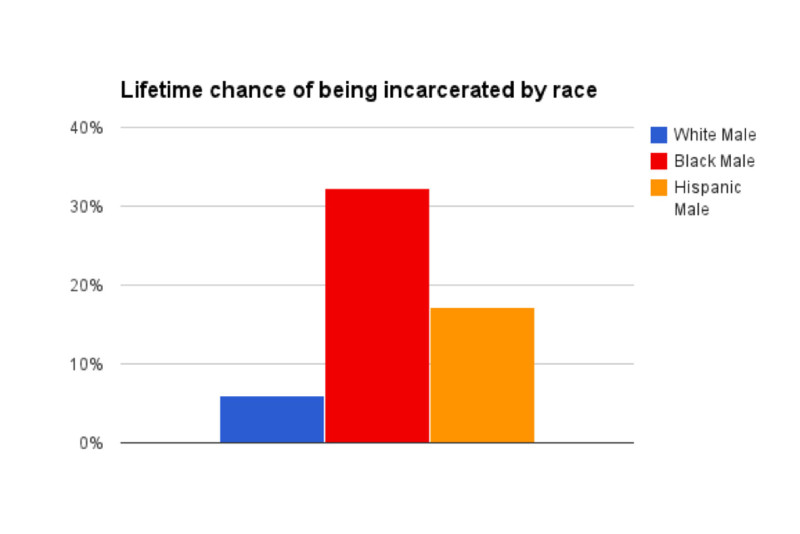
"caption": "As part of a social justice assignment on incarceration rates in the United States, a student broke down the numbers by race of the liftetime odds that person will be incarcerated. ",
"description": null,
"title": "Incarceration-by-Race-by-Zack",
"credit": null,
"status": "inherit",
"isLoading": false,
"fetchFailed": false
},
"mindshift_36701": {
"type": "attachments",
"id": "mindshift_36701",
"meta": {
"index": "attachments_1716263798",
"site": "mindshift",
"id": "36701",
"found": true
},
"parent": 36616,
"imgSizes": {
"thumbnail": {
"file": "https://ww2.kqed.org/app/uploads/sites/23/2014/07/Mindshift1_illo2_72-400x225.jpg",
"width": 400,
"mimeType": "image/jpeg",
"height": 225
},
"fd-sm": {
"file": "https://ww2.kqed.org/app/uploads/sites/23/2014/07/Mindshift1_illo2_72-320x180.jpg",
"width": 320,
"mimeType": "image/jpeg",
"height": 180
},
"kqedFullSize": {
"file": "https://ww2.kqed.org/app/uploads/sites/23/2014/07/Mindshift1_illo2_72.jpg",
"width": 640,
"height": 360
},
"guest-author-96": {
"file": "https://ww2.kqed.org/app/uploads/sites/23/2014/07/Mindshift1_illo2_72-96x96.jpg",
"width": 96,
"mimeType": "image/jpeg",
"height": 96
},
"guest-author-64": {
"file": "https://ww2.kqed.org/app/uploads/sites/23/2014/07/Mindshift1_illo2_72-64x64.jpg",
"width": 64,
"mimeType": "image/jpeg",
"height": 64
},
"guest-author-32": {
"file": "https://ww2.kqed.org/app/uploads/sites/23/2014/07/Mindshift1_illo2_72-32x32.jpg",
"width": 32,
"mimeType": "image/jpeg",
"height": 32
},
"guest-author-128": {
"file": "https://ww2.kqed.org/app/uploads/sites/23/2014/07/Mindshift1_illo2_72-128x128.jpg",
"width": 128,
"mimeType": "image/jpeg",
"height": 128
}
},
"publishDate": 1404704837,
"modified": 1404704837,
"caption": "By Jane Mount/MindShift",
"description": null,
"title": "Mindshift1_illo2_72",
"credit": null,
"status": "inherit",
"isLoading": false,
"fetchFailed": false
},
"mindshift_39711": {
"type": "attachments",
"id": "mindshift_39711",
"meta": {
"index": "attachments_1716263798",
"site": "mindshift",
"id": "39711",
"found": true
},
"parent": 39408,
"imgSizes": {
"twentyfourteen-full-width": {
"file": "https://ww2.kqed.org/app/uploads/sites/23/2015/03/Techie-ladies-1038x576.jpg",
"width": 1038,
"mimeType": "image/jpeg",
"height": 576
},
"thumbnail": {
"file": "https://ww2.kqed.org/app/uploads/sites/23/2015/03/Techie-ladies-400x267.jpg",
"width": 400,
"mimeType": "image/jpeg",
"height": 267
},
"fd-sm": {
"file": "https://ww2.kqed.org/app/uploads/sites/23/2015/03/Techie-ladies-320x214.jpg",
"width": 320,
"mimeType": "image/jpeg",
"height": 214
},
"post-thumbnail": {
"file": "https://ww2.kqed.org/app/uploads/sites/23/2015/03/Techie-ladies-672x372.jpg",
"width": 672,
"mimeType": "image/jpeg",
"height": 372
},
"kqedFullSize": {
"file": "https://ww2.kqed.org/app/uploads/sites/23/2015/03/Techie-ladies.jpg",
"width": 1438,
"height": 960
},
"fd-lrg": {
"file": "https://ww2.kqed.org/app/uploads/sites/23/2015/03/Techie-ladies-1180x788.jpg",
"width": 1180,
"mimeType": "image/jpeg",
"height": 788
},
"fd-med": {
"file": "https://ww2.kqed.org/app/uploads/sites/23/2015/03/Techie-ladies-768x513.jpg",
"width": 768,
"mimeType": "image/jpeg",
"height": 513
},
"guest-author-96": {
"file": "https://ww2.kqed.org/app/uploads/sites/23/2015/03/Techie-ladies-96x96.jpg",
"width": 96,
"mimeType": "image/jpeg",
"height": 96
},
"medium": {
"file": "https://ww2.kqed.org/app/uploads/sites/23/2015/03/Techie-ladies-800x534.jpg",
"width": 800,
"mimeType": "image/jpeg",
"height": 534
},
"guest-author-64": {
"file": "https://ww2.kqed.org/app/uploads/sites/23/2015/03/Techie-ladies-64x64.jpg",
"width": 64,
"mimeType": "image/jpeg",
"height": 64
},
"guest-author-32": {
"file": "https://ww2.kqed.org/app/uploads/sites/23/2015/03/Techie-ladies-32x32.jpg",
"width": 32,
"mimeType": "image/jpeg",
"height": 32
},
"guest-author-128": {
"file": "https://ww2.kqed.org/app/uploads/sites/23/2015/03/Techie-ladies-128x128.jpg",
"width": 128,
"mimeType": "image/jpeg",
"height": 128
}
},
"publishDate": 1426253075,
"modified": 1426253154,
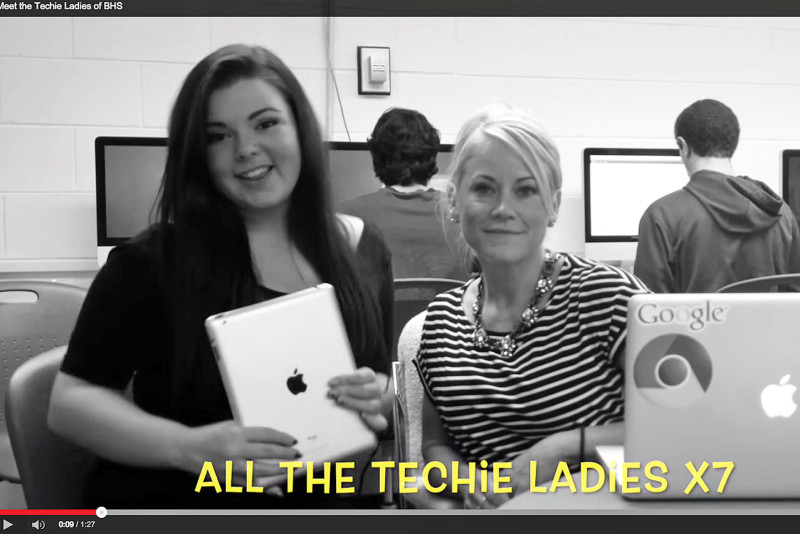
"caption": "A screen grab from Burlington High School's Help Desk video, \"All the Techie Ladies,\" produced by the female members of the team. ",
"description": null,
"title": "Techie-ladies",
"credit": null,
"status": "inherit",
"isLoading": false,
"fetchFailed": false
},
"mindshift_39432": {
"type": "attachments",
"id": "mindshift_39432",
"meta": {
"index": "attachments_1716263798",
"site": "mindshift",
"id": "39432",
"found": true
},
"parent": 39427,
"imgSizes": {
"twentyfourteen-full-width": {
"file": "https://ww2.kqed.org/app/uploads/sites/23/2015/02/DL-theory-of-action-1038x576.jpg",
"width": 1038,
"mimeType": "image/jpeg",
"height": 576
},
"thumbnail": {
"file": "https://ww2.kqed.org/app/uploads/sites/23/2015/02/DL-theory-of-action-400x225.jpg",
"width": 400,
"mimeType": "image/jpeg",
"height": 225
},
"fd-sm": {
"file": "https://ww2.kqed.org/app/uploads/sites/23/2015/02/DL-theory-of-action-320x180.jpg",
"width": 320,
"mimeType": "image/jpeg",
"height": 180
},
"post-thumbnail": {
"file": "https://ww2.kqed.org/app/uploads/sites/23/2015/02/DL-theory-of-action-672x372.jpg",
"width": 672,
"mimeType": "image/jpeg",
"height": 372
},
"kqedFullSize": {
"file": "https://ww2.kqed.org/app/uploads/sites/23/2015/02/DL-theory-of-action.jpg",
"width": 1852,
"height": 1042
},
"large": {
"file": "https://ww2.kqed.org/app/uploads/sites/23/2015/02/DL-theory-of-action-1440x810.jpg",
"width": 1440,
"mimeType": "image/jpeg",
"height": 810
},
"guest-author-96": {
"file": "https://ww2.kqed.org/app/uploads/sites/23/2015/02/DL-theory-of-action-96x96.jpg",
"width": 96,
"mimeType": "image/jpeg",
"height": 96
},
"medium": {
"file": "https://ww2.kqed.org/app/uploads/sites/23/2015/02/DL-theory-of-action-800x450.jpg",
"width": 800,
"mimeType": "image/jpeg",
"height": 450
},
"guest-author-64": {
"file": "https://ww2.kqed.org/app/uploads/sites/23/2015/02/DL-theory-of-action-64x64.jpg",
"width": 64,
"mimeType": "image/jpeg",
"height": 64
},
"guest-author-32": {
"file": "https://ww2.kqed.org/app/uploads/sites/23/2015/02/DL-theory-of-action-32x32.jpg",
"width": 32,
"mimeType": "image/jpeg",
"height": 32
},
"fd-lrg": {
"file": "https://ww2.kqed.org/app/uploads/sites/23/2015/02/DL-theory-of-action-1180x664.jpg",
"width": 1180,
"mimeType": "image/jpeg",
"height": 664
},
"fd-med": {
"file": "https://ww2.kqed.org/app/uploads/sites/23/2015/02/DL-theory-of-action-768x432.jpg",
"width": 768,
"mimeType": "image/jpeg",
"height": 432
},
"guest-author-128": {
"file": "https://ww2.kqed.org/app/uploads/sites/23/2015/02/DL-theory-of-action-128x128.jpg",
"width": 128,
"mimeType": "image/jpeg",
"height": 128
}
},
"publishDate": 1424741645,
"modified": 1424741660,
"caption": "Monica Martinez and Dennis McGrath",
"description": null,
"title": "DL-theory-of-action",
"credit": null,
"status": "inherit",
"isLoading": false,
"fetchFailed": false
},
"mindshift_39316": {
"type": "attachments",
"id": "mindshift_39316",
"meta": {
"index": "attachments_1716263798",
"site": "mindshift",
"id": "39316",
"found": true
},
"parent": 39262,
"imgSizes": {
"twentyfourteen-full-width": {
"file": "https://ww2.kqed.org/app/uploads/sites/23/2015/02/de_Tocqueville-1038x576.gif",
"width": 1038,
"mimeType": "image/gif",
"height": 576
},
"thumbnail": {
"file": "https://ww2.kqed.org/app/uploads/sites/23/2015/02/de_Tocqueville-400x267.gif",
"width": 400,
"mimeType": "image/gif",
"height": 267
},
"fd-sm": {
"file": "https://ww2.kqed.org/app/uploads/sites/23/2015/02/de_Tocqueville-320x214.gif",
"width": 320,
"mimeType": "image/gif",
"height": 214
},
"post-thumbnail": {
"file": "https://ww2.kqed.org/app/uploads/sites/23/2015/02/de_Tocqueville-672x372.gif",
"width": 672,
"mimeType": "image/gif",
"height": 372
},
"kqedFullSize": {
"file": "https://ww2.kqed.org/app/uploads/sites/23/2015/02/de_Tocqueville.gif",
"width": 1438,
"height": 960
},
"fd-lrg": {
"file": "https://ww2.kqed.org/app/uploads/sites/23/2015/02/de_Tocqueville-1180x788.gif",
"width": 1180,
"mimeType": "image/gif",
"height": 788
},
"fd-med": {
"file": "https://ww2.kqed.org/app/uploads/sites/23/2015/02/de_Tocqueville-768x513.gif",
"width": 768,
"mimeType": "image/gif",
"height": 513
},
"guest-author-96": {
"file": "https://ww2.kqed.org/app/uploads/sites/23/2015/02/de_Tocqueville-96x96.gif",
"width": 96,
"mimeType": "image/gif",
"height": 96
},
"medium": {
"file": "https://ww2.kqed.org/app/uploads/sites/23/2015/02/de_Tocqueville-800x534.gif",
"width": 800,
"mimeType": "image/gif",
"height": 534
},
"guest-author-64": {
"file": "https://ww2.kqed.org/app/uploads/sites/23/2015/02/de_Tocqueville-64x64.gif",
"width": 64,
"mimeType": "image/gif",
"height": 64
},
"guest-author-32": {
"file": "https://ww2.kqed.org/app/uploads/sites/23/2015/02/de_Tocqueville-32x32.gif",
"width": 32,
"mimeType": "image/gif",
"height": 32
},
"guest-author-128": {
"file": "https://ww2.kqed.org/app/uploads/sites/23/2015/02/de_Tocqueville-128x128.gif",
"width": 128,
"mimeType": "image/gif",
"height": 128
}
},
"publishDate": 1423623857,
"modified": 1423623885,
"caption": "Alexis de Tocqueville",
"description": null,
"title": "de_Tocqueville",
"credit": null,
"status": "inherit",
"isLoading": false,
"fetchFailed": false
},
"mindshift_39046": {
"type": "attachments",
"id": "mindshift_39046",
"meta": {
"index": "attachments_1716263798",
"site": "mindshift",
"id": "39046",
"found": true
},
"parent": 38735,
"imgSizes": {
"twentyfourteen-full-width": {
"file": "https://ww2.kqed.org/app/uploads/sites/23/2015/01/Kevin-Harber-Ask-a-Librarian-5466662990_426144a1da_o-1038x576.gif",
"width": 1038,
"mimeType": "image/gif",
"height": 576
},
"thumbnail": {
"file": "https://ww2.kqed.org/app/uploads/sites/23/2015/01/Kevin-Harber-Ask-a-Librarian-5466662990_426144a1da_o-400x267.gif",
"width": 400,
"mimeType": "image/gif",
"height": 267
},
"fd-sm": {
"file": "https://ww2.kqed.org/app/uploads/sites/23/2015/01/Kevin-Harber-Ask-a-Librarian-5466662990_426144a1da_o-320x213.gif",
"width": 320,
"mimeType": "image/gif",
"height": 213
},
"post-thumbnail": {
"file": "https://ww2.kqed.org/app/uploads/sites/23/2015/01/Kevin-Harber-Ask-a-Librarian-5466662990_426144a1da_o-672x372.gif",
"width": 672,
"mimeType": "image/gif",
"height": 372
},
"kqedFullSize": {
"file": "https://ww2.kqed.org/app/uploads/sites/23/2015/01/Kevin-Harber-Ask-a-Librarian-5466662990_426144a1da_o.gif",
"width": 1440,
"height": 960
},
"large": {
"file": "https://ww2.kqed.org/app/uploads/sites/23/2015/01/Kevin-Harber-Ask-a-Librarian-5466662990_426144a1da_o-1440x960.gif",
"width": 1440,
"mimeType": "image/gif",
"height": 960
},
"guest-author-96": {
"file": "https://ww2.kqed.org/app/uploads/sites/23/2015/01/Kevin-Harber-Ask-a-Librarian-5466662990_426144a1da_o-96x96.gif",
"width": 96,
"mimeType": "image/gif",
"height": 96
},
"medium": {
"file": "https://ww2.kqed.org/app/uploads/sites/23/2015/01/Kevin-Harber-Ask-a-Librarian-5466662990_426144a1da_o-800x533.gif",
"width": 800,
"mimeType": "image/gif",
"height": 533
},
"guest-author-64": {
"file": "https://ww2.kqed.org/app/uploads/sites/23/2015/01/Kevin-Harber-Ask-a-Librarian-5466662990_426144a1da_o-64x64.gif",
"width": 64,
"mimeType": "image/gif",
"height": 64
},
"guest-author-32": {
"file": "https://ww2.kqed.org/app/uploads/sites/23/2015/01/Kevin-Harber-Ask-a-Librarian-5466662990_426144a1da_o-32x32.gif",
"width": 32,
"mimeType": "image/gif",
"height": 32
},
"fd-lrg": {
"file": "https://ww2.kqed.org/app/uploads/sites/23/2015/01/Kevin-Harber-Ask-a-Librarian-5466662990_426144a1da_o-1180x787.gif",
"width": 1180,
"mimeType": "image/gif",
"height": 787
},
"fd-med": {
"file": "https://ww2.kqed.org/app/uploads/sites/23/2015/01/Kevin-Harber-Ask-a-Librarian-5466662990_426144a1da_o-768x512.gif",
"width": 768,
"mimeType": "image/gif",
"height": 512
},
"guest-author-128": {
"file": "https://ww2.kqed.org/app/uploads/sites/23/2015/01/Kevin-Harber-Ask-a-Librarian-5466662990_426144a1da_o-128x128.gif",
"width": 128,
"mimeType": "image/gif",
"height": 128
}
},
"publishDate": 1421676742,
"modified": 1421676778,
"caption": "Flickr/Kevin Harber",
"description": null,
"title": "Kevin-Harber-Ask-a-Librarian-5466662990_426144a1da_o",
"credit": null,
"status": "inherit",
"isLoading": false,
"fetchFailed": false
},
"mindshift_38972": {
"type": "attachments",
"id": "mindshift_38972",
"meta": {
"index": "attachments_1716263798",
"site": "mindshift",
"id": "38972",
"found": true
},
"parent": 38576,
"imgSizes": {
"twentyfourteen-full-width": {
"file": "https://ww2.kqed.org/app/uploads/sites/23/2014/12/Small-8-Faces-1038x576.png",
"width": 1038,
"mimeType": "image/png",
"height": 576
},
"thumbnail": {
"file": "https://ww2.kqed.org/app/uploads/sites/23/2014/12/Small-8-Faces-400x266.png",
"width": 400,
"mimeType": "image/png",
"height": 266
},
"fd-sm": {
"file": "https://ww2.kqed.org/app/uploads/sites/23/2014/12/Small-8-Faces-320x213.png",
"width": 320,
"mimeType": "image/png",
"height": 213
},
"post-thumbnail": {
"file": "https://ww2.kqed.org/app/uploads/sites/23/2014/12/Small-8-Faces-672x372.png",
"width": 672,
"mimeType": "image/png",
"height": 372
},
"kqedFullSize": {
"file": "https://ww2.kqed.org/app/uploads/sites/23/2014/12/Small-8-Faces.png",
"width": 1105,
"height": 734
},
"fd-med": {
"file": "https://ww2.kqed.org/app/uploads/sites/23/2014/12/Small-8-Faces-768x510.png",
"width": 768,
"mimeType": "image/png",
"height": 510
},
"guest-author-96": {
"file": "https://ww2.kqed.org/app/uploads/sites/23/2014/12/Small-8-Faces-96x96.png",
"width": 96,
"mimeType": "image/png",
"height": 96
},
"medium": {
"file": "https://ww2.kqed.org/app/uploads/sites/23/2014/12/Small-8-Faces-800x531.png",
"width": 800,
"mimeType": "image/png",
"height": 531
},
"guest-author-64": {
"file": "https://ww2.kqed.org/app/uploads/sites/23/2014/12/Small-8-Faces-64x64.png",
"width": 64,
"mimeType": "image/png",
"height": 64
},
"guest-author-32": {
"file": "https://ww2.kqed.org/app/uploads/sites/23/2014/12/Small-8-Faces-32x32.png",
"width": 32,
"mimeType": "image/png",
"height": 32
},
"guest-author-128": {
"file": "https://ww2.kqed.org/app/uploads/sites/23/2014/12/Small-8-Faces-128x128.png",
"width": 128,
"mimeType": "image/png",
"height": 128
}
},
"publishDate": 1421102088,
"modified": 1421102088,
"caption": null,
"description": null,
"title": "Small 8 Faces",
"credit": null,
"status": "inherit",
"isLoading": false,
"fetchFailed": false
},
"mindshift_38914": {
"type": "attachments",
"id": "mindshift_38914",
"meta": {
"index": "attachments_1716263798",
"site": "mindshift",
"id": "38914",
"found": true
},
"parent": 38910,
"imgSizes": {
"twentyfourteen-full-width": {
"file": "https://ww2.kqed.org/app/uploads/sites/23/2015/01/Crane-and-Waste-Basket-1038x576.gif",
"width": 1038,
"mimeType": "image/gif",
"height": 576
},
"thumbnail": {
"file": "https://ww2.kqed.org/app/uploads/sites/23/2015/01/Crane-and-Waste-Basket-400x267.gif",
"width": 400,
"mimeType": "image/gif",
"height": 267
},
"fd-sm": {
"file": "https://ww2.kqed.org/app/uploads/sites/23/2015/01/Crane-and-Waste-Basket-320x213.gif",
"width": 320,
"mimeType": "image/gif",
"height": 213
},
"post-thumbnail": {
"file": "https://ww2.kqed.org/app/uploads/sites/23/2015/01/Crane-and-Waste-Basket-672x372.gif",
"width": 672,
"mimeType": "image/gif",
"height": 372
},
"kqedFullSize": {
"file": "https://ww2.kqed.org/app/uploads/sites/23/2015/01/Crane-and-Waste-Basket.gif",
"width": 1440,
"height": 960
},
"large": {
"file": "https://ww2.kqed.org/app/uploads/sites/23/2015/01/Crane-and-Waste-Basket-1440x960.gif",
"width": 1440,
"mimeType": "image/gif",
"height": 960
},
"guest-author-96": {
"file": "https://ww2.kqed.org/app/uploads/sites/23/2015/01/Crane-and-Waste-Basket-96x96.gif",
"width": 96,
"mimeType": "image/gif",
"height": 96
},
"medium": {
"file": "https://ww2.kqed.org/app/uploads/sites/23/2015/01/Crane-and-Waste-Basket-800x533.gif",
"width": 800,
"mimeType": "image/gif",
"height": 533
},
"guest-author-64": {
"file": "https://ww2.kqed.org/app/uploads/sites/23/2015/01/Crane-and-Waste-Basket-64x64.gif",
"width": 64,
"mimeType": "image/gif",
"height": 64
},
"guest-author-32": {
"file": "https://ww2.kqed.org/app/uploads/sites/23/2015/01/Crane-and-Waste-Basket-32x32.gif",
"width": 32,
"mimeType": "image/gif",
"height": 32
},
"fd-lrg": {
"file": "https://ww2.kqed.org/app/uploads/sites/23/2015/01/Crane-and-Waste-Basket-1180x787.gif",
"width": 1180,
"mimeType": "image/gif",
"height": 787
},
"fd-med": {
"file": "https://ww2.kqed.org/app/uploads/sites/23/2015/01/Crane-and-Waste-Basket-768x512.gif",
"width": 768,
"mimeType": "image/gif",
"height": 512
},
"guest-author-128": {
"file": "https://ww2.kqed.org/app/uploads/sites/23/2015/01/Crane-and-Waste-Basket-128x128.gif",
"width": 128,
"mimeType": "image/gif",
"height": 128
}
},
"publishDate": 1420746486,
"modified": 1420746500,
"caption": "Flickr/Rob Ireton",
"description": null,
"title": "Crane-and-Waste-Basket",
"credit": null,
"status": "inherit",
"isLoading": false,
"fetchFailed": false
},
"mindshift_38814": {
"type": "attachments",
"id": "mindshift_38814",
"meta": {
"index": "attachments_1716263798",
"site": "mindshift",
"id": "38814",
"found": true
},
"parent": 38813,
"imgSizes": {
"twentyfourteen-full-width": {
"file": "https://ww2.kqed.org/app/uploads/sites/23/2014/12/wide-shot-1038x576.jpg",
"width": 1038,
"mimeType": "image/jpeg",
"height": 576
},
"thumbnail": {
"file": "https://ww2.kqed.org/app/uploads/sites/23/2014/12/wide-shot-400x225.jpg",
"width": 400,
"mimeType": "image/jpeg",
"height": 225
},
"fd-sm": {
"file": "https://ww2.kqed.org/app/uploads/sites/23/2014/12/wide-shot-320x180.jpg",
"width": 320,
"mimeType": "image/jpeg",
"height": 180
},
"post-thumbnail": {
"file": "https://ww2.kqed.org/app/uploads/sites/23/2014/12/wide-shot-672x372.jpg",
"width": 672,
"mimeType": "image/jpeg",
"height": 372
},
"kqedFullSize": {
"file": "https://ww2.kqed.org/app/uploads/sites/23/2014/12/wide-shot.jpg",
"width": 1440,
"height": 810
},
"large": {
"file": "https://ww2.kqed.org/app/uploads/sites/23/2014/12/wide-shot-1440x810.jpg",
"width": 1440,
"mimeType": "image/jpeg",
"height": 810
},
"guest-author-96": {
"file": "https://ww2.kqed.org/app/uploads/sites/23/2014/12/wide-shot-96x96.jpg",
"width": 96,
"mimeType": "image/jpeg",
"height": 96
},
"medium": {
"file": "https://ww2.kqed.org/app/uploads/sites/23/2014/12/wide-shot-800x450.jpg",
"width": 800,
"mimeType": "image/jpeg",
"height": 450
},
"guest-author-64": {
"file": "https://ww2.kqed.org/app/uploads/sites/23/2014/12/wide-shot-64x64.jpg",
"width": 64,
"mimeType": "image/jpeg",
"height": 64
},
"guest-author-32": {
"file": "https://ww2.kqed.org/app/uploads/sites/23/2014/12/wide-shot-32x32.jpg",
"width": 32,
"mimeType": "image/jpeg",
"height": 32
},
"fd-lrg": {
"file": "https://ww2.kqed.org/app/uploads/sites/23/2014/12/wide-shot-1180x664.jpg",
"width": 1180,
"mimeType": "image/jpeg",
"height": 664
},
"fd-med": {
"file": "https://ww2.kqed.org/app/uploads/sites/23/2014/12/wide-shot-768x432.jpg",
"width": 768,
"mimeType": "image/jpeg",
"height": 432
},
"guest-author-128": {
"file": "https://ww2.kqed.org/app/uploads/sites/23/2014/12/wide-shot-128x128.jpg",
"width": 128,
"mimeType": "image/jpeg",
"height": 128
}
},
"publishDate": 1419377635,
"modified": 1419377672,
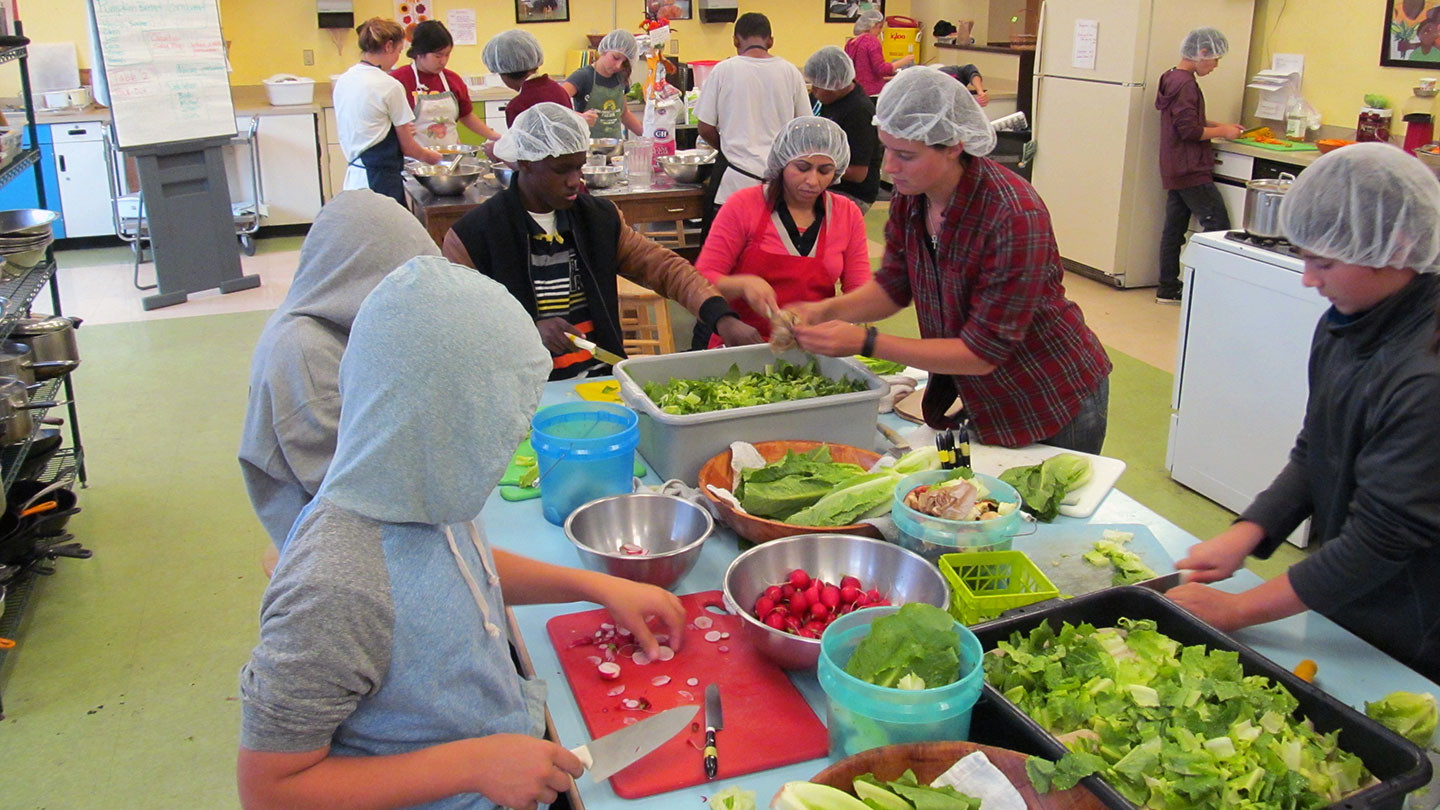
"caption": "Seventh and eighth grade students at Willard Middle School work to prepare meals to sell. (Katrina Schwartz/MindShift)",
"description": null,
"title": "wide-shot",
"credit": null,
"status": "inherit",
"isLoading": false,
"fetchFailed": false
},
"mindshift_38746": {
"type": "attachments",
"id": "mindshift_38746",
"meta": {
"index": "attachments_1716263798",
"site": "mindshift",
"id": "38746",
"found": true
},
"parent": 38745,
"imgSizes": {
"twentyfourteen-full-width": {
"file": "https://ww2.kqed.org/app/uploads/sites/23/2014/12/circle-edited_custom-4d8b605d216945d1788b8082e7d9440e43573cbf-1038x576.jpg",
"width": 1038,
"mimeType": "image/jpeg",
"height": 576
},
"thumbnail": {
"file": "https://ww2.kqed.org/app/uploads/sites/23/2014/12/circle-edited_custom-4d8b605d216945d1788b8082e7d9440e43573cbf-400x240.jpg",
"width": 400,
"mimeType": "image/jpeg",
"height": 240
},
"fd-sm": {
"file": "https://ww2.kqed.org/app/uploads/sites/23/2014/12/circle-edited_custom-4d8b605d216945d1788b8082e7d9440e43573cbf-320x192.jpg",
"width": 320,
"mimeType": "image/jpeg",
"height": 192
},
"post-thumbnail": {
"file": "https://ww2.kqed.org/app/uploads/sites/23/2014/12/circle-edited_custom-4d8b605d216945d1788b8082e7d9440e43573cbf-672x372.jpg",
"width": 672,
"mimeType": "image/jpeg",
"height": 372
},
"kqedFullSize": {
"file": "https://ww2.kqed.org/app/uploads/sites/23/2014/12/circle-edited_custom-4d8b605d216945d1788b8082e7d9440e43573cbf.jpg",
"width": 1120,
"height": 672
},
"fd-med": {
"file": "https://ww2.kqed.org/app/uploads/sites/23/2014/12/circle-edited_custom-4d8b605d216945d1788b8082e7d9440e43573cbf-768x461.jpg",
"width": 768,
"mimeType": "image/jpeg",
"height": 461
},
"guest-author-96": {
"file": "https://ww2.kqed.org/app/uploads/sites/23/2014/12/circle-edited_custom-4d8b605d216945d1788b8082e7d9440e43573cbf-96x96.jpg",
"width": 96,
"mimeType": "image/jpeg",
"height": 96
},
"medium": {
"file": "https://ww2.kqed.org/app/uploads/sites/23/2014/12/circle-edited_custom-4d8b605d216945d1788b8082e7d9440e43573cbf-800x480.jpg",
"width": 800,
"mimeType": "image/jpeg",
"height": 480
},
"guest-author-64": {
"file": "https://ww2.kqed.org/app/uploads/sites/23/2014/12/circle-edited_custom-4d8b605d216945d1788b8082e7d9440e43573cbf-64x64.jpg",
"width": 64,
"mimeType": "image/jpeg",
"height": 64
},
"guest-author-32": {
"file": "https://ww2.kqed.org/app/uploads/sites/23/2014/12/circle-edited_custom-4d8b605d216945d1788b8082e7d9440e43573cbf-32x32.jpg",
"width": 32,
"mimeType": "image/jpeg",
"height": 32
},
"guest-author-128": {
"file": "https://ww2.kqed.org/app/uploads/sites/23/2014/12/circle-edited_custom-4d8b605d216945d1788b8082e7d9440e43573cbf-128x128.jpg",
"width": 128,
"mimeType": "image/jpeg",
"height": 128
}
},
"publishDate": 1418823405,
"modified": 1418823506,
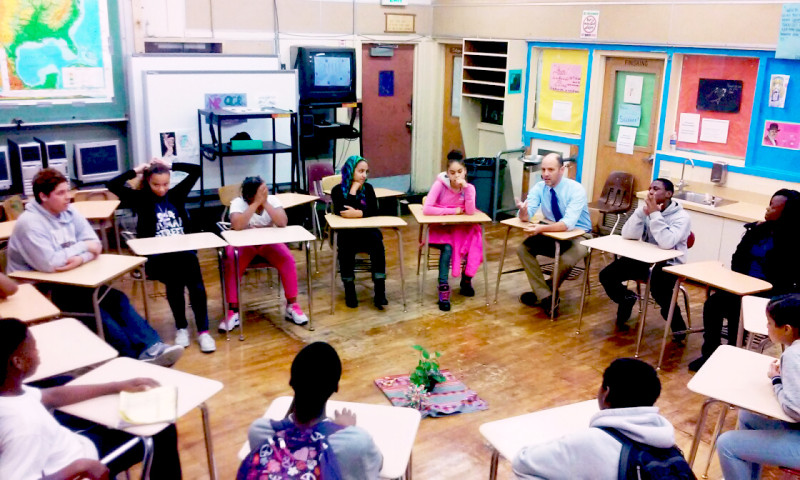
"caption": "A restorative justice circle at Edna Brewer Middle School in Oakland, Calif.\n(Sam Pasarow/Edna Brewer Middle School)\n",
"description": "A restorative justice circle at Edna Brewer Middle School in Oakland, Calif",
"title": "A restorative justice circle at Edna Brewer Middle School in Oakland, Calif.",
"credit": null,
"status": "inherit",
"isLoading": false,
"fetchFailed": false
},
"mindshift_38666": {
"type": "attachments",
"id": "mindshift_38666",
"meta": {
"index": "attachments_1716263798",
"site": "mindshift",
"id": "38666",
"found": true
},
"parent": 38659,
"imgSizes": {
"twentyfourteen-full-width": {
"file": "https://ww2.kqed.org/app/uploads/sites/23/2014/12/Ming-Horn-Angkor-Wat-1038x576.gif",
"width": 1038,
"mimeType": "image/gif",
"height": 576
},
"thumbnail": {
"file": "https://ww2.kqed.org/app/uploads/sites/23/2014/12/Ming-Horn-Angkor-Wat-400x225.gif",
"width": 400,
"mimeType": "image/gif",
"height": 225
},
"fd-sm": {
"file": "https://ww2.kqed.org/app/uploads/sites/23/2014/12/Ming-Horn-Angkor-Wat-320x180.gif",
"width": 320,
"mimeType": "image/gif",
"height": 180
},
"post-thumbnail": {
"file": "https://ww2.kqed.org/app/uploads/sites/23/2014/12/Ming-Horn-Angkor-Wat-672x372.gif",
"width": 672,
"mimeType": "image/gif",
"height": 372
},
"kqedFullSize": {
"file": "https://ww2.kqed.org/app/uploads/sites/23/2014/12/Ming-Horn-Angkor-Wat.gif",
"width": 1280,
"height": 720
},
"fd-lrg": {
"file": "https://ww2.kqed.org/app/uploads/sites/23/2014/12/Ming-Horn-Angkor-Wat-1180x664.gif",
"width": 1180,
"mimeType": "image/gif",
"height": 664
},
"fd-med": {
"file": "https://ww2.kqed.org/app/uploads/sites/23/2014/12/Ming-Horn-Angkor-Wat-768x432.gif",
"width": 768,
"mimeType": "image/gif",
"height": 432
},
"guest-author-96": {
"file": "https://ww2.kqed.org/app/uploads/sites/23/2014/12/Ming-Horn-Angkor-Wat-96x96.gif",
"width": 96,
"mimeType": "image/gif",
"height": 96
},
"medium": {
"file": "https://ww2.kqed.org/app/uploads/sites/23/2014/12/Ming-Horn-Angkor-Wat-800x450.gif",
"width": 800,
"mimeType": "image/gif",
"height": 450
},
"guest-author-64": {
"file": "https://ww2.kqed.org/app/uploads/sites/23/2014/12/Ming-Horn-Angkor-Wat-64x64.gif",
"width": 64,
"mimeType": "image/gif",
"height": 64
},
"guest-author-32": {
"file": "https://ww2.kqed.org/app/uploads/sites/23/2014/12/Ming-Horn-Angkor-Wat-32x32.gif",
"width": 32,
"mimeType": "image/gif",
"height": 32
},
"guest-author-128": {
"file": "https://ww2.kqed.org/app/uploads/sites/23/2014/12/Ming-Horn-Angkor-Wat-128x128.gif",
"width": 128,
"mimeType": "image/gif",
"height": 128
}
},
"publishDate": 1418223539,
"modified": 1418245393,
"caption": "Courtesy of Ming Horn",
"description": null,
"title": "Ming-Horn-Angkor-Wat",
"credit": null,
"status": "inherit",
"isLoading": false,
"fetchFailed": false
}
},
"audioPlayerReducer": {
"postId": "stream_live",
"isPaused": true,
"isPlaying": false,
"pfsActive": false,
"pledgeModalIsOpen": true,
"playerDrawerIsOpen": false,
"liveAudioPlayStartedAt": 0,
"liveAudioPlayContext": ""
},
"authorsReducer": {
"byline_mindshift_38745": {
"type": "authors",
"id": "byline_mindshift_38745",
"meta": {
"override": true
},
"slug": "byline_mindshift_38745",
"name": "Eric Westervelt",
"isLoading": false
},
"katrinaschwartz": {
"type": "authors",
"id": "234",
"meta": {
"index": "authors_1716337520",
"id": "234",
"found": true
},
"name": "Katrina Schwartz",
"firstName": "Katrina",
"lastName": "Schwartz",
"slug": "katrinaschwartz",
"email": "kschwartz@kqed.org",
"display_author_email": false,
"staff_mastheads": [
"news"
],
"title": "Producer",
"bio": "Katrina Schwartz is a journalist based in San Francisco. She's worked at KPCC public radio in LA and has reported on air and online for KQED since 2010. She covered how teaching and learning is changing for MindShift between 2012 and 2020. She is the co-host of the MindShift podcast and now produces KQED's Bay Curious podcast.",
"avatar": "https://secure.gravatar.com/avatar/edb4ee79070447a018538c9aae6eeecf28786515b8a0c30e43b6b7dce5aa44c8?s=600&d=blank&r=g",
"twitter": "kschwart",
"bluesky": null,
"facebook": null,
"instagram": null,
"linkedin": null,
"sites": [
{
"site": "",
"roles": [
"editor"
]
},
{
"site": "news",
"roles": [
"editor"
]
},
{
"site": "mindshift",
"roles": [
"administrator"
]
},
{
"site": "stateofhealth",
"roles": [
"author"
]
},
{
"site": "science",
"roles": [
"editor"
]
}
],
"headData": {
"title": "Katrina Schwartz | KQED",
"description": "Producer",
"ogImgSrc": "https://secure.gravatar.com/avatar/edb4ee79070447a018538c9aae6eeecf28786515b8a0c30e43b6b7dce5aa44c8?s=600&d=blank&r=g",
"twImgSrc": "https://secure.gravatar.com/avatar/edb4ee79070447a018538c9aae6eeecf28786515b8a0c30e43b6b7dce5aa44c8?s=600&d=blank&r=g"
},
"isLoading": false,
"link": "/author/katrinaschwartz"
},
"ksung": {
"type": "authors",
"id": "4596",
"meta": {
"index": "authors_1716337520",
"id": "4596",
"found": true
},
"name": "Ki Sung",
"firstName": "Ki",
"lastName": "Sung",
"slug": "ksung",
"email": "ksung@kqed.org",
"display_author_email": false,
"staff_mastheads": [
"news"
],
"title": "KQED Contributor",
"bio": "Ki Sung is Managing Editor of Digital News at KQED. She is former Senior Editor of MindShift and worked at NPR before joining KQED in 2014.",
"avatar": "https://secure.gravatar.com/avatar/64271e01dc95486c133be56937739045b7c00c990525bf9add12d3dd4f0433c9?s=600&d=blank&r=g",
"twitter": null,
"bluesky": null,
"facebook": null,
"instagram": null,
"linkedin": null,
"sites": [
{
"site": "arts",
"roles": [
"administrator"
]
},
{
"site": "news",
"roles": [
"administrator"
]
},
{
"site": "mindshift",
"roles": [
"administrator"
]
},
{
"site": "science",
"roles": [
"administrator"
]
},
{
"site": "forum",
"roles": [
"administrator"
]
},
{
"site": "perspectives",
"roles": [
"administrator"
]
},
{
"site": "elections",
"roles": [
"administrator"
]
}
],
"headData": {
"title": "Ki Sung | KQED",
"description": "KQED Contributor",
"ogImgSrc": "https://secure.gravatar.com/avatar/64271e01dc95486c133be56937739045b7c00c990525bf9add12d3dd4f0433c9?s=600&d=blank&r=g",
"twImgSrc": "https://secure.gravatar.com/avatar/64271e01dc95486c133be56937739045b7c00c990525bf9add12d3dd4f0433c9?s=600&d=blank&r=g"
},
"isLoading": false,
"link": "/author/ksung"
}
},
"pagesReducer": {
"mindshift_category_teaching-strategies": {
"type": "terms",
"id": "mindshift_193",
"meta": {
"index": "terms_1716263798",
"site": "mindshift",
"id": "193",
"score": 14.4071665
},
"featImg": null,
"name": "Teaching Strategies",
"description": "Innovative ideas - projects, processes, curricula, and more - that are transforming how we teach and learn.",
"taxonomy": "category",
"headData": {
"twImgId": null,
"twTitle": null,
"ogTitle": null,
"ogImgId": null,
"twDescription": null,
"description": "Innovative ideas - projects, processes, curricula, and more - that are transforming how we teach and learn.",
"title": "Teaching Strategies Archives | KQED Mindshift",
"ogDescription": null
},
"ttid": 193,
"slug": "teaching-strategies",
"isLoading": false,
"title": "Teaching Strategies",
"pageMeta": {
"site": "mindshift",
"WpPageTemplate": "page-topic-editorial",
"currentPage": 42
},
"blocks": [
{
"blockName": "kqed/company-paragraph",
"content": "Innovative ideas - projects, processes, curricula, and more - that are transforming how we teach and learn."
},
{
"blockName": "kqed/post-list",
"attrs": {
"layout": "cardArticle2",
"query": "posts/mindshift?category=teaching-strategies",
"seeMore": false,
"paginated": true,
"page": 42
}
},
{
"blockName": "kqed/ad"
}
]
}
},
"pfsSessionReducer": {},
"postsReducer": {
"stream_live": {
"type": "live",
"id": "stream_live",
"audioUrl": "https://streams.kqed.org/kqedradio",
"title": "Live Stream",
"excerpt": "Live Stream information currently unavailable.",
"link": "/radio",
"featImg": "",
"label": {
"name": "KQED Live",
"link": "/"
}
},
"stream_kqedNewscast": {
"type": "posts",
"id": "stream_kqedNewscast",
"audioUrl": "https://www.kqed.org/.stream/anon/radio/RDnews/newscast.mp3?_=1",
"title": "KQED Newscast",
"featImg": "",
"label": {
"name": "88.5 FM",
"link": "/"
}
},
"mindshift_39677": {
"type": "posts",
"id": "mindshift_39677",
"meta": {
"index": "posts_1716263798",
"site": "mindshift",
"id": "39677",
"score": null,
"sort": [
1428595315000
]
},
"parent": 0,
"labelTerm": {
"site": "mindshift"
},
"blocks": [],
"publishDate": 1428595315,
"format": "standard",
"disqusTitle": "How Memory, Focus and Good Teaching Can Work Together to Help Kids Learn",
"title": "How Memory, Focus and Good Teaching Can Work Together to Help Kids Learn",
"headTitle": "MindShift | KQED News",
"content": "\u003cp class=\"dropcap-serif\">Everyone has a pet theory on how to improve public education: better professional development for teachers, more money, better curriculum, testing for accountability, teacher incentives, technology, streamlined bureaucracy. Policymakers have been trying these solutions for years with mixed results. But those who study the brain have their own ideas for improving how kids learn: focus on teaching kids \u003cem>how\u003c/em> to learn.\u003c/p>\n\u003cp class=\"dropcap-serif\">\"The more you teach students how to learn, the less time you have to spend teaching curriculum because they can [understand] it on their own,” said \u003ca href=\"http://thankyoubrain.blogspot.com/\" target=\"_blank\">William Klemm\u003c/a>, senior professor of neuroscience at Texas A&M University at the \u003ca href=\"http://www.learningandthebrain.com/education-conferences-2015\" target=\"_blank\">Learning and the Brain \u003c/a>conference \"Making Lasting Memories.\" “I think the real problem is that students have not learned how to be competent learners,” he said. \"They haven't learned this because we haven't taught them.\"\u003c/p>\n\u003cp>Neuroscientists still have a lot to learn about how the human brain learns, remembers and reacts to environments, but there are certain things Klemm said are fairly well documented and not always applied in schools.\u003c/p>\n\u003cp>\u003cstrong>TECHNOLOGY AND DISTRACTION\u003c/strong>\u003c/p>\n\u003cp>There’s no denying the Internet is an amazing resource for fast access to diverse perspectives and rich opportunities to extend learning. “That’s a good thing because the more you think about something from multiple perspectives, the better you are at understanding it,” Klemm said. But the Internet is also full of false information, and students aren’t always \u003ca href=\"http://ww2.kqed.org/mindshift/2013/10/teach-kids-to-be-their-own-filter/\" target=\"_blank\">taught how to tell the difference\u003c/a>.\u003c/p>\n\u003cp>[ad fullwidth]\u003c/p>\n\u003cp>For students, it’s easy to get distracted, pulled off track by the many interesting pop-ups, links or videos embedded in any Web post. When this happens, \u003ca href=\"http://ww2.kqed.org/mindshift/2013/05/how-does-multitasking-change-the-way-kids-learn/\" target=\"_blank\">kids multitask\u003c/a>, a concept neuroscientists have shown doesn’t really exist. When a person thinks she is doing two things at once, she is really switching rapidly back and forth between individual tasks, eroding the attention and quality of each task in the process.\u003c/p>\n\u003cp>“The problem with multitasking is it interferes with forming memories,” Klemm said. And while it has become trendy to say kids don’t need to know basic information because they can look it up on the Internet, Klemm is adamant that students \u003ca href=\"http://ww2.kqed.org/mindshift/2013/02/can-repetitive-exercises-actually-feed-the-creative-process/\" target=\"_blank\">cannot build more complex knowledge without information\u003c/a> in their working memory.\u003c/p>\n\u003cp>“We live in a generation where students are doing more and more of this, so they’re messing up their ability to memorize,” Klemm said.\u003c/p>\n\u003cp>Klemm believes the Internet makes students lazy. “When students rely on the Internet for knowledge, they are programming themselves to look for information on the Internet and not in their heads,” he said. When asked to recall the information they just looked up, they \u003ca href=\"http://ww2.kqed.org/mindshift/2015/04/03/internet-searches-may-make-you-think-youre-smarter-than-you-are/\">don’t remember it as well\u003c/a>. Instead, they remember how to find the same information again on the Internet.\u003c/p>\n\u003cp>[contextly_sidebar id=\"tQdAj520BR6BtSJxxGUXAHjmCfRCDynt\"]\u003c/p>\n\u003cp>Without memorizing some information, it’s harder for the brain to acquire new knowledge and skills. It takes longer for the brain to process new information, and students are less likely and slower to ask informed and perceptive questions.\u003c/p>\n\u003cp>“The more you know, the more you can make conclusions, even be creative,” Klemm said. “All of these things have to be done by thinking, and thinking has to be done from what’s in your working memory.”\u003c/p>\n\u003cp>\u003ca href=\"http://ww2.kqed.org/mindshift/2013/12/age-of-distraction-why-its-crucial-for-students-to-learn-to-focus/\" target=\"_blank\">Distractions of all sorts\u003c/a> -- whether it’s Friday’s football game or the phone in a student’s hand -- are bad for learning, Klemm said. Teaching students to focus will be a crucial part of preparing them to build on the knowledge they’ve gained.\u003c/p>\n\u003cp>\u003cstrong>PROTECTED LEARNING TIMES\u003c/strong>\u003c/p>\n\u003cp>It’s often assumed that if a kid is paying attention while the teacher is talking, he or she is learning. But there are two additional times when the brain must be protected from distractions that are just as important: the period before and the period after the learning takes place.\u003c/p>\n\u003cp>When a student has an experience of learning, he holds that new information in his short-term memory while the brain consolidates it and prepares it for long-term storage. The problem is, short-term or working memory can’t hold very much information.\u003c/p>\n\u003cp>Often students become distracted immediately after learning something, and that new sensory input crowds out the lesson before it can be used for thinking and building new knowledge. “Long-term memory requires physical and chemical changes in the brain,” Klemm said.\u003c/p>\n\u003cp>Specifically, it requires protein kinase by the brain. If that process is blocked, with a distraction, for example, it prevents the brain from forming a long-term memory of what the student learned.\u003c/p>\n\u003cp>Neuroscientists are still researching what happens when a memory is recalled, say, for a test. Experimentally, it has been proven that when a student calls up a memory from long-term storage, it is temporarily placed in the short-term memory. At that point, there is an opportunity to enrich that memory before it gets reconsolidated.\u003c/p>\n\u003cp>“They’ll remember an improved version of the original,” Klemm said.\u003c/p>\n\u003cp>\u003cstrong>TAKEAWAYS\u003c/strong>\u003c/p>\n\u003cp>There are several straightforward ways educators can start creating learning environments that support what neuroscience has found about how the brain learns best. While many of these concepts aren’t new, they come up again and again in research and bear repeating.\u003c/p>\n\u003cp>\u003cstrong>Stress is bad for learning.\u003c/strong> When students are worried about tests or something in their private lives, they are distracted from what’s going on in the classroom.\u003ca href=\"http://ww2.kqed.org/mindshift/2013/12/02/high-school-students-health-suffers-from-too-much-stress/\"> Chronic stress\u003c/a> is even worse. The steroids released when a person is under chronic stress kill neurons, particularly those located in the hippocampus, an important part of the brain for storing long-term memories.\u003c/p>\n\u003cp>“Anything you can do to reduce a child’s stress will make it easier to be a better learner,” Klemm said.\u003c/p>\n\u003cp>\u003cstrong>Classroom decorations can be distracting.\u003c/strong> Researchers at Carnegie-Mellon recently found that \u003ca href=\"http://ww2.kqed.org/mindshift/2014/06/12/are-classroom-decorations-too-distracting-for-young-students/\">overly decorated classrooms\u003c/a> were a distraction to students. While no one is suggesting school walls should be completely bare of color, too much can be bad for learning.\u003c/p>\n\u003cp>\u003cstrong>Test for a reason.\u003c/strong> “Testing is a good thing if it’s non-punitive,” Klemm said. “It \u003ca href=\"http://ww2.kqed.org/mindshift/2014/10/studying-with-quizzes-helps-make-sure-the-material-sticks/\" target=\"_blank\">requires students to recall what they know\u003c/a> and process what they don’t know. But high-stakes testing, although probably at some level necessary for official accountability, can be overdone to the point where it makes school unpleasant for the teacher and the kids.”\u003c/p>\n\u003cp>\u003cstrong>Spend more time teaching learning skills.\u003c/strong> Klemm recommends \u003ca href=\"http://ww2.kqed.org/mindshift/2014/08/25/how-does-the-brain-learn-best-smart-studying-strategies/\">memory tricks\u003c/a> like mnemonic devices, and visualizing ideas as complex images, to help students expand their working memory. “If they knew these things, they wouldn’t have to work so hard and school might even become fun,” Klemm said. “Once students start reflecting and become more self-aware, they have the opportunity to become better students.”\u003c/p>\n\u003cp class=\"p1\">“Working memory gets overloaded,” Kleem said. “Most people can only hold four independent ideas in working memory.” But if images are used to represent a constellation of ideas, people can remember much more. Words are hard to remember, but images stick with people. “It’s like a zip file,” Klemm said. “This is a way to get your working memory to carry more.”\u003c/p>\n\u003cp>[ad floatright]\u003c/p>\n\u003cp>Teaching kids about \u003ca href=\"http://ww2.kqed.org/mindshift/2012/04/what-kids-should-know-about-their-own-brains/\" target=\"_blank\">how their brains and memory work\u003c/a> can also be a way to help them discover intrinsic motivation to complete tasks. And when educators are attentive to some of the environmental factors that produce good (or less good) learning, they can structure the conditions for kids to thrive academically.\u003c/p>\n\n",
"disqusIdentifier": "39677 http://blogs.kqed.org/mindshift/?p=39677",
"disqusUrl": "https://ww2.kqed.org/mindshift/2015/04/09/how-memory-focus-and-good-teaching-can-work-together-to-help-kids-learn/",
"stats": {
"hasVideo": false,
"hasChartOrMap": false,
"hasAudio": false,
"hasPolis": false,
"wordCount": 1299,
"hasGoogleForm": false,
"hasGallery": false,
"hasHearkenModule": false,
"iframeSrcs": [],
"paragraphCount": 28
},
"modified": 1465237967,
"excerpt": "Technology enables students with nearly infinite information. But kids need help in learning how to learn in order to be creative and knowledgable. ",
"headData": {
"twImgId": "",
"twTitle": "",
"ogTitle": "",
"ogImgId": "",
"twDescription": "",
"description": "Technology enables students with nearly infinite information. But kids need help in learning how to learn in order to be creative and knowledgable. ",
"title": "How Memory, Focus and Good Teaching Can Work Together to Help Kids Learn | KQED",
"ogDescription": "",
"schema": {
"@context": "https://schema.org",
"@type": "Article",
"headline": "How Memory, Focus and Good Teaching Can Work Together to Help Kids Learn",
"datePublished": "2015-04-09T09:01:55-07:00",
"dateModified": "2016-06-06T11:32:47-07:00",
"image": "https://cdn.kqed.org/wp-content/uploads/2020/02/KQED-OG-Image@1x.png"
}
},
"guestAuthors": [],
"slug": "how-memory-focus-and-good-teaching-can-work-together-to-help-kids-learn",
"status": "publish",
"path": "/mindshift/39677/how-memory-focus-and-good-teaching-can-work-together-to-help-kids-learn",
"audioTrackLength": null,
"parsedContent": [
{
"type": "contentString",
"content": "\u003cdiv class=\"post-body\">\u003cp>\u003cp class=\"dropcap-serif\">Everyone has a pet theory on how to improve public education: better professional development for teachers, more money, better curriculum, testing for accountability, teacher incentives, technology, streamlined bureaucracy. Policymakers have been trying these solutions for years with mixed results. But those who study the brain have their own ideas for improving how kids learn: focus on teaching kids \u003cem>how\u003c/em> to learn.\u003c/p>\n\u003cp class=\"dropcap-serif\">\"The more you teach students how to learn, the less time you have to spend teaching curriculum because they can [understand] it on their own,” said \u003ca href=\"http://thankyoubrain.blogspot.com/\" target=\"_blank\">William Klemm\u003c/a>, senior professor of neuroscience at Texas A&M University at the \u003ca href=\"http://www.learningandthebrain.com/education-conferences-2015\" target=\"_blank\">Learning and the Brain \u003c/a>conference \"Making Lasting Memories.\" “I think the real problem is that students have not learned how to be competent learners,” he said. \"They haven't learned this because we haven't taught them.\"\u003c/p>\n\u003cp>Neuroscientists still have a lot to learn about how the human brain learns, remembers and reacts to environments, but there are certain things Klemm said are fairly well documented and not always applied in schools.\u003c/p>\n\u003cp>\u003cstrong>TECHNOLOGY AND DISTRACTION\u003c/strong>\u003c/p>\n\u003cp>There’s no denying the Internet is an amazing resource for fast access to diverse perspectives and rich opportunities to extend learning. “That’s a good thing because the more you think about something from multiple perspectives, the better you are at understanding it,” Klemm said. But the Internet is also full of false information, and students aren’t always \u003ca href=\"http://ww2.kqed.org/mindshift/2013/10/teach-kids-to-be-their-own-filter/\" target=\"_blank\">taught how to tell the difference\u003c/a>.\u003c/p>\n\u003cp>\u003c/p>\u003c/div>",
"attributes": {
"named": {},
"numeric": []
}
},
{
"type": "component",
"content": "",
"name": "ad",
"attributes": {
"named": {
"label": "fullwidth"
},
"numeric": [
"fullwidth"
]
}
},
{
"type": "contentString",
"content": "\u003cdiv class=\"post-body\">\u003cp>\u003c/p>\n\u003cp>For students, it’s easy to get distracted, pulled off track by the many interesting pop-ups, links or videos embedded in any Web post. When this happens, \u003ca href=\"http://ww2.kqed.org/mindshift/2013/05/how-does-multitasking-change-the-way-kids-learn/\" target=\"_blank\">kids multitask\u003c/a>, a concept neuroscientists have shown doesn’t really exist. When a person thinks she is doing two things at once, she is really switching rapidly back and forth between individual tasks, eroding the attention and quality of each task in the process.\u003c/p>\n\u003cp>“The problem with multitasking is it interferes with forming memories,” Klemm said. And while it has become trendy to say kids don’t need to know basic information because they can look it up on the Internet, Klemm is adamant that students \u003ca href=\"http://ww2.kqed.org/mindshift/2013/02/can-repetitive-exercises-actually-feed-the-creative-process/\" target=\"_blank\">cannot build more complex knowledge without information\u003c/a> in their working memory.\u003c/p>\n\u003cp>“We live in a generation where students are doing more and more of this, so they’re messing up their ability to memorize,” Klemm said.\u003c/p>\n\u003cp>Klemm believes the Internet makes students lazy. “When students rely on the Internet for knowledge, they are programming themselves to look for information on the Internet and not in their heads,” he said. When asked to recall the information they just looked up, they \u003ca href=\"http://ww2.kqed.org/mindshift/2015/04/03/internet-searches-may-make-you-think-youre-smarter-than-you-are/\">don’t remember it as well\u003c/a>. Instead, they remember how to find the same information again on the Internet.\u003c/p>\n\u003cp>\u003c/p>\u003cp>\u003c/p>\u003cp>\u003c/p>\n\u003cp>Without memorizing some information, it’s harder for the brain to acquire new knowledge and skills. It takes longer for the brain to process new information, and students are less likely and slower to ask informed and perceptive questions.\u003c/p>\n\u003cp>“The more you know, the more you can make conclusions, even be creative,” Klemm said. “All of these things have to be done by thinking, and thinking has to be done from what’s in your working memory.”\u003c/p>\n\u003cp>\u003ca href=\"http://ww2.kqed.org/mindshift/2013/12/age-of-distraction-why-its-crucial-for-students-to-learn-to-focus/\" target=\"_blank\">Distractions of all sorts\u003c/a> -- whether it’s Friday’s football game or the phone in a student’s hand -- are bad for learning, Klemm said. Teaching students to focus will be a crucial part of preparing them to build on the knowledge they’ve gained.\u003c/p>\n\u003cp>\u003cstrong>PROTECTED LEARNING TIMES\u003c/strong>\u003c/p>\n\u003cp>It’s often assumed that if a kid is paying attention while the teacher is talking, he or she is learning. But there are two additional times when the brain must be protected from distractions that are just as important: the period before and the period after the learning takes place.\u003c/p>\n\u003cp>When a student has an experience of learning, he holds that new information in his short-term memory while the brain consolidates it and prepares it for long-term storage. The problem is, short-term or working memory can’t hold very much information.\u003c/p>\n\u003cp>Often students become distracted immediately after learning something, and that new sensory input crowds out the lesson before it can be used for thinking and building new knowledge. “Long-term memory requires physical and chemical changes in the brain,” Klemm said.\u003c/p>\n\u003cp>Specifically, it requires protein kinase by the brain. If that process is blocked, with a distraction, for example, it prevents the brain from forming a long-term memory of what the student learned.\u003c/p>\n\u003cp>Neuroscientists are still researching what happens when a memory is recalled, say, for a test. Experimentally, it has been proven that when a student calls up a memory from long-term storage, it is temporarily placed in the short-term memory. At that point, there is an opportunity to enrich that memory before it gets reconsolidated.\u003c/p>\n\u003cp>“They’ll remember an improved version of the original,” Klemm said.\u003c/p>\n\u003cp>\u003cstrong>TAKEAWAYS\u003c/strong>\u003c/p>\n\u003cp>There are several straightforward ways educators can start creating learning environments that support what neuroscience has found about how the brain learns best. While many of these concepts aren’t new, they come up again and again in research and bear repeating.\u003c/p>\n\u003cp>\u003cstrong>Stress is bad for learning.\u003c/strong> When students are worried about tests or something in their private lives, they are distracted from what’s going on in the classroom.\u003ca href=\"http://ww2.kqed.org/mindshift/2013/12/02/high-school-students-health-suffers-from-too-much-stress/\"> Chronic stress\u003c/a> is even worse. The steroids released when a person is under chronic stress kill neurons, particularly those located in the hippocampus, an important part of the brain for storing long-term memories.\u003c/p>\n\u003cp>“Anything you can do to reduce a child’s stress will make it easier to be a better learner,” Klemm said.\u003c/p>\n\u003cp>\u003cstrong>Classroom decorations can be distracting.\u003c/strong> Researchers at Carnegie-Mellon recently found that \u003ca href=\"http://ww2.kqed.org/mindshift/2014/06/12/are-classroom-decorations-too-distracting-for-young-students/\">overly decorated classrooms\u003c/a> were a distraction to students. While no one is suggesting school walls should be completely bare of color, too much can be bad for learning.\u003c/p>\n\u003cp>\u003cstrong>Test for a reason.\u003c/strong> “Testing is a good thing if it’s non-punitive,” Klemm said. “It \u003ca href=\"http://ww2.kqed.org/mindshift/2014/10/studying-with-quizzes-helps-make-sure-the-material-sticks/\" target=\"_blank\">requires students to recall what they know\u003c/a> and process what they don’t know. But high-stakes testing, although probably at some level necessary for official accountability, can be overdone to the point where it makes school unpleasant for the teacher and the kids.”\u003c/p>\n\u003cp>\u003cstrong>Spend more time teaching learning skills.\u003c/strong> Klemm recommends \u003ca href=\"http://ww2.kqed.org/mindshift/2014/08/25/how-does-the-brain-learn-best-smart-studying-strategies/\">memory tricks\u003c/a> like mnemonic devices, and visualizing ideas as complex images, to help students expand their working memory. “If they knew these things, they wouldn’t have to work so hard and school might even become fun,” Klemm said. “Once students start reflecting and become more self-aware, they have the opportunity to become better students.”\u003c/p>\n\u003cp class=\"p1\">“Working memory gets overloaded,” Kleem said. “Most people can only hold four independent ideas in working memory.” But if images are used to represent a constellation of ideas, people can remember much more. Words are hard to remember, but images stick with people. “It’s like a zip file,” Klemm said. “This is a way to get your working memory to carry more.”\u003c/p>\n\u003cp>\u003c/p>\u003c/div>",
"attributes": {
"named": {},
"numeric": []
}
},
{
"type": "component",
"content": "",
"name": "ad",
"attributes": {
"named": {
"label": "floatright"
},
"numeric": [
"floatright"
]
}
},
{
"type": "contentString",
"content": "\u003cdiv class=\"post-body\">\u003cp>\u003c/p>\n\u003cp>Teaching kids about \u003ca href=\"http://ww2.kqed.org/mindshift/2012/04/what-kids-should-know-about-their-own-brains/\" target=\"_blank\">how their brains and memory work\u003c/a> can also be a way to help them discover intrinsic motivation to complete tasks. And when educators are attentive to some of the environmental factors that produce good (or less good) learning, they can structure the conditions for kids to thrive academically.\u003c/p>\n\n\u003c/div>\u003c/p>",
"attributes": {
"named": {},
"numeric": []
}
}
],
"link": "/mindshift/39677/how-memory-focus-and-good-teaching-can-work-together-to-help-kids-learn",
"authors": [
"234"
],
"categories": [
"mindshift_193"
],
"tags": [
"mindshift_767",
"mindshift_20693",
"mindshift_20784",
"mindshift_20824",
"mindshift_1040",
"mindshift_20556",
"mindshift_20823"
],
"featImg": "mindshift_40054",
"label": "mindshift"
},
"mindshift_39169": {
"type": "posts",
"id": "mindshift_39169",
"meta": {
"index": "posts_1716263798",
"site": "mindshift",
"id": "39169",
"score": null,
"sort": [
1427978719000
]
},
"parent": 0,
"labelTerm": {
"site": "mindshift"
},
"blocks": [],
"publishDate": 1427978719,
"format": "standard",
"disqusTitle": "Relevant Math For Students' Lives: Creating Context With Social Justice Issues",
"title": "Relevant Math For Students' Lives: Creating Context With Social Justice Issues",
"headTitle": "MindShift | KQED News",
"content": "\u003cp>Perhaps one of the most common questions teachers hear from students who struggle with math is, “When will I ever need this in the real world?” Concepts educators are covering can often feel archaic and remote from the things students care about in their immediate lives. But when educators think creatively about helping students see the applications of math in the real world, it provides a unique point of entry and interest into a subject that many kids may dislike.\u003c/p>\n\u003cp>Teachers at the public magnet school \u003ca href=\"https://www.scienceleadership.org/\" target=\"_blank\">Science Leadership Academy\u003c/a> use a project-based inquiry model of teaching in an effort to connect all subjects to students’ lives. Examining social justice issues by the numbers has proven to be one strong way teachers can connect student passions to math.\u003c/p>\n\u003cp>In one project, groups of three or four students were responsible for a written mathematical analysis of their topic, two visual representations of the data, an engaging public service announcement video explaining the data and a list of recommendations for how the issue could be addressed.\u003c/p>\n\u003cp>“The biggest part of this was finding this information and saying, 'Now what do I do with it?'” said Zack, a junior at Science Leadership Academy who did this project in his sophomore year.\u003c/p>\n\u003cp>Zack’s group examined incarceration rates in the United States, with each group member looking at an aspect of the issue, like educational attainment or geographical location of prisoners. As they each researched their own part, they kept a shared Google doc with information they were finding, sharing relevant research with one another when appropriate.\u003c/p>\n\u003cp>[ad fullwidth]\u003c/p>\n\u003cp>[contextly_sidebar id=\"2hX0SNgVDCoBtjqKzOO0pmH5FUbccszx\"]\u003c/p>\n\u003cp>One of the hardest parts of the assignment was taking research and framing it in ways that would be useful for their claims, Zack said. Without that step they couldn’t be sure they were accurately comparing different numbers.\u003c/p>\n\u003cp>“It turns out that just five states in the South account for 20 percent of the country's total prisoners,” Zack said, a disproportionately high number for the population of that part of the country. When his research led him to that point, Zack decided to hone in on those five states to make his case.\u003c/p>\n\u003cp>“Simplifying the information made the info more digestible and applicable,” he said.\u003c/p>\n\u003cp>Zack’s group also found that the majority of prisoners are high school dropouts, most are living under the poverty line, and 33 percent of the nation’s black males will be incarcerated during their lifetime. The group recommended the government look at issues of bias within the criminal justice system based on this data.\u003c/p>\n\u003cp>“This was taking concepts we’ve learned, making them more complex or advanced, and seeing real world application for the math,” Zack said. “It’s important for getting students into math because you hear every day kids asking, 'When will we ever use this?'”\u003c/p>\n\u003cp>Demonstrating mathematical concepts, like central tendency or odds, and probability, suddenly felt very real to students.\u003c/p>\n\u003cp>“We wanted to give students a lot of room to have choice,” said math teacher Brad Latimer of a project in his algebra II class.\u003c/p>\n\u003cp>Students chose social justice-themed issues that interested them and then used research and data analysis to prove how the topic connected to social justice.\u003c/p>\n\u003cp>Students had to document specific mathematical concepts laid out by their teachers in the assignment. While this was a group project, the assignment clearly states individuals are responsible for analyzing an aspect of the data in terms of central tendency. The assignments reads, “This should include a focus on mean, median, mode, range, quartiles, and IQR (interquartile range), and should also include at least two original percentage-based statements about your data.”\u003c/p>\n\u003cfigure id=\"attachment_39394\" class=\"wp-caption aligncenter\" style=\"max-width: 640px\">\u003ca href=\"https://spotfire.cloud.tibco.com/spotfire/wp/render/17984223502/analysis?file=/users/dmosenkis/Public/paschools1&waid=QAzEF3uH5kKTQRk2M7lF_-310628dda9wfHe\">\u003cimg class=\"size-large wp-image-39394\" src=\"http://ww2.kqed.org/mindshift/wp-content/uploads/sites/23/2015/01/equity-map-640x424.jpg\" alt=\"The interactive graph plots per-student Pennsylvania state funding as a function of district wealth. This graph sparked a lot of discussion about equity in school funding while reinforcing math concepts in statistics like a best fit linear regression line, as well as how data is used to make arguments to the public. (David Mosenkis)\" width=\"640\" height=\"424\">\u003c/a>\u003cfigcaption class=\"wp-caption-text\">\u003ca href=\"https://spotfire.cloud.tibco.com/spotfire/wp/render/17984223502/analysis?file=/users/dmosenkis/Public/paschools1&waid=QAzEF3uH5kKTQRk2M7lF_-310628dda9wfHe\">The interactive graph\u003c/a> plots per-student Pennsylvania state funding as a function of district wealth. This graph sparked a lot of discussion about equity in school funding while reinforcing math concepts in statistics like a best fit regression line, as well as how data is used to make arguments to the public. (David Mosenkis)\u003c/figcaption>\u003c/figure>\n\u003cp>\u003cstrong>SOCIAL JUSTICE AND STATISTICS\u003c/strong>\u003c/p>\n\u003cp>Statistics is arguably one of the most useful math disciplines, since citizens encounter numbers proving claims everyday in the news and as justification for various political policies. That also makes studying statistics a powerful vehicle for interdisciplinary learning.\u003c/p>\n\u003cp>SLA’s statistics and “Science and Society” teachers teamed up to examine the differences between organic and non-organic foods, as well as their cost and prevalence in different parts of the city. Students learned about the science behind different growing methods and how they affect nutritional qualities of food in science, while doing a statistical analysis of food availability in Philadelphia.\u003c/p>\n\u003cp>Students in groups of three to five visited grocery stores, sometimes of the same brand, in different zip codes throughout Philadelphia. No student in the class could go to the same store.\u003c/p>\n\u003cp>“It increased our analysis because we had more data from around the city,” explained Adam, an SLA senior.\u003c/p>\n\u003caside class=\"pullquote alignleft\">'This was taking concepts we've learned, making them more complex or advanced, and seeing real world application for the math.'\u003c/aside>\n\u003cp>They had to look for and note the prices of the organic and non-organic versions of different food items their teacher, Mark Miles, had selected. Students took selfies of themselves in the stores to prove that they’d actually gone. Each student was responsible for calculating and interpreting the 5-number summaries and IQRs, and means and standard deviations. They also had to draw and interpret box plots and histograms for all the group’s prices together, non-organic prices, organic prices and the difference between non-organic and organic prices.\u003c/p>\n\u003cp>“Growing up in Philadelphia, there were a lot more stores with non-organic because it’s cheaper,” Adam said.\u003c/p>\n\u003cp>He went on to note that after learning about the nutritional value of organics he felt it was unfair that poor people in his city didn't even have access to products that might improve their health.\u003c/p>\n\u003cp>Even students who struggled in math were engaged in these social justice-oriented projects because teachers were careful to build in authentic choices that allowed students to investigate an area of interest.\u003c/p>\n\u003cp>“A lot of kids who struggle in math don’t see the relevance or they say they don’t care about that application,” math teacher Erin Giorgio said.\u003c/p>\n\u003cp>She found that even the kids who say they hate math grab onto these projects, and the best part is that their research leads them to ask lots of questions as they grapple with their data.\u003c/p>\n\u003cp>\u003cstrong>OTHER SOCIAL JUSTICE IDEAS\u003c/strong>\u003c/p>\n\u003cp>There are lots of ways to make math applicable to problems in the real world, but it takes creativity on the part of teachers and students. Giorgio will sometimes ask her students to analyze attendance data in Philadelphia based on the kind of school students attend: magnet, charter or neighborhood. As they notice things like the fact that attendance is much higher at magnet schools, they start asking more questions and talk about the reasons why that trend holds true.\u003c/p>\n\u003cp>“The end game is to get kids to recognize that math is important in their life,” Giorgio said.\u003c/p>\n\u003cp>Other ideas might include using physics to engineer a product that helps someone else or using geometry to investigate architecture in different neighborhoods or acreage of vacant lots.\u003c/p>\n\u003cp>[ad floatright]\u003c/p>\n\u003cp>The power of investigating social justice issues by the numbers lies in high school students' passion for changing the world. Adolescents are becoming aware of their place within the wider world and many want to have a positive impact on it. Understanding how math will help them do that only makes them more prepared.\u003c/p>\n\n",
"disqusIdentifier": "39169 http://blogs.kqed.org/mindshift/?p=39169",
"disqusUrl": "https://ww2.kqed.org/mindshift/2015/04/02/relevant-math-for-student-lives-creating-context-with-social-justice-issues/",
"stats": {
"hasVideo": false,
"hasChartOrMap": false,
"hasAudio": false,
"hasPolis": false,
"wordCount": 1313,
"hasGoogleForm": false,
"hasGallery": false,
"hasHearkenModule": false,
"iframeSrcs": [],
"paragraphCount": 33
},
"modified": 1427978829,
"excerpt": "By examining equity issues through a mathematical lens, students are more engaged in learning about math and their communities.",
"headData": {
"twImgId": "",
"twTitle": "",
"ogTitle": "",
"ogImgId": "",
"twDescription": "",
"description": "By examining equity issues through a mathematical lens, students are more engaged in learning about math and their communities.",
"title": "Relevant Math For Students' Lives: Creating Context With Social Justice Issues | KQED",
"ogDescription": "",
"schema": {
"@context": "https://schema.org",
"@type": "Article",
"headline": "Relevant Math For Students' Lives: Creating Context With Social Justice Issues",
"datePublished": "2015-04-02T05:45:19-07:00",
"dateModified": "2015-04-02T05:47:09-07:00",
"image": "https://cdn.kqed.org/wp-content/uploads/2020/02/KQED-OG-Image@1x.png"
}
},
"guestAuthors": [],
"slug": "relevant-math-for-student-lives-creating-context-with-social-justice-issues",
"status": "publish",
"path": "/mindshift/39169/relevant-math-for-student-lives-creating-context-with-social-justice-issues",
"audioTrackLength": null,
"parsedContent": [
{
"type": "contentString",
"content": "\u003cdiv class=\"post-body\">\u003cp>\u003cp>Perhaps one of the most common questions teachers hear from students who struggle with math is, “When will I ever need this in the real world?” Concepts educators are covering can often feel archaic and remote from the things students care about in their immediate lives. But when educators think creatively about helping students see the applications of math in the real world, it provides a unique point of entry and interest into a subject that many kids may dislike.\u003c/p>\n\u003cp>Teachers at the public magnet school \u003ca href=\"https://www.scienceleadership.org/\" target=\"_blank\">Science Leadership Academy\u003c/a> use a project-based inquiry model of teaching in an effort to connect all subjects to students’ lives. Examining social justice issues by the numbers has proven to be one strong way teachers can connect student passions to math.\u003c/p>\n\u003cp>In one project, groups of three or four students were responsible for a written mathematical analysis of their topic, two visual representations of the data, an engaging public service announcement video explaining the data and a list of recommendations for how the issue could be addressed.\u003c/p>\n\u003cp>“The biggest part of this was finding this information and saying, 'Now what do I do with it?'” said Zack, a junior at Science Leadership Academy who did this project in his sophomore year.\u003c/p>\n\u003cp>Zack’s group examined incarceration rates in the United States, with each group member looking at an aspect of the issue, like educational attainment or geographical location of prisoners. As they each researched their own part, they kept a shared Google doc with information they were finding, sharing relevant research with one another when appropriate.\u003c/p>\n\u003cp>\u003c/p>\u003c/div>",
"attributes": {
"named": {},
"numeric": []
}
},
{
"type": "component",
"content": "",
"name": "ad",
"attributes": {
"named": {
"label": "fullwidth"
},
"numeric": [
"fullwidth"
]
}
},
{
"type": "contentString",
"content": "\u003cdiv class=\"post-body\">\u003cp>\u003c/p>\n\u003cp>\u003c/p>\u003cp>\u003c/p>\u003cp>\u003c/p>\n\u003cp>One of the hardest parts of the assignment was taking research and framing it in ways that would be useful for their claims, Zack said. Without that step they couldn’t be sure they were accurately comparing different numbers.\u003c/p>\n\u003cp>“It turns out that just five states in the South account for 20 percent of the country's total prisoners,” Zack said, a disproportionately high number for the population of that part of the country. When his research led him to that point, Zack decided to hone in on those five states to make his case.\u003c/p>\n\u003cp>“Simplifying the information made the info more digestible and applicable,” he said.\u003c/p>\n\u003cp>Zack’s group also found that the majority of prisoners are high school dropouts, most are living under the poverty line, and 33 percent of the nation’s black males will be incarcerated during their lifetime. The group recommended the government look at issues of bias within the criminal justice system based on this data.\u003c/p>\n\u003cp>“This was taking concepts we’ve learned, making them more complex or advanced, and seeing real world application for the math,” Zack said. “It’s important for getting students into math because you hear every day kids asking, 'When will we ever use this?'”\u003c/p>\n\u003cp>Demonstrating mathematical concepts, like central tendency or odds, and probability, suddenly felt very real to students.\u003c/p>\n\u003cp>“We wanted to give students a lot of room to have choice,” said math teacher Brad Latimer of a project in his algebra II class.\u003c/p>\n\u003cp>Students chose social justice-themed issues that interested them and then used research and data analysis to prove how the topic connected to social justice.\u003c/p>\n\u003cp>Students had to document specific mathematical concepts laid out by their teachers in the assignment. While this was a group project, the assignment clearly states individuals are responsible for analyzing an aspect of the data in terms of central tendency. The assignments reads, “This should include a focus on mean, median, mode, range, quartiles, and IQR (interquartile range), and should also include at least two original percentage-based statements about your data.”\u003c/p>\n\u003cfigure id=\"attachment_39394\" class=\"wp-caption aligncenter\" style=\"max-width: 640px\">\u003ca href=\"https://spotfire.cloud.tibco.com/spotfire/wp/render/17984223502/analysis?file=/users/dmosenkis/Public/paschools1&waid=QAzEF3uH5kKTQRk2M7lF_-310628dda9wfHe\">\u003cimg class=\"size-large wp-image-39394\" src=\"http://ww2.kqed.org/mindshift/wp-content/uploads/sites/23/2015/01/equity-map-640x424.jpg\" alt=\"The interactive graph plots per-student Pennsylvania state funding as a function of district wealth. This graph sparked a lot of discussion about equity in school funding while reinforcing math concepts in statistics like a best fit linear regression line, as well as how data is used to make arguments to the public. (David Mosenkis)\" width=\"640\" height=\"424\">\u003c/a>\u003cfigcaption class=\"wp-caption-text\">\u003ca href=\"https://spotfire.cloud.tibco.com/spotfire/wp/render/17984223502/analysis?file=/users/dmosenkis/Public/paschools1&waid=QAzEF3uH5kKTQRk2M7lF_-310628dda9wfHe\">The interactive graph\u003c/a> plots per-student Pennsylvania state funding as a function of district wealth. This graph sparked a lot of discussion about equity in school funding while reinforcing math concepts in statistics like a best fit regression line, as well as how data is used to make arguments to the public. (David Mosenkis)\u003c/figcaption>\u003c/figure>\n\u003cp>\u003cstrong>SOCIAL JUSTICE AND STATISTICS\u003c/strong>\u003c/p>\n\u003cp>Statistics is arguably one of the most useful math disciplines, since citizens encounter numbers proving claims everyday in the news and as justification for various political policies. That also makes studying statistics a powerful vehicle for interdisciplinary learning.\u003c/p>\n\u003cp>SLA’s statistics and “Science and Society” teachers teamed up to examine the differences between organic and non-organic foods, as well as their cost and prevalence in different parts of the city. Students learned about the science behind different growing methods and how they affect nutritional qualities of food in science, while doing a statistical analysis of food availability in Philadelphia.\u003c/p>\n\u003cp>Students in groups of three to five visited grocery stores, sometimes of the same brand, in different zip codes throughout Philadelphia. No student in the class could go to the same store.\u003c/p>\n\u003cp>“It increased our analysis because we had more data from around the city,” explained Adam, an SLA senior.\u003c/p>\n\u003caside class=\"pullquote alignleft\">'This was taking concepts we've learned, making them more complex or advanced, and seeing real world application for the math.'\u003c/aside>\n\u003cp>They had to look for and note the prices of the organic and non-organic versions of different food items their teacher, Mark Miles, had selected. Students took selfies of themselves in the stores to prove that they’d actually gone. Each student was responsible for calculating and interpreting the 5-number summaries and IQRs, and means and standard deviations. They also had to draw and interpret box plots and histograms for all the group’s prices together, non-organic prices, organic prices and the difference between non-organic and organic prices.\u003c/p>\n\u003cp>“Growing up in Philadelphia, there were a lot more stores with non-organic because it’s cheaper,” Adam said.\u003c/p>\n\u003cp>He went on to note that after learning about the nutritional value of organics he felt it was unfair that poor people in his city didn't even have access to products that might improve their health.\u003c/p>\n\u003cp>Even students who struggled in math were engaged in these social justice-oriented projects because teachers were careful to build in authentic choices that allowed students to investigate an area of interest.\u003c/p>\n\u003cp>“A lot of kids who struggle in math don’t see the relevance or they say they don’t care about that application,” math teacher Erin Giorgio said.\u003c/p>\n\u003cp>She found that even the kids who say they hate math grab onto these projects, and the best part is that their research leads them to ask lots of questions as they grapple with their data.\u003c/p>\n\u003cp>\u003cstrong>OTHER SOCIAL JUSTICE IDEAS\u003c/strong>\u003c/p>\n\u003cp>There are lots of ways to make math applicable to problems in the real world, but it takes creativity on the part of teachers and students. Giorgio will sometimes ask her students to analyze attendance data in Philadelphia based on the kind of school students attend: magnet, charter or neighborhood. As they notice things like the fact that attendance is much higher at magnet schools, they start asking more questions and talk about the reasons why that trend holds true.\u003c/p>\n\u003cp>“The end game is to get kids to recognize that math is important in their life,” Giorgio said.\u003c/p>\n\u003cp>Other ideas might include using physics to engineer a product that helps someone else or using geometry to investigate architecture in different neighborhoods or acreage of vacant lots.\u003c/p>\n\u003cp>\u003c/p>\u003c/div>",
"attributes": {
"named": {},
"numeric": []
}
},
{
"type": "component",
"content": "",
"name": "ad",
"attributes": {
"named": {
"label": "floatright"
},
"numeric": [
"floatright"
]
}
},
{
"type": "contentString",
"content": "\u003cdiv class=\"post-body\">\u003cp>\u003c/p>\n\u003cp>The power of investigating social justice issues by the numbers lies in high school students' passion for changing the world. Adolescents are becoming aware of their place within the wider world and many want to have a positive impact on it. Understanding how math will help them do that only makes them more prepared.\u003c/p>\n\n\u003c/div>\u003c/p>",
"attributes": {
"named": {},
"numeric": []
}
}
],
"link": "/mindshift/39169/relevant-math-for-student-lives-creating-context-with-social-justice-issues",
"authors": [
"234"
],
"categories": [
"mindshift_193"
],
"tags": [
"mindshift_20784",
"mindshift_1040",
"mindshift_797",
"mindshift_392",
"mindshift_956",
"mindshift_20839"
],
"featImg": "mindshift_39992",
"label": "mindshift"
},
"mindshift_39820": {
"type": "posts",
"id": "mindshift_39820",
"meta": {
"index": "posts_1716263798",
"site": "mindshift",
"id": "39820",
"score": null,
"sort": [
1427267040000
]
},
"parent": 0,
"labelTerm": {
"site": "mindshift"
},
"blocks": [],
"publishDate": 1427267040,
"format": "aside",
"disqusTitle": "What Does a School Need to Enable Learning Based on Student Competency?",
"title": "What Does a School Need to Enable Learning Based on Student Competency?",
"headTitle": "MindShift | KQED News",
"content": "\u003cfigure id=\"attachment_36701\" class=\"wp-caption alignnone\" style=\"max-width: 640px\">\u003ca href=\"http://ww2.kqed.org/mindshift/2014/07/what-makes-an-extreme-learner/mindshift1_illo2_72/\" rel=\"attachment wp-att-36701\">\u003cimg src=\"http://ww2.kqed.org/mindshift/wp-content/uploads/sites/23/2014/07/Mindshift1_illo2_72.jpg\" alt=\"By Jane Mount/MindShift\" width=\"640\" height=\"360\" class=\"size-full wp-image-36701\" srcset=\"https://ww2.kqed.org/app/uploads/sites/23/2014/07/Mindshift1_illo2_72.jpg 640w, https://ww2.kqed.org/app/uploads/sites/23/2014/07/Mindshift1_illo2_72-400x225.jpg 400w, https://ww2.kqed.org/app/uploads/sites/23/2014/07/Mindshift1_illo2_72-320x180.jpg 320w\" sizes=\"(max-width: 640px) 100vw, 640px\">\u003c/a>\u003cfigcaption class=\"wp-caption-text\">By Jane Mount/MindShift\u003c/figcaption>\u003c/figure>\n\u003cp class=\"dropcap-serif\">Many teachers have long been frustrated with static, canned curriculum that doesn’t seem connected to kids' lives, and testing requirements that drive the learning experience. So they, often in partnership with daring leaders, are pushing back, trying to find ways to meet the long-held goal of educators: Meeting each student’s needs and helping all to be successful. Three main ways schools are attempting this work are through technology use, an emphasis on personalizing learning and moving toward a mastery-based or competency-based evaluation system. While not all the same, these approaches share some commonalities and require significant structural changes to the education system if they are to be implemented well.\u003c/p>\n\u003cp>A CompetencyWorks report, \u003ca href=\"http://www.competencyworks.org/wp-content/uploads/2015/03/CompetencyWorks-Maximizing-Competency-Education-and-Blended-Learning.pdf\" target=\"_blank\">“Maximizing Competency Education and Blended Learning: Insights from Experts,”\u003c/a> looks at ways that the movement for personalization dovetails with blended learning and competency-based learning to achieve a more student-centered approach to school. The report also identifies some key system changes that would support the grass-roots work that has already begun.\u003c/p>\n\u003cp>The report defines personalized learning as “tailor[ing] learning to students’ strengths, needs, interests and experiences.” The authors are careful to point out that adaptive learning software that allows \u003ca href=\"http://ww2.kqed.org/mindshift/2015/02/what-do-we-really-mean-when-we-say-personalized-learning/\" target=\"_blank\">self-paced learning is not the same thing as personalized learning\u003c/a>. Good teachers are crucial to help students identify their learning strengths and weaknesses, to offer various learning modalities and to push students to apply their learning to their personal interests. No two students are the same, and a personalized model recognizes the same tools and approaches won’t be appropriate for every student.\u003c/p>\n\u003caside class=\"pullquote alignleft\">'The accountability system right now is getting in the way of what’s right for kids.'\u003c/aside>\n\u003cp>Competency education refers to a break from the traditional time-based school model. Rather than moving students on to the next grade with their age-based cohort, regardless of gaps in their foundational knowledge, educators allow students to move on only when they have demonstrated mastery of topics. This can lead to a chaotic classroom, with students at many different stages in their learning, which is partly why many competency-based schools rely on technology to help meet students' varied needs along the way.\u003c/p>\n\u003cp>“If we just keep doing what we’re doing today, we are still going to end up with kids with huge gaps, even if they advance incrementally,” said Susan Patrick, president and CEO of the \u003ca href=\"http://www.inacol.org/\" target=\"_blank\">International Association for K-12 Online Learning\u003c/a> (iNACOL) and co-author of the report. She notes that some critics of competency education worry it will widen opportunity gaps as advanced students move quickly ahead, leaving struggling students even further behind. Patrick says that shouldn’t happen if teachers hold all students to high standards and make sure to examine data on student learning every day.\u003c/p>\n\u003cp>[ad fullwidth]\u003c/p>\n\u003cp>“In a competency-based system you have to know where every student is when they come in, be honest about that and address those learning gaps,” Patrick said. She doesn’t believe that it works to rely exclusively on technology to help students catch up. Too often digital tools are used to drill struggling students and get them “back on track.” But without opportunities to research, analyze and apply learning, those students are not being given the same chance to dive deeply into their learning, part of a good personalized program.\u003c/p>\n\u003cp>\u003cstrong>LEADERSHIP\u003c/strong>\u003c/p>\n\u003cp>Transformation of this kind requires a \u003ca href=\"http://www.competencyworks.org/understanding-competency-education/virgel-hammonds-six-insights-into-leadership/\" target=\"_blank\">special kind of leader\u003c/a>, one that our current training programs aren’t producing. While there are many excellent leaders in education, they have often picked up their adaptive leadership qualities on their own, out of necessity.\u003c/p>\n\u003cp>“You are talking about a whole significant, complex transformation of the system, from being one around time -- which is quite frankly easier to manage -- to one that is around learning and meeting every student’s needs,” Patrick said. That takes a clear long-term vision and the ability to plan five to 10 years ahead. During a transformation of this magnitude, even the best-laid plans shift, challenges arise and adjustments will be needed. The change leader has to manage every eventuality as it pops up, while being \u003ca href=\"http://ww2.kqed.org/mindshift/2015/03/when-school-leaders-empower-teachers-better-ideas-emerge/\" target=\"_blank\">careful not to do so in a top-down way\u003c/a>.\u003c/p>\n\u003cp>[contextly_sidebar id=\"p0o4DscWxKpF7g8O8oEuzjGytj8JoTwE\"]\u003c/p>\n\u003cp>For this kind of transformation to work, leaders have to work cooperatively with everyone in the school and broader community. Often districts start the communication and outreach process three years before implementing a plan. This step is easy to overlook, but is crucial to success. Teachers, parents and students are at the core of the education system, and if they aren’t co-designers of the process it won’t succeed.\u003c/p>\n\u003cp>“The goal should be to create a shared understanding of why change is needed, what parents and community members want for their children, and how district leaders can work together to build a shared purpose for all stakeholders,” the report notes. That requires districts to engage often and transparently.\u003c/p>\n\u003cp>Since this work is still quite new, one of the strongest assets innovative leaders have is one another. Strong professional learning communities, with exemplars of what has worked and even observation of one another’s progress, can help move the work forward. Leaders should be given credit for finding their own professional learning opportunities, especially since there is so little formally recognized training that teaches leaders how to be catalysts for whole-system transformation.\u003c/p>\n\u003cp>\u003cstrong>ACCOUNTABILITY RULES\u003c/strong>\u003c/p>\n\u003cp>“There is a real lack of knowledge of how much this is holding back the education leaders who are leading competency-based models,” Patrick said. Some district leaders are even running two parallel accountability models, one to satisfy federal and state testing requirements and another that fits with their competency-based model. That takes resources and time, which are both in short supply.\u003c/p>\n\u003cfigure id=\"attachment_39850\" class=\"wp-caption alignleft\" style=\"max-width: 300px\">\u003ca href=\"http://ww2.kqed.org/mindshift/2015/03/what-does-a-school-need-to-enable-learning-based-on-student-competency/competencyworks/\" rel=\"attachment wp-att-39850\">\u003cimg class=\"size-medium wp-image-39850\" src=\"http://ww2.kqed.org/mindshift/wp-content/uploads/sites/23/2015/03/CompetencyWorks-300x403.png\" alt='From the CompetencyWorks report, \"Maximizing Competency Education and Blended Learning: Insights from Experts.\"' width=\"300\" height=\"403\">\u003c/a>\u003cfigcaption class=\"wp-caption-text\">From the CompetencyWorks report, \"Maximizing Competency Education and Blended Learning: Insights from Experts.\"\u003c/figcaption>\u003c/figure>\n\u003cp>“You start to really see how, in the broader system, issues are frozen into place,” Patrick said. “We need new structures that are competency-based and personalized.” She points to the fact that state and federal accountability measures are predicated on the time-based, age-cohort model of teaching common for over a century. It \u003ca href=\"http://ww2.kqed.org/mindshift/2013/04/report-federal-rules-impede-competency-based-learning/\" target=\"_blank\">offers little flexibility\u003c/a> to districts trying to meet the needs of today’s students.\u003c/p>\n\u003cp>Patrick would like to see modular assessment offered at public libraries. Rather than taking one point-in-time standardized test meant to encapsulate all a student has learned in a year, students would take a test at the end of each module, whenever they finish it. “Then you are actually aligning the accountability system to student-centered learning,” Patrick said.\u003c/p>\n\u003cp>The modular accountability system Patrick suggests would offer a way for students to show their growth. Right now, if a ninth-grade teacher has a student who comes in at a fourth-grade reading level and she helps him improve to a sixth-grade reading level, he still performs poorly on the ninth-grade test. She gets no credit for the growth she helped that student achieve. “The accountability system right now is getting in the way of what’s right for kids,” Patrick said.\u003c/p>\n\u003cp>[ad floatright]\u003c/p>\n\u003cp>Teachers have always wanted to provide their students with individualized support, but they often haven’t had the resources to accomplish that goal. Now technology can help by offering a diverse set of tools to be used when appropriate. Technology has the potential to help schools break away from a time-based model and give teachers insights into student understanding. While not a silver bullet, and ineffective in the hands of a teacher without a plan, when the right tech tool is used at the right time with the right student, it can support mastery for every student.\u003c/p>\n\n",
"disqusIdentifier": "39820 http://blogs.kqed.org/mindshift/?p=39820",
"disqusUrl": "https://ww2.kqed.org/mindshift/2015/03/25/what-does-a-school-need-to-enable-learning-based-on-student-competency/",
"stats": {
"hasVideo": false,
"hasChartOrMap": false,
"hasAudio": false,
"hasPolis": false,
"wordCount": 1330,
"hasGoogleForm": false,
"hasGallery": false,
"hasHearkenModule": false,
"iframeSrcs": [],
"paragraphCount": 20
},
"modified": 1427267043,
"excerpt": "Leaders in this movement are working together to identify the structures that need to shift for real change to take hold.",
"headData": {
"twImgId": "",
"twTitle": "",
"ogTitle": "",
"ogImgId": "",
"twDescription": "",
"description": "Leaders in this movement are working together to identify the structures that need to shift for real change to take hold.",
"title": "What Does a School Need to Enable Learning Based on Student Competency? | KQED",
"ogDescription": "",
"schema": {
"@context": "https://schema.org",
"@type": "Article",
"headline": "What Does a School Need to Enable Learning Based on Student Competency?",
"datePublished": "2015-03-25T00:04:00-07:00",
"dateModified": "2015-03-25T00:04:03-07:00",
"image": "https://cdn.kqed.org/wp-content/uploads/2020/02/KQED-OG-Image@1x.png"
}
},
"guestAuthors": [],
"slug": "what-does-a-school-need-to-enable-learning-based-on-student-competency",
"status": "publish",
"path": "/mindshift/39820/what-does-a-school-need-to-enable-learning-based-on-student-competency",
"audioTrackLength": null,
"parsedContent": [
{
"type": "contentString",
"content": "\u003cdiv class=\"post-body\">\u003cp>\u003cfigure id=\"attachment_36701\" class=\"wp-caption alignnone\" style=\"max-width: 640px\">\u003ca href=\"http://ww2.kqed.org/mindshift/2014/07/what-makes-an-extreme-learner/mindshift1_illo2_72/\" rel=\"attachment wp-att-36701\">\u003cimg src=\"http://ww2.kqed.org/mindshift/wp-content/uploads/sites/23/2014/07/Mindshift1_illo2_72.jpg\" alt=\"By Jane Mount/MindShift\" width=\"640\" height=\"360\" class=\"size-full wp-image-36701\" srcset=\"https://ww2.kqed.org/app/uploads/sites/23/2014/07/Mindshift1_illo2_72.jpg 640w, https://ww2.kqed.org/app/uploads/sites/23/2014/07/Mindshift1_illo2_72-400x225.jpg 400w, https://ww2.kqed.org/app/uploads/sites/23/2014/07/Mindshift1_illo2_72-320x180.jpg 320w\" sizes=\"(max-width: 640px) 100vw, 640px\">\u003c/a>\u003cfigcaption class=\"wp-caption-text\">By Jane Mount/MindShift\u003c/figcaption>\u003c/figure>\n\u003cp class=\"dropcap-serif\">Many teachers have long been frustrated with static, canned curriculum that doesn’t seem connected to kids' lives, and testing requirements that drive the learning experience. So they, often in partnership with daring leaders, are pushing back, trying to find ways to meet the long-held goal of educators: Meeting each student’s needs and helping all to be successful. Three main ways schools are attempting this work are through technology use, an emphasis on personalizing learning and moving toward a mastery-based or competency-based evaluation system. While not all the same, these approaches share some commonalities and require significant structural changes to the education system if they are to be implemented well.\u003c/p>\n\u003cp>A CompetencyWorks report, \u003ca href=\"http://www.competencyworks.org/wp-content/uploads/2015/03/CompetencyWorks-Maximizing-Competency-Education-and-Blended-Learning.pdf\" target=\"_blank\">“Maximizing Competency Education and Blended Learning: Insights from Experts,”\u003c/a> looks at ways that the movement for personalization dovetails with blended learning and competency-based learning to achieve a more student-centered approach to school. The report also identifies some key system changes that would support the grass-roots work that has already begun.\u003c/p>\n\u003cp>The report defines personalized learning as “tailor[ing] learning to students’ strengths, needs, interests and experiences.” The authors are careful to point out that adaptive learning software that allows \u003ca href=\"http://ww2.kqed.org/mindshift/2015/02/what-do-we-really-mean-when-we-say-personalized-learning/\" target=\"_blank\">self-paced learning is not the same thing as personalized learning\u003c/a>. Good teachers are crucial to help students identify their learning strengths and weaknesses, to offer various learning modalities and to push students to apply their learning to their personal interests. No two students are the same, and a personalized model recognizes the same tools and approaches won’t be appropriate for every student.\u003c/p>\n\u003caside class=\"pullquote alignleft\">'The accountability system right now is getting in the way of what’s right for kids.'\u003c/aside>\n\u003cp>Competency education refers to a break from the traditional time-based school model. Rather than moving students on to the next grade with their age-based cohort, regardless of gaps in their foundational knowledge, educators allow students to move on only when they have demonstrated mastery of topics. This can lead to a chaotic classroom, with students at many different stages in their learning, which is partly why many competency-based schools rely on technology to help meet students' varied needs along the way.\u003c/p>\n\u003cp>“If we just keep doing what we’re doing today, we are still going to end up with kids with huge gaps, even if they advance incrementally,” said Susan Patrick, president and CEO of the \u003ca href=\"http://www.inacol.org/\" target=\"_blank\">International Association for K-12 Online Learning\u003c/a> (iNACOL) and co-author of the report. She notes that some critics of competency education worry it will widen opportunity gaps as advanced students move quickly ahead, leaving struggling students even further behind. Patrick says that shouldn’t happen if teachers hold all students to high standards and make sure to examine data on student learning every day.\u003c/p>\n\u003cp>\u003c/p>\u003c/div>",
"attributes": {
"named": {},
"numeric": []
}
},
{
"type": "component",
"content": "",
"name": "ad",
"attributes": {
"named": {
"label": "fullwidth"
},
"numeric": [
"fullwidth"
]
}
},
{
"type": "contentString",
"content": "\u003cdiv class=\"post-body\">\u003cp>\u003c/p>\n\u003cp>“In a competency-based system you have to know where every student is when they come in, be honest about that and address those learning gaps,” Patrick said. She doesn’t believe that it works to rely exclusively on technology to help students catch up. Too often digital tools are used to drill struggling students and get them “back on track.” But without opportunities to research, analyze and apply learning, those students are not being given the same chance to dive deeply into their learning, part of a good personalized program.\u003c/p>\n\u003cp>\u003cstrong>LEADERSHIP\u003c/strong>\u003c/p>\n\u003cp>Transformation of this kind requires a \u003ca href=\"http://www.competencyworks.org/understanding-competency-education/virgel-hammonds-six-insights-into-leadership/\" target=\"_blank\">special kind of leader\u003c/a>, one that our current training programs aren’t producing. While there are many excellent leaders in education, they have often picked up their adaptive leadership qualities on their own, out of necessity.\u003c/p>\n\u003cp>“You are talking about a whole significant, complex transformation of the system, from being one around time -- which is quite frankly easier to manage -- to one that is around learning and meeting every student’s needs,” Patrick said. That takes a clear long-term vision and the ability to plan five to 10 years ahead. During a transformation of this magnitude, even the best-laid plans shift, challenges arise and adjustments will be needed. The change leader has to manage every eventuality as it pops up, while being \u003ca href=\"http://ww2.kqed.org/mindshift/2015/03/when-school-leaders-empower-teachers-better-ideas-emerge/\" target=\"_blank\">careful not to do so in a top-down way\u003c/a>.\u003c/p>\n\u003cp>\u003c/p>\u003cp>\u003c/p>\u003cp>\u003c/p>\n\u003cp>For this kind of transformation to work, leaders have to work cooperatively with everyone in the school and broader community. Often districts start the communication and outreach process three years before implementing a plan. This step is easy to overlook, but is crucial to success. Teachers, parents and students are at the core of the education system, and if they aren’t co-designers of the process it won’t succeed.\u003c/p>\n\u003cp>“The goal should be to create a shared understanding of why change is needed, what parents and community members want for their children, and how district leaders can work together to build a shared purpose for all stakeholders,” the report notes. That requires districts to engage often and transparently.\u003c/p>\n\u003cp>Since this work is still quite new, one of the strongest assets innovative leaders have is one another. Strong professional learning communities, with exemplars of what has worked and even observation of one another’s progress, can help move the work forward. Leaders should be given credit for finding their own professional learning opportunities, especially since there is so little formally recognized training that teaches leaders how to be catalysts for whole-system transformation.\u003c/p>\n\u003cp>\u003cstrong>ACCOUNTABILITY RULES\u003c/strong>\u003c/p>\n\u003cp>“There is a real lack of knowledge of how much this is holding back the education leaders who are leading competency-based models,” Patrick said. Some district leaders are even running two parallel accountability models, one to satisfy federal and state testing requirements and another that fits with their competency-based model. That takes resources and time, which are both in short supply.\u003c/p>\n\u003cfigure id=\"attachment_39850\" class=\"wp-caption alignleft\" style=\"max-width: 300px\">\u003ca href=\"http://ww2.kqed.org/mindshift/2015/03/what-does-a-school-need-to-enable-learning-based-on-student-competency/competencyworks/\" rel=\"attachment wp-att-39850\">\u003cimg class=\"size-medium wp-image-39850\" src=\"http://ww2.kqed.org/mindshift/wp-content/uploads/sites/23/2015/03/CompetencyWorks-300x403.png\" alt='From the CompetencyWorks report, \"Maximizing Competency Education and Blended Learning: Insights from Experts.\"' width=\"300\" height=\"403\">\u003c/a>\u003cfigcaption class=\"wp-caption-text\">From the CompetencyWorks report, \"Maximizing Competency Education and Blended Learning: Insights from Experts.\"\u003c/figcaption>\u003c/figure>\n\u003cp>“You start to really see how, in the broader system, issues are frozen into place,” Patrick said. “We need new structures that are competency-based and personalized.” She points to the fact that state and federal accountability measures are predicated on the time-based, age-cohort model of teaching common for over a century. It \u003ca href=\"http://ww2.kqed.org/mindshift/2013/04/report-federal-rules-impede-competency-based-learning/\" target=\"_blank\">offers little flexibility\u003c/a> to districts trying to meet the needs of today’s students.\u003c/p>\n\u003cp>Patrick would like to see modular assessment offered at public libraries. Rather than taking one point-in-time standardized test meant to encapsulate all a student has learned in a year, students would take a test at the end of each module, whenever they finish it. “Then you are actually aligning the accountability system to student-centered learning,” Patrick said.\u003c/p>\n\u003cp>The modular accountability system Patrick suggests would offer a way for students to show their growth. Right now, if a ninth-grade teacher has a student who comes in at a fourth-grade reading level and she helps him improve to a sixth-grade reading level, he still performs poorly on the ninth-grade test. She gets no credit for the growth she helped that student achieve. “The accountability system right now is getting in the way of what’s right for kids,” Patrick said.\u003c/p>\n\u003cp>\u003c/p>\u003c/div>",
"attributes": {
"named": {},
"numeric": []
}
},
{
"type": "component",
"content": "",
"name": "ad",
"attributes": {
"named": {
"label": "floatright"
},
"numeric": [
"floatright"
]
}
},
{
"type": "contentString",
"content": "\u003cdiv class=\"post-body\">\u003cp>\u003c/p>\n\u003cp>Teachers have always wanted to provide their students with individualized support, but they often haven’t had the resources to accomplish that goal. Now technology can help by offering a diverse set of tools to be used when appropriate. Technology has the potential to help schools break away from a time-based model and give teachers insights into student understanding. While not a silver bullet, and ineffective in the hands of a teacher without a plan, when the right tech tool is used at the right time with the right student, it can support mastery for every student.\u003c/p>\n\n\u003c/div>\u003c/p>",
"attributes": {
"named": {},
"numeric": []
}
}
],
"link": "/mindshift/39820/what-does-a-school-need-to-enable-learning-based-on-student-competency",
"authors": [
"234"
],
"categories": [
"mindshift_193"
],
"tags": [
"mindshift_399",
"mindshift_1021",
"mindshift_20784",
"mindshift_1040",
"mindshift_314",
"mindshift_421"
],
"featImg": "mindshift_36701",
"label": "mindshift"
},
"mindshift_39408": {
"type": "posts",
"id": "mindshift_39408",
"meta": {
"index": "posts_1716263798",
"site": "mindshift",
"id": "39408",
"score": null,
"sort": [
1426274021000
]
},
"parent": 0,
"labelTerm": {
"site": "mindshift"
},
"blocks": [],
"publishDate": 1426274021,
"format": "aside",
"disqusTitle": "Want to Get More Girls Into STEM? Give Them Real-World Work",
"title": "Want to Get More Girls Into STEM? Give Them Real-World Work",
"headTitle": "MindShift | KQED News",
"content": "\u003cfigure id=\"attachment_39711\" class=\"wp-caption alignnone\" style=\"max-width: 640px\">\u003ca href=\"http://ww2.kqed.org/mindshift/2015/03/want-to-get-more-girls-into-stem-give-them-real-world-work/techie-ladies/\" rel=\"attachment wp-att-39711\">\u003cimg class=\"size-full wp-image-39711\" src=\"http://ww2.kqed.org/mindshift/wp-content/uploads/sites/23/2015/03/Techie-ladies.jpg\" alt=\"A screen grab from Burlington High School's Help Desk video, "All the Techie Ladies," produced by the female members of the team. \" width=\"640\" height=\"960\">\u003c/a>\u003cfigcaption class=\"wp-caption-text\">A screen grab from Burlington High School's Help Desk video, \"All the Techie Ladies,\" produced by the female members of the team. From the left: student Kelsey O’Brien and instructional technology specialist Jennifer Scheffer.\u003c/figcaption>\u003c/figure>\n\u003cp class=\"dropcap-serif\">In an effort to encourage girls’ interest in STEM, a high school in Massachusetts is giving students a chance to apply their skills at the school’s help desk. Students can join, regardless of their tech savviness, and learn on the job. The program's combination of strong, fun, female role models and hands-on learning has helped boost girls' confidence and excitement about tech.\u003c/p>\n\u003cp class=\"p1\">The all-student run Help Desk is part of \u003ca href=\"http://bhshelpdesk.com/about/\" target=\"_blank\">Burlington High School’s Student Technology Innovation and Integration course\u003c/a>. If any student or teacher at Burlington has a tech issue, it’s a student who solves it for them. (In a nod to Apple's support services, the Help Desk's tagline is \"A Student Run Genius Bar.\") Last year the program had only one girl. This year, with a \u003ca href=\"https://jennscheffer.wordpress.com/2014/12/27/student-tech-teams-101-a-toolkit-for-educators/\" target=\"_blank\">big push from the school’s instructional technology specialist, Jennifer Scheffer\u003c/a>, there are four girls taking the course. And they’ve got some ideas about how to make the tech and science fields more approachable to females.\u003c/p>\n\u003cp>“It’s great you have this great coursework, but what’s the real-world application of these skills?” Scheffer asked a group of educators gathered at EduCon, a conference hosted by Science Leadership Academy in Philadelphia. “That’s where Help Desk comes in.”\u003c/p>\n\u003caside class=\"pullquote alignleft\">\"Girls think they shouldn't be interested in STEM, but if they try it they often are.\"\u003c/aside>\n\u003cp>The four female students involved with Help Desk take many other science and math classes, but they’ve found technology to be a passion when solving the real problems of their peers and teachers.\u003c/p>\n\u003cp>“Help Desk is not a real-world simulation,” said senior Cat Hoyt, “Help Desk is the real world.”\u003c/p>\n\u003cp>[ad fullwidth]\u003c/p>\n\u003cp>Hoyt is an avid soccer player, but when she got injured and couldn’t play, she joined a bunch of clubs to fill up her schedule. That’s how she met Scheffer and eventually signed up for the Help Desk class her senior year. She did not feel confident with technology when she started.\u003c/p>\n\u003cp>“I found I have the problem-solving skills and the ability to work with people, so I’ve done OK in Help Desk,” Hoyt said.\u003c/p>\n\u003cp>Even though Hoyt felt out of her depth, Scheffer structures the course to gradually let students take on more and harder challenges. Scheffer says girls often come in more interested in designing and making multimedia presentations, but \u003ca href=\"http://ww2.kqed.org/mindshift/2013/04/giving-good-praise-to-girls-what-messages-stick/\" target=\"_blank\">she slowly pushes them\u003c/a> to try fixing software bugs or tinkering with broken hardware.\u003c/p>\n\u003cp>And to let other students know about their services (fixing broken iPads, using new apps, help with a project), the female Help Desk crew introduced themselves in a self-produced \"All the Techie Ladies\" video with their own lyrics, set to Beyonce's \"All the Single Ladies\" hit.\u003c/p>\n\u003cp>[youtube http://www.youtube.com/watch?v=byeiFJT0R6I&w=640&h=360]\u003c/p>\n\u003cp> \u003c/p>\n\u003cp>\u003cstrong>THE POWER OF STEREOTYPES\u003c/strong>\u003c/p>\n\u003cp>“People don’t join [Help Desk] because of the negative stereotypes,” said senior Mira Mehdi. Many girls think STEM subjects are boring, for boys only, too hard for girls or that their peers will look down on them as weird for taking an interest.\u003c/p>\n\u003cp>“Girls think they shouldn’t be interested in STEM, but if they try it they often are,” Hoyt said. The problem, she points out, is that the negative stereotypes are enough to make girls pause, and they often get pulled into other interests in the meantime.\u003c/p>\n\u003cp>One of the biggest negative stereotypes these girls say they hear from friends is that STEM jobs are isolating. But they’ve found the opposite to be true. They collaborate all the time and work off each other's strengths.\u003c/p>\n\u003cp>“We’re all different; We all see and think differently,\" said Kristin Johnson, the one girl among the four who can code in three different programming languages. She says she fell in love with computers when she was very small, watching her uncle take apart and reassemble a computer. She found a female computer science teacher who mentored her and has stuck to her passion, even though she’s often the only girl in her computer science classes.\u003c/p>\n\u003cp>“They’re hard, but fun,” said Kelsey O’Brien of her STEM classes. “I feel like science is a puzzle.”\u003c/p>\n\u003cp>Kelsey is now working to build an app that would alert teachers if kids are off-task on their iPads. It's one of her long-term projects for Scheffer's class. She’s teaching herself the code, learning as she goes. These girls are clearly proud of the work they’ve done in Help Desk. They attribute their confidence to the encouragement they’ve received from Scheffer.\u003c/p>\n\u003cp>[contextly_sidebar id=\"OcUbr8QeDxqvzshLJdqbH3HftmfNfNqY\"]\u003c/p>\n\u003cp>“A big part of getting girls engaged is who the teachers are,” O’Brien said. Most of the STEM teachers are men, so when a glamorous, fun woman like Scheffer came along, she helped these girls see that the stereotypes of nerdy, weird tech girls isn’t true. All four girls said solving tech problems is a creative process that they enjoy because they have to think critically and try multiple solutions.\u003c/p>\n\u003cp>And gradually they’ve come to see that enjoying tricky problems, coding or science doesn’t have to define them. Each girl has an active life outside school. They are athletes, musicians and active volunteers in their communities. They feel it's important to change the negative stereotypes around STEM to help girls see there’s no one model for someone who participates in these fields.\u003c/p>\n\u003cp>\u003cstrong>HOW TO ENGAGE GIRLS WITH STEM\u003c/strong>\u003c/p>\n\u003cp>One big thing all teachers can do is continue to \u003ca href=\"http://ww2.kqed.org/mindshift/2012/01/steering-girls-to-science-and-tech-careers/\" target=\"_blank\">encourage girls in STEM subjects\u003c/a> and help them see that they can and do perform as well as boys. Teachers may also need to help girls develop tough skins because if they want to continue in these fields they’re likely to continue facing discrimination.\u003c/p>\n\u003cp>Several girls on the Help Desk team described experiencing bias when visiting colleges with the intention of applying to engineering or computer science programs. Subtle and overt \u003ca href=\"http://ww2.kqed.org/mindshift/2013/09/how-to-grab-and-keep-girls-interest-in-computer-coding/\" target=\"_blank\">slights are common in many STEM careers\u003c/a>, so girls have to learn to stand up for themselves, advocate for their work and themselves, while also learning to ignore the unpleasantness.\u003c/p>\n\u003cp>“It’s really intimidating to even ask each other questions because [the boys are] always chiming in,” O'Brien said about Help Desk.\u003c/p>\n\u003cp>She and the other girls tend to work together or alone. Even though she recognizes the boys shouldn’t treat her and the other female students that way, O'Brien says she doesn’t expect them to act differently. She says if a teacher were to step in and tell the boys to behave differently, it would be perceived as more weakness. She’d rather just be confident herself so she doesn’t feel like she played into the stereotype.\u003c/p>\n\u003cp>\u003ca href=\"http://ww2.kqed.org/mindshift/2014/02/closing-the-gender-and-minority-gap-in-computer-science/\" target=\"_blank\">Other ways\u003c/a> to attract girls to STEM include naming and designing courses differently to attract a more diverse set of students. Course titles like “game design,” “app development” or “digital media communication” are much more likely to pique interest and provide a window into the coursework than generic computer science or programming titles.\u003c/p>\n\u003cp>Scheffer also thinks it’s important to have collaborative, \u003ca href=\"http://ww2.kqed.org/mindshift/2014/11/the-benefits-of-students-teaching-students-through-online-video/\" target=\"_blank\">peer-led learning opportunities\u003c/a> like \u003ca href=\"http://ww2.kqed.org/mindshift/2014/09/how-to-turn-your-school-into-a-maker-haven/\" target=\"_blank\">Makerspaces\u003c/a>, where students can exist in a \u003ca href=\"http://ww2.kqed.org/mindshift/2014/11/how-a-moveable-space-can-ignite-creativity-in-the-classroom/\" target=\"_blank\">physical space that is comfortable\u003c/a> for them and that fosters creativity. She insists this work should start with very young girls, long before eighth grade, when a lot of schools see a drop in girls’ STEM participation because of social pressure.\u003c/p>\n\u003cp>“Get the parents of elementary students in there learning and exploring together,” Scheffer said. “It’s OK if you don’t know how to do it. The kids will teach you.” When parents show a willingness to experiment and take on new challenges, it \u003ca href=\"http://ww2.kqed.org/mindshift/2014/03/whats-your-learning-disposition-how-to-foster-students-mindsets/\" target=\"_blank\">communicates a growth mindset\u003c/a> to students. In fact, Scheffer sees it as her job to model failing fast and iterating for her students.\u003c/p>\n\u003cp>“If I don’t fail at least once a day, I feel it wasn’t a productive day for me,” Scheffer said.\u003c/p>\n\u003cp>Scheffer also recommends STEM-focused clubs, opportunities to recognize and celebrate the work of STEM students, hiring or \u003ca href=\"http://ww2.kqed.org/mindshift/2014/10/the-forgotten-female-programmers-who-created-modern-tech/\" target=\"_blank\">highlighting female role models\u003c/a>, letting girls compete and giving students leadership opportunities. Scheffer asked her Help Desk students to \u003ca href=\"http://ww2.kqed.org/mindshift/2013/08/can-google-glass-take-learning-to-another-level/\" target=\"_blank\">research Google Glass\u003c/a> and present on how it could be used as an education tool.\u003c/p>\n\u003cp>“I get really excited and energized and the kids won’t admit it, but they think that’s cool,” Scheffer said. “There’s a lot I don’t know, so putting them in a leadership role [helps] and letting them just go with it.”\u003c/p>\n\u003cp>The gender gap in STEM education is well known and at least partially understood, so there are a lot of organizations out there that can support an innovative, energetic teacher who wants to take on the challenge of mentoring female students. Scheffer says groups like \u003ca href=\"http://www.engineergirl.org/\" target=\"_blank\">Engineer Girl\u003c/a>, \u003ca href=\"http://nerdgirls.com/\" target=\"_blank\">Nerd Girls\u003c/a>, \u003ca href=\"http://www.technovationchallenge.org/home/\" target=\"_blank\">Technovation Challenge\u003c/a>, \u003ca href=\"http://girlswhocode.com/\" target=\"_blank\">Girls Who Code\u003c/a>, \u003ca href=\"http://www.blackgirlscode.com/\" target=\"_blank\">Black Girls Code\u003c/a> and the \u003ca href=\"http://www.ncwit.org/\" target=\"_blank\">National Center for Women information Technology\u003c/a> have great resources.\u003c/p>\n\u003cp>[ad floatright]\u003c/p>\n\u003cp>And when girls or other underrepresented groups discover they love STEM -- hold up those examples for the world to see because kids listen to other kids.\u003c/p>\n\n",
"disqusIdentifier": "39408 http://blogs.kqed.org/mindshift/?p=39408",
"disqusUrl": "https://ww2.kqed.org/mindshift/2015/03/13/want-to-get-more-girls-into-stem-give-them-real-world-work/",
"stats": {
"hasVideo": true,
"hasChartOrMap": false,
"hasAudio": false,
"hasPolis": false,
"wordCount": 1668,
"hasGoogleForm": false,
"hasGallery": false,
"hasHearkenModule": false,
"iframeSrcs": [],
"paragraphCount": 33
},
"modified": 1426274598,
"excerpt": "A high school program’s combination of strong, fun female role models and hands-on learning has helped boost girls’ confidence and excitement about tech. ",
"headData": {
"twImgId": "",
"twTitle": "",
"ogTitle": "",
"ogImgId": "",
"twDescription": "",
"description": "A high school program’s combination of strong, fun female role models and hands-on learning has helped boost girls’ confidence and excitement about tech. ",
"title": "Want to Get More Girls Into STEM? Give Them Real-World Work | KQED",
"ogDescription": "",
"schema": {
"@context": "https://schema.org",
"@type": "Article",
"headline": "Want to Get More Girls Into STEM? Give Them Real-World Work",
"datePublished": "2015-03-13T12:13:41-07:00",
"dateModified": "2015-03-13T12:23:18-07:00",
"image": "https://cdn.kqed.org/wp-content/uploads/2020/02/KQED-OG-Image@1x.png"
}
},
"guestAuthors": [],
"slug": "want-to-get-more-girls-into-stem-give-them-real-world-work",
"status": "publish",
"path": "/mindshift/39408/want-to-get-more-girls-into-stem-give-them-real-world-work",
"audioTrackLength": null,
"parsedContent": [
{
"type": "contentString",
"content": "\u003cdiv class=\"post-body\">\u003cp>\u003cfigure id=\"attachment_39711\" class=\"wp-caption alignnone\" style=\"max-width: 640px\">\u003ca href=\"http://ww2.kqed.org/mindshift/2015/03/want-to-get-more-girls-into-stem-give-them-real-world-work/techie-ladies/\" rel=\"attachment wp-att-39711\">\u003cimg class=\"size-full wp-image-39711\" src=\"http://ww2.kqed.org/mindshift/wp-content/uploads/sites/23/2015/03/Techie-ladies.jpg\" alt=\"A screen grab from Burlington High School's Help Desk video, "All the Techie Ladies," produced by the female members of the team. \" width=\"640\" height=\"960\">\u003c/a>\u003cfigcaption class=\"wp-caption-text\">A screen grab from Burlington High School's Help Desk video, \"All the Techie Ladies,\" produced by the female members of the team. From the left: student Kelsey O’Brien and instructional technology specialist Jennifer Scheffer.\u003c/figcaption>\u003c/figure>\n\u003cp class=\"dropcap-serif\">In an effort to encourage girls’ interest in STEM, a high school in Massachusetts is giving students a chance to apply their skills at the school’s help desk. Students can join, regardless of their tech savviness, and learn on the job. The program's combination of strong, fun, female role models and hands-on learning has helped boost girls' confidence and excitement about tech.\u003c/p>\n\u003cp class=\"p1\">The all-student run Help Desk is part of \u003ca href=\"http://bhshelpdesk.com/about/\" target=\"_blank\">Burlington High School’s Student Technology Innovation and Integration course\u003c/a>. If any student or teacher at Burlington has a tech issue, it’s a student who solves it for them. (In a nod to Apple's support services, the Help Desk's tagline is \"A Student Run Genius Bar.\") Last year the program had only one girl. This year, with a \u003ca href=\"https://jennscheffer.wordpress.com/2014/12/27/student-tech-teams-101-a-toolkit-for-educators/\" target=\"_blank\">big push from the school’s instructional technology specialist, Jennifer Scheffer\u003c/a>, there are four girls taking the course. And they’ve got some ideas about how to make the tech and science fields more approachable to females.\u003c/p>\n\u003cp>“It’s great you have this great coursework, but what’s the real-world application of these skills?” Scheffer asked a group of educators gathered at EduCon, a conference hosted by Science Leadership Academy in Philadelphia. “That’s where Help Desk comes in.”\u003c/p>\n\u003caside class=\"pullquote alignleft\">\"Girls think they shouldn't be interested in STEM, but if they try it they often are.\"\u003c/aside>\n\u003cp>The four female students involved with Help Desk take many other science and math classes, but they’ve found technology to be a passion when solving the real problems of their peers and teachers.\u003c/p>\n\u003cp>“Help Desk is not a real-world simulation,” said senior Cat Hoyt, “Help Desk is the real world.”\u003c/p>\n\u003cp>\u003c/p>\u003c/div>",
"attributes": {
"named": {},
"numeric": []
}
},
{
"type": "component",
"content": "",
"name": "ad",
"attributes": {
"named": {
"label": "fullwidth"
},
"numeric": [
"fullwidth"
]
}
},
{
"type": "contentString",
"content": "\u003cdiv class=\"post-body\">\u003cp>\u003c/p>\n\u003cp>Hoyt is an avid soccer player, but when she got injured and couldn’t play, she joined a bunch of clubs to fill up her schedule. That’s how she met Scheffer and eventually signed up for the Help Desk class her senior year. She did not feel confident with technology when she started.\u003c/p>\n\u003cp>“I found I have the problem-solving skills and the ability to work with people, so I’ve done OK in Help Desk,” Hoyt said.\u003c/p>\n\u003cp>Even though Hoyt felt out of her depth, Scheffer structures the course to gradually let students take on more and harder challenges. Scheffer says girls often come in more interested in designing and making multimedia presentations, but \u003ca href=\"http://ww2.kqed.org/mindshift/2013/04/giving-good-praise-to-girls-what-messages-stick/\" target=\"_blank\">she slowly pushes them\u003c/a> to try fixing software bugs or tinkering with broken hardware.\u003c/p>\n\u003cp>And to let other students know about their services (fixing broken iPads, using new apps, help with a project), the female Help Desk crew introduced themselves in a self-produced \"All the Techie Ladies\" video with their own lyrics, set to Beyonce's \"All the Single Ladies\" hit.\u003c/p>\n\u003cp>\u003c/p>\u003cp>\u003cspan class='utils-parseShortcode-shortcodes-__youtubeShortcode__embedYoutube'>\n \u003cspan class='utils-parseShortcode-shortcodes-__youtubeShortcode__embedYoutubeInside'>\n \u003ciframe\n loading='lazy'\n class='utils-parseShortcode-shortcodes-__youtubeShortcode__youtubePlayer'\n type='text/html'\n src='//www.youtube.com/embed/byeiFJT0R6I'\n title='//www.youtube.com/embed/byeiFJT0R6I'\n allowfullscreen='true'\n style='border:0;'>\u003c/iframe>\n \u003c/span>\n \u003c/span>\u003c/p>\u003cp>\u003c/p>\n\u003cp> \u003c/p>\n\u003cp>\u003cstrong>THE POWER OF STEREOTYPES\u003c/strong>\u003c/p>\n\u003cp>“People don’t join [Help Desk] because of the negative stereotypes,” said senior Mira Mehdi. Many girls think STEM subjects are boring, for boys only, too hard for girls or that their peers will look down on them as weird for taking an interest.\u003c/p>\n\u003cp>“Girls think they shouldn’t be interested in STEM, but if they try it they often are,” Hoyt said. The problem, she points out, is that the negative stereotypes are enough to make girls pause, and they often get pulled into other interests in the meantime.\u003c/p>\n\u003cp>One of the biggest negative stereotypes these girls say they hear from friends is that STEM jobs are isolating. But they’ve found the opposite to be true. They collaborate all the time and work off each other's strengths.\u003c/p>\n\u003cp>“We’re all different; We all see and think differently,\" said Kristin Johnson, the one girl among the four who can code in three different programming languages. She says she fell in love with computers when she was very small, watching her uncle take apart and reassemble a computer. She found a female computer science teacher who mentored her and has stuck to her passion, even though she’s often the only girl in her computer science classes.\u003c/p>\n\u003cp>“They’re hard, but fun,” said Kelsey O’Brien of her STEM classes. “I feel like science is a puzzle.”\u003c/p>\n\u003cp>Kelsey is now working to build an app that would alert teachers if kids are off-task on their iPads. It's one of her long-term projects for Scheffer's class. She’s teaching herself the code, learning as she goes. These girls are clearly proud of the work they’ve done in Help Desk. They attribute their confidence to the encouragement they’ve received from Scheffer.\u003c/p>\n\u003cp>\u003c/p>\u003cp>\u003c/p>\u003cp>\u003c/p>\n\u003cp>“A big part of getting girls engaged is who the teachers are,” O’Brien said. Most of the STEM teachers are men, so when a glamorous, fun woman like Scheffer came along, she helped these girls see that the stereotypes of nerdy, weird tech girls isn’t true. All four girls said solving tech problems is a creative process that they enjoy because they have to think critically and try multiple solutions.\u003c/p>\n\u003cp>And gradually they’ve come to see that enjoying tricky problems, coding or science doesn’t have to define them. Each girl has an active life outside school. They are athletes, musicians and active volunteers in their communities. They feel it's important to change the negative stereotypes around STEM to help girls see there’s no one model for someone who participates in these fields.\u003c/p>\n\u003cp>\u003cstrong>HOW TO ENGAGE GIRLS WITH STEM\u003c/strong>\u003c/p>\n\u003cp>One big thing all teachers can do is continue to \u003ca href=\"http://ww2.kqed.org/mindshift/2012/01/steering-girls-to-science-and-tech-careers/\" target=\"_blank\">encourage girls in STEM subjects\u003c/a> and help them see that they can and do perform as well as boys. Teachers may also need to help girls develop tough skins because if they want to continue in these fields they’re likely to continue facing discrimination.\u003c/p>\n\u003cp>Several girls on the Help Desk team described experiencing bias when visiting colleges with the intention of applying to engineering or computer science programs. Subtle and overt \u003ca href=\"http://ww2.kqed.org/mindshift/2013/09/how-to-grab-and-keep-girls-interest-in-computer-coding/\" target=\"_blank\">slights are common in many STEM careers\u003c/a>, so girls have to learn to stand up for themselves, advocate for their work and themselves, while also learning to ignore the unpleasantness.\u003c/p>\n\u003cp>“It’s really intimidating to even ask each other questions because [the boys are] always chiming in,” O'Brien said about Help Desk.\u003c/p>\n\u003cp>She and the other girls tend to work together or alone. Even though she recognizes the boys shouldn’t treat her and the other female students that way, O'Brien says she doesn’t expect them to act differently. She says if a teacher were to step in and tell the boys to behave differently, it would be perceived as more weakness. She’d rather just be confident herself so she doesn’t feel like she played into the stereotype.\u003c/p>\n\u003cp>\u003ca href=\"http://ww2.kqed.org/mindshift/2014/02/closing-the-gender-and-minority-gap-in-computer-science/\" target=\"_blank\">Other ways\u003c/a> to attract girls to STEM include naming and designing courses differently to attract a more diverse set of students. Course titles like “game design,” “app development” or “digital media communication” are much more likely to pique interest and provide a window into the coursework than generic computer science or programming titles.\u003c/p>\n\u003cp>Scheffer also thinks it’s important to have collaborative, \u003ca href=\"http://ww2.kqed.org/mindshift/2014/11/the-benefits-of-students-teaching-students-through-online-video/\" target=\"_blank\">peer-led learning opportunities\u003c/a> like \u003ca href=\"http://ww2.kqed.org/mindshift/2014/09/how-to-turn-your-school-into-a-maker-haven/\" target=\"_blank\">Makerspaces\u003c/a>, where students can exist in a \u003ca href=\"http://ww2.kqed.org/mindshift/2014/11/how-a-moveable-space-can-ignite-creativity-in-the-classroom/\" target=\"_blank\">physical space that is comfortable\u003c/a> for them and that fosters creativity. She insists this work should start with very young girls, long before eighth grade, when a lot of schools see a drop in girls’ STEM participation because of social pressure.\u003c/p>\n\u003cp>“Get the parents of elementary students in there learning and exploring together,” Scheffer said. “It’s OK if you don’t know how to do it. The kids will teach you.” When parents show a willingness to experiment and take on new challenges, it \u003ca href=\"http://ww2.kqed.org/mindshift/2014/03/whats-your-learning-disposition-how-to-foster-students-mindsets/\" target=\"_blank\">communicates a growth mindset\u003c/a> to students. In fact, Scheffer sees it as her job to model failing fast and iterating for her students.\u003c/p>\n\u003cp>“If I don’t fail at least once a day, I feel it wasn’t a productive day for me,” Scheffer said.\u003c/p>\n\u003cp>Scheffer also recommends STEM-focused clubs, opportunities to recognize and celebrate the work of STEM students, hiring or \u003ca href=\"http://ww2.kqed.org/mindshift/2014/10/the-forgotten-female-programmers-who-created-modern-tech/\" target=\"_blank\">highlighting female role models\u003c/a>, letting girls compete and giving students leadership opportunities. Scheffer asked her Help Desk students to \u003ca href=\"http://ww2.kqed.org/mindshift/2013/08/can-google-glass-take-learning-to-another-level/\" target=\"_blank\">research Google Glass\u003c/a> and present on how it could be used as an education tool.\u003c/p>\n\u003cp>“I get really excited and energized and the kids won’t admit it, but they think that’s cool,” Scheffer said. “There’s a lot I don’t know, so putting them in a leadership role [helps] and letting them just go with it.”\u003c/p>\n\u003cp>The gender gap in STEM education is well known and at least partially understood, so there are a lot of organizations out there that can support an innovative, energetic teacher who wants to take on the challenge of mentoring female students. Scheffer says groups like \u003ca href=\"http://www.engineergirl.org/\" target=\"_blank\">Engineer Girl\u003c/a>, \u003ca href=\"http://nerdgirls.com/\" target=\"_blank\">Nerd Girls\u003c/a>, \u003ca href=\"http://www.technovationchallenge.org/home/\" target=\"_blank\">Technovation Challenge\u003c/a>, \u003ca href=\"http://girlswhocode.com/\" target=\"_blank\">Girls Who Code\u003c/a>, \u003ca href=\"http://www.blackgirlscode.com/\" target=\"_blank\">Black Girls Code\u003c/a> and the \u003ca href=\"http://www.ncwit.org/\" target=\"_blank\">National Center for Women information Technology\u003c/a> have great resources.\u003c/p>\n\u003cp>\u003c/p>\u003c/div>",
"attributes": {
"named": {},
"numeric": []
}
},
{
"type": "component",
"content": "",
"name": "ad",
"attributes": {
"named": {
"label": "floatright"
},
"numeric": [
"floatright"
]
}
},
{
"type": "contentString",
"content": "\u003cdiv class=\"post-body\">\u003cp>\u003c/p>\n\u003cp>And when girls or other underrepresented groups discover they love STEM -- hold up those examples for the world to see because kids listen to other kids.\u003c/p>\n\n\u003c/div>\u003c/p>",
"attributes": {
"named": {},
"numeric": []
}
}
],
"link": "/mindshift/39408/want-to-get-more-girls-into-stem-give-them-real-world-work",
"authors": [
"234"
],
"categories": [
"mindshift_193"
],
"tags": [
"mindshift_997",
"mindshift_20784",
"mindshift_1040",
"mindshift_20825",
"mindshift_47"
],
"featImg": "mindshift_39711",
"label": "mindshift"
},
"mindshift_39427": {
"type": "posts",
"id": "mindshift_39427",
"meta": {
"index": "posts_1716263798",
"site": "mindshift",
"id": "39427",
"score": null,
"sort": [
1424959295000
]
},
"parent": 0,
"labelTerm": {
"site": "mindshift"
},
"blocks": [],
"publishDate": 1424959295,
"format": "aside",
"disqusTitle": "Steps to Create the Conditions for Deep, Rigorous, Applied Learning",
"title": "Steps to Create the Conditions for Deep, Rigorous, Applied Learning",
"headTitle": "MindShift | KQED News",
"content": "\u003cp class=\"dropcap-serif\">Many school administrators, teachers and parents want the education provided to children to be \u003ca href=\"http://ww2.kqed.org/mindshift/2012/09/how-do-we-define-and-measure-deeper-learning/\" target=\"_blank\">high quality, rigorous and connected to the world outside the classroom\u003c/a>. Teachers are trying to provide these elements in various ways, but a group of schools calling itself the \"Deeper Learning Network\" has codified some of what its members believe are essential qualities of deep learning (check out how \u003ca href=\"http://ww2.kqed.org/mindshift/2014/09/why-students-should-take-the-lead-in-parent-teacher-conferences/\" target=\"_blank\">students lead parent teacher conferences in this model\u003c/a>). Some of the goals include learning designated content, critical thinking, communication skills, collaborating effectively and connecting learning to real-world experiences.\u003c/p>\n\u003cp>To better understand what schools in the Deeper Learning Network were doing differently, Monica Martinez and Dennis McGrath visited several schools and wrote a book about what they found: \u003cem>\u003ca href=\"http://thenewpress.com/books/deeper-learning\" target=\"_blank\">\"Deeper Learning How Eight Innovative Public Schools Are Transforming Education in the Twenty-First Century.\"\u003c/a>\u003c/em> They've also \u003ca href=\"http://dlplanningguide.com/user-guide/\" target=\"_blank\">put together a guide\u003c/a> to help interested educators create the conditions necessary to make this model thrive. As the \u003ca href=\"http://dlplanningguide.com/4-components-of-the-theory-of-action-infographic/\" target=\"_blank\">infographic\u003c/a> below shows, the model requires a big shift from traditional school and rests on positive school culture and collaborative professional teams of teachers who are committed to the vision of the school.\u003c/p>\n\u003cp>The introduction to \u003ca href=\"http://dlplanningguide.com/user-guide/\" target=\"_blank\">the guide\u003c/a> makes the immensity of the task clear: \"The Guide offers a framework for planning that addresses the reality that school transformation is an incredibly challenging task that will not work as a top-down mandate and requires time, collective effort, and a shared focus on vision and goals.\" The authors hope it will be a resource for educators looking to start this type of transformation, but who are uncertain how to get started.\u003c/p>\n\u003cp>\u003ca href=\"http://dlplanningguide.com/4-components-of-the-theory-of-action-infographic/\">\u003cimg class=\"aligncenter size-large wp-image-39428\" src=\"http://ww2.kqed.org/mindshift/wp-content/uploads/sites/23/2015/02/Martinez-DLinfographic-640x971.jpg\" alt=\"Martinez-DLinfographic\" width=\"640\" height=\"971\">\u003c/a>\u003c/p>\n\u003cp>[ad fullwidth]\u003c/p>\u003cp>\u003c/p>\n",
"disqusIdentifier": "39427 http://blogs.kqed.org/mindshift/?p=39427",
"disqusUrl": "https://ww2.kqed.org/mindshift/2015/02/26/steps-to-creating-the-conditions-for-deep-rigorous-applied-learning/",
"stats": {
"hasVideo": false,
"hasChartOrMap": false,
"hasAudio": false,
"hasPolis": false,
"wordCount": 275,
"hasGoogleForm": false,
"hasGallery": false,
"hasHearkenModule": false,
"iframeSrcs": [],
"paragraphCount": 5
},
"modified": 1424998530,
"excerpt": "Check out some resources meant to help education leaders find ways transform the vision and goals of schools to move towards applied, connected and real-world learning opportunities for students.",
"headData": {
"twImgId": "",
"twTitle": "",
"ogTitle": "",
"ogImgId": "",
"twDescription": "",
"description": "Check out some resources meant to help education leaders find ways transform the vision and goals of schools to move towards applied, connected and real-world learning opportunities for students.",
"title": "Steps to Create the Conditions for Deep, Rigorous, Applied Learning | KQED",
"ogDescription": "",
"schema": {
"@context": "https://schema.org",
"@type": "Article",
"headline": "Steps to Create the Conditions for Deep, Rigorous, Applied Learning",
"datePublished": "2015-02-26T06:01:35-08:00",
"dateModified": "2015-02-26T16:55:30-08:00",
"image": "https://cdn.kqed.org/wp-content/uploads/2020/02/KQED-OG-Image@1x.png"
}
},
"guestAuthors": [],
"slug": "steps-to-creating-the-conditions-for-deep-rigorous-applied-learning",
"status": "publish",
"path": "/mindshift/39427/steps-to-creating-the-conditions-for-deep-rigorous-applied-learning",
"audioTrackLength": null,
"parsedContent": [
{
"type": "contentString",
"content": "\u003cdiv class=\"post-body\">\u003cp>\u003cp class=\"dropcap-serif\">Many school administrators, teachers and parents want the education provided to children to be \u003ca href=\"http://ww2.kqed.org/mindshift/2012/09/how-do-we-define-and-measure-deeper-learning/\" target=\"_blank\">high quality, rigorous and connected to the world outside the classroom\u003c/a>. Teachers are trying to provide these elements in various ways, but a group of schools calling itself the \"Deeper Learning Network\" has codified some of what its members believe are essential qualities of deep learning (check out how \u003ca href=\"http://ww2.kqed.org/mindshift/2014/09/why-students-should-take-the-lead-in-parent-teacher-conferences/\" target=\"_blank\">students lead parent teacher conferences in this model\u003c/a>). Some of the goals include learning designated content, critical thinking, communication skills, collaborating effectively and connecting learning to real-world experiences.\u003c/p>\n\u003cp>To better understand what schools in the Deeper Learning Network were doing differently, Monica Martinez and Dennis McGrath visited several schools and wrote a book about what they found: \u003cem>\u003ca href=\"http://thenewpress.com/books/deeper-learning\" target=\"_blank\">\"Deeper Learning How Eight Innovative Public Schools Are Transforming Education in the Twenty-First Century.\"\u003c/a>\u003c/em> They've also \u003ca href=\"http://dlplanningguide.com/user-guide/\" target=\"_blank\">put together a guide\u003c/a> to help interested educators create the conditions necessary to make this model thrive. As the \u003ca href=\"http://dlplanningguide.com/4-components-of-the-theory-of-action-infographic/\" target=\"_blank\">infographic\u003c/a> below shows, the model requires a big shift from traditional school and rests on positive school culture and collaborative professional teams of teachers who are committed to the vision of the school.\u003c/p>\n\u003cp>The introduction to \u003ca href=\"http://dlplanningguide.com/user-guide/\" target=\"_blank\">the guide\u003c/a> makes the immensity of the task clear: \"The Guide offers a framework for planning that addresses the reality that school transformation is an incredibly challenging task that will not work as a top-down mandate and requires time, collective effort, and a shared focus on vision and goals.\" The authors hope it will be a resource for educators looking to start this type of transformation, but who are uncertain how to get started.\u003c/p>\n\u003cp>\u003ca href=\"http://dlplanningguide.com/4-components-of-the-theory-of-action-infographic/\">\u003cimg class=\"aligncenter size-large wp-image-39428\" src=\"http://ww2.kqed.org/mindshift/wp-content/uploads/sites/23/2015/02/Martinez-DLinfographic-640x971.jpg\" alt=\"Martinez-DLinfographic\" width=\"640\" height=\"971\">\u003c/a>\u003c/p>\n\u003cp>\u003c/p>\u003c/div>",
"attributes": {
"named": {},
"numeric": []
}
},
{
"type": "component",
"content": "",
"name": "ad",
"attributes": {
"named": {
"label": "fullwidth"
},
"numeric": [
"fullwidth"
]
}
},
{
"type": "contentString",
"content": "\u003cdiv class=\"post-body\">\u003cp>\u003c/p>\u003cp>\u003c/p>\n\u003c/div>\u003c/p>",
"attributes": {
"named": {},
"numeric": []
}
}
],
"link": "/mindshift/39427/steps-to-creating-the-conditions-for-deep-rigorous-applied-learning",
"authors": [
"234"
],
"categories": [
"mindshift_193"
],
"tags": [
"mindshift_939",
"mindshift_20784",
"mindshift_1040"
],
"featImg": "mindshift_39432",
"label": "mindshift"
},
"mindshift_39262": {
"type": "posts",
"id": "mindshift_39262",
"meta": {
"index": "posts_1716263798",
"site": "mindshift",
"id": "39262",
"score": null,
"sort": [
1423578460000
]
},
"parent": 0,
"labelTerm": {
"site": "mindshift"
},
"blocks": [],
"publishDate": 1423578460,
"format": "aside",
"disqusTitle": "How Inquiry Can Enable Students to Become Modern Day de Tocquevilles",
"title": "How Inquiry Can Enable Students to Become Modern Day de Tocquevilles",
"headTitle": "MindShift | KQED News",
"content": "\u003cfigure id=\"attachment_39316\" class=\"wp-caption alignnone\" style=\"max-width: 640px\">\u003ca href=\"http://ww2.kqed.org/mindshift/2015/02/how-inquiry-can-enable-students-to-become-modern-day-de-tocquevilles/de_tocqueville/\" rel=\"attachment wp-att-39316\">\u003cimg class=\"size-full wp-image-39316\" src=\"http://ww2.kqed.org/mindshift/wp-content/uploads/sites/23/2015/02/de_Tocqueville.gif\" alt=\"Alexis de Tocqueville\" width=\"640\" height=\"960\">\u003c/a>\u003cfigcaption class=\"wp-caption-text\">Alexis de Tocqueville\u003c/figcaption>\u003c/figure>\n\u003cp class=\"dropcap-serif\">Some teachers are skeptical about “student-driven learning,” suspecting that it's really just another chance for unfocused social time. It can often be hard to see behind the jargon the careful planning and teacher support necessary to ensure that students not only stay focused, but also produce high-level work. Educators often wonder how students can all be working on different projects but acquiring the same skills. It may seem challenging to keep track of 30 kids investigating 30 different issues, but when inquiry-based teaching is done well, that chaotic swirl of ideas and needs is based on a strong foundation of planning.\u003c/p>\n\u003cp>Science Leadership Academy in Philadelphia is known for its dedication to inquiry, practiced through project-based learning with public school students. As a magnet school, SLA does have an application process, but many students are not coming from schools where they experienced inquiry learning before.\u003c/p>\n\u003cp>An example of this approach can be seen in Joshua Block’s senior social studies class. Recently, his students put democracy through the wringer, investigating American democracy not as a static system developed hundreds of years ago by the founding fathers but as a living, breathing expression of citizenship today.\u003c/p>\n\u003caside class=\"pullquote alignleft\">'The students are so much more connected to their work and passionate about it that they're actually doing work that's higher quality than they've ever done before.'\u003c/aside>\n\u003cp>To do this, Block first introduced students to the work of Alexis de Tocqueville, a French political thinker who visited the United States in the mid-1800s and wrote about his observations of American democracy. With de Tocqueville’s primary text as a guide, Block asked his students to research and argue three perspectives on American democracy that aren't common knowledge and that resonate with them personally.\u003c/p>\n\u003cp>Students chose diverse projects, including social movements like Black Lives Matter, the effect of stereotyping, whether the American Dream exists, how the food industry affects people’s lives, the intersection of poverty and education, even juvenile incarceration. They analyzed their topics in a paper, made a multimedia presentation related to the topic, and designed and built a personal website to display their work.\u003c/p>\n\u003cp>[ad fullwidth]\u003c/p>\n\u003cp>“It’s not just the typical, watered-down way of looking at race in America, but a combination of their own experience, their reading and interviews with people in their communities,” Block said.\u003c/p>\n\u003cp>He believes the project is successful because students have so much choice within the broad parameters he sets. That doesn’t mean they can pick an easy argument and be done quickly. Block’s job as a teacher in this environment is to continually push the student to think from new perspectives, to find more sources and to use them more skillfully to bolster the argument. To do this, he asks lots of questions that spark them to push in new directions.\u003c/p>\n\u003cp>[vimeo 116799343 w=500 h=281]\u003c/p>\n\u003cp>\u003ca href=\"http://vimeo.com/116799343\">Stereotypes and American Democracy\u003c/a> from \u003ca href=\"http://vimeo.com/user14101507\">Marlyn Mooney\u003c/a> on \u003ca href=\"https://vimeo.com\">Vimeo\u003c/a>.\u003c/p>\n\u003cp>“The students are so much more connected to their work and passionate about it that they’re actually doing work that’s higher quality than they’ve ever done before,” Block said. He attributes part of this to the fact that students are presenting their ideas both through writing and a creative multimedia project of their choice. The projects live on a \u003ca href=\"http://democracyinamerica2015.weebly.com/\" target=\"_blank\">public facing website\u003c/a>. The authentic, worldwide audience -- coupled with students’ passion for their topics -- means that they are hoping to sway public opinion with their work.\u003c/p>\n\u003cp>“I felt really strongly about all of the topics I’m talking about, mostly about poverty and education,” said \u003ca href=\"http://lcohen97.wix.com/lizafrommarshallst#!chapter-2/c19uf\" target=\"_blank\">Liza Cohen\u003c/a>. She investigated various aspects of socioeconomic disparities in educational opportunities. The experience has her fired up to go to college, where she sees it as her civic responsibility to get herself educated and work on these issues.\u003c/p>\n\u003cp>\u003cstrong>STANDARDS AND SUPPORT BEHIND THE SCENES\u003c/strong>\u003c/p>\n\u003cp>While students had lots of choice in what to research and the kinds of textual evidence they would use to support their arguments, Block doesn’t give them an assignment like this and expect them to come back two months later with perfect projects. Instead, he has built in deadlines, peer review and class work time, so he knows where students are at throughout the process.\u003c/p>\n\u003cp>[contextly_sidebar id=\"FFpflT5kRNzjfdRj8FJCqk7azqBK4dnI\"]\u003c/p>\n\u003cp>“I’m just assisting them to create this thing that we’ve all agreed is an important thing to do,” Block said. “It’s like we’re on a shared mission together to produce the best product possible.” When students turn in rough drafts, Block sits down with them and asks what they know they need to improve on. Then he’ll give them feedback he sees. At other points, students review one another’s work. Block says that often students give the same critique he would have offered. Students said seeing one another’s work helped them see where their own was lacking.\u003c/p>\n\u003cp>“We had to edit other people’s papers and give feedback, and you read it and realize it's amazing,” said \u003ca href=\"http://mooneygov.weebly.com/\" target=\"_blank\">Marlyn Mooney\u003c/a>. She loved learning about the topics her classmates were working on and continuing the conversation around big ideas beyond class. One part of her project investigated the food industry and some of its unhealthy practices. The issue has become a personal passion for her that she shares with her friends, perhaps more than they would like.\u003c/p>\n\u003cp>Block says in a class period he will spend about five minutes reminding students about upcoming due dates and things to keep in mind as they work. The other 60 minutes he spends moving through the classroom, asking questions to push students farther in their thinking, checking in on students' progress and giving feedback.\u003c/p>\n\u003cp>[vimeo 107001402 w=500 h=281]\u003c/p>\n\u003cp>\u003ca href=\"http://vimeo.com/107001402\">Democracy and Education\u003c/a> from \u003ca href=\"http://vimeo.com/user14128750\">Amani Bey\u003c/a> on \u003ca href=\"https://vimeo.com\">Vimeo\u003c/a>\u003c/p>\n\u003cp>“I want to give feedback as much as possible while it’s in process and give students a chance to work on skills they are still developing,” Block said. He sees it as a mentoring relationship, and is certain that if he gave just one deadline the quality of work would be dramatically lower.\u003c/p>\n\u003cp>“It takes a lot of trust and confidence,” Block said, acknowledging that most teachers didn’t grow up with this kind of education. “If people miss some of the steps, then it’s not successful and they think it’s a waste,” he said. But it takes time to grow as a teacher in this system, which is why Block believes teacher mentorship is so important. He and his colleagues are continually tweaking projects to reflect lessons learned.\u003c/p>\n\u003cp>\u003cstrong>STUDENTS TAKE PRIDE IN THEIR WORK\u003c/strong>\u003c/p>\n\u003cp>“I’m most proud that I thoughtfully completed this entire project, and I walked away knowing 10 times more than I did before and feeling 10 times more involved than I did before,” Cohen said. “I feel like mentally, emotionally and physically, I got something out of the project.” She says that beats any grade.\u003c/p>\n\u003cp>“One thing that I’ve learned about myself is that I can articulate how I feel in a very solid sense and that other people will listen,” said Ron Harper. “I finally realized I have a voice and I can use it. And that feels good.” He focused on juvenile incarceration, as well as the power of social movements like Black Lives Matter. Harper says the research he did on his own made him sad, but that he was motivated to keep reading because he cared about the topics he chose.\u003c/p>\n\u003caside class=\"pullquote alignleft\">'I think it's important to give students freedom on writing and reading, because it's hard to enjoy a subject you’re forced to research.'\u003c/aside>\n\u003cp>Other students expressed their appreciation for a project that let them examine society and their place in it. Many students struggled to condense all their research into cohesive, clear arguments, but they often expressed pride both in their writing and in their multimedia representations of issues.\u003c/p>\n\u003cp>In a reflection submitted to Block once the project was finished, \u003ca href=\"http://lawanddisorder.weebly.com/\" target=\"_blank\">Molly Olshin \u003c/a>wrote: “Research, media, and writing is not that difficult when you have the freedom to write on the subject you want. I think it's important to give students freedom on writing and reading, because it's hard to enjoy a subject you’re forced to research, especially if you don't [like] the subject.”\u003c/p>\n\u003cp>Another student, Darya Nemati wrote: “I obviously learned way more about the three topics I was investigating, but I think I also was able to dig deeper and learn about myself as a learner. I was able to investigate topics that were outside of my comfort zone and with each chapter I was able to delve just a little deeper into my research and analysis. “\u003c/p>\n\u003cp>Students weren’t shy about talking about their challenges as well. \u003ca href=\"http://moderndaydebey.weebly.com/\" target=\"_blank\">Amani Bey \u003c/a>wrote: “I struggled with slimming my idea down and at the same time writing a bunch about it. I think it made me stronger. To be able to write on an extremely particular claim and to expand on it and all its nuances have made me a great thinker.”\u003c/p>\n\u003cp>\u003cstrong>BLOCK'S TAKEAWAYS ON INQUIRY\u003c/strong>\u003c/p>\n\u003cul>\n\u003cli>“This is not an assignment where there’s one right answer and where I have a specific vision of what the final product will look like,” Block said. “I give them the framework and students fill in the gaps. They do it through their own curiosity and creation.” That is a key takeaway for teachers interested in teaching with inquiry. If students are really allowed to bring themselves to their work, their final products won’t all come out in the same form. But that doesn't mean they can’t all be evaluated using the same rubric and set of standards.\u003c/li>\n\u003cli>Block thinks about what standards he wants the project to hit first and then builds backward from that point. In this project, students are meeting literacy and research standards through extensive individual research, lots of writing, crafting arguments, interpreting texts from both primary and secondary sources, and using that evidence to support their claims. Whether the student is looking at racism in America or the plight of undocumented people, those standards are embedded.\u003c/li>\n\u003cli>Inquiry is based around the act of questioning. As the teacher, that means asking common questions like, “what is the main argument of your piece,” but it also means asking questions about students’ ideas and sources that push them to look behind what can often be a one-dimensional viewpoint.\u003c/li>\n\u003cli>Structure long-term projects with deadlines (research document with quotes, rough draft, final draft, multimedia project), lots of formative feedback both from peers and from the teacher, self-evaluations and reflection pieces so that students can look back at what they took away from the work.\u003c/li>\n\u003cli>Model good work throughout the process. That could mean holding up a student's clear introductory paragraph or reading a de Tocqueville observation together as a class. “I’m breaking down the distinction between professional work and student work,” Block said. He wants students to feel that their voices are just as important as those they read in books. Reminding them that their work is part of a large conversation around these issues helps them see why their work deserves the time and effort they’re putting into it.\u003c/li>\n\u003cli>Teaching this way is exhausting, but also incredibly rewarding. “It’s very grueling, but it’s also incredibly stimulating,” Block said, “I’m excited about their ideas and their work.”\u003c/li>\n\u003c/ul>\n\u003cp>[ad floatright]\u003c/p>\n\u003cp>Block says it’s amazing to see what young people create when they are given freedom to choose. He’s also always impressed at how the questions of democracy leak out of the classroom and into everyday conversations. Students come in and talk to him about what they've been reading or he'll hear them discussing popular songs in new ways. Investigating democracy has taught them to look at their own world in new ways.\u003c/p>\n\n",
"disqusIdentifier": "39262 http://blogs.kqed.org/mindshift/?p=39262",
"disqusUrl": "https://ww2.kqed.org/mindshift/2015/02/10/how-inquiry-can-enable-students-to-become-modern-day-de-tocquevilles/",
"stats": {
"hasVideo": true,
"hasChartOrMap": false,
"hasAudio": false,
"hasPolis": false,
"wordCount": 2081,
"hasGoogleForm": false,
"hasGallery": false,
"hasHearkenModule": false,
"iframeSrcs": [],
"paragraphCount": 31
},
"modified": 1423932337,
"excerpt": "Observations of early America by Alexis de Tocqueville helped articulate the nation's values. With the guidance of an inquiry based teacher, students create their own interpretations of democracy in America. ",
"headData": {
"twImgId": "",
"twTitle": "",
"ogTitle": "",
"ogImgId": "",
"twDescription": "",
"description": "Observations of early America by Alexis de Tocqueville helped articulate the nation's values. With the guidance of an inquiry based teacher, students create their own interpretations of democracy in America. ",
"title": "How Inquiry Can Enable Students to Become Modern Day de Tocquevilles | KQED",
"ogDescription": "",
"schema": {
"@context": "https://schema.org",
"@type": "Article",
"headline": "How Inquiry Can Enable Students to Become Modern Day de Tocquevilles",
"datePublished": "2015-02-10T06:27:40-08:00",
"dateModified": "2015-02-14T08:45:37-08:00",
"image": "https://cdn.kqed.org/wp-content/uploads/2020/02/KQED-OG-Image@1x.png"
}
},
"guestAuthors": [],
"slug": "how-inquiry-can-enable-students-to-become-modern-day-de-tocquevilles",
"status": "publish",
"path": "/mindshift/39262/how-inquiry-can-enable-students-to-become-modern-day-de-tocquevilles",
"audioTrackLength": null,
"parsedContent": [
{
"type": "contentString",
"content": "\u003cdiv class=\"post-body\">\u003cp>\u003cfigure id=\"attachment_39316\" class=\"wp-caption alignnone\" style=\"max-width: 640px\">\u003ca href=\"http://ww2.kqed.org/mindshift/2015/02/how-inquiry-can-enable-students-to-become-modern-day-de-tocquevilles/de_tocqueville/\" rel=\"attachment wp-att-39316\">\u003cimg class=\"size-full wp-image-39316\" src=\"http://ww2.kqed.org/mindshift/wp-content/uploads/sites/23/2015/02/de_Tocqueville.gif\" alt=\"Alexis de Tocqueville\" width=\"640\" height=\"960\">\u003c/a>\u003cfigcaption class=\"wp-caption-text\">Alexis de Tocqueville\u003c/figcaption>\u003c/figure>\n\u003cp class=\"dropcap-serif\">Some teachers are skeptical about “student-driven learning,” suspecting that it's really just another chance for unfocused social time. It can often be hard to see behind the jargon the careful planning and teacher support necessary to ensure that students not only stay focused, but also produce high-level work. Educators often wonder how students can all be working on different projects but acquiring the same skills. It may seem challenging to keep track of 30 kids investigating 30 different issues, but when inquiry-based teaching is done well, that chaotic swirl of ideas and needs is based on a strong foundation of planning.\u003c/p>\n\u003cp>Science Leadership Academy in Philadelphia is known for its dedication to inquiry, practiced through project-based learning with public school students. As a magnet school, SLA does have an application process, but many students are not coming from schools where they experienced inquiry learning before.\u003c/p>\n\u003cp>An example of this approach can be seen in Joshua Block’s senior social studies class. Recently, his students put democracy through the wringer, investigating American democracy not as a static system developed hundreds of years ago by the founding fathers but as a living, breathing expression of citizenship today.\u003c/p>\n\u003caside class=\"pullquote alignleft\">'The students are so much more connected to their work and passionate about it that they're actually doing work that's higher quality than they've ever done before.'\u003c/aside>\n\u003cp>To do this, Block first introduced students to the work of Alexis de Tocqueville, a French political thinker who visited the United States in the mid-1800s and wrote about his observations of American democracy. With de Tocqueville’s primary text as a guide, Block asked his students to research and argue three perspectives on American democracy that aren't common knowledge and that resonate with them personally.\u003c/p>\n\u003cp>Students chose diverse projects, including social movements like Black Lives Matter, the effect of stereotyping, whether the American Dream exists, how the food industry affects people’s lives, the intersection of poverty and education, even juvenile incarceration. They analyzed their topics in a paper, made a multimedia presentation related to the topic, and designed and built a personal website to display their work.\u003c/p>\n\u003cp>\u003c/p>\u003c/div>",
"attributes": {
"named": {},
"numeric": []
}
},
{
"type": "component",
"content": "",
"name": "ad",
"attributes": {
"named": {
"label": "fullwidth"
},
"numeric": [
"fullwidth"
]
}
},
{
"type": "contentString",
"content": "\u003cdiv class=\"post-body\">\u003cp>\u003c/p>\n\u003cp>“It’s not just the typical, watered-down way of looking at race in America, but a combination of their own experience, their reading and interviews with people in their communities,” Block said.\u003c/p>\n\u003cp>He believes the project is successful because students have so much choice within the broad parameters he sets. That doesn’t mean they can pick an easy argument and be done quickly. Block’s job as a teacher in this environment is to continually push the student to think from new perspectives, to find more sources and to use them more skillfully to bolster the argument. To do this, he asks lots of questions that spark them to push in new directions.\u003c/p>\n\u003cp>\u003c/p>\u003c/div>",
"attributes": {
"named": {},
"numeric": []
}
},
{
"type": "component",
"content": "",
"name": "vimeo",
"attributes": {
"named": {
"w": "500",
"h": "281",
"label": "116799343"
},
"numeric": [
"116799343"
]
}
},
{
"type": "contentString",
"content": "\u003cdiv class=\"post-body\">\u003cp>\u003c/p>\n\u003cp>\u003ca href=\"http://vimeo.com/116799343\">Stereotypes and American Democracy\u003c/a> from \u003ca href=\"http://vimeo.com/user14101507\">Marlyn Mooney\u003c/a> on \u003ca href=\"https://vimeo.com\">Vimeo\u003c/a>.\u003c/p>\n\u003cp>“The students are so much more connected to their work and passionate about it that they’re actually doing work that’s higher quality than they’ve ever done before,” Block said. He attributes part of this to the fact that students are presenting their ideas both through writing and a creative multimedia project of their choice. The projects live on a \u003ca href=\"http://democracyinamerica2015.weebly.com/\" target=\"_blank\">public facing website\u003c/a>. The authentic, worldwide audience -- coupled with students’ passion for their topics -- means that they are hoping to sway public opinion with their work.\u003c/p>\n\u003cp>“I felt really strongly about all of the topics I’m talking about, mostly about poverty and education,” said \u003ca href=\"http://lcohen97.wix.com/lizafrommarshallst#!chapter-2/c19uf\" target=\"_blank\">Liza Cohen\u003c/a>. She investigated various aspects of socioeconomic disparities in educational opportunities. The experience has her fired up to go to college, where she sees it as her civic responsibility to get herself educated and work on these issues.\u003c/p>\n\u003cp>\u003cstrong>STANDARDS AND SUPPORT BEHIND THE SCENES\u003c/strong>\u003c/p>\n\u003cp>While students had lots of choice in what to research and the kinds of textual evidence they would use to support their arguments, Block doesn’t give them an assignment like this and expect them to come back two months later with perfect projects. Instead, he has built in deadlines, peer review and class work time, so he knows where students are at throughout the process.\u003c/p>\n\u003cp>\u003c/p>\u003cp>\u003c/p>\u003cp>\u003c/p>\n\u003cp>“I’m just assisting them to create this thing that we’ve all agreed is an important thing to do,” Block said. “It’s like we’re on a shared mission together to produce the best product possible.” When students turn in rough drafts, Block sits down with them and asks what they know they need to improve on. Then he’ll give them feedback he sees. At other points, students review one another’s work. Block says that often students give the same critique he would have offered. Students said seeing one another’s work helped them see where their own was lacking.\u003c/p>\n\u003cp>“We had to edit other people’s papers and give feedback, and you read it and realize it's amazing,” said \u003ca href=\"http://mooneygov.weebly.com/\" target=\"_blank\">Marlyn Mooney\u003c/a>. She loved learning about the topics her classmates were working on and continuing the conversation around big ideas beyond class. One part of her project investigated the food industry and some of its unhealthy practices. The issue has become a personal passion for her that she shares with her friends, perhaps more than they would like.\u003c/p>\n\u003cp>Block says in a class period he will spend about five minutes reminding students about upcoming due dates and things to keep in mind as they work. The other 60 minutes he spends moving through the classroom, asking questions to push students farther in their thinking, checking in on students' progress and giving feedback.\u003c/p>\n\u003cp>\u003c/p>\u003c/div>",
"attributes": {
"named": {},
"numeric": []
}
},
{
"type": "component",
"content": "",
"name": "vimeo",
"attributes": {
"named": {
"w": "500",
"h": "281",
"label": "107001402"
},
"numeric": [
"107001402"
]
}
},
{
"type": "contentString",
"content": "\u003cdiv class=\"post-body\">\u003cp>\u003c/p>\n\u003cp>\u003ca href=\"http://vimeo.com/107001402\">Democracy and Education\u003c/a> from \u003ca href=\"http://vimeo.com/user14128750\">Amani Bey\u003c/a> on \u003ca href=\"https://vimeo.com\">Vimeo\u003c/a>\u003c/p>\n\u003cp>“I want to give feedback as much as possible while it’s in process and give students a chance to work on skills they are still developing,” Block said. He sees it as a mentoring relationship, and is certain that if he gave just one deadline the quality of work would be dramatically lower.\u003c/p>\n\u003cp>“It takes a lot of trust and confidence,” Block said, acknowledging that most teachers didn’t grow up with this kind of education. “If people miss some of the steps, then it’s not successful and they think it’s a waste,” he said. But it takes time to grow as a teacher in this system, which is why Block believes teacher mentorship is so important. He and his colleagues are continually tweaking projects to reflect lessons learned.\u003c/p>\n\u003cp>\u003cstrong>STUDENTS TAKE PRIDE IN THEIR WORK\u003c/strong>\u003c/p>\n\u003cp>“I’m most proud that I thoughtfully completed this entire project, and I walked away knowing 10 times more than I did before and feeling 10 times more involved than I did before,” Cohen said. “I feel like mentally, emotionally and physically, I got something out of the project.” She says that beats any grade.\u003c/p>\n\u003cp>“One thing that I’ve learned about myself is that I can articulate how I feel in a very solid sense and that other people will listen,” said Ron Harper. “I finally realized I have a voice and I can use it. And that feels good.” He focused on juvenile incarceration, as well as the power of social movements like Black Lives Matter. Harper says the research he did on his own made him sad, but that he was motivated to keep reading because he cared about the topics he chose.\u003c/p>\n\u003caside class=\"pullquote alignleft\">'I think it's important to give students freedom on writing and reading, because it's hard to enjoy a subject you’re forced to research.'\u003c/aside>\n\u003cp>Other students expressed their appreciation for a project that let them examine society and their place in it. Many students struggled to condense all their research into cohesive, clear arguments, but they often expressed pride both in their writing and in their multimedia representations of issues.\u003c/p>\n\u003cp>In a reflection submitted to Block once the project was finished, \u003ca href=\"http://lawanddisorder.weebly.com/\" target=\"_blank\">Molly Olshin \u003c/a>wrote: “Research, media, and writing is not that difficult when you have the freedom to write on the subject you want. I think it's important to give students freedom on writing and reading, because it's hard to enjoy a subject you’re forced to research, especially if you don't [like] the subject.”\u003c/p>\n\u003cp>Another student, Darya Nemati wrote: “I obviously learned way more about the three topics I was investigating, but I think I also was able to dig deeper and learn about myself as a learner. I was able to investigate topics that were outside of my comfort zone and with each chapter I was able to delve just a little deeper into my research and analysis. “\u003c/p>\n\u003cp>Students weren’t shy about talking about their challenges as well. \u003ca href=\"http://moderndaydebey.weebly.com/\" target=\"_blank\">Amani Bey \u003c/a>wrote: “I struggled with slimming my idea down and at the same time writing a bunch about it. I think it made me stronger. To be able to write on an extremely particular claim and to expand on it and all its nuances have made me a great thinker.”\u003c/p>\n\u003cp>\u003cstrong>BLOCK'S TAKEAWAYS ON INQUIRY\u003c/strong>\u003c/p>\n\u003cul>\n\u003cli>“This is not an assignment where there’s one right answer and where I have a specific vision of what the final product will look like,” Block said. “I give them the framework and students fill in the gaps. They do it through their own curiosity and creation.” That is a key takeaway for teachers interested in teaching with inquiry. If students are really allowed to bring themselves to their work, their final products won’t all come out in the same form. But that doesn't mean they can’t all be evaluated using the same rubric and set of standards.\u003c/li>\n\u003cli>Block thinks about what standards he wants the project to hit first and then builds backward from that point. In this project, students are meeting literacy and research standards through extensive individual research, lots of writing, crafting arguments, interpreting texts from both primary and secondary sources, and using that evidence to support their claims. Whether the student is looking at racism in America or the plight of undocumented people, those standards are embedded.\u003c/li>\n\u003cli>Inquiry is based around the act of questioning. As the teacher, that means asking common questions like, “what is the main argument of your piece,” but it also means asking questions about students’ ideas and sources that push them to look behind what can often be a one-dimensional viewpoint.\u003c/li>\n\u003cli>Structure long-term projects with deadlines (research document with quotes, rough draft, final draft, multimedia project), lots of formative feedback both from peers and from the teacher, self-evaluations and reflection pieces so that students can look back at what they took away from the work.\u003c/li>\n\u003cli>Model good work throughout the process. That could mean holding up a student's clear introductory paragraph or reading a de Tocqueville observation together as a class. “I’m breaking down the distinction between professional work and student work,” Block said. He wants students to feel that their voices are just as important as those they read in books. Reminding them that their work is part of a large conversation around these issues helps them see why their work deserves the time and effort they’re putting into it.\u003c/li>\n\u003cli>Teaching this way is exhausting, but also incredibly rewarding. “It’s very grueling, but it’s also incredibly stimulating,” Block said, “I’m excited about their ideas and their work.”\u003c/li>\n\u003c/ul>\n\u003cp>\u003c/p>\u003c/div>",
"attributes": {
"named": {},
"numeric": []
}
},
{
"type": "component",
"content": "",
"name": "ad",
"attributes": {
"named": {
"label": "floatright"
},
"numeric": [
"floatright"
]
}
},
{
"type": "contentString",
"content": "\u003cdiv class=\"post-body\">\u003cp>\u003c/p>\n\u003cp>Block says it’s amazing to see what young people create when they are given freedom to choose. He’s also always impressed at how the questions of democracy leak out of the classroom and into everyday conversations. Students come in and talk to him about what they've been reading or he'll hear them discussing popular songs in new ways. Investigating democracy has taught them to look at their own world in new ways.\u003c/p>\n\n\u003c/div>\u003c/p>",
"attributes": {
"named": {},
"numeric": []
}
}
],
"link": "/mindshift/39262/how-inquiry-can-enable-students-to-become-modern-day-de-tocquevilles",
"authors": [
"234"
],
"categories": [
"mindshift_193"
],
"tags": [
"mindshift_20784",
"mindshift_1040",
"mindshift_797",
"mindshift_256",
"mindshift_956",
"mindshift_20779"
],
"featImg": "mindshift_39316",
"label": "mindshift"
},
"mindshift_38735": {
"type": "posts",
"id": "mindshift_38735",
"meta": {
"index": "posts_1716263798",
"site": "mindshift",
"id": "38735",
"score": null,
"sort": [
1421677454000
]
},
"parent": 0,
"labelTerm": {
"site": "mindshift"
},
"blocks": [],
"publishDate": 1421677454,
"format": "aside",
"disqusTitle": "How Can Your Librarian Help Bolster Brain-Based Teaching Practices?",
"title": "How Can Your Librarian Help Bolster Brain-Based Teaching Practices?",
"headTitle": "MindShift | KQED News",
"content": "\u003cfigure id=\"attachment_39046\" class=\"wp-caption alignnone\" style=\"max-width: 640px\">\u003ca href=\"https://www.flickr.com/photos/kevharb/5466662990\">\u003cimg class=\"size-full wp-image-39046\" src=\"http://ww2.kqed.org/mindshift/wp-content/uploads/sites/23/2015/01/Kevin-Harber-Ask-a-Librarian-5466662990_426144a1da_o.gif\" alt=\"Flickr/Kevin Harber\" width=\"640\" height=\"960\">\u003c/a>\u003cfigcaption class=\"wp-caption-text\">Flickr/Kevin Harber\u003c/figcaption>\u003c/figure>\n\u003cp class=\"dropcap-serif\">Inquiry-based learning has been around in education circles for a long time, but many teachers and schools gradually moved away from it during the heyday of No Child Left Behind. The pendulum is beginning to swing back towards an inquiry-based approach to instruction thanks to standards such as Common Core State Standards for math and English Language Arts, the \u003ca href=\"http://ww2.kqed.org/mindshift/2013/04/new-science-standards-aim-to-relate-concepts-to-students-lives/\" target=\"_blank\">Next Generation Science Standards\u003c/a> and the \u003ca href=\"http://www.socialstudies.org/c3\" target=\"_blank\">College, Career and Civic Life (C3) Framework for Social Studies State Standards\u003c/a>. Transitioning to this style of teaching requires students to take a more active role and asks teachers to step back into a supportive position. It can be a tough transition for many students and their teachers, but turning to the school librarian for support could make the transition a little easier.\u003c/p>\n\u003cp>“This is so new for teachers, whereas librarians have been doing this for ten years,” said Paige Jaeger, a school librarian turned administrator and co-author of \u003ca href=\"http://www.amazon.com/Think-Tank-Library-Brain-Based-Standards/dp/1610699904\" target=\"_blank\">Think Tank Library: Brain-Based Learning Plans for New Standards\u003c/a>. According to Jaeger, librarians were some of the first educators to realize that the Internet made finding information (their bread and butter) much easier. But they also recognized that kids would need help synthesizing and analyzing the vast amounts of information at their fingertips. This realization naturally led them to inquiry-based approaches. “The emphasis went away from being taught how to find it and went towards how to assess what you’re finding and what you’re going to do with it,” Jaeger said.\u003c/p>\n\u003caside class=\"pullquote alignleft\">'Swaying education towards an attempt to get kids to remember lots of stuff that is talked at them doesn't work.'\u003c/aside>\n\u003cp>As grade level and content-specific teachers begin to incorporate inquiry-based approaches into their classrooms, they should look to collaborate on lesson planning with their librarian, Jaeger said. Jaeger and her co-author Mary Ratzer want to align teaching strategies to the research on how the brain learns best, which they believe fits perfectly with inquiry learning.\u003c/p>\n\u003cp>“The inquiry process is brain-based from beginning to end,” said Ratzer, a former teacher, current librarian and adjunct professor in an edWeb webinar. She and Jaeger are eager for educators to understand how the brain works and why traditional school tactics ignore what neuroscience teaches about how kids learn.\u003c/p>\n\u003cp>\u003cstrong>HOW THE BRAIN WORKS\u003c/strong>\u003c/p>\n\u003cp>[ad fullwidth]\u003c/p>\n\u003cp>“If your brain could talk it would say, ‘I’m lazy and I delete what’s not important,’” Ratzer said. “If the kid doesn’t have rigor and the ability to consolidate and hard wire ideas, he’ll revert to the lazy behavior. You want an essential question that immediately says: this is important.”\u003c/p>\n\u003cp>To snag students’ attention early, Jaeger and Ratzer suggest developing essential questions that connect the standards to the real world. Connecting learning to the experience of the learner makes it more relevant and allows students to manipulate and apply their learning in ways that they can see. This approach focuses students’ attention and immediately distinguishes the learning from a simple bureaucratic task that they just have to get through. “In this process, you have an active learner with an engaged brain,” Jaeger said.\u003c/p>\n\u003cp>After introducing an essential question, let students research, think alone, talk with others and use the information they’ve found to construct answers. “In the middle of this process, you’ve got a learner who will benefit from working with peers,” Ratzer said. The teacher’s job is to help make both learning and misperceptions visible, to coach when a student is stuck and provide formative assessment followed by suggestions. Teachers are invaluable at helping students to see connections between pieces of information and to scaffold their experience of building a big idea out of all the information they’ve gathered.\u003c/p>\n\u003cp>[contextly_sidebar id=\"SxxHxwWXNJ7Y06o7MiczGhN2cSteufHa\"]\u003c/p>\n\u003cp>“He will not make a step towards synthesis until he has taken and successfully consolidated ideas into a schema of big ideas,” Ratzer said. At the end of the process Jaeger and Ratzer describe, the student should have created something new out of their learning that goes far beyond a teacher transferring knowledge to a student. The knowledge has become part of the learner, attached to their prior experiences and emotions, acting to reinforce the child’s sense of efficacy.\u003c/p>\n\u003cp>“We have a limited capacity for short term recall,” Ratzer said. “Swaying education towards an attempt to get kids to remember lots of stuff that is talked at them, doesn’t work.” In fact, she maintains that the average brain forgets most of what was learned in a rote fashion within two weeks. So cramming information into students’ heads that will be tested on Friday isn’t an effective way to ensure the learning sticks.\u003c/p>\n\u003cp>“A kid doesn’t just pick this up from the grass,” Ratzer said, “they have to learn to become expert thinkers.” She’s boiled this process down into a bit of formula, but cautions that connecting new information to emotions or prior experience is the crucial part of making meaning. That process can’t be codified since it will be different for every child.\u003c/p>\n\u003cp>\u003cem>The inquiry learning formula:\u003c/em>\u003c/p>\n\u003cp>\u003cem>Authentic problem + compelling question + interesting text (all kinds) + thinking, conclusion and synthesis = deep, lasting learning.\u003c/em>\u003c/p>\n\u003cp>\u003cstrong>WHAT DOES IT LOOK LIKE\u003c/strong>\u003c/p>\n\u003cp>Researching and writing state reports is a common assignment across the country. Usually students are asked to look up information like the state bird, flower, capital etc. A more inquiry-based approach would be to ask a question like, “How has your state contributed to the good of the country?” Jaeger and Ratzer argue this is a much more compelling question and while students will have to research the facts and issues pertaining to the state, they will also have to synthesize that information to create a reasoned argument based on fact.\u003c/p>\n\u003cp>[ad floatright]\u003c/p>\n\u003cp>\"We really have a generation that’s almost out of touch with their ability to function in this way,” Ratzer said, “they’re waiting for you to fill in the blank.\" In a time of easy access to information, teachers must focus on helping students evaluate and synthesize the facts throughout all levels of school. “We are underestimating very young children,” Ratzer said. “They really can do some pretty high-end thinking, some complex thought processes.” The problem is they often aren’t asked to do so and they go through their school careers without developing these important life skills.\u003c/p>\n\n",
"disqusIdentifier": "38735 http://blogs.kqed.org/mindshift/?p=38735",
"disqusUrl": "https://ww2.kqed.org/mindshift/2015/01/19/how-can-your-librarian-help-bolster-brain-based-teaching-practices/",
"stats": {
"hasVideo": false,
"hasChartOrMap": false,
"hasAudio": false,
"hasPolis": false,
"wordCount": 1124,
"hasGoogleForm": false,
"hasGallery": false,
"hasHearkenModule": false,
"iframeSrcs": [],
"paragraphCount": 18
},
"modified": 1421815111,
"excerpt": "Librarians may be a teacher's best resource when it comes to implementing inquiry-based teaching strategies.",
"headData": {
"twImgId": "",
"twTitle": "",
"ogTitle": "",
"ogImgId": "",
"twDescription": "",
"description": "Librarians may be a teacher's best resource when it comes to implementing inquiry-based teaching strategies.",
"title": "How Can Your Librarian Help Bolster Brain-Based Teaching Practices? | KQED",
"ogDescription": "",
"schema": {
"@context": "https://schema.org",
"@type": "Article",
"headline": "How Can Your Librarian Help Bolster Brain-Based Teaching Practices?",
"datePublished": "2015-01-19T06:24:14-08:00",
"dateModified": "2015-01-20T20:38:31-08:00",
"image": "https://cdn.kqed.org/wp-content/uploads/2020/02/KQED-OG-Image@1x.png"
}
},
"guestAuthors": [],
"slug": "how-can-your-librarian-help-bolster-brain-based-teaching-practices",
"status": "publish",
"path": "/mindshift/38735/how-can-your-librarian-help-bolster-brain-based-teaching-practices",
"audioTrackLength": null,
"parsedContent": [
{
"type": "contentString",
"content": "\u003cdiv class=\"post-body\">\u003cp>\u003cfigure id=\"attachment_39046\" class=\"wp-caption alignnone\" style=\"max-width: 640px\">\u003ca href=\"https://www.flickr.com/photos/kevharb/5466662990\">\u003cimg class=\"size-full wp-image-39046\" src=\"http://ww2.kqed.org/mindshift/wp-content/uploads/sites/23/2015/01/Kevin-Harber-Ask-a-Librarian-5466662990_426144a1da_o.gif\" alt=\"Flickr/Kevin Harber\" width=\"640\" height=\"960\">\u003c/a>\u003cfigcaption class=\"wp-caption-text\">Flickr/Kevin Harber\u003c/figcaption>\u003c/figure>\n\u003cp class=\"dropcap-serif\">Inquiry-based learning has been around in education circles for a long time, but many teachers and schools gradually moved away from it during the heyday of No Child Left Behind. The pendulum is beginning to swing back towards an inquiry-based approach to instruction thanks to standards such as Common Core State Standards for math and English Language Arts, the \u003ca href=\"http://ww2.kqed.org/mindshift/2013/04/new-science-standards-aim-to-relate-concepts-to-students-lives/\" target=\"_blank\">Next Generation Science Standards\u003c/a> and the \u003ca href=\"http://www.socialstudies.org/c3\" target=\"_blank\">College, Career and Civic Life (C3) Framework for Social Studies State Standards\u003c/a>. Transitioning to this style of teaching requires students to take a more active role and asks teachers to step back into a supportive position. It can be a tough transition for many students and their teachers, but turning to the school librarian for support could make the transition a little easier.\u003c/p>\n\u003cp>“This is so new for teachers, whereas librarians have been doing this for ten years,” said Paige Jaeger, a school librarian turned administrator and co-author of \u003ca href=\"http://www.amazon.com/Think-Tank-Library-Brain-Based-Standards/dp/1610699904\" target=\"_blank\">Think Tank Library: Brain-Based Learning Plans for New Standards\u003c/a>. According to Jaeger, librarians were some of the first educators to realize that the Internet made finding information (their bread and butter) much easier. But they also recognized that kids would need help synthesizing and analyzing the vast amounts of information at their fingertips. This realization naturally led them to inquiry-based approaches. “The emphasis went away from being taught how to find it and went towards how to assess what you’re finding and what you’re going to do with it,” Jaeger said.\u003c/p>\n\u003caside class=\"pullquote alignleft\">'Swaying education towards an attempt to get kids to remember lots of stuff that is talked at them doesn't work.'\u003c/aside>\n\u003cp>As grade level and content-specific teachers begin to incorporate inquiry-based approaches into their classrooms, they should look to collaborate on lesson planning with their librarian, Jaeger said. Jaeger and her co-author Mary Ratzer want to align teaching strategies to the research on how the brain learns best, which they believe fits perfectly with inquiry learning.\u003c/p>\n\u003cp>“The inquiry process is brain-based from beginning to end,” said Ratzer, a former teacher, current librarian and adjunct professor in an edWeb webinar. She and Jaeger are eager for educators to understand how the brain works and why traditional school tactics ignore what neuroscience teaches about how kids learn.\u003c/p>\n\u003cp>\u003cstrong>HOW THE BRAIN WORKS\u003c/strong>\u003c/p>\n\u003cp>\u003c/p>\u003c/div>",
"attributes": {
"named": {},
"numeric": []
}
},
{
"type": "component",
"content": "",
"name": "ad",
"attributes": {
"named": {
"label": "fullwidth"
},
"numeric": [
"fullwidth"
]
}
},
{
"type": "contentString",
"content": "\u003cdiv class=\"post-body\">\u003cp>\u003c/p>\n\u003cp>“If your brain could talk it would say, ‘I’m lazy and I delete what’s not important,’” Ratzer said. “If the kid doesn’t have rigor and the ability to consolidate and hard wire ideas, he’ll revert to the lazy behavior. You want an essential question that immediately says: this is important.”\u003c/p>\n\u003cp>To snag students’ attention early, Jaeger and Ratzer suggest developing essential questions that connect the standards to the real world. Connecting learning to the experience of the learner makes it more relevant and allows students to manipulate and apply their learning in ways that they can see. This approach focuses students’ attention and immediately distinguishes the learning from a simple bureaucratic task that they just have to get through. “In this process, you have an active learner with an engaged brain,” Jaeger said.\u003c/p>\n\u003cp>After introducing an essential question, let students research, think alone, talk with others and use the information they’ve found to construct answers. “In the middle of this process, you’ve got a learner who will benefit from working with peers,” Ratzer said. The teacher’s job is to help make both learning and misperceptions visible, to coach when a student is stuck and provide formative assessment followed by suggestions. Teachers are invaluable at helping students to see connections between pieces of information and to scaffold their experience of building a big idea out of all the information they’ve gathered.\u003c/p>\n\u003cp>\u003c/p>\u003cp>\u003c/p>\u003cp>\u003c/p>\n\u003cp>“He will not make a step towards synthesis until he has taken and successfully consolidated ideas into a schema of big ideas,” Ratzer said. At the end of the process Jaeger and Ratzer describe, the student should have created something new out of their learning that goes far beyond a teacher transferring knowledge to a student. The knowledge has become part of the learner, attached to their prior experiences and emotions, acting to reinforce the child’s sense of efficacy.\u003c/p>\n\u003cp>“We have a limited capacity for short term recall,” Ratzer said. “Swaying education towards an attempt to get kids to remember lots of stuff that is talked at them, doesn’t work.” In fact, she maintains that the average brain forgets most of what was learned in a rote fashion within two weeks. So cramming information into students’ heads that will be tested on Friday isn’t an effective way to ensure the learning sticks.\u003c/p>\n\u003cp>“A kid doesn’t just pick this up from the grass,” Ratzer said, “they have to learn to become expert thinkers.” She’s boiled this process down into a bit of formula, but cautions that connecting new information to emotions or prior experience is the crucial part of making meaning. That process can’t be codified since it will be different for every child.\u003c/p>\n\u003cp>\u003cem>The inquiry learning formula:\u003c/em>\u003c/p>\n\u003cp>\u003cem>Authentic problem + compelling question + interesting text (all kinds) + thinking, conclusion and synthesis = deep, lasting learning.\u003c/em>\u003c/p>\n\u003cp>\u003cstrong>WHAT DOES IT LOOK LIKE\u003c/strong>\u003c/p>\n\u003cp>Researching and writing state reports is a common assignment across the country. Usually students are asked to look up information like the state bird, flower, capital etc. A more inquiry-based approach would be to ask a question like, “How has your state contributed to the good of the country?” Jaeger and Ratzer argue this is a much more compelling question and while students will have to research the facts and issues pertaining to the state, they will also have to synthesize that information to create a reasoned argument based on fact.\u003c/p>\n\u003cp>\u003c/p>\u003c/div>",
"attributes": {
"named": {},
"numeric": []
}
},
{
"type": "component",
"content": "",
"name": "ad",
"attributes": {
"named": {
"label": "floatright"
},
"numeric": [
"floatright"
]
}
},
{
"type": "contentString",
"content": "\u003cdiv class=\"post-body\">\u003cp>\u003c/p>\n\u003cp>\"We really have a generation that’s almost out of touch with their ability to function in this way,” Ratzer said, “they’re waiting for you to fill in the blank.\" In a time of easy access to information, teachers must focus on helping students evaluate and synthesize the facts throughout all levels of school. “We are underestimating very young children,” Ratzer said. “They really can do some pretty high-end thinking, some complex thought processes.” The problem is they often aren’t asked to do so and they go through their school careers without developing these important life skills.\u003c/p>\n\n\u003c/div>\u003c/p>",
"attributes": {
"named": {},
"numeric": []
}
}
],
"link": "/mindshift/38735/how-can-your-librarian-help-bolster-brain-based-teaching-practices",
"authors": [
"234"
],
"categories": [
"mindshift_20524",
"mindshift_193"
],
"tags": [
"mindshift_20784",
"mindshift_1040",
"mindshift_797",
"mindshift_895"
],
"featImg": "mindshift_39046",
"label": "mindshift"
},
"mindshift_38576": {
"type": "posts",
"id": "mindshift_38576",
"meta": {
"index": "posts_1716263798",
"site": "mindshift",
"id": "38576",
"score": null,
"sort": [
1421158238000
]
},
"parent": 0,
"labelTerm": {
"site": "mindshift"
},
"blocks": [],
"publishDate": 1421158238,
"format": "aside",
"disqusTitle": "How Integrating Arts Into Other Subjects Makes Learning Come Alive",
"title": "How Integrating Arts Into Other Subjects Makes Learning Come Alive",
"headTitle": "MindShift | KQED News",
"content": "\u003cfigure id=\"attachment_38971\" class=\"wp-caption alignnone\" style=\"max-width: 1301px\">\u003ca href=\"http://ww2.kqed.org/mindshift/wp-content/uploads/sites/23/2014/12/8-Faces.png\">\u003cimg class=\"size-full wp-image-38971\" src=\"http://ww2.kqed.org/mindshift/wp-content/uploads/sites/23/2014/12/8-Faces.png\" alt=\"Courtesy of Integrated Arts Academy at H.O. Wheeler. \" width=\"1301\" height=\"653\" srcset=\"https://ww2.kqed.org/app/uploads/sites/23/2014/12/8-Faces.png 1301w, https://ww2.kqed.org/app/uploads/sites/23/2014/12/8-Faces-400x201.png 400w, https://ww2.kqed.org/app/uploads/sites/23/2014/12/8-Faces-800x402.png 800w, https://ww2.kqed.org/app/uploads/sites/23/2014/12/8-Faces-1180x592.png 1180w, https://ww2.kqed.org/app/uploads/sites/23/2014/12/8-Faces-768x385.png 768w, https://ww2.kqed.org/app/uploads/sites/23/2014/12/8-Faces-320x161.png 320w\" sizes=\"(max-width: 1301px) 100vw, 1301px\">\u003c/a>\u003cfigcaption class=\"wp-caption-text\">Students draw in the other half of self-portrait photographs extrapolating from what's visible. (Courtesy of \u003ca href=\"http://iaaartstudio.weebly.com/blog/self-portrait-value-studies\">Ada Leaphart/Integrated Arts Academy\u003c/a> at H.O. Wheeler.)\u003c/figcaption>\u003c/figure>\n\u003cp class=\"dropcap-serif\">Art has long been recognized as an important part of a well-rounded education -- but when it comes down to setting budget priorities, the arts rarely rise to the top. Many public schools saw their visual, performing and musical arts programs cut completely during the last recession, despite the many \u003ca href=\"http://www.wjh.harvard.edu/~lds/pdfs/DanaSpelke.pdf\" target=\"_blank\">studies showing that exposure to the arts can help with academics\u003c/a> too. A few schools are taking the research to heart, weaving the arts into everything they do and finding that the approach not only boosts academic achievement but also promotes creativity, self-confidence and school pride.\u003c/p>\n\u003cp>The arts integration experiment at \u003ca href=\"http://iaa.bsd.schoolfusion.us/modules/cms/announce.phtml?sessionid=555cf67d5842ab53df3db6be37db3f8c\" target=\"_blank\">Integrated Arts Academy at H.O. Wheeler (IAA) in Burlington, Vermont\u003c/a>, started six years ago as an effort to break up socioeconomic imbalances in the district. Both the elementary schools in Burlington’s North End were failing and both had high levels of poverty (95 percent of IAA students qualified for free and reduced-price lunch), a large refugee population and lots of English-language learners. District leaders began having conversations with community members about turning Wheeler into a \u003ca href=\"http://integratedartsacademy.wordpress.com/\" target=\"_blank\">magnet school focused on both art and academics\u003c/a>.\u003c/p>\n\u003cp>What does art integration look like? Recently, a fourth-grade lesson on geometry examined the work of the famous Russian artist Wassily Kandinsky. The class talked about his work and then created their own art using angles in the style of Kandinsky. Students had to be able to identify the angles they’d used and point them out in their art.\u003c/p>\n\u003cp>“Higher analytical thinking and reasoning and student voice fit so well with the arts,” said Bobby Riley, the school’s principal. Teachers are seeing ways to make connections between subjects and watch as students find creative confidence and voice in their expression.\u003c/p>\n\u003cp>The school is seeing results from the experiment.\u003c/p>\n\u003caside class=\"pullquote alignleft\">'Arts integration seems to be the best form of differentiation out there because it taps into so many different interests and abilities and forms of learning.'\u003c/aside>\n\u003cp>Before IAA became an arts-integrated magnet school, only 17 percent of its third-graders were proficient in math on the NECAP test, Vermont’s standardized test. After five years, 66 percent met and achieved the standards. The school still has high levels of poverty, although now that poverty is less concentrated, and there are still high numbers of English-language learners and non-English speaking families. Riley says referrals to the office are almost nonexistent during arts integration periods, and students and their families are more engaged with the school.\u003c/p>\n\u003cp>[ad fullwidth]\u003c/p>\n\u003cp>IAA is still a public school, but now parents from outside the North End can choose to send their kids there. “Parents are interested in the arts model, interested in a different approach,” Riley said. The first year most kids still came from the neighborhood, but gradually the socioeconomic levels have evened out. Wealthier families are choosing to send their kids to IAA because of its program. Riley says the majority of students still walk to school -- it hasn't lost its sense of place in the community -- but now only about half the students qualify for lunch programs.\u003c/p>\n\u003cp>The program is also helping connect parents from immigrant communities to the school. “Art is a big part of many of their cultures, so I think they appreciate that experience,” Riley said. “I think they like the community vibe of the school.”\u003c/p>\n\u003cfigure id=\"attachment_38577\" class=\"wp-caption aligncenter\" style=\"max-width: 640px\">\u003ca href=\"http://ww2.kqed.org/mindshift/wp-content/uploads/sites/23/2014/11/Wheeler.jpg\">\u003cimg class=\"size-large wp-image-38577\" src=\"http://ww2.kqed.org/mindshift/wp-content/uploads/sites/23/2014/11/Wheeler-640x360.jpg\" alt=\"Kindergarteners at Wheeler paint the backdrop for their school photos. (Integrated Arts Academy at H.O Wheeler)\" width=\"640\" height=\"360\">\u003c/a>\u003cfigcaption class=\"wp-caption-text\">Kindergartners at Wheeler paint the backdrop for their school photos. (Courtesy of Ada Leaphart/Integrated Arts Academy at H.O. Wheeler)\u003c/figcaption>\u003c/figure>\n\u003cp>\u003cstrong>ART IS NOT EXTRA, IT'S INTEGRAL\u003c/strong>\u003c/p>\n\u003cp>Art is not a second thought at the Integrated Arts Academy (IAA). Instead, artistic learning goals are held up as equals to academic standards and teachers work hard to design lessons that highlight content through art.\u003c/p>\n\u003cp>“If you pick a subject area like science, social studies, math or literacy and you integrate it with an art form, what you do is connect the two and find ways to really integrate the two so they lean on each other,” said Judy Klima, an integrated arts coach at IAA. An arts specialist co-plans and co-teaches alongside the general education teacher to help ensure academic learning is happening through an art form and visa versa.\u003c/p>\n\u003cp>For example, one third-grade science unit on leaf classification integrated visual arts into science. The teaching team used the close observation of leaves in science to teach about realistic versus abstract art. Students drew realistic drawings based on a leaf’s edge pattern. Then they made abstract art based on the scientific qualities of the leaf.\u003c/p>\n\u003cp>“When you engage hands-on and you are creating your own learning, you are deepening your level of understanding about a specific topic,” Klima said. In this case, students thought differently both about classification and characteristics, as well as about the differences between art forms.\u003c/p>\n\u003cp>Teachers rotate through visual art forms, music, dance and theater. One fifth-grade class came up with dramatic renditions of the Revolutionary War. They used the facts in their social studies curriculum to build scripts and then discussed the dramatic connections through volume, tone of voice and perspective.\u003c/p>\n\u003cp> \u003c/p>\n\u003cfigure id=\"attachment_39000\" class=\"wp-caption alignnone\" style=\"max-width: 640px\">\u003ca href=\"http://ww2.kqed.org/mindshift/wp-content/uploads/sites/23/2015/01/Arts-Integration-4.gif\">\u003cimg class=\"size-full wp-image-39000\" src=\"http://ww2.kqed.org/mindshift/wp-content/uploads/sites/23/2015/01/Arts-Integration-4.gif\" alt=\"Courtesy of Ada Leaphart\" width=\"640\" height=\"960\">\u003c/a>\u003cfigcaption class=\"wp-caption-text\">A student explores angles inspired by Pablo Picasso and the Cubism movement. (Courtesy of \u003ca href=\"http://iaaartstudio.weebly.com/blog/cubism\">Ada Leaphart/Integrated Arts Academy\u003c/a> at H.O. Wheeler)\u003c/figcaption>\u003c/figure>\n\u003cp>\u003cstrong>TRANSITIONING TO AN ARTS FOCUS\u003c/strong>\u003c/p>\n\u003cp>The Integrated Arts Academy's success has come with a lot of hard work. “If you taught in a traditional method and then you come to arts integration, you have to change everything,” Klima said. “You really have to understand creativity and that it’s critical to students’ understanding.” While all IAA teachers were given the option to stay at the school when it became a magnet, some chose to leave.\u003c/p>\n\u003cp>“The classroom is a teacher’s island,” Riley said. “They have their students and their curriculum, teaching the way they teach. The arts integration really pushed us to collaborate. Opening up our practice and reflecting on it is a big part of what we do.” He said that’s not the norm at many U.S. schools. And that’s why he knows the collaboration necessary to integrate arts into academics doesn’t necessarily come naturally to many people.\u003c/p>\n\u003cfigure id=\"attachment_39001\" class=\"wp-caption alignright\" style=\"max-width: 300px\">\u003ca href=\"http://ww2.kqed.org/mindshift/wp-content/uploads/sites/23/2015/01/Arts-Integration-5.gif\">\u003cimg class=\"size-medium wp-image-39001\" src=\"http://ww2.kqed.org/mindshift/wp-content/uploads/sites/23/2015/01/Arts-Integration-5-300x451.gif\" alt=\"Courtesy of Ada Leaphart\" width=\"300\" height=\"451\">\u003c/a>\u003cfigcaption class=\"wp-caption-text\">(Courtesy of Ada Leaphart/Integrated Arts Academy at H.O. Wheeler)\u003c/figcaption>\u003c/figure>\n\u003cp>In his role as school leader, Riley has focused on building up educators’ capacity to effectively collaborate. “You can’t just tell people to collaborate,” he said. “You have to put the structures and skill-building in place.” IAA has two teacher retreats a year where teachers create art and try out lessons together. It’s a time for community-building and collaboration, a space for teachers to stretch themselves as artists, too.\u003c/p>\n\u003cp>The school has also formed strong partnerships with the arts community in Burlington, taking advantage of its expertise through artist-in-residency programs and in turn helping to create a more vibrant arts scene. They’ve even started bringing graduate students in from across the state interested to learn and practice arts-integration strategies. While only in its second year, Riley hopes the Art Connect program can help spread these ideas to schools where participating teachers land.\u003c/p>\n\u003cp>\u003cstrong>ART AS DIFFERENTIATING TACTIC\u003c/strong>\u003c/p>\n\u003cp>At Cashman Elementary School in Amesbury, Massachusetts, Elizabeth Peterson doesn’t have the benefit of a schoolwide focus on arts integration to bolster her commitment to the practice. But she perseveres because she sees the approach making a difference for her fourth-grade students.\u003c/p>\n\u003cp>“I have to keep remembering and reminding myself that this is one of the best avenues to take. Because when kids are learning through the arts, they end up getting a deeper understanding and the concepts end up sticking much better,” Peterson said. Her strong suit is music -- she used to teach piano. When she went back to the general education classroom, she thought music could bring some joy and creativity to the academics she taught.\u003c/p>\n\u003cp>Peterson might ask her students to listen to \"Sabre Dance\" by Aram Khachaturian several times, often during snacks or at another transition time. As a class they talk about the dynamics of the music, its tempo and instrumentation. Then students draw cartoons illustrating a story they’ve developed based on their interpretation of the music. Peterson asks students to develop a setting, plot and storyline, ultimately having them write out their story.\u003c/p>\n\u003cp>“They’re definitely more invested because they’re pulling from their own experience and it’s their own interpretation,” Peterson said. They write elaborate stories and then talk about the differences in each student’s interpretation of the music.\u003c/p>\n\u003cp>“Arts integration seems to be the best form of differentiation out there because it taps into so many different interests and abilities and forms of learning,” Peterson said. In the writing example, kids who hate writing happily develop complicated storylines and write pages upon pages of their own ideas.\u003c/p>\n\u003cp>\u003cstrong>WHY ISN'T ARTS INTEGRATION MORE POPULAR?\u003c/strong>\u003c/p>\n\u003cp>As with most deviations from what has been done in schools for hundreds of years, many teachers see art as secondary to the academic standards they must get through. Even Peterson said she feels that pressure, but she knows she can teach the standards through art in a way that also gives students some independence to stretch their creativity.\u003c/p>\n\u003cp>Arts integration can also be a hard model for teachers to buy into if they don’t feel like they themselves are competent artists. “Art scares people who are not in the arts,” said Michelle Baldwin, a lead teacher at the private Anastasis Academy, where art is central to everything done in the classroom. “If they don’t have a lot of experience or don’t feel like they are good at anything in the arts, it becomes a personal insecurity issue.”\u003c/p>\n\u003cp>[contextly_sidebar id=\"t0ZqydxthQvN56y6URShuHrwr3ZCTjgS\"]\u003c/p>\n\u003cp>But she points out that teachers don’t have to be experts to open up the door for students. There are experts willing to share their knowledge online, not to mention collaborations with local and state arts organizations to support this kind of work.\u003c/p>\n\u003cp>Elizabeth Peterson often feels out of her depth in visual arts, but that doesn't mean she discourages it in her class. “I’m not a very good illustrator, but if you bring it into your classroom, some of your students might be,” she said. “Having an atmosphere of being open to various art forms is all your students need.”\u003c/p>\n\u003cp>Despite calls for more art in schools, artistic ability often isn’t recognized as a skill equal to computer coding or engineering by society. Many parents want their kids to study something that clearly leads to a stable job. Until the arts are held in high esteem, they will always come second in traditional schools, Baldwin said.\u003c/p>\n\u003cp>“Even if parents say they value the arts, they still have that ingrained industrial method of education that people have a hard time letting go of,” Baldwin said. And, in her opinion, it's very hard to be creative within the narrow limitations of what traditional school and its standards ask kids to do. “You can’t be creative when you are in a box, when you have no way to make your own choices and decisions,” she said.\u003c/p>\n\u003cp>[ad floatright]\u003c/p>\n\u003cp>Some teachers using an arts integration model, like Elizabeth Peterson, are working to help teachers understand how art can be built into any kind of classroom. A big part of that is being able to pitch the idea to administrators and defend what might look like some whacky practices to people who wander into the classroom on a given day.\u003c/p>\n\n",
"disqusIdentifier": "38576 http://blogs.kqed.org/mindshift/?p=38576",
"disqusUrl": "https://ww2.kqed.org/mindshift/2015/01/13/how-integrating-arts-into-other-subjects-makes-learning-come-alive/",
"stats": {
"hasVideo": false,
"hasChartOrMap": false,
"hasAudio": false,
"hasPolis": false,
"wordCount": 2034,
"hasGoogleForm": false,
"hasGallery": false,
"hasHearkenModule": false,
"iframeSrcs": [],
"paragraphCount": 35
},
"modified": 1421273327,
"excerpt": "Several schools, including ones in high-poverty areas, are making art critical to the learning of more academic subjects. They're seeing remarkable student improvement as a result of arts integration. ",
"headData": {
"twImgId": "",
"twTitle": "",
"ogTitle": "",
"ogImgId": "",
"twDescription": "",
"description": "Several schools, including ones in high-poverty areas, are making art critical to the learning of more academic subjects. They're seeing remarkable student improvement as a result of arts integration. ",
"title": "How Integrating Arts Into Other Subjects Makes Learning Come Alive | KQED",
"ogDescription": "",
"schema": {
"@context": "https://schema.org",
"@type": "Article",
"headline": "How Integrating Arts Into Other Subjects Makes Learning Come Alive",
"datePublished": "2015-01-13T06:10:38-08:00",
"dateModified": "2015-01-14T14:08:47-08:00",
"image": "https://cdn.kqed.org/wp-content/uploads/2020/02/KQED-OG-Image@1x.png"
}
},
"guestAuthors": [],
"slug": "how-integrating-arts-into-other-subjects-makes-learning-come-alive",
"status": "publish",
"path": "/mindshift/38576/how-integrating-arts-into-other-subjects-makes-learning-come-alive",
"audioTrackLength": null,
"parsedContent": [
{
"type": "contentString",
"content": "\u003cdiv class=\"post-body\">\u003cp>\u003cfigure id=\"attachment_38971\" class=\"wp-caption alignnone\" style=\"max-width: 1301px\">\u003ca href=\"http://ww2.kqed.org/mindshift/wp-content/uploads/sites/23/2014/12/8-Faces.png\">\u003cimg class=\"size-full wp-image-38971\" src=\"http://ww2.kqed.org/mindshift/wp-content/uploads/sites/23/2014/12/8-Faces.png\" alt=\"Courtesy of Integrated Arts Academy at H.O. Wheeler. \" width=\"1301\" height=\"653\" srcset=\"https://ww2.kqed.org/app/uploads/sites/23/2014/12/8-Faces.png 1301w, https://ww2.kqed.org/app/uploads/sites/23/2014/12/8-Faces-400x201.png 400w, https://ww2.kqed.org/app/uploads/sites/23/2014/12/8-Faces-800x402.png 800w, https://ww2.kqed.org/app/uploads/sites/23/2014/12/8-Faces-1180x592.png 1180w, https://ww2.kqed.org/app/uploads/sites/23/2014/12/8-Faces-768x385.png 768w, https://ww2.kqed.org/app/uploads/sites/23/2014/12/8-Faces-320x161.png 320w\" sizes=\"(max-width: 1301px) 100vw, 1301px\">\u003c/a>\u003cfigcaption class=\"wp-caption-text\">Students draw in the other half of self-portrait photographs extrapolating from what's visible. (Courtesy of \u003ca href=\"http://iaaartstudio.weebly.com/blog/self-portrait-value-studies\">Ada Leaphart/Integrated Arts Academy\u003c/a> at H.O. Wheeler.)\u003c/figcaption>\u003c/figure>\n\u003cp class=\"dropcap-serif\">Art has long been recognized as an important part of a well-rounded education -- but when it comes down to setting budget priorities, the arts rarely rise to the top. Many public schools saw their visual, performing and musical arts programs cut completely during the last recession, despite the many \u003ca href=\"http://www.wjh.harvard.edu/~lds/pdfs/DanaSpelke.pdf\" target=\"_blank\">studies showing that exposure to the arts can help with academics\u003c/a> too. A few schools are taking the research to heart, weaving the arts into everything they do and finding that the approach not only boosts academic achievement but also promotes creativity, self-confidence and school pride.\u003c/p>\n\u003cp>The arts integration experiment at \u003ca href=\"http://iaa.bsd.schoolfusion.us/modules/cms/announce.phtml?sessionid=555cf67d5842ab53df3db6be37db3f8c\" target=\"_blank\">Integrated Arts Academy at H.O. Wheeler (IAA) in Burlington, Vermont\u003c/a>, started six years ago as an effort to break up socioeconomic imbalances in the district. Both the elementary schools in Burlington’s North End were failing and both had high levels of poverty (95 percent of IAA students qualified for free and reduced-price lunch), a large refugee population and lots of English-language learners. District leaders began having conversations with community members about turning Wheeler into a \u003ca href=\"http://integratedartsacademy.wordpress.com/\" target=\"_blank\">magnet school focused on both art and academics\u003c/a>.\u003c/p>\n\u003cp>What does art integration look like? Recently, a fourth-grade lesson on geometry examined the work of the famous Russian artist Wassily Kandinsky. The class talked about his work and then created their own art using angles in the style of Kandinsky. Students had to be able to identify the angles they’d used and point them out in their art.\u003c/p>\n\u003cp>“Higher analytical thinking and reasoning and student voice fit so well with the arts,” said Bobby Riley, the school’s principal. Teachers are seeing ways to make connections between subjects and watch as students find creative confidence and voice in their expression.\u003c/p>\n\u003cp>The school is seeing results from the experiment.\u003c/p>\n\u003caside class=\"pullquote alignleft\">'Arts integration seems to be the best form of differentiation out there because it taps into so many different interests and abilities and forms of learning.'\u003c/aside>\n\u003cp>Before IAA became an arts-integrated magnet school, only 17 percent of its third-graders were proficient in math on the NECAP test, Vermont’s standardized test. After five years, 66 percent met and achieved the standards. The school still has high levels of poverty, although now that poverty is less concentrated, and there are still high numbers of English-language learners and non-English speaking families. Riley says referrals to the office are almost nonexistent during arts integration periods, and students and their families are more engaged with the school.\u003c/p>\n\u003cp>\u003c/p>\u003c/div>",
"attributes": {
"named": {},
"numeric": []
}
},
{
"type": "component",
"content": "",
"name": "ad",
"attributes": {
"named": {
"label": "fullwidth"
},
"numeric": [
"fullwidth"
]
}
},
{
"type": "contentString",
"content": "\u003cdiv class=\"post-body\">\u003cp>\u003c/p>\n\u003cp>IAA is still a public school, but now parents from outside the North End can choose to send their kids there. “Parents are interested in the arts model, interested in a different approach,” Riley said. The first year most kids still came from the neighborhood, but gradually the socioeconomic levels have evened out. Wealthier families are choosing to send their kids to IAA because of its program. Riley says the majority of students still walk to school -- it hasn't lost its sense of place in the community -- but now only about half the students qualify for lunch programs.\u003c/p>\n\u003cp>The program is also helping connect parents from immigrant communities to the school. “Art is a big part of many of their cultures, so I think they appreciate that experience,” Riley said. “I think they like the community vibe of the school.”\u003c/p>\n\u003cfigure id=\"attachment_38577\" class=\"wp-caption aligncenter\" style=\"max-width: 640px\">\u003ca href=\"http://ww2.kqed.org/mindshift/wp-content/uploads/sites/23/2014/11/Wheeler.jpg\">\u003cimg class=\"size-large wp-image-38577\" src=\"http://ww2.kqed.org/mindshift/wp-content/uploads/sites/23/2014/11/Wheeler-640x360.jpg\" alt=\"Kindergarteners at Wheeler paint the backdrop for their school photos. (Integrated Arts Academy at H.O Wheeler)\" width=\"640\" height=\"360\">\u003c/a>\u003cfigcaption class=\"wp-caption-text\">Kindergartners at Wheeler paint the backdrop for their school photos. (Courtesy of Ada Leaphart/Integrated Arts Academy at H.O. Wheeler)\u003c/figcaption>\u003c/figure>\n\u003cp>\u003cstrong>ART IS NOT EXTRA, IT'S INTEGRAL\u003c/strong>\u003c/p>\n\u003cp>Art is not a second thought at the Integrated Arts Academy (IAA). Instead, artistic learning goals are held up as equals to academic standards and teachers work hard to design lessons that highlight content through art.\u003c/p>\n\u003cp>“If you pick a subject area like science, social studies, math or literacy and you integrate it with an art form, what you do is connect the two and find ways to really integrate the two so they lean on each other,” said Judy Klima, an integrated arts coach at IAA. An arts specialist co-plans and co-teaches alongside the general education teacher to help ensure academic learning is happening through an art form and visa versa.\u003c/p>\n\u003cp>For example, one third-grade science unit on leaf classification integrated visual arts into science. The teaching team used the close observation of leaves in science to teach about realistic versus abstract art. Students drew realistic drawings based on a leaf’s edge pattern. Then they made abstract art based on the scientific qualities of the leaf.\u003c/p>\n\u003cp>“When you engage hands-on and you are creating your own learning, you are deepening your level of understanding about a specific topic,” Klima said. In this case, students thought differently both about classification and characteristics, as well as about the differences between art forms.\u003c/p>\n\u003cp>Teachers rotate through visual art forms, music, dance and theater. One fifth-grade class came up with dramatic renditions of the Revolutionary War. They used the facts in their social studies curriculum to build scripts and then discussed the dramatic connections through volume, tone of voice and perspective.\u003c/p>\n\u003cp> \u003c/p>\n\u003cfigure id=\"attachment_39000\" class=\"wp-caption alignnone\" style=\"max-width: 640px\">\u003ca href=\"http://ww2.kqed.org/mindshift/wp-content/uploads/sites/23/2015/01/Arts-Integration-4.gif\">\u003cimg class=\"size-full wp-image-39000\" src=\"http://ww2.kqed.org/mindshift/wp-content/uploads/sites/23/2015/01/Arts-Integration-4.gif\" alt=\"Courtesy of Ada Leaphart\" width=\"640\" height=\"960\">\u003c/a>\u003cfigcaption class=\"wp-caption-text\">A student explores angles inspired by Pablo Picasso and the Cubism movement. (Courtesy of \u003ca href=\"http://iaaartstudio.weebly.com/blog/cubism\">Ada Leaphart/Integrated Arts Academy\u003c/a> at H.O. Wheeler)\u003c/figcaption>\u003c/figure>\n\u003cp>\u003cstrong>TRANSITIONING TO AN ARTS FOCUS\u003c/strong>\u003c/p>\n\u003cp>The Integrated Arts Academy's success has come with a lot of hard work. “If you taught in a traditional method and then you come to arts integration, you have to change everything,” Klima said. “You really have to understand creativity and that it’s critical to students’ understanding.” While all IAA teachers were given the option to stay at the school when it became a magnet, some chose to leave.\u003c/p>\n\u003cp>“The classroom is a teacher’s island,” Riley said. “They have their students and their curriculum, teaching the way they teach. The arts integration really pushed us to collaborate. Opening up our practice and reflecting on it is a big part of what we do.” He said that’s not the norm at many U.S. schools. And that’s why he knows the collaboration necessary to integrate arts into academics doesn’t necessarily come naturally to many people.\u003c/p>\n\u003cfigure id=\"attachment_39001\" class=\"wp-caption alignright\" style=\"max-width: 300px\">\u003ca href=\"http://ww2.kqed.org/mindshift/wp-content/uploads/sites/23/2015/01/Arts-Integration-5.gif\">\u003cimg class=\"size-medium wp-image-39001\" src=\"http://ww2.kqed.org/mindshift/wp-content/uploads/sites/23/2015/01/Arts-Integration-5-300x451.gif\" alt=\"Courtesy of Ada Leaphart\" width=\"300\" height=\"451\">\u003c/a>\u003cfigcaption class=\"wp-caption-text\">(Courtesy of Ada Leaphart/Integrated Arts Academy at H.O. Wheeler)\u003c/figcaption>\u003c/figure>\n\u003cp>In his role as school leader, Riley has focused on building up educators’ capacity to effectively collaborate. “You can’t just tell people to collaborate,” he said. “You have to put the structures and skill-building in place.” IAA has two teacher retreats a year where teachers create art and try out lessons together. It’s a time for community-building and collaboration, a space for teachers to stretch themselves as artists, too.\u003c/p>\n\u003cp>The school has also formed strong partnerships with the arts community in Burlington, taking advantage of its expertise through artist-in-residency programs and in turn helping to create a more vibrant arts scene. They’ve even started bringing graduate students in from across the state interested to learn and practice arts-integration strategies. While only in its second year, Riley hopes the Art Connect program can help spread these ideas to schools where participating teachers land.\u003c/p>\n\u003cp>\u003cstrong>ART AS DIFFERENTIATING TACTIC\u003c/strong>\u003c/p>\n\u003cp>At Cashman Elementary School in Amesbury, Massachusetts, Elizabeth Peterson doesn’t have the benefit of a schoolwide focus on arts integration to bolster her commitment to the practice. But she perseveres because she sees the approach making a difference for her fourth-grade students.\u003c/p>\n\u003cp>“I have to keep remembering and reminding myself that this is one of the best avenues to take. Because when kids are learning through the arts, they end up getting a deeper understanding and the concepts end up sticking much better,” Peterson said. Her strong suit is music -- she used to teach piano. When she went back to the general education classroom, she thought music could bring some joy and creativity to the academics she taught.\u003c/p>\n\u003cp>Peterson might ask her students to listen to \"Sabre Dance\" by Aram Khachaturian several times, often during snacks or at another transition time. As a class they talk about the dynamics of the music, its tempo and instrumentation. Then students draw cartoons illustrating a story they’ve developed based on their interpretation of the music. Peterson asks students to develop a setting, plot and storyline, ultimately having them write out their story.\u003c/p>\n\u003cp>“They’re definitely more invested because they’re pulling from their own experience and it’s their own interpretation,” Peterson said. They write elaborate stories and then talk about the differences in each student’s interpretation of the music.\u003c/p>\n\u003cp>“Arts integration seems to be the best form of differentiation out there because it taps into so many different interests and abilities and forms of learning,” Peterson said. In the writing example, kids who hate writing happily develop complicated storylines and write pages upon pages of their own ideas.\u003c/p>\n\u003cp>\u003cstrong>WHY ISN'T ARTS INTEGRATION MORE POPULAR?\u003c/strong>\u003c/p>\n\u003cp>As with most deviations from what has been done in schools for hundreds of years, many teachers see art as secondary to the academic standards they must get through. Even Peterson said she feels that pressure, but she knows she can teach the standards through art in a way that also gives students some independence to stretch their creativity.\u003c/p>\n\u003cp>Arts integration can also be a hard model for teachers to buy into if they don’t feel like they themselves are competent artists. “Art scares people who are not in the arts,” said Michelle Baldwin, a lead teacher at the private Anastasis Academy, where art is central to everything done in the classroom. “If they don’t have a lot of experience or don’t feel like they are good at anything in the arts, it becomes a personal insecurity issue.”\u003c/p>\n\u003cp>\u003c/p>\u003cp>\u003c/p>\u003cp>\u003c/p>\n\u003cp>But she points out that teachers don’t have to be experts to open up the door for students. There are experts willing to share their knowledge online, not to mention collaborations with local and state arts organizations to support this kind of work.\u003c/p>\n\u003cp>Elizabeth Peterson often feels out of her depth in visual arts, but that doesn't mean she discourages it in her class. “I’m not a very good illustrator, but if you bring it into your classroom, some of your students might be,” she said. “Having an atmosphere of being open to various art forms is all your students need.”\u003c/p>\n\u003cp>Despite calls for more art in schools, artistic ability often isn’t recognized as a skill equal to computer coding or engineering by society. Many parents want their kids to study something that clearly leads to a stable job. Until the arts are held in high esteem, they will always come second in traditional schools, Baldwin said.\u003c/p>\n\u003cp>“Even if parents say they value the arts, they still have that ingrained industrial method of education that people have a hard time letting go of,” Baldwin said. And, in her opinion, it's very hard to be creative within the narrow limitations of what traditional school and its standards ask kids to do. “You can’t be creative when you are in a box, when you have no way to make your own choices and decisions,” she said.\u003c/p>\n\u003cp>\u003c/p>\u003c/div>",
"attributes": {
"named": {},
"numeric": []
}
},
{
"type": "component",
"content": "",
"name": "ad",
"attributes": {
"named": {
"label": "floatright"
},
"numeric": [
"floatright"
]
}
},
{
"type": "contentString",
"content": "\u003cdiv class=\"post-body\">\u003cp>\u003c/p>\n\u003cp>Some teachers using an arts integration model, like Elizabeth Peterson, are working to help teachers understand how art can be built into any kind of classroom. A big part of that is being able to pitch the idea to administrators and defend what might look like some whacky practices to people who wander into the classroom on a given day.\u003c/p>\n\n\u003c/div>\u003c/p>",
"attributes": {
"named": {},
"numeric": []
}
}
],
"link": "/mindshift/38576/how-integrating-arts-into-other-subjects-makes-learning-come-alive",
"authors": [
"234"
],
"categories": [
"mindshift_193"
],
"tags": [
"mindshift_950",
"mindshift_20784",
"mindshift_1040",
"mindshift_20789"
],
"featImg": "mindshift_38972",
"label": "mindshift"
},
"mindshift_38910": {
"type": "posts",
"id": "mindshift_38910",
"meta": {
"index": "posts_1716263798",
"site": "mindshift",
"id": "38910",
"score": null,
"sort": [
1420834080000
]
},
"parent": 0,
"labelTerm": {
"site": "mindshift"
},
"blocks": [],
"publishDate": 1420834080,
"format": "aside",
"disqusTitle": "How Educators in Rural New York got Creative with Common Core",
"title": "How Educators in Rural New York got Creative with Common Core",
"headTitle": "MindShift | KQED News",
"content": "\u003cfigure id=\"attachment_38914\" class=\"wp-caption alignnone\" style=\"max-width: 640px\">\u003ca href=\"http://ww2.kqed.org/mindshift/wp-content/uploads/sites/23/2015/01/Crane-and-Waste-Basket.gif\">\u003cimg class=\"size-full wp-image-38914\" src=\"http://ww2.kqed.org/mindshift/wp-content/uploads/sites/23/2015/01/Crane-and-Waste-Basket.gif\" alt=\"Flickr/Rob Ireton\" width=\"640\" height=\"960\">\u003c/a>\u003cfigcaption class=\"wp-caption-text\">Flickr/\u003ca href=\"https://www.flickr.com/photos/aoisakana/282987938\">Rob Ireton\u003c/a>\u003c/figcaption>\u003c/figure>\n\u003cp class=\"p1\">Educators in most of the country are scrambling to figure out how to implement Common Core standards by their state’s deadline. The new standards require a big shift in teaching style and curriculum. As an early adopter, New York’s implementation has been closely watched, including as it relates to teaching materials.\u003c/p>\n\u003cp class=\"p1\">Using existing resources for training needs can often be the cheaper, easier and less time-consuming choice. In preparation for Common Core, educators in an Upstate New York community had the option of using state developed training and curriculum. To put it simply, someone else did the work for the teachers. But once Letchworth Central School District educators realized the materials weren’t a good fit for the students, or the teachers, they ditched the bird in hand and went “rogue,” according to \u003ca href=\"http://hechingerreport.org/content/new-york-school-beats-odds-going-rogue-common-core_18512/\">The Hechinger Report\u003c/a>. The story describes the course of action by Lockwood Elementary School principal, Billy Bean:\u003c/p>\n\u003cblockquote>\u003cp>When the curriculum that New York State chose finally did get delivered in 2013, the manual was hundreds of pages long, with a script that had minute-by-minute directions for how teachers should teach.\u003c/p>\n\u003cp>“I asked them just to follow the lesson, just to give it a try,” said Bean.\u003c/p>\n\u003cp>There were problems.\u003c/p>\u003c/blockquote>\n\u003cp>Instead of using out-of-the-box solutions, teachers developed their own curriculum as a team to teach the state’s standards, and that required innovative experimentation. One of those teachers was Tyler King.\u003c/p>\n\u003cblockquote>\u003cp>The third-grade teachers in particular not only planned lessons together, they shared the load. The lessons were completely new, and it took time for the teachers to understand the new way they were being required to teach math. They planned to use technology, projecting parts of the lessons onto Smartboards, or large computer screens, which were time-consuming to create. So they divided up the lesson planning.\u003c/p>\n\u003cp>“What’s worked well for us is the whole teamwork thing, realizing that we can’t do it by ourselves and it’s ridiculous to think we can,” said King. “We show no shame in letting each other know when we fail.”\u003c/p>\n\u003cp>In addition, the school decided to group children by ability for 30 minutes daily in both math and English across the grade. That allowed some children to catch up, and a deeper dive for others even as they all learned the same basic material together. The change meant that for an hour each day, teachers left their classes and took a group of students that could number between 3 and 15, who were at a similar learning ability for that subject. As a result, the lessons, and the assessment of the children, had to be in lock-step. The strongest and weakest teachers worked as a team, and often met at the end of the day to discuss which lessons worked and which didn’t. They also kept track of the progress of individual students using “exit tickets” or short assessments on tablets at the end of each class.\u003c/p>\u003c/blockquote>\n\u003cp>The school also went rogue by not spending too much class time on testing.\u003c/p>\n\u003cblockquote>\u003cp>“Last year we put the least amount of emphasis on the tests than we ever had,” said Billy Bean, Lockwood’s principal since 2001, who also taught at the school for nine years.\u003c/p>\u003c/blockquote>\n\u003cp>The elementary school raised its test scores after it adopted the different way of teaching, but the story notes some slight skepticism about those scores. What was not in doubt was educators' desire for change.\u003c/p>\n\u003cblockquote>\u003cp>“We had tried everything,” said Bean. “Every time a new curriculum came out, we tried it. Nothing worked.”\u003c/p>\u003c/blockquote>\n\u003cp> \u003cbr>\nLearn more about how educators worked together at \u003ca href=\"http://hechingerreport.org/content/new-york-school-beats-odds-going-rogue-common-core_18512/\">The Hechinger Report\u003c/a>. \u003c/p>\n\u003cp>[ad fullwidth]\u003c/p>\n\u003cp>\u003c/p>\n\u003cp>\u003ca class=\"embedly-card\" href=\"http://hechingerreport.org/content/new-york-school-beats-odds-going-rogue-common-core_18512/\">New York school beats the odds by \"going rogue\" on Common Core - The Hechinger Report\u003c/a>\u003c/p>\n\n",
"disqusIdentifier": "38910 http://blogs.kqed.org/mindshift/?p=38910",
"disqusUrl": "https://ww2.kqed.org/mindshift/2015/01/09/how-educators-in-rural-new-york-got-creative-with-common-core/",
"stats": {
"hasVideo": false,
"hasChartOrMap": false,
"hasAudio": false,
"hasPolis": false,
"wordCount": 665,
"hasGoogleForm": false,
"hasGallery": false,
"hasHearkenModule": false,
"iframeSrcs": [],
"paragraphCount": 14
},
"modified": 1420834186,
"excerpt": "A small school district in Upstate New York tossed out state-developed Common Core teaching materials and let teachers create their own tools. ",
"headData": {
"twImgId": "",
"twTitle": "",
"ogTitle": "",
"ogImgId": "",
"twDescription": "",
"description": "A small school district in Upstate New York tossed out state-developed Common Core teaching materials and let teachers create their own tools. ",
"title": "How Educators in Rural New York got Creative with Common Core | KQED",
"ogDescription": "",
"schema": {
"@context": "https://schema.org",
"@type": "Article",
"headline": "How Educators in Rural New York got Creative with Common Core",
"datePublished": "2015-01-09T12:08:00-08:00",
"dateModified": "2015-01-09T12:09:46-08:00",
"image": "https://cdn.kqed.org/wp-content/uploads/2020/02/KQED-OG-Image@1x.png"
}
},
"guestAuthors": [],
"slug": "how-educators-in-rural-new-york-got-creative-with-common-core",
"status": "publish",
"path": "/mindshift/38910/how-educators-in-rural-new-york-got-creative-with-common-core",
"audioTrackLength": null,
"parsedContent": [
{
"type": "contentString",
"content": "\u003cdiv class=\"post-body\">\u003cp>\u003cfigure id=\"attachment_38914\" class=\"wp-caption alignnone\" style=\"max-width: 640px\">\u003ca href=\"http://ww2.kqed.org/mindshift/wp-content/uploads/sites/23/2015/01/Crane-and-Waste-Basket.gif\">\u003cimg class=\"size-full wp-image-38914\" src=\"http://ww2.kqed.org/mindshift/wp-content/uploads/sites/23/2015/01/Crane-and-Waste-Basket.gif\" alt=\"Flickr/Rob Ireton\" width=\"640\" height=\"960\">\u003c/a>\u003cfigcaption class=\"wp-caption-text\">Flickr/\u003ca href=\"https://www.flickr.com/photos/aoisakana/282987938\">Rob Ireton\u003c/a>\u003c/figcaption>\u003c/figure>\n\u003cp class=\"p1\">Educators in most of the country are scrambling to figure out how to implement Common Core standards by their state’s deadline. The new standards require a big shift in teaching style and curriculum. As an early adopter, New York’s implementation has been closely watched, including as it relates to teaching materials.\u003c/p>\n\u003cp class=\"p1\">Using existing resources for training needs can often be the cheaper, easier and less time-consuming choice. In preparation for Common Core, educators in an Upstate New York community had the option of using state developed training and curriculum. To put it simply, someone else did the work for the teachers. But once Letchworth Central School District educators realized the materials weren’t a good fit for the students, or the teachers, they ditched the bird in hand and went “rogue,” according to \u003ca href=\"http://hechingerreport.org/content/new-york-school-beats-odds-going-rogue-common-core_18512/\">The Hechinger Report\u003c/a>. The story describes the course of action by Lockwood Elementary School principal, Billy Bean:\u003c/p>\n\u003cblockquote>\u003cp>When the curriculum that New York State chose finally did get delivered in 2013, the manual was hundreds of pages long, with a script that had minute-by-minute directions for how teachers should teach.\u003c/p>\n\u003cp>“I asked them just to follow the lesson, just to give it a try,” said Bean.\u003c/p>\n\u003cp>There were problems.\u003c/p>\u003c/blockquote>\n\u003cp>Instead of using out-of-the-box solutions, teachers developed their own curriculum as a team to teach the state’s standards, and that required innovative experimentation. One of those teachers was Tyler King.\u003c/p>\n\u003cblockquote>\u003cp>The third-grade teachers in particular not only planned lessons together, they shared the load. The lessons were completely new, and it took time for the teachers to understand the new way they were being required to teach math. They planned to use technology, projecting parts of the lessons onto Smartboards, or large computer screens, which were time-consuming to create. So they divided up the lesson planning.\u003c/p>\n\u003cp>“What’s worked well for us is the whole teamwork thing, realizing that we can’t do it by ourselves and it’s ridiculous to think we can,” said King. “We show no shame in letting each other know when we fail.”\u003c/p>\n\u003cp>In addition, the school decided to group children by ability for 30 minutes daily in both math and English across the grade. That allowed some children to catch up, and a deeper dive for others even as they all learned the same basic material together. The change meant that for an hour each day, teachers left their classes and took a group of students that could number between 3 and 15, who were at a similar learning ability for that subject. As a result, the lessons, and the assessment of the children, had to be in lock-step. The strongest and weakest teachers worked as a team, and often met at the end of the day to discuss which lessons worked and which didn’t. They also kept track of the progress of individual students using “exit tickets” or short assessments on tablets at the end of each class.\u003c/p>\u003c/blockquote>\n\u003cp>The school also went rogue by not spending too much class time on testing.\u003c/p>\n\u003cblockquote>\u003cp>“Last year we put the least amount of emphasis on the tests than we ever had,” said Billy Bean, Lockwood’s principal since 2001, who also taught at the school for nine years.\u003c/p>\u003c/blockquote>\n\u003cp>The elementary school raised its test scores after it adopted the different way of teaching, but the story notes some slight skepticism about those scores. What was not in doubt was educators' desire for change.\u003c/p>\n\u003cblockquote>\u003cp>“We had tried everything,” said Bean. “Every time a new curriculum came out, we tried it. Nothing worked.”\u003c/p>\u003c/blockquote>\n\u003cp> \u003cbr>\nLearn more about how educators worked together at \u003ca href=\"http://hechingerreport.org/content/new-york-school-beats-odds-going-rogue-common-core_18512/\">The Hechinger Report\u003c/a>. \u003c/p>\n\u003cp>\u003c/p>\u003c/div>",
"attributes": {
"named": {},
"numeric": []
}
},
{
"type": "component",
"content": "",
"name": "ad",
"attributes": {
"named": {
"label": "fullwidth"
},
"numeric": [
"fullwidth"
]
}
},
{
"type": "contentString",
"content": "\u003cdiv class=\"post-body\">\u003cp>\u003c/p>\n\u003cp>\u003c/p>\n\u003cp>\u003ca class=\"embedly-card\" href=\"http://hechingerreport.org/content/new-york-school-beats-odds-going-rogue-common-core_18512/\">New York school beats the odds by \"going rogue\" on Common Core - The Hechinger Report\u003c/a>\u003c/p>\n\n\u003c/div>\u003c/p>",
"attributes": {
"named": {},
"numeric": []
}
}
],
"link": "/mindshift/38910/how-educators-in-rural-new-york-got-creative-with-common-core",
"authors": [
"4354"
],
"categories": [
"mindshift_194",
"mindshift_193"
],
"tags": [
"mindshift_92",
"mindshift_20784",
"mindshift_1040"
],
"featImg": "mindshift_38914",
"label": "mindshift"
},
"mindshift_38813": {
"type": "posts",
"id": "mindshift_38813",
"meta": {
"index": "posts_1716263798",
"site": "mindshift",
"id": "38813",
"score": null,
"sort": [
1420811857000
]
},
"parent": 0,
"labelTerm": {
"site": "mindshift"
},
"blocks": [],
"publishDate": 1420811857,
"format": "aside",
"disqusTitle": "What Students Can Learn From Taking Financial Risks in Class",
"title": "What Students Can Learn From Taking Financial Risks in Class",
"headTitle": "MindShift | KQED News",
"content": "\u003cfigure id=\"attachment_38814\" class=\"wp-caption aligncenter\" style=\"max-width: 640px\">\u003ca href=\"http://ww2.kqed.org/mindshift/wp-content/uploads/sites/23/2014/12/wide-shot.jpg\">\u003cimg class=\"size-large wp-image-38814\" src=\"http://ww2.kqed.org/mindshift/wp-content/uploads/sites/23/2014/12/wide-shot-640x360.jpg\" alt=\"Seventh and eighth grade students at Willard Middle School work to prepare meals to sell. (Katrina Schwartz/MindShift)\" width=\"640\" height=\"360\">\u003c/a>\u003cfigcaption class=\"wp-caption-text\">Seventh- and eighth-grade students at Willard Middle School work to prepare meals to sell. (Katrina Schwartz/MindShift)\u003c/figcaption>\u003c/figure>\n\u003cp class=\"dropcap-serif\">It's not unusual for school programs to be cut -- even successful and popular ones. Often the program disappears into memory. But sometimes school supporters can rally to keep it going. At Willard Middle School in Berkeley, California, parents and the community mobilized to raise money to keep alive a cooking and gardening program at the school after its budget was cut. But the school didn't stop there -- its teachers have tasked students with turning the program into a successful small business, generating revenues to support the program. Students are learning by doing, even when that means making mistakes that cost the program money, all for the purposes of learning.\u003c/p>\n\u003cp>Two years ago, the Berkeley Unified School District learned that the federal funding stream it used to pay for a nationally recognized cooking and gardening program in its K-12 schools would disappear. With more than a decade to build on lessons learned, the program was adept at teaching nutrition, along with academic concepts like plant botany, cooking math and journal reflections embedded in hands-on learning. Students learned about the vegetables they grew and shared tips on preparation with their parents when they went home. Other classroom teachers even incorporated elements of gardening into their instruction.\u003c/p>\n\u003cp>One part of the school’s strategy to save the beloved program involves seventh- and eighth-grade entrepreneurs using their elective class to run a small catering business with the big goal of raising $20,000 for the program.\u003c/p>\n\u003caside class=\"pullquote alignleft\">'We'll think back on this and remember the basic principles of how we have to set up a business or handle our money.'\u003c/aside>\n\u003cp>\"We're trying to pilot a program where we can generate income during the year,” said Matt Tsang, director of Willard’s cooking and gardening program. To do that, students are growing and making meals and value-added products like jams, pickles and salsas that they sell to the community. \"What I told them [the students] is, we don't have a manual for how we're doing this,” Tsang said. “We know our goal and they're part of this process.\"\u003c/p>\n\u003cp>Talk about high-stakes learning. The cooking and gardening program at Willard, which spreads far beyond this one entrepreneurship class touching the lives of every student, costs about $120,000 to run. The income generated by students will be only one part of any solution the Willard community comes up with, but Tsang says that despite the difficulty of the task, he couldn’t ask for a more real-world opportunity for his students to learn.\u003c/p>\n\u003cp>[ad fullwidth]\u003c/p>\n\u003cp>[gallery type=\"slideshow\" ids=\"38819,38818,38817,38820,38821\"]\u003c/p>\n\u003cp>Students grow and make a meal every two weeks. Along the way they’ve been confronted with common questions of business, including how to price their products, the cost of ingredients and profit margins. They even developed their brand, appropriately calling themselves Growing Leaders, and a tagline “Hella Good,” which they felt encapsulated the youthful energy of their endeavor.\u003c/p>\n\u003cp>So far, most of Growing Leaders’ customers are school community members -- parents, teachers, friends of friends. But the class has already begun talking about how it can better market its services and products. Students brainstormed ideas such as reaching out to the many university students that live near the school and marketing to neighbors, not just members of the school community.\u003c/p>\n\u003cp>\u003cstrong>LEARNING FROM MISTAKES\u003c/strong>\u003c/p>\n\u003cp>\"It's important for them to understand that mistakes are good,” Tsang said. “We have a lot of kids who've been told they're failures. And so to understand that failing is a part of being successful is huge.\" The business venture has taught students and teachers that lesson in a big way. For example, at one meal the class didn’t make enough rice. A teacher had to a run to a local restaurant and buy cooked rice to make up the difference. \"It's a little bit more real when we just gave up $200 because of a mistake we made,” Tsang said.\u003c/p>\n\u003cp>Another time the class had to decide how much food to prepare without a clear idea of how many orders they’d get. Willard has partnered with Josephine.com, a startup tech business that links cottage food makers to customers. Josephine.com staff members have volunteered their services to the school so that customers can pre-order meals and pay online. The students usually make and sell between 150-200 meals at each sale, but one week they got only 77 pre-orders just a few days before they needed to start making the food.\u003c/p>\n\u003cp>[contextly_sidebar id=\"09744Y6OUn4iQO1ZgFuoUmv10vAdbqKS\"]\u003c/p>\n\u003cp>\"We had to decide if we wanted to make a lot or less because we didn't want to have a ton left over,” explained seventh-grader Bode Lucero-Simmons. “We decided on 151, which I feel was a good decision. We've already sold a few other times, and all those times we had sold a lot, so we felt confident that we'd have a decent amount of people.”\u003c/p>\n\u003cp>Their bet paid off. By the day of the sale, orders had picked up and their estimate was close. Teachers didn’t make the ultimate decision about how much food to make; students made the decision together.\u003c/p>\n\u003cp>When mistakes happen, the class discusses how they might have done things differently, modeling how to improve on failure. “Instead of learning and then doing, we do it and learn from what we did,\" Tsang said. This action-driven approach works well for some learners, Tsang said, and adds to the school’s tool belt for reaching different types of learners.\u003c/p>\n\u003cp>“I think it'll help us when we get out into the real world,” said eighth-grader Elias Gutierrez. “We'll think back on this and remember the basic principles of how we have to set up a business or handle our money.\" Gutierrez recently transferred to Willard and loves the cooking and gardening program because he gets to work outside and with his hands. He says now he gardens with his grandma.\u003c/p>\n\u003cp>Gutierrez is also pretty clear that even if it doesn’t look like it, the program is academic. \"When we do journal work, it’s almost as if we're in English class,” he said. “And when we're learning how to run a business, it's most like math. And then when we're doing this [washing lettuce], it's science because I'm getting to learn about these plants and how to grow them and take care of them.\"\u003c/p>\n\u003cp>\u003cstrong>OPENING DIFFERENT PATHS\u003c/strong>\u003c/p>\n\u003cp>Matt Tsang has been the biggest advocate for Willard’s cooking and gardening program. He has met with parents, written grants and developed the entrepreneurship elective class. He says he’s motivated by the experiences he’s had over 18 years of teaching kids who struggled in the classroom, but were at home in the garden.\u003c/p>\n\u003cp>“I see a lot of kids who have all this potential, and we’re not giving them the tools to get out of their current situation and be successful,” Tsang said.\u003c/p>\n\u003cp>He hopes this program continues to grow so he can connect students to mentors in the food industry. \"My hope is this could be a pipeline so we're creating opportunities for these kids when they get older,\" Tsang said.\u003c/p>\n\u003cp>[ad floatright]\u003c/p>\n\u003cp>He’s adamant that what goes on in other classes is equally important, but he wants students to know that the world is a big place with lots of opportunities. If they feel they have an impact on something like a school-run business, maybe they’ll have the confidence to go out and make good choices for their own lives.\u003c/p>\n\n",
"disqusIdentifier": "38813 http://blogs.kqed.org/mindshift/?p=38813",
"disqusUrl": "https://ww2.kqed.org/mindshift/2015/01/09/what-students-can-learn-from-taking-financial-risks-in-class/",
"stats": {
"hasVideo": false,
"hasChartOrMap": false,
"hasAudio": false,
"hasPolis": false,
"wordCount": 1342,
"hasGoogleForm": false,
"hasGallery": true,
"hasHearkenModule": false,
"iframeSrcs": [],
"paragraphCount": 23
},
"modified": 1447191264,
"excerpt": "Despite the uncertain financial standing of a cooking and gardening program, students are encouraged to take risks, even costly ones, all for the sake of learning. ",
"headData": {
"twImgId": "",
"twTitle": "",
"ogTitle": "",
"ogImgId": "",
"twDescription": "",
"description": "Despite the uncertain financial standing of a cooking and gardening program, students are encouraged to take risks, even costly ones, all for the sake of learning. ",
"title": "What Students Can Learn From Taking Financial Risks in Class | KQED",
"ogDescription": "",
"schema": {
"@context": "https://schema.org",
"@type": "Article",
"headline": "What Students Can Learn From Taking Financial Risks in Class",
"datePublished": "2015-01-09T05:57:37-08:00",
"dateModified": "2015-11-10T13:34:24-08:00",
"image": "https://cdn.kqed.org/wp-content/uploads/2020/02/KQED-OG-Image@1x.png"
}
},
"guestAuthors": [],
"slug": "what-students-can-learn-from-taking-financial-risks-in-class",
"status": "publish",
"path": "/mindshift/38813/what-students-can-learn-from-taking-financial-risks-in-class",
"audioTrackLength": null,
"parsedContent": [
{
"type": "contentString",
"content": "\u003cdiv class=\"post-body\">\u003cp>\u003cfigure id=\"attachment_38814\" class=\"wp-caption aligncenter\" style=\"max-width: 640px\">\u003ca href=\"http://ww2.kqed.org/mindshift/wp-content/uploads/sites/23/2014/12/wide-shot.jpg\">\u003cimg class=\"size-large wp-image-38814\" src=\"http://ww2.kqed.org/mindshift/wp-content/uploads/sites/23/2014/12/wide-shot-640x360.jpg\" alt=\"Seventh and eighth grade students at Willard Middle School work to prepare meals to sell. (Katrina Schwartz/MindShift)\" width=\"640\" height=\"360\">\u003c/a>\u003cfigcaption class=\"wp-caption-text\">Seventh- and eighth-grade students at Willard Middle School work to prepare meals to sell. (Katrina Schwartz/MindShift)\u003c/figcaption>\u003c/figure>\n\u003cp class=\"dropcap-serif\">It's not unusual for school programs to be cut -- even successful and popular ones. Often the program disappears into memory. But sometimes school supporters can rally to keep it going. At Willard Middle School in Berkeley, California, parents and the community mobilized to raise money to keep alive a cooking and gardening program at the school after its budget was cut. But the school didn't stop there -- its teachers have tasked students with turning the program into a successful small business, generating revenues to support the program. Students are learning by doing, even when that means making mistakes that cost the program money, all for the purposes of learning.\u003c/p>\n\u003cp>Two years ago, the Berkeley Unified School District learned that the federal funding stream it used to pay for a nationally recognized cooking and gardening program in its K-12 schools would disappear. With more than a decade to build on lessons learned, the program was adept at teaching nutrition, along with academic concepts like plant botany, cooking math and journal reflections embedded in hands-on learning. Students learned about the vegetables they grew and shared tips on preparation with their parents when they went home. Other classroom teachers even incorporated elements of gardening into their instruction.\u003c/p>\n\u003cp>One part of the school’s strategy to save the beloved program involves seventh- and eighth-grade entrepreneurs using their elective class to run a small catering business with the big goal of raising $20,000 for the program.\u003c/p>\n\u003caside class=\"pullquote alignleft\">'We'll think back on this and remember the basic principles of how we have to set up a business or handle our money.'\u003c/aside>\n\u003cp>\"We're trying to pilot a program where we can generate income during the year,” said Matt Tsang, director of Willard’s cooking and gardening program. To do that, students are growing and making meals and value-added products like jams, pickles and salsas that they sell to the community. \"What I told them [the students] is, we don't have a manual for how we're doing this,” Tsang said. “We know our goal and they're part of this process.\"\u003c/p>\n\u003cp>Talk about high-stakes learning. The cooking and gardening program at Willard, which spreads far beyond this one entrepreneurship class touching the lives of every student, costs about $120,000 to run. The income generated by students will be only one part of any solution the Willard community comes up with, but Tsang says that despite the difficulty of the task, he couldn’t ask for a more real-world opportunity for his students to learn.\u003c/p>\n\u003cp>\u003c/p>\u003c/div>",
"attributes": {
"named": {},
"numeric": []
}
},
{
"type": "component",
"content": "",
"name": "ad",
"attributes": {
"named": {
"label": "fullwidth"
},
"numeric": [
"fullwidth"
]
}
},
{
"type": "contentString",
"content": "\u003cdiv class=\"post-body\">\u003cp>\u003c/p>\n\u003cp>\u003c/p>\u003c/div>",
"attributes": {
"named": {},
"numeric": []
}
},
{
"type": "component",
"content": "",
"name": "gallery",
"attributes": {
"named": {
"type": "slideshow",
"ids": "38819,38818,38817,38820,38821",
"label": ""
},
"numeric": []
}
},
{
"type": "contentString",
"content": "\u003cdiv class=\"post-body\">\u003cp>\u003c/p>\n\u003cp>Students grow and make a meal every two weeks. Along the way they’ve been confronted with common questions of business, including how to price their products, the cost of ingredients and profit margins. They even developed their brand, appropriately calling themselves Growing Leaders, and a tagline “Hella Good,” which they felt encapsulated the youthful energy of their endeavor.\u003c/p>\n\u003cp>So far, most of Growing Leaders’ customers are school community members -- parents, teachers, friends of friends. But the class has already begun talking about how it can better market its services and products. Students brainstormed ideas such as reaching out to the many university students that live near the school and marketing to neighbors, not just members of the school community.\u003c/p>\n\u003cp>\u003cstrong>LEARNING FROM MISTAKES\u003c/strong>\u003c/p>\n\u003cp>\"It's important for them to understand that mistakes are good,” Tsang said. “We have a lot of kids who've been told they're failures. And so to understand that failing is a part of being successful is huge.\" The business venture has taught students and teachers that lesson in a big way. For example, at one meal the class didn’t make enough rice. A teacher had to a run to a local restaurant and buy cooked rice to make up the difference. \"It's a little bit more real when we just gave up $200 because of a mistake we made,” Tsang said.\u003c/p>\n\u003cp>Another time the class had to decide how much food to prepare without a clear idea of how many orders they’d get. Willard has partnered with Josephine.com, a startup tech business that links cottage food makers to customers. Josephine.com staff members have volunteered their services to the school so that customers can pre-order meals and pay online. The students usually make and sell between 150-200 meals at each sale, but one week they got only 77 pre-orders just a few days before they needed to start making the food.\u003c/p>\n\u003cp>\u003c/p>\u003cp>\u003c/p>\u003cp>\u003c/p>\n\u003cp>\"We had to decide if we wanted to make a lot or less because we didn't want to have a ton left over,” explained seventh-grader Bode Lucero-Simmons. “We decided on 151, which I feel was a good decision. We've already sold a few other times, and all those times we had sold a lot, so we felt confident that we'd have a decent amount of people.”\u003c/p>\n\u003cp>Their bet paid off. By the day of the sale, orders had picked up and their estimate was close. Teachers didn’t make the ultimate decision about how much food to make; students made the decision together.\u003c/p>\n\u003cp>When mistakes happen, the class discusses how they might have done things differently, modeling how to improve on failure. “Instead of learning and then doing, we do it and learn from what we did,\" Tsang said. This action-driven approach works well for some learners, Tsang said, and adds to the school’s tool belt for reaching different types of learners.\u003c/p>\n\u003cp>“I think it'll help us when we get out into the real world,” said eighth-grader Elias Gutierrez. “We'll think back on this and remember the basic principles of how we have to set up a business or handle our money.\" Gutierrez recently transferred to Willard and loves the cooking and gardening program because he gets to work outside and with his hands. He says now he gardens with his grandma.\u003c/p>\n\u003cp>Gutierrez is also pretty clear that even if it doesn’t look like it, the program is academic. \"When we do journal work, it’s almost as if we're in English class,” he said. “And when we're learning how to run a business, it's most like math. And then when we're doing this [washing lettuce], it's science because I'm getting to learn about these plants and how to grow them and take care of them.\"\u003c/p>\n\u003cp>\u003cstrong>OPENING DIFFERENT PATHS\u003c/strong>\u003c/p>\n\u003cp>Matt Tsang has been the biggest advocate for Willard’s cooking and gardening program. He has met with parents, written grants and developed the entrepreneurship elective class. He says he’s motivated by the experiences he’s had over 18 years of teaching kids who struggled in the classroom, but were at home in the garden.\u003c/p>\n\u003cp>“I see a lot of kids who have all this potential, and we’re not giving them the tools to get out of their current situation and be successful,” Tsang said.\u003c/p>\n\u003cp>He hopes this program continues to grow so he can connect students to mentors in the food industry. \"My hope is this could be a pipeline so we're creating opportunities for these kids when they get older,\" Tsang said.\u003c/p>\n\u003cp>\u003c/p>\u003c/div>",
"attributes": {
"named": {},
"numeric": []
}
},
{
"type": "component",
"content": "",
"name": "ad",
"attributes": {
"named": {
"label": "floatright"
},
"numeric": [
"floatright"
]
}
},
{
"type": "contentString",
"content": "\u003cdiv class=\"post-body\">\u003cp>\u003c/p>\n\u003cp>He’s adamant that what goes on in other classes is equally important, but he wants students to know that the world is a big place with lots of opportunities. If they feel they have an impact on something like a school-run business, maybe they’ll have the confidence to go out and make good choices for their own lives.\u003c/p>\n\n\u003c/div>\u003c/p>",
"attributes": {
"named": {},
"numeric": []
}
}
],
"link": "/mindshift/38813/what-students-can-learn-from-taking-financial-risks-in-class",
"authors": [
"234"
],
"categories": [
"mindshift_193"
],
"tags": [
"mindshift_20784",
"mindshift_20939",
"mindshift_1040",
"mindshift_20797",
"mindshift_20798"
],
"featImg": "mindshift_38814",
"label": "mindshift"
},
"mindshift_38745": {
"type": "posts",
"id": "mindshift_38745",
"meta": {
"index": "posts_1716263798",
"site": "mindshift",
"id": "38745",
"score": null,
"sort": [
1418824682000
]
},
"parent": 0,
"labelTerm": {
"site": "mindshift"
},
"blocks": [],
"publishDate": 1418824682,
"format": "aside",
"disqusTitle": "Alternative to School Suspension Explored Through Restorative Justice ",
"title": "Alternative to School Suspension Explored Through Restorative Justice ",
"headTitle": "MindShift | KQED News",
"content": "\u003cfigure id=\"attachment_38746\" class=\"wp-caption alignnone\" style=\"max-width: 1120px\">\u003ca href=\"http://ww2.kqed.org/mindshift/wp-content/uploads/sites/23/2014/12/circle-edited_custom-4d8b605d216945d1788b8082e7d9440e43573cbf.jpg\">\u003cimg src=\"http://ww2.kqed.org/mindshift/wp-content/uploads/sites/23/2014/12/circle-edited_custom-4d8b605d216945d1788b8082e7d9440e43573cbf.jpg\" alt=\"A restorative justice circle at Edna Brewer Middle School in Oakland, Calif. (Sam Pasarow/Edna Brewer Middle School) \" width=\"1120\" height=\"672\" class=\"size-full wp-image-38746\" srcset=\"https://ww2.kqed.org/app/uploads/sites/23/2014/12/circle-edited_custom-4d8b605d216945d1788b8082e7d9440e43573cbf.jpg 1120w, https://ww2.kqed.org/app/uploads/sites/23/2014/12/circle-edited_custom-4d8b605d216945d1788b8082e7d9440e43573cbf-400x240.jpg 400w, https://ww2.kqed.org/app/uploads/sites/23/2014/12/circle-edited_custom-4d8b605d216945d1788b8082e7d9440e43573cbf-800x480.jpg 800w, https://ww2.kqed.org/app/uploads/sites/23/2014/12/circle-edited_custom-4d8b605d216945d1788b8082e7d9440e43573cbf-768x461.jpg 768w, https://ww2.kqed.org/app/uploads/sites/23/2014/12/circle-edited_custom-4d8b605d216945d1788b8082e7d9440e43573cbf-320x192.jpg 320w\" sizes=\"(max-width: 1120px) 100vw, 1120px\">\u003c/a>\u003cfigcaption class=\"wp-caption-text\">A restorative justice circle at Edna Brewer Middle School in Oakland, Calif.\u003cbr>(Sam Pasarow/Edna Brewer Middle School)\u003cbr>\u003c/figcaption>\u003c/figure>\n\u003cp>\u003cstrong>By Eric Westervelt, \u003ca href=\"http://www.npr.org/blogs/ed/2014/12/17/347383068/an-alternative-to-suspension-and-expulsion-circle-up\">NPR\u003c/a>\u003c/strong>\u003c/p>\n\u003cp>One by one, in a room just off the gym floor at Edna Brewer Middle School in Oakland, Calif., seventh graders go on the interview hot seat.\u003c/p>\n\u003cp>Kyle McClerkins grills them on aspects of adolescent life:\u003c/p>\n\u003cp>\"What is the biggest challenge for middle school girls?\" he asks. \"What has changed about you from sixth grade to now?\"\u003c/p>\n\u003cp>Some 80 students have applied to be \"peer leaders\" in this school's new, alternative discipline program.\u003c/p>\n\u003cp>[ad fullwidth]\u003c/p>\n\u003cp>Called \"restorative justice\" this school and the Oakland Unified School District are at the forefront of a new approach to school misconduct and discipline. Instead of suspending or expelling students who get into fights or act out, restorative justice seeks to resolve conflicts and build school community through talking and group dialogue.\u003c/p>\n\u003cp>Its proponents say it could be an answer to the cycle of disruption and suspension, especially in minority communities where expulsion rates are higher than in predominantly white schools.\u003c/p>\n\u003cp>Oakland Unified, one of California's largest districts, has been a national leader in expanding Restorative Justice. The district is one-third African American and more than 70 percent low-income. The programs expanded after a federal civil rights agreement in 2012 to reduce school discipline inequity for African-American students.\u003c/p>\n\u003cp>[contextly_sidebar id=\"qNprZo5SscHQ4emeW1kU4mxrya7DVvyS\"]\u003c/p>\n\u003cp>At Edna Brewer Middle School the fact that students are taking the lead — that so many want to be part of this effort — shows that it's starting to take root. \u003cbr>\"Instead of throwing a punch, they're asking for a circle, they're backing off and asking to mediate it peacefully with words,\" says Ta-Biti Gibson, the school's restorative justice co-director. \"And that's a great thing.\"\u003c/p>\n\u003cp>Last school year — the program's first year – Gibson says kids weren't ready to talk things out. \"Last year there was a lot of different conflicts, a lot of fights.\"\u003c/p>\n\u003cp>This year, he says, they're more willing to \"circle up.\"\u003c/p>\n\u003cp>The school tried this alternative discipline approach a few years ago. But problems with teacher buy-in, training and turnover killed it before it got off the ground.\u003c/p>\n\u003cp>And it's still a big work in progress, says Principal Sam Pasarow. \"I believe our staff is struggling with restorative justice because they might feel at times a consequence didn't come down on a student when it should have.\"\u003c/p>\n\u003cp>District wide, Oakland says the approach is working. The district says new, as-yet unpublished research shows the percentage of students suspended at schools that have fully adopted the program has dropped by half, from 34 percent in 2011-12 to just 14 percent in the following two years.\u003c/p>\n\u003cp>They say the data show chronic absence is down dramatically and graduation rates are up at restorative-justice schools, and that at two sites last year the disproportionate discipline of African-American students was eliminated.\u003c/p>\n\u003cp>Several other urban districts are trying some version of the approach, among them Chicago; Minneapolis; Palm Beach County, Fla., and Denver.\u003c/p>\n\u003cp>But there is no real agreement, yet, on how best to implement these kinds of programs, says Trevor Fronius, who's researching the trend with WestEd, a national nonprofit education research and development agency.\u003c/p>\n\u003cp>\"Most programs involve dialogue and some form of talking circle,\" he says. \"But there are a wide variety of types, and there's no consensus yet on best practices.\"\u003c/p>\n\u003cp>Fronius adds that it's not clear that anyone is tracking just how many U.S. school districts are doing restorative justice \"in a serious way.\"\u003c/p>\n\u003cp>\u003cstrong>Teacher Concerns\u003c/strong>\u003c/p>\n\u003cp>At Edna Brewer, Principal Pasarow says he's trying to work with the handful of remaining teachers who have yet to embrace the approach: those who think it's not their job to lead talking circles when kids misbehave.\u003c/p>\n\u003cfigure id=\"attachment_38748\" class=\"wp-caption alignright\" style=\"max-width: 200px\">\u003ca href=\"http://ww2.kqed.org/mindshift/wp-content/uploads/sites/23/2014/12/objects-edited_custom-5a0e083c0d5487de3c47455568429da0331eb3ec.jpg\">\u003cimg src=\"http://ww2.kqed.org/mindshift/wp-content/uploads/sites/23/2014/12/objects-edited_custom-5a0e083c0d5487de3c47455568429da0331eb3ec.jpg\" alt=\"Objects that represent concepts and ideas are placed on a mat in the middle of the circle. (Sam Pasarow, Edna Brewer Middle School)\" width=\"200\" height=\"120\" class=\"size-full wp-image-38748\">\u003c/a>\u003cfigcaption class=\"wp-caption-text\">Objects that represent concepts and ideas are placed on a mat in the middle of the circle.\u003cbr>(Sam Pasarow, Edna Brewer Middle School)\u003c/figcaption>\u003c/figure>\n\u003cp>Some teachers, he says, have told him, \"'I don't know how to teach circle and I don't know how to have deep conversations about my feelings and emotions with students.' Pasarow adds that he understands the concern and thinks it's a valid one, but points out that the program \"is not group therapy, it's community building. \"\u003c/p>\n\u003cp>But some critics say it is pretty close to group therapy ... and worry that some kids might think they can rig the system and get away with behaving badly if they talk about their feelings.\u003c/p>\n\u003cp>Teachers \"have to be comfortable with being uncomfortable\" to make it work, McClerkins says.\u003c/p>\n\u003cp>Students here say the 'harm circle' talks do come with consequences – that's the restorative part – including school community service, apologies, public acknowledgement of their bad behavior — and more.\u003c/p>\n\u003cp>At lunchtime, I asked some students if they'd seen any difference this year in terms of school culture, discipline and community.\u003c/p>\n\u003cp>\"They're not as judgmental,\" 13-year-old Kweko Power says of her classmates.\u003c/p>\n\u003cp>Her friend Eva Jones, 12, agrees. She says there have been fewer hurtful rumors, gossip, and fights. \"It seems easier now to, like, make friends with people because people are less angry and defensive. It's just way easier,\" she says.\u003c/p>\n\u003cp>Last year, \"there was like a lot of fights, like every other week there was a fight. And now there's like a fight once per year. \"\u003c/p>\n\u003cp>Well ... not quite.\u003c/p>\n\u003cp>About a half hour later, I hear some yelling. In the gym, pushing and verbal sparring has descended into a full-blown fist fight between a 7th grade boy and an 8th grade girl.\u003c/p>\n\u003cp>The program's director McClerkins has pinned the boy to the gym floor.\u003c/p>\n\u003cp>After the students are pulled apart and people calm down, the restorative justice process kicks in.\u003c/p>\n\u003cp>After a weekend \"cooling off\" time, the school schedules what they call a \"harm circle.\" Both of the students — an eighth-grade girl, Briona, and a seventh-grade boy, Rodney — must attend. The school has asked us not to use their full names.\u003c/p>\n\u003cp>At first blush the circle session looks a little California flaky: teachers, parents and the students sit in a circle of desks. On a small stand in the middle sit a rock, feather, candle and water jar — representing earth, air, fire and water.\u003c/p>\n\u003cp>Rodney's mom, Tozma, sets the tone early on.\u003c/p>\n\u003cp>\"I be worried about Rodney,\" she tells the group. \"He's tall for his age and a lot of stuff happens to black boys. And I try to get that across to him.\"\u003c/p>\n\u003cp>Tozma is raising her son on her own, and tells the circle that she's deeply worried about where he's headed. He has an anger problem, she says, and she's tried to get him counseling.\u003c/p>\n\u003cp>\"Talk to Rodney like he your own son,\" she says. \"I'm not the kind of parent who's gonna argue with you about chastising my son because I want him to be here. I don't want him to be in jail.\"\u003c/p>\n\u003cp>Then Briona's mom, Marshae, looks at Rodney and with a mix of gentle reprimand and warning, talks about her own son.\u003c/p>\n\u003cp>\"He used to go to counseling and they'd say, 'Oh, he's angry.' But he knew you don't hit a female.\" Her son was an athlete in track and football, but now, \"he's in jail,\" she says. \"He just turned 18 in jail. You don't want to go there,\" Marshae says.\u003c/p>\n\u003cp>This kind of communication is central to alternative discipline. Here are two mothers sharing fear and worry about raising kids through hard times in a tough neighborhood. \u003c/p>\n\u003cp>It's not a 'he said she said' breakdown of a fight. The hope is that dialogue builds trust and community and reduces the need for suspensions and expulsions.\u003c/p>\n\u003cp>McClerkins tells the students, who are both African-American, \"you already have a lot against you and it has nothing to do with what you've done good or bad. There is wisdom in this circle that can help you navigate this. Stay close to it as you get older and listen. Really listen.\"\u003c/p>\n\u003cp>Eventually, the circle does get around to the fight on Friday and who did what.\u003c/p>\n\u003cp>Rodney shows some remorse with a whispered apology. But his mom is not satisfied and wants to know what's going to change. \u003c/p>\n\u003cp>\"What do you plan on doing to make sure these kinds of incidents don't happen again?\" she asks.\u003c/p>\n\u003cp> Rodney pauses. He thinks for a moment and answers in a quiet voice. \"Like, I don't play with people and stuff, I won't horseplay and stuff like that.\" \u003c/p>\n\u003cp>Then Briona admits she helped instigate by yanking his backpack and teasing.\u003c/p>\n\u003cp>The school's restorative justice co-director Ta-Biti Gibson reminds Briona, who runs track, how much she's improved this year in sports and in class. \"I think about your future,\" he says, \"I talk with you about college.\"\u003c/p>\n\u003cp>Her mother tells her to \"really learn from this\" and \"pick your battles.\"\u003c/p>\n\u003cp>It's agreed as a group that the two students will have to write and post anti-bullying posters and do after-school service. And they'll have to do joint morning announcements offering tips on how students can get along better. \u003c/p>\n\u003cp>Rodney's mom ends the meeting by thanking the group. \"He really don't have a man voice at home,\" she says, \"so I appreciate everybody. And just keep working with my child. \"\u003c/p>\n\u003cp>Rodney responds, too. \"I appreciate my mom for not giving up on me.\"\u003c/p>\n\u003cp>[ad floatright]\u003c/p>\n\u003cp>As the circle breaks up the Briona's father, Al, tells Rodney: \"I can tell your mom will never give up on you.\" \u003c/p>\n\u003cdiv class=\"fullattribution\">Copyright 2014 NPR. To see more, visit http://www.npr.org/.\u003cimg src=\"http://www.google-analytics.com/__utm.gif?utmac=UA-5828686-4&utmdt=An+Alternative+To+Suspension+And+Expulsion%3A+%27Circle+Up%21%27&utme=8(APIKey)9(MDAxOTAwOTE4MDEyMTkxMDAzNjczZDljZA004)\">\u003c/div>\n\n",
"disqusIdentifier": "38745 http://blogs.kqed.org/mindshift/?p=38745",
"disqusUrl": "https://ww2.kqed.org/mindshift/2014/12/17/alternative-to-school-suspension-explored-with-restorative-justice/",
"stats": {
"hasVideo": false,
"hasChartOrMap": false,
"hasAudio": false,
"hasPolis": false,
"wordCount": 1662,
"hasGoogleForm": false,
"hasGallery": false,
"hasHearkenModule": false,
"iframeSrcs": [],
"paragraphCount": 58
},
"modified": 1418843832,
"excerpt": "Having stakeholders talk out incidents that would otherwise lead to school suspension is part of the effort to rethink school discipline.",
"headData": {
"twImgId": "",
"twTitle": "",
"ogTitle": "",
"ogImgId": "",
"twDescription": "",
"description": "Having stakeholders talk out incidents that would otherwise lead to school suspension is part of the effort to rethink school discipline.",
"title": "Alternative to School Suspension Explored Through Restorative Justice | KQED",
"ogDescription": "",
"schema": {
"@context": "https://schema.org",
"@type": "Article",
"headline": "Alternative to School Suspension Explored Through Restorative Justice ",
"datePublished": "2014-12-17T05:58:02-08:00",
"dateModified": "2014-12-17T11:17:12-08:00",
"image": "https://cdn.kqed.org/wp-content/uploads/2020/02/KQED-OG-Image@1x.png"
}
},
"guestAuthors": [],
"slug": "alternative-to-school-suspension-explored-with-restorative-justice",
"status": "publish",
"nprApiLink": "http://api.npr.org/query?id=347383068&apiKey=MDAxOTAwOTE4MDEyMTkxMDAzNjczZDljZA004",
"nprByline": "Eric Westervelt",
"nprStoryDate": "Wed, 17 Dec 2014 03:42:00 -0500",
"nprLastModifiedDate": "Wed, 17 Dec 2014 05:21:14 -0500",
"nprHtmlLink": "http://www.npr.org/blogs/ed/2014/12/17/347383068/an-alternative-to-suspension-and-expulsion-circle-up?ft=3&f=347383068",
"nprAudio": "http://pd.npr.org/anon.npr-mp3/npr/me/2014/12/20141217_me_an_alternative_to_suspension_and_expulsion_circle_up.mp3?orgId=1&topicId=1013&ft=3&f=347383068",
"nprAudioM3u": "http://api.npr.org/m3u/1371364808-900b60.m3u?orgId=1&topicId=1013&ft=3&f=347383068",
"nprStoryId": "347383068",
"nprRetrievedStory": "1",
"nprPubDate": "Wed, 17 Dec 2014 07:53:00 -0500",
"path": "/mindshift/38745/alternative-to-school-suspension-explored-with-restorative-justice",
"audioUrl": "http://pd.npr.org/anon.npr-mp3/npr/me/2014/12/20141217_me_an_alternative_to_suspension_and_expulsion_circle_up.mp3?orgId=1&topicId=1013&ft=3&f=347383068",
"audioTrackLength": null,
"parsedContent": [
{
"type": "contentString",
"content": "\u003cdiv class=\"post-body\">\u003cp>\u003cfigure id=\"attachment_38746\" class=\"wp-caption alignnone\" style=\"max-width: 1120px\">\u003ca href=\"http://ww2.kqed.org/mindshift/wp-content/uploads/sites/23/2014/12/circle-edited_custom-4d8b605d216945d1788b8082e7d9440e43573cbf.jpg\">\u003cimg src=\"http://ww2.kqed.org/mindshift/wp-content/uploads/sites/23/2014/12/circle-edited_custom-4d8b605d216945d1788b8082e7d9440e43573cbf.jpg\" alt=\"A restorative justice circle at Edna Brewer Middle School in Oakland, Calif. (Sam Pasarow/Edna Brewer Middle School) \" width=\"1120\" height=\"672\" class=\"size-full wp-image-38746\" srcset=\"https://ww2.kqed.org/app/uploads/sites/23/2014/12/circle-edited_custom-4d8b605d216945d1788b8082e7d9440e43573cbf.jpg 1120w, https://ww2.kqed.org/app/uploads/sites/23/2014/12/circle-edited_custom-4d8b605d216945d1788b8082e7d9440e43573cbf-400x240.jpg 400w, https://ww2.kqed.org/app/uploads/sites/23/2014/12/circle-edited_custom-4d8b605d216945d1788b8082e7d9440e43573cbf-800x480.jpg 800w, https://ww2.kqed.org/app/uploads/sites/23/2014/12/circle-edited_custom-4d8b605d216945d1788b8082e7d9440e43573cbf-768x461.jpg 768w, https://ww2.kqed.org/app/uploads/sites/23/2014/12/circle-edited_custom-4d8b605d216945d1788b8082e7d9440e43573cbf-320x192.jpg 320w\" sizes=\"(max-width: 1120px) 100vw, 1120px\">\u003c/a>\u003cfigcaption class=\"wp-caption-text\">A restorative justice circle at Edna Brewer Middle School in Oakland, Calif.\u003cbr>(Sam Pasarow/Edna Brewer Middle School)\u003cbr>\u003c/figcaption>\u003c/figure>\n\u003cp>\u003cstrong>By Eric Westervelt, \u003ca href=\"http://www.npr.org/blogs/ed/2014/12/17/347383068/an-alternative-to-suspension-and-expulsion-circle-up\">NPR\u003c/a>\u003c/strong>\u003c/p>\n\u003cp>One by one, in a room just off the gym floor at Edna Brewer Middle School in Oakland, Calif., seventh graders go on the interview hot seat.\u003c/p>\n\u003cp>Kyle McClerkins grills them on aspects of adolescent life:\u003c/p>\n\u003cp>\"What is the biggest challenge for middle school girls?\" he asks. \"What has changed about you from sixth grade to now?\"\u003c/p>\n\u003cp>Some 80 students have applied to be \"peer leaders\" in this school's new, alternative discipline program.\u003c/p>\n\u003cp>\u003c/p>\u003c/div>",
"attributes": {
"named": {},
"numeric": []
}
},
{
"type": "component",
"content": "",
"name": "ad",
"attributes": {
"named": {
"label": "fullwidth"
},
"numeric": [
"fullwidth"
]
}
},
{
"type": "contentString",
"content": "\u003cdiv class=\"post-body\">\u003cp>\u003c/p>\n\u003cp>Called \"restorative justice\" this school and the Oakland Unified School District are at the forefront of a new approach to school misconduct and discipline. Instead of suspending or expelling students who get into fights or act out, restorative justice seeks to resolve conflicts and build school community through talking and group dialogue.\u003c/p>\n\u003cp>Its proponents say it could be an answer to the cycle of disruption and suspension, especially in minority communities where expulsion rates are higher than in predominantly white schools.\u003c/p>\n\u003cp>Oakland Unified, one of California's largest districts, has been a national leader in expanding Restorative Justice. The district is one-third African American and more than 70 percent low-income. The programs expanded after a federal civil rights agreement in 2012 to reduce school discipline inequity for African-American students.\u003c/p>\n\u003cp>\u003c/p>\u003cp>\u003c/p>\u003cp>\u003c/p>\n\u003cp>At Edna Brewer Middle School the fact that students are taking the lead — that so many want to be part of this effort — shows that it's starting to take root. \u003cbr>\"Instead of throwing a punch, they're asking for a circle, they're backing off and asking to mediate it peacefully with words,\" says Ta-Biti Gibson, the school's restorative justice co-director. \"And that's a great thing.\"\u003c/p>\n\u003cp>Last school year — the program's first year – Gibson says kids weren't ready to talk things out. \"Last year there was a lot of different conflicts, a lot of fights.\"\u003c/p>\n\u003cp>This year, he says, they're more willing to \"circle up.\"\u003c/p>\n\u003cp>The school tried this alternative discipline approach a few years ago. But problems with teacher buy-in, training and turnover killed it before it got off the ground.\u003c/p>\n\u003cp>And it's still a big work in progress, says Principal Sam Pasarow. \"I believe our staff is struggling with restorative justice because they might feel at times a consequence didn't come down on a student when it should have.\"\u003c/p>\n\u003cp>District wide, Oakland says the approach is working. The district says new, as-yet unpublished research shows the percentage of students suspended at schools that have fully adopted the program has dropped by half, from 34 percent in 2011-12 to just 14 percent in the following two years.\u003c/p>\n\u003cp>They say the data show chronic absence is down dramatically and graduation rates are up at restorative-justice schools, and that at two sites last year the disproportionate discipline of African-American students was eliminated.\u003c/p>\n\u003cp>Several other urban districts are trying some version of the approach, among them Chicago; Minneapolis; Palm Beach County, Fla., and Denver.\u003c/p>\n\u003cp>But there is no real agreement, yet, on how best to implement these kinds of programs, says Trevor Fronius, who's researching the trend with WestEd, a national nonprofit education research and development agency.\u003c/p>\n\u003cp>\"Most programs involve dialogue and some form of talking circle,\" he says. \"But there are a wide variety of types, and there's no consensus yet on best practices.\"\u003c/p>\n\u003cp>Fronius adds that it's not clear that anyone is tracking just how many U.S. school districts are doing restorative justice \"in a serious way.\"\u003c/p>\n\u003cp>\u003cstrong>Teacher Concerns\u003c/strong>\u003c/p>\n\u003cp>At Edna Brewer, Principal Pasarow says he's trying to work with the handful of remaining teachers who have yet to embrace the approach: those who think it's not their job to lead talking circles when kids misbehave.\u003c/p>\n\u003cfigure id=\"attachment_38748\" class=\"wp-caption alignright\" style=\"max-width: 200px\">\u003ca href=\"http://ww2.kqed.org/mindshift/wp-content/uploads/sites/23/2014/12/objects-edited_custom-5a0e083c0d5487de3c47455568429da0331eb3ec.jpg\">\u003cimg src=\"http://ww2.kqed.org/mindshift/wp-content/uploads/sites/23/2014/12/objects-edited_custom-5a0e083c0d5487de3c47455568429da0331eb3ec.jpg\" alt=\"Objects that represent concepts and ideas are placed on a mat in the middle of the circle. (Sam Pasarow, Edna Brewer Middle School)\" width=\"200\" height=\"120\" class=\"size-full wp-image-38748\">\u003c/a>\u003cfigcaption class=\"wp-caption-text\">Objects that represent concepts and ideas are placed on a mat in the middle of the circle.\u003cbr>(Sam Pasarow, Edna Brewer Middle School)\u003c/figcaption>\u003c/figure>\n\u003cp>Some teachers, he says, have told him, \"'I don't know how to teach circle and I don't know how to have deep conversations about my feelings and emotions with students.' Pasarow adds that he understands the concern and thinks it's a valid one, but points out that the program \"is not group therapy, it's community building. \"\u003c/p>\n\u003cp>But some critics say it is pretty close to group therapy ... and worry that some kids might think they can rig the system and get away with behaving badly if they talk about their feelings.\u003c/p>\n\u003cp>Teachers \"have to be comfortable with being uncomfortable\" to make it work, McClerkins says.\u003c/p>\n\u003cp>Students here say the 'harm circle' talks do come with consequences – that's the restorative part – including school community service, apologies, public acknowledgement of their bad behavior — and more.\u003c/p>\n\u003cp>At lunchtime, I asked some students if they'd seen any difference this year in terms of school culture, discipline and community.\u003c/p>\n\u003cp>\"They're not as judgmental,\" 13-year-old Kweko Power says of her classmates.\u003c/p>\n\u003cp>Her friend Eva Jones, 12, agrees. She says there have been fewer hurtful rumors, gossip, and fights. \"It seems easier now to, like, make friends with people because people are less angry and defensive. It's just way easier,\" she says.\u003c/p>\n\u003cp>Last year, \"there was like a lot of fights, like every other week there was a fight. And now there's like a fight once per year. \"\u003c/p>\n\u003cp>Well ... not quite.\u003c/p>\n\u003cp>About a half hour later, I hear some yelling. In the gym, pushing and verbal sparring has descended into a full-blown fist fight between a 7th grade boy and an 8th grade girl.\u003c/p>\n\u003cp>The program's director McClerkins has pinned the boy to the gym floor.\u003c/p>\n\u003cp>After the students are pulled apart and people calm down, the restorative justice process kicks in.\u003c/p>\n\u003cp>After a weekend \"cooling off\" time, the school schedules what they call a \"harm circle.\" Both of the students — an eighth-grade girl, Briona, and a seventh-grade boy, Rodney — must attend. The school has asked us not to use their full names.\u003c/p>\n\u003cp>At first blush the circle session looks a little California flaky: teachers, parents and the students sit in a circle of desks. On a small stand in the middle sit a rock, feather, candle and water jar — representing earth, air, fire and water.\u003c/p>\n\u003cp>Rodney's mom, Tozma, sets the tone early on.\u003c/p>\n\u003cp>\"I be worried about Rodney,\" she tells the group. \"He's tall for his age and a lot of stuff happens to black boys. And I try to get that across to him.\"\u003c/p>\n\u003cp>Tozma is raising her son on her own, and tells the circle that she's deeply worried about where he's headed. He has an anger problem, she says, and she's tried to get him counseling.\u003c/p>\n\u003cp>\"Talk to Rodney like he your own son,\" she says. \"I'm not the kind of parent who's gonna argue with you about chastising my son because I want him to be here. I don't want him to be in jail.\"\u003c/p>\n\u003cp>Then Briona's mom, Marshae, looks at Rodney and with a mix of gentle reprimand and warning, talks about her own son.\u003c/p>\n\u003cp>\"He used to go to counseling and they'd say, 'Oh, he's angry.' But he knew you don't hit a female.\" Her son was an athlete in track and football, but now, \"he's in jail,\" she says. \"He just turned 18 in jail. You don't want to go there,\" Marshae says.\u003c/p>\n\u003cp>This kind of communication is central to alternative discipline. Here are two mothers sharing fear and worry about raising kids through hard times in a tough neighborhood. \u003c/p>\n\u003cp>It's not a 'he said she said' breakdown of a fight. The hope is that dialogue builds trust and community and reduces the need for suspensions and expulsions.\u003c/p>\n\u003cp>McClerkins tells the students, who are both African-American, \"you already have a lot against you and it has nothing to do with what you've done good or bad. There is wisdom in this circle that can help you navigate this. Stay close to it as you get older and listen. Really listen.\"\u003c/p>\n\u003cp>Eventually, the circle does get around to the fight on Friday and who did what.\u003c/p>\n\u003cp>Rodney shows some remorse with a whispered apology. But his mom is not satisfied and wants to know what's going to change. \u003c/p>\n\u003cp>\"What do you plan on doing to make sure these kinds of incidents don't happen again?\" she asks.\u003c/p>\n\u003cp> Rodney pauses. He thinks for a moment and answers in a quiet voice. \"Like, I don't play with people and stuff, I won't horseplay and stuff like that.\" \u003c/p>\n\u003cp>Then Briona admits she helped instigate by yanking his backpack and teasing.\u003c/p>\n\u003cp>The school's restorative justice co-director Ta-Biti Gibson reminds Briona, who runs track, how much she's improved this year in sports and in class. \"I think about your future,\" he says, \"I talk with you about college.\"\u003c/p>\n\u003cp>Her mother tells her to \"really learn from this\" and \"pick your battles.\"\u003c/p>\n\u003cp>It's agreed as a group that the two students will have to write and post anti-bullying posters and do after-school service. And they'll have to do joint morning announcements offering tips on how students can get along better. \u003c/p>\n\u003cp>Rodney's mom ends the meeting by thanking the group. \"He really don't have a man voice at home,\" she says, \"so I appreciate everybody. And just keep working with my child. \"\u003c/p>\n\u003cp>Rodney responds, too. \"I appreciate my mom for not giving up on me.\"\u003c/p>\n\u003cp>\u003c/p>\u003c/div>",
"attributes": {
"named": {},
"numeric": []
}
},
{
"type": "component",
"content": "",
"name": "ad",
"attributes": {
"named": {
"label": "floatright"
},
"numeric": [
"floatright"
]
}
},
{
"type": "contentString",
"content": "\u003cdiv class=\"post-body\">\u003cp>\u003c/p>\n\u003cp>As the circle breaks up the Briona's father, Al, tells Rodney: \"I can tell your mom will never give up on you.\" \u003c/p>\n\u003cdiv class=\"fullattribution\">Copyright 2014 NPR. To see more, visit http://www.npr.org/.\u003cimg src=\"http://www.google-analytics.com/__utm.gif?utmac=UA-5828686-4&utmdt=An+Alternative+To+Suspension+And+Expulsion%3A+%27Circle+Up%21%27&utme=8(APIKey)9(MDAxOTAwOTE4MDEyMTkxMDAzNjczZDljZA004)\">\u003c/div>\n\n\u003c/div>\u003c/p>",
"attributes": {
"named": {},
"numeric": []
}
}
],
"link": "/mindshift/38745/alternative-to-school-suspension-explored-with-restorative-justice",
"authors": [
"byline_mindshift_38745"
],
"categories": [
"mindshift_194",
"mindshift_193"
],
"tags": [
"mindshift_20794",
"mindshift_20784",
"mindshift_1040",
"mindshift_20793",
"mindshift_20795"
],
"featImg": "mindshift_38746",
"label": "mindshift"
},
"mindshift_38659": {
"type": "posts",
"id": "mindshift_38659",
"meta": {
"index": "posts_1716263798",
"site": "mindshift",
"id": "38659",
"score": null,
"sort": [
1418308375000
]
},
"parent": 0,
"labelTerm": {
"site": "mindshift"
},
"blocks": [],
"publishDate": 1418308375,
"format": "aside",
"disqusTitle": "How a Teen Knew She was Ready to Teach Computer Coding Skills",
"title": "How a Teen Knew She was Ready to Teach Computer Coding Skills",
"headTitle": "MindShift | KQED News",
"content": "\u003cfigure id=\"attachment_38665\" class=\"wp-caption alignnone\" style=\"max-width: 1280px\">\u003ca href=\"http://ww2.kqed.org/mindshift/wp-content/uploads/sites/23/2014/12/KhodeUp-table.gif\">\u003cimg class=\"size-full wp-image-38665\" src=\"http://ww2.kqed.org/mindshift/wp-content/uploads/sites/23/2014/12/KhodeUp-table.gif\" alt=\"Courtesy of Ming Horn\" width=\"1280\" height=\"720\">\u003c/a>\u003cfigcaption class=\"wp-caption-text\">Courtesy of Ming Horn\u003c/figcaption>\u003c/figure>\n\u003cp class=\"dropcap-serif\">Diplomas, certificates and accreditation are just some of the indicators that let aspiring educators know they’re ready to teach. But what happens when your passion gets ahead of your level of experience? Ming Horn was debating her sense of readiness earlier this year when she set out on an ambitious plan to teach code to teens at the Future Light Orphanage in Cambodia. Horn, then a junior at Berkeley High School in California, had never taught a classroom of students, nor did she have any fluency in Khmer. What she did have, however, was her experience as a learner.\u003c/p>\n\u003cp>“I don’t know how computer science classes are taught, but I know how I learn — project-based, experimental, asking people in the community,” she told an audience this week at the \u003ca href=\"http://www.bigideasfest.org/content/ming-horn\">Big Ideas Fest\u003c/a> hosted by ISKME. “My time was spent writing pitches, emailing people, developing the curriculum and learning on the fly.” Pulling off this project “was not about your coding skills, but really about your organization.”\u003c/p>\n\u003cfigure id=\"attachment_38690\" class=\"wp-caption alignright\" style=\"max-width: 140px\">\u003ca href=\"http://ww2.kqed.org/mindshift/wp-content/uploads/sites/23/2014/12/Ming-Horn.gif\">\u003cimg src=\"http://ww2.kqed.org/mindshift/wp-content/uploads/sites/23/2014/12/Ming-Horn-140x140.gif\" alt=\"Courtesy of Ming Horn\" width=\"140\" height=\"140\" class=\"size-thumbnail wp-image-38690\">\u003c/a>\u003cfigcaption class=\"wp-caption-text\">Courtesy of Ming Horn\u003c/figcaption>\u003c/figure>\n\u003cp>She had a lot to organize and deliver last summer after launching \u003ca href=\"https://www.indiegogo.com/projects/khodeup#home\">KhodeUp\u003c/a> on the crowdfunding site Indiegogo. The project raised more than $5,000 above her $15,000 goal to fund laptops for 20 to 30 teens, Internet connections and travel. KhodeUp was designed as a four-week course for teenage orphans in Cambodia to learn HTML, CSS, Javascript and Adobe Photoshop and Illustrator. Those programming skills could help improve the standard of living for the orphans by giving them the basics for well-paying tech jobs as opposed to the lower wages of the garment or hospitality industry.\u003c/p>\n\u003cp>For their final projects, students modeled the process of taking client input and applying it to website designs. \"One of my students ended up integrating code that I had never taught him,\" said Horn. \"He had learned how to learn by himself.\" Students designed and built working websites by the end of the course. Graduates of the program were able to keep the laptops and could apply for funding for future projects.\u003c/p>\n\u003cp class=\"p1\">\"Much of the learning will happen after I leave,\" Horn said. \"My plan was to give them the basics, but really point them to the basics they need to continue the learning.\"\u003c/p>\n\u003cfigure id=\"attachment_38662\" class=\"wp-caption alignnone\" style=\"max-width: 1280px\">\u003ca href=\"http://ww2.kqed.org/mindshift/wp-content/uploads/sites/23/2014/12/KhodeUp-certificate.gif\">\u003cimg class=\"size-full wp-image-38662\" src=\"http://ww2.kqed.org/mindshift/wp-content/uploads/sites/23/2014/12/KhodeUp-certificate.gif\" alt=\"Courtesy of Ming Horn\" width=\"1280\" height=\"720\">\u003c/a>\u003cfigcaption class=\"wp-caption-text\">Courtesy of Ming Horn\u003c/figcaption>\u003c/figure>\n\u003cp>While some people might wait until they've at least graduated from high school, Horn felt ready to take the leap into teaching the class overseas for several reasons. First, resources available online allow motivated individuals to find necessary tools. She also had encouragement from a teacher she met, Jen Selby, at a \u003ca href=\"http://girlswhocode.com/programs/\">Girls Who Code\u003c/a> summer session in 2013. When Horn shared her idea for the program, her teacher said, “All you need to do is try. You don’t need to be an expert.”\u003c/p>\n\u003cp>[ad fullwidth]\u003c/p>\n\u003cp>But of course, there would be growing pains.\u003c/p>\n\u003cp>\"My first day was really scary,\" said Horn. \"I was really nervous about what the students would think.\"\u003c/p>\n\u003cp>Despite being the teacher, Horn, then 16 years old, was the second-youngest person in the class of 24 students and one translator. She didn't know the language, and that altered how she had intended to teach the students.\u003c/p>\n\u003cp>\"I threw out my game plan halfway through the first week. I still followed the same structure but I stopped using the [PowerPoint] slides and [started] doing examples of what was on the slides and not talking as much.\"\u003c/p>\n\u003cp>She began teaching mostly by demonstrating her process of coding. \"When you code, even if you’re super experienced, you make mistakes all the time. I had to get comfortable with the fact that they would see me make mistakes.” What surprised her most about teaching code to the students was that everyone was comfortable making mistakes and asking for help. That was in contrast to what Horn experienced in the United States, where her peers were more reluctant to show those vulnerabilities.\u003c/p>\n\u003cp class=\"p1\">\"Everybody was a beginner, and that creates a much more safe environment to make mistakes.\"\u003c/p>\n\u003cfigure id=\"attachment_38664\" class=\"wp-caption alignnone\" style=\"max-width: 1600px\">\u003ca href=\"http://ww2.kqed.org/mindshift/wp-content/uploads/sites/23/2014/12/Copy-of-Me-and-my-brother-1st-grade-at-Angkor-Wat.jpg\">\u003cimg class=\"size-full wp-image-38664\" src=\"http://ww2.kqed.org/mindshift/wp-content/uploads/sites/23/2014/12/Copy-of-Me-and-my-brother-1st-grade-at-Angkor-Wat.jpg\" alt=\"Ming Horn with her brother on a visit to Angkor Wat when she was in the first grade. (Courtesy of Ming Horn)\" width=\"1600\" height=\"1200\" srcset=\"https://ww2.kqed.org/app/uploads/sites/23/2014/12/Copy-of-Me-and-my-brother-1st-grade-at-Angkor-Wat.jpg 1600w, https://ww2.kqed.org/app/uploads/sites/23/2014/12/Copy-of-Me-and-my-brother-1st-grade-at-Angkor-Wat-800x600.jpg 800w, https://ww2.kqed.org/app/uploads/sites/23/2014/12/Copy-of-Me-and-my-brother-1st-grade-at-Angkor-Wat-1440x1080.jpg 1440w, https://ww2.kqed.org/app/uploads/sites/23/2014/12/Copy-of-Me-and-my-brother-1st-grade-at-Angkor-Wat-1180x885.jpg 1180w, https://ww2.kqed.org/app/uploads/sites/23/2014/12/Copy-of-Me-and-my-brother-1st-grade-at-Angkor-Wat-768x576.jpg 768w, https://ww2.kqed.org/app/uploads/sites/23/2014/12/Copy-of-Me-and-my-brother-1st-grade-at-Angkor-Wat-320x240.jpg 320w\" sizes=\"(max-width: 1600px) 100vw, 1600px\">\u003c/a>\u003cfigcaption class=\"wp-caption-text\">Ming Horn with her brother on a visit to Angkor Wat when she was in the first grade. (Courtesy of Ming Horn)\u003c/figcaption>\u003c/figure>\n\u003cp class=\"p1\">\u003cstrong>Why KhodeUp in Cambodia?\u003c/strong>\u003c/p>\n\u003cp class=\"p1\">When Ming Horn sees the kids at the orphanage, she sees the reflection of of a life that could have been hers. She was adopted as a toddler from China and her brother was adopted from Cambodia. Her brother has family members in Cambodia and Horn's family visits them regularly. It was during a trip in 2013 that she met her cousin's friend, who wanted to pursue computer science but didn't have the resources.\u003c/p>\n\u003cp class=\"p1\">\"I’ve always had this sense that I could have easily ended up staying in one of those orphanages my whole life. Having been afforded the opportunity to code since first grade and explore all of those passions of mine, I've always been looking for a way to give back to kids that really are not that different from me.”\u003c/p>\n\u003cp class=\"p1\">Now in her senior year, she's exploring possibilities for KhodeUp, which include finding more funding for teaching future coding courses at the orphanage.\u003c/p>\n\u003cp>[vimeo 94481420 w=500 h=281]\u003c/p>\n\u003cp>\u003c/p>\n\u003cp>\u003ca href=\"http://vimeo.com/94481420\">KhodeUp\u003c/a> from \u003ca href=\"http://vimeo.com/khodeup\">KhodeUp\u003c/a> on \u003ca href=\"https://vimeo.com\">Vimeo\u003c/a>.\u003c/p>\n\n",
"disqusIdentifier": "38659 http://blogs.kqed.org/mindshift/?p=38659",
"disqusUrl": "https://ww2.kqed.org/mindshift/2014/12/11/when-is-a-teen-ready-to-teach-computer-coding-skills/",
"stats": {
"hasVideo": true,
"hasChartOrMap": false,
"hasAudio": false,
"hasPolis": false,
"wordCount": 908,
"hasGoogleForm": false,
"hasGallery": false,
"hasHearkenModule": false,
"iframeSrcs": [],
"paragraphCount": 13
},
"modified": 1418308984,
"excerpt": "A high school junior decided to let her favorite ways to learn guide her when she became the teacher at an orphanage in Cambodia.",
"headData": {
"twImgId": "",
"twTitle": "",
"ogTitle": "",
"ogImgId": "",
"twDescription": "",
"description": "A high school junior decided to let her favorite ways to learn guide her when she became the teacher at an orphanage in Cambodia.",
"title": "How a Teen Knew She was Ready to Teach Computer Coding Skills | KQED",
"ogDescription": "",
"schema": {
"@context": "https://schema.org",
"@type": "Article",
"headline": "How a Teen Knew She was Ready to Teach Computer Coding Skills",
"datePublished": "2014-12-11T06:32:55-08:00",
"dateModified": "2014-12-11T06:43:04-08:00",
"image": "https://cdn.kqed.org/wp-content/uploads/2020/02/KQED-OG-Image@1x.png"
}
},
"guestAuthors": [],
"slug": "when-is-a-teen-ready-to-teach-computer-coding-skills",
"status": "publish",
"path": "/mindshift/38659/when-is-a-teen-ready-to-teach-computer-coding-skills",
"audioTrackLength": null,
"parsedContent": [
{
"type": "contentString",
"content": "\u003cdiv class=\"post-body\">\u003cp>\u003cfigure id=\"attachment_38665\" class=\"wp-caption alignnone\" style=\"max-width: 1280px\">\u003ca href=\"http://ww2.kqed.org/mindshift/wp-content/uploads/sites/23/2014/12/KhodeUp-table.gif\">\u003cimg class=\"size-full wp-image-38665\" src=\"http://ww2.kqed.org/mindshift/wp-content/uploads/sites/23/2014/12/KhodeUp-table.gif\" alt=\"Courtesy of Ming Horn\" width=\"1280\" height=\"720\">\u003c/a>\u003cfigcaption class=\"wp-caption-text\">Courtesy of Ming Horn\u003c/figcaption>\u003c/figure>\n\u003cp class=\"dropcap-serif\">Diplomas, certificates and accreditation are just some of the indicators that let aspiring educators know they’re ready to teach. But what happens when your passion gets ahead of your level of experience? Ming Horn was debating her sense of readiness earlier this year when she set out on an ambitious plan to teach code to teens at the Future Light Orphanage in Cambodia. Horn, then a junior at Berkeley High School in California, had never taught a classroom of students, nor did she have any fluency in Khmer. What she did have, however, was her experience as a learner.\u003c/p>\n\u003cp>“I don’t know how computer science classes are taught, but I know how I learn — project-based, experimental, asking people in the community,” she told an audience this week at the \u003ca href=\"http://www.bigideasfest.org/content/ming-horn\">Big Ideas Fest\u003c/a> hosted by ISKME. “My time was spent writing pitches, emailing people, developing the curriculum and learning on the fly.” Pulling off this project “was not about your coding skills, but really about your organization.”\u003c/p>\n\u003cfigure id=\"attachment_38690\" class=\"wp-caption alignright\" style=\"max-width: 140px\">\u003ca href=\"http://ww2.kqed.org/mindshift/wp-content/uploads/sites/23/2014/12/Ming-Horn.gif\">\u003cimg src=\"http://ww2.kqed.org/mindshift/wp-content/uploads/sites/23/2014/12/Ming-Horn-140x140.gif\" alt=\"Courtesy of Ming Horn\" width=\"140\" height=\"140\" class=\"size-thumbnail wp-image-38690\">\u003c/a>\u003cfigcaption class=\"wp-caption-text\">Courtesy of Ming Horn\u003c/figcaption>\u003c/figure>\n\u003cp>She had a lot to organize and deliver last summer after launching \u003ca href=\"https://www.indiegogo.com/projects/khodeup#home\">KhodeUp\u003c/a> on the crowdfunding site Indiegogo. The project raised more than $5,000 above her $15,000 goal to fund laptops for 20 to 30 teens, Internet connections and travel. KhodeUp was designed as a four-week course for teenage orphans in Cambodia to learn HTML, CSS, Javascript and Adobe Photoshop and Illustrator. Those programming skills could help improve the standard of living for the orphans by giving them the basics for well-paying tech jobs as opposed to the lower wages of the garment or hospitality industry.\u003c/p>\n\u003cp>For their final projects, students modeled the process of taking client input and applying it to website designs. \"One of my students ended up integrating code that I had never taught him,\" said Horn. \"He had learned how to learn by himself.\" Students designed and built working websites by the end of the course. Graduates of the program were able to keep the laptops and could apply for funding for future projects.\u003c/p>\n\u003cp class=\"p1\">\"Much of the learning will happen after I leave,\" Horn said. \"My plan was to give them the basics, but really point them to the basics they need to continue the learning.\"\u003c/p>\n\u003cfigure id=\"attachment_38662\" class=\"wp-caption alignnone\" style=\"max-width: 1280px\">\u003ca href=\"http://ww2.kqed.org/mindshift/wp-content/uploads/sites/23/2014/12/KhodeUp-certificate.gif\">\u003cimg class=\"size-full wp-image-38662\" src=\"http://ww2.kqed.org/mindshift/wp-content/uploads/sites/23/2014/12/KhodeUp-certificate.gif\" alt=\"Courtesy of Ming Horn\" width=\"1280\" height=\"720\">\u003c/a>\u003cfigcaption class=\"wp-caption-text\">Courtesy of Ming Horn\u003c/figcaption>\u003c/figure>\n\u003cp>While some people might wait until they've at least graduated from high school, Horn felt ready to take the leap into teaching the class overseas for several reasons. First, resources available online allow motivated individuals to find necessary tools. She also had encouragement from a teacher she met, Jen Selby, at a \u003ca href=\"http://girlswhocode.com/programs/\">Girls Who Code\u003c/a> summer session in 2013. When Horn shared her idea for the program, her teacher said, “All you need to do is try. You don’t need to be an expert.”\u003c/p>\n\u003cp>\u003c/p>\u003c/div>",
"attributes": {
"named": {},
"numeric": []
}
},
{
"type": "component",
"content": "",
"name": "ad",
"attributes": {
"named": {
"label": "fullwidth"
},
"numeric": [
"fullwidth"
]
}
},
{
"type": "contentString",
"content": "\u003cdiv class=\"post-body\">\u003cp>\u003c/p>\n\u003cp>But of course, there would be growing pains.\u003c/p>\n\u003cp>\"My first day was really scary,\" said Horn. \"I was really nervous about what the students would think.\"\u003c/p>\n\u003cp>Despite being the teacher, Horn, then 16 years old, was the second-youngest person in the class of 24 students and one translator. She didn't know the language, and that altered how she had intended to teach the students.\u003c/p>\n\u003cp>\"I threw out my game plan halfway through the first week. I still followed the same structure but I stopped using the [PowerPoint] slides and [started] doing examples of what was on the slides and not talking as much.\"\u003c/p>\n\u003cp>She began teaching mostly by demonstrating her process of coding. \"When you code, even if you’re super experienced, you make mistakes all the time. I had to get comfortable with the fact that they would see me make mistakes.” What surprised her most about teaching code to the students was that everyone was comfortable making mistakes and asking for help. That was in contrast to what Horn experienced in the United States, where her peers were more reluctant to show those vulnerabilities.\u003c/p>\n\u003cp class=\"p1\">\"Everybody was a beginner, and that creates a much more safe environment to make mistakes.\"\u003c/p>\n\u003cfigure id=\"attachment_38664\" class=\"wp-caption alignnone\" style=\"max-width: 1600px\">\u003ca href=\"http://ww2.kqed.org/mindshift/wp-content/uploads/sites/23/2014/12/Copy-of-Me-and-my-brother-1st-grade-at-Angkor-Wat.jpg\">\u003cimg class=\"size-full wp-image-38664\" src=\"http://ww2.kqed.org/mindshift/wp-content/uploads/sites/23/2014/12/Copy-of-Me-and-my-brother-1st-grade-at-Angkor-Wat.jpg\" alt=\"Ming Horn with her brother on a visit to Angkor Wat when she was in the first grade. (Courtesy of Ming Horn)\" width=\"1600\" height=\"1200\" srcset=\"https://ww2.kqed.org/app/uploads/sites/23/2014/12/Copy-of-Me-and-my-brother-1st-grade-at-Angkor-Wat.jpg 1600w, https://ww2.kqed.org/app/uploads/sites/23/2014/12/Copy-of-Me-and-my-brother-1st-grade-at-Angkor-Wat-800x600.jpg 800w, https://ww2.kqed.org/app/uploads/sites/23/2014/12/Copy-of-Me-and-my-brother-1st-grade-at-Angkor-Wat-1440x1080.jpg 1440w, https://ww2.kqed.org/app/uploads/sites/23/2014/12/Copy-of-Me-and-my-brother-1st-grade-at-Angkor-Wat-1180x885.jpg 1180w, https://ww2.kqed.org/app/uploads/sites/23/2014/12/Copy-of-Me-and-my-brother-1st-grade-at-Angkor-Wat-768x576.jpg 768w, https://ww2.kqed.org/app/uploads/sites/23/2014/12/Copy-of-Me-and-my-brother-1st-grade-at-Angkor-Wat-320x240.jpg 320w\" sizes=\"(max-width: 1600px) 100vw, 1600px\">\u003c/a>\u003cfigcaption class=\"wp-caption-text\">Ming Horn with her brother on a visit to Angkor Wat when she was in the first grade. (Courtesy of Ming Horn)\u003c/figcaption>\u003c/figure>\n\u003cp class=\"p1\">\u003cstrong>Why KhodeUp in Cambodia?\u003c/strong>\u003c/p>\n\u003cp class=\"p1\">When Ming Horn sees the kids at the orphanage, she sees the reflection of of a life that could have been hers. She was adopted as a toddler from China and her brother was adopted from Cambodia. Her brother has family members in Cambodia and Horn's family visits them regularly. It was during a trip in 2013 that she met her cousin's friend, who wanted to pursue computer science but didn't have the resources.\u003c/p>\n\u003cp class=\"p1\">\"I’ve always had this sense that I could have easily ended up staying in one of those orphanages my whole life. Having been afforded the opportunity to code since first grade and explore all of those passions of mine, I've always been looking for a way to give back to kids that really are not that different from me.”\u003c/p>\n\u003cp class=\"p1\">Now in her senior year, she's exploring possibilities for KhodeUp, which include finding more funding for teaching future coding courses at the orphanage.\u003c/p>\n\u003cp>\u003c/p>\u003c/div>",
"attributes": {
"named": {},
"numeric": []
}
},
{
"type": "component",
"content": "",
"name": "vimeo",
"attributes": {
"named": {
"w": "500",
"h": "281",
"label": "94481420"
},
"numeric": [
"94481420"
]
}
},
{
"type": "contentString",
"content": "\u003cdiv class=\"post-body\">\u003cp>\u003c/p>\n\u003cp>\u003c/p>\n\u003cp>\u003ca href=\"http://vimeo.com/94481420\">KhodeUp\u003c/a> from \u003ca href=\"http://vimeo.com/khodeup\">KhodeUp\u003c/a> on \u003ca href=\"https://vimeo.com\">Vimeo\u003c/a>.\u003c/p>\n\n\u003c/div>\u003c/p>",
"attributes": {
"named": {},
"numeric": []
}
}
],
"link": "/mindshift/38659/when-is-a-teen-ready-to-teach-computer-coding-skills",
"authors": [
"4596"
],
"categories": [
"mindshift_193"
],
"tags": [
"mindshift_981",
"mindshift_20784",
"mindshift_1040",
"mindshift_20791",
"mindshift_20592",
"mindshift_499"
],
"featImg": "mindshift_38666",
"label": "mindshift"
}
},
"podcastsReducer": {
"isFetching": false,
"fetchFailed": false,
"hasFetched": false,
"podcasts": {}
},
"radioProgramsReducer": {
"isFetching": false,
"fetchFailed": false,
"hasFetched": false,
"radioPrograms": {}
},
"radioSearchSegmentsReducer": {},
"programsReducer": {
"all-things-considered": {
"id": "all-things-considered",
"title": "All Things Considered",
"info": "Every weekday, \u003cem>All Things Considered\u003c/em> hosts Robert Siegel, Audie Cornish, Ari Shapiro, and Kelly McEvers present the program's trademark mix of news, interviews, commentaries, reviews, and offbeat features. Michel Martin hosts on the weekends.",
"airtime": "MON-FRI 1pm-2pm, 4:30pm-6:30pm\u003cbr />SAT-SUN 5pm-6pm",
"imageSrc": "https://cdn.kqed.org/wp-content/uploads/2024/04/All-Things-Considered-Podcast-Tile-360x360-1.jpg",
"officialWebsiteLink": "https://www.npr.org/programs/all-things-considered/",
"meta": {
"site": "news",
"source": "npr"
},
"link": "/radio/program/all-things-considered"
},
"american-suburb-podcast": {
"id": "american-suburb-podcast",
"title": "American Suburb: The Podcast",
"tagline": "The flip side of gentrification, told through one town",
"info": "Gentrification is changing cities across America, forcing people from neighborhoods they have long called home. Call them the displaced. Now those priced out of the Bay Area are looking for a better life in an unlikely place. American Suburb follows this migration to one California town along the Delta, 45 miles from San Francisco. But is this once sleepy suburb ready for them?",
"imageSrc": "https://cdn.kqed.org/wp-content/uploads/2024/04/American-Suburb-Podcast-Tile-703x703-1.jpg",
"officialWebsiteLink": "/news/series/american-suburb-podcast",
"meta": {
"site": "news",
"source": "kqed",
"order": 19
},
"link": "/news/series/american-suburb-podcast/",
"subscribe": {
"npr": "https://rpb3r.app.goo.gl/RBrW",
"apple": "https://itunes.apple.com/WebObjects/MZStore.woa/wa/viewPodcast?mt=2&id=1287748328",
"tuneIn": "https://tunein.com/radio/American-Suburb-p1086805/",
"rss": "https://ww2.kqed.org/news/series/american-suburb-podcast/feed/podcast",
"google": "https://podcasts.google.com/feed/aHR0cHM6Ly9mZWVkcy5tZWdhcGhvbmUuZm0vS1FJTkMzMDExODgxNjA5"
}
},
"baycurious": {
"id": "baycurious",
"title": "Bay Curious",
"tagline": "Exploring the Bay Area, one question at a time",
"info": "KQED’s new podcast, Bay Curious, gets to the bottom of the mysteries — both profound and peculiar — that give the Bay Area its unique identity. And we’ll do it with your help! You ask the questions. You decide what Bay Curious investigates. And you join us on the journey to find the answers.",
"imageSrc": "https://cdn.kqed.org/wp-content/uploads/2024/04/Bay-Curious-Podcast-Tile-703x703-1.jpg",
"imageAlt": "KQED Bay Curious",
"officialWebsiteLink": "/news/series/baycurious",
"meta": {
"site": "news",
"source": "kqed",
"order": 3
},
"link": "/podcasts/baycurious",
"subscribe": {
"apple": "https://podcasts.apple.com/us/podcast/bay-curious/id1172473406",
"npr": "https://www.npr.org/podcasts/500557090/bay-curious",
"rss": "https://ww2.kqed.org/news/category/bay-curious-podcast/feed/podcast",
"amazon": "https://music.amazon.com/podcasts/9a90d476-aa04-455d-9a4c-0871ed6216d4/bay-curious",
"stitcher": "https://www.stitcher.com/podcast/kqed/bay-curious",
"spotify": "https://open.spotify.com/show/6O76IdmhixfijmhTZLIJ8k"
}
},
"bbc-world-service": {
"id": "bbc-world-service",
"title": "BBC World Service",
"info": "The day's top stories from BBC News compiled twice daily in the week, once at weekends.",
"airtime": "MON-FRI 9pm-10pm, TUE-FRI 1am-2am",
"imageSrc": "https://cdn.kqed.org/wp-content/uploads/2024/04/BBC-World-Service-Podcast-Tile-360x360-1.jpg",
"officialWebsiteLink": "https://www.bbc.co.uk/sounds/play/live:bbc_world_service",
"meta": {
"site": "news",
"source": "BBC World Service"
},
"link": "/radio/program/bbc-world-service",
"subscribe": {
"apple": "https://itunes.apple.com/us/podcast/global-news-podcast/id135067274?mt=2",
"tuneIn": "https://tunein.com/radio/BBC-World-Service-p455581/",
"rss": "https://podcasts.files.bbci.co.uk/p02nq0gn.rss"
}
},
"californiareport": {
"id": "californiareport",
"title": "The California Report",
"tagline": "California, day by day",
"info": "KQED’s statewide radio news program providing daily coverage of issues, trends and public policy decisions.",
"imageSrc": "https://cdn.kqed.org/wp-content/uploads/2024/04/The-California-Report-Podcast-Tile-703x703-1.jpg",
"imageAlt": "KQED The California Report",
"officialWebsiteLink": "/californiareport",
"meta": {
"site": "news",
"source": "kqed",
"order": 8
},
"link": "/californiareport",
"subscribe": {
"apple": "https://podcasts.apple.com/us/podcast/kqeds-the-california-report/id79681292",
"amazon": "https://music.amazon.com/podcasts/26099305-72af-4542-9dde-ac1807fe36d5/kqed-s-the-california-report",
"npr": "https://www.npr.org/podcasts/432285393/the-california-report",
"stitcher": "https://www.stitcher.com/podcast/kqedfm-kqeds-the-california-report-podcast-8838",
"rss": "https://ww2.kqed.org/news/tag/tcram/feed/podcast"
}
},
"californiareportmagazine": {
"id": "californiareportmagazine",
"title": "The California Report Magazine",
"tagline": "Your state, your stories",
"info": "Every week, The California Report Magazine takes you on a road trip for the ears: to visit the places and meet the people who make California unique. The in-depth storytelling podcast from the California Report.",
"airtime": "FRI 4:30pm-5pm, 6:30pm-7pm, 11pm-11:30pm",
"imageSrc": "https://cdn.kqed.org/wp-content/uploads/2024/04/The-California-Report-Magazine-Podcast-Tile-703x703-1.jpg",
"imageAlt": "KQED The California Report Magazine",
"officialWebsiteLink": "/californiareportmagazine",
"meta": {
"site": "news",
"source": "kqed",
"order": 10
},
"link": "/californiareportmagazine",
"subscribe": {
"apple": "https://podcasts.apple.com/us/podcast/the-california-report-magazine/id1314750545",
"google": "https://podcasts.google.com/feed/aHR0cHM6Ly9mZWVkcy5tZWdhcGhvbmUuZm0vS1FJTkM3NjkwNjk1OTAz",
"npr": "https://www.npr.org/podcasts/564733126/the-california-report-magazine",
"stitcher": "https://www.stitcher.com/podcast/kqed/the-california-report-magazine",
"rss": "https://ww2.kqed.org/news/tag/tcrmag/feed/podcast"
}
},
"city-arts": {
"id": "city-arts",
"title": "City Arts & Lectures",
"info": "A one-hour radio program to hear celebrated writers, artists and thinkers address contemporary ideas and values, often discussing the creative process. Please note: tapes or transcripts are not available",
"imageSrc": "https://ww2.kqed.org/radio/wp-content/uploads/sites/50/2018/05/cityartsandlecture-300x300.jpg",
"officialWebsiteLink": "https://www.cityarts.net/",
"airtime": "SUN 1pm-2pm, TUE 10pm, WED 1am",
"meta": {
"site": "news",
"source": "City Arts & Lectures"
},
"link": "https://www.cityarts.net",
"subscribe": {
"tuneIn": "https://tunein.com/radio/City-Arts-and-Lectures-p692/",
"rss": "https://www.cityarts.net/feed/"
}
},
"closealltabs": {
"id": "closealltabs",
"title": "Close All Tabs",
"tagline": "Your irreverent guide to the trends redefining our world",
"info": "Close All Tabs breaks down how digital culture shapes our world through thoughtful insights and irreverent humor.",
"imageSrc": "https://cdn.kqed.org/wp-content/uploads/2025/02/CAT_2_Tile-scaled.jpg",
"imageAlt": "KQED Close All Tabs",
"officialWebsiteLink": "/podcasts/closealltabs",
"meta": {
"site": "news",
"source": "kqed",
"order": 1
},
"link": "/podcasts/closealltabs",
"subscribe": {
"apple": "https://podcasts.apple.com/us/podcast/close-all-tabs/id214663465",
"rss": "https://feeds.megaphone.fm/KQINC6993880386",
"amazon": "https://music.amazon.com/podcasts/92d9d4ac-67a3-4eed-b10a-fb45d45b1ef2/close-all-tabs",
"spotify": "https://open.spotify.com/show/6LAJFHnGK1pYXYzv6SIol6?si=deb0cae19813417c"
}
},
"code-switch-life-kit": {
"id": "code-switch-life-kit",
"title": "Code Switch / Life Kit",
"info": "\u003cem>Code Switch\u003c/em>, which listeners will hear in the first part of the hour, has fearless and much-needed conversations about race. Hosted by journalists of color, the show tackles the subject of race head-on, exploring how it impacts every part of society — from politics and pop culture to history, sports and more.\u003cbr />\u003cbr />\u003cem>Life Kit\u003c/em>, which will be in the second part of the hour, guides you through spaces and feelings no one prepares you for — from finances to mental health, from workplace microaggressions to imposter syndrome, from relationships to parenting. The show features experts with real world experience and shares their knowledge. Because everyone needs a little help being human.\u003cbr />\u003cbr />\u003ca href=\"https://www.npr.org/podcasts/510312/codeswitch\">\u003cem>Code Switch\u003c/em> offical site and podcast\u003c/a>\u003cbr />\u003ca href=\"https://www.npr.org/lifekit\">\u003cem>Life Kit\u003c/em> offical site and podcast\u003c/a>\u003cbr />",
"airtime": "SUN 9pm-10pm",
"imageSrc": "https://cdn.kqed.org/wp-content/uploads/2024/04/Code-Switch-Life-Kit-Podcast-Tile-360x360-1.jpg",
"meta": {
"site": "radio",
"source": "npr"
},
"link": "/radio/program/code-switch-life-kit",
"subscribe": {
"apple": "https://podcasts.apple.com/podcast/1112190608?mt=2&at=11l79Y&ct=nprdirectory",
"google": "https://podcasts.google.com/feed/aHR0cHM6Ly93d3cubnByLm9yZy9yc3MvcG9kY2FzdC5waHA_aWQ9NTEwMzEy",
"spotify": "https://open.spotify.com/show/3bExJ9JQpkwNhoHvaIIuyV",
"rss": "https://feeds.npr.org/510312/podcast.xml"
}
},
"commonwealth-club": {
"id": "commonwealth-club",
"title": "Commonwealth Club of California Podcast",
"info": "The Commonwealth Club of California is the nation's oldest and largest public affairs forum. As a non-partisan forum, The Club brings to the public airwaves diverse viewpoints on important topics. The Club's weekly radio broadcast - the oldest in the U.S., dating back to 1924 - is carried across the nation on public radio stations and is now podcasting. Our website archive features audio of our recent programs, as well as selected speeches from our long and distinguished history. This podcast feed is usually updated twice a week and is always un-edited.",
"airtime": "THU 10pm, FRI 1am",
"imageSrc": "https://cdn.kqed.org/wp-content/uploads/2024/04/Commonwealth-Club-Podcast-Tile-360x360-1.jpg",
"officialWebsiteLink": "https://www.commonwealthclub.org/podcasts",
"meta": {
"site": "news",
"source": "Commonwealth Club of California"
},
"link": "/radio/program/commonwealth-club",
"subscribe": {
"apple": "https://itunes.apple.com/us/podcast/commonwealth-club-of-california-podcast/id976334034?mt=2",
"google": "https://podcasts.google.com/feed/aHR0cDovL3d3dy5jb21tb253ZWFsdGhjbHViLm9yZy9hdWRpby9wb2RjYXN0L3dlZWtseS54bWw",
"tuneIn": "https://tunein.com/radio/Commonwealth-Club-of-California-p1060/"
}
},
"forum": {
"id": "forum",
"title": "Forum",
"tagline": "The conversation starts here",
"info": "KQED’s live call-in program discussing local, state, national and international issues, as well as in-depth interviews.",
"airtime": "MON-FRI 9am-11am, 10pm-11pm",
"imageSrc": "https://cdn.kqed.org/wp-content/uploads/2024/04/Forum-Podcast-Tile-703x703-1.jpg",
"imageAlt": "KQED Forum with Mina Kim and Alexis Madrigal",
"officialWebsiteLink": "/forum",
"meta": {
"site": "news",
"source": "kqed",
"order": 9
},
"link": "/forum",
"subscribe": {
"apple": "https://podcasts.apple.com/us/podcast/kqeds-forum/id73329719",
"google": "https://podcasts.google.com/feed/aHR0cHM6Ly9mZWVkcy5tZWdhcGhvbmUuZm0vS1FJTkM5NTU3MzgxNjMz",
"npr": "https://www.npr.org/podcasts/432307980/forum",
"stitcher": "https://www.stitcher.com/podcast/kqedfm-kqeds-forum-podcast",
"rss": "https://feeds.megaphone.fm/KQINC9557381633"
}
},
"freakonomics-radio": {
"id": "freakonomics-radio",
"title": "Freakonomics Radio",
"info": "Freakonomics Radio is a one-hour award-winning podcast and public-radio project hosted by Stephen Dubner, with co-author Steve Levitt as a regular guest. It is produced in partnership with WNYC.",
"imageSrc": "https://ww2.kqed.org/news/wp-content/uploads/sites/10/2018/05/freakonomicsRadio.png",
"officialWebsiteLink": "http://freakonomics.com/",
"airtime": "SUN 1am-2am, SAT 3pm-4pm",
"meta": {
"site": "radio",
"source": "WNYC"
},
"link": "/radio/program/freakonomics-radio",
"subscribe": {
"npr": "https://rpb3r.app.goo.gl/4s8b",
"apple": "https://itunes.apple.com/us/podcast/freakonomics-radio/id354668519",
"tuneIn": "https://tunein.com/podcasts/WNYC-Podcasts/Freakonomics-Radio-p272293/",
"rss": "https://feeds.feedburner.com/freakonomicsradio"
}
},
"fresh-air": {
"id": "fresh-air",
"title": "Fresh Air",
"info": "Hosted by Terry Gross, \u003cem>Fresh Air from WHYY\u003c/em> is the Peabody Award-winning weekday magazine of contemporary arts and issues. One of public radio's most popular programs, Fresh Air features intimate conversations with today's biggest luminaries.",
"airtime": "MON-FRI 7pm-8pm",
"imageSrc": "https://cdn.kqed.org/wp-content/uploads/2024/04/Fresh-Air-Podcast-Tile-360x360-1.jpg",
"officialWebsiteLink": "https://www.npr.org/programs/fresh-air/",
"meta": {
"site": "radio",
"source": "npr"
},
"link": "/radio/program/fresh-air",
"subscribe": {
"npr": "https://rpb3r.app.goo.gl/4s8b",
"apple": "https://itunes.apple.com/WebObjects/MZStore.woa/wa/viewPodcast?s=143441&mt=2&id=214089682&at=11l79Y&ct=nprdirectory",
"tuneIn": "https://tunein.com/radio/Fresh-Air-p17/",
"rss": "https://feeds.npr.org/381444908/podcast.xml"
}
},
"here-and-now": {
"id": "here-and-now",
"title": "Here & Now",
"info": "A live production of NPR and WBUR Boston, in collaboration with stations across the country, Here & Now reflects the fluid world of news as it's happening in the middle of the day, with timely, in-depth news, interviews and conversation. Hosted by Robin Young, Jeremy Hobson and Tonya Mosley.",
"airtime": "MON-THU 11am-12pm",
"imageSrc": "https://cdn.kqed.org/wp-content/uploads/2024/04/Here-And-Now-Podcast-Tile-360x360-1.jpg",
"officialWebsiteLink": "http://www.wbur.org/hereandnow",
"meta": {
"site": "news",
"source": "npr"
},
"link": "/radio/program/here-and-now",
"subsdcribe": {
"apple": "https://itunes.apple.com/WebObjects/MZStore.woa/wa/viewPodcast?mt=2&id=426698661",
"tuneIn": "https://tunein.com/radio/Here--Now-p211/",
"rss": "https://feeds.npr.org/510051/podcast.xml"
}
},
"hidden-brain": {
"id": "hidden-brain",
"title": "Hidden Brain",
"info": "Shankar Vedantam uses science and storytelling to reveal the unconscious patterns that drive human behavior, shape our choices and direct our relationships.",
"imageSrc": "https://ww2.kqed.org/radio/wp-content/uploads/sites/50/2018/05/hiddenbrain.jpg",
"officialWebsiteLink": "https://www.npr.org/series/423302056/hidden-brain",
"airtime": "SUN 7pm-8pm",
"meta": {
"site": "news",
"source": "NPR"
},
"link": "/radio/program/hidden-brain",
"subscribe": {
"apple": "https://itunes.apple.com/us/podcast/hidden-brain/id1028908750?mt=2",
"tuneIn": "https://tunein.com/podcasts/Science-Podcasts/Hidden-Brain-p787503/",
"rss": "https://feeds.npr.org/510308/podcast.xml"
}
},
"how-i-built-this": {
"id": "how-i-built-this",
"title": "How I Built This with Guy Raz",
"info": "Guy Raz dives into the stories behind some of the world's best known companies. How I Built This weaves a narrative journey about innovators, entrepreneurs and idealists—and the movements they built.",
"imageSrc": "https://ww2.kqed.org/news/wp-content/uploads/sites/10/2018/05/howIBuiltThis.png",
"officialWebsiteLink": "https://www.npr.org/podcasts/510313/how-i-built-this",
"airtime": "SUN 7:30pm-8pm",
"meta": {
"site": "news",
"source": "npr"
},
"link": "/radio/program/how-i-built-this",
"subscribe": {
"npr": "https://rpb3r.app.goo.gl/3zxy",
"apple": "https://itunes.apple.com/us/podcast/how-i-built-this-with-guy-raz/id1150510297?mt=2",
"tuneIn": "https://tunein.com/podcasts/Arts--Culture-Podcasts/How-I-Built-This-p910896/",
"rss": "https://feeds.npr.org/510313/podcast.xml"
}
},
"hyphenacion": {
"id": "hyphenacion",
"title": "Hyphenación",
"tagline": "Where conversation and cultura meet",
"info": "What kind of no sabo word is Hyphenación? For us, it’s about living within a hyphenation. Like being a third-gen Mexican-American from the Texas border now living that Bay Area Chicano life. Like Xorje! Each week we bring together a couple of hyphenated Latinos to talk all about personal life choices: family, careers, relationships, belonging … everything is on the table. ",
"imageSrc": "https://cdn.kqed.org/wp-content/uploads/2025/03/Hyphenacion_FinalAssets_PodcastTile.png",
"imageAlt": "KQED Hyphenación",
"officialWebsiteLink": "/podcasts/hyphenacion",
"meta": {
"site": "news",
"source": "kqed",
"order": 15
},
"link": "/podcasts/hyphenacion",
"subscribe": {
"apple": "https://podcasts.apple.com/us/podcast/hyphenaci%C3%B3n/id1191591838",
"spotify": "https://open.spotify.com/show/2p3Fifq96nw9BPcmFdIq0o?si=39209f7b25774f38",
"youtube": "https://www.youtube.com/c/kqedarts",
"amazon": "https://music.amazon.com/podcasts/6c3dd23c-93fb-4aab-97ba-1725fa6315f1/hyphenaci%C3%B3n",
"rss": "https://feeds.megaphone.fm/KQINC2275451163"
}
},
"jerrybrown": {
"id": "jerrybrown",
"title": "The Political Mind of Jerry Brown",
"tagline": "Lessons from a lifetime in politics",
"info": "The Political Mind of Jerry Brown brings listeners the wisdom of the former Governor, Mayor, and presidential candidate. Scott Shafer interviewed Brown for more than 40 hours, covering the former governor's life and half-century in the political game – and Brown has some lessons he'd like to share. ",
"imageSrc": "https://cdn.kqed.org/wp-content/uploads/2024/04/The-Political-Mind-of-Jerry-Brown-Podcast-Tile-703x703-1.jpg",
"imageAlt": "KQED The Political Mind of Jerry Brown",
"officialWebsiteLink": "/podcasts/jerrybrown",
"meta": {
"site": "news",
"source": "kqed",
"order": 18
},
"link": "/podcasts/jerrybrown",
"subscribe": {
"npr": "https://www.npr.org/podcasts/790253322/the-political-mind-of-jerry-brown",
"apple": "https://itunes.apple.com/us/podcast/id1492194549",
"rss": "https://ww2.kqed.org/news/series/jerrybrown/feed/podcast/",
"tuneIn": "http://tun.in/pjGcK",
"stitcher": "https://www.stitcher.com/podcast/kqed/the-political-mind-of-jerry-brown",
"spotify": "https://open.spotify.com/show/54C1dmuyFyKMFttY6X2j6r?si=K8SgRCoISNK6ZbjpXrX5-w",
"amazon": "https://music.amazon.com/podcasts/44420f75-3b0e-4301-ab3b-16da6b09e543/the-political-mind-of-jerry-brown"
}
},
"latino-usa": {
"id": "latino-usa",
"title": "Latino USA",
"airtime": "MON 1am-2am, SUN 6pm-7pm",
"info": "Latino USA, the radio journal of news and culture, is the only national, English-language radio program produced from a Latino perspective.",
"imageSrc": "https://ww2.kqed.org/radio/wp-content/uploads/sites/50/2018/04/latinoUsa.jpg",
"officialWebsiteLink": "http://latinousa.org/",
"meta": {
"site": "news",
"source": "npr"
},
"link": "/radio/program/latino-usa",
"subscribe": {
"npr": "https://rpb3r.app.goo.gl/xtTd",
"apple": "https://itunes.apple.com/WebObjects/MZStore.woa/wa/viewPodcast?s=143441&mt=2&id=79681317&at=11l79Y&ct=nprdirectory",
"tuneIn": "https://tunein.com/radio/Latino-USA-p621/",
"rss": "https://feeds.npr.org/510016/podcast.xml"
}
},
"marketplace": {
"id": "marketplace",
"title": "Marketplace",
"info": "Our flagship program, helmed by Kai Ryssdal, examines what the day in money delivered, through stories, conversations, newsworthy numbers and more. Updated Monday through Friday at about 3:30 p.m. PT.",
"airtime": "MON-FRI 4pm-4:30pm, MON-WED 6:30pm-7pm",
"imageSrc": "https://cdn.kqed.org/wp-content/uploads/2024/04/Marketplace-Podcast-Tile-360x360-1.jpg",
"officialWebsiteLink": "https://www.marketplace.org/",
"meta": {
"site": "news",
"source": "American Public Media"
},
"link": "/radio/program/marketplace",
"subscribe": {
"apple": "https://itunes.apple.com/WebObjects/MZStore.woa/wa/viewPodcast?s=143441&mt=2&id=201853034&at=11l79Y&ct=nprdirectory",
"tuneIn": "https://tunein.com/radio/APM-Marketplace-p88/",
"rss": "https://feeds.publicradio.org/public_feeds/marketplace-pm/rss/rss"
}
},
"masters-of-scale": {
"id": "masters-of-scale",
"title": "Masters of Scale",
"info": "Masters of Scale is an original podcast in which LinkedIn co-founder and Greylock Partner Reid Hoffman sets out to describe and prove theories that explain how great entrepreneurs take their companies from zero to a gazillion in ingenious fashion.",
"airtime": "Every other Wednesday June 12 through October 16 at 8pm (repeats Thursdays at 2am)",
"imageSrc": "https://cdn.kqed.org/wp-content/uploads/2024/04/Masters-of-Scale-Podcast-Tile-360x360-1.jpg",
"officialWebsiteLink": "https://mastersofscale.com/",
"meta": {
"site": "radio",
"source": "WaitWhat"
},
"link": "/radio/program/masters-of-scale",
"subscribe": {
"apple": "http://mastersofscale.app.link/",
"rss": "https://rss.art19.com/masters-of-scale"
}
},
"mindshift": {
"id": "mindshift",
"title": "MindShift",
"tagline": "A podcast about the future of learning and how we raise our kids",
"info": "The MindShift podcast explores the innovations in education that are shaping how kids learn. Hosts Ki Sung and Katrina Schwartz introduce listeners to educators, researchers, parents and students who are developing effective ways to improve how kids learn. We cover topics like how fed-up administrators are developing surprising tactics to deal with classroom disruptions; how listening to podcasts are helping kids develop reading skills; the consequences of overparenting; and why interdisciplinary learning can engage students on all ends of the traditional achievement spectrum. This podcast is part of the MindShift education site, a division of KQED News. KQED is an NPR/PBS member station based in San Francisco. You can also visit the MindShift website for episodes and supplemental blog posts or tweet us \u003ca href=\"https://twitter.com/MindShiftKQED\">@MindShiftKQED\u003c/a> or visit us at \u003ca href=\"/mindshift\">MindShift.KQED.org\u003c/a>",
"imageSrc": "https://cdn.kqed.org/wp-content/uploads/2024/04/Mindshift-Podcast-Tile-703x703-1.jpg",
"imageAlt": "KQED MindShift: How We Will Learn",
"officialWebsiteLink": "/mindshift/",
"meta": {
"site": "news",
"source": "kqed",
"order": 12
},
"link": "/podcasts/mindshift",
"subscribe": {
"apple": "https://podcasts.apple.com/us/podcast/mindshift-podcast/id1078765985",
"google": "https://podcasts.google.com/feed/aHR0cHM6Ly9mZWVkcy5tZWdhcGhvbmUuZm0vS1FJTkM1NzY0NjAwNDI5",
"npr": "https://www.npr.org/podcasts/464615685/mind-shift-podcast",
"stitcher": "https://www.stitcher.com/podcast/kqed/stories-teachers-share",
"spotify": "https://open.spotify.com/show/0MxSpNYZKNprFLCl7eEtyx"
}
},
"morning-edition": {
"id": "morning-edition",
"title": "Morning Edition",
"info": "\u003cem>Morning Edition\u003c/em> takes listeners around the country and the world with multi-faceted stories and commentaries every weekday. Hosts Steve Inskeep, David Greene and Rachel Martin bring you the latest breaking news and features to prepare you for the day.",
"airtime": "MON-FRI 3am-9am",
"imageSrc": "https://cdn.kqed.org/wp-content/uploads/2024/04/Morning-Edition-Podcast-Tile-360x360-1.jpg",
"officialWebsiteLink": "https://www.npr.org/programs/morning-edition/",
"meta": {
"site": "news",
"source": "npr"
},
"link": "/radio/program/morning-edition"
},
"onourwatch": {
"id": "onourwatch",
"title": "On Our Watch",
"tagline": "Deeply-reported investigative journalism",
"info": "For decades, the process for how police police themselves has been inconsistent – if not opaque. In some states, like California, these proceedings were completely hidden. After a new police transparency law unsealed scores of internal affairs files, our reporters set out to examine these cases and the shadow world of police discipline. On Our Watch brings listeners into the rooms where officers are questioned and witnesses are interrogated to find out who this system is really protecting. Is it the officers, or the public they've sworn to serve?",
"imageSrc": "https://cdn.kqed.org/wp-content/uploads/2024/04/On-Our-Watch-Podcast-Tile-703x703-1.jpg",
"imageAlt": "On Our Watch from NPR and KQED",
"officialWebsiteLink": "/podcasts/onourwatch",
"meta": {
"site": "news",
"source": "kqed",
"order": 11
},
"link": "/podcasts/onourwatch",
"subscribe": {
"apple": "https://podcasts.apple.com/podcast/id1567098962",
"google": "https://podcasts.google.com/feed/aHR0cHM6Ly9mZWVkcy5ucHIub3JnLzUxMDM2MC9wb2RjYXN0LnhtbD9zYz1nb29nbGVwb2RjYXN0cw",
"npr": "https://rpb3r.app.goo.gl/onourwatch",
"spotify": "https://open.spotify.com/show/0OLWoyizopu6tY1XiuX70x",
"tuneIn": "https://tunein.com/radio/On-Our-Watch-p1436229/",
"stitcher": "https://www.stitcher.com/show/on-our-watch",
"rss": "https://feeds.npr.org/510360/podcast.xml"
}
},
"on-the-media": {
"id": "on-the-media",
"title": "On The Media",
"info": "Our weekly podcast explores how the media 'sausage' is made, casts an incisive eye on fluctuations in the marketplace of ideas, and examines threats to the freedom of information and expression in America and abroad. For one hour a week, the show tries to lift the veil from the process of \"making media,\" especially news media, because it's through that lens that we see the world and the world sees us",
"airtime": "SUN 2pm-3pm, MON 12am-1am",
"imageSrc": "https://ww2.kqed.org/radio/wp-content/uploads/sites/50/2018/04/onTheMedia.png",
"officialWebsiteLink": "https://www.wnycstudios.org/shows/otm",
"meta": {
"site": "news",
"source": "wnyc"
},
"link": "/radio/program/on-the-media",
"subscribe": {
"apple": "https://itunes.apple.com/us/podcast/on-the-media/id73330715?mt=2",
"tuneIn": "https://tunein.com/radio/On-the-Media-p69/",
"rss": "http://feeds.wnyc.org/onthemedia"
}
},
"pbs-newshour": {
"id": "pbs-newshour",
"title": "PBS NewsHour",
"info": "Analysis, background reports and updates from the PBS NewsHour putting today's news in context.",
"airtime": "MON-FRI 3pm-4pm",
"imageSrc": "https://cdn.kqed.org/wp-content/uploads/2024/04/PBS-News-Hour-Podcast-Tile-360x360-1.jpg",
"officialWebsiteLink": "https://www.pbs.org/newshour/",
"meta": {
"site": "news",
"source": "pbs"
},
"link": "/radio/program/pbs-newshour",
"subscribe": {
"apple": "https://itunes.apple.com/us/podcast/pbs-newshour-full-show/id394432287?mt=2",
"tuneIn": "https://tunein.com/radio/PBS-NewsHour---Full-Show-p425698/",
"rss": "https://www.pbs.org/newshour/feeds/rss/podcasts/show"
}
},
"perspectives": {
"id": "perspectives",
"title": "Perspectives",
"tagline": "KQED's series of daily listener commentaries since 1991",
"info": "KQED's series of daily listener commentaries since 1991.",
"imageSrc": "https://cdn.kqed.org/wp-content/uploads/2025/01/Perspectives_Tile_Final.jpg",
"imageAlt": "KQED Perspectives",
"officialWebsiteLink": "/perspectives/",
"meta": {
"site": "radio",
"source": "kqed",
"order": 14
},
"link": "/perspectives",
"subscribe": {
"apple": "https://podcasts.apple.com/us/podcast/id73801135",
"npr": "https://www.npr.org/podcasts/432309616/perspectives",
"rss": "https://ww2.kqed.org/perspectives/category/perspectives/feed/",
"google": "https://podcasts.google.com/feed/aHR0cHM6Ly93dzIua3FlZC5vcmcvcGVyc3BlY3RpdmVzL2NhdGVnb3J5L3BlcnNwZWN0aXZlcy9mZWVkLw"
}
},
"planet-money": {
"id": "planet-money",
"title": "Planet Money",
"info": "The economy explained. Imagine you could call up a friend and say, Meet me at the bar and tell me what's going on with the economy. Now imagine that's actually a fun evening.",
"airtime": "SUN 3pm-4pm",
"imageSrc": "https://ww2.kqed.org/radio/wp-content/uploads/sites/50/2018/04/planetmoney.jpg",
"officialWebsiteLink": "https://www.npr.org/sections/money/",
"meta": {
"site": "news",
"source": "npr"
},
"link": "/radio/program/planet-money",
"subscribe": {
"npr": "https://rpb3r.app.goo.gl/M4f5",
"apple": "https://itunes.apple.com/us/podcast/planet-money/id290783428?mt=2",
"tuneIn": "https://tunein.com/podcasts/Business--Economics-Podcasts/Planet-Money-p164680/",
"rss": "https://feeds.npr.org/510289/podcast.xml"
}
},
"politicalbreakdown": {
"id": "politicalbreakdown",
"title": "Political Breakdown",
"tagline": "Politics from a personal perspective",
"info": "Political Breakdown is a new series that explores the political intersection of California and the nation. Each week hosts Scott Shafer and Marisa Lagos are joined with a new special guest to unpack politics -- with personality — and offer an insider’s glimpse at how politics happens.",
"airtime": "THU 6:30pm-7pm",
"imageSrc": "https://cdn.kqed.org/wp-content/uploads/2024/04/Political-Breakdown-2024-Podcast-Tile-703x703-1.jpg",
"imageAlt": "KQED Political Breakdown",
"officialWebsiteLink": "/podcasts/politicalbreakdown",
"meta": {
"site": "radio",
"source": "kqed",
"order": 5
},
"link": "/podcasts/politicalbreakdown",
"subscribe": {
"apple": "https://podcasts.apple.com/us/podcast/political-breakdown/id1327641087",
"amazon": "https://music.amazon.com/podcasts/e0c2d153-ad36-4c8d-901d-f1da6a724824/political-breakdown",
"npr": "https://www.npr.org/podcasts/572155894/political-breakdown",
"stitcher": "https://www.stitcher.com/podcast/kqed/political-breakdown",
"spotify": "https://open.spotify.com/show/07RVyIjIdk2WDuVehvBMoN",
"rss": "https://ww2.kqed.org/news/tag/political-breakdown/feed/podcast"
}
},
"possible": {
"id": "possible",
"title": "Possible",
"info": "Possible is hosted by entrepreneur Reid Hoffman and writer Aria Finger. Together in Possible, Hoffman and Finger lead enlightening discussions about building a brighter collective future. The show features interviews with visionary guests like Trevor Noah, Sam Altman and Janette Sadik-Khan. Possible paints an optimistic portrait of the world we can create through science, policy, business, art and our shared humanity. It asks: What if everything goes right for once? How can we get there? Each episode also includes a short fiction story generated by advanced AI GPT-4, serving as a thought-provoking springboard to speculate how humanity could leverage technology for good.",
"airtime": "SUN 2pm",
"imageSrc": "https://cdn.kqed.org/wp-content/uploads/2024/04/Possible-Podcast-Tile-360x360-1.jpg",
"officialWebsiteLink": "https://www.possible.fm/",
"meta": {
"site": "news",
"source": "Possible"
},
"link": "/radio/program/possible",
"subscribe": {
"apple": "https://podcasts.apple.com/us/podcast/possible/id1677184070",
"spotify": "https://open.spotify.com/show/730YpdUSNlMyPQwNnyjp4k"
}
},
"pri-the-world": {
"id": "pri-the-world",
"title": "PRI's The World: Latest Edition",
"info": "Each weekday, host Marco Werman and his team of producers bring you the world's most interesting stories in an hour of radio that reminds us just how small our planet really is.",
"airtime": "MON-FRI 2pm-3pm",
"imageSrc": "https://cdn.kqed.org/wp-content/uploads/2024/04/The-World-Podcast-Tile-360x360-1.jpg",
"officialWebsiteLink": "https://www.pri.org/programs/the-world",
"meta": {
"site": "news",
"source": "PRI"
},
"link": "/radio/program/pri-the-world",
"subscribe": {
"apple": "https://itunes.apple.com/us/podcast/pris-the-world-latest-edition/id278196007?mt=2",
"tuneIn": "https://tunein.com/podcasts/News--Politics-Podcasts/PRIs-The-World-p24/",
"rss": "http://feeds.feedburner.com/pri/theworld"
}
},
"radiolab": {
"id": "radiolab",
"title": "Radiolab",
"info": "A two-time Peabody Award-winner, Radiolab is an investigation told through sounds and stories, and centered around one big idea. In the Radiolab world, information sounds like music and science and culture collide. Hosted by Jad Abumrad and Robert Krulwich, the show is designed for listeners who demand skepticism, but appreciate wonder. WNYC Studios is the producer of other leading podcasts including Freakonomics Radio, Death, Sex & Money, On the Media and many more.",
"airtime": "SUN 12am-1am, SAT 2pm-3pm",
"imageSrc": "https://ww2.kqed.org/radio/wp-content/uploads/sites/50/2018/04/radiolab1400.png",
"officialWebsiteLink": "https://www.wnycstudios.org/shows/radiolab/",
"meta": {
"site": "science",
"source": "WNYC"
},
"link": "/radio/program/radiolab",
"subscribe": {
"apple": "https://itunes.apple.com/us/podcast/radiolab/id152249110?mt=2",
"tuneIn": "https://tunein.com/radio/RadioLab-p68032/",
"rss": "https://feeds.wnyc.org/radiolab"
}
},
"reveal": {
"id": "reveal",
"title": "Reveal",
"info": "Created by The Center for Investigative Reporting and PRX, Reveal is public radios first one-hour weekly radio show and podcast dedicated to investigative reporting. Credible, fact based and without a partisan agenda, Reveal combines the power and artistry of driveway moment storytelling with data-rich reporting on critically important issues. The result is stories that inform and inspire, arming our listeners with information to right injustices, hold the powerful accountable and improve lives.Reveal is hosted by Al Letson and showcases the award-winning work of CIR and newsrooms large and small across the nation. In a radio and podcast market crowded with choices, Reveal focuses on important and often surprising stories that illuminate the world for our listeners.",
"airtime": "SAT 4pm-5pm",
"imageSrc": "https://ww2.kqed.org/radio/wp-content/uploads/sites/50/2018/04/reveal300px.png",
"officialWebsiteLink": "https://www.revealnews.org/episodes/",
"meta": {
"site": "news",
"source": "npr"
},
"link": "/radio/program/reveal",
"subscribe": {
"apple": "https://itunes.apple.com/us/podcast/reveal/id886009669",
"tuneIn": "https://tunein.com/radio/Reveal-p679597/",
"rss": "http://feeds.revealradio.org/revealpodcast"
}
},
"rightnowish": {
"id": "rightnowish",
"title": "Rightnowish",
"tagline": "Art is where you find it",
"info": "Rightnowish digs into life in the Bay Area right now… ish. Journalist Pendarvis Harshaw takes us to galleries painted on the sides of liquor stores in West Oakland. We'll dance in warehouses in the Bayview, make smoothies with kids in South Berkeley, and listen to classical music in a 1984 Cutlass Supreme in Richmond. Every week, Pen talks to movers and shakers about how the Bay Area shapes what they create, and how they shape the place we call home.",
"imageSrc": "https://cdn.kqed.org/wp-content/uploads/2024/04/Rightnowish-Podcast-Tile-500x500-1.jpg",
"imageAlt": "KQED Rightnowish with Pendarvis Harshaw",
"officialWebsiteLink": "/podcasts/rightnowish",
"meta": {
"site": "arts",
"source": "kqed",
"order": 16
},
"link": "/podcasts/rightnowish",
"subscribe": {
"npr": "https://www.npr.org/podcasts/721590300/rightnowish",
"rss": "https://ww2.kqed.org/arts/programs/rightnowish/feed/podcast",
"apple": "https://podcasts.apple.com/us/podcast/rightnowish/id1482187648",
"stitcher": "https://www.stitcher.com/podcast/kqed/rightnowish",
"google": "https://podcasts.google.com/feed/aHR0cHM6Ly9mZWVkcy5tZWdhcGhvbmUuZm0vS1FJTkMxMjU5MTY3NDc4",
"spotify": "https://open.spotify.com/show/7kEJuafTzTVan7B78ttz1I"
}
},
"science-friday": {
"id": "science-friday",
"title": "Science Friday",
"info": "Science Friday is a weekly science talk show, broadcast live over public radio stations nationwide. Each week, the show focuses on science topics that are in the news and tries to bring an educated, balanced discussion to bear on the scientific issues at hand. Panels of expert guests join host Ira Flatow, a veteran science journalist, to discuss science and to take questions from listeners during the call-in portion of the program.",
"airtime": "FRI 11am-1pm",
"imageSrc": "https://cdn.kqed.org/wp-content/uploads/2024/04/Science-Friday-Podcast-Tile-360x360-1.jpg",
"officialWebsiteLink": "https://www.wnycstudios.org/shows/science-friday",
"meta": {
"site": "news",
"source": "npr"
},
"link": "/radio/program/science-friday",
"subscribe": {
"apple": "https://itunes.apple.com/WebObjects/MZStore.woa/wa/viewPodcast?s=143441&mt=2&id=73329284&at=11l79Y&ct=nprdirectory",
"tuneIn": "https://tunein.com/radio/Science-Friday-p394/",
"rss": "http://feeds.wnyc.org/science-friday"
}
},
"snap-judgment": {
"id": "snap-judgment",
"title": "Snap Judgment",
"tagline": "Real stories with killer beats",
"info": "The Snap Judgment radio show and podcast mixes real stories with killer beats to produce cinematic, dramatic radio. Snap's musical brand of storytelling dares listeners to see the world through the eyes of another. This is storytelling... with a BEAT!! Snap first aired on public radio stations nationwide in July 2010. Today, Snap Judgment airs on over 450 public radio stations and is brought to the airwaves by KQED & PRX.",
"airtime": "SAT 1pm-2pm, 9pm-10pm",
"imageSrc": "https://cdn.kqed.org/wp-content/uploads/2024/05/Snap-Judgment-Podcast-Tile-703x703-1.jpg",
"imageAlt": "KQED Snap Judgment",
"officialWebsiteLink": "https://snapjudgment.org",
"meta": {
"site": "arts",
"source": "kqed",
"order": 4
},
"link": "https://snapjudgment.org",
"subscribe": {
"apple": "https://podcasts.apple.com/us/podcast/snap-judgment/id283657561",
"npr": "https://www.npr.org/podcasts/449018144/snap-judgment",
"stitcher": "https://www.pandora.com/podcast/snap-judgment/PC:241?source=stitcher-sunset",
"spotify": "https://open.spotify.com/show/3Cct7ZWmxHNAtLgBTqjC5v",
"rss": "https://snap.feed.snapjudgment.org/"
}
},
"soldout": {
"id": "soldout",
"title": "SOLD OUT: Rethinking Housing in America",
"tagline": "A new future for housing",
"info": "Sold Out: Rethinking Housing in America",
"imageSrc": "https://cdn.kqed.org/wp-content/uploads/2024/04/Sold-Out-Podcast-Tile-703x703-1.jpg",
"imageAlt": "KQED Sold Out: Rethinking Housing in America",
"officialWebsiteLink": "/podcasts/soldout",
"meta": {
"site": "news",
"source": "kqed",
"order": 13
},
"link": "/podcasts/soldout",
"subscribe": {
"npr": "https://www.npr.org/podcasts/911586047/s-o-l-d-o-u-t-a-new-future-for-housing",
"apple": "https://podcasts.apple.com/us/podcast/introducing-sold-out-rethinking-housing-in-america/id1531354937",
"rss": "https://feeds.megaphone.fm/soldout",
"spotify": "https://open.spotify.com/show/38dTBSk2ISFoPiyYNoKn1X",
"stitcher": "https://www.stitcher.com/podcast/kqed/sold-out-rethinking-housing-in-america",
"tunein": "https://tunein.com/radio/SOLD-OUT-Rethinking-Housing-in-America-p1365871/"
}
},
"spooked": {
"id": "spooked",
"title": "Spooked",
"tagline": "True-life supernatural stories",
"info": "",
"imageSrc": "https://cdn.kqed.org/wp-content/uploads/2024/10/Spooked-Podcast-Tile-703x703-1.jpg",
"imageAlt": "KQED Spooked",
"officialWebsiteLink": "https://spookedpodcast.org/",
"meta": {
"site": "news",
"source": "kqed",
"order": 7
},
"link": "https://spookedpodcast.org/",
"subscribe": {
"apple": "https://podcasts.apple.com/us/podcast/spooked/id1279361017",
"npr": "https://www.npr.org/podcasts/549547848/snap-judgment-presents-spooked",
"spotify": "https://open.spotify.com/show/76571Rfl3m7PLJQZKQIGCT",
"rss": "https://feeds.simplecast.com/TBotaapn"
}
},
"tech-nation": {
"id": "tech-nation",
"title": "Tech Nation Radio Podcast",
"info": "Tech Nation is a weekly public radio program, hosted by Dr. Moira Gunn. Founded in 1993, it has grown from a simple interview show to a multi-faceted production, featuring conversations with noted technology and science leaders, and a weekly science and technology-related commentary.",
"airtime": "FRI 10pm",
"imageSrc": "https://cdn.kqed.org/wp-content/uploads/2024/04/Tech-Nation-Radio-Podcast-Tile-360x360-1.jpg",
"officialWebsiteLink": "http://technation.podomatic.com/",
"meta": {
"site": "science",
"source": "Tech Nation Media"
},
"link": "/radio/program/tech-nation",
"subscribe": {
"rss": "https://technation.podomatic.com/rss2.xml"
}
},
"ted-radio-hour": {
"id": "ted-radio-hour",
"title": "TED Radio Hour",
"info": "The TED Radio Hour is a journey through fascinating ideas, astonishing inventions, fresh approaches to old problems, and new ways to think and create.",
"airtime": "SUN 3pm-4pm, SAT 10pm-11pm",
"imageSrc": "https://ww2.kqed.org/radio/wp-content/uploads/sites/50/2018/04/tedRadioHour.jpg",
"officialWebsiteLink": "https://www.npr.org/programs/ted-radio-hour/?showDate=2018-06-22",
"meta": {
"site": "news",
"source": "npr"
},
"link": "/radio/program/ted-radio-hour",
"subscribe": {
"npr": "https://rpb3r.app.goo.gl/8vsS",
"apple": "https://itunes.apple.com/WebObjects/MZStore.woa/wa/viewPodcast?s=143441&mt=2&id=523121474&at=11l79Y&ct=nprdirectory",
"tuneIn": "https://tunein.com/radio/TED-Radio-Hour-p418021/",
"rss": "https://feeds.npr.org/510298/podcast.xml"
}
},
"thebay": {
"id": "thebay",
"title": "The Bay",
"tagline": "Local news to keep you rooted",
"info": "Host Devin Katayama walks you through the biggest story of the day with reporters and newsmakers.",
"imageSrc": "https://cdn.kqed.org/wp-content/uploads/2024/04/The-Bay-Podcast-Tile-703x703-1.jpg",
"imageAlt": "KQED The Bay",
"officialWebsiteLink": "/podcasts/thebay",
"meta": {
"site": "radio",
"source": "kqed",
"order": 2
},
"link": "/podcasts/thebay",
"subscribe": {
"apple": "https://podcasts.apple.com/us/podcast/the-bay/id1350043452",
"amazon": "https://music.amazon.com/podcasts/d800ea4c-7a2c-42f2-b861-edaf78a5db0b/the-bay",
"npr": "https://www.npr.org/podcasts/586725995/the-bay",
"stitcher": "https://www.stitcher.com/podcast/kqed/the-bay",
"spotify": "https://open.spotify.com/show/4BIKBKIujizLHlIlBNaAqQ",
"rss": "https://feeds.megaphone.fm/KQINC8259786327"
}
},
"thelatest": {
"id": "thelatest",
"title": "The Latest",
"tagline": "Trusted local news in real time",
"info": "",
"imageSrc": "https://cdn.kqed.org/wp-content/uploads/2025/05/The-Latest-2025-Podcast-Tile-703x703-1.jpg",
"imageAlt": "KQED The Latest",
"officialWebsiteLink": "/thelatest",
"meta": {
"site": "news",
"source": "kqed",
"order": 6
},
"link": "/thelatest",
"subscribe": {
"apple": "https://podcasts.apple.com/us/podcast/the-latest-from-kqed/id1197721799",
"npr": "https://www.npr.org/podcasts/1257949365/the-latest-from-k-q-e-d",
"spotify": "https://open.spotify.com/show/5KIIXMgM9GTi5AepwOYvIZ?si=bd3053fec7244dba",
"rss": "https://feeds.megaphone.fm/KQINC9137121918"
}
},
"theleap": {
"id": "theleap",
"title": "The Leap",
"tagline": "What if you closed your eyes, and jumped?",
"info": "Stories about people making dramatic, risky changes, told by award-winning public radio reporter Judy Campbell.",
"imageSrc": "https://cdn.kqed.org/wp-content/uploads/2024/04/The-Leap-Podcast-Tile-703x703-1.jpg",
"imageAlt": "KQED The Leap",
"officialWebsiteLink": "/podcasts/theleap",
"meta": {
"site": "news",
"source": "kqed",
"order": 17
},
"link": "/podcasts/theleap",
"subscribe": {
"apple": "https://podcasts.apple.com/us/podcast/the-leap/id1046668171",
"npr": "https://www.npr.org/podcasts/447248267/the-leap",
"stitcher": "https://www.stitcher.com/podcast/kqed/the-leap",
"spotify": "https://open.spotify.com/show/3sSlVHHzU0ytLwuGs1SD1U",
"rss": "https://ww2.kqed.org/news/programs/the-leap/feed/podcast"
}
},
"the-moth-radio-hour": {
"id": "the-moth-radio-hour",
"title": "The Moth Radio Hour",
"info": "Since its launch in 1997, The Moth has presented thousands of true stories, told live and without notes, to standing-room-only crowds worldwide. Moth storytellers stand alone, under a spotlight, with only a microphone and a roomful of strangers. The storyteller and the audience embark on a high-wire act of shared experience which is both terrifying and exhilarating. Since 2008, The Moth podcast has featured many of our favorite stories told live on Moth stages around the country. For information on all of our programs and live events, visit themoth.org.",
"airtime": "SAT 8pm-9pm and SUN 11am-12pm",
"imageSrc": "https://ww2.kqed.org/radio/wp-content/uploads/sites/50/2018/04/theMoth.jpg",
"officialWebsiteLink": "https://themoth.org/",
"meta": {
"site": "arts",
"source": "prx"
},
"link": "/radio/program/the-moth-radio-hour",
"subscribe": {
"apple": "https://itunes.apple.com/us/podcast/the-moth-podcast/id275699983?mt=2",
"tuneIn": "https://tunein.com/radio/The-Moth-p273888/",
"rss": "http://feeds.themoth.org/themothpodcast"
}
},
"the-new-yorker-radio-hour": {
"id": "the-new-yorker-radio-hour",
"title": "The New Yorker Radio Hour",
"info": "The New Yorker Radio Hour is a weekly program presented by the magazine's editor, David Remnick, and produced by WNYC Studios and The New Yorker. Each episode features a diverse mix of interviews, profiles, storytelling, and an occasional burst of humor inspired by the magazine, and shaped by its writers, artists, and editors. This isn't a radio version of a magazine, but something all its own, reflecting the rich possibilities of audio storytelling and conversation. Theme music for the show was composed and performed by Merrill Garbus of tUnE-YArDs.",
"airtime": "SAT 10am-11am",
"imageSrc": "https://cdn.kqed.org/wp-content/uploads/2024/04/The-New-Yorker-Podcast-Tile-360x360-1.jpg",
"officialWebsiteLink": "https://www.wnycstudios.org/shows/tnyradiohour",
"meta": {
"site": "arts",
"source": "WNYC"
},
"link": "/radio/program/the-new-yorker-radio-hour",
"subscribe": {
"apple": "https://itunes.apple.com/us/podcast/id1050430296",
"tuneIn": "https://tunein.com/podcasts/WNYC-Podcasts/New-Yorker-Radio-Hour-p803804/",
"rss": "https://feeds.feedburner.com/newyorkerradiohour"
}
},
"the-sam-sanders-show": {
"id": "the-sam-sanders-show",
"title": "The Sam Sanders Show",
"info": "One of public radio's most dynamic voices, Sam Sanders helped launch The NPR Politics Podcast and hosted NPR's hit show It's Been A Minute. Now, the award-winning host returns with something brand new, The Sam Sanders Show. Every week, Sam Sanders and friends dig into the culture that shapes our lives: what's driving the biggest trends, how artists really think, and even the memes you can't stop scrolling past. Sam is beloved for his way of unpacking the world and bringing you up close to fresh currents and engaging conversations. The Sam Sanders Show is smart, funny and always a good time.",
"airtime": "FRI 12-1pm AND SAT 11am-12pm",
"imageSrc": "https://cdn.kqed.org/wp-content/uploads/2025/11/The-Sam-Sanders-Show-Podcast-Tile-400x400-1.jpg",
"officialWebsiteLink": "https://www.kcrw.com/shows/the-sam-sanders-show/latest",
"meta": {
"site": "arts",
"source": "KCRW"
},
"link": "https://www.kcrw.com/shows/the-sam-sanders-show/latest",
"subscribe": {
"rss": "https://feed.cdnstream1.com/zjb/feed/download/ac/28/59/ac28594c-e1d0-4231-8728-61865cdc80e8.xml"
}
},
"the-splendid-table": {
"id": "the-splendid-table",
"title": "The Splendid Table",
"info": "\u003cem>The Splendid Table\u003c/em> hosts our nation's conversations about cooking, sustainability and food culture.",
"imageSrc": "https://cdn.kqed.org/wp-content/uploads/2024/04/The-Splendid-Table-Podcast-Tile-360x360-1.jpg",
"officialWebsiteLink": "https://www.splendidtable.org/",
"airtime": "SUN 10-11 pm",
"meta": {
"site": "radio",
"source": "npr"
},
"link": "/radio/program/the-splendid-table"
},
"this-american-life": {
"id": "this-american-life",
"title": "This American Life",
"info": "This American Life is a weekly public radio show, heard by 2.2 million people on more than 500 stations. Another 2.5 million people download the weekly podcast. It is hosted by Ira Glass, produced in collaboration with Chicago Public Media, delivered to stations by PRX The Public Radio Exchange, and has won all of the major broadcasting awards.",
"airtime": "SAT 12pm-1pm, 7pm-8pm",
"imageSrc": "https://ww2.kqed.org/radio/wp-content/uploads/sites/50/2018/04/thisAmericanLife.png",
"officialWebsiteLink": "https://www.thisamericanlife.org/",
"meta": {
"site": "news",
"source": "wbez"
},
"link": "/radio/program/this-american-life",
"subscribe": {
"apple": "https://itunes.apple.com/WebObjects/MZStore.woa/wa/viewPodcast?s=143441&mt=2&id=201671138&at=11l79Y&ct=nprdirectory",
"rss": "https://www.thisamericanlife.org/podcast/rss.xml"
}
},
"tinydeskradio": {
"id": "tinydeskradio",
"title": "Tiny Desk Radio",
"info": "We're bringing the best of Tiny Desk to the airwaves, only on public radio.",
"airtime": "SUN 8pm and SAT 9pm",
"imageSrc": "https://cdn.kqed.org/wp-content/uploads/2025/04/300x300-For-Member-Station-Logo-Tiny-Desk-Radio-@2x.png",
"officialWebsiteLink": "https://www.npr.org/series/g-s1-52030/tiny-desk-radio",
"meta": {
"site": "news",
"source": "npr"
},
"link": "/radio/program/tinydeskradio",
"subscribe": {
"rss": "https://feeds.npr.org/g-s1-52030/rss.xml"
}
},
"wait-wait-dont-tell-me": {
"id": "wait-wait-dont-tell-me",
"title": "Wait Wait... Don't Tell Me!",
"info": "Peter Sagal and Bill Kurtis host the weekly NPR News quiz show alongside some of the best and brightest news and entertainment personalities.",
"airtime": "SUN 10am-11am, SAT 11am-12pm, SAT 6pm-7pm",
"imageSrc": "https://cdn.kqed.org/wp-content/uploads/2024/04/Wait-Wait-Podcast-Tile-300x300-1.jpg",
"officialWebsiteLink": "https://www.npr.org/programs/wait-wait-dont-tell-me/",
"meta": {
"site": "news",
"source": "npr"
},
"link": "/radio/program/wait-wait-dont-tell-me",
"subscribe": {
"npr": "https://rpb3r.app.goo.gl/Xogv",
"apple": "https://itunes.apple.com/WebObjects/MZStore.woa/wa/viewPodcast?s=143441&mt=2&id=121493804&at=11l79Y&ct=nprdirectory",
"tuneIn": "https://tunein.com/radio/Wait-Wait-Dont-Tell-Me-p46/",
"rss": "https://feeds.npr.org/344098539/podcast.xml"
}
},
"weekend-edition-saturday": {
"id": "weekend-edition-saturday",
"title": "Weekend Edition Saturday",
"info": "Weekend Edition Saturday wraps up the week's news and offers a mix of analysis and features on a wide range of topics, including arts, sports, entertainment, and human interest stories. The two-hour program is hosted by NPR's Peabody Award-winning Scott Simon.",
"airtime": "SAT 5am-10am",
"imageSrc": "https://cdn.kqed.org/wp-content/uploads/2024/04/Weekend-Edition-Podcast-Tile-360x360-1.jpg",
"officialWebsiteLink": "https://www.npr.org/programs/weekend-edition-saturday/",
"meta": {
"site": "news",
"source": "npr"
},
"link": "/radio/program/weekend-edition-saturday"
},
"weekend-edition-sunday": {
"id": "weekend-edition-sunday",
"title": "Weekend Edition Sunday",
"info": "Weekend Edition Sunday features interviews with newsmakers, artists, scientists, politicians, musicians, writers, theologians and historians. The program has covered news events from Nelson Mandela's 1990 release from a South African prison to the capture of Saddam Hussein.",
"airtime": "SUN 5am-10am",
"imageSrc": "https://cdn.kqed.org/wp-content/uploads/2024/04/Weekend-Edition-Podcast-Tile-360x360-1.jpg",
"officialWebsiteLink": "https://www.npr.org/programs/weekend-edition-sunday/",
"meta": {
"site": "news",
"source": "npr"
},
"link": "/radio/program/weekend-edition-sunday"
}
},
"racesReducer": {},
"racesGenElectionReducer": {},
"racesGenElection2026Reducer": {},
"racesGenElection2026PresidentialReducer": {},
"radioSchedulesReducer": {},
"listsReducer": {
"posts/mindshift?category=teaching-strategies": {
"isFetching": false,
"latestQuery": {
"from": 492,
"size": 12
},
"vitalsOnly": false,
"totalRequested": 12,
"isLoading": false,
"isLoadingMore": true,
"total": {
"value": 1188,
"relation": "eq"
},
"items": [
"mindshift_39677",
"mindshift_39169",
"mindshift_39820",
"mindshift_39408",
"mindshift_39427",
"mindshift_39262",
"mindshift_38735",
"mindshift_38576",
"mindshift_38910",
"mindshift_38813",
"mindshift_38745",
"mindshift_38659"
],
"complete": true
}
},
"recallGuideReducer": {
"intros": {},
"policy": {},
"candidates": {}
},
"savedArticleReducer": {
"articles": [],
"status": {}
},
"newslettersReducer": {
"isFetching": false,
"fetchFailed": false,
"hasFetched": false,
"newsletters": {},
"isSubscribing": false,
"isUnsubscribing": false,
"subscribedNewsletters": {}
},
"termsReducer": {
"about": {
"name": "About",
"type": "terms",
"id": "about",
"slug": "about",
"link": "/about",
"taxonomy": "site"
},
"arts": {
"name": "Arts & Culture",
"grouping": [
"arts",
"pop",
"trulyca"
],
"description": "KQED Arts provides daily in-depth coverage of the Bay Area's music, art, film, performing arts, literature and arts news, as well as cultural commentary and criticism.",
"type": "terms",
"id": "arts",
"slug": "arts",
"link": "/arts",
"taxonomy": "site"
},
"artschool": {
"name": "Art School",
"parent": "arts",
"type": "terms",
"id": "artschool",
"slug": "artschool",
"link": "/artschool",
"taxonomy": "site"
},
"bayareabites": {
"name": "KQED food",
"grouping": [
"food",
"bayareabites",
"checkplease"
],
"parent": "food",
"type": "terms",
"id": "bayareabites",
"slug": "bayareabites",
"link": "/food",
"taxonomy": "site"
},
"bayareahiphop": {
"name": "Bay Area Hiphop",
"type": "terms",
"id": "bayareahiphop",
"slug": "bayareahiphop",
"link": "/bayareahiphop",
"taxonomy": "site"
},
"campaign21": {
"name": "Campaign 21",
"type": "terms",
"id": "campaign21",
"slug": "campaign21",
"link": "/campaign21",
"taxonomy": "site"
},
"careers": {
"name": "Careers",
"type": "terms",
"id": "careers",
"slug": "careers",
"link": "/careers",
"taxonomy": "site"
},
"checkplease": {
"name": "KQED food",
"grouping": [
"food",
"bayareabites",
"checkplease"
],
"parent": "food",
"type": "terms",
"id": "checkplease",
"slug": "checkplease",
"link": "/food",
"taxonomy": "site"
},
"education": {
"name": "Education",
"grouping": [
"education"
],
"type": "terms",
"id": "education",
"slug": "education",
"link": "/education",
"taxonomy": "site"
},
"elections": {
"name": "Elections",
"type": "terms",
"id": "elections",
"slug": "elections",
"link": "/elections",
"taxonomy": "site"
},
"events": {
"name": "Events",
"type": "terms",
"id": "events",
"slug": "events",
"link": "/events",
"taxonomy": "site"
},
"event": {
"name": "Event",
"alias": "events",
"type": "terms",
"id": "event",
"slug": "event",
"link": "/event",
"taxonomy": "site"
},
"filmschoolshorts": {
"name": "Film School Shorts",
"type": "terms",
"id": "filmschoolshorts",
"slug": "filmschoolshorts",
"link": "/filmschoolshorts",
"taxonomy": "site"
},
"food": {
"name": "KQED food",
"grouping": [
"food",
"bayareabites",
"checkplease"
],
"type": "terms",
"id": "food",
"slug": "food",
"link": "/food",
"taxonomy": "site"
},
"forum": {
"name": "Forum",
"relatedContentQuery": "posts/forum?",
"parent": "news",
"type": "terms",
"id": "forum",
"slug": "forum",
"link": "/forum",
"taxonomy": "site"
},
"futureofyou": {
"name": "Future of You",
"grouping": [
"science",
"futureofyou"
],
"parent": "science",
"type": "terms",
"id": "futureofyou",
"slug": "futureofyou",
"link": "/futureofyou",
"taxonomy": "site"
},
"jpepinheart": {
"name": "KQED food",
"relatedContentQuery": "posts/food,bayareabites,checkplease",
"parent": "food",
"type": "terms",
"id": "jpepinheart",
"slug": "jpepinheart",
"link": "/food",
"taxonomy": "site"
},
"liveblog": {
"name": "Live Blog",
"type": "terms",
"id": "liveblog",
"slug": "liveblog",
"link": "/liveblog",
"taxonomy": "site"
},
"livetv": {
"name": "Live TV",
"parent": "tv",
"type": "terms",
"id": "livetv",
"slug": "livetv",
"link": "/livetv",
"taxonomy": "site"
},
"lowdown": {
"name": "The Lowdown",
"relatedContentQuery": "posts/lowdown?",
"parent": "news",
"type": "terms",
"id": "lowdown",
"slug": "lowdown",
"link": "/lowdown",
"taxonomy": "site"
},
"mindshift": {
"name": "Mindshift",
"parent": "news",
"description": "MindShift explores the future of education by highlighting the innovative – and sometimes counterintuitive – ways educators and parents are helping all children succeed.",
"type": "terms",
"id": "mindshift",
"slug": "mindshift",
"link": "/mindshift",
"taxonomy": "site"
},
"news": {
"name": "News",
"grouping": [
"news",
"forum"
],
"type": "terms",
"id": "news",
"slug": "news",
"link": "/news",
"taxonomy": "site"
},
"newsletters": {
"name": "newsletters",
"type": "terms",
"id": "newsletters",
"slug": "newsletters",
"link": "/newsletters",
"taxonomy": "site"
},
"perspectives": {
"name": "Perspectives",
"parent": "radio",
"type": "terms",
"id": "perspectives",
"slug": "perspectives",
"link": "/perspectives",
"taxonomy": "site"
},
"podcasts": {
"name": "Podcasts",
"type": "terms",
"id": "podcasts",
"slug": "podcasts",
"link": "/podcasts",
"taxonomy": "site"
},
"pop": {
"name": "Pop",
"parent": "arts",
"type": "terms",
"id": "pop",
"slug": "pop",
"link": "/pop",
"taxonomy": "site"
},
"pressroom": {
"name": "Pressroom",
"type": "terms",
"id": "pressroom",
"slug": "pressroom",
"link": "/pressroom",
"taxonomy": "site"
},
"quest": {
"name": "Quest",
"parent": "science",
"type": "terms",
"id": "quest",
"slug": "quest",
"link": "/quest",
"taxonomy": "site"
},
"radio": {
"name": "Radio",
"grouping": [
"forum",
"perspectives"
],
"description": "Listen to KQED Public Radio – home of Forum and The California Report – on 88.5 FM in San Francisco, 89.3 FM in Sacramento, 88.3 FM in Santa Rosa and 88.1 FM in Martinez.",
"type": "terms",
"id": "radio",
"slug": "radio",
"link": "/radio",
"taxonomy": "site"
},
"root": {
"name": "KQED",
"image": "https://ww2.kqed.org/app/uploads/2020/02/KQED-OG-Image@1x.png",
"imageWidth": 1200,
"imageHeight": 630,
"headData": {
"title": "KQED | News, Radio, Podcasts, TV | Public Media for Northern California",
"description": "KQED provides public radio, television, and independent reporting on issues that matter to the Bay Area. We’re the NPR and PBS member station for Northern California."
},
"type": "terms",
"id": "root",
"slug": "root",
"link": "/root",
"taxonomy": "site"
},
"science": {
"name": "Science",
"grouping": [
"science",
"futureofyou"
],
"description": "KQED Science brings you award-winning science and environment coverage from the Bay Area and beyond.",
"type": "terms",
"id": "science",
"slug": "science",
"link": "/science",
"taxonomy": "site"
},
"stateofhealth": {
"name": "State of Health",
"parent": "science",
"type": "terms",
"id": "stateofhealth",
"slug": "stateofhealth",
"link": "/stateofhealth",
"taxonomy": "site"
},
"support": {
"name": "Support",
"type": "terms",
"id": "support",
"slug": "support",
"link": "/support",
"taxonomy": "site"
},
"thedolist": {
"name": "The Do List",
"parent": "arts",
"type": "terms",
"id": "thedolist",
"slug": "thedolist",
"link": "/thedolist",
"taxonomy": "site"
},
"trulyca": {
"name": "Truly CA",
"grouping": [
"arts",
"pop",
"trulyca"
],
"parent": "arts",
"type": "terms",
"id": "trulyca",
"slug": "trulyca",
"link": "/trulyca",
"taxonomy": "site"
},
"tv": {
"name": "TV",
"type": "terms",
"id": "tv",
"slug": "tv",
"link": "/tv",
"taxonomy": "site"
},
"voterguide": {
"name": "Voter Guide",
"parent": "elections",
"alias": "elections",
"type": "terms",
"id": "voterguide",
"slug": "voterguide",
"link": "/voterguide",
"taxonomy": "site"
},
"guiaelectoral": {
"name": "Guia Electoral",
"parent": "elections",
"alias": "elections",
"type": "terms",
"id": "guiaelectoral",
"slug": "guiaelectoral",
"link": "/guiaelectoral",
"taxonomy": "site"
},
"mindshift_category_teaching-strategies": {
"isLoading": true
},
"mindshift_193": {
"type": "terms",
"id": "mindshift_193",
"meta": {
"index": "terms_1716263798",
"site": "mindshift",
"id": "193",
"found": true
},
"relationships": {},
"featImg": null,
"name": "Teaching Strategies",
"description": "Innovative ideas - projects, processes, curricula, and more - that are transforming how we teach and learn.",
"taxonomy": "category",
"headData": {
"twImgId": null,
"twTitle": null,
"ogTitle": null,
"ogImgId": null,
"twDescription": null,
"description": "Innovative ideas - projects, processes, curricula, and more - that are transforming how we teach and learn.",
"title": "Teaching Strategies Archives | KQED Mindshift",
"ogDescription": null
},
"ttid": 193,
"slug": "teaching-strategies",
"isLoading": false,
"link": "/mindshift/category/teaching-strategies"
},
"mindshift_767": {
"type": "terms",
"id": "mindshift_767",
"meta": {
"index": "terms_1716263798",
"site": "mindshift",
"id": "767",
"found": true
},
"relationships": {},
"featImg": null,
"name": "brain research",
"description": null,
"taxonomy": "tag",
"headData": {
"twImgId": null,
"twTitle": null,
"ogTitle": null,
"ogImgId": null,
"twDescription": null,
"description": null,
"title": "brain research Archives | KQED Mindshift",
"ogDescription": null
},
"ttid": 770,
"slug": "brain-research",
"isLoading": false,
"link": "/mindshift/tag/brain-research"
},
"mindshift_20693": {
"type": "terms",
"id": "mindshift_20693",
"meta": {
"index": "terms_1716263798",
"site": "mindshift",
"id": "20693",
"found": true
},
"relationships": {},
"featImg": null,
"name": "distraction",
"description": null,
"taxonomy": "tag",
"headData": {
"twImgId": null,
"twTitle": null,
"ogTitle": null,
"ogImgId": null,
"twDescription": null,
"description": null,
"title": "distraction Archives | KQED Mindshift",
"ogDescription": null
},
"ttid": 19970,
"slug": "distraction",
"isLoading": false,
"link": "/mindshift/tag/distraction"
},
"mindshift_20784": {
"type": "terms",
"id": "mindshift_20784",
"meta": {
"index": "terms_1716263798",
"site": "mindshift",
"id": "20784",
"found": true
},
"relationships": {},
"featImg": null,
"name": "featured",
"description": null,
"taxonomy": "tag",
"headData": {
"twImgId": null,
"twTitle": null,
"ogTitle": null,
"ogImgId": null,
"twDescription": null,
"description": null,
"title": "featured Archives | KQED Mindshift",
"ogDescription": null
},
"ttid": 20061,
"slug": "featured",
"isLoading": false,
"link": "/mindshift/tag/featured"
},
"mindshift_20824": {
"type": "terms",
"id": "mindshift_20824",
"meta": {
"index": "terms_1716263798",
"site": "mindshift",
"id": "20824",
"found": true
},
"relationships": {},
"featImg": null,
"name": "focus",
"description": null,
"taxonomy": "tag",
"headData": {
"twImgId": null,
"twTitle": null,
"ogTitle": null,
"ogImgId": null,
"twDescription": null,
"description": null,
"title": "focus Archives | KQED Mindshift",
"ogDescription": null
},
"ttid": 20101,
"slug": "focus",
"isLoading": false,
"link": "/mindshift/tag/focus"
},
"mindshift_1040": {
"type": "terms",
"id": "mindshift_1040",
"meta": {
"index": "terms_1716263798",
"site": "mindshift",
"id": "1040",
"found": true
},
"relationships": {},
"featImg": null,
"name": "full-image",
"description": null,
"taxonomy": "tag",
"headData": {
"twImgId": null,
"twTitle": null,
"ogTitle": null,
"ogImgId": null,
"twDescription": null,
"description": null,
"title": "full-image Archives | KQED Mindshift",
"ogDescription": null
},
"ttid": 1045,
"slug": "full-image",
"isLoading": false,
"link": "/mindshift/tag/full-image"
},
"mindshift_20556": {
"type": "terms",
"id": "mindshift_20556",
"meta": {
"index": "terms_1716263798",
"site": "mindshift",
"id": "20556",
"found": true
},
"relationships": {},
"featImg": null,
"name": "memory",
"description": null,
"taxonomy": "tag",
"headData": {
"twImgId": null,
"twTitle": null,
"ogTitle": null,
"ogImgId": null,
"twDescription": null,
"description": null,
"title": "memory Archives | KQED Mindshift",
"ogDescription": null
},
"ttid": 19833,
"slug": "memory",
"isLoading": false,
"link": "/mindshift/tag/memory"
},
"mindshift_20823": {
"type": "terms",
"id": "mindshift_20823",
"meta": {
"index": "terms_1716263798",
"site": "mindshift",
"id": "20823",
"found": true
},
"relationships": {},
"featImg": null,
"name": "study skills",
"description": null,
"taxonomy": "tag",
"headData": {
"twImgId": null,
"twTitle": null,
"ogTitle": null,
"ogImgId": null,
"twDescription": null,
"description": null,
"title": "study skills Archives | KQED Mindshift",
"ogDescription": null
},
"ttid": 20100,
"slug": "study-skills",
"isLoading": false,
"link": "/mindshift/tag/study-skills"
},
"mindshift_797": {
"type": "terms",
"id": "mindshift_797",
"meta": {
"index": "terms_1716263798",
"site": "mindshift",
"id": "797",
"found": true
},
"relationships": {},
"featImg": null,
"name": "inquiry learning",
"description": null,
"taxonomy": "tag",
"headData": {
"twImgId": null,
"twTitle": null,
"ogTitle": null,
"ogImgId": null,
"twDescription": null,
"description": null,
"title": "inquiry learning Archives - KQED Mindshift",
"ogDescription": null
},
"ttid": 800,
"slug": "inquiry-learning",
"isLoading": false,
"link": "/mindshift/tag/inquiry-learning"
},
"mindshift_392": {
"type": "terms",
"id": "mindshift_392",
"meta": {
"index": "terms_1716263798",
"site": "mindshift",
"id": "392",
"found": true
},
"relationships": {},
"featImg": null,
"name": "math",
"description": null,
"taxonomy": "tag",
"headData": {
"twImgId": null,
"twTitle": null,
"ogTitle": null,
"ogImgId": null,
"twDescription": null,
"description": null,
"title": "math Archives - KQED Mindshift",
"ogDescription": null
},
"ttid": 393,
"slug": "math",
"isLoading": false,
"link": "/mindshift/tag/math"
},
"mindshift_956": {
"type": "terms",
"id": "mindshift_956",
"meta": {
"index": "terms_1716263798",
"site": "mindshift",
"id": "956",
"found": true
},
"relationships": {},
"featImg": null,
"name": "Science Leadership Academy",
"description": null,
"taxonomy": "tag",
"headData": {
"twImgId": null,
"twTitle": null,
"ogTitle": null,
"ogImgId": null,
"twDescription": null,
"description": null,
"title": "Science Leadership Academy Archives | KQED Mindshift",
"ogDescription": null
},
"ttid": 961,
"slug": "science-leadership-academy",
"isLoading": false,
"link": "/mindshift/tag/science-leadership-academy"
},
"mindshift_20839": {
"type": "terms",
"id": "mindshift_20839",
"meta": {
"index": "terms_1716263798",
"site": "mindshift",
"id": "20839",
"found": true
},
"relationships": {},
"featImg": null,
"name": "social justice",
"description": null,
"taxonomy": "tag",
"headData": {
"twImgId": null,
"twTitle": null,
"ogTitle": null,
"ogImgId": null,
"twDescription": null,
"description": null,
"title": "social justice Archives | KQED Mindshift",
"ogDescription": null
},
"ttid": 20117,
"slug": "social-justice",
"isLoading": false,
"link": "/mindshift/tag/social-justice"
},
"mindshift_399": {
"type": "terms",
"id": "mindshift_399",
"meta": {
"index": "terms_1716263798",
"site": "mindshift",
"id": "399",
"found": true
},
"relationships": {},
"featImg": null,
"name": "blended learning",
"description": null,
"taxonomy": "tag",
"headData": {
"twImgId": null,
"twTitle": null,
"ogTitle": null,
"ogImgId": null,
"twDescription": null,
"description": null,
"title": "blended learning Archives | KQED Mindshift",
"ogDescription": null
},
"ttid": 400,
"slug": "blended-learning",
"isLoading": false,
"link": "/mindshift/tag/blended-learning"
},
"mindshift_1021": {
"type": "terms",
"id": "mindshift_1021",
"meta": {
"index": "terms_1716263798",
"site": "mindshift",
"id": "1021",
"found": true
},
"relationships": {},
"featImg": null,
"name": "competency-based education",
"description": null,
"taxonomy": "tag",
"headData": {
"twImgId": null,
"twTitle": null,
"ogTitle": null,
"ogImgId": null,
"twDescription": null,
"description": null,
"title": "competency-based education Archives | KQED Mindshift",
"ogDescription": null
},
"ttid": 1026,
"slug": "competency-based-education",
"isLoading": false,
"link": "/mindshift/tag/competency-based-education"
},
"mindshift_314": {
"type": "terms",
"id": "mindshift_314",
"meta": {
"index": "terms_1716263798",
"site": "mindshift",
"id": "314",
"found": true
},
"relationships": {},
"featImg": null,
"name": "iNACOL",
"description": null,
"taxonomy": "tag",
"headData": {
"twImgId": null,
"twTitle": null,
"ogTitle": null,
"ogImgId": null,
"twDescription": null,
"description": null,
"title": "iNACOL Archives | KQED Mindshift",
"ogDescription": null
},
"ttid": 315,
"slug": "inacol",
"isLoading": false,
"link": "/mindshift/tag/inacol"
},
"mindshift_421": {
"type": "terms",
"id": "mindshift_421",
"meta": {
"index": "terms_1716263798",
"site": "mindshift",
"id": "421",
"found": true
},
"relationships": {},
"featImg": null,
"name": "personalized learning",
"description": null,
"taxonomy": "tag",
"headData": {
"twImgId": null,
"twTitle": null,
"ogTitle": null,
"ogImgId": null,
"twDescription": null,
"description": null,
"title": "personalized learning Archives | KQED Mindshift",
"ogDescription": null
},
"ttid": 422,
"slug": "personalized-learning",
"isLoading": false,
"link": "/mindshift/tag/personalized-learning"
},
"mindshift_997": {
"type": "terms",
"id": "mindshift_997",
"meta": {
"index": "terms_1716263798",
"site": "mindshift",
"id": "997",
"found": true
},
"relationships": {},
"featImg": null,
"name": "Educon",
"description": null,
"taxonomy": "tag",
"headData": {
"twImgId": null,
"twTitle": null,
"ogTitle": null,
"ogImgId": null,
"twDescription": null,
"description": null,
"title": "Educon Archives | KQED Mindshift",
"ogDescription": null
},
"ttid": 1002,
"slug": "educon",
"isLoading": false,
"link": "/mindshift/tag/educon"
},
"mindshift_20825": {
"type": "terms",
"id": "mindshift_20825",
"meta": {
"index": "terms_1716263798",
"site": "mindshift",
"id": "20825",
"found": true
},
"relationships": {},
"featImg": null,
"name": "girls",
"description": null,
"taxonomy": "tag",
"headData": {
"twImgId": null,
"twTitle": null,
"ogTitle": null,
"ogImgId": null,
"twDescription": null,
"description": null,
"title": "girls Archives | KQED Mindshift",
"ogDescription": null
},
"ttid": 20102,
"slug": "girls",
"isLoading": false,
"link": "/mindshift/tag/girls"
},
"mindshift_47": {
"type": "terms",
"id": "mindshift_47",
"meta": {
"index": "terms_1716263798",
"site": "mindshift",
"id": "47",
"found": true
},
"relationships": {},
"featImg": null,
"name": "STEM",
"description": null,
"taxonomy": "tag",
"headData": {
"twImgId": null,
"twTitle": null,
"ogTitle": null,
"ogImgId": null,
"twDescription": null,
"description": null,
"title": "STEM Archives - KQED Mindshift",
"ogDescription": null
},
"ttid": 47,
"slug": "stem",
"isLoading": false,
"link": "/mindshift/tag/stem"
},
"mindshift_939": {
"type": "terms",
"id": "mindshift_939",
"meta": {
"index": "terms_1716263798",
"site": "mindshift",
"id": "939",
"found": true
},
"relationships": {},
"featImg": null,
"name": "deeper learning",
"description": null,
"taxonomy": "tag",
"headData": {
"twImgId": null,
"twTitle": null,
"ogTitle": null,
"ogImgId": null,
"twDescription": null,
"description": null,
"title": "deeper learning Archives | KQED Mindshift",
"ogDescription": null
},
"ttid": 944,
"slug": "deeper-learning",
"isLoading": false,
"link": "/mindshift/tag/deeper-learning"
},
"mindshift_256": {
"type": "terms",
"id": "mindshift_256",
"meta": {
"index": "terms_1716263798",
"site": "mindshift",
"id": "256",
"found": true
},
"relationships": {},
"featImg": null,
"name": "Project Based Learning",
"description": "Educators use Project Based Learning to allow students to make projects as they learn certain subjects.",
"taxonomy": "tag",
"headData": {
"twImgId": null,
"twTitle": null,
"ogTitle": null,
"ogImgId": null,
"twDescription": null,
"description": "Educators use Project Based Learning to allow students to make projects as they learn certain subjects.",
"title": "Project Based Learning Archives - KQED Mindshift",
"ogDescription": null
},
"ttid": 256,
"slug": "project-based-learning",
"isLoading": false,
"link": "/mindshift/tag/project-based-learning"
},
"mindshift_20779": {
"type": "terms",
"id": "mindshift_20779",
"meta": {
"index": "terms_1716263798",
"site": "mindshift",
"id": "20779",
"found": true
},
"relationships": {},
"featImg": null,
"name": "student voice",
"description": null,
"taxonomy": "tag",
"headData": {
"twImgId": null,
"twTitle": null,
"ogTitle": null,
"ogImgId": null,
"twDescription": null,
"description": null,
"title": "student voice Archives - KQED Mindshift",
"ogDescription": null
},
"ttid": 20056,
"slug": "student-voice",
"isLoading": false,
"link": "/mindshift/tag/student-voice"
},
"mindshift_20524": {
"type": "terms",
"id": "mindshift_20524",
"meta": {
"index": "terms_1716263798",
"site": "mindshift",
"id": "20524",
"found": true
},
"relationships": {},
"featImg": null,
"name": "Inquiry Learning",
"description": null,
"taxonomy": "category",
"headData": {
"twImgId": null,
"twTitle": null,
"ogTitle": null,
"ogImgId": null,
"twDescription": null,
"description": null,
"title": "Inquiry Learning Archives | KQED Mindshift",
"ogDescription": null
},
"ttid": 19801,
"slug": "inquiry-learning-2",
"isLoading": false,
"link": "/mindshift/category/inquiry-learning-2"
},
"mindshift_895": {
"type": "terms",
"id": "mindshift_895",
"meta": {
"index": "terms_1716263798",
"site": "mindshift",
"id": "895",
"found": true
},
"relationships": {},
"featImg": null,
"name": "libraries",
"description": null,
"taxonomy": "tag",
"headData": {
"twImgId": null,
"twTitle": null,
"ogTitle": null,
"ogImgId": null,
"twDescription": null,
"description": null,
"title": "libraries Archives | KQED Mindshift",
"ogDescription": null
},
"ttid": 899,
"slug": "libraries",
"isLoading": false,
"link": "/mindshift/tag/libraries"
},
"mindshift_950": {
"type": "terms",
"id": "mindshift_950",
"meta": {
"index": "terms_1716263798",
"site": "mindshift",
"id": "950",
"found": true
},
"relationships": {},
"featImg": null,
"name": "arts",
"description": null,
"taxonomy": "tag",
"headData": {
"twImgId": null,
"twTitle": null,
"ogTitle": null,
"ogImgId": null,
"twDescription": null,
"description": null,
"title": "arts Archives | KQED Mindshift",
"ogDescription": null
},
"ttid": 955,
"slug": "arts",
"isLoading": false,
"link": "/mindshift/tag/arts"
},
"mindshift_20789": {
"type": "terms",
"id": "mindshift_20789",
"meta": {
"index": "terms_1716263798",
"site": "mindshift",
"id": "20789",
"found": true
},
"relationships": {},
"featImg": null,
"name": "integrated arts education",
"description": null,
"taxonomy": "tag",
"headData": {
"twImgId": null,
"twTitle": null,
"ogTitle": null,
"ogImgId": null,
"twDescription": null,
"description": null,
"title": "integrated arts education Archives | KQED Mindshift",
"ogDescription": null
},
"ttid": 20066,
"slug": "integrated-arts-education",
"isLoading": false,
"link": "/mindshift/tag/integrated-arts-education"
},
"mindshift_194": {
"type": "terms",
"id": "mindshift_194",
"meta": {
"index": "terms_1716263798",
"site": "mindshift",
"id": "194",
"found": true
},
"relationships": {},
"featImg": null,
"name": "Culture",
"description": "How trends in technology – social networks, Internet privacy, cyberbullying – influence education.",
"taxonomy": "category",
"headData": {
"twImgId": null,
"twTitle": null,
"ogTitle": null,
"ogImgId": null,
"twDescription": null,
"description": "How trends in technology – social networks, Internet privacy, cyberbullying – influence education.",
"title": "Culture Archives | KQED Mindshift",
"ogDescription": null
},
"ttid": 194,
"slug": "culture",
"isLoading": false,
"link": "/mindshift/category/culture"
},
"mindshift_92": {
"type": "terms",
"id": "mindshift_92",
"meta": {
"index": "terms_1716263798",
"site": "mindshift",
"id": "92",
"found": true
},
"relationships": {},
"featImg": null,
"name": "common core standards",
"description": null,
"taxonomy": "tag",
"headData": {
"twImgId": null,
"twTitle": null,
"ogTitle": null,
"ogImgId": null,
"twDescription": null,
"description": null,
"title": "common core standards Archives | KQED Mindshift",
"ogDescription": null
},
"ttid": 92,
"slug": "common-core-standards",
"isLoading": false,
"link": "/mindshift/tag/common-core-standards"
},
"mindshift_20939": {
"type": "terms",
"id": "mindshift_20939",
"meta": {
"index": "terms_1716263798",
"site": "mindshift",
"id": "20939",
"found": true
},
"relationships": {},
"featImg": null,
"name": "food",
"description": null,
"taxonomy": "tag",
"headData": {
"twImgId": null,
"twTitle": null,
"ogTitle": null,
"ogImgId": null,
"twDescription": null,
"description": null,
"title": "food Archives | KQED Mindshift",
"ogDescription": null
},
"ttid": 20211,
"slug": "food",
"isLoading": false,
"link": "/mindshift/tag/food"
},
"mindshift_20797": {
"type": "terms",
"id": "mindshift_20797",
"meta": {
"index": "terms_1716263798",
"site": "mindshift",
"id": "20797",
"found": true
},
"relationships": {},
"featImg": null,
"name": "hands-on learning",
"description": null,
"taxonomy": "tag",
"headData": {
"twImgId": null,
"twTitle": null,
"ogTitle": null,
"ogImgId": null,
"twDescription": null,
"description": null,
"title": "hands-on learning Archives | KQED Mindshift",
"ogDescription": null
},
"ttid": 20074,
"slug": "hands-on-learning",
"isLoading": false,
"link": "/mindshift/tag/hands-on-learning"
},
"mindshift_20798": {
"type": "terms",
"id": "mindshift_20798",
"meta": {
"index": "terms_1716263798",
"site": "mindshift",
"id": "20798",
"found": true
},
"relationships": {},
"featImg": null,
"name": "relevance",
"description": null,
"taxonomy": "tag",
"headData": {
"twImgId": null,
"twTitle": null,
"ogTitle": null,
"ogImgId": null,
"twDescription": null,
"description": null,
"title": "relevance Archives | KQED Mindshift",
"ogDescription": null
},
"ttid": 20075,
"slug": "relevance",
"isLoading": false,
"link": "/mindshift/tag/relevance"
},
"mindshift_20794": {
"type": "terms",
"id": "mindshift_20794",
"meta": {
"index": "terms_1716263798",
"site": "mindshift",
"id": "20794",
"found": true
},
"relationships": {},
"featImg": null,
"name": "discipline",
"description": null,
"taxonomy": "tag",
"headData": {
"twImgId": null,
"twTitle": null,
"ogTitle": null,
"ogImgId": null,
"twDescription": null,
"description": null,
"title": "discipline Archives | KQED Mindshift",
"ogDescription": null
},
"ttid": 20071,
"slug": "discipline",
"isLoading": false,
"link": "/mindshift/tag/discipline"
},
"mindshift_20793": {
"type": "terms",
"id": "mindshift_20793",
"meta": {
"index": "terms_1716263798",
"site": "mindshift",
"id": "20793",
"found": true
},
"relationships": {},
"featImg": null,
"name": "restorative justice",
"description": null,
"taxonomy": "tag",
"headData": {
"twImgId": null,
"twTitle": null,
"ogTitle": null,
"ogImgId": null,
"twDescription": null,
"description": null,
"title": "restorative justice Archives | KQED Mindshift",
"ogDescription": null
},
"ttid": 20070,
"slug": "restorative-justice",
"isLoading": false,
"link": "/mindshift/tag/restorative-justice"
},
"mindshift_20795": {
"type": "terms",
"id": "mindshift_20795",
"meta": {
"index": "terms_1716263798",
"site": "mindshift",
"id": "20795",
"found": true
},
"relationships": {},
"featImg": null,
"name": "suspension",
"description": null,
"taxonomy": "tag",
"headData": {
"twImgId": null,
"twTitle": null,
"ogTitle": null,
"ogImgId": null,
"twDescription": null,
"description": null,
"title": "suspension Archives | KQED Mindshift",
"ogDescription": null
},
"ttid": 20072,
"slug": "suspension",
"isLoading": false,
"link": "/mindshift/tag/suspension"
},
"mindshift_981": {
"type": "terms",
"id": "mindshift_981",
"meta": {
"index": "terms_1716263798",
"site": "mindshift",
"id": "981",
"found": true
},
"relationships": {},
"featImg": null,
"name": "coding",
"description": null,
"taxonomy": "tag",
"headData": {
"twImgId": null,
"twTitle": null,
"ogTitle": null,
"ogImgId": null,
"twDescription": null,
"description": null,
"title": "coding Archives | KQED Mindshift",
"ogDescription": null
},
"ttid": 986,
"slug": "coding",
"isLoading": false,
"link": "/mindshift/tag/coding"
},
"mindshift_20791": {
"type": "terms",
"id": "mindshift_20791",
"meta": {
"index": "terms_1716263798",
"site": "mindshift",
"id": "20791",
"found": true
},
"relationships": {},
"featImg": null,
"name": "Girls Who Code",
"description": null,
"taxonomy": "tag",
"headData": {
"twImgId": null,
"twTitle": null,
"ogTitle": null,
"ogImgId": null,
"twDescription": null,
"description": null,
"title": "Girls Who Code Archives | KQED Mindshift",
"ogDescription": null
},
"ttid": 20068,
"slug": "girls-who-code",
"isLoading": false,
"link": "/mindshift/tag/girls-who-code"
},
"mindshift_20592": {
"type": "terms",
"id": "mindshift_20592",
"meta": {
"index": "terms_1716263798",
"site": "mindshift",
"id": "20592",
"found": true
},
"relationships": {},
"featImg": null,
"name": "Hour of Code",
"description": null,
"taxonomy": "tag",
"headData": {
"twImgId": null,
"twTitle": null,
"ogTitle": null,
"ogImgId": null,
"twDescription": null,
"description": null,
"title": "Hour of Code Archives | KQED Mindshift",
"ogDescription": null
},
"ttid": 19869,
"slug": "hour-of-code",
"isLoading": false,
"link": "/mindshift/tag/hour-of-code"
},
"mindshift_499": {
"type": "terms",
"id": "mindshift_499",
"meta": {
"index": "terms_1716263798",
"site": "mindshift",
"id": "499",
"found": true
},
"relationships": {},
"featImg": null,
"name": "programming",
"description": null,
"taxonomy": "tag",
"headData": {
"twImgId": null,
"twTitle": null,
"ogTitle": null,
"ogImgId": null,
"twDescription": null,
"description": null,
"title": "programming Archives | KQED Mindshift",
"ogDescription": null
},
"ttid": 502,
"slug": "programming",
"isLoading": false,
"link": "/mindshift/tag/programming"
}
},
"userPermissionsReducer": {
"wpLoggedIn": false
},
"eventsReducer": {},
"fssReducer": {},
"tvDailyScheduleReducer": {},
"tvWeeklyScheduleReducer": {},
"tvPrimetimeScheduleReducer": {},
"tvMonthlyScheduleReducer": {},
"userAccountReducer": {
"user": {
"email": null,
"emailStatus": "EMAIL_UNVALIDATED",
"loggedStatus": "LOGGED_OUT",
"loggingChecked": false,
"articles": [],
"firstName": null,
"lastName": null,
"phoneNumber": null,
"fetchingMembership": false,
"membershipError": false,
"memberships": [
{
"id": null,
"startDate": null,
"firstName": null,
"lastName": null,
"familyNumber": null,
"memberNumber": null,
"memberSince": null,
"expirationDate": null,
"pfsEligible": false,
"isSustaining": false,
"membershipLevel": "Prospect",
"membershipStatus": "Non Member",
"lastGiftDate": null,
"renewalDate": null,
"lastDonationAmount": null
}
]
},
"authModal": {
"isOpen": false,
"view": "LANDING_VIEW"
},
"error": null
},
"youthMediaReducer": {},
"checkPleaseReducer": {
"filterData": {
"region": {
"key": "Restaurant Region",
"filters": [
"Any Region"
]
},
"cuisine": {
"key": "Restaurant Cuisine",
"filters": [
"Any Cuisine"
]
}
},
"restaurantDataById": {},
"restaurantIdsSorted": [],
"error": null
},
"userAgentReducer": {
"userAgent": "Mozilla/5.0 AppleWebKit/537.36 (KHTML, like Gecko; compatible; ClaudeBot/1.0; +claudebot@anthropic.com)",
"isBot": true
},
"requestOutcomesReducer": {
"notFound": []
}
}