window.__IS_SSR__=true
window.__INITIAL_STATE__={
"attachmentsReducer": {
"audio_0": {
"type": "attachments",
"id": "audio_0",
"imgSizes": {
"kqedFullSize": {
"file": "https://ww2.kqed.org/news/wp-content/themes/KQED-unified/img/audio_bgs/background0.jpg"
}
}
},
"audio_1": {
"type": "attachments",
"id": "audio_1",
"imgSizes": {
"kqedFullSize": {
"file": "https://ww2.kqed.org/news/wp-content/themes/KQED-unified/img/audio_bgs/background1.jpg"
}
}
},
"audio_2": {
"type": "attachments",
"id": "audio_2",
"imgSizes": {
"kqedFullSize": {
"file": "https://ww2.kqed.org/news/wp-content/themes/KQED-unified/img/audio_bgs/background2.jpg"
}
}
},
"audio_3": {
"type": "attachments",
"id": "audio_3",
"imgSizes": {
"kqedFullSize": {
"file": "https://ww2.kqed.org/news/wp-content/themes/KQED-unified/img/audio_bgs/background3.jpg"
}
}
},
"audio_4": {
"type": "attachments",
"id": "audio_4",
"imgSizes": {
"kqedFullSize": {
"file": "https://ww2.kqed.org/news/wp-content/themes/KQED-unified/img/audio_bgs/background4.jpg"
}
}
},
"placeholder": {
"type": "attachments",
"id": "placeholder",
"imgSizes": {
"thumbnail": {
"file": "https://cdn.kqed.org/wp-content/uploads/2024/12/KQED-Default-Image-816638274-2000x1333-1-160x107.jpg",
"width": 160,
"height": 107,
"mimeType": "image/jpeg"
},
"medium": {
"file": "https://cdn.kqed.org/wp-content/uploads/2024/12/KQED-Default-Image-816638274-2000x1333-1-800x533.jpg",
"width": 800,
"height": 533,
"mimeType": "image/jpeg"
},
"medium_large": {
"file": "https://cdn.kqed.org/wp-content/uploads/2024/12/KQED-Default-Image-816638274-2000x1333-1-768x512.jpg",
"width": 768,
"height": 512,
"mimeType": "image/jpeg"
},
"large": {
"file": "https://cdn.kqed.org/wp-content/uploads/2024/12/KQED-Default-Image-816638274-2000x1333-1-1020x680.jpg",
"width": 1020,
"height": 680,
"mimeType": "image/jpeg"
},
"1536x1536": {
"file": "https://cdn.kqed.org/wp-content/uploads/2024/12/KQED-Default-Image-816638274-2000x1333-1-1536x1024.jpg",
"width": 1536,
"height": 1024,
"mimeType": "image/jpeg"
},
"fd-lrg": {
"file": "https://cdn.kqed.org/wp-content/uploads/2024/12/KQED-Default-Image-816638274-2000x1333-1-1536x1024.jpg",
"width": 1536,
"height": 1024,
"mimeType": "image/jpeg"
},
"fd-med": {
"file": "https://cdn.kqed.org/wp-content/uploads/2024/12/KQED-Default-Image-816638274-2000x1333-1-1020x680.jpg",
"width": 1020,
"height": 680,
"mimeType": "image/jpeg"
},
"fd-sm": {
"file": "https://cdn.kqed.org/wp-content/uploads/2024/12/KQED-Default-Image-816638274-2000x1333-1-800x533.jpg",
"width": 800,
"height": 533,
"mimeType": "image/jpeg"
},
"post-thumbnail": {
"file": "https://cdn.kqed.org/wp-content/uploads/2024/12/KQED-Default-Image-816638274-2000x1333-1-672x372.jpg",
"width": 672,
"height": 372,
"mimeType": "image/jpeg"
},
"twentyfourteen-full-width": {
"file": "https://cdn.kqed.org/wp-content/uploads/2024/12/KQED-Default-Image-816638274-2000x1333-1-1038x576.jpg",
"width": 1038,
"height": 576,
"mimeType": "image/jpeg"
},
"xxsmall": {
"file": "https://cdn.kqed.org/wp-content/uploads/2024/12/KQED-Default-Image-816638274-2000x1333-1-160x107.jpg",
"width": 160,
"height": 107,
"mimeType": "image/jpeg"
},
"xsmall": {
"file": "https://cdn.kqed.org/wp-content/uploads/2024/12/KQED-Default-Image-816638274-2000x1333-1-672x372.jpg",
"width": 672,
"height": 372,
"mimeType": "image/jpeg"
},
"small": {
"file": "https://cdn.kqed.org/wp-content/uploads/2024/12/KQED-Default-Image-816638274-2000x1333-1-672x372.jpg",
"width": 672,
"height": 372,
"mimeType": "image/jpeg"
},
"xlarge": {
"file": "https://cdn.kqed.org/wp-content/uploads/2024/12/KQED-Default-Image-816638274-2000x1333-1-1020x680.jpg",
"width": 1020,
"height": 680,
"mimeType": "image/jpeg"
},
"full-width": {
"file": "https://cdn.kqed.org/wp-content/uploads/2024/12/KQED-Default-Image-816638274-2000x1333-1-1920x1280.jpg",
"width": 1920,
"height": 1280,
"mimeType": "image/jpeg"
},
"guest-author-32": {
"file": "https://cdn.kqed.org/wp-content/uploads/2025/01/KQED-Default-Image-816638274-1333x1333-1-160x160.jpg",
"width": 32,
"height": 32,
"mimeType": "image/jpeg"
},
"guest-author-50": {
"file": "https://cdn.kqed.org/wp-content/uploads/2025/01/KQED-Default-Image-816638274-1333x1333-1-160x160.jpg",
"width": 50,
"height": 50,
"mimeType": "image/jpeg"
},
"guest-author-64": {
"file": "https://cdn.kqed.org/wp-content/uploads/2025/01/KQED-Default-Image-816638274-1333x1333-1-160x160.jpg",
"width": 64,
"height": 64,
"mimeType": "image/jpeg"
},
"guest-author-96": {
"file": "https://cdn.kqed.org/wp-content/uploads/2025/01/KQED-Default-Image-816638274-1333x1333-1-160x160.jpg",
"width": 96,
"height": 96,
"mimeType": "image/jpeg"
},
"guest-author-128": {
"file": "https://cdn.kqed.org/wp-content/uploads/2025/01/KQED-Default-Image-816638274-1333x1333-1-160x160.jpg",
"width": 128,
"height": 128,
"mimeType": "image/jpeg"
},
"detail": {
"file": "https://cdn.kqed.org/wp-content/uploads/2025/01/KQED-Default-Image-816638274-1333x1333-1-160x160.jpg",
"width": 160,
"height": 160,
"mimeType": "image/jpeg"
},
"kqedFullSize": {
"file": "https://cdn.kqed.org/wp-content/uploads/2024/12/KQED-Default-Image-816638274-2000x1333-1.jpg",
"width": 2000,
"height": 1333
}
}
},
"mindshift_60626": {
"type": "attachments",
"id": "mindshift_60626",
"meta": {
"index": "attachments_1716263798",
"site": "mindshift",
"id": "60626",
"found": true
},
"parent": 60624,
"imgSizes": {
"twentyfourteen-full-width": {
"file": "https://ww2.kqed.org/app/uploads/sites/23/2022/12/iStock-Gabriel-Codarcea-1038x576.jpg",
"width": 1038,
"mimeType": "image/jpeg",
"height": 576
},
"thumbnail": {
"file": "https://ww2.kqed.org/app/uploads/sites/23/2022/12/iStock-Gabriel-Codarcea-160x107.jpg",
"width": 160,
"mimeType": "image/jpeg",
"height": 107
},
"post-thumbnail": {
"file": "https://ww2.kqed.org/app/uploads/sites/23/2022/12/iStock-Gabriel-Codarcea-672x372.jpg",
"width": 672,
"mimeType": "image/jpeg",
"height": 372
},
"kqedFullSize": {
"file": "https://ww2.kqed.org/app/uploads/sites/23/2022/12/iStock-Gabriel-Codarcea-e1671398460605.jpg",
"width": 1920,
"height": 1280
},
"2048x2048": {
"file": "https://ww2.kqed.org/app/uploads/sites/23/2022/12/iStock-Gabriel-Codarcea-2048x1365.jpg",
"width": 2048,
"mimeType": "image/jpeg",
"height": 1365
},
"large": {
"file": "https://ww2.kqed.org/app/uploads/sites/23/2022/12/iStock-Gabriel-Codarcea-1020x680.jpg",
"width": 1020,
"mimeType": "image/jpeg",
"height": 680
},
"1536x1536": {
"file": "https://ww2.kqed.org/app/uploads/sites/23/2022/12/iStock-Gabriel-Codarcea-1536x1024.jpg",
"width": 1536,
"mimeType": "image/jpeg",
"height": 1024
},
"full-width": {
"file": "https://ww2.kqed.org/app/uploads/sites/23/2022/12/iStock-Gabriel-Codarcea-1920x1280.jpg",
"width": 1920,
"mimeType": "image/jpeg",
"height": 1280
},
"medium": {
"file": "https://ww2.kqed.org/app/uploads/sites/23/2022/12/iStock-Gabriel-Codarcea-800x533.jpg",
"width": 800,
"mimeType": "image/jpeg",
"height": 533
},
"medium_large": {
"file": "https://ww2.kqed.org/app/uploads/sites/23/2022/12/iStock-Gabriel-Codarcea-768x512.jpg",
"width": 768,
"mimeType": "image/jpeg",
"height": 512
}
},
"publishDate": 1671398409,
"modified": 1671398685,
"caption": null,
"description": null,
"title": "iStock-Gabriel-Codarcea",
"credit": "iStock/Gabriel Codarcea",
"status": "inherit",
"altTag": "young woman walking and balancing on street curb or curbstone during sunset",
"isLoading": false,
"fetchFailed": false
},
"mindshift_60609": {
"type": "attachments",
"id": "mindshift_60609",
"meta": {
"index": "attachments_1716263798",
"site": "mindshift",
"id": "60609",
"found": true
},
"parent": 60607,
"imgSizes": {
"twentyfourteen-full-width": {
"file": "https://ww2.kqed.org/app/uploads/sites/23/2022/12/Alisa-Zahoruiko-iStock-1038x576.jpg",
"width": 1038,
"mimeType": "image/jpeg",
"height": 576
},
"thumbnail": {
"file": "https://ww2.kqed.org/app/uploads/sites/23/2022/12/Alisa-Zahoruiko-iStock-160x96.jpg",
"width": 160,
"mimeType": "image/jpeg",
"height": 96
},
"post-thumbnail": {
"file": "https://ww2.kqed.org/app/uploads/sites/23/2022/12/Alisa-Zahoruiko-iStock-672x372.jpg",
"width": 672,
"mimeType": "image/jpeg",
"height": 372
},
"kqedFullSize": {
"file": "https://ww2.kqed.org/app/uploads/sites/23/2022/12/Alisa-Zahoruiko-iStock.jpg",
"width": 2235,
"height": 1341
},
"2048x2048": {
"file": "https://ww2.kqed.org/app/uploads/sites/23/2022/12/Alisa-Zahoruiko-iStock-2048x1229.jpg",
"width": 2048,
"mimeType": "image/jpeg",
"height": 1229
},
"large": {
"file": "https://ww2.kqed.org/app/uploads/sites/23/2022/12/Alisa-Zahoruiko-iStock-1020x612.jpg",
"width": 1020,
"mimeType": "image/jpeg",
"height": 612
},
"1536x1536": {
"file": "https://ww2.kqed.org/app/uploads/sites/23/2022/12/Alisa-Zahoruiko-iStock-1536x922.jpg",
"width": 1536,
"mimeType": "image/jpeg",
"height": 922
},
"full-width": {
"file": "https://ww2.kqed.org/app/uploads/sites/23/2022/12/Alisa-Zahoruiko-iStock-1920x1152.jpg",
"width": 1920,
"mimeType": "image/jpeg",
"height": 1152
},
"medium": {
"file": "https://ww2.kqed.org/app/uploads/sites/23/2022/12/Alisa-Zahoruiko-iStock-800x480.jpg",
"width": 800,
"mimeType": "image/jpeg",
"height": 480
},
"medium_large": {
"file": "https://ww2.kqed.org/app/uploads/sites/23/2022/12/Alisa-Zahoruiko-iStock-768x461.jpg",
"width": 768,
"mimeType": "image/jpeg",
"height": 461
}
},
"publishDate": 1671393590,
"modified": 1671393769,
"caption": null,
"description": null,
"title": "Alisa Zahoruiko-iStock",
"credit": "Alisa Zahoruiko/iStock",
"status": "inherit",
"altTag": "A counselor in a computer screen talks to a young woman in mental distress",
"isLoading": false,
"fetchFailed": false
},
"mindshift_60239": {
"type": "attachments",
"id": "mindshift_60239",
"meta": {
"index": "attachments_1716263798",
"site": "mindshift",
"id": "60239",
"found": true
},
"parent": 60098,
"imgSizes": {
"twentyfourteen-full-width": {
"file": "https://ww2.kqed.org/app/uploads/sites/23/2022/11/Prostock-Sudio-iStock-932274694-1038x576.jpg",
"width": 1038,
"mimeType": "image/jpeg",
"height": 576
},
"thumbnail": {
"file": "https://ww2.kqed.org/app/uploads/sites/23/2022/11/Prostock-Sudio-iStock-932274694-160x107.jpg",
"width": 160,
"mimeType": "image/jpeg",
"height": 107
},
"post-thumbnail": {
"file": "https://ww2.kqed.org/app/uploads/sites/23/2022/11/Prostock-Sudio-iStock-932274694-672x372.jpg",
"width": 672,
"mimeType": "image/jpeg",
"height": 372
},
"kqedFullSize": {
"file": "https://ww2.kqed.org/app/uploads/sites/23/2022/11/Prostock-Sudio-iStock-932274694-e1668098740584.jpg",
"width": 1920,
"height": 1280
},
"2048x2048": {
"file": "https://ww2.kqed.org/app/uploads/sites/23/2022/11/Prostock-Sudio-iStock-932274694-2048x1365.jpg",
"width": 2048,
"mimeType": "image/jpeg",
"height": 1365
},
"large": {
"file": "https://ww2.kqed.org/app/uploads/sites/23/2022/11/Prostock-Sudio-iStock-932274694-1020x680.jpg",
"width": 1020,
"mimeType": "image/jpeg",
"height": 680
},
"1536x1536": {
"file": "https://ww2.kqed.org/app/uploads/sites/23/2022/11/Prostock-Sudio-iStock-932274694-1536x1024.jpg",
"width": 1536,
"mimeType": "image/jpeg",
"height": 1024
},
"full-width": {
"file": "https://ww2.kqed.org/app/uploads/sites/23/2022/11/Prostock-Sudio-iStock-932274694-1920x1280.jpg",
"width": 1920,
"mimeType": "image/jpeg",
"height": 1280
},
"medium": {
"file": "https://ww2.kqed.org/app/uploads/sites/23/2022/11/Prostock-Sudio-iStock-932274694-800x533.jpg",
"width": 800,
"mimeType": "image/jpeg",
"height": 533
},
"medium_large": {
"file": "https://ww2.kqed.org/app/uploads/sites/23/2022/11/Prostock-Sudio-iStock-932274694-768x512.jpg",
"width": 768,
"mimeType": "image/jpeg",
"height": 512
}
},
"publishDate": 1668098699,
"modified": 1668098774,
"caption": null,
"description": null,
"title": "Tired student girl lying on the floor with books and gadgets",
"credit": "Prostock-Studio/iStock",
"status": "inherit",
"altTag": "Tired student girl lying on the floor with books and gadgets",
"isLoading": false,
"fetchFailed": false
},
"mindshift_60408": {
"type": "attachments",
"id": "mindshift_60408",
"meta": {
"index": "attachments_1716263798",
"site": "mindshift",
"id": "60408",
"found": true
},
"parent": 60125,
"imgSizes": {
"twentyfourteen-full-width": {
"file": "https://ww2.kqed.org/app/uploads/sites/23/2022/11/Evgeniia-Siiankovskaia-iStock-1038x576.jpg",
"width": 1038,
"mimeType": "image/jpeg",
"height": 576
},
"thumbnail": {
"file": "https://ww2.kqed.org/app/uploads/sites/23/2022/11/Evgeniia-Siiankovskaia-iStock-160x107.jpg",
"width": 160,
"mimeType": "image/jpeg",
"height": 107
},
"post-thumbnail": {
"file": "https://ww2.kqed.org/app/uploads/sites/23/2022/11/Evgeniia-Siiankovskaia-iStock-672x372.jpg",
"width": 672,
"mimeType": "image/jpeg",
"height": 372
},
"kqedFullSize": {
"file": "https://ww2.kqed.org/app/uploads/sites/23/2022/11/Evgeniia-Siiankovskaia-iStock.jpg",
"width": 2121,
"height": 1414
},
"2048x2048": {
"file": "https://ww2.kqed.org/app/uploads/sites/23/2022/11/Evgeniia-Siiankovskaia-iStock-2048x1365.jpg",
"width": 2048,
"mimeType": "image/jpeg",
"height": 1365
},
"large": {
"file": "https://ww2.kqed.org/app/uploads/sites/23/2022/11/Evgeniia-Siiankovskaia-iStock-1020x680.jpg",
"width": 1020,
"mimeType": "image/jpeg",
"height": 680
},
"1536x1536": {
"file": "https://ww2.kqed.org/app/uploads/sites/23/2022/11/Evgeniia-Siiankovskaia-iStock-1536x1024.jpg",
"width": 1536,
"mimeType": "image/jpeg",
"height": 1024
},
"full-width": {
"file": "https://ww2.kqed.org/app/uploads/sites/23/2022/11/Evgeniia-Siiankovskaia-iStock-1920x1280.jpg",
"width": 1920,
"mimeType": "image/jpeg",
"height": 1280
},
"medium": {
"file": "https://ww2.kqed.org/app/uploads/sites/23/2022/11/Evgeniia-Siiankovskaia-iStock-800x533.jpg",
"width": 800,
"mimeType": "image/jpeg",
"height": 533
},
"medium_large": {
"file": "https://ww2.kqed.org/app/uploads/sites/23/2022/11/Evgeniia-Siiankovskaia-iStock-768x512.jpg",
"width": 768,
"mimeType": "image/jpeg",
"height": 512
}
},
"publishDate": 1669328794,
"modified": 1669328827,
"caption": null,
"description": null,
"title": null,
"credit": "Evgeniia Siiankovskaia/iStock",
"status": "inherit",
"altTag": "Child drawing sad face on the paper. Close up hands and picture.",
"isLoading": false,
"fetchFailed": false
},
"mindshift_60074": {
"type": "attachments",
"id": "mindshift_60074",
"meta": {
"index": "attachments_1716263798",
"site": "mindshift",
"id": "60074",
"found": true
},
"parent": 60073,
"imgSizes": {
"twentyfourteen-full-width": {
"file": "https://ww2.kqed.org/app/uploads/sites/23/2022/11/gettyimages-1364788738_slide-fb1df378cbf9b1ce61af9a0e71c33440e9d71569-1038x576.jpg",
"width": 1038,
"mimeType": "image/jpeg",
"height": 576
},
"thumbnail": {
"file": "https://ww2.kqed.org/app/uploads/sites/23/2022/11/gettyimages-1364788738_slide-fb1df378cbf9b1ce61af9a0e71c33440e9d71569-160x107.jpg",
"width": 160,
"mimeType": "image/jpeg",
"height": 107
},
"post-thumbnail": {
"file": "https://ww2.kqed.org/app/uploads/sites/23/2022/11/gettyimages-1364788738_slide-fb1df378cbf9b1ce61af9a0e71c33440e9d71569-672x372.jpg",
"width": 672,
"mimeType": "image/jpeg",
"height": 372
},
"kqedFullSize": {
"file": "https://ww2.kqed.org/app/uploads/sites/23/2022/11/gettyimages-1364788738_slide-fb1df378cbf9b1ce61af9a0e71c33440e9d71569-scaled-e1667566955310.jpg",
"width": 1920,
"height": 1280
},
"2048x2048": {
"file": "https://ww2.kqed.org/app/uploads/sites/23/2022/11/gettyimages-1364788738_slide-fb1df378cbf9b1ce61af9a0e71c33440e9d71569-2048x1365.jpg",
"width": 2048,
"mimeType": "image/jpeg",
"height": 1365
},
"large": {
"file": "https://ww2.kqed.org/app/uploads/sites/23/2022/11/gettyimages-1364788738_slide-fb1df378cbf9b1ce61af9a0e71c33440e9d71569-1020x680.jpg",
"width": 1020,
"mimeType": "image/jpeg",
"height": 680
},
"1536x1536": {
"file": "https://ww2.kqed.org/app/uploads/sites/23/2022/11/gettyimages-1364788738_slide-fb1df378cbf9b1ce61af9a0e71c33440e9d71569-1536x1024.jpg",
"width": 1536,
"mimeType": "image/jpeg",
"height": 1024
},
"full-width": {
"file": "https://ww2.kqed.org/app/uploads/sites/23/2022/11/gettyimages-1364788738_slide-fb1df378cbf9b1ce61af9a0e71c33440e9d71569-1920x1280.jpg",
"width": 1920,
"mimeType": "image/jpeg",
"height": 1280
},
"medium": {
"file": "https://ww2.kqed.org/app/uploads/sites/23/2022/11/gettyimages-1364788738_slide-fb1df378cbf9b1ce61af9a0e71c33440e9d71569-800x533.jpg",
"width": 800,
"mimeType": "image/jpeg",
"height": 533
},
"medium_large": {
"file": "https://ww2.kqed.org/app/uploads/sites/23/2022/11/gettyimages-1364788738_slide-fb1df378cbf9b1ce61af9a0e71c33440e9d71569-768x512.jpg",
"width": 768,
"mimeType": "image/jpeg",
"height": 512
}
},
"publishDate": 1667566798,
"modified": 1667567029,
"caption": null,
"description": null,
"title": null,
"credit": "Alexandr Dubynin/Getty Images",
"status": "inherit",
"altTag": "Person crouched down comforting themselves.",
"isLoading": false,
"fetchFailed": false
},
"mindshift_59994": {
"type": "attachments",
"id": "mindshift_59994",
"meta": {
"index": "attachments_1716263798",
"site": "mindshift",
"id": "59994",
"found": true
},
"parent": 59993,
"imgSizes": {
"twentyfourteen-full-width": {
"file": "https://ww2.kqed.org/app/uploads/sites/23/2022/10/mertenspersonalities1_custom-a84034918c579677a0465c1a31ce78fcfca2d5d1-1038x576.jpg",
"width": 1038,
"mimeType": "image/jpeg",
"height": 576
},
"thumbnail": {
"file": "https://ww2.kqed.org/app/uploads/sites/23/2022/10/mertenspersonalities1_custom-a84034918c579677a0465c1a31ce78fcfca2d5d1-160x118.jpg",
"width": 160,
"mimeType": "image/jpeg",
"height": 118
},
"post-thumbnail": {
"file": "https://ww2.kqed.org/app/uploads/sites/23/2022/10/mertenspersonalities1_custom-a84034918c579677a0465c1a31ce78fcfca2d5d1-672x372.jpg",
"width": 672,
"mimeType": "image/jpeg",
"height": 372
},
"kqedFullSize": {
"file": "https://ww2.kqed.org/app/uploads/sites/23/2022/10/mertenspersonalities1_custom-a84034918c579677a0465c1a31ce78fcfca2d5d1-scaled-e1665558789990.jpg",
"width": 1920,
"height": 1415
},
"2048x2048": {
"file": "https://ww2.kqed.org/app/uploads/sites/23/2022/10/mertenspersonalities1_custom-a84034918c579677a0465c1a31ce78fcfca2d5d1-2048x1509.jpg",
"width": 2048,
"mimeType": "image/jpeg",
"height": 1509
},
"large": {
"file": "https://ww2.kqed.org/app/uploads/sites/23/2022/10/mertenspersonalities1_custom-a84034918c579677a0465c1a31ce78fcfca2d5d1-1020x752.jpg",
"width": 1020,
"mimeType": "image/jpeg",
"height": 752
},
"1536x1536": {
"file": "https://ww2.kqed.org/app/uploads/sites/23/2022/10/mertenspersonalities1_custom-a84034918c579677a0465c1a31ce78fcfca2d5d1-1536x1132.jpg",
"width": 1536,
"mimeType": "image/jpeg",
"height": 1132
},
"full-width": {
"file": "https://ww2.kqed.org/app/uploads/sites/23/2022/10/mertenspersonalities1_custom-a84034918c579677a0465c1a31ce78fcfca2d5d1-1920x1415.jpg",
"width": 1920,
"mimeType": "image/jpeg",
"height": 1415
},
"medium": {
"file": "https://ww2.kqed.org/app/uploads/sites/23/2022/10/mertenspersonalities1_custom-a84034918c579677a0465c1a31ce78fcfca2d5d1-800x590.jpg",
"width": 800,
"mimeType": "image/jpeg",
"height": 590
},
"medium_large": {
"file": "https://ww2.kqed.org/app/uploads/sites/23/2022/10/mertenspersonalities1_custom-a84034918c579677a0465c1a31ce78fcfca2d5d1-768x566.jpg",
"width": 768,
"mimeType": "image/jpeg",
"height": 566
}
},
"publishDate": 1665558742,
"modified": 1665558803,
"caption": null,
"description": "Pandemic fatigue illustration",
"title": "A new study analyzes survey data from before and during the pandemic to find that Americans' personalities changed during the pandemic, especially young adults. The researchers noted significant declines in the traits that help us navigate social situations, trust others, think creatively, and act responsibly.",
"credit": "molotovcoketail/Getty Images",
"status": "inherit",
"altTag": "Pandemic fatigue illustration",
"isLoading": false,
"fetchFailed": false
},
"mindshift_59896": {
"type": "attachments",
"id": "mindshift_59896",
"meta": {
"index": "attachments_1716263798",
"site": "mindshift",
"id": "59896",
"found": true
},
"parent": 59895,
"imgSizes": {
"twentyfourteen-full-width": {
"file": "https://ww2.kqed.org/app/uploads/sites/23/2022/09/cameron-6_custom-a0087929891ade2b3be39a3959a96149a9a31a8a-1038x576.jpg",
"width": 1038,
"mimeType": "image/jpeg",
"height": 576
},
"thumbnail": {
"file": "https://ww2.kqed.org/app/uploads/sites/23/2022/09/cameron-6_custom-a0087929891ade2b3be39a3959a96149a9a31a8a-160x104.jpg",
"width": 160,
"mimeType": "image/jpeg",
"height": 104
},
"post-thumbnail": {
"file": "https://ww2.kqed.org/app/uploads/sites/23/2022/09/cameron-6_custom-a0087929891ade2b3be39a3959a96149a9a31a8a-672x372.jpg",
"width": 672,
"mimeType": "image/jpeg",
"height": 372
},
"kqedFullSize": {
"file": "https://ww2.kqed.org/app/uploads/sites/23/2022/09/cameron-6_custom-a0087929891ade2b3be39a3959a96149a9a31a8a-scaled-e1663950747857.jpg",
"width": 1920,
"height": 1252
},
"2048x2048": {
"file": "https://ww2.kqed.org/app/uploads/sites/23/2022/09/cameron-6_custom-a0087929891ade2b3be39a3959a96149a9a31a8a-2048x1335.jpg",
"width": 2048,
"mimeType": "image/jpeg",
"height": 1335
},
"large": {
"file": "https://ww2.kqed.org/app/uploads/sites/23/2022/09/cameron-6_custom-a0087929891ade2b3be39a3959a96149a9a31a8a-1020x665.jpg",
"width": 1020,
"mimeType": "image/jpeg",
"height": 665
},
"1536x1536": {
"file": "https://ww2.kqed.org/app/uploads/sites/23/2022/09/cameron-6_custom-a0087929891ade2b3be39a3959a96149a9a31a8a-1536x1001.jpg",
"width": 1536,
"mimeType": "image/jpeg",
"height": 1001
},
"full-width": {
"file": "https://ww2.kqed.org/app/uploads/sites/23/2022/09/cameron-6_custom-a0087929891ade2b3be39a3959a96149a9a31a8a-1920x1252.jpg",
"width": 1920,
"mimeType": "image/jpeg",
"height": 1252
},
"medium": {
"file": "https://ww2.kqed.org/app/uploads/sites/23/2022/09/cameron-6_custom-a0087929891ade2b3be39a3959a96149a9a31a8a-800x522.jpg",
"width": 800,
"mimeType": "image/jpeg",
"height": 522
},
"medium_large": {
"file": "https://ww2.kqed.org/app/uploads/sites/23/2022/09/cameron-6_custom-a0087929891ade2b3be39a3959a96149a9a31a8a-768x501.jpg",
"width": 768,
"mimeType": "image/jpeg",
"height": 501
}
},
"publishDate": 1663950600,
"modified": 1663950790,
"caption": "Volunteers from McQuaid Jesuit High School play basketball with the children of Cameron Community Ministries' after-school program.\n",
"description": "Volunteers from McQuaid High School play basketball with kids taking part in Cameron Community Ministries after school program.",
"title": "Volunteers from McQuaid Jesuit High School play basketball with the children of Cameron Community Ministries' after-school program.",
"credit": "Max Schulte/WXXI News",
"status": "inherit",
"altTag": "Kids playing at an afterschool program",
"isLoading": false,
"fetchFailed": false
},
"mindshift_59841": {
"type": "attachments",
"id": "mindshift_59841",
"meta": {
"index": "attachments_1716263798",
"site": "mindshift",
"id": "59841",
"found": true
},
"parent": 59837,
"imgSizes": {
"thumbnail": {
"file": "https://ww2.kqed.org/app/uploads/sites/23/2022/09/IMG_1674-160x167.jpg",
"width": 160,
"mimeType": "image/jpeg",
"height": 167
},
"post-thumbnail": {
"file": "https://ww2.kqed.org/app/uploads/sites/23/2022/09/IMG_1674-492x372.jpg",
"width": 492,
"mimeType": "image/jpeg",
"height": 372
},
"kqedFullSize": {
"file": "https://ww2.kqed.org/app/uploads/sites/23/2022/09/IMG_1674.jpg",
"width": 492,
"height": 512
}
},
"publishDate": 1662443119,
"modified": 1662443195,
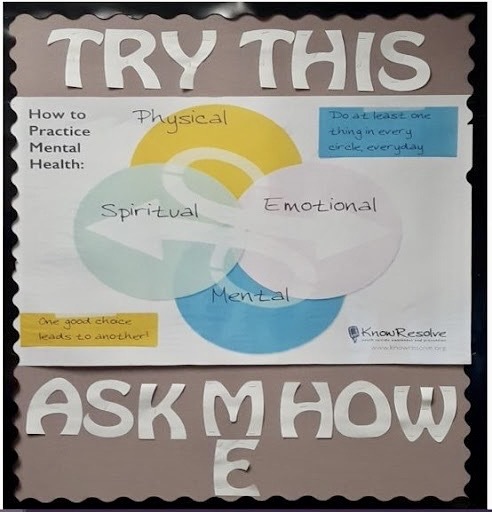
"caption": "A poster identifying the four circles of self-care hangs in school counselor Catherine Livingston’s office at Utica Community Schools in Michigan. ",
"description": null,
"title": "IMG_1674",
"credit": "Courtesy of Catherine Livingston",
"status": "inherit",
"altTag": "Poster guiding students on questions about mental health",
"isLoading": false,
"fetchFailed": false
},
"mindshift_59754": {
"type": "attachments",
"id": "mindshift_59754",
"meta": {
"index": "attachments_1716263798",
"site": "mindshift",
"id": "59754",
"found": true
},
"parent": 59753,
"imgSizes": {
"twentyfourteen-full-width": {
"file": "https://ww2.kqed.org/app/uploads/sites/23/2022/08/mental-health-waveofanxiety-8c19c03d6fe9b51fb7373ad7af9c7bf6665bb92e-1038x576.jpg",
"width": 1038,
"mimeType": "image/jpeg",
"height": 576
},
"thumbnail": {
"file": "https://ww2.kqed.org/app/uploads/sites/23/2022/08/mental-health-waveofanxiety-8c19c03d6fe9b51fb7373ad7af9c7bf6665bb92e-160x120.jpg",
"width": 160,
"mimeType": "image/jpeg",
"height": 120
},
"post-thumbnail": {
"file": "https://ww2.kqed.org/app/uploads/sites/23/2022/08/mental-health-waveofanxiety-8c19c03d6fe9b51fb7373ad7af9c7bf6665bb92e-672x372.jpg",
"width": 672,
"mimeType": "image/jpeg",
"height": 372
},
"kqedFullSize": {
"file": "https://ww2.kqed.org/app/uploads/sites/23/2022/08/mental-health-waveofanxiety-8c19c03d6fe9b51fb7373ad7af9c7bf6665bb92e-scaled-e1661240308666.jpg",
"width": 1920,
"height": 1440
},
"2048x2048": {
"file": "https://ww2.kqed.org/app/uploads/sites/23/2022/08/mental-health-waveofanxiety-8c19c03d6fe9b51fb7373ad7af9c7bf6665bb92e-2048x1536.jpg",
"width": 2048,
"mimeType": "image/jpeg",
"height": 1536
},
"large": {
"file": "https://ww2.kqed.org/app/uploads/sites/23/2022/08/mental-health-waveofanxiety-8c19c03d6fe9b51fb7373ad7af9c7bf6665bb92e-1020x765.jpg",
"width": 1020,
"mimeType": "image/jpeg",
"height": 765
},
"1536x1536": {
"file": "https://ww2.kqed.org/app/uploads/sites/23/2022/08/mental-health-waveofanxiety-8c19c03d6fe9b51fb7373ad7af9c7bf6665bb92e-1536x1152.jpg",
"width": 1536,
"mimeType": "image/jpeg",
"height": 1152
},
"full-width": {
"file": "https://ww2.kqed.org/app/uploads/sites/23/2022/08/mental-health-waveofanxiety-8c19c03d6fe9b51fb7373ad7af9c7bf6665bb92e-1920x1440.jpg",
"width": 1920,
"mimeType": "image/jpeg",
"height": 1440
},
"medium": {
"file": "https://ww2.kqed.org/app/uploads/sites/23/2022/08/mental-health-waveofanxiety-8c19c03d6fe9b51fb7373ad7af9c7bf6665bb92e-800x600.jpg",
"width": 800,
"mimeType": "image/jpeg",
"height": 600
},
"medium_large": {
"file": "https://ww2.kqed.org/app/uploads/sites/23/2022/08/mental-health-waveofanxiety-8c19c03d6fe9b51fb7373ad7af9c7bf6665bb92e-768x576.jpg",
"width": 768,
"mimeType": "image/jpeg",
"height": 576
}
},
"publishDate": 1661240269,
"modified": 1661240332,
"caption": null,
"description": "Mental health as a giant ocean wave",
"title": "Mental health as a giant ocean wave",
"credit": "LA Johnson/NPR",
"status": "inherit",
"altTag": "Art of mental health as a giant ocean wave crashing over student",
"isLoading": false,
"fetchFailed": false
},
"mindshift_59613": {
"type": "attachments",
"id": "mindshift_59613",
"meta": {
"index": "attachments_1716263798",
"site": "mindshift",
"id": "59613",
"found": true
},
"parent": 59612,
"imgSizes": {
"twentyfourteen-full-width": {
"file": "https://ww2.kqed.org/app/uploads/sites/23/2022/07/ljohnson_readingmentors_custom-15e72f396957f8ac1a6f40b40c0a93b87a31461d-1038x576.jpg",
"width": 1038,
"mimeType": "image/jpeg",
"height": 576
},
"thumbnail": {
"file": "https://ww2.kqed.org/app/uploads/sites/23/2022/07/ljohnson_readingmentors_custom-15e72f396957f8ac1a6f40b40c0a93b87a31461d-160x100.jpg",
"width": 160,
"mimeType": "image/jpeg",
"height": 100
},
"post-thumbnail": {
"file": "https://ww2.kqed.org/app/uploads/sites/23/2022/07/ljohnson_readingmentors_custom-15e72f396957f8ac1a6f40b40c0a93b87a31461d-672x372.jpg",
"width": 672,
"mimeType": "image/jpeg",
"height": 372
},
"kqedFullSize": {
"file": "https://ww2.kqed.org/app/uploads/sites/23/2022/07/ljohnson_readingmentors_custom-15e72f396957f8ac1a6f40b40c0a93b87a31461d-scaled-e1659103336302.jpg",
"width": 1920,
"height": 1199
},
"2048x2048": {
"file": "https://ww2.kqed.org/app/uploads/sites/23/2022/07/ljohnson_readingmentors_custom-15e72f396957f8ac1a6f40b40c0a93b87a31461d-2048x1278.jpg",
"width": 2048,
"mimeType": "image/jpeg",
"height": 1278
},
"large": {
"file": "https://ww2.kqed.org/app/uploads/sites/23/2022/07/ljohnson_readingmentors_custom-15e72f396957f8ac1a6f40b40c0a93b87a31461d-1020x637.jpg",
"width": 1020,
"mimeType": "image/jpeg",
"height": 637
},
"1536x1536": {
"file": "https://ww2.kqed.org/app/uploads/sites/23/2022/07/ljohnson_readingmentors_custom-15e72f396957f8ac1a6f40b40c0a93b87a31461d-1536x959.jpg",
"width": 1536,
"mimeType": "image/jpeg",
"height": 959
},
"full-width": {
"file": "https://ww2.kqed.org/app/uploads/sites/23/2022/07/ljohnson_readingmentors_custom-15e72f396957f8ac1a6f40b40c0a93b87a31461d-1920x1198.jpg",
"width": 1920,
"mimeType": "image/jpeg",
"height": 1198
},
"medium": {
"file": "https://ww2.kqed.org/app/uploads/sites/23/2022/07/ljohnson_readingmentors_custom-15e72f396957f8ac1a6f40b40c0a93b87a31461d-800x499.jpg",
"width": 800,
"mimeType": "image/jpeg",
"height": 499
},
"medium_large": {
"file": "https://ww2.kqed.org/app/uploads/sites/23/2022/07/ljohnson_readingmentors_custom-15e72f396957f8ac1a6f40b40c0a93b87a31461d-768x479.jpg",
"width": 768,
"mimeType": "image/jpeg",
"height": 479
}
},
"publishDate": 1659103297,
"modified": 1659103397,
"caption": null,
"description": "Reading mentors",
"title": "Reading mentors",
"credit": "LA Johnson/NPR",
"status": "inherit",
"altTag": "Art of Black men and students",
"isLoading": false,
"fetchFailed": false
},
"mindshift_59511": {
"type": "attachments",
"id": "mindshift_59511",
"meta": {
"index": "attachments_1716263798",
"site": "mindshift",
"id": "59511",
"found": true
},
"parent": 59510,
"imgSizes": {
"twentyfourteen-full-width": {
"file": "https://ww2.kqed.org/app/uploads/sites/23/2022/06/ap21155807680754-92c0a196f1217d138b1008a1f3afd07be709f48b-1038x576.jpg",
"width": 1038,
"mimeType": "image/jpeg",
"height": 576
},
"thumbnail": {
"file": "https://ww2.kqed.org/app/uploads/sites/23/2022/06/ap21155807680754-92c0a196f1217d138b1008a1f3afd07be709f48b-160x120.jpg",
"width": 160,
"mimeType": "image/jpeg",
"height": 120
},
"post-thumbnail": {
"file": "https://ww2.kqed.org/app/uploads/sites/23/2022/06/ap21155807680754-92c0a196f1217d138b1008a1f3afd07be709f48b-672x372.jpg",
"width": 672,
"mimeType": "image/jpeg",
"height": 372
},
"kqedFullSize": {
"file": "https://ww2.kqed.org/app/uploads/sites/23/2022/06/ap21155807680754-92c0a196f1217d138b1008a1f3afd07be709f48b-scaled-e1656087604122.jpg",
"width": 1920,
"height": 1440
},
"2048x2048": {
"file": "https://ww2.kqed.org/app/uploads/sites/23/2022/06/ap21155807680754-92c0a196f1217d138b1008a1f3afd07be709f48b-2048x1536.jpg",
"width": 2048,
"mimeType": "image/jpeg",
"height": 1536
},
"large": {
"file": "https://ww2.kqed.org/app/uploads/sites/23/2022/06/ap21155807680754-92c0a196f1217d138b1008a1f3afd07be709f48b-1020x765.jpg",
"width": 1020,
"mimeType": "image/jpeg",
"height": 765
},
"1536x1536": {
"file": "https://ww2.kqed.org/app/uploads/sites/23/2022/06/ap21155807680754-92c0a196f1217d138b1008a1f3afd07be709f48b-1536x1152.jpg",
"width": 1536,
"mimeType": "image/jpeg",
"height": 1152
},
"full-width": {
"file": "https://ww2.kqed.org/app/uploads/sites/23/2022/06/ap21155807680754-92c0a196f1217d138b1008a1f3afd07be709f48b-1920x1440.jpg",
"width": 1920,
"mimeType": "image/jpeg",
"height": 1440
},
"medium": {
"file": "https://ww2.kqed.org/app/uploads/sites/23/2022/06/ap21155807680754-92c0a196f1217d138b1008a1f3afd07be709f48b-800x600.jpg",
"width": 800,
"mimeType": "image/jpeg",
"height": 600
},
"medium_large": {
"file": "https://ww2.kqed.org/app/uploads/sites/23/2022/06/ap21155807680754-92c0a196f1217d138b1008a1f3afd07be709f48b-768x576.jpg",
"width": 768,
"mimeType": "image/jpeg",
"height": 576
}
},
"publishDate": 1656087512,
"modified": 1656087637,
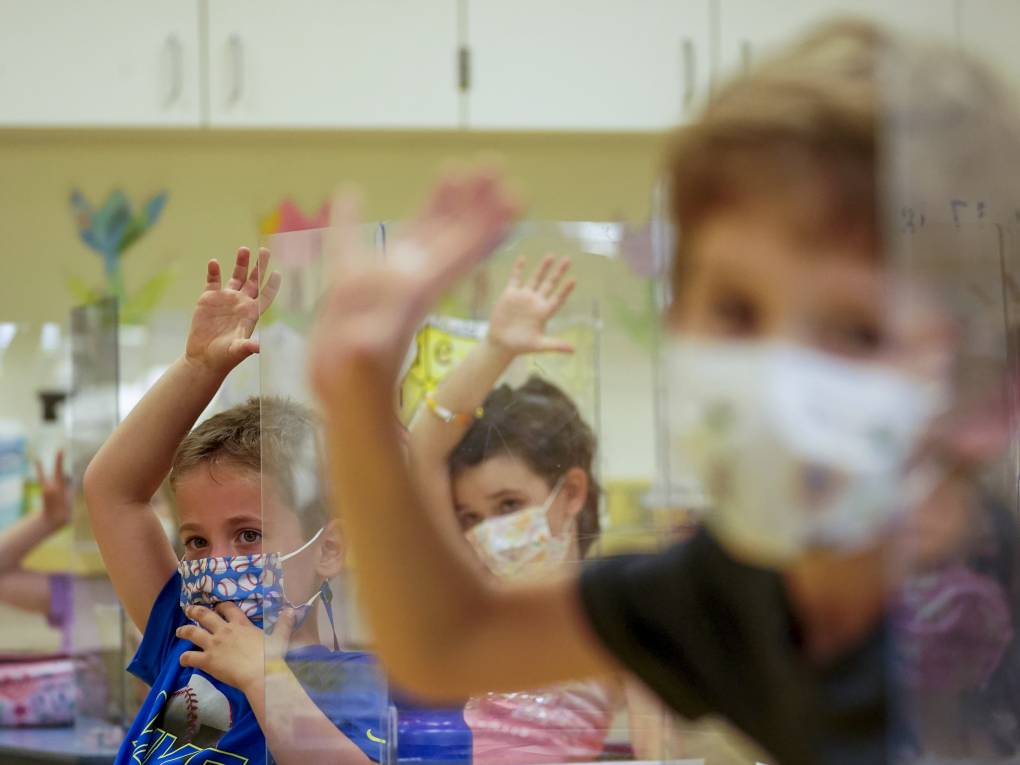
"caption": "After a rough couple of years, teachers are feeling the pressure.\n",
"description": "FILE - This Tuesday May 18, 2021 file photo shows kindergarten students wearing face masks and separated by plexiglass during a math lesson at the Milton Elementary School in Rye, N.Y. New York plans to make mask-wearing optional in K-12 schools starting Monday, June 7, 2021 the state's health commissioner said in a letter to federal health regulators Friday. (AP Photo/Mary Altaffer, File)",
"title": "After a rough couple of years, teachers are feeling the pressure.",
"credit": "Mary Altaffer/AP",
"status": "inherit",
"altTag": "Students raising hand in classroom",
"isLoading": false,
"fetchFailed": false
},
"mindshift_59371": {
"type": "attachments",
"id": "mindshift_59371",
"meta": {
"index": "attachments_1716263798",
"site": "mindshift",
"id": "59371",
"found": true
},
"parent": 59361,
"imgSizes": {
"twentyfourteen-full-width": {
"file": "https://ww2.kqed.org/app/uploads/sites/23/2022/05/field-HE-psychologist-20-copy-1038x576.jpg",
"width": 1038,
"mimeType": "image/jpeg",
"height": 576
},
"thumbnail": {
"file": "https://ww2.kqed.org/app/uploads/sites/23/2022/05/field-HE-psychologist-20-copy-160x107.jpg",
"width": 160,
"mimeType": "image/jpeg",
"height": 107
},
"post-thumbnail": {
"file": "https://ww2.kqed.org/app/uploads/sites/23/2022/05/field-HE-psychologist-20-copy-672x372.jpg",
"width": 672,
"mimeType": "image/jpeg",
"height": 372
},
"kqedFullSize": {
"file": "https://ww2.kqed.org/app/uploads/sites/23/2022/05/field-HE-psychologist-20-copy-scaled-e1652339512280.jpg",
"width": 1920,
"height": 1280
},
"2048x2048": {
"file": "https://ww2.kqed.org/app/uploads/sites/23/2022/05/field-HE-psychologist-20-copy-2048x1365.jpg",
"width": 2048,
"mimeType": "image/jpeg",
"height": 1365
},
"large": {
"file": "https://ww2.kqed.org/app/uploads/sites/23/2022/05/field-HE-psychologist-20-copy-1020x680.jpg",
"width": 1020,
"mimeType": "image/jpeg",
"height": 680
},
"1536x1536": {
"file": "https://ww2.kqed.org/app/uploads/sites/23/2022/05/field-HE-psychologist-20-copy-1536x1024.jpg",
"width": 1536,
"mimeType": "image/jpeg",
"height": 1024
},
"full-width": {
"file": "https://ww2.kqed.org/app/uploads/sites/23/2022/05/field-HE-psychologist-20-copy-1920x1280.jpg",
"width": 1920,
"mimeType": "image/jpeg",
"height": 1280
},
"medium": {
"file": "https://ww2.kqed.org/app/uploads/sites/23/2022/05/field-HE-psychologist-20-copy-800x533.jpg",
"width": 800,
"mimeType": "image/jpeg",
"height": 533
},
"medium_large": {
"file": "https://ww2.kqed.org/app/uploads/sites/23/2022/05/field-HE-psychologist-20-copy-768x512.jpg",
"width": 768,
"mimeType": "image/jpeg",
"height": 512
}
},
"publishDate": 1652339427,
"modified": 1652339636,
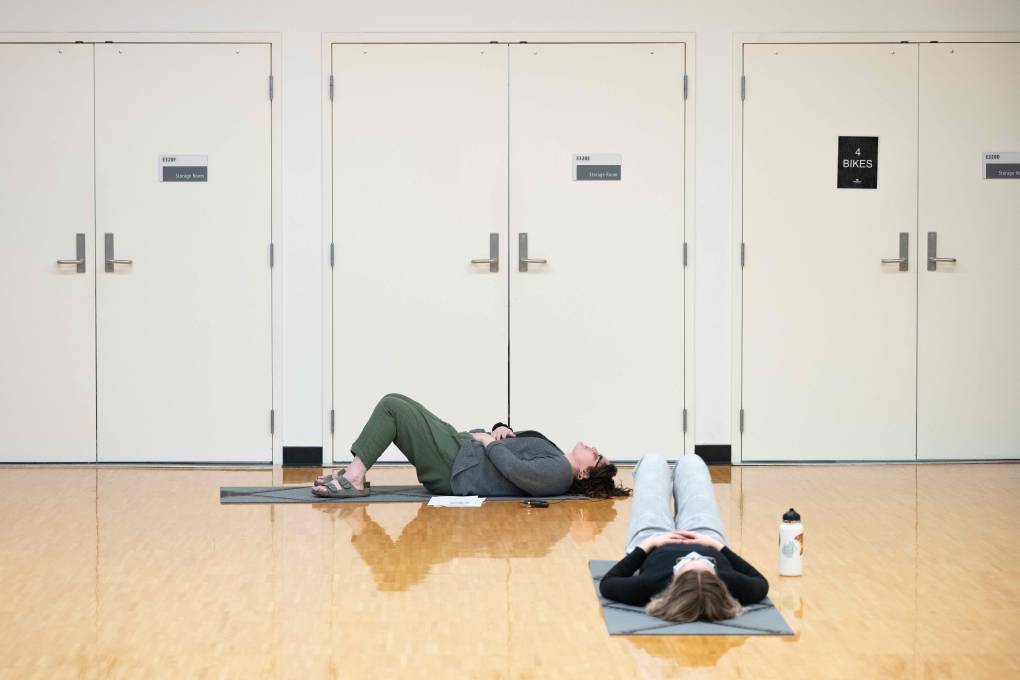
"caption": "Heidi Schmitt, staff therapist at the University of Iowa, leads a student through a mindfulness exercise. ",
"description": null,
"title": "field-HE-psychologist 20 copy",
"credit": "Mike Rundle for The Hechinger Report ",
"status": "inherit",
"altTag": "Instructor leading mindfulness exercises",
"isLoading": false,
"fetchFailed": false
}
},
"audioPlayerReducer": {
"postId": "stream_live",
"isPaused": true,
"isPlaying": false,
"pfsActive": false,
"pledgeModalIsOpen": true,
"playerDrawerIsOpen": false,
"liveAudioPlayStartedAt": 0,
"liveAudioPlayContext": ""
},
"authorsReducer": {
"byline_mindshift_60073": {
"type": "authors",
"id": "byline_mindshift_60073",
"meta": {
"override": true
},
"slug": "byline_mindshift_60073",
"name": "Andee Tagle",
"isLoading": false
},
"byline_mindshift_59993": {
"type": "authors",
"id": "byline_mindshift_59993",
"meta": {
"override": true
},
"slug": "byline_mindshift_59993",
"name": "Maggie Mertens",
"isLoading": false
},
"byline_mindshift_59895": {
"type": "authors",
"id": "byline_mindshift_59895",
"meta": {
"override": true
},
"slug": "byline_mindshift_59895",
"name": "Noelle E. C. Evans",
"isLoading": false
},
"byline_mindshift_59753": {
"type": "authors",
"id": "byline_mindshift_59753",
"meta": {
"override": true
},
"slug": "byline_mindshift_59753",
"name": "Sequoia Carrillo",
"isLoading": false
},
"byline_mindshift_59612": {
"type": "authors",
"id": "byline_mindshift_59612",
"meta": {
"override": true
},
"slug": "byline_mindshift_59612",
"name": "Pooja Salhotra",
"isLoading": false
},
"byline_mindshift_59510": {
"type": "authors",
"id": "byline_mindshift_59510",
"meta": {
"override": true
},
"slug": "byline_mindshift_59510",
"name": "Manuela López Restrepo and Ailsa Chang",
"isLoading": false
},
"byline_mindshift_59361": {
"type": "authors",
"id": "byline_mindshift_59361",
"meta": {
"override": true
},
"slug": "byline_mindshift_59361",
"name": "Kelly Field, \u003ca href=\"https://hechingerreport.org/\">The Hechinger Report\u003c/a>",
"isLoading": false
},
"hollykorbey": {
"type": "authors",
"id": "4445",
"meta": {
"index": "authors_1716337520",
"id": "4445",
"found": true
},
"name": "Holly Korbey",
"firstName": "Holly",
"lastName": "Korbey",
"slug": "hollykorbey",
"email": "holly@hollykorbey.com",
"display_author_email": false,
"staff_mastheads": [],
"title": null,
"bio": "Holly Korbey's work on parenting and education has appeared in The New York Times, The Atlantic, Babble, Brain, Child Magazine, and others. She lives in Nashville with her family. Follow her on Twitter: @HKorbey",
"avatar": "https://secure.gravatar.com/avatar/f385f7a3b90e52ecd5e85c24fbd0a363?s=600&d=blank&r=g",
"twitter": null,
"facebook": null,
"instagram": null,
"linkedin": null,
"sites": [
{
"site": "mindshift",
"roles": [
"contributor"
]
}
],
"headData": {
"title": "Holly Korbey | KQED",
"description": null,
"ogImgSrc": "https://secure.gravatar.com/avatar/f385f7a3b90e52ecd5e85c24fbd0a363?s=600&d=blank&r=g",
"twImgSrc": "https://secure.gravatar.com/avatar/f385f7a3b90e52ecd5e85c24fbd0a363?s=600&d=blank&r=g"
},
"isLoading": false,
"link": "/author/hollykorbey"
},
"kdnewhouse": {
"type": "authors",
"id": "11487",
"meta": {
"index": "authors_1716337520",
"id": "11487",
"found": true
},
"name": "Kara Newhouse",
"firstName": "Kara",
"lastName": "Newhouse",
"slug": "kdnewhouse",
"email": "knewhouse@kqed.org",
"display_author_email": false,
"staff_mastheads": [],
"title": "MindShift Editor",
"bio": null,
"avatar": "https://secure.gravatar.com/avatar/3dceed6fb271527113abfa9a8e9df34e?s=600&d=blank&r=g",
"twitter": null,
"facebook": null,
"instagram": null,
"linkedin": null,
"sites": [
{
"site": "",
"roles": [
"editor"
]
},
{
"site": "mindshift",
"roles": []
}
],
"headData": {
"title": "Kara Newhouse | KQED",
"description": "MindShift Editor",
"ogImgSrc": "https://secure.gravatar.com/avatar/3dceed6fb271527113abfa9a8e9df34e?s=600&d=blank&r=g",
"twImgSrc": "https://secure.gravatar.com/avatar/3dceed6fb271527113abfa9a8e9df34e?s=600&d=blank&r=g"
},
"isLoading": false,
"link": "/author/kdnewhouse"
}
},
"pagesReducer": {
"mindshift_category_mental-health": {
"type": "terms",
"id": "mindshift_21280",
"meta": {
"index": "terms_1716263798",
"site": "mindshift",
"id": "21280",
"score": 12.28665
},
"featImg": null,
"name": "Mental Health",
"description": null,
"taxonomy": "category",
"headData": {
"twImgId": null,
"twTitle": null,
"ogTitle": null,
"ogImgId": null,
"twDescription": null,
"description": null,
"title": "Mental Health Archives | KQED Mindshift",
"ogDescription": null
},
"ttid": 20552,
"slug": "mental-health",
"isLoading": false,
"title": "Mental Health",
"pageMeta": {
"site": "mindshift",
"WpPageTemplate": "page-topic-editorial",
"currentPage": 6
},
"blocks": [
{
"blockName": "kqed/post-list",
"attrs": {
"layout": "cardArticle2",
"query": "posts/mindshift?category=mental-health",
"seeMore": false,
"paginated": true,
"page": 6
}
},
{
"blockName": "kqed/ad"
}
]
}
},
"pfsSessionReducer": {},
"postsReducer": {
"stream_live": {
"type": "live",
"id": "stream_live",
"audioUrl": "https://streams.kqed.org/kqedradio",
"title": "Live Stream",
"excerpt": "Live Stream information currently unavailable.",
"link": "/radio",
"featImg": "",
"label": {
"name": "KQED Live",
"link": "/"
}
},
"stream_kqedNewscast": {
"type": "posts",
"id": "stream_kqedNewscast",
"audioUrl": "https://www.kqed.org/.stream/anon/radio/RDnews/newscast.mp3?_=1",
"title": "KQED Newscast",
"featImg": "",
"label": {
"name": "88.5 FM",
"link": "/"
}
},
"mindshift_60624": {
"type": "posts",
"id": "mindshift_60624",
"meta": {
"index": "posts_1716263798",
"site": "mindshift",
"id": "60624",
"score": null,
"sort": [
1671534019000
]
},
"parent": 0,
"labelTerm": {
"site": "mindshift"
},
"blocks": [],
"publishDate": 1671534019,
"format": "standard",
"title": "Young adults are struggling with their mental health. Is more childhood independence the answer? ",
"headTitle": "Young adults are struggling with their mental health. Is more childhood independence the answer? | KQED",
"content": "\u003cp>\u003cspan style=\"font-weight: 400\">Assistant professor Brett Mallon begins his evening Zoom session at Kansas State University with a question: When students hear the word “conflict,” what associations do they make? \u003c/span>\u003c/p>\n\u003cp>\u003cspan style=\"font-weight: 400\">Many first responses are decidedly negative. “I would say, avoid it at all costs,” one student offers. “Argument, awkward conversations,” says another. The list grows as students make emotional associations they have with conflict: stress, discomfort, war. Only one student suggests that he thinks of conflict as “an opportunity for growth.” \u003c/span>\u003c/p>\n\u003cp>\u003cspan style=\"font-weight: 400\">This is Conflict Resolution, a non-credit workshop in an \u003c/span>\u003ca href=\"https://www.k-state.edu/lafene/programs/wellcat-ambassadors/events.html\">\u003cspan style=\"font-weight: 400\">“Adulting 101”\u003c/span>\u003c/a>\u003cspan style=\"font-weight: 400\"> series at Kansas State. The cheeky name, created by the campus wellness center, belies its serious purpose: to fill in the gaps of missing life skills for students with classes that range from the practical, like how to make a budget, to the relational, like dealing with imposter syndrome. \u003c/span>\u003c/p>\n\u003cp>\u003cspan style=\"font-weight: 400\">“Students talk about conflict like it’s this terrible thing,” Mallon said in an interview. “Is it that they’re afraid of [conflict], or are they lacking in experience? Probably a little bit of both.” \u003c/span>\u003c/p>\n\u003cp>\u003cspan style=\"font-weight: 400\">Seminars and classes like “Adulting 101” are becoming more common on college campuses. Though ranging in style and substance — from one-offs on \u003c/span>\u003ca href=\"https://www.k12dive.com/news/adulting-courses-teach-students-life-skills-from-paying-taxes-to-managin/579783/\">\u003cspan style=\"font-weight: 400\">handling stress\u003c/span>\u003c/a>\u003cspan style=\"font-weight: 400\"> to full-semester \u003c/span>\u003ca href=\"https://www.nytimes.com/2021/03/19/learning/what-do-you-think-are-the-secrets-to-happiness.html\">\u003cspan style=\"font-weight: 400\">psychology courses on how to be happy\u003c/span>\u003c/a>\u003cspan style=\"font-weight: 400\"> — more universities are offering help to students \u003c/span>\u003ca href=\"https://www.jedfoundation.org/first-year-college-experience-data-report-for-media-release-pdf/\">\u003cspan style=\"font-weight: 400\">struggling with the stresses of everyday life\u003c/span>\u003c/a>\u003cspan style=\"font-weight: 400\"> and mental health challenges like \u003c/span>\u003ca href=\"https://www.apa.org/monitor/2022/10/mental-health-campus-care\">\u003cspan style=\"font-weight: 400\">anxiety and depression\u003c/span>\u003c/a>\u003cspan style=\"font-weight: 400\">.\u003c/span>\u003c/p>\n\u003cp>[ad fullwidth]\u003c/p>\n\u003cp>\u003cspan style=\"font-weight: 400\">But a growing body of evidence is beginning to suggest that the problems of “adulting” and mental health in college students may be rooted, at least in part, in modern childhood. \u003c/span>\u003ca href=\"https://www.acer.org/files/Infographic_YCDI-ACER_Wellbeing_2003-2017.pdf\">\u003cspan style=\"font-weight: 400\">Research shows\u003c/span>\u003c/a>\u003cspan style=\"font-weight: 400\"> that young people are lacking in emotional resilience and independence compared to previous generations. The problem has been growing in tandem with rising rates of anxiety and depression, perhaps exacerbated by the COVID-19 pandemic, and has left colleges scrambling to help and adapt.\u003c/span>\u003c/p>\n\u003cp>\u003cspan style=\"font-weight: 400\">“Some parents have been parenting differently, they have this value of success at all costs,” said Dori Hutchinson, executive director of the Center for Psychiatric Rehabilitation at Boston University. “I like to describe it as some kids are growing up developmentally delayed, today’s 18-year-olds are like 12-year-olds from a decade ago. They have very little tolerance for conflict and discomfort, and COVID just exposed it.” \u003c/span>\u003c/p>\n\u003ch2>How modern childhood changed, and changed mental health\u003c/h2>\n\u003cp>\u003ca href=\"https://journals.sagepub.com/doi/abs/10.1177/0034355213480527\">\u003cspan style=\"font-weight: 400\">Research shows\u003c/span>\u003c/a>\u003cspan style=\"font-weight: 400\"> that young people who arrive on campus with healthy amounts of resilience and independence do better both academically and emotionally, but today more students of all backgrounds are arriving on campus \u003c/span>\u003ca href=\"https://www.psychologytoday.com/us/blog/freedom-learn/201509/declining-student-resilience-serious-problem-colleges\">\u003cspan style=\"font-weight: 400\">with significantly less experience\u003c/span>\u003c/a>\u003cspan style=\"font-weight: 400\"> in dealing with life’s ups and downs. Many even see normal adult activities as risky or dangerous.\u003c/span>\u003c/p>\n\u003cp>\u003cspan style=\"font-weight: 400\">In a new study currently under review, Georgetown University psychologist \u003c/span>\u003ca href=\"https://gufaculty360.georgetown.edu/s/contact/00336000014RWyJAAW/yulia-chentsova-dutton\">\u003cspan style=\"font-weight: 400\">Yulia Chentsova Dutton\u003c/span>\u003c/a>\u003cspan style=\"font-weight: 400\"> looked at whether American college students’ threshold for what is considered risky was comparable to their global peers. Chentsova Dutton and her team interviewed students from Turkey, Russia, Canada and the United States, asking them to describe a risky or dangerous experience they had in the last month. Both Turkish and Russian students described witnessing events that involved actual risk: violent fights on public transportation; hazardous driving conditions caused by drunk drivers; women being aggressively followed on the street. \u003c/span>\u003c/p>\n\u003cp>\u003cspan style=\"font-weight: 400\">But American students were far more likely to cite as dangerous things that most adults do every day, like being alone outside or riding alone in an Uber.\u003c/span>\u003c/p>\n\u003cp>\u003cspan style=\"font-weight: 400\">The American students’ risk threshold was comparatively “quite low,” according to Chentsova Dutton. Students who reported they gained independence later in childhood — going to the grocery store or riding public transportation alone, for example — viewed their university campus as more dangerous; those same students also had fewer positive emotions when describing risky situations. \u003c/span>\u003c/p>\n\u003cp>\u003cspan style=\"font-weight: 400\">Chentsova Dutton hypothesizes that when students have fewer opportunities to practice autonomy, they have less faith in themselves that they can figure out a risky situation. “My suspicion is that low autonomy seems to translate into low efficacy,” she said. “Low efficacy and a combination of stress is associated with distress,” like anxiety and depression.\u003c/span>\u003c/p>\n\u003cp>\u003cspan style=\"font-weight: 400\">In recent years, other psychologists have made similar associations. Author and New York University ethical leadership professor Jonathan Haidt has used Nassim Taleb’s \u003c/span>\u003ca href=\"https://www.google.com/search?q=nassim+taleb+antifragile&oq=nassim+taleb+anti&aqs=chrome.0.0i512j69i57j0i512l5j0i22i30l3.3422j0j7&sourceid=chrome&ie=UTF-8#fpstate=ive&vld=cid:af34c28b,vid:k4MhC5tcEv0\">\u003cspan style=\"font-weight: 400\">theory of anti-fragility\u003c/span>\u003c/a>\u003cspan style=\"font-weight: 400\"> to explain how kids’ social and emotional systems act much like our bones and immune systems: Within reason, testing and stressing them doesn’t break them but makes them stronger. But, Haidt and first amendment advocate Greg Lukianoff have argued \u003c/span>\u003ca href=\"https://www.thecoddling.com/\">\u003cspan style=\"font-weight: 400\">in their writing\u003c/span>\u003c/a>\u003cspan style=\"font-weight: 400\">, a strong culture of “safetyism” which prizes the safety of children above all else, has prevented young people from putting stress on the bones, so to speak, so “\u003c/span>\u003ca href=\"https://www.theguardian.com/commentisfree/2019/jan/10/by-mollycoddling-our-children-were-fuelling-mental-illness-in-teenagers\">\u003cspan style=\"font-weight: 400\">such children are\u003c/span>\u003c/a>\u003cspan style=\"font-weight: 400\"> likely to suffer more when exposed later to other unpleasant but ordinary life events.” \u003c/span>\u003c/p>\n\u003cp>\u003ca href=\"https://deepblue.lib.umich.edu/bitstream/handle/2027.42/135584/ss20194.pdf?sequence=1\">\u003cspan style=\"font-weight: 400\">Psychologists have directly connected\u003c/span>\u003c/a>\u003cspan style=\"font-weight: 400\"> a lack of resilience and independence to the growth of mental health problems and psychiatric disorders in young adults and say that short cycles of stress or conflict are not only \u003c/span>\u003ci>\u003cspan style=\"font-weight: 400\">not harmful\u003c/span>\u003c/i>\u003cspan style=\"font-weight: 400\">, they are essential to human development. But modern childhood, for a variety of reasons, provides few opportunities for kids to practice those skills. \u003c/span>\u003c/p>\n\u003cp>\u003cspan style=\"font-weight: 400\">While it’s hard to point to a single cause, experts say a confluence of factors — including more time spent on smartphones and social media, less time for free play, a culture that prizes safety at the expense of building other characteristics, a fear of child kidnapping, and more adult-directed activities — together have created a culture that keeps kids far away from the kinds of experiences that build resilience.\u003c/span>\u003c/p>\n\u003cp>\u003cspan style=\"font-weight: 400\">Chentsova Dutton said America has an international reputation for prizing autonomy, but her study opened her eyes to a more complicated picture. American parents \u003c/span>\u003ca href=\"https://www.taylorfrancis.com/chapters/edit/10.4324/9780429261633-9/growing-gaps-enacted-ideational-independence-yulia-chentsova-dutton-derya-g%C3%BCrcan-y%C4%B1ld%C4%B1r%C4%B1m\">\u003cspan style=\"font-weight: 400\">tend to be overprotective\u003c/span>\u003c/a>\u003cspan style=\"font-weight: 400\"> when children are young, acting as if kids are going to live at home for a long time, like parents do in Italy. Yet they also expect children to live away from home fairly early for college, like families do in Germany. The result is that American kids end up with drastically fewer years navigating real life than they do in other countries that start much earlier. \u003c/span>\u003c/p>\n\u003cp>\u003cspan style=\"font-weight: 400\">“We parent like we are in Italy, then send kids away like we are in Germany,” Chentsova Dutton said with a laugh. “Those things don’t match.”\u003c/span>\u003c/p>\n\u003ch2>A movement hopes to change the culture\u003c/h2>\n\u003cp>\u003cspan style=\"font-weight: 400\">Seventeen-year-old Megan Miller, a senior at Hudson High School in Hudson, Ohio, recently drove her two siblings, ages 15 and 12, to Cedar Point Amusement Park for an evening of fun. Miller was nervous. She’d never driven an hour and a half away from home by herself before, especially in the dark — but she had to do it; it was homework for school. \u003c/span>\u003c/p>\n\u003cp>\u003cspan style=\"font-weight: 400\">The assignment was to try something she’d never done before \u003c/span>\u003ci>\u003cspan style=\"font-weight: 400\">without\u003c/span>\u003c/i>\u003cspan style=\"font-weight: 400\"> her parents’, or anyone else’s, help. Other students figured out how to put air in their tires, cooked a meal for their family from start to finish and drove on the interstate. The point, Miller’s teacher Martin Bach said, was to give these young adults — many of whom would be living away from home in less than a year — experience with trying, failing and figuring something out on their own. \u003c/span>\u003c/p>\n\u003cp>\u003cspan style=\"font-weight: 400\">“I was seeing that student stress and anxiety levels were already bad, then COVID supercharged it,” Bach said. But a pattern of parents “swooping in to solve problems that kids could easily solve on their own” made Bach decide to create the unit on resilience and independence. “In my head I’m thinking, these kids are going off to college, how are they going to cope?”\u003c/span>\u003c/p>\n\u003cp>\u003cspan style=\"font-weight: 400\">Bach got the idea for the “do something new on your own” assignment from \u003c/span>\u003ca href=\"https://letgrow.org/?gclid=Cj0KCQiA-JacBhC0ARIsAIxybyNZrXvL74UGnKQ8_v85bXjdblqfcUvyM6C-Lw4EXJ5Hl8vTVFLIKLoaAot4EALw_wcB\">\u003cspan style=\"font-weight: 400\">Let Grow\u003c/span>\u003c/a>\u003cspan style=\"font-weight: 400\">, a national nonprofit promoting greater childhood independence. Let Grow offers free curriculum, aimed mostly at elementary and middle school students, that feels like it’s giving 21st century childhood a hard reset — like “play club,” in which children are allowed to play on school playgrounds without adult interference, and the “think for yourself essay contest.” \u003c/span>\u003c/p>\n\u003cp>\u003cspan style=\"font-weight: 400\">Let Grow is part of a growing movement of psychologists, therapists and educators advocating for evidence-based practices to help kids gain more independence and improve mental health. Let Grow’s co-founder, Lenore Skenazy, said that after traveling for years speaking to parent and school groups about the problem of shrinking childhood independence, she decided that families needed more than a lecture. “The audience would nod along, everybody gets it. But they wouldn’t let their own kids do it,” she said. Skenazy began to understand that the anxiety around child safety was not necessarily parents’ fault — the culture surrounding families almost fetishized child danger. Many parents felt they would be judged — \u003c/span>\u003ca href=\"https://www.cnn.com/2014/07/31/living/florida-mom-arrested-son-park\">\u003cspan style=\"font-weight: 400\">or arrested\u003c/span>\u003c/a>\u003cspan style=\"font-weight: 400\"> — if they let their child walk to the park by themselves, or walk to the store. \u003c/span>\u003c/p>\n\u003cp>\u003cspan style=\"font-weight: 400\">Skenazy moved the organization toward behavior and policy change to address the cultural issues. Along with the independence curriculum for schools, Let Grow has helped four states enact \u003c/span>\u003ca href=\"https://letgrow.org/wp-content/uploads/2021/06/model-laws-one-thru-four-june-30-2021.pdf\">\u003cspan style=\"font-weight: 400\">“Reasonable Childhood Independence”\u003c/span>\u003c/a>\u003cspan style=\"font-weight: 400\"> laws aimed at protecting parents from neglect charges. Let Grow also speaks directly to parents and teachers about letting kids try things by themselves — and being surprised by what their kids are able to do. \u003c/span>\u003c/p>\n\u003cp>\u003cspan style=\"font-weight: 400\">Like Megan Miller, whose trip to Cedar Point was thrilling yet also had bumps along the way. They got a little lost inside the park, and the siblings had a disagreement over which roller coasters to ride. On the way there, even with navigation on her phone, she took a wrong turn and ended up on an unfamiliar road. But that road wound alongside scenic Lake Erie, which she’d never been on. “It ended up being this beautiful drive that I will definitely do every single time,” Miller said. \u003c/span>\u003c/p>\n\u003cp>\u003cspan style=\"font-weight: 400\">Since the trip, Miller’s parents have noticed a change, she said. “I find that I’m much more comfortable driving on highways and for long periods of time. My parents know now that I can do it, which helps a lot.” \u003c/span>\u003c/p>\n\u003ch2>A road forward\u003c/h2>\n\u003cp>\u003cspan style=\"font-weight: 400\">More researchers, psychologists and educators are looking to find more ways to incorporate independence skills into kids’ daily lives. \u003c/span>\u003c/p>\n\u003cp>\u003cspan style=\"font-weight: 400\">Clinical psychologist Camilo Ortiz, a professor at Long Island University-Post, began noticing a few years ago that some of his young patients, mostly children being treated for anxiety, would “fold very quickly” at the first sign of adversity. Ortiz uses what he calls the “four Ds” to explain what was happening: Today’s kids experienced less “discomfort, distress, disappointment and danger” than previous generations did, because their parents, who have the best intentions, deprive them of these opportunities. He began to wonder whether kids who didn’t get much of the four Ds were missing an important opportunity to be uncomfortable and then persist — and whether they might help clinically anxious children. \u003c/span>\u003c/p>\n\u003cp>\u003cspan style=\"font-weight: 400\">Beginning last year, Ortiz began a pilot treatment program for childhood clinical anxiety that is based on independence and “getting parents out of their hair.”\u003c/span>\u003c/p>\n\u003cp>\u003cspan style=\"font-weight: 400\">“This is not a traditional anxiety treatment,” he said. “My approach is something like: So you’re afraid of the dark? Go to the deli and buy me some salami.” A lot of anxiety is based in fear of the unknown, so the treatment involves having an experience full of uncertainty, like riding the subway alone or going to the grocery alone. If the child can tolerate the discomfort in that situation, Ortiz hypothesized that those lessons might translate to whatever is causing the child anxiety.\u003c/span>\u003c/p>\n\u003cp>\u003cspan style=\"font-weight: 400\">Early results are promising: the independence exercises have been successful in quelling anxiety for some children. “The new approach that I have developed is for middle school kids,” he said. “So by the time they’re college students, they’ve gotten a lot more practice with those four Ds.” \u003c/span>\u003c/p>\n\u003cp>\u003cspan style=\"font-weight: 400\">Other groups help build resilience in students in academic settings, like the \u003c/span>\u003ca href=\"https://www.alvordbaker.com/rbp/\">\u003cspan style=\"font-weight: 400\">Resilience Builder Program\u003c/span>\u003c/a>\u003cspan style=\"font-weight: 400\">, which aims to help students think more flexibly, be proactive in the face of challenges and learn optimistic thinking. The program’s creator, Mary Alvord, said the protective factors taught to middle schoolers are based on decades of research on childhood resilience. “It’s about being proactive and not feeling like you’re a victim, how you can control some things, but you can’t control everything,” she said. “How can you make the best of it, and if you can’t — how do you ask for help?” \u003c/span>\u003c/p>\n\u003cp>\u003cspan style=\"font-weight: 400\">Experts say independence and autonomy are best formed and tested in childhood, but it’s never too late to begin. At the Center for Psychiatric Rehabilitation at Boston University, Hutchinson and her team help college students diagnosed with mental illness continue their education and reach their goals, and that often begins with building their resilience and independence skills. The center has developed a curriculum that is focused not just on students, but parents and faculty as well. \u003c/span>\u003c/p>\n\u003cp>\u003cspan style=\"font-weight: 400\">“Families are a player at the table,” Hutchinson said. Parents benefit from coaching that shows them how to support their student without “doing for” them. Parents sometimes don’t understand that protecting their child from failure and difficulty can be an obstacle to growth. \u003c/span>\u003c/p>\n\u003cp>[ad floatright]\u003c/p>\n\u003cp>\u003cspan style=\"font-weight: 400\">“When we are controlling a young adult’s experiences, and they go without that full range of emotional experience,” said the center’s Director for Strategic Initiatives Courtney Joly-Lowdermilk, “we’re actually curbing people’s opportunities to live full lives, and have the full range of human experience.”\u003c/span>\u003c/p>\n\n",
"stats": {
"hasVideo": false,
"hasChartOrMap": false,
"hasAudio": false,
"hasPolis": false,
"wordCount": 2396,
"hasGoogleForm": false,
"hasGallery": false,
"hasHearkenModule": false,
"iframeSrcs": [],
"paragraphCount": 36
},
"modified": 1707343381,
"excerpt": null,
"headData": {
"twImgId": "",
"twTitle": "",
"ogTitle": "",
"ogImgId": "",
"twDescription": "",
"description": "New research suggests improving college mental health may be helped by reshaping modern childhood.",
"socialDescription": "New research suggests improving college mental health may be helped by reshaping modern childhood.",
"title": "Young adults are struggling with their mental health. Is more childhood independence the answer? | KQED",
"ogDescription": "",
"schema": {
"@context": "https://schema.org",
"@type": "Article",
"headline": "Young adults are struggling with their mental health. Is more childhood independence the answer? ",
"datePublished": "2022-12-20T03:00:19-08:00",
"dateModified": "2024-02-07T14:03:01-08:00",
"image": "https://cdn.kqed.org/wp-content/uploads/2020/02/KQED-OG-Image@1x.png"
}
},
"guestAuthors": [],
"slug": "young-adults-are-struggling-with-their-mental-health-is-more-childhood-independence-the-answer",
"status": "publish",
"excludeFromSiteSearch": "Include",
"sticky": false,
"articleAge": "0",
"path": "/mindshift/60624/young-adults-are-struggling-with-their-mental-health-is-more-childhood-independence-the-answer",
"audioTrackLength": null,
"parsedContent": [
{
"type": "contentString",
"content": "\u003cdiv class=\"post-body\">\u003cp>\u003cp>\u003cspan style=\"font-weight: 400\">Assistant professor Brett Mallon begins his evening Zoom session at Kansas State University with a question: When students hear the word “conflict,” what associations do they make? \u003c/span>\u003c/p>\n\u003cp>\u003cspan style=\"font-weight: 400\">Many first responses are decidedly negative. “I would say, avoid it at all costs,” one student offers. “Argument, awkward conversations,” says another. The list grows as students make emotional associations they have with conflict: stress, discomfort, war. Only one student suggests that he thinks of conflict as “an opportunity for growth.” \u003c/span>\u003c/p>\n\u003cp>\u003cspan style=\"font-weight: 400\">This is Conflict Resolution, a non-credit workshop in an \u003c/span>\u003ca href=\"https://www.k-state.edu/lafene/programs/wellcat-ambassadors/events.html\">\u003cspan style=\"font-weight: 400\">“Adulting 101”\u003c/span>\u003c/a>\u003cspan style=\"font-weight: 400\"> series at Kansas State. The cheeky name, created by the campus wellness center, belies its serious purpose: to fill in the gaps of missing life skills for students with classes that range from the practical, like how to make a budget, to the relational, like dealing with imposter syndrome. \u003c/span>\u003c/p>\n\u003cp>\u003cspan style=\"font-weight: 400\">“Students talk about conflict like it’s this terrible thing,” Mallon said in an interview. “Is it that they’re afraid of [conflict], or are they lacking in experience? Probably a little bit of both.” \u003c/span>\u003c/p>\n\u003cp>\u003cspan style=\"font-weight: 400\">Seminars and classes like “Adulting 101” are becoming more common on college campuses. Though ranging in style and substance — from one-offs on \u003c/span>\u003ca href=\"https://www.k12dive.com/news/adulting-courses-teach-students-life-skills-from-paying-taxes-to-managin/579783/\">\u003cspan style=\"font-weight: 400\">handling stress\u003c/span>\u003c/a>\u003cspan style=\"font-weight: 400\"> to full-semester \u003c/span>\u003ca href=\"https://www.nytimes.com/2021/03/19/learning/what-do-you-think-are-the-secrets-to-happiness.html\">\u003cspan style=\"font-weight: 400\">psychology courses on how to be happy\u003c/span>\u003c/a>\u003cspan style=\"font-weight: 400\"> — more universities are offering help to students \u003c/span>\u003ca href=\"https://www.jedfoundation.org/first-year-college-experience-data-report-for-media-release-pdf/\">\u003cspan style=\"font-weight: 400\">struggling with the stresses of everyday life\u003c/span>\u003c/a>\u003cspan style=\"font-weight: 400\"> and mental health challenges like \u003c/span>\u003ca href=\"https://www.apa.org/monitor/2022/10/mental-health-campus-care\">\u003cspan style=\"font-weight: 400\">anxiety and depression\u003c/span>\u003c/a>\u003cspan style=\"font-weight: 400\">.\u003c/span>\u003c/p>\n\u003cp>\u003c/p>\u003c/div>",
"attributes": {
"named": {},
"numeric": []
}
},
{
"type": "component",
"content": "",
"name": "ad",
"attributes": {
"named": {
"label": "fullwidth"
},
"numeric": [
"fullwidth"
]
}
},
{
"type": "contentString",
"content": "\u003cdiv class=\"post-body\">\u003cp>\u003c/p>\n\u003cp>\u003cspan style=\"font-weight: 400\">But a growing body of evidence is beginning to suggest that the problems of “adulting” and mental health in college students may be rooted, at least in part, in modern childhood. \u003c/span>\u003ca href=\"https://www.acer.org/files/Infographic_YCDI-ACER_Wellbeing_2003-2017.pdf\">\u003cspan style=\"font-weight: 400\">Research shows\u003c/span>\u003c/a>\u003cspan style=\"font-weight: 400\"> that young people are lacking in emotional resilience and independence compared to previous generations. The problem has been growing in tandem with rising rates of anxiety and depression, perhaps exacerbated by the COVID-19 pandemic, and has left colleges scrambling to help and adapt.\u003c/span>\u003c/p>\n\u003cp>\u003cspan style=\"font-weight: 400\">“Some parents have been parenting differently, they have this value of success at all costs,” said Dori Hutchinson, executive director of the Center for Psychiatric Rehabilitation at Boston University. “I like to describe it as some kids are growing up developmentally delayed, today’s 18-year-olds are like 12-year-olds from a decade ago. They have very little tolerance for conflict and discomfort, and COVID just exposed it.” \u003c/span>\u003c/p>\n\u003ch2>How modern childhood changed, and changed mental health\u003c/h2>\n\u003cp>\u003ca href=\"https://journals.sagepub.com/doi/abs/10.1177/0034355213480527\">\u003cspan style=\"font-weight: 400\">Research shows\u003c/span>\u003c/a>\u003cspan style=\"font-weight: 400\"> that young people who arrive on campus with healthy amounts of resilience and independence do better both academically and emotionally, but today more students of all backgrounds are arriving on campus \u003c/span>\u003ca href=\"https://www.psychologytoday.com/us/blog/freedom-learn/201509/declining-student-resilience-serious-problem-colleges\">\u003cspan style=\"font-weight: 400\">with significantly less experience\u003c/span>\u003c/a>\u003cspan style=\"font-weight: 400\"> in dealing with life’s ups and downs. Many even see normal adult activities as risky or dangerous.\u003c/span>\u003c/p>\n\u003cp>\u003cspan style=\"font-weight: 400\">In a new study currently under review, Georgetown University psychologist \u003c/span>\u003ca href=\"https://gufaculty360.georgetown.edu/s/contact/00336000014RWyJAAW/yulia-chentsova-dutton\">\u003cspan style=\"font-weight: 400\">Yulia Chentsova Dutton\u003c/span>\u003c/a>\u003cspan style=\"font-weight: 400\"> looked at whether American college students’ threshold for what is considered risky was comparable to their global peers. Chentsova Dutton and her team interviewed students from Turkey, Russia, Canada and the United States, asking them to describe a risky or dangerous experience they had in the last month. Both Turkish and Russian students described witnessing events that involved actual risk: violent fights on public transportation; hazardous driving conditions caused by drunk drivers; women being aggressively followed on the street. \u003c/span>\u003c/p>\n\u003cp>\u003cspan style=\"font-weight: 400\">But American students were far more likely to cite as dangerous things that most adults do every day, like being alone outside or riding alone in an Uber.\u003c/span>\u003c/p>\n\u003cp>\u003cspan style=\"font-weight: 400\">The American students’ risk threshold was comparatively “quite low,” according to Chentsova Dutton. Students who reported they gained independence later in childhood — going to the grocery store or riding public transportation alone, for example — viewed their university campus as more dangerous; those same students also had fewer positive emotions when describing risky situations. \u003c/span>\u003c/p>\n\u003cp>\u003cspan style=\"font-weight: 400\">Chentsova Dutton hypothesizes that when students have fewer opportunities to practice autonomy, they have less faith in themselves that they can figure out a risky situation. “My suspicion is that low autonomy seems to translate into low efficacy,” she said. “Low efficacy and a combination of stress is associated with distress,” like anxiety and depression.\u003c/span>\u003c/p>\n\u003cp>\u003cspan style=\"font-weight: 400\">In recent years, other psychologists have made similar associations. Author and New York University ethical leadership professor Jonathan Haidt has used Nassim Taleb’s \u003c/span>\u003ca href=\"https://www.google.com/search?q=nassim+taleb+antifragile&oq=nassim+taleb+anti&aqs=chrome.0.0i512j69i57j0i512l5j0i22i30l3.3422j0j7&sourceid=chrome&ie=UTF-8#fpstate=ive&vld=cid:af34c28b,vid:k4MhC5tcEv0\">\u003cspan style=\"font-weight: 400\">theory of anti-fragility\u003c/span>\u003c/a>\u003cspan style=\"font-weight: 400\"> to explain how kids’ social and emotional systems act much like our bones and immune systems: Within reason, testing and stressing them doesn’t break them but makes them stronger. But, Haidt and first amendment advocate Greg Lukianoff have argued \u003c/span>\u003ca href=\"https://www.thecoddling.com/\">\u003cspan style=\"font-weight: 400\">in their writing\u003c/span>\u003c/a>\u003cspan style=\"font-weight: 400\">, a strong culture of “safetyism” which prizes the safety of children above all else, has prevented young people from putting stress on the bones, so to speak, so “\u003c/span>\u003ca href=\"https://www.theguardian.com/commentisfree/2019/jan/10/by-mollycoddling-our-children-were-fuelling-mental-illness-in-teenagers\">\u003cspan style=\"font-weight: 400\">such children are\u003c/span>\u003c/a>\u003cspan style=\"font-weight: 400\"> likely to suffer more when exposed later to other unpleasant but ordinary life events.” \u003c/span>\u003c/p>\n\u003cp>\u003ca href=\"https://deepblue.lib.umich.edu/bitstream/handle/2027.42/135584/ss20194.pdf?sequence=1\">\u003cspan style=\"font-weight: 400\">Psychologists have directly connected\u003c/span>\u003c/a>\u003cspan style=\"font-weight: 400\"> a lack of resilience and independence to the growth of mental health problems and psychiatric disorders in young adults and say that short cycles of stress or conflict are not only \u003c/span>\u003ci>\u003cspan style=\"font-weight: 400\">not harmful\u003c/span>\u003c/i>\u003cspan style=\"font-weight: 400\">, they are essential to human development. But modern childhood, for a variety of reasons, provides few opportunities for kids to practice those skills. \u003c/span>\u003c/p>\n\u003cp>\u003cspan style=\"font-weight: 400\">While it’s hard to point to a single cause, experts say a confluence of factors — including more time spent on smartphones and social media, less time for free play, a culture that prizes safety at the expense of building other characteristics, a fear of child kidnapping, and more adult-directed activities — together have created a culture that keeps kids far away from the kinds of experiences that build resilience.\u003c/span>\u003c/p>\n\u003cp>\u003cspan style=\"font-weight: 400\">Chentsova Dutton said America has an international reputation for prizing autonomy, but her study opened her eyes to a more complicated picture. American parents \u003c/span>\u003ca href=\"https://www.taylorfrancis.com/chapters/edit/10.4324/9780429261633-9/growing-gaps-enacted-ideational-independence-yulia-chentsova-dutton-derya-g%C3%BCrcan-y%C4%B1ld%C4%B1r%C4%B1m\">\u003cspan style=\"font-weight: 400\">tend to be overprotective\u003c/span>\u003c/a>\u003cspan style=\"font-weight: 400\"> when children are young, acting as if kids are going to live at home for a long time, like parents do in Italy. Yet they also expect children to live away from home fairly early for college, like families do in Germany. The result is that American kids end up with drastically fewer years navigating real life than they do in other countries that start much earlier. \u003c/span>\u003c/p>\n\u003cp>\u003cspan style=\"font-weight: 400\">“We parent like we are in Italy, then send kids away like we are in Germany,” Chentsova Dutton said with a laugh. “Those things don’t match.”\u003c/span>\u003c/p>\n\u003ch2>A movement hopes to change the culture\u003c/h2>\n\u003cp>\u003cspan style=\"font-weight: 400\">Seventeen-year-old Megan Miller, a senior at Hudson High School in Hudson, Ohio, recently drove her two siblings, ages 15 and 12, to Cedar Point Amusement Park for an evening of fun. Miller was nervous. She’d never driven an hour and a half away from home by herself before, especially in the dark — but she had to do it; it was homework for school. \u003c/span>\u003c/p>\n\u003cp>\u003cspan style=\"font-weight: 400\">The assignment was to try something she’d never done before \u003c/span>\u003ci>\u003cspan style=\"font-weight: 400\">without\u003c/span>\u003c/i>\u003cspan style=\"font-weight: 400\"> her parents’, or anyone else’s, help. Other students figured out how to put air in their tires, cooked a meal for their family from start to finish and drove on the interstate. The point, Miller’s teacher Martin Bach said, was to give these young adults — many of whom would be living away from home in less than a year — experience with trying, failing and figuring something out on their own. \u003c/span>\u003c/p>\n\u003cp>\u003cspan style=\"font-weight: 400\">“I was seeing that student stress and anxiety levels were already bad, then COVID supercharged it,” Bach said. But a pattern of parents “swooping in to solve problems that kids could easily solve on their own” made Bach decide to create the unit on resilience and independence. “In my head I’m thinking, these kids are going off to college, how are they going to cope?”\u003c/span>\u003c/p>\n\u003cp>\u003cspan style=\"font-weight: 400\">Bach got the idea for the “do something new on your own” assignment from \u003c/span>\u003ca href=\"https://letgrow.org/?gclid=Cj0KCQiA-JacBhC0ARIsAIxybyNZrXvL74UGnKQ8_v85bXjdblqfcUvyM6C-Lw4EXJ5Hl8vTVFLIKLoaAot4EALw_wcB\">\u003cspan style=\"font-weight: 400\">Let Grow\u003c/span>\u003c/a>\u003cspan style=\"font-weight: 400\">, a national nonprofit promoting greater childhood independence. Let Grow offers free curriculum, aimed mostly at elementary and middle school students, that feels like it’s giving 21st century childhood a hard reset — like “play club,” in which children are allowed to play on school playgrounds without adult interference, and the “think for yourself essay contest.” \u003c/span>\u003c/p>\n\u003cp>\u003cspan style=\"font-weight: 400\">Let Grow is part of a growing movement of psychologists, therapists and educators advocating for evidence-based practices to help kids gain more independence and improve mental health. Let Grow’s co-founder, Lenore Skenazy, said that after traveling for years speaking to parent and school groups about the problem of shrinking childhood independence, she decided that families needed more than a lecture. “The audience would nod along, everybody gets it. But they wouldn’t let their own kids do it,” she said. Skenazy began to understand that the anxiety around child safety was not necessarily parents’ fault — the culture surrounding families almost fetishized child danger. Many parents felt they would be judged — \u003c/span>\u003ca href=\"https://www.cnn.com/2014/07/31/living/florida-mom-arrested-son-park\">\u003cspan style=\"font-weight: 400\">or arrested\u003c/span>\u003c/a>\u003cspan style=\"font-weight: 400\"> — if they let their child walk to the park by themselves, or walk to the store. \u003c/span>\u003c/p>\n\u003cp>\u003cspan style=\"font-weight: 400\">Skenazy moved the organization toward behavior and policy change to address the cultural issues. Along with the independence curriculum for schools, Let Grow has helped four states enact \u003c/span>\u003ca href=\"https://letgrow.org/wp-content/uploads/2021/06/model-laws-one-thru-four-june-30-2021.pdf\">\u003cspan style=\"font-weight: 400\">“Reasonable Childhood Independence”\u003c/span>\u003c/a>\u003cspan style=\"font-weight: 400\"> laws aimed at protecting parents from neglect charges. Let Grow also speaks directly to parents and teachers about letting kids try things by themselves — and being surprised by what their kids are able to do. \u003c/span>\u003c/p>\n\u003cp>\u003cspan style=\"font-weight: 400\">Like Megan Miller, whose trip to Cedar Point was thrilling yet also had bumps along the way. They got a little lost inside the park, and the siblings had a disagreement over which roller coasters to ride. On the way there, even with navigation on her phone, she took a wrong turn and ended up on an unfamiliar road. But that road wound alongside scenic Lake Erie, which she’d never been on. “It ended up being this beautiful drive that I will definitely do every single time,” Miller said. \u003c/span>\u003c/p>\n\u003cp>\u003cspan style=\"font-weight: 400\">Since the trip, Miller’s parents have noticed a change, she said. “I find that I’m much more comfortable driving on highways and for long periods of time. My parents know now that I can do it, which helps a lot.” \u003c/span>\u003c/p>\n\u003ch2>A road forward\u003c/h2>\n\u003cp>\u003cspan style=\"font-weight: 400\">More researchers, psychologists and educators are looking to find more ways to incorporate independence skills into kids’ daily lives. \u003c/span>\u003c/p>\n\u003cp>\u003cspan style=\"font-weight: 400\">Clinical psychologist Camilo Ortiz, a professor at Long Island University-Post, began noticing a few years ago that some of his young patients, mostly children being treated for anxiety, would “fold very quickly” at the first sign of adversity. Ortiz uses what he calls the “four Ds” to explain what was happening: Today’s kids experienced less “discomfort, distress, disappointment and danger” than previous generations did, because their parents, who have the best intentions, deprive them of these opportunities. He began to wonder whether kids who didn’t get much of the four Ds were missing an important opportunity to be uncomfortable and then persist — and whether they might help clinically anxious children. \u003c/span>\u003c/p>\n\u003cp>\u003cspan style=\"font-weight: 400\">Beginning last year, Ortiz began a pilot treatment program for childhood clinical anxiety that is based on independence and “getting parents out of their hair.”\u003c/span>\u003c/p>\n\u003cp>\u003cspan style=\"font-weight: 400\">“This is not a traditional anxiety treatment,” he said. “My approach is something like: So you’re afraid of the dark? Go to the deli and buy me some salami.” A lot of anxiety is based in fear of the unknown, so the treatment involves having an experience full of uncertainty, like riding the subway alone or going to the grocery alone. If the child can tolerate the discomfort in that situation, Ortiz hypothesized that those lessons might translate to whatever is causing the child anxiety.\u003c/span>\u003c/p>\n\u003cp>\u003cspan style=\"font-weight: 400\">Early results are promising: the independence exercises have been successful in quelling anxiety for some children. “The new approach that I have developed is for middle school kids,” he said. “So by the time they’re college students, they’ve gotten a lot more practice with those four Ds.” \u003c/span>\u003c/p>\n\u003cp>\u003cspan style=\"font-weight: 400\">Other groups help build resilience in students in academic settings, like the \u003c/span>\u003ca href=\"https://www.alvordbaker.com/rbp/\">\u003cspan style=\"font-weight: 400\">Resilience Builder Program\u003c/span>\u003c/a>\u003cspan style=\"font-weight: 400\">, which aims to help students think more flexibly, be proactive in the face of challenges and learn optimistic thinking. The program’s creator, Mary Alvord, said the protective factors taught to middle schoolers are based on decades of research on childhood resilience. “It’s about being proactive and not feeling like you’re a victim, how you can control some things, but you can’t control everything,” she said. “How can you make the best of it, and if you can’t — how do you ask for help?” \u003c/span>\u003c/p>\n\u003cp>\u003cspan style=\"font-weight: 400\">Experts say independence and autonomy are best formed and tested in childhood, but it’s never too late to begin. At the Center for Psychiatric Rehabilitation at Boston University, Hutchinson and her team help college students diagnosed with mental illness continue their education and reach their goals, and that often begins with building their resilience and independence skills. The center has developed a curriculum that is focused not just on students, but parents and faculty as well. \u003c/span>\u003c/p>\n\u003cp>\u003cspan style=\"font-weight: 400\">“Families are a player at the table,” Hutchinson said. Parents benefit from coaching that shows them how to support their student without “doing for” them. Parents sometimes don’t understand that protecting their child from failure and difficulty can be an obstacle to growth. \u003c/span>\u003c/p>\n\u003cp>\u003c/p>\u003c/div>",
"attributes": {
"named": {},
"numeric": []
}
},
{
"type": "component",
"content": "",
"name": "ad",
"attributes": {
"named": {
"label": "floatright"
},
"numeric": [
"floatright"
]
}
},
{
"type": "contentString",
"content": "\u003cdiv class=\"post-body\">\u003cp>\u003c/p>\n\u003cp>\u003cspan style=\"font-weight: 400\">“When we are controlling a young adult’s experiences, and they go without that full range of emotional experience,” said the center’s Director for Strategic Initiatives Courtney Joly-Lowdermilk, “we’re actually curbing people’s opportunities to live full lives, and have the full range of human experience.”\u003c/span>\u003c/p>\n\n\u003c/div>\u003c/p>",
"attributes": {
"named": {},
"numeric": []
}
}
],
"link": "/mindshift/60624/young-adults-are-struggling-with-their-mental-health-is-more-childhood-independence-the-answer",
"authors": [
"4445"
],
"categories": [
"mindshift_21445",
"mindshift_21280"
],
"tags": [
"mindshift_21093",
"mindshift_20589",
"mindshift_21612",
"mindshift_21261",
"mindshift_146",
"mindshift_21507",
"mindshift_21038",
"mindshift_21158"
],
"featImg": "mindshift_60626",
"label": "mindshift"
},
"mindshift_60607": {
"type": "posts",
"id": "mindshift_60607",
"meta": {
"index": "posts_1716263798",
"site": "mindshift",
"id": "60607",
"score": null,
"sort": [
1671447647000
]
},
"parent": 0,
"labelTerm": {
"site": "mindshift"
},
"blocks": [],
"publishDate": 1671447647,
"format": "standard",
"title": "Talk now: How community colleges are using teletherapy to transform student mental health services",
"headTitle": "MindShift | KQED News",
"content": "\u003cp>\u003cspan style=\"font-weight: 400\">At 4 a.m. one day early in her freshman year, a student at Solano Community College in Fairfield, California, reached for her phone. In her mind, everything felt like it was piling up — financial worries, academic stress and a relationship that had spun out of control. That night, she was feeling so anxious, she needed to talk to somebody right away. (The student’s name is not being used to protect her privacy. Another student in this story will be identified by first name only.)\u003cbr>\n\u003c/span>\u003c/p>\n\u003cp>\u003cspan style=\"font-weight: 400\">With her bedroom door closed so her parents wouldn’t hear, \u003c/span>\u003cspan style=\"font-weight: 400\">the student \u003c/span>\u003cspan style=\"font-weight: 400\">opened an app she’d heard about on campus, one that gave students free access to a trained therapist for emergencies, anytime day or night. With her heart racing, she pressed a button in the app that said “TalkNow.” Within five minutes, she was connected to a therapist who asked if she was thinking of harming herself. \u003c/span>\u003c/p>\n\u003cp>\u003cspan style=\"font-weight: 400\">The student responded “no” but still felt like she was having “personal mental warfare” inside her own mind. She’d been struggling with her mental health for years — at one point, her depression became so debilitating she considered dropping out of high school. She never asked her parents to see a therapist; she didn’t want to burden them financially and felt they wouldn’t approve of her seeking therapy. The app made seeking help private and fast.\u003c/span>\u003c/p>\n\u003cp>\u003cspan style=\"font-weight: 400\">In their 30-minute session, the therapist gave her some coping tools. More than anything, it helped to talk to someone. “It felt better to be heard instead of silence, when I truly needed someone to talk to the most,” she said.\u003c/span>\u003c/p>\n\u003cp>\u003cspan style=\"font-weight: 400\">Colleges are making \u003c/span>\u003ca href=\"https://www.apa.org/monitor/2022/10/mental-health-campus-care\" target=\"_blank\" rel=\"noopener noreferrer\">\u003cspan style=\"font-weight: 400\">sweeping changes\u003c/span>\u003c/a>\u003cspan style=\"font-weight: 400\"> to how mental health support is delivered to students on campus, with teletherapy — in which patients receive mental health services via phone, text or video call — at the top of the list. Teletherapy \u003c/span>\u003ca href=\"https://www.chronicle.com/article/can-teletherapy-companies-ease-the-campus-mental-health-crisis?cid2=gen_login_refresh&cid=gen_sign_in\" target=\"_blank\" rel=\"noopener noreferrer\">\u003cspan style=\"font-weight: 400\">spread to prominence during the pandemic\u003c/span>\u003c/a>\u003cspan style=\"font-weight: 400\">, especially for colleges that moved online while \u003c/span>\u003ca href=\"https://fortune.com/well/2022/07/12/mental-health-crisis-college-schools-unprepared/\" target=\"_blank\" rel=\"noopener noreferrer\">\u003cspan style=\"font-weight: 400\">youth mental health problems like anxiety and depression skyrocketed\u003c/span>\u003c/a>\u003cspan style=\"font-weight: 400\">. Tech companies like Uwill, Bettermynd and TimelyCare — provider of the blue-button “TalkNow” 24/7 crisis line — partner with colleges and universities to offer students mental health services beyond the 9-to-5 schedule of the counseling center, focusing instead on students’ convenience, and often for no cost to the student. \u003c/span>\u003c/p>\n\u003cp>[ad fullwidth]\u003c/p>\n\u003cp>\u003cspan style=\"font-weight: 400\">While research on teletherapy is still in its early stages, experts agree that the service has great potential especially for community college students, who are often low-income and under- or uninsured and lack access to mental health care. While many schools are still in their first or second years of offering teletherapy, community college administrators interviewed for this story agreed that the technology has been a game-changer for students.\u003c/span>\u003c/p>\n\u003cp>\u003cspan style=\"font-weight: 400\">“For us, it’s a retention effort,” said Emily Stone, Dean of counseling and student success programs at Diablo Valley Community College in Pleasant Hill, California. Pointing to \u003c/span>\u003ca href=\"https://www.simplypsychology.org/maslow.html#:~:text=There%20are%20five%20levels%20in,esteem%2C%20and%20self%2Dactualization.\" target=\"_blank\" rel=\"noopener noreferrer\">\u003cspan style=\"font-weight: 400\">Maslow’s hierarchy of needs\u003c/span>\u003c/a>\u003cspan style=\"font-weight: 400\"> and the research-backed idea that students who are mentally unwell can’t learn, she said, “Our well-being, our mental health, are all foundational for a student being able to show up to class, be productive and be successful.” \u003c/span>\u003c/p>\n\u003ch2>For community colleges, a different mental health crisis\u003c/h2>\n\u003cp>\u003cspan style=\"font-weight: 400\">Most colleges and universities were already seeing a climb in mental health issues among students before the pandemic made them considerably worse. According to the \u003c/span>\u003ca href=\"https://www.sciencedirect.com/science/article/abs/pii/S0165032722002774\" target=\"_blank\" rel=\"noopener noreferrer\">\u003cspan style=\"font-weight: 400\">Healthy Minds survey\u003c/span>\u003c/a>\u003cspan style=\"font-weight: 400\"> of campuses across the country, by 2021 more than 60% of college students met criteria for at least one mental health problem, with the most common being anxiety, depression and suicidality. \u003c/span>\u003c/p>\n\u003cp>\u003cspan style=\"font-weight: 400\">Yet mental health challenges look slightly different for the nation’s roughly \u003c/span>\u003ca href=\"https://ccrc.tc.columbia.edu/community-college-faqs.html#:~:text=Overall%2C%2044%25%20of%20undergraduates%20were,small%20numbers%20of%20bachelor's%20degrees.\" target=\"_blank\" rel=\"noopener noreferrer\">\u003cspan style=\"font-weight: 400\">4.2 million community college students\u003c/span>\u003c/a>\u003cspan style=\"font-weight: 400\">, who constitute about a third or more of all undergraduates. According to a 2021 national analysis, community college students ages 18-22 had \u003c/span>\u003ca href=\"https://pubmed.ncbi.nlm.nih.gov/33657842/\">\u003cspan style=\"font-weight: 400\">significantly higher prevalence\u003c/span>\u003c/a>\u003cspan style=\"font-weight: 400\"> of anxiety and depression than their four-year undergraduate peers and at the same time were much less likely to seek treatment — especially those from historically marginalized backgrounds. \u003c/span>\u003c/p>\n\u003cp>\u003cspan style=\"font-weight: 400\">For community college students, \u003c/span>\u003ca href=\"https://ccrc.tc.columbia.edu/community-college-faqs.html\">\u003cspan style=\"font-weight: 400\">more than a third of whom\u003c/span>\u003c/a>\u003cspan style=\"font-weight: 400\"> are low-income and a \u003c/span>\u003ca href=\"https://firstgen.naspa.org/files/dmfile/FactSheet-01.pdf\" target=\"_blank\" rel=\"noopener noreferrer\">\u003cspan style=\"font-weight: 400\">quarter of whom\u003c/span>\u003c/a>\u003cspan style=\"font-weight: 400\"> are first in their families to attend college, finances play a big part in mental health, not only as a cause of stress but also as a reason to avoid seeking treatment. “Financial stress was a strong predictor of mental health outcomes,” researchers in the 2021 analysis wrote, “and cost was the most salient treatment barrier in the community college sample.” \u003c/span>\u003c/p>\n\u003cp>\u003ca href=\"https://www.kff.org/health-reform/issue-brief/how-does-use-of-mental-health-care-vary-by-demographics-and-health-insurance-coverage/\" target=\"_blank\" rel=\"noopener noreferrer\">\u003cspan style=\"font-weight: 400\">Related research has shown\u003c/span>\u003c/a>\u003cspan style=\"font-weight: 400\"> that uninsured patients with depression and anxiety are less likely to receive mental health care compared to their insured counterparts, suggesting that cost plays a role.\u003c/span>\u003c/p>\n\u003cp>\u003cspan style=\"font-weight: 400\">Anecdotally, community college administrators said that worry over finances is one piece of a bigger picture: Community college students are more often engaged in a balancing act that includes full-time work, child care and caring for other family members on top of their studies.\u003c/span>\u003c/p>\n\u003cp>\u003cspan style=\"font-weight: 400\">“We have students from all walks of life. Some of them are married. Some have kids. They are juggling a lot,” said Maureen Delaney at Germanna Community College in Stafford, Virginia. “For a lot of students, this is their chance to try and do better for themselves or their families, and they struggle.” \u003c/span>\u003c/p>\n\u003cp>\u003cspan style=\"font-weight: 400\">At the same time, community colleges themselves are struggling to provide students with mental health services. One out of four community colleges \u003c/span>\u003ca href=\"https://www.insidehighered.com/sites/default/server_files/files/ACCA%20CCTF%202012-2013%20Survey%20FINAL.PDF\" target=\"_blank\" rel=\"noopener noreferrer\">\u003cspan style=\"font-weight: 400\">offer no mental health services\u003c/span>\u003c/a>\u003cspan style=\"font-weight: 400\">, and \u003c/span>\u003ca href=\"https://www.mhec.org/sites/default/files/resources/20160215SS7_counseling_services.pdf\" target=\"_blank\" rel=\"noopener noreferrer\">\u003cspan style=\"font-weight: 400\">less than 10%\u003c/span>\u003c/a>\u003cspan style=\"font-weight: 400\"> offer psychiatric services to students. And \u003c/span>\u003ca href=\"https://nscresearchcenter.org/current-term-enrollment-estimates/\" target=\"_blank\" rel=\"noopener noreferrer\">\u003cspan style=\"font-weight: 400\">enrollment continues to decline nationally\u003c/span>\u003c/a>\u003cspan style=\"font-weight: 400\">, threatening to squeeze some schools’ already limited resources.\u003c/span>\u003c/p>\n\u003ch2>Teletherapy’s potential to change the game\u003c/h2>\n\u003cp>\u003cspan style=\"font-weight: 400\">Teletherapy, with its anytime-anywhere model that is often paid for by the colleges and offered to students at no cost, has the potential to revolutionize mental health support for community college students.\u003c/span>\u003c/p>\n\u003cp>\u003cspan style=\"font-weight: 400\">Teletherapy’s greatest strength, \u003c/span>\u003ca href=\"https://ajp.psychiatryonline.org/doi/pdf/10.1176/appi.ajp.2020.20050557\" target=\"_blank\" rel=\"noopener noreferrer\">\u003cspan style=\"font-weight: 400\">according to psychotherapists\u003c/span>\u003c/a>\u003cspan style=\"font-weight: 400\">, is its ability to expand access, and early research shows it has the potential to \u003c/span>\u003ca href=\"https://psycnet.apa.org/record/2022-17335-001\" target=\"_blank\" rel=\"noopener noreferrer\">\u003cspan style=\"font-weight: 400\">provide the same outcomes\u003c/span>\u003c/a>\u003cspan style=\"font-weight: 400\"> as in-person therapy, especially when performed by a well-trained, licensed therapist. \u003c/span>\u003c/p>\n\u003cp>\u003cspan style=\"font-weight: 400\">College students \u003c/span>\u003ca href=\"https://www.ncbi.nlm.nih.gov/pmc/articles/PMC7785477/\" target=\"_blank\" rel=\"noopener noreferrer\">\u003cspan style=\"font-weight: 400\">find teletherapy\u003c/span>\u003c/a>\u003cspan style=\"font-weight: 400\"> “convenient, accessible, easy to use and helpful,” mostly due to the expanded number and availability of therapists. Campus counseling centers often are open only during regular business hours and \u003c/span>\u003ca href=\"https://www.apa.org/monitor/2020/09/crunch-college-counseling\" target=\"_blank\" rel=\"noopener noreferrer\">\u003cspan style=\"font-weight: 400\">are short-staffed\u003c/span>\u003c/a>\u003cspan style=\"font-weight: 400\">. Getting an appointment can take weeks.\u003c/span>\u003c/p>\n\u003cp>\u003cspan style=\"font-weight: 400\">“We are there when the counseling office is closed, holidays, vacations and peak times when there’s not enough capacity,” said Michael London, CEO of Uwill, a web-based teletherapy platform serving more than 100 colleges and universities. “There’s video, phone, chat or messaging. The student drives the way they want to be helped.” \u003c/span>\u003c/p>\n\u003cp>\u003cspan style=\"font-weight: 400\">Most teletherapy services also offer a crisis line like the “TalkNow” button, which gives students who are having a mental health crisis or even a panic attack someone to chat with within minutes. \u003c/span>\u003c/p>\n\u003cp>\u003cspan style=\"font-weight: 400\">Teletherapy startups are also eliminating the web of medical and insurance bureaucracy that can stand in the way for students who don’t have insurance or can’t pay hourly fees to therapists who don’t take insurance. \u003c/span>\u003ca href=\"https://www.tandfonline.com/doi/abs/10.1080/07448481.2022.2062245\" target=\"_blank\" rel=\"noopener noreferrer\">\u003cspan style=\"font-weight: 400\">One recent study\u003c/span>\u003c/a>\u003cspan style=\"font-weight: 400\"> showed that a majority of college students, especially Black, Hispanic and Asian students, would consider teletherapy if no cost were involved. \u003c/span>\u003c/p>\n\u003cp>\u003cspan style=\"font-weight: 400\">Colleges that hire teletherapy services can choose from a variety of plans for students, but according to the representatives of the teletherapy services interviewed for this story, many offer a certain number of therapy appointments to students for no cost, removing a barrier that can prevent low-income students from seeking mental health care.\u003c/span>\u003c/p>\n\u003cp>\u003cspan style=\"font-weight: 400\">Beyond cost and convenience, teletherapy has the potential to break down other stubborn access barriers, especially for the most vulnerable groups of college students. Students of color and LGBTQ students, for example, are often looking for therapists with similar backgrounds, and teletherapy’s wide net of therapists can make that easier than the one or two found in the counseling center. In a \u003c/span>\u003ca href=\"https://www.nytimes.com/2021/07/16/well/mind/find-black-latinx-asian-therapist.html\" target=\"_blank\" rel=\"noopener noreferrer\">\u003cspan style=\"font-weight: 400\">recent \u003c/span>\u003ci>\u003cspan style=\"font-weight: 400\">New York Times\u003c/span>\u003c/i>\u003cspan style=\"font-weight: 400\"> story\u003c/span>\u003c/a>\u003cspan style=\"font-weight: 400\">, Virginia psychologist Alfiee M. Breland-Noble noted that having this kind of cultural competence “is not how much do you know about individual cultures, it is more how do you show up in any space in a way that allows other people to feel welcome, to feel heard and to feel understood.”\u003c/span>\u003c/p>\n\u003cp>\u003cspan style=\"font-weight: 400\">Teletherapy services also hold great potential for students in rural areas, where mental health care service \u003c/span>\u003ca href=\"https://www.ruralhealthinfo.org/toolkits/mental-health/1/barriers\">\u003cspan style=\"font-weight: 400\">shortages are the greatest\u003c/span>\u003c/a>\u003cspan style=\"font-weight: 400\"> and stigma against treatment \u003c/span>\u003ca href=\"https://psycnet.apa.org/record/2019-06780-005\">\u003cspan style=\"font-weight: 400\">is the highest\u003c/span>\u003c/a>\u003cspan style=\"font-weight: 400\">. \u003c/span>\u003c/p>\n\u003ch2>Promise and pitfalls ahead\u003c/h2>\n\u003cp>\u003cspan style=\"font-weight: 400\">Teletherapy is still so new that questions remain about its effectiveness and accessibility. Researchers interviewed for this story agreed that easier access for people like community college students is promising — but more research needs to be done. \u003c/span>\u003c/p>\n\u003cp>\u003cspan style=\"font-weight: 400\">Barriers to teletherapy remain for some groups as well, due to lack of internet access or a smartphone. The public doesn’t always realize how many college students are struggling with basic needs like food, housing and transportation, said Sara Abelson, senior director of training and education at \u003c/span>\u003ca href=\"https://hope.temple.edu/\">\u003cspan style=\"font-weight: 400\">The Hope Center for College, Community and Justice\u003c/span>\u003c/a>\u003cspan style=\"font-weight: 400\"> at Temple University. In a \u003c/span>\u003ca href=\"https://hope.temple.edu/sites/hope/files/media/document/HopeSurveyReport2021.pdf\" target=\"_blank\" rel=\"noopener noreferrer\">\u003cspan style=\"font-weight: 400\">2020 national survey\u003c/span>\u003c/a>\u003cspan style=\"font-weight: 400\"> of college students, the Hope Center found that more than one third of community college students often did not have enough food to eat, and 14% experienced homelessness at some point during the year. \u003c/span>\u003c/p>\n\u003cp>\u003cspan style=\"font-weight: 400\">Abelson said the Hope Center’s future research into basic needs will include collecting data on mental health, with attention to its relationship to lack of food and housing. “We believe and know colleges have to connect their dots,” she said. “When [students] go one place for SNAP, another for mental health support — [schools] have to think holistically about the supports that serve students.” \u003c/span>\u003c/p>\n\u003cp>\u003cspan style=\"font-weight: 400\">At the same time, the fast rise of teletherapy startups is calling quality into question. Some online therapists have complained that teletherapy appointments are too short, and some startups appear to be more focused on growth than helping patients. A \u003c/span>\u003ca href=\"https://time.com/6225361/telehealth-startups-cerebral-done-ahead/\" target=\"_blank\" rel=\"noopener noreferrer\">\u003cspan style=\"font-weight: 400\">recent \u003c/span>\u003ci>\u003cspan style=\"font-weight: 400\">Time \u003c/span>\u003c/i>\u003cspan style=\"font-weight: 400\">story\u003c/span>\u003c/a>\u003cspan style=\"font-weight: 400\"> revealed that federal investigators are currently looking into teletherapy services Done and Cerebral for possible over-prescription practices. \u003c/span>\u003c/p>\n\u003cp>\u003cspan style=\"font-weight: 400\">Yet many community college students who have used teletherapy said it has helped them. After the student at Solano Community College sought help with teletherapy, she began telling other students about it. “I remember this one student, he was really struggling,” she said. “He was considering dropping out of school. I told him to use the ‘TalkNow’ button and find someone to talk to about it.” \u003c/span>\u003c/p>\n\u003cp>\u003cspan style=\"font-weight: 400\">As teletherapy becomes more popular and maybe even the norm, colleges are looking to expand, with digital help, what they can offer students, hoping to head off mental health challenges before they become crises. Many teletherapy apps have added wellness components — online yoga classes, meditation and other preventative measures students can access on their smartphones anytime. And at least one app, TimelyCare, has added help for basic needs like food, housing and transportation, all at the touch of a button. \u003c/span>\u003c/p>\n\u003cp>\u003cspan style=\"font-weight: 400\">Alessandra, a second-year computer science major at Germanna Community College, said she thought she was having a panic attack on the night she hit the “TalkNow” button. She was feeling overwhelmed with thoughts of failure, worried about her GPA, and she couldn’t breathe.\u003c/span>\u003c/p>\n\u003cp>[ad floatright]\u003c/p>\n\u003cp>\u003cspan style=\"font-weight: 400\">When Alessandra got connected to a therapist, the professional walked her through some breathing techniques and meditation exercises to calm her down. “What I liked was, she was calm, and her calmness made me calm,”she said. “We just breathed together, and I loved that. I never paid attention to that before, but the breathing techniques helped me a lot.” \u003c/span>\u003c/p>\n\n",
"stats": {
"hasVideo": false,
"hasChartOrMap": false,
"hasAudio": false,
"hasPolis": false,
"wordCount": 2020,
"hasGoogleForm": false,
"hasGallery": false,
"hasHearkenModule": false,
"iframeSrcs": [],
"paragraphCount": 33
},
"modified": 1671398836,
"excerpt": "Colleges are making sweeping changes to how mental health support is delivered to students on campus, with teletherapy at the top of the list.",
"headData": {
"twImgId": "",
"twTitle": "",
"ogTitle": "",
"ogImgId": "",
"twDescription": "",
"description": "Colleges are making sweeping changes to how mental health support is delivered to students on campus, with teletherapy at the top of the list.",
"title": "Talk now: How community colleges are using teletherapy to transform student mental health services - MindShift",
"ogDescription": "",
"schema": {
"@context": "https://schema.org",
"@type": "Article",
"headline": "Talk now: How community colleges are using teletherapy to transform student mental health services",
"datePublished": "2022-12-19T03:00:47-08:00",
"dateModified": "2022-12-18T13:27:16-08:00",
"image": "https://cdn.kqed.org/wp-content/uploads/2020/02/KQED-OG-Image@1x.png"
}
},
"guestAuthors": [],
"slug": "talk-now-how-community-colleges-are-using-teletherapy-to-transform-student-mental-health-services",
"status": "publish",
"excludeFromSiteSearch": "Include",
"articleAge": "0",
"path": "/mindshift/60607/talk-now-how-community-colleges-are-using-teletherapy-to-transform-student-mental-health-services",
"audioTrackLength": null,
"parsedContent": [
{
"type": "contentString",
"content": "\u003cdiv class=\"post-body\">\u003cp>\u003cp>\u003cspan style=\"font-weight: 400\">At 4 a.m. one day early in her freshman year, a student at Solano Community College in Fairfield, California, reached for her phone. In her mind, everything felt like it was piling up — financial worries, academic stress and a relationship that had spun out of control. That night, she was feeling so anxious, she needed to talk to somebody right away. (The student’s name is not being used to protect her privacy. Another student in this story will be identified by first name only.)\u003cbr>\n\u003c/span>\u003c/p>\n\u003cp>\u003cspan style=\"font-weight: 400\">With her bedroom door closed so her parents wouldn’t hear, \u003c/span>\u003cspan style=\"font-weight: 400\">the student \u003c/span>\u003cspan style=\"font-weight: 400\">opened an app she’d heard about on campus, one that gave students free access to a trained therapist for emergencies, anytime day or night. With her heart racing, she pressed a button in the app that said “TalkNow.” Within five minutes, she was connected to a therapist who asked if she was thinking of harming herself. \u003c/span>\u003c/p>\n\u003cp>\u003cspan style=\"font-weight: 400\">The student responded “no” but still felt like she was having “personal mental warfare” inside her own mind. She’d been struggling with her mental health for years — at one point, her depression became so debilitating she considered dropping out of high school. She never asked her parents to see a therapist; she didn’t want to burden them financially and felt they wouldn’t approve of her seeking therapy. The app made seeking help private and fast.\u003c/span>\u003c/p>\n\u003cp>\u003cspan style=\"font-weight: 400\">In their 30-minute session, the therapist gave her some coping tools. More than anything, it helped to talk to someone. “It felt better to be heard instead of silence, when I truly needed someone to talk to the most,” she said.\u003c/span>\u003c/p>\n\u003cp>\u003cspan style=\"font-weight: 400\">Colleges are making \u003c/span>\u003ca href=\"https://www.apa.org/monitor/2022/10/mental-health-campus-care\" target=\"_blank\" rel=\"noopener noreferrer\">\u003cspan style=\"font-weight: 400\">sweeping changes\u003c/span>\u003c/a>\u003cspan style=\"font-weight: 400\"> to how mental health support is delivered to students on campus, with teletherapy — in which patients receive mental health services via phone, text or video call — at the top of the list. Teletherapy \u003c/span>\u003ca href=\"https://www.chronicle.com/article/can-teletherapy-companies-ease-the-campus-mental-health-crisis?cid2=gen_login_refresh&cid=gen_sign_in\" target=\"_blank\" rel=\"noopener noreferrer\">\u003cspan style=\"font-weight: 400\">spread to prominence during the pandemic\u003c/span>\u003c/a>\u003cspan style=\"font-weight: 400\">, especially for colleges that moved online while \u003c/span>\u003ca href=\"https://fortune.com/well/2022/07/12/mental-health-crisis-college-schools-unprepared/\" target=\"_blank\" rel=\"noopener noreferrer\">\u003cspan style=\"font-weight: 400\">youth mental health problems like anxiety and depression skyrocketed\u003c/span>\u003c/a>\u003cspan style=\"font-weight: 400\">. Tech companies like Uwill, Bettermynd and TimelyCare — provider of the blue-button “TalkNow” 24/7 crisis line — partner with colleges and universities to offer students mental health services beyond the 9-to-5 schedule of the counseling center, focusing instead on students’ convenience, and often for no cost to the student. \u003c/span>\u003c/p>\n\u003cp>\u003c/p>\u003c/div>",
"attributes": {
"named": {},
"numeric": []
}
},
{
"type": "component",
"content": "",
"name": "ad",
"attributes": {
"named": {
"label": "fullwidth"
},
"numeric": [
"fullwidth"
]
}
},
{
"type": "contentString",
"content": "\u003cdiv class=\"post-body\">\u003cp>\u003c/p>\n\u003cp>\u003cspan style=\"font-weight: 400\">While research on teletherapy is still in its early stages, experts agree that the service has great potential especially for community college students, who are often low-income and under- or uninsured and lack access to mental health care. While many schools are still in their first or second years of offering teletherapy, community college administrators interviewed for this story agreed that the technology has been a game-changer for students.\u003c/span>\u003c/p>\n\u003cp>\u003cspan style=\"font-weight: 400\">“For us, it’s a retention effort,” said Emily Stone, Dean of counseling and student success programs at Diablo Valley Community College in Pleasant Hill, California. Pointing to \u003c/span>\u003ca href=\"https://www.simplypsychology.org/maslow.html#:~:text=There%20are%20five%20levels%20in,esteem%2C%20and%20self%2Dactualization.\" target=\"_blank\" rel=\"noopener noreferrer\">\u003cspan style=\"font-weight: 400\">Maslow’s hierarchy of needs\u003c/span>\u003c/a>\u003cspan style=\"font-weight: 400\"> and the research-backed idea that students who are mentally unwell can’t learn, she said, “Our well-being, our mental health, are all foundational for a student being able to show up to class, be productive and be successful.” \u003c/span>\u003c/p>\n\u003ch2>For community colleges, a different mental health crisis\u003c/h2>\n\u003cp>\u003cspan style=\"font-weight: 400\">Most colleges and universities were already seeing a climb in mental health issues among students before the pandemic made them considerably worse. According to the \u003c/span>\u003ca href=\"https://www.sciencedirect.com/science/article/abs/pii/S0165032722002774\" target=\"_blank\" rel=\"noopener noreferrer\">\u003cspan style=\"font-weight: 400\">Healthy Minds survey\u003c/span>\u003c/a>\u003cspan style=\"font-weight: 400\"> of campuses across the country, by 2021 more than 60% of college students met criteria for at least one mental health problem, with the most common being anxiety, depression and suicidality. \u003c/span>\u003c/p>\n\u003cp>\u003cspan style=\"font-weight: 400\">Yet mental health challenges look slightly different for the nation’s roughly \u003c/span>\u003ca href=\"https://ccrc.tc.columbia.edu/community-college-faqs.html#:~:text=Overall%2C%2044%25%20of%20undergraduates%20were,small%20numbers%20of%20bachelor's%20degrees.\" target=\"_blank\" rel=\"noopener noreferrer\">\u003cspan style=\"font-weight: 400\">4.2 million community college students\u003c/span>\u003c/a>\u003cspan style=\"font-weight: 400\">, who constitute about a third or more of all undergraduates. According to a 2021 national analysis, community college students ages 18-22 had \u003c/span>\u003ca href=\"https://pubmed.ncbi.nlm.nih.gov/33657842/\">\u003cspan style=\"font-weight: 400\">significantly higher prevalence\u003c/span>\u003c/a>\u003cspan style=\"font-weight: 400\"> of anxiety and depression than their four-year undergraduate peers and at the same time were much less likely to seek treatment — especially those from historically marginalized backgrounds. \u003c/span>\u003c/p>\n\u003cp>\u003cspan style=\"font-weight: 400\">For community college students, \u003c/span>\u003ca href=\"https://ccrc.tc.columbia.edu/community-college-faqs.html\">\u003cspan style=\"font-weight: 400\">more than a third of whom\u003c/span>\u003c/a>\u003cspan style=\"font-weight: 400\"> are low-income and a \u003c/span>\u003ca href=\"https://firstgen.naspa.org/files/dmfile/FactSheet-01.pdf\" target=\"_blank\" rel=\"noopener noreferrer\">\u003cspan style=\"font-weight: 400\">quarter of whom\u003c/span>\u003c/a>\u003cspan style=\"font-weight: 400\"> are first in their families to attend college, finances play a big part in mental health, not only as a cause of stress but also as a reason to avoid seeking treatment. “Financial stress was a strong predictor of mental health outcomes,” researchers in the 2021 analysis wrote, “and cost was the most salient treatment barrier in the community college sample.” \u003c/span>\u003c/p>\n\u003cp>\u003ca href=\"https://www.kff.org/health-reform/issue-brief/how-does-use-of-mental-health-care-vary-by-demographics-and-health-insurance-coverage/\" target=\"_blank\" rel=\"noopener noreferrer\">\u003cspan style=\"font-weight: 400\">Related research has shown\u003c/span>\u003c/a>\u003cspan style=\"font-weight: 400\"> that uninsured patients with depression and anxiety are less likely to receive mental health care compared to their insured counterparts, suggesting that cost plays a role.\u003c/span>\u003c/p>\n\u003cp>\u003cspan style=\"font-weight: 400\">Anecdotally, community college administrators said that worry over finances is one piece of a bigger picture: Community college students are more often engaged in a balancing act that includes full-time work, child care and caring for other family members on top of their studies.\u003c/span>\u003c/p>\n\u003cp>\u003cspan style=\"font-weight: 400\">“We have students from all walks of life. Some of them are married. Some have kids. They are juggling a lot,” said Maureen Delaney at Germanna Community College in Stafford, Virginia. “For a lot of students, this is their chance to try and do better for themselves or their families, and they struggle.” \u003c/span>\u003c/p>\n\u003cp>\u003cspan style=\"font-weight: 400\">At the same time, community colleges themselves are struggling to provide students with mental health services. One out of four community colleges \u003c/span>\u003ca href=\"https://www.insidehighered.com/sites/default/server_files/files/ACCA%20CCTF%202012-2013%20Survey%20FINAL.PDF\" target=\"_blank\" rel=\"noopener noreferrer\">\u003cspan style=\"font-weight: 400\">offer no mental health services\u003c/span>\u003c/a>\u003cspan style=\"font-weight: 400\">, and \u003c/span>\u003ca href=\"https://www.mhec.org/sites/default/files/resources/20160215SS7_counseling_services.pdf\" target=\"_blank\" rel=\"noopener noreferrer\">\u003cspan style=\"font-weight: 400\">less than 10%\u003c/span>\u003c/a>\u003cspan style=\"font-weight: 400\"> offer psychiatric services to students. And \u003c/span>\u003ca href=\"https://nscresearchcenter.org/current-term-enrollment-estimates/\" target=\"_blank\" rel=\"noopener noreferrer\">\u003cspan style=\"font-weight: 400\">enrollment continues to decline nationally\u003c/span>\u003c/a>\u003cspan style=\"font-weight: 400\">, threatening to squeeze some schools’ already limited resources.\u003c/span>\u003c/p>\n\u003ch2>Teletherapy’s potential to change the game\u003c/h2>\n\u003cp>\u003cspan style=\"font-weight: 400\">Teletherapy, with its anytime-anywhere model that is often paid for by the colleges and offered to students at no cost, has the potential to revolutionize mental health support for community college students.\u003c/span>\u003c/p>\n\u003cp>\u003cspan style=\"font-weight: 400\">Teletherapy’s greatest strength, \u003c/span>\u003ca href=\"https://ajp.psychiatryonline.org/doi/pdf/10.1176/appi.ajp.2020.20050557\" target=\"_blank\" rel=\"noopener noreferrer\">\u003cspan style=\"font-weight: 400\">according to psychotherapists\u003c/span>\u003c/a>\u003cspan style=\"font-weight: 400\">, is its ability to expand access, and early research shows it has the potential to \u003c/span>\u003ca href=\"https://psycnet.apa.org/record/2022-17335-001\" target=\"_blank\" rel=\"noopener noreferrer\">\u003cspan style=\"font-weight: 400\">provide the same outcomes\u003c/span>\u003c/a>\u003cspan style=\"font-weight: 400\"> as in-person therapy, especially when performed by a well-trained, licensed therapist. \u003c/span>\u003c/p>\n\u003cp>\u003cspan style=\"font-weight: 400\">College students \u003c/span>\u003ca href=\"https://www.ncbi.nlm.nih.gov/pmc/articles/PMC7785477/\" target=\"_blank\" rel=\"noopener noreferrer\">\u003cspan style=\"font-weight: 400\">find teletherapy\u003c/span>\u003c/a>\u003cspan style=\"font-weight: 400\"> “convenient, accessible, easy to use and helpful,” mostly due to the expanded number and availability of therapists. Campus counseling centers often are open only during regular business hours and \u003c/span>\u003ca href=\"https://www.apa.org/monitor/2020/09/crunch-college-counseling\" target=\"_blank\" rel=\"noopener noreferrer\">\u003cspan style=\"font-weight: 400\">are short-staffed\u003c/span>\u003c/a>\u003cspan style=\"font-weight: 400\">. Getting an appointment can take weeks.\u003c/span>\u003c/p>\n\u003cp>\u003cspan style=\"font-weight: 400\">“We are there when the counseling office is closed, holidays, vacations and peak times when there’s not enough capacity,” said Michael London, CEO of Uwill, a web-based teletherapy platform serving more than 100 colleges and universities. “There’s video, phone, chat or messaging. The student drives the way they want to be helped.” \u003c/span>\u003c/p>\n\u003cp>\u003cspan style=\"font-weight: 400\">Most teletherapy services also offer a crisis line like the “TalkNow” button, which gives students who are having a mental health crisis or even a panic attack someone to chat with within minutes. \u003c/span>\u003c/p>\n\u003cp>\u003cspan style=\"font-weight: 400\">Teletherapy startups are also eliminating the web of medical and insurance bureaucracy that can stand in the way for students who don’t have insurance or can’t pay hourly fees to therapists who don’t take insurance. \u003c/span>\u003ca href=\"https://www.tandfonline.com/doi/abs/10.1080/07448481.2022.2062245\" target=\"_blank\" rel=\"noopener noreferrer\">\u003cspan style=\"font-weight: 400\">One recent study\u003c/span>\u003c/a>\u003cspan style=\"font-weight: 400\"> showed that a majority of college students, especially Black, Hispanic and Asian students, would consider teletherapy if no cost were involved. \u003c/span>\u003c/p>\n\u003cp>\u003cspan style=\"font-weight: 400\">Colleges that hire teletherapy services can choose from a variety of plans for students, but according to the representatives of the teletherapy services interviewed for this story, many offer a certain number of therapy appointments to students for no cost, removing a barrier that can prevent low-income students from seeking mental health care.\u003c/span>\u003c/p>\n\u003cp>\u003cspan style=\"font-weight: 400\">Beyond cost and convenience, teletherapy has the potential to break down other stubborn access barriers, especially for the most vulnerable groups of college students. Students of color and LGBTQ students, for example, are often looking for therapists with similar backgrounds, and teletherapy’s wide net of therapists can make that easier than the one or two found in the counseling center. In a \u003c/span>\u003ca href=\"https://www.nytimes.com/2021/07/16/well/mind/find-black-latinx-asian-therapist.html\" target=\"_blank\" rel=\"noopener noreferrer\">\u003cspan style=\"font-weight: 400\">recent \u003c/span>\u003ci>\u003cspan style=\"font-weight: 400\">New York Times\u003c/span>\u003c/i>\u003cspan style=\"font-weight: 400\"> story\u003c/span>\u003c/a>\u003cspan style=\"font-weight: 400\">, Virginia psychologist Alfiee M. Breland-Noble noted that having this kind of cultural competence “is not how much do you know about individual cultures, it is more how do you show up in any space in a way that allows other people to feel welcome, to feel heard and to feel understood.”\u003c/span>\u003c/p>\n\u003cp>\u003cspan style=\"font-weight: 400\">Teletherapy services also hold great potential for students in rural areas, where mental health care service \u003c/span>\u003ca href=\"https://www.ruralhealthinfo.org/toolkits/mental-health/1/barriers\">\u003cspan style=\"font-weight: 400\">shortages are the greatest\u003c/span>\u003c/a>\u003cspan style=\"font-weight: 400\"> and stigma against treatment \u003c/span>\u003ca href=\"https://psycnet.apa.org/record/2019-06780-005\">\u003cspan style=\"font-weight: 400\">is the highest\u003c/span>\u003c/a>\u003cspan style=\"font-weight: 400\">. \u003c/span>\u003c/p>\n\u003ch2>Promise and pitfalls ahead\u003c/h2>\n\u003cp>\u003cspan style=\"font-weight: 400\">Teletherapy is still so new that questions remain about its effectiveness and accessibility. Researchers interviewed for this story agreed that easier access for people like community college students is promising — but more research needs to be done. \u003c/span>\u003c/p>\n\u003cp>\u003cspan style=\"font-weight: 400\">Barriers to teletherapy remain for some groups as well, due to lack of internet access or a smartphone. The public doesn’t always realize how many college students are struggling with basic needs like food, housing and transportation, said Sara Abelson, senior director of training and education at \u003c/span>\u003ca href=\"https://hope.temple.edu/\">\u003cspan style=\"font-weight: 400\">The Hope Center for College, Community and Justice\u003c/span>\u003c/a>\u003cspan style=\"font-weight: 400\"> at Temple University. In a \u003c/span>\u003ca href=\"https://hope.temple.edu/sites/hope/files/media/document/HopeSurveyReport2021.pdf\" target=\"_blank\" rel=\"noopener noreferrer\">\u003cspan style=\"font-weight: 400\">2020 national survey\u003c/span>\u003c/a>\u003cspan style=\"font-weight: 400\"> of college students, the Hope Center found that more than one third of community college students often did not have enough food to eat, and 14% experienced homelessness at some point during the year. \u003c/span>\u003c/p>\n\u003cp>\u003cspan style=\"font-weight: 400\">Abelson said the Hope Center’s future research into basic needs will include collecting data on mental health, with attention to its relationship to lack of food and housing. “We believe and know colleges have to connect their dots,” she said. “When [students] go one place for SNAP, another for mental health support — [schools] have to think holistically about the supports that serve students.” \u003c/span>\u003c/p>\n\u003cp>\u003cspan style=\"font-weight: 400\">At the same time, the fast rise of teletherapy startups is calling quality into question. Some online therapists have complained that teletherapy appointments are too short, and some startups appear to be more focused on growth than helping patients. A \u003c/span>\u003ca href=\"https://time.com/6225361/telehealth-startups-cerebral-done-ahead/\" target=\"_blank\" rel=\"noopener noreferrer\">\u003cspan style=\"font-weight: 400\">recent \u003c/span>\u003ci>\u003cspan style=\"font-weight: 400\">Time \u003c/span>\u003c/i>\u003cspan style=\"font-weight: 400\">story\u003c/span>\u003c/a>\u003cspan style=\"font-weight: 400\"> revealed that federal investigators are currently looking into teletherapy services Done and Cerebral for possible over-prescription practices. \u003c/span>\u003c/p>\n\u003cp>\u003cspan style=\"font-weight: 400\">Yet many community college students who have used teletherapy said it has helped them. After the student at Solano Community College sought help with teletherapy, she began telling other students about it. “I remember this one student, he was really struggling,” she said. “He was considering dropping out of school. I told him to use the ‘TalkNow’ button and find someone to talk to about it.” \u003c/span>\u003c/p>\n\u003cp>\u003cspan style=\"font-weight: 400\">As teletherapy becomes more popular and maybe even the norm, colleges are looking to expand, with digital help, what they can offer students, hoping to head off mental health challenges before they become crises. Many teletherapy apps have added wellness components — online yoga classes, meditation and other preventative measures students can access on their smartphones anytime. And at least one app, TimelyCare, has added help for basic needs like food, housing and transportation, all at the touch of a button. \u003c/span>\u003c/p>\n\u003cp>\u003cspan style=\"font-weight: 400\">Alessandra, a second-year computer science major at Germanna Community College, said she thought she was having a panic attack on the night she hit the “TalkNow” button. She was feeling overwhelmed with thoughts of failure, worried about her GPA, and she couldn’t breathe.\u003c/span>\u003c/p>\n\u003cp>\u003c/p>\u003c/div>",
"attributes": {
"named": {},
"numeric": []
}
},
{
"type": "component",
"content": "",
"name": "ad",
"attributes": {
"named": {
"label": "floatright"
},
"numeric": [
"floatright"
]
}
},
{
"type": "contentString",
"content": "\u003cdiv class=\"post-body\">\u003cp>\u003c/p>\n\u003cp>\u003cspan style=\"font-weight: 400\">When Alessandra got connected to a therapist, the professional walked her through some breathing techniques and meditation exercises to calm her down. “What I liked was, she was calm, and her calmness made me calm,”she said. “We just breathed together, and I loved that. I never paid attention to that before, but the breathing techniques helped me a lot.” \u003c/span>\u003c/p>\n\n\u003c/div>\u003c/p>",
"attributes": {
"named": {},
"numeric": []
}
}
],
"link": "/mindshift/60607/talk-now-how-community-colleges-are-using-teletherapy-to-transform-student-mental-health-services",
"authors": [
"4445"
],
"categories": [
"mindshift_21445",
"mindshift_21280"
],
"tags": [
"mindshift_20966",
"mindshift_68",
"mindshift_20865",
"mindshift_21420"
],
"featImg": "mindshift_60609",
"label": "mindshift"
},
"mindshift_60098": {
"type": "posts",
"id": "mindshift_60098",
"meta": {
"index": "posts_1716263798",
"site": "mindshift",
"id": "60098",
"score": null,
"sort": [
1670407258000
]
},
"parent": 0,
"labelTerm": {
"site": "mindshift"
},
"blocks": [],
"publishDate": 1670407258,
"format": "standard",
"title": "College students say academic pressure is the most common cause of mental health problems — and not just at highly selective institutions",
"headTitle": "MindShift | KQED News",
"content": "\u003cp>\u003ci>\u003cspan style=\"font-weight: 400\">Excerpted from “\u003c/span>\u003c/i>\u003ca href=\"https://mitpress.mit.edu/9780262046534/the-real-world-of-college/\">\u003ci>\u003cspan style=\"font-weight: 400\">The Real World of College: What Higher Education Is and What It Can Be\u003c/span>\u003c/i>\u003c/a>\u003ci>\u003cspan style=\"font-weight: 400\">” by Howard Gardner and Wendy Fischman. Reprinted with permission from The MIT Press. Copyright 2022.\u003c/span>\u003c/i>\u003c/p>\n\u003cp>\u003cspan style=\"font-weight: 400\">Along with our research team, we spent five years visiting ten disparate campuses, carrying out over two thousand intensive, semi-structured interviews. On each campus we interviewed approximately fifty incoming students and fifty graduating students, and smaller numbers of faculty, senior administrators, trustees, young alums, parents, and job recruiters. … Across all participants, nearly half (44%) rank mental health as the most important problem on campus — one of the few agreements among all participants. Put another way, each constituency group in our study — first-year students, graduating students, faculty, administrators, parents, trustees, young alums — ranks mental health as the biggest problem on the college campus. This alignment — among students at different stages, faculty and administrators who are on campus, as well as trustees, young alums, and parents who are off campus — is notable; indeed, it does not obtain with respect to any of the more than three dozen other questions in our interview protocol.\u003c/span>\u003c/p>\n\u003ch2>Academic Rigor: The Most Commonly Cited Cause\u003c/h2>\n\u003cp>\u003cspan style=\"font-weight: 400\">\u003cimg class=\"alignright wp-image-60174\" src=\"https://ww2.kqed.org/app/uploads/sites/23/2022/11/therealworldofcollege.jpg\" alt=\"The Real World of College\" width=\"250\" height=\"378\" srcset=\"https://ww2.kqed.org/app/uploads/sites/23/2022/11/therealworldofcollege.jpg 427w, https://ww2.kqed.org/app/uploads/sites/23/2022/11/therealworldofcollege-160x242.jpg 160w\" sizes=\"(max-width: 250px) 100vw, 250px\">Across all students in our study, the most common explanation (52% of all student-reported causes) about why mental health is the most important problem on campus is academic rigor — the \"pressure\" of academics. Indeed, we also find that students describe this pressure as what \"keeps them up at night.\" But what exactly is the pressure? Is it about learning difficult content? Or preparing for exams or writing papers? Or building a favorable transcript to get a job or get into graduate school? Or (reminiscent of response options on school admissions exams) \"all of the above\"? \u003c/span>\u003c/p>\n\u003cp>\u003cspan style=\"font-weight: 400\">Perhaps not surprisingly at this moment in history, when students discuss academic pressure as a cause of mental health, the most frequent explanation focuses on achieving external measures of success-securing a high grade-point average, or \"doing well\" on an assignment or an exam (51%). For example, a first-year student majoring in communications explains: \"I know a lot of kids who ... get super stressed out over grades and they get really anxious about it ... like intense people make like, 'You have to have a good GPA, you have to have As and stuff.' And so, like people get really stressed out over that.\" A graduating student in the midst of applying to graduate programs describes needing to perform: \"I think, you just want to have a good grade in the class because it's one step forward to your degree, right? It's one step forward to being [on] the honor roll ... Am I gonna graduate? Am I gonna graduate with honors? And like, you know, like, will I get into a good graduate school?\"\u003c/span>\u003c/p>\n\u003cp>\u003cspan style=\"font-weight: 400\">Interestingly and importantly, these concerns with the external markers of success are the most common descriptors for academic rigor at every campus – from most to least selective. For example, of the three schools with the most students who comment on external measures of success, two schools are high-selectivity campuses in our sample (67% and 60%), and the other school is one of the low-selectivity campuses in our sample (63%). On the other hand, of the three schools with the fewest students who comment about external measures of success, two schools are medium-selectivity campuses (45% and 40%) and the other school is one of the high-selectivity campuses in our sample (45%). In other words, student stress with respect to academic rigor pervades every campus, regardless of its selectivity. Therefore, we can't – and shouldn't –presume that students at the most selective institutions feel more pressure than do students at other schools – nor that the faculty at these selective institutions apply more pressure than faculty at other schools. Students at all schools report stress with respect to \"doing well.\" \u003c/span>\u003c/p>\n\u003cp>[ad fullwidth]\u003c/p>\n\u003cp>\u003cspan style=\"font-weight: 400\">The same pattern holds true for most of the other major categories of academic rigor which students describe. For example, among students who talk about academic rigor, the second most frequent category is managing academic workload (21%)-both in terms of managing the work across an entire course load and just in an individual course. One student, aspiring to become an elementary school teacher, comments \"I started having a little bit of anxiety from ... the amount of workload that I had, and I felt like, everything was just, like, bundling up, so I would say that is the biggest issue.\" A second student, majoring in natural science, says: \"You know, sometimes school can be overwhelming. I feel like I am drowning. I don't know if that is in the 'anxiety department' but it's like, sometimes it becomes very stressful.\"\u003c/span>\u003c/p>\n\u003cp>\u003cspan style=\"font-weight: 400\">Again, and notably, the school with the most students who comment on workload (33%) is one of the high-selectivity schools in our sample, whereas the school with the second most students who comment (32%) is one of the low-selectivity schools in our study. Moreover, of the two schools with students who comment the least about workload, one is a medium-selectivity school (4%), and the other is one of the low-selectivity schools in our sample (15%). Clearly, we can't simply assume that the students with the most problems managing workload are the commuting students who often need to balance academic workload with off-campus responsibilities-such as taking care of families or juggling jobs while trying to find some free hours for study. Though these demands or constraints might be challenging for some students most of the time, or for many students some of the time, it is not necessarily what these students see or cite as the primary or most frequent cause of mental health issues. \u003c/span>\u003c/p>\n\u003cp>\u003cspan style=\"font-weight: 400\">In light of a third category of student comments about academic rigor, we are again motivated to check our assumptions. We refer here to compensating for, or overcoming, lack of preparation-not feeling ready for college-level work, or experiencing general difficulty with academics. A first-year student double majoring in biology and Spanish says: \"I feel like a lot of people, when they come to [school], they don't understand how demanding the academics are and get stressed out pretty easily.\" Another student specifically describes readiness issues related to the transition to college: \"Stress, because [first-year students who] are not fully transitioned, start stressing out ... they start getting anxiety because, you know, they're too scared to ask for help from anyone.\" \u003c/span>\u003c/p>\n\u003cp>\u003cimg class=\"alignleft wp-image-60186\" src=\"https://ww2.kqed.org/app/uploads/sites/23/2022/11/author-photo_Gardner-800x1200.jpg\" alt=\"Howard Gardner\" width=\"150\" height=\"225\" srcset=\"https://ww2.kqed.org/app/uploads/sites/23/2022/11/author-photo_Gardner-800x1200.jpg 800w, https://ww2.kqed.org/app/uploads/sites/23/2022/11/author-photo_Gardner-1020x1530.jpg 1020w, https://ww2.kqed.org/app/uploads/sites/23/2022/11/author-photo_Gardner-160x240.jpg 160w, https://ww2.kqed.org/app/uploads/sites/23/2022/11/author-photo_Gardner-768x1152.jpg 768w, https://ww2.kqed.org/app/uploads/sites/23/2022/11/author-photo_Gardner-1024x1536.jpg 1024w, https://ww2.kqed.org/app/uploads/sites/23/2022/11/author-photo_Gardner-1365x2048.jpg 1365w, https://ww2.kqed.org/app/uploads/sites/23/2022/11/author-photo_Gardner-1920x2880.jpg 1920w, https://ww2.kqed.org/app/uploads/sites/23/2022/11/author-photo_Gardner-scaled.jpg 1707w\" sizes=\"(max-width: 150px) 100vw, 150px\">\u003ca href=\"https://twitter.com/DrHowardGardner\" target=\"_blank\" rel=\"noopener noreferrer\">\u003cspan style=\"font-weight: 400\">Howard Gardner\u003c/span>\u003c/a>\u003cspan style=\"font-weight: 400\"> is John H. and Elisabeth A. Hobbs Research Professor of Cognition and Education at the Harvard Graduate School of Education.\u003c/span> He has studied and written extensively about intelligence, creativity, leadership, and professional ethics, and is senior director of Project Zero and co-founder of The Good Project. The author of many books and articles, Howard is best known in education for the theory of multiple intelligences. He is the author of “A Synthesizing Mind: A Memoir from the Creator of Multiple Intelligences Theory” and many other books.\u003c/p>\n\u003cp>[ad floatright]\u003c/p>\n\u003cp>\u003ca href=\"https://twitter.com/wendyfischman\" target=\"_blank\" rel=\"noopener noreferrer\">\u003cspan style=\"font-weight: 400\">\u003cimg class=\"alignleft wp-image-60185\" src=\"https://ww2.kqed.org/app/uploads/sites/23/2022/11/author-photo_Fischman-800x1200.jpg\" alt=\"Wendy Fischman\" width=\"150\" height=\"225\" srcset=\"https://ww2.kqed.org/app/uploads/sites/23/2022/11/author-photo_Fischman-800x1200.jpg 800w, https://ww2.kqed.org/app/uploads/sites/23/2022/11/author-photo_Fischman-1020x1530.jpg 1020w, https://ww2.kqed.org/app/uploads/sites/23/2022/11/author-photo_Fischman-160x240.jpg 160w, https://ww2.kqed.org/app/uploads/sites/23/2022/11/author-photo_Fischman-768x1152.jpg 768w, https://ww2.kqed.org/app/uploads/sites/23/2022/11/author-photo_Fischman-1024x1536.jpg 1024w, https://ww2.kqed.org/app/uploads/sites/23/2022/11/author-photo_Fischman-1366x2048.jpg 1366w, https://ww2.kqed.org/app/uploads/sites/23/2022/11/author-photo_Fischman-1920x2880.jpg 1920w, https://ww2.kqed.org/app/uploads/sites/23/2022/11/author-photo_Fischman-scaled.jpg 1707w\" sizes=\"(max-width: 150px) 100vw, 150px\">Wendy Fischman\u003c/span>\u003c/a> joined Project Zero at the Harvard Graduate School of Education in 1995. As a project director there, she has studied the meaning of education and work in the lives of young children, adolescents and novice professionals. Wendy has written about education and human development in several scholarly and popular articles, and co-developed The Good Work Toolkit, a curriculum for teachers and students to discuss issues of excellence, ethics, and engagement. She is the lead author of \"Making Good: How Young People Cope with Moral Dilemmas at Work.\"\u003c/p>\n\n",
"stats": {
"hasVideo": false,
"hasChartOrMap": false,
"hasAudio": false,
"hasPolis": false,
"wordCount": 1319,
"hasGoogleForm": false,
"hasGallery": false,
"hasHearkenModule": false,
"iframeSrcs": [],
"paragraphCount": 12
},
"modified": 1669831355,
"excerpt": "Student stress related to grades and GPAs was pervasive in a five-year study conducted across ten college campuses.",
"headData": {
"twImgId": "",
"twTitle": "",
"ogTitle": "",
"ogImgId": "",
"twDescription": "",
"description": "In a five-year study across ten college campuses, student stress related to grades and GPAs was pervasive.",
"title": "College students say academic pressure is the most common cause of mental health problems — and not just at highly selective institutions - MindShift",
"ogDescription": "",
"schema": {
"@context": "https://schema.org",
"@type": "Article",
"headline": "College students say academic pressure is the most common cause of mental health problems — and not just at highly selective institutions",
"datePublished": "2022-12-07T02:00:58-08:00",
"dateModified": "2022-11-30T10:02:35-08:00",
"image": "https://cdn.kqed.org/wp-content/uploads/2020/02/KQED-OG-Image@1x.png"
}
},
"guestAuthors": [],
"slug": "college-students-say-academic-pressure-is-the-most-common-cause-of-mental-health-problems-and-not-just-at-highly-selective-institutions",
"status": "publish",
"excludeFromSiteSearch": "Include",
"path": "/mindshift/60098/college-students-say-academic-pressure-is-the-most-common-cause-of-mental-health-problems-and-not-just-at-highly-selective-institutions",
"audioTrackLength": null,
"parsedContent": [
{
"type": "contentString",
"content": "\u003cdiv class=\"post-body\">\u003cp>\u003cp>\u003ci>\u003cspan style=\"font-weight: 400\">Excerpted from “\u003c/span>\u003c/i>\u003ca href=\"https://mitpress.mit.edu/9780262046534/the-real-world-of-college/\">\u003ci>\u003cspan style=\"font-weight: 400\">The Real World of College: What Higher Education Is and What It Can Be\u003c/span>\u003c/i>\u003c/a>\u003ci>\u003cspan style=\"font-weight: 400\">” by Howard Gardner and Wendy Fischman. Reprinted with permission from The MIT Press. Copyright 2022.\u003c/span>\u003c/i>\u003c/p>\n\u003cp>\u003cspan style=\"font-weight: 400\">Along with our research team, we spent five years visiting ten disparate campuses, carrying out over two thousand intensive, semi-structured interviews. On each campus we interviewed approximately fifty incoming students and fifty graduating students, and smaller numbers of faculty, senior administrators, trustees, young alums, parents, and job recruiters. … Across all participants, nearly half (44%) rank mental health as the most important problem on campus — one of the few agreements among all participants. Put another way, each constituency group in our study — first-year students, graduating students, faculty, administrators, parents, trustees, young alums — ranks mental health as the biggest problem on the college campus. This alignment — among students at different stages, faculty and administrators who are on campus, as well as trustees, young alums, and parents who are off campus — is notable; indeed, it does not obtain with respect to any of the more than three dozen other questions in our interview protocol.\u003c/span>\u003c/p>\n\u003ch2>Academic Rigor: The Most Commonly Cited Cause\u003c/h2>\n\u003cp>\u003cspan style=\"font-weight: 400\">\u003cimg class=\"alignright wp-image-60174\" src=\"https://ww2.kqed.org/app/uploads/sites/23/2022/11/therealworldofcollege.jpg\" alt=\"The Real World of College\" width=\"250\" height=\"378\" srcset=\"https://ww2.kqed.org/app/uploads/sites/23/2022/11/therealworldofcollege.jpg 427w, https://ww2.kqed.org/app/uploads/sites/23/2022/11/therealworldofcollege-160x242.jpg 160w\" sizes=\"(max-width: 250px) 100vw, 250px\">Across all students in our study, the most common explanation (52% of all student-reported causes) about why mental health is the most important problem on campus is academic rigor — the \"pressure\" of academics. Indeed, we also find that students describe this pressure as what \"keeps them up at night.\" But what exactly is the pressure? Is it about learning difficult content? Or preparing for exams or writing papers? Or building a favorable transcript to get a job or get into graduate school? Or (reminiscent of response options on school admissions exams) \"all of the above\"? \u003c/span>\u003c/p>\n\u003cp>\u003cspan style=\"font-weight: 400\">Perhaps not surprisingly at this moment in history, when students discuss academic pressure as a cause of mental health, the most frequent explanation focuses on achieving external measures of success-securing a high grade-point average, or \"doing well\" on an assignment or an exam (51%). For example, a first-year student majoring in communications explains: \"I know a lot of kids who ... get super stressed out over grades and they get really anxious about it ... like intense people make like, 'You have to have a good GPA, you have to have As and stuff.' And so, like people get really stressed out over that.\" A graduating student in the midst of applying to graduate programs describes needing to perform: \"I think, you just want to have a good grade in the class because it's one step forward to your degree, right? It's one step forward to being [on] the honor roll ... Am I gonna graduate? Am I gonna graduate with honors? And like, you know, like, will I get into a good graduate school?\"\u003c/span>\u003c/p>\n\u003cp>\u003cspan style=\"font-weight: 400\">Interestingly and importantly, these concerns with the external markers of success are the most common descriptors for academic rigor at every campus – from most to least selective. For example, of the three schools with the most students who comment on external measures of success, two schools are high-selectivity campuses in our sample (67% and 60%), and the other school is one of the low-selectivity campuses in our sample (63%). On the other hand, of the three schools with the fewest students who comment about external measures of success, two schools are medium-selectivity campuses (45% and 40%) and the other school is one of the high-selectivity campuses in our sample (45%). In other words, student stress with respect to academic rigor pervades every campus, regardless of its selectivity. Therefore, we can't – and shouldn't –presume that students at the most selective institutions feel more pressure than do students at other schools – nor that the faculty at these selective institutions apply more pressure than faculty at other schools. Students at all schools report stress with respect to \"doing well.\" \u003c/span>\u003c/p>\n\u003cp>\u003c/p>\u003c/div>",
"attributes": {
"named": {},
"numeric": []
}
},
{
"type": "component",
"content": "",
"name": "ad",
"attributes": {
"named": {
"label": "fullwidth"
},
"numeric": [
"fullwidth"
]
}
},
{
"type": "contentString",
"content": "\u003cdiv class=\"post-body\">\u003cp>\u003c/p>\n\u003cp>\u003cspan style=\"font-weight: 400\">The same pattern holds true for most of the other major categories of academic rigor which students describe. For example, among students who talk about academic rigor, the second most frequent category is managing academic workload (21%)-both in terms of managing the work across an entire course load and just in an individual course. One student, aspiring to become an elementary school teacher, comments \"I started having a little bit of anxiety from ... the amount of workload that I had, and I felt like, everything was just, like, bundling up, so I would say that is the biggest issue.\" A second student, majoring in natural science, says: \"You know, sometimes school can be overwhelming. I feel like I am drowning. I don't know if that is in the 'anxiety department' but it's like, sometimes it becomes very stressful.\"\u003c/span>\u003c/p>\n\u003cp>\u003cspan style=\"font-weight: 400\">Again, and notably, the school with the most students who comment on workload (33%) is one of the high-selectivity schools in our sample, whereas the school with the second most students who comment (32%) is one of the low-selectivity schools in our study. Moreover, of the two schools with students who comment the least about workload, one is a medium-selectivity school (4%), and the other is one of the low-selectivity schools in our sample (15%). Clearly, we can't simply assume that the students with the most problems managing workload are the commuting students who often need to balance academic workload with off-campus responsibilities-such as taking care of families or juggling jobs while trying to find some free hours for study. Though these demands or constraints might be challenging for some students most of the time, or for many students some of the time, it is not necessarily what these students see or cite as the primary or most frequent cause of mental health issues. \u003c/span>\u003c/p>\n\u003cp>\u003cspan style=\"font-weight: 400\">In light of a third category of student comments about academic rigor, we are again motivated to check our assumptions. We refer here to compensating for, or overcoming, lack of preparation-not feeling ready for college-level work, or experiencing general difficulty with academics. A first-year student double majoring in biology and Spanish says: \"I feel like a lot of people, when they come to [school], they don't understand how demanding the academics are and get stressed out pretty easily.\" Another student specifically describes readiness issues related to the transition to college: \"Stress, because [first-year students who] are not fully transitioned, start stressing out ... they start getting anxiety because, you know, they're too scared to ask for help from anyone.\" \u003c/span>\u003c/p>\n\u003cp>\u003cimg class=\"alignleft wp-image-60186\" src=\"https://ww2.kqed.org/app/uploads/sites/23/2022/11/author-photo_Gardner-800x1200.jpg\" alt=\"Howard Gardner\" width=\"150\" height=\"225\" srcset=\"https://ww2.kqed.org/app/uploads/sites/23/2022/11/author-photo_Gardner-800x1200.jpg 800w, https://ww2.kqed.org/app/uploads/sites/23/2022/11/author-photo_Gardner-1020x1530.jpg 1020w, https://ww2.kqed.org/app/uploads/sites/23/2022/11/author-photo_Gardner-160x240.jpg 160w, https://ww2.kqed.org/app/uploads/sites/23/2022/11/author-photo_Gardner-768x1152.jpg 768w, https://ww2.kqed.org/app/uploads/sites/23/2022/11/author-photo_Gardner-1024x1536.jpg 1024w, https://ww2.kqed.org/app/uploads/sites/23/2022/11/author-photo_Gardner-1365x2048.jpg 1365w, https://ww2.kqed.org/app/uploads/sites/23/2022/11/author-photo_Gardner-1920x2880.jpg 1920w, https://ww2.kqed.org/app/uploads/sites/23/2022/11/author-photo_Gardner-scaled.jpg 1707w\" sizes=\"(max-width: 150px) 100vw, 150px\">\u003ca href=\"https://twitter.com/DrHowardGardner\" target=\"_blank\" rel=\"noopener noreferrer\">\u003cspan style=\"font-weight: 400\">Howard Gardner\u003c/span>\u003c/a>\u003cspan style=\"font-weight: 400\"> is John H. and Elisabeth A. Hobbs Research Professor of Cognition and Education at the Harvard Graduate School of Education.\u003c/span> He has studied and written extensively about intelligence, creativity, leadership, and professional ethics, and is senior director of Project Zero and co-founder of The Good Project. The author of many books and articles, Howard is best known in education for the theory of multiple intelligences. He is the author of “A Synthesizing Mind: A Memoir from the Creator of Multiple Intelligences Theory” and many other books.\u003c/p>\n\u003cp>\u003c/p>\u003c/div>",
"attributes": {
"named": {},
"numeric": []
}
},
{
"type": "component",
"content": "",
"name": "ad",
"attributes": {
"named": {
"label": "floatright"
},
"numeric": [
"floatright"
]
}
},
{
"type": "contentString",
"content": "\u003cdiv class=\"post-body\">\u003cp>\u003c/p>\n\u003cp>\u003ca href=\"https://twitter.com/wendyfischman\" target=\"_blank\" rel=\"noopener noreferrer\">\u003cspan style=\"font-weight: 400\">\u003cimg class=\"alignleft wp-image-60185\" src=\"https://ww2.kqed.org/app/uploads/sites/23/2022/11/author-photo_Fischman-800x1200.jpg\" alt=\"Wendy Fischman\" width=\"150\" height=\"225\" srcset=\"https://ww2.kqed.org/app/uploads/sites/23/2022/11/author-photo_Fischman-800x1200.jpg 800w, https://ww2.kqed.org/app/uploads/sites/23/2022/11/author-photo_Fischman-1020x1530.jpg 1020w, https://ww2.kqed.org/app/uploads/sites/23/2022/11/author-photo_Fischman-160x240.jpg 160w, https://ww2.kqed.org/app/uploads/sites/23/2022/11/author-photo_Fischman-768x1152.jpg 768w, https://ww2.kqed.org/app/uploads/sites/23/2022/11/author-photo_Fischman-1024x1536.jpg 1024w, https://ww2.kqed.org/app/uploads/sites/23/2022/11/author-photo_Fischman-1366x2048.jpg 1366w, https://ww2.kqed.org/app/uploads/sites/23/2022/11/author-photo_Fischman-1920x2880.jpg 1920w, https://ww2.kqed.org/app/uploads/sites/23/2022/11/author-photo_Fischman-scaled.jpg 1707w\" sizes=\"(max-width: 150px) 100vw, 150px\">Wendy Fischman\u003c/span>\u003c/a> joined Project Zero at the Harvard Graduate School of Education in 1995. As a project director there, she has studied the meaning of education and work in the lives of young children, adolescents and novice professionals. Wendy has written about education and human development in several scholarly and popular articles, and co-developed The Good Work Toolkit, a curriculum for teachers and students to discuss issues of excellence, ethics, and engagement. She is the lead author of \"Making Good: How Young People Cope with Moral Dilemmas at Work.\"\u003c/p>\n\n\u003c/div>\u003c/p>",
"attributes": {
"named": {},
"numeric": []
}
}
],
"link": "/mindshift/60098/college-students-say-academic-pressure-is-the-most-common-cause-of-mental-health-problems-and-not-just-at-highly-selective-institutions",
"authors": [
"4354"
],
"categories": [
"mindshift_21491",
"mindshift_21280"
],
"tags": [
"mindshift_21489",
"mindshift_20589",
"mindshift_21261",
"mindshift_68",
"mindshift_20865",
"mindshift_20925"
],
"featImg": "mindshift_60239",
"label": "mindshift"
},
"mindshift_60125": {
"type": "posts",
"id": "mindshift_60125",
"meta": {
"index": "posts_1716263798",
"site": "mindshift",
"id": "60125",
"score": null,
"sort": [
1670236223000
]
},
"parent": 0,
"labelTerm": {
"site": "mindshift"
},
"blocks": [],
"publishDate": 1670236223,
"format": "standard",
"title": "3 Things We Get Wrong in Responding to Child Grief — And How to Do Better",
"headTitle": "3 Things We Get Wrong in Responding to Child Grief — And How to Do Better | KQED",
"content": "\u003cp>\u003cspan style=\"font-weight: 400\">It’s easy to rattle off the visible effects the covid-19 pandemic has had on schools, starting with school closures in 2020 and continuing through mask debates, teacher burnout and ongoing behavioral challenges. One of the less visible effects of the pandemic is the number of grieving students now populating American schools. \u003c/span>\u003ca href=\"https://www.covidcollaborative.us/initiatives/hidden-pain\" target=\"_blank\" rel=\"noopener noreferrer\">\u003cspan style=\"font-weight: 400\">More than 200,000 children\u003c/span>\u003c/a>\u003cspan style=\"font-weight: 400\"> under 18 lost a parent or in-home caregiver to coronavirus, according to COVID Collaborative, a coalition of experts in education, the economy and health that released \u003c/span>\u003ca href=\"https://www.covidcollaborative.us/assets/uploads/img/HIDDEN-PAIN-FINAL.pdf\" target=\"_blank\" rel=\"noopener noreferrer\">\u003cspan style=\"font-weight: 400\">a report\u003c/span>\u003c/a>\u003cspan style=\"font-weight: 400\"> on the subject last December.\u003c/span>\u003c/p>\n\u003cp>\u003cspan style=\"font-weight: 400\">Those kids, along with those who lost other relatives, are \u003c/span>\u003ca href=\"https://www.kqed.org/mindshift/57511/why-helping-grieving-students-heal-matters-so-much\" target=\"_blank\" rel=\"noopener noreferrer\">\u003cspan style=\"font-weight: 400\">carrying their grief with them into classrooms\u003c/span>\u003c/a>\u003cspan style=\"font-weight: 400\">. Unacknowledged and unaddressed, it can hurt their ability to learn and engage with school. But most adults in schools aren’t specifically trained to respond to child grief. School counselor \u003ca href=\"https://twitter.com/g28nelson\" target=\"_blank\" rel=\"noopener noreferrer\">Gen Nelson\u003c/a> said that’s what led her to current work supporting grieving kids and raising awareness about their needs. In her first year working at a middle school, she had a high number of students who’d experienced the death of a parent or sibling. “I didn’t have much for resources, but I knew I needed to do something to help them,” she told MindShift. She started a grief group for the students and began educating herself. As she learned more, she presented at conferences and ran more grief groups. This past summer she left her school counseling job to become the program director at the \u003c/span>\u003ca href=\"https://lostandfoundozarks.com/\" target=\"_blank\" rel=\"noopener noreferrer\">\u003cspan style=\"font-weight: 400\">Lost & Found Grief Center\u003c/span>\u003c/a>\u003cspan style=\"font-weight: 400\"> in Springfield, Missouri. At the American School Counselors Association national conference in July, she discussed some of the things we get wrong in responding to child grief and how we can better help students navigate the challenges of loss.\u003c/span>\u003c/p>\n\u003ch2>\u003cspan style=\"font-size: 24px;font-weight: bold\">1. Using vague language\u003c/span>\u003c/h2>\n\u003cp>\u003cspan style=\"font-weight: 400\">“His aunt died.” “Her father is dead.” Nelson said adults need to get comfortable using direct language when discussing death. Vague terms, such as “passed away” and “lost,” can confuse young children and layer unnecessary fears onto their grief. “Sometimes it feels harsh to use the word ‘died’ or ‘dead,’ but it’s important to use those concrete terms,” Nelson said.\u003c/span>\u003c/p>\n\u003cp>\u003cspan style=\"font-weight: 400\">Nelson also said to eliminate the phrase “committed suicide,” which connotes crime or sin and can create shame for family members. “It doesn’t seem like a big deal, but I’ve had many, many, many conversations with teens who have been left behind by a parent that died by suicide. And that word matters,” Nelson said.\u003c/span>\u003c/p>\n\u003ch2>\u003cspan style=\"font-size: 24px;font-weight: bold\">2. Trying to fix it\u003c/span>\u003c/h2>\n\u003cp>\u003cspan style=\"font-weight: 400\">It’s natural to want to fix or solve a problem when we see a young person in pain, especially for adults who have devoted their careers to helping kids. But there’s no solution to the loss of a loved one. “There is no fix. You just have to bear witness,” Nelson said.\u003c/span>\u003c/p>\n\u003cp>[ad fullwidth]\u003c/p>\n\u003cp>\u003cspan style=\"font-weight: 400\">Attempting to fix grief often can come in the form of well-meaning platitudes. When Nelson asks bereaved students what things people have said that bothered them, the most common responses include sentiments like, “It’s going to be okay,” “Everything happens for a reason,” and “They’re in a better place now.” These messages are invalidating, Nelson said, because “the implied second half of the sentence is, ‘So stop feeling so bad.’” When she asks kids what did feel helpful, the responses are straightforward: Someone who was present. Someone who let them cry. Someone who saw their pain and made space for it.\u003c/span>\u003c/p>\n\u003cp>\u003cspan style=\"font-weight: 400\">In addition to listening, teachers can make space for grief by allowing flexibility in how those students complete assignments, Nelson said. And they can encourage students to reach out when they’re having tough days and need more grace or care.\u003c/span>\u003c/p>\n\u003ch2>\u003cspan style=\"font-size: 24px;font-weight: bold\">3. Avoiding discussions about loss\u003c/span>\u003c/h2>\n\u003cp>\u003cspan style=\"font-weight: 400\">Even with other grown-ups, adults in the U.S. tend to be uncomfortable or clumsy when acknowledging someone else’s grief. “It’s very difficult for us to sit and be truly empathetic with someone in grief,” Nelson said. “That’s what’s needed, but it’s very difficult because it makes it feel too close to us.”\u003c/span>\u003c/p>\n\u003cp>\u003cspan style=\"font-weight: 400\">So how to talk about it? Ask questions about the person who died. Say their name. Be cognizant of major life events, including holidays, birthdays and death anniversaries. Check in with students at those times. “For someone who is grieving, it is a gift to hear their loved one’s name and memories aloud,” Nelson said. Remember that loss still hurts after the first anniversary, and healing isn’t linear. Teachers should avoid assignments and events focused specifically around a mother or father role, as that can “trigger a fresh wave of grief for students,” Nelson said.\u003c/span>\u003c/p>\n\u003cp>\u003cspan style=\"font-weight: 400\">Make space for grief and the sharing of memories, but also recognize — and teach students — that there’s no right way to grieve or to feel. Some kids may be angry. Some may be sad. Some kids may have had a complicated relationship with the person who died. “Grief doesn’t mean that you’re just glamorizing the person that died and everything’s wonderful and they were just the best person ever. Maybe they weren’t. And that’s okay. We have to honor that,” Nelson said.\u003c/span>\u003c/p>\n\u003cp>\u003c/p>\n\u003cp>\u003cspan style=\"font-weight: 400\">Nelson told MindShift that teachers and school counselors can work together to support bereaved students by keeping an open line of communication. Teachers can have eyes and ears in places counselors can’t be, she said. Counselors, in turn, “can help teachers know when certain triggering dates or events happen so teachers can treat the student with the extra level of care they may need.”\u003c/span>\u003c/p>\n\n",
"stats": {
"hasVideo": false,
"hasChartOrMap": false,
"hasAudio": false,
"hasPolis": false,
"wordCount": 1006,
"hasGoogleForm": false,
"hasGallery": false,
"hasHearkenModule": false,
"iframeSrcs": [],
"paragraphCount": 13
},
"modified": 1713290725,
"excerpt": "Educators can support students whose parents died from coronavirus by creating space to talk about loss.",
"headData": {
"twImgId": "",
"twTitle": "",
"ogTitle": "",
"ogImgId": "",
"twDescription": "",
"description": "Over 200,000 students lost a caregiver to COVID-19. Bereaved students don't need adults to "fix" their grief, but they do need someone to listen to them.",
"socialDescription": "Over 200,000 students lost a caregiver to COVID-19. Bereaved students don't need adults to "fix" their grief, but they do need someone to listen to them.",
"title": "3 Things We Get Wrong in Responding to Child Grief — And How to Do Better | KQED",
"ogDescription": "",
"schema": {
"@context": "https://schema.org",
"@type": "Article",
"headline": "3 Things We Get Wrong in Responding to Child Grief — And How to Do Better",
"datePublished": "2022-12-05T02:30:23-08:00",
"dateModified": "2024-04-16T11:05:25-07:00",
"image": "https://cdn.kqed.org/wp-content/uploads/2020/02/KQED-OG-Image@1x.png"
}
},
"guestAuthors": [],
"slug": "3-things-we-get-wrong-in-responding-to-child-grief-and-how-to-do-better",
"status": "publish",
"excludeFromSiteSearch": "Include",
"sticky": false,
"articleAge": "0",
"path": "/mindshift/60125/3-things-we-get-wrong-in-responding-to-child-grief-and-how-to-do-better",
"audioTrackLength": null,
"parsedContent": [
{
"type": "contentString",
"content": "\u003cdiv class=\"post-body\">\u003cp>\u003cp>\u003cspan style=\"font-weight: 400\">It’s easy to rattle off the visible effects the covid-19 pandemic has had on schools, starting with school closures in 2020 and continuing through mask debates, teacher burnout and ongoing behavioral challenges. One of the less visible effects of the pandemic is the number of grieving students now populating American schools. \u003c/span>\u003ca href=\"https://www.covidcollaborative.us/initiatives/hidden-pain\" target=\"_blank\" rel=\"noopener noreferrer\">\u003cspan style=\"font-weight: 400\">More than 200,000 children\u003c/span>\u003c/a>\u003cspan style=\"font-weight: 400\"> under 18 lost a parent or in-home caregiver to coronavirus, according to COVID Collaborative, a coalition of experts in education, the economy and health that released \u003c/span>\u003ca href=\"https://www.covidcollaborative.us/assets/uploads/img/HIDDEN-PAIN-FINAL.pdf\" target=\"_blank\" rel=\"noopener noreferrer\">\u003cspan style=\"font-weight: 400\">a report\u003c/span>\u003c/a>\u003cspan style=\"font-weight: 400\"> on the subject last December.\u003c/span>\u003c/p>\n\u003cp>\u003cspan style=\"font-weight: 400\">Those kids, along with those who lost other relatives, are \u003c/span>\u003ca href=\"https://www.kqed.org/mindshift/57511/why-helping-grieving-students-heal-matters-so-much\" target=\"_blank\" rel=\"noopener noreferrer\">\u003cspan style=\"font-weight: 400\">carrying their grief with them into classrooms\u003c/span>\u003c/a>\u003cspan style=\"font-weight: 400\">. Unacknowledged and unaddressed, it can hurt their ability to learn and engage with school. But most adults in schools aren’t specifically trained to respond to child grief. School counselor \u003ca href=\"https://twitter.com/g28nelson\" target=\"_blank\" rel=\"noopener noreferrer\">Gen Nelson\u003c/a> said that’s what led her to current work supporting grieving kids and raising awareness about their needs. In her first year working at a middle school, she had a high number of students who’d experienced the death of a parent or sibling. “I didn’t have much for resources, but I knew I needed to do something to help them,” she told MindShift. She started a grief group for the students and began educating herself. As she learned more, she presented at conferences and ran more grief groups. This past summer she left her school counseling job to become the program director at the \u003c/span>\u003ca href=\"https://lostandfoundozarks.com/\" target=\"_blank\" rel=\"noopener noreferrer\">\u003cspan style=\"font-weight: 400\">Lost & Found Grief Center\u003c/span>\u003c/a>\u003cspan style=\"font-weight: 400\"> in Springfield, Missouri. At the American School Counselors Association national conference in July, she discussed some of the things we get wrong in responding to child grief and how we can better help students navigate the challenges of loss.\u003c/span>\u003c/p>\n\u003ch2>\u003cspan style=\"font-size: 24px;font-weight: bold\">1. Using vague language\u003c/span>\u003c/h2>\n\u003cp>\u003cspan style=\"font-weight: 400\">“His aunt died.” “Her father is dead.” Nelson said adults need to get comfortable using direct language when discussing death. Vague terms, such as “passed away” and “lost,” can confuse young children and layer unnecessary fears onto their grief. “Sometimes it feels harsh to use the word ‘died’ or ‘dead,’ but it’s important to use those concrete terms,” Nelson said.\u003c/span>\u003c/p>\n\u003cp>\u003cspan style=\"font-weight: 400\">Nelson also said to eliminate the phrase “committed suicide,” which connotes crime or sin and can create shame for family members. “It doesn’t seem like a big deal, but I’ve had many, many, many conversations with teens who have been left behind by a parent that died by suicide. And that word matters,” Nelson said.\u003c/span>\u003c/p>\n\u003ch2>\u003cspan style=\"font-size: 24px;font-weight: bold\">2. Trying to fix it\u003c/span>\u003c/h2>\n\u003cp>\u003cspan style=\"font-weight: 400\">It’s natural to want to fix or solve a problem when we see a young person in pain, especially for adults who have devoted their careers to helping kids. But there’s no solution to the loss of a loved one. “There is no fix. You just have to bear witness,” Nelson said.\u003c/span>\u003c/p>\n\u003cp>\u003c/p>\u003c/div>",
"attributes": {
"named": {},
"numeric": []
}
},
{
"type": "component",
"content": "",
"name": "ad",
"attributes": {
"named": {
"label": "fullwidth"
},
"numeric": [
"fullwidth"
]
}
},
{
"type": "contentString",
"content": "\u003cdiv class=\"post-body\">\u003cp>\u003c/p>\n\u003cp>\u003cspan style=\"font-weight: 400\">Attempting to fix grief often can come in the form of well-meaning platitudes. When Nelson asks bereaved students what things people have said that bothered them, the most common responses include sentiments like, “It’s going to be okay,” “Everything happens for a reason,” and “They’re in a better place now.” These messages are invalidating, Nelson said, because “the implied second half of the sentence is, ‘So stop feeling so bad.’” When she asks kids what did feel helpful, the responses are straightforward: Someone who was present. Someone who let them cry. Someone who saw their pain and made space for it.\u003c/span>\u003c/p>\n\u003cp>\u003cspan style=\"font-weight: 400\">In addition to listening, teachers can make space for grief by allowing flexibility in how those students complete assignments, Nelson said. And they can encourage students to reach out when they’re having tough days and need more grace or care.\u003c/span>\u003c/p>\n\u003ch2>\u003cspan style=\"font-size: 24px;font-weight: bold\">3. Avoiding discussions about loss\u003c/span>\u003c/h2>\n\u003cp>\u003cspan style=\"font-weight: 400\">Even with other grown-ups, adults in the U.S. tend to be uncomfortable or clumsy when acknowledging someone else’s grief. “It’s very difficult for us to sit and be truly empathetic with someone in grief,” Nelson said. “That’s what’s needed, but it’s very difficult because it makes it feel too close to us.”\u003c/span>\u003c/p>\n\u003cp>\u003cspan style=\"font-weight: 400\">So how to talk about it? Ask questions about the person who died. Say their name. Be cognizant of major life events, including holidays, birthdays and death anniversaries. Check in with students at those times. “For someone who is grieving, it is a gift to hear their loved one’s name and memories aloud,” Nelson said. Remember that loss still hurts after the first anniversary, and healing isn’t linear. Teachers should avoid assignments and events focused specifically around a mother or father role, as that can “trigger a fresh wave of grief for students,” Nelson said.\u003c/span>\u003c/p>\n\u003cp>\u003cspan style=\"font-weight: 400\">Make space for grief and the sharing of memories, but also recognize — and teach students — that there’s no right way to grieve or to feel. Some kids may be angry. Some may be sad. Some kids may have had a complicated relationship with the person who died. “Grief doesn’t mean that you’re just glamorizing the person that died and everything’s wonderful and they were just the best person ever. Maybe they weren’t. And that’s okay. We have to honor that,” Nelson said.\u003c/span>\u003c/p>\n\u003cp>\u003c/p>\n\u003cp>\u003cspan style=\"font-weight: 400\">Nelson told MindShift that teachers and school counselors can work together to support bereaved students by keeping an open line of communication. Teachers can have eyes and ears in places counselors can’t be, she said. Counselors, in turn, “can help teachers know when certain triggering dates or events happen so teachers can treat the student with the extra level of care they may need.”\u003c/span>\u003c/p>\n\n\u003c/div>\u003c/p>",
"attributes": {
"named": {},
"numeric": []
}
}
],
"link": "/mindshift/60125/3-things-we-get-wrong-in-responding-to-child-grief-and-how-to-do-better",
"authors": [
"11487"
],
"categories": [
"mindshift_21345",
"mindshift_21280"
],
"tags": [
"mindshift_21143",
"mindshift_21493",
"mindshift_21498",
"mindshift_21500",
"mindshift_21419",
"mindshift_21499",
"mindshift_20865",
"mindshift_20568",
"mindshift_21337"
],
"featImg": "mindshift_60408",
"label": "mindshift"
},
"mindshift_60073": {
"type": "posts",
"id": "mindshift_60073",
"meta": {
"index": "posts_1716263798",
"site": "mindshift",
"id": "60073",
"score": null,
"sort": [
1667567067000
]
},
"parent": 0,
"labelTerm": {
"site": "mindshift"
},
"blocks": [],
"publishDate": 1667567067,
"format": "standard",
"disqusTitle": "Stop hurting your own feelings: Tips on quashing negative self-talk",
"title": "Stop hurting your own feelings: Tips on quashing negative self-talk",
"headTitle": "MindShift | KQED News",
"content": "\u003cp>Do you ever hurt your own feelings?\u003c/p>\n\u003cp>For me, it's a common occurrence. A curt reply to that thoughtful work email, zero responses to that happy hour invitation – little slights like these get my inner critic going. \u003cem>What a dumb thing to say! Of course they don't like you. Who do you think you are?\u003c/em>\u003c/p>\n\u003cp>This kind of negative self-talk can get in the way of creating strong relationships with ourselves and others. But there are ways to stop this spiral of thinking, says psychologist Ethan Kross. In moments of hurt or confusion, pause to consider other possibilities.\u003c/p>\n\u003cp>In our episode \u003ca href=\"https://www.npr.org/2022/09/23/1124806233/when-something-feels-personal-heres-how-to-cope\">\u003cstrong>on how to take things less personally\u003c/strong>\u003c/a>, Kross, author of \u003cem>Chatter: The Voice in Our Head, Why It Matters and How to Harness It, \u003c/em>says assessing the situation from different angles can help you avoid the unproductive thought loop that can prevent our ability to move on.\u003c/p>\n\u003cp>Maybe that coworker gave a short response to your email because they were on deadline. Maybe your friend simply forgot to push \"send\" on her response.\u003c/p>\n\u003cp>[ad fullwidth]\u003c/p>\n\u003cp>Maybe, just maybe, it's not all about you – and that's a freeing and wonderful thing, says Kross. Zooming out and changing your viewpoint is a great way to change that destructive internal narrative, he says.\u003c/p>\n\u003cp>Here are five more tips on how to crush self-doubt and make nice with the voice in your head.\u003c/p>\n\u003ch3>Talk to yourself the way you would talk to a friend\u003c/h3>\n\u003cp>In our episode on \u003ca href=\"https://www.npr.org/2021/12/09/1062746913/how-to-stop-being-self-critical-and-silence-negative-self-talk\">\u003cstrong>how to curb negative self-talk\u003c/strong>\u003c/a>, psychologist Joy Harden Bradford says to be aware of the harmful things we might say to ourselves.\u003c/p>\n\u003cp>So the next time you're tempted to disparage your looks or criticize your decision-making, ask yourself: would I talk this way to my best friend? If not, practice \"using the same kind and gentle language that we use with the people we love\" on yourself, says Bradford. \"Because we're also people who we hopefully love, right?\" \u003ca href=\"https://www.npr.org/2021/12/09/1062746913/how-to-stop-being-self-critical-and-silence-negative-self-talk\">\u003cstrong>Listen to the episode here\u003c/strong>\u003c/a>.\u003c/p>\n\u003ch3>'SIFT' through what people say about you\u003c/h3>\n\u003cp>The acronym SIFT (source, impact, frequency and trends), developed by research scientist Mike Caulfield, can help you figure out whether you should \u003ca href=\"https://www.npr.org/2021/08/24/1030659507/receiving-feedback-doesnt-have-to-be-scary-heres-how-you-can-get-most-out-of-it\">\u003cstrong>listen to feedback from others\u003c/strong>\u003c/a> or just ignore it.\u003c/p>\n\u003cp>Say someone calls you out for poor email communication. Did that criticism come from someone you trust and value? Is it demanding a big change or a minor tweak to your behavior? Is this something you've heard from other people? And have you heard this from different communities in your life, or just at work? Consider these points before deciding to act. \u003ca href=\"https://www.npr.org/2021/08/24/1030659507/receiving-feedback-doesnt-have-to-be-scary-heres-how-you-can-get-most-out-of-it\">\u003cstrong>Listen to the episode here\u003c/strong>\u003c/a>.\u003c/p>\n\u003ch3>Don't forget that our brains have a tendency to focus on the negative\u003c/h3>\n\u003cp>The mind is a tricky thing. It can lead us to fixate, for example, on one bad aspect of a year-end review from a manager instead of their positive feedback. This is called \"negativity bias,\" says Yale psychology professor \u003ca href=\"https://psychology.yale.edu/people/woo-kyoung-ahn\">Woo-kyoung Ahn\u003c/a>, and it illustrates our propensity to weigh negative events a lot more heavily than an equal amount of positive events. This \"thinking error,\" she says, is dangerous because it can lead us to make the wrong choices. \u003ca href=\"https://www.npr.org/2022/09/13/1122660697/3-common-thinking-traps-and-how-to-avoid-them-according-to-a-yale-psychologist\">\u003cstrong>Find out how to counteract this bias here.\u003c/strong>\u003c/a>\u003c/p>\n\u003ch3>Don't dwell on something that bothers you — talk about it\u003c/h3>\n\u003cp>If someone you love is causing you distress, don't be afraid to communicate with them about it, says psychologist Adia Gooden. It may help clear up any assumptions you may have and offer new perspectives about the incident.\u003c/p>\n\u003cp>For example, instead of \u003ca href=\"https://www.npr.org/2022/09/23/1124806233/when-something-feels-personal-heres-how-to-cope\">\u003cstrong>jumping to conclusions\u003c/strong>\u003c/a> if your partner is always on their phone at dinnertime, you might say to them: \"Because you're always on your phone, I feel like you don't think I'm worthy of your attention,\" says Gooden. \"And they might say, 'Oh, shoot, I didn't mean to be on my phone. Or, you know, I've been kind of frustrated with you and I didn't know how to bring it up. So I've been looking at my phone instead of making eye contact. Let's talk.\" \u003ca href=\"https://www.npr.org/2022/09/23/1124806233/when-something-feels-personal-heres-how-to-cope\">\u003cstrong>Listen to the episode here\u003c/strong>\u003c/a>.\u003c/p>\n\u003ch3>Adapt a 'growth mindset'\u003c/h3>\n\u003cp>Instead of \u003ca href=\"https://www.npr.org/2022/02/07/1078896034/how-to-lose-gracefully-and-turn-failure-into-opportunity\">\u003cstrong>defining yourself by your failures\u003c/strong>\u003c/a> or limitations, consider every loss as part of your learning process. This idea, developed by psychologist Carol Dweck, is called a \"growth mindset,\" and it can help bolster that internal dialogue when you've taken an L and can't stop kicking yourself about it.\u003c/p>\n\u003cp>\u003c/p>\n\u003cp>Let's say you lose a round of pool. Those with a fixed mindset, she says, think that talent and intelligence are static: \u003cem>I give up, I'll never get good at this!\u003c/em> Growth-minded people believe that effort can lead to mastery: \u003cem>Hey! I'm getting a lot better at putting some power behind the ball!\u003c/em> It's all about finding the right perspective. \u003ca href=\"https://www.npr.org/2022/02/07/1078896034/how-to-lose-gracefully-and-turn-failure-into-opportunity\">\u003cstrong>Listen to the episode here\u003c/strong>\u003c/a>.\u003c/p>\n\u003cdiv class=\"fullattribution\">Copyright 2022 NPR. To see more, visit https://www.npr.org.\u003cimg src=\"https://www.google-analytics.com/__utm.gif?utmac=UA-5828686-4&utmdt=Stop+hurting+your+own+feelings%3A+Tips+on+quashing+negative+self-talk&utme=8(APIKey)9(MDAxOTAwOTE4MDEyMTkxMDAzNjczZDljZA004)\">\u003c/div>\n\n",
"disqusIdentifier": "60073 https://ww2.kqed.org/mindshift/?p=60073",
"disqusUrl": "https://ww2.kqed.org/mindshift/2022/11/04/stop-hurting-your-own-feelings-tips-on-quashing-negative-self-talk/",
"stats": {
"hasVideo": false,
"hasChartOrMap": false,
"hasAudio": false,
"hasPolis": false,
"wordCount": 837,
"hasGoogleForm": false,
"hasGallery": false,
"hasHearkenModule": false,
"iframeSrcs": [],
"paragraphCount": 18
},
"modified": 1667567067,
"excerpt": "Can't stop thinking mean thoughts about yourself? Researchers and psychologists share how to break the cycle. ",
"headData": {
"twImgId": "",
"twTitle": "",
"ogTitle": "",
"ogImgId": "",
"twDescription": "",
"description": "Can't stop thinking mean thoughts about yourself? Researchers and psychologists share how to break the cycle. ",
"title": "Stop hurting your own feelings: Tips on quashing negative self-talk - MindShift",
"ogDescription": "",
"schema": {
"@context": "https://schema.org",
"@type": "Article",
"headline": "Stop hurting your own feelings: Tips on quashing negative self-talk",
"datePublished": "2022-11-04T06:04:27-07:00",
"dateModified": "2022-11-04T06:04:27-07:00",
"image": "https://cdn.kqed.org/wp-content/uploads/2020/02/KQED-OG-Image@1x.png"
}
},
"guestAuthors": [],
"slug": "stop-hurting-your-own-feelings-tips-on-quashing-negative-self-talk",
"status": "publish",
"nprApiLink": "http://api.npr.org/query?id=1133860237&apiKey=MDAxOTAwOTE4MDEyMTkxMDAzNjczZDljZA004",
"nprStoryDate": "Fri, 04 Nov 2022 05:00:19 -0400",
"excludeFromSiteSearch": "Include",
"nprLastModifiedDate": "Fri, 04 Nov 2022 05:00:19 -0400",
"nprHtmlLink": "https://www.npr.org/2022/11/04/1133860237/stop-hurting-your-own-feelings-tips-on-quashing-negative-self-talk?ft=nprml&f=1133860237",
"nprAudio": "https://ondemand.npr.org/anon.npr-mp3/npr/lifekit/2022/09/20220927_lifekit_86df07dc-c9cb-455c-b500-06988fe32427.mp3?orgId=1&topicId=1029&aggIds=676529561&d=1328&story=1133860237&ft=nprml&f=1133860237",
"nprImageAgency": "Getty Images",
"nprAudioM3u": "http://api.npr.org/m3u/11133860675-c0742b.m3u?orgId=1&topicId=1029&aggIds=676529561&d=1328&story=1133860237&ft=nprml&f=1133860237",
"nprStoryId": "1133860237",
"nprByline": "Andee Tagle",
"nprImageCredit": "Alexandr Dubynin",
"showOnAuthorArchivePages": "No",
"nprRetrievedStory": "1",
"nprPubDate": "Fri, 04 Nov 2022 05:00:00 -0400",
"path": "/mindshift/60073/stop-hurting-your-own-feelings-tips-on-quashing-negative-self-talk",
"audioUrl": "https://ondemand.npr.org/anon.npr-mp3/npr/lifekit/2022/09/20220927_lifekit_86df07dc-c9cb-455c-b500-06988fe32427.mp3?orgId=1&topicId=1029&aggIds=676529561&d=1328&story=1133860237&ft=nprml&f=1133860237",
"audioTrackLength": null,
"parsedContent": [
{
"type": "contentString",
"content": "\u003cdiv class=\"post-body\">\u003cp>\u003cp>Do you ever hurt your own feelings?\u003c/p>\n\u003cp>For me, it's a common occurrence. A curt reply to that thoughtful work email, zero responses to that happy hour invitation – little slights like these get my inner critic going. \u003cem>What a dumb thing to say! Of course they don't like you. Who do you think you are?\u003c/em>\u003c/p>\n\u003cp>This kind of negative self-talk can get in the way of creating strong relationships with ourselves and others. But there are ways to stop this spiral of thinking, says psychologist Ethan Kross. In moments of hurt or confusion, pause to consider other possibilities.\u003c/p>\n\u003cp>In our episode \u003ca href=\"https://www.npr.org/2022/09/23/1124806233/when-something-feels-personal-heres-how-to-cope\">\u003cstrong>on how to take things less personally\u003c/strong>\u003c/a>, Kross, author of \u003cem>Chatter: The Voice in Our Head, Why It Matters and How to Harness It, \u003c/em>says assessing the situation from different angles can help you avoid the unproductive thought loop that can prevent our ability to move on.\u003c/p>\n\u003cp>Maybe that coworker gave a short response to your email because they were on deadline. Maybe your friend simply forgot to push \"send\" on her response.\u003c/p>\n\u003cp>\u003c/p>\u003c/div>",
"attributes": {
"named": {},
"numeric": []
}
},
{
"type": "component",
"content": "",
"name": "ad",
"attributes": {
"named": {
"label": "fullwidth"
},
"numeric": [
"fullwidth"
]
}
},
{
"type": "contentString",
"content": "\u003cdiv class=\"post-body\">\u003cp>\u003c/p>\n\u003cp>Maybe, just maybe, it's not all about you – and that's a freeing and wonderful thing, says Kross. Zooming out and changing your viewpoint is a great way to change that destructive internal narrative, he says.\u003c/p>\n\u003cp>Here are five more tips on how to crush self-doubt and make nice with the voice in your head.\u003c/p>\n\u003ch3>Talk to yourself the way you would talk to a friend\u003c/h3>\n\u003cp>In our episode on \u003ca href=\"https://www.npr.org/2021/12/09/1062746913/how-to-stop-being-self-critical-and-silence-negative-self-talk\">\u003cstrong>how to curb negative self-talk\u003c/strong>\u003c/a>, psychologist Joy Harden Bradford says to be aware of the harmful things we might say to ourselves.\u003c/p>\n\u003cp>So the next time you're tempted to disparage your looks or criticize your decision-making, ask yourself: would I talk this way to my best friend? If not, practice \"using the same kind and gentle language that we use with the people we love\" on yourself, says Bradford. \"Because we're also people who we hopefully love, right?\" \u003ca href=\"https://www.npr.org/2021/12/09/1062746913/how-to-stop-being-self-critical-and-silence-negative-self-talk\">\u003cstrong>Listen to the episode here\u003c/strong>\u003c/a>.\u003c/p>\n\u003ch3>'SIFT' through what people say about you\u003c/h3>\n\u003cp>The acronym SIFT (source, impact, frequency and trends), developed by research scientist Mike Caulfield, can help you figure out whether you should \u003ca href=\"https://www.npr.org/2021/08/24/1030659507/receiving-feedback-doesnt-have-to-be-scary-heres-how-you-can-get-most-out-of-it\">\u003cstrong>listen to feedback from others\u003c/strong>\u003c/a> or just ignore it.\u003c/p>\n\u003cp>Say someone calls you out for poor email communication. Did that criticism come from someone you trust and value? Is it demanding a big change or a minor tweak to your behavior? Is this something you've heard from other people? And have you heard this from different communities in your life, or just at work? Consider these points before deciding to act. \u003ca href=\"https://www.npr.org/2021/08/24/1030659507/receiving-feedback-doesnt-have-to-be-scary-heres-how-you-can-get-most-out-of-it\">\u003cstrong>Listen to the episode here\u003c/strong>\u003c/a>.\u003c/p>\n\u003ch3>Don't forget that our brains have a tendency to focus on the negative\u003c/h3>\n\u003cp>The mind is a tricky thing. It can lead us to fixate, for example, on one bad aspect of a year-end review from a manager instead of their positive feedback. This is called \"negativity bias,\" says Yale psychology professor \u003ca href=\"https://psychology.yale.edu/people/woo-kyoung-ahn\">Woo-kyoung Ahn\u003c/a>, and it illustrates our propensity to weigh negative events a lot more heavily than an equal amount of positive events. This \"thinking error,\" she says, is dangerous because it can lead us to make the wrong choices. \u003ca href=\"https://www.npr.org/2022/09/13/1122660697/3-common-thinking-traps-and-how-to-avoid-them-according-to-a-yale-psychologist\">\u003cstrong>Find out how to counteract this bias here.\u003c/strong>\u003c/a>\u003c/p>\n\u003ch3>Don't dwell on something that bothers you — talk about it\u003c/h3>\n\u003cp>If someone you love is causing you distress, don't be afraid to communicate with them about it, says psychologist Adia Gooden. It may help clear up any assumptions you may have and offer new perspectives about the incident.\u003c/p>\n\u003cp>For example, instead of \u003ca href=\"https://www.npr.org/2022/09/23/1124806233/when-something-feels-personal-heres-how-to-cope\">\u003cstrong>jumping to conclusions\u003c/strong>\u003c/a> if your partner is always on their phone at dinnertime, you might say to them: \"Because you're always on your phone, I feel like you don't think I'm worthy of your attention,\" says Gooden. \"And they might say, 'Oh, shoot, I didn't mean to be on my phone. Or, you know, I've been kind of frustrated with you and I didn't know how to bring it up. So I've been looking at my phone instead of making eye contact. Let's talk.\" \u003ca href=\"https://www.npr.org/2022/09/23/1124806233/when-something-feels-personal-heres-how-to-cope\">\u003cstrong>Listen to the episode here\u003c/strong>\u003c/a>.\u003c/p>\n\u003ch3>Adapt a 'growth mindset'\u003c/h3>\n\u003cp>Instead of \u003ca href=\"https://www.npr.org/2022/02/07/1078896034/how-to-lose-gracefully-and-turn-failure-into-opportunity\">\u003cstrong>defining yourself by your failures\u003c/strong>\u003c/a> or limitations, consider every loss as part of your learning process. This idea, developed by psychologist Carol Dweck, is called a \"growth mindset,\" and it can help bolster that internal dialogue when you've taken an L and can't stop kicking yourself about it.\u003c/p>\n\u003cp>\u003c/p>\n\u003cp>Let's say you lose a round of pool. Those with a fixed mindset, she says, think that talent and intelligence are static: \u003cem>I give up, I'll never get good at this!\u003c/em> Growth-minded people believe that effort can lead to mastery: \u003cem>Hey! I'm getting a lot better at putting some power behind the ball!\u003c/em> It's all about finding the right perspective. \u003ca href=\"https://www.npr.org/2022/02/07/1078896034/how-to-lose-gracefully-and-turn-failure-into-opportunity\">\u003cstrong>Listen to the episode here\u003c/strong>\u003c/a>.\u003c/p>\n\u003cdiv class=\"fullattribution\">Copyright 2022 NPR. To see more, visit https://www.npr.org.\u003cimg src=\"https://www.google-analytics.com/__utm.gif?utmac=UA-5828686-4&utmdt=Stop+hurting+your+own+feelings%3A+Tips+on+quashing+negative+self-talk&utme=8(APIKey)9(MDAxOTAwOTE4MDEyMTkxMDAzNjczZDljZA004)\">\u003c/div>\n\n\u003c/div>\u003c/p>",
"attributes": {
"named": {},
"numeric": []
}
}
],
"link": "/mindshift/60073/stop-hurting-your-own-feelings-tips-on-quashing-negative-self-talk",
"authors": [
"byline_mindshift_60073"
],
"categories": [
"mindshift_21280"
],
"featImg": "mindshift_60074",
"label": "mindshift"
},
"mindshift_59993": {
"type": "posts",
"id": "mindshift_59993",
"meta": {
"index": "posts_1716263798",
"site": "mindshift",
"id": "59993",
"score": null,
"sort": [
1665040354000
]
},
"parent": 0,
"labelTerm": {
"site": "mindshift"
},
"blocks": [],
"publishDate": 1665040354,
"format": "standard",
"disqusTitle": "Personalities don't usually change quickly but they may have during the pandemic",
"title": "Personalities don't usually change quickly but they may have during the pandemic",
"headTitle": "MindShift | KQED News",
"content": "\u003cdiv class=\"storyMajorUpdateDate\">\u003cstrong>Updated October 5, 2022 at 2:18 PM ET\u003c/strong>\u003c/div>\n\u003cp>The global coronavirus pandemic disrupted almost everything about our lives, from how we work and go to school, to how we socialize (Zoom happy hours, anyone?!), and ultimately strained trust in many of the overarching systems we depend on, from health care to government.\u003c/p>\n\u003cp>New research suggests it may have changed Americans' personalities, too, and not for the better.\u003c/p>\n\u003cp>Typically, major personality traits remain fairly stable throughout life, with most change happening in young adulthood or when stressful personal life events occur. It's rare to see population-wide personality shifts, even after stressful events, but in \u003ca href=\"https://journals.plos.org/plosone/article?id=10.1371/journal.pone.0274542\">a new study\u003c/a> in the journal PLOS One, psychologists found just that in the wake of the pandemic.\u003c/p>\n\u003cp>The researchers had previously found a small, counterintuitive change in personality early in the pandemic: They found a decrease in neuroticism, the personality trait associated with stress and negative emotions. In the current study, they were curious if they would find different personality changes in the second and third year of the pandemic.\u003c/p>\n\u003cp>\"And we did. There was a completely different pattern of change,\" says study author \u003ca href=\"https://public.med.fsu.edu/com/directory/Details/Full/16779\">Angelina Sutin\u003c/a>, an assistant professor of behavioral sciences and social medicine at the Florida State University College of Medicine.\u003c/p>\n\u003cp>[ad fullwidth]\u003c/p>\n\u003cp>In the later period of the pandemic, the researchers noted significant declines in the traits that help us navigate social situations, trust others, think creatively, and act responsibly. These changes were especially pronounced among young adults.\u003c/p>\n\u003cp>Sutin hypothesizes that personality traits may have changed as public sentiment about the pandemic shifted. \"The first year [of the pandemic] there was this real coming together,\" Sutin says. \"But in the second year, with all of that support falling away and then the open hostility and social upheaval around restrictions ... all the collective good will that we had, we lost, and that might have been very significant for personality.\"\u003c/p>\n\u003ch3>Maturity interrupted?\u003c/h3>\n\u003cp>To measure the changes, Sutin and her team analyzed surveys from three time periods: once pre-pandemic, before March 2020, once in the early lockdown period in 2020, and once either in 2021 or 2022. All the responses came from the longitudinal \u003ca href=\"https://uasdata.usc.edu/index.php\">Understanding America Study\u003c/a>, organized by University of Southern California.\u003c/p>\n\u003cp>The surveys gathered results from a widely-accepted model for studying personality, the Big Five Inventory, that measures five different dimensions of personality: neuroticism (stress), extroversion (connecting with others), openness (creative thinking), agreeableness (being trusting), and conscientiousness (being organized, disciplined and responsible).\u003c/p>\n\u003cp>While these traits don't typically change radically throughout a lifetime, there's a general trend for young people to see a decrease in neuroticism as they mature, and an increase in agreeableness and conscientiousness. Sutin calls this trajectory \"development towards maturity.\" But the study findings suggest a reversal of that pattern for younger adults as the pandemic dragged on.\u003c/p>\n\u003cp>Between the first stages of pandemic lockdown in 2020 to the second and third years of the pandemic in 2021 and 2022, the researchers found that extroversion, openness, agreeableness and conscientiousness all declined across the population, but especially for younger adults, who also showed an \u003cem>increase\u003c/em> in neuroticism.\u003c/p>\n\u003cp>\u003ca href=\"https://psych.wustl.edu/people/joshua-jackson\">Joshua Jackson\u003c/a>, an associate professor of psychology at Washington University in St. Louis, who studies the factors responsible for personality change and was not involved in this study, says that finding was significant.\u003c/p>\n\u003cp>\"Younger individuals have less resources, they're less established in their social context, in their jobs and friends,\" he says. \"So any sort of disruption, they're the ones that are going to have this fewer number of resources to ride out the storm.\"\u003c/p>\n\u003cp>Sutin notes that even in more normal times, young adults are more likely to see change in their personality. But in the pandemic, \"all the normal things that younger adults are supposed to do were disrupted: school, socializing, work.\" Although older adults were at greater risk from the virus, their lives were \"in a much more stable place in general,\" Sutin says.\u003c/p>\n\u003cp>These particular personality changes in young people have the potential for negative long-term impacts, too, says Jackson. \"[Agreeableness and conscientiousness] are characteristics that are associated with success in the workforce, and in relationships,\" he says.\u003c/p>\n\u003cp>The study authors concur, writing that high conscientiousness is associated with higher educational achievement and income and lower risk of chronic diseases. Neuroticism is linked with risky health behaviors and poor mental health.\u003c/p>\n\u003ch3>Long-term personality change or 'short-term shock'\u003c/h3>\n\u003cp>The personality changes documented were not huge, but they were equal to the typical amount of personality change normally found in a decade of life, and they were seen across race and education level.\u003c/p>\n\u003cp>Jackson says the fact that the findings were seen across the population point to just how unprecedented the pandemic has been.\u003c/p>\n\u003cp>\"The general rule is that life events don't have widespread impact on personality,\" he says. For that reason, Jackson hopes further study will determine whether the personality changes this study found will sustain over a lifetime or be more of a \"short-term shock.\"\u003c/p>\n\u003cp>It's worth noting that the changes are relatively modest in scope, says \u003ca href=\"https://psychology.illinois.edu/directory/profile/bwrobrts\">Brent Roberts\u003c/a>, a professor of psychology at the University of Illinois Urbana-Champaign who studies continuity and change in personality across adulthood, and was also not involved in the study.\u003c/p>\n\u003cp>With a personality shift across population in these areas, \"there's going to be a slight elevation of some of the negative outcomes ... predominantly related to mental health and health,\" Roberts says.\u003c/p>\n\u003cp>And though the findings are significant at a population level, they're probably not reason for any individual alarm. So before you go blaming your bad mood on the pandemic, remember that personalities are typically resilient long-term.\u003c/p>\n\u003cp>\"It's not a simple question of either people being fixed and not changing at all, which is clearly wrong, or being rudderless ships battered about by the winds of change — it's something in between,\" says Roberts. Overall, the environmental changes we've experienced over the past few years aren't likely permanent either, which means the psychological consequences might very well change again, too.\u003c/p>\n\u003cp>The study had some limitations. For one thing, it didn't have a control group to compare results — there wasn't a group of people who didn't live through the pandemic for comparison in this case. And Roberts says it's hard to tease out what, exactly, over the past few years had the biggest impact on these shifts in personality.\u003c/p>\n\u003cp>The COVID crisis could have been the main driver of personality change, but other societal changes or reckonings we experienced in the same time frame – the mass shift to virtual school and work, increased economic stratification, the insurrection at the U.S. Capitol, or the rise of the Black Lives Matter movement, for instance.\u003c/p>\n\u003cp>Or it could be related to economic stress and \"long-term disparities that are occurring in our society,\" Roberts says.\u003c/p>\n\u003cp>\"It's been pretty clear from a lot of surveys, especially the younger folks feel a lot less hope for their future economic viability. ... And if that's the case, then, there's your alternative for why you see this subtle decrease in these kinds of personality traits that are often related to feeling connected to and effective in society.\"\u003c/p>\n\u003cp>And perhaps the findings are the result of more than one thing at the same time. The other group that showed significant personality trait change, for instance, were Hispanic/Latino respondents, who, Sutin points out, bore the brunt of the pandemic in more ways than one, \"both in terms of being more vulnerable to the illness and the more severe consequences of also being on the front lines [as essential workers].\"\u003c/p>\n\u003cp>Either, or both, of which might have taken a toll on personality in the population.\u003c/p>\n\u003cp>[ad floatright]\u003c/p>\n\u003cp>\u003cem>Maggie Mertens is a freelance journalist in Seattle who writes about gender, culture, health, and sports.\u003c/em>\u003c/p>\n\u003cdiv class=\"fullattribution\">Copyright 2022 NPR. To see more, visit https://www.npr.org.\u003cimg src=\"https://www.google-analytics.com/__utm.gif?utmac=UA-5828686-4&utmdt=Personalities+don%27t+usually+change+quickly+but+they+may+have+during+the+pandemic&utme=8(APIKey)9(MDAxOTAwOTE4MDEyMTkxMDAzNjczZDljZA004)\">\u003c/div>\n\n",
"disqusIdentifier": "59993 https://ww2.kqed.org/mindshift/?p=59993",
"disqusUrl": "https://ww2.kqed.org/mindshift/2022/10/06/personalities-dont-usually-change-quickly-but-they-may-have-during-the-pandemic/",
"stats": {
"hasVideo": false,
"hasChartOrMap": false,
"hasAudio": false,
"hasPolis": false,
"wordCount": 1330,
"hasGoogleForm": false,
"hasGallery": false,
"hasHearkenModule": false,
"iframeSrcs": [],
"paragraphCount": 32
},
"modified": 1665558847,
"excerpt": "A study finds small but meaningful declines in personality traits that help us navigate social situations, trust others, think creatively, and act responsibly. Young people were especially affected.",
"headData": {
"twImgId": "",
"twTitle": "",
"ogTitle": "",
"ogImgId": "",
"twDescription": "",
"description": "A study finds small but meaningful declines in personality traits that help us navigate social situations, trust others, think creatively, and act responsibly. Young people were especially affected.",
"title": "Personalities don't usually change quickly but they may have during the pandemic - MindShift",
"ogDescription": "",
"schema": {
"@context": "https://schema.org",
"@type": "Article",
"headline": "Personalities don't usually change quickly but they may have during the pandemic",
"datePublished": "2022-10-06T00:12:34-07:00",
"dateModified": "2022-10-12T00:14:07-07:00",
"image": "https://cdn.kqed.org/wp-content/uploads/2020/02/KQED-OG-Image@1x.png"
}
},
"guestAuthors": [],
"slug": "personalities-dont-usually-change-quickly-but-they-may-have-during-the-pandemic",
"status": "publish",
"nprApiLink": "http://api.npr.org/query?id=1126825073&apiKey=MDAxOTAwOTE4MDEyMTkxMDAzNjczZDljZA004",
"nprByline": "Maggie Mertens",
"nprStoryDate": "Wed, 05 Oct 2022 04:00:41 -0400",
"excludeFromSiteSearch": "Include",
"nprLastModifiedDate": "Wed, 05 Oct 2022 16:11:11 -0400",
"nprHtmlLink": "https://www.npr.org/sections/health-shots/2022/10/05/1126825073/pandemic-stress-impact-personalities?ft=nprml&f=1126825073",
"nprImageAgency": "Getty Images",
"nprImageCredit": "molotovcoketail",
"showOnAuthorArchivePages": "No",
"nprStoryId": "1126825073",
"nprRetrievedStory": "1",
"nprPubDate": "Wed, 05 Oct 2022 16:11:00 -0400",
"path": "/mindshift/59993/personalities-dont-usually-change-quickly-but-they-may-have-during-the-pandemic",
"audioTrackLength": null,
"parsedContent": [
{
"type": "contentString",
"content": "\u003cdiv class=\"post-body\">\u003cp>\u003cdiv class=\"storyMajorUpdateDate\">\u003cstrong>Updated October 5, 2022 at 2:18 PM ET\u003c/strong>\u003c/div>\n\u003cp>The global coronavirus pandemic disrupted almost everything about our lives, from how we work and go to school, to how we socialize (Zoom happy hours, anyone?!), and ultimately strained trust in many of the overarching systems we depend on, from health care to government.\u003c/p>\n\u003cp>New research suggests it may have changed Americans' personalities, too, and not for the better.\u003c/p>\n\u003cp>Typically, major personality traits remain fairly stable throughout life, with most change happening in young adulthood or when stressful personal life events occur. It's rare to see population-wide personality shifts, even after stressful events, but in \u003ca href=\"https://journals.plos.org/plosone/article?id=10.1371/journal.pone.0274542\">a new study\u003c/a> in the journal PLOS One, psychologists found just that in the wake of the pandemic.\u003c/p>\n\u003cp>The researchers had previously found a small, counterintuitive change in personality early in the pandemic: They found a decrease in neuroticism, the personality trait associated with stress and negative emotions. In the current study, they were curious if they would find different personality changes in the second and third year of the pandemic.\u003c/p>\n\u003cp>\"And we did. There was a completely different pattern of change,\" says study author \u003ca href=\"https://public.med.fsu.edu/com/directory/Details/Full/16779\">Angelina Sutin\u003c/a>, an assistant professor of behavioral sciences and social medicine at the Florida State University College of Medicine.\u003c/p>\n\u003cp>\u003c/p>\u003c/div>",
"attributes": {
"named": {},
"numeric": []
}
},
{
"type": "component",
"content": "",
"name": "ad",
"attributes": {
"named": {
"label": "fullwidth"
},
"numeric": [
"fullwidth"
]
}
},
{
"type": "contentString",
"content": "\u003cdiv class=\"post-body\">\u003cp>\u003c/p>\n\u003cp>In the later period of the pandemic, the researchers noted significant declines in the traits that help us navigate social situations, trust others, think creatively, and act responsibly. These changes were especially pronounced among young adults.\u003c/p>\n\u003cp>Sutin hypothesizes that personality traits may have changed as public sentiment about the pandemic shifted. \"The first year [of the pandemic] there was this real coming together,\" Sutin says. \"But in the second year, with all of that support falling away and then the open hostility and social upheaval around restrictions ... all the collective good will that we had, we lost, and that might have been very significant for personality.\"\u003c/p>\n\u003ch3>Maturity interrupted?\u003c/h3>\n\u003cp>To measure the changes, Sutin and her team analyzed surveys from three time periods: once pre-pandemic, before March 2020, once in the early lockdown period in 2020, and once either in 2021 or 2022. All the responses came from the longitudinal \u003ca href=\"https://uasdata.usc.edu/index.php\">Understanding America Study\u003c/a>, organized by University of Southern California.\u003c/p>\n\u003cp>The surveys gathered results from a widely-accepted model for studying personality, the Big Five Inventory, that measures five different dimensions of personality: neuroticism (stress), extroversion (connecting with others), openness (creative thinking), agreeableness (being trusting), and conscientiousness (being organized, disciplined and responsible).\u003c/p>\n\u003cp>While these traits don't typically change radically throughout a lifetime, there's a general trend for young people to see a decrease in neuroticism as they mature, and an increase in agreeableness and conscientiousness. Sutin calls this trajectory \"development towards maturity.\" But the study findings suggest a reversal of that pattern for younger adults as the pandemic dragged on.\u003c/p>\n\u003cp>Between the first stages of pandemic lockdown in 2020 to the second and third years of the pandemic in 2021 and 2022, the researchers found that extroversion, openness, agreeableness and conscientiousness all declined across the population, but especially for younger adults, who also showed an \u003cem>increase\u003c/em> in neuroticism.\u003c/p>\n\u003cp>\u003ca href=\"https://psych.wustl.edu/people/joshua-jackson\">Joshua Jackson\u003c/a>, an associate professor of psychology at Washington University in St. Louis, who studies the factors responsible for personality change and was not involved in this study, says that finding was significant.\u003c/p>\n\u003cp>\"Younger individuals have less resources, they're less established in their social context, in their jobs and friends,\" he says. \"So any sort of disruption, they're the ones that are going to have this fewer number of resources to ride out the storm.\"\u003c/p>\n\u003cp>Sutin notes that even in more normal times, young adults are more likely to see change in their personality. But in the pandemic, \"all the normal things that younger adults are supposed to do were disrupted: school, socializing, work.\" Although older adults were at greater risk from the virus, their lives were \"in a much more stable place in general,\" Sutin says.\u003c/p>\n\u003cp>These particular personality changes in young people have the potential for negative long-term impacts, too, says Jackson. \"[Agreeableness and conscientiousness] are characteristics that are associated with success in the workforce, and in relationships,\" he says.\u003c/p>\n\u003cp>The study authors concur, writing that high conscientiousness is associated with higher educational achievement and income and lower risk of chronic diseases. Neuroticism is linked with risky health behaviors and poor mental health.\u003c/p>\n\u003ch3>Long-term personality change or 'short-term shock'\u003c/h3>\n\u003cp>The personality changes documented were not huge, but they were equal to the typical amount of personality change normally found in a decade of life, and they were seen across race and education level.\u003c/p>\n\u003cp>Jackson says the fact that the findings were seen across the population point to just how unprecedented the pandemic has been.\u003c/p>\n\u003cp>\"The general rule is that life events don't have widespread impact on personality,\" he says. For that reason, Jackson hopes further study will determine whether the personality changes this study found will sustain over a lifetime or be more of a \"short-term shock.\"\u003c/p>\n\u003cp>It's worth noting that the changes are relatively modest in scope, says \u003ca href=\"https://psychology.illinois.edu/directory/profile/bwrobrts\">Brent Roberts\u003c/a>, a professor of psychology at the University of Illinois Urbana-Champaign who studies continuity and change in personality across adulthood, and was also not involved in the study.\u003c/p>\n\u003cp>With a personality shift across population in these areas, \"there's going to be a slight elevation of some of the negative outcomes ... predominantly related to mental health and health,\" Roberts says.\u003c/p>\n\u003cp>And though the findings are significant at a population level, they're probably not reason for any individual alarm. So before you go blaming your bad mood on the pandemic, remember that personalities are typically resilient long-term.\u003c/p>\n\u003cp>\"It's not a simple question of either people being fixed and not changing at all, which is clearly wrong, or being rudderless ships battered about by the winds of change — it's something in between,\" says Roberts. Overall, the environmental changes we've experienced over the past few years aren't likely permanent either, which means the psychological consequences might very well change again, too.\u003c/p>\n\u003cp>The study had some limitations. For one thing, it didn't have a control group to compare results — there wasn't a group of people who didn't live through the pandemic for comparison in this case. And Roberts says it's hard to tease out what, exactly, over the past few years had the biggest impact on these shifts in personality.\u003c/p>\n\u003cp>The COVID crisis could have been the main driver of personality change, but other societal changes or reckonings we experienced in the same time frame – the mass shift to virtual school and work, increased economic stratification, the insurrection at the U.S. Capitol, or the rise of the Black Lives Matter movement, for instance.\u003c/p>\n\u003cp>Or it could be related to economic stress and \"long-term disparities that are occurring in our society,\" Roberts says.\u003c/p>\n\u003cp>\"It's been pretty clear from a lot of surveys, especially the younger folks feel a lot less hope for their future economic viability. ... And if that's the case, then, there's your alternative for why you see this subtle decrease in these kinds of personality traits that are often related to feeling connected to and effective in society.\"\u003c/p>\n\u003cp>And perhaps the findings are the result of more than one thing at the same time. The other group that showed significant personality trait change, for instance, were Hispanic/Latino respondents, who, Sutin points out, bore the brunt of the pandemic in more ways than one, \"both in terms of being more vulnerable to the illness and the more severe consequences of also being on the front lines [as essential workers].\"\u003c/p>\n\u003cp>Either, or both, of which might have taken a toll on personality in the population.\u003c/p>\n\u003cp>\u003c/p>\u003c/div>",
"attributes": {
"named": {},
"numeric": []
}
},
{
"type": "component",
"content": "",
"name": "ad",
"attributes": {
"named": {
"label": "floatright"
},
"numeric": [
"floatright"
]
}
},
{
"type": "contentString",
"content": "\u003cdiv class=\"post-body\">\u003cp>\u003c/p>\n\u003cp>\u003cem>Maggie Mertens is a freelance journalist in Seattle who writes about gender, culture, health, and sports.\u003c/em>\u003c/p>\n\u003cdiv class=\"fullattribution\">Copyright 2022 NPR. To see more, visit https://www.npr.org.\u003cimg src=\"https://www.google-analytics.com/__utm.gif?utmac=UA-5828686-4&utmdt=Personalities+don%27t+usually+change+quickly+but+they+may+have+during+the+pandemic&utme=8(APIKey)9(MDAxOTAwOTE4MDEyMTkxMDAzNjczZDljZA004)\">\u003c/div>\n\n\u003c/div>\u003c/p>",
"attributes": {
"named": {},
"numeric": []
}
}
],
"link": "/mindshift/59993/personalities-dont-usually-change-quickly-but-they-may-have-during-the-pandemic",
"authors": [
"byline_mindshift_59993"
],
"categories": [
"mindshift_21280"
],
"tags": [
"mindshift_20865",
"mindshift_20696",
"mindshift_21134"
],
"featImg": "mindshift_59994",
"label": "mindshift"
},
"mindshift_59895": {
"type": "posts",
"id": "mindshift_59895",
"meta": {
"index": "posts_1716263798",
"site": "mindshift",
"id": "59895",
"score": null,
"sort": [
1663691416000
]
},
"parent": 0,
"labelTerm": {
"site": "mindshift"
},
"blocks": [],
"publishDate": 1663691416,
"format": "standard",
"disqusTitle": "Many children are regularly exposed to gun violence. Here's how to help them heal",
"title": "Many children are regularly exposed to gun violence. Here's how to help them heal",
"headTitle": "MindShift | KQED News",
"content": "\u003cp>On a spring day, a group of elementary students and their chaperones walk along a sidewalk in the Lyell-Otis neighborhood of Rochester, N.Y. A few blocks away is their destination: Cameron Community Ministries' after-school program.\u003c/p>\n\u003cp>The mood is cheerful – some of the kids are leaping or skipping – but their path, which they routinely take, passes more than a dozen spots where murders and aggravated assaults have happened in the last decade.\u003c/p>\n\u003cp>There's the block west of here where a 17-year-old boy was shot and killed, allegedly by a classmate, back in March. He's one of at least six minors who have been killed by gunfire since January, according to Rochester Police.\u003c/p>\n\u003cp>The students cross Otis Street where, six years ago, a father was shot and killed one morning as children were arriving at the school across the street. According to a \u003ca href=\"https://www.democratandchronicle.com/story/news/2016/06/17/rochester-fatal-shooting-otis-street/86028894/\">report by a local paper\u003c/a> that day, a neighbor saw dozens of children run \"screaming at the top of their lungs\" into the building.\u003c/p>\n\u003cp>Kaila Toppin remembers it – her sister was there.\u003c/p>\n\u003cp>[ad fullwidth]\u003c/p>\n\u003cp>\"The school went into lockdown because [a student's] father got shot.\"\u003c/p>\n\u003cp>Toppin, 19, used to be a student with the program at Cameron. Now, she's a chaperone, and Phyllipp McKnight is one of her charges. He's been exposed to neighborhood violence, and he's only in second grade.\u003c/p>\n\u003cp>\"If you don't know the violence, I'm teaching you right now,\" he says. \"And when you become 6 years old, like me, I don't want this dark future that happened to me.\"\u003c/p>\n\u003cp>Many children like Phyllipp, who are regularly exposed to community gun violence, can struggle with feelings of hopelessness and anxiety. They can also have difficulty regulating their emotions – all symptoms of post-traumatic stress, which can have lasting impacts into adulthood.\u003c/p>\n\u003cp>But there's a lot communities and after-school programs can do to help.\u003c/p>\n\u003ch2>Teaching children that life doesn't have to end in their teens\u003c/h2>\n\u003cp>Riana Elyse Anderson, who studies child trauma and Black families at the University of Michigan's School of Public Health, says the key is to create supportive environments for children.\u003c/p>\n\u003cfigure class=\"wp-caption alignnone\" style=\"max-width: 1100px\">\u003cimg src=\"https://media.npr.org/assets/img/2022/09/15/cameron-11_custom-b0f106ea7eaf7c59e9130a20e1c05061ff14f11b-s1100-c50.jpg\" alt=\"\" width=\"1100\" height=\"732\">\u003cfigcaption class=\"wp-caption-text\">Kaila Toppin carries after-school student Blessyn Mays on the playground at Cameron Community Ministries. (Max Schulte/WXXI News)\u003c/figcaption>\u003c/figure>\n\u003cp>\"The more you have supportive structures around you – like family, like peers, like adult mentors – the better chance you have of ... surviving because you're active and engaged and perhaps in spaces that may be a bit safer.\"\u003c/p>\n\u003cp>Those supportive structures also help children shed challenging psychological beliefs, like life ends in your teens or life has little value – beliefs that can be reaffirmed by fatal neighborhood shootings.\u003c/p>\n\u003cp>Anderson says one way to get those supportive structures in place is through after-school programs, which not only keep kids supervised and off the street, but can also help children and teens learn about their strengths, dreams and culture. Most of all, it can help them see that life is valuable.\u003c/p>\n\u003cp>Cameron Community Ministries' after-school program does this through mentoring, field trips and team-building activities. Luis Mateo, a youth program director, says he also teaches his students leadership skills, guides them through community-oriented projects and steps in when students are going through something heavy – like after the recent mass shooting in nearby Buffalo, or after a neighborhood incident.\u003c/p>\n\u003cp>\"I had two kids that were just, like, stunned because a friend of theirs was shot,\" Mateo recalls. \"He lived but it was still traumatizing... So I talk with them, make sure they're OK while that was going on. And on that street, too, another child was shot coming off of the bus. So it's been a lot of violence, and unfortunately, they've normalized to it and it's just another day in the neighborhood for them.\"\u003c/p>\n\u003cp>Helping kids cope with their harsh reality is important, but Mateo says his youth program also prioritizes giving children and teens space to be themselves, be safe and explore their interests.\u003c/p>\n\u003cp>\"You have these after school programs that are helping young people just identify who they are, what is it that they can do,\" Anderson says. \"When they live past 18, what is it that they want to contribute to their neighborhoods, to their families, to their culture, to themselves?\"\u003c/p>\n\u003ch2>How neighborhood violence and aggression interrupts happiness and joy\u003c/h2>\n\u003cp>Phyllipp McKnight's mother, Lerhonda McKnight, is one of a few guardians at Cameron Community Ministries' summer cookout in August. She cleans up after the kids and keeps an eye out for mischief – like the boy shaking up a soda can, getting ready to spray it open.\u003c/p>\n\u003cp>\"Hey! Don't do that. Don't do it,\" McKnight warns with a laugh. \"Put it down, let it sit for a couple minutes. Caught ya!\"\u003c/p>\n\u003cp>Like Kaila Toppin and Phyllipp, McKnight also grew up exposed to neighborhood violence. She says she's been through things that she doesn't want her kids to ever experience, so she stays involved, brings them to Cameron, and makes sure to show them love.\u003c/p>\n\u003cfigure class=\"wp-caption alignnone\" style=\"max-width: 1100px\">\u003cimg src=\"https://media.npr.org/assets/img/2022/09/15/cameron-4_custom-77a2e10a15bd3b750d9fe61cdeb84c17ce2da6d3-s1100-c50.jpg\" alt=\"\" width=\"1100\" height=\"835\">\u003cfigcaption class=\"wp-caption-text\">A \"Safe place\" sign hangs outside Cameron Community Ministries. (Max Schulte/WXXI News)\u003c/figcaption>\u003c/figure>\n\u003cp>\"If the kids don't get [love] at home, they're gonna go somewhere else to get it. They're going to. Whether they find it in streets, whether they find it in a drug house,\" McKnight says. \"They're going to find it, because everybody needs it – everybody – because that's what life is about.\"\u003c/p>\n\u003cp>Across the street, a fight breaks out. There's yelling and physical threats. McKnight barely acknowledges it. Around here, but not just here, violence and aggression have become as commonplace as inclement weather.\u003c/p>\n\u003cp>Kaila Toppin says she's seen more than enough of it for a lifetime.\u003c/p>\n\u003cp>\"It makes being happy and joyful, like it interrupts it sometimes. Like in the back of my mind, you know?,\" Toppin says. \"I'm out there having a good time but sometimes it just makes me think something bad could happen, because of all the bad things that happen. I don't know, it makes it different and it also makes it a cautious joy.\"\u003c/p>\n\u003cp>[ad floatright]\u003c/p>\n\u003cp>Toppin's vigilance is a matter of survival. It's what drives her to protect younger kids, so that they'll have a chance to experience life after childhood.\u003c/p>\n\u003cdiv class=\"fullattribution\">Copyright 2022 NPR. To see more, visit https://www.npr.org.\u003cimg src=\"https://www.google-analytics.com/__utm.gif?utmac=UA-5828686-4&utmdt=Many+children+are+regularly+exposed+to+gun+violence.+Here%27s+how+to+help+them+heal&utme=8(APIKey)9(MDAxOTAwOTE4MDEyMTkxMDAzNjczZDljZA004)\">\u003c/div>\n\n",
"disqusIdentifier": "59895 https://ww2.kqed.org/mindshift/?p=59895",
"disqusUrl": "https://ww2.kqed.org/mindshift/2022/09/20/many-children-are-regularly-exposed-to-gun-violence-heres-how-to-help-them-heal/",
"stats": {
"hasVideo": false,
"hasChartOrMap": false,
"hasAudio": false,
"hasPolis": false,
"wordCount": 1085,
"hasGoogleForm": false,
"hasGallery": false,
"hasHearkenModule": false,
"iframeSrcs": [],
"paragraphCount": 28
},
"modified": 1663951338,
"excerpt": "Children who are regularly exposed to gun violence can struggle with feelings of hopelessness and anxiety. There's a lot communities and after-school programs can do to help. ",
"headData": {
"twImgId": "",
"twTitle": "",
"ogTitle": "",
"ogImgId": "",
"twDescription": "",
"description": "Children who are regularly exposed to gun violence can struggle with feelings of hopelessness and anxiety. There's a lot communities and after-school programs can do to help. ",
"title": "Many children are regularly exposed to gun violence. Here's how to help them heal - MindShift",
"ogDescription": "",
"schema": {
"@context": "https://schema.org",
"@type": "Article",
"headline": "Many children are regularly exposed to gun violence. Here's how to help them heal",
"datePublished": "2022-09-20T09:30:16-07:00",
"dateModified": "2022-09-23T09:42:18-07:00",
"image": "https://cdn.kqed.org/wp-content/uploads/2020/02/KQED-OG-Image@1x.png"
}
},
"guestAuthors": [],
"slug": "many-children-are-regularly-exposed-to-gun-violence-heres-how-to-help-them-heal",
"status": "publish",
"nprApiLink": "http://api.npr.org/query?id=1123204139&apiKey=MDAxOTAwOTE4MDEyMTkxMDAzNjczZDljZA004",
"nprStoryDate": "Tue, 20 Sep 2022 05:01:09 -0400",
"excludeFromSiteSearch": "Include",
"nprLastModifiedDate": "Tue, 20 Sep 2022 06:15:16 -0400",
"nprHtmlLink": "https://www.npr.org/2022/09/20/1123204139/gun-violence-children-mental-health?ft=nprml&f=1123204139",
"nprAudio": "https://ondemand.npr.org/anon.npr-mp3/npr/me/2022/09/20220920_me_many_children_are_regularly_exposed_to_gun_violence_heres_how_to_help_them_heal.mp3?orgId=1&topicId=1013&d=334&p=3&story=1123204139&ft=nprml&f=1123204139",
"nprImageAgency": "WXXI News",
"nprAudioM3u": "http://api.npr.org/m3u/11124008633-2639a8.m3u?orgId=1&topicId=1013&d=334&p=3&story=1123204139&ft=nprml&f=1123204139",
"nprStoryId": "1123204139",
"nprByline": "Noelle E. C. Evans",
"nprImageCredit": "Max Schulte",
"showOnAuthorArchivePages": "No",
"nprRetrievedStory": "1",
"nprPubDate": "Tue, 20 Sep 2022 13:20:00 -0400",
"path": "/mindshift/59895/many-children-are-regularly-exposed-to-gun-violence-heres-how-to-help-them-heal",
"audioUrl": "https://ondemand.npr.org/anon.npr-mp3/npr/me/2022/09/20220920_me_many_children_are_regularly_exposed_to_gun_violence_heres_how_to_help_them_heal.mp3?orgId=1&topicId=1013&d=334&p=3&story=1123204139&ft=nprml&f=1123204139",
"audioTrackLength": null,
"parsedContent": [
{
"type": "contentString",
"content": "\u003cdiv class=\"post-body\">\u003cp>\u003cp>On a spring day, a group of elementary students and their chaperones walk along a sidewalk in the Lyell-Otis neighborhood of Rochester, N.Y. A few blocks away is their destination: Cameron Community Ministries' after-school program.\u003c/p>\n\u003cp>The mood is cheerful – some of the kids are leaping or skipping – but their path, which they routinely take, passes more than a dozen spots where murders and aggravated assaults have happened in the last decade.\u003c/p>\n\u003cp>There's the block west of here where a 17-year-old boy was shot and killed, allegedly by a classmate, back in March. He's one of at least six minors who have been killed by gunfire since January, according to Rochester Police.\u003c/p>\n\u003cp>The students cross Otis Street where, six years ago, a father was shot and killed one morning as children were arriving at the school across the street. According to a \u003ca href=\"https://www.democratandchronicle.com/story/news/2016/06/17/rochester-fatal-shooting-otis-street/86028894/\">report by a local paper\u003c/a> that day, a neighbor saw dozens of children run \"screaming at the top of their lungs\" into the building.\u003c/p>\n\u003cp>Kaila Toppin remembers it – her sister was there.\u003c/p>\n\u003cp>\u003c/p>\u003c/div>",
"attributes": {
"named": {},
"numeric": []
}
},
{
"type": "component",
"content": "",
"name": "ad",
"attributes": {
"named": {
"label": "fullwidth"
},
"numeric": [
"fullwidth"
]
}
},
{
"type": "contentString",
"content": "\u003cdiv class=\"post-body\">\u003cp>\u003c/p>\n\u003cp>\"The school went into lockdown because [a student's] father got shot.\"\u003c/p>\n\u003cp>Toppin, 19, used to be a student with the program at Cameron. Now, she's a chaperone, and Phyllipp McKnight is one of her charges. He's been exposed to neighborhood violence, and he's only in second grade.\u003c/p>\n\u003cp>\"If you don't know the violence, I'm teaching you right now,\" he says. \"And when you become 6 years old, like me, I don't want this dark future that happened to me.\"\u003c/p>\n\u003cp>Many children like Phyllipp, who are regularly exposed to community gun violence, can struggle with feelings of hopelessness and anxiety. They can also have difficulty regulating their emotions – all symptoms of post-traumatic stress, which can have lasting impacts into adulthood.\u003c/p>\n\u003cp>But there's a lot communities and after-school programs can do to help.\u003c/p>\n\u003ch2>Teaching children that life doesn't have to end in their teens\u003c/h2>\n\u003cp>Riana Elyse Anderson, who studies child trauma and Black families at the University of Michigan's School of Public Health, says the key is to create supportive environments for children.\u003c/p>\n\u003cfigure class=\"wp-caption alignnone\" style=\"max-width: 1100px\">\u003cimg src=\"https://media.npr.org/assets/img/2022/09/15/cameron-11_custom-b0f106ea7eaf7c59e9130a20e1c05061ff14f11b-s1100-c50.jpg\" alt=\"\" width=\"1100\" height=\"732\">\u003cfigcaption class=\"wp-caption-text\">Kaila Toppin carries after-school student Blessyn Mays on the playground at Cameron Community Ministries. (Max Schulte/WXXI News)\u003c/figcaption>\u003c/figure>\n\u003cp>\"The more you have supportive structures around you – like family, like peers, like adult mentors – the better chance you have of ... surviving because you're active and engaged and perhaps in spaces that may be a bit safer.\"\u003c/p>\n\u003cp>Those supportive structures also help children shed challenging psychological beliefs, like life ends in your teens or life has little value – beliefs that can be reaffirmed by fatal neighborhood shootings.\u003c/p>\n\u003cp>Anderson says one way to get those supportive structures in place is through after-school programs, which not only keep kids supervised and off the street, but can also help children and teens learn about their strengths, dreams and culture. Most of all, it can help them see that life is valuable.\u003c/p>\n\u003cp>Cameron Community Ministries' after-school program does this through mentoring, field trips and team-building activities. Luis Mateo, a youth program director, says he also teaches his students leadership skills, guides them through community-oriented projects and steps in when students are going through something heavy – like after the recent mass shooting in nearby Buffalo, or after a neighborhood incident.\u003c/p>\n\u003cp>\"I had two kids that were just, like, stunned because a friend of theirs was shot,\" Mateo recalls. \"He lived but it was still traumatizing... So I talk with them, make sure they're OK while that was going on. And on that street, too, another child was shot coming off of the bus. So it's been a lot of violence, and unfortunately, they've normalized to it and it's just another day in the neighborhood for them.\"\u003c/p>\n\u003cp>Helping kids cope with their harsh reality is important, but Mateo says his youth program also prioritizes giving children and teens space to be themselves, be safe and explore their interests.\u003c/p>\n\u003cp>\"You have these after school programs that are helping young people just identify who they are, what is it that they can do,\" Anderson says. \"When they live past 18, what is it that they want to contribute to their neighborhoods, to their families, to their culture, to themselves?\"\u003c/p>\n\u003ch2>How neighborhood violence and aggression interrupts happiness and joy\u003c/h2>\n\u003cp>Phyllipp McKnight's mother, Lerhonda McKnight, is one of a few guardians at Cameron Community Ministries' summer cookout in August. She cleans up after the kids and keeps an eye out for mischief – like the boy shaking up a soda can, getting ready to spray it open.\u003c/p>\n\u003cp>\"Hey! Don't do that. Don't do it,\" McKnight warns with a laugh. \"Put it down, let it sit for a couple minutes. Caught ya!\"\u003c/p>\n\u003cp>Like Kaila Toppin and Phyllipp, McKnight also grew up exposed to neighborhood violence. She says she's been through things that she doesn't want her kids to ever experience, so she stays involved, brings them to Cameron, and makes sure to show them love.\u003c/p>\n\u003cfigure class=\"wp-caption alignnone\" style=\"max-width: 1100px\">\u003cimg src=\"https://media.npr.org/assets/img/2022/09/15/cameron-4_custom-77a2e10a15bd3b750d9fe61cdeb84c17ce2da6d3-s1100-c50.jpg\" alt=\"\" width=\"1100\" height=\"835\">\u003cfigcaption class=\"wp-caption-text\">A \"Safe place\" sign hangs outside Cameron Community Ministries. (Max Schulte/WXXI News)\u003c/figcaption>\u003c/figure>\n\u003cp>\"If the kids don't get [love] at home, they're gonna go somewhere else to get it. They're going to. Whether they find it in streets, whether they find it in a drug house,\" McKnight says. \"They're going to find it, because everybody needs it – everybody – because that's what life is about.\"\u003c/p>\n\u003cp>Across the street, a fight breaks out. There's yelling and physical threats. McKnight barely acknowledges it. Around here, but not just here, violence and aggression have become as commonplace as inclement weather.\u003c/p>\n\u003cp>Kaila Toppin says she's seen more than enough of it for a lifetime.\u003c/p>\n\u003cp>\"It makes being happy and joyful, like it interrupts it sometimes. Like in the back of my mind, you know?,\" Toppin says. \"I'm out there having a good time but sometimes it just makes me think something bad could happen, because of all the bad things that happen. I don't know, it makes it different and it also makes it a cautious joy.\"\u003c/p>\n\u003cp>\u003c/p>\u003c/div>",
"attributes": {
"named": {},
"numeric": []
}
},
{
"type": "component",
"content": "",
"name": "ad",
"attributes": {
"named": {
"label": "floatright"
},
"numeric": [
"floatright"
]
}
},
{
"type": "contentString",
"content": "\u003cdiv class=\"post-body\">\u003cp>\u003c/p>\n\u003cp>Toppin's vigilance is a matter of survival. It's what drives her to protect younger kids, so that they'll have a chance to experience life after childhood.\u003c/p>\n\u003cdiv class=\"fullattribution\">Copyright 2022 NPR. To see more, visit https://www.npr.org.\u003cimg src=\"https://www.google-analytics.com/__utm.gif?utmac=UA-5828686-4&utmdt=Many+children+are+regularly+exposed+to+gun+violence.+Here%27s+how+to+help+them+heal&utme=8(APIKey)9(MDAxOTAwOTE4MDEyMTkxMDAzNjczZDljZA004)\">\u003c/div>\n\n\u003c/div>\u003c/p>",
"attributes": {
"named": {},
"numeric": []
}
}
],
"link": "/mindshift/59895/many-children-are-regularly-exposed-to-gun-violence-heres-how-to-help-them-heal",
"authors": [
"byline_mindshift_59895"
],
"categories": [
"mindshift_21280"
],
"tags": [
"mindshift_21229",
"mindshift_21466",
"mindshift_20865",
"mindshift_21038"
],
"featImg": "mindshift_59896",
"label": "mindshift"
},
"mindshift_59837": {
"type": "posts",
"id": "mindshift_59837",
"meta": {
"index": "posts_1716263798",
"site": "mindshift",
"id": "59837",
"score": null,
"sort": [
1662447686000
]
},
"parent": 0,
"labelTerm": {
"site": "mindshift"
},
"blocks": [],
"publishDate": 1662447686,
"format": "standard",
"disqusTitle": "Four circles of self-care: a tool to help students make mental health a daily practice",
"title": "Four circles of self-care: a tool to help students make mental health a daily practice",
"headTitle": "MindShift | KQED News",
"content": "\u003cp>\u003cspan style=\"font-weight: 400;\">School counselor Catherine Livingston has had the same bulletin board in her office for five years. It shows four overlapping, differently colored circles. Each circle contains a word representing one \u003c/span>\u003ca href=\"https://ca.ctrinstitute.com/blog/4-key-dimensions-self-care/\">\u003cspan style=\"font-weight: 400;\">dimension of wellness\u003c/span>\u003c/a>\u003cspan style=\"font-weight: 400;\">: physical, spiritual, emotional or mental. “We need to be taking care of these four circles in order to be okay,” Livingston said at the American School Counselors Association national conference in July.\u003c/span>\u003c/p>\n\u003cp>\u003cspan style=\"font-weight: 400;\">The four circles on display in her office are bordered by large, curving letters that read, “TRY THIS” and “ASK ME HOW.” Students do ask, she said. “They come in, they might be talking about their grades and they look and go, ‘What's that about?’” That question starts a conversation about self-care practices that comes out of student curiosity, rather than a lecture. Livingston, who is the \u003c/span>\u003ca href=\"https://ford.uticak12.org/about_us/news/what_s_new/counseloraward2022\">\u003cspan style=\"font-weight: 400;\">2022 Michigan School Counselor of the Year\u003c/span>\u003c/a>\u003cspan style=\"font-weight: 400;\">, described the four circles of self-care and gave examples:\u003c/span>\u003c/p>\n\u003cul>\n\u003cli style=\"font-weight: 400;\" aria-level=\"1\">\u003cb>Physical\u003c/b>\u003cspan style=\"font-weight: 400;\"> - any kind of body \u003c/span>\u003ca href=\"https://www.kqed.org/mindshift/58051/how-movement-and-gestures-can-improve-student-learning\">\u003cspan style=\"font-weight: 400;\">movement\u003c/span>\u003c/a>\u003cspan style=\"font-weight: 400;\">, such as stretching, walking, dancing, sports and active games\u003c/span>\u003c/li>\n\u003cli style=\"font-weight: 400;\" aria-level=\"1\">\u003cb>Emotional\u003c/b>\u003cspan style=\"font-weight: 400;\"> - ways of expressing emotions, such as \u003c/span>\u003ca href=\"https://www.kqed.org/mindshift/tag/journaling\">\u003cspan style=\"font-weight: 400;\">journaling\u003c/span>\u003c/a>\u003cspan style=\"font-weight: 400;\">, art and music\u003c/span>\u003c/li>\n\u003cli style=\"font-weight: 400;\" aria-level=\"1\">\u003cb>Mental \u003c/b>\u003cspan style=\"font-weight: 400;\">- activities that challenge your brain, such as crossword puzzles and math problems\u003c/span>\u003c/li>\n\u003cli style=\"font-weight: 400;\" aria-level=\"1\">\u003cb>Spiritual \u003c/b>\u003cspan style=\"font-weight: 400;\">- activities that create a greater sense of purpose and worthiness, such as community service, mentoring or participation in faith communities\u003c/span>\u003c/li>\n\u003c/ul>\n\u003cp>\u003cspan style=\"font-weight: 400;\">The visual model of the \u003c/span>\u003ca href=\"https://www.knowresolve.org/s/4circlesworksheet.pdf\">\u003cspan style=\"font-weight: 400;\">four circles of self care\u003c/span>\u003c/a>\u003cspan style=\"font-weight: 400;\"> comes from \u003c/span>\u003ca href=\"https://www.knowresolve.org/\">\u003cspan style=\"font-weight: 400;\">Know Resolve\u003c/span>\u003c/a>\u003cspan style=\"font-weight: 400;\">, a nonprofit focused on youth suicide prevention. Adolescent mental health crises, including anxiety, depression and self-harm, have been \u003c/span>\u003ca href=\"https://www.nytimes.com/2022/04/23/health/mental-health-crisis-teens.html\">\u003cspan style=\"font-weight: 400;\">on the rise\u003c/span>\u003c/a>\u003cspan style=\"font-weight: 400;\"> for \u003c/span>\u003ca href=\"https://www.npr.org/2022/04/20/1093807610/the-childrens-mental-health-crisis-didnt-start-with-the-pandemic\">\u003cspan style=\"font-weight: 400;\">more than a decade\u003c/span>\u003c/a>\u003cspan style=\"font-weight: 400;\">, and the coronavirus pandemic has only \u003c/span>\u003ca href=\"https://www.nytimes.com/2021/12/07/science/pandemic-adolescents-depression-anxiety.html\">\u003cspan style=\"font-weight: 400;\">worsened the trend\u003c/span>\u003c/a>\u003cspan style=\"font-weight: 400;\">. Whether or not they have a clinical diagnosis, Livingston said all teenagers need to develop skills for coping with stress, but the past three years have made clear that many haven’t. When talking with students about self-care, Livingston encourages them to write down three things they enjoy that fit into each circle and to attempt one of each daily. She said students often haven’t thought about those activities in relation to wellness, “But when you bring it to their attention that this is what's happening, they will continue to do it every day.”\u003c/span>\u003c/p>\n\u003cp>\u003cspan style=\"font-weight: 400;\">Livingston said that many wellness practices are already happening in classrooms. For example, some English teachers at Utica Community Schools, where she works, assign students to write in journals. They’ve seen students continue to \u003c/span>\u003ca href=\"https://www.kqed.org/mindshift/56933/when-everything-is-a-bit-much-writing-in-a-journal-can-help\">\u003cspan style=\"font-weight: 400;\">write in them daily\u003c/span>\u003c/a>\u003cspan style=\"font-weight: 400;\">, even though that’s not the requirement. Livingston said she’d like to see the wellness-related benefits of such activities spelled out more directly for students. “We need to tell them it’s important.”\u003c/span>\u003c/p>\n\u003cp>\u003cspan style=\"font-weight: 400;\">The four circles are a simple model that teachers can point to for such explanations, and it can become part of the classroom or school vernacular. For example, one health teacher at Livingston’s school has a poster of the four circles that students tag with sticky note examples. They can also take sticky notes off of the poster if they see something they want to try. Livingston said that by allowing all students to contribute and exchange ideas, this exercise itself can be a boost to spiritual health.\u003c/span>\u003c/p>\n\u003cfigure id=\"attachment_59840\" class=\"wp-caption alignnone\" style=\"max-width: 512px\">\u003cimg class=\"size-full wp-image-59840\" src=\"https://ww2.kqed.org/app/uploads/sites/23/2022/09/IMG_1675.jpg\" alt=\"Self-care practices poster \" width=\"512\" height=\"222\" srcset=\"https://ww2.kqed.org/app/uploads/sites/23/2022/09/IMG_1675.jpg 512w, https://ww2.kqed.org/app/uploads/sites/23/2022/09/IMG_1675-160x69.jpg 160w\" sizes=\"(max-width: 512px) 100vw, 512px\">\u003cfigcaption class=\"wp-caption-text\">Livingston’s school has also hosted activities where students identify self-care practices on a banner that hangs in a visible area. \u003ccite>(Courtesy of Catherine Livingston)\u003c/cite>\u003c/figcaption>\u003c/figure>\n\u003cp>\u003cspan style=\"font-weight: 400;\">As students begin to practice activities in all four circles, “You're going to see a difference in their grades, a difference in their attendance, and definitely a difference in their behavior,” Livingston said. She advised counselors and teachers not to expect sudden, radical transformation but to celebrate small successes, such as a student getting to class on time more often than the previous month.\u003c/span>\u003c/p>\n\u003cp>[ad fullwidth]\u003c/p>\n\u003cp>\u003c/p>\n\u003cp>\u003ca href=\"https://www.kqed.org/mindshift/59323/how-a-school-district-is-bringing-mental-health-support-directly-to-teachers-where-they-work\">\u003cspan style=\"font-weight: 400;\">Adults in schools can also benefit\u003c/span>\u003c/a>\u003cspan style=\"font-weight: 400;\"> from using the four circles of self-care. “I'm still trying to work on this, trying to do something in each circle,” said Livingston, who’s been a counselor for more than 20 years and taught elementary school before that. “But \u003c/span>\u003ca href=\"https://www.kqed.org/mindshift/56836/how-teachers-are-leaning-on-each-other-to-stay-resilient-during-covid-19\">\u003cspan style=\"font-weight: 400;\">if we start it\u003c/span>\u003c/a>\u003cspan style=\"font-weight: 400;\"> and we continue with our students, the next generation of adults … my hope is they will have better coping skills than we have had.”\u003cbr>\n\u003c/span>\u003c/p>\n\n",
"disqusIdentifier": "59837 https://ww2.kqed.org/mindshift/?p=59837",
"disqusUrl": "https://ww2.kqed.org/mindshift/2022/09/06/four-circles-of-self-care-a-tool-to-help-students-make-mental-health-a-daily-practice/",
"stats": {
"hasVideo": false,
"hasChartOrMap": false,
"hasAudio": false,
"hasPolis": false,
"wordCount": 720,
"hasGoogleForm": false,
"hasGallery": false,
"hasHearkenModule": false,
"iframeSrcs": [],
"paragraphCount": 9
},
"modified": 1662478395,
"excerpt": "The simple act of inviting students to inquire about wellness with a sign can help initiate a much-needed conversation and guidance, according to the 2022 Michigan School Counselor of the Year.",
"headData": {
"twImgId": "",
"twTitle": "",
"ogTitle": "",
"ogImgId": "",
"twDescription": "",
"description": "The simple act of inviting students to inquire about wellness with a sign can help initiate a much-needed conversation and guidance, according to the 2022 Michigan School Counselor of the Year.",
"title": "Four circles of self-care: a tool to help students make mental health a daily practice - MindShift",
"ogDescription": "",
"schema": {
"@context": "https://schema.org",
"@type": "Article",
"headline": "Four circles of self-care: a tool to help students make mental health a daily practice",
"datePublished": "2022-09-06T00:01:26-07:00",
"dateModified": "2022-09-06T08:33:15-07:00",
"image": "https://cdn.kqed.org/wp-content/uploads/2020/02/KQED-OG-Image@1x.png"
}
},
"guestAuthors": [],
"slug": "four-circles-of-self-care-a-tool-to-help-students-make-mental-health-a-daily-practice",
"status": "publish",
"excludeFromSiteSearch": "Include",
"path": "/mindshift/59837/four-circles-of-self-care-a-tool-to-help-students-make-mental-health-a-daily-practice",
"audioTrackLength": null,
"parsedContent": [
{
"type": "contentString",
"content": "\u003cdiv class=\"post-body\">\u003cp>\u003cp>\u003cspan style=\"font-weight: 400;\">School counselor Catherine Livingston has had the same bulletin board in her office for five years. It shows four overlapping, differently colored circles. Each circle contains a word representing one \u003c/span>\u003ca href=\"https://ca.ctrinstitute.com/blog/4-key-dimensions-self-care/\">\u003cspan style=\"font-weight: 400;\">dimension of wellness\u003c/span>\u003c/a>\u003cspan style=\"font-weight: 400;\">: physical, spiritual, emotional or mental. “We need to be taking care of these four circles in order to be okay,” Livingston said at the American School Counselors Association national conference in July.\u003c/span>\u003c/p>\n\u003cp>\u003cspan style=\"font-weight: 400;\">The four circles on display in her office are bordered by large, curving letters that read, “TRY THIS” and “ASK ME HOW.” Students do ask, she said. “They come in, they might be talking about their grades and they look and go, ‘What's that about?’” That question starts a conversation about self-care practices that comes out of student curiosity, rather than a lecture. Livingston, who is the \u003c/span>\u003ca href=\"https://ford.uticak12.org/about_us/news/what_s_new/counseloraward2022\">\u003cspan style=\"font-weight: 400;\">2022 Michigan School Counselor of the Year\u003c/span>\u003c/a>\u003cspan style=\"font-weight: 400;\">, described the four circles of self-care and gave examples:\u003c/span>\u003c/p>\n\u003cul>\n\u003cli style=\"font-weight: 400;\" aria-level=\"1\">\u003cb>Physical\u003c/b>\u003cspan style=\"font-weight: 400;\"> - any kind of body \u003c/span>\u003ca href=\"https://www.kqed.org/mindshift/58051/how-movement-and-gestures-can-improve-student-learning\">\u003cspan style=\"font-weight: 400;\">movement\u003c/span>\u003c/a>\u003cspan style=\"font-weight: 400;\">, such as stretching, walking, dancing, sports and active games\u003c/span>\u003c/li>\n\u003cli style=\"font-weight: 400;\" aria-level=\"1\">\u003cb>Emotional\u003c/b>\u003cspan style=\"font-weight: 400;\"> - ways of expressing emotions, such as \u003c/span>\u003ca href=\"https://www.kqed.org/mindshift/tag/journaling\">\u003cspan style=\"font-weight: 400;\">journaling\u003c/span>\u003c/a>\u003cspan style=\"font-weight: 400;\">, art and music\u003c/span>\u003c/li>\n\u003cli style=\"font-weight: 400;\" aria-level=\"1\">\u003cb>Mental \u003c/b>\u003cspan style=\"font-weight: 400;\">- activities that challenge your brain, such as crossword puzzles and math problems\u003c/span>\u003c/li>\n\u003cli style=\"font-weight: 400;\" aria-level=\"1\">\u003cb>Spiritual \u003c/b>\u003cspan style=\"font-weight: 400;\">- activities that create a greater sense of purpose and worthiness, such as community service, mentoring or participation in faith communities\u003c/span>\u003c/li>\n\u003c/ul>\n\u003cp>\u003cspan style=\"font-weight: 400;\">The visual model of the \u003c/span>\u003ca href=\"https://www.knowresolve.org/s/4circlesworksheet.pdf\">\u003cspan style=\"font-weight: 400;\">four circles of self care\u003c/span>\u003c/a>\u003cspan style=\"font-weight: 400;\"> comes from \u003c/span>\u003ca href=\"https://www.knowresolve.org/\">\u003cspan style=\"font-weight: 400;\">Know Resolve\u003c/span>\u003c/a>\u003cspan style=\"font-weight: 400;\">, a nonprofit focused on youth suicide prevention. Adolescent mental health crises, including anxiety, depression and self-harm, have been \u003c/span>\u003ca href=\"https://www.nytimes.com/2022/04/23/health/mental-health-crisis-teens.html\">\u003cspan style=\"font-weight: 400;\">on the rise\u003c/span>\u003c/a>\u003cspan style=\"font-weight: 400;\"> for \u003c/span>\u003ca href=\"https://www.npr.org/2022/04/20/1093807610/the-childrens-mental-health-crisis-didnt-start-with-the-pandemic\">\u003cspan style=\"font-weight: 400;\">more than a decade\u003c/span>\u003c/a>\u003cspan style=\"font-weight: 400;\">, and the coronavirus pandemic has only \u003c/span>\u003ca href=\"https://www.nytimes.com/2021/12/07/science/pandemic-adolescents-depression-anxiety.html\">\u003cspan style=\"font-weight: 400;\">worsened the trend\u003c/span>\u003c/a>\u003cspan style=\"font-weight: 400;\">. Whether or not they have a clinical diagnosis, Livingston said all teenagers need to develop skills for coping with stress, but the past three years have made clear that many haven’t. When talking with students about self-care, Livingston encourages them to write down three things they enjoy that fit into each circle and to attempt one of each daily. She said students often haven’t thought about those activities in relation to wellness, “But when you bring it to their attention that this is what's happening, they will continue to do it every day.”\u003c/span>\u003c/p>\n\u003cp>\u003cspan style=\"font-weight: 400;\">Livingston said that many wellness practices are already happening in classrooms. For example, some English teachers at Utica Community Schools, where she works, assign students to write in journals. They’ve seen students continue to \u003c/span>\u003ca href=\"https://www.kqed.org/mindshift/56933/when-everything-is-a-bit-much-writing-in-a-journal-can-help\">\u003cspan style=\"font-weight: 400;\">write in them daily\u003c/span>\u003c/a>\u003cspan style=\"font-weight: 400;\">, even though that’s not the requirement. Livingston said she’d like to see the wellness-related benefits of such activities spelled out more directly for students. “We need to tell them it’s important.”\u003c/span>\u003c/p>\n\u003cp>\u003cspan style=\"font-weight: 400;\">The four circles are a simple model that teachers can point to for such explanations, and it can become part of the classroom or school vernacular. For example, one health teacher at Livingston’s school has a poster of the four circles that students tag with sticky note examples. They can also take sticky notes off of the poster if they see something they want to try. Livingston said that by allowing all students to contribute and exchange ideas, this exercise itself can be a boost to spiritual health.\u003c/span>\u003c/p>\n\u003cfigure id=\"attachment_59840\" class=\"wp-caption alignnone\" style=\"max-width: 512px\">\u003cimg class=\"size-full wp-image-59840\" src=\"https://ww2.kqed.org/app/uploads/sites/23/2022/09/IMG_1675.jpg\" alt=\"Self-care practices poster \" width=\"512\" height=\"222\" srcset=\"https://ww2.kqed.org/app/uploads/sites/23/2022/09/IMG_1675.jpg 512w, https://ww2.kqed.org/app/uploads/sites/23/2022/09/IMG_1675-160x69.jpg 160w\" sizes=\"(max-width: 512px) 100vw, 512px\">\u003cfigcaption class=\"wp-caption-text\">Livingston’s school has also hosted activities where students identify self-care practices on a banner that hangs in a visible area. \u003ccite>(Courtesy of Catherine Livingston)\u003c/cite>\u003c/figcaption>\u003c/figure>\n\u003cp>\u003cspan style=\"font-weight: 400;\">As students begin to practice activities in all four circles, “You're going to see a difference in their grades, a difference in their attendance, and definitely a difference in their behavior,” Livingston said. She advised counselors and teachers not to expect sudden, radical transformation but to celebrate small successes, such as a student getting to class on time more often than the previous month.\u003c/span>\u003c/p>\n\u003cp>\u003c/p>\u003c/div>",
"attributes": {
"named": {},
"numeric": []
}
},
{
"type": "component",
"content": "",
"name": "ad",
"attributes": {
"named": {
"label": "fullwidth"
},
"numeric": [
"fullwidth"
]
}
},
{
"type": "contentString",
"content": "\u003cdiv class=\"post-body\">\u003cp>\u003c/p>\n\u003cp>\u003c/p>\n\u003cp>\u003ca href=\"https://www.kqed.org/mindshift/59323/how-a-school-district-is-bringing-mental-health-support-directly-to-teachers-where-they-work\">\u003cspan style=\"font-weight: 400;\">Adults in schools can also benefit\u003c/span>\u003c/a>\u003cspan style=\"font-weight: 400;\"> from using the four circles of self-care. “I'm still trying to work on this, trying to do something in each circle,” said Livingston, who’s been a counselor for more than 20 years and taught elementary school before that. “But \u003c/span>\u003ca href=\"https://www.kqed.org/mindshift/56836/how-teachers-are-leaning-on-each-other-to-stay-resilient-during-covid-19\">\u003cspan style=\"font-weight: 400;\">if we start it\u003c/span>\u003c/a>\u003cspan style=\"font-weight: 400;\"> and we continue with our students, the next generation of adults … my hope is they will have better coping skills than we have had.”\u003cbr>\n\u003c/span>\u003c/p>\n\n\u003c/div>\u003c/p>",
"attributes": {
"named": {},
"numeric": []
}
}
],
"link": "/mindshift/59837/four-circles-of-self-care-a-tool-to-help-students-make-mental-health-a-daily-practice",
"authors": [
"11487"
],
"categories": [
"mindshift_21280"
],
"tags": [
"mindshift_20589",
"mindshift_20865"
],
"featImg": "mindshift_59841",
"label": "mindshift"
},
"mindshift_59753": {
"type": "posts",
"id": "mindshift_59753",
"meta": {
"index": "posts_1716263798",
"site": "mindshift",
"id": "59753",
"score": null,
"sort": [
1661240435000
]
},
"parent": 0,
"labelTerm": {
"site": "mindshift"
},
"blocks": [],
"publishDate": 1661240435,
"format": "standard",
"disqusTitle": "Keep an eye on your student's mental health this back-to-school season",
"title": "Keep an eye on your student's mental health this back-to-school season",
"headTitle": "MindShift | KQED News",
"content": "\u003cp>Students across the country are moving into dorms or getting ready to board school buses for their first day of class.\u003c/p>\n\u003cp>But unlike the past two years, \u003ca href=\"https://www.cdc.gov/coronavirus/2019-ncov/covid-data/covidview/index.html\">COVID-19 numbers are down\u003c/a> nationally and most students are walking in the school doors without masks. From kindergarten all the way through college, educators are trying to convey a sense of normalcy, and for Dr. Richard Martini, a child and adolescent psychiatrist at the University of Utah, that push comes with added baggage.\u003c/p>\n\u003cp>\"For some of these kids, [there is] a good bit of anxiety around getting back into the classroom on a regular basis,\" he says, \"They're understanding and trying to deal with everything that has happened over the last two years.\"\u003c/p>\n\u003cp>While the pandemic caused widespread disruption to learning, one of the biggest concerns, for students of all ages, has been how it has affected their mental health. High numbers of teenagers have reported persistently \u003ca href=\"https://www.npr.org/2022/05/14/1093737862/covid19-mental-health-students\">feeling sad or hopeless\u003c/a>, and the Biden Administration has tried to make \u003ca href=\"https://www.npr.org/2022/05/24/1100933450/how-schools-and-the-biden-administration-are-prioritizing-student-mental-health\">student mental health\u003c/a> a priority.\u003c/p>\n\u003cp>For parents concerned about how their students are handling the new school year, here are five suggestions mental health experts say can help them monitor their child's mental health:\u003c/p>\n\u003cp>[ad fullwidth]\u003c/p>\n\u003cp>\u003cstrong>1. Be proactive\u003c/strong>\u003c/p>\n\u003cp>Whether your student is starting pre-K or high school, there are many ways to be proactive. Martini says a lot of anxiety for students comes from the unknown, so help walk them through the steps – sometimes literally.\u003c/p>\n\u003cp>\"Give the child an opportunity to walk around the school grounds,\" he says. \"If you're talking about kindergartners ... if there's a playground that's adjacent to it, get used to being around the building.\"\u003c/p>\n\u003cp>If you don't have access to the actual school grounds early, looking at a map in \"street view\" on your phone or computer can help. Get them used to talking about class or recess. Ask them what they want to eat for lunch. The more questions, Martini says, the more real it becomes: \"What are they excited about? What are they looking forward to?\"\u003c/p>\n\u003cp>Athletics and arts programs can help, too. Even if students are nervous about the classroom, he says, getting them to pinpoint other aspects of school life that excite them can relieve the academic stress and provide outlets for students to express themselves.\u003c/p>\n\u003cp>\u003cstrong>2. Ask about the good and the bad\u003c/strong>\u003c/p>\n\u003cp>Asking questions is the best way to understand how students are doing. But for older students, especially, if you're only asking about the good things, you may not get the full picture.\u003c/p>\n\u003cp>\"When you're talking to your student, ask them about what's going well, but also be very clear and ask what isn't going as well,\" says Nathaan Demers. He's a clinical psychologist in Denver and helps run \u003ca href=\"https://youatcollege.com/about/\">YOU at College\u003c/a>, an app designed to connect students with mental health resources. He says, don't shy away from the hard questions with your kids – ask them about the challenges they're facing, too.\u003c/p>\n\u003cp>Demers tell parents: Pay particular attention to how you phrase the questions. Using \"what\" instead of \"why\" can remove any hint of accusation. That leaves room for students to open up about their feelings and relieves the pressure some students feel to be having a good time.\u003c/p>\n\u003cp>For example, you might want to ask \"What isn't going well?\" instead of \"Why aren't you enjoying [school]?' \"\u003c/p>\n\u003cp>\u003cstrong>3. Keep an eye on changing behavior \u003c/strong>\u003c/p>\n\u003cp>\"One thing that can admittedly be challenging,\" Demers acknowledges, is that \"a lot of the common signs of the onset of mental health symptoms are very much those of major transitions.\"\u003c/p>\n\u003cp>Things like changes in sleep, increased irritability, increased weight gain or changes in appetite can signal to clinicians that there may be an underlying issue. But for incoming college students, he adds, \"a lot of those things can naturally happen ... with students going away from home for the first time.\"\u003c/p>\n\u003cp>There is no perfect answer, so Demers says to trust your gut. \"Parents know their kids better than anyone else,\" and often they can sense when something isn't right. \"There's a difference between, 'Oh, my son or daughter is having a challenging day or a challenging week' versus 'something just seems off.' \"\u003c/p>\n\u003cp>For younger students, one of the most common warning signs is irritability with school or teachers, says Martini at the University of Utah. He notes that for younger students, irritability with teachers has been a recent trend in classrooms. \"Particularly when you're dealing with young children, there is a tendency to blame the school teachers and principals for some of the challenges they're having,\" he says.\u003c/p>\n\u003cp>\u003cstrong>4. It's not just COVID \u003c/strong>\u003c/p>\n\u003cp>The increase in anxiety and mental health issues isn't solely a result of the pandemic. The number of students struggling with mental health has been rising for years, says Sarah Lipson, an assistant professor of public health at Boston University. She helps lead \u003ca href=\"https://healthymindsnetwork.org/\">an annual survey\u003c/a> of hundreds of colleges around the country to get a better picture of student mental health.\u003c/p>\n\u003cp>\"You wouldn't look at a bar chart and say, you know 'what started to happen in spring of 2020?' \" she explains. \"That's not the case. We instead see this gradual but problematic trend that continued through COVID.\"\u003c/p>\n\u003cp>According to her department's survey, the number of college students experiencing mental health issues first spiked in the 2015-2016 school year and has been going up since.\u003c/p>\n\u003cp>While the past two years have been especially challenging, Lipson says not to belittle students' feelings by explaining them away with the pandemic. In an academic year where there is a push for normalcy some students may not be ready to return to business as usual.\u003c/p>\n\u003cp>Lipson says to keep an eye on those students in particular: \"One of the most powerful specific symptoms that we see— it's also the strongest predictor of students dropping out — and that's a lack of interest in their usual activities.\"\u003c/p>\n\u003cp>\u003cstrong>5. Lend a hand\u003c/strong>\u003c/p>\n\u003cp>Parents can help by identifying the problem and offering solutions. Ultimately, resources are there to help students of all ages deal with their mental health, but the daunting task of finding the right one can keep students away.\u003c/p>\n\u003cp>\"If you cut off your finger right now,\" Demers says. \"You know to go to the emergency room. But a lot of times when students have changes in their appetite, aren't sleeping or feeling more frustrated, a lot of times students don't know that [those are] signs of depression or anxiety.\"\u003c/p>\n\u003cp>All of the experts we spoke with recommend that parents know about the resources available, and be ready to step in to help their children find the help they need.\u003c/p>\n\u003cp>[ad floatright]\u003c/p>\n\u003cp>Some in-person resources include talking with a counselor at school or finding an on-campus group like \u003ca href=\"https://www.activeminds.org/programs/chapter-network/\">Active Minds\u003c/a>. But often virtual resources are the easiest first step. Demers' app \u003ca href=\"https://youatcollege.com/\">YOU at College\u003c/a> is one example – students can input their symptoms and find recommendations for nearby resources. In a crisis situation the easiest option for families is to text HOME to 741741 to \u003ca href=\"https://www.crisistextline.org/\">connect via phone with a trained counselor.\u003c/a>\u003c/p>\n\u003cdiv class=\"fullattribution\">Copyright 2022 NPR. To see more, visit https://www.npr.org.\u003cimg src=\"https://www.google-analytics.com/__utm.gif?utmac=UA-5828686-4&utmdt=Keep+an+eye+on+your+student%27s+mental+health+this+back-to-school+season&utme=8(APIKey)9(MDAxOTAwOTE4MDEyMTkxMDAzNjczZDljZA004)\">\u003c/div>\n\n",
"disqusIdentifier": "59753 https://ww2.kqed.org/mindshift/?p=59753",
"disqusUrl": "https://ww2.kqed.org/mindshift/2022/08/23/keep-an-eye-on-your-students-mental-health-this-back-to-school-season/",
"stats": {
"hasVideo": false,
"hasChartOrMap": false,
"hasAudio": false,
"hasPolis": false,
"wordCount": 1221,
"hasGoogleForm": false,
"hasGallery": false,
"hasHearkenModule": false,
"iframeSrcs": [],
"paragraphCount": 33
},
"modified": 1661240435,
"excerpt": "From kindergartners to college students, what should parents be doing to monitor their child's mental health?",
"headData": {
"twImgId": "",
"twTitle": "",
"ogTitle": "",
"ogImgId": "",
"twDescription": "",
"description": "Five tips to look out for in students' mental health as they return to school. Parents can help by asking kids about the good and the bad to get an accurate picture of their lives.",
"title": "Keep an eye on your student's mental health this back-to-school season - MindShift",
"ogDescription": "",
"schema": {
"@context": "https://schema.org",
"@type": "Article",
"headline": "Keep an eye on your student's mental health this back-to-school season",
"datePublished": "2022-08-23T00:40:35-07:00",
"dateModified": "2022-08-23T00:40:35-07:00",
"image": "https://cdn.kqed.org/wp-content/uploads/2020/02/KQED-OG-Image@1x.png"
}
},
"guestAuthors": [],
"slug": "keep-an-eye-on-your-students-mental-health-this-back-to-school-season",
"status": "publish",
"nprApiLink": "http://api.npr.org/query?id=1118485445&apiKey=MDAxOTAwOTE4MDEyMTkxMDAzNjczZDljZA004",
"nprByline": "Sequoia Carrillo",
"nprStoryDate": "Mon, 22 Aug 2022 05:01:10 -0400",
"excludeFromSiteSearch": "Include",
"nprLastModifiedDate": "Mon, 22 Aug 2022 05:01:10 -0400",
"nprHtmlLink": "https://www.npr.org/2022/08/22/1118485445/keep-an-eye-on-your-students-mental-health-this-back-to-school-season?ft=nprml&f=1118485445",
"nprImageAgency": "NPR",
"nprImageCredit": "LA Johnson",
"showOnAuthorArchivePages": "No",
"nprStoryId": "1118485445",
"nprRetrievedStory": "1",
"nprPubDate": "Mon, 22 Aug 2022 05:01:00 -0400",
"path": "/mindshift/59753/keep-an-eye-on-your-students-mental-health-this-back-to-school-season",
"audioTrackLength": null,
"parsedContent": [
{
"type": "contentString",
"content": "\u003cdiv class=\"post-body\">\u003cp>\u003cp>Students across the country are moving into dorms or getting ready to board school buses for their first day of class.\u003c/p>\n\u003cp>But unlike the past two years, \u003ca href=\"https://www.cdc.gov/coronavirus/2019-ncov/covid-data/covidview/index.html\">COVID-19 numbers are down\u003c/a> nationally and most students are walking in the school doors without masks. From kindergarten all the way through college, educators are trying to convey a sense of normalcy, and for Dr. Richard Martini, a child and adolescent psychiatrist at the University of Utah, that push comes with added baggage.\u003c/p>\n\u003cp>\"For some of these kids, [there is] a good bit of anxiety around getting back into the classroom on a regular basis,\" he says, \"They're understanding and trying to deal with everything that has happened over the last two years.\"\u003c/p>\n\u003cp>While the pandemic caused widespread disruption to learning, one of the biggest concerns, for students of all ages, has been how it has affected their mental health. High numbers of teenagers have reported persistently \u003ca href=\"https://www.npr.org/2022/05/14/1093737862/covid19-mental-health-students\">feeling sad or hopeless\u003c/a>, and the Biden Administration has tried to make \u003ca href=\"https://www.npr.org/2022/05/24/1100933450/how-schools-and-the-biden-administration-are-prioritizing-student-mental-health\">student mental health\u003c/a> a priority.\u003c/p>\n\u003cp>For parents concerned about how their students are handling the new school year, here are five suggestions mental health experts say can help them monitor their child's mental health:\u003c/p>\n\u003cp>\u003c/p>\u003c/div>",
"attributes": {
"named": {},
"numeric": []
}
},
{
"type": "component",
"content": "",
"name": "ad",
"attributes": {
"named": {
"label": "fullwidth"
},
"numeric": [
"fullwidth"
]
}
},
{
"type": "contentString",
"content": "\u003cdiv class=\"post-body\">\u003cp>\u003c/p>\n\u003cp>\u003cstrong>1. Be proactive\u003c/strong>\u003c/p>\n\u003cp>Whether your student is starting pre-K or high school, there are many ways to be proactive. Martini says a lot of anxiety for students comes from the unknown, so help walk them through the steps – sometimes literally.\u003c/p>\n\u003cp>\"Give the child an opportunity to walk around the school grounds,\" he says. \"If you're talking about kindergartners ... if there's a playground that's adjacent to it, get used to being around the building.\"\u003c/p>\n\u003cp>If you don't have access to the actual school grounds early, looking at a map in \"street view\" on your phone or computer can help. Get them used to talking about class or recess. Ask them what they want to eat for lunch. The more questions, Martini says, the more real it becomes: \"What are they excited about? What are they looking forward to?\"\u003c/p>\n\u003cp>Athletics and arts programs can help, too. Even if students are nervous about the classroom, he says, getting them to pinpoint other aspects of school life that excite them can relieve the academic stress and provide outlets for students to express themselves.\u003c/p>\n\u003cp>\u003cstrong>2. Ask about the good and the bad\u003c/strong>\u003c/p>\n\u003cp>Asking questions is the best way to understand how students are doing. But for older students, especially, if you're only asking about the good things, you may not get the full picture.\u003c/p>\n\u003cp>\"When you're talking to your student, ask them about what's going well, but also be very clear and ask what isn't going as well,\" says Nathaan Demers. He's a clinical psychologist in Denver and helps run \u003ca href=\"https://youatcollege.com/about/\">YOU at College\u003c/a>, an app designed to connect students with mental health resources. He says, don't shy away from the hard questions with your kids – ask them about the challenges they're facing, too.\u003c/p>\n\u003cp>Demers tell parents: Pay particular attention to how you phrase the questions. Using \"what\" instead of \"why\" can remove any hint of accusation. That leaves room for students to open up about their feelings and relieves the pressure some students feel to be having a good time.\u003c/p>\n\u003cp>For example, you might want to ask \"What isn't going well?\" instead of \"Why aren't you enjoying [school]?' \"\u003c/p>\n\u003cp>\u003cstrong>3. Keep an eye on changing behavior \u003c/strong>\u003c/p>\n\u003cp>\"One thing that can admittedly be challenging,\" Demers acknowledges, is that \"a lot of the common signs of the onset of mental health symptoms are very much those of major transitions.\"\u003c/p>\n\u003cp>Things like changes in sleep, increased irritability, increased weight gain or changes in appetite can signal to clinicians that there may be an underlying issue. But for incoming college students, he adds, \"a lot of those things can naturally happen ... with students going away from home for the first time.\"\u003c/p>\n\u003cp>There is no perfect answer, so Demers says to trust your gut. \"Parents know their kids better than anyone else,\" and often they can sense when something isn't right. \"There's a difference between, 'Oh, my son or daughter is having a challenging day or a challenging week' versus 'something just seems off.' \"\u003c/p>\n\u003cp>For younger students, one of the most common warning signs is irritability with school or teachers, says Martini at the University of Utah. He notes that for younger students, irritability with teachers has been a recent trend in classrooms. \"Particularly when you're dealing with young children, there is a tendency to blame the school teachers and principals for some of the challenges they're having,\" he says.\u003c/p>\n\u003cp>\u003cstrong>4. It's not just COVID \u003c/strong>\u003c/p>\n\u003cp>The increase in anxiety and mental health issues isn't solely a result of the pandemic. The number of students struggling with mental health has been rising for years, says Sarah Lipson, an assistant professor of public health at Boston University. She helps lead \u003ca href=\"https://healthymindsnetwork.org/\">an annual survey\u003c/a> of hundreds of colleges around the country to get a better picture of student mental health.\u003c/p>\n\u003cp>\"You wouldn't look at a bar chart and say, you know 'what started to happen in spring of 2020?' \" she explains. \"That's not the case. We instead see this gradual but problematic trend that continued through COVID.\"\u003c/p>\n\u003cp>According to her department's survey, the number of college students experiencing mental health issues first spiked in the 2015-2016 school year and has been going up since.\u003c/p>\n\u003cp>While the past two years have been especially challenging, Lipson says not to belittle students' feelings by explaining them away with the pandemic. In an academic year where there is a push for normalcy some students may not be ready to return to business as usual.\u003c/p>\n\u003cp>Lipson says to keep an eye on those students in particular: \"One of the most powerful specific symptoms that we see— it's also the strongest predictor of students dropping out — and that's a lack of interest in their usual activities.\"\u003c/p>\n\u003cp>\u003cstrong>5. Lend a hand\u003c/strong>\u003c/p>\n\u003cp>Parents can help by identifying the problem and offering solutions. Ultimately, resources are there to help students of all ages deal with their mental health, but the daunting task of finding the right one can keep students away.\u003c/p>\n\u003cp>\"If you cut off your finger right now,\" Demers says. \"You know to go to the emergency room. But a lot of times when students have changes in their appetite, aren't sleeping or feeling more frustrated, a lot of times students don't know that [those are] signs of depression or anxiety.\"\u003c/p>\n\u003cp>All of the experts we spoke with recommend that parents know about the resources available, and be ready to step in to help their children find the help they need.\u003c/p>\n\u003cp>\u003c/p>\u003c/div>",
"attributes": {
"named": {},
"numeric": []
}
},
{
"type": "component",
"content": "",
"name": "ad",
"attributes": {
"named": {
"label": "floatright"
},
"numeric": [
"floatright"
]
}
},
{
"type": "contentString",
"content": "\u003cdiv class=\"post-body\">\u003cp>\u003c/p>\n\u003cp>Some in-person resources include talking with a counselor at school or finding an on-campus group like \u003ca href=\"https://www.activeminds.org/programs/chapter-network/\">Active Minds\u003c/a>. But often virtual resources are the easiest first step. Demers' app \u003ca href=\"https://youatcollege.com/\">YOU at College\u003c/a> is one example – students can input their symptoms and find recommendations for nearby resources. In a crisis situation the easiest option for families is to text HOME to 741741 to \u003ca href=\"https://www.crisistextline.org/\">connect via phone with a trained counselor.\u003c/a>\u003c/p>\n\u003cdiv class=\"fullattribution\">Copyright 2022 NPR. To see more, visit https://www.npr.org.\u003cimg src=\"https://www.google-analytics.com/__utm.gif?utmac=UA-5828686-4&utmdt=Keep+an+eye+on+your+student%27s+mental+health+this+back-to-school+season&utme=8(APIKey)9(MDAxOTAwOTE4MDEyMTkxMDAzNjczZDljZA004)\">\u003c/div>\n\n\u003c/div>\u003c/p>",
"attributes": {
"named": {},
"numeric": []
}
}
],
"link": "/mindshift/59753/keep-an-eye-on-your-students-mental-health-this-back-to-school-season",
"authors": [
"byline_mindshift_59753"
],
"categories": [
"mindshift_21280"
],
"tags": [
"mindshift_20865"
],
"featImg": "mindshift_59754",
"label": "mindshift"
},
"mindshift_59612": {
"type": "posts",
"id": "mindshift_59612",
"meta": {
"index": "posts_1716263798",
"site": "mindshift",
"id": "59612",
"score": null,
"sort": [
1659103461000
]
},
"parent": 0,
"labelTerm": {
"site": "mindshift"
},
"blocks": [],
"publishDate": 1659103461,
"format": "standard",
"disqusTitle": "Few Black men become school psychologists. Here's why that matters",
"title": "Few Black men become school psychologists. Here's why that matters",
"headTitle": "MindShift | KQED News",
"content": "\u003cp>Black men in the U.S. are more likely to be professional football players than public school psychologists.\u003c/p>\n\u003cp>It's a startling statistic. But for Chase McCullum, a Black man who became a school psychologist over a decade ago, it's just reality.\u003c/p>\n\u003cp>\"Education is not a field that I think a lot of people from my background would typically pursue,\" he says.\u003c/p>\n\u003cp>Growing up in southern Mississippi during the '90s, McCullum planned on becoming a lawyer.\u003c/p>\n\u003cp>\"I didn't even know what a school psychologist was.\"\u003c/p>\n\u003cp>[ad fullwidth]\u003c/p>\n\u003cp>But when he learned about the profession – through an internet search as a college student at the University of Mississippi – he was sold. \"Once I found out what it was, and all the things that school psychologists can do, I fell in love with it.\"\u003c/p>\n\u003cp>Psychologists play a critical role in K-12 schools. They support students with their mental health, help prevent bullying and promote conflict resolution between students. They're often the only person in an entire school who is trained to assess a student's behavioral, emotional and academic needs. A key element of that is assessing whether a student has a disability.\u003c/p>\n\u003cp>And yet there's a clear mismatch between the demographics of school psychologists and the student populations they serve. According to survey data from the National Association of School Psychologists (NASP), more than 85% of school psychologists are white, while most K-12 public school students are not.\u003c/p>\n\u003cp>The exact number of Black male school psychologists is hard to pin down, but NASP estimates they make up fewer than 1% of psychologists in U.S. public schools.\u003c/p>\n\u003cp>Other groups, including Asian Americans and Hispanics, are also underrepresented. But, some experts are particularly worried about the dearth of Black male psychologists. Black children, especially boys, are disproportionately likely to be \u003ca href=\"https://www.npr.org/sections/ed/2018/04/04/590887226/persistent-disparities-in-school-discipline-says-government-watchdog\">disciplined in school\u003c/a>, \u003ca href=\"https://eric.ed.gov/?id=EJ1179177\">handled forcibly by police\u003c/a> and\u003ca href=\"https://www.ncld.org/wp-content/uploads/2020/10/2020-NCLD-Disproportionality_Black-Students_FINAL.pdf\"> referred for special education services\u003c/a>.\u003c/p>\n\u003cp>\"That representation of a Black male professional in the school building, it's almost priceless,\" says Bobby Gueh, who teaches at Georgia State University's Department of Counseling and Psychological Services.\u003c/p>\n\u003cp>And it isn't only Black boys who stand to benefit. \"It impacts the entire school,\" he says.\u003c/p>\n\u003ch3>The history of special education may be turning people away from school psychology\u003c/h3>\n\u003cp>Federal law guarantees students with disabilities the right to a \"free appropriate public education,\" and school psychologists play a key role in evaluating what \"appropriate\" means. For any given student, that could mean providing occupational therapy, counseling or time with a paraprofessional. School psychologists also help make the call about whether to place students into separate special education classrooms.\u003c/p>\n\u003cp>For decades, Black students have \u003ca href=\"https://www.edweek.org/education/opinion-4-troubling-truths-about-black-boys-and-the-u-s-educational-system/2015/08\">disproportionately been referred\u003c/a> for special education services. The National Center for Learning Disabilities \u003ca href=\"https://www.ncld.org/wp-content/uploads/2020/10/2020-NCLD-Disproportionality_Black-Students_FINAL.pdf\">finds that\u003c/a> Black students are 40% more likely than their peers to be identified as having a disability, including a learning disability or an intellectual disability. They're also more likely to be identified as having an \u003ca href=\"https://escholarship.org/content/qt5734n13w/qt5734n13w.pdf?t=kx54xt\">\"emotional disturbance,\"\u003c/a> a label advocates have long criticized as stigmatizing.\u003c/p>\n\u003cp>\"Representation matters,\" says Celeste Malone, an associate professor of school psychology at Howard University. \"What does it mean to have a predominantly white profession working with predominantly kids of color, within a racist society?\"\u003c/p>\n\u003cp>She believes the history of special education may discourage Black people from pursuing school psychology as a career.\u003c/p>\n\u003cp>\"It could be hard to reconcile wanting to be in a profession and wanting to support kids that look like you,\" with the role that school psychology \"has played in the special education evaluation system,\" she explains.\u003c/p>\n\u003cp>Malone, who is also the president of NASP, notes that at some historically black colleges and universities, psychology departments don't direct their students toward school psychology because of \"the historical legacy\" of the field.\u003c/p>\n\u003ch3>Black men don't always feel there's a place for them in education\u003c/h3>\n\u003cp>Another challenge, several experts tell NPR, is that Black men often are steered away from education as a career.\u003c/p>\n\u003cp>\"The conversation most Black boys are having is 'you need to go into a field that makes a lot of money,' \" says Gueh of Georgia State.\u003c/p>\n\u003cp>McCullum, the school psychologist in Mississippi, agrees: \"I don't think men feel like there's a place for them in education.\"\u003c/p>\n\u003cp>He discovered school psychology after volunteering at a Boys and Girls Club while in college, and realized he wanted a career where he could support young people. A Google search led him to school psychology, which came as a surprise to his family.\u003c/p>\n\u003cp>\"It was kind of like, 'Why would you go into that when you could pursue something else?' \" he says. \"I think the perception is, if you're going to go to college and you're trying to take care of your family and do those types of things, you probably go into another field.\"\u003c/p>\n\u003ch3>A solution may lie in targeted recruitment\u003c/h3>\n\u003cp>With such an extreme shortage of Black men in a field that desperately needs them, some leaders are working on solutions.\u003c/p>\n\u003cp>NASP is expanding its\u003ca href=\"https://www.nasponline.org/resources-and-publications/resources-and-podcasts/diversity-and-social-justice/cultural-competence/multicultural-affairs-committee/nasp-exposure-project-(nasp-ep)\"> Exposure Project\u003c/a>, where school psychologists of color deliver presentations to undergraduate and high school classes in an effort to find recruits. \"If you see more people from different backgrounds,\" says McCullum, \"and recognize that we are all doing the same work, I think that can really change how we see the field.\"\u003c/p>\n\u003cp>Some school psychologists are focusing on changing the profession's practices. Byron McClure, a school psychologist in Houston who advocates for more representation in the field, says that to bring more Black men in, there needs to be a major shift in the role school psychologists play.\u003c/p>\n\u003cp>Instead of relying on assessments to separate some students into special education, McClure says, school psychologists should use their expertise more broadly. For example, by creating restorative justice policies or helping design a more culturally responsive curriculum.\u003c/p>\n\u003cp>Doing all this requires more resources. NASP recommends \u003ca href=\"https://www.nasponline.org/research-and-policy/policy-priorities/critical-policy-issues/shortage-of-school-psychologists#:~:text=NASP%20recommends%20a%20ratio%20of,provide%20comprehensive%20school%20psychological%20services\">one school psychologist for every 500 students\u003c/a>. But most school districts don't even come close to that goal. With such limited resources, school psychologists spend much of their time on evaluations for special ed.\u003c/p>\n\u003cp>McClure has launched a \u003ca href=\"https://www.bspninc.com/\">networking and recruiting organization\u003c/a> that he hopes will help increase the number of Black male school psychologists.\u003c/p>\n\u003cp>[ad floatright]\u003c/p>\n\u003cp>We can't just complain about the problem, he says. \"We have to do something about it.\"\u003c/p>\n\u003cdiv class=\"fullattribution\">Copyright 2022 NPR. To see more, visit https://www.npr.org.\u003cimg src=\"https://www.google-analytics.com/__utm.gif?utmac=UA-5828686-4&utmdt=Few+Black+men+become+school+psychologists.+Here%27s+why+that+matters&utme=8(APIKey)9(MDAxOTAwOTE4MDEyMTkxMDAzNjczZDljZA004)\">\u003c/div>\n\n",
"disqusIdentifier": "59612 https://ww2.kqed.org/mindshift/?p=59612",
"disqusUrl": "https://ww2.kqed.org/mindshift/2022/07/29/few-black-men-become-school-psychologists-heres-why-that-matters/",
"stats": {
"hasVideo": false,
"hasChartOrMap": false,
"hasAudio": false,
"hasPolis": false,
"wordCount": 1069,
"hasGoogleForm": false,
"hasGallery": false,
"hasHearkenModule": false,
"iframeSrcs": [],
"paragraphCount": 32
},
"modified": 1659103461,
"excerpt": "Psychologists play a critical role in K-12 schools, but there's a clear mismatch between the demographics of school psychologists and the student populations they serve. ",
"headData": {
"twImgId": "",
"twTitle": "",
"ogTitle": "",
"ogImgId": "",
"twDescription": "",
"description": "Psychologists play a critical role in K-12 schools, but there's a clear mismatch between the demographics of school psychologists and the student populations they serve.",
"title": "Few Black men become school psychologists. Here's why that matters - MindShift",
"ogDescription": "",
"schema": {
"@context": "https://schema.org",
"@type": "Article",
"headline": "Few Black men become school psychologists. Here's why that matters",
"datePublished": "2022-07-29T07:04:21-07:00",
"dateModified": "2022-07-29T07:04:21-07:00",
"image": "https://cdn.kqed.org/wp-content/uploads/2020/02/KQED-OG-Image@1x.png"
}
},
"guestAuthors": [],
"slug": "few-black-men-become-school-psychologists-heres-why-that-matters",
"status": "publish",
"nprApiLink": "http://api.npr.org/query?id=1113045369&apiKey=MDAxOTAwOTE4MDEyMTkxMDAzNjczZDljZA004",
"nprByline": "Pooja Salhotra",
"nprStoryDate": "Fri, 29 Jul 2022 05:01:13 -0400",
"excludeFromSiteSearch": "Include",
"nprLastModifiedDate": "Fri, 29 Jul 2022 09:45:13 -0400",
"nprHtmlLink": "https://www.npr.org/2022/07/29/1113045369/black-men-special-education?ft=nprml&f=1113045369",
"nprImageAgency": "NPR",
"nprImageCredit": "LA Johnson",
"showOnAuthorArchivePages": "No",
"nprStoryId": "1113045369",
"nprRetrievedStory": "1",
"nprPubDate": "Fri, 29 Jul 2022 09:45:00 -0400",
"path": "/mindshift/59612/few-black-men-become-school-psychologists-heres-why-that-matters",
"audioTrackLength": null,
"parsedContent": [
{
"type": "contentString",
"content": "\u003cdiv class=\"post-body\">\u003cp>\u003cp>Black men in the U.S. are more likely to be professional football players than public school psychologists.\u003c/p>\n\u003cp>It's a startling statistic. But for Chase McCullum, a Black man who became a school psychologist over a decade ago, it's just reality.\u003c/p>\n\u003cp>\"Education is not a field that I think a lot of people from my background would typically pursue,\" he says.\u003c/p>\n\u003cp>Growing up in southern Mississippi during the '90s, McCullum planned on becoming a lawyer.\u003c/p>\n\u003cp>\"I didn't even know what a school psychologist was.\"\u003c/p>\n\u003cp>\u003c/p>\u003c/div>",
"attributes": {
"named": {},
"numeric": []
}
},
{
"type": "component",
"content": "",
"name": "ad",
"attributes": {
"named": {
"label": "fullwidth"
},
"numeric": [
"fullwidth"
]
}
},
{
"type": "contentString",
"content": "\u003cdiv class=\"post-body\">\u003cp>\u003c/p>\n\u003cp>But when he learned about the profession – through an internet search as a college student at the University of Mississippi – he was sold. \"Once I found out what it was, and all the things that school psychologists can do, I fell in love with it.\"\u003c/p>\n\u003cp>Psychologists play a critical role in K-12 schools. They support students with their mental health, help prevent bullying and promote conflict resolution between students. They're often the only person in an entire school who is trained to assess a student's behavioral, emotional and academic needs. A key element of that is assessing whether a student has a disability.\u003c/p>\n\u003cp>And yet there's a clear mismatch between the demographics of school psychologists and the student populations they serve. According to survey data from the National Association of School Psychologists (NASP), more than 85% of school psychologists are white, while most K-12 public school students are not.\u003c/p>\n\u003cp>The exact number of Black male school psychologists is hard to pin down, but NASP estimates they make up fewer than 1% of psychologists in U.S. public schools.\u003c/p>\n\u003cp>Other groups, including Asian Americans and Hispanics, are also underrepresented. But, some experts are particularly worried about the dearth of Black male psychologists. Black children, especially boys, are disproportionately likely to be \u003ca href=\"https://www.npr.org/sections/ed/2018/04/04/590887226/persistent-disparities-in-school-discipline-says-government-watchdog\">disciplined in school\u003c/a>, \u003ca href=\"https://eric.ed.gov/?id=EJ1179177\">handled forcibly by police\u003c/a> and\u003ca href=\"https://www.ncld.org/wp-content/uploads/2020/10/2020-NCLD-Disproportionality_Black-Students_FINAL.pdf\"> referred for special education services\u003c/a>.\u003c/p>\n\u003cp>\"That representation of a Black male professional in the school building, it's almost priceless,\" says Bobby Gueh, who teaches at Georgia State University's Department of Counseling and Psychological Services.\u003c/p>\n\u003cp>And it isn't only Black boys who stand to benefit. \"It impacts the entire school,\" he says.\u003c/p>\n\u003ch3>The history of special education may be turning people away from school psychology\u003c/h3>\n\u003cp>Federal law guarantees students with disabilities the right to a \"free appropriate public education,\" and school psychologists play a key role in evaluating what \"appropriate\" means. For any given student, that could mean providing occupational therapy, counseling or time with a paraprofessional. School psychologists also help make the call about whether to place students into separate special education classrooms.\u003c/p>\n\u003cp>For decades, Black students have \u003ca href=\"https://www.edweek.org/education/opinion-4-troubling-truths-about-black-boys-and-the-u-s-educational-system/2015/08\">disproportionately been referred\u003c/a> for special education services. The National Center for Learning Disabilities \u003ca href=\"https://www.ncld.org/wp-content/uploads/2020/10/2020-NCLD-Disproportionality_Black-Students_FINAL.pdf\">finds that\u003c/a> Black students are 40% more likely than their peers to be identified as having a disability, including a learning disability or an intellectual disability. They're also more likely to be identified as having an \u003ca href=\"https://escholarship.org/content/qt5734n13w/qt5734n13w.pdf?t=kx54xt\">\"emotional disturbance,\"\u003c/a> a label advocates have long criticized as stigmatizing.\u003c/p>\n\u003cp>\"Representation matters,\" says Celeste Malone, an associate professor of school psychology at Howard University. \"What does it mean to have a predominantly white profession working with predominantly kids of color, within a racist society?\"\u003c/p>\n\u003cp>She believes the history of special education may discourage Black people from pursuing school psychology as a career.\u003c/p>\n\u003cp>\"It could be hard to reconcile wanting to be in a profession and wanting to support kids that look like you,\" with the role that school psychology \"has played in the special education evaluation system,\" she explains.\u003c/p>\n\u003cp>Malone, who is also the president of NASP, notes that at some historically black colleges and universities, psychology departments don't direct their students toward school psychology because of \"the historical legacy\" of the field.\u003c/p>\n\u003ch3>Black men don't always feel there's a place for them in education\u003c/h3>\n\u003cp>Another challenge, several experts tell NPR, is that Black men often are steered away from education as a career.\u003c/p>\n\u003cp>\"The conversation most Black boys are having is 'you need to go into a field that makes a lot of money,' \" says Gueh of Georgia State.\u003c/p>\n\u003cp>McCullum, the school psychologist in Mississippi, agrees: \"I don't think men feel like there's a place for them in education.\"\u003c/p>\n\u003cp>He discovered school psychology after volunteering at a Boys and Girls Club while in college, and realized he wanted a career where he could support young people. A Google search led him to school psychology, which came as a surprise to his family.\u003c/p>\n\u003cp>\"It was kind of like, 'Why would you go into that when you could pursue something else?' \" he says. \"I think the perception is, if you're going to go to college and you're trying to take care of your family and do those types of things, you probably go into another field.\"\u003c/p>\n\u003ch3>A solution may lie in targeted recruitment\u003c/h3>\n\u003cp>With such an extreme shortage of Black men in a field that desperately needs them, some leaders are working on solutions.\u003c/p>\n\u003cp>NASP is expanding its\u003ca href=\"https://www.nasponline.org/resources-and-publications/resources-and-podcasts/diversity-and-social-justice/cultural-competence/multicultural-affairs-committee/nasp-exposure-project-(nasp-ep)\"> Exposure Project\u003c/a>, where school psychologists of color deliver presentations to undergraduate and high school classes in an effort to find recruits. \"If you see more people from different backgrounds,\" says McCullum, \"and recognize that we are all doing the same work, I think that can really change how we see the field.\"\u003c/p>\n\u003cp>Some school psychologists are focusing on changing the profession's practices. Byron McClure, a school psychologist in Houston who advocates for more representation in the field, says that to bring more Black men in, there needs to be a major shift in the role school psychologists play.\u003c/p>\n\u003cp>Instead of relying on assessments to separate some students into special education, McClure says, school psychologists should use their expertise more broadly. For example, by creating restorative justice policies or helping design a more culturally responsive curriculum.\u003c/p>\n\u003cp>Doing all this requires more resources. NASP recommends \u003ca href=\"https://www.nasponline.org/research-and-policy/policy-priorities/critical-policy-issues/shortage-of-school-psychologists#:~:text=NASP%20recommends%20a%20ratio%20of,provide%20comprehensive%20school%20psychological%20services\">one school psychologist for every 500 students\u003c/a>. But most school districts don't even come close to that goal. With such limited resources, school psychologists spend much of their time on evaluations for special ed.\u003c/p>\n\u003cp>McClure has launched a \u003ca href=\"https://www.bspninc.com/\">networking and recruiting organization\u003c/a> that he hopes will help increase the number of Black male school psychologists.\u003c/p>\n\u003cp>\u003c/p>\u003c/div>",
"attributes": {
"named": {},
"numeric": []
}
},
{
"type": "component",
"content": "",
"name": "ad",
"attributes": {
"named": {
"label": "floatright"
},
"numeric": [
"floatright"
]
}
},
{
"type": "contentString",
"content": "\u003cdiv class=\"post-body\">\u003cp>\u003c/p>\n\u003cp>We can't just complain about the problem, he says. \"We have to do something about it.\"\u003c/p>\n\u003cdiv class=\"fullattribution\">Copyright 2022 NPR. To see more, visit https://www.npr.org.\u003cimg src=\"https://www.google-analytics.com/__utm.gif?utmac=UA-5828686-4&utmdt=Few+Black+men+become+school+psychologists.+Here%27s+why+that+matters&utme=8(APIKey)9(MDAxOTAwOTE4MDEyMTkxMDAzNjczZDljZA004)\">\u003c/div>\n\n\u003c/div>\u003c/p>",
"attributes": {
"named": {},
"numeric": []
}
}
],
"link": "/mindshift/59612/few-black-men-become-school-psychologists-heres-why-that-matters",
"authors": [
"byline_mindshift_59612"
],
"categories": [
"mindshift_21280"
],
"tags": [
"mindshift_21455",
"mindshift_21095",
"mindshift_20865",
"mindshift_21337"
],
"featImg": "mindshift_59613",
"label": "mindshift"
},
"mindshift_59510": {
"type": "posts",
"id": "mindshift_59510",
"meta": {
"index": "posts_1716263798",
"site": "mindshift",
"id": "59510",
"score": null,
"sort": [
1655569178000
]
},
"parent": 0,
"labelTerm": {
"site": "mindshift"
},
"blocks": [],
"publishDate": 1655569178,
"format": "standard",
"disqusTitle": "We asked teachers how their year went. They warned of an exodus to come",
"title": "We asked teachers how their year went. They warned of an exodus to come",
"headTitle": "MindShift | KQED News",
"content": "\u003cp>School is out, but teacher stress and burnout is still in session.\u003c/p>\n\u003cp>Last December, \u003ca href=\"https://www.npr.org/2021/12/23/1067077413/teachers-pandemic-school-classroom-return-to-in-person-learning\">we spoke to teachers about the challenges of educating during a pandemic\u003c/a> and their hopes for the coming year.\u003c/p>\n\u003cp>While many of them had initially thought a return to the classroom after remote learning would make things easier, others realized a new set of challenges had arisen.\u003c/p>\n\u003cp>\"The teachers are just feeling overwhelmed, and they're breaking down underneath it,\" Michael Reinholdt, a teacher coach from Davenport, Iowa, said at the time. \"I find people crying in the bathroom.\"\u003c/p>\n\u003cp>Back then, the first omicron COVID wave was sweeping the country and schools were trying their hardest to return to normal after two years of closures, illness and disruption.\u003c/p>\n\u003cp>[ad fullwidth]\u003c/p>\n\u003cp>Since then, the question of basic safety has also come back into sharp focus after the Uvalde, Texas school shooting last month.\u003c/p>\n\u003cp>So, how are teachers reflecting on the year that was and the future ahead?\u003c/p>\n\u003cp>We caught up with Reinholdt; Suzen Polk-Hoffses, a pre-K teacher in Milbridge, Maine; and Tiki Boyea-Logan, a 4th grade teacher in Rowlett, Texas, to hear their thoughts.\u003c/p>\n\u003ch3>Bulletproof backpacks and a pandemic\u003c/h3>\n\u003cp>\"Honestly, I feel like we've been thrown an inner tube,\" Reinholdt said, reflecting on his December assessment that teachers were drowning. \"So we're floating, but we're only halfway back to the ship. We just have a lot of work to do.\"\u003c/p>\n\u003cp>With the recent shooting in her own state, Boyea-Logan said the return to normalcy seemed increasingly unattainable.\u003c/p>\n\u003cp>\"We're always kind of paying attention and [thinking], 'You see something, say something,' but this current shooting brought it all back,\" she said.\u003c/p>\n\u003cfigure id=\"attachment_59512\" class=\"wp-caption alignnone\" style=\"max-width: 1920px\">\u003cimg class=\"size-full wp-image-59512\" src=\"https://ww2.kqed.org/app/uploads/sites/23/2022/06/ap22145636061735-b42fdf293bfd153d65a783224dfee01dbc15b26b-scaled-e1656087760453.jpg\" alt=\"Robb Elementary School in Uvalde\" width=\"1920\" height=\"1440\">\u003cfigcaption class=\"wp-caption-text\">The shooting at Robb Elementary School has left many feeling unsafe now that students are back to the classroom.\u003cbr>Jae C. Hong/AP\u003c/figcaption>\u003c/figure>\n\u003cp>In the wake of the Sandy Hook shooting in 2012, Boyea-Logan's husband bought her a bulletproof backpack, which she still brings to school to this day.\u003c/p>\n\u003cp>\"Just thinking about saying that in an elementary school setting is just so ridiculous,\" she said. \"But I mean, that's just what we're dealing with right now.\"\u003c/p>\n\u003cp>Boyea-Logan teaches fourth grade, and has witnessed firsthand how disruptive the pandemic has been to the development of her students.\u003c/p>\n\u003cp>\"I feel like at the beginning of the school year, I basically got second graders, because that's the point where they were in school full time,\" she said.\u003c/p>\n\u003cp>\"Though you're a fourth grade teacher, you're teaching kids who are emotionally at the second grade level. And academically, we're back to working miracles, like, 'Hey, we need to get these kids caught up, we need to fill these gaps.'\"\u003c/p>\n\u003cp>Beyond academic development, teachers are also reporting serious concerns around mental health.\u003c/p>\n\u003cp>Polk-Hoffses said that although her pre-K students were coming to her \"fresh\" at a young age, she had witnessed the concern among her colleagues.\u003c/p>\n\u003cp>\"They're very worried about the students that they had this year, because they saw a lot of depression. Someone even brought up cutting, they were afraid that a student would begin cutting again,\" Polk-Hoffses said.\u003c/p>\n\u003cp>\"Students were learning in isolation, then they came back, and they're overwhelmed, and they've experienced a trauma. And unfortunately, all schools aren't equipped to deal with the trauma that the students have experienced during the pandemic.\"\u003c/p>\n\u003ch3>Teachers could be driven to quit\u003c/h3>\n\u003cp>While Boyea-Logan and Polk-Hoffses remain passionate about their vocation, both expressed concern about the sustainability of their work conditions.\u003c/p>\n\u003cp>\"I just worry about our young educators who haven't been in the field as long as I have,\" Polk-Hoffses said. \"I've been in the field of teaching for 21 years, I still feel strong and resilient. And I just want to let the young educators know, please find support somewhere within your school, your family, please don't leave the profession.\"\u003c/p>\n\u003cp>This is one thing Reinholdt, Polk-Hoffses and Boyea-Logan are all warning of: A possible exodus of teachers in the summer.\u003c/p>\n\u003cp>\"My fear is that during the summer, they'll just say, 'I just can't do this anymore, because it was just too hard,'\" Polk-Hoffses said.\u003c/p>\n\u003cfigure id=\"attachment_59513\" class=\"wp-caption alignnone\" style=\"max-width: 1920px\">\u003cimg class=\"wp-image-59513 size-full\" src=\"https://ww2.kqed.org/app/uploads/sites/23/2022/06/ap22041006223196-b55410fd8f8d1e1af68302d787e208e53bb096eb-scaled-e1656087830766.jpg\" alt=\"Students wait in line at school\" width=\"1920\" height=\"1440\">\u003cfigcaption class=\"wp-caption-text\">Teachers are warning of mental health challenges raised by the pandemic. (Brynn Anderson/AP) \u003ccite>(Brynn Anderson/AP)\u003c/cite>\u003c/figcaption>\u003c/figure>\n\u003cp>Boyea-Logan understands that thinking firsthand. For her, the question isn't whether she \u003cem>wants \u003c/em>to go on, but whether she \u003cem>can\u003c/em>.\u003c/p>\n\u003cp>\"It's just way too much has been put on our shoulders,\" she said. \"I feel like they expect us to juggle 18 different balls and hop on one foot while saying our ABCs backwards. I mean, that's how it feels. And I feel like it doesn't seem like there's any relief in sight.\"\u003c/p>\n\u003cp>Boyea-Logan said she hoped legislators and the upper management of school districts look at the data of teachers leaving.\u003c/p>\n\u003cp>\"And I hope they really look at that and really ask these teachers, and really pay attention to their answers, about why they're leaving, [asking], 'What can we do to fix this?'\"\u003c/p>\n\u003cp>\"Because if they don't, they're just gonna be hemorrhaging really good teachers for the foreseeable future.\"\u003c/p>\n\u003cp>Reinholdt said teachers were naturally \"eternal optimists\" in order to get the job done, but would reach their limit, while Polk-Hoffses worried of an exodus and asked one thing to anyone reading this:\u003c/p>\n\u003cp>\u003c/p>\n\u003cp>\"Understand how you can help support your local schools. You need to, because these children are our future. We need them educated. Help us educate them, please.\"\u003c/p>\n\u003cdiv class=\"fullattribution\">Copyright 2022 NPR. To see more, visit https://www.npr.org.\u003cimg src=\"https://www.google-analytics.com/__utm.gif?utmac=UA-5828686-4&utmdt=We+asked+teachers+how+their+year+went.+They+warned+of+an+exodus+to+come&utme=8(APIKey)9(MDAxOTAwOTE4MDEyMTkxMDAzNjczZDljZA004)\">\u003c/div>\n\n",
"disqusIdentifier": "59510 https://ww2.kqed.org/mindshift/?p=59510",
"disqusUrl": "https://ww2.kqed.org/mindshift/2022/06/18/we-asked-teachers-how-their-year-went-they-warned-of-an-exodus-to-come/",
"stats": {
"hasVideo": false,
"hasChartOrMap": false,
"hasAudio": false,
"hasPolis": false,
"wordCount": 947,
"hasGoogleForm": false,
"hasGallery": false,
"hasHearkenModule": false,
"iframeSrcs": [],
"paragraphCount": 33
},
"modified": 1656087905,
"excerpt": "After a rough couple of years, we asked teachers to tell us how they are doing. Their answers were revealing.",
"headData": {
"twImgId": "",
"twTitle": "",
"ogTitle": "",
"ogImgId": "",
"twDescription": "",
"description": "After a rough couple of years, we asked teachers to tell us how they are doing. Their answers were revealing.",
"title": "We asked teachers how their year went. They warned of an exodus to come - MindShift",
"ogDescription": "",
"schema": {
"@context": "https://schema.org",
"@type": "Article",
"headline": "We asked teachers how their year went. They warned of an exodus to come",
"datePublished": "2022-06-18T09:19:38-07:00",
"dateModified": "2022-06-24T09:25:05-07:00",
"image": "https://cdn.kqed.org/wp-content/uploads/2020/02/KQED-OG-Image@1x.png"
}
},
"guestAuthors": [],
"slug": "we-asked-teachers-how-their-year-went-they-warned-of-an-exodus-to-come",
"status": "publish",
"nprApiLink": "http://api.npr.org/query?id=1105655954&apiKey=MDAxOTAwOTE4MDEyMTkxMDAzNjczZDljZA004",
"nprStoryDate": "Sat, 18 Jun 2022 05:00:58 -0400",
"excludeFromSiteSearch": "Include",
"nprLastModifiedDate": "Sat, 18 Jun 2022 05:00:58 -0400",
"nprHtmlLink": "https://www.npr.org/2022/06/18/1105655954/classroom-in-person-burnout-teachers-school-shooting-zoom-student-depression?ft=nprml&f=1105655954",
"nprAudio": "https://ondemand.npr.org/anon.npr-mp3/npr/atc/2022/06/20220616_atc_teacher_roundtable.mp3?orgId=1&topicId=1013&d=495&story=1105655954&ft=nprml&f=1105655954",
"nprImageAgency": "AP",
"nprAudioM3u": "http://api.npr.org/m3u/11105660092-5b6860.m3u?orgId=1&topicId=1013&d=495&story=1105655954&ft=nprml&f=1105655954",
"nprStoryId": "1105655954",
"nprByline": "Manuela López Restrepo and Ailsa Chang",
"nprImageCredit": "Mary Altaffer",
"showOnAuthorArchivePages": "No",
"nprRetrievedStory": "1",
"nprPubDate": "Sat, 18 Jun 2022 05:00:00 -0400",
"path": "/mindshift/59510/we-asked-teachers-how-their-year-went-they-warned-of-an-exodus-to-come",
"audioUrl": "https://ondemand.npr.org/anon.npr-mp3/npr/atc/2022/06/20220616_atc_teacher_roundtable.mp3?orgId=1&topicId=1013&d=495&story=1105655954&ft=nprml&f=1105655954",
"audioTrackLength": null,
"parsedContent": [
{
"type": "contentString",
"content": "\u003cdiv class=\"post-body\">\u003cp>\u003cp>School is out, but teacher stress and burnout is still in session.\u003c/p>\n\u003cp>Last December, \u003ca href=\"https://www.npr.org/2021/12/23/1067077413/teachers-pandemic-school-classroom-return-to-in-person-learning\">we spoke to teachers about the challenges of educating during a pandemic\u003c/a> and their hopes for the coming year.\u003c/p>\n\u003cp>While many of them had initially thought a return to the classroom after remote learning would make things easier, others realized a new set of challenges had arisen.\u003c/p>\n\u003cp>\"The teachers are just feeling overwhelmed, and they're breaking down underneath it,\" Michael Reinholdt, a teacher coach from Davenport, Iowa, said at the time. \"I find people crying in the bathroom.\"\u003c/p>\n\u003cp>Back then, the first omicron COVID wave was sweeping the country and schools were trying their hardest to return to normal after two years of closures, illness and disruption.\u003c/p>\n\u003cp>\u003c/p>\u003c/div>",
"attributes": {
"named": {},
"numeric": []
}
},
{
"type": "component",
"content": "",
"name": "ad",
"attributes": {
"named": {
"label": "fullwidth"
},
"numeric": [
"fullwidth"
]
}
},
{
"type": "contentString",
"content": "\u003cdiv class=\"post-body\">\u003cp>\u003c/p>\n\u003cp>Since then, the question of basic safety has also come back into sharp focus after the Uvalde, Texas school shooting last month.\u003c/p>\n\u003cp>So, how are teachers reflecting on the year that was and the future ahead?\u003c/p>\n\u003cp>We caught up with Reinholdt; Suzen Polk-Hoffses, a pre-K teacher in Milbridge, Maine; and Tiki Boyea-Logan, a 4th grade teacher in Rowlett, Texas, to hear their thoughts.\u003c/p>\n\u003ch3>Bulletproof backpacks and a pandemic\u003c/h3>\n\u003cp>\"Honestly, I feel like we've been thrown an inner tube,\" Reinholdt said, reflecting on his December assessment that teachers were drowning. \"So we're floating, but we're only halfway back to the ship. We just have a lot of work to do.\"\u003c/p>\n\u003cp>With the recent shooting in her own state, Boyea-Logan said the return to normalcy seemed increasingly unattainable.\u003c/p>\n\u003cp>\"We're always kind of paying attention and [thinking], 'You see something, say something,' but this current shooting brought it all back,\" she said.\u003c/p>\n\u003cfigure id=\"attachment_59512\" class=\"wp-caption alignnone\" style=\"max-width: 1920px\">\u003cimg class=\"size-full wp-image-59512\" src=\"https://ww2.kqed.org/app/uploads/sites/23/2022/06/ap22145636061735-b42fdf293bfd153d65a783224dfee01dbc15b26b-scaled-e1656087760453.jpg\" alt=\"Robb Elementary School in Uvalde\" width=\"1920\" height=\"1440\">\u003cfigcaption class=\"wp-caption-text\">The shooting at Robb Elementary School has left many feeling unsafe now that students are back to the classroom.\u003cbr>Jae C. Hong/AP\u003c/figcaption>\u003c/figure>\n\u003cp>In the wake of the Sandy Hook shooting in 2012, Boyea-Logan's husband bought her a bulletproof backpack, which she still brings to school to this day.\u003c/p>\n\u003cp>\"Just thinking about saying that in an elementary school setting is just so ridiculous,\" she said. \"But I mean, that's just what we're dealing with right now.\"\u003c/p>\n\u003cp>Boyea-Logan teaches fourth grade, and has witnessed firsthand how disruptive the pandemic has been to the development of her students.\u003c/p>\n\u003cp>\"I feel like at the beginning of the school year, I basically got second graders, because that's the point where they were in school full time,\" she said.\u003c/p>\n\u003cp>\"Though you're a fourth grade teacher, you're teaching kids who are emotionally at the second grade level. And academically, we're back to working miracles, like, 'Hey, we need to get these kids caught up, we need to fill these gaps.'\"\u003c/p>\n\u003cp>Beyond academic development, teachers are also reporting serious concerns around mental health.\u003c/p>\n\u003cp>Polk-Hoffses said that although her pre-K students were coming to her \"fresh\" at a young age, she had witnessed the concern among her colleagues.\u003c/p>\n\u003cp>\"They're very worried about the students that they had this year, because they saw a lot of depression. Someone even brought up cutting, they were afraid that a student would begin cutting again,\" Polk-Hoffses said.\u003c/p>\n\u003cp>\"Students were learning in isolation, then they came back, and they're overwhelmed, and they've experienced a trauma. And unfortunately, all schools aren't equipped to deal with the trauma that the students have experienced during the pandemic.\"\u003c/p>\n\u003ch3>Teachers could be driven to quit\u003c/h3>\n\u003cp>While Boyea-Logan and Polk-Hoffses remain passionate about their vocation, both expressed concern about the sustainability of their work conditions.\u003c/p>\n\u003cp>\"I just worry about our young educators who haven't been in the field as long as I have,\" Polk-Hoffses said. \"I've been in the field of teaching for 21 years, I still feel strong and resilient. And I just want to let the young educators know, please find support somewhere within your school, your family, please don't leave the profession.\"\u003c/p>\n\u003cp>This is one thing Reinholdt, Polk-Hoffses and Boyea-Logan are all warning of: A possible exodus of teachers in the summer.\u003c/p>\n\u003cp>\"My fear is that during the summer, they'll just say, 'I just can't do this anymore, because it was just too hard,'\" Polk-Hoffses said.\u003c/p>\n\u003cfigure id=\"attachment_59513\" class=\"wp-caption alignnone\" style=\"max-width: 1920px\">\u003cimg class=\"wp-image-59513 size-full\" src=\"https://ww2.kqed.org/app/uploads/sites/23/2022/06/ap22041006223196-b55410fd8f8d1e1af68302d787e208e53bb096eb-scaled-e1656087830766.jpg\" alt=\"Students wait in line at school\" width=\"1920\" height=\"1440\">\u003cfigcaption class=\"wp-caption-text\">Teachers are warning of mental health challenges raised by the pandemic. (Brynn Anderson/AP) \u003ccite>(Brynn Anderson/AP)\u003c/cite>\u003c/figcaption>\u003c/figure>\n\u003cp>Boyea-Logan understands that thinking firsthand. For her, the question isn't whether she \u003cem>wants \u003c/em>to go on, but whether she \u003cem>can\u003c/em>.\u003c/p>\n\u003cp>\"It's just way too much has been put on our shoulders,\" she said. \"I feel like they expect us to juggle 18 different balls and hop on one foot while saying our ABCs backwards. I mean, that's how it feels. And I feel like it doesn't seem like there's any relief in sight.\"\u003c/p>\n\u003cp>Boyea-Logan said she hoped legislators and the upper management of school districts look at the data of teachers leaving.\u003c/p>\n\u003cp>\"And I hope they really look at that and really ask these teachers, and really pay attention to their answers, about why they're leaving, [asking], 'What can we do to fix this?'\"\u003c/p>\n\u003cp>\"Because if they don't, they're just gonna be hemorrhaging really good teachers for the foreseeable future.\"\u003c/p>\n\u003cp>Reinholdt said teachers were naturally \"eternal optimists\" in order to get the job done, but would reach their limit, while Polk-Hoffses worried of an exodus and asked one thing to anyone reading this:\u003c/p>\n\u003cp>\u003c/p>\n\u003cp>\"Understand how you can help support your local schools. You need to, because these children are our future. We need them educated. Help us educate them, please.\"\u003c/p>\n\u003cdiv class=\"fullattribution\">Copyright 2022 NPR. To see more, visit https://www.npr.org.\u003cimg src=\"https://www.google-analytics.com/__utm.gif?utmac=UA-5828686-4&utmdt=We+asked+teachers+how+their+year+went.+They+warned+of+an+exodus+to+come&utme=8(APIKey)9(MDAxOTAwOTE4MDEyMTkxMDAzNjczZDljZA004)\">\u003c/div>\n\n\u003c/div>\u003c/p>",
"attributes": {
"named": {},
"numeric": []
}
}
],
"link": "/mindshift/59510/we-asked-teachers-how-their-year-went-they-warned-of-an-exodus-to-come",
"authors": [
"byline_mindshift_59510"
],
"categories": [
"mindshift_21280"
],
"tags": [
"mindshift_21343",
"mindshift_20865",
"mindshift_943",
"mindshift_21398",
"mindshift_21461"
],
"featImg": "mindshift_59511",
"label": "mindshift"
},
"mindshift_59361": {
"type": "posts",
"id": "mindshift_59361",
"meta": {
"index": "posts_1716263798",
"site": "mindshift",
"id": "59361",
"score": null,
"sort": [
1652356807000
]
},
"parent": 0,
"labelTerm": {
"site": "mindshift"
},
"blocks": [],
"publishDate": 1652356807,
"format": "standard",
"disqusTitle": "Inside a college counseling center struggling with the student mental health crisis",
"title": "Inside a college counseling center struggling with the student mental health crisis",
"headTitle": "MindShift | KQED News",
"content": "\u003cp>\u003cem>This story about\u003c/em> \u003cem>college mental health\u003c/em> \u003cem>was produced by\u003c/em> \u003ca href=\"https://hechingerreport.org/\">\u003cem>The Hechinger Report\u003c/em>\u003c/a>\u003cem>, a nonprofit, independent news organization focused on inequality and innovation in education. Sign up for the\u003c/em>\u003ca href=\"https://us2.list-manage.com/subscribe?u=66c306eebb323868c3ce353c1&id=d3ee4c3e04\"> \u003cem>Hechinger newsletter\u003c/em>\u003c/a>.\u003c/p>\n\u003cp>IOWA CITY, Iowa — Heidi Schmitt, a therapist at the University of Iowa, sat in her swivel chair and pulled on her snow boots: Time to move.\u003c/p>\n\u003cp>It was just after lunch on a gray day this spring, but already Schmitt had seen one student suffering from panic attacks; another struggling to connect with peers after two years of pandemic-induced isolation; and a third who was having a hard time adjusting to college.\u003c/p>\n\u003cp>She’d just finished preparing for a workshop on tolerating distress scheduled for the evening and was about to cross campus for another workshop she leads, on mindfulness.\u003c/p>\n\u003cp>Such is the life of a campus counselor, at a time when the demand for mental health care seems limitless, and colleges are stretching to meet it.\u003c/p>\n\u003cp>[ad fullwidth]\u003c/p>\n\u003cp>On college campuses nationwide, the number of students seeking services increased by an average of \u003ca href=\"https://ccmh.psu.edu/assets/docs/2015_CCMH_Report_1-18-2015-yq3vik.pdf\">30 percent\u003c/a> between 2009 and 2015 — more than five times the average rate of enrollment growth — and has continued to climb since then. At the University of Iowa, the number of clinical service hours provided by its counselors rose by nearly 90 percent in the 10 years preceding the pandemic.\u003c/p>\n\u003cp>Caseloads dipped in \u003ca href=\"https://www.aucccd.org/assets/2020-21%20Annual%20Survey%20Report%20Public%20Survey.pdf\">2020\u003c/a> as students scattered to their homes and colleges struggled to serve them across state lines. But on many campuses they’re already starting to spike again, as the stress, grief and isolation that many students have experienced over the past two years rise to the surface.\u003c/p>\n\u003cp>In an effort to keep up, colleges have hired more therapists, contracted with networks of telehealth providers and sent more students to off-campus counselors and group therapy. They’ve spaced out appointments, set session limits and added students to waitlists.\u003c/p>\n\u003cp>They’ve innovated, too, subscribing to self-help apps and online peer-to-peer mental health communities, and started teaching resilience and coping skills to stressed-out students.\u003c/p>\n\u003cp>But the rise in demand feels relentless, and a growing number of counselors say they’re burned out. Roughly 60 percent of college counseling centers experienced turnover in their staff last year, an increase of nearly 10 percentage points over 2018, according to an annual \u003ca href=\"https://www.aucccd.org/assets/2020-21%20Annual%20Survey%20Report%20Public%20Survey.pdf\">survey\u003c/a> by the Association for University and College Counseling Center Directors, and 70 percent of centers had difficulty filling open positions.\u003c/p>\n\u003cp>In the survey, counseling center directors said the Covid-19 pandemic had added to counselors’ stress and workload, while eroding staff morale and cohesion.\u003c/p>\n\u003cp>The question, said Marcus Hotaling, president of the association, is “Who is helping the caregivers? “Who is helping us?”\u003c/p>\n\u003cfigure id=\"attachment_59372\" class=\"wp-caption alignnone\" style=\"max-width: 1920px\">\u003cimg class=\"size-full wp-image-59372\" src=\"https://ww2.kqed.org/app/uploads/sites/23/2022/05/field-HE-psychologist-07-copy-scaled-e1652339600374.jpg\" alt=\"Heidi Schmitt, LISW; Staff Therapist\" width=\"1920\" height=\"1280\">\u003cfigcaption class=\"wp-caption-text\">Heidi Schmitt, a staff therapist at the University of Iowa. \u003ccite>(Mike Rundle for The Hechinger Report )\u003c/cite>\u003c/figcaption>\u003c/figure>\n\u003cp>Once upon a time, college counselors functioned more like life and career coaches than therapists, supporting students through the often-tricky transitions to college and the workforce. They dealt mostly with coming-of-age challenges: loneliness, academic stress, uncertainty about the future.\u003c/p>\n\u003cp>No longer. These days, counselors are as likely to see a student with a severe eating disorder or crippling panic attacks as one who is homesick or worried about schoolwork. A growing number of students — 13 percent, in one \u003ca href=\"https://healthymindsnetwork.org/wp-content/uploads/2021/09/HMS_national_winter_2021.pdf?msclkid=ce22c84ebaa811ec9e3c7dcbc730747d\">survey\u003c/a> — report having suicidal thoughts.\u003c/p>\n\u003cp>Rates of mental illness among college students have been climbing for years, reaching what some consider crisis proportions. In a 2021 \u003ca href=\"https://healthymindsnetwork.org/wp-content/uploads/2022/01/HMS_nationalwinter2021_-update1.5.21.pdf\">survey\u003c/a> by the Healthy Minds Network, nearly half of students screened positive for clinically significant symptoms of depression, anxiety or both.\u003c/p>\n\u003cp>That increase is partly due to advances in treatment that have made it possible for more students to enroll in college, said Hotaling, who directs the counseling center at Union College in New York. It also reflects the pressures of modern society, in which young people can witness traumatic and disturbing events unfolding worldwide on social media and 24-hour news channels, other counselors said.\u003c/p>\n\u003cp>“We’re all so much more aware of the beauty and ugliness that exists in the world,” said Holly Davis, interim co-director of Iowa’s University Counseling Service. “It was always there, but now, at the tap of a finger, you can see it.”\u003c/p>\n\u003cp>But colleges see an ever-expanding number of students with less serious concerns, too — students who in the past might not have considered their problems big enough for therapy. Pre-pandemic, the typical campus counseling center saw \u003ca href=\"https://www.aucccd.org/assets/documents/Survey/2019%20AUCCCD%20Survey-2020-05-31-PUBLIC.pdf\">13 percent\u003c/a> of its student body for at least one appointment; on some smaller campuses, the number approached 40 percent or more.\u003cbr>\n[aside postID=mindshift_59323,mindshift_59094]\u003cbr>\nBen Locke, a psychologist who founded the Center for Collegiate Mental Health, sees this opening up of campus counseling to a much broader swath of students as an unintended consequence of widespread efforts to prevent suicide and destigmatize therapy.\u003c/p>\n\u003cp>For the past two decades, colleges, aided by millions of dollars from the federal government and foundations, have been telling students to seek help, that it’s “OK to not be OK,” he said. They’ve trained faculty and peers to identify students in distress and refer them to counseling, and urged students not to suffer in silence.\u003c/p>\n\u003cp>Now, as a result of that well-intentioned and often helpful push, students are seeking therapy for even routine challenges, said Locke, who is now the chief clinical officer for Togetherall, an online mental health community.\u003c/p>\n\u003cp>Schmitt, who has been a counselor for a decade, said she’s seen a shift in cultural attitudes towards emotional well-being, with schools now teaching kids coping skills as early as preschool. “My 2-year-old son will come home from school and say: ‘I’m sad. I have a big feeling. I need a break,’ ” she said.\u003c/p>\n\u003cp>Schmitt said she was drawn to counseling work because she enjoys “being present with people,” supporting them through highs and lows.\u003c/p>\n\u003cp>“I see my role as a facilitator. They’re doing all the hard work,” she said. “I love being there to see that growth.”\u003c/p>\n\u003cfigure id=\"attachment_59370\" class=\"wp-caption alignnone\" style=\"max-width: 1920px\">\u003cimg class=\"size-full wp-image-59370\" src=\"https://ww2.kqed.org/app/uploads/sites/23/2022/05/field-HE-psychologist-19-copy-scaled-e1652339492445.jpg\" alt=\"Instructor leading mindfulness exercises\" width=\"1920\" height=\"1280\">\u003cfigcaption class=\"wp-caption-text\">Heidi Schmitt, staff therapist at the University of Iowa, leads a weekly mindfulness workshop on campus. \u003ccite>(Mike Rundle for The Hechinger Report )\u003c/cite>\u003c/figcaption>\u003c/figure>\n\u003cp>But it’s not always easy to be present in her own life. She tries to practice self-care, going for walks with her toddler, or hitting the elliptical trainer after he and his baby brother are in bed. But sometimes a thought or worry about a client will creep into her head when she’s at home.\u003c/p>\n\u003cp>“The most challenging thing is being able to sit and be present and be as kind and compassionate towards ourselves as we are to everyone else,” she said.\u003c/p>\n\u003cp>At 1:15, heading for her mindfulness session, Schmitt left her office in the University Capitol Center, a shopping mall at the edge of the university’s sprawling downtown campus. The counseling center opened a second location here, around the corner from a tanning salon and next door to Candy Nails, in 2017, after it outgrew its other office, an aging brick building on the opposite side of the Iowa River.\u003c/p>\n\u003cp>She hurried through the midday gloom to the Campus Recreation and Wellness Center and climbed three flights of stairs to a yoga studio, where she settled onto a mat in the front.\u003c/p>\n\u003cp>“Do you ever feel like your thoughts are racing or are all over the place?” she asked the students.\u003c/p>\n\u003cp>“All the time,” answered one.\u003c/p>\n\u003cp>Schmitt instructed the students to sit silently, breathing slowly while they visualized their negative thoughts settling to the bottom of a snow globe, an exercise she called “emotional blizzard.”\u003c/p>\n\u003cp>Wellness workshops like this one, called “Mindfulness Matters,” have become common on college campuses, part of an effort to confront student stress before it becomes severe. The University of Iowa increased the number of hours it spends on outreach to students by 123 percent between fiscal 2013 and fiscal 2021, according to Kelly Clougher, the other interim co-director of Iowa’s University Counseling Service.\u003c/p>\n\u003cp>It’s not clear, though, if the programs are easing the pressure on counseling centers. For some students, a handful of coping strategies may be all they need to manage on their own. But for students with more serious concerns, outreach programs can serve as a soft entry to the counseling center, driving up demand.\u003c/p>\n\u003cp>Though the stigma surrounding mental health has diminished in recent years, some communities remain skeptical, or even dismissive, of therapy, and students of color are less likely to seek treatment than their white peers, \u003ca href=\"https://www.sciencedirect.com/science/article/pii/S0165032722002774\">research\u003c/a> shows.\u003c/p>\n\u003cp>To reach students who might not seek help on their own, many colleges have begun “embedding” counselors in dorms and academic buildings, where they can build trust with students, on their turf.\u003c/p>\n\u003cp>At the University of Iowa, five counselors spend eight hours a day meeting with students in offices located in dorms and professional schools. The effort has been so successful that some of the embedded counselors are struggling to keep up with demand.\u003c/p>\n\u003cp>“We’re at a place where it feels unsustainable,” said Clougher.\u003c/p>\n\u003cfigure id=\"attachment_59374\" class=\"wp-caption alignnone\" style=\"max-width: 1920px\">\u003cimg class=\"size-full wp-image-59374\" src=\"https://ww2.kqed.org/app/uploads/sites/23/2022/05/field-HE-psychologist-04-copy-scaled-e1652339672621.jpg\" alt=\"Kelly Clougher\" width=\"1920\" height=\"1280\">\u003cfigcaption class=\"wp-caption-text\">Kelly Clougher, one of the University of Iowa’s interim co-directors of counseling, in her office. \u003ccite>(Mike Rundle for The Hechinger Report )\u003c/cite>\u003c/figcaption>\u003c/figure>\n\u003cp>After Mindfulness Matters, Schmitt hustled to the Iowa Memorial Union, where a group of students was hosting a suicide awareness event called “Send Silence Packing.” Backpacks with photos and heartbreaking stories of students lost to suicide nationwide lined the stairs and filled the ballroom, where the song “Just Keep Breathing” by We the Kings played over a loudspeaker, reminding listeners that they weren’t alone.\u003c/p>\n\u003cp>Annamaria Iarrapino, the president of Iowa’s chapter of Active Minds, a national student organization that sponsors the \u003ca href=\"https://www.activeminds.org/behind-the-backpacks/\">traveling exhibit\u003c/a>, said the group was “trying to change the conversation around mental health, reducing the stigma.”\u003c/p>\n\u003cp>Iarrapino said her group isn’t pushing for major policy changes on campus, as some students at other schools have. But she would like to see colleges devote more resources to mental health.\u003c/p>\n\u003cp>“There need to be more mental health professionals, because so many students need help,” she said.\u003c/p>\n\u003cp>In fact, many colleges have ramped up their hiring in recent years. The University of Iowa doubled the size of its counseling center staff, to a couple dozen individuals, between roughly 2016 and 2019.\u003c/p>\n\u003cp>But they still couldn’t keep up with demand.\u003c/p>\n\u003cp>“We saw more students, but nobody waited any less,” said Barry Schreier, the former director of the University Counseling Service who spearheaded the expansion. “We figured out that we couldn’t hire ourselves out of the problem.”\u003c/p>\n\u003cp>Counselor caseloads vary widely among universities, ranging from \u003ca href=\"https://ccmh.psu.edu/clinical-load-index-cli\">12 to 314\u003c/a> clients a year, with an average of 90, according to the latest numbers from the Center for Collegiate Mental Health. The University of Iowa’s caseload per counselor is 120.\u003c/p>\n\u003cp>Centers with larger caseloads tend to require clinicians to take on new cases even if they don’t have time available — what’s known as an absorption model. To accommodate everyone, they often set session limits and space out appointments, scheduling students on a biweekly basis.\u003c/p>\n\u003cp>Centers with smaller caseloads are more apt to use a “treatment” model, assigning students a counselor when a spot opens up. Though this can mean a wait for treatment, staff members get more predictable schedules, and students are more likely to attend therapy weekly, achieving better outcomes.\u003c/p>\n\u003cp>The University of Iowa tends towards an absorption model with its embedded counselors but uses a treatment model in its main counseling center.\u003c/p>\n\u003cp>To reduce wait times, the center uses a “stepped care” approach, directing students with less serious concerns to lower tiers of service — support groups and workshops, among them.\u003c/p>\n\u003cp>Still, during busy periods, wait times for individual therapy can stretch up to six weeks — particularly if a student has a specialized need, such as an eating disorder, or limited availability.\u003c/p>\n\u003cp>Though Iowa doesn’t have a strict session cap, it informs students that therapy will be brief, and focused on specific goals.\u003c/p>\n\u003cp>“It’s not ‘Let’s work on everything in your life,’ but ‘Let’s prioritize,’ ” said Davis.\u003c/p>\n\u003cfigure id=\"attachment_59375\" class=\"wp-caption alignnone\" style=\"max-width: 1920px\">\u003cimg class=\"size-full wp-image-59375\" src=\"https://ww2.kqed.org/app/uploads/sites/23/2022/05/field-HE-psychologist-01-copy-scaled-e1652339702624.jpg\" alt=\"Holly Davis\" width=\"1920\" height=\"1280\">\u003cfigcaption class=\"wp-caption-text\">Holly Davis, one of the University of Iowa’s interim co-directors of counseling, in her office. \u003ccite>(Mike Rundle for The Hechinger Report )\u003c/cite>\u003c/figcaption>\u003c/figure>\n\u003cp>Students who want or need longer-term therapy are typically referred to community-based providers, though students without private insurance are sometimes allowed to stay on longer. Staff will also help students sign up for Medicaid and connect them with free clinics in town.\u003c/p>\n\u003cp>But that doesn’t mean poorer students will get the same access to long-term treatment as their wealthier peers with private insurance, Davis said. As co-director of counseling, her job is not just to help students, but to protect her staff, too — and that can mean upholding boundaries.\u003c/p>\n\u003cp>“Access to health care is not equitable in this country. It just isn’t,” she said. “We’re always in conversations about how far we can stretch and make sure our clinicians stay well.”\u003c/p>\n\u003cp>At the University of Iowa, students without the financial resources, or transportation, to attend off-campus counseling can join a therapy group like one Schmitt led after the Send Silence Packing event.\u003c/p>\n\u003cp>The university offered more than 5,500 hours of group therapy in fiscal 2019, the last full year before the pandemic, more than quadruple the amount it offered in fiscal 2009. On this Thursday, in the small group of students gathered via Zoom, the focus was on managing and coping with emotions. Schmitt talked about how people choose to respond to situations, reminding students of a skill she calls “My Friend CARL,” an acronym for “Change It; Accept It; Reframe It; Leave It.”\u003c/p>\n\u003cp>Later, Schmitt would lead a support group for students seeking a healthier relationship with drugs and alcohol, followed by a workshop on tolerating distress. Her workday wouldn’t end until 8 p.m., more than 12 hours after it started.\u003c/p>\n\u003cp>College counseling was never a cushy job, but it used to be less consuming than it is today. Applicant pools were large, and hires tended to stay put for years, said Schreier, who has been in the field for 30 years.\u003c/p>\n\u003cp>Today, few counselors are applying for the jobs, and some who planned to stay forever are fleeing for private practice, where they can work fewer hours and make more money, he said. The University of Iowa currently has three open positions, including the director’s job.\u003c/p>\n\u003cp>“It’s bottomless demand, and finite resources, and that begins to erode on people’s feelings of efficacy,” said Schreier, who left the job in February to join the university’s newly formed Iowa Center for School Mental Health, where he’s focusing on staff and faculty well-being.\u003c/p>\n\u003cp>Schmitt, who came to the university from a community mental health center in 2019, said she’s learned that it’s “OK to say no to some things,” to turn down some of the requests to serve on committees or present to student groups after hours. She has no plans to leave; some days are exhausting, but she’s not burned out, she said.\u003c/p>\n\u003cp>And so, on this Thursday, she got into her car a little after 8 p.m. and drove 45 minutes to her home in rural Iowa to say goodnight to her 2-year-old, feed the baby one last bottle, and lay out everyone’s clothes for the next day. She ended the night quietly and purposefully with her husband, watching the Food Network and sipping one last cup of tea.\u003c/p>\n\u003cp>\u003cem>If you or someone you know is having thoughts of suicide, the National Suicide Prevention Lifeline at 1-800-273-TALK (8255) and the Crisis Text Line — text HOME to 741741 — are free, 24-hour services that can provide support, information and resources.\u003c/em>\u003c/p>\n\u003cp>[ad floatright]\u003c/p>\n\u003cp>\u003cspan style=\"color: #111111;\">\u003ci>This story about\u003c/i>\u003c/span> \u003ca href=\"https://protect-us.mimecast.com/s/pQQLC73Al2SEGDg2C80Nod?domain=hechingerreport.org\" target=\"_blank\" rel=\"noopener noreferrer\">\u003ci>college mental health\u003c/i>\u003c/a> \u003cspan style=\"color: #111111;\">\u003ci>was produced by\u003c/i>\u003c/span> \u003ca href=\"https://hechingerreport.org/\">\u003ci>The Hechinger Report\u003c/i>\u003c/a>\u003cspan style=\"color: #111111;\">\u003ci>, a nonprofit, independent news organization focused on inequality and innovation in education. Sign up for the\u003c/i>\u003c/span> \u003ca href=\"https://us2.list-manage.com/subscribe?u=66c306eebb323868c3ce353c1&id=d3ee4c3e04\">\u003ci>Hechinger newsletter\u003c/i>\u003c/a>.\u003c/p>\n\n",
"disqusIdentifier": "59361 https://ww2.kqed.org/mindshift/?p=59361",
"disqusUrl": "https://ww2.kqed.org/mindshift/2022/05/12/inside-a-college-counseling-center-struggling-with-the-student-mental-health-crisis/",
"stats": {
"hasVideo": false,
"hasChartOrMap": false,
"hasAudio": false,
"hasPolis": false,
"wordCount": 2803,
"hasGoogleForm": false,
"hasGallery": false,
"hasHearkenModule": false,
"iframeSrcs": [],
"paragraphCount": 66
},
"modified": 1652340991,
"excerpt": "The University of Iowa doubled the size of its counseling staff between 2016 and 2019, but it’s not nearly keeping up with demand",
"headData": {
"twImgId": "",
"twTitle": "",
"ogTitle": "",
"ogImgId": "",
"twDescription": "",
"description": "The University of Iowa doubled the size of its counseling staff between 2016 and 2019, but it’s not nearly keeping up with demand",
"title": "Inside a college counseling center struggling with the student mental health crisis - MindShift",
"ogDescription": "",
"schema": {
"@context": "https://schema.org",
"@type": "Article",
"headline": "Inside a college counseling center struggling with the student mental health crisis",
"datePublished": "2022-05-12T05:00:07-07:00",
"dateModified": "2022-05-12T00:36:31-07:00",
"image": "https://cdn.kqed.org/wp-content/uploads/2020/02/KQED-OG-Image@1x.png"
}
},
"guestAuthors": [],
"slug": "inside-a-college-counseling-center-struggling-with-the-student-mental-health-crisis",
"status": "publish",
"nprByline": "Kelly Field, \u003ca href=\"https://hechingerreport.org/\">The Hechinger Report\u003c/a>",
"excludeFromSiteSearch": "Include",
"showOnAuthorArchivePages": "No",
"path": "/mindshift/59361/inside-a-college-counseling-center-struggling-with-the-student-mental-health-crisis",
"audioTrackLength": null,
"parsedContent": [
{
"type": "contentString",
"content": "\u003cdiv class=\"post-body\">\u003cp>\u003cp>\u003cem>This story about\u003c/em> \u003cem>college mental health\u003c/em> \u003cem>was produced by\u003c/em> \u003ca href=\"https://hechingerreport.org/\">\u003cem>The Hechinger Report\u003c/em>\u003c/a>\u003cem>, a nonprofit, independent news organization focused on inequality and innovation in education. Sign up for the\u003c/em>\u003ca href=\"https://us2.list-manage.com/subscribe?u=66c306eebb323868c3ce353c1&id=d3ee4c3e04\"> \u003cem>Hechinger newsletter\u003c/em>\u003c/a>.\u003c/p>\n\u003cp>IOWA CITY, Iowa — Heidi Schmitt, a therapist at the University of Iowa, sat in her swivel chair and pulled on her snow boots: Time to move.\u003c/p>\n\u003cp>It was just after lunch on a gray day this spring, but already Schmitt had seen one student suffering from panic attacks; another struggling to connect with peers after two years of pandemic-induced isolation; and a third who was having a hard time adjusting to college.\u003c/p>\n\u003cp>She’d just finished preparing for a workshop on tolerating distress scheduled for the evening and was about to cross campus for another workshop she leads, on mindfulness.\u003c/p>\n\u003cp>Such is the life of a campus counselor, at a time when the demand for mental health care seems limitless, and colleges are stretching to meet it.\u003c/p>\n\u003cp>\u003c/p>\u003c/div>",
"attributes": {
"named": {},
"numeric": []
}
},
{
"type": "component",
"content": "",
"name": "ad",
"attributes": {
"named": {
"label": "fullwidth"
},
"numeric": [
"fullwidth"
]
}
},
{
"type": "contentString",
"content": "\u003cdiv class=\"post-body\">\u003cp>\u003c/p>\n\u003cp>On college campuses nationwide, the number of students seeking services increased by an average of \u003ca href=\"https://ccmh.psu.edu/assets/docs/2015_CCMH_Report_1-18-2015-yq3vik.pdf\">30 percent\u003c/a> between 2009 and 2015 — more than five times the average rate of enrollment growth — and has continued to climb since then. At the University of Iowa, the number of clinical service hours provided by its counselors rose by nearly 90 percent in the 10 years preceding the pandemic.\u003c/p>\n\u003cp>Caseloads dipped in \u003ca href=\"https://www.aucccd.org/assets/2020-21%20Annual%20Survey%20Report%20Public%20Survey.pdf\">2020\u003c/a> as students scattered to their homes and colleges struggled to serve them across state lines. But on many campuses they’re already starting to spike again, as the stress, grief and isolation that many students have experienced over the past two years rise to the surface.\u003c/p>\n\u003cp>In an effort to keep up, colleges have hired more therapists, contracted with networks of telehealth providers and sent more students to off-campus counselors and group therapy. They’ve spaced out appointments, set session limits and added students to waitlists.\u003c/p>\n\u003cp>They’ve innovated, too, subscribing to self-help apps and online peer-to-peer mental health communities, and started teaching resilience and coping skills to stressed-out students.\u003c/p>\n\u003cp>But the rise in demand feels relentless, and a growing number of counselors say they’re burned out. Roughly 60 percent of college counseling centers experienced turnover in their staff last year, an increase of nearly 10 percentage points over 2018, according to an annual \u003ca href=\"https://www.aucccd.org/assets/2020-21%20Annual%20Survey%20Report%20Public%20Survey.pdf\">survey\u003c/a> by the Association for University and College Counseling Center Directors, and 70 percent of centers had difficulty filling open positions.\u003c/p>\n\u003cp>In the survey, counseling center directors said the Covid-19 pandemic had added to counselors’ stress and workload, while eroding staff morale and cohesion.\u003c/p>\n\u003cp>The question, said Marcus Hotaling, president of the association, is “Who is helping the caregivers? “Who is helping us?”\u003c/p>\n\u003cfigure id=\"attachment_59372\" class=\"wp-caption alignnone\" style=\"max-width: 1920px\">\u003cimg class=\"size-full wp-image-59372\" src=\"https://ww2.kqed.org/app/uploads/sites/23/2022/05/field-HE-psychologist-07-copy-scaled-e1652339600374.jpg\" alt=\"Heidi Schmitt, LISW; Staff Therapist\" width=\"1920\" height=\"1280\">\u003cfigcaption class=\"wp-caption-text\">Heidi Schmitt, a staff therapist at the University of Iowa. \u003ccite>(Mike Rundle for The Hechinger Report )\u003c/cite>\u003c/figcaption>\u003c/figure>\n\u003cp>Once upon a time, college counselors functioned more like life and career coaches than therapists, supporting students through the often-tricky transitions to college and the workforce. They dealt mostly with coming-of-age challenges: loneliness, academic stress, uncertainty about the future.\u003c/p>\n\u003cp>No longer. These days, counselors are as likely to see a student with a severe eating disorder or crippling panic attacks as one who is homesick or worried about schoolwork. A growing number of students — 13 percent, in one \u003ca href=\"https://healthymindsnetwork.org/wp-content/uploads/2021/09/HMS_national_winter_2021.pdf?msclkid=ce22c84ebaa811ec9e3c7dcbc730747d\">survey\u003c/a> — report having suicidal thoughts.\u003c/p>\n\u003cp>Rates of mental illness among college students have been climbing for years, reaching what some consider crisis proportions. In a 2021 \u003ca href=\"https://healthymindsnetwork.org/wp-content/uploads/2022/01/HMS_nationalwinter2021_-update1.5.21.pdf\">survey\u003c/a> by the Healthy Minds Network, nearly half of students screened positive for clinically significant symptoms of depression, anxiety or both.\u003c/p>\n\u003cp>That increase is partly due to advances in treatment that have made it possible for more students to enroll in college, said Hotaling, who directs the counseling center at Union College in New York. It also reflects the pressures of modern society, in which young people can witness traumatic and disturbing events unfolding worldwide on social media and 24-hour news channels, other counselors said.\u003c/p>\n\u003cp>“We’re all so much more aware of the beauty and ugliness that exists in the world,” said Holly Davis, interim co-director of Iowa’s University Counseling Service. “It was always there, but now, at the tap of a finger, you can see it.”\u003c/p>\n\u003cp>But colleges see an ever-expanding number of students with less serious concerns, too — students who in the past might not have considered their problems big enough for therapy. Pre-pandemic, the typical campus counseling center saw \u003ca href=\"https://www.aucccd.org/assets/documents/Survey/2019%20AUCCCD%20Survey-2020-05-31-PUBLIC.pdf\">13 percent\u003c/a> of its student body for at least one appointment; on some smaller campuses, the number approached 40 percent or more.\u003cbr>\n\u003c/p>\u003c/div>",
"attributes": {
"named": {},
"numeric": []
}
},
{
"type": "component",
"content": "",
"name": "aside",
"attributes": {
"named": {
"postid": "mindshift_59323,mindshift_59094",
"label": ""
},
"numeric": []
}
},
{
"type": "contentString",
"content": "\u003cdiv class=\"post-body\">\u003cp>\u003cbr>\nBen Locke, a psychologist who founded the Center for Collegiate Mental Health, sees this opening up of campus counseling to a much broader swath of students as an unintended consequence of widespread efforts to prevent suicide and destigmatize therapy.\u003c/p>\n\u003cp>For the past two decades, colleges, aided by millions of dollars from the federal government and foundations, have been telling students to seek help, that it’s “OK to not be OK,” he said. They’ve trained faculty and peers to identify students in distress and refer them to counseling, and urged students not to suffer in silence.\u003c/p>\n\u003cp>Now, as a result of that well-intentioned and often helpful push, students are seeking therapy for even routine challenges, said Locke, who is now the chief clinical officer for Togetherall, an online mental health community.\u003c/p>\n\u003cp>Schmitt, who has been a counselor for a decade, said she’s seen a shift in cultural attitudes towards emotional well-being, with schools now teaching kids coping skills as early as preschool. “My 2-year-old son will come home from school and say: ‘I’m sad. I have a big feeling. I need a break,’ ” she said.\u003c/p>\n\u003cp>Schmitt said she was drawn to counseling work because she enjoys “being present with people,” supporting them through highs and lows.\u003c/p>\n\u003cp>“I see my role as a facilitator. They’re doing all the hard work,” she said. “I love being there to see that growth.”\u003c/p>\n\u003cfigure id=\"attachment_59370\" class=\"wp-caption alignnone\" style=\"max-width: 1920px\">\u003cimg class=\"size-full wp-image-59370\" src=\"https://ww2.kqed.org/app/uploads/sites/23/2022/05/field-HE-psychologist-19-copy-scaled-e1652339492445.jpg\" alt=\"Instructor leading mindfulness exercises\" width=\"1920\" height=\"1280\">\u003cfigcaption class=\"wp-caption-text\">Heidi Schmitt, staff therapist at the University of Iowa, leads a weekly mindfulness workshop on campus. \u003ccite>(Mike Rundle for The Hechinger Report )\u003c/cite>\u003c/figcaption>\u003c/figure>\n\u003cp>But it’s not always easy to be present in her own life. She tries to practice self-care, going for walks with her toddler, or hitting the elliptical trainer after he and his baby brother are in bed. But sometimes a thought or worry about a client will creep into her head when she’s at home.\u003c/p>\n\u003cp>“The most challenging thing is being able to sit and be present and be as kind and compassionate towards ourselves as we are to everyone else,” she said.\u003c/p>\n\u003cp>At 1:15, heading for her mindfulness session, Schmitt left her office in the University Capitol Center, a shopping mall at the edge of the university’s sprawling downtown campus. The counseling center opened a second location here, around the corner from a tanning salon and next door to Candy Nails, in 2017, after it outgrew its other office, an aging brick building on the opposite side of the Iowa River.\u003c/p>\n\u003cp>She hurried through the midday gloom to the Campus Recreation and Wellness Center and climbed three flights of stairs to a yoga studio, where she settled onto a mat in the front.\u003c/p>\n\u003cp>“Do you ever feel like your thoughts are racing or are all over the place?” she asked the students.\u003c/p>\n\u003cp>“All the time,” answered one.\u003c/p>\n\u003cp>Schmitt instructed the students to sit silently, breathing slowly while they visualized their negative thoughts settling to the bottom of a snow globe, an exercise she called “emotional blizzard.”\u003c/p>\n\u003cp>Wellness workshops like this one, called “Mindfulness Matters,” have become common on college campuses, part of an effort to confront student stress before it becomes severe. The University of Iowa increased the number of hours it spends on outreach to students by 123 percent between fiscal 2013 and fiscal 2021, according to Kelly Clougher, the other interim co-director of Iowa’s University Counseling Service.\u003c/p>\n\u003cp>It’s not clear, though, if the programs are easing the pressure on counseling centers. For some students, a handful of coping strategies may be all they need to manage on their own. But for students with more serious concerns, outreach programs can serve as a soft entry to the counseling center, driving up demand.\u003c/p>\n\u003cp>Though the stigma surrounding mental health has diminished in recent years, some communities remain skeptical, or even dismissive, of therapy, and students of color are less likely to seek treatment than their white peers, \u003ca href=\"https://www.sciencedirect.com/science/article/pii/S0165032722002774\">research\u003c/a> shows.\u003c/p>\n\u003cp>To reach students who might not seek help on their own, many colleges have begun “embedding” counselors in dorms and academic buildings, where they can build trust with students, on their turf.\u003c/p>\n\u003cp>At the University of Iowa, five counselors spend eight hours a day meeting with students in offices located in dorms and professional schools. The effort has been so successful that some of the embedded counselors are struggling to keep up with demand.\u003c/p>\n\u003cp>“We’re at a place where it feels unsustainable,” said Clougher.\u003c/p>\n\u003cfigure id=\"attachment_59374\" class=\"wp-caption alignnone\" style=\"max-width: 1920px\">\u003cimg class=\"size-full wp-image-59374\" src=\"https://ww2.kqed.org/app/uploads/sites/23/2022/05/field-HE-psychologist-04-copy-scaled-e1652339672621.jpg\" alt=\"Kelly Clougher\" width=\"1920\" height=\"1280\">\u003cfigcaption class=\"wp-caption-text\">Kelly Clougher, one of the University of Iowa’s interim co-directors of counseling, in her office. \u003ccite>(Mike Rundle for The Hechinger Report )\u003c/cite>\u003c/figcaption>\u003c/figure>\n\u003cp>After Mindfulness Matters, Schmitt hustled to the Iowa Memorial Union, where a group of students was hosting a suicide awareness event called “Send Silence Packing.” Backpacks with photos and heartbreaking stories of students lost to suicide nationwide lined the stairs and filled the ballroom, where the song “Just Keep Breathing” by We the Kings played over a loudspeaker, reminding listeners that they weren’t alone.\u003c/p>\n\u003cp>Annamaria Iarrapino, the president of Iowa’s chapter of Active Minds, a national student organization that sponsors the \u003ca href=\"https://www.activeminds.org/behind-the-backpacks/\">traveling exhibit\u003c/a>, said the group was “trying to change the conversation around mental health, reducing the stigma.”\u003c/p>\n\u003cp>Iarrapino said her group isn’t pushing for major policy changes on campus, as some students at other schools have. But she would like to see colleges devote more resources to mental health.\u003c/p>\n\u003cp>“There need to be more mental health professionals, because so many students need help,” she said.\u003c/p>\n\u003cp>In fact, many colleges have ramped up their hiring in recent years. The University of Iowa doubled the size of its counseling center staff, to a couple dozen individuals, between roughly 2016 and 2019.\u003c/p>\n\u003cp>But they still couldn’t keep up with demand.\u003c/p>\n\u003cp>“We saw more students, but nobody waited any less,” said Barry Schreier, the former director of the University Counseling Service who spearheaded the expansion. “We figured out that we couldn’t hire ourselves out of the problem.”\u003c/p>\n\u003cp>Counselor caseloads vary widely among universities, ranging from \u003ca href=\"https://ccmh.psu.edu/clinical-load-index-cli\">12 to 314\u003c/a> clients a year, with an average of 90, according to the latest numbers from the Center for Collegiate Mental Health. The University of Iowa’s caseload per counselor is 120.\u003c/p>\n\u003cp>Centers with larger caseloads tend to require clinicians to take on new cases even if they don’t have time available — what’s known as an absorption model. To accommodate everyone, they often set session limits and space out appointments, scheduling students on a biweekly basis.\u003c/p>\n\u003cp>Centers with smaller caseloads are more apt to use a “treatment” model, assigning students a counselor when a spot opens up. Though this can mean a wait for treatment, staff members get more predictable schedules, and students are more likely to attend therapy weekly, achieving better outcomes.\u003c/p>\n\u003cp>The University of Iowa tends towards an absorption model with its embedded counselors but uses a treatment model in its main counseling center.\u003c/p>\n\u003cp>To reduce wait times, the center uses a “stepped care” approach, directing students with less serious concerns to lower tiers of service — support groups and workshops, among them.\u003c/p>\n\u003cp>Still, during busy periods, wait times for individual therapy can stretch up to six weeks — particularly if a student has a specialized need, such as an eating disorder, or limited availability.\u003c/p>\n\u003cp>Though Iowa doesn’t have a strict session cap, it informs students that therapy will be brief, and focused on specific goals.\u003c/p>\n\u003cp>“It’s not ‘Let’s work on everything in your life,’ but ‘Let’s prioritize,’ ” said Davis.\u003c/p>\n\u003cfigure id=\"attachment_59375\" class=\"wp-caption alignnone\" style=\"max-width: 1920px\">\u003cimg class=\"size-full wp-image-59375\" src=\"https://ww2.kqed.org/app/uploads/sites/23/2022/05/field-HE-psychologist-01-copy-scaled-e1652339702624.jpg\" alt=\"Holly Davis\" width=\"1920\" height=\"1280\">\u003cfigcaption class=\"wp-caption-text\">Holly Davis, one of the University of Iowa’s interim co-directors of counseling, in her office. \u003ccite>(Mike Rundle for The Hechinger Report )\u003c/cite>\u003c/figcaption>\u003c/figure>\n\u003cp>Students who want or need longer-term therapy are typically referred to community-based providers, though students without private insurance are sometimes allowed to stay on longer. Staff will also help students sign up for Medicaid and connect them with free clinics in town.\u003c/p>\n\u003cp>But that doesn’t mean poorer students will get the same access to long-term treatment as their wealthier peers with private insurance, Davis said. As co-director of counseling, her job is not just to help students, but to protect her staff, too — and that can mean upholding boundaries.\u003c/p>\n\u003cp>“Access to health care is not equitable in this country. It just isn’t,” she said. “We’re always in conversations about how far we can stretch and make sure our clinicians stay well.”\u003c/p>\n\u003cp>At the University of Iowa, students without the financial resources, or transportation, to attend off-campus counseling can join a therapy group like one Schmitt led after the Send Silence Packing event.\u003c/p>\n\u003cp>The university offered more than 5,500 hours of group therapy in fiscal 2019, the last full year before the pandemic, more than quadruple the amount it offered in fiscal 2009. On this Thursday, in the small group of students gathered via Zoom, the focus was on managing and coping with emotions. Schmitt talked about how people choose to respond to situations, reminding students of a skill she calls “My Friend CARL,” an acronym for “Change It; Accept It; Reframe It; Leave It.”\u003c/p>\n\u003cp>Later, Schmitt would lead a support group for students seeking a healthier relationship with drugs and alcohol, followed by a workshop on tolerating distress. Her workday wouldn’t end until 8 p.m., more than 12 hours after it started.\u003c/p>\n\u003cp>College counseling was never a cushy job, but it used to be less consuming than it is today. Applicant pools were large, and hires tended to stay put for years, said Schreier, who has been in the field for 30 years.\u003c/p>\n\u003cp>Today, few counselors are applying for the jobs, and some who planned to stay forever are fleeing for private practice, where they can work fewer hours and make more money, he said. The University of Iowa currently has three open positions, including the director’s job.\u003c/p>\n\u003cp>“It’s bottomless demand, and finite resources, and that begins to erode on people’s feelings of efficacy,” said Schreier, who left the job in February to join the university’s newly formed Iowa Center for School Mental Health, where he’s focusing on staff and faculty well-being.\u003c/p>\n\u003cp>Schmitt, who came to the university from a community mental health center in 2019, said she’s learned that it’s “OK to say no to some things,” to turn down some of the requests to serve on committees or present to student groups after hours. She has no plans to leave; some days are exhausting, but she’s not burned out, she said.\u003c/p>\n\u003cp>And so, on this Thursday, she got into her car a little after 8 p.m. and drove 45 minutes to her home in rural Iowa to say goodnight to her 2-year-old, feed the baby one last bottle, and lay out everyone’s clothes for the next day. She ended the night quietly and purposefully with her husband, watching the Food Network and sipping one last cup of tea.\u003c/p>\n\u003cp>\u003cem>If you or someone you know is having thoughts of suicide, the National Suicide Prevention Lifeline at 1-800-273-TALK (8255) and the Crisis Text Line — text HOME to 741741 — are free, 24-hour services that can provide support, information and resources.\u003c/em>\u003c/p>\n\u003cp>\u003c/p>\u003c/div>",
"attributes": {
"named": {},
"numeric": []
}
},
{
"type": "component",
"content": "",
"name": "ad",
"attributes": {
"named": {
"label": "floatright"
},
"numeric": [
"floatright"
]
}
},
{
"type": "contentString",
"content": "\u003cdiv class=\"post-body\">\u003cp>\u003c/p>\n\u003cp>\u003cspan style=\"color: #111111;\">\u003ci>This story about\u003c/i>\u003c/span> \u003ca href=\"https://protect-us.mimecast.com/s/pQQLC73Al2SEGDg2C80Nod?domain=hechingerreport.org\" target=\"_blank\" rel=\"noopener noreferrer\">\u003ci>college mental health\u003c/i>\u003c/a> \u003cspan style=\"color: #111111;\">\u003ci>was produced by\u003c/i>\u003c/span> \u003ca href=\"https://hechingerreport.org/\">\u003ci>The Hechinger Report\u003c/i>\u003c/a>\u003cspan style=\"color: #111111;\">\u003ci>, a nonprofit, independent news organization focused on inequality and innovation in education. Sign up for the\u003c/i>\u003c/span> \u003ca href=\"https://us2.list-manage.com/subscribe?u=66c306eebb323868c3ce353c1&id=d3ee4c3e04\">\u003ci>Hechinger newsletter\u003c/i>\u003c/a>.\u003c/p>\n\n\u003c/div>\u003c/p>",
"attributes": {
"named": {},
"numeric": []
}
}
],
"link": "/mindshift/59361/inside-a-college-counseling-center-struggling-with-the-student-mental-health-crisis",
"authors": [
"byline_mindshift_59361"
],
"categories": [
"mindshift_21280"
],
"tags": [
"mindshift_21261",
"mindshift_20865",
"mindshift_841"
],
"featImg": "mindshift_59371",
"label": "mindshift"
}
},
"podcastsReducer": {
"isFetching": false,
"fetchFailed": false,
"hasFetched": false,
"podcasts": {}
},
"radioProgramsReducer": {
"isFetching": false,
"fetchFailed": false,
"hasFetched": false,
"radioPrograms": {}
},
"radioSearchSegmentsReducer": {},
"programsReducer": {
"all-things-considered": {
"id": "all-things-considered",
"title": "All Things Considered",
"info": "Every weekday, \u003cem>All Things Considered\u003c/em> hosts Robert Siegel, Audie Cornish, Ari Shapiro, and Kelly McEvers present the program's trademark mix of news, interviews, commentaries, reviews, and offbeat features. Michel Martin hosts on the weekends.",
"airtime": "MON-FRI 1pm-2pm, 4:30pm-6:30pm\u003cbr />SAT-SUN 5pm-6pm",
"imageSrc": "https://cdn.kqed.org/wp-content/uploads/2024/04/All-Things-Considered-Podcast-Tile-360x360-1.jpg",
"officialWebsiteLink": "https://www.npr.org/programs/all-things-considered/",
"meta": {
"site": "news",
"source": "npr"
},
"link": "/radio/program/all-things-considered"
},
"american-suburb-podcast": {
"id": "american-suburb-podcast",
"title": "American Suburb: The Podcast",
"tagline": "The flip side of gentrification, told through one town",
"info": "Gentrification is changing cities across America, forcing people from neighborhoods they have long called home. Call them the displaced. Now those priced out of the Bay Area are looking for a better life in an unlikely place. American Suburb follows this migration to one California town along the Delta, 45 miles from San Francisco. But is this once sleepy suburb ready for them?",
"imageSrc": "https://cdn.kqed.org/wp-content/uploads/2024/04/American-Suburb-Podcast-Tile-703x703-1.jpg",
"officialWebsiteLink": "/news/series/american-suburb-podcast",
"meta": {
"site": "news",
"source": "kqed",
"order": 19
},
"link": "/news/series/american-suburb-podcast/",
"subscribe": {
"npr": "https://rpb3r.app.goo.gl/RBrW",
"apple": "https://itunes.apple.com/WebObjects/MZStore.woa/wa/viewPodcast?mt=2&id=1287748328",
"tuneIn": "https://tunein.com/radio/American-Suburb-p1086805/",
"rss": "https://ww2.kqed.org/news/series/american-suburb-podcast/feed/podcast",
"google": "https://podcasts.google.com/feed/aHR0cHM6Ly9mZWVkcy5tZWdhcGhvbmUuZm0vS1FJTkMzMDExODgxNjA5"
}
},
"baycurious": {
"id": "baycurious",
"title": "Bay Curious",
"tagline": "Exploring the Bay Area, one question at a time",
"info": "KQED’s new podcast, Bay Curious, gets to the bottom of the mysteries — both profound and peculiar — that give the Bay Area its unique identity. And we’ll do it with your help! You ask the questions. You decide what Bay Curious investigates. And you join us on the journey to find the answers.",
"imageSrc": "https://cdn.kqed.org/wp-content/uploads/2024/04/Bay-Curious-Podcast-Tile-703x703-1.jpg",
"imageAlt": "KQED Bay Curious",
"officialWebsiteLink": "/news/series/baycurious",
"meta": {
"site": "news",
"source": "kqed",
"order": 3
},
"link": "/podcasts/baycurious",
"subscribe": {
"apple": "https://podcasts.apple.com/us/podcast/bay-curious/id1172473406",
"npr": "https://www.npr.org/podcasts/500557090/bay-curious",
"rss": "https://ww2.kqed.org/news/category/bay-curious-podcast/feed/podcast",
"amazon": "https://music.amazon.com/podcasts/9a90d476-aa04-455d-9a4c-0871ed6216d4/bay-curious",
"stitcher": "https://www.stitcher.com/podcast/kqed/bay-curious",
"spotify": "https://open.spotify.com/show/6O76IdmhixfijmhTZLIJ8k"
}
},
"bbc-world-service": {
"id": "bbc-world-service",
"title": "BBC World Service",
"info": "The day's top stories from BBC News compiled twice daily in the week, once at weekends.",
"airtime": "MON-FRI 9pm-10pm, TUE-FRI 1am-2am",
"imageSrc": "https://cdn.kqed.org/wp-content/uploads/2024/04/BBC-World-Service-Podcast-Tile-360x360-1.jpg",
"officialWebsiteLink": "https://www.bbc.co.uk/sounds/play/live:bbc_world_service",
"meta": {
"site": "news",
"source": "BBC World Service"
},
"link": "/radio/program/bbc-world-service",
"subscribe": {
"apple": "https://itunes.apple.com/us/podcast/global-news-podcast/id135067274?mt=2",
"tuneIn": "https://tunein.com/radio/BBC-World-Service-p455581/",
"rss": "https://podcasts.files.bbci.co.uk/p02nq0gn.rss"
}
},
"californiareport": {
"id": "californiareport",
"title": "The California Report",
"tagline": "California, day by day",
"info": "KQED’s statewide radio news program providing daily coverage of issues, trends and public policy decisions.",
"imageSrc": "https://cdn.kqed.org/wp-content/uploads/2024/04/The-California-Report-Podcast-Tile-703x703-1.jpg",
"imageAlt": "KQED The California Report",
"officialWebsiteLink": "/californiareport",
"meta": {
"site": "news",
"source": "kqed",
"order": 8
},
"link": "/californiareport",
"subscribe": {
"apple": "https://podcasts.apple.com/us/podcast/kqeds-the-california-report/id79681292",
"amazon": "https://music.amazon.com/podcasts/26099305-72af-4542-9dde-ac1807fe36d5/kqed-s-the-california-report",
"npr": "https://www.npr.org/podcasts/432285393/the-california-report",
"stitcher": "https://www.stitcher.com/podcast/kqedfm-kqeds-the-california-report-podcast-8838",
"rss": "https://ww2.kqed.org/news/tag/tcram/feed/podcast"
}
},
"californiareportmagazine": {
"id": "californiareportmagazine",
"title": "The California Report Magazine",
"tagline": "Your state, your stories",
"info": "Every week, The California Report Magazine takes you on a road trip for the ears: to visit the places and meet the people who make California unique. The in-depth storytelling podcast from the California Report.",
"airtime": "FRI 4:30pm-5pm, 6:30pm-7pm, 11pm-11:30pm",
"imageSrc": "https://cdn.kqed.org/wp-content/uploads/2024/04/The-California-Report-Magazine-Podcast-Tile-703x703-1.jpg",
"imageAlt": "KQED The California Report Magazine",
"officialWebsiteLink": "/californiareportmagazine",
"meta": {
"site": "news",
"source": "kqed",
"order": 10
},
"link": "/californiareportmagazine",
"subscribe": {
"apple": "https://podcasts.apple.com/us/podcast/the-california-report-magazine/id1314750545",
"google": "https://podcasts.google.com/feed/aHR0cHM6Ly9mZWVkcy5tZWdhcGhvbmUuZm0vS1FJTkM3NjkwNjk1OTAz",
"npr": "https://www.npr.org/podcasts/564733126/the-california-report-magazine",
"stitcher": "https://www.stitcher.com/podcast/kqed/the-california-report-magazine",
"rss": "https://ww2.kqed.org/news/tag/tcrmag/feed/podcast"
}
},
"city-arts": {
"id": "city-arts",
"title": "City Arts & Lectures",
"info": "A one-hour radio program to hear celebrated writers, artists and thinkers address contemporary ideas and values, often discussing the creative process. Please note: tapes or transcripts are not available",
"imageSrc": "https://ww2.kqed.org/radio/wp-content/uploads/sites/50/2018/05/cityartsandlecture-300x300.jpg",
"officialWebsiteLink": "https://www.cityarts.net/",
"airtime": "SUN 1pm-2pm, TUE 10pm, WED 1am",
"meta": {
"site": "news",
"source": "City Arts & Lectures"
},
"link": "https://www.cityarts.net",
"subscribe": {
"tuneIn": "https://tunein.com/radio/City-Arts-and-Lectures-p692/",
"rss": "https://www.cityarts.net/feed/"
}
},
"closealltabs": {
"id": "closealltabs",
"title": "Close All Tabs",
"tagline": "Your irreverent guide to the trends redefining our world",
"info": "Close All Tabs breaks down how digital culture shapes our world through thoughtful insights and irreverent humor.",
"imageSrc": "https://cdn.kqed.org/wp-content/uploads/2025/02/CAT_2_Tile-scaled.jpg",
"imageAlt": "KQED Close All Tabs",
"officialWebsiteLink": "/podcasts/closealltabs",
"meta": {
"site": "news",
"source": "kqed",
"order": 1
},
"link": "/podcasts/closealltabs",
"subscribe": {
"apple": "https://podcasts.apple.com/us/podcast/close-all-tabs/id214663465",
"rss": "https://feeds.megaphone.fm/KQINC6993880386",
"amazon": "https://music.amazon.com/podcasts/92d9d4ac-67a3-4eed-b10a-fb45d45b1ef2/close-all-tabs",
"spotify": "https://open.spotify.com/show/6LAJFHnGK1pYXYzv6SIol6?si=deb0cae19813417c"
}
},
"code-switch-life-kit": {
"id": "code-switch-life-kit",
"title": "Code Switch / Life Kit",
"info": "\u003cem>Code Switch\u003c/em>, which listeners will hear in the first part of the hour, has fearless and much-needed conversations about race. Hosted by journalists of color, the show tackles the subject of race head-on, exploring how it impacts every part of society — from politics and pop culture to history, sports and more.\u003cbr />\u003cbr />\u003cem>Life Kit\u003c/em>, which will be in the second part of the hour, guides you through spaces and feelings no one prepares you for — from finances to mental health, from workplace microaggressions to imposter syndrome, from relationships to parenting. The show features experts with real world experience and shares their knowledge. Because everyone needs a little help being human.\u003cbr />\u003cbr />\u003ca href=\"https://www.npr.org/podcasts/510312/codeswitch\">\u003cem>Code Switch\u003c/em> offical site and podcast\u003c/a>\u003cbr />\u003ca href=\"https://www.npr.org/lifekit\">\u003cem>Life Kit\u003c/em> offical site and podcast\u003c/a>\u003cbr />",
"airtime": "SUN 9pm-10pm",
"imageSrc": "https://cdn.kqed.org/wp-content/uploads/2024/04/Code-Switch-Life-Kit-Podcast-Tile-360x360-1.jpg",
"meta": {
"site": "radio",
"source": "npr"
},
"link": "/radio/program/code-switch-life-kit",
"subscribe": {
"apple": "https://podcasts.apple.com/podcast/1112190608?mt=2&at=11l79Y&ct=nprdirectory",
"google": "https://podcasts.google.com/feed/aHR0cHM6Ly93d3cubnByLm9yZy9yc3MvcG9kY2FzdC5waHA_aWQ9NTEwMzEy",
"spotify": "https://open.spotify.com/show/3bExJ9JQpkwNhoHvaIIuyV",
"rss": "https://feeds.npr.org/510312/podcast.xml"
}
},
"commonwealth-club": {
"id": "commonwealth-club",
"title": "Commonwealth Club of California Podcast",
"info": "The Commonwealth Club of California is the nation's oldest and largest public affairs forum. As a non-partisan forum, The Club brings to the public airwaves diverse viewpoints on important topics. The Club's weekly radio broadcast - the oldest in the U.S., dating back to 1924 - is carried across the nation on public radio stations and is now podcasting. Our website archive features audio of our recent programs, as well as selected speeches from our long and distinguished history. This podcast feed is usually updated twice a week and is always un-edited.",
"airtime": "THU 10pm, FRI 1am",
"imageSrc": "https://cdn.kqed.org/wp-content/uploads/2024/04/Commonwealth-Club-Podcast-Tile-360x360-1.jpg",
"officialWebsiteLink": "https://www.commonwealthclub.org/podcasts",
"meta": {
"site": "news",
"source": "Commonwealth Club of California"
},
"link": "/radio/program/commonwealth-club",
"subscribe": {
"apple": "https://itunes.apple.com/us/podcast/commonwealth-club-of-california-podcast/id976334034?mt=2",
"google": "https://podcasts.google.com/feed/aHR0cDovL3d3dy5jb21tb253ZWFsdGhjbHViLm9yZy9hdWRpby9wb2RjYXN0L3dlZWtseS54bWw",
"tuneIn": "https://tunein.com/radio/Commonwealth-Club-of-California-p1060/"
}
},
"forum": {
"id": "forum",
"title": "Forum",
"tagline": "The conversation starts here",
"info": "KQED’s live call-in program discussing local, state, national and international issues, as well as in-depth interviews.",
"airtime": "MON-FRI 9am-11am, 10pm-11pm",
"imageSrc": "https://cdn.kqed.org/wp-content/uploads/2024/04/Forum-Podcast-Tile-703x703-1.jpg",
"imageAlt": "KQED Forum with Mina Kim and Alexis Madrigal",
"officialWebsiteLink": "/forum",
"meta": {
"site": "news",
"source": "kqed",
"order": 9
},
"link": "/forum",
"subscribe": {
"apple": "https://podcasts.apple.com/us/podcast/kqeds-forum/id73329719",
"google": "https://podcasts.google.com/feed/aHR0cHM6Ly9mZWVkcy5tZWdhcGhvbmUuZm0vS1FJTkM5NTU3MzgxNjMz",
"npr": "https://www.npr.org/podcasts/432307980/forum",
"stitcher": "https://www.stitcher.com/podcast/kqedfm-kqeds-forum-podcast",
"rss": "https://feeds.megaphone.fm/KQINC9557381633"
}
},
"freakonomics-radio": {
"id": "freakonomics-radio",
"title": "Freakonomics Radio",
"info": "Freakonomics Radio is a one-hour award-winning podcast and public-radio project hosted by Stephen Dubner, with co-author Steve Levitt as a regular guest. It is produced in partnership with WNYC.",
"imageSrc": "https://ww2.kqed.org/news/wp-content/uploads/sites/10/2018/05/freakonomicsRadio.png",
"officialWebsiteLink": "http://freakonomics.com/",
"airtime": "SUN 1am-2am, SAT 3pm-4pm",
"meta": {
"site": "radio",
"source": "WNYC"
},
"link": "/radio/program/freakonomics-radio",
"subscribe": {
"npr": "https://rpb3r.app.goo.gl/4s8b",
"apple": "https://itunes.apple.com/us/podcast/freakonomics-radio/id354668519",
"tuneIn": "https://tunein.com/podcasts/WNYC-Podcasts/Freakonomics-Radio-p272293/",
"rss": "https://feeds.feedburner.com/freakonomicsradio"
}
},
"fresh-air": {
"id": "fresh-air",
"title": "Fresh Air",
"info": "Hosted by Terry Gross, \u003cem>Fresh Air from WHYY\u003c/em> is the Peabody Award-winning weekday magazine of contemporary arts and issues. One of public radio's most popular programs, Fresh Air features intimate conversations with today's biggest luminaries.",
"airtime": "MON-FRI 7pm-8pm",
"imageSrc": "https://cdn.kqed.org/wp-content/uploads/2024/04/Fresh-Air-Podcast-Tile-360x360-1.jpg",
"officialWebsiteLink": "https://www.npr.org/programs/fresh-air/",
"meta": {
"site": "radio",
"source": "npr"
},
"link": "/radio/program/fresh-air",
"subscribe": {
"npr": "https://rpb3r.app.goo.gl/4s8b",
"apple": "https://itunes.apple.com/WebObjects/MZStore.woa/wa/viewPodcast?s=143441&mt=2&id=214089682&at=11l79Y&ct=nprdirectory",
"tuneIn": "https://tunein.com/radio/Fresh-Air-p17/",
"rss": "https://feeds.npr.org/381444908/podcast.xml"
}
},
"here-and-now": {
"id": "here-and-now",
"title": "Here & Now",
"info": "A live production of NPR and WBUR Boston, in collaboration with stations across the country, Here & Now reflects the fluid world of news as it's happening in the middle of the day, with timely, in-depth news, interviews and conversation. Hosted by Robin Young, Jeremy Hobson and Tonya Mosley.",
"airtime": "MON-THU 11am-12pm",
"imageSrc": "https://cdn.kqed.org/wp-content/uploads/2024/04/Here-And-Now-Podcast-Tile-360x360-1.jpg",
"officialWebsiteLink": "http://www.wbur.org/hereandnow",
"meta": {
"site": "news",
"source": "npr"
},
"link": "/radio/program/here-and-now",
"subsdcribe": {
"apple": "https://itunes.apple.com/WebObjects/MZStore.woa/wa/viewPodcast?mt=2&id=426698661",
"tuneIn": "https://tunein.com/radio/Here--Now-p211/",
"rss": "https://feeds.npr.org/510051/podcast.xml"
}
},
"hidden-brain": {
"id": "hidden-brain",
"title": "Hidden Brain",
"info": "Shankar Vedantam uses science and storytelling to reveal the unconscious patterns that drive human behavior, shape our choices and direct our relationships.",
"imageSrc": "https://ww2.kqed.org/radio/wp-content/uploads/sites/50/2018/05/hiddenbrain.jpg",
"officialWebsiteLink": "https://www.npr.org/series/423302056/hidden-brain",
"airtime": "SUN 7pm-8pm",
"meta": {
"site": "news",
"source": "NPR"
},
"link": "/radio/program/hidden-brain",
"subscribe": {
"apple": "https://itunes.apple.com/us/podcast/hidden-brain/id1028908750?mt=2",
"tuneIn": "https://tunein.com/podcasts/Science-Podcasts/Hidden-Brain-p787503/",
"rss": "https://feeds.npr.org/510308/podcast.xml"
}
},
"how-i-built-this": {
"id": "how-i-built-this",
"title": "How I Built This with Guy Raz",
"info": "Guy Raz dives into the stories behind some of the world's best known companies. How I Built This weaves a narrative journey about innovators, entrepreneurs and idealists—and the movements they built.",
"imageSrc": "https://ww2.kqed.org/news/wp-content/uploads/sites/10/2018/05/howIBuiltThis.png",
"officialWebsiteLink": "https://www.npr.org/podcasts/510313/how-i-built-this",
"airtime": "SUN 7:30pm-8pm",
"meta": {
"site": "news",
"source": "npr"
},
"link": "/radio/program/how-i-built-this",
"subscribe": {
"npr": "https://rpb3r.app.goo.gl/3zxy",
"apple": "https://itunes.apple.com/us/podcast/how-i-built-this-with-guy-raz/id1150510297?mt=2",
"tuneIn": "https://tunein.com/podcasts/Arts--Culture-Podcasts/How-I-Built-This-p910896/",
"rss": "https://feeds.npr.org/510313/podcast.xml"
}
},
"hyphenacion": {
"id": "hyphenacion",
"title": "Hyphenación",
"tagline": "Where conversation and cultura meet",
"info": "What kind of no sabo word is Hyphenación? For us, it’s about living within a hyphenation. Like being a third-gen Mexican-American from the Texas border now living that Bay Area Chicano life. Like Xorje! Each week we bring together a couple of hyphenated Latinos to talk all about personal life choices: family, careers, relationships, belonging … everything is on the table. ",
"imageSrc": "https://cdn.kqed.org/wp-content/uploads/2025/03/Hyphenacion_FinalAssets_PodcastTile.png",
"imageAlt": "KQED Hyphenación",
"officialWebsiteLink": "/podcasts/hyphenacion",
"meta": {
"site": "news",
"source": "kqed",
"order": 15
},
"link": "/podcasts/hyphenacion",
"subscribe": {
"apple": "https://podcasts.apple.com/us/podcast/hyphenaci%C3%B3n/id1191591838",
"spotify": "https://open.spotify.com/show/2p3Fifq96nw9BPcmFdIq0o?si=39209f7b25774f38",
"youtube": "https://www.youtube.com/c/kqedarts",
"amazon": "https://music.amazon.com/podcasts/6c3dd23c-93fb-4aab-97ba-1725fa6315f1/hyphenaci%C3%B3n",
"rss": "https://feeds.megaphone.fm/KQINC2275451163"
}
},
"jerrybrown": {
"id": "jerrybrown",
"title": "The Political Mind of Jerry Brown",
"tagline": "Lessons from a lifetime in politics",
"info": "The Political Mind of Jerry Brown brings listeners the wisdom of the former Governor, Mayor, and presidential candidate. Scott Shafer interviewed Brown for more than 40 hours, covering the former governor's life and half-century in the political game – and Brown has some lessons he'd like to share. ",
"imageSrc": "https://cdn.kqed.org/wp-content/uploads/2024/04/The-Political-Mind-of-Jerry-Brown-Podcast-Tile-703x703-1.jpg",
"imageAlt": "KQED The Political Mind of Jerry Brown",
"officialWebsiteLink": "/podcasts/jerrybrown",
"meta": {
"site": "news",
"source": "kqed",
"order": 18
},
"link": "/podcasts/jerrybrown",
"subscribe": {
"npr": "https://www.npr.org/podcasts/790253322/the-political-mind-of-jerry-brown",
"apple": "https://itunes.apple.com/us/podcast/id1492194549",
"rss": "https://ww2.kqed.org/news/series/jerrybrown/feed/podcast/",
"tuneIn": "http://tun.in/pjGcK",
"stitcher": "https://www.stitcher.com/podcast/kqed/the-political-mind-of-jerry-brown",
"spotify": "https://open.spotify.com/show/54C1dmuyFyKMFttY6X2j6r?si=K8SgRCoISNK6ZbjpXrX5-w",
"amazon": "https://music.amazon.com/podcasts/44420f75-3b0e-4301-ab3b-16da6b09e543/the-political-mind-of-jerry-brown"
}
},
"latino-usa": {
"id": "latino-usa",
"title": "Latino USA",
"airtime": "MON 1am-2am, SUN 6pm-7pm",
"info": "Latino USA, the radio journal of news and culture, is the only national, English-language radio program produced from a Latino perspective.",
"imageSrc": "https://ww2.kqed.org/radio/wp-content/uploads/sites/50/2018/04/latinoUsa.jpg",
"officialWebsiteLink": "http://latinousa.org/",
"meta": {
"site": "news",
"source": "npr"
},
"link": "/radio/program/latino-usa",
"subscribe": {
"npr": "https://rpb3r.app.goo.gl/xtTd",
"apple": "https://itunes.apple.com/WebObjects/MZStore.woa/wa/viewPodcast?s=143441&mt=2&id=79681317&at=11l79Y&ct=nprdirectory",
"tuneIn": "https://tunein.com/radio/Latino-USA-p621/",
"rss": "https://feeds.npr.org/510016/podcast.xml"
}
},
"marketplace": {
"id": "marketplace",
"title": "Marketplace",
"info": "Our flagship program, helmed by Kai Ryssdal, examines what the day in money delivered, through stories, conversations, newsworthy numbers and more. Updated Monday through Friday at about 3:30 p.m. PT.",
"airtime": "MON-FRI 4pm-4:30pm, MON-WED 6:30pm-7pm",
"imageSrc": "https://cdn.kqed.org/wp-content/uploads/2024/04/Marketplace-Podcast-Tile-360x360-1.jpg",
"officialWebsiteLink": "https://www.marketplace.org/",
"meta": {
"site": "news",
"source": "American Public Media"
},
"link": "/radio/program/marketplace",
"subscribe": {
"apple": "https://itunes.apple.com/WebObjects/MZStore.woa/wa/viewPodcast?s=143441&mt=2&id=201853034&at=11l79Y&ct=nprdirectory",
"tuneIn": "https://tunein.com/radio/APM-Marketplace-p88/",
"rss": "https://feeds.publicradio.org/public_feeds/marketplace-pm/rss/rss"
}
},
"masters-of-scale": {
"id": "masters-of-scale",
"title": "Masters of Scale",
"info": "Masters of Scale is an original podcast in which LinkedIn co-founder and Greylock Partner Reid Hoffman sets out to describe and prove theories that explain how great entrepreneurs take their companies from zero to a gazillion in ingenious fashion.",
"airtime": "Every other Wednesday June 12 through October 16 at 8pm (repeats Thursdays at 2am)",
"imageSrc": "https://cdn.kqed.org/wp-content/uploads/2024/04/Masters-of-Scale-Podcast-Tile-360x360-1.jpg",
"officialWebsiteLink": "https://mastersofscale.com/",
"meta": {
"site": "radio",
"source": "WaitWhat"
},
"link": "/radio/program/masters-of-scale",
"subscribe": {
"apple": "http://mastersofscale.app.link/",
"rss": "https://rss.art19.com/masters-of-scale"
}
},
"mindshift": {
"id": "mindshift",
"title": "MindShift",
"tagline": "A podcast about the future of learning and how we raise our kids",
"info": "The MindShift podcast explores the innovations in education that are shaping how kids learn. Hosts Ki Sung and Katrina Schwartz introduce listeners to educators, researchers, parents and students who are developing effective ways to improve how kids learn. We cover topics like how fed-up administrators are developing surprising tactics to deal with classroom disruptions; how listening to podcasts are helping kids develop reading skills; the consequences of overparenting; and why interdisciplinary learning can engage students on all ends of the traditional achievement spectrum. This podcast is part of the MindShift education site, a division of KQED News. KQED is an NPR/PBS member station based in San Francisco. You can also visit the MindShift website for episodes and supplemental blog posts or tweet us \u003ca href=\"https://twitter.com/MindShiftKQED\">@MindShiftKQED\u003c/a> or visit us at \u003ca href=\"/mindshift\">MindShift.KQED.org\u003c/a>",
"imageSrc": "https://cdn.kqed.org/wp-content/uploads/2024/04/Mindshift-Podcast-Tile-703x703-1.jpg",
"imageAlt": "KQED MindShift: How We Will Learn",
"officialWebsiteLink": "/mindshift/",
"meta": {
"site": "news",
"source": "kqed",
"order": 12
},
"link": "/podcasts/mindshift",
"subscribe": {
"apple": "https://podcasts.apple.com/us/podcast/mindshift-podcast/id1078765985",
"google": "https://podcasts.google.com/feed/aHR0cHM6Ly9mZWVkcy5tZWdhcGhvbmUuZm0vS1FJTkM1NzY0NjAwNDI5",
"npr": "https://www.npr.org/podcasts/464615685/mind-shift-podcast",
"stitcher": "https://www.stitcher.com/podcast/kqed/stories-teachers-share",
"spotify": "https://open.spotify.com/show/0MxSpNYZKNprFLCl7eEtyx"
}
},
"morning-edition": {
"id": "morning-edition",
"title": "Morning Edition",
"info": "\u003cem>Morning Edition\u003c/em> takes listeners around the country and the world with multi-faceted stories and commentaries every weekday. Hosts Steve Inskeep, David Greene and Rachel Martin bring you the latest breaking news and features to prepare you for the day.",
"airtime": "MON-FRI 3am-9am",
"imageSrc": "https://cdn.kqed.org/wp-content/uploads/2024/04/Morning-Edition-Podcast-Tile-360x360-1.jpg",
"officialWebsiteLink": "https://www.npr.org/programs/morning-edition/",
"meta": {
"site": "news",
"source": "npr"
},
"link": "/radio/program/morning-edition"
},
"onourwatch": {
"id": "onourwatch",
"title": "On Our Watch",
"tagline": "Deeply-reported investigative journalism",
"info": "For decades, the process for how police police themselves has been inconsistent – if not opaque. In some states, like California, these proceedings were completely hidden. After a new police transparency law unsealed scores of internal affairs files, our reporters set out to examine these cases and the shadow world of police discipline. On Our Watch brings listeners into the rooms where officers are questioned and witnesses are interrogated to find out who this system is really protecting. Is it the officers, or the public they've sworn to serve?",
"imageSrc": "https://cdn.kqed.org/wp-content/uploads/2024/04/On-Our-Watch-Podcast-Tile-703x703-1.jpg",
"imageAlt": "On Our Watch from NPR and KQED",
"officialWebsiteLink": "/podcasts/onourwatch",
"meta": {
"site": "news",
"source": "kqed",
"order": 11
},
"link": "/podcasts/onourwatch",
"subscribe": {
"apple": "https://podcasts.apple.com/podcast/id1567098962",
"google": "https://podcasts.google.com/feed/aHR0cHM6Ly9mZWVkcy5ucHIub3JnLzUxMDM2MC9wb2RjYXN0LnhtbD9zYz1nb29nbGVwb2RjYXN0cw",
"npr": "https://rpb3r.app.goo.gl/onourwatch",
"spotify": "https://open.spotify.com/show/0OLWoyizopu6tY1XiuX70x",
"tuneIn": "https://tunein.com/radio/On-Our-Watch-p1436229/",
"stitcher": "https://www.stitcher.com/show/on-our-watch",
"rss": "https://feeds.npr.org/510360/podcast.xml"
}
},
"on-the-media": {
"id": "on-the-media",
"title": "On The Media",
"info": "Our weekly podcast explores how the media 'sausage' is made, casts an incisive eye on fluctuations in the marketplace of ideas, and examines threats to the freedom of information and expression in America and abroad. For one hour a week, the show tries to lift the veil from the process of \"making media,\" especially news media, because it's through that lens that we see the world and the world sees us",
"airtime": "SUN 2pm-3pm, MON 12am-1am",
"imageSrc": "https://ww2.kqed.org/radio/wp-content/uploads/sites/50/2018/04/onTheMedia.png",
"officialWebsiteLink": "https://www.wnycstudios.org/shows/otm",
"meta": {
"site": "news",
"source": "wnyc"
},
"link": "/radio/program/on-the-media",
"subscribe": {
"apple": "https://itunes.apple.com/us/podcast/on-the-media/id73330715?mt=2",
"tuneIn": "https://tunein.com/radio/On-the-Media-p69/",
"rss": "http://feeds.wnyc.org/onthemedia"
}
},
"pbs-newshour": {
"id": "pbs-newshour",
"title": "PBS NewsHour",
"info": "Analysis, background reports and updates from the PBS NewsHour putting today's news in context.",
"airtime": "MON-FRI 3pm-4pm",
"imageSrc": "https://cdn.kqed.org/wp-content/uploads/2024/04/PBS-News-Hour-Podcast-Tile-360x360-1.jpg",
"officialWebsiteLink": "https://www.pbs.org/newshour/",
"meta": {
"site": "news",
"source": "pbs"
},
"link": "/radio/program/pbs-newshour",
"subscribe": {
"apple": "https://itunes.apple.com/us/podcast/pbs-newshour-full-show/id394432287?mt=2",
"tuneIn": "https://tunein.com/radio/PBS-NewsHour---Full-Show-p425698/",
"rss": "https://www.pbs.org/newshour/feeds/rss/podcasts/show"
}
},
"perspectives": {
"id": "perspectives",
"title": "Perspectives",
"tagline": "KQED's series of daily listener commentaries since 1991",
"info": "KQED's series of daily listener commentaries since 1991.",
"imageSrc": "https://cdn.kqed.org/wp-content/uploads/2025/01/Perspectives_Tile_Final.jpg",
"imageAlt": "KQED Perspectives",
"officialWebsiteLink": "/perspectives/",
"meta": {
"site": "radio",
"source": "kqed",
"order": 14
},
"link": "/perspectives",
"subscribe": {
"apple": "https://podcasts.apple.com/us/podcast/id73801135",
"npr": "https://www.npr.org/podcasts/432309616/perspectives",
"rss": "https://ww2.kqed.org/perspectives/category/perspectives/feed/",
"google": "https://podcasts.google.com/feed/aHR0cHM6Ly93dzIua3FlZC5vcmcvcGVyc3BlY3RpdmVzL2NhdGVnb3J5L3BlcnNwZWN0aXZlcy9mZWVkLw"
}
},
"planet-money": {
"id": "planet-money",
"title": "Planet Money",
"info": "The economy explained. Imagine you could call up a friend and say, Meet me at the bar and tell me what's going on with the economy. Now imagine that's actually a fun evening.",
"airtime": "SUN 3pm-4pm",
"imageSrc": "https://ww2.kqed.org/radio/wp-content/uploads/sites/50/2018/04/planetmoney.jpg",
"officialWebsiteLink": "https://www.npr.org/sections/money/",
"meta": {
"site": "news",
"source": "npr"
},
"link": "/radio/program/planet-money",
"subscribe": {
"npr": "https://rpb3r.app.goo.gl/M4f5",
"apple": "https://itunes.apple.com/us/podcast/planet-money/id290783428?mt=2",
"tuneIn": "https://tunein.com/podcasts/Business--Economics-Podcasts/Planet-Money-p164680/",
"rss": "https://feeds.npr.org/510289/podcast.xml"
}
},
"politicalbreakdown": {
"id": "politicalbreakdown",
"title": "Political Breakdown",
"tagline": "Politics from a personal perspective",
"info": "Political Breakdown is a new series that explores the political intersection of California and the nation. Each week hosts Scott Shafer and Marisa Lagos are joined with a new special guest to unpack politics -- with personality — and offer an insider’s glimpse at how politics happens.",
"airtime": "THU 6:30pm-7pm",
"imageSrc": "https://cdn.kqed.org/wp-content/uploads/2024/04/Political-Breakdown-2024-Podcast-Tile-703x703-1.jpg",
"imageAlt": "KQED Political Breakdown",
"officialWebsiteLink": "/podcasts/politicalbreakdown",
"meta": {
"site": "radio",
"source": "kqed",
"order": 5
},
"link": "/podcasts/politicalbreakdown",
"subscribe": {
"apple": "https://podcasts.apple.com/us/podcast/political-breakdown/id1327641087",
"amazon": "https://music.amazon.com/podcasts/e0c2d153-ad36-4c8d-901d-f1da6a724824/political-breakdown",
"npr": "https://www.npr.org/podcasts/572155894/political-breakdown",
"stitcher": "https://www.stitcher.com/podcast/kqed/political-breakdown",
"spotify": "https://open.spotify.com/show/07RVyIjIdk2WDuVehvBMoN",
"rss": "https://ww2.kqed.org/news/tag/political-breakdown/feed/podcast"
}
},
"possible": {
"id": "possible",
"title": "Possible",
"info": "Possible is hosted by entrepreneur Reid Hoffman and writer Aria Finger. Together in Possible, Hoffman and Finger lead enlightening discussions about building a brighter collective future. The show features interviews with visionary guests like Trevor Noah, Sam Altman and Janette Sadik-Khan. Possible paints an optimistic portrait of the world we can create through science, policy, business, art and our shared humanity. It asks: What if everything goes right for once? How can we get there? Each episode also includes a short fiction story generated by advanced AI GPT-4, serving as a thought-provoking springboard to speculate how humanity could leverage technology for good.",
"airtime": "SUN 2pm",
"imageSrc": "https://cdn.kqed.org/wp-content/uploads/2024/04/Possible-Podcast-Tile-360x360-1.jpg",
"officialWebsiteLink": "https://www.possible.fm/",
"meta": {
"site": "news",
"source": "Possible"
},
"link": "/radio/program/possible",
"subscribe": {
"apple": "https://podcasts.apple.com/us/podcast/possible/id1677184070",
"spotify": "https://open.spotify.com/show/730YpdUSNlMyPQwNnyjp4k"
}
},
"pri-the-world": {
"id": "pri-the-world",
"title": "PRI's The World: Latest Edition",
"info": "Each weekday, host Marco Werman and his team of producers bring you the world's most interesting stories in an hour of radio that reminds us just how small our planet really is.",
"airtime": "MON-FRI 2pm-3pm",
"imageSrc": "https://cdn.kqed.org/wp-content/uploads/2024/04/The-World-Podcast-Tile-360x360-1.jpg",
"officialWebsiteLink": "https://www.pri.org/programs/the-world",
"meta": {
"site": "news",
"source": "PRI"
},
"link": "/radio/program/pri-the-world",
"subscribe": {
"apple": "https://itunes.apple.com/us/podcast/pris-the-world-latest-edition/id278196007?mt=2",
"tuneIn": "https://tunein.com/podcasts/News--Politics-Podcasts/PRIs-The-World-p24/",
"rss": "http://feeds.feedburner.com/pri/theworld"
}
},
"radiolab": {
"id": "radiolab",
"title": "Radiolab",
"info": "A two-time Peabody Award-winner, Radiolab is an investigation told through sounds and stories, and centered around one big idea. In the Radiolab world, information sounds like music and science and culture collide. Hosted by Jad Abumrad and Robert Krulwich, the show is designed for listeners who demand skepticism, but appreciate wonder. WNYC Studios is the producer of other leading podcasts including Freakonomics Radio, Death, Sex & Money, On the Media and many more.",
"airtime": "SUN 12am-1am, SAT 2pm-3pm",
"imageSrc": "https://ww2.kqed.org/radio/wp-content/uploads/sites/50/2018/04/radiolab1400.png",
"officialWebsiteLink": "https://www.wnycstudios.org/shows/radiolab/",
"meta": {
"site": "science",
"source": "WNYC"
},
"link": "/radio/program/radiolab",
"subscribe": {
"apple": "https://itunes.apple.com/us/podcast/radiolab/id152249110?mt=2",
"tuneIn": "https://tunein.com/radio/RadioLab-p68032/",
"rss": "https://feeds.wnyc.org/radiolab"
}
},
"reveal": {
"id": "reveal",
"title": "Reveal",
"info": "Created by The Center for Investigative Reporting and PRX, Reveal is public radios first one-hour weekly radio show and podcast dedicated to investigative reporting. Credible, fact based and without a partisan agenda, Reveal combines the power and artistry of driveway moment storytelling with data-rich reporting on critically important issues. The result is stories that inform and inspire, arming our listeners with information to right injustices, hold the powerful accountable and improve lives.Reveal is hosted by Al Letson and showcases the award-winning work of CIR and newsrooms large and small across the nation. In a radio and podcast market crowded with choices, Reveal focuses on important and often surprising stories that illuminate the world for our listeners.",
"airtime": "SAT 4pm-5pm",
"imageSrc": "https://ww2.kqed.org/radio/wp-content/uploads/sites/50/2018/04/reveal300px.png",
"officialWebsiteLink": "https://www.revealnews.org/episodes/",
"meta": {
"site": "news",
"source": "npr"
},
"link": "/radio/program/reveal",
"subscribe": {
"apple": "https://itunes.apple.com/us/podcast/reveal/id886009669",
"tuneIn": "https://tunein.com/radio/Reveal-p679597/",
"rss": "http://feeds.revealradio.org/revealpodcast"
}
},
"rightnowish": {
"id": "rightnowish",
"title": "Rightnowish",
"tagline": "Art is where you find it",
"info": "Rightnowish digs into life in the Bay Area right now… ish. Journalist Pendarvis Harshaw takes us to galleries painted on the sides of liquor stores in West Oakland. We'll dance in warehouses in the Bayview, make smoothies with kids in South Berkeley, and listen to classical music in a 1984 Cutlass Supreme in Richmond. Every week, Pen talks to movers and shakers about how the Bay Area shapes what they create, and how they shape the place we call home.",
"imageSrc": "https://cdn.kqed.org/wp-content/uploads/2024/04/Rightnowish-Podcast-Tile-500x500-1.jpg",
"imageAlt": "KQED Rightnowish with Pendarvis Harshaw",
"officialWebsiteLink": "/podcasts/rightnowish",
"meta": {
"site": "arts",
"source": "kqed",
"order": 16
},
"link": "/podcasts/rightnowish",
"subscribe": {
"npr": "https://www.npr.org/podcasts/721590300/rightnowish",
"rss": "https://ww2.kqed.org/arts/programs/rightnowish/feed/podcast",
"apple": "https://podcasts.apple.com/us/podcast/rightnowish/id1482187648",
"stitcher": "https://www.stitcher.com/podcast/kqed/rightnowish",
"google": "https://podcasts.google.com/feed/aHR0cHM6Ly9mZWVkcy5tZWdhcGhvbmUuZm0vS1FJTkMxMjU5MTY3NDc4",
"spotify": "https://open.spotify.com/show/7kEJuafTzTVan7B78ttz1I"
}
},
"science-friday": {
"id": "science-friday",
"title": "Science Friday",
"info": "Science Friday is a weekly science talk show, broadcast live over public radio stations nationwide. Each week, the show focuses on science topics that are in the news and tries to bring an educated, balanced discussion to bear on the scientific issues at hand. Panels of expert guests join host Ira Flatow, a veteran science journalist, to discuss science and to take questions from listeners during the call-in portion of the program.",
"airtime": "FRI 11am-1pm",
"imageSrc": "https://cdn.kqed.org/wp-content/uploads/2024/04/Science-Friday-Podcast-Tile-360x360-1.jpg",
"officialWebsiteLink": "https://www.wnycstudios.org/shows/science-friday",
"meta": {
"site": "news",
"source": "npr"
},
"link": "/radio/program/science-friday",
"subscribe": {
"apple": "https://itunes.apple.com/WebObjects/MZStore.woa/wa/viewPodcast?s=143441&mt=2&id=73329284&at=11l79Y&ct=nprdirectory",
"tuneIn": "https://tunein.com/radio/Science-Friday-p394/",
"rss": "http://feeds.wnyc.org/science-friday"
}
},
"snap-judgment": {
"id": "snap-judgment",
"title": "Snap Judgment",
"tagline": "Real stories with killer beats",
"info": "The Snap Judgment radio show and podcast mixes real stories with killer beats to produce cinematic, dramatic radio. Snap's musical brand of storytelling dares listeners to see the world through the eyes of another. This is storytelling... with a BEAT!! Snap first aired on public radio stations nationwide in July 2010. Today, Snap Judgment airs on over 450 public radio stations and is brought to the airwaves by KQED & PRX.",
"airtime": "SAT 1pm-2pm, 9pm-10pm",
"imageSrc": "https://cdn.kqed.org/wp-content/uploads/2024/05/Snap-Judgment-Podcast-Tile-703x703-1.jpg",
"imageAlt": "KQED Snap Judgment",
"officialWebsiteLink": "https://snapjudgment.org",
"meta": {
"site": "arts",
"source": "kqed",
"order": 4
},
"link": "https://snapjudgment.org",
"subscribe": {
"apple": "https://podcasts.apple.com/us/podcast/snap-judgment/id283657561",
"npr": "https://www.npr.org/podcasts/449018144/snap-judgment",
"stitcher": "https://www.pandora.com/podcast/snap-judgment/PC:241?source=stitcher-sunset",
"spotify": "https://open.spotify.com/show/3Cct7ZWmxHNAtLgBTqjC5v",
"rss": "https://snap.feed.snapjudgment.org/"
}
},
"soldout": {
"id": "soldout",
"title": "SOLD OUT: Rethinking Housing in America",
"tagline": "A new future for housing",
"info": "Sold Out: Rethinking Housing in America",
"imageSrc": "https://cdn.kqed.org/wp-content/uploads/2024/04/Sold-Out-Podcast-Tile-703x703-1.jpg",
"imageAlt": "KQED Sold Out: Rethinking Housing in America",
"officialWebsiteLink": "/podcasts/soldout",
"meta": {
"site": "news",
"source": "kqed",
"order": 13
},
"link": "/podcasts/soldout",
"subscribe": {
"npr": "https://www.npr.org/podcasts/911586047/s-o-l-d-o-u-t-a-new-future-for-housing",
"apple": "https://podcasts.apple.com/us/podcast/introducing-sold-out-rethinking-housing-in-america/id1531354937",
"rss": "https://feeds.megaphone.fm/soldout",
"spotify": "https://open.spotify.com/show/38dTBSk2ISFoPiyYNoKn1X",
"stitcher": "https://www.stitcher.com/podcast/kqed/sold-out-rethinking-housing-in-america",
"tunein": "https://tunein.com/radio/SOLD-OUT-Rethinking-Housing-in-America-p1365871/"
}
},
"spooked": {
"id": "spooked",
"title": "Spooked",
"tagline": "True-life supernatural stories",
"info": "",
"imageSrc": "https://cdn.kqed.org/wp-content/uploads/2024/10/Spooked-Podcast-Tile-703x703-1.jpg",
"imageAlt": "KQED Spooked",
"officialWebsiteLink": "https://spookedpodcast.org/",
"meta": {
"site": "news",
"source": "kqed",
"order": 7
},
"link": "https://spookedpodcast.org/",
"subscribe": {
"apple": "https://podcasts.apple.com/us/podcast/spooked/id1279361017",
"npr": "https://www.npr.org/podcasts/549547848/snap-judgment-presents-spooked",
"spotify": "https://open.spotify.com/show/76571Rfl3m7PLJQZKQIGCT",
"rss": "https://feeds.simplecast.com/TBotaapn"
}
},
"tech-nation": {
"id": "tech-nation",
"title": "Tech Nation Radio Podcast",
"info": "Tech Nation is a weekly public radio program, hosted by Dr. Moira Gunn. Founded in 1993, it has grown from a simple interview show to a multi-faceted production, featuring conversations with noted technology and science leaders, and a weekly science and technology-related commentary.",
"airtime": "FRI 10pm",
"imageSrc": "https://cdn.kqed.org/wp-content/uploads/2024/04/Tech-Nation-Radio-Podcast-Tile-360x360-1.jpg",
"officialWebsiteLink": "http://technation.podomatic.com/",
"meta": {
"site": "science",
"source": "Tech Nation Media"
},
"link": "/radio/program/tech-nation",
"subscribe": {
"rss": "https://technation.podomatic.com/rss2.xml"
}
},
"ted-radio-hour": {
"id": "ted-radio-hour",
"title": "TED Radio Hour",
"info": "The TED Radio Hour is a journey through fascinating ideas, astonishing inventions, fresh approaches to old problems, and new ways to think and create.",
"airtime": "SUN 3pm-4pm, SAT 10pm-11pm",
"imageSrc": "https://ww2.kqed.org/radio/wp-content/uploads/sites/50/2018/04/tedRadioHour.jpg",
"officialWebsiteLink": "https://www.npr.org/programs/ted-radio-hour/?showDate=2018-06-22",
"meta": {
"site": "news",
"source": "npr"
},
"link": "/radio/program/ted-radio-hour",
"subscribe": {
"npr": "https://rpb3r.app.goo.gl/8vsS",
"apple": "https://itunes.apple.com/WebObjects/MZStore.woa/wa/viewPodcast?s=143441&mt=2&id=523121474&at=11l79Y&ct=nprdirectory",
"tuneIn": "https://tunein.com/radio/TED-Radio-Hour-p418021/",
"rss": "https://feeds.npr.org/510298/podcast.xml"
}
},
"thebay": {
"id": "thebay",
"title": "The Bay",
"tagline": "Local news to keep you rooted",
"info": "Host Devin Katayama walks you through the biggest story of the day with reporters and newsmakers.",
"imageSrc": "https://cdn.kqed.org/wp-content/uploads/2024/04/The-Bay-Podcast-Tile-703x703-1.jpg",
"imageAlt": "KQED The Bay",
"officialWebsiteLink": "/podcasts/thebay",
"meta": {
"site": "radio",
"source": "kqed",
"order": 2
},
"link": "/podcasts/thebay",
"subscribe": {
"apple": "https://podcasts.apple.com/us/podcast/the-bay/id1350043452",
"amazon": "https://music.amazon.com/podcasts/d800ea4c-7a2c-42f2-b861-edaf78a5db0b/the-bay",
"npr": "https://www.npr.org/podcasts/586725995/the-bay",
"stitcher": "https://www.stitcher.com/podcast/kqed/the-bay",
"spotify": "https://open.spotify.com/show/4BIKBKIujizLHlIlBNaAqQ",
"rss": "https://feeds.megaphone.fm/KQINC8259786327"
}
},
"thelatest": {
"id": "thelatest",
"title": "The Latest",
"tagline": "Trusted local news in real time",
"info": "",
"imageSrc": "https://cdn.kqed.org/wp-content/uploads/2025/05/The-Latest-2025-Podcast-Tile-703x703-1.jpg",
"imageAlt": "KQED The Latest",
"officialWebsiteLink": "/thelatest",
"meta": {
"site": "news",
"source": "kqed",
"order": 6
},
"link": "/thelatest",
"subscribe": {
"apple": "https://podcasts.apple.com/us/podcast/the-latest-from-kqed/id1197721799",
"npr": "https://www.npr.org/podcasts/1257949365/the-latest-from-k-q-e-d",
"spotify": "https://open.spotify.com/show/5KIIXMgM9GTi5AepwOYvIZ?si=bd3053fec7244dba",
"rss": "https://feeds.megaphone.fm/KQINC9137121918"
}
},
"theleap": {
"id": "theleap",
"title": "The Leap",
"tagline": "What if you closed your eyes, and jumped?",
"info": "Stories about people making dramatic, risky changes, told by award-winning public radio reporter Judy Campbell.",
"imageSrc": "https://cdn.kqed.org/wp-content/uploads/2024/04/The-Leap-Podcast-Tile-703x703-1.jpg",
"imageAlt": "KQED The Leap",
"officialWebsiteLink": "/podcasts/theleap",
"meta": {
"site": "news",
"source": "kqed",
"order": 17
},
"link": "/podcasts/theleap",
"subscribe": {
"apple": "https://podcasts.apple.com/us/podcast/the-leap/id1046668171",
"npr": "https://www.npr.org/podcasts/447248267/the-leap",
"stitcher": "https://www.stitcher.com/podcast/kqed/the-leap",
"spotify": "https://open.spotify.com/show/3sSlVHHzU0ytLwuGs1SD1U",
"rss": "https://ww2.kqed.org/news/programs/the-leap/feed/podcast"
}
},
"the-moth-radio-hour": {
"id": "the-moth-radio-hour",
"title": "The Moth Radio Hour",
"info": "Since its launch in 1997, The Moth has presented thousands of true stories, told live and without notes, to standing-room-only crowds worldwide. Moth storytellers stand alone, under a spotlight, with only a microphone and a roomful of strangers. The storyteller and the audience embark on a high-wire act of shared experience which is both terrifying and exhilarating. Since 2008, The Moth podcast has featured many of our favorite stories told live on Moth stages around the country. For information on all of our programs and live events, visit themoth.org.",
"airtime": "SAT 8pm-9pm and SUN 11am-12pm",
"imageSrc": "https://ww2.kqed.org/radio/wp-content/uploads/sites/50/2018/04/theMoth.jpg",
"officialWebsiteLink": "https://themoth.org/",
"meta": {
"site": "arts",
"source": "prx"
},
"link": "/radio/program/the-moth-radio-hour",
"subscribe": {
"apple": "https://itunes.apple.com/us/podcast/the-moth-podcast/id275699983?mt=2",
"tuneIn": "https://tunein.com/radio/The-Moth-p273888/",
"rss": "http://feeds.themoth.org/themothpodcast"
}
},
"the-new-yorker-radio-hour": {
"id": "the-new-yorker-radio-hour",
"title": "The New Yorker Radio Hour",
"info": "The New Yorker Radio Hour is a weekly program presented by the magazine's editor, David Remnick, and produced by WNYC Studios and The New Yorker. Each episode features a diverse mix of interviews, profiles, storytelling, and an occasional burst of humor inspired by the magazine, and shaped by its writers, artists, and editors. This isn't a radio version of a magazine, but something all its own, reflecting the rich possibilities of audio storytelling and conversation. Theme music for the show was composed and performed by Merrill Garbus of tUnE-YArDs.",
"airtime": "SAT 10am-11am",
"imageSrc": "https://cdn.kqed.org/wp-content/uploads/2024/04/The-New-Yorker-Podcast-Tile-360x360-1.jpg",
"officialWebsiteLink": "https://www.wnycstudios.org/shows/tnyradiohour",
"meta": {
"site": "arts",
"source": "WNYC"
},
"link": "/radio/program/the-new-yorker-radio-hour",
"subscribe": {
"apple": "https://itunes.apple.com/us/podcast/id1050430296",
"tuneIn": "https://tunein.com/podcasts/WNYC-Podcasts/New-Yorker-Radio-Hour-p803804/",
"rss": "https://feeds.feedburner.com/newyorkerradiohour"
}
},
"the-sam-sanders-show": {
"id": "the-sam-sanders-show",
"title": "The Sam Sanders Show",
"info": "One of public radio's most dynamic voices, Sam Sanders helped launch The NPR Politics Podcast and hosted NPR's hit show It's Been A Minute. Now, the award-winning host returns with something brand new, The Sam Sanders Show. Every week, Sam Sanders and friends dig into the culture that shapes our lives: what's driving the biggest trends, how artists really think, and even the memes you can't stop scrolling past. Sam is beloved for his way of unpacking the world and bringing you up close to fresh currents and engaging conversations. The Sam Sanders Show is smart, funny and always a good time.",
"airtime": "FRI 12-1pm AND SAT 11am-12pm",
"imageSrc": "https://cdn.kqed.org/wp-content/uploads/2025/11/The-Sam-Sanders-Show-Podcast-Tile-400x400-1.jpg",
"officialWebsiteLink": "https://www.kcrw.com/shows/the-sam-sanders-show/latest",
"meta": {
"site": "arts",
"source": "KCRW"
},
"link": "https://www.kcrw.com/shows/the-sam-sanders-show/latest",
"subscribe": {
"rss": "https://feed.cdnstream1.com/zjb/feed/download/ac/28/59/ac28594c-e1d0-4231-8728-61865cdc80e8.xml"
}
},
"the-splendid-table": {
"id": "the-splendid-table",
"title": "The Splendid Table",
"info": "\u003cem>The Splendid Table\u003c/em> hosts our nation's conversations about cooking, sustainability and food culture.",
"imageSrc": "https://cdn.kqed.org/wp-content/uploads/2024/04/The-Splendid-Table-Podcast-Tile-360x360-1.jpg",
"officialWebsiteLink": "https://www.splendidtable.org/",
"airtime": "SUN 10-11 pm",
"meta": {
"site": "radio",
"source": "npr"
},
"link": "/radio/program/the-splendid-table"
},
"this-american-life": {
"id": "this-american-life",
"title": "This American Life",
"info": "This American Life is a weekly public radio show, heard by 2.2 million people on more than 500 stations. Another 2.5 million people download the weekly podcast. It is hosted by Ira Glass, produced in collaboration with Chicago Public Media, delivered to stations by PRX The Public Radio Exchange, and has won all of the major broadcasting awards.",
"airtime": "SAT 12pm-1pm, 7pm-8pm",
"imageSrc": "https://ww2.kqed.org/radio/wp-content/uploads/sites/50/2018/04/thisAmericanLife.png",
"officialWebsiteLink": "https://www.thisamericanlife.org/",
"meta": {
"site": "news",
"source": "wbez"
},
"link": "/radio/program/this-american-life",
"subscribe": {
"apple": "https://itunes.apple.com/WebObjects/MZStore.woa/wa/viewPodcast?s=143441&mt=2&id=201671138&at=11l79Y&ct=nprdirectory",
"rss": "https://www.thisamericanlife.org/podcast/rss.xml"
}
},
"tinydeskradio": {
"id": "tinydeskradio",
"title": "Tiny Desk Radio",
"info": "We're bringing the best of Tiny Desk to the airwaves, only on public radio.",
"airtime": "SUN 8pm and SAT 9pm",
"imageSrc": "https://cdn.kqed.org/wp-content/uploads/2025/04/300x300-For-Member-Station-Logo-Tiny-Desk-Radio-@2x.png",
"officialWebsiteLink": "https://www.npr.org/series/g-s1-52030/tiny-desk-radio",
"meta": {
"site": "news",
"source": "npr"
},
"link": "/radio/program/tinydeskradio",
"subscribe": {
"rss": "https://feeds.npr.org/g-s1-52030/rss.xml"
}
},
"wait-wait-dont-tell-me": {
"id": "wait-wait-dont-tell-me",
"title": "Wait Wait... Don't Tell Me!",
"info": "Peter Sagal and Bill Kurtis host the weekly NPR News quiz show alongside some of the best and brightest news and entertainment personalities.",
"airtime": "SUN 10am-11am, SAT 11am-12pm, SAT 6pm-7pm",
"imageSrc": "https://cdn.kqed.org/wp-content/uploads/2024/04/Wait-Wait-Podcast-Tile-300x300-1.jpg",
"officialWebsiteLink": "https://www.npr.org/programs/wait-wait-dont-tell-me/",
"meta": {
"site": "news",
"source": "npr"
},
"link": "/radio/program/wait-wait-dont-tell-me",
"subscribe": {
"npr": "https://rpb3r.app.goo.gl/Xogv",
"apple": "https://itunes.apple.com/WebObjects/MZStore.woa/wa/viewPodcast?s=143441&mt=2&id=121493804&at=11l79Y&ct=nprdirectory",
"tuneIn": "https://tunein.com/radio/Wait-Wait-Dont-Tell-Me-p46/",
"rss": "https://feeds.npr.org/344098539/podcast.xml"
}
},
"weekend-edition-saturday": {
"id": "weekend-edition-saturday",
"title": "Weekend Edition Saturday",
"info": "Weekend Edition Saturday wraps up the week's news and offers a mix of analysis and features on a wide range of topics, including arts, sports, entertainment, and human interest stories. The two-hour program is hosted by NPR's Peabody Award-winning Scott Simon.",
"airtime": "SAT 5am-10am",
"imageSrc": "https://cdn.kqed.org/wp-content/uploads/2024/04/Weekend-Edition-Podcast-Tile-360x360-1.jpg",
"officialWebsiteLink": "https://www.npr.org/programs/weekend-edition-saturday/",
"meta": {
"site": "news",
"source": "npr"
},
"link": "/radio/program/weekend-edition-saturday"
},
"weekend-edition-sunday": {
"id": "weekend-edition-sunday",
"title": "Weekend Edition Sunday",
"info": "Weekend Edition Sunday features interviews with newsmakers, artists, scientists, politicians, musicians, writers, theologians and historians. The program has covered news events from Nelson Mandela's 1990 release from a South African prison to the capture of Saddam Hussein.",
"airtime": "SUN 5am-10am",
"imageSrc": "https://cdn.kqed.org/wp-content/uploads/2024/04/Weekend-Edition-Podcast-Tile-360x360-1.jpg",
"officialWebsiteLink": "https://www.npr.org/programs/weekend-edition-sunday/",
"meta": {
"site": "news",
"source": "npr"
},
"link": "/radio/program/weekend-edition-sunday"
}
},
"racesReducer": {},
"racesGenElectionReducer": {},
"racesGenElection2026Reducer": {},
"racesGenElection2026PresidentialReducer": {},
"radioSchedulesReducer": {},
"listsReducer": {
"posts/mindshift?category=mental-health": {
"isFetching": false,
"latestQuery": {
"from": 60,
"size": 12
},
"vitalsOnly": false,
"totalRequested": 12,
"isLoading": false,
"isLoadingMore": true,
"total": {
"value": 137,
"relation": "eq"
},
"items": [
"mindshift_60624",
"mindshift_60607",
"mindshift_60098",
"mindshift_60125",
"mindshift_60073",
"mindshift_59993",
"mindshift_59895",
"mindshift_59837",
"mindshift_59753",
"mindshift_59612",
"mindshift_59510",
"mindshift_59361"
],
"complete": true
}
},
"recallGuideReducer": {
"intros": {},
"policy": {},
"candidates": {}
},
"savedArticleReducer": {
"articles": [],
"status": {}
},
"newslettersReducer": {
"isFetching": false,
"fetchFailed": false,
"hasFetched": false,
"newsletters": {},
"isSubscribing": false,
"isUnsubscribing": false,
"subscribedNewsletters": {}
},
"termsReducer": {
"about": {
"name": "About",
"type": "terms",
"id": "about",
"slug": "about",
"link": "/about",
"taxonomy": "site"
},
"arts": {
"name": "Arts & Culture",
"grouping": [
"arts",
"pop",
"trulyca"
],
"description": "KQED Arts provides daily in-depth coverage of the Bay Area's music, art, film, performing arts, literature and arts news, as well as cultural commentary and criticism.",
"type": "terms",
"id": "arts",
"slug": "arts",
"link": "/arts",
"taxonomy": "site"
},
"artschool": {
"name": "Art School",
"parent": "arts",
"type": "terms",
"id": "artschool",
"slug": "artschool",
"link": "/artschool",
"taxonomy": "site"
},
"bayareabites": {
"name": "KQED food",
"grouping": [
"food",
"bayareabites",
"checkplease"
],
"parent": "food",
"type": "terms",
"id": "bayareabites",
"slug": "bayareabites",
"link": "/food",
"taxonomy": "site"
},
"bayareahiphop": {
"name": "Bay Area Hiphop",
"type": "terms",
"id": "bayareahiphop",
"slug": "bayareahiphop",
"link": "/bayareahiphop",
"taxonomy": "site"
},
"campaign21": {
"name": "Campaign 21",
"type": "terms",
"id": "campaign21",
"slug": "campaign21",
"link": "/campaign21",
"taxonomy": "site"
},
"careers": {
"name": "Careers",
"type": "terms",
"id": "careers",
"slug": "careers",
"link": "/careers",
"taxonomy": "site"
},
"checkplease": {
"name": "KQED food",
"grouping": [
"food",
"bayareabites",
"checkplease"
],
"parent": "food",
"type": "terms",
"id": "checkplease",
"slug": "checkplease",
"link": "/food",
"taxonomy": "site"
},
"education": {
"name": "Education",
"grouping": [
"education"
],
"type": "terms",
"id": "education",
"slug": "education",
"link": "/education",
"taxonomy": "site"
},
"elections": {
"name": "Elections",
"type": "terms",
"id": "elections",
"slug": "elections",
"link": "/elections",
"taxonomy": "site"
},
"events": {
"name": "Events",
"type": "terms",
"id": "events",
"slug": "events",
"link": "/events",
"taxonomy": "site"
},
"event": {
"name": "Event",
"alias": "events",
"type": "terms",
"id": "event",
"slug": "event",
"link": "/event",
"taxonomy": "site"
},
"filmschoolshorts": {
"name": "Film School Shorts",
"type": "terms",
"id": "filmschoolshorts",
"slug": "filmschoolshorts",
"link": "/filmschoolshorts",
"taxonomy": "site"
},
"food": {
"name": "KQED food",
"grouping": [
"food",
"bayareabites",
"checkplease"
],
"type": "terms",
"id": "food",
"slug": "food",
"link": "/food",
"taxonomy": "site"
},
"forum": {
"name": "Forum",
"relatedContentQuery": "posts/forum?",
"parent": "news",
"type": "terms",
"id": "forum",
"slug": "forum",
"link": "/forum",
"taxonomy": "site"
},
"futureofyou": {
"name": "Future of You",
"grouping": [
"science",
"futureofyou"
],
"parent": "science",
"type": "terms",
"id": "futureofyou",
"slug": "futureofyou",
"link": "/futureofyou",
"taxonomy": "site"
},
"jpepinheart": {
"name": "KQED food",
"relatedContentQuery": "posts/food,bayareabites,checkplease",
"parent": "food",
"type": "terms",
"id": "jpepinheart",
"slug": "jpepinheart",
"link": "/food",
"taxonomy": "site"
},
"liveblog": {
"name": "Live Blog",
"type": "terms",
"id": "liveblog",
"slug": "liveblog",
"link": "/liveblog",
"taxonomy": "site"
},
"livetv": {
"name": "Live TV",
"parent": "tv",
"type": "terms",
"id": "livetv",
"slug": "livetv",
"link": "/livetv",
"taxonomy": "site"
},
"lowdown": {
"name": "The Lowdown",
"relatedContentQuery": "posts/lowdown?",
"parent": "news",
"type": "terms",
"id": "lowdown",
"slug": "lowdown",
"link": "/lowdown",
"taxonomy": "site"
},
"mindshift": {
"name": "Mindshift",
"parent": "news",
"description": "MindShift explores the future of education by highlighting the innovative – and sometimes counterintuitive – ways educators and parents are helping all children succeed.",
"type": "terms",
"id": "mindshift",
"slug": "mindshift",
"link": "/mindshift",
"taxonomy": "site"
},
"news": {
"name": "News",
"grouping": [
"news",
"forum"
],
"type": "terms",
"id": "news",
"slug": "news",
"link": "/news",
"taxonomy": "site"
},
"newsletters": {
"name": "newsletters",
"type": "terms",
"id": "newsletters",
"slug": "newsletters",
"link": "/newsletters",
"taxonomy": "site"
},
"perspectives": {
"name": "Perspectives",
"parent": "radio",
"type": "terms",
"id": "perspectives",
"slug": "perspectives",
"link": "/perspectives",
"taxonomy": "site"
},
"podcasts": {
"name": "Podcasts",
"type": "terms",
"id": "podcasts",
"slug": "podcasts",
"link": "/podcasts",
"taxonomy": "site"
},
"pop": {
"name": "Pop",
"parent": "arts",
"type": "terms",
"id": "pop",
"slug": "pop",
"link": "/pop",
"taxonomy": "site"
},
"pressroom": {
"name": "Pressroom",
"type": "terms",
"id": "pressroom",
"slug": "pressroom",
"link": "/pressroom",
"taxonomy": "site"
},
"quest": {
"name": "Quest",
"parent": "science",
"type": "terms",
"id": "quest",
"slug": "quest",
"link": "/quest",
"taxonomy": "site"
},
"radio": {
"name": "Radio",
"grouping": [
"forum",
"perspectives"
],
"description": "Listen to KQED Public Radio – home of Forum and The California Report – on 88.5 FM in San Francisco, 89.3 FM in Sacramento, 88.3 FM in Santa Rosa and 88.1 FM in Martinez.",
"type": "terms",
"id": "radio",
"slug": "radio",
"link": "/radio",
"taxonomy": "site"
},
"root": {
"name": "KQED",
"image": "https://ww2.kqed.org/app/uploads/2020/02/KQED-OG-Image@1x.png",
"imageWidth": 1200,
"imageHeight": 630,
"headData": {
"title": "KQED | News, Radio, Podcasts, TV | Public Media for Northern California",
"description": "KQED provides public radio, television, and independent reporting on issues that matter to the Bay Area. We’re the NPR and PBS member station for Northern California."
},
"type": "terms",
"id": "root",
"slug": "root",
"link": "/root",
"taxonomy": "site"
},
"science": {
"name": "Science",
"grouping": [
"science",
"futureofyou"
],
"description": "KQED Science brings you award-winning science and environment coverage from the Bay Area and beyond.",
"type": "terms",
"id": "science",
"slug": "science",
"link": "/science",
"taxonomy": "site"
},
"stateofhealth": {
"name": "State of Health",
"parent": "science",
"type": "terms",
"id": "stateofhealth",
"slug": "stateofhealth",
"link": "/stateofhealth",
"taxonomy": "site"
},
"support": {
"name": "Support",
"type": "terms",
"id": "support",
"slug": "support",
"link": "/support",
"taxonomy": "site"
},
"thedolist": {
"name": "The Do List",
"parent": "arts",
"type": "terms",
"id": "thedolist",
"slug": "thedolist",
"link": "/thedolist",
"taxonomy": "site"
},
"trulyca": {
"name": "Truly CA",
"grouping": [
"arts",
"pop",
"trulyca"
],
"parent": "arts",
"type": "terms",
"id": "trulyca",
"slug": "trulyca",
"link": "/trulyca",
"taxonomy": "site"
},
"tv": {
"name": "TV",
"type": "terms",
"id": "tv",
"slug": "tv",
"link": "/tv",
"taxonomy": "site"
},
"voterguide": {
"name": "Voter Guide",
"parent": "elections",
"alias": "elections",
"type": "terms",
"id": "voterguide",
"slug": "voterguide",
"link": "/voterguide",
"taxonomy": "site"
},
"guiaelectoral": {
"name": "Guia Electoral",
"parent": "elections",
"alias": "elections",
"type": "terms",
"id": "guiaelectoral",
"slug": "guiaelectoral",
"link": "/guiaelectoral",
"taxonomy": "site"
},
"mindshift_category_mental-health": {
"isLoading": true
},
"mindshift_21280": {
"type": "terms",
"id": "mindshift_21280",
"meta": {
"index": "terms_1716263798",
"site": "mindshift",
"id": "21280",
"found": true
},
"relationships": {},
"featImg": null,
"name": "Mental Health",
"description": null,
"taxonomy": "category",
"headData": {
"twImgId": null,
"twTitle": null,
"ogTitle": null,
"ogImgId": null,
"twDescription": null,
"description": null,
"title": "Mental Health Archives | KQED Mindshift",
"ogDescription": null
},
"ttid": 20552,
"slug": "mental-health",
"isLoading": false,
"link": "/mindshift/category/mental-health"
},
"mindshift_21445": {
"type": "terms",
"id": "mindshift_21445",
"meta": {
"index": "terms_1716263798",
"site": "mindshift",
"id": "21445",
"found": true
},
"relationships": {},
"featImg": null,
"name": "Adolescence",
"description": null,
"taxonomy": "category",
"headData": {
"twImgId": null,
"twTitle": null,
"ogTitle": null,
"ogImgId": null,
"twDescription": null,
"description": null,
"title": "Adolescence Archives | KQED Mindshift",
"ogDescription": null
},
"ttid": 20717,
"slug": "adolescence",
"isLoading": false,
"link": "/mindshift/category/adolescence"
},
"mindshift_21093": {
"type": "terms",
"id": "mindshift_21093",
"meta": {
"index": "terms_1716263798",
"site": "mindshift",
"id": "21093",
"found": true
},
"relationships": {},
"featImg": null,
"name": "adolescence",
"description": null,
"taxonomy": "tag",
"headData": {
"twImgId": null,
"twTitle": null,
"ogTitle": null,
"ogImgId": null,
"twDescription": null,
"description": null,
"title": "adolescence Archives | KQED Mindshift",
"ogDescription": null
},
"ttid": 20365,
"slug": "adolescence",
"isLoading": false,
"link": "/mindshift/tag/adolescence"
},
"mindshift_20589": {
"type": "terms",
"id": "mindshift_20589",
"meta": {
"index": "terms_1716263798",
"site": "mindshift",
"id": "20589",
"found": true
},
"relationships": {},
"featImg": null,
"name": "anxiety",
"description": null,
"taxonomy": "tag",
"headData": {
"twImgId": null,
"twTitle": null,
"ogTitle": null,
"ogImgId": null,
"twDescription": null,
"description": null,
"title": "anxiety Archives | KQED Mindshift",
"ogDescription": null
},
"ttid": 19866,
"slug": "anxiety",
"isLoading": false,
"link": "/mindshift/tag/anxiety"
},
"mindshift_21612": {
"type": "terms",
"id": "mindshift_21612",
"meta": {
"index": "terms_1716263798",
"site": "mindshift",
"id": "21612",
"found": true
},
"relationships": {},
"featImg": null,
"name": "autonomy-supportive parenting",
"description": null,
"taxonomy": "tag",
"headData": {
"twImgId": null,
"twTitle": null,
"ogTitle": null,
"ogImgId": null,
"twDescription": null,
"description": null,
"title": "autonomy-supportive parenting Archives - KQED Mindshift",
"ogDescription": null
},
"ttid": 20884,
"slug": "autonomy-supportive-parenting",
"isLoading": false,
"link": "/mindshift/tag/autonomy-supportive-parenting"
},
"mindshift_21261": {
"type": "terms",
"id": "mindshift_21261",
"meta": {
"index": "terms_1716263798",
"site": "mindshift",
"id": "21261",
"found": true
},
"relationships": {},
"featImg": null,
"name": "college",
"description": null,
"taxonomy": "tag",
"headData": {
"twImgId": null,
"twTitle": null,
"ogTitle": null,
"ogImgId": null,
"twDescription": null,
"description": null,
"title": "college Archives | KQED Mindshift",
"ogDescription": null
},
"ttid": 20533,
"slug": "college",
"isLoading": false,
"link": "/mindshift/tag/college"
},
"mindshift_146": {
"type": "terms",
"id": "mindshift_146",
"meta": {
"index": "terms_1716263798",
"site": "mindshift",
"id": "146",
"found": true
},
"relationships": {},
"featImg": null,
"name": "High School",
"description": null,
"taxonomy": "tag",
"headData": {
"twImgId": null,
"twTitle": null,
"ogTitle": null,
"ogImgId": null,
"twDescription": null,
"description": null,
"title": "High School Archives | KQED Mindshift",
"ogDescription": null
},
"ttid": 146,
"slug": "high-school",
"isLoading": false,
"link": "/mindshift/tag/high-school"
},
"mindshift_21507": {
"type": "terms",
"id": "mindshift_21507",
"meta": {
"index": "terms_1716263798",
"site": "mindshift",
"id": "21507",
"found": true
},
"relationships": {},
"featImg": null,
"name": "independence",
"description": null,
"taxonomy": "tag",
"headData": {
"twImgId": null,
"twTitle": null,
"ogTitle": null,
"ogImgId": null,
"twDescription": null,
"description": null,
"title": "independence Archives | KQED Mindshift",
"ogDescription": null
},
"ttid": 20779,
"slug": "independence",
"isLoading": false,
"link": "/mindshift/tag/independence"
},
"mindshift_21038": {
"type": "terms",
"id": "mindshift_21038",
"meta": {
"index": "terms_1716263798",
"site": "mindshift",
"id": "21038",
"found": true
},
"relationships": {},
"featImg": null,
"name": "resilience",
"description": null,
"taxonomy": "tag",
"headData": {
"twImgId": null,
"twTitle": null,
"ogTitle": null,
"ogImgId": null,
"twDescription": null,
"description": null,
"title": "resilience Archives | KQED Mindshift",
"ogDescription": null
},
"ttid": 20310,
"slug": "resilience",
"isLoading": false,
"link": "/mindshift/tag/resilience"
},
"mindshift_21158": {
"type": "terms",
"id": "mindshift_21158",
"meta": {
"index": "terms_1716263798",
"site": "mindshift",
"id": "21158",
"found": true
},
"relationships": {},
"featImg": null,
"name": "young adult",
"description": null,
"taxonomy": "tag",
"headData": {
"twImgId": null,
"twTitle": null,
"ogTitle": null,
"ogImgId": null,
"twDescription": null,
"description": null,
"title": "young adult Archives | KQED Mindshift",
"ogDescription": null
},
"ttid": 20430,
"slug": "young-adult",
"isLoading": false,
"link": "/mindshift/tag/young-adult"
},
"mindshift_20966": {
"type": "terms",
"id": "mindshift_20966",
"meta": {
"index": "terms_1716263798",
"site": "mindshift",
"id": "20966",
"found": true
},
"relationships": {},
"featImg": null,
"name": "community college",
"description": null,
"taxonomy": "tag",
"headData": {
"twImgId": null,
"twTitle": null,
"ogTitle": null,
"ogImgId": null,
"twDescription": null,
"description": null,
"title": "community college Archives | KQED Mindshift",
"ogDescription": null
},
"ttid": 20238,
"slug": "community-college",
"isLoading": false,
"link": "/mindshift/tag/community-college"
},
"mindshift_68": {
"type": "terms",
"id": "mindshift_68",
"meta": {
"index": "terms_1716263798",
"site": "mindshift",
"id": "68",
"found": true
},
"relationships": {},
"featImg": null,
"name": "Higher Education",
"description": null,
"taxonomy": "tag",
"headData": {
"twImgId": null,
"twTitle": null,
"ogTitle": null,
"ogImgId": null,
"twDescription": null,
"description": null,
"title": "Higher Education Archives - KQED Mindshift",
"ogDescription": null
},
"ttid": 68,
"slug": "higher-education",
"isLoading": false,
"link": "/mindshift/tag/higher-education"
},
"mindshift_20865": {
"type": "terms",
"id": "mindshift_20865",
"meta": {
"index": "terms_1716263798",
"site": "mindshift",
"id": "20865",
"found": true
},
"relationships": {},
"featImg": null,
"name": "mental health",
"description": null,
"taxonomy": "tag",
"headData": {
"twImgId": null,
"twTitle": null,
"ogTitle": null,
"ogImgId": null,
"twDescription": null,
"description": null,
"title": "mental health Archives - KQED Mindshift",
"ogDescription": null
},
"ttid": 20143,
"slug": "mental-health",
"isLoading": false,
"link": "/mindshift/tag/mental-health"
},
"mindshift_21420": {
"type": "terms",
"id": "mindshift_21420",
"meta": {
"index": "terms_1716263798",
"site": "mindshift",
"id": "21420",
"found": true
},
"relationships": {},
"featImg": null,
"name": "teletherapy",
"description": null,
"taxonomy": "tag",
"headData": {
"twImgId": null,
"twTitle": null,
"ogTitle": null,
"ogImgId": null,
"twDescription": null,
"description": null,
"title": "teletherapy Archives | KQED Mindshift",
"ogDescription": null
},
"ttid": 20692,
"slug": "teletherapy",
"isLoading": false,
"link": "/mindshift/tag/teletherapy"
},
"mindshift_21491": {
"type": "terms",
"id": "mindshift_21491",
"meta": {
"index": "terms_1716263798",
"site": "mindshift",
"id": "21491",
"found": true
},
"relationships": {},
"featImg": null,
"name": "Book excerpt",
"description": null,
"taxonomy": "category",
"headData": {
"twImgId": null,
"twTitle": null,
"ogTitle": null,
"ogImgId": null,
"twDescription": null,
"description": null,
"title": "Book excerpt Archives | KQED Mindshift",
"ogDescription": null
},
"ttid": 20763,
"slug": "book-excerpt",
"isLoading": false,
"link": "/mindshift/category/book-excerpt"
},
"mindshift_21489": {
"type": "terms",
"id": "mindshift_21489",
"meta": {
"index": "terms_1716263798",
"site": "mindshift",
"id": "21489",
"found": true
},
"relationships": {},
"featImg": null,
"name": "academic rigor",
"description": null,
"taxonomy": "tag",
"headData": {
"twImgId": null,
"twTitle": null,
"ogTitle": null,
"ogImgId": null,
"twDescription": null,
"description": null,
"title": "academic rigor Archives | KQED Mindshift",
"ogDescription": null
},
"ttid": 20761,
"slug": "academic-rigor",
"isLoading": false,
"link": "/mindshift/tag/academic-rigor"
},
"mindshift_20925": {
"type": "terms",
"id": "mindshift_20925",
"meta": {
"index": "terms_1716263798",
"site": "mindshift",
"id": "20925",
"found": true
},
"relationships": {},
"featImg": null,
"name": "stress",
"description": null,
"taxonomy": "tag",
"headData": {
"twImgId": null,
"twTitle": null,
"ogTitle": null,
"ogImgId": null,
"twDescription": null,
"description": null,
"title": "stress Archives | KQED Mindshift",
"ogDescription": null
},
"ttid": 20197,
"slug": "stress",
"isLoading": false,
"link": "/mindshift/tag/stress"
},
"mindshift_21345": {
"type": "terms",
"id": "mindshift_21345",
"meta": {
"index": "terms_1716263798",
"site": "mindshift",
"id": "21345",
"found": true
},
"relationships": {},
"featImg": null,
"name": "COVID-19",
"description": null,
"taxonomy": "category",
"headData": {
"twImgId": null,
"twTitle": null,
"ogTitle": null,
"ogImgId": null,
"twDescription": null,
"description": null,
"title": "COVID-19 Archives | KQED Mindshift",
"ogDescription": null
},
"ttid": 20617,
"slug": "covid-19",
"isLoading": false,
"link": "/mindshift/category/covid-19"
},
"mindshift_21143": {
"type": "terms",
"id": "mindshift_21143",
"meta": {
"index": "terms_1716263798",
"site": "mindshift",
"id": "21143",
"found": true
},
"relationships": {},
"featImg": null,
"name": "adverse childhood experiences",
"description": null,
"taxonomy": "tag",
"headData": {
"twImgId": null,
"twTitle": null,
"ogTitle": null,
"ogImgId": null,
"twDescription": null,
"description": null,
"title": "adverse childhood experiences Archives | KQED Mindshift",
"ogDescription": null
},
"ttid": 20415,
"slug": "adverse-childhood-experiences",
"isLoading": false,
"link": "/mindshift/tag/adverse-childhood-experiences"
},
"mindshift_21493": {
"type": "terms",
"id": "mindshift_21493",
"meta": {
"index": "terms_1716263798",
"site": "mindshift",
"id": "21493",
"found": true
},
"relationships": {},
"featImg": null,
"name": "ASCA",
"description": null,
"taxonomy": "tag",
"headData": {
"twImgId": null,
"twTitle": null,
"ogTitle": null,
"ogImgId": null,
"twDescription": null,
"description": null,
"title": "ASCA Archives | KQED Mindshift",
"ogDescription": null
},
"ttid": 20765,
"slug": "asca",
"isLoading": false,
"link": "/mindshift/tag/asca"
},
"mindshift_21498": {
"type": "terms",
"id": "mindshift_21498",
"meta": {
"index": "terms_1716263798",
"site": "mindshift",
"id": "21498",
"found": true
},
"relationships": {},
"featImg": null,
"name": "bereavement",
"description": null,
"taxonomy": "tag",
"headData": {
"twImgId": null,
"twTitle": null,
"ogTitle": null,
"ogImgId": null,
"twDescription": null,
"description": null,
"title": "bereavement Archives | KQED Mindshift",
"ogDescription": null
},
"ttid": 20770,
"slug": "bereavement",
"isLoading": false,
"link": "/mindshift/tag/bereavement"
},
"mindshift_21500": {
"type": "terms",
"id": "mindshift_21500",
"meta": {
"index": "terms_1716263798",
"site": "mindshift",
"id": "21500",
"found": true
},
"relationships": {},
"featImg": null,
"name": "death",
"description": null,
"taxonomy": "tag",
"headData": {
"twImgId": null,
"twTitle": null,
"ogTitle": null,
"ogImgId": null,
"twDescription": null,
"description": null,
"title": "death Archives | KQED Mindshift",
"ogDescription": null
},
"ttid": 20772,
"slug": "death",
"isLoading": false,
"link": "/mindshift/tag/death"
},
"mindshift_21419": {
"type": "terms",
"id": "mindshift_21419",
"meta": {
"index": "terms_1716263798",
"site": "mindshift",
"id": "21419",
"found": true
},
"relationships": {},
"featImg": null,
"name": "grief",
"description": null,
"taxonomy": "tag",
"headData": {
"twImgId": null,
"twTitle": null,
"ogTitle": null,
"ogImgId": null,
"twDescription": null,
"description": null,
"title": "grief Archives | KQED Mindshift",
"ogDescription": null
},
"ttid": 20691,
"slug": "grief",
"isLoading": false,
"link": "/mindshift/tag/grief"
},
"mindshift_21499": {
"type": "terms",
"id": "mindshift_21499",
"meta": {
"index": "terms_1716263798",
"site": "mindshift",
"id": "21499",
"found": true
},
"relationships": {},
"featImg": null,
"name": "loss",
"description": null,
"taxonomy": "tag",
"headData": {
"twImgId": null,
"twTitle": null,
"ogTitle": null,
"ogImgId": null,
"twDescription": null,
"description": null,
"title": "loss Archives | KQED Mindshift",
"ogDescription": null
},
"ttid": 20771,
"slug": "loss",
"isLoading": false,
"link": "/mindshift/tag/loss"
},
"mindshift_20568": {
"type": "terms",
"id": "mindshift_20568",
"meta": {
"index": "terms_1716263798",
"site": "mindshift",
"id": "20568",
"found": true
},
"relationships": {},
"featImg": null,
"name": "parenting",
"description": null,
"taxonomy": "tag",
"headData": {
"twImgId": null,
"twTitle": null,
"ogTitle": null,
"ogImgId": null,
"twDescription": null,
"description": null,
"title": "parenting Archives - KQED Mindshift",
"ogDescription": null
},
"ttid": 19845,
"slug": "parenting",
"isLoading": false,
"link": "/mindshift/tag/parenting"
},
"mindshift_21337": {
"type": "terms",
"id": "mindshift_21337",
"meta": {
"index": "terms_1716263798",
"site": "mindshift",
"id": "21337",
"found": true
},
"relationships": {},
"featImg": null,
"name": "school counselors",
"description": null,
"taxonomy": "tag",
"headData": {
"twImgId": null,
"twTitle": null,
"ogTitle": null,
"ogImgId": null,
"twDescription": null,
"description": null,
"title": "school counselors Archives | KQED Mindshift",
"ogDescription": null
},
"ttid": 20609,
"slug": "school-counselors",
"isLoading": false,
"link": "/mindshift/tag/school-counselors"
},
"mindshift_20696": {
"type": "terms",
"id": "mindshift_20696",
"meta": {
"index": "terms_1716263798",
"site": "mindshift",
"id": "20696",
"found": true
},
"relationships": {},
"featImg": null,
"name": "mental illness",
"description": null,
"taxonomy": "tag",
"headData": {
"twImgId": null,
"twTitle": null,
"ogTitle": null,
"ogImgId": null,
"twDescription": null,
"description": null,
"title": "mental illness Archives | KQED Mindshift",
"ogDescription": null
},
"ttid": 19973,
"slug": "mental-illness",
"isLoading": false,
"link": "/mindshift/tag/mental-illness"
},
"mindshift_21134": {
"type": "terms",
"id": "mindshift_21134",
"meta": {
"index": "terms_1716263798",
"site": "mindshift",
"id": "21134",
"found": true
},
"relationships": {},
"featImg": null,
"name": "prosocial behavior",
"description": null,
"taxonomy": "tag",
"headData": {
"twImgId": null,
"twTitle": null,
"ogTitle": null,
"ogImgId": null,
"twDescription": null,
"description": null,
"title": "prosocial behavior Archives | KQED Mindshift",
"ogDescription": null
},
"ttid": 20406,
"slug": "prosocial-behavior",
"isLoading": false,
"link": "/mindshift/tag/prosocial-behavior"
},
"mindshift_21229": {
"type": "terms",
"id": "mindshift_21229",
"meta": {
"index": "terms_1716263798",
"site": "mindshift",
"id": "21229",
"found": true
},
"relationships": {},
"featImg": null,
"name": "adverse community experiences",
"description": null,
"taxonomy": "tag",
"headData": {
"twImgId": null,
"twTitle": null,
"ogTitle": null,
"ogImgId": null,
"twDescription": null,
"description": null,
"title": "adverse community experiences Archives | KQED Mindshift",
"ogDescription": null
},
"ttid": 20501,
"slug": "adverse-community-experiences",
"isLoading": false,
"link": "/mindshift/tag/adverse-community-experiences"
},
"mindshift_21466": {
"type": "terms",
"id": "mindshift_21466",
"meta": {
"index": "terms_1716263798",
"site": "mindshift",
"id": "21466",
"found": true
},
"relationships": {},
"featImg": null,
"name": "gun violence",
"description": null,
"taxonomy": "tag",
"headData": {
"twImgId": null,
"twTitle": null,
"ogTitle": null,
"ogImgId": null,
"twDescription": null,
"description": null,
"title": "gun violence Archives | KQED Mindshift",
"ogDescription": null
},
"ttid": 20738,
"slug": "gun-violence",
"isLoading": false,
"link": "/mindshift/tag/gun-violence"
},
"mindshift_21455": {
"type": "terms",
"id": "mindshift_21455",
"meta": {
"index": "terms_1716263798",
"site": "mindshift",
"id": "21455",
"found": true
},
"relationships": {},
"featImg": null,
"name": "Black students",
"description": null,
"taxonomy": "tag",
"headData": {
"twImgId": null,
"twTitle": null,
"ogTitle": null,
"ogImgId": null,
"twDescription": null,
"description": null,
"title": "Black students Archives | KQED Mindshift",
"ogDescription": null
},
"ttid": 20727,
"slug": "black-students",
"isLoading": false,
"link": "/mindshift/tag/black-students"
},
"mindshift_21095": {
"type": "terms",
"id": "mindshift_21095",
"meta": {
"index": "terms_1716263798",
"site": "mindshift",
"id": "21095",
"found": true
},
"relationships": {},
"featImg": null,
"name": "education psychology",
"description": null,
"taxonomy": "tag",
"headData": {
"twImgId": null,
"twTitle": null,
"ogTitle": null,
"ogImgId": null,
"twDescription": null,
"description": null,
"title": "education psychology Archives | KQED Mindshift",
"ogDescription": null
},
"ttid": 20367,
"slug": "education-psychology",
"isLoading": false,
"link": "/mindshift/tag/education-psychology"
},
"mindshift_21343": {
"type": "terms",
"id": "mindshift_21343",
"meta": {
"index": "terms_1716263798",
"site": "mindshift",
"id": "21343",
"found": true
},
"relationships": {},
"featImg": null,
"name": "COVID-19",
"description": null,
"taxonomy": "tag",
"headData": {
"twImgId": null,
"twTitle": null,
"ogTitle": null,
"ogImgId": null,
"twDescription": null,
"description": null,
"title": "COVID-19 Archives - KQED Mindshift",
"ogDescription": null
},
"ttid": 20615,
"slug": "covid-19",
"isLoading": false,
"link": "/mindshift/tag/covid-19"
},
"mindshift_943": {
"type": "terms",
"id": "mindshift_943",
"meta": {
"index": "terms_1716263798",
"site": "mindshift",
"id": "943",
"found": true
},
"relationships": {},
"featImg": null,
"name": "social emotional learning",
"description": null,
"taxonomy": "tag",
"headData": {
"twImgId": null,
"twTitle": null,
"ogTitle": null,
"ogImgId": null,
"twDescription": null,
"description": null,
"title": "social emotional learning Archives - KQED Mindshift",
"ogDescription": null
},
"ttid": 948,
"slug": "social-emotional-learning",
"isLoading": false,
"link": "/mindshift/tag/social-emotional-learning"
},
"mindshift_21398": {
"type": "terms",
"id": "mindshift_21398",
"meta": {
"index": "terms_1716263798",
"site": "mindshift",
"id": "21398",
"found": true
},
"relationships": {},
"featImg": null,
"name": "teacher burnout",
"description": null,
"taxonomy": "tag",
"headData": {
"twImgId": null,
"twTitle": null,
"ogTitle": null,
"ogImgId": null,
"twDescription": null,
"description": null,
"title": "teacher burnout Archives | KQED Mindshift",
"ogDescription": null
},
"ttid": 20670,
"slug": "teacher-burnout",
"isLoading": false,
"link": "/mindshift/tag/teacher-burnout"
},
"mindshift_21461": {
"type": "terms",
"id": "mindshift_21461",
"meta": {
"index": "terms_1716263798",
"site": "mindshift",
"id": "21461",
"found": true
},
"relationships": {},
"featImg": null,
"name": "teacher retention",
"description": null,
"taxonomy": "tag",
"headData": {
"twImgId": null,
"twTitle": null,
"ogTitle": null,
"ogImgId": null,
"twDescription": null,
"description": null,
"title": "teacher retention Archives | KQED Mindshift",
"ogDescription": null
},
"ttid": 20733,
"slug": "teacher-retention",
"isLoading": false,
"link": "/mindshift/tag/teacher-retention"
},
"mindshift_841": {
"type": "terms",
"id": "mindshift_841",
"meta": {
"index": "terms_1716263798",
"site": "mindshift",
"id": "841",
"found": true
},
"relationships": {},
"featImg": null,
"name": "mindfulness",
"description": null,
"taxonomy": "tag",
"headData": {
"twImgId": null,
"twTitle": null,
"ogTitle": null,
"ogImgId": null,
"twDescription": null,
"description": null,
"title": "mindfulness Archives - KQED Mindshift",
"ogDescription": null
},
"ttid": 844,
"slug": "mindfulness",
"isLoading": false,
"link": "/mindshift/tag/mindfulness"
}
},
"userPermissionsReducer": {
"wpLoggedIn": false
},
"eventsReducer": {},
"fssReducer": {},
"tvDailyScheduleReducer": {},
"tvWeeklyScheduleReducer": {},
"tvPrimetimeScheduleReducer": {},
"tvMonthlyScheduleReducer": {},
"userAccountReducer": {
"user": {
"email": null,
"emailStatus": "EMAIL_UNVALIDATED",
"loggedStatus": "LOGGED_OUT",
"loggingChecked": false,
"articles": [],
"firstName": null,
"lastName": null,
"phoneNumber": null,
"fetchingMembership": false,
"membershipError": false,
"memberships": [
{
"id": null,
"startDate": null,
"firstName": null,
"lastName": null,
"familyNumber": null,
"memberNumber": null,
"memberSince": null,
"expirationDate": null,
"pfsEligible": false,
"isSustaining": false,
"membershipLevel": "Prospect",
"membershipStatus": "Non Member",
"lastGiftDate": null,
"renewalDate": null,
"lastDonationAmount": null
}
]
},
"authModal": {
"isOpen": false,
"view": "LANDING_VIEW"
},
"error": null
},
"youthMediaReducer": {},
"checkPleaseReducer": {
"filterData": {
"region": {
"key": "Restaurant Region",
"filters": [
"Any Region"
]
},
"cuisine": {
"key": "Restaurant Cuisine",
"filters": [
"Any Cuisine"
]
}
},
"restaurantDataById": {},
"restaurantIdsSorted": [],
"error": null
},
"userAgentReducer": {
"userAgent": "Mozilla/5.0 AppleWebKit/537.36 (KHTML, like Gecko; compatible; ClaudeBot/1.0; +claudebot@anthropic.com)",
"isBot": true
},
"requestOutcomesReducer": {
"notFound": []
}
}