window.__IS_SSR__=true
window.__INITIAL_STATE__={
"attachmentsReducer": {
"audio_0": {
"type": "attachments",
"id": "audio_0",
"imgSizes": {
"kqedFullSize": {
"file": "https://ww2.kqed.org/news/wp-content/themes/KQED-unified/img/audio_bgs/background0.jpg"
}
}
},
"audio_1": {
"type": "attachments",
"id": "audio_1",
"imgSizes": {
"kqedFullSize": {
"file": "https://ww2.kqed.org/news/wp-content/themes/KQED-unified/img/audio_bgs/background1.jpg"
}
}
},
"audio_2": {
"type": "attachments",
"id": "audio_2",
"imgSizes": {
"kqedFullSize": {
"file": "https://ww2.kqed.org/news/wp-content/themes/KQED-unified/img/audio_bgs/background2.jpg"
}
}
},
"audio_3": {
"type": "attachments",
"id": "audio_3",
"imgSizes": {
"kqedFullSize": {
"file": "https://ww2.kqed.org/news/wp-content/themes/KQED-unified/img/audio_bgs/background3.jpg"
}
}
},
"audio_4": {
"type": "attachments",
"id": "audio_4",
"imgSizes": {
"kqedFullSize": {
"file": "https://ww2.kqed.org/news/wp-content/themes/KQED-unified/img/audio_bgs/background4.jpg"
}
}
},
"placeholder": {
"type": "attachments",
"id": "placeholder",
"imgSizes": {
"thumbnail": {
"file": "https://cdn.kqed.org/wp-content/uploads/2024/12/KQED-Default-Image-816638274-2000x1333-1-160x107.jpg",
"width": 160,
"height": 107,
"mimeType": "image/jpeg"
},
"medium": {
"file": "https://cdn.kqed.org/wp-content/uploads/2024/12/KQED-Default-Image-816638274-2000x1333-1-800x533.jpg",
"width": 800,
"height": 533,
"mimeType": "image/jpeg"
},
"medium_large": {
"file": "https://cdn.kqed.org/wp-content/uploads/2024/12/KQED-Default-Image-816638274-2000x1333-1-768x512.jpg",
"width": 768,
"height": 512,
"mimeType": "image/jpeg"
},
"large": {
"file": "https://cdn.kqed.org/wp-content/uploads/2024/12/KQED-Default-Image-816638274-2000x1333-1-1020x680.jpg",
"width": 1020,
"height": 680,
"mimeType": "image/jpeg"
},
"1536x1536": {
"file": "https://cdn.kqed.org/wp-content/uploads/2024/12/KQED-Default-Image-816638274-2000x1333-1-1536x1024.jpg",
"width": 1536,
"height": 1024,
"mimeType": "image/jpeg"
},
"fd-lrg": {
"file": "https://cdn.kqed.org/wp-content/uploads/2024/12/KQED-Default-Image-816638274-2000x1333-1-1536x1024.jpg",
"width": 1536,
"height": 1024,
"mimeType": "image/jpeg"
},
"fd-med": {
"file": "https://cdn.kqed.org/wp-content/uploads/2024/12/KQED-Default-Image-816638274-2000x1333-1-1020x680.jpg",
"width": 1020,
"height": 680,
"mimeType": "image/jpeg"
},
"fd-sm": {
"file": "https://cdn.kqed.org/wp-content/uploads/2024/12/KQED-Default-Image-816638274-2000x1333-1-800x533.jpg",
"width": 800,
"height": 533,
"mimeType": "image/jpeg"
},
"post-thumbnail": {
"file": "https://cdn.kqed.org/wp-content/uploads/2024/12/KQED-Default-Image-816638274-2000x1333-1-672x372.jpg",
"width": 672,
"height": 372,
"mimeType": "image/jpeg"
},
"twentyfourteen-full-width": {
"file": "https://cdn.kqed.org/wp-content/uploads/2024/12/KQED-Default-Image-816638274-2000x1333-1-1038x576.jpg",
"width": 1038,
"height": 576,
"mimeType": "image/jpeg"
},
"xxsmall": {
"file": "https://cdn.kqed.org/wp-content/uploads/2024/12/KQED-Default-Image-816638274-2000x1333-1-160x107.jpg",
"width": 160,
"height": 107,
"mimeType": "image/jpeg"
},
"xsmall": {
"file": "https://cdn.kqed.org/wp-content/uploads/2024/12/KQED-Default-Image-816638274-2000x1333-1-672x372.jpg",
"width": 672,
"height": 372,
"mimeType": "image/jpeg"
},
"small": {
"file": "https://cdn.kqed.org/wp-content/uploads/2024/12/KQED-Default-Image-816638274-2000x1333-1-672x372.jpg",
"width": 672,
"height": 372,
"mimeType": "image/jpeg"
},
"xlarge": {
"file": "https://cdn.kqed.org/wp-content/uploads/2024/12/KQED-Default-Image-816638274-2000x1333-1-1020x680.jpg",
"width": 1020,
"height": 680,
"mimeType": "image/jpeg"
},
"full-width": {
"file": "https://cdn.kqed.org/wp-content/uploads/2024/12/KQED-Default-Image-816638274-2000x1333-1-1920x1280.jpg",
"width": 1920,
"height": 1280,
"mimeType": "image/jpeg"
},
"guest-author-32": {
"file": "https://cdn.kqed.org/wp-content/uploads/2025/01/KQED-Default-Image-816638274-1333x1333-1-160x160.jpg",
"width": 32,
"height": 32,
"mimeType": "image/jpeg"
},
"guest-author-50": {
"file": "https://cdn.kqed.org/wp-content/uploads/2025/01/KQED-Default-Image-816638274-1333x1333-1-160x160.jpg",
"width": 50,
"height": 50,
"mimeType": "image/jpeg"
},
"guest-author-64": {
"file": "https://cdn.kqed.org/wp-content/uploads/2025/01/KQED-Default-Image-816638274-1333x1333-1-160x160.jpg",
"width": 64,
"height": 64,
"mimeType": "image/jpeg"
},
"guest-author-96": {
"file": "https://cdn.kqed.org/wp-content/uploads/2025/01/KQED-Default-Image-816638274-1333x1333-1-160x160.jpg",
"width": 96,
"height": 96,
"mimeType": "image/jpeg"
},
"guest-author-128": {
"file": "https://cdn.kqed.org/wp-content/uploads/2025/01/KQED-Default-Image-816638274-1333x1333-1-160x160.jpg",
"width": 128,
"height": 128,
"mimeType": "image/jpeg"
},
"detail": {
"file": "https://cdn.kqed.org/wp-content/uploads/2025/01/KQED-Default-Image-816638274-1333x1333-1-160x160.jpg",
"width": 160,
"height": 160,
"mimeType": "image/jpeg"
},
"kqedFullSize": {
"file": "https://cdn.kqed.org/wp-content/uploads/2024/12/KQED-Default-Image-816638274-2000x1333-1.jpg",
"width": 2000,
"height": 1333
}
}
},
"mindshift_7758": {
"type": "attachments",
"id": "mindshift_7758",
"meta": {
"index": "attachments_1716263798",
"site": "mindshift",
"id": "7758",
"found": true
},
"parent": 7449,
"imgSizes": {
"twentyfourteen-full-width": {
"file": "https://ww2.kqed.org/app/uploads/sites/23/2011/02/10_11.15_newtech_0157-1038x576.jpg",
"width": 1038,
"mimeType": "image/jpeg",
"height": 576
},
"thumbnail": {
"file": "https://ww2.kqed.org/app/uploads/sites/23/2011/02/10_11.15_newtech_0157-400x266.jpg",
"width": 400,
"mimeType": "image/jpeg",
"height": 266
},
"fd-sm": {
"file": "https://ww2.kqed.org/app/uploads/sites/23/2011/02/10_11.15_newtech_0157-320x213.jpg",
"width": 320,
"mimeType": "image/jpeg",
"height": 213
},
"post-thumbnail": {
"file": "https://ww2.kqed.org/app/uploads/sites/23/2011/02/10_11.15_newtech_0157-672x372.jpg",
"width": 672,
"mimeType": "image/jpeg",
"height": 372
},
"kqedFullSize": {
"file": "https://ww2.kqed.org/app/uploads/sites/23/2011/02/10_11.15_newtech_0157.jpg",
"width": 1440,
"height": 958
},
"large": {
"file": "https://ww2.kqed.org/app/uploads/sites/23/2011/02/10_11.15_newtech_0157-1440x958.jpg",
"width": 1440,
"mimeType": "image/jpeg",
"height": 958
},
"guest-author-96": {
"file": "https://ww2.kqed.org/app/uploads/sites/23/2011/02/10_11.15_newtech_0157-96x96.jpg",
"width": 96,
"mimeType": "image/jpeg",
"height": 96
},
"medium": {
"file": "https://ww2.kqed.org/app/uploads/sites/23/2011/02/10_11.15_newtech_0157-800x532.jpg",
"width": 800,
"mimeType": "image/jpeg",
"height": 532
},
"guest-author-64": {
"file": "https://ww2.kqed.org/app/uploads/sites/23/2011/02/10_11.15_newtech_0157-64x64.jpg",
"width": 64,
"mimeType": "image/jpeg",
"height": 64
},
"guest-author-32": {
"file": "https://ww2.kqed.org/app/uploads/sites/23/2011/02/10_11.15_newtech_0157-32x32.jpg",
"width": 32,
"mimeType": "image/jpeg",
"height": 32
},
"fd-lrg": {
"file": "https://ww2.kqed.org/app/uploads/sites/23/2011/02/10_11.15_newtech_0157-1180x785.jpg",
"width": 1180,
"mimeType": "image/jpeg",
"height": 785
},
"fd-med": {
"file": "https://ww2.kqed.org/app/uploads/sites/23/2011/02/10_11.15_newtech_0157-768x511.jpg",
"width": 768,
"mimeType": "image/jpeg",
"height": 511
},
"detail": {
"file": "https://ww2.kqed.org/app/uploads/sites/23/2011/02/10_11.15_newtech_0157-75x75.jpg",
"width": 75,
"mimeType": "image/jpeg",
"height": 75
},
"guest-author-128": {
"file": "https://ww2.kqed.org/app/uploads/sites/23/2011/02/10_11.15_newtech_0157-128x128.jpg",
"width": 128,
"mimeType": "image/jpeg",
"height": 128
}
},
"publishDate": 1296766728,
"modified": 1296766728,
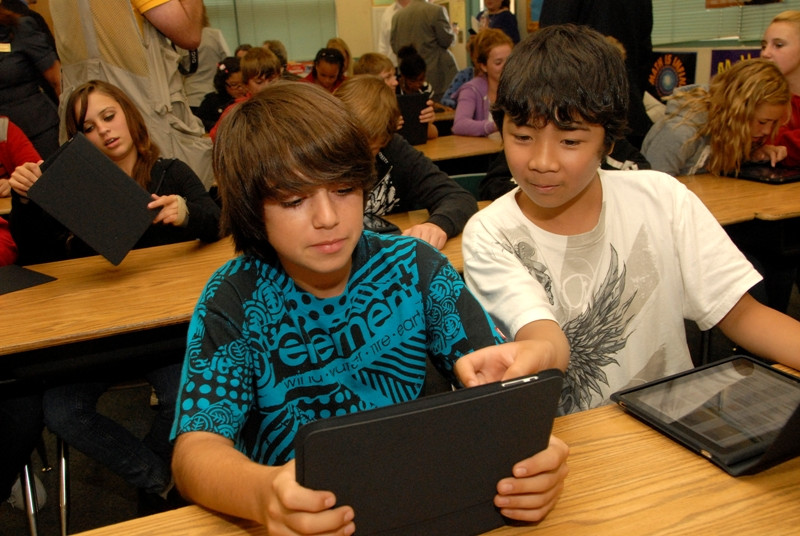
"caption": "Learning to be responsible digital citizens.",
"description": null,
"title": "10_11.15_newtech_0157",
"credit": null,
"status": "inherit",
"isLoading": false,
"fetchFailed": false
},
"mindshift_6887": {
"type": "attachments",
"id": "mindshift_6887",
"meta": {
"index": "attachments_1716263798",
"site": "mindshift",
"id": "6887",
"found": true
},
"parent": 6826,
"imgSizes": {
"thumbnail": {
"file": "https://ww2.kqed.org/app/uploads/sites/23/2011/01/4289842175_5bf4fc6cf9-400x400.jpg",
"width": 400,
"mimeType": "image/jpeg",
"height": 400
},
"fd-sm": {
"file": "https://ww2.kqed.org/app/uploads/sites/23/2011/01/4289842175_5bf4fc6cf9-320x320.jpg",
"width": 320,
"mimeType": "image/jpeg",
"height": 320
},
"post-thumbnail": {
"file": "https://ww2.kqed.org/app/uploads/sites/23/2011/01/4289842175_5bf4fc6cf9-500x372.jpg",
"width": 500,
"mimeType": "image/jpeg",
"height": 372
},
"kqedFullSize": {
"file": "https://ww2.kqed.org/app/uploads/sites/23/2011/01/4289842175_5bf4fc6cf9.jpg",
"width": 500,
"height": 500
},
"guest-author-96": {
"file": "https://ww2.kqed.org/app/uploads/sites/23/2011/01/4289842175_5bf4fc6cf9-96x96.jpg",
"width": 96,
"mimeType": "image/jpeg",
"height": 96
},
"guest-author-64": {
"file": "https://ww2.kqed.org/app/uploads/sites/23/2011/01/4289842175_5bf4fc6cf9-64x64.jpg",
"width": 64,
"mimeType": "image/jpeg",
"height": 64
},
"detail": {
"file": "https://ww2.kqed.org/app/uploads/sites/23/2011/01/4289842175_5bf4fc6cf9-75x75.jpg",
"width": 75,
"mimeType": "image/jpeg",
"height": 75
},
"guest-author-32": {
"file": "https://ww2.kqed.org/app/uploads/sites/23/2011/01/4289842175_5bf4fc6cf9-32x32.jpg",
"width": 32,
"mimeType": "image/jpeg",
"height": 32
},
"guest-author-128": {
"file": "https://ww2.kqed.org/app/uploads/sites/23/2011/01/4289842175_5bf4fc6cf9-128x128.jpg",
"width": 128,
"mimeType": "image/jpeg",
"height": 128
}
},
"publishDate": 1295636907,
"modified": 1295636907,
"caption": null,
"description": null,
"title": "Kodu turtle",
"credit": null,
"status": "inherit",
"isLoading": false,
"fetchFailed": false
},
"mindshift_7315": {
"type": "attachments",
"id": "mindshift_7315",
"meta": {
"index": "attachments_1716263798",
"site": "mindshift",
"id": "7315",
"found": true
},
"parent": 7290,
"imgSizes": {
"kqedFullSize": {
"file": "https://ww2.kqed.org/app/uploads/sites/23/2011/01/MS_school_future_medium3.jpg",
"width": 140,
"height": 140
},
"guest-author-96": {
"file": "https://ww2.kqed.org/app/uploads/sites/23/2011/01/MS_school_future_medium3-96x96.jpg",
"width": 96,
"mimeType": "image/jpeg",
"height": 96
},
"guest-author-64": {
"file": "https://ww2.kqed.org/app/uploads/sites/23/2011/01/MS_school_future_medium3-64x64.jpg",
"width": 64,
"mimeType": "image/jpeg",
"height": 64
},
"detail": {
"file": "https://ww2.kqed.org/app/uploads/sites/23/2011/01/MS_school_future_medium3-75x75.jpg",
"width": 75,
"mimeType": "image/jpeg",
"height": 75
},
"guest-author-32": {
"file": "https://ww2.kqed.org/app/uploads/sites/23/2011/01/MS_school_future_medium3-32x32.jpg",
"width": 32,
"mimeType": "image/jpeg",
"height": 32
},
"guest-author-128": {
"file": "https://ww2.kqed.org/app/uploads/sites/23/2011/01/MS_school_future_medium3-128x128.jpg",
"width": 128,
"mimeType": "image/jpeg",
"height": 128
}
},
"publishDate": 1296239695,
"modified": 1296239695,
"caption": null,
"description": null,
"title": "MS_school_future_medium",
"credit": null,
"status": "inherit",
"isLoading": false,
"fetchFailed": false
},
"mindshift_7269": {
"type": "attachments",
"id": "mindshift_7269",
"meta": {
"index": "attachments_1716263798",
"site": "mindshift",
"id": "7269",
"found": true
},
"parent": 7264,
"imgSizes": {
"twentyfourteen-full-width": {
"file": "https://ww2.kqed.org/app/uploads/sites/23/2011/01/11_1.21_Ipad_Algebra_02381-1038x576.jpg",
"width": 1038,
"mimeType": "image/jpeg",
"height": 576
},
"thumbnail": {
"file": "https://ww2.kqed.org/app/uploads/sites/23/2011/01/11_1.21_Ipad_Algebra_02381-400x266.jpg",
"width": 400,
"mimeType": "image/jpeg",
"height": 266
},
"fd-sm": {
"file": "https://ww2.kqed.org/app/uploads/sites/23/2011/01/11_1.21_Ipad_Algebra_02381-320x213.jpg",
"width": 320,
"mimeType": "image/jpeg",
"height": 213
},
"post-thumbnail": {
"file": "https://ww2.kqed.org/app/uploads/sites/23/2011/01/11_1.21_Ipad_Algebra_02381-672x372.jpg",
"width": 672,
"mimeType": "image/jpeg",
"height": 372
},
"kqedFullSize": {
"file": "https://ww2.kqed.org/app/uploads/sites/23/2011/01/11_1.21_Ipad_Algebra_02381.jpg",
"width": 1440,
"height": 958
},
"large": {
"file": "https://ww2.kqed.org/app/uploads/sites/23/2011/01/11_1.21_Ipad_Algebra_02381-1440x958.jpg",
"width": 1440,
"mimeType": "image/jpeg",
"height": 958
},
"guest-author-96": {
"file": "https://ww2.kqed.org/app/uploads/sites/23/2011/01/11_1.21_Ipad_Algebra_02381-96x96.jpg",
"width": 96,
"mimeType": "image/jpeg",
"height": 96
},
"medium": {
"file": "https://ww2.kqed.org/app/uploads/sites/23/2011/01/11_1.21_Ipad_Algebra_02381-800x532.jpg",
"width": 800,
"mimeType": "image/jpeg",
"height": 532
},
"guest-author-64": {
"file": "https://ww2.kqed.org/app/uploads/sites/23/2011/01/11_1.21_Ipad_Algebra_02381-64x64.jpg",
"width": 64,
"mimeType": "image/jpeg",
"height": 64
},
"guest-author-32": {
"file": "https://ww2.kqed.org/app/uploads/sites/23/2011/01/11_1.21_Ipad_Algebra_02381-32x32.jpg",
"width": 32,
"mimeType": "image/jpeg",
"height": 32
},
"fd-lrg": {
"file": "https://ww2.kqed.org/app/uploads/sites/23/2011/01/11_1.21_Ipad_Algebra_02381-1180x785.jpg",
"width": 1180,
"mimeType": "image/jpeg",
"height": 785
},
"fd-med": {
"file": "https://ww2.kqed.org/app/uploads/sites/23/2011/01/11_1.21_Ipad_Algebra_02381-768x511.jpg",
"width": 768,
"mimeType": "image/jpeg",
"height": 511
},
"detail": {
"file": "https://ww2.kqed.org/app/uploads/sites/23/2011/01/11_1.21_Ipad_Algebra_02381-75x75.jpg",
"width": 75,
"mimeType": "image/jpeg",
"height": 75
},
"guest-author-128": {
"file": "https://ww2.kqed.org/app/uploads/sites/23/2011/01/11_1.21_Ipad_Algebra_02381-128x128.jpg",
"width": 128,
"mimeType": "image/jpeg",
"height": 128
}
},
"publishDate": 1296152978,
"modified": 1296152978,
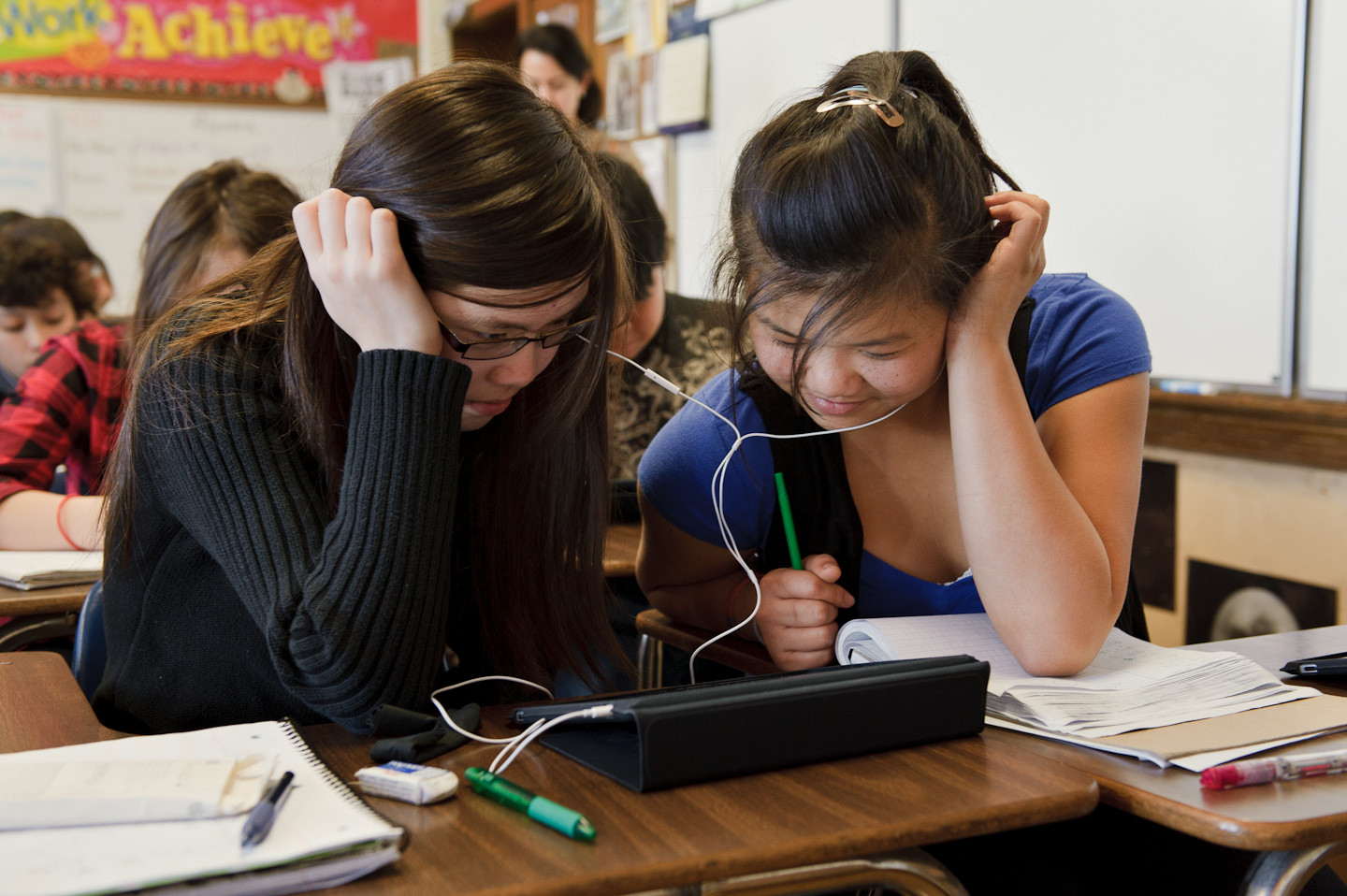
"caption": "Eighth grade students at Presidio Middle School share an iPad while working on a lesson.",
"description": null,
"title": "11_1.21_Ipad_Algebra_02381",
"credit": null,
"status": "inherit",
"isLoading": false,
"fetchFailed": false
},
"mindshift_7211": {
"type": "attachments",
"id": "mindshift_7211",
"meta": {
"index": "attachments_1716263798",
"site": "mindshift",
"id": "7211",
"found": true
},
"parent": 7206,
"imgSizes": {
"twentyfourteen-full-width": {
"file": "https://ww2.kqed.org/app/uploads/sites/23/2011/01/11_1.21_Ipad_Algebra_0387-1038x576.jpg",
"width": 1038,
"mimeType": "image/jpeg",
"height": 576
},
"thumbnail": {
"file": "https://ww2.kqed.org/app/uploads/sites/23/2011/01/11_1.21_Ipad_Algebra_0387-400x266.jpg",
"width": 400,
"mimeType": "image/jpeg",
"height": 266
},
"fd-sm": {
"file": "https://ww2.kqed.org/app/uploads/sites/23/2011/01/11_1.21_Ipad_Algebra_0387-320x213.jpg",
"width": 320,
"mimeType": "image/jpeg",
"height": 213
},
"post-thumbnail": {
"file": "https://ww2.kqed.org/app/uploads/sites/23/2011/01/11_1.21_Ipad_Algebra_0387-672x372.jpg",
"width": 672,
"mimeType": "image/jpeg",
"height": 372
},
"kqedFullSize": {
"file": "https://ww2.kqed.org/app/uploads/sites/23/2011/01/11_1.21_Ipad_Algebra_0387.jpg",
"width": 1440,
"height": 958
},
"large": {
"file": "https://ww2.kqed.org/app/uploads/sites/23/2011/01/11_1.21_Ipad_Algebra_0387-1440x958.jpg",
"width": 1440,
"mimeType": "image/jpeg",
"height": 958
},
"guest-author-96": {
"file": "https://ww2.kqed.org/app/uploads/sites/23/2011/01/11_1.21_Ipad_Algebra_0387-96x96.jpg",
"width": 96,
"mimeType": "image/jpeg",
"height": 96
},
"medium": {
"file": "https://ww2.kqed.org/app/uploads/sites/23/2011/01/11_1.21_Ipad_Algebra_0387-800x532.jpg",
"width": 800,
"mimeType": "image/jpeg",
"height": 532
},
"guest-author-64": {
"file": "https://ww2.kqed.org/app/uploads/sites/23/2011/01/11_1.21_Ipad_Algebra_0387-64x64.jpg",
"width": 64,
"mimeType": "image/jpeg",
"height": 64
},
"guest-author-32": {
"file": "https://ww2.kqed.org/app/uploads/sites/23/2011/01/11_1.21_Ipad_Algebra_0387-32x32.jpg",
"width": 32,
"mimeType": "image/jpeg",
"height": 32
},
"fd-lrg": {
"file": "https://ww2.kqed.org/app/uploads/sites/23/2011/01/11_1.21_Ipad_Algebra_0387-1180x785.jpg",
"width": 1180,
"mimeType": "image/jpeg",
"height": 785
},
"fd-med": {
"file": "https://ww2.kqed.org/app/uploads/sites/23/2011/01/11_1.21_Ipad_Algebra_0387-768x511.jpg",
"width": 768,
"mimeType": "image/jpeg",
"height": 511
},
"detail": {
"file": "https://ww2.kqed.org/app/uploads/sites/23/2011/01/11_1.21_Ipad_Algebra_0387-75x75.jpg",
"width": 75,
"mimeType": "image/jpeg",
"height": 75
},
"guest-author-128": {
"file": "https://ww2.kqed.org/app/uploads/sites/23/2011/01/11_1.21_Ipad_Algebra_0387-128x128.jpg",
"width": 128,
"mimeType": "image/jpeg",
"height": 128
}
},
"publishDate": 1296091378,
"modified": 1296091378,
"caption": null,
"description": null,
"title": "11_1.21_Ipad_Algebra_0387",
"credit": null,
"status": "inherit",
"isLoading": false,
"fetchFailed": false
},
"mindshift_7186": {
"type": "attachments",
"id": "mindshift_7186",
"meta": {
"index": "attachments_1716263798",
"site": "mindshift",
"id": "7186",
"found": true
},
"parent": 7150,
"imgSizes": {
"twentyfourteen-full-width": {
"file": "https://ww2.kqed.org/app/uploads/sites/23/2011/01/11_1.21_Ipad_Algebra_02522-1038x576.jpg",
"width": 1038,
"mimeType": "image/jpeg",
"height": 576
},
"thumbnail": {
"file": "https://ww2.kqed.org/app/uploads/sites/23/2011/01/11_1.21_Ipad_Algebra_02522-400x266.jpg",
"width": 400,
"mimeType": "image/jpeg",
"height": 266
},
"fd-sm": {
"file": "https://ww2.kqed.org/app/uploads/sites/23/2011/01/11_1.21_Ipad_Algebra_02522-320x213.jpg",
"width": 320,
"mimeType": "image/jpeg",
"height": 213
},
"post-thumbnail": {
"file": "https://ww2.kqed.org/app/uploads/sites/23/2011/01/11_1.21_Ipad_Algebra_02522-672x372.jpg",
"width": 672,
"mimeType": "image/jpeg",
"height": 372
},
"kqedFullSize": {
"file": "https://ww2.kqed.org/app/uploads/sites/23/2011/01/11_1.21_Ipad_Algebra_02522.jpg",
"width": 1440,
"height": 958
},
"large": {
"file": "https://ww2.kqed.org/app/uploads/sites/23/2011/01/11_1.21_Ipad_Algebra_02522-1440x958.jpg",
"width": 1440,
"mimeType": "image/jpeg",
"height": 958
},
"guest-author-96": {
"file": "https://ww2.kqed.org/app/uploads/sites/23/2011/01/11_1.21_Ipad_Algebra_02522-96x96.jpg",
"width": 96,
"mimeType": "image/jpeg",
"height": 96
},
"medium": {
"file": "https://ww2.kqed.org/app/uploads/sites/23/2011/01/11_1.21_Ipad_Algebra_02522-800x532.jpg",
"width": 800,
"mimeType": "image/jpeg",
"height": 532
},
"guest-author-64": {
"file": "https://ww2.kqed.org/app/uploads/sites/23/2011/01/11_1.21_Ipad_Algebra_02522-64x64.jpg",
"width": 64,
"mimeType": "image/jpeg",
"height": 64
},
"guest-author-32": {
"file": "https://ww2.kqed.org/app/uploads/sites/23/2011/01/11_1.21_Ipad_Algebra_02522-32x32.jpg",
"width": 32,
"mimeType": "image/jpeg",
"height": 32
},
"fd-lrg": {
"file": "https://ww2.kqed.org/app/uploads/sites/23/2011/01/11_1.21_Ipad_Algebra_02522-1180x785.jpg",
"width": 1180,
"mimeType": "image/jpeg",
"height": 785
},
"fd-med": {
"file": "https://ww2.kqed.org/app/uploads/sites/23/2011/01/11_1.21_Ipad_Algebra_02522-768x511.jpg",
"width": 768,
"mimeType": "image/jpeg",
"height": 511
},
"detail": {
"file": "https://ww2.kqed.org/app/uploads/sites/23/2011/01/11_1.21_Ipad_Algebra_02522-75x75.jpg",
"width": 75,
"mimeType": "image/jpeg",
"height": 75
},
"guest-author-128": {
"file": "https://ww2.kqed.org/app/uploads/sites/23/2011/01/11_1.21_Ipad_Algebra_02522-128x128.jpg",
"width": 128,
"mimeType": "image/jpeg",
"height": 128
}
},
"publishDate": 1296089599,
"modified": 1296089599,
"caption": null,
"description": null,
"title": "11_1.21_Ipad_Algebra_0252",
"credit": null,
"status": "inherit",
"isLoading": false,
"fetchFailed": false
},
"mindshift_7087": {
"type": "attachments",
"id": "mindshift_7087",
"meta": {
"index": "attachments_1716263798",
"site": "mindshift",
"id": "7087",
"found": true
},
"parent": 7085,
"imgSizes": {
"twentyfourteen-full-width": {
"file": "https://ww2.kqed.org/app/uploads/sites/23/2011/01/11_1.21_Ipad_Algebra_0075-1038x576.jpg",
"width": 1038,
"mimeType": "image/jpeg",
"height": 576
},
"thumbnail": {
"file": "https://ww2.kqed.org/app/uploads/sites/23/2011/01/11_1.21_Ipad_Algebra_0075-400x266.jpg",
"width": 400,
"mimeType": "image/jpeg",
"height": 266
},
"fd-sm": {
"file": "https://ww2.kqed.org/app/uploads/sites/23/2011/01/11_1.21_Ipad_Algebra_0075-320x213.jpg",
"width": 320,
"mimeType": "image/jpeg",
"height": 213
},
"post-thumbnail": {
"file": "https://ww2.kqed.org/app/uploads/sites/23/2011/01/11_1.21_Ipad_Algebra_0075-672x372.jpg",
"width": 672,
"mimeType": "image/jpeg",
"height": 372
},
"kqedFullSize": {
"file": "https://ww2.kqed.org/app/uploads/sites/23/2011/01/11_1.21_Ipad_Algebra_0075.jpg",
"width": 1440,
"height": 958
},
"large": {
"file": "https://ww2.kqed.org/app/uploads/sites/23/2011/01/11_1.21_Ipad_Algebra_0075-1440x958.jpg",
"width": 1440,
"mimeType": "image/jpeg",
"height": 958
},
"guest-author-96": {
"file": "https://ww2.kqed.org/app/uploads/sites/23/2011/01/11_1.21_Ipad_Algebra_0075-96x96.jpg",
"width": 96,
"mimeType": "image/jpeg",
"height": 96
},
"medium": {
"file": "https://ww2.kqed.org/app/uploads/sites/23/2011/01/11_1.21_Ipad_Algebra_0075-800x532.jpg",
"width": 800,
"mimeType": "image/jpeg",
"height": 532
},
"guest-author-64": {
"file": "https://ww2.kqed.org/app/uploads/sites/23/2011/01/11_1.21_Ipad_Algebra_0075-64x64.jpg",
"width": 64,
"mimeType": "image/jpeg",
"height": 64
},
"guest-author-32": {
"file": "https://ww2.kqed.org/app/uploads/sites/23/2011/01/11_1.21_Ipad_Algebra_0075-32x32.jpg",
"width": 32,
"mimeType": "image/jpeg",
"height": 32
},
"fd-lrg": {
"file": "https://ww2.kqed.org/app/uploads/sites/23/2011/01/11_1.21_Ipad_Algebra_0075-1180x785.jpg",
"width": 1180,
"mimeType": "image/jpeg",
"height": 785
},
"fd-med": {
"file": "https://ww2.kqed.org/app/uploads/sites/23/2011/01/11_1.21_Ipad_Algebra_0075-768x511.jpg",
"width": 768,
"mimeType": "image/jpeg",
"height": 511
},
"detail": {
"file": "https://ww2.kqed.org/app/uploads/sites/23/2011/01/11_1.21_Ipad_Algebra_0075-75x75.jpg",
"width": 75,
"mimeType": "image/jpeg",
"height": 75
},
"guest-author-128": {
"file": "https://ww2.kqed.org/app/uploads/sites/23/2011/01/11_1.21_Ipad_Algebra_0075-128x128.jpg",
"width": 128,
"mimeType": "image/jpeg",
"height": 128
}
},
"publishDate": 1296075587,
"modified": 1296075587,
"caption": null,
"description": null,
"title": "11_1.21_Ipad_Algebra_0075",
"credit": null,
"status": "inherit",
"isLoading": false,
"fetchFailed": false
},
"mindshift_6987": {
"type": "attachments",
"id": "mindshift_6987",
"meta": {
"index": "attachments_1716263798",
"site": "mindshift",
"id": "6987",
"found": true
},
"parent": 6984,
"imgSizes": {
"thumbnail": {
"file": "https://ww2.kqed.org/app/uploads/sites/23/2011/01/yasmin_f-400x400.jpg",
"width": 400,
"mimeType": "image/jpeg",
"height": 400
},
"fd-sm": {
"file": "https://ww2.kqed.org/app/uploads/sites/23/2011/01/yasmin_f-320x320.jpg",
"width": 320,
"mimeType": "image/jpeg",
"height": 320
},
"post-thumbnail": {
"file": "https://ww2.kqed.org/app/uploads/sites/23/2011/01/yasmin_f-500x372.jpg",
"width": 500,
"mimeType": "image/jpeg",
"height": 372
},
"kqedFullSize": {
"file": "https://ww2.kqed.org/app/uploads/sites/23/2011/01/yasmin_f.jpg",
"width": 500,
"height": 500
},
"guest-author-96": {
"file": "https://ww2.kqed.org/app/uploads/sites/23/2011/01/yasmin_f-96x96.jpg",
"width": 96,
"mimeType": "image/jpeg",
"height": 96
},
"guest-author-64": {
"file": "https://ww2.kqed.org/app/uploads/sites/23/2011/01/yasmin_f-64x64.jpg",
"width": 64,
"mimeType": "image/jpeg",
"height": 64
},
"detail": {
"file": "https://ww2.kqed.org/app/uploads/sites/23/2011/01/yasmin_f-75x75.jpg",
"width": 75,
"mimeType": "image/jpeg",
"height": 75
},
"guest-author-32": {
"file": "https://ww2.kqed.org/app/uploads/sites/23/2011/01/yasmin_f-32x32.jpg",
"width": 32,
"mimeType": "image/jpeg",
"height": 32
},
"guest-author-128": {
"file": "https://ww2.kqed.org/app/uploads/sites/23/2011/01/yasmin_f-128x128.jpg",
"width": 128,
"mimeType": "image/jpeg",
"height": 128
}
},
"publishDate": 1295848037,
"modified": 1295848037,
"caption": null,
"description": null,
"title": "yasmin_f",
"credit": null,
"status": "inherit",
"isLoading": false,
"fetchFailed": false
},
"mindshift_6960": {
"type": "attachments",
"id": "mindshift_6960",
"meta": {
"index": "attachments_1716263798",
"site": "mindshift",
"id": "6960",
"found": true
},
"parent": 6953,
"imgSizes": {
"thumbnail": {
"file": "https://ww2.kqed.org/app/uploads/sites/23/2011/01/Students-with-iPad1-400x268.jpg",
"width": 400,
"mimeType": "image/jpeg",
"height": 268
},
"fd-sm": {
"file": "https://ww2.kqed.org/app/uploads/sites/23/2011/01/Students-with-iPad1-320x214.jpg",
"width": 320,
"mimeType": "image/jpeg",
"height": 214
},
"post-thumbnail": {
"file": "https://ww2.kqed.org/app/uploads/sites/23/2011/01/Students-with-iPad1-672x372.jpg",
"width": 672,
"mimeType": "image/jpeg",
"height": 372
},
"kqedFullSize": {
"file": "https://ww2.kqed.org/app/uploads/sites/23/2011/01/Students-with-iPad1.jpg",
"width": 800,
"height": 536
},
"fd-med": {
"file": "https://ww2.kqed.org/app/uploads/sites/23/2011/01/Students-with-iPad1-768x515.jpg",
"width": 768,
"mimeType": "image/jpeg",
"height": 515
},
"guest-author-96": {
"file": "https://ww2.kqed.org/app/uploads/sites/23/2011/01/Students-with-iPad1-96x96.jpg",
"width": 96,
"mimeType": "image/jpeg",
"height": 96
},
"medium": {
"file": "https://ww2.kqed.org/app/uploads/sites/23/2011/01/Students-with-iPad1-800x536.jpg",
"width": 800,
"mimeType": "image/jpeg",
"height": 536
},
"guest-author-64": {
"file": "https://ww2.kqed.org/app/uploads/sites/23/2011/01/Students-with-iPad1-64x64.jpg",
"width": 64,
"mimeType": "image/jpeg",
"height": 64
},
"detail": {
"file": "https://ww2.kqed.org/app/uploads/sites/23/2011/01/Students-with-iPad1-75x75.jpg",
"width": 75,
"mimeType": "image/jpeg",
"height": 75
},
"guest-author-32": {
"file": "https://ww2.kqed.org/app/uploads/sites/23/2011/01/Students-with-iPad1-32x32.jpg",
"width": 32,
"mimeType": "image/jpeg",
"height": 32
},
"guest-author-128": {
"file": "https://ww2.kqed.org/app/uploads/sites/23/2011/01/Students-with-iPad1-128x128.jpg",
"width": 128,
"mimeType": "image/jpeg",
"height": 128
}
},
"publishDate": 1295658975,
"modified": 1295658975,
"caption": null,
"description": "Students are introduced to IPADS at Amelia Earhart Middle School, September 8, 2010.",
"title": "Students with iPad",
"credit": null,
"status": "inherit",
"isLoading": false,
"fetchFailed": false
},
"mindshift_6946": {
"type": "attachments",
"id": "mindshift_6946",
"meta": {
"index": "attachments_1716263798",
"site": "mindshift",
"id": "6946",
"found": true
},
"parent": 6830,
"imgSizes": {
"thumbnail": {
"file": "https://ww2.kqed.org/app/uploads/sites/23/2011/01/Screen-shot-2011-01-21-at-3.57.26-PM-400x310.png",
"width": 400,
"mimeType": "image/png",
"height": 310
},
"fd-sm": {
"file": "https://ww2.kqed.org/app/uploads/sites/23/2011/01/Screen-shot-2011-01-21-at-3.57.26-PM-320x248.png",
"width": 320,
"mimeType": "image/png",
"height": 248
},
"kqedFullSize": {
"file": "https://ww2.kqed.org/app/uploads/sites/23/2011/01/Screen-shot-2011-01-21-at-3.57.26-PM.png",
"width": 475,
"height": 368
},
"guest-author-96": {
"file": "https://ww2.kqed.org/app/uploads/sites/23/2011/01/Screen-shot-2011-01-21-at-3.57.26-PM-96x96.png",
"width": 96,
"mimeType": "image/png",
"height": 96
},
"guest-author-64": {
"file": "https://ww2.kqed.org/app/uploads/sites/23/2011/01/Screen-shot-2011-01-21-at-3.57.26-PM-64x64.png",
"width": 64,
"mimeType": "image/png",
"height": 64
},
"detail": {
"file": "https://ww2.kqed.org/app/uploads/sites/23/2011/01/Screen-shot-2011-01-21-at-3.57.26-PM-75x75.png",
"width": 75,
"mimeType": "image/png",
"height": 75
},
"guest-author-32": {
"file": "https://ww2.kqed.org/app/uploads/sites/23/2011/01/Screen-shot-2011-01-21-at-3.57.26-PM-32x32.png",
"width": 32,
"mimeType": "image/png",
"height": 32
},
"guest-author-128": {
"file": "https://ww2.kqed.org/app/uploads/sites/23/2011/01/Screen-shot-2011-01-21-at-3.57.26-PM-128x128.png",
"width": 128,
"mimeType": "image/png",
"height": 128
}
},
"publishDate": 1295654369,
"modified": 1295654369,
"caption": null,
"description": null,
"title": "Screen shot 2011-01-21 at 3.57.26 PM",
"credit": null,
"status": "inherit",
"isLoading": false,
"fetchFailed": false
},
"mindshift_6865": {
"type": "attachments",
"id": "mindshift_6865",
"meta": {
"index": "attachments_1716263798",
"site": "mindshift",
"id": "6865",
"found": true
},
"parent": 6832,
"imgSizes": {
"twentyfourteen-full-width": {
"file": "https://ww2.kqed.org/app/uploads/sites/23/2011/01/photo-1038x576.jpg",
"width": 1038,
"mimeType": "image/jpeg",
"height": 576
},
"thumbnail": {
"file": "https://ww2.kqed.org/app/uploads/sites/23/2011/01/photo-400x299.jpg",
"width": 400,
"mimeType": "image/jpeg",
"height": 299
},
"fd-sm": {
"file": "https://ww2.kqed.org/app/uploads/sites/23/2011/01/photo-320x239.jpg",
"width": 320,
"mimeType": "image/jpeg",
"height": 239
},
"post-thumbnail": {
"file": "https://ww2.kqed.org/app/uploads/sites/23/2011/01/photo-672x372.jpg",
"width": 672,
"mimeType": "image/jpeg",
"height": 372
},
"kqedFullSize": {
"file": "https://ww2.kqed.org/app/uploads/sites/23/2011/01/photo.jpg",
"width": 1296,
"height": 968
},
"guest-author-96": {
"file": "https://ww2.kqed.org/app/uploads/sites/23/2011/01/photo-96x96.jpg",
"width": 96,
"mimeType": "image/jpeg",
"height": 96
},
"medium": {
"file": "https://ww2.kqed.org/app/uploads/sites/23/2011/01/photo-800x598.jpg",
"width": 800,
"mimeType": "image/jpeg",
"height": 598
},
"guest-author-64": {
"file": "https://ww2.kqed.org/app/uploads/sites/23/2011/01/photo-64x64.jpg",
"width": 64,
"mimeType": "image/jpeg",
"height": 64
},
"guest-author-32": {
"file": "https://ww2.kqed.org/app/uploads/sites/23/2011/01/photo-32x32.jpg",
"width": 32,
"mimeType": "image/jpeg",
"height": 32
},
"fd-lrg": {
"file": "https://ww2.kqed.org/app/uploads/sites/23/2011/01/photo-1180x881.jpg",
"width": 1180,
"mimeType": "image/jpeg",
"height": 881
},
"fd-med": {
"file": "https://ww2.kqed.org/app/uploads/sites/23/2011/01/photo-768x574.jpg",
"width": 768,
"mimeType": "image/jpeg",
"height": 574
},
"detail": {
"file": "https://ww2.kqed.org/app/uploads/sites/23/2011/01/photo-75x75.jpg",
"width": 75,
"mimeType": "image/jpeg",
"height": 75
},
"guest-author-128": {
"file": "https://ww2.kqed.org/app/uploads/sites/23/2011/01/photo-128x128.jpg",
"width": 128,
"mimeType": "image/jpeg",
"height": 128
}
},
"publishDate": 1295635997,
"modified": 1295635997,
"caption": null,
"description": null,
"title": "photo",
"credit": null,
"status": "inherit",
"isLoading": false,
"fetchFailed": false
},
"mindshift_6668": {
"type": "attachments",
"id": "mindshift_6668",
"meta": {
"index": "attachments_1716263798",
"site": "mindshift",
"id": "6668",
"found": true
},
"parent": 6652,
"imgSizes": {
"thumbnail": {
"file": "https://ww2.kqed.org/app/uploads/sites/23/2011/01/product_screen7-400x179.jpg",
"width": 400,
"mimeType": "image/jpeg",
"height": 179
},
"fd-sm": {
"file": "https://ww2.kqed.org/app/uploads/sites/23/2011/01/product_screen7-320x143.jpg",
"width": 320,
"mimeType": "image/jpeg",
"height": 143
},
"kqedFullSize": {
"file": "https://ww2.kqed.org/app/uploads/sites/23/2011/01/product_screen7.jpg",
"width": 634,
"height": 284
},
"guest-author-96": {
"file": "https://ww2.kqed.org/app/uploads/sites/23/2011/01/product_screen7-96x96.jpg",
"width": 96,
"mimeType": "image/jpeg",
"height": 96
},
"guest-author-64": {
"file": "https://ww2.kqed.org/app/uploads/sites/23/2011/01/product_screen7-64x64.jpg",
"width": 64,
"mimeType": "image/jpeg",
"height": 64
},
"detail": {
"file": "https://ww2.kqed.org/app/uploads/sites/23/2011/01/product_screen7-75x75.jpg",
"width": 75,
"mimeType": "image/jpeg",
"height": 75
},
"guest-author-32": {
"file": "https://ww2.kqed.org/app/uploads/sites/23/2011/01/product_screen7-32x32.jpg",
"width": 32,
"mimeType": "image/jpeg",
"height": 32
},
"guest-author-128": {
"file": "https://ww2.kqed.org/app/uploads/sites/23/2011/01/product_screen7-128x128.jpg",
"width": 128,
"mimeType": "image/jpeg",
"height": 128
}
},
"publishDate": 1295467130,
"modified": 1295467130,
"caption": null,
"description": null,
"title": "product_screen7",
"credit": null,
"status": "inherit",
"isLoading": false,
"fetchFailed": false
}
},
"audioPlayerReducer": {
"postId": "stream_live",
"isPaused": true,
"isPlaying": false,
"pfsActive": false,
"pledgeModalIsOpen": true,
"playerDrawerIsOpen": false,
"liveAudioPlayStartedAt": 0,
"liveAudioPlayContext": ""
},
"authorsReducer": {
"tbarseghian": {
"type": "authors",
"id": "180",
"meta": {
"index": "authors_1716337520",
"id": "180",
"found": true
},
"name": "Tina Barseghian",
"firstName": "Tina",
"lastName": "Barseghian",
"slug": "tbarseghian",
"email": "tbarseghian@kqed.org",
"display_author_email": false,
"staff_mastheads": [],
"title": null,
"bio": null,
"avatar": "https://secure.gravatar.com/avatar/de7e6ced1239b7018fe4d2b61f723c90?s=600&d=blank&r=g",
"twitter": null,
"facebook": null,
"instagram": null,
"linkedin": null,
"sites": [
{
"site": "styleguide",
"roles": [
"contributor"
]
},
{
"site": "news",
"roles": [
"subscriber"
]
},
{
"site": "mindshift",
"roles": [
"subscriber"
]
},
{
"site": "bayareabites",
"roles": [
"subscriber"
]
}
],
"headData": {
"title": "Tina Barseghian | KQED",
"description": null,
"ogImgSrc": "https://secure.gravatar.com/avatar/de7e6ced1239b7018fe4d2b61f723c90?s=600&d=blank&r=g",
"twImgSrc": "https://secure.gravatar.com/avatar/de7e6ced1239b7018fe4d2b61f723c90?s=600&d=blank&r=g"
},
"isLoading": false,
"link": "/author/tbarseghian"
},
"sbernard": {
"type": "authors",
"id": "4351",
"meta": {
"index": "authors_1716337520",
"id": "4351",
"found": true
},
"name": "Sara Bernard",
"firstName": "Sara",
"lastName": "Bernard",
"slug": "sbernard",
"email": "saralacy@gmail.com",
"display_author_email": false,
"staff_mastheads": [],
"title": null,
"bio": null,
"avatar": "https://secure.gravatar.com/avatar/69bae8afcc64ab67f6e3709cfb4bef26?s=600&d=blank&r=g",
"twitter": null,
"facebook": null,
"instagram": null,
"linkedin": null,
"sites": [
{
"site": "mindshift",
"roles": [
"subscriber"
]
}
],
"headData": {
"title": "Sara Bernard | KQED",
"description": null,
"ogImgSrc": "https://secure.gravatar.com/avatar/69bae8afcc64ab67f6e3709cfb4bef26?s=600&d=blank&r=g",
"twImgSrc": "https://secure.gravatar.com/avatar/69bae8afcc64ab67f6e3709cfb4bef26?s=600&d=blank&r=g"
},
"isLoading": false,
"link": "/author/sbernard"
}
},
"pagesReducer": {
"mindshift_category_digital-tools": {
"type": "terms",
"id": "mindshift_195",
"meta": {
"index": "terms_1716263798",
"site": "mindshift",
"id": "195",
"score": 14.406576
},
"featImg": null,
"name": "Digital Tools",
"description": "How devices, software, and the Internet are changing the classroom dynamic.",
"taxonomy": "category",
"headData": {
"twImgId": null,
"twTitle": null,
"ogTitle": null,
"ogImgId": null,
"twDescription": null,
"description": "How devices, software, and the Internet are changing the classroom dynamic.",
"title": "Digital Tools Archives | KQED Mindshift",
"ogDescription": null
},
"ttid": 195,
"slug": "digital-tools",
"isLoading": false,
"title": "Digital Tools",
"pageMeta": {
"site": "mindshift",
"WpPageTemplate": "page-topic-editorial",
"currentPage": 60
},
"blocks": [
{
"blockName": "kqed/company-paragraph",
"content": "How devices, software, and the Internet are changing the classroom dynamic."
},
{
"blockName": "kqed/post-list",
"attrs": {
"layout": "cardArticle2",
"query": "posts/mindshift?category=digital-tools",
"seeMore": false,
"paginated": true,
"page": 60
}
},
{
"blockName": "kqed/ad"
}
]
}
},
"pfsSessionReducer": {},
"postsReducer": {
"stream_live": {
"type": "live",
"id": "stream_live",
"audioUrl": "https://streams.kqed.org/kqedradio",
"title": "Live Stream",
"excerpt": "Live Stream information currently unavailable.",
"link": "/radio",
"featImg": "",
"label": {
"name": "KQED Live",
"link": "/"
}
},
"stream_kqedNewscast": {
"type": "posts",
"id": "stream_kqedNewscast",
"audioUrl": "https://www.kqed.org/.stream/anon/radio/RDnews/newscast.mp3?_=1",
"title": "KQED Newscast",
"featImg": "",
"label": {
"name": "88.5 FM",
"link": "/"
}
},
"mindshift_7449": {
"type": "posts",
"id": "mindshift_7449",
"meta": {
"index": "posts_1716263798",
"site": "mindshift",
"id": "7449",
"score": null,
"sort": [
1296842410000
]
},
"parent": 0,
"labelTerm": {
"site": "mindshift"
},
"blocks": [],
"publishDate": 1296842410,
"format": "aside",
"disqusTitle": "Three Trends That Will Shape the Future of Curriculum",
"title": "Three Trends That Will Shape the Future of Curriculum",
"headTitle": "MindShift | KQED News",
"content": "\u003cp>\u003cem>What we as adults experienced in school, as educators and students, will bear little resemblance to what lies ahead. Here's a look at current trends, their implications, and changes to watch for.\u003c/em>\u003c/p>\n\u003ch3>The Three Key Trends\u003c/h3>\n\u003cp>\u003ca name=\"digitaldelivery\">\u003c/a>\u003c/p>\n\u003ch4>1. Digital delivery\u003c/h4>\n\u003cp style=\"padding-left: 30px\">No longer shackled to books as their only source of content, educators and students are going online to find reliable, valuable, and up-to-the-minute information. Sites like \u003cstrong>\u003ca href=\"http://ww2.kqed.org/mindshift/2011/01/shmoops-online-content-focuses-on-fun/\">Shmoop\u003c/a>\u003c/strong>’s fun-focused content on everything from SAT prep to the Civil War;\u003cstrong> \u003c/strong>\u003ca href=\"http://ww2.kqed.org/mindshift/2010/10/5-free-google-tools-for-educators/\">\u003cstrong>Google’s Education\u003c/strong> apps and sources\u003c/a> that teachers can use as teaching tools, such as the SketchUp design software and Google Earth are just a few of the free, easily accessible sources available online.\u003c/p>\n\u003cdiv id=\"attachment_7294\" class=\"module image right mceTemp\" style=\"width: 300px\">\n\u003cp class=\"credit\">\n\u003c/p>\u003cp>\u003ca href=\"http://www.flickr.com/photos/remiforall/4869519971/sizes/m/in/photostream/\">\u003cimg class=\"size-medium wp-image-7831\" title=\"OLYMPUS DIGITAL CAMERA\" src=\"http://ww2.kqed.org/mindshift/wp-content/uploads/sites/23/2011/02/remiforall-300x225.jpg\" alt=\"\" width=\"300\" height=\"225\">\u003c/a>\u003c/p>\n\u003c/div>\n\u003cp style=\"padding-left: 30px\">Add to that sites like the \u003cstrong>\u003ca href=\"http://ww2.kqed.org/mindshift/2010/12/salman-khan-teaches-the-world-one-youtube-video-at-a-time/\">Khan Academy\u003c/a>\u003c/strong>, a collection of thousands of \u003cstrong>\u003ca href=\"http://www.youtube.com\">YouTube\u003c/a>\u003c/strong> videos that teach everything from calculus to the French Revolution, \u003ca href=\"http://www1.teachertube.com/\">TeacherTube's collection of content,\u003c/a> books that have been \u003ca href=\"http://newsroom.unr.edu/2011/01/20/nevada-economics-professor-incorporates-youtube-into-new-edition-of-top-selling-textbook/\">turned into YouTube \u003c/a>videos, as well as sites from museums and art institutions, sites like \u003ca href=\"http://www.nasa.gov\">NASA\u003ccite>\u003c/cite>\u003c/a> and the \u003ca href=\"http://www.si.edu\">Smithsonian\u003ccite>\u003c/cite>\u003c/a>, \u003ca href=\"http://www.ted.com/talks\">TED Talks\u003c/a> and the \u003ca href=\"http://mashable.com/2011/01/07/online-education-websites/\">thousands of other educational resources\u003c/a> available, and you can start to see how online content will be used as a primary resource.\u003c/p>\n\u003cp style=\"padding-left: 30px\">\u003cstrong> \u003c/strong>The \u003ca href=\"http://en.wikipedia.org/wiki/Open_educational_resources\">open-source movement\u003c/a> has further pushed online content to include learners and educators in the actual content-creating process. Wikipedia was one of the first open-source sites, and though many still question the accuracy of Wikipedia entries (note the \u003ca href=\"http://news.cnet.com/Study-Wikipedia-as-accurate-as-Britannica/2100-1038_3-5997332.html?tag=mncol;txt\">2005 study \u003c/a>showed that the popular website is as reliable as Encyclopedia Britannica), there's a movement afoot to make it a more trusted source. Revered institutions like Harvard and Georgetown are \u003ca href=\"http://ww2.kqed.org/mindshift/2010/09/college-professors-and-students-jump-into-the-wiki-world/\">creating coursework for students \u003c/a>out of editing Wikipedia entries.\u003c/p>\n\u003cp>[ad fullwidth]\u003c/p>\n\u003cp style=\"padding-left: 30px\">Following in the steps of Wikipedia – and the collaborative world of Web 2.0 -- a growing proliferation of open-source sites aimed at education have \u003ca href=\"http://ww2.kqed.org/mindshift/2010/10/teachers-customizable-curriculum-5-more-resources/\">sprouted up over the past few years\u003c/a>. For both K-12 schools and \u003ca href=\"http://chronicle.com/article/Why-Some-Elite-Colleges-Give/125998/?sid=at&utm_source=at&utm_medium=en\">higher education\u003c/a>, sites like \u003cstrong>\u003ca href=\"http://ocw.mit.edu/index.htm\">MIT Open SourceWare\u003c/a>\u003c/strong> that publishes almost all the university’s content for students, \u003cstrong>\u003ca href=\"http://www.oercommons.org/\">Open Educational Resources\u003c/a>\u003c/strong>, \u003cstrong>\u003ca href=\"http://www.curriki.org/\">Curriki\u003c/a>\u003c/strong>, \u003cstrong>\u003ca href=\"http://www.merlot.org/\">Merlot\u003c/a>\u003c/strong>, \u003cstrong>\u003ca href=\"http://cnx.org/\">Connexions\u003c/a>\u003c/strong>, \u003cstrong>\u003ca href=\"http://ww2.kqed.org/mindshift/2011/01/the-living-book-movement-free-education-for-all/\">CK12\u003c/a>\u003c/strong>, \u003cstrong>\u003ca href=\"http://ww2.kqed.org/mindshift/2010/09/scitable-goes-mobile/\">Scitable\u003c/a>\u003c/strong>, and \u003cstrong>\u003ca href=\"http://ww2.kqed.org/mindshift/2011/02/hippocampus-online-content-in-and-out-of-class/\">Hippocampus\u003c/a>\u003c/strong> offer their own expert-written, vetted content. But more importantly, they allow educators and students to add, edit, and change the order of all the information on those sites according to their own needs.\u003c/p>\n\u003cp style=\"padding-left: 30px\">Entire school districts are starting to go open-source, too, such as the \u003ca href=\"http://ww2.kqed.org/mindshift/2010/11/teachers-and-students-create-their-own-curriculum-in-alaska/\">Bering Strait School District\u003c/a> in Alaska, which is using a Wiki-style format for its curriculum. \u003ca href=\"http://ww2.kqed.org/mindshift/2011/01/the-living-book-movement-free-education-for-all/\">CK12\u003c/a> is part of \u003ca href=\"http://www.clrn.org/fdti/\">California's Free Digital Textbook Initiative\u003c/a>, and school districts in Pennsylvania are also considering using its materials once the curricula has met state standards.\u003c/p>\n\u003ch5 style=\"padding-left: 30px\">\u003cstrong>Watch for: \u003c/strong>\u003cem>1)\u003c/em>\u003cstrong> \u003c/strong>\u003cem>Google's role in providing content, and how states and districts work with the institution. 2) Open-source sites and content publishers working collaboratively in the same content space.\u003cbr>\n\u003c/em>\u003c/h5>\n\u003cp style=\"padding-left: 30px\">\n\u003c/p>\u003cp>\u003ca name=\"interestdriven\">\u003c/a>\u003c/p>\n\u003ch4>2. Interest-driven\u003c/h4>\n\u003cp style=\"padding-left: 30px\">Though students typically have to wait until their third year of college to choose what they learn, the idea of K-12 education being tailored to students' own interests is becoming more commonplace. Whether it's through Japanese manga art, \u003ca href=\"http://ww2.kqed.org/mindshift/2011/01/lady-gaga-songs-teach-history/\">Lady Gaga\u003c/a>, or \u003ca href=\"http://ww2.kqed.org/mindshift/2011/02/love-of-reading-sparked-by-love-of-subject-in-the-future-school-day/\">the sport of curling\u003c/a>, the idea is to grab students \u003ca href=\"http://ww2.kqed.org/mindshift/2011/01/students-own-interests-will-drive-the-school-day-of-the-future/\">where their interests lie \u003c/a>and build the curriculum around it.\u003c/p>\n\u003cfigure id=\"attachment_7741\" class=\"wp-caption alignright\" style=\"max-width: 300px\">\u003cimg class=\"size-medium wp-image-7741\" title=\"Flickr;YasminF\" src=\"http://ww2.kqed.org/mindshift/wp-content/uploads/sites/23/2011/02/FlickrYasminF-300x300.jpg\" alt=\"\" width=\"300\" height=\"300\">\u003cfigcaption class=\"wp-caption-text\">Every learner counts.\u003c/figcaption>\u003c/figure>\n\u003cp style=\"padding-left: 30px\">The idea of learner-centered education might not be new -- \u003ca href=\"http://ims.ode.state.oh.us/ode/ims/rrt/research/Content/interest_based_learning_what_we_know.asp\">research from the 1990s shows \u003c/a>that students' interests is directly correlated to their achievement. But a growing movement is being propelled by the explosive growth in individualized learning technology that could feed it and we're starting to see the outlines of how it could seep into the world of formal education.\u003c/p>\n\u003cp style=\"padding-left: 30px\">Take, for example, \u003ca href=\"http://www.edutopia.org/stw-differentiated-instruction-free-resources-tools\">Forest Lake Elementary School in South Carolina\u003c/a>, where the entire school is built around personalized learning. Or schools in Portland, Maine, that are \u003ca href=\"http://www.edutopia.org/stw-maine-pbl\">entirely project based\u003c/a>. Beyond even bribing them with shiny gadgets, educators are sparking their students' love of learning by figuring out what they're interested in.\u003c/p>\n\u003cp style=\"padding-left: 30px\">\"The better way is to motivate each student to learn through his or her passion. Passion drives people to learn (and perform) far beyond their, and our expectations. And whatever is learned through the motivation of passion is rarely if ever forgotten,\" writes Marc Prensky in his book \u003cem>\u003ca href=\"http://www.marcprensky.com/writing/\">Teaching Digital Natives.\u003c/a>\u003c/em>\u003cstrong> \u003c/strong>\u003c/p>\n\u003ch5 style=\"padding-left: 30px\">\u003cstrong>Watch for: \u003c/strong>\u003cem>\u003cem>The growing importance of the student's role as content-creator and decision-maker in devising his own curriculum.\u003c/em>\u003c/em>\u003c/h5>\n\u003cp>\u003cstrong> \u003c/strong>\u003cbr>\n\u003ca name=\"skills2\">\u003c/a>\u003c/p>\n\u003ch4>3. Skills 2.0\u003c/h4>\n\u003cp style=\"padding-left: 30px\">Eleven years into the 21st century, the buzz words \"21st century skills\" are being thrown around in describing what needs to be taught in schools: real-world readiness. Things like \u003ca href=\"http://www.p21.org/index.php?option=com_content&task=view&id=254&Itemid=119\">collaboration, innovation, critical thinking, and communication\u003c/a> are thought to be just as important as U.S. history and calculus because they're practical skills that can be used in the world outside the confines of school.\u003c/p>\n\u003cp style=\"padding-left: 30px\">\n\u003c/p>\u003cp style=\"padding-left: 30px\">\"One thing is certain,\" writes \u003ca href=\"http://weblogg-ed.com/2010/rethinking-how-students-learn/\">Will Richardson \u003c/a>in the comprehensive tome\u003ca href=\"http://weblogg-ed.com/2010/rethinking-how-students-learn/\"> \u003c/a>\u003ca href=\"http://www.amazon.com/21st-Century-Skills-Rethinking-Students/dp/1935249908\">\u003cem>21st Century Skills: Rethinking How Students Learn\u003c/em>\u003c/a>: although schools may continue to fundamentally look and act as they have for more than one hundred years, the way individuals learn has already been forever changed. Instead of learning from others who have the credentials to 'teach' in this new networked world, we learn with others whom we seek (and who seek us) on our own and with whom we often share nothing more than a passion for knowing.\"\u003c/p>\n\u003cfigure id=\"attachment_7758\" class=\"wp-caption alignright\" style=\"max-width: 300px\">\u003cimg class=\"size-medium wp-image-7758\" title=\"10_11.15_newtech_0157\" src=\"http://ww2.kqed.org/mindshift/wp-content/uploads/sites/23/2011/02/10_11.15_newtech_0157-300x199.jpg\" alt=\"\" width=\"300\" height=\"199\">\u003cfigcaption class=\"wp-caption-text\">Learning to be responsible digital citizens.\u003c/figcaption>\u003c/figure>\n\u003cp style=\"padding-left: 30px\">The ability to leverage the collective wisdom that thrives online is an important part of building those muscles. But more than just practical skills, it's crucial for students to be able to navigate the digital world around them without fear. To \u003ca href=\"../2011/01/why-every-student-should-learn-the-skills-of-a-journalist/\">make sense of the deluge of information online\u003c/a>, to learn what to trust, what to dismiss, to be able to \u003ca href=\"http://www.edutopia.org/media-literacy-students-searching\">find the gold\u003c/a> that exists in the infinite number of Google searches. To know how and what to contribute to the online global community, and how to be responsible digital citizens.\u003c/p>\n\u003cp style=\"padding-left: 30px\">These intangibles have found their way into the fiber of the curriculum in schools like \u003ca href=\"../2011/01/napa-new-tech-school-of-the-future-is-here/\">Napa New Tech \u003c/a>and its network of schools growing schools. And \u003ca href=\"http://www.cisco.com/web/about/citizenship/socio-economic/21S.html\">tech companies are looking for ways\u003c/a> to provide value to the movement.\u003c/p>\n\u003cp style=\"padding-left: 30px\">Entire schools are dedicated to teaching skills like learning how to \u003ca href=\"http://ww2.kqed.org/mindshift/2011/01/can-creating-computer-games-develop-reading-and-writing-skills/\">create video games\u003c/a>, whether it's to \u003ca href=\"http://ww2.kqed.org/mindshift/2010/12/video-games-are-good-for-us-really/\">boost brain power and multitasking skills\u003c/a>, or to learn applied physics as they do at the \u003ca href=\"http://www.nytimes.com/2010/09/19/magazine/19video-t.html?partner=rss&emc=rss\">New York school Quest to Learn\u003c/a>. The idea is that the process of learning that skill can be put to use in the real world.\u003cstrong> \u003c/strong>\u003c/p>\n\u003caside class=\"pullquote alignright\">\n\u003ch4>In this post\u003c/h4>\n\u003ch5>\u003ca href=\"#3trends\">The 3 trends:\u003c/a>\u003c/h5>\n\u003cp>\u003ca href=\"#digitaldelivery\">Digital delivery\u003c/a>\u003cbr>\n\u003ca href=\"#interestdriven\">Interest-driven\u003c/a>\u003cbr>\n\u003ca href=\"#skills2\">Skills 2.0\u003c/a>\u003c/p>\n\u003ch5>\u003ca href=\"#whatthismeans\">What this means\u003c/a>\u003c/h5>\n\u003c/aside>\n\u003ch5 style=\"padding-left: 30px\">\u003cstrong>Watch for: \u003c/strong>\u003cem> \u003c/em>\u003cem>State and nationwide assessments taking into account skills like critical thinking, communication and collaboration.\u003c/em>\u003c/h5>\n\u003cp style=\"padding-left: 30px\">\n\u003c/p>\u003cp style=\"padding-left: 30px\">\n\u003c/p>\u003cp>\u003ca name=\"whatthismeans\">\u003c/a>\u003c/p>\n\u003ch3>What these trends mean\u003c/h3>\n\u003caside class=\"pullquote alignright\">\n\u003ch4>Read the rest of this series:\u003c/h4>\n\u003ch5 style=\"background-color: #00c3c6\">\u003ca style=\"color: white\" href=\"http://ww2.kqed.org/mindshift/2011/02/three-trends-that-will-shape-the-future-of-curriculum/\">Curriculum\u003c/a>\u003c/h5>\n\u003ch5 style=\"background-color: #e76e06;color: #ccc\">\u003ca style=\"color: white\" href=\"http://ww2.kqed.org/mindshift/2011/02/three-trends-that-define-the-future-of-teaching-and-learning/\">Teaching and Learning\u003c/a>\u003c/h5>\n\u003ch5 style=\"background-color: #f32d08\">\u003ca style=\"color: white\" href=\"http://ww2.kqed.org/mindshift/2011/02/how-learning-environments-are-changing/\">Learning Environments\u003c/a>\u003c/h5>\n\u003c/aside>\n\u003cp>Given the growing momentum of these trends, what does it mean for students, teachers, schools, and the education community at large?\u003c/p>\n\u003cul>\n\u003cli>\u003cstrong>Collaborating and customizing.\u003c/strong> Educators are learning to work together, with their students, and with other experts in creating content, and are able to tailor it to exactly what they need.\u003c/li>\n\u003cli>\u003cstrong>Critical thinking.\u003c/strong> Students are learning how to effectively find content and to discern reliable sources.\u003c/li>\n\u003cli>\u003cstrong>Democratizing education.\u003c/strong> With Internet access becoming more ubiquitous, the children of the poorest people are able to get access to the same quality education as the wealthiest.\u003c/li>\n\u003cli>\u003cstrong>Changing the textbook industry.\u003c/strong> Textbook publishers are finding ways to make themselves relevant to their digital audience.\u003c/li>\n\u003cli>\u003cstrong>Emphasizing skills over facts. \u003c/strong>Curriculum\u003cstrong> \u003c/strong>incorporates skill-building.\u003c/li>\n\u003c/ul>\n\u003cp>[ad floatright]\u003c/p>\n\u003cp>\u003ca name=\"whatwedontknow\">\u003c/a>\u003c/p>\n\n",
"disqusIdentifier": "7449 http://blogs.kqed.org/mindshift/?p=7449",
"disqusUrl": "https://ww2.kqed.org/mindshift/2011/02/04/three-trends-that-will-shape-the-future-of-curriculum/",
"stats": {
"hasVideo": false,
"hasChartOrMap": false,
"hasAudio": false,
"hasPolis": false,
"wordCount": 1245,
"hasGoogleForm": false,
"hasGallery": false,
"hasHearkenModule": false,
"iframeSrcs": [],
"paragraphCount": 11
},
"modified": 1427393508,
"excerpt": null,
"headData": {
"twImgId": "",
"twTitle": "",
"ogTitle": "",
"ogImgId": "",
"twDescription": "",
"description": "What we as adults experienced in school, as educators and students, will bear little resemblance to what lies ahead. Here's a look at current trends, their implications, and changes to watch for. The Three Key Trends 1. Digital delivery No longer shackled to books as their only source of content, educators and students are going",
"title": "Three Trends That Will Shape the Future of Curriculum | KQED",
"ogDescription": "",
"schema": {
"@context": "https://schema.org",
"@type": "Article",
"headline": "Three Trends That Will Shape the Future of Curriculum",
"datePublished": "2011-02-04T10:00:10-08:00",
"dateModified": "2015-03-26T11:11:48-07:00",
"image": "https://cdn.kqed.org/wp-content/uploads/2020/02/KQED-OG-Image@1x.png"
}
},
"guestAuthors": [],
"slug": "three-trends-that-will-shape-the-future-of-curriculum",
"status": "publish",
"path": "/mindshift/7449/three-trends-that-will-shape-the-future-of-curriculum",
"audioTrackLength": null,
"parsedContent": [
{
"type": "contentString",
"content": "\u003cdiv class=\"post-body\">\u003cp>\u003cp>\u003cem>What we as adults experienced in school, as educators and students, will bear little resemblance to what lies ahead. Here's a look at current trends, their implications, and changes to watch for.\u003c/em>\u003c/p>\n\u003ch3>The Three Key Trends\u003c/h3>\n\u003cp>\u003ca name=\"digitaldelivery\">\u003c/a>\u003c/p>\n\u003ch4>1. Digital delivery\u003c/h4>\n\u003cp style=\"padding-left: 30px\">No longer shackled to books as their only source of content, educators and students are going online to find reliable, valuable, and up-to-the-minute information. Sites like \u003cstrong>\u003ca href=\"http://ww2.kqed.org/mindshift/2011/01/shmoops-online-content-focuses-on-fun/\">Shmoop\u003c/a>\u003c/strong>’s fun-focused content on everything from SAT prep to the Civil War;\u003cstrong> \u003c/strong>\u003ca href=\"http://ww2.kqed.org/mindshift/2010/10/5-free-google-tools-for-educators/\">\u003cstrong>Google’s Education\u003c/strong> apps and sources\u003c/a> that teachers can use as teaching tools, such as the SketchUp design software and Google Earth are just a few of the free, easily accessible sources available online.\u003c/p>\n\u003cdiv id=\"attachment_7294\" class=\"module image right mceTemp\" style=\"width: 300px\">\n\u003cp class=\"credit\">\n\u003c/p>\u003cp>\u003ca href=\"http://www.flickr.com/photos/remiforall/4869519971/sizes/m/in/photostream/\">\u003cimg class=\"size-medium wp-image-7831\" title=\"OLYMPUS DIGITAL CAMERA\" src=\"http://ww2.kqed.org/mindshift/wp-content/uploads/sites/23/2011/02/remiforall-300x225.jpg\" alt=\"\" width=\"300\" height=\"225\">\u003c/a>\u003c/p>\n\u003c/div>\n\u003cp style=\"padding-left: 30px\">Add to that sites like the \u003cstrong>\u003ca href=\"http://ww2.kqed.org/mindshift/2010/12/salman-khan-teaches-the-world-one-youtube-video-at-a-time/\">Khan Academy\u003c/a>\u003c/strong>, a collection of thousands of \u003cstrong>\u003ca href=\"http://www.youtube.com\">YouTube\u003c/a>\u003c/strong> videos that teach everything from calculus to the French Revolution, \u003ca href=\"http://www1.teachertube.com/\">TeacherTube's collection of content,\u003c/a> books that have been \u003ca href=\"http://newsroom.unr.edu/2011/01/20/nevada-economics-professor-incorporates-youtube-into-new-edition-of-top-selling-textbook/\">turned into YouTube \u003c/a>videos, as well as sites from museums and art institutions, sites like \u003ca href=\"http://www.nasa.gov\">NASA\u003ccite>\u003c/cite>\u003c/a> and the \u003ca href=\"http://www.si.edu\">Smithsonian\u003ccite>\u003c/cite>\u003c/a>, \u003ca href=\"http://www.ted.com/talks\">TED Talks\u003c/a> and the \u003ca href=\"http://mashable.com/2011/01/07/online-education-websites/\">thousands of other educational resources\u003c/a> available, and you can start to see how online content will be used as a primary resource.\u003c/p>\n\u003cp style=\"padding-left: 30px\">\u003cstrong> \u003c/strong>The \u003ca href=\"http://en.wikipedia.org/wiki/Open_educational_resources\">open-source movement\u003c/a> has further pushed online content to include learners and educators in the actual content-creating process. Wikipedia was one of the first open-source sites, and though many still question the accuracy of Wikipedia entries (note the \u003ca href=\"http://news.cnet.com/Study-Wikipedia-as-accurate-as-Britannica/2100-1038_3-5997332.html?tag=mncol;txt\">2005 study \u003c/a>showed that the popular website is as reliable as Encyclopedia Britannica), there's a movement afoot to make it a more trusted source. Revered institutions like Harvard and Georgetown are \u003ca href=\"http://ww2.kqed.org/mindshift/2010/09/college-professors-and-students-jump-into-the-wiki-world/\">creating coursework for students \u003c/a>out of editing Wikipedia entries.\u003c/p>\n\u003cp>\u003c/p>\u003c/div>",
"attributes": {
"named": {},
"numeric": []
}
},
{
"type": "component",
"content": "",
"name": "ad",
"attributes": {
"named": {
"label": "fullwidth"
},
"numeric": [
"fullwidth"
]
}
},
{
"type": "contentString",
"content": "\u003cdiv class=\"post-body\">\u003cp>\u003c/p>\n\u003cp style=\"padding-left: 30px\">Following in the steps of Wikipedia – and the collaborative world of Web 2.0 -- a growing proliferation of open-source sites aimed at education have \u003ca href=\"http://ww2.kqed.org/mindshift/2010/10/teachers-customizable-curriculum-5-more-resources/\">sprouted up over the past few years\u003c/a>. For both K-12 schools and \u003ca href=\"http://chronicle.com/article/Why-Some-Elite-Colleges-Give/125998/?sid=at&utm_source=at&utm_medium=en\">higher education\u003c/a>, sites like \u003cstrong>\u003ca href=\"http://ocw.mit.edu/index.htm\">MIT Open SourceWare\u003c/a>\u003c/strong> that publishes almost all the university’s content for students, \u003cstrong>\u003ca href=\"http://www.oercommons.org/\">Open Educational Resources\u003c/a>\u003c/strong>, \u003cstrong>\u003ca href=\"http://www.curriki.org/\">Curriki\u003c/a>\u003c/strong>, \u003cstrong>\u003ca href=\"http://www.merlot.org/\">Merlot\u003c/a>\u003c/strong>, \u003cstrong>\u003ca href=\"http://cnx.org/\">Connexions\u003c/a>\u003c/strong>, \u003cstrong>\u003ca href=\"http://ww2.kqed.org/mindshift/2011/01/the-living-book-movement-free-education-for-all/\">CK12\u003c/a>\u003c/strong>, \u003cstrong>\u003ca href=\"http://ww2.kqed.org/mindshift/2010/09/scitable-goes-mobile/\">Scitable\u003c/a>\u003c/strong>, and \u003cstrong>\u003ca href=\"http://ww2.kqed.org/mindshift/2011/02/hippocampus-online-content-in-and-out-of-class/\">Hippocampus\u003c/a>\u003c/strong> offer their own expert-written, vetted content. But more importantly, they allow educators and students to add, edit, and change the order of all the information on those sites according to their own needs.\u003c/p>\n\u003cp style=\"padding-left: 30px\">Entire school districts are starting to go open-source, too, such as the \u003ca href=\"http://ww2.kqed.org/mindshift/2010/11/teachers-and-students-create-their-own-curriculum-in-alaska/\">Bering Strait School District\u003c/a> in Alaska, which is using a Wiki-style format for its curriculum. \u003ca href=\"http://ww2.kqed.org/mindshift/2011/01/the-living-book-movement-free-education-for-all/\">CK12\u003c/a> is part of \u003ca href=\"http://www.clrn.org/fdti/\">California's Free Digital Textbook Initiative\u003c/a>, and school districts in Pennsylvania are also considering using its materials once the curricula has met state standards.\u003c/p>\n\u003ch5 style=\"padding-left: 30px\">\u003cstrong>Watch for: \u003c/strong>\u003cem>1)\u003c/em>\u003cstrong> \u003c/strong>\u003cem>Google's role in providing content, and how states and districts work with the institution. 2) Open-source sites and content publishers working collaboratively in the same content space.\u003cbr>\n\u003c/em>\u003c/h5>\n\u003cp style=\"padding-left: 30px\">\n\u003c/p>\u003cp>\u003ca name=\"interestdriven\">\u003c/a>\u003c/p>\n\u003ch4>2. Interest-driven\u003c/h4>\n\u003cp style=\"padding-left: 30px\">Though students typically have to wait until their third year of college to choose what they learn, the idea of K-12 education being tailored to students' own interests is becoming more commonplace. Whether it's through Japanese manga art, \u003ca href=\"http://ww2.kqed.org/mindshift/2011/01/lady-gaga-songs-teach-history/\">Lady Gaga\u003c/a>, or \u003ca href=\"http://ww2.kqed.org/mindshift/2011/02/love-of-reading-sparked-by-love-of-subject-in-the-future-school-day/\">the sport of curling\u003c/a>, the idea is to grab students \u003ca href=\"http://ww2.kqed.org/mindshift/2011/01/students-own-interests-will-drive-the-school-day-of-the-future/\">where their interests lie \u003c/a>and build the curriculum around it.\u003c/p>\n\u003cfigure id=\"attachment_7741\" class=\"wp-caption alignright\" style=\"max-width: 300px\">\u003cimg class=\"size-medium wp-image-7741\" title=\"Flickr;YasminF\" src=\"http://ww2.kqed.org/mindshift/wp-content/uploads/sites/23/2011/02/FlickrYasminF-300x300.jpg\" alt=\"\" width=\"300\" height=\"300\">\u003cfigcaption class=\"wp-caption-text\">Every learner counts.\u003c/figcaption>\u003c/figure>\n\u003cp style=\"padding-left: 30px\">The idea of learner-centered education might not be new -- \u003ca href=\"http://ims.ode.state.oh.us/ode/ims/rrt/research/Content/interest_based_learning_what_we_know.asp\">research from the 1990s shows \u003c/a>that students' interests is directly correlated to their achievement. But a growing movement is being propelled by the explosive growth in individualized learning technology that could feed it and we're starting to see the outlines of how it could seep into the world of formal education.\u003c/p>\n\u003cp style=\"padding-left: 30px\">Take, for example, \u003ca href=\"http://www.edutopia.org/stw-differentiated-instruction-free-resources-tools\">Forest Lake Elementary School in South Carolina\u003c/a>, where the entire school is built around personalized learning. Or schools in Portland, Maine, that are \u003ca href=\"http://www.edutopia.org/stw-maine-pbl\">entirely project based\u003c/a>. Beyond even bribing them with shiny gadgets, educators are sparking their students' love of learning by figuring out what they're interested in.\u003c/p>\n\u003cp style=\"padding-left: 30px\">\"The better way is to motivate each student to learn through his or her passion. Passion drives people to learn (and perform) far beyond their, and our expectations. And whatever is learned through the motivation of passion is rarely if ever forgotten,\" writes Marc Prensky in his book \u003cem>\u003ca href=\"http://www.marcprensky.com/writing/\">Teaching Digital Natives.\u003c/a>\u003c/em>\u003cstrong> \u003c/strong>\u003c/p>\n\u003ch5 style=\"padding-left: 30px\">\u003cstrong>Watch for: \u003c/strong>\u003cem>\u003cem>The growing importance of the student's role as content-creator and decision-maker in devising his own curriculum.\u003c/em>\u003c/em>\u003c/h5>\n\u003cp>\u003cstrong> \u003c/strong>\u003cbr>\n\u003ca name=\"skills2\">\u003c/a>\u003c/p>\n\u003ch4>3. Skills 2.0\u003c/h4>\n\u003cp style=\"padding-left: 30px\">Eleven years into the 21st century, the buzz words \"21st century skills\" are being thrown around in describing what needs to be taught in schools: real-world readiness. Things like \u003ca href=\"http://www.p21.org/index.php?option=com_content&task=view&id=254&Itemid=119\">collaboration, innovation, critical thinking, and communication\u003c/a> are thought to be just as important as U.S. history and calculus because they're practical skills that can be used in the world outside the confines of school.\u003c/p>\n\u003cp style=\"padding-left: 30px\">\n\u003c/p>\u003cp style=\"padding-left: 30px\">\"One thing is certain,\" writes \u003ca href=\"http://weblogg-ed.com/2010/rethinking-how-students-learn/\">Will Richardson \u003c/a>in the comprehensive tome\u003ca href=\"http://weblogg-ed.com/2010/rethinking-how-students-learn/\"> \u003c/a>\u003ca href=\"http://www.amazon.com/21st-Century-Skills-Rethinking-Students/dp/1935249908\">\u003cem>21st Century Skills: Rethinking How Students Learn\u003c/em>\u003c/a>: although schools may continue to fundamentally look and act as they have for more than one hundred years, the way individuals learn has already been forever changed. Instead of learning from others who have the credentials to 'teach' in this new networked world, we learn with others whom we seek (and who seek us) on our own and with whom we often share nothing more than a passion for knowing.\"\u003c/p>\n\u003cfigure id=\"attachment_7758\" class=\"wp-caption alignright\" style=\"max-width: 300px\">\u003cimg class=\"size-medium wp-image-7758\" title=\"10_11.15_newtech_0157\" src=\"http://ww2.kqed.org/mindshift/wp-content/uploads/sites/23/2011/02/10_11.15_newtech_0157-300x199.jpg\" alt=\"\" width=\"300\" height=\"199\">\u003cfigcaption class=\"wp-caption-text\">Learning to be responsible digital citizens.\u003c/figcaption>\u003c/figure>\n\u003cp style=\"padding-left: 30px\">The ability to leverage the collective wisdom that thrives online is an important part of building those muscles. But more than just practical skills, it's crucial for students to be able to navigate the digital world around them without fear. To \u003ca href=\"../2011/01/why-every-student-should-learn-the-skills-of-a-journalist/\">make sense of the deluge of information online\u003c/a>, to learn what to trust, what to dismiss, to be able to \u003ca href=\"http://www.edutopia.org/media-literacy-students-searching\">find the gold\u003c/a> that exists in the infinite number of Google searches. To know how and what to contribute to the online global community, and how to be responsible digital citizens.\u003c/p>\n\u003cp style=\"padding-left: 30px\">These intangibles have found their way into the fiber of the curriculum in schools like \u003ca href=\"../2011/01/napa-new-tech-school-of-the-future-is-here/\">Napa New Tech \u003c/a>and its network of schools growing schools. And \u003ca href=\"http://www.cisco.com/web/about/citizenship/socio-economic/21S.html\">tech companies are looking for ways\u003c/a> to provide value to the movement.\u003c/p>\n\u003cp style=\"padding-left: 30px\">Entire schools are dedicated to teaching skills like learning how to \u003ca href=\"http://ww2.kqed.org/mindshift/2011/01/can-creating-computer-games-develop-reading-and-writing-skills/\">create video games\u003c/a>, whether it's to \u003ca href=\"http://ww2.kqed.org/mindshift/2010/12/video-games-are-good-for-us-really/\">boost brain power and multitasking skills\u003c/a>, or to learn applied physics as they do at the \u003ca href=\"http://www.nytimes.com/2010/09/19/magazine/19video-t.html?partner=rss&emc=rss\">New York school Quest to Learn\u003c/a>. The idea is that the process of learning that skill can be put to use in the real world.\u003cstrong> \u003c/strong>\u003c/p>\n\u003caside class=\"pullquote alignright\">\n\u003ch4>In this post\u003c/h4>\n\u003ch5>\u003ca href=\"#3trends\">The 3 trends:\u003c/a>\u003c/h5>\n\u003cp>\u003ca href=\"#digitaldelivery\">Digital delivery\u003c/a>\u003cbr>\n\u003ca href=\"#interestdriven\">Interest-driven\u003c/a>\u003cbr>\n\u003ca href=\"#skills2\">Skills 2.0\u003c/a>\u003c/p>\n\u003ch5>\u003ca href=\"#whatthismeans\">What this means\u003c/a>\u003c/h5>\n\u003c/aside>\n\u003ch5 style=\"padding-left: 30px\">\u003cstrong>Watch for: \u003c/strong>\u003cem> \u003c/em>\u003cem>State and nationwide assessments taking into account skills like critical thinking, communication and collaboration.\u003c/em>\u003c/h5>\n\u003cp style=\"padding-left: 30px\">\n\u003c/p>\u003cp style=\"padding-left: 30px\">\n\u003c/p>\u003cp>\u003ca name=\"whatthismeans\">\u003c/a>\u003c/p>\n\u003ch3>What these trends mean\u003c/h3>\n\u003caside class=\"pullquote alignright\">\n\u003ch4>Read the rest of this series:\u003c/h4>\n\u003ch5 style=\"background-color: #00c3c6\">\u003ca style=\"color: white\" href=\"http://ww2.kqed.org/mindshift/2011/02/three-trends-that-will-shape-the-future-of-curriculum/\">Curriculum\u003c/a>\u003c/h5>\n\u003ch5 style=\"background-color: #e76e06;color: #ccc\">\u003ca style=\"color: white\" href=\"http://ww2.kqed.org/mindshift/2011/02/three-trends-that-define-the-future-of-teaching-and-learning/\">Teaching and Learning\u003c/a>\u003c/h5>\n\u003ch5 style=\"background-color: #f32d08\">\u003ca style=\"color: white\" href=\"http://ww2.kqed.org/mindshift/2011/02/how-learning-environments-are-changing/\">Learning Environments\u003c/a>\u003c/h5>\n\u003c/aside>\n\u003cp>Given the growing momentum of these trends, what does it mean for students, teachers, schools, and the education community at large?\u003c/p>\n\u003cul>\n\u003cli>\u003cstrong>Collaborating and customizing.\u003c/strong> Educators are learning to work together, with their students, and with other experts in creating content, and are able to tailor it to exactly what they need.\u003c/li>\n\u003cli>\u003cstrong>Critical thinking.\u003c/strong> Students are learning how to effectively find content and to discern reliable sources.\u003c/li>\n\u003cli>\u003cstrong>Democratizing education.\u003c/strong> With Internet access becoming more ubiquitous, the children of the poorest people are able to get access to the same quality education as the wealthiest.\u003c/li>\n\u003cli>\u003cstrong>Changing the textbook industry.\u003c/strong> Textbook publishers are finding ways to make themselves relevant to their digital audience.\u003c/li>\n\u003cli>\u003cstrong>Emphasizing skills over facts. \u003c/strong>Curriculum\u003cstrong> \u003c/strong>incorporates skill-building.\u003c/li>\n\u003c/ul>\n\u003cp>\u003c/p>\u003c/div>",
"attributes": {
"named": {},
"numeric": []
}
},
{
"type": "component",
"content": "",
"name": "ad",
"attributes": {
"named": {
"label": "floatright"
},
"numeric": [
"floatright"
]
}
},
{
"type": "contentString",
"content": "\u003cdiv class=\"post-body\">\u003cp>\u003c/p>\n\u003cp>\u003ca name=\"whatwedontknow\">\u003c/a>\u003c/p>\n\n\u003c/div>\u003c/p>",
"attributes": {
"named": {},
"numeric": []
}
}
],
"link": "/mindshift/7449/three-trends-that-will-shape-the-future-of-curriculum",
"authors": [
"180"
],
"categories": [
"mindshift_192",
"mindshift_194",
"mindshift_195",
"mindshift_193"
],
"tags": [
"mindshift_309"
],
"featImg": "mindshift_7758",
"label": "mindshift"
},
"mindshift_6826": {
"type": "posts",
"id": "mindshift_6826",
"meta": {
"index": "posts_1716263798",
"site": "mindshift",
"id": "6826",
"score": null,
"sort": [
1296250232000
]
},
"parent": 0,
"labelTerm": {
"site": "mindshift"
},
"blocks": [],
"publishDate": 1296250232,
"format": "aside",
"disqusTitle": "Can Creating Computer Games Develop Reading and Writing Skills?",
"title": "Can Creating Computer Games Develop Reading and Writing Skills?",
"headTitle": "MindShift | KQED News",
"content": "\u003cp>\u003ca href=\"http://www.flickr.com/photos/microsoftsweden/4289842175/\">\u003cimg class=\"size-medium wp-image-6887\" src=\"http://ww2.kqed.org/mindshift/wp-content/uploads/sites/23/2011/01/4289842175_5bf4fc6cf9-300x300.jpg\" alt=\"\" width=\"300\" height=\"300\">\u003c/a>\u003c/p>\n\u003ch5>By Sara Bernard\u003c/h5>\n\u003cp>What should we teach kids about computers in 2011? Most already know how to use them.\u003c/p>\n\u003cp>\"The most interesting thing we can teach kids about computers is how to program them,\" says Matthew MacLaurin, UX Director of \u003ca href=\"http://fuse.microsoft.com\" target=\"_blank\">Microsoft FUSE Labs\u003c/a> and one of the originators of \u003ca href=\"http://fuse.microsoft.com/project/kodu.aspx\" target=\"_blank\">Kodu\u003c/a>, a free, downloadable software that gets kids and teachers across the globe designing their own computer games. (Well, almost free: the XBox version costs four dollars.)\u003c/p>\n\u003cp>But Kodu is not just about 0's and 1's and dense blocks of HTML. It's made of icons and simple, navigable menus, all with the aim of making learning fun and creative. \"We put a lot of work into the icons so that kids who can't read can always remember the images,\" says MacLaurin.\u003c/p>\n\u003cp>The good news for teachers is that Kodu can be matched to academic standards. Educators who use it are continually developing resources and classroom applications for it. \u003ca href=\"http://www.planetkodu.com/\" target=\"_blank\">Planet Kodu\u003c/a>, for instance, is a one-stop Kodu shop developed by teachers in Victoria, Australia.\u003c/p>\n\u003cp>[ad fullwidth]\u003c/p>\n\u003cp>Plus, MacLaurin says, game creation tends to be something that kids are eager to do in or out of school. I caught up with him to ask a few questions about the software and why it works.\u003c/p>\n\u003cp>\u003cem>\u003cstrong>Q: Why is game design important for learning?\u003c/strong>\u003c/em>\u003c/p>\n\u003cp>\u003cstrong>A:\u003c/strong> One of my favorite results that we've discovered so far is based on a study that just came out by a local educator in a PhD program at the University of Washington. \u003cstrong>The study found a correlation between kids' ability to program and to write, to create narrative. \u003c/strong>He has a theory that when you're designing a video game you have to understand the points of view of many different characters. You have to think about what the user can and can't see. That has a clear connection with writing effective fiction. Programmers tend to be more literate than the average citizen. That's a really interesting, promising thread that could lead to long-term studies on improving students' reading and writing skills. Ultimately, our fundamental thesis is to help kids become better thinkers. But it helps if they can learn to read and write better, too.\u003c/p>\n\u003cp>\u003c!--more-->\u003cem>\u003cstrong>Q: Who uses Kodu and how do they use it?\u003c/strong>\u003c/em>\u003c/p>\n\u003cp>\u003cstrong>A: \u003c/strong>Teachers are using Kodu in a lot of different ways -- art classes, science classes, math classes. It's a really rich, interdisciplinary framework that can address all kinds of topics. \u003cstrong>We're in schools all around the world.\u003c/strong> I think it's been downloaded in 100 countries. Teachers can use it without contacting us at all. The downside to that, of course, is that we don't know exactly how many are using it, but we're in active contact with about fifty of them. Also, we've sold about 65,000 copies so far on the XBox, and less than ten percent of those are being used in classrooms. A lot of kids are willing to do this in their free time, completely on their own.\u003c/p>\n\u003caside class=\"pullquote alignleft\">\"Ultimately, our fundamental thesis is to help kids become better thinkers. But it helps if they can learn to read and write better, too.\"\u003c/aside>\n\u003cp>\u003cem>\u003cstrong>Q: What resources are out there for teachers interested in Kodu?\u003c/strong>\u003c/em>\u003c/p>\n\u003cp>\u003cstrong>A:\u003c/strong> There's a \u003ca href=\"http://fuse.microsoft.com/project/kodu.aspx\" target=\"_blank\">Kodu classroom kit\u003c/a> as well as \u003ca href=\"http://www.planetkodu.com/\" target=\"_blank\">Planet Kodu\u003c/a>, where teachers exchange experiences and ideas for lessons and things like that. We've been approached by a couple different people about developing a Kodu book. There are also Kodu communities that have sprung up, like \u003ca href=\"http://www.kodux.com/\" target=\"_blank\">KoduX.com\u003c/a>.\u003c/p>\n\u003cp>Teachers have really been a primary motivation for us. \u003cstrong>Kids are so fearless when it comes to video games. Often, we find that teachers are the more nervous ones.\u003c/strong> One thing we spent a good four months building is a smart tutorial system. It'll tell you to do something and then watch to see that you've done it, as well as encourage exploratory play. If you're doing a typical tutorial, one step at a time, you're not exploring. The system supports teachers using it with their students, too, because it allows each child to work at his or her own pace so the teacher doesn't have to keep the whole class in lockstep.\u003c/p>\n\u003cp>\u003cstrong>Q: How do people find out about Kodu?\u003c/strong>\u003c/p>\n\u003cp>\u003cstrong>A:\u003c/strong> Mostly word of mouth. We're really led by a lot of teachers out there who want to get past catching up on math and into more progressive skills, 21st century skills -- \u003cstrong>how to innovate, how to work as a team, how to work on the entrepreneurial process.\u003c/strong> We often attend conferences related to computer science in education and do talks here and there. Usually there are a lot of teachers who are trying to figure out appropriate ways of using computers in the classroom and are not really sure how.\u003c/p>\n\u003cp>\u003cem>\u003cstrong>Q: What are your hopes for Kodu's future?\u003c/strong>\u003c/em>\u003c/p>\n\u003cp>\u003c/p>\n\u003cp>\u003cstrong>A:\u003c/strong> It's pretty easy to get into a school as an after school program; it's much harder to get schools to make a long-lasting commitment to a program. But we need that because we want to measure how Kodu affects cognitive development. It's tricky to measure. We need long-term, double-blind studies. \u003cstrong>How do we get beyond the hero teachers who in many cases are using their own money to buy game controllers?\u003c/strong> That's something we're going to keep chipping away at. We're pretty optimistic, actually. We're getting more downloads and requests each week. Teachers in K-12 are desperate for activities that are relevant to kids, and game design is a deep enterprise.\u003c/p>\n\n",
"disqusIdentifier": "6826 http://blogs.kqed.org/mindshift/?p=6826",
"disqusUrl": "https://ww2.kqed.org/mindshift/2011/01/28/can-creating-computer-games-develop-reading-and-writing-skills/",
"stats": {
"hasVideo": false,
"hasChartOrMap": false,
"hasAudio": false,
"hasPolis": false,
"wordCount": 947,
"hasGoogleForm": false,
"hasGallery": false,
"hasHearkenModule": false,
"iframeSrcs": [],
"paragraphCount": 19
},
"modified": 1296245838,
"excerpt": null,
"headData": {
"twImgId": "",
"twTitle": "",
"ogTitle": "",
"ogImgId": "",
"twDescription": "",
"description": "By Sara Bernard What should we teach kids about computers in 2011? Most already know how to use them. "The most interesting thing we can teach kids about computers is how to program them," says Matthew MacLaurin, UX Director of Microsoft FUSE Labs and one of the originators of Kodu, a free, downloadable software that",
"title": "Can Creating Computer Games Develop Reading and Writing Skills? | KQED",
"ogDescription": "",
"schema": {
"@context": "https://schema.org",
"@type": "Article",
"headline": "Can Creating Computer Games Develop Reading and Writing Skills?",
"datePublished": "2011-01-28T13:30:32-08:00",
"dateModified": "2011-01-28T12:17:18-08:00",
"image": "https://cdn.kqed.org/wp-content/uploads/2020/02/KQED-OG-Image@1x.png"
}
},
"guestAuthors": [],
"slug": "can-creating-computer-games-develop-reading-and-writing-skills",
"status": "publish",
"path": "/mindshift/6826/can-creating-computer-games-develop-reading-and-writing-skills",
"audioTrackLength": null,
"parsedContent": [
{
"type": "contentString",
"content": "\u003cdiv class=\"post-body\">\u003cp>\u003cp>\u003ca href=\"http://www.flickr.com/photos/microsoftsweden/4289842175/\">\u003cimg class=\"size-medium wp-image-6887\" src=\"http://ww2.kqed.org/mindshift/wp-content/uploads/sites/23/2011/01/4289842175_5bf4fc6cf9-300x300.jpg\" alt=\"\" width=\"300\" height=\"300\">\u003c/a>\u003c/p>\n\u003ch5>By Sara Bernard\u003c/h5>\n\u003cp>What should we teach kids about computers in 2011? Most already know how to use them.\u003c/p>\n\u003cp>\"The most interesting thing we can teach kids about computers is how to program them,\" says Matthew MacLaurin, UX Director of \u003ca href=\"http://fuse.microsoft.com\" target=\"_blank\">Microsoft FUSE Labs\u003c/a> and one of the originators of \u003ca href=\"http://fuse.microsoft.com/project/kodu.aspx\" target=\"_blank\">Kodu\u003c/a>, a free, downloadable software that gets kids and teachers across the globe designing their own computer games. (Well, almost free: the XBox version costs four dollars.)\u003c/p>\n\u003cp>But Kodu is not just about 0's and 1's and dense blocks of HTML. It's made of icons and simple, navigable menus, all with the aim of making learning fun and creative. \"We put a lot of work into the icons so that kids who can't read can always remember the images,\" says MacLaurin.\u003c/p>\n\u003cp>The good news for teachers is that Kodu can be matched to academic standards. Educators who use it are continually developing resources and classroom applications for it. \u003ca href=\"http://www.planetkodu.com/\" target=\"_blank\">Planet Kodu\u003c/a>, for instance, is a one-stop Kodu shop developed by teachers in Victoria, Australia.\u003c/p>\n\u003cp>\u003c/p>\u003c/div>",
"attributes": {
"named": {},
"numeric": []
}
},
{
"type": "component",
"content": "",
"name": "ad",
"attributes": {
"named": {
"label": "fullwidth"
},
"numeric": [
"fullwidth"
]
}
},
{
"type": "contentString",
"content": "\u003cdiv class=\"post-body\">\u003cp>\u003c/p>\n\u003cp>Plus, MacLaurin says, game creation tends to be something that kids are eager to do in or out of school. I caught up with him to ask a few questions about the software and why it works.\u003c/p>\n\u003cp>\u003cem>\u003cstrong>Q: Why is game design important for learning?\u003c/strong>\u003c/em>\u003c/p>\n\u003cp>\u003cstrong>A:\u003c/strong> One of my favorite results that we've discovered so far is based on a study that just came out by a local educator in a PhD program at the University of Washington. \u003cstrong>The study found a correlation between kids' ability to program and to write, to create narrative. \u003c/strong>He has a theory that when you're designing a video game you have to understand the points of view of many different characters. You have to think about what the user can and can't see. That has a clear connection with writing effective fiction. Programmers tend to be more literate than the average citizen. That's a really interesting, promising thread that could lead to long-term studies on improving students' reading and writing skills. Ultimately, our fundamental thesis is to help kids become better thinkers. But it helps if they can learn to read and write better, too.\u003c/p>\n\u003cp>\u003c!--more-->\u003cem>\u003cstrong>Q: Who uses Kodu and how do they use it?\u003c/strong>\u003c/em>\u003c/p>\n\u003cp>\u003cstrong>A: \u003c/strong>Teachers are using Kodu in a lot of different ways -- art classes, science classes, math classes. It's a really rich, interdisciplinary framework that can address all kinds of topics. \u003cstrong>We're in schools all around the world.\u003c/strong> I think it's been downloaded in 100 countries. Teachers can use it without contacting us at all. The downside to that, of course, is that we don't know exactly how many are using it, but we're in active contact with about fifty of them. Also, we've sold about 65,000 copies so far on the XBox, and less than ten percent of those are being used in classrooms. A lot of kids are willing to do this in their free time, completely on their own.\u003c/p>\n\u003caside class=\"pullquote alignleft\">\"Ultimately, our fundamental thesis is to help kids become better thinkers. But it helps if they can learn to read and write better, too.\"\u003c/aside>\n\u003cp>\u003cem>\u003cstrong>Q: What resources are out there for teachers interested in Kodu?\u003c/strong>\u003c/em>\u003c/p>\n\u003cp>\u003cstrong>A:\u003c/strong> There's a \u003ca href=\"http://fuse.microsoft.com/project/kodu.aspx\" target=\"_blank\">Kodu classroom kit\u003c/a> as well as \u003ca href=\"http://www.planetkodu.com/\" target=\"_blank\">Planet Kodu\u003c/a>, where teachers exchange experiences and ideas for lessons and things like that. We've been approached by a couple different people about developing a Kodu book. There are also Kodu communities that have sprung up, like \u003ca href=\"http://www.kodux.com/\" target=\"_blank\">KoduX.com\u003c/a>.\u003c/p>\n\u003cp>Teachers have really been a primary motivation for us. \u003cstrong>Kids are so fearless when it comes to video games. Often, we find that teachers are the more nervous ones.\u003c/strong> One thing we spent a good four months building is a smart tutorial system. It'll tell you to do something and then watch to see that you've done it, as well as encourage exploratory play. If you're doing a typical tutorial, one step at a time, you're not exploring. The system supports teachers using it with their students, too, because it allows each child to work at his or her own pace so the teacher doesn't have to keep the whole class in lockstep.\u003c/p>\n\u003cp>\u003cstrong>Q: How do people find out about Kodu?\u003c/strong>\u003c/p>\n\u003cp>\u003cstrong>A:\u003c/strong> Mostly word of mouth. We're really led by a lot of teachers out there who want to get past catching up on math and into more progressive skills, 21st century skills -- \u003cstrong>how to innovate, how to work as a team, how to work on the entrepreneurial process.\u003c/strong> We often attend conferences related to computer science in education and do talks here and there. Usually there are a lot of teachers who are trying to figure out appropriate ways of using computers in the classroom and are not really sure how.\u003c/p>\n\u003cp>\u003cem>\u003cstrong>Q: What are your hopes for Kodu's future?\u003c/strong>\u003c/em>\u003c/p>\n\u003cp>\u003c/p>\n\u003cp>\u003cstrong>A:\u003c/strong> It's pretty easy to get into a school as an after school program; it's much harder to get schools to make a long-lasting commitment to a program. But we need that because we want to measure how Kodu affects cognitive development. It's tricky to measure. We need long-term, double-blind studies. \u003cstrong>How do we get beyond the hero teachers who in many cases are using their own money to buy game controllers?\u003c/strong> That's something we're going to keep chipping away at. We're pretty optimistic, actually. We're getting more downloads and requests each week. Teachers in K-12 are desperate for activities that are relevant to kids, and game design is a deep enterprise.\u003c/p>\n\n\u003c/div>\u003c/p>",
"attributes": {
"named": {},
"numeric": []
}
}
],
"link": "/mindshift/6826/can-creating-computer-games-develop-reading-and-writing-skills",
"authors": [
"4351"
],
"categories": [
"mindshift_195",
"mindshift_193"
],
"tags": [
"mindshift_281",
"mindshift_282",
"mindshift_280",
"mindshift_285",
"mindshift_149",
"mindshift_114"
],
"featImg": "mindshift_6887",
"label": "mindshift"
},
"mindshift_7290": {
"type": "posts",
"id": "mindshift_7290",
"meta": {
"index": "posts_1716263798",
"site": "mindshift",
"id": "7290",
"score": null,
"sort": [
1296239582000
]
},
"parent": 0,
"labelTerm": {
"site": "mindshift"
},
"blocks": [],
"publishDate": 1296239582,
"format": "aside",
"disqusTitle": "Future School Day: Self-Paced Learning, Creating, and Collaborating",
"title": "Future School Day: Self-Paced Learning, Creating, and Collaborating",
"headTitle": "MindShift | KQED News",
"content": "\u003cp>Salman Khan has an idea or two about what the future school day should be. In fact, the founder of \u003ca href=\"www.khanacademy.org/%20\">Khan Academy\u003c/a> -- a series of thousands of YouTube videos that teach everything from calculus to the French Revolution -- is working on making it happen as we speak.\u003c/p>\n\u003cp>It goes something like this:\u003c/p>\n\u003cul>\n\u003cli>Every student working at his or her own pace.\u003c/li>\n\u003cli>Students working in groups and helping each other.\u003c/li>\n\u003cli>Teachers working one-on-one with students.\u003c/li>\n\u003cli>And a school day full of creative, hands-on projects that give kids practical knowledge and experience.\u003c/li>\n\u003c/ul>\n\u003cp>Here's Sal Khan describing it in his own words.\u003c/p>\n\u003cp>http://www.vimeo.com/19192034\u003c/p>\n\u003cp>\u003cem>For those who missed the \u003ca href=\"http://ww2.kqed.org/mindshift/2010/12/salman-khan-teaches-the-world-one-youtube-video-at-a-time/\">original article describing the program\u003c/a>, here it is in full.\u003c/em>\u003c/p>\n\u003cp>[ad fullwidth]\u003c/p>\n\u003cp>\u003cstrong>For the first time in history\u003c/strong>, the children of one of the most well-heeled people on earth are getting the same education as those with far less means in places like Calcutta, Kabul, and East Palo Alto.\u003c/p>\n\u003cp>Salman Khan made this point in reference to the well-known fact that Bill Gates’ kids watch and learn from the free Khan Academy, instructional YouTube videos on math, science, and the humanities. It’s the perfect example of technology helping to close the achievement gap.\u003c!--more-->\u003c/p>\n\u003cp>What started out as an easy way for Khan to tutor his cousins in math and science has turned into what Fortune Magazine calls the “epicenter of the educational earthquake.” More than a million users a month watch the 1,800-plus lessons taught by Khan himself. That kind of absurd teacher-student ratio can only exist and succeed online.\u003c/p>\n\u003cp>\u003ca rel=\"attachment wp-att-7293\" href=\"http://ww2.kqed.org/mindshift/2011/01/future-school-day-self-paced-learning-creating-and-collaborating/salthumb-2/\">\u003cimg class=\"alignleft size-full wp-image-7293\" title=\"salthumb\" src=\"http://ww2.kqed.org/mindshift/wp-content/uploads/sites/23/2011/01/salthumb.jpg\" alt=\"\" width=\"75\" height=\"100\">\u003c/a>The content is rich and packed full of information — three degrees from M.I.T. and an MBA from Harvard have certainly fed the depth of Khan’s knowledge — but it’s his easy-going, casual teaching style that keep bringing learners back.\u003c/p>\n\u003cp>“My cousins said they preferred seeing me on YouTube than in person when they first saw me tutoring them online,” Khan said at the Big Ideas Fest earlier this week. “The sessions were tangibly stressful for the kids. One of them said she was feeling judged even though I wasn’t trying to judge her.”\u003c/p>\n\u003cp>With videos, learners can watch on their own time, and pause and repeat information until they absorb the subject matter.\u003c/p>\n\u003cp>And though Khan has had offers to create glossier, highly polished versions of his videos, his public wants him to stay the same.\u003c/p>\n\u003cp>“They say, ‘I love the fact that it feels like a guy is just talking to me, as opposed to some publishing company,’” Khan said. “People love the humanity. Most videos I have not prepared for. I put the problem up there and I do it in real time. And I hear from people how refreshing that is.”\u003c/p>\n\u003cp>It’s true — public comments on his site are full of praise, like this one: “Because of you I can do maths rather quickly in my head. It feels weird. Make it stop.” And this one: “You taught me way more than my teachers ever did at school about the French Revolution. And I am French!”\u003c/p>\n\u003cp>Watching videos allows learners to see the art of problem-solving, and that it’s okay to make mistakes. It’s all a part of the equation.\u003c/p>\n\u003cp>\u003ca rel=\"attachment wp-att-7294\" href=\"http://ww2.kqed.org/mindshift/2011/01/future-school-day-self-paced-learning-creating-and-collaborating/screen-shot-2010-12-09-at-1-44-22-pm-620x350/\">\u003cimg class=\"size-medium wp-image-7294\" title=\"Screen-shot-2010-12-09-at-1.44.22-PM-620x350\" src=\"http://ww2.kqed.org/mindshift/wp-content/uploads/sites/23/2011/01/Screen-shot-2010-12-09-at-1.44.22-PM-620x350-300x169.png\" alt=\"\" width=\"300\" height=\"169\">\u003c/a>\u003c/p>\n\u003cp>Khan’s hope for the future for the Academy? The possibility of offering value-added services to schools, such as teacher dashboards that allow teachers to follow student progress in real time, so they can tend to those who are stuck with certain problems. At the moment, the Academy is giving those dashboards away for free, and hopes to be able to continue to do that.\u003c/p>\n\u003cp>As a non-profit, it’s currently supported by grants — some big ones from large philanthropies. But with all those users (on track to be at 10 million in two years, he says) even if those grants went away, and only one percent of users donated $1 per month, it could sustain itself.\u003c/p>\n\u003cp>His challenge to the audience at the conference, a group of innovators and changemakers like himself: “How come no one else is doing this?”\u003c/p>\n\u003cp>\u003c/p>\n\u003cp>\u003cem>\u003cstrong>\u003ca rel=\"attachment wp-att-7315\" href=\"http://ww2.kqed.org/mindshift/2011/01/future-school-day-self-paced-learning-creating-and-collaborating/ms_school_future_medium-4/\">\u003cimg class=\"alignnone size-full wp-image-7315\" style=\"border: none;\" title=\"MS_school_future_medium\" src=\"http://ww2.kqed.org/mindshift/wp-content/uploads/sites/23/2011/01/MS_school_future_medium3.jpg\" alt=\"\" width=\"64\" height=\"64\" srcset=\"https://ww2.kqed.org/app/uploads/sites/23/2011/01/MS_school_future_medium3.jpg 140w, https://ww2.kqed.org/app/uploads/sites/23/2011/01/MS_school_future_medium3-32x32.jpg 32w, https://ww2.kqed.org/app/uploads/sites/23/2011/01/MS_school_future_medium3-64x64.jpg 64w, https://ww2.kqed.org/app/uploads/sites/23/2011/01/MS_school_future_medium3-96x96.jpg 96w, https://ww2.kqed.org/app/uploads/sites/23/2011/01/MS_school_future_medium3-128x128.jpg 128w, https://ww2.kqed.org/app/uploads/sites/23/2011/01/MS_school_future_medium3-75x75.jpg 75w\" sizes=\"(max-width: 64px) 100vw, 64px\">\u003c/a>\u003c/strong>\u003c/em>\u003cem>\u003cstrong>Read more in the \u003ca href=\"http://ww2.kqed.org/mindshift/tag/school-day-of-the-future/?order=asc\">School Day of the Future series\u003c/a>.\u003c/strong>\u003c/em>\u003c/p>\n\n",
"disqusIdentifier": "7290 http://blogs.kqed.org/mindshift/?p=7290",
"disqusUrl": "https://ww2.kqed.org/mindshift/2011/01/28/future-school-day-self-paced-learning-creating-and-collaborating/",
"stats": {
"hasVideo": false,
"hasChartOrMap": false,
"hasAudio": false,
"hasPolis": false,
"wordCount": 736,
"hasGoogleForm": false,
"hasGallery": false,
"hasHearkenModule": false,
"iframeSrcs": [],
"paragraphCount": 21
},
"modified": 1296239769,
"excerpt": null,
"headData": {
"twImgId": "",
"twTitle": "",
"ogTitle": "",
"ogImgId": "",
"twDescription": "",
"description": "Salman Khan has an idea or two about what the future school day should be. In fact, the founder of Khan Academy -- a series of thousands of YouTube videos that teach everything from calculus to the French Revolution -- is working on making it happen as we speak. It goes something like this: Every",
"title": "Future School Day: Self-Paced Learning, Creating, and Collaborating | KQED",
"ogDescription": "",
"schema": {
"@context": "https://schema.org",
"@type": "Article",
"headline": "Future School Day: Self-Paced Learning, Creating, and Collaborating",
"datePublished": "2011-01-28T10:33:02-08:00",
"dateModified": "2011-01-28T10:36:09-08:00",
"image": "https://cdn.kqed.org/wp-content/uploads/2020/02/KQED-OG-Image@1x.png"
}
},
"guestAuthors": [],
"slug": "future-school-day-self-paced-learning-creating-and-collaborating",
"status": "publish",
"path": "/mindshift/7290/future-school-day-self-paced-learning-creating-and-collaborating",
"audioTrackLength": null,
"parsedContent": [
{
"type": "contentString",
"content": "\u003cdiv class=\"post-body\">\u003cp>\u003cp>Salman Khan has an idea or two about what the future school day should be. In fact, the founder of \u003ca href=\"www.khanacademy.org/%20\">Khan Academy\u003c/a> -- a series of thousands of YouTube videos that teach everything from calculus to the French Revolution -- is working on making it happen as we speak.\u003c/p>\n\u003cp>It goes something like this:\u003c/p>\n\u003cul>\n\u003cli>Every student working at his or her own pace.\u003c/li>\n\u003cli>Students working in groups and helping each other.\u003c/li>\n\u003cli>Teachers working one-on-one with students.\u003c/li>\n\u003cli>And a school day full of creative, hands-on projects that give kids practical knowledge and experience.\u003c/li>\n\u003c/ul>\n\u003cp>Here's Sal Khan describing it in his own words.\u003c/p>\n\u003cp>http://www.vimeo.com/19192034\u003c/p>\n\u003cp>\u003cem>For those who missed the \u003ca href=\"http://ww2.kqed.org/mindshift/2010/12/salman-khan-teaches-the-world-one-youtube-video-at-a-time/\">original article describing the program\u003c/a>, here it is in full.\u003c/em>\u003c/p>\n\u003cp>\u003c/p>\u003c/div>",
"attributes": {
"named": {},
"numeric": []
}
},
{
"type": "component",
"content": "",
"name": "ad",
"attributes": {
"named": {
"label": "fullwidth"
},
"numeric": [
"fullwidth"
]
}
},
{
"type": "contentString",
"content": "\u003cdiv class=\"post-body\">\u003cp>\u003c/p>\n\u003cp>\u003cstrong>For the first time in history\u003c/strong>, the children of one of the most well-heeled people on earth are getting the same education as those with far less means in places like Calcutta, Kabul, and East Palo Alto.\u003c/p>\n\u003cp>Salman Khan made this point in reference to the well-known fact that Bill Gates’ kids watch and learn from the free Khan Academy, instructional YouTube videos on math, science, and the humanities. It’s the perfect example of technology helping to close the achievement gap.\u003c!--more-->\u003c/p>\n\u003cp>What started out as an easy way for Khan to tutor his cousins in math and science has turned into what Fortune Magazine calls the “epicenter of the educational earthquake.” More than a million users a month watch the 1,800-plus lessons taught by Khan himself. That kind of absurd teacher-student ratio can only exist and succeed online.\u003c/p>\n\u003cp>\u003ca rel=\"attachment wp-att-7293\" href=\"http://ww2.kqed.org/mindshift/2011/01/future-school-day-self-paced-learning-creating-and-collaborating/salthumb-2/\">\u003cimg class=\"alignleft size-full wp-image-7293\" title=\"salthumb\" src=\"http://ww2.kqed.org/mindshift/wp-content/uploads/sites/23/2011/01/salthumb.jpg\" alt=\"\" width=\"75\" height=\"100\">\u003c/a>The content is rich and packed full of information — three degrees from M.I.T. and an MBA from Harvard have certainly fed the depth of Khan’s knowledge — but it’s his easy-going, casual teaching style that keep bringing learners back.\u003c/p>\n\u003cp>“My cousins said they preferred seeing me on YouTube than in person when they first saw me tutoring them online,” Khan said at the Big Ideas Fest earlier this week. “The sessions were tangibly stressful for the kids. One of them said she was feeling judged even though I wasn’t trying to judge her.”\u003c/p>\n\u003cp>With videos, learners can watch on their own time, and pause and repeat information until they absorb the subject matter.\u003c/p>\n\u003cp>And though Khan has had offers to create glossier, highly polished versions of his videos, his public wants him to stay the same.\u003c/p>\n\u003cp>“They say, ‘I love the fact that it feels like a guy is just talking to me, as opposed to some publishing company,’” Khan said. “People love the humanity. Most videos I have not prepared for. I put the problem up there and I do it in real time. And I hear from people how refreshing that is.”\u003c/p>\n\u003cp>It’s true — public comments on his site are full of praise, like this one: “Because of you I can do maths rather quickly in my head. It feels weird. Make it stop.” And this one: “You taught me way more than my teachers ever did at school about the French Revolution. And I am French!”\u003c/p>\n\u003cp>Watching videos allows learners to see the art of problem-solving, and that it’s okay to make mistakes. It’s all a part of the equation.\u003c/p>\n\u003cp>\u003ca rel=\"attachment wp-att-7294\" href=\"http://ww2.kqed.org/mindshift/2011/01/future-school-day-self-paced-learning-creating-and-collaborating/screen-shot-2010-12-09-at-1-44-22-pm-620x350/\">\u003cimg class=\"size-medium wp-image-7294\" title=\"Screen-shot-2010-12-09-at-1.44.22-PM-620x350\" src=\"http://ww2.kqed.org/mindshift/wp-content/uploads/sites/23/2011/01/Screen-shot-2010-12-09-at-1.44.22-PM-620x350-300x169.png\" alt=\"\" width=\"300\" height=\"169\">\u003c/a>\u003c/p>\n\u003cp>Khan’s hope for the future for the Academy? The possibility of offering value-added services to schools, such as teacher dashboards that allow teachers to follow student progress in real time, so they can tend to those who are stuck with certain problems. At the moment, the Academy is giving those dashboards away for free, and hopes to be able to continue to do that.\u003c/p>\n\u003cp>As a non-profit, it’s currently supported by grants — some big ones from large philanthropies. But with all those users (on track to be at 10 million in two years, he says) even if those grants went away, and only one percent of users donated $1 per month, it could sustain itself.\u003c/p>\n\u003cp>His challenge to the audience at the conference, a group of innovators and changemakers like himself: “How come no one else is doing this?”\u003c/p>\n\u003cp>\u003c/p>\n\u003cp>\u003cem>\u003cstrong>\u003ca rel=\"attachment wp-att-7315\" href=\"http://ww2.kqed.org/mindshift/2011/01/future-school-day-self-paced-learning-creating-and-collaborating/ms_school_future_medium-4/\">\u003cimg class=\"alignnone size-full wp-image-7315\" style=\"border: none;\" title=\"MS_school_future_medium\" src=\"http://ww2.kqed.org/mindshift/wp-content/uploads/sites/23/2011/01/MS_school_future_medium3.jpg\" alt=\"\" width=\"64\" height=\"64\" srcset=\"https://ww2.kqed.org/app/uploads/sites/23/2011/01/MS_school_future_medium3.jpg 140w, https://ww2.kqed.org/app/uploads/sites/23/2011/01/MS_school_future_medium3-32x32.jpg 32w, https://ww2.kqed.org/app/uploads/sites/23/2011/01/MS_school_future_medium3-64x64.jpg 64w, https://ww2.kqed.org/app/uploads/sites/23/2011/01/MS_school_future_medium3-96x96.jpg 96w, https://ww2.kqed.org/app/uploads/sites/23/2011/01/MS_school_future_medium3-128x128.jpg 128w, https://ww2.kqed.org/app/uploads/sites/23/2011/01/MS_school_future_medium3-75x75.jpg 75w\" sizes=\"(max-width: 64px) 100vw, 64px\">\u003c/a>\u003c/strong>\u003c/em>\u003cem>\u003cstrong>Read more in the \u003ca href=\"http://ww2.kqed.org/mindshift/tag/school-day-of-the-future/?order=asc\">School Day of the Future series\u003c/a>.\u003c/strong>\u003c/em>\u003c/p>\n\n\u003c/div>\u003c/p>",
"attributes": {
"named": {},
"numeric": []
}
}
],
"link": "/mindshift/7290/future-school-day-self-paced-learning-creating-and-collaborating",
"authors": [
"180"
],
"categories": [
"mindshift_195",
"mindshift_193"
],
"tags": [
"mindshift_124",
"mindshift_295",
"mindshift_256",
"mindshift_294",
"mindshift_20903"
],
"featImg": "mindshift_7315",
"label": "mindshift"
},
"mindshift_7264": {
"type": "posts",
"id": "mindshift_7264",
"meta": {
"index": "posts_1716263798",
"site": "mindshift",
"id": "7264",
"score": null,
"sort": [
1296172852000
]
},
"parent": 0,
"labelTerm": {
"site": "mindshift"
},
"blocks": [],
"publishDate": 1296172852,
"format": "aside",
"disqusTitle": "Videos + Teacher in Class = Learning",
"title": "Videos + Teacher in Class = Learning",
"headTitle": "MindShift | KQED News",
"content": "\u003cp>\u003ca rel=\"attachment wp-att-7269\" href=\"http://ww2.kqed.org/mindshift/2011/01/videos-teacher-instruction-learning/11_1-21_ipad_algebra_0238-2/\">\u003cimg class=\"size-medium wp-image-7269\" src=\"http://ww2.kqed.org/mindshift/wp-content/uploads/sites/23/2011/01/11_1.21_Ipad_Algebra_02381-300x199.jpg\" alt=\"\" width=\"300\" height=\"199\">\u003c/a>\u003c/p>\n\u003cp>Jeannetta Mitchell asks her students to watch videos in class. That may sound counter-intuitive -- why have them watch a video when she's right there?\u003c/p>\n\u003cp>Because, as both she and her students put it, sometimes they understand on the third try, or when it's explained differently. \"There's more than one way to solve something,\" Mitchell says.\u003c/p>\n\u003cp>It's also important to note that students aren't watching videos for the entire class time -- they watch the videos intermittently, between solving problems on the board and working in groups, and answering Mitchell's questions.\u003c/p>\n\u003cp>Here's a short video by Lenny Gonzalez showing what that looks like.\u003c/p>\n\u003cp>[ad fullwidth]\u003c/p>\n\u003cp>\u003c/p>\n\u003cp>http://www.vimeo.com/19271416\u003c/p>\n\n",
"disqusIdentifier": "7264 http://blogs.kqed.org/mindshift/?p=7264",
"disqusUrl": "https://ww2.kqed.org/mindshift/2011/01/27/videos-teacher-instruction-learning/",
"stats": {
"hasVideo": false,
"hasChartOrMap": false,
"hasAudio": false,
"hasPolis": false,
"wordCount": 116,
"hasGoogleForm": false,
"hasGallery": false,
"hasHearkenModule": false,
"iframeSrcs": [],
"paragraphCount": 7
},
"modified": 1296171975,
"excerpt": null,
"headData": {
"twImgId": "",
"twTitle": "",
"ogTitle": "",
"ogImgId": "",
"twDescription": "",
"description": "Jeannetta Mitchell asks her students to watch videos in class. That may sound counter-intuitive -- why have them watch a video when she's right there? Because, as both she and her students put it, sometimes they understand on the third try, or when it's explained differently. "There's more than one way to solve something," Mitchell",
"title": "Videos + Teacher in Class = Learning | KQED",
"ogDescription": "",
"schema": {
"@context": "https://schema.org",
"@type": "Article",
"headline": "Videos + Teacher in Class = Learning",
"datePublished": "2011-01-27T16:00:52-08:00",
"dateModified": "2011-01-27T15:46:15-08:00",
"image": "https://cdn.kqed.org/wp-content/uploads/2020/02/KQED-OG-Image@1x.png"
}
},
"guestAuthors": [],
"slug": "videos-teacher-instruction-learning",
"status": "publish",
"path": "/mindshift/7264/videos-teacher-instruction-learning",
"audioTrackLength": null,
"parsedContent": [
{
"type": "contentString",
"content": "\u003cdiv class=\"post-body\">\u003cp>\u003cp>\u003ca rel=\"attachment wp-att-7269\" href=\"http://ww2.kqed.org/mindshift/2011/01/videos-teacher-instruction-learning/11_1-21_ipad_algebra_0238-2/\">\u003cimg class=\"size-medium wp-image-7269\" src=\"http://ww2.kqed.org/mindshift/wp-content/uploads/sites/23/2011/01/11_1.21_Ipad_Algebra_02381-300x199.jpg\" alt=\"\" width=\"300\" height=\"199\">\u003c/a>\u003c/p>\n\u003cp>Jeannetta Mitchell asks her students to watch videos in class. That may sound counter-intuitive -- why have them watch a video when she's right there?\u003c/p>\n\u003cp>Because, as both she and her students put it, sometimes they understand on the third try, or when it's explained differently. \"There's more than one way to solve something,\" Mitchell says.\u003c/p>\n\u003cp>It's also important to note that students aren't watching videos for the entire class time -- they watch the videos intermittently, between solving problems on the board and working in groups, and answering Mitchell's questions.\u003c/p>\n\u003cp>Here's a short video by Lenny Gonzalez showing what that looks like.\u003c/p>\n\u003cp>\u003c/p>\u003c/div>",
"attributes": {
"named": {},
"numeric": []
}
},
{
"type": "component",
"content": "",
"name": "ad",
"attributes": {
"named": {
"label": "fullwidth"
},
"numeric": [
"fullwidth"
]
}
},
{
"type": "contentString",
"content": "\u003cdiv class=\"post-body\">\u003cp>\u003c/p>\n\u003cp>\u003c/p>\n\u003cp>http://www.vimeo.com/19271416\u003c/p>\n\n\u003c/div>\u003c/p>",
"attributes": {
"named": {},
"numeric": []
}
}
],
"link": "/mindshift/7264/videos-teacher-instruction-learning",
"authors": [
"180"
],
"categories": [
"mindshift_195",
"mindshift_193"
],
"tags": [
"mindshift_275",
"mindshift_274",
"mindshift_81",
"mindshift_293"
],
"featImg": "mindshift_7269",
"label": "mindshift"
},
"mindshift_7206": {
"type": "posts",
"id": "mindshift_7206",
"meta": {
"index": "posts_1716263798",
"site": "mindshift",
"id": "7206",
"score": null,
"sort": [
1296162021000
]
},
"parent": 0,
"labelTerm": {
"site": "mindshift"
},
"blocks": [],
"publishDate": 1296162021,
"format": "aside",
"disqusTitle": "What Do Students Like About the iPad? ",
"title": "What Do Students Like About the iPad? ",
"headTitle": "MindShift | KQED News",
"content": "\u003cp>\u003cem>Eighth-grade students at the \u003ca href=\"http://ww2.kqed.org/mindshift/2011/01/a-day-in-the-life-of-the-ipad-classroom/\">Presidio Middle School \u003c/a>are trying out using the iPad instead of the textbook as part of a \u003ca href=\"http://ww2.kqed.org/mindshift/2011/01/algebra-meet-the-ipad-a-year-long-study-explores-learning/\">pilot study\u003c/a>. Here's what they have to say about it.\u003c/em>\u003c/p>\n\u003cp>\u003cem>\u003cbr>\n\u003c/em>\u003c/p>\n\u003cp>\u003cstrong> \u003c/strong>\u003c/p>\n\u003cdiv id=\"attachment_7211\" class=\"module image right mceTemp\" style=\"width: 300px;\">\n\u003cp>\u003cstrong>\u003cstrong>\u003ca rel=\"attachment wp-att-7211\" href=\"http://ww2.kqed.org/mindshift/2011/01/what-do-students-like-about-the-ipad/11_1-21_ipad_algebra_0387/\">\u003cimg class=\"size-medium wp-image-7211\" src=\"http://ww2.kqed.org/mindshift/wp-content/uploads/sites/23/2011/01/11_1.21_Ipad_Algebra_0387-300x199.jpg\" alt=\"\" width=\"300\" height=\"199\">\u003c/a>\u003c/strong>\u003c/strong>\u003c/p>\n\u003cp class=\"credit\">\u003cstrong>\u003cstrong>Lenny Gonzalez\u003c/strong>\u003c/strong>\u003c/p>\n\u003cp class=\"caption\">\n\u003c/p>\u003cp>\u003cem>\u003cbr>\n\u003c/em>\u003c/p>\n\u003c/div>\n\u003cp>\u003cstrong>KATE NAKATO\u003c/strong>\u003c/p>\n\u003cp>You can watch videos and it explains stuff to you. The “view in motion” goes step by step with you and I can go back and understand stuff. And it’s easy to carry, it’s not heavy like a book.\u003c/p>\n\u003cp>[ad fullwidth]\u003c/p>\n\u003cp>\u003cstrong>Q. When you get stuck on a problem, how’s the iPad different from a book?\u003c/strong>\u003c/p>\n\u003cp>With a book, I would just skip it, and wait to figure out what’s happening in class for Ms. Mitchell to explain. But now I can go back and look at examples. It’s actually more fun than a book. A book’s kind of boring.\u003c/p>\n\u003cp>Sometimes I could be lazy, so I wouldn’t go online, so this is right there on the next page. The videos are my favorite.\u003c/p>\n\u003cp>\u003cem>\u003cstrong>Q. But do you think the videos are helping you learn or they're just making it easy to get the answer?\u003c/strong>\u003c/em>\u003c/p>\n\u003cp>It helps me because it shows me how the steps go.\u003c/p>\n\u003cp>\u003cem>\u003cbr>\n\u003c/em>\u003c/p>\n\u003cp>\u003cstrong> \u003c/strong>\u003c/p>\n\u003cdiv id=\"attachment_7208\" class=\"module image right mceTemp\" style=\"width: 300px;\">\n\u003cp>\u003cstrong>\u003cstrong>\u003ca rel=\"attachment wp-att-7208\" href=\"http://ww2.kqed.org/mindshift/2011/01/what-do-students-like-about-the-ipad/11_1-21_ipad_algebra_0396/\">\u003cimg class=\"size-medium wp-image-7208 alignright\" title=\"11_1.21_Ipad_Algebra_0396\" src=\"http://ww2.kqed.org/mindshift/wp-content/uploads/sites/23/2011/01/11_1.21_Ipad_Algebra_0396-300x450.jpg\" alt=\"\" width=\"179\" height=\"278\">\u003c/a>\u003c/strong>\u003c/strong>\u003c/p>\n\u003cp class=\"credit\">\n\u003c/p>\u003cp class=\"caption\">\u003cstrong>\u003cstrong>\u003cbr>\n\u003c/strong>\u003c/strong>\u003c/p>\n\u003cp>\u003cem>\u003cbr>\n\u003c/em>\u003c/p>\n\u003c/div>\n\u003cp>\u003cstrong>KYLE LEE\u003c/strong>\u003c/p>\n\u003cp>It’s a lot more fun. You can have notes that may be essential for tests, or a graphing calculator which is cool. I have a math game app, which is also fun.\u003c/p>\n\u003cp>I watch the videos. They help me understand a little more. They give you step by step instructions. Sometimes I don’t understand the step-by-step the teacher gives me, but I watch the videos over and over again, and I can get it when I need the help.\u003c/p>\n\u003cp>Plus it’s a lot lighter than the math book. It’s fun. My backpack is big everyday.\u003c/p>\n\u003cp>\u003cem>\u003cbr>\n\u003c/em>\u003cbr>\n\u003cstrong>JEFFREY FUNG\u003c/strong>\u003c/p>\n\u003cp>\u003cem>\u003cstrong>\u003cimg class=\"alignright size-medium wp-image-7212\" title=\"11_1.21_Ipad_Algebra_0393\" src=\"http://ww2.kqed.org/mindshift/wp-content/uploads/sites/23/2011/01/11_1.21_Ipad_Algebra_0393-300x450.jpg\" alt=\"\" width=\"216\" height=\"323\">\u003c/strong>\u003c/em>\u003c/p>\n\u003cp>It’s easier, a lot lighter, and you can access videos a lot faster than going on the Web and signing into accounts.\u003c/p>\n\u003cp>Usually when a person’s explaining it, it’s a lot easier to listen to. But when you’re reading it on paper, you actually have to think more about what’s on the paper.\u003c/p>\n\u003cp>\u003cem>\u003cstrong>Q. Which way you think you learn better?\u003c/strong>\u003c/em>\u003c/p>\n\u003cp>With video, it’s a lot faster. And sometimes the video would say something extra, so I’d learn something more than what's just in the textbook.\u003c/p>\n\u003cp>\u003cem>\u003cstrong>Q. How is the teacher different with the iPad than with the book?\u003c/strong>\u003c/em>\u003c/p>\n\u003cp>She’s telling us to watch more video, but she's also talking more.\u003c/p>\n\u003cp>\u003cem>\u003cstrong>Q. Do you like algebra?\u003c/strong>\u003c/em>\u003c/p>\n\u003cp>Yeah, it’s pretty fun once you get it, but the learning process is a long time.\u003c/p>\n\u003cp>\u003cem>\u003cbr>\n\u003c/em>\u003c/p>\n\u003cp>\u003cstrong>KIANA MOODY\u003c/strong>\u003cem>\u003cstrong>\u003ca rel=\"attachment wp-att-7215\" href=\"http://ww2.kqed.org/mindshift/2011/01/what-do-students-like-about-the-ipad/11_1-21_ipad_algebra_0401/\">\u003cimg class=\"alignright size-medium wp-image-7215\" title=\"11_1.21_Ipad_Algebra_0401\" src=\"http://ww2.kqed.org/mindshift/wp-content/uploads/sites/23/2011/01/11_1.21_Ipad_Algebra_0401-300x450.jpg\" alt=\"\" width=\"232\" height=\"348\">\u003c/a>\u003c/strong>\u003c/em>\u003c/p>\n\u003cp>I learn a lot more and a lot faster with an iPad because we get to watch videos. But I'm gonna be kind of sad when we turn them in.\u003c/p>\n\u003cp>I like that we can watch videos, and the questions are multiple choice so it's a little bit easier to answer.\u003c/p>\n\u003cp>\u003cem>\u003cstrong>Q. Are the questions easier or easier to work the problems?\u003c/strong>\u003c/em>\u003c/p>\n\u003cp>The problems are the same as in the book, but it makes it more fun because you're using an iPad, it makes you kind of like do it more.\u003c/p>\n\u003cp>Because it's like having a teacher at home. You can watch it anytime you want to. I use it for homework and to study for tests.\u003c/p>\n\u003cp>\u003cem>\u003cstrong>Q. Is there anything you would change about it?\u003c/strong>\u003c/em>\u003c/p>\n\u003cp>\u003c/p>\n\u003cp>I would like it to be able to zoom in because the questions are smaller than they are in the book.\u003c/p>\n\n",
"disqusIdentifier": "7206 http://blogs.kqed.org/mindshift/?p=7206",
"disqusUrl": "https://ww2.kqed.org/mindshift/2011/01/27/what-do-students-like-about-the-ipad/",
"stats": {
"hasVideo": false,
"hasChartOrMap": false,
"hasAudio": false,
"hasPolis": false,
"wordCount": 625,
"hasGoogleForm": false,
"hasGallery": false,
"hasHearkenModule": false,
"iframeSrcs": [],
"paragraphCount": 41
},
"modified": 1296092061,
"excerpt": null,
"headData": {
"twImgId": "",
"twTitle": "",
"ogTitle": "",
"ogImgId": "",
"twDescription": "",
"description": "Eighth-grade students at the Presidio Middle School are trying out using the iPad instead of the textbook as part of a pilot study. Here's what they have to say about it. Lenny Gonzalez KATE NAKATO You can watch videos and it explains stuff to you. The “view in motion” goes step by step with you",
"title": "What Do Students Like About the iPad? | KQED",
"ogDescription": "",
"schema": {
"@context": "https://schema.org",
"@type": "Article",
"headline": "What Do Students Like About the iPad? ",
"datePublished": "2011-01-27T13:00:21-08:00",
"dateModified": "2011-01-26T17:34:21-08:00",
"image": "https://cdn.kqed.org/wp-content/uploads/2020/02/KQED-OG-Image@1x.png"
}
},
"guestAuthors": [],
"slug": "what-do-students-like-about-the-ipad",
"status": "publish",
"path": "/mindshift/7206/what-do-students-like-about-the-ipad",
"audioTrackLength": null,
"parsedContent": [
{
"type": "contentString",
"content": "\u003cdiv class=\"post-body\">\u003cp>\u003cp>\u003cem>Eighth-grade students at the \u003ca href=\"http://ww2.kqed.org/mindshift/2011/01/a-day-in-the-life-of-the-ipad-classroom/\">Presidio Middle School \u003c/a>are trying out using the iPad instead of the textbook as part of a \u003ca href=\"http://ww2.kqed.org/mindshift/2011/01/algebra-meet-the-ipad-a-year-long-study-explores-learning/\">pilot study\u003c/a>. Here's what they have to say about it.\u003c/em>\u003c/p>\n\u003cp>\u003cem>\u003cbr>\n\u003c/em>\u003c/p>\n\u003cp>\u003cstrong> \u003c/strong>\u003c/p>\n\u003cdiv id=\"attachment_7211\" class=\"module image right mceTemp\" style=\"width: 300px;\">\n\u003cp>\u003cstrong>\u003cstrong>\u003ca rel=\"attachment wp-att-7211\" href=\"http://ww2.kqed.org/mindshift/2011/01/what-do-students-like-about-the-ipad/11_1-21_ipad_algebra_0387/\">\u003cimg class=\"size-medium wp-image-7211\" src=\"http://ww2.kqed.org/mindshift/wp-content/uploads/sites/23/2011/01/11_1.21_Ipad_Algebra_0387-300x199.jpg\" alt=\"\" width=\"300\" height=\"199\">\u003c/a>\u003c/strong>\u003c/strong>\u003c/p>\n\u003cp class=\"credit\">\u003cstrong>\u003cstrong>Lenny Gonzalez\u003c/strong>\u003c/strong>\u003c/p>\n\u003cp class=\"caption\">\n\u003c/p>\u003cp>\u003cem>\u003cbr>\n\u003c/em>\u003c/p>\n\u003c/div>\n\u003cp>\u003cstrong>KATE NAKATO\u003c/strong>\u003c/p>\n\u003cp>You can watch videos and it explains stuff to you. The “view in motion” goes step by step with you and I can go back and understand stuff. And it’s easy to carry, it’s not heavy like a book.\u003c/p>\n\u003cp>\u003c/p>\u003c/div>",
"attributes": {
"named": {},
"numeric": []
}
},
{
"type": "component",
"content": "",
"name": "ad",
"attributes": {
"named": {
"label": "fullwidth"
},
"numeric": [
"fullwidth"
]
}
},
{
"type": "contentString",
"content": "\u003cdiv class=\"post-body\">\u003cp>\u003c/p>\n\u003cp>\u003cstrong>Q. When you get stuck on a problem, how’s the iPad different from a book?\u003c/strong>\u003c/p>\n\u003cp>With a book, I would just skip it, and wait to figure out what’s happening in class for Ms. Mitchell to explain. But now I can go back and look at examples. It’s actually more fun than a book. A book’s kind of boring.\u003c/p>\n\u003cp>Sometimes I could be lazy, so I wouldn’t go online, so this is right there on the next page. The videos are my favorite.\u003c/p>\n\u003cp>\u003cem>\u003cstrong>Q. But do you think the videos are helping you learn or they're just making it easy to get the answer?\u003c/strong>\u003c/em>\u003c/p>\n\u003cp>It helps me because it shows me how the steps go.\u003c/p>\n\u003cp>\u003cem>\u003cbr>\n\u003c/em>\u003c/p>\n\u003cp>\u003cstrong> \u003c/strong>\u003c/p>\n\u003cdiv id=\"attachment_7208\" class=\"module image right mceTemp\" style=\"width: 300px;\">\n\u003cp>\u003cstrong>\u003cstrong>\u003ca rel=\"attachment wp-att-7208\" href=\"http://ww2.kqed.org/mindshift/2011/01/what-do-students-like-about-the-ipad/11_1-21_ipad_algebra_0396/\">\u003cimg class=\"size-medium wp-image-7208 alignright\" title=\"11_1.21_Ipad_Algebra_0396\" src=\"http://ww2.kqed.org/mindshift/wp-content/uploads/sites/23/2011/01/11_1.21_Ipad_Algebra_0396-300x450.jpg\" alt=\"\" width=\"179\" height=\"278\">\u003c/a>\u003c/strong>\u003c/strong>\u003c/p>\n\u003cp class=\"credit\">\n\u003c/p>\u003cp class=\"caption\">\u003cstrong>\u003cstrong>\u003cbr>\n\u003c/strong>\u003c/strong>\u003c/p>\n\u003cp>\u003cem>\u003cbr>\n\u003c/em>\u003c/p>\n\u003c/div>\n\u003cp>\u003cstrong>KYLE LEE\u003c/strong>\u003c/p>\n\u003cp>It’s a lot more fun. You can have notes that may be essential for tests, or a graphing calculator which is cool. I have a math game app, which is also fun.\u003c/p>\n\u003cp>I watch the videos. They help me understand a little more. They give you step by step instructions. Sometimes I don’t understand the step-by-step the teacher gives me, but I watch the videos over and over again, and I can get it when I need the help.\u003c/p>\n\u003cp>Plus it’s a lot lighter than the math book. It’s fun. My backpack is big everyday.\u003c/p>\n\u003cp>\u003cem>\u003cbr>\n\u003c/em>\u003cbr>\n\u003cstrong>JEFFREY FUNG\u003c/strong>\u003c/p>\n\u003cp>\u003cem>\u003cstrong>\u003cimg class=\"alignright size-medium wp-image-7212\" title=\"11_1.21_Ipad_Algebra_0393\" src=\"http://ww2.kqed.org/mindshift/wp-content/uploads/sites/23/2011/01/11_1.21_Ipad_Algebra_0393-300x450.jpg\" alt=\"\" width=\"216\" height=\"323\">\u003c/strong>\u003c/em>\u003c/p>\n\u003cp>It’s easier, a lot lighter, and you can access videos a lot faster than going on the Web and signing into accounts.\u003c/p>\n\u003cp>Usually when a person’s explaining it, it’s a lot easier to listen to. But when you’re reading it on paper, you actually have to think more about what’s on the paper.\u003c/p>\n\u003cp>\u003cem>\u003cstrong>Q. Which way you think you learn better?\u003c/strong>\u003c/em>\u003c/p>\n\u003cp>With video, it’s a lot faster. And sometimes the video would say something extra, so I’d learn something more than what's just in the textbook.\u003c/p>\n\u003cp>\u003cem>\u003cstrong>Q. How is the teacher different with the iPad than with the book?\u003c/strong>\u003c/em>\u003c/p>\n\u003cp>She’s telling us to watch more video, but she's also talking more.\u003c/p>\n\u003cp>\u003cem>\u003cstrong>Q. Do you like algebra?\u003c/strong>\u003c/em>\u003c/p>\n\u003cp>Yeah, it’s pretty fun once you get it, but the learning process is a long time.\u003c/p>\n\u003cp>\u003cem>\u003cbr>\n\u003c/em>\u003c/p>\n\u003cp>\u003cstrong>KIANA MOODY\u003c/strong>\u003cem>\u003cstrong>\u003ca rel=\"attachment wp-att-7215\" href=\"http://ww2.kqed.org/mindshift/2011/01/what-do-students-like-about-the-ipad/11_1-21_ipad_algebra_0401/\">\u003cimg class=\"alignright size-medium wp-image-7215\" title=\"11_1.21_Ipad_Algebra_0401\" src=\"http://ww2.kqed.org/mindshift/wp-content/uploads/sites/23/2011/01/11_1.21_Ipad_Algebra_0401-300x450.jpg\" alt=\"\" width=\"232\" height=\"348\">\u003c/a>\u003c/strong>\u003c/em>\u003c/p>\n\u003cp>I learn a lot more and a lot faster with an iPad because we get to watch videos. But I'm gonna be kind of sad when we turn them in.\u003c/p>\n\u003cp>I like that we can watch videos, and the questions are multiple choice so it's a little bit easier to answer.\u003c/p>\n\u003cp>\u003cem>\u003cstrong>Q. Are the questions easier or easier to work the problems?\u003c/strong>\u003c/em>\u003c/p>\n\u003cp>The problems are the same as in the book, but it makes it more fun because you're using an iPad, it makes you kind of like do it more.\u003c/p>\n\u003cp>Because it's like having a teacher at home. You can watch it anytime you want to. I use it for homework and to study for tests.\u003c/p>\n\u003cp>\u003cem>\u003cstrong>Q. Is there anything you would change about it?\u003c/strong>\u003c/em>\u003c/p>\n\u003cp>\u003c/p>\n\u003cp>I would like it to be able to zoom in because the questions are smaller than they are in the book.\u003c/p>\n\n\u003c/div>\u003c/p>",
"attributes": {
"named": {},
"numeric": []
}
}
],
"link": "/mindshift/7206/what-do-students-like-about-the-ipad",
"authors": [
"180"
],
"categories": [
"mindshift_192",
"mindshift_195",
"mindshift_193"
],
"tags": [
"mindshift_23",
"mindshift_275",
"mindshift_274",
"mindshift_81",
"mindshift_293"
],
"featImg": "mindshift_7211",
"label": "mindshift"
},
"mindshift_7150": {
"type": "posts",
"id": "mindshift_7150",
"meta": {
"index": "posts_1716263798",
"site": "mindshift",
"id": "7150",
"score": null,
"sort": [
1296151209000
]
},
"parent": 0,
"labelTerm": {
"site": "mindshift"
},
"blocks": [],
"publishDate": 1296151209,
"format": "aside",
"disqusTitle": "Teaching With a Tablet: One Educator's Experience",
"title": "Teaching With a Tablet: One Educator's Experience",
"headTitle": "MindShift | KQED News",
"content": "\u003cfigure id=\"attachment_7160\" class=\"wp-caption left\" style=\"max-width: 300px\">\u003ca rel=\"attachment wp-att-7160\" href=\"http://ww2.kqed.org/mindshift/2011/01/teaching-with-a-tablet-one-educators-experience/11_1-21_ipad_algebra_0014-2/\">\u003cimg class=\"size-medium wp-image-7160\" src=\"http://ww2.kqed.org/mindshift/wp-content/uploads/sites/23/2011/01/11_1.21_Ipad_Algebra_00141-300x199.jpg\" alt=\"\" width=\"300\" height=\"199\">\u003c/a>\u003cfigcaption class=\"wp-caption-text\">Teacher Jeannetta Mitchell\u003c/figcaption>\u003c/figure>\n\u003cp>\u003cem>For more detail about \u003ca href=\"http://ww2.kqed.org/mindshift/2011/01/a-day-in-the-life-of-the-ipad-classroom/\">my visit to the Presidio Middle School's iPad\u003c/a> algebra class, here's the complete Q&A with eighth-grade teacher Jeannetta Mitchell. She talks about the practicalities of forgoing the traditional textbook and seeing students find different ways of learning the material. \u003c/em>\u003c/p>\n\u003cp>\u003cem>Far from being afraid of the technology -- or believing that it will be the beacon of hope -- this veteran teacher is a pragmatist. She's determined to find the best way to grab her students' interest and get them to enjoy learning.\u003cbr>\n\u003c/em>\u003c/p>\n\u003cp>\u003cem>\u003cstrong>Q. Do you think the iPad is actually changing the way students learn?\u003c/strong>\u003c/em>\u003c/p>\n\u003cp>A. I definitely believe it’s changing the way they learn. The iPad is more than just a textbook. It has example videos to watch, so if I’m teaching in class and explaining something, they take notes. They think they understand, they go home, they might forget to do something or they’re not sure. They watch the video at home and it’s a teacher explaining the very same concept. So it’s like taking the teacher home with them.\u003c/p>\n\u003caside class=\"pullquote alignright\">It wasn’t the magic wand that was going to do everything for them, that they still had to think.\u003c/aside>\n\u003cp>Given the fact that it’s on an iPad, they’re more apt to use it. Because the other students using print textbooks who have the same access to the videos online but who are not using iPads, they have to go to the computer and the Internet. And a kid doing homework at home, they’re not going to go to the computer, find the site, put in their user name and password. They’re not going to bother, because they think, “She’ll just explain it to me tomorrow.” But the kid with the iPad -- it’s right there. All they have to do is hit a couple of buttons and watch the video. They’re more apt to use it.\u003c!--more-->\u003c/p>\n\u003cp>[ad fullwidth]\u003c/p>\n\u003cp>\u003cem>\u003cstrong>Q. Where do they work out the problems?\u003c/strong>\u003c/em>\u003c/p>\n\u003cp>A. On some of the pages on the iPad, there is a sketchpad ... But I don’t think it can replace the pen and pencil; they're still necessary for math. I want to see their work, because if the answer is incorrect, I need to see where they made the mistake.\u003c/p>\n\u003cp>\u003cem>\u003cstrong>Q. Do you allow them to use the calculator?\u003c/strong>\u003c/em>\u003c/p>\n\u003cp>A. I don’t because these are numbers they should be comfortable with. If they use a calculator, they don’t get a sense of what makes sense and what doesn’t. I only let them use the calculator to \u003cem>check\u003c/em> the work, not to do the work.\u003c/p>\n\u003cp>\u003cem>\u003cstrong>\u003ca rel=\"attachment wp-att-7181\" href=\"http://ww2.kqed.org/mindshift/2011/01/teaching-with-a-tablet-one-educators-experience/11_1-21_ipad_algebra_0290-2/\">\u003cimg class=\"alignleft size-medium wp-image-7181\" title=\"11_1.21_Ipad_Algebra_0290\" src=\"http://ww2.kqed.org/mindshift/wp-content/uploads/sites/23/2011/01/11_1.21_Ipad_Algebra_02901-300x199.jpg\" alt=\"\" width=\"300\" height=\"199\">\u003c/a>Q. How have their test scores measured up?\u003c/strong>\u003c/em>\u003c/p>\n\u003cp>A. Initially, the test scores did not represent what everybody had hoped they would represent. The students performed actually at a lower level than my other three classes using print textbooks. And I had a conversation with the class explaining to them that the ipad was not the panacea of all ills. It wasn’t the magic wand that was going to do everything for them, that they still had to think. You have to be engaged. It’s not giving you the answers, it’s helping you get the answers.\u003c/p>\n\u003cp>But since I showed them the videos and they saw how helpful the videos were, they started using them. And I’ve noticed that the grades have gotten a lot better since I told them to use what’s available. You cannot convince any school, any district, to use this device if you’re not utilizing all the capabilities it has for you.\u003c/p>\n\u003cp>\u003cem>\u003cstrong>Q. Have the grades improved?\u003c/strong>\u003c/em>\u003c/p>\n\u003cp>A. Yes. There’s not that big a discrepancy at all [between the classes that use the textbook and the iPad]. You would not be able to separate them between the classes. But I’m interested in seeing by the end of the year if it actually surpasses the others.\u003c/p>\n\u003cp>One of the things about the iPad, though, it’s a great tool, but it’s like anything, if you don’t use the tool you’re not going to get anything accomplished.\u003c/p>\n\u003cp>\u003cem>\u003cstrong>Q. Do you see the iPad helping with students who are having a hard time?\u003c/strong>\u003c/em>\u003c/p>\n\u003cp>A. It helps the kid who wants to do well, but in middle school, it’s not going to magically make it happen for them. It’s not the magic wand. But if nothing else, it helps not carrying around a 10-pound book. But overall, the majority of the kids are using it for what it’s for. They’re taking advantage of what it can do.\u003c/p>\n\u003cp>One thing I do, I can provide multiple choice questions and their iPads will synch to my iPad and I’ll have [the answers] and they’ll have a timer. They do the work, and on my iPad, I can see how many kids are choosing which answers. The benefit for me is that if there are a number of people who are choosing one answer and it’s incorrect, it’s a quick cue for me to go back and see where’s the disconnect, what’s the problem. And it’s so immediate.\u003c/p>\n\u003cp>It’s different than saying, “How many of you don’t understand this,” or \"How many of you got the wrong answer.\" Kids aren’t going to hold up their hands to vote, but on their iPad, they know they’re somewhat anonymous. It just helps me.\u003c/p>\n\u003caside class=\"pullquote alignright\">It helps the kid who wants to do well, but in middle school, it’s not going to magically make it happen for them.\u003c/aside>\n\u003cp>\u003cem>\u003cstrong>Q. Your students told me the iPads make math more fun.\u003c/strong>\u003c/em>\u003c/p>\n\u003cp>A. It \u003cem>is\u003c/em> fun! And we made it to where they can personalize it, and they’re allowed to get their music on it and things like that. But they also know that I have the capability of finding out every site that they’ve ever gone to, and not one child has gone on a site that they’re not supposed to.\u003c/p>\n\u003cp>But what’s great is that [principal] Pam Clisham has been really instrumental in getting the message to all the parents. They had to sign off on it. If anything happens they have to replace it, they have to buy insurance for it, and they have to know what sites [students] can’t use.\u003c/p>\n\u003cp>But the parents knew this was something big, and they wanted their child to participate. You have to get parents bought into it.\u003c/p>\n\u003cp>\u003cem>\u003cstrong>Q. At this point, do you think the iPad or the e-reader is just another passing fad, or will it really change what's happening in schools?\u003c/strong>\u003c/em>\u003c/p>\n\u003cp>A. I don’t think it’s a passing fad at all. When I look at students when they’re handed these big books, and a child looks at that fat book, they won’t say it verbally, they say it to themselves subconsciously, “I can’t learn that.” And I can see it on their faces.\u003c/p>\n\u003cp>With an iPad, they can look at it, they believe they’re going to learn what they have to from it because they don’t see the whole book. They see bits of information as it’s presented.\u003c/p>\n\u003cp>So I don’t get anyone who thinks, \"I don’t get the first two chapters, I don’t get it, so I’m done.\"\u003c/p>\n\u003cp>It’s a positive thing for them. Plus they don’t have a fear of anything electronic -- they’re still showing me things -- but they do have fear of a fat textbook.\u003c/p>\n\u003cp>\u003cem>\u003cstrong> \u003c/strong>\u003c/em>\u003c/p>\n\u003cfigure id=\"attachment_7186\" class=\"wp-caption alignright\" style=\"max-width: 300px\">\u003ca rel=\"attachment wp-att-7186\" href=\"http://ww2.kqed.org/mindshift/2011/01/teaching-with-a-tablet-one-educators-experience/11_1-21_ipad_algebra_0252-3/\">\u003cimg class=\"size-medium wp-image-7186\" title=\"11_1.21_Ipad_Algebra_0252\" src=\"http://ww2.kqed.org/mindshift/wp-content/uploads/sites/23/2011/01/11_1.21_Ipad_Algebra_02522-300x199.jpg\" alt=\"\" width=\"300\" height=\"199\">\u003c/a>\u003cfigcaption class=\"wp-caption-text\"> \u003c/figcaption>\u003c/figure>\n\u003cp>\u003cem>\u003cstrong>Q. What are some things you might change about this particular app for algebra?\u003c/strong>\u003c/em>\u003c/p>\n\u003cp>A. We’re in contact weekly with Apple and the publishing company. They’re not saying, Here’s the perfect tool. Just take the test and we’ll take the results. They’re always asking what else can it do? That’s what I appreciate about it.\u003c/p>\n\u003cp>One thing that's problematic is that the teacher’s edition is not on my iPad. Mine looks just like the students', so I still have to use the big textbook. So hopefully they’ll have a teacher’s app.\u003c/p>\n\u003cp>And there needs to be a place for the kids to do the work. They’re working on how to reconfigure the sketchpad so it's easier to use.\u003c/p>\n\u003cp>The supplementary pages are in the back of the book and are hard to find.\u003c/p>\n\u003cp>But what's nice is they can make a note, either oral or type it in, to find something.\u003c/p>\n\u003cp>They also can record what I’m saying in class, and that happens more often than I thought. So when I’m talking, the kids can have record button on. It’s very clear what’s being said. They literally can take the teacher home with them. I have to make sure I know what I'm telling them.\u003c/p>\n\u003cp>And when they’re listening to something, or they want to make an oral note, they speak into the speaker it.\u003c/p>\n\u003cp>And they can add math apps. They can personalize it.\u003c/p>\n\u003cp>\u003cem>\u003cstrong>Q. As a teacher who's now using the iPad in class, what do you say to those who fear it will replace them?\u003c/strong>\u003c/em>\u003c/p>\n\u003cp>A. Anyone who thinks that the iPad or online textbook is going to replace them, they don’t have to worry about that. It’s just like giving a book to a student who reads well and telling them to teach themselves. That doesn’t happen.\u003c/p>\n\u003cp>Only the classroom teacher can see the disconnect, the child that has the question but isn’t asking. You have to be involved. I as a teacher cannot sit down while I’m teaching. That’s impossible. You have to move around and keep students engaged. There’s no doubt in my mind that if I left the room they would not be testing as well as they are. They need a teacher. So I don’t think that’s a problem.\u003c/p>\n\u003cp>\u003cem>\u003cstrong>Q. So how do you use the video tutorials? \u003c/strong>\u003c/em>\u003c/p>\n\u003cp>A. Because how I teach might be different than what's in the video, and the reality is that there’s more than one way to solve something. It doesn’t necessarily mimic me.\u003c/p>\n\u003caside class=\"pullquote alignleft\">Ten years from now I don’t think they’re going to be carrying around these fat textbooks.\u003c/aside>\n\u003cp>\u003cstrong>Q. Is the iPad helping students who are having a hard time?\u003c/strong>\u003c/p>\n\u003cp>A. I have students who are participating in this class who did not participate in their previous math classes. So it does engage them. Is it going to make them all brainiacs and straight A students? No, it’s not going to do that, but it will keep them engaged.\u003c/p>\n\u003cp>They’re interested. But at the same time I walk around making sure they’re doing what I want them to do, instead of some other applications. But that’s what a teacher does even when they have a textbook. Just like if they're holding a cartoon book in front of their textbook.\u003c/p>\n\u003cp>I don’t believe the students think, \"Well I won’t pay attention in class because I can watch it at home.\" That’s not the case. They really use it as a supplement, not as a replacement of the teacher.\u003c/p>\n\u003cp>\u003cem>\u003cstrong>Q. Do you think the iPad is motivating students to try harder?\u003c/strong>\u003c/em>\u003c/p>\n\u003cp>A. Some of them are definitely trying more. “I had to watch it three times before I really got it, Ms. Mitchell.” And I say: \"But how did you feel when you got it?\" They say: “I understand it.”\u003c/p>\n\u003cp>I’ve never had a student say: \"I've read this three times in the book, and I don’t get it, I’ll ask Ms. Mitchell tomorrow.\" But they will watch that video.\u003c/p>\n\u003cp>But they don’t have to watch the video. They can see the problem and the iPad shows them the first step in solving it. So they go, ‘Oh, I can get it.’ Because many times you just need a boost, a reminder. And they pull down and see the next step, so it just introduces it a little at a time, it doesn’t just give the answer.\u003c/p>\n\u003cp>That’s one of the best things about the iPad as opposed to the book. It shows \u003cem>how\u003c/em> to solve. The textbook just has answers in the back, no explanation as to how to get there. The iPad shows step by step how to get to it, so that’s the real plus.\u003c/p>\n\u003cp>\u003cem>\u003cstrong>Q. But is it solving the problem for them? Are they learning in that case?\u003c/strong>\u003c/em>\u003c/p>\n\u003cp>A. They don’t really look at it as it’s solving the problem for them. They really want to understand. Kids really do want to learn, and this just makes it more fun for them to learn. Nobody’s just sitting there writing down the answer, saying, \"I don’t know how I got there. They know how they got there.\"\u003c/p>\n\u003cp>I don’t see anyone thinking that they got one over on the teacher because they got the answers off the machine.\u003c/p>\n\u003cp>\u003cem>\u003cstrong>Q. How have students been treating these expensive gadgets?\u003c/strong>\u003c/em>\u003c/p>\n\u003cp>A. A week ago, none were lost or damaged. Now we have just one that's missing. It was left somewhere that other people knew how to get to it. But the people who took it don’t realize we have a GPS on it. And the parents had bought insurance, but the replacement hasn’t come yet.\u003c/p>\n\u003cp>But mostly they’ve been really responsible. They give me iPads, I lock it up until class time, then I lock it until the end of the day when they come back for it.\u003c/p>\n\u003cp>\u003cem>\u003cstrong> \u003c/strong>\u003c/em>\u003c/p>\n\u003cdiv id=\"attachment_7198\" class=\"module image right mceTemp\" style=\"width: 300px;\">\n\u003cp>\u003cem>\u003cstrong>\u003cem>\u003cstrong>\u003ca rel=\"attachment wp-att-7198\" href=\"http://ww2.kqed.org/mindshift/2011/01/teaching-with-a-tablet-one-educators-experience/11_1-21_ipad_algebra_0009-2/\">\u003cimg class=\"size-medium wp-image-7198\" src=\"http://ww2.kqed.org/mindshift/wp-content/uploads/sites/23/2011/01/11_1.21_Ipad_Algebra_00091-300x199.jpg\" alt=\"\" width=\"300\" height=\"199\">\u003c/a>\u003c/strong>\u003c/em>\u003c/strong>\u003c/em>\u003c/p>\n\u003cp class=\"credit\">\u003cem>\u003cstrong>\u003cem>\u003cstrong>Lenny Gonzalez\u003c/strong>\u003c/em>\u003c/strong>\u003c/em>\u003c/p>\n\u003cp class=\"caption\">\n\u003c/p>\u003c/div>\n\u003cp>\u003cem>\u003cstrong>Q. What do you think is going to happen to textbooks in the future?\u003c/strong>\u003c/em>\u003c/p>\n\u003cp>A. Ten years from now I don’t think they’re going to be carrying around these fat textbooks.\u003c/p>\n\u003cp>I can’t imagine that there won’t be a time that all the textbooks won’t be on the tablet. Students will be able to take it with them. If Houghton Mifflin Harcourt can put an algebra book on a tablet, what’s to stop them from putting a science book on the tablet? In fact, it might create even more consistency about which texts are more used in the district.\u003c/p>\n\u003cp>\u003cem>\u003cstrong>Q. What about cost?\u003c/strong>\u003c/em>\u003c/p>\n\u003cp>\u003cem>Principal Pam Clisham, who was also in the room during the interview added her thoughts on the matter.\u003c/em>\u003c/p>\n\u003cp>\u003cstrong>Pam Clisham\u003c/strong>: They’re expensive, but so are textbooks. If you had one iPad and all of your textbooks were on your iPad, it would be the same cost. Right now textbooks are running $50 or $60 dollars a piece, plus supplementary materials.\u003c/p>\n\u003cp>[ad floatright]\u003c/p>\n\u003cp>\u003cstrong>Jeannetta Mitchell:\u003c/strong> A student just needs one iPad for all of middle school. For a three-year period, it would pay for itself, and then some.\u003c/p>\n\n",
"disqusIdentifier": "7150 http://blogs.kqed.org/mindshift/?p=7150",
"disqusUrl": "https://ww2.kqed.org/mindshift/2011/01/27/teaching-with-a-tablet-one-educators-experience/",
"stats": {
"hasVideo": false,
"hasChartOrMap": false,
"hasAudio": false,
"hasPolis": false,
"wordCount": 2647,
"hasGoogleForm": false,
"hasGallery": false,
"hasHearkenModule": false,
"iframeSrcs": [],
"paragraphCount": 69
},
"modified": 1296152145,
"excerpt": null,
"headData": {
"twImgId": "",
"twTitle": "",
"ogTitle": "",
"ogImgId": "",
"twDescription": "",
"description": "For more detail about my visit to the Presidio Middle School's iPad algebra class, here's the complete Q&A with eighth-grade teacher Jeannetta Mitchell. She talks about the practicalities of forgoing the traditional textbook and seeing students find different ways of learning the material. Far from being afraid of the technology -- or believing that it",
"title": "Teaching With a Tablet: One Educator's Experience | KQED",
"ogDescription": "",
"schema": {
"@context": "https://schema.org",
"@type": "Article",
"headline": "Teaching With a Tablet: One Educator's Experience",
"datePublished": "2011-01-27T10:00:09-08:00",
"dateModified": "2011-01-27T10:15:45-08:00",
"image": "https://cdn.kqed.org/wp-content/uploads/2020/02/KQED-OG-Image@1x.png"
}
},
"guestAuthors": [],
"slug": "teaching-with-a-tablet-one-educators-experience",
"status": "publish",
"path": "/mindshift/7150/teaching-with-a-tablet-one-educators-experience",
"audioTrackLength": null,
"parsedContent": [
{
"type": "contentString",
"content": "\u003cdiv class=\"post-body\">\u003cp>\u003cfigure id=\"attachment_7160\" class=\"wp-caption left\" style=\"max-width: 300px\">\u003ca rel=\"attachment wp-att-7160\" href=\"http://ww2.kqed.org/mindshift/2011/01/teaching-with-a-tablet-one-educators-experience/11_1-21_ipad_algebra_0014-2/\">\u003cimg class=\"size-medium wp-image-7160\" src=\"http://ww2.kqed.org/mindshift/wp-content/uploads/sites/23/2011/01/11_1.21_Ipad_Algebra_00141-300x199.jpg\" alt=\"\" width=\"300\" height=\"199\">\u003c/a>\u003cfigcaption class=\"wp-caption-text\">Teacher Jeannetta Mitchell\u003c/figcaption>\u003c/figure>\n\u003cp>\u003cem>For more detail about \u003ca href=\"http://ww2.kqed.org/mindshift/2011/01/a-day-in-the-life-of-the-ipad-classroom/\">my visit to the Presidio Middle School's iPad\u003c/a> algebra class, here's the complete Q&A with eighth-grade teacher Jeannetta Mitchell. She talks about the practicalities of forgoing the traditional textbook and seeing students find different ways of learning the material. \u003c/em>\u003c/p>\n\u003cp>\u003cem>Far from being afraid of the technology -- or believing that it will be the beacon of hope -- this veteran teacher is a pragmatist. She's determined to find the best way to grab her students' interest and get them to enjoy learning.\u003cbr>\n\u003c/em>\u003c/p>\n\u003cp>\u003cem>\u003cstrong>Q. Do you think the iPad is actually changing the way students learn?\u003c/strong>\u003c/em>\u003c/p>\n\u003cp>A. I definitely believe it’s changing the way they learn. The iPad is more than just a textbook. It has example videos to watch, so if I’m teaching in class and explaining something, they take notes. They think they understand, they go home, they might forget to do something or they’re not sure. They watch the video at home and it’s a teacher explaining the very same concept. So it’s like taking the teacher home with them.\u003c/p>\n\u003caside class=\"pullquote alignright\">It wasn’t the magic wand that was going to do everything for them, that they still had to think.\u003c/aside>\n\u003cp>Given the fact that it’s on an iPad, they’re more apt to use it. Because the other students using print textbooks who have the same access to the videos online but who are not using iPads, they have to go to the computer and the Internet. And a kid doing homework at home, they’re not going to go to the computer, find the site, put in their user name and password. They’re not going to bother, because they think, “She’ll just explain it to me tomorrow.” But the kid with the iPad -- it’s right there. All they have to do is hit a couple of buttons and watch the video. They’re more apt to use it.\u003c!--more-->\u003c/p>\n\u003cp>\u003c/p>\u003c/div>",
"attributes": {
"named": {},
"numeric": []
}
},
{
"type": "component",
"content": "",
"name": "ad",
"attributes": {
"named": {
"label": "fullwidth"
},
"numeric": [
"fullwidth"
]
}
},
{
"type": "contentString",
"content": "\u003cdiv class=\"post-body\">\u003cp>\u003c/p>\n\u003cp>\u003cem>\u003cstrong>Q. Where do they work out the problems?\u003c/strong>\u003c/em>\u003c/p>\n\u003cp>A. On some of the pages on the iPad, there is a sketchpad ... But I don’t think it can replace the pen and pencil; they're still necessary for math. I want to see their work, because if the answer is incorrect, I need to see where they made the mistake.\u003c/p>\n\u003cp>\u003cem>\u003cstrong>Q. Do you allow them to use the calculator?\u003c/strong>\u003c/em>\u003c/p>\n\u003cp>A. I don’t because these are numbers they should be comfortable with. If they use a calculator, they don’t get a sense of what makes sense and what doesn’t. I only let them use the calculator to \u003cem>check\u003c/em> the work, not to do the work.\u003c/p>\n\u003cp>\u003cem>\u003cstrong>\u003ca rel=\"attachment wp-att-7181\" href=\"http://ww2.kqed.org/mindshift/2011/01/teaching-with-a-tablet-one-educators-experience/11_1-21_ipad_algebra_0290-2/\">\u003cimg class=\"alignleft size-medium wp-image-7181\" title=\"11_1.21_Ipad_Algebra_0290\" src=\"http://ww2.kqed.org/mindshift/wp-content/uploads/sites/23/2011/01/11_1.21_Ipad_Algebra_02901-300x199.jpg\" alt=\"\" width=\"300\" height=\"199\">\u003c/a>Q. How have their test scores measured up?\u003c/strong>\u003c/em>\u003c/p>\n\u003cp>A. Initially, the test scores did not represent what everybody had hoped they would represent. The students performed actually at a lower level than my other three classes using print textbooks. And I had a conversation with the class explaining to them that the ipad was not the panacea of all ills. It wasn’t the magic wand that was going to do everything for them, that they still had to think. You have to be engaged. It’s not giving you the answers, it’s helping you get the answers.\u003c/p>\n\u003cp>But since I showed them the videos and they saw how helpful the videos were, they started using them. And I’ve noticed that the grades have gotten a lot better since I told them to use what’s available. You cannot convince any school, any district, to use this device if you’re not utilizing all the capabilities it has for you.\u003c/p>\n\u003cp>\u003cem>\u003cstrong>Q. Have the grades improved?\u003c/strong>\u003c/em>\u003c/p>\n\u003cp>A. Yes. There’s not that big a discrepancy at all [between the classes that use the textbook and the iPad]. You would not be able to separate them between the classes. But I’m interested in seeing by the end of the year if it actually surpasses the others.\u003c/p>\n\u003cp>One of the things about the iPad, though, it’s a great tool, but it’s like anything, if you don’t use the tool you’re not going to get anything accomplished.\u003c/p>\n\u003cp>\u003cem>\u003cstrong>Q. Do you see the iPad helping with students who are having a hard time?\u003c/strong>\u003c/em>\u003c/p>\n\u003cp>A. It helps the kid who wants to do well, but in middle school, it’s not going to magically make it happen for them. It’s not the magic wand. But if nothing else, it helps not carrying around a 10-pound book. But overall, the majority of the kids are using it for what it’s for. They’re taking advantage of what it can do.\u003c/p>\n\u003cp>One thing I do, I can provide multiple choice questions and their iPads will synch to my iPad and I’ll have [the answers] and they’ll have a timer. They do the work, and on my iPad, I can see how many kids are choosing which answers. The benefit for me is that if there are a number of people who are choosing one answer and it’s incorrect, it’s a quick cue for me to go back and see where’s the disconnect, what’s the problem. And it’s so immediate.\u003c/p>\n\u003cp>It’s different than saying, “How many of you don’t understand this,” or \"How many of you got the wrong answer.\" Kids aren’t going to hold up their hands to vote, but on their iPad, they know they’re somewhat anonymous. It just helps me.\u003c/p>\n\u003caside class=\"pullquote alignright\">It helps the kid who wants to do well, but in middle school, it’s not going to magically make it happen for them.\u003c/aside>\n\u003cp>\u003cem>\u003cstrong>Q. Your students told me the iPads make math more fun.\u003c/strong>\u003c/em>\u003c/p>\n\u003cp>A. It \u003cem>is\u003c/em> fun! And we made it to where they can personalize it, and they’re allowed to get their music on it and things like that. But they also know that I have the capability of finding out every site that they’ve ever gone to, and not one child has gone on a site that they’re not supposed to.\u003c/p>\n\u003cp>But what’s great is that [principal] Pam Clisham has been really instrumental in getting the message to all the parents. They had to sign off on it. If anything happens they have to replace it, they have to buy insurance for it, and they have to know what sites [students] can’t use.\u003c/p>\n\u003cp>But the parents knew this was something big, and they wanted their child to participate. You have to get parents bought into it.\u003c/p>\n\u003cp>\u003cem>\u003cstrong>Q. At this point, do you think the iPad or the e-reader is just another passing fad, or will it really change what's happening in schools?\u003c/strong>\u003c/em>\u003c/p>\n\u003cp>A. I don’t think it’s a passing fad at all. When I look at students when they’re handed these big books, and a child looks at that fat book, they won’t say it verbally, they say it to themselves subconsciously, “I can’t learn that.” And I can see it on their faces.\u003c/p>\n\u003cp>With an iPad, they can look at it, they believe they’re going to learn what they have to from it because they don’t see the whole book. They see bits of information as it’s presented.\u003c/p>\n\u003cp>So I don’t get anyone who thinks, \"I don’t get the first two chapters, I don’t get it, so I’m done.\"\u003c/p>\n\u003cp>It’s a positive thing for them. Plus they don’t have a fear of anything electronic -- they’re still showing me things -- but they do have fear of a fat textbook.\u003c/p>\n\u003cp>\u003cem>\u003cstrong> \u003c/strong>\u003c/em>\u003c/p>\n\u003cfigure id=\"attachment_7186\" class=\"wp-caption alignright\" style=\"max-width: 300px\">\u003ca rel=\"attachment wp-att-7186\" href=\"http://ww2.kqed.org/mindshift/2011/01/teaching-with-a-tablet-one-educators-experience/11_1-21_ipad_algebra_0252-3/\">\u003cimg class=\"size-medium wp-image-7186\" title=\"11_1.21_Ipad_Algebra_0252\" src=\"http://ww2.kqed.org/mindshift/wp-content/uploads/sites/23/2011/01/11_1.21_Ipad_Algebra_02522-300x199.jpg\" alt=\"\" width=\"300\" height=\"199\">\u003c/a>\u003cfigcaption class=\"wp-caption-text\"> \u003c/figcaption>\u003c/figure>\n\u003cp>\u003cem>\u003cstrong>Q. What are some things you might change about this particular app for algebra?\u003c/strong>\u003c/em>\u003c/p>\n\u003cp>A. We’re in contact weekly with Apple and the publishing company. They’re not saying, Here’s the perfect tool. Just take the test and we’ll take the results. They’re always asking what else can it do? That’s what I appreciate about it.\u003c/p>\n\u003cp>One thing that's problematic is that the teacher’s edition is not on my iPad. Mine looks just like the students', so I still have to use the big textbook. So hopefully they’ll have a teacher’s app.\u003c/p>\n\u003cp>And there needs to be a place for the kids to do the work. They’re working on how to reconfigure the sketchpad so it's easier to use.\u003c/p>\n\u003cp>The supplementary pages are in the back of the book and are hard to find.\u003c/p>\n\u003cp>But what's nice is they can make a note, either oral or type it in, to find something.\u003c/p>\n\u003cp>They also can record what I’m saying in class, and that happens more often than I thought. So when I’m talking, the kids can have record button on. It’s very clear what’s being said. They literally can take the teacher home with them. I have to make sure I know what I'm telling them.\u003c/p>\n\u003cp>And when they’re listening to something, or they want to make an oral note, they speak into the speaker it.\u003c/p>\n\u003cp>And they can add math apps. They can personalize it.\u003c/p>\n\u003cp>\u003cem>\u003cstrong>Q. As a teacher who's now using the iPad in class, what do you say to those who fear it will replace them?\u003c/strong>\u003c/em>\u003c/p>\n\u003cp>A. Anyone who thinks that the iPad or online textbook is going to replace them, they don’t have to worry about that. It’s just like giving a book to a student who reads well and telling them to teach themselves. That doesn’t happen.\u003c/p>\n\u003cp>Only the classroom teacher can see the disconnect, the child that has the question but isn’t asking. You have to be involved. I as a teacher cannot sit down while I’m teaching. That’s impossible. You have to move around and keep students engaged. There’s no doubt in my mind that if I left the room they would not be testing as well as they are. They need a teacher. So I don’t think that’s a problem.\u003c/p>\n\u003cp>\u003cem>\u003cstrong>Q. So how do you use the video tutorials? \u003c/strong>\u003c/em>\u003c/p>\n\u003cp>A. Because how I teach might be different than what's in the video, and the reality is that there’s more than one way to solve something. It doesn’t necessarily mimic me.\u003c/p>\n\u003caside class=\"pullquote alignleft\">Ten years from now I don’t think they’re going to be carrying around these fat textbooks.\u003c/aside>\n\u003cp>\u003cstrong>Q. Is the iPad helping students who are having a hard time?\u003c/strong>\u003c/p>\n\u003cp>A. I have students who are participating in this class who did not participate in their previous math classes. So it does engage them. Is it going to make them all brainiacs and straight A students? No, it’s not going to do that, but it will keep them engaged.\u003c/p>\n\u003cp>They’re interested. But at the same time I walk around making sure they’re doing what I want them to do, instead of some other applications. But that’s what a teacher does even when they have a textbook. Just like if they're holding a cartoon book in front of their textbook.\u003c/p>\n\u003cp>I don’t believe the students think, \"Well I won’t pay attention in class because I can watch it at home.\" That’s not the case. They really use it as a supplement, not as a replacement of the teacher.\u003c/p>\n\u003cp>\u003cem>\u003cstrong>Q. Do you think the iPad is motivating students to try harder?\u003c/strong>\u003c/em>\u003c/p>\n\u003cp>A. Some of them are definitely trying more. “I had to watch it three times before I really got it, Ms. Mitchell.” And I say: \"But how did you feel when you got it?\" They say: “I understand it.”\u003c/p>\n\u003cp>I’ve never had a student say: \"I've read this three times in the book, and I don’t get it, I’ll ask Ms. Mitchell tomorrow.\" But they will watch that video.\u003c/p>\n\u003cp>But they don’t have to watch the video. They can see the problem and the iPad shows them the first step in solving it. So they go, ‘Oh, I can get it.’ Because many times you just need a boost, a reminder. And they pull down and see the next step, so it just introduces it a little at a time, it doesn’t just give the answer.\u003c/p>\n\u003cp>That’s one of the best things about the iPad as opposed to the book. It shows \u003cem>how\u003c/em> to solve. The textbook just has answers in the back, no explanation as to how to get there. The iPad shows step by step how to get to it, so that’s the real plus.\u003c/p>\n\u003cp>\u003cem>\u003cstrong>Q. But is it solving the problem for them? Are they learning in that case?\u003c/strong>\u003c/em>\u003c/p>\n\u003cp>A. They don’t really look at it as it’s solving the problem for them. They really want to understand. Kids really do want to learn, and this just makes it more fun for them to learn. Nobody’s just sitting there writing down the answer, saying, \"I don’t know how I got there. They know how they got there.\"\u003c/p>\n\u003cp>I don’t see anyone thinking that they got one over on the teacher because they got the answers off the machine.\u003c/p>\n\u003cp>\u003cem>\u003cstrong>Q. How have students been treating these expensive gadgets?\u003c/strong>\u003c/em>\u003c/p>\n\u003cp>A. A week ago, none were lost or damaged. Now we have just one that's missing. It was left somewhere that other people knew how to get to it. But the people who took it don’t realize we have a GPS on it. And the parents had bought insurance, but the replacement hasn’t come yet.\u003c/p>\n\u003cp>But mostly they’ve been really responsible. They give me iPads, I lock it up until class time, then I lock it until the end of the day when they come back for it.\u003c/p>\n\u003cp>\u003cem>\u003cstrong> \u003c/strong>\u003c/em>\u003c/p>\n\u003cdiv id=\"attachment_7198\" class=\"module image right mceTemp\" style=\"width: 300px;\">\n\u003cp>\u003cem>\u003cstrong>\u003cem>\u003cstrong>\u003ca rel=\"attachment wp-att-7198\" href=\"http://ww2.kqed.org/mindshift/2011/01/teaching-with-a-tablet-one-educators-experience/11_1-21_ipad_algebra_0009-2/\">\u003cimg class=\"size-medium wp-image-7198\" src=\"http://ww2.kqed.org/mindshift/wp-content/uploads/sites/23/2011/01/11_1.21_Ipad_Algebra_00091-300x199.jpg\" alt=\"\" width=\"300\" height=\"199\">\u003c/a>\u003c/strong>\u003c/em>\u003c/strong>\u003c/em>\u003c/p>\n\u003cp class=\"credit\">\u003cem>\u003cstrong>\u003cem>\u003cstrong>Lenny Gonzalez\u003c/strong>\u003c/em>\u003c/strong>\u003c/em>\u003c/p>\n\u003cp class=\"caption\">\n\u003c/p>\u003c/div>\n\u003cp>\u003cem>\u003cstrong>Q. What do you think is going to happen to textbooks in the future?\u003c/strong>\u003c/em>\u003c/p>\n\u003cp>A. Ten years from now I don’t think they’re going to be carrying around these fat textbooks.\u003c/p>\n\u003cp>I can’t imagine that there won’t be a time that all the textbooks won’t be on the tablet. Students will be able to take it with them. If Houghton Mifflin Harcourt can put an algebra book on a tablet, what’s to stop them from putting a science book on the tablet? In fact, it might create even more consistency about which texts are more used in the district.\u003c/p>\n\u003cp>\u003cem>\u003cstrong>Q. What about cost?\u003c/strong>\u003c/em>\u003c/p>\n\u003cp>\u003cem>Principal Pam Clisham, who was also in the room during the interview added her thoughts on the matter.\u003c/em>\u003c/p>\n\u003cp>\u003cstrong>Pam Clisham\u003c/strong>: They’re expensive, but so are textbooks. If you had one iPad and all of your textbooks were on your iPad, it would be the same cost. Right now textbooks are running $50 or $60 dollars a piece, plus supplementary materials.\u003c/p>\n\u003cp>\u003c/p>\u003c/div>",
"attributes": {
"named": {},
"numeric": []
}
},
{
"type": "component",
"content": "",
"name": "ad",
"attributes": {
"named": {
"label": "floatright"
},
"numeric": [
"floatright"
]
}
},
{
"type": "contentString",
"content": "\u003cdiv class=\"post-body\">\u003cp>\u003c/p>\n\u003cp>\u003cstrong>Jeannetta Mitchell:\u003c/strong> A student just needs one iPad for all of middle school. For a three-year period, it would pay for itself, and then some.\u003c/p>\n\n\u003c/div>\u003c/p>",
"attributes": {
"named": {},
"numeric": []
}
}
],
"link": "/mindshift/7150/teaching-with-a-tablet-one-educators-experience",
"authors": [
"180"
],
"categories": [
"mindshift_192",
"mindshift_195",
"mindshift_193"
],
"tags": [
"mindshift_23",
"mindshift_275",
"mindshift_274",
"mindshift_81",
"mindshift_293"
],
"featImg": "mindshift_7186",
"label": "mindshift"
},
"mindshift_7085": {
"type": "posts",
"id": "mindshift_7085",
"meta": {
"index": "posts_1716263798",
"site": "mindshift",
"id": "7085",
"score": null,
"sort": [
1296076493000
]
},
"parent": 0,
"labelTerm": {
"site": "mindshift"
},
"blocks": [],
"publishDate": 1296076493,
"format": "aside",
"disqusTitle": "A Day in the Life of the iPad Classroom",
"title": "A Day in the Life of the iPad Classroom",
"headTitle": "MindShift | KQED News",
"content": "\u003cdiv id=\"attachment_7087\" class=\"module image aligncenter mceTemp mceIEcenter\" style=\"width: 620px\">\u003cem>\u003cem>\u003ca href=\"http://ww2.kqed.org/mindshift/2011/01/a-day-in-the-life-of-the-ipad-classroom/11_1-21_ipad_algebra_0075/\" rel=\"attachment wp-att-7087\">\u003cimg class=\"size-large wp-image-7087\" title=\"11_1.21_Ipad_Algebra_0075\" src=\"http://ww2.kqed.org/mindshift/wp-content/uploads/sites/23/2011/01/11_1.21_Ipad_Algebra_0075-620x412.jpg\" alt=\"\" width=\"620\" height=\"412\">\u003c/a>\n\u003cp class=\"caption\">\n\u003c/p>\u003cp>\u003c/p>\u003c/em>\u003c/em>\n\u003cp class=\"credit\">\u003cem>\u003cem>Lenny Gonzalez\u003c/em>\u003c/em>\u003c/p>\n\u003cp>Halfway through a year-long pilot study using iPads instead of textbooks, a San Francisco eighth-grade algebra class is showing signs of every teacher’s dream: the spark of engagement in her students’ eyes.\u003c/p>\n\u003cp>Jeannetta Mitchell, a veteran teacher of 20 years, is encouraged by what she sees so far. “This is not a magic wand,” she says. “This just makes it more fun for them to learn. Nobody’s just sitting there writing down the answer, saying I don’t know how I got there. They know how they got there.”\u003c/p>\n\u003cp>During my visit to her class last Friday, it was apparent that \u003cem>she\u003c/em> was a big part of the reason they understood those problems. Mitchell walked up and down the aisles of the class for the entire duration of the period, asking questions, offering explanations, and giving one-on-one help when it was needed.\u003c/p>\n\u003cp>The students never had a chance to tune her out – they were constantly being asked to participate one way or another, whether it was working out problems on the whiteboard (not interactive), watching instructional videos on the iPad, or working in groups.\u003c/p>\n\u003cp> \u003c/p>\n\u003caside class=\"pullquote alignleft\">If the goal of learning is to figure out the “how” and not just the correct answer, then the gadget is doing its job.\u003c/aside>\n\u003cp>The class at Presidio Middle School is part of a \u003ca href=\"http://ww2.kqed.org/mindshift/2011/01/a-new-tool-in-the-classroom-grabs-the-spotlight/\">study of a 1,000 California students\u003c/a>, 400 of who are learning algebra with iPads. The pilot program for the iPad algebra application was developed by textbook publisher Houghton Mifflin Harcourt, and follows the traditional textbook page by page.\u003c/p>\n\u003cp>But one of the differences between the book and the app is that students can watch videos of instructors explaining each problem as many times as they need in order to understand.\u003c/p>\n\u003cp>“That’s one of the best things about the iPad as opposed to the book,” Mitchell says. “It shows \u003cem>how\u003c/em> to solve. The textbook just has answers in the back, no explanations as to how to get there.”\u003c!--more-->\u003c/p>\n\u003cp>If the goal of learning is to figure out the “how” and not just the correct answer, then the gadget is doing its job. “Students don’t really look at it as it’s solving the problem for them. They really want to understand. Kids really do want to learn, and this just makes it more fun for them to learn,” Mitchell says.\u003c/p>\n\u003cp>\u003cstrong>TESTING, TESTING \u003c/strong>\u003c/p>\n\u003cp>Mitchell admits that when the pilot first launched, test scores for the class using the iPad were actually lower than those using the traditional textbook.\u003c/p>\n\u003cp>“I had a conversation with the class explaining to them that the iPad was not the panacea of all ills. It wasn’t going to do everything for them, that they still had to think,” she says. “You have to be engaged. It’s not giving you the answers; it’s helping you get the answers.”\u003c/p>\n\u003cfigure id=\"attachment_7092\" class=\"wp-caption alignright\" style=\"max-width: 300px\">\u003ca href=\"http://ww2.kqed.org/mindshift/2011/01/a-day-in-the-life-of-the-ipad-classroom/11_1-21_ipad_algebra_0252/\" rel=\"attachment wp-att-7092\">\u003cimg class=\"size-medium wp-image-7092\" title=\"11_1.21_Ipad_Algebra_0252\" src=\"http://ww2.kqed.org/mindshift/wp-content/uploads/sites/23/2011/01/11_1.21_Ipad_Algebra_0252-300x199.jpg\" alt=\"\" width=\"300\" height=\"199\">\u003c/a>\u003cfigcaption class=\"wp-caption-text\"> \u003c/figcaption>\u003c/figure>\n\u003cp>Each class in the pilot program is figuring out its own way of getting the best out of the iPad, and in Mitchell’s case, the videos have been key.\u003c/p>\n\u003cp>“I’ve used the videos in class a lot more and I’ve noticed that the grades have gotten a lot better since I told them to use what’s available,” Mitchell says. “You cannot convince any school any district to use this device if you’re not utilizing all the capabilities it has for you.”\u003c/p>\n\u003cp>So have the grades improved?\u003c/p>\n\u003cp>“Yes, there’s not a discrepancy between” the class using the iPad and their textbook using counterparts. Her hope, though, is that the iPad class scores will surpass the print book class scores. “One of the things about the iPad -- it’s a great tool, but it’s like anything, if you don’t use the tool you’re not going to get anything accomplished,” she says.\u003c/p>\n\u003cp>But even more importantly than scores, Mitchell has noticed that some students who’d showed no interest in math in the past are hooked. “I have students who are participating in this class who did not participate in their previous math classes, so it does engage them,” she says. “Is it going to make them all brainiacs and straight A students? No it’s not going to do that. But it will keep them engaged.”\u003c/p>\n\u003cp>\u003cstrong>WHAT DO STUDENTS THINK?\u003c/strong>\u003c/p>\n\u003cp>Kyle Lee:\u003c/p>\n\u003cp>“Sometimes I don’t understand the step by step the teacher gives me, but I watch the videos over and over again, and I can get it when I need the help.\u003c/p>\n\u003cp>Jeffrey Fun:\u003c/p>\n\u003cp>“With video, it’s a lot faster. You can access videos a lot faster than going on the Web and signing into accounts. And sometimes [the videos] say something extra, so I’d learn something more than just the textbook. “\u003c/p>\n\u003cp>Kate Nakano:\u003c/p>\n\u003cp>“With a book, [if I got stuck on a problem] I would just skip it, and wait to figure out what’s happening in class for [the teacher] to explain. But now I can go back and look at examples. It’s actually more fun than a book.”\u003c/p>\n\u003cp>\u003cstrong>AND WHAT OF THE TEACHER?\u003c/strong>\u003c/p>\n\u003cfigure id=\"attachment_7093\" class=\"wp-caption left\" style=\"max-width: 300px\">\u003ca href=\"http://ww2.kqed.org/mindshift/2011/01/a-day-in-the-life-of-the-ipad-classroom/11_1-21_ipad_algebra_0052/\" rel=\"attachment wp-att-7093\">\u003cimg class=\"size-medium wp-image-7093\" title=\"11_1.21_Ipad_Algebra_0052\" src=\"http://ww2.kqed.org/mindshift/wp-content/uploads/sites/23/2011/01/11_1.21_Ipad_Algebra_0052-300x199.jpg\" alt=\"\" width=\"300\" height=\"199\">\u003c/a>\u003cfigcaption class=\"wp-caption-text\"> \u003c/figcaption>\u003c/figure>\n\u003cp>For those who fear that teachers will be left out of the equation, Mitchell firmly maintains that will not be the case. At least not at this point.\u003c/p>\n\u003cp>“Anyone who thinks that the iPad or online textbook is going to replace them, they don’t have to worry about that,” she says. “Only the classroom teacher can see the disconnect, the child that has the question but isn’t asking. You have to be involved. I as a teacher cannot sit down while I’m teaching. You have to move around and keep students engaged. There’s no doubt in my mind that if I left the room they would not be testing as well as they are. They need a teacher.”\u003c/p>\n\u003ch5>\u003cem>\u003ca href=\"http://ww2.kqed.org/mindshift/slideshow/a-look-inside-the-ipad-classroom/\">See the slideshow\u003c/a> of the class in session.\u003c/em>\u003c/h5>\n\u003c/div>\u003cp>[ad fullwidth]\u003c/p>\u003cp>\u003c/p>\n",
"disqusIdentifier": "7085 http://blogs.kqed.org/mindshift/?p=7085",
"disqusUrl": "https://ww2.kqed.org/mindshift/2011/01/26/a-day-in-the-life-of-the-ipad-classroom/",
"stats": {
"hasVideo": false,
"hasChartOrMap": false,
"hasAudio": false,
"hasPolis": false,
"wordCount": 1053,
"hasGoogleForm": false,
"hasGallery": false,
"hasHearkenModule": false,
"iframeSrcs": [],
"paragraphCount": 29
},
"modified": 1386206219,
"excerpt": null,
"headData": {
"twImgId": "",
"twTitle": "",
"ogTitle": "",
"ogImgId": "",
"twDescription": "",
"description": "Lenny Gonzalez Halfway through a year-long pilot study using iPads instead of textbooks, a San Francisco eighth-grade algebra class is showing signs of every teacher’s dream: the spark of engagement in her students’ eyes. Jeannetta Mitchell, a veteran teacher of 20 years, is encouraged by what she sees so far. “This is not a magic",
"title": "A Day in the Life of the iPad Classroom | KQED",
"ogDescription": "",
"schema": {
"@context": "https://schema.org",
"@type": "Article",
"headline": "A Day in the Life of the iPad Classroom",
"datePublished": "2011-01-26T13:14:53-08:00",
"dateModified": "2013-12-04T17:16:59-08:00",
"image": "https://cdn.kqed.org/wp-content/uploads/2020/02/KQED-OG-Image@1x.png"
}
},
"guestAuthors": [],
"slug": "a-day-in-the-life-of-the-ipad-classroom",
"status": "publish",
"path": "/mindshift/7085/a-day-in-the-life-of-the-ipad-classroom",
"audioTrackLength": null,
"parsedContent": [
{
"type": "contentString",
"content": "\u003cdiv class=\"post-body\">\u003cp>\u003cdiv id=\"attachment_7087\" class=\"module image aligncenter mceTemp mceIEcenter\" style=\"width: 620px\">\u003cem>\u003cem>\u003ca href=\"http://ww2.kqed.org/mindshift/2011/01/a-day-in-the-life-of-the-ipad-classroom/11_1-21_ipad_algebra_0075/\" rel=\"attachment wp-att-7087\">\u003cimg class=\"size-large wp-image-7087\" title=\"11_1.21_Ipad_Algebra_0075\" src=\"http://ww2.kqed.org/mindshift/wp-content/uploads/sites/23/2011/01/11_1.21_Ipad_Algebra_0075-620x412.jpg\" alt=\"\" width=\"620\" height=\"412\">\u003c/a>\n\u003cp class=\"caption\">\n\u003c/p>\u003cp>\u003c/p>\u003c/em>\u003c/em>\n\u003cp class=\"credit\">\u003cem>\u003cem>Lenny Gonzalez\u003c/em>\u003c/em>\u003c/p>\n\u003cp>Halfway through a year-long pilot study using iPads instead of textbooks, a San Francisco eighth-grade algebra class is showing signs of every teacher’s dream: the spark of engagement in her students’ eyes.\u003c/p>\n\u003cp>Jeannetta Mitchell, a veteran teacher of 20 years, is encouraged by what she sees so far. “This is not a magic wand,” she says. “This just makes it more fun for them to learn. Nobody’s just sitting there writing down the answer, saying I don’t know how I got there. They know how they got there.”\u003c/p>\n\u003cp>During my visit to her class last Friday, it was apparent that \u003cem>she\u003c/em> was a big part of the reason they understood those problems. Mitchell walked up and down the aisles of the class for the entire duration of the period, asking questions, offering explanations, and giving one-on-one help when it was needed.\u003c/p>\n\u003cp>The students never had a chance to tune her out – they were constantly being asked to participate one way or another, whether it was working out problems on the whiteboard (not interactive), watching instructional videos on the iPad, or working in groups.\u003c/p>\n\u003cp> \u003c/p>\n\u003caside class=\"pullquote alignleft\">If the goal of learning is to figure out the “how” and not just the correct answer, then the gadget is doing its job.\u003c/aside>\n\u003cp>The class at Presidio Middle School is part of a \u003ca href=\"http://ww2.kqed.org/mindshift/2011/01/a-new-tool-in-the-classroom-grabs-the-spotlight/\">study of a 1,000 California students\u003c/a>, 400 of who are learning algebra with iPads. The pilot program for the iPad algebra application was developed by textbook publisher Houghton Mifflin Harcourt, and follows the traditional textbook page by page.\u003c/p>\n\u003cp>But one of the differences between the book and the app is that students can watch videos of instructors explaining each problem as many times as they need in order to understand.\u003c/p>\n\u003cp>“That’s one of the best things about the iPad as opposed to the book,” Mitchell says. “It shows \u003cem>how\u003c/em> to solve. The textbook just has answers in the back, no explanations as to how to get there.”\u003c!--more-->\u003c/p>\n\u003cp>If the goal of learning is to figure out the “how” and not just the correct answer, then the gadget is doing its job. “Students don’t really look at it as it’s solving the problem for them. They really want to understand. Kids really do want to learn, and this just makes it more fun for them to learn,” Mitchell says.\u003c/p>\n\u003cp>\u003cstrong>TESTING, TESTING \u003c/strong>\u003c/p>\n\u003cp>Mitchell admits that when the pilot first launched, test scores for the class using the iPad were actually lower than those using the traditional textbook.\u003c/p>\n\u003cp>“I had a conversation with the class explaining to them that the iPad was not the panacea of all ills. It wasn’t going to do everything for them, that they still had to think,” she says. “You have to be engaged. It’s not giving you the answers; it’s helping you get the answers.”\u003c/p>\n\u003cfigure id=\"attachment_7092\" class=\"wp-caption alignright\" style=\"max-width: 300px\">\u003ca href=\"http://ww2.kqed.org/mindshift/2011/01/a-day-in-the-life-of-the-ipad-classroom/11_1-21_ipad_algebra_0252/\" rel=\"attachment wp-att-7092\">\u003cimg class=\"size-medium wp-image-7092\" title=\"11_1.21_Ipad_Algebra_0252\" src=\"http://ww2.kqed.org/mindshift/wp-content/uploads/sites/23/2011/01/11_1.21_Ipad_Algebra_0252-300x199.jpg\" alt=\"\" width=\"300\" height=\"199\">\u003c/a>\u003cfigcaption class=\"wp-caption-text\"> \u003c/figcaption>\u003c/figure>\n\u003cp>Each class in the pilot program is figuring out its own way of getting the best out of the iPad, and in Mitchell’s case, the videos have been key.\u003c/p>\n\u003cp>“I’ve used the videos in class a lot more and I’ve noticed that the grades have gotten a lot better since I told them to use what’s available,” Mitchell says. “You cannot convince any school any district to use this device if you’re not utilizing all the capabilities it has for you.”\u003c/p>\n\u003cp>So have the grades improved?\u003c/p>\n\u003cp>“Yes, there’s not a discrepancy between” the class using the iPad and their textbook using counterparts. Her hope, though, is that the iPad class scores will surpass the print book class scores. “One of the things about the iPad -- it’s a great tool, but it’s like anything, if you don’t use the tool you’re not going to get anything accomplished,” she says.\u003c/p>\n\u003cp>But even more importantly than scores, Mitchell has noticed that some students who’d showed no interest in math in the past are hooked. “I have students who are participating in this class who did not participate in their previous math classes, so it does engage them,” she says. “Is it going to make them all brainiacs and straight A students? No it’s not going to do that. But it will keep them engaged.”\u003c/p>\n\u003cp>\u003cstrong>WHAT DO STUDENTS THINK?\u003c/strong>\u003c/p>\n\u003cp>Kyle Lee:\u003c/p>\n\u003cp>“Sometimes I don’t understand the step by step the teacher gives me, but I watch the videos over and over again, and I can get it when I need the help.\u003c/p>\n\u003cp>Jeffrey Fun:\u003c/p>\n\u003cp>“With video, it’s a lot faster. You can access videos a lot faster than going on the Web and signing into accounts. And sometimes [the videos] say something extra, so I’d learn something more than just the textbook. “\u003c/p>\n\u003cp>Kate Nakano:\u003c/p>\n\u003cp>“With a book, [if I got stuck on a problem] I would just skip it, and wait to figure out what’s happening in class for [the teacher] to explain. But now I can go back and look at examples. It’s actually more fun than a book.”\u003c/p>\n\u003cp>\u003cstrong>AND WHAT OF THE TEACHER?\u003c/strong>\u003c/p>\n\u003cfigure id=\"attachment_7093\" class=\"wp-caption left\" style=\"max-width: 300px\">\u003ca href=\"http://ww2.kqed.org/mindshift/2011/01/a-day-in-the-life-of-the-ipad-classroom/11_1-21_ipad_algebra_0052/\" rel=\"attachment wp-att-7093\">\u003cimg class=\"size-medium wp-image-7093\" title=\"11_1.21_Ipad_Algebra_0052\" src=\"http://ww2.kqed.org/mindshift/wp-content/uploads/sites/23/2011/01/11_1.21_Ipad_Algebra_0052-300x199.jpg\" alt=\"\" width=\"300\" height=\"199\">\u003c/a>\u003cfigcaption class=\"wp-caption-text\"> \u003c/figcaption>\u003c/figure>\n\u003cp>For those who fear that teachers will be left out of the equation, Mitchell firmly maintains that will not be the case. At least not at this point.\u003c/p>\n\u003cp>“Anyone who thinks that the iPad or online textbook is going to replace them, they don’t have to worry about that,” she says. “Only the classroom teacher can see the disconnect, the child that has the question but isn’t asking. You have to be involved. I as a teacher cannot sit down while I’m teaching. You have to move around and keep students engaged. There’s no doubt in my mind that if I left the room they would not be testing as well as they are. They need a teacher.”\u003c/p>\n\u003ch5>\u003cem>\u003ca href=\"http://ww2.kqed.org/mindshift/slideshow/a-look-inside-the-ipad-classroom/\">See the slideshow\u003c/a> of the class in session.\u003c/em>\u003c/h5>\n\u003c/div>\u003cp>\u003c/p>\u003c/div>",
"attributes": {
"named": {},
"numeric": []
}
},
{
"type": "component",
"content": "",
"name": "ad",
"attributes": {
"named": {
"label": "fullwidth"
},
"numeric": [
"fullwidth"
]
}
},
{
"type": "contentString",
"content": "\u003cdiv class=\"post-body\">\u003cp>\u003c/p>\u003cp>\u003c/p>\n\u003c/div>\u003c/p>",
"attributes": {
"named": {},
"numeric": []
}
}
],
"link": "/mindshift/7085/a-day-in-the-life-of-the-ipad-classroom",
"authors": [
"180"
],
"categories": [
"mindshift_192",
"mindshift_195",
"mindshift_193"
],
"tags": [
"mindshift_275",
"mindshift_274",
"mindshift_81"
],
"featImg": "mindshift_7087",
"label": "mindshift"
},
"mindshift_6984": {
"type": "posts",
"id": "mindshift_6984",
"meta": {
"index": "posts_1716263798",
"site": "mindshift",
"id": "6984",
"score": null,
"sort": [
1295902815000
]
},
"parent": 0,
"labelTerm": {
"site": "mindshift"
},
"blocks": [],
"publishDate": 1295902815,
"format": "aside",
"disqusTitle": "Students' Own Interests Will Drive the School Day of the Future",
"title": "Students' Own Interests Will Drive the School Day of the Future",
"headTitle": "MindShift | KQED News",
"content": "\u003cp>\u003ca href=\"http://www.flickr.com/photos/yasminfalahatphotography/3429853778/\">\u003cimg class=\"size-medium wp-image-6987\" title=\"yasmin_f\" src=\"http://ww2.kqed.org/mindshift/wp-content/uploads/sites/23/2011/01/yasmin_f-300x300.jpg\" alt=\"\" width=\"300\" height=\"300\">\u003c/a>\u003c/p>\n\u003cp>\u003cem>The U.S. Department of Education has a clear vision of what the future school day should be. That's apparent from my \u003ca href=\"http://ww2.kqed.org/mindshift/tag/karen-cator/\">interviews with Karen Cator\u003c/a>, the director of education technology.\u003c/em>\u003c/p>\n\u003cp>\u003cem>It's also clearly outlined by the department's deputy director Steve Midgley. I asked Midgley to spell out his thoughts about the topic.\u003c/em>\u003c/p>\n\u003cp>\u003cem>\u003cbr>\n\u003c/em>\u003c/p>\n\u003cp>I think if many of the innovators I see working in the sector today are successful, we'll see a school experience that looks significantly different in 2020 than it does today. Technology will play a role, but the key changes will have been in educational approach not technology.\u003c/p>\n\u003cp>[ad fullwidth]\u003c/p>\n\u003cp>Interest-driven learning, with a focus on projects that are relevant to individual students, will be key. I think we'll see more and more students even in elementary school doing \"real\" science. Similarly, I think student journalism reporting on real events outside the school will grow, and students will acquire skills they need such as language arts, critical thinking, research, problem solving and team work through these sorts of activities. Student programmers are already making significant contributions to the technology sector, though their numbers are small. I suspect we'll see their numbers and contributions increase greatly in the next 10 years.\u003c/p>\n\u003caside class=\"pullquote alignleft\">When you provide flexible opportunities for students to learn, every single one takes the opportunity, and sometimes in ways that you don't expect.\u003c/aside>\n\u003cp>I grew up in a Montessori school that my parents founded, and a lot of the techniques employed in that school focused on independent learning. The teachers there support students to move as quickly or slowly as they want, while ensuring that every student can develop a range of skills. This kind of individual support for students will be even more relevant and wide-spread in 2020. In my experience when you provide flexible opportunities for students to learn, every single one takes the opportunity, and sometimes in ways that you don't expect. Of course, the teachers, parents and support staff still have to provide plenty of guidance, support and motivation!\u003c!--more-->\u003c/p>\n\u003cp>\u003ca rel=\"attachment wp-att-6649\" href=\"http://ww2.kqed.org/mindshift/2011/01/school-day-of-the-future-learning-in-2025/ms_school_future_medium-3/\">\u003cimg class=\"alignleft size-full wp-image-6649\" style=\"border: none;\" title=\"MS_school_future_medium\" src=\"http://ww2.kqed.org/mindshift/wp-content/uploads/sites/23/2011/01/MS_school_future_medium2.jpg\" alt=\"\" width=\"140\" height=\"140\" srcset=\"https://ww2.kqed.org/app/uploads/sites/23/2011/01/MS_school_future_medium2.jpg 140w, https://ww2.kqed.org/app/uploads/sites/23/2011/01/MS_school_future_medium2-32x32.jpg 32w, https://ww2.kqed.org/app/uploads/sites/23/2011/01/MS_school_future_medium2-64x64.jpg 64w, https://ww2.kqed.org/app/uploads/sites/23/2011/01/MS_school_future_medium2-96x96.jpg 96w, https://ww2.kqed.org/app/uploads/sites/23/2011/01/MS_school_future_medium2-128x128.jpg 128w, https://ww2.kqed.org/app/uploads/sites/23/2011/01/MS_school_future_medium2-75x75.jpg 75w\" sizes=\"(max-width: 140px) 100vw, 140px\">\u003c/a>I've heard some folks refer to the future as one of \"mass customization\" of learning, which sounds about right to me. There are clearly skills and concepts that every student needs to master to be successful, but how they acquire those skill and ideas will be highly diverse and flexible in the learning environment of 2020. Whether you become highly skilled in language use through debate, literature or journalism will likely be much more open than it is today. These new learning \"pathways\" will be enabled by improvements to the way students are assessed in their learning. If you can measure deeper \"skills\" rather than superficial facts, you can expand the variety of ways in which students acquire those skills.\u003c/p>\n\u003cp>Improvements in education will also come as well as new technology provides teachers with new ways to provide a diversity of learning approaches that their students can undertake. There will be some significant technology advances to support this, such as more \"intelligent\" digital tutors that employ anthropological strategies for engaging learners. Many video game designers are already employing these techniques to make entertainment more engaging and I think education will see the benefits of these approaches by 2020. \u003cstrong>And as always with technology, the most significant improvements will come from innovations that we have not conceived of yet, which is a big reason I enjoy working in the technology industry.\u003c/strong>\u003c/p>\n\u003caside class=\"pullquote alignleft\">Academic credits system itself will evolve by 2020 to support students who acquire skills through a variety of institutions.\u003c/aside>\n\u003cp>I think we'll see a dramatic increase in professional communities of practice among educators in 2020, where we see teachers getting support beyond the traditional training and development models within their home organizations. I also think many organizations will be providing \"official\" credits to their educators for skills they acquire in many new ways, just as online learning is already providing academic credits to students who learn outside a traditional classroom. I also think the academic credits system itself will evolve by 2020 to support students who acquire skills through a variety of institutions, whether simply students taking more courses through online learning, or acquiring skills in non-traditional activities such as internships, scientific projects or hobbies-as-learning.\u003c/p>\n\u003cp>And online learning will be totally ubiquitous in education by 2020. \u003cstrong>There will continue to be traditional classrooms, teaching unified subject matter, but the vast majority of students will also participate in new kinds of classes where they are physically co-located with other students in a room, but the courses they are taking will be highly diverse from each other.\u003c/strong> Students will work in online and physically proximate collaborative learning groups, where students team up both with partners in the same location and with students located in other locations to work on meaningful learning projects together. Students will also partner with adult professionals in the sciences, commerce, academics and government to work on interesting and productive learning projects. I think we will see students making substantial, novel contributions to the public and commercial spheres through these activities, in the form of art, science, literature, journalism, software and beyond.\u003c/p>\n\u003cp>\u003c/p>\n\u003cp>Overall I am very optimistic for the future of education in the US and the world. The barriers to access of learning and knowledge are diminishing every year. However, many traditional educational models are going to experience significant pressure to change as a result of these new opportunities and technologies. \u003cstrong>That pressure and the resulting changes can be uncomfortable for some and I think this is the area we will see the most difficulties in managing the transition from our current system to the future.\u003c/strong> However, there are many existing excellent practices that fit perfectly well with a future of highly individualized, interest-based learning practices and many educators, corporations and other organizations are already impatient for the opportunities that the future will hold.\u003c/p>\n\u003ch5>\u003ca href=\"http://ww2.kqed.org/mindshift/tag/school-day-of-the-future/?order=asc\">Read more about the School Day of the Future series.\u003c/a>\u003c/h5>\n\n",
"disqusIdentifier": "6984 http://blogs.kqed.org/mindshift/?p=6984",
"disqusUrl": "https://ww2.kqed.org/mindshift/2011/01/24/students-own-interests-will-drive-the-school-day-of-the-future/",
"stats": {
"hasVideo": false,
"hasChartOrMap": false,
"hasAudio": false,
"hasPolis": false,
"wordCount": 999,
"hasGoogleForm": false,
"hasGallery": false,
"hasHearkenModule": false,
"iframeSrcs": [],
"paragraphCount": 14
},
"modified": 1295903787,
"excerpt": null,
"headData": {
"twImgId": "",
"twTitle": "",
"ogTitle": "",
"ogImgId": "",
"twDescription": "",
"description": "The U.S. Department of Education has a clear vision of what the future school day should be. That's apparent from my interviews with Karen Cator, the director of education technology. It's also clearly outlined by the department's deputy director Steve Midgley. I asked Midgley to spell out his thoughts about the topic. I think if",
"title": "Students' Own Interests Will Drive the School Day of the Future | KQED",
"ogDescription": "",
"schema": {
"@context": "https://schema.org",
"@type": "Article",
"headline": "Students' Own Interests Will Drive the School Day of the Future",
"datePublished": "2011-01-24T13:00:15-08:00",
"dateModified": "2011-01-24T13:16:27-08:00",
"image": "https://cdn.kqed.org/wp-content/uploads/2020/02/KQED-OG-Image@1x.png"
}
},
"guestAuthors": [],
"slug": "students-own-interests-will-drive-the-school-day-of-the-future",
"status": "publish",
"path": "/mindshift/6984/students-own-interests-will-drive-the-school-day-of-the-future",
"audioTrackLength": null,
"parsedContent": [
{
"type": "contentString",
"content": "\u003cdiv class=\"post-body\">\u003cp>\u003cp>\u003ca href=\"http://www.flickr.com/photos/yasminfalahatphotography/3429853778/\">\u003cimg class=\"size-medium wp-image-6987\" title=\"yasmin_f\" src=\"http://ww2.kqed.org/mindshift/wp-content/uploads/sites/23/2011/01/yasmin_f-300x300.jpg\" alt=\"\" width=\"300\" height=\"300\">\u003c/a>\u003c/p>\n\u003cp>\u003cem>The U.S. Department of Education has a clear vision of what the future school day should be. That's apparent from my \u003ca href=\"http://ww2.kqed.org/mindshift/tag/karen-cator/\">interviews with Karen Cator\u003c/a>, the director of education technology.\u003c/em>\u003c/p>\n\u003cp>\u003cem>It's also clearly outlined by the department's deputy director Steve Midgley. I asked Midgley to spell out his thoughts about the topic.\u003c/em>\u003c/p>\n\u003cp>\u003cem>\u003cbr>\n\u003c/em>\u003c/p>\n\u003cp>I think if many of the innovators I see working in the sector today are successful, we'll see a school experience that looks significantly different in 2020 than it does today. Technology will play a role, but the key changes will have been in educational approach not technology.\u003c/p>\n\u003cp>\u003c/p>\u003c/div>",
"attributes": {
"named": {},
"numeric": []
}
},
{
"type": "component",
"content": "",
"name": "ad",
"attributes": {
"named": {
"label": "fullwidth"
},
"numeric": [
"fullwidth"
]
}
},
{
"type": "contentString",
"content": "\u003cdiv class=\"post-body\">\u003cp>\u003c/p>\n\u003cp>Interest-driven learning, with a focus on projects that are relevant to individual students, will be key. I think we'll see more and more students even in elementary school doing \"real\" science. Similarly, I think student journalism reporting on real events outside the school will grow, and students will acquire skills they need such as language arts, critical thinking, research, problem solving and team work through these sorts of activities. Student programmers are already making significant contributions to the technology sector, though their numbers are small. I suspect we'll see their numbers and contributions increase greatly in the next 10 years.\u003c/p>\n\u003caside class=\"pullquote alignleft\">When you provide flexible opportunities for students to learn, every single one takes the opportunity, and sometimes in ways that you don't expect.\u003c/aside>\n\u003cp>I grew up in a Montessori school that my parents founded, and a lot of the techniques employed in that school focused on independent learning. The teachers there support students to move as quickly or slowly as they want, while ensuring that every student can develop a range of skills. This kind of individual support for students will be even more relevant and wide-spread in 2020. In my experience when you provide flexible opportunities for students to learn, every single one takes the opportunity, and sometimes in ways that you don't expect. Of course, the teachers, parents and support staff still have to provide plenty of guidance, support and motivation!\u003c!--more-->\u003c/p>\n\u003cp>\u003ca rel=\"attachment wp-att-6649\" href=\"http://ww2.kqed.org/mindshift/2011/01/school-day-of-the-future-learning-in-2025/ms_school_future_medium-3/\">\u003cimg class=\"alignleft size-full wp-image-6649\" style=\"border: none;\" title=\"MS_school_future_medium\" src=\"http://ww2.kqed.org/mindshift/wp-content/uploads/sites/23/2011/01/MS_school_future_medium2.jpg\" alt=\"\" width=\"140\" height=\"140\" srcset=\"https://ww2.kqed.org/app/uploads/sites/23/2011/01/MS_school_future_medium2.jpg 140w, https://ww2.kqed.org/app/uploads/sites/23/2011/01/MS_school_future_medium2-32x32.jpg 32w, https://ww2.kqed.org/app/uploads/sites/23/2011/01/MS_school_future_medium2-64x64.jpg 64w, https://ww2.kqed.org/app/uploads/sites/23/2011/01/MS_school_future_medium2-96x96.jpg 96w, https://ww2.kqed.org/app/uploads/sites/23/2011/01/MS_school_future_medium2-128x128.jpg 128w, https://ww2.kqed.org/app/uploads/sites/23/2011/01/MS_school_future_medium2-75x75.jpg 75w\" sizes=\"(max-width: 140px) 100vw, 140px\">\u003c/a>I've heard some folks refer to the future as one of \"mass customization\" of learning, which sounds about right to me. There are clearly skills and concepts that every student needs to master to be successful, but how they acquire those skill and ideas will be highly diverse and flexible in the learning environment of 2020. Whether you become highly skilled in language use through debate, literature or journalism will likely be much more open than it is today. These new learning \"pathways\" will be enabled by improvements to the way students are assessed in their learning. If you can measure deeper \"skills\" rather than superficial facts, you can expand the variety of ways in which students acquire those skills.\u003c/p>\n\u003cp>Improvements in education will also come as well as new technology provides teachers with new ways to provide a diversity of learning approaches that their students can undertake. There will be some significant technology advances to support this, such as more \"intelligent\" digital tutors that employ anthropological strategies for engaging learners. Many video game designers are already employing these techniques to make entertainment more engaging and I think education will see the benefits of these approaches by 2020. \u003cstrong>And as always with technology, the most significant improvements will come from innovations that we have not conceived of yet, which is a big reason I enjoy working in the technology industry.\u003c/strong>\u003c/p>\n\u003caside class=\"pullquote alignleft\">Academic credits system itself will evolve by 2020 to support students who acquire skills through a variety of institutions.\u003c/aside>\n\u003cp>I think we'll see a dramatic increase in professional communities of practice among educators in 2020, where we see teachers getting support beyond the traditional training and development models within their home organizations. I also think many organizations will be providing \"official\" credits to their educators for skills they acquire in many new ways, just as online learning is already providing academic credits to students who learn outside a traditional classroom. I also think the academic credits system itself will evolve by 2020 to support students who acquire skills through a variety of institutions, whether simply students taking more courses through online learning, or acquiring skills in non-traditional activities such as internships, scientific projects or hobbies-as-learning.\u003c/p>\n\u003cp>And online learning will be totally ubiquitous in education by 2020. \u003cstrong>There will continue to be traditional classrooms, teaching unified subject matter, but the vast majority of students will also participate in new kinds of classes where they are physically co-located with other students in a room, but the courses they are taking will be highly diverse from each other.\u003c/strong> Students will work in online and physically proximate collaborative learning groups, where students team up both with partners in the same location and with students located in other locations to work on meaningful learning projects together. Students will also partner with adult professionals in the sciences, commerce, academics and government to work on interesting and productive learning projects. I think we will see students making substantial, novel contributions to the public and commercial spheres through these activities, in the form of art, science, literature, journalism, software and beyond.\u003c/p>\n\u003cp>\u003c/p>\n\u003cp>Overall I am very optimistic for the future of education in the US and the world. The barriers to access of learning and knowledge are diminishing every year. However, many traditional educational models are going to experience significant pressure to change as a result of these new opportunities and technologies. \u003cstrong>That pressure and the resulting changes can be uncomfortable for some and I think this is the area we will see the most difficulties in managing the transition from our current system to the future.\u003c/strong> However, there are many existing excellent practices that fit perfectly well with a future of highly individualized, interest-based learning practices and many educators, corporations and other organizations are already impatient for the opportunities that the future will hold.\u003c/p>\n\u003ch5>\u003ca href=\"http://ww2.kqed.org/mindshift/tag/school-day-of-the-future/?order=asc\">Read more about the School Day of the Future series.\u003c/a>\u003c/h5>\n\n\u003c/div>\u003c/p>",
"attributes": {
"named": {},
"numeric": []
}
}
],
"link": "/mindshift/6984/students-own-interests-will-drive-the-school-day-of-the-future",
"authors": [
"180"
],
"categories": [
"mindshift_195",
"mindshift_193"
],
"tags": [
"mindshift_29",
"mindshift_124",
"mindshift_20903",
"mindshift_292"
],
"featImg": "mindshift_6987",
"label": "mindshift"
},
"mindshift_6953": {
"type": "posts",
"id": "mindshift_6953",
"meta": {
"index": "posts_1716263798",
"site": "mindshift",
"id": "6953",
"score": null,
"sort": [
1295659539000
]
},
"parent": 0,
"labelTerm": {
"site": "mindshift"
},
"blocks": [],
"publishDate": 1295659539,
"format": "aside",
"disqusTitle": "A New Tool in the Classroom Grabs the Spotlight",
"title": "A New Tool in the Classroom Grabs the Spotlight",
"headTitle": "MindShift | KQED News",
"content": "\u003cp>\u003ca rel=\"attachment wp-att-6960\" href=\"http://ww2.kqed.org/mindshift/2011/01/a-new-tool-in-the-classroom-grabs-the-spotlight/students-with-ipad-2/\">\u003cimg class=\"size-large wp-image-6960\" title=\"Students with iPad\" src=\"http://ww2.kqed.org/mindshift/wp-content/uploads/sites/23/2011/01/Students-with-iPad1-620x415.jpg\" alt=\"\" width=\"620\" height=\"415\">\u003c/a>\u003c/p>\n\u003cp>It's easy to figure out why a 13-year-old's eyes would light up if you give her an iPad. Think of all the possibilities: YouTube! Movies! Music! Angry Birds!\u003c/p>\n\u003cp>But what about algebra? Would she be as excited about learning the quadratic equation just because it's presented on a shiny tablet? Turns out that -- at least for the first few months of the class -- it does significantly boost the kid's interest in the subject.\u003c/p>\n\u003cp>One of the country's biggest textbook publishers, Houghton Mifflin Harcourt is banking on it. In \u003ca href=\"http://ww2.kqed.org/mindshift/2011/01/algebra-meet-the-ipad-a-year-long-study-explores-learning/\">my interview this week with John Sipe\u003c/a>, HMH senior vice president and national sales manager, a few theories about the company's\u003ca href=\"http://www.hmheducation.com/fuse/algebra1/pilot-2.php\"> Fuse pilot program\u003c/a> are coming into focus.\u003c/p>\n\u003cp>1) \u003cstrong>Convenience is crucial.\u003c/strong> A 300-page textbook is replaced by a 10-inch tall, 1.5-pound sleek tablet that features all the same content, plus interactive tests, writing pad, calculator, hundreds of videos, and access to a world of information. \"With a textbook, if you want to learn more about one of the examples, you have to stop looking in your book and go online to our website and navigate that particular section and view our video there. Instead, on the iPad, you simply click on 'view video' and up comes our professor, Dr. Edward Burger,\" Sipe said.\u003c/p>\n\u003cp>[ad fullwidth]\u003c/p>\n\u003cp>2) \u003cstrong>Kids still need their teacher. \u003c/strong>In the eight-grade classroom I visited today at Presidio Middle School in San Francisco, the teacher played an integral role in the classroom. She asked the class questions, had students come up to the board to solve equations, and worked alongside them as they watched videos. As \u003ca href=\"http://ww2.kqed.org/mindshift/2011/01/algebra-meet-the-ipad-part-ii/\">Sipe put it\u003c/a>: \"Let students cover the basics on their own, and let teachers delve into enrichment and individualized learning. That’s what the good teachers are telling me.\"\u003c/p>\n\u003cp>3) \u003cstrong>Learning happens outside the class.\u003c/strong> Whether they're working out algebra problems on their iPad or \u003ca href=\"../2010/12/salman-khan-teaches-the-world-one-youtube-video-at-a-time/\">watching a video tutorial on the Khan Academy website, \u003c/a>or trying new math apps on their own at home, mobile devices are making it possible and irrefutably convenient and easy to learn anywhere, anytime. And kids are taking advantage of it. The one who figures out how to get the best content to learners will be the winner in this rapidly changing world.\u003c/p>\n\u003cp>\u003c!--more-->\u003c/p>\n\u003cp>4)\u003cstrong> Kids love learning by watching videos\u003c/strong>. With one-touch access to a video of an instructor explaining a problem, students are able to absorb the information in one more way, in addition to listening to their teacher or working out a problem on their own. And that seems to really help their learning process.\u003c/p>\n\u003cp>\u003c/p>\n\u003cp>Next week, I'll report back on my visit to one of the pilot classrooms.\u003c/p>\n\n",
"disqusIdentifier": "6953 http://blogs.kqed.org/mindshift/?p=6953",
"disqusUrl": "https://ww2.kqed.org/mindshift/2011/01/21/a-new-tool-in-the-classroom-grabs-the-spotlight/",
"stats": {
"hasVideo": false,
"hasChartOrMap": false,
"hasAudio": false,
"hasPolis": false,
"wordCount": 460,
"hasGoogleForm": false,
"hasGallery": false,
"hasHearkenModule": false,
"iframeSrcs": [],
"paragraphCount": 12
},
"modified": 1295659543,
"excerpt": null,
"headData": {
"twImgId": "",
"twTitle": "",
"ogTitle": "",
"ogImgId": "",
"twDescription": "",
"description": "It's easy to figure out why a 13-year-old's eyes would light up if you give her an iPad. Think of all the possibilities: YouTube! Movies! Music! Angry Birds! But what about algebra? Would she be as excited about learning the quadratic equation just because it's presented on a shiny tablet? Turns out that -- at",
"title": "A New Tool in the Classroom Grabs the Spotlight | KQED",
"ogDescription": "",
"schema": {
"@context": "https://schema.org",
"@type": "Article",
"headline": "A New Tool in the Classroom Grabs the Spotlight",
"datePublished": "2011-01-21T17:25:39-08:00",
"dateModified": "2011-01-21T17:25:43-08:00",
"image": "https://cdn.kqed.org/wp-content/uploads/2020/02/KQED-OG-Image@1x.png"
}
},
"guestAuthors": [],
"slug": "a-new-tool-in-the-classroom-grabs-the-spotlight",
"status": "publish",
"path": "/mindshift/6953/a-new-tool-in-the-classroom-grabs-the-spotlight",
"audioTrackLength": null,
"parsedContent": [
{
"type": "contentString",
"content": "\u003cdiv class=\"post-body\">\u003cp>\u003cp>\u003ca rel=\"attachment wp-att-6960\" href=\"http://ww2.kqed.org/mindshift/2011/01/a-new-tool-in-the-classroom-grabs-the-spotlight/students-with-ipad-2/\">\u003cimg class=\"size-large wp-image-6960\" title=\"Students with iPad\" src=\"http://ww2.kqed.org/mindshift/wp-content/uploads/sites/23/2011/01/Students-with-iPad1-620x415.jpg\" alt=\"\" width=\"620\" height=\"415\">\u003c/a>\u003c/p>\n\u003cp>It's easy to figure out why a 13-year-old's eyes would light up if you give her an iPad. Think of all the possibilities: YouTube! Movies! Music! Angry Birds!\u003c/p>\n\u003cp>But what about algebra? Would she be as excited about learning the quadratic equation just because it's presented on a shiny tablet? Turns out that -- at least for the first few months of the class -- it does significantly boost the kid's interest in the subject.\u003c/p>\n\u003cp>One of the country's biggest textbook publishers, Houghton Mifflin Harcourt is banking on it. In \u003ca href=\"http://ww2.kqed.org/mindshift/2011/01/algebra-meet-the-ipad-a-year-long-study-explores-learning/\">my interview this week with John Sipe\u003c/a>, HMH senior vice president and national sales manager, a few theories about the company's\u003ca href=\"http://www.hmheducation.com/fuse/algebra1/pilot-2.php\"> Fuse pilot program\u003c/a> are coming into focus.\u003c/p>\n\u003cp>1) \u003cstrong>Convenience is crucial.\u003c/strong> A 300-page textbook is replaced by a 10-inch tall, 1.5-pound sleek tablet that features all the same content, plus interactive tests, writing pad, calculator, hundreds of videos, and access to a world of information. \"With a textbook, if you want to learn more about one of the examples, you have to stop looking in your book and go online to our website and navigate that particular section and view our video there. Instead, on the iPad, you simply click on 'view video' and up comes our professor, Dr. Edward Burger,\" Sipe said.\u003c/p>\n\u003cp>\u003c/p>\u003c/div>",
"attributes": {
"named": {},
"numeric": []
}
},
{
"type": "component",
"content": "",
"name": "ad",
"attributes": {
"named": {
"label": "fullwidth"
},
"numeric": [
"fullwidth"
]
}
},
{
"type": "contentString",
"content": "\u003cdiv class=\"post-body\">\u003cp>\u003c/p>\n\u003cp>2) \u003cstrong>Kids still need their teacher. \u003c/strong>In the eight-grade classroom I visited today at Presidio Middle School in San Francisco, the teacher played an integral role in the classroom. She asked the class questions, had students come up to the board to solve equations, and worked alongside them as they watched videos. As \u003ca href=\"http://ww2.kqed.org/mindshift/2011/01/algebra-meet-the-ipad-part-ii/\">Sipe put it\u003c/a>: \"Let students cover the basics on their own, and let teachers delve into enrichment and individualized learning. That’s what the good teachers are telling me.\"\u003c/p>\n\u003cp>3) \u003cstrong>Learning happens outside the class.\u003c/strong> Whether they're working out algebra problems on their iPad or \u003ca href=\"../2010/12/salman-khan-teaches-the-world-one-youtube-video-at-a-time/\">watching a video tutorial on the Khan Academy website, \u003c/a>or trying new math apps on their own at home, mobile devices are making it possible and irrefutably convenient and easy to learn anywhere, anytime. And kids are taking advantage of it. The one who figures out how to get the best content to learners will be the winner in this rapidly changing world.\u003c/p>\n\u003cp>\u003c!--more-->\u003c/p>\n\u003cp>4)\u003cstrong> Kids love learning by watching videos\u003c/strong>. With one-touch access to a video of an instructor explaining a problem, students are able to absorb the information in one more way, in addition to listening to their teacher or working out a problem on their own. And that seems to really help their learning process.\u003c/p>\n\u003cp>\u003c/p>\n\u003cp>Next week, I'll report back on my visit to one of the pilot classrooms.\u003c/p>\n\n\u003c/div>\u003c/p>",
"attributes": {
"named": {},
"numeric": []
}
}
],
"link": "/mindshift/6953/a-new-tool-in-the-classroom-grabs-the-spotlight",
"authors": [
"180"
],
"categories": [
"mindshift_192",
"mindshift_195"
],
"tags": [
"mindshift_275",
"mindshift_274",
"mindshift_81"
],
"featImg": "mindshift_6960",
"label": "mindshift"
},
"mindshift_6830": {
"type": "posts",
"id": "mindshift_6830",
"meta": {
"index": "posts_1716263798",
"site": "mindshift",
"id": "6830",
"score": null,
"sort": [
1295650830000
]
},
"parent": 0,
"labelTerm": {
"site": "mindshift"
},
"blocks": [],
"publishDate": 1295650830,
"format": "aside",
"disqusTitle": "What's the Value of Digital Storytelling?",
"title": "What's the Value of Digital Storytelling?",
"headTitle": "MindShift | KQED News",
"content": "\u003cp>\u003cem> \u003c/em>\u003c/p>\n\u003cp>\u003cimg class=\"size-medium wp-image-6946\" title=\"Screen shot 2011-01-21 at 3.57.26 PM\" src=\"http://ww2.kqed.org/mindshift/wp-content/uploads/sites/23/2011/01/Screen-shot-2011-01-21-at-3.57.26-PM-300x232.png\" alt=\"\" width=\"300\" height=\"232\">\u003c/p>\n\u003cp>\u003cem>The ToonTastic app is clearly fun, as I described in the \u003ca href=\"http://ww2.kqed.org/mindshift/2011/01/digital-storytelling-comes-to-life-on-the-ipad/\">previous post\u003c/a>. But is there an educational element to this kind of digital storytelling? What do kids learn when they piece together a plot hatched from their own imagination? I asked Andy Russell, the app's co-creator, to tell us more. Andy is a graduate of Learning Design programs at Stanford and Northwestern and has worked for companies like Hasbro and Sony PlayStation to design playful learning experiences for kids.\u003c/em>\u003c/p>\n\u003cp>\u003cem>\u003cstrong>Q. Why do you think story-telling is important in a child's education?\u003c/strong>\u003c/em>\u003c/p>\n\u003cp>As educators, we’re challenged to create new opportunities for kids to become producers of creative ideas and not just consumers – and storytelling is a common and underlying theme in most, if not all, creative work. Toontastic enables kids to craft and share their own cartoons, but the core lessons of Character, Setting, Emotion, and Narrative Arc apply to many other mediums from creative writing to filmmaking, music, and art.\u003c/p>\n\u003caside class=\"pullquote alignleft\">\"My favorite cartoons are those with custom drawn characters and backgrounds and we’ll be doing our best to encourage original artwork through the online community.\"\u003c/aside>\n\u003cp>Our first goal is to help kids become better storytellers. Beyond that, however, we see play as a tool for kids to learn about the world around them. Imaginative play is a social laboratory where kids learn by trying on, testing out, and adapting new ideas just as they might costumes – an experimental theater for practicing the many roles and rules that young children are learning every day. As many parents can attest, it’s not uncommon to see one day’s “real-world” lessons being practiced in the next day’s dress-up session. With that in mind, our ultimate goal is to leverage those stories as lessons themselves – to create a global storytelling network for kids, by kids, where children can share their stories online and learn about the world around them through cartoons made by other kids just like them.\u003c/p>\n\u003cp>[ad fullwidth]\u003c/p>\n\u003cp>\u003cem>\u003cstrong>Q. How does Toontastic leverage those storytelling skills?\u003c/strong>\u003c/em>\u003c/p>\n\u003cp>\u003cstrong> \u003c/strong>\u003c/p>\n\u003cp>Toontastic is a constructionist learning tool that empowers kids to create their own cartoons while introducing and guiding key storytelling concepts along the way. Many Constructionist learning tools like \u003ca href=\"http://scratch.mit.edu/\">Scratch\u003c/a> and Logo enable kids to express themselves through computer programming. We like to think of Toontastic as Scratch for storytelling – swapping out formal logic for story structure (Characters, Setting, Story Events, and Narrative Arc) – the “code” of storytelling.\u003cbr>\n\u003c!--more-->\u003c/p>\n\u003cp>\u003cem>\u003cstrong>Q. What were some key features that you had to include for this to be a success for you? Was there anything you wish you could add to the app, but couldn't?\u003c/strong>\u003c/em>\u003c/p>\n\u003cp>I like to think of Toontastic as a springboard for \u003ca href=\"http://toontube.launchpadtoys.com/\">ToonTube\u003c/a>, our online storytelling network. There are a lot of storybook and animation tools out there, but very few offer a community space to share your stories and, as a result, they lack the feedback loop necessary to experiment, learn, and as Papert would say, “debug” your ideas.\u003c/p>\n\u003cp>It would have been easy to release V1 of Toontastic as just an iPad app, but we felt that the website and the online network were critical to our learning goals. With that said, the website is still very much a work in progress and we’ll be adding all sorts of new feedback features to the cartoon pages so that kids can critique, review, and offer suggestions about each others’ work.\u003c/p>\n\u003cp>With time, we’ll also be introducing new characters and settings. Given our affection for LEGOs, we started with the basics (pirates and castle) and will be adding more themes as we go. In time, we’re looking forward to branching out beyond the classic genres into abstract characters and perhaps even historical figures. With that said, I must say that my favorite cartoons are those with custom drawn characters and backgrounds and we’ll be doing our best to encourage original artwork through the online community.\u003c/p>\n\u003cp>\u003cem>\u003cstrong>Q. Is there an adaptive aspect of the app, for those who have mastered certain skills in storytelling to be able to progress to a next level? If not, is it something you've planned?\u003c/strong>\u003c/em>\u003c/p>\n\u003cp>\u003cstrong> \u003c/strong>\u003c/p>\n\u003cp>I spent a number of years working in the toy industry where they call great toys “Grow With Me Toys.” I’ll use LEGOs as an example: Kids start at a young age with the basic construction of Duplos, move up over time to more advanced modeling and storytelling with space and pirate playsets before eventually graduating to Mindstorms and computer programming. The basic mechanic of snapping bricks together stays the same, but the play patterns and learning goals evolve over time with the child’s skills and interests.\u003c/p>\n\u003cfigure id=\"attachment_6947\" class=\"wp-caption left\" style=\"max-width: 300px\">\u003ca rel=\"attachment wp-att-6947\" href=\"http://ww2.kqed.org/mindshift/2011/01/whats-the-value-of-digital-storytelling/screen-shot-2011-01-21-at-3-58-49-pm/\">\u003cimg class=\"size-medium wp-image-6947\" title=\"Screen-shot-2011-01-21-at-3.58.49-PM\" src=\"http://ww2.kqed.org/mindshift/wp-content/uploads/sites/23/2011/01/Screen-shot-2011-01-21-at-3.58.49-PM-300x210.png\" alt=\"\" width=\"300\" height=\"210\">\u003c/a>\u003cfigcaption class=\"wp-caption-text\">Toontastic\u003c/figcaption>\u003c/figure>\n\u003cp>I like to think that Toontastic has many of the same qualities. Younger users can jump right in with the animation tool to make their own cartoons and, over time, come to appreciate and learn the more nuanced lessons of Narrative Arc and Emotional Energy. The app doesn’t adapt per se, but instead rewards the child for quality cartoons through our Merit Badge system where kids nominate themselves and earn badges in categories ranging from “Love Story” to “Family Road Trip.”\u003c/p>\n\u003cp>\u003cem>\u003cstrong>Q. Why is music important in story telling?\u003c/strong>\u003c/em>\u003c/p>\n\u003cp>From a young age, we’re all taught to think of a story as a beginning, a middle, and an end, but a good story is much more than a simple narrative sequence. A good story is a carefully structured series of events that sweeps the viewer through a rollercoaster of emotions. Of course, there are many ways to express those emotions, but Toontastic uses background music to set the mood of each scene.\u003c/p>\n\u003cp>The Music Page blends the work of Robert McKee (USC Film Professor) and Gerrod Parrott (Georgetown Psychology Professor), breaking down the scale of human emotion into 6 core emotions (friendly, happy, surprised, frustrated, sad, and nervous) and three tiers of energy (low, medium, and high). Choosing “Friendly” sets your background music to Gershwin’s Rhapsody in Blue, while bumping the emotional energy up a level to “Loving” changes it to Pachelbel’s Canon. Cranking your scene all the way to High Energy would in turn change the energy to “Passionate” and set your music to a thunderous operatic from Carmen.\u003c/p>\n\u003cp>[ad floatright]\u003c/p>\n\u003cp>Though there are many ways to convey emotion and empathy, we’ve found that this template helps to contextualize abstract emotions and provide a discernible structure to kids’ Story Arcs.\u003c/p>\n\u003ch5>\u003cem>Toontastic was released this week on the iTunes App Store for $2.99.\u003c/em>\u003c/h5>\n\n",
"disqusIdentifier": "6830 http://blogs.kqed.org/mindshift/?p=6830",
"disqusUrl": "https://ww2.kqed.org/mindshift/2011/01/21/whats-the-value-of-digital-storytelling/",
"stats": {
"hasVideo": false,
"hasChartOrMap": false,
"hasAudio": false,
"hasPolis": false,
"wordCount": 1138,
"hasGoogleForm": false,
"hasGallery": false,
"hasHearkenModule": false,
"iframeSrcs": [],
"paragraphCount": 23
},
"modified": 1295671462,
"excerpt": null,
"headData": {
"twImgId": "",
"twTitle": "",
"ogTitle": "",
"ogImgId": "",
"twDescription": "",
"description": "The ToonTastic app is clearly fun, as I described in the previous post. But is there an educational element to this kind of digital storytelling? What do kids learn when they piece together a plot hatched from their own imagination? I asked Andy Russell, the app's co-creator, to tell us more. Andy is a graduate",
"title": "What's the Value of Digital Storytelling? | KQED",
"ogDescription": "",
"schema": {
"@context": "https://schema.org",
"@type": "Article",
"headline": "What's the Value of Digital Storytelling?",
"datePublished": "2011-01-21T15:00:30-08:00",
"dateModified": "2011-01-21T20:44:22-08:00",
"image": "https://cdn.kqed.org/wp-content/uploads/2020/02/KQED-OG-Image@1x.png"
}
},
"guestAuthors": [],
"slug": "whats-the-value-of-digital-storytelling",
"status": "publish",
"path": "/mindshift/6830/whats-the-value-of-digital-storytelling",
"audioTrackLength": null,
"parsedContent": [
{
"type": "contentString",
"content": "\u003cdiv class=\"post-body\">\u003cp>\u003cp>\u003cem> \u003c/em>\u003c/p>\n\u003cp>\u003cimg class=\"size-medium wp-image-6946\" title=\"Screen shot 2011-01-21 at 3.57.26 PM\" src=\"http://ww2.kqed.org/mindshift/wp-content/uploads/sites/23/2011/01/Screen-shot-2011-01-21-at-3.57.26-PM-300x232.png\" alt=\"\" width=\"300\" height=\"232\">\u003c/p>\n\u003cp>\u003cem>The ToonTastic app is clearly fun, as I described in the \u003ca href=\"http://ww2.kqed.org/mindshift/2011/01/digital-storytelling-comes-to-life-on-the-ipad/\">previous post\u003c/a>. But is there an educational element to this kind of digital storytelling? What do kids learn when they piece together a plot hatched from their own imagination? I asked Andy Russell, the app's co-creator, to tell us more. Andy is a graduate of Learning Design programs at Stanford and Northwestern and has worked for companies like Hasbro and Sony PlayStation to design playful learning experiences for kids.\u003c/em>\u003c/p>\n\u003cp>\u003cem>\u003cstrong>Q. Why do you think story-telling is important in a child's education?\u003c/strong>\u003c/em>\u003c/p>\n\u003cp>As educators, we’re challenged to create new opportunities for kids to become producers of creative ideas and not just consumers – and storytelling is a common and underlying theme in most, if not all, creative work. Toontastic enables kids to craft and share their own cartoons, but the core lessons of Character, Setting, Emotion, and Narrative Arc apply to many other mediums from creative writing to filmmaking, music, and art.\u003c/p>\n\u003caside class=\"pullquote alignleft\">\"My favorite cartoons are those with custom drawn characters and backgrounds and we’ll be doing our best to encourage original artwork through the online community.\"\u003c/aside>\n\u003cp>Our first goal is to help kids become better storytellers. Beyond that, however, we see play as a tool for kids to learn about the world around them. Imaginative play is a social laboratory where kids learn by trying on, testing out, and adapting new ideas just as they might costumes – an experimental theater for practicing the many roles and rules that young children are learning every day. As many parents can attest, it’s not uncommon to see one day’s “real-world” lessons being practiced in the next day’s dress-up session. With that in mind, our ultimate goal is to leverage those stories as lessons themselves – to create a global storytelling network for kids, by kids, where children can share their stories online and learn about the world around them through cartoons made by other kids just like them.\u003c/p>\n\u003cp>\u003c/p>\u003c/div>",
"attributes": {
"named": {},
"numeric": []
}
},
{
"type": "component",
"content": "",
"name": "ad",
"attributes": {
"named": {
"label": "fullwidth"
},
"numeric": [
"fullwidth"
]
}
},
{
"type": "contentString",
"content": "\u003cdiv class=\"post-body\">\u003cp>\u003c/p>\n\u003cp>\u003cem>\u003cstrong>Q. How does Toontastic leverage those storytelling skills?\u003c/strong>\u003c/em>\u003c/p>\n\u003cp>\u003cstrong> \u003c/strong>\u003c/p>\n\u003cp>Toontastic is a constructionist learning tool that empowers kids to create their own cartoons while introducing and guiding key storytelling concepts along the way. Many Constructionist learning tools like \u003ca href=\"http://scratch.mit.edu/\">Scratch\u003c/a> and Logo enable kids to express themselves through computer programming. We like to think of Toontastic as Scratch for storytelling – swapping out formal logic for story structure (Characters, Setting, Story Events, and Narrative Arc) – the “code” of storytelling.\u003cbr>\n\u003c!--more-->\u003c/p>\n\u003cp>\u003cem>\u003cstrong>Q. What were some key features that you had to include for this to be a success for you? Was there anything you wish you could add to the app, but couldn't?\u003c/strong>\u003c/em>\u003c/p>\n\u003cp>I like to think of Toontastic as a springboard for \u003ca href=\"http://toontube.launchpadtoys.com/\">ToonTube\u003c/a>, our online storytelling network. There are a lot of storybook and animation tools out there, but very few offer a community space to share your stories and, as a result, they lack the feedback loop necessary to experiment, learn, and as Papert would say, “debug” your ideas.\u003c/p>\n\u003cp>It would have been easy to release V1 of Toontastic as just an iPad app, but we felt that the website and the online network were critical to our learning goals. With that said, the website is still very much a work in progress and we’ll be adding all sorts of new feedback features to the cartoon pages so that kids can critique, review, and offer suggestions about each others’ work.\u003c/p>\n\u003cp>With time, we’ll also be introducing new characters and settings. Given our affection for LEGOs, we started with the basics (pirates and castle) and will be adding more themes as we go. In time, we’re looking forward to branching out beyond the classic genres into abstract characters and perhaps even historical figures. With that said, I must say that my favorite cartoons are those with custom drawn characters and backgrounds and we’ll be doing our best to encourage original artwork through the online community.\u003c/p>\n\u003cp>\u003cem>\u003cstrong>Q. Is there an adaptive aspect of the app, for those who have mastered certain skills in storytelling to be able to progress to a next level? If not, is it something you've planned?\u003c/strong>\u003c/em>\u003c/p>\n\u003cp>\u003cstrong> \u003c/strong>\u003c/p>\n\u003cp>I spent a number of years working in the toy industry where they call great toys “Grow With Me Toys.” I’ll use LEGOs as an example: Kids start at a young age with the basic construction of Duplos, move up over time to more advanced modeling and storytelling with space and pirate playsets before eventually graduating to Mindstorms and computer programming. The basic mechanic of snapping bricks together stays the same, but the play patterns and learning goals evolve over time with the child’s skills and interests.\u003c/p>\n\u003cfigure id=\"attachment_6947\" class=\"wp-caption left\" style=\"max-width: 300px\">\u003ca rel=\"attachment wp-att-6947\" href=\"http://ww2.kqed.org/mindshift/2011/01/whats-the-value-of-digital-storytelling/screen-shot-2011-01-21-at-3-58-49-pm/\">\u003cimg class=\"size-medium wp-image-6947\" title=\"Screen-shot-2011-01-21-at-3.58.49-PM\" src=\"http://ww2.kqed.org/mindshift/wp-content/uploads/sites/23/2011/01/Screen-shot-2011-01-21-at-3.58.49-PM-300x210.png\" alt=\"\" width=\"300\" height=\"210\">\u003c/a>\u003cfigcaption class=\"wp-caption-text\">Toontastic\u003c/figcaption>\u003c/figure>\n\u003cp>I like to think that Toontastic has many of the same qualities. Younger users can jump right in with the animation tool to make their own cartoons and, over time, come to appreciate and learn the more nuanced lessons of Narrative Arc and Emotional Energy. The app doesn’t adapt per se, but instead rewards the child for quality cartoons through our Merit Badge system where kids nominate themselves and earn badges in categories ranging from “Love Story” to “Family Road Trip.”\u003c/p>\n\u003cp>\u003cem>\u003cstrong>Q. Why is music important in story telling?\u003c/strong>\u003c/em>\u003c/p>\n\u003cp>From a young age, we’re all taught to think of a story as a beginning, a middle, and an end, but a good story is much more than a simple narrative sequence. A good story is a carefully structured series of events that sweeps the viewer through a rollercoaster of emotions. Of course, there are many ways to express those emotions, but Toontastic uses background music to set the mood of each scene.\u003c/p>\n\u003cp>The Music Page blends the work of Robert McKee (USC Film Professor) and Gerrod Parrott (Georgetown Psychology Professor), breaking down the scale of human emotion into 6 core emotions (friendly, happy, surprised, frustrated, sad, and nervous) and three tiers of energy (low, medium, and high). Choosing “Friendly” sets your background music to Gershwin’s Rhapsody in Blue, while bumping the emotional energy up a level to “Loving” changes it to Pachelbel’s Canon. Cranking your scene all the way to High Energy would in turn change the energy to “Passionate” and set your music to a thunderous operatic from Carmen.\u003c/p>\n\u003cp>\u003c/p>\u003c/div>",
"attributes": {
"named": {},
"numeric": []
}
},
{
"type": "component",
"content": "",
"name": "ad",
"attributes": {
"named": {
"label": "floatright"
},
"numeric": [
"floatright"
]
}
},
{
"type": "contentString",
"content": "\u003cdiv class=\"post-body\">\u003cp>\u003c/p>\n\u003cp>Though there are many ways to convey emotion and empathy, we’ve found that this template helps to contextualize abstract emotions and provide a discernible structure to kids’ Story Arcs.\u003c/p>\n\u003ch5>\u003cem>Toontastic was released this week on the iTunes App Store for $2.99.\u003c/em>\u003c/h5>\n\n\u003c/div>\u003c/p>",
"attributes": {
"named": {},
"numeric": []
}
}
],
"link": "/mindshift/6830/whats-the-value-of-digital-storytelling",
"authors": [
"180"
],
"categories": [
"mindshift_195"
],
"tags": [
"mindshift_234",
"mindshift_186",
"mindshift_81",
"mindshift_283"
],
"featImg": "mindshift_6946",
"label": "mindshift"
},
"mindshift_6832": {
"type": "posts",
"id": "mindshift_6832",
"meta": {
"index": "posts_1716263798",
"site": "mindshift",
"id": "6832",
"score": null,
"sort": [
1295640065000
]
},
"parent": 0,
"labelTerm": {
"site": "mindshift"
},
"blocks": [],
"publishDate": 1295640065,
"format": "aside",
"disqusTitle": "Digital Storytelling Comes to Life on the iPad",
"title": "Digital Storytelling Comes to Life on the iPad",
"headTitle": "MindShift | KQED News",
"content": "\u003cfigure id=\"attachment_6950\" class=\"wp-caption left\" style=\"max-width: 300px\">\u003cimg class=\"size-medium wp-image-6950\" title=\"Screen shot 2011-01-21 at 3.58.49 PM\" src=\"http://ww2.kqed.org/mindshift/wp-content/uploads/sites/23/2011/01/Screen-shot-2011-01-21-at-3.58.49-PM1-300x210.png\" alt=\"\" width=\"300\" height=\"210\">\u003cfigcaption class=\"wp-caption-text\"> \u003c/figcaption>\u003c/figure>\n\u003cp>Until such time when Facebook and texting take over their lives, pretend play-acting and storytelling take up most of kids' play time and mental space. At least for my seven-year-old daughter, that's still the case.\u003c/p>\n\u003cp>So when I was asked to review the \u003ca href=\"http://launchpadtoys.com/toontastic/\">Toontastic app\u003c/a> for the iPad by one of its creators, Andy Russell, I was happy to oblige. And so was Lucy.\u003c/p>\n\u003cp>Negotiating the app is as intuitive as could be. A voice takes you through the whole process in creating five different scenes: the setup, conflict, challenge, climax, and resolution, and she explains what each scene means. The setup, for instance, introduces the characters and story setting, the climax helps the main character solve the problem, and the resolution shows that the problem has been settled.\u003c/p>\n\u003cp>For each scene, the creator can choose from a variety of different backdrops -- everything from a dragon's field with a mysterious nest of golden eggs, to pirate ships, to a castle gate, to a shipwreck.\u003c/p>\n\u003caside class=\"pullquote alignleft\">I could see the wheels in her brain turning as she came up with the different plot lines. Her ideas became more sophisticated, the setup of each scene more strategic.\u003c/aside>\n\u003cp>Now it's time to choose characters. Is your story set in medieval times with a knight clad in armor, a queen, and a set of dungeon keys? Or would you prefer to have a peg-legged, one-eyed sword-wielding pirate with his trusty pet monkey duel a golden-bearded, hook-armed villain? Throw in a blue dragon, a red-headed princess, a pink octopus, a harp, and a scuba diver, and you've got the makings of a gripping play.\u003c/p>\n\u003cp>[ad fullwidth]\u003c/p>\n\u003cp>But here's the best part: if you don't want any of those choices, you can create your own backdrop and characters on a sketchpad. In the spirit of a true DIY play, anything goes.\u003c/p>\n\u003cp>Once the character and backdrop are in place, it's time to record the scene. Click on \"start animation\" and the app records your voice as you narrate the plot while you move your characters around back and forth on the scene.\u003cbr>\n\u003c!--more-->\u003c/p>\n\u003cp>What's a good story without the right music to set the mood? For each of the five scenes, the storyteller can choose from three different scores. Do you want to create a joyous mood, or one that conveys anger, or fright?\u003c/p>\n\u003cp>With each of the five scenes, the storyteller goes through the same process -- choosing characters, backdrops, and music -- until the resolution. When you're done, write the movie title, your name as the director, and you're done. You can see the entire story played out, scene after scene, with your own recorded voice and character movement. And if you're ready for the world to see your work, you can upload it to \u003ca href=\"http://www.youtube.com/user/toontasticapp\">YouTube\u003c/a> directly from the app.\u003c/p>\n\u003ch5>Play Put to Work\u003c/h5>\n\u003cp>\u003ca rel=\"attachment wp-att-6865\" href=\"http://ww2.kqed.org/mindshift/2011/01/digital-storytelling-comes-to-life-on-the-ipad/photo-8/\">\u003cimg class=\"alignright size-medium wp-image-6865\" title=\"photo\" src=\"http://ww2.kqed.org/mindshift/wp-content/uploads/sites/23/2011/01/photo-300x224.jpg\" alt=\"\" width=\"300\" height=\"224\">\u003c/a>From the time Lucy got her hands on the app, she was hooked. She played for at least an hour that day, making half a dozen of her own films. And a few weeks later, it's the app she asks to play with the most.\u003c/p>\n\u003cp>Though I was crushed that her first story told the tale of a princess saved by a knight (what about all our talks about empowered female characters?) each of her stories reflected more of her own quirky personality: \"Party it Up,\"\"Monkeys are Funny,\" \"Lulu the Treasure Hunter.\"\u003c/p>\n\u003cp>I could see the wheels in her brain turning as she came up with the different plot lines. Her ideas became more sophisticated, the setup of each scene more strategic.\u003c/p>\n\u003cp>If \u003ca href=\"http://ww2.kqed.org/mindshift/2010/12/the-future-of-mobile-learning-apps/\">mobile apps\u003c/a> are meant to be quick shots of fun learning tools, \u003ca href=\"http://itunes.apple.com/us/app/toontastic/id404693282?mt=8\">Toontastic\u003c/a> might be the exception. Lucy has spent a lot of time on this one. That's not to say that she's stopped drawing and creating her own books -- she still does that. But this app is another viable outlet for her artistic expression.\u003c/p>\n\u003cp>\u003c/p>\n\u003cp>In my \u003ca href=\"http://ww2.kqed.org/mindshift/2011/01/whats-the-value-of-digital-storytelling/\">next post\u003c/a>, Andy Russell will talk about the value of storytelling as a learning tool.\u003c/p>\n\n",
"disqusIdentifier": "6832 http://blogs.kqed.org/mindshift/?p=6832",
"disqusUrl": "https://ww2.kqed.org/mindshift/2011/01/21/digital-storytelling-comes-to-life-on-the-ipad/",
"stats": {
"hasVideo": false,
"hasChartOrMap": false,
"hasAudio": false,
"hasPolis": false,
"wordCount": 685,
"hasGoogleForm": false,
"hasGallery": false,
"hasHearkenModule": false,
"iframeSrcs": [],
"paragraphCount": 16
},
"modified": 1295654774,
"excerpt": null,
"headData": {
"twImgId": "",
"twTitle": "",
"ogTitle": "",
"ogImgId": "",
"twDescription": "",
"description": "Until such time when Facebook and texting take over their lives, pretend play-acting and storytelling take up most of kids' play time and mental space. At least for my seven-year-old daughter, that's still the case. So when I was asked to review the Toontastic app for the iPad by one of its creators, Andy Russell,",
"title": "Digital Storytelling Comes to Life on the iPad | KQED",
"ogDescription": "",
"schema": {
"@context": "https://schema.org",
"@type": "Article",
"headline": "Digital Storytelling Comes to Life on the iPad",
"datePublished": "2011-01-21T12:01:05-08:00",
"dateModified": "2011-01-21T16:06:14-08:00",
"image": "https://cdn.kqed.org/wp-content/uploads/2020/02/KQED-OG-Image@1x.png"
}
},
"guestAuthors": [],
"slug": "digital-storytelling-comes-to-life-on-the-ipad",
"status": "publish",
"path": "/mindshift/6832/digital-storytelling-comes-to-life-on-the-ipad",
"audioTrackLength": null,
"parsedContent": [
{
"type": "contentString",
"content": "\u003cdiv class=\"post-body\">\u003cp>\u003cfigure id=\"attachment_6950\" class=\"wp-caption left\" style=\"max-width: 300px\">\u003cimg class=\"size-medium wp-image-6950\" title=\"Screen shot 2011-01-21 at 3.58.49 PM\" src=\"http://ww2.kqed.org/mindshift/wp-content/uploads/sites/23/2011/01/Screen-shot-2011-01-21-at-3.58.49-PM1-300x210.png\" alt=\"\" width=\"300\" height=\"210\">\u003cfigcaption class=\"wp-caption-text\"> \u003c/figcaption>\u003c/figure>\n\u003cp>Until such time when Facebook and texting take over their lives, pretend play-acting and storytelling take up most of kids' play time and mental space. At least for my seven-year-old daughter, that's still the case.\u003c/p>\n\u003cp>So when I was asked to review the \u003ca href=\"http://launchpadtoys.com/toontastic/\">Toontastic app\u003c/a> for the iPad by one of its creators, Andy Russell, I was happy to oblige. And so was Lucy.\u003c/p>\n\u003cp>Negotiating the app is as intuitive as could be. A voice takes you through the whole process in creating five different scenes: the setup, conflict, challenge, climax, and resolution, and she explains what each scene means. The setup, for instance, introduces the characters and story setting, the climax helps the main character solve the problem, and the resolution shows that the problem has been settled.\u003c/p>\n\u003cp>For each scene, the creator can choose from a variety of different backdrops -- everything from a dragon's field with a mysterious nest of golden eggs, to pirate ships, to a castle gate, to a shipwreck.\u003c/p>\n\u003caside class=\"pullquote alignleft\">I could see the wheels in her brain turning as she came up with the different plot lines. Her ideas became more sophisticated, the setup of each scene more strategic.\u003c/aside>\n\u003cp>Now it's time to choose characters. Is your story set in medieval times with a knight clad in armor, a queen, and a set of dungeon keys? Or would you prefer to have a peg-legged, one-eyed sword-wielding pirate with his trusty pet monkey duel a golden-bearded, hook-armed villain? Throw in a blue dragon, a red-headed princess, a pink octopus, a harp, and a scuba diver, and you've got the makings of a gripping play.\u003c/p>\n\u003cp>\u003c/p>\u003c/div>",
"attributes": {
"named": {},
"numeric": []
}
},
{
"type": "component",
"content": "",
"name": "ad",
"attributes": {
"named": {
"label": "fullwidth"
},
"numeric": [
"fullwidth"
]
}
},
{
"type": "contentString",
"content": "\u003cdiv class=\"post-body\">\u003cp>\u003c/p>\n\u003cp>But here's the best part: if you don't want any of those choices, you can create your own backdrop and characters on a sketchpad. In the spirit of a true DIY play, anything goes.\u003c/p>\n\u003cp>Once the character and backdrop are in place, it's time to record the scene. Click on \"start animation\" and the app records your voice as you narrate the plot while you move your characters around back and forth on the scene.\u003cbr>\n\u003c!--more-->\u003c/p>\n\u003cp>What's a good story without the right music to set the mood? For each of the five scenes, the storyteller can choose from three different scores. Do you want to create a joyous mood, or one that conveys anger, or fright?\u003c/p>\n\u003cp>With each of the five scenes, the storyteller goes through the same process -- choosing characters, backdrops, and music -- until the resolution. When you're done, write the movie title, your name as the director, and you're done. You can see the entire story played out, scene after scene, with your own recorded voice and character movement. And if you're ready for the world to see your work, you can upload it to \u003ca href=\"http://www.youtube.com/user/toontasticapp\">YouTube\u003c/a> directly from the app.\u003c/p>\n\u003ch5>Play Put to Work\u003c/h5>\n\u003cp>\u003ca rel=\"attachment wp-att-6865\" href=\"http://ww2.kqed.org/mindshift/2011/01/digital-storytelling-comes-to-life-on-the-ipad/photo-8/\">\u003cimg class=\"alignright size-medium wp-image-6865\" title=\"photo\" src=\"http://ww2.kqed.org/mindshift/wp-content/uploads/sites/23/2011/01/photo-300x224.jpg\" alt=\"\" width=\"300\" height=\"224\">\u003c/a>From the time Lucy got her hands on the app, she was hooked. She played for at least an hour that day, making half a dozen of her own films. And a few weeks later, it's the app she asks to play with the most.\u003c/p>\n\u003cp>Though I was crushed that her first story told the tale of a princess saved by a knight (what about all our talks about empowered female characters?) each of her stories reflected more of her own quirky personality: \"Party it Up,\"\"Monkeys are Funny,\" \"Lulu the Treasure Hunter.\"\u003c/p>\n\u003cp>I could see the wheels in her brain turning as she came up with the different plot lines. Her ideas became more sophisticated, the setup of each scene more strategic.\u003c/p>\n\u003cp>If \u003ca href=\"http://ww2.kqed.org/mindshift/2010/12/the-future-of-mobile-learning-apps/\">mobile apps\u003c/a> are meant to be quick shots of fun learning tools, \u003ca href=\"http://itunes.apple.com/us/app/toontastic/id404693282?mt=8\">Toontastic\u003c/a> might be the exception. Lucy has spent a lot of time on this one. That's not to say that she's stopped drawing and creating her own books -- she still does that. But this app is another viable outlet for her artistic expression.\u003c/p>\n\u003cp>\u003c/p>\n\u003cp>In my \u003ca href=\"http://ww2.kqed.org/mindshift/2011/01/whats-the-value-of-digital-storytelling/\">next post\u003c/a>, Andy Russell will talk about the value of storytelling as a learning tool.\u003c/p>\n\n\u003c/div>\u003c/p>",
"attributes": {
"named": {},
"numeric": []
}
}
],
"link": "/mindshift/6832/digital-storytelling-comes-to-life-on-the-ipad",
"authors": [
"180"
],
"categories": [
"mindshift_195"
],
"tags": [
"mindshift_234",
"mindshift_284",
"mindshift_81",
"mindshift_283"
],
"featImg": "mindshift_6865",
"label": "mindshift"
},
"mindshift_6652": {
"type": "posts",
"id": "mindshift_6652",
"meta": {
"index": "posts_1716263798",
"site": "mindshift",
"id": "6652",
"score": null,
"sort": [
1295467566000
]
},
"parent": 0,
"labelTerm": {
"site": "mindshift"
},
"blocks": [],
"publishDate": 1295467566,
"format": "aside",
"disqusTitle": "Algebra, Meet the iPad: A Year-Long Study Explores Learning With the Tablet",
"title": "Algebra, Meet the iPad: A Year-Long Study Explores Learning With the Tablet",
"headTitle": "MindShift | KQED News",
"content": "\u003cp>\u003cimg class=\"size-large wp-image-6668\" style=\"border: none;\" title=\"product_screen7\" src=\"http://ww2.kqed.org/mindshift/wp-content/uploads/sites/23/2011/01/product_screen7-620x277.jpg\" alt=\"HMH Fuse\" width=\"620\" height=\"277\">\u003c/p>\n\u003cp>Whether or not the iPad is the Holy Grail in education has yet to be determined. But when one of the biggest textbook publishers in the world invests in a pilot program specifically for the Apple tablet, it's a good indication that, at the very least, it's on the short list.\u003c/p>\n\u003cp>Since last fall, 400 California middle school students have been using the iPad to learn Algebra with \u003ca href=\"http://www.hmheducation.com/fuse/algebra1/pilot-2.php\">Houghton Mifflin Harcourt's Fuse program\u003c/a>. This first app, \u003cem>Holt McDougal Algebra 1, \u003c/em>is an interactive version of the textbook, and with it, students get feedback on practice questions, they can write and save notes, receive guided instruction, and access video lessons.\u003c/p>\n\u003cp>\"We like to say that the course is 're-imagined,'\" said John Sipe, senior vice president, national sales manager at HMH. \"It’s a lot more than just adaptation. We know that it’s a more iterative process than a revolutionary process in moving things to mobile delivery to a place like iPad.\"\u003c/p>\n\u003cp>The pilot study, which includes a total of 1,000 students -- 600 receiving the same instruction with traditional textbooks, without iPads -- will go through to the end of the school year, after which, the research firm \u003ca href=\"http://www.empiricaleducation.com/\">Empirical Education\u003c/a>, will evaluate and deliver results by the summer.\u003c/p>\n\u003cp>[ad fullwidth]\u003c/p>\n\u003cp>Here's the first part of my interview with John Sipe.\u003c/p>\n\u003cp>\u003cstrong>\u003cem>Q. Will HMH create apps for other devices, too, or just the iPad?\u003c/em>\u003cbr>\n\u003c/strong>\u003c/p>\n\u003cp>Right now, the apps are developed exclusively for the iPad. It was the first device that we could take full advantage of. It can support multimedia components, the multi-touch environment. And it's the first device that realized the vision that we’ve all had for a student learning device, a tablet.\u003c/p>\n\u003cp>But that said, we do have to be where schools are. So if tomorrow, dozens of school districts decided to adopt the Motorola Zoom Android-powered tablet, we’d be forced to take a hard look at porting our app over to Android. Many big app providers produce an Android version as well.\u003cbr>\n\u003c!--more-->\u003c/p>\n\u003cp>\u003cem>\u003cstrong>Q. Do you think the iPad will be a game-changer in education, or is it the beginning of what’s about to come?\u003c/strong>\u003c/em>\u003c/p>\n\u003cp>The iPad is a beautiful, remarkable device. That’s why there’s so much attention around it. It's not Apple’s first time to attempt a device of this kind. Think back to the Newton. It didn’t succeed because a lot of things that people wanted to do, it couldn’t quite do right. And this is the first device that is able to do everything right that people have asked, not withstanding the discussion around Flash.\u003c/p>\n\u003caside class=\"pullquote alignleft\">\"Engagement is much higher, as is their interest and motivation.\"\u003c/aside>\n\u003cp>It’s an exciting device and a fantastic device to consume content. Is this THE device for education? That remains to be seen. Right now educators are telling us that it’s very expensive. And they’re right. As we’ve seen with all technology, price comes down very quickly, so it’ll be interesting to watch whether Apple decides to go after a more aggressively priced solution. Look what happened to their music offerings. Look at the Shuffle, for example, which costs $49, if I’m not mistaken. Prices change, they come down quickly. There are many folks out there who understand the importance of producing inexpensive tablets.\u003c/p>\n\u003cp>Is this THE device or is this the first device? It’s hard to say. But what we can certainly say firmly is that it’s the best thing to have come along so far. The reason we did this test is to learn as a content provider, how do we take a really well-designed, high-functioning mobile device and re-imagine curriculum, students interacting with learning in their own way. And that’s the exciting part of what we’ve done and what we’re trying to do.\u003c/p>\n\u003cp>\u003cem>\u003cstrong>Q. How will the iPad-taught class different from a traditional algebra class?\u003c/strong>\u003c/em>\u003c/p>\n\u003cp>What we’ve seen in practice is the fact that it’s bringing everything to one place that’s making it exciting. The convenience factor, the simplicity factor -- that’s revolutionary. For example, if you’re working through a lesson, there are three or four algorithms presented. With a textbook, if you want to learn more about one of the examples, you have to stop looking in your book and go online to our website and navigate that particular section and view our video there.\u003c/p>\n\u003cp>Instead, on the iPad, you simply click on “view video” and up comes our professor, Dr. Edward Burger, the Bill Nye of math education. Students have written to him saying he’s changed their opinion of what math is. So to have him right there, you can see how it’s natural for students to tap “view video,” as opposed to setting their book down and going to the computer.\u003c/p>\n\u003cp>Another example is, when students are working on a problem, they can simply click on “check answer,” and up comes, “that’s correct, and here’s why,” or “that’s incorrect, and here’s why.” As opposed to when they’re working on paper or even online, those pieces are a little more drawn out.\u003c/p>\n\u003cp>\u003cem>\u003cstrong> \u003c/strong>\u003c/em>\u003c/p>\n\u003cdiv id=\"attachment_6639\" class=\"module image right mceTemp\" style=\"width: 140px;\">\u003cem>\u003cstrong>\u003cem>\u003cstrong>\u003ca rel=\"attachment wp-att-6639\" href=\"http://ww2.kqed.org/mindshift/2011/01/learning-algebra-with-the-ipad/ipad-on-tanmays-jeans-4/\">\u003cimg class=\"size-thumbnail wp-image-6639\" title=\"iPad on Tanmay's jeans\" src=\"http://ww2.kqed.org/mindshift/wp-content/uploads/sites/23/2011/01/ipad-140x140.jpg\" alt=\"\" width=\"140\" height=\"140\">\u003c/a>\u003c/strong>\u003c/em>\u003c/strong>\u003c/em>\n\u003cp class=\"credit\">\u003cem>\u003cstrong>\u003cem>\u003cstrong>Chirantan Patnaik\u003c/strong>\u003c/em>\u003c/strong>\u003c/em>\u003c/p>\n\u003cp class=\"caption\">\n\u003c/p>\u003c/div>\n\u003cp>\u003cem>\u003cstrong>Q. Is there an adaptive aspect to this app, where students can progress to another level?\u003c/strong>\u003c/em>\u003c/p>\n\u003cp>\u003cstrong> \u003c/strong>\u003c/p>\n\u003cp>Right now, this follows identically to the student textbook. It’s adaptive only inasmuch as when the student takes an “are you ready quiz” before a chapter, students can see for themselves how they did in each of the subsections of the test, as can the teacher. Everything the student does in the device from a quizzing and assessment standpoint flows back to the teacher wirelessly. The app sends the data back to the instructor, what section they did well on, what they didn’t do well on. So a teacher has a lot more real-time data on student instruction. But as far as adaptive, actually changing the instruction, no the app doesn’t do that yet. But certainly the technology is out there. A different conversation happens then in terms of your goals.\u003c/p>\n\u003cp>\u003cem>\u003cstrong>Q. I guess what I’m trying to get at is whether this is actually changing the way kids learn.\u003c/strong>\u003c/em>\u003c/p>\n\u003cp>What we’ve seen is that students are going ahead more often, and going back more often, and they’re able to do it themselves. The other exciting thing we’re seeing is that when parents are working with students, and want to brush up on these kinds of things, for example the quadratic equation, they can watch the videos themselves and quickly refresh their knowledge.\u003c/p>\n\u003cp>The teachers who are teaching the 400 students in the study group right away say engagement is much higher, as is their interest and motivation. So their perception of math and algebra learning is much better based on anecdotal research we’ve gotten so far.\u003c/p>\n\u003cp>That was our belief when we launched this, but we won’t have any real data until summer. But what we’ve seen in focus groups and interviews with instructors is that engagement is way up.\u003c/p>\n\u003cp>\u003cem>\u003cstrong>Q. Which begs the question, is it the actual gadget they’re interested in, or the content? \u003c/strong>\u003c/em>\u003c/p>\n\u003cp>[ad floatright]\u003c/p>\n\u003cp>Great question. We know it’ll be both. But what’s the dividing line?\u003c/p>\n\u003ch5>\u003cem>More with John Sipe tomorrow.\u003c/em>\u003c/h5>\n\n",
"disqusIdentifier": "6652 http://blogs.kqed.org/mindshift/?p=6652",
"disqusUrl": "https://ww2.kqed.org/mindshift/2011/01/19/algebra-meet-the-ipad-a-year-long-study-explores-learning/",
"stats": {
"hasVideo": false,
"hasChartOrMap": false,
"hasAudio": false,
"hasPolis": false,
"wordCount": 1294,
"hasGoogleForm": false,
"hasGallery": false,
"hasHearkenModule": false,
"iframeSrcs": [],
"paragraphCount": 29
},
"modified": 1295563603,
"excerpt": null,
"headData": {
"twImgId": "",
"twTitle": "",
"ogTitle": "",
"ogImgId": "",
"twDescription": "",
"description": "Whether or not the iPad is the Holy Grail in education has yet to be determined. But when one of the biggest textbook publishers in the world invests in a pilot program specifically for the Apple tablet, it's a good indication that, at the very least, it's on the short list. Since last fall, 400",
"title": "Algebra, Meet the iPad: A Year-Long Study Explores Learning With the Tablet | KQED",
"ogDescription": "",
"schema": {
"@context": "https://schema.org",
"@type": "Article",
"headline": "Algebra, Meet the iPad: A Year-Long Study Explores Learning With the Tablet",
"datePublished": "2011-01-19T12:06:06-08:00",
"dateModified": "2011-01-20T14:46:43-08:00",
"image": "https://cdn.kqed.org/wp-content/uploads/2020/02/KQED-OG-Image@1x.png"
}
},
"guestAuthors": [],
"slug": "algebra-meet-the-ipad-a-year-long-study-explores-learning",
"status": "publish",
"path": "/mindshift/6652/algebra-meet-the-ipad-a-year-long-study-explores-learning",
"audioTrackLength": null,
"parsedContent": [
{
"type": "contentString",
"content": "\u003cdiv class=\"post-body\">\u003cp>\u003cp>\u003cimg class=\"size-large wp-image-6668\" style=\"border: none;\" title=\"product_screen7\" src=\"http://ww2.kqed.org/mindshift/wp-content/uploads/sites/23/2011/01/product_screen7-620x277.jpg\" alt=\"HMH Fuse\" width=\"620\" height=\"277\">\u003c/p>\n\u003cp>Whether or not the iPad is the Holy Grail in education has yet to be determined. But when one of the biggest textbook publishers in the world invests in a pilot program specifically for the Apple tablet, it's a good indication that, at the very least, it's on the short list.\u003c/p>\n\u003cp>Since last fall, 400 California middle school students have been using the iPad to learn Algebra with \u003ca href=\"http://www.hmheducation.com/fuse/algebra1/pilot-2.php\">Houghton Mifflin Harcourt's Fuse program\u003c/a>. This first app, \u003cem>Holt McDougal Algebra 1, \u003c/em>is an interactive version of the textbook, and with it, students get feedback on practice questions, they can write and save notes, receive guided instruction, and access video lessons.\u003c/p>\n\u003cp>\"We like to say that the course is 're-imagined,'\" said John Sipe, senior vice president, national sales manager at HMH. \"It’s a lot more than just adaptation. We know that it’s a more iterative process than a revolutionary process in moving things to mobile delivery to a place like iPad.\"\u003c/p>\n\u003cp>The pilot study, which includes a total of 1,000 students -- 600 receiving the same instruction with traditional textbooks, without iPads -- will go through to the end of the school year, after which, the research firm \u003ca href=\"http://www.empiricaleducation.com/\">Empirical Education\u003c/a>, will evaluate and deliver results by the summer.\u003c/p>\n\u003cp>\u003c/p>\u003c/div>",
"attributes": {
"named": {},
"numeric": []
}
},
{
"type": "component",
"content": "",
"name": "ad",
"attributes": {
"named": {
"label": "fullwidth"
},
"numeric": [
"fullwidth"
]
}
},
{
"type": "contentString",
"content": "\u003cdiv class=\"post-body\">\u003cp>\u003c/p>\n\u003cp>Here's the first part of my interview with John Sipe.\u003c/p>\n\u003cp>\u003cstrong>\u003cem>Q. Will HMH create apps for other devices, too, or just the iPad?\u003c/em>\u003cbr>\n\u003c/strong>\u003c/p>\n\u003cp>Right now, the apps are developed exclusively for the iPad. It was the first device that we could take full advantage of. It can support multimedia components, the multi-touch environment. And it's the first device that realized the vision that we’ve all had for a student learning device, a tablet.\u003c/p>\n\u003cp>But that said, we do have to be where schools are. So if tomorrow, dozens of school districts decided to adopt the Motorola Zoom Android-powered tablet, we’d be forced to take a hard look at porting our app over to Android. Many big app providers produce an Android version as well.\u003cbr>\n\u003c!--more-->\u003c/p>\n\u003cp>\u003cem>\u003cstrong>Q. Do you think the iPad will be a game-changer in education, or is it the beginning of what’s about to come?\u003c/strong>\u003c/em>\u003c/p>\n\u003cp>The iPad is a beautiful, remarkable device. That’s why there’s so much attention around it. It's not Apple’s first time to attempt a device of this kind. Think back to the Newton. It didn’t succeed because a lot of things that people wanted to do, it couldn’t quite do right. And this is the first device that is able to do everything right that people have asked, not withstanding the discussion around Flash.\u003c/p>\n\u003caside class=\"pullquote alignleft\">\"Engagement is much higher, as is their interest and motivation.\"\u003c/aside>\n\u003cp>It’s an exciting device and a fantastic device to consume content. Is this THE device for education? That remains to be seen. Right now educators are telling us that it’s very expensive. And they’re right. As we’ve seen with all technology, price comes down very quickly, so it’ll be interesting to watch whether Apple decides to go after a more aggressively priced solution. Look what happened to their music offerings. Look at the Shuffle, for example, which costs $49, if I’m not mistaken. Prices change, they come down quickly. There are many folks out there who understand the importance of producing inexpensive tablets.\u003c/p>\n\u003cp>Is this THE device or is this the first device? It’s hard to say. But what we can certainly say firmly is that it’s the best thing to have come along so far. The reason we did this test is to learn as a content provider, how do we take a really well-designed, high-functioning mobile device and re-imagine curriculum, students interacting with learning in their own way. And that’s the exciting part of what we’ve done and what we’re trying to do.\u003c/p>\n\u003cp>\u003cem>\u003cstrong>Q. How will the iPad-taught class different from a traditional algebra class?\u003c/strong>\u003c/em>\u003c/p>\n\u003cp>What we’ve seen in practice is the fact that it’s bringing everything to one place that’s making it exciting. The convenience factor, the simplicity factor -- that’s revolutionary. For example, if you’re working through a lesson, there are three or four algorithms presented. With a textbook, if you want to learn more about one of the examples, you have to stop looking in your book and go online to our website and navigate that particular section and view our video there.\u003c/p>\n\u003cp>Instead, on the iPad, you simply click on “view video” and up comes our professor, Dr. Edward Burger, the Bill Nye of math education. Students have written to him saying he’s changed their opinion of what math is. So to have him right there, you can see how it’s natural for students to tap “view video,” as opposed to setting their book down and going to the computer.\u003c/p>\n\u003cp>Another example is, when students are working on a problem, they can simply click on “check answer,” and up comes, “that’s correct, and here’s why,” or “that’s incorrect, and here’s why.” As opposed to when they’re working on paper or even online, those pieces are a little more drawn out.\u003c/p>\n\u003cp>\u003cem>\u003cstrong> \u003c/strong>\u003c/em>\u003c/p>\n\u003cdiv id=\"attachment_6639\" class=\"module image right mceTemp\" style=\"width: 140px;\">\u003cem>\u003cstrong>\u003cem>\u003cstrong>\u003ca rel=\"attachment wp-att-6639\" href=\"http://ww2.kqed.org/mindshift/2011/01/learning-algebra-with-the-ipad/ipad-on-tanmays-jeans-4/\">\u003cimg class=\"size-thumbnail wp-image-6639\" title=\"iPad on Tanmay's jeans\" src=\"http://ww2.kqed.org/mindshift/wp-content/uploads/sites/23/2011/01/ipad-140x140.jpg\" alt=\"\" width=\"140\" height=\"140\">\u003c/a>\u003c/strong>\u003c/em>\u003c/strong>\u003c/em>\n\u003cp class=\"credit\">\u003cem>\u003cstrong>\u003cem>\u003cstrong>Chirantan Patnaik\u003c/strong>\u003c/em>\u003c/strong>\u003c/em>\u003c/p>\n\u003cp class=\"caption\">\n\u003c/p>\u003c/div>\n\u003cp>\u003cem>\u003cstrong>Q. Is there an adaptive aspect to this app, where students can progress to another level?\u003c/strong>\u003c/em>\u003c/p>\n\u003cp>\u003cstrong> \u003c/strong>\u003c/p>\n\u003cp>Right now, this follows identically to the student textbook. It’s adaptive only inasmuch as when the student takes an “are you ready quiz” before a chapter, students can see for themselves how they did in each of the subsections of the test, as can the teacher. Everything the student does in the device from a quizzing and assessment standpoint flows back to the teacher wirelessly. The app sends the data back to the instructor, what section they did well on, what they didn’t do well on. So a teacher has a lot more real-time data on student instruction. But as far as adaptive, actually changing the instruction, no the app doesn’t do that yet. But certainly the technology is out there. A different conversation happens then in terms of your goals.\u003c/p>\n\u003cp>\u003cem>\u003cstrong>Q. I guess what I’m trying to get at is whether this is actually changing the way kids learn.\u003c/strong>\u003c/em>\u003c/p>\n\u003cp>What we’ve seen is that students are going ahead more often, and going back more often, and they’re able to do it themselves. The other exciting thing we’re seeing is that when parents are working with students, and want to brush up on these kinds of things, for example the quadratic equation, they can watch the videos themselves and quickly refresh their knowledge.\u003c/p>\n\u003cp>The teachers who are teaching the 400 students in the study group right away say engagement is much higher, as is their interest and motivation. So their perception of math and algebra learning is much better based on anecdotal research we’ve gotten so far.\u003c/p>\n\u003cp>That was our belief when we launched this, but we won’t have any real data until summer. But what we’ve seen in focus groups and interviews with instructors is that engagement is way up.\u003c/p>\n\u003cp>\u003cem>\u003cstrong>Q. Which begs the question, is it the actual gadget they’re interested in, or the content? \u003c/strong>\u003c/em>\u003c/p>\n\u003cp>\u003c/p>\u003c/div>",
"attributes": {
"named": {},
"numeric": []
}
},
{
"type": "component",
"content": "",
"name": "ad",
"attributes": {
"named": {
"label": "floatright"
},
"numeric": [
"floatright"
]
}
},
{
"type": "contentString",
"content": "\u003cdiv class=\"post-body\">\u003cp>\u003c/p>\n\u003cp>Great question. We know it’ll be both. But what’s the dividing line?\u003c/p>\n\u003ch5>\u003cem>More with John Sipe tomorrow.\u003c/em>\u003c/h5>\n\n\u003c/div>\u003c/p>",
"attributes": {
"named": {},
"numeric": []
}
}
],
"link": "/mindshift/6652/algebra-meet-the-ipad-a-year-long-study-explores-learning",
"authors": [
"180"
],
"categories": [
"mindshift_192",
"mindshift_195",
"mindshift_193"
],
"tags": [
"mindshift_275",
"mindshift_274",
"mindshift_81"
],
"featImg": "mindshift_6668",
"label": "mindshift"
}
},
"podcastsReducer": {
"isFetching": false,
"fetchFailed": false,
"hasFetched": false,
"podcasts": {}
},
"radioProgramsReducer": {
"isFetching": false,
"fetchFailed": false,
"hasFetched": false,
"radioPrograms": {}
},
"radioSearchSegmentsReducer": {},
"programsReducer": {
"all-things-considered": {
"id": "all-things-considered",
"title": "All Things Considered",
"info": "Every weekday, \u003cem>All Things Considered\u003c/em> hosts Robert Siegel, Audie Cornish, Ari Shapiro, and Kelly McEvers present the program's trademark mix of news, interviews, commentaries, reviews, and offbeat features. Michel Martin hosts on the weekends.",
"airtime": "MON-FRI 1pm-2pm, 4:30pm-6:30pm\u003cbr />SAT-SUN 5pm-6pm",
"imageSrc": "https://cdn.kqed.org/wp-content/uploads/2024/04/All-Things-Considered-Podcast-Tile-360x360-1.jpg",
"officialWebsiteLink": "https://www.npr.org/programs/all-things-considered/",
"meta": {
"site": "news",
"source": "npr"
},
"link": "/radio/program/all-things-considered"
},
"american-suburb-podcast": {
"id": "american-suburb-podcast",
"title": "American Suburb: The Podcast",
"tagline": "The flip side of gentrification, told through one town",
"info": "Gentrification is changing cities across America, forcing people from neighborhoods they have long called home. Call them the displaced. Now those priced out of the Bay Area are looking for a better life in an unlikely place. American Suburb follows this migration to one California town along the Delta, 45 miles from San Francisco. But is this once sleepy suburb ready for them?",
"imageSrc": "https://cdn.kqed.org/wp-content/uploads/2024/04/American-Suburb-Podcast-Tile-703x703-1.jpg",
"officialWebsiteLink": "/news/series/american-suburb-podcast",
"meta": {
"site": "news",
"source": "kqed",
"order": 19
},
"link": "/news/series/american-suburb-podcast/",
"subscribe": {
"npr": "https://rpb3r.app.goo.gl/RBrW",
"apple": "https://itunes.apple.com/WebObjects/MZStore.woa/wa/viewPodcast?mt=2&id=1287748328",
"tuneIn": "https://tunein.com/radio/American-Suburb-p1086805/",
"rss": "https://ww2.kqed.org/news/series/american-suburb-podcast/feed/podcast",
"google": "https://podcasts.google.com/feed/aHR0cHM6Ly9mZWVkcy5tZWdhcGhvbmUuZm0vS1FJTkMzMDExODgxNjA5"
}
},
"baycurious": {
"id": "baycurious",
"title": "Bay Curious",
"tagline": "Exploring the Bay Area, one question at a time",
"info": "KQED’s new podcast, Bay Curious, gets to the bottom of the mysteries — both profound and peculiar — that give the Bay Area its unique identity. And we’ll do it with your help! You ask the questions. You decide what Bay Curious investigates. And you join us on the journey to find the answers.",
"imageSrc": "https://cdn.kqed.org/wp-content/uploads/2024/04/Bay-Curious-Podcast-Tile-703x703-1.jpg",
"imageAlt": "KQED Bay Curious",
"officialWebsiteLink": "/news/series/baycurious",
"meta": {
"site": "news",
"source": "kqed",
"order": 3
},
"link": "/podcasts/baycurious",
"subscribe": {
"apple": "https://podcasts.apple.com/us/podcast/bay-curious/id1172473406",
"npr": "https://www.npr.org/podcasts/500557090/bay-curious",
"rss": "https://ww2.kqed.org/news/category/bay-curious-podcast/feed/podcast",
"amazon": "https://music.amazon.com/podcasts/9a90d476-aa04-455d-9a4c-0871ed6216d4/bay-curious",
"stitcher": "https://www.stitcher.com/podcast/kqed/bay-curious",
"spotify": "https://open.spotify.com/show/6O76IdmhixfijmhTZLIJ8k"
}
},
"bbc-world-service": {
"id": "bbc-world-service",
"title": "BBC World Service",
"info": "The day's top stories from BBC News compiled twice daily in the week, once at weekends.",
"airtime": "MON-FRI 9pm-10pm, TUE-FRI 1am-2am",
"imageSrc": "https://cdn.kqed.org/wp-content/uploads/2024/04/BBC-World-Service-Podcast-Tile-360x360-1.jpg",
"officialWebsiteLink": "https://www.bbc.co.uk/sounds/play/live:bbc_world_service",
"meta": {
"site": "news",
"source": "BBC World Service"
},
"link": "/radio/program/bbc-world-service",
"subscribe": {
"apple": "https://itunes.apple.com/us/podcast/global-news-podcast/id135067274?mt=2",
"tuneIn": "https://tunein.com/radio/BBC-World-Service-p455581/",
"rss": "https://podcasts.files.bbci.co.uk/p02nq0gn.rss"
}
},
"californiareport": {
"id": "californiareport",
"title": "The California Report",
"tagline": "California, day by day",
"info": "KQED’s statewide radio news program providing daily coverage of issues, trends and public policy decisions.",
"imageSrc": "https://cdn.kqed.org/wp-content/uploads/2024/04/The-California-Report-Podcast-Tile-703x703-1.jpg",
"imageAlt": "KQED The California Report",
"officialWebsiteLink": "/californiareport",
"meta": {
"site": "news",
"source": "kqed",
"order": 8
},
"link": "/californiareport",
"subscribe": {
"apple": "https://podcasts.apple.com/us/podcast/kqeds-the-california-report/id79681292",
"amazon": "https://music.amazon.com/podcasts/26099305-72af-4542-9dde-ac1807fe36d5/kqed-s-the-california-report",
"npr": "https://www.npr.org/podcasts/432285393/the-california-report",
"stitcher": "https://www.stitcher.com/podcast/kqedfm-kqeds-the-california-report-podcast-8838",
"rss": "https://ww2.kqed.org/news/tag/tcram/feed/podcast"
}
},
"californiareportmagazine": {
"id": "californiareportmagazine",
"title": "The California Report Magazine",
"tagline": "Your state, your stories",
"info": "Every week, The California Report Magazine takes you on a road trip for the ears: to visit the places and meet the people who make California unique. The in-depth storytelling podcast from the California Report.",
"airtime": "FRI 4:30pm-5pm, 6:30pm-7pm, 11pm-11:30pm",
"imageSrc": "https://cdn.kqed.org/wp-content/uploads/2024/04/The-California-Report-Magazine-Podcast-Tile-703x703-1.jpg",
"imageAlt": "KQED The California Report Magazine",
"officialWebsiteLink": "/californiareportmagazine",
"meta": {
"site": "news",
"source": "kqed",
"order": 10
},
"link": "/californiareportmagazine",
"subscribe": {
"apple": "https://podcasts.apple.com/us/podcast/the-california-report-magazine/id1314750545",
"google": "https://podcasts.google.com/feed/aHR0cHM6Ly9mZWVkcy5tZWdhcGhvbmUuZm0vS1FJTkM3NjkwNjk1OTAz",
"npr": "https://www.npr.org/podcasts/564733126/the-california-report-magazine",
"stitcher": "https://www.stitcher.com/podcast/kqed/the-california-report-magazine",
"rss": "https://ww2.kqed.org/news/tag/tcrmag/feed/podcast"
}
},
"city-arts": {
"id": "city-arts",
"title": "City Arts & Lectures",
"info": "A one-hour radio program to hear celebrated writers, artists and thinkers address contemporary ideas and values, often discussing the creative process. Please note: tapes or transcripts are not available",
"imageSrc": "https://ww2.kqed.org/radio/wp-content/uploads/sites/50/2018/05/cityartsandlecture-300x300.jpg",
"officialWebsiteLink": "https://www.cityarts.net/",
"airtime": "SUN 1pm-2pm, TUE 10pm, WED 1am",
"meta": {
"site": "news",
"source": "City Arts & Lectures"
},
"link": "https://www.cityarts.net",
"subscribe": {
"tuneIn": "https://tunein.com/radio/City-Arts-and-Lectures-p692/",
"rss": "https://www.cityarts.net/feed/"
}
},
"closealltabs": {
"id": "closealltabs",
"title": "Close All Tabs",
"tagline": "Your irreverent guide to the trends redefining our world",
"info": "Close All Tabs breaks down how digital culture shapes our world through thoughtful insights and irreverent humor.",
"imageSrc": "https://cdn.kqed.org/wp-content/uploads/2025/02/CAT_2_Tile-scaled.jpg",
"imageAlt": "KQED Close All Tabs",
"officialWebsiteLink": "/podcasts/closealltabs",
"meta": {
"site": "news",
"source": "kqed",
"order": 1
},
"link": "/podcasts/closealltabs",
"subscribe": {
"apple": "https://podcasts.apple.com/us/podcast/close-all-tabs/id214663465",
"rss": "https://feeds.megaphone.fm/KQINC6993880386",
"amazon": "https://music.amazon.com/podcasts/92d9d4ac-67a3-4eed-b10a-fb45d45b1ef2/close-all-tabs",
"spotify": "https://open.spotify.com/show/6LAJFHnGK1pYXYzv6SIol6?si=deb0cae19813417c"
}
},
"code-switch-life-kit": {
"id": "code-switch-life-kit",
"title": "Code Switch / Life Kit",
"info": "\u003cem>Code Switch\u003c/em>, which listeners will hear in the first part of the hour, has fearless and much-needed conversations about race. Hosted by journalists of color, the show tackles the subject of race head-on, exploring how it impacts every part of society — from politics and pop culture to history, sports and more.\u003cbr />\u003cbr />\u003cem>Life Kit\u003c/em>, which will be in the second part of the hour, guides you through spaces and feelings no one prepares you for — from finances to mental health, from workplace microaggressions to imposter syndrome, from relationships to parenting. The show features experts with real world experience and shares their knowledge. Because everyone needs a little help being human.\u003cbr />\u003cbr />\u003ca href=\"https://www.npr.org/podcasts/510312/codeswitch\">\u003cem>Code Switch\u003c/em> offical site and podcast\u003c/a>\u003cbr />\u003ca href=\"https://www.npr.org/lifekit\">\u003cem>Life Kit\u003c/em> offical site and podcast\u003c/a>\u003cbr />",
"airtime": "SUN 9pm-10pm",
"imageSrc": "https://cdn.kqed.org/wp-content/uploads/2024/04/Code-Switch-Life-Kit-Podcast-Tile-360x360-1.jpg",
"meta": {
"site": "radio",
"source": "npr"
},
"link": "/radio/program/code-switch-life-kit",
"subscribe": {
"apple": "https://podcasts.apple.com/podcast/1112190608?mt=2&at=11l79Y&ct=nprdirectory",
"google": "https://podcasts.google.com/feed/aHR0cHM6Ly93d3cubnByLm9yZy9yc3MvcG9kY2FzdC5waHA_aWQ9NTEwMzEy",
"spotify": "https://open.spotify.com/show/3bExJ9JQpkwNhoHvaIIuyV",
"rss": "https://feeds.npr.org/510312/podcast.xml"
}
},
"commonwealth-club": {
"id": "commonwealth-club",
"title": "Commonwealth Club of California Podcast",
"info": "The Commonwealth Club of California is the nation's oldest and largest public affairs forum. As a non-partisan forum, The Club brings to the public airwaves diverse viewpoints on important topics. The Club's weekly radio broadcast - the oldest in the U.S., dating back to 1924 - is carried across the nation on public radio stations and is now podcasting. Our website archive features audio of our recent programs, as well as selected speeches from our long and distinguished history. This podcast feed is usually updated twice a week and is always un-edited.",
"airtime": "THU 10pm, FRI 1am",
"imageSrc": "https://cdn.kqed.org/wp-content/uploads/2024/04/Commonwealth-Club-Podcast-Tile-360x360-1.jpg",
"officialWebsiteLink": "https://www.commonwealthclub.org/podcasts",
"meta": {
"site": "news",
"source": "Commonwealth Club of California"
},
"link": "/radio/program/commonwealth-club",
"subscribe": {
"apple": "https://itunes.apple.com/us/podcast/commonwealth-club-of-california-podcast/id976334034?mt=2",
"google": "https://podcasts.google.com/feed/aHR0cDovL3d3dy5jb21tb253ZWFsdGhjbHViLm9yZy9hdWRpby9wb2RjYXN0L3dlZWtseS54bWw",
"tuneIn": "https://tunein.com/radio/Commonwealth-Club-of-California-p1060/"
}
},
"forum": {
"id": "forum",
"title": "Forum",
"tagline": "The conversation starts here",
"info": "KQED’s live call-in program discussing local, state, national and international issues, as well as in-depth interviews.",
"airtime": "MON-FRI 9am-11am, 10pm-11pm",
"imageSrc": "https://cdn.kqed.org/wp-content/uploads/2024/04/Forum-Podcast-Tile-703x703-1.jpg",
"imageAlt": "KQED Forum with Mina Kim and Alexis Madrigal",
"officialWebsiteLink": "/forum",
"meta": {
"site": "news",
"source": "kqed",
"order": 9
},
"link": "/forum",
"subscribe": {
"apple": "https://podcasts.apple.com/us/podcast/kqeds-forum/id73329719",
"google": "https://podcasts.google.com/feed/aHR0cHM6Ly9mZWVkcy5tZWdhcGhvbmUuZm0vS1FJTkM5NTU3MzgxNjMz",
"npr": "https://www.npr.org/podcasts/432307980/forum",
"stitcher": "https://www.stitcher.com/podcast/kqedfm-kqeds-forum-podcast",
"rss": "https://feeds.megaphone.fm/KQINC9557381633"
}
},
"freakonomics-radio": {
"id": "freakonomics-radio",
"title": "Freakonomics Radio",
"info": "Freakonomics Radio is a one-hour award-winning podcast and public-radio project hosted by Stephen Dubner, with co-author Steve Levitt as a regular guest. It is produced in partnership with WNYC.",
"imageSrc": "https://ww2.kqed.org/news/wp-content/uploads/sites/10/2018/05/freakonomicsRadio.png",
"officialWebsiteLink": "http://freakonomics.com/",
"airtime": "SUN 1am-2am, SAT 3pm-4pm",
"meta": {
"site": "radio",
"source": "WNYC"
},
"link": "/radio/program/freakonomics-radio",
"subscribe": {
"npr": "https://rpb3r.app.goo.gl/4s8b",
"apple": "https://itunes.apple.com/us/podcast/freakonomics-radio/id354668519",
"tuneIn": "https://tunein.com/podcasts/WNYC-Podcasts/Freakonomics-Radio-p272293/",
"rss": "https://feeds.feedburner.com/freakonomicsradio"
}
},
"fresh-air": {
"id": "fresh-air",
"title": "Fresh Air",
"info": "Hosted by Terry Gross, \u003cem>Fresh Air from WHYY\u003c/em> is the Peabody Award-winning weekday magazine of contemporary arts and issues. One of public radio's most popular programs, Fresh Air features intimate conversations with today's biggest luminaries.",
"airtime": "MON-FRI 7pm-8pm",
"imageSrc": "https://cdn.kqed.org/wp-content/uploads/2024/04/Fresh-Air-Podcast-Tile-360x360-1.jpg",
"officialWebsiteLink": "https://www.npr.org/programs/fresh-air/",
"meta": {
"site": "radio",
"source": "npr"
},
"link": "/radio/program/fresh-air",
"subscribe": {
"npr": "https://rpb3r.app.goo.gl/4s8b",
"apple": "https://itunes.apple.com/WebObjects/MZStore.woa/wa/viewPodcast?s=143441&mt=2&id=214089682&at=11l79Y&ct=nprdirectory",
"tuneIn": "https://tunein.com/radio/Fresh-Air-p17/",
"rss": "https://feeds.npr.org/381444908/podcast.xml"
}
},
"here-and-now": {
"id": "here-and-now",
"title": "Here & Now",
"info": "A live production of NPR and WBUR Boston, in collaboration with stations across the country, Here & Now reflects the fluid world of news as it's happening in the middle of the day, with timely, in-depth news, interviews and conversation. Hosted by Robin Young, Jeremy Hobson and Tonya Mosley.",
"airtime": "MON-THU 11am-12pm",
"imageSrc": "https://cdn.kqed.org/wp-content/uploads/2024/04/Here-And-Now-Podcast-Tile-360x360-1.jpg",
"officialWebsiteLink": "http://www.wbur.org/hereandnow",
"meta": {
"site": "news",
"source": "npr"
},
"link": "/radio/program/here-and-now",
"subsdcribe": {
"apple": "https://itunes.apple.com/WebObjects/MZStore.woa/wa/viewPodcast?mt=2&id=426698661",
"tuneIn": "https://tunein.com/radio/Here--Now-p211/",
"rss": "https://feeds.npr.org/510051/podcast.xml"
}
},
"hidden-brain": {
"id": "hidden-brain",
"title": "Hidden Brain",
"info": "Shankar Vedantam uses science and storytelling to reveal the unconscious patterns that drive human behavior, shape our choices and direct our relationships.",
"imageSrc": "https://ww2.kqed.org/radio/wp-content/uploads/sites/50/2018/05/hiddenbrain.jpg",
"officialWebsiteLink": "https://www.npr.org/series/423302056/hidden-brain",
"airtime": "SUN 7pm-8pm",
"meta": {
"site": "news",
"source": "NPR"
},
"link": "/radio/program/hidden-brain",
"subscribe": {
"apple": "https://itunes.apple.com/us/podcast/hidden-brain/id1028908750?mt=2",
"tuneIn": "https://tunein.com/podcasts/Science-Podcasts/Hidden-Brain-p787503/",
"rss": "https://feeds.npr.org/510308/podcast.xml"
}
},
"how-i-built-this": {
"id": "how-i-built-this",
"title": "How I Built This with Guy Raz",
"info": "Guy Raz dives into the stories behind some of the world's best known companies. How I Built This weaves a narrative journey about innovators, entrepreneurs and idealists—and the movements they built.",
"imageSrc": "https://ww2.kqed.org/news/wp-content/uploads/sites/10/2018/05/howIBuiltThis.png",
"officialWebsiteLink": "https://www.npr.org/podcasts/510313/how-i-built-this",
"airtime": "SUN 7:30pm-8pm",
"meta": {
"site": "news",
"source": "npr"
},
"link": "/radio/program/how-i-built-this",
"subscribe": {
"npr": "https://rpb3r.app.goo.gl/3zxy",
"apple": "https://itunes.apple.com/us/podcast/how-i-built-this-with-guy-raz/id1150510297?mt=2",
"tuneIn": "https://tunein.com/podcasts/Arts--Culture-Podcasts/How-I-Built-This-p910896/",
"rss": "https://feeds.npr.org/510313/podcast.xml"
}
},
"hyphenacion": {
"id": "hyphenacion",
"title": "Hyphenación",
"tagline": "Where conversation and cultura meet",
"info": "What kind of no sabo word is Hyphenación? For us, it’s about living within a hyphenation. Like being a third-gen Mexican-American from the Texas border now living that Bay Area Chicano life. Like Xorje! Each week we bring together a couple of hyphenated Latinos to talk all about personal life choices: family, careers, relationships, belonging … everything is on the table. ",
"imageSrc": "https://cdn.kqed.org/wp-content/uploads/2025/03/Hyphenacion_FinalAssets_PodcastTile.png",
"imageAlt": "KQED Hyphenación",
"officialWebsiteLink": "/podcasts/hyphenacion",
"meta": {
"site": "news",
"source": "kqed",
"order": 15
},
"link": "/podcasts/hyphenacion",
"subscribe": {
"apple": "https://podcasts.apple.com/us/podcast/hyphenaci%C3%B3n/id1191591838",
"spotify": "https://open.spotify.com/show/2p3Fifq96nw9BPcmFdIq0o?si=39209f7b25774f38",
"youtube": "https://www.youtube.com/c/kqedarts",
"amazon": "https://music.amazon.com/podcasts/6c3dd23c-93fb-4aab-97ba-1725fa6315f1/hyphenaci%C3%B3n",
"rss": "https://feeds.megaphone.fm/KQINC2275451163"
}
},
"jerrybrown": {
"id": "jerrybrown",
"title": "The Political Mind of Jerry Brown",
"tagline": "Lessons from a lifetime in politics",
"info": "The Political Mind of Jerry Brown brings listeners the wisdom of the former Governor, Mayor, and presidential candidate. Scott Shafer interviewed Brown for more than 40 hours, covering the former governor's life and half-century in the political game – and Brown has some lessons he'd like to share. ",
"imageSrc": "https://cdn.kqed.org/wp-content/uploads/2024/04/The-Political-Mind-of-Jerry-Brown-Podcast-Tile-703x703-1.jpg",
"imageAlt": "KQED The Political Mind of Jerry Brown",
"officialWebsiteLink": "/podcasts/jerrybrown",
"meta": {
"site": "news",
"source": "kqed",
"order": 18
},
"link": "/podcasts/jerrybrown",
"subscribe": {
"npr": "https://www.npr.org/podcasts/790253322/the-political-mind-of-jerry-brown",
"apple": "https://itunes.apple.com/us/podcast/id1492194549",
"rss": "https://ww2.kqed.org/news/series/jerrybrown/feed/podcast/",
"tuneIn": "http://tun.in/pjGcK",
"stitcher": "https://www.stitcher.com/podcast/kqed/the-political-mind-of-jerry-brown",
"spotify": "https://open.spotify.com/show/54C1dmuyFyKMFttY6X2j6r?si=K8SgRCoISNK6ZbjpXrX5-w",
"amazon": "https://music.amazon.com/podcasts/44420f75-3b0e-4301-ab3b-16da6b09e543/the-political-mind-of-jerry-brown"
}
},
"latino-usa": {
"id": "latino-usa",
"title": "Latino USA",
"airtime": "MON 1am-2am, SUN 6pm-7pm",
"info": "Latino USA, the radio journal of news and culture, is the only national, English-language radio program produced from a Latino perspective.",
"imageSrc": "https://ww2.kqed.org/radio/wp-content/uploads/sites/50/2018/04/latinoUsa.jpg",
"officialWebsiteLink": "http://latinousa.org/",
"meta": {
"site": "news",
"source": "npr"
},
"link": "/radio/program/latino-usa",
"subscribe": {
"npr": "https://rpb3r.app.goo.gl/xtTd",
"apple": "https://itunes.apple.com/WebObjects/MZStore.woa/wa/viewPodcast?s=143441&mt=2&id=79681317&at=11l79Y&ct=nprdirectory",
"tuneIn": "https://tunein.com/radio/Latino-USA-p621/",
"rss": "https://feeds.npr.org/510016/podcast.xml"
}
},
"marketplace": {
"id": "marketplace",
"title": "Marketplace",
"info": "Our flagship program, helmed by Kai Ryssdal, examines what the day in money delivered, through stories, conversations, newsworthy numbers and more. Updated Monday through Friday at about 3:30 p.m. PT.",
"airtime": "MON-FRI 4pm-4:30pm, MON-WED 6:30pm-7pm",
"imageSrc": "https://cdn.kqed.org/wp-content/uploads/2024/04/Marketplace-Podcast-Tile-360x360-1.jpg",
"officialWebsiteLink": "https://www.marketplace.org/",
"meta": {
"site": "news",
"source": "American Public Media"
},
"link": "/radio/program/marketplace",
"subscribe": {
"apple": "https://itunes.apple.com/WebObjects/MZStore.woa/wa/viewPodcast?s=143441&mt=2&id=201853034&at=11l79Y&ct=nprdirectory",
"tuneIn": "https://tunein.com/radio/APM-Marketplace-p88/",
"rss": "https://feeds.publicradio.org/public_feeds/marketplace-pm/rss/rss"
}
},
"masters-of-scale": {
"id": "masters-of-scale",
"title": "Masters of Scale",
"info": "Masters of Scale is an original podcast in which LinkedIn co-founder and Greylock Partner Reid Hoffman sets out to describe and prove theories that explain how great entrepreneurs take their companies from zero to a gazillion in ingenious fashion.",
"airtime": "Every other Wednesday June 12 through October 16 at 8pm (repeats Thursdays at 2am)",
"imageSrc": "https://cdn.kqed.org/wp-content/uploads/2024/04/Masters-of-Scale-Podcast-Tile-360x360-1.jpg",
"officialWebsiteLink": "https://mastersofscale.com/",
"meta": {
"site": "radio",
"source": "WaitWhat"
},
"link": "/radio/program/masters-of-scale",
"subscribe": {
"apple": "http://mastersofscale.app.link/",
"rss": "https://rss.art19.com/masters-of-scale"
}
},
"mindshift": {
"id": "mindshift",
"title": "MindShift",
"tagline": "A podcast about the future of learning and how we raise our kids",
"info": "The MindShift podcast explores the innovations in education that are shaping how kids learn. Hosts Ki Sung and Katrina Schwartz introduce listeners to educators, researchers, parents and students who are developing effective ways to improve how kids learn. We cover topics like how fed-up administrators are developing surprising tactics to deal with classroom disruptions; how listening to podcasts are helping kids develop reading skills; the consequences of overparenting; and why interdisciplinary learning can engage students on all ends of the traditional achievement spectrum. This podcast is part of the MindShift education site, a division of KQED News. KQED is an NPR/PBS member station based in San Francisco. You can also visit the MindShift website for episodes and supplemental blog posts or tweet us \u003ca href=\"https://twitter.com/MindShiftKQED\">@MindShiftKQED\u003c/a> or visit us at \u003ca href=\"/mindshift\">MindShift.KQED.org\u003c/a>",
"imageSrc": "https://cdn.kqed.org/wp-content/uploads/2024/04/Mindshift-Podcast-Tile-703x703-1.jpg",
"imageAlt": "KQED MindShift: How We Will Learn",
"officialWebsiteLink": "/mindshift/",
"meta": {
"site": "news",
"source": "kqed",
"order": 12
},
"link": "/podcasts/mindshift",
"subscribe": {
"apple": "https://podcasts.apple.com/us/podcast/mindshift-podcast/id1078765985",
"google": "https://podcasts.google.com/feed/aHR0cHM6Ly9mZWVkcy5tZWdhcGhvbmUuZm0vS1FJTkM1NzY0NjAwNDI5",
"npr": "https://www.npr.org/podcasts/464615685/mind-shift-podcast",
"stitcher": "https://www.stitcher.com/podcast/kqed/stories-teachers-share",
"spotify": "https://open.spotify.com/show/0MxSpNYZKNprFLCl7eEtyx"
}
},
"morning-edition": {
"id": "morning-edition",
"title": "Morning Edition",
"info": "\u003cem>Morning Edition\u003c/em> takes listeners around the country and the world with multi-faceted stories and commentaries every weekday. Hosts Steve Inskeep, David Greene and Rachel Martin bring you the latest breaking news and features to prepare you for the day.",
"airtime": "MON-FRI 3am-9am",
"imageSrc": "https://cdn.kqed.org/wp-content/uploads/2024/04/Morning-Edition-Podcast-Tile-360x360-1.jpg",
"officialWebsiteLink": "https://www.npr.org/programs/morning-edition/",
"meta": {
"site": "news",
"source": "npr"
},
"link": "/radio/program/morning-edition"
},
"onourwatch": {
"id": "onourwatch",
"title": "On Our Watch",
"tagline": "Deeply-reported investigative journalism",
"info": "For decades, the process for how police police themselves has been inconsistent – if not opaque. In some states, like California, these proceedings were completely hidden. After a new police transparency law unsealed scores of internal affairs files, our reporters set out to examine these cases and the shadow world of police discipline. On Our Watch brings listeners into the rooms where officers are questioned and witnesses are interrogated to find out who this system is really protecting. Is it the officers, or the public they've sworn to serve?",
"imageSrc": "https://cdn.kqed.org/wp-content/uploads/2024/04/On-Our-Watch-Podcast-Tile-703x703-1.jpg",
"imageAlt": "On Our Watch from NPR and KQED",
"officialWebsiteLink": "/podcasts/onourwatch",
"meta": {
"site": "news",
"source": "kqed",
"order": 11
},
"link": "/podcasts/onourwatch",
"subscribe": {
"apple": "https://podcasts.apple.com/podcast/id1567098962",
"google": "https://podcasts.google.com/feed/aHR0cHM6Ly9mZWVkcy5ucHIub3JnLzUxMDM2MC9wb2RjYXN0LnhtbD9zYz1nb29nbGVwb2RjYXN0cw",
"npr": "https://rpb3r.app.goo.gl/onourwatch",
"spotify": "https://open.spotify.com/show/0OLWoyizopu6tY1XiuX70x",
"tuneIn": "https://tunein.com/radio/On-Our-Watch-p1436229/",
"stitcher": "https://www.stitcher.com/show/on-our-watch",
"rss": "https://feeds.npr.org/510360/podcast.xml"
}
},
"on-the-media": {
"id": "on-the-media",
"title": "On The Media",
"info": "Our weekly podcast explores how the media 'sausage' is made, casts an incisive eye on fluctuations in the marketplace of ideas, and examines threats to the freedom of information and expression in America and abroad. For one hour a week, the show tries to lift the veil from the process of \"making media,\" especially news media, because it's through that lens that we see the world and the world sees us",
"airtime": "SUN 2pm-3pm, MON 12am-1am",
"imageSrc": "https://ww2.kqed.org/radio/wp-content/uploads/sites/50/2018/04/onTheMedia.png",
"officialWebsiteLink": "https://www.wnycstudios.org/shows/otm",
"meta": {
"site": "news",
"source": "wnyc"
},
"link": "/radio/program/on-the-media",
"subscribe": {
"apple": "https://itunes.apple.com/us/podcast/on-the-media/id73330715?mt=2",
"tuneIn": "https://tunein.com/radio/On-the-Media-p69/",
"rss": "http://feeds.wnyc.org/onthemedia"
}
},
"pbs-newshour": {
"id": "pbs-newshour",
"title": "PBS NewsHour",
"info": "Analysis, background reports and updates from the PBS NewsHour putting today's news in context.",
"airtime": "MON-FRI 3pm-4pm",
"imageSrc": "https://cdn.kqed.org/wp-content/uploads/2024/04/PBS-News-Hour-Podcast-Tile-360x360-1.jpg",
"officialWebsiteLink": "https://www.pbs.org/newshour/",
"meta": {
"site": "news",
"source": "pbs"
},
"link": "/radio/program/pbs-newshour",
"subscribe": {
"apple": "https://itunes.apple.com/us/podcast/pbs-newshour-full-show/id394432287?mt=2",
"tuneIn": "https://tunein.com/radio/PBS-NewsHour---Full-Show-p425698/",
"rss": "https://www.pbs.org/newshour/feeds/rss/podcasts/show"
}
},
"perspectives": {
"id": "perspectives",
"title": "Perspectives",
"tagline": "KQED's series of daily listener commentaries since 1991",
"info": "KQED's series of daily listener commentaries since 1991.",
"imageSrc": "https://cdn.kqed.org/wp-content/uploads/2025/01/Perspectives_Tile_Final.jpg",
"imageAlt": "KQED Perspectives",
"officialWebsiteLink": "/perspectives/",
"meta": {
"site": "radio",
"source": "kqed",
"order": 14
},
"link": "/perspectives",
"subscribe": {
"apple": "https://podcasts.apple.com/us/podcast/id73801135",
"npr": "https://www.npr.org/podcasts/432309616/perspectives",
"rss": "https://ww2.kqed.org/perspectives/category/perspectives/feed/",
"google": "https://podcasts.google.com/feed/aHR0cHM6Ly93dzIua3FlZC5vcmcvcGVyc3BlY3RpdmVzL2NhdGVnb3J5L3BlcnNwZWN0aXZlcy9mZWVkLw"
}
},
"planet-money": {
"id": "planet-money",
"title": "Planet Money",
"info": "The economy explained. Imagine you could call up a friend and say, Meet me at the bar and tell me what's going on with the economy. Now imagine that's actually a fun evening.",
"airtime": "SUN 3pm-4pm",
"imageSrc": "https://ww2.kqed.org/radio/wp-content/uploads/sites/50/2018/04/planetmoney.jpg",
"officialWebsiteLink": "https://www.npr.org/sections/money/",
"meta": {
"site": "news",
"source": "npr"
},
"link": "/radio/program/planet-money",
"subscribe": {
"npr": "https://rpb3r.app.goo.gl/M4f5",
"apple": "https://itunes.apple.com/us/podcast/planet-money/id290783428?mt=2",
"tuneIn": "https://tunein.com/podcasts/Business--Economics-Podcasts/Planet-Money-p164680/",
"rss": "https://feeds.npr.org/510289/podcast.xml"
}
},
"politicalbreakdown": {
"id": "politicalbreakdown",
"title": "Political Breakdown",
"tagline": "Politics from a personal perspective",
"info": "Political Breakdown is a new series that explores the political intersection of California and the nation. Each week hosts Scott Shafer and Marisa Lagos are joined with a new special guest to unpack politics -- with personality — and offer an insider’s glimpse at how politics happens.",
"airtime": "THU 6:30pm-7pm",
"imageSrc": "https://cdn.kqed.org/wp-content/uploads/2024/04/Political-Breakdown-2024-Podcast-Tile-703x703-1.jpg",
"imageAlt": "KQED Political Breakdown",
"officialWebsiteLink": "/podcasts/politicalbreakdown",
"meta": {
"site": "radio",
"source": "kqed",
"order": 5
},
"link": "/podcasts/politicalbreakdown",
"subscribe": {
"apple": "https://podcasts.apple.com/us/podcast/political-breakdown/id1327641087",
"amazon": "https://music.amazon.com/podcasts/e0c2d153-ad36-4c8d-901d-f1da6a724824/political-breakdown",
"npr": "https://www.npr.org/podcasts/572155894/political-breakdown",
"stitcher": "https://www.stitcher.com/podcast/kqed/political-breakdown",
"spotify": "https://open.spotify.com/show/07RVyIjIdk2WDuVehvBMoN",
"rss": "https://ww2.kqed.org/news/tag/political-breakdown/feed/podcast"
}
},
"possible": {
"id": "possible",
"title": "Possible",
"info": "Possible is hosted by entrepreneur Reid Hoffman and writer Aria Finger. Together in Possible, Hoffman and Finger lead enlightening discussions about building a brighter collective future. The show features interviews with visionary guests like Trevor Noah, Sam Altman and Janette Sadik-Khan. Possible paints an optimistic portrait of the world we can create through science, policy, business, art and our shared humanity. It asks: What if everything goes right for once? How can we get there? Each episode also includes a short fiction story generated by advanced AI GPT-4, serving as a thought-provoking springboard to speculate how humanity could leverage technology for good.",
"airtime": "SUN 2pm",
"imageSrc": "https://cdn.kqed.org/wp-content/uploads/2024/04/Possible-Podcast-Tile-360x360-1.jpg",
"officialWebsiteLink": "https://www.possible.fm/",
"meta": {
"site": "news",
"source": "Possible"
},
"link": "/radio/program/possible",
"subscribe": {
"apple": "https://podcasts.apple.com/us/podcast/possible/id1677184070",
"spotify": "https://open.spotify.com/show/730YpdUSNlMyPQwNnyjp4k"
}
},
"pri-the-world": {
"id": "pri-the-world",
"title": "PRI's The World: Latest Edition",
"info": "Each weekday, host Marco Werman and his team of producers bring you the world's most interesting stories in an hour of radio that reminds us just how small our planet really is.",
"airtime": "MON-FRI 2pm-3pm",
"imageSrc": "https://cdn.kqed.org/wp-content/uploads/2024/04/The-World-Podcast-Tile-360x360-1.jpg",
"officialWebsiteLink": "https://www.pri.org/programs/the-world",
"meta": {
"site": "news",
"source": "PRI"
},
"link": "/radio/program/pri-the-world",
"subscribe": {
"apple": "https://itunes.apple.com/us/podcast/pris-the-world-latest-edition/id278196007?mt=2",
"tuneIn": "https://tunein.com/podcasts/News--Politics-Podcasts/PRIs-The-World-p24/",
"rss": "http://feeds.feedburner.com/pri/theworld"
}
},
"radiolab": {
"id": "radiolab",
"title": "Radiolab",
"info": "A two-time Peabody Award-winner, Radiolab is an investigation told through sounds and stories, and centered around one big idea. In the Radiolab world, information sounds like music and science and culture collide. Hosted by Jad Abumrad and Robert Krulwich, the show is designed for listeners who demand skepticism, but appreciate wonder. WNYC Studios is the producer of other leading podcasts including Freakonomics Radio, Death, Sex & Money, On the Media and many more.",
"airtime": "SUN 12am-1am, SAT 2pm-3pm",
"imageSrc": "https://ww2.kqed.org/radio/wp-content/uploads/sites/50/2018/04/radiolab1400.png",
"officialWebsiteLink": "https://www.wnycstudios.org/shows/radiolab/",
"meta": {
"site": "science",
"source": "WNYC"
},
"link": "/radio/program/radiolab",
"subscribe": {
"apple": "https://itunes.apple.com/us/podcast/radiolab/id152249110?mt=2",
"tuneIn": "https://tunein.com/radio/RadioLab-p68032/",
"rss": "https://feeds.wnyc.org/radiolab"
}
},
"reveal": {
"id": "reveal",
"title": "Reveal",
"info": "Created by The Center for Investigative Reporting and PRX, Reveal is public radios first one-hour weekly radio show and podcast dedicated to investigative reporting. Credible, fact based and without a partisan agenda, Reveal combines the power and artistry of driveway moment storytelling with data-rich reporting on critically important issues. The result is stories that inform and inspire, arming our listeners with information to right injustices, hold the powerful accountable and improve lives.Reveal is hosted by Al Letson and showcases the award-winning work of CIR and newsrooms large and small across the nation. In a radio and podcast market crowded with choices, Reveal focuses on important and often surprising stories that illuminate the world for our listeners.",
"airtime": "SAT 4pm-5pm",
"imageSrc": "https://ww2.kqed.org/radio/wp-content/uploads/sites/50/2018/04/reveal300px.png",
"officialWebsiteLink": "https://www.revealnews.org/episodes/",
"meta": {
"site": "news",
"source": "npr"
},
"link": "/radio/program/reveal",
"subscribe": {
"apple": "https://itunes.apple.com/us/podcast/reveal/id886009669",
"tuneIn": "https://tunein.com/radio/Reveal-p679597/",
"rss": "http://feeds.revealradio.org/revealpodcast"
}
},
"rightnowish": {
"id": "rightnowish",
"title": "Rightnowish",
"tagline": "Art is where you find it",
"info": "Rightnowish digs into life in the Bay Area right now… ish. Journalist Pendarvis Harshaw takes us to galleries painted on the sides of liquor stores in West Oakland. We'll dance in warehouses in the Bayview, make smoothies with kids in South Berkeley, and listen to classical music in a 1984 Cutlass Supreme in Richmond. Every week, Pen talks to movers and shakers about how the Bay Area shapes what they create, and how they shape the place we call home.",
"imageSrc": "https://cdn.kqed.org/wp-content/uploads/2024/04/Rightnowish-Podcast-Tile-500x500-1.jpg",
"imageAlt": "KQED Rightnowish with Pendarvis Harshaw",
"officialWebsiteLink": "/podcasts/rightnowish",
"meta": {
"site": "arts",
"source": "kqed",
"order": 16
},
"link": "/podcasts/rightnowish",
"subscribe": {
"npr": "https://www.npr.org/podcasts/721590300/rightnowish",
"rss": "https://ww2.kqed.org/arts/programs/rightnowish/feed/podcast",
"apple": "https://podcasts.apple.com/us/podcast/rightnowish/id1482187648",
"stitcher": "https://www.stitcher.com/podcast/kqed/rightnowish",
"google": "https://podcasts.google.com/feed/aHR0cHM6Ly9mZWVkcy5tZWdhcGhvbmUuZm0vS1FJTkMxMjU5MTY3NDc4",
"spotify": "https://open.spotify.com/show/7kEJuafTzTVan7B78ttz1I"
}
},
"science-friday": {
"id": "science-friday",
"title": "Science Friday",
"info": "Science Friday is a weekly science talk show, broadcast live over public radio stations nationwide. Each week, the show focuses on science topics that are in the news and tries to bring an educated, balanced discussion to bear on the scientific issues at hand. Panels of expert guests join host Ira Flatow, a veteran science journalist, to discuss science and to take questions from listeners during the call-in portion of the program.",
"airtime": "FRI 11am-1pm",
"imageSrc": "https://cdn.kqed.org/wp-content/uploads/2024/04/Science-Friday-Podcast-Tile-360x360-1.jpg",
"officialWebsiteLink": "https://www.wnycstudios.org/shows/science-friday",
"meta": {
"site": "news",
"source": "npr"
},
"link": "/radio/program/science-friday",
"subscribe": {
"apple": "https://itunes.apple.com/WebObjects/MZStore.woa/wa/viewPodcast?s=143441&mt=2&id=73329284&at=11l79Y&ct=nprdirectory",
"tuneIn": "https://tunein.com/radio/Science-Friday-p394/",
"rss": "http://feeds.wnyc.org/science-friday"
}
},
"snap-judgment": {
"id": "snap-judgment",
"title": "Snap Judgment",
"tagline": "Real stories with killer beats",
"info": "The Snap Judgment radio show and podcast mixes real stories with killer beats to produce cinematic, dramatic radio. Snap's musical brand of storytelling dares listeners to see the world through the eyes of another. This is storytelling... with a BEAT!! Snap first aired on public radio stations nationwide in July 2010. Today, Snap Judgment airs on over 450 public radio stations and is brought to the airwaves by KQED & PRX.",
"airtime": "SAT 1pm-2pm, 9pm-10pm",
"imageSrc": "https://cdn.kqed.org/wp-content/uploads/2024/05/Snap-Judgment-Podcast-Tile-703x703-1.jpg",
"imageAlt": "KQED Snap Judgment",
"officialWebsiteLink": "https://snapjudgment.org",
"meta": {
"site": "arts",
"source": "kqed",
"order": 4
},
"link": "https://snapjudgment.org",
"subscribe": {
"apple": "https://podcasts.apple.com/us/podcast/snap-judgment/id283657561",
"npr": "https://www.npr.org/podcasts/449018144/snap-judgment",
"stitcher": "https://www.pandora.com/podcast/snap-judgment/PC:241?source=stitcher-sunset",
"spotify": "https://open.spotify.com/show/3Cct7ZWmxHNAtLgBTqjC5v",
"rss": "https://snap.feed.snapjudgment.org/"
}
},
"soldout": {
"id": "soldout",
"title": "SOLD OUT: Rethinking Housing in America",
"tagline": "A new future for housing",
"info": "Sold Out: Rethinking Housing in America",
"imageSrc": "https://cdn.kqed.org/wp-content/uploads/2024/04/Sold-Out-Podcast-Tile-703x703-1.jpg",
"imageAlt": "KQED Sold Out: Rethinking Housing in America",
"officialWebsiteLink": "/podcasts/soldout",
"meta": {
"site": "news",
"source": "kqed",
"order": 13
},
"link": "/podcasts/soldout",
"subscribe": {
"npr": "https://www.npr.org/podcasts/911586047/s-o-l-d-o-u-t-a-new-future-for-housing",
"apple": "https://podcasts.apple.com/us/podcast/introducing-sold-out-rethinking-housing-in-america/id1531354937",
"rss": "https://feeds.megaphone.fm/soldout",
"spotify": "https://open.spotify.com/show/38dTBSk2ISFoPiyYNoKn1X",
"stitcher": "https://www.stitcher.com/podcast/kqed/sold-out-rethinking-housing-in-america",
"tunein": "https://tunein.com/radio/SOLD-OUT-Rethinking-Housing-in-America-p1365871/"
}
},
"spooked": {
"id": "spooked",
"title": "Spooked",
"tagline": "True-life supernatural stories",
"info": "",
"imageSrc": "https://cdn.kqed.org/wp-content/uploads/2024/10/Spooked-Podcast-Tile-703x703-1.jpg",
"imageAlt": "KQED Spooked",
"officialWebsiteLink": "https://spookedpodcast.org/",
"meta": {
"site": "news",
"source": "kqed",
"order": 7
},
"link": "https://spookedpodcast.org/",
"subscribe": {
"apple": "https://podcasts.apple.com/us/podcast/spooked/id1279361017",
"npr": "https://www.npr.org/podcasts/549547848/snap-judgment-presents-spooked",
"spotify": "https://open.spotify.com/show/76571Rfl3m7PLJQZKQIGCT",
"rss": "https://feeds.simplecast.com/TBotaapn"
}
},
"tech-nation": {
"id": "tech-nation",
"title": "Tech Nation Radio Podcast",
"info": "Tech Nation is a weekly public radio program, hosted by Dr. Moira Gunn. Founded in 1993, it has grown from a simple interview show to a multi-faceted production, featuring conversations with noted technology and science leaders, and a weekly science and technology-related commentary.",
"airtime": "FRI 10pm",
"imageSrc": "https://cdn.kqed.org/wp-content/uploads/2024/04/Tech-Nation-Radio-Podcast-Tile-360x360-1.jpg",
"officialWebsiteLink": "http://technation.podomatic.com/",
"meta": {
"site": "science",
"source": "Tech Nation Media"
},
"link": "/radio/program/tech-nation",
"subscribe": {
"rss": "https://technation.podomatic.com/rss2.xml"
}
},
"ted-radio-hour": {
"id": "ted-radio-hour",
"title": "TED Radio Hour",
"info": "The TED Radio Hour is a journey through fascinating ideas, astonishing inventions, fresh approaches to old problems, and new ways to think and create.",
"airtime": "SUN 3pm-4pm, SAT 10pm-11pm",
"imageSrc": "https://ww2.kqed.org/radio/wp-content/uploads/sites/50/2018/04/tedRadioHour.jpg",
"officialWebsiteLink": "https://www.npr.org/programs/ted-radio-hour/?showDate=2018-06-22",
"meta": {
"site": "news",
"source": "npr"
},
"link": "/radio/program/ted-radio-hour",
"subscribe": {
"npr": "https://rpb3r.app.goo.gl/8vsS",
"apple": "https://itunes.apple.com/WebObjects/MZStore.woa/wa/viewPodcast?s=143441&mt=2&id=523121474&at=11l79Y&ct=nprdirectory",
"tuneIn": "https://tunein.com/radio/TED-Radio-Hour-p418021/",
"rss": "https://feeds.npr.org/510298/podcast.xml"
}
},
"thebay": {
"id": "thebay",
"title": "The Bay",
"tagline": "Local news to keep you rooted",
"info": "Host Devin Katayama walks you through the biggest story of the day with reporters and newsmakers.",
"imageSrc": "https://cdn.kqed.org/wp-content/uploads/2024/04/The-Bay-Podcast-Tile-703x703-1.jpg",
"imageAlt": "KQED The Bay",
"officialWebsiteLink": "/podcasts/thebay",
"meta": {
"site": "radio",
"source": "kqed",
"order": 2
},
"link": "/podcasts/thebay",
"subscribe": {
"apple": "https://podcasts.apple.com/us/podcast/the-bay/id1350043452",
"amazon": "https://music.amazon.com/podcasts/d800ea4c-7a2c-42f2-b861-edaf78a5db0b/the-bay",
"npr": "https://www.npr.org/podcasts/586725995/the-bay",
"stitcher": "https://www.stitcher.com/podcast/kqed/the-bay",
"spotify": "https://open.spotify.com/show/4BIKBKIujizLHlIlBNaAqQ",
"rss": "https://feeds.megaphone.fm/KQINC8259786327"
}
},
"thelatest": {
"id": "thelatest",
"title": "The Latest",
"tagline": "Trusted local news in real time",
"info": "",
"imageSrc": "https://cdn.kqed.org/wp-content/uploads/2025/05/The-Latest-2025-Podcast-Tile-703x703-1.jpg",
"imageAlt": "KQED The Latest",
"officialWebsiteLink": "/thelatest",
"meta": {
"site": "news",
"source": "kqed",
"order": 6
},
"link": "/thelatest",
"subscribe": {
"apple": "https://podcasts.apple.com/us/podcast/the-latest-from-kqed/id1197721799",
"npr": "https://www.npr.org/podcasts/1257949365/the-latest-from-k-q-e-d",
"spotify": "https://open.spotify.com/show/5KIIXMgM9GTi5AepwOYvIZ?si=bd3053fec7244dba",
"rss": "https://feeds.megaphone.fm/KQINC9137121918"
}
},
"theleap": {
"id": "theleap",
"title": "The Leap",
"tagline": "What if you closed your eyes, and jumped?",
"info": "Stories about people making dramatic, risky changes, told by award-winning public radio reporter Judy Campbell.",
"imageSrc": "https://cdn.kqed.org/wp-content/uploads/2024/04/The-Leap-Podcast-Tile-703x703-1.jpg",
"imageAlt": "KQED The Leap",
"officialWebsiteLink": "/podcasts/theleap",
"meta": {
"site": "news",
"source": "kqed",
"order": 17
},
"link": "/podcasts/theleap",
"subscribe": {
"apple": "https://podcasts.apple.com/us/podcast/the-leap/id1046668171",
"npr": "https://www.npr.org/podcasts/447248267/the-leap",
"stitcher": "https://www.stitcher.com/podcast/kqed/the-leap",
"spotify": "https://open.spotify.com/show/3sSlVHHzU0ytLwuGs1SD1U",
"rss": "https://ww2.kqed.org/news/programs/the-leap/feed/podcast"
}
},
"the-moth-radio-hour": {
"id": "the-moth-radio-hour",
"title": "The Moth Radio Hour",
"info": "Since its launch in 1997, The Moth has presented thousands of true stories, told live and without notes, to standing-room-only crowds worldwide. Moth storytellers stand alone, under a spotlight, with only a microphone and a roomful of strangers. The storyteller and the audience embark on a high-wire act of shared experience which is both terrifying and exhilarating. Since 2008, The Moth podcast has featured many of our favorite stories told live on Moth stages around the country. For information on all of our programs and live events, visit themoth.org.",
"airtime": "SAT 8pm-9pm and SUN 11am-12pm",
"imageSrc": "https://ww2.kqed.org/radio/wp-content/uploads/sites/50/2018/04/theMoth.jpg",
"officialWebsiteLink": "https://themoth.org/",
"meta": {
"site": "arts",
"source": "prx"
},
"link": "/radio/program/the-moth-radio-hour",
"subscribe": {
"apple": "https://itunes.apple.com/us/podcast/the-moth-podcast/id275699983?mt=2",
"tuneIn": "https://tunein.com/radio/The-Moth-p273888/",
"rss": "http://feeds.themoth.org/themothpodcast"
}
},
"the-new-yorker-radio-hour": {
"id": "the-new-yorker-radio-hour",
"title": "The New Yorker Radio Hour",
"info": "The New Yorker Radio Hour is a weekly program presented by the magazine's editor, David Remnick, and produced by WNYC Studios and The New Yorker. Each episode features a diverse mix of interviews, profiles, storytelling, and an occasional burst of humor inspired by the magazine, and shaped by its writers, artists, and editors. This isn't a radio version of a magazine, but something all its own, reflecting the rich possibilities of audio storytelling and conversation. Theme music for the show was composed and performed by Merrill Garbus of tUnE-YArDs.",
"airtime": "SAT 10am-11am",
"imageSrc": "https://cdn.kqed.org/wp-content/uploads/2024/04/The-New-Yorker-Podcast-Tile-360x360-1.jpg",
"officialWebsiteLink": "https://www.wnycstudios.org/shows/tnyradiohour",
"meta": {
"site": "arts",
"source": "WNYC"
},
"link": "/radio/program/the-new-yorker-radio-hour",
"subscribe": {
"apple": "https://itunes.apple.com/us/podcast/id1050430296",
"tuneIn": "https://tunein.com/podcasts/WNYC-Podcasts/New-Yorker-Radio-Hour-p803804/",
"rss": "https://feeds.feedburner.com/newyorkerradiohour"
}
},
"the-sam-sanders-show": {
"id": "the-sam-sanders-show",
"title": "The Sam Sanders Show",
"info": "One of public radio's most dynamic voices, Sam Sanders helped launch The NPR Politics Podcast and hosted NPR's hit show It's Been A Minute. Now, the award-winning host returns with something brand new, The Sam Sanders Show. Every week, Sam Sanders and friends dig into the culture that shapes our lives: what's driving the biggest trends, how artists really think, and even the memes you can't stop scrolling past. Sam is beloved for his way of unpacking the world and bringing you up close to fresh currents and engaging conversations. The Sam Sanders Show is smart, funny and always a good time.",
"airtime": "FRI 12-1pm AND SAT 11am-12pm",
"imageSrc": "https://cdn.kqed.org/wp-content/uploads/2025/11/The-Sam-Sanders-Show-Podcast-Tile-400x400-1.jpg",
"officialWebsiteLink": "https://www.kcrw.com/shows/the-sam-sanders-show/latest",
"meta": {
"site": "arts",
"source": "KCRW"
},
"link": "https://www.kcrw.com/shows/the-sam-sanders-show/latest",
"subscribe": {
"rss": "https://feed.cdnstream1.com/zjb/feed/download/ac/28/59/ac28594c-e1d0-4231-8728-61865cdc80e8.xml"
}
},
"the-splendid-table": {
"id": "the-splendid-table",
"title": "The Splendid Table",
"info": "\u003cem>The Splendid Table\u003c/em> hosts our nation's conversations about cooking, sustainability and food culture.",
"imageSrc": "https://cdn.kqed.org/wp-content/uploads/2024/04/The-Splendid-Table-Podcast-Tile-360x360-1.jpg",
"officialWebsiteLink": "https://www.splendidtable.org/",
"airtime": "SUN 10-11 pm",
"meta": {
"site": "radio",
"source": "npr"
},
"link": "/radio/program/the-splendid-table"
},
"this-american-life": {
"id": "this-american-life",
"title": "This American Life",
"info": "This American Life is a weekly public radio show, heard by 2.2 million people on more than 500 stations. Another 2.5 million people download the weekly podcast. It is hosted by Ira Glass, produced in collaboration with Chicago Public Media, delivered to stations by PRX The Public Radio Exchange, and has won all of the major broadcasting awards.",
"airtime": "SAT 12pm-1pm, 7pm-8pm",
"imageSrc": "https://ww2.kqed.org/radio/wp-content/uploads/sites/50/2018/04/thisAmericanLife.png",
"officialWebsiteLink": "https://www.thisamericanlife.org/",
"meta": {
"site": "news",
"source": "wbez"
},
"link": "/radio/program/this-american-life",
"subscribe": {
"apple": "https://itunes.apple.com/WebObjects/MZStore.woa/wa/viewPodcast?s=143441&mt=2&id=201671138&at=11l79Y&ct=nprdirectory",
"rss": "https://www.thisamericanlife.org/podcast/rss.xml"
}
},
"tinydeskradio": {
"id": "tinydeskradio",
"title": "Tiny Desk Radio",
"info": "We're bringing the best of Tiny Desk to the airwaves, only on public radio.",
"airtime": "SUN 8pm and SAT 9pm",
"imageSrc": "https://cdn.kqed.org/wp-content/uploads/2025/04/300x300-For-Member-Station-Logo-Tiny-Desk-Radio-@2x.png",
"officialWebsiteLink": "https://www.npr.org/series/g-s1-52030/tiny-desk-radio",
"meta": {
"site": "news",
"source": "npr"
},
"link": "/radio/program/tinydeskradio",
"subscribe": {
"rss": "https://feeds.npr.org/g-s1-52030/rss.xml"
}
},
"wait-wait-dont-tell-me": {
"id": "wait-wait-dont-tell-me",
"title": "Wait Wait... Don't Tell Me!",
"info": "Peter Sagal and Bill Kurtis host the weekly NPR News quiz show alongside some of the best and brightest news and entertainment personalities.",
"airtime": "SUN 10am-11am, SAT 11am-12pm, SAT 6pm-7pm",
"imageSrc": "https://cdn.kqed.org/wp-content/uploads/2024/04/Wait-Wait-Podcast-Tile-300x300-1.jpg",
"officialWebsiteLink": "https://www.npr.org/programs/wait-wait-dont-tell-me/",
"meta": {
"site": "news",
"source": "npr"
},
"link": "/radio/program/wait-wait-dont-tell-me",
"subscribe": {
"npr": "https://rpb3r.app.goo.gl/Xogv",
"apple": "https://itunes.apple.com/WebObjects/MZStore.woa/wa/viewPodcast?s=143441&mt=2&id=121493804&at=11l79Y&ct=nprdirectory",
"tuneIn": "https://tunein.com/radio/Wait-Wait-Dont-Tell-Me-p46/",
"rss": "https://feeds.npr.org/344098539/podcast.xml"
}
},
"weekend-edition-saturday": {
"id": "weekend-edition-saturday",
"title": "Weekend Edition Saturday",
"info": "Weekend Edition Saturday wraps up the week's news and offers a mix of analysis and features on a wide range of topics, including arts, sports, entertainment, and human interest stories. The two-hour program is hosted by NPR's Peabody Award-winning Scott Simon.",
"airtime": "SAT 5am-10am",
"imageSrc": "https://cdn.kqed.org/wp-content/uploads/2024/04/Weekend-Edition-Podcast-Tile-360x360-1.jpg",
"officialWebsiteLink": "https://www.npr.org/programs/weekend-edition-saturday/",
"meta": {
"site": "news",
"source": "npr"
},
"link": "/radio/program/weekend-edition-saturday"
},
"weekend-edition-sunday": {
"id": "weekend-edition-sunday",
"title": "Weekend Edition Sunday",
"info": "Weekend Edition Sunday features interviews with newsmakers, artists, scientists, politicians, musicians, writers, theologians and historians. The program has covered news events from Nelson Mandela's 1990 release from a South African prison to the capture of Saddam Hussein.",
"airtime": "SUN 5am-10am",
"imageSrc": "https://cdn.kqed.org/wp-content/uploads/2024/04/Weekend-Edition-Podcast-Tile-360x360-1.jpg",
"officialWebsiteLink": "https://www.npr.org/programs/weekend-edition-sunday/",
"meta": {
"site": "news",
"source": "npr"
},
"link": "/radio/program/weekend-edition-sunday"
}
},
"racesReducer": {},
"racesGenElectionReducer": {},
"racesGenElection2026Reducer": {},
"racesGenElection2026PresidentialReducer": {},
"radioSchedulesReducer": {},
"listsReducer": {
"posts/mindshift?category=digital-tools": {
"isFetching": false,
"latestQuery": {
"from": 708,
"size": 12
},
"vitalsOnly": false,
"totalRequested": 12,
"isLoading": false,
"isLoadingMore": true,
"total": {
"value": 747,
"relation": "eq"
},
"items": [
"mindshift_7449",
"mindshift_6826",
"mindshift_7290",
"mindshift_7264",
"mindshift_7206",
"mindshift_7150",
"mindshift_7085",
"mindshift_6984",
"mindshift_6953",
"mindshift_6830",
"mindshift_6832",
"mindshift_6652"
],
"complete": true
}
},
"recallGuideReducer": {
"intros": {},
"policy": {},
"candidates": {}
},
"savedArticleReducer": {
"articles": [],
"status": {}
},
"newslettersReducer": {
"isFetching": false,
"fetchFailed": false,
"hasFetched": false,
"newsletters": {},
"isSubscribing": false,
"isUnsubscribing": false,
"subscribedNewsletters": {}
},
"termsReducer": {
"about": {
"name": "About",
"type": "terms",
"id": "about",
"slug": "about",
"link": "/about",
"taxonomy": "site"
},
"arts": {
"name": "Arts & Culture",
"grouping": [
"arts",
"pop",
"trulyca"
],
"description": "KQED Arts provides daily in-depth coverage of the Bay Area's music, art, film, performing arts, literature and arts news, as well as cultural commentary and criticism.",
"type": "terms",
"id": "arts",
"slug": "arts",
"link": "/arts",
"taxonomy": "site"
},
"artschool": {
"name": "Art School",
"parent": "arts",
"type": "terms",
"id": "artschool",
"slug": "artschool",
"link": "/artschool",
"taxonomy": "site"
},
"bayareabites": {
"name": "KQED food",
"grouping": [
"food",
"bayareabites",
"checkplease"
],
"parent": "food",
"type": "terms",
"id": "bayareabites",
"slug": "bayareabites",
"link": "/food",
"taxonomy": "site"
},
"bayareahiphop": {
"name": "Bay Area Hiphop",
"type": "terms",
"id": "bayareahiphop",
"slug": "bayareahiphop",
"link": "/bayareahiphop",
"taxonomy": "site"
},
"campaign21": {
"name": "Campaign 21",
"type": "terms",
"id": "campaign21",
"slug": "campaign21",
"link": "/campaign21",
"taxonomy": "site"
},
"careers": {
"name": "Careers",
"type": "terms",
"id": "careers",
"slug": "careers",
"link": "/careers",
"taxonomy": "site"
},
"checkplease": {
"name": "KQED food",
"grouping": [
"food",
"bayareabites",
"checkplease"
],
"parent": "food",
"type": "terms",
"id": "checkplease",
"slug": "checkplease",
"link": "/food",
"taxonomy": "site"
},
"education": {
"name": "Education",
"grouping": [
"education"
],
"type": "terms",
"id": "education",
"slug": "education",
"link": "/education",
"taxonomy": "site"
},
"elections": {
"name": "Elections",
"type": "terms",
"id": "elections",
"slug": "elections",
"link": "/elections",
"taxonomy": "site"
},
"events": {
"name": "Events",
"type": "terms",
"id": "events",
"slug": "events",
"link": "/events",
"taxonomy": "site"
},
"event": {
"name": "Event",
"alias": "events",
"type": "terms",
"id": "event",
"slug": "event",
"link": "/event",
"taxonomy": "site"
},
"filmschoolshorts": {
"name": "Film School Shorts",
"type": "terms",
"id": "filmschoolshorts",
"slug": "filmschoolshorts",
"link": "/filmschoolshorts",
"taxonomy": "site"
},
"food": {
"name": "KQED food",
"grouping": [
"food",
"bayareabites",
"checkplease"
],
"type": "terms",
"id": "food",
"slug": "food",
"link": "/food",
"taxonomy": "site"
},
"forum": {
"name": "Forum",
"relatedContentQuery": "posts/forum?",
"parent": "news",
"type": "terms",
"id": "forum",
"slug": "forum",
"link": "/forum",
"taxonomy": "site"
},
"futureofyou": {
"name": "Future of You",
"grouping": [
"science",
"futureofyou"
],
"parent": "science",
"type": "terms",
"id": "futureofyou",
"slug": "futureofyou",
"link": "/futureofyou",
"taxonomy": "site"
},
"jpepinheart": {
"name": "KQED food",
"relatedContentQuery": "posts/food,bayareabites,checkplease",
"parent": "food",
"type": "terms",
"id": "jpepinheart",
"slug": "jpepinheart",
"link": "/food",
"taxonomy": "site"
},
"liveblog": {
"name": "Live Blog",
"type": "terms",
"id": "liveblog",
"slug": "liveblog",
"link": "/liveblog",
"taxonomy": "site"
},
"livetv": {
"name": "Live TV",
"parent": "tv",
"type": "terms",
"id": "livetv",
"slug": "livetv",
"link": "/livetv",
"taxonomy": "site"
},
"lowdown": {
"name": "The Lowdown",
"relatedContentQuery": "posts/lowdown?",
"parent": "news",
"type": "terms",
"id": "lowdown",
"slug": "lowdown",
"link": "/lowdown",
"taxonomy": "site"
},
"mindshift": {
"name": "Mindshift",
"parent": "news",
"description": "MindShift explores the future of education by highlighting the innovative – and sometimes counterintuitive – ways educators and parents are helping all children succeed.",
"type": "terms",
"id": "mindshift",
"slug": "mindshift",
"link": "/mindshift",
"taxonomy": "site"
},
"news": {
"name": "News",
"grouping": [
"news",
"forum"
],
"type": "terms",
"id": "news",
"slug": "news",
"link": "/news",
"taxonomy": "site"
},
"newsletters": {
"name": "newsletters",
"type": "terms",
"id": "newsletters",
"slug": "newsletters",
"link": "/newsletters",
"taxonomy": "site"
},
"perspectives": {
"name": "Perspectives",
"parent": "radio",
"type": "terms",
"id": "perspectives",
"slug": "perspectives",
"link": "/perspectives",
"taxonomy": "site"
},
"podcasts": {
"name": "Podcasts",
"type": "terms",
"id": "podcasts",
"slug": "podcasts",
"link": "/podcasts",
"taxonomy": "site"
},
"pop": {
"name": "Pop",
"parent": "arts",
"type": "terms",
"id": "pop",
"slug": "pop",
"link": "/pop",
"taxonomy": "site"
},
"pressroom": {
"name": "Pressroom",
"type": "terms",
"id": "pressroom",
"slug": "pressroom",
"link": "/pressroom",
"taxonomy": "site"
},
"quest": {
"name": "Quest",
"parent": "science",
"type": "terms",
"id": "quest",
"slug": "quest",
"link": "/quest",
"taxonomy": "site"
},
"radio": {
"name": "Radio",
"grouping": [
"forum",
"perspectives"
],
"description": "Listen to KQED Public Radio – home of Forum and The California Report – on 88.5 FM in San Francisco, 89.3 FM in Sacramento, 88.3 FM in Santa Rosa and 88.1 FM in Martinez.",
"type": "terms",
"id": "radio",
"slug": "radio",
"link": "/radio",
"taxonomy": "site"
},
"root": {
"name": "KQED",
"image": "https://ww2.kqed.org/app/uploads/2020/02/KQED-OG-Image@1x.png",
"imageWidth": 1200,
"imageHeight": 630,
"headData": {
"title": "KQED | News, Radio, Podcasts, TV | Public Media for Northern California",
"description": "KQED provides public radio, television, and independent reporting on issues that matter to the Bay Area. We’re the NPR and PBS member station for Northern California."
},
"type": "terms",
"id": "root",
"slug": "root",
"link": "/root",
"taxonomy": "site"
},
"science": {
"name": "Science",
"grouping": [
"science",
"futureofyou"
],
"description": "KQED Science brings you award-winning science and environment coverage from the Bay Area and beyond.",
"type": "terms",
"id": "science",
"slug": "science",
"link": "/science",
"taxonomy": "site"
},
"stateofhealth": {
"name": "State of Health",
"parent": "science",
"type": "terms",
"id": "stateofhealth",
"slug": "stateofhealth",
"link": "/stateofhealth",
"taxonomy": "site"
},
"support": {
"name": "Support",
"type": "terms",
"id": "support",
"slug": "support",
"link": "/support",
"taxonomy": "site"
},
"thedolist": {
"name": "The Do List",
"parent": "arts",
"type": "terms",
"id": "thedolist",
"slug": "thedolist",
"link": "/thedolist",
"taxonomy": "site"
},
"trulyca": {
"name": "Truly CA",
"grouping": [
"arts",
"pop",
"trulyca"
],
"parent": "arts",
"type": "terms",
"id": "trulyca",
"slug": "trulyca",
"link": "/trulyca",
"taxonomy": "site"
},
"tv": {
"name": "TV",
"type": "terms",
"id": "tv",
"slug": "tv",
"link": "/tv",
"taxonomy": "site"
},
"voterguide": {
"name": "Voter Guide",
"parent": "elections",
"alias": "elections",
"type": "terms",
"id": "voterguide",
"slug": "voterguide",
"link": "/voterguide",
"taxonomy": "site"
},
"guiaelectoral": {
"name": "Guia Electoral",
"parent": "elections",
"alias": "elections",
"type": "terms",
"id": "guiaelectoral",
"slug": "guiaelectoral",
"link": "/guiaelectoral",
"taxonomy": "site"
},
"mindshift_category_digital-tools": {
"isLoading": true
},
"mindshift_195": {
"type": "terms",
"id": "mindshift_195",
"meta": {
"index": "terms_1716263798",
"site": "mindshift",
"id": "195",
"found": true
},
"relationships": {},
"featImg": null,
"name": "Digital Tools",
"description": "How devices, software, and the Internet are changing the classroom dynamic.",
"taxonomy": "category",
"headData": {
"twImgId": null,
"twTitle": null,
"ogTitle": null,
"ogImgId": null,
"twDescription": null,
"description": "How devices, software, and the Internet are changing the classroom dynamic.",
"title": "Digital Tools Archives | KQED Mindshift",
"ogDescription": null
},
"ttid": 195,
"slug": "digital-tools",
"isLoading": false,
"link": "/mindshift/category/digital-tools"
},
"mindshift_192": {
"type": "terms",
"id": "mindshift_192",
"meta": {
"index": "terms_1716263798",
"site": "mindshift",
"id": "192",
"found": true
},
"relationships": {},
"featImg": null,
"name": "Big Ideas",
"description": "The latest findings from experts in the field related to the future of learning.",
"taxonomy": "category",
"headData": {
"twImgId": null,
"twTitle": null,
"ogTitle": null,
"ogImgId": null,
"twDescription": null,
"description": "The latest findings from experts in the field related to the future of learning.",
"title": "Big Ideas Archives | KQED Mindshift",
"ogDescription": null
},
"ttid": 192,
"slug": "big-ideas",
"isLoading": false,
"link": "/mindshift/category/big-ideas"
},
"mindshift_194": {
"type": "terms",
"id": "mindshift_194",
"meta": {
"index": "terms_1716263798",
"site": "mindshift",
"id": "194",
"found": true
},
"relationships": {},
"featImg": null,
"name": "Culture",
"description": "How trends in technology – social networks, Internet privacy, cyberbullying – influence education.",
"taxonomy": "category",
"headData": {
"twImgId": null,
"twTitle": null,
"ogTitle": null,
"ogImgId": null,
"twDescription": null,
"description": "How trends in technology – social networks, Internet privacy, cyberbullying – influence education.",
"title": "Culture Archives | KQED Mindshift",
"ogDescription": null
},
"ttid": 194,
"slug": "culture",
"isLoading": false,
"link": "/mindshift/category/culture"
},
"mindshift_193": {
"type": "terms",
"id": "mindshift_193",
"meta": {
"index": "terms_1716263798",
"site": "mindshift",
"id": "193",
"found": true
},
"relationships": {},
"featImg": null,
"name": "Teaching Strategies",
"description": "Innovative ideas - projects, processes, curricula, and more - that are transforming how we teach and learn.",
"taxonomy": "category",
"headData": {
"twImgId": null,
"twTitle": null,
"ogTitle": null,
"ogImgId": null,
"twDescription": null,
"description": "Innovative ideas - projects, processes, curricula, and more - that are transforming how we teach and learn.",
"title": "Teaching Strategies Archives | KQED Mindshift",
"ogDescription": null
},
"ttid": 193,
"slug": "teaching-strategies",
"isLoading": false,
"link": "/mindshift/category/teaching-strategies"
},
"mindshift_309": {
"type": "terms",
"id": "mindshift_309",
"meta": {
"index": "terms_1716263798",
"site": "mindshift",
"id": "309",
"found": true
},
"relationships": {},
"featImg": null,
"name": "Guide to the Future School",
"description": "\u003ca href=\"http://blogs.kqed.org/mindshift/topic/guide-to-future-school/ms_guide_thumb/\">\u003c/a> \u003cstrong>\u003ca href=\"http://blogs.kqed.org/mindshift/2011/02/how-learning-environments-are-changing/\">\u003c/a>\u003c/strong>\r\n\r\n\u003cstrong>\u003ca href=\"http://blogs.kqed.org/mindshift/2011/02/how-learning-environments-are-changing/\">• How Learning Environments are Changing\u003c/a>\u003c/strong>\r\n\r\n\u003cstrong>\u003ca href=\"http://blogs.kqed.org/mindshift/2011/02/three-trends-that-define-the-future-of-teaching-and-learning/\">• Three Trends that Define Teaching and Learning\u003c/a>\u003c/strong>\r\n\r\n\u003cstrong>\u003ca href=\"http://blogs.kqed.org/mindshift/2011/02/three-trends-that-will-shape-the-future-of-curriculum/\">• Trends That Will Shape the Future of Curriculum\u003c/a>\u003c/strong>",
"taxonomy": "tag",
"headData": {
"twImgId": null,
"twTitle": null,
"ogTitle": null,
"ogImgId": null,
"twDescription": null,
"description": "• How Learning Environments are Changing • Three Trends that Define Teaching and Learning • Trends That Will Shape the Future of Curriculum",
"title": "Guide to the Future School Archives | KQED Mindshift",
"ogDescription": null
},
"ttid": 310,
"slug": "guide-to-future-school",
"isLoading": false,
"link": "/mindshift/tag/guide-to-future-school"
},
"mindshift_281": {
"type": "terms",
"id": "mindshift_281",
"meta": {
"index": "terms_1716263798",
"site": "mindshift",
"id": "281",
"found": true
},
"relationships": {},
"featImg": null,
"name": "computer games",
"description": null,
"taxonomy": "tag",
"headData": {
"twImgId": null,
"twTitle": null,
"ogTitle": null,
"ogImgId": null,
"twDescription": null,
"description": null,
"title": "computer games Archives | KQED Mindshift",
"ogDescription": null
},
"ttid": 282,
"slug": "computer-games",
"isLoading": false,
"link": "/mindshift/tag/computer-games"
},
"mindshift_282": {
"type": "terms",
"id": "mindshift_282",
"meta": {
"index": "terms_1716263798",
"site": "mindshift",
"id": "282",
"found": true
},
"relationships": {},
"featImg": null,
"name": "game design",
"description": null,
"taxonomy": "tag",
"headData": {
"twImgId": null,
"twTitle": null,
"ogTitle": null,
"ogImgId": null,
"twDescription": null,
"description": null,
"title": "game design Archives | KQED Mindshift",
"ogDescription": null
},
"ttid": 283,
"slug": "game-design",
"isLoading": false,
"link": "/mindshift/tag/game-design"
},
"mindshift_280": {
"type": "terms",
"id": "mindshift_280",
"meta": {
"index": "terms_1716263798",
"site": "mindshift",
"id": "280",
"found": true
},
"relationships": {},
"featImg": null,
"name": "Kodu",
"description": null,
"taxonomy": "tag",
"headData": {
"twImgId": null,
"twTitle": null,
"ogTitle": null,
"ogImgId": null,
"twDescription": null,
"description": null,
"title": "Kodu Archives | KQED Mindshift",
"ogDescription": null
},
"ttid": 281,
"slug": "kodu",
"isLoading": false,
"link": "/mindshift/tag/kodu"
},
"mindshift_285": {
"type": "terms",
"id": "mindshift_285",
"meta": {
"index": "terms_1716263798",
"site": "mindshift",
"id": "285",
"found": true
},
"relationships": {},
"featImg": null,
"name": "Matthew MacLaurin",
"description": null,
"taxonomy": "tag",
"headData": {
"twImgId": null,
"twTitle": null,
"ogTitle": null,
"ogImgId": null,
"twDescription": null,
"description": null,
"title": "Matthew MacLaurin Archives | KQED Mindshift",
"ogDescription": null
},
"ttid": 286,
"slug": "matthew-maclaurin",
"isLoading": false,
"link": "/mindshift/tag/matthew-maclaurin"
},
"mindshift_149": {
"type": "terms",
"id": "mindshift_149",
"meta": {
"index": "terms_1716263798",
"site": "mindshift",
"id": "149",
"found": true
},
"relationships": {},
"featImg": null,
"name": "Microsoft",
"description": null,
"taxonomy": "tag",
"headData": {
"twImgId": null,
"twTitle": null,
"ogTitle": null,
"ogImgId": null,
"twDescription": null,
"description": null,
"title": "Microsoft Archives | KQED Mindshift",
"ogDescription": null
},
"ttid": 149,
"slug": "microsoft",
"isLoading": false,
"link": "/mindshift/tag/microsoft"
},
"mindshift_114": {
"type": "terms",
"id": "mindshift_114",
"meta": {
"index": "terms_1716263798",
"site": "mindshift",
"id": "114",
"found": true
},
"relationships": {},
"featImg": null,
"name": "video games",
"description": null,
"taxonomy": "tag",
"headData": {
"twImgId": null,
"twTitle": null,
"ogTitle": null,
"ogImgId": null,
"twDescription": null,
"description": null,
"title": "video games Archives | KQED Mindshift",
"ogDescription": null
},
"ttid": 114,
"slug": "video-games",
"isLoading": false,
"link": "/mindshift/tag/video-games"
},
"mindshift_124": {
"type": "terms",
"id": "mindshift_124",
"meta": {
"index": "terms_1716263798",
"site": "mindshift",
"id": "124",
"found": true
},
"relationships": {},
"featImg": null,
"name": "individualized learning",
"description": null,
"taxonomy": "tag",
"headData": {
"twImgId": null,
"twTitle": null,
"ogTitle": null,
"ogImgId": null,
"twDescription": null,
"description": null,
"title": "individualized learning Archives | KQED Mindshift",
"ogDescription": null
},
"ttid": 124,
"slug": "individualized-learning",
"isLoading": false,
"link": "/mindshift/tag/individualized-learning"
},
"mindshift_295": {
"type": "terms",
"id": "mindshift_295",
"meta": {
"index": "terms_1716263798",
"site": "mindshift",
"id": "295",
"found": true
},
"relationships": {},
"featImg": null,
"name": "Khan Academy",
"description": null,
"taxonomy": "tag",
"headData": {
"twImgId": null,
"twTitle": null,
"ogTitle": null,
"ogImgId": null,
"twDescription": null,
"description": null,
"title": "Khan Academy Archives | KQED Mindshift",
"ogDescription": null
},
"ttid": 296,
"slug": "khan-academy",
"isLoading": false,
"link": "/mindshift/tag/khan-academy"
},
"mindshift_256": {
"type": "terms",
"id": "mindshift_256",
"meta": {
"index": "terms_1716263798",
"site": "mindshift",
"id": "256",
"found": true
},
"relationships": {},
"featImg": null,
"name": "Project Based Learning",
"description": "Educators use Project Based Learning to allow students to make projects as they learn certain subjects.",
"taxonomy": "tag",
"headData": {
"twImgId": null,
"twTitle": null,
"ogTitle": null,
"ogImgId": null,
"twDescription": null,
"description": "Educators use Project Based Learning to allow students to make projects as they learn certain subjects.",
"title": "Project Based Learning Archives - KQED Mindshift",
"ogDescription": null
},
"ttid": 256,
"slug": "project-based-learning",
"isLoading": false,
"link": "/mindshift/tag/project-based-learning"
},
"mindshift_294": {
"type": "terms",
"id": "mindshift_294",
"meta": {
"index": "terms_1716263798",
"site": "mindshift",
"id": "294",
"found": true
},
"relationships": {},
"featImg": null,
"name": "salman Khan",
"description": null,
"taxonomy": "tag",
"headData": {
"twImgId": null,
"twTitle": null,
"ogTitle": null,
"ogImgId": null,
"twDescription": null,
"description": null,
"title": "salman Khan Archives | KQED Mindshift",
"ogDescription": null
},
"ttid": 295,
"slug": "salman-khan",
"isLoading": false,
"link": "/mindshift/tag/salman-khan"
},
"mindshift_20903": {
"type": "terms",
"id": "mindshift_20903",
"meta": {
"index": "terms_1716263798",
"site": "mindshift",
"id": "20903",
"found": true
},
"relationships": {},
"featImg": null,
"name": "School Day of the Future",
"description": null,
"taxonomy": "tag",
"headData": {
"twImgId": null,
"twTitle": null,
"ogTitle": null,
"ogImgId": null,
"twDescription": null,
"description": null,
"title": "School Day of the Future Archives | KQED Mindshift",
"ogDescription": null
},
"ttid": 264,
"slug": "school-day-of-the-future",
"isLoading": false,
"link": "/mindshift/tag/school-day-of-the-future"
},
"mindshift_275": {
"type": "terms",
"id": "mindshift_275",
"meta": {
"index": "terms_1716263798",
"site": "mindshift",
"id": "275",
"found": true
},
"relationships": {},
"featImg": null,
"name": "HMH-Fuse Pilot Study",
"description": "What happens when an eighth-grade algebra class replaces textbooks with iPads?",
"taxonomy": "tag",
"headData": {
"twImgId": null,
"twTitle": null,
"ogTitle": null,
"ogImgId": null,
"twDescription": null,
"description": "What happens when an eighth-grade algebra class replaces textbooks with iPads?",
"title": "HMH-Fuse Pilot Study Archives | KQED Mindshift",
"ogDescription": null
},
"ttid": 276,
"slug": "hmh-fuse-pilot-study",
"isLoading": false,
"link": "/mindshift/tag/hmh-fuse-pilot-study"
},
"mindshift_274": {
"type": "terms",
"id": "mindshift_274",
"meta": {
"index": "terms_1716263798",
"site": "mindshift",
"id": "274",
"found": true
},
"relationships": {},
"featImg": null,
"name": "Houghton Mifflin Harcourt",
"description": null,
"taxonomy": "tag",
"headData": {
"twImgId": null,
"twTitle": null,
"ogTitle": null,
"ogImgId": null,
"twDescription": null,
"description": null,
"title": "Houghton Mifflin Harcourt Archives | KQED Mindshift",
"ogDescription": null
},
"ttid": 275,
"slug": "houghton-mifflin-harcourt",
"isLoading": false,
"link": "/mindshift/tag/houghton-mifflin-harcourt"
},
"mindshift_81": {
"type": "terms",
"id": "mindshift_81",
"meta": {
"index": "terms_1716263798",
"site": "mindshift",
"id": "81",
"found": true
},
"relationships": {},
"featImg": null,
"name": "iPad",
"description": null,
"taxonomy": "tag",
"headData": {
"twImgId": null,
"twTitle": null,
"ogTitle": null,
"ogImgId": null,
"twDescription": null,
"description": null,
"title": "iPad Archives | KQED Mindshift",
"ogDescription": null
},
"ttid": 81,
"slug": "ipad",
"isLoading": false,
"link": "/mindshift/tag/ipad"
},
"mindshift_293": {
"type": "terms",
"id": "mindshift_293",
"meta": {
"index": "terms_1716263798",
"site": "mindshift",
"id": "293",
"found": true
},
"relationships": {},
"featImg": null,
"name": "Presidio Middle School",
"description": null,
"taxonomy": "tag",
"headData": {
"twImgId": null,
"twTitle": null,
"ogTitle": null,
"ogImgId": null,
"twDescription": null,
"description": null,
"title": "Presidio Middle School Archives | KQED Mindshift",
"ogDescription": null
},
"ttid": 294,
"slug": "presidio-middle-school",
"isLoading": false,
"link": "/mindshift/tag/presidio-middle-school"
},
"mindshift_23": {
"type": "terms",
"id": "mindshift_23",
"meta": {
"index": "terms_1716263798",
"site": "mindshift",
"id": "23",
"found": true
},
"relationships": {},
"featImg": null,
"name": "Apple",
"description": null,
"taxonomy": "tag",
"headData": {
"twImgId": null,
"twTitle": null,
"ogTitle": null,
"ogImgId": null,
"twDescription": null,
"description": null,
"title": "Apple Archives | KQED Mindshift",
"ogDescription": null
},
"ttid": 23,
"slug": "apple",
"isLoading": false,
"link": "/mindshift/tag/apple"
},
"mindshift_29": {
"type": "terms",
"id": "mindshift_29",
"meta": {
"index": "terms_1716263798",
"site": "mindshift",
"id": "29",
"found": true
},
"relationships": {},
"featImg": null,
"name": "Department of Education",
"description": null,
"taxonomy": "tag",
"headData": {
"twImgId": null,
"twTitle": null,
"ogTitle": null,
"ogImgId": null,
"twDescription": null,
"description": null,
"title": "Department of Education Archives | KQED Mindshift",
"ogDescription": null
},
"ttid": 29,
"slug": "department-of-education",
"isLoading": false,
"link": "/mindshift/tag/department-of-education"
},
"mindshift_292": {
"type": "terms",
"id": "mindshift_292",
"meta": {
"index": "terms_1716263798",
"site": "mindshift",
"id": "292",
"found": true
},
"relationships": {},
"featImg": null,
"name": "Steve Midgley",
"description": null,
"taxonomy": "tag",
"headData": {
"twImgId": null,
"twTitle": null,
"ogTitle": null,
"ogImgId": null,
"twDescription": null,
"description": null,
"title": "Steve Midgley Archives | KQED Mindshift",
"ogDescription": null
},
"ttid": 293,
"slug": "steve-midgley",
"isLoading": false,
"link": "/mindshift/tag/steve-midgley"
},
"mindshift_234": {
"type": "terms",
"id": "mindshift_234",
"meta": {
"index": "terms_1716263798",
"site": "mindshift",
"id": "234",
"found": true
},
"relationships": {},
"featImg": null,
"name": "app",
"description": null,
"taxonomy": "tag",
"headData": {
"twImgId": null,
"twTitle": null,
"ogTitle": null,
"ogImgId": null,
"twDescription": null,
"description": null,
"title": "app Archives | KQED Mindshift",
"ogDescription": null
},
"ttid": 234,
"slug": "app",
"isLoading": false,
"link": "/mindshift/tag/app"
},
"mindshift_186": {
"type": "terms",
"id": "mindshift_186",
"meta": {
"index": "terms_1716263798",
"site": "mindshift",
"id": "186",
"found": true
},
"relationships": {},
"featImg": null,
"name": "digital storytelling",
"description": null,
"taxonomy": "tag",
"headData": {
"twImgId": null,
"twTitle": null,
"ogTitle": null,
"ogImgId": null,
"twDescription": null,
"description": null,
"title": "digital storytelling Archives | KQED Mindshift",
"ogDescription": null
},
"ttid": 186,
"slug": "digital-storytelling",
"isLoading": false,
"link": "/mindshift/tag/digital-storytelling"
},
"mindshift_283": {
"type": "terms",
"id": "mindshift_283",
"meta": {
"index": "terms_1716263798",
"site": "mindshift",
"id": "283",
"found": true
},
"relationships": {},
"featImg": null,
"name": "Toontastic",
"description": null,
"taxonomy": "tag",
"headData": {
"twImgId": null,
"twTitle": null,
"ogTitle": null,
"ogImgId": null,
"twDescription": null,
"description": null,
"title": "Toontastic Archives | KQED Mindshift",
"ogDescription": null
},
"ttid": 284,
"slug": "toontastic",
"isLoading": false,
"link": "/mindshift/tag/toontastic"
},
"mindshift_284": {
"type": "terms",
"id": "mindshift_284",
"meta": {
"index": "terms_1716263798",
"site": "mindshift",
"id": "284",
"found": true
},
"relationships": {},
"featImg": null,
"name": "digital story telling",
"description": null,
"taxonomy": "tag",
"headData": {
"twImgId": null,
"twTitle": null,
"ogTitle": null,
"ogImgId": null,
"twDescription": null,
"description": null,
"title": "digital story telling Archives | KQED Mindshift",
"ogDescription": null
},
"ttid": 285,
"slug": "digital-story-telling",
"isLoading": false,
"link": "/mindshift/tag/digital-story-telling"
}
},
"userPermissionsReducer": {
"wpLoggedIn": false
},
"eventsReducer": {},
"fssReducer": {},
"tvDailyScheduleReducer": {},
"tvWeeklyScheduleReducer": {},
"tvPrimetimeScheduleReducer": {},
"tvMonthlyScheduleReducer": {},
"userAccountReducer": {
"user": {
"email": null,
"emailStatus": "EMAIL_UNVALIDATED",
"loggedStatus": "LOGGED_OUT",
"loggingChecked": false,
"articles": [],
"firstName": null,
"lastName": null,
"phoneNumber": null,
"fetchingMembership": false,
"membershipError": false,
"memberships": [
{
"id": null,
"startDate": null,
"firstName": null,
"lastName": null,
"familyNumber": null,
"memberNumber": null,
"memberSince": null,
"expirationDate": null,
"pfsEligible": false,
"isSustaining": false,
"membershipLevel": "Prospect",
"membershipStatus": "Non Member",
"lastGiftDate": null,
"renewalDate": null,
"lastDonationAmount": null
}
]
},
"authModal": {
"isOpen": false,
"view": "LANDING_VIEW"
},
"error": null
},
"youthMediaReducer": {},
"checkPleaseReducer": {
"filterData": {
"region": {
"key": "Restaurant Region",
"filters": [
"Any Region"
]
},
"cuisine": {
"key": "Restaurant Cuisine",
"filters": [
"Any Cuisine"
]
}
},
"restaurantDataById": {},
"restaurantIdsSorted": [],
"error": null
},
"userAgentReducer": {
"userAgent": "Mozilla/5.0 AppleWebKit/537.36 (KHTML, like Gecko; compatible; ClaudeBot/1.0; +claudebot@anthropic.com)",
"isBot": true
},
"requestOutcomesReducer": {
"notFound": []
}
}